SHELTON HEALTH & REHAB CENTER

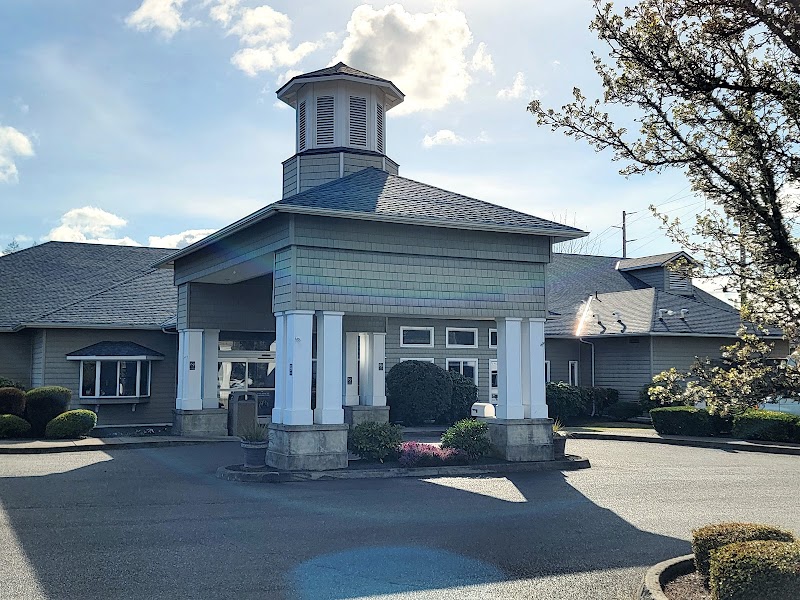
153 JOHNS COURT, SHELTON, WA 98584 (360) 427-2575
For profit - Limited Liability company 76 Beds EMPRES OPERATED BY EVERGREEN Data: November 2025
Trust Grade
30/100
#152 of 190 in WA
Last Inspection: March 2025

Within standard 12-15 month inspection cycle. Federal law requires annual inspections.

Overview

Shelton Health & Rehab Center has a Trust Grade of F, indicating serious concerns about the facility's quality of care. It ranks #152 out of 190 nursing homes in Washington, placing it in the bottom half, but it is the top option in Mason County, where only one other facility exists. The trend shows improvement, with issues decreasing from 24 in 2024 to 18 in 2025. Staffing is a concern, with a 60% turnover rate, significantly higher than the state average, although the facility has an average staffing rating of 3/5 stars. There are troubling incidents, such as a resident not receiving prescribed bowel care for four days and insufficient staffing that has led to unmet needs for several residents, highlighting both the facility's weaknesses and the need for improvement.

Trust Score
F
30/100
In Washington
#152/190
Bottom 20%
Safety Record
Moderate
Needs review
Inspections
Getting Better
24 → 18 violations
Staff Stability
⚠ Watch
60% turnover. Above average. Higher turnover means staff may not know residents' routines.
Penalties
⚠ Watch
$29,913 in fines. Higher than 85% of Washington facilities, suggesting repeated compliance issues.
Skilled Nurses
○ Average
Each resident gets 30 minutes of Registered Nurse (RN) attention daily — about average for Washington. RNs are the most trained staff who monitor for health changes.
Violations
⚠ Watch
45 deficiencies on record. Higher than average. Multiple issues found across inspections.
★★☆☆☆
2.0
Overall Rating
★★★☆☆
3.0
Staff Levels
★★★★☆
4.0
Care Quality
★★☆☆☆
2.0
Inspection Score
Stable
2024: 24 issues
2025: 18 issues

The Good

  • 4-Star Quality Measures · Strong clinical quality outcomes
  • Full Sprinkler Coverage · Fire safety systems throughout facility
  • No fines on record

Facility shows strength in quality measures, fire safety.

The Bad

2-Star Overall Rating

Below Washington average (3.2)

Below average - review inspection findings carefully

Staff Turnover: 60%

14pts above Washington avg (46%)

Frequent staff changes - ask about care continuity

Federal Fines: $29,913

Below median ($33,413)

Moderate penalties - review what triggered them

Chain: EMPRES OPERATED BY EVERGREEN

Part of a multi-facility chain

Ask about local staffing decisions and management

Staff turnover is elevated (60%)

12 points above Washington average of 48%

The Ugly 45 deficiencies on record

2 actual harm
Sept 2025 2 deficiencies
CONCERN (D) 📢 Someone Reported This

A family member, employee, or ombudsman was alarmed enough to file a formal complaint

Potential for Harm - no one hurt, but risky conditions existed

Resident Rights (Tag F0550)

Could have caused harm · This affected 1 resident

**NOTE- TERMS IN BRACKETS HAVE BEEN EDITED TO PROTECT CONFIDENTIALITY** Based on observation, interview and record review, the facility failed to treat residents with respect and honor privacy while h...

Read full inspector narrative →
**NOTE- TERMS IN BRACKETS HAVE BEEN EDITED TO PROTECT CONFIDENTIALITY** Based on observation, interview and record review, the facility failed to treat residents with respect and honor privacy while having private conversations for 1 of 1 sampled resident (1) reviewed for privacy. This failure placed residents at risk for diminished self-worth, self-esteem, and feelings of embarrassment.Findings included.Resident 1 was admitted to the facility on [DATE] with diagnoses of dementia, post-traumatic stress syndrome (a mental health condition that's caused by an extremely stressful or terrifying event), and diabetes mellitus. The quarterly minimum data set, an assessment tool, dated 06/30/2025, documented Resident 1 had moderate cognitive impairment and required substantial assistance with activities of daily living.The care plan, dated 12/08/2024, documented Resident 1 was dependent on staff to meet emotional, intellectual, physical, and social needs. Staff will converse with the resident while providing care and will anticipate the residents' needs.On 08/18/2025 at 2:08 pm, Resident 1 reported that sometimes staff would hang out in their room when they have company. Resident 1 motioned towards the entry of their room and pointed out Staff J, Housekeeping, was doing this during our conversation. Resident 1 said they felt like staff did this intentionally to overhear conversations. At this time, Resident 1 asked Staff J if someone could address the toilet bowl as it was still soiled after housekeeping had cleaned their room earlier. Staff J went and got Staff K, Housekeeping, to address the residents' concerns. While Resident 1 and this writer continued to speak about the resident's care, Staff K proceeded to dust the area around resident's bed, where the resident was laying. Staff K leaned over the bedside table, directly between the resident and this writer, and dusted the light fixture above the bed. Next, Staff K dusted the light fixture in an unoccupied space next to Resident 1's bed. Then, Staff K dusted the bottom of the bedside table directly next to this writer's feet. Staff K proceeded to clean and dust other areas in Resident 1's main room, where we were talking. Resident 1 then asked Staff K to go and clean the bathroom, where the original concern was, while we were talking. Staff K went to the bathroom and cleaned the area of concern. Staff J remained at the entrance of the room during the entire conversation. Resident 1 said see, this is what I was talking about. Resident 1 explained how uncaring it is to intrude on the residents' privacy and how staff lacked empathy. After Staff K was done cleaning the bathroom, Staff K came out into the room and asked if we were done talking. We concluded our conversation at that time.On 09/12/2025 at 3:00 pm, Staff I, Housekeeping, said housekeeping staff should respect the resident's privacy when they have guests. If privacy were required, Staff I would do another task instead.On 09/18/2025 at 2:15 pm, Staff B, Registered Nurse and Director of Nursing Services, said there was a privacy issue where housekeeping staff were cleaning in Resident 1's room. Staff B said staff should not have been cleaning near Resident 1 and this writer while having a conversation. Staff B said she would be talking with housekeeping about the issue.Reference WAC 388-97-0180(1-4)
CONCERN (E) 📢 Someone Reported This

A family member, employee, or ombudsman was alarmed enough to file a formal complaint

Potential for Harm - no one hurt, but risky conditions existed

Deficiency F0725 (Tag F0725)

Could have caused harm · This affected multiple residents

**NOTE- TERMS IN BRACKETS HAVE BEEN EDITED TO PROTECT CONFIDENTIALITY** Based on interview and record review, the facility failed to ensure sufficient staffing levels were met to follow the plan of ca...

Read full inspector narrative →
**NOTE- TERMS IN BRACKETS HAVE BEEN EDITED TO PROTECT CONFIDENTIALITY** Based on interview and record review, the facility failed to ensure sufficient staffing levels were met to follow the plan of care and services for 5 of 10 residents (1, 2, 4, 5 & 6) reviewed for staffing. This failure placed residents at risk for unmet physical, mental and psychosocial needs, a decline in health status and a diminished quality of life.Findings included.Resident interviews, observations & record review1) Resident 1 was admitted to the facility on [DATE] with diagnoses of dementia, post-traumatic stress syndrome (a mental health condition that's caused by an extremely stressful or terrifying event), and diabetes mellitus. The quarterly minimum data set (MDS), an assessment tool, dated 06/30/2025, documented Resident 1 had moderate cognitive impairment and required supervision with bathing.Record review of the care plan, dated 02/26/2025, showed Resident 1 will have a shower on Sunday and Wednesday.On 08/18/2025 at 2:08 pm, Resident 1 said the facility had staffing problems. Resident 1 said medications were late, there were long waits to answer the call light, and staff rush when assisting the resident. The resident said staff did not spend time with the residents. Resident 1 said showers did not always happen or did not happen on their preferred day. Resident 1 said they preferred to shower on Sundays, so they were clean for church. The resident said it was annoying when they did not get their shower when they preferred.Record Review of bathing documentation, dated 08/13/20025 to 09/12/2025, showed Resident 1 received 3 of 8 bathing opportunities. One shower was not given on the planned day.2) Resident 2 was admitted to the facility on [DATE] with diagnoses of asthma, and chronic pain syndrome. The quarterly MDS, dated [DATE], documented Resident 2 had no cognitive impairment and was dependent on staff with many activities of daily living (ADLs).Record review of the care plan, dated 10/08/2024, showed Resident 2 will have baths on Tuesdays and Saturdays.On 09/18/2025, at 12:22 pm, Resident 2 said the facility had staffing issues. Resident 2 said baths were not consistently getting done. The resident said the facility pulled the bath aides (BA) to the floor when they must cover a shift or someone calls in sick. Then, it was the nursing assistants (NA) responsibility to get the baths while being responsible for all their other duties. So, baths did not always happen. The facility would make temporary fixes to the staffing issues, but nothing would stick and eventually, it goes back to how it was.Record review of bathing documentation, dated 08/13/20025 to 09/12/2025, showed Resident 2 received 3 of 8 bathing opportunities.3) Resident 3 was admitted to the facility on [DATE] with diagnoses of major depressive syndrome and spinal stenosis (narrowing of the spine, which puts pressure on the spinal cord and nerves causing pain). The quarterly MDS, dated [DATE], documented Resident 3 had moderate cognitive impairment and required substantial assistance with ADLs.On 09/12/2025 at 2:19 pm, Resident 3 said there was a problem with staffing. Resident 3 said there were not enough staff to answer the call light promptly. Often, the resident waited for 20 minutes or longer to have the call light answered. Resident 3 said they were often waiting to use the bathroom and the resident needed two people to assist them. Resident 3 said weekends and lunch time were the worst times.4) Resident 4 was admitted to the facility on [DATE] with diagnoses of chronic obstructive pulmonary disease (lung and airway diseases that restrict your breathing) and a cerebral vascular accident (a stroke). The admission MDS, dated [DATE], documented Resident 4 had no cognitive impairment and required moderate assistance with ADLs.Record review of the care plan, dated 05/23/2025, showed Resident 4 required an assist of one staff, using a slide board, to use the bath.On 07/22/2025 2:04 pm, Resident 4 appeared disheveled and in a gown. Resident 4 had many sores and scabs visible along their arms and legs.Record review of bathing documentation, dated 08/13/20025 to 09/12/2025, showed Resident 4 would receive showers every Monday, Thursday, and Saturday at noon. Resident 4 received 8 of 12 bathing opportunities.5) Resident 5 was admitted to the facility on [DATE] with diagnoses of dementia and major depressive disorder. The quarterly MDS, dated [DATE], documented Resident 5 had severe cognitive impairment and required moderate assistance with ADLs.Record review of the care plan, dated 04/25/2025, documented Resident 5 would receive showers every Tuesday and Friday.Record review of bathing documentation, dated 08/13/20025 to 09/12/2025, showed Resident 5 received 4 of 8 bathing opportunities.6) Resident 6 was admitted to the facility on [DATE] with diagnoses of left tibia fracture (lower leg break) and pressure ulcer (injuries to the skin and the tissue below the skin that are due to pressure on the skin for a long time) of the right foot. The quarterly MDS, dated [DATE], documented Resident 6 had severe cognitive impairment and was dependent on staff with bathing.Record review of the care plan, dated 05/23/2025, documented Resident 6 will receive a bed bath every Sunday and Wednesday.On 09/18/2025 at 1:15 pm, Resident 6 said staff gave them a bath recently but they had gone awhile without one. Resident 6 said it felt so good to get cleaned up.Record review of bathing documentation, dated 08/18/20025 to 09/17/2025, showed Resident 5 had five refusals of baths and 1 of 8 bathing opportunities. The medical record did not show staff reattempting to give the resident a bath after the refusal.Nursing schedulesA review of the nursing schedules from 06/24/2025 to 07/06/2025 showed:On 06/24/2025 a BA was removed from the shift.On 06/26/2025 a BA was removed from the shift.On 07/02/2025 a BA was removed from the am and pm shifts.On 07/06/2025 a BA was removed from the shift. A review of the schedule from 08/31/2025 to 09/11/2025 showed:On 09/02/2025 a BA was removed from the shift.On 09/03/2025 a BA was removed from the am and pm shifts.On 09/04/2025 a BA was removed from the shift.On 09/06/2025 a BA was removed from the shift.On 09/07/2025 a BA was removed from the shift.On 09/08/2025 a BA was removed from the shift.On 09/09/2025 a BA was removed from the shift.On 09/011/2025 a BA was removed from the am and pm shifts.Resident CouncilReview of Resident Council Minutes, dated 04/16/2025, showed concerns with short staffing and call light response. Residents never know who's working. Medications were expiring without notifying residents who were required to order more.Review of Resident Council Minutes, dated 05/1642025, showed concerns with inconsistency in the amount of nursing assistants scheduled. One day we will have 8 aides and the next 3. Residents report difficulty with agency staff.Review of Resident Council Minutes, dated 07/09/2025, showed nurses were let go and agency staff were filling in until there were replacements. More residents needed to move into the building to get more staffing.Review of Resident Council Minutes, dated 08/20/2025, showed concerns showers were not getting done on scheduled days. Low census of staff means no BA. A resident reported two missed showers.GrievancesReview of Grievance Form, dated 08/15/2025, showed during resident council, residents reported they were not getting showers, or the shower aide was unavailable on multiple occasions. The investigation/findings noted audits would be done daily. A list would be put out for nurses to follow daily. The schedule had been modified to reduce the workload of the staff.Review of Grievance Form, dated 09/05/2025, showed Resident 10 had not received a shower despite being told they would. The resident appeared in poor condition and has had visitors report the same concerns. The investigation/findings noted Resident 10 did not receive a shower as scheduled. Documentation of of showers was found to be inconsistent. Staff were not performing showers or making up showers despite daily audit or make up list. Schedule was adjusted and resident placed on makeup shower list.Staff interviewsOn 09/12/2025 at 1:19 pm, Staff H, NA, said some days were harder than others related to staffing. Showers were the biggest issue especially when there was no BA. If staff called out, the BA was the first to be pulled. Then, the staff on the floor must cover the showers. Residents who take long showers or who were hard to get done were the most difficult to complete. Staff H stated there was not much that happened when they went to leadership with their concerns.On 09/12/2025 at 2:29 pm, Staff G, NA, said it could be a challenge to get showers done when they were short staffed.On 09/12/2025 at 2:33 pm, Staff C, licensed practical nurse (LPN), said staffing was an issue with the facility. Sometimes the nurses had up to 30 residents to care for. They get late with passing medication. Showers do not get done. Staff C says they feel bad for the residents as it's their basic human need and right; Staff D, LPN, said there were 27 showers to do this day. There were, at times, not enough NAs and all that could be done was providing for basic needs. Staff feel overwhelmed and stressed.On 09/12/2025 at 2:52 pm, Staff F, BA and NA, said they had 4 to 8 baths scheduled unless they were removed from working on the floor. This happens pretty often. The amounts of baths [NAME] when the BA is pulled to the floor. They can have 20 or more showers to do in a day in this situation. This is a challenge to get done. Sometime baths or refusals are not documented due to time constraints. Voicing concerns to leadership regarding staffing was ineffective.On 09/12/2025 at 3:38 pm, Staff E, registered nurse (RN), said she was an agency nurse and was new to the facility. Staff E said the facility had residents who were high acuity and have a lot of needs. The facility was experiencing a COVID outbreak, has staffing issues, and printers and fax machines were not working, making staffing even more challenging. Due to all the issues, they could not get things like daily orders or treatments done resulting in a delay in care. Staff E said there was not enough support.On 09/18/2025 at 2:15 pm, Staff B, RN and Director of Nursing Services, said they started having a BA to help address missed showers. When people called off, they would pull the BA to the floor. They do have agency staff they use to try and cover shifts. Staff B acknowledged concerns have been reported in both Resident Council and through the grievances process related to showers and staffing concerns. Staff B said showers are an issue. Staff B said the facility has residents who have complex needs. Staff B said they had been trying to do things like consolidating medications to reduce the medication pass.On 09/18/2025 at 2:52 pm, Staff A, Administrator, acknowledged they had issues with bathing and staffing. Staff A said they have done many things such as job fairs and bonuses to increase staffing levels. They use agency staff but, at times, when they are scheduled to work they do not show up. Leadership is expected, and does, cover shifts and help on the floor.Reference: (WAC) 388-97-1080 (1)
Mar 2025 16 deficiencies 2 Harm
SERIOUS (G)

Actual Harm - a resident was hurt due to facility failures

Quality of Care (Tag F0684)

A resident was harmed · This affected 1 resident

**NOTE- TERMS IN BRACKETS HAVE BEEN EDITED TO PROTECT CONFIDENTIALITY** <Resident 49> Resident 49 admitted to the facility on [DATE] with the following bowel care orders: a) Milk of Magnesia, if...

Read full inspector narrative →
**NOTE- TERMS IN BRACKETS HAVE BEEN EDITED TO PROTECT CONFIDENTIALITY** <Resident 49> Resident 49 admitted to the facility on [DATE] with the following bowel care orders: a) Milk of Magnesia, if no bowel movement for three days, administer on day four. b) If no result from Milk of Magnesia, then Bisacodyl suppository on the next shift during waking hours c) If no result from suppository, then an Enema on the next shift, during waking hours If after the enema there was no bowel movement, then the facility was to notify the provider. The February 2025 bowel record showed Resident 49 had no bowel movement from 02/16/2025 - 02/19/2025 (four days). Review of the February 2025 MAR showed Resident 49 was not administered Milk of Magnesia on the fourth day without a bowel movement as ordered. On 03/18/2025 at 8:33 AM, Staff B, DNS, said the nurse should have administered Resident 49's Milk of Magnesia on 02/19/2025 as ordered, but failed to do so. Reference WAC 388-97-1060 (1) Based on interview and record review, the facility failed to ensure physician ordered laboratory values were obtained for 1 of 3 residents (Resident 14) who was declining, found unresponsive and had to be hospitalized , and failed to ensure the bowel protocol was followed for 2 of 7 residents (Residents 13 & 49) reviewed for bowel protocol. Resident 14 experienced actual harm when the facility failed to follow physician orders, failed to provide adequate hydration and failed to consistently monitor and document resident's change in condition and the resident developed altered mental status and sepsis (infection of the blood) and urinary tract infection (infection in the urine) and required intensive care level hospitalization. This failure placed residents at risk for unidentified and untreated sepsis, dehydration, constipation, decline, and a diminished quality of life. Findings included . <Hospitalization> Resident 14 was admitted to the facility on [DATE] with diagnoses including epilepsy (seizure disorder) and surgical aftercare following surgery on the genitourinary system. The Significant Change, Minimum Data Set Assessment (MDS, an assessment tool), dated 01/07/2025, showed Resident 14 was severely cognitively impaired and dependent on staff for cares. Review of the Electronic Health Record (EHR) showed Resident 14 was hospitalized from [DATE] to 10/18/2024 to have bilateral urethral stents placed (a thin tube was placed in each ureter to keep them open, to allow movement of urine from the kidneys to the bladder). Resident 14 was re-hospitalized from [DATE] to 10/29/2024 for acute encephalopathy (when the brain does not function as well), obstructive hydronephrosis (issue with urine draining out of kidney) status post bilateral urethral stent, complicated urinary tract infection, acute kidney injury, and possible recurrent seizure. A progress note, dated 11/09/2024, showed Resident 14 was diagnosed with hemorrhagic cystitis (inflammation of the bladder lining that causes bleeding and pain with urination). Resident 14 was placed on a 10-day course of an antibiotic. During the antibiotic period of 10 days, on 11/14/2024 a progress note reported Resident 14 required intravenous (IV) fluids for electrolyte imbalance. Review of the November 2024 MAR showed that Resident 14 on 11/12/2024 had received IV fluids for dehydration (dehydration can cause elevated sodium levels). Review of the 11/12/2025 laboratory results from 8:59 AM collection time, showed Resident 14 had an elevated sodium level of 149 (normal range listed as 135-146). Review of the 11/14/2025 laboratory result from 8:50 AM collection time, showed Resident 14 had an elevated sodium level of 154 (normal range listed as 135-146). Review of the EHR showed Resident 14 completed their 10-day course of an antibiotic on 11/19/2024. After the antibiotic had completed on 11/20/2024, a progress note showed Resident 14 was placed on an 1800 milliliter (ml) fluid restriction per day and a no added salt diet. Review of the Medication Administration Record (MAR) by the licensed nurses (LNs) and the Point of Care Fluids by the Certified Nursing Assistants (CNAs) showed the following amount of fluid consumed recorded: 11/20/2024: order started at 2:00 PM, 1,330 ml (milliliters)(400 ml recorded by LN, 93 ml by CNA) 11/21/2024: 1,480 ml (1000 ml by LN, 480 ml by CNA) 11/22/2024: 1,060 ml (700 ml by LN, 360 ml by CNA) 11/23/2024: 1,600 ml (1,000 ml by LN, 600 ml by CNA) 11/24/2024: 540 ml (300 ml by LN, 240 ml by CNA) 11/25/2024: 640 ml (240 ml by LN, 400 ml by CNA) 11/26/2024: 780 (560 ml by LN, 220 ml by CNA) 11/27/2024: 1,340 ml (980 ml by LN, 360 ml by CNA) 11/28/2024: 1,960 ml (1,000 ml by LN, 960 ml by CNA) 11/29/2024: 944 ml (200 ml by LN, 744 ml by CNA) 11/30/2024: 960 ml (600 ml by LN, 360 ml by CNA) Review of the 11/05/2024 nutritional evaluation form, completed by the Registered Dietician, documented Resident 14's hydration needs as 1500 ml of fluid. The documented fluid amounts during 11/21/2024-11/30/2024 showed that Resident 14 was not meeting their daily hydration needs for 8 of 10 days reviewed. Review of a 11/21/2024 progress note showed Resident 14 had a decline in condition and needed increased assistance. Review of a 11/22/2024 progress note showed the provider had requested a nephrology (doctor whom specializes in kidney disease) referral, a urinalysis (UA, analyzes the urine) with culture and sensitivity (if an organism was present would show which one, and allow better selection of what antibiotic to use), a complete blood count (CBC, can detect infection or low red blood cells or platelets), and an abdominal x-ray. The progress note said the resident was on alert for decline and labs. A review of the 11/23/2024 progress note showed Resident 14 continued to have decline and weakness, with hematuria (blood in the urine). EHR showed the next progress note was seven days later on 12/01/2024 which documented Resident 14 was found unresponsive and unable to arouse with the following abnormal vital signs: Temperature 102.5 (fever is anything over 100.4) Heart rate 132 (60-100 generally considered normal for an adult) Blood pressure 89/59 (normal adult blood pressure typically considered 120/80) Resident 14 was then sent to the hospital. Review of the hospital update documentation showed Resident 14 arrived to the hospital with altered mental status, a fever, was hypotensive (low blood pressure) and required fluid boluses and IV Levophed (vasopressor used for treating severely low blood pressure) for pressure support. Review of the hospital Discharge summary, dated showed Resident 14 was diagnosed with a urinary tract infection and sepsis. Review of the EHR showed neither the UA or the CBC (from the 11/22/2024 progress note) were obtained/completed. One administration note for the UA and CBC showed Unable to obtain at this time will try again on 11/23/2024. No additional documentation was found. On 03/17/2025 a request was made for the facility policy on vitals. On 03/17/2025 at 10:32 AM, Staff B, Director of Nursing Services (DNS) documented via email that there was no vital signs policy. During an interview on 03/17/2025 at 12:47 PM, Staff D, Resident Care Manager (RCM), when asked what services were provided by the facility to prevent the hospitalization on 12/01/2024, said it looked like Resident 14 was placed on a fluid restriction and an abdominal x-ray was obtained. Staff D said they looked in the chart and called the hospital but there was no record of the UA or the CBC being obtained, and their expectation was it would have been drawn and collected, and acknowledged neither was done. When asked about the alert charting for decline and how long the resident should have charting done for, Staff D said they did not know and they did not have a policy specific to this area of concern. Regarding Resident 14, Staff D said they could see a lot of charting was not completed while they were on alert and they continued to decline, and their expectation was for staff to have charted on them every shift. When asked if there was documentation of Resident 14's clinical status during that time, Staff D said no. Staff D confirmed there were no vitals taken for Resident 14 between 11/23/2024 and 12/01/2024. During an interview on 03/18/2025 at 2:24 PM, Staff B, Director of Nursing Services (DNS), when asked how the facility prevented the hospitalization, stated they did not prevent it when they did not get the laboratory tests, and they could have potentially prevented the hospitalization by getting the UA. <Bowel Protocol> Review of the facility's policy titled, Bowel Protocol, dated with a revision date of 03/2018, showed that if the resident did not have a bowel movement for three days, then the nurse was to administer the physician ordered bowel program. The bowel protocol showed the residents were supposed to receive the following medications to stimulate a bowel movement: a) Milk of Magnesia, if no bowel movement for three days, administer on day four. b) If no result from Milk of Magnesia, then Bisacodyl suppository (small bullet sized medication inserted via rectum) on the next shift during waking hours c) If no result from suppository, then an Enema (liquid inserted via rectum) on the next shift, during waking hours If after the enema there was no bowel movement, then the facility was to notify the provider. <Resident 13> Resident 13 was admitted to the facility on [DATE]. Review of the Significant Change MDS, dated [DATE], showed Resident 13 was severely cognitively impaired and was dependent on staff for cares. Review of the past 30-day bowel monitor showed Resident 13 did not have a bowel movement from 02/09/2025 to 02/18/2025 (10 days). Review of the MAR showed Resident 13 had as needed bowel medications ordered, the same as from the bowel protocol and in the same order. The February 2025 MAR showed a fleet enema was given on 02/14/2025 but did not indicate whether or not there were results Review of the nursing progress notes, from 02/10/2025 to 02/18/2025, showed no alert charting for Resident 13 regarding and the intervention of the enema, lack of bowel movement, or alert charting. Review of the EHR showed no explanation of why the fleet enema was given out of order from the bowel protocol/instructions in the provider order. During an interview on 03/17/2025 at 12:35 PM, Staff D, RCM, when asked about this period without a bowel movement, looked in the EHR and said they were given an enema on 02/14/2025 and this did not follow the orders or the bowel protocol. Staff D was unable to find any documentation of refusals of less invasive routes per the bowel protocol for this time period. Staff D said their expectation once a resident was on the no bowel movement list, that staff would place on alert charting and documenting about the lack of bowel movement and treatments. During an interview on 03/17/2025 at 4:44 PM, Staff B, DNS, said their expectation for the bowel protocol was that on day four it would be started. Staff B said Resident 13's records did not meet expectations, as staff needed to follow physician orders.
SERIOUS (G)

Actual Harm - a resident was hurt due to facility failures

Deficiency F0692 (Tag F0692)

A resident was harmed · This affected 1 resident

**NOTE- TERMS IN BRACKETS HAVE BEEN EDITED TO PROTECT CONFIDENTIALITY** <Resident 49> Resident 49 admitted to the facility on [DATE]. Review of the admission MDS, dated [DATE], showed the reside...

Read full inspector narrative →
**NOTE- TERMS IN BRACKETS HAVE BEEN EDITED TO PROTECT CONFIDENTIALITY** <Resident 49> Resident 49 admitted to the facility on [DATE]. Review of the admission MDS, dated [DATE], showed the resident had moderate cognitive impairment, diagnoses of non-Alzheimer's dementia and unspecified nausea and vomiting, required setup assistance with meals and had no known significant weight loss in the previous six months. A Nutrition/Hydration care plan, revised 02/17/2025, directed staff to encourage Resident 49 to eat 50% or more of their meal; if meal intake was 50% or less, to offer a substitute meal or supplement; and to provide diet as ordered. Hospital transfer orders, dated 02/04/2025, showed Resident 49 weighed 192 lbs., was on a regular, low sodium diet, and had an orders for Ensure Plus (a liquid nutritional supplement that provides concentrated calories and protein to help gain or maintain a weight for patients with malnutrition or otherwise at nutritional risk) two times a day. One carton was to be provided with breakfast and the other with dinner. Resident 49's weight record showed the following: 02/04/2025- 193 lbs. 02/09/2025- 189 lbs. 02/10/2025- 188 lbs.; - 5 lbs. in six days. A Nutrition Evaluation Form, dated 02/10/2025, documented Resident 49 weighed 188 lbs., was on a regular, no added salt diet, and was independent with meals after setup. Staff G, RD, identified the residents who took diuretic medication (medication to draw fluid from body) as having the potential to cause fluctuations in weight, but documented the resident had no edema at that time. Resident 49's average meal intake was estimated to be 80% of breakfast, and 75% of the lunch and dinner. Staff G, RD, concluded that Resident 49's overall nutrition status was stable and adequate. Review of the evaluation form showed Resident 49's 02/10/2025 weight of 188 lbs. was used as the resident's baseline weight. Under Additional Weight History staff documented not applicable. The facility's 02/04/2025 admission weight of 193 lbs., which was consistent with the hospitals 02/04/2025 discharge weight of 192, was not acknowledged nor was the 5 lbs. weight loss the resident in the six days since admission. There was no information provided to indicate if the facility had provided the supplement or whether the resident had been drinking it. Review of Resident 49's Electronic Health Record (EHR) and physicians' orders showed the Ensure Plus order had not been transcribed and/or implemented. A progress note, dated 02/11/2025, documented Resident 49 reported being nauseas and vomiting twice. Review of the February and March 2025 MARs revealed a 02/04/2025 order for Ondansetron (anti-nausea medication) and showed it had been requested and administered on the following dates: 02/11/2025 at 3:48 PM 02/12/2025 at 8:02 AM 02/18/2025 at 3:40 PM 02/19/2025 at 9:48 AM 02/22/2025 at 11:55 AM 02/26/2025 at 11:27 AM 03/07/2025 at 10:17 AM On 03/02/2025 at 11:02 AM, Resident 49's weight was 177.8 lbs. A reweigh was obtained at 2:02 PM, and was 178 lbs. This showed a significant weight loss of 7.8% in 28 days. Review of the EHR showed Resident 49 was not reviewed in the facility's 03/04/2025 weekly nutrition meeting. No documentation was present in the record to indicate facility staff had identified the significant weight loss, notified the physician or developed and implemented any nutritional interventions to address it. On 03/09/2025 at 11:04 AM, Resident 49's weight was 172 lbs. A reweigh was obtained at 2:04 PM and was 171.6 lbs. This confirmed the resident's consistent and unplanned significant weight loss, which was now at -11.09% in 34 days without identification by facility staff, or the development and implementation of nutritional interventions. A 03/10/2025 Nutrition Hydration Skin Committee Review Form, identified the reason for review as significant weight loss of greater than 5%. The sections for weight loss of 7.5% and 10% respectively, remained unchecked. The review identified the resident had consumed 51-100% of most meals over the previous seven days, and did not receive any nutritional supplements. The Interdisciplinary Team (IDT) determined the resident's current meal and fluid intake were adequate to meet the resident's needs but recommended adding NEM to Resident 49's diet. There was no evaluation of the conditions impacting the resident's intake or effectiveness of current interventions. On 03/14/2025 at 1:07 PM, Resident 49 was observed sitting up in bed, their lunch tray was on the bedside table, which was pushed away from the edge of the bed. Observation of the tray showed the pork patty, mixed vegetables, dinner roll with packet of butter, and cake were untouched. The silverware was clean and unused. There was one cup on the tray that had a few drops of red liquid remaining in it. When asked why he had not eaten anything, Resident 49 stated, I drank the juice, but I just don't have an appetite. The resident reported it was not due to the quality of the food and reiterated I just don't have an appetite. Resident 49's tray showed a NEM diet was not provided (No whole milk was on the tray, they had drank their juice and may have drank the milk) and they ate 0% of the meal. Review of the March 2025 meal monitor showed staff documented on 03/14/2025 at 12:00 PM that Resident 49 ate 51- 75% of lunch and drank 480 milliliters (ml) of fluid, despite lunch meal service for Hall 2 being at 12:30 PM, the resident only being provided one 240 ml cup of juice on their tray and not eating any of the meal. On 03/18/2025 at 7:59 AM, Staff B confirmed there was no documentation to show the facility provided the resident Ensure Plus (or a therapeutic interchange) twice a day as ordered. When asked why Resident 49 was not reviewed for significant weight loss during the facility's 03/04/2025 weekly nutrition meeting, given on 03/02/2025 the resident showed a significant weight loss of 7.8% in 28 days, Staff B, DNS, said they did not have a nutrition meeting that week because the RD was out of town, but acknowledged Resident 49 should have still been reviewed and assessed by the rest of the nutrition IDT, but was not. Staff B shared that Resident 49 was reviewed the following week by the nutrition IDT and NEM was added to their diet. On 03/18/2025 at 8:08 AM, when informed that observation of Resident 49's meal trays showed they were not provided NEM, and interviews showed facility staff did not know what NEM on a resident's tray car meant, or what action, if any, it called for them to do. Staff B, DNS, indicated there was a need for education and acknowledged someone from the IDT should be following up on nutritional recommendations to ensure they were fully implemented, and to assess the effectiveness. When asked if that occurred for Resident 49's nutritional interventions Staff B, DNS, said no. Surveyor: [NAME], Tnesa E. <Resident 29> Resident 29 was admitted to the facility on [DATE]. The Annual MDS dated [DATE], documented Resident 29 was severely cognitive impaired. The EHR documented Resident 29 weighed 91.6 pounds on 10/01/2024. On 02/02/2025 Resident 29 weighted 87.0 pounds and on 03/02/2025 weighed 82.2 pounds. This resulted in a -5.75 % loss in 30 days and a -10.48 % loss in six months. The EHR documented Resident 29 was prescribed a therapeutic diet on 02/14/2024 to include a regular diet, regular texture with thin liquids with NEM. Resident 29 was also prescribed a calorie dense supplement three times a day and to be offered again when Resident 29 ate less than 50% of their meal. A Nutrition Assessment, dated 02/05/2025, documented Resident 29 was maintaining weight, was to continue a regular diet, regular texture with thin liquids with NEM and had no concerns at the time of the assessment. On 03/13/2025 at 12:07 PM, observations of Resident 29's meal card documented resident was on a regular diet with think liquids and beverage of choice was whole milk and resident did not have any dislike. Meal ticket did not document NEM diet. At 12:25 PM, Resident 29 was observed wheeling themselves away from the table and out of the dining room. No staff approached Resident 29 or offered an alternative meal or supplement. Resident had only eaten a few bites of beef tips (more than 75 % still on plate), 2-3 spiral noodles were eaten (more than 75% still on plate), all the vegetables were still on the plate, the dinner roll had been eaten and all the juice in the cup had been drank. No milk was on the table. No NEM diet was provided or documented on meal card. At 12:26 PM, when asked what should happen when a resident ate less than 50% of their meal, Staff P, CNA, said they should be offering the resident an alternative meal or supplements. Staff P said per Resident 29's Power of Attorney, they had been directed not to offer Resident 29 an alternative or supplement meal. They had provided Resident 29 with two peach yogurts prior to lunch. On 03/14/2025 at 11:00 AM, Collateral contact 1, Resident 29's POA, was sitting in the lobby with Resident 29. Collateral contact 1 said a while back Resident 29 was having difficulty eating and the facility was in the process of conducting a nutritional assessment with Resident 29. Collateral contact 1 said they told the facility not to offer Resident 29 extra food during the assessment period because they wanted a accurate assessment on Resident 29's ability to swallow. Collateral contact 1 said they wanted Resident 29 to be offered alternative food, if Resident 29 was eating less than 50% of the meal. Collateral contact 1 said she would expect the staff to help Resident 29 choose food that was soft and easy for Resident 29 to chew, due to swallowing difficulties. Collaterals contact 1 said they facility should be cutting up large portions foods too. When observations of Resident 29's meal for March 13 and 17 were explained, including no NEM, Collateral contact 1 said they did not know Resident 29 was on an NEM diet. Collateral contact 1 asked how much Resident 29 weighed. When February and March's weights were provided, Collateral contact 1 said no one had notified them that Resident 29 had lost weight. On 03/17/2025 at 12:13 PM, observations of Resident 29's meal card documented resident was on a regular diet with think liquids and beverage of choice was whole milk and resident did not have any dislike. At 12;19 PM, Resident 29 was observed wheeling themselves away from the table and out of the dining room. No staff approached Resident 29 or offered an alternative meal or supplement. Resident had only eaten half the bowl of soup with crackers, ¼ of the ham and cheese sandwich, two bites of dessert and 90% of her juice. Left on the plate included ¾ of the sandwich, half cup or sop with crackers, a full unopened bag of chips and a full salad cup. No NEM diet was provided or documented on meal card. A Nutrition-Meal Monitor Follow Up Question Report, dated 03/01/2025-03/17/2025, documented on 03/13/2025 at 1:04 PM, Resident 29 ate between 0-25% of the meal, no alternative meal/supplement was provided. On 03/17/2025 at 1:37 PM, documented Response Not Required. Documentation showed no alternatives meals were offered for March 13th and 17th. A phone interview was completed on 03/13/2025 at 2:33 PM, with Staff G, RD. When asked about Resident 29's diet, Staff G said Resident 29's weight had been in the 80-90's for the last year and Resident 29 had just recently triggered for weight loss and they did not know if it had been struck out (meaning determined to be a false weight). Staff G said Resident 29 was on a regular, regular diet with thin liquids and NEM. Resident 29 was also receiving a calorie supplement. When observation of no NEM diet was reported and no documentation on the meal card of NEM diet, Staff G said Resident 29 should have received the NEM diet and the meal card should reflect the correct diet type to include NEM. On 03/17/2025 at 2:38 PM, Staff D, RCM, with Staff C, RCM, present, said the process for when a resident has been identified as losing weight included bringing the concerns to the weekly nutrition meeting. Staff, including the Registered Dietitain, would make recommendations, review current interventions and complete a new assessment for the resident. Staff C said it also included notifying the family and provider of the resident's weight loss. When asked about Resident 29's weight loss, Staff D said Resident 29 was not triggered for weight loss. Staff D was shown Resident 29's weight loss calculations, Staff D said they were not aware Resident 29 had lost weight. Staff D confirmed there were no progress notes or current evaluations completed for Resident 29's weight loss. Staff D said Resident 29 was on regular diet with thin liquids with NEM. Staff D said staff should be offering Resident 29 an alternative meal or supplements if the resident ate less than 50% of the meal. Staff D said it was the responsibility of the RCMs to ensure residents received the correct diet that matched the meal card. March 13th and 17th observations were explained about no NEM diet on meal card and no staff had offered Resident 29 an alternative meal. Staff D said it was the expectation that residents received the correct diet, and staff would offer an alternative meal. On 03/18/2025 at 12:53 PM, when asked about Resident 29's weight loss, Staff B, DNS, with Staff E, Divisional Director/Regional RN present, said they were aware Resident 29 had lost some weight over the past year and had been trending down recently. Staff B said Resident 29 was on a regular, regular diet with thin liquids and NEM. Staff B said the NEM diet should have been documented on the meal card. Staff B said they provided documentation of Resident 29 being offered alternative meal, the Nutrition-Meal Monitor Follow Up Question Report. When asked about the observations that no staff had offered an alternative meal to Resident 29, Staff B said an alternative meal was offered, surveyor just didn't observe it. Reference WAC 388-97 -1060 (3)(h) Based on observation, interview and record review, the facility failed to ensure resident meal intake was accurately recorded, nutritional supplements were provided as ordered, weights were timely obtained and evaluated, significant weight loss was identified, and nutritional interventions were implemented and evaluated for effectiveness for 3 of 5 sampled residents (Residents 14, 49, & 29) reviewed for nutrition. Resident 14 experienced harm when they had a severe weight loss of 14.89% over six months. Resident 49 experienced harm when they had a 11.09% weight loss in 34 days before it was identified by staff. This failure placed all residents at risk of malnourishment, weakness, unidentified care needs, and a diminished quality of life. Findings included . Review of the facility's policy, titled Nutrition Hydration Skin Committee, updated 11/2012, showed the facility held the committee for evaluating residents with declining nutrition, hydration, and skin status. Residents to be reviewed could include residents with significant decline or improvement in condition, trending or significant weight change, changes in meal intake, requiring thickened liquids, having a decline in diet food texture, or due to intake and output. The committee was to meet routinely to address identified issues and track residents being monitored. For residents being reviewed, the committee was to review and revise the care plan with measurable goals and appropriate interventions. For any medically unavoidable weight loss or gain, the committee was to place a referral to the physician for request of documentation on unavoidable weight change. Review of the facility's policy, titled Weights, last revised 07/20/2024, showed new admission residents were to have weekly weights for one month. If stable, then the resident could have monthly weights. The policy provided guidelines for residents that may need weekly weights, with wording saying it was not all inclusive, for residents that had the following: a) Food intake declined and persisted b) Slow trending of weight loss or gain c) Significant weight loss or gain d) Significant change in condition If a resident had a 5-pound variance between weights, a re-weigh would be required. If the significant weight loss was still present after the re-weigh, the nurse was to document in the medical record/progress note, revise the care plan, refer to the Nutrition Hydration Committee, and to notify the provider and the resident/resident representative. Progress notes by the nurse were to include any responses by the provider. Review of the facility's policy, titled Preparation and Serving of Nutritionally Enhanced Meals (NEM), updated 11/2018, showed the facility was to add NEM designation to the resident's tray ticket, each tray would have 8 ounces (oz) of whole milk, and dietary would provide enriched cereal topping to the breakfast and extra margarine to breads, potatoes, pasta, rice, vegetables or other appropriate foods. Resident meal trays could also have extra high calorie and high protein foods to further enhance nutrition, such as yogurt, ice cream, pudding, extra egg at breakfast, and/or peanut butter. <Resident 14> Resident 14 was admitted to the facility on [DATE] and had diagnoses of weakness, major depressive disorder (depression), and dehydration. The Significant Change Minimum Data Set Assessment (MDS/an assessment tool), dated 01/07/2025, showed Resident 14 was severely cognitively impaired, dependent on staff for cares, and during the assessment period had required supervision or touch assistance for eating. Review of the weights showed: 1 month: On 02/02/2025, the resident weighed 110.8 lbs. On 03/02/2025, the resident weighed 104 pounds which is a -6.14 % Loss. 3 months: On 12/07/2024, the resident weighed 119.6 lbs. On 03/02/2025, the resident weighed 104 pounds which is a -13.04 % Loss. 6 months: On 09/01/2024, the resident weighed 122.2 lbs. On 03/02/2025, the resident weighed 104 pounds which is a -14.89 % Loss. Review of progress notes showed: On 08/12/2024, Resident 14 had a 5.4% weight loss in 30 days, that the resident was declining to eat in the dining room, and there were no new orders. On 10/30/2024, Resident 14 was reviewed by the nutrition committee related to the weight loss of 5.10% over 28 days, it was acknowledged that the resident may have lost weight due to hospitalization and illness, and a house supplement was added one time daily (it was discontinued on 12/07/2024). Between 12/07/2024 and 03/10/2025 Resident 14 was not on a calorie dense supplement/house supplement. On 03/10/2025, Resident 14 was noted to have 5.8% weight loss over 30 days. Interventions at that time included encouraging to go to dining room, offering snacks, and adding back/administering Cal dense (nutritional supplement) 60 milliliters with medication pass two times a day. On 01/06/2025, Resident 14 was reviewed by the nutrition committee for weight loss of 10.7% in less than two months. It was identified Resident 14 had poor oral intake and would at times refuse food/fluids/medications. On 01/13/2025, Resident 14 was noted to have a 15.8% weight loss in the previous three months. Provider was notified and NEM was added to diet on 01/06/2025. During an observation on 03/12/2025 at 9:42 AM, Resident 14 was seen with two drinks in front of them, a water and a thin dark brown drink, presumably coffee. No milk was seen (the facilities identified NEM intervention) At 12:56 PM, Resident 14 was seen eating lunch, without milk (the facilities identified NEM intervention) On 03/13/2025 at 12:58 PM, Resident 14 was seen eating lunch, without milk (the facilities identified NEM intervention). Resident 14's tray slip said soft bite sized regular, NEM, thin liquids. The slip had standing orders of 8 oz juice and 8 oz of beverage of choice. Dislikes did not include milk. Resident 14 was observed to have the head of their bed at 30 degrees, was leaning over their left side, and was seen to drop a small amount of food on themselves and their bed. Staff N, Certified Nursing Assistant (CNA) entered and exited Resident 14's room, said it was not good for Resident 14 to have been eating in that position but did not provide assistance. Resident 14 did not eat all of their meal. On 03/14/2025 at 8:34 AM, Resident 14 was seen with a neck pillow around their neck, ate from a red bowl, did not eat anything off their plate, and did not have milk (the facilities identified NEM intervention) with their breakfast. At 8:40 AM, Resident 14 closed their eyes and stopped attempting to eat. At 9:25 AM, a CNA entered the room, attempted to wake Resident 14 up, said they were going to take their tray, and left the cup with juice. On 03/17/2025 at 1:15 PM, Resident 14 was seen with their tray slip saying NEM, with it listing juice and beverage of choice. No milk was observed (the facilities identified NEM intervention). Resident 14 did not eat their chopped-up meat or side of beans. The record showed that Resident 14 did not have weekly weights obtained; despite having the following guidelines identified in the facilities policy as indicators a resident may need weekly weights: a) Food intake declined and persisted b) Trend of weight loss c) Significant weight loss d) Significant change in condition During a phone interview on 03/13/2025 at 2:33 PM, Staff G, Registered Dietician (RD), said Resident 14 had a significant weight loss over 30 days. Staff G said their expectation was for staff to follow the diet order with NEM, to provide Cal Dense two times a day, and that they would recommend weekly weights to catch weight loss sooner than a month away. When asked about the intervention of snacks between meals, Staff G said this was a standard for every person in the building, and under the tab to document snacks (excluding PM snack) there was no documentation. During an interview on 03/14/2025 at 9:30 AM, Staff H, CNA, said they had been working with Resident 14 since October, and that Resident 14 was not great at eating their meals, and did not eat a whole lot. Staff H, when asked about Resident 14's breakfast, said they had only eaten 0-25% of their meal, and they were unsure if Resident 14 needed an alternative as they tried to wake them, but they were hard to wake up. When asked what helps Resident 14 eat more, Staff H said sitting them up, making sure they were awake helps. When asked when Resident 14 was offered snacks, Staff H responded at around 8:00 PM. Staff H reported Resident 14 liked the chocolate flavor. At 10:59 AM, Staff I, Licensed Practical Nurse (LPN), said Resident 14 hated the Calorie Dense, and it was a vanilla flavor. Staff I went into the room to see if Resident 14 would take the Calorie Dense, Resident 14 was heard saying It's crap. Staff I asked if Resident 14 liked vanilla and was told no. Resident 14 reported they liked chocolate. At 11:16 AM, when asked about what triggered the significant change MDS assessment, Staff D, Resident Care Manager (RCM), said Resident 14 had gone to the hospital, had urinary stent (thin tube to allow flow of urine) placements, blood in the urine, significant decline requiring two person assistance, slumping over during meals, refusing to go to the dining room most of the time, and a decrease in activities of daily living. When asked how the facility was reassessing interventions for effectiveness, Staff D said, resident weights. Staff D said Resident 14 should have had weekly weights and did not. When asked about the house supplement being discontinued on 12/07/2024, if there was an intervention in place at that time, Staff D said no. Regarding the NEM diet added on 01/06/2025, when asked how the facility assessed it was effective, Staff D said if there was continued weight loss, it had failed, and they needed to come up with something else. Staff D said anytime Resident 14 came up for significant weight loss, it should have been reviewed for effectiveness. Staff D said Resident 14 had not been willing to eat a whole meal but did drink fluids well with a two-handed cup. Staff D checked with dining on if milk was on Resident 14's dislikes, and said it was not on their dislikes, and they should receive whole milk due to the NEM diet. When asked about the slip mentioning NEM but not anything about whole milk, Staff D said the CNAs usually encourage milk but the resident had the right to refuse. When asked if the facility had attempted an alternative to white milk (the resident stated they liked chocolate milk), Staff D said, not to my knowledge. Staff D said the CNAs provided Resident 14 with what they liked to drink if they would not answer. When asked if there had been a discussion of an appetite stimulant for Resident 14, Staff D said no. At 12:03 PM, when asked about NEM on the resident's tray slip, Staff J, CNA, said they did not know what it meant when the slip said NEM. When asked what they do for drinks, Staff J said they did not know and asked if that was protein shakes. At 12:08 PM, when asked about NEM, Staff H, CNA, said they were not sure what it meant. When asked about what they do for drinks, Staff H said they did not know. At 12:09 PM, Staff K, CNA, when asked about NEM, said they did not know what it was and did not know what it meant for drinks. At 12:18 PM, Staff M, Registered Nurse (RN), said they had not received training on what NEM diets were or if there were specific beverages the resident should or should not receive. At 1:16 PM, Staff L, Advance Registered Nurse Practitioner, said they had been working with Resident 14 for six months. When asked about the significant weight loss, Staff L said that most recently the facility had provided them with a fax communication of a certain percentage of weight loss and that they had added a supplement to the meal, with only the previous 30 days of weight loss discussed. After being told about the past one month, three months, and six months of weight loss numbers, Staff L said they were not aware of the prolonged weight loss. Staff L said they were not aware of any attempt to add an appetite stimulant, and they might need to look into implementing something to stimulate appetite. Staff L said their expectation was that the facility provided everything Resident 14 needed to maintain a healthy weight for life purposes, the diet promoted decreased skin breakdown, and the facility provided the nutrients needed for their diet. During an interview on 03/18/2025 at 2:04 PM, Staff B, Director of Nursing Services (DNS), said their expectation for residents with significant weight loss was that the nutrition hydration committee followed them, and the provider and registered dietician would be notified. Regarding significant weight loss, Staff B said weights should be done weekly times 4, and for Resident 14 they should have been changed back to weekly and were not. When asked about the role CNAs have with NEM diets, Staff B said the meal try slip should direct the aids to serve whole milk, which would allow them to participate in NEM without knowing what it was. When told about the observations of Resident 14 without whole milk and no mention of whole milk on the meal tray slips, Staff B said their expectation was that the meal tray slip would have said milk on it. When asked about snacks between meals and how the facility evaluated it for effectiveness, Staff B said the only documentation they could find was the bedtime snack, and Resident 14 was only receiving a bedtime snack since 11/05/2024. When asked how the facility was evaluating the effectiveness of the NEM diet added on 01/06/2025, Staff B said NEM was not happening as they were not giving the whole diet (not giving whole milk).
CONCERN (D)

Potential for Harm - no one hurt, but risky conditions existed

Deficiency F0569 (Tag F0569)

Could have caused harm · This affected 1 resident

**NOTE- TERMS IN BRACKETS HAVE BEEN EDITED TO PROTECT CONFIDENTIALITY** . Based on interview and record review, the facility failed to ensure the transfer of funds, from a resident trust account, was ...

Read full inspector narrative →
**NOTE- TERMS IN BRACKETS HAVE BEEN EDITED TO PROTECT CONFIDENTIALITY** . Based on interview and record review, the facility failed to ensure the transfer of funds, from a resident trust account, was completed within 30 days following their discharge for 2 of 5 residents (Residents 165 and 166) reviewed for resident trust. This failure placed the resident and/or their representatives at risk for loss of funds and the interest accumulated. Findings included . A review of the electronic medical record showed Resident 165 discharged on [DATE] and a review of their account showed it contained a balance of $40.00. On [DATE] at 12:51 PM, Staff Q, Business Office Manager, said Resident 165's account was closed on [DATE]. A review of the electronic medical record showed Resident 166 died on [DATE] and a review of their account showed it contained a balance of $189.51. On [DATE] at 12:51 PM, Staff Q, Business Office Manager, said Resident 166's account was closed on [DATE]. On [DATE] at 2:00 PM, Staff A, Administrator, acknowledged the resident's accounts were not closed within 30 days of their discharge and said the expectation was for the checks to be issues timely within 30 days. Reference WAC 388-97-0340(4)(5) .
CONCERN (D)

Potential for Harm - no one hurt, but risky conditions existed

Report Alleged Abuse (Tag F0609)

Could have caused harm · This affected 1 resident

**NOTE- TERMS IN BRACKETS HAVE BEEN EDITED TO PROTECT CONFIDENTIALITY** . Based on interview and record review, the facility failed to ensure an allegation of abuse, neglect, or mistreatment that was ...

Read full inspector narrative →
**NOTE- TERMS IN BRACKETS HAVE BEEN EDITED TO PROTECT CONFIDENTIALITY** . Based on interview and record review, the facility failed to ensure an allegation of abuse, neglect, or mistreatment that was identified by staff was reported to the Administrator and/or the state agency as required for 1 of 3 residents (Resident 18) reviewed for allegations related to abuse/neglect. This failure prevented the facility from conducting an immediate investigation, taking steps to protect residents from further abuse/neglect if necessary, conducting a thorough investigation and monitoring and treating residents as needed for potential harm. Findings included . Resident 18 admitted to the facility on [DATE]. The Quarterly Minimum Data Set (an assessment tool), dated 01/15/2025, documented Resident 18 was cognitively intact. Resident 18 had diagnoses of bipolar disorder (mood swings ranging from depressive lows to manic highs), borderline personality disorder (unstable moods, behaviors, and relationships), major depressive disorder (Depression) and unspecified dementia (thinking and social symptoms that interfere with daily functioning). On 03/11/2025 at 9:43 AM, Resident 18 reported that after a fall they thought was approximately 7-8 weeks ago, a nurse had told them to get up and that Resident 18 had said they had just had surgery and could not. Resident 18 said the nurse had pushed their bed remote to make them sit up straight and was so mean. Resident 18 was unsure of the nurse's name. Resident 18 became tearful and said they did not tell anyone at the time as they were afraid they would be in trouble. At 11:02 AM, Staff B, Director of Nursing Services (DNS), was made aware of Resident 18's allegation. Review of a Nursing progress note, dated 07/20/2024, documented Pt [patient] educated on repositioning in bed to reduce the discomfort/pain [Resident 18] c/o [complains of] to Left shoulder, back and right hip. Pt takes education as a personal attack on [Resident 18]. When educating and showing [Resident 18] bed positioning to improve wellbeing, pt turns everything around and states to why [Resident 18] can't position that way in bed. Pt stated to kitchen staff passing snacks that this writer was being mean to [Resident 18] and not allowing [Resident 18] to lay in bed the way [Resident 18] wants to. Review of the 07/2024 Accident and Incident log showed no entry regarding the above incident. On 03/17/2025 at 12:24 PM, Staff B, DNS, said the 07/20/2024 Nursing progress note was likely referring to the incident that Resident 18 had described. Staff B said the incident should have been reported at the time so it could have been investigated. On 03/18/2025 at 3:08 PM, Staff A, Administrator, said their expectation was for the documented incident to have been reported by staff at the time it happened so an investigation could have been done. Reference WAC 388-97-0640(5)(a) .
CONCERN (D)

Potential for Harm - no one hurt, but risky conditions existed

Transfer Notice (Tag F0623)

Could have caused harm · This affected 1 resident

**NOTE- TERMS IN BRACKETS HAVE BEEN EDITED TO PROTECT CONFIDENTIALITY** . Based on interview and record review, the facility failed to provide the Ombudsman with transfer notification for 2 of 5 sampl...

Read full inspector narrative →
**NOTE- TERMS IN BRACKETS HAVE BEEN EDITED TO PROTECT CONFIDENTIALITY** . Based on interview and record review, the facility failed to provide the Ombudsman with transfer notification for 2 of 5 sampled residents (Residents 7 & 14) reviewed for hospitalization. The failure to ensure required notifications were completed, prevented the Office of the State Long-Term Care Ombudsman (an advocacy group for individuals residing in nursing homes) the opportunity to educate residents and advocate for them regarding the discharge process. Findings included . 1) Resident 7 was admitted to the facility on [DATE]. Resident 7 transferred to the hospital on [DATE] and returned to the facility on [DATE]. 2) Resident 14 was admitted to the facility on [DATE]. Resident 14 was transferred to the hospital on [DATE] and returned to the facility on [DATE]. Resident 14 was transferred to the hospital on [DATE] and returned to the facility on [DATE]. Resident 14 was transferred to the hospital on [DATE] and returned to the facility on [DATE]. On 03/18/2025 at 11:16 AM, Staff F, Social Services Director, said the process for hospitalizations included obtaining the transfer notice, the bed hold and the monthly audit sheet for each resident transferred during the previous month. Staff F said they would send an email to the Ombudsman the first week of the month, for the previous month, that included the transfer notice, the bed hold notice and the monthly audit log. Staff F was unable to locate the May 2024 audit log for Resident 7. Review of the December 2024 audit log showed Resident 14 was not on the December 2024 audit log. Staff F confirmed Resident 14 was not on the audit log. Staff F said prior to January 2025, they had been faxing the transfer paperwork to the Ombudsman, but had no way to show Resident 14's transfer documentation had been faxed to the Ombudsman. Reference WAC 388-97-0120 (2)(a-d) .
CONCERN (D)

Potential for Harm - no one hurt, but risky conditions existed

Assessment Accuracy (Tag F0641)

Could have caused harm · This affected 1 resident

**NOTE- TERMS IN BRACKETS HAVE BEEN EDITED TO PROTECT CONFIDENTIALITY** 2) Resident 49 admitted to the facility on [DATE]. Review of the 02/14/2024 admission MDS, dated [DATE], showed the resident did...

Read full inspector narrative →
**NOTE- TERMS IN BRACKETS HAVE BEEN EDITED TO PROTECT CONFIDENTIALITY** 2) Resident 49 admitted to the facility on [DATE]. Review of the 02/14/2024 admission MDS, dated [DATE], showed the resident did not use a wander/elopement alarm. Review of the electronic health record showed an order was obtained and consent provided for placement of a wander guard to Resident 49's left wrist. On 03/18/2025 at 8:02 AM, Staff B, DNS, confirmed Resident 49's wander guard should have been coded on the admission MDS. Based on interview and record review, the facility failed to accurately assess Minimum Data Sets (MDS, an assessment tool) for 4 of 18 sampled residents (Resident 29, 49, 13 & 14) reviewed. Failure to ensure accurate assessments regarding Wander guard (alarm), resident refusals, and signficant weight loss placed residents at risk for unidentified and/or unmet care needs and a diminished quality of life. Findings included . 1) Resident 29 was admitted to the facility on [DATE]. The Annual MDS, dated [DATE], documented Resident 29 was severely cognitive impaired and had no physical restraints, to include wander/elopement alarm. On 03/18/2025 at 10:28 AM, observation made of the Wander guard attached to the left side of wheelchair. Staff T, Registered Nurse, said wander guards are required to be attached to the left side of the wheelchair. Resident 29's wander/elopement risk care plan, revision dated 09/05/2024, documented Resident 29 was at risk for elopement and the wander guard was attached to the left side of Resident 29's wheelchair. A physician's order, dated 01/13/2025, documented Resident 29 had a Wander Guard attached to the left side of their wheelchair and was to be checked daily for placement. On 03/17/2025 at 2:38 PM, Staff D, Resident Care Manager (RCM), with Staff C, RCM, present, said Resident 29 was mobile and cognitively impaired with a history of exit seeking. When shown the MDS stating no wander/elopement restraints used, Staff D said the MDS was incorrect and needed to be changed. On 03/18/2025 at 12:53 PM, Staff B, Director of Nursing Services (DNS), with Staff E, Divisional Director/Regional Registered Nurse present, said for the use of a wander guard, it required an assessment, a care plan, a consent and an order. When shown the MDS stating no wander/elopement restraints used, Staff B said the MDS was incorrect and should have been addressed. 3) Resident 13 was admitted to the facility on [DATE]. Review of the Significant Change MDS, dated [DATE], showed Resident 13 was severely cognitively impaired and was dependent on staff for cares. Review of the Significant Change MDS dated [DATE], showed it did not code for refusals. During an interview on 03/17/2025 at 11:23 AM, Staff AA, MDS Nurse, when asked about the Significant Change MDS, dated [DATE], said the review dates were from 02/14/2025 to 02/21/2025. When asked about a progress note reporting a refusal for a bed bath on 02/18/2025 and refusals of medications on the medication administration record from 02/15/2025 to 02/21/2025 for 6 of 7 days reviewed, Staff AA said there was no reason the refusals were not included on the MDS and it should have been documented. 4) Resident 14 was admitted to the facility on [DATE]. The Significant Change MDS, dated [DATE], showed Resident 14 was severely cognitively impaired, dependent on staff for cares, and during the assessment period had required supervision or touch assistance for eating. Resident 14 had two MDS assessments, dated 11/13/2024 and 01/07/2025 that did not correctly identify significant weight loss. Review of the 11/13/2024 MDS showed Resident 14 weighed 118 pounds (lbs.), the box for significant weight loss (loss of 5% or more in the last month or loss of 10% or more in the last 6 months) was not selected. Review of Resident 14's weights showed the most current weight was taken on 11/03/2024 at 117.6 lbs. and the closest weight to 30 days preceding that weight was on 10/01/2024 at 125 lbs. This was a -5.92 % loss of weight in about 30 days. Review of the 01/07/2025 showed Resident 14 weighed 112 lbs., and the box for weight loss was not selected. Review of Resident 14's weights showed that the most current weight was taken on 01/06/2025 at 111.6 lbs and the closest weight to 30 days preceding that weight was on 12/07/2025 at 119.6 lbs. This was a -6.69% loss of weight in about 30 days. During an interview on 03/14/2025 at 2:10 PM, Staff AA, MDS Nurse, said the dates they used for the 11/13/2024 MDS were 11/03/2024 and 10/18/2024. When asked about reviewing weight loss over a two-week period, Staff AA said the rule was to take the Assessment Reference Date (ARD, date listed on the MDS) and review the weight from the month prior which was closest to the ARD. When asked about accuracy of this, Staff AA said there was no rule about the weight being in the ARD window. Regarding the 01/07/2025 MDS, Staff AA said that one was an error, it should have been coded for significant change for weight loss. During follow up interview on 03/17/2025 at 11:08 AM, when asked about the second weight being 30 days preceding the current weight, regarding the 11/13/2024 MDS, Staff AA reviewed the weights and said the 11/03/2024 weight would have been used as the current weight, and agreed the weight taken on 10/01/2024 should have been used as the 30 days preceding the current weight. Staff AA said yes it should have been coded for significant weight loss on the 11/13/2024 MDS. During an interview on 03/18/2025 at 2:04 PM, Staff B, DNS, said if Resident 14 was having significant weight loss then it should have been coded on the MDS. Reference F692 Reference WAC 388-97-1000 (1)(b) .
CONCERN (D)

Potential for Harm - no one hurt, but risky conditions existed

Deficiency F0645 (Tag F0645)

Could have caused harm · This affected 1 resident

**NOTE- TERMS IN BRACKETS HAVE BEEN EDITED TO PROTECT CONFIDENTIALITY** <Resident 49> Resident 49 admitted to the facility on [DATE]. Review of the admission MDS, dated [DATE], showed the reside...

Read full inspector narrative →
**NOTE- TERMS IN BRACKETS HAVE BEEN EDITED TO PROTECT CONFIDENTIALITY** <Resident 49> Resident 49 admitted to the facility on [DATE]. Review of the admission MDS, dated [DATE], showed the resident's diagnoses included non-Alzheimer's dementia, psychotic disorder (severe mental illness that causes abnormal thinking and perceptions) and depression, and the resident was treated with antipsychotic and antidepressant medication during the assessment period. Review of Resident 49's Level I PASRR, dated 02/04/2025, showed the resident had a diagnosis of major depressive disorder, but not a diagnosis of psychotic disorder. The assessment determined Level II PASRR evaluation for serious mental illness (SMI) was not indicated. On 03/18/2025 at 1:22 PM, Staff F, Social Services Director (SSD), said Resident 49's PASRR was inaccurate and should have included a diagnosis of psychotic disorder and acknowledged a referral for a Level II evaluation for SMI was required Based on interview and record review, the facility failed to ensure the Level I Preadmission Screening and Resident Reviews (PASRR) were complete and accurate for 3 of 5 sampled residents (Resident 53, 49 & 13) reviewed for PASRR. This failure placed the residents at risk of unmet and unidentified care needs, and a diminished quality of life. Findings included . <Resident 53> Resident 53 was admitted to the facility on [DATE], with diagnoses that included Major Depressive Disorder (MDD, a mood disorder that causes a persistent feeling of sadness and loss of interest and can interfere with your daily life), Unspecified Psychosis (is a diagnosis used when a person experiences symptoms of psychosis but does not meet the full criteria for a specific psychotic disorder) and Post Traumatic Stress Disorder (PTSD, a mental health condition that's caused by an extremely stressful or terrifying events). The Quarterly, Minimum Data Set, (MDS, an assessment tool), dated 02/04/2025, documented Resident 53 was cognitively intact. Resident 53's PASRR Level I, dated 12/05/2024, documented Resident 53 was diagnosed with PTSD. No other diagnoses were included on the PASRR Level I. On 03/17/2025 at 2:38 PM, Staff D, Resident Care Manager (RCM), with Staff C, RCM, present, said Resident 53's mental health diagnoses included PTSD, Unspecified Psychosis, Insomnia, & MDD. When asked to review Resident 53's PASRR, Staff D said the Unspecified Psychosis & MDD were missing from the form. Staff D said that should have been caught. On 03/18/2025 at 12:53 PM, Staff B, Director of Nursing Services (DNS), with Staff E, Divisional Director/Regional Registered Nurse present, said Resident 53's mental health diagnoses included PTSD, Psychosis, Insomnia & MDD. After reviewing the PASRR Level I, Staff B, said the PASRR was incorrect and should have been corrected. <Resident 13> Resident 13 was admitted to the facility on [DATE]. Review of Resident 13's Level I PASRR, dated 09/12/2024, showed anxiety disorder was selected. Review of the Electronic Health Record showed Resident 13 did not have a diagnosis of anxiety at that time. During an interview on 03/18/2025 at 12:11 PM, Staff D, RCM, said Resident 13 did not have anxiety on their diagnosis list. During an interview on 03/19/2025 at 4:48 PM, Staff F, SSD, acknowledged the box for anxiety disorder should not have been checked for Resident 13. Reference WAC 388-97-1915 (1)(2)(a-c) .
CONCERN (D)

Potential for Harm - no one hurt, but risky conditions existed

Deficiency F0657 (Tag F0657)

Could have caused harm · This affected 1 resident

**NOTE- TERMS IN BRACKETS HAVE BEEN EDITED TO PROTECT CONFIDENTIALITY** . Based on observation, interview and record review, the facility failed to ensure care plans (CPs) were reviewed, revised and a...

Read full inspector narrative →
**NOTE- TERMS IN BRACKETS HAVE BEEN EDITED TO PROTECT CONFIDENTIALITY** . Based on observation, interview and record review, the facility failed to ensure care plans (CPs) were reviewed, revised and accurately reflected resident care needs for 5 of 18 sampled residents (Resident 51, 41, 49, 38 & 14) reviewed for care plans. This placed residents at risk for unmet care needs and a diminished quality of life. Findings included . 1) Resident 51 admitted to the facility on [DATE]. Review of the admission Minimum Data Set Assessment (MDS), dated [DATE], showed the resident was cognitively intact, had diagnoses of schizophrenia and neurogenic bladder, received antipsychotic medication and required the use of an indwelling urinary catheter. A 01/15/2025 provider note documented Resident 51 had neurogenic bladder and required chronic urinary catheterization. An indwelling catheter care plan, initiated 01/14/2025, showed it did not identify why Resident 51 required the use of an indwelling catheter. It did not identify or address the resident's neurogenic bladder diagnosis. On 03/18/2025 at 11:02 AM, Staff D, Resident Care Manager (RCM), said the resident's diagnosis of neurogenic bladder should have been care planned. An anxiety behavior monitoring care plan, initiated 01/15/2025, directed staff to monitor for the target behavior delusions. The care plan did not identify what, if any, delusions the resident had experienced in the past; what, if any, affect the delusions had on the resident (e.g. calming versus distressful etc.), or indicate if attempts should be made to reorient the resident to reality or not. On 03/08/2025 at 11:42 AM, Staff D, RCM, said the care plan should have been resident specific and included what delusions the resident had, their effect and what action staff should take when observed. 2) Resident 41 admitted to the facility on [DATE]. Review of the Quarterly MDS, dated [DATE], showed the resident was cognitively intact and required moderate assistance (staff holds, or supports trunk or limbs, but provides less than half the effort) with oral care. A at risk for functional decline due to right upper extremity deformity care plan, initiated 10/24/2025, directed staff to set up oral care supplies and cue the resident to brush their own teeth. On 03/10/2025 at 3:53 PM, Resident 41 reported they couldn't brush their teeth because they were right-handed and couldn't get arm up to their mouth without assistance. On 03/18/2025 at 1:21 PM, Staff D, RCM, said the care plan should be updated to reflect Resident 41's increased need for physical assistance with oral care. 3) Resident 49 admitted to the facility on [DATE]. Review of the electronic health record showed an order was obtained and consent provided for placement of a wander guard to Resident 49's left wrist. An elopement risk care plan, initiated 02/07/202, documented the resident had a wander guard on the left wrist. On 03/10/2025 at 2:55 PM, Resident 49 had a wander guard attached to the right ankle not on left wrist. On 03/18/2025 at 8:43 AM, Staff B, Director of Nursing (DNS), said the care plan was inaccurate and needed to be updated. Review of a Nutrition Hydration Skin Committee Review Form showed resident 49 was reviewed for weight loss and a recommendation was made to start the resident on nutritionally enhanced meals (NEM) and an order was obtained. Review of the comprehensive care plan showed no documentation or indication Resident 49 was to receive NEM. On 03/18/2025 at 8:43 AM, Staff B, DNS, said the care plan needed to be updated/revised to reflect the resident's current diet order. 4) Resident 38 admitted to the facility on [DATE]. Review of the resident's shower record showed they were to be showered on Monday and Thursday day shift. Review of a at risk for decline in activites of daily living care plan, revised 12/09/2024, documented Resident 38 was to be showered on Wednesdays. On 03/18/2025 at 11:05 AM, Staff D, RCM, stated the care plan needed to be updated.5) Resident 14 was admitted to the facility on [DATE]. The Significant Change MDS, dated [DATE], showed Resident 14 was severely cognitively impaired, dependent on staff for cares, and during the assessment period had required supervision or touch assistance for eating. Resident 14's nutrition care plan, reviewed on 03/13/2025, had an outdated intervention of House supplement per MD orders initiated on 10/30/2024 and an Offer snacks between meals intervention, initiated on 12/18/2024, that was not implemented. The care plan mentioned a fluid restriction of 1800 ml/24 hours, last revised on 11/20/2024, that was not updated to mention this was a past intervention. The care plan did not reassess the intervention of up in chair and in dining room for all meals, initiated on 09/21/2022. The care plan did mention refusal of food/fluids, but did not mention any interventions specific to this concern, including what staff should do in response to a refusal (such as offering a snack, what food preferences Resident 14 liked when not verbally responding to staff, etc.). Also, the care plan did not identify significant weight loss for the resident. During an interview on 03/14/2025 at 11:16 AM, Staff D, RCM, when asked what was care planned in regards to Resident 14's weight loss, said they could see the Cal Dense and House supplement, that this probably had changed, and that they refused food and fluids. Staff D said that Resident 14's significant weight loss, and interventions specific to refusals related to weight loss, should have been included in the care plan. During an interview on 03/17/2025 at 12:47 PM, Staff D, RCM, said the facility tried to send Resident 14 to the dining room with all meals but that there were frequent refusals and that snacks were only offered at bedtime. During an interview on 03/18/2025 at 2:04 PM, Staff B, DNS, when asked their expectation for care plans related to significant weight loss, said interventions to stop or slow weight loss, preferences, if the resident preferred the dining room. When asked if they expected interventions and how they worked in the care plan, said at times. Staff B said they did not expect all preferences on the care plan, but that the care plan could include if the resident liked chocolate over vanilla. Regarding Resident 14, Staff B said the care plan should have been updated to have removed the house supplement as an active intervention. Reference F692, F641 Reference WAC 388-97 -1020(2)(c)(d),(5)(b) .
CONCERN (D)

Potential for Harm - no one hurt, but risky conditions existed

ADL Care (Tag F0677)

Could have caused harm · This affected 1 resident

**NOTE- TERMS IN BRACKETS HAVE BEEN EDITED TO PROTECT CONFIDENTIALITY** 2) Resident 51 admitted to the facility on [DATE]. Review of the admission MDS, dated [DATE], showed the resident was cognitivel...

Read full inspector narrative →
**NOTE- TERMS IN BRACKETS HAVE BEEN EDITED TO PROTECT CONFIDENTIALITY** 2) Resident 51 admitted to the facility on [DATE]. Review of the admission MDS, dated [DATE], showed the resident was cognitively intact and required substantial to maximal assistance with bathing/showering. On 03/10/2025 at 3:19 PM, Resident 51 reported they were supposed to be bathed every Monday and Thursday, but staff don't show up. Review of Resident 51's bathing flowsheet showed the resident was scheduled to be bathed every Thursday and Sunday on evening shift. Review of the bathing record showed for the 30-day period from 02/13/2025 - 03/13/2025, showed the resident was offered/provided bathing 02/23/2025, 03/02/2025 and 03/09/2025. On 03/18/2025 at 11:02 AM, when asked if Resident 51 was consistently offered/provided bathing per their bathing schedule Staff D, Resident Care Manager (RCM), stated, No. 3) Resident 41 admitted to the facility on [DATE]. Review of the 01/25/2025 Quarterly MDS showed the resident was cognitively intact. On 03/11/2025 at 11:21 AM, Resident 41 said staff didn't always show up on their scheduled shower days, but indicated they knew it was probably because the staff was so busy. Review of the comprehensive care plan showed the resident was schedule to be bathed twice a week and was dependent on staff. Review of the bathing flowsheet showed the resident was scheduled to be showered on Tuesday and Saturday day shift. Review of Resident 41's February 2025 shower record showed staff offered bathing on five of the resident's nine scheduled shower days. On 03/18/2025 at 11:05 AM, Staff D, RCM, confirmed bathing was not consistently offered/provided as scheduled. 4) Resident 38 admitted to the facility on [DATE]. Review of the bathing flowsheet showed the resident was scheduled to be showered on Mondays and Thursdays, day shift. Review of the shower record for the 30-day period from 02/13/2025 - 03/13/2025, showed the resident was offered /provided bathing on two of nine scheduled shower days, with no documented refusals. On 03/18/2025 at 11:05 AM, confirmed bathing was not consistently offered/provided to Resident 38 as scheduled. Based on interview and record review the facility failed to provide assistance with bathing for 5 of 16 residents (Residents 163, 51, 41, 38 and 14) reviewed for activities of daily living (ADLs). The failed practice placed residents at risk for a decline in care and quality of life. Findings included . 1) Resident 163 was admitted to the facility on [DATE]. The admission Minimum Data Set (MDS, an assessment tool), dated 03/09/2025, documented the resident was moderately cognitively impaired and needed substantial to maximal assistance with showers, bathing, and personal hygiene. On 03/10/2025 at 10:25 AM, Resident 163 stated, I have not had a shower yet, I have been nine days, I requested one today. Resident 163's care plan interventions, initiated on 03/03/2025 documented resident wanted a shower two times a week on Wednesday and Saturday evenings. A review of the Point of Care (nursing assistant task documentation) response history for 30 days, the task Bathing - Shower, two times weekly on Wednesday and Saturday evenings documented on 03/08/2025 as not applicable and there was no other documentation listed. On 03/14/2025 at 10:19 AM, Staff C, Resident Care Manager (RCM)/Registered Nurse, said while looking at Resident 163's Electronic Health Record (EHR) that he did not see a shower documented in the system and his expectation was for the staff to follow the resident's admission orders. At 2:02 PM, Staff B, Director of Nursing Services (DNS), said she could not find documentation of Resident 163 receiving a shower and her expectation was for the staff to provide resident showers unless they refused.5) Resident 14 was admitted to the facility on [DATE]. The Significant Change MDS, dated [DATE], showed Resident 14 was severely cognitively impaired and dependent on staff for cares including showers and personal hygiene. Review of Resident 14's shower log on 03/14/2025, showed their last shower was on 02/24/2025. During an interview on 03/14/2025 at 11:16 AM, Staff D, RCM, looked in the EHR and the shower binders, and said as far as they could tell, Resident 14 had not had a shower since 02/24/2025. Staff D said Resident 14 was to get showers on Monday and Thursdays. During an interview on 03/17/2025 at 4:43 PM, Staff B, DNS, said their expectation was for the resident be bathed per preference. Staff B said it did not meet expectations that Resident 14, when reviewed on 03/14/2025, had not had a shower since 02/24/2025. Reference WAC 388-97-1060 (2)(c) .
CONCERN (D)

Potential for Harm - no one hurt, but risky conditions existed

Deficiency F0698 (Tag F0698)

Could have caused harm · This affected 1 resident

**NOTE- TERMS IN BRACKETS HAVE BEEN EDITED TO PROTECT CONFIDENTIALITY** . Based on interview and record review, the facility failed to consistently document pre and post dialysis (a treatment to filte...

Read full inspector narrative →
**NOTE- TERMS IN BRACKETS HAVE BEEN EDITED TO PROTECT CONFIDENTIALITY** . Based on interview and record review, the facility failed to consistently document pre and post dialysis (a treatment to filter wastes and water from the blood) assessments and medications received, by making sure there was consistent ongoing follow-up with the dialysis center regarding the dialysis care and services for 1 of 1 sampled resident (Resident 163) reviewed for dialysis. This failure placed the resident at risk for unmet care needs and medical complications. Findings included . Resident 163 was admitted to the facility on [DATE] with a diagnosis of end stage renal disease (when the kidneys have deteriorated to the point where they can no longer perform their essential functions) and dependence on renal dialysis. The admission Minimum Data Set (a required assessment tool), dated 03/09/2025, showed Resident 163 was moderately cognitively impaired and received hemodialysis. A review of Resident 163's Electronic Medical Record (EMR) showed an order, dated 03/03/2025, that said dialysis days were on Monday, Wednesday and Friday with the pickup time at 11-11:30 AM and the return time of 4:20-4:50 PM. The dialysis location was [NAME] Dialysis Center which was located at 1930 Olympic Highway N, [NAME], 98584. A review of the dialysis contract, dated 04/03/2006, listed an agreement with [NAME] Dialysis Center, located at 1872 North 13th street [NAME], WA 98584. On 03/17/2025 at 11:23 AM, Staff A, Administrator acknowledged the contract provided was dated 2006 and it did not contain the name or address listed in Resident 163's orders. Staff A said the contracting office was currently working on getting a new contract for Davita Dialysis. On 03/18/2025 at 12:55 PM, Staff A provided a nursing home dialysis transfer agreement, signed by Total Renal Care Incorporated on 03/18/2025, and listed [NAME] County Dialysis care of Davita Incorporated at 1930 Olympic Highway N [NAME], WA 98584. A review of Resident 163's EMR showed an order, dated 03/08/2025, that documented to send 2:00 PM midodrine (a medication used to treat low blood pressure) dose with resident to dialysis every Monday, Wednesday and Friday for hypotension (a medical condition characterized by abnormally low blood pressure) to be administered by dialysis. An order, dated 03/03/2025, said Ceftazidime (a medication used to treat bacterial infections in many different parts of the body) intravenously (into or by means of a vein) every Monday and Wednesday to be given at Dialysis. A review of Resident 163's EMR showed Pre-Dialysis Evaluations on 03/06/2025, 03/07/2025, and 03/12/2025 and a Post-Dialysis Evaluation dated 03/12/2025. The EHR also showed notes from Davita dated 03/07/2025 with documentation that stated no showers and midodrine given. A review of Resident 163's EMR also showed a progress note dated 03/10/2025 at 1:50 PM that documented, Resident out of facility for Dialysis. On 03/14/2025 at 10:19 AM, Staff C, Resident Care Manager (RCM)/Registered Nurse said they did not see pre-dialysis documentation for 03/10/2025 and said there should have been because they found a progress note stating the resident went to dialysis that day. When Staff C was asked what no showers means, they said I don't know. I will have to call and find out. At 11:11 AM, Staff C said they called Davita Dialysis this day and no showers means no showers on the days of dialysis and they would update the care plan with this information and change the showers days from Wednesday. At 1:27 PM, Staff C said the information from dialysis, regarding showers and medication, was not clarified on the 7th. Staff C said the information should have been reviewed by nurse management when it was noticed. On 03/17/2025 at 1:33 PM, Staff C said Resident 163 should take a form with them to dialysis and they should get information back from the dialysis center. The information received should be looked at by the nurse and if there was something for the doctor, the doctor should be notified. When asked if Resident 163 received their Ceftazidime and midodrine at dialysis, Staff C said, we only know [Resident 163] received midodrine on the 7th. Staff C said the floor nurse was not following up with Davita when Resident 163 returned from dialysis. Staff C said they had contacted Davita, requesting information on the medications Resident 163 received while at dialysis, so they would have it for their records. On 03/17/2025 at 2:17 PM, Staff B, Director of Nursing Services, said they did not see a pre-dialysis evaluation for the 10th and it should have been completed by the nurse. Staff B said they did not see any documentation that the resident received medications at dialysis except on the 7th. Staff B said they did not know if Resident 163 received Ceftazidime when it was ordered to be received at dialysis. Staff B said the expectation was Resident 163 would have a list of what occurred at dialysis and that we would communicate with them, and they would communicate with us. Staff B said the RCM was calling to get that information. Reference WAC 388-97-1900 (1), (6)(a-c) .
CONCERN (D)

Potential for Harm - no one hurt, but risky conditions existed

Unnecessary Medications (Tag F0759)

Could have caused harm · This affected 1 resident

. Based on observation, interview, and record review the facility failed to ensure a medication error rate of less than five percent, when 15 of 32 medication administration opportunities resulted in ...

Read full inspector narrative →
. Based on observation, interview, and record review the facility failed to ensure a medication error rate of less than five percent, when 15 of 32 medication administration opportunities resulted in a 46.88% error rate due to late administration and omitting administration for 3 of 4 sampled residents (Residents 6, 12, and 57) reviewed for medication administration. These failures placed residents at risk for ineffective treatment of underlying medical conditions and/or adverse side effects, and other potential negative outcomes. Findings included . The facility policy, titled Medication Administration General Guidelines, dated 01/23, documented, medications are administered within 60 minutes of scheduled time, except before or after meal orders, which are administered based on mealtimes. <Resident 6, late medications> On 03/11/2025 at 11:34 AM, Staff R, Registered Nurse (RN), was observed preparing and then performing a medication pass for Resident 6. Review of the physician's orders (which included medications scheduled times) for Resident 6 showed the following medications were given later than 60 minutes after their scheduled time: Polyethylene Glycol (constipation medication), scheduled at 8:00 AM Duloxetine (antidepressant, prescribed to Resident 6 for chronic pain), scheduled at 8:00 AM Meloxicam (pain medication), scheduled at 9:00 AM Doxycycline (antibiotic), scheduled at 8:00 AM Loratadine (allergy medication), scheduled at 9:00 AM <Resident 12, late medications> On 03/11/2025 at 11:46 AM, Staff R, RN, was observed preparing and then performing a medication pass for Resident 12. Review of the physician's orders (which included medications scheduled times) for Resident 12 showed the following medications were given later than 60 minutes after their scheduled time: Famotidine (acid reflux [when stomach acid flows into the food pipe irritating the lining] medication), scheduled at 7:30 AM Metoprolol (medication to treat Resident 12's Atrial Fibrillation, a heart condition) scheduled at 8:00 AM Vitamin D3 (a supplement), scheduled at 8:00 AM Eliquis (a blood thinner to prevent blood clots), scheduled at 8:00 AM Gabapentin (pain medication), scheduled at 8:00 AM Glipizide (used to treat high blood sugar), scheduled at 8:00 AM Novolin N (used to treat high blood sugar), scheduled at 8:00 AM Potassium Chloride (prescribed to remove excess fluids for resident 12), scheduled at 8:00 AM Torsemide (removes excess fluid), scheduled at 8:00 AM On 03/13/2025 at 2:57 PM, Staff B, Director of Nursing Services (DNS), said medications should be administered either one hour before or one hour after the scheduled administration time. At 3:18 PM, Staff B, DNS, when reviewing Resident 6 and Resident 12's late medication administrations, said this did not meet expectations, medications should be administered 1 hour on either side of the medication due time. <Resident 57, omitted medication> On 03/12/2025, at 9:13 AM, Staff S, Licensed Practical Nurse, was observed preparing medications for medication pass for Resident 57. Review or resident 57's orders showed Breo Ellipta Inhalation Aerosol Powder (Breo Ellipta, a medication to treat asthma, a lung condition) was due daily. Staff S looked in the medication drawer for the medication Breo Ellipta and was unable to locate it. Staff S said, we must be out of it. Review of Resident 57's Medication Administration Record (MAR) for 03/10/2025, 03/11/2025 and 03/12/2025 showed Breo Ellipta was not administered on those days and the code for On Order from Pharmacy (OO) was chosen as the reason the medication was not given. On 03/12/2025 at 12:27 PM, Staff C, Resident Care Manager, acknowledged that Breo Ellipta had not been administered on 3/10/2025, 03/11/2025 and 03/12/2025, and could not provide documentation the pharmacy had been contacted, or the provider had been notified regarding the unavailable medication. Reference WAC 388-97-1060 (3)(k)(ii) .
CONCERN (D)

Potential for Harm - no one hurt, but risky conditions existed

Deficiency F0761 (Tag F0761)

Could have caused harm · This affected 1 resident

. Based on observation and interview, the facility failed to ensure medications were secured in a locked storage area and inaccessible to unauthorized staff and residents, for 1 of 2 medication carts ...

Read full inspector narrative →
. Based on observation and interview, the facility failed to ensure medications were secured in a locked storage area and inaccessible to unauthorized staff and residents, for 1 of 2 medication carts (Team 3 Med Cart) observed for medication cart review and 1 of 4 residents (Resident 12) observed for medication administration. These failures placed residents at risk for unauthorized access to medications, medical complications, and a diminished quality of life. Findings included . <Medication Cart> On 03/11/2025 at 11:09 AM, an observation of a medication cart, Team 3 Med cart, near the nursing station showed that a bottle of MiraLAX (Constipation medication) and a white pill in an unlabled medication cup were left unattended on the medication cart. At 11:18 AM, Staff R, Registered Nurse (RN), regarding the MiraLAX bottle left on top of medication cart, said that because the cart was in their station they leave the MiraLAX bottle out while using it. Regarding the white pill in the medication cup, Staff R said they had pulled the pill out earlier because it was due for the next patient, and left it on top of the medication cart while taking care of someone else. Staff R said the pill should have been put in the medication cart and labeled. On 03/12/2025 at 9:29 AM, the Team 3 Medication cart was observed with a pill on the cart in an unlabeled medication cup. Staff S, Licensed Practical Nurse, was observed to come out of a resident room, took the pill, and emptied it into the sharp's container. At 12:50 AM, the Team 3 Medication cart was observed with an insulin pen on the cart without staff attendance. On 03/17/2025 at 1:09 PM, Staff D, Resident Care Manager (RCM), said their expectation for medication storage when a licensed nurse (LN) leaves the medication cart was that the cart was locked and medications should not be left on the cart. When informed of the observations of the unmarked pills and MiraLAX left on the cart, Staff D said it did not meet expectations. On 03/17/2025 at 4:39 PM, Staff B, Director of Nursing Services, when asked their expectation for LNs storing medications when away from the cart, said the medication should be locked inside the cart. When informed of the observations of the unmarked pills, MiraLAX, and insulin pen left on the cart, Staff B said it did not meet expectations. <Bedside> On 03/11/2025 at 11:56 AM, an observation of medication administration showed Staff R, RN, placed an insulin pen on Resident 12's bedside table and then left the room, leaving the medication at bedside. On 03/12/2025 at 12:27 PM, Staff C, RCM, said that medications were not supposed to be left at the bedside. Reference WAC 388-97-1300(2) .
CONCERN (D)

Potential for Harm - no one hurt, but risky conditions existed

Medical Records (Tag F0842)

Could have caused harm · This affected 1 resident

**NOTE- TERMS IN BRACKETS HAVE BEEN EDITED TO PROTECT CONFIDENTIALITY** 2) Resident 35 was admitted to the facility on [DATE]. The Annual MDS, dated [DATE], documented Resident 35 was severely cogniti...

Read full inspector narrative →
**NOTE- TERMS IN BRACKETS HAVE BEEN EDITED TO PROTECT CONFIDENTIALITY** 2) Resident 35 was admitted to the facility on [DATE]. The Annual MDS, dated [DATE], documented Resident 35 was severely cognitively impaired and needed set up assistance for being independent with ADLs. A review of the EHR showed a progress note, dated [DATE] at 7:35 PM, documented Resident 35 was taken to the hospital. There were no other progress notes that documented when Resident 35 returned to the facility from the hospital. On [DATE] at 1:47 PM, Staff C, RCM/RN, confirmed Resident 35 was sent to the hospital on [DATE] and he said they returned to the facility on [DATE]. Staff C said he did not see a progress note in the EHR and he had to look at the census to see when Resident 35 returned to the facility from the hospital. Staff C said his expectation was for staff to write a progress note when a resident came back from the hospital. At 2:30 PM, Staff B, DNS, said there was not a nursing note from when Resident 35 came back to the facility, and her expectation was that the nursing staff documented when a resident came back to the facility and what occurred at the hospital, including any new diagnoses and orders. Based on interview, and record review, the facility failed to ensure residents' records were complete, accurate, and/or accessible, for 3 of 23 sampled residents (Resident 60, 35 & 13) reviewed for accurate and complete medical records. Failure to maintain complete and accurate medical records placed residents at risk for medical complications, unmet care needs, and for diminished quality of life. Findings included . 1) Resident 60 was admitted to the facility on [DATE] and died in the facility on [DATE]. The Quarterly Minimum Data Set (MDS, an assessment tool), dated [DATE], documented Resident 60 was moderately cognitively impaired and was dependent on staff with all activities of daily living (ADL's). A progress note, dated [DATE], documented Resident 60 was participating in the restorative program with goals to roll, hold and participate in self-cleaning. Resident 60 said he was fine with this program. A progress note, service date [DATE], documented Resident 60 was seen by a provider, for nausea and vomiting. Resident 60 died on [DATE]. The progress note was completed on [DATE]. No other documentation was found in the Electronic Health Record (EHR), regarding Resident 60's death. On [DATE] at 2:38 PM, Staff C, Resident Care Manager (RCM), with Staff D, RCM, present, reviewed Resident 60's EHR and said they saw nothing in the chart regarding documentation related to the Resident 60's death. Staff C said it was the expectation there should have been documentation leading up to Resident 60's death, and documentation of notification to the family and provider. On [DATE] at 12:53 PM Staff B, Director of Nursing Services (DNS), with Staff E, Divisional Director/Regional Registered Nurse (RN), present, said they were aware of the concern regarding no documentation for Resident 60's death. Staff B said there should have been documentation. 3) Resident 13 was admitted to the facility on [DATE]. Review of the Significant Change MDS, dated [DATE], showed Resident 13 was severely cognitively impaired and was dependent on staff for cares. Review of the EHR showed Resident 13 had a stage 2 pressure ulcer on the sacrum (bones at the base of the spine, just above the tailbone) on [DATE], which was resolved on [DATE]. The next full skin assessment was done on [DATE], documenting Resident 13 had a stage 2 pressure ulcer on the coccyx (tailbone). Following that assessment in September, October, November, and [DATE], there were only weekly assessments, saying yes or no to new skin impairment, but no skin assessments to show if the facility was monitoring the documented pressure ulcer. Review of the Quarterly MDSs from [DATE] and [DATE], showed Resident 13 had no pressure ulcers. During an interview on [DATE] at 12:45 PM, Staff AA, MDS Nurse, regarding the [DATE] skin assessment, said there was no stage for the description in the assessment. When asked if the [DATE] MDS used the same skin assessment from [DATE], Staff AA said there was a skin assessment on [DATE] and none until [DATE], and to them this meant there were no skin issues at that time. During an interview on [DATE] at 3:00 PM, Staff B, DNS, said the [DATE] skin assessment was completed by a licensed practical nurse (LPN) and not an RN, and the staff should not have staged it as a stage 2 pressure ulcer. Staff B said the staging was due to a lack of knowledge and only an RN could stage the pressure ulcer. Staff B said that Staff AA was a LPN and should have clarified the [DATE] assessment with an RN to confirm it was not a level 2 pressure ulcer. Reference WAC 388-97-1720 (1)(a)(i-iv)(b) .
CONCERN (E)

Potential for Harm - no one hurt, but risky conditions existed

Respiratory Care (Tag F0695)

Could have caused harm · This affected multiple residents

**NOTE- TERMS IN BRACKETS HAVE BEEN EDITED TO PROTECT CONFIDENTIALITY** . Based on observation, interview and record review, the facility failed to administer oxygen (O2) in accordance with physicians...

Read full inspector narrative →
**NOTE- TERMS IN BRACKETS HAVE BEEN EDITED TO PROTECT CONFIDENTIALITY** . Based on observation, interview and record review, the facility failed to administer oxygen (O2) in accordance with physicians' orders, to monitor and replace humidifier bottles when empty, and to ensure O2 concentrator filters (used to protect the resident from inhaling dust and particulate matter) were routinely cleaned and maintained for 3 of 3 residents (Residents 51, 38 & 32) reviewed for respiratory care. These failures placed residents at risk for respiratory compromise, dry nares and other negative healthcare outcomes. Findings included . 1) Resident 51 admitted to the facility on [DATE]. Review of the electronic health record (EHR) showed a 01/14/2025 order for O2 at two liters per minute (2L/min) via nasal canula (NC) to keep oxygen saturation (SpO2) greater than 90%. On 03/10/2025 at 11:19 AM, Resident 51 was in bed receiving O2 at 2L/min via NC. Observation of the O2 concentrator showed the external filter was covered with light grey stringy debris, and the humidifier bottle was undated and empty. On 03/10/2025 at 3:34 PM, Resident 51 was up in their wheelchair receiving O2 at 3L/min from a portable liquid O2 tank attached to the back of the wheelchair. On 03/11/2025 at 10:53 AM, Resident 51 was not in their room, but observation of the O2 concentrator showed the filter was still covered with debris and the empty undated humidifier bottle was still in place. Review of Resident 51's physicians' orders and March 2025 Medication Administration Record (MAR) showed there was no order for, or direction to, check or replace the humidifier bottle or to clean the O2 concentrator external filter On 03/11/2025 at 2:51 PM, Staff C, Resident Care Manager (RCM), confirmed Resident 51's humidifier bottle was empty and the external filter was covered with light grey stringy debris. Staff C said the nurse was expected to observe the O2 rate to validate it was at ordered L/min and observe the humidifier bottle as part of their assessment during daily interaction, and replace it as needed but acknowledged that had not occurred. When asked who was responsible for cleaning or replacing the external filter on the O2 concentrator Staff C said they didn't know. 2) Resident 32 admitted to the facility on [DATE]. Review of the EHR showed a 01/30/2025 order for O2 at 2-3L/min via NC to keep SpO2 greater than 92%. On 03/11/2025 at 2:27 PM, Resident 32 was in bed receiving O2 at 2L/min via NC. Observation of the O2 concentrator showed the humidifier bottle was empty and undated, and the external filter heavily matted with grey debris. Review of Resident 32's physicians' orders and March 2025 MAR showed there was no order for, or direction to, check/replace the humidifier bottle or to clean the O2 concentrator external filter. On 03/11/2025 at 2:30 PM, Staff O, Licensed Practical Nurse, confirmed Resident 32's humidifier bottle was empty. When asked to describe the external filter on the O2 concentrator Staff O said, Dirty. Then stated, I didn't even know that was there. I don't know who is supposed to clean it. I don't think we (nurses) do that. Staff R, Registered Nurse, also indicated they did not think nursing was responsible for cleaning the external filter on the O2 concentrator. 3) Resident 38 admitted to the facility on [DATE]. Review of the EHR showed a 11/06/2024 order for O2 at 0-5 L/min to keep SpO2 greater than 92%. If receiving 3L/min or greater contact the provider. On 03/10/2025 at 2:32 PM and 03/11/2025 at 11:41 AM, Resident 38 was lying in bed receiving O2 at 2L/min via NC. Observation of the O2 concentrator showed the humidifier bottle was empty and undated. Review of Resident 38's physicians' orders and March 2025 MAR showed there was no order for, or direction to, check/replace the humidifier bottle. On 03/11/2025 at 2:45 PM, Staff C, RCM, confirmed the humidifier bottle was empty and needed to be replaced. On 03/14/2025 at 3:20 PM, Staff B, Director of Nursing, said staff should be cleaning the O2 concentrator external filters weekly and as needed. Reference WAC 388-97-1060 (3)(j)(vi) .
CONCERN (E)

Potential for Harm - no one hurt, but risky conditions existed

Deficiency F0847 (Tag F0847)

Could have caused harm · This affected multiple residents

**NOTE- TERMS IN BRACKETS HAVE BEEN EDITED TO PROTECT CONFIDENTIALITY** . Based on interview and record review, the facility failed to ensure the facility's binding arbitration agreements (legal docum...

Read full inspector narrative →
**NOTE- TERMS IN BRACKETS HAVE BEEN EDITED TO PROTECT CONFIDENTIALITY** . Based on interview and record review, the facility failed to ensure the facility's binding arbitration agreements (legal document that required the use of a third party to resolve disputes) were reviewed in a manner that explicitly informed the resident or their representative of their right not to sign the binding arbitration agreement and/or to explain what a binding arbitration agreement was in a manner they could understand, for 3 of 3 sampled residents (Residents 32, 51, & 54) reviewed for binding arbitration agreements. This failure placed residents at risk for legal complications and a diminished quality of life. Findings included . 1) Resident 32 was admitted to the facility on [DATE]. During an interview on 03/12/2025 at 9:31 AM, Resident 32 when asked if they understood they were giving up their right to litigation in a court proceeding, said no. When asked if they were told the facility could not require them to enter into an arbitration agreement to be admitted or remain at the facility, said they thought they were told they had to sign it to be admitted . At the end of the interview, Resident 32 said, Are you telling me I can't go to court? I don't like that. 2) Resident 51 was admitted to the facility on [DATE]. During an interview on 03/12/2025 at 12:40 PM, Resident 51 said they did not remember signing the arbitration agreement and did not know what it was. Resident 51 said if a dispute came up, they would just leave the facility. When asked if they were told the facility could not require them to enter into an arbitration agreement in order to be admitted or remain at the facility, said no. When asked if they were told they had the right to terminate or withdraw from the agreement within 30 days of signing, said no. 3) Resident 54 was admitted to the facility on [DATE]. Resident 54 had a Power of Attorney (POA). During an interview on 03/18/2025 at 2:44 PM, Collateral Contact 2, POA for Resident 54, said they were distressed when Resident 54 was admitted (for hospice, end of life care), reviewed a lot of paperwork with admission, and they were not aware of what they were signing. Collateral Contact 2 said when Resident 54 came to the facility, they had just been given a diagnosis of just 6 months to live. Collateral Contact 2 said they did not realize they did not have to sign the arbitration agreement or that they could rescind (cancel) the agreement within 30 days, did not understand the scope of what the agreement encompassed, and did not realize the arbitration agreement expanded past discharge and into any future admissions. Collateral Contact 2 said they would not sign this agreement now that they knew that if Resident 54 was discharged and came back the agreement would still be in place. They said if they came back, they considered that a whole new admission (with different circumstances), and they would like the right to either sign it or say no at that point of time. During an interview on 03/18/2025 at 3:51 PM, Staff V, Admissions, said that arbitration agreements were gone over during admission agreement paperwork, within 72 hours of admission. When asked how the facility ensures the resident's physical condition and/or their cognitive status may contribute to understanding the agreement, including their ability to make an informed and appropriate decision, said that was determined by nursing or the hospital before they would go to the resident with the agreement. When asked how they knew the POA was cognitively able to understand, said if the paperwork said they were POA they went by that. When asked about readmissions, Staff V said that for readmissions, the residents or representatives were asked to sign a readmission form that reinstated the previous agreement. When asked for clarification, Staff V said they provided the residents or representatives with a whole new packet, told them they were signing the readmission packet and reagreeing to the original paperwork. When asked if they re-review the binding arbitration paperwork (as there would be a new date and signature on the agreement), Staff V said no, they did not specifically ask if the resident or representative wanted to agree or decline the arbitration agreement again, and they only went over the form that lists everything the resident or representative agreed to before. When asked what if the resident or representative did not remember signing the binding arbitration agreement or what it was, Staff V said that would be an assumption they would be making. During an interview on 03/19/2025 at 10:24 AM, Staff A, Administrator, said their expectation regarding binding arbitrations was for residents or their representatives to be fully aware of what they are signing, that they knew it was optional and not required, and they would know they had 30 days to rescind the agreement. No associated WAC .
CONCERN (E)

Potential for Harm - no one hurt, but risky conditions existed

Infection Control (Tag F0880)

Could have caused harm · This affected multiple residents

**NOTE- TERMS IN BRACKETS HAVE BEEN EDITED TO PROTECT CONFIDENTIALITY** . Based on observation, interview and record review, the facility failed to operationalize an effective Infection Prevention and...

Read full inspector narrative →
**NOTE- TERMS IN BRACKETS HAVE BEEN EDITED TO PROTECT CONFIDENTIALITY** . Based on observation, interview and record review, the facility failed to operationalize an effective Infection Prevention and Control Program (IPCP) in accordance with facility policy, state, federal and or local infection control guidelines, regulations and practices when the facility failed to follow standard precautions (common sense practices to prevent the spread of infection in healthcare), enhanced barrier precautions (EBP, a set of infection control measures that use gowns and gloves to reduce the spread of multidrug-resistant organisms (MDROs) and transmission based precautions used when someone has confirmed or suspected infections) for 3 of 5 (Residents 13, 14, & 12) reviewed for infection control. These failures placed residents at risk for facility acquired or healthcare-associated infections and related complications and a decreased quality of life. Findings include . <Resident 13> Resident 13 was admitted to the facility on [DATE]. Review of the Significant Change Minimum Data Set (MDS/an assessment tool), dated 02/21/2025, showed Resident 13 was severely cognitively impaired and was dependent on staff for cares. During an observation on 03/13/2025, Staff Y, CNA (certified nursing assistant), with another CNA, cleaned Resident 13 who had a liquid bowel movement. Gloves were not changed, and hand hygiene did not occur before cleaning the urinary catheter tubing. During an observation on 03/17/2025 at 2:53 PM, Resident 13 had EBP signage outside of their room, due to the resident having pressure ulcers and a urinary catheter. Staff M, Registered Nurse, and Staff Z, CNA, entered Resident 13's room without gowns. After Staff M took off the prior dressing from Resident 13's coccyx (tailbone) region, they took off and put on new gloves without hand hygiene between. Staff Z was seen with Resident 13's gown pressing against their clothing (was not wearing a staff gown), as Staff Z was holding Resident 13 on their side. Staff Z, with the same gloves as when they entered the room, removed Resident 13's brief, put a new brief on, and then was observed to hold the urinary catheter (the section right before it inserts into the penis) with gloved fingers (contaminated), while their other hand used the wipe to clean the rest of the tubing. Staff Z, with the same gloves, then helped to reposition the resident. Afterwards, Staff Z was then observed to take off their gloves and wash their hands. Staff M at this time (had just helped reposition the resident) also took off their gloves, did not perform hand hygiene, and then put new gloves on. Staff M started to examine the left heel, took off the padded heel protector and then removed the wrap and gauze. Staff M left the heel, now exposed, go back into the padded heel protector (not clean, had a prior drainage stain on it) as they left the room to get more gauze. Staff Z was observed to touch the resident's sheets with their bare hands, the bed positioning remote, the call light, took trash and put on the resident's wheelchair. Then without hand hygiene, took gloves from the glove box. Staff M and Z then lifted Resident 13's left heel for wound care. Afterwards, Staff M was observed to take off gloves, did not perform hand hygiene or put on new gloves. They then performed wound care on Resident 13's right heel. After, Staff M then touched trash and put in trash can, grabbed a pillow and placed under Resident 13's legs, took off their gloves, touched their scrub bottoms, took scissors and put them in their scrub bottoms, and then went to the sink to wash their hands. Staff M was then observed with bare hands to take out the trash in the room. Then grabbed wound cleanser, put back on the bedside tray, took out a new black trash bag for lining the trash can, put wipes in the resident's drawer, and took the wound cleanser (contaminated) and put in the treatment cart outside of the room. During an interview on 03/17/2025 at 4:32 PM, Staff B, Director of Nursing Sservices, said their expectation for an EBP room, was that staff for direct care would gown and glove if touching a resident or linen. Staff B said it did not meet expectations staff did not wear gowns for wound or catheter care for Resident 13. When asked if it met expectations that hand hygiene was not done with every glove change, Staff B said no. Regarding the heel having the wrapping taken off and the heel put into the padded heel protector, said this did not meet expectations and that the wound should have been covered or had a barrier to keep it clean. Regarding the wound cleanser, Staff B said the wound cleanser should have been left in the resident's room. Regarding urinary catheter care, Staff B said hand hygiene and new gloves should have happened. <Resident 12> Resident 12 admitted to the facility on [DATE]. According to the Quarterly Minimum Data Set, (MDS, an assessment tool), dated 02/19/2025, Resident 12 was cognitively intact. Review of Resident 12's medication orders showed an order for Novolin N FlexPen, with 2 units to be subcutaneously (fatty tissue layer) injected two times a day. On 03/11/2025 at 11:56 AM, Staff R, Registered Nurse, was observed performing Resident 12's insulin injection. Staff R opened an alcohol wipe, wiped resident 12's right upper arm, and injected the insulin. Staff R did not don (put on) gloves for the insulin injection. At 2:20 PM, Staff R, when asked about not wearing gloves for Resident 12's insulin injection said, I wash my hands regularly, so I have never known there to be a reason to wear gloves for an injection of any kind. On 03/12/2025 at 12:27 PM, Staff C, Resident Care Manager, said the observation of staff not wearing gloves for an insulin injection did not meet his expectations. On 03/13/2025 at 2:57 PM, Staff B, Director of Nursing Services, said that her expectation is that staff put on gloves for insulin administration. Reference WAC 388-97-1320 (1)(c), (2)(b) <Resident 14> On 03/10/2025 at 12:13 PM, Staff U delivered a lunch tray to Resident 4's room. Resident 4 had a sign outside their door that notified staff they were on contact precautions. Staff U was not wearing PPE, a gown or gloves, when she entered the room. Staff U touched Resident 4's water pitcher and cut up their food. Staff D, RCM/LPN walked by Resident 4's room and saw Staff U in Resident 4's room without PPE on. Staff D said to Staff U you did not gown up. Staff D told Staff U to wash her hands using soap and water. Staff U immediately washed her hands using soap and water and put on PPE, a gown and gloves.
Aug 2024 1 deficiency
CONCERN (D) 📢 Someone Reported This

A family member, employee, or ombudsman was alarmed enough to file a formal complaint

Potential for Harm - no one hurt, but risky conditions existed

Deficiency F0657 (Tag F0657)

Could have caused harm · This affected 1 resident

**NOTE- TERMS IN BRACKETS HAVE BEEN EDITED TO PROTECT CONFIDENTIALITY** . Based on interview and record review, the facility failed to update care plan and/or implement new interventions after residen...

Read full inspector narrative →
**NOTE- TERMS IN BRACKETS HAVE BEEN EDITED TO PROTECT CONFIDENTIALITY** . Based on interview and record review, the facility failed to update care plan and/or implement new interventions after resident had a fall for 1 of 3 residents (Resident 1) reviewed for accidents. This failure placed residents at risk for injury and diminished quality of life. Findings included . Review of the facility falls policy, titled, Fall Evaluation (Morse Scale) and Management, revised 03/2018, showed post fall actions included reviewing and updating the care plan with newly identified interventions as needed. Resident 1 was admitted to the facility on [DATE] with diagnoses including dementia, psychosis and a fractured right femur (long leg bone). The admission Minimum Data Set (MDS), an assessment tool, dated 06/30/2024, showed the resident was cognitively impaired, required staff assistance for transfer and toileting needs and had a fall with a fracture within the last 6 months. Resident 1's care plan, dated 06/24/2024, showed the resident was at high risk for falls. Resident 1's nurse note, dated 07/21/2024, showed Resident 1 had an unwitnessed fall and sustained a right femoral neck fracture and was sent to the hospital for evaluation. Resident 1's hospital Discharge summary, dated [DATE], showed Resident 1 required surgical repair for a right femoral neck fracture and was discharged back to the facility on [DATE]. Resident 1's care plan, dated 06/24/2024, did not indicate the care plan had been revised with interventions to prevent further falls. On 08/29/2024 at 2:20 PM, Staff C, Resident Care Manger, acknowledged Resident 1's care plan did not indicate the resident had a fall and had not been revised with interventions to prevent further falls. Staff C said, should have updated the care plan. Reference WAC 388-97-1020(2)(c)(d) .
Apr 2024 1 deficiency
CONCERN (D) 📢 Someone Reported This

A family member, employee, or ombudsman was alarmed enough to file a formal complaint

Potential for Harm - no one hurt, but risky conditions existed

Report Alleged Abuse (Tag F0609)

Could have caused harm · This affected 1 resident

**NOTE- TERMS IN BRACKETS HAVE BEEN EDITED TO PROTECT CONFIDENTIALITY** . Based on observation, interview, and record review the facility failed to ensure an abuse allegation was reported timely for 1...

Read full inspector narrative →
**NOTE- TERMS IN BRACKETS HAVE BEEN EDITED TO PROTECT CONFIDENTIALITY** . Based on observation, interview, and record review the facility failed to ensure an abuse allegation was reported timely for 1 of 3 residents (Resident 2) reviewed for abuse. This failure placed residents at risk for abuse, neglect and a diminished quality of life. Findings included . Resident 2 was admitted to the facility on [DATE] with diagnoses including dementia and depression. The Quarterly Minimum Data Set (MDS), an assessment tool, dated 01/31/2024, showed the resident was cognitively impaired, did not exhibit behaviors during the look back/review period and did not have impairment of upper or lower extremities. Review of the facility investigation, dated 03/14/2024 at 2:10 PM, showed during care it was alleged Staff C, Certified Nursing Assistant (CNA) grabbed Resident 2 by the front of the shirt, pulled him forward and told him that he needed to be nice to my girls and then Staff C allegedly slapped Resident 2 on the left upper arm. Review of the medical record and facility documentation showed an assessment of Resident 2 and staff interviews were not completed until the following day, on 03/15/2024. Review of a facility gathered witness statement, dated 03/15/2024 at 7:36 AM, from Staff D, CNA, documented that Staff E, CNA and Staff D, CNA had witnessed Staff C grab Resident 2 by the shirt with both hands and say, you need to be nice to my girls. The witness statement documented Staff C was aggressive with Resident 2 and Staff C was saying she was going to call the resident's spouse and then allegedly slapped Resident 2 on the left upper arm. Review of a facility gathered witness statement, dated 03/15/2024 and untimed, from Staff E, CNA, documented that Staff E was helping Staff C and Staff D change Resident 2's bedding when Staff C grabbed Resident 2's shirt and lifted him up and she told him not to touch Staff D and Staff E. On 04/03/2024 at 10:25 AM, Staff D, CNA said they did not report the incident which involved Staff C and Resident 2 until the next morning on 3/15/2024. Staff D said they did not report the allegation because both Resident 2 and Staff C were laughing during the interaction and that Staff D could have handled in better but was a good caregiver. On 04/05/2024 1:05 PM, Resident 2 was observed seated in a wheelchair. The resident was well groomed and watching tv. The resident could not recall any time the resident was mistreated by staff. Review of hours worked for Staff C documented Staff C worked in the facility on 3/14/2024 from 2:03 PM-9:32 PM. On 04/05/2024 at 4:35 PM, Staff B, Director of Nursing said it was the expectation for all staff to report allegations of abuse immediately so it could be investigated and reported timely. Staff B said the abuse allegation involving Staff C and Resident 2 on 03/14/2024 was not reported to Administration until 03/15/2024 and Staff C continued to work in the facility until 03/15/2024. Reference WAC 388-97-0640(5)(a) .
Feb 2024 22 deficiencies
CONCERN (D)

Potential for Harm - no one hurt, but risky conditions existed

Resident Rights (Tag F0550)

Could have caused harm · This affected 1 resident

**NOTE- TERMS IN BRACKETS HAVE BEEN EDITED TO PROTECT CONFIDENTIALITY** 2) Resident 299 was admitted to the facility on [DATE] with a diagnosis of multiple fractures, diabetes and dementia. On 02/06/2...

Read full inspector narrative →
**NOTE- TERMS IN BRACKETS HAVE BEEN EDITED TO PROTECT CONFIDENTIALITY** 2) Resident 299 was admitted to the facility on [DATE] with a diagnosis of multiple fractures, diabetes and dementia. On 02/06/2024 at 9:12 AM, Resident 299 said staff were not being respectful, and breakfast was not edible how it was presented to the table. Staff K, Certified Nursing Assistant, was then observed entering Resident 299'scroom to remove the uneaten breakfast and Resident 299 requested eggs or something different as they didn't like the breakfast. Staff K then said all residents had received the same breakfast and there were no alternatives given at breakfast time. Resident 299 was left in the room with no breakfast and no other alternatives. On 02/12/2024 at 8:52 AM, Staff B, DNS, said that the facility had alternatives for all meals and staff were to offer that to the residents. Reference WAC-388-97-0180 (1-4) Based on observation and interview, the facility failed to respect and value the residents' private space by knocking and/or announcing themselves prior to entering a Resident's room and honoring residents' food preferences for 2 of 4 sampled residents (Resident 200 & 299) reviewed for resident rights and dignity. This failure placed residents at risk for being treated with lack of dignity and a diminished quality of life. Findings included . 1) Resident 200 was admitted to the facility on [DATE]. The admission Minimum Data Set (MDS), an assessment tool, dated 02/01/2024, showed Resident 200 was cognitively intact. On 02/05/2024 at 2:41 PM, during an interview with Resident 200, Staff H, Registered Nurse (RN), entered Resident 200's room without knocking or announcing herself. When asked if entering without knocking or announcing herself was normal practice, Staff H stated, I don't knock when the door is open. On 02/12/2024 at 10:38 AM, Staff G, Resident Care Manager, said staff are expected to knock and announce themselves before entering a resident's room. Staff G said Staff H should have knocked before entering the room. At 11:40 PM Staff B, Director of Nursing Services (DNS) said Staff H should have knocked before entering the resident's room.
CONCERN (D)

Potential for Harm - no one hurt, but risky conditions existed

Deficiency F0558 (Tag F0558)

Could have caused harm · This affected 1 resident

**NOTE- TERMS IN BRACKETS HAVE BEEN EDITED TO PROTECT CONFIDENTIALITY** . Based on observation, interview and record review, the facility failed to provide reasonable accommodation of resident needs a...

Read full inspector narrative →
**NOTE- TERMS IN BRACKETS HAVE BEEN EDITED TO PROTECT CONFIDENTIALITY** . Based on observation, interview and record review, the facility failed to provide reasonable accommodation of resident needs and preferences for 1 of 4 residents (Resident 199) reviewed for showers. This failure placed residents at risk for feeling unclean and decreased quality of life. Findings included . Resident 199 was admitted to the facility on [DATE]. The 5-Day Minimum Data Set, an assessment tool, dated 02/06/2024, showed Resident 199 was cognitively intact. On 02/05/2024 at 12:17 PM, Resident 199 said he had not had a shower or a sponge bath since being at the facility and was upset about it. Resident 199's Bathing Care Plan, documented Resident 199 was to receive a shower on Monday and Thursday evenings. Resident 199's electronic health record showed Resident 199 had not been showered on Thursday, 02/02/2024. On 02/12/2024 at 10:38 AM, Staff G, Resident Care Manager, said the facility provided showers on the Resident's preferred days. When asked if Resident 199 should have been offered a shower on his preferred day, Staff G said if it was his shower day then he should have. At 11:40 PM Staff B, Director of Nursing Services said residents received showers on their preferred days. Staff B said Resident 199 may have not received a shower due to Resident 199's leg being in a cast. When asked if Resident 199 should have been offered a bed bath/sponge bath, Staff B said Resident 199 should have been offered a bed bath. Reference WAC 388-97-0860 (2) .
CONCERN (D)

Potential for Harm - no one hurt, but risky conditions existed

Safe Environment (Tag F0584)

Could have caused harm · This affected 1 resident

**NOTE- TERMS IN BRACKETS HAVE BEEN EDITED TO PROTECT CONFIDENTIALITY** . Based on observation and interview, the facility failed to ensure resident rooms were maintained in good condition for 1 of 3 ...

Read full inspector narrative →
**NOTE- TERMS IN BRACKETS HAVE BEEN EDITED TO PROTECT CONFIDENTIALITY** . Based on observation and interview, the facility failed to ensure resident rooms were maintained in good condition for 1 of 3 sampled rooms (room [ROOM NUMBER]) reviewed for homelike environment. This failure placed residents at risk of not having rooms maintained with a comfortable interior and a decreased quality of life. Findings included . On 02/05/2024 at 2:47 PM, room [ROOM NUMBER] was observed with 1) two deep scrapes, each over a foot long by three to four inches wide, through several layers of paint and drywall on the far side wall near the window, 2) a four by five inch deep scrape along the corner wall near the bathroom door and 3) a six foot tall wooden dresser provided to the resident, with multiple cuts, scrapes and gouges all over it. Resident 8 stated, I am private pay and this room needs a lot of work. On 02/12/2024 at 10:40 AM, Staff B, Director of Nursing Services, said their maintenance department surveyed weekly and Caring Partners went around monthly questioning residents about concerns including the environment. When asked if the concerns in room [ROOM NUMBER] should have been addressed, Staff B said it should have been upkept. At 3:13 PM, Staff A, Administrator, said he was aware of the concerns regarding the condition of the building. Staff A said he had only been the administrator for a few months, but it was part of their Quality Assurance and Performance Improvement plan to identify and fix the furniture and physical environment. Reference WAC 388-97-0880 .
CONCERN (D)

Potential for Harm - no one hurt, but risky conditions existed

Deficiency F0625 (Tag F0625)

Could have caused harm · This affected 1 resident

**NOTE- TERMS IN BRACKETS HAVE BEEN EDITED TO PROTECT CONFIDENTIALITY** . Based on interview and record review, the facility failed to provide residents/residents' representatives written bed hold not...

Read full inspector narrative →
**NOTE- TERMS IN BRACKETS HAVE BEEN EDITED TO PROTECT CONFIDENTIALITY** . Based on interview and record review, the facility failed to provide residents/residents' representatives written bed hold notices at the time of transfer, or within 24 hours of an emergent transfer for 2 of 5 residents (Resident 12 and 9) reviewed for hospitalization. This failure placed the residents at risk for lack of knowledge regarding their right to hold their bed while in the hospital. Findings included . 1) Resident 12 admitted to the facility on [DATE]. Review of 01/17/2024 discharge Minimal Data Set showed Resident 12 was transferred to an acute care hospital on [DATE]. Review of Resident 12's electronic health record (EHR) showed there was no documentation a written bed hold notice was provided to the resident or their representative as required. On 02/09/2024 at 4:10 PM, when asked if there was documentation to show Resident 12 or their representative were provided a written bed hold notice as required, Staff B, Director of Nursing Services (DNS) stated, No. 2) Resident 9 admitted to the facility on [DATE]. Review of a 12/21/2023 nurse's note showed Resident 9 was transferred to an acute care hospital on [DATE]. Review of Resident 9's EHR showed there was no documentation a written bed hold notice was provided to the resident or their representative as required. On 02/12/2024 at 3:57 PM, Staff B, DNS, when asked if there was documentation to show Resident 9 or their representative were provided a written bed hold notice at the time of transfer, or within 24 hours of an emergent transfer as required Staff B, DNS, stated, No. Reference WAC 388-97-0120 (4) .
CONCERN (D)

Potential for Harm - no one hurt, but risky conditions existed

Deficiency F0637 (Tag F0637)

Could have caused harm · This affected 1 resident

**NOTE- TERMS IN BRACKETS HAVE BEEN EDITED TO PROTECT CONFIDENTIALITY** . Based on interview and record review, the facility failed to ensure a Significant Change in Status Assessment (SCSA) was compl...

Read full inspector narrative →
**NOTE- TERMS IN BRACKETS HAVE BEEN EDITED TO PROTECT CONFIDENTIALITY** . Based on interview and record review, the facility failed to ensure a Significant Change in Status Assessment (SCSA) was completed within 14 days after the facility determined, or should have determined, that there was a significant change in a resident's physical or mental condition for 1 of 1 resident (Resident 9) reviewed for a decline in activities of daily living (ADLs). Failure to identify Resident 9's decline in ADL function and to complete a SCSA, placed the resident at risk for unidentified and/or unmet care needs. Findings included . Review of the Resident Assessment Instrument Manual (RAI, a manual that directs staff on how to accurately assess the status of residents), showed a SCSA comprehensive assessment must be completed when the Interdisciplinary Team (IDT) has determined that a resident meets the significant change guidelines for either major improvement or decline. According to the guidelines, a SCSA is appropriate if there is a consistent pattern of changes, with either two or more areas of decline or two or more areas of improvement. This may include two changes within a particular domain (e.g., two areas of ADL decline or improvement). Resident 9 admitted to the facility on [DATE]. Review of the 09/26/2023 quarterly Minimum Data Set (MDS, an assessment tool), and the 12/31/2023 quarterly MDS, showed the resident had a decline in self-care performance in five of seven self-care performance areas: 12/31/2023 9/26/2023 Eating- Partial/moderate assist Partial/moderate assist Oral Hygiene- Dependent Partial/moderate assist Toileting Hygiene- Dependent Dependent Showe/bathe self Dependent Substantial/Maximal assist Upper body dressing- Dependent Substantial/Maximal assist Lower body dressing- Dependent Substantial/Maximal assist Put on/take off footwear- Dependent Substantial/Maximal assist Review of Resident 9's electronic health record (EHR) showed no documentation that the facility IDT identified the resident's decline in multiple aspects of self care performance, determined if the declines were self-limiting and/or whether they anticipated Resident 9 to return to baseline within 14 days. On 02/12/2024 at 2:58 PM, Staff N, MDS Coordinator, said a SCSA should be done if a resident had a significant decline or improvement in two or more areas. When asked if a SCSA should have been conducted for Resident 9 when the 12/31/2023 quarterly MDS showed the resident had declined in five of seven self care areas, Staff N, stated, Yes. Reference WAC 388-97-1000(3)(b)
CONCERN (D)

Potential for Harm - no one hurt, but risky conditions existed

Assessment Accuracy (Tag F0641)

Could have caused harm · This affected 1 resident

**NOTE- TERMS IN BRACKETS HAVE BEEN EDITED TO PROTECT CONFIDENTIALITY** . Based on observation, interview and record review the facility failed to accurately assess 4 of 22 residents (Residents 12, 27...

Read full inspector narrative →
**NOTE- TERMS IN BRACKETS HAVE BEEN EDITED TO PROTECT CONFIDENTIALITY** . Based on observation, interview and record review the facility failed to accurately assess 4 of 22 residents (Residents 12, 27, 21 & 9), reviewed for accurate Minimum Data Set (MDS, an assessment tool). Failure to ensure residents' preferences, customary routine and activities were assessed, and dental status accurately coded, placed residents at risk for unidentified and/or unmet needs. Findings included . 1) Resident 12 admitted to the facility on [DATE]. Review of the admission MDS, dated [DATE], and the significant change MDS, dated [DATE], showed the resident had no natural teeth and no loose-fitting dentures. Review of Resident 12's 04/19/2023 baseline care plan showed the resident had oral/dental health problems due to loose upper and lower dentures. A dental consult, dated 08/30/2023, showed the dentist recommended new upper and lower dentures for Resident 12 due to the current dentures being loose, ill-fitting, and worn. On 02/12/2024 at 12:27 PM, Staff N, MDS Coordinator, said that loose fitting dentures should have been coded on Resident 12's above referenced MDSs. 2) Review of Resident 27's 08/14/2023 quarterly MDS, showed the Section F, Preferences for Customary Routine and Activities was not assessed. Review of Resident 27's electronic health record (EHR) showed the resident was in the facility during the assessment period. On 02/12/2024 at 12:27 PM, Staff N, MDS Coordinator, said section F of the MDS was not optional and should have been completed. 3) Review of Resident 21's 08/14/2023 quarterly MDS showed the Section F, Preferences for Customary Routine and Activities was not assessed. Review of Resident 21's electronic health record (EHR) showed the resident was in the facility during the assessment period. On 02/12/2024 at 12:27 PM, Staff N, MDS Coordinator, said section F of the MDS was not optional and should have been completed. 4) Review of Resident 9's 06/26/2023 admission and 12/31/2023 quarterly MDS showed the Section F, Preferences for Customary Routine and Activities was not assessed. Review of Resident 9's electronic health record (EHR) showed the resident was in the facility during the assessment period. On 02/12/2024 at 12:27 PM, Staff N, MDS Coordinator, said section F of the MDS was not optional and should have been completed. Reference WAC 388-97-1000 (1)(a)(b)(d) .
CONCERN (D)

Potential for Harm - no one hurt, but risky conditions existed

Deficiency F0645 (Tag F0645)

Could have caused harm · This affected 1 resident

**NOTE- TERMS IN BRACKETS HAVE BEEN EDITED TO PROTECT CONFIDENTIALITY** . Based on interview and record review the facility failed to ensure Pre-admission Screening and Resident Reviews (PASRR, a scre...

Read full inspector narrative →
**NOTE- TERMS IN BRACKETS HAVE BEEN EDITED TO PROTECT CONFIDENTIALITY** . Based on interview and record review the facility failed to ensure Pre-admission Screening and Resident Reviews (PASRR, a screening tool used to identify behavioral healthcare needs) were completed prior to admission as required for 1 of 6 residents (Residents 27) reviewed for PASRR. This failure placed residents at risk for inappropriate placement, unmet behavioral healthcare needs and diminished quality of life. Findings included . Resident 27 admitted to the facility on [DATE]. Review of the 05/25/2023 admission Minimum Data Set (MDS, an assessment tool), showed the resident had severe cognitive impairment, diagnoses of Parkinson's disease and dementia, and required the use of antipsychotic medication during the assessment period. Review of the 05/22/2023 admission orders showed an order for quetiapine (an antipsychotic medication) once daily for a diagnosis of psychosis. Review of the electronic health record (EHR) showed no Level I PASRR was completed until 07/21/2023, two months after admission. It identified Resident 27 had a mental health diagnosis of psychotic disorder, an IQ score of less than 70, had received services from the Developmental Disabilities Administration, and required a Level II referral to the for serious mental illness and for potential intellectual disability. On 02/12/2023 at 4:11 PM, when asked if there was documentation that Resident 27 had a Level I PASRR completed prior to admission as required, Staff F, Social Services Director, stated, I don't see it, no. Reference WAC 388-97-1975(6) .
CONCERN (D)

Potential for Harm - no one hurt, but risky conditions existed

Comprehensive Care Plan (Tag F0656)

Could have caused harm · This affected 1 resident

**NOTE- TERMS IN BRACKETS HAVE BEEN EDITED TO PROTECT CONFIDENTIALITY** . Based on observation, interview and record review, the facility failed to develop a comprehensive care plan with a specific me...

Read full inspector narrative →
**NOTE- TERMS IN BRACKETS HAVE BEEN EDITED TO PROTECT CONFIDENTIALITY** . Based on observation, interview and record review, the facility failed to develop a comprehensive care plan with a specific measurable goal for 1 of 6 residents (Resident 31) reviewed for care plans. This failure placed residents at risk for unidentified and unmet care needs and diminished quality of life. Findings Included . Resident 31 was admitted to the facility on [DATE] with diagnosis of hypertension, depression, spinal stenosis (narrowing of spinal column and potential compression of the spinal cord) and muscle weakness. The quarterly Minimum Data Set (MDS), an assessment tool, dated 12/17/2023, documented Resident 31 required extensive assistance with activities of daily living (ADL). Record review showed Resident 31 was at risk for ADL decline due to limited mobility, with a goal of baseline plan of care will be identified, a date of initiation 12/08/2023 and a target goal date of 06/01/2024. On 02/12/2024 at 9:04 AM, Staff B, Director of Nursing Services, said the goal was not specific. Reference WAC 388-97-1020(1)(2)(a)(b) .
CONCERN (D)

Potential for Harm - no one hurt, but risky conditions existed

Deficiency F0658 (Tag F0658)

Could have caused harm · This affected 1 resident

**NOTE- TERMS IN BRACKETS HAVE BEEN EDITED TO PROTECT CONFIDENTIALITY** . Based on observation, interview, and record review, the facility failed to ensure services provided met professional standards...

Read full inspector narrative →
**NOTE- TERMS IN BRACKETS HAVE BEEN EDITED TO PROTECT CONFIDENTIALITY** . Based on observation, interview, and record review, the facility failed to ensure services provided met professional standards of practice for 2 of 22 sample residents (Resident 12 & 21) reviewed. The failure to obtain and/or follow physician's orders, and to notify the physician when medications were held, placed residents at risk for medication errors, and adverse health outcomes. Findings included . Resident 12 admitted to the facility on [DATE]. Review of their current physician's orders showed an order for Levemir insulin (lowers blood sugar), with direction to hold and notify provider if the resident's chemical blood glucose (CBG) was less than 70 or call the physician if the CBG was over 400. Review of Resident 12's February 2024 Medication Administration Record (MAR) showed on 02/03/2024 at 7:30 AM the resident had a CBG of 68, the nurse administered Resident 12's Levemir rather than holding it and notifying the physician as ordered. On 02/08/2024 at 2:33 PM, Staff P, Resident Care Manager, said the nurse administered the Levemir outside of the ordered parameters and failed to notify the physician as directed. 2) Resident 21 admitted to the facility on [DATE]. Review of the December 2023 MAR showed the resident was administered two fleets enemas on 12/29/2023. Resident 21's physician's orders showed the following as needed bowel care orders, dated 11/20/2023: a) Milk of Magnesia (MOM), as needed for constipation, if resident does not have a bowel movement for three days, administer milk of magnesia on day four. b) Bisacodyl Suppository as needed for constipation, if no results from MOM, administer suppository on the next shift, during waking hours only. c) Fleet Enema as needed for constipation, if no results from suppository give enema on shift 12, during waking hours only. Notify the physician if no results. Review of Resident 21's December 2023 bowel record showed the resident had a medium and large bowel movement (BM) on 12/25/2023 and a large BM on 12/28/2023. On 02/08/2024 at 2:41 PM, Staff P, Resident Care Manager, stated, they [fleets enemas] should not have been given. Staff P said it was the expectation that nurses administer medications as ordered. Reference WAC 388-97-1620(2)(b)(i)(ii), (6)(b)(i) .
CONCERN (D)

Potential for Harm - no one hurt, but risky conditions existed

Quality of Care (Tag F0684)

Could have caused harm · This affected 1 resident

**NOTE- TERMS IN BRACKETS HAVE BEEN EDITED TO PROTECT CONFIDENTIALITY** . Based on interview and record review, the facility failed to provide the necessary care and services to maintain residents' hi...

Read full inspector narrative →
**NOTE- TERMS IN BRACKETS HAVE BEEN EDITED TO PROTECT CONFIDENTIALITY** . Based on interview and record review, the facility failed to provide the necessary care and services to maintain residents' highest practicable level of well-being for 2 of 6 residents (Residents 12 & 21) reviewed for bowel management and 1 of 5 residents (Resident 27) reviewed for positioning. The failure to initiate bowel care in accordance with physician's orders and to implement positioning measures residents were assessed to require, placed residents at risk for pain/discomfort, wound development, and a diminished quality of life. Findings included . 1) Resident 12 admitted to the facility on [DATE]. On 02/05/2024 at 3:04 PM, Resident 12 stated, here lately I have been [struggling with constipation]. Review of Resident 12's physician's orders showed the following as needed bowel care orders, dated 01/24/2024: a) Milk of Magnesia (MOM), as needed for constipation, if resident does not have a bowel movement for three days, administer milk of magnesia on day four. b) Bisacodyl Suppository as needed for constipation, if no results from MOM, administer suppository on the next shift, during waking hours only. c) Fleet Enema as needed for constipation, if no results from suppository give enema on the next shift, during waking hours only. Notify the physician if no results. Review of Resident 12's bowel record showed the resident went the following periods without a Bowel Movement (BM): 01/24/2024 - 01/27/2024 (4 days/12 shifts) Review of Resident 12's January 2024 Medication Administration Record (MAR) showed MOM was not administered on day four of no BM, as ordered. On 02/08/24 2:13 PM, when asked if the facility nurse administered Resident 12's as needed MOM on the fourth day of no BM as ordered, Staff P, Resident Care Manager, stated, No. 2) Resident 21 admitted to the facility on [DATE]. Review of Resident 21's physician's orders showed the following as needed bowel care orders, dated 11/20/2023: a) Milk of Magnesia (MOM), as needed for constipation, if resident does not have a bowel movement for three days, administer milk of magnesia on day four. b) Bisacodyl Suppository as needed for constipation, if no results from MOM, administer suppository on the next shift, during waking hours only. c) Fleet Enema as needed for constipation, if no results from suppository give enema on shift 12, during waking hours only. Notify the physician if no results. Review of Resident 21's bowel record showed the resident went the following periods without a BM: 01/08/2024 - 01/11/2024 (4 days/14 shifts.) Review of Resident 21's January 2024 MAR showed MOM was not administered on day four of no BM as ordered. On 02/08/24 2:13 PM, Staff P, Resident Care Manager, said the nurse should have administered Resident 21's MOM on 01/11/2024 as ordered, but failed to do so. 3) Resident 27 admitted to the facility on [DATE]. Review of the activities of daily living care plan, revised 01/26/2024, showed the resident's skin was assessed to be at risk and staff were directed to reposition the resident often, keep skin clean and dry, and elevate heels as tolerated. On 02/05/2024 at 3:36 PM, 02/07/2024 at 9:57 AM and 12:43 PM, 02/09/2024 at 1:12 PM and 02/12/2024 at 10:03 AM and 1:44 PM, Resident 27 was observed lying in bed with their heels flat on the mattress. On 02/12/2024 at 3:56 PM, when asked if Resident 27's heels were elevated as they were assessed to require, Staff G, Resident Care Manager, stated, No. Reference WAC 388-97-1060 (1)(3) .
CONCERN (D)

Potential for Harm - no one hurt, but risky conditions existed

Accident Prevention (Tag F0689)

Could have caused harm · This affected 1 resident

**NOTE- TERMS IN BRACKETS HAVE BEEN EDITED TO PROTECT CONFIDENTIALITY** . Based on observation, interview and record review, the facility failed to ensure a safe resident environment was maintained, f...

Read full inspector narrative →
**NOTE- TERMS IN BRACKETS HAVE BEEN EDITED TO PROTECT CONFIDENTIALITY** . Based on observation, interview and record review, the facility failed to ensure a safe resident environment was maintained, free of accident hazards, for 1 of 2 residents (Residents 100) reviewed for accidents. The failure to ensure portable liquid oxygen (O2) canisters were secured to residents' wheelchairs and in good repair, placed residents at risk for severe frostbite or cryogenic burns, pain and other potential negative outcomes. Findings included . Resident 100 admitted to the facility on [DATE]. Review of the February 2024 Treatment Administration Record (TAR) showed a 02/01/2024 order for O2 at two liters per minute (2 LPM) via nasal cannula (NC) to keep oxygen saturation greater than 92%. On 02/05/2024 at 10:14 AM, Resident 100 was observed sitting in a wheelchair (w/c) with a portable liquid oxygen canister hanging from the back of the chair. The straps from the portable O2 were secured around the right and left handles of the w/c. However, the right w/c hand grip was missing, resulting in the strap sliding down toward the end of the handle, teetering half on and half off. Staff G, Resident Care Manager, who observed the issue, took Resident 100 back into her room. Upon exiting the room, the right strap was pushed back up the right handle, but the right handgrip was still missing. On 02/05/2024 at 11:58 AM, Resident 100 was observed in the dining room eating lunch. The right O2 canister strap securing it to the w/c had again slipped back down to the edge, teetering half on and half off. An unidentified staff member saw the strap was about to slide of the handle and push it back up. On 02/06/2024 2:14 PM, when asked if they have had any issues with their portable O2 canister sliding off the w/c handle, Resident 100 stated, yes, it has fallen twice and it has fallen off and hit the floor twice. Inspection of the O2 canister showed the seam on the right side had split apart and there was a crescent shaped crack along the bottom cover of the protective case. A warning sticker was noted to the side of the canister which read Warning danger of frostbite; keep equipment upright. On 02/06/2204 5:38 PM, the issue with Resident 100's portable O2 canister was brought to Staff B, Director of Nursing (DNS), and Staff G, Resident Care Manager's attention. Staff G pushed the right strap onto the w/c handle in an attempt to secure the portable O2. When Staff G let go, the strap began rapidly sliding off the handle, causing Staff G to quickly grab it to prevent it from falling off. On 02/06/2024 at 5:41 PM, Staff B, DNS, confirmed the right-hand grip was missing from the right handle of the w/c, which allowed the strap to slide all the way off. Resident 100 reported to Staff B that in the five days she had been at the facility, the O2 canister had fallen off and struck the floor one to two times. Staff B inspected the canister and confirmed the protective case was cracked and split at the seam. Per Staff B, the damaged O2 canister needed to be removed and replaced with one in good repair and a w/c with hand grips on both handles needed to be obtained so staff could safely secure the canister to the chair. On 02/06/2024 at 5:44 PM, Staff B, DNS, said that the staff who had identified the strap was sliding off, should have taken action to correct the issue, but acknowledged they had not. Reference WAC 388-97-1060(3)(g) .
CONCERN (D)

Potential for Harm - no one hurt, but risky conditions existed

Deficiency F0694 (Tag F0694)

Could have caused harm · This affected 1 resident

**NOTE- TERMS IN BRACKETS HAVE BEEN EDITED TO PROTECT CONFIDENTIALITY** . Based on observation, interview and record review, the facility failed to ensure Intravenous (IV) access devices were assessed...

Read full inspector narrative →
**NOTE- TERMS IN BRACKETS HAVE BEEN EDITED TO PROTECT CONFIDENTIALITY** . Based on observation, interview and record review, the facility failed to ensure Intravenous (IV) access devices were assessed and monitored in accordance with professional standards of practice for 1 of 1 resident (Residents 100) reviewed for IV therapy. The facility failed to provide Midline (a catheter is an 8 - 12 centimeter catheter inserted in the upper arm with the tip located just below the armpit) maintenance and monitoring to include changing needleless injection caps and monitoring the external length to verify the line had not migrated. This placed residents at risk for loss of vascular access, infection, and other potential negative outcomes. Findings included . Review of the facility's Maintaining Patency of Peripheral and Central Vascular Access Devices policy, dated 08/2021, showed staff would perform dressing changes for midline and central venous access devices at least weekly. During the weekly dressing change, staff would assess the insertion site for redness, swelling and drainage; measure and record the catheter external length to rule out catheter migration; and change the needleless injection cap (luer lock). 1) Resident 100 admitted to the facility on [DATE]. On 02/05/2024 at 10:36 AM, Resident 100 was observed with a single lumen, non-valved midline to the left upper arm. Review of Resident 100's physician's orders showed the resident had a 02/02/2024 order for cefepime (an antibiotic) IV infusion via midline twice daily for pneumonia. The midline maintenance and monitoring orders were as follows: a) 02/01/2024 Midline IV: flush each lumen with five milliliters of normal saline every shift. b) 02/05/2024 Change midline dressing every seven days and as needed. c) 02/04/2024 Monitor left upper arm IV site every shift. d) 02/04/2024 Monitor midline to left upper arm every shift. Resident 100's orders did not include direction to staff to measure the midline's external length or change the needleless injection cap weekly with the dressing change. Review of Resident 100's electronic health record (EHR) showed the midline insertion report was not present, nor was there documentation that showed staff measured the initial external length of the midline after placement or subsequently. Additionally, no documentation was found to show staff had replaced Resident 100's needless injection cap since admission. On 02/12/2024 at 11:47 AM, when asked if there was documentation to show staff had measured the external length of Resident 100's midline weekly and had replaced the needleless injection cap weekly, Staff B, Director of Nursing, stated, No. When asked if the facility had the midline insertion report to identify what the initial external length was, Staff G, Resident Care Manager, said no and indicated they had difficulty obtaining insertion reports from the hospital. Reference WAC 388-97-1060 (3)(j)(ii) .
CONCERN (D)

Potential for Harm - no one hurt, but risky conditions existed

Respiratory Care (Tag F0695)

Could have caused harm · This affected 1 resident

**NOTE- TERMS IN BRACKETS HAVE BEEN EDITED TO PROTECT CONFIDENTIALITY** . Based on observation, interview and record review, the facility failed to ensure residents received respiratory care in accord...

Read full inspector narrative →
**NOTE- TERMS IN BRACKETS HAVE BEEN EDITED TO PROTECT CONFIDENTIALITY** . Based on observation, interview and record review, the facility failed to ensure residents received respiratory care in accordance with professional standards of practice for 1 of 2 sampled residents (Residents 22) reviewed for respiratory care. The facility's failure to ensure physician's orders were in place before administrating oxygen treatment placed residents at risk for discomfort, a potential negative outcome and unmet needs. Findings included . Review of facility policy titled, Respiratory Care; Oxygen Administration, dated December 2017, stated, oxygen is administered per physician order. Resident 22 was admitted to the facility on [DATE], with a readmission on [DATE]. The 5-Day Minimum Data Set, an assessment tool, dated 01/15/2024, documented Resident 22 was cognitively intact and Resident 22 was not receiving oxygen (O2) treatment. On 02/05/2024 at 4:10 PM, Resident 22's O2 concentrator was observed on the far side of room under the window and showed O2 was running at 2 liters per minute (LPM). Resident 22 said he only used the O2 as needed. Resident 22's electronic health record documented no current active physician's order for O2. The last completed physician's order, dated 01/19/2022, documented, oxygen 0-2 LPM via NC (Nasal Cannula) as needed for shortness of breath. Discontinued 04/07/2023. On 02/12/2024 at 10:38 AM, Staff G, Resident Care Manager said all treatments require an order. When asked if Resident 22 should have had an updated physician's order for O2, Staff G said, yes. At 11:40 PM Staff B, Director of Nursing Services said Resident 22 should have had an order prior to O2 use. Reference WAC 388-97-1060 (3)(j)(vi) .
CONCERN (D)

Potential for Harm - no one hurt, but risky conditions existed

Medication Errors (Tag F0758)

Could have caused harm · This affected 1 resident

**NOTE- TERMS IN BRACKETS HAVE BEEN EDITED TO PROTECT CONFIDENTIALITY** . Based on interview and record review, the facility failed to ensure residents were free from unnecessary psychotropic (affecti...

Read full inspector narrative →
**NOTE- TERMS IN BRACKETS HAVE BEEN EDITED TO PROTECT CONFIDENTIALITY** . Based on interview and record review, the facility failed to ensure residents were free from unnecessary psychotropic (affecting the mind) medications by failing to monitor for target behaviors for 1 of 5 sampled residents (Resident 199) reviewed for unnecessary psychotropic medications. This failure placed residents at risk for medical complications, receiving unnecessary psychotropic medications and a diminished quality of life. Findings included . Resident 199 was admitted to the facility on [DATE] with diagnoses including Post Traumatic Stress Disorder (mental health condition triggered by a terrifying event, causing flashbacks, nightmares and severe anxiety) and depression (persistent feeling of sadness and loss of interest). The 5-Day Minimum Data Set, an assessment tool, dated 02/06/2024, documented Resident 199 was cognitively intact. A Physician's order, dated 01/31/2024, documented Resident 199 was prescribed desvenlafaxine (an antidepressant). A Physician's order, dated 02/01/2024, documented Resident 199 was prescribed aripiprazole (an antipsychotic). Resident 199's Depression Care Plan, dated 02/02/2024, documented the intervention to give medications as ordered by MD. Monitor/record residents mood and behaviors. Resident 199's electronic medical record did not show physician orders for monitoring medication target behaviors. Resident 199's February 2024 Medication Administration Record documented the antidepressant and antipsychotic medications had been given but did not show documentation for target behavior monitoring. On 02/12/2024 at 10:38 AM, Staff G, Resident Care Manager said all psychotropic medication requires a physician's order, consent by the resident, adverse side effect monitoring and target behavior monitoring. Staff G said Resident 199 should have had target behavior monitoring. At 11:40 PM Staff B, Director of Nursing Services said Resident 199 should have had target behavior monitoring. Reference WAC 388-97-1060 (3)(k)(i) .
CONCERN (D)

Potential for Harm - no one hurt, but risky conditions existed

Unnecessary Medications (Tag F0759)

Could have caused harm · This affected 1 resident

. Based on observations, interviews, and record review the facility failed to ensure a medication error rate of less than five percent. A total of two errors were made out of 34 opportunities during m...

Read full inspector narrative →
. Based on observations, interviews, and record review the facility failed to ensure a medication error rate of less than five percent. A total of two errors were made out of 34 opportunities during medication administration for two of seven residents (Resident 38 & 32) who were sampled/observed for medication administration. The facility's medication error rate was 5.8%. This placed the residents at risk of receiving medications that were not effective or less effective. Findings included . On 2/08/2024 at 8:52 AM, Staff M, Registered Nurse, prepared and administered 11 medications including iron gluconate (iron supplement used to treat anemia) 27 miligrams (mg) to Resident 38. Record review showed a physician order for ferrous gluconate 324 mg. On 02/08/2024 at 8:56 AM, Staff M, Registered Nurse, prepared and administered six medications including citalopram (antidepressant) 40 mg at 8:56 AM to Resident 23. Record review showed a physician order for citalopram 40 mg with a specific time for 7:00 AM. On 02/08/2024 at 11:40 AM, Staff B, Director of Nursing Services was notified and steps were taken to correct the errors. Reference WAC 388-97-1060(3)(k)(ii) .
CONCERN (D)

Potential for Harm - no one hurt, but risky conditions existed

Deficiency F0761 (Tag F0761)

Could have caused harm · This affected 1 resident

**NOTE- TERMS IN BRACKETS HAVE BEEN EDITED TO PROTECT CONFIDENTIALITY** . Based on observation, interview and record review, the facility failed to ensure drugs and biologicals were kept secure and no...

Read full inspector narrative →
**NOTE- TERMS IN BRACKETS HAVE BEEN EDITED TO PROTECT CONFIDENTIALITY** . Based on observation, interview and record review, the facility failed to ensure drugs and biologicals were kept secure and not left at the resident's bedside for 1 of 3 hallways reviewed for medication storage. This failure placed residents at risk for not receiving the full benefits of the medications or potential overuse of the medication. Findings included . Resident 33 was admitted to the facility on [DATE] with diagnoses including major depressive disorder, morbid obesity and neuropathy. The Quarterly Minimum Data Set (MDS), an assessment tool, dated 01/15/2024, showed the resident was cognitively intact. Resident 33's physician order, dated 10/29/2023, showed nystatin powder (topical powder to treat fungal/yeast) 100,000 unit/Grams (GM) to bilateral armpits x 14 days (discontinued on 11/12/2023). On 02/05/2024 at 10:20 AM, Resident 33 was observed resting in bed. A container of nystatin topical powder was observed on Resident 33's bedside table. Resident 33 said Staff I, Nursing Assistant in Training (NAT) had just applied nystatin powder under the resident's breasts. At 11:38 AM, Staff C, Licensed Practical Nurse (LPN) said there was not a current physician's order for the topical medication. Staff C said the medication should not have been left in the resident's room. At 11:49 AM, Staff I, (NAT) said they applied the prescribed powder on Resident 33's skin and were not aware they could not apply the powder. Reference WAC 388-97-1300 (2) .
CONCERN (D)

Potential for Harm - no one hurt, but risky conditions existed

Dental Services (Tag F0791)

Could have caused harm · This affected 1 resident

**NOTE- TERMS IN BRACKETS HAVE BEEN EDITED TO PROTECT CONFIDENTIALITY** . Based on interview and record review, the facility failed to ensure dental services were provided for 1 of 4 Medicaid resident...

Read full inspector narrative →
**NOTE- TERMS IN BRACKETS HAVE BEEN EDITED TO PROTECT CONFIDENTIALITY** . Based on interview and record review, the facility failed to ensure dental services were provided for 1 of 4 Medicaid residents (Residents 12) reviewed for dental services. Failure to follow up on dental referrals and timely assistance with appointment scheduling extended the time residents had to use ill-fitting dentures and/or go without dentures. These failures placed residents at risk for difficulty chewing, oral pain, decreased self-image and diminished quality of life. Findings included . Resident 12 admitted to the facility on [DATE]. Review of the 04/21/2023 admission Minimum Data Set (MDS, an assessment tool), showed the resident was severely cognitively impaired and had no natural teeth. A dental care plan, initiated 04/19/2023, showed the resident had oral/dental health problems related to loose upper and lower dentures. Staff were directed to coordinate arrangements for dental care and transportation as needed/as ordered. A 05/10/2023 progress note documented Resident 12 had a dental appointment on 05/25/2023 at 11:00 AM. Review of the electronic health record (EHR) showed no documentation that showed the resident attended the scheduled appointment. A 08/30/2023 dental consult showed the dentist recommended new upper and lower dentures for Resident 12 due to the current dentures being loose, ill-fitting, and worn. Review of the EHR showed no documentation the consult had been followed up on. On 02/08/2024 at 2:07 PM, when asked for documentation to show Resident 12 attended their scheduled 05/25/2023 dental appointment and documentation to show the 08/30/2023 dental consult recommending new upper and lower dentures was followed up on Staff P, Resident Care Manager, stated, I found nothing. On 02/12/2024 at 4:08 PM, when asked if there was documentation to show Resident 12 attended their 05/25/2023 dental appointment or that the 08/31/2023 dental consult that recommended new upper and lower dentures was followed up on Staff F, Social Service Director, stated, No. Reference WAC 388-97-1060(1), (3)(j)(vii) .
CONCERN (D)

Potential for Harm - no one hurt, but risky conditions existed

Infection Control (Tag F0880)

Could have caused harm · This affected 1 resident

**NOTE- TERMS IN BRACKETS HAVE BEEN EDITED TO PROTECT CONFIDENTIALITY** . Based on observation, interview, and record review the facility failed to ensure appropriate personal protective equipment (P...

Read full inspector narrative →
**NOTE- TERMS IN BRACKETS HAVE BEEN EDITED TO PROTECT CONFIDENTIALITY** . Based on observation, interview, and record review the facility failed to ensure appropriate personal protective equipment (PPE) was donned (put on) timely for 1 of 3 sampled residents (Resident 18) observed on enhanced barrier precautions and failed to ensure staff maintained safe and sanitary food service for 1 of 3 hallways. This failure placed residents at risk for facility acquired or healthcare associated infections and related complications. Findings included . Review of the facility policy titled, Enhanced Barrier Precautions, dated 07/2022 showed, Enhanced Barrier Precautions are initiated to reduce transmission of multidrug resistant organisms (MDRO's). Enhanced Barrier Precautions requires use of gown and gloves during high-contact resident care activities that have been demonstrated to result in transfer of MDROs to hand and clothing of healthcare personnel <PPE> Resident 18 was admitted to the facility on [DATE] with diagnoses including Methicillin Resistant Staphylococcus Aureus (an infection difficult to treat due to resistance to some antibiotics). The admission Minimum Data Set (MDS), an assessment tool, dated 01/18/2024, showed the resident had an indwelling catheter and was frequently incontinent of bowel. On 02/07/2024 at 10:28 AM, Staff C, Licensed Practical Nurse (LPN) and Staff E, Certified Nursing Assistant (CNA) applied gloves and entered Resident 18's room. Staff C removed Resident 18's brief with gloved hands, discarded the gloves and exited the room. Staff C entered Resident 18's room with two gowns, washed hands, and applied new gloves. Staff C and Staff E put on the gowns and proceeded with Resident 18's dressing change. On 02/07/2024 at 10:46 AM, Staff E said Resident 18 was on enhanced barrier precautions and they should have worn a gown prior to entering the resident's room because they had provided care to Resident 18. On 02/07/2024 at 10:58 AM, Staff C stated it was her understanding she did not have to put on a gown until before the dressing was opened. <Food Handling> Review of the facility policy titled, Glove Use, updated 12/2021, showed bare hand food contact is prohibited. Resident 44 was admitted to the facility on [DATE] with diagnoses including dementia. On 02/08/2024 at 12:42 PM, Staff D, CNA, was observed preparing food in Resident 44's room. Staff D placed a bare (ungloved) hand on the food and proceeded to cut the food with a knife. On 02/08/2024 at 12:45 PM, Staff D said food should not be handled with bare hands. On 02/09/2024 at 2:52 PM, Staff B, Director of Nursing Services (DNS) said staff should put on gloves and a gown and before entering a resident's room with enhanced barrier precautions when providing resident care and dressing changes. Staff B said staff were not to prepare and handle resident's food with bare hands. Reference WAC 388-97-1320 (a) .
CONCERN (E)

Potential for Harm - no one hurt, but risky conditions existed

Transfer Notice (Tag F0623)

Could have caused harm · This affected multiple residents

**NOTE- TERMS IN BRACKETS HAVE BEEN EDITED TO PROTECT CONFIDENTIALITY** . Based on interview and record review, the facility failed to provide written notice of transfer/discharge which identified the...

Read full inspector narrative →
**NOTE- TERMS IN BRACKETS HAVE BEEN EDITED TO PROTECT CONFIDENTIALITY** . Based on interview and record review, the facility failed to provide written notice of transfer/discharge which identified the reason for transfer, the transfer date, location transferred to or a statement of the resident's appeal rights for 3 of 5 sampled residents (Resident 8, 12 & 9) reviewed for hospitalization. This failure placed residents at risk for being inappropriately discharged and/or not understanding their rights regarding the discharge process. Findings included . 1) Resident 8 was admitted to the facility on [DATE]. The significant change Minimum Data Set (MDS, an assessment tool), dated 11/24/2023, documented Resident 8 was moderately cognitively impaired. Resident 8 had an unplanned transfer to an acute care hospital on [DATE], with return anticipated. Resident 8's electronic health record (EHR) showed no documentation the facility provided the resident or resident representative written notice detailing the reasons for transfer. On 02/12/2024 at 10:40 AM, when asked if there was documentation to support that Resident 8 or their representative were provided a written notice of transfer/discharge as required, Staff B, Director of Nursing Services (DNS), stated, No. 2) Resident 12 admitted to the facility on [DATE]. Review of 01/17/2024 discharge MDS showed Resident 12 was transferred to an acute care hospital on [DATE]. Resident 12's EHR showed no documentation the facility provided the resident or resident representative written notice detailing the reasons for transfer. On 02/09/2024 at 4:10 PM, Staff B, DNS, said resident transfer notices were sent with residents to the hospital. When asked if there was documentation to show Resident 12 or their representative were provided a transfer/discharge notice as required, Staff B said no. 3) Resident 9 admitted to the facility on [DATE]. Review of a 12/21/2023 nurse's note showed Resident 9 was transferred to an acute care hospital on [DATE]. Resident 9's EHR showed no documentation the facility provided the resident or resident representative written transfer/discharge notice detailing the reasons for transfer. On 02/12/2024 at 3:57 PM, Staff B, DNS, when asked if there was documentation to support Resident 9 or their representative were provided a written notice of transfer/discharge as required Staff B, DNS, stated, No. Reference WAC 388-97-0120 (2) (a-d) .
CONCERN (E)

Potential for Harm - no one hurt, but risky conditions existed

PASARR Coordination (Tag F0644)

Could have caused harm · This affected multiple residents

**NOTE- TERMS IN BRACKETS HAVE BEEN EDITED TO PROTECT CONFIDENTIALITY** . Based on interview and record review, the facility failed to ensure the Pre-admission Screening and Resident Review (PASRR) Le...

Read full inspector narrative →
**NOTE- TERMS IN BRACKETS HAVE BEEN EDITED TO PROTECT CONFIDENTIALITY** . Based on interview and record review, the facility failed to ensure the Pre-admission Screening and Resident Review (PASRR) Level I, a screening tool used to identify mental health needs, was followed up with a Level II screening for 3 of 6 residents (Resident 3, 12 & 27) reviewed for PASRR. This failure placed residents at risk for not receiving specialized mental health services, unidentified mental health needs and a decreased quality of life. Findings included . 1) Resident 3 was admitted to the facility on [DATE]. The quarterly Minimum Data Set (MDS, an assessment tool), dated 01/15/2024, documented Resident 3 was severely cognitively impaired. Resident 3's electronic health record (EHR) documented a PASRR Level I was completed on 07/20/2023, indicating Resident 3 had serious mental illness (SMI) indicators and a Level II evaluation referral was required. The EHR did not show a PASRR Level II had been completed. On 02/12/2024 at 10:40 AM, Staff B, Director on Nursing Services (DNS), said PASRR's were completed within 14 days of admit, but optimally before accepting the resident into the facility. When asked about the PASRR Level II, Staff B said she would defer to Staff F, Social Services Director (SSD), who is in charge of PASRR referrals. At 12:08 PM, Staff F, Social Services Director, said she not had time to follow up on PASRR's. Staff F said Resident 3 should have had a PASRR Level II screening. 2) Resident 12 admitted to the facility on [DATE]. Review of the admission MDS showed the resident had no mental health diagnoses, and received no psychotropic medications (medications are used to treat mental health disorders) Review of the 10/19/2023 significant change in condition MDS showed the resident had diagnoses of dementia and psychotic disorder and required the use of antipsychotic medication during the assessment period. Review of the physician's orders showed a 07/27/2023 order for quetiapine (an antipsychotic medication) daily for treatment of psychosis. Review of the electronic health record showed a Level I PASRR, dated 04/22/2023, which identified the resident had a SMI of Mood Disorder, but did not require a Level II PASRR evaluation. There was no documentation to show a Level I PASRR was completed after the resident was diagnosed with psychotic disorder and started on an antipsychotic medication on 07/27/2023 or after Resident 12's SCSA as required. A 01/13/2024 Level I PASRR showed the resident had a SMI indicator of Mood Disorder, exhibited serious functional limitations in the past six months related to serious mental illness, and within the last two years experienced an episode of serious disruption to the normal living situation for which supportive services were required. It was determined a Level II evaluation referral for SMI was required. The updated Level I PASRR did not show Resident 12's Psychotic disorder diagnosis for which antipsychotic therapy had been initiated on 07/27/2023. On 02/08/2024 11:46 AM, Staff F, SSD, said the facility failed to update Resident 12's Level I PASRR after the resident was identified with new onset of SMI (psychosis/psychotic disorder) and after the SCSA as required. When asked if the failure to update the Level I PASRR for six months, which when completed showed the resident required a level II PASRR referral, resulted in a delay in the resident's Level II evaluation Staff F said yes. 3) Resident 27 admitted to the facility on [DATE]. Review of the 05/25/2023 admission MDS showed the resident had severe cognitive impairment, diagnoses of Parkinson's disease and dementia, and required the use of antipsychotic medication during the assessment period. Review of the 05/22/2023 admission orders showed an order for quetiapine (an antipsychotic medication) once daily for a diagnosis of psychosis. A Level I PASRR, dated, 07/21/2023, identified Resident 27 with a SMI of psychotic disorder, an IQ score of less than 70, had prior received services from the Developmental Disabilities Administration, and required a Level II referral to the for serious mental illness and for potential intellectual disability. Review of Resident 27's EHR on 02/06/2024, showed a Level II PASRR evaluation was was not present, nor was there documentation to show the Level II referral was ever made. A Level I PASRR, dated 01/13/2024, showed Resident 27 had a SMI diagnosis of psychotic disorder. The resident was again assessed to require a Level II PASRR evaluation for SMI. On 02/08/2024 11:46 AM, when asked for documentation to show the Level II referral was made after it was determined to be required on the 07/21/2023 Level I PASRR, Staff F, SSD, said that there wasn't anything in the resident's record. Staff F explained that the facility had difficulty getting the state assessor to come in and complete Level II assessments and had to repeatedly resubmit Level II referrals. Staff F provided multiple emails from 10/2023 forward that documented this difficulty, but no specific documentation related to Resident 27's Level II referral was found or provided. Reference WAC 388-97-1915 (4) .
CONCERN (E)

Potential for Harm - no one hurt, but risky conditions existed

Deficiency F0804 (Tag F0804)

Could have caused harm · This affected multiple residents

. Based on observation, interview and record review, the facility failed to prepare food in a manner that conserved nutritive value, palatability and that ensured meals served were appetizing. The fac...

Read full inspector narrative →
. Based on observation, interview and record review, the facility failed to prepare food in a manner that conserved nutritive value, palatability and that ensured meals served were appetizing. The facility's failure to follow written recipes for preparation of pureed food placed residents at risk for decreased satisfaction with meals. Findings included . On 02/09/2024 at 10:33 AM, Staff R, Cook, was observed preparing pureed Chinese buffet style green beans. Staff R poured an un-measured amount of green beans from a metal container into the blender and pulsed the blender three times. Staff R then poured the remaining green beans from the metal bin and blended for 10 seconds. An unmeasured amount of thickener was then added to the mixture from a plastic cup. Staff R blended the mixture for 10 seconds and poured the mixture into a metal steam table bin. The remaining thickener in the plastic cup was dumped into the trash can. A recipe for Chinese buffet style pureed green beans was requested but not provided. On 02/09/2024 at 10:42 AM, with staff Q, Registered Dietician (RD) present, Staff R, Cook, was observed preparing pureed Chinese chicken. Staff R brought two metal bins of chopped chicken over to the blender and poured one metal bin into it. Staff R pulsed the blender two times, and then poured an unmeasured amount of chicken gravy from a metal bin and let soak for one to two minutes. Staff R then added an unmeasured amount of ground ginger directly from a 12.5-ounce bottle. The mixture was then blended for seven to eight seconds and the contents were then spatulated into a metal steam table bin and placed on the steam table. Review of the facility's Chinese chicken pureed recipe for 10 servings showed ingredients of one and a quarter cups of chicken base, two and one half teaspoons of thickener were to be added. On 02/09/2024 at 2:43 PM, when asked if dietary staff were to following a recipe when preparing pureed foods, Staff Q, RD, said yes, and staff were expected to follow the recipe and measure out the amount of thickener seasoning, etc. as directed in the recipe to maintain nutritional content, palatability, and appropriate texture, and acknowledged this did not occur. On 02/09/2024 at 3:53 PM, Staff Q, RD, provided a diet list for all residents which showed eight residents were on a pureed diet. Reference WAC 388-97-1100(1)(2) .
MINOR (C)

Minor Issue - procedural, no safety impact

Menu Adequacy (Tag F0803)

Minor procedural issue · This affected most or all residents

. Based on observation, interview and record review, the facility failed to follow the posted menu and/or failed to post an updated menu and notify residents of the change. Failure of the facility to ...

Read full inspector narrative →
. Based on observation, interview and record review, the facility failed to follow the posted menu and/or failed to post an updated menu and notify residents of the change. Failure of the facility to follow written menus and accurately serve planned menu items and/or communicate substitutions to residents, detracted from residents' ability to select an alternative meal if the substitution was not to their liking. This placed residents at risk for dissatisfaction with meals and decreased intake. Findings included . Review of the facility's Menus policy, updated October 2017, documented if any meal served varies from the planned menu, the change is posted for the residents and on the posted menu in the kitchen and/or a substitution log is used solely for recording such changes. A copy of the menu will also be posted in at least two resident areas, low enough and large enough for residents to read. The lunch menu, dated 02/09/2024, showed the meal was Chinese chicken, lo Mein noodles, Chinese buffet style green beans, cubed mango and a fortune cookie, to celebrate the Chinese New Year. Observation of tray line on 02/09/2024 at 12:04 PM, showed no lo Mein noodles were present. When asked if the noodles on the steam table were lo Mein noodles, Staff R, Cook, said lo Mein noodles were ordered but did not come in, so standard spaghetti noodles were being served instead. On 02/09/2024 at 2:12 PM, Resident 199 stated [lunch] sucked, they mixed chicken, veggies and spaghetti noodles together and it had no taste. On 02/09/2024 at 3:44 PM, observation of the menus posted in resident areas showed they had not been updated to reflect the menu change. On 02/09/2024 3:49 PM, Staff Q, Registered Dietician, said the menu change should have been posted, but acknowledged ii was not. WAC Reference 399-97-1160 (1)(a)(b) .
Oct 2023 1 deficiency
CONCERN (D) 📢 Someone Reported This

A family member, employee, or ombudsman was alarmed enough to file a formal complaint

Potential for Harm - no one hurt, but risky conditions existed

Transfer Requirements (Tag F0622)

Could have caused harm · This affected 1 resident

**NOTE- TERMS IN BRACKETS HAVE BEEN EDITED TO PROTECT CONFIDENTIALITY** . Based on interview and record review, the facility failed to meet the requirements for implementing a facility-initiated disch...

Read full inspector narrative →
**NOTE- TERMS IN BRACKETS HAVE BEEN EDITED TO PROTECT CONFIDENTIALITY** . Based on interview and record review, the facility failed to meet the requirements for implementing a facility-initiated discharge for 1 of 3 residents (Resident 1) reviewed for discharge planning. This failure placed residents at risk for homelessness, unmet care needs, and a diminished quality of life. Findings included . Resident 1 was admitted to the facility on [DATE] with diagnoses including a stroke. The Quarterly Minimum Data Set (MDS), an assessment tool, dated 09/23/2023, documented Resident 1 did not have cognitive impairement. The MDS documented Resident 1 required set up assistance with their upper body and showering, moderate assistance with their lower body, and maximum assistance with footwear. The facility document, titled, Nursing Home Transfer or Discharge Notice, dated 09/20/2023, documented Resident 1 was given a notice for discharge due to refusal to pay their bill and the resident does not need [illegible] care. The effective date for discharge was noted as 10/20/2023. On 10/04/2023 at 2:14 PM, Resident 1's family member and Collateral Contact (CC 1) said Resident 1 was given a 30-day discharge notice, around 09/20/2023, due to lack of payment and the resident no longer needing nursing care. CC 1 said Resident 1 still needed assistance with some tasks. CC 1 said the facility was aware there was an appeal in process because the State Agency had identified an error in calculating Resident 1's financial responsibility and they were awaiting the letter. CC 1 said a letter was received around the same time as the discharge notice. CC1 said the document did not have the correct information for the facility. CC 1 said The State Agency attempted to work with the facility to correct the adjustment in the payment due and get the the correct document. CC 1 said before anything was resolved, the resident received the discharge notice. CC 1 said the following day, the facility set up a ride to transport Resident 1 home without consulting with family to ensure they were ready for the resident. CC 1 said once they contacted the State Agency, the facility rescinded the discharge notice. CC 1 said they found the resident crying after this occurred. On 10/11/2023 at 1:32 PM, CC 2, Social Service Specialist, said they had been working with Resident 1 on discharging to the community. CC 2 said the facility did not discuss pending discharge notice and plan with her. CC 2 said she understood the discharge notice was because the resident no longer needed nursing home level care. CC 2 said they were also told Resident 1 owes money. CC 2 said once she was notified, they rushed to get everything in place as quickly as possible, as the resident was to leave the day after the notice. CC 2 said they understood this discharge was not initiated by the resident. CC 2 said they believe Resident 1 still meets the need for nursing home level care. CC 2 said she had concerns about how the facility handled the discharge notice and had voiced concern. On 10/30/2023 at 10:00 AM, CC 3, Administrative Hearing Specialist, said she worked with Resident 1 after an error was discovered on the part of the State Agency, impacting the amount Resident 1 was required to pay the facility. CC 3 said an appeal took place to correct the errors and a new award letter was provided to the resident and facility. CC3 said the letter was provided to the facility prior to the resident receiving the discharge notice. CC 3 verified with Staff D, business office manager, that the letter had been received. CC 3 said they were never told by the facility, at that time, that they did not have the correct information. Once CC 3 was informed of the discharge notice, they worked to get the correct letter for the facility. CC 3 said there were opportunities for the facility to obtain the correct paperwork before giving a discharge notice. On 10/31/2023 at 11:34 AM, Resident 1 said the facility staff came to them and said they were not getting their money, and handed the resident a 30-day discharge notice. Resident 1 said they felt pressured to sign the notice and participate in a plan to discharge the following day. Resident 1 said he did not feel he was given the option to stay the full 30 days. Resident 1 said this made them feel like a burden and a boat anchor to CC 1. Resident 1 said the discharge notice was rescinded and things were resolved now. At 11:49 AM, Staff C, Social Service Director, said Resident 1 was given a discharge notice due to an outstanding bill. Staff C said Staff D and Staff E, Former Administrator, had spoken with Resident 1 about the bill in the past. Staff C said there had been many challenges and barriers to discharge planning. Staff C said Resident 1 no longer needed care from the staff. Staff E directed staff to move forward with discharging the resident on 09/20/2023. Staff C said when given a 30-day notice, a resident has the full 30 days to discharge. Staff C said they did not know why the discharge was so rushed. CC 2 assisted with setting everything up for discharge/ Staff C said CC 1 was not including in the planning but after the discharge was planned, the notice was rescinded. Staff C and CC 2 continue to coordinate discharge planning but no date has been set. Staff C said, in their experience, they have not seen a 30-day notice handled in this manner. At 12:07 PM, Staff D, said Resident 1 had an outstanding bill which they discussed with the resident/CC 1 multiple times. CC 1 informed Staff D there was a pending appeal with the State Agency, which would change the amount owed to the facility. Staff C said if they were made aware the appeal was won, then there would have been an adjustment to the amount owed to the facility. Staff D said the letter received from the State Agency did not have the complete information needed to adjust the amount owed and so a corrected letter was requested. Staff D said the corrected letter was received on 09/20/2023 and at that time, the 30 -day discharge notice was rescinded. Staff C said this was not normally how the facility handled a 30-day notice. Staff C said residents should have the full 30 days to discharge. Staff C said she did what was directed by Staff E. Staff D said facility ownership changes at the time may have contributed to the urgency to settle the bill. Staff D said there were no other residents with outstanding bills. At 12:31 PM, Staff A, Acting Administrator, said before giving a resident a 30-day discharge notice, the facility should ensure every effort is made to verify the reason for notice. Staff A said the facility should have made sure they had the correct information before giving the notice. Reference WAC 388-97-0120(1) .
Apr 2023 2 deficiencies
CONCERN (D)

Potential for Harm - no one hurt, but risky conditions existed

Deficiency F0676 (Tag F0676)

Could have caused harm · This affected 1 resident

**NOTE- TERMS IN BRACKETS HAVE BEEN EDITED TO PROTECT CONFIDENTIALITY** . Based on observation, interview, and record review, the facility failed to ensure treatments were provided to maintain, restor...

Read full inspector narrative →
**NOTE- TERMS IN BRACKETS HAVE BEEN EDITED TO PROTECT CONFIDENTIALITY** . Based on observation, interview, and record review, the facility failed to ensure treatments were provided to maintain, restore, and/or improve functional ability when physical therapy discharge recommendations were not followed for 1 of 3 sampled residents (Resident 40) reviewed for activities of daily living (ADLs). This failure placed residents at risk for functional decline, unmet needs, and a diminished quality of life. Findings included . Resident 40 was admitted to the facility on [DATE]. The admission Minimum Data Set, an assessment tool, dated 03/09/2023, documented Resident 40 was cognitively intact. Resident 40's Physical Therapy discharge summary, dated 03/17/2023, documented Resident 40 was able to transfer with supervision or touching assistance. The summary recommended a restorative program. The restorative program identified: 1) Nu-Step (bicycle exercise) in order to promote LE (lower extremity) ROM (range of motion), strength and activity tolerance, and 2) Bed <> (transfer to and from) WC (wheelchair) with touching assist, use of FWW (front wheel walker), gait belt, verbal cues for safety and sequencing. Resident 40's electronic medical record tasks documented eight transfers on six days, from 03/23/2023 to 04/19/2023. Four transfers with extensive assistance and four transfers with total dependence on staff. On 04/17/2023 at 9:45 AM, Resident 40 said he had only had therapy a couple of times and could not discharge from the facility until his left lower extremity is functioning better. On 04/18/2023 at 8:17 AM, Staff F, Physical Therapist, said Resident 40 received both Physical Therapy (PT) and Occupational Therapy (OT) services from 03/06/2023 through 03/17/2023. Staff F said Resident 40 was discharged from PT/OT because he had reached or surpassed his prior level of function. PT recommended supervision with transfers for nursing. A restorative program referral form was completed on 03/22/2023, and given to Staff G, Licensed Practical Nurse and Restorative Director. Staff F said the restorative referral form recommended, transfers: bed <> WC, WC <> Nu-step to promote bilateral (both) LE's with contact assist and Nu-Step to promote bilateral ROM and strength to increase activity tolerance level 2 x [for] 10 minutes. At 8:36 AM, Staff G stated, There can only be a total of 10 residents with restorative programs. Staff G stated, There was no room for anyone else with a Nu-Step program therefore they were unable to pick up Resident 40. At 9:28 AM, Staff H, Certified Nursing Assistant (CNA) and Restorative Aide, stated, There are currently nine residents on the case load. Staff H stated, Once a referral form was received, Staff G would communicate verbally when a resident was added and then verify the program with me prior to initiating it. Staff H stated, Resident 40 has not been on any restorative programs. At 1:56 PM, Staff B, Registered Nurse and Director of Nursing Services, stated, Therapy will make recommendations for a restorative program, but if the resident was at baseline a program would not necessarily be started. Staff B said if nursing identified a decline in function or ability, then a referral would be initiated to determine if restorative was needed or not. On 04/19/2023 at 12:04 PM, Staff I, CNA, said Resident 40 requires 2-person extensive assistance with all transfers. Reference WAC 388-97-1060 (2)(b) .
CONCERN (D)

Potential for Harm - no one hurt, but risky conditions existed

Quality of Care (Tag F0684)

Could have caused harm · This affected 1 resident

**NOTE- TERMS IN BRACKETS HAVE BEEN EDITED TO PROTECT CONFIDENTIALITY** . Based on interview and record review, the facility failed to ensure physicians' orders were implemented regarding bowel manage...

Read full inspector narrative →
**NOTE- TERMS IN BRACKETS HAVE BEEN EDITED TO PROTECT CONFIDENTIALITY** . Based on interview and record review, the facility failed to ensure physicians' orders were implemented regarding bowel management for 1 of 6 sampled residents (16) reviewed for quality of care related to bowel management. This failure placed residents at risk for medical complications, change in health status, increased pain and a decreased quality of life. Findings included . Resident 16 was admitted to the facility on [DATE] with diagnoses including congestive heart failure. The significant change Minimum Data Set (MDS), dated [DATE], documented the resident was cognitively intact, and required extensive assistance with Activities of Daily Living. Resident 16's physician's order, dated 02/16/2023 at 1:47 PM, documented, Milk of Magnesia Suspension (a laxative) 400 MG (milligrams) 9/5ML (milliliters). Give 30 ml by mouth as needed for constipation. If resident does not have a bowel movement for three days, administer milk of magnesia per physician order on day four. A 30 day bowel record report showed Resident 16 had a bowel movement (BM) on 03/30/2023 at 4:30 PM and did not have another BM until 04/06/2023 at 9:20 AM, over six days and 16 hours between BMs. The April 2023 Medication Administration Record (MAR) showed the bowel protocol was not initiated until 04/04/2023 at 1:33 PM, four days and six hours after the last BM. On 04/19/2023 at 10:26 AM, Staff I, Certified Nursing Assistant (CNA), stated, If someone does not have a BM, it will trigger for us. I report it to the nurse. At 10:45 AM, Staff J, Residential Care Manager (RCM) and Licensed Practical Nurse, said residents with no BM approaching the 72-hour mark are triggered in the system so that the bowel protocol can be initiated. Staff J said for Resident 16 there should have been notes put in . That should not happen. At 1:56 PM, Staff B, Director of Nursing Services and Registered Nurse, said she would expect the bowel protocol to have been implemented no later than 72 hours (3 days) after the last BM. Staff B said it had not been done. Reference WAC 388-97-1060 (1), (3)(c) .
Understanding Severity Codes (click to expand)
Life-Threatening (Immediate Jeopardy)
J - Isolated K - Pattern L - Widespread
Actual Harm
G - Isolated H - Pattern I - Widespread
Potential for Harm
D - Isolated E - Pattern F - Widespread
No Harm (Minor)
A - Isolated B - Pattern C - Widespread

Questions to Ask on Your Visit

  • "Why is there high staff turnover? How do you retain staff?"
  • "Can I speak with families of current residents?"
  • "What's your RN coverage like on weekends and overnight?"

Our Honest Assessment

Strengths
  • • Licensed and certified facility. Meets minimum state requirements.
Concerns
  • • 45 deficiencies on record, including 2 serious (caused harm) violations. Ask about corrective actions taken.
  • • $29,913 in fines. Higher than 94% of Washington facilities, suggesting repeated compliance issues.
  • • Grade F (30/100). Below average facility with significant concerns.
  • • 60% turnover. Above average. Higher turnover means staff may not know residents' routines.
Bottom line: Trust Score of 30/100 indicates significant concerns. Thoroughly evaluate alternatives.

About This Facility

What is Shelton Health & Rehab Center's CMS Rating?

CMS assigns SHELTON HEALTH & REHAB CENTER an overall rating of 2 out of 5 stars, which is considered below average nationally. Within Washington, this rating places the facility higher than 0% of the state's 100 nursing homes. A rating at this level reflects concerns identified through health inspections, staffing assessments, or quality measures that families should carefully consider.
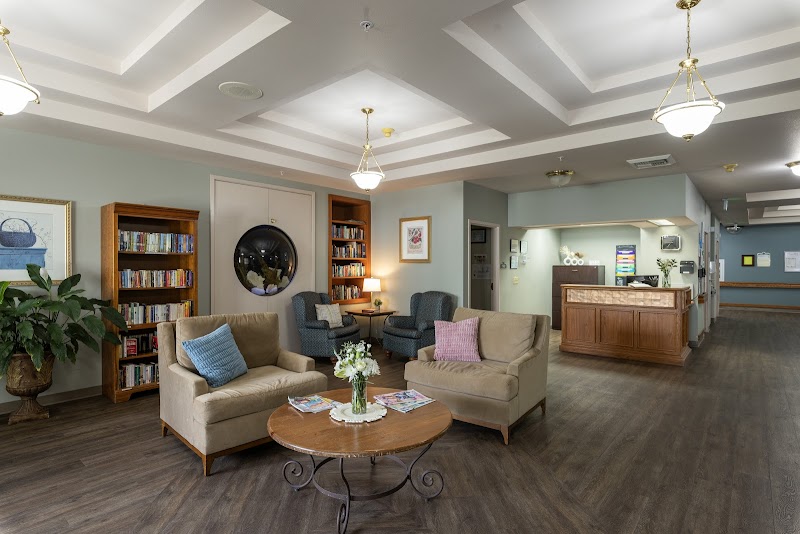
How is Shelton Health & Rehab Center Staffed?

CMS rates SHELTON HEALTH & REHAB CENTER's staffing level at 3 out of 5 stars, which is average compared to other nursing homes. Staff turnover is 60%, which is 14 percentage points above the Washington average of 46%. High turnover can affect care consistency as new staff learn residents' individual needs.

What Have Inspectors Found at Shelton Health & Rehab Center?

State health inspectors documented 45 deficiencies at SHELTON HEALTH & REHAB CENTER during 2023 to 2025. These included: 2 that caused actual resident harm, 42 with potential for harm, and 1 minor or isolated issues. Deficiencies causing actual harm indicate documented cases where residents experienced negative health consequences.
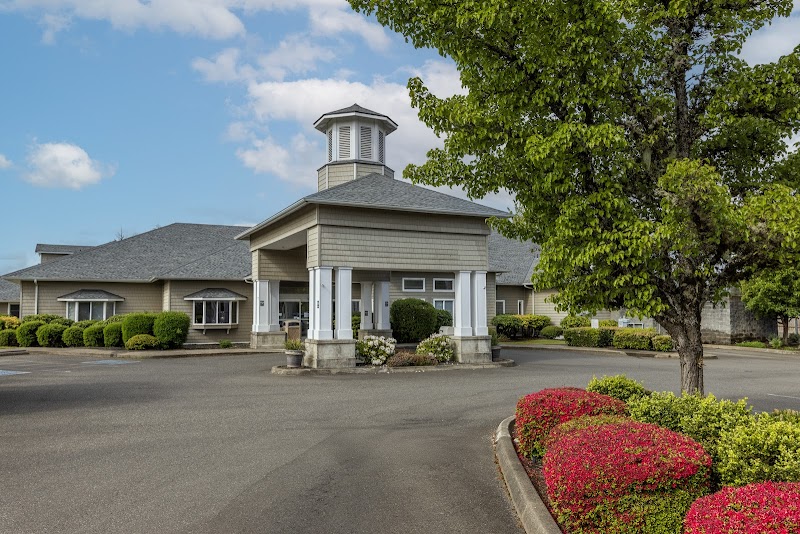
Who Owns and Operates Shelton Health & Rehab Center?

SHELTON HEALTH & REHAB CENTER is owned by a for-profit company. For-profit facilities operate as businesses with obligations to shareholders or private owners. The facility is operated by EMPRES OPERATED BY EVERGREEN, a chain that manages multiple nursing homes. With 76 certified beds and approximately 63 residents (about 83% occupancy), it is a smaller facility located in SHELTON, Washington.

How Does Shelton Health & Rehab Center Compare to Other Washington Nursing Homes?

Compared to the 100 nursing homes in Washington, SHELTON HEALTH & REHAB CENTER's overall rating (2 stars) is below the state average of 3.2, staff turnover (60%) is significantly higher than the state average of 46%, and health inspection rating (2 stars) is below the national benchmark.

What Should Families Ask When Visiting Shelton Health & Rehab Center?

Based on this facility's data, families visiting should ask: "How do you ensure continuity of care given staff turnover, and what is your staff retention strategy?" "Can I visit during a mealtime to observe dining assistance and food quality?" "How do you handle medical emergencies, and what is your hospital transfer rate?" "Can I speak with family members of current residents about their experience?" These questions are particularly relevant given the facility's high staff turnover rate.

Is Shelton Health & Rehab Center Safe?

Based on CMS inspection data, SHELTON HEALTH & REHAB CENTER has a clean safety record: no substantiated abuse findings (meaning no confirmed cases of resident harm), no Immediate Jeopardy citations (the most serious violation level indicating risk of serious injury or death), and is not on the Special Focus Facility watch list (a federal program monitoring the lowest-performing 1% of nursing homes). The facility has a 2-star overall rating and ranks #100 of 100 nursing homes in Washington. While no facility is perfect, families should still ask about staff-to-resident ratios and recent inspection results during their visit.

Do Nurses at Shelton Health & Rehab Center Stick Around?

Staff turnover at SHELTON HEALTH & REHAB CENTER is high. At 60%, the facility is 14 percentage points above the Washington average of 46%. High turnover means new staff may not know residents' individual needs, medications, or preferences. It can also be disorienting for residents, especially those with dementia who rely on familiar faces. Families should ask: What is causing the turnover? What retention programs are in place? How do you ensure care continuity during staff transitions?

Was Shelton Health & Rehab Center Ever Fined?

SHELTON HEALTH & REHAB CENTER has been fined $29,913 across 2 penalty actions. This is below the Washington average of $33,378. While any fine indicates a compliance issue, fines under $50,000 are relatively common and typically reflect isolated problems that were subsequently corrected. Families should ask what specific issues led to these fines and confirm they've been resolved.

Is Shelton Health & Rehab Center on Any Federal Watch List?

SHELTON HEALTH & REHAB CENTER is not on any federal watch list. The most significant is the Special Focus Facility (SFF) program, which identifies the bottom 1% of nursing homes nationally based on persistent, serious quality problems. Not being on this list means the facility has avoided the pattern of deficiencies that triggers enhanced federal oversight. This is a positive indicator, though families should still review the facility's inspection history directly.