JOSEPHINE CARING COMMUNITY
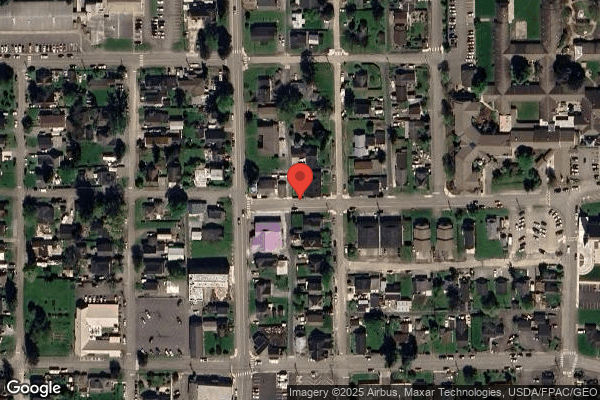

9901 272ND PLACE NORTHWEST, STANWOOD, WA 98292 (360) 629-2126
Non profit - Corporation 160 Beds Independent Data: November 2025
Trust Grade
80/100
#17 of 190 in WA
Last Inspection: July 2024

Within standard 12-15 month inspection cycle. Federal law requires annual inspections.

Overview

Josephine Caring Community has a Trust Grade of B+, which means it is above average and recommended for families considering options. It ranks #17 out of 190 facilities in Washington, placing it in the top half, and #3 out of 16 in Snohomish County, indicating it has a strong local reputation. The facility is improving, with issues decreasing from 15 in 2023 to 7 in 2024, and it has a good staffing turnover rate of 22%, which is well below the state average. However, there are some concerns, including a serious incident where a resident lost 14.6% of their weight due to inadequate monitoring and assistance, as well as concerns over food sanitation where uncovered food was served, risking contamination. Overall, while Josephine Caring Community has excellent ratings in many areas, families should weigh these strengths against the noted weaknesses.

Trust Score
B+
80/100
In Washington
#17/190
Top 8%
Safety Record
Moderate
Needs review
Inspections
Getting Better
15 → 7 violations
Staff Stability
✓ Good
22% annual turnover. Excellent stability, 26 points below Washington's 48% average. Staff who stay learn residents' needs.
Penalties
✓ Good
No fines on record. Clean compliance history, better than most Washington facilities.
Skilled Nurses
✓ Good
Each resident gets 57 minutes of Registered Nurse (RN) attention daily — more than average for Washington. RNs are trained to catch health problems early.
Violations
⚠ Watch
39 deficiencies on record. Higher than average. Multiple issues found across inspections.
★★★★★
5.0
Overall Rating
★★★☆☆
3.0
Staff Levels
★★★★★
5.0
Care Quality
★★★★☆
4.0
Inspection Score
Stable
2023: 15 issues
2024: 7 issues

The Good

  • 5-Star Quality Measures · Strong clinical quality outcomes
  • Low Staff Turnover (22%) · Staff stability means consistent care
  • Full Sprinkler Coverage · Fire safety systems throughout facility
  • No fines on record
  • Staff turnover is low (22%)

    26 points below Washington average of 48%

Facility shows strength in quality measures, staff retention, fire safety.

The Bad

No Significant Concerns Identified

This facility shows no red flags. Among Washington's 100 nursing homes, only 1% achieve this.

The Ugly 39 deficiencies on record

1 actual harm
Jul 2024 7 deficiencies 1 Harm
SERIOUS (G)

Actual Harm - a resident was hurt due to facility failures

Deficiency F0692 (Tag F0692)

A resident was harmed · This affected 1 resident

**NOTE- TERMS IN BRACKETS HAVE BEEN EDITED TO PROTECT CONFIDENTIALITY** Based on observation, interview, and record review the facility failed to consistently and accurately obtain weights, recognize ...

Read full inspector narrative →
**NOTE- TERMS IN BRACKETS HAVE BEEN EDITED TO PROTECT CONFIDENTIALITY** Based on observation, interview, and record review the facility failed to consistently and accurately obtain weights, recognize significant weight loss, and provide consistent assistance with eating and cueing for 1 of 4 sampled residents (Resident 33) reviewed for nutrition. Resident 33 experienced a significant 14.6% weight loss from 05/27/2024 to 07/10/2024. This failure placed the resident at risk for further decline in their weight, unintended consequences of poor nutrition, and decreased quality of life. Findings included . Review of the facility policy titled Nutritional Management, dated 12/27/2023, showed that weekly weights would be obtained on new admissions for 4 weeks. After assessing the weight accuracy, the Licensed Nurse or Nursing Assistant would record the weight in the resident's electronic medical record under vital signs. Re-weighs were required for any unplanned 3-pound (lb) variance from week to week. Resident 33 admitted on [DATE] with diagnoses which included protein calorie malnutrition, fractured hip, fractured left arm and advanced dementia (a mental disorder in which a person loses the ability to think, remember, learn, make decisions, and solve problems). Review of the hospital records showed a weight of 110 lbs. on 05/22/2024 and 114 lbs. on 05/24/2024. The resident's height was documented as 66 inches. The resident's Body Mass Index (BMI) was 18.4 which was underweight (below 18.5) for their height. Review of the facility's Registered Dietician (RD) admission assessment dated [DATE] used the hospital admission weight of 110 lbs. and goals were identified as: 1. Maintain current weight of 110 lbs. +/- 3% with no significant weight changes through the next review date. 2. Gradual weight gain is permissible due to low BMI. 3. Provide support, encouragement for resident to comfortably consume as much foods, and beverages as possible The RD assessment further stated Resident 33's average daily intake was likely not meeting the requirements for calories and protein and an appetite stimulant may be appropriate if the resident's weight continued to trend down and appetite was poor. Review of the care plan dated 06/06/2024 showed the RD goals were included with the following interventions: • Monitor, record, report to Provider as needed signs and symptoms of malnutrition: • Needs cueing and cleanup with meals/fluids, • Assist with meals as (they) allow. Needs to Eat where (they) can be monitored by nursing. • Provide and serve supplements as ordered: Ensure (nutritional supplement) with all meals. • RD to evaluate and make diet change recommendations as needed. • Resident eats in dining area. • Resident eats in room. Review of Resident 33's POLST (Physician's Orders for Life Sustaining Treatment) form dated 05/25/2024 showed a check mark in the box next to preference is to discuss medically assisted nutrition options, as indicated. The POLST was signed by the resident's Power of Attorney and provider on 05/25/2024. Review of facility's nutrition at risk assessment dated [DATE] showed Resident 33 was identified as being at risk for malnutrition due to age, impaired cognition, need for assistance with activities of daily living, low BMI, intake less than 50%, three or more medications, inflammation and current diagnosis impacting the resident's ability to eat. In an observation on 07/09/2024 at 9:12 AM, Resident 33 was observed lying in bed with their breakfast tray in front of them. Their eyes were closed. A bowl of hot cereal and hard cooked egg were on the tray, both untouched. The utensils were still lined up neatly on a clean folded napkin. There were three full lidded cups on the tray. One contained a chocolate shake and the other two contained water. There were no staff present in the room at the time of this observation. An observation on 07/09/2024 at 12:12 PM, showed Resident 33 was in their wheelchair. The resident appeared thin and frail. The resident was wearing a loose fitting t-shirt. Their left arm was in a sling (a bandage that supports and protects an injured arm, wrist, or hand) and they were fidgeting with the strap. The resident's lunch tray arrived and was placed in front of the resident who was sitting alone at a round table in the small common TV area of the unit. The meal was meatloaf, bread, scalloped potatoes, zucchini and a bowl of fruit. There was one full glass of a nutrition shake and one full glass of water. At 12:25 PM, the resident picked up a spoon and attempted to pick up a piece of fruit. After several attempts, they were able to pick up one grape and eat it. At 12:30 PM the resident was able to pick up a piece of pineapple with the spoon and it dropped, but after a few attempts, they were able to pick it up and eat it. At 12:35 PM they were able to cut into the corner of the scalloped potatoes and get a small piece; they were having difficulty as it was sticky and had not been cut up for the resident. At 12:38 PM the resident picked up the nutrition shake and took a few drinks. No staff were observed to cue, encourage or assist the resident with eating their meal. In an observation on 07/11/2024 at 12:42 PM, Resident 33 had their lunch tray in front of them which was untouched. The resident was looking at the TV and noted to be preoccupied with the sling on their left arm, the strap had slid down over their other arm, and they were pulling on the Velcro. Their hands were underneath the clothing protector and lap blanket they had on. The resident reached for the cup of nutrition shake and took a drink of it. The resident began hitting their armrest with the closed fist of their right hand and stated Please, please, then sighed, and began to push their wheelchair away from the table. Staff S, Certified Nursing Assistant (CNA), walked by and whispered in the resident's ear, then wheeled the resident into their room. Staff S exited the room and stated they took the resident to the restroom and the resident had stated they were done eating. The tray was observed to have one cracker missing from a saltine cracker package and the cup of nutrition shake was almost gone. No staff were observed to cue, encourage or offer to assist the resident during this meal. Record review of Resident 33's meal intake records for 05/25/2024 through 07/09/2024 showed there were 137 total meals: 45 breakfast meals- only 11 total breakfast meals showed the resident consumed 50% or greater of the meal. 46 lunch meals- only nine total meals showed the resident consumed 50% or greater of the meal. 46 dinner meals- only 11 total meals showed the resident consumed 50% or greater of the meal. There were 31 meals during this period that the resident was documented as having consumed 50% or greater of the meals. The other 106 meals were all documented as refused, blank (no documentation of the meal), 0%, or 25%. Review of Resident 33's clinical record on 07/09/2024 showed the vital signs section had one weight of 140 lbs. documented on 05/27/2024. No progress notes or other documentation of the discrepancy (26 lbs.) between the hospital's most recent weight and the facility's admission weight were found. Review of Resident 33's clinical record showed a pre-admission hospital weight of 114 on 05/24/2024 and a facility weight on 05/27/2024 of 140 lbs., which showed a 26 lb. weight gain which had not been reviewed by the facility. The facility had no other weights documented in the resident's record. In an interview on 07/10/24 at 11:24 AM, Staff B, Director of Nursing (DNS), stated there were worksheets filled out by the shower aids that included weights and they kept those in their office. The worksheets were not considered part of the medical record. Staff B stated that the showers and weights were supposed to be entered into the system after they were reviewed by the nurse. On 07/10/2024 at 11: 45 AM, Staff C, Assistant DNS (ADON) provided copies of worksheets titled (Staff E's) showers, or (Staff O's) showers and the dates. The worksheets contained a list of all the showers and weights that were assigned to be done by that shower aid (CNA) on a given day. The following dates showed handwritten weights for Resident 33: • 05/27/2024= 140 lbs. (Staff O's showers) • 06/05/2024= 140.2 lbs. (Staff E's showers) • 06/12/2024= 141.2 lbs. (Staff E's showers) • 06/18/2024= 141.2 lbs. (Staff O's showers) • 06/26/2024= 143 lbs. (Staff E's showers) • 06/27/2024= 141.6 lbs. (Staff E's showers) • 07/03/2024= 142.5 lbs. (Staff E's showers) There were no signatures to indicate who had obtained the weights, only the name of the assigned shower aid printed at the top of the sheet. There were observed to be different styles of handwriting on the sheets. There was no documentation showing what type of scale was used for each weight. There was a space for nurse's initials on the far right but none of the entries for Resident 33 included a nurse's initials. In an interview on 07/11/2024 at 9:14 AM, Staff D, Registered Nurse (RN)/Case Manager, stated (Staff O, CNA) was no longer employed at the facility. Staff D stated that Staff E, CNA assisted with showers on their unit and the process was for the shower aids to weigh residents on their shower day and when they entered the weights in the computer there was a place to document what type of scale was used. The nurses were responsible to obtain weights for residents who had a daily weight or other weights that needed to be done at a specific time or more often than with their shower. Staff D was asked to review the weight documentation in the computer for Resident 33 which showed only the one weight which was 26 lbs. greater than the most recent hospital weight. Staff D stated they reviewed the weights for the unit weekly and was not aware of the weight discrepancy and missing weight documentation for Resident 33. In an interview on 07/11/2024 at 09:47 AM, Staff D (accompanied by Staff C) stated they had reviewed the weights for Resident 33 and stated the weight (140 lbs.) was entered into the system incorrectly. Staff D stated the weight for Resident 33 was entered as 140 lbs. and it should have been 114 lbs. The incorrect weight had been struck out and a weight of 114 lbs. was now in the system. Staff D was shown the shower worksheets which contained weights that were never entered into the computer system and were showing as consistent with the (now) struck out weight, and discussed observations of the resident's poor intakes and observation of the general thin appearance of the resident which did not match what the shower worksheet weights documented. Staff D stated they were not sure what the resident's correct weight was. In an observation with Staff D on 07/11/2024 at 10:05 AM, Resident 33 was weighed in the shower room on the wheelchair scale. Staff D was observed to zero the scale and the resident was in their chair with the footrests on. The resident was wheeled onto the scale and the combined weight was observed to be 169 lbs. and was verified several times. The wheelchair was weighed separately with the footrests and weighed 71.7 lbs. After subtracting the wheelchair weight, the resident's actual weight was 97.3 lbs., which was a 16.7 lb. (14.6%) weight loss since admission based on the baseline hospital weight of 114 lbs. The resident's BMI was now 15. Review of the medical record, care plans through 07/10/2024 showed no documentation of notification to the provider, POA or additional interventions related to the inaccurate weights. In an interview and observation on 07/12/2024 9:22 AM, Staff E, CNA, Shower Aide, reviewed the process for weights and weight documentation during shower assignments. Staff E stated they assisted with showers on Resident 33's unit sometimes and the weights were done using the shower chairs. Staff E demonstrated obtaining the weight of a shower chair, zeroing the scale and noted the weight of the shower chair was 17 lbs. which Staff E stated was close to what all the shower chairs weighed. Staff E stated if a resident received a bed bath, they used the Hoyer (mechanical) lift to get their weight. Staff E stated they would enter the weights into the computer at the end of their shift. Staff E was asked about weights for Resident 33 and said they did not remember being the one to obtain any of Resident 33's weights. Staff E stated that sometimes the nurses or the CNAs on the floor would get the weights and write them on the shower worksheets and suggested that was what may have occurred. In an interview on 07/12/2024 at 10:11 AM, Staff N, LPN, stated the nurses or CNAs did not get the weights on their unit. Staff N stated there would have been no reason for them to get (Resident 33's weight) as they were not on a daily weight (or other specifically ordered weight) so the shower aids would have been the ones to get weights for Resident 33. Staff N stated all residents should be getting weighed once a week but there was nothing in the system that notified them if someone did not have a weight. Staff N stated the unit managers reviewed the weights. In an interview on 07/12/2024 at 12:09 PM, with Staff B, DNS and Staff C ADON, Staff B stated the goal was for residents to be weighed weekly and those weights documented in the computer system along with the type of scale used. Staff B stated residents should be re-weighed if there was a discrepancy. The Unit Managers reviewed weights weekly and if there was a change of three lbs. up or down, or if they triggered for weight loss of 5%, or 10%, they would be discussed in the facility team meeting, they would assess the resident and notify the provider, the RD, and the family. Staff B and C stated they had not been aware of Resident 33's weight loss and did not know why the weight documentation was consistently inaccurate for the resident on the worksheets, or how their weights had not been entered into the system or reviewed by any licensed nurses or the Unit Manager according to the policy. Refer to WAC 388-97-1060 (3)(h) This is a recurring deficiency previously cited on the Statement of Deficiencies dated April 25, 2023.
CONCERN (D)

Potential for Harm - no one hurt, but risky conditions existed

Comprehensive Care Plan (Tag F0656)

Could have caused harm · This affected 1 resident

**NOTE- TERMS IN BRACKETS HAVE BEEN EDITED TO PROTECT CONFIDENTIALITY** Based on interview and record review, the facility failed to develop and implement comprehensive, person-centered care plans to ...

Read full inspector narrative →
**NOTE- TERMS IN BRACKETS HAVE BEEN EDITED TO PROTECT CONFIDENTIALITY** Based on interview and record review, the facility failed to develop and implement comprehensive, person-centered care plans to meet the needs and preferences for 1 (Resident 92) of 6 sampled residents reviewed for nutrition, 1 (Resident 7) of 5 sampled residents reviewed for unnecessary medications, 2 (Resident 87 and 92) of 2 sampled residents reviewed for restraints, and 1 (Resident 73) of 1 sampled resident reviewed for bowel and bladder. This failure placed residents at risk for not receiving needed, preferred care and services and a diminished quality of life. Findings included . <RESIDENT 7> Resident 7 admitted to the facility with diagnoses to include congestive heart failure (a condition of the heart not pumping blood efficiently which can cause extra fluid in the body), and hypertension (high blood pressure). A review of Resident 7's current care plan printed on 07/14/2024 showed no care plan problem or interventions related to the resident's congestive heart failure or hypertension. In an interview on 07/15/2024 at 10:15 AM, Staff F, Licensed Practical Nurse (LPN)/Case Manager, stated they were responsible for creating Resident 7's care plan. Staff F stated there was not a care plan created for diagnoses of congestive heart failure or hypertension. <RESIDENT 87> Resident 87 admitted to the facility with diagnoses to include stroke and hemiplegia (loss of strength) and hemiparesis (muscle weakness or partial paralysis on one side of the body). A review of Resident 7's current care plan printed on 07/10/2024 showed Resident 87 used a tilt n space wheelchair (a wheelchair that can recline). The care plan did not include information for how to position the resident in the wheelchair. In an interview on 07/12/2024 at 10:15 AM, Staff U, Certified Nursing Assistant (CNA), stated Resident 87 used a tilt n space wheelchair. Staff U stated there was no specific way to position the resident in the wheelchair. In an interview on 07/12/2024 at 10:30 AM, Staff M, LPN/Case Manager, Restorative Program Manager, stated that Resident 87 used a tilt n space wheelchair and they were responsible for updating the resident's care plan. Staff M stated there was no care plan for wheelchair positioning. <RESIDENT 92> Resident 92 admitted to the facility on [DATE] with diagnoses to include dementia (loss of memory), dysphagia (difficulty swallowing), and muscle weakness. A review of Resident 92's current care plan printed on 07/10/2024 showed the resident used a tilt n space wheelchair and was at risk for weight loss. The care plan did not include information for how to position the resident in the wheelchair or monitoring and who to notify wf the resident experienced weight loss. In an interview on 07/12/2024 at 10:03 AM, Staff Q, CNA, stated resident specific information for care or resident preferences would be listed on the care plan. Staff Q stated Resident 92 sits straight up in their wheelchair when eating and when they were not eating the wheelchair was tilted slightly back with legs elevated. In an interview on 07/12/2024 at 10:20 AM, Staff M, LPN/Case Manager, Restorative Program Manager, stated Resident 92 used a tilt n space wheelchair and they were responsible for updating the resident's care plan. Staff M stated if Resident 92 had specific guidelines for wheelchair positioning it should be on the care plan so staff would know how to position the resident. Staff M stated the care plan did not include interventions and/or how to position the resident in the wheelchair. Staff M stated the resident's nutrition care plan did not show interventions, monitoring or who to notify if the resident experienced weight loss <RESIDENT 73> Resident 73 was a long-term care resident with diagnoses that included diabetes. In an interview on 07/08/2024 at 10:58 AM, Resident 73 stated they had been experiencing diarrhea for approximately 17 weeks. Resident 73 stated they didn't know what the cause was but they had seen a doctor, had testing, and they were now taking a probiotic (a supplement to improve digestion and treat stomach issues such as diarrhea). The resident stated they were often worried they would not make it to the bathroom in time or they would have irritated skin from the diarrhea. Review of the resident record on 07/10/2024 showed that Functional diarrhea was added to the resident's diagnosis list on 03/04/2024 and a referral to a Gastrointestinal (GI) physician was also ordered. Review of the GI visit summary for Resident 73, dated 06/06/2024 showed medication orders to firm stool had been increased. Review of Resident 73's current care plan on 07/17/2024 showed there was no care plan problem or interventions related to the resident's chronic diarrhea. In an interview on 07/15/2024 at 11:30 AM, Staff B, Director of Nursing, stated the case managers were responsible for initiating and updating resident care plans. Refer to WAC 388-97-1020 (1)
CONCERN (D)

Potential for Harm - no one hurt, but risky conditions existed

ADL Care (Tag F0677)

Could have caused harm · This affected 1 resident

**NOTE- TERMS IN BRACKETS HAVE BEEN EDITED TO PROTECT CONFIDENTIALITY** Based on observation, interview, and record review the facility failed to provide the assistance with activities of daily living...

Read full inspector narrative →
**NOTE- TERMS IN BRACKETS HAVE BEEN EDITED TO PROTECT CONFIDENTIALITY** Based on observation, interview, and record review the facility failed to provide the assistance with activities of daily living (ADL's) for 2 of 7 sampled dependent residents (10 and 33) reviewed for ADL's. The facility failed to provide showers/bathing assistance to a resident (Resident 10), who was dependent on staff for bathing, and failed to ensure a resident that was dependent for assistance with meals was provided the necessary assistance. These failures placed the residents at risk for embarrassment, poor hygiene, unmet care needs and a diminished quality of life. Findings included . Review of the facility policy titled, Shower/Bed-Bath, revised 12/28/2023 stated the facility was to provide bathing assistance by the shower team to ensure and maintain the resident's dignity. Review of the facility policy titled, Standards of Care, revised 03/29/2024 stated care was provided based on the residents physical and mental capabilities. Staff are to offer assistance for dining, feeding assistance, nail care every week, and bathing. <RESIDENT 10> Resident 10 admitted to the facility on [DATE] with diagnoses including depression, and instability of the right knee. The quarterly Minimum Data Set (MDS, an assessment tool) assessment dated [DATE] showed the resident had intact cognition and required partial to moderate assistance with bathing and transfers. In a review of Resident 10's care plan on 07/10/2024 showed a focus point that Resident 10 had ADL self-care performance deficits related to dementia, and weakness (Initiated 05/27/2021). Interventions dated 03/06/2024 showed the resident required substantial assistance for both transfers into the shower, and bathing tasks. The resident preferred to shower twice a week. In a review of Resident 10's documentation report, dated 06/01/2024 - 07/15/2024 for showers twice a week showed the following: - June 2024: offered three times (06/04, 06/11, and 06/25) out of eight opportunities, - July 2024: offered twice (7/2, and 7/9) out of four opportunities. There were no refusals documented. In an observation and interview on 07/08/2024 at 1:09 PM, Resident 10 was observed to have disheveled, greasy hair, and unkempt facial hair. The resident could not recall the last time they had a shower and stated they hoped it was soon. In an interview on 07/12/2024 at 8:53 AM, Staff I, Nursing Assistant Certified (NAC) stated that the facility usually had a shower aide that would do the showers. Staff I stated they will try to assist with showers if there was a call in, and the shower aide was pulled to the floor. Staff I stated they will assist residents to be bathed and shaved based on their preferences. Staff I stated they were familiar with Resident 10 and they did not refuse care very often. Staff I was not aware that the resident required a shower twice a week, or that they needed to be shaved. In an interview on 07/12/2024 at 9:20 AM, Staff E, NAC/shower aide stated they were the primary shower aide for the unit where Resident 10 resided. Staff E stated recently they had been pulled to work as an NAC on the floor due to call offs. Staff E stated Resident 10 will always take a shower when offered, and they preferred to use their electric razor in their room for shaving. In an interview on 07/12/2024 at 10:35 AM, Staff J, License Practical Nurse (LPN) stated they usually had a shower aide on the unit to assist with showers, however if there was a call off's, they would divide the showers among the NACs on the floor to get done. Staff J stated if a resident was refusing a shower or to be shaved the NACs were to report to the nurse, and they would attempt to reapproach. Staff J stated Resident 10 does not refuse, however liked to do things on their time, so your approach really matters with them. In an interview on 07/12/2024 at 10:50 AM, Staff K, Registered Nurse (RN)/Case Manager stated that lately the shower aide had been pulled from showers to assist on the floor. Staff K stated that if a resident was refusing care frequently the staff should notify them so they can try and get to the root of the refusal. Staff K stated that Resident 10 was easy going and was not aware that they were refusing any care. Staff K stated the resident was probably not getting their preferred showers twice a week due to the staffing call offs. In an interview on 07/12/2024 at 1:46 PM, Staff B, Director of Nursing, stated the shower aides and the NACs on the floor were responsible to ensure the residents were getting the showers and shaving done per the resident's preferences. Staff B stated when a resident preferred a shower twice a week, the medical record should show that the facility was at least offering the shower twice a week. Staff B was not aware that Resident 10 was not receiving their preferred number of showers a week. <RESIDENT 33> Resident 33 admitted to the facility on [DATE] with diagnoses which included protein calorie malnutrition, fractured hip, fractured left arm and advanced dementia (a mental disorder in which a person loses the ability to think, remember, learn, make decisions, and solve problems). Review of the admission MDS assessment dated [DATE] showed Resident 33 required supervision and setup assistance with eating during the prior assessment period. Review of Resident 33's care plan dated 06/06/2024, showed the following interventions: • Needs cueing and cleanup with meals/fluids, • Assist with meals as (they) allows. Needs to eat where (they) can be monitored by nursing. Review of Resident 33's documentation survey report for 05/25/2024 through 07/09/2024 showed there were 137 total meals: 45 breakfast meals- only 11 total breakfast meals showed the resident consumed 50% or greater of the meal. 46 lunch meals- only 9 total meals showed the resident consumed 50% or greater of the meal. 46 dinner meals- only 11 total meals showed the resident consumed 50% or greater of the meal. There were only 31 meals that the resident was documented as having consumed 50% or greater of the meal. The other 106 meals were all documented as refused, blank (no documentation of the meal), 0%, or 25%. The documentation survey report also showed the level of assistance documented for each meal. The report documentation showed only eight total documentations that the resident received partial or extensive assistance with eating. In an observation on 07/09/2024 at 9:12 AM, Resident 33 was observed lying in bed with their breakfast tray in front of them. Their eyes were closed. Their breakfast tray was on the overbed table, untouched. There were no staff in the room at the time of this observation. In an observation on 07/09/2024 at 12:12 PM, Resident 33 was sitting in their wheelchair. Their left arm was in a sling, and they were fidgeting with the strap. The resident's lunch tray arrived and was placed in front of the resident who was sitting alone at a round table in the small common area of the unit. There was one full glass of a nutrition shake and one full glass of water. At 12:25 PM, the resident picked up a spoon and attempted to pick up a piece of fruit. After several attempts, they were able to pick up one grape and eat it. At 12:30 PM the resident was able to pick up a piece of pineapple with the spoon and it dropped. After a few attempts, they were able to pick it up and eat it. At 12:35 PM they were able to cut into the corner of the scalloped potatoes and get a small piece; they were having difficulty as it was rather stuck together and had not been cut up for the resident. At 12:38 PM the resident picked up the nutrition shake and took a drink, then another drink. No staff were observed to cue, assist or encourage the resident during this meal. In an observation on 07/11/2024 at 12:42 PM, Resident 33 had their lunch tray in front of them which was untouched. The resident was noted again to be preoccupied with the arm sling, the strap had slid down over their other arm, and they were pulling on the Velcro. Their hands were underneath the clothing protector and lap blanket they had on. The resident then reached for the cup of nutrition shake and took a drink of it. The resident then began hitting their armrest with the closed fist of their right hand and stated Please, please, then sighed, and began to push their wheelchair away from the table. Staff S, NAC, walked by and whispered in the resident's ear, then wheeled the resident into their room. Staff S exited the room and stated they took the resident to the restroom and the resident stated they were done eating. The tray was observed to have one cracker missing from a saltine cracker package and the cup of nutrition shake was almost gone. No staff were observed to cue, assist or encourage the resident during the meal. In an interview on 07/11/2024 at 9:16 AM, Staff D, LPN/Care Manager, stated Resident 33 was able to feed themselves and had spurts where they would eat well. The staff were supposed to check in and offer assistance as needed. Staff D was made aware of observations of the resident's poor intakes, distracted fidgeting and the lack of observations of the staff providing any cueing, encouragement or assistance to the resident according to the care plan. In an interview on 07/12/2024 at 12:09 PM, with Staff B, DNS and Staff C (Assistant DNS), the observations and documentation findings were discussed regarding Resident 33. Staff B and Staff C did not have further information regarding Resident 33's lack of assistance with meals. Staff C and Staff B stated that staff were expected to offer assistance as needed to residents. Refer to WAC 388-97-1060(2)(a)(i)(iv)
CONCERN (D)

Potential for Harm - no one hurt, but risky conditions existed

Deficiency F0688 (Tag F0688)

Could have caused harm · This affected 1 resident

**NOTE- TERMS IN BRACKETS HAVE BEEN EDITED TO PROTECT CONFIDENTIALITY** Based on interview and record review, the facility failed to offer appropriate services and assistance to maintain or improve mo...

Read full inspector narrative →
**NOTE- TERMS IN BRACKETS HAVE BEEN EDITED TO PROTECT CONFIDENTIALITY** Based on interview and record review, the facility failed to offer appropriate services and assistance to maintain or improve mobility and range of motion for 1 of 1 sampled resident (Resident 107) reviewed for restorative nursing program. This failed practice placed the resident at risk for losing strength and range of motion they gained while receiving therapy services. Findings included Review of the facility policy titled Restorative Nursing Program, dated 12/27/2023, showed the facility would provide maintenance and restorative services designed to maintain and improve residents' abilities to the highest practicable level. It also stated residents may receive restorative nursing services upon discharge from skilled therapy. Resident 107 admitted to the facility on [DATE] with diagnoses to include multiple facial fractures from a fall, iron deficiency anemia (low red blood cells in the blood), and essential tremors. According to the admission Minimum Data Set (MDS- an assessment tool) assessment dated [DATE], showed the resident had severe cognitive impairment and required assistance with self-care, mobility/ambulation, dressing, standing and transfers. Review of a form titled Physical Therapy Discharge Summary, dated 06/11/2024, showed Resident 107 was discharged from physical therapy services and Collateral Contact 1 (CC1)/ Physical Therapy Assistant (PTA) recommended Resident 107 receive restorative nursing services to maintain their abilities they had attained during therapy. In the review of Resident 107's clinical record for 06/10/2024 through 07/11/2024, showed no documentation that they received or refused restorative nursing care and services. In an interview on 07/10/2024 at 1:55 PM, Staff R, Certified Nursing Assistant (CNA), stated that resident needed more care than what is seems. Staff assist Resident 107 in his dressing and grooming. In an interview on 07/11/2024 at 1:19 PM, Staff M, Licensed Practical Nurse (LPN)/Restorative Program Manager, stated physical therapy staff usually notified them when they recommended restorative nursing care for a resident, but they had not received a recommendation for Resident 107. Staff M stated they were unsure why they had not received a restorative nursing care referral for this resident. In an interview on 07/12/2024 at 11:09 AM, CC1/PTA stated they recommended restorative nursing services for Resident 107 on 06/11/2024 but currently resident is not receiving restorative nursing program. They stated they should have addended their note if they have changed their recommendation. In an interview on 07/12/2024 at 1:02 PM, Resident 107 stated they wouldn't mind doing some exercises and walking with staff. Refer to WAC 388-97- 1060(3)(d) .
CONCERN (D)

Potential for Harm - no one hurt, but risky conditions existed

Medication Errors (Tag F0758)

Could have caused harm · This affected 1 resident

**NOTE- TERMS IN BRACKETS HAVE BEEN EDITED TO PROTECT CONFIDENTIALITY** Based on interview and record review, the facility failed to ensure 1 of 5 sampled residents (Resident 15) were free from unnece...

Read full inspector narrative →
**NOTE- TERMS IN BRACKETS HAVE BEEN EDITED TO PROTECT CONFIDENTIALITY** Based on interview and record review, the facility failed to ensure 1 of 5 sampled residents (Resident 15) were free from unnecessary psychotropic medications (drugs that affect brain activities associated with mental processes and behavior) as required. The facility failed to ensure a medical provider assessed and documented a rationale for extended use of an as necessary (PRN) anti-psychotic (medication that treats symptoms that affect the mind, and reality) medication for use over 14 days and provided no duration of use of the anti-psychotic medication. These failures placed the residents at risk for medication-related complications and for receiving unnecessary psychotropic medication. Finding included . Review of the facility policy titled, Psychoactive Medications, revised 12/27/2023 stated any psychotropic medication prescribed as a PRN will be for 14 days and will be re-evaluated for discontinuance or justification from the provider. Resident 15 admitted to the facility on [DATE] with diagnoses including Alzheimer's disease, and dementia. The quarterly Minimum Data Set (MDS - an assessment tool) assessment, dated 06/22/2024 showed they had severe cognitive impairment. Review of Resident 15's physician orders showed an order for Quetiapine Fumarate 25 milligrams (mg) every four hours as needed for agitation, started 03/27/2024. Review of Resident 15's electronic medication administration record (EMAR), dated 05/01/2024 - 07/10/2024 showed the following: - May 2024: was not administered, - June 2024: was administered twice, - July 2024: was administered eight times (resident passed away on 07/10/2024). Review of Resident 15's medical record showed no assessment, rationale or review for the use of a PRN anti-psychotic medication, the medical record showed no duration or stop date. In an interview on 07/12/2024 at 1:22 PM, Staff P, Registered Nurse (RN)/Case Manager stated Resident 15 had the order for the Quetiapine which was originally prescribed by hospice for agitation. Staff P confirmed that all PRN psychotropic medications required review every 14 days for rationale, and continued usage. Staff P was unable to provide documentation that the PRN medication had been reviewed every 14 days. In a joint interview on 07/12/2024 at 1:46 PM, Staff B, Director of Nursing Services (DNS) stated Resident 15 was receiving the PRN Quetiapine for agitation and it was a part of the hospice orders. Staff B was not aware that the PRN medication had not been assessed or reviewed by a provider for rationale or duration since the start date. Further documentation was requested, Staff B was unable to provide any further information. Refer to WAC 388-97-1060(3)(k) .
CONCERN (E)

Potential for Harm - no one hurt, but risky conditions existed

Food Safety (Tag F0812)

Could have caused harm · This affected multiple residents

Refer to WAC 388-97-1100 (2) Based on observation and interview, the facility failed to transport and serve food in a sanitary manner in 3 of 3 units (East, West, North) reviewed for food service. Th...

Read full inspector narrative →
Refer to WAC 388-97-1100 (2) Based on observation and interview, the facility failed to transport and serve food in a sanitary manner in 3 of 3 units (East, West, North) reviewed for food service. The failure to cover cold foods like fruit cups and desserts placed residents at risk for receiving contaminated foods and for diminished quality of life. Findings included . In an observation on 07/08/2024 at 12:05 PM, the East unit hall tray cart had trays with uncovered mandarin oranges that were served to residents. In an observation on 07/08/2024 at 12:08 PM, the North unit hall tray cart had trays with uncovered mandarin oranges that were served to residents. In an observation on 07/09/2024 at 12:00 PM, the East unit hall tray cart had trays with uncovered fruit that were served to residents. In an observation on 07/09/2024 at 12:09 PM, the East unit had uncovered fruit cups with melon and mandarin oranges that were served to residents. In an observation on 07/10/2024 at 12:15 PM, the East unit hall tray cart had trays with uncovered cups of apricots that were uncovered and were served to residents. In an observation on 07/15/2024 at 11:17 AM, the [NAME] unit hall tray cart had trays with uncovered cake and whipped cream that were served to residents. In an interview on 07/12/2024 at 1:05 PM, Staff T, Dietary Manager, stated they didn't cover their dessert bowls or small cups of condiments.
CONCERN (E)

Potential for Harm - no one hurt, but risky conditions existed

Medical Records (Tag F0842)

Could have caused harm · This affected multiple residents

**NOTE- TERMS IN BRACKETS HAVE BEEN EDITED TO PROTECT CONFIDENTIALITY** <RESIDENT 107> Resident 107 admitted to the facility on [DATE]. According to the end of Medicare Part A stay MDS assessmen...

Read full inspector narrative →
**NOTE- TERMS IN BRACKETS HAVE BEEN EDITED TO PROTECT CONFIDENTIALITY** <RESIDENT 107> Resident 107 admitted to the facility on [DATE]. According to the end of Medicare Part A stay MDS assessment, dated 06/12/2024, the resident had severe cognitive impairment. In an observation on 07/10/2024 at 10:00 AM Resident 107 did not have a urinary catheter (a tube used to empty the bladder). Review of the progress note, dated 06/10/2024, showed Resident 107's urinary catheter had been discontinued. Review of Resident 107's current care plan, dated 05/28/2024, showed the resident was care planned that they had a urinary catheter. Review of Resident 107's Treatment Administration Records, dated 07/11/2024, showed a licensed nurse had annotated they had changed their urinary catheter and drainage bag on 07/10/2024. In an interview on 07/12/2024 at 9:08 AM, Staff L, Registered Nurse, stated they had signed the treatment administration records in error, documenting that they had changed the urinary catheter and drainage bag, and that the catheter had been discontinued in June 2024. In an interview on 07/11/2024 at 1:19 PM, Staff M, LPN/Resident Care Manager, stated Resident 107's care plan and treatment administration records should have been updated when the urinary catheter was discontinued. <RESIDENT 92> Resident 92 admitted to the facility on [DATE] with diagnoses to include dementia, dysphagia (difficulty swallowing), and muscle weakness. Review of the Quarterly Minimum Data Set (MDS, an assessment tool) assessment, dated 07/11/2024 showed the resident had severe cognitive impairment. A review of Resident 92's care plan on 07/11/2024 showed Resident 92 used a tilt n space wheelchair (a wheelchair that can recline and is classified as a restraint), initiated on 04/29/2024 and was at risk for weight loss. A review of Resident 92's electronic health record on 07/11/2024 showed no documentation of a Physical Restraint Informed Consent form for Resident 92's tilt n space wheelchair. A review of Resident 92's electronic health record on 07/11/2024 showed Resident 92's tray monitoring (documentation of percentage of meal consumed) dated 06/12/2024 through 07/10/2024 (for 30 days) showed seven missing entries for breakfast, seven missing entries for lunch, and five missing entries for dinner. In an interview on 07/12/2024 at 10:03 AM, Staff Q, Certified Nursing Assistant (CNA) stated the resident used a tilt n space wheelchair. Staff Q stated resident meals were documented by the CNA in point of care (PCC) charting. Staff Q stated each meal is documented individually by the percentage eaten. In an interview on 07/12/2024 at 10:20 AM, Staff M, Licensed Practical Nurse (LPN), Case Manager, Restorative Program Manager, stated the resident used a tilt n space wheelchair and they were responsible for obtaining the consent for that device. Staff M stated they were unable to find the consent form for Resident 92's wheelchair in the electronic medical record or paper chart and would check medical records. Staff M stated CNAs chart resident meal intake in PCC. Staff M stated there was missing documentation in Resident 92's medical record for tray monitoring. On 07/12/2024 at 11:00 AM, Staff M provided a copy of the consent form for Resident 92's tilt n space wheelchair dated 05/13/2024, fourteen days after the restraint was initiated. In an interview on 07/12/2024 at 12:20 PM, Staff G, Medical Records, stated consents were scanned into the medical record. In an interview of 07/15/2024 at 9:50 AM, Staff B, DNS stated the CNAs were responsible for documenting the percentage of meal consumed for each meal in PCC. Staff B stated tray monitoring should be audited for missing documentation. <CONSULTANTS> <RESIDENT 78> Resident 78 admitted to the facility on [DATE] with diagnoses including peripheral vascular disease (slow and progressive disorder of the blood vessels), diabetes, and multiple wounds to right foot. The quarterly MDS assessment dated [DATE] showed the resident had intact cognition and open foot wounds to bilateral feet. In an interview on 07/09/2024 at 12:00 PM, Resident 78 stated they had a couple wounds to both of their feet. Resident 78 stated that they went out to see an outside wound provider for management of their wounds. Review of Resident 78's progress notes on 07/10/2024, showed a communication note dated 05/21/2024, documenting that an outside wound clinic provider was contacted regarding updated orders for the resident's wound care management. Review of Resident 78's medical record showed no record or documentation from an outside wound clinic and/or wound care provider. In an interview on 07/11/2024 at 11:36 AM, Staff F, LPN/Case Manager stated Resident 78 was out of the facility at that time at their wound clinic appointment. Staff F stated that when the resident returned from the wound clinic, they would review the documentation from the wound provider, update any orders, and then place in the medical records box for filing. Staff F stated they were not aware there was no wound clinic documentation in the resident's medical records. In an interview on 07/11/2024 at 1:01 PM, Staff C stated Resident 78 was attending the wound clinic weekly, and they are not going every other week. Staff C provided wound clinic documentation for visits on 06/27/2024, 06/13/2024, 05/30/2024 and 05/16/2024. None of the documentation provided was included in the medical record for Resident 78. <RESIDENT 103> Resident 103 admitted to the facility on [DATE] with diagnoses including muscle weakness, depression, and heart failure. The quarterly MDS assessment dated [DATE] showed that the resident had intact cognition and required substantial to maximum assistance for all personal hygiene care. In an observation and interview on 07/08/2024 at 1:47 PM, Resident 103 was lying in their bed, their feet were exposed from under the sheet. The resident's toenails were observed to be long, and some were curling over the skin of the toe. Resident 103 stated that their toenails needed to be trimmed, and that the toenail on their right big toe had recently fallen off. The right great toenail bed was observed to be pink, and there was no nail present. Review of Resident 103's progress notes on 07/09/2024 showed a progress note dated 05/17/2024, documenting that the resident had been seen by a podiatrist. The note stated the resident had an infection to their right great toe. In a review of Resident 103's medical record showed no record or documentation from a podiatrist, or the infection to the resident's right great toe. On 07/11/2024 at 1:01 PM, Staff C provided the podiatry documentation for Resident 103. Staff C was not sure why it was not in the medical record and was unable to provide any additional information. In an interview on 07/12/2024 at 12:20 PM, Staff G, Medical Records, stated that all documentation placed in the medical records box at the nurse's stations were scanned into the medical record. Staff G stated all consults with providers, such as wound clinic or podiatry notes should be scanned into the medical record. Staff G stated they were instructed not to scan anything into the medical record until the case managers had signed off on it. Staff G stated the wound clinic documentation for Resident 78 and Resident 103's podiatry notes were probably still on the case manager's desk, and therefore had not been signed off or released to them to scan into the record. In an interview on 07/12/2024 at 1:46 PM, Staff B, DNS stated the process was that all documentation should be scanned into the electronic medical record timely. Staff B stated there could be a delay of a week or two at times. Staff B confirmed that consults from May, included Resident 78's wound clinic visits, and Resident 103's podiatry visits should have been in the resident's medical record. Staff B was not aware that the case managers were holding onto documentation and not getting things scanned into the medical record timely. Refer to WAC 388-97-1720 (1)(a)(i)(ii)(iii)(2)(d)(e)(f)(j)(m) Based on observation, interview, and record review, the facility failed to ensure a system was in place in which residents' records were complete, accurate, accessible, and systematically organized for 6 of twelve residents (33, 49, 78, 92, 103, and 107) reviewed for accurate and complete medical records. The facility failed to ensure the medical records reflected the accurate, and complete weights and bathing documentation for 2 residents (33, and 49), failed to contain the consents for use of restraints for 1 resident (92), failed to include consultant provider notes for podiatry and wound clinic documentation for 2 residents (78, and 103), failed to ensure accurate documentation for meal tray monitoring for 1 resident (92), and failed to ensure accurate documentation for a urinary catheter for one resident (107). This failure to not maintain complete and accurate medical records placed residents at risk for medical complications, unmet care needs, and diminished quality of life. Findings included . Review of the facility policy titled, Medical Records, revised 12/27/2023 stated the medical records department will maintain the records on each resident as complete, accurately documented, readily accessible and systematically organized. <WEIGHTS AND SHOWERS> <RESIDENT 33> Resident 33 admitted to the facility on [DATE] with diagnoses which included protein calorie malnutrition, fractured hip, fractured left arm and advanced dementia (a mental disorder in which a person loses the ability to think, remember, learn, make decisions, and solve problems). Review of Resident 33's electronic medical record on 07/09/2024 showed one weight had been documented in the resident's clinical record on 05/27/2024. No other weights were documented in the record. <RESIDENT 49> Review of the resident's electronic medical records on 07/11/2024 showed Resident 49 received three showers in the past 2 months. In an interview on 07/10/2024 at 11:24 AM, Staff C, Assistant Director of Nursing (DNS), stated there were worksheets filled out by the shower aides that included weights and they kept those in their office. Staff C stated the worksheets were not considered part of the medical record. The showers and weights were supposed to be entered into the system after they were reviewed by the nurse. At 11:45 AM, Staff C provided copies of handwritten worksheets with names and dates of seven additional showers and weights for Resident 33 and eight additional showers for Resident 49, these were not easily accessible or part of the medical record.
Apr 2023 12 deficiencies
CONCERN (D)

Potential for Harm - no one hurt, but risky conditions existed

Deficiency F0558 (Tag F0558)

Could have caused harm · This affected 1 resident

**NOTE- TERMS IN BRACKETS HAVE BEEN EDITED TO PROTECT CONFIDENTIALITY** Based on observation, interview, and record review, the facility failed to ensure reasonable accommodation of resident needs and...

Read full inspector narrative →
**NOTE- TERMS IN BRACKETS HAVE BEEN EDITED TO PROTECT CONFIDENTIALITY** Based on observation, interview, and record review, the facility failed to ensure reasonable accommodation of resident needs and preferences for 1 of 1 residents (Resident 60) reviewed for accommodation of needs. Failure to ensure residents received requested or alternate mobility equipment in their room placed them at risk for diminished independent functioning, dignity, and comfort. Findings included . Review of the facility policy titled: Bed rails, Side Rails and/or Bed Canes revised 01/02/2023 showed the facility did not allow the use of bed rails, side rails or bed canes due to the concern for the risk of entrapment and asphyxia hazard. The policy further stated the facility would provide alternate intervention and/or assistive device recommendations to the resident/ responsible party, based upon an individualized clinical and environmental assessment. Findings included . Resident 60 admitted [DATE]. The resident had diagnoses which included chronic cardiac and respiratory disorders history of compression fractures of the spine, chronic pain and weakness. The most recent Quarterly Minimum Data Set assessment dated [DATE] showed the resident was alert and oriented and was their own responsible party. The resident was coded as having no deficit in their upper extremity range of motion, and required extensive assistance for bed mobility. In an interview and observation on 04/19/2023 at 1:11 PM, the resident was observed lying on their left side on the very edge of their bed. The resident explained their medical issues such as shortness of breath and pain and stated they found this position to be the most comfortable; however they would frequently slide down the bed and find themselves too close to edge and unable to move themselves back from the edge of the bed. The resident stated they wanted what they knew of to be called a bed cane which they would be able to use to shift and adjust themselves in the bed. The resident then demonstrated reaching out and using the bedside table to attempt to push themselves back, which they showed they had strength to do. The bedside table was observed to slide away as they pushed against it and the resident stated, this is what I have to do!, They won't give me the bed cane, they just say they don't allow them, so I have to call for help all the time when all I need is something to grab ahold of! What if I fall out of bed! The bedside table was now skewed diagonally next to the bed. The resident stated yes, they had tried a trapeze over the bed but it was bulky and did not work for them, stating that the trapeze was only good to help you reach straight up and pull yourself up in the bed, it does nothing to help you turn side to side or adjust in a side lying position which is the position they were most comfortable in. The resident verbalized being frustrated that the facility is simply stating they can't have a bed cane and that's it. When asked if there had been any recommendations of any alternative assistive devices they stated no. The resident stated they were told they were supposed to get a new therapy evaluation but nobody has come. Record review showed there was an order in the record for therapy evaluation dated 04/05/2023 to address bed mobility which had not occurred. In an interview on 04/20/2023 at 12:42 PM, Staff V, Rehabilitation Services Director, stated the facility had a strict policy that residents could not have any side rails or mobility bars of any kind. They stated they had tried using a Trapeze for the resident in the past and it was not successful. When asked regarding the reason that the resident had not yet been re-evaluated when the order was dated 04/05/2023 she stated that it had not happened yet, initially it was due to therapy staff not being available and then the resident had gone out to the hospital and had just returned so the eval had not yet occurred. In an interview on 04/20/2023 at 1:10 PM, Staff G, Resident Care Manager stated that they had never heard of assist bars or bed canes. When asked what the process would be if the therapy department recommended them, Staff G stated they never had. Staff G stated there would be a therapy eval the next day and when asked what other options might there be for residents' bed mobility assistance, Staff G stated they did not know. Record review of the therapy evaluation dated 04/21/2023, showed there were no precautions related to upper extremity weight bearing cognition or safety hazards for Resident 60. The evaluation stated the resident was requesting bed rails to reposition themself and reiterated that the facility had a no bed rails policy. The therapist summary again recommended a trapeze and stated that the resident refused. There were no other personalized alternative recommendations suggested related to the resident's desire to be more independent with bed mobility. The resident continued to have no alternate means for increased independence in bed mobility and positioning other than to call and wait for the assistance of staff. Reference (WAC) 388-97-0860 (2)
CONCERN (D)

Potential for Harm - no one hurt, but risky conditions existed

Report Alleged Abuse (Tag F0609)

Could have caused harm · This affected 1 resident

**NOTE- TERMS IN BRACKETS HAVE BEEN EDITED TO PROTECT CONFIDENTIALITY** Based on interview and record review the facility failed to recognize and ensure that allegations of abuse were reported to the ...

Read full inspector narrative →
**NOTE- TERMS IN BRACKETS HAVE BEEN EDITED TO PROTECT CONFIDENTIALITY** Based on interview and record review the facility failed to recognize and ensure that allegations of abuse were reported to the State Agency within the required timeframe for one of two residents reviewed for abuse (102). This failed practice placed residents at risk for potential harm due to unrecognized abuse/neglect. Findings included . Review of the facility policy titled 'Abuse Prevention', dated 11/21/17, revised on 01/18/2023 showed that the Administrator had overall responsibility and accountability and was the Abuse Prevention Coordinator, and was responsible for implementing the Resident Abuse Prevention Program and was assisted by team members. Under the subheading 'Training,' showed that upon hire and at least annually, all employees received training in the following areas: Proper techniques for reporting suspected abuse facts without fear of reprisal, and Definitions of abuse, neglect, and misappropriation of resident property. Prohibiting & preventing all forms of abuse, neglect, misappropriation of resident property and exploitation Identifying with constitutes abuse, neglect, exploitation, and misappropriation of resident property. Recognizing signs of abuse, neglect, exploitation, and misappropriation of resident property, such as physical or psychosocial indication Reporting abuse, neglect, exploitation, and misappropriation of resident property Understanding behavioral symptoms of residents that may increase the risk of abuse and neglect and how to respond. Resident 102 was admitted to the facility on [DATE] with diagnoses to include Amyotrophic Lateral Sclerosis (a disease that affects the nervous system, and spinal cord which causes progressive weakness and atrophy, (wasting of muscles), depression, and muscle weakness. Review of Resident 102's Quarterly Minimum data Set (MDS) (assessment tool of residents) dated 03/29/2023 showed that the resident was cognitively intact and required extensive assistance of two persons for bed mobility, transfers, dressing and toileting. In an interview on 04/18/2023 with Resident 102, they reported that they felt an NAC 'yanked them forward' during bed mobility, and personal care. Resident stated that they may have told someone but can't remember whom. The resident stated that Staff N, Nursing Aide Registered (NAR), was present during this incident and was unable to recall the staff that they felt yanked by. Review of Resident 102's Electronic Medical Record on 04/19/2023 showed that there was no documentation of this incident. Review of the state reporting logs for March and April 2023 on 04/19/2023 showed that there was no report made related to incident. In an interview on 04/19/2023 at 12:00 PM with Staff N, they stated that they recalled the incident and that the resident seemed to be in pain that day, Staff N was unable to recall who was with her that day. Staff N stated that they believed that the other staff member was not being rough and did not report it. Staff N stated that the resident called out a curse word when being moved due to discomfort. They reported that their last abuse/neglect training was in January 2023 and that all staff are mandated reporters. In an interview with Staff A on 04/19/2023 in the afternoon, this surveyor informed him of the incident that resident had reported related to feeling like they were yanked during care. Review of received grievance form that was dated 04/21/2023 and signed by Staff A, Administrator and Staff B, Registered Nurse (RN), Director of Nursing Services (DNS) showed that there was no documentation that Staff N or any other staff were interviewed. In an interview on 04/21/2023 at 2:45 PM with Staff A, Administrator, reported that there was no investigation as it was only a grievance. In an interview on 04/24/2023 at 10:54 AM, Staff M, Licensed Practical Nurse (LPN), Nurse Manager (NM) stated that everyone in the facility was a mandated reporter, and they would immediately make sure that the resident was safe, report to state, supervisor, and start an incident report. In an interview on 04/24/2023 at 1:55 PM, Staff O, Nursing Aide Certified (NAC), stated that everyone in the building was a mandated reporter and they would report to a supervisor, call hotline, make sure the resident was safe and report to Nurse caring for resident. In an interview on 04/24/2023 at 2:35 PM, Staff B, Director of Nursing Services, stated that the information they received was that the resident had an issue or concern with NAC's. Staff B stated that when they interviewed Resident 102, the resident stated that they did not have any issues with NAC's and did not want to get anyone in trouble. This surveyor explained to Staff B how the resident described the incident. Staff B stated that they would report this to the State and complete an investigation. No further information provided. Reference WAC: 388-97-0640(5)(a)
CONCERN (D)

Potential for Harm - no one hurt, but risky conditions existed

Deficiency F0688 (Tag F0688)

Could have caused harm · This affected 1 resident

**NOTE- TERMS IN BRACKETS HAVE BEEN EDITED TO PROTECT CONFIDENTIALITY** Based on observation, interview and record review, the facility failed to ensure 1 of 3 residents (83) with limited range of mot...

Read full inspector narrative →
**NOTE- TERMS IN BRACKETS HAVE BEEN EDITED TO PROTECT CONFIDENTIALITY** Based on observation, interview and record review, the facility failed to ensure 1 of 3 residents (83) with limited range of motion received appropriate treatment and services to increase range of motion (ROM) or prevent further decrease in range of motion. This failed practice placed the resident at risk for further declines in their ROM. Findings included . RESIDENT 83 The resident admitted to the facility on [DATE] and had diagnoses to include a stroke that affected their ability to move their right side, generalized muscle weakness, reduced mobility, and a need for assistance with personal cares. According to their annual Minimum Data Set (MDS) assessment (an assessment tool), dated 03/07/2023, they had moderate cognitive impairment, and had hemiplegia/hemiparesis (paralysis of one side of the body), and they had no restorative days (documentation they received range of motion type services by nursing staff) during the assessment period for that MDS. In an observation and interview on 04/18/2023 at 2:53 PM, Resident 83 stated they could barely move their right arm, could not move their right hand, and could only barely move their right leg. They were observed to only slightly move their right arm and right leg. They stated they did receive range of motion services when they first admitted to the facility, but nothing since, but they felt they still needed those services. Review of the resident's care plan, print date 04/19/2023, showed the resident was care planned to receive range of motion restorative services two to six times per week. Review of the Documentation Survey Reports (documentation of cares provided) for the following dates showed they received range of motion services: November 2022: none, one refusal December 2022: three times January 2023: five times February 2023: one time March 2023: none, was marked as Resident Not Available two times April 2023: none through 04/23/2023, was marked as Resident Refused six times In an interview on 04/21/2023 at 2:38 PM, Staff G, Licensed Practical Nurse/Restorative Nurse Manager, stated the resident had been refusing to participate in range of motion services. In an observation on 04/24/2023, the resident participated in range of motion services provided by Staff H, Restorative Aide. The resident did the full range of range of motion services per their care plan, these services took 62 minutes to complete. Reference: (WAC) 388-97-1060 (3)(d)
CONCERN (D)

Potential for Harm - no one hurt, but risky conditions existed

Deficiency F0692 (Tag F0692)

Could have caused harm · This affected 1 resident

**NOTE- TERMS IN BRACKETS HAVE BEEN EDITED TO PROTECT CONFIDENTIALITY** Based on interview and record review the facility failed to ensure one of three residents (112) received adequate assessment and...

Read full inspector narrative →
**NOTE- TERMS IN BRACKETS HAVE BEEN EDITED TO PROTECT CONFIDENTIALITY** Based on interview and record review the facility failed to ensure one of three residents (112) received adequate assessment and monitoring of unexpected weight loss. This failure placed residents at risk for experiencing further weight loss and failing to maintain adequate nutrition/hydration status. Findings included . Review of the facility policy titled: Resident weights and skin observations revised 01/17/2023 showed that residents would be weighed on their shower days and the prior weight was reviewed. If the weight changed by 3 pounds (plus or minus) the resident would be re-weighed to confirm the new weight. The Licensed nurse would ensure the correct weight and follow up needed. RESIDENT 112 Resident 112 admitted [DATE] with diagnoses which included Parkinson's disease (degenerative disorder of the nervous system affecting movement), dementia, dysphagia (swallowing deficit) and history of falls. Review of the resident record and weights on 04/19/2023 showed: 02/10/2023= 163 lbs. 02/22/2023= 166 lbs. 02/28/2023- the resident fell and was transferred to the hospital. 03/03/2023- the resident returned from the hospital, no readmission weight was documented. 03/15/2023= 151.6 lbs- this is 15 lb weight loss from prior weight. There was no documentation of re-weight or interventions. 03/23/2023=153lbs. 04/05/2023=150.2 lbs. 04/13/2023=147.3 lbs. this was the most recent weight in the record. This 19 lbs represented a weight loss of 9.82% since admission. In an interview on 04/20/2023 at 10:43 AM, Staff X, Registered Dietician, stated they and another RD were each in the facility twice per month and also reviewed records remotely. They stated the facility would send them an email with concerns and there was a NAR (nutrition at risk) meeting that occurred once a month. Staff X reviewed Resident 112's records and noted there was no RD note addressing the weight loss until 04/17 stating that there was no weight documented right away to review and the intakes were showing 50-100% for meals. Staff X stated there were no notes showing the facility had sent them any email regarding the weight loss for Resident 112. In an interview on 04/21/2023 at 10:52 AM, Staff D, Resident Care Manager stated they were trying to figure out what happened with Resident 112's weight loss, stating they knew the resident had not been eating as well when they first admitted ; at that time they were eating in their room and they were fidgety and would move their food around rather than eat it. Staff D stated some of the intakes in retrospect, may have been incorrect, looking as though was eating more than he actually was because the plate looked like food was gone when it had only been moved around. Staff D stated the resident also may have had weight loss during their hospital stay and a re-admission weight and re-weights should have been done and were not. Staff D stated they should have been notified when the weight showing the weight loss was recorded and I was not notified for some reason. In an interview on 04/21/2023 at 12:50 PM, Staff W, Nursing Assistant/Shower aid, stated they obtained weights in the shower room while residents were in the shower chair. The weights were documented at the end of their shift so they did not see the prior weights until they were documenting. Staff W stated they did not have the prior weights to look at in the shower room where the scale was. Staff W stated this meant that the resident did not get re-weighed until the next day and ususally by the floor staff, because residents were often back in their rooms or in bed by the time they were charting. Staff W stated they were supposed to notify the nurse if there were any changes to the weight of 3 lbs and stated they did that. Staff W stated they believed they had notified the nurse of Resident 112's weight discrepancy. Reference (WAC) 388-97-1060 (3)(h)
CONCERN (D)

Potential for Harm - no one hurt, but risky conditions existed

Drug Regimen Review (Tag F0756)

Could have caused harm · This affected 1 resident

Based on interview and record review, the facility failed to ensure the consultant pharmacist conducted thorough reviews and identified relevant irregularities for 1 of 5 residents (36) reviewed. The ...

Read full inspector narrative →
Based on interview and record review, the facility failed to ensure the consultant pharmacist conducted thorough reviews and identified relevant irregularities for 1 of 5 residents (36) reviewed. The failure to identify a lack of adverse side effect monitoring for antipsychotic medication treatment for several months placed the resident at risk for unidentified medication-related irregularities. Findings included . RESIDENT 36 The resident admitted to the facility 10/19/2022, and had diagnoses to include an unspecified psychosis. On 04/19/2023, a review of the resident's Medication Administration Records (MARs) and Treatment Administration Records (TARs) from October 2022 - April 19, 2023 showed the resident was being treated with Seroquel (an antipsychotic medication), but no adverse side effects monitoring was found. In an interview on 04/21/2023 at 10:06 AM, Staff I, Registered Nurse/Resident Care Manager, stated there should be adverse side effects monitoring under the Info tab in the electronic health record, none could be found. On 04/24/2023, a review of the resident's clinical record showed antipsychotic medication adverse side effect monitoring had been implemented as of 04/21/2023. In an interview on 04/24/2023 at 9:07 AM, Staff I stated they had added antipsychotic medication adverse side effects monitoring on 04/21/2023, and they didn't know why there had been none. Staff I stated the pharmacist should have identified there had been no adverse side effect monitoring (for the antipsychotic medication treatment) as that was their job. Reference: (WAC) 388-97-1300 (1)( c)(iv)
CONCERN (D)

Potential for Harm - no one hurt, but risky conditions existed

Deficiency F0761 (Tag F0761)

Could have caused harm · This affected 1 resident

Based on observation, interview, and record review, the facility failed to ensure that medications and biologicals were labeled and stored in accordance with applicable state and federal laws for two ...

Read full inspector narrative →
Based on observation, interview, and record review, the facility failed to ensure that medications and biologicals were labeled and stored in accordance with applicable state and federal laws for two of seven medication carts. This failure placed residents at risk to receive incorrect medications, possible side effects, harm, and diminished quality of life. Findings included . In an observation on 04/18/2023 at 9:59 AM, unattended medications were found on top of the medication cart on the rehab unit. The medication cup contained three capsules. Staff B, Registered Nurse (RN) Director of Nursing Services (DNS), entered the hallway and surveyors notified her of unsecured medications. In an observation on 04/24/2023 at 1:14 PM, the medication cart was left unattended and unlocked in a hall by resident rooms. Four drawers on the right side of the medication cart were unlocked and held over the counter medications, vitamins, supplements and multiple residents' medication bubble packs, and diabetic supplies that were accessible. In an interview on 04/24/2023 at 1:23 PM with Staff M, Licensed Practical Nurse (LPN) Nurse Manager (NM) walked from a resident room to the medication cart and locked it. Staff M agreed and acknowledged that this was not their usual process, and the medication cart should be locked. In an interview on 04/24/2023 at 2:30 PM with Staff B stated that her expectation would be that the nurse locked their cart, make sure no medications are left out, no resident information left out and that the electronic medical record (EMR) was not left visible with resident information. Reference WAC: 388-97-1300(2)
CONCERN (D)

Potential for Harm - no one hurt, but risky conditions existed

Dental Services (Tag F0791)

Could have caused harm · This affected 1 resident

**NOTE- TERMS IN BRACKETS HAVE BEEN EDITED TO PROTECT CONFIDENTIALITY** Based on interview and record review the facility failed to provide assistance and follow up on an appointment for dental care s...

Read full inspector narrative →
**NOTE- TERMS IN BRACKETS HAVE BEEN EDITED TO PROTECT CONFIDENTIALITY** Based on interview and record review the facility failed to provide assistance and follow up on an appointment for dental care services for one of one sampled resident, (102) reviewed for dental services. This failure placed the resident at a potential risk for continued dental needs, discomfort, and decreased quality of life. Findings included . Resident 102 was admitted to the facility on [DATE] with diagnoses to include Amyotrophic Lateral Sclerosis (ALS) (a disease that affects the nervous system, and spinal cord which causes progressive weakness and atrophy, (wasting) of muscles), depression, and muscle weakness. Review of Resident 102's Quarterly Minimum data Set (MDS) (assessment tool of resident) dated 03/29/2023 showed that the resident was cognitively intact. Review of Resident 102's care conference progress note dated 03/30/2023 by Staff L, Social Services (SS) that the resident had a pending dentist appointment. Review of care conference progress notes by Staff P, Social Services (SS) dated 12/27/2023 at 1:39 PM and 1/19/2023 at 11:57 AM showed that for recent and pending appointments, The facility transportation will coordinate with nursing and resident on all follow up appointments. Review of Resident 102's careplan showed that the resident has oral/dental health problems possible upper and lower molars, initiated on 01/04/2023, with interventions to coordinate arrangements for dental care, transportation as needed. Other interventions in place were to monitor/document/report as needed any signs and symptoms or oral/dental problems needing attention; such as pain, abscess, debris in mouth, broken, loose, or eroded or decayed teeth. In an interview on 04/18/2023 at 12:25 PM with Resident 102, they stated that they told the staff when they were admitted to facility that they needed a dentist appointment and needed to see an oral surgeon for a fractured root, she stated that they had not seen any dentist yet or been informed of any appointment date. In an interview on 04/21/2023 at 2:00 PM with Staff N, Nursing Aide Registered (NAR) stated that if a resident has an appointment, it is kept in a binder and on the white board with the resident name, and what time they are being picked up. Staff N did not know if resident has a dental appointment scheduled. In an interview on 04/24/2023 at 10:54 AM with Staff M, Licensed Practical Nurse (LPN), Nurse Manager (NM) stated that if a resident had a scheduled appointment, it would be in their outlook calendar. In an interview on 04/24/2023 at 2:00 PM, Staff M returned stating that there is no dental appointment currently made for this resident and they would make sure that a dental appointment would be made tomorrow when Staff Q, nursing support services/driver returned to work. Reference WAC: 388-97-1060 (1)(3)(j)(vii)
CONCERN (D)

Potential for Harm - no one hurt, but risky conditions existed

Infection Control (Tag F0880)

Could have caused harm · This affected 1 resident

Based on observation, interview, and record review the facility failed to ensure staff used appropriate hand hygiene practices during wound care for one of one residents (81) reviewed for pressure ulc...

Read full inspector narrative →
Based on observation, interview, and record review the facility failed to ensure staff used appropriate hand hygiene practices during wound care for one of one residents (81) reviewed for pressure ulcers. This failed placed Resident 81 at risk for wound infection. Findings included . Review of the facility policy titled: Hand Hygiene revised 12/21/2022, showed the facility staff would perform hand hygiene per professional standards between dirty and clean tasks. In an observation on 04/24/23 at 11:01 AM, Staff D, Licensed Practical Nurse, Resident Care Manager, was observed performing wound care for Resident 81. Staff S, Nursing Assistant, was present and assisted only with positioning the resident on their side. Staff D was observed to don gloves prior to removing the soiled dressing and placing it in a plastic bag. Staff D then squirted saline onto gauze squares and cleansed the wound. The wound was observed to have depth and Staff D was observed to have their gloved fingers come in contact with the wound surfaces as the wound was cleansed. Staff D placed the soiled gauze in the plastic trash bag. Staff D did not remove their soiled gloves and did not perform hand hygiene prior to applying medicated powder to the wound using their fingers, tipping the medication cup containing the powder near the wound opening and using two pinched fingers to grab and flick the powder into the wound, opening clean packaging and applying the clean dressing to the wound. Staff D did not remove their soiled gloves and perform hand hygiene until just prior to exiting the room. In an interview on 04/24/2023 at 11:15 AM, Staff D stated they realized they had not changed their gloves or performed hand hygiene and they should have, but stated they realized it only after they had completed the wound care. Staff D further stated the medicated powder (a crushed antifungal tablet) was placed in the wound by tipping the medication cup or flicking it into the wound as observed because they did not know of another method for its application. Reference (WAC) 388-97-1320 (1)(a)(c)
CONCERN (E)

Potential for Harm - no one hurt, but risky conditions existed

ADL Care (Tag F0677)

Could have caused harm · This affected multiple residents

**NOTE- TERMS IN BRACKETS HAVE BEEN EDITED TO PROTECT CONFIDENTIALITY** RESIDENT 102 Resident 102 was admitted to the facility on [DATE] with diagnoses to include Amyotrophic Lateral Sclerosis (a dise...

Read full inspector narrative →
**NOTE- TERMS IN BRACKETS HAVE BEEN EDITED TO PROTECT CONFIDENTIALITY** RESIDENT 102 Resident 102 was admitted to the facility on [DATE] with diagnoses to include Amyotrophic Lateral Sclerosis (a disease that affects the nervous system, and spinal cord which causes progressive weakness and atrophy, (wasting) of muscles), depression, and muscle weakness. Review of Resident 102's Quarterly Minimum Data Set (MDS) (an resident assessment tool) dated 03/29/2023 showed that the resident is cognitively intact, did not reject care and that they were totally dependent for showers requiring one person assist. Review of Resident 102's care plan showed the resident requires 1-2 person assist for Activities of Daily Living (ADL's), and an intervention to notify the resident of day and time their bathing will take place and has required mechanical lift to move from bed to shower chair. Focus of preference and an intervention that the resident prefers two showers per week after breakfast. Review of Resident 102's [NAME] (snapshot of care needs to direct NAC. dated 04/18/2023. showed that the resident was to be notified of day and time bathing would take place and prefers two showers per week after breakfast. Review of Resident 102's survey V2 documentation (NAC documention) on 04/24/2023 for February, March and April of 2023 that showed the resident had accepted bathing on 02/09/2023, and 02/21/2023 and that it was offered and refused on 02/10/2023, 02/17/2023, 02/27/2023. March 2023 documentation showed that the resident was offered 3 showers and refused all 3 on 03/06/2023, 03/17/2023 and 03/28/2023, all having 11 days in between offers. April 2023 showed that the resident refused a shower on 04/05/2023 and received a shower on 04/10/2023. In an interview on 04/18/2023 at 11:11 AM, Resident 102 stated that they have had one shower per month, and they would not ask for more since they don't even get one shower a week. In an interview on 04/19/2023 at 12:00 PM, Staff N, nursing aide registered (NAR) stated that the facility has shower aides and that they get pulled to the floor sometimes to work as an NAC and that if that happens, their shower is moved to another day, stated that the floor NAC working with the resident would not be responsible to complete it. In an interview on 04/24/2023 at 10:54 AM, Staff M, LPN, Nurse Manager (NM), stated that residents should have showers at least once per week, and if the shower aide is pulled to the floor to work as an NAC, then the showers should be caught up on evening shift. In an interview on 04/24/2023 at 2:00 PM, Staff O, NAC stated that when the shower aides get pulled to the floor that they will sometimes stay late to get showers done or the scheduled floor NAC can assist by giving the resident a shower or bed bath. Based on observation, interview and record review the facility failed to ensure dependent residents received assistance with activities of daily living to include grooming for 1 of 1 resident (18) and bathing for 4 of 6 residents (61, 84, 91, and 102) in accordance with their needs and preferences reviewed. This failure placed residents at risk for diminished dignity, decreased quality of life and poor hygiene. Findings included . <Grooming> Resident 18 Resident 18 admitted to the facility on [DATE]. The resident had diagnoses that included Parkinson's Disease (a disorder that affects movements often including tremors) and Dementia. Review of Quarterly Minimum Data Set (MDS, an assessment tool) dated 3/13/2023, showed Resident 18 had moderate cognitive impairment and required one person extensive assistance with personal hygiene. In an observation on 04/18/2023 at 2:15PM, the resident's hand and fingers nails were soiled with dried food. On 04/19/2023 at 10:35 AM, Resident 18 was observed to have dirty fingernails with dried food. On 04/21/2023 at 10:19 AM, Resident 18's fingernails were observed with some dried red/orange food on their thumbs. In an observation/interview on 04/21/2023 at 10:20 AM with Staff T, Licensed Practical Nurse (LPN), regarding resident's hand hygiene, the nurse stated they can help them and obtained a wash cloth and assisted the resident to wash their hands thoroughly. In an interview on 04/21/2023 at 1:55PM with Staff U, Nursing Assistanct Certified (NAC), stated that the resident often eats with their fingers and is offered a sani-wash cloth to wash their hands after meals and may not always get everything. <Bathing> Review of facility form titled, Standard of Certified Nursing Assistant (CNA) Practice, dated revised 01/18/2023, staff are required to provide Shower/tub per care plan. Resident 91 Resident 91 admitted to the facility on [DATE] with diagnosis that included need for assistance with personal care. Review of the Quarterly MDS dated [DATE], showed Resident 91 had mild cognitive impairment and required one-person physical assistance with bathing. In an interview with Resident 91 on 04/18/2023 at 2:20 PM, stated they had not been getting enough showers, and it had been 32 days between his last 2 showers. They stated their preference was to receive a shower at least every seven to ten days. Review of Resident 91's current care plan showed the resident's preference was to take a shower once a week and that he required extensive assist with bathing. Review of Documentation Survey Reports for bathing records showed they had received one shower in January on 01/12/2023, two showers in February on 02/07/2023 and 02/20/2023, one shower in March 03/10/2023 and one shower in April on 04/11/2023. RESIDENT 68 In a resident group interview on 04/21/2023 at 9:20 AM, Resident 68 stated that they went two weeks without a shower. Review of Resident 68's Health Wellness and Resident Preference care plan showed an entry, dated 08/24/2021, that resident wanted a shower twice a week. Review of the Documentation Survey Report, dated March 2023, showed that Resident 68 had two showers in March, on 03/09/2023 and 03/28/2023. Review of the Documentation Survey Report, dated 04/01-04/25/2023, showed that Resident 68 had two showers this month; 04/19/2023 and 04/24/2023. Resident 68 had been offered a shower on 04/10/2023 but declined at that time. Review of documentation showed no record of shower being reoffered. RESIDENT 84 In a resident group interview on 04/21/2023 at 9:20 AM, Resident 84 stated that they wait 5-20 days to get a shower. Review of Resident 84's Health Wellness and Resident Preference care plan showed an entry, dated 02/08/2021, that resident wanted a shower twice a week. Review of the Documentation Survey Report, dated March 2023, showed that Resident 84 had four showers in March, on 03/08/2023, 03/14/2023, 03/21/2023 and 03/30/2023. Review of the Documentation Survey Report, dated 04/01-04/25/2023, showed that Resident 84 has had only one shower on 04/11/2023. WAC reference 388-97-1060 (2)(c)
CONCERN (E)

Potential for Harm - no one hurt, but risky conditions existed

Medication Errors (Tag F0758)

Could have caused harm · This affected multiple residents

**NOTE- TERMS IN BRACKETS HAVE BEEN EDITED TO PROTECT CONFIDENTIALITY** Based on interview and record review, the facility failed to ensure non-medication interventions were attempted prior to adminis...

Read full inspector narrative →
**NOTE- TERMS IN BRACKETS HAVE BEEN EDITED TO PROTECT CONFIDENTIALITY** Based on interview and record review, the facility failed to ensure non-medication interventions were attempted prior to administration of psychoactive medications (medications that affect the mind or behavior), for two of five residents (7 and 68) and failed to monitor and evaluate for potential adverse side effects related to use of psychotropic medication for one of five residents (36) reviewed for unnecessary medications. This failure put the residents at risk for receiving and/or experiencing adverse side effects from unnecessary medication use and a decreased quality of life. Findings included . Resident 7 Resident 7 was admitted on [DATE] with diagnoses that include anxiety disorder. Review of resident's records showed the resident had a physician's order for Vistaril (an antianxiety medication) every six hours as needed for anxiety dated 04/14/2023. Review of the resident's Medication Administration Record (MAR) for April 2023, showed the resident was given Vistaril nine times from 04/14/2023- 04/24/2023. Review of Behavior Monitoring documentation showed there was no documentation of any target behaviors or signs and symptoms for anxiety identified and no non-medication interventions were offered prior to giving the antianxiety medication on all nine administrations. Review of the resident's progress notes from 04/12/2023 - 04/25/2023, showed no documentation regarding any signs or symptoms or treatment for anxiety. RESIDENT 68 Resident 68 admitted on [DATE]. Review of the current physician orders showed an order for Hydroxyzine (antianxiety medication) every 24 hours as needed for anxiety or itch for 6 months, dated 03/01/2023. Review of the March 2023 MAR showed that Hydroxyzine was given 16 times. Review of the electronic MAR (emar) documentation, when medication was given, did not specify whether the medication was being given for itch or anxiety. On 03/06/2023 at 6:32 AM, 03/14/2023 at 5:43 AM, 03/18/2023 at 4:48 AM, 3/25/2023 at 3:41 AM, 3/28/2023 at 2:53 AM, no non-medication interventions were documented as being attempted prior to giving the antianxiety medication. Review of the April 2023 MAR, dated 04/01/2023- 04/21/2023 showed that Hydroxyzine was given 12 times. Review of the emar documentation did not specify whether the medication was being given for itch or anxiety. On 04/03/2023 at 6:47 AM, 04/08/2023 at 5:42 AM, 04/11/2023 at 4:24 AM, 04/17/2023 at 5:29 AM and 04/21/2023 at 7:01 AM, no non-medication interventions were documented as being attempted prior to giving the antianxiety medication. In an interview on 04/24/2023 at 9:45 AM, Staff K, nurse manager/registered nurse, stated that the nurses should be documenting if the medication was being given for itch or anxiety. Staff K stated that the nurses should be attempting non-medication interventions on the behavior flow sheets, prior to giving the antianxiety medication. In an interview on 04/24/2023 at 12:10 PM, Staff B, Director of Nursing Services, reviewed the MARs for Resident 68. Staff B stated that she expects the nurses to document why the medication was being given and that the non-medication interventions would be attempted and documented prior to giving the medication. RESIDENT 36 The resident most recently admitted to the facility on [DATE] and had diagnoses to include an unspecified psychosis. Review of the resident clinical record on 04/19/2023 showed no antipsychotic medication adverse side effects monitoring could be found for the resident's treatment with Seroquel, an antipsychotic medication, which they had been taking since they admitted to the facility in October 2022. Review of the Interdisciplinary Psychotropic Medication Reviews, dates 03/31/2023 and 12/20/2022, showed there was no documentation the facility had evaluated the resident for adverse side effects for their treatment with Seroquel or had identified that no ASE monitoring for psychotropic medication was being done. In an interview on 04/25/2023 at 9:07 AM, Staff I, Registered Nurse/Resident Care Manager was unable to provide any information about the facility's failure to monitor and evaluate the resident for potential adverse side effects related to their treatment with an antipsychotic medication. Staff I stated they initiated antipsychotic medication adverse side effects monitoring on 04/21/2023. Reference: (WAC) 388-97-1060 (3)(k)(i)(4)
CONCERN (E)

Potential for Harm - no one hurt, but risky conditions existed

Food Safety (Tag F0812)

Could have caused harm · This affected multiple residents

Based on observation, interview and record review, the facility failed to ensure foods were prepared and served in a sanitary environment and that safe food practices were maintained in the facility k...

Read full inspector narrative →
Based on observation, interview and record review, the facility failed to ensure foods were prepared and served in a sanitary environment and that safe food practices were maintained in the facility kitchen. Failure to: 1) test chemical rinse concentrations for pots/pans sanitation, 2) ensure kitchen overhead light fixtures were free of dust and debris, 3) ensure dietary staff utilized hair restraints, and 4) to ensure potentially hazardous foods that were to be used at a later date were cooled using time/temperature controls for safety, placed residents at risk for foodborne illnesses and diminished quality of life. Findings included . In an observation on 04/20/2023 at 10:12 AM, Staff E, Dietary Aide, was observed to not be wearing a hair restraint while preparing food in the facility kitchen. In an interview on 04/20/2023 at 10:12 AM, Staff F, Dietary Manager, stated they had not been requiring Staff E to wear a hair restraint because they used to have a shaved head, but they would start having them wear one now. In an observation and interview on 04/20/2023 at 10:12 AM, staff were utilizing a 3-sink process for cleaning and sanitizing pots and pans. Staff F was asked how they determined the chemical rinse concentration was safe, they stated they didn't have any test strips because they weren't sure they needed them. Staff F called their supplier for the chemicals used to clean the pots and pans, and then stated some test strips would be dropped off later that day. In an observation and interview on 04/21/2023 at 8:05 AM, the overhead light fixtures had lint and dust on the outsides and some of the light fixtures had dead insects visible inside the light fixtures. Staff F stated in an interview they would have the light fixtures cleaned soon when the kitchen wasn't in operation. On 04/21/2023, a review of a Cooked Meats log showed the facility was logging the dates they put meats into the cooler for re-use later, but there was no documentation of times or temperatures monitoring for safe cooling. In an interview on 04/21/2023 at 8:05 AM, Staff F, stated they didn't monitor times or temperatures of cooked foods being cooled for re-use later, but they would change their form and start doing that now. Reference: (WAC) 388-97-1100 (3)
MINOR (B)

Minor Issue - procedural, no safety impact

Transfer Notice (Tag F0623)

Minor procedural issue · This affected multiple residents

Based on interview and record review, the facility failed to provide written notice to 1 of 2 residents (57) and/or their responsible party of the resident's transfer to the hospital. The facility als...

Read full inspector narrative →
Based on interview and record review, the facility failed to provide written notice to 1 of 2 residents (57) and/or their responsible party of the resident's transfer to the hospital. The facility also failed to send a copy of the notice to a representative of the Office of the State Long Term Care Ombudsman. Failure to provide the written notice disallowed the resident/responsible party an opportunity to fully understand the rationale and resident rights associated with the resident's discharge. Findings included . Review of facility policy titled, Discharge/Transfer of Resident, dated 01/18/2023, showed that a transfer/discharge form was to be completed within 24 hours of discharge and forwarded to reception who mailed the form to the resident/responsible party and the Ombudsman. Resident 57 Review of a progress note, dated 04/13/2023, showed that Resident 57 was unresponsive, had a distended abdomen with abdominal pain and was transferred to the hospital. Review of Resident 57's clinical record on 04/24/2023 showed no documentation that a notice of transfer/discharge form was completed. In an interview on 04/24/2023 at 12:03 PM, Staff B, Director of Nursing, stated that if a resident was not able to complete the form on discharge, the form should be mailed to the responsible party. In an interview on 04/24/2023 at 12:37 PM, Staff J, receptionist, stated that she was responsible for mailing the notice of transfer/discharge to the resident/responsible party and the Ombudsman when a resident was sent to the hospital in an emergency. Staff J stated that they were not notified that Resident 57 had been sent to the hospital and had not sent out the notices for resident. WAC Reference 388-97-0120 (1)b, (2)b,c,d
Feb 2023 3 deficiencies
CONCERN (D) 📢 Someone Reported This

A family member, employee, or ombudsman was alarmed enough to file a formal complaint

Potential for Harm - no one hurt, but risky conditions existed

Investigate Abuse (Tag F0610)

Could have caused harm · This affected 1 resident

Based on interview and record review the facility failed to identify and thoroughly investigate allegations of resident-to-resident altercations and trendable intrusive behaviors as potential abuse fo...

Read full inspector narrative →
Based on interview and record review the facility failed to identify and thoroughly investigate allegations of resident-to-resident altercations and trendable intrusive behaviors as potential abuse for two of eight resident's (Resident 2 and 3), reviewed. Failure to conduct thorough investigations to identify root cause, all contributing factors, determine if interventions were needed to mitigate or minimize the risk of similar incidents occurring placed all residents at risk for unidentified abuse or neglect and potential harm or serious injury. Findings included . According to the Washington State Reporting Guidelines for Nursing Homes (Purple Book) dated October 2015. Stated, A thorough investigation is a systemic collection and review of evidence/information that describes and explains an event or a series of events. It seeks to determine if abuse, neglect, abandonment, personal and/or financial exploitation or misappropriation of resident property occurred, and how to prevent further occurrences. Review of facility policy titled Abuse Prevention, revised on 01/18/2023, showed the following: Identification: 2) Resident to resident abuse: Aggressive or inappropriate behavior by one resident towards another comprises resident to resident abuse. RESIDENT 2 Resident 2 admitted to the facilities memory care unit on 09/04/2022 with diagnoses to include dementia with severe agitation and depression. Review of Resident 2's quarterly Minimum Data Set (MDS) assessment, dated 11/30/2022, revealed that the resident had significant cognitive deficits. Review of nursing progress note dated 11/05/2022 at 7:15 AM, documented Resident 2 went into another resident's room, swung the curtain open and in a raised voice stated, Look he's sleeping. The resident was redirected out of the room by the nurse, then later returned to the other resident's room and did the same thing, this time the other resident awoke and was upset. Review of the facilities State Incident Reporting log dated November 2022, revealed that no investigation had been completed for the incident documented in the progress notes on 11/05/2022. During an interview on 02/02/2023 at 3:20 PM, Staff D, Registered Nurse (RN), stated Resident 2 Is really nice, just doesn't realize some people don't like them close in their personal space. Staff D also stated that Resident 2 wanders all over the unit and is always going into other residents' rooms and is annoying to them. RESIDENT 3 Resident 3 admitted to the facilities memory care unit on 03/11/2021 with diagnoses to include Alzheimer's disease, wandering, unspecified dementia with behaviors, and delusional disorders. Review of Resident 3's annual MDS assessment, dated 12/07/2022, revealed that the resident had significant cognitive deficits and was short tempered and easily annoyed. Review of nursing progress note dated 12/10/2022 at 3:51 PM, documented Resident 3 yelled Shut up at another resident, got up and made a fist near the other resident's face. Review of the facilities State Incident Reporting log dated December 2022, revealed that no investigation had been completed for the incident documented in the progress notes on 12/10/2022. During an interview on 02/02/2023 at 3:20 PM, Staff D, RN, confirmed they would consider a resident yelling at another resident and shaking their fists at them a resident-to-resident incident, that should be investigated. During an interview on 02/06/2023 at 1:35 PM, Staff A Director of Nursing (DNS), stated that they would definitely want their staff to look into that type of incident documented in the progress notes of Resident 2 on 11/05/2022. Staff A also stated they would follow the purple book for the incident documented in the record of Resident 3 on 12/10/2022. The DNS was unable to provide completed investigations for either resident. Reference: (WAC) 388-97-0640 (6)(a)(b)
CONCERN (D) 📢 Someone Reported This

A family member, employee, or ombudsman was alarmed enough to file a formal complaint

Potential for Harm - no one hurt, but risky conditions existed

Deficiency F0740 (Tag F0740)

Could have caused harm · This affected 1 resident

**NOTE- TERMS IN BRACKETS HAVE BEEN EDITED TO PROTECT CONFIDENTIALITY** Based on interview, and record review, the facility failed to address emotional and psychosocial well-being through care plan de...

Read full inspector narrative →
**NOTE- TERMS IN BRACKETS HAVE BEEN EDITED TO PROTECT CONFIDENTIALITY** Based on interview, and record review, the facility failed to address emotional and psychosocial well-being through care plan development and implementation for two of five residents (1 and 2), reviewed for individualized behavioral health needs. This failure placed residents at risk of unmet emotional and psychosocial health needs, unwanted behaviors, and a decreased quality of life. Findings included RESIDENT 1 Resident 1 was admitted to the facility on [DATE] with diagnoses that included alcohol use, alcohol -induced disorder, and major depressive disorder. Review of Resident 1's quarterly Minimum Data Set (MDS) assessment, dated 12/13/2022, revealed that the resident was cognitively intact. It also showed that the resident had an active diagnosis of Alcohol-induced disorder. Review of nursing progress notes dated 01/04/2023, documented that Resident 1 had a change in condition and became belligerent (hostile and aggressive) with staff and appeared to be intoxicated. Review of the facility investigation report dated 01/04/2023, showed that the residents doctor wanted the resident sent to the hospital for evaluation. Staff A, Director of Nursing (DNS) called 9-11 at 4:15 PM and the police arrived shortly after. The police determined on arrival that Resident 1 had 2 warrants for his arrest and ended up taking the resident to jail. When the police officer stood the resident up it was noted that empty alcohol bottles fell onto the floor. Review of Resident 1's care plan on 02/06/2023, showed that there was no care plan in place for the residents known substance (alcohol) use/abuse. During an interview on 02/06/2023 at 1:50 PM, Staff C, Social Services confirmed that residents that admit to the facility with known alcohol or substance use issues should have a care plan in place to address those issues with interventions. RESIDENT 2 Resident 2 admitted to the facilities memory care unit on 09/04/2022 with diagnoses to include dementia, severe with agitation and depression. Review of Resident 2's quarterly Minimum Data Set (MDS) assessment, dated 11/30/2022, revealed that the resident had significant cognitive deficits. Review of Resident 2's admission progress note dated 09/04/2022 at 1:08 PM, showed the resident was admitting from Oklahoma where they were living with family. The note also documents Resident 2 was recently found wandering around late at night in Oklahoma and was brought home by the police. Further review of progress notes showed multiple attempts of leaving facility/unit in the days/weeks after admission. Review of the current care plan in place showed: Resident is an elopement/wander risk related to history of attempts to leave their home unattended (prior to admission). The resident resides in the Memory care unit at the facility for their safety. This care plan was initiated and implemented on 09/27/2022, 23 days after admission to facility, and a known elopement risk. During an interview on 02/06/2023 at 1:35 PM, Staff A, DNS stated that their expectation for any resident that admits to the facility as a known elopement risk or with a history of wandering should have an elopement care plan implemented immediately. Staff A was unable to verify that Resident 2 had an elopement care plan in place prior to 09/27/2022. No associated WAC
CONCERN (E) 📢 Someone Reported This

A family member, employee, or ombudsman was alarmed enough to file a formal complaint

Potential for Harm - no one hurt, but risky conditions existed

Deficiency F0625 (Tag F0625)

Could have caused harm · This affected multiple residents

Based on interview and record review, the facility failed to provide a bed hold notice in writing at the time of transfer to the hospital or within 24 hours of transfer to the hospital for five of six...

Read full inspector narrative →
Based on interview and record review, the facility failed to provide a bed hold notice in writing at the time of transfer to the hospital or within 24 hours of transfer to the hospital for five of six residents (1, 4, 6, 7 and 8), reviewed for hospitalization. This failed practice placed the residents at risk for lack of knowledge regarding the right to hold their bed while they are at the hospital. Findings included Review of the facility's policy titled Bed Hold Offering, revision dated 10/19/2022, showed the following: 1. Bed hold information is provided at time of admission in the admission Agreement 2. At time of transfer to a hospital, nursing will send a copy of the bed hold offer consent form with resident. 3. If the resident/responsible party has not indicated their acceptance/denial of a bed hold, the admission department will make a follow up phone call to the resident/responsible party within 24 hours of discharge. RESIDENT 1 A review of Resident 1's nursing progress notes and admission/discharge history showed the resident discharged from facility return anticipated on 01/04/2023. Review of the medical record revealed no documentation the resident or the resident's family had been provided with a written bed hold notification at time of discharge. Review of a nursing progress note dated 01/10/2023, showed social services offered a bed hold to Resident 1's family member, 6 days after the resident discharged . RESIDENT 4 A review of Resident 4's nursing progress notes and admission/discharge history showed the resident discharged from facility return anticipated on 11/23/2022. Review of the medical record revealed no documentation the resident or the resident's family had been provided with a written bed hold notification at time of discharge. RESIDENT 6 A review of Resident 6's nursing progress notes and admission/discharge history showed the resident discharged from facility return anticipated on 01/16/2023. Review of the medical record revealed no documentation the resident or the resident's family had been provided with a written bed hold notification at time of discharge. RESIDENT 7 A review of Resident 7's nursing progress notes and admission/discharge history showed the resident discharged from facility return anticipated on 11/09/2022. Review of the medical record revealed no documentation the resident or the resident's family had been provided with a written bed hold notification at time of discharge. RESIDENT 8 A review of Resident 8's nursing progress notes and admission/discharge history showed the resident discharged from facility return anticipated on 10/28/2022. Review of the medical record revealed no documentation the resident or the resident's family had been provided with a written bed hold notification at time of discharge. During an interview on 02/06/2023 at 1:00 PM, Staff C, Social Services stated they address bed holds during the initial care conference. Staff C stated that its easier to talk about it at that time versus when the resident is going out of the facility, stating Its awkward to ask about bed holds and money when they are going out the door. In an interview on 02/06/2023 at 1:35 PM, the Director of Nursing was not able to provide any documentation/proof that bed holds were provided to Resident 1, 4, 6, 7 and 8 and/or to their legal representatives as required. No additional information provided. Reference: (WAC) 388-97-0120 (4)
May 2019 17 deficiencies
CONCERN (D)

Potential for Harm - no one hurt, but risky conditions existed

Resident Rights (Tag F0550)

Could have caused harm · This affected 1 resident

Based on observation and interview, the facility failed to maintain dignity by posting resident care needs signs visible to public for one of three residents (#119) reviewed for incontinent care. This...

Read full inspector narrative →
Based on observation and interview, the facility failed to maintain dignity by posting resident care needs signs visible to public for one of three residents (#119) reviewed for incontinent care. This failure violated resident's privacy and placed the resident at risk for loss of dignity. Findings included . RESIDENT #119 Resident #119 admitted to the facility 03/11/14 with diagnoses to include urinary incontinence and cognitive communication deficits. Review of the Quarterly Minimum Data Set (MDS) assessment, dated 04/11/19, showed the resident required extensive two person physical assist with toileting, had an ostomy and was always incontinent of urine. Review of the comprehensive care plan, last updated 05/07/19, showed the resident required one to two person assist with colostomy care. The care plan focus area for bladder incontinence, dated 05/31/18, showed the resident utilized house briefs for dignity and to change on rounds and as needed. In an observation on 05/07/19 at 8:23 AM, the resident's room door was observed from the hallway to have a sign that read only use the white briefs and only use the blue chucks (an incontinent pad) with a draw sheet, do not use the yellow or green briefs. In an interview on 05/15/19 at 3:03 PM, Staff X, Licensed Practical Nurse/Case manager, stated the sign was removed from the resident's door and placed on the inside of the closet. When asked why the sign was removed, Staff X stated that the signs were removed because they were a dignity concern and that ADL cares and brief information should not be posted to the public. Reference: (WAC) 388-97-0180
CONCERN (D)

Potential for Harm - no one hurt, but risky conditions existed

Deficiency F0554 (Tag F0554)

Could have caused harm · This affected 1 resident

**NOTE- TERMS IN BRACKETS HAVE BEEN EDITED TO PROTECT CONFIDENTIALITY** Based on observation, interview, and record review, the facility failed to ensure two of four residents (#49 and 109) reviewed w...

Read full inspector narrative →
**NOTE- TERMS IN BRACKETS HAVE BEEN EDITED TO PROTECT CONFIDENTIALITY** Based on observation, interview, and record review, the facility failed to ensure two of four residents (#49 and 109) reviewed were assessed by the interdisciplinary team prior to being allowed to self-administer medications. This failed practice placed the residents at risk for complications and medication errors. Findings included . Review of a facility policy titled, Self-Administration of Medications, revised 05/16/18, showed the facility was to assess residents who wished to self administer medications for appropriateness. The Case Manager (CM) would obtain a physician order prior to starting a self-administration medication program. The resident was assessed to be able to demonstrate the name of the medication, the reason for taking the medication, the dose, route, and time to take the medication, proper technique for administration, proper reporting of taking the medication and know the directions/precautions/common adverse side effects to monitor for. If the resident desired to keep medication at the bedside than the CM would provide a proper locking storage container. The facility would ensure the self-administration was care planned and had a continuing evaluation quarterly and upon change in condition. RESIDENT #49 Resident #49 admitted to the facility on [DATE] with diagnoses to include dementia and cognitive communication deficit. Review of the comprehensive care plan showed the resident was not care planned or assessed to have medications at the bedside or to self-administer medications. Review of the physician orders showed no order for medications at bedside or self-administration of medications. In an observation and interview on 05/06/19 at 2:30 PM, the resident was observed to have a clear medication cup with a white oval pill in it on the residents night stand. There was a second medication cup with partially chewed gum in it. The resident stated that the gum was nicotine gum and that the white pill was her allergy pill she forgot to take. The resident did not remember which nurse or shift provided it to her. The resident was then observed to take the medication. In an interview on 05/13/19 at 2:37 PM, Staff Y, Registered Nurse (RN), stated that no residents on her hall were assessed or able to self-administer medications. Staff Y stated that she does not leave medications at the residents bedside. Staff Y stated if she found medications at the residents bedside, she would grab them, and check when they were supposed to be given and then report to management and triple check the orders. Staff Y stated that the resident was not care planned or assessed for self-administration of medications and should not have medications at bedside. In an interview on 05/13/19 at 3:05 PM, Staff Z, Licensed Practical Nurse (LPN)/Case Manager, stated that the resident had short term memory loss and should not have medications at the bedside. Staff Z stated the resident does not have a current assessment, care plan, or order for medications at bedside or to self-administer medication. Staff Z stated that if a resident declined to take medications that the nurse was not to leave medications at the bedside, but should have taken the medications with her if the resident was not wanting to take the medications in front of the nurse. In an interview on 05/15/19 at 11:33 AM, Staff Z stated the risk of leaving medications at the bedside were that the staff would not be able to record when she last took the medication, getting a second dose too soon, over-medicating, not able to ensure appropriate use, and potential risk for wandering residents to accidentally get the medication. RESIDENT #109 Resident #109 admitted to the facility on [DATE] with diagnoses to include chronic obstructive pulmonary disease and asthma. Review of the Quarterly Minimum Data Set (MDS) assessment, dated 04/15/19, showed that the resident was cognitively intact. Review of the comprehensive care plan, print date 05/10/19, showed the resident was care planned to have rescue inhaler at bedside. Review of the physician orders, print date 05/10/19, showed no order for medications at bedside/self-administration of medications. Review of the medical record showed no assessment for self-administration of medications. In an observation and interview on 05/06/19 at 3:26 PM, the resident was observed to have her albuterol sulfate inhaler on her bedside table. The resident stated she always kept her inhaler at her bedside. She reported to using her inhaler about three times a day and that she took it everywhere with her. In an interview on 05/10/19 at 11:39 AM, the resident stated that she gave her nurse the inhaler and that they would bring it to the resident as needed. In an interview on 05/13/19 at 2:37 PM, Staff Y stated that if a resident was to do self administration they needed to be care planned and have a locked box to store the inhaler in. Staff Y stated that medications and inhalers should not be left at bedside. Staff Y stated that no residents on the hall that the resident resided in were set up for self-administration of medications. In an interview on 05/13/19 at 3:05 PM, Staff Z stated that she was working on getting the resident assessed for inhaler at bedside. Staff Z stated that it was brought to her attention and the inhaler was removed from the resident's bedside and back to the nurse cart. Staff Z stated that she was working on assessing the resident and getting the physician's order for self-administration of the inhaler. Staff Z stated the process for self-administration of medications was to assess the resident, get a physician order, add to the care plan, and provide the resident with a locking box to store medications or inhaler. Reference: (WAC) 388-97-0440
CONCERN (D)

Potential for Harm - no one hurt, but risky conditions existed

Deficiency F0561 (Tag F0561)

Could have caused harm · This affected 1 resident

**NOTE- TERMS IN BRACKETS HAVE BEEN EDITED TO PROTECT CONFIDENTIALITY** Based on interview and record review, the facility failed to assess and/or honor personal bathing choices for 1 of 1 residents (...

Read full inspector narrative →
**NOTE- TERMS IN BRACKETS HAVE BEEN EDITED TO PROTECT CONFIDENTIALITY** Based on interview and record review, the facility failed to assess and/or honor personal bathing choices for 1 of 1 residents (#51) reviewed for important bathing choices. The failure to allow the resident to choose how often to bathe had the potential for hygiene issues, and diminished psychosocial well-being and overall quality of life. Findings included . The resident re-admitted to the facility on [DATE] with diagnoses to include breathing and heart problems with poor activity tolerance, obesity, anxiety and depression. According to the resident's quarterly Minimum Data Set assessment, dated 03/14/19, showed she had no cognitive impairment, required 2-person extensive assist with bed mobility, dressing, toilet use and personal hygiene, and required physical help with bathing. In an interview on 05/06/19 at 2:57 PM, the resident stated she would like to bathe twice a week, but currently only got to bathe once a week. Review of the resident's bathing documentation (30 day look back from 05/14/19) from the electronic health record, print date 05/14/19, showed the resident had bathed twice and had showers on 04/19/19 and 05/03/19, with two refusals (on 04/26/19 and 05/13/19), question #6 asked if the nurse was notified, and the staff had answered No, on both dates. The documentation reflected no bed baths were given when the resident refused. Review of the resident's care plan, print date 05/10/19, revealed no documentation how often the resident preferred to bathe. The care plan for Bathing/Showering showed Resident #51 required two person hands on hands on assistance and to notify Resident #51 of day and time her shower would take place. Staff were to offer the resident a bed bath if she refused a shower. In an interview on 05/14/19 at 10:14 AM, Staff B, Registered Nurse/Case Manager, stated the resident's bathing preferences were supposed to be documented in the care plan and bathing refusals were to be documented in the medical record (but she wasn't sure where refusals were to be documented). Staff B stated if a resident refused to be bathed the shower aides were to let the nurses know, if a resident refused to shower they were to be offered a bed bath (she could not find any documentation of refusals). Staff B provided a copy of the unit shower schedule, it indicated the resident was scheduled to bathe on Fridays. Staff B went and checked with the shower aide from last Friday (05/10/19), and stated the shower aide was off last Thursday (05/09/19) so she made up those showers on Friday (05/10/19). Staff B stated the shower aide had offered the resident to bathe last Friday, but she refused, then she refused again the following Monday (05/13/19). Those refusals were not documented in the electronic health record. In an interview on 05/14/19 at 10:25 AM, the resident stated she did not remember refusing to bathe the previous Friday, or the following Monday. She stated again that weekly showers were not enough for her. In an interview on 05/15/19 at 8:56 AM, Staff B provided a Resident Preference Questions form, dated 11/18/18, that indicated the resident preferred to bathe once weekly. Staff B did not know why this preference information did not make it onto the care plan. In summary, the resident's bathing preferences were not documented in her care plan, refusals were not documented consistently in her electronic health record, reasons for bathing refusals were not documented, the nurse was not notified of resident bathing refusals, and there was no documentation the resident was offered a bed bath after she refused her showers. Reference: (WAC) 388-97-0900 (1)(3)
CONCERN (D)

Potential for Harm - no one hurt, but risky conditions existed

Transfer Notice (Tag F0623)

Could have caused harm · This affected 1 resident

**NOTE- TERMS IN BRACKETS HAVE BEEN EDITED TO PROTECT CONFIDENTIALITY** Based on interview and record review, the facility failed to provide a written notice of a transfer form to one of six residents...

Read full inspector narrative →
**NOTE- TERMS IN BRACKETS HAVE BEEN EDITED TO PROTECT CONFIDENTIALITY** Based on interview and record review, the facility failed to provide a written notice of a transfer form to one of six residents (#114) reviewed for hospital transfers and discharges. This failure placed the resident and/or the resident's representative at risk for not being fully informed of the reason for and their rights concerning the transfer or discharge. Findings included . Resident #114 admitted to the facility on [DATE] with diagnoses to include Alzheimer's Disease, depressive disorder, psychotic disorder with hallucinations and bradycardia (slow heart rate). Review of the quarterly Minimum Data Set assessment, dated 04/23/19, revealed the resident had severe cognitive impairment and required extensive assistance with activities of daily living. Review of the clinical record showed the resident was hospitalized from [DATE] through 01/16/19. Further review of the clinical record revealed the resident and/or resident representative were not provided a written notice of the transfer containing the reason for the transfer, the effective date of the transfer or the resident's appeal rights concerning the transfer. In an interview on 05/14/19 at 3:06 PM, Staff F, Admissions, stated she did not do the hospital or discharge transfer notices, but maybe the case managers do that. In an interview on 05/14/19 at 3:43 PM, Staff G, Medical Records Director, stated a hospital transfer/discharge notice had not been given to Resident #114. Staff G stated the facility was doing audits because they were aware there was a problem with the transfer/discharge notice process and were working on it. Staff G stated unfortunately, it wasn't done for this resident, somehow along the way it got dropped. Reference: (WAC) 388-97-0120(2)(a-d)
CONCERN (D)

Potential for Harm - no one hurt, but risky conditions existed

Deficiency F0625 (Tag F0625)

Could have caused harm · This affected 1 resident

**NOTE- TERMS IN BRACKETS HAVE BEEN EDITED TO PROTECT CONFIDENTIALITY** RESIDENT #286 The resident was admitted to the facility on [DATE] with diagnoses to include kidney failure requiring dialysis. ...

Read full inspector narrative →
**NOTE- TERMS IN BRACKETS HAVE BEEN EDITED TO PROTECT CONFIDENTIALITY** RESIDENT #286 The resident was admitted to the facility on [DATE] with diagnoses to include kidney failure requiring dialysis. On 04/16/19 the resident went to a doctor appointment and was transferred to and admitted to the hospital directly from the doctor's office. The resident re-admitted to the facility on [DATE]. Review of the resident's clinical record revealed no documentation he had received a bed hold notice. In an interview on 05/14/19 at 3:44 PM, Staff G stated no bed hold notification had been done. Reference: (WAC) 388-97-0120 (4)(a) Based on interview and record review, the facility failed to provide a bed hold notice in writing at the time of transfer to the hospital or within 24 hours of transfer to the hospital for two of six residents (#131 and #286) reviewed for hospitalization. This failed practice placed the residents at risk for lack of knowledge regarding the right to hold their bed while they were at the hospital. Findings included . RESIDENT #131 The resident was admitted to the facility on [DATE], with diagnoses to include dementia and after-care for a fracture. On 04/04/19, the resident went to a scheduled medical appointment, the resident was then sent to the hospital from the appointment, he was admitted and did not return to the facility. Review of the resident's clinical record revealed the resident and/or their representative was offered a bed hold. In an interview on 05/14/19 at 4:06 PM, Staff G, Medical Records Supervisor, verified the resident was not offered a bed hold.
CONCERN (D)

Potential for Harm - no one hurt, but risky conditions existed

Deficiency F0657 (Tag F0657)

Could have caused harm · This affected 1 resident

**NOTE- TERMS IN BRACKETS HAVE BEEN EDITED TO PROTECT CONFIDENTIALITY** Based on interview and record review, the facility failed to revise the care plan with new interventions for one of four residen...

Read full inspector narrative →
**NOTE- TERMS IN BRACKETS HAVE BEEN EDITED TO PROTECT CONFIDENTIALITY** Based on interview and record review, the facility failed to revise the care plan with new interventions for one of four residents (#114) residents reviewed for accidents and supervision. This failure placed the resident at risk for unmet care needs and a decreased quality of life. Findings included . Resident #114 admitted to the facility on [DATE] with diagnoses to include Alzheimer's Disease, depression, and psychotic disorder with hallucinations. Review of the quarterly Minimum Data Set (MDS) assessment dated [DATE], showed the resident had severe cognitive impairment, and required extensive assistance for bed mobility, transfers, toileting, and personal hygiene. The resident required a walker or wheelchair with extensive assist of one for locomotion on the unit. Review of the clinical record showed the resident had a fall in the dining room on 12/31/18, a fall in his room on 01/02/19, and a fall in the day room on 02/11/19. Review of the incident investigations for each fall documented the care plan had been updated with the following interventions for fall prevention: - On 12/31/19, the facility stated to keep the resident's walker next to him when eating in the dining room; - On 01/02/19, the facility directed staff to place a soft touch call light next to his hip to alert staff when the resident attempted to get up out of bed; and - On 02/11/19, the facility directed staff to ensure the resident was in the staffs line of sight when he was in the day room. Review of the resident's [NAME] (care plan for the nursing assistants), kept on the inside of the closet door and the in the electronic medical record, revealed the care plan had not been updated with the placement of the soft touch call light to the outside of the resident's hip while in bed or the walker placement while in the dining room. In an interview on 05/10/19 at 7:59 AM, Staff J, Nursing Assistant (NA), stated the resident had had a few falls and the staff did not leave him alone in the dining room. Staff J stated they kept his call light near his hip when the resident was in bed so when he attempted to get up, the light would go off and alert staff that he was trying to get up. On 05/14/19 at 2:05 PM, the resident was observed lying in bed with the call light placed on his chest. In an interview on 05/14/19, Staff K, NA, stated she did not usually work on on this unit. Staff K stated the care guide, located on the inside of the residents door, directed staff on how to care for the resident. In an interview on 05/15/19 at 1:24 PM, Staff L, Licensed Practical Nurse/Assistant Director of Nursing, stated the care plans and [NAME] on the closet door and in the electronic record should be updated. The NAs used the [NAME] on the closet doors for care needs and they need to be updated with any changes in care. In an interview on 05/15/19 at 1:32 PM, Staff J, NA, stated staff used the [NAME] on the closet door and it should have been updated. Staff J stated I know about the call light and dining room because I work on this unit and we had education on the changes. In an interview on 05/15/19 at 3:09 PM, Staff M, Registered Nurse/Nurse Manager, acknowledged the resident's [NAME] had not been updated to reflect the fall prevention interventions. Staff M stated it must have been overlooked and would update the [NAME] immediately. Reference: (WAC) 388-97-1020(5)(b)
CONCERN (D)

Potential for Harm - no one hurt, but risky conditions existed

Deficiency F0679 (Tag F0679)

Could have caused harm · This affected 1 resident

**NOTE- TERMS IN BRACKETS HAVE BEEN EDITED TO PROTECT CONFIDENTIALITY** RESIDENT #12 Resident #12 admitted to the facility on [DATE] with diagnoses to include vascular dementia with behavioral disturb...

Read full inspector narrative →
**NOTE- TERMS IN BRACKETS HAVE BEEN EDITED TO PROTECT CONFIDENTIALITY** RESIDENT #12 Resident #12 admitted to the facility on [DATE] with diagnoses to include vascular dementia with behavioral disturbance and depression. Review of the quarterly Minimum Data Set (MDS), dated [DATE], revealed the resident had severe cognitive impairment and was dependent on staff for locomotion on and off the unit. Review of the resident's activity care plan, last updated on 02/26/19, listed the problem of the resident had little to no activity involvement due to cognitive deficits and physical limitations. It documented she focused her time in the day room people watching, watching TV and napping throughout the day. The interventions included the activity staff would assist in transporting her prior to the start of an activity, staff would converse with the resident while providing care, ensure that the activities she attended were compatible with her physical and mental capabilities and compatible with her known interests and preferences and were age appropriate. The resident's preferred activities were listed as movies, music, special events, intergenerational, social hours on unit, beauty shop, reading, reminisce and manicures. There was no personal history or interests identified. Review of the [NAME] (care guide for the nursing assistants) showed a list of all the generic activities the activity department provided such as arts and crafts, baking, bowling, coloring, exercise, veterans groups, and visitors. Additionally, it listed the interventions from the care plan. The resident would be unable to participate in many of the activities listed due to cognitive and physical limitations. Review of the Activities-Quarterly/Annual Participation Review, dated 04/28/19, showed the resident's attendance preferences and participation level was she attended ball toss, beauty shop, dog visits, karaoke, movies, music fun, sensory, puzzles, reading, and social hour on the unit. The resident's favorite activities were documented, when she was not participating in an activity she enjoyed, observing and people watching in the day room. The assessment showed the resident had met her goals and the current activity interventions/approaches were effective. There were no changes made to the resident's care plan. Review of the activities participation task sheets for the past 30 days from 04/14/19 - 05/14/19 revealed the following documented activities the resident had attended: - Manicures x 1; - Movies x 3; - Music fun x 2; - Music in the morning x 1; - Sensory x 3; and - Reminisce x 1. On 05/08/19 at 3:31 PM, the resident was observed lying in bed sleeping, music on. On 05/09/19 at 2:59 PM, the resident was observed sleeping in bed, and there was a music activity going on in the main dining room. On 05/10/19 at 11:24 AM, the resident was observed lying in bed. On 05/13/19 at 8:46 AM, the resident was observed in the day room sitting in her wheelchair while a group activity was going on around her. The activity assistant was in the room with the activity cart. Music was playing and some residents were doing various activities such as puzzles, being read to, or balloon volley ball. The resident was not being engaged or responding to any of the activities. In an interview on 05/14/19 at 9:27 AM, Staff R, Activities Assistant, stated the activity staff came to the memory care unit every day, which was usually in the morning. Staff R stated the activity staff brought the activity cart with books, puzzles, and coloring supplies. The residents liked to listen to music, watch movies and sometimes they would read or play balloon volleyball with the residents. Staff R stated Resident #12 usually just liked to watch the activities that were going on around her. I don't really know what else she would like to do. On 05/14/19 at 9:55 AM, the resident was observed in the day room in her wheelchair, other activities going on around her. The resident was sitting and watching but no staff was attempting to engage her in any activity. In an interview on 05/14/19 at 12:08 PM, Staff Q, Activities Director, stated Resident #12 was a hard one. Staff Q stated she had not looked at the resident's care plan yet because she was transitioning into this role. Staff Q stated the resident liked to people watch and watch movies. The resident did not like sensory activities. Staff Q stated she did not know much about the resident's history and tried to involve families. Staff Q acknowledge the resident's care plan and care guide was not very personalized to her likes and dislikes, and the activities she attended should be documented. Staff Q stated, like I said, I've been only doing this role for a couple of months so I see I will have to work on that. In a interview on 05/15/19 at 9:15 AM, Staff Q stated I just wanted to catch you and let you know I dug into this issue after we spoke and I looked at her care plan and thought wow, there isn't much here. I called her son and got more information and updated her activities care plan with activities she would like and more personal information. That will be more helpful for the staff working with her. Reference: (WAC) 388-97-0940(1) Based on observation, interview and record review, the facility failed to ensure two of five residents (#70 and #12 ) reviewed for activities, received an ongoing program of activities to meet the individual residents' interests and needs. This failure placed the residents at risk for a decreased quality of life. Findings included . RESIDENT #70 The resident was admitted to the facility on [DATE] with diagnoses to include dementia, the resident was not interviewable. Review of the resident's activity quarterly review, dated 01/12/19, documented the resident occasionally attended social hour, sensory, early evening activities, dog visits and had one on one visits with staff. Review of the resident's care plan with a revision date of 02/06/19, documented activity staff were to assist the resident with transportation to activities. The resident preferred activities with live music, dog visits, and sensory and intergenerational activities. On 05/07/19 at 1:19 PM, the resident was observed sitting in his wheelchair in his room, no music or television was playing. On 05/07/19 at 3:32 PM, the resident was observed in his room, sitting in his wheelchair, looking around his room. On 05/08/19 at 9:29 AM, the resident was observed sitting in his room, no television or music was on. On 05/09/19 at 1:01 PM, the resident was observed lying in bed, awake, looking around his room. On 05/09/19 at 2:54 PM, there was a live music activity being held in the dining room, during that time, the resident was observed sitting in his wheelchair in his room, looking out towards the hallway. On 05/14/19 at 2:43 PM, a polka music and ice cream activity was going on in the dining room, during that time, the resident was observed sitting in his wheelchair in his room, looking around. At that time, Staff O, Activity Aide, was walking by the residents room and was asked why the resident wasn't participating in the activity. Staff O then took the resident to the activity. In an interview on 05/15/19 at 2:33 PM, Staff Q, Activity Director, stated understanding that the resident could and should be more involved in activities. Staff Q stated she would re-assess and involve the resident more.
CONCERN (D)

Potential for Harm - no one hurt, but risky conditions existed

Quality of Care (Tag F0684)

Could have caused harm · This affected 1 resident

**NOTE- TERMS IN BRACKETS HAVE BEEN EDITED TO PROTECT CONFIDENTIALITY** Based on observation, interview and record review, the facility failed to consistently assess and monitor non-pressure related s...

Read full inspector narrative →
**NOTE- TERMS IN BRACKETS HAVE BEEN EDITED TO PROTECT CONFIDENTIALITY** Based on observation, interview and record review, the facility failed to consistently assess and monitor non-pressure related skin issues for one of six (#104) residents reviewed. This failed practice placed the resident at risk of potential undetected injury and decline in condition. Findings included . Resident #104 admitted [DATE] and had multiple diagnoses, including diabetes, chronic pain, depression and atrial fibrillation (heart rhythm problem) for which she received an anticoagulant (blood thinning) medication. Use of anticoagulant medication puts residents at higher risk of bleeding and bruising. The care plan, with a review date of 04/16/19, included a focus area related to activity of daily living, self-care performance deficit. Interventions/Tasks included, SKIN INSPECTION: The resident requires SKIN inspection weekly by LN (Licensed Nurse). CNA's (Certified Nursing Assistants) to observe for redness, open areas, scratches, cuts, bruises during daily care and report changes to the Nurse. The care plan also included a focus area related to the anticoagulant therapy. An intervention/task included, Monitor/document/report PRN (as needed) adverse reactions of ANTICOAGULANT therapy: blood tinged or red blood in urine, black tarry stools, dark or bright red blood in stools, sudden severe headaches, nausea, vomiting, diarrhea, muscle joint pain, lethargy, bruising, blurred vision, SOB (shortness of breath), loss of appetite, sudden changes in mental status, significant or sudden changes in v/s (vital signs). On 05/08/19 at 8:29 AM, during an observation and interview the resident was observed to have multiple bruises to both arms and a large one on the back of the right hand. There were no skin tears or abrasions. The resident stated she did not always remember how she got the bruises, and they would clear up but then she would get more. Review of the interdisciplinary documentation, Medication Administration Record (MAR) and Treatment Administration Record (TAR), showed an entry to monitor for the adverse effects of anticoagulant medication but no entry/documentation of an assessment or monitoring of the observed multiple areas of bruising on the resident's arms. During an interview on 05/15/19 at 2:15 PM, Staff B, Registered Nurse/Unit Manager, verified there had been no assessment or monitoring of the resident's multiple and on-going bruising issues on the upper extremities. Reference: (WAC) 388-97-1060(1)(3)(b)
CONCERN (D)

Potential for Harm - no one hurt, but risky conditions existed

Deficiency F0688 (Tag F0688)

Could have caused harm · This affected 1 resident

**NOTE- TERMS IN BRACKETS HAVE BEEN EDITED TO PROTECT CONFIDENTIALITY** Based on observation, interview, and record review, the facility failed to ensure one of four residents' (#21) contracture was a...

Read full inspector narrative →
**NOTE- TERMS IN BRACKETS HAVE BEEN EDITED TO PROTECT CONFIDENTIALITY** Based on observation, interview, and record review, the facility failed to ensure one of four residents' (#21) contracture was assessed by skilled therapy to ensure appropriate services were provided to the resident. This failure placed the resident at risk for a further decline in range of motion. Findings included . Resident #21 was admitted to the facility on [DATE], with diagnoses to include contracture of the right hand. The resident was alert and oriented with some moments of confusion. Review of the resident's clinical record revealed the resident's right hand contracture had not been assessed by the therapy department and no treatment recommendations were provided. On 05/06/19 at 9:06 AM, the resident was observed lying in bed, her right hand was contracted and there was a cloth between the fingers. On 05/13/19 at 2:45 PM, the resident was observed lying in bed, she had a palm protector on her right hand contracture. During an interview on 05/14/19 at 8:55 AM, Staff I, Rehab Administration Assistant, verified the resident's right hand contracture had not been assessed by therapy and was not addressed as a goal. Staff I stated the resident received therapy services by a traveling therapist and was not sure why it had not been addressed. On 05/14/19 at 9:13 AM, the resident was observed lying in bed, the resident did not have anything on her right hand contracture. During an interview on 05/14/19 at 1:55 PM, Staff N, Restorative Aide, stated she noticed the residents thumb nail pressing against the bottom of the residents hand and it was getting raw. Staff N stated she asked the care manager for something for the residents hand and was given the palm protector the resident was currently using. Staff N stated the therapy department did not provided care/treatment instructions for the resident's contracture. During an interview on 05/16/19 at 1:44 PM, Staff L, Assistant Director of Nursing Services, verified Resident #21's right hand contracture had not been assessed. Staff L stated it should have been assessed when the resident received therapy services and was not sure why it had not been assessed. The resident was referred back to therapy to get it completed. Reference: (WAC) 388-97-1060 (3)(d)
CONCERN (D)

Potential for Harm - no one hurt, but risky conditions existed

Deficiency F0692 (Tag F0692)

Could have caused harm · This affected 1 resident

**NOTE- TERMS IN BRACKETS HAVE BEEN EDITED TO PROTECT CONFIDENTIALITY** Based on observation, interview and record review, the facility failed to consistently ensure one of five residents (#117) revie...

Read full inspector narrative →
**NOTE- TERMS IN BRACKETS HAVE BEEN EDITED TO PROTECT CONFIDENTIALITY** Based on observation, interview and record review, the facility failed to consistently ensure one of five residents (#117) reviewed for nutrition and hydration received the intended amount of nutritional supplement as ordered. The failed practice placed the residents at risk of unintended weight loss, increased nutritional risk and related complications. Findings included . Resident #117 was admitted [DATE] and had diagnoses including Alzheimer's disease, feeding difficulties and history of weight loss. According to her care plan she required extensive assist with meals and fluids. Review of the Physician orders included a nutritional shake three times a day for weight management 4 ounces by mouth. Staff were to document the number of cubic centimeters (cc's) consumed. Review of the most recent nutrition/dietary note, dated 04/29/19, documented by Staff C, Registered Dietician, showed Resident #117 received a puree high calorie diet and intake varied. She received health shakes with all meals. Review of the Medication Administration Records (MAR) for April and May 2019 showed the entry for the nutritional shake three times a day, but there was no documentation of amount consumed. On 05/10/19 beginning at 7:20 AM, Resident #117 was observed at the breakfast meal. The meal included a nutritional shake, which the staff assisted her to consume along with the rest of her breakfast items. On 05/15/19 at 1:35 PM Staff C was interviewed. Staff C verified Resident #117 received the nutritional shake three times a day with medication pass as well as three times a day with meals. When asked how the consumption of the nutritional shake was documented with meals Staff C stated she reviewed the meal monitor binder in the dining room. We proceeded to the dining room to review the binder. The binder had been removed. Staff D, Assistant Dietary Manager, was interviewed. She stated the 120 cc nutritional shake was placed on each meal tray automatically. She did not know how the intake was recorded. Both Staff C and Staff D stated facility staff were trying to figure out a workable way to monitor residents' intake. Review of the documentation of tray monitoring in the electronic clinical record - Point Click Care (PCC), the entry for nutritional shake was to be documented by answering the question, Was Supplement offered? The response was Yes or No. There was no entry for amount consumed. On 05/15/19 at 2:00 PM, Staff B, Registered Nurse/Unit Manager, was interviewed regarding monitoring of the nutritional shake intake. When the entries on the MAR were pointed out she stated, when the item is entered in PCC the box to enable entry of the amount consumed had to be unlocked. She stated she would correct the nutritional shake entries for all residents who were receiving them. Reference: (WAC) 388-97-1060(1)(3)(h)
CONCERN (D)

Potential for Harm - no one hurt, but risky conditions existed

Deficiency F0698 (Tag F0698)

Could have caused harm · This affected 1 resident

**NOTE- TERMS IN BRACKETS HAVE BEEN EDITED TO PROTECT CONFIDENTIALITY** Based on interview and record review, the facility failed to ensure one of one residents (#286) reviewed for dialysis, received ...

Read full inspector narrative →
**NOTE- TERMS IN BRACKETS HAVE BEEN EDITED TO PROTECT CONFIDENTIALITY** Based on interview and record review, the facility failed to ensure one of one residents (#286) reviewed for dialysis, received consistent ongoing communication and collaboration with the dialysis center, and to document before and after-dialysis assessments of resident's condition, which placed the resident at risk for dialysis related complications. Findings included . Review of the facility policy titled, Dialysis Communication, dated 11/21/17, showed: - Policy: It was the policy of the facility to provide current pertinent information to outside care providers regarding the resident's condition to foster appropriate continuity of care; -Procedure: The residents receiving dialysis care from an outside source shall have a written Communication Record during each treatment .to include lung sounds/current vital signs, condition of resident's dialysis access site; -Dialysis Communication: Dialysis staff would provide written return communication to the facility, which may include .weight of resident at dialysis, current vital signs, condition of resident's dialysis access site, medications received during or after dialysis, if the resident ate a meal or drank fluids at dialysis, the amount of each one, any concerns/pertinent events during dialysis; and -Return from Dialysis: The nurse should review any written communication from the dialysis center upon the resident's return from dialysis treatment. Any pertinent information should be noted and acted upon as needed. The licensed unit nurse should provide written information upon return from dialysis center, which may include: the condition of resident's dialysis access site, time returned from dialysis, resident's current vital signs, weight upon return from dialysis, signature of nurse receiving resident upon return from dialysis. Resident #286 re-admitted to the facility on [DATE] with diagnoses to include kidney failure requiring dialysis. In an interview on 05/15/19 at 10:45 AM, Staff P, Registered Nurse/Case Manager, was asked about the facility process for communicating information between the facility and the dialysis center, she provided a Dialysis Binder. Review of the dialysis binder revealed Pre-Post Dialysis Communication Forms. The forms had three sections: 1) Pre-Dialysis (to be completed by SNF (skilled nursing facility), 2) Dialysis Center (to be completed by Dialysis Staff), 3) Post-Dialysis (to be completed by SNF). The forms, dated 05/01/19, 05/03/19, 05/06/19, 05/08/19, 05/10/19, 05/13/19, generally lacked most information from both the SNF and the dialysis center, to include: pre-dialysis vital signs, dialysis center vital signs, and post-dialysis vital signs, weights, condition of dialysis access site, meal consumption, and medication information. All of the forms were lacking information, to include staff signatures for who assessed the resident before, during, and after dialysis. Reference: (WAC) 388-97-1900 (5)(c )
CONCERN (D)

Potential for Harm - no one hurt, but risky conditions existed

Deficiency F0761 (Tag F0761)

Could have caused harm · This affected 1 resident

Based on observation, interview and record review, the facility failed to consistently maintain one of five medication carts (East 1 Medication Cart) observed in safe operating condition to ensure med...

Read full inspector narrative →
Based on observation, interview and record review, the facility failed to consistently maintain one of five medication carts (East 1 Medication Cart) observed in safe operating condition to ensure medications and supplies were secure. Additionally, for two of five medication carts (West 3 Medication Cart and Rehab Unit Medication Cart), the facility failed to ensure the medications to be administered to residents were not past their expiration date. These failed practices placed residents at risk of inadvertent access to medications not properly secured in medication carts and for receiving medications not at optimal potency for the desired therapeutic effect. Findings included . EAST 1 MEDICATION CART On 05/08/19 at 10:56 AM the East 1 medication cart was observed not properly locked. The two top drawers on the left, which included the narcotic drawer, did not latch completely. These medication cart drawers did not lock properly, even when the main medication cart lock was engaged. The surveyor observed the two drawers could be opened even when the cart lock was pressed in. Staff U, Registered Nurse, had been delivering medications and when he returned to the cart he saw the drawers were not securely locked. He checked the drawers and demonstrated that the top 2 left drawers did not lock even when he engaged the medication cart lock, even though they appeared to be completely closed and secured. In an interview on 05/08/19 at 12:35 PM, the Administrator stated there was a bad weld on the narcotic drawer. He demonstrated the metal outer side of the narcotic drawer was loosened so when the drawer was pushed closed it appeared to be completely closed but was not latched in place. He stated it looked like it was closed but it would not always lock when the nurse pushed the medication cart lock. We are changing out the drawers right now and checking all the other medication carts to make sure they all work. In an interview on 05/08/19 at 3:05 PM, Staff V, Licensed Practical Nurse, stated I was here working this cart two days ago and it worked fine, no issues that I noticed. It is scary though that it wasn't locking and we didn't know it. The drawers have been changed out and are working fine now. She then demonstrated all the drawers were securely locked. WEST 3 MEDICATION CART In an observation of the [NAME] 3 medication cart, on 05/08/19 at 3:48 PM, a bottle of a Calcium/Magnesium/Zinc supplement was found opened, undated, and with an expiration date of 10/2018. Staff W, Licensed Practical Nurse, stated that the pharmacy came once a month to go through the carts and medication rooms to check for expired medications. She further stated we should also check the dates when we give medications and dispose of any outdated medications when we see them. That bottle hasn't been used for a while, it shouldn't be in here .and it should have been dated when it was opened. I will take care of it. REHAB UNIT MEDICATION CART On 05/09/19 at 2:25 PM the medication cart in the rehab unit was observed with Staff A, Licensed Practical Nurse. A top drawer contained over-the-counter medications. Loperamide (used to treat diarrhea) and omeprazole (used to treat gastric reflux/heartburn) came in a box of perforated cards. Each card had multiple pills, one to each square that could be separated at the perforation from the rest of the card or punched out individually, remaining on the card. The original box had been cut in half to more easily fit in the drawer and the corresponding cards were separated at the perforated edges and the multiple sections, each with one pill, were placed in the box. Each section, when separated from the whole card did not consistently have an expiration date. Therefore the nurse would not be able to confirm whether each dose had expired or not. On 05/10/19 at 5:05 AM, Staff E, Registered Nurse, was observed during a medication pass. She was asked about the boxes containing the multiple doses of loperamide and omeprazole. She stated if she were in need of more medications supplied as these were she would place the whole box in a drawer, not seperating the individual doses on the card. On 05/13/19 at 9:15 AM, the Assistant Director of Nursing Service, was informed of the above practice. Reference WAC 388-97-1300(1)(b)(ii)(2)(3)(a)
CONCERN (E)

Potential for Harm - no one hurt, but risky conditions existed

Deficiency F0645 (Tag F0645)

Could have caused harm · This affected multiple residents

**NOTE- TERMS IN BRACKETS HAVE BEEN EDITED TO PROTECT CONFIDENTIALITY** RESIDENT #75 Resident #75 admitted to the facility 05/09/18 with diagnoses to include psychotic disorder with delusions, dementi...

Read full inspector narrative →
**NOTE- TERMS IN BRACKETS HAVE BEEN EDITED TO PROTECT CONFIDENTIALITY** RESIDENT #75 Resident #75 admitted to the facility 05/09/18 with diagnoses to include psychotic disorder with delusions, dementia, delusional disorder, altered mental status, depression and cognitive communication deficit. Review of the resident's PASRR, dated 05/09/18, showed psychotic disorder to be marked. No other Serious Mental Illness indicators (SMI- indications of depression, anxiety, psychosis, and other mental health diagnoses) marked. Comments section of the PASRR showed the PASRR was corrected to reflect the electronic record. No indicators of SMI. SMI does not negatively impact participation in care. The PASRR did not reflect the resident's diagnoses of depression, anxiety, or delusional disorder. In an interview on 05/14/19 at 2:34 PM, Staff AA, Social Services, stated that the resident's PASRR was incorrect and only had psychotic disorder checked. Staff AA stated there should have been an updated PASRR completed. RESIDENT #49 Resident #49 admitted to the facility on [DATE] with diagnoses to include alcohol dependence, dementia, opioid abuse, cognitive communication deficit, anxiety, and depression. Review of the hospital discharge documents, dated 07/05/18, showed the resident to have diagnoses of dementia, alcoholism, depression with suicidal ideation, delirium, and anxiety. The resident was on Quetiapine (antipsychotic medications that affects brain chemistry) and the medication Quetiapine was discontinued upon discharge from the hospital. Review of the medical records showed the resident was appointed a guardian of person and estate by the courts due to being deemed incapacitated on 11/05/18. Review of the physician orders, dated 04/15/19, showed the resident was prescribed Hydroxyzine for anxiety, Lorazepam for anxiety, Mirtazapine for anxiety, Quetiapine for major depressive disorder, and Trazodone for major depressive disorder. The Quetiapine had an order start date of 12/04/18. Review of the residents admission PASRR, dated 07/05/18, showed mood disorder checked and no other SMI boxes checked. The box indicating substance use disorder was checked yes. The box indicating no level II was required was checked. The updated PASRR, dated 07/06/18, showed mood disorder and anxiety boxes checked. The box for substance use disorder was checked. The box indicating no level II evaluation indicated was checked. The comments section stated that the PASRR was updated to reflect current diagnosis. The resident experienced dementia without behavioral disturbance. Per medical records, the resident had a diagnosis of substance use (alcohol). In an interview o 05/14/19 at 3:04 PM, Staff AA, Social Services, was asked about a referral for a level II PASRR evaluation and she stated she could look at and redo the PASRR. Staff AA stated that the resident was in the middle of her guardianship process at the time of admission. Staff AA stated that the resident was going to an outside agency twice a month for counseling services and being seen by the facility Chaplin for support. RESIDENT #2 Resident #2 admitted to the facility on [DATE] with diagnoses to include Post-Traumatic Stress Disorder (PTSD), anxiety, dementia, and psychosis. Review of the resident's PASRR, dated 11/01/18, showed mood disorder and anxiety disorder were checked under serious mental illness indicators (SMI). The box for no level II evaluation indicated was checked. The comments section stated that the resident was prescribed Mirtazapine and Seroquel (nightly) prior to admission and was a continuation of the resident's outpatient treatment. Psychotic disorder was not marked on the PASRR form. In an interview on 05/15/19, Staff H, Social Services, stated that the process for PASRR's was to review them upon admission or readmission, and Staff H would review the MARS and medications to ensure the diagnosis match the prescribed medications. Reviewed the resident's PASRR with Staff H and she stated that the PASRR was incorrect and that psychotic disorder should have been marked but wasn't. Reference: (WAC) 388-97- 1915 (1), (2) (a-c) and 388-97-1975 (1) RESIDENT #114 Resident #114 admitted to the facility on [DATE] with diagnoses to include Alzheimer's disease, depression and psychosis. Review of the quarterly Minimum Data Set (MDS) assessment dated [DATE], showed the resident had severe cognitive impairment and the diagnoses of depression, Alzheimer's disease and psychotic disorder. It also documented the resident had physical behaviors directed toward others, which included hitting, one to three times in the seven day look back period. The behavior was documented as the same as the previous MDS assessment. Review of the admission PASRR, dated 10/22/18, revealed the form documented the resident had no serious mental illness indicators or mental health disorders identified. Additionally, the re-admission PASRR, dated 01/16/19, also did not identify the resident had the mental health issues of depression or a psychotic disorder. In an interview on 05/14/19 at 11:35 AM, Staff H stated social services were responsible to review the PASRR on admission to make sure it was correct and assess if a Level II evaluation was needed to meet their mental health needs. Staff H stated that If it isn't right we need to fix it or update it when there is a change in their mental health condition. I see this one isn't correct, I will fix it. Based on interview and record review, the facility failed to ensure five of seven residents (#s 111, 114, 75, 49 and 2) reviewed for pre-admission screening and resident review (PASRR), received the required screening for necessary services. This failure placed the residents at risk for unidentified mental health needs. Findings included . RESIDENT #111 The resident was admitted to the facility on [DATE] following a psychiatric hospitalization. The residents diagnoses included psychosis, depression and behavioral disturbances. The resident's admission PASRR was dated 04/10/19, a day after the resident was admitted to the facility, it was also not completed correctly as it did not identify the resident's mental diagnosis, did not identify the resident had experienced psychiatric treatment and due to mental disorder had experienced a significant disruption to her normal living situation. The second PASRR dated 04/11/19, was completed by the facility social worker. The PASRR documented Resident #111's mood disorders and anxiety disorder, but it did not identify the resident's mental diagnosis and did not identify the resident had experienced psychiatric treatment and due to mental disorder had experienced a significant disruption to the normal living situation, therefore a Level II evaluation was not requested as required. In an interview on 05/15/19 at 1:30 PM, Staff F, Admissions, stated she did not verify the accuracy of Resident #111's PASRR as part of the admission process. During an interview on 05/15/19 at 1:40 PM, Staff H, Social Service, who completed the second PASRR, stated she was not aware the resident had been admitted to the facility following psychiatric treatment. Staff H reviewed the resident's PASRR and verified it had not been completed correctly.
CONCERN (E)

Potential for Harm - no one hurt, but risky conditions existed

Comprehensive Care Plan (Tag F0656)

Could have caused harm · This affected multiple residents

**NOTE- TERMS IN BRACKETS HAVE BEEN EDITED TO PROTECT CONFIDENTIALITY** RESIDENT #102 Resident #102 admitted to the facility on [DATE] with diagnoses to include dementia and dysphagia (difficulty swal...

Read full inspector narrative →
**NOTE- TERMS IN BRACKETS HAVE BEEN EDITED TO PROTECT CONFIDENTIALITY** RESIDENT #102 Resident #102 admitted to the facility on [DATE] with diagnoses to include dementia and dysphagia (difficulty swallowing liquids or foods). Review of the physician orders dated 00/16/17, showed the resident was on a pureed diet with nectar thick liquids. Review of the comprehensive care plan, with focus area related to fluid deficit, dated 05/28/18, showed the resident was at risk for fluid deficit related to Alzheimer's dementia and had the inability to remember to drink fluids, requiring one to one assistance with fluids and food intake. Interventions included to offer the resident fluids via a straw and ensure that all beverages offered complied with diet/fluid restrictions and consistency requirements. Additionally the care plan area showed a focus area for the resident due to potential for weight loss related to dementia with loss of interest in food/fluids and delayed swallowing, dated 09/20/17. The interventions under this problem area directed staff to not use straws and the resident received nectar thick fluids. Review of the [NAME] (instructions for care), print date 05/10/19, showed instructions to not use a straw, encourage fluids, and to offer all fluids via straw (which was conflicting information to the care staff). Review of the Care Directive (instructions for care) posted to the inside of the residents closet with hand written updates, updated 04/16/19, showed the resident required nectar thick liquids and was at risk for aspiration (food or fluids inhaled into throat or lungs). There was an orange dot sticker noted at the top of the care directive. The care directive showed to float the residents heels while in bed. On 05/07/19 2:37 PM, Staff W, Licensed Practical Nurse (LPN), was observed to go into the residents room to take the residents blood pressure. Staff W pulled the blanket off of the resident's feet to show that resident's heels were not floated, feet crossed left over right, resting on the mattress. Staff W left the room and did not float the resident's heels. On 05/09/19 1:28 PM, the resident was observed in bed with music on and her heels on the mattress under the blanket. The resident's heels were not being floated. There was a water pitcher, that contained thin liquid, on the bedside table under the window. On 05/10/19 5:49 AM, the resident was observed with her feet not floated and lying directly on the mattress. On 05/10/19 08:42 AM , the resident was observed sitting up in her wheelchair resting. There was a water pitcher, containing thin liquid, on table behind the resident. On 05/13/19 at 8:44 AM, the resident was observed sitting up in her wheelchair with a water pitcher, with thin liquids, on the bedside table. On 05/14/19 9:22 AM, the resident was sitting up in her wheelchair, with a water pitcher with a straw in it on the bedside table. The fluid consistency in the water pitcher was observed to be thin. In an interview on 05/14/19 at 9:33 AM, Staff BB, LPN, stated that there were no residents on his hall on altered fluids. Staff BB stated the Nursing Assistants (NA) pass fluids throughout their shifts. Staff BB then corrected himself after looking in the electronic medical record system and stated Resident #102 was on Nectar thick liquids and that Staff CC, NA, passed fluids to the resident that morning. Staff BB stated the resident's fluid consistency and care needs are located on the care directive in the resident's closet for floor staff. On 05/14/19 9:34 AM, the resident continued to sit up in her wheelchair with a water pitcher, which was not thickened, on the bedside table. On 05/14/19 9:43 AM, the resident continued to sit up in her wheelchair, and the thin consistency water remained on the bedside table. On 05/14/19 9:51 AM, the resident continued to remain up in her wheelchair with the thin consistency water pitcher on the bedside table. In an interview on 05/14/19 at 9:54 AM, Staff CC stated that she does the morning fluid pass after she helped get residents to breakfast in the morning. Staff CC stated she did not provide Resident #102 with her fluids this morning, Staff CC stated that the resident was unable to drink fluids on her own and required assistance. Staff CC was asked to look at the cup in the resident's room. Staff CC was then observed to pick the cup up from the bedside table, opened the lid, confirmed the water was a thin liquid consistency, placed the lid with a straw onto the cup and offered the resident the water. Staff CC was then stopped and asked what type of fluid consistency the resident was on and was shown the resident's care directive that was located inside the closet door. Staff CC stated that she should have checked the resident's care directive. Staff CC stated on her way out of the residents room that no one had informed her the resident was on altered fluids. In an interview on 05/14/19 at 10:04 AM, Staff X, LPN/Case Manager, stated staff could find information on fluid consistency on the care plan and [NAME] (care directive). Staff X stated that anyone on altered fluids should not have a cup/pitcher left in the room and there was an orange dot sticker placed on the top of the care directives located in resident closets to notify staff of altered fluids. Staff X stated Resident #102 was on nectar thick liquids. Additionally, Staff X stated the resident was to have her heels floated while in bed to prevent skin issues and that it was on the care directive. On 05/14/19 03:22 PM, the resident was in bed resting. The resident had a pillow under her calves but not under her heels. The resident's heels were observed to be resting on mattress and not floated. In an interview on 05/15/19 at 10:28 AM, Staff CC stated the resident was to have her heels floated and repositioned every two hours while in bed. RESIDENT # 75 Resident # 75 admitted to the facility on [DATE] with diagnoses to include psychotic disorder with delusions, dementia, delusional disorder, altered mental status, depression and cognitive communication deficit. Review of a grievance form, dated 3/23/19, showed resident did not want to work with Staff DD, NA, due to her being colored. Interventions were that Staff DD was no longer assigned to resident. Review of an incident report, dated 04/14/19, showed the resident was threatening staff members who provided care to him. Review of a witness statement, dated 04/15/19, from Staff L, LPN/Assistant Director of Nursing, showed the resident to be using racial slurs to describe staff. Review of a witness statement (which corresponded with the incident report dated 04/14/19), dated 04/17/19, from Staff EE, NA, showed the resident to be making remarks of not wanting the black person in his room. Review of a progress note, dated 05/05/19, showed the resident used foul language and made racial slurs. Review of a progress note, dated 05/06/19, showed the resident was observed in the dining room making racial slurs. Review of the comprehensive care plan, print date 05/10/19, showed the resident made statements of frustrations. The resident could make false statements and stories about others. The resident had a long history of making up stories and making accusations. The goal was the resident would make no more statements of frustrations by next review date. Interventions included activity staff would remind the resident of activities happening throughout the day, allow the resident to vent and then offer reassurance, make sure the resident was in a safe place, offer the resident a feeling of security, offer chaplain visits, and social services was to meet the resident quarterly to review his needs. Review of the [NAME], print date 05/10/19, showed instructions under behavior/mood to administer psychotropic medications as ordered, monitor for side effects and effectiveness every shift, and to monitor behavior symptoms. There were no behaviors listed and no interventions listed on the [NAME]. In an interview on 05/14/19 at 2:18 PM, Staff AA, Social Services, stated that the resident's daughter had informed her that the resident grew up in a racist community and held those beliefs. Staff AA stated that the resident was typically easily redirected. Staff AA stated that the resident does at times focus on people of color. When asked if the resident was care planned for these behaviors or beliefs, Staff AA reported that the resident was not care planned for racial slurs or racial concerns, and the care plan should have included those behaviors. Staff AA stated she would update the care plan and behaviors. Reference: (WAC) 388-97-1020 (1), (2) (a) (b) Based on observation, interview, and record review the facility failed to develop and implement comprehensive person centered care plans for three of 12 residents (#12, #102, and #75) reviewed for activities, behaviors, potential for skin breakdown and nutrition. The failure to not develop a person centered activity care plan for a cognitively impaired resident and to not develop a care plan addressing a residents behaviors placed residents at risk for not attaining or maintaining their highest practicable level of psychosocial and emotional well-being. Additionally, the failure to implement the care plan interventions to float a resident's heels or provide the correct liquid consistency for a resident on a modified diet placed the residents at risk for medical complications and a decreased quality of life. Findings included . RESIDENT #12 Resident #12 admitted to the facility on [DATE] with diagnoses to include vascular dementia with behavioral disturbance and depression. Review of the annual MDS assessment, dated 09/10/18, documented the resident was unable to complete the preference assessment herself. The staff assessment documented her preferences were enjoying snacks between meals, listening to music, being around animals, doing things with groups of people, spending time outdoors, and participating in religious activities or practices. Review for the quarterly Minimum Data Set (MDS) assessment, dated 05/03/19, revealed the resident had severe cognitive impairment, required extensive assist of two people for bed mobility, transfers, toileting and personal hygiene and was totally dependent for locomotion on and off the unit. The resident required extensive assist of one person for eating. Review of the resident's activity care plan, last updated on 02/26/19, listed the problem of the resident had little to no activity involvement due to cognitive deficits and physical limitations. It documented the resident focused her time in the day room people watching, watching TV and napping throughout the day. The interventions included the activity staff would assist in transporting her prior to the start of an activity, staff would converse with the resident while providing care, ensure that the activities she attended were compatible with her physical and mental capabilities and compatible with her known interests and preferences and age appropriate. The resident preferred activities were listed as movies, music, special events, intergenerational, social hours on unit, beauty shop, reading, reminisce and manicures. There were no specific activities that the resident enjoyed identified. Review of the [NAME] (a care guide for the nursing assistants) showed a list of all the generic activities the activity department provided such as arts and crafts, baking, bowling, coloring, exercise, veterans groups, and visitors. Additionally, it listed the interventions from the care plan. The resident would be unable to participate in many of the activities listed due to cognitive and physical limitations. In an interview on 05/14/19 at 9:27 AM, Staff R, Activities Assistant, stated the residents in the memory care unit like to watch movies and listen to music. Staff R stated she did not look at the care plan but the staff get to know the resident's and know what the resident liked. Staff R stated the resident's preferences could change from day to day. Staff R stated Resident #12 just liked to watch usually, I don't really know what else she would like to do. In an interview on 05/14/19 at 12:08 PM, Staff Q, Activities Director, stated I haven't looked at her care plan yet. I am just transitioning to this role. Staff Q stated the resident had been residing in the facility for a long time and she hoped the assistants looked at the care guides before they worked with the resident. Staff Q stated I see the care plan and guide isn't very personalized to her likes and dislikes. During a follow up interview on 05/15/19 at 9:15 AM, Staff Q stated she had called the resident's son and received more information concerning activities she liked to do and had updated her care plan with more personal information.
CONCERN (E)

Potential for Harm - no one hurt, but risky conditions existed

Accident Prevention (Tag F0689)

Could have caused harm · This affected multiple residents

**NOTE- TERMS IN BRACKETS HAVE BEEN EDITED TO PROTECT CONFIDENTIALITY** Based on observation, interview, and record review the facility failed to ensure the resident environment was free from accident...

Read full inspector narrative →
**NOTE- TERMS IN BRACKETS HAVE BEEN EDITED TO PROTECT CONFIDENTIALITY** Based on observation, interview, and record review the facility failed to ensure the resident environment was free from accidents for two of seven units. The facility failed to prevent a heater from leaking and causing water to come into contact with electrical equipment and failed to ensure proper oxygen handling and storage for a portable oxygen tank, placing residents at risk for injury. Findings included . Review of a facility policy titled, Oxygen Safety and Training, dated 11/15/17, showed that cylinders (oxygen tanks) should be properly chained or in a supportive rack or other fastenings to secure all cylinders from falling, whether connected, unconnected, full or empty. RESIDENT #2 Resident #2 admitted to the facility on [DATE] with diagnosis to include dementia. Review of the physician orders, dated 04/14/19, showed an order that the resident may have oxygen via nasal cannula at up to two liters to maintain oxygen levels above 92%, with goal/baseline being on room air. Review of the comprehensive care plan showed the resident had impaired decision making and memory loss related to diagnosis of dementia. There was no care plan addressing oxygen use. The following observations were made: 05/06/19 9:09 AM A small portable oxygen tank was observed to be sitting unsecured on the floor of the resident's room by the dresser closest to the door. The portable oxygen tank had approximately 25% oxygen left in the tank. The resident was out of the room. 05/06/19 9:12 AM Portable oxygen tank continued to sit on the floor in the resident room unsecured. 05/06/19 9:18 AM Portable oxygen tank continued to sit on the floor in the resident room unsecured. 05/06/19 9:26 AM Portable oxygen tank continued to sit on the floor in the resident room unsecured. In an interview on 05/06/19 at 9:30 AM, Staff HH, Registered Nurse (RN), was asked if the oxygen tank on the floor belonged to Resident #2, and Staff HH stated Resident #2 did not use oxygen. Staff HH was asked to check the unsecured oxygen tank on the floor. Staff HH stated the portable oxygen tank had oxygen in it and that the tank was actively on. Staff HH stated she did not know who the portable oxygen tank belonged to. Staff HH stated the portable oxygen tank should not have been left unsecured and unattended in the resident's room, but should have been secured in the oxygen room. Staff HH turned the tank off and removed it from the resident room. In an interview on 05/06/19 at 11:39 AM, Staff Z, Licensed Practical Nurse (LPN)/Case Manager, stated that oxygen should be secured in its bag or sleeve on the back of a wheelchair as needed. Staff Z stated portable oxygen tanks cannot be left unsecured on the floor and it was definitely not acceptable to leave a portable tank on and unattended. Staff Z stated the portable tank should be returned to the oxygen room when not in use and properly secured. Staff Z stated nursing has the keys to the oxygen room and deals with obtaining portable oxygen tanks for the residents. Resident #44 Resident #44 admitted to the facility on [DATE] with diagnosis to include cognitive communication disorder. The following observations were made: 05/07/19 8:52 AM Resident #44's room was observed to have to white residue on the floor under the resident heater unit under the electrical outlet, measuring approximately two feet by two feet. 05/08/19 11:13 AM Resident #44's room was observed to have a water puddle on the floor under the window and heater unit, and the water was noted to be coming from the resident's wall heating unit. In the puddle was a black electric box with electrical cords plugged in above the heater and the cords running through the water. The black electrical box on the floor was in the water and had a green light indicating it was on. The power box had one end connected to the multiple plug-in wall outlet and one end connected to the electric reclining chair in front of the heater. 05/08/19 11:48 AM The floor was observed to continue to be wet under the heater and under the power outlet area. In an interview on 05/08/19 at 11:56 AM, with Staff FF, maintenance, was shown the black electric box in the puddle of water on the floor. Staff FF stated that the unit the resident resides on had a leak approximately a month ago. Staff FF stated that facility staff do not know how to properly use the heaters, and that staff do not turn the heaters on or off properly causing water to leak onto the floor and leave white staining on the floor. Staff FF was observed to unplug the electric box and other cords plugged into the outlet and moved the cords to an outlet close to the resident's bed and away from the leaking water. Staff FF was asked how long the staining and leaking had been in the resident's room and Staff FF stated maybe a few days. In an interview on 05/08/19 at 11:59 AM, Staff T, Maintenance Supervisor, stated that the heater valves are leaking. Staff T stated it appeared the valves had been leaking for about a week but couldn't definitely say how long. Staff T reported there is not a system in place to monitor or check the conditions of resident heater units. Staff T stated the staining on the floor is likely calcium from hard water and that it could ruin the floor. Staff T stated it was not normal for the heater valves to leak water. Staff T explained that the heaters have a valve and the packing inside the valve needs to be replaced to prevent leaking. Staff T stated that Staff FF was aware of the issue with the valves requiring re-packing. Review of the Preventative Maintenance Monthly Checklist, dated May 2019, showed nothing related to reviewing or monitoring resident heaters/radiators. Staff T stated they did not have a system in place to monitor resident heaters and there was not a form for the Preventative Maintenance Monthly checklist for heaters. Reference: (WAC) 388-97-1060 (3) (g)
CONCERN (E)

Potential for Harm - no one hurt, but risky conditions existed

Medication Errors (Tag F0758)

Could have caused harm · This affected multiple residents

**NOTE- TERMS IN BRACKETS HAVE BEEN EDITED TO PROTECT CONFIDENTIALITY** Based on interview and record review, the facility failed to ensure three of six residents (#75, 102, 114) reviewed for unnecess...

Read full inspector narrative →
**NOTE- TERMS IN BRACKETS HAVE BEEN EDITED TO PROTECT CONFIDENTIALITY** Based on interview and record review, the facility failed to ensure three of six residents (#75, 102, 114) reviewed for unnecessary medications were free from unnecessary psychotropic drugs. The failure to monitor adverse side effects, and ensure adequate indications for continued use of as needed psychotropic medications, placed residents at risk to receive unnecessary medications and/or experience adverse side effects. Findings Included . Review of a facility policy, titled, Psychoactive Medication Review, last revised 08/13/18, showed that any psychotropic medication prescribed on PRN (as needed) basis will be for 14 days and then be re-evaluated for discontinuance or justification from the physician to continue the medication. RESIDENT #75 Resident # 75 admitted to the facility on [DATE] with diagnoses to include psychotic disorder with delusions, dementia, delusional disorder, altered mental status, depression and cognitive communication deficit. Review of the physicians orders, dated 05/14/19, showed the resident was prescribed Seroquel 25 milligrams (mg) as needed (PRN) every 24 hours for psychosis with delusions for 14 days with a start date of 04/18/19 and no end date listed. There was an order for Ativan 0.5 mg /Haldol 0.5 mg gel PRN every four hours for psychosis/paranoid hallucinations. There was no adverse side effect monitor in place for Ativan/Haldol gel. The order for Ativan/Haldol gel had a start date of 05/13/19 but had no end date. Review of the Medication Administration Record (MARs) and Treatment Administration Record (TARs), dated May 2019, showed the resident continued to be prescribed Seroquel 25 mg PRN every 24 hours for psychosis with delusions for 14 days. There were two blanks spaces for 05/01/19 and 05/02/19 for the PRN Seroquel with a start date of 04/18/19. There were no non pharmacological interventions listed for PRN Seroquel. The PRN Seroquel continued to be prescribed beyond the 14 day limit and there was no documentation supporting the continued use of the medication. There were no adverse side effects monitor listed for the Ativan/Haldol gel. Review of the comprehensive care plan, reviewed date 05/14/19, showed no care plan for Ativan/Haldol use. In an interview on 05/14/19 at 2:34 PM, Staff AA, Social Services, stated that the as needed Seroquel order was discontinued on 05/13/19. In an interview on 05/15/19 at 11:17 AM, Staff Z, Licensed Practical Nurse (LPN)/Case Manager, stated the resident just started the Ativan/Haldol gel. Staff Z stated she was not sure what behavior warranted the change in medication. Staff Z stated that as needed (PRN) psychotropic medications are limited to 14 days and they have to be reviewed and renewed by the physician to continue beyond 14 days. In an interview on 05/15/19 at 11:59 AM, Staff M, Registered Nurse/Case Manager, stated for PRN psychotropic medications the limit was 14 days. Then the physician must review the PRN medication and document a new order for continued use. When asked about the resident's Ativan/Haldol gel, Staff M stated that it should have had an end date and that she would fix the issue. When asked if the use of Ativan/Haldol gel was care planned, Staff M stated the Ativan/Haldol gel were not identified by name in the care plan. RESIDENT #102 Resident #102 admitted to the facility on [DATE] with diagnoses to include dementia, anxiety disorder, and depression. Review of the physician orders, dated 04/18/19, showed the resident to be prescribed Lorazepam (antianxiety medication) 0.5 milligrams (mg) every hour as needed (PRN) for anxiety disorder, and staff may increase dose to 1 mg as needed. The Lorazepam order had a start date of 08/31/18. There was no adverse side effects monitor in place for use of Lorazepam. Review of the Medication Administration Record (MARs) and Treatment Administration Record (TARs), dated 05/01/19-05/10/19, showed the resident had not used her PRN Lorazepam. The PRN Lorazepam showed a start date of 08/31/18 and no end date listed. The MARs/TARs showed no monitor for adverse side effects for use of antianxiety medication. In an interview on 05/14/19 at 2:59 PM, Staff AA stated the resident started the as needed Lorazepam for anxiety on 08/31/18 and there was no end date. In an interview on 05/15/19 at 3:07 PM, Staff X, LPN/Case Manager, acknowledged there was no end date for as needed Lorazepam order. RESIDENT #114 Resident #114 admitted to the facility on [DATE] with diagnoses to include Alzheimer's Disease, depression and psychotic disorder. On 01/12/19 the resident was diagnosed with a non -traumatic subdural hematoma (bleeding in the brain) and underwent surgery to evacuate the bleed. Review of the quarterly Minimum Data Set (MDS), dated [DATE], showed the resident had severe cognitive impairment and the diagnoses of depression, Alzheimer's Disease and psychotic disorder. It also documented the resident had physical behaviors directed toward others which included hitting, one to three times in the seven day look back period. The behavior was documented as the same as the previous MDS assessment. Review of the physician's active orders for May 2019 showed an order, dated 05/09/19, for Geodon 40 mg po (orally) every 12 hours as needed for psychotic episodes with aggressive agitation. There was no end date to the order. Review of the progress notes revealed a nursing note, dated 05/08/19, which documented on 05/08/19 this LN was notified that resident had a change in condition. The resident was extremely agitated, would not let staff assess him or take his vitals. He was swinging at staff, then grimacing and grabbing his chest. He continues to refuse to be assessed and continued swinging and hitting at staff. Staff were unable to take vital signs. Staff were unable to completely assess resident. Staff notified MD and POA (power of attorney). POA gave consent to send resident out. MD gave ok to send resident to hospital. Called 911. Resident left at around 10:45. Called and gave report to hospital at 10:50. A physician visit note, dated 05/09/19, documented the resident had been sent to the emergency department on 05/08/19 for violent behavioral changes that could not be stopped. The note documented the resident was violent toward the staff and could not be calmed down by his family. In the ED (emergency department) he had to be placed in four point restraints and sedated. He was placed on Geodon and Seroquel was to be continued. The physician documented that his prognosis was poor but over time a gradual dose reduction of his antipsychotics would be considered. Review of the May 2019 Medication Administration Record showed the resident had received one dose of Goedon on 05/14/19 for increased agitation with hitting. The medication was documented as being effective. There was no end date for the medication documented. In an interview on 05/15/19 at 3:09 PM, Staff M stated the facility had obtained verbal consent for the Geodon from his daughter and was on the clip board at the nurse's station waiting for her to come in and sign it. She is out of town right now. She stated that the Geodon order needed to have a 14 day end point. It wasn't done .I will follow up on that with the doctor. Reference: WAC 388-97-1060(3)(k)(i)
CONCERN (E)

Potential for Harm - no one hurt, but risky conditions existed

Safe Environment (Tag F0921)

Could have caused harm · This affected multiple residents

**NOTE- TERMS IN BRACKETS HAVE BEEN EDITED TO PROTECT CONFIDENTIALITY** LEAKING RADIATORS (HEATERS)/FLOOR MAINTENANCE The following observations were made: 05/07/19 08:52 AM room [ROOM NUMBER] was ob...

Read full inspector narrative →
**NOTE- TERMS IN BRACKETS HAVE BEEN EDITED TO PROTECT CONFIDENTIALITY** LEAKING RADIATORS (HEATERS)/FLOOR MAINTENANCE The following observations were made: 05/07/19 08:52 AM room [ROOM NUMBER] was observed to have to white residue on the floor under the resident heater unit under the electrical outlet, measuring approximately two feet by two feet. 05/08/19 11:13 AM room [ROOM NUMBER] was observed to have a water puddle on the floor under the window and heater unit, and the water was noted to be coming from the resident's wall heating unit on the left side of the room. In the puddle was a black electric box with electrical cords plugged in above the heater and the cords running through the water. The black electrical box on the floor was in the water and had a green light indicating it was on. The power box had one end connected to the multiple plug-in wall outlet and one end connected to the electric reclining chair in front of the heater. 05/08/19 11:08 AM room [ROOM NUMBER] was observed to have white residue on the floor under the heater on the right side of the room. The floor under the heater was noted to be wet and moist. A puddle of water was observed to be coming from the knob under the heater unit under the window. 05/08/19 11:17 AM room [ROOM NUMBER] was observed to have white residue staining to floor under the heater. The stain size was the size of a half dollar coin. 05/08/19 11:19 AM room [ROOM NUMBER], the right side of the room, was observed to have white residue staining the floor approximately 2 feet out from the wall under the heater. The floor was observed to have water on it near the piping under the heater. 05/08/19 at 11:21 AM room [ROOM NUMBER], the right side of the room, was observed to have white residue staining the floor under the heater. There was a puddle of water observed to be soaking into the resident's book shelf close to the heater. The water was observed to be pooled around the bottom of the book shelf. 05/08/19 at 11:28 AM room [ROOM NUMBER], the left side of the room, was observed to have white residue staining to the floor under the heater by the mini fridge. 05/08/19 11:48 AM The floor was observed to continue to be wet under the heater and under the power outlet area in room [ROOM NUMBER]. 05/08/19 at approximately 12:46 PM, there was accumulated white stains on the floor under the radiators in rooms [ROOM NUMBERS]. 05/09/19 at 8:30 AM room [ROOM NUMBER], the right side of the room,was observed to have a puddle of water pooled around the resident's bookshelf on the right side of the room. The bookshelf bottom corner was wet and visibly soiled as evidenced by change to the color of wood and wet to the touch. 05/09/19 at 8:33 AM room [ROOM NUMBER], the right side of the room, was observed to have a pool of water under the heater unit around the pipe/valve area. 05/09/19 at 8:36 AM room [ROOM NUMBER], the right side of the room, was observed to be damp under the valve and heater unit. 05/09/19 at 8:39 AM room [ROOM NUMBER], the left side of the room, was observed to be dry and the white residue staining had been partially removed. 05/09/19 at 8:45 AM room [ROOM NUMBER] was observed to have several wash clothes placed under the heater. The wash clothes were wet from leaking water from the heater unit. There was a white residue stain to the floor approximately 3inches by 3 inches in size. 05/09/19 at 1:06 PM room [ROOM NUMBER], the right side of the room, was observed to have water coming from under the heater unit around the valve. The floor was observed to be wet, and a streak of water could be seen on the floor under the heater unit. 05/09/19 at 1:11 PM room [ROOM NUMBER], the right side of the room, was observed to have a 5 inch wet spot on a paper towel that was placed under the valve under the heater unit. The white residue staining was observed to be gone. In an interview on 05/08/19 at 11:56 AM, with Staff FF, Maintenance, was shown the black electric box in the puddle of water on the floor, as well as the puddles and stains in rooms 809,811,810,808, and 805. Staff FF stated that the unit the rooms were located on had a leak approximately a month ago. Staff FF stated that facility staff do not know how to properly use the heaters, and that staff do not turn the heaters on or off properly causing water to leak onto the floor and leave white staining on the floor. Staff FF was observed to unplug the electric box and other cords plugged into the outlet and moved the cords to an outlet close to the resident's bed and away from the leaking water in room [ROOM NUMBER]. Staff FF was asked how long the staining and leaking had been in room [ROOM NUMBER] and Staff FF stated maybe a few days. In an interview on 05/08/19 at 11:59 AM, Staff T, Maintenance Supervisor, stated that the heater valves are leaking. Staff T stated it appeared the valves had been leaking for about a week but couldn't definitely say how long. Staff T reported there is not a system in place to monitor or check the conditions of resident heater units. Staff T stated the staining on the floor is likely calcium from hard water and that it could ruin the floor. Staff T stated it was not normal for the heater valves to leak water. Staff T explained that the heaters have a valve and the packing inside the valve needs to be replaced to prevent leaking. Staff T stated that Staff FF was aware of the issue with the valves requiring re-packing. Review of the Preventative Maintenance Monthly Checklist, dated May 2019, showed nothing related to reviewing or monitoring resident heaters/radiators. Staff T stated they did not have a system in place to monitor resident heaters and there was not a form for the Preventative Maintenance Monthly checklist for heaters. In an interview on 05/08/19 at 12:23 PM, Staff GG, Housekeeping, stated that she had worked at the facility approximately two months. Staff GG stated that the white residue stains on the floor of the resident room had been there since she had started two months ago and was told that the stains would not come out of the floor. Staff stated she did not always clean under heaters or beds if she couldn't reach it. In an interview on 05/09/19 at 2:56 PM, Staff T, stated there heater units in rooms [ROOM NUMBERS] were still leaking and they were planning to add more packing to the valve and seal them to stop the leaking. In an interview on 05/16/19 at 2:47 PM, Staff JJ, Housekeeping, stated that she had been working at the facility about five months and the white residue stains to the floor had been there since she started at the facility. Reference: (WAC) 388-97-0880 (1), (2) Based on observation and interview, the facility failed to identify and provide necessary maintenance and housekeeping services in light fixtures and heaters throughout the facility and in resident rooms. Failure to ensure overhead light fixtures were free of debris and to ensure necessesary maintaince and housekeeping for resident heaters and floors placed residents at risk for decreased quality of life, placed residents at risk for injury, and did not promote a home like environment with safe, clean, and properly functioning equipement. Findings included . LIGHT FIXTURES In observations on 05/13/19: -There were 10+ overhead light fixtures in the kitchen that were soiled with dead insects and other debris, -There were multiple overhead light fixtures that were soiled with dead insects and other matter, to include: lights outside rooms 505, 518, 546, 549, 558, 701, 706, 726, 732, and 826. There were also soiled light fixtures by the East 1/2 nursing station and outside the Purchasing Office. In an interview on 05/15/19 at 9:27 AM, Staff S, Laundry & Housekeeping Supervisor stated light fixture cleaning and maintenance was the responsibility of the maintenance department. In an interview on 05/16/19 at 8:45 AM, Staff T, Maintenance Supervisor, stated they were going to be cleaning light fixtures throughout the facility. room [ROOM NUMBER]: In an observation on 05/06/19 at 3:06 PM, a plastic bag was observed to be attached to the overhead light cord and hanging down close to the resident's bed. In an observation on 05/09/19 at 1:30 PM, a plastic bag was observed to be tied to the overhead light cord and hung down close to the resident's bed. In an observation on 05/10/19 at 11:34 AM, a plastic bag was observed to be tied to the overhead light cord and hung down close to the resident's bed. In an observation on 05/16/19 at 2:50 PM, a plastic bag continued to be tied to the resident's overhead light cord and hung down close to the resident's bed. In an interview on 05/16/19 at 2:53 PM, Staff II, Housekeeping, was asked about overhead light cords and extending them. Staff II stated they have materials such as additional chains to attach to the overhead light cord to make them longer. Staff II stated in the past they tied plastic bags to the overhead light cords but they had stopped doing that because it was tacky and hard to clean, and there was the potential to choke/strangle. Staff II stated that if found in a room staff would remove it. In an interview on 05/16/19 at 2:59 PM, Staff M, Registered Nurse/Case Manager, stated that all staff are responsible for overhead light cords. Staff M stated housekeeping should have been looking at the cords when cleaning the rooms. Staff M stated they have longer cords available to extend the overhead light cord. Staff M stated that trash bags are not an acceptable way to extend the overhead light cord due to the issues around dignity, infections control, and potential for swallowing or suffocation. Staff M was shown the plastic bag attached to room [ROOM NUMBER] overhead light cord. Staff M then proceeded to remove the trash bag tied to the cord.
Understanding Severity Codes (click to expand)
Life-Threatening (Immediate Jeopardy)
J - Isolated K - Pattern L - Widespread
Actual Harm
G - Isolated H - Pattern I - Widespread
Potential for Harm
D - Isolated E - Pattern F - Widespread
No Harm (Minor)
A - Isolated B - Pattern C - Widespread

Questions to Ask on Your Visit

  • "Can I speak with families of current residents?"
  • "What's your RN coverage like on weekends and overnight?"

Our Honest Assessment

Strengths
  • • Grade B+ (80/100). Above average facility, better than most options in Washington.
  • • No fines on record. Clean compliance history, better than most Washington facilities.
  • • 22% annual turnover. Excellent stability, 26 points below Washington's 48% average. Staff who stay learn residents' needs.
Concerns
  • • 39 deficiencies on record, including 1 serious (caused harm) violation. Ask about corrective actions taken.
Bottom line: Generally positive indicators. Standard due diligence and a personal visit recommended.

About This Facility

What is Josephine Caring Community's CMS Rating?

CMS assigns JOSEPHINE CARING COMMUNITY an overall rating of 5 out of 5 stars, which is considered much above average nationally. Within Washington, this rating places the facility higher than 99% of the state's 100 nursing homes. This rating reflects solid performance across the metrics CMS uses to evaluate nursing home quality.

How is Josephine Caring Community Staffed?

CMS rates JOSEPHINE CARING COMMUNITY's staffing level at 3 out of 5 stars, which is average compared to other nursing homes. Staff turnover is 22%, compared to the Washington average of 46%. This relatively stable workforce can support continuity of care.

What Have Inspectors Found at Josephine Caring Community?

State health inspectors documented 39 deficiencies at JOSEPHINE CARING COMMUNITY during 2019 to 2024. These included: 1 that caused actual resident harm, 37 with potential for harm, and 1 minor or isolated issues. Deficiencies causing actual harm indicate documented cases where residents experienced negative health consequences.

Who Owns and Operates Josephine Caring Community?

JOSEPHINE CARING COMMUNITY is owned by a non-profit organization. Non-profit facilities reinvest revenue into operations rather than distributing to shareholders. The facility operates independently rather than as part of a larger chain. With 160 certified beds and approximately 113 residents (about 71% occupancy), it is a mid-sized facility located in STANWOOD, Washington.

How Does Josephine Caring Community Compare to Other Washington Nursing Homes?

Compared to the 100 nursing homes in Washington, JOSEPHINE CARING COMMUNITY's overall rating (5 stars) is above the state average of 3.2, staff turnover (22%) is significantly lower than the state average of 46%, and health inspection rating (4 stars) is above the national benchmark.

What Should Families Ask When Visiting Josephine Caring Community?

Based on this facility's data, families visiting should ask: "Can I visit during a mealtime to observe dining assistance and food quality?" "How do you handle medical emergencies, and what is your hospital transfer rate?" "Can I speak with family members of current residents about their experience?"

Is Josephine Caring Community Safe?

Based on CMS inspection data, JOSEPHINE CARING COMMUNITY has a clean safety record: no substantiated abuse findings (meaning no confirmed cases of resident harm), no Immediate Jeopardy citations (the most serious violation level indicating risk of serious injury or death), and is not on the Special Focus Facility watch list (a federal program monitoring the lowest-performing 1% of nursing homes). The facility has a 5-star overall rating and ranks #1 of 100 nursing homes in Washington. While no facility is perfect, families should still ask about staff-to-resident ratios and recent inspection results during their visit.

Do Nurses at Josephine Caring Community Stick Around?

Staff at JOSEPHINE CARING COMMUNITY tend to stick around. With a turnover rate of 22%, the facility is 24 percentage points below the Washington average of 46%. Low turnover is a positive sign. It means caregivers have time to learn each resident's needs, medications, and personal preferences. Consistent staff also notice subtle changes in a resident's condition more quickly. Registered Nurse turnover is also low at 25%, meaning experienced RNs are available to handle complex medical needs.

Was Josephine Caring Community Ever Fined?

JOSEPHINE CARING COMMUNITY has no federal fines on record. CMS issues fines when nursing homes fail to meet care standards or don't correct problems found during inspections. The absence of fines suggests the facility has either maintained compliance or corrected any issues before penalties were assessed. This is a positive indicator, though families should still review recent inspection reports for the full picture.

Is Josephine Caring Community on Any Federal Watch List?

JOSEPHINE CARING COMMUNITY is not on any federal watch list. The most significant is the Special Focus Facility (SFF) program, which identifies the bottom 1% of nursing homes nationally based on persistent, serious quality problems. Not being on this list means the facility has avoided the pattern of deficiencies that triggers enhanced federal oversight. This is a positive indicator, though families should still review the facility's inspection history directly.