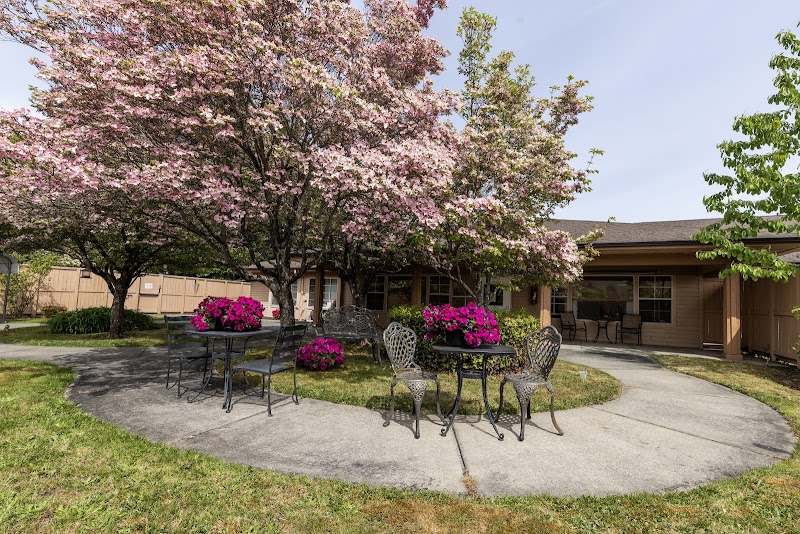
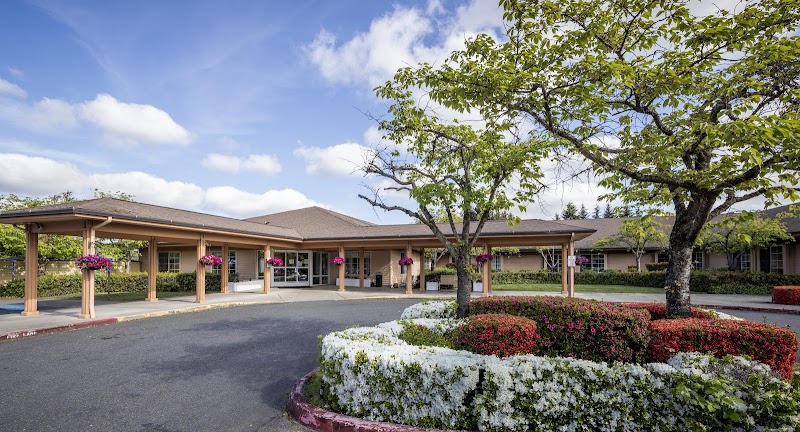
ALASKA GARDENS HEALTH AND REHABILITATION

6220 SOUTH ALASKA STREET, TACOMA, WA 98408 (253) 476-5300
For profit - Individual 123 Beds EMPRES OPERATED BY EVERGREEN Data: November 2025 1 Immediate Jeopardy citation
Trust Grade
0/100
#161 of 190 in WA
Last Inspection: May 2025

Inspected within the last 6 months. Data reflects current conditions.

Overview

Alaska Gardens Health and Rehabilitation has a Trust Grade of F, indicating significant concerns about the quality of care provided. They rank #161 out of 190 nursing homes in Washington, placing them in the bottom half of facilities in the state, and #16 out of 21 in Pierce County, suggesting limited better options nearby. The facility is worsening, with the number of issues increasing from 17 in 2024 to 29 in 2025. While staffing received a 3/5 rating, indicating average performance with a 56% turnover rate, which is similar to the state average, the RN coverage is below that of 96% of Washington facilities. The facility has incurred $196,648 in fines, which is concerning, as it is higher than 89% of other facilities in the state. Specific incidents include a resident suffering a broken arm after being assisted by one staff member instead of the required two, and critical failures in ensuring adequate nutritional care for all residents, potentially impacting their health significantly. Overall, while there are some staffing strengths, the facility's recent performance and critical incidents raise serious red flags for families considering care options.

Trust Score
F
0/100
In Washington
#161/190
Bottom 16%
Safety Record
High Risk
Review needed
Inspections
Getting Worse
17 → 29 violations
Staff Stability
⚠ Watch
56% turnover. Above average. Higher turnover means staff may not know residents' routines.
Penalties
⚠ Watch
$196,648 in fines. Higher than 80% of Washington facilities, suggesting repeated compliance issues.
Skilled Nurses
⚠ Watch
Each resident gets only 25 minutes of Registered Nurse (RN) attention daily — below average for Washington. Fewer RN minutes means fewer trained eyes watching for problems.
Violations
⚠ Watch
70 deficiencies on record. Higher than average. Multiple issues found across inspections.
★☆☆☆☆
1.0
Overall Rating
★★★☆☆
3.0
Staff Levels
★★★★☆
4.0
Care Quality
★☆☆☆☆
1.0
Inspection Score
Stable
2024: 17 issues
2025: 29 issues

The Good

  • 4-Star Quality Measures · Strong clinical quality outcomes
  • Full Sprinkler Coverage · Fire safety systems throughout facility
  • No fines on record

Facility shows strength in quality measures, fire safety.

The Bad

1-Star Overall Rating

Below Washington average (3.2)

Significant quality concerns identified by CMS

Staff Turnover: 56%

10pts above Washington avg (46%)

Frequent staff changes - ask about care continuity

Federal Fines: $196,648

Well above median ($33,413)

Significant penalties indicating serious issues

Chain: EMPRES OPERATED BY EVERGREEN

Part of a multi-facility chain

Ask about local staffing decisions and management

Staff turnover is elevated (56%)

8 points above Washington average of 48%

The Ugly 70 deficiencies on record

1 life-threatening 5 actual harm
Jul 2025 2 deficiencies
CONCERN (D) 📢 Someone Reported This

A family member, employee, or ombudsman was alarmed enough to file a formal complaint

Potential for Harm - no one hurt, but risky conditions existed

Deficiency F0582 (Tag F0582)

Could have caused harm · This affected 1 resident

**NOTE- TERMS IN BRACKETS HAVE BEEN EDITED TO PROTECT CONFIDENTIALITY** Based on interview and record review, the facility failed to convey the refunds of 2 of 3 residents (Resident 8 & 14) to the res...

Read full inspector narrative →
**NOTE- TERMS IN BRACKETS HAVE BEEN EDITED TO PROTECT CONFIDENTIALITY** Based on interview and record review, the facility failed to convey the refunds of 2 of 3 residents (Resident 8 & 14) to the resident or to the individual or jurisdiction administering the resident's estate, or the Office of Financial Recovery within thirty days of the discharge, transfer or death. This failure placed resident family and/or representatives at risk for financial hardship.Findings included . Review of the facility admission Agreement last updated [DATE], showed the center would issue any refunds to the Resident Group or, in the even of the Resident's death, to the Resident's estate, or applicable state agency within the time required by law. <Resident 8>Resident 8 discharged from the facility on [DATE]. On [DATE] at 8:40 AM Collateral Contact 1 stated the facility overbilled Resident 8 and were withholding payment, stating the funds were already spent, but were unable to articulate if the funds were spent on the resident while they were a resident in the facility. During an interview on [DATE] at 12:26 PM, Staff C, Business Office Manager, stated Resident 8 had a refund due of $489.72. Staff C stated they sent the refund to the Office of Financial Recovery (OFR) on [DATE] (four months after discharge). OFR sent it back [DATE] as they only accept funds for deceased residents. Staff C stated they then resubmitted the check payable to Resident 8 on [DATE]. The facility changed billing accounting services in the end of January, beginning of February 2025. In February, Resident 8's representative stated they had not yet received the check, so it was reissued [DATE] and sent to a different address. Staff C stated on [DATE] they were notified of concerns that the resident did not receive the refund. Staff C stated they contacted the billing office that day, and found out on [DATE] that the check was not cashed. Staff C stated they needed to resubmit a request to have the check reissued. Staff C planned to have it sent to the facility and have Resident 8's representative pick it up there. During an interview on [DATE] at 4:02 PM, Resident 8's representative stated the facility fist told them the funds had been dispersed. Then they had been told the check was mailed, sent to the wrong addressed, cancelled and resent. Resident 8's representative stated they finally got the check as Staff C left it at the facility front desk and they picked it up Thursday ([DATE]). <Resident 14>Resident 14 was a long term care resident who passed away in the facility on [DATE]. During an interview on [DATE] at 10:55 AM, Staff C stated Resident 14 had a trust fund balance of $530.58. Staff C stated they were waiting to hear from the resident representative if they wanted the funds for funeral services and they said no. During an interview on [DATE] at 3:20 PM, Staff C stated Resident 14's account was closed, the refund check printed and they would send the check to OFR. On [DATE] at 2:46 PM, the above was discussed and acknowledged by Staff A, Administrator.REFERENCE: WAC 388-97-0340(5).
CONCERN (E) 📢 Someone Reported This

A family member, employee, or ombudsman was alarmed enough to file a formal complaint

Potential for Harm - no one hurt, but risky conditions existed

Resident Rights (Tag F0550)

Could have caused harm · This affected multiple residents

**NOTE- TERMS IN BRACKETS HAVE BEEN EDITED TO PROTECT CONFIDENTIALITY** Based on observation, interview and record review, the facility failed to provide ensure care and services were provided in a ma...

Read full inspector narrative →
**NOTE- TERMS IN BRACKETS HAVE BEEN EDITED TO PROTECT CONFIDENTIALITY** Based on observation, interview and record review, the facility failed to provide ensure care and services were provided in a manner that maintained and promoted dignity and respect for 8 of 9 current residents (Residents 3, 4, 5, 6, 7, 10, 12 and 13) interviewed. Failure of the facility to respond to resident's requests in a timely, respectful and professional manner, placed residents at risk for diminished self-worth, frustration, and a decreased quality of life. Findings included . <Resident 3>During an interview on 07/16/2025 at 10:98 AM, Resident 3 shared an interaction with Staff D, Nursing Assistant Certified (NAC) that occurred during care. Resident 3 stated that Staff D was incredibly negative, talking under their breath the entire time and when the resident said sorry to inconvenience you, Staff D said, would you like another aide? , Resident 3 said that would be lovely, and right in the place Staff D stood and screamed down the hall for another aide and left Resident 3 entirely exposed and stomped out of the room.On 07/16/2025 at 11:33 AM, Staff D was observed in the doorway of a resident's room, to yell down the hall to another staff that they needed to change a resident by name, and that they would be there in a minute, before they turned and closed the resident's room door. <Resident 4>During an interview on 07/16/2025 at 11:08 AM, Resident 4 stated that Staff D was always disrespectful. Resident 4 shared a photo of Staff D dated 06/27/2025 at 1:23 PM, with Staff D wearing a T-Shirt with an image of the Rugrat [NAME], who according to Resident 4 was the Mean and bossy one. The caption on the shift was You Stupid Babies. Resident 4 stated, I found it offensive, like she considered us babies. Resident 4 stated it was demeaning to be in a nursing home anyways with a loss of freedom, but to have someone come into your room like that is a nail in the [NAME]. Resident 4 felt Staff D was belittling and came across like they were more important that the residents.During an interview on 07/16/2025 at 11:08 AM, Resident 4 said when they asked the nurses what pills they were giving them, the nurses respond that they don't know and say just take them. <Resident 6>Similar findings were noted with Resident 6 who during an interview on 07/16/2025 at 11:35 AM, stated when they nurses bring their medication, They don't tell you what you're taking. <Resident 5>During an interview on 07/16/2025 at 10:30 AM, Resident 5 stated that the call light response time had been up to two hours, it frequently took a while to get someone to their room in the back of the hall, It's frustrating.<Resident 7>During an interview on 07/16/2025 at 11:42 AM, Resident 7 stated their wait time was 30 minutes to an hour.During an interview on 07/16/2025 at 11:42 AM, Resident 7 stated they had orders for as needed pain medications, but when they asked for them, the nurses just shrug their shoulders and go on, They don't want to be bothered. <Resident 10>During an interview on 07/18/2025 at 9:01 AM, Resident 10 stated that when staff answer the call light some say, You'll have to wait. sometimes they had to wait 45 minutes, Like I'm another nobody in this place. <Resident 12>During an interview on 07/18/2025 at 12:41 PM, Resident 12 stated it sometimes took a half hour or longer for staff to respond to their call light and then they don't give you what you asked for. When asked how that made them feel, Resident 12 said, I don't know. if I can get my own stuff I will. <Resident 13>During an interview on 07/18/2025 at 1:02 PM, Resident 13 stated the staff don't respond to the call lights half the time so they must use the phone and call the front desk. Resident 13 stated when the staff did not answer the call light they felt disappointed and sad. On 07/24/2025 at 2:46 PM, the above was discussed and acknowledged by Staff A, Administrator and Staff B, Director of Nursing Services. REFERENCE: WAC 388-97-0180(1-4).
May 2025 10 deficiencies
CONCERN (D)

Potential for Harm - no one hurt, but risky conditions existed

Deficiency F0655 (Tag F0655)

Could have caused harm · This affected 1 resident

**NOTE- TERMS IN BRACKETS HAVE BEEN EDITED TO PROTECT CONFIDENTIALITY** . Based on interview and record review, the facility failed to develop a baseline care plan, with goals and interventions to com...

Read full inspector narrative →
**NOTE- TERMS IN BRACKETS HAVE BEEN EDITED TO PROTECT CONFIDENTIALITY** . Based on interview and record review, the facility failed to develop a baseline care plan, with goals and interventions to communicate resident care needs to staff for 1 of 19 sampled residents (Resident 5) reviewed for care planning. This failure had the potential to place residents at risk for unmet care needs, negative outcomes, and a diminished quality of life. Findings included . Resident 5 Review of the electronic health record (EHR) showed Resident 5 was admitted to the facility on [DATE] with diagnoses that included diabetes (high blood sugar), dementia (a group of thinking and social symptoms that interferes with daily functioning), and was able to make needs known. During an interview on 05/19/2025, Resident 5 stated their eyeglasses were at home and wanted them at the facility. Review of the admission Minimum Data Set assessment, dated 05/02/2025, section B1000 Vision, showed Resident 5 was assessed to have impaired vision. Section B1200 Corrective Lenses showed No. Review of Resident 5's care plan, dated 05/15/2025, did not show a care plan for vision. During an interview on 05/23/2025 at 10:52 AM, Staff B, Director of Nursing Services (DNS), stated the baseline care plan should have included a plan to obtain Resident 5's eyeglasses or an appointment to obtain new eyeglasses. Reference WAC 388-91-1020 (3)
CONCERN (D)

Potential for Harm - no one hurt, but risky conditions existed

Deficiency F0657 (Tag F0657)

Could have caused harm · This affected 1 resident

**NOTE- TERMS IN BRACKETS HAVE BEEN EDITED TO PROTECT CONFIDENTIALITY** . Based on observation, interview and record review, the facility failed to ensure residents' care plans were revised and accura...

Read full inspector narrative →
**NOTE- TERMS IN BRACKETS HAVE BEEN EDITED TO PROTECT CONFIDENTIALITY** . Based on observation, interview and record review, the facility failed to ensure residents' care plans were revised and accurately reflected the resident's care needs and/or care conferences occurred timely for 3 out of 21 sampled residents (Resident 48, 51 and 53) when reviewed for care planning and revision of care plans. This failure placed the resident at risk for unmet care needs, medical complications, inaccurate care plan documentation, and a diminished quality of life. Findings included . Resident 48 Review of the electronic health records (EHR) showed Resident 48 admitted to the facility on [DATE] with diagnoses to include pulmonary fibrosis (a condition characterized by scarring and thickening of tissue around the air sacs in the lungs), chronic respiratory failure with hypoxia (a condition where the lungs are unable to adequately exchange oxygen and carbon dioxide, resulting in low oxygen levels in the blood over an extended period of time), anxiety disorder, depression, and bipolar disorder (a mood disorder characterized by extreme shifts in mood, energy and concentration). Resident 48 was able to make needs known. During an interview and observation on 05/19/2025 at 1:35 PM, Resident 48 laid in their bed with an oxygen administered at 2 liters per minute via an oxygen concentrator (a medical device that concentrates oxygen from the air to provide a more concentrated stream of oxygen) machine. The resident had a nonproductive cough and stated they thought they had a respiratory infection and wore oxygen to help them breath better. Review of Resident 48's care plan on 5/19/2025 showed no focus care plan related to the residents' respiratory conditions of chronic respiratory failure with hypoxia and pulmonary fibrosis. During an interview on 05/20/2025 at 2:15 PM, Staff P, Registered Nurse (RN) stated Resident 48 recently had a chest Xray because they were having a cough, the resident was administered oxygen and received medication for their cough. When asked about the missing care plan for the residents' respiratory conditions. Staff P stated there should have been a care plan in place in the residents EHR for their respiratory conditions. During an interview on 05/20/2025 at 2:42 PM, Staff F, Licensed Practical Nurse / Care Coordinator (LPN/CC), stated when Resident 48 admitted to the facility with their respiratory diagnoses there should have been a care plan developed for these conditions. Resident 51 Review of the EHR showed Resident 51 admitted to the facility on [DATE] with diagnoses to include heart, kidney and liver disease, and urinary tract infection (UTI, a bacterial infection of the urinary tract, which includes the kidneys and bladder), diabetes (a high blood sugar levels), muscle weakness and depression. Resident 51 was able to make needs known. During an interview on 05/19/2025 at 11:31 AM, Resident 51 stated they were unaware as to their medical plan of care. The resident stated the facility staff did not talk to them about their medications, therapy or treatments for quite some time. During an interview on 05/20/2025 at 1:22 PM, Staff Q, Social Services Director (SSD) stated Resident 51 did have their initial care conference back in 12/27/2024 and they were supposed to have another one in 04/2025 but for some reason scheduled for 06/2025 and that the care conference seemed to have been missed due to a glitch in the EHR system. During an interview on 05/20/2025 at 1:28 PM, Staff B, Director of Nursing Services (DNS) stated their expectation to organize the residents care conferences started with the social services department and they would normally contact the nursing staff whenever the care conference meetings were to take place for the residents. Resident 53 Review of the EHR showed Resident 53 readmitted to the facility on [DATE] with diagnoses to include diabetes (too much sugar in the blood), renal failure (kidneys lose the ability to remove waste and balance fluids), and was depended on dialysis (a treatment that filters blood when the kidneys are unable to do so, removing waste and excess fluid). Resident 53 was able to make needs known. During an interview on 05/19/2025 at 10:12 AM, Resident 53 stated they could not drink a lot of water because they were on fluid restriction and thought they could have a glass of fluid per meal. Review of the provider's order dated 05/07/2025 showed Resident 53 was prescribed a fluid restriction of 1200 milliliters (ml) in 24 hours. It showed day shift to provide 120 ml and night shift to provide 120 ml per day and to document ml given with medications each shift, related to renal disease/kidney failure. Review of Resident 53's focused nutrition/hydration care plan initiated on 04/15/2025 showed an intervention initiated on 04/17/2025 for 1000 ml fluid restriction per day with nursing to provide 280 ml, (140 ml = day and 140 ml = night). Dietary to provide 720 ml (240 ml for breakfast, 240 ml for lunch, and 240 ml for dinner). During an interview on 05/23/2025 at 3:41 PM Staff J, Certified Nursing Assistant (CNA), stated that Resident 53 was on fluid restrictions, and it should be on their care plan and located on their dietary slip provided by the kitchen with meals. During an interview on 05/23/2025 at 3:48 PM Staff H, Licensed Practical Nurse/Care Coordinator (LPN/CC), stated Resident 53's care plan showed a fluid restriction of 1000 ml per day in a 24-hour period and needed to be revised with the new order for 1200 ml per day in a 24-hour period. Staff H stated Resident 53's care plan related to fluid restriction did not meet their expectations. During an interview on 05/23/2025 at 4:20 PM, Staff B, DNS, stated Resident 53's care plan needed to be revised to accurately reflect the current order for fluid restrictions and did not meet their expectations. Reference WAC 388-97-1020 2(c)(d), 5(b)
CONCERN (D)

Potential for Harm - no one hurt, but risky conditions existed

Deficiency F0676 (Tag F0676)

Could have caused harm · This affected 1 resident

**NOTE- TERMS IN BRACKETS HAVE BEEN EDITED TO PROTECT CONFIDENTIALITY** . Based on observation, interview, and record review, the facility failed to ensure residents' ability to communicate was mainta...

Read full inspector narrative →
**NOTE- TERMS IN BRACKETS HAVE BEEN EDITED TO PROTECT CONFIDENTIALITY** . Based on observation, interview, and record review, the facility failed to ensure residents' ability to communicate was maintained for 1 of 3 sampled resident (Resident 33) when reviewed for communication. This failure placed the resident at risk of inability to communicate needs, social isolation, feelings of worthlessness, and diminished quality of life. Findings included . Review of the electronic health record showed Resident 33 admitted to the facility on [DATE] with diagnoses to include aphasia (a language disorder caused by damage to the brain's language centers, resulting in difficulties with speaking, understanding, reading, or writing) and adult failure to thrive. Resident 33 was able to communicate needs. Observation on 05/19/2025 at 10:15 AM showed Resident 33 laid in bed with a sign on the wall showing to use the whiteboard to communicate. Observation showed no whiteboard in the room. Observations on 05/20/2025 at 1:04 PM and 05/22/2025 at 9:38 AM showed Resident 33 laid in bed with no whiteboard in the room. During an interview on 05/22/2025 at 9:50 AM, Staff O, Certified Nursing Assistant (CNA), stated Resident 33 could speak normally but staff needed to get very close and speak loudly or gesture to communicate with the resident. Staff O stated Resident 33 had previously used a whiteboard to facilitate communication, but they had not seen it in a while. Review of the care plan, initiated on 07/15/2022, showed Resident 33 was hard of hearing with an intervention for staff to use a dry erase board to communicate with the resident. During an interview on 05/22/2025 at 10:46 AM, Resident 33 indicated they were not able to communicate with the facility staff and facility staff did not write to communicate with them. During an interview on 05/23/2025 at 11:51 AM, Staff F, Licensed Practical Nurse/Care Coordinator (LPN/CC), stated staff should follow a resident's care plan when determining how to communicate with them. Staff F stated staff were able to communicate with Resident 33 using a whiteboard but the whiteboard was missing. Staff F stated staff should have reported the missing whiteboard so it could be replaced. During an interview on 05/23/2025 at 3:02 PM, Staff B, Director of Nursing Services, stated staff were aware on how to communicate with hard of hearing residents by referencing the care plan. Staff B stated all communication devices should be stored at bedside for ease of use and staff should notify the nurse or care coordinator if the device was missing. Staff B stated Resident 33's missing whiteboard did not meet expectations. Reference WAC 388-97-1060 (2)(a)(v) .
CONCERN (D)

Potential for Harm - no one hurt, but risky conditions existed

ADL Care (Tag F0677)

Could have caused harm · This affected 1 resident

**NOTE- TERMS IN BRACKETS HAVE BEEN EDITED TO PROTECT CONFIDENTIALITY** . Based on observation, interview and record review, the facility failed to provide the necessary care and services to ensure th...

Read full inspector narrative →
**NOTE- TERMS IN BRACKETS HAVE BEEN EDITED TO PROTECT CONFIDENTIALITY** . Based on observation, interview and record review, the facility failed to provide the necessary care and services to ensure that residents were shaved and/or dressed in clean clothing for 2 of 3 sampled residents (Residents 30 and 15) when reviewed for dependent activities of daily living (ADLs) care. These failures placed the residents at risk of unmet needs, poor self-esteem, and a diminished quality of life. Findings included . Resident 30 Review of the electronic health record (EHR) showed Resident 30 readmitted to the facility on [DATE] with diagnoses that included metabolic encephalopathy (brain disease that alters brain function or structure), diabetes (high blood sugar), depression, and muscle weakness. Resident 30 was able to make needs known. Observations on 05/19/2025 at 11:44 AM, 05/20/2025 at 9:42 AM, 05/22/2025 at 7:07 AM, and on 05/23/2025 at 9:40 AM showed Resident 30 with long facial hair around the chin area. During an interview on 05/20/2025 at 9:42 AM, Resident 30 stated they did not always get offered to remove their facial hair and would like them (staff) to do so. Review of the significant change in status minimum data set (MDS, a required assessment tool) dated 04/06/2025 showed Resident 30 had upper extremity (shoulder, elbow, wrist, hand) impairment on one side of the body. Review of the focused care plan for ADLs initiated on 10/09/2024 showed Resident 30 required assistance of one person for personal hygiene. During a follow up interview on 05/22/2025 at 7:07 AM, Resident 30 stated they could still feel their whiskers, needed to be shaved, and would like to be offered to be shaved. Resident 30 stated they had never refused to have facial hair shaved when offered. During an interview on 05/23/2025 at 2:42 PM, Staff N, Certified Nursing Assistant (CNA), stated they saw Resident 30 had facial hair on their chin, but was not sure if they could shave them or not. Staff N then asked Resident 30 if they wanted their facial hair removed and Resident 30 stated, Yes please, I hate facial hair. Staff N told Resident 30 they would need to ask the nurse if they could shave them. During an interview on 05/23/2025 at 2:49 PM, Staff H, Licensed Practical Nurse / Care Coordinator (LPN/CC), stated residents with facial hair should be offered to be shaved with morning care. Staff H stated Resident 30 had a lot of facial hair. Resident 30 told Staff H that their facial hair should have been gone (shaved) a long time ago. During an interview on 05/23/2025 at 3:24 PM, Staff B, Director of Nursing Services (DNS), stated residents should be offered to have facial hair shaved when noticeable and they could accept or refuse. Staff B stated they were not aware that Resident 30 had facial hair and had not been offered to be shaved, and this did not meet their expectations. Resident 15 Review of the EHR showed Resident 15 admitted to the facility on [DATE] with diagnoses that included chronic obstructive pulmonary disease (COPD, prevents airflow to the lungs causing breathing issues), dementia (a group of thinking and social symptoms that interferes with daily functioning), generalized muscle weakness and was able to make needs known. Review of the quarterly MDS dated [DATE] showed Resident 15 was assessed as dependent upon staff for personal hygiene and required assistance with upper and lower body dressing. Observations on 05/19/2025 at 9:06 AM, 05/20/2025 at 11:09 AM, 05/21/2025 at 1:50 PM and 05/23/2025 at 10:18 AM showed Resident 15 laid in bed and wore a dark pink shirt with white flowers. On 05/23/2025 the shirt was visibly soiled with several stains. Observation on 05/23/2025 at 12:33 PM of the shower board located in the 100-hall shower room showed Resident 15 had a bed bath completed. During an interview on 05/23/2025 at 12:35 PM, Staff S, CNA, stated Resident 15 was provided with a bed bath but did not have their clothes changed because their shirts had not come back from the laundry. During an interview on 05/23/2025 at 12:38 PM, Staff T, LPN/CC, stated the expectation was for residents to wear clean clothes unless refused, which should be documented. Staff T stated if a resident does not have clean clothes staff should get something out of the donations for the resident to wear. During an interview on 05/23/2025 at 2:13 PM, Staff B, DNS, stated the expectation was residents were to wear clean clothing at all times. Reference: WAC 388-97-1060(2)(a)(1) .
CONCERN (D)

Potential for Harm - no one hurt, but risky conditions existed

Deficiency F0692 (Tag F0692)

Could have caused harm · This affected 1 resident

**NOTE- TERMS IN BRACKETS HAVE BEEN EDITED TO PROTECT CONFIDENTIALITY** . Based on interview, and record review the facility failed to monitor and accurately document fluids consumed to ensure fluid r...

Read full inspector narrative →
**NOTE- TERMS IN BRACKETS HAVE BEEN EDITED TO PROTECT CONFIDENTIALITY** . Based on interview, and record review the facility failed to monitor and accurately document fluids consumed to ensure fluid restrictions (a diet which limits the amount of daily fluid intake) was implemented per physician's orders for 2 of 4 sampled residents (Residents 53 and 148) reviewed for nutrition. This failure placed residents at risk for medical complications and a diminished quality of life. Findings included . Resident 53 Review of the electronic health records (EHR) showed Resident 53 readmitted to the facility on [DATE] with diagnoses to include diabetes (too much sugar in the blood), renal failure (kidneys lose the ability to remove waste and balance fluids), and was depended on dialysis (a treatment that filters blood when the kidneys are unable to do so, removing waste and excess fluid). Resident 53 was able to make needs known. During an interview on 05/19/2025 at 10:12 AM, Resident 53 stated they could not drink a lot of water because they were on fluid restriction and thought they could have a glass of fluid per meal. Review of a provider's order dated 05/07/2025 showed Resident 53 had a fluid restriction of 1200 milliliters (ml) per 24 hours with day shift to provide 120 ml and night shift to provide 120 ml per day. It instructed staff to document ml given with medications each shift related to renal disease/kidney failure. This order did not show how much fluid would be provided by the dietary department for meals. Review of a provider's orders dated 04/08/2025 showed Resident 53 was prescribed Nepro (a nutritional liquid supplement) 236 ml two times a day (if Nepro unavailable, give 120 ml sugar free health shake) and the amount was to be added into daily fluid restriction calculations to be documented in ml amount consumed. Review showed an order dated 04/26/2025 to total fluids past 24 hours including Nepro and if 1200 ml in 24 hours was exceeded, assess, notify provider and document. During an interview on 05/23/2025 at 3:41 PM, Staff J, Certified Nursing Assistant (CNA), stated Resident 53 was on fluid restrictions and they gave fluid that was provided on the meal trays and documented how much they drank in the computer system for their shift. Review of the medication administration record (MAR) from 05/08/2025 - 05/22/2025 showed Resident 53's fluids consumed from Nepro supplement was documented 236 ml on days and 236 ml on nights (total of 472 ml). Review of the treatment administration record (TAR) from 05/08/2025 - 05/22/2025 showed Resident 53's fluid restriction for 1200 ml per 24 hours for days was 120 ml and on nights was 120 ml (total of 240 ml) except for on 05/21/2025 was left bank (no documentation of fluids consumed). Review showed the total fluids consumed in the past 24 hours including Nepro supplement was documented 1200 ml except on 05/21/2025 was left bank (no totaled fluid consumed documented). Review of care directives in Resident 53's nutrition task for fluid intake per meal from 05/08/2025 - 05/22/2025 showed fluid intake documented had totals over the allotted amount on the following dates: 05/08/2025 = 750 ml, 05/11/2025 = 960 ml, 05/16/2025 = 960 ml, 05/18/2025 = 600 ml, 05/19/2025 = 640 ml, and 05/22/2025 = 960 ml. Review of the EHR regarding total fluids documented as consumed from 05/08/2025 - 05/22/2025 showed Resident 53 was provided fluids over the 1200 ml prescribed in a 24-hour period on the following dates (although totals documented in the May 2025 TAR showed 1200 ml): -05/08/2025 = 1462 ml -05/11/2025 = 1672 ml -05/16/2025 = 1672 ml -05/18/2025 = 1312 ml -05/19/2025 = 1352 ml -05/22/2025 = 1672 ml Review did not show documentation the provider was informed of fluids consumed over 1200 ml in a 24-hour period. During an interview on 05/23/2025 at 3:48 PM, Staff H, Licensed Practical Nurse/Care Coordinator (LPN/CC), stated Resident 53's fluid restriction order should have included what the kitchen sends out during meals. Staff H stated the fluids documented in Resident 53's 2025 MAR, fluids consumed in tasks, and fluids totaled on the May 2025 TAR were not consistently documented accurately and were under or over the 1200 ml amount ordered fluid restriction. Staff H stated provider orders should be followed, and this did not meet expectations. During an interview on 05/23/2025 at 4:20 PM, Staff B, Director of Nursing Services (DNS), stated Resident 53's fluid restriction order dated 05/07/2025 was missing fluids to be provided by other disciplines such as what fluids should come out of the kitchen for meals. Staff B stated there should not have been missing documentation in Resident 53's 2025 TAR. Staff B stated Resident 53 totals for fluids consumed were not always accurately documented or within the parameters ordered by the provider and this did not meet expectations. Resident 148 Review of the EHR showed Resident 148 admitted to the facility on [DATE] with diagnoses to include dependence on dialysis and end stage renal disease (kidney disease). Resident 148 was able to make needs known. Review of provider's orders showed Resident 148 had a fluid restriction, dated 05/19/2025, of 1500 ml with dietary to provide 960 ml, nursing to provide 540 ml, day 270 ml, and night 270 ml. Review showed a second order, scheduled for 05/24/2025, for nursing to total all fluids consumed in 24 hours. Review of the MAR for May 2025 showed nursing provided Resident 148 the following fluids: 05/19/2025 - Day: N/A, Night 270 ml 05/20/2025 - Day: 270 ml, Night 270 ml 05/21/2025 - Day: 270 ml, Night 270 ml 05/22/2025 - Day: 270 ml, Night 270 ml Review of the task list for 05/20/2025 through 05/22/2025 showed nursing assistants documented the following fluid intake: 05/19/2025 - Not documented 05/20/2025 - 750 ml 05/21/2025 - 1,280 ml 05/22/2025 - 960 ml Observation on 05/23/2025 at 10:32 AM showed Resident 148 in bed with eyes closed. Observation showed the resident's bedside table had one large cup of clear liquid approximately 20% full and a small glass of clear liquid 50% full. Observation on 05/23/2025 at 12:06 PM showed Resident 148's meal tray ticket did not contain information related to a fluid restriction. During an interview on 05/23/2025 at 12:09 PM, Staff R, Dietary Supervisor, stated they were aware of residents with fluid restrictions as they would see a diet order in the EHR, Staff R stated they would add the restriction to the resident's tray ticket, so kitchen staff were aware which fluids to provide. Staff R stated they were unaware of Resident 148's fluid restriction and there was no fluid restriction directive on their tray ticket. Observation on 05/23/2025 at 2:52 PM showed Resident 148 in bed with a reusable paper cup approximately 20% full of clear liquid and a large plastic cup approximately 20% full of clear liquid. During an interview on 05/23/2025 at 2:55 PM, Staff B, DNS, stated the facility ensured residents with fluid restrictions did not consume too much liquid by totaling the fluids consumed during night shift. Staff B stated the dietary department should be aware of fluid restrictions and nursing should be totaling fluid intake during night shift. Staff B stated Resident 148's fluid restriction did not meet expectations. Reference WAC 388-97-1060 (3)(i) .
CONCERN (D)

Potential for Harm - no one hurt, but risky conditions existed

Deficiency F0790 (Tag F0790)

Could have caused harm · This affected 1 resident

**NOTE- TERMS IN BRACKETS HAVE BEEN EDITED TO PROTECT CONFIDENTIALITY** . Based on observation, interview and record review, the facility failed to provide prompt dental care and services and obtain p...

Read full inspector narrative →
**NOTE- TERMS IN BRACKETS HAVE BEEN EDITED TO PROTECT CONFIDENTIALITY** . Based on observation, interview and record review, the facility failed to provide prompt dental care and services and obtain post dental visit documentation for 1 of 4 sampled residents (Residents 30) when reviewed for dental. These failures placed the resident at risk for continued dental problems, unmet needs, and a diminished quality of life. Findings included . Review of the electronic health record (EHR) showed Resident 30 readmitted to the facility on [DATE] with diagnoses that included diabetes (high blood sugar), depression, and muscle weakness. Resident 30 was able to make needs known. Observation and interview on 05/19/2025 at 1:15 PM, showed Resident 30 with broken and missing upper and lower teeth. Resident 30 stated they had seen a dentist, and the plan was to be seen again but did not know when that would happen. Resident 30 stated they had occasional oral pain and wanted their teeth to be taken care of. Review of the significant change in status minimum data set (MDS, an assessment tool) dated 04/06/2025 showed Resident 30 had mouth or facial pain, discomfort or difficulty with chewing. Review of the focused care plan for oral/dental health problems initiated on 05/13/2025 showed Resident 30 had natural teeth with likely cavity, mouth pain/discomfort, and chewing difficulty with an intervention to coordinate arrangements for dental care, transportation as needed/as ordered. Review of the Registered Dental Hygienist (RDH, a licensed dental health professional who specializes in preventive oral healthcare, focusing on cleaning, polishing, and educating people about oral hygiene) preventative reports dated 02/11/2025 and 05/20/2025 showed Resident 30 was seen on both dates and the RDH had referred the resident to see a dentist due to pain indicated for both visits. Review of Resident 30's EHR showed no documentation that Resident 30 was seen by a dentist. During an interview on 05/22/2025 at 11:55 AM, Staff H, Licensed Practical Nurse/Care Coordinator, stated usually the RDH gave referrals to social services, and they tried to find a dentist who would take the resident's insurance. Staff H stated they were not aware that the RDH made referrals for Resident 30 to see a dentist. Staff H stated Resident 30's RDH preventative reports dated 02/11/2025 and 05/20/2025 were not noted (initialed and/or signed) by a nurse or the provider and typically they should have been. Staff H stated they were unable to locate documentation to show that Resident 30 was seen by a dentist or had a follow up dental appointment scheduled and was unable to explain why. During an interview on 05/22/2025 at 12:32 PM, Staff Q, Social Services Director (SSD), stated the facility went to a new EHR system in April 2025 and they were able to locate a progress note in the old system dated 02/20/2025 that showed Resident 30 had an appointment / transportation follow-up on 03/06/2025 at 2:30 PM for a dental exam for extractions (to remove tooth/teeth); however, were unable to locate documentation from the dentist of what was done and what was recommended. Staff Q stated the dental documentation should have been obtained and located in Resident 30's EHR and this did not meet expectations. During a follow up interview on 05/23/2025 at 10:32 AM, Staff Q, SSD, stated they had contacted the dentist office yesterday (05/22/2025) and was able to obtain Resident 30's dental summary report dated 03/01/2025 - 05/22/2025. Staff Q stated it was unclear to them what was done and would request additional information by the provider. No additional information was provided to the survey team regarding Resident 30's dental issues. Review of Resident 30's dental summary report dated 03/01/2025 - 05/22/2025 showed dental exam conducted on 03/06/2025 with Proposed Treatment Plan, for surgical extraction of erupted tooth (tooth removed through a surgical procedure when visible from the gumline) and a Resin composite (tooth-colored filling made of resin) and 1 surf posterior (used to repair a single surface of a tooth in the back of the mouth). During an interview on 05/23/2025 at 12:25 PM, Staff A, Administrator, stated Resident 30 went to the dentist on 03/06/2025; however, was not aware the dental documentation was not in Resident 30's EHR. Staff A stated the expectation was that some type of dental visit documentation should be obtained to show what the resident was seen for, what was done, and what recommendations and/or new orders needed to be implemented. Staff A stated Resident 30's follow-up after their 03/06/2025 exam did not meet expectations. WAC reference 388-97-1060 (2)(3)(j)(vii)
CONCERN (D)

Potential for Harm - no one hurt, but risky conditions existed

Dental Services (Tag F0791)

Could have caused harm · This affected 1 resident

**NOTE- TERMS IN BRACKETS HAVE BEEN EDITED TO PROTECT CONFIDENTIALITY** . Based on observation, interview and record review, the facility failed to provide prompt dental services for 1 of 4 sampled re...

Read full inspector narrative →
**NOTE- TERMS IN BRACKETS HAVE BEEN EDITED TO PROTECT CONFIDENTIALITY** . Based on observation, interview and record review, the facility failed to provide prompt dental services for 1 of 4 sampled residents (Residents 53) when reviewed for dental. This failure placed the resident at risk for continued dental problems and a diminished quality of life. Findings included . Review of the electronic health records (EHR) showed Resident 53 readmitted to the facility on [DATE] with diagnoses to include diabetes (too much sugar in the blood) and renal failure (kidneys lose the ability to remove waste and balance fluids). Resident 53 was able to make needs known. Observation and interview on 05/19/2025 at 10:09 AM showed Resident 53 with missing upper and lower teeth. Resident 53 stated they would like to see a dentist to have teeth removed to be able to get dentures or partial dentures and staff were aware. Resident 53 stated they could not remember the last time they saw a dentist. Review of Resident 53's focused care plan for at risk for decline in oral/dental health due to broken teeth, obvious or likely cavity initiated on 02/01/2023 showed an intervention to Refer to facility dentist, facility dental hygienist as needed. Review of Resident 53's Preventative Report, by the Registered Dental Hygienist (RDH, a licensed dental health professional who specializes in preventive oral healthcare, focusing on cleaning, polishing, and educating people about oral hygiene) dated 03/06/2025 showed Resident 53 was seen on 03/06/2025 and the RDH had referred Resident 53 to see a dentist and a denturist. Review showed, [Resident 53] asked to see a dentist to have teeth fixed. During an interview on 05/22/2025 at 11:55 AM, Staff H, Licensed Practical Nurse/Care Coordinator (LPN/CC) stated usually the RDH gave referrals to social services, and they tried to find a dentist who would take the resident's insurance. During a follow-up interview on 05/22/2025 at 12:18 PM, Staff H, LPN/CC, stated Resident 53's RDH preventative report dated 03/06/2025 was not noted by a nurse or a provider and this was the first time they had been made aware of the report and referral to a dentist and denturist. Staff H stated they were unable to find documentation to explain why Resident 53 had not seen a dentist. Staff H stated they should have been informed of Resident 53's referrals and a dental visit scheduled, and this did not meet expectations. During an interview on 05/22/2025 at 1:05 PM, Staff Q, Social Services Director (SSD), stated they had submitted a referral through a dental portal to request Resident 53 be seen for restorative work on 04/10/2025 but did not have a copy of the online form and had not received an email back. Staff Q stated Resident 53 should have been able to be seen by a dentist prior to now and this did not meet expectations. During an interview on 05/23/2025 at 12:56 PM, Staff A, Administrator, stated they were unable to explain why Resident 53 had not been seen by a dentist by now. Staff A stated there should have been documentation in Resident 53's EHR to show attempts to schedule dental appointments per RDH recommendation and resident request, and this did not meet their expectations. Reference WAC 388-97-1060 (1), (3)(j)(vii)
CONCERN (D)

Potential for Harm - no one hurt, but risky conditions existed

Room Equipment (Tag F0908)

Could have caused harm · This affected 1 resident

**NOTE- TERMS IN BRACKETS HAVE BEEN EDITED TO PROTECT CONFIDENTIALITY** . Based on observation and interview, the facility failed to maintain equipment so that they could be disinfected for 1 of 5 sam...

Read full inspector narrative →
**NOTE- TERMS IN BRACKETS HAVE BEEN EDITED TO PROTECT CONFIDENTIALITY** . Based on observation and interview, the facility failed to maintain equipment so that they could be disinfected for 1 of 5 sampled halls (400 Hall) when reviewed for environment. This failure placed residents at risks of exposure to unsanitary surfaces, avoidable illness, and a diminished quality of life. Findings included . room [ROOM NUMBER] Observation and interview on 05/19/2025 at 10:51 AM showed Resident 62 in a wheelchair which had tearing to the left-hand armrest. Observation showed the vinyl had worn away from the armrest and exposed the underlying foam padding which was not a cleanable surface. Resident 62 stated the armrest had been damaged for a while. Observation on 05/23/2025 at 1:27 PM showed the wheelchair armrest continued to be damaged with exposed padding. room [ROOM NUMBER] Observation on 05/19/2025 at 2:10 PM showed approximately 25 shoelaces tied to the handrail next to the toilet in room [ROOM NUMBER]. The shoelaces were stained with brown material and were not a cleanable surface Observation on 05/23/2025 at 1:29 PM showed the shoelaces continued to be tied to the handrail next to the toilet in room [ROOM NUMBER]. During an interview on 05/23/2025 at 1:31 PM, Staff H, Licensed Practical Nurse/Care Coordinator, stated facility staff monitored for any needed repairs and would report any findings to the maintenance department for repair. Staff H stated Resident 62's wheelchair needed repair as the armrest was not a cleanable surface. Staff H stated the shoelaces stained with brown matter in room [ROOM NUMBER] should not be there and were not a cleanable surface. Staff H stated the wheelchair armrest and tied shoelaces did not meet expectations. During an interview on 05/23/2025 at 3:04 PM, Staff B, Director of Nursing Services, stated any items that were in disrepair and/or not a cleanable surface should be reported to staff for repair. Staff B stated the armrest, and shoelaces did not meet expectations. Reference WAC 388-97 -2100
CONCERN (E) 📢 Someone Reported This

A family member, employee, or ombudsman was alarmed enough to file a formal complaint

Potential for Harm - no one hurt, but risky conditions existed

Report Alleged Abuse (Tag F0609)

Could have caused harm · This affected multiple residents

**NOTE- TERMS IN BRACKETS HAVE BEEN EDITED TO PROTECT CONFIDENTIALITY** . Based on interview and record review, the facility failed to identify and investigate allegations of abuse/neglect for 4 of 7 ...

Read full inspector narrative →
**NOTE- TERMS IN BRACKETS HAVE BEEN EDITED TO PROTECT CONFIDENTIALITY** . Based on interview and record review, the facility failed to identify and investigate allegations of abuse/neglect for 4 of 7 sampled residents (Residents 85, 32, 38 and 68) when reviewed for abuse/neglect. These failures placed the residents at risk of continued abuse/neglect, diminished quality of life and unmet needs. Review of a facility policy titled, Abuse Neglect and Misappropriation of Resident Property Prohibition, dated March 2025, showed each resident had the right to be free from abuse, including verbal, mental, sexual, or physical abuse, corporal punishment, involuntary seclusion, mistreatment, neglect, misappropriation of resident property, exploitation, and any physical or chemical restraint not required to treat the resident's medical condition. The Center implements policies and processes so that residents were not subject to abuse by staff, other residents, volunteers, consultants, facility members, and others who may have unsupervised access to residents. These policies addressed screening, training, prevention, identification, investigation, protection and reporting/response. <Pain Medication> Resident 85 Review of the electronic health record (EHR) showed Resident 85 admitted to the facility on [DATE] with diagnoses to include peritoneal abscess (a localized collection of pus within the peritoneal cavity, the space between the abdominal organs and the abdominal wall), malignant neoplasm of ovary (a cancerous tumor that develops in the ovaries, [female reproductive glands where eggs are produced]), muscle weakness, anxiety and depression. Resident 85 was able to communicate needs. During an interview on 05/19/2025 at 1:12 PM, when asked whether Resident 85 had any pain or discomfort that was not addressed timely while at the facility. Resident 85 stated, yes, they had experienced pain and their request for their as needed (PRN) pain medication was either delayed or was not administered at all whenever Staff G, Licensed Practical Nurse, (LPN) was assigned to them. Resident 85 stated they had requested a couple days ago, during a day shift, they had told several Certified Nursing Assistants (CNAs), they needed their pain medication. The CNAs told them they had informed Staff G on multiple occasions, but they (Resident 85) did not get their pain medication until 2.5 hours later or had to wait until the night nurse came in that evening. Resident 85 stated they had told a male licensed nurse supervisor, Staff F, Licensed Practical Nurse/Care Coordinator (LPN/CC), who stated the residents lack of pain control issue would be addressed. Review of Resident 85's provider's orders for pain medication, dated 04/16/2025, showed the provider had ordered multiple pain medications to include both scheduled and as necessary pain (PRN) medication to include oxycodone (a narcotic pain medication used to treat moderate to severe pain) 5 milligrams (mgs) every four hours PRN for severe pain and Tylenol 500 mg extra strength every eight hours PRN for pain. Review of Resident 85's medication administration record (MAR) for May 2025 showed Resident 85 had regularly received PRN pain medication whenever they had requested them throughout the month of May 2025; however, during the day shifts on 05/16/2025 to 05/18/2025, when Staff G was assigned to them, their pain medication was administered only once on 05/18/2025 at 6:23 PM. During an interview 05/21/2025 at 11:26 AM, Staff F, LPN/CC, stated they did not remember Resident 85 telling them or commenting they did not receive their PRN pain medication timely or not at all, but would now report it to the Director of Nursing Services (DNS). During an interview on 05/21/2025 at 2:04 PM, Staff B, Director of Nursing Services (DNS) stated it was their expectation if a resident was not getting their PRN pain medication or if they were getting them late and the CNAs and licensed nurses (LNs) knew about it then it should have been reported and an investigation taken place. <Resident to Resident> Resident 32 Review of the EHR showed Resident 32 admitted to the facility on [DATE] with diagnoses to include bipolar disorder (disorder associated with mood swings ranging from depressive low to manic highs), heart failure, and borderline personality disorder (a mental disorder characterized by unstable moods, behavior, and relationships). Resident 32 was able to communicate needs. During an interview on 05/19/2025 at 10:34 AM, Collateral Contact E, Visitor, stated Resident 32 had not been participating in activities ever since another resident touched a tattoo on Resident 32's arm, less than two weeks ago. Collateral Contact E, stated after the resident-to-resident altercation Resident 32 appeared upset and left the activity room and had not been to an activity since. During an interview on 05/19/2025 at 1:57 PM, Resident 32 stated a situation happened the other day during activities when another resident touched the tattoo on their arm, and it bothered them. Resident 32 stated they had told the resident not to touch them and then told the activity person about it. During a follow up interview on 05/21/2025 at 9:27 AM Resident 32 stated they had reported the resident-to-resident altercation incident, that happened in activities, to Staff D, Activity Director (AD). Resident 32 stated they told Staff D to tell that resident that touched them not to touch them again and to keep that resident away from them. Review of the facility's grievance log from April 2025 through 05/19/2025 showed no grievance logged for Resident 32. Review of the facility's incident reporting log from April 2025 through 05/16/2025 showed no resident-to-resident altercation logged for Resident 32. Review of Resident 32's EHR did not show documentation of a resident-to-resident altercation. During an interview on 05/21/2025 at 9:51 AM, Staff D, AD, stated Resident 32 had told them that Resident 90 had touched their tattoo and they (Resident 32) did not like being touched and wanted Resident 90 to be told not to touch them. Staff D stated they talked to Resident 90 and told them not to touch Resident 32; however, they did not document the interaction and should have. Staff D stated they thought the resident-to-resident altercation happened around 05/13/2025 or so and did not report the incident to the abuse hotline. During an interview on 05/21/2025 at 12:56 PM Staff B, DNS, stated Staff D, AD, should have reported details of Resident 32's feelings of being upset regarding being touched by Resident 90, and of wanting Staff D to talk to Resident 90, to inform Resident 90 not to touch Resident 32. Staff B stated an incident report investigation should have been initiated for Resident 32's resident-to-resident alteration. Staff B stated this issue should have been reported prior to now and this did not meet expectations. <Administrator> Resident 38 Review of the EHR showed Resident 38 admitted to the facility on [DATE] with diagnoses that included adjustment disorder with mixed disturbances (strong emotional or behavioral reaction to stress or trauma) and anxiety (emotion with worried thoughts). Resident 38 was able to make needs known. Review of a complaint intake, dated 04/28/2025, showed Resident 38 reported to an anonymous individual they were afraid of the administrator who was very rude. The report stated Resident 38 was afraid to come out of their room until after the administrator left as they were fearful of their well-being. Resident 38 stated they were afraid the administrator was going to kick them out of the facility. During an interview on 05/19/2025 at 1:30 PM, Resident 38 stated they felt Staff A, Administrator, retaliated against them for filing a grievance most recently related to a reported allegation of neglect of a former roommate. Resident 38 stated Staff A stated, You do not like the staff, you do not like the food, you do not need this level of care, why are you here? Resident 38 stated everyone is afraid of Staff A and described her as rude and stated, I just stay in my room when she's around to avoid her. Resident 68 Review of EHR showed Resident 68 admitted to the facility on [DATE] with diagnoses to include chronic obstructive pulmonary disease (COPD, a condition that prevents airflow to the lungs causing breathing issues), depression, generalized muscle weakness and was able to make needs known. During an interview on 05/21/2025 at 12:46 PM, Resident 68 stated, Staff A is not intimidating or abusive she's just rude, I avoid her as much as possible their energy just brings people down. During an interview on 05/23/2025 at 10:52 AM, Staff B, DNS, stated multiple residents brought up concerns about Staff A, but they did not rise to the level of abuse or neglect. Staff B stated one resident stated, I do not want her around me, I do not want her in my care conference, I just don't like her. Staff B stated another resident was told by Staff A, in a passive aggressive tone after an incident You don't seem to be happy here let's find you alternate placement. Staff B stated no allegation was identified by the facility; however, concerns about Staff A were reported to the regional management team. During an interview on 05/23/2025 at 11:45 AM, Staff A, stated a resident isolating in their room due to a resident or staff member could be a form of psychological harm and should be identified as an allegation of abuse. Staff A stated allegations of abuse should be logged, reported, investigated and the resident should be assessed for safety and put on alert for psychological harm. WAC Reference: 388-97-0640 (5)(a)
CONCERN (E)

Potential for Harm - no one hurt, but risky conditions existed

Deficiency F0761 (Tag F0761)

Could have caused harm · This affected multiple residents

**NOTE- TERMS IN BRACKETS HAVE BEEN EDITED TO PROTECT CONFIDENTIALITY** . Based on observation, interview, and record review, the facility failed to ensure 2 of 3 medication storage refrigerators (ASS...

Read full inspector narrative →
**NOTE- TERMS IN BRACKETS HAVE BEEN EDITED TO PROTECT CONFIDENTIALITY** . Based on observation, interview, and record review, the facility failed to ensure 2 of 3 medication storage refrigerators (ASSISI and Long-Term Care), were secured when reviewed for controlled substance storage for lorazepam (a scheduled IV controlled substance medication used in the treatment of anxiety). In addition, the facility failed to ensure 2 of 3 medication carts (ASSISI and Long-Term 2) had medications dated once opened for an insulin pen (a prefilled insulin injector used to deliver as set number of units) and multiple eye medications. These failures had the potential for adverse side effects, ineffective dosage and a decreased quality of life. Findings included . Review of a policy titled, Medication Storage/Storage of Medication, dated 01/2023, showed the facility's medications and biologicals were to be stored properly, follow manufacturers or provider pharmacy recommendations, and to maintain their integrity to support safe effective drug administration. In addition, insulin products should be stored in the refrigerator until opened. Note the date on the label for insulin vials and pens when first used. Outdated, contaminated, discontinued or deteriorated medications and those in containers that are cracked, soiled, or without secure closures were to be immediately removed from stock, disposed of according to procedures for medication disposal. Review of a policy titled, Medication Storage / Controlled Medication storage dated 01/2023 showed medications included in the Drug Enforcement Administration (DEA) classification as controlled substances were subject to special handling, storage, disposal and record keeping in nursing care centers in accordance with federal, state and other applicable laws and regulations. Controlled substances requiring refrigeration were to be stored within a locked, permanently affixed box within the refrigerator. <ASSISI Medication Storage Room> Observation and interview on [DATE] at 10:35 AM, showed the ASSISI medication storage room was locked; however, the refrigerator which stored controlled substances was unlocked along with a small steel black box storage container was found opened and contained a vial of lorazepam. Staff F, Licensed Practical Nurse / Care Coordinator (LPN/CC) stated the container which stored the lorazepam appeared to be inoperable due to the locking mechanism was broken. Staff F stated the lorazepam was to be secured and under double lock whenever it contained the controlled substance lorazepam. <ASSISI Medication Cart> Observation and interview on [DATE] at 11:15 AM showed the ASSISI medication cart contained several ophthalmic (eye drop medication) opened and undated to include: latanoprost, timolol, brinzolamide and brimonidine (medication(s) used in the treatment of glaucoma [high pressures in the eye which may cause a loss of vision]), Moxifloxacin (an antibiotic used to treatment of eye infections) and lubricant eye drops (used in the treatment of dry eyes). In addition, an insulin injector pen (Glargine) was noted in the medication cart that was opened and undated. Staff K, Licensed Practical Nurse (LPN), stated the opened and undated eye medication was being administered daily to the residents; however, the resident eye drops, and insulin injector found in the medication cart were to be dated once opened. <Long Term 2 Medication Cart> Observation and interview on [DATE] at 11:41 AM showed the Long-Term 2 medication cart contained several eye drop medication opened and undated to include: latanoprost, dorzolamide (medications used in the treatment of glaucoma), and prednisone eye drops (medication used to treatment of inflammation and to reduce swelling, redness and itching) and a vial of lubricant eye drops. Staff L, LPN, stated the eye drop medication should be dated once opened and discarded if expired. <Long Term Medication Storage Room> Observation and record review on [DATE] at 11:54 AM showed the long-term medication storage room refrigerator stored a controlled substance (lorazepam), was left unlocked. In addition, a medium size steel narcotic container was left open (unlocked) within the refrigerator. The unsecured narcotic box contained lorazepam. Staff M, Infection Preventionist (IP) stated the storage box should be lock and secured when in the refrigerator. During an interview on [DATE] at 12:00 PM, Staff B, Director of Nursing Services (DNS), stated it was their expectation the medication storage room refrigerator was to be secured, and the narcotic lock box container was to be functional. In addition, all eye medication was to be dated once opened and discarded per manufactures recommendations. Reference WAC 388-97-1300 (2), -2340
Apr 2025 1 deficiency 1 Harm
SERIOUS (G) 📢 Someone Reported This

A family member, employee, or ombudsman was alarmed enough to file a formal complaint

Actual Harm - a resident was hurt due to facility failures

Accident Prevention (Tag F0689)

A resident was harmed · This affected 1 resident

**NOTE- TERMS IN BRACKETS HAVE BEEN EDITED TO PROTECT CONFIDENTIALITY** . Based on interviews and record review, the facility failed to provid the supervision of two staff for bed mobility assistance ...

Read full inspector narrative →
**NOTE- TERMS IN BRACKETS HAVE BEEN EDITED TO PROTECT CONFIDENTIALITY** . Based on interviews and record review, the facility failed to provid the supervision of two staff for bed mobility assistance per the plan of care for 1 of 5 sampled residents (Resident 1) reviewed for falls with injury. Resident 1 experienced harm when they received bed mobility assistance from one staff member, fell out of the bed and broke their arm. Findings included . Review of the electronic health records showed Resident 1 admitted to the facility on [DATE] with diagnoses including end stage renal disease (kidney disease) and diabetes and was receiving dialysis (when waste in the blood is filtered through a machine). The resident was able to make needs known. Review of the care plan showed an intervention dated 11/20/2024 that Resident 1 required two-person extensive assistance for repositioning and turning in bed. Review of the progress notes showed that on 04/12/2025 at around 8:00 PM the resident fell out of bed while being changed and complained of right shoulder pain and inability to move their right arm. Resident 1 was sent to the emergency department and treated for a fractured right humerus bone (broken arm). Review of the facility incident investigation, dated 04/12/2025, showed Staff C, Certified Nursing Assistant (CNA), stated Resident 1 had slid from the bed while they were providing care and fell on their side to the floor. The facility had determined Staff C performed bed mobility with one staff instead of two staff per the care plan. During an interview on 04/29/2025 at 3:40 PM, Staff D, CNA, stated staff should review the [NAME] (care plan delivery instructions) to see how many staff were required for bed mobility/positioning. Staff D stated if a resident required two people for a task they must follow it. During an interview on 04/29/2025 at 3:46 PM, Staff B, Director of Nursing Services, stated it was their expectation that staff followed the plan of care and Staff C should not have provided bed mobility/positioning alone. During an interview on 04/29/2025 at 4:00 PM, Staff A, Administrator, stated it was their expectation Resident 1 received two-person care during bed mobility/positioning according to their plan of care/[NAME]. Reference WAC 388-97-1060 (3)(g) .
Mar 2025 13 deficiencies 1 IJ (1 affecting multiple)
CRITICAL (K) 📢 Someone Reported This

A family member, employee, or ombudsman was alarmed enough to file a formal complaint

Immediate Jeopardy (IJ) - the most serious Medicare violation

Deficiency F0692 (Tag F0692)

Someone could have died · This affected multiple residents

**NOTE- TERMS IN BRACKETS HAVE BEEN EDITED TO PROTECT CONFIDENTIALITY** . Based on observation, interview, and record review the facility failed to ensure residents received care and services to maint...

Read full inspector narrative →
**NOTE- TERMS IN BRACKETS HAVE BEEN EDITED TO PROTECT CONFIDENTIALITY** . Based on observation, interview, and record review the facility failed to ensure residents received care and services to maintain acceptable parameters of nutritional status and there was a safe and accurate system to prevent complications from enteral (feedings administered through a tube) feedings for 12 of 12 residents (Residents 8, 19, 20, 22, 33, 21, 18, 26, 24, 14, 31 & 40) reviewed for nutrition and hydration. The failure to: accurately assess (and re-assess as needed) residents nutritional status and develop/revise/implement person-centered care plans (CP) for residents at risk; reconcile, accurately transcribe, and implement nutrition related physician orders and/or Registered Dietician (RD) recommendations; ensure timely RD evaluations; ensure residents were weighed according to policy/physician orders and monitored routinely; and ensure residents who required downgraded texture diets received the diet they were ordered and speech evaluations (Residents 14 & 24); and ensure residents who required fluid restrictions were monitored/documented accurately (Resident 31). These failures placed residents at risk for weight loss, electrolyte imbalances, dehydration, aspiration, pneumonia, and hospitalization and constituted an Immediate Jeopardy (IJ). Resident 20 experienced harm when they required urgent transfer to the hospital on [DATE] and was admitted with a diagnoses with aspiration pneumonia, sepsis, severe dehydration, severe malnutrition, and acute kidney injury after the facility failed to: accurately assess and develop/revise a CP to ensure aspiration precautions were followed to help prevent aspiration pneumonia; monitor, document, and evaluate their nutritional status and intake to insure they received the nutrition/fluids they required to meet their daily needs to prevent avoidable dehydration and severe malnutrition; ensure licensed staff routinely provided physician ordered oral care to help prevent infection in the event of aspiration. Resident 22 experienced harm when they required repeated transfers to the emergency room and hospitalized for dehydration and uncontrolled blood sugars after the facility failed to: accurately assess their feeding tube status and develop CP interventions to prevent dehydration and fluid volume loss; were not provided the nutrition they were ordered to receive, and delayed implementation of physician orders for interventions to correct their electrolyte imbalance. Resident 40 experienced harm when they had an unplanned significant weight loss of 20 pounds in two weeks. The facility failed to develop and implement a person-centered nutrition CP that addressed their identified risks and care needs, consistently monitor weights, or evaluate oral intake for a resident identified at risk for altered nutrition. An Immediate Jeopardy (IJ) was called on 02/26/2025 at 2:45 PM in CFR 483.25(g)(1)-(3) when the facility failed to have a safe and accurate system in place for residents receiving nutrition enterally to maintain acceptable parameters of nutritional and hydration status. This failure caused harm to three residents and placed residents at risk for severe weight loss, significant dehydration, aspiration, and death. The immediacy was removed on 02/27/2025 after onsite verification by the investigator reviewed the facility's nutrition related documentation, nutrition assessments, staff education, facility audits, and accurate implementation of provider orders. Findings included . <POLICY> Review of the facility's Enteral Nutrition policy, revised November 2018, showed staff would provide adequate nutritional support via tube feeding as ordered by the physician. The nurse would confirm the tube feeding orders were complete including: the correct formula, the specific enteral access device (gastric tube or jejunostomy tube, etc.), the administration method (continuous, bolus, or intermittent), the volume/rate/time of administration, the volume/rate goals with advancement recommendations, and flushing (solution, volume, frequently, timing, and 24-hour volume). The provider would consider need for lab orders, head of bed elevation, oral care, and checks for gastric residual volume. Risk of aspiration (which was affected by was affected by moderate to severe swallowing difficulties, improper positioning of the resident during feeding, and failure to confirm placement prior to initiating feeding) would be assessed by the nurse and provider and addressed in the residents' care plan. The nursing staff and the provider would monitor the resident for signs or symptoms of inadequate nutrition, altered hydration, high or low blood sugars, altered electrolytes (such as sodium and potassium levels in the blood), and for worsening conditions that placed the resident at risk for nutrition/hydration complications. <RESIDENT 20> Review of the 02/16/2025 Quarterly MDS showed Resident 20 admitted to the facility on [DATE], had severe problems with cognition, and diagnoses included pneumonia, dysphagia, chronic obstructive pulmonary disease (restrictive airway), presence of a feeding tube, and was at risk for malnutrition. Resident 20's weight measured 127 pounds and was not assessed to have significant weight changes. Review of Resident 20's speech evaluation, dated 11/20/2024, showed Resident 20 had severe dysphagia and history of aspiration pneumonia. Resident 20 had asthma and a very weak cough that was not effective to clear aspirated materials when they were cued to cough. They were determined to require nothing passed orally (NPO) status with long-term assisted nutrition (tube feeding) as their new established baseline. The speech pathologist documented they were not able to treat further and placed a sign in their room regarding STRICT NPO status and recommended frequent oral care. Review of Resident 20's Nutrition Hydration risk CP, revised 01/08/2025, showed the CP interventions were not person-centered and did not include timeframes and parameters for monitoring to achieve desired nutritional goals including how often they should be weighed. Review of Resident 20's Feeding Tube CP, initiated 01/08/2025, directed staff to ensure their HOB was elevated at least 30-45 degrees during tube feeding and for 30 minutes after, NPO, and provide good oral care (with no frequency directives or how it was supposed to be provided). The task was assigned to both the NACs and Nurses. Review of Resident 20's February 2025 MAR/TARs showed: -A physician order dated 01/28/2025 for tube feeding formula at 70 ml/hr for 20 hours (total volume 1400 ml/day), on at 2:00 PM and off at 10:00 AM. Based on the order, the facility should have provided 560 ml on the Day shift and 840 ml on the night shift. The documentation showed 24-hour total volumes administered were: 02/01/2025 (560ml), 02/02/2025 (560 ml), 02/03/2025 (560 ml), 02/04/2025 (1120 ml), 1680 ml each day 02/05/2025, 02/06/2025, 02/07/2025, 02/08/2025, and 02/09/2025. -A physician order dated 01/09/2025 for tube feeding water hydration water flush of 49ml/hour x 20 hours while the tube feeding formula was running (to total 273-410ml/shift). The documentation was set up for three eight-hour shifts per day unlike the formula documentation that was set up for two 12-hour shifts per day. The total volume in the text of the order did not show accurate shift total volume goals. Based on the order, Resident 20 should have been provided: 196 ml of water on the day shift, 392 ml on the evening shift, and 392 ml on the night shift for a total 24-hour volume of 980 ml/day. The documentation showed the 24-hour total water volumes administered were: 450ml (530ml less than they required) on 02/01/2025, 02/02/2025, 02/3/2025, 02/4/2025, 02/05/2025, and 02/08/2025; 300 ml (680ml less than required) on 02/06/2025, 542ml (438ml less than required) on 02/07//2025, and 934 ml (46ml less than required) on 02/09/2025. -A physician order dated 12/11/2024 directed staff to provide oral care with prescribed oral solution and an oral swab and HOB greater than 60 degrees and suction PRN (as needed). The documentation showed that oral care was never provided. CHANGE OF CONDITION: Review of a Medication Administration Note, dated 02/09/2025 at 2:41 PM, showed to keep HOB at least 30 degrees while tube feeding is running. When it is not elevated properly, resident starts a gurgling sound in their throat. Have stressed importance to staff and resident to keep HOB elevated at all times. Review of a Medication Administration Note, dated 02/10/2025 at 4:52 AM, showed they administered Tylenol for a temperature of 99.6 and Resident 20 had shallow respirations. Review of Resident 20's Kardex, dated 02/10/2025, showed under Alerts/Safety: staff to provide local care to feeding tube site as ordered and monitor for signs or symptoms of infection task for licensed nurses only, not CNAs. The Kardex did not show any directions to staff they were STRICT NPO, had HOB requirements for elevation of 30-45 degrees during tube feeding (or at-all-times), who was responsible for oral care and when, complications/symptoms to monitor for and when to notify the nurse, foley catheter care, or documentation of urine output. Review of an eINTERACT Situation/Background/Assessment/Recommendation (SBAR) Summary for Providers change of condition note, dated 02/10/2025 at 6:07 AM, showed Resident 20 experienced a change of condition related to fever. The documentation showed their vital signs (timed for 7:13 AM) were a very low blood pressure (79/56), Heart rate was very high (138), respirations were very high (28), oxygen saturation was very low at 82% with oxygen on a nasal cannula, and temperature was elevated at 99.8 degrees. The physical assessment showed they had labored and rapid breathing with abnormal lung sounds and a resting pulse greater than 100 beats per minute. The Nursing observations, evaluation, and recommendations showed Resident 20 was transferred out to the hospital after they developed fever, shallow breathing and hyperventilation (breathing too fast). The writer contacted the on-call provider who gave an order for oxygen at two liters per minute, a breathing treatment, and to monitor vital signs every 30 minutes until stable then change to every two hours. They administered Tylenol but it was not effective. The documentation did not indicate what time the actual change was identified, what time the provider was contacted, the exact time of the interventions implemented (and resident response), and what time they were transferred out of the facility. Review of a hospital inpatient progress note, dated 02/11/2025, showed Resident 20 was admitted with septic shock (severe infection) and acute hypoxic respiratory failure due to aspiration pneumonia, hypernatremia (dehydration), acute kidney injury, and severe malnutrition. readmission: Review of the Kardex, dated 02/25/2025, showed it had not been updated after readmission. Review of the February 2025 MAR/TARs showed: -A physician order dated 02/13/2025 for tube feeding formula at 70 ml/hour x 20 hours (total volume 1400 ml/day). The documentation for 24-hour shift totals showed: 840 ml on 02/14/2025 and 560ml each day from 02/15/2025 to 02/20/2025. -A physician order dated 02/13/2025 for FWF (free water flush) at 41 ml/hour x 20 hours to provide total volume of 820 ml. The documentation did not show shift volumes administered or total 24-hour volumes. In an observation on 03/03/2025 at 3:55 PM, Resident 20 was in bed, the tube feeding was disconnected as ordered. No suction machine was observed at the bedside. Their HOB was at 15 degrees. There was one oral swab in the top drawer of the nightstand. Resident 20 was not interviewable due to their cognition although they appeared awake and alert. Resident 20 opened their mouth for an observation, their lips and oral cavity appeared dry and unclean. <RESIDENT 22> Review of Resident 22's Quarterly MDS, dated [DATE] showed they had severe problems with cognition, dependent on staff for all ADL cares, and diagnoses included a stroke with hemiplegia (unable to move a side of the body), diabetes, high blood pressure, heart failure, and was not at risk for malnutrition. Resident 22 weighed 149 pounds and did not receive tube feeding. Review of Resident 22's Nutrition Hydration Status risk CP, initiated 01/09/2025 showed Resident 22 had a feeding tube, was NPO, and history of ER visits due to clogged feeding tube. The 01/09/2025 CP interventions included: Aspiration precautions, directions to follow orders for diet and labs, and observe for signs or symptoms of dehydration (i.e., dry mouth, cracked lips, dry skin, and decreased urine output). The CP did not include person-centered goals/interventions for maintaining a patent feeding tube or parameters for monitoring of nutritional status. Review of the Tube Feeding CP, revised 01/09/2025, showed Resident 22's HOB requirement was to be at least 30-45 degrees during tube feeding and for 30 minutes after the tube feeding, provide/maintain good oral hygiene (but did not specify how often and who performed it) and nursing was to record Resident 22's formula intake and water flushes on the MAR/TARs. The CP did not include person-centered interventions to meet all their identified care needs. Review of a nurse progress note, dated 01/17/2025 at 1:48 PM, showed Resident 22 was sent to the emergency room because their feeding tube was clogged, and they were unable to remove the blockage. The resident required ambulance transport to the hospital to have their feeding tube replaced. PHYSICIAN ORDERS: Review of Resident 22's January 2025 MAR/TAR showed: -A physician order dated 01/09/2025, for Diabetisource 1.2 at 78 ml/hour for 20 hours, on at 4:00 PM and off at 12:00 PM (total volume 1560 ml). The order set for documentation showed administration times for 12:00 AM and 12:00 PM. Between 01/10/2025 at 12:00 AM and 01/28/2025 at 12:00 AM, there was no documentation the tube feeding was administered, the boxes were blank for 18 days. -A physician's order, dated 01/09/2025 for feeding tube water flushes 28 ml/hour for 20 hours from 4:00 PM to 12:00 PM (total volume 280 ml per shift) but the total volume shift goal in the text of the order was transcribed incorrectly, did not equal what 28ml/hour for 20 hours would provide (560 ml), and the documentation showed they were administered 280 ml each shift (3 shifts). -A physician's order dated 09/29/2023 for weekly weights and the TAR documentation showed no weights were measured for 01/06/2025, 01/13/2025 and 01/20/2025. Resident 22's weight on 01/27/2025 measured 149 pounds. CHANGE OF CONDITION & DELAYED CARE: Review of Resident 22's blood sugar record from 02/01/2025 to 02/13/2025 showed they began having very high blood sugars. Review of providers progress note, dated 02/12/2025, showed Resident 22's blood pressure at 3:51 PM was 116/67 and heart rate was elevated (102). The documentation showed they reviewed Resident 22's abnormal labs including a very high sodium level (dehydration is the most common cause for high sodium levels) and very high blood sugars. On 02/12/2025 at 6:00 AM the physician ordered one liter of intravenous fluids and then repeat the labs. This was the first ordered intervention to correct the critical sodium level, 30 hours after the Lab Company notified the facility of the critical lab value on 02/10/2025 at 11:37 PM. Review of a nurse progress note, dated 02/12/2025 at 11:45 AM, showed the facility did not have the fluids the provider ordered (a special type of solution used to correct this high sodium level) and the pharmacy would not be able to deliver any for four hours. Review of a nurse progress note, dated 02/12/2025 at 3:40 PM, showed they started intravenous administration of the ordered fluids at 3:30 PM, (39 hours after they were notified of the critical lab value). Review of the nurse progress note, dated 02/13/2025 at 3:47 AM, showed the Lab Company called the facility and reported the repeat sodium level was higher than the sodium result sodium result on 02/10/2025. The nurse called the on-call provider who ordered Resident 22 be transferred to the hospital. readmission: Review of the Hospital Post Acute & Transition of Care Orders, dated 02/17/2025, showed n tube feeding orders for Diabetisource AC at 65 ml/hour x 24 hours and water flushes of 150ml every four hours. Resident 22 was diagnosed with a high sodium level, high blood sugar and fluid volume deficet (needed 5.7 liters). Review of the Resident 22's February 2025 MAR of the orders transcribed on readmission showed: -The tube feeding order, dated 02/17/2025, was Diabetisource 1.2 at 78 ml/hour x 20 hours on at 4pm and off at 12:00 PM (total volume 1560ml/day), the same tube feeding order they had before they went to the hospital for dehydration and uncontrolled blood sugars, and no volume totals documented. -The Water flush order, dated 02/17/2025, for 50ml/hour x 20 hours from 4:00 pm to 12:00 PM (total of 1000 ml/day), and no total volumes documented. -The order for the lab to monitor the potassium was not transcribed to the admission orders and was not drawn two to three days after admission. During an observation on 02/24/2025 at 12:00 PM, Resident 22 was awake in bed, their tube feeding was running, and the HOB did not appear to be at least 30 degrees or more. Resident 22's lips were dry, very chapped, with large pieces of dry, dead skin hanging off their lips. Their teeth appeared to have a film of debris covering them. -At 12:02 PM, Staff CC, LPN, entered the room with a small medicine cup of clear liquid and did not appear to notice the HOB was not at 30 degrees. At 12:03 PM, Staff CC was asked what the HOB elevation requirements were for Resident 22. Staff CC stated the HOB was to be at 30-45 degrees during tube feeding and at least 30 minutes after the tube feeding was stopped, which they were there to do. Staff CC was asked if the HOB was at 30 degrees, and they stated yes. Staff CC was asked how they knew it was 30 degrees; they looked at the bed for a few seconds, stated just a minute, then left the room without stopping the tube feeding. -At 12:05 PM, a CNA entered the room with a meal tray for Resident 22's roommate, realized the roommate was not in the room, and then left the room (with the meal tray) but did not recognize Resident 22's HOB was not elevated to 30 degrees while the tube feeding was running. -At 12:08 PM, Staff N, CNA, entered the room with personal care items for Resident 22. Staff N was asked about the HOB requirements for Resident 22 and replied, 30 to 45 degrees at all times. Staff N was asked if they thought Resident 22's HOB was at least 30 degrees, and Staff N stated, definitely not. Staff N stated they last cared for Resident 22 about 10:30 AM and they always double check the HOB level before they left the room. Staff N stated when they needed to provide cares for Resident 22, they notified the nurse so they could put the tube feeding on hold to perform cares safely, and either the nurse was their care partner, and if not, they notified the nurse when their tasks were completed. -At 12:10 PM, Staff CC returned to the room with an angle gauge. When Staff CC applied the angle gauge to the bed, they found the angle gauge that was already on the bed, hidden under the mattress cover. Staff CC confirmed the HOB was not at 30 degrees and stopped the tube feeing. Staff N stated they didn't know about the gauge on the bed but thought it was a good idea. -Observation at 12:10 PM of the angle gauge on Resident 22's bed showed the angle of the HOB was at 20 degrees. Staff CC was unsure how long it had been less than 30 degrees. -At 12:12 PM, Staff CC began providing Resident 22 oral care and stated the nurses provided the oral care every shift. Staff CC stated they were also there to check Resident 22's blood sugar which was ordered for before meals and at bedtime and then they would disconnect his tube feeding and clear the pump. Staff CC stated the total volumes on the pump showed the previous nurses did not clear the pump on their shift. In an interview on 02/25/2025 at 3:30PM, Staff H, LPN-RCM, stated they were not aware the tube feeding orders were changed at the hospital. In an interview on 02/26/2025 at 10:47 AM, Staff O stated they were not aware of the hospital provider ordered Diabetisource AC but if they had, they would have recommended to proceed with that product due to its carbohydrate nutritional properties which show better blood sugar control. <RESIDENT 40> Review of Resident 40's hospital After Visit Summary dated 12/16/2024 showed their weight measured 133 pounds. Review of the 12/22/2024 admission MDS showed Resident 40 admitted to the facility on [DATE], had severe cognition problems, required assistance with ADLs, and diagnoses included a respiratory infection, diabetes, dementia, hypokalemia (low amount of potassium in the blood). Resident 40 was not at risk for malnutrition and weighed 135 pounds. Resident 40 had no natural teeth. Review of Resident 40's nutrition CP, initiated 12/16/2024, showed they were at risk for nutritional/fluid deficits due to preferences not to eat or drink. The interventions provided were not person-centered and did not address the risk factors identified in the comprehensive assessment. The CP directed staff to monitor/document/report to MD PRN for signs or symptoms of dysphagia: pocketing, choking, coughing, drooling, holding food in mouth, several attempts at swallowing, refusing to eat, appears concerned during meals. The CP did not indicate how often Resident 40 should be weighed, monitor intake and record every meal. RD to evaluate and make diet change recommendations as needed. Review of Resident 40's Kardex, dated 12/18/2024, showed CNAs were informed they were able to eat with supervision but did not provide instructions regarding their diet order, dental status, or when to report to the nurse if they did not consume a certain percent of their meal/fluids for each meal. A physician's order, dated 12/18/2024, directed staff to weight Resident 40 on 12/16/2024, 12/17/2024, 12/18/2024 then weekly for three weeks. Review of the weight record showed their weight measured 135 pounds on 12/17/2024, 12/18/2024, and 12/20/2024. Review of the Nutrition Evaluation, dated 12/26/2024, showed Resident 40's weight was stable and their estimated calorie needs were 1230-1500 kcal per day and 1800 ml of fluid/day. The RD recommended to provide one diabetic meal replacement supplement for additional calories and protein and continue weekly weights. The CP was not updated. Review of Resident 40's weight record showed no weight measurement for 12/27/2024. On 01/03/2025, their weight measured 115 pounds, a 14.8% weight loss in two weeks. Review of Resident 40's progress notes, between 01/02/2025 and 01/10/2025, showed no documented nurse progress notes or skilled charting documentation. There was no documentation to show the facility identified Resident 40's significant weight loss on 01/03/2025, or that the physician and responsible party were notified of the weight loss. The progress notes did not indicate Resident 40 was on alert charting status, did not provide consistent monitoring of their intake, or evaluation for increased need of assistance for eating. In a physician's note, dated 01/10/2025 (untimed), showed Resident 40 had increased confusion and was difficult to arouse. Their physical exam showed Resident 40 had fluid volume deficit. Review of a physician's order, dated 01/10/2025 at 12:28 PM, showed instructions to start intravenous (IV) fluids for rehydration at 75 ml/hour for three days (no number of liters were given) to start at 5:00 PM. The order was confirmed by a nurse at 12:30 PM. Review of the January 2025 MAR showed the 01/10/2025 physician order for IV fluids due at 5:00 PM. The documentation showed 9-other/see nurse notes. Review of the nurse progress showed no nurse progress notes for 1/10/2025 after 2:44 AM when a late entry daily skilled note was entered. The nurse progress notes did not provide documentation to show Resident 40 was ordered IV fluids, why the fluids were not initiated, or Resident 40's change of condition status. Review of a physician's order, dated 01/11/2025 at 12:04 PM, showed to place a peripheral IV for hydration (19 hours after the IV was ordered to start) and a second order to administer IV rehydration at 75 ml/hour for three days. Review of the Peripheral IV Insertion Record, dated 01/11/2025 at 12:30 PM, showed a traveling IV Nurse started an IV access in the left arm. Review of the January 2025 MAR/TAR showed the 01/11/2025 order for IV rehydration. The documentation did not show the volume of fluids administered for each shift to indicate how much fluid Resident 40 received. Review of Resident 40's fluid intake documentation between 01/09/2025 and 01/15/2025 only showed their fluid intake from meals. On 01/10/2025 their fluid intake from all meals was 920 ml and on 01/11/2025 it was 500 ml. Review of Resident 40's Weight Summary Report dated 01/10/2025 showed they had a greater than 10% weight loss in less than 180 days. Review of the Nutrition Hydration Skin Committee Review evaluation dated 01/14/2025 showed Resident 40's weight measured 119 pounds. The documentation showed they only had a 5% unplanned significant weight loss, consumed 25-50% of their meals, and had abnormal labs that showed fluid volume deficit and required IV hydration to correct. They planned to increase Resident 40's diabetic meal replacement supplement to two times a day. The documentation did not show the IDT evaluated Resident 40 to identify why they lost the weight. The CP was not updated. In an interview on 03/19/2025 at 12:45 PM, Resident 40's Responsible Party, RP, stated they not notified of Resident 40's weight loss in the beginning of January but could tell they had lost a lot of weight. RP did not know it was 20 pounds. RP stated on 01/10/2025, the physician said they would start IV fluids because Resident 40 was dehydrated. RP stated [they] came back the next day around lunch time and Resident 40's IV fluids were still sitting at the bedside, and they did not have an IV-line in. They found out the IV had not been started because no one could start IVs. RP stated the facility finally called in a nurse to start the IV on 01/11/2025. RP stated Resident 40 was missing their bottom denture since admission. <RESIDENT 8> Review of the 12/31/2024 admission Minimum Data Set (MDS), an assessment tool, showed Resident 8 admitted to the facility on [DATE], had mild cognition problems, required assistance with activities of daily living, and diagnoses included a stroke, dysphagia (impaired swallowing), diabetes, and a newly placed feeding tube. Resident 8 was not at risk for malnutrition, weighed 202 pounds, received more than half of their total calorie needs for the week from tube feeding but only received a total of 500 ml's or less for average daily fluid intake for the week. Review of Resident 8's Nutrition Hydration Status CP, dated 12/25/2024, showed they were on aspiration precautions, directed staff to monitor for signs or symptoms of dehydration, and was referred to the RD for evaluation of their nutritional status. The 12/25/2024 intervention for diet order stated, per MD order and was not personalized to show they were NPO (nothing by mouth). The CP did not provide personalized interventions and timeframes/parameters for monitoring. The Comprehensive CP, initiated 12/25/2024, did not show a focus problem for feeding tube status, maintenance, and care. The CP did not show interventions for HOB elevation requirements to prevent aspiration or oral care frequency, who was responsible for oral care, and how it was to be performed. Review of Resident 8's Kardex (care plan directives to the direct care staff- Certified Nursing Assistants -CNAs), dated 12/25/2024, 12/26/2024, and 12/31/2024, showed the same interventions that included bathing preferences, floating heels while in bed, and leisure activities. The Kardex did not show that Resident 8 was NPO status, their tube feeding schedule, HOB elevation requirements, aspiration precautions, oral care responsibilities, or complications/signs/symptoms to monitor for and report. Review of Resident 8's Kardex, dated 01/06/2026 (12 days after admission), showed tasks for feeding tube site care and water flushing per physician orders (duties for licensed staff only). The Kardex did not show interventions for HOB elevation requirements, aspiration precautions, tube feeding complications to monitor for, oral care interventions, or urinary catheter care. In an interview on 02/24/2025 at 12:15 PM, Staff M, CNA, stated they knew the residents who were NPO or who had other special care needs through communication during shift report and by reviewing the Kardex in their POC (Point-of-care electronic documentation system). Staff M stated they were expected to review the Kardex daily to identify changes in the resident's CP that were specific to their job duties. Staff M confirmed that if the Kardex did not have the necessary information to meet the resident's basic care need it was difficult to care for the residents and made some cares more time consuming. In an interview on 03/03/2025 at 12:15 PM, Staff C, Registered Nurse-RN/Resident Care Manager-RCM, stated it was the responsibility of the admitting nurse to initiate the baseline care plan and the Kardex for the direct care staff to meet their basic care needs after admission. It was their expectation it was done by the end of the shift they arrived on or at least by the end of the day. Staff C stated the Interdisciplinary Team (IDT) reviewed new admissions during their clinical meeting and the RCMs were responsible to complete the CPs and other tasks that were incomplete or needed correction. PHYSICIAN ORDERS: Review of Resident 8's Hospital Provider Orders-Nursing Home Transfer, dated 12/25/2024, showed Resident 8's diet was NPO and the tube feeding orders showed Glucerna 1.2 (supplemental nutrition) at 25 milliliters (ml)/hr (hour) now and advance by 15 ml every six hours until goal rate of 85ml/hour, x 16 hours per day and additional water flush of 30 ml every four hours, and monitor intake/output. Resident 8's weight measured 225 pounds. Review of the December 2024 Medication and Treatment Administration Records (MAR/TAR) showed: -A physician's order dated 12/25/2024, Glucerna 1.2 @ 70 ml/hr x 16 hours/day and increase the rate to 85ml/hour in six hours. The tube feeding order was not complete with all required components according to their facility policy. The order was never discontinued and a new order transcribed to show they increased the rate to 85ml/hour six hours after admission on [DATE]. The MAR/TARs did not provide documentation to show the total volume of formula administered each shift or the 24-hour totals. The documentation showed the rate of administration was at 70ml/hour (15ml/hour less than ordered) from 12/26/2025 until the order was discontinued on 01/06/2025. -A physician's order dated 12/25/2024, for water flushes: 15-30 ml of water before and after medication administrations. The TARs did not show total volume of water provided each shift for all medications administered. -The MAR/TARs did not show the physician's order, dated 12/25/2024, for water hydration flushes of 30ml every four hours (total 180ml/day) was transcribed or implemented by staff. In an interview on 02/24/2025 at 4:00 PM, Staff G, Licensed Practical Nurse-LPN/ RCM, stated the MAR/TAR did not include the 12/25/2024 order for water hydration and could not state if it was implemented. Staff G stated the MAR/TAR did not show they increased the formu[TRUNCATED]
SERIOUS (G) 📢 Someone Reported This

A family member, employee, or ombudsman was alarmed enough to file a formal complaint

Actual Harm - a resident was hurt due to facility failures

Accident Prevention (Tag F0689)

A resident was harmed · This affected 1 resident

**NOTE- TERMS IN BRACKETS HAVE BEEN EDITED TO PROTECT CONFIDENTIALITY** . Based on observation, interview, and record review the facility failed to develop and implement a resident-centered fall preve...

Read full inspector narrative →
**NOTE- TERMS IN BRACKETS HAVE BEEN EDITED TO PROTECT CONFIDENTIALITY** . Based on observation, interview, and record review the facility failed to develop and implement a resident-centered fall prevention care plan (CP) to reduce their specific risk factors for falls, consistently provide adequate supervision, and ensure residents were consistently monitored for post-fall injuries for 3 of 6 Residents (Residents 1, 8, & 11) reviewed for falls. Resident 1 experienced harm when they fell out of their wheelchair at the nurse's station and sustained a hip fracture. These failures placed all residents at risk for avoidable future falls, adverse events, physical injuries, pain, functional decline, and diminished quality of care/quality of life. Findings included . <POLICY> Review of the facility's Managing Falls and Fall Risk policy, revised [DATE], showed the facility would implement a resident-centered fall prevention plan to reduce the specific risk factors of falls for each resident at risk or with a history of falls. The facility, physician, and consultant pharmacist would identify and adjust medications known to increase the risk of falls or indicate rationale why the medications could not be adjusted, even for a trial period. Review of the facility's Assessing Falls and Their Causes policy, revised [DATE], showed the facility would timely notify the physician and family when a fall occurred. They would monitor for delayed complications and document their findings in the clinical record. The facility would initiate an incident report with details defining the fall including the preceding chain of events to identify potential causes for the fall. The physician would examine the resident after a fall. A Post-Fall Evaluation would be conducted. After the fall, the facility would document in the clinical record: the condition in which they were found, assessment data, medical interventions implemented, notifications of physician and family, completion of a fall risk assessment, appropriate interventions taken to prevent future falls, and their response to the interventions. Review of a The Fall Prevention Program (undated, one page document) showed the facility would place blue tags on the doors that said FALL PROGRAM, blue arm bands on the residents that say Resident on the fall program, non-skid socks were available for residents on the fall program, a blue information sheet above the patient's bed that would list their specific fall intervention codes (D=Dysum, T=Tipper bars, L=low bed, FW=Footwear, FM=Floor mat, and assistive device they needed), and a fall binder would be kept each nurse's station. The nurses would also enter orders for the specific fall interventions and add the tasks into the POC (Point-of-Care -electronic documentation system for the Certified Nursing Assistants, CNAs). Review of the facility's Alert Charting/Skilled Charting Guidelines, updated [DATE], showed when a resident fell, nurses were required to monitor and document their status by placing them on Alert Charting with vital signs every shift for 72 hours to monitor for: pain, injury, change in level of consciousness or mentation, problems with balance or functional abilities, and implement nursing interventions to prevent falls. If there was an injury with the fall, they would also do routine neurological checks (for head injury or unwitnessed fall) and skin evaluations. <RESIDENT 1> Review of the [DATE] admission Minimum Data Set (MDS-an assessment tool) showed Resident 1 admitted to the facility on [DATE] and was assessed to have moderate cognition problems, hallucinations, and behaviors. Resident 1 diagnoses included atrial fibrillation (a cardiac-rhythm problem known to increase fall risk), a fracture of the spine, Parkinson's disease (a progressive neurological disorder that can cause hallucinations and increase fall risk), and hallucinations. Resident 1 required staff assistance for all activities of daily living (ADLs) and had occasional incontinence. Resident 1 had frequent pain that effected their sleep and day-to-day routine, their highest level of pain was 8/10 (per pain scale 0=no pain and 10=extreme pain), and no routine scheduled pain medication. Resident 1 had falls that resulted in fractures prior to admission, one non-injury fall since admission, and medications associated with high fall risk included antipsychotics and antidepressants. Review of Resident 1's Fall CP dated [DATE] showed non-personalized interventions dated [DATE] to: announce themselves when approaching resident, ensure nonskid footwear were on, ensure the call light was within reach and answered promptly, encourage call light use, explain all procedures and purpose prior to starting tasks, and monitor for side effects of any medications that could cause gait disturbances, sudden drop in blood pressure and pulse, weakness, dizziness, sedation, fatigue, seizures, fainting, or vertigo. Review of Resident 1's [NAME] (quick reference CP interventions and alerts for CNAs) dated [DATE] showed none of the [DATE] Fall CP interventions were present on the [NAME] for the CNAs to implement. FALL #1: Review of a nurse progress note dated [DATE] at 5:04 PM showed Resident 1 had a fall at the nurse's station after trying to stand up from their wheelchair without assistance. The documentation showed they would encourage Resident 1 to remain in highly supervised area when in their wheelchair. Review of the progress notes did not provide documentation to show Resident 1 was consistently monitored on alert charting every shift for 72 hours after the fall on [DATE]. Review of the facility's Fall (Witnessed) Risk Management Report dated [DATE] at 3:30 PM showed their investigation was not thorough or complete. The investigation did not include the preceding chain of events/circumstances regarding the fall and no root cause analysis to identify the unmet care need or reason Resident 1 tried to stand without assistance. The investigation did not provide documentation to show a fall risk assessment was conducted, the CP was updated to prevent future falls, or they monitored Resident 1's response to the interventions. Review of the [NAME] dated [DATE], [DATE], and [DATE] did not show any fall interventions for CNAs to implement. FALL #2: Review of the facility 's Fall (Witnessed) Risk Management Report dated [DATE] at 4:12 PM showed Resident 1 was attempting to stand without assistance in their room, the CNA saw Resident 1 attempt to stand and tried to assist but Resident 1 scratched them and they were not able to stop them from falling. Their plan was to have Resident 1 seen by mental health services, place them on the Fall Prevention Program to increase supervision, alert charting for behaviors, monitoring for a change in condition or latent injuries, and update the CP. Review of the progress notes did not provide documentation to show a fall event occurred on [DATE] at 4:12 PM, notification to the physician and responsible party of a fall, new interventions implemented, or consistent post-fall alert charting every shift for 72 hours after the fall. Review of the physician progress note on [DATE] showed Resident 1 was confused, agitated, and made multiple attempts to walk independently despite redirection to sit back in the wheelchair. Resident 1 was seated in the wheelchair at the nurse's station during the encounter and was uncomfortable due to back pain. The documentation did not show they evaluated Resident 1 for a fall and there were no changes made to their plan. Review of a Physical Medicine Rehabilitation Physiatry (a medical specialty that focuses on the diagnosis, prevention, and treatment of disabilities related to the brain, nerves, bones, muscles, and joints to restore function, reduce pain, and improve quality of life) Initial evaluation dated [DATE] at 3:38 PM showed Resident 1 reported pain 7/10 and described their back pain as bothersome, their right knee as sore, and had pain when they urinated. Resident 1 reported they fell (date not specified) but were not injured. The provider planned to schedule acetaminophen (pain medication) routinely throughout the day and would order a pain medication cream to apply to the skin. A UA (urinalysis- a test used to diagnose urinary tract infection) was ordered on [DATE]. Review of the Fall CP showed an update on [DATE] to keep resident in a highly visualized area when in the wheelchair (four days after the Fall #1 and two days after Fall #2); mental health referral and Fall Prevention Program (two days after Fall #2). The CP showed the updates were not timely. Review of the [NAME] dated [DATE] showed the updates: on the Fall Prevention Program (from the intervention for the fall on [DATE]) and to keep them in highly visible areas when up in the wheelchair (the intervention from the fall on [DATE]) Review of a physician progress note dated [DATE] showed Resident 1 was very confused, a very high fall risk, and continued to try to self-ambulate. Review of a therapy progress note dated [DATE] at 5:17 PM showed Resident 1 ambulated 35-feet with minimal assistance for balance and safety. Resident 1 ambulated a total of 60 feet. FALL #3: Review of the facility's Fall (Witnessed) Risk management report, dated [DATE] at 2:15 PM showed Resident 1 was at the nurse's station in their wheelchair, stood up, fell, and landed on their buttocks. The documentation showed one staff member (coming on shift) reported they saw the resident stand and fall but could not get to them in time. A typed interview statement with Staff R, CNA, showed they tried to change Resident 1 before the end of their shift but Resident 1 refused so they left them in the wheelchair at the nurse station for safety. The interventions and conclusion, dated [DATE], showed they would place auto-lock brakes on the wheelchair, place Resident 1 on alert charting, and update the CP. Review of the clinical record did not show physician orders were obtained for their specific Fall Prevention Program interventions or auto-lock brakes for the wheelchair. Review of the nurse progress notes for [DATE] did not provide documentation to show a fall occurred, that the physician and responsible party were notified, that new interventions were implemented, or that consistent post-fall alert charting was done every shift for 72 hours after the fall. Review of the physical therapy progress note dated [DATE] at 4:27 PM showed therapy attempted to work with Resident 1 but they were unable to get Resident 1 to stand (using maximum assist of two staff), they resisted standing and kept sitting back down. The documentation did not show the therapy staff notified nursing or the physician of their new onset of inability or unwillingness to stand. Review of the physician note dated [DATE] showed Resident 1 had worsening confusion and agitation. The nursing staff reported to the provider they needed one-to-one care; they were still a fall risk and tried to leave the wheelchair on multiple occasions. The provider documented Resident 1 is staying by the nurse station most of the time. Review of a nurse progress note dated [DATE] at 2:22 PM showed Resident 1's Collateral Contact (CC) arrived to visit, called 9-1-1, and Resident 1 was transferred to the hospital. In an interview on [DATE] at 10:27 AM, Resident 1's Responsible Party (R1-RP) stated after resident 1 fell, the facility did nothing about it. They only received one notification of a fall, on [DATE] but were not notified of the falls on [DATE] and [DATE]. Resident 1 was left to sit up in the wheelchair all day, in the halls or at the nurse station, and was not allowed to lay down for naps. R1-RP stated they visited every day and sometimes twice a day and there were many occasions they arrived to find Resident 1 in the wheelchair either at the nurse's station or down the hall towards their room and there were no staff around. On one visit a staff member put a blue wrist band on Resident 1's wrist and when we asked why, they said 'so the staff knew they were a high fall risk'. The next day when we were in to visit the blue band was gone and we never saw it again. They were at the facility [DATE] just before dinner time and noticed Resident 1 was not doing well; they were so groggy they could barely talk and looked out-of-it. R1-RP stated they were out of town on [DATE] so their Collateral Contact (CC) went to check on Resident 1. R1-RP stated CC found Resident 1 in the wheelchair at the nurse's station, slumped over to the side, and thought Resident 1 had died. CC had to go find help because there were no staff at the nurse's station. After CC found staff who said they would lay Resident 1 down, CC went outside and called R1-RP to report what occurred. R1-RP directed CC to call 911 and then call R1-RP back. R1-RP was on speaker phone and could hear the paramedics repeatedly calling out Resident 1's name to get them awake. R1-Rp stated at the hospital they found Resident 1 was too sedated from their psychotropic medications and had a hip fracture. Review of the Inpatient Hospitalist History & Physical Note dated [DATE] showed Resident 1 was admitted to the hospital for mental status changes due to psychotropic medications, a fever, an elevated white blood cell count, and an abnormal UA. They held their antipsychotic, antidepressant, and Parkinsons medications on admission to the hospital. On [DATE], after Resident 1 was more alert, the hospital physical therapist attempted to transfer Resident 1 and they were not able to stand, sat back down, had facial grimacing, and guarded their right hip. An x-ray showed Resident 1 had an acute hip fracture which required surgical intervention. In an interview on [DATE] at 2:30 PM, Staff C, Registered Nurse-Resident Care Manager (RCM), stated Resident 1 had three falls while a resident at the facility according to the electronic risk management system: a fall on [DATE] at 3:30 PM, a fall on [DATE] at 4:12 PM, and a fall on [DATE] at 2:15 PM. Staff C was unable to locate documentation to show the fall events on [DATE] and [DATE] were recorded in the medical record and alert charting was completed. Staff C stated the CP updated after the fall were not done timely and there could have been more relevant CP interventions after the first fall since Resident 1 was already at the nurse's station when they fell. Staff C stated nurses were expected to document the event in the nurse progress notes, place the resident on Alert charting (for a minimum of 72 hours), and ensure a relevant intervention was updated in the CP before the end of their shift. Staff C stated the nurses knew how to update the CP and [NAME] and it was not done timely. Staff C stated the RCMs, or Staff B, Director of Nursing, DNS, reviewed the documentation to ensure the post fall steps were completed. Staff C was unable to locate the lab result report for the UA ordered [DATE]. Staff C stated they would investigate. No further information was provided. In an interview on [DATE] at 1:00 PM, Staff D, Physician, stated they were unaware of Resident 1's falls but would need to review their documentation. Staff D stated if they were notified of a fall, they would have addressed it in their visit note. Staff D stated it was their expectation the facility notified them of each fall in a timely manner and that the licensed nurses or Resident Care Managers reviewed their provider notes after each visit and followed their recommended plans they documented at the end of their progress notes. In an interview on [DATE] at 8:40 AM, Staff R, CNA, stated they did not know what the facility's Fall Prevention Program was or why some name tags on the name plates were blue and some were white. Staff R stated they knew who a fall risk was by looking at their [NAME] every day and notifications during shift change. They stated for every resident that was a high fall risk, they made sure their beds were in the lowest position (most of the time), and they had fall mats on the floor. They also did 15-minute checks, ensured the doors stayed open, and residents could not be alone in their room in their wheelchairs, they needed to be at the nurse's station to be monitored. They had never seen residents wear blue wrist bands. <RESIDENT 8> Review of the [DATE] admission MDS showed Resident 8 had moderate cognition problems, required assistance for ADLs, had frequent bowel incontinence, and diagnoses included stroke, diabetes, obstructive sleep apnea, and a newly placed feeding tube. Resident 8 had falls prior to admission but no falls since they admitted . Review of the [DATE] Death in facility MDS showed Resident 8 passed away. Review of the Fall CP dated [DATE] showed they were at risk of falls and had non-personalized fall interventions that included: appropriate footwear always, call light within reach and answered promptly, monitor for medication side effects, refer to therapy, and report falls to the provider. In an interview on [DATE] at 4:41 PM, Resident 8's responsible party, R8-RP, stated after Resident 8's roommate discharged ; Resident 8 started falling because there was no one in the room to call for help for Resident 8. R8-RP stated Resident 8 told them their call light was often out of their reach. They also experienced long call wait times and by the time staff arrived they were already incontinent. R8-RP stated Resident 8 fell on [DATE]. R8-RP stated they were contacted by someone at the facility and told Resident 8 fell and asked if they could put side rails on the bed, but nothing was done. R8-RP stated Resident 8 fell again after the first fall and hit their head. The nurse did not know Resident 8 fell until they did their rounds. Review of the facility's mandatory reporting log for [DATE] showed Resident 8 had two falls on [DATE], the first fall was at 8:21 PM and the second fall was at 10:30 PM. Fall#1: Review of the facility's fall investigation dated [DATE] at 8:21 PM showed Resident 8 was found lying on the floor beside their bed. Resident 8 reported they were getting ready for bed and slid off the bed. They were evaluated for injuries and assisted back into bed. The new intervention was to get them a wider bed. Fall#2: Review of the facility's fall investigation dated [DATE] at 10:30 PM (two hours after the first fall) showed Resident 8 was found lying on the floor beside their bed, again. Resident 8 stated they were trying to go to the bathroom and fell. They placed a fall mat on the side of the bed. Review of the typed-in resident statement showed Resident 8 stated they were trying to go the bathroom and fell to their right side. The one staff typed-in statement showed 'they found them on the floor, they said they rolled out of bed'. The investigation did not show written, signed/dated witness statements were obtained, details of the scene including whether the call light was on or not, analysis of the prior chain of events, identification of Resident 8's unmet care need, or a plan on how to better provide more prompt toileting assistance. The investigation did not include completed neurological checks or post-fall monitoring. The new intervention was to get them a wider bed, the same intervention from the first fall, add them to The Fall Prevention Program, and placed a fall mat on the floor next to the bed. Review of a SBAR notification to the provider, dated [DATE], showed Resident 8 fell. There was no description or time of the fall indicated on the notification. They requested to put side rails on the bed and floor mats on the floor on the side of the bed. The physician signed the response on [DATE]. Review of a Fall CP update, dated [DATE], showed Resident 8 was on the Fall Prevention Program. The CP did not show updates that included: fall mats, side rails, low bed, or a wider mattress. Review of the [NAME], dated [DATE], [DATE], [DATE], and [DATE] showed no fall care plan interventions for CNAs to implement. Review of Resident 8's physician orders showed an order, dated [DATE] for a larger mattress to allow more room for bed mobility and care to help reduce the risk of falls. The physician orders did not show orders for side rails, low bed, or fall mats were transcribed and implemented. Review of a Fall CP update, dated [DATE], showed Resident 8 was provided a wider mattress (four days after the falls). Review of the Resident 8's progress notes did not provide documentation to show fall events occurred on [DATE] or: notification to the physician and responsible party of the falls, new interventions implemented, or consistent post-fall alert charting every shift for 72 hours after the falls. <RESIDENT 11> Review of the [DATE] Quarterly MDS showed Resident 11 had cognition problems, required assistance with ADLs, and diagnoses included diabetes, depression, chronic lung disorders, and muscle weakness. Resident 11 had two or more non injury falls since their prior assessment. Review of the Fall CP dated [DATE] showed Resident 11 was at risk for falls or injury due to impaired balance and mobility. The CP showed they fell on [DATE]. The Fall CP interventions included: an intervention dated [DATE] to keep call light within reach; an intervention dated [DATE] to keep the right side of the bed against the wall; [DATE] to ensure the bed was in the lowest position before leaving the room; an intervention on [DATE] for the Fall Prevention Program; [DATE] to place a perimeter mattress to define bed edges; and a fall intervention dated [DATE] for a bariatric alternating pressure mattress. Review of a nurse progress note dated [DATE] at 12:57 AM, showed Resident 11 fell from their bed. Resident 11 reported they were trying to adjust themselves in their bed but leaned too far over to the left, fell, and landed on their left side. After they were assessed for injury, they were assisted back to bed, educated on call light use, lowered the bed to the lowest position, and ensured the bed brakes were in the locked position. The documentation did not show the physician and responsible party were notified. The documentation showed there was not consistent post fall alert charting documented every shift for 72 hours after the fall. Review of Resident 11's [NAME] dated [DATE] directed staff to encourage use of the call light for assistance and to ensure they left the bed in the lowest position prior to leaving the room. There were no other interventions for fall prevention on the [NAME]. During an interview and observation on [DATE] at 8:10 AM, Resident 11 was in bed. There were no other staff in the room. Their bed was not in the lowest position and not with the right side of the bed against the wall. Between the bed and the wall on the right side was an IV pole and their oxygen concentrator. The mattress was not a perimeter mattress. There was a blue piece of paper with nothing on it-covering another blue piece of paper on the wall at the head of the bed. Resident 11 stated they had not fallen in a while and was doing good at staying off the floor. They did not know they had a blue sign at the head of their bed, so they did not know what it said. The sign was not reachable due to the bed and medical equipment. In an interview on [DATE] at 8:40 AM, Staff R, CNA, Staff R stated the blue sign on the wall in Resident 11's room was information about their transfers and bed mobility. Staff R was not aware Resident 1's right side of the bed was supposed to be against the wall. <THE FALL PREVENTION PROGRAM> In an interview on [DATE] at 1:15 PM, Staff C, Registered Nurse-RN, stated when residents had a second fall, they were placed on the Fall Prevention Program. Staff C stated they were unsure if there were documented protocol. After a resident had a second fall, they would be placed on the Fall Prevention Program: they would have a blue sign in their room with their fall interventions on them, they would have blue name tags on the outside of their doors. Staff C stated they obtained physician orders for fall interventions that required an order (like side rails, low beds, or beds against the wall). Staff C stated they have never seen a fall binder at the nurse station or blue wrist bands used, and the facility did not have a structured clinical systems meeting for falls (like they did for Nutrition/Skin weekly meetings) or other ongoing monitoring process for residents with repeated falls, but did discuss falls that occurred the prior day (or weekend) during their morning clinical meeting. In an interview on [DATE] at 9:30 AM, Staff JJ, CNA, stated they were unsure why some name plate name tags were blue, and some were white. They did not know the specifics of the Fall Prevention Program but knew that they would look at the [NAME] to tell them if the resident had interventions for fall prevention. In an interview on [DATE] at 6:40 AM, Staff KK, LPN, stated they were unsure what the significance was of the blue name tags versus the white name tags on the name plates, but they would find out. No further information was provided. In an interview on [DATE] at 2:45 PM, Staff A stated some of the components on the Fall Prevention Program were not done at the facility including the nurses' putting orders in for fall interventions and tasks into the CNAs POC documentation program, they did not keep a fall binder at the nurse stations, and did not place blue wrist bands on residents. In an interview on [DATE] at 11:50 AM, Staff I, RN, stated they knew which residents were fall risks by looking in their room to see if they had fall mats by their bed. Staff I stated after a resident fell, they were required to document the event, initiate an investigation, report the fall to the physician and responsible party, and implement an intervention to help prevent further falls. Staff I stated they knew how to update the CP but did not know how the interventions transferred over to the [NAME] for CNAs to implement. Staff I stated their system to educate the oncoming staff of the CP updates with new interventions was verbally during shift report. Refer to F610, F658, F697, F758. REFERENCE WAC 388-97-1060 (3)(g). .
SERIOUS (G) 📢 Someone Reported This

A family member, employee, or ombudsman was alarmed enough to file a formal complaint

Actual Harm - a resident was hurt due to facility failures

Deficiency F0697 (Tag F0697)

A resident was harmed · This affected 1 resident

**NOTE- TERMS IN BRACKETS HAVE BEEN EDITED TO PROTECT CONFIDENTIALITY** . Based on interview and record review the facility failed to ensure residents were assessed and person-centered pain care plans...

Read full inspector narrative →
**NOTE- TERMS IN BRACKETS HAVE BEEN EDITED TO PROTECT CONFIDENTIALITY** . Based on interview and record review the facility failed to ensure residents were assessed and person-centered pain care plans (CPs) were developed/implemented and revised to meet their pain management needs for 3 of 5 sample residents (Residents 1, 2, & 13) reviewed for pain. Resident 2 experienced harm when the facility failed to accurately clarify and transcribe admission orders for pain medications, ensure scheduled pain medications were administered timely, evaluate for the underlying cause of sudden onset of severe chest pain after open heart surgery, monitor for adverse effects of opioid use, was transferred to the hospital in acute respiratory failure, and found to have broken chest wires (internal fixation hardware in place to hold the chest together after open heart surgery) that required surgical intervention to repair. Resident 1 experienced harm when their complaints of pain went unaddressed, their behavioral signs of pain were not evaluated, were not monitored for post-fall injuries, was transferred to the hospital, and found to have a new hip fracture that required surgical intervention. These failures placed all residents at risk for adverse events, uncontrolled pain, diminished quality of care/quality of life. Findings included . <POLICY> Review of the facility's Pain Assessment and Management policy, revised October 2022, showed the pain assessment was used to help staff identify pain in the resident and to develop interventions that were consistent with the resident's goals, care needs, and addressed the underlying causes of the pain. --The facility would anticipate their need for pain interventions based on their clinical conditions know to be risk factors for pain. --To recognize pain the staff would monitor each shift (and more frequently if needed) for pain by observing the resident (during rest and movement) for physiological signs of pain (including increased blood pressure, heart rate, and respirations, or somnolence) and behavioral (non-verbal) signs of pain (including: behaviors such as resisting care, distressed pacing, irritability, depressed mood, or decreased participation in physical functioning/activities, appetite changes, and insomnia.) They would ask the resident about their pain and use standardized pain scale tools based on their cognitive status. --The facility would gather information from the resident or representative regarding pain history, characteristics, and non-medication interventions. --When opioids were use for pain management, residents were monitored for effectiveness, adverse effects, and opioid overdose. --Due to the risk of fatal respiratory depression, opioids and benzodiazepines (antianxiety medications) were not administered together unless a clinical indication for the resident was documented, and they were carefully monitored. --Acute pain or significant worsening of chronic pain should be assessed every 30-60 minutes after onset and reassessed until relief was obtained. <RESIDENT 2> Review of the 12/08/2024 admission Minimum Data Set (MDS-assessment tool) showed Resident 2 admitted on [DATE], had no problems with cognition, required assistance with Activities of Daily Living (ADLs), and diagnoses included surgical aftercare following heart surgery, heart failure, diabetes. Resident 2 had shortness of breath with activity, at rest, and when lying flat. Resident 2 had surgical incisions, and they were on a scheduled pain medication regime, received PRN (as needed) medication, opioid medications, and antianxiety medications. Review of the Pain CP, dated 12/02/2024, showed non person-centered interventions to: anticipate need for pain relief and respond immediately to any complaint of pain; evaluate the effectiveness of pain interventions; review for alleviating of symptoms, dosing schedules, resident satisfaction with results, impact on functional ability, and impact on cognition; Monitor/ document for probable cause of each pain episode and remove/limit causes where possible, monitor/record/report to nurse any non-verbal symptoms of pain: changes in breathing, vocalizations. Notify physician if interventions are unsuccessful or if current complaint is a significant change. Review of the [NAME], dated 12/13/2024, showed no directives to the Certified Nursing Assistants (CNAs) regarding sternal precautions, head of bed elevation due to shortness of breath, pain factors, or symptoms to report if observed regarding pain after heart surgery. Review of Resident 2's hospital Interfacility Discharge Orders and Medication Administration Record (MARs) dated 12/02/2024 showed orders for oxycodone (an opioid narcotic) 5mg tablets, take 0.5-1 tablet (2.5mg-5mg) every six hours as needed for severe pain, lidocaine 4% patch applied topically cut in half and placed on the skin on both sides of the chest surgical incision at bedtime and removed after 12 hours of use, and acetaminophen 1,000mg every six hours for pain. The orders also showed to observe Sternal Precautions. Review of Resident 2's facility admission physician orders dated 12/02/2024 showed an order for oxycodone 2.5mg every six hours as needed for pain 1-5/10 (mild-moderate pain), an order for oxycodone 5mg every six hours as needed for pain 6-10/10 (moderate-severe), and lidocaine 4 % patch (apply to painful area, apply at bedtime and remove in the morning). The oxycodone and lidocaine patch orders were not accurately transcribed and/or clarified. The Sternal Precautions order was not transcribed to the admission orders. Review of the December 2024 MAR for 12/03/2024 showed Resident 2 was due for their routine acetaminophen at 12:00 AM and the medication was administered at 3:39 AM (three and a half hours late). Review of the nursing note dated 12/03/2024 at 9:39 AM showed Resident 2 was given oxycodone 5mg for pain rated 6/10. The note did not indicate the site of the pain or show non-medication interventions attempted and response. Review of the physician History & Physical, dated 12/03/2024 (untimed) showed Resident 2 had an extensive history of heart problems, congestive heart failure, and had an open-heart surgery two weeks prior to admission. The documentation showed nursing reported Resident 2 developed shortness of breath (SOB), anxiety, and severe chest pain 10/10 at their chest surgical site. They also had pain in their left leg and thigh surgical sites. The documentation did not show new orders were provided to investigate the underlying cause of their sudden onset of severe chest pain and shortness of breath. Resident 2 was ordered Ativan (a benzodiazepine antianxiety medication) for a panic attack. Review of December 2024 MAR for 12/03/2024 day shift documentation did not show non-pharmacological interventions were implemented, additional pain medication alternatives were ordered, the time and administration of Ativan for the panic attack. Review of the physician progress note, dated 12/04/2024, showed Resident 2 continued to have intermittent SOB and severe surgical site pain. Resident 2 also had pain and drainage from their left leg surgical site. Review of a physician progress note, dated 12/06/2024, showed nursing reported Resident 2 was complaining about chest pain, chest tightness, and shortness of breath. A new order was written for breathing treatments. Review of the December 2024 MAR for 12/06/2024 showed: -Their 12:00 AM scheduled acetaminophen was not administered until 3:15 AM (over three hours late). At 5:04 AM Resident 2's pain was 8/10 and was given oxycodone. -Their 6:00 PM scheduled acetaminophen was not administered until 7:26 PM (over one hour late). At 10:21 PM, Resident 2 was given oxycodone for moderate pain. Review of a nursing skilled evaluation note, dated 12/06/2024 at 9:58 PM, showed Resident 2 had shortness of breath and chest pain 5/10, sharp, and constant. Review of the December 2024 MAR for 12/11/2024 showed their 12:00 AM scheduled acetaminophen was due but was not administered until 1:10 AM at the same time as oxycodone for pain 5/10. Review of the nurse skilled evaluation, dated 12/11/2024 at 8:34 PM, showed Resident 2 had constant chest pain (not rated), sharp and aching. Relaxation techniques and position changes not effective. Resident 2 given oxycodone at 10:00 PM (two hours after they documented pain) for pain 5/10. Review of Resident 2's Medication Administration Report, MARs, and progress notes for December 2024 showed Resident 2 received their scheduled acetaminophen one hour late (or more) 14 doses of 44 total administered. The oxycodone was administered 13 times. Six of the 13 oxycodone doses were administered after late administrations of their scheduled acetaminophen. Additionally, the MARs did not provide documentation to show the facility monitored for adverse effects of opioid medications, or the use of both opioids and benzodiazepines together. Review of the clinical record did not provide documentation to show the facility evaluated for the underlying cause of Resident 2's acute onset of severe pain at their chest surgical site that started on 12/03/2025, carefully monitored their use of opioids, or identified the potential risks of administering both opioids and benzodiazepines together. Review of the nurse progress note dated 12/13/2025 at 12:17 PM showed Resident 2 was unable to stay awake and their oxygen saturation was low. They were instructed by the physician to call 9-1-1 and Resident 2 was transferred to the hospital. In an interview on 02/19/2025 at 2:30 PM, Resident 2 stated the night shift staff were uncaring and did not listen. Resident 2 stated the staff did not follow or know what sternal precautions were. Resident 2 stated on the first night, they had to use the restroom, so they put on the call light. The staff took so long to answer, they were incontinent in their bed. The staff told Resident 2 they were going to change their bedding. Resident 2 told the CNA they would need assistance to transfer to the wheelchair so they could make the bed, but the staff said No they were going to change the bedding with Resident 2 in the bed. Resident 2 told the staff they could not lay flat and needed to avoid rolling on their side due to their sternal precautions. The staff just started lowering the head of the bed which caused Resident 2 to begin having significant shortness of breath, and then the staff started rolling Resident 2. Before Resident 2 could get their heart pillow (special pillow used after open heart surgery to apply support to the chest when moved) to their chest, the staff began to roll [them] to their right side, they felt and heard a pop in their chest, and then extreme pain in addition to their already worsening shortness of breath. Resident 2 stated they told the staff about their sternal pain and clicking /popping noises from their chest the staff told them That is normal. Resident 2 stated they also had severe pain in their leg due to an infection in a surgery site they got at the facility and now required ongoing wound care every week. They rarely got their Tylenol on time which made it hard for them to get ahead of the pain. Resident 2 stated after they went to the hospital and saw their surgeon, they discovered Resident 2 had fractured sternal wires which made the plate became unstable. Resident 2 had to have another surgery to repair the wires and plate. In an interview on 02/13/2025 at 1:10 PM, Staff D, Physician, stated they did not order diagnostic tests or further investigate Resident 2's continued shortness of breath and chest pain. They ordered Ativan for their panic attack and Resident 2's breathing improved. <RESIDENT 1> Review of Resident 1's hospital History & Physical, dated 12/18/2024, showed Resident 1 had a new fracture of the lower spine with complications that caused pain due to pressure on their spinal cord and spinal stenosis (a condition of the spine that causes pain usually in the back and neck, numbness of the arms/legs/feet, weakness and cramping of the limbs, difficulty walking, loss of balance, and difficulty controlling bladder/bowel function). The documentation showed that Resident 1 had been unable to get out of bed due to uncontrollable lower back pain for the two weeks prior to hospitalization and surgical intervention was not an option. Review of the 01/05/2025 admission Minimum Data Set (MDS-assessment tool) showed Resident 1 had moderate cognition problems, had no problems understanding others, and was usually able to make themselves understood. Resident 1's diagnosis included Parkinsons disease (progressive brain disease) and a fracture of the spine. Resident 1 required staff assistance for all activities of daily living (ADLs). Resident 1 had frequent pain that effected their sleep routine and day to day activities, their highest level of pain during the previous five days was 8/10 (0=no pain and 10=severe pain) but had no routine scheduled pain regime and had not received any non-medication interventions or PRN (as needed) pain medications. Review of Resident 1's Pain care plan (CP), dated 12/30/2024, showed non-personalized interventions that directed staff to anticipate need for pain relief and respond immediately to any complaint of pain, monitor/document probable cause of each pain episode and remove/limit causes where possible, notify the physician if interventions were unsuccessful or if there was a change in pain complaints, and observe and report changes in usual routine, sleep patterns, decrease in functional mobility, decrease in range of motion, and withdrawal or resistance to care. The CP did not show person-centered non-medication interventions to help with pain relief or any CP updates after it was initiated. Review of the [NAME] (care instructions for direct care staff), dated 01/11/2025, directed the Certified Nursing Assistants (CNAs) to monitor Resident 1 for oral pain and report the nurse. The [NAME] did not show Resident 1's pain problem related to their fracture of the spine or chronic neck, knee, and back pain. The [NAME] showed no direction for the CNAs to monitor for expressions of distress or non-verbal signs of pain and offered no non-pharmacological pain relief interventions the CNAs could implement. Review of the facility's Fall Risk Management Report, dated 12/31/2024 at 3:30 PM, showed Resident 1 fell after trying to stand from the wheelchair without assistance. The report did not show a post-fall pain evaluation was conducted or consistent alert status monitoring for injuries. Review of Resident 1's physician History & Physical note, dated 12/31/2024, showed Resident 1 reported they were uncomfortable due to back pain. The documentation did not provide the characteristics of the pain. Review of the Occupational Therapy note, dated 12/31/2024 at 10:04 AM, showed Resident 1 reported they had constant pain to their neck and low back that limited their functional abilities. Sitting down, remaining still, change in body position all helped to relieve their pain. Their pain was worsened by prolonged activity. Their pain at rest and with movement was 5/10 and described the pain as aching. Review of the facility 's Fall Risk Management Report, dated 01/02/2025 at 4:12 PM, showed Resident 1 was attempting to stand without assistance and fell. The report did not show a post-fall pain evaluation was conducted or consistent post-fall alert monitoring for injuries. Review of the physician progress note, dated 01/03/2025, showed Resident 1 was confused, agitated, attempting to self-ambulate by getting up from the wheelchair, and uncomfortable due to back pain. Review of a Physical Medicine Rehabilitation Physiatry initial evaluation (a medical specialty that focuses on the diagnosis, prevention, and treatment of disabilities to restore function, reduce pain, and improve quality of life), dated 01/03/2025 at 3:38 PM, showed Resident 1 reported pain 7/10, their back was bothering them, their right knee was sore, and they had discomfort with urination. The providers plan showed they would provide orders for routinely scheduled acetaminophen (pain reliever) 1,000 mg (milligrams) twice daily and a topical pain relief cream twice daily. They ordered a urine analysis (UA) on 01/02/2025 to investigate the urination discomfort and if the UA was negative, they would administer a steroid injection in the right knee (due to arthritis-a painful joint disorder) if Resident 1 was agreeable and a candidate. Review of a physician order, dated 01/05/2025, showed routine orders for acetaminophen 1,000 milligrams twice daily and topical pain cream for back pain twice daily. The order was scheduled to administer the first dose on 01/06/2025 at 8:00 AM, (three days after they complained of pain 7/10). Review of the December 2024 and the January 2025 Medication Administration Records (MAR) showed between 12/30/2024 and 01/05/2025, Resident 1 was not provided any non-medication interventions or as needed medications for pain, including when Resident 1 reported: uncomfortable back pain to the physician on 12/31/2024 and 01/03/2025, constant pain and pain rated 5/10 to the occupational therapist on 12/31/2024, and pain 7/10 the physiatrist 01/03/2025. Review of the physician progress note, dated 01/07/2025, showed Resident 1 presented with expressions of distress including confusion, agitation, and hallucinations. Review of a nursing advanced skilled evaluation dated 01/08/2025 at 1:22 PM, (a late entry for unknown date and time) showed Resident 1 displayed expressions of distress that included disorganized thinking, anxiousness, agitation, and behaviors. Review of the facility's Fall Risk management report, dated 01/08/2025 at 2:15 PM, showed Resident 1 had a fall and landed on their buttocks after trying to get up out of the wheelchair. The report did not include a post-fall pain evaluation or evidence of consistent post-fall alert monitoring for injuries. Review of the medication administration note, dated 01/08/2025 at 4:05 PM, showed Resident 1 was provided ibuprofen (pain medication) 600 milligrams. The documentation did not show what non-medication interventions were attempted, their assessed pain level, or the site of their pain. In an interview on 02/05/2025 at 10:30 AM, Resident 1's Responsible Party, R1-RP, stated Resident 1 was seen by a pain specialist on 01/03/2025 who asked Resident 1 for permission to administer a steroid injection in their knee to help with the pain. The specialist said they would return the next week with the injection but never came back. R1-RP stated Resident 1's pain was not managed, and they did not feel most staff took the time to allow Resident 1 to communicate their pain needs. R1-RP stated Resident 1 would complain about not being able to lay down between mealtimes for pain relief and was always stuck in the wheelchair. R1-RP stated they never saw Resident 1 in their bed, and they visited daily. R1-RP stated Resident 1's medication for hallucinations and Parkinson's caused them to become progressively lethargic and barely able to talk at. R1-RP stated on 01/11/2025, after it got so bad, they called 9-1-1 themselves to have Resident 1 transferred to the hospital. R1-RP stated the hospital held the sedating medications, Resident 1 became more clear and able communicate. That was how they found Resident 1 had a hip fracture and had to have surgery. In an interview on 02/13/2025 at 2:30 PM, Staff C, Registered Nurse, Resident Care Manager, stated when residents complained of pain, the nurse should be notified as soon as possible so the resident could be assessed and pain interventions implemented. Residents were assessed for pain after falls during their initial evaluation by the nurse after the fall and a post fall pain evaluation. In an interview on 02/24/2025 at 1:00 PM, Staff II, Physiatrist, stated the orders for the scheduled medications should have been transcribed on 01/03/2025 but were not. Staff II stated they typically stopped by the nurse to notify them if a resident complained of pain but could not recall whether they had and was not able to find documentation of that in their notes. <RESIDENT 13> Review of the 02/24/2025 admission MDS showed Resident 13 admitted [DATE], was non-English speaking and required an interpreter, had cognition problems, and required assistance with ADLs. Resident 13 diagnoses included a serious heart infection, pneumonia, diabetes. Resident 13 had constant pain rated 8/10 (as the worst pain they experienced in the previous five days) and was on a scheduled pain medication regime. Resident 13 had Pressure Ulcer/Pressure Injuries (PU/PI) on both of their heels on admission. Review of the pain CP, dated 02/18/2025, showed non-personalized directives for staff to monitor/record/report to the nurse complaints of pain or request for pain treatment and encourage the use of non-pharmacological pain relief interventions: repositioning, relaxation, bathing, heat or cold application. Review of the [NAME], dated 02/20/2025, did not show directives regarding Resident 13's pain, location, and non-pharmacological pain interventions. Review of the February 2025 MAR showed: -A physician order, dated 02/18/2025, for a strong routine pain medication. The documentation showed the medication was not administered on 02/18/2025 at 8:00 PM, 02/19/2025 at 8:00 AM and 8:00 PM, and on 02/20/2025 at 8:00 AM. -A physician order, dated 02/18/2025, for a routine medication for nerve pain that also was not administered on 02/18/2025 at 8:00 PM, 02/19/2025 at 8:00 AM and 2:00 PM. -A physician order, dated 02/19/2025, for non-personalized non-medication pain interventions. The documentation showed no interventions were implemented. -A physician order, dated 02/18/2025, for acetaminophen every six hours scheduled routinely. The documentation showed Resident 2 did not get the medication on 02/18/2025 at 6:00 PM, 02/19/2025 at 6:00 AM, 12:00 PM or 6:00 PM. The progress notes documentation showed medication on order. In an interview on 02/20/2025 at 9:15 AM, Staff FF, Licensed Practical Nurse (LPN), stated Resident 13 admitted on [DATE] and they had not received their strong routine pain medication from the pharmacy, and it was not available in their emergency medication kit. Staff FF stated they called the pharmacy, and the pharmacy stated they never received a hard copy prescription from the facility and would not be able to fill it until it was received. Staff FF stated they were sending the pharmacy a prescription. Staff FF stated Resident 13 should have received all their medications timely and if they had not arrived from the pharmacy, the nurse should contact the physician to notify them and obtain further orders to hold the medications or administer alternative medications. Staff FF stated acetaminophen was an over-the-counter medication and always on hand and should have been administered. In an observation and interview on 02/20/2025 at 9:20 AM, Resident 13 was lying in bed, appeared restless (moving their knees up and then down every couple of minutes), and showed facial grimacing. Resident 13 stated through verbal and non-verbal communication (in a non-English language understood by the surveyor) they had pain in both their heels, the left heel pain was 8/10 and the right heel pain was a 5/10. Resident 13 had no pillows on their bed to help keep their heels floated and the heels were directly on the bed. Review of the February 2025 MAR for 02/20/2025 at 9:50 AM, showed Staff FF had documented Resident 13 had no pain. In an interview on 02/20/2025 at 9:35 AM, Staff FF stated they had not asked Resident 13 if they had pain because they did not speak their language. Staff FF stated they were not sure what the facility policy was regarding translation services, but Resident 13 did not have translation information in their room. In an interview on 02/20/2025 at 11:20 AM, Staff C (who spoke the non-English language fluently) stated Resident 13 should have information for the staff to communicate basic needs like pain, hunger, and bathroom as well as information for the translation line but did not. Staff C stated Resident 13 should have received all their ordered medications timely but did not. Refer to F655, F684, F689, F758 Reference WAC: 388-97-1060 (1). .
SERIOUS (G) 📢 Someone Reported This

A family member, employee, or ombudsman was alarmed enough to file a formal complaint

Actual Harm - a resident was hurt due to facility failures

Medication Errors (Tag F0758)

A resident was harmed · This affected 1 resident

**NOTE- TERMS IN BRACKETS HAVE BEEN EDITED TO PROTECT CONFIDENTIALITY** . Based on interview and record review the facility failed to ensure residents entire drug/medication regimen was managed and mo...

Read full inspector narrative →
**NOTE- TERMS IN BRACKETS HAVE BEEN EDITED TO PROTECT CONFIDENTIALITY** . Based on interview and record review the facility failed to ensure residents entire drug/medication regimen was managed and monitored to promote or maintain their highest practicable mental, physical, and psychosocial well-being for 3 of 4 Residents (Residents 1, 2, & 38) who received psychotropic medications. Resident 1 experienced harm when the facility continued to administer antipsychotic medication without an approved clinical indication, evaluation of appropriateness, consideration for approved alternative treatments, monitoring, or evidence of non-pharmacological approaches that resulted in psychosocial and physical harm when they were transferred to the hospital due to altered mental status from the adverse effects of antipsychotic medication and was found to have an acute hip fracture the facility failed to identify after a fall. Resident 2 experienced physical and psychosocial harm when they were administered two drugs together that were known to cause potentially severe adverse consequences, developed acute respiratory failure, and required urgent transfer to the hospital. The failure to ensure residents: received psychotropic medications only when necessary to treat specific diagnosed and documented conditions, had relevant non-pharmacological interventions, was provided informed consent that included potential for serious adverse consequences, were adequately monitored for efficacy and adverse effects/consequences, and prevent/identify/respond to adverse consequences that occurred placed all residents at risk adverse events, hospitalization, decline in mental/physical/psychosocial functioning and well-being, prolonged rehabilitation stays, and diminished quality of life. Findings included POLICY Review of the facility's Informed Consent for Psychotropic Drugs policy, revised September 2017, showed the facility would review with the resident or responsible party: the drug/dose/frequency, expected benefits, potential risks, and obtain written consent with signature and date. Review of the facility's Antipsychotic Medication Use policy, revised July 2022, showed residents who were admitted to the facility already taking antipsychotic medications would be evaluated for the appropriateness and indication for use. The Interdisciplinary Team (IDT) would re-evaluate the use at the time of admission and/or within two weeks (at the initial MDS assessment) to consider whether the medication could be reduced, tapered, or discontinued. Based on assessment of the residents' symptoms and overall situation, the physician would determine whether to continue, adjust, or stop the medications. <RESIDENT 1> Review of Resident 1's Level I Pre-admission Screening and Resident Review (PASRR), dated 12/27/2024, showed Resident 1 had no serious mental illness indicators or diagnosis of dementia but did have delirium (temporary mental confusion or disorientation that can cause significant changes in a person's behavior and thinking). Review of the 01/05/2025 admission Minimum Data Set (MDS-assessment tool) showed Resident 1 admitted to the facility on [DATE] and was assessed to have moderate cognition problems. Resident 1 diagnoses included a heart rhythm problem and Parkinsons disease (a progressive neurological disease that can cause hallucinations for some people). Resident 1 experienced hallucinations, delusions, and behaviors not directed towards others; and received antipsychotic and antidepressant medications. Review of Resident 1's admission physician orders dated 12/30/2024 showed orders for Doxepin (antidepressant) 10 milligram (mg) every bedtime for depression and Seroquel (antipsychotic) 25 mg every morning and 50 mg every bedtime for hallucinations. Review of the clinical record did not provide documentation to show the facility obtained informed consent prior to the administration of the antidepressant or the antipsychotic. Review of the Antipsychotic Medication Care Plan (CP) dated 12/31/2024 showed Resident 1 was on antipsychotic medication for hallucinations and refusals of care. The interventions were not personalized with relevant behavioral triggers, target behaviors, or person-centered non-pharmacological interventions. The CP showed an update, dated 01/16/2025 (five days after Resident 1 was transferred to the hospital), directing staff to ensure they were safe and return later if they refused care. Review of the At Risk for Side Effects related to Antipsychotics CP, dated 01/08/2025, directed staff to monitor for adverse side effects and report to the physician promptly if observed. Review of the December 2024 and January 2025 Medication Administration Record (MARs) did not provide documentation to show the facility consistently monitored Resident 1 for adverse effects or consequences of either the antidepressants or antipsychotics. Review of Resident 1's clinical record did not show an AIMS (Abnormal Involuntary Movement Scale-a standardized tool used to assess the severity of movement disorders associated with the effects of long-term antipsychotic medication use) was conducted on admission. Review of the facility's Fall Risk management report, dated 12/31/2024, showed Resident 1 had a fall and landed on their buttock trying to get up out of the wheelchair at the nurse station. Review of a physician History & Physical note, dated 12/31/2024, showed Resident 1 was confused, hallucinating, and uncomfortable due to back pain. Review of the facility's Fall Risk management report, dated 01/02/2025, showed Resident 1 had a second fall while staff attempted to stop them from getting up out of the wheelchair unassisted. The staff reported they were scratched by the resident and unable to stop the fall. Review of the physician progress note, dated 01/03/2025, showed Resident 1 displayed expressions or indicators of distress. They were very confused, agitated, attempting to self-ambulate while seated in the wheelchair at the nurse's station, and had discomfort due to back pain. Review of the physician progress note, dated 01/07/2025, showed Resident 1 was very confused, agitated, and hallucinating. Review of the facility's Fall Risk management report, dated 01/08/2025 at 2:15 PM, showed Resident 1 had a third fall and landed on their buttocks while at the nurse station. Review of the clinical record did not provide documentation to show the facility evaluated Resident 1 for the use of the antipsychotic medication after admission or investigated other potential medical causes for delirium and/or behaviors reported to the physician. Review of the Inpatient Hospitalist History & Physical Note, dated 01/11/2025, showed Resident 1 was admitted to the hospital for excessive sedation and mental status changes due to psychotropic medications. They held their antipsychotic, antidepressant, and Parkinsons medications on admission to the hospital. On 01/13/2025, after Resident 1 was more alert, the hospital physical therapist attempted to transfer Resident 1 and [they] were not able to stand, sat back down, had facial grimacing, and guarded their right hip. An x-ray showed Resident 1 had an acute hip fracture which required surgical intervention. In an interview on 02/05/2025 at 10:30 AM, Resident 1's Responsible Party, R1-RP, stated Resident 1 was not on the antipsychotic medication at home, it was started with the antidepressant in the hospital. R1-RP stated Resident 1 had always been careful about substances they consumed; they were vegetarian and preferred more naturalistic care. Resident 1 was sensitive to medications. R1-RP stated Resident 1 would report their frustrations with their Parkinsons disease, chronic pains, and loss of independence. R1-RP stated they were never explained the risks of taking the antidepressant or the antipsychotic medication and were never provided a consent to sign. In an interview on 02/13/2025 at 1:15 PM, Staff C stated they were unable to locate a signed psychotropic consent for Resident 1s use of the antidepressant and antipsychotic. Staff C stated the Resident 1 should have had a behavior CP with personalized target behaviors and non-medication interventions that also showed on the [NAME] to staff but did not. Staff C stated Resident 1's behavior should have been monitored and documented on the MAR each occasion and there should have been monitoring for adverse effects on the MAR but was not. Staff C was not sure if Seroquel was approved for the use of Parkinson's with hallucinations. <RESIDENT 2> Review of the 12/08/2024 admission Minimum Data Set (an assessment tool) showed Resident 2 had no problems with cognition, required assistance with Activities of Daily Living (ADLs), and diagnoses included surgical aftercare following heart surgery, heart failure, diabetes, and anxiety disorder. They were on a scheduled pain medication regime, received PRN (as needed) opioid medications, and antianxiety medications. Review of Resident 2's comprehensive CP did not show a focus problem for anxiety or use of antianxiety medication. Review of the oxygen therapy CP, initiated 01/16/2025, showed Resident 2 required oxygen therapy due to heart failure, respiratory illness, and anxiety. The CP was entered into the clinical record 34 days after Resident 2 was transferred to the hospital in respiratory failure on 12/13/2024. Review of Resident 2's Hospital records showed no previous diagnosis of anxiety or that the resident received anti-anxiety medications prior to admission. Their last heart failure exacerbation (worsening of a chronic condition) was on 11/12/2024 (two days prior to their admission to the hospital for heart surgery). Review of the physician History & Physical, dated 12/03/2024, showed Resident 2 had an extensive history of heart problems and had a coronary artery triple-bypass grafting (CABG x3- at type of open-heart surgery that reroutes blood flow around blocked or narrowed arteries in the heart to improve blood supply to heart muscle and prevent a heart attack) two weeks prior to admission. The documentation showed nursing reported Resident 2 started having shortness of breath, severe chest pain 10/10 at their heart surgical site, anxiousness, dizziness, and pain in their left leg and thigh surgical sites. The physician diagnosis was a possible panic attack/anxiety. The documentation showed they would order Ativan (an antianxiety medication from the benzodiazepine drug class known to cause CNS [Central Nervous System] depression including decreased respiration rate, blood pressure, and level of consciousness) 0.5mg every 12 hours PRN (as needed) for anxiety. Review of the December 2024 MAR showed a physician's order, dated 12/03/2024 at 10:10 AM, for Ativan 0.5mg two times a day (routinely) related to anxiety disorder. The documentation showed the first dose was administered on 12/03/2024 at 8:31 PM (10 hours after it was ordered for their panic attack). Review of the nursing note, dated 12/03/2024 at 10:13 AM, showed the physician order transcribed for Ativan to be given twice daily triggered drug protocol/warnings for moderately severe Drug-to-Drug interactions with oxycodone (a class II-controlled opioid pain medication also known to cause CNS depression). The specified interaction showed that administering Ativan and oxycodone together could cause additive CNS depression (a reaction that occurs when two or more substances that depress the CNS are used together, resulting in potentially dangerous and life-threatening effects including respiratory failure, heart failure, and death.) The note did not show the physician was notified of the Drug-Drug interaction warning or that they discussed the warnings with Resident 2 prior to administering the medications. Review of Resident 2's Psychotropic Drugs Disclosure and Consent, signed 12/03/2024, showed the informed consent for Ativan did not provide the ordered dose, frequency, or associated diagnosis/indication for use. The document did not show the facility discussed the potential risk of Drug-to-Drug interactions including additive CNS depression when taking Ativan with oxycodone. Review of the December 2024 MAR showed a physician order, dated 12/04/2024, for behavior monitoring with associated triggers that were not person-centered or relevant to Resident 2's condition. The documentation showed Resident 2 never experienced behaviors or anxiety triggers. The MAR did not show the facility monitored Resident 2 routinely for adverse effects of Ativan or for severe Drug-To-Drug interactions. The MAR showed Resident 2 was administered Ativan and oxycodone together (or within 30 minutes of each other) on: 12/03/2024 at 7:56 PM (oxycodone) and 8:31 PM (Ativan), 12/06/2024 at 10:19 PM (Ativan) and 10:21 PM (oxycodone), and 12/12/2024 at 10:19 PM (oxycodone) and 10:22 PM (Ativan). Review of the physician progress note, dated 12/13/2024, showed Resident 2 developed respiratory distress at 11:30 AM, had altered level of consciousness, low oxygen saturation (below 88% with the use of high flow oxygen and mask) and elevated respirations (28). They were transferred urgently to the hospital. Review of the hospital physician History & Physical, dated 12/13/2024, showed Resident 2 was admitted for altered mental status, acute respiratory failure, heart failure exacerbation, pulmonary hypertension (high blood pressure of the arteries in the lungs), and pleural effusion (water on the lungs). In an interview on 02/19/2025 at 3:25 PM, Resident 2 stated they had never been diagnosed with an anxiety disorder, their anxiousness was the result of their inability to breathe almost constantly, but especially when lying flat. While they were at the facility their shortness of breath waxed and waned but was always worse at night. Staff would lay the head of their bed down flat, and they would immediately have the feeling of being strangled and suffocating. Resident 2 stated the staff would not raise their head of bed immediately, instead would tell them Calm down, take slow deep breaths in through the nose and out through the mouth while Resident 2 stated they became more and more anxious because they could not breathe. Staff 2 stated the CNAs did not know how to take care of someone who had heart surgery including following sternal precautions. Resident 2 stated the day after their admission, the physician saw them during one of their shortness of breath episodes and ordered them a pill for anxiety, which they agreed to try but was told it would be an as needed pill. Resident 2 was not aware they were administered Ativan every morning and evening between 12/03/2024 and 12/13/2024 and stated as each day went by, they were more and more lethargic, felt foggy and confused, and eventually was unable to speak for themselves. Resident 2 began to cry unconsolably and was unable to speak more than 3-4 words without gasping for air, so the interview was stopped. After Resident 2 was able to catch their breath (at six minutes), they stated they were never told they were getting the anxiety pill every day, they were told they would need to ask for it if they needed it. Resident 2 stated some staff would bring their pills but never say what all of them were even when asked. Resident 2 stated the staff would try to bring them oxycodone, but they told the staff they didn't want to take it because their hospital physician told them to only take it if they absolutely needed it. Resident 2 became tearful again and stated the nurses would bring in their medicine cup and say it was their Tylenol (acetaminophen-mild pain reliever) but never recalled a time they said they were giving them the anxiety pill, because they would have refused it. Resident 2 stated no wonder I felt so drugged. What were they trying to do to me? Resident 2 stated they did not remember anything about the two days prior to their transfer to the hospital. In an interview on 02/13/2025 at 1:00 PM, Staff D, Physician, stated they ordered the Ativan as PRN, but their condition improved so they scheduled the Ativan routine. Staff D stated they did not recall a notification of a pharmaceutical warning for Drug-Drug interaction, but their risk assessment and plan would be documented in their progress note. Staff D stated they expected the licensed nurses to monitor for adverse effects and notify them if observed. Staff D stated it was their expectation that the nurses read their progress notes, assessment, and plan, and ensured they followed the recommendations documented in their note. Staff D stated they did not investigate other potential medical causes for Resident 2's shortness of breath and continued complaints of severe chest pain, like obtaining labs or x-rays for instance. <RESIDENT 38> Review of the 01/29/2025 admission MDS showed Resident 38 admitted to the facility on [DATE]. They had severe cognition problems, required maximum assistant with ADLs, and was incontinent. Resident 38 had no behaviors and diagnoses included surgical repair of a hip fracture, dementia, difficulty swallowing, and knee pain. Resident 38 received antipsychotic and antidepressant medications. Review of the comprehensive CP showed no focus problems or interventions for behaviors, depression, psychosis, or use of psychotropic medications. Review of Resident 38's hospital After Visit Summary physician orders, dated 01/23/2025, showed instructions to stop giving Seroquel, the antipsychotic medication. Review of Resident 38's Psychotropic Medication Consent showed the same consent form used for both Seroquel and Trazodone medications. The consent was signed by their Responsible Party on 01/23/2025 and did not show the dose, frequency, and indication for use of each of the two medications. Review of the clinical record did not show an AIMS was completed upon admission. Review of Resident 38's January and February 2025 MAR/TARs showed physician orders dated 01/23/2025 to administer Seroquel 12.5 mg every morning and 25mg every evening at bedtime for unspecified dementia without behavioral disturbance, psychosis, mood disorder, or anxiety and administer Trazodone 25mg every night at bedtime for insomnia. The MAR showed Resident 38 received the Seroquel every morning and evening and the Trazodone every evening. The MARs did not show an approved diagnosis for the use of the antipsychotic, identified triggers and behavior monitoring, or monitoring for adverse effects of the medication. The MAR did not provide documentation to show the facility monitored Resident 38's hours of sleep, target behaviors for insomnia, or monitored for adverse side effects of the antidepressant medication. In an interview on 03/19/2025 at 12:15 PM, Staff C, RN-RCM, stated the facility should have clarified the admission orders or hold the Seroquel until the orders were clarified. In an interview on 03/19/2025 at 3:45 pm, Staff K, Social Services Director, stated antipsychotic medications required appropriate indications for use, and dementia without behaviors was not an acceptable diagnosis for the use of the Seroquel. Staff K stated Resident 38's diagnosis for the Seroquel should have been reviewed and clarified prior to administration. There should have been person-centered CPs with associated target behaviors and behavior monitoring, behavior interventions, and monitoring for adverse effects for antipsychotic and antidepressant medications but did not. REFER TO F610, F658, F684, F689, F697, and F758. Reference WAC: 388-97-1060 (3)(k)(i). .
CONCERN (E) 📢 Someone Reported This

A family member, employee, or ombudsman was alarmed enough to file a formal complaint

Potential for Harm - no one hurt, but risky conditions existed

Investigate Abuse (Tag F0610)

Could have caused harm · This affected multiple residents

**NOTE- TERMS IN BRACKETS HAVE BEEN EDITED TO PROTECT CONFIDENTIALITY** . Based on observation, interview, and record review the facility failed to ensure incidents, accidents, and alleged violations ...

Read full inspector narrative →
**NOTE- TERMS IN BRACKETS HAVE BEEN EDITED TO PROTECT CONFIDENTIALITY** . Based on observation, interview, and record review the facility failed to ensure incidents, accidents, and alleged violations were thoroughly investigated for 3 of 3 sample residents (Residents 1, 8, & 38) reviewed for investigations. These failures placed residents at risk for abuse, neglect, adverse events, significant injuries, rehospitalizations, and diminished quality of care/quality of life. Findings included . POLICY Review of the facility's Abuse and Neglect Policy and Procedure revised 03/10/2017 showed all resident events would be thoroughly investigated to determine if abuse had occurred. The thorough investigation would conclude with the answers to the who, what when, where, how, and why the incident happened. Each phase of a thorough investigation would include two stages: data collection (who, when, where) including written, signed and dated witness statements collected as soon as possible after the event with as much detail as possible. Other documents included in a thorough investigation (if they pertained) included lab test results, progress notes, care plans, staff attendance records, names of emergency service responders, and data analysis (the how and why). The resident's clinical record would include enough information about the incident to enable staff to identify, plan for, and meet the residents' needs. Evidence of the investigation would be readily available for State Agency (SA). According to the Washington State Department of Social & Health Services Nursing Home Guidelines -The Purple Book, revised October 2015 defined an Accident as any unexpected or unintended incident, which may result in injury or illness to a resident. Repeated accidents without facility intervention or if the prior risk of an event was identified and no action was taken to prevent the occurrence, could be considered neglect. An Incident was an occurrence involving a resident in which mistreatment, neglect, abuse, misappropriation of resident property or financial exploitation are alleged or suspected, or a substantial injury of unknown source/cause/circumstance. All incidents required thorough investigation to rule out abuse/neglect, including (but not limited to) any occurrence that was not consistent with standards of care and practice, substantial injuries of unknown source, and any alleged violations. Review of the facility's Accidents and Incidents - Investigating and Reporting policy, revised July 2017 showed the facility would investigate and report all accidents and incidents involving residents, employees, and visitors that occurred on the premises. <RESIDENT 1> Review of the 01/05/2025 admission Minimum Data Set (MDS-an assessment tool) showed Resident 1 admitted on [DATE], had moderate cognition problems, hallucinations, and behaviors. Resident 1 diagnoses included a heart rhythm problem that increased fall risk, a fracture of the spine, Parkinson's disease (a progressive neurological disorder that can cause hallucinations and increase fall risk), urinary problems, and hallucinations. Resident 1 required staff assistance for all activities of daily living (ADLs) and had occasional incontinence. Resident 1 had frequent pain that effected their sleep and day-to-day routine. Resident 1 had falls that resulted in fractures prior to admission, one non-injury fall since admission, and medications associated with high fall risk that included antipsychotics and antidepressants. FALLS: Review of Resident 1's Fall care plan (CP), dated 12/30/2024, showed to monitor for side effects of any medications that could cause gait disturbances, sudden drop in blood pressure and pulse, weakness, dizziness, sedation, fatigue, seizures, fainting, or vertigo. Review of Resident 1's [NAME] (quick reference CP interventions and alerts for CNAs), dated 12/30/2024, showed no fall interventions or behavior interventions for the CNAs to implement. Review of Resident 1's progress notes showed they had a fall on 12/31/2025 at 3:30 PM. The documentation showed no injuries were identified and the immediate intervention was to encourage Resident 1 to be in highly visualized areas while in the wheelchair, which they were in when they fell (in the wheelchair at the nurse's station). Further review of the progress notes did provide documentation to show consistent post-fall monitoring occurred, or any further falls sustained by Resident 1. In an interview on 02/13/2025 at 2:30 PM, Staff C, Registered Nurse-Resident Care Manager (RCM), stated Resident 1 had three falls while a resident at the facility according to the electronic risk management system: a fall on 12/31/2025 at 3:30 PM, a fall on 01/02/2025 at 4:12 PM, and a fall on 01/08/2025 at 2:15 PM. Staff C stated Resident 1 did not have a fall report entered in risk management for 01/06/2025. Staff C was unable to locate documentation in the clinical record to show the fall events on 01/02/2025 and 01/08/2025 were documented and had post fall alert monitoring documentation. Review of the facility's mandatory reporting log for December 2024 and January 2025 showed Resident 1 had one fall on 12/31/2024 at 3:30 PM and an allegation of abuse/neglect dated 01/11/2025. The falls on 01/02/2025 and 01/08/2025 were not logged. Review of the three facility Fall Investigations dated: 12/31/2024 at 3:30 PM, 01/02/2025 at 4:12 PM, and 01/08/2025 at 2:15 PM showed thorough investigations were not conducted to identify root cause, determine any unmet care needs, investigate other potential medical concerns or changes in condition, medication reviews, or review and revision of the CP. ALLEGED VIOLATION: Review of a nurse progress note dated 01/11/2025 at 2:22 PM showed Resident 1's Collateral Contact (CC-immediate family member) arrived to visit, called 9-1-1, and had Resident 1 transferred to the hospital. CC alleged that the facility had not provided the care Resident 1 needed, and was not getting better. Review of the facility's investigation dated 01/11/2025 at 3:07 PM did not provide documentation to show a thorough and complete investigation was conducted. The documentation did not provide: an interview with Resident 1's Responsible Party (or attempts made), written/signed/dated witness statements from the staff who cared for Resident 1, interviews from other residents, validation of a thorough clinical chart review, or analysis to conclude abuse/neglect had not occurred. A request for more information or documentation of the investigation was requested but no further information was provided. In an interview on 02/05/2025 at 10:27 AM, Resident 1's Responsible Party (R1-RP) stated after resident 1 fell, the facility did nothing about it. They were notified of one fall, on 01/06/2025, they assumed occurred that day. Resident 1 was left to sit up in the wheelchair all day, in the halls or at the nurse station, and was not allowed to lay down for naps. The facility staff told R1-RP Resident 1 required more supervision, so they were kept at the nurse station for increased supervision. R1-RP stated [they] visited almost every day and there were many instances where Resident 1 was found in the hall/nurse station unsupervised. They were at the facility 01/10/2025 just before dinner time and noticed Resident 1 was not doing well. Resident 1 was so groggy they just mumbled words and appeared out-of-it. R1-RP stated they were out of town on 01/11/2025 so CC went to check on Resident 1. R1-RP stated CC found Resident 1 in the wheelchair at the nurse station, slumped over the side of the wheelchair arm, and thought Resident 1 had died. CC had to go find help because there were no staff at the nurse station. After CC found staff who said they would lay Resident 1 down, CC called R1-RP to report what occurred. R1-RP directed CC to call 911 and then call [them] back. R1-RP was on speaker phone and could hear the paramedics repeatedly calling out Resident 1's name to get them awake but Resident 1 could not respond. R1-RP stated at the hospital they found Resident 1 was over-sedated from the medications, had a urine infection, and a hip fracture. In an interview on 02/13/2025 at 2:30 PM, Staff C, stated the nurses on shift of the accident/incident were responsible to initiate fall investigations, report to the physician and responsible party, and implement immediate interventions. They were expected to gather witness statements from the staff and detail the scene of the event in their incident report they imitated in Risk Management. Staff C stated the RCMs, or Staff B, Director of Nursing (DNS), reviewed the documentation to ensure the pos- fall steps were completed and all investigations were thorough and complete. In an interview on 02/20/2025 at 4:45 PM, Staff A, Administrator stated the Director of Nursing, DNS, was responsible to ensure the investigations were thorough and complete. The DNS logged all incidents and accidents on the mandatory reporting log. Staff A stated in the absence of the DNS; [they] maintained the reporting log. Staff A was not aware the falls on 01/02/2025 and 01/08/2025 were not logged on the reporting log. Staff A was not aware Resident 1's hip fracture found after discharge. <RESIDENT 8> Review of the 12/31/2024 admission MDS showed Resident 8 admitted to the facility 12/25/2024, had moderate cognition problems, required assistance for ADLs, had frequent bowel incontinence, and diagnoses included stroke, dysphagia (difficulty swallowing), diabetes, obstructive sleep apnea, and a newly placed feeding tube. Resident 8 had falls prior to admission but no falls since they admitted . Review of Resident 8's fall CP, initiated 12/25/2024, showed non-person-centered CP interventions that directed staff to assist with ADLs, give medications as ordered, do a fall assessment, and the standard call light within reach and answer promptly. Review of the facility's mandatory reporting log for January 2025 showed: two falls on 01/03/2025, one at 8:21 PM and the other at 10:30 PM; and a report to the SA of an allegation of neglect regarding Resident 8 on 01/29/2025 at 9:00 AM. Review of the facility incident reports dated 01/03/2025 at 8:21 PM and 01/03/2025 at 10:30 PM showed they were not complete or thoroughly investigated. Review of the facility's abuse/neglect investigation dated 01/29/2025 at 9:00 AM showed the facility received a phone survey (date not specified) from Resident 8's Responsible Party that the facility neglected Resident 8 by not taking care of their needs, including medical equipment, and they died. The investigation did not provide supporting documentation to show a thorough and complete investigation was conducted to rule out neglect related to failure to provide care and services they required and the chain of events that occurred prior to Resident 8's unexpected death. In an interview on 02/21/2025 at 4:41 PM, Resident 8's responsible party (R8-RP) stated after Resident 8's roommate discharged ; Resident 8 started falling because there was no one in the room to call for help for Resident 8. R8-RP stated Resident 8 told them their call light was often out of their reach. They also experienced long call wait times and by the time staff arrived they were already incontinent. R8-RP stated on 01/03/2025, they were contacted by someone at the facility and told Resident 8 fell and asked if they could put side rails on the bed, but nothing was done. R8-RP stated Resident 8 fell again and hit their head. Resident 8 lost weight even though they were on a feeding tube to prevent weight loss. Resident 8 called R8-RP because the facility had not dealt with their urinary problems including blood in their urine and inability to urinate. R8-RP was not contacted when Resident 8 was sent to the emergency room on [DATE]. Resident 8 asked R8-RP to bring them food because they were hungry and their oral care supplies because the facility did not provide them. Resident 8 wanted a shave and after multiple times asking, R8-RP emailed the Social Services Director and finally something was done about it. They only received three calls from the facility, two were about Resident 8's falls and the third was that Resident 8 was dead. Review of the 01/08/2025 Death in facility MDS showed Resident 8 passed away. <RESIDENT 38> Review of the 01/29/2025 admission MDS showed Resident 38 admitted to the facility on [DATE]. They had severe cognition problems, required maximum assistant with ADLs, and was incontinent. Resident 38 diagnoses included surgical repair of a hip fracture, dementia, difficulty swallowing, and knee pain. They admitted with no pressure ulcer/pressure injury (PU/PI), were assessed to be at risk for the development of PU/PI and had surgical incisions. Resident 38 did not have a pressure reducing device for the chair or bed, a turning/repositioning program, nutrition or hydration interventions to manage skin problems, surgical wound care, or application of ointments used to prevent skin breakdown. Resident 38 received antipsychotic, antidepressant, and opioid medications. Review of the March 2025 mandatory reporting log showed the facility reported an allegation of neglect on 02/14/2025. Review of the facility investigation dated 02/14/2025 showed Resident 38's Collateral Contact, R38-CC, a caregiver at the Adult Family Home (AFH), contacted the facility on 02/13/2025 after they discharged from the facility. R38-CC identified on their admission skin evaluation Resident 38 had two wounds [they] were not aware of. R38-CC was unable to provide clinical characteristics because they were not a nurse, they did not have wound care orders/treatment supplies. The investigation showed it was not thorough or complete. In an interview on 03/20/2025 at 1:15 PM, R38-CC stated they conducted their admission skin evaluation as soon as Resident 38 arrived at their facility. They found Resident 38 had a wound on their buttock, a wound on their heel, and something on their toe. They contacted the facility right away to notify them of the wounds and requested wound care orders, but the facility stated R38-CC did not have any wounds. R38-CC stated they contacted a mobile healthcare provider service, and an Advanced Registered Nurse Practitioner, ARNP, came to their facility later that same day to evaluate Resident 38's wounds. The ARNP informed R38-CC Resident 38 had a Stage II pressure injury (partial-thickness skin loss) on the buttock (they were concerned was infected) and ordered Resident 38 a topical antibiotic ointment and an oral antibiotic for seven days. Resident 38 also had a DTI (deep tissue injury- area of tissue injury of unknown stage/depth) on the right heel, a DTI on the back of the ankle along the Achilles tendon (the tendon that attaches the heel bone to the back calf muscle), a suspected DTI on the base of the right big toe, and a skin tear on the right side of the right lower leg. Refer to F689, F697, F758 REFERENCE WAC 399-97-0640 (6)(a). .
CONCERN (E) 📢 Someone Reported This

A family member, employee, or ombudsman was alarmed enough to file a formal complaint

Potential for Harm - no one hurt, but risky conditions existed

Deficiency F0658 (Tag F0658)

Could have caused harm · This affected multiple residents

**NOTE- TERMS IN BRACKETS HAVE BEEN EDITED TO PROTECT CONFIDENTIALITY** . Based on observation, interview and record review, the facility failed to ensure care and services provided met professional s...

Read full inspector narrative →
**NOTE- TERMS IN BRACKETS HAVE BEEN EDITED TO PROTECT CONFIDENTIALITY** . Based on observation, interview and record review, the facility failed to ensure care and services provided met professional standards of practice for 8 of 12 sample residents reviewed for professional standards. The failure to: hold anti-hypertensive blood pressure (bp) medications when vital signs were outside ordered parameters (Residents 2, 38, & 40), ensure labs specimens were collected and results reported to the physician timely (Residents 22, 8, 1, & 26), and ensure residents were consistently monitored (and documented) regarding alert charting (events and changes of condition) and daily skilled nursing documentation (for residents who were admitted under their skilled Medicare A benefit) (Residents 8, 2, 14, & 38) was timely, thorough, and complete with the required relevant information to show they continued to require skilled nursing care. These failures placed residents at risk for adverse events, rehospitalization, diminished quality of care/quality of life. Findings included . NURSING DOCUMENTATION Skilled Nursing Documentation Requirements Review of the Center for Medicare and Medicaid (CMS) Chapter 8 Medicare Benefit Policy Manual Coverage of Extended Care (SNF) Services, revised issue 10-05-2023, showed the requirements for participation for a skilled Medicare A SNF (Skilled Nursing Facility) stay must have daily documentation that reflects the need for the continuation of the skilled care and additional documentation more often if the resident's conditions warrant the need, such as a change of condition or more frequent monitoring. The residents medical record is expected to provide important communication among all members of the care team regarding the development, course, and outcomes of the skilled observations, assessments, treatments, and resident training performed. The documentation must be timely, clear, concise and readily available. It should include the resident's vital signs and description of their condition at the time, the reason they are receiving the skilled services, the skilled services delivered, and their response to the service. CMS outlined four principle skilled nursing services that required timely and thorough documentation for Medicare A coverage: 1) Management and evaluation of a care plan- the development, management, and evaluation of the care plan based on the physician's orders in addition to any supporting documentation constituting skilled nursing services. Nurses need to document the services that require skilled personnel to meet the resident's needs to achieve their stated goals, promote recovery, and ensure medical safety. 2) Observation and assessment of the resident's condition- additionally, the documentation must reflect the likelihood of change in a resident's condition. For example, if skilled personnel identified the possible need to modify the treatment to help stabilize the condition. 3) Teaching and Training - the documentation must thoroughly describe all efforts made to educate the resident/caregiver and their responses to the training. If applicable, the medical record should also describe the reason for the failure of any educational attempts. Topics of teaching could include colostomy care, insulin administration, prosthesis management, catheter care, G-tube feedings, IV access sites, and wound care. 4) Direct skilled nursing services provided - Nursing services are inherently complex. Because of this, these services can only be performed by or under the supervision of a registered nurse or a licensed practical (vocational) nurse. Some examples of direct skilled nursing services are IV feeding (must meet criteria), IV meds, suctioning, tracheostomy care, rehabilitation nursing procedures, ulcer care, tube feedings, care for surgical wounds, and diabetes management with injections. Review of the facility's Alert Charting/Skilled Charting Guidelines revised March 2017, only pages 5 and 6 of 19 total pages were provided. The guidelines showed monitoring for patient education, tube feeding, Events other than falls, Falls with injury, Falls without injury, and exacerbation of chronic heart/lung conditions, and edema (new/abnormal). The guidelines showed a quick reference to staff on how often to chart for Alert Charting and key skilled factors for the nurses to observe, monitor and document for skilled care services. <RESIDENT 8> Review of Resident 8's Provider Orders-Nursing Home Transfer signed 12/24/2024 showed the physician certified their post hospital skilled nursing care was medically necessary on a continuing basis for the conditions Resident 8 received care for in the hospital. Resident 8 had a new feeding tube placed during the hospital stay and was treated for a new stroke with difficulty swallowing and poorly controlled diabetes. Review of the progress notes from 12/25/2024 to 01/08/2025 did not provide documentation to show the facility consistently monitored their medical conditions (and reasons for admission) that met their need for daily skilled nursing care. The documentation also showed the facility did not consistently provide monitoring/documentation for events that occurred or their changes of condition. Resident 8 was at the facility for 14 days. The progress notes showed daily skilled nursing documentation occurred on eight of 14 days and the eight skilled nursing notes did not meet the Medicare requirement for skilled nursing documentation. <RESIDENT 2> Review of Resident 2's Interfacility Discharge Orders dated 12/02/2024 showed the physician certified that post hospital skilled nursing care was medically necessary on a continuing basis for the conditions Resident 2 was treated for in the hospital. Resident 2 was treated for heart failure exacerbation (worsening) and had open heart surgery bypass grafting (a surgical procedure that creates pathways around obstructions in blood flow of the heart to prevent muscle death). Review of Resident 2's nurse progress notes between 12/02/2024 and 12/13/2024 did not provide documentation to show the facility provided consistent daily skilled nursing services that met the Medicare requirement or consistently monitored Resident 2 more frequently (every shift) during their changes of condition. <RESIDENT 14> Review of Resident 14's Skilled Nursing Facility Transfer Orders dated 12/30/2024 certified post-hospital skilled nursing care was medically necessary on a continuing basis for the conditions Resident 14 was treated for in the hospital. Review of Resident 14's hospital Discharge summary dated [DATE] showed they were treated for neurological changes due to a brain tumor. Review of Resident 14's nurse progress notes between 12/20/2024 and 01/13/2025 did not provide documentation to show the facility provided consistent daily skilled nursing services that met the Medicare requirements. The documentation did not show they were consistently monitored more frequently during their change of condition. <RESIDENT 38> Review of Resident 38's Provider Orders-Nursing Home Transfer dated 01/23/2025 showed they certified post-hospital skilled nursing care was medically necessary on a continuing basis for the conditions Resident 38 was treated for in the hospital. Resident 38's transfer diagnosis was surgical aftercare following repair of a hip fracture. Review of Resident 38's nurse progress notes between 01/23/2025 and 02/13/2025 did not provide documentation to show the facility provided consistent daily skilled nursing services that met the Medicare requirements. The documentation did not show the facility planned or monitored for complications related to their care needs. LAB RESULTS <RESIDENT 22> Review of physician order dated 02/10/2025 at 11:44 AM showed order for a STAT (as soon as possible- without delay) set of labs and a UA (urinalysis - a test to check for urinary tract infection) for a change of condition. An update to the order was done at 3:30 PM for a straight catheterization to obtain the urine for the UA. Review of the lab report dated 02/12/2025 at 1:07 PM showed the blood sample was collected at 7:41 PM (almost eight hours after the order was written for STAT lab draw). The lab report showed the Lab Company called the facility to report a Critical Result on 02/10/2025 at 11:47 PM. Review of the clinical record did not show documentation the physician was called regarding the critical lab. The record showed that no new orders related to the critical lab were written until 02/12/2025 at 6:00 AM, when the physician reviewed the labs in the electronic record. Review of the UA Lab Report dated 02/13/2025 at 1:07 PM showed the urine specimen was not obtained until 02/11/2025 at 6:30 AM, 15 hours after the STAT UA order was updated to collect via catheter to obtain the specimen. The lab results were flagged abnormal but Resident 22 had already been transferred to the hospital. Review of the 02/17/2025 Post Acute & Transition of Care Orders showed orders for blood sugar checks every six hours with sliding scale insulin and to recheck their electrolytes (a lab) in 2-3 days after readmission. Review of the 02/17/2025 facility readmission orders showed the orders for the blood sugar checks every six hours, sliding scale insulin, and lab order were not transcribed or implemented. Review of the clinical record did not show a complete medication reconciliation and verification of orders was conducted on admission. In an interview on 03/19/2025 at 4:30 PM Resident 22's Physician, stated the after-hours provider would have taken the call if it was reported. The Physician stated they would investigate it. <RESIDENT 8> Review of a physician order dated 12/30/2024 at 11:49 AM showed a STAT order for blood work and UA due to a change in condition. Review of the Lab Report dated 12/30/2024 at 10:48 PM showed the blood specimen was collected at 5:04 PM and received at the lab at 9:06 PM. Lab report did not show a UA specimen was collected. Review of the clinical record did not show results of a UA. <RESIDENT 1> Review of physician's order dated 01/02/2025 showed an order for a UA to investigate the cause of their painful urination. Review of the clinical record did not provide documentation to show a UA was collected or sent to the Lab. A request for the UA was made but no further information was provided. <RESIDENT 26> Review of Resident 26's physician orders showed: -A physician order dated 01/15/2025 at 3:19 PM for STAT UA w/ C&S. -A physician order dated 01/20/2025 at 9:00 AM for UA. -A physician order dated 01/21/2025 at 3:08 PM for STAT UA to rule out UTI. Review of the Lab Result section of Resident 26's electronic record showed no lab reports for a UA. ANTI-HYPERTENSIVE MEDICATION PARAMETERS Review of the facility's Standing Physician Orders, dated 09/01/2022, showed for patients who took blood pressure (bp) medications, the facility protocol was to hold all blood pressure medications if the systolic blood pressure (SBP - the top number of the blood pressure reading) was 110 or less. If the blood pressure medication was a beta blocker or a calcium channel blocker (selected classes of anti-hypertensive medications to treat high blood pressure) the hold parameters were to include holding for a heart rate (HR) of 60 or less. The appropriate parameters would be included in the physician order. <RESIDENT 2> Review of Resident 2's December 2024 MAR showed: -A PO dated 12/02/2024 for a beta blocker anti-hypertensive medication to administer every AM and PM with parameters and to hold the medication if the SBP was less than 110 or the HR was less than 60. The documentation showed vital signs outside the ordered parameters, but the medication was still administered on: 12/05/2024 PM, 12/08/2024 PM, 12/09/2024 AM, and 12/11/2024 PM. <RESIDENT 38> Review of Resident 38's January and February 2025 MARs showed: -A physician order dated 01/23/2025 for amlodipine (blood pressure medication) -to hold for SBP less than 110 or HR less than 60. The documentation showed the medication was administered when their vital signs were outside parameters (and it should have been held) on the 01/24/2025 morning dose, 02/12/2025 morning dose and 02/13/2025 morning dose. -A physician order dated 01/23/2025 for carvedilol (blood pressure medication) -to hold for SBP less than 110 or HR less than 60. The documentation showed the medication was administered when their vital signs were outside parameters (and it should have been held) on 01/24/2025 morning dose, 02/01/2025 evening dose, 02/12/2025 morning and evening dose, and 02/13/2025 morning dose. <RESIDENT 40> Review of Resident 40's February 2025 MAR showed: -A physician order dated 12/16/2024 for amlodipine (blood pressure medication) -to hold for SBP less than 110 or HR less than 60. The documentation showed the medication was administered when their vital signs were outside parameters (and it should have been held) on the 02/10/2025, 02/16/2025, 02/17/2025. REFERENCE WAC: 388-97-1620 (2)(b)(i)(ii),(6)(b)(i).
CONCERN (E) 📢 Someone Reported This

A family member, employee, or ombudsman was alarmed enough to file a formal complaint

Potential for Harm - no one hurt, but risky conditions existed

Quality of Care (Tag F0684)

Could have caused harm · This affected multiple residents

**NOTE- TERMS IN BRACKETS HAVE BEEN EDITED TO PROTECT CONFIDENTIALITY** . Based on observation, interview, and record review the facility failed to provide care and services in accordance with profess...

Read full inspector narrative →
**NOTE- TERMS IN BRACKETS HAVE BEEN EDITED TO PROTECT CONFIDENTIALITY** . Based on observation, interview, and record review the facility failed to provide care and services in accordance with professional standards of practice and quality care to meet their physical, mental, and psychosocial needs for 5 of 6 residents (Residents 38, 2, 13, 5, & 10) reviewed. The failure to conduct weekly skin checks, follow physician orders for dressing changes, and monitor residents with wounds (Residents 38, 2, 13, & 5) and failure to develop/implement heart failure/respiratory care plans that aligned with professional standards, follow physician ordered heart failure care interventions, and provide consistent monitoring of their chronic/acute/change of conditions (Residents 2 & 10) placed the residents at risk for adverse events, rehospitalizations, worsening skin conditions, infections, pain, and diminished quality of care/quality of life. Findings included . Review of the facility's Skin Integrity policy, revised January 2025, showed the facility had a systematic monitoring process for evaluating and documenting skin integrity. Resident's skin was observed daily during the provision of activities of daily living and changes identified would be reported to the nurse. The nurses conducted weekly full body skin checks that were documented on the Treatment Administration Record (TAR) with their initials and either a NO or a YES (NO indicated no new skin impairment and YES indicated new skin impairment present). If a skin impairment was identified on admission, the nurse would document the skin problems with measurements, color, and other required characteristics on the Weekly Wound Evaluation (for surgical, pressure, burns, and vascular ulcers). Bruises, skin tears, and abrasions were monitored on the TAR weekly until resolved. The physician would be notified and a treatment order obtained. The responsible party/resident would be notified of the new orders and treatment plan, and the CP would be updated. If the skin impairment occurred after admission, all the previous steps would be followed plus: initiation of alert charting, notification (and documentation) to the physician and responsible party, update the CP, notify the Registered Dietician, notify the Director of Nursing (DNS). If the skin impairment indicated a potential change of condition, and the DNS would complete a comprehensive review of the resident's medical record to evaluate if the impairment was avoidable or unavoidable. All wounds were evaluated weekly and documented in the clinical record. <RESIDENT 38> Review of the 01/29/2025 admission Minimum Data Set (MDS-assessment tool) showed Resident 38 admitted to the facility on [DATE]. They had severe cognition problems, required maximum assistance with activities of daily living (ADLs), and was incontinent. Resident 38 diagnoses included surgical repair of a hip fracture, dementia, difficulty swallowing, and knee pain. They admitted with no pressure ulcer/pressure injury (PU/PI), were assessed to be at risk for the development of PU/PI, and had surgical incisions. The assessment showed Resident 38 did not have: a pressure reducing device for the chair or bed, a turning/repositioning program, nutrition or hydration interventions to manage skin problems, surgical wound care, or application of ointments used to prevent skin breakdown. Review of Resident 38's Skin CP dated 01/23/2025 showed Resident 38 was at risk for skin breakdown due to weakness and left hip fracture surgical wound. The interventions included: after each turn assure heels were not touching (did not indicate what), assist to move up in bed, avoid skin to skin contact, barrier ointment or lotion as needed, weekly skin checks, and turn every two hours. The CP did not address offloading of boney prominences (tailbone, elbows, heels off the bed), contracture management and positioning, or surgical wound monitoring. Review of the [NAME] (quick reference care directives for Certified Nursing Assistants-CNAs) dated 01/13/2025 directed CNAs to avoid skin to skin contact whenever possible and turn every two hours. The [NAME] did not provide CNAs instructions to address Resident 38's risk factors for PU/PI development including management of incontinence, barrier ointment for skin protection, contracture management/positioning, or offloading instructions. Review of the January and February 2025 MAR/TARs showed a physician's order dated 01/23/2025 for weekly skin checks. The TARs documentation showed the skin checks due on 01/29/2025 and 02/12/2025 were not done. The skin check due on 02/05/2025 was signed as completed, indicated Resident 38 had a new skin impairment, and to referred to the Weekly skin check evaluation. Review of the clinical record did not show a Weekly Skin Check evaluation completed for the skin check for 02/05/2025. Review of the nurse progress note dated 02/13/2025 at 1:44 PM showed Resident 38 discharged home (to their Adult Family Home-AFH) with all their medications and personal belongings. They were transported in a wheelchair accompanied by their spouse. The documentation did not show a skin check was completed on discharge. In an interview on 03/19/2025 at 12:35 PM Staff C, Registered Nurse-RN, Resident Care Manager-RCM, stated they were unable to locate documentation to show weekly skin checks were conducted after 02/02/2025 or at discharge. Staff C stated the medication nurses were responsible for the weekly skin checks and the skin checks should have been done when scheduled but were not. In an interview on 03/20/2025 at 1:15 PM, R38-CC (CAN-AFH staff) stated they conducted Resident 38's skin evaluation just after the arrived back home. They found Resident 38 had wounds [they] were not notified of prior to discharge. They contacted the facility right away to notify them of the wounds that were not reported on discharge. R38-CC stated they contacted a mobile healthcare provider service, and an Advanced Registered Nurse Practitioner, ARNP, came to the AFH later that day and evaluated Resident 38's wounds. The ARNP reported Resident 38 had a Stage II PU/PI (partial-thickness skin loss) on their sacrum (lower back/upper buttock area), dermatitis between the buttocks from incontinence, a DTI (deep tissue injury of unknown stage/depth) on the right heel, and a linear DTI along their right Achilles tendon (the tendon at the back of the ankle), a suspected DTI at the base of their right great toe, and a skin tear on the right lower leg. The ARNP wrote wound care instructions for the AFH and ordered an oral and topical antibiotic for the dermatitis and suspected wound infection. <RESIDENT 2> Review of the 12/08/2024 admission MDS showed Resident 2 admitted to the facility on [DATE], had no problems with cognition, required assistance with ADLs, and diagnoses included surgical aftercare following heart surgery, heart failure, and diabetes. Resident 2 had surgical wounds and required surgical wound care. Review of Resident 2's Skin CP showed they had a surgical wound with staples on the left leg but directives to staff regarding the care and monitoring of the surgical wound. Review of the Resident 2's signed admission orders dated 12/02/2024 showed no wound care treatment orders or monitoring for the left leg surgical wound. Review of the December 2024 MAR showed no daily monitoring of the left leg surgical wound on 12/02/2024, 12/03/2024, and 12/04/2024. Review of a physician progress note dated 12/04/2024 showed Resident 2 complained of pain and reported drainage from their left leg surgical incision. They removed a dressing from the incision and found drainage and other symptoms of infection. The physician obtained a wound culture of the drainage. Review of progress notes between 12/05/2024-12/09/2024 did not provide documentation to show the facility consistently monitored their left leg wound. Review of a physician progress note dated 12/09/2024 showed they received the wound culture results and ordered antibiotics for left leg surgical wound infection. Review of an infection preventionist note dated 12/10/2024 at 10:22 AM showed Resident 2 was started on an antibiotic for ten days for surgical site infection. The documentation showed Resident 2 had severe pain to the site, redness, warmth to touch, and heavy drainage. Review of the December 2024 MAR physician's order dated 12/05/2024 directed nurses to cleanse the left leg wound and apply a clean dressing daily and monitor for infection. The MAR documentation showed the dressing was not changed on 12/09/2024 or 12/12/2024. Review of Resident 2's progress notes did not provide documentation to show the facility consistently monitored on alert status: their surgical incision, wound care, and antibiotic treatment for complications and/or response to the treatment. In an interview on 02/19/2025 at 2:30 PM, Resident 2 stated they asked the nurse every day after their admission when someone was going to change the dressing on their leg because they had pain to the site and were concerned for infection because they could see drainage. They reported it to their nurse, but the dressing was not changed. Resident 2 stated the nurse replied to their request with, The wound nurse will change the dressing. Resident 2 stated the wound nurse never came and they had the same dressing on for several days. Resident 2 stated when the physician saw them on 12/04/2024, they asked the physician when someone was going to look at their left leg surgical incision and change the dressing. The physician removed the dressing from the leg and there were two areas on the incision that had opened and had a lot of stinky drainage. Resident 2 stated they ended up with an infection of the leg wound that has delayed healing and continued to require weekly wound care center visits for care. <RESIDENT 13> Review of the 02/24/2025 admission MDS showed Resident 13 admitted [DATE] with Pressure Ulcer/Pressure Injuries (PU/PIs) on both heels. Review of the Skin at Risk CP dated 02/18/2025 directed staff to provide treatment and monitoring as ordered. Review of the Nurse Clinical admission evaluation dated 02/18/2025 showed Resident 13 had a Stage II PU/PI on the left heel and a Stage I PU/PI on the Right heel. The evaluation did not include measurements of the wounds or descriptions. Review of the February 2025 MAR/TARs did not show treatment orders for both heel PU/PIs. An observation on 02/20/2025 at 12:04 PM showed Resident 13 lying on their bed, with their heels on the mattress, and not elevated off the bed. They had a gauze dressing that appeared to be loose and falling off under yellow slip-socks. In an interview on 02/20/2025 at 12:15 PM, Staff FF, LPN, stated the wound nurse would change Resident 13's dressings. Staff FF stated the wound nurse would know to change the dressing because the wound care orders would alert them. Staff FF was not aware there were no wound care orders. In an interview on 02/20/2025 at 3:30 PM, Staff A, Administrator, stated the wound nurse evaluated the wounds on 02/19/2025 but had forgot to enter wound care orders and their documentation into the electronic record. <RESIDENT 5 > Review of the 12/25/2024 admission MDS showed Resident 5 admitted to the facility on [DATE] and had skin tears but no application of dressings for wound care. Review of Resident 5's hospital Nursing Home Transfer Form dated 12/19/2024 showed they had skin tears on both elbows that were covered with a dressing. Review of the Nursing Clinical admission note, dated 12/19/2024 at 11:15 PM showed Resident 5 had: a left elbow skin tear and a right elbow skin tear. Review of Resident 5's facility admission orders dated 12/19/2024 did not show wound care treatment orders for the elbows. Review of the Non-Pressure Skin Weekly Review dated 12/24/2024 and 12/27/2024 did not show the elbows were evaluated. The weekly skin evaluation scheduled for 12/26/2024 was not completed. In an interview on 02/04/2024 at 2:30 PM, Resident 5's Collateral Contact (R5-CC) stated Resident 5 was discharged from the hospital on [DATE] and transferred to the facility for care. Resident 5 discharged from the facility on 01/02/2025 and was found with dressings on both their elbows that were dated 12/19/2024-the day they admitted to the facility and Resident 5 reported the facility had not changed their dressings. In an interview on 02/24/2025 at 1:15 PM, Staff H, LPN, RCM, stated the wound nurse was not responsible for simple dressing changes that required observation and monitoring, those were the responsibility of the nurses on the floor. If a wound deteriorated then the nurses would notify the wound nurse and they would be evaluated by the wound team, then the wound nurse would do the routine dressing changes. Their expectation was residents who admitted with wounds would have treatment orders, their routine dressing changes would be done timely, and weekly skin/wound evaluations would be conducted. Staff H stated there was not a wound nurse on the weekends and the floor nurses were responsible for any wound care that was scheduled during the weekend. HEART FAILURE CARE <POLICY> Review of the facility's Heart Failure-Clinical Protocol revised November 2018, showed the physician would help with assessment, recognition, and risk for decompensation (worsening of their condition). The physician would make treatment and nursing management recommendations for relevant aspects of the nursing care plan including what symptoms to expect, frequency of monitoring (weights, renal function, medication levels, etc.) and what/when to report findings to the physician. The physician would prescribe treatments for heart failure that were consistent with relevant guidelines and protocols: for example, those from the American Heart Association (AHA) and American Medical Directors Association (AMDA). The physician would help monitor the resident's response to care and ongoing monitoring for signs or symptoms of exacerbation. The physician would monitor the individual for adverse effects of medication used to treat heart failure. The facility's policy did not address what skilled nursing services the nurse was to provide or what the CNA's responsibilities were regarding the treatment, management, monitoring, and follow-up of heart failure care. <PROFESSIONAL STANDARD> Review of the American Heart Association (Vol.8, No.3) Heart Failure Management in Skilled Nursing Facilities, published 04/08/2015, recommended for residents who were higher risk for decompensation (and with the admission goal to rehabilitate and discharge home), the nursing care plan should adhere to daily weight monitoring (same time of day-preferably first thing in the morning after the first toileting) and fluid volume evaluations. A weight gain of three to five pounds over three to five days should alert licensed staff to perform an advanced assessment of volume status, vital signs, and oxygen saturation, then promptly notify the physician with the findings. Routine daily symptom monitoring should occur for any degree of edema, abnormal lung sounds, cough (especially when lying down), JVD (jugular vein distention-a bulging of major veins in the neck and a key symptom of HF), difficulty breathing: at rest, when lying flat, and/or at night. Monitoring for symptoms, along with routine daily weights, provided early identification of cardiac decompensation and minimized potential for re-hospitalization. Review of the Lippincott Manual of Nursing Practice, 11th edition, showed one way to assess for edema was to inspect and palpate for edema, press down on the tissue using slight pressure with a finger and describe the degree of edema in terms of depth of pitting that occurs and speed of recovery: 1+ (mild-0.0 to 0.6 cm); 2+ (moderate-0.7cm to 1.3 cm); and 3+ (severe-1.4 cm to 2.0 cm); and 4+ (severe-2.1 cm to 2.5 cm). <RESIDENT 2> Review of the 12/08/2024 admission MDS showed Resident 2 admitted [DATE], had no problems with cognition, required assistance with ADLs, and diagnoses included surgical aftercare following heart surgery, heart failure, a heart rhythm problem, high blood pressure in the lungs, kidney problems. Resident 2 had shortness of breath during activity, at rest, and when lying flat. Resident 2 received diuretic (water pill) medication and oxygen. Review of the comprehensive CP showed no focus problems for heart of lung problems. The CP did not provide staff with person-centered care instructions to meet their immediate identified care needs related to their heart failure, heart surgery, or lung problems. Review of Resident 2's hospital Interfacility Discharge Orders dated 12/02/2024 showed their last heart failure exacerbation (worsening of a chronic condition) that required hospitalization was 11/12/2024. Their discharge orders included: Sternal Precautions (a set of weight bearing and mobility instructions used after heart surgery to protect the healing chest wall), incentive spirometry (important lung exercises to perform after surgery to help prevent complications like pneumonia), a cardiac diet (low salt, low fat), intake and output monitoring, and daily weights. Review of Resident 2's facility admission orders dated 12/02/2024 did not show orders for a cardiac diet, daily weights, Sternal Precautions, or incentive spirometry. Review of the Nursing Clinical admission progress note dated 12/02/2024 showed they had 3+ pitting edema to both feet, reported shortness of breath lying flat, shortness of breath with activity, and required their head of bed to be elevated while in bed. Review of the physician History & Physical, dated 12/03/2024 showed Resident 2 had an extensive history of heart problems, congestive heart failure, and had an open-heart surgery two weeks prior to admission. The documentation showed Resident 2's weight measured 249 pounds, reported shortness of breath, severe chest pain 10/10 at the chest surgical wound site, excessive fatigue, dizziness, and pain of the left leg and thigh surgical sites. The physician's Assessment & Plan included: to monitor for worsening shortness of breath, edema, monitor weight, and urine output. Review of the Physical Medicine Rehabilitation Initial Evaluation dated 12/04/2024 showed Resident 2 reported fatigue with activity, chest incisional site pain, and could not lay flat or else they went into a panic state due to inability to breathe. The providers plan for cardiac care included daily weights, use of the incentive spirometer, and following sternal precautions. Review of the physician progress note dated 12/04/2024 showed Resident 2 continued to have intermittent SOB and severe surgical site pain. Review of a physician progress note dated 12/06/2024 showed nursing reported Resident 2 was complaining about chest pain, chest tightness, and shortness of breath. A new order was written for breathing treatments. Review of the clinical record did not provide documentation to show breathing treatments were administered. Review of a nursing skilled evaluation note dated 12/06/2024 at 9:58 PM showed Resident 2 had shortness of breath and chest pain 5/10, sharp, constant. Review of Resident 2's weight record for 12/07/2024 showed they weighed 254 pounds (an increase of five pounds in four days). The weight record showed that was the last weight measured. Review of a nursing skilled evaluation note dated 12/07/2024 at 8:21 PM showed Resident 2 had shortness of breath and chest pain 5/10, sharp, constant. Review of a nursing skilled evaluation note dated 12/08/2024 at 8:10 PM showed Resident 2 had shortness of breath and chest pain 5/10, sharp, constant. Review of the nurse skilled evaluation dated 12/11/2024 at 8:34 PM showed Resident 2 had constant chest pain (not rated), sharp and aching. Review of the physician progress note dated 12/13/2024 showed Resident 2 suddenly became confused with low oxygen saturation and respiratory distress. Resident 2 was transferred to the hospital. The documentation still showed Resident 2's weight measured 249 pounds. In an interview on 02/13/2024 at 1:00 PM, Resident 2's Physician stated they were not notified of Resident 2's weight increase of four pounds in five days. Resident 2 should have been weighed daily as ordered by the hospital physician. Resident 2's Physician stated their expectation for heart failure care included low salt diet, fluid restriction, monitoring edema routinely, and daily weights (dependent on their risk for exacerbation) with notification of weight increases of three to five pounds over two to five days, then re-evaluate. In an interview on 02/19/2024 at 2:30 PM, Resident 2 stated they were not weighed daily, their edema was not monitored consistently and received foods on their tray not in line with their diet restrictions. Resident 2 stated they did not feel the facility staff knew how to handle their medical conditions. Resident 2 stated the staff did not follow their requests for the head of bed to stay elevated or follow their sternal precautions. <RESIDENT 10> Review of Resident 10's clinical record showed they admitted to the facility on [DATE] after a four-day hospital stay for respiratory failure, congestive heart failure, severe pulmonary hypertension (high blood pressure of the arteries of the lung), right sided heart failure, and COPD (chronic obstructive pulmonary disease- a chronic lung condition) exacerbation. Since admission they were re-hospitalized five more times for respiratory failure/volume overload/heart failure/COPD exacerbation. Each hospital discharge included orders for low sodium/cardiac diet, daily weights (and to notify the physician of weight gain of two pounds in one day or five or more pounds in five days), fluid restrictions, and intake/output monitoring. Review of the 01/16/2025 Quarterly MDS showed Resident 10 had no cognition problems, required maximum assistance for ADLs, and diagnoses included respiratory failure, heart failure, pneumonia, and chronic lung disease. Their weight measured 247 pounds. Resident 10 had shortness of breath at rest, during activities, and when lying flat. Resident 10 received oxygen services and required the use of a BIPAP (non-invasive mechanical ventilation device used during sleeping hours) Review of Comprehensive CP on 02/12/2025 showed no CP focus problems or person-centered care instructions for their multiple chronic heart conditions including heart failure, their chronic lung conditions, or risk for rehospitalization. Review of Resident 10's [NAME] on 02/12/2025 did not show heart or respiratory care instructions to the CNAs regarding use of oxygen, shortness of breath lying flat, weight monitoring, or fluid restriction allowance. The [NAME] did not provide symptoms to monitor and report to help with early identification of a lung/heart exacerbation. <Last hospitalization> Review of the 12/06/2024 hospital discharge summary showed Resident 10 weighed 239 pounds and was treated for electrolyte imbalance and respiratory failure. Review of Resident 10's Post Acute & Transition of Care Orders dated 12/06/2024 showed a referral to the Heart Failure Clinic (cardiology), orders for labs in 2-3 days after readmission to the facility, and a low salt/low fat diet. Review of Resident 10's facility admission orders dated 12/06/2024 showed the orders for low salt diet, daily weights, edema monitoring, and referral to the Heart Failure Clinic were not transcribed. Review of Resident 10's 12/09/2024 physician history and physical -Assessment and Plan showed their heart failure plan included low-sodium diet, monitor weekly weights, continue with the diuretics as ordered, and follow up with cardiology. No CP was initiated, and no orders were entered. Review of the progress notes from 12/06/2024 to 12/13/2024 did not provide documentation to show the facility consistently monitored their heart/lung conditions every shift after readmission and during administration of intravenous antibiotics. Review of Resident 10's weight record showed no weigh measurement between 12/06/2024 and 12/12/2024. The 12/12/2024 weight measured 247.5 pounds (8.5 pounds more than their weight measured at the hospital on [DATE]-five days prior). Review of the December 2024 MAR showed a physician's order dated 12/19/2024 for monitoring weights weekly for four weeks then evaluate. The documentation showed the weights for 12/20/2024 and 12/27/2024 both measured 247.5 pounds (the same weight as the 12/12/2024 measurement). Review of the physician note dated 01/28/2025 showed their plan for heart failure still included weekly weights and another request to follow up with cardiology. Review of Resident 10's weight record showed two weights for January: on 01/03/2025 and 01/10/2025 their weight measured 247.0 both days. Review of Resident 10's clinical record showed their last visit with the Heart Failure Clinic was May of 2024. At that visit the provider scheduled an appointment with hematology/oncology (blood/cancer) doctor. The record did not provide documentation to show they have been back to the cardiologist since their 12/06/2024 readmission and no record of attending their scheduled hematology/oncology appointment. In an interview on 02/13/2024 at 1:00 PM, Resident 10's Physician stated their expectation was the facility followed all orders from the hospital discharging physician, including daily weights, intake, and output, and if they had questions to contact the hospital for clarification or [them] to clarify. Resident 10's Physician stated they would alter the orders as necessary. Resident 10's Physician stated they would need to review the clinical record but expected that if the resident had an increase in weight or any change of condition, they be notified timely. Resident 10's Physician was not aware the facility was not weighing Resident 10 weekly. The facility was cited F684 on 01/22/2025 and remains out of compliance. This is a repeated citation. REFERENCE WAC 388-97-1060 (1). .
CONCERN (E) 📢 Someone Reported This

A family member, employee, or ombudsman was alarmed enough to file a formal complaint

Potential for Harm - no one hurt, but risky conditions existed

Deficiency F0760 (Tag F0760)

Could have caused harm · This affected multiple residents

**NOTE- TERMS IN BRACKETS HAVE BEEN EDITED TO PROTECT CONFIDENTIALITY** . Based on observation, interview, and record review the facility failed to ensure 12 of 12 sampled residents (Residents 26, 2, ...

Read full inspector narrative →
**NOTE- TERMS IN BRACKETS HAVE BEEN EDITED TO PROTECT CONFIDENTIALITY** . Based on observation, interview, and record review the facility failed to ensure 12 of 12 sampled residents (Residents 26, 2, 22, 13, 10, 38, 14, 8, 17, 34, 23, & 15) were free from significant medication errors. The failure to: conduct a thorough medication reconciliation on admission, verify allergies prior to administration, clarify duplicate or questionable orders, correctly transcribe orders into the electronic Medication Administration Record (MAR), administer medications timely in accordance with professional standards of practice, and report/investigate all identified medication errors placed residents at risk for adverse events, rehospitalization, poorly managed health conditions, and diminished quality of care/quality of life. Findings included . Review of the facility's Adverse Consequences and Medication Errors policy, revised April 2014, showed the Interdisciplinary Team (IDT) would evaluate medication usage to prevent and detect adverse consequences and medication-related problems like adverse drug reactions and side effects. Adverse outcomes would be reported to the appropriate entities. The facility would follow clinical guidelines, manufacturer's instructions, ensure appropriate indications for use, and determine whether the resident has a known allergy to the medication. The IDT would review the resident's medication regimen for efficacy and actual/potential medication-related problems on an ongoing basis. The facility would notify the physician of medication errors promptly and monitor the resident closely for 24-72 hours or as directed, documented in the clinical record, and complete an incident report. The Quality Assurance Performance Improvement (QAPI) committee would conduct a root cause analysis of medication administration errors to determine the source of errors, implement process improvement steps, and compare results over time to determine that system improvements were effective at reducing errors. Review of the facility's admission Assessment and Follow-Up: Role of the Nurse policy revised September 2012 showed the policy had not been reviewed/revised or updated since 2012. The policy showed the facility would reconcile the list of medications from their medication history, admitting orders, and the discharge summary. They would contact the physician to communicate and review findings of their initial assessment and obtain admission orders based on their assessment and finding. They would contact outside services as necessary and follow professional standards of practice. <RESIDENT 26> Review of Resident 26's hospital Discharge summary dated [DATE] showed they had a history of a stroke, heart attack, and long-term use of blood thinners. The discharge summary medication list included orders dabigatran 150mg twice daily, an oral blood thinner. Review of Resident 26's 12/22/2024 admission Minimum Data Set (MDS-assessment tool) showed they admitted [DATE] and were not on blood thinners during the observation period. Review of Resident 26's facility admission orders dated 12/16/2024 showed the order for dabigatran was not transcribed to the admission orders and implemented. Review of the clinical record showed Resident 26 was transferred to the hospital for neurologic changes on 01/30/2025. Review of Resident 26's hospital Discharge Summary 02/21/2024 showed the hospital identified [they] were not given the blood thinner after admission to the facility (between 12/16/2024 and 01/30/2025). Review of the clinical record did not show a medication reconciliation was conducted on the admission or the readmission. <RESIDENT 2> Insulin Allergy: Review of Resident 2's Interfacility Discharge Orders dated 12/02/2024 showed they were allergic to glargine (Lantus) insulin. They were ordered Degludec (a long-acting insulin) 21 units every day with dinner for diabetes. Review of the December 2024 MARs showed two long-acting insulin orders: 1) a physician's order dated 12/02/2024 for Lantus 21 units at bedtime (the medication listed on the allergy list). The documentation showed the Lantus was administered on 12/02/2024 and 2) a 12/02/2024 physician order for Deglu[DATE] units one time a day at 5:00 PM that showed it was not administered on 12/02/2024. Review of the clinical record did not provide documentation to show a medication reconciliation was conducted or admission insulin orders were clarified. Pain Medications: Review of Resident 2's hospital Interfacility Discharge Orders and Medication Administration Record (MARs) dated 12/02/2024 showed orders for oxycodone (an opioid narcotic) 5mg tablets, take 0.5-1 tablet (2.5mg-5mg) every six hours as needed for severe pain, lidocaine 4% patch applied topically cut in half and placed on the skin on both sides of the chest surgical incision at bedtime and removed after 12 hours of use, and acetaminophen 1,000mg every six hours for pain. Review of Resident 2's facility admission physician orders dated 12/02/2024 showed an order for oxycodone 2.5mg every six hours as needed for pain 1-5/10 (mild-moderate pain), an order for oxycodone 5mg every six hours as needed for pain 6-10/10 (moderate-severe), and lidocaine 4 % patch (apply to painful area, apply at bedtime and remove in the morning). The oxycodone and lidocaine patch orders were not accurately transcribed and/or clarified. Review of the December 2024 MAR for 12/03/2024 at 12:00 AM showed scheduled acetaminophen was due but was not administered until 3:39 AM (three and a half hours late). Review of the December 2024 MAR for 12/06/2024 at 12:00 AM showed scheduled acetaminophen was due but was not administered until 3:15 AM (over three hours late). Review of the December 2024 MAR for 12/06/2024 at 6:00 PM showed their scheduled acetaminophen was due but was not administered until 7:26 PM (over an hour late). Review of Resident 2's Medication Administration Report, MARs, and progress notes for December 2024 showed Resident 2 received their scheduled acetaminophen one hour late (or more) 14 doses of 44 total administered. <RESIDENT 22> Review of Resident 22's Post Acute & Transition of Care Orders dated 02/17/2025 showed (in RED print) Please control BG (blood glucose-sugar). Use medium dose SSI (sliding scale insulin). The SSI was ordered for every six hours due to their tube feeding/NPO (nothing by mouth) status. Review of the February 2025 MAR showed: -An order dated 02/17/2025 for long-acting insulin 20 units twice daily- was not administered on the 02/17/2025 evening or 02/18/2025 morning doses. -The blood sugar checks every six hours and SSI were not transcribed or initiated on readmission. Review of the clinical record did not show the facility conducted a medication reconciliation at readmission. In an interview on 02/25/2025 at 3:30 PM, Staff H, Licensed Practical Nurse-LPN, Resident Care Manager-RCM, stated insulins should have been transcribed and administered as ordered but were not. <RESIDENT 13> Review of Resident 13's Provider Orders-Nursing Home Transfer dated 02/18/2025 showed they admitted to the facility with a serious heart infection, pneumonia, sepsis, diabetes, and neuropathy (nerve pain). Resident 13's discharge orders included three different intravenous (IV) antibiotics daily, scheduled and sliding scale insulins for diabetes, and several scheduled pain medications. Review of the February 2025 MAR showed Resident 13 was not administered any of their ordered medications on 02/18/2025 or 02/19/2025. Review of Medication Administration Notes dated 02/19/2025 at 3:17 AM and 02/19/2025 at 10:16 AM showed Meds on order as the reason medications were not administered. In an interview on 02/20/2025 at 9:18 AM, Staff FF, LPN, stated Resident 13's narcotic pain medication was not available to administer and they just sent a signed prescription to the pharmacy so it could be delivered. Resident 13 had not received their scheduled pain narcotic pain medication for their morning dose on 02/20/2025. Staff FF stated when medications were not available, the nurses were supposed to call the physician to notify them and obtain further orders to either hold the medication or administer an alternative medication if one was available. Staff FF stated they did not know why Resident 13's medications were not received from the pharmacy. Review of the clinical record did not show the physician was notified their medications were unavailable or that a medication reconciliation on admission was conducted. <RESIDENT 10> Review of Resident 10's Hospital Post Acute Transfer Orders dated 12/06/2024 showed orders for a lidocaine patch (for pain) to be applied to their shoulder every day and a diuretic (water pill) 2.5mg every other day for heart failure. Review of Resident 10's December 2024 and January 2025 MAR diuretic documentation showed 10 of 30 scheduled doses were not administered and the lidocaine patch on 01/27/2025 was not administered. Review of the Medication Administration note dated 01/27/2025 at 10:51 AM showed the pain patch was not available to administer. Review of the Medication Administration note dated 01/27/2025 at 10:54 AM showed the diuretic medication was not available. The documentation did not show they notified the physician. Review of the clinical record did not show a medication reconciliation was conducted on readmission. In an interview on 02/13/2025 at 1:10 PM, Staff D, Physician, stated they were not aware the medications were not available and or that they missed 10 doses of their diuretic medication. In an interview on 02/13/2025 at 1:44 PM, Staff C, Registered Nurse-RN, Resident Care Manger-RCM, stated the nurse should have contacted the physician to notify them the medication was not available. Staff C was not able to locate documentation to show the physician was notified. <RESIDENT 38> Review of the 01/29/2025 admission MDS showed Resident 38 admitted to the facility on [DATE]. They had severe cognition problems, required maximum assistant with ADLs, and was incontinent. Resident 38 had no behaviors and diagnoses included surgical repair of a hip fracture, dementia, difficulty swallowing, and knee pain. Resident 38 received antipsychotic and antidepressant medications. Review of Resident 38's hospital After Visit Summary (AVS) physician orders dated 01/23/2025 showed instructions to STOP giving five different medications: Seroquel (the antipsychotic medication), bethanechol, loratadine, Miralax, and senna-doss. Review of Resident 38's January 2025 MAR showed orders dated 01/23/2025 for the five medications they were ordered to STOP taking according to the AVS. The documentation showed the medications were administered. Review of the clinical record did not show a medication reconciliation was completed on admission or orders were clarified. In an interview on 03/19/2025 at 12:40 PM Staff C, stated the nurse entering the admission orders should have clarified the Seroquel with the physician. Staff C was unable to locate a medication reconciliation completed on admission. <RESIDENT 14> Review of Resident 14's admission MDS dated [DATE] showed they admitted [DATE] and had diabetes with long-term use of insulin. Review of Resident 14's hospital physician Discharge summary dated [DATE] showed they started a long-acting insulin 5 units every day at bedtime for diabetes on 12/25/2024 and they required insulin while on steroids. Review of Resident 14's Hospital MAR showed they received the long-acting insulin, and a sliding scale insulin as needed before meals and at bedtime. Review of Resident 14's Skilled Nursing Facility Transfer Orders dated 12/30/2024 showed orders for: -An oral diabetic medication 500mg tablet-two tablets (1000 mg) twice daily for diabetes. -Blood sugar checks before each meal and at bedtime (AC & HS). -A steroid medication daily. -No insulins orders were on the discharge medication list. Review of the Resident 14's December 2024 MAR showed the oral diabetic medication was transcribed incorrectly on admission as 500 mg-one table twice daily and administered on 12/30/2024 at 4:00 PM and 12/31/2024 at 8:00 AM (a transcription error). The MAR also showed the blood sugar checks were transcribed for every six hours, not AC & HS as ordered. Review of Resident 14's clinical record did not show a medication reconciliation was completed on admission including clarification of Resident 14's insulin orders. Review of Resident 14's January 2025 MAR showed a physician's order dated 01/02/2025 to administer sliding scale insulin four times a day and was scheduled for every six hours (12:00 AM, 6:00 AM, 12:00 PM, 6:00 PM), not AC&HS. On 01/09/2025 the order times were changed AC&HS (7:30AM, 11:30AM, 4:30 PM and 9:00 PM). Review of Resident 14's Medication Administration Audit Report and blood sugar record documentation showed: -On 01/09/2025 at 9:00 PM their blood sugar was 281 and four units of insulin were administered on 1/10/2025 at 4:36 AM, over seven hours after the blood sugar. -On 01/10/2025 at 4:30 PM their blood sugar was 288 and four units of insulin were administered at 6:15 PM (almost two hours after the blood sugar was taken and after dinner was served). -On 01/10/2025 at 9:00 PM their blood sugar was 290 and four units of insulin were administered on 01/11/2025 at 12:08 AM, three hours after bedtime. In an interview on 02/13/2025 at 9:35 AM, Resident 14's Responsible Party, R14-RP, stated Resident 14 blood sugars were poorly controlled and they were supposed to be on insulin but were not when they admitted . R14-RP stated they notified the facility of their concerns regarding diabetic management and medications but did not believe they were heard. R14-RP stated family was always present for mealtimes. They observed nurses administer Resident 14 insulin without checking their blood sugar before the insulin administration, especially at breakfast. When they questioned the staff, the staff reported the blood sugar was already checked. Some nurses brought their insulin way after the meal, sometimes over an hour. <RESIDENT 8> Review of Resident 8's Hospital Continuum of Care Orders, dated 12/25/2024, showed orders for tube feeding administration that started at 4:00 PM and stopped at 8:00 AM, orders for a long-acting insulin 10 units daily and to hold if fasting (not eating), and blood sugar checks every six hours with sliding scale insulin coverage. Resident 8 also had orders for continuous oxygen. Review of the Resident 8's December 2025 MAR/TAR documentation showed: -A 12/25/2024 physician order for long-acting insulin 10 units one time a day and hold if blood sugar was less than 100. The long-acting insulin was scheduled for 7:30 AM, 30 minutes before the tube feeding was stopped for eight hours. -A 12/25/2024 physician order for blood sugar checks and sliding scale insulin scheduled for AC& HS, not every six hours as ordered. The MAR documentation showed Resident 8 received insulin at -No orders for continuous oxygen. Review of the clinical record did not provide documentation to show the facility conducted an admission medication reconciliation or clarification of orders. In an interview on 02/13/2025 at 1:35 PM, Staff D stated it was their expectation the nurses conducted a thorough medication reconciliation on admission, called the physician when clarification was needed, when medications were not available, and for medication errors. <RESIDENT 17> Review of a Medication Administration Note dated 01/31/2025 at 9:03 AM showed their Advair inhalant medication (for the treatment of chronic respiratory disease) was not available. The documentation showed they reordered it from the pharmacy and were told it was already filled the week prior on 01/23/2025. The nurse requested the pharmacy to fill another prescription and bill the facility. The documentation did not show the provider was notified. LATE MEDICATION ADMINISTRATION & DOCUMENTATION: <RESIDENT 23> In an interview on 02/13/2025 at 4:00 PM, Resident 23 stated they did not receive their medications on time, and sometimes did not get them. Review of Resident 23's February 2025 MAR showed they had end-stage kidney disease and went to dialysis three times a week. Review of the physician order dated 02/09/2025 showed orders for a phosphate binder (a medication taken with meals for residents who have end-stage kidney disease) scheduled every day at mealtimes (at 8:00 AM, 12:00 PM, and 5:00 PM). The documentation showed the 12:00 PM doses on 02/10/2025 and 02/12/2025 were not administered-they were out at dialysis. Review of Resident 23's Late Medication Administration Report showed they received the scheduled phosphate binder (due at 5:00 PM) more than two hours after the meal on 02/04/2025, 02/05/2025, 02/13/2025, 02/14/2025, 2/15/2025, 02/16/2025, 02/17/2025, 02/19/2025, 02/21/2025, 02/24/2025, 02/26/2025, 02/27/2025, 02/28/2025. <RESIDENT 34> Review of Resident 34's clinical census showed they admitted to the facility on [DATE] and transferred to the hospital 02/13/2025. Review of Resident 34's January and February 2025 MARs showed orders for sliding scale insulin before meals and bedtime, a routine combination insulin 70/30 (fast acting and medium acting) 10 units in the morning and at bedtime, a diuretic in the morning and early evening hours, and routine acetaminophen (pain reliever) in the morning and early evening hours. Review of Resident 34's Late Medication Administration Report (of greater than one hour) between 01/01/2025 and 02/13/2025 showed Staff RR, LPN, consistently documented [they] administered all Resident 34's medications at the same time on each of two Day shifts and 12 Night shifts they worked in January 2025 and five Night shifts in February 2025. In an interview on 02/20/2025, Staff KK, LPN, stated the professional standards of medication administration included the Right time and Right documentation (along with Right medication, dose/frequency, and route) and nurses were expected to follow a consistent safe process for medication administration to prevent medication errors. Similar findings for . <RESIDENT 10> Review of Resident 10's MAR showed: early evening orders for a diuretic, a muscle relaxer for pain management, an anti-anxiety medication (scheduled three times a day), a routine pain reliever gel; and bedtime scheduled orders for a muscle relaxer, anti-anxiety medication, potassium and magnesium supplements, and a routine pain reliever gel. Review of Resident 10's Late Medication Administration Report for February 2025 showed Staff RR documented Resident 10's early evening ordered medications as administered at the same time as their late evening medications or was over an hour late with medication administration on: 02/01/2025, 02/05/2025, 02/06/2025, 02/07/2025, 2/10/2025, 02/11/2025, 02/12/2025, 02/13/2025, 02/16/2025, 02/17/2025, 02/18/2025, 02/19/2025, 02/22/2025, 02/24/2025, 02/25/2025, and 02/28/2025. The report also showed Staff SS, LPN, administered Resident 10's early evening ordered medications as administered at the same time as their late evening medications, or was late with medication administration over two hours on: 02/03/2025, 02/08/2025, 02/09/2025, 2/14/2025, 02/20/2025, 02/21/2025, 02/26/2025, 02/27/2025. <RESIDENT 15> Review of Resident 15's February MAR showed orders for early evening administration of two different seizure medications and bedtime medications that included blood pressure medications. Review of Resident 15's Late Medication Administration Report for February 2025 showed Staff RR documented Resident 15's early evening ordered medications as administered at the same time as their late evening medications or was over an hour late with medication administration on: 02/01/2025, 02/05/2025, 02/06/2025, 02/07/2025, 2/10/2025, 02/11/2025, 02/12/2025, 02/13/2025, 02/16/2025, 02/17/2025, 02/18/2025, 02/19/2025, 02/22/2025, 02/24/2025, 02/25/2025, and 02/28/2025. The facility was cited F760 and remains out of compliance. This is a repeated citation. REFERENCE WAC 388-97-1060 (3)(k)(iii). .
CONCERN (E) 📢 Someone Reported This

A family member, employee, or ombudsman was alarmed enough to file a formal complaint

Potential for Harm - no one hurt, but risky conditions existed

Deficiency F0940 (Tag F0940)

Could have caused harm · This affected multiple residents

Based on interview and record review, the facility failed to ensure staff were educated on all required topics specified on their Facility Assessment for 4 of 4 sampled staff (Staff Q, R, S & T) revie...

Read full inspector narrative →
Based on interview and record review, the facility failed to ensure staff were educated on all required topics specified on their Facility Assessment for 4 of 4 sampled staff (Staff Q, R, S & T) reviewed for annual education and training. Failure to ensure staff received required trainings placed residents at risk for unmet care needs, inadequate quality of care, and diminished quality of life. Findings included . Review of the facility assessment, dated 02/27/2025, showed the following trainings were provided to staff annually: -Resident Rights and Facility Responsibilities - ensured staff members were educated on the rights of the resident and the facility's responsibility to provide proper quality care. -Change of Condition - ensured staff were educated on how to identify a resident's change of condition including: including how to identify medical issues appropriately, how to determine if symptoms represent problems in need of intervention, how to identify when medical interventions are causing rather than helping relieve suffering and improve quality of life. -Person-Centered Care Competencies - the delivery of personalized care that aligned with the residents' goals and professional standards. -Activities of Daily Living Competencies Review of employee files showed Staff Q, Nursing Assistant Certified (NAC) was hired 01/24/2024. In an interview and record review on 03/04/2025 at 1:21 PM, Staff P, Staff Development Coordinator, reviewed the facility's training records and stated Staff Q did not have Resident Rights training. Staff P was unable to find documentation to support Staff Q had been educated on Identification of resident changes in condition, I don't see that. Staff P was unable to find a completed competency for Person-centered care and added, I don't know what that is. Staff P was unable to find documentation that Staff Q completed a competency for Activities of Daily Living. During an interview on 03/04/2025 at 2:11 PM, when asked regarding the trainings listed on the Facility Assessment, Staff A, Administrator stated the training was provided based on a calendar of annual of required trainings. During an interview on 03/04/2025 at 3:30 PM, Staff Z, Regional [NAME] President of Clinicals, stated they created the in-service calendar to ensure mandatory trainings were conducted as planned. The calendar was requested and not provided. In addition, training records were requested for Staff R, NAC, (hired 03/29/2022), Staff S, NAC, (hired 09/21/2023), and Staff T, NAC, (hired 12/01/2023) to show they received the required annual training. During an interview on 03/04/2025 at 4:34 PM, Staff Z, stated that Staff P was not able to find competencies for the requested staff. REFERENCE: WAC 388-97-1680. .
CONCERN (E) 📢 Someone Reported This

A family member, employee, or ombudsman was alarmed enough to file a formal complaint

Potential for Harm - no one hurt, but risky conditions existed

Deficiency F0944 (Tag F0944)

Could have caused harm · This affected multiple residents

Based on interview and record review, the facility failed to ensure 4 of 4 Certified Nursing Assistants (CNAs) (Staff Q, R, S, & T) were provided mandatory Quality Assurance and Performance Improvemen...

Read full inspector narrative →
Based on interview and record review, the facility failed to ensure 4 of 4 Certified Nursing Assistants (CNAs) (Staff Q, R, S, & T) were provided mandatory Quality Assurance and Performance Improvement (QAPI) training. Failure to ensure staff received the required QAPI training, which included how to communicate concerns, problems, or opportunities for improvement placed residents at risk for unmet care needs, unsafe environment, and diminished quality of care/quality of life. Findings included . In an interview on 03/04/2025 at 12:15 PM, Staff R, CNA, stated they did not know what the QAPI committee was or what QAPI meant. Staff R stated if they had concerns they told their nurse. In an interview and record review on 03/04/2025 at 1:21 PM, Staff P, Staff Development Coordinator reviewed the facility's training records and stated Staff Q did not have QAPI training. During the interview Staff P was not able to provide a carriculum for QAPI training, but did say the facility trained staff on Stop and Watch, directing staff that if they see something to report it and put a note in the computer. The facility was unable to provide documentation to show Staff R, NAC, (hired 03/29/2022), Staff S, NAC, (hired 09/21/2023), and Staff T, NAC, (hired 12/01/2023) recieved the required annual training. Reference WAC 388-97-1680 (2) (a)(b)(ii). .
CONCERN (F) 📢 Someone Reported This

A family member, employee, or ombudsman was alarmed enough to file a formal complaint

Potential for Harm - no one hurt, but risky conditions existed

Deficiency F0655 (Tag F0655)

Could have caused harm · This affected most or all residents

**NOTE- TERMS IN BRACKETS HAVE BEEN EDITED TO PROTECT CONFIDENTIALITY** . Based on observation, interview and record review, the facility failed to ensure baseline care plans (CP) were developed/impl...

Read full inspector narrative →
**NOTE- TERMS IN BRACKETS HAVE BEEN EDITED TO PROTECT CONFIDENTIALITY** . Based on observation, interview and record review, the facility failed to ensure baseline care plans (CP) were developed/implemented and provided in written summary to the resident/responsible party, in a language they understood, within 48 hours of admission for 5 of 5 sample residents (Residents 1, 2, 8, 19, & 13) reviewed for baseline CPs. The failure to ensure completion of the baseline or comprehensive CP timely after admission, that addressed the resident's immediate health/safety needs and provided the instructions necessary to properly provide effective, person-centered care that met professional standards of quality placed the residents at risk for unidentified and/or unmet care needs, rehospitalization, adverse events, substandard quality of care, and diminished quality of life. Findings included . POLICY Review of the facility's Baseline Care Plans policy, revised [DATE], showed the facility would develop a baseline CP (or comprehensive CP) to meet the immediate health and safety needs for each resident within 48 hours of admission. The baseline CP would be implemented and updated as needed until completion of the comprehensive assessment and CP. If the facility used the comprehensive CP in place of the baseline CP, they would ensure the comprehensive CP met all the requirements of the baseline CP and was completed within 48 hours of admission. The facility would provide the resident and/or representative a written summary of the baseline CP, in a language they understood that included their stated goals and objectives, a summary of their medications, dietary instructions, any services and treatments they required by the facility or contracted staff. There would be documentation in the clinical record to validate all the components of the written summary were provided to the resident/responsible party. <RESIDENT 2> Review of Resident 2's clinical census showed they admitted to the facility on [DATE] and transferred back to the hospital 11 days later, on [DATE]. Review of Resident 2's Interfacility Transfer Discharge Orders and pertinent hospital records, dated [DATE], showed Resident 2 discharged from the hospital with recent worsening of their chronic heart failure and a major heart surgery. Resident 2 had orders for weight bearing restrictions-Sternal Precautions (temporary restriction after open-heart surgery to protect the healing bones of the chest), wound care needs, heart failure care, diabetic care, labs, and oxygen. Review of the Baseline CP Evaluation, dated [DATE], showed the evaluation was incomplete and did not provide instructions for direct care staff to implement important healthcare and safety instructions ordered in the Transfer Discharge orders. Review of Resident 2's baseline comprehensive CP, dated [DATE], showed the facility did not include person-centered instructions for diet, Cardio-Respiratory/Heart failure focus problems and care instructions, pain managements, diabetes management, or the Therapy plan with schedule and recommendations based on their initial evaluations for safe mobility and activities of daily living (ADL) care. Review of the clinical record did not provide documentation to show Resident 2 was provided a written summary of their baseline CP evaluation or comprehensive CP. In an interview on [DATE] at 1:10 PM, Staff C, Registered Nurse-RN, Resident Care Manager-RCM, stated they were unable to locate documentation in the clinical record to show a baseline CP evaluation (or comprehensive CP) was completed and provided to Resident 2 within 48 hours of their admission. In an interview on [DATE] at 3:25 PM, Resident 2 stated they did not recall receiving a written summary of their CP or medication list. Resident 2 stated they did not receive the care they expected to receive after they discharged from the hospital and felt No one knew what they were supposed to do. Resident 2 stated the Certified Nursing Assistants (CNAs) did not know their weight bearing restrictions with Sternal Precautions and did not know they required their head of bed to be always elevated so they could breathe. Resident 2 stated the facility did not change their leg surgical wound dressing for several days after admission, it re-opened, and got infected. Resident 2 stated their blood sugars were not taken at the correct times in correlation with their meals, their blood sugars ran high and low, and staff would bring their meal and tell them Go ahead and start eating the nurse will be in to check your sugar. In an interview on [DATE] at 1:25 PM, Staff Z, Registered Nurse, [NAME] President of Clinicals, stated the Baseline CP evaluation, once completed, did not transfer information over to the comprehensive CP or the [NAME] (the direct care staff care plan) in Point Click Care (PCC - the electronic medical record software). The staff were expected to complete the Baseline CP evaluation in addition to initiating the comprehensive CP for the direct care staff to have access to the care instructions through the [NAME]. <RESIDENT 8> Review of Resident 8's clinical census showed they admitted to the facility on [DATE] and died in the facility 14 days later, on [DATE]. Review of Resident 8's hospital Provider Orders-Nursing Home Transfer, Continuum of Care, and Discharge summary dated [DATE]; and Comprehensive CP on [DATE] showed the minimum healthcare, safety, and physician ordered instructions related to their stroke, tube feeding, nutrition/hydration, respiratory care, and urinary problems were not addressed with their specific needs on the Comprehensive CP. Review of the clinical record did not show a baseline CP evaluation was completed or that the resident/responsible party received written summary of the baseline CP. In an interview on [DATE] at 4:31 PM, Resident 8's Responsible Party stated they were never provided a baseline CP. <RESIDENT 19> Review of Resident 19's clinical census showed they admitted to the facility on [DATE] and died in the facility 12 days later, on [DATE]. Review of Resident 19's hospital Provider Orders-Nursing Home Transfer, Continuum of Care, and Discharge summary dated [DATE], After Visit Summary's dated [DATE] and [DATE]; and Comprehensive CP on [DATE], showed the CP did not address or provide instructions to staff to meet their personalized immediate healthcare and safety needs. Review of a Baseline CP evaluation dated [DATE] showed the evaluation was not completed; the evaluation was blank and unsigned. In an interview on [DATE] at 1:31 PM, Staff C, Registered Nurse-RN, Resident Care Manager-RCM, stated they were unable to locate a completed baseline CP or show a summary of the baseline CP and medication list were provided to Resident 19 within 48 hours of admission. Staff C stated the Baseline CP evaluation should have been completed the day of admission but was not. <RESIDENT 1> Review of Resident 1's clinical census showed they admitted on [DATE] and transferred back to the hospital 12 days later, on [DATE]. Review of Resident 1's hospital Provider Orders-Nursing Home Transfer and Continuum of Care, dated [DATE]; and Comprehensive CP on [DATE] showed the minimum health, safety, and physician ordered instructions related to their medical conditions, monitoring of behaviors and adverse effect of psychotropic medications, personalized relevant fall interventions, swallowing problems, and urinary problems were not addressed on the comprehensive CP. Review of the clinical record did not show a baseline CP evaluation was completed or that the resident/responsible party received written summary of the baseline CP. In an interview on [DATE] at 10:27 AM, Resident 1's Responsible Party stated they were never provided a baseline CP. <RESIDENT 13> Review of Resident 13's clinical census showed they admitted on [DATE]. Review of Resident 13's Hospital After Visit Summary, Provider Orders-Nursing Home Transfer, and Discharge summary dated [DATE] showed they admitted to the facility with a serious heart infection, received intravenous antibiotics, oxygen use, had chronic and acute pain needs, diabetes management with blood sugar checks and relevant medications, a swallow problem that required a modified texture diet, and wound care for pressure ulcers. Review of Resident 13's Baseline CP evaluation dated [DATE] showed Resident 13 could not easily communicate with staff and their primary language was Spanish (of Castilian dialect). The documentation did not show how staff would communicate with Resident 13 or provide care instructions to staff for their identified care needs. Review of Resident 13's comprehensive CP on [DATE] did not show important care interventions needed to meet their identified health/safety needs including how the facility would communicate with Resident 13. Review of the clinical record did not show a written summary of the baseline CP and medication list were provided to Resident 13 or their responsible party, in a language they understood. In an observation on [DATE] at 8:30 AM of Resident 13's environment, no posted signage of their interpreter line phone number w/ specific language and dialect was observed. There were no other acceptable communications tools available in the room to communicate with Resident 13 (like a picture book or pain scale with faces for instance). In an interview on [DATE] at 1:45 PM, Staff C stated they spoke fluent Spanish and conducted interviews or translated with other IDT (Interdisciplinary Team) members who needed to interview Resident 13. Staff C stated the facility used an interpreter line that staff could call to communicate with Resident 13. Staff C stated the direct care staff should have tools available for immediate use to communicate basic needs with Resident 13 but did not. REFERENCE 388-97-1020 (3). .
CONCERN (F) 📢 Someone Reported This

A family member, employee, or ombudsman was alarmed enough to file a formal complaint

Potential for Harm - no one hurt, but risky conditions existed

Administration (Tag F0835)

Could have caused harm · This affected most or all residents

. Based on interview and record review, the facility failed to ensure [it] was administered in a manner that used resources effectively and efficiently to attain or maintain the residents highest prac...

Read full inspector narrative →
. Based on interview and record review, the facility failed to ensure [it] was administered in a manner that used resources effectively and efficiently to attain or maintain the residents highest practical physical, mental, and psychosocial well-being, and the facility maintained substantial compliance with state and federal regulations. The failure to ensure adequate clinical administrative oversight in the absence of both the Director of Nursing (DNS) and Regional [NAME] President of Clinicals and implement an effective Quality Assurance Process Improvement (QAPI) program placed residents at risk for adverse events, substandard quality of care, rehospitalization, and diminished quality of care/quality of life. Findings included . During a review of the facility's historical surveys showed the facility continued out of compliance after they received citations on 01/22/2025 for F684 Quality of Care and F760 Significant Medication Errors. Before the facility achieved compliance, an abbreviated Complaint Investigation (CI) initiated on 01/15/2025 resulted in a citation on 01/31/2025 for F580 Notification of Changes and another abbreviated CI initiated 02/03/2025 resulted in failed practice identified in the care areas of: Abuse, Care Planning, Substandard Quality of Care in Nutrition/Hydration Status Maintenance, other Quality of Care areas, and Pharmacy Services on 03/19/2025 (including repeated citations in F684 Quality of Care and F760 Significant Medication Error). On 02/26/2025 at 2:45 PM, the facility was notified of an Immediate Jeopardy (IJ) at CFR 483.25 (g)(1)(2)(3) F-692, Nutrition/Hydration Status Maintenance, related to the facility's failure ensure 11 of 11 Residents received care and services to maintain acceptable parameters of nutritional status. Refer to F-692. < DELEGATION OF TASKS TO QUALIFIED STAFF> During onsite visits conducted on 02/03/2025, 02/13/2025, 02/20/2025, 02/24/2025, 03/03/2025, and 03/04/2025, Staff B, DNS, was not at the facility. Interviews with staff showed Staff B was on leave for personal reasons. During the onsite visits on 02/03/2025, 02/13/2025, 02/20/2025, 02/24/2025, and 03/03/2025 Staff Z, Regional [NAME] President of Clinicals, was also not available on leave but returned 03/04/2025. Review of the Facility Assessment, dated 02/27/2025, showed in the absence of the DNS the Assistant Director of Nursing (ADNS) would fill in. The facility did not have an ADNS. In the absence of an ADNS, a Resident Care Manager (RCM), with a Registered Nurse (RN) license would act as designated backup. Review of facility staffing showed Staff C, Registered Nurse-RN, RCM was the facility's only RCM with an RN license. In an interview on 02/13/2025 at 1:55 PM, Staff C stated they were not the appointed DNS until their DNS returned to work. In an interview on 03/04/2025 at 2:11 PM, when asked who ensured physician orders were implemented after admission, Staff A, Administrator, stated normally it was the DNS but currently the Administrator was responsible. Administration failed to ensure clinical nursing oversight and supervision was managed by a trained Registered Nurse in the absence of the DNS. The failure to appoint a designee that was trained or knowledgeable in administrative nursing services and regulatory operations of the nursing facility, contributed to the facility's inability to maintain substantial compliance with the Medicare/Medicaid regulatory requirements for participation and provide quality care and services to the residents identified in the cited care areas. <QAPI> The Administration failed to develop, implement, and monitor a QAPI program and educate staff of the QAPI goals of the facility. Refer to F867 QAAPI Activities and F944 QAPI Training. REFERENCE: WAC 388-97-1620. .
CONCERN (F) 📢 Someone Reported This

A family member, employee, or ombudsman was alarmed enough to file a formal complaint

Potential for Harm - no one hurt, but risky conditions existed

QAPI Program (Tag F0867)

Could have caused harm · This affected most or all residents

. Based on interview and record review, the facility failed to have an effective Quality Assurance/Performance Improvement (QAPI) Committee that self-identified deficient practices, and/or implemented...

Read full inspector narrative →
. Based on interview and record review, the facility failed to have an effective Quality Assurance/Performance Improvement (QAPI) Committee that self-identified deficient practices, and/or implemented corrective action for identified deficiencies. The failure to utilize the facility's QAPI procedures to sustain compliance with regulations for the facility, placed residents at risk for adverse events, unsafe conditions, delay in necessary care and services, and a diminished quality of care/quality of life. Findings included . Review of the facility's Quality Assurance and Performance Improvement (QAPI) Program policy, revised March 2020, showed that quality of care deficiencies was identified through feedback and data, and would undergo appropriate corrective action. Corrective actions were monitored against established goals and benchmarks by the QAPI committee. 1. Refer to Code of Federal Regulations (CFR): §483.45(f)(2) F760 Residents are Free of Significant Med Errors: During an interview on 03/04/2025 at 2:11 PM, when asked if the facility had any active Performance Improvement Projects (PIPs) Staff A, Administrator stated they had PIPs for their three citations they received in January 2025 including but not limited to: Significant Medication Errors for not having medications available. Staff A was asked if the QAPI committee had identified any concerns regarding their new resident admission process, Staff A stated they developed a new admission check list. Review of the facility history showed the facility failed to ensure administration of a prescribed respiratory medication (a medication used to treat breathing problems) and received a citation 01/22/2025. The facility alleged compliance on 01/27/2025. The facility did not identify their failure to ensure newly admitted resident's medications were readily available in a timely manner upon admission and the orders were accurate, complete, and reconciled. 2. Refer to CFR: §483.25(g)(1) F692 Nutrition/Hydration Status Maintenance: During an interview on 03/04/2025 at 2:11 PM, Staff A stated in the December 2024 and January 2025 QAPI meetings the residents who triggered for significant weight changes were consistent, monitored, and the variance reports showed improvement. When asked if the committee had identified any tube feeding dependent resident's that experienced weight loss or other hydration/electrolyte problems, Staff A stated No. The facility did not self-identify their failure to ensure residents received the nutrition they required and consistently monitored the residents response to interventions. 3. Refer to CFR: §483.25(d) F689 Free of Accident Hazards/supervision/devices: During an interview on 03/04/2025 at 2:11 PM, Staff A stated, the facility tracked missed alert charting notes and skilled notes. Staff A stated Medical Records staff conducted the audits. Staff A stated they reviewed the clinical alert list in PCC (the computer charting program), and the 24-hour log to see who was on alert monitoring documentation. The facility did not self-identify their failure to consistently implement fall care plans, initiate incident reports, or consistently document monitoring following resident falls. 4. Refer to CFR: §483.95 F940 Training Requirements: In an interview on 03/04/2025 at 1:21 PM, Staff P, Staff Development Coordinator, shared the tracking tools used by the facility. The hours were not tracked annually and Staff P had to add up the hours for each staff reviewed. During an interview on 03/04/2025 at 2:11 PM, Staff A stated the trainings were logged and they kept track of the hours. Staff A stated they expected the facility to meet the required annual in-service hours for CNAs. The facility did not self-identify they were not in compliance with the training requirements. REFERENCE: WAC 388-97-1760(1)(2). .
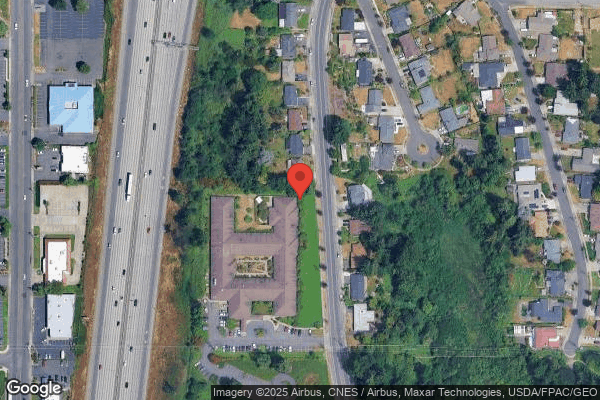
Jan 2025 1 deficiency
CONCERN (D) 📢 Someone Reported This

A family member, employee, or ombudsman was alarmed enough to file a formal complaint

Potential for Harm - no one hurt, but risky conditions existed

Notification of Changes (Tag F0580)

Could have caused harm · This affected 1 resident

**NOTE- TERMS IN BRACKETS HAVE BEEN EDITED TO PROTECT CONFIDENTIALITY** Based on interview and record review the facility failed to notify the resident's responsible party of orders for a new medicati...

Read full inspector narrative →
**NOTE- TERMS IN BRACKETS HAVE BEEN EDITED TO PROTECT CONFIDENTIALITY** Based on interview and record review the facility failed to notify the resident's responsible party of orders for a new medication for 1 of 3 sample residents (Resident 2) reviewed for notification of changes. This failure prevented the person responsible for making healthcare decisions from being part of the care planning process and being knowledgeable about medications the resident was taking. Findings included . Review of the quarterly minimum data set (MDS, a required assessment tool), dated 01/13/2025, showed Resident 2 admitted on [DATE] and had diagnoses to include communication deficit, genetic-related intellectual disability, and need for assistance with personal care. The MDS further showed that Resident 2 was moderately cognitively impaired (had problems with their ability to think, learn, remember, use judgement, and make decisions). Review of an untitled document, from the King County Superior Court Clerk, dated August 29, 2022, showed Resident 2 had a court appointed guardian and conservator (a person appointed to make personal decisions about an incapacitated individual's care and finances). Review of an order dated 12/30/2024, showed Resident 2's physician ordered an antibiotic to treat a skin infection on Resident 2's leg. Further review showed the order was confirmed (activated) by Staff A, Resident Care Manager (RCM). Review of Resident 2's progress notes did not show that the new antibiotic medication order was communicated to Resident 2's guardian. During interview on 01/31/2025 at 1:54 PM, Staff A, RCM, stated that they confirmed orders that were pending (had been entered by the physician, but had not been activated/started yet) in the electronic health record system each morning. Staff A stated they did not notify the resident, resident's family, or responsible party of the new orders unless they were under their care management. Staff A stated it would have been the responsibility of Resident 2's RCM to make those notifications. During interview on 01/31/2025 at 2:00 PM, Staff B, RCM, stated that they were unaware that Staff A, RCM, confirmed pending orders each morning, and stated they would not have a way to know what notifications needed to me made if the new orders were not communicated to them. Staff B stated their understanding was that when staff received or confirmed an order, they would be responsible to inform the resident, and any other family or responsible party that needs to be informed, and they should document it in a progress note. Reference WAC 388-97-0320 (1)(c) .
Jan 2025 2 deficiencies
CONCERN (D) 📢 Someone Reported This

A family member, employee, or ombudsman was alarmed enough to file a formal complaint

Potential for Harm - no one hurt, but risky conditions existed

Quality of Care (Tag F0684)

Could have caused harm · This affected 1 resident

**NOTE- TERMS IN BRACKETS HAVE BEEN EDITED TO PROTECT CONFIDENTIALITY** Based on interview and record review, the facility failed to document a measurable and descriptive baseline, and routinely monit...

Read full inspector narrative →
**NOTE- TERMS IN BRACKETS HAVE BEEN EDITED TO PROTECT CONFIDENTIALITY** Based on interview and record review, the facility failed to document a measurable and descriptive baseline, and routinely monitor the progression of healing or worsening, of a skin impairment for 1 of 3 sample residents (Resident 4) reviewed for skin impairments. This failure placed the resident at risk for undetected worsening of the skin impairment, delay in treatment, complications in healing, and a decreased quality of life. Findings included . Review of the facility electronic medical record (EMR) showed that Resident 4 admitted on [DATE] with a diagnosis of a hematoma (a collection of blood that forms outside of a blood vessel in an organ, tissue or body space), to their left lower leg. Review of a facility evaluation titled, Clinical admission V-22, dated 12/03/2024, showed that Resident 4 had a skin issue described as a large hematoma, present on admission, to their left lateral calf (outer side of calf). There were no documented measurements or additional details describing the hematoma. Review of a facility evaluation titled, Weekly Skin Checks, dated 12/11/2024, showed Resident 4 was, noted with hematoma to L. posterior leg [the back of the left leg]. There were no documented measurements or detailed description of the hematoma, nor was there any note about if the hematoma appeared to be improving or worsening. Review of the physician orders showed an order, dated 12/04/2024, to monitor the hematoma on Resident 4's left leg, and to notify the provider if there was delayed healing or worsening. Review of the treatment administration record (TAR), dated December 2024, showed that the nursing staff were documenting that Resident 4's hematoma was being monitored each shift, however there was no corresponding documentation found in the EMR to show the measurements or description of the hematoma to determine if it was worsening. During interview on 01/22/2025 at 9:24 AM, Staff C, Licensed Practical Nurse (LPN)/Treatment Nurse, stated that they did not perform any treatments, observations or measurements on Resident 4's hematoma, and that the Resident's assigned nurses would have been the ones to make observations and note any changes to the hematoma. During interview on 01/22/2025 at 11:20 AM, Staff A, Director of Nursing Services (DNS) stated that Resident 4's hematoma should have had measurements documented at least weekly, and that based on the lack of documentation, the staff would not have had any way of knowing if the hematoma was worsening or improving. Reference WAC 388-97-1060 (3)(b) .
CONCERN (D) 📢 Someone Reported This

A family member, employee, or ombudsman was alarmed enough to file a formal complaint

Potential for Harm - no one hurt, but risky conditions existed

Deficiency F0760 (Tag F0760)

Could have caused harm · This affected 1 resident

**NOTE- TERMS IN BRACKETS HAVE BEEN EDITED TO PROTECT CONFIDENTIALITY** . Based on interview and record review, the facility failed to ensure administration of a prescribed respiratory medication (a m...

Read full inspector narrative →
**NOTE- TERMS IN BRACKETS HAVE BEEN EDITED TO PROTECT CONFIDENTIALITY** . Based on interview and record review, the facility failed to ensure administration of a prescribed respiratory medication (a medication used to treat breathing problems) for 1 of 1 sample resident (Resident 8) reviewed for medication errors. This failure placed residents at risk for medical complications and a decreased quality of life. Findings included . Review of the Quarterly Minimum Data Set (MDS, a required assessment tool), dated 11/19/2024, showed Resident 8 admitted on [DATE], and had diagnoses to include chronic obstructive pulmonary disease (COPD, a group of lung diseases that block airflow and make it difficult to breathe) and respiratory failure. Review of a physician's order, dated 08/24/2022, showed Resident 8 was to receive Trelegy (an inhaled medication) one time per day for the diagnosis of COPD. Review of the medication administration records (MARs), dated December 2024 and January 2025, showed that Trelegy was not administered to Resident 8, as ordered, on 12/26/2024, 12/28/2024, 12/29/2024, 12/30/2024, and 12/31/2024; and 01/01/2025, 01/02/2025 and 01/03/2025 (a total of 8 days). The MAR indicated that there would be a progress note to explain why Trelegy was not administered on each of those dates. Review of the progress notes showed: 12/26/2024 the nurse was not able to locate the medication, and a refill was requested from the pharmacy. 12/28/2024 the facility was waiting for the medication from the pharmacy. 12/29/2024 the facility was waiting for the medication from the pharmacy. 12/30/2024 the pharmacy stated it was too early to refill the medication. 12/31/20224 no progress note was written. 01/01/2025 the medication was not available. 01/02/2025 the medication had still not come from pharmacy. 01/03/2025 no progress note was written. Review of the December 2024 and January 2025 progress notes did not show any documented communication with Resident 8's medical provider about Trelegy not being available or administered during this time. Review of a progress note dated 01/02/2025 at 5:29 PM, showed that Resident 8 was complaining of shortness of breath and was in obvious distress. During interview on 01/07/2025 at 10:23 AM, a Collateral Contact stated that they observed Resident 8, during the timeframe that Trelegy was unavailable, and Resident 8 was like a fish out of water, gasping for air. During interview on 01/22/2025 at 11:20 AM Staff A, Director of Nursing Services (DNS) stated that when an ordered medication cannot be found, the staff should call the pharmacy to inquire about it, notify the doctor of the unavailability of the medication, request alternative treatment orders if necessary, and notify the DNS. Staff A, DNS, further stated that since the pharmacy stated it was too early to refill the Trelegy (due to insurance coverage), the staff should have notified the DNS to get approval for the facility to pay for an early refill. Reference WAC 388-97-1060 (3)(k)(iii) .
Aug 2024 1 deficiency
CONCERN (D) 📢 Someone Reported This

A family member, employee, or ombudsman was alarmed enough to file a formal complaint

Potential for Harm - no one hurt, but risky conditions existed

Notification of Changes (Tag F0580)

Could have caused harm · This affected 1 resident

**NOTE- TERMS IN BRACKETS HAVE BEEN EDITED TO PROTECT CONFIDENTIALITY** Based on interview and record review, the facility failed to notify the resident's representative of a change in medication orde...

Read full inspector narrative →
**NOTE- TERMS IN BRACKETS HAVE BEEN EDITED TO PROTECT CONFIDENTIALITY** Based on interview and record review, the facility failed to notify the resident's representative of a change in medication orders for two of four residents (Residents 1 and 2) reviewed for notification of changes. This failure prevented the residents' representatives from being included in the plan of care and having the ability to provide input and make decisions on the resident's behalf. Findings included . Resident 1 Resident 1 admitted to the facility on [DATE]. Review of the Significant Change Minimum Data Set (MDS, an assessment tool), dated 07/29/2024, showed Resident 1 began receiving hospice (end-of-life) support and services on 07/24/2024. The MDS showed Resident 1 had a diagnosis of Alzheimer's dementia (a progressive disease that destroys memory and other important mental functions) and was severely cognitively impaired. Review of the medical record showed that Resident 1 had a Durable Power of Attorney (DPOA, a legal document that allows someone to make decisions for another person), dated 12/14/2023, which designated someone to make healthcare decisions for them. Review of the physician orders showed that a new medication: morphine (an opioid pain medication) was ordered for Resident 1, on 07/27/2024, to be administered as needed. Review of the July, 2024 and August, 2024 medication administration records (MAR) showed that morphine was administered to Resident 1 on 07/28/2024 at 3:05 PM, 07/30/2024 at 2:30 PM, 08/02/2024 at 12:31 PM and 4:31 PM, and 08/03/2024 at 11:06 AM. Review of the medical record showed no documentation that Resident 1's DPOA was notified of the new order for morphine. Resident 2 Resident 2 admitted to the facility on [DATE]. Review of the Quarterly MDS, dated [DATE], showed Resident 2 had a diagnosis of dementia, and was severely cognitively impaired. Review of the medical record showed that Resident 2 had a DPOA, dated 02/11/2016, which designated someone to make healthcare decisions for them. Review of the physician orders showed an order, dated 07/18/2024, to increase Resident 2's Depakote (a medication for seizures) from 250 milligrams (mg) twice a day to 500 mg twice a day. Review of the July 2024 MAR showed that Resident 2 received the increased dose of Depakote beginning the evening of 07/18/2024. Review of the medical record did not show Resident 2's DPOA was notified of the change in Depakote dose. In interview on 08/12/24 at 3:25 PM, Staff B, Licensed Practical Nurse (LPN), stated that when there were order changes for a resident, staff would let the resident know, and let the family know, and document the communication in a progress note. In interview on 08/12/24 at 3:28 PM, Staff C, LPN, stated that when there were order changes for a resident, staff were supposed to notify the resident and the resident's responsible party/representative, and were supposed to document it in a progress note. In interview on 08/12/2024 at 3:37 PM, Staff A, Director of Nursing Services (DNS), stated that when there was an order for a new medication or medication changes, the expectation was that the resident would be informed of the change and, if applicable, their responsible party would be notified as well. The DNS stated that these notifications should have been documented in the medical record for Resident 1's morphine and Resident 2's Depakote, however no documentation was provided to show that Resident 1 or Resident 2's responsible parties were notified of these medication changes. Reference WAC 388-97-0320 (1)(c) .
Mar 2024 15 deficiencies
CONCERN (D) 📢 Someone Reported This

A family member, employee, or ombudsman was alarmed enough to file a formal complaint

Potential for Harm - no one hurt, but risky conditions existed

Report Alleged Abuse (Tag F0609)

Could have caused harm · This affected 1 resident

**NOTE- TERMS IN BRACKETS HAVE BEEN EDITED TO PROTECT CONFIDENTIALITY** . Based on interview and record review, the facility failed to report a staff to resident abuse allegation of a verbal threat of...

Read full inspector narrative →
**NOTE- TERMS IN BRACKETS HAVE BEEN EDITED TO PROTECT CONFIDENTIALITY** . Based on interview and record review, the facility failed to report a staff to resident abuse allegation of a verbal threat of physical harm to law enforcement for 1 of 3 sampled residents (Resident 157) reviewed for abuse. This failure placed residents at risk of staff having lack of ability to recognize required reportable abuse to the police, potential unrecognized abuse or neglect, and recurrence of incidents. Findings included . According to the Nursing Home Guidelines, also known as the Purple Book, sixth edition, dated October 2015, reporting requirements included that staff to resident abuse, neglect, mistreatment, sexual or physical abuse/assault were to be reported to the Department of Social and Health Services (DSHS) state hotline, the police, and logged on the DSHS reporting log within five days. Review of the facility's policy titled, Abuse and Neglect Policy and Procedure, dated 10/29/2017 showed, Each employee is a Mandated Reporter and has the duty as an individual to report any actual/known, alleged, suspected incident of physical abuse, neglect, financial abuse, abandonment, or isolation immediately or as soon as practicable. This includes any incidents/actions the employee observes, suspects or is informed by a resident. It further showed, This facility will report all alleged violation to the State Agency (The Hotline 1-/800-562-6078) and to all other agencies (ex: Police 911) as required. Resident 157 admitted to the facility on [DATE] with a diagnosis of metabolic encephalopathy (a chemical imbalance in the blood that affects the brain) and was able to make needs known. During an interview on 03/11/2024 at 10:31 AM, Resident 157 stated they were verbally threatened the first night at the facility by a man sometime in the evening. Additionally, Resident 157 stated that they were scared and reported it to staff. Review of the facility's incident investigation report (IR), initiated on 03/07/2024, showed that Resident 157 stated that on 03/06/2024 between evening and dawn a staff member threatened me within an inch of my life. This IR did not show documentation that law enforcement had been notified of the incident. It further showed that the Resident 157 was placed on alert charting (incident documentation to be completed every shift for a minimum of 72 hours related to procedures/precautions/monitoring, etc.) to monitor for psychological harm. It showed that the IR was completed on 03/13/2024 (six days after initial allegation). Review of the electronic health record (EHR) showed inconsistent documentation of alert charting 72 hours after Resident 157's 03/07/2024 reported allegation of abuse. During an interview on 03/15/2024 at 9:47 AM, after reviewing Resident 157's IR and EHR, Staff C, [NAME] President of Clinical Operations, stated when abuse was reported that staff should immediately protect the resident and all residents and documentation did not support that that happened for Resident 157 per their expectations. Staff C stated staff should have immediately conducted staff interviews, followed regulatory requirements for reporting, and concluded the IR within the five-days. During an interview on 03/15/2024 at 11:40 AM, Staff A, Administrator, stated the expectation was that staff followed the guidelines of the Purple Book and the Elder Justice Act (promotes elder justice by coordinating responses to older adult abuse across federal and state agencies). Staff A stated that with cases of alleged staff to resident abuse, an investigation should be initiated immediately to try to identify the staff and, if found, suspended pending investigation. Staff A stated the resident should be placed on alert charting to ensure they felt safe and comfortable, and the staff should make notifications as required. Please refer to F610 for additional information. Reference WAC 388-97-0640(5)(a)(6)(a)(c) .
CONCERN (D)

Potential for Harm - no one hurt, but risky conditions existed

Assessment Accuracy (Tag F0641)

Could have caused harm · This affected 1 resident

**NOTE- TERMS IN BRACKETS HAVE BEEN EDITED TO PROTECT CONFIDENTIALITY** . Based on interview and record review, the facility failed to accurately assess a resident's bowel elimination for 1 of 26 samp...

Read full inspector narrative →
**NOTE- TERMS IN BRACKETS HAVE BEEN EDITED TO PROTECT CONFIDENTIALITY** . Based on interview and record review, the facility failed to accurately assess a resident's bowel elimination for 1 of 26 sampled residents (Residents 95) when reviewed for accuracy of assessments. This failure placed the resident at risk for unidentified and/or unmet care needs. Findings included . Review of Resident 95's quarterly Minimum Data Set assessment (MDS) dated [DATE] showed that the resident readmitted to the facility on [DATE] and was able to make needs known. Section H showed Resident 95 had an ostomy (a surgical created opening from an area inside the body to the outside). During an interview on 03/12/2024 at 12:37 PM, Resident 95 stated they did not have an ostomy. During an interview on 03/12/2024 at 1:31 PM, Staff P, Minimum Data Set/Registered Nurse, stated Resident 95 has never had an ostomy and the quarterly MDS dated [DATE] was inaccurate. Staff P stated the MDS needed to be modified. During an interview on 03/13/2024, Staff C, [NAME] President of Clinical Operations, stated Resident 95's quarterly MDS dated [DATE] was marked yes for having an ostomy which was coded inaccurately and did not meet expectations. Reference WAC 388-97-1000 (1)(b) .
CONCERN (D)

Potential for Harm - no one hurt, but risky conditions existed

PASARR Coordination (Tag F0644)

Could have caused harm · This affected 1 resident

**NOTE- TERMS IN BRACKETS HAVE BEEN EDITED TO PROTECT CONFIDENTIALITY** . Based on interview and record review, the facility failed to ensure staff contacted the Level II Evaluator for a Preadmission ...

Read full inspector narrative →
**NOTE- TERMS IN BRACKETS HAVE BEEN EDITED TO PROTECT CONFIDENTIALITY** . Based on interview and record review, the facility failed to ensure staff contacted the Level II Evaluator for a Preadmission Screening and Resident Review (PASRR) Level II assessment for 1 of 5 sampled residents (Resident 80) reviewed for PASRR. This failure placed the resident at risk of health and/or emotional decline related to a lack of professional evaluation to determine if further mental health interventions were required. Findings included . Resident 80 admitted to the facility on [DATE] with diagnoses that included bipolar disorder (manic highs and depressive lows), obsessive compulsive disorder, major depressive disorder, and anxiety disorder. Review of Resident 80's level one PASRR dated 11/06/2023 completed by facility staff showed a referral for a level II evaluation was required. No level II evaluation was found in the resident's medical record. During an interview on 03/14/2024 at 11:05 AM, Staff H, Social Services Director, stated Resident 80's level II PASRR should have been sent for evaluation in November of 2023 but was not. During an interview on 03/14/2024 at 12:40 PM, Staff A, Administrator, stated it was their expectation level II PASRRs would be sent for review when they were identified and Resident 80's level II PASRR should have been sent for review when it was identified in November 2023. Reference WAC 388-97--1915 (1)(2)(a-c) .
CONCERN (D)

Potential for Harm - no one hurt, but risky conditions existed

Accident Prevention (Tag F0689)

Could have caused harm · This affected 1 resident

**NOTE- TERMS IN BRACKETS HAVE BEEN EDITED TO PROTECT CONFIDENTIALITY** . Based on observation, interview, and record review, the facility failed to ensure that residents were free from accident hazar...

Read full inspector narrative →
**NOTE- TERMS IN BRACKETS HAVE BEEN EDITED TO PROTECT CONFIDENTIALITY** . Based on observation, interview, and record review, the facility failed to ensure that residents were free from accident hazards for 2 of 3 sampled residents (Residents 73 and 60) reviewed for accident hazards. The facility failed to remove an inappropriate transfer device (Resident 73) and assess and monitor for risk of smoking (Resident 60). These failures placed residents at risk of avoidable injury and a diminished quality of life. Findings included . <Transfer Device> Resident 73 admitted to the facility on [DATE] and was diagnosed with unsteadiness on feet and muscle weakness. Observation on 03/11/2024 at 11:53 AM showed Resident 73 with a floor-to-ceiling transfer pole. Review of the providers orders showed no order for a transfer pole. Review of a 11/27/2022 initiated care plan showed no intervention for the use of a transfer pole. Review showed that Resident 73 required two-person assistance with a sling lift to get out of bed. Review of a 08/22/2023 device assessment for a transfer pole showed that the areas for Medical symptoms/Diagnosis, Risks, and Summary were left uncompleted. Review of a 09/27/2023 quarterly Minimum Data Set assessment showed that the resident was total dependence of two-person physical assist for transfers. During an interview on 03/14/2024 at 8:51 AM, Staff N, RN Unit Manager, stated that Resident 73 had previously used the transfer pole, but that it was no longer appropriate. Staff N further stated that Resident 73 currently needed assistance from two-person and a sling lift to transfer and that the transfer pole had not been removed. During an interview on 03/14/2024 at 12:45 PM, Staff B, Director of Nursing Services (DNS), stated when a resident had a change in condition they should be reassessed to see if previous devices, such as a transfer pole, were still appropriate. Staff B stated Resident 73's update of devices did not meet expectation and that the transfer pole could be a safety risk if the resident could reach it. <Smoking> Resident 60 admitted to the facility on [DATE] and was diagnosed with dementia. Observation on 03/12/2024 at 9:37 AM showed Resident 60 outside the facility in the parking lot smoking a cigarette. Review of a 03/10/2024 initiated care plan showed, Resident smokes cigarettes. Resident reports smoking 3 cigarettes/day with interventions of, Explain to resident and visitors the care center's No Smoking Policy and, Coordinate with nursing for safety and supervision with a goal of, Resident will adhere to facility no smoking policy. Resident will state satisfaction with reasonable accommodations by reevaluation date. Review of a 02/22/2024 progress note showed, The patient reports that she has been smoking. During an interview on 03/14/2024 at 11:56 AM, Staff O, LPN Unit Manager, stated when a resident was smoking in the facility the facility would search for smoking materials, do a safety evaluation, offer nicotine cessation products, review the facility's non-smoking policy, and offer a transfer to a smoking facility. Staff O stated Resident 60 did not smoke and was unaware of the 02/22/2024 progress note. During an interview on 03/14/2024 at 12:20 PM, Staff A, Administrator, stated residents who smoked would need to have a safety assessment and that Resident 60 smoking at the facility did not meet expectation. During an interview on 03/14/2024 at 12:44 PM, Staff B, DNS, stated if a resident was non-compliant with the facility's non-smoking policy the facility would conduct a safety assessment, educate on risks/benefits, update the care plan, and notify the provider. Staff B further stated Resident 60 was a high risk of not following the facility's non-smoking policy and the facility was unaware that they were smoking. Staff B stated Resident 60's accident prevention did not meet expectation. Reference WAC 388-97-1060 (3)(g) .
CONCERN (D)

Potential for Harm - no one hurt, but risky conditions existed

Deficiency F0692 (Tag F0692)

Could have caused harm · This affected 1 resident

**NOTE- TERMS IN BRACKETS HAVE BEEN EDITED TO PROTECT CONFIDENTIALITY** . Based on observation, interview, and record review, the facility failed to ensure accurate monitoring and documentation for fl...

Read full inspector narrative →
**NOTE- TERMS IN BRACKETS HAVE BEEN EDITED TO PROTECT CONFIDENTIALITY** . Based on observation, interview, and record review, the facility failed to ensure accurate monitoring and documentation for fluid restrictions and completion of daily weights for 1 of 3 sampled residents (Resident 1) reviewed for hydration. This failure placed Resident 1 at risk for medical complications and a diminished quality of life. Findings included . Resident 1 admitted to the facility on [DATE] with diagnoses including chronic congestive heart failure (when the heart cannot pump blood well enough causing a buildup of fluid in the lungs or limbs). <Fluid Restriction> Observation on 03/11/2024 at 12:21 PM showed Resident 1 laid in bed and had dry cracked lips. There was an empty water pitcher on the bedside table. Review of a provider order dated 02/21/2024 for a fluid restriction of 2000 milliliters (ML) every 24 hours. The order listed 666 ml on day shift, 666 ml on evening shift, and 666 ml on night shift. The order did not specify the amount to be provided on meal trays. Review of a diet order, dated 02/21/2024, showed a no added salt, regular diet with thin liquids and listed additional directions for fluid restriction of 2000 ml a day. The order did not specify the amount of fluids to be provided with meals. Review of a fluid restriction administration record, dated 03/10/2024, showed Resident 1 received 600 ml on day shift, 600 ml on evening shift and 600 ml on night shift from the nursing staff every shift. This totaled 200 ml below the ordered 2000 ml per day fluid restriction. During an interview on 03/15/2024 at 9:33 AM, Staff Q, Certified Nursing Assistant, stated they documented the amount of fluids Resident 1 drank with their meals in the electronic health record (EHR). Review of a fluid intake task, dated 03/10/2024, showed the resident received 500 ml on night shift, 300 ml on day shift and 200 ml on evening shift to equal 1000 ml from meal trays. The total fluids for the day were 800 ml over the ordered fluid restriction. <Weights> Review of a provider order, dated 02/22/2024, showed to obtain daily weights once a day for congestive heart failure. Review of the EHR did not show weight documentation on 02/23/2024, 02/24/2024, 02/25/2024, 02/27/2024, 03/04/2024, 03/05/2024, 03/08/2024, and 03/10/2024. During an interview on 03/13/2024 at 10:47 AM, Staff F, Registered Nurse/Unit Manager, stated if a resident was on daily weights, the weights should have been documented in the resident's EHR every day. Staff F stated for residents on fluid restrictions, the nursing staff documented the fluids they provided and did not include the fluids provided on the meal trays. Staff F reviewed Resident 1's fluid restriction order and related documentation then stated that it was not written or documented accurately. During an interview on 03/13/2024 at 11:44 AM, Staff C, [NAME] President of Clinical Operations, stated staff should follow the provider order for daily weights and fluid restrictions. Staff C stated the monitoring of daily weights and fluid restriction for Resident 1 did not meet expectations. Reference WAC 388-97-1060 (3)(i) .
CONCERN (D)

Potential for Harm - no one hurt, but risky conditions existed

Medication Errors (Tag F0758)

Could have caused harm · This affected 1 resident

**NOTE- TERMS IN BRACKETS HAVE BEEN EDITED TO PROTECT CONFIDENTIALITY** . Resident 357 admitted to the facility on [DATE] with diagnoses to include fracture of the right tibia (shinbone), alcoholic po...

Read full inspector narrative →
**NOTE- TERMS IN BRACKETS HAVE BEEN EDITED TO PROTECT CONFIDENTIALITY** . Resident 357 admitted to the facility on [DATE] with diagnoses to include fracture of the right tibia (shinbone), alcoholic polyneuropathy (nerve damage from alcohol use), muscle weakness, and was able to make needs known. Review of the provider order dated 03/06/2024 showed Resident 357 was prescribed duloxetine (an anti-depressant medication) 60 milligram (mg) for depression. Review of the March 2024 MAR showed the duloxetine had been administered since 03/07/2024; however, behavior monitoring had not been implemented until 03/12/2024. During an interview on 03/14/2024 at 11:12 AM, Staff F, RN/UM, stated behavior monitoring for the antidepressant medication should have been documented on the MAR upon the first administration. During an interview on 03/14/2024 at 1:40 PM, Staff C, [NAME] President of Clinical Operations, stated an order for behavior monitoring should have been implemented on 03/07/2024 when the provider order was entered for Resident 357 related to the anti-depressant medication. Reference WAC 388-97-1060 (3)(k)(i) Based on interview and record review, the facility failed to monitor potential side effects related to psychotropic medication (a medication that affects behavior, mood, thoughts and/or perception) use, and/or to consistently monitor individualized target behaviors for 2 of 5 sampled residents (Residents 7 and 357) reviewed for unnecessary medication. These failures placed the residents at risk for adverse side effects and medical complications. Findings included . Resident 7 readmitted to the facility on [DATE] with diagnoses to include dementia (a group of thinking and social symptoms that interferes with daily functioning), anxiety disorder, post-traumatic stress disorder (PTSD, a disorder in which a person has difficulty recovering after experiencing or witnessing a terrifying event), and schizoaffective disorder (a mental illness that can affect your thoughts, mood, and behavior). Resident 7 received antipsychotic medication (a psychotropic medication) on a routine basis and was able to make needs known. Review of the provider order dated 04/21/2023 showed that Resident 7 was prescribed an antipsychotic medication to be provided at bedtime related to schizophrenia (a disorder that affects a person's ability to think, feel and behave clearly). Review of 03/01/2024 - 03/13/2024 medication administration record (MAR) showed Resident 7 was provided antipsychotic medication at bedtime per provider order. It showed that monitoring for antipsychotic medication side effects (SE) was not implemented and documented until the evening shift of 03/11/2024. During an interview on 03/14/2024 at 11:48 AM, Staff E, RN/Unit Manager (UM), stated monitoring for psychotropic medication SE was to be documented in the MAR and should be implemented when the medication was provided to a resident. Staff E stated that Resident 7's monitoring for antipsychotic medication SE did not meet expectations because it was not initiated when providing the medication and it should have been. During an interview on 03/14/2024 at 2:11 PM, Staff C, [NAME] President of Clinical Operations, stated Resident 7's antipsychotic medication use should have been monitored for SE once Resident 7 started taking the medication but was not, and this did not meet expectations. .
CONCERN (D)

Potential for Harm - no one hurt, but risky conditions existed

Dental Services (Tag F0791)

Could have caused harm · This affected 1 resident

**NOTE- TERMS IN BRACKETS HAVE BEEN EDITED TO PROTECT CONFIDENTIALITY** . Based on interview and record review, the facility failed to provide routine dental services for 2 of 2 sampled residents (Res...

Read full inspector narrative →
**NOTE- TERMS IN BRACKETS HAVE BEEN EDITED TO PROTECT CONFIDENTIALITY** . Based on interview and record review, the facility failed to provide routine dental services for 2 of 2 sampled residents (Residents 73 and 51) when reviewed for dental. This failure placed residents at risk of avoidable dental pain, difficulty eating, unintentional weight loss, and a diminished quality of life. Findings included . Resident 73 admitted to the facility on [DATE] and was diagnosed with unsteadiness on feet and muscle weakness. During an interview on 03/11/2024 at 1:29 PM, Resident 73 stated their teeth were breaking down, had asked to see a dentist, and had been waiting for dental assistance. Review of the 11/27/2022 initiated care plan showed Resident 73 was at risk of broken teeth and obvious or likely cavity with an intervention to, Refer to Facility dentist, Facility dental hygienist as needed. Review of a 03/06/2024 progress note showed that Resident 73's poor teeth were observed by facility staff. During an interview on 03/14/2024 at 8:49 AM, Staff H, Social Services Director (SSD), stated residents were assigned to see the facility dentist once a year based on the resident's birthday. Staff H stated Resident 73 was often out of the building and they might have been missed by the dentist. Staff H stated the facility had no process to ensure residents were seen by the dentist if they missed their appointment. Resident 51 admitted to the facility on [DATE] and was diagnosed with need for assistance for personal care. During an interview on 03/11/2024 at 1:39 AM, Resident 51 stated they had missing teeth and had not seen a dentist. Review of Resident 51's 02/18/2022 initiated care plan showed no focus area for dental. Review of a 10/19/2022 dental consultation showed a recommendation for treatment/extraction. Review of a 08/14/2023 dental consultation showed a recommendation for extraction. During an interview on 03/14/2024 at 9:02 AM, Staff H, SSD, stated Resident 51 was last seen by dental in August 2023 and had a recommendation for extractions. During an interview on 03/14/2024 at 12:15 AM, Staff A, Administrator, stated Residents' 73 and 51 lack of dental services did not meet expectation. Reference WAC 388-97-1060 (1) .
CONCERN (E)

Potential for Harm - no one hurt, but risky conditions existed

Deficiency F0565 (Tag F0565)

Could have caused harm · This affected multiple residents

. Based on interview and record review, the facility failed to follow up on concerns of the resident council related to resident care for 3 of 4 resident council meeting minutes reviewed. This failure...

Read full inspector narrative →
. Based on interview and record review, the facility failed to follow up on concerns of the resident council related to resident care for 3 of 4 resident council meeting minutes reviewed. This failure placed residents at risk for unmet care needs and a diminished quality of life. Findings included . Review of the resident council minutes dated 11/29/2023, showed concerns voiced by members regarding lack of bathing, long call light wait times by named staff, and missing items Review of the resident council minutes dated 12/27/2023, showed concerns voiced by members to include menu concerns, dietary preferences being followed, lack of staff on the night shift, and staff speaking native language while providing care. Review of the resident council minutes dated 01/31/2024, showed concerns voiced by members to include staff on electronic devices at nurses' station, not getting medication timely, staff not attentive to resident needs, and staff speaking in native language while providing care. Review of the grievance log dated 10/2023 through 03/2024 showed no grievances that corresponded with concerns verbalized at resident council meetings. During an interview on 03/14/2024 at 10:06 AM, Resident 28 stated management did not follow up with grievances discussed in the resident council meetings. During an interview on 03/13/2024 at 1:18 PM, Staff R, Activities Director, stated they had been working hard to differentiate between what was considered venting versus a grievance in the resident council meetings. Staff R stated that when residents voiced a concern, it would be documented, discussed at the morning staff meeting and that the department managers had until the next resident council meeting (30 days) to respond to the concern. Staff R stated that they currently did not have a tracking system that documented when the concern was discussed or passed on to management. During an interview on 03/15/2024 at 10:13 AM, Staff A, Administrator, stated that they were unaware that resident council grievances were not being appropriately addressed. Staff A further stated it did not meet their expectation that specific concerns brought up in resident council had not been put on a grievance form and followed up on timely. Reference WAC 388-97-0920 .
CONCERN (E) 📢 Someone Reported This

A family member, employee, or ombudsman was alarmed enough to file a formal complaint

Potential for Harm - no one hurt, but risky conditions existed

Investigate Abuse (Tag F0610)

Could have caused harm · This affected multiple residents

**NOTE- TERMS IN BRACKETS HAVE BEEN EDITED TO PROTECT CONFIDENTIALITY** . Based on observation, interview and record review, the facility failed to respond timely to abuse/neglect allegations and thor...

Read full inspector narrative →
**NOTE- TERMS IN BRACKETS HAVE BEEN EDITED TO PROTECT CONFIDENTIALITY** . Based on observation, interview and record review, the facility failed to respond timely to abuse/neglect allegations and thoroughly investigate and/or follow up on identified interventions for incidents of falls and abuse/neglect allegations for 3 of 3 sampled residents (Residents 12, 64, and 157) reviewed for abuse/neglect and 2 of 3 sampled residents (Resident 7 and 70) reviewed for accident/falls. These failures placed residents at risk for ongoing abuse/neglect, continued falls, unmet needs, and a decreased quality of life. Findings included . Resident 12 admitted to the facility on [DATE] with diagnoses to include central cord syndrome (a cervical spinal cord injury), diabetes and dysphagia (a swallowing disorder). Resident 12 was vision impaired and able to make needs known. Review of an incident report (IR) dated 03/06/2024 showed Resident 12 reported a staff member told them to stop using their call light and to grin and bear it when the resident asked for the time. Resident 12 reported that they were unable to read their clock. Review showed the facility reported the date and time of the allegation as 03/05/2024 at 12:00 AM to the state reporting agency on 03/06/2024 at 3:25 PM. The incident report had no witness statements; however, the summary noted that witnesses were interviewed on 03/11/2024 and had a 03/06/2024 staff schedule attached. During an interview on 03/14/2024 at 1:22 PM, Staff C, [NAME] President of Clinical Operations, stated Staff B, Director of Nursing (DNS), had started the interviews but was unable to complete them due to an emergency. Staff C stated they had conducted the interviews on 03/11/2024 as there was no documentation they had been completed. When asked about the correct date of the alleged allegation Staff C stated, I'm unsure on the actual date of the allegation. Staff C further stated the investigation was not thoroughly investigated and did not meet their expectations. Resident 64 admitted on [DATE] with diagnoses to include encephalopathy (a disease that effects brain function) and cognitive communication deficit (problems with communication). Resident 64 had recall impairment and required moderate assistance. Review of an IR dated 03/07/2024 showed Resident 64 reported on 03/07/2024 that between 10PM-11PM on 03/06/2024 a staff member entered their room and slapped them in the face on the right cheek. Further review showed on 03/11/2024 an interview was conducted with Resident 64 in which they identified the staff member who allegedly slapped the resident. It was noted by Staff A, Administrator (ADM), that the staff member was not scheduled to work on the day of the allegation nor did the staff member work the night shift. Staff A conducted an interview with the alleged staff member on 03/13/2024 which concluded the investigation. During an interview on 03/15/2024 at 10:13 AM, Staff A, ADM, stated that the alleged staff member was not suspended nor removed from the floor pending investigation because Staff A had already determined the staff member did not work on the day the allegation happened. Staff A stated that they had checked the security camera on 03/14/2024 to confirm the alleged staff member was not in the building on the night of alleged incident. Staff A further stated that they felt protocol was followed because Resident 64 reported they felt safe and was okay with the alleged staff member still caring for them. Resident 157 admitted to the facility on [DATE] with a diagnosis of metabolic encephalopathy (a chemical imbalance in the blood that affects the brain) and was able to make needs known. Review of an IR initiated on 03/07/2024 showed Resident 157 reported that on 03/06/2024 between evening and dawn a staff member threatened me within an inch of my life. It showed that Resident 157 was placed on alert charting (incident documentation to be completed every shift for a minimum of 72 hours related to procedures/precautions/monitoring, etc.) to monitor for psychological harm, and that staff interviews were initiated. However, there were no documented staff interviews found in the IR. Review of electronic health records (EHR) showed inconsistent documentation of alert charting 72 hours after Resident 157's 03/07/2024 reported allegation of abuse. During an interview on 03/14/2024 at 9:46 AM, Staff E, Registered Nurse/Unit Manager (RN/UM), stated alert charting was documentation in the progress notes about a resident's incident/condition and to monitor for any signs or symptoms of latent injury or pain, and/or psychological harm depending on the incident which was to be done every shift for at least 72 hours. During an interview on 03/15/2024 at 9:47 AM, Staff C, [NAME] President of Clinical Operations, stated Resident 157's 03/06/2024 IR should have had staff interviews documented timely; however, they had documented staff interviews conducted on 03/13/2024 (six days after allegation). Additionally, Staff C stated that Resident 157 had inconsistent alert charting, the investigation should have been concluded within five days, and this IR did not meet expectations. Resident 7 readmitted to the facility on [DATE] with diagnoses to include Parkinson's disease (a disorder of the central nervous system that affects movement, often including tremors), dementia (a group of thinking and social symptoms that interferes with daily functioning), muscle weakness, unsteadiness on feet, and was able to make needs known. During an interview on 03/11/2024 at 2:42 PM, Resident 7 stated they had fell a couple of times and did not think they got hurt; however, they could not recall the dates of either fall. Review of an IR dated 10/04/2023 showed that Resident 7 slid to the floor in their room on 10/04/2023 while trying to hide/block a light with a garbage can. It showed that abuse and neglect were ruled out via resident statements, staff statements and chart review; however, there were no documented staff statements included in the IR. During an interview on 03/14/2024 at 11:15 AM, Staff C, [NAME] President of Clinical Operations, stated that Resident 7's 10/04/2023 IR did not include any witness statements or documented staff interviews and there should have been. Staff C stated the IR did not include a good timeline of when the resident was last toileted, and this IR did not meet expectations. Review of an IR dated 01/30/2024 showed that Resident 7 had reported to staff on 01/31/2024 that they had a fall in the bathroom on 01/30/2024 and now had back pain and chest pain and was unable to self-transfer to wheelchair. It showed that Resident 7 was only alert to name and unaware of current location, day, or time. Resident 7 was sent to the emergency room for further evaluation. Other interventions included to be placed on alert charting to monitor for latent injuries and the incident conclusion showed, Abuse and neglect have been ruled out via chart review and staff statements. However, the IR included one staff documented statement and no other staff interviews and/or witness statements were found. During an interview on 03/14/2024 at 11:26 AM, Staff C, [NAME] President of Clinical Operations, stated Resident 7's 01/30/2024 IR did not meet expectations because there was not a witness statement by the assigned nursing assistant and lack of alert charting upon return from the hospital. Resident 70 readmitted to the facility on [DATE] with diagnoses to include broken rib on the right side, stroke, right dominant side hemiplegia (paralysis, the loss of the ability to move body parts and sometimes to feel anything) and was able to make needs known. During an interview on 03/11/2024 at 2:12 PM, Resident 70 stated that they had fallen twice while at the facility. Review of the facility's IR dated 11/27/2023 showed that Resident 70 had fallen out of their wheelchair off the facility's premises and was found lying on the side of the road in the bike lane. Resident 70 was in possession of a 750 ml three fourths empty bottle of alcohol, smelled of alcohol, and admitted to drinking it. Emergency services was called and Resident 70 was transported and admitted to the hospital. Resident 70 returned to the facility with a diagnosis of a broken tenth rib. It showed that upon the resident's return from the hospital, social services would speak to the resident regarding alcohol abuse and what their plan was. Review of the EHR showed no documentation that social services had talked to the resident about alcohol abuse related to the fall on 11/27/2023 and showed inconsistent alert charting documentation. During an interview on 03/14/2024 at 10:31 AM, Staff C, [NAME] President of Clinical Operations, stated Resident 70's 11/27/2023 IR did not meet expectations because of lack to follow through on alert charting and lack of social services intervention to speak to the resident about alcohol use. Review of the facility's IR dated 02/05/2024 showed that Resident 70 had reported to staff that they slipped out of their wheelchair and landed on their right knee on 02/01/2024 at 3:30 PM outside of the facility. The IR showed that the physician was notified on 02/02/2024 (three days before the IR was initiated). Additionally, it showed that Resident 70 was placed on alert charting to monitor for latent injuries and that abuse and neglect were ruled out via resident interviews and chart review. There were no staff interviews and/or witness statements included/attached to this IR. Review of the progress note dated 02/02/2024 showed that Resident 70 reported they slipped and fell from their wheelchair and landed on their right knee on 02/01/2024 outside the building at 3:30 PM. It showed the resident had not informed anyone because they were not in pain at that time. It showed Resident 70 complained of knee pain, was painful to the touch, first aid was provided, as needed pain medication was provided, and staff would continue to monitor. Review of Resident 70's EHR showed no progress note alert documentation on 02/03/2024 or 02/04/2024 related to reported fall on 02/02/2024. Review of the facility's February 2024 incident log showed no incident logged for Residents 70's reported fall on 02/02/2024; however, the 02/05/2024 fall was logged on 02/07/2024. During an interview on 03/14/2024 at 10:54 AM, Staff C, [NAME] President of Clinical Operations, stated they did not know why Resident 70's IR was not initiated at the time of the fall on 02/02/2024 to include alert charting. Staff C stated this IR was not thoroughly or timely investigated nor alert charting done every shift after the incident and did not meet expectations. During an interview on 03/15/2024 at 11:40 AM Staff A, Administrator, stated the expectation was that IRs were to be completed within five days and should include documentation of resident assessment, required notifications, any injuries, interventions, placed on alert charting, documented details of the incident, resident and staff interviews/witness statements obtained and maintained in the IR and/or IR file, and a conclusion of the investigation. Reference WAC 388-97-0640 (6)(a)(b) .
CONCERN (E)

Potential for Harm - no one hurt, but risky conditions existed

Deficiency F0645 (Tag F0645)

Could have caused harm · This affected multiple residents

**NOTE- TERMS IN BRACKETS HAVE BEEN EDITED TO PROTECT CONFIDENTIALITY** . Based on interview and record review, the facility failed to accurately assess residents for mental health supports through th...

Read full inspector narrative →
**NOTE- TERMS IN BRACKETS HAVE BEEN EDITED TO PROTECT CONFIDENTIALITY** . Based on interview and record review, the facility failed to accurately assess residents for mental health supports through the Preadmission Screening and Resident Review (PASRR, a tool to refer residents for further mental health supports) for 3 of 3 sampled residents (Residents 83, 64 and 23) reviewed for PASRR. This failure placed residents at risk of not receiving needed mental health supports, avoidable behaviors, and a diminished quality of life. Findings included . 1) Resident 83 admitted to the facility on [DATE] with diagnoses including psychosis (a disconnection from reality) and depression. Review of Resident 83's PASRR, dated 02/09/2024, showed no mental health diagnoses. 2) Resident 64 admitted to the facility on [DATE] with diagnoses of anxiety and depression. Review of Resident 64's PASRR, dated 01/02/2024, showed no mental health diagnoses. 3) Resident 23 admitted to the facility on [DATE] with diagnoses of anxiety and depression. Review of Resident 23's PASRR, dated 01/12/2024, showed no mental health diagnoses. During an interview on 03/14/2024 at 9:04 AM, Staff H, Social Services Director, stated the facility should review the PASRR on admission for accuracy and re-complete the PASRR if inaccurate. Staff H stated the expectation was for resident PASRRs to be accurate. Staff H stated Residents 83, 64, and 23's PASRR were inaccurate. During an interview on 03/14/2024 at 12:09 PM, Staff A, Administrator, stated inaccurate PASRRs should be recompleted. Staff A stated the expectation was for PASRRs to be accurate. Reference WAC 388-97-1915 (1)(2)(a-c) .
CONCERN (E)

Potential for Harm - no one hurt, but risky conditions existed

Deficiency F0657 (Tag F0657)

Could have caused harm · This affected multiple residents

**NOTE- TERMS IN BRACKETS HAVE BEEN EDITED TO PROTECT CONFIDENTIALITY** . Based on interview and record review, the facility failed to provide quarterly care conferences/care plan review which include...

Read full inspector narrative →
**NOTE- TERMS IN BRACKETS HAVE BEEN EDITED TO PROTECT CONFIDENTIALITY** . Based on interview and record review, the facility failed to provide quarterly care conferences/care plan review which included the resident and/or their representative in a timely manner for 4 of 26 sampled residents (Residents 15, 51, 73, and 80) reviewed for care planning. These failures placed residents at risk for unmet care needs and diminished quality of life. Findings included . 1) Resident 15 admitted to the facility on [DATE] with a diagnosis of multiple sclerosis (a disease which effects the brain and spinal cord). Review of the electronic health record (EHR) showed the last documented care conference was completed on 01/23/2023. 2) Resident 51 admitted to the facility on [DATE] with a diagnosis of multiple sclerosis. Review of the EHR showed the last documented care conference was completed on 11/16/2023. 3) Resident 73 admitted to the facility on [DATE] with a diagnosis of Guillain-Barre syndrome (rapid-onset muscle weakness caused by the immune system damaging the nerves). Review of the EHR showed the last documented care conference was completed on 10/02/2023. 4) Resident 80 admitted to the facility on [DATE] with a diagnosis of diplegia (paralysis) of the arms. Review of the EHR showed the last documented care conference was completed on 11/08/2023. During an interview on 03/12/2024 at 12:04 PM, Staff H, Social Services Director, stated care conferences should be held every three months with the quarterly assessment. Staff H stated they were on leave in January and February 2024 and these care conferences did not get done during that time. During an interview on 03/13/2024 at 12:01 PM, Staff C, [NAME] President of Clinical Operations, stated it was their expectation that care conferences be held every three months to review the clinical issues and care plans with the residents and their representative. Staff C stated Residents 15, 51, 73, and 80 should have had care conferences in January or February 2024 but did not. Reference WAC 388-97 -1020 (2)(f), (4)(b) .
CONCERN (E)

Potential for Harm - no one hurt, but risky conditions existed

Quality of Care (Tag F0684)

Could have caused harm · This affected multiple residents

**NOTE- TERMS IN BRACKETS HAVE BEEN EDITED TO PROTECT CONFIDENTIALITY** . Based on observation, interview, and record review, the facility failed to follow recommendations made by the wound care provi...

Read full inspector narrative →
**NOTE- TERMS IN BRACKETS HAVE BEEN EDITED TO PROTECT CONFIDENTIALITY** . Based on observation, interview, and record review, the facility failed to follow recommendations made by the wound care provider for 1 of 2 sample residents (Resident 91) reviewed for non-pressure skin injury and failed to follow the care plan/provider orders for positioning for 1 of 4 sampled residents (Resident 159) reviewed for positioning. These failures placed the residents at risk for poor clinical outcomes and a decreased quality of life. Findings included . <Non-pressure Skin Injury> Resident 91 admitted to the facility on [DATE] with a diagnosis of diabetic foot ulcer. Review of a treatment order dated 02/23/2024 showed to cleanse the right foot wound and apply iodosorb (a paste decreases bacteria) to the wound and cover it with a non-stick dressing three times a week. Review of a wound care provider note dated 03/08/2024 showed a recommendation to change the order from iodosorb to collagen (a powder or sheet applied to a wound to boost healing ability). During an interview on 03/13/2024 at 8:31 AM, Staff J, Treatment Nurse/LPN, stated when the wound care provider made recommendations the orders should be updated the same day. Staff J stated this did not happen for Resident 91's treatment orders and should have. During an interview on 03/13/2024 at 11:56 AM, Staff C, [NAME] President of Clinical Operations, stated it was their expectation that provider recommendations for wound care orders be updated as soon as possible and that Resident 91's treatment orders for the right foot should have been updated on 03/08/2024 but was not. <Positioning> Resident 159 admitted to the facility on [DATE] with diagnoses to include cirrhosis of the liver (a degenerative disease of the liver resulting in scarring and liver failure), fracture of lumbar spine, and polyneuritis (a neurological disorder that involves progressive weakness and reduced senses in the arms and legs). Review of Resident 159's care plan dated 03/04/2024 showed the resident required assistance of two staff to turn and position in bed, for staff to float heels while in bed, and to encourage and assist to turn every two hours. Observation and interview on 03/11/2024 at 1:33 PM showed Resident 159 laid in bed on their back with both feet pressed against the footboard. Resident 159 stated they could not feel their legs and were unable to move their legs much. Observation on 03/12/2024 at 11:20 AM showed Resident 159 laid in bed with a pillow under their right hip, both feet were pressed against the footboard, and heels were not floated on a pillow. Observation on 03/12/2024 at 1:52 AM showed Resident 159 laid in bed with a pillow under their right hip, both feet were pressed against the footboard, and heels were not floated on a pillow. Observation on 03/13/2024 at 9:14 AM showed Resident 159 laid in bed on their back, their heels were not floated, and both feet were pressed against the footboard. The resident stated they did not feel their feet at all. Observation and interview on 03/13/2024 at 9:15 AM, showed Staff K, Registered Nurse (RN), entered Resident 159's room and removed the resident's socks. There were red, slightly swollen areas to the bottoms of both feet. Staff K stated the resident should have their heels floated on pillows and not pressed against the footboard. Observation on 03/14/2024 at 10:49 AM showed Resident 159 laid in bed with a pillow under their right hip, their heels were not floated, and both feet were pressed against the footboard. There was a pair of pressure relieving boots laying on the bed. Observation on 03/14/2024 at 1:27 PM showed Resident 159 laid in bed with a pillow under their right hip. Their heels were not floated. During an interview on 03/13/2024 at 9:17 AM, Staff L, Certified Nursing Assistant, stated if a resident required assistance with bed mobility and positioning it would be listed in the [NAME] (a care delivery guide). Staff L stated Resident 159 should have their heels always floated when in bed and be repositioned every two hours. During an interview on 03/13/2024 at 11:51 AM, Staff C, [NAME] President of Clinical Operations, stated Resident 159 should have had their heels floated and been repositioned per the care plan. Reference WAC 388-97-1060 (1) .
CONCERN (E)

Potential for Harm - no one hurt, but risky conditions existed

Deficiency F0757 (Tag F0757)

Could have caused harm · This affected multiple residents

**NOTE- TERMS IN BRACKETS HAVE BEEN EDITED TO PROTECT CONFIDENTIALITY** . <Blood Pressure Monitoring> Resident 1 admitted to the facility on [DATE] with diagnoses of congestive heart failure (wh...

Read full inspector narrative →
**NOTE- TERMS IN BRACKETS HAVE BEEN EDITED TO PROTECT CONFIDENTIALITY** . <Blood Pressure Monitoring> Resident 1 admitted to the facility on [DATE] with diagnoses of congestive heart failure (when the heart does not pump blood effectively) and hypertension (high blood pressure). Review of the EHR showed a provider order for metoprolol (a blood pressure medication) 50 mg every morning for hypertension. Staff were to check the resident's blood pressure and pulse, and hold the medication if the blood pressure was less than 110/60 and/or the heart rate was less than 60. Review of 03/01/2024 - 03/12/2024 MAR showed no documentation that blood pressure or heart rate was checked prior to administering the metoprolol. During an interview on 03/13/2024 at 8:47 AM, Staff K, RN, stated residents who received metoprolol should have their blood pressure and pulse checked prior to each dose and this should have been documented in the MAR. Staff K stated that Resident 1's metoprolol order did not have the blood pressure or heart rate included and should have. During an interview on 03/13/2024 at 10:51 AM, Staff F, RN/UM, stated that Resident 1's blood pressure and heart rate should have been checked and documented prior to the metoprolol being administered. During an interview on 03/13/2024 at 11:37 AM, Staff C, [NAME] President of Clinical Operations, stated it was their expectation that parameters for blood pressure and heart rate be checked and documented prior to administration and this did not happen for Resident 1 and should have. <Pain Medication Parameters> Resident 159 admitted to the facility on [DATE] with diagnoses to include cirrhosis of the liver (a degenerative disease of the liver resulting in scarring and liver failure), fracture of lumbar spine, and polyneuritis (a neurological disorder that involves progressive weakness and reduced senses in the arms and legs). Review of provider orders showed oxycodone (a narcotic pain medication) 5 mg every eight hours PRN for pain and oxycodone 10 mg every eight hours PRN for pain. Review of March 2024 MAR showed the resident was administered oxycodone 5 mg on 03/06/2024 for a pain level of 9 out of 10, and 03/11/2024 for a pain level of 10 out of 10. Review showed the resident was administered oxycodone 10 mg on 03/08/2024 for a pain level of 7 out of 10 and 03/09/2024 for a pain level of 7 out of 10. During an interview on 03/13/2024 at 1:12 PM, Staff K, RN, stated they administered the resident 10 mg because their pain was usually high, but the order was confusing and did not specify when to give 5 mg and when to give 10 mg. During an interview on 03/13/2024 at 12:03 PM, Staff C, [NAME] President of Clinical Operations, stated it was their expectation that the orders for 5 or 10 mg oxycodone had parameters for when to administer each. Staff C stated Resident 159's oxycodone orders did not meet expectations. <Blood Thinner Side Effects> Resident 161 admitted to the facility on [DATE] with diagnoses of atrial fibrillation (rapid heart rate) and history of pulmonary embolism (blood clot in the lungs). Review of providers order dated 03/02/2024 showed a blood thinner medication to be administered daily. Review showed no active monitoring of adverse side effects such as abnormal bleeding and/or bruising. During an interview on 03/13/2024 at 10:53 AM, Staff F, RN/UM, stated Resident 161 should have had monitoring in place for adverse effects of the blood thinning medications, but did not. During an interview on 03/13/2024 at 11:32 AM, Staff C, [NAME] President of Clinical Operations, stated that it was their expectation that Resident 161 had monitoring in place for adverse side effects of the blood thinner documented in the resident's MAR. Reference WAC 388-97 -1060 (3)(k)(i) Resident 357 admitted to the facility on [DATE] with a fractured right tibia (shinbone), was non-weight bearing, and prescribed a pain medication. Review of the electronic health record (EHR) showed a provider order dated 03/07/2024 for the pain medication hydromorphone 2 milligram (mg) tablet to be administered 0.5 mg by mouth every four hours PRN for severe pain. Review of a March 2024 MAR showed that the hydromorphone 2 mg was administered on 03/07/2024 - 03/11/2024; however, there were no NPI documented. During an interview on 03/14/2024 at 1:11 PM, Staff F, RN/UM, stated NPI were not being documented until a few days ago but should have been each time the pain medication was administered. During an interview on 03/14/2024 at 1:40 PM, Staff C, [NAME] President of Clinical Operations, stated lack of NPI documentation and intervention had recently been identified as a needed area of improvement. Staff C further stated that the expectation was that an order for NPI was in place at the time the provider prescribed the pain medication. Based on interview and record review, the facility failed to ensure freedom from unnecessary medications for 5 of 9 sampled residents (Residents 7, 357, 1, 159, and 161) reviewed for unnecessary medications and/or pain management. The facility failed to ensure Residents 7 and 357 were provided non-pharmacological interventions (NPI, non-medication) prior to the use of as needed (PRN) pain medications, monitor Resident 1's blood pressure and heart rate, implement pain medication parameters for Residents 159, and monitor Resident 161's blood thinner side effects. These failures placed residents at risk of taking unnecessary medications, avoidable medication side effects, and a diminished quality of life. Findings included . <NPI> Resident 7 readmitted to the facility on [DATE] with diagnoses to include cancer and anxiety disorder, received pain medications, and was able to make needs known. Review of 02/01/2024 - 02/12/2024 medication administration record (MAR) showed an order dated 06/28/2023 for oxycodone HCI (a narcotic medication used to treat severe pain when other pain medicines did not work well enough or cannot be tolerated) every six hours PRN for pain. It further showed that Resident 7 was provided the oxycodone HCI 18 times either once or twice a day and there were no NPI documented. During an interview on 03/14/2024 at 12:43 PM, Staff E, RN/Unit Manager (UM), stated NPI were to be provided and documented prior to giving aa PRN pain medication. Staff E stated Resident 7 was provided oxycodone 18 times; however, there was no NPI documentation located in the February 2024 MAR and NPI were inconsistently documented in the resident's progress notes. During an interview on 03/14/2024 at 2:14 PM, Staff C, [NAME] President of Clinical Operations, stated that documentation for NPI provided prior to administering PRN pain medications for Resident 7 did not meet expectations. .
MINOR (B)

Minor Issue - procedural, no safety impact

Transfer Notice (Tag F0623)

Minor procedural issue · This affected multiple residents

**NOTE- TERMS IN BRACKETS HAVE BEEN EDITED TO PROTECT CONFIDENTIALITY** . Based on interview and record review, the facility failed to properly notify the Office of State Long-Term Care Ombudsmen (an ...

Read full inspector narrative →
**NOTE- TERMS IN BRACKETS HAVE BEEN EDITED TO PROTECT CONFIDENTIALITY** . Based on interview and record review, the facility failed to properly notify the Office of State Long-Term Care Ombudsmen (an advocacy group for residents in a nursing home) of discharges for 4 of 4 residents (Residents 9,15, 53 and 95) reviewed for hospitalization. This failure placed residents at risk for an inappropriate discharge and diminished quality of life. Findings included . Resident 9 Review of Resident 9's admission Minimum Data Set (MDS), a required assessment tool, dated 02/05/2024, showed the resident admitted to the facility on [DATE] with diagnoses to include lupus (an autoimmune disorder, in which the body's immune system attacks the body's tissues and cells), chronic obstructive pulmonary disease (a chronic inflammatory lung disease that causes obstructed airflow from the lung), and diabetes. The MDS further showed that Resident 9 was able to make needs known. Review of MDS tracking showed Resident 9 was transferred to the hospital on [DATE] and readmitted to the facility on [DATE]. Resident 15 Review of Resident 15's admission MDS, dated [DATE], showed that the resident admitted to the facility on [DATE] with several diagnoses to include multiple sclerosis. Review of MDS tracking showed Resident 15 was transferred to the hospital on [DATE] and readmitted to the facility on [DATE]. Resident 53 Review of Resident 53's admission MDS, dated [DATE], showed that the resident admitted to the facility on [DATE] with diagnoses to include hemiparesis (partial weakness on one side of the body), dysphagia (difficulty swallowing) and diabetes. The MDS further showed that Resident 53 had a cognitive deficit. Review of MDS tracking showed Resident 53 was transferred to the hospital on [DATE] and readmitted to the facility on [DATE]. Resident 95 Review of Resident 95's admission MDS, dated [DATE], showed that the resident admitted to the facility on [DATE] with diagnoses to include acute and chronic respiratory failure (a condition where you don ' t have enough oxygen in the tissues in your body), chronic obstructive pulmonary disease and dysphagia. Review of MDS tracking showed Resident 95 was transferred to the hospital on [DATE] and readmitted to the facility on [DATE]. During an interview on 03/14/2024 at 9:09 AM, Staff H, Social Services Director (SSD), stated that they were notifying the Ombudsman monthly via email however the only documentation that could be provided was for the first two weeks of February 2023. Staff H stated that they were on leave December 2023 through January 2024 and was unable to provide documentation the Ombudsman was notified. During an interview on 03/15/2024 at 10:37 AM, Staff A, Administrator, stated that the expectation was that the Ombudsman would be notified monthly which had not been done. Reference: (WAC) 388-97-0120 (2)(a-d); - 0140 (1)(a)
MINOR (B)

Minor Issue - procedural, no safety impact

Deficiency F0625 (Tag F0625)

Minor procedural issue · This affected multiple residents

**NOTE- TERMS IN BRACKETS HAVE BEEN EDITED TO PROTECT CONFIDENTIALITY** Based on interview and record review, the facility failed to provide a written bed-hold notice, at the time of transfer to the h...

Read full inspector narrative →
**NOTE- TERMS IN BRACKETS HAVE BEEN EDITED TO PROTECT CONFIDENTIALITY** Based on interview and record review, the facility failed to provide a written bed-hold notice, at the time of transfer to the hospital, for 4 of 4 sampled residents (Residents 9,15, 53 and 95) reviewed for hospitalization. This failure placed the residents at risk for a lack of knowledge regarding their right to hold their bed while in the hospital. Findings included . Resident 9 Review of Resident 9's admission Minimum Data Set (MDS, a required assessment tool) dated 02/05/2024, showed that the resident admitted to the facility on [DATE] with diagnoses to include lupus (an autoimmune disorder, in which the body's immune system attacks the body's tissues and cells), chronic obstructive pulmonary disease (a chronic inflammatory lung disease that causes obstructed airflow from the lung), and diabetes. The MDS further showed that Resident 9 was able to make needs known. Review of additional MDS tracking showed Resident 9 was transferred to the hospital on [DATE] and readmitted to the facility on [DATE]. Review of Resident 9's medical record showed no documentation a bed hold was offered to Resident 9 and/or their responsible party for the transfers to the hospital. Resident 15 Review of Resident 15's admission MDS dated [DATE], showed that the resident admitted to the facility on [DATE] with several diagnoses to include multiple sclerosis. Review of additional MDS tracking showed Resident 15 was transferred to the hospital on [DATE] and readmitted to the facility on [DATE]. Review of Resident 15's medical record showed no documentation a bed hold was offered to Resident 15 and/or their responsible party for the transfer to the hospital. Resident 53 Review of Resident 53's admission MDS dated [DATE], showed that the resident admitted to the facility on [DATE] with diagnoses to include hemiparesis (partial weakness on one side of the body), dysphagia (difficulty swallowing) and diabetes. The MDS further showed that Resident 53 had a cognitive deficit. Review of additional MDS tracking showed Resident 53 was transferred to the hospital on [DATE] and readmitted to the facility on [DATE]. Review of Resident 53's medical record showed no documentation a bed hold was offered to Resident 53 and/or their responsible party for the transfer to the hospital. Resident 95 Review of Resident 95's admission MDS dated [DATE], showed that the resident admitted to the facility on [DATE] with diagnoses to include acute and chronic respiratory failure (a condition where you don't have enough oxygen in the tissues in your body), chronic obstructive pulmonary disease and dysphagia. Review of additional MDS tracking showed Resident 95 was transferred to the hospital on [DATE] and readmitted to the facility on [DATE]. Review of Resident 95's medical record showed no documentation a bed hold was offered to Resident 95 and/or their responsible party for the transfer to the hospital. During an interview on 03/14/2024 at 8:52 AM, Staff G, Business Office Manager, stated that they were recently hired for the position and was aware bed holds were not being done consistently in the past. During an interview on 03/15/2024 at 10:37 AM, Staff A, Administrator, stated that they were aware bed holds were not being completed and that did not meet their expectations. Reference WAC 388-97-1000 (1)(b) .
Mar 2024 1 deficiency
CONCERN (D) 📢 Someone Reported This

A family member, employee, or ombudsman was alarmed enough to file a formal complaint

Potential for Harm - no one hurt, but risky conditions existed

Pressure Ulcer Prevention (Tag F0686)

Could have caused harm · This affected 1 resident

**NOTE- TERMS IN BRACKETS HAVE BEEN EDITED TO PROTECT CONFIDENTIALITY** . Based on interview and record review, the facility failed to implement pressure ulcer care and prevention measures for 1 of 3 ...

Read full inspector narrative →
**NOTE- TERMS IN BRACKETS HAVE BEEN EDITED TO PROTECT CONFIDENTIALITY** . Based on interview and record review, the facility failed to implement pressure ulcer care and prevention measures for 1 of 3 sampled residents (Resident 1) reviewed for pressure injuries (injuries to skin and underlying tissue resulting from prolonged pressure on the skin). This failure placed residents at risk for new and worsening pressure injuries, pain, and a decreased quality of life. Findings included . The facility Policy and Procedure Manual for Long-Term Care on Skin and Wound Management, dated 2001, Revised July 2017, documented a Stage I Pressure Injury appeared as intact skin with a localized area of non-blanchable redness. The policy described a Deep Tissue Pressure Injury as persistent non-blanchable deep red, maroon or purple discoloration due to damage of underlying soft tissue. The policy indicated that type of injury resulted from intense and/or prolonged pressure and shear forces at the bone-muscle interface. The facility policy indicated the size and location of any red or tender areas identified, as well as documentation addressing medical doctor (MD) notification and family, guardian or resident notification of new skin alteration with change of plan of care, if indicated, should be recorded in the resident's medical record. Resident 1 was admitted to the facility on [DATE] with diagnoses including rehabilitation after a hospitalization. The Minimum Data Set, an assessment, dated 01/05/2024, documented Resident 1 was able to make needs known and required assistance with activities of daily living (ADLs), including bed mobility. The Admission/readmission Nursing Evaluation, dated 12/29/2023 at 3:21 PM, documented Resident 1 had a skin issue described as pressure to sacrum (backside or the location of a triangular shaped bone at the end of spine). No other description or measurements were documented. In a later section, staff documented Resident 1 did not have pressure ulcer(s). The Braden Skin Assessment, dated 12/29/2023, identified resident was at risk for skin breakdown. A provider note, dated 01/23/2024, documented Resident 1 had muscle weakness, unsteadiness and malaise, and Resident 1 was at high risk for functional impairment, developing contractures, pressure ulcers, poor healing or fall if not receiving adequate therapy and pain control. A Weekly Skin Check, dated 01/23/2024 at 2:25 PM, nursing documented Resident 1 had a new skin issue, redness on the bottom. Sections to document notification to the provider and treatment were observed blank. A alert note, dated 01/23/2024 at 2:41 PM, documented redness was noted to Resident 1's bottom, barrier cream applied. WCTM [Will continue to monitor]. Documentation of notifications to provider or resident's representative, treatment orders, alert charting documentation or care plan update regarding the redness on Resident 1's bottom noted on 01/23/2024 were not located. A Skin and Wound Assessment, dated 02/09/2024 at 6:26 PM, documented a newly noted, in-house acquired, deep tissue pressure injury to Resident 1's middle sacrum, dark purple in color and non-blanchable, which measured 5 cm long x 6.6 cm wide x 0.2 cm deep (1.9 in x 2.5 in. 0.07 in). On 03/07/2024 at 4:16 PM, Staff C, Licensed Practical Nurse, said when a new skin issue was identified, the nurse would look at it and assess it. If it was open (the skin was broken), nursing would let the doctor know about it. Staff C said the nurse would put the resident on alert and they would be monitored for 14 days or until the area had healed. On 03/07/2024 at 5:15 PM, Staff D, Registered Nurse and Resident Care Manager, said when a skin condition was noted, staff were to notify the provider and the resident's representative if they had one, implement new orders received and, if ordered, make a referral to the wound care consultant, and put the resident on alert for monitoring. When asked how staff were to document the skin issue, Staff D said they were supposed to do an incident report for a new skin issue, describe it and measure it so the original size of the skin issue was known. On 03/07/2024 at 5:53 PM, Staff B, Registered Nurse and Director of Nursing Services, said if a change in skin condition was noted, the nurse would assess it, get a treatment order and start the incident report. When asked if that included redness, Staff B said yes, if it was unblanchable (when pressed with a finger, reddened skin that stayed red and did not return to its original color, to indicate decreased blood flow to the area). When asked about the redness noted to Resident 1's bottom on the 12/29/2023 Nursing admission Evaluation, Staff B said the documentation did not include whether the redness was blanchable or non-blanchable and should have contained an accurate description and whether it was moisture-associated skin damage or pressure. When asked about the 01/23/2024 Weekly Skin Assessment that documented redness to Resident 1's bottom, Staff B said it appeared to have been missed, and that it was not noted to include a description and appropriate treatment, and should have been looked at further. Staff B said there was no further documentation, monitoring, notifications, treatment, or other follow-up about the redness on Resident 1's bottom documented on 1/23/2024 until the deep tissue injury was documented on 02/09/2024. On 03/07/2024 at 6:25 PM, Staff A, Administrator, said changes in residents' skin needed to be followed up on. Reference WAC 388-97-1060 (3)(b) .
Aug 2023 2 deficiencies 1 Harm
SERIOUS (G) 📢 Someone Reported This

A family member, employee, or ombudsman was alarmed enough to file a formal complaint

Actual Harm - a resident was hurt due to facility failures

Deficiency F0558 (Tag F0558)

A resident was harmed · This affected 1 resident

**NOTE- TERMS IN BRACKETS HAVE BEEN EDITED TO PROTECT CONFIDENTIALITY** . Based on interview and record review, the facility failed to accomodate the needs of one of three residents reviewed (Resident...

Read full inspector narrative →
**NOTE- TERMS IN BRACKETS HAVE BEEN EDITED TO PROTECT CONFIDENTIALITY** . Based on interview and record review, the facility failed to accomodate the needs of one of three residents reviewed (Resident 2) for accommodation by ensuring they had the preferred equipment needed to enable them to leave their room. The resident was not permitted to leave their room unless accompanied by a person other than a facility staff member and expressed the need for a better fitting wheelchair. Failure to accommodate the resident's needs placed this resident at risk for loss of autonomy and a diminished quality of life, and resulted in psychological harm when the resident suffered loss of control, and ongoing distress as evidenced by feelings of agitation. Findings included The facility document, Resident Rights Under Washington State Law, dated September 2010 and updated July 2015, documented residents of the facility had the right to a dignified existence, self-determination, and communication with and access to persons and services inside and outside the Center, to make choices about aspects of the resident's life in the Center significant to the Resident, and to be free from verbal, physical and mental abuse, corporal punishment and involuntary seclusion. Resident 2 first admitted to the facility on [DATE], and most recently readmitted [DATE], with multiple diagnoses, including congestive heart failure and lymphedema, for skilled nursing care. The Minimum Data Set assessment, dated 07/23/2023, documented Resident 2 had mild cognitive impairment and was able to make their needs known, and required staff assistance for bed mobility and transfers. A Power-Mobility Indoor Driving Assessment, Mobility Device and Driver Experience Checklist, dated 02/06/2023, documented Resident 2 had used the power chair for 3+ years, spent most of the day up in the chair, and determined Resident 2 was able to drive independently with no restrictions, with a score of 98%. A Power-Mobility Indoor Driving Assessment, Mobility Device and Driver Experience Checklist, dated 03/27/2023, documented a passing score of 100% and determined Resident 2 was able to drive independently with no restrictions. The evaluator noted the resident took her time when parking to set up in the proper location, when driving backwards could be hesitant but did not bang into the wall, and navigated around obstacles, including medical carts, other patients, and food carts. A 04/10/2023 4:03 PM therapy note documented Resident 2 had gone into the therapy gym at 9:20 AM to let staff know that the footrest (a single footplate) had fallen off the resident's power wheelchair. Therapy staff documented having told the resident it was unsafe for the resident to use the powerchair without the footrest for safety, and noted resident's response that they could not be in bed all day. A 04/10/2023 12:50 PM nursing note documented Staff D, a Licensed Practical Nurse, observed Resident 2 bump the wheelchair in a doorway and injured the toes on their right foot. First aid was provided, notifications made, and Resident 2 was sent out to the emergency room for additional evaluation. A 04/10/2023 document entitled, Risks and Benefits, documented resident's right and choice to continue to use the power wheelchair with the broken footrest. The document set out verbal consent by the resident, the resident's family member, and signed by a provider and Staff B, a Registered Nurse and the Director of Nursing Services (DNS). A 04/11/2023 12:23 Social Services note documented the resident's family member was informed that Resident 2 was unable to use their electric wheelchair while the footrest was being fixed. A 04/18/2023 communication note documented that facility staff determined, after a care conference, that Resident 2 would only have access to the power wheelchair while in their room, where it could tilt but would not have any driving capabilities. An update to the Resident's Care Plan, dated 04/18/2023, documented Resident 2 would not be able to drive the electric wheelchair, and staff may not drive Resident 2 in the electric wheelchair, and that a non-staff escort must meet Resident 2 in their room and walk with them in and out of the facility. The care plan further delineated that, a family member or outside staff may supervise Resident 2 in the electric wheelchair in the facility, and the family member or outside staff must stay with the resident at all times while Resident 2 drove the electric wheelchair. Review of the clinical record documented the footrest of Resident 2's electric wheelchair had not yet been repaired as of 08/17/2023. On 07/28/2023 at 9:39 AM, Collateral Contact 2 (CC-2), a family member, stated facility staff had procrastinated on getting the footrest repaired and said the work order was not sent in until 07/13/2023. Resident 2 was not allowed outside of their room unless a non-facility employee escorted them. They were told the resident was a danger to themself and to others, and an order was put in their file from 04/17/2023 that basically they could not come out of their room until Therapy decided otherwise. CC-2 said it had caused upset to Resident 2 and an outside agency had to provide someone to go in there and spend time with the resident and to go around the building with them. On 07/28/2023 at 10:02 AM, Collateral Contact 3, a State Employee, said Resident 2 was not allowed to be out of their room unless someone else, who was not a facility employee, accompanied the resident. CC-3 said there were a lot of restrictions being put on the resident. CC-3 said the situation had required the expansion of contracted services in order for staff to escort the resident to activities in the facility and stay with the resident until they went back to their room. On 08/02/2023 at 3:21 PM, Staff E, the Director of Rehabilitation, said a manual wheelchair that would fit the resident was put into the resident's room, but the resident would not use it. When asked, Staff E said it was not designed for the resident, and the resident did not like the manual wheelchair because it would not recline nor did it have back support. When asked whether Resident 2's ability to operate the power chair had been assessed, Staff E said the resident was tested three times and scored high enough to pass. When asked, Staff E said the paperwork to request a replacement of the footrest was submitted on 07/06/2023. An observation on 08/10/2023 at 4:10 PM Resident 2 operated the power chair accompanied by the contracted staff/companion. Resident was observed to operate the power chair at a slow speed and turned the chair in wide arc to maneuver around corners and through the doorway. On 08/10/2023 at 4:15 PM, Collateral Contact 4 (CC-4), a contracted staff/companion, said Resident 2 was really upset about not being allowed to go anywhere with facility staff. CC-4 said Resident 2 used to go outside and to the activity room, and they liked a lot of the people at the facility. CC-4 said it seemed like Resident 2 was really depressed when they could not leave their room on their own anymore, and that it took months to talk them into getting out of bed and the resident was still really upset about it. CC-4 said the facility would not let the resident come and go out the front door, that instead they had to use the door at the end of the hall. CC-4 said they were not given a reason but that was all that was allowed. CC-4 said they did not see how this could be right. On 08/10/2023 at 4:30 PM, Resident 2 said the day the footrest fell off, they went to the Therapy Department and told Therapy staff about it. And then later that day, they caught their foot in a doorway and broke their toes. Resident 2 said, They told me they would get the footrest repaired. It is still broken. Then they wanted me to use a manual wheelchair, but I have back pain and leg swelling and it doesn't lean back. Then they told me I cannot go anywhere outside of my room without someone with me who does not work here. So I have to wait for my family member or an outside staff to come in for me to go anywhere. Resident 2 said, I'm pissed. I can't go anywhere, I can't go to the activity room. They used to let me use the roll-on scale in the shower room, now I'm not allowed to go in there in my chair anymore. I feel like a prisoner in my own room. When asked if they had told anyone at the facility how the situation made the resident feel, Resident 2 said they did not believe the facility leaders cared how that made the resident feel. When asked, Resident 2 said they were not advised of anything they could do to regain the use of their power chair in the facility, or when they could be re-evaluated. On 08/17/2023 at 1:33 PM, Staff F, Social Services, said during care conferences communication with the resident and their family member would break down when things started to go in the wrong direction. Staff F said communications with the resident's POA occurred by email and phone. When asked about assessment of Resident 2's need for psychosocial support, Staff F said they used to be close to Resident 2 but after the last care conference the resident thinks Staff F took their (facility leadership's) side and does not talk to Staff F anymore. Staff F said Resident 2 asked them not to come to the care conferences anymore and Staff F has not talked with the resident since then. On 08/17/2023 at 2:02 PM, Staff G, a Certified Nurse Assistance (CNA) and Restorative Aide, said one time Resident 2 had bumped into the back of their leg with the power chair which caused a bruise. When asked, Staff G said the resident apologized. Staff G said since then they gone to the resident's room to work with Resident 2 and said they did not have any problem with Resident 2. On 08/17/2023 at 2:47 PM, Staff D said they observed Resident 2 when the resident's foot was injured. Staff D said they thought the resident miscalculated the turn to get through the doorway. When asked, Staff D said they had not seen the resident drive too fast or in an unsafe manner or had not seen the resident have close calls with staff or another resident. On 08/17/2023 at 3:30 PM, Staff B confirmed that Resident 2 was not permitted to leave their room on their own unless they were in the manual wheelchair. Staff B said a state employee had made arrangements for someone from an outside agency to accompany Resident 2 where the resident wanted to go in the facility. Staff B was not sure if other diagnostics or evaluations had been done to determine a medical reason for any possible change in the resident's ability to operate the power chair. Staff B said Resident 2 had passed the mobility chair evaluations done by the Therapy Department. When asked, Staff B acknowledged that Resident 2 had been so depressed that they refused to get out of bed for about a month after the restriction was imposed on their use of the power chair, and that it took some time to talk the resident into getting out of bed again. When asked how the facility was meeting Resident 2's psychosocial needs Staff B said they had tried to honor the resident's requests as long as staff could push them in the manual chair. When asked what attempts have been made to mitigate the current restrictions, Staff B said I know there are things we can do better, we will try harder. We can think outside the box. Reference WAC 388-97-0860 (2)
CONCERN (D) 📢 Someone Reported This

A family member, employee, or ombudsman was alarmed enough to file a formal complaint

Potential for Harm - no one hurt, but risky conditions existed

Pressure Ulcer Prevention (Tag F0686)

Could have caused harm · This affected 1 resident

**NOTE- TERMS IN BRACKETS HAVE BEEN EDITED TO PROTECT CONFIDENTIALITY** Based on interview and record review, the facility failed to ensure pressure ulcers were identified, documented and monitored to...

Read full inspector narrative →
**NOTE- TERMS IN BRACKETS HAVE BEEN EDITED TO PROTECT CONFIDENTIALITY** Based on interview and record review, the facility failed to ensure pressure ulcers were identified, documented and monitored to provide needed interventions for one of three sampled residents (Resident 1) reviewed for pressure ulcers. This failure placed the resident at risk for unmet needs, medical decline, and a diminished quality of life. Findings included . Resident 1 was admitted to the facility on [DATE] with multiple diagnoses, including quadriplegia (loss of functional movement of four limbs) for skilled nursing care. The Minimum Data Set, an assessment tool, dated 05/18/2023, documented the resident was alert and oriented and totally dependent upon staff for activities of daily living. A 05/11/2023 4:25 PM Admission/readmission Nursing Evaluation, Section 9, Pressure Ulcers, documented Resident 1 did not have pressure ulcer(s) on admission to the facility. A 05/11/2023 4:28 PM Braden Scale for Predicting Pressure Sore Risk documented Resident 1 was determined to have been at high risk for development of pressure sore(s). Review of the Treatment Administration Record (TAR) for May 2023 included an order dated 05/18/2023 for weekly skin assessments of Resident 1's skin to be done every Tuesday on the evening shift, and was noted to have blanks on the spaces for the 05/23/2023 and 05/30/2023 skin assessments. Review of Resident 1's individualized plan of care, initiated 05/12/2023, identified Resident 1 had an activities of daily living self-care performance deficit related to limited mobility, limited range of motion, and noted that Resident 1 was dependent upon staff for incontinence care, and required two staff to assist with repositioning and turning in bed. A 06/03/2023 7:05 AM Weekly Skin Check documented Resident 1 had a skin issue described as pressure on the coccyx area, treatment in place. A description of the skin issue, including measurements and stage, was not included. Review of the TARs for both May 2023 and June 2023 noted a series of treatment orders for a wound on Resident 1's Right gluteal fold (horizontal crease that separates the thigh from the buttocks). The first order dated 06/08/2023 called for the area to be cleaned with normal saline, Iodasorb (a wound treatment product with antimicrobial properties that is absorbent and used in 'wet' wounds) applied to the base of the wound, and covered with a foam dressing which was to be changed daily and more frequently if needed due to soiling or dislodgement. The June 2023 TAR also contained treatments orders for a wound on Resident 1's Left gluteal fold. The first order, dated 06/08/2023, called for the area to be cleaned with normal saline and a foam dressing applied, which was to be changed every three days and as needed. Review of Resident 1's clinical record noted a low air loss mattress was ordered for prevention of skin irritation, and implemented on 06/27/2023. Review of Resident 1's individualized plan of care, initiated 06/09/2023, identified Alteration in Skin Integrity due to immobility, incontinence, pressure ulcer to right gluteal fold originally unstageable, and left gluteal fold originally Stage 2. Interventions included placement of an air mattress to assist with skin integrity, turn and reposition the resident, provide incontinence care after each episode including application of barrier cream, dry skin after bathing and keep skin clean and dry, and complete the skin report weekly. On 07/28/2023 at 9:13 AM, a Collateral Contact (CC-1) stated Resident 1 was admitted to the hospital with a sacral decubitus ulcer (pressure ulcer at the tailbone area) with underlying osteomyelitis (bone infection) and with small abscesses in the surrounding region. CC-1 said they did not understand, with the resident being in the facility, how the pressure ulcer developed. Review of hospital documentation dated 07/14/2023 noted that on arrival Resident 1 had a sacral decubitus ulcer (pressure sore on the tailbone area) with underlying osteomyelitis (infection of the bone) and a few small deep abscesses in the surrounding region and as well as a urinary tract infection. On 08/10/2023 at 4:42 PM, Staff C, a Registered Nurse (RN) and a Resident Care Manager (RCM), when asked, said Resident 1 did not have a pressure ulcer when admitted to the facility. When asked, Staff C said Resident 1 developed a pressure ulcer that got to be a Stage 3 with undermining that was acquired while at the facility. When asked, Staff C reviewed Resident 1's clinical record and said an air mattress was ordered for the resident on 06/27/2023. When asked, Staff C did not have a care plan with interventions for refusals of care, medications, etc. When asked, Staff C said the resident should not have developed a pressure ulcer during their stay at the facility. On 08/17/2023 at 3:30 PM, when asked, Staff B, a Registered Nurse and the Director of Nursing Services (DNS), said skin assessments are done on admission, separately by two nurses, and then entered in for a weekly skin assessment beginning on the first shower day of the week. When asked what date the first weekly skin assessment was documented, Staff B reviewed Resident 1's record and said that on 06/03/2023, nursing documented Resident 1 had a pressure area on the coccyx (tailbone area), treatment in place. When asked, Staff B did not locate additional information about the pressure area on that date, such as a description, measurements or the stage (severity). When asked, Staff B knew that Resident 1 had developed a pressure ulcer at Stage 3 level. Staff B said they did not think anyone should develop a pressure ulcer. Staff B said the facility could have done a better job individualizing interventions for Resident 1. Reference WAC 388-97-1060(3)(b). .
Jun 2023 1 deficiency
CONCERN (D) 📢 Someone Reported This

A family member, employee, or ombudsman was alarmed enough to file a formal complaint

Potential for Harm - no one hurt, but risky conditions existed

Report Alleged Abuse (Tag F0609)

Could have caused harm · This affected 1 resident

**NOTE- TERMS IN BRACKETS HAVE BEEN EDITED TO PROTECT CONFIDENTIALITY** Based on interview and record review, the facility failed to ensure allegations of abuse were reported to the State Agency withi...

Read full inspector narrative →
**NOTE- TERMS IN BRACKETS HAVE BEEN EDITED TO PROTECT CONFIDENTIALITY** Based on interview and record review, the facility failed to ensure allegations of abuse were reported to the State Agency within 24 hours and failed to log the incident in the facility's reporting log for 1 of 1 sampled residents (1) reviewed for reporting of alleged abuse. This failure placed residents at risk of incidents not being reported, unidentified abuse and neglect and psychosocial harm, and a diminished quality of life. Findings included . A review of the Nursing Home Guidelines, AKA the Purple Book, sixth edition, dated October 2015 showed that allegations of abuse, neglect and significant injury were to be called to the state Department of Social and Health Services (DSHS) hotline immediately and logged within five days. Resident 1 was admitted to the facility on [DATE] with multiple diagnoses, to include quadriplegia (inability to move upper and lower extremities), for skilled nursing care and therapy. The Minimum Data Set, an assessment tool, dated 05/18/2023, documented Resident 1 was alert and oriented, and was totally dependent upon staff for activities of daily living. On 06/28/2023 at 8:50 AM, Resident 1 said when he was admitted and transferred to the bed, he was kind of dropped into the bed and left with one arm underneath him and the other above his head. Resident 1 said he was not able to reposition himself. Resident 1 said he thought the staff had a bad attitude and it seemed like they took it out on him by not moving him very gently. Resident 1 said he was given a call light he could not use (push-button rather than pressure-type), the door was closed, and staff did not check on him for hours. On 06/28/2023, when asked, Resident 1 said he had talked with several staff about his concerns and was told it would be followed up on and he would not work with that specific nurse again. On 06/28/2023, review of the facility's reporting logs from March 2023 through June 2023 did not show an entry for the alleged staff to resident incident, or any incident involving Resident 67 since the resident had been admitted to the facility. 06/28/2023 at 11:50 AM, when asked, Staff B, a Registered Nurse and the Director of Nursing Services (DNS), said there were no facility investigations of allegations regarding Resident 1's care. Staff B said there was a grievance that had been resolved. On 06/30/2023 at 1:28 PM, when asked, Staff C, a Licensed Practical Nurse (LPN) and weekend supervisor, said they had spoken with Resident 1 the first weekend after the resident was admitted , about the resident's concerns on the first night with a specific nurse, complaints about positioning, the type of call light, and diet ordered, and the timing of medications. Staff C said Resident 1 did not have a flat or pressure-type call light his first night in the facility and believed the resident may have been concerned about how to call if the resident needed something. When asked, Staff C said if a resident had a complaint, the nurse would tell the DNS about it, who would follow-up on the concern. When asked, Staff C believed the resident's complaint had been forwarded to facility management. On 06/30/2023 at 1:36 PM, when asked, Staff D, Social Services, said they had spoken with Resident 1 about a complaint when they first got to the facility about staff having an attitude and a complaint about being left in an awkward position. Staff D said they put the information into a grievance and gave it to Nursing. Review of Resident 1's record showed a 05/12/2023 provider note that documented Resident 1 had been unhappy with the care that had been given since his arrival, and that those concerns had been relayed to the facility's director of nursing. A grievance, dated 05/12/2023, documented Resident 1 had various care concerns and concerns with the nurse's attitude. The grievance did not describe the nature of the care concerns. Review of Resident 1's progress notes did not show nursing documentation of notifications or alert charting related to a complaint about positioning or resident's concerns about interactions with facility staff. On 06/30/2023 at 2:18 PM, Staff B said Resident 1 had since been interviewed and confirmed that after admission, he was left in a position with his arm underneath his body for several hours and that he did not have a call light for 8 hours and nobody checked on him. Staff B said the complaint about not having a call light, not being checked on for eight hours, positioned with an hour underneath him and left that way for hours, would all have been reportable. When asked, Staff B said the concerns reported in the grievance submitted were very vague and that Resident 1's concerns should have been reported and there should have been an incident report. Reference WAC 388-97-0640 (5)(a) .
May 2023 18 deficiencies
CONCERN (D)

Potential for Harm - no one hurt, but risky conditions existed

Deficiency F0558 (Tag F0558)

Could have caused harm · This affected 1 resident

Based on observation, interview, and record review the facility failed to have rooms set up for easy access to a light fixture located over the bed for 4 of 24 residents (Residents 79, 44, 52 and 27) ...

Read full inspector narrative →
Based on observation, interview, and record review the facility failed to have rooms set up for easy access to a light fixture located over the bed for 4 of 24 residents (Residents 79, 44, 52 and 27) reviewed for environment and accommodation of need. Failure to ensure a pull cord/string was attached to light fixtures for easy accessibility to turn off and on, placed residents at risk for unmet needs, accidents, and a diminished quality of life. Findings included . Resident 79 Observation and interview on 05/07/2023 at 11:08 AM showed a short string of metal balls attached to the light fixture placed above the bed that was about two inches long and had two clear plastic garbage bags attached to the metal balls and tied to the bedrail. Resident 79 stated, I was unable to turn on my light, so I had my daughter tie the garbage bags to what was left of the string and my bedrail. Resident 79 stated that staff were aware of the light fixture issue. Resident 44 Observations and interview on 05/07/2023 at 12:22 PM showed Resident 44's light fixture over the resident's bed had metal balls attached to the light fixture and then a thin string attached and tied to the resident's bedrail. Resident 44 stated that staff were made aware of the issue a few months ago but did not fix the problem so they affixed the string to have use of the light. Resident 52 Multiple observations on 05/08/2023, 05/09/2023, and 05/10/2023 showed that Resident 52's light fixture over the resident's head of the bed had a short string of metal balls attached to the light fixture not within reach for resident's use. Resident 27 Observations on 05/11/2023 at 8:22 AM showed Resident 27's light fixture over the resident's bed had no pull cord/string long enough for the resident to have easy access to turn on and off the light. Maintenance Log Review of the facility's maintenance logs showed that Residents 27's pull cord showed repaired on 04/05/2023 and Resident 52's pull cord was repaired on 03/31/2023. Resident 44's pull cord showed an ordered date of 3/17/2023 and there was no work order for Resident 79's pull cord. During an interview and observation of resident on 05/11/2023 at 10:11 AM, Staff K, Maintenance Supervisor, stated that they relied on staff to submit work orders regarding the pull cords. There were communication binders located at the nurse's stations which was to be checked each morning and that staff should be documenting work orders as needed. Staff K stated that they keep approximately 15 pull cords on hand as there were usually several broken each week and that they only take 30 minutes to change out. Staff K observed the garbage bags affixed to the light in Resident 79's room and stated that they would educate staff on the importance of reporting the needed repairs to accommodate the resident as needed and avoid damage to resident bedrails. During an interview on 05/12/2023 at 8:40 AM Staff A, Administrator, stated that the maintenance department recently hired an assistant to assist with all the need repairs. Staff A further stated that the expectation is that repairs were to be completed in a reasonable amount of time. Reference WAC 388-97-0860(2) .
CONCERN (D)

Potential for Harm - no one hurt, but risky conditions existed

Deficiency F0561 (Tag F0561)

Could have caused harm · This affected 1 resident

**NOTE- TERMS IN BRACKETS HAVE BEEN EDITED TO PROTECT CONFIDENTIALITY** Based on interview and record review, the facility failed to honor bathing preferences for 3 of 4 residents (Residents 45, 89 an...

Read full inspector narrative →
**NOTE- TERMS IN BRACKETS HAVE BEEN EDITED TO PROTECT CONFIDENTIALITY** Based on interview and record review, the facility failed to honor bathing preferences for 3 of 4 residents (Residents 45, 89 and 102) reviewed for choices. The failure to promote and facilitate resident self-determination by honoring residents' choices related to bathing frequency, placed residents at risk for poor hygiene, feelings of powerlessness, and diminished quality of life. Findings included . Resident 45 Resident 45 admitted to the facility on [DATE]. According to the 04/05/2023 quarterly Minimum Data Set (MDS, an assessment tool), choices related to bathing were Very important to Resident 45. During an interview on 05/08/2023 at 10:40 AM, Resident 45 stated that they did not get to choose their bathing frequency. The resident stated that three showers a week would be acceptable, but indicated they were not even showered once per week consistently. Review of Resident 45's 09/09/2022 activities of daily living (ADL) care plan (CP) showed, the resident required physical support of one staff member for bathing. The CP did not identify the resident's preferred method of bathing, desired frequency, or scheduled shower/bath days. According to the master bathing schedule, Resident 45 was to be bathed/showered twice a week on Mondays and Thursdays. Review of the bathing record on 05/11/2023, showed the resident was showered on 05/01/2023 and had not been offered/provided bathing since. During an interview on 05/11/2023 at 11:41 AM, Staff E, Unit Manager (UM), stated that Resident 45 was scheduled to be showered/bathed twice weekly, and acknowledged the resident had not been offered/ provided bathing since 05/01/2023 (10 days.) Resident 89 Resident 89 admitted to the facility on [DATE]. According to the 03/04/2023 admission MDS, choices related to bathing were assessed to be Very important to Resident 89. During an interview on 05/08/2023 at 12:05 PM, Resident 89 stated that they were not being provided two showers a week as scheduled. Review of Resident 89's ADL CP, revised 03/02/2023, showed the resident required physical support of one staff member for bathing. The CP did not identify the resident's preferred method of bathing, desired frequency, or scheduled shower/bath days. According to the master bathing schedule, Resident 89 was to be bathed/showered twice weekly on Mondays and Thursdays. Review of the resident's May 2023 bathing record on 05/11/2023, showed facility staff failed to offer/provide bathing for Resident 89 on 05/02/2023 and 05/05/2023 as scheduled. During an interview on 05/11/2023 at 11:41 AM, when asked if staff had consistently provided Resident 89 two showers a week as scheduled Staff E, UM, stated, No. Resident 102 Resident 102 admitted to the facility on [DATE]. According to the 04/30/2023 admission MDS, choices related to bathing were assessed to be Somewhat important to Resident 102. During an interview on 05/08/2023 at 9:32 AM, Resident 102 stated that they were supposed to be showered two times a week, but staff did not provide them their showers as scheduled. Review of Resident 102's 04/24/2023 ADL CP showed, the resident required physical support of one staff member for bathing. The CP did not identify the resident's preferred method of bathing, desired frequency, or scheduled shower/bath days. According to the master bathing schedule, Resident 102 was to be bathed/showered twice weekly on Tuesdays and Fridays. Review of the resident's bathing record showed from 04/24/2023 - 05/11/2023 (18 days), Resident 102 was offered/provided only two of their five scheduled showers, on 04/28/2023 and 05/02/2023. Facility staff failed to offer/provide bathing on 04/25/2023, 05/05/2023 and 05/09/2023 as scheduled. During an interview on 05/11/2023 at 12:02 PM, when asked if Resident 102 had consistently been provided two showers a week as scheduled Staff E, UM, stated, No. Reference WAC 388-97-0900(1)-(4) .
CONCERN (D)

Potential for Harm - no one hurt, but risky conditions existed

Deficiency F0578 (Tag F0578)

Could have caused harm · This affected 1 resident

**NOTE- TERMS IN BRACKETS HAVE BEEN EDITED TO PROTECT CONFIDENTIALITY** Based on interview and record review, the facility failed to provide information and assistance to establish an advanced directi...

Read full inspector narrative →
**NOTE- TERMS IN BRACKETS HAVE BEEN EDITED TO PROTECT CONFIDENTIALITY** Based on interview and record review, the facility failed to provide information and assistance to establish an advanced directive (AD, a legal document in which a person specifies what actions should be taken for their health if they were no longer able to make decisions for themselves) for 1 of 4 residents (Resident 16) reviewed for Advanced Directives. This failure placed the resident at risk of not being able to decide who can make decisions for them, receiving unwanted medical care, and a diminished quality of life. Findings included . Resident 16 Resident 16 admitted to the facility on [DATE]. Review of the Resident 16's Electronic Health Record showed no AD was present in the record, nor was there any documentation or indication staff had informed the resident of their right to formulate one. During an interview on 05/11/2023 at 9:57 AM, Staff C, Social Services Director, stated that the facility assisted residents in establishing ADs by providing information, templates, and notary services. Staff C further stated that Resident 16 did not receive information or assistance in establishing an AD. Staff C also stated that this did not meet the expectation. During an interview on 05/11/2023 at 11:28 AM, Staff B, Director of Nursing Services, stated that Resident 16 did not receive assistance or information on establishing an AD. Staff B, further stated that this did not meet their expectation. Reference WAC 388-97-0280 (3)(c)(i-ii), -0300 (1)(b), (3)(a-c)
CONCERN (D)

Potential for Harm - no one hurt, but risky conditions existed

Deficiency F0625 (Tag F0625)

Could have caused harm · This affected 1 resident

**NOTE- TERMS IN BRACKETS HAVE BEEN EDITED TO PROTECT CONFIDENTIALITY** Based on interview and record review, the facility failed to provide a bed hold notice in writing at the time of transfer to the...

Read full inspector narrative →
**NOTE- TERMS IN BRACKETS HAVE BEEN EDITED TO PROTECT CONFIDENTIALITY** Based on interview and record review, the facility failed to provide a bed hold notice in writing at the time of transfer to the hospital, or within 24 hours of transfer, for 1 of 5 residents (Resident 14) reviewed for hospitalizations. This failure placed the resident at risk for lack of knowledge regarding their right to hold their bed while in the hospital. Findings included . Resident 14 Review of the resident's electronic health record (EHR) showed no documentation or indication that the resident and/or resident representative were provided a written copy of the facility's bed hold policy as required. Review of progress notes in Resident 14s EHR showed that the resident was transferred to the hospital on [DATE]. During an interview on 05/11/2023 at 1:26 PM, Staff L, Business Office Manager, stated, that they did not have any documentation that a bed hold was offered to the resident or their representative at the time of their hospital transfer or thereafter. Reference WAC 388-97-0120 (4)(a)(b)(c) .
CONCERN (D)

Potential for Harm - no one hurt, but risky conditions existed

Deficiency F0645 (Tag F0645)

Could have caused harm · This affected 1 resident

**NOTE- TERMS IN BRACKETS HAVE BEEN EDITED TO PROTECT CONFIDENTIALITY** Resident 89 Resident 89 admitted to the facility on [DATE]. According to the 03/04/2023 admission MDS, the resident was cognitiv...

Read full inspector narrative →
**NOTE- TERMS IN BRACKETS HAVE BEEN EDITED TO PROTECT CONFIDENTIALITY** Resident 89 Resident 89 admitted to the facility on [DATE]. According to the 03/04/2023 admission MDS, the resident was cognitively intact, had diagnoses of depression and post-traumatic stress disorder, and received antidepressant medication during the assessment period. Review of Resident 89's Physician's orders showed a 02/28/2023 order for an antidepressant medication to be administered twice daily for MDD (Major Depressive Disorder.) Review of Resident 89's EHR showed no Level I PASRR was present in the resident's record. During an interview on 05/12/2023 at 11:37 AM, when asked if the facility had a Level I PASRR for Resident 89 Staff C, SSD, stated, No. Reference WAC 388-97-1975 . Based on interview and record review the facility failed to ensure Pre-admission Screening and Resident Review (PASRR) assessments were accurately completed for two of five residents (Resident 64 and 89) reviewed for PASRRs and unnecessary medications. This failure placed the residents at risk for unidentified and/or unmet mental health care needs. Findings included . RESIDENT 64 Review of Resident 64's admission Minimum Data Set (MDS, a required assessment tool) dated 11/08/2022, showed the resident admitted to the facility on [DATE] with multiple diagnoses to include dementia, depression, and psychotic disorder. The MDS further showed Resident 64 was able to make needs known. Review of Resident 64's electronic health record (EHR) on 05/09/2023 showed a PASRR within the resident's current medical records dated 09/24/2022, that was signed by a registered nurse case manager employee at a local medical center and that the PASRR had no diagnoses checked for Resident 64 behavioral health diagnoses. (i.e., depression or the psychotic disorder). Review of Resident 64's care plan, initiated on 11/02/2022, showed that the resident used a psychotropic and anti-depressant medication to minimize distress daily and to increase the resident's overall quality of life. Review of Resident 64's May 2023 Medication Administration Record (MAR) showed licensed staff had an order to administer risperidone (a medication used to treatment psychotic disorders) and sertraline (a medication used to treat depression). During an interview on 05/09/2023 at 11:20 AM, Staff C, Social Service Director (SSD), stated Resident 64's current PASRR was inaccurate and would be corrected to indicate the resident's behavioral diagnoses (psychotic disorder and depression.)
CONCERN (D)

Potential for Harm - no one hurt, but risky conditions existed

Comprehensive Care Plan (Tag F0656)

Could have caused harm · This affected 1 resident

**NOTE- TERMS IN BRACKETS HAVE BEEN EDITED TO PROTECT CONFIDENTIALITY** Based on observation, interview and record review, the facility failed to develop a comprehensive plan of care for 5 of 27 resid...

Read full inspector narrative →
**NOTE- TERMS IN BRACKETS HAVE BEEN EDITED TO PROTECT CONFIDENTIALITY** Based on observation, interview and record review, the facility failed to develop a comprehensive plan of care for 5 of 27 residents (Residents 14, 16, 313, 11 and 89) reviewed for comprehensive plans of care. This placed the residents at risk for unmet care needs and a diminished quality of life. Findings included . Resident 14 During an observation on 05/07/2023 at 1:38 PM, a leg brace (a device used to support a joint on the body) was noted in the Resident 14's room. According to Resident 14, they wore the leg brace on their right leg to help support their ankle. During an observation on 05/09/2023 at 1:58 PM, Resident 14 was observed sitting in their wheelchair with the brace on their right leg. Review of Resident 14's comprehensive care plan did not show a focus area, measurable goals, or interventions for the use of a brace on the resident's leg. During an interview on 05/11/2023 at 8:45 AM, Staff M, Certified Nursing Assistant (CNA), stated that they usually put the brace on the resident's right leg before getting them out of bed. During an interview on 05/11/2023 at 9:18 AM, Staff O, Restorative Aide, stated that Resident 14's assigned CNA was usually the one who applied the leg brace. During an interview on 05/11/2023 at 9:25 AM, Staff N, License Practical Nurse (LPN), stated that the resident's leg brace was not care planned. During an interview on 05/11/2023 at 11:14 AM, Staff B, DNS, stated that Resident 14's leg brace should have been care planned, but was not. Resident 16 Observation on 05/07/2023 at 10:25 AM, showed bilateral bed rails attached to resident 16's bed. During an Interview on 05/07/2023 at 11:35 AM, the Resident 16 stated that they used the bed rails when they were trying to move their body from side to side while lying in my bed. Review of Resident 16's comprehensive care plan did not show a focus area, measurable goals, or interventions for the use of the bilateral bed rails. During an interview on 05/10/2023 at 10:34 AM, Staff B, DNS, stated that there should have been a care plan for the use of bilateral bed rails, however that was not done. Resident 313 Observation on 05/07/2023 at 10:44 AM, showed bilateral bed rails attached to resident 313's bed. During an interview on 05/08/2023 at 10:23 AM, the resident stated, these bed rails are very helpful when I am moving in bed, it is nice to be able to grab onto them when the staff is trying to move my body or give me care while I am lying in my bed. Review of Resident 313's comprehensive care plan did not show a focus area, measurable goals, or interventions for the use of a bilateral bed rails. During an interview on 05/10/2023 at 10:33 AM, Staff B, DNS, stated that there should have been a care plan for the use of bilateral bed rails. Resident 89 During an observation and interview on 05/08/2023 at 12:11 PM, Resident 89 was observed with a peripherally inserted central catheter (PICC line, a long, thin tube that's inserted through a vein in your arm and passed through to the larger veins near your heart) to their left arm. Resident 89 stated that the PICC line was placed so they could receive supplemental nutrition through it. Review of a 05/03/2023 provider note showed a 05/03/2023 order for a PICC line placement for delivery of Total Parenteral Nutrition (feeding of nutritional products to a person intravenously, bypassing the usual process of eating and digestion.) Record review revealed a 05/03/2023 Vascular Access Specialist insertion report, which showed Resident 89 had a PICC line inserted to their left arm on 05/03/2023 at 2:30 PM. Review of Resident 89's comprehensive care plan showed no indication or documentation that Resident 89 had a PICC line in place. During an interview on 05/12/2023 at 9:53 AM, Staff E, Unit Manager, stated that Resident 89's PICC line should have been care planned, but acknowledged it was not. Reference WAC 388-97-1020 (1), (2)(a) . RESIDENT 11 Review of a quarterly minimum data set (MDS) dated [DATE] showed that Resident 11 had readmitted to the facility on [DATE] with multiple diagnoses to include heart and lung disease, stroke with hemiplegia (a condition that results in paralysis of one side of the body part), anxiety and depression. The MDS further showed that the resident was able to make needs known and needed extensive assistance with activities of daily care. Record Review of Resident 11s, Medication Administration Record (MAR) dated May 2023 showed that the resident was ordered Mupirocin External Ointment 2 % (an antibiotic medication used to skin infections caused by bacteria.) The providers order, dated 04/05/2023, showed that Licensed Nurses (LN's) were to apply to the ointment two times a day to Resident 11's lower extremities (legs) scabs for an infectious process (MRSA) (Methicillin-Resistant Staphylococcus aureus (MRSA); a cause of staph infection that is difficult to treat because of resistance to some antibiotics. During an observation and interview on 05/10/2023 at approximately 8:45 AM. Staff D, Licensed Practical Nurse (LPN), showed Resident 11's lower extremities, which exhibited multiple dried scabs on the residents left and right shin area. The left side had more scabs. Staff D, LPN, stated that they apply a special ointment (Mupirocin) daily and that the staff does not measure the number of scabs but stated we are suppose to do a weekly skin assessment. Review of Resident 11s care plan on 05/09/2023 showed that multiple care plans created related to the residents' admitting diagnoses; however, the residents skin condition was not addressed. Review of Resident 11's last Skin & Wound Evaluation dated 03/20/2023 found in the residents electronic health record (EHR) showed no wound location or description of the wound documented; however a measure was documented as 0 cm (centimeters a unit of measurement) for area, length and width. During an interview on 05/10/2023 at 8:48 AM, Staff B, Director of Nursing Service (DNS) stated that it would be her expectation that if Resident 11 was receiving treatment for the skin issues on the lower legs leg scabs than a care plan should have been developed and that the skin would be checked on a weekly basis.
CONCERN (D)

Potential for Harm - no one hurt, but risky conditions existed

Deficiency F0658 (Tag F0658)

Could have caused harm · This affected 1 resident

**NOTE- TERMS IN BRACKETS HAVE BEEN EDITED TO PROTECT CONFIDENTIALITY** Resident 45 Review of the admission MDS on 05/10/2023 showed that Resident 45 admitted to the facility on [DATE] with multiple d...

Read full inspector narrative →
**NOTE- TERMS IN BRACKETS HAVE BEEN EDITED TO PROTECT CONFIDENTIALITY** Resident 45 Review of the admission MDS on 05/10/2023 showed that Resident 45 admitted to the facility on [DATE] with multiple diagnoses to include high blood pressure. Review of the physician order dated 09/09/2022 showed Resident 45 was prescribed Carvedilol (a medication used to treat high blood pressure) 6.25 milligrams (MGs) with the following directions (Give 1 tablet by mouth two times a day for Hypertension, Hold for SBP [systolic blood pressure, blood pressure when the heart is contracting) greater than 110 or a HR [heart rate] less than 65). Review of the April and March 2023 MAR showed that eight times in March and 13 times in April, Resident 45's SBP was assessed below 110 and the Carvedilol was not held as directed. Additionally, review of the Electronic Health Record (EHR) did not reflect that the physician was notified. Review of the physician order dated 09/09/2022 showed Resident 45 was prescribed Losartan (a medication used to treat high blood pressure) 25 MG with the following directions, give 25 mg by mouth in the morning for hypertension (high blood pressure), hold for SBP less than 110 or a HR less than 65. Review of the March and April 2023 MAR showed that five times in March and 12 times in April Resident 45's SBP was assessed below 110 and the Losartan was not held as directed. Additionally, review of the residents EHR did not reflect that the physician was notified. During an interview on 05/10/2023 at11:06 AM, Staff B, DNS, stated that staff should have held the medication, conducted an assessment of the resident, and notified physician as indicated clinically. Staff B further stated the procedure was not followed and it did not meet their expectation. Reference WAC 388-97-1620 (2) Resident 45 During an observation and interview on 05/08/2023 at 10:58 AM, Resident 45 indicated they had not had their toenails trimmed. Observation of Resident 45's toenails showed they were long, untrimmed, and beginning to curl around the end of the resident toes. Review of Resident 45's Physician's orders showed 11/29/2022 orders directing facility nurses to perform fingernail and toenail care every Thursday on day shift. Review of Resident 45's Treatment Administration Record (TAR) showed Staff D, Licensed Practical Nurse (LPN), signed that they trimmed Resident 45's toenails on 05/04/2023. During an interview on 05/12/2023 at 11:29 AM, Staff D, LPN, stated that they did not trim Resident 45's toenails as they had documented. Resident 89 During an observation and interview on 05/08/2023 at 12:25 PM, Resident 89 said that their toenails needed to be trimmed, because they had not been cut in the two and a half months since they admitted to the facility. Observation of Resident 89's toenails showed they were long and untrimmed, with the toenails beginning to curve around the tip of the resident's toes. Review of Resident 89's Physician's orders showed 02/28/2023 orders directing facility nurses to perform fingernail and toenail care every Wednesday on day shift. Review of Resident 89's May 2023 TAR showed Staff F, Registered Nurse (RN), signed off that they trimmed Resident 89's toenails on 05/03/2023. During an interview on 05/12/2023 at 10:48 AM, Staff E, Unit Manager, stated that they spoke with Staff F, RN, and reported Staff F acknowledged they did not trim Resident 89's toenails on 05/03/2023 as documented. Staff E then stated that it was the expectation that nurses only sign for tasks that they completed. Review of Resident 89's Physician's orders showed a 05/05/2023 order for a 1500 milliliters (ml) fluid restriction per day, for three days for hyponatremia (low blood sodium levels). Nurses were directed to document the of amount fluid that nursing provided to the resident, every shift. Review of Resident 89's May 2023 TAR showed facility day shift nurses signed daily on 05/06/20233, 05/07/2023 and 05/08/2023 that they recorded the amount of fluid provided as directed. However, further review of the TAR showed no place was provided to record Resident 89's fluid intake. Additionally, the order had been only assigned to the day shift nurse, the evening and night nurses were not assigned to record the amount of fluid they provided. During an interview on 05/11/2023 at 11:33 AM, Staff E, UM, stated that Resident 89's fluid restriction order was incorrectly transcribed, the day shift nurses should not have signed that they recorded the resident's fluid intake on their shift when they had not, and that they should have identified no space was provided to record Resident 89's fluid intake and clarified the order, but failed to do so. Based on observation, interview, and record review, the facility failed to ensure services provided met professional standards of practice for 3 of 24 (Resident 96, 89 and 45) sample residents reviewed. The failure of facility staff to obtain, accurately transcribe, follow, and clarify Physician's orders, sign only for tasks that were completed, and to notify the physician when medications were held, placed residents at risk for delays in treatment, medication errors, unmet care needs, and other potential adverse outcomes. Findings included . According to the Lippincott Manual of Nursing Practice, Tenth Edition ([NAME], [NAME] & [NAME], 2014, page 16), The practice of professional nursing has standards of practice setting minimum levels of acceptable performance for which its practitioners are accountable. According to [NAME], Duell & [NAME], Clinical Nursing Skills, 6th Edition, page 4, paragraph Nurse Practice Act identified skills and functions that professional nurses perform in daily practice included, in part, to administer treatments per physician's orders. The Washington State Nurse Practice Act, WAC 246-840-710(2)(d) states nurses violate standards of practice by, Willfully or repeatedly failing to administer medications and/or treatments in accordance with nursing standards. RESIDENT 96 Review of the admission Minimum Data Set (MDS, a required assessment tool) dated 04/18/2023, showed that Resident 96 admitted on [DATE] with multiple diagnoses to include heart and kidney disease, diabetes, and was dependent on kidney hemodialysis (a treatment that removes wastes and extra fluid form the blood). In addition, the resident had a Stage III pressure ulcer (an injury to the skin and underlying tissue resulting from prolonged pressure on the skin area; described with a crater-like appearance due to damage below the skin's surface) to sacral (buttocks) area. The MDS showed that Resident 96 was able to make his needs known and required extensive assistance with activities of daily living (ADLs). BOWEL CARE Review of Resident 96's care plan, dated 04/27/2023, showed the resident had an actual infection to the sacrum. Interventions were for the staff to always keep the wound clean and dry and required 2-person extensive assistance to use the toilet. Review of Resident 96's April and May 2023 Medication Administration Record (MAR) showed that a provider had ordered licensed staff to administer polyethylene glycol 3350 (a medication used to treat constipation). The order was for staff to administer the medication daily. The April MAR showed that staff had administered the medication daily from 04/12/2023 through 04/30/2023 and the May 2023 MAR showed that staff had administered the medication 05/01/2023 to 05/09/2023. Review of Resident 96's electronic health record (EHR) task section showed that staff had documented that Resident 96 had multiple days of loose stools in both April and May 2023: 04/20/2023, 04/22/2023, 04/23/2023, 04/24/2023, 04/25/2023, 04/28/2023, 04/29/2023, 05/01/2023, and 05/02/2023 to 05/08/2023 (daily). During an interview on 05/10/2023 at 9:54 AM, Staff D, Licensed Practical Nurse (LPN), was asked about the polyethylene glycol 3350 medication, for Resident 96. Staff D, LPN stated that the provider had ordered it for the resident's constipation. Staff D stated it is supposed to be held if the resident had loose stools. Staff D, LPN further stated that the Certified Nursing Assistants were to inform the nurse if the resident had loose stools, or the staff was to check the task section within the residents EHR to see if the resident had loose stools. During an interview on 05/10/2023 at 10:20 AM, Staff B, Director of Nursing (DNS), stated that it was her expectation that the Licensed Nurses assess the resident prior to administering any laxatives and to check the task section to see if the resident had loose stools prior to administering the medication. INSULIN Review of Resident 96's MAR, dated 04/18/2023 to 04/30/2023 and 05/01/2023 to 05/09/2023 showed that a provider had ordered licensed staff to administer Lantus (a medication [insulin] used to treat diabetes) at bedtime to Resident 96 and to notify the provider if the morning blood sugar was >140 (greater than). Review of Resident 96's EHR showed multiple dates in both April and May 2023 that licensed staff had administered the medication Lantus when the resident's morning blood sugars were great than 140; 24 times in April and eight times in May 2023. The MAR or the EHR lacked documentation that the provider was notified of the elevated blood sugar values. During an interview on 05/10/2023 at 11:30 AM, Staff B, DNS, stated that it would be her expectation that the Licensed Staff notify the provider as ordered, if the blood sugars were greater than 140 and address it with the provider and/or get the order changed to reflect Resident 96s elevated blood sugar levels.
CONCERN (D)

Potential for Harm - no one hurt, but risky conditions existed

ADL Care (Tag F0677)

Could have caused harm · This affected 1 resident

**NOTE- TERMS IN BRACKETS HAVE BEEN EDITED TO PROTECT CONFIDENTIALITY** Resident 89 Resident 89 admitted to the facility on [DATE]. According to the 03/04/2023 admission MDS, the resident was cognitiv...

Read full inspector narrative →
**NOTE- TERMS IN BRACKETS HAVE BEEN EDITED TO PROTECT CONFIDENTIALITY** Resident 89 Resident 89 admitted to the facility on [DATE]. According to the 03/04/2023 admission MDS, the resident was cognitively intact, and dependent on staff for bathing. During an interview on 05/08/2023 12:05 AM, Resident 89 stated that they had received 4-5 partial bed baths at the most since admission and hadn't been showered or had their hair washed since they admitted to the facility on [DATE]. Review of the master bathing schedule showed Resident 89 was to be bathed/showered twice weekly on Mondays and Thursdays. According to Resident 89's bathing record from 04/01/2023 - 05/08/2023 showed staff offered the resident bathing once (04/10/2023), which staff documented as refused. Facility staff failed to offer/provide bathing to Resident 89 on their other nine scheduled shower days during that time. This resulted in Resident 89 not being bathed or having their hair washed for 38 consecutive days. During an interview on 05/11/2023 at 11:41 AM, when asks how many baths/showers Resident 89 had been provided from 04/01/2023- 05/08/2023 (38 days) Staff E, Unit Manager (UM), stated, None. Nail Care Resident 89 During an observation and interview on 05/08/2023 at 12:25 PM, Resident 89 stated that their toenails needed to be trimmed because they had not been cut in the two and a half months since they admitted to the facility. Observation revealed Resident 89's toenails were long and untrimmed, with the toenails beginning to curve around the tip of the toes. Review of Resident 89's Physician's orders showed 02/28/2023 orders directing facility nurses to perform fingernail and toenail care every Wednesday on day shift. During an observation and interview on 05/11/2023 at 11:28 AM, Staff G, Registered Nurse, described Resident 89's toenails as long and untrimmed with thick fungal nails to the great toes. When asked if appeared the resident's toenails had been trimmed recently Staff G, RN, stated, No, and indicated Resident 89 would be placed on the facility's podiatry list. Resident 45 Resident 45 admitted to the facility on [DATE]. According to the 04/05/2023 quarterly MDS, the resident required extensive assistance with grooming and hygiene. On 05/08/2023 at 10:58 AM, Resident 45's toenails were observed to be long an untrimmed and beginning to curl around the end of the resident toes. Resident 45's great toenails were long and thick. Review of Resident 45's Physician's orders showed 11/29/2022 orders directing facility nurses to perform fingernail and toenail care every Thursday on day shift. During an observation and interview on 05/12/2023 at 10:15 AM, Staff E, UM, confirmed Resident 45's toenails were beginning to curve around the end of their toes and needed to be trimmed. Refer to F-658 Reference WAC 388-97-1060 (2)(c) Based on observation, interview and record review, the facility failed to provide the necessary care and services to ensure that residents received their showers as scheduled and/or nail care for 1 of 3 residents (Resident 96, 89, and 45) reviewed for activities of daily living (ADLs). This failure placed the resident at risk for medical complications, poor hygiene, unmet care needs, and a diminished quality of life. Findings included . Review of a document titled, Activities of Daily Living (ADL) Supporting, dated March 2018, showed that appropriate care and services will be provided for residents who are unable to carry out ADLs independently, with consent of the resident and in accordance with the plan of care. Including appropriate support and assistance with hygiene (bathing, dressing, grooming and oral care.) RESIDENT 96 Review of the admission Minimum Data Set (MDS, a required assessment tool) dated 04/18/2023, showed that Resident 96 admitted on [DATE] with multiple diagnoses to include heart and kidney disease, diabetes, and with a Stage III pressure ulcer (an injury to the skin and underlying tissue resulting from prolonged pressure on the skin area; described with a crater-like appearance due to damage below the skin's surface) to the sacral (buttocks) area. The MDS showed that Resident 96 was able to make his needs known and required extensive assistance with ADLs. Review of Resident 96's care plan, dated 04/20/2023, showed a focus area of a self-care performance deficit related to impaired balance and pain. Care plan interventions included 2-person assistance with bathing and one person assistance with personal hygiene and dressing. During an interview and observation on 05/08/2023 at 9:59 AM, Resident 96 laid in bed wearing a gown. When asked about whether any showers or bed bath were provided, Resident 96 stated, I don't get any showers. Review of Resident 96's bathing record from 04/11/2023 - 05/09/2023 showed the resident had eight scheduled bath days. According to the bathing record the resident was only offered bathing on two of the eight scheduled days. Resident 96 received a bed bath on 04/25/2023 and had a documented refusal on 05/09/2023. During an interview on 05/10/2022 at 10:42 AM, Staff B, Director of Nursing Services (DNS) stated that it was her expectation that showers were to be provided on the resident shower days and should be offered as necessary if the resident was unavailable.
CONCERN (D)

Potential for Harm - no one hurt, but risky conditions existed

Quality of Care (Tag F0684)

Could have caused harm · This affected 1 resident

Based on interview, observation and record review, the facility failed to ensure a resident received necessary care and services in accordance with professional standards for 1 of 1 resident (Resident...

Read full inspector narrative →
Based on interview, observation and record review, the facility failed to ensure a resident received necessary care and services in accordance with professional standards for 1 of 1 resident (Resident 89) reviewed for fluid restrictions. These failures placed the resident at risk for fluid and electrolyte imbalances, a decline in medical status, and other potential negative health outcomes. Findings included . Resident 89 Review of Resident 89's Physician's orders showed a 05/05/2023 order for a 1500 milliliters (ml) fluid restriction per day, for three days for hyponatremia (low blood sodium levels). The dietary department would provide 1000 ml of fluid with meals and nursing would provide 500 ml divided between the three shifts. Day shift would provide 200 ml of fluid, evening shift 200 ml and night shift 100 ml, for a total of 500 ml. The order included the following direction to staff: Soups, ice cream, jello, popsicles count towards fluid intake, and will not be served by kitchen unless requested; No water pitchers at bedside; and document amount consumed every shift. During an observation on 05/08/2023 at 12:05 PM, Resident 89 was observed to have a half full water pitcher on their bedside table. Review of Resident 89s May 2023 Treatment Administration Record (TAR) showed the fluid restriction was assigned only to day shift and was signed off as completed by the day shift nurse on 05/06/20233, 05/07/2023 and 05/08/2023. Further review showed when the order was transcribed, a place was not provided for nursing to document the amount of fluid provided each shift as ordered. Additionally, there was no indication or documentation to support facility staff had reconciled the amount of fluid provided by nursing, (which was not recorded) with the resident's fluid intake at meals to determine the resident's 24-hour fluid intake. Review of Resident 89's meal monitor showed staff recorded the resident's fluid intake with meals as follows: 05/06/2023 breakfast- 240 ml, lunch- no documentation, and dinner- 400ml; 05/07/2023 breakfast-no documentation, lunch- no documentation, and dinner- 500 ml; and on 05/08/2023- no documentation for all three meals. During an interview on 05/11/2023 at 11:33 AM, Staff E, Unit Manager, stated that facility staff failed to implement Resident 89's 1500 ml fluid restriction as ordered. Reference WAC 388-97-1060(1) .
CONCERN (D)

Potential for Harm - no one hurt, but risky conditions existed

Deficiency F0694 (Tag F0694)

Could have caused harm · This affected 1 resident

Based on observation, interview and record review, the facility failed to ensure Intravenous (IV) services were provided in accordance with professional standards of practice for 1 of 1 resident (Resi...

Read full inspector narrative →
Based on observation, interview and record review, the facility failed to ensure Intravenous (IV) services were provided in accordance with professional standards of practice for 1 of 1 resident (Resident 89) reviewed for IV therapy. The facility failed to provide Peripherally Inserted Central Catheter (PICC line, a long, thin tube that's inserted through a vein in the arm and passed through to the larger veins near the heart) care, maintenance and monitoring to include changing needleless injection caps, providing maintenance flushes, dressing changes, monitoring the external length to verify the line had not migrated, and monitoring insertion site for signs and symptoms of infection. These failures placed the resident at risk for loss of vascular access, infection, and other potential negative outcomes. Findings included . Resident 89 During an observation and interview on 05/08/2023 at 12:11 PM, Resident 89 was observed with a PICC line to their left arm. Resident 89 said that the PICC was placed so they could receive IV nutrition, but indicated the PICC had not been used since it was placed. Review of Resident 89's Physician's orders showed a 05/03/2023 an order to place a PICC line, for delivery of Total Parenteral Nutrition (feeding of nutritional products to a person intravenously, bypassing the usual process of eating and digestion.) Review of the 05/03/2023 Vascular Access Specialist insertion report, showed Resident 89 had a double lumen (two ports) PICC line placed to the left upper arm. The PICC line was 50 centimeters (cm) long, with 49 cm inserted and a 1cm external length. During an observation and interview on 05/09/2023 at 11:47 AM, Resident 89's PICC line insertion site was observed dressed with an undated transparent dressing. A quarter sized area of dark reddish-black fluid was observed pooled under the dressing. Resident 89 stated that the amount of fluid under the transparent dressing had been slowly increasing, Resident 89 expressed concern that staff had not assessed the insertion site, changed the dressing, flushed either of the ports, or used the PICC line since it was placed. Review of Resident 89 's May 2023 Medication Administration Record and Treatment Administration Record, showed that there were no orders in place or direction to staff: to monitor the PICC line insertion site; to perform weekly dressing changes; to monitor external length or arm circumference; that identified whether the PICC line was valved or non-valved or the type and frequency of flushes. During an interview on 05/11/2023 at 11:28 AM, Staff E, Unit Manager, stated that they were unaware that Resident 89 had a PICC line placed. Staff E said that maintenance flushes, monitoring of the insertion site and external length and weekly dressing changes should have been in place. Reference WAC 388-97-1060 (3)(j)(ii)
CONCERN (D)

Potential for Harm - no one hurt, but risky conditions existed

Deficiency F0698 (Tag F0698)

Could have caused harm · This affected 1 resident

**NOTE- TERMS IN BRACKETS HAVE BEEN EDITED TO PROTECT CONFIDENTIALITY** Based on interview and record review, the facility failed to provide dialysis care and services to meet the needs of 1 of 1 resi...

Read full inspector narrative →
**NOTE- TERMS IN BRACKETS HAVE BEEN EDITED TO PROTECT CONFIDENTIALITY** Based on interview and record review, the facility failed to provide dialysis care and services to meet the needs of 1 of 1 resident (Resident 96) reviewed for dialysis services. The facility failed to provide consistent monitoring of the dialysis documentation of communication, to the dialysis unit, to inform them of pertinent clinical information. This failure placed the resident at risk for unmet care needs. Findings included . Review of a document titled, Long Term Care Facility Outpatient Dialysis Services Care Coordination Agreement Home Dialysis Transfer Agreement, dated 05/02/2023, showed that the facility and the residents renal dialysis center had signed the document expressly for the purpose of care coordination. In addition, the document showed . Information sharing. For the purposes of care coordination, in advance of each resident's dialysis treatment .shall furnish all information and documentation necessary for dialysis facility to provide safe and appropriate care, including any and all information reasonably requested by the dialysis facility . RESIDENT 96 Review of the admission Minimum Data Set (MDS, a required assessment tool) dated 04/18/2023, showed that Resident 96 admitted on [DATE] with multiple diagnoses to include heart and kidney disease, diabetes, and was dependent on kidney hemodialysis (a treatment that removes wastes and extra fluid form the blood). The MDS additionally showed that Resident 96 was able to make needs known. Review of Resident 96's admission Physician Orders dated 04/12/2023, showed that the resident would have dialysis every on Tuesday, Thursday, and Saturday afternoons. Review of Resident 96s care plan dated 04/25/2023 showed that the resident was out of the facility three times a week, Tuesday, Thursday, and Saturday and that all transportation needs for dialysis would be met. Interventions included for staff to evaluate assistance needed and develop a plan of action with the resident. In addition, staff were to monitor laboratory [values] from hemodialysis (HD). Review of multiple documents titled, Dialysis Transfer Form (a form used by both the facility and renal center staff to document laboratory values, pre and post dialysis weights, any medication administered at the dialysis center and follow-up care, or procedures conducted at the renal center). The form had areas in which post-dialysis nursing evaluations were to be documented to include, signs or symptoms of infection, resident mentation, (mental activity) and an area for the licensed staff to assess the resident's fistula site (a connection of an artery to a vein created for hemodialysis). The documentation of the Resident 96's dialysis transfer forms within the electronic health record (EHR) showed multiple areas of missing clinical data related to both pre and post hemodialysis assessments for eight of eight transfer forms reviewed between 04/17/2023 - 05/06/2023. During an interview on 05/11/2023 at 1:01 PM, Staff D, Licensed Practical Nurse (LPN), was asked about the blank documentation on the dialysis transfer forms for April and May 2023. Staff D, LPN, stated the dialysis transfer forms were to be filled out prior to sending the resident out to the dialysis center and filled out whenever the resident returned after their appointment. In addition, Staff D, LPN, stated that if the form was incomplete or the dialysis center did not fill out their sections, then a call would have to be made to the center to get this information. During an interview on 05/11/2023 at 1:25 PM, Staff B, Director of Nursing Services (DNS), stated that it would be her expectation that the facility's licensed staff ensure that the dialysis transfer form was completed by all parties (facility and dialysis center) and that if it was not completed by the dialysis center, the licensed nurses were to call to get the necessary information. Reference WAC 388-97-1900 (1),(6)(a-c)
CONCERN (D)

Potential for Harm - no one hurt, but risky conditions existed

Deficiency F0745 (Tag F0745)

Could have caused harm · This affected 1 resident

**NOTE- TERMS IN BRACKETS HAVE BEEN EDITED TO PROTECT CONFIDENTIALITY** Based on interview and record review the facility failed to provide medically related social services to attain or maintain the ...

Read full inspector narrative →
**NOTE- TERMS IN BRACKETS HAVE BEEN EDITED TO PROTECT CONFIDENTIALITY** Based on interview and record review the facility failed to provide medically related social services to attain or maintain the highest practicable physical, mental, and psychosocial well-being for 1 of 1 resident (Resident 89) reviewed, who demonstrated a pattern of refusals. The facility's failure to identify, communicate, and attempt to determine the reasons behind resident refusals placed resident at risk for untreated medical conditions and other potential negative outcomes. Findings included . Resident 89 Resident 89 admitted to the facility on [DATE]. According to the 03/04/2023 admission Minimum Data Set (MDS, an assessment tool), the resident was cognitively intact and had no rejection of care. Review of Resident 89's May 2023 Medication Administration Record from 05/01/2023 - 05/08/2023 (eight days) showed the resident refused the following medications: lantus insulin (diabetic medication) three times; miralax (a laxative) four of five doses; apixaban (anti-coagulant medication) three times; atomoxetine (an attention deficit hyperactivity disorder medication) three of four doses; bupropion (an antidepressant medication) three times; calcitrol (Vitamin D) four times; droxidopa (a medication to treat low blood pressure) 16 times; gabapentin (a medication for nerve pain) three times; and sodium chloride (salt) tablet three times. Review of Resident 89's comprehensive care plan showed the resident had a history of refusing turning and repositioning but showed no history of medication refusals. Review of Resident 89's electronic health record showed no documentation or indication that staff had discussed the refusals with the resident, attempted to determine the reason behind the refusals or identified and implemented any interventions to mitigate the resident's concerns, with their medications, with a goal of improving the resident adherence to their current medication regimen. During an interview on 05/11/2023 at 12:01 PM, Staff E, Unit Manager, confirmed Resident 89's increasing pattern of refusal of medications but was unsure what had been done to address them and referred writer to Staff C, Social Services Director (SSD.) During an interview on 05/11/2023 at 12:52 PM, Staff C, SSD, stated that nursing would address isolated refusals but if a resident showed a pattern of multiple refusals, social services should be notified to set up a care conference and try to determine or identify any modifiable factors or concerns that may be contributing to the refusals. Resident specific interventions could then be developed and implemented to improve the resident's adherence to their current medication regimen. When asked what had been done for Resident 89 Staff C, SSD, stated, They [nursing] have not told me anything about [Resident 89's] refusal of medications. Reference WAC 388-97-0960(1) .
CONCERN (D)

Potential for Harm - no one hurt, but risky conditions existed

Deficiency F0800 (Tag F0800)

Could have caused harm · This affected 1 resident

Based on observation, interview, and record review, the facility failed to ensure four residents (Resident 33, 79, 89 and 94) were provided food in accordance with their dietary preferences. Failure t...

Read full inspector narrative →
Based on observation, interview, and record review, the facility failed to ensure four residents (Resident 33, 79, 89 and 94) were provided food in accordance with their dietary preferences. Failure to follow and/or honor those preferences, placed the residents at risk for decreased nutritional intake, weight loss and diminished quality of life. Findings included . During an observation on 05/11/2023 between 11:45 AM and 12:45 PM showed Staff J, Cook, prepare Resident 33's meal tray. The resident was provided the general diet and four-ounce portions sizes. Review of Resident 33's tray card showed that the resident had a preference of double vegetables which was not honored as requested. Resident 79 During an interview on 05/07/2023 at 1:32 PM, Resident 79 stated that they continued to get cereal with no milk and that their roommate gave them their milk and juice at each meal. Resident 79 stated that the facility didn't honor their selected preferences. Resident 89 During an interview on 05/08/2023 at 12:19 PM, Resident 89 said, They don't follow my special diet, I am supposed to get small portions because I had gastric bypass, but they just keep giving me large portions. Resident 94 During an interview on 05/07/2023 at 1:36 PM, Resident 94 stated that they were concerned about their nutritional intake because they don't prefer to eat meat; however, the facility continued to provide tiny amounts of vegetables. During an interview on 05/12/2023 at 7:51 AM, Staff H, Dietary Manager, stated that they expected the cook and other line staff to pay better attention to the tray cards regarding diets and resident preferences. Reference: (WAC) 388-97-1100 (1)
CONCERN (D)

Potential for Harm - no one hurt, but risky conditions existed

Deficiency F0804 (Tag F0804)

Could have caused harm · This affected 1 resident

Based on observation and interview, the facility failed to follow written recipes for the preparation of pureed food and to maintain appropriate food temperatures for 4 of 4 residents (Residents 11, 3...

Read full inspector narrative →
Based on observation and interview, the facility failed to follow written recipes for the preparation of pureed food and to maintain appropriate food temperatures for 4 of 4 residents (Residents 11, 39, 56 and 65) reviewed. The failure to ensure recipes were followed placed residents at risk for inappropriate texture, choking, and lack of palatability (taste of food). Findings included . Observation of the lunch meal on 05/11/2023 occurred between 11:00 AM and 12:40 PM. Staff J, Cook, blended several pieces of wheat bread adding unmeasured amounts of hot water, butter, thickener, and honey. Observation on 05/11/2023 at 11:07 AM, Staff J placed several scoops of Cream of [NAME] in a pitcher, followed by adding an unmeasured amount of hot water. Observation on 5/11/2023 at 11:17 AM, showed Staff J put several scoops of chicken into the blender and blended it for several seconds. Staff D then added an unmeasured amount of gravy, followed by an unmeasured amount of warm water. Observation on 05/11/2023 at 12:04 PM, showed Staff J add and unmeasured amount of thickener to the pureed bread, stating that it seemed too thin. Observation on 05/11/2023 of lunch meal preparation showed staff failed to take the temperature of hot or cold foods. Further observation during the tray line showed staff failed to take the temperature of hot foods. Residents 11, 39 and 56 each had significant cognitive impairments, so were not able to be interviewed about the meals they were served. During an interview on 05/12/2023 at 8:19 AM, Staff J stated that the facility previously received a bread mix from their supplier, but they have not in quite some time, so they must make the bread puree from scratch. Staff J further stated that they sometimes eyeballed the water and thickener amount on the pureed meals, because they didn't feel the recipes in the book were correct. Staff J stated that food is temped while cooking and after the meals are served but not at any time during tray line. During an interview on 05/12/2023 at 7:51 AM, Staff H, Dietary Manager, stated that they had an issue with the supplier providing the bread mix. Staff H further stated that to ensure the pureed meals were consistent with palatability and nutritional value they expected the cooks to follow recipes in a binder located in the kitchen. Staff H stated that the expectation regarding temperatures is that they are logged before service and during tray line to ensure proper temps. Additionally, Staff H stated that they use pellet warmers (base and top covers that plates of food are placed into to keep warm until delivery) but needed to order more of the metal bases. Reference: WAC 388-97-1100(1) .
CONCERN (D)

Potential for Harm - no one hurt, but risky conditions existed

Deficiency F0808 (Tag F0808)

Could have caused harm · This affected 1 resident

Based on observation, interview and record review, the facility failed to ensure residents received foods in the appropriate form and/or nutritive content as prescribed by a physician, and/or assessed...

Read full inspector narrative →
Based on observation, interview and record review, the facility failed to ensure residents received foods in the appropriate form and/or nutritive content as prescribed by a physician, and/or assessed by the interdisciplinary team to support the resident's treatment or plan of care. Failure to ensure residents' received physician ordered therapeutic diets or portion sizes, placed residents at risk for medical complications or nutritional deficits. Findings included . Review of lunch meal menu for 05/11/2023 showed the general diet lunch meal consisted of crispy ranch chicken, orzo pilaf, carrots lyonnaise, wheat rolls with lemon pudding cake and assorted beverages. According to the menu, cardiac diets received a deviation of baked chicken and fresh fruit instead of the crispy chicken and lemon pudding cake. Renal diets recieved a deviation of baked chicken and white dinner roll/margarine. Observation of tray line on 05/11/2023 at 11:45 AM, showed Staff J, Cook, plating the food as two other kitchen staff assisted with beverages, utensils, and condiments. Further observation showed all diets that included a roll were provided wheat rolls only. Observation of tray line on 05/11/2023 between 11:45 AM and 12:45 PM, showed a resident who should have received baked chicken per the ordered cardiac diet, received crispy ranch chicken instead. Observation of tray line on 05/11/2023 between 11:45 AM and 12:45 PM showed Staff J prepare a meal tray; the resident was provided with 2 pieces of crispy chicken. Review of the tray card showed the resident was on a consistent carbohydrate diet (CCHO, a diet that helps people with diabetes keep their carbohydrate consumption at a steady level, through every meal and snack) with double protein and should have been provided 4 pieces of crispy chicken. During an interview on 05/12/2023 at 7:51 AM Staff H, Dietary Manager, stated that that the facility did not have any white rolls as they were on back order. Additionally, Staff H stated that it is their expectation that physician ordered diets are provided to the residents as ordered. Reference WAC 388-97-1200(1)
CONCERN (E)

Potential for Harm - no one hurt, but risky conditions existed

Safe Environment (Tag F0584)

Could have caused harm · This affected multiple residents

Based on observation and interview, the facility failed to ensure resident rooms were repaired and maintained for 5 out of 5 halls (100, 200, 300, 400 and 500) reviewed for homelike environment. This ...

Read full inspector narrative →
Based on observation and interview, the facility failed to ensure resident rooms were repaired and maintained for 5 out of 5 halls (100, 200, 300, 400 and 500) reviewed for homelike environment. This failure placed the resident at risk for a lack of privacy, compromised dignity and a diminished quality of life. Findings included . During an obervation of the facility toured on 05/11/2023 at 8:40 AM showed several resident rooms on each hall with non-cleanable surfaces due deep scratches, indentations and/or holes in the drywall and lack of paint coverage. Observation and interview on 05/07/2023 at 1:44 PM showed broken blinds and light covers. Resident 13 stated that both the blinds and light covers have been damaged for the past five or six months and that maintenance put tape on it temporarily but never came back to fix it. Review of the Mainteance April 2023 Wall Damage log on 05/13/2023 showed that the following rooms required wall damage repair. 100 Hall Rooms-102,104,105,106,107,108,115 200 Hall Rooms- 201, 205, 211, 213, 214, 215 300 Hall Rooms- 302, 305, 306, 307 400 Hall Rooms- 400, 401, 402, 405, 406, 408, 409, 410, 411, 413, 414, 415, 417 500 Hall Rooms- 500, 502, 503, 504, 506, 507, 508, 509, 511 During an interview on 05/11/2023 at 10:11 AM, Staff K, Maintenance Supervisor, stated that he had been working on all the maintenance issues without an assistant for the past year and was not able to get to everything. Staff K stated that blinds take approximately 2-12 weeks to fix due to measurements and the supplier. Staff K, further stated that they recently hired an assistant in the past couple of months and that they have since started a chart of the wall damage in each room and would be working to get the rooms repaired. During an interview on 05/13/2023 at 8:40 AM Staff A, Administrator, stated that the maintenance department recently hired an assistant to assist with all the needed repairs. Staff A further stated that the expectation was that repairs were to be completed in a reasonable amount of time. Reference WAC 388-97-0880 .
CONCERN (E) 📢 Someone Reported This

A family member, employee, or ombudsman was alarmed enough to file a formal complaint

Potential for Harm - no one hurt, but risky conditions existed

Deficiency F0661 (Tag F0661)

Could have caused harm · This affected multiple residents

**NOTE- TERMS IN BRACKETS HAVE BEEN EDITED TO PROTECT CONFIDENTIALITY** Resident 104 Review of the admission MDS, dated [DATE], showed that Resident 104 admitted on [DATE]. Review of the resident's el...

Read full inspector narrative →
**NOTE- TERMS IN BRACKETS HAVE BEEN EDITED TO PROTECT CONFIDENTIALITY** Resident 104 Review of the admission MDS, dated [DATE], showed that Resident 104 admitted on [DATE]. Review of the resident's electronic health record (EHR) showed a progress note dated 02/23/2023 which indicated that the resident discharged home. No further information regarding a discharge summary or discharge plan was documented. During an interview on 05/10/2023 at 9:41 AM, Staff C, SSD, stated that Resident 104 discharged home and that no discharge plan was completed; however, one should have been. During an interview on 05/12/2023 at 8:47 AM, Staff A, Administrator, reviewed the EHR and did not locate a discharge summary/plan of care for Resident 104. Staff A stated that the expectation was that the DTP summary in section B of the EHR was to be completed and provided to the resident. Reference: WAC 388-97-0120 (1) . Based on interview and record review, the facility failed to ensure residents were provided a discharge summary that contained required information at the time of discharge, for 2 of 3 residents (Residents 101 and 103) reviewed for discharge planning. The failure to perform a recapitulation (act or instance of summarizing and restating the main points of something) of residents' stay, reconcile the residents' pre-discharge medications with the resident's post-discharge medications, and provided contact information for the vendors providing the residents' durable medical equipment after discharge, placed residents at risk for medication errors, delay in coordinating delivery of medical equipment, and a lack of the necessary information to ensure continuity of care after discharge. Findings included . Resident 101 Resident 101 admitted to the facility on [DATE]. According to the 05/04/2023 discharge Minimum Data Set (MDS, an assessment tool), the resident had a planned discharge from the facility to the community on 05/04/2023. Review of Resident 101's 05/03/2023 Discharge Transition Plan [DTP] showed the facility failed to: provide contact information for the medical supply vendor that was to deliver Resident 101's wheelchair upon discharge; complete a recapitulation of the resident's stay that described the course of Resident 101's illness, the treatments/therapies provided, the resident's response and/or functional gains/progression while at the facility; provide a current medication list; and reconcile the resident's pre-discharge medications with the their post-discharge medications (both prescribed and over-the-counter) as required. During an interview on 05/12/2023 at 8:08 AM, Staff C, Social Service Director (SSD), stated that Resident 101's DTP was incomplete.
CONCERN (E)

Potential for Harm - no one hurt, but risky conditions existed

Accident Prevention (Tag F0689)

Could have caused harm · This affected multiple residents

Based on observation, interview and record review, the facility failed to ensure that the environment was free from accident hazards for 3 of 3 residents (Resident 14, 16 and 313) reviewed for acciden...

Read full inspector narrative →
Based on observation, interview and record review, the facility failed to ensure that the environment was free from accident hazards for 3 of 3 residents (Resident 14, 16 and 313) reviewed for accident hazards. This failure placed the residents at risk for an unsafe environment and diminish quality of life. Findings included Resident 14 Observation on 05/07/2023 at 11:06 AM, showed Resident 14 attempting to use an overhead trapeze (a device attached to a bed to help with bodily movement while lying in bed) and bilateral bed rails attached to the bed. During an interview on 05/07/2023 at 1:48 PM, the resident stated, I use the trapeze to move my body when I am laying in my bed, I also use these bed rails to move in bed as well. Review Resident 14's electronic health record on 05/07/2023 showed no Physician order was obtained for the use of a trapeze or the bilateral bed rails. During an interview on 05/10/2023 at 10:36 AM, Staff B, Director of Nursing Services (DNS), stated that a Physician order for the use of a trapeze and/or bed rails should have been obtained, but was not. Staff B further stated that it was their expectation that an order was in place for all bed rails and trapeze. Resident 16 Observation on 05/07/2023 at 10:25 AM, showed bilateral bed rails attached to the resident's bed. Review Resident 16's electronic health record on 05/08/2023 showed that a Physician order was not obtained for the use of bilateral bed rails. During an interview on 05/07/2023 at 11:35 AM, Resident 16 stated, I use these bed rails when I am trying to move my body from side to side while lying in my bed. During an interview on 05/10/2023 at 10:34 AM, Staff B, DNS, stated that a Physician order for the use of bed rails should have been obtained before being implemented. Resident 313 Observation on 05/07/2023 at 10:44 AM, showed bilateral bed rails attached to the resident's bed. During an interview on 05/08/2023 at 10:23 AM, Resident 313 stated, These bed rails are very helpful when I am moving in bed, it is nice to be able to grab on to them when the staff is trying to move my body or give me care while I am lying in my bed. Review Resident 313's electronic health record on 05/08/2023 showed that a Physician order was not obtained for the use of bilateral bed rails. During an interview on 05/10/2023 at 10:33 AM, Staff B, DNS, stated that a Physician order for the use of bed rails should have been obtained prior to implementation. Reference WAC 388-97-1060(3)(9) .
May 2023 1 deficiency
CONCERN (D) 📢 Someone Reported This

A family member, employee, or ombudsman was alarmed enough to file a formal complaint

Potential for Harm - no one hurt, but risky conditions existed

Pressure Ulcer Prevention (Tag F0686)

Could have caused harm · This affected 1 resident

**NOTE- TERMS IN BRACKETS HAVE BEEN EDITED TO PROTECT CONFIDENTIALITY** Based on interview and record review, the facility failed to ensure pressure ulcers were identified, documented and monitored to...

Read full inspector narrative →
**NOTE- TERMS IN BRACKETS HAVE BEEN EDITED TO PROTECT CONFIDENTIALITY** Based on interview and record review, the facility failed to ensure pressure ulcers were identified, documented and monitored to provide needed interventions for one of three sampled residents (Resident 1) reviewed for pressure ulcers. This failure placed the resident at risk for unmet needs, worsening of an existing pressure injury, and a diminished quality of life. Findings included . The facility's policy, admission Assessment and Follow-Up: Role of the Nurse, dated September 2012, documented nursing was to conduct a physical assessment of the admitting resident's systems, including their skin, and to conduct supplemental assessments, including a skin assessment. The policy documented nursing was to communicate the findings of the initial assessment, and any other pertinent information, to the physician and obtain admission orders based upon those findings. Resident 1 was admitted to the facility on [DATE] with multiple diagnoses, including diabetes, kidney failure, and heart failure, for skilled nursing care after amputation of a toe. The Minimum Data Set, an assessment tool, dated 02/27/2023, documented the resident was alert and oriented and required extensive assistance with activities of daily living. A 02/22/2023 2:55 PM Admission/readmission Nursing Evaluation documented a pressure injury on the side of Resident 1's right foot, which measured 6 cm x 1.6 cm, and described it as a suspected deep tissue injury (DTI). A description of Resident 1's surgical incision site was not located. Review of the Treatment Administration Record (TAR) for February 2023 did not contain documentation of monitoring or treatment of Resident 1's surgical incision site. Review of the TAR for February 2023 did not contain documentation of monitoring or treatment of the suspected deep tissue injury on the side of Resident 1's right foot. On 03/01/2023 a wound consultant assessed the skin on Resident 1's right lateral foot and recommended application of a skin protectant and a dry dressing to be changed three times a week and as needed. On 03/07/2023, Resident 1 had a follow-up appointment with the foot specialist, who ordered treatments for both the surgical incision site as well as the area on the outside of Resident 1's right foot. On 03/13/2023 at 2:20 PM, the facility wound nurse documented a DTI on Resident 1's other foot, on the left great toe. No other description or measurements of the skin concern were located. The nurse documented notification to the resident's family and the physician, and that new orders were received. Review of the TAR for March 2023 included an order dated 03/01/2023 to apply betadine to right toes and cover with a bandage every day shift. Review of the TAR for March 2023 did not include treatment recommendations received by the foot specialist on 03/07/2023. Review of the TAR for March 2023 included an order, dated 03/15/2023, to apply betadine to great left toe, leave open to air, every day shift. Review of Resident 1's care plan noted a focus for actual skin impairment that was entered on 03/09/2023 regarding the toe amputation and the concern noted on the right side of Resident 1's foot. On 03/13/2023, a focus regarding the concern noted on Resident 1's left foot was added to the care plan. An order for weekly skin audit and weekly skin check evaluations was entered on 03/17/2023, more than three weeks after Resident 1 admitted to the facility. On 05/03/2023 at 12:54 PM, when asked, Staff C, a Registered Nurse (RN) and Resident Care Manager (RCM), said a surgical site should be documented on the nursing admission assessment, including a description and measurements. The RCM said if any skin concerns are noted, the admitting nurse should also notify the nurse manager and the physician for follow-up, and possibly a referral to the wound consultant. When asked, the RCM said every resident should have an order for weekly skin assessments. On 05/03/2023 at 1:36 PM, when asked, Staff D, an RN and Resident 1's RCM, said there should have been an order to monitor the surgical site and the DTI as described on the nursing admission evaluation. When asked, Staff D reviewed the orders that were entered and said there should have been some kind of monitoring at the very least. The RCM noted that the treatment orders were done on the 03/01/2023, over a week later. When asked, Staff D noted that skin evaluations were done on Resident 1 on 03/01/2023 and 03/17/2023. When asked, Staff D did not see another skin evaluation documented and said the resident should have had weekly skin assessments. On 05/03/2023 at 2:44 PM, when asked, Staff B, a Registered Nurse and the Director of Nursing Services (DNS), said she would expect the nursing admission assessment to include a surgical site, including a description and measurements. The DNS said a surgical site should have at least a monitoring, if not a treatment, order. On 05/03/2023, when asked, Staff B said the deep tissue injury noted on Resident 1's admission evaluation should have been measured, notifications made, and the resident should have been monitored. Reference WAC 388-97-1060(3)(b). .
Mar 2023 1 deficiency
CONCERN (D) 📢 Someone Reported This

A family member, employee, or ombudsman was alarmed enough to file a formal complaint

Potential for Harm - no one hurt, but risky conditions existed

Deficiency F0576 (Tag F0576)

Could have caused harm · This affected 1 resident

**NOTE- TERMS IN BRACKETS HAVE BEEN EDITED TO PROTECT CONFIDENTIALITY** Based on observation and interview, the facility failed to ensure residents had reasonable access to a telephone and a place whe...

Read full inspector narrative →
**NOTE- TERMS IN BRACKETS HAVE BEEN EDITED TO PROTECT CONFIDENTIALITY** Based on observation and interview, the facility failed to ensure residents had reasonable access to a telephone and a place where calls could be made without being overheard by others for one of three residents (Resident 1) reviewed for telephone access. This failure placed residents at risk for decreased communication with others inside and outside of the facility, and a diminished quality of life. Findings included . Resident 1 was admitted to the facility on [DATE] with multiple diagnoses. The Nursing Admission/readmission Nursing Evaluation, dated 02/21/2023 at 4:22 PM, documented Resident 1 was alert and oriented and required staff assistance for activities of daily living, including a mechanical lift for transfers. On 03/23/2023 at 10:12 AM, a Collateral Contact (CC-1) said the first three days after the resident admitted , the phone rang and rang when the facility transferred phone calls to Resident 1's room. The Collateral Contact said they were told on the third day, on 02/23/2023, that Resident 1 did not have a working phone, a work order would be submitted, and it was expected to be fixed by the following day. Collateral Contact 1 said Resident 1 left the faciity on [DATE] and never did have a phone in the room while the resident was there. On 03/23/2023 at 3:47 PM, two white handset telephones were observed on the nightstands in room [ROOM NUMBER], an empty room. The room appeared clean, beds made, no personal belongings and the resident room assignment was blank for the room. The phone on the nightstand closer to the door of the room was plugged in and did not have a dial tone. On 03/30/2023 at 11:48 AM, no facility-provided phone was observed in Resident 1's former room, for either of the current residents. On 03/30/2023 at 11:48 AM, when asked, Staff C, a Licensed Practical Nurse (LPN), said she did not see a phone in Resident 1's former room, currently occupied by two residents. Staff C said she did not know why there was not a phone in the room. On 03/30/2023, when asked, Staff C said there was no portable phone available for residents to use. Staff C said when residents needed a phone they were brought to the nurses station or offered the use of the staff's personal cell phone. On 03/30/2023 at 1:00 PM, when asked, Staff B, a Registered Nurse and the Director of Nursing Services, said she thought there was a portable phone at the nurses stations available for resident use. On 03/30/2023 at 1:29 PM, Staff A, the Facility Administrator, said part of the room set-up included having a working telephone ready prior to admission of the resident. Reference WAC 388-97-0540(1-3)
Jan 2023 1 deficiency
CONCERN (D) 📢 Someone Reported This

A family member, employee, or ombudsman was alarmed enough to file a formal complaint

Potential for Harm - no one hurt, but risky conditions existed

Deficiency F0760 (Tag F0760)

Could have caused harm · This affected 1 resident

**NOTE- TERMS IN BRACKETS HAVE BEEN EDITED TO PROTECT CONFIDENTIALITY** The facility failed to ensure that medications were administered as ordered for one of three residents (#1) reviewed for signifi...

Read full inspector narrative →
**NOTE- TERMS IN BRACKETS HAVE BEEN EDITED TO PROTECT CONFIDENTIALITY** The facility failed to ensure that medications were administered as ordered for one of three residents (#1) reviewed for significant medication errors. This failure placed the resident at risk for medical complications and a diminished quality of life. Findings included . Resident 1 was readmitted to the facility on [DATE], with multiple diagnoses, including diabetes. Review of Resident 1's record noted an order dated 12/16/2022 for Resident 1 to receive glargine insulin, a long-acting insulin, two times a day for treatment of diabetes. Review of Resident 1's Medication Administration Record (MAR) for December 2022 noted blanks in the spaces where staff were to document administration of the 12/16/2022 8:00 PM dose, both the 8:00 AM and 8:00 PM doses on 12/17/2022, and the 8:00 AM dose on 12/18/2022. On 01/12/2023 at 2:47 PM, when asked, Staff C, a Licensed Practical Nurse and the resident's Resident Care Manager (RCM), was not able to locate documentation that the long-acting insulin had been administered on the days that were left blank or documentation of why the doses were not given. When asked, Staff C said the blank places in the MAR indicated the medication was not given on those dates and times. On 01/12/2023, at 2:47 PM, Staff D, a Registered Nurse and a Resident Care Manager, said the facility has different types of insulin, including glargine insulin, available in the facility's automatic medication dispensing system and, if needed, the medication could have been obtained from there. On 01/12/2023, at 4:45 PM, Staff A, the facility Administrator, was not aware of the missed doses. Reference WAC 388-97-1060(3)(k)(iii)
Understanding Severity Codes (click to expand)
Life-Threatening (Immediate Jeopardy)
J - Isolated K - Pattern L - Widespread
Actual Harm
G - Isolated H - Pattern I - Widespread
Potential for Harm
D - Isolated E - Pattern F - Widespread
No Harm (Minor)
A - Isolated B - Pattern C - Widespread

Questions to Ask on Your Visit

  • "What changes have you made since the serious inspection findings?"
  • "Why is there high staff turnover? How do you retain staff?"
  • "Can I speak with families of current residents?"
  • "What's your RN coverage like on weekends and overnight?"

Our Honest Assessment

Strengths
  • • Licensed and certified facility. Meets minimum state requirements.
Concerns
  • • Multiple safety concerns identified: 1 life-threatening violation(s), 5 harm violation(s), $196,648 in fines. Review inspection reports carefully.
  • • 70 deficiencies on record, including 1 critical (life-threatening) violation. These warrant careful review before choosing this facility.
  • • $196,648 in fines. Extremely high, among the most fined facilities in Washington. Major compliance failures.
  • • Grade F (0/100). Below average facility with significant concerns.
Bottom line: Trust Score of 0/100 indicates significant concerns. Thoroughly evaluate alternatives.

About This Facility

What is Alaska Gardens's CMS Rating?

CMS assigns ALASKA GARDENS HEALTH AND REHABILITATION an overall rating of 1 out of 5 stars, which is considered much below average nationally. Within Washington, this rating places the facility higher than 0% of the state's 100 nursing homes. A rating at this level reflects concerns identified through health inspections, staffing assessments, or quality measures that families should carefully consider.

How is Alaska Gardens Staffed?

CMS rates ALASKA GARDENS HEALTH AND REHABILITATION's staffing level at 3 out of 5 stars, which is average compared to other nursing homes. Staff turnover is 56%, which is 10 percentage points above the Washington average of 46%. High turnover can affect care consistency as new staff learn residents' individual needs. RN turnover specifically is 67%, which is notably high. RNs provide skilled clinical oversight, so turnover in this role can affect medical care quality.

What Have Inspectors Found at Alaska Gardens?

State health inspectors documented 70 deficiencies at ALASKA GARDENS HEALTH AND REHABILITATION during 2023 to 2025. These included: 1 Immediate Jeopardy (the most serious level, indicating potential for serious harm or death), 5 that caused actual resident harm, 62 with potential for harm, and 2 minor or isolated issues. Immediate Jeopardy findings are rare and represent the most serious regulatory concerns. They require immediate corrective action.

Who Owns and Operates Alaska Gardens?

ALASKA GARDENS HEALTH AND REHABILITATION is owned by a for-profit company. For-profit facilities operate as businesses with obligations to shareholders or private owners. The facility is operated by EMPRES OPERATED BY EVERGREEN, a chain that manages multiple nursing homes. With 123 certified beds and approximately 97 residents (about 79% occupancy), it is a mid-sized facility located in TACOMA, Washington.

How Does Alaska Gardens Compare to Other Washington Nursing Homes?

Compared to the 100 nursing homes in Washington, ALASKA GARDENS HEALTH AND REHABILITATION's overall rating (1 stars) is below the state average of 3.2, staff turnover (56%) is significantly higher than the state average of 46%, and health inspection rating (1 stars) is much below the national benchmark.

What Should Families Ask When Visiting Alaska Gardens?

Based on this facility's data, families visiting should ask: "What changes have been made since the serious inspection findings, and how are you preventing similar issues?" "How do you ensure continuity of care given staff turnover, and what is your staff retention strategy?" "Can I visit during a mealtime to observe dining assistance and food quality?" "How do you handle medical emergencies, and what is your hospital transfer rate?" These questions are particularly relevant given the facility's Immediate Jeopardy citations and the facility's high staff turnover rate.

Is Alaska Gardens Safe?

Based on CMS inspection data, ALASKA GARDENS HEALTH AND REHABILITATION has documented safety concerns. Inspectors have issued 1 Immediate Jeopardy citation (the most serious violation level indicating risk of serious injury or death). The facility has a 1-star overall rating and ranks #100 of 100 nursing homes in Washington. Families considering this facility should ask detailed questions about what corrective actions have been taken since these incidents.

Do Nurses at Alaska Gardens Stick Around?

Staff turnover at ALASKA GARDENS HEALTH AND REHABILITATION is high. At 56%, the facility is 10 percentage points above the Washington average of 46%. Registered Nurse turnover is particularly concerning at 67%. RNs handle complex medical decisions and coordinate care — frequent RN changes can directly impact care quality. High turnover means new staff may not know residents' individual needs, medications, or preferences. It can also be disorienting for residents, especially those with dementia who rely on familiar faces. Families should ask: What is causing the turnover? What retention programs are in place? How do you ensure care continuity during staff transitions?

Was Alaska Gardens Ever Fined?

ALASKA GARDENS HEALTH AND REHABILITATION has been fined $196,648 across 3 penalty actions. This is 5.6x the Washington average of $35,045. Fines at this level are uncommon and typically indicate a pattern of serious deficiencies, repeated violations, or failure to correct problems promptly. CMS reserves penalties of this magnitude for facilities that pose significant, documented risk to resident health or safety. Families should request specific documentation of what issues led to these fines and what systemic changes have been implemented.

Is Alaska Gardens on Any Federal Watch List?

ALASKA GARDENS HEALTH AND REHABILITATION is not on any federal watch list. The most significant is the Special Focus Facility (SFF) program, which identifies the bottom 1% of nursing homes nationally based on persistent, serious quality problems. Not being on this list means the facility has avoided the pattern of deficiencies that triggers enhanced federal oversight. This is a positive indicator, though families should still review the facility's inspection history directly.