AVALON HEALTHCARE - TACOMA
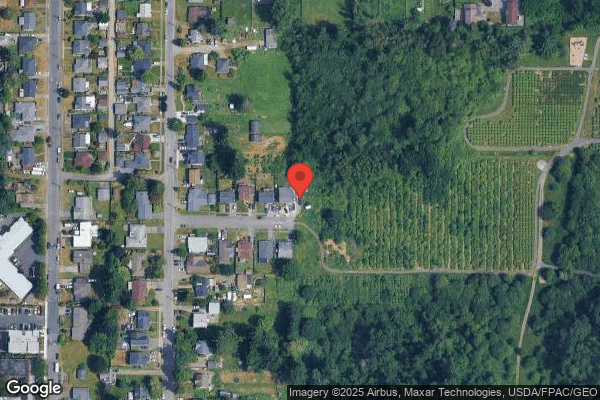
7411 PACIFIC AVENUE, TACOMA, WA 98408 (253) 474-8456
For profit - Limited Liability company 81 Beds AVAMERE Data: November 2025
Trust Grade
40/100
#165 of 190 in WA
Last Inspection: July 2025

Inspected within the last 6 months. Data reflects current conditions.

Overview

Avalon Healthcare in Tacoma, Washington has a Trust Grade of D, which indicates below average conditions and raises some concerns for families considering this facility. It ranks #165 out of 190 nursing homes in Washington, placing it in the bottom half of all facilities in the state, and #17 out of 21 in Pierce County, meaning there are only a few options that are better nearby. However, the facility is showing an improving trend, with the number of reported issues decreasing from 33 in 2024 to 28 in 2025. Staffing levels are rated average with a turnover rate of 0%, much lower than the state average, which is a positive sign that staff are familiar with the residents' needs. While there have been no fines recorded, there are significant issues with food temperature, as residents consistently reported receiving cold meals which can affect their nutrition and quality of life. Additionally, there was a failure to properly notify residents about important Medicare coverage changes, which could leave them uninformed about their care options. Overall, families should weigh these strengths and weaknesses carefully.

Trust Score
D
40/100
In Washington
#165/190
Bottom 14%
Safety Record
Low Risk
No red flags
Inspections
Getting Better
33 → 28 violations
Staff Stability
○ Average
Turnover data not reported for this facility.
Penalties
✓ Good
No fines on record. Clean compliance history, better than most Washington facilities.
Skilled Nurses
✓ Good
Each resident gets 45 minutes of Registered Nurse (RN) attention daily — more than average for Washington. RNs are trained to catch health problems early.
Violations
⚠ Watch
81 deficiencies on record. Higher than average. Multiple issues found across inspections.
★☆☆☆☆
1.0
Overall Rating
★★★☆☆
3.0
Staff Levels
★★★★☆
4.0
Care Quality
★☆☆☆☆
1.0
Inspection Score
Stable
2024: 33 issues
2025: 28 issues

The Good

  • 4-Star Quality Measures · Strong clinical quality outcomes
  • Full Sprinkler Coverage · Fire safety systems throughout facility
  • No fines on record

Facility shows strength in quality measures, fire safety.

The Bad

1-Star Overall Rating

Below Washington average (3.2)

Significant quality concerns identified by CMS

Chain: AVAMERE

Part of a multi-facility chain

Ask about local staffing decisions and management

The Ugly 81 deficiencies on record

Jul 2025 24 deficiencies
CONCERN (D)

Potential for Harm - no one hurt, but risky conditions existed

Deficiency F0605 (Tag F0605)

Could have caused harm · This affected 1 resident

**NOTE- TERMS IN BRACKETS HAVE BEEN EDITED TO PROTECT CONFIDENTIALITY** Based on observation, interview, and record review, the facility failed to ensure psychotropic medications (any drug that affect...

Read full inspector narrative →
**NOTE- TERMS IN BRACKETS HAVE BEEN EDITED TO PROTECT CONFIDENTIALITY** Based on observation, interview, and record review, the facility failed to ensure psychotropic medications (any drug that affects the brain activities associated with mental process and behavior) were regularly monitored and had documented adverse side effects and effectiveness for 1 of the 5 sampled residents (Resident 49) when reviewed for unnecessary medication use. This failure placed the residents at risk of unnecessary medication use, side effects without interventions, and diminished quality of life. Findings included .Review of the electronic health record (EHR) showed Resident 49 was admitted to the facility on [DATE] with diagnoses of major depression, anxiety, diabetes (high blood sugar) and insomnia. The Quarterly Minimum Data Set Assessment (MDS), dated [DATE], showed Resident 49 was cognitively intact. Observation on 07/25/2025 at 10:41 AM showed Resident 49 was in their room with a staff member providing one on one supervision. Review of the EHR showed Resident 49 was taking scheduled psychotropic medications including an antipsychotic (a class of medication primarily used to manage psychosis) and antidepressant (a class of medication used to treat depression, anxiety) medications.Review of the EHR showed Resident 49 did not have documentation about monitoring of adverse side effects and behaviors related to the use of the antidepressant and antipsychotic medication. During an interview on 07/28/2025 at 9:33 AM, Staff B, Director of Nursing Services, stated the expectations were for nurses to monitor and document behaviors and adverse side effects in the EHR, and lack of documentation for Resident 49 did not meet expectations. Reference WAC 388-97-0610 (1)(a), 1060 (3)(k)(i)
CONCERN (D)

Potential for Harm - no one hurt, but risky conditions existed

Deficiency F0628 (Tag F0628)

Could have caused harm · This affected 1 resident

**NOTE- TERMS IN BRACKETS HAVE BEEN EDITED TO PROTECT CONFIDENTIALITY** Based on interview and record review, the facility failed to provide bed hold notices in writing at the time of transfer to the ...

Read full inspector narrative →
**NOTE- TERMS IN BRACKETS HAVE BEEN EDITED TO PROTECT CONFIDENTIALITY** Based on interview and record review, the facility failed to provide bed hold notices in writing at the time of transfer to the hospital or within 24 hours of transfer to the hospital for 2 of 2 sampled residents (Residents 37 and 29) when reviewed for hospitalization. This failed practice placed the residents at risk for lack of knowledge regarding the right to hold their bed while they were at the hospital.Findings included… Resident 37 Review of the electronic health record (EHR) showed Resident 37 initially admitted to the facility on [DATE] with diagnoses of dementia, adult failure to thrive, and alcoholic cirrhosis of the liver (liver damage leading to scarring and liver failure). Resident 37 was able to make needs known. Review of the EHR showed Resident 37 was transferred to the hospital on [DATE] and readmitted to the facility on [DATE]. There was no documentation to show Resident 37 was offered a bed hold for their transfer/discharge to the hospital. During an interview on 07/29/2025 at 1:32 PM, Staff C, Social Services Director (SSD), stated they should have attempted to contact Resident 37 at the hospital to offer the bed hold and documented the response and/or any failed attempts to contact the resident and that did not happen. During an interview on 07/29/2025 at 1:47 PM, Staff A, Administrator, stated there should have been a completed bed hold form, or a progress note regarding offering a bed hold and any attempts to contact Resident 37 for their 03/23/2025 transfer to the hospital. Staff A stated that this did not meet their expectations. Resident 29 Review of the EHR showed Resident 29 admitted to the facility on [DATE] with diagnoses of type 2 diabetes (when there is too much sugar in the blood), heart failure, and kidney failure. The resident was able to make needs known. Review of the EHR showed Resident 29 was discharged to the hospital on [DATE] and returned to the facility on [DATE] to a different room. Review of the EHR showed no documentation that a bed hold was offered to Resident 29 at the time of transfer. During an interview on 07/28/2025 at 10:03 AM, Staff C, SSD, stated a bed hold should have been offered to Resident 29 but it was not. During an interview on 07/28/2025 at 10:53 AM, Staff A, stated it was their expectation bed holds be offered to residents who are transferred to the hospital. Reference WAC 399-97 -0120 (4)
CONCERN (D)

Potential for Harm - no one hurt, but risky conditions existed

Deficiency F0637 (Tag F0637)

Could have caused harm · This affected 1 resident

**NOTE- TERMS IN BRACKETS HAVE BEEN EDITED TO PROTECT CONFIDENTIALITY** Based on interview and record review, the facility failed to identify a significant change of condition for 1 of 3 sampled resid...

Read full inspector narrative →
**NOTE- TERMS IN BRACKETS HAVE BEEN EDITED TO PROTECT CONFIDENTIALITY** Based on interview and record review, the facility failed to identify a significant change of condition for 1 of 3 sampled residents (Resident 58) reviewed for significant change. Failure to identify the need for significant change of condition assessment minimum data set (MDS, a required assessment tool) placed the residents at risk for unidentified/unmet care needs, and diminished quality of life. Findings included.Review of the electronic health record (EHR) showed Resident 58 was admitted to the facility on [DATE] with diagnoses that included Alzheimer's disease (progressive disease that destroys memory and other important brain functions), diabetes (high blood sugar) and depression. Review of the EHR showed Resident 58 started hospice (end of life care) services on 02/20/2025. Review of the MDS schedule showed an annual MDS on 12/31/2024 and a quarterly MDS on 04/02/2025 that did not address hospice services. During an interview on 07/28/2025 at 9:44 AM, Staff B, Director of Nursing Services, stated Resident 58 should have had a change of condition MDS after initiation of hospice services. Staff B stated a lack of change of condition MDS for Resident 58 did not meet expectations. Reference WAC 388-97-1000(3)(b)
CONCERN (D)

Potential for Harm - no one hurt, but risky conditions existed

Assessment Accuracy (Tag F0641)

Could have caused harm · This affected 1 resident

**NOTE- TERMS IN BRACKETS HAVE BEEN EDITED TO PROTECT CONFIDENTIALITY** Based on interview and record review, the facility failed to ensure an accurate assessment for 2 of 19 sampled residents (Reside...

Read full inspector narrative →
**NOTE- TERMS IN BRACKETS HAVE BEEN EDITED TO PROTECT CONFIDENTIALITY** Based on interview and record review, the facility failed to ensure an accurate assessment for 2 of 19 sampled residents (Residents 37 and 29) when reviewed for accuracy of assessments. These failures placed the residents at risk of unmet care needs, inaccurate information in the resident's medical record, and a diminished quality of life. Findings included .Resident 37 Review of the electronic health record (EHR) showed Resident 37 readmitted to the facility on [DATE] with diagnoses of dementia (a decline in mental abilities, severe enough to interfere with daily life), adult failure to thrive, and alcoholic cirrhosis of the liver (liver damage leading to scarring and liver failure). Resident 37 was able to make needs known. Review of Resident 37's EHR showed a “Hospice Certification and Plan of Care,” order dated 04/11/2025. It showed that hospice care services were being provided and documented per the provider's order. Review of the quarterly minimum data set assessment (MDS) dated [DATE] showed Resident 37 was not receiving hospice care services. During an interview on 07/30/2025 at 9:07 AM, Staff J, MDS Coordinator, stated Resident 37 was receiving hospice care services and their 07/10/2025 quarterly MDS should have been coded for hospice care. During an interview on 07/30/2025 at 10:10 AM, Staff B, Director of Nursing Services (DNS), stated Resident 37's 07/10/2025 quarterly MDS coding for hospice care was inaccurate and did not meet expectations. Resident 29 Review of the EHR showed Resident 29 admitted to the facility on [DATE] with diagnoses of type 2 diabetes (when there is too much sugar in the blood) and kidney failure. The resident was able to make needs known. Review of the EHR showed Resident 29 required dialysis (when waste is filtered from the blood with a machine) three days a week from 05/12/2025 to 07/29/2025. Review of the MDS dated [DATE] showed the resident was not receiving dialysis. During an interview on 07/28/2025 at 9:45 AM, Staff J, MDS coordinator, stated Resident 29 should have been marked yes, indicating the resident received dialysis during their stay, but was not. During an interview on 07/28/2025 at 10:10 AM, Staff B, DNS, stated it was their expectation the MDS assessment for Resident 29 included their dialysis services. Reference WAC 388-97 -1000 (1)(b)
CONCERN (D)

Potential for Harm - no one hurt, but risky conditions existed

Deficiency F0657 (Tag F0657)

Could have caused harm · This affected 1 resident

**NOTE- TERMS IN BRACKETS HAVE BEEN EDITED TO PROTECT CONFIDENTIALITY** Based on interview and record review, the facility failed to ensure care plans were timely revised on a change in resident statu...

Read full inspector narrative →
**NOTE- TERMS IN BRACKETS HAVE BEEN EDITED TO PROTECT CONFIDENTIALITY** Based on interview and record review, the facility failed to ensure care plans were timely revised on a change in resident status for 2 of 19 sampled residents (Residents 48 and 37) when reviewed for revision of care plan. This failure placed residents at risk for unmet care needs, inaccurate care plans, and a diminished quality of life. Findings included .Resident 48 Review of the electronic health record (EHR) showed Resident 48 was admitted to the facility on [DATE] with diagnoses to include respiratory failure, diabetes (high blood sugar), heart failure and end stage renal disease with dialysis (treatment that removes waste products and excess fluids from the blood when the kidneys are unable to complete these functions). Resident 48 was able to communicate their needs. During an interview on 07/23/2025 at 9:41 AM, Resident 48 stated they were on a fluid restriction of 40 ounces a day. Review of the care plan focus area of oral intake, initiated 09/20/2023, showed Resident 48 was on a 1000 milliliters (mls) fluid restriction. Review of EHR showed Resident 48 had a discontinued provider order for fluid restriction on 07/18/2025. During an interview on 07/28/2025 at 9:37 AM, Staff B, Director of Nursing Services (DNS), stated the care plan should have been updated after the order was discontinued for the fluid restriction. Staff B stated Resident 48's care plan regarding fluid consumption did not meet expectations. Resident 37 Review of the EHR showed Resident 37 readmitted to the facility on [DATE], initially admitted on [DATE], and was able to make needs known. Review showed Resident 37 had diagnoses of vascular dementia (brain damage with a decline in mental abilities, severe enough to interfere with daily life, caused by multiple strokes) with other behavioral disturbance, adult failure to thrive, and history of traumatic brain injury (damage to the brain caused by an external force). Review of current provider's orders on 07/24/2025 showed Resident 37 was not prescribed psychotropic medications (drugs that affect the way the brain works). Review of the current care plan, dated 04/22/2025, showed Resident 37 used psychotropic medications (medications which affect the mind) and was at risk for falls related to psychoactive drug use and antianxiety medication. During an interview on 07/30/2025 at 10:20 AM, Staff B, DNS, stated care plans were to be revised quarterly, annually and with a change in condition. Staff B stated if a problem or issue was identified or resolved, the care plan should be revised as soon as possible. Staff B stated psychotropic medication use was documented in Resident 37's current care plan; however, Resident 37 was no longer receiving psychotropic medications, and the care plan did not reflect the resident's status and needed to be revised. Staff B stated this did not meet expectations. Reference WAC [PHONE NUMBER]20(2)(c)(d)
CONCERN (D)

Potential for Harm - no one hurt, but risky conditions existed

Deficiency F0679 (Tag F0679)

Could have caused harm · This affected 1 resident

**NOTE- TERMS IN BRACKETS HAVE BEEN EDITED TO PROTECT CONFIDENTIALITY** Based on observation, interview, and record review, the facility failed to ensure residents were provided an activity program fo...

Read full inspector narrative →
**NOTE- TERMS IN BRACKETS HAVE BEEN EDITED TO PROTECT CONFIDENTIALITY** Based on observation, interview, and record review, the facility failed to ensure residents were provided an activity program for 1 of 3 sampled residents (Resident 55) when reviewed for activities. This failure placed the resident at risk for boredom, feelings of worthlessness, and a diminished quality of life. Findings included.Resident 55Review of the electronic health care record (EHR) showed Resident 55 admitted to the facility on [DATE] with diagnoses to include dementia (a progressive decline in memory, thinking, reasoning, and judgment, that interfere with daily functioning and social relationships), muscle weakness, and adult failure to thrive. Resident 55 was unable to make needs known. Observation on 07/23/2025 at 10:23 AM showed Resident 55 laid in bed eyes open with their television (TV) off and angled away from the bed. Resident 55 pointed at the TV and stated, Look. Observations on 07/24/2025 at 9:56 AM and 2:27 PM and 07/25/2025 at 11:14 AM showed Resident 55 laid in bed eyes open with their TV off and angled away from the bed. Review of the care plan, initiated 03/27/2025, showed Resident 55 was dependent on staff for activities and was unable to attend outside room activities. Review of an Activities Recreation Quarterly/Annual Review, dated 05/16/2025, showed Resident 55 liked to watch their television in their room. During an interview on 07/25/2025 at 12:25 PM, Staff O, Activity Assistant, stated Resident 55 sometimes had their TV on. Staff O stated they did not think Resident 55 could turn on their own TV or re-angle it toward the bed. During an interview on 07/25/2025 at 12:34 PM, Staff P, Activity Director, stated they conducted an activity evaluation to determine what activities residents enjoyed and they would be provided in the residents' room if they were not able to attend in-person activities. Staff P stated Resident 55 enjoyed watching the news and would request it be put on. Staff P stated Resident 55's TV was unplugged, and this did not meet expectations. During an interview on 07/25/2025 at 1:07 PM, Staff A, Administrator, stated the certified nursing assistants were responsible for ensuring residents had their TVs on if that was their preferred activity. Staff A stated the observations of Resident 55's TV off, angled away from the bed, and unplugged did not meet expectations. Reference WAC 388-97-0940 (1)
CONCERN (D)

Potential for Harm - no one hurt, but risky conditions existed

Quality of Care (Tag F0684)

Could have caused harm · This affected 1 resident

**NOTE- TERMS IN BRACKETS HAVE BEEN EDITED TO PROTECT CONFIDENTIALITY** Based on interview and record review, the facility failed to timely develop a collaborative comprehensive care plan involving ho...

Read full inspector narrative →
**NOTE- TERMS IN BRACKETS HAVE BEEN EDITED TO PROTECT CONFIDENTIALITY** Based on interview and record review, the facility failed to timely develop a collaborative comprehensive care plan involving hospice care (end of life care and services) for 2 of the 2 sampled residents (Resident 37 and 55) when reviewed for hospice. This failure placed residents at potential risk for unmet needs and a diminished quality of life.Findings included . Review of the facility's policy titled, Administration hospice, dated July 2018, showed, The facility and the hospice will establish a coordinated plan of care which identifies the specific services/functions each provider is responsible for performing.” Resident 37 Review of the electronic health record (EHR) showed Resident 37 readmitted to the facility on [DATE] with diagnoses of dementia (a decline in mental abilities, severe enough to interfere with daily life), adult failure to thrive, and alcoholic cirrhosis of the liver (liver damage leading to scarring and liver failure). Resident 37 received hospice care services and was able to make needs known. Review of Resident 37's EHR showed a “Hospice Certification and Plan of Care,” order dated 04/11/2025. Review showed a hospice and palliative care coordination of care document dated 04/11/2025 signed and dated by hospice and a facility staff member on 04/11/2025. Review of the current care plan dated 04/22/2025 of Resident 37's focused care plan for hospice services showed it was initiated/created on 07/24/2025. Review showed it did not include hospice location or a point of contact person, and did not specifically show or identify specific services/functions that would be provided by hospice. During an interview on 07/30/2025 at 9:07 AM, Staff J, Minimum Data Set Coordinator, stated Resident 37 had been receiving hospice services since 04/11/2025; however, the hospice care plan was initiated/created on 07/24/2025 and this did not meet their expectation for a timely care plan. Staff J stated Resident 37's hospice care plan was missing the location of hospice and who to contact and needed to be revised to integrate hospice care services information. During an interview on 07/30/2025 at 10:10 AM, Staff B, Director of Nursing Services (DNS), stated Resident 37's hospice care plan created on 07/24/2025 did not meet expectations because it should have been initiated/created when the order was obtained. Staff B stated Resident 37's hospice care plan should have included information from the “hospice coordination of care” to make it a more collaborative plan of care. Resident 55 Review of the EHR showed Resident 55 admitted to the facility on [DATE] with diagnoses including dementia, malnutrition, anorexia and adult failure to thrive. The resident was not able to make needs known. Review of the EHR showed the resident was admitted to hospice services on 05/09/2025 and a hospice plan of care/coordination of care was received by the facility on 05/12/2025. Review of Resident 55's plan of care showed the care plan for hospice services was not integrated into their plan of care until 07/24/2025. During an interview on 07/28/2025 at 10:27 AM, Staff B, DNS, stated the facility should have created a care plan that integrated the hospice services into it but did not until 07/24/2025 and it should have been done sooner. Reference WAC 388-97 -1060 (1)
CONCERN (D)

Potential for Harm - no one hurt, but risky conditions existed

Pressure Ulcer Prevention (Tag F0686)

Could have caused harm · This affected 1 resident

**NOTE- TERMS IN BRACKETS HAVE BEEN EDITED TO PROTECT CONFIDENTIALITY** Based on observation, interview, and record review, the facility failed to ensure interventions to prevent/heal pressure injurie...

Read full inspector narrative →
**NOTE- TERMS IN BRACKETS HAVE BEEN EDITED TO PROTECT CONFIDENTIALITY** Based on observation, interview, and record review, the facility failed to ensure interventions to prevent/heal pressure injuries were provided for 1 of 2 sampled residents (Resident 2) when reviewed for pressure injury. This failure placed the resident at risk of inability to heal pressure injury, worsening pressure injury, and a diminished quality of life. Findings included .Resident 2Review of the electronic health record showed Resident 2 admitted to the facility on [DATE] with diagnoses to include hemiplegia (paralysis or severe weakness on one side of the body), psychotic disorder with delusions, and chronic obstructive pulmonary disease (a group of lung diseases that block airflow and make it difficult to breathe). Resident 2 was unable to make needs known. Observation on 07/23/2025 at 11:54 AM showed Resident 2 in bed laying on their back with two inflatable boots on the nightstand. Observations on 07/23/2025 at 11:54 AM, 07/24/2025 at 9:30 AM and 2:24 PM, 07/29/2025 at 8:21 AM, and 07/30/2025 at 9:23 AM showed Resident 2 laid on their back in bed and had an air mattress which was set to 660 to 750 pounds (lbs.), lights were flashing on the extra firm and low pressure indicators, and the control unit emitted a loud whirring sound. Review of the care plan, initiated 04/11/2025, showed Resident 2 had a stage three pressure injury to their right foot and a small open area to the left buttock. Interventions included to avoid positioning the resident on their back, float heels (a positioning technique in patient care where the heels are lifted or suspended to prevent pressure injuries), and a pressure relieving mattress. During an interview on 07/30/2025 at 9:25 AM, Staff K, Registered Nurse/Resident Care Manager, stated the facility ensured pressure injury prevention/healing interventions were provided by doing wound care rounds to ensure treatments were provided. Staff K stated they did rounds of resident rooms to ensure pressure reliving devices, such as air mattresses, were functioning properly. Staff K stated the observations of Resident 2's heels not being floated did not meet expectations. During an interview on 07/30/2025 at 9:30 AM, Staff B, Director of Nursing Services, stated facility staff would check on what things were not performed the previous day, and it would be addressed with the floor nurse. Staff B stated air mattresses would alarm if they were not functioning properly to alert staff. Staff B stated Resident 2's air mattress controlling unit had been pushed against the wall, was set to 660 to 775 lbs., and should be set to 174 lbs. Staff B stated their expectation was Resident 2's air mattress was set to the correct setting and their inflatable boot applied. Reference WAC 388-97-1060 (3)(b)
CONCERN (D)

Potential for Harm - no one hurt, but risky conditions existed

Accident Prevention (Tag F0689)

Could have caused harm · This affected 1 resident

**NOTE- TERMS IN BRACKETS HAVE BEEN EDITED TO PROTECT CONFIDENTIALITY** Based on observation, interview, and record review, the facility failed to ensure residents did not have access to weapons for 1...

Read full inspector narrative →
**NOTE- TERMS IN BRACKETS HAVE BEEN EDITED TO PROTECT CONFIDENTIALITY** Based on observation, interview, and record review, the facility failed to ensure residents did not have access to weapons for 1 of 3 sampled residents (Resident 38) when reviewed for accident hazards. This failure placed residents at risk of being assaulted, avoidable injury, and a diminished quality of life. Findings included .Resident 38Review of the electronic health record showed Resident 38 admitted to the facility on [DATE] with diagnoses to include heart disease, dementia (a progressive decline in memory, thinking, reasoning, and judgment, that interfere with daily functioning and social relationships), unspecified psychosis (a mental health condition characterized by a loss of contact with reality), and bipolar disorder (a disorder associated with episodes of mood swings ranging from depressive lows to manic highs). Resident 38 was able to make needs known. Observation on 07/23/2025 at 9:46 AM showed a piece of rebar (a steel reinforcing rod in concrete) next to Resident 38's sink. Observation on 07/23/2025 at 11:47 AM, 07/24/2025 at 2:32 PM, 07/25/2025 at 11:08 AM, and 07/29/2025 at 9:37 AM showed a piece of rebar next to Resident 38's sink and a baton sticking out from the bedside table drawer which was left ajar. Review of the care plan, initiated on 03/06/2023, showed Resident 38 was at risk for potential alteration in mood/behaviors due to bipolar disorder and unspecified psychosis, had ineffective coping skills, and poor impulse control. Review of an incident report, dated 06/25/2025, showed Resident 38 had an altercation with another resident, called the other resident an expletive, and threatened to pulverize them. During an interview on 07/30/2025 at 9:30 AM, Staff B, Director of Nursing Services, stated the facility ensured residents were not a danger to others by investigating root cause after an altercation and determining an intervention to ensure they were safe. Staff B stated residents with behavioral issues should not have access to weapons. Staff B stated their expectation was facility staff would observe Resident 38's rebar and baton, and intervene as needed. Reference WAC 388-97-1060 (3)(g)
CONCERN (D)

Potential for Harm - no one hurt, but risky conditions existed

Deficiency F0692 (Tag F0692)

Could have caused harm · This affected 1 resident

**NOTE- TERMS IN BRACKETS HAVE BEEN EDITED TO PROTECT CONFIDENTIALITY** Based on observation, interview, and record review the facility failed to ensure accurate monitoring and documentation for fluid...

Read full inspector narrative →
**NOTE- TERMS IN BRACKETS HAVE BEEN EDITED TO PROTECT CONFIDENTIALITY** Based on observation, interview, and record review the facility failed to ensure accurate monitoring and documentation for fluid restrictions for 1 of 3 sampled residents (Resident 29) when reviewed for hydration. This failure placed residents at risk for medical complications related to hydration and a diminished quality of life.Review of the electronic health record showed Resident 29 admitted to the facility on [DATE] with diagnoses of type 2 diabetes (when there is too much sugar in the blood) and kidney failure and was receiving dialysis services (when the blood if filtered through a machine to remove waste). The resident was able to make needs known. Review of the provider orders showed an order dated 05/10/2025 for a fluid restriction of 2000 milliliters (ml) daily. There was no documentation of the amount of fluid received from nursing /dietary and the daily total was not calculated and documented in the EHR. During an interview on 07/28/2025 at 9:43 AM, Staff K, Registered Nurse/Resident Care Manager (RN/RCM), stated the facility should divide the fluids between dietary and nursing and calculate the totals at the end of the day. During an interview on 07/28/2025 at 10:15 AM, Staff B, Director of Nursing Services, stated they were aware the fluid restriction orders were not clear, Resident 29's fluid restrictions should have been clarified, and this did not meet expectations. Reference WAC 388-97 -1060 (3)(i)
CONCERN (D)

Potential for Harm - no one hurt, but risky conditions existed

Tube Feeding (Tag F0693)

Could have caused harm · This affected 1 resident

**NOTE- TERMS IN BRACKETS HAVE BEEN EDITED TO PROTECT CONFIDENTIALITY** Based on observation, interview and record review, the facility failed to ensure enteral nutrition (the delivery of nutrients th...

Read full inspector narrative →
**NOTE- TERMS IN BRACKETS HAVE BEEN EDITED TO PROTECT CONFIDENTIALITY** Based on observation, interview and record review, the facility failed to ensure enteral nutrition (the delivery of nutrients through a feeding tube directly into the stomach or small intestine) was administered in accordance with providers orders and professional standards of practice for 1 of 1 sampled resident (Resident 5) when reviewed for enteral nutrition. This failure placed the resident at risk for infection, malnutrition, and diminished quality of life. Findings included .Review of the electronic health record (EHR) showed Resident 5 was admitted to the facility on [DATE] with diagnoses that included gastrostomy status (the delivery of nutrients through a feeding tube directly into the stomach or small intestine), heart failure, convulsions (uncontrolled jerking, loss of consciousness) and anoxic brain damage (brain damage from lack of oxygen). Resident 5 was not able to communicate their needs. Review of Resident 5's quarterly minimum data set (MDS, a required assessment tool), dated 06/30/2025, showed Resident 5 was dependent on staff for activities of daily living (ADL) including nutrition. Observation on 07/23/2025 at 12:19 PM, showed Resident 5 was in their bed receiving a feeding formula via tube in the stomach. The feeding formula was in a bag hanging on a pole next to the bed. The feeding formula was dated 07/21/2025 at 3:00 AM. Next to the feeding formula bag was a hanging water bag with no date. The machine infusing the feeding formula was running at 70 milliliters (ml) per hour and showed to have infused 494 ml. The bag providing fluids to Resident 5 was undated and not labeled on 07/24/2025 and 07/25/2025. Observation and interview on 07/28/2025 at 2:25 PM showed Resident 5 was in bed running tube feeding formula and the bed was low to the floor and flat. Staff Q, Licensed Practical Nurse, stated the head of the bed should be elevated to prevent aspiration (breathing material into the lungs). Observation on 07/30/2025 at 8:18 AM showed Resident 5's water bag was dated 07/28/2025 at 10:32 PM. During an interview on 07/30/2025 at 9:02 AM, Staff B, Director of Nursing Services, stated the fluid/water bag and formula bag were to be changed every day during night shift. Staff B stated observations of Resident 5's bags of water and formula, and being flat in bed when receiving formula, did not meet expectations. Reference WAC 388-97-1060 (3)(f)
CONCERN (D)

Potential for Harm - no one hurt, but risky conditions existed

Deficiency F0790 (Tag F0790)

Could have caused harm · This affected 1 resident

**NOTE- TERMS IN BRACKETS HAVE BEEN EDITED TO PROTECT CONFIDENTIALITY** Based on observation, interview, and record review, the facility failed to provide prompt follow up on provider's referral for d...

Read full inspector narrative →
**NOTE- TERMS IN BRACKETS HAVE BEEN EDITED TO PROTECT CONFIDENTIALITY** Based on observation, interview, and record review, the facility failed to provide prompt follow up on provider's referral for dental care services for 1 of 4 sampled residents (Resident 44) reviewed for dental services. This failure placed Resident 44 at potential risk for continued dental problems, unmet needs, and a diminished quality of life.Findings included. Review of the facility's policy titled, Dental Services, dated November 2017 showed, Dental services are available to residents, including, but not limited to examination, oral prophylaxis [actions taken to prevent disease] and emergency dental care to relieve pain and infection. Review showed, If any resident is unable to pay for dental services, the facility should attempt to find alternative funding sources or delivery systems so that the resident may receive the services needed to meet their dental needs and maintain his/her highest practicable level of wellbeing. Review of the electronic health record (EHR) showed Resident 44 admitted to the facility on [DATE] with diagnoses of diabetes (too much sugar in the blood), high blood pressure, and depression. Resident 44 was able to communicate needs. Observation and interview on 07/23/2025 at 3:28 PM showed Resident 44 with missing and broken upper and lower teeth. Resident 44 stated they wanted to see a dentist to pull out their teeth so they could have dentures. Review of the admission minimum data set (MDS, a required assessment tool) dated 07/15/2025 showed Resident 44 had obvious or likely cavities or broken natural teeth. Review of the order dated 04/17/2025 showed Resident 44 may have dental, vision and eye health, hearing, and podiatry consults as needed. Review of the focus care plan initiated on 04/18/2025 showed, The resident has oral/dental health problems. It showed Resident 44 had a goal to be free of infection, pain or bleeding in the oral cavity by review date/target date of 10/13/2025. Review of the dental visit/consult form dated 05/19/2025 showed Resident 44 had red/irritated gums and broken and missing upper and lower teeth. It showed the dentist made a referral for x-rays, evaluation, and extraction of all teeth. Review showed the dentist recommended hygiene cleaning and documented to talk to family and Resident 44 wanted extractions. Review of the EHR showed no documentation of a scheduled follow up dental appointment after the 05/19/2025 referral was made by the dentist. During an interview on 07/29/2025 at 10:03 AM, Staff M, Social Services Assistant, stated Resident 44 had a dental consultation on 05/20/2025 and needed a follow up appointment for teeth extraction; however, they were unable to locate documentation of a scheduled dental appointment at that time for Resident 44. Staff M stated they still needed to talk to the family. Staff M stated Resident 44 should have had dental issues followed up on sooner and this did not meet expectations. During an interview on 07/29/2025 at 10:18 AM, Staff A, Administrator, stated Resident 44's 05/20/2025 dental referrals/recommendation should have been followed up on prior to now and this did not meet expectations. Reference WAC 388-97-1060 (1), (3)(j)(vii)
CONCERN (D)

Potential for Harm - no one hurt, but risky conditions existed

Infection Control (Tag F0880)

Could have caused harm · This affected 1 resident

Based on interview and record review, the facility failed to maintain an infection prevention and control program by completing and analyzing infection control data, identifying trends, and completing...

Read full inspector narrative →
Based on interview and record review, the facility failed to maintain an infection prevention and control program by completing and analyzing infection control data, identifying trends, and completing follow-up activities in response to those trends for 3 of 3 sampled months (April, May, June 2025) when reviewed for infection control. This failure placed the residents at risk for communicable diseases, poor clinical outcomes, and a decreased quality of life. Findings included.Review of the facility policy titled Infection Preventions and Control Program dated 08/2022 showed the surveillance log will include the pathogen and the infection preventionist will use the information to identify trends to minimize further spread and the information would be used to implement changes and/or education to address the trends. Review of the facility infection control line listing documentation for 04/2025, 05/2025 and 06/2025 showed no identified organisms were included in the data. No monthly summary was completed showing the data was analyzed or trends identified and there were no interventions to address the trends. During an interview on 07/29/2025 at 2:22 PM, Staff B, Director of Nursing Services, stated they were aware of the missing tracking, trending, and interventions, and this did not meet their expectations. Reference WAC 388-97-1320 (2)(a)(c)
CONCERN (D)

Potential for Harm - no one hurt, but risky conditions existed

Deficiency F0919 (Tag F0919)

Could have caused harm · This affected 1 resident

**NOTE- TERMS IN BRACKETS HAVE BEEN EDITED TO PROTECT CONFIDENTIALITY** Based on observation and interview, the facility failed to have an emergency call light system in place that allowed a resident ...

Read full inspector narrative →
**NOTE- TERMS IN BRACKETS HAVE BEEN EDITED TO PROTECT CONFIDENTIALITY** Based on observation and interview, the facility failed to have an emergency call light system in place that allowed a resident to call for help from their bathroom for 1 of 4 hallways (300 hallway) when reviewed for call light system. This failure placed the resident at risk of not being able to call for assistance, delayed response to a fall, injury, and a diminished quality of life.Findings included . Observations on 07/24/2025 at 9:31 AM and 07/25/2025 at 10:43 AM showed the bathroom in room [ROOM NUMBER] had no emergency call light system. During an interview on 07/24/2025 at 9:31 AM, Resident 1, who resided in room [ROOM NUMBER], stated they used the bathroom and had not noticed that there was no call light in the bathroom. During an interview on 07/25/2025 at 10:49 AM, Staff B, Director of Nursing Services, stated there was not an emergency call light in room [ROOM NUMBER]'s bathroom and there should be. During an interview on 07/25/2025 at 10:49 AM, Staff A, Administrator, stated their expectation was all resident bathrooms had an emergency call light within reach for residents to use. Staff A stated they had not been aware that the bathroom in room [ROOM NUMBER] did not have an emergency call light. Staff A stated it somehow got missed during weekly environmental room rounds. Reference WAC 388-97-2280 (1)(b)(c).
CONCERN (E)

Potential for Harm - no one hurt, but risky conditions existed

Deficiency F0582 (Tag F0582)

Could have caused harm · This affected multiple residents

**NOTE- TERMS IN BRACKETS HAVE BEEN EDITED TO PROTECT CONFIDENTIALITY** Based on interview and record review, the facility failed to issue Skilled Nursing Facility (SNF) Advanced Beneficiary Notice of...

Read full inspector narrative →
**NOTE- TERMS IN BRACKETS HAVE BEEN EDITED TO PROTECT CONFIDENTIALITY** Based on interview and record review, the facility failed to issue Skilled Nursing Facility (SNF) Advanced Beneficiary Notice of Non-coverage (SNF ABN: a notification that provides an estimated cost of continuing services which may no longer be covered by Medicare. Beneficiaries may choose to continue the services but may be financially liable) and/or a Notification of Medicare (federal health insurance program for people age [AGE] or older) Non-Coverage (NOMNC- a required form notifying the resident that their skilled services coverage was ending and would no longer be covered by their Medicare A benefits) at least two calendar days before the Medicare coverage ended for 3 of 3 residents (Residents 64, 65, and 45) when reviewed for beneficiary notification. These failures placed the residents and/or their representatives at risk of not being fully informed and losing their right to an appeals process.Findings included . Resident 64Review of the electronic health record (EHR) showed Resident 64 admitted to the facility on [DATE] with diagnoses to include heart failure and encephalopathy (altered brain function or structure). Resident 64 was usually able to make needs known. According to the SNF Beneficiary Protection Notification Review (BPNR), completed by facility staff on 07/25/2025, Resident 64's Medicare services started on 04/16/2025 and ended on 05/01/2025, with Resident 64 discharging from the facility on 05/01/2025. It showed that Resident 64 was not issued a NOMNC form. During an interview on 07/28/2025 at 10:29 AM Staff C, Social Services Director (SSD) stated Resident 64 should have been provided with a NOMNC and this did not meet expectations. Resident 65Review of the EHR showed Resident 65 admitted to the facility on [DATE] with diagnoses to include diabetes (too much sugar in the blood) and difficulty in walking. Resident 65 was able to make needs known. According to the BPNR, completed by facility staff on 07/25/2025, Resident 65's Medicare services started on 01/27/2025 and ended on 03/05/2025, with Resident 65 remaining in the facility after the skilled services ended. It showed that the facility/provider initiated the discharge from Medicare Part A Services when benefit days were not exhausted and that Resident 64 was issued a NOMNC form; however, they were not issued a SNF ABN form. During an interview on 07/28/2025 at 10:33 AM, Staff C, SSD, stated Resident 65 should have been provided with a SNF ABN two days prior to discharging from part A benefits and discharging from facility. Resident 45Review of the EHR showed Resident 45 admitted to the facility on [DATE] with diagnoses to include heart failure and Alzheimer's disease (a brain disorder that worsens over time, causing problems with memory, thinking and behavior). Resident 45 was usually able to make needs known. According to the BPNR, completed by facility staff on 07/25/2025, Resident 45's Medicare services started on 03/06/2025 and ended on 05/09/2025, with Resident 45 remaining in the facility after the skilled services ended. It showed Resident 45 was not issued the SNF ABN or NOMNC forms. During an interview on 07/28/2025 at 10:36 AM, Staff C, SSD, stated Resident 45 should have been provided with a SNF ABN and a NOMNC and this did not meet expectations. During an interview on 07/28/2025 at 10:43 AM, Staff A, Administrator, stated Resident 64 should have been issued a NOMNC, Resident 65 should have been issued a SNF ABN, and Resident 45 should have been issued a SNF ABN and a NOMNC, and this did not meet their expectations. Reference WAC 388-97-0300(1)(e), (5), (6)
CONCERN (E)

Potential for Harm - no one hurt, but risky conditions existed

Safe Environment (Tag F0584)

Could have caused harm · This affected multiple residents

Based on observation and interview, the facility failed to ensure overbed light cords were functional or conformed with homelike standards for 4 of 4 halls (100, 200, 300, and 400 Halls) when reviewed...

Read full inspector narrative →
Based on observation and interview, the facility failed to ensure overbed light cords were functional or conformed with homelike standards for 4 of 4 halls (100, 200, 300, and 400 Halls) when reviewed for environment. Failure to have functional or homelike pull cords on overbed lights placed residents at risk of falling, inability to perform activities of daily living, decreased mood, and a diminished quality of life.Findings included.Observation on 07/23/2025 at 11:57 AM showed bed 303-A had an overbed light cord made from multiple plastic bags tied together. Observation on 07/29/2025 at 2:12 PM showed bed 303-A had an overbed light cord made from multiple plastic bags tied together. Observation on 07/29/2025 at 2:20 PM showed the following rooms had an overbed light cord made from multiple plastic bags tied together: 106-A, 309-A, 404-B, 408-B. Observation on 07/29/2025 at 2:20 PM showed the following rooms had an overbed light cord shorter than three inches and were not able to be pulled while in bed: 103-A, 107-A, 205-A, and 413-A. During an interview on 07/29/2025 at 2:59 PM, Staff N, Regional Maintenance Director, stated the facility conducted rounds of rooms monthly to identify repair needs and non-maintenance staff had access to an electronic maintenance tracking system to inform the maintenance department of any needed repairs. Staff N stated overbed light cords should be four to five feet in length and residents should be able to use them while in bed. Staff N stated the observations of overbed light cords being less than three inches long or having plastic bags tied to them did not meet expectations. During an interview on 07/30/2025 at 10:17 AM, Staff A, Administrator, stated non-maintenance staff had access to an electronic maintenance tracking system to inform the maintenance department of any needed repairs. Staff A stated the overbed light cords should not be made of plastic bags and be long enough for a resident to use them while in bed. Staff A stated the observation of plastic bags and short cords did not meet expectations. Reference WAC 388-97-0880
CONCERN (E)

Potential for Harm - no one hurt, but risky conditions existed

Deficiency F0604 (Tag F0604)

Could have caused harm · This affected multiple residents

**NOTE- TERMS IN BRACKETS HAVE BEEN EDITED TO PROTECT CONFIDENTIALITY** Based on observation, interview, and record review, the facility failed to ensure beds against wall and low beds were not a phys...

Read full inspector narrative →
**NOTE- TERMS IN BRACKETS HAVE BEEN EDITED TO PROTECT CONFIDENTIALITY** Based on observation, interview, and record review, the facility failed to ensure beds against wall and low beds were not a physical restraint for 2 of 2 sampled residents (Residents 55 and 5) when reviewed for physical restraints. This failure placed residents at risk of inability to move about the facility, feelings of worthlessness, and a diminished quality of life. Findings included . Resident 55 Review of the electronic health record (EHR) showed Resident 55 admitted to the facility on [DATE] with diagnoses to include dementia (a progressive decline in memory, thinking, reasoning, and judgment, that interfere with daily functioning and social relationships), muscle weakness, and adult failure to thrive. Resident 55 was unable to make needs known. Observation on 07/23/2025 at 10:22 AM showed Resident 55 in bed with the bed against the wall. Observation showed Resident 55's right arm and leg were touching the wall. Observation on 07/24/2025 at 9:59 AM showed Resident 55 in bed with three pillows placed under the mattress causing it to tilt towards the wall. Resident 55 attempted to recenter themselves in the bed but slid towards the wall. Observation on 07/24/2025 at 2:25 PM showed Resident 55 in bed with three pillows placed under the mattress causing it to tilt towards the wall and the resident's right side was touching the wall. Observation on 07/25/2025 at 11:15 AM and 07/29/2025 at 8:23 AM showed Resident 55 in bed with three pillows placed under the mattress causing it to tilt towards the wall. Review of provider's orders showed no order for Resident 55's bed against the wall. Review of the care plan, initiated on 03/27/2025, showed Resident 55 had a self-care performance deficit related to malnutrition (lack of proper nutrition) and muscle weakness and was dependent on staff for repositioning and turning in bed. The care plan did not show an intervention for the bed against the wall. During an interview on 07/30/2025 at 9:50 AM, Staff B, Director of Nursing Services, stated the facility ensured a bed against the wall was not a physical restraint by completing an assessment. Staff B stated Resident 55's lack of assessment, provider's order, or care plan for a bed against the wall did not meet expectations. Staff B stated staff placing pillows under a mattress causing it to tilt towards the wall was never appropriate and could be considered a restraint. Staff B stated Resident 55's bed against the wall and pillows placed under the mattress did not meet expectations. Resident 5 Review of the EHR showed Resident 5 was admitted to the facility on [DATE] with diagnoses that included gastrostomy status (the delivery of nutrients through a feeding tube directly into stomach), heart failure, convulsions (uncontrolled jerking, loss of consciousness) and anoxic brain damage (brain damage from lack of oxygen). Resident 5 was not able to communicate their needs. Observations on 07/23/2025 at 12:45 PM and 07/28/2025 at 8:55 AM showed Resident 5 laying in a low bed, the bed was placed next to the wall, and a mattress was next to the bed. Review of the EHR showed Resident 5 had no care plan related to the use of low bed and bed by the wall. Review of the EHR showed Resident 5 had no assessments or consents for the use of low bed and bed by the wall. During an interview on 07/28/2025 at 9:39 AM, Staff B, DNS, stated low bed and bed next to the wall could be considered a restraint and the process was for staff to complete evaluation and consents prior use. Staff B stated Resident 5's medical records did not meet expectations. Reference WAC 388-97-0620(1)
CONCERN (E)

Potential for Harm - no one hurt, but risky conditions existed

Deficiency F0645 (Tag F0645)

Could have caused harm · This affected multiple residents

**NOTE- TERMS IN BRACKETS HAVE BEEN EDITED TO PROTECT CONFIDENTIALITY** Based on interview and record review, the facility failed to ensure Pre-admission Screening and Resident Review (PASARR, a menta...

Read full inspector narrative →
**NOTE- TERMS IN BRACKETS HAVE BEEN EDITED TO PROTECT CONFIDENTIALITY** Based on interview and record review, the facility failed to ensure Pre-admission Screening and Resident Review (PASARR, a mental health screening tool) assessments were accurately completed for 4 of 5 sampled residents (Residents 8, 37, 2 and 21) when reviewed for PASARRs and unnecessary medications. This failure placed the residents at risk for unidentified mental health care needs. Review of a document titled, Resident Assessment (PASARR) for mental disorder (MD) and intellectual disability (ID)”, dated 08/2018, showed the PASSAR screening will be completed for each resident prior to admission. In addition, a document titled “Resident Assessments PASARR screening coordination”, dated 07/2018, showed the facility will refer to the appropriate state-designated agency when a resident with mental disorder or intellectual disability experiences a significant change in status newly evident or possible serious MD or ID or related condition. Resident 8 Review of the electronic health record (EHR) showed Resident 8 readmitted to the facility on [DATE] with diagnoses to include anxiety disorder, depression, schizophrenia (a disorder that affects a person's ability to think, feel, and behave clearly), and post-traumatic stress disorder (PTSD, difficulty recovering after experiencing or witnessing a terrifying event). Resident 8 was sometimes able to communicate needs. Review of the level I PASARR dated 07/23/2025 showed Resident 8 was a current resident since 10/23/2023, had serious mental illness indicators checked, and a level II referral was required. During an interview on 07/28/2025 at 1:05 PM, Staff C, Social Services Director (SSD), stated when Resident 8 readmitted to the facility on [DATE] there should have been a level I PASARR completed at that time and this did not meet expectations. During an interview on 07/28/2025 at 1:48 PM, Staff A, Administrator, stated Resident 8's level I PASARR dated 07/23/2025 did not meet expectations because it should have been completed when the resident readmitted to the facility on [DATE]. Resident 37 Review of the EHR showed Resident 37 readmitted to the facility on [DATE], initially admitted on [DATE], and was able to make needs known. Review showed Resident 37 had diagnoses of vascular dementia (brain damage with a decline in mental abilities, severe enough to interfere with daily life, caused by multiple strokes) with other behavioral disturbance, adult failure to thrive, and history of traumatic brain injury (damage to the brain caused by an external force). Review of Resident 37's EHR showed a level I PASARR form dated 03/13/2025 that was marked “VOID” in the EHR. Review of the level I PASARR dated 03/14/2025 showed Resident 37 was a current resident since 03/13/2025, had serious mental illness indicator checked for other psychotic disorder “behavioral disturbance”, and a level II referral was required. During an interview on 07/28/2025 at 1:14 PM, Staff C, SSD, stated it looked like Resident 37's level I PASARR dated 03/13/2025 was voided and could not explain why. Staff C stated Resident 37's 03/14/2025 level I PASARR should have had the diagnosis of vascular dementia with other behavioral disturbance documented on the form. Staff C stated Resident 37 needed to have another level I PASARR completed to include the diagnosis of vascular dementia. During an interview on 07/28/2025 at 1:53 PM, Staff A, Administrator, stated the expectation was level I PASARRs were completed accurately prior to or on admission to the facility and Resident 37's 03/14/2025 level I PASARR did not meet expectations. Resident 2 Review of Resident 2's admission minimum data set (MDS, a required assessment tool), dated 04/17/2025, showed the resident admitted on [DATE] with multiple health conditions including heart and lung disease, hemiplegia (paralysis of one side of the body), depression, PTSD, and depression. The EHR showed the resident was able to make their needs known. Review of Resident 2's EHR on 07/24/2025 showed a level I PASARR, dated 04/16/2025, which was completed by the facility social work staff. The PASARR form showed Section 1. A documented Resident 2 had a mood disorder (depression) and PTSD. Review of Resident 2's EHR admission record (diagnoses information) had been updated on 7/11/2025 with a new diagnosis of psychotic disorder with delusions due to known physiological condition. During an interview on 07/25/2025 at 09:09 AM, Staff M, Social Service Assistant (SSA), and Staff C, Social Service Director (SSD) ,stated if Resident 2 had a newly identified behavioral health diagnosis, then the expectation would be to update Resident 2's PASARR to reflect that new mental health diagnosis. Resident 21 Review of the MDS dated [DATE] showed Resident 21 admitted on [DATE] with multiple diagnoses to include heart and lung disease, anxiety, depression and PTSD. In addition, the MDS showed the resident was able to make needs known and required substantial assistance with activities of daily living (ADLs). Review of Resident 21's EHR on 07/24/2025 showed a level I PASARR, dated 04/28/2025, completed by the facility social work staff. The PASARR form Section 1. A showed Resident 21 had an anxiety disorder diagnosis. (No depression or PTSD diagnoses were documented on the PASSAR form.) During an interview on 07/24/2025 at 2:11 PM, Staff M, SSA, stated they must have missed the qualifying behavioral health diagnoses, and the depression and PTSD diagnoses should have been documented on the initial PASARR form. In addition, Staff C, SSD, stated if Resident 21 had the initial behavioral health diagnoses than the expectation would ensure Resident 21's PASARR was correct. During an interview on 07/24/2025 at 2:19 PM, Staff A, Administrator (ADM), stated it was their expectation the additional behavioral health diagnoses were on the PASARRs and updated as directed for the residents. Reference WAC 388-97-1915 (1)(2)(a-c)
CONCERN (E)

Potential for Harm - no one hurt, but risky conditions existed

Comprehensive Care Plan (Tag F0656)

Could have caused harm · This affected multiple residents

**NOTE- TERMS IN BRACKETS HAVE BEEN EDITED TO PROTECT CONFIDENTIALITY** Based on interview and record review, the facility failed to develop and/or implement individualized comprehensive care plans fo...

Read full inspector narrative →
**NOTE- TERMS IN BRACKETS HAVE BEEN EDITED TO PROTECT CONFIDENTIALITY** Based on interview and record review, the facility failed to develop and/or implement individualized comprehensive care plans for 3 of 19 sampled residents (Residents 36, 37, and 2) whose care plans were reviewed. Failure to develop and implement care plans that were individualized and accurately reflected resident care needs related to dementia and behavioral health placed residents at risk of unmet care needs and potential negative outcomes.Review of a facility's policy titled, Comprehensive Care Plans, dated 11/2017, showed the facility interdisciplinary team (IDT) will develop and implement a comprehensive, person-centered care plan for each resident that includes measurable objectives and timeframes to meet a resident's medical, nursing, physical, mental and psychosocial needs that are identified in the comprehensive assessment. Resident 36 Review of the electronic health record (EHR) showed Resident 36 was admitted to the facility on [DATE] with diagnoses to include metabolic encephalopathy (brain disorder caused by chemical imbalances), chronic obstructive pulmonary disease (lung disease that blocks air flow and makes it difficult to breathe) and depression. Resident 36 was able to communicate needs. During an interview on 07/23/2025 at 10:06 AM, Resident 36 stated they had post-traumatic stress disorder (PTSD, a disorder that develops when a person experienced or witnessed a traumatic event) and were raped multiple times in the past. Review of the EHR showed a social service evaluation called Post-Traumatic Checklist completed on 07/07/2025. Review of Resident 36 's care plan dated 07/07/2025 showed a focus area of diagnosis of PTSD without any further specific directions or instructions for staff to follow. During an interview on 07/28/2025 at 9:43 AM, Staff B, Director of Nursing Services (DNS), stated the expectation was for specific instructions and directions related to Resident 36 PTSD to be on the care plan. Staff B stated Resident 36's care plan for PTSD did not meet expectations. Resident 37 Review of the EHR showed Resident 37 initially admitted to the facility on [DATE] with diagnoses of dementia (a decline in mental abilities, severe enough to interfere with daily life) and adult failure to thrive. Review showed Resident 37 was hospitalized on [DATE] and readmitted on [DATE]. Resident 37 was able to make needs known. During an interview on 07/24/2025 at 3:06 PM, Resident 37 stated they could be forgetful at times. Review of the 5-day minimum data set (MDS, a required assessment tool) dated 03/19/2025 showed Resident 37 had a diagnosis of dementia. Review of the significant change in condition MDS, Section V: care area assessment (CAA) dated 04/17/2025 showed Resident 37 was triggered to have a care plan for cognitive (mental processes involved in acquiring knowledge and understanding) loss/dementia; however, the care plan decision was documented, “No” (not to develop/create the care plan). Review of the current care plan dated 04/22/2025 of Resident 37's focused care plan for impaired cognitive function and communication related to dementia showed it was initiated/created on 07/28/2025. During an interview on 07/30/2025 at 9:27 AM, Staff J, MDS Coordinator, stated they were unable to explain why the 04/17/2025 significant change in condition MDS decision for care planning for cognitive loss/dementia was documented “No.” Staff J stated that it should have been care planned at that time. Staff J stated Resident 37's care plan for impaired cognitive function and communication related to dementia was created on 07/28/2025 and this did not meet expectations. During an interview on 07/30/2025 at 10:20 AM, Staff B, DNS, stated Resident 37 should have had a care plan for dementia created when the diagnosis was identified and this did not meet expectations. Resident 2 Review of Resident 2's admission MDS, dated [DATE], showed the resident admitted on [DATE] with multiple health conditions including heart and lung disease, hemiplegia (paralysis of one side of the body), dementia, depression, and PTSD. The EHR showed the resident was able to make their needs known. Review of Resident 2's medication administration records (MARs) showed the resident was ordered by a provider to be administered a psychotropic medication (a treatment that affects a person's mental state) since 4/19/2025 for expression or indications of distress related to dementia with psychosis (a mental health condition characterized by a loss of contact with reality). Review of Resident 2's care plan showed no focus care plan related to dementia that provided any specific interventions for the staff to conduct the necessary care and services related to the residents' behavioral issue (dementia). During an interview on 07/28/2025 at 11:18 AM, Staff J, MDS Coordinator, stated if Resident 2 had a qualifying diagnosis of dementia, then a comprehensive care plan should have been created for this resident. During an interview on 07/28/2025 at 11:31 AM, Staff B, DNS, stated Resident 2's care plan did not have specific care and service interventions for the staff to provide care and did not meet their expectations. Reference WAC 388-97-1020(1), (2)(a)(b)
CONCERN (E)

Potential for Harm - no one hurt, but risky conditions existed

Deficiency F0757 (Tag F0757)

Could have caused harm · This affected multiple residents

**NOTE- TERMS IN BRACKETS HAVE BEEN EDITED TO PROTECT CONFIDENTIALITY** Based on interview and record review, the facility failed to consistently provide non-pharmacological interventions for 2 of 5 s...

Read full inspector narrative →
**NOTE- TERMS IN BRACKETS HAVE BEEN EDITED TO PROTECT CONFIDENTIALITY** Based on interview and record review, the facility failed to consistently provide non-pharmacological interventions for 2 of 5 sampled residents (Residents 55 and 37) when reviewed for unnecessary medications. This failure placed the residents at risk of receiving unnecessary medications, avoidable medication side effects, and a diminished quality of life. Findings included. Resident 55 Review of the electronic health care record (EHR) showed Resident 55 admitted to the facility on [DATE] with diagnoses to include dementia (a progressive decline in memory, thinking, reasoning, and judgment, that interfere with daily functioning and social relationships), muscle weakness, and adult failure to thrive. Resident 55 was unable to make needs known. Review of the June 2025 medication administration record (MAR) showed Resident 55 had an order for acetaminophen (an over-the-counter pain-relieving medication) as needed (PRN) and an order for nonpharmacological interventions (NPI, methods of reducing pain without medication, e.g. massage, heat, etc.). Review showed Resident 55 received acetaminophen PRN without NPI on 8 of 10 opportunities. Review of the July 2025 MAR showed Resident 55 had orders for acetaminophen PRN, oxycodone (a narcotic pain-relieving medication) PRN, and NPI. Review showed Resident 55 received acetaminophen PRN without NPI on 2 of 3 opportunities and received oxycodone without NPI on 5 of 12 opportunities. During an interview on 07/30/2025 at 9:41 AM, Staff B, Director of Nursing Services, stated the facility ensured PRN pain medications were needed by providing NPI prior to use. Staff B stated the expectation was that staff would provide NPI prior to PRN pain medications. Resident 37 Review of the EHR showed Resident 37 readmitted to the facility on [DATE] with diagnoses to include dementia and osteoarthritis (a condition that causes joint pain and stiffness). Resident 37 was able to make needs known. Review of the July 2025 MAR and the July 2025 monitors record from 07/01/2025 – 07/23/2025 showed Resident 37 had orders for oxycodone PRN for pain and orders to monitor for pain, document NPI with a code number, and number of episodes. Documentation showed Resident 37 had no NPI documented on eight days when oxycodone was provided once or twice a day. During an interview on 07/28/2025 at 1:14 PM, Staff K, Registered Nurse/Resident Care Manager (RN/RCM), stated Resident 37 should have had documentation of NPI being provided prior to giving the PRN oxycodone. Staff K stated Resident 37's documentation was inconsistent related to NPI, and this did not meet expectations. During an interview on 07/29/2025 at 2:06 PM, Staff B, DNS, stated the expectation was that prior to giving an PRN pain medication the nurse should assess for pain, location, level of pain, type of pain, offer NPI, and document in the MAR and/or the monitors records. Staff B stated Resident 37's July 2025 MAR and monitors record documentation related to pain and NPI did not meet expectations. Reference WAC 388-97-1060 (3)(k)(i)
CONCERN (E)

Potential for Harm - no one hurt, but risky conditions existed

Dental Services (Tag F0791)

Could have caused harm · This affected multiple residents

**NOTE- TERMS IN BRACKETS HAVE BEEN EDITED TO PROTECT CONFIDENTIALITY** Based on observation, interview, and record review, the facility failed to provide assistance and follow up on an appointment fo...

Read full inspector narrative →
**NOTE- TERMS IN BRACKETS HAVE BEEN EDITED TO PROTECT CONFIDENTIALITY** Based on observation, interview, and record review, the facility failed to provide assistance and follow up on an appointment for dental care services for 2 of 4 sampled residents (Residents 21 and 41) reviewed for dental services. This failure placed the residents at potential risk for continued dental problems and decreased quality of life.Findings included . Resident 21Review of the admission minimum data set (MDS, a required assessment tool) dated 04/30/2025 showed Resident 21 admitted on [DATE] with multiple diagnoses to include heart and lung disease, anxiety, and depression. The MDS showed the resident was able to make needs known and required substantial assistance with activities of daily living (ADLs). Observation and interview on 07/23/2025 at 10:14 AM showed Resident 21 laid in bed and their oral cavity showed multiple teeth deeply stained a dark brown color. When asked whether they had seen a dentist since admitting, Resident 21 stated they had bad teeth with multiple cavities and were not seen since being admitted to the facility, but needed to see one. Review of Resident 21s admission MDS dental Section L0200 dated 04/20/2025 showed the resident was assessed and documented with obvious or likely cavities or broken natural teeth. The resident was assessed with mouth or facial pain, discomfort or difficulty chewing. Review of a provider's order dated 04/24/2025 showed an order for Resident 21 to have a dental consultation and treatment as needed. Review of Resident 21's focus care plan dated 04/24/2025 showed the resident was at risk for decline in oral status related to missing carious (tooth decay or cavities) teeth. Interventions included for staff to coordinate arrangements for dental care and transportation as needed. During an interview on 07/24/2025 at 1:54 PM, Staff J, MDS Coordinator, stated they had just placed Resident 21 into the consultation binder (dental section) on 7/23/2025. (3 months after the resident's initial dental needs were assessed). Resident 41Review of the admission MDS dated [DATE] showed Resident 41 admitted on [DATE] with multiple diagnoses to include heart and lung disease, stroke, and malnutrition. The MDS showed the resident was able to make needs known and required substantial assistance with activities of daily living (ADLs). During an interview on 07/23/2025 at 11:42 AM, Resident 41 stated they had lost their lower denture plate and were supposed to see a dentist per a facility staff nurse but had not seen one. Review of Resident 41's admission MDS dental Section L0200 dated 05/08/2025 showed the resident was assessed and documented with broken or loosely fitting or partial dentures, and with no natural teeth, mouth or facial pain, discomfort or difficulty chewing, and obvious or likely cavities or broken natural teeth. Review of Resident 41's focus care plan showed the resident had oral/dental problems. During an interview on 07/25/2025 at 09:30 AM, Staff L, MDS Coordinator, stated they had identified Resident 41 required dental care and sent out an email to the facility's staff to get them onto the dental consultation list. Review of an email dated 05/08/2025 from Staff L to facility staff (Social Work staff, nursing leadership and facility administrator) showed the following: Resident 41 had no teeth and wore full upper dentures only. The upper dentures were missing one tooth. Resident 41 stated they lost their bottom dentures in November of last year. They reported trouble chewing related to having missing teeth and needed a dental consult as appropriate. During an interview on 07/25/2025 at 9:34 AM, Staff C, Social Service Director, stated they were unaware of the email and must have missed the email from the MDS staff but would get the resident onto the consultation binder so they could be seen. During an interview on 07/25/2025 at 9:36 AM, Staff B, Director of Nursing Services, stated the expectation would if the staff were aware of the residents' dental needs then a consult should have been placed into the (dental) binder so they (residents) could be seen by the dental providers. Reference WAC 388-97-1060 (2)(c), (3)(j)(vii)
CONCERN (E)

Potential for Harm - no one hurt, but risky conditions existed

Antibiotic Stewardship (Tag F0881)

Could have caused harm · This affected multiple residents

**NOTE- TERMS IN BRACKETS HAVE BEEN EDITED TO PROTECT CONFIDENTIALITY** Based on interview and record review, the facility failed to implement an effective Antibiotic Stewardship Program to promote ap...

Read full inspector narrative →
**NOTE- TERMS IN BRACKETS HAVE BEEN EDITED TO PROTECT CONFIDENTIALITY** Based on interview and record review, the facility failed to implement an effective Antibiotic Stewardship Program to promote appropriate use of antibiotics, reduce the risk of unnecessary antibiotic use, and decrease the development of adverse side effects and antibiotic resistance for 2 of 2 sampled residents (Residents 29 and 45) when reviewed for antibiotic stewardship. This failure placed residents at risk for potential adverse outcomes associated with the inappropriate and/or unnecessary use of antibiotics. Findings included . Review of the facility policy titled Antibiotic Stewardship dated 03/2019 showed the facility would follow national standards, including revised McGeers criteria, to guide treatment for infections. Review of the revised McGeers criteria dated 09/2023 showed a resident with a urinary catheter must have at least one of the following signs or symptoms:1. Fever,2. Acute change in mental status with no alternate diagnosis and leukocytosis (increased white blood cells)3. New-onset suprapubic (lower belly) pain4. Purulent discharge (thick fluid) from around the catheterand5. Have a positive urine culture (Urinary catheter specimen culture with greater than 100,000 colony count of any organism). Review of the electronic health record showed Resident 29 admitted to the facility on [DATE] with diagnoses of type 2 diabetes (when there is too much sugar in the blood) and kidney failure. The resident was able to make needs known. Review of the provider's orders showed Resident 29 had an order for amoxicillin (an antibiotic) daily for 10 days for presumed urinary tract infection (UTI), dated 06/03/2025, and the resident received all 10 doses. Review of a provider note dated 06/03/2025 showed the resident had suprapubic pain. Review of the EHR showed a urinalysis was collected on 06/04/2025 and results were returned on 06/08/2025 showing no bacterial growth, which was negative for UTI. Review of the provided infection control line listing for 06/2025 showed infection criteria was not met. Review of the EHR on 07/30/2025 showed no documentation of rationale for continued administration of the antibiotic medication. Resident 45Review of the EHR showed Resident 45 admitted to the facility on [DATE] with diagnoses of congestive heart failure and Alzheimer's disease. The resident was able to make needs known. Review of the provider's orders showed the resident received nitrofurantoin (an antibiotic) four times a day from 06/16/2025 through 06/23/2025. The resident received all 27 doses. Review of the provided infection control line listing for 06/2025 did not include this infection. Review of the lab results dated 06/14/2025 showed negative results for UTI and a 20000-49000 colony count. No documentation was found related to the rationale for continued administration of the antibiotic. During an interview on 07/29/2025 at 2:22 PM, Staff B, Director of Nursing Services, stated it was their expectation that residents who received antibiotics were assessed for appropriate criteria and should have documented rationale for continued treatment if criteria was not met. No associated WAC
CONCERN (E)

Potential for Harm - no one hurt, but risky conditions existed

Deficiency F0883 (Tag F0883)

Could have caused harm · This affected multiple residents

**NOTE- TERMS IN BRACKETS HAVE BEEN EDITED TO PROTECT CONFIDENTIALITY** Based on interview and record review, the facility failed to offer, educate, and obtain consent for pneumococcal vaccines for 2 ...

Read full inspector narrative →
**NOTE- TERMS IN BRACKETS HAVE BEEN EDITED TO PROTECT CONFIDENTIALITY** Based on interview and record review, the facility failed to offer, educate, and obtain consent for pneumococcal vaccines for 2 of 5 sampled residents (Residents 31 and 45) when reviewed for immunizations. These failures denied residents the opportunity to make an informed decision regarding receiving immunizations and placed the residents at risk for communicable diseases. Findings included .Resident 31Review of the electronic health record (EHR) showed Resident 31 admitted to the facility on [DATE] with diagnoses of stroke (when blood flow is cut off from parts of the brain) and weakness. The resident was not able to make needs known. Review of the EHR showed no documentation Resident 31 was assessed for the need for pneumococcal vaccine and no documentation the resident or their representative was educated or offered the vaccine. Resident 45Review of the EHR showed Resident 45 admitted to the facility on [DATE] with diagnoses of congestive heart failure and Alzheimer's disease. The resident was able to make needs known. Review of the EHR showed no documentation Resident 45 was assessed for the need for pneumococcal vaccine and no documentation the resident or their representative was educated or offered the vaccine. During an interview on 07/29/2025 at 10:45 AM, Staff B, Director of Nursing Services, stated the facility had not assessed all residents for pneumococcal vaccination status or offered the vaccines to all residents as needed and should have. Reference WAC 388-97 -1340 (1), (2), (3)
CONCERN (F)

Potential for Harm - no one hurt, but risky conditions existed

Deficiency F0804 (Tag F0804)

Could have caused harm · This affected most or all residents

Based on observation, interview, and record review, the facility failed to ensure food was served at a palatable temperature when reviewed for kitchen. This failure placed residents at risk of reduced...

Read full inspector narrative →
Based on observation, interview, and record review, the facility failed to ensure food was served at a palatable temperature when reviewed for kitchen. This failure placed residents at risk of reduced nutritional intake, unintended weight loss, feelings of worthlessness, and a diminished quality of life. Findings included.During an interview on 07/23/2025 at 11:45 AM, Resident 7 stated food was cold for all three meals and that morning's waffles were cold. During an interview on 07/23/2025 at 12:44 PM, Resident 7 stated the broccoli served at lunch was cold. During an interview on 07/23/2025 at 10:23 AM, Resident 14 stated the facility's food was cold all the time. During an interview on 07/24/2025 at 1:12 PM, Resident 14 stated that morning's breakfast was cold. During an interview on 07/23/2025 at 12:02 PM, Resident 3 stated the facility's food was cold and the issue had been brought up in resident council, but it had not been resolved. During an interview on 07/23/2024 at 3:15 PM, Resident 44 stated the facility's food was lukewarm, and the resident preferred warm to hot foods. During an interview on 07/23/2025 at 3:27 PM, Resident 49 stated they told their nurse their food was cold, and it was not resolved. Observation on 07/23/2025 at 12:25 PM showed facility staff serving food in the 300 Hall with the doors left ajar between trays. Observation on 07/23/2025 at 12:28 PM showed facility staff serving food in the 200 Hall with the doors left ajar between trays. Observation on 07/23/2025 at 12:30 PM showed staff serving food in the 100 Hall with the doors left ajar between trays. Review of the resident council minutes showed the resident council considered cold food to be a problem in March, April, and May 2025. Review of the resident council minutes for May 2025 showed, Still having issues w/ cold food. Explained insulated carts had been ordered. Observation on 07/29/2025 at 12:32 PM showed the food cart arrived in the 400 Hall and staff began serving. Observation showed facility staff left the cart open while serving, prepared and passed drinks while serving, and completed tray pass for 400 Hall at 12:42 PM. During an interview on 07/29/2025 at 1:37 PM, Staff R, Dietary Manager, stated the facility was aware of the residents' concern about cold food and was waiting for new food carts to arrive. Staff B stated the carts had been delivered but were the wrong size and could not be used. Review of a food cart retailer price quote for five meal delivery carts showed it was dated 05/30/2025. During an interview on 07/29/2025 at 2:49 PM, Staff A, Administrator, stated the facility was aware of the residents' concerns of cold foods as early as March 2025. Staff A stated new carts had been ordered and were looking for more staff to help until a fix could be found. Staff A stated there was a concern the issue had not been corrected from March 2025 and the facility's food temperature did not meet expectations. Reference WAC 388-97-1100 (1), (2)
May 2025 1 deficiency
CONCERN (E) 📢 Someone Reported This

A family member, employee, or ombudsman was alarmed enough to file a formal complaint

Potential for Harm - no one hurt, but risky conditions existed

Accident Prevention (Tag F0689)

Could have caused harm · This affected multiple residents

**NOTE- TERMS IN BRACKETS HAVE BEEN EDITED TO PROTECT CONFIDENTIALITY** . Based on interviews and record review the facility failed to assess residents with a history of Substance Use Disorder (SUD) f...

Read full inspector narrative →
**NOTE- TERMS IN BRACKETS HAVE BEEN EDITED TO PROTECT CONFIDENTIALITY** . Based on interviews and record review the facility failed to assess residents with a history of Substance Use Disorder (SUD) for associated risks, develop comprehensive individualized care plans and implement interventions to ensure the safety for 5 of 5 sampled residents (Residents 1, 2, 3, 4 & 5) reviewed for SUD related emergencies. Failure of the facility placed residents with a history of SUD at risk of delayed treatment for overdoses, reduced effectiveness of prevention strategies and placed other residents at risk of a diminished quality of life. Findings included . Review of the Quality of Care Accident Hazards/Supervision Policy and Procedures dated 07/2018 showed the facility recognized the high-risk nature of the facility population and setting, that efforts to minimize risk to residents included individualized, resident-centered interventions to reduce individual risks related to hazards in the environment. Specifically for Residents with Substance Use Disorder (SUD) the procedure guidelines indicated Residents would be evaluated for a history of SUD following admission, the facility coordinated with the resident/resident representative and collaborated to develop appropriate care plan interventions to address associated risks. Facility addressed SUD related emergencies as appropriate. This may include, but is not limited to CPR (Cardiopulmonary Resuscitation), administration of opioid reversing agents, and EMS (Emergency Medical Services) notification. <Resident 1> Review of electronic health records (EHR) showed Resident 1 had mood and anxiety disorder diagnoses, a history of polysubstance abuse and homelessness. Resident 1 admitted to the facility for medical management, wound care and rehabilitation. Review of Resident 1's History of SUD Care Plan (CP), initiated [DATE] and revised [DATE], showed an intervention to observe Resident 1 for possible signs and symptoms of substance use: substance related odor, needle marks, sudden or unexplained change in behavior or mood, slurred speech, altered gait or impaired coordination, unexplained drowsiness or altered level of consciousness, substance use, following leaves of absence, and following in-facility visitations. Review of a nursing note, dated [DATE] 8:00 AM, showed Resident 1 had visitors coming in and out of the facility late in the night. Review of a nursing note, dated [DATE] 5:35 AM, showed Resident 1 continued to have visitors coming in and out of the facility all night, sometimes other residents joined them in the room. Review of a Social Services Note, dated [DATE] 5:03 PM, showed Staff D, Social Services Coordinator, and the Administrator went to Resident 1's room to ask the resident if they were dealing drugs in the facility. The resident stated they were not dealing drugs, that they were using drugs a few years ago and was trying very hard to stay off of them, because they died a couple times, but the people they were with were able to save them. Review of Resident 1's EHR showed no assessment or increased monitoring of Resident 1 as care planned. Review of a Social Services Note, dated [DATE] 6:03 PM, showed Staff D and the Administrator went to the resident's room and asked that if the visitor was visibly obtunded, that Resident 1 ask the person to leave the facility. They informed Resident 1 that the visitor could return when they were not under the influence of substances. Review of Resident 1's EHR showed no assessment or increased monitoring of Resident 1 as care planned. Review of a Practitioner Note, dated [DATE] 9:32 AM, showed Resident 1 reported ongoing cocaine use, consuming approximately 0.5 grams every other week for a month by intranasal administration. Resident 1 exhibited awareness of the detrimental effects of cocaine, but continued usage. According to progress notes on [DATE] at approximately 2:15 PM Resident 1 and a visitor were found unresponsive in Resident 1's room. Staff notified emergency medical services and implemented life saving interventions including administration of Narcan (treatment to reverse opioid overdose) and breathing assistance. The resident was transported to the hospital and stabilized. Review of the investigation, dated [DATE], showed the facility did not identify when Resident 1 returned to the facility, when the visitor arrived, or when Resident 1 was last seen by staff to verify the intervention for assessment and increased monitoring occurred as planned. Review of the investigative summary, dated [DATE], showed No other residents were involved and therefore statements from other residents were not taken. Review of a written statement by Staff H, Certified Nursing Assistant, showed they were in a room obtaining vitals when a visitor came and called for a nurse. Staff H walked out of the room and the visitor told them Resident 1 was unresponsive on the bed and turning blue. Staff H ran to Resident 1's room, then called for other nurses. During an interview on [DATE] at 2:23 PM, Resident 2 stated they mind their own business, but everyone should have known Resident 1 was using as they had so much traffic in their room. Resident 2 stated they were the one who found Resident 1. Resident 2 said there was a visitor, a girl from down the street, that wanted to see Resident 1. Resident 2 and the visitor went to Resident 1's room. The privacy curtain was pulled, the wheelchair pulled up to the bed as usual. The visitor saw another person on the floor, went around the curtain, saw Resident 1, began yelling and hitting Resident 1 on the chest. Resident 2 said they both yelled for a nurse, the Nursing Assistant came in and then someone brought in the crash cart and EMS took Resident 1 out on a stretcher. Review of Resident 2's EHR showed no documented monitoring for potential psychosocial harm related to their involvement in the incident involving Resident 1. During an interview on [DATE] at 1:01 PM, Staff D stated they found white powder in a Ziploc bag in Resident 1's jackets. Staff D stated there had been rumors of Resident 1 using because of people visiting for a minute and then leaving, which looked like dealing. Staff D stated earlier in the day they had gone to talk to Resident 1 with Staff A, Administrator. Resident 1 denied using drugs at that time and denied having things in their room they were not supposed to have. When asked why they did not search Resident 1's room, Staff D stated Resident 1 would not give permission. <Resident 2> Review of Resident 2's [DATE] admission record showed diagnoses of opioid abuse with unspecified opioid-induced disorder, cannabis use, and other psychoactive substance abuse. Review of a medical follow up note, dated [DATE], regarding Resident 2's medical issues, included Polysubstance abuse with positive toxicology screen status post initiation of methadone [DATE]. The documented plan was to continue methadone and provide education and counseling on harmful effects of drug abuse. Review of a Nursing Note, dated [DATE] 10:58 AM, showed Resident 2 was observed to be drowsy and sleepy, with a possible overdose suspected. Narcan was administered per the physicians order, resulting in the resident becoming alert. Following administration, the resident exhibited agitation, shouting, vomiting, defecating, and cursing. Medics were called, and the resident was transferred to emergency room for further evaluation. Review of a Nursing Note, dated [DATE] 10:38 AM, showed Resident 2 returned to the facility with a diagnosis of accidental fentanyl overdose. The resident was educated on the importance of medication safety and adherence to prescribed treatment. The documented plan was continue to Assess for withdrawal symptoms and report any abnormalities to the physician immediately, Provide emotional support and reassurance to the resident and Document any changes in behavior or physical condition. Review of a Activities/Recreation note, dated [DATE], showed Resident 2 was often outside visiting with people and not in the facility very often. Review of a Social Services Quarterly Note, dated [DATE], written by Staff E, Social Services Assistant, showed that Resident 2 was cognitively intact, diagnosed with psychoactive substance abuse, currently taking methadone. Care plans were reviewed, and resident remained at baseline through the quarter. During an interview on [DATE] at 11:04 AM, Staff F, Resident Care Manager, stated Resident 2 had a history of falling out of their wheelchair. Staff F recalled earlier in the week Resident 2 scared them to death as it took a lot to wake the resident up. When Staff F offered Narcan the resident yelled and cussed at them. When they left work, Resident 2 was at the bus stop sleeping. Review of a Nursing Note, dated [DATE] 4:37 PM, showed Staff F was notified by the provider that Resident 2 was sedated and to check on them. Staff F called out their name multiple times each time becoming louder for a total of 4 times and they didn't respond, Staff F got closer and had to touch Resident 2's shoulder while very loudly calling their name. They sat up and was angry, Staff F then asked Resident 2 to stay awake or get into bed so they would not fall again, they said ok. Staff F returned a few minutes later to find Resident 2 with their head bent down, provider advised if they continued to pass out, that he would need to have Narcan if he couldn't stay alert or was very difficult to arouse. When Staff F explained that to Resident 2, the resident became very angry yelling at them. During an interview on [DATE] at 2:23 PM Resident 2 stated the facility staff administered Narcan when they were sleeping and they had no drugs in their system. Another time a nurse woke them up threatening to use Narcan. Resident 2 stated they told the doctor at the facility they would take a drug test. Resident 2 stated they were on a Methadone program since they had been at the facility. Resident 2 stated they see others (with SUD) outside of the facility and they do not want to end up like that, they want to change for their family. When asked what their understanding regarding the use of illicit drugs in the facility Resident 2 replied, It's not acceptable. Resident 2 stated they had not been told that, they just assumed it. Review of Resident 2's admission Care Plan, with revisions including [DATE], showed no SUD CP, and no care plan interventions to address associated risks. <Resident 3> Review of Resident 3's [DATE] admission record showed diagnoses of opioid abuse with unspecified opioid-induced disorder, and other psychoactive substance abuse. Review of a Medical Doctor 30 day visit note, dated [DATE], showed Resident 3 denied any cravings for substance use and was currently compliant with Suboxone (a medication to treat dependence on opioid drugs). Resident 3 was worried about what happens when they come off Suboxone. The plan documented was a referral to an addiction clinic post discharge from the Nursing Facility. Review of a Activities/Recreation Quarterly Note, dated [DATE], showed Resident 3 independently went out into the community to socialize with friends outside of the facility. Review of a Social Services Quarterly Note, dated [DATE], showed Resident 3 was cognitively intact, with diagnoses of Psychoactive Substance Abuse, Uncomplicated and Opioid use, Unspecified with Unspecified Opioid- Induced Disorder, currently taking (a medication to treat Opioid Use Disorder) to manage symptoms. Resident 3 remains at baseline throughout the quarter. Will continue to monitor mood and behavior. Care plans and behavior monitors were reviewed. During an interview on [DATE] at 2:33 PM, Resident 3 stated they had a history of opioid drug use and they had been through rehab, and attended 12-step meetings to save their marriage when they were on cocaine. Resident 3 stated they were friends with all their exes, noting that drug use has always got in the way. Resident 3 proceeded to explain they had chronic pain, then sighed and stated, I kinda use that as an excuse . Resident 3 stated, I'm worried that I will use again, my trigger is my anger and added they were at the facility to fight it off. When asked about drug use in the facility Resident 3 stated, I don't think it should be done by any means. Review of Resident 3's Care Plan initiated at admission, last revised [DATE], showed no SUD CP, and no care plan interventions to address associated risks. <Resident 4> Review of a Social Services Note, dated [DATE] 9:55 AM, written by Staff D showed they were approached by the unit manager who showed them a sandwich bag that had two small baggies with small crystals in them. The unit manager stated they were found on the resident. The resident stated they did not know what was in the baggies, but someone on the street asked them to hold on to it and give it to another person. Review of a Social Services Note, dated [DATE] 10:21 AM, showed the non emergency line was called to have an officer go to the facility and pick up the substance. Review of Resident 4's CP showed a [DATE] intervention that Resident 4 exits the building unsupervised and goes off property multiple times during the day using their electric wheelchair (w/c). After they return, on some occasions, they have an strong odor of marijuana around them. On these occasions, Resident 4 was noted to be calmer and more relaxed than usual. On these occasions policies have been reiterated against drug use. An at risk CP, revised [DATE], showed Resident 4 was at risk of injury due to leaving the facility in their power chair, and associating with unhoused people with active drug use. Two interventions were listed; Allow Resident 4 to make decisions about treatment regime, to provide sense of control, and Educated Resident 4 of the possible outcomes of not complying with treatment or care. In an interview on [DATE] at 1:39 PM, Staff G, Staff Development, stated the other day Resident 4 was heard saying, I'm so high and boasting to another resident about doing drugs out in the parking lot with friends. Staff G stated they notified the nurse and cautioned them regarding administering medication to Resident 4. In an interview on [DATE] at 2:49 PM, when asked about the earlier incident, Resident 4 recalled the interaction and stated they had bought some marijuana because they were out. Resident 4 stated they smoked marijuana everyday, and denied sharing with others, No, that's my stuff. Resident 4 stated they locked the marijuana in their safe and they were the only one who had the key. When asked about drug use in the facility, Resident 4 stated, I don't use it in the building, I smoke it down the street from the facility. <Resident 5> Review of the MD 30 day visit note, dated [DATE], showed Resident 5 had a history of polysubstance use disorder who presented to the local hospital with altered mental status, with reports of recent meth use. Resident 5 was admitted to the nursing facility to continue with medical treatment and therapy. Review of the Social Services Quarterly Evaluation, dated [DATE], Resident 5 was assessed with severe cognitive impairment, and a history of psychoactive substance abuse. Review of EHR progress notes showed Resident 5 had a frequent visits with their girlfriend in the facility. Progress notes dated [DATE] showed Resident 5 left the facility with their girlfriend and did not notify the facility when they planned to return. Review of Resident 5's care plan, initiated [DATE] and revised [DATE], showed no SUD CP, and no care plan interventions to address associated risks. During an interview on [DATE] at 10:38 AM, Staff C, Regional Nurse Consultant, stated the facility identified Residents 2, 3, and 5 go out into the community and have access to drugs, so they all had orders for Narcan and to hold narcotics. During an interview on [DATE] at 11:04 AM Staff F said they did not know of any resident who were actively using drugs, they had suspicions Resident 2 and Resident 3 were because their visitors were street people. During an interview on [DATE] at 1:01 PM, Staff D stated there was no specific assessment the facility used that addressed SUD. Staff D stated when they spoke to the residents they denied use. Staff D stated they heard rumors of Resident 2 and Resident 3 using (illicit drugs), but they had no proof. When asked who developed the SUD CPs, Staff D stated that nursing staff and/or Staff I, MDS (Minimum data Set - an assessment tool) nurse did if the resident was admitted with a diagnosis. During an interview on [DATE] at 1:28 PM, Staff I stated if a resident had a specific diagnosis from a physician then they added it to the care plan. Staff I stated they were relatively new at the facility, acknowledged although they were working on it, they had not yet revised the care plans for all residents. <SUD Policy> Review of Resident 1's History of Substance Use Disorder (SUD) Care Plan (CP), initiated [DATE] and revised [DATE], showd a goal that Resident 1 would not experience an overdose associated with SUD. Interventions included educate Resident 1 regarding facility policies pertaining to substance use and possession of illegal substances. Review of Resident 1's EHR showed no documentation to support Resident 1 was educated regarding the facility policies pertaining to substance use and possession of illegal substances as directed in their plan of care. Similar findings were noted for Residents 2, 3, 4, and 5. In an interview on [DATE] at 1:51 PM Staff J, admission Nurse, stated they did not review the resident handbook, or facility rules with admission paperwork. In an interview on [DATE] at 1:54 PM, Staff K, admission Director, stated they reviewed the admission Agreement with Residents on admission, but did not review policies regarding drug use with the residents. In an interview on [DATE] at 2:10 PM, Staff A, Administrator stated they would try to find documentation to support residents were notified of facility expectations, none were provided. Reference WAC 388-97-1060 (3)(g) .
Mar 2025 3 deficiencies
CONCERN (D) 📢 Someone Reported This

A family member, employee, or ombudsman was alarmed enough to file a formal complaint

Potential for Harm - no one hurt, but risky conditions existed

ADL Care (Tag F0677)

Could have caused harm · This affected 1 resident

**NOTE- TERMS IN BRACKETS HAVE BEEN EDITED TO PROTECT CONFIDENTIALITY** . Based on interview and record review, the facility failed to ensure activities of daily living (ADLs) pertaining to bathing/sh...

Read full inspector narrative →
**NOTE- TERMS IN BRACKETS HAVE BEEN EDITED TO PROTECT CONFIDENTIALITY** . Based on interview and record review, the facility failed to ensure activities of daily living (ADLs) pertaining to bathing/showers were provided for dependent residents for 2 of 4 sample residents (Residents 1 & 5) reviewed for ADL care. This failure placed residents at risk of not receiving the care and services needed for which they were unable to perform themselves and a diminished quality of life. Findings included . On 03/11/2025 at 11:55 AM, Resident 1 and Resident 5 were observed in a room with a posted sign Resident Care Manager. Both the Resident's names were listed by the door. There was not a room number posted, as there was with other resident's rooms. Review of the census showed Resident 1 and Resident 5 resided in room [ROOM NUMBER]. <Resident 1> Review of the 02/26/2025 admission Minimum Data Set (MDS - an assessment tool), Resident 1 admitted to the facility on [DATE], were alert and oriented, felt it was very important to choose between a tub bath, shower, bed bath, or sponge bath, and required set up or clean up assistance with showering. Review of the 02/24/2025 ADL self-care performance deficit Care Plan (CP) showed the resident required partial/moderate assistance of one staff to provide bath/shower and as necessary. Review of Point of Care (POC) documentation in the electronic medical record showed Resident 1 was scheduled for a shower on Mondays and Thursdays, day shift, bathe self. Review of the last 30 days of documentation showed Resident 1 received a shower on 02/24/2025. It was documented that the resident refused on 03/03/2025. The Resident was not offered a shower on 03/06/2025 and 03/10/2025 as it was Not Applicable, and there was no documentation to support the resident was offered bathing on 02/27/2025. During an interview on 03/11/2025 at 11:56 AM, Resident 1 stated they had not had a shower since they admitted and they had been there for three weeks. Resident 1 stated their wife gave them a bed bath and brought baby wipes so Resident 1 could given themselves bed baths. Resident 1 stated they did not believe their roommate had received a shower either. <Resident 5> Review of the 02/26/2025 admission MDS showed Resident 5 admitted [DATE], with cognitive impairment, felt it was very important to choose between a tub bath, shower, bed bath, or sponge bath, and and required set up or clean up assistance with showering. Review of the 02/24/2025 ADL self-care performance deficit CP showed the resident required supervision or touching assistance of one staff to provide bath/shower and as necessary. Review of POC documentation showed Resident 5 was scheduled for a shower Monday and Thursday, evening shift, bathe self. According to the documentation Resident 5 received a Bed Bath on 02/24/2025, a Sponge bath on 03/03/2025, and the Resident refused 03/08/2024. The Resident was not offered a shower on 03/06/2025 and 03/10/2025 as it was Not Applicable, and there was no documentation to support the resident was offered bathing on 02/27/2025. During an interview on 03/11/2025 at 12:11 PM, when asked if they had received a shower, Resident 5 stated, I don't think so, not recently at least. During an interview on 03/11/2025 at 12:10 PM, Staff G, Nursing Assistant, stated the shower schedule was located in a binder at the nursing station and in the electronic medical record. During an interview on 03/11/2025 at 1:42 PM, Staff H, Shower Aid, stated she worked Tuesday and Thursdays and had not given either resident a shower previously. Staff H reviewed the shower schedule in the binder and noted that room [ROOM NUMBER] A and 401 B were not listed or scheduled. During an interview on 03/11/2025 at 1:42 PM, Staff I, Nursing Assistant, stated, They'll have to update the list. During an interview on 03/11/2025 at 1:51 PM, Staff A, Administrator stated Resident 1 and Resident 5 were the first residents admitted into that room after it was converted from office space back to a resident room. Staff A looked at the shower schedule in the binder and noted that was the old schedule. During an interview on 03/11/2025 at 1:53 PM, Staff J, Resident Care Manger (RCM), stated they had audited and corrected the shower schedules to ensure the paper schedule matched the schedule in the computer. They had also added room [ROOM NUMBER] to the schedule. During an interview on 03/11/2025 at 1:53 PM, Staff B, Interim Director of Nursing, stated the shower schedule was updated mid to late the week prior and there should be a copy in the binder at the nurses station. REFERENCE: WAC 388-97-1060 (2)(c) .
CONCERN (E) 📢 Someone Reported This

A family member, employee, or ombudsman was alarmed enough to file a formal complaint

Potential for Harm - no one hurt, but risky conditions existed

Deficiency F0660 (Tag F0660)

Could have caused harm · This affected multiple residents

Based on interview and record review, the facility failed to develop a personalized discharge plan based on each resident's identified needs, goals and preferences for 4 of 4 sampled residents (Reside...

Read full inspector narrative →
Based on interview and record review, the facility failed to develop a personalized discharge plan based on each resident's identified needs, goals and preferences for 4 of 4 sampled residents (Residents 4, 1, 3 & 5) reviewed for discharge planning. This failure placed residents at risk for delayed discharge, and unmet care needs after discharge. Findings included . < Resident 4> Review of the 01/03/2025 admission Minimum Data Set (MDS - an assessment tool), showed the resident's goal was to discharge to the community. According to this MDS, active discharge planning was no occurring for the resident to return to the community. Resident 4's Comprehensive Care Plan (CCC) initiated on 12/27/2024 showed no Discharge Care Plan. Review of the Social Services (SS) Psychosocial Evaluation, dated 01/03/2025, showed Resident 4 declined to respond to the questions related to their prior living arrangements and discharge goals. Review of a Social Services note, dated 12/30/2025, showed the Social Services Assistant (SSA) spoke with resident's stepdaughter in Hawaii about possible discharge to Hawaii on 01/03/2025, however there was no ticket purchased and the stepdaughter was trying to get in contact with the people who she would most likely be living with to make sure that everything was good before her going to Hawaii. Review of a Social Services Note, dated 02/05/2025, showed the SSA spoke with resident's stepdaughter informing them of the next steps in the resident's plan of discharge, to have resident assessed for an Adult Family Home (AFH), to move into, before transitioning to Hawaii when able. During an interview on 03/10/2025 at 4:00 PM, Resident 4's step daughter stated they did not know the status of the Resident 4's discharge, if the resident had participated in the assessment for AFH placement, what happened with the plan to transfer Resident 4 to a Nursing Home in Hawaii, and what they could do to assist Resident 4 to get back home to Hawaii. During an interview on 03/11/2025 at 12:16 PM, Resident 4 stated their stepdaughter was coming to get them and them back home to Hawaii. Resident 4 stated they wanted to discharge on their birthday in February, but did not, and hoped to be able to discharge in March. During an interview on 03/11/2025 at 11:22 AM, Staff C, Social Services Director, stated Resident 4 had a few different discharge plans. They had been talking with the resident's step daughter and the current plan was to discharge Resident 4 to Hawaii. Staff C stated barriers to discharge included funding. Staff C stated the facility assisted the resident to apply for insurance, so they could be assessed for AFH placement. Staff C stated they were unable to find a facility in Hawaii that would accept the resident without insurance. Staff C stated they had tried their sister facility in Hawaii which on 01/29/2025, would not accept Resident 4 without an established payor. Staff C stated they asked Resident 4's step daughter for a list of other facilities in Hawaii, which was not provided. During an interview on 03/11/2025 at 11:42 AM, Staff C was able to produce weekly discharge planning meetings documented on a spread sheet in their computer. Staff C acknowledged they put the information on the spread sheet, but not in the Resident's record. <Resident 1> Review of the 02/26/2025 admission MDS showed Resident 1's goal was to discharge to the community, active discharge planning was not occurring, and a referral to the Local Contact Agency (LCA) had not been made as the discharge date was three or fewer months away. Review of Resident 1's CCC initiated 02/24/2025 showed no discharge plan. Review of the SS Psychosocial Evaluation, dated 02/24/2025, showed Resident 1 stated they would be discharging back home to live with their wife and two cats. The evaluator, Staff D, Social Services Assistant (SSA), indicated they did not want to complete a care plan for the evaluation. During an interview on 03/11/2025 at 11:56 AM, Resident 1 stated as soon as they could discharge they would be going home with wife and two cats. Resident 1 stated their barriers to discharge included that they were right handed and had limited use of their right side, their brain was still developing new pathways. Resident 1 stated they had not yet done stair training with therapy and they had 14 stairs at home. <Resident 3> Review of the 01/03/2025 admission MDS showed Resident 3's goal was to discharge to the community. According to this assessment active discharge planning was occurring for the resident to return to the community, but a referral had not been made to the LCA as the LCA was unknown. Review of Resident 3's CCC, initiated 12/27/2024, showed no discharge care plan. Review of the SS Psychosocial Evaluation, dated 01/21/2025, showed Resident 3 stated they were living with their brother independently and could discharge back to their brother's, however they would like to find their own place such as an apartment. The evaluator, Staff D, indicated they did not want to complete a care plan for the evaluation. During an interview on 03/11/2025 at 10:13 AM, Staff B, Interim Director of Nursing, stated Resident 3 left the facility 02/14/2025 with their mom and did not return as planned. The discharge was considered Against Medical Advice (AMA), but they did return later. Staff B stated Resident 3 left again, on 02/26/2025, did not return as planned, and when contacted refused to return so they were discharged AMA. During an interview on 03/11/2025 at 11:35 AM, Staff C stated Resident 3's discharge plan was to return home with his mother and brother. Staff C stated there should be a discharge care plan. During an interview on 03/11/2025 at 3:16 PM, Staff A, Administrator, stated Resident 3 went out on pass to their mothers and refused to return to the facility. The discharge was Against Medical Advice as it was deemed unsafe. <Resident 5> Review of 02/26/2025 admission MDS showed Resident 5's goal was to discharge to the community. According to this assessment no active discharge planning was occurring for the resident to return to the community. Review of Resident 5's CCC, initiated 02/24/2025, showed no discharge care plan. Review of the SS Psychosocial Evaluation, dated 02/24/2025, showed Resident 5 stated they were living with family and would like to discharge back home. The evaluator, Staff D, indicated they did not want to complete a care plan for the evaluation. During an interview on 03/11/2025 at 12:11 PM, Resident 5 stated they were hoping they could go home. When asked what barriers to discharge they had, Resident 5 stated, they did not know and could not really say. During an interview on 03/11/2025 at 10:53 AM, Staff A stated every week the facility had program meetings and discussed discharge planning, resident needs, and progress. Staff A stated documentation was not in the Resident's individual files, but on program forms, and in an excel file that Staff C had access to. At 3:16 PM, Staff A confirmed their should be a discharge care plan documented. REFERENCE: WAC 388-97-0080 .
CONCERN (E) 📢 Someone Reported This

A family member, employee, or ombudsman was alarmed enough to file a formal complaint

Potential for Harm - no one hurt, but risky conditions existed

Deficiency F0807 (Tag F0807)

Could have caused harm · This affected multiple residents

. Based on observation, interview and record review the facility failed to ensure each resident received and the facility provided drinks, including water and other liquids consistent with residents n...

Read full inspector narrative →
. Based on observation, interview and record review the facility failed to ensure each resident received and the facility provided drinks, including water and other liquids consistent with residents needs and preferences and sufficient to maintain resident hydration for 11 of 13 sampled residents (Residents 5, 4, 6, 7, 9, 10, 11, 15, 12, 13, & 14). Failure of the facility to ensure water pitchers at bedside, placed residents at risk of thirst and insufficient fluid intake. Findings included . The following Resident rooms were observed on 03/11/2025 at 12:25 PM without a water pitcher at bedside: 105 A, 105 B, 106 A, 107 A, 107 B, 204 B, 206 A, 206 B, 207 B, 302 B, 304 B, 401 B, 402 B, 403 A, 403 B, 404 B, 405 A, 407 B, 412 B, 413 A, 413 B. Rooms 309 A and 309 B were observed with empty pitchers at the bedsides. <Resident 5> On 03/11/2025 at 12:11 PM, Resident 5 was observed in bed without a water pitcher at bedside. Review of Resident 5's Care Plan showed a 02/24/2025 intervention to offer fluids at bedside and every meal to maintain hydration. <Resident 4> On 03/11/2025 at 12:16 PM, Resident 4 was observed in bed without a water pitcher at bedside. In an interview at that time, Resident 4 stated they did not receive enough to drink. When questioned about the red colored beverage observed in a cup on the bedside table, Resident 4 stated the facility ran out of orange juice. Review of Resident 4's Care Plan showed a 12/27/2024 intervention to ensure commonly used items (ice water .) were within reach of resident prior to leaving room. <Resident 6> On 03/11/2025 at 12:27 PM, Resident 6 was observed in their room without a water pitcher. In an interview at that time Resident 6 stated they must have accidentally sent it away with their meal tray. <Resident 7> On 03/11/2025 at 12:31 PM, Resident 7 was observed in their room without a water pitcher. In an interview at that time, Resident 7 stated they did not think they ever had a water pitcher, yes they wanted one, with water and ice in it. Review of Resident 7's Care Plan showed a 01/13/2025 intervention to ensure commonly used items (ice water .) are within reach of resident prior to leaving room. In an interview on 03/11/2025 at 12:33 PM, Staff F, Nursing Assistant Certified (CNA) stated Resident 7 had just transferred from a room on the 300 Hall, five minutes prior. Staff F stated they asked Resident 7 if they wanted anything and they said no. Staff F stated they gave the resident's beverages if they asked. <Resident 9> On 03/11/2025 at 12:36 PM, Resident 9 was observed with an empty water pitcher at bedside. In an interview at that when asked when the staff fill the pitcher, Resident 9 stated, I have to ask, but they usually do it if I ask. Review of Resident 9's Care Plan showed a 01/07/2025 intervention to ensure commonly used items (ice water .) are within reach of resident prior to leaving room. <Resident 10> On 03/11/2025 at 12:40 PM Resident 10 was observed was observed in their room drinking from a pitcher of water. In an interview at that time, Resident 10 stated, the staff should just bring water, but you have to ask for it. <Resident 11> On 03/11/2025 at 12:40 PM Resident 11 was observed without a water pitcher. In an interview at that time, Resident 11 stated the staff just took the pitcher to get ice. Resident 11 stated staff provide ice, When I ask for it. <Resident 15> On 03/11/2025 around 12:43 PM, Resident 15 was observed in their room being fed. Resident 15 did not have a water pitcher at bedside. Review of Resident 15's Care Plan showed an intervention dated 11/12/2024 to ensure commonly used items (ice water .) were within reach of resident prior to leaving room, and an intervention dated 03/10/2025 to offer fluids at bedside and every meal to maintain hydration. <Resident 12> On 03/11/2025 at 12:45 PM, Resident 12 was observed in their room finishing their lunch meal. The resident was served one glass of apple juice and had no water pitcher at bedside. In an interview at that time, Resident 12 confirmed there was no water pitcher. Review of Resident 12's Care Plan showed a 01/29/2025 intervention to ensure commonly used items (ice water .) were within reach of resident prior to leaving room. <Resident 13> On 03/11/2025 at 12:46 PM, Resident 13 was observed with a large insulated personal mug. In an interview at that time, Resident 13 stated they were on an ice water kick. Resident 13 stated their friend brought them flavored water and the staff provided ice, as long as I ask for it, they've been good about bringing it. <Resident 14> On 03/11/2025 at 12:47 PM, Resident 14 was interviewed and stated they received ice water in their cup, whenever I ask for it. During an interview on 03/11/2025 at 12:50 AM, Staff A, Administrator stated the facility identified they did not have enough water pitchers so they ordered more, put them in rotation, and had since ordered even more. Staff A stated it was the Nursing Assistants (NA) role to enusre the resident had fluids that they wanted. Staff A stated it was an expectation that each resident had a pitcher at bedside. During an interview on 03/11/2025 at 2:16 PM, Staff B, Interim Director of Nursing, stated the nursing assistants were expected to fill the ice chest and water at the beginning of every shift. Staff B stated Staff E was working with staff, providing education and putting clean pitchers out. During an interview on 03/11/2025 at 2:24 PM, Staff E, Food Service Manager, stated although they had developed a plan they were not sending the water pitchers out to the floor yet. REFERENCE: WAC 388-97-1060(3)(i) .
Oct 2024 32 deficiencies
CONCERN (D)

Potential for Harm - no one hurt, but risky conditions existed

Resident Rights (Tag F0550)

Could have caused harm · This affected 1 resident

. Based on observation and interview, the facility failed to ensure residents had a dignified dining experience by failing to provide non-disposable cups with meals for 4 or 4 sampled halls (100, 200,...

Read full inspector narrative →
. Based on observation and interview, the facility failed to ensure residents had a dignified dining experience by failing to provide non-disposable cups with meals for 4 or 4 sampled halls (100, 200, 300, and 400-halls) when reviewed for dining. This failure placed residents at risk for feelings of a worthlessness and a diminished quality of life. Findings included . Observation on 09/30/2024 at 12:35 PM showed staff on the 100-hall pouring juice and milk into plastic cups for all residents on the hall who received beverages. Observation on 10/08/2024 at 8:06 AM showed staff on the 400-hall pouring juice and milk into plastic cups for all residents on the hall who received beverages. Observation on 10/08/2024 8:08 AM showed staff on the 300-hall pouring juice and milk into plastic cups for all residents on the hall who received beverages. Observation on 10/08/2024 at 8:16 AM showed staff on the 200-hall pouring juice and milk into plastic cups for all residents on the hall who received beverages. During an interview on 10/08/2024 at 8:09 AM, Staff O, Certified Nursing Assistant (CNA), stated they used plastic cups because they did not have enough non-disposable cups. During an interview on 10/08/2024 at 8:16 AM, Staff N, CNA, stated We use disposable cups when we don't have enough regular cups. I don't go to the kitchen anymore to check and see if we have more regular cups. During an interview on 10/08/2024 at 8:18 AM, Staff M, CNA, stated they were hired a month ago and trained by other CNAs to use plastic cups. During an interview on 10/08/2024 at 12:16 PM, Staff B, Regional Nurse Consultant, stated the Dietary Manager had recently ordered more cups but floor staff had not been notified. Staff B stated the expectation was that residents were provided non-disposable dishware for meals. Reference WAC 388-97-0180(1-4) .
CONCERN (D)

Potential for Harm - no one hurt, but risky conditions existed

Deficiency F0561 (Tag F0561)

Could have caused harm · This affected 1 resident

**NOTE- TERMS IN BRACKETS HAVE BEEN EDITED TO PROTECT CONFIDENTIALITY** . Based on interview and record review, the facility failed to honor a resident's right to choose the level of life saving inter...

Read full inspector narrative →
**NOTE- TERMS IN BRACKETS HAVE BEEN EDITED TO PROTECT CONFIDENTIALITY** . Based on interview and record review, the facility failed to honor a resident's right to choose the level of life saving interventions for 1 of 3 sampled residents (Resident 39) when reviewed for choices. This failure placed residents at risk for not being able to choose lifesaving treatment options, decreased autonomy, and death. Findings included . Review of the electronic health record (EHR) showed Resident 39 admitted to the facility on [DATE] with diagnoses of pulmonary emboli (blood clots in the lung), schizophrenia (a chronic mental illness that affects a person's thoughts, feelings, and behaviors) and anxiety. Review of a provider note, dated [DATE], showed Due to the fact that [the resident] is unable to make complex decisions for [themself] a discussion was had with a antiques community and given the lack of ability to make a decision about their care with regards to CPR and intubation and refusing treatment and recommendation was made to transition [them] to a DNR/DNI [do not resuscitate/do not intubate]. Review of Resident 39's EHR showed the resident was listed as a DNR with limited interventions. No POLST form (a form detailing the residents wishes for life saving measures) was in the EHR. Review of Resident 39's care plan showed an intervention, dated [DATE], Do Not Resuscitate (DNR) to Review with patient/family quarterly and as needed with any change in condition. During an interview on [DATE] at 9:20 AM, Staff C, Social Services Director, stated during the admission assessment on [DATE] Resident 39 was deemed able to make decisions and a POLST form should have been reviewed and completed with the resident at that time but was not. Staff C stated the POLST form should have been reviewed quarterly. During an interview on [DATE] at 2:02 PM, Staff B, Regional Nurse Consultant, stated the POLST form should be reviewed on admission to make sure the resident agrees. In the event a resident was unable to make a decision and had no decision-maker, the facility would default to full code (all available life sustaining interventions). Staff B stated Resident 39 not having a POLST completed and being listed as DNR/selective treatment did not meet their expectations. Reference WAC 388-97-0900(1)-(4) .
CONCERN (D)

Potential for Harm - no one hurt, but risky conditions existed

Grievances (Tag F0585)

Could have caused harm · This affected 1 resident

**NOTE- TERMS IN BRACKETS HAVE BEEN EDITED TO PROTECT CONFIDENTIALITY** . Based on interview and record review, the facility failed to initiate and resolve a grievance for 1 of 4 sampled residents (Re...

Read full inspector narrative →
**NOTE- TERMS IN BRACKETS HAVE BEEN EDITED TO PROTECT CONFIDENTIALITY** . Based on interview and record review, the facility failed to initiate and resolve a grievance for 1 of 4 sampled residents (Resident 46) reviewed for personal property. This failure placed the resident at risk for feelings of frustration and a diminished quality of life. Findings included . Review of the electronic health record showed Resident 46 admitted to the facility on [DATE] with a diagnosis of osteomyelitis (a bone infection) and diabetes. Resident 46 was able to make needs known. During an interview on 10/01/2024 at 9:23 AM, Resident 46 stated their black pajama bottoms had been missing for approximately three weeks. Resident 46 stated they had informed Staff R, Housekeeping Manager, but had never received any follow-up. Review of the document titled Grievance Log dated 03/2024 through 09/2024 showed no grievance related to Resident 46's missing property. During an interview on 10/02/2024 at 11:11 AM, Staff R, Housekeeping Manager, stated they informed Resident 46 that the pajama bottoms may have been in the washer or soiled laundry pile; however, they had been unable to check and forgot to follow-up. Staff R stated they did not initiate a grievance as they were not aware they were allowed to. During an interview on 10/08/2024 at 12:33 PM, Staff S, Interim Director of Nursing Services, stated the expectation was if an issue could not be resolved immediately a grievance should have been initiated, documented and resolved in a timely manner. Reference WAC 388-97-0460(2) .
CONCERN (D)

Potential for Harm - no one hurt, but risky conditions existed

Transfer Notice (Tag F0623)

Could have caused harm · This affected 1 resident

**NOTE- TERMS IN BRACKETS HAVE BEEN EDITED TO PROTECT CONFIDENTIALITY** . Based on interview and record review, the facility failed to provide written notification of the reason for transfer to the ho...

Read full inspector narrative →
**NOTE- TERMS IN BRACKETS HAVE BEEN EDITED TO PROTECT CONFIDENTIALITY** . Based on interview and record review, the facility failed to provide written notification of the reason for transfer to the hospital to a resident or responsible party for 1 of 4 sampled residents (Resident 17) reviewed for hospitalization. This failure placed the resident at risk for not knowing rights regarding transfer and discharge from the facility and diminished protection from been inappropriately discharged . Findings included . Review of the electronic health record (EHR) showed Resident 17 admitted to the facility on [DATE] with diagnoses that included hypertension (high blood pressure) and chronic embolism (a condition in which a blood clot is over one to two months old and has scarred the vein effecting blood flow). Resident 17 was able to make needs known. Review of Resident 17's EHR showed a discharge with anticipated return on 08/16/2024, and readmission to the facility on [DATE]. There was no documentation showing the resident was provided a written notice for reason of transfer. During an interview on 10/07/2024 at 10:29 AM, Staff C, Social Services Director, stated they did not consistently provide residents with written notice for reason of transfer to the hospital. Reference WAC 388-91-0120(2) (a-d) .
CONCERN (D)

Potential for Harm - no one hurt, but risky conditions existed

Deficiency F0625 (Tag F0625)

Could have caused harm · This affected 1 resident

**NOTE- TERMS IN BRACKETS HAVE BEEN EDITED TO PROTECT CONFIDENTIALITY** Resident 109 Review of the EHR showed Resident 109 admitted to the facility on [DATE] with a diagnosis of Crohn's disease (a chr...

Read full inspector narrative →
**NOTE- TERMS IN BRACKETS HAVE BEEN EDITED TO PROTECT CONFIDENTIALITY** Resident 109 Review of the EHR showed Resident 109 admitted to the facility on [DATE] with a diagnosis of Crohn's disease (a chronic inflammatory bowel disease that causes inflammation in the digestive tract). The resident had a complication and was sent to the hospital on [DATE]. The resident remained at the hospital until readmitted to the facility on [DATE]. Review of the EHR showed no documentation that a bed hold was offered to Resident 109. During an interview on 10/03/2024 at 12:30 PM, Staff C, Social Services Director, stated they had not offered a bed hold to Resident 109 and should have. During an interview on 10/03/2024 at 12:51 PM, Staff H, Interim Administrator, stated it was their expectation that a bed hold be offered to Resident 109 when they were admitted to the hospital. Reference WAC 388-97-0120 (4) Based on interview and record review, the facility failed to provide a bed hold notice at the time of transfer to the hospital for 2 of 4 sampled residents (Residents 17 and 109) reviewed for hospitalization. This failure placed the residents at risk for lacking knowledge regarding their right to hold their bed while in the hospital and diminished quality of life. Findings included . Resident 17 Review of the electronic health record (EHR) showed Resident 17 admitted to the facility on [DATE] with diagnoses that included hypertension (high blood pressure) and chronic embolism (condition in which a blood clot is over one to two months old and has scarred the vein effecting blood flow. Resident 17 was able to make needs known. Review of Resident 17's EHR showed a hospitalization on 08/16/2024, and readmission to the facility on [DATE]. There was no documentation related to the resident being offered a bed hold. During an interview on 10/07/2024 at 10:29 AM, Staff C, Social Services Director, stated when a resident was transferred to the hospital they were offered a bed hold. Staff C stated after reviewing the EHR they did not see documentation that a bed hold was offered but it should have been.
CONCERN (D)

Potential for Harm - no one hurt, but risky conditions existed

Assessment Accuracy (Tag F0641)

Could have caused harm · This affected 1 resident

**NOTE- TERMS IN BRACKETS HAVE BEEN EDITED TO PROTECT CONFIDENTIALITY** . Based on observation, interview, and record review, the facility failed to accurately assess 1 of 3 sampled residents (Residen...

Read full inspector narrative →
**NOTE- TERMS IN BRACKETS HAVE BEEN EDITED TO PROTECT CONFIDENTIALITY** . Based on observation, interview, and record review, the facility failed to accurately assess 1 of 3 sampled residents (Residents 55) when reviewed for accidents. Failure to ensure an assessment accurately reflected Resident 55's smoking status placed the resident at risk for having inaccurate data in their medical records, unmet needs, and a diminished quality of life. Findings included . Review of the electronic health record (EHR) showed Resident 55 admitted to the facility on [DATE] with diagnoses that included stroke, heart failure, respiratory failure, and was able to make needs known. The admission minimum data set assessment (MDS), dated [DATE], showed that Resident 55 received oxygen therapy and had no current tobacco use. During an interview on 09/30/2024 at 10:45 AM, Resident 55 stated they smoked outside in the smoking area at designated times while staff supervised. Observation on 10/02/2024 at 9:02 AM showed Resident 55 sat outside in the courtyard smoking while being supervised by a staff member. During an interview on 10/03/2024 at 2:40 PM, Staff Y, Clinical Reimbursement/MDS Nurse, stated Resident 55's admission MDS dated [DATE] was not coded correctly for tobacco use and should have been coded yes for tobacco use. During an interview on 10/03/2024 at 2:49 PM, Staff B, Regional Nurse Consultant, stated Resident 55 smoked and their MDS should have been coded yes for smoking. Staff B stated Resident 55's MDS needed to be corrected/modified. Reference WAC 388-97-1000 (1)(b) .
CONCERN (D)

Potential for Harm - no one hurt, but risky conditions existed

PASARR Coordination (Tag F0644)

Could have caused harm · This affected 1 resident

**NOTE- TERMS IN BRACKETS HAVE BEEN EDITED TO PROTECT CONFIDENTIALITY** . Based on interview and record review, the facility failed to obtain an updated preadmission screening and resident review (PAS...

Read full inspector narrative →
**NOTE- TERMS IN BRACKETS HAVE BEEN EDITED TO PROTECT CONFIDENTIALITY** . Based on interview and record review, the facility failed to obtain an updated preadmission screening and resident review (PASRR, a mental health screening tool) when a new diagnosis of significant mental illness was identified for 1 of 2 residents (Resident 16) reviewed for PASRR. This failure placed the resident at risk for unmet care needs and a decreased quality of life. Findings included . Review of the electronic health record (EHR) showed Resident 16 admitted to the facility on [DATE] with a diagnosis of chronic obstructive pulmonary disease (a disease of the lungs that makes it difficult to breath). Review of the admission level one PASRR, dated 10/20/2022, showed no significant mental illness (SMI) and the resident did not require further assessment. Review of Resident 16's most recent PASRR, dated 10/18/2023, showed no SMI and the resident did not require further assessment. No other PASRR forms were in the medical record. Review of the EHR showed Resident 16 received a new diagnosis of major depressive disorder on 11/20/2023 and a diagnosis of psychotic disorder with hallucinations on 04/24/2024. During an interview on 10/02/2024 at 9:20 AM, Staff C, Social Services Director, stated it was the policy of the facility to review PASRRs on admission and quarterly for accuracy and submit a new one if needed. Staff C stated they should have completed a new PASRR when Resident 16 received the new diagnosis of SMI but had not. Reference WAC 388-97-1915 (4) .
CONCERN (D)

Potential for Harm - no one hurt, but risky conditions existed

Deficiency F0645 (Tag F0645)

Could have caused harm · This affected 1 resident

**NOTE- TERMS IN BRACKETS HAVE BEEN EDITED TO PROTECT CONFIDENTIALITY** Resident 39 Review of the EHR showed Resident 39 admitted to the facility on [DATE] with diagnoses of schizophrenia (a chronic ...

Read full inspector narrative →
**NOTE- TERMS IN BRACKETS HAVE BEEN EDITED TO PROTECT CONFIDENTIALITY** Resident 39 Review of the EHR showed Resident 39 admitted to the facility on [DATE] with diagnoses of schizophrenia (a chronic mental illness that affects a person's thoughts, feelings, and behaviors) and anxiety. Review of Resident 39's most recent PASRR showed it was not signed or dated. During an interview on 10/02/2024 at 9:20 AM, Staff C, SSD, stated Resident 39's PASRR should have been reviewed, signed and dated. Reference WAC 388-97-1915 (1)(2)(a-c) Based on interview and record review, the facility failed to ensure Pre-admission Screening and Resident Review (PASRR, a mental health support screening tool) assessments were accurately completed for 2 of 5 sampled residents (Residents 46 and 39) reviewed for PASRRs. This failure placed the residents at risk for unidentified mental health care needs and diminished quality of life. Findings included . Resident 46 Review of the electronic health record (EHR) showed Resident 46 admitted to the facility on [DATE] with diagnoses of osteomyelitis (a bone infection) and anxiety. Resident 46 was able to make needs known. Review of the PASSAR dated 07/22/2024 showed no serious mental illness indicators checked. During an interview on 10/02/2024 at 9:20 AM, Staff C, Social Services Director (SSD), stated it was the policy of the facility to review PASRRs on admission and quarterly for accuracy. Staff C stated Resident 46's PASRR should have been reviewed, corrected, signed, and dated.
CONCERN (D)

Potential for Harm - no one hurt, but risky conditions existed

ADL Care (Tag F0677)

Could have caused harm · This affected 1 resident

**NOTE- TERMS IN BRACKETS HAVE BEEN EDITED TO PROTECT CONFIDENTIALITY** Resident 39 Review of the EHR showed Resident 39 admitted to the facility on [DATE] with diagnoses of schizophrenia (a chronic m...

Read full inspector narrative →
**NOTE- TERMS IN BRACKETS HAVE BEEN EDITED TO PROTECT CONFIDENTIALITY** Resident 39 Review of the EHR showed Resident 39 admitted to the facility on [DATE] with diagnoses of schizophrenia (a chronic mental illness that affects a person's thoughts, feelings, and behaviors) and anxiety. Observation on 09/30/2024 at 3:15 PM, showed Resident 39 walked down the hallway with a walker. The resident's hair appeared oily, and fingernails had brown material under them. Review of the EHR showed Resident 39 required supervision/oversight/verbal cues during bathing. There was no documentation found related to if the type of bathing/the ability to bathe and no documentation was found related to the resident refusing showers in the prior 30 days. During an interview on 10/03/2024 at 9:00 AM, Staff D, Interim Unit Manager, stated residents were scheduled to receive showers twice a week and it was documented in the tasks. If a resident refused, the staff should document it, and if they frequently refuse it should be included in the care plan. During an interview on 10/03/2024 at 9:30 AM, Staff B, Regional Nurse Consultant, stated Resident 39 frequently refused showers, staff should have documented attempts at providing showers in the EHR and developed interventions in the [NAME] for frequent refusals. Reference WAC 388-97-1060 (2)(c) Based on observation, interview, and record review, the facility failed to provide the necessary assistance for activities of daily living (ADL) for dependent residents related to dressing and nail care for 2 of 4 sampled residents (Residents 309 and 39) reviews for ADLs. This failure placed the residents at risk for poor hygiene, decreased self-esteem, and a diminished quality of life. Findings included . Review of the facility policy titled Activities of Daily Living (ADLs)/Maintain Abilities, dated 11/2017, showed A resident is given appropriate treatment and services to maintain or improve his/her ability to carry out the activities of daily living, including- Hygiene - bathing, grooming, dressing and oral care. It further showed The decision to refuse care and treatment is documented in the medical record. Documentation includes interventions identified on the care plan and in place to minimize or decrease functional loss that were refused by the resident or resident representative. Documentation includes any interventions that were substituted, with the consent of the resident or resident representative, to minimize further decline. In the case of a resident with cognitive impairment who refuses care, the facility staff are responsible to attempt to identify the underlying cause of the refusal/declination of care. Resident 309 Review of the electronic health record (EHR) showed Resident 309 admitted to the facility on [DATE] with diagnoses to include fracture of left femur (thigh bone), diabetes and muscle weakness. Resident 309 required substantial/maximal assistance with lower body dressing. During an interview on 09/30/2024 at 10:03 AM, Resident 309 stated, I want to get up and get dressed, but no one gets me out of bed, and I can't do it by myself and My TV doesn't work so I can't watch TV. Observations throughout the day on 10/01/2024, 10/02/2024, 10/07/2024 and 10/08/2024 showed Resident 309 laid in bed wearing a facility issued night gown. Resident 309 was looking up at the ceiling or eyes closed. During an interview on 10/02/2024 at 1:54 PM, Staff W, Certified Nursing Assistant (CNA), stated they had not seen Resident 309 dressed or out of bed on their workdays. Staff W stated, We don't normally ask the resident if they want to get dressed. During an interview on 10/08/2024 at 10:21 AM, Staff M, CNA, stated Resident 309 was not dressed because they did not have any clothes. During an interview on 10/08/2024 at 12:24 PM, Staff S, Interim Director of Nursing Services, stated the expectation was that staff should have been offering residents the option to get dressed and out of bed. Staff S stated residents should have been offered at minimum three times and if they continued to refuse it should have been documented and provider contacted.
CONCERN (D)

Potential for Harm - no one hurt, but risky conditions existed

Deficiency F0679 (Tag F0679)

Could have caused harm · This affected 1 resident

**NOTE- TERMS IN BRACKETS HAVE BEEN EDITED TO PROTECT CONFIDENTIALITY** . Based on observation, interview and record review, the facility failed to implement individualized activities for 1 of 1 sampl...

Read full inspector narrative →
**NOTE- TERMS IN BRACKETS HAVE BEEN EDITED TO PROTECT CONFIDENTIALITY** . Based on observation, interview and record review, the facility failed to implement individualized activities for 1 of 1 sampled resident (Residents 309) reviewed for activities. The failure to implement an activity plan of care that incorporated resident's stated interests, hobbies and preferences, placed the residents at risk for boredom, isolation, and a diminished quality of life. Findings included . Review of the electronic health record showed Resident 309 admitted to the facility on [DATE] with diagnoses to include fracture of left femur (thigh bone), diabetes and muscle weakness. Resident 309 was able to make needs known. During an interview on 09/30/2024 at 10:03 AM, Resident 309 stated, I want to get up and get dressed, but no one gets me out of bed, and I can't do it by myself and My TV doesn't work so I can't watch TV. Observations throughout the day on 10/01/2024, 10/02/2024, 10/07/2024 and 10/08/2024 showed Resident 309 laid in bed wearing a facility issued night gown. Resident 309 was looking up at the ceiling or eyes closed. Review of Resident 309's current activities care plan showed, The resident prefers the following TV channels of their choice, may enjoy the animal channel. Review of the September and October 2024 activity flowsheets showed no group, one on one or independent activities documented for Resident 309. During an interview on 10/02/2024 at 1:54 PM, Staff W, Certified Nursing Assistant (CNA), stated they were not sure if Resident 309's television worked. During an interview on 10/08/2024 at 10:21 AM, Staff M, CNA, stated they had never seen Resident 309's television on and was unable to locate the remote control for the television. During an interview on 10/08/2024 at 9:38 AM, Staff P, Recreation Assistant, stated they had never interacted with Resident 309 nor been in their room. Staff P stated they were new to the position and was unaware of their responsibility to document resident's activities. Staff P stated residents had access to independent activities such as books if they asked. Reference WAC 388-97-0940 (1) .
CONCERN (D)

Potential for Harm - no one hurt, but risky conditions existed

Pressure Ulcer Prevention (Tag F0686)

Could have caused harm · This affected 1 resident

**NOTE- TERMS IN BRACKETS HAVE BEEN EDITED TO PROTECT CONFIDENTIALITY** . Based on interview and record review, the facility failed to thoroughly assess, document, care plan necessary interventions, a...

Read full inspector narrative →
**NOTE- TERMS IN BRACKETS HAVE BEEN EDITED TO PROTECT CONFIDENTIALITY** . Based on interview and record review, the facility failed to thoroughly assess, document, care plan necessary interventions, and monitor pressure ulcers for 1 of 1 sampled resident (Resident 209) reviewed for pressure ulcers. These failures placed the resident at risk for unmet needed treatment and services. Findings included . Review of the admission evaluation dated 09/24/2024 showed that Resident 209 admitted to the facility on [DATE] with diagnoses that included diabetes (a condition resulting in high blood sugar levels), peripheral vascular disease (a circulatory condition in which narrowed blood vessels reduce blood flow to the limbs), pressure ulcer (PU, skin injury resulting from prolonged pressure on the skin) of the sacral region (portion of the spine between the lower back and tailbone), and pressure ulcer of the right and left buttock, and was able to make needs known. It showed skin observations included a deep tissue injury (DTI), dark blue-purple non-blanching, to the sacrum (lower back/tailbone area). There were no measurements documented for skin issues. Review of Resident 209's electronic health record (EHR) showed a provider order dated 09/30/2024 showed, Skin prep [used to form a barrier between the skin and adhesives to help preserve the skin] to buttock, cover with 2x2 gauze to prevent breakdown, every Monday, Wednesday, and Friday evening for incontinence (inability to control the flow of urine) related to pressure ulcer of the sacral region, PU of the left and right buttock and PU of an unspecified site-unspecified stage. This order indicated that it was to prevent skin break down. There was no specific provider order for treatment or to monitor the DTI to the sacrum and/or for any other PU. Review of Resident 209's care plan dated 09/24/2024 for potential for impairment to skin integrity, related to sacral DTI (did not show Resident 44 had current skin impairments or indicate other PU locations) and there were no interventions that specifically addressed Resident 209's DTI to the sacral area. During an interview on 10/09/2024 at 11:52 AM, Staff B, Regional Nurse Consultant, stated the order dated 09/30/2024, ordered six days after admission, for skin prep and gauze to the buttock was unclear why it was ordered and according to the documentation in Resident 209's September and October 2024 MAR, it showed the treatment was not provided per the order. Staff B stated measurements should have been obtained and documented for Resident 209's DTI to the sacral area. Staff B stated for all skin areas mentioned in Resident 209's admission evaluation dated 09/24/2024, they did not do a thorough admission assessment and Resident 209 needed a more comprehensive assessment of existing wounds. Staff B stated Resident 209's skin care did not meet expectations. Reference WAC 388-97-1060 (3)(b) .
CONCERN (D)

Potential for Harm - no one hurt, but risky conditions existed

Deficiency F0688 (Tag F0688)

Could have caused harm · This affected 1 resident

**NOTE- TERMS IN BRACKETS HAVE BEEN EDITED TO PROTECT CONFIDENTIALITY** . Based on observation, interview and record review, the facility failed to ensure care and services were provided for 2 of 3 sa...

Read full inspector narrative →
**NOTE- TERMS IN BRACKETS HAVE BEEN EDITED TO PROTECT CONFIDENTIALITY** . Based on observation, interview and record review, the facility failed to ensure care and services were provided for 2 of 3 sampled residents (Resident 27 and 30) when reviewed for range of motion (ROM)/mobility. This failure placed the residents at risk for worsening mobility, developing of contractures (permanent tightening of muscle, tendons and skin, leading to deformity), and diminished quality of life. Findings included . Resident 27 Review of Resident 27's quarterly minimum data set assessment (MDS) dated [DATE], showed the resident admitted to the facility on [DATE] with diagnoses to include anxiety, depression, spinal cord injury with paralysis (the loss of the ability to move some or all the body) to all four extremities (legs/feet and arms/hands). Resident 27 was able to make needs known and was dependent on staff for mobility and care needs. During an interview on 10/09/2024 at 10:45 AM, Resident 27 stated they used to get some restorative passive range of motion (PROM, external force/moving a joint for a person who doesn't use their muscles) to hands and fingers but had stopped about three months ago. Resident 27 stated my fingers are bent more and pointed towards their hands and fingers that were bent towards the palm of their hands. Review of Resident 27's electronic health record (EHR) showed a care plan initiated on 04/12/2023 for PROM to all extremities for 10 repetitions two times, offer program five to seven times a week. During an interview on 10/09/2024 at 11:05 AM, Staff L, Certified Nursing Assistant (CNA), stated nursing assistants would document ROM programs in the EHR; however, they were unable to locate documentation for Resident 27. During an interview on 10/09/2024 at 12:05 PM, Staff B, Regional Nurse Consultant, stated the documentation was not there for Resident 27's PROM program. Resident 30 Review of Resident 30's annual MDS, dated [DATE], showed the resident readmitted to the facility on [DATE] with diagnoses to include anxiety, depression, and incomplete paraplegia (partial loss of function in lower body). Resident 30 was able to make needs known and was dependent on staff for some mobility. During an interview on 09/30/2024 at 12:31 PM Resident 30 stated they stopped going to therapy and had requested to be on restorative program about month or two ago, and nothing had been provided. Review of the EHR showed Resident 30 was discharged from physical therapy on 03/11/2024 with recommendations for restorative ROM program to maintain functions. During an interview on 10/09/2024 at 11:05 AM, Staff L, CNA, stated nursing assistants would document ROM programs in the EHR; however, Resident 30's ROM program was set up for as needed and showed no documentation. During an interview on 10/09/2024 at 12:05 PM, Staff B, Regional Nurse Consultant, stated Resident 30's documentation was not there and the facility was working on setting up the program. Reference WAC 388-97-1060(3)(d) .
CONCERN (D)

Potential for Harm - no one hurt, but risky conditions existed

Accident Prevention (Tag F0689)

Could have caused harm · This affected 1 resident

**NOTE- TERMS IN BRACKETS HAVE BEEN EDITED TO PROTECT CONFIDENTIALITY** . Based on observation, interview and record review, the facility failed to implement an identified intervention related to fall...

Read full inspector narrative →
**NOTE- TERMS IN BRACKETS HAVE BEEN EDITED TO PROTECT CONFIDENTIALITY** . Based on observation, interview and record review, the facility failed to implement an identified intervention related to falls for 1 of 3 sampled residents (Resident 1) reviewed for accidents. This failure placed the resident at risk for major injury and a diminished quality of life. Findings included . Review of the electronic health record (EHR) showed Resident 1 admitted to the facility on [DATE] with diagnoses to include vascular dementia (problems with reasoning, judgment, memory and other thought processes caused by brain damage from impaired blood flow to your brain) and absence of larynx (voice box). Resident 1 was able to make needs known. Review of the care plan initiated 07/23/2024 showed a goal The resident will not sustain injury from falls with an intervention Review and update fall risk assessment quarterly, post any fall and as needed. Review of the September 2024 document titled Incident Log showed Resident 1 had a fall on 09/06/2024. Review of the incident report dated 09/03/2024 identified the root cause of the fall as failed independent transfer; resident self-transfers and has vision deficits. Plan- Will identify best wheelchair position for transfers and mark a parking spot on the floor for optimal transfers. Review of the EHR showed no fall risk assessment was completed for the 09/06/2024 fall nor was the care plan updated. Observation of Resident 1's room showed no parking spot on the floor to assist with best position for transfers. Review of a progress note dated 10/05/2024 showed Resident 1 was on alert for an unwitnessed fall. During an interview on 10/08/2024 at 12:37 PM, Staff S, Interim Director of Nursing Services, stated the expectation was that when a resident had a fall the intervention should have been implemented and the care plan updated. Staff S stated the fall risk assessment should have been completed and that expectations was not met. Reference WAC 388-97-1060 (3)(g) .
CONCERN (D)

Potential for Harm - no one hurt, but risky conditions existed

Deficiency F0692 (Tag F0692)

Could have caused harm · This affected 1 resident

**NOTE- TERMS IN BRACKETS HAVE BEEN EDITED TO PROTECT CONFIDENTIALITY** . Based on observation, interview, and record review, the facility failed to implement fluid restrictions (limits the amount of ...

Read full inspector narrative →
**NOTE- TERMS IN BRACKETS HAVE BEEN EDITED TO PROTECT CONFIDENTIALITY** . Based on observation, interview, and record review, the facility failed to implement fluid restrictions (limits the amount of fluids a person can consume through food and drink), accurately monitor and document weights, and obtain ordered labs for 1 of 3 sampled residents (Resident 209) reviewed for nutrition. These failures placed the resident at risk for medical complications, unmet needs, and a diminished quality of life. Findings included . Review of the Electronic Heath Record (EHR) showed Resident 209 admitted to the facility on [DATE] with diagnoses to include diabetes (a condition resulting in high blood sugar levels), dysphagia (difficulty swallowing), hyperkalemia (a condition where there is too much potassium, a mineral/electrolyte that helps muscles and nerves function, in the blood), and chronic (persistent/long lasting) kidney disease. Resident 209 was able to make needs known. During an interview and observation on 09/30/2024 at 2:57 PM, Resident 209 stated they thought they were on a diabetic diet. Resident 209 stated they did not know if they were on fluid restrictions, but they received thickened fluids. There were no fluids located in the room at the time. Review of Resident 209's hospital post-acute and transition of care orders dated 09/24/2024 showed that the diet was to include Fluid 2000 ml [milliliters]. Review of Resident 209's admission evaluation dated 09/24/2024 showed in section J Additional Comments, that Resident 209 was to be provided a high protein dysphagia diet with nectar thick liquids and a 2000 ml fluid restriction. Review of the order dated 09/24/2024 showed Resident 209 was prescribed a regular limit CHO [carbohydrate, sugar molecules/nutrient] diet; soft bite sized texture; nectar/mildly thick consistency; high protein; restricted 2 gm sodium (salt/mineral) diet related to diabetes with hyperglycemia (high blood sugar), chronic kidney disease and dysphagia. This order did not include for the resident to be on fluid restrictions. Review of the EHR showed a focused care plan for [Resident 209] has nutritional problem or potential nutritional problem, dated 09/24/2024 and showed no intervention for fluid restrictions. The focused care plan for [Resident 209] is on anticoagulant (blood thinner) therapy, related to atrial fibrillation (irregular heart rate) dated 09/24/2024 showed an intervention for labs to be obtained as ordered and to report abnormal lab results to the provider. Review of the provider order dated 09/24/2024 showed, admission Labs were to be obtained for complete blood count (measures the number and types of cells in the blood), basic metabolic panel (measures substances in the blood to assess metabolism, fluid balance, and kidney function), hemoglobin A1C (measure average blood sugar levels over the past two to three months), and Lipid Panel (check levels of cholesterol and other fats in the blood). Review of Resident 209's EHR on 10/01/2024 showed no documented lab results. It further showed weights as followed: 09/24/2024 = 121.0 lbs. (dry weight), 09/25/2024 = 120.0 lbs. (wheelchair), 09/27/2024 = 144.0 lbs. (wheelchair), and 10/01/2024 = 183.0 lbs. (wheelchair). Review of Resident 209's nutritional evaluation dated 10/01/2024 showed that weights reviewed were noted with discrepancies since admission and further weight collection pending to establish a weight baseline. Body mass index/weight status noted to be obese currently, although suspect lower due to recent incorrect weight. Medications reviewed and included diuretics (medication used to increase urine production and helps the body to get rid of extra salt and fluid), anticipate weight fluctuations. It showed, Labs pending and that Resident 209 was at nutritional risk related to advanced age, therapeutic diet (meal plan tailored to nutritional needs to help treat medical condition), altered textures, wounds, diuretic use, current diagnoses and past medical history. During an interview on 10/09/2024 at 10:42 AM, Staff B, Regional Nurse Consultant, stated failed practice was identified with fluid restrictions. Staff B stated the lab orders for Resident 209 did not auto-populate and there was not a good system for labs at that time. After reviewing Resident 209's EHR, Staff B stated that Resident 209's nutritional services did not meet expectations. Reference WAC 388-97-1060 (3)(h) .
CONCERN (D)

Potential for Harm - no one hurt, but risky conditions existed

Respiratory Care (Tag F0695)

Could have caused harm · This affected 1 resident

**NOTE- TERMS IN BRACKETS HAVE BEEN EDITED TO PROTECT CONFIDENTIALITY** . Based on observation, interview and record review, the facility failed to provide respiratory care consistent with professiona...

Read full inspector narrative →
**NOTE- TERMS IN BRACKETS HAVE BEEN EDITED TO PROTECT CONFIDENTIALITY** . Based on observation, interview and record review, the facility failed to provide respiratory care consistent with professional standards of practice for 2 of 4 sampled residents (Residents 209 and 55) reviewed for respiratory care. Failure to obtain and/or follow provider's orders, accurately document oxygen (O2) therapy, and care plan for O2 therapy placed residents at risk for unmet needs and potential negative outcomes. Findings included . Review of the electronic health record (EHR) showed Resident 209 admitted to the facility on [DATE] with diagnoses to include acute (severe and sudden onset) respiratory failure with hypoxia (an absence of enough oxygen), chronic (persistent/long lasting) kidney disease, diabetes (a condition resulting in high blood sugar levels), and was able to make needs known. Observation on 09/30/2024 at 9:41 AM, showed Resident 209 was receiving O2 set to two liters (L) per minute via a nasal canula (devise to deliver O2 through a tube into the nose) that was connected to an O2 concentrator (a device used to deliver O2 therapy) in place. Observation and interview on 09/30/2024 at 3:05 PM, showed Resident 209 with no O2 in place. Resident 209 stated that they used O2 when in bed but breathed okay without it while sitting up in their wheelchair. Review of the provider order dated 09/24/2024 showed to check oxygen saturation (sats, a measurement of how much O2 is in the blood) as needed for dyspnea (difficulty breathing)/cyanosis (bluish color of skin). Review of the September 2024 treatment administration record (TAR) showed no documentation that oxygen saturations were checked for Resident 209. Review of Resident 209's EHR showed a focused care plan for shortness of breath, initiated on 09/24/2024, that documented Resident 209 was O2 dependent. A focused care plan for altered cardiovascular (heart and blood vessels) status, dated 09/24/2024, showed an intervention for Oxygen settings: O2 via nasal cannula. Review of a provider note dated 09/26/2024 showed Resident 209 was observed with O2 via nasal canula being delivered at two liters per minute, with O2 saturation at 96%. It showed that Resident 209's plan was to monitor continuous pulse oximetry (devise to measure O2 saturation) to ensure oxygenation. Target O2 saturation levels of greater than 90% unless otherwise specified. To monitor for tachypnea (rapid shallow breathing), dyspnea, or signs of respiratory distress. During an interview on 10/09/2024 at 11:35 AM, Staff B, Regional Nurse Consultant, stated Resident 209 had orders to check O2 saturation as needed; however, they was unable to locate orders for O2 therapy. Staff B stated that the provider's note/plan regarding O2 dated 09/26/2024 was documented but staff were not notified, and this did not meet expectations. Resident 55 Review of the EHR showed Resident 55 admitted to the facility on [DATE] with diagnoses to include stroke, heart failure, acute respiratory failure with hypoxia, and was able to make needs known. The admission minimum data set assessment (MDS) dated [DATE] showed Resident 55 received O2 therapy. Multiple observations on 09/30/2024 at 10:48 AM, 10/02/2024 at 9:02 AM, 10/03/2024 at 1:20 PM, showed Resident 55 without O2 therapy in place. Review of Resident 55's provider order, dated 09/06/2024, showed to administer O2 at two liters per minute via nasal cannula continuously. Review of the care plan, dated 09/06/2024, for altered cardiovascular status showed an intervention for oxygen settings: O2 via nasal cannula at two liters per minute. During an interview on 10/08/2024, Staff B, Regional Nurse Consultant, stated the October 2024 medication administration record (MAR) showed documentation that Resident 55 was receiving O2; however, they were not. Staff B stated Resident 55's care plan did not reflect the resident's current use of O2, and this did not meet expectations. Reference WAC 388-97-1060 (3)(j)(vi) .
CONCERN (D)

Potential for Harm - no one hurt, but risky conditions existed

Drug Regimen Review (Tag F0756)

Could have caused harm · This affected 1 resident

**NOTE- TERMS IN BRACKETS HAVE BEEN EDITED TO PROTECT CONFIDENTIALITY** . Based on interview and record review, the facility failed to act on the consultant pharmacist's medication regimen review (MRR...

Read full inspector narrative →
**NOTE- TERMS IN BRACKETS HAVE BEEN EDITED TO PROTECT CONFIDENTIALITY** . Based on interview and record review, the facility failed to act on the consultant pharmacist's medication regimen review (MRR) recommendations in a timely manner for 1 of 5 sampled residents (Resident 24) reviewed for unnecessary medication use. Failure to act timely on the pharmacist's recommendations placed the resident at risk for experiencing adverse side effects, medical complications, and a decreased quality of life. Findings included . Review of Resident 24's electronic health record (EHR) showed the resident admitted to the facility on [DATE] with diagnoses that included chronic obstructive pulmonary disease (blocks airflow making it difficult to breathe), high blood pressure, intervertebral disc degeneration (a condition that occurs when the discs between the bones in the spine wear down) of the lumbar region (lower back), and was able to make needs known. Review of Resident 24's MRR dated 09/18/2024 showed that the following irregularity was noted on Resident 24's electronic medication administration record (MAR)/prescriber order sheets had Salon pas lidocaine patch (used to relieve minor pain and itching) was missing a space on the MAR for the nurse to record patch removal. Handwritten on the form was the word Done, with initials and a date of 9/25. Review of Resident 24's September 2024 MAR showed that the order for Salon pas lidocaine patch was missing space on the MAR for nurse to record patch removal. Review of October 2024 MAR showed that the order for Salon pas lidocaine patch was missing space on the MAR for nurse to record patch removal until 10/04/2024 [17 days after the pharmacist recommendation]. During an interview on 10/09/2024 at 11:24 AM, Staff B, Regional Nurse Consultant, stated there were some recommendations that could be corrected by nursing and others to the provider and triage for the provider. Staff B stated Resident 24's recommendation to record the patch removal got missed to be corrected in a timely manner and this did not meet expectations. Reference WAC 388-97-1300(4)(c) .
CONCERN (D)

Potential for Harm - no one hurt, but risky conditions existed

Medication Errors (Tag F0758)

Could have caused harm · This affected 1 resident

**NOTE- TERMS IN BRACKETS HAVE BEEN EDITED TO PROTECT CONFIDENTIALITY** . Based on interview and record review, the facility failed to conduct abnormal involuntary movement scale (AIMS, an assessment ...

Read full inspector narrative →
**NOTE- TERMS IN BRACKETS HAVE BEEN EDITED TO PROTECT CONFIDENTIALITY** . Based on interview and record review, the facility failed to conduct abnormal involuntary movement scale (AIMS, an assessment with a rating scale to measure involuntary movements) related to antipsychotic medication for 1 of 5 sampled residents (Resident 17) reviewed for unnecessary medication. This failure placed the resident at risk for adverse side effects, medical complications, and a diminished quality of life. Findings included . Review of the electronic health record (EHR) showed Resident 17 admitted to the facility on [DATE] with diagnoses that included hypertension (high blood pressure) and chronic embolism (condition in which a blood clot is over one to two months old and has scarred the vein effecting blood flow). Resident 17 was able to make needs known. Review of the EHR showed an order for Seroquel (an antipsychotic) to be given 25 milligrams by mouth one time a day at bedtime. Review of the August 2024 and September 2024 medication administration record (MAR) showed Resident 17 received the Seroquel 25 milligrams during both months. Review of the EHR showed a provider note requested the AIMS test be completed 08/27/2024. Review of a pharmacy consultation dated September 18, 2024 to September 19, 2024 showed AIMS or other appropriate testing was not documented in the medical record within the last 6 months. During an interview on 10/08/2024 at 12:27 PM, Staff S, Interim Director of Nursing Services, stated the expectation was that AIMS testing was completed every 6 months. Staff S stated the AIMS was not done timely and did not meet expectations. Reference WAC 388-97-1060(3)(k)(i) .
CONCERN (D)

Potential for Harm - no one hurt, but risky conditions existed

Deficiency F0761 (Tag F0761)

Could have caused harm · This affected 1 resident

. Based on observation, interview, and record review, the facility failed to ensure proper storage and labeling of medications in 1 of 2 medication carts (100 hall) when reviewed for medication storag...

Read full inspector narrative →
. Based on observation, interview, and record review, the facility failed to ensure proper storage and labeling of medications in 1 of 2 medication carts (100 hall) when reviewed for medication storage. This failure placed residents at risk for receiving expired medications, ineffective treatment, and diminished quality of life. Findings included . Observation of 100-hall medication cart on 10/08/2024 at 9:56 AM with Staff K, Licensed Practical Nurse (LPN), showed artificial tears eye drops without expiration date, Vitamin D3 125 mcg expired on 9/2024, glargine insulin with open date of 08/29/2024 (expired), Lispro insulin without open date, and aspirin 81mg expired on 8/2024. During an interview on 10/08/2024 at 10:00 AM, Staff K, LPN, stated the medications should be dated when opened and should be monitored for expiration dates and discarded. During an interview on 10/08/2024 at 10:32 AM, Staff B, Regional Nurse Consultant, stated the medication storage in the 100-hall medication cart did not meet expectations. Reference WAC 388-97-1300(2) .
CONCERN (D)

Potential for Harm - no one hurt, but risky conditions existed

Dental Services (Tag F0791)

Could have caused harm · This affected 1 resident

**NOTE- TERMS IN BRACKETS HAVE BEEN EDITED TO PROTECT CONFIDENTIALITY** . Based on interview and record review, the facility failed to assist with scheduling a dental appointment and address dental ne...

Read full inspector narrative →
**NOTE- TERMS IN BRACKETS HAVE BEEN EDITED TO PROTECT CONFIDENTIALITY** . Based on interview and record review, the facility failed to assist with scheduling a dental appointment and address dental needs for 1 of 3 sampled residents (Resident 30) reviewed for dental services. This failure placed the resident at risk for continued dental problems, unmet needs, and diminished quality of life. Findings Included . Review of Resident 30's annual minimum data set assessment (MDS) dated [DATE] showed the resident readmitted to the facility on [DATE] with diagnoses to include anxiety, depression, and incomplete paraplegia (partial loss of function in lower body). Resident 30 was able to make needs known. During an interview on 09/30/2024 at 12:23 PM, Resident 30 stated they had requested to see a dentist because the filling fell out of their bottom right tooth, and they had to chew food on the left side of their mouth. Resident 30 stated that a nurse told them that they had put in for a doctor's referral to see a dentist. Review of Resident 30's electronic health record (EHR) showed no care plan updates about dental needs. Review of Resident 30's provider progress note dated 09/23/2024 showed, Loss of filling from access hole of tooth Patient to follow-up with a dentist soon as an appointment can be made. In the meantime, we will monitor for signs of dental issues including infections. During an interview on 10/08/2024 at 10:35 AM Staff B, Regional Nurse Consultant, stated the process was for residents to be monitored when they had dental problems, care plan updated, and to be referred to a dentist; however, these expectations were not met for Resident 30. Reference WAC 388-97-1060(1) .
CONCERN (E)

Potential for Harm - no one hurt, but risky conditions existed

Deficiency F0565 (Tag F0565)

Could have caused harm · This affected multiple residents

. Based on interview and record review, the facility failed to follow-up on concerns of the resident council related to resident care for 1 of 2 resident council meeting minutes (September 2024) when ...

Read full inspector narrative →
. Based on interview and record review, the facility failed to follow-up on concerns of the resident council related to resident care for 1 of 2 resident council meeting minutes (September 2024) when reviewed for resident council. This failure placed residents at risk for unmet care needs and a diminished quality of life. Findings included . Review of the resident council minutes dated September 18, 2024, showed concerns voiced by members regarding missing items related to laundry, loud talking during sleep hours, long call light wait times and staff entering resident rooms and turning off the call light without assisting the resident. Review of the Grievance Log dated 03/2024 through 09/2024, showed no grievances that corresponded with the concerns verbalized at resident council meetings. During an interview on 03/13/2024 at 1:18 PM, Staff P, Recreation Assistant, stated when residents voiced a concern it was documented on a grievance form and given to the Administrator to follow-up. Staff P stated they did not know what happened after the grievance was given to the Administrator but stated they did not usually discuss grievances at the following months meeting. Reference WAC 388-97-0920 .
CONCERN (E)

Potential for Harm - no one hurt, but risky conditions existed

Deficiency F0567 (Tag F0567)

Could have caused harm · This affected multiple residents

**NOTE- TERMS IN BRACKETS HAVE BEEN EDITED TO PROTECT CONFIDENTIALITY** . Based on observation, interview and record review, the facility failed to provide residents with access to their funds on the ...

Read full inspector narrative →
**NOTE- TERMS IN BRACKETS HAVE BEEN EDITED TO PROTECT CONFIDENTIALITY** . Based on observation, interview and record review, the facility failed to provide residents with access to their funds on the weekends for 1 of 1 sampled resident (Resident 10) reviewed for personal funds. This failure placed the residents at risk for unmet financial needs and a diminished quality of life. Findings included . Resident 10 was admitted to the facility on [DATE]. Review of the electronic health record showed that the resident was rarely understood. During an interview on 09/30/2024 at 11:51 AM, Collateral Contact 1, stated the facility held Resident 10's money in a trust. During an interview on 10/07/2024 at 10:11 AM, Staff Q, Business Office Manager, confirmed Resident 10 had funds held by the facility and stated residents currently had access to funds between 8:00 AM and 4:30 PM Monday through Friday. Observation of general environment did not show information was posted informing residents that money was available after business hours. Reference WAC 388-97-0340 (1)(2)(3) .
CONCERN (E)

Potential for Harm - no one hurt, but risky conditions existed

Deficiency F0568 (Tag F0568)

Could have caused harm · This affected multiple residents

**NOTE- TERMS IN BRACKETS HAVE BEEN EDITED TO PROTECT CONFIDENTIALITY** . Based on interview and record review, the facility failed to ensure quarterly personal fund statements were provided to reside...

Read full inspector narrative →
**NOTE- TERMS IN BRACKETS HAVE BEEN EDITED TO PROTECT CONFIDENTIALITY** . Based on interview and record review, the facility failed to ensure quarterly personal fund statements were provided to residents with personal fund accounts for 1 of 1 sampled resident (Residents 10) reviewed for personal funds. This failure placed residents at risk of not having an accurate accounting of their personal funds held in a trust account by the facility. Findings included . Resident 10 was admitted to the facility on [DATE]. Review of the electronic health record showed that the resident was rarely understood. During an interview on 09/30/2024 at 11:51 AM, Collateral Contact 1, stated the facility held Resident 10's money in a trust; however, they did not know how much money they had because they never received statements. During an interview on 10/07/2024 at 10:11 AM, Staff Q, Business Office Manager, stated they were supposed to provide residents with personal fund statements at the beginning of the month. Staff Q stated they could not recall when statements were last provided as they were new and just learning the process. Staff Q stated residents should have received a statement in September but did not. Reference WAC 388-97-0340(3)(a)(b)(c) .
CONCERN (E)

Potential for Harm - no one hurt, but risky conditions existed

Safe Environment (Tag F0584)

Could have caused harm · This affected multiple residents

**NOTE- TERMS IN BRACKETS HAVE BEEN EDITED TO PROTECT CONFIDENTIALITY** . Based on observation, interview and record review, the facility failed to maintain the plumbing system, provide a clean and sa...

Read full inspector narrative →
**NOTE- TERMS IN BRACKETS HAVE BEEN EDITED TO PROTECT CONFIDENTIALITY** . Based on observation, interview and record review, the facility failed to maintain the plumbing system, provide a clean and sanitary environment and provide adequate housekeeping for 4 of 4 halls (100, 200, 300, and 400-hall) reviewed for physical environment. This failure allowed residents to live in unsanitary conditions and placed residents at risk of infection and an undignified existence. Findings included . <Bathrooms (BR)> Observation on 09/30/2024 at 9:51 AM, showed room [ROOM NUMBER]/409's BR's toilet had a ring of brown matter stained around the toilet bowl and an empty urine collection cup was on the floor. [NAME] matter was observed to be located on the edge of the toilet seat cover. At 12:54 PM, room [ROOM NUMBER]/409's BR was observed to be cleaned; however, there was broken tile to the right of the toilet where the handrail connected to the floor and there continued to be a urine collection cup on the floor. Observation on 09/30/2024 at 11:45 AM, showed room [ROOM NUMBER] had broken and missing tile around the toilet with brown stains around the toilet on the floor. Observation on 09/30/2024 at 11:59 AM showed room [ROOM NUMBER]'s BR had a toilet with a brown stain. During an interview on 09/30/2024 at 12:43 PM, Resident 55 stated the BR toilet in room [ROOM NUMBER] was plugged and staff were aware. Resident 55 stated they had to use the toilet in the shower room down the hall. Observation and interview on 09/30/2024 at 2:47 PM, showed room [ROOM NUMBER]'s BR had cracked and chipped tile around the toilet and there were brown stains around the toilet. The toilet bowl had gray and brown stains at the bottom of the inside of the toilet bowl. Resident 209 stated that they used the BR. Resident 209 stated since they had been at the facility, the stains and cracked/missing tiles had been that way in the BR. Resident 209 stated, They were in the BR this morning to clean it but I don't know why the toilet bowl still looks dirty. During an interview and observation on 10/01/2024 at 9:07 AM, Resident 359 stated the BR floor in room [ROOM NUMBER] needed to be fixed. Observation showed the BR floor had missing linoleum/flooring around the toilet and looked brownish black in color. During an interview on 10/02/2024 at 9:40 AM, Staff Z, Plant Operations, stated that room [ROOM NUMBER]/409's BR toilet was backed up. Observation on 10/03/2024 at 11:00 AM, showed room [ROOM NUMBER]/206's BR's toilet had been removed, a strong urine odor was present, and the flooring was coming up. Extensive brown/black staining was on the floor. Multiple blankets were observed under the fall mat next to Resident 11 across from the BR door. At 11:09 AM the used and stained toilet was observed in room [ROOM NUMBER] next to the sink. Resident 17 stated the staff emptied his urinal in the BR and his roommate, Resident 1 used it. During an interview on 10/03/2024 at 12:32 PM, Staff AA, Housekeeping, stated the 205/206 BR had been flooding/clogged since the end of July/August. Staff AA stated Resident 1 kept using the toilet even though it did not work. Staff AA stated, I feel bad for him. Staff AA stated the certified nursing assistant (CNA) tried to take him to use other bathrooms. Staff AA stated the BR in room [ROOM NUMBER]/206 flooded twice last week. Staff AA stated the facility leadership knew about it and we told them. During an interview on 10/03/2024 at 12:20 PM, Staff N, CNA, stated they reported a clogged toilet the other day in the BR for rooms 207/208. Staff N stated the towels under 205 B's fall mat were because the toilet flooded overnight, and they were used to mop up the water/waste. <Housekeeping> During an interview on 09/30/2024 at 9:51 AM, Resident 24 stated there was not enough housekeeping and that their room (room [ROOM NUMBER]) did not get cleaned every day. The room was observed to have wads of tissue and paper on the floor with other debris and did not appear to have been mopped or swept. Observation on 09/30/2024 at 11:45 AM showed room [ROOM NUMBER]'s, the floor was stained with orange stains that appeared like spilled dried fluid under the overbed table and there were several condiment packets on the floor. room [ROOM NUMBER]'s BR toilet had splattered brown matter in the toilet bowl. During an interview on 09/30/2024 at 12:18 PM, Resident 30 stated that room [ROOM NUMBER] was not routinely cleaned and it may get cleaned once a week. The room was observed to have missing floor baseboards by the head of the bed and there were three plastic bags filled with unopened cookies, chips, and crackers on the floor by the foot of the bed. Two empty plastic bags were under the bed. During an interview on 10/03/2024 at 12:20 PM, Staff N, CNA, stated the housekeeping was not enough in room [ROOM NUMBER]/206's BR. Staff N stated if the housekeeper was off then there was no coverage on weekends and not even laundry on weekends. Staff N stated housekeeping staff skipped around and did not do all the things they should. Staff N stated she had to wipe the tables and pick up the trash. Staff N stated the carpet had not been cleaned since the new company came. During an interview on 10/03/2024 at 12:32 PM, Staff AA, Housekeeping, stated there was not enough staff to keep the facility clean. Staff AA stated there used to be three housekeepers but now there was just them and a supervisor who did not do full time housekeeping services. Staff AA stated the carpets had not been cleaned since the new company came and there used to be a staff that used to do it every week. Staff AA stated the building did not stink when it was the former company. Staff AA stated they thought it smelt from the carpet. During an interview on 10/01/2024 at 2:14 PM, Staff R, Housekeeping Manager, stated the facility had one housekeeper for one shift Sunday-Thursday. Staff R stated the facility was short staffed two housekeepers and had been since August 1st. Staff R stated vacuuming had not been done and that did not meet her expectation. Staff R stated the condition of the BR sink in room [ROOM NUMBER] did not meet her expectations. <General environment> Observation on 09/30/2024 at 2:07 PM, showed room [ROOM NUMBER]'s floor had debris, the bedside table was dirty, and the BR toilet and wall appeared soiled. There was a strong odor. Flies were observed at the end of the hall. Observation on 09/30/2024 at 2:33 PM showed room [ROOM NUMBER]'s bathroom floor was rotten by the toilet. Soiled briefs were in the garbage with a strong odor. During an interview on 10/03/2024 at 10:53 AM, the Resident 33 stated they and the other ladies next door used BR in room [ROOM NUMBER]. Resident 33 stated It's kind of gross sometimes. Resident 33 was concerned about screws for the hand bar were coming out of the wall when she used it. The hand bar was observed to be loose when pressure applied. Resident 33 stated, I'm afraid it will fall [when using it] and Yes, its wobbly. Observation on 10/01/2024 at 9:07 AM showed the floor in room [ROOM NUMBER] had several round dents [anywhere from one to three inches in diameter] in the flooring with blackened/grayish color in the middle of the dented circles. Observation on 10/02/2024 at 8:38 AM showed a swarm of flies present at the end of 200 hall near room [ROOM NUMBER]. During an interview on 10/03/2024 at 11:29 AM, Staff T, Licensed Practical Nurse, stated they would tell the maintenance man if a resident complained of broken items or lights that did not work. During an interview on 10/03/2024 at 11:32 AM, Staff B, Regional Nurse Consultant, stated the building did not have a permanent maintenance person and a corporate maintenance staff was covering. During an interview on 10/03/2024 at 12:20 PM, Staff N stated the process if staff noticed something that needed fixing in the building like holes or leaky plumbing was the computer maintenance system TELS. Staff N stated there were flies in the facility all summer because the door was kept open in the back area. Staff N stated they mentioned it last week. During the interview, more than six flies were observed swarming in the 200-hallway. <Hot Pipe> Observation on 10/03/2024 at 11:00 AM, in the main dining room showed a pipe with a black foam cover falling off. The pipe was hot enough the surveyor could not hold a hand on it. The pipe was at ankle height, at a table seating space, curving around a corner. During an interview on 10/03/2024 at 11:34 AM, Staff H, Interim Administrator, stated the facility used hot water circulating in pipes for heating. Staff H stated the pipes should be covered. Observation on 10/03/2024 at 11:45 AM, of the boiler room showed the circulating water temperature was set at approximately 200 degrees Fahrenheit. Staff BB, Records/Former Plant Operations, stated the pipes should be covered and there was an area in the dining room corner that they had problems keeping covered because a resident kept backing their wheel chair into it; the foam pipe cover was coming off. During an interview on 10/03/2024 at 1:02 PM, Staff CC, Director Plant Operations, stated the process for staff to notify maintenance when something needed fixed was the TELS system. Staff CC stated, if it was not an emergency or safety issue, staff used use TELS to report maintenance issues. For an emergency, staff should notify the maintenance director and the administrator. Staff CC stated flooding/clogged toilets was an immediate response, same day in an hour or so. Staff CC stated they were not aware of the observed maintenance issues prior to 09/30/2024. Staff CC stated the flies should have been reported and addressed. Reference WAC 388-97-0880 .
CONCERN (E)

Potential for Harm - no one hurt, but risky conditions existed

Comprehensive Care Plan (Tag F0656)

Could have caused harm · This affected multiple residents

**NOTE- TERMS IN BRACKETS HAVE BEEN EDITED TO PROTECT CONFIDENTIALITY** Resident 20 Review of the EHR showed Resident 20 admitted to the facility on [DATE] with diagnoses of obstructive uropathy (bloc...

Read full inspector narrative →
**NOTE- TERMS IN BRACKETS HAVE BEEN EDITED TO PROTECT CONFIDENTIALITY** Resident 20 Review of the EHR showed Resident 20 admitted to the facility on [DATE] with diagnoses of obstructive uropathy (blockage of urine) and urinary tract infection. The resident had an indwelling urinary catheter placed on 09/19/2023. Observation and interview on 09/30/2024 at 12:32 PM, showed Resident 20 laid in bed and there was a bag attached to the resident's leg (leg bag) for collecting urine. Resident 20 stated they cared for the catheter themselves and had put on the leg bag yesterday. Review of the EHR showed a care plan for the catheter, initiated on 08/13/2024, with interventions for staff to provide care every shift. The care plan did not include care and maintenance of the leg bag. Observation on 10/01/2024 at 10:22 AM showed Resident 20 laid in bed with a leg bag attached to their calf. The bag appeared discolored and contained dark colored urine and was resting above the level on the resident's bladder. During an interview on 10/07/2024 at 9:10 AM, Staff G, Certified Nursing Assistant (CNA), stated they did not have any residents in the facility at this time who used a leg bag. During an interview on 10/07/2024 at 9:17 AM, Staff F, Licensed Practical Nurse (LPN), stated Resident 20 preferred the leg bag and Staff F had to make sure Resident 20 did not sleep with it attached to the leg. During an interview on 10/07/2024 at 12:19 PM, Staff B, Regional Nurse Consultant, stated it was their expectation that Resident 20 had a care plan in place for the use, care and maintenance of the leg bag. Resident 39 Review of the EHR showed Resident 39 admitted to the facility on [DATE] with diagnoses of schizophrenia (a chronic mental illness that affects a person's thoughts, feelings, and behaviors) and anxiety. Observation on 09/30/2024 at 3:15 PM, showed Resident 39 walked down the hallway with a walker. The resident's hair appeared oily, and their fingernails had brown material under them. Review of the EHR on 10/01/2024 showed Resident 39 required supervision/oversight/verbal cues during bathing. There was no documentation found related to the type of bathing/the ability to bathe and no documentation was found related to the resident refusing showers in the prior 30 days. During an interview on 10/03/2024 at 9:00 AM, Staff D, Interim Unit Manager, stated residents were scheduled to receive showers twice a week and it was documented in the tasks. Staff D stated if a resident refused, the staff should document it, and if they frequently refused, it should be included in the care plan. During an interview on 10/03/2024 at 9:30 AM, Staff B, Regional Nurse Consultant, stated Resident 39 frequently refused showers, should have documented attempts at providing showers in the EHR and interventions in the care plan for frequent refusals. Reference WAC 388-97-1020(1), (2)(a)(b) Based on observation, interview, and record review, the facility failed to develop and/or implement a comprehensive and person-centered care plans for 3 of 17 sampled residents (Residents 309, 20 and 39) reviewed for care plans. This failure placed residents at risk for unmet needs, inadequate care and a decreased quality of life. Findings included . Resident 309 Review of the electronic health record (EHR) showed Resident 309 admitted to the facility on [DATE] with diagnoses to include fracture of left femur (thigh bone), diabetes, and muscle weakness. Resident 309 required substantial/maximal assistance with lower body dressing. Review of the care plan, dated 09/12/2024, showed Resident 309 had potential for impairment to skin integrity related to fragile skin, impaired mobility, incontinence, and malnutrition. An intervention showed, Heel Protector Boots, the resident needs assistance to apply protective garments bunny boots. Observations throughout the day on 10/01/2024, 10/02/2024, 10/07/2024 and 10/08/2024 showed Resident 309 lying in bed on their back. The resident was not wearing any heel protectors nor were their heels floated (offloaded for pressure). During an interview on 10/02/2024 at 9:31 AM, Staff T, Licensed Practical Nurse (LPN), stated the resident was not wearing the boots because they were not able to locate the boots. Staff T stated they were informed by management to use a pillow until the facility obtained an order. During an interview on 10/08/2024 at 12:24 PM, Staff S, Interim Director of Nursing Services, stated the expectation was that the care plan was followed and refusals documented.
CONCERN (E)

Potential for Harm - no one hurt, but risky conditions existed

Deficiency F0657 (Tag F0657)

Could have caused harm · This affected multiple residents

**NOTE- TERMS IN BRACKETS HAVE BEEN EDITED TO PROTECT CONFIDENTIALITY** . Based on interview and record review, the facility failed to revise and update the care plan for 2 of 17 sampled residents (Re...

Read full inspector narrative →
**NOTE- TERMS IN BRACKETS HAVE BEEN EDITED TO PROTECT CONFIDENTIALITY** . Based on interview and record review, the facility failed to revise and update the care plan for 2 of 17 sampled residents (Resident 1 and 30) reviewed for care plans and conduct a care conference for 1 of 3 sampled residents (Resident 209) reviewed for care planning. These failures placed the residents at risk for injury, medical complications, unmet care needs and diminished quality of life. Findings included . Resident 1 Review of the electronic health record (EHR) showed Resident 1 admitted to the facility on [DATE] with diagnoses to include vascular dementia (problems with reasoning, judgment, memory and other thought processes caused by brain damage from impaired blood flow to your brain) and absence of larynx (voice box). Resident 1 was able to make needs known. Review of Resident 1's care plan, initiated 07/23/2024, showed a goal The resident will not sustain injury from falls. Interventions included Review and update fall risk assessment quarterly, post any fall and as needed. Review of the September 2024 document titled Incident Log showed Resident 1 had a fall on 09/06/2024. Review of the EHR showed no fall risk assessment was completed for the 09/06/2024 fall nor was the care plan updated. During an interview on 10/08/2024 at 12:37 PM, Staff S, Interim Director of Nursing Services, stated the expectation was that when a resident had a fall the care plan was updated to reflect the new intervention. Resident 209 Review of the EHR showed Resident 209 admitted to the facility on [DATE] with diagnoses to include acute (severe and sudden onset) respiratory failure with hypoxia (an absence of enough oxygen), chronic (persistent/long lasting) kidney disease, diabetes (a condition resulting in high blood sugar levels) and was able to make needs known. During an interview on 09/30/2024, Resident 209 stated they did not remember ever going to a care conference. Review of the EHR on 10/04/2024 showed no documentation of Resident 209 being offered a care conference or of the resident refusing to go to a care conference. During an interview on 10/02/2024 at 9:03 AM, Staff C, Social Services Director, stated Resident 209 had not had a care conference and should have had one held within 72 hours of admission. During an interview on 10/09/2024 at 10:38 AM, Staff B, Regional Nurse Consultant, stated the expectation was for care conferences to be conducted within the first three days of admission and then quarterly; however, this did not happen for Resident 209. Reference WAC 388-97-1020 2(c)(d), 4(b), Resident 30 Review of the EHR showed Resident 30 readmitted to the facility on [DATE] with diagnoses that included anemia (lack of healthy red blood cells to carry oxygen throughout the body), anxiety disorder, and was able to make needs known. The annual minimal data set assessment (MDS), dated [DATE], showed that Resident 30 had no dental issues and ate independently. During an interview on 09/30/2024 at 12:23 PM, Resident 30 stated that they had requested to see a dentist because the filling fell out of their bottom right tooth, and they had to chew food on the left side of their mouth. Resident 30 stated a nurse told them that they had put in for a doctor's referral to see a dentist. Review of Resident 30's provider progress note dated 09/23/2024 showed, Loss of filling from access hole of tooth Patient to follow-up with a dentist soon as an appointment can be made. In the meantime, we will monitor for signs of dental issues including infections. Review of Resident 30's current care plan on 10/02/2024 showed no documentation of the resident's dental issues or to monitor for signs of infection. During an interview on 10/08/2024 at 10:35 AM, Staff B, Regional Nurse Consultant, stated the care plan should have been revised for Resident 30.
CONCERN (E)

Potential for Harm - no one hurt, but risky conditions existed

Quality of Care (Tag F0684)

Could have caused harm · This affected multiple residents

**NOTE- TERMS IN BRACKETS HAVE BEEN EDITED TO PROTECT CONFIDENTIALITY** Resident 44 Review of the EHR showed Resident 44 admitted to the facility on [DATE] with diagnoses that included diabetes, depre...

Read full inspector narrative →
**NOTE- TERMS IN BRACKETS HAVE BEEN EDITED TO PROTECT CONFIDENTIALITY** Resident 44 Review of the EHR showed Resident 44 admitted to the facility on [DATE] with diagnoses that included diabetes, depression, cocaine dependency and was able to make needs known. During an interview on 09/30/2024 at 11:32 AM, Resident 44 stated they were taking medications that caused constipation. Review of Resident 44's EHR showed no bowel movements documented for the dates: 09/15/2024, 09/16/2024, 09/17/2024, 09/21/2024, 09/22/2024, 09/23/2024, 09/24/2024, 09/29/2024, 09/30/2024, 10/01/2024, 10/02/2024, and 10/03/2024. Review of the medication administration record (MAR) showed no administration of as needed laxatives for the month of September 2024 until October 04, 2024. During an interview on 10/07/2024 at 9:20 AM, Staff F, Licensed Practical Nurse, stated when a resident did not have a bowel movement for three days, the system would notify the nurses to initiate bowel protocol for constipation. During an interview on 10/08/2024 at 10:30 AM, Staff B, Regional Nurse Consultant, stated the expectation was for the nurses to follow the bowel protocol and Resident 44's lack of bowel protocol did not meet expectation. Reference WAC 388-97-1060(1) <Anticoagulant Monitoring> Review of the EHR showed Resident 21 admitted to the facility on [DATE] with diagnoses of heart failure, diabetes and venous hypertension (a condition where blood pressure in the veins of the legs is too high causing swelling and pain). The resident was able to make needs known. During an interview on 09/30/2024 at 11:54 AM, Resident 21 stated they received blood thinning medications and stated that they bruised easily. Review of the EHR showed a provider order for a blood thinning medication daily with a start date of 05/17/2024. An order for staff to monitor for adverse side effects was entered into the resident's EHR on 09/24/2024. There was no documentation showing that staff had monitored for adverse side effects for the prior 30 days. During an interview on 10/03/2024 at 9:06 AM, Staff D, Interim Unit Manager, stated residents receiving blood thinning medications should be monitored for adverse side effects and Resident 21's lack of documentation related to monitoring did not meet expectations. During an interview on 10/03/2024 at 9:31 AM, Staff B, Regional Nurse Consultant, stated Resident 21 not having documented monitoring for adverse side effects of blood thinning medications did not meet their expectations. <Bowel Management> Resident 31 Review of the EHR showed Resident 31 admitted to the facility on [DATE] with diagnoses of epileptic syndrome (a chronic brain disorder that causes seizures) and dementia and was dependent on staff. The resident was able to make needs known. Review of the EHR showed Resident 31 was prescribed three medications to be used as needed when constipated with a start date of 08/31/2023. Review of the EHR showed Resident 31 had no documented bowel movement (BM) from 09/22/2024 through 09/25/2024. The medication administration record showed no as needed medications were provided for constipation. During an interview on 10/03/2024 at 8:53 AM, Staff D, Interim Unit Manager, stated facility staff should have documented BMs and if no BM in 72 hours they should have administered an as needed medication for constipation. During an interview on 10/03/2024 at 9:27 AM, Staff B, Regional Nurse Consultant, stated it was their expectation that staff followed provider's orders for residents with no BM for three or more days. Staff B stated Resident 31 should have had an as needed constipation medication on the 24th/25th of September. Based on observation, interview and record review, the facility failed to accurately assess, monitor, document, care plan, and provide the necessary care and services regarding skin issues for 1 of 3 sampled residents (Resident 209) reviewed for skin conditions, non-pressure. The facility failed to document and monitor for adverse side effects related to anticoagulant therapy (medication used to thin blood) for 1 of 6 sampled residents (Resident 21) reviewed for anticoagulant use. The facility failed to consistently monitor and document bowel movements and implement the bowel program when needed for 2 of 2 sampled residents (Residents 31 and 44) reviewed for bowel protocol. These failures placed the residents at risk for unmet needs, worsening condition, discomfort, and a decreased quality of life. Findings included . <Skin conditions, Non-pressure> Review of the admission evaluation dated 09/24/2024 showed that Resident 209 admitted to the facility on [DATE] with diagnoses that included diabetes (a condition resulting in high blood sugar levels), peripheral vascular disease (a circulatory condition in which narrowed blood vessels reduce blood flow to the limbs), and was able to make needs known. It showed skin observations included hemodialysis (HD, the process to filter waste and water from the blood) fistula (a surgically created connection between an artery and a vein) in the right antecubital (triangular shaped depression on the front of the right elbow joint), moisture associated skin damage (MASD) redness in the groin (the area where the upper thigh meets the lower stomach area), fragile macerated (softening and breaking down of the skin), skin intact scab in the front right lower leg, dry crusted peeling skin on both right and left heels, and all toes were amputated (surgically removed) on the right foot. There were no measurements documented for these skin issues. During an interview on 09/30/2024 at 3:02 PM, Resident 209 stated they had all toes amputated on their right foot and that staff looked at and wrapped the right foot every night. Observation and interview on 10/01/2024 at 1:14 PM showed Resident 209 sat up in their wheelchair eating lunch. Resident 209 stated their foot had been bleeding. Resident 209's right foot was wrapped with gauze and no bleeding was noted. Review of Resident 209's electronic health record (EHR) showed a provider order dated 09/24/2024 for triple antibiotic external ointment to be applied to the right lower extremity (leg/foot) wound topically in the evening for skin care. Another provider order dated 09/30/2024 showed, Skin prep [used to form a barrier between the skin and adhesives to help preserve the skin] to buttock, cover with 2x2 gauze to prevent breakdown, every Monday, Wednesday, and Friday evening for incontinence (inability to control the flow of urine) related to pressure ulcer (PU, skin injury resulting from prolonged pressure on the skin) of the sacral region (portion of the spine between the lower back and tailbone), PU of the left and right buttock and PU of an unspecified site-unspecified stage. This order indicated that it was to prevent skin break down. There were no orders to wrap the right foot, to monitor the HD fistula, or that addressed MASD. Review of Resident 209's care plan dated 09/24/2024 showed there was no interventions which included to monitor or assess an HD fistula to right antecubital, or wrapping or treating the right foot related to bleeding. During an interview on 10/09/2024 at 11:52 AM, Staff B, Regional Nurse Consultant, stated the order for triple antibiotic external ointment did not show exact location or indication for use and it should have. Staff B stated the order dated 09/30/2024, ordered six days after admission, for skin prep and gauze to the buttock was unclear why it was ordered and according to the documentation in Resident 209's September and October 2024 MAR, it showed the treatment was not provided per the order. Staff B stated Resident 209's care plan should have addressed if the HD fistula was functional or non-functional and monitored as needed. Staff B stated that for all skin areas mentioned in Resident 209's admission evaluation dated 09/24/2024, they did not do a thorough admission assessment and Resident 209 needed a more comprehensive assessment of existing wounds. Staff B stated if Resident 209's foot was bleeding the nurse should not have put a dressing on without an order or covered and then made notifications. Staff B stated that Resident 209's skin care did not meet expectations.
CONCERN (E)

Potential for Harm - no one hurt, but risky conditions existed

Deficiency F0757 (Tag F0757)

Could have caused harm · This affected multiple residents

**NOTE- TERMS IN BRACKETS HAVE BEEN EDITED TO PROTECT CONFIDENTIALITY** Resident 31 Review of the EHR showed Resident 31 admitted to the facility on [DATE] with a diagnosis of epileptic syndrome and w...

Read full inspector narrative →
**NOTE- TERMS IN BRACKETS HAVE BEEN EDITED TO PROTECT CONFIDENTIALITY** Resident 31 Review of the EHR showed Resident 31 admitted to the facility on [DATE] with a diagnosis of epileptic syndrome and was prescribed the medication Keppra for seizures twice a day. Review of the EHR showed no laboratory tests had been done since admission to check Resident 31's Keppra blood levels. During an interview on 10/03/2024 at 11:08 AM, Staff J, Advanced Registered Nurse Practitioner (ARNP), stated if a resident receiving Keppra was stable and not symptomatic a blood test should be done every six to 12 months. Staff J stated Resident 31 should have had a lab test to check the resident's baseline Keppra level on admission. During an interview on 10/03/2024 at 11:36 AM, Staff B, Regional Nurse Consultant, stated they would test Keppra levels/labs if the pharmacy informed them they should. Reference WAC 388-97-1060 (3)(k)(i) Based on interview and record review, the facility failed to provide non-pharmacological interventions (health interventions/approaches used instead of medication) for 3 of 5 sampled residents (Residents 17, 24 and 46) and conduct laboratory testing for seizure medication for 1 of 5 sampled residents (Resident 31) reviewed for unnecessary medications. This failure placed the resident at risk for receiving unnecessary medications and a diminished quality of life. Findings included . Resident 17 Review of the electronic health record (EHR) showed Resident 17 admitted to the facility on [DATE] with diagnoses that included hypertension (high blood pressure) and chronic embolism (condition in which a blood clot is over one to two months old and has scarred the vein effecting blood flow). Resident 17 was able to make needs known. Review of the medication administration record (MAR) dated October 2024 showed Resident 17 had an active order for tramadol (medication used to pain) every six hours as needed for pain. This MAR further showed that Resident 17 received the medication with no non-pharmacological interventions documented. Continued review of this MAR showed Resident 17 had an active order for, Non-Pharmacological Interventions with PRN [as needed] Pain medications. There was no documentation to show that any non-pharmacological interventions were provided (it was blank). During an interview on 10/08/2024 at 12:28 PM, Staff S, Interim Director of Nursing Services, stated non-pharmacological interventions were to be offered/provided prior to residents being given as needed pain medications. Resident 46 Review of the EHR showed Resident 46 admitted to the facility on [DATE] with diagnoses to include infection of the skin, diabetes, and opioid use. Review of Resident 46's provider's orders showed an order for a narcotic pain medication to be provided as needed and nonpharmacological interventions should be provided prior to use. Review of August 2024 MAR showed Resident 46 received as needed narcotic pain medication 57 times and nonpharmacological interventions were listed as NA on 28 occasions. Review of September 2024 MAR showed Resident 46 received as needed narcotic pain medication 37 times and nonpharmacological interventions were listed as NA on 12 occasions. Resident 24 Review of the EHR showed Resident 24 admitted to the facility on [DATE] with diagnoses that included high blood pressure, intervertebral disc degeneration (a condition that occurs when the discs between the bones in the spine wear down) of the lumbar region (lower back), and was able to make needs known. Review of Resident 24's provider's orders showed an order dated 07/15/2024 for oxycodone (used to treat moderate to severe pain) give 10 milligrams (mg) every eight hours as needed for pain level of 7-10 (0 = no pain and 10 = worst pain felt). It further showed to provide non-pharmacological interventions prior to administration of the medication. Review of September 2024 MAR showed Resident 24 received oxycodone 10 mg for a pain level of 5 (outside of the ordered pain level parameters) on 09/16/2024 and 09/27/2024. It showed Resident 24 received oxycodone 10 mg for pain on 09/26/2024 and 09/27/2024; however, NA (not applicable) was documented for non-pharmacological interventions. Review of October 2024 MAR showed Resident 24 received oxycodone 10 mg for a pain level of 3 (outside of the ordered pain level parameters) on 10/01/2024 and NA was documented for non-pharmacological interventions. During an interview on 10/02/2024 at 2:03 PM, Staff D, Interim Unit Manager, stated Resident 24's September and October 2024 MARs showed that oxycodone was provided outside of pain level parameters, non-pharmacological interventions were not documented prior to the pain medication being provided, and this did not meet expectations. During an interview on 10/03/2024 at 11:51 AM, Staff B, Regional Nurse Consultant, stated the September and October 2024 MARs did not show consistent documentation for the as needed oxycodone pain medication that was administered to Resident 24.
CONCERN (E)

Potential for Harm - no one hurt, but risky conditions existed

Deficiency F0808 (Tag F0808)

Could have caused harm · This affected multiple residents

. Based on observation, interview and record review, the facility failed to prepare/provide the menu items included in regular or therapeutic diets for all facility residents provided meal service to ...

Read full inspector narrative →
. Based on observation, interview and record review, the facility failed to prepare/provide the menu items included in regular or therapeutic diets for all facility residents provided meal service to meet the required nutriative value for each meal. This failure placed residents at risk for medical complications or nutritional deficits. Findings included . Review of lunch menu for 10/07/2024 showed the residents on Regular diets were to receive 3 ounces (oz) of glazed baked ham,1/2 cup of maple roasted sweet potatoes, 1/2 cup of spinach, 1 white roll and 1 slice of chocolate chess pie. The alternative lunch menu included a buffalo chicken sandwich, macaroni and cheese, green beans, a white roll and a slice of chocolate chess pie. Review of the lunch extension menu showed Controlled Carbohydrate diets and Soft and Bite Sized and Puree diets were to receive 4 oz of glazed baked ham, 1/2 cup of glazed baby carrots, 1/2 cup of spinach and 1 slice of chocolate chess pie. Observation on 10/07/2024 at 12:00 PM showed no white rolls or glazed baby carrots were prepared for meal service. Observation of the lunch tray preparation service on 10/07/2024 between 10:56 AM and 1:04 PM showed Staff U, Cook, serving all residents the regular diet and same portion sizes. During an interview on 10/07/2024 at 11:49 AM, Staff U, Cook, stated they did not have any glazed carrots, and they were not providing white rolls with the meal. Observation on 10/07/2024 at 12:49 PM showed Staff U, Cook, provided green beans to residents receiving the regular diet. Staff U stated they had run out of spinach and the remaining residents on the last hall would be served green beans. During an interview on 10/08/2024 at 8:32 AM, Staff V, Dietary Manager, stated the expectation was that therapeutic diets and resident preferences were followed according to the tray card. Staff V stated all menu items should have been prepared or, if items were unavailable, the information was communicated so that adjustments could be made. Reference (WAC) 388-97-1200(1) .
CONCERN (E)

Potential for Harm - no one hurt, but risky conditions existed

Antibiotic Stewardship (Tag F0881)

Could have caused harm · This affected multiple residents

**NOTE- TERMS IN BRACKETS HAVE BEEN EDITED TO PROTECT CONFIDENTIALITY** . Based on interview and record review, the facility failed to implement an effective Antibiotic Stewardship Program to promote ...

Read full inspector narrative →
**NOTE- TERMS IN BRACKETS HAVE BEEN EDITED TO PROTECT CONFIDENTIALITY** . Based on interview and record review, the facility failed to implement an effective Antibiotic Stewardship Program to promote appropriate use of antibiotics, reduce the risk of unnecessary antibiotic use and decrease the development of adverse side effects and antibiotic resistance for 1 of 2 residents (Residents 20) and the facility failed to complete tracking and trending and report to the Quality Assurance and Performance Improvement program (QAPI) for 3 of 3 months (June, July, and August 2024) when reviewed for antibiotic stewardship. This failure placed residents at risk for potential adverse outcomes associated with the inappropriate and/or unnecessary use of antibiotics. Findings included . Review of the facility policy titled Infection Prevention and Control, Antibiotic Stewardship revised 03/2019 showed If antibiotic therapy is initiated prior to diagnostic testing, the prescriber will be notified when the result of the diagnostic testing is received. If needed, adjustments to the ordered antibiotic can be made at that time. And Infections, antibiotic usage, sensitivity and resistance patterns will be tracked and reported to QAPI on a monthly basis. Review of the facility provided infection control line listing and tracking documentation for the months of June, July and August 2024 showed no tracking and trending was completed and reported to QAPI for those months. Resident 20 Review of the electronic health record (EHR) showed Resident 20 admitted to the facility on [DATE] with diagnoses of obstructive uropathy (blockage of urine) and urinary tract infection and was prescribed ceftriaxone sodium (an antibiotic) injected into a muscle every 24 hours for three days with a start date on 08/25/2024. Review of the laboratory results completed 08/24/2024 showed Resident 20 had an infection with a bacterium that was resistant to ceftriaxone. No documentation that the provider was notified of the laboratory results was found in the EHR. During an interview on 10/07/2024 at 12:10 PM, Staff B, Regional Nurse Consultant, stated they were unable to provide documentation for tracking/trending being brought to QAPI for the months of June, July and August 2024. Staff B stated if a resident was prescribed an antibiotic and the culture came back that the organism was resistive to it, staff should notify the provider and change the antibiotic to one which was effective. No Associated WAC .
CONCERN (E)

Potential for Harm - no one hurt, but risky conditions existed

Deficiency F0883 (Tag F0883)

Could have caused harm · This affected multiple residents

**NOTE- TERMS IN BRACKETS HAVE BEEN EDITED TO PROTECT CONFIDENTIALITY** . Based on interview and record review, the facility failed to offer, educate, and obtain consent for influenza and/or pneumococ...

Read full inspector narrative →
**NOTE- TERMS IN BRACKETS HAVE BEEN EDITED TO PROTECT CONFIDENTIALITY** . Based on interview and record review, the facility failed to offer, educate, and obtain consent for influenza and/or pneumococcal vaccines for 2 of 5 sampled residents (Residents 18 and 50) reviewed for influenza and pneumococcal immunizations. These failures denied residents the opportunity to make an informed decision regarding receiving immunizations and/or placed the residents at risk for communicable diseases, complications of other medical conditions, and a decreased quality of life. Findings included . Resident 18 Review of the electronic health record showed Resident 18 admitted to the facility on [DATE] with diagnoses of heart failure, kidney disease and diabetes. The resident was able to make needs known. Review of the immunization record showed the resident refused the influenza and pneumococcal vaccinations. Further review showed no documentation that the resident was educated on the risks and benefits of the vaccines prior to offering them. Resident 50 Review of the EHR showed Resident 50 admitted to the facility on [DATE] with diagnosis of acute kidney failure and morbid obesity. The resident was able to make needs known. Review of the EHR on 10/03/2024 showed no documentation that the resident was educated on the risks and benefits of and was offered the influenza vaccination. During an interview on 10/07/2024 at 12:10 PM, Staff A, Administrator, stated it was their expectation that residents were educated on the risks and benefits of available vaccines prior to offering them. Reference WAC 388-97-1340 (1), (2), (3) .
CONCERN (E)

Potential for Harm - no one hurt, but risky conditions existed

Deficiency F0887 (Tag F0887)

Could have caused harm · This affected multiple residents

**NOTE- TERMS IN BRACKETS HAVE BEEN EDITED TO PROTECT CONFIDENTIALITY** . Based on interview and record review, the facility failed to offer, educate, and obtain consent for Covid-19 vaccines for 2 of...

Read full inspector narrative →
**NOTE- TERMS IN BRACKETS HAVE BEEN EDITED TO PROTECT CONFIDENTIALITY** . Based on interview and record review, the facility failed to offer, educate, and obtain consent for Covid-19 vaccines for 2 of 5 sampled residents (Residents 18 and 50) reviewed for immunizations. This failure denied the residents the opportunity to make an informed decision regarding receiving immunizations and/or placed the residents at risk for communicable diseases, complications and a decreased quality of life. Findings included . Resident 18 Review of the electronic health record (EHR) showed Resident 18 admitted to the facility on [DATE] with diagnosis of heart failure, kidney disease and diabetes. The resident was able to make needs known. Review of the immunization record showed the resident refused the COVID vaccination. Further review showed no documentation that the resident was provided education on the risks and benefits of the vaccine prior to offering them. Resident 50 Review of the EHR showed Resident 50 admitted to the facility on [DATE] with diagnoses of acute kidney failure and morbid obesity. The resident was able to make needs known. Review of the EHR on 10/03/2024 showed no documentation that the resident was provided education on the risks and benefits or was offered the COVID vaccination. During an interview on 10/07/2024 at 3:45 PM, Staff B, Regional Nurse Consultant, stated they were unable to locate documentation of the residents being educated on the risks and benefits of the COVID vaccine in Resident 18 and 50's EHR. No Reference WAC .
CONCERN (F)

Potential for Harm - no one hurt, but risky conditions existed

Deficiency F0804 (Tag F0804)

Could have caused harm · This affected most or all residents

. Based on observation, interview and record review, the facility failed to provide food at appetizing temperatures when reviewed for kitchen services. This failure placed residents at risk of lowered...

Read full inspector narrative →
. Based on observation, interview and record review, the facility failed to provide food at appetizing temperatures when reviewed for kitchen services. This failure placed residents at risk of lowered nutritional intake, potential weight loss, and a diminished quality of life. Findings included . During an interview on 09/30/2024 at 11:49 AM, Resident 44 expressed dissatisfaction with the facility food temperatures stating they had received cold eggs. During an interview on 09/30/2024 at 9:57 AM, Resident 35 stated hot items were not hot enough a couple of times a week and foods that were supposed to be cold came at room temperature. Observation of the lunch tray preparation service on 10/07/2024 between 10:56 AM and 1:04 PM showed Staff U, Cook, taking the temperature of all prepared foods while on the steam table. All foods on the steam table were covered with foil, Staff U poked a hole through the foil of each entrée and side dish and documented the temperatures. Observation on 10/07/2024 at 11:34 AM showed Staff X, Dietary Aide, cutting and scooping watermelon into individual cups. The cups were covered with plastic wrap and set aside on the food preparation table. Observation showed the watermelon sat out for the duration of meal service which ended at 1:04 PM. During an interview on 10/08/2024 at 8:32 AM, Staff V, Dietary Manager, stated the expectation was for staff to take the temperatures without foil and through the thickest part of the meat to get an accurate temperature. Staff V stated not refrigerating the watermelon until lunch service started did not meet expectations. Reference WAC 388-97-1100(1)(2) .
Jan 2024 1 deficiency
CONCERN (D) 📢 Someone Reported This

A family member, employee, or ombudsman was alarmed enough to file a formal complaint

Potential for Harm - no one hurt, but risky conditions existed

Quality of Care (Tag F0684)

Could have caused harm · This affected 1 resident

**NOTE- TERMS IN BRACKETS HAVE BEEN EDITED TO PROTECT CONFIDENTIALITY** . Based on interview and record review the facility failed to provide necessary care and services to maintain the highest practi...

Read full inspector narrative →
**NOTE- TERMS IN BRACKETS HAVE BEEN EDITED TO PROTECT CONFIDENTIALITY** . Based on interview and record review the facility failed to provide necessary care and services to maintain the highest practicable mental and psychosocial well-being for one of three residents (Resident 1) reviewed for quality of care. This failure placed residents at risk of unmet needs and decreased quality of life. Findings included . Resident 1 was admitted to the facility on [DATE] with multiple diagnoses, including quadriplegia (paralysis that affects all limbs and body from the neck down) and depression. The Minimum Data Set assessment, dated 12/31/2023, documented Resident 1 was alert and oriented, directed their own care, and was dependent upon staff for bed mobility, transfers and activities of daily living. A 12/05/2023 2:01 PM nursing note by Staff B, a Registered Nurse and the previous Director of Nursing Services, documented a resident-to-resident incident where Resident 1 drove their power wheelchair toward another resident and hit their chair. The note documented Resident 1 was put on alert to monitor for psych harm or continued behaviors. One nursing note, dated 12/06/2023 6:51 AM, documented no aggressive behavior noted from Resident 1. A 12/07/2023 11:03 AM nursing note documented review of safety concerns by the Interdisciplinary Team (IDT) and the determination that Resident 1's power wheelchair would need to be removed and reevaluated. The note further documented that the wheelchair was being placed in the gym for the speed adjustment and moving forward IDT was to determine next steps. No other documentation regarding monitoring of Resident 1's psychosocial status after the resident-to-resident incident or removal of their power wheelchair was located. On 01/18/2024 at 4:04 PM, Resident 1 was observed in their room with the door closed, seated in their power wheelchair. Resident 1 demonstrated use of the wheelchair controller and the wheelchair was observed to not move forward or backward, and turned to the right and left very slightly with prolonged pressure on the controller by Resident 1. On 01/18/2024 at 4:04 PM, Resident 1 said that they had been in their room for over a month and could go outside the room. Resident 1 described having become upset with another resident, went at them and tapped the other resident with the power wheelchair. Resident 1 said the next day the previous Director of Nursing Services, the Infection Preventionist and the Social Services Coordinator came in and said they had to turn off the resident's wheelchair. Resident 1 said that it had been a month and they had not been evaluated by anyone in the Therapy Department. When asked, Resident 1 said they were not given a timeframe for when the resident's use of the power wheelchair would be reevaluated. On 01/26/2024 at 12:44 PM, when asked about follow-up with residents who were on alert for psychosocial outcome, Staff D, the Social Services Coordinator, said they would meet with the resident to talk about what happened, and follow up with them again within 3-5 days. When asked if their follow-up visits were documented, Staff D said they tried to but did not always. Staff D said both Staff D and Staff B, the prior Director of Nursing Services, had met with Resident 1 quite a few times about what had happened. Staff D said since the wheelchair was specialized, they did not want to take it away from the resident and instead had the speed lowered on the chair. Staff D said the speed was very slow but Resident 1 could still use it to travel in the facility hallways. Staff D said Resident 1 was not given a timeline or discussed steps they would need to take in order for reevaluation of the resident's use of the wheelchair to occur. Staff D was not able to locate documentation of their follow-up visits with Resident 1 regarding potential psychosocial outcome related to the wheelchair speed having been decreased. On 01/24/2024 at 1:35 PM, Staff C, a Registered Nurse and the interim Director of Nursing Services, said residents monitored for potential psychosocial harm were put on alert usually for three days and staff would follow up with the resident and document. Staff C said they would have expected Resident 1 to have been monitored for psychosocial harm, evaluated by Therapy, and followed by a provider. When asked, Staff C was not able to locate documentation of alert charting or psychosocial monitoring of Resident 1 regarding the resident-to-resident, the date when the wheelchair was returned to the resident, or modifications made to the wheelchair speed. Staff C said they thought facility staff did follow up with Resident 1 but they did not document it. Reference WAC 388-97-1060(1). .
Nov 2023 17 deficiencies
CONCERN (D)

Potential for Harm - no one hurt, but risky conditions existed

Deficiency F0552 (Tag F0552)

Could have caused harm · This affected 1 resident

Resident 10 Review of Resident 10's EHR on 11/06/2023 at 8:51 PM showed an order with a start date of 03/09/2023 for trazadone (an antidepressant medication) at bedtime for a diagnosis of major depres...

Read full inspector narrative →
Resident 10 Review of Resident 10's EHR on 11/06/2023 at 8:51 PM showed an order with a start date of 03/09/2023 for trazadone (an antidepressant medication) at bedtime for a diagnosis of major depressive disorder. There was no documentation found of risks and benefits being reviewed or consent being obtained. During an interview on 11/09/2023 at 8:50 AM, Staff B, DNS, stated that the risks and benefits should have been reviewed, and consents obtained prior to administering trazadone to Resident 10. Reference WAC 388-97-0300(3)(a), -0260, -1020(4)(a-b) Based on interview and record review, the facility failed to have psychotropic (medications that affect a person's mental state) medication consents signed and in place prior to residents receiving medications for 2 of 6 residents (Residents 2 and 10) reviewed for psychotropic medications. This failure placed the residents at risk for adverse side effects and diminished quality of life. Findings included . Review of a document titled, Antipsychotic Medication Use dated July 2022 showed that residents (and/or resident representatives) would be informed of the recommendation, risks, benefits, purpose and potential adverse consequences of antipsychotic medication use. Resident 2 Review of Resident 2's medication administration record (MAR) for November 2023 showed that the provider had prescribed an ordered for clonazepam (an anti-anxiety medication) to be administered for Resident 2's anxiety disorder. The order for clonazepam was initially ordered on 08/29/2023 and was administered; however, no consent for the medication was found within the resident's EHR to indicate risk versus benefits or potential side effects. During an interview on 11/08/2023 at 10:51 AM, Staff D, Resident Care Manager (RCM), stated that it would be the expectation that the facility would obtain a signed consent prior to the administration of the psychotropic medication clonazepam. In addition, Staff D, stated that Resident 2 did not have a consent for the use of clonazepam in place. During an interview on 11/08/2023 at 10:57 AM, Staff B, Director of Nursing services (DNS), stated that the procedure for psychotropic medications was to get a consent signed first prior to being administered.
CONCERN (D)

Potential for Harm - no one hurt, but risky conditions existed

Deficiency F0655 (Tag F0655)

Could have caused harm · This affected 1 resident

**NOTE- TERMS IN BRACKETS HAVE BEEN EDITED TO PROTECT CONFIDENTIALITY** Resident 50 Observation on 11/06/2023 at 1:03 PM showed Resident 50 sat at their bedside in a wheelchair, their legs were both w...

Read full inspector narrative →
**NOTE- TERMS IN BRACKETS HAVE BEEN EDITED TO PROTECT CONFIDENTIALITY** Resident 50 Observation on 11/06/2023 at 1:03 PM showed Resident 50 sat at their bedside in a wheelchair, their legs were both wrapped with bandages and appeared swollen. The resident was receiving oxygen through a nasal canula (tubing inserted into the nose to deliver oxygen). During an interview on 11/06/2023 at 1:03 PM, Resident 50 stated that both their legs had been swollen since before they admitted to the facility and were draining fluid and that they had wounds on both legs. Review of Resident 50's EHR showed the resident admitted on [DATE] with a diagnoses of Acute and Chronic Respiratory Failure with Hypoxia (low oxygen) and Edema (fluid buildup in the tissues). Review on 11/06/2023 at 1:02 PM of Resident 50's EHR showed no care plan for edema, for the right leg wound or for respiratory failure with oxygen therapy. During an interview on 11/07/2023 at 11:25 AM, Staff G, RCM, stated that there should have been a baseline care plan in place to address Resident 50's edema, leg wounds and respiratory issues but was not. During an interview on 11/07/2023 at 1:30 PM, Staff B, DNS, stated that it was their expectation that Resident 50 have a baseline care plan for Respiratory failure, oxygen therapy and edema, but did not. Reference WAC 388-97-1020 (3) Based on observation, interview and record review, the facility failed to develop a baseline care plan with goals and interventions for care within 48 hours of admission for 2 of 22 residents (Residents 1 and 50) reviewed for baseline care plans. Failure to address Resident 1's level of assistance needed for activities of daily living (ADL) and tracheostomy (a surgically created hole in the front of the neck that provides an air passage to help breath) status/care needs and Resident 50's respiratory failure, oxygen therapy and edema (swelling) placed residents at risk for unmet needs, not receiving necessary care or services, and a diminished quality of life. Findings included . Review of the facility's policy titled, Care Plans - Baseline, revision dated December 2016 showed, A baseline plan of care to meet the resident's immediate needs shall be developed for each resident within forty-eight (48) hours of admission. It further showed that the Interdisciplinary Team would review the healthcare practitioner's orders (for example, dietary needs, medications, routine treatments, etc.) and implement a baseline care plan to meet the resident's immediate care needs including but not limited to: initial goals based on admission orders; physician orders; dietary orders; therapy services; social services; and Pre-admission Screening and Resident Review (PASRR) assessment recommendations, if applicable. Resident 1 Observation on 11/07/2023 at 12:08 PM showed Resident 1 sat in a wheelchair and had their tracheostomy visible. Review of Resident 1's quarterly Minimum Data Set assessment (MDS) dated [DATE] showed that Resident 1 admitted to the facility on [DATE] with diagnosis to include stroke and hemiplegia (loss of strength on one side of the body), and tracheostomy status. Review of Resident 1's ADL self-care performance deficit and limited mobility care plan showed it was initiated/created on 08/09/2022, four days after admission. Additionally, review of Resident 1's care plan on 11/07/2023 showed no care plan for the resident's tracheostomy. During an interview on 11/08/2023 at 11:21 AM, Staff D, Resident Care Manager (RCM), stated that Resident 1 admitted to the facility on [DATE] and the resident's ADL care plan was not initiated until 08/09/2023 which was late and did not meet expectations. During an interview on 11/08/2023 at 11:46 AM, Staff B, Director of Nursing Services (DNS), stated that a resident with a tracheostomy should be care planned to include what were the risks, how to monitor and when to report issues, etc. Staff B further stated that they were unable to locate a baseline care plan for Resident 1's tracheostomy status and there should have been one.
CONCERN (D)

Potential for Harm - no one hurt, but risky conditions existed

Quality of Care (Tag F0684)

Could have caused harm · This affected 1 resident

**NOTE- TERMS IN BRACKETS HAVE BEEN EDITED TO PROTECT CONFIDENTIALITY** Resident 50 Observation on 11/06/2023 at 1:00 PM showed Resident 50 sat in a wheelchair at the bedside with dressings to both lo...

Read full inspector narrative →
**NOTE- TERMS IN BRACKETS HAVE BEEN EDITED TO PROTECT CONFIDENTIALITY** Resident 50 Observation on 11/06/2023 at 1:00 PM showed Resident 50 sat in a wheelchair at the bedside with dressings to both lower legs secured with an elastic wrap. Both feet were visible and there was a dark brown scab to the top of the left foot and both legs were swollen. Review of Resident 50's EHR showed the resident admitted on [DATE] with a diagnosis of cellulitis with edema (swelling due to infection) with a physician's order to apply an absorbent pad, cover with kerlix (gauze wrap) and secure with an ace wrap (elastic wrap) daily to the left leg and foot. Further review showed a care plan entry for cellulitis of the left lower leg with edema. The right leg edema, wound and dressing were not included in the orders or the care plan. During an interview on 11/07/2023 at 10:52 AM, Resident 50 stated they had wounds on both legs that were draining since admission and the staff had been applying bandages to both. Observation and interview on 11/08/2023 at 12:29 PM showed Resident 50 sitting at their bedside with feet on the floor. There were no bandages observed and clear fluid was draining down the front and sides of both legs. Resident 50 stated they had received a shower and were waiting for the bandages. Observation and interview on 11/09/2023 at 10:22 AM showed Resident 50 sat at their bedside. There were absorbent pads taped to left leg, and absorbent pads taped to their right leg which were hanging partially off with clear drainage. There were no wraps observed. Resident 50 stated they thought the night shift nurse could not find any wraps. During an interview on 11/07/2023 at 11:25 AM, Staff G, RCM, stated that the resident had wounds on both legs which had dressing applied, though the wounds had healed and re-opened. Staff G further stated that there should be an order for treatment to both legs. During an interview on 11/07/2023 at 1:30 PM, Staff B, DNS, stated they were aware that Resident 50 had draining wounds to both legs and should have orders and a care plan for both legs, but only had them for the left. Reference WAC 388-97 -1060 (1) Based on observation, interview and record review, the facility failed to consistently monitor and document bowel movements (BM) and implement the bowel program when needed for 1 of 5 residents (Resident 2) reviewed for unnecessary medications. Additionally, the facility failed to initiate and monitor a skin condition for 1 of 3 residents (Resident 50) when reviewed for skin conditions. These failures placed the residents at risk for worsening condition, discomfort, and a decreased quality of life. Findings included . Bowel Monitoring Review of a document titled, Avamere Living Bowel Care Protocol dated October 2020 showed that it was the policy of the facility to monitor the bowel records of residents to assure they attained a normal bowel pattern without complications. If a resident had not had a BM for three consecutive days the facility would initiate the bowel protocol after a physician order had been obtained. Evening shift licensed nurses (LNs) were to conduct a look back report of residents who had no BM for two consecutive days. The evening shift LNs were to administer milk of magnesia and if no results day shift LNs were to administer a laxative suppository (a medication inserted into the anus to produce a BM). If no results, then an enema (fluid inserted into the anus to produce a BM) was to be administered. If still no results, then a complete focused assessment of the resident's abdomen and digital (finger) exam was to occur and provider notified, as needed. Resident 2 Review of the admission Minimum Data Set (MDS, a required assessment tool), dated 05/25/2023, showed that Resident 2 admitted [DATE] with diagnoses of constipation. Review of Resident 2's care plan dated 05/25/2023 for activities of daily living showed that the resident had a self-care performance deficit and required total assistance with daily care, was incontinent of bowel related to impaired mobility and physical limitations, and the licensed staff were to provide the resident with bowel care per the facility protocol. In addition, licensed staff were to screen the resident for changes or needs related to bowel care as needed. Review of Resident 2's medical record bowel movement results showed that the resident had no BM on 10/11/2023 through 10/15/2023 (five days). Review of the medication administration record (MAR) for October 2023 showed that Resident 2 had several physician orders to administer medication for constipation. The MAR showed that all ordered medications were not administered as needed during the time in which no BM was documented from 10/11/2023 to 10/15/2023 dates. During an interview on 11/08/2023 at 10:51 AM, Staff D, Residential Care Manager (RCM), stated that it was their expectation that if a resident had no BM for three days then it would be discussed at the morning clinical stand up meeting and Licensed Nurses (LNs) would be informed as to whether the bowel protocol needed to be initiated. During an interview on 11/08/2023 at 10:38 AM, Staff B, Director of Nursing Services (DNS), stated that it was their expectation that an alert occurred within the residents electronic health record (EHR) and it was discussed at the clinical standup (a meeting in which clinical leadership meet to discuss pertinent resident clinical care). The alert would inform the LNs to evaluate whether the resident required additional medication to relieve constipation. .
CONCERN (D)

Potential for Harm - no one hurt, but risky conditions existed

Pressure Ulcer Prevention (Tag F0686)

Could have caused harm · This affected 1 resident

**NOTE- TERMS IN BRACKETS HAVE BEEN EDITED TO PROTECT CONFIDENTIALITY** Based on observation, interview, and record review, the facility failed to ensure wound care was consistently conducted for 1 of...

Read full inspector narrative →
**NOTE- TERMS IN BRACKETS HAVE BEEN EDITED TO PROTECT CONFIDENTIALITY** Based on observation, interview, and record review, the facility failed to ensure wound care was consistently conducted for 1 of 2 residents (Residents 36) reviewed for pressure related wounds. This prevented the facility from developing and implementing a plan of care that included all interventions to promote wound healing and prevent decline. Findings included . Review of the Resident 36's quarterly Minimum Data Set (MDS, a required assessment tool) dated 09/30/2023 showed that they admitted on [DATE] with a diagnosis of a pressure ulcer to the sacrum (tailbone). Review of Resident 36's physician's order dated 10/29/2023 showed that licensed nurses (LNs) were to provide wound care to Resident 36's sacrum daily and when necessary. Review of the care plan dated 01/19/2023 showed that Resident 36 had a focus area for a wound to the sacrum with interventions included to follow facility protocols for treatment of wounds and to administer treatment per provider's order. Observation and interview on 11/09/2023 at 10:03 AM showed Staff F, Registered Nurse (RN), change Resident 36's wound dressing which had a date of 11/07/2023 (two days prior). Staff F stated that the date on the dressing showed two days prior. During an interview on 11/09/2023 at 10:13 AM, Staff D, Residential Care Manager (RCM), stated that Resident 36 had missed two dressing changes and should have had their dressing changed as ordered. Review of Resident 36's treatment administration record (TAR) dated 10/07/2023 and 10/08/2023 showed two different LNs had signed off the resident's dressing change as completed. In addition, the resident's progress notes showed no refusals of the sacrum dressing change. During an interview on 11/09/2023 at 10:33 AM, Staff B, Director of Nursing Services, stated that their expectation was that physician's orders were to be followed and that Resident 36's treatment was not to be signed off as completed if it was not done. During an interview 11/09/2023 at 10:49 AM, Staff J, Infection Prevention (IP), stated that the LNs were not to sign off the dressing change if it did not occur and that the LNs were to either document any refusals or if the dressing change did not happen. Reference WAC 388-97--1060(3)(b)(j)(viii) .
CONCERN (D)

Potential for Harm - no one hurt, but risky conditions existed

Respiratory Care (Tag F0695)

Could have caused harm · This affected 1 resident

**NOTE- TERMS IN BRACKETS HAVE BEEN EDITED TO PROTECT CONFIDENTIALITY** Based on observation, interview, and record review, the facility failed to ensure respiratory care and services were followed ac...

Read full inspector narrative →
**NOTE- TERMS IN BRACKETS HAVE BEEN EDITED TO PROTECT CONFIDENTIALITY** Based on observation, interview, and record review, the facility failed to ensure respiratory care and services were followed according to professional standards of practice for 2 of 3 residents (Residents 257 and 50) reviewed for respiratory care. The failure to follow physician's orders for respiratory care, routinely change oxygen tubing, and initiate/implement respiratory care plans placed the residents at risk of unmet care needs, respiratory infections, and related complications. Findings included . Resident 257 Observation and interview on 11/06/2023 at 11:52 AM showed Resident 257 sat on the side of their bed with a nasal canula (tubing inserted into nose) for oxygen. The resident stated that they had trouble swallowing and often inhaled food and fluid. Also, the resident stated that they had recently been having trouble breathing. They started receiving an antibiotic, but after five days felt worse and was sent to the emergency room. They returned from the hospital and were diagnosed with sepsis (blood infection) and pneumonia (a lung infection) and had a feeding tube placed in their stomach for nutrition. Review of Resident 257's electronic health record (EHR) showed the resident had a diagnosis of throat cancer dated 04/13/2023 and pneumonia diagnoses dated 02/27/2023, 4/13/2023, 09/22/2023 and 11/03/2023. Review showed Resident 257 had been sent to the hospital on [DATE] and again on 11/03/2023 with pneumonia due to inhaling food and fluid and received an antibiotic treatment. Review on 11/06/2023 at 4:32 PM of Resident 257's care plan showed interventions for monitoring lung sounds and oxygen levels daily. Review on 11/06/2023 at 4:32 PM of Resident 257's physicians orders did not show any orders for lung sounds, oxygen levels or any orders for oxygen tubing changes/filter cleaning. During an interview on 11/08/2023 at 10:43 AM Resident 257 stated that the staff did not listen to their lungs or check their oxygen levels. During an interview on 11/07/2023 at 11:32 AM, Staff G, Resident Care Manager, stated that Resident 257 had an order to monitor oxygen levels, but it had not been added to the EHR. Staff G further stated that the resident should have an order for lung sounds if it was in the care plan but didn't see any. During an interview on 11/07/2023 at 1:26 PM, Staff B, Director of Nursing Services (DNS), stated that if a care plan intervention included monitoring lung sounds and oxygen levels, they should have been in the orders to be followed by the nursing staff. Resident 50 Observation on 11/06/2023 at 1:03 PM showed Resident 50 sat at their bedside in a wheelchair. The resident was receiving oxygen through a nasal canula. The tubing was dirty, stiff, and formed to the resident's ears. During an interview on 11/06/2023 at 1:03 PM, Resident 50 stated that their oxygen tubing had not been changed since they were admitted and was hard and dirty. During an interview on 11/07/2023 at 1:30 PM, Staff B, Director of Nursing Services (DNS), stated that it was their expectation that the night shift would change out all the oxygen tubing and clean the oxygen machine weekly. Reference WAC 388-97-1060 (3)(j)(vi) .
CONCERN (D)

Potential for Harm - no one hurt, but risky conditions existed

Deficiency F0698 (Tag F0698)

Could have caused harm · This affected 1 resident

Based on interview and record review, the facility failed to consistently conduct and document pre and post dialysis (the process of removing waste, salt, and extra water from the blood) assessments a...

Read full inspector narrative →
Based on interview and record review, the facility failed to consistently conduct and document pre and post dialysis (the process of removing waste, salt, and extra water from the blood) assessments and ensure consistent ongoing communication and collaboration with the dialysis facility regarding dialysis care and services for 1 of 1 resident (Resident 21) reviewed for dialysis. This failure placed the resident at risk for unmet care needs and medical complications. Findings included . Review of a document titled, Dialysis Communication Report, undated, showed that the facility would utilize the report as a means for communicating for continuity of care between the facility and dialysis unit. Additionally, the form showed that the top portion was to be completed by the dialysis center staff and returned to the facility with the residents and any labs from the previous visit. The staff at the hemodialysis (HD) center was to document the time of the resident's arrival and departure, the residents' vital signs, and the residents' weight before and after dialysis. The document further showed that the HD staff was to document if the residents' HD access site dressing was changed and whether a lung assessment was completed, any medications were given and if any problems arose while the resident was at the HD center. The document was also to be signed by the HD center staff. The bottom portion was to be completed by the nursing staff upon the resident's return to the facility to include vital signs, an assessment of the resident access site and any problems/concerns and signed by the facility's nursing staff. Review of the admission Minimum Data Set (MDS, a required assessment tool) dated 10/16/2023 showed that Resident 21 received dialysis treatment. Review of Resident 21's care plan. initiated on 10/11/2023 showed that the resident needed dialysis related to kidney failure and several interventions included for the resident to attend the scheduled dialysis appointments three times a week Monday, Wednesday, and Friday. Labs were to be monitored and reported to the provider as needed. The resident's dialysis access site was to be monitored for any signs or symptoms of infection, obtain the residents vital signs and weights per protocol, and report significant changes in pulse, respiration, and blood pressures immediately. Review of Resident 21's physician's order showed an order, dated 10/10/2023, that staff were to ensure that the Dialysis Communication form was sent to and returned from the dialysis center every Monday, Wednesday and Friday and assess the resident per the communication form upon return to the facility. Review of the Treatment Administration Record (TAR) dated October and November 2023 showed daily documentation that Resident 21's HD communication forms were completed. Review of Resident 21's electronic health record (EHR) showed that multiple dialysis communication reports were either not found or were not fully completed by either the HD center or the facility on 10/18/2023, 10/20/2023, 10/29/2023 and 11/06/2023. During an interview on 11/07/2023 at 9:55 AM, Resident 21 stated that the staff at this facility was supposed to weigh them before HD because the dialysis center did not have a scale large enough to support them and their wheelchair. Resident 21 further stated that they only got weighed once on Monday, Wednesday, and Friday, and that one appointment was missed on 10/29/2023. During an interview on 11/07/2023 at 11:37 AM, Staff E, Licensed Practical Nurse, stated that staff were to complete Resident 21's top and bottom sections of the dialysis communication form and that the HD center staff were to complete the middle portion with information such as the pre and post weights. Staff E further stated that they did not usually weigh the resident before they went, and that the HD center usually would weigh the resident at the dialysis center. During an interview on 11/07/2023 at 11:41 AM, Staff D, Residential Care Manager, stated that they would complete the Dialysis Communication form on the day the resident was supposed to have HD and would place it on the nurse's cart in an envelope to accompany the resident to dialysis. Staff D stated that the middle section would be completed by the HD center with additional vital signs, any medication administered, and assessment and weights obtained. Furthermore, the bottom section of the HD communication form was to be completed by the staff at the facility, and were to document vital signs, and assessment of the HD site and their signatures. When informed of the need to weigh the resident at the facility rather than the HD center due to the resident's large wheelchair being unable to accommodate the HD Center's scale, Staff D, stated that they were unaware of this issue and that the HD never informed them and was unaware of the missing HD communication forms or the missed HD appointment on 10/29/2023. During an interview on 11/07/2023 at 12:08 PM, Staff B, Director of Nursing Services, stated that it was their expectation that the licensed nurses (LNs) complete the Dialysis communication form correctly and that if it was not completed correctly at the HD center than the LNs were to call the center to get the information documented. In addition, Staff B stated that if the resident refused HD, then Staff B would want the LNs to document the refusal and inform them (DNS), the provider and the HD center. Furthermore, Staff B stated that they were unaware that Resident 21 was not being weighed at the HD center. Reference WAC 388-97-1900(1)(6)(a-c) .
CONCERN (D)

Potential for Harm - no one hurt, but risky conditions existed

Staffing Information (Tag F0732)

Could have caused harm · This affected 1 resident

Based on observation, interview and record review, the facility failed to post the actual nursing staffing hours daily. This failure prevented the residents, family members, and visitors from exercisi...

Read full inspector narrative →
Based on observation, interview and record review, the facility failed to post the actual nursing staffing hours daily. This failure prevented the residents, family members, and visitors from exercising their rights to know the actual numbers of available nursing staff in the facility. Findings included . Review of the nurse staff posting on 11/08/2023 at 9:31 AM showed that the posting for 11/07/2023 and 11/08/2023 did not include actual hours worked by nursing staff. Review of the nursing staff postings dated 10/07/2023 through 11/08/2023 showed that changes had not been made to the actual hours of nursing staff and resident census due to admissions. During an interview on 11/08/2023 at 9:36 AM, Staff C, Staffing Coordinator, stated that the expectation was that the actual hours nursing staff worked was posted. In addition, Staff C stated that they had not been posting actual hours because the facility did not have anybody to do this. During an interview on 11/08/2023 at 11:52 AM, Staff A, Administrator, stated that it was the expectation that the postings included not only the scheduled nursing staff but the actual hours that the staff had worked as well. No reference WAC .
CONCERN (E)

Potential for Harm - no one hurt, but risky conditions existed

Deficiency F0565 (Tag F0565)

Could have caused harm · This affected multiple residents

Based on interview and record review, the facility failed to resolve grievances originating in the resident council for 3 of 3 months (July, August, and October 2023) when reviewed for Resident Counci...

Read full inspector narrative →
Based on interview and record review, the facility failed to resolve grievances originating in the resident council for 3 of 3 months (July, August, and October 2023) when reviewed for Resident Council. This failure placed residents at risk of lacking the ability to have general facility grievances resolved, lack of input into facility operation, and a diminished quality of life. Findings included . During an interview on 11/08/2023 at 11:20 AM, the resident council stated that the facility did not resolve grievances aired in the resident council and nothing gets done month to month. The resident council further stated that the current unresolved grievances were shortened smoking times, lack of access to a vending machine, and the facility's front door automatic opener being broken. Review of the resident council's minutes from July 2023 showed no resolution of the previous resident council meeting's grievances. Further review showed grievances related to dietary services, social services, and activities. Review of the facility's grievance log for July 2023 showed no grievances for dietary services, social services, or activities. Review of the resident council's minutes from August 2023 showed no resolution of July 2023's grievances. Further review showed grievances related to nursing medications, juices, and missing items. Review of the facility's grievance log for August 2023 showed no grievances for nursing medications or juices. Review of the resident council's minutes from October 2023 showed no resolution of August 2023's grievances. Further review showed grievances related to nursing and dietary services. Review of the facility's grievance log for October 2023 showed no grievances for nursing or dietary services. During an interview on 11/09/2023 at 11:24 AM, Staff L, Activity Assistant, stated that the facility resolved grievances aired in resident council by filling out a grievance form and delivering it the department head involved. Staff L further stated that the department head would then resolve the grievance by going directly to the resident who had aired it, and the resolution would not be provided to the resident council. Staff L stated that they were aware of concerns with the smoking practices and the broken automatic front door. During an interview on 11/09/2023 at 11:40 AM, Staff A, Administrator, stated that the facility resolved grievances aired in the resident council by filling out a grievance form, delivering it to the department head involved, and the department head would then follow-up one-on-one with the resident. Staff A further stated that the resolution of the grievances was not brought to the resident council. Staff A stated was unaware of general grievances aired by resident council (rather than resident specific grievances) and that they were unsure how these types of grievances were resolved. Staff A stated that the expectation was that grievances aired in the resident council be logged, resolved, and the resolution presented to the resident council. Reference WAC 388-97-0920 (1-6) .
CONCERN (E)

Potential for Harm - no one hurt, but risky conditions existed

Safe Environment (Tag F0584)

Could have caused harm · This affected multiple residents

**NOTE- TERMS IN BRACKETS HAVE BEEN EDITED TO PROTECT CONFIDENTIALITY** Based on observation and interview, the facility failed to maintain resident doors and bathrooms in a homelike manner for 3 of 4...

Read full inspector narrative →
**NOTE- TERMS IN BRACKETS HAVE BEEN EDITED TO PROTECT CONFIDENTIALITY** Based on observation and interview, the facility failed to maintain resident doors and bathrooms in a homelike manner for 3 of 4 halls (Halls 100, 200, and 300) when reviewed for Homelike Environment. This failure placed residents at risk of depressed mood, feelings of worthlessness, and a diminished quality of life. Findings included . During an interview on 11/06/2023 at 9:23 AM, Resident 16 stated that their bathroom had missing linoleum at the base of the toilet and the toilet was loose. Observation on 11/08/2023 showed the shared bathroom in room [ROOM NUMBER] with cracked linoleum at the base of the toilet revealing the bare floor beneath. Further observation showed that the toilet chamber lid was not the same size as the toilet chamber and rattled when the toilet was touched. Observation on 11/08/2023 showed the shared bathroom in room [ROOM NUMBER] with a single bolt attaching it to the floor and was able to be pushed over from one side. Further observation showed that the linoleum at the base of the toilet was damaged, one door handle fell off when used, and the opposite door handle was affixed to the door using green painter's tape. Observation on 11/08/2023 showed the shared bathroom in room [ROOM NUMBER] with cracked linoleum at the base of the toilet and that the toilet chamber lid was not the same size as the toilet chamber and rattled when the toilet was touched. Observation on 11/08/2023 showed rooms 104, 107, 203, 207, 210, 302, 303, 305, 307, 308, and 309 missing the lower door plating revealing the discolored undercoating of glue. During an interview on 11/09/2023 at 10:44 AM, Staff A, Administrator, stated that they were aware of the missing door paneling in the facility and that the missing paneling was not homelike. Staff A further stated that toilets should be firmly attached to the floor, should have a chamber lid which matched the toilet chamber, and should not have damage to the linoleum at the base. Staff A stated that the bathrooms and door paneling did not meet expectation for a homelike environment. Reference WAC 388-97-0880 .
CONCERN (E)

Potential for Harm - no one hurt, but risky conditions existed

Comprehensive Care Plan (Tag F0656)

Could have caused harm · This affected multiple residents

**NOTE- TERMS IN BRACKETS HAVE BEEN EDITED TO PROTECT CONFIDENTIALITY** Resident 50 Review of Resident 50's Electronic Health Record (EHR) showed they admitted to the facility on [DATE] with diagnoses...

Read full inspector narrative →
**NOTE- TERMS IN BRACKETS HAVE BEEN EDITED TO PROTECT CONFIDENTIALITY** Resident 50 Review of Resident 50's Electronic Health Record (EHR) showed they admitted to the facility on [DATE] with diagnoses including congestive heart failure, acute and chronic respiratory failure with hypoxia (low oxygen levels), and edema (buildup of fluid under skin), Review of Resident 50's admission MDS assessment dated [DATE] showed the facility identified the diagnosis of heart failure, respiratory failure, supplemental oxygen use, and localized edema. Review on 11/06/2023 at 3:55 PM of Resident 50's active care plan showed no plan of care for heart failure, respiratory failure, oxygen, or edema. During an interview on 11/07/2023 at 11:19 AM, Staff G, RCM, stated that Resident 50 did not have a plan of care for heart failure, respiratory failure, oxygen, or edema but should have. During an interview on 11/07/2023 at 1:26 PM, Staff B, DNS, stated that the comprehensive care plan should include the resident's diagnoses that were identified during the comprehensive assessment and this did not happen for Resident 50 and should have. Reference WAC 388-97-1020(1), (2)(a)(b) Based on observation, interview, and record review, the facility failed to develop and implement comprehensive person-centered care plans (CPs) for 3 of 22 residents (Residents 1, 43 and 50) whose CPs were reviewed. Failure to develop and implement care plans that were individualized, and accurately reflected resident care needs related to tracheostomy (a surgically created hole in the front of the neck that provides an air passage to help breath) status, antipsychotic medication use, heart failure, respiratory failure, oxygen, or edema (swelling) placed residents at risk of unmet care needs and potential negative outcomes. Findings Included . Review of the facility's policy titled, Care Plans, Comprehensive Person-Centered, revision dated December 2016 showed, The Interdisciplinary Team (IDT), in conjunction with the resident and his/her family or legal representative, develops and implements a comprehensive, person-centered care plan for each resident. It further showed that the care plan interventions were to be derived from a thorough analysis of the information gathered as part of the comprehensive assessment. Resident 1 Observation on 11/07/2023 at 12:08 PM showed Resident 1 sat in a wheelchair and had their tracheostomy visible. Review of Resident 1's quarterly Minimum Data Set assessment (MDS) dated [DATE] showed that Resident 1 admitted to the facility on [DATE] with a diagnosis of tracheostomy status. Review of Resident 1's care plan on 11/07/2023 at 11:02 PM showed no care plan for the resident's tracheostomy. During an interview on 11/08/2023 at 12:29 PM Staff D, Resident Care Manager (RCM), stated that Resident 1 should have had a comprehensive care plan for the resident's tracheostomy; however, that did not happen. During an interview on 11/08/2023 at 11:46 AM, Staff B, Director of Nursing Services (DNS), stated that a resident with a tracheostomy should be care planned to include what were the risks, how to monitor and when to report issues, etc. Staff B further stated that they were unable to locate a comprehensive care plan for Resident 1 and this did not meet expectations. Resident 43 Review of Resident 43's admission MDS dated [DATE] showed that Resident 43 admitted to the facility on [DATE] with a diagnosis of psychotic disorder. It further showed that Resident 43 received an antipsychotic medication on a routine basis. Review of the physician order dated 10/23/2023 showed that Resident 43 was prescribed an antipsychotic medication to be provided once a day for delusions (a belief that is clearly false and that indicates an abnormality in the affected person's content of thought) related to dementia (a group of thinking and social symptoms that interferes with daily functioning) with psychotic (symptoms that affect the mind, where there has been some loss of contact with reality) disturbance. Review of Resident 43's care plan on 11/07/2023 showed no comprehensive care plan for the use of an antipsychotic medication. During an interview on 11/09/2023 at 10:28 PM, Staff D, RCM, stated that Resident 43's antipsychotic medication use was not care planned and it should have been. During an interview on 11/09/2023 at 10:59 AM, Staff B, DNS, stated that residents that received antipsychotic medications should be care planned to include monitoring for specific behaviors, side effects, interventions, and when to notify/report issues. Staff B further stated that Resident 43 did not have use of their antipsychotic medication care planned and this did not meet expectations. .
CONCERN (E)

Potential for Harm - no one hurt, but risky conditions existed

Drug Regimen Review (Tag F0756)

Could have caused harm · This affected multiple residents

Resident 10 Review of Resident 10's MRR, completed on 07/28/2023 through 08/01/2023, showed a recommendation to change a muscle relaxer medication from 900 milligrams four times a day to 1200 milligra...

Read full inspector narrative →
Resident 10 Review of Resident 10's MRR, completed on 07/28/2023 through 08/01/2023, showed a recommendation to change a muscle relaxer medication from 900 milligrams four times a day to 1200 milligrams three times a day. The order was updated to three times a day on 08/25/2023 (24 days later). Review of Resident 10's MRR, completed on 09/01/2023 through 09/06/2023, showed a recommendation to review the resident's psychotropic medications for a gradual dose reduction (GDR). On 11/07/2023, Resident 10 was reviewed for a GDR and orders were updated (two months). During an interview on 11/09/2023 at 8:50 AM, Staff B, Director of Nursing Services (DNS), stated that a 24 to 60 day delay in acting upon pharmacy recommendations did not meet their expectations and they should have been followed up on timely. Reference WAC 388-97-1300 (4)(c) Based on interview and record review, the facility failed to timely act on the consultant pharmacist's Medication Regimen Review (MRR) recommendations for 2 of 5 residents (Residents 2 and 10) reviewed for unnecessary medication use. Failure to act on the pharmacist's recommendations timely placed the residents at risk for experiencing adverse side effects, medical complications, and a decreased quality of life. Findings included . Review of a policy titled, Psychoactive Medication Management Guideline, dated 08/25/2020, showed that resident would have reviews as indicated by the interdisciplinary team (IDT) and pharmacist. Review of a document titled, Antipsychotic Medication Use, dated July 2022, showed that the physician would respond appropriately by changing or stopping problematic doses or medications or clearly documenting (based on assessing the situation) why the benefits of the medication outweigh the risks or suspected or confirmed adverse consequences. Resident 2 Review of Resident 2's MRR documentation showed that the consulting pharmacist had documented a recommendation on 06/22/2023 to repeat an Abnormal Involuntary Movement Scale test (AIMS, a rating scale designed to measure involuntary movements) due to a high rating and that the resident was being administered an antipsychotic medication (medication affecting the mind). The pharmacist further documented to consider performing the test again to confirm the results and to ask the provider to evaluate whether the medication was contributing to their abnormal movements. The AIMS test was repeated September 2023 (two months later). During an interview on 11/08/2023 at approximately 1:15 PM, Staff D, Residential Care Manager, stated that it was the expectation that whenever the pharmacist made a recommendation than it was to be followed up timely. In addition, Staff D stated that the repeat AIMS was done in September 2023; however, they were unable to find any documentation in the resident's EHR if the antipsychotic medication was contributing to the resident's involuntary muscle movements.
CONCERN (E)

Potential for Harm - no one hurt, but risky conditions existed

Deficiency F0757 (Tag F0757)

Could have caused harm · This affected multiple residents

**NOTE- TERMS IN BRACKETS HAVE BEEN EDITED TO PROTECT CONFIDENTIALITY** Resident 10 Review of Resident 10's EHR showed the resident admitted on [DATE] with orders for oxycodone to be given PRN every s...

Read full inspector narrative →
**NOTE- TERMS IN BRACKETS HAVE BEEN EDITED TO PROTECT CONFIDENTIALITY** Resident 10 Review of Resident 10's EHR showed the resident admitted on [DATE] with orders for oxycodone to be given PRN every six hours. Further review showed the resident received a dose 15 times in the month of October 2023 and there was no documentation found in the resident's medical record that non-pharmacological interventions for pain were attempted prior to administering the pain medication. During an interview on 11/09/2023 at 8:50 AM, Staff B, DNS, stated that non-pharmacological interventions should have been attempted prior to administering pain medications for Resident 10 but were not. Reference WAC 388-97-1060 (3)(k)(i) Based on interview and record review, the facility failed to provide non-pharmacological (non-medication) interventions prior to the use of as needed pain medications for 2 of 6 residents (Residents 44 and 10) reviewed for unnecessary medications. This failure placed residents at risk of taking unnecessary medications, avoidable medication side effects, and a diminished quality of life. Findings included . Resident 44 During an interview on 11/06/2023 at 12:05 PM, Resident 44 stated that they frequently had pain and that the provided pain medications were insufficient to control their pain. Review of Resident 44's medication list on 11/07/2023 showed that they had order for as needed (PRN) pain medications and did not have an order for non-pharmacological interventions prior to the use of the PRN pain medications. Further review showed that Resident 44 was ordered 10 milligram (mg) oxycodone (a pain medication) PRN every four hours. Review of Resident 44's medication administration record (MAR) for November 2023 on 11/07/2023 showed that they received daily PRN pain medications. Further review showed that Resident 44 reported a pain level greater than six pain at each occasion and was provided 10 mg oxycodone. Review of Resident 44's 11/06/2023 provider's note showed that the resident should receive 10 mg oxycodone for pain levels three to six and 15 mg oxycodone for pain levels seven to ten. During an interview on 11/08/2023 at 12:18 PM, Staff G, Resident Care Manager (RCM), stated that residents should be offered non-pharmacological interventions prior to the use of PRN pain medications. Staff G further stated that Resident 44 did not have care instructions to provide non-pharmacological interventions, had not received non-pharmacological interventions prior to the use of PRN pain medications, and that this did not meet expectation. Staff G stated that Resident 44 had an order for oxycodone 10 mg and that the 11/06/2023 provider's note specified 10 or 15 mg oxycodone based on pain level. During an interview on 11/08/2023 at 12:47 PM, Staff B, Director of Nursing Services (DNS), stated that residents should be offered non-pharmacological interventions prior to the use of PRN pain medications and Resident 44 was not.
CONCERN (E)

Potential for Harm - no one hurt, but risky conditions existed

Medication Errors (Tag F0758)

Could have caused harm · This affected multiple residents

**NOTE- TERMS IN BRACKETS HAVE BEEN EDITED TO PROTECT CONFIDENTIALITY** Resident 46 Observation on 11/06/2023, 11/07/2023, and 11/08/2023 showed Resident 46 laid in bed with the light off and bed cove...

Read full inspector narrative →
**NOTE- TERMS IN BRACKETS HAVE BEEN EDITED TO PROTECT CONFIDENTIALITY** Resident 46 Observation on 11/06/2023, 11/07/2023, and 11/08/2023 showed Resident 46 laid in bed with the light off and bed covers over their head. Review of Resident 46's medication list on 11/08/2023 showed that they received antidepressants for major depressive disorder (MDD). Review of Resident 46's 07/25/2023 initiated care plan showed a focus area related to MDD to include behavior monitoring and non-pharmacological interventions. Review of Resident 46's EHR on 11/07/2023 showed that they did not have a behavior monitor or non-pharmacological interventions. During an interview on 11/08/2023 at 12:29 PM, Staff G, RCM, stated that the facility would track resident behaviors and provide non-pharmacological interventions through the EHR. Staff G further stated that Resident 46 did not have a BMR, they did not receive non-pharmacological interventions, and that this did not meet expectation. During an interview on 11/08/2023 at 12:47 PM, Staff B, DNS, stated that the facility tracked behaviors and provided non-pharmacological interventions through a BMR. Staff B further stated that Resident 46's lack of a BMR did not meet expectation. Based on observation, interview, and record review the facility failed to provide consistent behavior monitoring and/or provide interventions for the use of psychotropic medications (affecting the mind) and/or accurately monitor for orthostatic hypotension (sudden drop in blood pressure brought about by position changes) for 3 of 6 residents (Residents 43, 46, and 2) reviewed for unnecessary medications and psychotropic medication side effects. Failure to develop target behaviors, adequately monitor the behaviors and interventions for effectiveness, and monitor changes in orthostatic blood pressures, placed the residents at risk for incorrect dose and duration of psychotropic medications, unwanted side effects, medical complications, and decreased quality of life. Findings included . Resident 43 Review of Resident 43's admission Minimum Data Set assessment (MDS) dated [DATE] showed that Resident 43 admitted to the facility on [DATE] with a diagnosis of psychotic disorder. It further showed that Resident 43 received an antipsychotic medication on a routine basis. Review of the physician order dated 10/23/2023 showed that Resident 43 was prescribed an antipsychotic medication to be provided once a day for delusions (a belief that is clearly false and that indicates an abnormality in the affected person's content of thought) related to dementia (a group of thinking and social symptoms that interferes with daily functioning) with psychotic (symptoms that affect the mind, where there has been some loss of contact with reality) disturbance. Review of Resident 43's October and November 2023 Behavior Monitoring Records (BMR) from 10/23/2023 through 10/31/2023 and 11/01/2023 through 11/06/2023 showed Resident 43 was provided antipsychotic medication once a day per physician orders. It further showed that there was no documentation that Resident 43's behaviors were monitored for the use of the antipsychotic medication. During an interview on 11/09/2023 at 12:28 PM, Staff D, Resident Care Manager (RCM), stated that a resident that received an antipsychotic medication should have behavior monitoring documented in the resident's BMR to include interventions implemented and if effective or not. Staff D further stated that Resident 43 received antipsychotic medications in October and November 2023; however, there was no behavior monitoring documented and there should have been. During an interview on 11/09/2023 at 10:59 AM, Staff B, Director of Nursing Services (DNS), stated that Resident 43's October and November BMRs did not have behavior monitoring documented for the use of antipsychotic medication and there should have been. Staff B further stated that this did not meet expectations. Orthostatic Blood Pressure Monitoring Review of a document titled, Psychoactive Medication Management Guideline, dated 08/25/2020 showed that staff were to complete and/or initiate monthly postural blood pressure, as resident was able, with antipsychotics. Resident 2 Review of a provider's order dated 09/12/2023 showed that Resident 2 was on an antipsychotic medication and orthostatic blood pressures were to be obtained every month for sitting and laying. Review of the August, September, and October 2023 Treatment Administration Record (TAR) showed that staff had documented the same postural blood pressures each month for both sitting and laying. During an interview on 11/08/2023 at 10:41 AM, Staff B, DNS, stated that their expectation would be for the staff to document the orthostatic blood pressure correctly and it should not have been documented as being the same for both laying and sitting during those past months. Reference WAC 388-97-1060 (3)(k)(i) .
CONCERN (E)

Potential for Harm - no one hurt, but risky conditions existed

Deficiency F0761 (Tag F0761)

Could have caused harm · This affected multiple residents

Based on observation, interview, and record review, the facility failed to consistently maintain the medication refrigerator temperature log in 1 of 1 medication room reviewed for medication storage. ...

Read full inspector narrative →
Based on observation, interview, and record review, the facility failed to consistently maintain the medication refrigerator temperature log in 1 of 1 medication room reviewed for medication storage. This failure placed the residents at risk for receiving compromised or ineffective medications. Findings included . Review of the facility's policy titled Storage of Medication, revision dated 2007, showed that medications requiring refrigeration were kept in a refrigerator with a thermometer to allow temperature monitoring. It further showed that a temperature log or tracking mechanism was to be maintained to verify that temperatures remained within accepted limits and the temperature of any refrigerator that stores vaccines should be monitored and recorded twice daily. Observation on 11/07/2023 at 4:34 PM with Staff B, Director of Nursing Services (DNS), of the medication room refrigerator containing various vaccines showed the November 2023 refrigerator temperature log with temperatures being logged once a day from 11/01/2023 through 11/07/2023. Review of the August, September, and October 2023 refrigerator temperature logs showed that there were multiple missing documented temperatures noted in all three months. During an interview on 11/07/2023 at 5:22 PM, Staff J, Infection Preventionist (IP), stated that the November refrigerator temperature log had temperatures logged once a day and it should have been logged/recorded twice a day due to vaccines being stored in the refrigerator. Additionally, Staff J, stated the August, September, and October 2023 refrigerator temperature logs were mostly being monitored twice a day; however, they had multiple missing temperature documentations in all three months. During an interview on 11/07/2023 at 5:32 PM, Staff B, Director of Nursing Services (DNS), stated that the refrigerator temperatures should be documented twice a day due to vaccines being stored in the refrigerator and that did not happen for the month of November 2023. Staff B further stated that refrigerator temperatures were not consistently being recorded/documented for the months of August, September or October 2023 and they should have been. Reference WAC 388-97-1300(1)(i)(2) .
MINOR (C)

Minor Issue - procedural, no safety impact

Deficiency F0625 (Tag F0625)

Minor procedural issue · This affected most or all residents

**NOTE- TERMS IN BRACKETS HAVE BEEN EDITED TO PROTECT CONFIDENTIALITY** Based on interview and record review, the facility failed to provide a bed hold notice in writing at the time of transfer to the...

Read full inspector narrative →
**NOTE- TERMS IN BRACKETS HAVE BEEN EDITED TO PROTECT CONFIDENTIALITY** Based on interview and record review, the facility failed to provide a bed hold notice in writing at the time of transfer to the hospital or within 24 hours of transfer to the hospital for 3 of 3 residents (Residents 16, 22 and 257) reviewed for hospitalization. This failed practice placed the residents at risk for lack of knowledge regarding the right to hold their bed while they were at the hospital. Findings included . Resident 16 Resident 16 admitted to the facility on [DATE] for multiple care needs. Review of the resident's electronic health record (EHR) showed the resident discharged from the facility to the emergency room on [DATE], 08/19/2023 and 09/11/2023 with return anticipated. Review of Resident 16's EHR on 11/07/2023 at 10:27 AM showed no documentation that the resident or the resident's representative was offered a bed hold. Resident 22 Resident 22 admitted to the facility on [DATE] for multiple care needs. Review of the resident's EHR showed multiple discharges from the facility to the emergency room on [DATE], 09/07/2023 and 09/21/2023 with return anticipated. Review of Resident 22's EHR on 11/07/2023 at 10:30 AM showed no documentation that the resident or the resident's representative was offered a bed hold. Resident 257 Resident 257 admitted to the facility on [DATE] for multiple care needs. Review of the resident's EHR showed the resident discharged from the facility to the emergency room on [DATE], 09/07/2023 and 10/22/2023 with return anticipated. Review of Resident 257's EHR on 11/07/2023 at 10:35 AM showed no documentation that the resident or the resident's representative was offered a bed hold. During an interview on 11/07/2023 at 10:53 AM, Staff H, Social Services Director, stated that they had been working on the process for offering bed holds to residents, but this had not been working yet. During an interview on 11/07/2023 at 1:30 PM, Staff B, Director of Nursing Services, stated that it was their expectation that the staff offered a bed hold any time a resident was discharged , but it had not been happening and should have been. Reference WAC 388-97-0120 (4) .
MINOR (C)

Minor Issue - procedural, no safety impact

Deficiency F0847 (Tag F0847)

Minor procedural issue · This affected most or all residents

Based on interview and record review, the facility failed to explain the arbitration agreement in a form and manner that residents understood for 3 of 3 residents (Residents 16, 48, and 207) reviewed ...

Read full inspector narrative →
Based on interview and record review, the facility failed to explain the arbitration agreement in a form and manner that residents understood for 3 of 3 residents (Residents 16, 48, and 207) reviewed for arbitration agreement. This failure placed residents at risk of lacking understanding of the legal document signed, forfeiture of the right to trial, and a diminished quality of life. Findings included . Resident 16 Review of Resident 16's arbitration agreement showed that the document was signed on the Representative Signature line on 07/04/2023. Review of Resident 16's electronic health record (EHR) showed that the resident was their own representative. During an interview on 11/08/2023 at 1:53 PM, Resident 16 stated that they did not remember signing an arbitration agreement, did not know what an arbitration agreement was, and did not want to have an arbitration agreement. Resident 16 further stated that they were so sedated on the day of admission that they could not have signed anything. Resident 48 Review of Resident 48's arbitration agreement showed that the document was signed on 08/25/2023. During an interview on 11/08/2023 at 2:02 PM, Resident 48 stated that they did not remember signing an arbitration agreement and did not know what an arbitration agreement was. Resident 48 further stated that they were given a bunch of papers to sign on admission and I just signed everything. Resident 207 Review of Resident 207's arbitration agreement on 11/08/2023 showed that the document was signed but lacked a signature date. During an interview on 11/08/2023 at 2:06 PM, Resident 207 stated that they remembered signing the arbitration agreement but did so because they were on medications and very emotional. Resident 207 further stated that they did not understand what an arbitration agreement was when signing and they did not want an arbitration agreement. During an interview on 11/09/2023 at 8:59 AM, Staff K, admission Coordinator, stated that they explained to residents that the arbitration agreement allowed residents to seek a court trial after arbitration and that the agreement could be revoked up to 14 days after signing. Staff K further stated that the signature on Resident 16's agreement was their sister's, who was not the resident's legal representative. During an interview on 11/09/2023 at 9:09 AM, Staff A, Administrator, stated that the expectation was for residents to understand the arbitration agreement before signing. Staff A further stated that the facility ensured resident were cognitively able to sign legal documents by asking the resident if they felt comfortable signing, but that emotionally compromised residents should not sign a legal document. Staff A stated that the facility's process of explaining the arbitration agreement did not meet expectation. No Associated WAC .
MINOR (C)

Minor Issue - procedural, no safety impact

Deficiency F0848 (Tag F0848)

Minor procedural issue · This affected most or all residents

Based on interview and record review, the facility's arbitration agreement failed to include a provision for the selection of a venue that was convenient to both parties. This failure placed residents...

Read full inspector narrative →
Based on interview and record review, the facility's arbitration agreement failed to include a provision for the selection of a venue that was convenient to both parties. This failure placed residents at risk of not being able to conduct an arbitration, lack of legal rights, and a diminished quality of life. Findings included . Review of the facility's arbitration agreement on 11/08/2023 showed that it did not include a provision for the selection of a venue that was convenient to both parties. During an interview on 11/09/2023 at 8:59 AM, Staff K, admission Coordinator, stated that the arbitration agreement did not contain a provision on the selection of a convenient venue for both parties. During an interview on 11/09/2023 at 9:09 AM, Staff A, Administrator, stated that the facility's arbitration agreement did not contain a provision to specify a venue, and this did not meet expectation. No Associated WAC
Nov 2023 1 deficiency
CONCERN (D) 📢 Someone Reported This

A family member, employee, or ombudsman was alarmed enough to file a formal complaint

Potential for Harm - no one hurt, but risky conditions existed

Safe Environment (Tag F0584)

Could have caused harm · This affected 1 resident

**NOTE- TERMS IN BRACKETS HAVE BEEN EDITED TO PROTECT CONFIDENTIALITY** Based on observation and interview, the facility failed to ensure all residents' beds had clean linens and mattresses were clean...

Read full inspector narrative →
**NOTE- TERMS IN BRACKETS HAVE BEEN EDITED TO PROTECT CONFIDENTIALITY** Based on observation and interview, the facility failed to ensure all residents' beds had clean linens and mattresses were cleaned regularly for one of three residents (Resident 1) reviewed for clean, comfortable and homelike environment. This failure placed residents at risk for lack of dignity and decreased quality of life. Findings included Resident 1 Resident 1 was admitted to the facility on [DATE] with multiple diagnoses. Resident 1 was awake and alert and able to make needs known. On 11/03/2023 at 2:12 PM, when asked, Staff C, a nursing assistant, said resident's bed linens were changed and the mattresses wiped down on shower days and as needed. On 11/03/2023 at 2:24 PM, Resident 1 said sheets are not changed weekly. Resident 1 pulled back the bottom sheet on the mattress to display visible gray dusty material on the mattress surface. Resident 1 ran their hand over dusty area and dust came off onto the resident's hand. Resident 1 indicated it had been at least two weeks since the sheets had been changed and no one ever wiped down the mattress. The overall appearance of the sheets and pillowcases were very wrinkled and gray-looking. On 11/03/2023 at 3:20 PM, when asked, Staff B said the expectation would be for residents to have clean sheets and mattresses, and for sheets to be changed at least daily. On 11/03/2023 at 3:22 PM, Staff B, a Registered Nurse and the Director of Nursing Services, was shown the dusty residue on the mattress and the status of Resident 2's sheets and said that it did not meet expectations. On 11/03/2023 at 3:34 PM, Staff A, the interim Administrator, said the expectation would be for residents to have regular linen changes and clean mattresses and bedding. Reference WAC 388-97-0880 (1)(2)
Sept 2023 1 deficiency
CONCERN (E) 📢 Someone Reported This

A family member, employee, or ombudsman was alarmed enough to file a formal complaint

Potential for Harm - no one hurt, but risky conditions existed

Infection Control (Tag F0880)

Could have caused harm · This affected multiple residents

**NOTE- TERMS IN BRACKETS HAVE BEEN EDITED TO PROTECT CONFIDENTIALITY** Based on observation, interview, and record review, the facility failed to impliment outbreak protocols to prevent the transmiss...

Read full inspector narrative →
**NOTE- TERMS IN BRACKETS HAVE BEEN EDITED TO PROTECT CONFIDENTIALITY** Based on observation, interview, and record review, the facility failed to impliment outbreak protocols to prevent the transmission of a communicable disease by ensuring accurate tracking of Covid-19 infections for 1 of 1 Covid-19 outbreaks, the proper application of transmission-based precautions for 4 of 7 residents (Residents 1, 3, 4, and 5 ) and to ensure the proper use and fit of personal protective equipment (PPE) by staff when reviewed for infection control. The facility also failed to notify the state licensor of a communicable disease outbreak when reviewed for infection control. These failures placed residents, visitors, and staff at risk for continued transmission/infections, related complications, and a decreased quality of life. Findings included . Review of the facility policy titled COVID-19 infection Control Manual, outbreak management checklist for Covid-19, Dated 06/01/2023, showed the facility would implement special Droplet/Contact precautions for all Covid-19 suspected/positive residents, universal source control [mask/eye protection] should be worn by all staff and discarded prior to leaving the special droplet/contact precautions room and new ones applied after performing hand hygiene. Also, the infection preventionist would complete a line list for positive residents and positive staff and keep it current daily, and the facility would follow state reporting guidelines. Observation on 08/28/2023 at 12:10 AM, showed Staff E with an N95 mask (a mask that filters 95% of particles) half on with the top of the mask not covering the nose and no eye protection while interacting with residents. Observation on 08/28/2023 at 1:10 PM showed Residents 1, 3, 4, and 5 in their rooms (rooms [ROOM NUMBERS]), the doors were open and signs on the doors showed Aerosol precautions. Observation on 08/28/2023 at 1:15 PM, showed Staff D with an N95 mask on, the top strap was removed, and the mask was not covering their nose. Staff D did not have on eye protection and entered room [ROOM NUMBER] without putting on a gown or gloves and went to Bed 2 (Resident 3), grabbed the bed controls, and adjusted the head of the bed. Staff D then exited the room and crossed the hall to room [ROOM NUMBER] (Resident 1 and 4) and assisted Resident 4 to the bathroom, Staff D went back and forth between rooms [ROOM NUMBERS] three times without putting on a gown or gloves. Staff D then performed hand hygiene and entered room [ROOM NUMBER] without changing their mask and eye protection. Observation on 09/01/2023 at 10:53 AM showed room [ROOM NUMBER] with the door closed, there was a Droplet/Contact precautions sign on the door, Staff D exited room [ROOM NUMBER] performed hand hygiene and entered room [ROOM NUMBER]. Staff D did not change their N95 mask or change/sanitize their eye protection. The N95 mask was not covering their nose. Staff D stated they had been fit tested for the masks but none of them fit well and that they did not change the masks or eye protection between precaution and non-precaution rooms. Review on 09/01/2023 at 9:45 AM of facility provided line listing of positive COVID-19 residents and staff showed four positive cases were identified on 08/26/2023 (Residents 2,3,5, and 6) and two residents (Residents 1 and 4) who had symptoms without a onset / test date. The list also included Staff A who had positive Covid-19 test results with symptom onset date of 08/27/2023 and Staff F with positive Covid-19 test results with symptom onset date of 08/29/2023. Review on 09/01/2023 of email communications between the local health jurisdiction (LHJ) and Staff A showed an additional staff (Staff G,) with a positive test result on 08/26/2023, this staff was not included on the line listing, and an additional resident in room [ROOM NUMBER] (Resident 7) who tested positive on 08/30/2023, also not included on the line listing. During an interview on 09/01/2023 at 11:30, Staff C, Infection Preventionist stated that they had not reported to the state licensor, that they kept a line listing of cases but missed resident 7 and staff G. Staff C also stated that the residents should have been on Droplet/Contact precautions not aerosol precautions, and that staff should have been wearing a well-fitting N95 mask and eye protection which should be changed out after exiting a those precautions rooms. During an interview on 09/01/2023 at 11:55 AM, Staff B, Director of Nursing Services stated that it was their expectation that the state licensor be notified of any disease outbreak, and that N95 masks should be well fitting, and all PPE should have been changed out when exiting a Droplet/Contact precautions room to include N95 masks and eye protection. Reference WAC 388-97-1320 (2)(a) .
Feb 2023 1 deficiency
CONCERN (D) 📢 Someone Reported This

A family member, employee, or ombudsman was alarmed enough to file a formal complaint

Potential for Harm - no one hurt, but risky conditions existed

Comprehensive Care Plan (Tag F0656)

Could have caused harm · This affected 1 resident

**NOTE- TERMS IN BRACKETS HAVE BEEN EDITED TO PROTECT CONFIDENTIALITY** Based on observation, interview and record review, the facility failed to provide care according to a resident's care plan for 1...

Read full inspector narrative →
**NOTE- TERMS IN BRACKETS HAVE BEEN EDITED TO PROTECT CONFIDENTIALITY** Based on observation, interview and record review, the facility failed to provide care according to a resident's care plan for 1 of 3 sampled residents (1) reviewed for care plans. This failure placed the resident at risk for falls and a diminished quality of life. The facility policy on Using a Mechanical Lifting Machine, revised July 2017, documented that at least two (2) nursing assistants are needed to safely move a resident with a mechanical lift. Resident 1 was admitted to the facility on [DATE] with multiple diagnoses. Per the Minimum Data Set, a comprehensive assessment tool, dated 12/13/2022, Resident 1 was her own responsible party and required extensive assistance with activities of daily living. Review of the care plan, dated 03/01/2022, documented Resident 1 used a mechanical lift for transfers and was totally dependent upon staff for transfers. On 01/19/2023 at 10:41 AM, Resident 1 was observed in a wheelchair, and Staff D, a Certified Nursing Assistant (CNA) was observed moving a mechanical lift (Hoyer) away from the resident's chair. When asked, Staff D said the resident had just gotten up out of bed using the Hoyer lift. When asked who else helped Staff D transfer the resident with the Hoyer, Staff D said they could not find anyone to help so they had done the transfer working alone. When asked, Staff D said they were trained to always use two staff when using a Hoyer to transfer residents. On 01/19/2023 at 11:14 AM, Staff E, a CNA assigned to work in the same hall as Staff D, identified Resident 1 as a resident who transferred via mechanical lift. When asked, Staff D said two staff were required for Hoyer transfers. Staff E said they had not been asked to help transfer Resident 1 that day. On 01/19/2023, at 12:25 PM, Staff B, the interim Director of Nursing Services, when asked, said it was the expectation that two staff always be present for transferring residents via mechanical/Hoyer lift. On 01/19/2023 at 12:45 PM, Staff C, the Regional Nurse Consultant, said the aide should have been able to find another staff person to assist with the transfer. On 2/10/2023 at 03:40 PM, Staff A, the interim Administrator, said she believed two staff were always required to be present for transfers via mechanical lift. Reference WAC 388-97-1020(1), (2)(a)(b) .
Understanding Severity Codes (click to expand)
Life-Threatening (Immediate Jeopardy)
J - Isolated K - Pattern L - Widespread
Actual Harm
G - Isolated H - Pattern I - Widespread
Potential for Harm
D - Isolated E - Pattern F - Widespread
No Harm (Minor)
A - Isolated B - Pattern C - Widespread

Questions to Ask on Your Visit

  • "Can I speak with families of current residents?"
  • "What's your RN coverage like on weekends and overnight?"

Our Honest Assessment

Strengths
  • • No major safety red flags. No abuse findings, life-threatening violations, or SFF status.
  • • No fines on record. Clean compliance history, better than most Washington facilities.
Concerns
  • • 81 deficiencies on record. Higher than average. Multiple issues found across inspections.
  • • Grade D (40/100). Below average facility with significant concerns.
Bottom line: Trust Score of 40/100 indicates significant concerns. Thoroughly evaluate alternatives.

About This Facility

What is Avalon Healthcare - Tacoma's CMS Rating?

CMS assigns AVALON HEALTHCARE - TACOMA an overall rating of 1 out of 5 stars, which is considered much below average nationally. Within Washington, this rating places the facility higher than 0% of the state's 100 nursing homes. A rating at this level reflects concerns identified through health inspections, staffing assessments, or quality measures that families should carefully consider.
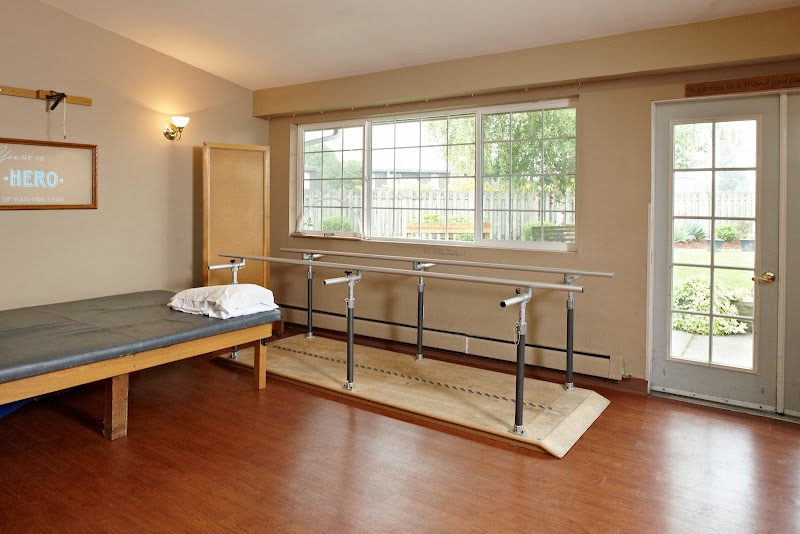
How is Avalon Healthcare - Tacoma Staffed?

CMS rates AVALON HEALTHCARE - TACOMA's staffing level at 3 out of 5 stars, which is average compared to other nursing homes.

What Have Inspectors Found at Avalon Healthcare - Tacoma?

State health inspectors documented 81 deficiencies at AVALON HEALTHCARE - TACOMA during 2023 to 2025. These included: 78 with potential for harm and 3 minor or isolated issues. While no single deficiency reached the most serious levels, the total volume warrants attention from prospective families.
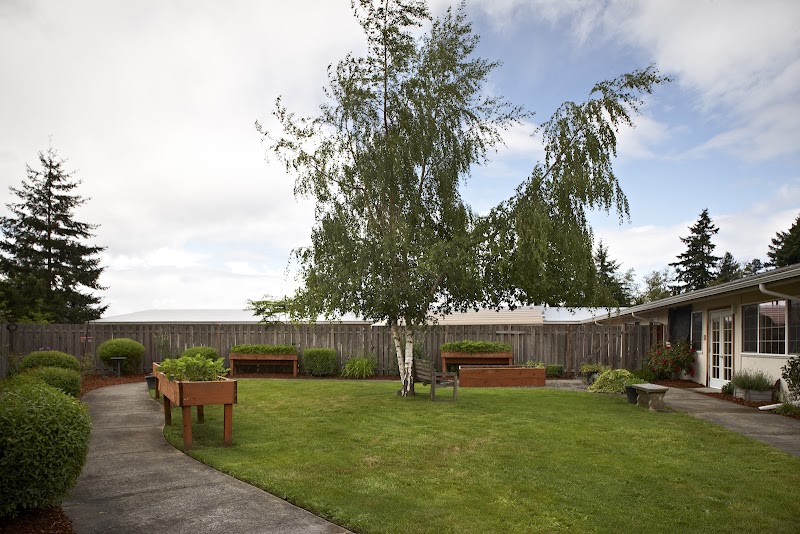
Who Owns and Operates Avalon Healthcare - Tacoma?

AVALON HEALTHCARE - TACOMA is owned by a for-profit company. For-profit facilities operate as businesses with obligations to shareholders or private owners. The facility is operated by AVAMERE, a chain that manages multiple nursing homes. With 81 certified beds and approximately 62 residents (about 77% occupancy), it is a smaller facility located in TACOMA, Washington.
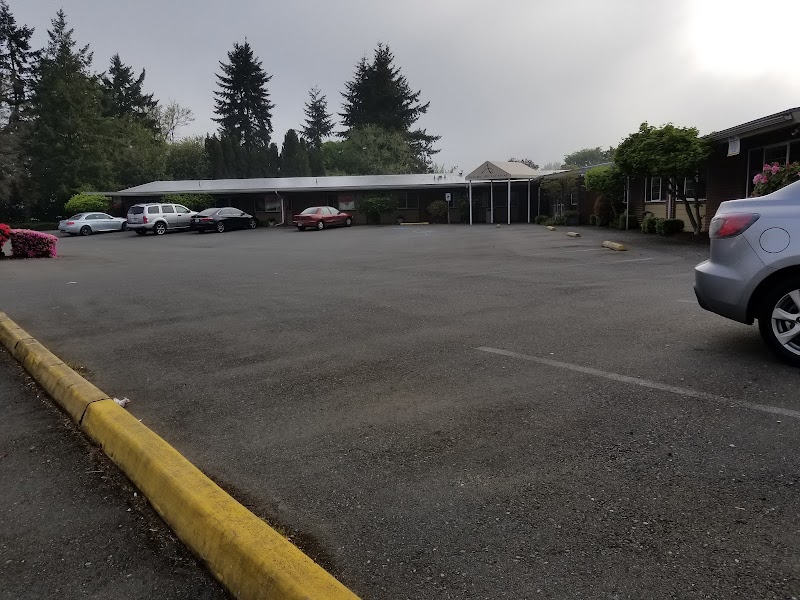
How Does Avalon Healthcare - Tacoma Compare to Other Washington Nursing Homes?

Compared to the 100 nursing homes in Washington, AVALON HEALTHCARE - TACOMA's overall rating (1 stars) is below the state average of 3.2 and health inspection rating (1 stars) is much below the national benchmark.

What Should Families Ask When Visiting Avalon Healthcare - Tacoma?

Based on this facility's data, families visiting should ask: "Can I visit during a mealtime to observe dining assistance and food quality?" "How do you handle medical emergencies, and what is your hospital transfer rate?" "Can I speak with family members of current residents about their experience?"

Is Avalon Healthcare - Tacoma Safe?

Based on CMS inspection data, AVALON HEALTHCARE - TACOMA has a clean safety record: no substantiated abuse findings (meaning no confirmed cases of resident harm), no Immediate Jeopardy citations (the most serious violation level indicating risk of serious injury or death), and is not on the Special Focus Facility watch list (a federal program monitoring the lowest-performing 1% of nursing homes). The facility has a 1-star overall rating and ranks #100 of 100 nursing homes in Washington. While no facility is perfect, families should still ask about staff-to-resident ratios and recent inspection results during their visit.

Do Nurses at Avalon Healthcare - Tacoma Stick Around?

AVALON HEALTHCARE - TACOMA has not reported staff turnover data to CMS. Staff turnover matters because consistent caregivers learn residents' individual needs, medications, and preferences. When staff frequently change, this institutional knowledge is lost. Families should ask the facility directly about their staff retention rates and average employee tenure.

Was Avalon Healthcare - Tacoma Ever Fined?

AVALON HEALTHCARE - TACOMA has no federal fines on record. CMS issues fines when nursing homes fail to meet care standards or don't correct problems found during inspections. The absence of fines suggests the facility has either maintained compliance or corrected any issues before penalties were assessed. This is a positive indicator, though families should still review recent inspection reports for the full picture.

Is Avalon Healthcare - Tacoma on Any Federal Watch List?

AVALON HEALTHCARE - TACOMA is not on any federal watch list. The most significant is the Special Focus Facility (SFF) program, which identifies the bottom 1% of nursing homes nationally based on persistent, serious quality problems. Not being on this list means the facility has avoided the pattern of deficiencies that triggers enhanced federal oversight. This is a positive indicator, though families should still review the facility's inspection history directly.