AVAMERE AT PACIFIC RIDGE
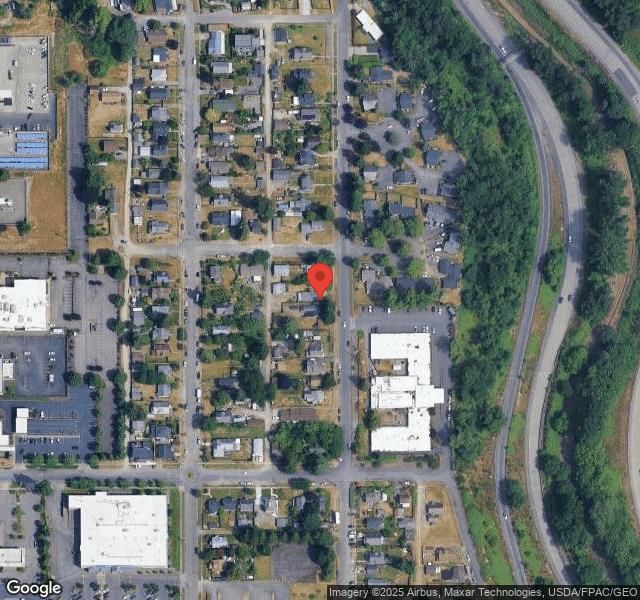
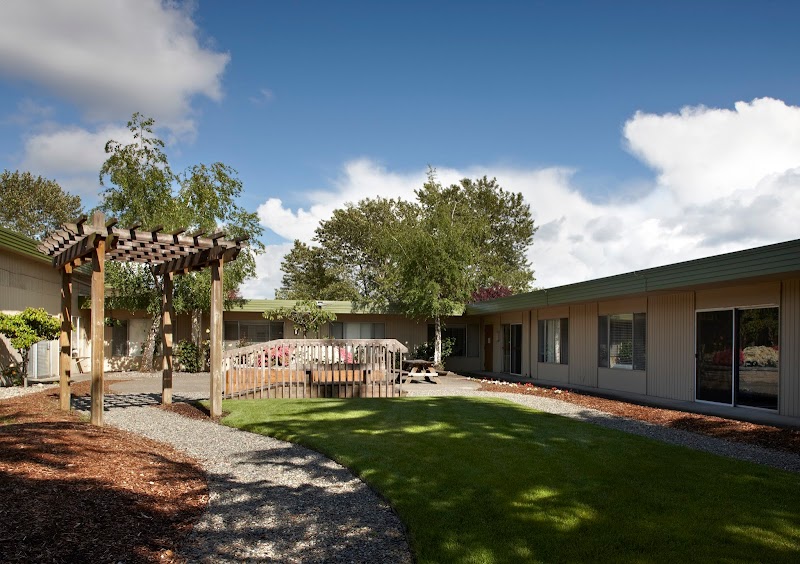
3625 EAST B STREET, TACOMA, WA 98404 (253) 475-2507
For profit - Corporation 102 Beds AVAMERE Data: November 2025
Trust Grade
20/100
#166 of 190 in WA
Last Inspection: March 2025

Within standard 12-15 month inspection cycle. Federal law requires annual inspections.

Overview

Avamere at Pacific Ridge has received a Trust Grade of F, indicating significant concerns about the care provided. With a state rank of #166 out of 190 facilities in Washington, they fall in the bottom half, and #18 out of 21 in Pierce County suggests limited local options that are better. The facility is worsening, with reported issues increasing from 15 in 2024 to 29 in 2025. Although staffing is rated average with a turnover rate of 54%, the RN coverage is concerning, as it is lower than 98% of state facilities, which raises alarms about the quality of care. Notably, there have been serious incidents, including a resident who suffered aspiration pneumonia due to improper tube feeding and another who fell and fractured a shoulder because the required two-person assistance was not provided. While there are some average staffing metrics, the overall quality and safety concerns present significant risks for residents.

Trust Score
F
20/100
In Washington
#166/190
Bottom 13%
Safety Record
High Risk
Review needed
Inspections
Getting Worse
15 → 29 violations
Staff Stability
⚠ Watch
54% turnover. Above average. Higher turnover means staff may not know residents' routines.
Penalties
✓ Good
$57,783 in fines. Lower than most Washington facilities. Relatively clean record.
Skilled Nurses
○ Average
Each resident gets 31 minutes of Registered Nurse (RN) attention daily — about average for Washington. RNs are the most trained staff who monitor for health changes.
Violations
⚠ Watch
76 deficiencies on record. Higher than average. Multiple issues found across inspections.
★☆☆☆☆
1.0
Overall Rating
★★★☆☆
3.0
Staff Levels
★★★☆☆
3.0
Care Quality
★☆☆☆☆
1.0
Inspection Score
Stable
2024: 15 issues
2025: 29 issues

The Good

  • Full Sprinkler Coverage · Fire safety systems throughout facility
  • No fines on record

Facility shows strength in fire safety.

The Bad

1-Star Overall Rating

Below Washington average (3.2)

Significant quality concerns identified by CMS

Staff Turnover: 54%

Near Washington avg (46%)

Higher turnover may affect care consistency

Federal Fines: $57,783

Above median ($33,413)

Moderate penalties - review what triggered them

Chain: AVAMERE

Part of a multi-facility chain

Ask about local staffing decisions and management

The Ugly 76 deficiencies on record

2 actual harm
May 2025 1 deficiency
CONCERN (D) 📢 Someone Reported This

A family member, employee, or ombudsman was alarmed enough to file a formal complaint

Potential for Harm - no one hurt, but risky conditions existed

Deficiency F0627 (Tag F0627)

Could have caused harm · This affected 1 resident

**NOTE- TERMS IN BRACKETS HAVE BEEN EDITED TO PROTECT CONFIDENTIALITY** Based on interview and record review, the facility failed to develop a discharge plan that addressed all of the needs for a resi...

Read full inspector narrative →
**NOTE- TERMS IN BRACKETS HAVE BEEN EDITED TO PROTECT CONFIDENTIALITY** Based on interview and record review, the facility failed to develop a discharge plan that addressed all of the needs for a resident being discharged for 1 of 3 sample residents (Resident 1) reviewed for discharge process. This failure allowed a discharge plan to be implemented that did not address Resident 1's need for a CPAP (Continuous Positive Air Pressure device, a breathing therapy device that delivers air to a mask to ensure consistent breathing), and a shower chair and placed residents at risk of unsafe discharges. Findings included The facility policy, dated 09/2002, Discharge Planning Skilled Nursing Facility, noted that, when discharge from the facility was anticipated, Social Services staff would to interview the resident, responsible party, caregiver, and appropriate interdisciplinary team members to discern discharge needs such as equipment, supplies, etc. and then would arrange or assist in arranging for the services and make notifications of services arranged. The policy also noted that the Resident Care Manager (RCM) or charge nurse would notify the physician of the anticipated discharge and any home health, supply, or equipment needs to obtain appropriate discharge orders. Resident 1 was admitted to the facility on [DATE], with diagnoses to include sleep apnea (a condition that affects breathing while asleep). The resident's comprehensive assessment dated [DATE] showed the resident was cognitively intact and required moderate assistance of one staff member for activities of daily living. Review of Resident 1's admission orders showed that Resident 1 used a CPAP device and included the settings to be used on the CPAP device while the resident was in the facility. Review of Resident 1's record showed an order dated 04/21/2025 at 8:03 PM, that called for oxygen to be used by nasal cannula (tubing), as needed, for low oxygen saturation levels of below 90%, and to be discontinued when the resident's CPAP device arrived at the facility. Review of Resident 1's Treatment Administration Orders for April and May 2025 included an order, dated 04/28/2025 at 9:52 PM, for the resident's CPAP to be used at bedtime related to obstructive sleep apnea. Review of Resident 1's record documented that Resident 1 used the CPAP nightly from 04/28/2025 until the resident discharged on 05/05/2025. Review of Resident 1's record showed Resident 1 had a planned discharge to an Adult Family home on [DATE]. Review of the Discharge Summary and Plan dated 05/07/2025, did not discuss Resident 1's need for and use of the CPAP and shower chair and were not ordered. On 05/14/2025 at 8:13 AM, a Collateral Contact (CC-1) said the facility was supposed to make arrangements for a CPAP and a shower chair before Resident 1 discharged . CC-1 said they found out that no arrangements had been made and the resident had been discharged without a CPAP or a shower chair. On 05/14/2025 at 12:35 PM, Staff C, a Licensed Nurse and the Resident Care Manager (RCM) for Resident 1, said the facility social worker ordered the durable medical equipment for residents who discharged . Staff C said they did not know if the vendor did not have it or if it was on back order. Staff C said they saw emails that the CPAP and the shower chair did not go with the resident. Staff C did not know what had happened with that, and indicated Surveyor would have to talk to Social Services staff. On 05/14/2025 at 1:55 PM, Staff D, Social Services Director, said Social Services usually ordered the equipment that was identified as needed and that the order for the shower chair had just been missed. Staff D said they thought Nursing had ordered the CPAP, the resident needed it, and did not know why one had not arrived. Staff D said they were taking care of it and had met with Resident 1's provider and were getting it ordered. On 05/14/2025 at 2:25 PM, when asked, Staff B said the expectation is that residents should have everything they need in place, including medical equipment, when they discharged . On 05/14/2025 at 2:30 PM, Staff A, the facility Administrator, said facility staff had been reviewing processes for improvement. Reference WAC 388-97-0080 .
Mar 2025 27 deficiencies
CONCERN (D)

Potential for Harm - no one hurt, but risky conditions existed

Deficiency F0552 (Tag F0552)

Could have caused harm · This affected 1 resident

**NOTE- TERMS IN BRACKETS HAVE BEEN EDITED TO PROTECT CONFIDENTIALITY** . Based on interview and record review, the facility failed to have signed consent prior to administering mood altering medicati...

Read full inspector narrative →
**NOTE- TERMS IN BRACKETS HAVE BEEN EDITED TO PROTECT CONFIDENTIALITY** . Based on interview and record review, the facility failed to have signed consent prior to administering mood altering medication for 1 of 5 sampled residents (Resident 66) when reviewed for unnecessary medications use. This failure placed the resident or their legal representatives at risk of receiving medication without knowledge to make informed decision regarding the use of the medication, adverse side effects, and a diminished quality of life. Findings included . Review of the electronic health record (EHR) showed Resident 66 was admitted to the facility on [DATE] with diagnoses to include major depression, altered mental status, and dementia (brain function impairment with memory and judgment loss). Resident 66 was not able to communicate needs. Review of the medication administration record for the month of March 2025 showed an order dated 02/28/2025 for Divalproex (mood stabilizer medication) twice a day. Resident 66 was administered the medication 03/01/2025 through 03/26/2025 for violent behavior. Review of the Resident 66's EHR showed no consent was completed or in place for the use of Divalproex. During an interview on 03/27/2025 at 9:23 AM, Staff D, Registered Nurse/Resident Care Manager, reviewed the EHR for Resident 66 and was not able to find a consent for Divalproex. Staff D stated Resident 66 should have informed consent prior to the administration of the medication. During an interview on 03/27/2025 at 9:28 AM, Staff C, Corporate Registered Nurse, stated Resident 66's lack of consent for mood stabilizing medication did not meet expectations. Reference WAC 388-97-0300(3)(a) .
CONCERN (D)

Potential for Harm - no one hurt, but risky conditions existed

Deficiency F0578 (Tag F0578)

Could have caused harm · This affected 1 resident

**NOTE- TERMS IN BRACKETS HAVE BEEN EDITED TO PROTECT CONFIDENTIALITY** . Based on interview and record review, the facility failed to obtain an advanced directive (AD, a legal document that establish...

Read full inspector narrative →
**NOTE- TERMS IN BRACKETS HAVE BEEN EDITED TO PROTECT CONFIDENTIALITY** . Based on interview and record review, the facility failed to obtain an advanced directive (AD, a legal document that establishes a representative to make medical decisions when you and unable to) and/or perform periodic reviews of AD for 1 of 3 sampled residents (Resident 24) when reviewed for AD. This failure placed the resident at risk of not having an established decisionmaker, lack of ability to direct care, and a diminished quality of life. Findings included . Review of the electronic health record (EHR) showed Resident 24 initially admitted to the facility on [DATE] with diagnoses that included depression and anxiety disorder. Resident 32 was able to make needs known. Review of the Comprehensive Plan of Care Review form, with an effective date of 05/02/2024, showed Resident 24 had no AD in place, did not wish to formulate an AD, and declined assistance with executing an AD. Review of Resident 24's Care Conference Information forms, dated 10/17/2024 and 12/19/2024, showed both forms were marked Yes, for having an AD; however, there was no documented discussion related to AD. Review of the current focused Advanced Directive care plan, initiated on 08/04/2020 revised on 04/25/2023, showed Resident 24 did not wish to establish an advanced directive at that time. A care plan intervention, dated 08/23/2022, showed to review AD with Resident 24 quarterly and as needed with any change in condition. This care plan did not show that Resident 24 had an AD in place. During an interview on 03/27/2025 at 1:36 PM, Staff G, Social Services Director (SSD), stated Resident 24 did not have an AD in place and documentation during care conferences on 10/17/2024 and 12/19/2024 did not show that AD was discussed. Staff G stated periodic review of Resident 24's AD was not documented, and this did not meet expectations. During an interview on 03/27/2025 at 2:03 PM, Staff A, Administrator, stated new residents and/or the responsible party were asked to provide a copy of AD upon admission to the facility and/or were asked if they would like to establish an AD, provided AD information, and assist to formulate an AD as needed. Staff A stated AD was to be reviewed upon admission, during quarterly care conferences, and as needed. Staff A stated they were not aware that Resident 24 did not have an AD and/or did not have documented quarterly review of AD during care conferences, and this did not meet expectations. Reference WAC 388-97-0280 (3)(c)(i-ii), -0300 (1)(b), (3)(a-c) .
CONCERN (D)

Potential for Harm - no one hurt, but risky conditions existed

Deficiency F0604 (Tag F0604)

Could have caused harm · This affected 1 resident

**NOTE- TERMS IN BRACKETS HAVE BEEN EDITED TO PROTECT CONFIDENTIALITY** . Based on observation, interview, and record review, the facility failed to conduct an assessment and signed consent for the us...

Read full inspector narrative →
**NOTE- TERMS IN BRACKETS HAVE BEEN EDITED TO PROTECT CONFIDENTIALITY** . Based on observation, interview, and record review, the facility failed to conduct an assessment and signed consent for the use of low bed, bed next to the wall and tilt in space wheelchair for 1 of 2 sampled residents (Resident 38) when reviewed for use of physical restraints. This failure placed the resident at risk for injury, unmet needs, and diminished quality of life. Findings included . Review of the electronic health record (EHR) showed Resident 38 was admitted to the facility on [DATE] with diagnoses to include dementia (brain function impairment with memory and judgment loss), dislocation of internal left hip prosthesis (an artificial body part), and depression. Review of the admission minimum data set (MDS, an assessment tool), dated 12/24/2024, showed Resident 38 was a high fall risk and required assistance of staff for mobility. Resident 38 was not able to communicate their needs. Observation on 03/25/2025 at 1:40 PM, showed Resident 38 in their room sitting in tilt in space wheelchair with their upper body reclined back. Observation on 03/25/2025 at 2:29 PM, showed Resident 38 in a low bed and the bed was next to the wall blocking access and movement to the right side of their body. Observation on 03/26/2025 at 9:04 AM, showed Resident 38 laying on the low bed next to the wall. Review of Resident 38's care plan showed focus area for high risk for falls, date initiated 12/17/2024 and revised on 03/25/2025, which showed interventions for bed against the wall and keep the bed in lowest position. Review of Resident 38's EHR showed no assessment and consent for the low bed, bed by the wall and tilt in space wheelchair. During an interview on 03/26/2025 at 9:24 AM, Staff EE, Licensed Practical Nurse, stated low bed, bed by the wall, and tilt in space wheelchair could be used as a restraint and should have an assessment and consent prior to use. During an interview on 03/27/2025 at 9:10 AM, Staff C, Corporate Registered Nurse, stated the expectations for low bed, bed by the wall, and tilt in space wheelchair were to be assessed and consented prior to their use. Staff C stated Resident 38's lack of consent and assessment for use of low bed, bed by the wall, and tilt in space wheelchair did not meet expectation. Reference WAC 388-97-0620(1) .
CONCERN (D)

Potential for Harm - no one hurt, but risky conditions existed

MDS Data Transmission (Tag F0640)

Could have caused harm · This affected 1 resident

**NOTE- TERMS IN BRACKETS HAVE BEEN EDITED TO PROTECT CONFIDENTIALITY** . Based on interview and record review, the facility failed to transmit resident minimum data set (MDS, an assessment tool) to t...

Read full inspector narrative →
**NOTE- TERMS IN BRACKETS HAVE BEEN EDITED TO PROTECT CONFIDENTIALITY** . Based on interview and record review, the facility failed to transmit resident minimum data set (MDS, an assessment tool) to the Centers for Medicare & Medicaid Service (CMS) within the required timeframe for 1 of 19 sampled residents (Resident 53) when reviewed for MDS timeliness in transmission/submission. This failure to ensure MDS assessment and tracking records were completed and transmitted timely as required placed the resident at risk for unmet care needs and diminished quality of life. Findings included . Review of the electronic health record (EHR) showed Resident 53 was admitted to the facility on [DATE] and discharged from the facility on 12/19/2024. Review of the MDS section in the EHR showed Resident 53 had Medicare-5 Day MDS dated [DATE] completed but not submitted to CMS, and a discharge MDS dated [DATE] was completed but not submitted to CMS. During an interview on 03/27/2025 at 3:13 PM, Staff JJ, Registered Nurse/MDS Nurse, stated the facility transmitted MDS once a week to CMS, and was not sure why Resident 53's MDS were not submitted. During an interview on 03/27/2025 at 3:23 PM, Staff K, Registered Nurse/Regional Reimbursement Analyst, stated some residents were missed and the facility was doing an audit. During an interview on 03/27/2025 at 3:25 PM, Staff C, Corporate Registered Nurse, stated Resident 53's MDS data not being transmitted to CMS did not meet expectation. Reference WAC 388-97-1000(4)(b), (5)(b) .
CONCERN (D)

Potential for Harm - no one hurt, but risky conditions existed

Assessment Accuracy (Tag F0641)

Could have caused harm · This affected 1 resident

**NOTE- TERMS IN BRACKETS HAVE BEEN EDITED TO PROTECT CONFIDENTIALITY** . Based on interview and record review, the facility failed to ensure the minimum data set (MDS, a required assessment tool) acc...

Read full inspector narrative →
**NOTE- TERMS IN BRACKETS HAVE BEEN EDITED TO PROTECT CONFIDENTIALITY** . Based on interview and record review, the facility failed to ensure the minimum data set (MDS, a required assessment tool) accurately reflected a weight loss of 10 percent or more in six months for 1 of 3 sampled residents (Resident 24) when reviewed for nutrition. This failure placed the resident at risk for unmet care needs and a diminished quality of life. Findings included . Review of the electronic health record (EHR) showed Resident 24 readmitted to the facility on [DATE] with diagnoses that included malnutrition (the body does not get the right amount or type of nutrients it needs to function properly), anxiety disorder, and depression. Resident 24 was able to make needs known. During an interview on 03/25/2025 at 9:17 AM, Resident 24 stated the food did not taste good and they thought they were losing weight because they did not eat enough. Review of Resident 24's EHR showed on 08/07/2024 the resident weighed 124.6 pounds (lbs.) and on 02/11/2025 the resident weighed 110.0 lbs., which was a 11.72 % weight loss in six months. Review of the quarterly MDS, dated [DATE], showed Resident 24's weight was 110.0 lbs. and documented there was no or unknown weight loss of 10% or more in the last six months. During an interview on 03/27/2025 at 10:44 AM, Staff K, Registered Nurse/Regional Reimbursement Analyst, stated Resident 24's quarterly MDS dated [DATE] was inaccurately coded for weight loss. Staff K stated Resident 24 had a significant weight loss. During an interview on 03/27/2025 at 11:06 AM, Staff C, Corporate Registered Nurse, stated Resident 24's significant weight loss should have been captured in the quarterly MDS dated [DATE]; however, that did not happen. Reference WAC 388-97-1000(1)(b) .
CONCERN (D)

Potential for Harm - no one hurt, but risky conditions existed

Comprehensive Care Plan (Tag F0656)

Could have caused harm · This affected 1 resident

**NOTE- TERMS IN BRACKETS HAVE BEEN EDITED TO PROTECT CONFIDENTIALITY** . Based on observation, interview, and record review, the facility failed to develop comprehensive care plans for 2 of 19 sample...

Read full inspector narrative →
**NOTE- TERMS IN BRACKETS HAVE BEEN EDITED TO PROTECT CONFIDENTIALITY** . Based on observation, interview, and record review, the facility failed to develop comprehensive care plans for 2 of 19 sampled residents (Residents 10 and 7) when reviewed for comprehensive care plans. Failure to care plan Resident 10's fall preventions and Resident 7's range of motion services placed residents at risk of avoidable injury, loss of movement, and a diminished quality of life. Findings included . Resident 10 Review of the electronic health record (EHR) showed Resident 10 admitted to the facility on [DATE] with diagnoses of hemiplegia (loss of movement on one side), diabetes (too much sugar in the blood), and deafness. Resident 10 was able to make needs known. Review of the facility's incident log from October 2024 to March 2025 showed Resident 10 had fallen on 10/08/2024, 12/01/2024, and 12/15/2024. Review of the incident reports for the falls on 10/08/2024, 12/01/2024, and 12/15/2024 showed new fall interventions to reduce reoccurrence of falls had been developed after each. Review of Resident 10's 02/04/2022 initiated care plan showed no focus area related to falls and did not include the fall interventions developed after the 10/08/2024, 12/01/2024, and 12/15/2024 falls. During an interview on 03/27/2025 at 2:13 PM, Staff H, Licensed Practical Nurse/Resident Care Manager (LPN/RCM), stated facility staff were aware of what fall interventions to use by checking the care plan. Staff H stated Resident 10 had recently had a series of falls and the fall interventions drafted after those falls should be documented in the resident's care plan. Staff H stated Resident 10 did not have a care plan for falls and this did not meet expectation. During an interview on 03/27/2025 at 2:46 PM, Staff C, Corporate Registered Nurse, stated all fall interventions should be included on the care plan, so staff were aware of them. Staff B stated Resident 10 did not have a care plan for fall prevention and this did not meet expectation. Resident 7 Review of the EHR showed Resident 7 admitted to the facility on [DATE] with diagnoses to include cerebral palsy (congenital disorder of movement, muscle tone and posture), anxiety, depression, and contracture of muscles (permanent tightening of muscles). Resident 7 was able to communicate needs. Observation and interview on 03/24/2025 at 3:08 PM showed Resident 7 lying in bed in their room with fingers on both hands appeared rigid, curled inward towards palms, with some fingers overlapping on top of other fingers. Resident 7 stated staff did not do anything for their hands. Review of Resident 7's care plan initiated on 10/06/2022 showed multiple focus areas for contractures without any interventions for managing the contractures or range of motion plan to assist in preventing deterioration. During an interview on 03/27/2025 at 1:15 PM, Staff BB, Director of Rehabilitation, stated Resident 7 had worked with occupational therapy and had hand splints but Resident 7 declined to use them, and this should have been added to the care plan. During an interview on 03/27/2025 at 1:45 PM, Staff C, Corporate Registered Nurse, stated residents admitted to the facility with contractures should have services set up to maintain functions and should be addressed in the care plan. Staff C stated Resident 7's care plan did not meet expectation. Reference WAC 388-97-1020(1),(2)(a)(b) .
CONCERN (D)

Potential for Harm - no one hurt, but risky conditions existed

Deficiency F0657 (Tag F0657)

Could have caused harm · This affected 1 resident

**NOTE- TERMS IN BRACKETS HAVE BEEN EDITED TO PROTECT CONFIDENTIALITY** . Based on interview and record review, the facility failed to ensure a resident's care plan was revised and accurately reflecte...

Read full inspector narrative →
**NOTE- TERMS IN BRACKETS HAVE BEEN EDITED TO PROTECT CONFIDENTIALITY** . Based on interview and record review, the facility failed to ensure a resident's care plan was revised and accurately reflected the resident's care needs for 1 out of 19 sampled residents (Resident 24) when reviewed for care planning and revision of care plans. This failure placed the resident at risk for unmet care needs, medical complications, inaccurate care plan documentation, and a diminished quality of life. Findings included . Review of the electronic health records (EHR) showed Resident 24 readmitted to the facility on [DATE] with diagnoses to include anxiety disorder, depression, psychotic disorder (mental health condition that causes abnormal thinking and perceptions) and malnutrition (the body does not get the right amount or type of nutrients it needs to function properly). Resident 24 was able to make needs known. Review of the focused care plan initiated on 09/26/2024 showed Resident 24 was on an antipsychotic medication related to dementia (a group of thinking and social symptoms that interferes with daily functioning) with psychosis [psychotic disorder]. Review of the focused care plan, initiated on 01/21/2021, showed Resident 24 had a nutritional problem that included it was related to dementia. It showed an intervention initiated on 02/17/2025 for an oral nutritional supplement of house med-pass (a fortified nutritional shake that provides extra calories and proteins) twice a day and to monitor and record amount consumed. Review of the form titled Psychotropic Drug and Behavior Review, with an effective date of 02/19/2025, showed the interdisciplinary team (IDT, a group of professionals from different disciplines who work together to achieve a common goal) recommendations included that Resident 24's diagnosis of dementia was removed, per mental health professional. During an interview on 03/26/2025 at 2:31 PM, Staff H, Licensed Practical Nurse/Resident Care Manager (LPN/RCM), stated Resident 24's care plan did not meet expectation because the diagnosis of dementia should have been removed from the focused care plans for antipsychotic medication and nutritional problem. Staff H stated Resident 24's care plan needed to be revised. During an interview on 03/26/2025 at 2:39 PM, Staff C, Corporate Registered Nurse, stated Resident 24's care plans for antipsychotic medication and nutritional problem should not have included the diagnosis of dementia. Staff C stated Resident 24's care plans needed to be revised. Review of the medication administration record (MAR) dated February 2025 showed Resident 24 had an order with a start date of 02/17/2025 for house med-pass two times a day and to document milliliters (ml.) consumed. Documentation showed Resident 24 refused to take the house med-pass and the order was discontinued on 02/24/2025. Review of Resident 24's provider orders on 03/25/2025 showed no order for house med pass. During an interview on 03/27/2025 at 9:33 AM, Staff H, LPN/RCM, stated care plans were to be revised with a change in condition and/or as needed. Staff H stated Resident 24 did not have an order for house med-pass and the care plan needed to be revised and that intervention removed. During an interview on 03/27/2025 at 10:15 AM, Staff C, Corporate Registered Nurse, stated care plans were to be revised on a quarterly basis, with a change of condition, and as needed. Staff C stated Resident 24 did not have a provider order for house med-pass and if the order had been discontinued then it should have been removed from the care plan when order was discontinued, and this did not meet expectations. Review of the MAR dated March 2025 from 03/01/2025 - 03/26/2025 showed Resident 24 was prescribed an anticoagulant (AC, prevent blood from clotting) medication with a start date of 02/11/2025 every evening related to atrial fibrillation (an irregular heart rate). Documentation showed Resident 24 was administered the AC per provider's order. Review of Resident 24's current care plan on 03/27/2025 showed no documentation of anticoagulant medication use or interventions to monitor for side effects. During an interview on 03/27/2025 at 9:29 AM, Staff H, LPN/RCM, stated Resident 24's care plan should have been revised when the order for AC medication was obtained. Staff H stated Resident 24's care plan needed to be revised to include the use of AC medication and to monitor for side effects. During an interview on 03/27/2025 at 10:26 AM, Staff C, Corporate Registered Nurse, stated residents with orders for AC medications should be care planned and be monitored for side effects. Staff H stated Resident 24's care plan was missing AC medication use and monitoring of side effects and this did not meet expectations. Reference WAC 388-97-1020 2(c)(d), 5(b) .
CONCERN (D)

Potential for Harm - no one hurt, but risky conditions existed

Deficiency F0658 (Tag F0658)

Could have caused harm · This affected 1 resident

**NOTE- TERMS IN BRACKETS HAVE BEEN EDITED TO PROTECT CONFIDENTIALITY** Resident 59 Resident 59 admitted to the facility on [DATE] with diagnoses that included dementia (a group of symptoms affecting ...

Read full inspector narrative →
**NOTE- TERMS IN BRACKETS HAVE BEEN EDITED TO PROTECT CONFIDENTIALITY** Resident 59 Resident 59 admitted to the facility on [DATE] with diagnoses that included dementia (a group of symptoms affecting memory and thinking), cerebral infarct (stroke), encephalopathy (a change in how the brain functions), and altered mental status. The admission MDS, dated [DATE], showed Resident 59 had confusion and poor memory recall, but could usually understand others. Observation on 03/24/2025 at 2:43 PM showed Resident 59 was being monitored one-on-one (1:1) by staff. Review of the EHR showed on 03/23/2025 Resident 59 was placed on 1:1 for new behaviors and suicidal statements. Review of the provider note, dated 03/23/2025, showed Resident 59 was distraught, at times wanting to die. Ativan (an anti-anxiety medication) was ordered every six hours as needed and a provider would see Resident 59 in the morning. Review of the progress note, dated 03/23/2025 at 6:02 PM, showed Resident 59's family member was notified of new behaviors and suicidal statement. There was no note by a nurse showing the resident's behavior, statements, a 1:1 being started, or initiation of alert charting. Review of the provider note, dated 03/24/2025, showed Resident 59 was seen by the provider and the order for Ativan was continued. Review of the progress note, dated 03/24/2025 at 7:42 PM, showed an alert charting note for the 1:1 status. The progress note was completed over 24 hours after the first nurse's note about the resident's behaviors or suicidal statement. Review of the progress note, dated 03/25/2025 at 7:24 PM, showed Resident 59 continued on a 1:1 and no behaviors were noted. This was over 23 hours since the last alert note in the chart. Review of the care plan on 03/25/2025 showed the care plan had not been updated since his new suicidal statements and being placed on a 1:1. During an interview on 03/26/2025 at 10:10 AM, Staff Z, Certified Nursing Assistant (CNA), stated they were told Resident 59 was on a 1:1 because the resident was showing signs of depression. Staff Z stated the staff was supporting the resident's emotional needs by continuing the 1:1. During an interview on 03/26/2025 at 2:45 PM, Staff D, RN/RCM, stated alert charting should be completed every shift. Staff D stated the care plan should have been updated. During an interview on 03/27/2025 at 10:08 AM, Staff C, Corporate Registered Nurse, stated their expectation was for staff to complete alert charting on an every shift basis and update the care plan when a change occurred with a resident. Resident 19 Review of the electronic health record showed Resident 19 admitted to the facility on [DATE] with diagnoses that included hemiplegia and hemiparesis (complete paralysis or weakness) of left side, dementia, and atrial fibrillation. Resident 19 was able to make needs known. Review of the EHR showed a provider's order dated 04/02/2024 for Metoprolol 25 mg to give 0.5 tablet by mouth once daily. The order specified to hold the medication for SBP less than 100 or pulse less than 60 and notify provider. Review of the EHR showed a provider's order, dated 05/22/2024, for the blood pressure medication Lisinopril 40 milligram (mg) give one tablet by mouth once daily. The order specified to hold the medication for systolic blood Pressure (SBP, the top number) less than 100 or if pulse less than 60 and notify provider. Review of the March 2025 MAR showed on 03/03/2025, 03/10/2025 and 03/18/2025 Resident 19's pulse was assessed below 60 and the Lisinopril 40 mg was not held as directed and the provider was not notified. On 03/04/2025 and 03/18/2025 Resident 19's pulse was assessed below 60 and the Metoprolol 25 mg was not held as directed and the provider was not notified. During an interview on 03/27/2025 at 10:38 AM, Staff H, LPN/RCM, stated the expectation was LN staff should have followed the provider's order as directed. During an interview on 03/27/2025 at 11:58 AM, Staff C, Corporate Registered Nurse, stated the expectation was staff should have held the medication and contacted the provider. Reference WAC 388-97 -1620(2)(b)(i)(ii),(6)(b)(i) Resident 10 Review of the EHR showed Resident 10 admitted to the facility on [DATE] with diagnoses of hemiplegia (loss of movement on one side), diabetes (too much sugar in the blood), and deafness. Resident 10 was able to make needs known. Review of provider's orders showed Resident 10 was prescribed oxycodone (a narcotic pain medication) as needed (PRN) for pain 7-10, dated 10/15/2024, and acetaminophen (an over-the-counter pain medication), dated 10/17/2024, PRN. Review showed there was no parameters for when to administer the acetaminophen and there were no orders to provide nonpharmacological interventions (NPI) prior to providing either pain medication. Review of the November 2024 MAR showed Resident 10 received oxycodone with less than 7-10 pain on 7 of 12 occasions, was not offered NPI, and acetaminophen was not provided. Review of the December 2024 MAR showed Resident 10 received oxycodone with less than 7-10 pain on 1 of 4 occasions, was not offered NPI, and acetaminophen was not provided. Review of the February 2024 MAR showed Resident 10 received oxycodone with less than 7-10 pain on 1 of 1 occasion, was not offered NPI, and acetaminophen was not provided. During an interview on 03/27/2025 at 10:29 AM, Staff H, LPN/RCM, stated PRN pain medications should be provided after offering NPI and within the parameters associated with the order. Staff H stated Resident 10 was prescribed two PRN pain medications but did not have an order for NPI. Staff H stated Resident 10 was provided PRN pain medications outside of parameters and without offering NPI, and this did not meet expectation. During an interview on 03/27/2025 at 10:48 AM, Staff C, Corporate Registered Nurse, stated NPI should be offered prior to residents receiving PRN pain medications and these medications should be given within the provided parameters. Staff B stated Resident 10 receiving PRN pain medications without NPI and outside of provider's parameters did not meet expectation. Resident 24 Review of the EHR showed Resident 24 readmitted to the facility on [DATE] with diagnoses that included rheumatoid arthritis (a chronic/long lasting disease-causing pain, swelling, and stiffness of the joints), anxiety disorder, and atrial fibrillation (an irregular heart rate). Resident 24 was able to make needs known. Review of the provider order, dated 02/11/2025, showed Resident 24 was prescribed oxycodone immediate release (used to treat severe, acute/sudden pain) every eight hours as needed for pain management related to chronic pain. It showed to hold the medication for sedation (a state of reduced consciousness/awareness), and a respiratory rate of less than 12. Review of the provider order, dated 02/11/2025, showed Resident 24 was prescribed the medication rivaroxaban (an anticoagulant/blood thinner) in the evening related to atrial fibrillation. Review of the March 2025 MAR from 03/01/2025 - 03/24/2025 showed Resident 24 received the as needed oxycodone one to three times a day for a total of 50 times and there were no documented respiratory rates or NPI documented prior to providing the medications. Review showed Resident 24 received anticoagulant medication per provider orders; however, there was no documentation to show side effects for this medication was being monitored. Review of Resident 24's March 2025 treatment administration record (TAR) from 03/01/2025 - 03/24/2025 showed no documentation to monitor for side effects related to anticoagulant medication use. During an interview on 03/26/2025 at 9:49 AM, Staff H, LPN/RCM, stated Resident 24's March 2025 MAR showed the resident received as needed oxycodone; however, NPI were not documented as offered and respiratory rates were not monitored and documented prior to giving the PRN pain medication. Staff H stated this did not meet expectations. During an interview on 03/27/2025 at 10:26 AM, Staff C, Corporate Registered Nurse, stated Resident 24's March 2025 MAR and/or TAR should have had NPI and monitoring for sedation and respiratory rate documented prior to providing as needed pain medication and this did not meet expectations. During an interview on 03/26/2025 at 10:21 AM, Staff H, LPN/RCM, stated residents receiving anticoagulant medications were to have side effects monitored and documented in the TAR. Staff H stated Resident 24 received anticoagulant medications; however, the monitoring must have got missed because side effects were not being monitored on the March 2025 TAR and should have been. During an interview on 03/27/2025 at 10:26 AM, Staff C, Corporate Registered Nurse, stated Resident 24's side effect for anticoagulant medication use was not being monitored on the March 2025 MAR or TAR, and they should have been. Based on observation, interview, and record review, the facility failed to ensure services provided met professional standards for 5 of 19 residents (Residents 5, 10, 24, 59, and 19) when reviewed for care and services. The facility failed to notify a provider (Resident 5), to follow provider parameters (Residents 10 and 19), to provide nonpharmacological interventions (Residents 10 and 24), to document alert charting (Resident 59), and to monitor for side effects (Resident 24). These failures placed residents at risk for unmet care needs, avoidable side effects, and a diminished quality of life. Findings included . According to the Lippincott Manual of Nursing Practice, Tenth Edition ([NAME], [NAME] & [NAME], 2014, page 16), The practice of professional nursing has standards of practice setting minimum levels of acceptable performance for which its practitioners are accountable. According to [NAME], Duell & [NAME], Clinical Nursing Skills, 6th Edition, page 4, Nurse Practice Act identified skills and functions that professional nurses perform in daily practice included, in part, to administer treatments per physician's orders. The Washington State Nurse Practice Act, WAC 246-840-710(2)(d), states nurses violate standards of practice by, Willfully or repeatedly failing to administer medications and/or treatments in accordance with nursing standards. Resident 5 Review of Resident 5's quarterly minimum data set (MDS, a required assessment tool), dated 03/11/2025, showed Resident 5 readmitted on [DATE] with multiple health conditions including Alzheimer's (a progressive disorder that primarily affects memory, thinking, and reasoning skills, leading to a decline in cognitive function and eventually impacting daily activities), dementia, depression, and diabetes. The electronic health record (EHR) showed the resident was able to make their needs known. Review of Resident 5's current focus care plan, dated 03/03/2023, showed the resident had diabetes mellitus. Interventions included for licensed staff to administer diabetic medication as ordered by the provider and to monitor and document for side effects and effectiveness. In addition, LNs were to report to the provider, when necessary, signs and symptoms of hypoglycemia (low blood sugar). Review of Resident 5's current providers orders showed licensed staff were to administer Lantus (an insulin) subcutaneous (under the skin) 20 units one time a day for diabetes. The February 2025 and March 2025 medication administration record (MAR) showed multiple dates that the LNs had held the Lantus medication when the resident's blood glucose test was recorded as being below 100, on the following dates: 02/27/2025- 77, 03/11/2025- 81, 03/13/2025- 84, 03/20/2025- 79, 03/22/2025- 84, and 03/23/2025- 92. The LNs had documented they had held the medication; however, the EHR showed no documentation the provider was notified. During an interview on 03/26/2025 at 1:01 PM, Staff H, Licensed Practical Nurse/Resident Care Manager (LPN/RCM), stated it was their expectation if the LNs were holding the Lantus insulin medication for a low blood glucose then the provider should be contacted and it was documented in the EHR. During an interview on 03/2/2025 at 1:16 PM, Staff C Registered Nurse/ Corporate stated it was their expectation the provider would be notified, and a progress note was documented by the LN in the residents EHR, if the resident had a low blood glucose reading.
CONCERN (D)

Potential for Harm - no one hurt, but risky conditions existed

Deficiency F0679 (Tag F0679)

Could have caused harm · This affected 1 resident

**NOTE- TERMS IN BRACKETS HAVE BEEN EDITED TO PROTECT CONFIDENTIALITY** Resident 425 Resident 425 admitted to the facility on [DATE] with diagnoses that included cerebral infarction (stroke), hemipleg...

Read full inspector narrative →
**NOTE- TERMS IN BRACKETS HAVE BEEN EDITED TO PROTECT CONFIDENTIALITY** Resident 425 Resident 425 admitted to the facility on [DATE] with diagnoses that included cerebral infarction (stroke), hemiplegia and hemiparesis affecting right dominant side (weakness and paralysis of the right side of the body), and vascular dementia (a group of symptoms affecting memory and thinking). The end of Medicare Part A stay minimum data set (MDS, an assessment tool), dated 03/07/2025, showed Resident 425 was dependent on staff for all care. Review of the care plan dated 02/20/2025 showed Resident 425 was dependent on staff for activities, cognitive stimulation, and social interaction. Interventions included: Staff would provide social and one-on-one visits and activities to help meet Resident 425's activity goals. The care plan stated Resident 425's preferred activities were: Visits in room, music, television, movies, reading to them, and family visits. Observation on 03/25/2025 at 12:41 PM showed Resident 425 in bed. There was no radio or TV on. Observations were made at the following dates and times when no television or music was playing and Resident 425 remained in bed with no activity staff present: 03/25/2025 12:41 PM, 03/25/2025 1:40 PM, 03/25/2025 2:35 PM, 03/26/2025 8:55 AM, 03/26/2025 10:58 AM, 03/26/2025 11:30 AM, 03/26/2025 12:21 PM, 03/26/2025 1:01 PM, 03/26/2025 1:30 PM, 03/26/2025 2:27 PM, and 03/27/2025 8:40 AM. During an interview on 03/27/2025 at 11:50 AM, Staff FF, Activity Director, stated activity staff checked on Resident 425 daily and would turn on the television or music. Staff FF stated activity staff would complete one-on-one activity with Resident 425. Staff FF stated if there was any participation or attempts at activities, they would be charted in the progress notes. Review of the progress notes for March 2025 and February 2025 show no progress notes from activities. Reference WAC 388-97- 0940 (1) Based on observation, interview, and record review, the facility failed to provide an activity program to engage residents for 2 of 2 sampled residents (Residents 3 and 425) when reviewed for activities. This failure placed residents at risk of boredom, decreased mood, feelings of worthlessness, and a diminished quality of life. Findings included . Resident 3 Review of the electronic health record (EHR) showed Resident 3 admitted to the facility on [DATE] with diagnoses to included schizophrenia (a serious mental illness that affects a person's ability to think clearly, manage emotions, and interact with others), diabetes (too much sugar in the blood), and epilepsy (a brain condition that causes someone to have repeated seizures). Resident 3 was not able to make needs known. Review of the activity profile, dated 01/14/2025, showed Resident 3 was most happy when able to watch their television (TV) and enjoyed listening to spiritual, country, and oldies music. Review showed Resident 3 enjoyed bingo and musical performance group events. Review of the care plan, initiated 05/31/2021, showed Resident 3 had an ongoing desire to participate in activities and enjoyed bingo, parties, and board/card game group activities. Review showed Resident 3 enjoyed watching TV and listening to music as individual activities. Review showed Resident 3 required one-on-one activity visits which included listening to music, manicures, aroma therapy, and crochet. Review of the 30-day lookback of activities on 03/25/2025 showed Resident 3 had one group activity and one one-on-one activity, both dated 03/15/2025. Review of an activity progress note, dated 03/24/2025, showed activity staff found Resident 3 staring at a blank TV and put on a DVD for them. Review showed Resident 3 had no other DVDs, so activity staff brought more movies and the resident's mood was increased. Observation on 03/24/2025 at 1:21 PM showed Resident 3 in their room with eyes open. Observation showed no TV or music on, and Resident 10 sat in bed looking around their room. Observation on 03/25/2025 at 8:59 AM showed Resident 3 in their room looking at a DVD case. No TV or music was on. Observation on 03/25/2025 at 1:11 PM showed Resident 3 laid in bed eyes open with the lights turned off. No TV or music was on and Resident 3 gazed at the ceiling. Observation on 03/25/2025 at 3:25 PM showed Resident 3 in bed with eyes closed and lights on. No TV of music was on. Observation on 03/26/2025 at 8:13 AM showed Resident 3 in bed eyes open looking around the room with no TV or music on. Observation on 03/27/2025 at 9:59 AM showed Resident 3 in bed eyes open with no TV or music playing. Resident 3 drank a soda and looked around the room. During an interview on 03/27/2025 at 11:03 AM, Staff FF, Activity Director, stated the facility ensured residents who did not leave their room had activities by following a one-on-one activity schedule and this would be documented in a progress note. Staff FF stated Resident 3 most enjoyed watching TV or DVDs. Staff FF stated both activity staff and nursing staff were responsible for ensuring that Resident 3 had their TV on. During an interview on 03/27/2025 at 11:32 AM, Staff A, Administrator, stated residents who did not leave their room were provided activities through activity staff following a one-on-one schedule and would be recorded in a progress note. Staff A stated Resident 3's lack of activities did not meet their expectation.
CONCERN (D)

Potential for Harm - no one hurt, but risky conditions existed

Quality of Care (Tag F0684)

Could have caused harm · This affected 1 resident

**NOTE- TERMS IN BRACKETS HAVE BEEN EDITED TO PROTECT CONFIDENTIALITY** Resident 425 Resident 425 admitted to the facility on [DATE] with diagnoses that included cerebral infarction (stroke), hemipleg...

Read full inspector narrative →
**NOTE- TERMS IN BRACKETS HAVE BEEN EDITED TO PROTECT CONFIDENTIALITY** Resident 425 Resident 425 admitted to the facility on [DATE] with diagnoses that included cerebral infarction (stroke), hemiplegia and hemiparesis affecting right dominant side, and vascular dementia (a group of symptoms affecting memory and thinking). The end of Medicare Part A stay minimum data set (MDS, an assessment tool), dated 03/07/2025, showed Resident 425 was dependent on staff for all care. Observation on 03/24/2025 showed Resident 425 was lying in bed on their back. Resident 425 was laying diagonally in their bed with head on the right side of the bed and feet at the left side of their bed. Review of EHR on 03/25/2025 showed Resident 425 required two staff physical assistance to turn and reposition in bed. Review of the care plan, dated 02/19/2025, showed Resident 425 had potential for impairment to skin integrity due to poor skin turgor (elasticity of the skin). Review showed Resident 425 had severe cognitive (mental processes involved in gaining knowledge and comprehension) impairment. Observation on 03/25/2025 at 12:44 PM and 1:42 PM showed Resident 425 laid in bed on their back. Their head was at the left side of the head of the bed, and their feet were in the center of the foot of the bed. Observation on 03/25/2025 at 3:05 PM and 03/26/2025 at 8:55 AM and 10:58 AM showed Resident 425 laid in bed on their back with pillows under both of their arms. Observation on 03/26/2025 at 11:30 AM showed Resident 425 laid in bed on their back. Observation on 03/26/2025 at 12:21 PM, 1:01 PM, 1:30 PM, and 2:27 PM showed Resident 425 laid in bed on their back with their right arm on a pillow. During an interview on 03/26/2025 at 1:30 PM, Staff Z, CNA, stated dependent residents were turned and repositioned every two hours. Staff Z stated Resident 425 would slide down in bed and needed repositioning more often at times. During an interview on 03/26/2025 at 2:45 PM, Staff D, Registered Nurse/Resident Care Manager (RN/RCM), stated dependent residents should be turned and repositioned every two hours. During an interview on 03/27/2025 at 9:54 AM, Staff C, Corporate Registered Nurse, stated dependent residents should be turned every two to three hours which was their expectation. Resident 38 Review of EHR showed Resident 38 was admitted to the facility on [DATE] with diagnoses to include dementia (brain function impairment with memory loss and judgment loss), dislocation of internal left hip prosthesis (an artificial body part), and depression. Review of the admission MDS, dated [DATE], showed Resident 38 was high fall risk and required assistance of staff for mobility. Resident 38 was not able to communicate their needs. Review of the provider's orders, dated 03/13/2025, showed right knee immobilizer, check every shift. The order was signed twice a day by licensed nurses from 03/13/2025 to 03/25/2025. Review of the discharge instructions from orthopedic specialist, dated 12/17/2024, showed Resident 38 to maintain knee immobilizer at all times to minimize movement in the knee. Observation on 03/24/2025 at 9:40 AM and 1:40 PM showed Resident 38 sat in their wheelchair without right knee immobilizer on. Observation on 03/25/2025 at 2:29 PM showed Resident 38 in low bed without knee immobilizer on. During an interview on 03/26/2025 at 9:24 AM, Staff EE, LPN, stated Resident 38's right knee immobilizer should be placed by therapy in the morning. Staff EE pulled the knee immobilizer from the nightstand. During an interview on 03/27/2025 at 9:10 AM, Staff C, Corporate Registered Nurse, stated Resident 38 not having the right knee immobilizer placed per the order did not meet expectation. Resident 66 Review of the EHR showed Resident 66 was admitted to the facility on [DATE] with diagnoses to include major depression, altered mental status, and dementia (brain function impairment with memory and judgment loss). Resident 66 was not able to communicate needs and needed staff assistance for activities of daily living. Review of the EHR showed Resident 66 did not have documented bowel movements (BM) from 02/28/2025 through 03/05/2025 (six days). Review of the medication administration record for March 2025 showed Resident 66 had multiple orders for different medications for constipation: Dulcolax suppository for constipation, Fleet enema as needed for constipation, and milk of magnesium as needed for constipation. The as needed orders for constipation were not administered in March 2025. During an interview on 03/26/2025 at 11:40 AM, Staff GG, CNA, stated when the residents were independent, they asked the residents if they had a BM and documented in the EHR, and when the resident was dependent on staff for incontinent care, the staff documented what was the size and consistency of the BM. During an interview on 03/26/2025 at 12:10 PM, Staff HH, LPN, stated the residents bowel records were flagged in the EHR when they had not had a BM for three days and the nurses should follow the medication orders. During an interview on 03/27/2025 at 9:14 AM, Staff C, Corporate Registered Nurse, stated Resident 66's bowel management services did not meet expectation. Reference WAC 388-97-1060(1) Based on observation, interview, and record review, the facility failed to ensure that residents received treatment and care in accordance with professional standards of practice and/or residents' person-centered care plans for 3 of 5 sampled residents (Residents 37, 425, and 38) when reviewed for position/mobility and for 1 of 5 sampled residents (Resident 66) when reviewed for unnecessary medications. The facility failed to ensure orders were in place prior to applying a brace/splint (a device used to immobilize and support a body part) (Resident 37), apply an immobilizer device per provider's order (Resident 38), implement turning and repositioning (Resident 425), and follow bowel protocols (Resident 66). These failures placed residents at risk for medical complications, unmet needs, and a diminished quality of life. Findings included . Resident 37 Review of the electronic health record (EHR) showed Resident 37 admitted to the facility on [DATE] with diagnoses to include stroke, hemiplegia/hemiparesis (complete and partial paralysis, muscle weakness and loss of movement, of one side of the body), and aphasia (a language disorder that affects a person's ability to communicate). Resident 37 was sometimes able to make needs known. Observations on 03/24/2025 at 10:32 AM, 03/25/2025 at 1:08 PM, 03/25/2025 at 3:08 PM, and 03/26/2025 at 9:11 AM showed Resident 37 with a brace/splint placed on their right lower leg/foot. Review of Resident 37's provider orders on 03/25/2025 showed no provider order for a brace/splint for the right lower leg/foot. Review of the current care plan on 03/25/2025 showed no documentation for Resident 37 to have a brace/splint applied to the right lower leg/foot. During an interview on 03/26/2025 at 1:49 PM Staff L, Certified Nursing Assistant (CNA), stated Resident 37 wore a brace on their right lower leg/foot. Staff L stated they applied the brace when Resident 37 got up in their wheelchair and it would be removed when in bed. Staff L stated they were unable to locate the brace in Resident 37's care plan and thought it used to be there. During an interview on 03/26/2025 at 1:55 PM, Staff M, Licensed Practical Nurse (LPN), stated they had seen Resident 37 with a brace on their right lower leg/foot. Staff M stated they were unable to locate a provider order for the brace and thought it used to be ordered and maybe it dropped off. Staff M stated the brace was not documented in Resident 37's care plan. During an interview on 03/26/2025 at 2:01 PM, Staff C, Corporate Registered Nurse, stated they were unable to locate a provider order for the use of a brace/splint and there should have been one in place if Resident 37 had it on. Staff C stated they did not see a care plan for the use of a brace/splint in Resident 37's care plan and this did not met expectations.
CONCERN (D)

Potential for Harm - no one hurt, but risky conditions existed

Deficiency F0688 (Tag F0688)

Could have caused harm · This affected 1 resident

**NOTE- TERMS IN BRACKETS HAVE BEEN EDITED TO PROTECT CONFIDENTIALITY** . Based on observation, interview, and record review, the facility failed to provide services to increase range of motion or to ...

Read full inspector narrative →
**NOTE- TERMS IN BRACKETS HAVE BEEN EDITED TO PROTECT CONFIDENTIALITY** . Based on observation, interview, and record review, the facility failed to provide services to increase range of motion or to prevent further decrease in range of motion for 1 of 3 sampled residents (Resident 7) when reviewed for contractures (a shortening of tissue which leads to rigidity of the joints) and mobility. This failure placed the resident at risk for worsening contractures, inability to complete activities of daily living, and diminished quality of life. Findings included . Review of the electronic health record (EHR) showed Resident 7 admitted to the facility on [DATE] with diagnoses to include cerebral palsy (congenital disorder of movement, muscle tone and posture), anxiety, depression, and contracture of muscles. Resident 7 was able to communicate needs. Observation and interview on 03/24/2025 at 3:08 PM showed Resident 7 laid in bed in their room with fingers to both hands with rigidity, curled inward towards palms with some fingers overlapping on top of other fingers. Resident 7 stated staff did not do anything for their hands. Review of Resident 7's care plan, initiated 10/06/2022, showed no instructions or directions for performing range of motion to hands. During an interview on 03/27/2025 at 1:15 PM, Staff BB, Director of Rehabilitation, stated Resident 7 had worked with occupational therapy, had declined using hand splints, and their contractures were not measurable. During an interview on 03/27/2025 at 1:45 PM, Staff C, Corporate Registered Nurse, stated when the facility admitted residents with contractures, they would have services set up to maintain their functions. Staff C stated Resident 7' s contracture management did not meet expectation. Reference WAC 388-97- 1060(3)(d),(j)(ix) .
CONCERN (D)

Potential for Harm - no one hurt, but risky conditions existed

Accident Prevention (Tag F0689)

Could have caused harm · This affected 1 resident

**NOTE- TERMS IN BRACKETS HAVE BEEN EDITED TO PROTECT CONFIDENTIALITY** . Based on observation, interview, and record review, the facility failed to ensure a bathroom emergency call light (a system us...

Read full inspector narrative →
**NOTE- TERMS IN BRACKETS HAVE BEEN EDITED TO PROTECT CONFIDENTIALITY** . Based on observation, interview, and record review, the facility failed to ensure a bathroom emergency call light (a system used to call for help) cord length was no higher than six inches from the floor in 1 of 4 hallways (400 hallway) when reviewed for accident hazards. This failure placed residents at risk for inability to reach the call light cord if they fell on the floor, delayed response in an emergency, and a diminished quality of life. Findings included . Observations on 03/24/2025 at 9:50 AM, 03/25/2025 at 9:03 AM, 03/25/2025 at 12:49 PM, and 03/27/2025 at 10:03 AM showed the shared bathroom for rooms [ROOM NUMBERS] had an emergency call cord that ended at the location of the handlebar attached to the wall to the left of the toilet (greater than six inches from the floor). During an interview on 03/25/2025 at 12:59 PM, Resident 28 in room [ROOM NUMBER] stated they did not use the bathroom at that time. During an interview and observation on 03/27/2025 at 9:51 AM, Resident 17 in room [ROOM NUMBER] stated they did use the bathroom and did not notice the emergency call cord was short and did not know how long it had been that way. Review of Resident 28's electronic health record (EHR) showed Resident 28 readmitted to the facility on [DATE] with diagnoses to include high blood pressure, chronic kidney disease (damaged kidneys that can't filter blood properly leading to a buildup of waste and other health problems over time), dementia (a group of thinking and social symptoms that interferes with daily functioning), osteoarthritis (joints wear down over time, causing pain, stiffness and potentially reduced movement), and was able to make needs known. Review of the quarterly minimum data set (MDS, a required assessment tool) dated 01/09/2025 showed Resident 17 was independent with transfers, walking, and toileting. During an interview on 03/27/2025 at 10:03 AM, Staff J, Maintenance Director, stated bathroom emergency call light cords should hang approximately two inches from the floor so if a resident was to fall on the floor they could reach the call cord. Staff J stated the shared bathroom for rooms [ROOM NUMBERS] emergency call light cord was too short and needed to be brought to the required length. Staff J stated that staff were to put in a report into TELS (electronic system to put in a work order for items/issues to be fixed, repaired, or replaced) and then they would be able to work on it. Staff J stated the short emergency call cord was not reported in TELS and should have been. Staff J stated these findings did not meet expectations. During an interview on 03/27/2025 at 11:46 AM, Staff A, Administrator, stated emergency call light cords in a bathroom should be two inches from the floor. Staff A stated they were not aware the shared bathroom for rooms [ROOM NUMBERS] call light cord was too short and not reported in TELS and should have been. Staff A stated this did not meet expectations. Reference WAC 388-97-1060 (3)(g) .
CONCERN (D)

Potential for Harm - no one hurt, but risky conditions existed

Deficiency F0692 (Tag F0692)

Could have caused harm · This affected 1 resident

**NOTE- TERMS IN BRACKETS HAVE BEEN EDITED TO PROTECT CONFIDENTIALITY** . Based on interview and record review, the facility failed to monitor and consistently document weights per provider orders for...

Read full inspector narrative →
**NOTE- TERMS IN BRACKETS HAVE BEEN EDITED TO PROTECT CONFIDENTIALITY** . Based on interview and record review, the facility failed to monitor and consistently document weights per provider orders for 1 of 3 sampled residents (Resident 24) when reviewed for nutrition. This failure placed resident at risk for medical complications, unmet needs, and a diminished quality of life. Findings included . Review of the electronic health record (EHR) showed Resident 24 readmitted to the facility on [DATE] with diagnoses that included malnutrition (the body does not get the right amount or type of nutrients it needs to function properly), anxiety disorder, and depression. Resident 32 was able to make needs known. During an interview on 03/25/2025 at 9:17 AM, Resident 24 stated the food did not taste good and they thought they were losing weight because they did not eat enough. Review of the provider order dated 12/02/2024 showed Resident 24 was ordered to have bi-weekly weights related to weight loss on day shift every two weeks on Monday. Review of Resident 24's EHR showed the following weight documentation for the provider ordered bi-weekly weights in their treatment administration records (TAR) and the EHR weights tab: -January 2025 TAR showed it was initialed on 01/13/2025 and on 01/27/2025 as completed; however, no weights were documented in the weights tab for this month. -February 2025 TAR showed a blank/no initial on 02/10/2025; however, 110.0 lbs. was documented on 02/11/2025 in the weights tab. -March 2025 TAR from 03/01/2025 - 03/25/2025 showed it was initialed on 03/10/2025 and on 03/24/2025 as completed; however, no weights were documented in the weights tab for this month. During an interview on 03/27/2025 at 9:33 AM Staff H, Licensed Practical Nurse/Resident Care Manager, stated Resident 24 did not have weights documented bi-weekly per provider's order for the months of January through March 2025 and Resident 24's TARs had blanks and/or were initialed as completed even though weights were not obtained and documented in the weights tab. Staff H stated this did not meet expectations. During an interview on 03/27/2025 at 10:15 AM, Staff C, Corporate Registered Nurse, stated the expectation was that nurses followed provider's orders. Staff C stated Resident 24's bi-weekly weights were not monitored and documented per provider's order, and this did not meet expectations. Reference WAC 388-97-1060 (3)(h) .
CONCERN (D)

Potential for Harm - no one hurt, but risky conditions existed

Dental Services (Tag F0791)

Could have caused harm · This affected 1 resident

**NOTE- TERMS IN BRACKETS HAVE BEEN EDITED TO PROTECT CONFIDENTIALITY** . Based on observation, interview, and record review, the facility failed to provide prompt dental services for 2 of 3 sampled r...

Read full inspector narrative →
**NOTE- TERMS IN BRACKETS HAVE BEEN EDITED TO PROTECT CONFIDENTIALITY** . Based on observation, interview, and record review, the facility failed to provide prompt dental services for 2 of 3 sampled residents (Residents 28 and 10) when reviewed for dental. This failure placed the residents at risk for continued dental problems and a diminished quality of life. Findings included . Resident 28 Review of the electronic health record (EHR) showed Resident 28 readmitted to the facility on [DATE] with diagnoses that included malnutrition (the body does not get the right amount or type of nutrients it needs to function properly) and diabetes (high blood sugar levels). Resident 28 was usually able to make needs known. During an interview and observation on 03/24/2025 at 10:00 AM, Resident 28 stated they could not wear dentures because they did not fit right, and staff were aware. Resident 28 had no teeth and was not wearing dentures. Review of Resident 28's care plan, initiated on 01/15/2020, showed the resident had oral/dental health problems related to edentulous (no natural teeth), had functional impairment, and received new top/bottom dentures on 04/01/2024. It had an intervention that showed, Coordinate arrangements for dental care, transportation as needed/as ordered. Review of Resident 28's dental/dentures exam form dated 01/23/2025 showed a referral to adjust upper and lower dentures. It included handwritten note on the form that showed patient said they did not wear dentures due to discomfort. It showed, Future Appointments, and had a checkmark for Recall Exam. During an interview on 03/26/2025 at 12:19 PM, Staff L, Certified Nursing Assistant (CNA), stated Resident 28 had dentures but chose not to wear them because they did not like the way they fit. Staff L stated they told a nurse about a month and a half ago but did not recall who they told. Staff L stated Resident 28's dentures were in a denture cup in their room. During an interview on 03/26/2025 at 12:29 PM, Staff H, Licensed Practical Nurse/Resident Care Manager (LPN/RCM), stated the dentist/denturist came to the facility almost quarterly and they were here yesterday (03/25/2025). Staff H stated Resident 28's dental/dentures exam form dated 01/23/2025 showed a referral to adjust upper and lower dentures and should be seen on next visit which was yesterday. Staff H stated Resident 28 was not seen by the dentist and should have been seen. During an interview on 03/26/2025 at 12:40 PM, Staff G, Social Services Director (SSD), stated Resident 28 was not on the list to be seen by the dentist on 03/25/2025 and was not sure why. During an interview on 03/26/2025 at 12:59 PM, Staff A, Administrator, stated they were not aware Resident 28 should have been by the dentist yesterday (03/25/2025) and was not on the list and was not seen. Staff A stated Resident 28's dental care and services were not handled appropriately and timely. Resident 10 Review of the EHR showed Resident 10 admitted to the facility on [DATE] with diagnoses of hemiplegia (loss of movement on one side), diabetes (too much sugar in the blood), and deafness. Resident 10 was able to make needs known. During an interview and observation on 03/24/2025 at 3:31 PM, when asked about their teeth and pain, Resident 10 pointed in their mouth and nodded. Review of a dental examination report, dated 05/22/2024, showed a referral for x-ray, evaluation, and extraction of teeth. A handwritten note on the report showed, Talk to family and a second handwritten note, 06/10/24 will talk to. Review of Resident 10's care plan, initiated 02/04/2022, showed, Last Cleaning: 7/31/24- Missing teeth, broken teeth. visible decay. Review did not show the recommendations from the 05/22/2024 examination. During an interview on 03/27/2025 at 2:04 PM, Staff H, LPN/RCM, stated after a dental examination with recommendations the facility would schedule a follow-up appointment. Staff H stated after the 05/22/2024 dental examination, Resident 10's family member should have been contacted to follow-up on the dentist's recommendations. Staff H stated there was no documentation showing this had occurred. During an interview on 03/27/2025 at 2:58 PM, Staff C, Corporate Registered Nurse, stated facility staff should follow-up on dental recommendations and Resident 10's lack of follow-up did not meet expectations. Reference WAC 388-97-1060 (1), (3)(j)(vii) .
CONCERN (E)

Potential for Harm - no one hurt, but risky conditions existed

Safe Environment (Tag F0584)

Could have caused harm · This affected multiple residents

**NOTE- TERMS IN BRACKETS HAVE BEEN EDITED TO PROTECT CONFIDENTIALITY** . Based on observation, interview, and record review, the facility failed to make needed repairs to maintain a homelike environm...

Read full inspector narrative →
**NOTE- TERMS IN BRACKETS HAVE BEEN EDITED TO PROTECT CONFIDENTIALITY** . Based on observation, interview, and record review, the facility failed to make needed repairs to maintain a homelike environment on 2 of 4 halls (Halls 100 and 400) and failed to use reusable utensils to maintain a homelike dining experience on 1 of 4 halls (Hall 300) when reviewed for environment. These failures place residents at risk for diminished mood, feelings of worthlessness, and a diminished quality of life. Findings included . Observations of the shared bathroom for rooms [ROOM NUMBERS] on 03/24/2025 at 9:50 AM, 03/25/2025 at 9:03 AM, and 03/27/2025 at 10:03 AM showed the lower part of both sides of the doorway frame and walls had gouges and peeled off paint. During an interview on 03/27/2025 at 10:03 AM, Staff J, Maintenance Director, stated the shared bathroom for rooms [ROOM NUMBERS] showed both sides of the corner wall doorway frame with gouges that needed to be repaired. Staff J stated staff were to put in a report into TELS (electronic system to put in a work order for items/issues to be fixed, repaired, or replaced) and then they would be able to work on it. Staff J stated the shared bathroom issues were not reported in TELS and should have been. Staff J stated these findings did not meet expectations. During an interview on 03/27/2025 at 11:46 AM, Staff A, Administrator, stated they were not aware the shared bathroom for rooms [ROOM NUMBERS] doorframe and wall issues was not reported in TELS and this did not meet expectations. Observation on 03/25/2025 at 9:01 AM showed the bathroom attached to room [ROOM NUMBER] had pink tape on the enabler bars near the toilet. Observation on 03/24/2025 at 12:43 PM showed in room [ROOM NUMBER] the floorboard molding near bathroom was coming away from the wall and gouges to the bathroom door. Observation showed a plastic bag was tied to the pull cord to the overbed light on bed A and the front of one nightstand table was missing for bed B. <PLASTIC UTENSILS> During an interview on 03/24/2025 at 12:04 PM, Resident 46 stated the facility used plastic silverware on occasion. Observation and interview on 03/26/2025 at 11:52 AM, showed staff stopped using metal silverware and began placing black plastic silverware on the trays for the 300 hall. Staff W, Dietary Aide, stated there were not enough metal silverware for the entire facility and black plastic silverware would be used when the metal silverware was out. During an interview on 03/26/2025 at 1:30 PM, Staff X, Dietary Services Manager, stated the facility was not able to provide each resident metal silverware during meal services. Staff X stated the facility would wait until the metal silverware was low then order more. Staff X stated using plastic silverware may not be considered homelike for some residents. During an interview on 03/27/2025 at 8:48 AM, Staff A, Administrator, stated the facility should maintain enough metal silverware for each resident during meal services. Staff A stated using plastic silverware could cause concerns with maintaining a homelike environment and did not meet expectation. Reference WAC 388-97-0880 Observation on 03/25/2025 at 10:33 AM showed room [ROOM NUMBER] with wall gouges at the headboard wall, paint peeling off the wall, the over the bed night light had a plastic bag instead of cord to turn on and off, and the corner wall between bathroom door and main wall had multiple gouges and paint had been scraped off. During an interview on 03/27/2025 at 1:26 PM, Staff EE, Licensed Practical Nurse, stated staff communicated via Point Click Care (PCC) communication into TELS system. During an interview on 03/27/2025 at 1:33 PM, Staff A, Administrator, stated the facility had a new maintenance director and was working on maintenance issues, but the environment for room [ROOM NUMBER] did not meet expectation.
CONCERN (E)

Potential for Harm - no one hurt, but risky conditions existed

Deficiency F0625 (Tag F0625)

Could have caused harm · This affected multiple residents

**NOTE- TERMS IN BRACKETS HAVE BEEN EDITED TO PROTECT CONFIDENTIALITY** . Based on interview and record review, the facility failed to provide a written bed-hold notice, at the time of transfer to the...

Read full inspector narrative →
**NOTE- TERMS IN BRACKETS HAVE BEEN EDITED TO PROTECT CONFIDENTIALITY** . Based on interview and record review, the facility failed to provide a written bed-hold notice, at the time of transfer to the hospital, for 2 of 2 sampled residents (Residents 64 and 10) when reviewed for hospitalization. This failure placed the residents at risk for a lack of knowledge regarding their right to hold their bed while in the hospital. Findings included . Resident 64 Review of the discharge assessment minimum data set (MDS, a required assessment tool), dated 03/23/2025, showed the resident was admitted on [DATE] and was transferred to a local hospital for short term care and with a return to the facility anticipated. Review of an interact document titled Skilled Nursing Facility/Nursing Facility (SNF/NF) to Hospital Transfer Form, dated 03/23/2025, showed a licensed nurse (LN) had documented Resident 64 was transferred out of the facility at 10:30 AM. Review of Resident 64's electronic health record (EHR) on 03/24/2025 showed documentation LN had documented the transferred out of the facility to a local hospital for further evaluation and care; however, no bed hold was documented as being offered. During an interview on 03/26/2025 at 10:15 AM, Staff D, Registered Nurse/Resident Care Manager (RN/RCM), stated a transfer packet was supposed to go with the resident upon transfer/discharge to the hospital and a bed hold was to be offered and documented in the resident's EHR. Staff D showed the facility's sample Discharge to Hospital Checklist folder with several additional documents to include a bed hold notice. Further review showed the folder had a document attached with the following instructions: Must present bed hold notice and explain the daily rate per room type and discharging form and to get confirmation if they choose to do a bed hold or decline. If unable to get consent or refusal from resident or responsible party. Please mark the correct selection and document when doing discharge progress note. A copy must be obtained and given to medical records for their chart. During an interview on 03/26/2025 at 10:25 AM, Staff E, Licensed Practical Nurse (LPN), stated they remembered providing the transfer packet with Resident 64 upon their transfer out to the hospital; however, since it was an emergency, they were unable to get the bed hold document signed by the resident and they did not document this in the resident's EHR. During an interview on 03/26/2025 at 10:35 AM, Staff F, Business Office Manager (BOM), stated the bed hold process looked like it was not offered to Resident 64 since no documentation was available or any entry was made in the resident's EHR. Resident 10 Review of the EHR showed Resident 10 admitted to the facility on [DATE] with diagnoses including hemiplegia (inability to use the lower half of the body) and had a gastrostomy tube (G-tube, a tube inserted through the abdomen into the stomach for nutrition). The resident was able to make needs known. Review of the EHR showed the resident was transferred to the hospital on [DATE] and 12/26/2024. There was no documentation found that Resident 10 was offered a bed hold for these transfers to the hospital. During an interview on 03/26/2025 at 11:34 AM, Staff C, Corporate Registered Nurse, stated the expectation would be the documentation was completed and a note was placed into the resident's EHR that a bed hold was offered or declined. Reference WAC 388-97-0120 (4)(a)(b)(c) .
CONCERN (E)

Potential for Harm - no one hurt, but risky conditions existed

ADL Care (Tag F0677)

Could have caused harm · This affected multiple residents

**NOTE- TERMS IN BRACKETS HAVE BEEN EDITED TO PROTECT CONFIDENTIALITY** Resident 421 Resident 421 admitted to the facility on [DATE] with diagnoses that included adult failure to thrive (a decline in ...

Read full inspector narrative →
**NOTE- TERMS IN BRACKETS HAVE BEEN EDITED TO PROTECT CONFIDENTIALITY** Resident 421 Resident 421 admitted to the facility on [DATE] with diagnoses that included adult failure to thrive (a decline in physical and functional abilities) and need for assistance with personal care. The admission minimum data set (MDS, an assessment tool), dated 03/25/2025, showed Resident 421 was usually able to make their needs known and understand others. Observation on 03/24/2025 showed Resident 421 laid in bed with their coat on with a strong smell of urine noted. Observation on 03/25/2025 at 2:29 PM showed Resident 421 stood in the doorway to their room with disheveled hair. The heels of their feet were not in their sneakers and the sneakers were not tied. Two different staff walked by Resident 421 without stopping to assist the resident. Observation on 3/27/2025 at 8:40 AM showed Resident 421 sat on the side of their bed eating breakfast. There was dark sediment noted under their fingernails. Review of the care plan dated 03/21/2025 showed Resident 421 required partial physical assist with bathing, bed mobility, dressing, personal hygiene, and toilet use. During an interview on 03/27/2025 at 9:34 AM, Staff Z, Certified Nursing Assistant (CNA), stated Resident 421went to the bathroom independently. Staff Z stated Resident 421 did not ask for help but would accept help when offered. Resident 425 Resident 425 admitted to the facility on [DATE] with diagnoses that included cerebral infarction (stroke), hemiplegia and hemiparesis affecting right dominant side, and vascular dementia (a group of symptoms affecting memory and thinking). The end of Medicare Part A stay MDS, dated [DATE], showed Resident 425 was dependent on staff for all care. Observation on 03/24/2025 at 2:39 PM showed Resident 425 was in bed with their gown on. Their hair was disheveled. Observation on 03/25/2025 at 12:41PM showed Resident 425 slept in bed. Their hair was disheveled, and they were wearing a hospital gown. The call light was hanging off side of bed and not in reach. There was dark sediment under fingernails on both hands Observation on 03/25/2025 at 1:40 PM showed Resident 425 laid in bed with a hospital gown. Their hair was disheveled. Observation on 03/26/2025 at 8:55 AM showed Resident 425 laid on their back in bed with hospital gown on. Their hair was disheveled. Their fingernails had dark sediment under them on both hands. The call light was laying on the floor and not within reach Observation on 03/26/2025 at 10:58 AM showed Resident 425 laid on their back in bed with hospital gown on. Their hair was disheveled. There was dark sediment under their fingernails. The call light was laying on the floor and not within reach. Observation on 03/26/2025 at 11:30 AM showed Resident 425 laid on their back in bed with a hospital gown on. Their hair was disheveled. There was dark sediment under their fingernails. The call light was laying on the floor and not within reach. Observation on 03/26/2025 at 12:21 PM showed Resident 425 laid on their back in bed with hospital gown on. Their hair was disheveled. There was dark sediment under their fingernails. The call light was on the floor and not within reach. Observation on 03/26/2025 at 2:27 PM showed Resident 425 laid on their back in bed with a hospital gown on. Their hair was disheveled. There was dark sediment under their fingernails. The call light was on the floor and not within reach. Review of the care plan dated 02/20/2025 showed Resident 425 was dependent on staff for care. Review showed Resident 425 required one- or two-person physical assist for all ADLs. During an interview on 03/26/2025 at 1:30 PM, Staff AA, CNA, stated Resident 425 was dependent on staff for their care. Staff AA stated Resident 425 was not able to use their call light as it was outside of the resident's reach and staff checked on them one to two hours. Staff AA stated Resident 425 did not refuse care. During an interview on 03/27/2025 at 9:55 AM, Staff C, Corporate Registered Nurse, stated it was their expectation that ADL care would be provided timely and as care planned. Reference WAC 388-97- 1060 (2)(c) Based on observation, interview, and record review, the facility failed to assist residents with activities of daily living (ADL) for 3 of 5 sampled residents (Residents 10, 421, and 425) when reviewed for ADL. The facility's failure to assist Resident 10 with nail care and assist Residents 421 and 425 with grooming placed residents at risk for decreased mood, feelings of worthlessness, and a diminished quality of life. Findings included . Resident 10 Review of the electronic health record (EHR) showed Resident 10 admitted to the facility on [DATE] with diagnoses of hemiplegia (loss of movement on one side), diabetes (too much sugar in the blood), and deafness. Resident 10 was able to make needs known. Observation and interview on 03/24/2025 at 3:36 PM showed Resident 10 had yellowed nails approximately a half inch in length on the right hand. When asked if facility staff assisted Resident 10 with cutting their nails, Resident 10 indicated they did not. Review of the care plan, initiated 02/04/2022, showed Resident 10 had an ADL performance deficit and should be provided diabetic nail care by nursing once a week. Review of a provider's order, dated 07/11/2023, showed Resident 10 was to receive diabetic nail care once a week and to notify the provider of any problems. Observation on 03/27/2025 at 1:03 PM showed Resident 10 continued with long, yellowed nails on the left hand. During an interview on 03/27/2025 at 2:18 PM, Staff H, Licensed Practical Nurse/Resident Care Manager (LPN/RCM), stated residents with diabetes typically had orders for nursing to provide diabetic nail care and refusals would be documented. Staff H stated Resident 10's nails were long and required trimming. Staff H stated Resident 10's ADL services did not meet expectation. During an interview on 03/27/2025 at 2:21 PM, Staff C, Corporate Registered Nurse, stated typically a resident with diabetes would have a provider's order to receive nail care. Staff B stated Resident 10's long nails did not meet expectation.
CONCERN (E)

Potential for Harm - no one hurt, but risky conditions existed

Drug Regimen Review (Tag F0756)

Could have caused harm · This affected multiple residents

**NOTE- TERMS IN BRACKETS HAVE BEEN EDITED TO PROTECT CONFIDENTIALITY** Resident 4 Review of the EHR showed Resident 4 admitted to the facility on [DATE] with diagnoses to include dementia (a loss of ...

Read full inspector narrative →
**NOTE- TERMS IN BRACKETS HAVE BEEN EDITED TO PROTECT CONFIDENTIALITY** Resident 4 Review of the EHR showed Resident 4 admitted to the facility on [DATE] with diagnoses to include dementia (a loss of memory, language, problem-solving and other thinking abilities), depression, and psychosis (trouble telling what's real from what is not). Resident 4 was able to make needs known. Review of the EHR showed an MRR, dated 12/02/2024, with a recommendation to decrease some medications. Review showed the provider declined the recommendation on 01/17/2025. Review of the pharmacist medication review report for January 2025 showed Resident 4 had a recommendation for January. During an interview on 03/27/2025 at 10:29 AM, Staff H, LPN/RCM, stated the pharmacist would conduct a MRR monthly. Staff H stated these should be reviewed by the provider within 72 hours, but the facility had been struggling to do this. Staff H stated Resident 4 had a recommendation from 12/02/2024 which was not reviewed until 01/17/2025, and this did not meet expectation. During an interview on 03/27/2025 at 10:42 AM, Staff C, Corporate Registered Nurse, stated MRR were conducted on admission and monthly and should be responded to timely. Staff B stated Resident 4's delay in MRR response until 01/17/2025 and missing recommendation from January 2025 did not meet expectation. Reference WAC 388-97-1300 (1)(c)(iii), (4)(c) Based on interview and record review, the facility failed to act on the consultant pharmacist's medication regimen review (MRR) recommendations and/or to have clearly documented rationale for not following the recommendation for 2 of 5 sampled residents (Residents 24 and 4) when reviewed for unnecessary medication use. This failure placed the residents at risk for experiencing adverse side effects, medical complications, and a decreased quality of life. Findings included . Resident 24 Review of the electronic health record (EHR) showed Resident 24 readmitted to the facility on [DATE] with diagnoses that included high blood pressure and atrial fibrillation (an irregular, often rapid heart rate that commonly causes poor blood flow). Resident 24 was able to make needs known. Review of Resident 24's consultant pharmacist MRR form titled, Note To Attending Physician/Prescriber, dated 03/03/2025 showed a recommendation to clarify the directions for ordered topical diclofenac 1% gel (used to treat aches and pains) to include specific administration parameters and to show, Do not exceed 32 grams per day. The portion of the form for Physician/Prescriber Response was blank and not filled out. Review of the provider order dated 02/11/2025 showed Resident 24 was prescribed diclofenac sodium external gel 1% (used to treat aches and pains) topically to right shoulder/arm two times a day related to arthritis (joint swelling and tenderness). It showed to discontinue for refusals and notify provider. The pharmacist's 03/03/2025 recommendation for this medication was not implemented. Review of Resident 24's consultant pharmacist MRR form titled, Note To Attending Physician/Prescriber, dated 03/03/2025 showed a recommendation to discontinue ordered medication rivaroxaban (an anticoagulant/blood thinner) due to the drug had a higher risk of side effects for Resident 24's specific type of atrial fibrillation. It showed at the next scheduled dose to initiate the medication apixaban (an anticoagulant/blood thinner) and included the recommended dose, route, and frequency. Review of the provider's orders on 03/25/2024 at 1:53 PM showed Resident 24 continued to have an active order dated 02/11/2025 for rivaroxaban in the evening related to atrial fibrillation. The pharmacist's 03/03/2025 recommendation for this medication was not implemented. During an interview on 03/27/2025 at 8:51 AM, Staff H, Licensed Practical Nurse/Resident Care Manager (LPN/RCM), stated they had just received March 2025's pharmacy recommendations yesterday (03/26/2025) and would be reviewing/following up on the recommendations today. Staff H stated Resident 24's consultant pharmacist MRR forms dated 03/03/2025 related to the medications diclofenac sodium external gel 1% and rivaroxaban were not addressed and should have been followed up on sooner. During an interview on 03/27/2025 at 10:31 AM, Staff C, Corporate Registered Nurse, stated Resident 24's pharmacy recommendations for March 2025 did not meet expectations and should have been addressed.
CONCERN (E)

Potential for Harm - no one hurt, but risky conditions existed

Medication Errors (Tag F0758)

Could have caused harm · This affected multiple residents

**NOTE- TERMS IN BRACKETS HAVE BEEN EDITED TO PROTECT CONFIDENTIALITY** Resident 19 Review of the EHR showed Resident 19 admitted to the facility on [DATE] with diagnoses that included hemiplegia and ...

Read full inspector narrative →
**NOTE- TERMS IN BRACKETS HAVE BEEN EDITED TO PROTECT CONFIDENTIALITY** Resident 19 Review of the EHR showed Resident 19 admitted to the facility on [DATE] with diagnoses that included hemiplegia and hemiparesis (paralysis or weakness) of left side, dementia and atrial fibrillation (an irregular and often very rapid heart rhythm). Resident 19 was able to make needs known. Review of the provider's order dated 04/03/2024 showed Resident 19 was prescribed Seroquel 60 milligram (mg) for behaviors related to dementia. Review of Resident 19's March 2025 MAR showed the Seroquel had been administered daily. Review of the MAR showed there was no side effect monitoring. During an interview on 03/27/2025 at 10:38 AM, Staff H, LPN/RCM, stated side effect monitoring for the antipsychotic medication should have been documented on the MAR upon the first administration. During an interview on 03/27/2025 at 11:58 AM, Staff C, Corporate Registered Nurse, stated the expectation was an order for side effect monitoring should have been implemented when the provider's order was entered. Reference WAC 388-97-1060 (3)(k)(i) Resident 4 Review of the EHR showed Resident 4 admitted to the facility on [DATE] with diagnoses to include dementia (a loss of memory, language, problem-solving and other thinking abilities), depression, and psychosis (trouble telling what is real from what is not). Resident 4 was able to make needs known. Review of Resident 4's provider's orders showed an order, dated 12/08/2022, for an antipsychotic medication. Review showed an order, dated 02/04/2022, for staff to monitor Resident 4's orthostatic blood pressure once a month. Review of the November 2024 and January and March 2025 MAR showed Resident 4's blood pressure for laying, sitting, and standing were all recorded at the same reading. During an interview on 03/27/2025 at 10:29 AM, Staff H, LPN/RCM, stated residents receiving an antipsychotic would have their orthostatic blood pressure monitored. Staff H stated Resident 4's orthostatic blood pressure readings for November 2024 and January and March 2025 were all the same measurements. Staff H stated Resident 4's monitoring of orthostatic blood pressure did not meet expectation. During an interview on 03/27/2025 at 10:42 AM, Staff C, Corporate Registered Nurse, stated residents who received an antipsychotic should have their orthostatic blood pressure monitored. Staff B stated Resident 4's orthostatic blood pressure readings should have variances and the monitoring did not meet expectation. Resident 24 Review of the EHR showed Resident 24 readmitted to the facility on [DATE] with diagnoses that included anxiety disorder, mood disorder, and depression. Resident 24 was able to make needs known. Review of Resident 24's provider's orders showed an order, dated 12/17/2024, for an antipsychotic medication to be provided once a day. Review showed an order, dated 07/03/2024, for staff to obtain orthostatic blood pressures monthly starting on the first of the month on dayshift for laying, sitting, and standing. Review of the December 2024 MAR showed on 12/01/2024 Resident 24 refused to have orthostatic blood pressures taken and X were documented for the rest of the month. Review of the January 2025 MAR showed on 01/01/2025 Resident 24's blood pressure for lying was documented NA (not applicable), sitting and standing were documented refused and X were documented for the rest of the month. Review of the February 2025 MAR showed on 02/01/2025 Resident 24's blood pressure for lying was 117/69 and sitting was 120/66; however, standing was documented NA. Review of the March 2025 MAR showed on 03/01/2025 Resident 24 refused to have orthostatic blood pressures taken and X were documented for the rest of the month. During an interview on 03/26/2025 at 9:56 AM, Staff H, LPN/RCM, stated residents on antipsychotic medications were to have orthostatic blood pressures monitored. Staff H stated if a resident refused to have orthostatic blood pressures taken then it should be documented refused on the MAR and another attempt to obtain per monthly provider order. Staff H stated NA should not be documented related to orthostatic blood pressures, and repeated refusals should be reported to the provider. Staff H stated Resident 24's MARs for December 2024 and January, February, and March 2025 related to orthostatic blood pressures monitoring did not meet expectations. Based on observation, interview, and record review, the facility failed to ensure monitoring of potential side effects related to the use of psychoactive medications for 4 out of 5 sampled residents (Residents 5, 24, 4, and 19) when reviewed for unnecessary medication use. The facility failed to monitor orthostatic blood vital signs (blood pressure and heart rate taken while lying, sitting and standing) related to use of an antipsychotic medication placed the residents at risk for adverse side effects and medical complications and diminished quality of life. Findings included . Review of a document titled, Anti-Psychotic Medication, dated July 2022, showed licensed nurses (LNs) shall monitor for and report any of the following side effects and adverse consequences of antipsychotic medications to the attending provider: orthostatic hypotension (a drop in blood pressure when changing positions). Resident 5 Review of Resident 5's quarterly minimum data set (MDS, a required assessment tool) dated 03/11/2025 showed the resident readmitted on [DATE] with multiple health conditions including Alzheimer's (a progressive disorder that primarily affects memory, thinking, and reasoning skills, leading to a decline in cognitive function and eventually impacting daily activities), depression, and a psychotic disorder (a mental health condition characterized by a loss of touch with reality, leading to distorted perceptions and beliefs). The electronic health record (EHR) showed the resident was able to make their needs known. Review of Resident 5's provider's order, dated 11/07/2024, showed an order for Risperdal (an antipsychotic medication used to treat mental conditions). An additional provider's order dated 08/16/2024 showed an order for the licensed nurses (LNs) to monitor and report for side effects to included orthostatic hypotension and to document and notify the provider. Review of the January, February, and March 2025 medication administration record (MAR) showed Resident 5 was administered Risperdal by a LN and side effects were documented in the treatment administration record (TAR). The MAR showed the LNs documented the orthostatic hypotension reading monthly related to the use of the Risperdal every 30 days and noted the resident was to be monitored lying and sitting due to the resident being unable to stand; however, the orthostatic blood pressure documented each month was unchanged for both lying and sitting for the months of January, February, and March 2025. Review of Resident 5's focus care plan showed the resident required the use of an antipsychotic due to psychosis and interventions included LNs were to monitor unwanted side effects of the antipsychotic medication to include abnormal blood pressure fluctuations. During an interview on 03/26/2025 at 1:01 PM, Staff H, Licensed Practical Nurse/Resident Care Manager (LPN/RCM), stated residents who received antipsychotic medications were to have their orthostatic blood pressures documented correctly by the facility's LNs within the residents EHR. During an interview on 03/26/2025 at 1:16 PM, Staff C, Corporate Registered Nurse, stated it was their expectation LNs obtained the monthly orthostatic blood pressures correctly and documented it in the resident's EHR as per protocol.
CONCERN (E)

Potential for Harm - no one hurt, but risky conditions existed

Deficiency F0761 (Tag F0761)

Could have caused harm · This affected multiple residents

**NOTE- TERMS IN BRACKETS HAVE BEEN EDITED TO PROTECT CONFIDENTIALITY** . Based on observation, interview, and record review, the facility failed to ensure proper storage and labeling of medications i...

Read full inspector narrative →
**NOTE- TERMS IN BRACKETS HAVE BEEN EDITED TO PROTECT CONFIDENTIALITY** . Based on observation, interview, and record review, the facility failed to ensure proper storage and labeling of medications in 2 of 4 medication carts (100 and 300 medication carts) and 1 of 2 medication rooms (100/200 medication room) when reviewed for medication storage. This failure placed residents at risk for receiving expired medications, ineffective treatment, and diminished quality of life. Findings included . Observation of medication room on 03/26/2025 at 1:58 PM with Staff E, Licensed Practical Nurse (LPN), showed the temperature log for March 2025 of the medication refrigerator to have missing documentation for 22 out of 26 opportunities. Review of the refrigerator showed storage of vaccinations, medication and emergency medication supply. During an interview on 03/26/2025 at 2:05 PM, Staff E, LPN, stated licensed nurses were to check the temperature of the refrigerator in the medication room and document twice a day. Observation of the 100 hall medication cart on 03/26/2025 at 1:50 PM with Staff E, LPN, showed the following medications that were not dated when opened: Lanta [NAME] (eye drops), artificial tears, Fluconazole (nasal spray), and expired Fluconazole second container dated 11/30/2024 and Fluconazole third container dated 12/24/2024. During an interview on 03/26/2025 at 1:52 PM, Staff E, LPN, stated the multi-use medications should be dated when opened and discarded after 30 days of use. Observation of the 300 hall medication cart on 03/26/2025 at 2:10 PM with Staff KK, LPN, showed Basaglar Insulin pen dated 02/21/2025 (insulin expires 28 days after it's open). During an interview on 03/26/2025 at 2:12 PM, Staff KK, LPN, stated they were not sure when the insulin expired. During an interview on 03/27/2025 at 1:39 PM, Staff C, Corporate Registered Nurse, stated the multi-use medications were to have dates when they were opened, insulin pens were to be discarded when expired and the medication storage refrigerator was to have temperature checked and documented twice a day. The expired, undated medications and medication refrigerated storage in the medication room did not meet expectation. Reference WAC 388-97-1300(2) .
CONCERN (E)

Potential for Harm - no one hurt, but risky conditions existed

Infection Control (Tag F0880)

Could have caused harm · This affected multiple residents

**NOTE- TERMS IN BRACKETS HAVE BEEN EDITED TO PROTECT CONFIDENTIALITY** . Based on observation, interview, and record review, the facility failed to ensure proper fit and use of personal protective eq...

Read full inspector narrative →
**NOTE- TERMS IN BRACKETS HAVE BEEN EDITED TO PROTECT CONFIDENTIALITY** . Based on observation, interview, and record review, the facility failed to ensure proper fit and use of personal protective equipment (PPE, equipment worn to minimize exposure to infectious diseases/illnesses) as required for transmission-based precautions (TBP, precautions/PPE used with known or suspected infectious diseases/illnesses) for 3 nursing staff (Staff N, O, and P) in 3 of 4 halls (100, 200, and 300 halls) when reviewed for infection control. Also, the facility failed to complete the ongoing collection and analyzation of infection control data, which included the identification of organisms present in the facility for 3 of 3 months (December 2024, January 2025, and February 2025) when reviewed for infection control. These failures placed residents, visitors, and staff at risk for communicable diseases, infections and related complications. Findings included . <TBP> Review of the facility policy titled Categories of Transmission-Based Precautions revised 03/21/2024 showed Transmission-Based Precautions in addition to Standard Precautions shall be used when caring for residents who are documented or suspected to have communicable diseases or infections that can be transmitted to others and require additional precautions in addition to those of Standard Precautions. 100 Hall Observation on 03/24/2025 at 10:32 AM showed a contact precautions sign posted outside of room [ROOM NUMBER] which instructed staff to put on PPE (gloves and gown) prior to entering the resident's room. Observation on 03/24/2025 at 12:58 PM, showed Staff N, Certified Nursing Assistant (CNA), entered room [ROOM NUMBER] without putting on the required PPE. 200 Hall Observation on 03/24/2025 at 12:08 PM showed a droplet/contact precautions sign posted outside of room [ROOM NUMBER] which instructed staff to put on PPE (gloves, gown, mask and eye protection) prior to entering the resident's room. Observation on 03/24/2025 at 12:49 PM, showed Staff N, CNA, and Staff P, CNA, entered room [ROOM NUMBER] without putting on the required PPE. 300 Hall Observation on 03/24/2025 at 10:22 AM showed a contact precautions sign posted outside of room [ROOM NUMBER] which instructed staff to put on PPE (gloves and gown) prior to entering the resident's room. Observation on 03/24/2025 at 10:46 AM, showed Staff O, Licensed Practical Nurse (LPN), entered room [ROOM NUMBER] without putting on PPE. During an interview on 03/26/2025 at 10:11 AM, Staff Q, Registered Nurse/Infection Preventionist (RN/IP), stated it was their expectation that staff follow the posted precautions signs when entering the rooms and providing care. Observation on 03/24/2025 at 10:18 AM showed an aerosol precautions sign posted outside of room [ROOM NUMBER]. The door was open, and the sign included a section to mark the time precautions ended. It noted If the air changes per hour are unknown, the door to the room should stay closed and anyone entering the room must wear a NIOSH [National Institute for Occupational Safety and Health] approved fit-tested N95 or equivalent or higher-level respirator for a minimum of 3 hours following the procedure. Review of the facility's respiratory protection program dated 07/16/2021 showed All employees designated to use the FFR's [full face respirators/N95] will be fit-tested by a trained 'Fit Tester' using either a NIOSH approved qualitative or quantitative process before using a respirator. Review of employee files on 03/27/2025 showed Staff R, S, T, and U had no documentation they had been fit tested for the use of and proper fit of N95 respirators. During an interview on 03/26/2025 at 12:17 PM, Staff C, Corporate Registered Nurse, stated they were unable to locate documentation of N95 fit testing for the sampled staff. Staff C stated staff should have fit testing done on hire and annually and records of it kept in the employee files. <Surveillance Tracking> Review of the facility policy titled Infection Prevention and Control revised 08/2019 showed section 3.b, Surveillance tools are used for identifying the occurrence of infections, recording their number and frequency, detecting outbreaks and epidemics, monitoring adherence to infection prevention and control practices and detecting unusual pathogens with infection control implications. Review of the facility provided documents titled January 2025 ABO [antibiotic] Stewardship and February 2025 ABO Stewardship showed a list of residents receiving antibiotics. The list did not include the cite/location/type of infection, the symptom onset dates or the identified organisms. No documentation of surveillance tracking of infections for the month of December 2024 was provided. During an interview on 03/26/2025 at 10:11 AM, Staff Q, RN/IP, stated they had just started in the position a few weeks ago and had to create the line listings and maps for January and February 2025 yesterday (03/25/2025) but did not create one for December 2024. Staff Q stated the line listing and maps should be updated daily and include the type/site of infection and identified organisms if available. During an interview on 03/26/2025 at 11:04 AM, Staff C, Corporate Registered Nurse, stated it was their expectation the IP track the cite/location/type of infections, the symptom onset dates, and the identified organisms on the infection control line listing daily. Reference WAC 388-97 -1320 (2)(a) (b) (c) .
CONCERN (E)

Potential for Harm - no one hurt, but risky conditions existed

Deficiency F0883 (Tag F0883)

Could have caused harm · This affected multiple residents

**NOTE- TERMS IN BRACKETS HAVE BEEN EDITED TO PROTECT CONFIDENTIALITY** . Based on interview and record review, the facility failed to offer and provide influenza and/or pneumococcal vaccines for 3 of...

Read full inspector narrative →
**NOTE- TERMS IN BRACKETS HAVE BEEN EDITED TO PROTECT CONFIDENTIALITY** . Based on interview and record review, the facility failed to offer and provide influenza and/or pneumococcal vaccines for 3 of 5 sampled residents (Residents 56, 37, and 48) when reviewed for vaccinations. This failure placed the residents at a higher risk for contracting influenza and pneumococcal infections, related complications, and a decreased quality of life. Findings included . Review of the facility policy titled Vaccination of Residents revised October 2019 showed, All residents will be offered vaccines that aid in preventing infectious diseases unless the vaccine is medically contraindicated, or the resident has already been vaccinated, Prior to receiving vaccinations, the resident or legal representative will be provided information and education regarding the benefits and potential side effects of the vaccinations, If vaccines are refused, the refusal shall be documented in the resident's medical record., and If the resident receives a vaccine, at least the following information shall be documented in the resident's medical record: a. Site of administration; b. Date of administration; c. Lot number of the vaccine (located on the vial); d. Expiration date (located on the vial); and e. Name of person administering the vaccine. Resident 56 Review of the electronic health record (EHR) showed Resident 56 admitted to the facility on [DATE] with diagnoses of infection of the skin and asthma (a chronic lung disease). The resident was able to make needs known. Review of the EHR on 03/24/2025 showed Resident 56 was offered the influenza vaccine and it accepted on 01/30/2025. No documentation was found that the resident was provided the influenza vaccine. Resident 37 Review of the EHR showed Resident 37 admitted to the facility on [DATE] with diagnoses including hemiplegia (unable to move half of the body) and a brain bleed. The resident was able to make needs known. Review of the EHR on 03/24/2025 showed no documentation that Resident 37 was offered, educated, provided or declined the pneumococcal vaccine. Resident 48 Review of the EHR showed Resident 48 admitted to the facility on [DATE] with diagnoses including respiratory failure and diabetes (too much sugar in the blood). The resident was able to make needs known. Review of the EHR on 03/24/2025 showed Resident 48 was offered and consented to receive the pneumococcal vaccine on 06/03/2024. No documentation was found in the resident's EHR that the resident was administered the vaccine. During an interview on 03/24/2025 at 12:03 PM, Staff Q, Registered Nurse/Infection Preventionist, stated residents should be offered on admission the influenza and pneumococcal vaccines and if they consent, they should get an order and administer the vaccines, but this did not happen for Residents 56, 37, and 48. During an interview on 03/24/2025 at 3:10 PM, Staff C, Corporate Registered Nurse, stated it was their expectation that staff educate, offer and administer the influenza and pneumococcal vaccines on admission and annually. Reference WAC 388-97-1340 (1), (2), (3) .
CONCERN (E)

Potential for Harm - no one hurt, but risky conditions existed

Deficiency F0887 (Tag F0887)

Could have caused harm · This affected multiple residents

**NOTE- TERMS IN BRACKETS HAVE BEEN EDITED TO PROTECT CONFIDENTIALITY** . Based on interview and record review, the facility failed to offer and provide Covid-19 vaccines for 2 of 5 sampled residents ...

Read full inspector narrative →
**NOTE- TERMS IN BRACKETS HAVE BEEN EDITED TO PROTECT CONFIDENTIALITY** . Based on interview and record review, the facility failed to offer and provide Covid-19 vaccines for 2 of 5 sampled residents (Residents 28 and 37) when reviewed for vaccinations. This failure placed the residents at a higher risk for contracting Covid-19 infections, related complications, and a decreased quality of life. Findings included . Resident 28 Review of the electronic health record (EHR) showed Resident 28 admitted to the facility on [DATE] with a diagnosis of diabetes (too much sugar in the blood). The resident was able to make needs known. Review of the EHR showed the resident had consented to receive the Covid-19 vaccine on 10/31/2024. No documentation was found in the resident's EHR that Resident 28 was administered the Covid-19 vaccine. Resident 37 Review of the EHR showed Resident 37 admitted to the facility on [DATE] with diagnoses including hemiplegia (unable to move half of the body) and a brain bleed. The resident was able to make needs known. Review of the EHR on 03/24/2025 showed no documentation that Resident 37 was offered, provided or declined the Covid-19 vaccine. During an interview on 03/24/2025 at 12:03 PM, Staff Q, Registered Nurse/Infection Preventionist stated residents should be offered on admission the Covid-19 vaccine and if the consented they should get an order and administer it, but this did not happen for Residents 28 and 37. During an interview on 03/24/2025 at 3:10 PM, Staff C, Corporate Registered Nurse, stated it was their expectation that staff educate and offer the Covid-19 vaccine on admission and annually, obtain an order and administer it if due and requested. No associated WAC .
CONCERN (E)

Potential for Harm - no one hurt, but risky conditions existed

Deficiency F0947 (Tag F0947)

Could have caused harm · This affected multiple residents

. Based on interview and record review, the facility failed to ensure oversight of certified nurse assistants (CNA) received 12 hours of in-service training per year as required and were provided mand...

Read full inspector narrative →
. Based on interview and record review, the facility failed to ensure oversight of certified nurse assistants (CNA) received 12 hours of in-service training per year as required and were provided mandatory dementia management training when reviewed for nurse competencies or their performance evaluations reviews. Failure to ensure CNAs completed required hours of training and competencies and conduct annual performance evaluation reviews placed residents at risk for potential negative outcomes and unmet care needs. Findings included . During an interview on 03/27/2025 at 11:49 AM, Staff CC, CNA, stated they had worked at the facility for the last three years and would be contacted on occasion via email as to what training they needed; however, they did not remember as to what training was still needed and further stated they did not remember getting any performance evaluations the last few years. During an interview and record review on 03/27/2025 at 11:53 AM, Staff Q, Registered Nurse/Infection Preventionist/Staff Development Coordinator, stated they or the facility's human resources did not have access to the computer training records for the facility's CNA, or their performance review records, so they could not produce the staffs' computer training records and did not know whether the required 12 hour of continued education was being met. During an interview on 03/27/2025 at 12:36 PM Staff C, Corporate Registered Nurse, stated it was their expectation the staff competencies and performance reviews were readily available to ensure staff possess the necessary competencies and skill sets and the necessary training was completed to meet resident needs. During an interview on 03/27/2025 at 12:39 PM, Staff DD, Pay Benefit Coordinator, stated they had just started working at the facility a couple weeks ago and did not have access to the computer training record. The facility was unable to provide documentation. During an interview on 03/27/2025 at 12:41 PM, Staff A, Administrator, stated the records for the CNA should be readily available and the necessary trainings were completed to ensure the staff were competent in dealing with the residents' care. Reference WAC 388-97-1680 (2) (a-c) .
CONCERN (F)

Potential for Harm - no one hurt, but risky conditions existed

Deficiency F0645 (Tag F0645)

Could have caused harm · This affected most or all residents

**NOTE- TERMS IN BRACKETS HAVE BEEN EDITED TO PROTECT CONFIDENTIALITY** . Based on interview and record review, the facility failed to ensure Pre-admission Screening and Resident Review (PASARR, a men...

Read full inspector narrative →
**NOTE- TERMS IN BRACKETS HAVE BEEN EDITED TO PROTECT CONFIDENTIALITY** . Based on interview and record review, the facility failed to ensure Pre-admission Screening and Resident Review (PASARR, a mental health screening tool) assessments were accurately completed for 4 of 5 sampled residents (Residents 5, 28, 66 and 38) when reviewed for PASARRs and unnecessary medications. This failure placed the residents at risk for unidentified mental health care needs. Findings included . Review of a document titled, PASARR Policy, dated 07/2024, showed any potential admissions identified to have a positive Level I PASARR screen must be evaluated by the designated state authority, through the Level II PASARR process, and approved for admission prior to admitting to the nursing facility unless that individual meets criteria for an exempted hospital discharge. The Level II PASARR evaluations were required for all nursing facility residents identified to have indicators of serious mental illness/intellectual disability (SMI/ID) during the Level I screening or at any time during residency in the nursing facility and for any resident with confirmed SMI or ID who presents with significant changes in their cognitive or physical conditions. Resident 5 Review of Resident 5's quarterly minimum data set (MDS, a required assessment tool), dated 03/11/2025, showed the resident readmitted on [DATE] with multiple health conditions including Alzheimer's (a progressive disorder that primarily affects memory, thinking, and reasoning skills, leading to a decline in cognitive function and eventually impacting daily activities), depression, and a psychotic disorder (a mental health condition characterized by a loss of touch with reality, leading to distorted perceptions and beliefs). The electronic health record (EHR) showed the resident was able to make their needs known. Review of Resident 5's EHR showed a Level I PASARR, dated 04/19/2023, was completed by the facility's social work staff. The PASARR form had documentation that was marked No Level II evaluation indicated. During an interview on 03/26/2025 at 12:29 PM, Staff G, Social Service Director (SSD), stated they were unaware of the need to forward the Level I PASARR to the Level II evaluator and further stated they would now need to forward the document to ensure if any behavioral health care services were needed. During an interview on 03/26/2025 at 1:16 PM, Staff C, Corporate Registered Nurse, stated it was their expectation if Resident 5's Level I PASARR had SMI/ID conditions then it was to be forwarded to the Level II evaluator for any potential behavior health care services that was needed. Resident 28 Review of the EHR showed Resident 28 readmitted to the facility on [DATE] with diagnoses to include anxiety disorder, depression, and psychotic disorder. Resident 28 was able to make needs known. Review of the Level I PASARR, dated 05/02/2023, showed Resident 28 had mood disorders, psychotic disorder, and anxiety disorder; however, it showed No Level II evaluation indicated. During an interview on 03/26/2025 at 12:06 PM, Staff G, SSD, stated Resident 28's Level I PASARR, dated 05/02/2023, showed the resident had serious mental illness indicators marked and should have had a referral for a Level II PASARR evaluation. Staff G stated they were unable to locate a Level II evaluation for Resident 28. During an interview on 03/26/2025 at 12:55 PM, Staff A, Administrator, stated Resident 28 should have been referred for a Level II evaluation and this did not meet expectations. Resident 38 Review of the EHR showed Resident 38 was admitted to the facility on [DATE] with diagnoses to include dementia (brain function impairment with memory and judgment loss), major depression, and bipolar disorder (disorder with mood swings ranging from depressive lows to manic highs). Review of the admission MDS, dated [DATE], showed Resident 38 used antipsychotics (mind altering medications) and antidepressants. Resident 38 was not able to communicate their needs. Review of the EHR showed Resident 38's Level I PASARR form completed on 12/17/2024. The Level I PASARR form did not identify Resident 38 as needing Level II PASARR referral. Resident 66 Review of the EHR showed Resident 66 was admitted to the facility on [DATE] with diagnoses to include major depression, altered mental status, and dementia. Resident 66 was not able to communicate needs. Review of the admission MDS, dated [DATE], showed Resident 66 had received antipsychotics and antidepressants. Review of the EHR showed Resident 66 had no Level I PASARR form in the record. During an interview on 03/25/2025 at 12:51 PM, Staff G, SSD, stated the process for PASARR was to be done prior admission and the facility would review them for accuracy and update as needed. During an interview on 03/27/2025 at 9:57 AM, Staff A, Administrator, stated Residents 38 and 66 not having accurate PASARR forms did not meet expectation. Reference WAC 388-97-1915(1)(2)(a-c) .
CONCERN (F)

Potential for Harm - no one hurt, but risky conditions existed

Deficiency F0805 (Tag F0805)

Could have caused harm · This affected most or all residents

**NOTE- TERMS IN BRACKETS HAVE BEEN EDITED TO PROTECT CONFIDENTIALITY** . Based on observation, interview, and record review, the facility failed to provide food in an individualized manner when the t...

Read full inspector narrative →
**NOTE- TERMS IN BRACKETS HAVE BEEN EDITED TO PROTECT CONFIDENTIALITY** . Based on observation, interview, and record review, the facility failed to provide food in an individualized manner when the therapeutic diet was not followed for 1 of 3 sampled residents (Resident 23) when reviewed for nutrition. This failure placed residents at risk of choking and a diminished quality of life. Findings included . Review of the electronic health record (EHR) showed Resident 23 admitted to the facility on [DATE] with diagnoses to include schizophrenia (a serious mental illness that affects a person's ability to think clearly, manage emotions, and interact with others), epilepsy (a brain condition that causes someone to have repeated seizures), and psychosis (trouble telling what's real from what is not). Resident 23 was able to make needs known. Observation of Resident 23's lunch meal ticket on 03/24/2025 at 12:48 PM showed to provide easy to chew foods and the plate had one large piece of unaltered fried chicken. The fried chicken did not appear to be easy to chew. Review of an aspiration precautions sign hanging on Resident 23's wall on 03/24/2025 at 12:48 PM showed to provide the resident easy to chew foods. Review of a provider's order, dated 12/27/2019, showed Resident 23 had a diet of regular easy to chew texture. Review of the care plan, initiated 06/20/2017, showed Resident 23 had a risk for aspiration (breathing in food) with an intervention to provide diet as ordered. Observation on 03/27/2025 at 12:42 PM showed Resident 23 had received country fried steak for lunch. The country fried steak did not appear easy to chew and there was no gravy on top. Resident 23's meal tray card showed to provide easy to chew foods. During an interview on 03/27/2025 at 1:16 PM, Staff Y, Registered Dietician, stated staff were aware of what diet to provide residents through their provider's diet order which was transferred to their meal ticket. Staff Y stated the fried chicken served for lunch on 03/24/2025 was regular texture and would need to be taken off the bone and tested for softness before being served to be easy chew and residents on easy to chew diets should have received baked chicken for lunch. Staff Y stated the country fried steak served for lunch on 03/27/2025 was regular texture and residents on easy to chew diets should have received a hamburger patty with gravy for lunch. Staff Y stated Resident 23 should not have received the fried chicken on 03/24/2025 or the country fried steak on 03/27/2025, and this did not meet the expectation. During an interview on 03/27/2025 at 1:45 PM, Staff A, Administrator, stated diet orders were entered by the provider which was then transferred to the meal ticket and followed by the kitchen. Staff A stated the expectation was for residents to receive ordered diets and Resident 23 receiving food outside their diet did not meet expectation. Reference WAC 388-97-1100 (1), -1220 .
CONCERN (F)

Potential for Harm - no one hurt, but risky conditions existed

Food Safety (Tag F0812)

Could have caused harm · This affected most or all residents

. Based on observation and interview, the facility failed to maintain sanitary food storage and preparation areas when reviewed for kitchen. This failure placed residents at risk of foodborne illness,...

Read full inspector narrative →
. Based on observation and interview, the facility failed to maintain sanitary food storage and preparation areas when reviewed for kitchen. This failure placed residents at risk of foodborne illness, avoidable discomfort, and a diminished quality of life. Findings included . Observation on 03/24/2025 at 9:23 AM showed the kitchen walk-in refrigerator contained a plastic bag with three energy water drinks and a coffee canned drink. Observation showed an extra-large fountain drink with straw in a different area of the refrigerator. During an interview on 03/24/2025 at 12:02 PM, Staff Y, Registered Dietician, stated the energy waters, coffee canned drink, and fountain drink were likely staff items and should not be stored in the facility walk-in refrigerator. Observation on 03/26/2025 at 11:30 AM showed Staff X, Dietary Services Manager, performed hand hygiene and turned off the water with bare hands. Observation on 03/26/2025 at 11:40 AM showed Staff V, Cook, performed hand hygiene and turned off the water with bare hands. Observation on 03/26/2025 at 12:05 PM showed a preparation table behind the tray line contained a disposable coffee cup and underneath the tray line on a shelf was a disposable cup with a lid and a fork. During an interview on 03/26/2025 at 12:39 PM, Staff X, Dietary Services Manager, stated the coffee cup contained staff water and the disposable cup contained peach cobbler (the dessert of the day) and a disposable fork. Staff X stated neither item should be stored near the tray line. Observation on 03/26/2025 at 12:19 showed a milk glass dropped on the ground. Staff W, Dietary Aide, retrieved the glass, put it in the dishwashing area, and returned to work without performing hand hygiene. Observation on 03/26/2025 at 12:29 PM showed a bottle of energy water under the steamtable on a shelf. During an interview on 03/26/2025 at 1:30 PM, Staff X, Dietary Services Manager, stated staff items should not be stored with kitchen food items to avoid cross contamination and should be stored outside the kitchen. Staff X stated staff performing hand hygiene should use a paper towel to turn off the water and not use bare hands. Staff X stated staff should perform hand hygiene after retrieving items from the floor. During an interview on 03/27/2025 at 8:48 AM, Staff A, Administrator, stated staff and facility food should not be stored together and the observations of staff food in the facility kitchen walk-in refrigerator and near the tray line did not meet expectation. Staff A stated staff should not turn off the water with bare hand after performing hand hygiene and should perform hand hygiene after retrieving items from the floor. Staff A stated the hand hygiene observations did not meet expectation. Reference WAC 388-97-1100 (3), -2980 .
Jan 2025 1 deficiency 1 Harm
SERIOUS (G) 📢 Someone Reported This

A family member, employee, or ombudsman was alarmed enough to file a formal complaint

Actual Harm - a resident was hurt due to facility failures

Tube Feeding (Tag F0693)

A resident was harmed · This affected 1 resident

**NOTE- TERMS IN BRACKETS HAVE BEEN EDITED TO PROTECT CONFIDENTIALITY** Based on observation, interview and record review, the facility failed to ensure enteral nutrition (the delivery of nutrients th...

Read full inspector narrative →
**NOTE- TERMS IN BRACKETS HAVE BEEN EDITED TO PROTECT CONFIDENTIALITY** Based on observation, interview and record review, the facility failed to ensure enteral nutrition (the delivery of nutrients through a tube feeding [TF] directly into the stomach or small intestine) was administered in accordance with physician's orders and professional standards of practice for 4 of 4 residents (Resident 1, 2, 3, & 4), reviewed for TF management. Resident 1 experienced harm when they were found positioned in bed at a 10 degree angle while actively receiving TF in respiratory distress and had tube feeding formula coming from their mouth requiring transfer to the hospital where they were diagnosed with aspiration pneumonia (a lung infection that occurs when you inhale liquid into your lungs). Failure of the facility to have a system in place which ensured the amount of enteral formula (liquid food products) a resident received was reconciled with the amount they were ordered to receive, accurately record the amount of enteral formula and water flushes administered, label/date and discard tube feeding syringes, and position residents correctly in bed when receiving TF placed residents that require enteral nutrition at risk for inadequate nutrition, dehydration, infection and other adverse outcomes. Findings included . Review of the facility November 2018, Enteral Tube Feeding via Continuous Pump policy and procedure, showed directives to review the resident's care plan and provide for any special needs of the residents: Position the head of the bed at 30 degrees - 45 degrees (semi-Fowler's position [elevated head of bed]) for feeding, unless medically contraindicated, and on the formula label document initials, date and time the formula was hung/administered. <RESIDENT 1> According to the 11/25/2024 Quarterly Minimum Data Set (MDS - an assessment tool), Resident 1 was dependent on staff for bed mobility, had diagnoses included dysphagia (swallowing disorder) following a cerebral infarction (stroke), and received more than 51% of their nutrition by a feeding tube. Review of Resident 1's Care Plan (CP), revised 10/23/2024, showed the resident was dependent on one staff for repositioning and turning in bed, received no fluids or nutrition by mouth (NPO), had a GJ tube (a feeding tube that has a gastric tube that goes into the stomach and a jejunal tube that goes into the small intestine). The CP did not direct staff to elevate the head of bed during feedings. Review of the January 2025 Treatment Administration Record (TAR) showed 10/23/2024 enteral feeding orders to run Fibersource HN (TF formula with fiber) via pump at 95 milliter (ml)/hour (hr) x 18 hours (from 3:00 PM to 9:00 AM) for a total volume to be delivered of 1710 ml. Staff were directed to document ml administered via pump at 9:00 AM when pump turned off. Review of a Nursing Care Note, dated 01/06/2025 at 7:04 AM, showed Resident 1's roommate turned on their call light at 6:20 AM, an Aide answered and the roommate reported that Resident 1 was struggling breathing. The Aide called the nurse into the room where Resident 1 was found positioned in bed at around a 10 degree angle, in respiratory distress, and had a moderate amount of tube feeding coming from their mouth and on their chest. Resident 1 was put on oxygen, suctioned and 911 was called and resident was transported to the hospital. During an interview on 01/14/2025 at 1:20 PM, Resident 1's roommate stated that it didn't sound like Resident 1 could breath, they were congested with a lot of phlegm, so I called. Resident 1's roommate stated staff came right away. Review of the Nursing Home to Hospital Transfer Form, dated 01/06/2025, showed the reason for the transfer was listed as, Possible aspiration. Review of hospital records showed on 01/06/2025 Resident 1 had acute respiratory failure with hypoxia (insufficient oxygen) related to aspiration related tube feeds; Reported that they were given 500 ml more formula then they were supposed to get and had been coughing up what looks like tube feeds. Resident was admitted to the hospital on [DATE] and treated for aspiration pneumonia and discharged on hospice on 01/09/2025. During an interview on 01/14/2025 at 3:20 PM, Staff D, Corporate Nurse, stated during the investigation staff stated Resident 1 had a tendency to slide down in bed and the staff would reposition them. Staff D stated review of the care plan showed no identified interventions to address Resident 1's sliding. During an interview on 01/13/2025 at 4:49 PM, Collateral Contact for Resident 1 stated Resident 1 was discharged from the hospital to hospice. According to the collateral contact they were told the facility staff reported to the hospital that they had done an overfeed, and had administered an extra 500 ml of formula. Further review of documentation on the January 2025 TAR showed staff documented 55 ml were administered in total (rather than the 1710 ml ordered) when turned off at 9:00 AM on 01/01/2025, 01/02/2025, 01/04/2025 and 01/05/2025. No amount was documented on 01/06/2025 as staff documented resident was out of the facility. Further review of the January 2025 TAR showed no documentation of the Gastric Residual Volume (GRV), the amount of liquid in Resident 1's stomach following administration of enteral feed daily from 01/01/2025-01/06/2025. During an interview on 01/14/2025 at 2:01 PM, Staff B, Director of Nursing, stated staff did not document the correct amount of formula infused and should have documented the GRV as well. Review of the facility incident investigation, dated 01/16/2025, showed that the primary nurse stated upon arrival to Resident 1's room, the resident was found at a 10 degree angle. During an interview on 01/17/2025 at 11:55 AM, Staff B stated that on 01/06/2025, at 4:30 AM, prior to the incident, staff stated the head of the bed was elevated and the resident was fine. Staff B stated none of the staff that were on duty will admit to seeing the head of the bed down at any point in time prior to the nurse finding the resident at 10 degrees (almost flat). <RESIDENT 2> According to the 11/12/2024 Quarterly MDS Resident 2 was assessed as alert, oriented and cognitively intact. Resident 2 was dependent on staff for eating and bed mobility. The resident received nutrition by a feeding tube and a mechanically altered diet. Review of Resident 2's CP showed directives revised 08/20/2024 for Certified Nursing Assistant (CNA)/Nursing to offer oral fluids from bedside every two hours from 10:00 AM to 8:00 PM or whenever Resident 2 is up in wheelchair, in addition to meals. The diet as ordered was revised 06/17/2024 as regular diet, pureed texture, IDDSI Extremely Thick (cannot be sucked through a straw) consistency (diet noted to be recreational). Review of the January 2025 TAR showed 10/14/2022 orders for tube feeding syringes to be thoroughly rinsed after each use and replace every 24 hours, which was documented as completed daily as ordered. In addition, a 11/01/2023 order directed staff to offer oral fluids every two hours six times a day, Resident 2 wanted fluids offered every two hours; ensure cold water or fluids at bedside at all times, which was also documented as done. On 01/14/2025 at 11:23 AM, Resident 2's room was observed with a posted sign notifying staff of enteral feeding and that the head of the bed should be elevated to 30-45 degrees at all times. In addition, aspiration precautions signage was posted for pureed diet and extremely thick fluids information. Two syringes were observed, one dated 01/05/2025 and the other dated 01/09/2025. Resident 2 was not in the room. On 01/17/2025 at 9:27 AM, Resident 2 was observed in bed. The head of the bed was elevated as directed, but the resident had slid down in the bed, and was laying flat in a fetal position. The TF was observed running at 75 ml/hr, the water flush at 55 ml every 4 hours, with a total of 1160 ml fed. Neither the feeding tube formula label or the water bag label were documented with initials, date and time the formula was hung/administered as directed in policy. On 01/17/2025 at 9:27 AM, three open syringes were observed in the room; one undated, one dated 01/02/2025, and another dated 01/12/2025. On 01/17/2025 at 9:40 AM, Staff E Licensed Practical Nurse (LPN), was observed to flush Resident 2's feeding tube using the undated syringe. On 01/17/2025 at 9:37 AM, Staff E, entered the room, stated to Resident 2, You're sliding all the way down here, and assisted the resident up in the bed. Staff E was observed to give Resident 2 a sip of thin water through a straw. On 01/17/2025 at 9:40 AM, the posted aspiration precautions sign was dated 10/23/2024, with directives that residents prescribed thick liquids will have no thin liquids or a bedside water pitcher. A plastic glass with thin water and a straw was observed at Resident 2's bedside. In an interview on 01/17/2025 at 9:40 AM, Resident 2 stated they slid down and ended up being down in the bed, which was not good for their back, and it hurt. Resident 2 stated yes they received a sip of thin liquids, just a sip, it was not constant, it was because they had a dry mouth. In an interview on 01/17/2025 at 9:57 AM, Staff E stated that Resident 2 slides down in the bed and staff reposition frequently. Staff E stated the night shift staff were supposed to discard the old syringes when they put new ones in the room. Staff E stated they gave Resident 2 a sip of water because the resident's mouth gets dry and they can't talk so they give them just a little bit of water. Staff E stated there were orders for water every two hours throughout the day. During an interview on 01/17/2025 at 10:29 AM, Staff C, Resident Care Manager, stated that Resident 2 wanted fluids cold, with water at bedside at all times. Staff C stated there was a physician's order to offer fluids every two hours. Staff C stated Resident 2 was on thickened liquids and although the resident was fed a pureed diet for lunch and dinner, there were not orders for thin liquids. During an interview on 01/17/2025 at 11:55 AM, Staff B stated the staff should raise the foot of Resident 2's bed so they do not slide down. Staff B stated they were not aware Resident 2 was receiving thin liquids. Staff B said prior to receiving thin liquids they would expect physician notification, resident education, and staff to follow a process, which did not appear to have occurred. <RESIDENT 3> According to the 01/03/2025 Quarterly MDS, Resident 3 was dependent on staff for bed mobility, and received more than 51% of their nutrition by a feeding tube. Review of the Tube Feeding CP, initiated 02/17/2022, showed Head of Bead (HOB) positioning to be elevated to at least 30 degrees when in bed and receiving tube feeding. Review of the January 2025 TAR showed a 10/15/2024 order to change feeding administration set with each new bottle/bag. Label and date one time a day, which was scheduled for midnight, and documented as done. On 01/14/2025 at 3:04 PM, no enteral feeding sign was observed posted directing staff to keep HOB elevated. In an interview on 01/14/2025 at 3:10 PM Staff E stated there should be a sign on the wall. On 01/17/2025 at 9:33 AM, Resident 3 was observed in bed with TF running and the head of the bed elevated. There was no sign posted directing staff to elevate the HOB during feedings. The open syringe was dated 01/14/2025. <RESIDENT 4> According to the 01/15/2025 Discharge return anticipated MDS Resident 4 was independent with bed mobility, received nutrition by a Mechanically altered, therapeutic diet and a feeding tube. Review of the Feeding Tube Care Plan initiated on 11/02/2023 listed the intervention Elevate HOB 30-40 degrees during and one hour after feeding. Review of the January 2025 TAR showed 01/06/2025 orders to change feeding administration set with each new bottle/bag and scheduled for 9:00 PM. Label and date one time a day. Staff documented this was completed each evening 01/06/2025 through 01/14/2025. On 01/15/2025 staff documented that it was not completed as the resident was hospitalized . Further review of the January TAR showed 01/08/2025 orders for the feeding tube formula to run for 11 hours, from 8:00 PM to 7:00 AM, with a total volume delivered of 1100 ml. Staff documented the TF was started on 01/14/2025 at 8:00 PM, and ended on 01/15/2025 at 7:00 AM after 1100 ml had been infused. On 01/14/2025 at 11:18 AM, a tube feeding pump, but no TF or water bags were observed in the resident's room. In an interview at that time, Resident 4 stated the received tube feedings from 8:00 PM until 6:00 AM. On 01/17/2025 at 9:34 AM, Resident 4 was not in the room. There was a bag of TF and a bag of water both dated as hung 01/14/2025 at 8:00 PM. Resident 4's roommate stated at that time that Resident 4 went out for dialysis and didn't come back. There was a sign with posted aspiration precautions, but no enteral feeding sign posted directing staff to elevate the HOB during feedings. During an interview on 01/17/2025 at 10:03 AM, when asked how staff knew Resident 4 was on TF and what to do, Staff C stated the directives were in the care plan. Staff C stated the HOB should be elevated when the TF was running. Staff C stated the facility did not post signs to elevate the HOB. Reference WAC 388-97-1060 (3)(f) .
Jul 2024 1 deficiency 1 Harm
SERIOUS (G) 📢 Someone Reported This

A family member, employee, or ombudsman was alarmed enough to file a formal complaint

Actual Harm - a resident was hurt due to facility failures

Accident Prevention (Tag F0689)

A resident was harmed · This affected 1 resident

Based on observation, interview and record review, the facility failed to provide the required care planned supervision to prevent accidents/falls for 3 of 5 residents (Resident 1, 2 and 3) reviewed f...

Read full inspector narrative →
Based on observation, interview and record review, the facility failed to provide the required care planned supervision to prevent accidents/falls for 3 of 5 residents (Resident 1, 2 and 3) reviewed for two person assists with transfers. Resident 1 experienced harm when they received care while in bed without two staff assistance which resulted in a fall and shoulder fracture. This failure placed residents at risk for falls, injury and and diminished quality of life. Findings included . <Resident 1> According to the 07/03/2024 Quarterly Minimum Data Set (MDS - an assessment tool), Resident 1 was alert and oriented, was dependent on staff to roll left and right in bed, dependent on staff for a chair to bed transfers and had one non injury fall since the previous MDS. Review of the Activities of Daily Living (ADL) Care Plan (CP), showed Resident 1 was totally dependent on staff for repositioning and turning in bed, two person maximum assist (initiated 12/13/2023). Review of the risk of falls CP revised showed Resident 1 had a non injury fall from the bed on 12/24/2023 and was a two person assist for cares in bed to prevent rolling out (initiated 01/02/2024). Review of the Nursing Assistant documentation for support provided to assist Resident 1 to roll left and right showed only one person assist was provided on one to two shifts daily from 06/16/2024 through 07/04/2024, and on 07/06/2024. Review of the facility 07/06/2024 incident investigation showed that at 11:15 AM the facility was notified of an incident involving Resident 1 and Staff D, Nursing Assistant Certified (NAC). Staff D was providing incontinence care alone. Resident 1 turned toward Staff D in an attempt to assist the staff providing the care, however rolled over too far and slid down the bed between the frame and Staff D. Staff D attempted to prevent Resident 1 from rolling off the bed by grabbing Resident 1's right arm, however could not stop the rolling and lowered Resident 1 to the floor. Review of the Emergency Department After Visit Summary dated 07/06/2024 showed Resident 1 was diagnosed with a closed fracture of the proximal end of the right humerous (the largest bone of the upper extremity, the upper arm bone). Review of progress notes dated 07/08/2024 showed Resident 1 had a sling on with bruises and swollen shoulder. Resident 1 was medicated for pain with some effectiveness. During an interview on 07/10/2024 at 11:33 AM, Resident 1 stated staff were changing me and I had to roll to the side and I rolled out of bed. They caught me with my arm so I got a fractured shoulder. During an interview on 07/10/2024 at 11:47 PM, Staff C, Interim Director of Nursing, stated that Staff D had been provided one on one training to read and follow the plan of care, and completed a skills competency prior to returning to work on the floor. During an interview on 07/19/2024 at 12:15 PM, Staff D stated prior to the incident, they were giving care while waiting for someone to assist them and Resident 1 rolled towards them and slipped out of bed. Staff D stated they instinctively grabbed Resident 1's arm to try to keep them from falling and then lowered Resident 1 to the floor. On 07/19/2024 at 12:21 PM Staff D and Staff E, NAC, were observed to provide care to Resident 1. Resident 1 was observed to lift their pelvis up and Staff D placed a clean incontinence product underneath the resident. When asked why they had rolled the resident during the incident, Staff D stated it was how they changed Resident 1. Resident 1 stated, I don't do that anymore. Staff E stated to Resident 1, I didn't know you could lift your hips. While applying a splint, Staff E started to roll Resident 1 who stated, I can't roll and I can't. Staff D stated Resident 1 gets very nervous now. Staff E reassured Resident 1 as they carefully turned the resident towards staff D. Resident 1 yelled out, Ouch, my shoulder ouch, it hurts real bad! The staff waited and let the resident take a break before transferring the resident into a wheelchair using a mechanical lift. The resident's bed was an alternating air mattress, which the staff did not adjust prior to moving or transferring the resident. During an interview on 07/19/2024 at 1:13 PM, Staff B, Director of Nursing, stated the level of assistance a resident requires was determined by assessments by the admitting nurse or by therapy. Staff B stated they expected the Nursing Assistant to check the care plan at the beginning of the shift, prior to providing care. Staff B stated prior to providing care, the staff were expected to set air mattresses to firm or transfer depending on the mattress. <Resident 2> According to the 05/24/2024 Significant Change MDS Resident 2 was assessed with moderate cognitive impairment, required substantial assistance to roll left and right, was dependent on staff for chair to bed transfers and had two non injury falls since the previous MDS. Review of the 02/26/2024 ADL CP showed Resident 2 required two person moderate assist for transfers. Review of the Nursing Assistant documentation for support provided to assist Resident 2 in a chair/bed to chair transfer, showed only one person assist was provided on one to two shifts on 06/25/2024, 06/26/024, 06/29/2024 through 07/03/2024, 07/05/2024 through 07/09/2024, 07/11/2024 through 07/19/2024. On 07/19/2024 at 10:47 AM Resident 2 was observed asleep in bed. On 07/19/2024 at 12:41 PM, Resident 2 was observed up in a wheelchair in the dining room eating lunch. On 07/19/2024 at 12:41 PM, Resident 2 did not know who had assisted them out of bed. When asked how many staff assisted them, Resident 2 replied, One as far as I know. On 07/19/2024 at 12:52 PM, Staff F, Nursing Assistant, stated they had assisted Resident 2 up for lunch, by themselves. Staff F stated they were not aware that Resident 2 was a two person assist for transfers. <Resident 3> According to the 04/17/2024 Quarterly MDS, Resident 3 was assessed as dependent on staff for rolling left and right. Review of the 02/08/2023 high risk for falls CP showed Resident 3 was a two person assist for cares in bed to prevent rolling out. The 04/22/2023 ADL CP showed the resident required a mechanical lift for transfers by two staff. Review of the Nursing Assistant documentation for support provided to assist Resident 3 to roll left and right showed only one person assist was provided on one to two shifts daily from 06/16/2024 through 07/02/2024, and on 07/04/2024 through 07/09/2024. On 07/19/2024 at 11:11 AM, Resident 3 was observed in bed with one Nursing Assistant present assisting the resident to wash their face and hands. During an interview Resident 3 stated that staff used two people to assist them with transfers using a mechanical lift, but only used one person, sometimes two, when they assisted the resident to change their briefs. REFERENCE: WAC 388-97-1060(3)(g). .
Apr 2024 14 deficiencies
CONCERN (D)

Potential for Harm - no one hurt, but risky conditions existed

Grievances (Tag F0585)

Could have caused harm · This affected 1 resident

**NOTE- TERMS IN BRACKETS HAVE BEEN EDITED TO PROTECT CONFIDENTIALITY** . Based on observation, interview, and record review, the facility failed to have system and timely resolution of a grievance fo...

Read full inspector narrative →
**NOTE- TERMS IN BRACKETS HAVE BEEN EDITED TO PROTECT CONFIDENTIALITY** . Based on observation, interview, and record review, the facility failed to have system and timely resolution of a grievance for 1 of 3 sampled residents (Resident 31) reviewed for grievances. Failure to ensure grievance/concerns were addressed and resolved timely had the potential to affect the resident's quality of life. Findings included . Resident 31 was admitted to the facility on [DATE] from an acute care hospital. Review of the annual comprehensive Minimum Data Set assessment, dated 10/09/2023, showed Resident 31 was admitted with diagnoses of anxiety, depression, post-traumatic stress disorder, renal insufficiency, and had intact cognitive functions. During an interview on 04/22/2024 at 11:48 AM, Resident 31 stated staff were not listening to their complaints. Resident 31 stated staff were not treating them well because their roommate had an iPad, and the volume was loud and was disturbing her. Resident 31 had reported their concern to staff, but the staff were not listening. Resident 31 stated they told staff a simple solution was to give the roommate headphones. Review of nursing progress notes from 04/17/2024 and 04/20/2024 showed Resident 31 had been upset, yelled at their roommate, and asked for headphones on two occasions. During interview on 04/24/2024 at 9:49 AM, Staff R, Administer-in-Training/Grievance Official, stated no grievance for Resident 31 had been generated and they were unaware Resident 31 had any concerns. During an interview on 04/24/2024 at 1:46 PM, Staff B, Director of Nursing Services, stated the expectation was to fill out a grievance form at the time a resident voiced a concern. Reference WAC 388-97-0460(1)(2) .
CONCERN (D)

Potential for Harm - no one hurt, but risky conditions existed

Assessment Accuracy (Tag F0641)

Could have caused harm · This affected 1 resident

**NOTE- TERMS IN BRACKETS HAVE BEEN EDITED TO PROTECT CONFIDENTIALITY** Review of the Minimum Data Set (MDS) 3.0 Resident Assessment Instrument (RAI) Manual showed OPEN LESION(S) OTHER THAN ULCERS, RA...

Read full inspector narrative →
**NOTE- TERMS IN BRACKETS HAVE BEEN EDITED TO PROTECT CONFIDENTIALITY** Review of the Minimum Data Set (MDS) 3.0 Resident Assessment Instrument (RAI) Manual showed OPEN LESION(S) OTHER THAN ULCERS, RASHES, CUTS Most typically skin lesions that develop as a result of diseases and conditions such as syphilis and cancer. Resident 5 Resident 5 was admitted to the facility on [DATE]. Review of the annual comprehensive MDS showed that Resident 5 had diagnoses of diabetes, osteomyelitis (bone infection) in the sacral (lower back) area, non-pressure chronic ulcer to buttocks, Alzheimer dementia and was cognitively impaired. Section M of the MDS was checked that Resident 5 had a lesion and coded 0 for pressure ulcer. Review of Resident 5's discharge history and physical from the last hospital admission, dated 05/26/2023, showed the resident had a pressure ulcer on the lower back. Review of a provider's progress note, dated 04/24/2024, showed chronic stage IV decubitus ulcer. Reviewed of Resident 5's outside wound provider's progress note, dated 04/18/2024, showed chronic ulcer. Observation on 04/24/2024 at 11:49 AM showed a large wound on Resident 5's sacral area over a bony area. During an interview on 04/24/2024 at 1:31 PM, Staff S, Licensed Practical Nurse/MDS Coordinator (MDSC) and Staff G, Registered Nurse/MDSC, stated Resident 5's MDS was not coded as a pressure ulcer per prior assessment. During an interview on 04/25/2024 at 12:06 PM, Staff AA, Adult Registered Nurse Practitioner (ARNP), stated that Resident 5 had a chronic ulcer. Reference WAC 388-97-1000(1)(a) Based on interview and record review, the facility failed to accurately assess 2 of 22 residents (Residents 72 and 5) when reviewed for accuracy of assessments. This failure placed the residents at risk of not receiving the care and services required to meet the residents' needs and inaccuracies in their care planning. Findings included . Resident 72 Review of Resident 72's admission minimum data set (MDS, a required assessment tool), dated 03/18/2024, showed the resident was admitted on [DATE] with multiple diagnoses to include heart/lung disease, diabetes and for post-surgical care for partial amputation of both right and left foot. The MDS showed the resident was able to make their needs known. During an interview on 04/22/2024 at 11:43 AM, Resident 72 stated that they had diabetes but did not receive any insulin in the facility. Review of Resident 72's medication administration record (MAR) for March 2024 and April 2024 showed the resident did not have a provider's order for insulin and had not received any insulin. Review of Resident 72's MDS Medicare 5-Day assessment showed that the resident was coded in section N to have received insulin injections during the last 7 days since admission. During an interview on 04/24/2024 at 9:20 AM, Staff G, Registered Nurse/MDS Coordinator, stated Resident 72 was no longer on insulin and that the MDS entry was an error and would now need to be modified. During an interview on 04/24/2024 at 9:31 AM, Staff B, Director of Nursing Services (DNS), stated that it was their expectation that the MDS assessment would be correct and if Resident 72 did not receive insulin in that time period, then the MDS would now need to be modified to correct the error.
CONCERN (D)

Potential for Harm - no one hurt, but risky conditions existed

Deficiency F0658 (Tag F0658)

Could have caused harm · This affected 1 resident

**NOTE- TERMS IN BRACKETS HAVE BEEN EDITED TO PROTECT CONFIDENTIALITY** . Based on observation, interview, and record review, the facility failed to ensure nursing staff were following provider's orde...

Read full inspector narrative →
**NOTE- TERMS IN BRACKETS HAVE BEEN EDITED TO PROTECT CONFIDENTIALITY** . Based on observation, interview, and record review, the facility failed to ensure nursing staff were following provider's orders for medication administration for 1 of 5 sampled residents (Resident 18) reviewed for unnecessary medications. In addition, the facility failed provide a psychiatry referral per provider's recommendation for 1 of 2 sampled resident (Resident 184) when reviewed for behavioral health care needs. This failure placed the residents at potential risk of having adverse side effects, medication errors and unmet care services. Findings included . Resident 18 Resident 18 was admitted on [DATE] with diagnoses of diabetes, stroke, chronic kidney disease, anxiety, and depression. Review of the minimum data set (MDS, a required assessment tool), dated 03/18/2024, showed Resident 18 could make needs known. Review of Resident 18's provider's orders showed an order for hydralazine (used to treat high blood pressure) and to hold the medication if the systolic blood pressure was less than 120. Review of Resident 18's medication administration records showed the resident received the medication when the systolic blood pressure was less than 120 on eight of 93 administrations in March 2024 and 18 of 75 administrations in April 2024. During an interview on 04/24/2024 at 11:49 AM, Staff B, Director of Nursing Services (DNS), stated Resident 18's medicine should have been held. Resident 184 Review of the entry MDS, dated [DATE], showed Resident 184 was admitted on [DATE]. The electronic health record (EHR) showed that Resident 184 was admitted with multiple diagnoses including muscle weakness, malnutrition (state of inadequate intake of food, as a source of protein, calories, and other essential nutrients), depression, and anxiety. The provider ordered multiple psychotropic medications (affects how the brain works and causes changes in mood, awareness, thoughts, feelings, or behavior), to include an antidepressant and antipsychotic/antianxiety medications. The resident was able to make needs known. Observation and attempted interview on 04/22/2024 at 11:04 AM showed Resident 184 laid in bed in their room. The resident appeared anxious on approach and yelled out loudly, What do you want? An attempt to communicate with the resident resulted in additional yelling and lacked constructive dialogue. The overall appearance of the resident was disheveled as they laid in bed within a darken room. The resident wore a hospital gown, their toenails were long and yellow, their long gray beard was unkempt, and their hair appeared greasy and uncombed. Review of multiple clinical progress notes within Resident 184's EHR showed LNs had documented the following: 04/15/2024 - Resident yelling out, difficult to console., 04/17/2024 - Resident refusing skin evaluation, moody, fearful, yell frequently, overly fearful about people, resists care and changing briefs, refused weight today, 04/22/2024 - Resident continues to refuse care and yelling to be left alone. 04/23/2024 - behavior/yelling outburst while visit with a case worker. Review of a providers clinical progress note, dated 4/15/2024, showed that a psych (psychiatry) referral would be ordered; however, review of Resident 184's EHR showed no order for a psych referral was generated. During an interview on 04/24/2024 at 12:55 PM, Staff E, Social Services Director (SSD), stated Resident 184's behavior was supposed to be tracked by the residential care manager; however, Staff E, SSD, stated that the increased behavioral issues the resident experienced would need to be addressed and that the initial preadmission screening and resident review (PASSR, an evaluation conducted to ensure nursing home residents receive appropriate [behavioral] care and services) would need to be updated to address the residents increased behaviors and diagnoses related to general anxiety disorder and major depressive disorder. During an interview on 04/24/2024 at 1:01 PM, Staff O, Adult Registered Nurse Practitioner (ARNP), stated that they were aware of Resident 187's increasing behaviors of yelling out and refusal of care; however, they stated they had documented the resident required a psych referral but the facility must have not placed the referral for psych services since it was not in the resident's order summary, but should have been. Reference WAC 388-97-160(2)(b) .
CONCERN (D)

Potential for Harm - no one hurt, but risky conditions existed

Quality of Care (Tag F0684)

Could have caused harm · This affected 1 resident

**NOTE- TERMS IN BRACKETS HAVE BEEN EDITED TO PROTECT CONFIDENTIALITY** Resident 40 Review on 04/23/2024 of Resident 40's EHR showed the resident admitted on [DATE] with diagnoses of dysthymic disorde...

Read full inspector narrative →
**NOTE- TERMS IN BRACKETS HAVE BEEN EDITED TO PROTECT CONFIDENTIALITY** Resident 40 Review on 04/23/2024 of Resident 40's EHR showed the resident admitted on [DATE] with diagnoses of dysthymic disorder (a fluctuating mood disorder) and right leg fracture. The resident was placed on hospice (end-of-life) care on 03/08/2024. Review of the April 2024 bowel monitor showed Resident 40 had no documented BM for six days between the dates of 04/01/2024 through 04/06/2024, and no documented BM for four days between the dates of 04/08/2024 through 04/11/2024. Review of the EHR showed no as needed bowel medications for constipation were administered between 04/01/2024 through 04/12/2024. During an interview on 04/23/2024 at 2:22 PM, Staff D, Licensed Practical Nurse (LPN), stated the nurses would go to the dashboard in the EHR and check alerts every shift for which resident required as needed bowel medications. During an interview on 04/23/2024 at 2:37 PM, Staff C, RCM/LPN, stated the facility had a bowel protocol which included to administer as needed bowel medication after three days with no BM. Staff C stated that Resident 40 should have received a as needed bowel medication after three days without a BM. During an interview on 04/23/2024 at 2:41 PM, Staff B, Director of Nursing Services, stated it was their expectation that nurses monitored the EHR dashboard during their shifts and administered bowel medications as needed. Staff B stated Resident 40 should have had an alert on the EHR dashboard for no BM on 04/04/2024, 04/05/2024, 04/06/2024 and 04/11/2024 and been administered as needed bowel medications. Reference WAC 388-97-1060 (1) Based on interview and record review, the facility failed to consistently monitor and document bowel movements (BM) and implement the bowel program when needed for 2 of 3 residents (Residents 61 and 40) reviewed for bowel protocol. This failure placed the residents at risk for worsening condition, discomfort, and a decreased quality of life. Findings included . Review of a facility's policy titled, Avamere Living - Bowel Care Protocol, dated 10/2020, showed the policy of the facility was to monitor the bowel records of residents to assure that they attained a normal bowel pattern without complications. If the resident had not had a bowel movement for three consecutive days (must be medium or large), then staff were to administer the bowel protocol that the provider had ordered. Resident 61 Review of the admission minimum data set (MDS, a required assessment tool), dated 01/23/2024, showed the resident admitted on [DATE] with diagnoses to include lung disease, fracture of spine, opioid abuse (medication used to reduce moderate to severe pain) and constipation. The resident was able to make needs known. During an interview on 04/23/2024 at 8:58 AM, Resident 61 stated that they had problems with constipation at the facility. Review of Resident 61's care plan, dated 04/02/2024, showed the resident had potential for constipation related to decreased mobility and opioid use. The goal was for the resident to have a normal bowel movement (BM) at least every three days. Interventions included to follow the facility's bowel protocol for bowel management. Staff were to monitor/document/record BM pattern each day. Review of Resident 61's electronic health record (EHR), task section, for bowel documentation showed staff had documented multiple dates whereas the resident did not have a BM documented: 03/01/2024 to 03/09/2024 (nine days), 03/13/2024 to 03/16/2024 (four days) and 03/25/2024 to 03/30/2024 (six days). Review of Resident 61's medication administration record (MAR) for March 2024 showed the resident's provider had ordered multiple medications to be administered by the licensed nurse (LN) as needed for constipation: Dulcolax suppository (a medication used in the treatment of constipation) for no BM for four days, Fleets enema for constipation, Polyethylene glycol every 24 hours as needed for constipation. The documentation showed that the polyethylene was the only as needed constipation medication that was administered one time on 03/09/2024. During an interview on 04/23/2024 at 12:24 PM, Staff H, Resident Care Manager/Licensed Practical Nurse (RCM/LPN), stated it was their expectation that the medication nurse checked the bowel record every shift and started the bowel protocol as ordered if the resident did not have a BM within the ordered time frame.
CONCERN (D)

Potential for Harm - no one hurt, but risky conditions existed

Deficiency F0692 (Tag F0692)

Could have caused harm · This affected 1 resident

**NOTE- TERMS IN BRACKETS HAVE BEEN EDITED TO PROTECT CONFIDENTIALITY** . Based on observation, interview, and record review, the facility failed to have a clear system in place to monitor and accurat...

Read full inspector narrative →
**NOTE- TERMS IN BRACKETS HAVE BEEN EDITED TO PROTECT CONFIDENTIALITY** . Based on observation, interview, and record review, the facility failed to have a clear system in place to monitor and accurately document fluids consumed to ensure fluid restrictions (a diet which limits the amount of daily fluid intake) was implemented per provider's orders for 1 of 2 sampled residents (Residents 24) reviewed for fluid restrictions. These failures placed the resident at risk for medical complications, unmet needs, and a diminished quality of life. Findings included . Review of the quarterly minimum data set assessment dated [DATE] showed that Resident 24 admitted to the facility on [DATE] with diagnoses to include malnutrition (a condition when the body does not get enough nutrients/poor nutrition), dysphagia (difficulty swallowing), had a feeding tube (a tube inserted through the skin and directly into the stomach or small intestine to provide liquid food), received dialysis (treatment to filter wastes and water from the blood) services, was provided a mechanically altered diet, and was able to make needs known. Review of Resident 24's care plan, initiated 10/31/2023, showed an intervention, Dialysis Fluid Restrictions: 1200 ML. Dietary: 600 ML/day [per day] Nursing: 600 ML/day. Review of Resident 24's [NAME] (directions to provide care,) dated 04/25/2024, showed, Dialysis Fluid Restrictions: 1200 ML. Dietary: 600 ML/ day Nursing: 600 ML / day and Intake (240 ML for days, 240 ML for evenings, 120 ML for NOC [night shift]. Review of the diet order, dated 02/13/2024, showed Resident 24 was prescribed a regular limited carbohydrate (CHO diet used to improve blood sugar control) with limited salt and phosphorus (a mineral found in food) diet, pureed texture (food that is smooth with no lumps like pudding), and thin liquid consistency on Monday, Wednesday, Friday lunch delivered by 12:00 PM on dialysis days related to dependence on dialysis. Review of the provider order, dated 01/05/2024, showed Resident 24 was prescribed enteral feeding of Novasource renal formula 50 ml per hour at 8:00 PM - 12:00 PM (16 hours total), with 30 ml water flushes every eight hours (before, during and after) 90 ml total water related to moderate protein-calorie malnutrition and dysphagia. Review of Resident 24's April 2024 treatment administration record (TAR) from 04/01/2024 - 04/24/2024 showed an order dated 10/31/2023 for the resident to have a fluid restriction of 1200 milliliters (ml). Dietary to provide: 600 milliliters (ml) per day and Nursing to provide: 600 ml per day two times a day at 7:00 AM - 10:00 AM and 4:00 PM - 8:00 PM related to dependence on dialysis. It also showed 300 ml's for nursing every 12 hours and to make sure intake and output were documented. Documentation showed it was initialed and completed; however, there was no documentation to show the fluid amounts provided to Resident 24. Review of the electronic health records (EHR) on 04/25/2024 did not show documentation of monitoring Resident 24's output per provider's 10/31/2023 order. The EHR 30-day look back documentation completed by the nursing assistants showed Resident 24 had received fluid intake of 720 ml on 03/28/2024 (over the ordered fluid restriction parameters) and showed no documentation (blanks) of amount of fluid provided on either the day, evening, or night shifts on the following dates: 03/28/2024, 03/29/2024, 03/30/2024, 03/31/2024, 04/02/2024, 04/03/2024, 04/05/2024, 04/10/2024, 04/12/2024, 04/19/2024, and 04/21/2024. Observations of Resident 24's room on 04/22/2024 at 10:55 AM, 04/23/2024 at 2:44 PM, and 04/24/2024 at 10:30 AM showed a water pitcher/mug with a handle and a straw on the nightstand filled with water within easy access to Resident 24. During an interview on 04/22/2024 at 10:55 AM, Resident 24 stated they were not sure how much fluid they could drink in a 24-hour period. Observation and interview on 04/25/2024 at 10:01 AM showed a maroon plastic cup filled with 240 milliliters (ml) of coffee and a 355 ml can of soda on the overbed table. On the nightstand there was a water pitcher/mug with a handle, which had measurement lines on the side that showed it was filled with 550 ml of water. Resident 24 stated the staff put the water in the water pitcher and did not remember staff ever telling them how much they could drink each shift and did not believe they were on any fluid restrictions. During an interview on 04/25/2024 at 2:33 PM, Staff J, Certified Nursing Assistant (CNA), stated that it was their second time being assigned to take care of Resident 24 and was not sure if the resident was on fluid restrictions; however, they did see that there was a water pitcher/mug with a straw in Resident 24's room. Staff J stated the [NAME] showed that Resident 24 was on fluid restrictions and was able to have 600 ml by nursing; however, they were unable to know how much fluid licensed nurses gave the resident and would have to ask. Staff J stated a resident on fluid restrictions should not be provided a water pitcher. During an interview on 04/25/2024 at 2:50 PM, Staff C, Resident Care Manager/Licensed Practical Nurse (RCM/LPN), stated that regarding fluid restriction, the nursing assistants documented what fluids they provided in the EHR and the licensed nurses (LNs) documented in the medication administration records (MARs) and TARs. Staff C stated that Resident 24 should not have had a filled water pitcher of 550 ml in their room because they were on fluid restrictions of 1200 ml a day due to receiving dialysis services. Staff C stated that there was no place to record fluids consumed and/or fluids flushed/provided with medication administration in Resident 24's April 2024 MAR and TAR. Staff C stated that documentation showed Resident 24 received over the fluid parameters in a day and there should have been shift totals of fluids documented for each shift and for a 24-hour period to ensure compliance with the prescribed order and this did not meet expectations. Staff C stated that Resident 24's orders needed to be clarified with the provider and the registered dietician to enquire if enteral feedings were to be included in the fluid restriction parameters. During an interview on 04/25/2024 at 3:55 PM, Staff B, Director of Nursing Services, stated that Resident 24 should not have had a water pitcher in their room due to being on fluid restrictions. Staff B stated the expectation was that the amount of fluids provided were documented in the MAR and/or TAR and fluids documented by the aids during meals should have added up to fluid restriction parameters and that did not happen for Resident 24. Staff B stated that it was not in their policy that fluid restriction included enteral feedings but perhaps it should have. Staff B stated that fluid restriction documentation was unclear and did not meet expectations and the provider and registered dietician needed to be contacted to come up with a clear system for all residents going forward related to fluid restrictions. Please refer to F693 for additional information. Reference WAC 388-97-1060 (3)(h) .
CONCERN (D)

Potential for Harm - no one hurt, but risky conditions existed

Deficiency F0757 (Tag F0757)

Could have caused harm · This affected 1 resident

**NOTE- TERMS IN BRACKETS HAVE BEEN EDITED TO PROTECT CONFIDENTIALITY** . Based on interview and record review, the facility failed to ensure freedom from unnecessary pain medication for 1 of 5 sample...

Read full inspector narrative →
**NOTE- TERMS IN BRACKETS HAVE BEEN EDITED TO PROTECT CONFIDENTIALITY** . Based on interview and record review, the facility failed to ensure freedom from unnecessary pain medication for 1 of 5 sampled residents (Residents 33) reviewed for unnecessary medication use. Failure to provide non-pharmacological interventions (approaches, therapies, or treatments that do not involve drugs) prior to giving as needed pain medications placed the resident at risk for side-effects related to the medication, medical complications, and a diminished quality of life. Findings included . Review of the quarterly minimum data set assessment (MDS) dated [DATE] showed Resident 33 readmitted to the facility on [DATE] with diagnoses to include chronic pain syndrome (long standing persistent pain), anxiety disorder, and the resident was able to make needs known. Review of Resident 33's revision dated 01/03/2024 focused actual pain care plan showed an intervention was initiated on 04/28/2021 to attempt nonpharmacological intervention prior to administering pain medications such a reposition, redirection, relaxation, etc. Resident 33 was alert and able to notify staff if they desired assistance. Review of Resident 33's April 2024 medication administration record (MAR) from 04/01/2024 - 04/13/2024 showed a provider order with a start date of 09/25/2023 for acetaminophen 650 milligrams (mg) (used to treat minor aches and pains and reduces fever) every four hours as needed for elevated temperature or pain. It showed that acetaminophen was provided for pain on 04/01/2024, 04/02/2024, 04/03/2024, 04/12/2024 and did not show that nonpharmacological interventions were provided prior to administration. This order was discontinued on 04/13/2024; however, it showed a new order with a start date of 04/13/2024 for acetaminophen tablet 650 mg every four hours as needed for elevated temperature or pain. This order showed, What nonpharmacological interventions did you attempt prior to med administration? A= repositioning, B= diversional activities, C= decrease external stimulation (i.e. turn lights off). Documentation showed that Resident 33 was provided acetaminophen on 04/23/2024; however, it did not show the letters A, B, or C documented, but instead showed, NA. Continued review of Resident 33's April 2024 MAR showed an order with a start date of 01/08/2024 to provide oxycodone HCI (used to treat moderate to severe pain) 0.5 mg every six hours as needed for pain. It showed that oxycodone HCI was provided on 04/02/2024, 04/03/2024, 04/09/2024, 04/12/2024, and 04/13/2024 and did not show that nonpharmacological interventions were provided prior to administration. This order was discontinued on 04/13/2024; however, it showed a new order with a start date of 04/13/2024 for oxycodone HCI 0.5 mg every six hours as needed for pain. This order showed, What non-pharmacological interventions did you attempt prior to med administration? A= repositioning, B= diversional activities, C= decrease external stimulation (i.e. turn lights off). Documentation showed that Resident 33 was provided oxycodone HCI on 04/18/2024 and 04/23/2024; however, it did not show the letters A, B, or C documented, but instead showed, NA. During an interview on 04/24/2024 at 2:24 AM, Staff C, Resident Care Manager/Licensed Practical Nurse, stated that prior to giving a resident an as needed pain medication, the resident should be offered/provided a non-pharmacological intervention and it should be documented in the MAR. Staff C stated that Resident 33's initial orders for acetaminophen and oxycodone HCI on the April 2024 MAR should have had nonpharmacological interventions attached to the orders to be able to document that nonpharmacological interventions were offered/provided. Staff C stated that the new orders for acetaminophen and oxycodone HCI had NA documented which meant nothing and should not have been documented. During an interview on 04/25/2024 at 10:48 AM, after reviewing Resident 33's April 2024 MAR acetaminophen and oxycodone HCI as needed pain medication orders, Staff B, Director of Nursing Services, stated that the documentation did not meet expectations. Staff B stated that the nurses should have documented per orders. Reference WAC 388-97-1060 (3)(k)(i) .
CONCERN (E)

Potential for Harm - no one hurt, but risky conditions existed

Safe Environment (Tag F0584)

Could have caused harm · This affected multiple residents

**NOTE- TERMS IN BRACKETS HAVE BEEN EDITED TO PROTECT CONFIDENTIALITY** . Based on observation and interview, the facility failed to maintain a homelike environment in resident areas for 3 of 4 halls ...

Read full inspector narrative →
**NOTE- TERMS IN BRACKETS HAVE BEEN EDITED TO PROTECT CONFIDENTIALITY** . Based on observation and interview, the facility failed to maintain a homelike environment in resident areas for 3 of 4 halls (Halls 100, 200, and 400) when reviewed for environment. This failure placed residents at risk of decreased mood and a diminished quality of life. Findings included . Observation on 04/22/2024 showed the light fixture above the bathroom sink in rooms [ROOM NUMBERS] did not have a cover and the light bulbs were exposed. Observation on 04/26/2024 showed that the bathroom light fixtures in Rooms 110, 114 and 405 did not have a cover and the light bulbs were exposed. Observation on 04/22/2024 at 10:48 AM showed the wall in room [ROOM NUMBER] had deep gouges with flaking drywall which had accumulated on the ground. Observation on 04/22/2024 at 1:17 PM showed the corner near the bathroom of room [ROOM NUMBER] had damaged drywall which was covered by yellow and blue tape. Observation on 04/26/2024 showed that the deep gouges in room [ROOM NUMBER] and damaged drywall in room [ROOM NUMBER] continued. Observation on 04/26/2024 showed the bathroom ceiling vent cover in room [ROOM NUMBER] was missing and the inside of the vent was visible. During an interview on 04/26/2024 at 10:00 AM, Staff N, Maintenance Director, stated staff would report damage to the maintenance department for repair and the maintenance department would conduct an audit to identify needed repairs. Staff N stated light fixtures should have covers and the bathrooms of rooms [ROOM NUMBER] did not. Staff N stated damage to walls should be repaired and the damage to the wall in room [ROOM NUMBER], being covered with tape, did not meet expectation. Staff N stated the vent in the bathroom of room [ROOM NUMBER] should be covered. During an interview on 04/26/2024 at 10:17 AM, Staff A, Administrator, stated repairs were reported to maintenance through a weekly audit. Staff A stated light fixtures should have covers, wall damage should be repaired, and all vents should be covered. Reference WAC 388-97-0880 .
CONCERN (E)

Potential for Harm - no one hurt, but risky conditions existed

Tube Feeding (Tag F0693)

Could have caused harm · This affected multiple residents

**NOTE- TERMS IN BRACKETS HAVE BEEN EDITED TO PROTECT CONFIDENTIALITY** . Based on interview and record review, the facility failed to ensure enteral nutrition (the delivery of nutrients through a fee...

Read full inspector narrative →
**NOTE- TERMS IN BRACKETS HAVE BEEN EDITED TO PROTECT CONFIDENTIALITY** . Based on interview and record review, the facility failed to ensure enteral nutrition (the delivery of nutrients through a feeding tube directly into the stomach or small intestine) was administered in accordance with provider's orders and professional standards of practice for 2 of 2 sampled residents (Residents 11 and 24) reviewed for enteral nutrition. The facility failed to have a system in place which ensured the amount of enteral formula (liquid food products) a resident received was reconciled with the amount they were ordered to receive. This failure placed the residents at risk for inadequate nutrition, hydration, and other adverse outcomes. Findings included . Resident 11 Review of the quarterly minimum data set assessment (MDS), dated [DATE], showed that Resident 11 readmitted to the facility on [DATE] and received their nutrition through a feeding tube. Review of Resident 11's provider order dated 04/01/2024 showed orders for enteral feeding four times a day of Fibersouce HN or equivalent 450 milliliters (ml) every six hours via a syringe per feeding tube. It showed total volume to be delivered was 1800 ml., document amount infused, and to notify provider and registered dietician if Resident 11 was not tolerating the feeding. Review of Resident 11's focused care plan, revised on 02/23/2024, showed the resident was at risk for dehydration and dependent on others for fluids, had swallowing difficulties, and recommended to have nothing by mouth (NPO) and to receive fluids by tube feeding. Review of Resident 11's April 2024 treatment administration record (TAR) from 04/01/2024 - 04/23/2024 showed scheduled enteral feeding times were 8:00 AM, 12:00 PM, 4:00 PM, and 8:00 PM and included a spot above the time to document the amount of enteral formula provided. It showed multiple documented X, 0, blanks, and/or the amount of formula provided was below the prescribed amount ordered (no refusals were documented). It showed Resident 11 received the ordered total amount of 1800 ml once in 23 days. During an interview on 04/25/2024 at 3:30 PM, Staff C, Resident Care Manager/Licensed Practical Nurse (RCM/LPN), stated Resident 11's April 2024 TAR had holes/blanks, X's, 0's, no refusals documented, and was not consistently provided the ordered amount of fluid prescribed. Staff C stated progress notes did not show documentation that the provider was consistently informed/aware that Resident 11 did not receive the ordered amount of fluid prescribed. During an interview on 04/25/2024 at 4:11 PM, Staff B, Director of Nursing Services (DNS), stated Resident 11's documentation regarding enteral feedings in the resident's electronic health record (EHR) and April 2024 TAR did not meet expectations. Resident 24 Review of the quarterly MDS dated [DATE] showed that Resident 24 admitted to the facility on [DATE] with diagnoses to include malnutrition (a condition when the body does not get enough nutrients/poor nutrition), dysphagia (difficulty swallowing), had a feeding tube in place, and was able to make needs known. Review of the April 2024 TAR from 04/01/2024 - 04/23/2024 showed the following enteral feed orders dated 01/05/2024 for Resident 24 that included: 1) Novasource renal (enteral feed) 50 ml per hour at 8:00 PM - 12:00 PM (16 hours total), with 30 ml water flush every eight hours (before, during and after), 90 ml total water, related to moderate protein-calorie malnutrition and dysphagia. Documentation showed, y (that indicated, yes) with no documented amount of fluid provided. 2) Enteral feed to be OFF at 12:00 PM and showed a spot to document milliliters (ml) which were documented with an X and on 04/08/2024 and 04/13/2024 was left blank and did not show the amount of feedings that were provided. 3) An order for 30 ml water flush three times a day before, during and after enteral feed with amount of ml to be documented at 8:00 AM, 12:00 PM, and 8:00 PM and showed documented amounts of 30 ml not documented for four out of 69 opportunities. During an interview on 04/25/2024 at 3:38 PM, Staff C, RCM/LPN, stated Resident 24's April 2024 TAR from 04/01/2024 - 04/23/2024 did not meet expectations because there were no totals of enteral feedings documented to ensure adherence to provider orders and there should have been. During an interview on 04/25/2024 at 4:14 PM, Staff B, DNS, stated Resident 24 should have had enteral feed totals of fluids provided, monitored, and documented for nutritional intake per provider orders and this did not meet expectations. Reference WAC 388-97-1060 (3)(f) .
CONCERN (E)

Potential for Harm - no one hurt, but risky conditions existed

Pharmacy Services (Tag F0755)

Could have caused harm · This affected multiple residents

**NOTE- TERMS IN BRACKETS HAVE BEEN EDITED TO PROTECT CONFIDENTIALITY** . Based on observation, interview, and record review, the facility failed to provide pharmaceutical services (including procedur...

Read full inspector narrative →
**NOTE- TERMS IN BRACKETS HAVE BEEN EDITED TO PROTECT CONFIDENTIALITY** . Based on observation, interview, and record review, the facility failed to provide pharmaceutical services (including procedures that assured timely acquiring, receiving, and administering of a prescribed medications) to meet the needs of 1 out of 4 sampled residents (Residents 55) reviewed for medication administration. The facility failed to consistently reconcile controlled medications in 3 of 3 medication carts (medication carts 200, 400, and 300) reviewed for medication storage. Failure to ensure timely receipt and administration of an ordered medication, placed Resident 55 at risk for medical complications and a poor quality of life, and failure to reconcile controlled medications placed residents at risk for misappropriation of their medications and the facility at risk for diversion of controlled medications. Findings included . <Pharmaceutical Services> Review of Resident 55's quarterly minimum data set assessment (MDS) dated [DATE] showed that Resident 55 readmitted to the facility on [DATE] with diagnoses to include heart failure (a condition when the heart does not pump enough blood for the body's needs), high blood pressure (pressure of blood pushing against the walls of the arteries/blood vessels that carry blood to all parts of the body), and was able to make needs known. Observation and interview on 04/23/2024 at 7:34 AM showed Staff K, Charge Nurse/Licensed Practical Nurse (CN/LPN), looked in the 200 medication cart for Resident 55's ordered medication of Macitentan (used to treat high blood pressure) and was unable to locate the medication in the cart or in the facility's medication storage rooms. Staff K stated the medication was not available at this time and would inform the provider. Review of Resident 55's progress note dated 04/23/2024 showed the medication Macitentan oral tablet 10 milligrams to be provided one time a day for pulmonary hypertension (condition that affects the blood vessels in the lungs) was not available and showed, will notify provider. Review of Resident 55's electronic health record (EHR) showed January 2024 medication administration record (MAR) had an order with a start date of 01/25/2024 for Macitentan once a day for pulmonary hypertension. Documentation showed that Resident 55 did not receive the medication five out of seven opportunities. The February 2024 MAR showed the ordered Macitentan was not provided 18 out of 29 opportunities. The March 2024 MAR showed the ordered Macitentan was not provided 29 out of 31 opportunities. The April 2024 MAR showed the ordered Macitentan was not provided 23 out of 24 opportunities. The documentation in the MARs showed that the number 9 (Other/See Nurse Notes) was documented when the medication was not provided. Review of Resident 55's progress notes from January 2024 through 04/24/2024 showed inconsistent documentation to show why Macitentan was not provided to Resident 55 and if the provider was notified. During an interview on 04/25/2024 at 9:23 AM, Staff K, CN/LPN, stated they had called the pharmacy and was informed that the pharmacy did not carry the Macitentan oral medications. During an interview on 04/25/2024 at 10:21 AM, after reviewing Resident 24's EHR, Staff B, DNS, stated they should have had documentation to show attempts to obtain the ordered Macitentan medication from the pharmacy and the provider's response to not having the medication available. When unable to obtain the medication, staff should have asked the provider to choose an alternative medication and/or discontinue the medication and this did not meet expectations. <Reconcile Controlled Medications> Observation and interview on 04/23/2024 at 7:38 AM showed the 200-medication cart's controlled substance book number 13's signed acknowledged page dated April 2024 had no signature to show the count was reconciled by the night shift nurse and the day shift nurse on 04/23/2024. Staff K, CN/LPN, stated they did count the scheduled medications in the morning; however, they failed to sign the book to show the medication count was correct. Staff K stated the April 2024 acknowledged page showed multiple missing signatures in the controlled substance book number 13 and there should not have been. During an interview on 04/23/2024 at 7:53 AM, Staff H, Resident Care Manager/LPN (RCM/LPN), stated there should be two licensed nurses (LNs), signing the controlled substance book to ensure the count was correct at the change of shift; however, the 200 medication cart's book was missing signatures, and this did not meet expectations. Observation and interview on 04/23/2024 at 8:54 AM showed the 400-medication cart's controlled substance books numbered 3 and 4's signed acknowledged pages dated April 2024 had multiple missing signatures. Staff L, LPN, stated they forgot to sign the books in the morning. Staff L stated that both books had missing signatures at shift change and there should not have been. Observation and interview on 04/23/2024 at 2:08 PM showed the 300-medication cart's controlled substance books lettered D and E's signed acknowledged pages dated April 2024 had multiple missing signatures. Staff M, CN/LPN, stated the night shift nurse forgot to sign both books in the morning. Staff M stated both books had several missing signatures by two LNs at change of shift. During an interview on 04/24/2024 at 11:03 AM, Staff B, DNS, stated the expectation was that two nurses were to reconcile/count scheduled controlled medications and have documented signatures at every shift change to ensure the count was correct. After reviewing the controlled substance books signed acknowledged pages dated April 2024 for the 200, 400, and 300 medication carts, Staff B stated documentation showed there were several missing signatures and there should not have been. Staff B stated this did not meet expectations. Reference WAC 388-97-(1)(a)(ii) (b)(ii),(c)(ii-iv) .
CONCERN (E)

Potential for Harm - no one hurt, but risky conditions existed

Medication Errors (Tag F0758)

Could have caused harm · This affected multiple residents

**NOTE- TERMS IN BRACKETS HAVE BEEN EDITED TO PROTECT CONFIDENTIALITY** . Based on interview and record review, the facility failed to consistently monitor residents' behaviors and/or medication side ...

Read full inspector narrative →
**NOTE- TERMS IN BRACKETS HAVE BEEN EDITED TO PROTECT CONFIDENTIALITY** . Based on interview and record review, the facility failed to consistently monitor residents' behaviors and/or medication side effects for 3 of 5 sampled residents (Residents 5, 33 and 184) when reviewed for unnecessary medications. This failure placed residents at risk of not receiving adequate mental health supports, increased behaviors, increased psychotropic use, and a diminished quality of life. Findings included . Resident 5 Review showed that Resident 5 admitted to the facility on [DATE] with diagnoses of Alzheimer's disease (a brain disorder) and psychotic disorder (thoughts and perceptions are disrupted). Review of Resident 5's April 2024 behavior monitoring record (BMR) showed orders to monitor the resident's behaviors and side effects of psychotropic medications. Review showed that four of 24 days were missing entries. During an interview on 04/25/2024 at 10:48 AM, Staff C, Resident Care Manager/Licensed Practical Nurse (RCM/LPN), stated that the facility monitored resident behaviors and medication side effects through the BAR. Staff C stated that Resident 5 was missing monitoring, and this did not meet expectation. Resident 33 Review of the quarterly minimum data set assessment (MDS) dated [DATE] showed Resident 33 readmitted to the facility on [DATE] with diagnoses to include anxiety disorder, depression, bipolar disorder (a mental health condition that causes extreme mood swings that include emotional highs and lows), and psychotic disorder. It showed that Resident 33 received antipsychotic and antidepressant medications and was able to make needs known. Review of Resident 33's provider orders showed an order dated 02/25/2023, for fluoxetine (an antidepressant medication) one time a day for depression. An order dated 10/03/2023 for behavior monitoring due to use of an antidepressant with listed various behaviors to watch for and interventions and outcomes to document. There was an order dated 09/25/2023 for quetiapine fumarate (an antipsychotic medication) 50 milligrams (mg) two times a day and 100 mg at bedtime for bipolar disorder. An order dated 10/03/2023 for behavior monitoring due to use of an antipsychotic with listed various behaviors to watch for and interventions and outcomes to document. Orders included to monitor side effects for both antidepressant and antipsychotic medication use. Review of Resident 33's April 2024 medication administration record (MAR) and BMR from 04/01/2024 - 04/23/2024 showed the resident received fluoxetine and quetiapine fumarate per provider orders. The BMR showed Resident 33's orders for behavior monitoring for use of an antidepressant, antipsychotic, and adverse side effects had blanks/holes in the documentation for the following shift and dates: Day shift - 04/08/2024, 04/13/2024, and 04/14/2024 and Evening shift - 04/18/2024, 04/20/2024, and 04/21/2024. During an interview on 04/24/2024 at 2:17 PM, Staff C, RCM/LPN, stated Resident 33's April 2024 BMR had blanks/holes in the documentation and there should not have been. During an interview on 04/25/2024 at 10:45 AM, Staff B, Director of Nursing Services (DNS), stated that the expectation was that documentation in the BMRs should be complete with no holes/blanks and that Resident 33's April 2024 BMR documentation did not meet expectations. . Resident 184 Review of the entry MDS, dated [DATE], showed Resident 184 was admitted on [DATE]. The electronic health record (EHR) showed that Resident 184 was admitted with multiple diagnoses including muscle weakness, malnutrition (state of inadequate intake of food, as a source of protein, calories, and other essential nutrients), depression and anxiety. The provider ordered multiple psychotropic medications (affects how the brain works and causes changes in mood, awareness, thoughts, feelings, or behavior), to include an antidepressant, and antipsychotic/antianxiety medications. The resident was able to make needs known. Observation and attempted interview on 04/22/2024 at 11:04 AM showed Resident 184 laid in bed within their room. The resident appeared anxious on approach and yelled out loudly, What do you want!? An attempt to continue to communicate with the resident further resulted additional loud yelling and lack constructive dialogue. The overall appearance of the resident was disheveled as they laid in bed within a darken room. The resident wore a hospital gown, their toenails were long and yellow, their long gray beard was unkempt, and hair appeared greasy and uncombed. Review of Resident 184's MAR, dated April 2024, showed providers orders for the licensed nurse (LN) to administer the following medication; venlafaxine (an antidepressant medication), and quetiapine for anxiety and major depressive disorder once a day. The provider ordered hydroxyzine (an antianxiety medication) three times a day as necessary. Review of Resident 184's care plan, dated 04/16/2024, showed the resident had the potential for alterations in mood and/or behavior related to their diagnoses of general anxiety disorder (GAD) and major depressive disorder (MDD) and that LNs were to conduct behavioral monitoring as needed and notify social service director of any decline in mood or behavior. In addition, the care plan showed resident specific behaviors included screaming, refusing care, and becoming paranoid (unreasonable, or obsessively anxious, suspicious, or mistrustful). Review of multiple clinical progress notes within Resident 184's electronic health record showed LNs had documented the following: 04/15/2024 - Resident yelling out, difficult to console., 04/17/2024 - Resident refusing skin evaluation, moody, fearful, yell frequently, overly fearful about people, resists care and changing briefs, refused weight today, 04/22/2024 - Resident continues to refuse care and yelling to be left alone. 04/23/2024 - behavior/yelling outburst while visit with a case worker. Review of Resident 184's BMR for April 2024 showed LNs were to document any changes related to the resident's GAD, to include yelling or easily agitated, or MDD, to include screaming, anxiousness, or self-isolating. The BMR also directed LNs to document any triggers (either internal or external stimuli that affect the individual's ability to remain in the present), and document interventions that were implemented and whether those interventions / outcomes were shown to result in an improvement, worsened or was unchanged. The April 2024 BMR showed multiple LNs' entries that were being documented as inaccurate and which did not match up with the resident's behaviors, interventions, and outcomes accordingly. During an interview on 04/24/2024 at 12:55 PM, Staff E, Social Services Director (SSD), stated that Resident 187's behavior was supposed to be tracked by the residential care manager but at this time they were not available; however, Staff E stated that the increased behavioral issues the resident was experiencing would need to be addressed and that the initial preadmission screening and resident review (PASSR, an evaluation conducted to ensure nursing home residents receive appropriate [behavioral] care and services) would need to be updated to address the residents increased behaviors and diagnoses related to GAD and MDD. During an interview on 04/24/2024 at 1:17 PM, Staff B, DNS, stated it was their expectation that Resident 187's behavior monitoring was to be documented correctly and that the initial PASRR should have been updated as it was related to the residents increasing behavioral issues. Reference WAC 388-97-1060(3)(k)(i) .
CONCERN (E)

Potential for Harm - no one hurt, but risky conditions existed

Deficiency F0761 (Tag F0761)

Could have caused harm · This affected multiple residents

. Based on observation, interview, and record review, the facility failed to consistently maintain the medication refrigerator temperature logs in 2 of 2 medication rooms (medication rooms 100/200 hal...

Read full inspector narrative →
. Based on observation, interview, and record review, the facility failed to consistently maintain the medication refrigerator temperature logs in 2 of 2 medication rooms (medication rooms 100/200 hall and 300/400 hall) reviewed for medication storage and labeling. This failure placed the residents at risk for receiving compromised or ineffective medications. Findings included . Observation on 04/23/2024 at 11:30 AM with Staff H, Resident Care Manager/Licensed Practical Nurse (RCM/LPN), of the 100/200 hall medication room refrigerator containing various liquid medications that included vaccines, showed April 2024 refrigerator temperature monitoring logs for AM and PM, from 04/01/2024 - 04/22/2024 with inconsistent documentation. The logs had either blanks or one temperature logged on 11 out of 22 dates. During an interview on 04/23/2024 at 11:30 AM, Staff H, RCM/LPN, stated the 100/200 hall medication room's April 2024 refrigerator temperature monitoring logs for AM and PM had blanks and one temperature logged at times and since there were vaccines stored in the refrigerator the temperatures needed to be logged twice a day. Observation on 04/23/2024 at 12:17 AM with Staff C, RCM/LPN, of the 300/400 hall medication room refrigerator containing various liquid medications that included vaccines, showed April 2024 refrigerator temperature monitoring logs for AM and PM, from 04/01/2024 - 04/22/2024 with inconsistent documentation. The logs had either blanks or one temperature logged on 18 out of 22 dates. During an interview on 04/23/2024 at 12:17 AM, Staff C, RCM/LPN, stated the 300/400 hall medication room's April 2024 refrigerator temperature monitoring logs for AM and PM had missing documentation and blanks. Staff C stated the logs needed to be completely filled out twice a day and that did not happen. During an interview on 04/23/2024 at 1:30 PM, Staff B, Director of Nursing Services, stated the expectation was that the medication refrigerator temperature logs were to be documented by night shift and day shift, twice a day, and kept in binders for each shift to document. Staff B stated the 100/200 hall and 300/400 hall medication refrigerator temperature logs for April 2024 had blanks, missing documentation, and some temperatures logged times were too close together. Staff B stated this did not meet expectations. Reference WAC 388-97-1300(1)(i)(2) .
CONCERN (E)

Potential for Harm - no one hurt, but risky conditions existed

Deficiency F0919 (Tag F0919)

Could have caused harm · This affected multiple residents

**NOTE- TERMS IN BRACKETS HAVE BEEN EDITED TO PROTECT CONFIDENTIALITY** . Based on observation and interview, the facility failed to maintain a call light system that allowed residents to call for hel...

Read full inspector narrative →
**NOTE- TERMS IN BRACKETS HAVE BEEN EDITED TO PROTECT CONFIDENTIALITY** . Based on observation and interview, the facility failed to maintain a call light system that allowed residents to call for help from the floor of the bathroom for 2 of 4 hallways (Halls 200 and 400) when reviewed for call light system. This failure placed residents at risk of not being able to call for assistance, delayed response to a fall, injury, and a diminished quality of life. Findings included . Observation on 04/22/2024 showed the call light string in the bathrooms of rooms [ROOM NUMBER] were short and could not be reached if laying on the floor. Observation on 04/26/2024 showed that the bathroom call light sting the bathrooms of rooms [ROOM NUMBER] were short and could not be reached if laying on the floor. Observation on 04/26/2024 showed the bathroom call light in room [ROOM NUMBER] was short and could not be reached if laying on the floor. During an interview on 04/26/2024 at 10:00 AM, Staff N, Maintenance Director, stated the facility performed call light audits to ensure they were accessible to residents. Staff N stated that the call light strings in the bathrooms of Rooms 405, 406, 415, and 210 were too short and a resident on the floor would not be able to reach them. During an interview on 04/26/2024 at 10:17 AM, Staff A, Administrator, stated that the facility performed call light audits to ensure they were accessible, but was unsure whether this included the bathroom call lights. Staff A stated that call lights should be accessible and call lights that were inaccessible did not meet expectation. Reference WAC 388-97-2280 (1)(b)(c) .
MINOR (B)

Minor Issue - procedural, no safety impact

Deficiency F0625 (Tag F0625)

Minor procedural issue · This affected multiple residents

**NOTE- TERMS IN BRACKETS HAVE BEEN EDITED TO PROTECT CONFIDENTIALITY** . Based on interview and record review, the facility failed to provide a bed hold notice in writing at the time of transfer to t...

Read full inspector narrative →
**NOTE- TERMS IN BRACKETS HAVE BEEN EDITED TO PROTECT CONFIDENTIALITY** . Based on interview and record review, the facility failed to provide a bed hold notice in writing at the time of transfer to the hospital or within 24 hours of transfer to the hospital for 2 of 3 sampled residents (Residents 81 and 33) reviewed for hospitalization. This failure placed the residents at risk for lack of knowledge regarding the right to hold their bed while they were at the hospital and diminished quality of life. Findings included . Resident 81 Review of the medical record showed Resident 81 admitted to the facility on [DATE] and was able to make needs known. Review of a progress note dated 01/21/2024 at 6:02 AM showed Resident 81 was transported to the hospital due to a complaint of sharp chest pain. Review of the electronic health record (EHR) showed no documentation that a bed hold was offered, nor the bed hold notice had been provided to the resident or the resident's representative. During an interview on 04/23/2024 at 1:11 PM, Staff E, Social Service Director, reviewed the EHR and stated a bed hold should have been offered and a written notice provided but had not been. During an interview on 04/24/2024 at 12:44 PM, Staff A, Administrator, stated the expectation was that all residents were offered a bed hold upon transfer to the hospital and administration would follow up the next day. Resident 33 Review of Resident 33's 10/29/2023 discharge MDS showed the resident discharged to the hospital on [DATE] with return anticipated and the resident's MDS tracking showed Resident 33 readmitted to the facility on [DATE]. Review of Resident 33's EHR showed no documentation that Resident 33 was offered a bed hold for the transfers/discharges on 10/29/2023. During an interview on 04/25/2024 at 4:20 PM, Staff E stated they were unable to locate documentation that a bed hold was provided to Resident 33. During an interview on 04/25/2024 at 4:44 PM, Staff B, Director of Nursing Services, stated there was no bed hold documentation for Resident 33 and there should have been. Reference WAC 388-97-0120 (4) .
MINOR (C)

Minor Issue - procedural, no safety impact

Transfer Notice (Tag F0623)

Minor procedural issue · This affected most or all residents

**NOTE- TERMS IN BRACKETS HAVE BEEN EDITED TO PROTECT CONFIDENTIALITY** . Based on interview and record review, the facility failed to provide written notification of the reason for transfer/discharge...

Read full inspector narrative →
**NOTE- TERMS IN BRACKETS HAVE BEEN EDITED TO PROTECT CONFIDENTIALITY** . Based on interview and record review, the facility failed to provide written notification of the reason for transfer/discharge to the resident or responsible party for 3 of 3 sampled residents (Residents 81, 24 and 33) reviewed for hospitalization. This failure placed the residents at risk for diminished protection from being inappropriately discharged . Findings included . Resident 81 Review of Resident 81's 01/21/2024 discharge minimum data set (MDS, a required assessment tool) showed the resident discharged to the hospital on [DATE] with return anticipated and the resident's MDS tracking showed Resident 81 readmitted to the facility on [DATE]. Review of Resident 81's electronic health record (EHR) showed no documentation that a written notice of transfer/discharge was provided to Resident 81 and/or a responsible party for the transfer to the hospital on [DATE]. During an interview on 04/23/2024 at 1:11 PM, Staff E, Social Service Director, stated they were unaware that written notices were required to be provided to residents and that they had not been. During an interview on 04/24/2024 at 12:44 PM, Staff A, Administrator, stated their expectation was that all residents received written and verbal notice of transfer/discharge. Resident 24 Review of Resident 24's 06/10/2023 discharge MDS showed the resident discharged to the hospital on [DATE] with return anticipated and the resident's MDS tracking showed Resident 24 readmitted to the facility on [DATE]. Resident 24's 06/30/2023 discharge MDS showed the resident discharged to the hospital on [DATE] with return anticipated and the resident's MDS tracking showed Resident 24 readmitted to the facility on [DATE]. Review of Resident 24's EHR showed no documentation that a written notice of transfer/discharge was provided to Resident 24 and/or a responsible party for the transfer to the hospital on [DATE] or 06/30/2023. During an interview on 04/25/2024 at 4:54 PM Staff B, Director of Nursing Services, stated that notifications of transfers to the hospital were made verbally and there were no documented written notice of transfers completed and provided to Resident 24 for the transfers to the hospital on [DATE] or 06/30/2023. Resident 33 Review of Resident 33's 10/29/2023 discharge MDS showed the resident discharged to the hospital on [DATE] with return anticipated and the resident's MDS tracking showed Resident 33 readmitted to the facility on [DATE]. Review of Resident 33's EHR showed no documentation that a written notice of transfer/discharge was provided to Resident 33 and/or a responsible party for the transfer to the hospital on [DATE]. During an interview on 04/25/2024 at 4:44 PM, Staff B stated that Resident 33's notifications of transfers to the hospital were made verbally and there was no documented written notice of transfers completed and provided to Resident 33 for the transfer to the hospital on [DATE]. Reference WAC 388-87-0120(2)(a-d), -0140 (1)(a)(b)(c)(i-iii) .
Sept 2023 1 deficiency
CONCERN (D) 📢 Someone Reported This

A family member, employee, or ombudsman was alarmed enough to file a formal complaint

Potential for Harm - no one hurt, but risky conditions existed

Deficiency F0691 (Tag F0691)

Could have caused harm · This affected 1 resident

**NOTE- TERMS IN BRACKETS HAVE BEEN EDITED TO PROTECT CONFIDENTIALITY** Based on interview and record review, the facility failed to ensure care and treatment of an ileostomy (an opening in the body f...

Read full inspector narrative →
**NOTE- TERMS IN BRACKETS HAVE BEEN EDITED TO PROTECT CONFIDENTIALITY** Based on interview and record review, the facility failed to ensure care and treatment of an ileostomy (an opening in the body for the discharge of body wastes into a collection bag) was consistent to prevent skin breakdown for 1 of 1 sampled residents (Resident 1) reviewed for colostomy/ileostomy care. This failure placed the resident at risk for unmet care needs and diminished quality of life. Findings included . Resident 1 was admitted to the facility on [DATE] with multiple diagnoses, including Crohn's Disease (a type of inflammatory bowel disease that causes swelling of the tissues of the digestive tract), for which Resident 1 had had an ileostomy placed prior to admission to the facility. The Minimum Data Set, an assessment tool, dated 08/28/2023, documented Resident 1 had moderate cognitive impairment and required extensive staff assistance with activities of daily living. An 08/22/2023 11:21 AM admission Nursing Database documented Resident 1 had an ileostomy site, with no further measurements or description located. An 08/22/2023 11:47 PM Order called for ostomy care to be done every shift and to notify the provider of any new or worsening condition. Review of Resident 1's record included an 08/22/2023 3:45 PM Order for Nystatin External Powder for use topically as-needed for fungal skin infection/irritation. The order was discontinued on 08/29/2023. No doses were documented as given. A 09/01/2023 12:26 AM nursing note documented Resident 1's stoma as reddened/excoriated. No documentation of provider notification was located. Review of Resident 1's clinical record did not locate additional description of the status of Resident 1's ileostomy site between 09/01/2023 and 09/04/2023. A 09/04/2023 5:50 AM nursing note described the resident kept removing their brief and ostomy bag. The nursing note documented the stoma appliance had been changed several times and the resident refused to keep it on. A 09/04/2023 2:53 PM nursing note documented concern by Resident 1's family member about the skin surrounding the resident's ostomy and concern that it was not being cared for properly. The note documented that, per the family, the resident had not attempted to remove the ostomy bag before. A 09/05/2023 5:59 PM Skin and Wound Evaluation documented Resident 1's ileostomy site had evidence of infection, and noted increased pain, redness/inflammation, and warmth. Facility staff documented the surrounding tissue as being reddened, excoriated and denuded, described as a loss of epidermis (skin layer) caused by exposure to urine, feces, body fluids, wound exudate or friction. Under the Progress section, nursing marked the site as deteriorating. A 09/05/2023 6:22 PM hospital emergency room nursing note documented, Patient also has ileostomy that looks to be infected. Erythema (redness) surrounding site. Patient flinches on palpation (examination by touch) of site. On 09/05/2023 at 7:06 PM, in a separate note, a hospital provider wrote the resident had had significant irritation and erythema around the ostomy for the previous two days. On 09/28/2023 at 4:25 PM, when asked, Staff C, a Licensed Practical Nurse and Resident 1's Resident Care Manager (RCM), said the resident did not have a problem with their ileostomy when they first arrived at the facility. When asked, Staff C said they were never told about any problems with Resident 1's ostomy and said they would have contacted the wound care provider. When asked, Staff C said they could not see where any doses of the Nystatin powder or other treatment were administered for Resident 1's reddened/excoriated stoma. On 09/28/2023 at 5:17 PM, Staff B, a Registered Nurse and the Director of Nursing Services, said Resident 1 had no issues with their ileostomy site when they admitted to the facility. When asked, Staff B was unable to locate weekly skin assessments and noted that they were signed off as done in the Treatment Administration Record (TAR). Staff B said the Nystatin powder was ordered because the ileostomy site looked yeasty. Staff B said Resident 1 had a rash at the ileostomy site that went all the way back to the flank (side), it was not just underneath the collection bag. When asked, Staff B was not able to locate documentation of administration of the Nystatin powder. Staff B recalled nursing staff and a provider worked with the resident a lot to get the stoma site calmed down but was not able to locate documentation of the care provided. Staff B said Resident 1's ileostomy site should not have gotten worse while they were in the facility. Reference WAC 388-97-1060 (3)(j)(iii) .
Jun 2023 1 deficiency
CONCERN (D) 📢 Someone Reported This

A family member, employee, or ombudsman was alarmed enough to file a formal complaint

Potential for Harm - no one hurt, but risky conditions existed

Deficiency F0660 (Tag F0660)

Could have caused harm · This affected 1 resident

Based on interview and record review, the facility failed to implement an effective discharge plan for one of three residents (Resident 1) reviewed for discharge plans. Failure to ensure necessary hom...

Read full inspector narrative →
Based on interview and record review, the facility failed to implement an effective discharge plan for one of three residents (Resident 1) reviewed for discharge plans. Failure to ensure necessary home caregiver training and sufficient supplies needed for home care resulted in the resident's needs not being met at home after discharge. Findings included . Resident 1 was admitted to the facility for skilled nursing care and rehabilitation on 03/17/2023 with multiple diagnoses, including a below-the-knee amputation, history of a bowel obstruction and placement of a colostomy (surgical relocation of the end of the colon), and Stage 4 bladder cancer. The Minimum Data Set, a comprehensive assessment tool, dated 03/24/2023, documented Resident 1 was alert and oriented and required extensive assistance with activities of daily living. On 05/25/2023 at 2:45 PM, Collateral Contact A (CC-A) said Resident 1 was supposed to have caregivers for wound care and assistance with ADLs after the resident went home but nobody showed up for eight days. CC-A said they were waiting for somebody to help. On 05/25/2023, when asked whether training was received on how to do Resident 1's wound care, CC-A said the nurse just told her what to do, and said it was ridiculous, it was very fast. On 05/25/2023, CC-A said Resident 1 was sent home with three colostomy bags (collection bags for colon contents), but saw they were thrown away at the facility when they were full. CC-A said Resident 1 went through a lot of bags and because the resident did not have enough, they to be emptied, cleaned and re-applied. CC-A said they did not understand why, when the resident went through so many bags, only three were received when the resident was sent home. On 06/06/2023 at 11:10 AM, Staff C, Central Supply staff, said when residents discharged home they were sent with whatever was left in their closet. If dressing supplies or specialty items, such as ostomy supplies, were needed, they were sent with how much the nurse said to get, usually a week's worth. On 06/06/2023 at 1:25 PM, Staff D, a Licensed Practical Nurse (LPN), said normally staff wrote a progress note when caregiver teaching was provided. Staff C could not recall but thought that caregiver training was provided prior to Resident 1's discharge. On 06/06/2023 at 2:03 PM, Staff E, an LPN and Resident Care Manager, reviewed the documentation regarding Resident 1's discharge, and said usually a recapitulation of stay is done at discharge that described why the resident was there, what care was provided, current treatment, wound care, and follow-up appointments. When asked, Staff E was not able to locate documentation that described the wound care to be done, what wound care and other supplies sent with the resident at discharge, or caregiver training provided. On 06/06/2023, Staff E recalled making a delivery of wound care supplies to the resident's home but could not recall what was delivered and said it was not documented. On 06/06/2023 at 2:28 PM, Staff A, the facility administrator, indicated the facility would look into it. Reference (WAC) 388-97-0080 .
Mar 2023 29 deficiencies
CONCERN (D)

Potential for Harm - no one hurt, but risky conditions existed

Deficiency F0558 (Tag F0558)

Could have caused harm · This affected 1 resident

**NOTE- TERMS IN BRACKETS HAVE BEEN EDITED TO PROTECT CONFIDENTIALITY** Based on observation, interview and record review, the facility failed to provide reasonable accommodation of resident needs and...

Read full inspector narrative →
**NOTE- TERMS IN BRACKETS HAVE BEEN EDITED TO PROTECT CONFIDENTIALITY** Based on observation, interview and record review, the facility failed to provide reasonable accommodation of resident needs and preferences for 1 of 4 residents (Resident 50) reviewed for choices. The facility's failure to allow Resident 50 to utilize their personal electric wheelchair, due to the unsafe operation of an electric wheelchair by another resident, caused Resident 50 to be dependent on staff for locomotion, rather than independent, as the resident was assessed to be with use of the electric wheelchair during hospitalization. This failure resulted in Resident 50 expressing feelings of frustration, helplessness and decreased quality of life, due to the loss of independence with locomotion. Findings included . Resident 50 admitted to the facility on [DATE]. Review of the 02/23/2023 admission Minimum Data Set (MDS, an assessment tool), showed Resident 50 was cognitively intact, had diagnoses of vertebral osteomyelitis (bone infection), Cauda equina syndrome (a rare and severe type of spinal stenosis where all of the nerves in the lower back suddenly become severely compressed), and required two person extensive assistance with bed mobility and transfers, and was dependent on staff for locomotion in their room, and on and off the unit. During an observation and interview on 03/13/2023 at 11:13 AM, Resident 50 expressed frustration that after admission to the facility, they were informed that the facility had a policy against the use of electric wheelchairs within the facility. Resident 50 stated they informed them that it was due to an incident a prior resident had in their electric wheelchair. Resident 50 further reported that without their electric wheelchair, they had lost the ability to be independently mobile, and stated, I have to ask people to push me rather than being independent; thus, usually chose to stay in bed. Resident 50 indicated that the hospital staff allowed the use of their electric wheelchair and incorporated its use in their therapy plan because it was what they used at home. Resident 50 questioned how it made sense to prevent them from using their electric wheelchair, based on the prior actions of a different resident. During an interview on 03/15/2023 at 10:09 AM, Collateral Contact 5 (CC5), confirmed Resident 50 was informed after admission to the facility that there was a policy preventing the use of electric wheelchairs in the facility due to an accident that occurred with a prior resident. CC5 stated that they felt Resident 50 had been spending more time in bed due the inability to independently propel themself in a manual wheelchair. Review of Resident 50's 02/12/2023 hospital Occupational Therapy note showed Patient's power wheelchair arrived, and [they are] agreeable to simulate home set up and practice transferring from chair to bed. [Patient] is able to maneuver [their] chair around room and in hallway independently. With patient's power wheelchair now available, [they are] motivated to demonstrate [their] expectation of using its features to help [them] stand and take a step. During an interview on 03/15/2023 at 10:24 AM, when asked if the facility had a policy that prevented the use of electric wheelchairs in the facility, Staff B, Director of Nursing Services, stated, My understanding is that they are not to be used while in the building, due to the potential danger to other residents. Staff B stated that they were unsure if it was a formal policy and indicated Staff A, Administrator, may have more information. During an interview on 03/15/2023 at 10:44 AM, Staff A stated that they had been informed of an informal policy that residents could not use electric wheelchairs in the building but were in the process of looking at the practice. Staff A indicated they had reached out to the building's prior administrator, to determine what led to the informal policy/ understanding that electric wheelchairs could not be used by residents in the building. During an interview 03/15/2023 at 10:56 AM, Staff A stated that the decision to allow or disallow use of a resident's electric wheelchair, should be based on an assessment of the individual resident's ability to safely use, and maneuver their electric wheelchair in the environment, and not on a blanket informal policy that prevented the use of electric wheelchairs for all residents. When asked if Resident 50 had been assessed and determined to be unsafe in their electric wheelchair, Staff A stated that a safety assessment had not been performed. Reference WAC 388-97-0860(2) .
CONCERN (D)

Potential for Harm - no one hurt, but risky conditions existed

Deficiency F0578 (Tag F0578)

Could have caused harm · This affected 1 resident

Based on interview and record review, the facility failed to provide information and assistance to assist a resident in establishing an advanced directive (AD, a legal document in which a person speci...

Read full inspector narrative →
Based on interview and record review, the facility failed to provide information and assistance to assist a resident in establishing an advanced directive (AD, a legal document in which a person specifies what actions should be taken for their health if they are no longer able to make decisions for themselves) for one of three residents (Resident 13) reviewed for Advanced Directives. This failure placed the resident at risk of not being able to decide who can make decisions for them, receiving unwanted medical care, and a diminished quality of life. Findings included . Review of a progress note for Resident 13, dated 04/12/2022, showed that the resident requested assistance to establish their brother as a durable power of attorney. During an interview on 03/15/2023 at 10:46 AM, Staff F, Social Services Director, stated that the facility assisted residents in establishing AD by providing information, templates, and notary services. Staff F further stated that Resident 13 requested assistance in establishing an AD on 04/12/2022 and that there was no follow-up to this request. Staff F also stated that this did not meet expectation. During an interview on 03/16/2023 at 11:28 AM, Staff B, Director of Nursing Services, stated that Resident 13 requesting assistance in establishing an AD on 04/12/2022 an not receiving follow-up did not meet her expectation. Reference WAC 388-97-0280 (3)(c)(i-ii), -0300 (1)(b), (3)(a-c) .
CONCERN (D)

Potential for Harm - no one hurt, but risky conditions existed

Report Alleged Abuse (Tag F0609)

Could have caused harm · This affected 1 resident

Based on interview and record review, the facility failed to report witnessed and documented incidents of intimidation and verbal abuse by Resident 51 against multiple unidentified residents to the St...

Read full inspector narrative →
Based on interview and record review, the facility failed to report witnessed and documented incidents of intimidation and verbal abuse by Resident 51 against multiple unidentified residents to the State Agency (SA) as required. The failure to report incidents as required by regulation, placed resident(s) at risk for ongoing unidentified abuse, fear, depression, and other potential negative outcomes. Findings included . According to the facility's Abuse and Neglect - Clinical Protocol policy, revised March 2018, sexual abuse was defied as non-consensual sexual contact of any type. Abuse is defined as the willful infliction of injury, intimidation or punishment resulting in physical harm, pain, or mental anguish. It also includes verbal and mental abuse. Review of the Reporting Requirements shows that all staff members are required to report allegation of or witnessed abuse, neglect, mistreatment, or misappropriation of property to the SA immediately, but no longer than two hours if serious bodily injury occurred. If no serious injury occurred, it must be reported no later than 24 hours. Examples provided of resident-to-resident abuse included: intimidation, bullying or aggressive behavior, and threats of violence. Resident 51 Review of Resident 51's electric health record showed (EHR) showed the following progress notes: On 3/13/2023 3:02 AM a nurse documented resident [Resident 51] walked to 200 nurses medication cart and told the patient sitting next to it and the nurse that he was going to punch him (staff member standing nearby) in his face while balling up his fists and posturing. When asked why he would do that, [Resident 51] replied, because he woke me up. The note did not identify who the resident was that was at the nurses' cart or what effect witnessing the hostile interchange had on them. On 3/13/2023 3:30 AM a nurse documented that Rsd came out of room with a furrowed brow and immediately began cussing and mocking staff and residents. Refused to return to room despite being asked multiple times. Accused staff of stealing his pet cat (that is at home). Intervention: Requested rsd return to room unless he can be respectful and appropriate with peers. Rsd refused and continued to pace the unit and stare into patient bedrooms. Doors were closed for privacy. Evaluation: Resident Response: Rsd refused to return to room for reflection. Continued to pace the unit and stare into patient bedrooms. The note did not identify who the residents were that Resident 51was cussing at and mocking, what effect the threatening behavior had on them or the other residents whose doors had to be closed. During an interview on 03/16/2023 at 11:44 PM, Staff H, Resident Care Manager, stated that incidents between residents involving cussing at, intimidating and/or unwanted touching in a sexual nature, were all types of resident-to-resident abuse, and needed to be reported and investigated. Staff H was then informed that there were notes in Resident 51's EHR, that documented Resident 51 had cussed at, threatened, and mocked other residents on 03/12/2023 and 03/13/2023. Staff H nodded and stated that Resident 51 had an escalation in behaviors over the weekend but had been placed on a one-to-one supervision and indicated that Staff B, Director of Nursing, had initiated investigations into a couple of recent allegations against Resident 51. Review of the facility's March 2023 Incident Log showed a Resident-to-Resident incident involving Resident 51 was logged and called in to the SA om 03/14/2023.Review of the investigation showed it was for an unrelated incident, and did not address the cussing, mocking and intimidation of the unidentifed residents that was documented in Resident 51's progress notes. and intimidation Reference WAC 388-97-0640 (4) (6)(a)(b)
CONCERN (D)

Potential for Harm - no one hurt, but risky conditions existed

Deficiency F0637 (Tag F0637)

Could have caused harm · This affected 1 resident

**NOTE- TERMS IN BRACKETS HAVE BEEN EDITED TO PROTECT CONFIDENTIALITY** Based on interview and record review, the facility failed to complete a significant change in condition assessment (SCCA) for 1 ...

Read full inspector narrative →
**NOTE- TERMS IN BRACKETS HAVE BEEN EDITED TO PROTECT CONFIDENTIALITY** Based on interview and record review, the facility failed to complete a significant change in condition assessment (SCCA) for 1 of 2 residents (Resident 69) reviewed for Significant Change. Failure to complete this SCCA placed the resident at risk for unidentified/unmet care needs and a diminished quality of life. Findings included . Review of Resident 69's medical record showed that the resident was admitted to the facility on [DATE]. Further review showed Resident 69 had a significant change in condition with a decreased heart rate on 12/22/2022. This change in condition continued until 12/28/2022. Review also showed that, on 12/28/2022 at 5:06 AM, Resident 69 had another change in condition with decreased oxygen between 72-74%. Review of Resident 69's Significant Change Minimum Data Set (MDS, a required assessment tool) dated 10/19/2022 showed a significant change in Resident 69's health condition. Review of Resident 69's medical record on 03/16/2023 showed no documentation that a SCCA was completed for the resident when the facility identified a significant change in condition in the resident. During an interview on 03/16/2023 at 1:24 PM, Staff B, Director of Nursing Services, stated that it was their expectation that a SCCA be completed when a significant change was identified in a resident. Staff B further stated that a SCCA should have been completed for Resident 69 but was not done. Reference WAC 388-97-1000(3)(b) .
CONCERN (D)

Potential for Harm - no one hurt, but risky conditions existed

Deficiency F0645 (Tag F0645)

Could have caused harm · This affected 1 resident

**NOTE- TERMS IN BRACKETS HAVE BEEN EDITED TO PROTECT CONFIDENTIALITY** Based on interview and record review, the facility failed to ensure Pre-admission Screening and Resident Review (PASRR) assessme...

Read full inspector narrative →
**NOTE- TERMS IN BRACKETS HAVE BEEN EDITED TO PROTECT CONFIDENTIALITY** Based on interview and record review, the facility failed to ensure Pre-admission Screening and Resident Review (PASRR) assessments were accurately completed prior to or upon admission to the facility for 2 of 6 residents (Residents 50 and 51) reviewed for PASRR compliance. This failure placed residents at risk for inappropriate placement and/or not receiving necessary mental health care and services. Findings included . Resident 50 Resident 50 admitted to the facility on [DATE]. According to the 02/23/2023 admission Minimum Data Set (MDS, an assessment tool), the resident was cognitively intact, had a diagnosis of depression, and received antidepressant medication on seven of seven days during the assessment period. Review of Resident 50's Physician's orders showed a 02/16/2023 order for venlafaxine (an antidepressant medication) daily for depression. Review of a 03/01/2023 psychiatry note showed Resident 50 was seen for depression. Review of Resident 50's level I PASRR, dated 02/13/2023, showed the resident had no serious mental illness (SMI) indicators, including no diagnosis of depression. During an interview on 03/20/2023 at 10:03 AM, Staff T, Social Services, stated that Resident 50's level I PASRR was inaccurate and needed to be updated. Resident 51 Resident 51 admitted to the facility on [DATE]. According to the 10/25/2022 admission MDS, the resident was cognitively intact, had a diagnosis of anxiety disorder, demonstrated no behaviors, and received antianxiety and antidepressant medications during the assessment period. Review of Resident 50's Physician's orders showed a 03/07/2023 order for Seroquel (an antipsychotic medication) daily for unspecified mood disorder; a 03/08/2023 order for fluoxetine (an antidepressant medication) for mood disorder; and a 01/15/2023 order for Xanax (an antianxiety medication) three times a day for anxiety. Review of Resident 51's level I PASRR, dated 10/31/2022, showed the resident had serious mental illness (SMI) indicators related to anxiety but not depression/mood disorder. During an interview on 03/20/2023 at 10:03 AM, Staff T, Social Services, confirmed that Resident 51 had diagnoses of mood disorder unspecified and depression, then indicated their level I PASRR was inaccurate and needed to be updated. Reference WAC 388-97-1975 (1). .
CONCERN (D)

Potential for Harm - no one hurt, but risky conditions existed

Deficiency F0676 (Tag F0676)

Could have caused harm · This affected 1 resident

**NOTE- TERMS IN BRACKETS HAVE BEEN EDITED TO PROTECT CONFIDENTIALITY** Resident 24 Review of the electronic health record (EHR) showed Resident 24 originally admitted on [DATE], was sent out to the h...

Read full inspector narrative →
**NOTE- TERMS IN BRACKETS HAVE BEEN EDITED TO PROTECT CONFIDENTIALITY** Resident 24 Review of the electronic health record (EHR) showed Resident 24 originally admitted on [DATE], was sent out to the hospital on [DATE], readmitted [DATE], sent to hospital again on 02/01/2023, and readmitted on [DATE]. Review of the 03/02/2023 care plan showed that Resident 24 had activities of daily living (ADL) Self Care Performance Deficit (and/or) limited mobility related to activity intolerance, hemiplegia (paralysis on the right side of the body), limited mobility, and limited range of motion. The goal was to improve current level of function with physical (PT) and occupational (OT) therapy. Observations on 3/13/2023 at 10:10 AM, 3/14/2023 at 8:41 AM and 1:19 PM, 3/15/2023 at 8:40 AM and 12:22 PM, 3/16/2023 at 7:57 AM and 12:27 PM, and 03/17/2023 at 8:42 AM all showed Resident 24 in bed, watching TV. During an interview on 03/13/2023 at 10:58 AM, Resident 24 stated they stayed in bed all the time. Review of EHR showed a 02/11/2023 order for (PT) evaluation and treatment. During an interview on 03/15/2023 at 1:19 PM, Staff L, Certified Occupational Therapy Assistant (COTA)/Assistant Rehab Director, stated that if a resident was gone from the facility for over 72 hours, the facility must perform a complete reevaluation to determine how much PT or OT was needed. Staff L stated that Resident 24 had a history of being inconsistent with PT from their original admission date, had declined the OT reevaluation upon readmission, and that the rehabilitation department had not attempted the PT reevaluation due to prior history of non-participation. During an interview on 03/15/2023 at 1:25 PM, Staff M, Director of Rehabilitation Services, stated the decision had been made by the rehabilitation department to not do a PT reevaluation, but to restart Resident 24 in the restorative program upon readmission on [DATE]. Staff M stated the resident had been participating in the program prior to hospital stay, the program had been developed by the rehabilitation staff, and had been overseen by the restorative department. The rehabilitation department had not checked on Resident 24's progress in the restorative program at any time or had heard any new information about lack of progress or participation. During an interview on 03/16/2023 at 10:30 AM, Staff N, Certified Nursing Assistant (CNA)/Restorative Aide, stated they had been a restorative aide in the facility for years and that Resident 24 had never been a part of the program. During an interview on 03/16/2023 at 8:52 AM, Staff O, Licensed Practical Nurse (LPN)/Restorative Aide Manager, stated that they were the one who received the restorative program recommendations from rehabilitation, entered the tasks into the program, assigned the restorative aides to the tasks, and monitored the status of the resident's progress. Staff O stated there was no record of Resident 24 ever being on the restorative program, and the first time they had been sent any information about this had been on 03/15/2023. Staff O further stated that the rehabilitation department had told them they had sent the information weeks earlier, but no such record was found, and it appeared to be a miscommunication error. Reference WAC 388-97-1060 (2)(b) Based on observation, interview, and record review, the facility failed to provide services to assist a resident with hearing difficulty and restorative services to assist in maintaining a resident's ability to move for 2 of 7 residents (Residents 30 and 24) reviewed for Hearing/Communication and Positioning. These failures placed residents at risk of reduced hearing, inability to effectively communicate, reduction in physical abilities, and a diminished quality of life. Findings included . Resident 30 During an interview on 03/13/2023 at 11:51 AM, Collateral Contact 2 stated that Resident 30 had a hearing device and the facility failed to assist the resident with using it. Review of Resident 30's care plan, initiated on 01/05/2023, showed that Resident 30 had a hearing deficit, used a pocket talker, and staff were to assist the resident to wear and turn on the device. Observation on 03/13/2023, 03/14/2023, 03/15/2023, 03/16/2023, and 03/17/2023 showed Resident 30 in room without pocket talker. Observation also showed that Resident 30 spoke in a loud voice and frequently leaned forward and yelled, What? when communicating. During an interview on 03/17/2023 at 11:09 AM, Staff U, Licensed Practical Nurse, stated that Resident 30 used a hearing device and it, Should be in his upper drawer. During an interview on 03/17/2023 at 10:35 AM, Staff K, Resident Care Manager, stated that Resident 30 had difficulty communicating due to a hearing deficit, should have a pocket talker, and that staff should assist Resident 30 with using the device.
CONCERN (D)

Potential for Harm - no one hurt, but risky conditions existed

Deficiency F0679 (Tag F0679)

Could have caused harm · This affected 1 resident

**NOTE- TERMS IN BRACKETS HAVE BEEN EDITED TO PROTECT CONFIDENTIALITY** Resident 4 Observation on 03/13/2023 at 9:34 AM showed Resident 4 in bed awake with the room lights off. Observation on 03/13/20...

Read full inspector narrative →
**NOTE- TERMS IN BRACKETS HAVE BEEN EDITED TO PROTECT CONFIDENTIALITY** Resident 4 Observation on 03/13/2023 at 9:34 AM showed Resident 4 in bed awake with the room lights off. Observation on 03/13/2023 at 11:27 AM showed Resident 4 in bed awake with the room lights off. During an interview on 03/13/2023 at 12:32 PM, Collateral Contact 1 (CC1) stated that Resident 4 was non-English speaking and stayed in bed most of the time. CC1 further stated, I hope they do some activities with [them]. Observation on 03/13/2023 at 1:21 PM showed Resident 4 in bed awake with the room lights off. Observation on 03/14/2023 at 10:52 PM showed Resident 4 in bed, alert with a news flyer on the bed. The resident indicated they could not read the flyer. Observation on 03/14/2023 at 1:45 PM showed Resident 4 was in bed alert, the television was off, and the room lights were off. Review of Resident 4's most recent activity assessment dated [DATE] showed the resident was largely non-verbal at the time of assessment and were unable to determine interests and the resident's activity needs were to be anticipated. Review of Resident 4's most recent nursing assessment completed on 2/28/2023 showed the resident was alert, oriented, pleasant, required cues and was forgetful. Review of Resident 4's care plan showed a focus area dated 08/01/2022 which stated, The resident is dependent on staff for activities, cognitive stimulation, and social interaction related to nonverbal status and cognitive loss. Review on 03/15/2023 of Resident 4's activity one-to-one documentation showed the last entry was dated 02/01/2023. During an interview on 03/15/2023 at 11:14 AM, Staff G, Activity Director, stated that activity assessments were completed annually and with change of condition. Staff G further stated that they felt Resident 4 should have had a new assessment done and the plan of care for activities been updated since the resident had improved but this had not happened. During an interview on 03/15/2023 at 2:07 PM, Staff H, Resident Care Manager (RCM), stated that Resident 4 should have had a new assessment for activities done and that this did not meet their expectations. Observation on 03/16/2023 at 8:57 AM showed Resident 4 in bed awake with the room lights off. Observation on 03/17/2023 at 8:49 AM showed resident in bed with the lights off watching their roommate's television. During an interview on 03/17/2023 at 9:31 AM, Staff B, Director of Nursing Services (DNS), stated that this did not meet expectations and Resident 4 should have had a new assessment and been receiving individualized activities. Reference WAC 388-97-0940 (1) Based on observation, interview and record review, the facility failed to provide a program of activities to meet individual needs for 2 of 2 residents (Residents 30 and 4) reviewed for activities. These failures placed residents at risk of boredom, reduced enjoyment, feelings of worthlessness and a diminished quality of life. Findings included . Resident 30 During an interview on 03/13/2023 at 1:26 PM, Collateral Contact 2 stated that the facility did not engage Resident 30 in activities. Review of Resident 30's care plan, initiated 01/05/2023, showed that the resident preferred self-initiated/directed activities and group activities such as chess, socializing, current events, table games and checkers. Review of Resident 30's 01/06/2023 activity profile showed that the resident enjoyed Westerns, football, jazz, chess, checkers, fishing, and woodworking. Observation on 03/13/2023, 03/14/2023, 03/15/2023, 03/16/2023 and 03/17/2023 showed Resident 30 in the resident's room without activities. Further observation showed a single pad of white paper on Resident 30's bedside table without other activities. During an interview on 03/17/2023 at 9:10 AM, Staff G, Activities Director, stated that Resident 30 participated in six one-on-one visits with activities between 01/05/2023 and 01/31/2023. Staff G further stated that documentation of activity participation was discontinued at this point and was unable to provide further documentation of Resident 30's activities. Staff G also stated that Resident 30 required one-on-one visits due to the resident's habit of self-isolating. During an interview on 03/17/2023 at 10:09 AM, Resident 30 stated that the facility did not provide in-room activities and that they would enjoy checkers or a crossword puzzle.
CONCERN (D)

Potential for Harm - no one hurt, but risky conditions existed

Quality of Care (Tag F0684)

Could have caused harm · This affected 1 resident

**NOTE- TERMS IN BRACKETS HAVE BEEN EDITED TO PROTECT CONFIDENTIALITY** Resident 324 Review of Resident 324's EHR showed the resident admitted on [DATE] with diagnoses to include right diabetic foot i...

Read full inspector narrative →
**NOTE- TERMS IN BRACKETS HAVE BEEN EDITED TO PROTECT CONFIDENTIALITY** Resident 324 Review of Resident 324's EHR showed the resident admitted on [DATE] with diagnoses to include right diabetic foot infection. Observation on 03/13/2023 at 2:30 PM showed Resident 324 in bed, with a dressing on right foot, dated 03/13/2023. Review of admission paperwork on 03/14/2023 at 12:55 PM showed no orders for wound care. Review of Resident 324's EHR and Treatment Administration Record (TAR) on 03/14/2023 at 1:15 PM showed no orders or documentation for wound care. During an interview on 03/15/2023 at 8:53 AM, Staff H, Resident Care Manager (RCM), stated that they were the one who had done wound care on 03/13/2023. Staff H stated that they had seen the dressing on the morning of 03/13/2023 with a date of 03/10/2023 on it and went ahead and changed the dressing. They then stated that they had looked on the TAR afterwards and found no orders, so they had asked the provider if they could place the orders for wound care into the EHR and was approved to do so. After doing this, it still had not been charted on the TAR or had been written in a progress note. Staff H stated that the order was still not shown in EHR or TAR and was discovered to have been entered under the wrong resident. Staff H also stated that it was the treatment nurse who had changed the dressing on 03/10/2023, despite no orders or documentation of the event. Staff H stated that having the dressing changed without orders, having no documentation of wound care, and error in wound care entry had not met expectations for wound care. During an interview on 03/17/2023 at 11:00 AM, Staff B, Director of Nursing Services, stated that all new patients, with wound care, should arrive with wound care orders in place. It was the expectation that the lack of orders would be identified by the admission staff, who would either clarify orders with the discharging facility, or consult with the wound care nurse in the facility. Staff B stated that there should not have been wound care done on Resident 324 without the orders and that all wound care should have been documented correctly. Reference WAC 388-97-1060 (1) Resident 65 Review of Resident 65's MDS showed they admitted to the facility on [DATE] with diagnoses to include traumatic spinal cord dysfunction, quadriplegia, fractures, a pressure injury on their bottom and required extensive assist of two for bed mobility. Observations on 03/13/2023 at 10:28 AM, 03/13/2023 at 12:34 PM, and 03/14/2023 at 9:16 AM showed Resident 65 sitting in bed with the head of the bed elevated at 90 degrees. Observation and interview on 03/15/2023 at 12:23 PM showed Resident 65 sitting upright in bed. The resident stated that staff did not reposition them during the day unless they asked but at night staff were in frequently to reposition when the resident wanted to sleep, so they told staff, No. Resident 65 further stated that they had only been repositioned once today when they asked to be cleaned up. During an interview on 03/14/2023 at 1:50 PM, Staff R, Certified Nursing Assistant (CNA), stated that they looked at the [NAME] to see how often a patient needed to be repositioned. Review of Resident 65's Care plan dated 02/23/2023 showed the resident required 1 -2 persons extensive assist to turn and reposition in bed and that the resident had a stage 3 (open wound with damage down to fatty tissue) pressure injury to the tail bone, initiated on 03/06/2023, with no intervention for assistance with positioning. During an interview on 03/15/2023 at 12:32 PM, Staff J, Certified Nursing Assistant (CNA), stated that the resident refused to be repositioned and now Staff J only repositioned the resident when asked. During an interview on 03/15/2023 at 1:45 PM, Staff H, Resident Care Manager (RCM), stated that a resident who had pressure injuries should be repositioned and there should have been a care plan that included directions for timing of repositioning for the staff to follow. Staff H further stated that it was reported to them that Resident 65 had refused repositioning during the nighttime because the resident wanted to sleep, and the care plan should have been more patient specific for the resident's needs. During an interview on 03/17/2023 at 9:15 AM, Staff B, Director of Nursing Services (DNS), stated that if a resident was admitted who had impaired mobility and had a pressure injury, they should have a care plan in place that designated a repositioning program. Staff B further stated that they expected the staff to have addressed Resident 65's special needs and updated the plan of care, but this didn't happen. Based on observation, interview, and record review, the facility failed to ensure residents received care and services in accordance with professional standards of practice and their comprehensive care plans for 4 of 29 sampled residents (Residents 50, 56, 65 and 324). The facility's failure to provide the care and service resident were assessed to require related to bowel management (Residents 50), non-pressure skin (Residents 324) and/or positioning and offloading (Residents 56 and 65) in accordance with the plan of care, placed residents at risk for unidentified and/or avoidable decline, delay in treatment, pain/discomfort, unmet care needs and other potential negative health outcomes. Findings included . Review of the facility's Living Bowel Care Protocol, dated 10/2020, showed the evening shift nurse was to run a look back report for residents who had not had a bowel movement (BM) for two consecutive days. If the identified residents did not have a BM by evening shift on day three, the evening shift nurse was to administer milk of magnesia (MOM). If no results, then the day shift was to administer a Dulcolax suppository. If no results, then a Fleets enema would be given. If no results, complete a focused assessment of the abdomen and complete a digital exam and notify the Physician if needed. Bowel Management Resident 50 During an interview on 03/13/2023 at 12:06 PM, when asked about constipation, Resident 50 stated, Oh my god, when I first got here it [constipation] was bad. It made me sweat, but it is a little better now. Review of Resident 50's Physician's Orders (POs) showed the resident had the following 02/16/2023 bowel care orders: MOM every 24 hours as needed for constipation; Dulcolax Suppository per rectum (PR) as needed for constipation, give if no bowel movement times four days; and a Fleet Enema PR as needed for constipation. The MOM and Fleets orders did not provide specific instruction as to when they should be administered (e.g., in accordance with the facility bowel protocol.) Review of Resident 50's February and March 2023 bowel flowsheets showed the resident went the following periods without a BM: 02/18/2023-02/20/2023 (three days); 02/23/2023-02/26/2023 (four days); and 03/04/2023-03/07/2023 (four days). Review of Resident 50's February and March 2023 Medication Administration Record (MAR) showed facility nurses failed to initiate the facility's bowel protocol on evening shift of day three as directed. During an interview on 03/16/2023 at 11:07 AM, Staff H, Resident Care Manager, reviewed Resident 50's bowel monitor and MARs and acknowledged for all three of the above stated instances where the resident went three days or more without a BM, facility nurses should have administered MOM on evening shift of the third day with no BM, but failed to do so. Positioning Resident 56 Review of Resident 56's 12/29/2023 risk for alteration in skin integrity care plan, showed staff were directed to offload the resident's heels utilizing a pillow or foam boots when in bed. Observations on 03/13/2023 at 2:17 PM, 03/14/2023 at 9:47 AM and 03/16/2023 at 10:24 AM, showed Resident 56 lying in bed, without their heels offloaded on pillows or floated in foam boots as the resident was assessed to require. During an interview on 03/20/2023 at 9:09 AM, Staff H stated that it was the expectation that the resident be provided the care and interventions they were assessed to require.
CONCERN (D)

Potential for Harm - no one hurt, but risky conditions existed

Accident Prevention (Tag F0689)

Could have caused harm · This affected 1 resident

Based on observation and interview, the facility failed to identify medications at bedside as an accident hazard and ensure the environment was free from accident hazards for 1 of 2 residents (Residen...

Read full inspector narrative →
Based on observation and interview, the facility failed to identify medications at bedside as an accident hazard and ensure the environment was free from accident hazards for 1 of 2 residents (Resident 13) reviewed for Accident Hazards. This failure placed residents at risk of consuming unknown medications, unintended side effects, possible medical distress, and a diminished quality of life. Findings included . Observation and interview on 03/15/2023 at 12:34 PM showed Resident 13 with a small cup of medications on the resident's bedside table. Resident 13 stated that they did not want to take all the medication, so the nurse left them there to be taken later. Resident 13 further stated that they would take them when they felt like it and would choose which medications to take by which medications they could get in a spoon. Observation showed Resident 13 demonstrate picking up a random assortment of medications using a plastic spoon. During an interview on 03/15/2023 at 1:40 PM, Staff K, Resident Care Manager, stated that they were aware of Resident 13 having medications at bedside and that Staff U, Licensed Practical Nurse, had left the medications at bedside after Resident 13 had refused to take them. Staff K further stated that Resident 13 had not been assessed for having medications at bedside and the medications should have been taken away when Resident 13 refused to take them. Staff K stated that Resident 13 having medications at bedside had not met expectation. During an interview on 03/16/2023 at 11:39 AM, Staff B, Director of Nursing Services, stated that medications should not be left at bedside unless the resident had been assessed to be able to have them safely. Staff B further stated that Resident 13 had not been assessed for safety, that Resident 13 should not have medications at bedside, and that this had not met expectation. Reference WAC 388-97-1060 (3)(g) .
CONCERN (D)

Potential for Harm - no one hurt, but risky conditions existed

Incontinence Care (Tag F0690)

Could have caused harm · This affected 1 resident

**NOTE- TERMS IN BRACKETS HAVE BEEN EDITED TO PROTECT CONFIDENTIALITY** Based on observation, interview, and record review, the facility failed to ensure residents received appropriate assistance with...

Read full inspector narrative →
**NOTE- TERMS IN BRACKETS HAVE BEEN EDITED TO PROTECT CONFIDENTIALITY** Based on observation, interview, and record review, the facility failed to ensure residents received appropriate assistance with positioning of catheter tubing and collection bags for 1 of 4 residents (Residents 323) reviewed for indwelling catheter use (a tube which drains urine from the bladder into a collection bag outside the body). Additionally, the facility failed to ensure residents with catheters were provided drainage bag covers to provide privacy and to promote dignity. Failure to position catheter tubing and drainage bags in a manner that allows unobstructed urine flow placed the resident(s) at risk for urinary tract infections. Findings included . Resident 323 admitted to the facility on [DATE]. According to the 03/07/2022 admission Minimum Data Set (MDS, an assessment tool), the resident had moderately impaired cognition, diagnoses of necrotizing fasciitis (a serious bacterial infection that destroys tissue under the skin), septicemia (bacteria in the blood), had a full thickness surgical wound to the left inguinal area/inner thigh and required the use of an indwelling urinary catheter to prevent contamination of the wound. Observation on 03/13/2023 at 12:00 PM showed Resident 323 in the hallway in their wheelchair. The resident's catheter drainage bag was hung on the right side of the wheelchair at waist level without a dignity bag in place. Resident 323 was observed to use their shirt to cover the bag intermittently. Observation on 03/16/2023 at 10:13 AM showed Resident 323 in the front lobby. The resident's urinary drainage bag was initially observed tucked between the resident's right leg and the wheelchair cushion. The weight of Resident 323's leg was compressing the drainage bag. Resident 323 was then observed to pull the catheter out from under their right leg and placed it on their lap and then self-propelled away. Observation and interview on 03/17/2023 at 9:50 AM showed Resident 323 self-propelling into the social work office in their wheelchair. The resident's urinary drainage bag was observed without a dignity bag and was half tucked under the resident's right thigh, with the other half hanging over the edge of the wheelchair cushion. Staff T, Social Services, who was present, was asked to describe the location and position of Resident 323's drainage bag. Staff T indicated they did not see it when it was under the resident's thigh but confirmed the absence of a dignity bag and its placement at bladder level, on Resident 323's wheelchair cushion. Review of Resident 323's indwelling catheter care plan, initiated on 03/02/2023, showed direction to staff to Provide privacy bag as needed. The care plan did not provide any direction to staff to ensure the resident's catheter bag remained below the bladder, tubing without kinks or identify the resident's behavior of placing the drainage bag under their thigh or in their lap. Per the Centers for Disease Control Guideline for Prevention of Catheter-associated Urinary Tract Infections 2009, catheter tubing must be placed in a manner to promote an unobstructed flow of urine, from the bladder into the collection bag. During an interview on 03/17/2023 1:26 PM, Staff H stated that Resident 323's catheter bag was clearly visible to a passerby, especially when positioned in their lap or hanging out from under their thigh and acknowledged the current bag location increased the risk for urine backflow and subsequent infections. Staff H stated that facility staff should have identified the issue and addressed it by now. When asked if there was any documentation to support staff identified the issue and/or had taken any action to minimize the resident's risk Staff H stated, No. Reference WAC 388-97-1060(3)(c) .
CONCERN (D)

Potential for Harm - no one hurt, but risky conditions existed

Deficiency F0692 (Tag F0692)

Could have caused harm · This affected 1 resident

**NOTE- TERMS IN BRACKETS HAVE BEEN EDITED TO PROTECT CONFIDENTIALITY** Based on interview and record review, the facility did not follow recommendations from the registered dietician to maintain nutr...

Read full inspector narrative →
**NOTE- TERMS IN BRACKETS HAVE BEEN EDITED TO PROTECT CONFIDENTIALITY** Based on interview and record review, the facility did not follow recommendations from the registered dietician to maintain nutritional status for 2 of 4 residents (Residents 327 and 324) reviewed for Nutrition. This failure placed residents at risk for unplanned weight loss, compromised nutritional status and a diminished quality of life. Resident 327 Review of the Resident 327's Electronic Medical Record (EMR) showed the resident admitted [DATE] with diagnoses to include infection of amputation. Review of the 02/28/2023 care plan showed the resident was encouraged to consume optimal oral intake to meet estimated protein/energy needs with the recommendation to double protein portions for wound healing. Review of Resident 327's EMR showed a nutrition assessment, dated 03/06/2023, with recommendation of increased nutrient needs related to higher protein demand for wound support and healing, with the statement that the resident would benefit from a protein supplement added once a day, along with adding the resident to weekly Nutrition at Risk (NAR) meetings/monitoring in the setting of wounds. During an interview on 03/14/2023 at 10:08 AM, Resident 327 stated they had not yet received additional protein supplements and had family brought in protein powder instead. Review of the March 2023 Treatment Administration Record (TAR) and Medication Administration Record (MAR) showed no orders for a protein supplement. Review of the Resident 327's EMR assessment page showed no NAR notes for the month of March 2023. Resident 324 Review of Resident 324's EMR showed the resident admitted on [DATE] with diagnoses to include right diabetic foot infection. Review of the 03/06/2023 care plan showed the resident had a potential nutritional problem related to diet restrictions and missing teeth, with the recommendation for the dietitian to evaluate and make diet change recommendations. Review of Resident 324's EMR showed a nutrition assessment, dated 03/09/2023, with a recommendation of increased nutrient needs related to higher protein demand for wound support with the statement that the resident would benefit from a protein supplement added once a day along with adding the resident to weekly NAR meetings/monitoring in the setting of wounds. Review of the March 2023 TAR and MAR showed no orders for a protein supplement. Review of the EMR assessment page showed no NAR notes for the month of March 2023. During an interview on 03/15/2023 at 12:36 PM, Staff H, Resident Care Manager (RCM), stated that the registered dietician worked remotely, had not been in the building for a few weeks, rarely communicated with them, and had no contact information. Staff H further stated that Staff B, Director of Nursing Services (DNS), was the one who coordinated care with the dietitians. During an interview on 03/16/2023 at 9:29 AM, Staff Q, Registered Dietitian (RD), stated they did all assessments remotely and there were no weekly NAR meetings in the facility. The previous RD had told Staff Q that it was up to the RD to manage nutritional monitoring and needs on their own. The process in place was the RD would email the RCMs and Staff B, DNS, all nutrition assessments and recommendations. The RCMs and Staff B would then enter the orders into the medical records. Staff Q stated they had emailed recommendations and updates, but never had any responses to confirm the recommendations had been put into place. During an interview on 03/17/2023 at 11:00 AM, Staff B, DNS, stated that the facility did not currently have weekly NAR meetings. The current process was for the RD to email all assessments and recommendations to Staff B and the RCMs. Staff B stated that because the RCMs were new, it was ultimately the responsibility of Staff B to read all recommendations, follow up with the providers to see if they agreed, and enter the orders into EMR. Staff B stated thet the current system of communication between the RD and the facility had not been effective and did not meet expectations. Reference WAC 388-97-1060 (3)(u) .
CONCERN (D)

Potential for Harm - no one hurt, but risky conditions existed

Respiratory Care (Tag F0695)

Could have caused harm · This affected 1 resident

**NOTE- TERMS IN BRACKETS HAVE BEEN EDITED TO PROTECT CONFIDENTIALITY** Resident 121 Observation and interview on 03/13/2023 at 12:02 PM showed Resident 121 resting in bed with oxygen on at 2L/min thr...

Read full inspector narrative →
**NOTE- TERMS IN BRACKETS HAVE BEEN EDITED TO PROTECT CONFIDENTIALITY** Resident 121 Observation and interview on 03/13/2023 at 12:02 PM showed Resident 121 resting in bed with oxygen on at 2L/min through a NC. Resident 121 stated that they had the oxygen on since they arrived at the facility. Review of Resident 121's MDS showed the resident admitted on [DATE] with a diagnosis of heart failure. Review on 03/14/2023 of Resident 121's EMR showed no physicians order or care plan entry for oxygen in chart. Observation on 03/14/2023 at 2:55 PM and 03/15/2023 at 11:41 AM showed Resident 121 in bed with oxygen on at 2L/min. Observation and interview on 03/16/2023 at 1:59 PM showed Resident 121 sitting in bed with oxygen NC sitting on the bed. The resident stated they were not going to put it on because it was on the floor. Resident 121 then turned-on a call light to get a new NC. During an interview on 03/16/2023 at 2:04 PM, Staff E, Licensed Practical Nurse (LPN) stated that Resident 121 did not have an order for the oxygen and should have. During an interview on 03/16/2023 at 1:13 PM Staff K, Resident Care Manager (RCM), stated that Resident 121 did not have an order for oxygen and should have if they were receiving it. Reference: WAC 388-97-1060(3)(j)(iv) Based on observation, interview, and record review, the facility failed to ensure residents received care in accordance with professional standards of practice and Physician's orders (PO) for 2 of 2 residents (Residents 56 and 121) reviewed for Respiratory Care. Failure of the facility to ensure oxygen delivery was provided according to physician orders and residents were monitored for effectiveness/need for oxygen services, placed residents at risk for unmet care needs and a potential negative outcome. Findings included . Resident 56 Resident 56 admitted to the facility on [DATE]. According to the 03/09/2023 admission Minimum Data Set (MDS, a required assessment tool), the resident had diagnoses of kidney and lung disease, but did not require use of supplemental oxygen during the assessment period. Review of Resident 56's electronic health record (EHR) showed a 03/14/2023 at 7:44 PM nurses' note which stated that Resident 56 was started on antibiotics for right middle lobe pneumonia. Review of Resident 56's pneumonia care plan, initiated 01/13/2023, showed staff were directed to: auscultate (assess) lung sounds, listen for crackles and diminished breath sounds due to atelectasis (a complete or partial collapse of the entire lung or area of the lung), give medications as ordered, monitor/document for side effects and effectiveness, monitor/document for changes in mental status, stupor and signs/symptoms of congestive heart failure, and to administer oxygen therapy as ordered by the physician. Review of Resident 56's POs showed a 03/12/2023 order was obtained for oxygen at two liters per minute (2L/min) via nasal cannula (NC), as needed, for shortness of breath. Observations on 03/13/2023 at 12:26 PM and on 03/14/2023 at 9:55 AM,\ showed Resident 56 receiving oxygen at 2L/min via simple mask, instead of via NC as ordered. During an observation and interview on 03/14/2023 at 11:04 AM, Staff P, Licensed Practical Nurse, and assigned nurse for Resident 56, confirmed Resident 56's PO was for oxygen at 2L/min via NC. When asked why the resident was wearing a simple mask if the order was for oxygen to be delivered via NC, Staff P stated that the Resident 56 preferred an oxygen mask over a NC, so he was provided one. Staff P acknowledged that an order was not obtained to change the method of oxygen delivery from NC to a simple face mask, which provided a different level of oxygen concentration at the same flow rate. During an interview on 03/14/2023 at 1:30 PM, when asked if a NC and a simple face mask delivered an equivalent concentration of oxygen at the same flow rate, Staff H, Resident Care Manager, stated, No and stated that it was the expectation that nurse administer medications, like oxygen, as ordered. Staff H stated that if a nurse wanted to change the oxygen flow rate (dose), or method of delivery, they should contact the Physician and get the order changed.
CONCERN (D)

Potential for Harm - no one hurt, but risky conditions existed

Deficiency F0698 (Tag F0698)

Could have caused harm · This affected 1 resident

**NOTE- TERMS IN BRACKETS HAVE BEEN EDITED TO PROTECT CONFIDENTIALITY** Resident 121 Review on 03/14/2023 at 1:27 PM of Resident 121's Electronic Medical Record (EMR) showed the resident had a weight ...

Read full inspector narrative →
**NOTE- TERMS IN BRACKETS HAVE BEEN EDITED TO PROTECT CONFIDENTIALITY** Resident 121 Review on 03/14/2023 at 1:27 PM of Resident 121's Electronic Medical Record (EMR) showed the resident had a weight documented on 01/25/2023 of 168.4 pounds and on 03/09/2023 of 178 pounds. No further weights were documented in the EMR. Review of the Dialysis communication form dated 03/09/2023 showed a pre-dialysis weight of 186.5 pounds and a post-dialysis weight of 160 pounds. Review of the dialysis communication form dated 03/14/2023 showed a pre-dialysis weight of 193.6 pounds and a post-dialysis weight of 198.8 pounds. Review of the dialysis communication form dated 03/18/2023 showed a pre-dialysis weight of 143.6 pounds and a post-dialysis weight of 155.1 pounds. Review of Resident 121's EMR showed no documentation of these weights and no notes related to the resident's weight changes. During an interview on 03/16/2023 at 1:15 PM, Staff E, Licensed Practical Nurse, stated that Resident 121's weight was on the dialysis sheets but not entered into the weight section of the EMR and should have been so the dietician and nurse managers could monitor it. During an interview on 03/16/2023 at 1:19 PM, Staff K, Resident Care Manager (RCM), stated that the weights should have been entered into the weight section so they could be tracked but weren't. During an interview on 03/17/2023 at 9:50 AM, Staff B, Director of Nursing Services (DNS), stated that Resident 121 should have had weights done weekly and entered into the EMR so they could be monitored. That has not been done for Resident 121 and should have been. Reference WAC 388-97-1900(a)-(d) Based on interview and record review the facility failed to ensure residents who required dialysis received services consistent with professional standards of practice and the comprehensive person-centered care plan for 2 of 2 residents (Residents 121 and 63) reviewed for dialysis services. Failure to ensure facility staff implemented fluid restrictions as directed, monitored weights for variances and notified the physician of weight gains and/or non-adherence to the fluid restriction, placed residents at risk for medical complications and delayed identification of fluid volume overload. Findings included . Resident 63 Resident 63 admitted to the facility on [DATE]. According to the 02/23/2023 admission Minimum Data Set (MDS, an assessment tool), the resident was cognitively intact, had diagnoses of heart failure and end stage kidney disease (ESRD) and required dialysis services. Review of Resident 63's Physican's orders (POs) showed: a 02/18/2023 order for a 960 milliliter (ml) fluid restriction per day. The kitchen was to provide 260 ml of fluid for each meal, for a total of 780 ml, and nursing was to provide 60 ml of fluid with each medication pass (three passes per day) or 180 ml, for a total of 960 ml/day. Review of Resident 63's 02/22/2023 fluid volume overload related to ESRD care plan showed the resident was on a 960 milliliter per day fluid restriction. Staff were directed to: check with the licensed nurse before providing Resident 63 fluids; Monitor, document, and report to the Physician any sign and symptoms of fluid overload; edema, shortness of breath, orthopnea (positional difficult breathing) or sudden weight gain. Review of Resident 63's February and March Medication Administration Record (MAR) showed nurses were documenting each shift the amount of fluid they provided, which ranged from 60 ml to 260 ml. Further review showed there was no instruction provided directing nursing to total/reconcile the fluids provided by nursing with the fluids provided with meals every 24 hours to determine if Resident 63 was adherent with the fluid restriction or not. When the fluid intake recorded by nursing on the MAR was reconciled with the fluid intake recorded on the resident's meal monitor for a 10 day period, it revealed the following 24 hour totals: 03/01/2023 24 hour total- 2660; 03/02/2023 24 hour total- 1200; 03/03/2023 24 hour total- 1730; 03/04/2023 24 hour total- 1350; 03/05/2023 24 hour total- 1780; 03/06/2023 24 hour total- 2040; 03/07/2023 24 hour total- 1740; 03/08/2023 24 hour total- 2000; 03/09/2023 24 hour total- 1490; and 03/10/2023 24 hour total- 1260. After reconciling Resident 63's 24-hour fluid intake from 03/01/2023-03/10/2023, it showed the resident exceeded the fluid restriction on 10 of 10. Review of Resident 63's EHR showed no documentation or indication that staff identified the resident was exceeding the fluid restriction daily, that patient education was performed or that the Physician was notified. During an interview on 03/20/2023 at 9:05 AM, Staff H, Resident Care Manager, stated that residents on fluid restrictions should have their total allowance of fluid per day divided up between dietary and nursing. Nurses' aides would record the amount of fluid intake with meals, and the nurse recorded the amount of fluid they provided during medication pass. Then the nurse that had the 24-hour total assigned on their shift will reconcile the fluid intake in the meal monitor with the fluid provided with the three medication passes to determine the resident's 24-hour total fluid intake. If the resident was exceeding the fluid restriction, nursing should notify the Physician the 24-hour total and educate the resident about the risks of fluid volume overload. In an interview on 03/20/2023 at 9:38 AM, Staff H stated that no staff member or shift was assigned to tally the 24-hour total. This prevented staff from identifying that Resident 63 was exceeding the fluid restriction daily, notifying the Physician and from educating the resident about the risk of fluid volume overload.
CONCERN (D)

Potential for Harm - no one hurt, but risky conditions existed

Deficiency F0730 (Tag F0730)

Could have caused harm · This affected 1 resident

Based on interview and record review, the facility failed to complete required annual performance reviews for 1 of 1 (Staff X) Certified Nursing Assistants (CNA) reviewed, that had been employed by th...

Read full inspector narrative →
Based on interview and record review, the facility failed to complete required annual performance reviews for 1 of 1 (Staff X) Certified Nursing Assistants (CNA) reviewed, that had been employed by the facility over a year. Failure to complete annual performance evaluations, including documentation of future training needs did not ensure these staff were adequately trained, and placed residents at risk for unmet care needs. Findings included . During an interview on 03/20/2023 at 12:57 PM, Staff C, Infection Preventionist/Staff Development Coordinator, was asked to provide the annual performance review for Staff X, CNA (hired 03/10/2011), the only CNA selected for review who had been employed with the facility greater than 12 months. In an interview on 03/21/2023 at 9:32 AM, Staff C stated that a performance review had not been completed for Staff X in the past year. Reference WAC 388-97-1680 (1), (2) (a-c) .
CONCERN (D)

Potential for Harm - no one hurt, but risky conditions existed

Dental Services (Tag F0791)

Could have caused harm · This affected 1 resident

**NOTE- TERMS IN BRACKETS HAVE BEEN EDITED TO PROTECT CONFIDENTIALITY** Based on observations, interviews and record review, the facility failed to provide routine dental care for 1 of 2 residents (Re...

Read full inspector narrative →
**NOTE- TERMS IN BRACKETS HAVE BEEN EDITED TO PROTECT CONFIDENTIALITY** Based on observations, interviews and record review, the facility failed to provide routine dental care for 1 of 2 residents (Resident 42) reviewed for Dental. This failure placed the resident at risk for unmet care needs and a diminished quality of life. Findings included . Review of Resident 42's care plan on 03/16/2023 showed Resident 42 had oral/dental health problems related to lacking teeth. The care plan further showed that the facility would coordinate and arrange for dental care and transportation as needed and as ordered to meet Resident 42's dental needs. Resident 42's care plan further showed that the resident wore upper-lower dentures. Review of Resident 42's Quarterly Minimal Data Set (MDS, a required assessment tool) dated 08/11/2022 and quarterly MDS dated [DATE] showed NO for broken or loosely fitting full or partial dentures (chipped, cracked, uncleaned or loose). During an interview on 03/13/2023 at 2:23 PM, Resident 42 stated that they would like to have dentures. Resident 42 further stated that when they told staff about their dentures, the staff said they needed to wait for the dentist to come to the building. Resident 42 further stated, I have been waiting for a long time. During an interview on 03/14/2023 at 2:05 PM, Staff F, Social Service Director, stated, I am trying to get a dentist into the building. Staff F further stated, I was not aware that Resident 42 wanted dentures, so [they were] not on the dentist list for the month of March 2023; however, I will add [them] to the list. Staff F provided documentation for dental consultation for Resident 42 dated 07/07/2021 and 10/10/2022 showing Resident 42 requesting dentures. During an interview on 03/16/2023 at 12:38 PM, Staff A, Administrator, stated that it was their expectation that Resident 42 be seen by a dentist and staff would follow through with the recommendation and get the dental process started. Staff A further stated that the process for dentures was not done for Resident 42. During an interview on 03/20/2023 at 1:37 PM, Staff EE, Acting Director of Nursing Services (DNS), stated that it was the expectation that dental care be completed to meet Resident 42's care needs, and this was not done. Refence WAC 388-97-1060 (3)(j)(vii) .
CONCERN (D)

Potential for Harm - no one hurt, but risky conditions existed

Deficiency F0947 (Tag F0947)

Could have caused harm · This affected 1 resident

Based on interview and record review, the facility failed to ensure nurse aides (CNAs) received 12 hours of in-service training per year as required and were provided mandatory dementia management tra...

Read full inspector narrative →
Based on interview and record review, the facility failed to ensure nurse aides (CNAs) received 12 hours of in-service training per year as required and were provided mandatory dementia management training for 1 of 3 staff (Staff X) reviewed for Nurse Competencies. Failure to ensure CNAs completed required hours of training and competencies placed residents at risk for potential negative outcomes and unmet care needs. Findings included . On 03/20/2023 at 11:00 AM, Staff C, Infection Preventionist/Staff Development Coordinator, provided records documenting in-service training hours for the three sample CNAs that were selected. Review of records showed Staff X, hired 03/10/2011, had completed 2.8 hours of training in the past 14 months, and it did not include dementia management training as required. During an interview on 03/21/2022 at 9:32 AM, Staff C stated that the facility was unable to provide documentation to support Staff X received the mandatory dementia management training or the required 12 hours of annual training. Reference WAC 388-97-1680 (2) (a-c) .
CONCERN (E)

Potential for Harm - no one hurt, but risky conditions existed

Safe Environment (Tag F0584)

Could have caused harm · This affected multiple residents

Based on observation and interview, the facility failed to ensure the facility was maintained in a homelike and safe manner for 4 of 4 halls (Halls 100, 200, 300 and 400) when reviewed for Environment...

Read full inspector narrative →
Based on observation and interview, the facility failed to ensure the facility was maintained in a homelike and safe manner for 4 of 4 halls (Halls 100, 200, 300 and 400) when reviewed for Environment. This failure placed the resident at risk for a lack of privacy, compromised dignity and less than a homelike environment. Findings included . During a facility tour on 03/14/2023 at 1:40 PM the doors and doorjambs were marred, peeling, frayed and/or in need of paint in Rooms 104, 105, 106, 108 112, 200, 202, 203, 204, 205, 207, 208, 209, 210, 211, 212, 303, 306, 310, 312, 400, 402, 407, 408, 409, 411, 414 and 415. During an observation on 03/15/2023 at 7:25 AM Resident 30 and Resident 13's rooms had broken and missing vertical blinds. Resident 13 was lying in bed with their privacy curtain drawn against the window side of their bed. The room overlooked a small courtyard which was visible to staff and residents. During an interview on 03/20/2023 at 11:21 AM Resident 13 stated, My blinds have been broken since I moved to this room. I always keep my curtain closed and don't get to see the sun because I don't want the smokers looking in at me. I've asked the nurse to have them fix the blinds many times but they said they don't have the parts they need. During an interview on 03/20/2023 at 11:45 AM, Staff DD, Maintenance Supervisor, stated that they relied on the TELS system (an electronic way for staff to report maintenance issues) for staff to report things that need to be fixed. Additionally, Staff DD stated that they were aware of the blinds and that they do need to be replaced; however, a new window cover product was being considered that could easily be changed out as the current ones required measuring and special ordering. Staff DD stated that they had not the time to put into repairing the doors and doorjambs because it was a long process; however, Staff DD said, It's a job that does need to be done now that I have an assistant. Reference WAC 388-97-0880 .
CONCERN (E)

Potential for Harm - no one hurt, but risky conditions existed

Transfer Notice (Tag F0623)

Could have caused harm · This affected multiple residents

**NOTE- TERMS IN BRACKETS HAVE BEEN EDITED TO PROTECT CONFIDENTIALITY** Based on interview and record review, the facility failed to properly notify the Office of the State Long-Term Care Ombudsman of...

Read full inspector narrative →
**NOTE- TERMS IN BRACKETS HAVE BEEN EDITED TO PROTECT CONFIDENTIALITY** Based on interview and record review, the facility failed to properly notify the Office of the State Long-Term Care Ombudsman of the discharge or provide written notification of the reason for transfer/discharge to the resident or responsible party for 3 of 4 residents (Residents 121, 56 and 8) reviewed for Discharge. This failure placed the residents at risk for diminished protection from being inappropriately discharged , lack of access to an advocate who can inform them of their options and rights, and to ensure that the Offices of the State Long-Term-Care Ombudsman was aware of facility practices and activities related to transfers and discharges. Findings included . Review of Resident 121's Electronic Health Record (EHR) showed the resident discharged to the hospital on [DATE] for evaluation of abdominal pain. Review on 03/17/2023 of Resident 121's EHR showed no documentation of notifying the State Long-Term-Care Ombudsman of the transfer/discharge. During an interview on 03/17/2023 at 11:20 AM, Staff F, Social Services Director (SSD), stated that they send the log of all the prior months transfer/discharges to the Ombudsman at the beginning of each month. Staff F further stated that this was missed in February and the notification for January's transfer/discharges was not sent until March 6th. Resident 8 Review of Resident 8's EHR showed that Resident 8 was transferred from the facility to the hospital on [DATE]. Review of Resident 8's EHR on 03/16/2023 showed that the facility attempted and failed to reach Resident 8's responsible party regarding the reason for transfer; however, no written notice was provided. During an interview on 03/16/2023 at 9:43 AM, Staff K, Resident Care Manager (RCM), stated that the facility notified the resident or responsible party by phone; however, they did not provide written notice. During an interview on 03/16/2023 at 10:49 AM, Staff A, Administrator (ADM), stated that the facility was not consistently providing written notification to the resident/responsible party due to a transition of staff. Staff A further stated that Social Services should have been following up and that this did not meet their expectation. Reference WAC 388-97-0120 (2)(a-d), -0140(1)(a)(b)(c)(i-iii) Resident 56 Resident 56 admitted to the facility on [DATE]. Review of the resident's admission and discharge Minimum Data Sets (MDS, an assessment tool) showed the resident was transferred to an acute care hospital on [DATE] and re-admitted to the facility on [DATE]. During an interview on 03/17/2023 at 9:41 AM, Staff T, Social Services, explained that the facility and Ombudsman had an agreement that a list of all resident discharges would be provided to the Ombudsman monthly. For example, January's discharges would be sent to the Ombudsman in first week of February. Review of the facility's monthly Ombudsman notification logs showed the facility failed to notify the Ombudsman of Resident 56's 01/01/2023 discharge until 03/06/2023, more than two months after the discharge. During an interview on 03/17/2023 at 11:00 AM, Staff F, Social Services Director, acknowledged Resident 56's 01/01/2023 discharge should have been included on the February 2023 Ombudsman notification list, but was missed.
CONCERN (E)

Potential for Harm - no one hurt, but risky conditions existed

Deficiency F0625 (Tag F0625)

Could have caused harm · This affected multiple residents

**NOTE- TERMS IN BRACKETS HAVE BEEN EDITED TO PROTECT CONFIDENTIALITY** Based on interview and record review, the facility failed to provide a bed hold notice in writing at the time of transfer to the...

Read full inspector narrative →
**NOTE- TERMS IN BRACKETS HAVE BEEN EDITED TO PROTECT CONFIDENTIALITY** Based on interview and record review, the facility failed to provide a bed hold notice in writing at the time of transfer to the hospital or within 24 hours of transfer to the hospital for 4 of 4 residents (Residents 121, 3, 56, and 8) reviewed for hospitalization. This failed practice placed the residents at risk for lack of knowledge regarding the right to hold their bed while they were at the hospital. Findings included . Resident 121 Resident 121 admitted to the facility on [DATE] for multiple care needs. Review of the resident's record showed the resident discharged from the facility to the emergency room on [DATE] for evaluation of abdominal pain. Review of Resident 121's Electronic Medical Record (EMR) showed no documentation of a bed hold or of a notice to the resident or the resident's representative that a bed hold was offered. During an interview on 03/17/23 at 09:36 AM, Staff F, Social Services Director, stated that discharges/transfers were to be discussed the following morning and then offer the bed hold, but this had not been happening. Resident 8 Review of Resident 8's EMR showed that Resident 8 was transferred from the facility to the hospital on [DATE]. Review of Resident 8's EMR on 03/16/2023 showed that no bed hold notice was provided for the resident's 03/13/2023 transfer to the hospital. During an interview on 03/16/2023 at 9:43 AM, Staff K, Resident Care Manager, stated that facility had not been doing bed holds as they were training new staff. During an interview on 03/16/2023 at 10:49 AM, Staff A, Administrator, stated that the facility was not consistently providing notification of bed holds and that this did not meet their expectation. Reference WAC 388-97-0120 (4) Resident 3 Resident 3 admitted to the facility on [DATE]. Review of the resident admission and discharge Minimum Data Sets (MDS, an assessment tool) showed the resident was transferred to an acute care hospital on [DATE] and re-admitted to the facility on [DATE]. Review of Resident 3's EMR showed no documentation or indication the resident or their representative was offered a bed hold notice at the time of discharge or within 24 hours as required. During an interview on 03/17/2023 at 10:35 AM, Staff H, Resident Care Manager, stated they were unable to find any documentation that Resident 3 or their representative were provided a bed hold notice as required. Resident 56 Resident 56 admitted to the facility on [DATE]. Review of the resident's admission and discharge MDS showed the resident was transferred to an acute care hospital on [DATE] and re-admitted on [DATE]. Additionally, Resident 56 was transferred to an acute care hospital again on 02/01/2023 and re-admitted to the facility on [DATE]. Review of Resident 56's EMR showed no documentation or indication the resident or their representative was offered a bed hold notice at the time of discharge or within 24 hours as required for the 01/01/2023 discharge or the 02/01/2023 discharge. During an interview on 03/17/2023 at 10:35 AM, Staff H stated they were unable to find any documentation to support a bed hold notice was provided to Resident 56 or their representative for either of the discharges.
CONCERN (E)

Potential for Harm - no one hurt, but risky conditions existed

Comprehensive Care Plan (Tag F0656)

Could have caused harm · This affected multiple residents

**NOTE- TERMS IN BRACKETS HAVE BEEN EDITED TO PROTECT CONFIDENTIALITY** Resident 52 Review of Resident 52's EMR on 03/17/2023 showed the resident was admitted to the facility on [DATE] with diagnoses ...

Read full inspector narrative →
**NOTE- TERMS IN BRACKETS HAVE BEEN EDITED TO PROTECT CONFIDENTIALITY** Resident 52 Review of Resident 52's EMR on 03/17/2023 showed the resident was admitted to the facility on [DATE] with diagnoses to include Unspecified Atrial Fibrillation (a medical condition that caused the heart to beat too quickly or irregularly) and was taking Rivaroxaban every evening for Atrial Fibrillation. Review of Resident 52's EMR on 03/17/2023 showed no care plan for Rivaroxaban. During an interview on 03/17/2023 at 10:32 AM, Staff B, DNS, stated that a care plan for Resident 52 was not completed to reflect the resident taking Rivaroxaban for Atrial Fibrillation. Staff B further stated that it was their expectation that the care plan be completed in a timely manner to address Resident's 52's care needs. Reference WAC 388-97-1020 (1), (2)(a)(b) Resident 4 Communication During an interview on 03/14/2023 at 9:47 AM, Collateral Contact 1 stated that Resident 4 spoke very little English and their spoken language was Romanian. They further stated that the resident could answer simple questions in English if spoken to slowly. Observation on 03/14/2023 at 1:47 PM showed Resident 4 was able to answer questions when staff talked about opening the window and adjusting the heat and the resident was able to respond in English. Resident 4 was able to make needs known. Review of Resident 4's care plan showed an entry showing the resident had communication problems related to Aphasia (a comprehension and communication disorder resulting from damage or injury to the specific area in the brain) with interventions to include staff would anticipate the resident's needs, use a communication board and use a electronic interpreter for Ukrainian language. Review on 03/16/2023 of Resident 4's Electronic Medical Record (EMR) did not show Aphasia listed as a current diagnosis. Activities Review of Resident 4's most recent activity assessment dated [DATE] showed the resident was largely non-verbal at the time of assessment, staff were unable to determine resident interests and the resident's needs were to be anticipated. Review of Resident 4's most recent nursing assessment completed on 2/28/2023 showed the resident was alert, oriented, pleasant, required ques and was forgetful. Review of Resident 4's care plan showed a focus area, dated 08/01/2022, The resident is dependent on staff for activities, cognitive stimulation, and social interaction related to non verbal status and cognitive loss. During an interview on 03/15/2023 at 11:14 AM, Staff G, Activity Director, stated that activity assessments were completed annually and with change of condition. Staff G further stated that they felt Resident 4 should have had a new activity assessment done and the plan of care for activities updated since the resident had improved, but this had not happened. During an interview on 03/15/2023 at 2:07 PM, Staff H, Resident Care Manager (RCM), stated that Resident 4 should have had their care plan for activities updated and that this did not meet her expectations. During an interview on 03/17/2023 at 9:35 AM, Staff B, DNS, stated that Resident 4 should have a personalized care plan related to activities and how best to communicate but didn't. Resident 65 Review of Resident 65's MDS showed they admitted to the facility on [DATE] with diagnoses to include traumatic spinal cord dysfunction, quadriplegia, fractures, a pressure injury on their bottom and required extensive assist of two for bed mobility. Review of Resident 65's Care plan dated 02/23/2023 showed the resident required 1-2 persons extensive assistance to turn and reposition in bed and that the resident had a stage 3 (open wound with damage down to fatty tissue) pressure injury to the tail bone initiated on 03/06/2023 with no intervention for assistance with positioning. Observation and interview on 03/15/2023 at 12:23 PM showed Resident 65 sitting upright in bed. The resident stated they had to ask to be repositioned when they were awake but at night staff were in frequently to reposition when sleeping. Resident 65 further stated, I have only been repositioned once today when I asked to be cleaned up. They don't offer repositioning during the daytime. During an interview on 03/15/2023 at 12:32 PM, Staff J, Certified Nursing Assistant (CNA), stated that they would look at the [NAME] to determine what care needs residents had for frequency of positioning but Resident 65 refused to be repositioned and Staff J only repositioned when the resident asked. During an interview on 03/15/2023 at 1:45 PM, Staff H, Resident Care Manager (RCM), stated that there should be a care plan that included direction for timing of repositioning for the staff to follow. Staff H further stated that it was reported to them that Resident 65 had been refusing repositioning during the nighttime because the resident wanted to sleep, and the care plan should have been more patient specific for the resident's needs. During an interview on 03/17/2023 at 9:15 AM, Staff B, Director of Nursing Services (DNS), stated that if a resident was admitted who had impaired mobility and had a pressure injury, they should have a care plan in place that designated a repositioning program. Staff B further stated that they expected the staff to have addressed Resident 65's special positioning needs and updated the plan of care, but this didn't happen. Based on observation, interview and record review, the facility failed to develop and implement accurate care plans to include all needed services for 4 of 29 residents (Residents 17, 4, 65, and 52) reviewed for Care Plans. This failure placed residents at risk of not receiving needed services, lack of medical care and a diminished quality of life. Resident 17 Review of the annual Minimum Data Set (MDS, a required assessment tool) on 03/17/2023 showed that Resident 17 admitted to the facility on [DATE] with multiple diagnoses to include Dementia. The MDS further showed the resident required extensive assistance. Review of Resident 17's Care Plan on 03/17/2023 at 1:00 PM showed eating interventions to include: The resident required extensive staff participation to eat, encourage resident to remain in an upright position for at least 30 minutes after meals, ensure resident has completed swallowing without pocketing foods and instruct resident to chew slowly and not to talk while chewing/swallowing. During multiple observations on 03/14/2023 at 1:18 PM, 03/15/2023 at 8:30 AM, 03/16/2023 at 8:03 AM and 03/17/2023 at 12:09 PM showed Resident 17 ate meals with their fingers without any staff supervision. During an interview on 03/16/2023 at 11:52 AM, Staff BB, Certified Nursing Assistant (CNA), stated that Resident 17 only required assistance with opening their milk and juices and prompting to use silverware. During an interview on 03/17/2023 at 12:59 PM, Staff X, CNA, stated staff referred to the care plan to determine what level of care a resident required for eating. Staff X further stated Resident 17 required set up and was care planned to eat independently. During an interview on 03/17/2023 at 1:11 PM, Staff U, Licensed Practical Nurse (LPN), stated that Resident 17 was care planned for extensive staff participation to eat, which meant assistance with feeding. Staff U stated the CNA should have been setting up the tray and supervising the resident during mealtimes. During an interview on 03/17/2023 at 2:07 PM, Staff K, Resident Care Manager (RCM), stated that staff should check the care plan weekly at minimum for changes in care. Staff K further stated that it was their understanding Resident 17 was able to feed themselves and only required assistance with meal set up. After reviewing the care plan, Staff K stated according to the care plan Resident 17 required staff supervision. During an interview on 03/17/2023 at 2:32 PM, Staff B, DNS, stated that the expectation was that the resident care plans were followed as directed or adjusted accordingly after re-assessment.
CONCERN (E)

Potential for Harm - no one hurt, but risky conditions existed

Deficiency F0657 (Tag F0657)

Could have caused harm · This affected multiple residents

**NOTE- TERMS IN BRACKETS HAVE BEEN EDITED TO PROTECT CONFIDENTIALITY** Resident 69 Review of Resident 69's EMR on 03/16/2023 showed that Resident 69 was admitted to the facility on [DATE] with diagno...

Read full inspector narrative →
**NOTE- TERMS IN BRACKETS HAVE BEEN EDITED TO PROTECT CONFIDENTIALITY** Resident 69 Review of Resident 69's EMR on 03/16/2023 showed that Resident 69 was admitted to the facility on [DATE] with diagnoses to include Acute and Chronic Congested Heart Failure (a disease where the heart does not pump blood as well as it should). Review of Resident 69's Care Plan dated 08/10/2022 showed that the resident was prescribed Oxygen by a physician. Review of Resident 69's Medicare 5-day MDS dated [DATE] on showed NO for oxygen use. Review of Resident 69's EMR on 03/16/2023 showed no Physician Order for oxygen use. During an interview on 03/16/2023 at 1:24 PM, Staff B, DNS, stated that Resident 69's care plan should have been revised and it was not done. Staff B further stated it was their expectation that the care plan for Resident 69 be revised to reflect the resident's care needs. Reference WAC 388-97-1020 (5)(b) (1), (2)(a)(b) Resident 13 Review of Resident 13's 04/12/2022 care conference note showed that the resident last had a care conference on this date. During an interview on 03/15/2023 at 10:46 AM, Staff F, Social Services Director (SSD), stated that care conferences were held on admission, quarterly and as needed. Staff F further stated that Resident 13's last care conference was on 04/12/2022 and that this care conference timing did not meet expectation. During an interview on 03/16/2023 at 11:23 AM, Staff B, DNS, stated that Resident 13 should have had a care conference after 04/12/2022. Resident 30 During an interview on 03/13/2023 at 11:48 AM, Collateral Contact HH stated that the facility had difficulty arranging care conferences on admission. Review of Resident 13's electronic health record on 03/15/2023 showed that the resident admitted to the facility on [DATE]. Review of Resident 13's progress note, dated 01/16/2023, showed that staff contacted Resident 13's family to schedule a care conference on this date. During an interview on 03/15/2023 at 10:55 AM, Staff F, SSD, stated that the facility scheduled initial care conferences for within 72 hours after admission. Staff F further stated that Resident 13's initial care conference was held on 01/18/2023 (13 days after admission) During an interview on 03/15/2023 at 2:02 PM, Staff S, SSD, stated that the facility arranged initial care conferences within 72 hours of admission. Staff S further stated that Resident 13's responsible party was not contacted within 72 hours after admission and that this did not meet expectation. During an interview on 03/16/2023 at 11:25 AM, Staff B, DNS, stated that the facility held initial care conferences within 72 hours of admission to the facility. Staff B further stated that Resident 13's 01/18/2023 initial care conference should have occurred earlier. Based on observation, interview and record review, the facility failed to ensure resident care plans (CPs) were reviewed, revised, and accurately reflected resident care needs for 6 of 23 sampled residents (Residents 50, 56, 3, 13, 30, and 69) whose CPs were reviewed. These failures placed residents at risk for unmet care needs and a diminished quality of life. Findings included . Resident 50 According to Resident 50's 02/16/2023 intravenous (IV) therapy care plan, the resident received IV medications through a peripherally inserted central catheter (PICC, a long, thin tube that's inserted through a vein in your arm and passed through to the larger veins near your heart.) Review of Resident 50's 02/25/2023 vascular access specialist report showed the resident's vascular access was via a mid-line (a vascular access device that was inserted into a peripheral vein in the upper arm, and the tip of the catheter was located at or near the level of the armpit), not through a PICC. During an interview on 03/21/2022 at 8:43 AM, Staff H, Resident Care Manager (RCM), stated that the care plan was inaccurate and needed to be revised. Review of Resident 50's 02/16/2023 fall care plan showed staff were directed to Keep bed in lowest position except during care; to provide a Restorative program to improve strength, transfer ability, mobility and/or safety awareness; and to ensure that Resident 50 wore non-skid footwear. Observations on 03/13/2023 at 12:22 PM, 03/14/2023 at 2:29 PM, 03/15/2023 9:29 AM, and 03/16/2023 at 9:54 AM showed Resident 50 lying in bed, the resident's mattress was at waist level, and the resident had no socks or footwear in place. Review of Resident 50's electronic health record (EHR) showed the resident was on therapy services. There was no documentation or indication the resident had been assessed for or received restorative nursing services. During an interview on 03/20/2023 at 9:26 AM, Staff H stated that they also noticed that Resident 50's bed was always in an elevated position even when not receiving care, rather than in the lowest position when not receiving care as care planned. Staff H further confirmed that Resident 50 often chose not to wear non-skid socks or any footwear at all and stated that the care plan needed to be updated/revised. When asked if Resident 50 was receiving restorative services as care planned Staff H stated, No and indicated a staff member likely selected it in error from the care plan library and acknowledged the care plan was inaccurate and needed to be revised. Resident 56 Review of Resident 56's 01/24/2023 alteration in fluid balance care plan showed the resident was receiving IV normal saline (NS) for dehydration. During an interview on 03/20/2023 at 9:30 AM, when asked if Resident 56 was still receiving IV NS, Staff H stated, No, and said that the care plan needed to be revised/updated. Review of Resident 56's 01/24/2023 bladder incontinence care plan showed the resident was on an incontinence program and was to be toileted upon rising, before and after meals and at bedtime. However, Resident 56 was not observed out of bed during the survey and was voiding via urinal. During an interview on 03/20/2023 at 9:32 AM, when asked if the resident was being toileted per the care planned incontinence program, Staff H stated, No, [Resident 56] just grabs the urinal and goes now. Staff H stated that the care plan needed to be update/revised. Resident 3 During an observation and interview on 03/13/2023 at 10:21 AM, Resident 3 expressed their teeth had not been brushed since re-admitting to the facility on [DATE] (12 days) and stated, I don't believe I even have a toothbrush. Observation of Resident 3's teeth showed a heavy white buildup along the gumlines. At Resident 3's request, their closet, drawers, sink, and bathroom were checked for the presence of a toothbrush and none was located. Review of Resident 3's 02/08/2023 comprehensive care plan, showed there was no direction to staff about the provision of oral care or the level of assistance the resident required. During an interview on 03/20/2023 at 9:32 AM, Staff H stated that the provision of oral care and the specific level of assistance that Resident 3 required should be care planned, but acknowledged that it was not.
CONCERN (E)

Potential for Harm - no one hurt, but risky conditions existed

Deficiency F0658 (Tag F0658)

Could have caused harm · This affected multiple residents

**NOTE- TERMS IN BRACKETS HAVE BEEN EDITED TO PROTECT CONFIDENTIALITY** Resident 17 Review of the annual MDS on 03/17/2023 showed that Resident 17 admitted to the facility on [DATE] with multiple diag...

Read full inspector narrative →
**NOTE- TERMS IN BRACKETS HAVE BEEN EDITED TO PROTECT CONFIDENTIALITY** Resident 17 Review of the annual MDS on 03/17/2023 showed that Resident 17 admitted to the facility on [DATE] with multiple diagnoses to include high blood pressure. Review of the physician order dated 01/16/2020 showed Resident 17 was prescribed Amlodipine Besylate Tablet 10 milligrams (mg) with the following directions, Give 10 mg by mouth one time a day related to Essential (Primary) Hypertension (I10) Hold medication and notify MD if SBP<110 or P<60. Review of the MAR dated February 2023 showed that on February 18, 21 and 27 Resident 17 had a pulse below 60 and the Amlodipine 10 mg was not held as directed. Additionally, review of the Electronic Health Record (EHR) did not reflect that the physician was notified as directed. Review of the MAR dated February 2023 showed that on February 21, 22, 27 and 28 Resident 17's systolic blood pressure was accessed as 109, 107, 109 and 103, respectively. The Amlodipine 10 mg was not held as directed. Additionally, review of the EHR did not reflect that the physician was notified as directed. Review of the MAR dated March 2023 showed that on March 15th Resident 17 had a pulse rate of 55 and the Amlodipine 10 mg was not held as directed. Furthermore, review of the EHR did not reflect that the physician was notified as directed. During an interview on 03/17/2023 at 10:48 AM, Staff AA, Medication Technician/Aide (MT), stated that on February 18, 21, 27 and March 15 Resident 17's Amlodipine 10 mg was administered when it should have been held per the physician's order. Staff AA stated if there were medication parameters that included notifying the physician they communicated the resident's vitals to the nurse as it was their responsibility to contact the physician and document. During an interview on 03/17/2023 at 2:07 PM, Staff K, Resident Care Manager (RCM), reviewed the MAR and stated that the nurse should have held the medication on the above days according to the physician's order and documented the pulse/blood pressure, an assessment of the resident and notification of the physician in a progress note. During an interview on 03/17/2023 at 2:49 PM, Staff B, Director of Nursing Services (DNS), stated a progress note was expected as to how the parameters were followed. This should have included the pulse and systolic blood pressure reading and documentation of physician contact by the nurse. Staff B stated the procedure was not followed and it did not meet their expectation. Reference WAC 388-97-1620 (2) Resident 13 Observation on 03/13/2023 showed Resident 13 with long nails on both hands. Observation on 03/14/2023 at 1:10 PM showed Resident 13 with long nails on both hands. Review of Resident 13's care plan initiated 11/18/2019 showed a focus area related to diabetes with an intervention for licensed nurses (LNs) to provide all nail care. Observation and interview on 03/15/2023 at 12:21 PM showed Resident 13 with trimmed nails. Resident 13 stated that the trainee certified nursing assistants (CNA) with an instructor had trimmed the resident's nails that morning. During an interview on 03/15/2023 at 11:55 AM, Staff U, Licensed Practical Nurse, stated that Resident 13's nails were trimmed by CNA earlier in the morning. Staff U further stated that CNA should not trim Resident 13's nails as the resident had diabetes. During an interview on 03/15/2023 at 1:35 PM, Staff K, Resident Care Manager, stated that LNs should provide Resident 13 with nail care and that the trainee CNAs should not provide nail care. Staff K further stated that Resident 13 did not have an order for LNs to provide nail care and that the CNAs would not know what residents received nail care from LNs. During an interview on 03/16/2023 at 9:39 AM, Staff B, Director of Nursing Services, stated that residents with diabetes should receive nails care from LNs. Based on observation, interview, and record review, the facility failed to ensure services provided met professional standards of practice for 4 of 23 sampled residents (Residents 56, 63, 13 and 17) reviewed. Failure of nursing staff to obtain, follow, and clarify physicians' orders (POs) when indicated, and to only sign for tasks they completed or validated as complete, and failure to notify the physician as directed, resulted in residents receiving medication at the wrong time, via the wrong route and/or receiving medications that should have been held and receive nail care by untrained staff. These failures placed residents at risk for experiencing adverse medication reactions, including falls, injury, and other adverse health outcomes. Findings included . Resident 56 Review of Resident 56's POs showed the resident had a 03/12/2023 order for oxygen at two liters per minute (2L/min) via nasal cannula (NC), as needed for shortness of breath. Observations on 03/13/2023 at 12:26 PM and on 03/14/2023 at 9:55 AM, showed Resident 56 receiving oxygen at 2L/min via simple mask instead of via NC as ordered. During an observation and interview on 03/14/2023 at 11:04 AM, Staff P, Licensed Practical Nurse, assigned to the care of Resident 56, confirmed the resident's order was for oxygen at 2L/min via NC, but indicated the resident preferred a simple mask, thus had been provided one. Review of Resident 56's March 2023 Medication Administration Record (MAR) showed the day, evening, and night shift nurse on 03/13/2023, and the day shift nurse on 03/14/2023 all signed that they administered Resident 56 oxygen at 2L/min via NC as ordered, despite the resident having a simple mask and no NC in their room. During an interview on 03/14/2023 at 1:30 PM, Staff H, Resident Care Manager, stated that it was the expectation that nurses follow the POs for the administration of medications, and if they feel that someone would prefer a simple mask for oxygen delivery, they must obtain an order. Resident 63 Resident 63 admitted to the facility on [DATE]. According to the 02/23/2023 admission Minimum Data Set (MDS, an assessment tool), the resident was cognitively intact, had diagnoses of heart failure and end stage kidney disease (ESRD) and required dialysis services. Review of Resident 63's POs showed a 02/18/2023 order for a 960 milliliter (ml) fluid restriction per day. Review of the resident's February and March MAR showed nurses were documenting each shift on the MAR the amount of fluid they provided the resident. However, further review showed no instruction was provided directing a specific person or shift to total the amount of fluid intake at meals with the amount nursing provided to establish what Resident 56's 24-hour total fluid intake was. During an interview on 03/20/2023 at 9:38 AM, when asked if recording the amount of fluid a resident drank in a 24-hour period had any value if no one ever calculated/assessed what the 24-hour total was, Staff H stated, No. After reviewing the MAR, Staff H confirmed no one had been assigned to calculate the 24-hour total and stated that nursing should have identified the order was incomplete and corrected it or called and clarified it, but acknowledged they failed to do so.
CONCERN (E)

Potential for Harm - no one hurt, but risky conditions existed

ADL Care (Tag F0677)

Could have caused harm · This affected multiple residents

**NOTE- TERMS IN BRACKETS HAVE BEEN EDITED TO PROTECT CONFIDENTIALITY** Resident 13 Observations on 03/13/2023 and 03/14/2023 showed Resident 13 with long nails. During an interview on 03/14/2023 at 1...

Read full inspector narrative →
**NOTE- TERMS IN BRACKETS HAVE BEEN EDITED TO PROTECT CONFIDENTIALITY** Resident 13 Observations on 03/13/2023 and 03/14/2023 showed Resident 13 with long nails. During an interview on 03/14/2023 at 1:25 PM, Resident 13 stated that the resident's nails were long and that the facility did not provide the resident nail clippers because of fear that the resident would injure themselves. Review of Resident 13's care plan, initiated 11/18/2019, showed that Licensed Nurses (LNs) were to provide the resident with nail care. During an interview on 03/15/2023 at 1:35 PM, Staff K, Resident Care Manager (RCM), stated that Resident 13 did not have a physician's order for LNs to provide nail care. Staff K further stated that LNs were aware of what care to provide by looking at the physician's orders. During an interview on 03/16/2023 at 9:39 AM, Staff B, Director of Nursing Services, stated that resident's nails should the resident's preferred length. Staff B further stated that LNs should use common sense and trim resident's nails when the LNs notice the resident's nails are long. Resident 16 During an interview on 03/14/2023 at 8:56 AM, Collateral Contact 3 stated that Resident 16's nails were often long/overgrown. Review of Resident 16's care plan, initiated 02/04/2022, showed that the resident required limited assistance with personal hygiene. Observation on 03/14/2023 and 03/15/2023 showed Resident 16 with long, untrimmed nails. During an interview on 03/15/2023 at 11:55 AM, Staff U, Licensed Practical Nurse, stated that LNs were aware to provide nail care to residents through the electronic health record. Staff U further stated that residents nails should be cut to around the length of the fingertips unless a different style was preferred. Staff U also stated that Resident 16's nails needed to be trimmed and filed. During an interview on 03/15/2023 at 1:24 PM, Staff K, RCM, stated that LNs were aware to provide nail care to residents with diabetes through the electronic health record and tracked through a physician's order. Staff K further stated that Resident 16 did not have a physician's order for nail care and that without a physician's order the LNs would be unaware to provide nail care. During an interview on 03/16/2023 at 9:33 AM, Staff B, DNS, stated that residents with diabetes and without physician's orders for nail care would not have nail care tracked. Staff B also stated that their expectation was for weekly and as needed nail care to be performed. Reference WAC 388-97-1060 (2)(c) Based on observation, interview and record review, the facility failed to provide assistance with activities of daily living (ADLs) for 5 of 8 sampled residents (Residents 56, 63, 3, 13 and 16) reviewed for ADLs and Choices. Failure to provide assistance with bathing (Residents 56 and 63), nail care (Resident 56 and 13) and/or oral care (Resident 3), to residents who were dependent on staff for the provision of such care, placed the residents at risk for unmet needs, poor hygiene, diminished self-image and decreased quality of life. Findings included . Resident 56 Resident 56 admitted to the facility on [DATE]. According to the 01/18/2023 admission Minimum Data Set (MDS, a required assessment tool), the resident was cognitively intact, required extensive assistance with bed mobility, toileting, hygiene, and dependent on staff for bathing. During an observation and interview on 03/13/2023 at 2:17 PM, Resident 56 stated, I need a shower. I have not had one in probably two to three weeks and my hair has not been washed. Observation showed Resident 56's hair appeared disheveled, oily, and unwashed. Additionally, Resident 56's fingernails were observed be long, thick, and discolored with heavy brown debris noted stuck to the underside of their nails. Resident 56 then stated that he needed his fingernails and toenails cut. Review of Resident 56's 12/29/2023 ADL care plan showed Resident 56 preferred morning sponge and/or bed baths. The resident's assigned shower days and frequency of bathing were not identified. Review of Resident 56's entry and discharge MDSs showed the resident was out of the facility from 02/01/2023 - 03/03/2023. Review of Resident 56's bathing record for February and March 2023, printed on 03/14/2023, showed the resident had not been showered since re-admitting on 03/03/2023 (12 days). During an observation and interview on 03/14/2023 at 10:21 AM, Staff CC, Resident Care Manager, confirmed Resident 56's nails were long, thick, and untrimmed with marked yellow dislocation and heavy buildup of brown debris under the nails. Staff CC then stated that diabetic nail care should be done by the nurse on weekly and/or on shower days but acknowledged this had not occurred. Resident 63 Resident 63 admitted to the facility on [DATE]. According to the 02/23/2023 admission MDS, the resident was cognitively intact, required extensive assistance with bed mobility, toileting, and hygiene. Choices related to bathing were identified as very important, and Resident 63 was not bathed during the assessment period. During an observation and interview on 03/13/2023 at 1:43 PM, when asked about bathing choices, Resident 63 stated that they did not get to choose frequency of bathing and had not had a shower/bath since they admitted to the facility. Review of Resident 63's 02/16/2023 ADL care plan showed Resident 63 preferred shower and had no time preference. The resident's assigned shower days and frequency of bathing were not identified. Review of Resident 63's bathing record from 02/15/2023 - 03/17/2023 (30 days), showed the resident had not been offered/provided bathing. During an interview on 03/20/2023 at 9:48 AM, Staff H, Resident Care Manager, stated that they were unable to find any documentation to support Resident 63 had been offered and provided bathing since admission to the facility. Resident 3 Resident 3 admitted to the facility on [DATE]. According to the 02/16/2023 admission MDS, the resident was cognitively intact, required extensive assistance with transfers, toileting, and hygiene, and was dependent on staff for bathing. During an observation and interview on 03/13/2023 at 10:11 AM, Resident 3 indicated they had not been offered or provided a shower since they re-admitted to the facility on [DATE]. Resident 3 stated, Two weeks is way too long to go without a shower. I have not had my hair washed. It is gross. Resident 3's hair appeared oily and unwashed. Review of Resident 3's 02/08/2023 ADL care plan showed Resident 3 preferred showers in the afternoon and directed staff to see Resident Care Tasks for the resident's shower schedule. Review of Resident 3's Resident Care Tasks and [NAME] showed no direction to staff identifying what frequently and/or what days Resident 3 was to be showered. Review of Resident 3's bathing record for February and March 2023, printed on 03/14/2023, showed the resident had not been showered since re-admitting on 03/03/2023 (12 days) and had only been bathed once during their 26 days in the facility since their admission on [DATE]. Resident 3 was out of the facility for 8 days from 02/25/2023- 03/03/2023. During an observation and interview on 03/14/2023 at 10:35 AM, Resident 3 informed Staff CC, who was present at bedside, that they had not be showered, had their hair washed or brushed since re-admissio. Staff CC confirmed Resident 3's hair appeared oily and disheveled. During an interview 03/14/2023 at 10:37 AM, Staff CC acknowledged the facility failed to provide assistance with bathing as the resident was assessed to require. Additionally, during an observation and interview on 03/13/2023 at 10:21 AM, Resident 3 expressed that that they had not had their teeth brushed or received oral care since re-admitting on 03/03/2023 (12 days) and stated, I don't believe I even have a toothbrush. Observation of Resident 3's teeth showed a heavy white buildup along the gumlines. At Resident 3's request their closet, drawers, sink, and bathroom were checked for the presence of a toothbrush and none was located. During an observation and interview on 03/14/2023 at 10:35 AM, Staff CC, observed Resident 3's teeth and confirmed the presence of the heavy white residue along the gumline. Staff CC then checked Resident 3's room and acknowledged the resident did not have a toothbrush. During an interview 03/14/2023 at 10:37 AM, Staff CC stated that it was the expectation residents received oral care and had their teeth brushed at least once per day but acknowledged that had not occurred.
CONCERN (E)

Potential for Harm - no one hurt, but risky conditions existed

Deficiency F0725 (Tag F0725)

Could have caused harm · This affected multiple residents

**NOTE- TERMS IN BRACKETS HAVE BEEN EDITED TO PROTECT CONFIDENTIALITY** Based on observation, interview and record review, the facility failed to have sufficient staff to provide and supervise care as...

Read full inspector narrative →
**NOTE- TERMS IN BRACKETS HAVE BEEN EDITED TO PROTECT CONFIDENTIALITY** Based on observation, interview and record review, the facility failed to have sufficient staff to provide and supervise care as evidenced by information provided during resident interviews (Residents 50, 327, 322, 3, 24, 56 and 121) and five staff interviews. The facility had insufficient staff to ensure residents received assistance with Activities of Daily Living (ADLs) including showers, nail care, positioning and poor call light response time. These failures placed residents at risk for increased episodes of incontinence, poor hygiene, skin breakdown and diminished quality of life and self-worth. Findings included . RESIDENT INTERVIEWS Resident 50 During an interview on 03/13/2023 at 12:03 PM, Resident 50 reported staff did not respond to call lights and stated, I have to call my wife, and have her call the facility because no one comes, that's sad, it shouldn't be that way. Resident 327 During an interview on 03/14/2023 at 10:02 AM, Resident 327 stated that staff did not always respond timely to call lights, but that it differed from shift to shift, with shift change and mornings being the worst, indicating it could take up to 45 minutes. Resident 322 During an interview on 03/14/2023 at 9:19 AM, Resident 322 stated that staff answered the call light at times, but they feel like they don't get the care they want. Resident 3 During an interview on 03/13/23 10:18 AM, when asked if the facility was well staffed, Resident 3 stated, No, not enough staff, sometimes you can wait up to an hour, so yeah, they need more people. Resident 3 also stated that staff had not assisted to brush their teeth, since they re-admitted to the facility on [DATE], which was confirmed. During an interview on 03/13/2023 at 2:00 PM, Resident 24 stated that they had to wait a long time for assistance or call out. Resident 56 During an interview on 03/14/2023 at 9:50 AM, Resident 56 stated, I need a shower, I haven't had one in probably 2-3 weeks, my hair hasn't been washed and I need my nails cut. Resident 121 During an interview on 03/13/2023 at 11:44 AM, Resident 121 stated, I wanted to have a shower yesterday, we told the [aide] but she never came back, and my daughter washed me up. PROVISION OF BATHING STAFF INTERVIEWS Staff QQ, Certified Nursing Assistant During an interview on 03/15/23 11:27 AM, Staff QQ explained that the facility did not have shower aides, so the aides on the floor showered their own residents. When informed that there were multiple resident complaints about not being bathed and asked if there was anything that prevented them from providing showers/bathing to residents as scheduled, Staff QQ stated, We were down a shower chair for a week or so and we don't have enough staff because there were so many residents that required two people. Staff W, Nursing Assistant Registered During an interview on 03/15/2023 at 12:32 PM, when asked if there was anything that prevented them from providing showers/bathing to residents as scheduled, Staff W stated, Yes, not enough staff and there was a lot of [residents who require two assistance], sometimes it is difficult to find a second person to help, but we work through it and try to plan. Staff RR, Nursing Assistant Registered During an interview on 03/15/2023 at 11:15 AM, when asked if there was anything that prevented them from providing showers/bathing to residents as scheduled, Staff RR, Nursing Assistant Registered, stated that sometimes residents showers were input into the computer system as PRN (as needed) so they don't fire for us to see, so we have to check the binder to find out who is supposed to be showered, When asked if staffing affected the frequency at which residents were bathed Staff RR stated, Yeah, for some people, but I can usually get my done, unless something happens ( falls, increased behaviors etc.). During an interview on 03/20/2023 at 10:36 AM, when informed issues were identified with the provision of bathing, nail care, oral care and positioning, and whether they felt staffing contributed to these issues, Staff A, Administrator, stated that they were not sure if it was related to staffing because they noticed the long-term care side didn't have the same issues. Refer to F610, F676, F677 and F684 Reference WAC 388-97-1080(1), 1090(1)
CONCERN (E)

Potential for Harm - no one hurt, but risky conditions existed

Pharmacy Services (Tag F0755)

Could have caused harm · This affected multiple residents

**NOTE- TERMS IN BRACKETS HAVE BEEN EDITED TO PROTECT CONFIDENTIALITY** Resident 327 Review of the EHR showed Resident 327 admitted on [DATE] with an order for ceftriaxone (an antibiotic) intravenousl...

Read full inspector narrative →
**NOTE- TERMS IN BRACKETS HAVE BEEN EDITED TO PROTECT CONFIDENTIALITY** Resident 327 Review of the EHR showed Resident 327 admitted on [DATE] with an order for ceftriaxone (an antibiotic) intravenously (IV), one time a day for fifty days for an infection of an amputation site. During an interview on 03/14/2023 at 10:00 AM, Resident 327 stated they had not received their antibiotic yet and was told the medicine was not in the facility due to the pharmacy's network being down. During an interview on 03/16/2023 at 1:54 PM, Staff P, Licensed Practical Nurse (LPN), stated that Resident 327 had not received their antibiotic on 03/14/2023 because the pharmacy had reported their system was not working. Staff P stated there had been issues with the pharmacy for four days at this point. During an interview on 03/17/2023 at 10:01 AM, Staff H, Resident Care Manager (RCM), stated that they had been notified upon arrival into work on 03/13/2023 that the pharmacy system had been down since 03/11/2023. The pharmacy had been unable to receive faxes, therefore there had been no refills done over the weekend, which led to the absence of antibiotics for Resident 327 on 03/14/2023. During an interview on 03/17/2023 at 11:00 AM, Staff B, Director of Nursing Services (DNS), stated that the weekend staff were made aware of the malfunction in the pharmacy fax system on 03/11/2023 but had not reported the issue to any on call management. This had led to the management and leadership team only finding out about the situation upon arrival to the facility on Monday, 03/13/2023. Staff B stated that the process breakdown and lack of appropriate notification from the weekend staff had not met expectations for efficient medication refill and administration processes. Reference WAC 388-97-1300 (1)(b)(i-ii) Resident 58 During an interview on 03/15/2023 at 11:37 AM, Resident 58 stated that they did not get their intravenous antibiotic dose this morning. During an interview on 03/15/2023 at 11:40 AM, Staff D, Registered Nurse (RN), stated that the intravenous antibiotic medication was not available, that they notified the pharmacy and the provider and was advised to wait until it gets here. During an interview on 03/16/2023 at 9:00 AM, Resident 58 stated that they did not get their intravenous antibiotic dose on 03/15/2023 in the morning or the evening but received the midnight dose. Review on 03/16/2023 at 9:27 AM of Resident 58's Electronic Health Record (EHR) showed an order for Meropenem (an antibiotic) intravenous solution to be administered every 8 hours at midnight, 8:00 AM and 4:00 PM. Review of the administration record for 03/15/2023 showed Resident 58 did not receive the 8:00 AM or the 4:00 PM dose. During an interview on 03/17/2023 at 9:00 AM, Staff E, Licensed Practical Nurse, stated that the pharmacy system was down over the weekend and deliveries were late so the facility pulled from the Cubex when they could, but Resident 58's antibiotic was not available in the Cubex and the satellite pharmacy wasn't working. Based on interview and record review, the facility failed to provide pharmaceutical services (including procedures that assure timely acquiring, receiving, and administering of all drugs) to meet the needs of each resident for 3 of 5 sample residents (Residents 51, 58 and 327) reviewed for pharmacy services. Failure to ensure timely receipt and administration of ordered medications, placed Residents #24 and 101 at risk for a decline in physical health related to pneumonia. Findings included . Resident 51 Review of Resident 51's electronic health record (EHR) showed the following: A 03/11/2023 2:05 PM provider note, identified the Chief complaint as a delay in delivery of Resident 51 alprazolam (an antianxiety medication) from the pharmacy, and an order was given to administer benadryl (an antihistamine medication) until the resident's alprazolam was received; and a 03/12/2023 11:57 AM provider note, which stated that Resident 51 had an active order for alprazolam, but due to a delay in receiving the medication from the pharmacy, staff were to administer benadryl for anxiety, three times a day, until the ordered alprazolam arrived from the pharmacy. Review of Resident 51's March 2023 Medication Administration Record (MAR) showed the resident was administered benadryl three times between 3/11/2023 and 3/13/2023, in leu of the ordered alprazolam, due to failure to receive the medication from the pharmacy. During an interview on 03/16/2023 at 1:34 PM, when asked if the facility had difficulty re-ordering and receiving resident medications from the pharmacy, Staff H, Resident Care Manager, confirmed that there was and stated that they were notified on Monday (03/13/2023) that the pharmacy's fax system had been down since 03/11/2023 and the pharmacy was unable to receive and process new or refill orders for residents' medications. Staff H stated they called the pharmacy in the morning on 03/13/2023 confirmed the pharmacy was unable to receive faxes/process medications orders. During an interview 03/16/2023 at 1:39 PM, Staff B, Director of Nursing Services, stated that they were not informed until they arrived to work on 03/13/2023 that there had been issues with medication re-ordering and delivery since 03/11/2023. Staff B Stated, I would have expected the pharmacy to give us guidance and inform us how we could communicate the orders to them, and how they were going to fill the medication needs of the residents. During an interview on 03/16/2023 at 2:28 PM, when asked if the facility had a satellite pharmacy that could have been used to obtain resident medications, Staff OO, Regional Consultant, stated. Yes, [local pharmacy] is our emergency pharmacy but only the pharmacy can activate it, and we are trying to find out why they didn't and are asking for a rewritten emergency action plan.
CONCERN (E)

Potential for Harm - no one hurt, but risky conditions existed

Deficiency F0804 (Tag F0804)

Could have caused harm · This affected multiple residents

Food Quality Resident 50 During an interview on 03/13/2023 at 11:11 AM, Resident 50 stated that they had only eaten one meal at the facility because it was inedible. Resident 50 further stated that th...

Read full inspector narrative →
Food Quality Resident 50 During an interview on 03/13/2023 at 11:11 AM, Resident 50 stated that they had only eaten one meal at the facility because it was inedible. Resident 50 further stated that their wife brought them food to eat because the food at the facility was not palatable. During an interview and observation on 03/15/2023 at 9:19 AM, Resident 50 stated that breakfast had not arrived. Observation showed the tray cart in the hall and other residents finishing breakfast in their rooms. Observation on 03/15/2023 at 9:35 AM showed facility staff removing the last breakfast trays from the meal cart and deliver them. Further observation showed that the staff took some trays back to the facility kitchen to be microwaved and returned the meals to residents. During an interview on 03/15/2023 at 9:54 AM, Staff Y, Nursing Assistant Certified, stated that the breakfast trays were served late, were cold, and needed to be reheated by microwave in the kitchen. During an interview on 03/15/2023 at 2:05 PM, Staff Z, Kitchen Staff, stated that the morning's breakfast had been returned to the kitchen by five or six residents to be reheated. Resident 63 During an interview on 03/13/2023 at 1:45 PM, Resident 63 stated that they often received items they did not like during meals and that the menu was frequently inaccurate. Resident 327 During an interview on 03/14/2023 at 10:06 AM, Resident 327 stated that the facility's food was hit and miss and frequently cold, the facility occasionally ran out of snacks, and the food service lacked an ability to substitute items that were not wanted. Resident 9 During an interview on 03/13/2023 at 2:39 AM, Resident 9 stated that the food was not palatable, to include food being burnt, uncooked vegetables, and unseasoned white rice with each meal. Resident 9 further stated that portion sizes were small. Resident 3 During an interview on 03/13/2023 at 10:20 AM, Resident 3 stated that the facility's food was frequently cold, the vegetables were overcooked, and was nasty. Resident 121 During an interview on 03/13/2023 at 11:52 AM, Resident 121 stated that the facility's food was mushy and that the resident did not like it. Resident 121 further stated that they frequently asked their daughter to bring in food to eat. Observation on 03/14/2023 at 1:00 PM showed Resident 121 in bed with a lunch meal tray of white rice and mashed potatoes. Further observation showed no seasonings or butter, and that Resident 121 was eating fastfood brought in to the facility by their daughter. Resident Council Review of the facility's Resident Council minutes for September 2022 showed dietary concerns to include tough meat and a lack of fresh fruit and vegetables. Review of the facility's Resident Council minutes for November 2022 showed dietary concerns to include tough meat and small portions. Review of the facility's Resident Council minutes for December 2022 showed that a questionnaire was used due to a Covid-19 outbreak. Further review of participant responses showed dietary concerns to include a lack of snacks and lack of food choices. Review of the facility's Resident Council minutes for February 2023 showed that a questionnaire was used due to a Covid-19 outbreak. Further review of participant responses showed dietary concerns to include a lack of food choices, receiving incorrect food items, portions too small, burnt food, menu items not being provided, and food quality. Review of the facility's Resident Council minutes for March 2023 showed dietary concerns to include inaccurate menu, food portions, cold food, and providing incorrect food items. Grievance Log Review of the facility's grievance log for January 2023 showed five concerns related to dining services. Review of the facility's grievance log for February 2023 showed one concern related to dining services. Test Tray Observation on 03/21/2023 at 9:22 AM showed a facility provided test tray contained a piece of toast toasted on one side, scramble eggs, sausage, and bacon. Tray items were served in both a liberal and pureed form. The test tray did not include seasoning or butter. The pureed sausage's taste was unpalatable. During an interview on 03/21/2023 at 9:09 AM, Staff NN, Kitchen Manager, stated that they were aware of resident food concerns related to textures, portion size, and temperature. Staff NN further stated that they did not attend Resident Council to discuss resident food concerns and the facility did not have a food committee meeting. Staff NN stated that they ensured residents were satisfied with the facility's concern by going to a few resident rooms a day and asking about the food. Staff NN also stated that salt and pepper should be on resident's food trays. Reference WAC 388-97-1100 (1), (2) Based on observation, interview and review of recorded food temperatures, the facility to prepare food in a manner that conserved nutritive value, palatability and that ensured meals served were appetizing and at appropriate temperatures. The facility's failure to follow written recipes for preparation of pureed food and to ensure beverages were maintained at or below 40 degrees prior to and during meal service, resulted in residents being served beverages that were already 45 degrees when checked prior to meal service and meals that were unpalatable. This failure placed the residents at risk for decreased satisfaction with meals. Findings included . Observation of meal preparation on 03/21/2023 at 6:58 AM, showed Staff PP, Cook, preparing pureed scrambled eggs. Observation of the blender being used for preparation showed an unknown amount of water had already been poured in. Staff PP then obtained a metal bin of scrambled eggs and used a non-graduated metal spoon to place 4-5 heaping spoonfulls into the blender and blended the mixture for approximately 30 seconds. Staff PP then used the metal spoon to scoop some of the egg mixture out, turned the spoon sideways and watched it pour off the spoon to check the consistency, then poured the eggs back into metal bin and placed them on the steam table. On 03/21/2023 at 7:24 AM, Staff PP was observed performing the final temperature checks prior to starting tray line. The beverages, fruit and condiments had already been placed on meal trays and were in the meal carts. Staff PP removed a tray from a cart and proceeded to check the temperature of the milk on the tray, which was 45 degrees. The milk was then placed back on the tray and into the meal cart to be served. During an interview on 03/21/2023 at 7:40 AM, when asked if Staff PP was supposed to use a recipe when preparing pureed food Staff NN, Kitchen Manager, stated, Yes . to ensure consistency, nutritional value, palatability. When asked if Staff PP followed a recipe when preparing the pureed eggs, Staff NN, (who also observed Staff PP prepare the pureed eggs) stated, No. When asked if milk, with a temperature of 45 degrees when checked prior to meal service, should have been placed back on the tray to be served to residents Staff NN stated, No. During an interview on 03/21/2023 at 7:47 AM, Staff NN stated that the facility currently had eight residents who received pureed diets.
CONCERN (E)

Potential for Harm - no one hurt, but risky conditions existed

Infection Control (Tag F0880)

Could have caused harm · This affected multiple residents

Based on interview and record review, the facility failed to maintain an infection prevention and control program to help prevent the transmission of communicable diseases and infections by completing...

Read full inspector narrative →
Based on interview and record review, the facility failed to maintain an infection prevention and control program to help prevent the transmission of communicable diseases and infections by completing the collection and analyzation of infection control data, identifying trends, and completing follow-up activities in response to those trends for 3 of 3 months (December 2022, January 2023, and February 2023) reviewed for Infection Control. These failures placed residents, visitors, and staff at risk for communicable diseases, related complications, and a decreased quality of life. Findings included . Review of the facility's policy titled Infection Prevention and Control Program, dated October 2018, showed outcome surveillance (incidence and prevalence of healthcare acquired infections) was used as measures of the infection prevention and control program (IPCP) effectiveness. Data gathered during surveillance was used to oversee infections and spot trends. It further showed that the facility would be following established general and disease-specific guidelines such as those of the Centers for Disease Control (CDC). Review on 03/22/2023 of the CDC course titled Nursing Home Infection Preventionist Training Course Module 4 showed, The ICP (infection control preventionist) should review surveillance data frequently and recommend infection control measures, as appropriate, in response to identified problems and that analysis of surveillance data should include at least the following elements on each infection to detect clusters and trends: Resident identifier, type of infection, date of onset, location in the facility, and appropriate laboratory information: the infectious organism. Review on 03/16/2023 at 12:17 PM showed the data on the facility's infection line listings for the months of December 2022, January 2023, and February 2023 did not include the dates of symptom onset, identified infectious organisms, and did not include a monthly summary or analysis of the data to identify trends and plan interventions. During an interview on 03/16/2023 at 12:17 PM, Staff C, Infection Preventionist, stated that they completed a map monthly that listed the site of infections but did not include the type of organisms, or the symptom onset date. Staff C further stated that they completed a monthly summary report which included antibiotics administered and sites of infections, but did not track the types of organisms, identify any trends in infections or include plans to address identified trends and should have. During an interview on 03/17/2023 at 10:04 AM, Staff B, Director of Nursing Services, stated that it was their expectation that the infection control program be implemented to include types of organisms, identify any trends in infections and include plans to address identified trends. Refer to F883 and F887. Reference WAC 388-97-1320(1)(a) .
CONCERN (E)

Potential for Harm - no one hurt, but risky conditions existed

Deficiency F0883 (Tag F0883)

Could have caused harm · This affected multiple residents

Based on interview and record review, the facility failed to offer, educate, and obtain consent for influenza and pneumococcal vaccines for 5 of 5 residents (Residents 17, 39, 46, 47, and 48) reviewed...

Read full inspector narrative →
Based on interview and record review, the facility failed to offer, educate, and obtain consent for influenza and pneumococcal vaccines for 5 of 5 residents (Residents 17, 39, 46, 47, and 48) reviewed for influenza and pneumococcal immunizations. These failures denied residents the opportunity to make an informed decision regarding receiving immunizations and/or placed the residents at risk for communicable diseases, complications of other medical conditions, hospitalization, and death. Findings included . Review of the facility policy titled Pneumococcal Vaccine, dated October 2019, showed, All residents will be offered pneumococcal vaccines to aid in preventing pneumonia/pneumococcal infections and 1. Prior to or upon admission, residents will be assessed for eligibility to receive the pneumococcal vaccine series, and when indicated, will be offered the vaccine series within thirty (30) days of admission to the facility unless medically contraindicated or the resident has already been vaccinated. 2. Assessments of pneumococcal vaccination status will be conducted within five (5) working days of the resident's admission if not conducted prior to admission. 3. Before receiving a pneumococcal vaccine, the resident or legal representative shall receive information and education regarding the benefits and potential side effects of the pneumococcal vaccine. Provision of such education shall be documented in the resident's medical record. Review of the facility policy titled Influenza Vaccine, dated October 2019, showed, All residents and employees who have no medical contraindications to the vaccine will be offered the influenza vaccine annually to encourage and promote the benefits associated with vaccinations against influenza, and The facility shall provide pertinent information about the significant risks and benefits of vaccines to staff and residents (or residents' legal representatives). Provision of such education shall be documented in the resident's/employee's medical record. Review of Resident 17's electronic medical record (EMR) showed an admission date of 11/30/2019. There was no documentation that the facility provided education of the risks and benefits of the pneumococcal vaccine or that the resident was offered and declined the vaccine. Review of Resident 39's EMR showed an admission date of 09/02/2021. There was no documentation that the facility provided education of the risks and benefits of the influenza vaccine or that the resident was offered and declined the influenza vaccine in 2022. Review of Resident 46's EMR showed an admission date of 07/07/2022 and was administered the influenza vaccine on 10/24/2022. There was no documentation that the facility provided education of the risks and benefits of influenza vaccine or that the resident had given consent found in the medical record. Also, there was no documentation that the facility provided education of the risks and benefits of pneumococcal vaccine or documentation that the resident was offered and declined. Review of Resident 47's EMR showed an admission date of 07/18/2022 and was administered the influenza vaccine on 10/20/2022. There was no documentation that the facility provided education of the risks and benefits of influenza vaccine or that the resident had given consent found in the medical record. Review of Resident 48's EMR showed an admission date of 07/26/2022. There was no documentation that the facility provided education of the risks and benefits of the influenza vaccine or that the resident was offered and declined the influenza vaccine in 2022. During an interview on 03/16/2023 at 2:07 PM, Staff C, Infection Preventionist, stated that they were aware of the breakdown in the system and that residents should be offered the vaccines with education on the risks and benefits and required consent to administer, but this was not happening and should have been. During an interview on 03/17/2023 at 10:04 AM, Staff B, Director of Nursing Services, stated that it was their expectation that all residents be offered the pneumococcal vaccines on admission and influenza vaccine annually with education provided on risks and benefits and a consent/declination form completed, and that this was not done for Residents 17, 39, 46, 47, and 48 and should have been. Reference WAC-388-97-1340(1)(2) .
CONCERN (E)

Potential for Harm - no one hurt, but risky conditions existed

Deficiency F0887 (Tag F0887)

Could have caused harm · This affected multiple residents

Based on interview and record review, the facility failed to ensure 5 of 5 residents (Residents 17, 39, 46, 47, and 48) reviewed for Covid-19 (a highly infectious respiratory illness caused by a virus...

Read full inspector narrative →
Based on interview and record review, the facility failed to ensure 5 of 5 residents (Residents 17, 39, 46, 47, and 48) reviewed for Covid-19 (a highly infectious respiratory illness caused by a virus) vaccinations had documented evidence in the medical record that education was provided regarding the benefits and potential side effects of the COVID-19 vaccine. There was no documented evidence that the resident/representative received education and accepted or refused the vaccine. These failures denied the resident/representative of the right to make informed decisions and placed residents at risk for adverse health effects of a communicable disease. Findings included . Review of the facility policy titled Coronavirus Disease (COVID-19) - Infection Prevention and Control Measures, dated September 2022, showed This facility follows infection prevention and control (IPC) practices recommended by the Centers for Disease Control and Prevention to prevent the transmission of COVID-19 within the facility. Review of Resident 17's electronic medical record (EMR) showed an admission date of 11/30/2019. There was no documentation that the resident was administered the Covid-19 vaccine, that the facility provided education of the risks and benefits or that the resident was offered and declined the Covid-19 vaccine. Review of Resident 39's EMR showed an admission date of 09/02/2021. There was no documentation that the resident was administered the Covid-19 vaccine, that the facility provided education of the risks and benefits or that the resident was offered and declined the Covid-19 vaccine. Review of Resident 46's EMR showed an admission date of 07/07/2022. There was no documentation that the resident was administered the Covid-19 vaccine, that the facility provided education of the risks and benefits or that the resident was offered and declined the Covid-19 vaccine. Review of Resident 47's EMR showed an admission date of 07/18/2022. There was no documentation that the resident was administered the Covid-19 vaccine, that the facility provided education of the risks and benefits or that the resident was offered and declined the Covid-19 vaccine. Review of Resident 48's EMR showed an admission date of 07/26/2022. There was no documentation that the resident was administered the Covid-19 vaccine, that the facility provided education of the risks and benefits or that the resident was offered and declined the Covid-19 vaccine. During an interview on 03/16/2023 at 2:07 PM, Staff C, Infection Preventionist, stated that they were aware of the breakdown in the system for resident vaccinations, that residents should be offered the Covid-19 vaccine with education on the risks and benefits and required a consent to administer, but this was not happening and should have been. During an interview on 03/17/2023 at 10:04 AM, Staff B, Director of Nursing Services, stated that it was their expectation that all residents be offered the Covid-19 vaccine with education provided on risks and benefits and a consent/declination form completed, and that this was not done for Residents 17, 39, 46, 47, and 48 and should have been. Reference WAC 388-97-1780(1)(2)(b)(c)(d) .
Mar 2023 1 deficiency
CONCERN (D) 📢 Someone Reported This

A family member, employee, or ombudsman was alarmed enough to file a formal complaint

Potential for Harm - no one hurt, but risky conditions existed

Quality of Care (Tag F0684)

Could have caused harm · This affected 1 resident

**NOTE- TERMS IN BRACKETS HAVE BEEN EDITED TO PROTECT CONFIDENTIALITY** Based on interview and record review, the facility failed to ensure care was consistently provided as ordered to resident's feed...

Read full inspector narrative →
**NOTE- TERMS IN BRACKETS HAVE BEEN EDITED TO PROTECT CONFIDENTIALITY** Based on interview and record review, the facility failed to ensure care was consistently provided as ordered to resident's feeding tube insertion site for one (Resident 1) of three residents reviewed for quality of care. This failure placed at risk for pain, health complications, and a diminished quality of life. Findings included . Resident 1 was readmitted to the facility on [DATE] with multiple diagnoses. The Minimum Data Set, a comprehensive assessment tool, dated 12/12/2022, documented Resident 1 was alert and oriented, required extensive assistance with activities of daily living, and received nutrition through a feeding tube inserted into the resident's stomach. An order dated 10/13/2022 11:42 AM documented staff were to cleanse the skin around Resident 1's feeding tube with warm soap and water, and to cover it with a clean dressing once a day. On 02/21/2023, Resident 1 was sent to the hospital for evaluation and treatment of back/flank pain, abdominal pain, wound infection around the feeding tube insertion site, and other skin conditions. A hospital Discharge summary, dated [DATE], documented Resident 1 was diagnosed with abdominal wall cellulitis (inflammation of the deeper layers of the skin and underlying tissue), and was returned to the facility with orders for treatment and follow-up of the cellulitis and other skin conditions. Review of Resident 1's Treatment Administration Record (TAR) for February 2023 noted nine days out of 28 that were left blank: 02/04/2023, 02/05/2023, 02/08/2023, 02/09/2023, 02/12/2023, 02/13/2023, 02/18/2023, 02/19/2023, and 02/27/2023. On 03/09/2023 at 2:03 PM, a Collateral Contact (CC A) stated they observed Resident 1's feeding tube insertion site on 02/21/2023 and described it as obviously infected, with redness, swelling and drainage around the feeding tube site. On 03/10/2023 at 8:57 AM, when asked about documentation of tube feeding site care, Staff C, a Licensed Practical Nurse (LPN), said you have to document what you do and if you're not able to do it, you have to document that and let the Resident Care Manager (RCM) know. On 03/10/2023 at 09:11 AM, when asked about Resident 1's tube feeding site, Staff D, an LPN and the nurse assigned to care for Resident 1, said it was getting better and was less red than it had been. When asked about documentation of the site care, Staff D said it is important to do the care and document it. If the nurse was unable to do the care, they should go back and try again, and report it and follow-up if it is not done. On 03/10/2023 at 9:20 AM, care of Resident 1's tube feed insertion site was observed, the area immediately around the insertion was noted to be reddened, and the resident reported tenderness when the site was cleansed. On 03/10/2023 at 11:13 AM, when asked about the blanks in Resident 1's TAR for February 2023 under tube feeding site care, Staff E, an LPN and Resident 1's RCM, said the care should have been documented. If it was not, it probably means it did not get done and the nurse needed to document why they did not do it. On 03/10/2023 at 11:30 AM, when asked, Staff B, a Registered Nurse and the Director of Nurses, reviewed the February 2023 TAR documentation for care of Resident 1's tube feeding site, and said it did not meet expectation. Reference WAC 388-97-1060(1) .
Understanding Severity Codes (click to expand)
Life-Threatening (Immediate Jeopardy)
J - Isolated K - Pattern L - Widespread
Actual Harm
G - Isolated H - Pattern I - Widespread
Potential for Harm
D - Isolated E - Pattern F - Widespread
No Harm (Minor)
A - Isolated B - Pattern C - Widespread

Questions to Ask on Your Visit

  • "Can I speak with families of current residents?"
  • "What's your RN coverage like on weekends and overnight?"

Our Honest Assessment

Strengths
  • • Licensed and certified facility. Meets minimum state requirements.
Concerns
  • • Multiple safety concerns identified: 2 harm violation(s), $57,783 in fines. Review inspection reports carefully.
  • • 76 deficiencies on record, including 2 serious (caused harm) violations. Ask about corrective actions taken.
  • • $57,783 in fines. Extremely high, among the most fined facilities in Washington. Major compliance failures.
  • • Grade F (20/100). Below average facility with significant concerns.
Bottom line: Trust Score of 20/100 indicates significant concerns. Thoroughly evaluate alternatives.

About This Facility

What is Avamere At Pacific Ridge's CMS Rating?

CMS assigns AVAMERE AT PACIFIC RIDGE an overall rating of 1 out of 5 stars, which is considered much below average nationally. Within Washington, this rating places the facility higher than 0% of the state's 100 nursing homes. A rating at this level reflects concerns identified through health inspections, staffing assessments, or quality measures that families should carefully consider.
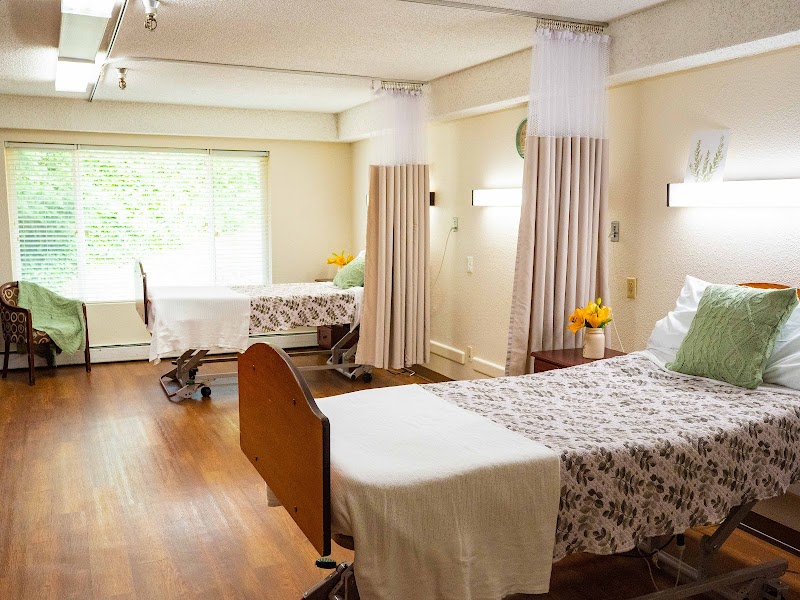
How is Avamere At Pacific Ridge Staffed?

CMS rates AVAMERE AT PACIFIC RIDGE's staffing level at 3 out of 5 stars, which is average compared to other nursing homes. Staff turnover is 54%, compared to the Washington average of 46%. RN turnover specifically is 82%, which is notably high. RNs provide skilled clinical oversight, so turnover in this role can affect medical care quality.

What Have Inspectors Found at Avamere At Pacific Ridge?

State health inspectors documented 76 deficiencies at AVAMERE AT PACIFIC RIDGE during 2023 to 2025. These included: 2 that caused actual resident harm, 72 with potential for harm, and 2 minor or isolated issues. Deficiencies causing actual harm indicate documented cases where residents experienced negative health consequences.

Who Owns and Operates Avamere At Pacific Ridge?

AVAMERE AT PACIFIC RIDGE is owned by a for-profit company. For-profit facilities operate as businesses with obligations to shareholders or private owners. The facility is operated by AVAMERE, a chain that manages multiple nursing homes. With 102 certified beds and approximately 69 residents (about 68% occupancy), it is a mid-sized facility located in TACOMA, Washington.

How Does Avamere At Pacific Ridge Compare to Other Washington Nursing Homes?

Compared to the 100 nursing homes in Washington, AVAMERE AT PACIFIC RIDGE's overall rating (1 stars) is below the state average of 3.2, staff turnover (54%) is near the state average of 46%, and health inspection rating (1 stars) is much below the national benchmark.

What Should Families Ask When Visiting Avamere At Pacific Ridge?

Based on this facility's data, families visiting should ask: "Can I visit during a mealtime to observe dining assistance and food quality?" "How do you handle medical emergencies, and what is your hospital transfer rate?" "Can I speak with family members of current residents about their experience?"

Is Avamere At Pacific Ridge Safe?

Based on CMS inspection data, AVAMERE AT PACIFIC RIDGE has a clean safety record: no substantiated abuse findings (meaning no confirmed cases of resident harm), no Immediate Jeopardy citations (the most serious violation level indicating risk of serious injury or death), and is not on the Special Focus Facility watch list (a federal program monitoring the lowest-performing 1% of nursing homes). The facility has a 1-star overall rating and ranks #100 of 100 nursing homes in Washington. While no facility is perfect, families should still ask about staff-to-resident ratios and recent inspection results during their visit.

Do Nurses at Avamere At Pacific Ridge Stick Around?

AVAMERE AT PACIFIC RIDGE has a staff turnover rate of 54%, which is 8 percentage points above the Washington average of 46%. Moderate turnover is common in nursing homes, but families should still ask about staff tenure and how the facility maintains care continuity when employees leave.

Was Avamere At Pacific Ridge Ever Fined?

AVAMERE AT PACIFIC RIDGE has been fined $57,783 across 3 penalty actions. This is above the Washington average of $33,657. Fines in this range indicate compliance issues significant enough for CMS to impose meaningful financial consequences. Common causes include delayed correction of deficiencies, repeat violations, or care failures affecting resident safety. Families should ask facility leadership what changes have been made since these penalties.

Is Avamere At Pacific Ridge on Any Federal Watch List?

AVAMERE AT PACIFIC RIDGE is not on any federal watch list. The most significant is the Special Focus Facility (SFF) program, which identifies the bottom 1% of nursing homes nationally based on persistent, serious quality problems. Not being on this list means the facility has avoided the pattern of deficiencies that triggers enhanced federal oversight. This is a positive indicator, though families should still review the facility's inspection history directly.