AVAMERE TRANSITIONAL CARE OF PUGET SOUND
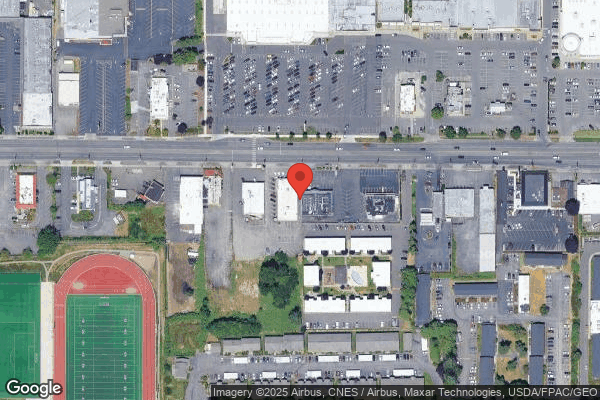
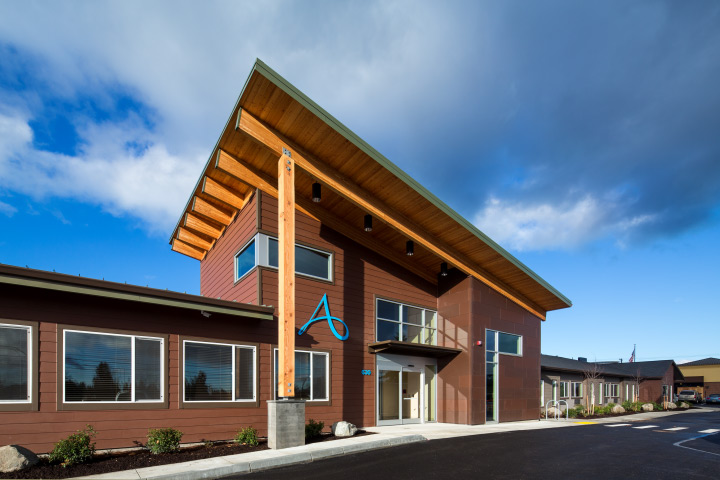
630 SOUTH PEARL STREET, TACOMA, WA 98465 (253) 671-7300
For profit - Limited Liability company 60 Beds AVAMERE Data: November 2025
Trust Grade
70/100
#56 of 190 in WA
Last Inspection: July 2024

Within standard 12-15 month inspection cycle. Federal law requires annual inspections.

Overview

Avamere Transitional Care of Puget Sound has a Trust Grade of B, indicating it is a good choice for families, ranking #56 out of 190 facilities in Washington, placing it in the top half. It also ranks #8 out of 21 in Pierce County, meaning there are only seven local options considered better. The facility is improving, with issues decreasing from 10 in 2024 to just 1 in 2025. Staffing is a significant strength, receiving a 5-star rating and a turnover rate of 37%, which is lower than the state average, suggesting staff stability and familiarity with residents. Despite these strengths, the facility has been cited for concerning incidents, including a failure to investigate an unexpected death and an allegation of abuse, which raises serious safety concerns. Additionally, there were instances where care plans were not properly developed or implemented for several residents, potentially affecting their quality of life. Fortunately, the facility has no fines on record and offers more RN coverage than 85% of facilities in the state, which can help catch potential problems early.

Trust Score
B
70/100
In Washington
#56/190
Top 29%
Safety Record
Low Risk
No red flags
Inspections
Getting Better
10 → 1 violations
Staff Stability
○ Average
37% turnover. Near Washington's 48% average. Typical for the industry.
Penalties
✓ Good
No fines on record. Clean compliance history, better than most Washington facilities.
Skilled Nurses
✓ Good
Each resident gets 85 minutes of Registered Nurse (RN) attention daily — more than 97% of Washington nursing homes. RNs are the most trained staff who catch health problems before they become serious.
Violations
⚠ Watch
49 deficiencies on record. Higher than average. Multiple issues found across inspections.
★★★★☆
4.0
Overall Rating
★★★★★
5.0
Staff Levels
★★★★☆
4.0
Care Quality
★★★☆☆
3.0
Inspection Score
Stable
2024: 10 issues
2025: 1 issues

The Good

  • 5-Star Staffing Rating · Excellent nurse staffing levels
  • 4-Star Quality Measures · Strong clinical quality outcomes
  • Full Sprinkler Coverage · Fire safety systems throughout facility
  • No fines on record
  • Staff turnover below average (37%)

    11 points below Washington average of 48%

Facility shows strength in staffing levels, quality measures, fire safety.

The Bad

Staff Turnover: 37%

Near Washington avg (46%)

Typical for the industry

Chain: AVAMERE

Part of a multi-facility chain

Ask about local staffing decisions and management

The Ugly 49 deficiencies on record

Sept 2025 1 deficiency
CONCERN (D) 📢 Someone Reported This

A family member, employee, or ombudsman was alarmed enough to file a formal complaint

Potential for Harm - no one hurt, but risky conditions existed

Report Alleged Abuse (Tag F0609)

Could have caused harm · This affected 1 resident

**NOTE- TERMS IN BRACKETS HAVE BEEN EDITED TO PROTECT CONFIDENTIALITY** Based on interview and record review, the facility failed to identify and report an allegation of abuse for 1 of 3 sampled resid...

Read full inspector narrative →
**NOTE- TERMS IN BRACKETS HAVE BEEN EDITED TO PROTECT CONFIDENTIALITY** Based on interview and record review, the facility failed to identify and report an allegation of abuse for 1 of 3 sampled residents (Resident 1) reviewed for abuse. This failure placed all residents at risk for unidentified and ongoing abuse/neglect and lack of protection from abuse.Findings included .Review of the Nursing Home Guidelines, The Purple Book, revised in 2015, showed that facilities are to report all staff-to-resident allegations of abuse, neglect, mistreatment, sexual and/or physical abuse/assault to the State hotline, report to law enforcement and to document on the State incident reporting log within five days. Review of the facility's policy titled, Abuse and Neglect - Clinical Protocol, undated and provided to surveyor on 09/15/2025, under Assessment and Recognition, documented, The nurse will assess the individual and document related findings. Assessment data will include injury assessment (bleeding, bruising, deformity, swelling, etc.), pain assessment, current behavior, . vital signs . Under Cause Identification, the policy also showed that staff would investigate alleged abuse and neglect to clarify what happened and identify possible causes. The policy further showed that management and staff would address situations of suspected or identified abuse and report them in a timely manner to appropriate agencies, consistent with applicable laws and regulations. The protocol also showed that staff would monitor individuals to address any issues regarding their medical condition, mood, and function. Review of the electronic health record (EHR) showed Resident 1 admitted to the facility on [DATE] for skilled nursing and rehabilitation after a recent hospitalization with multiple diagnoses that included a stroke, a history of back surgery and an implanted nerve stimulator (a medical device that blocked pain signals for management of pain), generalized weakness, and was able to make their needs known. On 09/10/2025 at 10:04 AM, Resident 1 said during the night shift on 08/12/2025 a facility Certified Nurse Assistant (CNA) was rough when they provided personal care and said the CNA had a hard time trying to get the resident's brief off and tried to yank the brief off. Resident 1 said the CNA tugged on the resident's brief, and yanked the resident up and down, and would not listen to the resident when they asked them to stop. Resident 1 said their whole bed was soaked and the CNA should have just gotten them up to the wheelchair to have easily changed the sheets instead of having Resident 1 roll all over the place. Resident 1 said they felt like a rag doll being tossed all over the place like that. Resident 1 said they had bruising due to the rough care. Resident 1 said they reported the incident to a provider the next morning. Resident 1 said after that, Staff B, a Registered Nurse (RN) and the Director of Nursing Services, came in and spoke to them about the incident. Resident 1 said Staff B asked them what the resident thought should be done about the staff member. Review of the facility's incident logs for August 2025 showed no allegation of abuse logged related to Resident 1. Review of a grievance form, dated 08/13/2025, signed by Staff C, a Social Services Assistant no longer at the facility, showed Resident 1 had reported that during the night shift, around 2:00 AM, they had wet themself and soiled the bed. Resident 1 said the CNA who came to assist them did so in a rough way and described them tugging on and tossing them around. Resident 1 said they tried to tell the CNA that they could help to hold themselves up and move around, the CNA disregarded the resident's words and continued to handle the brief change roughly. On 08/14/2025, Staff B documented, as resolution of the grievance, that the facility would provide education with the CNA, to pay attention to what the residents say and move slower, and take a break if needed. Staff B documented that Resident 1's care plan was updated and the resident was to be independent with bed mobility transfers and ambulation. Review of Resident 1's EHR did not show a progress note or other documentation by a provider, Staff B, or Staff C about the resident's report of rough care or documentation of any interviews with the resident. No skin assessment or evaluation was located after the allegation referenced in the grievance. On 09/11/2025 at 2:09 PM, Staff D, an RN, when asked their response to a resident report that someone had been rough with them or yelled at them, said they would get a statement, let the Resident Care Manager (RCM) know and, if it was a CNA, switch the CNA's assignment so they were not working with the resident anymore, and do a note in the resident's chart. On 09/11/2025 at 2:49 PM, Staff E, an RN, said if a resident made an allegation of rough care, they would grab a grievance form and have the resident fill it out and would let Staff B, the DNS, know. When asked whether the staff member would continue to work with the resident, Staff E said they did not think it was within their scope of practice to suspend or reassign a CNA. When asked, Staff E was unclear about notifications, reporting, and documentation of allegations in the resident's record. On 09/15/2025 at 1:38 PM, Staff F, a Licensed Practical Nurse (LPN), said if a resident told them that someone had been physically rough with them, the nurse would make sure the resident was safe and go and talk to the staff member to see what really happened, and would call the Hotline. Staff F said they would talk with the resident again because sometimes they say they did not mean something like that. Staff F said they would investigate, and if something did happen then they would call their director and let them know. When asked about protecting the resident, Staff F said they could not send an aide home, that would be the Director, so they would have to call the Director, and they would do all of that. On 09/15/2025 at 3:15 PM, Staff G, an LPN, said if a resident complained about rough care, they would make sure the resident was safe, tell the RCM and call the State. When asked what actions were taken if the staff member was still present when the resident made the allegation, Staff G said they did not know what happened after they reported but sometimes they did not see the person on the floor, would ask, and was told the person was suspended due to an investigation. On 09/15/2025 at 4:37 PM, Staff H, an LPN and the Staff Development Coordinator, said they had just done an in-service with staff members about abuse and neglect reporting because they were made aware of some wrong answers. Staff H said staff were to Rescue, Remove, Report. When asked about protection of the resident, Staff H said if it was a staff person, they needed to just to let the staff know that they needed to go until it was taken care of. On 09/15/2025 at 4:48 PM, Staff B said the facility follows the Purple Book. Staff B said when there is an allegation of abuse, they will talk to the resident to find out more information about what happened before they suspend a staff member. If it is clear, then they will suspend the staff member, assess the resident, notify the parties, and start an investigation. When asked about protection of the residents, Staff B said they needed to figure out what was going on to know whether it was a grievance or an incident and what to do after that. Staff B could not recall the name of the staff member described in the grievance by Resident 1 and could not provide documentation of the education provided to the staff as indicated on the grievance. On 09/15/2025 at 5:01 PM, Staff A, the facility administrator, said either Staff A or Staff B wanted to be called so that they knew what was going on and could decide next steps then. Reference WAC 388-97-0640(2)(b)(5)(a).
Jul 2024 10 deficiencies
CONCERN (E)

Potential for Harm - no one hurt, but risky conditions existed

Investigate Abuse (Tag F0610)

Could have caused harm · This affected multiple residents

**NOTE- TERMS IN BRACKETS HAVE BEEN EDITED TO PROTECT CONFIDENTIALITY** . Based on interview and record review, the facility failed to investigate an unexpected death to rule out mistreatment for 1 of...

Read full inspector narrative →
**NOTE- TERMS IN BRACKETS HAVE BEEN EDITED TO PROTECT CONFIDENTIALITY** . Based on interview and record review, the facility failed to investigate an unexpected death to rule out mistreatment for 1 of 4 sampled residents (Resident 52) and failed to investigate an allegation of abuse for 1 of 4 sampled residents (Resident 114) when reviewed for Abuse. This failure placed residents at risk of abuse, neglect, avoidable death, retaliation from staff, and a diminished quality of life. Findings included . Resident 52 Review of the electronic health record (EHR) showed that Resident 52 admitted to the facility on [DATE], discharged on [DATE] and had a diagnosis of essential hypertension (high blood pressure). Review showed that Resident 52 unexpectedly died at the facility. Review of provider's orders showed Resident 52 received amlodipine for high blood pressure to be held if the systolic blood pressure (SBP, top number in a blood pressure reading) was less than 100. Review of the [DATE] medication administrator record (MAR) showed Resident 52 had a blood pressure of 92/49 and was provided amlodipine on the morning of [DATE]. Review of the progress notes, dated [DATE] at 12:12 PM, showed that Resident 52 was very sleepy, pain medications were held, and the provider was notified of the held mediations at 12:12 PM. Review did not show that the provider was notified of Resident 52 receiving medication outside of parameters or of the resident's low blood pressure. Review of a progress note, dated [DATE] at 7:03 PM, showed Resident 52's blood pressure was measured at 90/48 with respirations of 14 at 5:00 PM, the resident continued to be sleepy, and the nurse held medications. Review showed at 5:30 PM the nurse returned, and Resident 52 was breathing more rapidly and shallowly. Review showed the nurse contacted the on-call provider and was told to monitor Resident 52's vitals every four hours. Review showed the nurse returned and Resident 52 was nonresponsive. Review showed the on-call provider was contacted again, oxygen was applied, CPR was started, and 911 was called. Review showed that Resident 52 died. During an interview on [DATE] at 11:02 AM, Staff B, Director of Nursing Services (DNS), stated deaths that were completely unexpected would be investigated to rule out abuse, neglect, or mistreatment. During an interview on [DATE] at 10:07 AM, Staff B stated the facility would investigate unexpected deaths to rule out abuse, neglect or mistreatment. Staff B stated they looked over Resident 52's medical records after the death and did not see anything wrong so there was no further investigation. During an interview on [DATE] at 9:49 AM, Staff A, Administrator, stated that unexpected deaths were investigated to rule out malpractice. Staff A stated a death after two days in the facility should be investigated and that the medication error should have been noted during the file review Staff B completed. Resident 114 Resident 114 was admitted on [DATE] with diagnoses that included multiple fractures of the pelvis. The five-day admission Minimum Data Set (MDS), an assessment tool, dated [DATE] showed that the resident was cognitively intact and able to recall. During an interview on [DATE] at 1:08 PM, Resident 114 stated they had told Staff P, Charge Nurse, about an incident they had with a staff member, and had requested that the staff member would not come back into their room. Resident 114 stated that the staff member, although not assigned to Resident 114's room, had come back to threshold of the room and acted childish. Resident 114 stated they now tried to avoid this staff member. Resident 114 was observed to be visibly upset (eyebrows furrowed) as they recalled the events. Review of the Incident Log from February 2024 to [DATE] showed no recorded incident/allegation for Resident 114. During an interview on [DATE] at 9:30 AM, Staff P stated if a resident was reporting a staff member was rude, it should still be reported so that it could be care planned. If an allegation was made against a Certified Nursing Assistant (CNA), the CNA should be sent home and should not work with that resident anymore. Staff P recalled the initial incident with Resident 114 and stated they had had a conversation in the resident's room with the resident, the CNA, and themself, where the CNA was asked to not enter the room anymore. Staff P stated they did not report this to anyone else. During an interview on [DATE] at 10:44 AM, Staff B, Director of Nursing Services, stated for allegations of abuse they should have reported the allegations to the state, investigated, suspended the perpetrator, interviewed residents and staff, and gone from there. During an interview on [DATE] at 3:08 PM, Staff A, Administrator, stated the employee should have been suspended, the resident should have been interviewed and assessed, and that staff and other residents should have been interviewed. Allegations of abuse should be reported to the Complaint Resolution Unit, the family should have been notified, and the patient should have been put on an alert if needed. On [DATE] at 11:10 AM, Staff A, Administrator, was informed of the allegations for verbal abuse for Resident 114. On [DATE] the facility provided the investigation report, which did not have any interview/witness statements by Staff P. Reference WAC 388-97-0640(5)(a), (6)(a)(c) .
CONCERN (E)

Potential for Harm - no one hurt, but risky conditions existed

Assessment Accuracy (Tag F0641)

Could have caused harm · This affected multiple residents

**NOTE- TERMS IN BRACKETS HAVE BEEN EDITED TO PROTECT CONFIDENTIALITY** . Resident 307 Resident 307 was re-admitted to the facility on [DATE] with multiple diagnoses to include heart failure and contu...

Read full inspector narrative →
**NOTE- TERMS IN BRACKETS HAVE BEEN EDITED TO PROTECT CONFIDENTIALITY** . Resident 307 Resident 307 was re-admitted to the facility on [DATE] with multiple diagnoses to include heart failure and contusion to the left leg. Resident 307 was able to make needs known. Multiple observations between 07/25/2024 and 07/31/2024 showed Resident 307 in bed with a swollen left lower leg, and large dressing covering the lower part of the left leg. During an interview on 07/25/2024 at 11:44 AM, Resident 307 stated they hurt their leg at home and the nurses were applying dressings at the facility. Review of Resident 307's five-day MDS, dated [DATE], showed Resident 307 did not have any dressings. During an interview on 07/30/2024 at 1:40 PM, Staff O stated that Resident 307's MDS should have been marked yes for dressing changes. During an interview on 07/29/2024 at 2:14 PM, Staff B stated the expectations was to make sure the MDS assessment matched the resident's condition. Reference WAC 388-97-1000(1)(b) Based on observation, interview, and record review, the facility failed to ensure the Minimum Data Sets (MDS), an assessment tool, accurately reflected residents' health status and/or care needs for 2 of 12 sampled residents (Residents 107 and 307) reviewed for resident assessment. This failure placed residents at risk for unidentified and/or unmet care needs and a diminished quality of life. Findings included . Resident 107 Resident 107 admitted to the facility on [DATE] with diagnoses of congestive heart failure and atrial fibrillation (abnormal fluttering heartbeat). The resident was able to make needs known. Review of the admission nursing database assessment dated [DATE] showed the resident reported pain level at a 7 out of 10 daily. Review of the medication administration record showed the resident received tramadol (a narcotic pain medication) four times between 07/17/2024 and 07/21/2024 for a reported pain level between 6 out of 10 and 8 out of 10. Review or the providers orders showed the resident received heparin sodium (an anticoagulant/blood thinning medication) injections twice a day from 07/17/2024 through 07/22/2024. Observation and interview on 07/25/2024 at 1:25 PM showed Resident 107 sat in a wheelchair and leaned side to side and stated they were in pain. The resident had a bruise to their face and left hand. Review of the admission MDS, dated [DATE], showed Resident 107 reported no pain and was marked that the resident did not receive an anticoagulant medication. During an interview on 07/29/24 at 10:28 AM, Staff O, Registered Nurse/MDS Coordinator, stated they did not review the records to see if the resident had reported pain during the lookback period. Staff O stated if a resident received an anticoagulant medication one day of the lookback period it should be marked in the MDS. During an interview on 07/29/2024 at 12:12 PM, Staff B, Director of Nursing Services, stated Resident 107's MDS did not accurately reflect the resident's pain and anticoagulant but should have. .
CONCERN (E)

Potential for Harm - no one hurt, but risky conditions existed

Comprehensive Care Plan (Tag F0656)

Could have caused harm · This affected multiple residents

**NOTE- TERMS IN BRACKETS HAVE BEEN EDITED TO PROTECT CONFIDENTIALITY** . Based on interview, observation, and record review, the facility failed to develop and implement a comprehensive person-center...

Read full inspector narrative →
**NOTE- TERMS IN BRACKETS HAVE BEEN EDITED TO PROTECT CONFIDENTIALITY** . Based on interview, observation, and record review, the facility failed to develop and implement a comprehensive person-centered care plan for 4 of 12 sampled residents (Residents 113, 44, 108, and 306) reviewed for Care Plan. This failure placed residents at risk for unidentified outcomes or goals, inconsistent or lack of interventions, and diminished quality of life. Findings included . Resident 113 Resident 113 was admitted to the facility on [DATE] with diagnoses that included a recent fall with complications, which resulted in orthopedic surgery to the right knee with external fixation (surgery that used pins and wires to keep bones from moving), and surgery to the right leg. The five-day admission Minimum Data Set (MDS), an assessment tool, dated 07/22/2024, showed the resident was cognitively intact, required the use of a wheelchair due to recent surgery, and had not been diagnosed previously with any mental health conditions. Observation and interview on 07/25/2024 at 1:54 PM showed Resident 113 was tearful as they recounted having anxiety in the facility when left alone in the bathroom. Resident 113 stated, I have started telling staff members when they try to leave (the bathroom). The resident stated they told physical therapy and occupational therapy that they believed they had anxiety or possible post-traumatic stress disorder (PTSD). Resident 113's care plan, initiated on 07/18/2024, showed no care plan for anxiety related to toileting. During an interview on 07/29/2024 at 11:30 AM, Staff L, Resident Care Manager (RCM), was unable to find any documentation related to Resident 113's anxiety with being left alone in the bathroom. During an interview on 07/29/2024 at 12:09 PM, Staff M, Occupational Therapist (OT), stated Resident 113 had told them about their fear of being left alone in the bathroom, but Staff M did not report this to anyone else. During an interview on 07/29/2024 at 1:36 PM, Staff B, Director of Nursing Services (DNS), stated their expectation for staff, once aware of the anxiety, was to stay with the resident in the bathroom and to have care planned it. Staff B stated the therapist should tell nursing so the care plan could be updated, and everyone would be aware. Resident 306 Resident 306 was admitted to the facility on [DATE] with multiple diagnoses to include anxiety, depression and physical deconditioning. Resident 306 was able to make needs known. Multiple observations between 07/25/2024 and 07/31/2024 showed Resident 306 appeared sad as evidenced by lowered lip corners and slanting inner eyebrows. During an interview on 07/25/2024 at 10:39 AM, Resident 306 stated they had PTSD and were afraid of falling. During an interview on 07/29/2024 at 9:34 AM, Resident 306 stated, They are hurting me trying to roll me in this tiny bed. It's terrifying to me. My fear of falling has to be one of the worst feelings. I told everyone about it. Review of Resident 306's care plan and [NAME] (care directives for nursing assistants) showed no instructions on how to handle Resident 306's fear of falling and how many staff were needed for bed mobility. During an interview on 07/29/2024 at 12:33 PM, Staff R, Occupational Therapist, stated Resident 306 was a one to two persons assist in bed mobility and their fear was when they were sitting at the edge of the bed. During an interview on 07/29/2024 at 12:38 PM, Staff P, Licensed Practical Nurse, stated they were not sure how Resident 306 was turned in bed. During an interview on 07/29/2024 at 12:42 PM, Staff Q, Certified Nursing Assistant, stated Resident 306 required two men or four women to assist with bed mobility as the resident was very anxious and afraid of falling. During an interview on 07/29/2024 at 2:13 PM, Staff B, Director of Nursing Services, stated the expectations was to have instructions in the care plan about fears, and how many staff were to assist the resident in bed mobility. Reference WAC 1020(1), (2)(a)(b) Resident 108 Resident 108 admitted to the facility on [DATE] for aftercare of surgery for an abdominal aneurism (weak artery wall). Observation and interview on 07/25/2024 at 12:58 PM showed Resident 108 sat at the bedside and had an indwelling urinary catheter (tube placed into the bladder to drain urine). The resident stated they were not sure why they had a urinary catheter. Review of the electronic health record (EHR) showed that Resident 108 had no order or care plan for a urinary catheter. During an interview on 07/29/2024 at 9:43 AM, Staff L, Resident Care Manager (RCM), stated if a resident was admitted with a catheter, they should have a provider order and a care plan. During an interview on 07/29/2024 at 12:07 PM, Staff B, Director of Nursing Services (DNS), stated they were unable to locate an order or care plan for Resident 108's catheter and they should have had both in place. Resident 44 Resident 44 admitted to the facility on [DATE] with a diagnosis of essential hypertension (high blood pressure). Review of provider's orders showed an order for oxycodone (a narcotic pain medication) and acetaminophen (a pain medication). Review of Resident 44's care plan, initiated 07/01/2024, showed no focus area for pain or the use of narcotic pain medications. During an interview on 07/29/2024 at 1:53 PM, Staff CC, Registered Nurse/Resident Care Manager, stated the expectation was that residents taking pain medications would have a care plan focus area related to their use and Resident 44 did not meet this expectation. During an interview on 07/29/2024 at 2:05 PM, Staff B, Director of Nursing Services, stated the expectation was residents taking pain medications would have a care plan focus area related to their use and Resident 44 did not meet this expectation.
CONCERN (E)

Potential for Harm - no one hurt, but risky conditions existed

Quality of Care (Tag F0684)

Could have caused harm · This affected multiple residents

**NOTE- TERMS IN BRACKETS HAVE BEEN EDITED TO PROTECT CONFIDENTIALITY** Surveyor: Somal, [NAME] Based on observation, interview and record review, the facility failed to follow provider's orders, ensu...

Read full inspector narrative →
**NOTE- TERMS IN BRACKETS HAVE BEEN EDITED TO PROTECT CONFIDENTIALITY** Surveyor: Somal, [NAME] Based on observation, interview and record review, the facility failed to follow provider's orders, ensure medications had safe monitoring and hold parameters, and notify the provider of changes in condition and medication errors for 8 of 10 sampled residents (Residents 52, 44, 206, 8, 112, 1, 107, and 9) when reviewed for Quality of Care. These failures placed residents at risk of decline in condition, lack of timely interventions to prevent death, avoidable side effects, and a diminished quality of life. Findings included . <Blood Pressure Medication Administration> Review of a policy titled Change in a Resident's Condition or Status, revised February 2021, showed the nurse would notify the resident's provider when there had been an accident or incident involving the resident or significant change in the resident's physical/emotional/mental condition. Review of a policy titled Blood Pressure, Measuring, revised [DATE], showed hypotension (low blood pressure) was defined as blood pressure less than 100 / 60 and orthostatic (postural) hypotension was defined as a 20 (or greater) decline in systolic blood pressure (top blood pressure reading) or a 10 (or greater) decline in diastolic blood pressure (bottom blood pressure reading) upon standing. Review showed that hypotension should be reported to the provider. Review of a policy titled Avamere Living: Physician Notification, dated [DATE], showed after determining that the provider needed to be contacted, the date and problem/request would be entered into the progress notes in the electronic health record (EHR) for that resident. Review showed the resident care manager (RCM) or charge nurse was responsible for placing the call or faxing the provider at the earliest possible time. Resident 52 Review of EHR showed that Resident 52 admitted to the facility on [DATE], discharged on [DATE] and had a diagnosis of essential hypertension (high blood pressure). Review showed that Resident 52 unexpectedly died at the facility. Review of provider's orders showed Resident 52 received amlodipine for high blood pressure to be held if the systolic blood pressure (SBP, top number in a blood pressure reading) was less than 100. Review of the [DATE] medication administration record (MAR) showed Resident 52 had a blood pressure of 92/49 and was provided amlodipine on the morning of [DATE]. Review of Resident 52's blood pressures and pulses from [DATE] showed: 7:24 AM - 92 / 49, 60 beats per minute (bpm) 10:25 AM - 92 / 49 1:59 PM - 90 / 48, 60 bpm 4:01 PM - 90 / 30, 61 bpm 5:07 PM - 90 / 48, 60 bpm Review of a progress note, dated [DATE] at 12:12 PM, showed that Resident 52 was very sleepy, pain medications were held, and the provider was notified of the held pain mediations at 12:12 PM. Review did not show that the provider was notified of Resident 52 receiving medication outside of parameters or of the resident's low blood pressure. Review of the progress notes on [DATE] from 12:13 PM through 5:00 PM showed no update on Resident 52's status. Review of a progress note, dated [DATE] at 7:03 PM, showed Resident 52's blood pressure was measured at 90/48 with respirations of 14 at 5:00 PM, the resident continued to be sleepy, and the nurse held medications. Review showed at 5:30 PM the nurse returned, and Resident 52 was breathing more rapidly and shallowly. Review showed the nurse contacted the on-call provider and was told to monitor Resident 52's vitals every four hours. Review showed the nurse returned and Resident 52 was nonresponsive. Review showed the on-call provider was contacted again, oxygen was applied, CPR was started, and 911 was called. Review showed that Resident 52 died. During an interview on [DATE] at 10:07 AM, Staff B, Director of Nursing Services (DNS), stated residents should not receive medications if the vital signs were outside the parameters and Resident 52 received amlodipine despite the resident's blood pressure being below parameters. Staff B stated this did not meet expectation. Staff B stated that staff should contact the provider during a change of condition as soon as the change was noticed, and Resident 52's provider should have been notified of the low blood pressure as soon as it was noticed. Review of an emailed statement, dated [DATE], showed Staff V, Medical Director, stated they were contacted by the facility regarding Resident 52's decline in condition on [DATE] at 5:30 PM. Staff V stated, There could've been better communication from the nursing home staff to me. Resident 8 Resident 8 was admitted on [DATE], with diagnoses that included chronic respiratory failure, heart failure, atrial fibrillation, and high blood pressure. The five-day admission Minimum Data Set (MDS, an assessment tool), dated [DATE], showed the resident was cognitively intact and a fall risk. Review of the EHR showed that Resident 8 had a positive orthostatic blood pressure (a change in blood pressure from moving positions, resulting in low blood pressure) during their recent prior admission, admitted [DATE]. Resident 8's orthostatic blood pressure readings were 99/51 laying down, 102/63 sitting, and 87/47 standing. A cardiology progress note showed that they adjusted Resident 8's dose of metoprolol, in response to the positive orthostatic blood pressure. Review of the EHR showed Resident 8 had an order for daily metoprolol with a start date of [DATE]. No monitoring or hold parameters for vitals were found. During an interview on [DATE] at 10:16 AM, Resident 8 stated, Once in a while I have been lightheaded since being here. The resident stated that their lightheadedness symptom was when their blood pressure was low. During an interview on [DATE] at 10:37 AM, Staff J, Certified Nursing Assistant (CNA), stated a blood pressure should be rechecked every two hours if abnormal. Observation on [DATE] showed Staff S, CNA, used a standard sheet from the facility for recording vitals, which included wording that the nurse should be notified immediately for systolic blood pressures of less than 110. During an interview on [DATE] at 12:27 PM Staff T, CNA, stated that the method to take blood pressure was, The cuff goes around the upper arm. I can't remember, pump up to 100 I believe, hear two thumps. During an interview on [DATE] at 12:29 PM, Staff U, CNA, stated they usually used the blood pressure machine, but if the blood pressure was out of range they would use the manual. When asked what a normal range was, Staff U stated, If it goes higher than 120 then that means it is high. Review of the EHR showed 93 blood pressure readings were obtained from [DATE] to the morning of [DATE]. Review of Resident 8's blood pressure readings showed 24 of 93 had a systolic value of less than 110. Of those 24 readings, 20 did not have a repeat blood pressure reading within two hours. On [DATE], a reading of 108/79 was recorded at 8:35 AM, with no repeated blood pressure read until the following morning, [DATE] at 6:34 AM. Review of the EHR showed on [DATE], [DATE], [DATE], and [DATE], the resident received their morning metoprolol without any morning blood pressure vitals being recorded. In addition, torsemide (a medication that shifts fluid from the body into urine to be excreted, with a possibility to cause a loss of too much fluid) was given on the morning of [DATE], and both the morning and afternoon of [DATE] and [DATE]. On [DATE] at 3:03 PM, the resident had a blood pressure of 91/57. The next blood pressure was taken almost 16 hours later at 6:40 AM on [DATE]. During an interview on [DATE] at 10:48 AM, Staff K, Registered Nurse (RN), stated metoprolol should have had hold parameters, and for low blood pressures they had the expectation that staff would hold the medication and alert the provider. During an interview on [DATE] at 11:14 AM, Staff L, Resident Care Manager (RCM), stated they did not see any parameters listed for metoprolol for Resident 8, and was unable to provide any documentation that the provider was made aware of the blood pressure of 91/57 on [DATE] by staff. During an interview on [DATE] at 1:32 PM, Staff B, DNS, stated metoprolol should have had a hold parameter, that their expectation was for the CNA to have told the nurse of the low blood pressure, that the nurse should have rechecked the blood pressure, and that they would have notified the physician if the blood pressure was still low. Staff B stated it was not acceptable that the blood pressure, on [DATE], was not rechecked until the next day at 6:40 AM, and that staff should have rechecked and documented the event. Resident 206 Review of the EHR showed Resident 206 admitted to the facility on [DATE], discharged on [DATE], and had a diagnosis of paroxysmal atrial fibrillation (an irregular heart rate) and heart disease. Review of Resident 206's provider's orders showed metoprolol (a blood pressure medication) and to hold the medication for a SBP less than 110. Review of the [DATE] MAR showed metoprolol was provided to Resident 206 on [DATE] evening dose, and [DATE] morning dose, when the SBP was 101, below the hold perimeter. Resident 44 Review of the EHR showed the Resident 44 admitted to the facility on [DATE] with a diagnosis of essential hypertension. Review of Resident 44's provider's order showed isosorbide (a blood pressure medication) and metoprolol to be held if the heart rate was less than 60. Review of [DATE] MAR showed that Resident 44 was provided isosorbide on [DATE] with a heart rate of 58 and [DATE] with a heart rate of 57. Review showed Resident 44 received metoprolol on [DATE] with a heart rate of 59 and [DATE] with a heart rate of 58. During an interview on [DATE] at 10:07 AM, Staff B, DNS, stated Residents 206 and 44 received medications outside of prescribed parameters and this did not meet expectation. Resident 307 Resident 307 was re-admitted to the facility on [DATE] with multiple diagnoses to include heart failure. The MDS, dated [DATE], showed the resident was cognitively intact. During an interview on [DATE] at 10:30 AM, Resident 307 stated they received medications, but they did not always know what they are taking. Review of Resident 307's [DATE] MAR showed an order for losartan (a blood pressure medication) and to hold when the SBP was less than 110. Further review of [DATE] MAR showed losartan was documented administered on [DATE] when the blood pressure was 109/59, on [DATE] when the blood pressure was 100/54 and on [DATE] when the blood pressure was 109/54. Review of the EHR showed no documentation that the nurses notified the provider about the blood pressure being outside of parameters. During an interview on [DATE] at 2:15 PM, Staff B, DNS, stated the expectation was for the licensed nurses to follow orders and parameters of medications. Resident 1 Review of Resident 1's EHR showed they admitted to the facility on [DATE] with diagnoses including essential hypertension (HTN), syncope and collapse (dizzy spells) and fall with hip fracture. The resident was able to make needs known. Review of the EHR showed an order for metoprolol daily for hypertension with a start date of [DATE]. There were no instructions attached to the order to monitor blood pressure or pulse prior to administration or notify the provider of low blood pressure/pulse. Review of the EHR showed on [DATE] the resident had a blood pressure of 95/58. No documentation was found in the medical record that the blood pressure was re-checked, or the provider was notified. During an interview on [DATE] at 1:12 PM, Staff B, DNS, stated that Resident 1 should have had parameters in place for antihypertensive medications and the provider should have been notified of any low blood pressures. Resident 107 Review of the EHR showed Resident 107 admitted to the facility on [DATE] with a diagnosis of congestive heart failure and atrial fibrillation. The resident was able to make needs known. Review of the EHR showed a provider order for heparin (blood thinning) injection twice a day with a start date of [DATE] and an end date of [DATE]. There was a current order to monitor for adverse effects which included bruising. Observation on [DATE] at 1:12 PM showed a large dark purple bruise to back left hand and scattered other bruises to include facial bruising to the left eye. Review of a current order to monitor for adverse side effects of anticoagulant therapy showed no bruises or adverse side effects were identified between the dates of [DATE] through [DATE]. There was no documentation found in the EHR of Resident 107's bruises. During an interview on [DATE] at 10:42 AM, Staff B, DNS, stated their expectation was that the staff document adverse side effects such as bruising from anticoagulant therapy and that they be monitored until resolved. <Bowel Care> Review of the Avamere Living Bowel Care Protocol, undated, showed if a resident had not had a bowel movement for three consecutive days, a physician order should be obtained, and the bowel protocol should be followed. The protocol showed that evening shift should do a look back report for residents who had not had a bowel movement for two consecutive days, evening shift should give milk of magnesia, and then (if no results) dayshift should give a suppository. Resident 112 Resident 112 was admitted to the facility on [DATE] with diagnoses including fracture, malnutrition, and cancer. The five-day admission MDS, dated [DATE], showed the resident was cognitively intact and had frequent pain that required pain management interventions. Review of the [DATE] MAR showed Resident 112 had been receiving morphine (a narcotic pain medication, which had a potential side effect of causing constipation) for pain since [DATE]. On admission, the resident had a bisacodyl suppository (a rectal drug that stimulates a bowel movement) ordered for every 24 hours as needed for no bowel movement in three days. On [DATE], an order was placed for daily docusate (a stool softener to help with constipation). Review of Resident 112's bowel log and hospice notes, the resident had no bowel movement from [DATE] through [DATE] and [DATE] through [DATE]. Resident 112 was given a bisacodyl suppository on [DATE] (day 6 of no bowel movement) and [DATE] (day 5 of no bowel movement). The resident had a bowel movement after each suppository. Review of the Resident 112's progress notes showed no documentation related to the resident's constipation on [DATE] through [DATE] (days 3 and 4), or [DATE] through [DATE] (days 3 and 4). During an interview on [DATE] at 11:22 AM, Staff L, Resident Care Manager (RCM), stated their expectation was for staff to monitor bowels every day, every shift, and to have started the protocol if three days without a bowel movement. During an interview on [DATE] at 1:34 PM, Staff B, DNS, stated their expectation was for staff to have documented any intervention or refusal after three to four days without a bowel movement, to have followed protocol or orders, and to have assessed the patient for any stomach pain or abdominal distention (swelling). Reference WAC 388-97-1060(1) .
CONCERN (E)

Potential for Harm - no one hurt, but risky conditions existed

Accident Prevention (Tag F0689)

Could have caused harm · This affected multiple residents

. Based on observation and interview, the facility failed to provide a working doorbell for handicap residents visiting the courtyard for 1 of 1 courtyard reviewed for accident hazards. This failure p...

Read full inspector narrative →
. Based on observation and interview, the facility failed to provide a working doorbell for handicap residents visiting the courtyard for 1 of 1 courtyard reviewed for accident hazards. This failure placed residents at risk for accidents, anxiety, feelings of entrapment, and a diminished quality of life. Findings included . During an interview on 07/25/2024 at 1:55 PM, Resident 113 stated both ends of the courtyard had doors that were too heavy for them to open, and that there was a button that no one responded to. They stated the facility was not offering any handicap options for residents, and they were stuck in the courtyard until a staff member came by. Observation on 07/25/2024 showed the courtyard had doors at each end which were heavy and opened into the courtyard. Observation showed a doorbell next to each door. Observation showed pressing the doorbells did not result in staff response. During an interview on 07/30/2024 at 2:49 PM, Staff N, Maintenance Director, stated they were aware the doorbells in the courtyard did not function and was unsure for how long they had not functioned. Reference WAC 388-97-1060 (3)(g) .
CONCERN (E)

Potential for Harm - no one hurt, but risky conditions existed

Deficiency F0757 (Tag F0757)

Could have caused harm · This affected multiple residents

**NOTE- TERMS IN BRACKETS HAVE BEEN EDITED TO PROTECT CONFIDENTIALITY** Resident 1 Resident 1 admitted to the facility on [DATE] with a diagnosis of fall with hip fracture. The resident was able to ma...

Read full inspector narrative →
**NOTE- TERMS IN BRACKETS HAVE BEEN EDITED TO PROTECT CONFIDENTIALITY** Resident 1 Resident 1 admitted to the facility on [DATE] with a diagnosis of fall with hip fracture. The resident was able to make needs known. Review of the electronic health record showed the resident had an order for narcotic pain medications PRN for pain. The resident received the narcotic pain medication 33 times from 07/13/2024 - 07/31/2024. No documentation of NPI being offered prior to administration was found in the medical record for 22 of the 33 administrations. During an interview on 07/29/2024 at 9:25 AM, Staff W, Licensed Practical Nurse (LPN), stated nursing staff should have offered and documented NPI in the MAR but they did not see that included in Resident 1's orders. During an interview on 07/29/2024 at 12:01 PM, Staff B, DNS, stated it was their expectation that nursing staff offer NPI prior to giving a narcotic medication and this should be documented in the EHR but Resident 1 did not have that included in the orders and should have. Reference WAC 388-97-1060 (3)(k)(i) Based on interview and record review, the facility failed to provide nonpharmacological interventions before administrating as needed pain medications for 2 of 5 sampled residents (Residents 44 and 1) when reviewed for unnecessary medications. This failure placed residents at risk of taking unnecessary medications, experiencing avoidable side effects, and a diminished quality of life. Findings included . Resident 44 Review showed the Resident 44 admitted to the facility on [DATE] with a diagnosis of essential hypertension (high blood pressure). Review of provider's orders showed orders for oxycodone (a narcotic pain medication) and acetaminophen (a pain medication) to be provided as needed (PRN). Review did not show an order for nonpharmacological interventions (NPI, pain interventions that do not use medication, e.g. massage or repositioning). Review of the July 2024 medication administration record (MAR) showed that Resident 44 received oxycodone four times and acetaminophen three times. Review did not show that NPI were provided. During an interview on 07/29/2024 at 1:53 PM, Staff CC, Registered Nurse/Resident Care Manager, stated the expectation was NPI should be used prior to administering PRN pain medication. Staff CC stated Resident 44 did not have orders for NPI, received PRN pain medications, and was not offered NPI. Staff CC stated this did not meet expectation. During an interview on 07/29/2024 at 2:05 PM, Staff B, Director of Nursing Services, stated the expectation was NPI should be used prior to PRN pain medications and Resident 44's PRN pain medications did not meet this expectation.
CONCERN (E)

Potential for Harm - no one hurt, but risky conditions existed

Deficiency F0761 (Tag F0761)

Could have caused harm · This affected multiple residents

. Based on observation, interview, and record review, the facility failed to ensure proper storage of medications in 2 of 2 medication rooms (North and South medication rooms) and 2 of 2 medication ca...

Read full inspector narrative →
. Based on observation, interview, and record review, the facility failed to ensure proper storage of medications in 2 of 2 medication rooms (North and South medication rooms) and 2 of 2 medication carts (South High and South Low) when reviewed for medication storage. This failure placed residents at risk for receiving expired medications, ineffective medications, risk for drug diversion and diminished quality of life. Findings included . Review of the facility's policy Nursing Care Center Pharmacy Policy and Procedure Manual, dated 2007, showed controlled substances (addictive medications) stored in refrigerators should be secured in a separately locked, permanently affixed compartment. Medications requiring refrigeration were to be kept between temperatures of 36 Fahrenheit (F) and 46F. The temperature of refrigerators that stored vaccines should be monitored and recorded twice a day. If using a temperature monitoring device (TMD, a digital data logger) that did not record the minimal and maximal temperatures each day, the facility should document current temperatures twice a day at the beginning and end of each workday. Insulin products were to be dated when opened and not frozen. If insulin had been frozen, the facility should not use it. <Medication Rooms> Observation of the south medication room on 07/26/2024 at 11:35 AM with Staff X, Registered Nurse, showed two refrigerators. The one on the right had an emergency kit (Ekit) medication that included Lorazepam (controlled substance) that was not locked and secured in a separate compartment. Observation of the north medication room on 07/26/2024 at 11:41 AM with Staff Y, Registered Nurse, showed a refrigerator with a lock that was not locked and inside there was an Ekit that contained Lorazepam that was not secured. Staff Y stated the Lorazepam should be double locked. Review of the electronic temperature logs for south medication room showed the temperatures were out of required ranges daily for the month of July 2024 with the lowest temperature at 6.8 F on 07/10/2024 and highest at 57.2 F on 07/26/2024. Specific dates for July 2024 showed: 07/01/2024 the temperature was below the required storage medication 36 times out of 81 recordings and was as low as 28.4 F (below freezing). 07/02/2024 there was freezing temperature recorded from 8:39 AM until 9:27 AM and the temperature was recorded above 50 F from 3:31PM until 6:25 PM. 07/03/2024 recorded below freezing from 7:02 PM until 9:51 PM. 07/04/2024 showed temperatures below freezing from 5:02 AM until 7:58 AM and one of the temperatures was recorded at 19.4 F. 07/05/2024 the temperature was below freezing from 3:31 AM until 6:18 AM and from 5:19 PM until 7:29 PM. 07/06/2024 the temperature was out of range including freezing for 80 recordings out of 135. Observation of south medication room on 07/30/2024 at 3:08 PM with Staff AA, Licensed Practical Nurse, showed Lorazepam medication with Ekit supplies in both refrigerators that were not secured. Staff AA stated that Lorazepam should have been double locked. During an interview on 07/30/2024 at 3:20 PM, Staff B, stated they did not know how the refrigerator temperature monitoring system worked, but it should maintain required temperatures for the medication storage. They were not aware of any alarms that the TMD would generate and what actions the nurses were to take. Staff B stated that Lorazepam should be double locked in the medication rooms. <Medication Carts> Observation on 07/29/2024 at 11:38 AM showed two multi-dose insulins with no open date or expiration date in the south high medication cart. Observation on 07/29/2024 at 11:46 AM showed two multi-dose insulins with no open dates or expiration date and one multi-dose insulin that was expired in the south low medication cart. During an interview on 07/29/2024 at 11:48 AM, Staff P, Licensed Practical Nurse, stated there should be a date when the insulin was opened. During an interview on 07/29/2024 at 1:10 PM, Staff B stated the expectation was to date opened insulins with the open date and expiration date. Reference WAC 388-97-1300(2) .
CONCERN (E)

Potential for Harm - no one hurt, but risky conditions existed

Infection Control (Tag F0880)

Could have caused harm · This affected multiple residents

**NOTE- TERMS IN BRACKETS HAVE BEEN EDITED TO PROTECT CONFIDENTIALITY** . Based on observation, interview, and record review, the facility failed to maintain an infection prevention and control progra...

Read full inspector narrative →
**NOTE- TERMS IN BRACKETS HAVE BEEN EDITED TO PROTECT CONFIDENTIALITY** . Based on observation, interview, and record review, the facility failed to maintain an infection prevention and control program to prevent the transmission of communicable diseases and infections by completing the analyzation of infection control data, identifying trends, and completing follow-up activities in response to those trends for 3 of 3 months (April, May and June 2024) reviewed for Infection Control. The facility also failed to implement transmission-based precautions (TBP) for 1 of 2 halls (200 hall) reviewed for TBP. These failures placed residents and staff at risk for communicable diseases and infections, poor clinical outcomes, and a decreased quality of life. Findings included . Review of the facility policy titled Infection Prevention Control Program (IPCP), revised October 2018, showed that the IPCP would be coordinated and overseen by an infection preventionist (IP), and the facility would follow established general and disease specific guidelines such as those of the Center for Disease Control. <TBP> Review of a sign for Aerosol Generating Procedure (AGP) precautions posted on residents' doors dated December 2021 showed for staff to keep the door closed and wear a gown, gloves, an N95 mask and eye protection when entering the room during procedures until three hours after. Observation on 07/25/2024 at 12:13 PM showed a sign posted outside of room [ROOM NUMBER] for AGP precautions and the door was open. There were no N95 masks available in the isolation cart. At 12:22 PM, Staff S, Certified Nursing Assistant (CNA), exited room [ROOM NUMBER] and stated they saw the resident receiving an aerosol generating procedure, so they put a gown on. They did not put on an N95 mask and the door remained open. Observation on 07/26/2024 at 8:42 AM showed room [ROOM NUMBER] with an AGP sign on the door, there was an isolation cart by the door, and there were no N95 masks available for staff to use. The sign was marked for AGP precautions to be in place from 6:00 AM to 9:00 AM. The door was open. Observation on 07/30/2024 at 12:35 PM showed room [ROOM NUMBER] with an AGP precautions sign, the resident was in the bed and receiving an AGP. The door remained open until 2:25 PM. Observation on 07/25/2024 at 11:43 AM showed a contact precautions sign outside of room [ROOM NUMBER]. The sign instructed staff to put on a gown and gloves when entering the room. An unidentified staff member knocked on the door and entered the room, and they did not put on a gown or gloves. During an interview on 07/30/2024 at 10:26 AM, Staff CC, Resident Care Manager, stated AGP should be in place for residents who were receiving nebulizer treatments (aerosolized inhaled medication), the door should remain closed, and PPE worn when entering the room for three hours after. <Enhanced Barrier Precautions> Review of the CDC document titled Implementation of Personal Protective Equipment (PPE) Use in Nursing Homes to Prevent Spread of Multidrug-resistant Organisms (MDROs) section titled Enhanced Barrier Precautions (EBP) dated 04/02/2024 showed that residents with qualifying criteria would require the use of gown and gloves during high-contact resident care activities that provide opportunities for transfer of MDROs to staff hands and clothing. Observation on 07/29/2024 showed a sign posted outside the door of room [ROOM NUMBER] showing EBP required. During observation of wound care, Staff W provided a bandage change to surgical incisions to both hips for Resident 108. Staff W did not wear a gown while providing wound care. During an interview on 07/30/2024 at 10:36 AM, Staff B, Director of Nursing Services, stated it was their expectation that if a resident had a BiPap (a machine that forces air into the lungs while the resident sleeps) machine or nebulizer treatment the doors should have remained closed and N95 and eye protection be worn by staff when entering the room for three hours. Staff B stated if a nurse was doing wound care on a resident who required EBP they should wear a gown and gloves. During an interview on 07/30/2024 at 2:56 PM, Staff A, Administrator, stated it was their expectation that staff followed the directions on the posted transmission-based precautions signs. <Tracking and Trending> Review of the facility infection control line listing for the months of April, May and June 2024 showed no documentation that the infection surveillance data was analyzed, trends were identified, or interventions were implemented to address the identified trends. Review of the July 2024 infection control line listing data showed no mapping of current organisms/infections. The facility did not provide a line listing/map of residents with current or history of colonization with MDRO. During an interview on 07/30/2024 at 10:00 AM, Staff H, Registered Nurse/Staff Development Coordinator, stated the facility staff who was doing the resident infection control tasks should review the in-house infections with the team for antibiotic stewardship daily. Also, that they would analyze the data to look for trends and provide education related the trends monthly. Staff H indicated that Staff CC was covering for the infection preventionist while they were gone. During an interview on 07/30/2024 at 10:17 AM, Staff CC, Registered Nurse/Resident Care Manager (prior facility infection preventionist), stated it was the infection preventionist's job to track and map all new infections in the facility daily and to ensure any needed transmission-based precautions were in place and being followed. Staff CC stated they were not currently covering for the infection preventionist for those tasks. During an interview on 07/30/2024 at 10:30 AM, Staff B, DNS, stated it was their expectation that the infection preventionist review all antibiotic orders for new infections and make sure precautions were in place and followed. Staff B stated the IP should have reviewed the labs for what organisms were present, add that to the log and map daily, compile the data monthly and review for trends to plan for how to address the trends. During an interview on 07/30/2024 at 3:00 PM, Staff A, Administrator, stated that it was their expectation that the infection preventionist review surveillance data monthly to look for trends and provide education such as transmission-based precautions. See F-882 and F-887 for additional information Reference WAC 388-97-1320 (1)(a), (2)(b) .
CONCERN (E)

Potential for Harm - no one hurt, but risky conditions existed

Deficiency F0882 (Tag F0882)

Could have caused harm · This affected multiple residents

. Based on interview and record review, the facility failed to ensure the infection prevention and control program (IPCP) was overseen by a qualified individual with the time and training necessary to...

Read full inspector narrative →
. Based on interview and record review, the facility failed to ensure the infection prevention and control program (IPCP) was overseen by a qualified individual with the time and training necessary to properly assess, develop, implement, monitor, and manage the IPCP for the facility, address training requirements, and participate in required committees such as Quality Assurance and Performance Improvement (QAPI) for 1 of 1 infection control preventionist (ICP, Staff Z) reviewed for infection preventionist qualifications. This failure placed residents, family members and staff at risk of contracting communicable diseases and a decreased quality of life. Findings included . Review of the facility policy titled Infection Prevention Control Program, revised October 2018, showed that the IPCP would be coordinated and overseen by an infection preventionist. During an interview on 07/30/2024 at 10:17 AM, Staff CC, Registered Nurse/Resident Care Manager, stated the expectation for the infection preventionist was to track vaccines, do rounds and make sure appropriate isolation precautions were in place and being followed for residents, review the electronic health records for new infections, make sure the nurses were following criteria, make sure the stop dates were included for antibiotics, track the organisms, update daily infection control logs and maps, provide education to staff related to infection control issues and go to clinical meetings and QAPI. During an interview on 07/30/2024 at 10:00 AM, Staff H, Registered Nurse/Staff Development Coordinator, stated they were only doing staff related infection control. Staff Z, Interim Infection Preventionist, was on vacation and Staff CC was covering for Staff Z while they were gone. During an interview on 07/30/2024 at 10:17 AM, Staff CC, RN/RCM (prior facility infection preventionist), stated they were not currently covering for Staff Z for infection control. During an interview on 07/30/2024 at 10:30 AM, Staff B stated they were not aware they were responsible for the infection control tasks while Staff Z was on vacation but was doing the antibiotic line list. Staff B stated they themselves and Staff Z had not completed infection control training. See associated citation F-880 No associated WAC. .
CONCERN (E)

Potential for Harm - no one hurt, but risky conditions existed

Deficiency F0887 (Tag F0887)

Could have caused harm · This affected multiple residents

**NOTE- TERMS IN BRACKETS HAVE BEEN EDITED TO PROTECT CONFIDENTIALITY** . Based on interview and record review, the facility failed to provide education on the benefits and potential side effects of t...

Read full inspector narrative →
**NOTE- TERMS IN BRACKETS HAVE BEEN EDITED TO PROTECT CONFIDENTIALITY** . Based on interview and record review, the facility failed to provide education on the benefits and potential side effects of the Covid-19 vaccination prior to offering the vaccine for 4 of 5 sampled residents (Residents 14, 15, 20 and 34) when reviewed for vaccinations. This failure placed residents and their representatives at risk of not being given the opportunity to make an informed decision regarding their medical care, potential complications of a communicable disease, and a decreased quality of life. Findings included . Resident 14 was admitted to the facility on [DATE]. Review of the electronic health record (EHR) showed the resident declined the Covid-19 vaccine on 05/22/2024. There was no documentation found that the resident or their representative was educated on the benefits or potential side effects prior to offering the vaccine. Resident 15 was admitted to the facility on [DATE]. Review of the EHR showed the resident declined the Covid-19 vaccine on 01/08/2024 There was no documentation found that the resident or their representative was educated on the benefits or potential side effects prior to offering the vaccine. Resident 20 was admitted to the facility on [DATE]. Review of the EHR showed the resident declined the Covid-19 vaccine on 05/12/2024. There was no documentation found that the resident or their representative was educated on the benefits or potential side effects prior to offering the vaccine. Resident 34 was admitted to the facility on [DATE]. Review of the EHR showed the resident declined the Covid-19 vaccine on 06/10/2024. There was no documentation found that the resident or their representative was educated on the benefits or potential side effects prior to offering the vaccine. During an interview on 07/26/2024 at 9:24 AM, Staff Z, Interim Infection Preventionist, stated residents should have been educated on the benefits and potential side effects of the Covid-19 vaccines when they were offered but was unable to locate documentation that this happened for Residents 14, 15, 20 or 34. During an interview on 07/29/2024 at 12:30 PM, Staff A, Administrator, stated it was their expectation that all residents received education on the risks and benefits when they were offered the Covid-19 vaccines. See associated citation F-880 No reference WAC .
Aug 2023 20 deficiencies
CONCERN (D) 📢 Someone Reported This

A family member, employee, or ombudsman was alarmed enough to file a formal complaint

Potential for Harm - no one hurt, but risky conditions existed

Report Alleged Abuse (Tag F0609)

Could have caused harm · This affected 1 resident

**NOTE- TERMS IN BRACKETS HAVE BEEN EDITED TO PROTECT CONFIDENTIALITY** Covid-19 Review on 08/15/2023 at 1:45 PM of the Facilities Covid-19 outbreak documentation showed the facility had six residents...

Read full inspector narrative →
**NOTE- TERMS IN BRACKETS HAVE BEEN EDITED TO PROTECT CONFIDENTIALITY** Covid-19 Review on 08/15/2023 at 1:45 PM of the Facilities Covid-19 outbreak documentation showed the facility had six residents (Residents 58, 59, 327, 332, 333, and 334) and three staff members (Staff K, L, and M) who tested positive for Covid-19 between the dates of 07/16/2023 and 08/04/2023. Review on 08/18/2023 at 2:56 pm of the facility incident log for the months of July and August showed none of the above Covid-19 cases entered onto the log. During an interview on 08/15/2023 at 11:15 AM, Staff J, Staff Development/Infection preventionist stated that they had not reported the outbreak to the state agency. During an interview on 08/15/2023 at 12:35 PM, Staff B, Director of Nursing Services stated that the Covid-19 positive residents and staff should have been reported to the state hotline and entered into the incident log but were not. Reference WAC 388-97- 0640 (6)(c) . Based on interview and record review, the facility failed to report allegations of abuse to the State Agency within 24 hours and to log the incident in the facility's reporting log as required for 2 of 3 residents (Resident 230) when reviewed for abuse/neglect and/or falls. In addition, the facility failed to report Covid-19 (a highly communicable respiratory infection) cases for 1 of 1 outbreak (Dated 07/16/2023 - 08/18/2023) to the State Agency within 24 hours and log the incident in the facility's reporting log when reviewed for Infection Control. These failures placed the residents at risk for potential unrecognized abuse, spread of infection, delayed investigation, delayed corrective actions, recurrence of the incidents and a diminished quality of life. Findings included . Resident 230 Review of the discharge Minimum Data Set assessment (MDS) dated [DATE] showed that Resident 230 admitted to the facility on [DATE] and had a planned discharge to the community on 08/03/2023 with return not anticipated. Review of the nursing care progress note dated 07/12/2023 at 2:20 PM showed that Resident 230 was being monitored for psychological harm related to the resident's visitors' incident that occurred on 07/11/2023. It further showed that actions were put in place to ensure visitors would be restricted from visiting and that Resident 230 would continue to be on alert charting. Review of the facility's incident reporting log dated July 2023 showed no incident logged for potential abuse. During an interview on 08/17/2023 at 11:03 AM with Staff E, Social Service Director (SSD) and Staff P, Social Service Coordinator (SSC), both stated that the facility followed the nursing home guidelines, The Purple Book, regarding incident reports. Staff E stated that they were aware that Resident 230 had visitors on 07/11/2023 that were arguing and were escorted out of the facility. Staff P stated that Resident 230's wishes were that the resident did not want the two visitors from 07/11/2023 back to visit in the facility and that they honored Resident 230's wishes. Staff E stated that the incident should have been reported to the State Agency and logged in the incident reporting log. During an interview on 08/17/2023 at 1:02 PM, Staff B, Director of Nursing Services (DNS), stated that Resident 230's incident that occurred regarding visitors arguing on 07/11/2023 was not reported to the State Agency nor logged on the facility's incident reporting log and it should have been. Staff B stated that this did not meet expectations. .
CONCERN (D)

Potential for Harm - no one hurt, but risky conditions existed

Assessment Accuracy (Tag F0641)

Could have caused harm · This affected 1 resident

**NOTE- TERMS IN BRACKETS HAVE BEEN EDITED TO PROTECT CONFIDENTIALITY** Resident 75 Review of the discharge MDS dated [DATE] showed that Resident 75 was transferred from the facility to the hospital o...

Read full inspector narrative →
**NOTE- TERMS IN BRACKETS HAVE BEEN EDITED TO PROTECT CONFIDENTIALITY** Resident 75 Review of the discharge MDS dated [DATE] showed that Resident 75 was transferred from the facility to the hospital on [DATE] with a coding of Discharge assessment-return not anticipated. Review of Resident 75's progress notes on 08/17/2023 showed no documentation that the resident declined to return to the facility. During an interview on 08/18/2023 at 11:50 AM, when asked about Resident 75's MDS assessment, Staff D, RN/MDSC stated that they could not find any supporting documentation why the resident's return was not anticipated and that the MDS was inaccurately coded. Based on observation, interview and record review, the facility failed to accurately assess 4 of 12 residents (Residents 22, 55, 75 and 177) whose Minimum Data Set (MDS, a required assessment tool) were reviewed. Failure to ensure assessments accurately reflected Resident 22's and 75's return status after discharge, Resident 55's possession of hearing aids, and administration of intravenous medication to Resident 177, placed the residents at risk for having inaccurate data in their medical records, unmet needs, and a diminished quality of life. Findings included . Resident 22 Review of the discharge MDS dated [DATE] showed that Resident 22 had an unplanned discharge to an acute hospital with return not anticipated. Review of the MDS entry tracking record, dated 06/16/2023, showed Resident 22 readmitted to the facility on [DATE]. During an interview on 08/18/2023 at 10:14 AM, Staff C, Licensed Practical Nurse/Resident Care Manager (LPN/RCM), stated that they were not sure why Resident 22's 06/06/2023 discharge MDS was coded return not anticipated. Staff C stated that they were involved with Resident 22's transfer at that time and spoke to a family member who stated that that they wanted Resident 22 to return to the facility. During an interview on 08/18/2023 at 11:14 AM, Staff D, Registered Nurse/Minimum Data Set Coordinator (RN/MDSC), stated that a reason to code the MDS with return not anticipated would be if it was a planned discharge or if the resident refused to return. Staff D stated that Resident 22's 06/06/2023 discharge MDS did not look accurate because they were unable to find documentation as to why it was coded return not anticipated. Additionally, Staff D stated that it could have been coded accidently in error. Resident 55 During an interview and observation on 08/17/2023 at 3:45 PM, Resident 55 stated that they had two hearing aids for less than five years. Resident 55 showed a white container with two hearing aids in it that was placed on the night stand next to the bed. Review of Resident 55's personal possessions record dated 06/27/2023 showed that the resident had hearing Aid: Left & right. Review of modification MDS dated [DATE] showed that Resident 55 had minimal difficulty for hearing and had no hearing aids. During interview on 08/17/2023 at 12:15 PM, Staff D, RN/MDSC, stated that Resident 55's modification MDS dated [DATE] showed that the resident had no hearing aids. Additionally, Staff D stated that the MDS needed to be modified because Resident 55 did have hearing aids. During an interview on 08/17/2023 at 12:58 PM, Staff B, Director of Nursing Services (DNS), stated that the expectations was that staff followed the Resident Assessment Instrument (RAI) manual when completing MDSs. Additionally, Staff B stated that Resident 55's 07/03/2023 MDS was not accurate because it should reflect that Resident 55 had hearing aids and the MDS needed to be modified. Resident 177 Resident 177 admitted to the facility on [DATE]. Review of the resident's physician's orders showed a 08/09/2023 order to administer daptomycin (an antibiotic medication) intravenously (IV) every 24-hours for left upper extremity cellulitis (bacterial skin infection.) Review of Resident 177's 08/14/2023 admission MDS showed the resident received no IV medications during the assessment period (08/08/2023- 08/14/2023.) Review of Resident 177 's August 2023 Medication Administration Record (MAR) and Treatment Administration Record (TAR), showed the resident was administered IV daptomycin on 08/09/2023, 08/11/2023, 08/12/2023 and 08/14/2023. During an interview on 08/17/2023 at 11:03 AM, Staff C, Resident Care Manager, stated that Resident 177s MDS was inaccurate and needed to be corrected to reflect the administration of IV medication. Reference WAC 388-97-1000 (1)(b) .
CONCERN (D)

Potential for Harm - no one hurt, but risky conditions existed

Deficiency F0645 (Tag F0645)

Could have caused harm · This affected 1 resident

**NOTE- TERMS IN BRACKETS HAVE BEEN EDITED TO PROTECT CONFIDENTIALITY** Based on interview and record review the facility failed to ensure Pre-admission Screening and Resident Review (PASRR) assessmen...

Read full inspector narrative →
**NOTE- TERMS IN BRACKETS HAVE BEEN EDITED TO PROTECT CONFIDENTIALITY** Based on interview and record review the facility failed to ensure Pre-admission Screening and Resident Review (PASRR) assessment was accurately completed for 1 of 5 residents (Resident 22) reviewed for Unnecessary Medications. This failure placed the resident at risk for unidentified mental health care needs and a diminished quality of life. Findings included . Review of the 5-Day Minimum Data Set assessment (MDS) dated [DATE] showed that Resident 22 readmitted to the facility on [DATE] with a diagnosis of depression. Review of Resident 22's electronic health record (EHR) on 08/16/2023 showed that the resident had a physician order dated 06/28/2023 for Mirtazapine (an antidepressant medication) to be given at bedtime for depression. It further showed that Resident 22 had an order dated 07/25/2023 for Duloxetine (an antidepressant medication) to be given in the morning for depression, anxiety, and fibromyalgia (a disorder that causes pain and tenderness throughout the body). Review of Resident 22's PASRR assessment dated [DATE] completed by the hospital prior to Resident 22's admission on [DATE], showed no serious mental illness indicators documented on the form. This form further showed, No [NAME] II evaluation indicated. During an interview on 08/17/2023 at 11:28 AM, Staff E, Social Service Director (SSD), stated that Resident 22's 06/28/2023 PASRR completed by the hospital was inaccurate because it did not include the diagnosis of depression. Additionally, Staff E stated that the provider needed to clarify if the diagnosis of anxiety needed to be added to Resident 22's diagnosis list. Staff E stated that Resident 22 needed to have a new PASRR completed. During an interview on 08/17/2023 at 2:49 PM Staff B, Director of Nursing Services (DNS), stated that Resident 22's 06/28/2023 PASRR was inaccurate, and did not meet expectations. Reference WAC 388-97-1915 (1)(2)(a-c) .
CONCERN (D)

Potential for Harm - no one hurt, but risky conditions existed

Deficiency F0655 (Tag F0655)

Could have caused harm · This affected 1 resident

**NOTE- TERMS IN BRACKETS HAVE BEEN EDITED TO PROTECT CONFIDENTIALITY** Based on observation, interview and record review, the facility failed to develop a baseline care plan (CP), within 48 hours of ...

Read full inspector narrative →
**NOTE- TERMS IN BRACKETS HAVE BEEN EDITED TO PROTECT CONFIDENTIALITY** Based on observation, interview and record review, the facility failed to develop a baseline care plan (CP), within 48 hours of admission, that provided the minimum healthcare information necessary to meet residents immediate care needs for 1 of 9 residents reviewed (Resident 177) who had recently admitted to the facility. This failure placed the resident at risk for medical complications, unmet care needs and a diminished quality of life. Findings included . Resident 177 Resident 177 admitted to the facility on [DATE]. Review of Resident 177's 08/09/2023 admission nursing assessment showed the resident had intravenous (IV) access via a Peripherally Inserted Central Catheter (PICC, a long, thin tube that's inserted through a vein in the arm and passed through to the larger veins near the heart) to the right upper arm, had a Stage 3 (Full thickness tissue loss) pressure ulcer (PU) to the sacrum, and a Stage I PU (non-blanchable redness over a bony prominence) to their left heel. On 08/16/2023 at 8:56 AM, Resident 177 was observed with a single lumen PICC to their right upper arm. The dressing over the insertion site was dated 08/06/2023, showing it had not been changed in 10 days. Review of Resident 177's baseline CP showed no CP or interventions had been developed that addressed the presence, care, and maintenance/monitoring of the resident's PICC line, nor was there a CP that identified/addressed Resident 177's identified PU's. During an interview on 08/17/2023 at 10:57 AM, Staff C, Licensed Practical Nurse/Resident Care Manager, stated that Resident 177's baseline CP should have identified and provided care instruction for the care and treatment of the resident's PUs and PICC access. When asked if it did Staff C stated, No. Reference WAC 388-97-1020 (3) .
CONCERN (D)

Potential for Harm - no one hurt, but risky conditions existed

Deficiency F0657 (Tag F0657)

Could have caused harm · This affected 1 resident

**NOTE- TERMS IN BRACKETS HAVE BEEN EDITED TO PROTECT CONFIDENTIALITY** Resident 26 Observation on 08/15/2023 at 3:18 PM, showed Resident 26 grabbing on to the bed rails that were attached to their be...

Read full inspector narrative →
**NOTE- TERMS IN BRACKETS HAVE BEEN EDITED TO PROTECT CONFIDENTIALITY** Resident 26 Observation on 08/15/2023 at 3:18 PM, showed Resident 26 grabbing on to the bed rails that were attached to their bed. Review of Resident 26's electronic health record on 08/05/2023 showed no care plan was in place for the use of bilateral bed rails. During an interview on 08/16/2023 at 9:33AM with Staff C, LPN/RCM, stated that they usually update the care plan for the use of bilateral rails. Staff C further stated that this was not completed for Resident 26. During an Interview on 08/16/2023 at 1:40 PM, Staff B, DNS, stated a care plan for the use of bilateral bed rails should have been completed, but was not for Resident 26. Staff B, further stated that it was their expectation that a care plan was in place for the use of all bed rails. Reference WAC 388-97-1020 2(c)(d)(f), 4(b), 5(b) Based on observation, interview and record review, the facility failed to ensure resident care plans (CPs) were reviewed, revised, and accurately reflected residents' care needs for 3 of 15 residents (Residents 55, 72 and 26) whose care plans were reviewed. These failures placed residents at risk for unmet care needs and diminished quality of life. Findings included . Resident 55 Resident 55 admitted to the facility on [DATE]. Review of Resident 55's Physician's orders showed a 07/12/2023 order to apply Tubigrip (a tubular bandage containing elastic fibers that provides compression) to the left lower extremity in the AM and remove at bedtime. Review of Resident 55's activities of daily living CP, initiated 06/29/2023, showed staff were directed to apply TED hose (stockings that provide graduated compression) to the resident's lower extremities in the AM and remove at bedtime, for edema management. During an interview on 08/17/2023 at 10:57 AM, Staff C, Licensed Practical Nurse/Resident Care Manager (LPN/RCM), stated that Resident 177's CP was inaccurate and needed to be revised. Resident 72 Resident 72 admitted to the facility on [DATE]. According to the 08/01/2023 admission Minimum Data Set (MDS, an assessment tool), the resident received no diuretic (a medication that reduces fluid buildup in the body) medication during the assessment period. Review of Resident 72's physician's orders showed a 08/15/2023 order to apply TED hose (stockings that provide graduated compression) to the resident's lower extremities in the AM and remove at bedtime for edema management; and a 08/17/2023 order for Furosemide (a diuretic) daily for edema. Review of Resident 72's comprehensive CP showed no CP was developed that addressed Resident 177s use of diuretic medication or TED hose for edema management. During an interview on 08/18/2023 at 8:44 AM, Staff C, LPN/RCM, stated that Resident 177's comprehensive CP did not accurately reflect their care needs and needed to be revised. .
CONCERN (D)

Potential for Harm - no one hurt, but risky conditions existed

Deficiency F0658 (Tag F0658)

Could have caused harm · This affected 1 resident

**NOTE- TERMS IN BRACKETS HAVE BEEN EDITED TO PROTECT CONFIDENTIALITY** Resident 26 Observation on 08/15/2023 at 3:18 PM, showed Resident 26 grabbing on to bed rails that were attached to their bed. ...

Read full inspector narrative →
**NOTE- TERMS IN BRACKETS HAVE BEEN EDITED TO PROTECT CONFIDENTIALITY** Resident 26 Observation on 08/15/2023 at 3:18 PM, showed Resident 26 grabbing on to bed rails that were attached to their bed. Review Resident 26's electronic health record (EHR) on 08/15/2023 showed no Physician order was obtained for the use of bilateral bed rails. During an interview on 08/16/2023 at 9:33 AM with staff C, LPN/RCM stated, they usually obtain a Physician order for the use of bilateral rails. Staff C, further stated that this was not completed for Resident 26 During an Interview on 8/16/2023 at 1:40 PM with Staff B, DNS, stated a Physician order for the use of bed rails should have been obtained, but was not. Staff B further stated that it was their expectation that an order was in place for the use of all bed rails. Reference WAC 388-97-1620(2)(b)(i)(ii), (6)(b)(i) Based on observation, interview, and record review, the facility failed to ensure services provided met professional standards of practice for 3 of 15 sample residents (Residents 177, 55 and 26) reviewed. This failure of the facility to obtain, follow, implement and/or clarify physicians' orders when indicated, and to only sign for tasks that were completed, placed residents at risk for medication and treatment errors, and other potential adverse outcomes. Findings included . Resident 177 Resident 177 admitted to the facility on [DATE]. Review of the resident's physician's orders showed Resident 177 had a 08/10/2023 order for oxycodone 5mg every four hours as needed for a pain level of 5-7 out of 10, and oxycodone 10 mg every four hours as needed for a pain level of 8-10 out of 10. Review of Resident 177's August 2023 MAR showed on the following occasions the resident had a pain levels between 5-7 and was administered 10 mg of oxycodone instead of 5 mgs as ordered: on 08/15/2023 at 4:55 AM with a pain level of seven; on 08/15/2023 at 1:35 AM with a pain level of six; on 08/16/2023 at 3:43 AM with a pain level of seven, and on 08/18/2023 at 2:59 PM with a pain level of seven. During an interview on 08/18/2023 at 9:12 AM, Staff C, Licensed Practical Nurse/Resident Care Manager (LPN/RCM), stated that facility nurses failed to administer Resident 177's oxycodone as ordered. Review of Resident 177's electronic health record showed a 08/09/2023 order for daptomycin intravenous (IV) solution (an antibiotic) 825 mg to be administered every 24 hours times 17 days, for a skin infection. The order did not identify the route (via PICC), method (via pump) or duration/rate of infusion. The order did include the concentration of the IV daptomycin, which was 16.5 milligrams (mg) per milliliter (ml), but the failure to include the duration and volume of the infusion, prevented staff from calculating the daptomycin infusion rate. Additionally, Review of Resident 177 's August 2023 Medication Administration Record (MAR) and Treatment Administration Record (TAR), showed no orders were in place directing staff to: monitor the PICC insertion site; perform weekly dressing changes; monitor external length or arm circumference; or that directed staff about the type, volume, and frequency of PICC flushes. During an interview on 08/17/2023 at 11:03 AM, Staff C, LPN/RCM, stated that Resident 177's IV orders were incomplete and should have been clarified. During an observation and interview on 08/16/2023 at 12:31 PM, Resident 177 stated that their heels and elbows were starting to hurt because they had to dig their heels and elbows into the mattress to reposition themselves in bed. According to Resident 177 they had been provided foam cupped dressings for the resident to apply to their heels and elbows. A heel foam dressing was observed taped to the back of Resident 177's left ankle. Review of Resident 177's physician's orders showed there was no order to apply foam dressings to the resident's heels and elbows. During an interview on 08/17/2023 at 11:28 AM, Staff C, LPN/RCM, stated that there should have been a treatment order to apply foam dressings to Resident 177's heels and elbows before implementing the treatment. Resident 55 Review of Resident 55's Physician's orders showed a 07/12/2023 order to apply Tubigrip (a tubular bandage containing elastic fibers that provides compression) to the left lower extremity in the AM and remove at bedtime. Review of Resident 55's August 2023 MAR showed the Tubigrip was to be applied to the residents left leg daily between 7:00 AM - 10:00 AM. Review of Resident 55's August 2023 MAR on 08/17/2023 at 10:27 AM, showed the document had been signed off that the tubigrip [NAME] been applied to Resident 55's left lower extremity, as ordered. During an observation on 08/17/2023 at 10:34 AM, Resident 55 was observed sitting up in their wheelchair with their lower extremities visible, which revealed Resident 55's Tubigrip was not on the lower extremities. During an observation and interview on 08/17/2023 at 11:39 AM, Staff C, LPN/RCM, confirmed Resident 55's tubigrip had not been applied. Staff C stated that it was the expectation that only tasks completed or validated as complete should be signed. Review of Resident 55's physicians' orders showed a 07/03/2023 order to weigh the resident every Monday, Wednesday and Friday and notify the physician if there was a weight gain greater than 3 pounds (lbs.) in 48 hours or greater than 5 lbs. in 1 week. Review of Resident 55's July 2023 MAR showed on 08/12/2023 the resident weighed 188 lbs. On 08/14/2023 Resident 55's weight was recorded as 196.8 lbs., a weight gain of 8.8 lbs. in 48 hours. Review of Resident 55's electronic health record showed no documentation or indication the physician had been notified of the resident's greater than 3 lb. weight gain in 48 hours as ordered. During an interview on 08/17/2023 at 11:39 AM, Staff C, LPN/RCM was asked to provide documentation to support that the physician had been notified of Resident 55's 8.8 lb. weight gain in 48 hours. No further documentation was provided.
CONCERN (D)

Potential for Harm - no one hurt, but risky conditions existed

ADL Care (Tag F0677)

Could have caused harm · This affected 1 resident

**NOTE- TERMS IN BRACKETS HAVE BEEN EDITED TO PROTECT CONFIDENTIALITY** Based on observation, interview and record review, the facility failed to provide assistance with activities of daily living (AD...

Read full inspector narrative →
**NOTE- TERMS IN BRACKETS HAVE BEEN EDITED TO PROTECT CONFIDENTIALITY** Based on observation, interview and record review, the facility failed to provide assistance with activities of daily living (ADLs) for one of one resident (Resident 24) reviewed for ADLs. Failure to provide Resident 24 who was dependent on staff for grooming placed the resident at risk for decreased quality of care and diminished quality of life. Resident 24 admitted to the facility on [DATE] with a diagnosis of stroke with hemiplegia (paralysis of one side of the body). Resident 24's quarterly Minimum Data Set assessment (MDS), dated [DATE], showed the resident required extensive assistance with dressing and personal hygiene. Observation and interview on 08/15/2023 at 11:44 AM, showed Resident 24 lying in bed with short hair above their ears. Resident 24 stated that they were unhappy with the recent haircut they had received 2 days prior. Resident 24 further stated that their hair had become so matted in the back of their head it required the facility beautician to cut it. Resident 24 stated they were embarrassed and felt they looked like a boy. Review of Resident 24's care plan (CP), dated 06/13/2023, showed the resident had Self Care Performance Deficit and limited mobility related to Limited Mobility, Stroke with left side hemiplegia (loss of use on one side of the body). Interventions included, Resident requires SUPERVISION/SET-UP assistance. During an interview on 08/17/2023 at 1:54 P.M., Staff Q, Certified Nursing Assistant (CNA), stated Resident 24 had to get their hair cut off due to it being tangled. Staff Q stated that Resident 24 required assistance with brushing their hair however, there were days that the resident refused, or staff just forgot. During an interview on 08/17/2023 at 2:13 P.M., Staff C, Licensed Practical Nurse/Resident Care Manager, (LPN/RCM), stated that Resident 24 often refused showers, they were unaware if the resident also refused grooming. Staff C further stated it was their expectation that grooming should have been done daily or as the resident allowed. If the resident refused they should be re-approached, it should be documented and reported to the nurse. During an interview on 08/18/2023 at 11:20 AM, Staff B, Director of Nursing (DNS), stated that resident grooming should have happened daily and if the resident refused staff should have found out why, documented the refusals and reported to the RCM and DNS so the resident was educated on the risk and benefits and the care plan could be updated. Reference: WAC 388-97-1060 (2)(c) .
CONCERN (D)

Potential for Harm - no one hurt, but risky conditions existed

Quality of Care (Tag F0684)

Could have caused harm · This affected 1 resident

**NOTE- TERMS IN BRACKETS HAVE BEEN EDITED TO PROTECT CONFIDENTIALITY** Resident 69 Observation and interview on 08/15/2023 at 12:32 PM, showed Resident 69 sat in their wheelchair next to their bed wi...

Read full inspector narrative →
**NOTE- TERMS IN BRACKETS HAVE BEEN EDITED TO PROTECT CONFIDENTIALITY** Resident 69 Observation and interview on 08/15/2023 at 12:32 PM, showed Resident 69 sat in their wheelchair next to their bed with their spouse. Resident 69 had bruising noted to both of their forearms and the resident stated that they bruise very easily. Review of Resident 69's Electronic Health Record on 08/15/2023 at 12:37 PM, showed an order for an anticoagulant (medication the keeps the blood from clotting) every evening for 30 days with a start date of 07/28/2023. Review on 08/16/2023 at 3:15 PM of Resident 69s Electronic Health Record showed an order to monitor/document/report to the provider any signs or symptoms of anticoagulant complications to include bruising and document a plus sign if present and a negative sign if not present. Review on 08/16/2023 at 3:22 PM of Resident 69's Treatment Administration Record (TAR) for 08/01/2023 through 08/16/2023 showed check marks for each shift, no plus or negative signs were used. Review of Resident 69s Electronic Health Record on 08/16/2023 at 3:22PM, showed no documented bruising present. During an interview on 08/17/2023 at 10:10 AM, Staff C, LPN/RCM stated that they could not determine by the documentation if Resident 69 had any adverse side effects such as bruising from the anticoagulant therapy. During an observation and interview on 08/17/2023 at 10:14 AM, Staff C observed Resident 69 sitting in a wheelchair and stated that there were bruises present on both forearms, Staff C stated the bruises should have been documented on the TAR and reported to the Provider and that the bruises should have been being monitored but were not. During an interview on 08/17/2023 at 10:19 AM, Staff B, Director of nursing services (DNS) stated that Resident 69's bruises should have been identified, documented, and monitored but were not. Reference WAC 388-97-1060(1) Based on observation, interview, and record review, the facility failed to ensure 3 of 15 sample residents (Residents 177, 55 and 69) received the necessary care and services in accordance with their comprehensive person-centered plan of care. The facility's failure to ensure residents received the care and services they were assessed to require related to identification, assessment, and monitoring of non-pressure skin issues (Resident 177 and 69) and edema management (Resident 55), placed residents at risk for unidentified wound decline, poorly controlled edema (swelling), delays in treatment, unmet care needs and decreased quality of life. Findings included . Resident 177 Observation and interview on 08/16/2023, showed Resident 177 lying in bed with their lower extremities un covered and in clear view. Resident 177 was observed with an approximately 5cm by 2 cm raised area, topped with a 1 cm x 1cm scab, located just below their right knee. Resident 177 stated, I have had that (wound) for years. I used to work on my knees a lot and did not wear knee pads. I don't know . it fills with fluid sometimes and I squeeze it to express the fluid out, then that lump scabs up. It just keeps coming back. A similar observation was made on 08/17/2023 at 12:52 PM, when Resident 177 was again observed in bed with their lower extremities exposed. The raised scabbed area just below the resident's right knee was clearly visible. Review of Resident 177s electronic health record showed no documentation or indication the facility had identified and were monitoring the resident's skin issue below their right knee. During an observation and interview on 08/18/2023 at 9:25 AM, Staff C, Licensed Practical Nurse/Resident Care manager (LPN/RCM), confirmed Resident 177 had a raised scabbed area below their right knee that was in clear view. Staff C stated that it should have been identified, assessed, measured, and monitored but acknowledged it had not been done. Resident 55 Resident 55 admitted to the facility on [DATE]. According to the 07/03/2023 admission Minimum Data Set (MDS, an assessment tool), the resident was cognitively intact, had a diagnosis of heart failure and required diuretic therapy (medication class that increases the removal of water from the body) on seven of seven days during the assessment period. Review of Resident 55's altered cardiovascular status and activities of daily living care plans, initiated 06/29/2023, showed staff were directed to monitor, document and report changes in Resident 55's lung sounds, edema, or weight to the physician, and to apply TED hose (stockings that provide graduated compression) to the resident's lower extremities in the AM and remove at bedtime, for edema management. Review of Resident 55's Physician's orders showed a 07/12/2023 order to apply Tubigrip (a tubular bandage containing elastic fibers that provides compression) to the left lower extremity in the AM and remove at bedtime. Review of Resident 55's August 2023 Medication Administration Record (MAR) showed the Tubigrip was to be applied to the residents left leg daily between 7:00 AM- 10:00 AM. On 08/17/2023 at 10:34 AM, observation of Resident 55 showed no Tubigrip had been applied to their left leg as ordered. During an observation and interview on 08/17/2023 at 11:39 AM, Staff C, LPN/RCM, confirmed that the Tubigrip to Resident 55's left leg had not been applied as they were assessed to require. .
CONCERN (D)

Potential for Harm - no one hurt, but risky conditions existed

Accident Prevention (Tag F0689)

Could have caused harm · This affected 1 resident

**NOTE- TERMS IN BRACKETS HAVE BEEN EDITED TO PROTECT CONFIDENTIALITY** Based on interview and record review, the facility failed to ensure a safe resident environment was maintained, free of accident...

Read full inspector narrative →
**NOTE- TERMS IN BRACKETS HAVE BEEN EDITED TO PROTECT CONFIDENTIALITY** Based on interview and record review, the facility failed to ensure a safe resident environment was maintained, free of accident hazards, for 3 of 4 residents (Residents 177 and 31) reviewed for accidents. The failure to ensure resident equipment was safe, functional and in good repair, placed residents at risk for avoidable falls, fractures, pain and other potential negative outcomes. Findings included . Resident 177 During an interview on 08/16/2023 at 8:59 AM, Resident 177 reported that the footrests on their wheelchair were set to different heights and the left footrest would not lock into the straight position. According to Resident 17, when they pushed their feet down on the footrests to reposition themselves in the wheelchair, the offset height of the footrests caused unequal application of pressure and resulted in their wheelchair tilting forward/ forward right or the left footrest would swing out to the left. Resident 177 indicated this caused them lose balance and plop back down onto the wheelchair. Observation of Resident 177's wheelchair footrests on 08/16/2023 at 9:27 AM, showed they were affixed at uneven heights. The right footrest was approximately two inches higher than the left and was locked in a straightforward position. When the left footrest was locked in place, it was angled/flared out to the left. Additionally, with application of minimal pressure, the left footrest lock released and caused the footrest to swing out to the left. During an interview on 08/17/2023 at 9:03 AM, Resident 177 stated that the facility provided them a front wheeled walker with a left armrest attachment (allows users to keep weight off the hand due to illness or injury or for those who cannot straighten their arm to grip to the top of the walker). Resident 177 said when the walker was delivered they were told that the armrest attachment was missing the lower bracket and a new bracket would be brought back to finish securing but [NAME] had not been done. The resident stated that without the bracket the left armrest was unstable and would rotate inward or outward when they were trying to walk. Observation of Resident 177's walker on 08/17/2023 at 9:54 AM, showed a left armrest attachment was secured to the left side of the walker by one bracket attached to the top left crossbar. The bracket to secure the armrest attachment to the left lower crossbar was missing. This caused the left armrest to rotate inward or outward while Resident 177 was walking and caused instability. During an observation and interview on 08/17/2023 at 11:39 AM, Resident 177 reported their concerns about the missing bracket for the left armrest attachment for the walker causing it to be unstable and the uneven footrests on their wheelchair and the inability to lock the left footrest in a straightforward position to Staff C, Licensed Practical Nurse/Resident Care Manager (LPN/RCM). Staff C confirmed that the reported concerns were accurate, posed a safety risk, and instructed Resident 177 not to use their walker until therapy applied a lower bracket to stabilize the left armrest. During an interview on 08/18/2023 at 8:43 AM, Resident 177 stated that therapy fixed their wheelchair footrests and applied the lower bracket to secure the left armrest on their walker. During an interview on 08/18/2023 at 12:12 PM, Staff O, Director of Rehabilitation (DOR), explained that the facility did not currently have a maintenance director to repair resident equipment and recently informed Staff B, Director of Nursing (DNS) of equipment concerns. Staff O stated that they corrected Resident 177's wheelchair footrest concerns, applied the lower bracket to armrest attachment on the walker, and educated staff to ensure equipment was safe and functional before it is provided to resident(s). Resident 31 Resident 31 admitted to the facility on [DATE]. According to the 08/01/2023 admission MDS, the resident was cognitively intact, unsteady when moving from a seated to standing position requiring staff assistance to stabilize and fell in the past month. During an interview on 08/16/2023 at 9:37 AM, Resident 31 stated that the left arm rest on their wheelchair was loose, and the left wheelchair brake would not lock. The resident indicated they had informed facility staff but were told that the wheelchairs are all like that. During an observation and interview on 08/18/2023 at 8:33 AM, Resident 31 was observed in their room sitting in the wheelchair. Resident 31 pulled up on their left armrest causing it to pivot upward and stated that it did not lock in the down position like the right-side armrest did. Observation of the resident's left 'flip up armrest showed the quick lock mechanism used to lock the left armrest down was missing. Additionally, Resident 31 said that their left wheelchair brake did not lock. Resident 31 was observed attempting several times to engage the left wheelchair brake but was not strong enough to get the brake to lock into position. During an interview on 08/18/2023 at 12:12 PM, Staff O, DOR, stated that Resident 31's concerns related to the left wheelchair armrest and brake were reported to them that morning. Reference WAC 388-97-1060(3)(g) .
CONCERN (D)

Potential for Harm - no one hurt, but risky conditions existed

Tube Feeding (Tag F0693)

Could have caused harm · This affected 1 resident

**NOTE- TERMS IN BRACKETS HAVE BEEN EDITED TO PROTECT CONFIDENTIALITY** Based on interview and record review, the facility failed to ensure enteral nutrition (the delivery of nutrients through a feedi...

Read full inspector narrative →
**NOTE- TERMS IN BRACKETS HAVE BEEN EDITED TO PROTECT CONFIDENTIALITY** Based on interview and record review, the facility failed to ensure enteral nutrition (the delivery of nutrients through a feeding tube directly into the stomach or small intestine) was administered in accordance with provider's orders and professional standards of practice for 1 of 1 resident (Resident 23) reviewed for enteral nutrition. The facility failed to have a system in place which ensured the amount of enteral formula (liquid food products) a resident received, was reconciled with the amount they were ordered to receive. This prevented staff from identifying that the facility consistently administered Resident 23 less than the ordered amount of enteral formula and placed the resident at risk for inadequate nutrition, hydration, and other adverse outcomes. Findings included . Resident 23 Resident 23 admitted to the facility on [DATE]. According to the 07/31/2023 admission Minimum Data Set (MDS, an assessment tool), the resident had diagnoses of malnutrition (occurs when the body doesn't get enough nutrient) and difficulty swallowing and received 51% or more of their calories by enteral feeding. Review of Resident 23's Physician's orders showed a 07/28/2023 order to infuse enteral formula via pump (a device often used when tube feeding needs to be administered slowly over an extended period) at 54 ml an hour, for 22 hours a day. The infusion was to start at noon, and end at 10:00 AM. A total of 1188 ml of formula was to be administered per day. Review of Resident 23's August 2023 Treatment Administration Record (TAR) showed nurses signed each shift that Resident 23's enteral formula was infusing at 54 ml per hour and that they had recorded the amount of formula infused on their shift. The order did not direct staff to record 24-hour total of formula infused or instruct staff to reconcile the actual amount of formula infused for comparison with the prescribed volume. Review of the recorded amount of formula infused by shift, showed from 08/01/2023 - 08/07/2023, Resident 23 was administered the following amounts of formula daily: 08/01/2023 - 900ml; 08/02/2023 - 900ml: 08/03/2023 - 900ml: 08/04/2023 - 1188ml: 08/05/2023 - 1188ml: and 08/06/2023 - 648ml. Review of Resident 23's electronic health record (EHR) showed a new enteral feeding order was obtained on 08/07/2023, which directed nurses to administer enteral formula via pump at 73/ml per hour, for 18 hours per day, to provide a total of 1300 ml of formula per day. Review of Resident 23's August 2023 TAR showed from 08/07/2023 - 08/14/2023, the resident was administered the following amounts of formula daily: 08/07/2023 - 1200ml; 08/08/2023 - 976ml; 08/09/2023 - 1296ml; 08/10/2023 - 976ml; 08/11/2023 - 976ml; 08/12/2023 - 840ml; 08/13/2023 - 648ml; and 08/14/2023 - 1174ml. During an interview on 08/18/2023 at 9:03 AM, Staff C, Licensed Practical Nurse/Resident Care Manager (LPN/RCM), stated that it was their expectation enteral feedings were administered as ordered by the physician (e.g., rate of infusion, duration of infusion, and total volume per day.) According to Staff C, if they were unable to administer the ordered volume of enteral formula, staff should document the reason why and notify the physician. Review of Resident 23's EHR showed no documentation or indication that Resident 23 was consistently receiving 25% less formula per day than ordered between 08/01/2023 - 08/14/2023 (9 of 14 days.) During an interview on 08/18/2023 at 9:17 AM, Staff C, LPN/RCM, stated that Resident 23's enteral feeding had not been administered as ordered by the physician. Staff C indicated that this failure to tally the total amount of formula infused daily, prevented them from identifying that Resident 23 was not receiving the volume of formula they were assessed to require. Reference WAC 388-97-1060(3)(f). .
CONCERN (D)

Potential for Harm - no one hurt, but risky conditions existed

Deficiency F0694 (Tag F0694)

Could have caused harm · This affected 1 resident

**NOTE- TERMS IN BRACKETS HAVE BEEN EDITED TO PROTECT CONFIDENTIALITY** Based on observation, interview and record review, the facility failed to ensure Intravenous (IV) services were provided in acco...

Read full inspector narrative →
**NOTE- TERMS IN BRACKETS HAVE BEEN EDITED TO PROTECT CONFIDENTIALITY** Based on observation, interview and record review, the facility failed to ensure Intravenous (IV) services were provided in accordance with professional standards of practice for 1 of 2 residents (Resident 177) reviewed for IV therapy. The facility failed to provide Peripherally Inserted Central Catheter (PICC, a long, thin tube that's inserted through a vein in the arm and passed through to the larger veins near the heart) care, maintenance and monitoring to include changing needleless injection caps, flushes, dressing changes, monitoring the external length to verify the line had not migrated, and monitoring insertion site for signs and symptoms of infection. These failures placed the resident at risk for loss of vascular access, infection, and other potential negative outcomes. Findings included . Resident 177 Resident 177 admitted to the facility on [DATE]. Review of the resident's physician's orders showed a 08/09/2023 order to administer IV antibiotics (antibacterial medication) via PICC every 24-hours, for left upper extremity cellulitis (bacterial skin infection.) During an interview on 08/17/2023 at 10:57 AM, Staff C, Licensed Practical Nurse/Resident Care Manager (LPN/RCM), stated that PICC lines required the following associated maintenance/monitoring orders: assessment of the insertion site every shift; documentation of the PICC initial external length and then weekly external length measurements, to verify the PICC had not migrated; the number of lumens/ports the PICC had; whether it was valved or non-valved; direction for the amount, type and frequency of flushes (e.g. flush with 10ml of normal saline before and after medication administration;) initial and then weekly arm circumference measurements; and PICC dressing changes weekly and as needed. During an observation and interview on 08/16/2023 at 8:56 AM, Resident 177 was observed with a single lumen PICC to their right upper arm. Observation of the insertion site showed a dressing, dated 08/06/2023, was in place. Resident 177 stated that the dressing was applied at the hospital prior to admitting to the facility. Review of Resident 177's comprehensive care plan, initiated 08/09/2023, showed no care plan had been developed or implemented that addressed the presence, management, or monitoring of Resident 177's PICC. Review of Resident 177 's August 2023 Medication Administration Record (MAR) and Treatment Administration Record (TAR), showed that there were no orders or direction to staff to: monitor the PICC insertion site; perform weekly dressing changes; monitor external length or arm circumference; or that directed staff about the type, volume, and frequency of PICC flushes. During an observation and interview on 08/17/2023 at 11:03 AM, Staff C, LPN/RCM, observed Resident 177's PICC line dressing, dated 08/06/2023, and acknowledged it should have been changed on 08/13/2023, four days prior. When asked if Resident 177's PICC had been monitored or assessed in accordance with professional standards of practice, Staff C stated, No. Reference WAC 388-97-1060 (3)(j)(ii)
CONCERN (D)

Potential for Harm - no one hurt, but risky conditions existed

Deficiency F0757 (Tag F0757)

Could have caused harm · This affected 1 resident

**NOTE- TERMS IN BRACKETS HAVE BEEN EDITED TO PROTECT CONFIDENTIALITY** Based on interview and record review, the facility failed to ensure freedom from unnecessary pain medication for 1 of 5 resident...

Read full inspector narrative →
**NOTE- TERMS IN BRACKETS HAVE BEEN EDITED TO PROTECT CONFIDENTIALITY** Based on interview and record review, the facility failed to ensure freedom from unnecessary pain medication for 1 of 5 residents (Resident 22) reviewed for Unnecessary Medication. Failure to provide non-pharmacological (approaches, therapies, or treatments that do not involve drugs) interventions prior to giving as needed pain medications placed residents at risk for side-effects related to the medication, medical complications, and a diminished quality of life. Findings included . Review of the 5-Day Minimum Data Set assessment (MDS) dated [DATE] showed that Resident 22 readmitted to the facility on [DATE] with diagnoses to include fibromyalgia (a disorder that causes pain and tenderness throughout the body) and was able to make needs known. It further showed that Resident 22 received opioids (a class of drugs used to reduce pain). Review of the July 2023 Medication Administration Record (MAR) from 07/01/2023 - 07/31/2023 showed that Resident 22 had an order with a start date of 06/05/2023 for acetaminophen (to treat minor aches and pains and reduce fever) two tablets every six hours as needed for pain. It further showed to attempt non-pharmacological interventions first: 1.) Reposition 2.) Quiet environment 3.) Distraction. The documentation showed that Acetaminophen was given nine times during the month; however, there was no documentation to show that non-pharmacological interventions were offered/provided prior to Resident 22 being given the as needed pain medications. In continued review the July 2023 MAR showed an order with a start date of 07/10/2023 for oxycodone (an opioid pain medication) to give 2.5 milligrams (mg, a unit of measurement) every six hours as needed for severe pain. May administer 5 mg if pain 7-10 (scale 0-10, 0 = no pain and 10 = sever pain). It further showed that NPI [nonpharmacological intervention]: Non pharmacological attempts tried prior to admin [administer] of pain medication. 1) reposition, 2) quiet environment 3) distraction. Documentation showed that oxycodone was provided on 07/11/2023 at 9:16 AM for a pain level of 6 and on 07/17/2023 at 11:34 PM for a pain level of 7 with NA (not applicable) documented for NPI. Review of the August 2023 MAR from 08/01/2023 - 08/15/2023 showed an order with a start date of 06/05/2023 for Acetaminophen two tablets every six hours as needed for pain. It further showed to attempt non-pharmacological interventions first: 1.) Reposition 2.) Quiet environment 3.) Distraction. The documentation showed that acetaminophen was given on 08/11/2023, 08/12/2023, 08/13/2023, and on 08/14/2023 with no documentation to show that non-pharmacological interventions were offered/provided prior to Resident 22 being given the as needed pain medications. During an interview on 08/17/2023 at 4:00 PM Staff C, Licensed Practical Nurse/Resident Care Manager (LPN/RCM), Stated that there should have been nonpharmacological interventions documented in Resident 22's July and August 2023 MARs prior to receiving as needed pain medications and that did not always happen. Additionally, Staff C stated that they were unable to locate documentation of non-pharmacological interventions in Resident 22's progress notes on the dates that Resident 22 received the as needed pain medications. During an interview on 08/17/2023 at 4:21 PM, Staff B, Director of Nursing Services (DNS), stated that the expectation was that staff provided/offered nonpharmacological interventions prior to giving as needed pain medications and to be documented in the resident's MAR. Staff B stated that they were not aware that Resident 22 did not have consistent documentation to show that nonpharmacological interventions were provided prior to receiving as needed pain medications and this did not meet expectations. Reference WAC 388-97-1060(3)(k)(i) .
CONCERN (D)

Potential for Harm - no one hurt, but risky conditions existed

Medication Errors (Tag F0758)

Could have caused harm · This affected 1 resident

**NOTE- TERMS IN BRACKETS HAVE BEEN EDITED TO PROTECT CONFIDENTIALITY** Based on interview and record review, the facility failed to ensure a resident's drug regimen was free from unnecessary antidepr...

Read full inspector narrative →
**NOTE- TERMS IN BRACKETS HAVE BEEN EDITED TO PROTECT CONFIDENTIALITY** Based on interview and record review, the facility failed to ensure a resident's drug regimen was free from unnecessary antidepressant medications for 1 of 5 residents (Residents 22) reviewed for Unnecessary Medications. Failure to ensure Resident 22's behaviors were consistently monitored and documented placed the resident at risk for receiving unnecessary medications, adverse side effects and poor quality of life. Findings included . Resident 22 Review of the 5-Day Minimum Data Set assessment (MDS) dated [DATE] showed that Resident 22 readmitted to the facility on [DATE] with a diagnosis of depression. It further showed that Resident 22 received antidepressant medication and was able to make needs known. Review of Resident 22's electronic health record (EHR) on 08/16/2023 showed that the resident had a physician order dated 06/28/2023 for Mirtazapine (an antidepressant medication) to be given at bedtime for depression. It further showed that Resident 22 had an order dated 07/25/2023 for Duloxetine (an antidepressant medication) to be given in the morning for depression, anxiety, and fibromyalgia (a disorder that causes pain and tenderness throughout the body). Review of Resident 22's July and August 2023 Behavior Monitoring Record (BMR) from 07/01/2023 - 07/31/2023 and 08/01/2023 - 08/15/2023 showed an order to monitor behaviors: 1. Decreased mood/ motivation 2. Sadness 3. Tearfulness 4. Decreased appetite, and to document the number of the behaviors. It further showed to document interventions used: 1. Redirect 2. Change position 3. Encourage out of room activity 4. Encourage blinds to be open 5. 1:1 6. Toilet 7. Assist to call family. Also showed to document outcome codes if improved, worsened, or unchanged every shift for monitoring antidepressant use. Documentation showed blanks/holes on 07/03/2023 on day and evening shifts, 07/04/2023 on night shift, 07/17/2023 on evening and night shifts, 08/05/2023 on evening and night shifts, 08/13/2023 on day shift, and 08/14/2023 on day shift. Continued review of Resident 22's July and August 2023 BMR showed an order to, Monitor for antidepressant side effects, and listed 26 potential side effects, every shift for monitoring antidepressant use. Documentation showed blanks/holes on 07/03/2023 on day and evening shifts, 07/04/2023 on night shift, 07/17/2023 on evening and night shifts, 08/05/2023 on evening and night shifts, 08/13/2023 on day shift, and 08/14/2023 on day shift. During an interview on 08/18/2023 at 2:49 PM, Staff C, Licensed Practical Nurse/Resident Care Manager (LPN/RCM), Stated that Resident 22's July and August 2023 BMRs had some blanks and NA documented for orders to monitor behaviors and side effects for antidepressant medication use and there should not have been any blanks or unclear documentation. During an interview on 08/18/2023 at 10:53 AM, after reviewing Resident 22's July and August BMRs regarding monitoring behaviors and side effects related to antidepressant medication use, Staff B, Director of Nursing Services (DNS), stated that there should not have been blanks or unclear documentation and this did not meet expectations. Reference WAC 388-97-1060 (3)(k)(i) .
CONCERN (E)

Potential for Harm - no one hurt, but risky conditions existed

Transfer Notice (Tag F0623)

Could have caused harm · This affected multiple residents

**NOTE- TERMS IN BRACKETS HAVE BEEN EDITED TO PROTECT CONFIDENTIALITY** Resident 75 Review of the discharge MDS dated [DATE] showed that Resident 75 was transferred from the facility to the hospital o...

Read full inspector narrative →
**NOTE- TERMS IN BRACKETS HAVE BEEN EDITED TO PROTECT CONFIDENTIALITY** Resident 75 Review of the discharge MDS dated [DATE] showed that Resident 75 was transferred from the facility to the hospital on [DATE] with a coding of Discharge assessment-return not anticipated. Review of Resident 75's EHR on 08/18/2023 showed no documentation that a written notice of transfer/discharge was provided to Resident 75 and/or a responsible party for the transfer to the hospital on [DATE]. Additionally, no documentation was found that a notice of transfer/discharge was provided to the Ombudsman for Resident 75's transfer. During an interview on 08/18/2023 at 8:20 AM, Staff F, Medical Records Director (MRD), stated that they are responsible for uploading the transfer/discharge paperwork into the EHR and sending notification to the Ombudsman. Staff F further stated that no transfer/discharge paperwork was completed for Resident 75 and that the facility failed to notify the Ombudsman. During an interview on 08/18/2023 at 8:24 AM, Staff A, Administrator, stated that they were not aware there was an issue with staff completing the proper paperwork and that the expectation is that staff followed the regulation. Reference WAC 388-97-0120 (2)(a-d)-0140 (1)(a)(b)(c)(i-iii) Based on interview and record review, the facility failed to provide written notification of the reason for transfer/discharge to the resident or responsible party and/or to properly notify the Office of State Long-Term Care Ombudsmen (an advocacy group for residents in a nursing home) of discharges to the hospital for 2 of 2 residents (Residents 22, and 75) reviewed for Hospitalization. These failures denied the resident or responsible party knowledge of their rights regarding transfer/discharge from the facility, placed residents at risk for diminished protection from being inappropriately discharged , lack of access to an advocate who can inform them of their options and rights, and ensure that the Offices of the State Long-Term-Care Ombudsmen was aware of the facility practices and activities related to transfers and discharges. Findings included . Resident 22 Review of the discharge Minimum Data Set assessment (MDS) dated [DATE] and the entry tracking record MDS dated [DATE] showed that Resident 22 was transferred from the facility to the hospital on [DATE] and readmitted to the facility on [DATE]. Review of the discharge MDS dated [DATE] and the entry tracking record MDS dated [DATE] showed that Resident 22 was transferred from the facility to the hospital on [DATE] and readmitted to the facility on [DATE]. Review of Resident 22's electronic health record (EHR) on 07/18/2023 showed no documentation that a written notice of transfer/discharge was provided to Resident 22 and/or a responsible party for the transfers to the hospital on [DATE] and on 06/21/2023. In addition, the medical record showed no documentation that a notice of transfer/discharge was provided to the Ombudsman for Resident 22's transfers/discharges to the hospital on [DATE] and on 06/21/2023. During an interview on 08/18/2023 at 10:14 AM, Staff C, Licensed Practical Nurse/Resident Care Manager (LPN/RCM) Stated that they provided verbal not written notification to residents and/or responsible party for transfers/discharges to the hospital and then document it in a progress note. Staff C further stated that Resident 22 and the resident's responsible party did not receive a written notification for the transfers/discharges to the hospital on [DATE] and 06/21/2023. Additionally, Staff C stated that they were unable to locate documentation that the ombudsman was notified of both transfers/discharges to the hospital on [DATE] and on 06/21/2023. During an interview on 08/18/2023 at 10:41 AM, Staff A, Administrator, stated that at this time they were not consistently notifying residents/responsible party or the ombudsman of residents' transfer/discharges and they would be working on that. Staff A further stated that the expectation was that staff follow state and federal regulations related to transfer/discharges and notifications. .
CONCERN (E)

Potential for Harm - no one hurt, but risky conditions existed

Deficiency F0625 (Tag F0625)

Could have caused harm · This affected multiple residents

**NOTE- TERMS IN BRACKETS HAVE BEEN EDITED TO PROTECT CONFIDENTIALITY** Resident 75 Review of the discharge MDS dated [DATE] showed that Resident 75 was transferred from the facility to the hospital o...

Read full inspector narrative →
**NOTE- TERMS IN BRACKETS HAVE BEEN EDITED TO PROTECT CONFIDENTIALITY** Resident 75 Review of the discharge MDS dated [DATE] showed that Resident 75 was transferred from the facility to the hospital on [DATE]. Review on 08/18/2023 of Resident 75's EHR showed no documentation that a bed hold was offered, or the bed hold notice had been provided to the resident or the resident's representative. During an interview on 08/18/2023 at 8:10 AM, Staff U, Admissions Director stated that there was no documentation that a bed hold was offered to resident 75 and that a bed hold packet should have been sent with the resident and documented in the EHR at the time of discharge. During an interview on 08/18/2023 at 8:24 AM Staff A, Administrator stated that they were not aware there was an issue with staff completing the proper paperwork and that the expectation is that staff is following the regulation. Reference WAC 388-97-0120 (4)(a)(b)(c) Based on interview and record review, the facility failed to provide a bed-hold notice in writing, at the time of transfer/discharge to the hospital and/or within 24 hours of transfer/discharge to the hospital for 2 of 2 residents (Residents 22 and 75) reviewed for Hospitalization. This failure placed the residents at risk for a lack of knowledge regarding the right to a bed-hold while they were hospitalized . Findings included . Resident 22 During an interview on 08/16/2023 at 10:02 AM, Resident 22 stated that they did not recall ever being offered a bed hold. Review of the discharge Minimum Data Set assessment (MDS) dated [DATE] and the entry tracking record MDS dated [DATE] showed that Resident 22 was transferred from the facility to the hospital on [DATE] and readmitted to the facility on [DATE]. Review of the discharge MDS dated [DATE] and the entry tracking record MDS dated [DATE] showed that Resident 22 was transferred from the facility to the hospital on [DATE] and readmitted to the facility on [DATE]. Review of Resident 22's electronic health record (EHR) on 07/18/2023 showed no documentation that Resident 22 and/or responsible party were provided a written bed-hold notification for facility-initiated transfers/discharges to the hospital on [DATE] and 06/21/2023. During an interview on 08/18/2023 at 9:50 AM, Staff U, Admissions Director (AD), stated that if the nurse did not get a signed bed hold at the time of transfer/discharge then they would follow up verbally via a phone call. Staff U stated that there was a progress note dated 06/06/2023 that showed that Resident 22's family member declined a bed hold; however, there was no bed hold documentation form scanned into the documents tab in the resident's EHR for transfers/discharges to the hospital on [DATE] and 06/21/2023 and there should have been. During an interview on 08/18/2023 at 10:01 AM, Staff F, Medical Records Director, stated that they were unable to locate documented bed hold forms for Resident 22's transfers/discharges to the hospital on [DATE] and 06/21/2023 and there should have been. .
CONCERN (E) 📢 Someone Reported This

A family member, employee, or ombudsman was alarmed enough to file a formal complaint

Potential for Harm - no one hurt, but risky conditions existed

Comprehensive Care Plan (Tag F0656)

Could have caused harm · This affected multiple residents

**NOTE- TERMS IN BRACKETS HAVE BEEN EDITED TO PROTECT CONFIDENTIALITY** Resident 18 Observation on 08/15/2023 at 10:26 AM and 08/16/2023 at 9:31 AM, showed Resident 18 wearing TED hose (compression so...

Read full inspector narrative →
**NOTE- TERMS IN BRACKETS HAVE BEEN EDITED TO PROTECT CONFIDENTIALITY** Resident 18 Observation on 08/15/2023 at 10:26 AM and 08/16/2023 at 9:31 AM, showed Resident 18 wearing TED hose (compression socks) on their lower legs for edema (swelling of a body part). During an interview on 08/15/2023 at 10:26 AM, Resident 18 stated that they wear the TED hose for the swelling in their lower legs. Review of Resident 18's EHR showed no CP for edema, pain, or the use of TED hose. During an interview on 08/16/2023 at 9:30 AM, Staff C, LPN/RCM stated that they usually update the CP for edema, pain, and the use of TED hose but this was not done for Resident 18. During an interview on 08/16/2023 at 1:37 PM, Staff B, DNS stated the CP should have been updated for edema, pain, and the use of TED hose but this was not done. Staff B further stated that this did not meet their expectations. Resident 130 Review of Resident 130's EHR showed that on 07/25/2023 the resident was transferred to the hospital after having a fall and had sustained a fracture of the left femur (broken hip bone) while in the facility. The residents EHR further showed that no intervention was added to the resident's CP after the fall. During an interview on 08/15/2023 at 11:32 AM, Resident 130 stated they had a fall while trying to walk to the bathroom. During an interview on 08/17/2023 at 10:43 AM Staff C, LPN/RCM stated that they usually update the CP for falls but this was not done for Resident 130 after they had a fall and sustained a fractured femur. During an interview on 08/17/2023 at 11:02 AM, Staff B, DNS stated the CP should have been updated after Resident 130's fall but this was not done. Staff B further stated that this did not meet their expectations. Reference WAC 388-97-1020(1), (2)(a)(b) Resident 69, During an observation and interview on 08/15/2023 at 12:32 PM, Resident 69 sat in their wheelchair next to their bed with their spouse. Resident 69 had bruising noted to both of their forearms and the resident stated that they bruise very easily. Review on 08/15/2023 at 12:37 PM of Resident 69's EHR showed an order for an anticoagulant (medication the keeps the blood from clotting) every evening for 30 days with a start date of 07/28/2023. Review on 08/16/2023 at 3:15 PM of Resident 69's Electronic Health Record (HER) showed no care plan in place for anticoagulant therapy. During an interview on 08/17/2023 at 10:10 AM, Staff C, LPN/RCM stated that Resident 69 should have had a care plan in place for anticoagulant therapy but did not. During an interview on 08/17/2023 at 10:19 AM, Staff B, DNS stated that Resident 69 should have had a care plan in place to monitor for side effects of anticoagulant therapy but did not. Resident 24 Resident 24 admitted to the facility on [DATE] with diagnoses of diabetes and stroke with hemiplegia (paralysis of one side of the body). Resident 24's quarterly MDS, dated [DATE], showed the resident required extensive assistance with dressing and personal hygiene. Observations on 08/15/2023 at 11:44 AM, 08/16/2023 at 9:42 AM and 08/17/2023 at 2:13 PM, showed Resident 24 had thick, overgrown toenails on both the left and right feet. Resident 24's fingernails were jagged and uneven on both left and right hands. Review of Resident 24's CP, dated 06/13/2023, showed the resident had self-care deficits with bathing, mobility, limited range of motion and personal hygiene. Interventions included, Extensive assist of two with toileting, transfers, and showers. Nail care to be done by a licensed nurse. Review on 08/16/2023 of Resident 24's Treatment Administration Record (TAR) showed an order for Diabetic Nail Care-once weekly every day shift every Mon for diabetic nail care During an interview on 08/17/2023 at 10:33 AM Resident 24 stated that they couldn't recall the last time their toenails were cut but they were sore and feel like they are gonna go through the sheets. Resident 24 stated they told a nurse who said, Well I have to go to report I'll have to do it tomorrow. The next day the nurse left the nail clippers with resident but never came back to complete the nail care. Resident 24 stated I tried to do my left [foot] myself but didn't do a good job. During an interview on 08/17/2023 at 1:54 P.M., Staff Q, Certified Nursing Assistant (CNA), stated that if a resident had overgrown toenails the CNA was supposed to inform the nurse. Staff Q stated that they could not recall if Resident 24's toenails had been cut. During an interview and observation of Resident 24's toenails on 08/17/2023 at 2:13 P.M., Staff C, Licensed Practical Nurse/Resident Care Manager, (LPN/RCM), described the toenails as long, thick, and uncut. Staff C stated that the toenails should have been maintained by the nurse or a podiatry referral should have been made. During an interview on 08/18/2023 at 11:20 AM, Staff B, Director of Nursing (DNS), stated that any nurse could trim a resident's toenails; however, if the toenails were thick a referral to the podiatrist should have been made. Staff B further stated it is their expectation that the care plan was followed, and refusals were documented. Based on observation, interview and record review, the facility failed to develop and/or implement comprehensive person-centered care plans (CPs) for 5 of 12 sampled residents (Residents 22, 24, 69, 18, and 130) whose CPs were reviewed. Failure to develop and implement CPs that were individualized, and accurately reflected resident care needs related to edema/swelling, nail care, use of blood thinning medications, and falls, placed residents at risk for unmet care needs and potential negative outcomes. Findings Included . Resident 22 Review of the 5-Day Minimum Data Set assessment (MDS) dated [DATE] showed that Resident 22 readmitted to the facility on [DATE] with a diagnosis of lymphedema (swelling due to buildup of fluid in the body) and was able to make needs known. It further showed that Resident 22 received diuretics (medication that help reduce fluid buildup in the body). Review of Resident 22's physician order dated 08/14/2023 showed that Resident 22 was prescribed Torsemide (a diuretic medication) to be given one time a day for leg edema (swelling). Review of Resident 22's CP on 08/16/2023 showed no CP with goals or interventions for edema and/or lymphedema. During an interview on 08/18/2023 at 12:44 PM Staff C, Licensed Practical Nurse/Resident Care Manager (LPN/RCM), Stated that Resident 22's CP did not meet expectations because it did not show that the resident had edema and it should have. During an interview on 08/18/2023 at 1:19 PM, Staff B, Director of Nursing Services (DNS), stated that they were aware that Resident 22 was admitted with lower leg edema and lymphedema; however, it was not care planned and it should have been. Staff B stated that this did not meet expectations. .
CONCERN (E)

Potential for Harm - no one hurt, but risky conditions existed

Pressure Ulcer Prevention (Tag F0686)

Could have caused harm · This affected multiple residents

**NOTE- TERMS IN BRACKETS HAVE BEEN EDITED TO PROTECT CONFIDENTIALITY** Resident 24 Resident 24 admitted to the facility on [DATE] with diagnoses of diabetes and stroke with hemiplegia (paralysis of o...

Read full inspector narrative →
**NOTE- TERMS IN BRACKETS HAVE BEEN EDITED TO PROTECT CONFIDENTIALITY** Resident 24 Resident 24 admitted to the facility on [DATE] with diagnoses of diabetes and stroke with hemiplegia (paralysis of one side of the body). The quarterly MDS, dated [DATE], showed the resident required extensive assistance with transfers, bathing, and toileting. Review of Physician's orders showed an order dated 05/19/2023 with directions to Float Heels when in bed every shift for skin protection an additional order dated 05/19/2023 indicated Foam boots while in bed every shift for skin protection. During multiple observations on 08/15/2023 at 11:44 AM, 08/16/2023 at 9:42 AM and 08/17/2023 at 2:13 PM Resident 24 was observed lying in bed without any pressure relief intervention in place. Resident 24's heels were bare and directly on the mattress. During an interview on 08/15/2023 at 11:50 AM, Resident 24 stated that they have not worn foam boots since they left the hospital prior to admission to the facility. During an observation and interview on 08/17/2023 at 2:01 PM, Staff W, Registered Nurse (RN), stated that Resident 24 was at risk for pressure ulcers and should have been wearing foam boots with their heels floated. Staff W stated they would have to get the resident a pair of boots because although there was an order Resident 24 had never used boots while at the facility. During an interview on 08/17/2023 at 2:03 PM, Staff C, Licensed Practical Nurse/Resident Care Manager, (LPN/RCM), stated that Resident 24 often refused care, but that it had not been documented in the medical record. Staff C further stated it is her expectation that a refusal should be documented. During an interview on 08/18/2023 at 11:19 AM, Staff B, DNS, stated that the expectation was that the resident care plans were followed as directed and/or that the care plans were revised. Reference WAC 388-97-1060(3)(b) Based on observation, interview and record review, the facility failed to provide necessary goods and services to prevent development of avoidable pressure ulcers (PU), and/or promote healing of identified PUs for 2 of 3 residents (Resident 177 and 24) reviewed for pressure injuries. The failure to ensure assessment and ongoing monitoring of PUs were conducted, placed the residents at risk for unidentified wound development/decline, a delay in treatment, infection, and other potential negative outcomes. Resident 177 Resident 177 admitted to the facility on [DATE]. According to the 08/14/2023 admission Minimum Data Set (MDS, an assessment tool), the resident was cognitively intact, required extensive assistance with bed mobility, and demonstrated no behaviors or rejection of care. Resident 177 was assessed with three Stage 3 PUs (Full thickness tissue loss) with one Stage 3 identified as present upon admission. Review of Resident 177's 08/09/2023 admission nursing assessment, showed the resident admitted to the facility with a Stage 3 PU to the sacrum (tail bone) and a Stage 1 PU (non-blanchable redness over a bony prominence) to their left heel. Review of Resident 177's physician's orders showed no treatment orders were obtained for the resident's Stage 3 sacral PU and left heel Stage 1 PU until 08/11/2023 (3 days after admission) ,when the following orders were received: Cleanse sacral open area with cleanser, pat dry, and apply no sting skin barrier; apply barrier cream to buttocks every shift for skin integrity; and apply Skin prep to both heels every day shift for skin integrity. Review of Resident 177's potential/actual impairment in skin integrity care plan, initiated 08/11/2023, showed staff were directed to reposition Resident 177 every to 2 hours to relieve pressure, Report any new skin impairment to the nurse immediately, Monitor/document location, size and treatment of skin injury, Report abnormalities, failure to heal, signs and symptoms of infection, maceration (skin damage that occurs when skin has been exposed to moisture for too long,) and to float heels while in bed. During an observation and interview on 08/16/2023 at 12:31 PM, Resident 177 was observed lying in bed with their heels in direct contact with the mattress. Resident 177 stated that they had an actual PU on their buttock, and that their heels and elbows were starting to hurt because they had to dig their heels and elbows into the mattress to reposition themselves. Resident 177 said that they had been provided the foam cupped dressings that were applied to their heels and elbows. A heel foam dressing was observed taped to the resident's left ankle but did not cover the aspect of the heel that was in direct contact with the mattress. Similar observations were made on 08/17/2023 at 9:27AM and 10:57 AM. Review of Resident 177's electronic health record showed no documentation or indication facility staff had assessed Resident 177's left heel or sacral PUs since admission to the facility. Additionally, Resident 177 did not have orders to apply foam heel dressings to the residents elbows or heels. During an observation and interview on 08/17/2023 at 10:57AM, Staff C, Licensed Practical Nurse/Resident Care manager (LPN/RCM), confirmed Resident 177's heels were not floated in bed and that foam heel dressings had been provided and applied to the resident's heels and/or elbows, without a physician's order. During an interview on 08/17/2023 at 11:19 AM, Staff C, LPN/RCM, stated that if a resident was identified with actual skin impairment upon admission, staff should assess and document the following: wound measurements, type of wound, if a pressure injury, the wound stage, wound bed tissue type, amount and character of drainage, condition of the surrounding skin, and the current treatment orders. During an interview on 08/17/2023 at 11:28 AM, when asked if Resident 177's PU had been assessed and monitored Staff C, LPN/RCM, stated, No. .
CONCERN (E)

Potential for Harm - no one hurt, but risky conditions existed

Deficiency F0761 (Tag F0761)

Could have caused harm · This affected multiple residents

Based on observation, interview, and record review the facility failed to consistently maintain the medication refrigerator temperature log in 2 of 2 medication rooms (North and South) reviewed for me...

Read full inspector narrative →
Based on observation, interview, and record review the facility failed to consistently maintain the medication refrigerator temperature log in 2 of 2 medication rooms (North and South) reviewed for medication storage. This failure placed the residents and/or staff at risk for receiving compromised or ineffective medications with unknown potency. Findings included . Review of the facility's policy titled, Storage of Medication, dated 2007, showed that medications requiring refrigeration or temperatures between 36 degrees Fahrenheit (F) and 46 degrees F were to be kept in a refrigerator with a thermometer to allow temperature monitoring. It further showed, A temperature log or tracking mechanism is maintained to verify the temperature has remained within accepted limits. The temperature of any refrigerator that stores vaccines should be monitored and recorded twice daily. North Medication Room Review of the refrigerator temperature log sheet from 08/01/2023 - 08/16/2023 with AM (morning) and PM (evening) time sections for documentation, showed that there were missing refrigerator temperature documentation on 08/03/2023 PM, 08/04/2023 PM, 08/05/2023 AM and PM, 08/06/2023 PM, 08/09/2023 PM, 08/10/2023 AM and PM, 08/11/2023 AM, 08/14/2023 PM, and 08/15/2023 AM and PM. Observation and interview on 08/16/2023 at 10:16 AM with Staff G, Licensed Practical Nurse (LPN), showed the North medication refrigerator with vials of liquid medications, to include Tubersol (used to detect tuberculosis/a highly communicable disease), insulin pens (used to treat diabetes/high level of sugar in the blood), and eye medications were stored in the refrigerator. Staff G stated that the August 2023 refrigerator temperature log had 12 blanks when there should have been a temperature logged. South Medication Room Review of the refrigerator temperature log sheet from 08/01/2023 - 08/16/2023 with AM (morning) and PM (evening) time sections for documentation, showed that there were missing refrigerator temperature documentation on 08/01/2023 AM and PM, 08/02/2023 AM and PM, 08/03/2023 AM and PM, 08/04/2023 PM, 08/05/2023 AM and PM, 08/06/2023 AM and PM, 08/07/2023 PM, 08/08/2023 PM, 08/09/2023 AM, 08/10/2023 AM and PM, 08/11/2023 PM, 08/12/2023 PM, 08/13/2023 PM, 08/14/2023 AM and PM, and 08/15/2023 AM and PM. Observation and interview on 08/16/2023 at 12:44 PM with Staff V, LPN, showed the South medication refrigerator with vials of liquid medications, to include Tubersol, insulin pens, and a bottle of Prevenar (a vaccine use to prevent pneumonia/infection of the lungs). Staff V stated that refrigerator temperatures should be logged twice a day; however, there were multiple blanks on the August 2023 temperature log that should have been documented. During an interview on 08/17/2023 at 1:38 PM, after looking at the North and South medication rooms August 2023 refrigerator temperature logs, Staff B, Director of Nursing Services (DNS), stated that the refrigerator temperatures were to be monitored and documented twice a day. Staff B stated that the inconsistent documentation in the August 2023 refrigerator temperature logs did not meet expectations. Reference WAC 388-97-1300(2) .
CONCERN (E)

Potential for Harm - no one hurt, but risky conditions existed

Infection Control (Tag F0880)

Could have caused harm · This affected multiple residents

Based on observation, interview, and record review the facility failed to maintain an infection prevention and control program to help prevent the transmission of communicable diseases and infections ...

Read full inspector narrative →
Based on observation, interview, and record review the facility failed to maintain an infection prevention and control program to help prevent the transmission of communicable diseases and infections by completing the collection and analyzation of infection control data, identifying trends, and completing follow-up activities in response to those trends for three of three months (May, June, and July 2023) reviewed for Infection Control. Also, the Facility failed to implement recommended control measures for an active Covid-19 disease outbreak for 07/16/2023 through 08/18/2023 and failed to implement the facility's water management program. These failures placed residents, visitors, and staff at risk for communicable diseases, related complications, and a decreased quality of life. Findings included . Tracking and trending Review of the facility's policy titled infection prevention and control program, dated October 2018 showed outcome surveillance (incidence and prevalence of healthcare acquired infections) was used as measures of the infection prevention and control program (IPCP) effectiveness. Data gathered during surveillance was used to oversee infections and spot trends. It further showed that the facility would be following established general and disease-specific guidelines such as those of the Centers for Disease Control (CDC). Review of the infection control line listing (monthly list of infections present in the facility) for the months of May, June and July 2023 showed the list did not include the room number, dates of symptom onset, site of infection, lab results, or whether the infection was facility acquired or community acquired. Review of the map of infections for the months of May, June and July 2023 showed no indications of the site/type of infections or the organisms present. There was no monthly summary for the month of May 2023 to review. There was no list or map of multidrug resistant organisms currently in the facility available to review. Review of the summary for the month of June 2023 listed 41 infections by room number and site. The calculations for infection rates included 47 total infections with 28 facility acquired infections. The data used to calculate the infection rate was 47 to equal a 25.78 percent infection rate. There were no identified trends and no listed interventions. Review of the summary for the month of July 2023 listed 38 infections by room number. The calculations for infection rates included 45 total infections. The data used to calculate the infection rate was 45, the total infections including community and facility acquired equaled 25.78 percent infection rate. There were no identified trends and no listed interventions. During an interview on 08/17/2023 at 12:28 PM, staff B, Director of Nursing Services (DNS) stated it was their expectation that the infection preventionist update the line listing and map daily to include the room number, dates of symptom onset, site of infection, lab results, and whether the infection was facility acquired or community acquired, and that a monthly summary should be completed to calculate facility acquired infection rate and actions taken to address identified issues. Covid-19 outbreak Review of the facility Covid-19 outbreak summary showed Residents 58, 59, 322 and 327 tested positive for Covid-19 on 07/16/2023, Resident 333 and Staff K Tested positive for Covid-19 on 07/24/2023, Staff M tested positive for Covid-19 on 07/27/2023 and Resident 334 tested positive for Covid-19 on 08/04/2023. The outbreak summary did not include room numbers or facility map to determine location of new cases. Further review of the summary showed Meals, activities, and therapies will be held in resident rooms. During an interview on 08/15/2023 at 1:22 PM, Staff J, Staff Development/Infection Preventionist (SD/IP) stated that they did not report the outbreak to the state reporting hotline but did report it the local health department and were following the guidance given by them. During a telephone interview on 08/15/2023 at 2:16 PM with the local health department, collateral contact AA stated they had provided guidance for the facility to have no group activities. Review of an email communication between Staff J, SD/IP, and collateral contact AA, dated 07/17/2023, showed Staff J stated the facility would have No group activities, all meals and therapies are in room. Observation on 08/15/2023 at 1:50 PM showed a group of residents in the main dining room for a musical performance activity. During an interview on 08/16/2023 at 11:24 AM, Staff N, Activities Director stated that they did not stop having group activities during the Covid-19 outbreak. During an interview on 08/17/2023 at 8:43 AM, Staff O, Director of Rehab (DOR), stated that they had not stopped having group exercises during the Covid-19 outbreak. During an interview on 08/17/2023 at 11:03 AM, Staff B, DNS, stated that it was their understanding that group activities and therapies could continue during the Covid-19 outbreak. Water Management Review on 08/17/2023 at 12:45 PM, of the facility's water management program showed the facility had not updated the program to include the infection preventionist and had not implemented testing and monitoring of the facility's system since May of 2023. During an interview on 08/17/2023 at 2:18 PM, Staff A, Administrator, stated that the water management program had not been updated and the control measures had not been being implemented since May of 2023 and should have been. Reference WAC 388-97-1320(1)(a)(2)(c). .
CONCERN (E)

Potential for Harm - no one hurt, but risky conditions existed

Antibiotic Stewardship (Tag F0881)

Could have caused harm · This affected multiple residents

**NOTE- TERMS IN BRACKETS HAVE BEEN EDITED TO PROTECT CONFIDENTIALITY** Based on interview and record review, the facility failed to implement an effective Antibiotic Stewardship Program for 1 of 1 re...

Read full inspector narrative →
**NOTE- TERMS IN BRACKETS HAVE BEEN EDITED TO PROTECT CONFIDENTIALITY** Based on interview and record review, the facility failed to implement an effective Antibiotic Stewardship Program for 1 of 1 resident (Resident 61) reviewed for antibiotic use and to promote appropriate use of antibiotics and reduce the risk of antibiotic resistant organisms and unnecessary antibiotic use for 3 of 3 months (May, June, and July 2023) Reviewed for infection control. These failures placed residents at risk for potential adverse outcomes associated with the inappropriate and/or unnecessary use of antibiotics, and a decreased quality of life. Findings included . Review of the facility policy titled Antibiotic Stewardship - Review and surveillance of antibiotic use and outcomes revised December 2016 showed Antibiotic usage and outcome data will be collected and documented on a facility-approved antibiotic surveillance tracking form to include unit and room number, date symptoms appeared, pathogen identified, site of infection, date of culture, and stop date. Also, that the infection preventionist will review antibiotic use to identify situations that are not consistent with the appropriate use of antibiotics such as not having a stop date or inappropriate antibiotic for identified pathogens. Review on 08/17/2023 of Resident 61's electronic health record showed the resident admitted on [DATE] and was receiving Erythromycin Ophthalmic Ointment (an antibiotic ointment for the eyes) for an eye infection. There was no stop date for this order and no documentation found in the resident's electronic health record (EHR) related to symptoms of an eye infection or reasons for the continued use of the antibiotic. Review of the provider notes dated 07/19/2023 showed that Resident 61's eyes were within normal limits with no signs of infection. Review on 08/18/2023 at 1:45 PM of the July 2023 infection control line listing, map, and summary showed that Resident 61's antibiotic treatment for an eye infection was not included. Review of the facilities May, June and July 2023 infection control line listing did not include unit and room number, date symptoms appeared, pathogens identified, or sites of infection. During an interview on 08/17/2023, Staff J, Staff Development/Infection Preventionist stated that they did not review every newly admitted resident for current antibiotic orders and lab results or new antibiotic starts for current residents but pulled a report from the Electronic Health Records periodically to use each month. During an interview on 08/17/2023 at 12:28 PM, Staff B, DNS, stated it was their expectation that all infections be tracked and monitored by the Infection Preventionist to determine appropriate antibiotic use, and that antibiotics without a stop date should have a documented clinical reason for continued use. No Associated WAC. .
Apr 2023 1 deficiency
CONCERN (D) 📢 Someone Reported This

A family member, employee, or ombudsman was alarmed enough to file a formal complaint

Potential for Harm - no one hurt, but risky conditions existed

Pressure Ulcer Prevention (Tag F0686)

Could have caused harm · This affected 1 resident

**NOTE- TERMS IN BRACKETS HAVE BEEN EDITED TO PROTECT CONFIDENTIALITY** Based on interview and record review, the facility failed to provide the necessary care and services to promote the healing of a...

Read full inspector narrative →
**NOTE- TERMS IN BRACKETS HAVE BEEN EDITED TO PROTECT CONFIDENTIALITY** Based on interview and record review, the facility failed to provide the necessary care and services to promote the healing of an existing pressure injury, and prevent new pressure injuries from developing, for 1 of 3 residents (Resident 1) reviewed for management of pressure injuries. This failure placed the resident at risk for unmet needs, worsening of an existing pressure injury, development of new skin breakdown, and a diminished quality of life. Findings included . Review of the facility's policy and procedure titled, Pressure Ulcers/Skin Breakdown - Clinical Protocol, revised April 2018, showed that the facility was to assess and document residents' risk factors for development of pressure ulcers, and to document/report the location, stage, length, width and depth, presence of exudates or necrotic tissue of pressure injuries observed. Review of the facility's policy and procedure titled, Prevention of Pressure Injuries, revised April 2020, documented staff were to assess the resident within eight hours of admission for existing pressure injury risk factors, and to repeat the assessment weekly and upon any changes in condition. In addition, staff were to identify any signs of developing pressure injuries such as non-blanchable erythema (reddened skin that did not turn white when pressed), and to evaluate, report and document potential changes in skin and review the interventions and strategies for effectiveness on an ongoing basis. Resident 1 was admitted to the facility on [DATE] with multiple diagnoses, including osteoarthritis, diabetes, congestive heart failure, for rehabilitation after joint replacement surgery. The Minimum Data Set, an assessment tool, dated 02/24/2023, documented Resident 1 was alert and oriented, required staff assistance for activities of daily living, and had one Stage 1 pressure injury (redness, skin intact), a surgical wound and skin tear(s). Review of the Skin Integrity section of the admission Nursing Database, dated 02/20/2023 at 3:15 PM, documented questions about the resident's skin integrity/wounds were left blank, as well as a diagram and spaces provided to document the site, type, length, width, depth, and stage of any observations. A note documented that Resident 1's buttocks had slow to blanch redness, a right buttock skin tear opening, per RN at hospital patient had a fluid blister that popped there, and a foam dressing in place. No measurements, photographs or staging of any skin issues present on admission were located. A Braden Scale for Predicting Pressure Sore Risk, dated 02/20/2023 at 3:15 PM, documented Resident 1 was at risk for development of pressure injury. A nursing admission note, dated 02/20/2023 at 4:22 PM, documented Resident 1's buttocks had slow to blanch redness, the right buttock had an open area which per hospital report, had a prior fluid blister, no drainage noted, wound bed pink-red, moist, [foam] dressing in place. Review of Resident 1's care plan showed three sections which addressed the resident's skin integrity at admission: 02/22/2023, Resident 1 has potential and actual skin impairment related to edema and altered mobility. Intervention: Monitor/document location, size and treatment of skin injury. Report abnormalities, failure to heal, signs and symptoms of infection, maceration (softening of the skin due to prolonged exposure to moisture), etc. to MD. 02/22/2023, Resident 1 has Diabetes Mellitus: Intervention: Check all of body for breaks in skin and treat promptly as noted by doctor; and 02/22/2023, Resident 1 is on anticoagulant therapy for post-surgical joint replacement. Intervention: daily skin inspection, report abnormalities to the nurse. Multiple Nursing Skilled Evaluations documented on 02/23/2023 3:00 PM, 02/24/2023 8:47 PM, 02/25/2023 3:09 PM, and 02/26/2023 5:06 PM all documented Resident 1's skin was warm and dry, skin color WNL (within normal limits) and turgor was normal. A 02/27/2023 shower sheet documented Resident 1 refused a shower and there was no documentation regarding the status of the resident's skin. A 02/27/2023 8:24 PM Weekly Skin Audit documented no new skin impairments were noted for Resident 1. A 03/01/2023 5:22 PM Nursing Skilled Evaluation documented under Skin note: no issues. A 03/06/2023 shower sheet documented Resident 1 refused a shower, and the diagram indicated the location of the resident's surgical incision and labeled a circled area of the buttocks as wound. A 03/06/2023 6:52 PM Weekly Skin Audit documented Resident 1 had no new skin impairments noted. A 03/09/2023 11:22 AM Skin/Wound Note documented an unstageable or deep wound to Resident 1's buttock was discovered that day. A 03/09/2023 note by the wound consultant documented a Stage 3 pressure ulcer (full thickness skin loss in which fat tissue was visible) on Resident 1's sacrum (tailbone area), which measured 13.2 x 11.3 x 0 cm (5.2 x 4.4 inches). The resident underwent surgical debridement of the wound to remove devitalized material and debris, and a treatment plan was recommended. A 03/16/2023 note by the wound consultant documented the sacral pressure ulcer had increased in severity to a Stage 4 (full thickness skin and tissue loss extending into muscle, tendon, ligament, cartilage, or bone). The wound was surgically debrided to the muscle/fascia level. On 03/16/2023, the wound consultant also documented the presence of a new heel deep tissue injury (an injury to the tissue below the skin's surface that results from prolonged pressure) and provided treatment recommendations. On 04/12/2023 at 11:11 AM, Staff C, a Certified Nurse Assistant (CNA), said when they give showers to residents they document any changes in the resident's skin, go over the results with the nurse, and turn the shower sheet in to the Resident Care Manager (RCM). On 04/12/2023 at 11:00 AM, Staff D, a Registered Nurse (RN), said the admissions nurse would do a head-to-toe assessment on admission and would provide a report sheet and tell the staff about any skin issues. Staff D said they did not look at every resident's skin every day but if notified of anything new, they would document it and notify the family and the provider, and do an alert note so it would go on the dashboard for alert charting. On 04/12/2023 at 11:12 AM, when asked about skin assessments, Staff E, an RN, said they looked at a resident's skin when it pops up on their list on the dashboard. Staff E said if the resident had a skin issue and it was in the record already, they would document on it; and if the resident had a new skin issue, they would let somebody know. On 04/12/2023, Staff E said she first learned of Resident 1's wound when they were told by a CNA that Resident 1's dressing on her coccyx/sacrum needed to be changed. Staff E said they looked at their notes and did not see that Resident 1 had a dressing on the sacrum. Staff E said they went and looked at the wound on Resident 1's sacrum, said somebody else needed to see it, and then sent a text to the RCM. Staff E could not remember when they first looked at Resident 1's wound and thought it was a Friday in early March 2023. On 04/12/2023, when asked, Staff E said they did not document their observations of Resident 1's skin wound. On 04/12/2023, Staff E said when they came back a couple of days later, they saw that the wound had not been looked at, and contacted the RCM again, and said that's when all the other things (notifications, orders, etc.) were done. On 04/12/2023 at 12:48 PM, Staff B, a Registered Nurse and the Director of Nursing Services (DNS), said the wound should have been identified, measured and photographed immediately, there should have been some kind of treatment on it immediately and for the physician to assess, the care plan should have had specific interventions, and it should have been monitored until it healed. Reference WAC 388-97-1060(3)(b) .
Apr 2022 17 deficiencies
CONCERN (D)

Potential for Harm - no one hurt, but risky conditions existed

Deficiency F0578 (Tag F0578)

Could have caused harm · This affected 1 resident

**NOTE- TERMS IN BRACKETS HAVE BEEN EDITED TO PROTECT CONFIDENTIALITY** RESIDENT 26 Review of Resident 26's care plan on [DATE] showed a focus area related to AD and showed interventions of full code ...

Read full inspector narrative →
**NOTE- TERMS IN BRACKETS HAVE BEEN EDITED TO PROTECT CONFIDENTIALITY** RESIDENT 26 Review of Resident 26's care plan on [DATE] showed a focus area related to AD and showed interventions of full code with CPR. Further review did not show interventions related to discussion AD. Review of Resident 26's progress note dated [DATE] showed Advanced Directive: [Resident 26]. Review of Resident 26's EHR on [DATE] showed no documentation of periodic review of AD with the resident. During an interview on [DATE] at 11:48 AM, Staff D, SSD, stated that the facility discussed AD with residents on admit, quarterly and as needed. Staff D, SSD, further stated that the facility had not re-approached Resident 26 to discuss AD after admitting. During an interview on [DATE] at 12:13 PM, Staff A, Administrator (ADM), stated that her expectation was that residents would be approached to discuss AD on admit, quarterly and as needed. Staff A, ADM, further stated that Resident 26's lack of re-approach to discuss AD did not meet her expectation. RESIDENT 11 Review of Resident 11's progress note dated [DATE] showed that the resident had an AD, and that the facility would obtain a copy for the EHR. Review of Resident 11's EHR on [DATE] showed no AD documentation. Review of Resident 11's [DATE] care plan showed a focus area related to AD which had the intervention AD available to view in EHR. During an interview on [DATE] at 12:00 PM, Staff D, SSD, stated that Resident 11 did not have an AD. During an interview on [DATE] at 12:13 PM, Staff A, ADM, stated that Resident 11's AD did not meet her expectations. Reference WAC 388-97-0280 (3)(c)(i-ii), 0300 (1)(b), (3)(a-c) RESIDENT 19 Review of the admission MDS dated [DATE], showed that Resident 19 admitted to the facility on [DATE]. Review of Resident 19's EHR on [DATE] at 12:08 PM showed no advance directive for health care. During an interview on [DATE] at 11:35 AM, documentation for AD to include offering assistance in obtaining an AD, and educational information provided on how to get an AD for Resident 19 was requested from Staff A, Administrator. During an interview on [DATE] at 12:57 PM, Staff A, Administrator, stated that they were unable to located AD documentation in Resident 19's medical record and there should have been. Based on interview and record review, the facility failed to determine if residents had advanced directives, and if not, determine whether the residents wished to formulate advanced directives for four of 16 residents (Residents 13, 19, 11, and 26). This failure denied the residents the opportunity to direct their health care in the event if they were to become unable to make decisions or communicate their health care preferences. Findings included . PHYSICIAN ORDERS FOR LIFE-SUSTAINING TREATMENT (POLST) .a form designed to improve patient care by creating a portable medical order form that records patients' treatment wishes so that emergency personnel know what treatments the patient wants in the event of a medical emergency, taking the patient's current medical condition into consideration. A POLST paradigm form is not an AD. If an adult individual is incapacitated at the time of admission and is unable to receive information or articulate whether or not he or she has executed an advance directive, the facility may give advance directive information to the individual's resident representative in accordance with State Law. The facility is not relieved of its obligation to provide this information to the individual once he or she is able to receive such information. Follow-up procedures must be in place to provide the information to the individual directly at the appropriate time. Review of the facility's policy and procedure titled, Advance Directives, dated [DATE], showed that upon admission, the resident will be provided with written information concerning the right to refuse or accept medical or surgical treatment to formulate an advance directive if he or she chooses to do so. In addition, the document showed that information about whether the resident has executed an AD shall be displayed prominently in the medical records. Furthermore, the document showed that if the resident indicated that he or she has not established an AD the facility shall help in establishing an AD. RESIDENT 13 Review of the admission Minimum Data Set (MDS, a required assessment tool) dated [DATE] showed that Resident 13 admitted to the facility on [DATE] with diagnoses to include, heart and lung disease, anemia (a low blood count), anxiety and depression. Additionally, the resident was able to make needs known. Review of Resident 13's, Electronic Health Record (EHR) on [DATE] at 9:33 AM showed no advance directive for health care. During an interview on [DATE] at 12:13 PM, Staff D, Social Services Director (SSD), stated that she was unable to locate any AD for health care in the resident's chart, but there should have been one in the medical records and discussed with the resident if they wanted one.
CONCERN (D)

Potential for Harm - no one hurt, but risky conditions existed

Assessment Accuracy (Tag F0641)

Could have caused harm · This affected 1 resident

**NOTE- TERMS IN BRACKETS HAVE BEEN EDITED TO PROTECT CONFIDENTIALITY** RESIDENT 53 Review of Resident 53's 03/16/2022 discharge MDS showed the resident discharged to an acute hospital. Review of Resi...

Read full inspector narrative →
**NOTE- TERMS IN BRACKETS HAVE BEEN EDITED TO PROTECT CONFIDENTIALITY** RESIDENT 53 Review of Resident 53's 03/16/2022 discharge MDS showed the resident discharged to an acute hospital. Review of Resident 53's 03/16/2022 progress note showed that the resident discharged to the community. During an interview, Staff B, DNS, stated that Resident 53 discharged to the community and that the MDS was inaccurate. Reference WAC 388-97-1000(1)(b) Based on observation, interview and record review, the facility failed to accurately assess three of twelve residents (Residents 252, 48 and 53) reviewed for assessments. Failure to ensure accurate assessments regarding active diagnoses (Resident 252), dental status (Resident 252), diabetic ulcers (Resident 48), and discharge location (Resident 53) placed residents at risk for unidentified and/or unmet needs. Findings included . RESIDENT 252 Review of the 04/05/2022 admission Minimum Data Sets (MDS, a required assessment tool) showed that Resident 252 admitted to the facility on [DATE] and was cognitively intact, edentulous (without natural teeth), had a diagnosis of depression, no diagnosis of anxiety, but received both antidepressant and antianxiety medication during the assessment period. During an observation and interview on 04/08/2022 at 10:01 AM, Resident 252 stated that their upper and lower partials were lost at the hospital, thus it was difficult to chew regular food. Observation of the resident's oral cavity showed multiple natural teeth were present to both the upper and lower jaw. During an interview on 04/13/2022 at 8:26 AM, Staff B, Director of Nursing Services (DNS), confirmed Resident 252 had natural teeth and stated that the MDS was inaccurately coded. According to a 04/05/2022 provider progress note, Resident 252 was assessed as anxious and tearful. The provider made a recommendation to increase the resident's sertraline dose (an antidepressant medication) and to start buspirone (an antianxiety medication) three times daily (TID). Review of Resident 252's April 2022 Physician's Orders showed a 04/05/2022 order for buspirone TID for anxiety. Review of the April 2022 Medication Administration Record (MAR) showed the buspirone was administered on 04/05/2022. During an interview on 04/13/2022 at 8:26 AM, Staff B, DNS, stated that anxiety should have been coded as an active diagnosis, but was not. RESIDENT 48 Review of the admission MDS dated [DATE], showed Resident 48 was admitted on [DATE] with diagnoses to include heart and kidney disease, urinary tract infection, diabetes with neuropathy (a condition that can damage nerves in the feet and legs that can cause pain and numbness), depression, pressure ulcers to both right and left heels and arthritis. The MDS further showed that the resident was able to make needs known. Review of Resident 48's MDS section I - Other showed that the resident had been coded with a pressure ulcer of right heel stage 4 and a pressure ulcer of left heel stage 3. During an interview on 04/08/2022 at 10:29 AM, Resident 48 stated that they did not have any pressure ulcers, but rather the wounds on the heels were diabetic ulcers and had them prior to being admitted to the facility. Review of Resident 48's care plan dated 03/28/2022 showed that the resident had diabetic ulcers related to uncontrolled diabetes. During an interview on 04/11/2022 at 11:18 AM, Staff B, Director of Nursing Services (DNS), stated that some of the MDS sections were done off site for the residents' chart reviews and any direct assessments that needed to be conducted were done by the staff on-site. Staff B, DNS, further stated that Resident 48's wound ulcers to the heels were inaccurate and should have been coded as diabetic ulcers.
CONCERN (D)

Potential for Harm - no one hurt, but risky conditions existed

Deficiency F0645 (Tag F0645)

Could have caused harm · This affected 1 resident

**NOTE- TERMS IN BRACKETS HAVE BEEN EDITED TO PROTECT CONFIDENTIALITY** RESIDENT 252 Review of the 04/05/2022 admission MDS showed that Resident 252 admitted to the facility on [DATE] and the resident...

Read full inspector narrative →
**NOTE- TERMS IN BRACKETS HAVE BEEN EDITED TO PROTECT CONFIDENTIALITY** RESIDENT 252 Review of the 04/05/2022 admission MDS showed that Resident 252 admitted to the facility on [DATE] and the resident had a diagnosis of depression, demonstrated no behaviors, and received both antidepressant and antianxiety medication during the assessment period. Review of Resident 252's April 2022 physician's orders showed a 04/01/2022 order for sertraline (an antidepressant medication) daily for depression and a 04/05/2022 order for buspirone (an antianxiety medication) three times daily for anxiety. Review of Resident 252's EHR showed no PASRR was present in the resident's record. During an interview on 04/13/2022 at 8:26 AM, Staff B, DNS, stated that a level I PASRR was not obtained or completed for Resident 252. Reference WAC 388-97-1975 Based on interview and record review, the facility failed to ensure Pre-admission Screening and Resident Review (PASRR) assessments were completed prior to or upon admission to the facility, and accurately reflected residents' mental health conditions for two of five residents (Residents 13 and 252) reviewed for PASRRs. These failures had the potential to place the residents at risk for inappropriate placement and/or not receiving timely and necessary services to meet their mental health care needs. Findings included . RESIDENT 13 Review of the admission Minimum Data Set (MDS, a required assessment tool) dated 11/27/2021 within Resident 13's electronic health record (EHR) showed Resident 13 admitted to the facility on [DATE] with diagnoses to include, heart and lung disease, anemia (a low blood count), anxiety and depression. Additionally, the resident was able to make needs known. Review of a provider's note dated 11/24/2021 showed Resident 13 was admitted with a history of anxiety and depression. Review of Resident 13's EHR on 04/08/2022 showed a PASRR within the resident's current medical records. The PASRR showed only anxiety disorder; no depression was documented on the form. The PASRR was completed and signed on 11/22/2021 by a social worker at the local medical center prior to Resident 13's admission to the facility. Review of Resident 13's care plan initiated on 11/27/2021 showed that the resident was on an antidepressant medication related to a major depressive disorder. Additionally, the care plan showed interventions to include psychotropic review meetings. Review of the providers order dated 04/08/2022 showed that Resident 13 was prescribed bupropion (an antidepressant medication) to be administered twice a day. During an interview on 04/11/2022 at 12:36 PM, Staff D, Social Service Director (SSD), stated that the PASRR created at the hospital was incorrect and should have been updated to indicate the diagnosis of the resident's history of depression as well.
CONCERN (D)

Potential for Harm - no one hurt, but risky conditions existed

Comprehensive Care Plan (Tag F0656)

Could have caused harm · This affected 1 resident

**NOTE- TERMS IN BRACKETS HAVE BEEN EDITED TO PROTECT CONFIDENTIALITY** RESIDENT 41 Review of the admission MDS dated [DATE], showed that Resident 41 admitted to the facility on [DATE] with diagnoses...

Read full inspector narrative →
**NOTE- TERMS IN BRACKETS HAVE BEEN EDITED TO PROTECT CONFIDENTIALITY** RESIDENT 41 Review of the admission MDS dated [DATE], showed that Resident 41 admitted to the facility on [DATE] with diagnoses to include retention of urine, arthritis (swelling of the joints), osteoporosis (a condition which the bones become brittle and fragile) with a pathological fracture (a break in a bone caused by an underlying disease) of the 7th vertebrae (the spine). This MDS further showed that Resident 41 had an indwelling catheter and care area assessments triggered to be care planed included pain and indwelling catheter. Observation and interview on 04/08/2022 at 9:30 AM, showed Resident 41 sat up in a wheelchair and stated that the resident was in pain. Resident 41 was crying and stated, It hurts, and pointed to various parts of the neck and all over the body. Staff G, Nursing Assistant Certified (NAC), stated that he had just gotten Resident 41 up from bed and into the wheelchair and would inform the nurse of resident's complaints of pain. Observation on 04/08/2022 at 9:43 AM, showed Resident 41 sat in a wheelchair with a catheter tubing attached to a catheter bag placed in a pillowcase under the resident's wheelchair. Review of Resident 41's care plan on 04/11/2022 at 8:42 AM, showed no care plan with goals or interventions for pain or for an indwelling catheter and/or removal of an indwelling catheter. During an interview on 04/13/2022 after reviewing Resident 41's electronic health record (EHR) Staff B, DNS, stated that a comprehensive care plan should be completed by day 21. Additionally, Staff B, DNS, stated that Resident 41 should have had a comprehensive care plan completed that addressed pain and indwelling catheter/issues by April 1st, 2022. Reference WAC 388-97-1020(1), (2)(a)(b) Based on observation, interview and record review, the facility failed to develop and implement comprehensive person-centered care plans (CPs) for three of twelve residents (Residents 252, 22 & 41) whose CPs were reviewed. Failure to develop and implement care plans that were individualized and accurately reflected resident care needs related to oral/dental status, mental health conditions, pain, and the use of an indwelling catheter (a flexible tube inserted into the bladder to drain urine), placed residents at risk of unmet care needs and potential negative outcomes. Findings Included . RESIDENT 252 Review of the 04/05/2022 admission Minimum Data Set (MDS, an assessment tool) showed that Resident 252 admitted to the facility on [DATE] and the resident was cognitively intact, had a diagnosis of depression, demonstrated no behaviors, and received antidepressant and antianxiety medications during the assessment period. According to the 04/01/2022 insomnia CP, Resident 252 received sedative hypnotic medication for insomnia. The facility identified the goal of Resident 252 sedative hypnotic use as .will be free from any discomfort or adverse side effects (ASE) of sedative/hypnotic use. No goals were established related to the resident's ability to fall and remain asleep or their desired hours of sleep. Interventions included direction to administer sedative hypnotic medication as ordered by the physician, and to monitor and document adverse side effects associated with sedative hypnotic use. The CP did not provide direction to staff on how the effectiveness of the medication would be assessed. (e.g. sleep monitor). Review of Resident 252's April 2022 Physician's orders (POs) showed the resident had 04/01/2022 orders for: trazodone (an antidepressant medication) as needed (PRN) for insomnia; and a Sleep Monitor with direction to document the number of hours slept each shift. Review of Resident 252's orders also showed the resident did not have an order for or receive sedative hypnotic medication. During an interview on 04/13/2022 at 8:36 AM, Staff B, Director of Nursing (DNS), stated that Resident 252's insomnia CP was inaccurate and incomplete and acknowledged the CP: incorrectly identified trazadone as a sedative hypnotic; failed to identify what the goal of medication was related to the treatment of Resident 252's insomnia; and failed to identify the resident required sleep monitoring. Review of Resident 252's 04/02/2022 congestive heart failure CP, showed direction to provide oxygen therapy as needed for shortness of breath (SOB) or an oxygen saturation (SpO2) below 88%. Record review showed Resident 252 had a 04/01/2022 PO for Oxygen at 2 liters per minute (lpm) via nasal cannula (NC), to maintain SpO2 equal to or greater than 90%. During an interview on 04/14/2022 at 8:36 AM, Staff B, DNS, stated the CP was inaccurate, and needed to reflect the resident's POs. Review of Resident 252's 04/05/2022 nutrition/hydration CP, showed the following direction to staff, Ensure resident's upper/lower dentures are in place for meals and cleaned after each meal. Place in denture container at NOC [night] with denture cleaner and tepid water. During an observation and interview on 04/08/2022 at 10:01 AM, Resident 252 stated that their upper/lower partials were lost at the hospital and stated that it was difficult to chew regular food. Observation of the resident's oral cavity showed the resident had multiple upper and lower natural teeth. Review of the 04/05/2022 Nutrition Assessment showed the resident was missing partials . complaint of some chewing difficulty as a result. During an interview on 04/14/2022 at 8:36 AM, Staff B, DNS, stated that the CP was inaccurate, and should have identified Resident 252 upper and lower partials were lost and not available for use, that the resident had natural teeth and the level of staff assistance, if any, the resident required with oral care. RESIDENT 22 Review of the resident's EHR showed Resident 22 admitted to the facility on [DATE]. According to the 03/07/2022 admission MDS, the resident was cognitively intact and identified that it was Somewhat important to be able to participate in their favorite activities. Review of Resident 22's 03/10/2022 Activity Profile showed the resident identified they enjoyed reading. When asked what their Individual activities, Intellectual activities, and crafts and hobbies were Resident 22 listed reading in all three categories. Review of Resident 22's 03/04/2022 Activities CP, showed the resident's preference to do individual activities including reading books, magazines and watching television were not incorporated into the resident's activity plan of care. During an interview on 04/14/2022 at 8:54 AM, Staff B, DNS, stated Resident 22's CP was not personalized or resident specific and absolutely should have included the resident's activities of choice, and ways the facility would assist to meet those needs.
CONCERN (D)

Potential for Harm - no one hurt, but risky conditions existed

Deficiency F0657 (Tag F0657)

Could have caused harm · This affected 1 resident

**NOTE- TERMS IN BRACKETS HAVE BEEN EDITED TO PROTECT CONFIDENTIALITY** RESIDENT 28 During an interview on 04/07/2022, Resident 28 stated that the resident did not remember attending or being offered ...

Read full inspector narrative →
**NOTE- TERMS IN BRACKETS HAVE BEEN EDITED TO PROTECT CONFIDENTIALITY** RESIDENT 28 During an interview on 04/07/2022, Resident 28 stated that the resident did not remember attending or being offered a care conference. Review of a care conference evaluations dated 07/02/2020 showed a care conference occurred for Resident 28 on this date. Review of a 10/13/2021 progress note showed that Resident 28 was offered and refused a care conference on this date. During an interview on 04/13/2022 at 8:29 AM, Staff D, Social Services Director (SSD), stated that care conferences were held on admission, quarterly, and as needed. Staff D, SSD, further stated that care conferences were documented in the progress notes. Staff D, SSD, also stated that she could not locate the last time Resident 28 had been offered or attended a care conference and one should have been held in March 2022. During an interview on 04/13/2022 at 8:34 AM, Staff A, Administrator (ADM), stated that care conferences were held on admission, quarterly, and as needed, but that this was not occurring. Staff A, ADM, further stated that Resident 28's care conferences did not meet expectation. Reference WAC 388-97-1020 (2)(c)(d) RESIDENT 17 Review of the admission MDS, dated [DATE], showed that Resident 17 admitted to the facility on [DATE] with diagnoses to include muscle weakness and disorientation. It further showed that Resident 17 was able to make needs known. Observation and interview on 04/07/2022 at 11:28 AM showed Resident 17 sat in the hallway in a wheelchair. Resident 17 stated that the resident had a fall; however, the resident could not recall exactly when. Review of Resident 17's incident report dated 03/09/2022 showed that the resident had a non-injury fall from the wheelchair to the floor. This report showed that Resident 17's care plan was revised with the intervention to, Offer and encourage to lay down after meals. Review of Resident 17's care plan on 04/11/2022 at 10:22 AM showed that the resident's fall care plan had no intervention to offer and encourage to lay down after meals. During an interview on 04/14/2022 at 11:12 AM, Staff B, Director of Nursing Services (DNS), stated that Resident 17's care plan was not revised to include the intervention to offer and encourage to lay down after meals and it should have been. RESIDENT 41 Review of the Medicare-5-day MDS, dated [DATE], showed that Resident 41 readmitted to the facility on [DATE] with diagnoses to include dementia, altered mental status and anxiety disorder. Review of Resident 41's Medication Administration Record (MAR) dated April 2022 from 04/01/2022 through 04/10/2022 showed no antipsychotic medications prescribed or provided. Review of Resident 41's care plan on 04/11/2022 at 8:42 AM showed, The resident is on ANTI-PSYCHOTICS Medication, with a goal and intervention documented, dated 03/21/2022. During an interview on 04/12/2022 at 10:59 AM, after reviewing Resident 41's electronic health record (EHR), Staff E, Licensed Practical Nurse/Resident Care Manager (LPN/RCM), stated that Resident 41 used to be on an antipsychotic medication; however, it was discontinued. Staff E, LPN/RCM, stated that Resident 41's care plan should have been revised when the antipsychotic medication was discontinued. During an interview on 04/13/2022 at 12:21 PM, Staff B, DNS, stated that care plans should be revised if there was a resident change of condition, to include if psychotropic medications had been discontinued, they should be resolved from the care plan and/or any other issue that was no longer an issue. Based on observation, interview and record review, the facility failed to revise care plans for four of twelve residents (Residents 13, 17, 41, and 28) reviewed for care plans. Failure to revise care plans placed the residents at risk for unmet needs, lack of skin care and treatment, and a diminished quality of life. Review of a document titled, Goals and Objectives, Care Plans, dated April 2009 showed that Goals and Objectives are reviewed and/or revised a) When there has been a significant change in the residents condition; b) When the desired outcome has not been achieved; c) When the resident has been readmitted to the facility from a hospital/rehabilitation stay; d) At least quarterly. RESIDENT 13 Review of the admission Minimum Data Set (MDS, a required assessment tool) dated 11/27/2021 showed that Resident 13 was admitted to the facility on [DATE] with diagnoses to include heart and lung disease, anemia (a low blood count), an infection of a left knee prosthetic (artificial knee), neuropathy (a condition that affects the nerves that causes numbness, tingling and muscle weakness), anxiety and depression. Additionally, the resident was able to make needs known. During an interview on 04/08/2022 at 10:55 AM, when asked whether the facility staff had conducted any recent care plan meetings with the resident, Resident 13 stated, No, I don't believe that they have. Review of Resident 13's electronic health record (EHR) on 04/08/2022 showed no recent care plan meeting was conducted with the resident. The EHR further showed that from the resident's admission date on 11/23/2021 to 04/08/2022 no quarterly care plan meeting was documented. During an interview on 04/11/2022 at 12:11 PM, when asked what the expectation was for the facility to conduct quarterly care plan meetings, Staff D, Social Service Director (SSD), stated that it was her expectation the residents were offered a quarterly care plan meeting and that it was documented within the resident's EHR.
CONCERN (D)

Potential for Harm - no one hurt, but risky conditions existed

Deficiency F0658 (Tag F0658)

Could have caused harm · This affected 1 resident

**NOTE- TERMS IN BRACKETS HAVE BEEN EDITED TO PROTECT CONFIDENTIALITY** Based on observation, interview and record review, the facility failed to ensure services provided met professional standards of...

Read full inspector narrative →
**NOTE- TERMS IN BRACKETS HAVE BEEN EDITED TO PROTECT CONFIDENTIALITY** Based on observation, interview and record review, the facility failed to ensure services provided met professional standards of practice for two of 12 sample residents (Residents 252 & 22) reviewed. Facility nurses' failure to obtain, accurately transcribe, follow, and clarify Physician's Orders (POs) when indicated, and to only sign for tasks they actually completed, placed residents at risk for medication errors, delays in treatment, unmet care needs, and potential negative outcomes. Findings included . RESIDENT 252 Review of Resident 252's electronic health record (EHR) showed the resident admitted to the facility on [DATE]. Review of the 04/01/2022 Interfacility Discharge Orders [IDO] showed an order for acetaminophen (APAP) 500 milligrams (mg) every six hours (Q6H) as needed (PRN) for pain. Review of Resident 252's EHR showed the 04/01/2022 APAP order was transcribed as APAP 500 mg, give two tablets (1000 mg) Q6H PRN for pain, doubling the prescribed dose of 500 mg to 1000 mg. In an interview on 04/13/2022 at 9:45 AM, Staff B, Director of Nursing Services (DNS), stated, It was a transcription error and potential medication error. Review of Resident 252's April 2022 POs showed a 04/01/2022 order for carvedilol (an anti-hypertensive medication) twice daily, with direction to nurses to hold the medication for a systolic blood pressure (SBP) less than (<)110 mm/hg (millimeters of mercury) or a pulse (P) < 60. Review of Resident 252's April 2022 Medication Administration Record (MAR) showed for the evening dose of carvedilol on 04/03/2022 and 04/07/2022, facility nurses documented the resident's SBP was 99 mm/hg and 103 mm/hg respectively, which required Resident 252's carvedilol to be held. Review of the MAR however, showed no indication the carvedilol was held as ordered. Rather than documenting a 5 (Hold/see nurse notes) to show the medication was held, the nurses documented a 9 (Other/see nurse notes). Review of Resident 252's nurses' notes showed: a 04/03/2022 5:16 PM nurse's note which stated that Resident 252 had a low BP but remained asymptomatic; and a 04/07/2022 5:14 PM nurse's note that read, BP too low. Neither note stated the Resident 252's carvedilol was held as ordered. During an interview on 04/13/2022 at 8:43 AM, Staff B, DNS, stated that facility nurses should have documented a 5 on the MAR to indicate the carvedilol was held, and documented it in their nurses note(s), but failed to do so. Review of Resident 252's April 2022 POs showed a 04/01/2022 order to obtain daily weights (wts) for seven days, and to report to the physician wt gains of greater than (>) 3 pounds (lbs) in a day, or > 5 lbs in a week. Review of Resident 252's April 2022 Treatment Administration Record (TAR) showed facility nurses initialed that the daily wts were completed and compared for wt variances on 04/02/2022, 04/03/2022 and 04/04/2022. However, review of this TAR showed there was no place provided for the nurses to document what the wt was. Review of Resident 252's weight flow sheets showed the resident had been weighed twice, on 04/01/2022 (115 lbs) and 04/10/2022 (117.5 lbs). No further weights were found in Resident 252's EHR. During an interview on 04/13/2022 at 8:26 AM, Staff B, DNS, stated, No, I don't see any weights recorded for Resident 252 on 04/02/2022, 04/03/2022 or 04/04/2022. Staff B, DNS, then stated that it appears facility nurses signed for tasks they had not completed, but indicated she wanted to check if the nurses had wts recorded on paper, and never input them into Resident 252's EHR. No further information was provided. Review of Resident 252's EHR showed a 04/01/2022 order for Oxygen at 2 liters per min [lpm] via NC [nasal cannula]to maintain sats equal to or greater than 90 percent for SOB [shortness of breath]. The following observations were made of Resident 252's oxygen administration: 04/07/2022 at 9:44 AM, Resident 252 was observed in bed receiving oxygen at 3 lpm via NC; 04/08/2022 9:44 AM, Resident 252 was observed sitting up in bed receiving oxygen at 3.5 lpm via NC; and on 04/13/2022 at 9:33 AM, with Staff C, Licensed Practical Nurse/Infection Control Preventionist (LPN/ICP), Resident 22 was observed sitting up in bed receiving oxygen at 3 lpm via NC. During an interview on 04/14/2022 at 9:36 AM, when asked if facility nurses were administering Resident 252's oxygen in accordance with the PO, Staff B, DNS, stated, No. RESIDENT 22 Record review showed Resident 22 had 03/03/2022 orders for: oxycodone 5 mg Q4H PRN for a pain level of 4-6 on a scale to 10 (4-6/10); and oxycodone 10 mg Q4H PRN for a pain level of 7-10/10. Review of Resident 22's March 2022 MAR showed facility nurses administered: oxycodone 10 mg 37 times for resident reported pain levels of 4-6/10, instead of 5 mg of oxycodone as ordered; and oxycodone 5 mg on three occasions for a resident reported pain level of 7/10. During an interview on 04/14/2022 at 9:15 AM, when asked if facility nurses were administering Resident 22's oxycodone in accordance with the PO parameters Staff B stated, No. Review of Resident 22's POs showed a 03/03/2022 order for carvedilol twice daily, with direction for nurses to hold the medication for a SBP <110 mm/hg or a P < 55. Review of Resident 22's March 2022 MAR showed: for the 03/13/2022 morning dose of carvedilol, the nurse documented the resident's SBP was 106; and for the 03/24/2022 evening dose, the nurse documented the resident's SBP was 106. On both occasions the facility nurse administered the carvedilol despite orders to hold the medication for a SBP < 110. During an interview on 04/14/2022 at 9:15 AM, Staff B, DNS, stated that facility nurses should've held Resident 22's carvedilol on the above stated dates, as ordered for a SBP < 110, but failed to do so. Review of Resident 22's EHR showed a 03/03/2022 order for senna as needed for constipation if no bowel movement (BM) times three days. Review of the resident's March 2022 MAR showed Resident 22 was administered senna on 03/21/2022 at 9:15 AM. Review of Resident 22's March 2022 bowel monitor showed the resident had a large BM on 03/19/2022, 03/20/2022, and 03/21/2022 at 7:29 AM, less than two hours before the nurse administered senna. In an interview on 04/14/2022 at 9:07 AM, Staff B, DNS, stated, No the senna was not administered in accordance with the PO parameters. Reference: WAC 388-97-1620 (2)(b)(i)(ii), (6)(b)(i) .
CONCERN (D)

Potential for Harm - no one hurt, but risky conditions existed

ADL Care (Tag F0677)

Could have caused harm · This affected 1 resident

**NOTE- TERMS IN BRACKETS HAVE BEEN EDITED TO PROTECT CONFIDENTIALITY** RESIDENT 19 Review of the admission MDS dated [DATE], showed that Resident 19 admitted to the facility on [DATE] with a diagnos...

Read full inspector narrative →
**NOTE- TERMS IN BRACKETS HAVE BEEN EDITED TO PROTECT CONFIDENTIALITY** RESIDENT 19 Review of the admission MDS dated [DATE], showed that Resident 19 admitted to the facility on [DATE] with a diagnosis of a stroke. Additionally, the MDS showed that Resident 19 had upper and lower extremity (shoulder, elbow, wrist, hand, hip, knee, ankle, and foot) impairment on one side of the body. It further showed that Resident 19 was able to make needs known and required extensive physical assistance of one person for personal hygiene and bathing. During an interview on 04/08/2022 at 11:50 AM Resident 19 stated that the resident had asked about three days ago for staff to trim the little toenail, it's sharp, but staff had not done it yet. Review of Resident 19's ADL care plan, dated 02/24/2022, showed that the facility identified the resident's ADL self-care performance deficit and/or limited mobility related to activity intolerance and weakness and required the assistance of one to two persons for ADLs. Observation and interview on 04/11/2022 at 11:56 AM showed Resident 19's right foot toenails were all thick and the last two toes (the fourth toe and the fifth/small toe) were long and the small toenail looked pointy and sharp. Resident 19 stated that a nurse had looked at the toenails and was aware of the resident's request to have them trimmed. Resident 19 stated he had a shower today; however, the resident's toenails were not trimmed. During an interview on 04/12/2022 at 12:25 PM, Staff K, Shower Aide (SA), stated that Resident 19 was provided a shower today and she had noticed the need for toenail care; however, the toenails were not trimmed due to being unable to locate large enough toenail clippers. During an interview on 04/11/2022 at 12:39 PM, Staff J, Licensed Practical Nurse/Charge Nurse (LPN/CN), stated that she saw Resident 19's toenails and they needed to be trimmed and referred to podiatry (foot specialist/treatment of the feet and their ailments) and that nail care should have been addressed sooner. During an interview on 04/12/2022 at 12:44 PM, Staff K, SA, stated that she had been providing showers to Resident 19 since admission; however, she had never trimmed the toenails until 04/11/2022 after obtaining large clippers. Staff K, SA, stated that she had wrote on Resident 19's shower skin sheet that toenails were too thick and needed to be cut and reported it to a nurse sometime in February 2022; however, she did not recall who. During an interview on 04/13/2022 at 12:53 PM, Staff B, DNS, stated that toenail care was provided by the SA and if they were too thick or toenail issues were to arise then the nurse needed to get a referral for podiatry. Staff B, DNS, stated that if a resident wanted toenails trimmed that were too thick then the SA needed to fill out a shower/skin sheet and turn it into the Resident Care Manager to follow up on. When informed that Staff K, SA, stated that she had completed a shower/skin sheet sometime in February 2022 related to Resident 19's toenails were too thick and the needed to be trimmed, Staff B, DNS, stated that she would look for Resident 19's shower/skin sheets and provide the documentation when found. Resident 19's shower/skin sheets were never provided for review. Reference WAC 388-97-1060 (2)(c) Based on observation, interview and record review, the facility failed to provide assistance with activities of daily living (ADLs) related to bathing and toenail care for three of 12 residents (Residents 255, 252 and 19) reviewed for ADLs. Failure to provide assistance with bathing (Resident 252 and 255) and with toenail care (Resident 19) to residents who were dependent on staff for the provision of such care, placed the residents at risk for unmet needs, poor hygiene, decreased quality of care and diminished quality of life. Findings included . RESIDENT 255 Record review showed Resident 255 admitted to the facility on [DATE]. According to the 03/29/2022 admission Minimum Data Set (MDS, a required assessment tool), the resident was cognitively intact, required extensive assistance with transfers, toileting, and bathing, and identified decisions about bathing preferences as Somewhat Important. In an interview on 04/07/2022 at 1:11 PM, Resident 255 stated, I have been [at the facility] since March 25th [2022] and have only received two showers, one was today . I could smell myself. I asked [the shower aide] how often I was supposed to receive them and was told on Mondays and Thursdays, but [the shower aide] said they don't work on Mondays. So, I don't know how that works. According to the 03/25/2022 admission Nursing Database (AND) Resident 255 identified their bathing preference as Showers. According to Resident 255's Bathing/Shower record, the resident was to receive a shower every Monday and Thursday on day shift. Review of the bathing record showed Resident 255 was offered/provided one shower, on 03/28/2022, for the 13-day period of 03/25/2022 - 04/06/2022. The bathing record also showed that a bed bath was provided on 03/31/2022. In an interview with Resident 255 on 04/13/2022 at 10:43 AM, when asked about receiving a bed bath on 03/31/2022, Resident 255 stated, I didn't get a bed bath and I wouldn't want one, I have my own shower right there in the bathroom. During an interview on 04/14/2022 at 8:57 AM, Staff B, Director of Nursing Services (DNS), stated that it was the expectation that a resident's identified bathing preferences (e.g. type, frequency) be honored. Staff B, DNS, stated that a resident who preferred showers would not be provided a bed bath unless they had requested the bed bath or refused their shower three times on their shower day, then staff may try to get the resident to agree to a bed bath. After reviewing Resident 255's record, Staff B, DNS, stated that there was no documentation to support why Resident 255 was not provided a shower on 03/31/2022 or 04/04/2022 as scheduled. When asked if it was acceptable to only offer/provide one shower in 13 days to a resident who was dependent on staff for the provision of bathing, Staff B, DNS, stated, No. RESIDENT 252 Record review of the EHR showed Resident 252 admitted to the facility on [DATE]. According to the 04/05/2022 admission MDS, the resident was cognitively intact, required extensive assistance with bed mobility and toileting, identified decisions about bathing as Very Important, and bathing did not occur during the assessment period. Review of Resident 252's 03/25/2022 AND, showed the resident identified their bathing preference as Showers. In an interview on 04/08/2022 at 9:52 AM, Resident 252 expressed concern about the provision of bathing at the facility and stated, No one informed me of anything [related to bathing], last night was the first time I received a shower or had my hair washed. Resident 252's shower record was printed on 04/12/2022. Review of the record showed from 04/01/2022-04/12/2022 (12 days) facility staff offered/provided one shower on 04/07/2022. In an interview on 04/13/2022 at 9:45 AM, Staff B, DNS, stated that it was not acceptable for a resident who is dependent on staff for the provision of bathing, to only be offered/provided one shower in a 12 day period.
CONCERN (D)

Potential for Harm - no one hurt, but risky conditions existed

Deficiency F0679 (Tag F0679)

Could have caused harm · This affected 1 resident

**NOTE- TERMS IN BRACKETS HAVE BEEN EDITED TO PROTECT CONFIDENTIALITY** Based on observation, interview and record review, the facility failed to develop and implement individualized activity plans fo...

Read full inspector narrative →
**NOTE- TERMS IN BRACKETS HAVE BEEN EDITED TO PROTECT CONFIDENTIALITY** Based on observation, interview and record review, the facility failed to develop and implement individualized activity plans for two of three residents (Residents 22 & 255) reviewed for activities. The failure to develop and implement a meaningful activity plan of care, that incorporated residents' stated interests, hobbies and preferences, placed the residents at risk for boredom, isolation, and a diminished quality of life. Findings included . RESIDENT 22 Review of Resident 22's Electronic Health Record (EHR) showed that the resident admitted to the facility on [DATE]. According to the 03/07/2022 admission Minimum Data Set (MDS, a required assessment tool), the resident was cognitively intact, and identified it was Somewhat important to have books, newspapers and magazines to read. In an interview on 04/08/2022 at 2:00 PM, Resident 22 reported that she was not interested in most of the group activities provided at the facility, indicating they preferred to keep to themself. The resident then said that it would be nice if there were books or magazines to read . but they had not brought any. When asked if activities staff had offered any reading material Resident 22 stated, No and indicated they were unfamiliar with who the activity staff were. Review of Resident 22's 03/10/2022 Activity Profile showed when asked about reading the resident identified they enjoyed it. When asked what Individual activities, Intellectual activities, and crafts and hobbies they enjoyed Resident 22 listed reading in all three categories. Review of Resident 22's 03/04/2022 Activities care plan (CP), showed activity staff would: offer in room visits for activity needs and socialization to decrease any feelings of isolation related to COVID precautions; assist with community resources as needed including transportation to and from medical appointments; and invite to group activities of interest, pending COVID precaution status. There was no direction to staff to provide reading materials, nor did the CP identify that Resident 22's preferred individual and intellectual activity was reading. Review of the March and April 2022 One on One activity flowsheets showed from 03/03/2022-04/13/2022 (42 days) activities personnel conducted one One on One in room activity visit, with one documented refusal. In an interview on 04/14/2022 at 8:54 AM, when asked if the facility developed and implemented a personalized activity plan for Resident 22, Staff B, DNS, said, No and stated that Resident 22's identified activity interests should absolutely be incorporated into the resident's activity plan of care, but were not. Staff B, DNS, also confirmed activity staff failed to consistently provide one on one in room visits as CP'd. RESIDENT 255 Review of Resident 255's EHR showed that the resident admitted to the facility on [DATE]. According to the 03/29/2022 admission MDS, the resident was cognitively intact, and identified it was Somewhat important to have books, newspapers, and magazines to read. During an interview on 04/07/2022 at 1:16 PM, Resident 255 stated they were unaware of what activities, if any, the facility offered, but shared they were not interested in any group activities. Then Resident 255 indicated they preferred individual activities like watching television, reading books and doing coloring and puzzle books. Review of Resident 255's 03/25/2022 Activity Profile showed the resident reported she Does some reading and some magazines. Under the heading Intellectual activities it was documented that the resident enjoyed some reading, news, sometimes word games. Review of Resident 255's 03/28/2022 Activities CP, showed activity staff would: offer in room visits for activity needs and socialization to decrease any feelings of isolation related to COVID precautions; assist with community resources as needed including transportation to and from medical appointments; and invite to group activities of interest, pending COVID precaution status. The resident's preference for participating in individual activities such as reading books, news articles and/or word games was not identified on the CP, nor was there direction to staff on how to assist the resident with obtaining such items. Review of the March and April 2022 activity flowsheets showed no One on One in room visit flowsheet had been initiated. Record review showed no indication that in room visits were being offered or conducted as CP'd. During an interview on 04/14/2022 at 8:54 AM, Staff B, DNS, stated that the facility failed to develop and implement a personalized activity plan of care for Resident 255. Reference: WAC 388-97-0940 (1) .
CONCERN (D)

Potential for Harm - no one hurt, but risky conditions existed

Quality of Care (Tag F0684)

Could have caused harm · This affected 1 resident

**NOTE- TERMS IN BRACKETS HAVE BEEN EDITED TO PROTECT CONFIDENTIALITY** RESIDENT 22 Review of Resident 22's EHR showed the resident had 03/03/2022 bowel care orders for senna one tablet by mouth as ne...

Read full inspector narrative →
**NOTE- TERMS IN BRACKETS HAVE BEEN EDITED TO PROTECT CONFIDENTIALITY** RESIDENT 22 Review of Resident 22's EHR showed the resident had 03/03/2022 bowel care orders for senna one tablet by mouth as needed, for no BM times three days and bisacodyl suppository, insert rectally as needed, for no BM times four days. Review of Resident 22's March 2022 bowel monitor showed the resident went 3 days or more without a BM on the following occasions: 03/07/2022 - 03/10/2022 (4 days); 03/16/2022 - 03/18/2022 (three days); and 03/22/2022 - 03/25/2022 (four days). Review of Resident 22's March 2022 MAR showed facility nurses failed to administer the resident's as needed senna on 03/09/2022, 03/18/2022, and 03/24/2022 as ordered, when Resident 22 had no BM times three days. In an interview on 04/14/2022 at 9:07 AM, after reviewing Resident 22's record, Staff B, DNS, stated, Nurses did not follow the bowel protocol. RESIDENT 252 Review of Resident 252's EHR showed the resident had 04/01/2022 bowel care orders for senna one tablet by mouth as needed, for no BM times three days, and a bisacodyl suppository as needed, for no BM times four days. Review of Resident 252's April 2022 bowel monitor showed the resident had no BM from 04/07/2022- 04/10/2022 (four Days). Review of Resident 252's April 2022 MAR showed nurses failed to administer senna on 04/09/2022 as ordered when the resident had no BM times three days. During an interview on 04/13/2022 at 8:26 AM, Staff B, DNS, stated that Resident 252, after three days without a BM, should have been administered senna on 04/09/2022 as ordered, but the nurse failed to follow the resident's bowel care orders. Reference: WAC 388-97-1060 (1)(2)(3)(b)(c) Based on observation, interview and record review, the facility failed to consistently monitor and document bowel movements and implement the bowel program when needed for three of five residents (Resident 48, 22 and 252) reviewed for unnecessary medications. These failures placed the residents at risk for worsening condition, discomfort, and a decreased quality of life. Findings included . BOWEL MONITORING Review of a document titled, Avamere Living Bowel Care Protocol undated showed that it was the facility's policy to monitor the bowel records of residents to assure they attain a normal bowel pattern without complications. Furthermore, the document showed that if the resident had not had a bowel movement (BM) for three consecutive days (must be medium or large), evening shift was to conduct a look back report for residents who had not had a bowel movement for two consecutive days and were to administer a series of interventions to include milk of magnesia, and if no results, a suppository was to be administered by the following day shift staff. Furthermore, a fleets enema was to be administered by the day shift staff if no results. Finally, if no results, a complete focused assessment of the resident's abdomen and complete a digital exam was to occur and to notify the provider, if needed. RESIDENT 48 Review of the admission Minimum Data Set (MDS, a required assessment tool) dated 03/29/2022, showed that Resident 48 was admitted on [DATE] with diagnoses to include heart and kidney disease, urinary tract infection, diabetes with neuropathy (a condition that can damage nerves in the feet and legs that can cause pain and numbness), depression, bilateral heel pressure ulcers and arthritis. The MDS showed that the resident was able to make needs known. Review of Resident 48's care plan dated 03/28/2022 showed that the resident received an antidepressant medication and a narcotic pain medication, and further showed that staff were to observe for any side effects to include constipation. Review of Resident 48's Medication Administration Record (MAR) dated March and April 2022 showed that the resident was to receive the following for constipation: Polyethylene Glycol Powder (Polyethylene Glycol 1450) Give 17 gram by mouth as needed for constipation and staff were to administer daily for no BM x 2 days. In addition, Senna-Docusate Sodium Tablet 8.6-50 MG (Sennosides-Docusate Sodium) staff were to administer 1 tablet by mouth as needed for constipation and were to give daily for no BM x 3 days. An additional order showed that the provider had ordered a bisacodyl suppository as needed for constipation and staff were to administer for no bowel movement (BM) x 4 days. Documentation within the resident's MAR showed that a licensed nurse (LN) had only administered the medication on 3/26/2022. During an interview on 04/08/2022 at 10:30 AM, Resident 48 stated that constipation was an issue and currently went for a long time between bowel movements. Review of Resident 48's medical record/task section for bowel movement results showed that the resident had a BM on 03/27/2022; however, the record showed no additional BM until 04/01/2022: five days later. The record further showed that the resident had another BM on 04/02/2022; however, the resident did not have another BM until 04/07/2022; five days later. The medical record/MAR did not show any documentation that the resident was administered medication for constipation from 3/27/2022 to 04/07/2022. During an interview on 04/11/2022 at 11:44 AM, Staff E, Licensed Practical Nurse/Resident Care Manager (RN/RCM), stated that upon admission the residents received orders for the bowel protocol and that the Certified Nursing Assistants (CNA) were supposed to chart every day whether the resident had had a BM. Staff E, LPN/RCM, further stated that the computer would trigger an alert if the resident did not have a BM within that timeframe and that the license nurses (LNs) were expected to administer the appropriate bowel medication. Staff E, LPN/RCM, additionally stated that Resident 48 last received constipation medication on 03/26/2022, and did not know why the medication was not administered when the resident documentation showed greater than 4 days without a BM during the March and April timeframes. During an interview on 04/11/2022 at 12:44 PM, Staff B, Director of Nursing Services (DNS), stated that it was her expectation that the LNs implement the facility's bowel protocol whenever the resident had no BM (within the stated timeframe). Staff B, DNS, further stated that there would be a clinical alert for the LN to administer the constipation medication unless someone cleared the alert.
CONCERN (D)

Potential for Harm - no one hurt, but risky conditions existed

Infection Control (Tag F0880)

Could have caused harm · This affected 1 resident

**NOTE- TERMS IN BRACKETS HAVE BEEN EDITED TO PROTECT CONFIDENTIALITY** Based on observation, interview and record review, the facility failed to follow appropriate infection control practices for the...

Read full inspector narrative →
**NOTE- TERMS IN BRACKETS HAVE BEEN EDITED TO PROTECT CONFIDENTIALITY** Based on observation, interview and record review, the facility failed to follow appropriate infection control practices for the isolation/quarantining of one of two residents (Resident 301) reviewed for Transmission Based Precautions (TBP). This failure had the potential to place residents, staff, and visitors at risk for cross contamination and spread of infection. Findings included . REFER TO F883, F887 FOR FURTHER INFORMATION Review of the facility's policy and procedure titled, COVID-19 Management Overview Policy for Infection Control, updated on 01/24/2022 showed, Observation-Quarantine [a restriction of movement] Precautions-used during COVID-19 pandemic for individuals at a higher risk of having possibly been exposed to COVID such as new residents admitted from hospitals. It further showed, All unvaccinated individuals who are new admissions and readmissions should be placed in a 14-day quarantine, even if they have a negative test upon admission. Review of Resident 301's Medicare-5-day Minimum Data Set (MDS, a required assessment tool) dated 04/08/2021 showed that the resident was admitted to the facility from the hospital on [DATE]. Review of the Washington State Immunization Information System (WAIIS) report, dated 04/05/2022, showed that Resident 301 had not received COVID-19 vaccinations. Review of the Treatment Administration Record (TAR) from 04/01/2022 through 04/11/2022 showed that Resident 301 had a physician order dated 04/08/2022 for quarantine precautions related to high-risk community COVID-19. It further showed, All nursing services and therapies are to be conducted in room utilizing social distancing as best possible every shift for 14 days. This TAR showed that quarantine precautions were documented as completed on 04/08/2022 through 04/11/2022 (implemented four days after admission date of 04/04/2022). Observation on 04/07/2022 at 10:02 AM showed a sign posted by Resident 301's door that showed, Quarantine Precautions, that included required personal protective equipment (PPE) to wear (mask, fitted N95 mask, eye protection, gown, and gloves) and how and when to wear them. Additionally, there was an isolation cart by the door that included PPE and other supplies. Observation on 04/07/2022 at 11:13 AM, showed, Staff F, Registered Nurse/Charge Nurse (RN/CN), with mask, eye protection, and gloves (without gown) in place while touching Resident 301 and assisting the resident to walk to the bathroom; however, the Quarantine Precautions sign showed to wear a gown when providing direct resident care. During an interview on 04/07/2022 at 11:21 AM, Staff F, RN/CN, stated that they were to wear a mask, eye protection, gloves, and a gown; however, she had not had the gown on when entering Resident 301's room to assist the resident to the bathroom. Additionally, Staff F, RN/CN, stated that they were to follow the quarantine posted signs for the required PPE. Observation on 04/07/2022 at 11:18 AM showed, Staff F, RN/CN, asking Staff G, Nursing Assistant Certified (NAC), to assist Resident 301 in the bathroom. Staff G, NAC, entered Resident 301's room with a mask and eye protection then closed the door without applying a gown. During an interview on 04/07/2022 at 11:30 AM, Staff G, NAC, stated that he had provided direct resident care to Resident 301 in the bathroom and then assisted the resident back to bed. Additionally, Staff G, NAC, stated that they were to wear a gown in a quarantine room, but that he had not put one on and should have. Observation on 04/11/2022 at 12:34 PM, showed, Staff H, NAC, entered Resident 301's room with the appropriate required mask, gloves, and gown; however, she did not have on eye protection. During an interview on 04/11/2022 at 12:49 PM, Staff H, NAC, stated that she had failed to put on eye protection when going into Resident 301's room and they should have. During an interview on 04/12/2022 at 9:59 AM, Staff C, Licensed Practical Nurse/Infection Control Preventionist (LPN/ICP), stated that the requirement for a COVID-19 unvaccinated resident admitted from the hospital to the facility was to be on quarantine for 14 days from date of admission and face shield/eye protection, N95 mask, gown and gloves were to be worn when entering the room. Additionally, Staff C, LPN/ICP, stated that residents not vaccinated for COVID-19 would have an isolation cart/bin placed by the door and proper signage posted. Staff C, LPN/ICP, stated that Resident 301's COVID-19 status was that the resident had declined to be vaccinated on 04/04/2022 and was not vaccinated. During an interview on 04/14/2022 at 8:17 AM, Staff B, Director of Nursing Services (DNS), stated that it was the expectation that residents that admit from the hospital that were not vaccinated should be placed in quarantine for 14 days and that Quarantine signs should be followed. Additionally, Staff B, DNS, stated that Resident 301's April 2022 TAR showed that quarantine precautions were documented as implemented on 04/08/2022 and should have been documented as implemented on day of admit (04/04/2022). Reference WAC 388-97-1320(2)(b) .
CONCERN (D)

Potential for Harm - no one hurt, but risky conditions existed

Deficiency F0883 (Tag F0883)

Could have caused harm · This affected 1 resident

**NOTE- TERMS IN BRACKETS HAVE BEEN EDITED TO PROTECT CONFIDENTIALITY** Based on interview and record review, the facility failed ensure influenza and/or pneumococcal vaccines were provided for three ...

Read full inspector narrative →
**NOTE- TERMS IN BRACKETS HAVE BEEN EDITED TO PROTECT CONFIDENTIALITY** Based on interview and record review, the facility failed ensure influenza and/or pneumococcal vaccines were provided for three of seven residents (Residents 19, 301 and 22) reviewed for immunizations and infection control. This failure placed residents at risk for illness, spread of a communicable disease, and a decreased quality of life. Findings included . Review of the facility's policy titled, Influenza Vaccine, dated December 2012 showed, Between October 1st and March 31st each year, the influenza vaccine shall be offered to residents and employees, unless the vaccine is medically contraindicated or the resident or employee has already been immunized, It further showed, A resident's refusal of the vaccine shall be documented on the Informed Consent for Influenza Vaccine and placed in the resident's medical record. Review of the facility's policy titled, Pneumococcal Vaccine, dated December 2012 showed, All residents will be offered the Pneumovax (pneumococcal vaccine) to aid in prevention pneumococcal infections (e.g., pneumonia). It further showed, Assessments of pneumococcal vaccination status will be conducted within five (5) working days of the resident's admission if not conducted prior to admission. Additionally, Residents/representatives have the right to refuse vaccination. If refused, appropriate entries will be documented in each resident's medical record indicating the date of the refusal of the pneumococcal vaccination. RESIDENT 19 Review of the admission Minimum Data Set (MDS, a required assessment tool) dated 02/28/2022, showed that Resident 19 admitted to the facility on [DATE]. Review of the electronic health record (EHR) on 04/11/2022 at 11:25 AM showed no documentation that Resident 19 was offered or provided the influenza vaccine or pneumococcal vaccine. During an interview on 04/11/2022 at 12:57 PM Staff A, Administrator (ADM), stated that they were unable to locate influenza vaccine or pneumococcal vaccine documentation in Resident 19's medical record. RESIDENT 301 Review of the Medicare-5-day MDS dated [DATE] showed that Resident 301 was admitted to the facility from the hospital on [DATE]. Review of the Washington State Immunization Information System (WAIIS) report, dated 04/05/2022, showed that Resident 301 had not received the pneumococcal vaccine. Review of Resident 301's form titled, Pneumococcal Vaccine Consent Form, had an X that was marked on the box that showed that the resident did not give the facility permission to administer the pneumococcal vaccine. This form showed no date or signatures (this form was not completed). During an interview on 04/12/2022 at 9:46 AM, Staff C, Licensed Practical Nurse/Infection Control Preventionist (LPN/ICP), stated that influenza and pneumococcal vaccines should be offered on admission and at that time consents should be obtained. Staff C, LPN/ICP, further stated that the influenza vaccine should be offered during flu season which ended on 03/31/2022. During an interview on 04/12/2022 at 11:31 AM, Staff B, Director of Nursing Services (DNS), stated that it was the expectation that pneumococcal and influenza vaccinations were to be offered and reviewed with residents at the time of admit. Staff B, DNS, further stated that if the resident said yes to receive the vaccine, then it would be scheduled; however, if the resident said no, then they would have them sign a declination and the risk and benefits would be explained. Additionally, Staff B, DNS, stated that vaccination documentation should be in the immunization or miscellaneous tab in the resident's EHR. RESIDENT 22 Record review showed Resident 22 admitted to the facility on [DATE]. According to the 03/07/2022 admission MDS, the resident's pneumococcal vaccination was up to date, but their influenza vaccination was not. Review of Resident 22's 03/01/2022 WAIIS report, showed the resident had received the pneumococcal polysaccharide (PPV23) vaccination on 05/03/2012, but had not received the pneumococcal conjugate vaccine (PCV13) or the influenza vaccination for the current influenza season. Review of Resident 22's EHR showed no documentation indicating the facility provided education about the risks and benefits of the influenza and PCV13 vaccinations, or that they were offered to Resident 22. During an interview on 04/13/2022 at 10:17 AM, Staff B, DNS, stated that facility staff should have provided education and offered the PCV13 and influenza vaccinations to Resident 22, but failed to do so. Reference WAC 388-97-1340 (1), (2), (3) .
CONCERN (E)

Potential for Harm - no one hurt, but risky conditions existed

Deficiency F0582 (Tag F0582)

Could have caused harm · This affected multiple residents

Based on interview and record review, the facility failed to provide Skilled Nursing Facility (SNF) Advanced Beneficiary Notices (ABN: a notification that provides an estimated cost of continuing serv...

Read full inspector narrative →
Based on interview and record review, the facility failed to provide Skilled Nursing Facility (SNF) Advanced Beneficiary Notices (ABN: a notification that provides an estimated cost of continuing services which may no longer be covered by Medicare. Beneficiaries may choose to continue the services but may be financially liable.) as required for two of two residents (Residents 256 and 257) reviewed for ABN, who remained in the facility after their Medicare stay ended. The failure to provide residents/residents' representatives ABNs as required, detracted from their ability to make informed financial and care decisions related to their continued stay. Findings included . RESIDENT 256 According to the SNF Beneficiary Protection Notification Review (BPNR), completed by facility staff on 04/08/2022, Resident 256's Medicare services started on 12/07/2021 and ended on 01/05/2022, with Resident 256 remaining in the facility after the skilled services ended. Review of Resident 256's Electronic Health Record (EHR) showed the facility issued a Notice of Medicare Non-Coverage (NOMNC) on 01/03/2022 to Resident 256's representative, which identified the resident's last covered day (LCD) as 01/05/2022. The resident's EHR however, did not show any documentation or indication that the facility issued an ABN as required. In an interview on 04/11/2022 at 12:30 PM, Staff L, [NAME] Office Manager (BOM), stated that the facility should have issued an ABN, but failed to do so. RESIDENT 257 According to the SNF BPNR completed by facility staff on 04/11/2022, Resident 257's Medicare services started on 10/21/2021 and ended on 12/02/2021, with Resident 257 remaining in the facility after the services ended. Review of Resident 257's EHR showed the facility issued a NOMNC on 11/30/2021 to Resident 257's representative, which identified the resident's LCD as 12/02/2021. The resident's EHR however, did not show any documentation or indication that the facility issued an ABN as required. In an interview in 04/11/2022 at 12:31 PM, Staff L, BOM, stated that the facility should have issued an ABN, but failed to do so. Reference WAC 388-97-0300 (1) .
CONCERN (E)

Potential for Harm - no one hurt, but risky conditions existed

Deficiency F0655 (Tag F0655)

Could have caused harm · This affected multiple residents

**NOTE- TERMS IN BRACKETS HAVE BEEN EDITED TO PROTECT CONFIDENTIALITY** Based on observation, interview and record review, the facility failed to develop a baseline care plan with goals and interventi...

Read full inspector narrative →
**NOTE- TERMS IN BRACKETS HAVE BEEN EDITED TO PROTECT CONFIDENTIALITY** Based on observation, interview and record review, the facility failed to develop a baseline care plan with goals and interventions for care within 48 hours of admission for four of 12 residents (Resident 41, 301, 101 and 13) reviewed for baseline care plans. Failure to address Resident 41's pain and indwelling catheter (a flexible tube inserted into the bladder to drain urine); Resident 301's and 101's quarantine precautions; and Resident 13's indwelling urinary catheter, placed residents at risk for unmet needs, spread of a communicable disease, not receiving necessary care or services, and a diminished quality of life. Findings included . Review of the facility's policy titled, Care Plans - Baseline, dated December 2016 showed, To assure that the resident's immediate care needs are met and maintained, a baseline care plan will be developed within forty-eight (48) hours of the resident's admission. RESIDENT 41 Review of the Medicare-5-day Minimum Data Set (MDS, a required assessment tool) dated 03/23/2022, showed that Resident 41 readmitted to the facility on [DATE] with diagnoses to include urinary tract infection, cancer, and a fracture (broken bone). This MDS further showed that Resident 41 had an indwelling catheter and received scheduled pain medications. Observation and interview on 04/08/2022 at 9:30 AM, showed Resident 41 sat up in a wheelchair and stated that the resident was in pain. Resident 41 was crying and stated, It hurts, and pointed to various parts of the neck and all over the body. Staff G, Nursing Assistant Certified (NAC), stated that he had just gotten Resident 41 up from bed and into the wheelchair and would inform the nurse of resident's complaints of pain. Review of Resident 41's physician orders on 04/08/2022 showed that the resident had several routine scheduled pain medications prescribed for nerve pain, back pain, and for the diagnosis of osteoporosis (a condition which the bones become brittle and fragile) with a pathological fracture (a break in a bone caused by an underlying disease) of the vertebrae (the spine). Observation on 04/08/2022 at 9:43 AM, showed Resident 41 sat in a wheelchair with a catheter tubing attached to a catheter bag placed in a pillowcase under the resident's wheelchair. Review of Resident 41's Re-entry Nursing Data Base form dated 03/21/2022 showed that the resident admitted to the facility with an indwelling catheter. Review of Resident 41's care plan on 04/08/2022 showed no care plan with goals or interventions for pain or for an indwelling catheter and/or removal of an indwelling catheter. During an interview on 04/12/2022 at 11:44 AM, after reviewing Resident 41's electronic health record (EHR), Staff B, Director of Nursing Services (DNS), stated that there was not a baseline care plan for an indwelling catheter. During an interview on 04/13/2022 at 10:59 AM, Staff E, Licensed Practical Nurse/Resident Care Manager (LPN/RCM), stated that Resident 41 did not have a care plan for pain created within 24 to 48 hours after admission and it should have been. During an interview on 04/13/2022 at 12:21 PM, Staff B, DNS, stated that it was the expectation that baseline care plans were completed within 24 to 48 hours. Additionally, Staff B, DNS, stated that what should be addressed in a baseline care plan included pertinent diagnoses, falls, skin, pain, infection, quarantine/isolation, psychotropic medication use, and activities of daily living, etc. RESIDENT 301 Review of Resident 301's Medicare-5-day MDS dated [DATE] showed that the resident was admitted to the facility from the hospital on [DATE]. Observation on 04/07/2022 at 10:02 AM showed a sign posted by Resident 301's door that showed, Quarantine Precautions, that included required personal protective equipment (PPE) to wear (mask, fitted N95 mask, eye protection, gown, and gloves) and how and when to wear them. Additionally, there was an isolation cart by the door that included PPE and other supplies. Review of the Washington State Immunization Information System (WAIIS) report, dated 04/05/2022, showed that Resident 301 had not received COVID-19 vaccinations. During an interview on 04/12/2022 at 9:59 AM, Staff C, Licensed Practical Nurse/Infection Control Preventionist (LPN/ICP), stated that the requirement for a COVID-19 unvaccinated resident admitted from the hospital to the facility was to be on quarantine for 14 days from date of admission. During an interview on 04/14/2022 at 7:42 AM, when asked if Resident 301's quarantine precautions was ever care planned, Staff C, LPN/ICP, stated, No, it is not care planned and it should be. RESIDENT 101 Review of the admission MDS dated [DATE], showed that Resident 101 was admitted on [DATE] with diagnoses to included cellulitis (infection of the skin caused by bacteria), left ankle pain, hypokalemia (a deficiency of potassium in the blood), and muscle weakness. The MDS further showed that the resident was able to make needs known. Observation on 04/08/2022 at 9:45 AM showed Resident 101's door closed and with a quarantine sign posted. Additionally, a small cabinet that contained PPE was observed outside the resident's room. During an interview on 04/08/2022 at 10:59 AM, Staff C, LPN/ICP, stated that Resident 101 had recently been admitted and was currently being quarantined since the resident was unvaccinated for COVID-19. During an interview on 04/13/2022 at 9:33 AM, Resident 101 was asked about the COVID -19 vaccination and quarantine status. Resident 101 stated the resident was currently being quarantined due to not being vaccinated. Review of Resident 101's care plan on 04/11/2022 showed no documentation that the resident was being quarantined for COVID-19. During an interview on 04/13/2022 at 9:47 AM, Staff C, LPN/ICP, stated that Resident 101 had been quarantined for not being vaccinated for COVID-19, but further stated that he did not know about whether the resident had a care plan for being quarantined. During an interview on 04/13/2022 at 11:35 AM, when asked about whether Resident 101 had a care plan for being quarantined, Staff O, Registered Nurse/admission Nurse (RN/AD), stated that a box was missed in the resident's medical records that would have checked off the resident being in a quarantine status for their care plan. RESIDENT 13 Review of the admission MDS dated [DATE], showed that Resident 13 was admitted to the facility on [DATE] with diagnoses to include heart and lung disease, urinary tract infection, anxiety, and depression. The resident's EHR further showed that the resident had chronic kidney disease and retention of urine. Observation on 04/11/2022 at 12:04 PM showed Resident 13 had a urinary catheter with a drainage bag attached to the lower frame of the resident's wheelchair. Review of Resident 13's EHR showed that the resident had been admitted with a indwelling foley catheter; however, the initial care plan for the resident's foley catheter had not been created until 12/03/2021 (11 days after admission). During an interview on 04/12/2022 at 11:13 AM, Staff E, Licensed Practical Nurse/Residential Care Manager, (LPN/RCM), stated that it was expected that the base line care plan was to be generated within 48 hours of the resident being admitted to the facility, especially for a indwelling foley catheter. During an interview on 04/12/2022 at 11:26 AM, Staff O, Registered Nurse/admission Nurse (RN/AN), stated that it was expected that the baseline care plans were to be created 48 hours after residents were admitted . Reference WAC 388-97-1020 (3) .
CONCERN (E)

Potential for Harm - no one hurt, but risky conditions existed

Deficiency F0757 (Tag F0757)

Could have caused harm · This affected multiple residents

**NOTE- TERMS IN BRACKETS HAVE BEEN EDITED TO PROTECT CONFIDENTIALITY** RESIDENT 28 Review of Resident 28's physician's orders on 04/11/2022 showed on order for acetaminophen (a pain medication) every...

Read full inspector narrative →
**NOTE- TERMS IN BRACKETS HAVE BEEN EDITED TO PROTECT CONFIDENTIALITY** RESIDENT 28 Review of Resident 28's physician's orders on 04/11/2022 showed on order for acetaminophen (a pain medication) every 6 hours as needed for pain (PRN). Further review showed an order to provide nonpharmacological interventions prior to PRN pain medications. Review of April 2022 MAR on 04/12/2022 showed that Resident 28 received acetaminophen on 04/11/2022 and 04/12/2022. Further review of this document showed that nonpharmacological interventions were not provided prior to the provision of PRN acetaminophen. During an interview on 04/12/2022 at 9:44 AM, Staff P, Licensed Practical Nurse/Resident Care Manager (LPN/RCM), stated that the facility provided non-pharmacological interventions prior to the use of PRN pain medications and that this was recorded on the resident's MAR. Staff P, LPN/RCM, further stated that his expectation was that staff would attempt and document the provision of non-pharmacological interventions. Staff P, LPN/RCM, also stated that Resident 28 had a PRN pain medication and that non-pharmacological interventions did not meet his expectation. During an interview on 04/12/2022 at 9:52 AM, Staff B, DNS, stated that her expectation was that non-pharmacological interventions were to be provided prior to PRN pain medications. Staff B, DNS, further stated that Resident 28's non-pharmacological interventions did not meet her expectation. Reference WAC 388-97-1060 (3)(k)(i) Based on interview and record review, the facility failed to ensure freedom from unnecessary pain medication for four of six residents (Residents 19, 41, 13 and 20) reviewed for unnecessary medication and pain management. These failures placed the residents at risk for side-effects related to the medication, medical complications, and a diminished quality of life. Findings included . Review of the facility's policy and procedure titled, Administering Pain Medication, dated March 2020, showed, The pain management program is based on a facility-wide commitment to appropriate assessment and treatment of pain, based on professional standards of practice, the comprehensive care plan, and the resident's choices related to pain management. It further showed, Evaluate and document the effectiveness of non-pharmacologic interventions (e.g., repositioning, warm or cold compresses, etc.). RESIDENT 19 Review of the admission minimum data set (MDS, a required assessment tool) dated 02/28/2022, showed that Resident 19 admitted to the facility on [DATE]. Review of the March 2022 Medication Administration Record (MAR) showed that Resident 19 was prescribed acetaminophen (a medication used to treat minor aches and pain) every six hours as needed for generalized pain and was it given on 03/12/2022 and 03/13/2022. Additionally, review of Resident 19's April 2022 MAR from 04/01/2022 through 04/07/2022 showed the prescribed acetaminophen every six hours as needed for generalized pain was given one time on 04/07/2022. Both these MARs did not show documentation of non-pharmacological interventions offered/provided prior to Resident 19 being given the as needed pain medications. During an interview on 04/12/2022 Staff E, Licensed Practical Nurse/Resident Care Manager (LPN/RCM), stated that non-pharmacological interventions were to be offered/provided prior to providing as needed pain medications and were to be documented in the MAR. Staff E, LPN/RCM, further stated that there was no documentation of non-pharmacological interventions located in the March or April 2022 MARs for the as needed pain medication acetaminophen given to Resident 19 on 03/12/2022, 03/13/2022 or 04/07/2022. RESIDENT 41 Review of the Medicare-5-day MDS dated [DATE], showed that Resident 41 readmitted to the facility on [DATE]. Review of the March 2022 MAR showed that Resident 41 was prescribed acetaminophen every six hours as needed for pain, and it was given on 03/11/2022 and 03/14/2022. This MAR also showed that Resident 41 was prescribed oxycodone (a narcotic pain medication used to treat moderate to severe pain) every eight hours as needed for breakthrough pain and it was given on 03/11/2022, 03/12/2022, 03/14/2022, 03/16/2022 and 03/17/2022. This MAR did not show documentation of non-pharmacological interventions offered/provided prior to Resident 41 being given the as needed pain medications. During an interview on 04/13/2022 at 10:59 AM, Staff E, LPN/RCM, stated that non-pharmacological interventions were to be offered/provided prior to providing as needed pain medications. Staff E, LPN/RCM, further stated that they were unable to locate documentation to showed that Resident 41 had non-pharmacological interventions offered/provided prior to the administration of acetaminophen and oxycodone as needed pain medications for the month of March 2022 and there should have been. RESIDENT 13 Review of the admission MDS dated [DATE] showed that Resident 13 admitted to the facility on [DATE] with diagnoses to include heart and lung disease, anemia (a low blood count), an infection of a left knee prosthetic (artificial knee), neuropathy (a condition that affects the nerves that causes numbness, tingling and muscle weakness), anxiety and depression. The resident's electronic health record (EHR) further showed that the resident had acute and chronic pain related to recent surgery, infection left knee and back pain. Additionally, the resident was able to make needs known. Review of the March and April 2022 MAR showed that Resident 13 had a physician's order dated 02/22/2022 for hydromorphone (a narcotic medication to treat moderate to severe pain) to be administered every four hours as needed. Furthermore, the MAR showed that the licensed nurse (LN) had a physician's order dated 11/23/2021 to document nonpharmacological attempts tried prior to administration of pain medication to include 1) reposition, 2) quiet environment and 3) distraction. The MAR's hydromorphone administration either did not correlate with the nonpharmacological intervention documentation or was not documented as ordered. During an interview on 04/11/2022 at 1:00 PM, Staff N, Registered Nurse (RN), stated that it was expected that the LNs attempt and document nonpharmacological interventions prior to administering any, as necessary pain medication. During an interview on 04/11/2022 at 1:33 PM, Staff E, Licensed Practical Nurse/Residential Care Manager (LPN/RCM), stated that it was expected that the LNs offer nonpharmacological interventions prior to administering any as needed pain medication and that it appeared to be a system issues with the way the order for nonpharmacological interventions were being placed within the EHR and was on a separate page within the MAR. During an interview on 04/11/2022 at 1:34 PM, Staff B, Director of Nursing Services (DNS), stated that LNs should be offering nonpharmacological interventions prior to administering any as necessary pain medication.
CONCERN (E)

Potential for Harm - no one hurt, but risky conditions existed

Medication Errors (Tag F0758)

Could have caused harm · This affected multiple residents

**NOTE- TERMS IN BRACKETS HAVE BEEN EDITED TO PROTECT CONFIDENTIALITY** Resident 41 Review of the Medicare-5-day MDS dated [DATE], showed that Resident 41 readmitted to the facility on [DATE] with dia...

Read full inspector narrative →
**NOTE- TERMS IN BRACKETS HAVE BEEN EDITED TO PROTECT CONFIDENTIALITY** Resident 41 Review of the Medicare-5-day MDS dated [DATE], showed that Resident 41 readmitted to the facility on [DATE] with diagnoses to include dementia (a chronic/persistent disorder of the mental process caused by brain disease or injury and marked by memory disorder, personality changes and impaired reasoning), anxiety disorder and altered mental status. Observation on 04/07/2022 at 11:35 AM, showed Resident 41 crying and Staff G, Nursing Assistant Certified (NAC), tried to find out why the resident was crying. Resident 41 told Staff G, NAC, I want to go home. Staff G, NAC, then offered to call Resident 41's family member and assist the resident out of bed. Resident 41 then appeared calm and stopped crying. Review of Resident 41's antidepressant medication care plan dated 03/21/2022 showed that staff were to provide antidepressant medication as ordered by physician and monitor and report side effects and effectiveness. Review of the physician order dated 03/21/2022 showed that Resident 41 was prescribed sertraline (an antidepressant medication) one time a day related to anxiety disorder. Review of the April 2022 BAR from 04/01/2022 through 04/10/2022 showed, BEHAVIOR/S: crying, decreased interest, and included interventions to redirect, change position, return to room, leave room and return, 1 on 1, and toilet. It further showed, OUTCOME CODES, + [plus sign] Improved, - [minus sign] Worsened, 0 Unchanged, every day and night shift for depression. This BAR also showed, Monitor for ANTIDEPRESSANT SIDE EFFECTS, and listed several side effects to monitor for, every day and night shift for depression. These BARs showed that they were initialed with a check mark as monitored; however, showed no codes documented to indicate if there were any side effects and/or any behaviors and if there were, what interventions were used, and if used, were they effective or not. During an interview on 04/13/2022 at 11:41 AM, when asked if Resident 41's target behaviors and antidepressant medication monitoring were documented as required, Staff E, Licensed Practical Nurse/Resident Care Manager (LPN/RCM), stated, No. Staff E, LPN/RCM, further stated that the orders should be changed so that supplemental documentation was added to be able to chart in the BAR and it looked like Resident 41 did not have that in place. During an interview on 04/13/2022 at 12:21 PM Staff B, DNS, stated that Resident 41's BAR orders for target behaviors and antidepressant medication monitoring should have been put into the electronic BAR so that supplemental documentation was added to allow nurses to document in the BAR to show if there were any behaviors or not and if interventions were done. Reference WAC 388-97-1060 (3)(k)(i) RESIDENT 252 Review of Resident 252's EHR showed the resident admitted to the facility on [DATE]. According to the 04/05/2022 admission MDS, the resident had a diagnosis of depression, demonstrated no behaviors or rejection of care, and received both antidepressant and antianxiety medication during the assessment period. Review of Resident 252's April 2022 provider's orders (POs) showed the resident had the following orders for psychotropic medications: a 04/01/2022 order for sertraline (an antidepressant medication) daily for depression; 04/01/2022 order for trazodone (an antidepressant medication) daily for insomnia; and 04/05/2022 order for buspirone (an antianxiety medication) three times daily for anxiety. Review of Resident 252's April 2022 MAR showed facility nurses administered buspirone to Resident 252 once on 04/05/2022, three times on 04/07/2022 and three times 04/08/2022. However, review of the EHR showed Resident 252 did not sign the psychotropic consent for the use of buspirone until 04/09/2022, after seven doses of the medication had already been administered. Review of Resident 252's April 2022 MAR showed a 04/01/2022 order directing staff to monitor for adverse side effects associated with antidepressant use, and a 04/08/2022 order to monitor for adverse side effects of antianxiety medication use. Review of Resident 252's Behavior Monitoring Record (BAR) on 04/10/2022, showed no behavior monitoring was in place, target behaviors were not identified, and non-pharmacological interventions were not developed or implemented related to the use of sertraline for depression or buspirone for anxiety. Review of Resident 252's 04/11/2022 antianxiety medication use care plan (CP), showed staff were directed to monitor for antianxiety medication adverse side effects and report to the nurse if observed. The CP did not: identify what target behaviors the buspirone was initiated to treat; direct staff to perform behavior monitoring; or identify any resident specific nonpharmacological interventions that should be attempted if Resident 252 demonstrated target behaviors. Review of Resident 252's 04/02/2022, Antidepressant use CP, also showed facility staff failed to: identify what target behaviors the sertraline was initiated to treat; instruct staff to monitor and document behaviors; and identify resident specific nonpharmacological interventions that should be utilized to decrease the resident's target behaviors, when present. During an interview on 04/13/2022 at 9:45 AM, Staff B, DNS, stated that it was the expectation that upon admission with or initiation of psychotropic medications, staff should obtain informed consent to administer the medication, identify the target behaviors the medication was intended to treat, initiate behavior monitoring for the identified target behaviors, and implement resident specific non-pharmacological interventions. When asked if those things occurred for Resident 252, Staff B, DNS, stated, No. Based on observation, interview and record review, the facility failed to assess and identify potential adverse side effects for the use of an antipsychotic medication, and consistently monitor individualized target behaviors for three of six residents (Residents 13, 252, 41) when reviewed for unnecessary medication and mood/behavior. In addition, the facility failed to conduct a gradual dose reduction (GDR) for one of five residents (Resident 13) reviewed. Failure to adequately monitor the resident's behaviors, and attempt a GDR placed the resident at risk for receiving the incorrect dose and duration of the psychotropic medications, increased the risk for medical complications, and decreased quality of life. Findings included . Review of a document titled, Psychoactive Medication Management Guidelines, dated 08/25/2020 showed that to improve the resident's quality of life with non-pharmacological interventions and if indicated medication interventions at the lowest effective dose. The facility will routinely evaluate residents for behaviors, actively attempt to reduce or eliminate the use of psychoactive medications and refer residents to the Inter-disciplinary Team (IDT) for review. RESIDENT 13 Review of Resident 13's admission Minimum Data Set (MDS, a required assessment tool) dated 11/27/2021 showed that the resident admitted to the facility on [DATE] with diagnoses to include heart and lung disease, anemia (a low blood count), an infection of a left knee prosthetic (artificial knee), neuropathy (a condition that affects the nerves that causes numbness, tingling and muscle weakness), anxiety and depression. Additionally, the resident was able to make needs known. Review of the Medication Administration Record (MAR) dated April 2022 showed that Resident 13 had provider orders (POs) dated 11/25/2021 for staff to administer aripiprazole (a medication used to treat depression) once a day for a major depressive disorder and bupropion (a medication used to treat depression) twice a day for depression. Review of Resident 13's psychotropic medication care plan initiated on 11/27/2021 showed that the staff were to provide psychotropic medication as ordered by physician and conduct psychotropic review meetings. The care plan did not show any individualized identified target behaviors for the resident's depression or anxiety. Review of Resident 13s electronic health record (EHR) on 04/11/2022 showed the last psychotropic medication review was conducted on 11/27/2021. Additionally, the resident signed consent for the psychotropic medication and the IDT would be meeting quarterly to discuss psychotropic medication use; however, no IDT documentation was found in the resident's EHR. During an interview on 04/11/2022 at 12:36 PM, Staff D, Social Services Director (SSD), stated that if Resident 13 was on a psychotropic medication, then they should be monitored for their specific target behaviors. Furthermore, Staff D, SSD, stated that Resident 13 had not had any quarterly IDT meetings since admission but should have had one. During an interview on 04/11/2022 at 12:45 PM, Staff B, Director of Nursing Services (DNS), stated that it was her expectation that target behaviors would be monitored and documented in the residents' medical records and that the facility had recently identified the issue and was working with the pharmacist to ensure tracking and make recommendations related to psychotropic medication use.
CONCERN (E)

Potential for Harm - no one hurt, but risky conditions existed

Deficiency F0804 (Tag F0804)

Could have caused harm · This affected multiple residents

Observation on 04/12/2022 at 12:45 PM showed a test tray with a white plate on a heated base system and had an insulated cover. The heated base system and white plate were both room temperature to the...

Read full inspector narrative →
Observation on 04/12/2022 at 12:45 PM showed a test tray with a white plate on a heated base system and had an insulated cover. The heated base system and white plate were both room temperature to the touch. Observation showed that the white plate had a ham and cheese sandwich and cut, steamed zucchini. Staff M, Dietary Manager (DM), took the temperature of the zucchini at 96 degrees Fahrenheit. Further observation showed that the palatability of the sandwich and zucchini were negatively affected by the lack of temperature. During an interview on 04/12/2022 at 1:06 PM, Staff M, DM, stated that the facility ensured that food was delivered at a palatable temperature by using a heated base system and a plate warmer system. Staff M, DM, further stated that the facility was not using the plate warmer system as it was not able to close and needed repair. Staff M, DM, also stated that the facility had enough heated bases for all meals but had only 20 slots to warm the bases. During a follow-up interview on 04/13/2022 at 9:03 AM, Staff M, DM, stated that the facility was not currently using the plate warmer system as it had been non-functional for approximately two weeks. Staff M, DM, further stated that the kitchen staff was warming 20 heated bases and would warm more as the tray line progressed. Staff M, DM, stated that the heated base system took around seven minutes to warm the bases and that the second set heated bases did not have time to fully warm before being used. During an interview on 04/13/2022 at 9:14 AM, Staff A, Administrator (ADM), stated that the facility ensured that food was served at a palatable temperature by using a heated base system and a plate warmer. Staff A, ADM, further stated that her expectation was that food would be served at a palatable temperature. Staff A, ADM, also stated that she was not aware that the facility's plate warmer was non-functional. Reference WAC 388-97-1100 (2) Based on observation, interview and record review of test tray temperatures, the facility failed to ensure residents were served meals at appropriate and appetizing temperatures. Facility staffs' failure to ensure enough base warmer slots were available to accommodate the number of residents served, and failure to notify the Administrator the plate warmer was broken and/or inoperable, contributed to a delay in repair and resulted in an inability to maintain hot meal items at an appropriate temperature. These failures resulted in residents receiving unpalatable meals served at room temperature, and placed residents at risk for meal dissatisfaction, weight loss and diminished quality of life. Findings included . RESIDENT INTERVIEWS RESIDENT 255 In an interview on 04/07/2022 at 1:06 PM, Resident 255 reported that the hot meal items were Barely warm [and it] occurs often. RESIDENT 252 In an interview on 04/08/2022 at 9:54 AM, Resident 252 complained that they were served cold eggs for breakfast. RESIDENT 40 In an interview on 04/07/2022 at 12:43 PM, Resident 40 stated, No, it's not hot, sometimes it's warm, sometimes it's not, I would say they could improve in that area. RESIDENT 45 In an interview on 04/07/2022 at 1:32 PM, Resident 45 stated, No, the hot food is not hot, sometimes it's just lukewarm, but other times it's warm enough . acceptable. GRIEVANCES Review of the grievance logs for the previous six months showed resident grievances related to cold food on 11/03/2021, 11/04/2021, 11/09/2021 and 02/22/2022.
CONCERN (E)

Potential for Harm - no one hurt, but risky conditions existed

Deficiency F0887 (Tag F0887)

Could have caused harm · This affected multiple residents

**NOTE- TERMS IN BRACKETS HAVE BEEN EDITED TO PROTECT CONFIDENTIALITY** RESIDENT 19 Review of the admission MDS dated [DATE], showed that Resident 19 admitted to the facility on [DATE]. Review of th...

Read full inspector narrative →
**NOTE- TERMS IN BRACKETS HAVE BEEN EDITED TO PROTECT CONFIDENTIALITY** RESIDENT 19 Review of the admission MDS dated [DATE], showed that Resident 19 admitted to the facility on [DATE]. Review of the EHR on 04/11/2022 at 11:25 AM showed no documentation that Resident 19 was offered or provided the COVID-19 vaccination. During an interview on 04/11/2022 at 11:56 AM Resident 19 stated that the resident had not received the COVID-19 vaccination and stated, I'm not sure if I want it or not. During an interview on 04/11/2022 at 12:57 PM Staff A, Administrator (ADM), stated that they were unable to locate COVID-19 vaccination documentation in Resident 19's medical record. RESIDENT 301 Review of the Medicare-5-day MDS dated [DATE] showed that Resident 301 was admitted to the facility from the hospital on [DATE]. Review of Resident 301's COVID-19 Consent form dated 04/04/2022 with signatures, showed, I declined COVID vaccination at this time. Reason for declining: already received. Review of the Washington State Immunization Information System (WAIIS) report, dated 04/05/2022, showed that Resident 301 had not received COVID-19 vaccinations. Review of the EHR on 04/07/2022 at 11:54 AM showed no documentation that Resident 301 was provided the COVID-19 vaccination or documentation to show that the facility attempted to obtain COVID-19 vaccination information after the resident declined to receive it on 04/04/2022. During an interview on 04/12/2022 at 9:59 AM Staff C, LPN/ICP, stated that Resident 301 was not currently vaccinated for COVID-19 and had not realized the reason for Resident 301's refusal to receive the vaccine. Staff C, LPN/ICP, further stated that Resident 301 needed to be offered the COVID-19 vaccine again and the resident informed that there was no documentation to show that the vaccine had been administered and see if the resident could provide documentation to verify COVID-19 vaccination was provided. During an interview on 04/13/2022 at 9:18 AM Resident 301 stated that a family member had the resident's vaccination card at home to show that sometime in 2021 the resident received both shots at a pharmacy. During an interview on 04/14/2022 at 7:42 AM Staff C, LPN/ICP, stated that the vaccination status for Resident 301 was not clarified with the resident in a timely manner. Reference WAC 388-97-1320 (2)(a) RESIDENT 252 Review of the electronic health record (EHR) showed Resident 252 admitted to the facility on [DATE]. According to the 04/05/2022 admission MDS, the resident was cognitively intact, and able to understand and be understood in conversation. In an interview on 04/07/2022 at 9:21 AM, Staff A, Administrator, identified Resident 252 as one of two new admissions who were on transmission-based precautions due to their COVID-19 vaccination status. On 04/07/2022 at 1:00 PM, observation outside of Resident 252's room showed a Quarantine Precaution sign was posted on the wall, and a plastic bin containing PPE was outside of Resident 252's door. During an interview on 04/08/2022 at 9:56 AM, Resident 252 stated that they had not received a COVID-19 vaccination. Review of Resident 252's 04/04/2022 Washington State Immunization Information System (WAIIS) report showed the resident had not been vaccinated for COVID-19. Review of the vaccine information and consents forms provided to the resident by the facility, showed no documentation or indication the facility provided education about or offered the COVID- 19 vaccination to Resident 252. In an interview on 04/13/2022 at 9:45 AM, Staff B, Director of Nursing Services (DNS), stated, No, I don't see that we offered it [COVID-19 vaccination], but we should have. Based on interview and record review, the facility failed to obtain orders to administer COVID-19 vaccinations and/or follow up on resident's COVID-19 vaccination status in a timely manner for four of six residents (Residents 101, 252, 19 and 301) reviewed for infection control. COVID-19 is an infectious disease caused by a novel virus with respiratory illness symptoms including cough, fever, new or worsening malaise, headache, or new dizziness, nausea, vomiting, diarrhea, loss of taste or smell, and in severe cases difficulty breathing that could result in severe impairment or death. This placed the residents at risk for possible infection due to missed vaccination dosage. This deficiency occurred during the COVID-19 pandemic. Findings included . COVID-19 VACCINE POLICY and PROCEDURES Review of document titled, COVID -19 Vaccine, dated 12/15/2021 showed that all residents who have no medical contraindications to the vaccine will be offered the COVID-19 Vaccine to encourage and promote the benefits associated with vaccination against COVID-19. The current recommendations for vaccinations from the Center for Disease Control (CDC) for COVID-19 vaccine should be followed including the initial full vaccination series as well as booster dose recommendations for each brand of vaccine utilized. In addition, the document showed that if the resident and/or representative decided to obtain the vaccine the facility would provide the vaccine. RESIDENT 101 Review of the admission Minimum Data Set (MDS, a required assessment tool) dated 03/06/2022, showed that Resident 101 admitted on [DATE] with diagnoses to included cellulitis (infection of the skin caused by bacteria), left ankle pain, hypokalemia (a deficiency of potassium in the blood), and muscle weakness. The MDS further showed that the resident was able to make needs known. An observation on 04/08/2022 at 9:45 AM showed Resident 101's door closed and with a quarantine sign posted. Additionally, a small cabinet that contained personal protective equipment (PPE) was observed outside the resident's room. During an interview on 04/08/2022 at 10:59 AM, Staff C, Licensed Practical Nurse/Infection Control Preventionist (LPN/ICP), stated that Resident 101 had recently been admitted and was currently being quarantined since the resident was unvaccinated for COVID-19. During an interview on 04/13/2022 at 9:33 AM, Resident 101 was asked about COVID -19 vaccination status. Resident 101 stated that it was discussed whether a vaccine was to be administered. Resident 101 agreed to be vaccinated and a form was signed that consented to have the COVID-19 vaccine administered. Furthermore, the resident stated, I have consented to receive one, but I still don't know why I have not gotten one yet. Review of Resident 101s facility consent documents for COVID -19 dated 03/02/2022 and on 04/05/2022 showed that the resident had signed two documents both in March and April 2022 that showed documentation, I would like to receive the COVID -19 vaccine when available. Furthermore, facility staff had signed both documents and witnessed the resident's signature that showed the resident wanted the vaccine. During an interview on 04/13/2022 at 9:47 AM, Staff C, LPN/ICP, stated, I was aware Resident 101 had not been vaccinated for COVID-19, but was unaware that the resident wanted to have a COVID-19 vaccination. During an interview on 04/13/2022 at 11:35 AM, when asked about Resident 101's signed consents for a COVID-19 vaccination, Staff O, Registered Nurse/admission Nurse (RN/AD), stated that the resident signed a consent document to indicate that they wanted one and that the form was to be placed into the ICPs mailbox in the front office. Staff O, RN/AD, further stated that the form may have been place into the medical records box first to get scanned into the resident's medical records; however, she stated that she was unclear whether the ICP received a copy of the consent form.
Understanding Severity Codes (click to expand)
Life-Threatening (Immediate Jeopardy)
J - Isolated K - Pattern L - Widespread
Actual Harm
G - Isolated H - Pattern I - Widespread
Potential for Harm
D - Isolated E - Pattern F - Widespread
No Harm (Minor)
A - Isolated B - Pattern C - Widespread

Questions to Ask on Your Visit

  • "Can I speak with families of current residents?"
  • "What's your RN coverage like on weekends and overnight?"

Our Honest Assessment

Strengths
  • • No major safety red flags. No abuse findings, life-threatening violations, or SFF status.
  • • No fines on record. Clean compliance history, better than most Washington facilities.
  • • 37% turnover. Below Washington's 48% average. Good staff retention means consistent care.
Concerns
  • • 49 deficiencies on record. Higher than average. Multiple issues found across inspections.
Bottom line: Mixed indicators with Trust Score of 70/100. Visit in person and ask pointed questions.

About This Facility

What is Avamere Transitional Care Of Puget Sound's CMS Rating?

CMS assigns AVAMERE TRANSITIONAL CARE OF PUGET SOUND an overall rating of 4 out of 5 stars, which is considered above average nationally. Within Washington, this rating places the facility higher than 99% of the state's 100 nursing homes. This rating reflects solid performance across the metrics CMS uses to evaluate nursing home quality.

How is Avamere Transitional Care Of Puget Sound Staffed?

CMS rates AVAMERE TRANSITIONAL CARE OF PUGET SOUND's staffing level at 5 out of 5 stars, which is much above average compared to other nursing homes. Staff turnover is 37%, compared to the Washington average of 46%. This relatively stable workforce can support continuity of care.

What Have Inspectors Found at Avamere Transitional Care Of Puget Sound?

State health inspectors documented 49 deficiencies at AVAMERE TRANSITIONAL CARE OF PUGET SOUND during 2022 to 2025. These included: 49 with potential for harm.
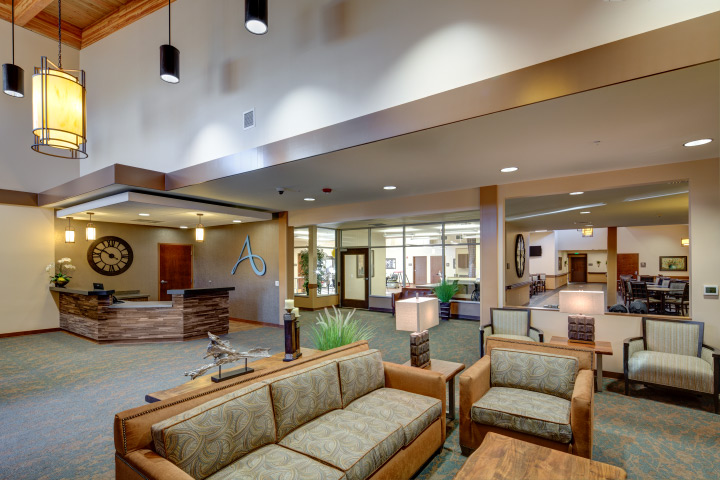
Who Owns and Operates Avamere Transitional Care Of Puget Sound?

AVAMERE TRANSITIONAL CARE OF PUGET SOUND is owned by a for-profit company. For-profit facilities operate as businesses with obligations to shareholders or private owners. The facility is operated by AVAMERE, a chain that manages multiple nursing homes. With 60 certified beds and approximately 54 residents (about 90% occupancy), it is a smaller facility located in TACOMA, Washington.
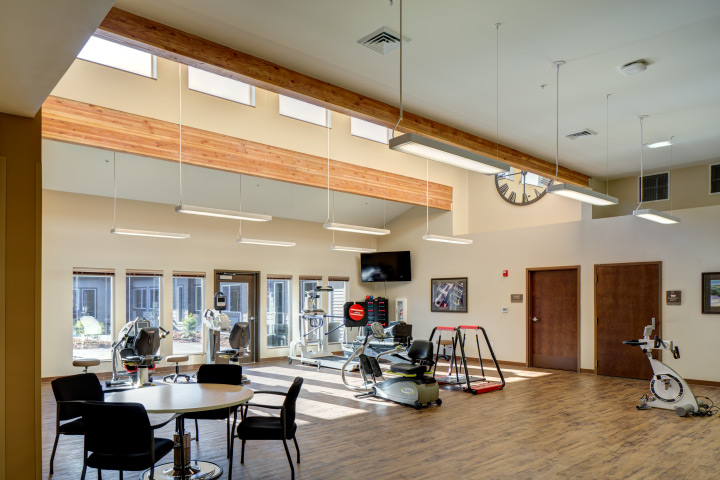
How Does Avamere Transitional Care Of Puget Sound Compare to Other Washington Nursing Homes?

Compared to the 100 nursing homes in Washington, AVAMERE TRANSITIONAL CARE OF PUGET SOUND's overall rating (4 stars) is above the state average of 3.2, staff turnover (37%) is near the state average of 46%, and health inspection rating (3 stars) is at the national benchmark.

What Should Families Ask When Visiting Avamere Transitional Care Of Puget Sound?

Based on this facility's data, families visiting should ask: "Can I visit during a mealtime to observe dining assistance and food quality?" "How do you handle medical emergencies, and what is your hospital transfer rate?" "Can I speak with family members of current residents about their experience?"

Is Avamere Transitional Care Of Puget Sound Safe?

Based on CMS inspection data, AVAMERE TRANSITIONAL CARE OF PUGET SOUND has a clean safety record: no substantiated abuse findings (meaning no confirmed cases of resident harm), no Immediate Jeopardy citations (the most serious violation level indicating risk of serious injury or death), and is not on the Special Focus Facility watch list (a federal program monitoring the lowest-performing 1% of nursing homes). The facility has a 4-star overall rating and ranks #1 of 100 nursing homes in Washington. While no facility is perfect, families should still ask about staff-to-resident ratios and recent inspection results during their visit.

Do Nurses at Avamere Transitional Care Of Puget Sound Stick Around?

AVAMERE TRANSITIONAL CARE OF PUGET SOUND has a staff turnover rate of 37%, which is about average for Washington nursing homes (state average: 46%). Moderate turnover is common in nursing homes, but families should still ask about staff tenure and how the facility maintains care continuity when employees leave.

Was Avamere Transitional Care Of Puget Sound Ever Fined?

AVAMERE TRANSITIONAL CARE OF PUGET SOUND has no federal fines on record. CMS issues fines when nursing homes fail to meet care standards or don't correct problems found during inspections. The absence of fines suggests the facility has either maintained compliance or corrected any issues before penalties were assessed. This is a positive indicator, though families should still review recent inspection reports for the full picture.

Is Avamere Transitional Care Of Puget Sound on Any Federal Watch List?

AVAMERE TRANSITIONAL CARE OF PUGET SOUND is not on any federal watch list. The most significant is the Special Focus Facility (SFF) program, which identifies the bottom 1% of nursing homes nationally based on persistent, serious quality problems. Not being on this list means the facility has avoided the pattern of deficiencies that triggers enhanced federal oversight. This is a positive indicator, though families should still review the facility's inspection history directly.