BIRCH CREEK POST ACUTE & REHABILITATION
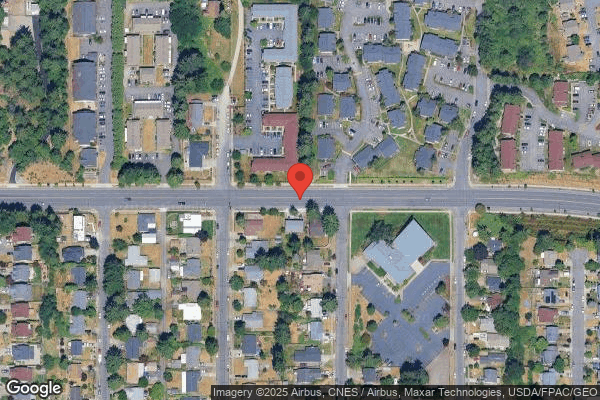
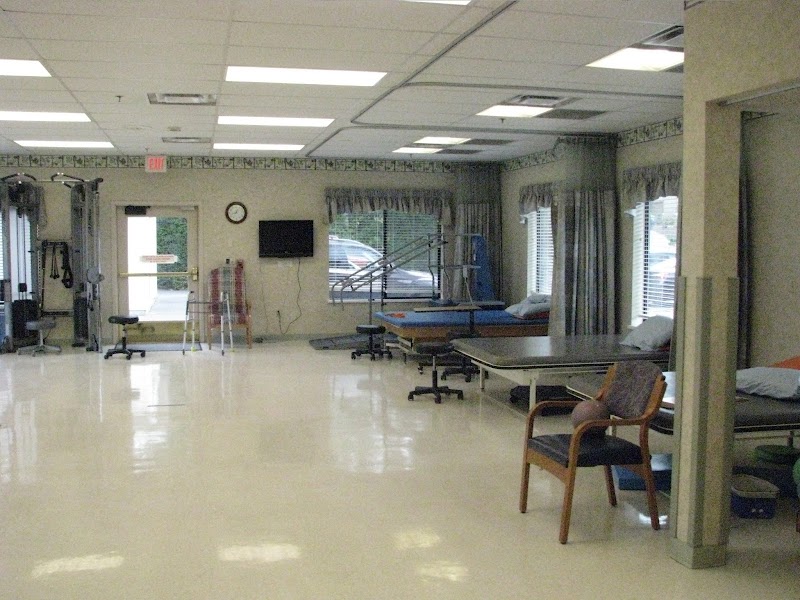
5601 S ORCHARD STREET, TACOMA, WA 98409 (253) 474-8421
For profit - Limited Liability company 124 Beds HILL VALLEY HEALTHCARE Data: November 2025
Trust Grade
55/100
#94 of 190 in WA
Last Inspection: March 2025

Within standard 12-15 month inspection cycle. Federal law requires annual inspections.

Overview

Birch Creek Post Acute & Rehabilitation has a Trust Grade of C, which means it is average and sits in the middle of the pack among nursing homes. It ranks #94 out of 190 facilities in Washington, placing it in the top half, but is #12 out of 21 in Pierce County, indicating there are better local options. Unfortunately, the facility is worsening, with issues increasing from 22 in 2024 to 28 in 2025. Staffing is average, with a rating of 3 out of 5 stars and a turnover rate of 49%, which is close to the state average. While the facility has not incurred any fines, it has less registered nurse coverage than 79% of other facilities in Washington, meaning there may be less oversight for resident care. There have been some concerning incidents noted in inspections, including a serious case where a resident's significant health changes were not addressed in a timely manner, leading to hospitalization. Additionally, the facility has struggled with food safety practices, as observed food storage violations could lead to foodborne illness. Lastly, there are deficiencies in infection control measures, which pose risks to residents and staff alike. Overall, while there are some strengths, families should weigh these issues carefully when considering this facility for their loved ones.

Trust Score
C
55/100
In Washington
#94/190
Top 49%
Safety Record
Moderate
Needs review
Inspections
Getting Worse
22 → 28 violations
Staff Stability
⚠ Watch
49% turnover. Above average. Higher turnover means staff may not know residents' routines.
Penalties
✓ Good
No fines on record. Clean compliance history, better than most Washington facilities.
Skilled Nurses
○ Average
Each resident gets 32 minutes of Registered Nurse (RN) attention daily — about average for Washington. RNs are the most trained staff who monitor for health changes.
Violations
⚠ Watch
66 deficiencies on record. Higher than average. Multiple issues found across inspections.
★★★☆☆
3.0
Overall Rating
★★★☆☆
3.0
Staff Levels
★★★★★
5.0
Care Quality
★★☆☆☆
2.0
Inspection Score
Stable
2024: 22 issues
2025: 28 issues

The Good

  • 5-Star Quality Measures · Strong clinical quality outcomes
  • Full Sprinkler Coverage · Fire safety systems throughout facility
  • No fines on record

Facility shows strength in quality measures, fire safety.

The Bad

3-Star Overall Rating

Near Washington average (3.2)

Meets federal standards, typical of most facilities

Staff Turnover: 49%

Near Washington avg (46%)

Higher turnover may affect care consistency

Chain: HILL VALLEY HEALTHCARE

Part of a multi-facility chain

Ask about local staffing decisions and management

The Ugly 66 deficiencies on record

1 actual harm
Aug 2025 1 deficiency
CONCERN (D) 📢 Someone Reported This

A family member, employee, or ombudsman was alarmed enough to file a formal complaint

Potential for Harm - no one hurt, but risky conditions existed

Accident Prevention (Tag F0689)

Could have caused harm · This affected 1 resident

**NOTE- TERMS IN BRACKETS HAVE BEEN EDITED TO PROTECT CONFIDENTIALITY** Based on observation, interview and record review, the facility failed to provide adequate monitoring and supervision and implem...

Read full inspector narrative →
**NOTE- TERMS IN BRACKETS HAVE BEEN EDITED TO PROTECT CONFIDENTIALITY** Based on observation, interview and record review, the facility failed to provide adequate monitoring and supervision and implement preventative measures to prevent unsafe feeding for one (Resident 1) of three residents reviewed for accidents. Failure to identify known risks, implement individualized, resident-centered interventions, including adequate supervision, communicating interventions to all relevant staff, provide training as needed to reduce those risks and ensure interventions were put into action, placed the resident at risk of being force fed, choked, developing aspiration pneumonia, and psychosocial harm.Findings included.Review of clinical census showed Resident 1 resided in the facility from [DATE] until 05/15/2025. Review of a facility incident investigation showed that on 05/11/2025, at approximately 1:30 PM, staff witnessed an apparent altercation involving Resident 1 and their son during a routine visit. Resident 1 was refusing to take their prescribed medications and had been resisting eating lunch when their son became increasingly frustrated. About 10 minutes of him attempting to encourage her to eat, he was observed yelling at the resident in Russian and then placed his hands on her throat in an apparent attempt to force her to swallow the medication and food. The facility implemented supervised visits and the care plan was revised, Resident's son not to be left alone in the room with her. Visits to occur in common areas. The resident was discharged to an Adult Family Home (AFH) as planned on 05/15/2025. Review of clinical census showed Resident 1 readmitted to the facility 06/25/2025.During an interview on 07/30/2025 at 1:46 PM, Staff H, Licensed Practical Nurse (LPN) stated prior to Resident 1's discharge to the AFH the restrictions were still in place. Resident 1's son wasn't supposed to be in the room with her alone, when he was there, they had staff with them at all times.During an interview on 07/30/2025 at 12:38 PM, Staff E, Social Services Director, during Resident 1's prior stay there was an incident where Resident 1's son was feeding Resident 1 and it appeared he was choking her. Staff E stated they discussed Resident 1's readmission, that Resident 1's son would have to be supervised with her during visits and Resident 1 would be up in the dining room for meals and during feedings.During an interview on 07/30/2025 at 11:46 AM, Staff C, LPN, Unit Manager, stated they were not aware of the incident that occurred previously as the resident was on the other side of the facility during that stay. Staff C stated at re-admission the son was allowed to visit and feed Resident 1 as they were not aware they were not allowed unsupervised visits.During an interview on 07/30/2025 at 1:09 PM, Staff F, Speech-language pathologist (SLP), Stated their student CC3 and themselves did an evaluation on 06/30/2025. An aide fed the resident who did fine on pureed diet and thin liquids. They tried different textures but Resident 1 wouldn't open their mouth, so they were done. Resident 1's son arrived at the end of the evaluation and they discussed that he only feeds her soft foods, soup, would give Resident 1 breaks and was aware they pocketed foods. Staff F confirmed there were no restrictions in place at that time regarding Resident 1's son feeding the resident.During an interview on 07/30/2025 at 12:30 PM, when asked why they did not implement the precautions previously in place, prior to readmission, Staff A, Administrator, stated before Resident 1 discharged to the AFH Staff G, SLP, did training with Resident 1's son and cleared him to feed Resident 1 independently. When asked if that was done prior to discharge, Staff A stated yes, that was their understanding.During an interview on 07/30/2025 at 1:29 PM, Staff G stated they had last treated Resident 1 on 04/02/2025. Staff G stated they tried to teach Resident 1's son how to encourage Resident 1 to eat, he understood but said he did not have five hours to get her to eat. Staff G stated they were making progress, then the insurance cut off and Resident 1 discharged . Staff G stated they were not aware of the 05/11/2025 incident and did not clear them prior to discharge.Review of a 06/25/2025 admission Note showed Resident 1 re-admitted to facility for Long Term Care (LTC) following prior discharge to AFH and subsequent prolonged hospitalization.Review of a facility reported incident showed on 07/25/2025 Resident 2 informed the Nursing Assistant instructor that they believed Resident 1's son was abusing Resident 1 and causing Resident 1 to yell out and make unusual sounds. Resident 2 could not see what occurred during the son's visits due to the curtain being drawn, but stated it sounded like the resident was gurgling and choking. Actions to prevent recurrence included notification to Resident 1's son that they were prohibited to be unsupervised with Resident 1, notified staff and placed a sign on room door stating to check with nurse before entering. Resident's son disallowed to visit unsupervised by staff. Son informed that he was no longer permitted to assist with feeding resident.During an interview on 07/30/2025 at 11:13 AM, Resident 2 stated that they and their son, Collateral Contact 1 (CC1) had heard Resident 1 choking, like they were gasping for air. Resident 2 stated Resident 1's son was force feeding Resident 1. Resident 2 stated since then the facility had Resident 1 go to the dining room.During an interview on 07/30/2025 at 11:24 AM, CC1 stated Resident 1's son was was choking her or force feeding her to eat. We heard it. CC1 stated they went and talked to the nurse who went in the room and checked on Resident 1, but their son had already left. CC1 said the next day Resident 2 stated it happened again. CC1 said the facility then put on sign on the door to check with nurse prior to entering, which they were told was directed at Resident 1's son. CC1 said that on the third day, there was a one-on-one staff supervising Resident 1's son's visit.On 07/30/2025 at 12:02 PM Resident 1 was observed in the dining room for the lunch meal. The tray card for Resident 1 indicated the resident was on a pureed with gravy diet, ate in their room, and required feeding assistance.On 07/30/2025 at 12:05 PM, Staff I, Nursing Assistant Certified (NAC), was observed to sit down next to Resident 1. Staff I attempted to feed the resident. Resident 1 would not open their mouth when Staff I put the spoon to their mouth. Staff I stated Resident 1 had been like that and noted that the day before three different staff tried to feed them but Resident 1 would not eat. Staff I stated Resident 1 usually would drink some of their fluids, as they assisted the resident to drink. Resident 1 was observed to spit out what was in their mouth and wipe their face with a napkin. Staff I stated they were spitting out their medications, which may be why Resident 1 would not eat. Resident 1 took one bite of applesauce and turned away.During an interview on 07/30/2025 at 12:56 PM, Collateral Contact 2 (CC2), Clinical Instructor stated on 07/25/2025 another instructor and a nursing assistant student were assisting Resident 1 to eat when Resident 2 told them they thought Resident 1's son was abusing Resident 1 because they heard Resident 1 make sounds they did not make when their son was not there. CC2 stated they reported to the nurse on the floor, wrote a signed statement and gave it to the Unit Manager.During an interview on 07/30/2025 at 11:46 AM, Staff C, LPN, Unit Manager, stated Resident 1's son frequently visited and liked to feed Resident 1. Staff C stated they observed Resident 1's son feeding Resident 1 the week prior but had not seen him forcing Resident 1 to eat. Staff C stated Resident 2 reported concerns to CC2, who wrote a statement and provided it to Staff C. Staff C said after notifying administrative staff they put a sign to have family members see the nurse before going into the room. Staff C stated when Resident 1's son visited they needed to monitor him, and open the room curtains. They did not want him to feed Resident 1 until they got approved by Speech-language pathologist (SLP).Review of the care plan showed a 07/25/2025 revision for SAFETY: the Resident needs supervision while resident's son is feeding her. Interventions listed included son has agreed to not feed his mother unsupervised until SLP can confirm caregiver training.During an interview on 07/30/2025 at 12:13 PM, Staff D, LPN, stated Resident 1's son had to be supervised in the room because there was a complaint. Staff D stated there was a note on the door so when Resident 1's son comes to ask and then staff watch them.In an interview on 07/30/2025 at 11:18 AM, Staff I stated there was a sign posted to see the nurse before going into the room. Staff I stated they supervised Resident 1's son's visitation twice. When asked if they received training, Staff I said, no, they told me I had to sit in here and watch, but did not specify what they were watching for.On 07/30/2025 at 11:18 AM there was no sign observed on Resident 1's door directing visitors to check with a nurse. On 07/30/2025 at 12:15 PM Staff C went to the door with the investigator and verified there was no such sign posted. Staff C stated, Yesterday I swear there was a note on the door.it was right here.maybe they removed it. During an interview on 07/30/2025 at 12:18 PM, Staff B, Director of Nursing, stated they were having staff keep an extra eye on Resident 1's son while he was visiting. Staff B stated they did not specifically order a one-on-one to watch them, sometimes staff sat in a chair in the room and other times they could just look in the room and check in on them. Staff B stated they removed the sign the previous night because it was no longer needed. When asked how they made the decision to remove the sign, Staff B stated the issue they were having was related to the son's feeding technique of his mother and an allegation it sounded like he was hurting her. Staff B stated they interviewed Resident 1's son who said when Resident 1 would not swallow for an extended period of time and held food in their mouth they would pull down on Resident 1's chin to open their mouth to do finger sweeps. Staff B stated they had to protect Resident 1 and told Resident 1's son not to feed Resident 1 until they could have SLP worked with them for caregiver training, and they agreed. Staff B stated the SLP visit was scheduled for 07/30/2025 at 2:00 PM.Further record review showed a 07/25/2025 Speech Therapy Referral was made for caregiver education needed with son for feeding; son requires training to assist with feeding. According to the form the therapy evaluation was completed on 07/31/2025. During an interview on 07/30/2025 at 1:09 PM, when asked what risks were associated with force feeding residents, Staff F state they could choke, aspirate and/or it could cause damage inside their mouth.According to the 07/25/2025 facility report, Resident 1 was placed on alert to monitor for latent injury or signs of psychosocial harm. Review of the progress notes showed the incident was not documented in Resident 1's record and there was no documented monitoring. During an interview on 07/30/2025 at 11:46 AM, when asked if they had placed Resident 1 on alert to monitor for aspiration pneumonia or for psychosocial harm, Staff C stated no, because they had not considered it.On 07/30/2025 at 2:43 PM Staff F, CC3 were in Resident 1's room with Resident 1's son and the investigator. During an interview on 07/30/2025 at 2:43 PM, Resident 1's son stated they were upset that others thought he was purposely abusing his mom, and explained he was doing it to make her live, I'm trying to feed her against her will, but nobody sees that. I don't care what they believe, it is the only mom I have. Resident 1's son stated, If you can find me another way to feed her, a button to push, tell me. Resident 1's son stated that when the staff try to feed her and she doesn't open her mouth, they can't do anything. Staff F confirmed that was true. At 3:33 PM Resident 1's son stated that sometimes Resident 1 just looked glassy eyed. When asked if he feeds her then, he stated yes, sometimes she'll open her mouth, she needs to eat. Resident 1's son confirmed they get frustrated if Resident 1 doesn't eat, and commented if they don't eat, they will die.On 07/30/2025 at 2:43 PM Resident 1's son said when food gets stuck in Resident 1's mouth they couldn't see anyway to remove it from their mouth except to open forcefully. Staff F suggested telling Resident 1 to open their mouth, or putting spoon up to their mouth and Resident 1's son stated they had been told to try those methods before, but they did not work.On 07/30/2025 at 2:35 PM Resident 1's son stated they had brought food that was considered dangerous for his mom to eat, which he would feed her depending on her condition. When Resident 1 was awake they were more agreeable than when sleepy. At 2:52 PM when asked what they brought that was considered dangerous, Resident 1's son stated, soup with carrots, meat, dumplings and peaches. Resident 1's son was observed to feed Resident 1 the soup. When Resident 1 coughed, their son stated, it happens sometimes. Resident 1 was observed to use their tongue to scan the inside of their mouth and then remove a slice of vegetable from their mouth. At 3:00 PM Resident 1's son explained that more natural (non-pureed) foods look familiar, more accurate, like they are supposed to, when everything is mashed up, you cannot even see what it is. At 3:33 PM Staff F explained that Resident 1's diet could not be upgraded from pureed without additional treatment sessions and told the resident's son they should not be giving foods that were not pureed. Resident 1's son stated that the staff had not told them that previously.During an interview on 07/30/2025 at 3:33 PM, Resident 1's son acknowledged that during their previous stay at the facility their visits were supervised, when I fed her. Resident 1's son stated it was inconvenient for him, but he did not mind if they watched.On 07/30/2025 at 3:47 PM Staff F met with Staff A, and Staff B. Staff F stated Resident 1's son wanted to bring foods into feed Resident 1 and the facility needed to be sure it was safe. Staff F stated they would continue to see Resident 1 during the son's visitation and continue to work with them. The investigator's concerns were shared including the facility's failure to implement the prior restrictions at readmission, the incident occurred again when it was preventable, and staff failed have documented monitoring after the incident.Review of the facility incident investigation and summary sent 08/01/2025 showed the son had poor comprehension of why forcing Resident 1's mouth open to let it empty could cause harm, yet they documented there was no willful action or inaction that inflicts injury. The summary did show the son was disregarding the resident's right to refuse food and drink and may ultimately lead to aspiration, physical or mental harm.REFERENCE: WAC 388-97-1060(3)(g)
Jul 2025 1 deficiency
CONCERN (E) 📢 Someone Reported This

A family member, employee, or ombudsman was alarmed enough to file a formal complaint

Potential for Harm - no one hurt, but risky conditions existed

Deficiency F0692 (Tag F0692)

Could have caused harm · This affected multiple residents

**NOTE- TERMS IN BRACKETS HAVE BEEN EDITED TO PROTECT CONFIDENTIALITY** Based on observation, interview, and record review, the facility failed to have a system in place that ensured fluid intake/outp...

Read full inspector narrative →
**NOTE- TERMS IN BRACKETS HAVE BEEN EDITED TO PROTECT CONFIDENTIALITY** Based on observation, interview, and record review, the facility failed to have a system in place that ensured fluid intake/output was accurately monitored, documented, and 24-hour intake totals were calculated and evaluated for 5 of 5 residents (Resident 2, 3, 4, 5 & 6) reviewed for dehydration and fluid restriction (a diet which limits the amount of daily fluid intake). These failures placed residents at risk for fluid and electrolyte imbalances, dehydration, fluid overload, and rehospitalization.Findings included .Review of the facility's Resident Hydration and Prevention of Dehydration Policy and Procedure, dated 10/01/2021, showed nursing staff would monitor residents for signs and symptoms of dehydration during daily care, intake and output monitoring would be initiated and incorporated into the care plan, medications that may exacerbate dehydration (e.g., diuretics) would be reviewed and held if medically necessary, laboratory tests would be ordered to assess hydration status, and nursing would monitor and document fluid intake as ordered by the physician/practitioner or per facility protocol.Review of the RAI (Resident Assessment Instrument) Manual showed that dehydration would require assessment and care planning if the Minimum Data Set (MDS - an assessment tool), showed the resident presented with two or more potential indicators for dehydration; 1. Resident takes in less than the recommended 1.500 milliliters (mL) of fluids daily, 2. Resident has one or more potential clinical signs of dehydration, including, but not limited to dry mucous membranes, poor skin turgor, cracked lips, thirst, sunken eyes, dark urine, new onsite or increased confusion, fever, or abnormal laboratory values 3. Resident's fluid loss exceeds the amount of fluids he or she takes in.Resident 2Review of the 06/20/2025 Entry Tracking Record showed Resident 2 admitted to the facility on [DATE] from an acute care hospital.Review of the hospital discharge orders, dated 06/20/2025, showed discharge diagnoses of Congestive Heart Failure (CHF, when the heart does not pump enough causing fluid buildup) with discharge orders for a 1500 mL fluid restriction, monitor intake and output daily, daily weights, Torsemide 40 milligram (mg) twice a day (80 mg daily)(a diuretic, or water pill, a medication that helped the body get rid of excess water and salt through increased urination).Review of the Cardiac Care Plan, dated 06/20/2025, showed problems related to cardiac complications, and diuretic use, but did not include the fluid restriction, or weight monitoring per hospital discharge orders. Interventions included labs as ordered, observe for signs and symptoms of fluid overload including pulmonary or lower extremity edema and shortness of breath and notify MD as indicated and observe for signs and symptoms of fluid imbalance including dehydration or fluid overload and notify MD as needed.Review of the Initial Nutritional at Risk Assessment, dated 06/24/2025, showed Resident 2 had edema (swelling) of their legs and their usual weight was 250 pounds (lbs). Their hospital admit weight was 314 lbs and the physician wanted Resident 2 to lose 30+ lbs more fluid weight with diuretics and fluid restriction. The listed goals included: Fluid weight loss expected, monitor; Maintain hydration within parameters of fluid restriction; Nutrition-related labs within normal limits.Review of the 06/30/2025 Discharge MDS showed Resident 2 discharged from the facility 06/30/2025 and weighed 260 lbs, which was a significant weight loss of 5% or more in 10 days. According to the MDS, Resident 2 was not on a physician-prescribed weight-loss regimen, was taking diuretic medications, and was dehydrated during the seven-day lookback period.During an interview on 07/02/2025 at 10:12 AM, Resident 2 stated that their body weight was plummeting, and at first the facility staff denied there was a problem and attributed it to their equipment. They weighed them three times, using different scales, and the staff were finally convinced they were losing weight. Resident 2 stated they went from 303 lbs to 260 lbs in around six days, and at a loss below their goal. Resident 2 commented that weight loss by diuresis was supposed to be gradual. Resident 2 stated, It was obvious I was being dehydrated, and described they had cotton mouth and dry eye socket.During an interview on 07/10/2025 at 1:31 PM, Staff C, Registered Dietician, stated they were concerned about the resident's risk of dehydration, which is why they ordered daily weights. Staff C acknowledged they got daily weights every day except the 29th.Review of the June 2025 Medication Administration Record (MAR) showed 06/20/2025 orders for Fluid restriction (1500 mL) BLD (Breakfast, Lunch, Dinner) and Med Pass per shift. Document amount given with med pass: Day shift 240 mL, Evening shift 180 mL, Night shift 120 mL.During an interview on 07/10/2025 at 11:37 AM, Staff F, LPN stated residents with diagnosis of CHF or receiving dialysis were often on fluid restrictions. For those residents, staff were to follow physician orders, ensure no water pitcher at the bedside, and Nursing Assistants documented the fluids taken with meals.Review of the June 2025 MAR showed 120 mL were documented as consumed on dayshifts of 06/21/2025, 06/22/2025 and 06/28/2025, on evening shift of 06/23/2025, 06/24/2025, and 06/26/2025. On 06/27/2025 evening shift was documented an intake of 240 mL, which was 180 mL over recommended.During an interview on 07/10/2025 at 11:47 AM, Staff D, LPN/ Unit Manager, stated the nursing intake was documented by the nurses on the MAR and the Nursing Assistants documented the dietary fluid intake on the meal monitor. When asked where the 24-hour totals were documented, Staff D stated, I don't see that. Review of the nursing assistant documentation of fluid intake on the meal monitor showed only that fluids were offered and accepted, but did not indicate the amount (cups, ounces, or milliliters) of fluids.During an interview on 07/10/2025 at 1:23 PM, Staff G, Nursing Assistant, stated they did not write down how much residents drank.Review of the EHR did not show staff monitored or reconciled Resident 2's fluid intake between shifts to ensure they maintained the ordered fluid restriction nor were fluid outputs documented.During an interview on 07/02/2025 at 10:12 AM, Resident 2 stated they had a CardioMEMS unit which facility staff would not let them use as it was not authorized by the doctor. Resident 2 stated they met with the doctor who said no problem. Resident 2 stated it took time to get the authorization, and two hours for the staff to help them set it up. Then they sent the signal to the heart care clinic. Resident 2 stated their goal was to keep their reading at 12, but 10-15 range was ok, 0 was dead and 20 was critical. Resident 2 stated it didn't take the heart care clinic long after receiving the reading of 1, and they were dispatched to the hospital as a critical patient in a life-threatening situation. Resident 2 stated, My heart muscle was so dehydrated it was giving up.During an interview on 07/10/2025 at 11:37 AM, Staff F, stated when Resident 2 used the CardioMEMS the heart care clinic wanted the resident to be sent out and Resident 2 felt like they were dehydrated and wanted to be sent out. Staff F stated they called 911 as requested and the resident was taken to the hospital.Review of a cardiac consult note, dated 06/30/2025, showed Resident 2 was readmitted to the hospital on [DATE] with significant dehydration and new acute kidney injury. Resident 2 was admitted in a guarded status (condition is serious), for careful hydration, and continuous cardiac monitoring.During an interview on 07/10/2025 at 3:23 PM, Staff B, Director of Nursing, stated they were in the process of treating dehydration when they were directed to send the resident to the hospital. Resident 3Review of a Nutritional Risk Assessment, dated 06/05/2025, showed Resident 3 was on Hemodialysis (HD - a machine filters waste and excess fluid from the blood, acting as an artificial kidney) and had a 1500 mL fluid restriction, with 960 mLs for dietary and 540 mL for nursing a day. Listed goals included adequate hydration as evidenced by no signs or symptoms of dehydration (dark pungent urine, rapid weight loss, fever, dry lips, etc).Review of the Fluid Restriction Care Plan, dated 05/28/2025, showed Resident 3 was not to have water kept at bedside and staff were to follow fluid restrictions per physician order.Review active physician orders showed 05/28/2025 orders for Fluid restriction (1500 mL) BLD and Med Pass per shift. Day-240 mL, Eve-180 mL, Noc-120 mL.Review of the June 2025 MAR showed on evening shift staff documented a correct intake of 180 mL on six occasions. All other evenings, Resident 3 drank less than allowed (120 mL), or more than allowed (240 mL). On night shift, staff documented fluid intake of 1000 mL on 06/02/2025 and 1500 mL on 06/06/2025.Review of the July 2025 MAR showed intake less than allowed on day shift on 07/01/2025, 07/08/2025, 07/09/2025, 07/10/2025 (120 mL) and more than allowed on evening shift 07/03/2025, 07/05/2025 (240 mL) and more than allowed on night shift 07/04/2025 (180 mL), 07/05/2025 (240 mL).Review of the nursing assistant documentation, dated July 2025, of fluid intake on the meal monitor showed only that fluids were offered and accepted, but did not indicate the amount of fluids. There were no 24-hour totals.On 07/10/2025 at 11:08 AM, a cactus was observed on the resident's doorway indicating they were on a fluid restriction. In an interview at that time, Resident 3 stated they were very careful with their fluids and did not get a water pitcher that other residents got. Resident 3 stated they got pop out of the machine. A 20 fluid ounce (oz) (591 mL) soda was observed at their bedside. The resident was aware they were restricted to 1500 mL a day, but when asked how they kept track of their intake, Resident 3 stated, I don't. Resident 4Review of the Nutritional at Risk Assessment, dated 06/02/2025, showed Resident 4 had End Stage Renal Disease (ESRD- kidneys lose the ability to remove waste and balance fluids), went to dialysis (a treatment that filters blood when the kidneys are unable to do so, removing waste and excess fluid) three times a week and was on a 1500 mL fluid restriction.Review of the Fluid Restriction Care Plan, dated 06/02/2025, showed no was water kept at the bedside due to fluid restriction and directed staff to follow physician order and observe for alterations in hydration status.Review active physician orders showed 05/28/2025 orders for Fluid restriction (1500 mL) BLD and Med Pass per shift. Day-240 mL, Eve-180 mL, Noc-120 mL.Review of the June 2025 MAR showed Resident 4 consumed less than the allowed 240 mL on 06/23/2025, 06/25/2025, 06/26/2025, 06/30/2025 (120 mL). Review of the evening shift showed Resident 4 consumed the allotted 180 mL on six occasions, all others were over (240 mL,14 times) or under (120 mL, eight times). On night shift the resident consumed more than the 120 mL allowed on four occasions, up to 1500 mL on 06/06/2025. Similar findings were noted on the July 2025 MAR.Review of the nursing assistant documentation of fluid intake on the meal monitor, July 2025, showed only that fluids were offered and accepted, but did not indicate the amount of fluids. There were no 24-hour totals.During an interview on 07/10/2025 at 10:32 AM, Resident 4 stated the facility put them on a fluid restriction, dialysis did not, they just asked Resident 4 to watch how much fluid they drank. A water pitcher was observed in Resident 4's room. Resident 4 stated the staff give them that big heavy thing that they spill when in bed and now they can't use a straw, so they ask them to keep filling smaller cups. Four plastic glasses with clear liquid were observed in the resident room and one glass of apple juice on their food tray. Resident 4 stated they had not gone over their daily fluid allotment, but they also said they did not know how much they were allowed.During an interview on 07/10/2025 at 10:57 AM, when asked how staff knew which residents were on fluid restrictions, Staff E, LPN stated by the cactus magnet placed outside the resident's room door.Observation of Resident 4's entry, door frame and room plate showed no cactus indicating they were on a fluid restriction. Resident 5Review of the Nutritional at Risk Assessment, dated 03/06/2025, showed Resident 5 had a 37.8 lb weight loss between hospital admission weight on 02/02/2025 and facility admit weight 03/03/2025. The assessment documented weight loss observed was likely related to fluid shifts and noted Resident 5 was on diuretic treatment. Dehydration and weight shifts were not uncommon with diuretic use, continue to monitor for signs and symptoms of dehydration, and anticipate potential for weight fluctuations. The assessment showed the resident had ESRD, received HD and was on a 1500 mL/day fluid restriction.Review of the Care Plan, dated 03/06/2025, showed Resident 5 was at risk for dehydration related to diuretic use on a fluid restriction. A listed goal was for Resident 5 to have adequate hydration as evidenced by no signs or symptoms of dehydration (dark pungent urine, rapid weight loss, fever, dry lips, etc.). Interventions included the dietary fluid allowance of 32oz (960mL): B-12oz (360mL) L-8oz (240mL) D-12oz (360mL).Review of a physician order, dated 05/14/2025, showed a fluid restriction of 1500 mL/day, with a Nursing allowance of 540 mL (morning 240 mL, afternoon 180 mL, evening 120 mL).Review of the June 2025 and July 2025 MARs showed documentation of instances where Resident 5 consumed more and/or less than the amount allowed. The MAR did not include 24 hour totals. Review of the nursing assistant documentation of fluid intake on the meal monitor, July 2025, showed only that fluids were offered and accepted, but did not indicate the amount of fluids consumed.During an interview on 07/10/2025 at 11:22 AM, Resident 5 stated they were on a fluid restriction. A water picture was observed at bedside, which Resident 5 stated, acknowledged and added, but they only give me a bit. Resident 5 stated they were allowed 36 ounces a day (1064.6 mL), and they calculated how much fluid they took because they did not want to go over. Resident 5 stated they wrote it down on a piece of paper but were unable to provide any documentation of intake. Resident 6Review of the Nutritional at Risk Assessment, dated 05/07/2025, showed Resident 6 received HD and was on a 1000 mL fluid restriction.Review of the Fluid Restriction Care Plan, dated 05/10/2025, directed staff to follow physician ordered fluid restriction, no water was to be kept at the bedside and observe for alterations in hydration status.Review of June 2025 MAR showed a 05/30/2025 order for 1000 mL fluid restriction BLD and Med Pass per shift. Day: 120 mL, Eve: 100 mL, NOC: 60 mL. Monitor pt compliance and provide education if non-compliant. Review of July 2025 MAR showed a 06/25/2025 order continuing the 1000 mL fluid restriction. Review of the nursing assistant documentation of fluid intake on the meal monitor, June 2025, showed only that fluids were offered and accepted, but did not indicate the amount of fluids. There were no 24-hour totals documented.During an interview on 07/10/2025 at 10:57 AM, Staff E, LPN, stated Resident 6 was allowed 120 mL on day shift, but they always wanted more fluids, and they were constantly reeducating them. Staff E stated the nursing allowance was what the nurse could administer with medications. Staff E stated they only knew the amount they gave to the residents, as the nursing assistants monitored intake and output, and the other fluids the residents received.On 07/10/2025 at 1:24 PM, Resident 5's meal tray card indicated the resident was on a fluid restriction and could have 120 mL of diet juice of their choice. The lunch tray was observed without juice, but there was one glass of flavored water and one glass of clear liquid.During an interview on 07/10/2025 at 3:03 PM, Staff B stated for residents on fluid restrictions, the nurses were expected to document on the MAR the amount of fluids residents consumed from all nursing staff, including nursing assistants. Staff B stated the kitchen sent out the dietary allowances with the meal trays. When asked where staff documented the amount of fluids sent by the kitchen that the resident actually consumed, Staff B stated, I don't know if that's documented anywhere. Staff B stated fluid restrictions were a maximum amount of fluid allotted in 24 hours and staff would not monitor fluid intake under as the residents could have up to the amount ordered.During an interview on 07/10/2025 at 3:03 PM, Staff A, Administrator stated the nursing assistants documented that the fluids the kitchen sent were offered and accepted. Staff A stated they were not required to calculate 24 hour total fluid intake.Reference WAC 388-97-1060 (3)(i).
Jun 2025 2 deficiencies
CONCERN (D) 📢 Someone Reported This

A family member, employee, or ombudsman was alarmed enough to file a formal complaint

Potential for Harm - no one hurt, but risky conditions existed

Investigate Abuse (Tag F0610)

Could have caused harm · This affected 1 resident

**NOTE- TERMS IN BRACKETS HAVE BEEN EDITED TO PROTECT CONFIDENTIALITY** .Based on interview and record review, the facility failed to thoroughly investigate an allegation of potential abuse and implem...

Read full inspector narrative →
**NOTE- TERMS IN BRACKETS HAVE BEEN EDITED TO PROTECT CONFIDENTIALITY** .Based on interview and record review, the facility failed to thoroughly investigate an allegation of potential abuse and implement interventions to prevent further suspected abuse for 1 of 3 Residents (Resident 1) reviewed for abuse. These failures placed the residents at risk of abuse, psychological distress, and diminished quality of life.Findings included .Review of a facility policy titled Abuse Investigation and Reporting, dated 10/21/2021, showed all reports of resident abuse, neglect and exploitation would be thoroughly investigated by facility management. Further review of the policy showed the facility would ensure that any further potential abuse, neglect, or exploitation would be prevented. Review of a facility policy titled Abuse, dated 10/01/2021, showed in the event of an allegation or observation of abuse, the facility would protect the resident and other residents from further abuse. Review of a facility policy titled Abuse Prevention Program, dated 10/01/2021, showed the facility would implement measures to address factors that may lead to abusive situations. <Resident 1>Resident 1 admitted to the facility on [DATE] with a medically complex diagnosis. The quarterly minimum data set (MDS), an assessment tool, dated 03/27/2025, showed Resident 1 was cognitively intact and used a wheelchair for mobility. Resident 1 was dependent on staff for toileting and transfer assistsnce. Review of the facility Incident Report Summary (ISR) titled allegation of inappropriate relationship between staff member and resident, showed on 06/15/2025, Staff D, Restorative Aide, unlocked the gym door and entered the gym. Staff D found Resident 1 and Staff C, PTA/DOR (Physical Therapy Assistant/Director of Rehab) sitting in close proximity, face to face with the lights off. When Staff C realized Staff D had entered the gym, Staff C pushed Resident 1's wheelchair further away from them. The ISR showed on 06/22/2025 Staff D observed Staff C with Resident 1 in the gym with the lights off and the gym door locked again. The ISR showed Resident 1 had made comments to other staff about kissing Staff C and giving them oral sex. Staff C was suspended pending investigation. Review of the ISR showed Staff C and Resident 1 had been texting and developed a close friendship but unsubstantiated any sexual abuse. Review of the ISR showed Staff C allowed a professional provider relationship to cross boundaries into a personal relationship with a resident with known confessed romantic feelings toward them. Review of the ISR showed Staff C was to receive disciplinary action to include education about maintenance of professional boundaries and provider relationships with residents. Review of the ISR showed two staff members provided witness statements. The facility failed to identify any further witnesses to interview. During an interview on 06/30/2025 at 1:30 PM, Resident 1, said they and Staff C had been texting and they were friends. Resident 1 said they had texted when Staff C was not at work. Resident 1 said the texts included conversations about their health condition and Staff C's family, house, car, and everyday life. Resident 1 said they do not receive therapy services at this time. During an interview on 06/30/2025 at 1:54 PM Staff D, said they entered the gym on 06/15/2025 to find Resident 1 and Staff C in the gym behind locked doors with the lights off. Staff D said the gym is usually closed on Sunday and there are no therapy staff scheduled on Sundays. Staff D said they had suspicion there was inappropriate relations occurring. Staff D said they did not immediately report this concern but talked to other staff members about it to get advice about what to do. Staff D said they spoke to 5 (Staff E, Staff F, Staff G, Staff H, and Staff I) other staff about their concerns. Staff D said they had a conversation with Staff C and asked them to stop any relationship they have with Resident 1. Staff D stated 6 days later they found Staff C and Resident 1 behind a locked door in therapy alone. During an interview on 06/30/2025 at 2:41 PM, Staff C, said they had texted with Resident 1 from their personal phone, for about a year, mostly during working hours. Staff C said they did not text with any other residents, only Resident 1. Staff C stated a year ago, they heard from other residents that Resident 1 was attracted to Staff C. Staff C stated they set boundaries at that time and told Resident 1 they were married and loved their job. Staff C said they came into the facility on [DATE] to work on scheduling. Staff C said Resident 1 came to the gym, knocked on the door, and asked if they could talk. Staff C said they let Resident 1 in, and they talked for a while. Staff C said Staff D, entered the gym, saw Staff C and Resident 1, retrieved items, and left. When the allegation was reported, Staff C said they were suspended for two days until Staff A, Administrator, told them they could come back to work. Staff C stated they did not receive discipline. Staff C said they were assigned one education assignment for HIPPA (The Health Insurance Portability and Accountability Act, a federal standard protecting sensitive health information from disclosure without a patient's consent). Staff C said they were given no directions or guidance when they returned to work. When asked what they had learned from the experience, Staff C stated, not to give out their personal phone number to residents. During an interview on 06/30/2025 at 2:27 PM Staff E, Rehab Aide, said they had knowledge of the suspicion. Staff E said they were not interviewed during the investigation.During an interview on 06/30/2025 at 3:10 PM, Staff F, LPN (Licensed Practical Nurse) said they had knowledge of a potential inappropriate relationship between a resident and staff. Staff F was not interviewed for the investigation. During a joint interview on 06/30/2025 at 3:56 PM Staff A, Administrator and Staff B, DNS (Director of Nursing Services), said they interviewed Staff D and Staff G during the investigation. They did not include Staff E, Staff F, Staff H, or Staff I in the investigation interviews. Staff A said Staff C was given education on professional boundaries. Staff A said Staff C received discipline for crossing professional boundaries. Staff B said two additional staff were given verbal re-education on reporting of alleged violations of abuse. Documentation of education and discipline for Staff C, Staff D, and Staff G was requested, but was not provided by the facility. Reference WAC 388-97 -0640 (6)(a)(b) . x
CONCERN (E) 📢 Someone Reported This

A family member, employee, or ombudsman was alarmed enough to file a formal complaint

Potential for Harm - no one hurt, but risky conditions existed

Report Alleged Abuse (Tag F0609)

Could have caused harm · This affected multiple residents

**NOTE- TERMS IN BRACKETS HAVE BEEN EDITED TO PROTECT CONFIDENTIALITY** .Based on interview and record review, the facility failed to identify, and timely report an allegation of potential abuse for 1...

Read full inspector narrative →
**NOTE- TERMS IN BRACKETS HAVE BEEN EDITED TO PROTECT CONFIDENTIALITY** .Based on interview and record review, the facility failed to identify, and timely report an allegation of potential abuse for 1 of 3 Residents (Resident 1) reviewed for abuse. Failure of the facility to ensure 4 of 4 staff (Staff D, E, F, and G) timely reported alleged abuse, placed residents at risk of abuse, psychological distress, and diminished quality of life.Findings included .Review of a facility policy titled Abuse, dated 10/01/2021, showed staff were encouraged to identify, correct, and intervene in situations in which abuse and neglect was likely to occur. Immediately following, ensuring the resident's safety, staff were to report an allegation or observation of abuse to their supervisor, director of nursing, administrator or facility leadership member. Each mandated reporter should report immediately, but no later than 24 hours if the events of the suspicion did not result in serious bodily injury.<Resident 1>Resident 1, a long-term resident, was admitted to the facility on [DATE] with a medically complex diagnosis. The quarterly Minimum Data Set (MDS-an assessment tool), dated 03/27/2025, showed Resident 1 was cognitively intact, required the use of a wheelchair, required assistance from staff for activities of daily living like toileting and transfers.Review of the facility Incident Report Summary (ISR) titled Allegation of Inappropriate Relationship Between Staff member and Resident, showed a report of a concern about an inappropriate relationship between Staff C, PTA/DOR (Physical Therapy Assistant/Director of Rehab) and Resident 1. The report was received by the Administrator on 06/23/2025, which triggered an investigation. Further review of the ISR showed the facility found that Staff D, Restorative Aide and Staff G, LPN (Licensed Practical Nurse) did not report suspicions of abuse in a timely manner. During an interview on 06/30/2025 at 1:54 PM Staff D, stated they entered the gym on 06/15/2025 to find Resident 1 and Staff C, in the gym behind locked doors with the lights off. When Staff D entered the gym, Staff C was sitting facing Resident 1. When Staff C saw Staff D, Staff C pushed Resident 1 away from them. Staff D said the gym was usually closed on Sunday and there was no therapy staff scheduled on Sundays. Staff D said they had suspicion there was inappropriate relations occurring. Staff D said they did not immediately report this concern but talked to other staff members about it. Staff D stated they had a conversation with Staff C and asked them to stop any relationship they had with Resident 1. Staff D said Resident 1 had told staff they had a crush on Staff C and they had kissed. Staff D said they waited 6 days until they again found Staff C and Resident 1 behind a locked door in therapy alone. Staff D then notified the administrator on the following day of their concerns of an inappropriate relationship between Staff C and Resident 1.During an interview on 06/30/2025 at 2:27 PM, Staff E, Rehab Aide, said they had heard about the suspicion of an inappropriate relationship between Staff C, PTA/DOR and Resident 1, but had not witnessed anything themselves. Staff E said they did not report it since they had not seen anything.During an interview on 06/30/2025 at 3:10 PM, Staff F, LPN, said they were approached by a staff member on 06/22/2025 about their concerns of an inappropriate relationship. Staff F said they told the staff they needed to report the concern to administration. Staff F said they did not report the suspicion to administration because they did not see it. During an interview on 06/30/2025 at 3:22 PM, Staff G, LPN, said they had not seen any inappropriate behavior personally, but Resident 1 had talked about it to them and had insinuated things without clarity about 3 weeks prior. Staff G said they were told someone had seen Resident 1 with a staff member. Staff G said they told the staff they should report their concern to management. Staff G said they did not report it to anyone because they did not see it happening and was not sure if it was factual.During a joint interview on 06/30/2025 at 3:56 PM, Staff A, Administrator and Staff B, DNS (Director of Nursing Services), said they were notified on 06/23/2025 of the concern of an inappropriate relationship between Staff C, and Resident 1. They received the report 8 days after the concern was first identified. Staff A said this should have been reported as soon as there was a suspicion of an inappropriate relationship. Staff A said any staff that suspected an inappropriate relationship, should have reported it. Reference WAC 388-97-0640(5)(a). x
Mar 2025 24 deficiencies
CONCERN (D)

Potential for Harm - no one hurt, but risky conditions existed

Deficiency F0552 (Tag F0552)

Could have caused harm · This affected 1 resident

**NOTE- TERMS IN BRACKETS HAVE BEEN EDITED TO PROTECT CONFIDENTIALITY** . Based on interview and record review, the facility failed to have psychotropic medication (medications that affect a person's ...

Read full inspector narrative →
**NOTE- TERMS IN BRACKETS HAVE BEEN EDITED TO PROTECT CONFIDENTIALITY** . Based on interview and record review, the facility failed to have psychotropic medication (medications that affect a person's mental state) consents completed prior to receiving medications for 1 of 5 sampled residents (Resident 26) reviewed for unnecessary medication use. This failure placed the resident or their legal representatives at risk for lack of knowledge to make an informed decision regarding the use of the medication, adverse side effects, and a diminished quality of life. Findings included . Review of the electronic health record (EHR) showed Resident 26 readmitted to the facility on [DATE] and was able to make needs known. The quarterly minimum data set assessment (MDS), an assessment tool, dated 01/04/2025, showed Resident 26 had diagnoses of dementia (a group of thinking and social symptoms that interfere with daily functioning), anxiety disorder, and bipolar disorder (episodes of mood swings ranging from depressive lows to manic highs). Review of Resident 26's March 2025 medication administration records (MAR) from 03/01/2025 - 03/12/2025 showed the resident was prescribed and provided Clonazepam (a medication used to treat anxiety) and Divalproex Sodium (a mood stabilizer, used to treat bipolar disorder). Review of Resident 26's form titled, Informed Consent for Use of Psychotropic Medication, dated 02/21/2024, showed clonazepam documented on the form; however, there were areas on the form that were blank to include dose/frequency, duration, medication category, diagnosed condition for which the medication was prescribed, clinical indication for use, benefits expected from the medication, and possible side effects. Review of Resident 26's form titled, Consent for Use of Psychoactive Medication Therapy, dated 04/22/2021, showed psychotropic medication ordered was Depakote (another name for Divalproex Sodium). There were areas on the form that were blank to include specific condition to be treated, benefits expected from the medications, and the proposed course of the medication. During an interview on 03/12/2025 at 12:59 PM, Staff H, Licensed Practical Nurse/Unit Manager (LPN/UM), stated a signed informed consent was to be obtained prior to residents being provided a psychotropic medication. Staff H stated Resident 26's informed consent dated 02/21/2024 for the medication clonazepam and informed consent dated 04/22/2021 for the medication Depakote were not completely filled out and were missing information, which did not meet expectations. During an interview on 03/12/2025 at 3:44 PM, Staff B, Director of Nursing Services (DNS), stated Resident 26's informed consents dated 02/21/2024 and 04/22/2021 for ordered psychotropic medications were not filled out completely with required information and this did not meet expectations. Reference WAC 388-97-0260 .
CONCERN (D)

Potential for Harm - no one hurt, but risky conditions existed

Deficiency F0561 (Tag F0561)

Could have caused harm · This affected 1 resident

**NOTE- TERMS IN BRACKETS HAVE BEEN EDITED TO PROTECT CONFIDENTIALITY** . Based on interview and record review, the facility failed to honor resident shower preferences for 1 of 3 sampled residents (R...

Read full inspector narrative →
**NOTE- TERMS IN BRACKETS HAVE BEEN EDITED TO PROTECT CONFIDENTIALITY** . Based on interview and record review, the facility failed to honor resident shower preferences for 1 of 3 sampled residents (Resident 216) reviewed for choices. This failure placed the resident at risk for infection, medical complications, and diminished quality of life. Findings included . Review of the electronic health record (EHR) showed Resident 216 was re-admitted to the facility on [DATE] with diagnoses to include bipolar disorder (disorder associated with mood swings ranging from depressive low to manic highs), heart failure, spinal stenosis (spaces inside the bones of the spine get too small and causes pressure on the nerves) and morbid obesity (disorder that involves having too much body fat). Resident 216 was able to communicate needs. Review of the care plan, initiated 03/01/2025, did not showed instructions or preferences for showers. During an interview on 03/10/2025 at 10:30 AM, Resident 216 stated they did not get a choice about their shower. Resident 216 stated when staff ask to shower them, the only option was yes or no, and if the resident was not feeling well or was busy, they would miss the shower until the following week. Resident 216 stated they had not had a shower since admitting on 03/01/2025. During an interview on 03/12/2025 at 12:22 PM, Staff L, Licensed Practical Nurse/Unit Manager (LPN/UM), stated the showers were on a schedule and if resident were not able to have a shower, the make-up day was Sunday. During an interview on 03/13/2025 at 12:43 PM, Staff B, Director of Nursing Services, stated residents should have a choice and Resident 216 not having a shower did not meet expectation. Reference WAC 388-97-0900(1)-(4) .
CONCERN (D)

Potential for Harm - no one hurt, but risky conditions existed

Safe Environment (Tag F0584)

Could have caused harm · This affected 1 resident

**NOTE- TERMS IN BRACKETS HAVE BEEN EDITED TO PROTECT CONFIDENTIALITY** . Based on observation and interview, the facility failed to provide a homelike environment in resident rooms for 2 of 4 hallway...

Read full inspector narrative →
**NOTE- TERMS IN BRACKETS HAVE BEEN EDITED TO PROTECT CONFIDENTIALITY** . Based on observation and interview, the facility failed to provide a homelike environment in resident rooms for 2 of 4 hallways (200 and 100 halls) when review for environment. This failure placed residents at risk of decreased mood and a diminished quality of life. Findings included . 200 Hall Observations on 03/10/2025, 03/11/2025, and 03/14/2025 showed the wall behind Resident 65's head of their bed board with torn wallpaper and deep gouges with a small amount of flaking drywall accumulated on the floor. During an interview on 03/10/2025 at 12:53 PM, Resident 65 stated the wall had been in disrepair since they arrived in the room about three weeks ago and staff were aware. 100 Hall Observations of room [ROOM NUMBER] on 03/10/2025, 03/11/2025, and 03/12/2025 showed the wall behind the head of bed A had torn wallpaper and deep gouges. Observations of room [ROOM NUMBER] on 03/10/2025, 03/11/2025, and 03/12/2025 showed the wall behind the head of bed had torn wallpaper and deep gouges. During an interview on 03/13/2025 at 1:45 PM, Staff S, Maintenance Director, stated the rooms had needed repair for months; however, the facility did not have a solution to repair them in a timely manner. During an interview on 03/13/2025 at 2:19 PM, Staff A, Administrator, stated the expectation was maintenance staff were completing weekly rounds, entering needed repairs into the system, and completing repairs within 30 days. Reference WAC 388-97-0880(1) .
CONCERN (D)

Potential for Harm - no one hurt, but risky conditions existed

Abuse Prevention Policies (Tag F0607)

Could have caused harm · This affected 1 resident

. Based on observation, interview, and record review, the facility failed to complete criminal background check prior to hire for 1 of 5 staff (Staff F) when reviewed for abuse and neglect prevention....

Read full inspector narrative →
. Based on observation, interview, and record review, the facility failed to complete criminal background check prior to hire for 1 of 5 staff (Staff F) when reviewed for abuse and neglect prevention. This failure placed the residents at risk for abuse and neglect. Findings included . Review of a policy titled, Background Screening Investigations, dated 03/27/2024, showed employees cannot work in positions that involve direct contact with patients until the criminal background check was completed. During an interview and observation on 03/10/2025 at 10:34 AM, Resident 216 stated one nursing assistant was rude and pushed hard on their hip and caused them to scream. As Resident 216 was describing this, the door to the room opened and Staff F, Certified Nursing Assistant (CNA), came in and then left the room. Resident 216 stated that was the rude aide. Observation during day shift on 03/10/2025 and 03/11/2025 showed Staff F was working on the same hallway as Resident 216's room. Review of the employee file on 03/12/2025 showed Staff F, CNA, was hired on 09/05/2024. There was no background check for Staff F to show their criminal record was reviewed to allow unsupervised access to vulnerable adults. During an interview on 03/12/2025 at 2:17 PM, Staff C, Administrator in Training, stated Staff F's background check was not done and that was not an acceptable practice. Reference WAC 388-97- 0640(4)(9), -1800 .
CONCERN (D)

Potential for Harm - no one hurt, but risky conditions existed

Report Alleged Abuse (Tag F0609)

Could have caused harm · This affected 1 resident

**NOTE- TERMS IN BRACKETS HAVE BEEN EDITED TO PROTECT CONFIDENTIALITY** . Based on interview and record review, the facility failed to identify and report an allegation of abuse for 1 of 2 sampled res...

Read full inspector narrative →
**NOTE- TERMS IN BRACKETS HAVE BEEN EDITED TO PROTECT CONFIDENTIALITY** . Based on interview and record review, the facility failed to identify and report an allegation of abuse for 1 of 2 sampled residents (Resident 216) when reviewed for abuse. This failure placed the resident at risk of further abuse, psychological distress, and diminished quality of life. Finings included . Review of the electronic health record (EHR) showed Resident 216 was re-admitted to the facility on [DATE] with diagnoses to include bipolar disorder (disorder associated with mood swings ranging from depressive low to manic highs), heart failure, spinal stenosis (spaces inside the bones of the spine get too small and causes pressure on the nerves) and morbid obesity (disorder that involves having too much body fat). Resident 216 was able to communicate needs. During an interview on 03/10/2025 at 10:34 AM, Resident 216 stated the night before last there was a certified nursing assistant who was rude to them and during care pushed hard on their hip and made them scream. Resident 216 stated they reported that occurrence to the lead aide. Resident 216 stated the previous night they were not provided incontinent care, there was urine all over the floor in the morning, and a different staff member cleaned it up and told Resident 216 it looked like they were not changed all night. Review of the facility incident and grievance log on 03/12/2025 had no record of Resident 216's concerns. During an interview on 03/12/2025 at 2:08 PM, Staff L, Licensed Practical Nurse/Unit Manager, stated they were not aware of Resident 216's concerns, and staff were expected to report residents' concerns/allegations to the nurse managers, the state reporting hotline, and the administrator. During an interview on 03/12/2025 at 2:16 PM, Staff A, Administrator, stated staff were to report allegations of abuse and neglect to them immediately and Resident 216's allegations were not reported and that was not acceptable. Reference WAC 388-97- 0640(5)(6)(a)(c) .
CONCERN (D)

Potential for Harm - no one hurt, but risky conditions existed

Deficiency F0658 (Tag F0658)

Could have caused harm · This affected 1 resident

**NOTE- TERMS IN BRACKETS HAVE BEEN EDITED TO PROTECT CONFIDENTIALITY** . Based on observation, interview, and record review, the facility failed to follow provider's order for 1 of 5 sampled resident...

Read full inspector narrative →
**NOTE- TERMS IN BRACKETS HAVE BEEN EDITED TO PROTECT CONFIDENTIALITY** . Based on observation, interview, and record review, the facility failed to follow provider's order for 1 of 5 sampled residents (Resident 215) reviewed for professional standard of care and services. This failure placed the resident at risk for avoidable pain, medical complications, and diminished quality of life. Findings included . Review of the electronic health record (EHR) showed Resident 215 was admitted to the facility on [DATE] with diagnoses to include end stage renal disease (kidney failure), spinal stenosis in cervical region (spinal canal in the neck area narrows and compresses the spinal cord and nerves), diabetes (high blood sugar) and urine retention. Resident 215 was able to make needs known. Observation on 03/10/2025 at 10:16AM showed Resident 215 in their room with a cervical (neck) collar device on the nightstand. Observations from 03/10/2025 to 03/14/2025 showed Resident 215 without neck collar. During an interview on 03/12/2025 at 9:28 AM, Resident 215 stated they have not used the neck collar. Review of the medication administration record (MAR) for March 2025 showed an order for cervical collar for support and comfort and the order was signed for 03/09/2025 - 03/12/2025 by multiple nurses. During an interview on 03/13/2025 at 10:18 AM, Staff L, Licensed Practical Nurse/Unit Manager, stated the staff were to educate the resident and if the neck collar was not used to notify the provider. Staff L stated licensed nurses should not have documented in the MAR when the neck collar was not used. During an interview on 03/13/2025 at 12:49 PM, Staff B, Director of Nursing Services, stated the documentation of Resident 215's neck collar did not meet expectation. Reference WAC 388-97- 1620(2)(b)(i)(ii),(6)(b)(i) .
CONCERN (D)

Potential for Harm - no one hurt, but risky conditions existed

ADL Care (Tag F0677)

Could have caused harm · This affected 1 resident

**NOTE- TERMS IN BRACKETS HAVE BEEN EDITED TO PROTECT CONFIDENTIALITY** Resident 30 Review of the EHR showed Resident 30 admitted to the facility on [DATE] with diagnoses including cancer of the colon...

Read full inspector narrative →
**NOTE- TERMS IN BRACKETS HAVE BEEN EDITED TO PROTECT CONFIDENTIALITY** Resident 30 Review of the EHR showed Resident 30 admitted to the facility on [DATE] with diagnoses including cancer of the colon (lower intestines), dementia, and diabetes. The resident was unable to make needs known. During an interview on 03/12/2025 at 9:01 AM, Collateral Contact Z (CCZ), stated Resident 30 did not eat on their own and staff took the tray out without assisting them. CCZ stated staff did not get Resident 30 up out of bed during the day. During an interview and observation on 03/12/2025 at 9:01 AM, CCZ stated Resident 30 needed assistance with meals and to get up out of bed. Resident 30 was observed lying in bed while CCZ assisted them with the morning meal. Observations on 03/12/2025 at 11:08 AM, 1:18 PM, and 3:31 PM showed Resident 30 laid in bed with an absorbent pad under them. Their position was unchanged. Review of Resident 30's care plan initiated 11/16/2024 showed the resident required assistance with eating meals, to get out of bed for meals, and to assist the resident to turn and reposition often. Observation on 03/12/2025 at 1:29 PM showed Resident 30 laid in bed and ate a small bite of potatoes, a small bite of the main protein, a few bites of green beans, and pushed the table away and began folding their napkin repeatedly and talking to the television. No staff was observed assisting with eating. During an interview on 03/13/2025 at 11:21 AM, Staff B, DNS, stated it was their expectation staff follow the care plan for Resident 30 and get the resident out of bed and assist as needed for meals. Resident 88 Review of the EHR showed Resident 88 admitted to the facility on [DATE] with diagnoses of cognitive communication deficit (when someone has trouble with one or more cognitive processes involved in communication) and diabetes (when the body cannot process sugar effectively). The resident was able to make needs known. Observation and interview on 03/11/2025 at 9:36 AM showed Resident 88 laid in bed and had unshaven facial hair. Resident 88 stated staff did not help them wash their face or shave and they would like to be shaven. During an interview on 03/12/2025 at 10:26 AM, Staff M, Certified Nursing Assistant (CNA), stated staff should offer shaving with morning care and showers. Staff M stated the Resident 88 had not refused shaving. Review of the care plan dated 10/18/2024 showed no intervention for personal hygiene or grooming/shaving. During an interview on 03/13/2025 at 11:17 AM, Staff B, DNS, stated it was their expectation Resident 88 should be offered shaving every day with morning care and weekly with showers. Reference WAC 388-97-1060 (2)(c) Based on observation, interview, and record review, the facility failed to provide the necessary assistance with activities of daily living (ADLs) for 3 of 5 sampled residents (Residents 43, 30 and 88) when reviewed for dependent ADL care. This failure placed the residents at risk poor nutrition, weight loss, and a diminished quality of life. Findings included . Resident 43 Review of the electronic health record (EHR) showed Resident 43 admitted to the facility on [DATE] with diagnoses that included stroke, bipolar disorder (mental health condition characterized by significant mood swings) and weakness. Resident 43 was dependent on staff for mobility. During an interview on 03/10/2025 at 2:40 PM, Resident 43 laid in bed and stated they wanted to get out of bed more frequently but believed there were not enough staff. Observations on 03/12/2025 at 9:32 AM and 12:29 PM showed Resident 43 laid in bed. Observation on 03/13/2025 at 10:30 AM showed Resident 43 laid in bed watching television. During an interview on 03/13/2025 at 10:49 AM, Staff Y, Certified Nursing Assistant (CNA), stated staff only got Resident 43 up out of bed for appointments. Staff Y stated Resident 43 had tremors and poor positioning in their wheelchair. Staff Y stated Resident 43 had a wheelchair, but they had not seen it since it was taken for repair. Observation on 03/13/2025 at 10:51 AM showed Resident 43 pushed their call light and which was answered by Staff Y, CNA. Resident 43 requested assistance to get out of bed. Observation on 03/13/2025 at 11:53 AM showed Resident 43 laid in bed in the same position. During an interview on 03/13/2025 at 12:43 PM, Resident 43 stated Staff Y, CNA, was to get them out of bed but did not give a time and had not yet returned. Observation and interview on 03/13/2025 at 2:24 PM showed Resident 43 still in bed. Staff B, Director of Nursing Services (DNS), stated the expectation was for staff to offer to get residents up daily and make it a priority if a resident requested to get up.
CONCERN (D)

Potential for Harm - no one hurt, but risky conditions existed

Quality of Care (Tag F0684)

Could have caused harm · This affected 1 resident

**NOTE- TERMS IN BRACKETS HAVE BEEN EDITED TO PROTECT CONFIDENTIALITY** Resident 64 Review of the EHR showed Resident 64 admitted to the facility on [DATE] with diagnoses that included disorder of mus...

Read full inspector narrative →
**NOTE- TERMS IN BRACKETS HAVE BEEN EDITED TO PROTECT CONFIDENTIALITY** Resident 64 Review of the EHR showed Resident 64 admitted to the facility on [DATE] with diagnoses that included disorder of muscle, lymphedema (tissue swelling caused by accumulation of fluid), and difficulty walking. Review of the admission MDS dated [DATE] showed Resident 64 was assessed to have lower extremity impairment of both sides. During an interview on 03/12/2025 at 1:52 PM, Resident 64 stated Staff never do what they're supposed to do here. I'm supposed to get my legs wrapped daily and it doesn't get done. Observations on 03/12/2025 at 9:51 AM and 03/13/2025 at 11:03 AM showed Resident 64's legs were not wrapped. Review of Resident 64's provider's order dated 02/28/2025 showed staff were to apply ACE wraps (elastic bandages) to bilateral extremities one time a day for edema and remove at night per schedule. Review of the March 2025 MAR showed the ACE wraps had not been applied on any days during the month. During an interview on 03/13/2025 at 11:23 AM, Staff T, LPN, stated Resident 64's legs were supposed to be wrapped but had not been. During an interview on 03/14/2025 at 7:52 AM, Staff H, LPN/UM, stated the order was input as no documentation required in error. Staff H stated the expectation was Resident 64's legs were wrapped daily. During an interview on 03/14/2025 at 8:33 AM, Staff B, DNS, stated the expectation was that orders were entered to reflect on the MAR and followed as directed by the provider. Reference WAC 388-97-1060(1) Based on observation, interview, and record review, the facility failed to provide the necessary care and services for the treatment of non-pressure skin injuries and/or for edema (swelling caused by excess fluid in the body's tissues) management for 2 of 3 sampled residents (Residents 22 and 64) when reviewed for non-pressure skin conditions. These failures placed residents at risk for worsening of non-pressure injuries, medical complications, and a diminished quality of life. Findings included . Resident 22 Review of the electronic health record (EHR) showed Resident 22 readmitted to the facility on [DATE] with diagnoses to include diabetes (high blood sugar levels), peripheral vascular disease (reduced blood flow to the arms and legs), and atrial fibrillation (an irregular, often rapid heart rate that commonly causes poor blood flow). Review of the quarterly minimum data set assessment (MDS) dated [DATE] showed Resident 22 had diabetic foot ulcers (a slow-healing sore/wound on the foot of someone with diabetes) and was able to make needs known. During an interview on 03/12/2025 at 1:52 PM, Resident 22 stated they received treatment to wounds on their toes on both their feet by the nursing staff. Review of Resident 22's provider's order dated 01/06/2025 showed Resident 22 was prescribed for iodine (a mineral solution) to be applied to scabs of both feet, third toes, every dayshift and to discontinue when resolved. Review of Resident 22's treatment administration record (TAR) dated March 2025 from 03/01/2025 - 03/13/2025 showed no order to conduct weekly skin checks. It showed an order with a start date of 01/07/2025 to apply iodine to scabs on both/feet third toes every dayshift and discontinue when resolved. The TAR showed the treatment had been documented as completed per provider order indicating wounds were not resolved. Review of Resident 22's weekly skin observation assessments from 12/29/2024 - 03/13/2025 showed Resident 22 had no weekly skin observation assessment documentation for the weeks of 12/29/2024-01/04/2025 and 01/12/2025-01/18/2025. Review of Resident 22's wound evaluation weekly assessments showed none were completed from 01/01/2025 - 03/12/2025. During an interview and joint observation on 03/13/2025 at 10:15 AM, Staff T, Licensed Practical Nurse (LPN), stated Resident 22 had two scabs to the left third toe; however, they had been treating the right second toe scab, not the third toe as indicated in the order, and had not clarified the order with the provider and should have. Staff T stated a new scab was found on Resident 22's right third toe and a new blood blister was found on the right fourth toe that were not there yesterday (03/12/2025). During an interview on 03/14/2025 at 1:04 PM, Staff H, Licensed Practical Nurse/Unit Manager (LPN/UM), stated wounds were to be measured weekly and documented in a wound evaluation assessment. Staff H stated Resident 22's wound documentation related to toes did not meet expectations because weekly measurements were not obtained and the documentation lacked clear indication of wound locations. During an interview on 03/14/2025 at 1:40 PM, Staff B, Director of Nursing Services (DNS), stated licensed nursing staff should have clarified the treatment order for Resident 22's wound to the right second toe if the order was entered in error for the right third toe. Staff B stated Resident 22's skin observation assessment dated [DATE] showed right and left third toe scabs; however, it showed no measurements and did not show a treatment was initiated. Staff B stated weekly measurements, monitoring, and required documentation did not happen for Resident 22 wounds and should have.
CONCERN (D)

Potential for Harm - no one hurt, but risky conditions existed

Deficiency F0688 (Tag F0688)

Could have caused harm · This affected 1 resident

**NOTE- TERMS IN BRACKETS HAVE BEEN EDITED TO PROTECT CONFIDENTIALITY** Resident 88 Review of the EHR showed Resident 88 admitted to the facility on [DATE] with diagnoses of cognitive communication de...

Read full inspector narrative →
**NOTE- TERMS IN BRACKETS HAVE BEEN EDITED TO PROTECT CONFIDENTIALITY** Resident 88 Review of the EHR showed Resident 88 admitted to the facility on [DATE] with diagnoses of cognitive communication deficit (when someone has trouble with one or more cognitive processes involved in communication) and diabetes (when the body cannot process sugar effectively). The resident was able to make needs known. Observation and interview on 03/11/2025 at 9:36 AM showed Resident 88 laid in bed. The resident had their left hand resting on their chest with the fingers curled and the skin appeared dry and flakey. Resident 88 attempted to move their fingers on the left hand but was unable and stated I can't open my hand. Review of a therapy discharge note showed Resident 88 was discharged from physical and occupational therapy on 3/10/2025 and showed Restorative Program Established / Trained = Not Indicated at This Time and Functional Maintenance Program Established/Trained = Not Indicated at This Time. During an interview on 03/12/2025 at 9:55 AM, Staff N, Director of Rehabilitation (DOR), stated Resident 88 was assessed for hand contracture last month and was ordered a hand splint. Review of an occupational therapy encounter note dated 02/07/2025 showed placed functional resting hand splint to left hand. Instructed patient on wearing schedule to wear at night to improve functional grasp. Review of the EHR showed no provider order or care plan entry for the use of a hand splint. During an interview on 03/12/2025 at 10:26 AM, Staff M, Certified Nursing Assistant (CNA), stated they were not aware of Resident 88 using a hand splint. During an interview on 03/12/2025 at 11:01 AM, Resident 88 stated they did not wear a hand splint. During an interview on 03/12/2025 at 10:13 AM, Staff B, DNS, stated the facility was starting a restorative program but had not yet. Staff B stated the therapy recommendations for the hand splint should have been added to the provider orders and care planned but was not and this did not meet their expectations. Reference WAC 388-97-1060 (3)(d) Based on observation, interview, and record review, the facility failed provide treatment or services to ensure residents increased or maintained range of motion (ROM) for 2 of 6 sampled residents (Residents 80 and 88) when reviewed for mobility. This failure placed the residents at risk for worsening mobility, developing of contractures (permanent tightening of muscle, tendons and skin, leading to deformity), and diminished quality of life. Findings included . Resident 80 Review of the electronic health record (EHR) showed Resident 80 admitted to the facility on [DATE] with diagnoses that included acute respiratory failure (lungs cannot provide enough oxygen to the body), and chronic obstructive pulmonary disease (COPD, blocks airflow making it difficult to breathe). Review of the EHR showed Resident 80 was assessed to have impairment of upper and lower extremities (arms and legs) on both sides. During an interview on 03/11/2025 at 10:17 AM, Resident 80 stated they were no longer getting physical therapy and had discussed their concern with the provider. Resident 80 stated their partner would assist with exercises, but they only came to visit three days a week. Review of a provider note dated 01/28/2025 showed Resident 80 had not been on skilled rehabilitation services for many months and the provider would place a referral for physical therapy or believed the resident would be more appropriate for a restorative program if unable to be approved for physical therapy. Review of the Physical Therapy Discharge Summary for service dates 07/25/2024-08/08/2024 showed recommendations as follows: Restorative Program Established/Trained = Restorative Range of Motion Program Range of Motion Program Established/Trained = Partner educated on LB (lumbar spine) range of motion. During an interview on 03/12/2025 at 9:05 AM, Staff N, Director of Rehabilitation (DOR), stated Resident 80 was recommended for restorative at the discharge of physical therapy; however, they just recently started a restorative program. Staff N stated they were unaware of the provider referral and unaware if nursing was doing any restorative with residents. During an interview on 03/14/2025 at 8:02 AM, Staff H, Licensed Practical Nurse/Unit Manager (LPN/UM), stated they were unaware of Resident 80's restorative recommendation from physical therapy. Staff H stated the expectation was restorative was care planned and completed by the Certified Nursing Assistants. During an interview on 03/14/2025 at 8:45 AM, Staff B, Director of Nursing Services (DNS), stated the facility identified a need for a formal restorative program which was in the process of starting. Staff B stated Resident 80 did not receive any restorative outside of activity of daily cares but should have based on the provider's recommendation.
CONCERN (D)

Potential for Harm - no one hurt, but risky conditions existed

Deficiency F0692 (Tag F0692)

Could have caused harm · This affected 1 resident

**NOTE- TERMS IN BRACKETS HAVE BEEN EDITED TO PROTECT CONFIDENTIALITY** Resident 82 Review of the EHR showed Resident 82 admitted to the facility on [DATE] with diagnoses of chronic obstructive pulmon...

Read full inspector narrative →
**NOTE- TERMS IN BRACKETS HAVE BEEN EDITED TO PROTECT CONFIDENTIALITY** Resident 82 Review of the EHR showed Resident 82 admitted to the facility on [DATE] with diagnoses of chronic obstructive pulmonary disease (COPD, a chronic lung disease) and congestive heart failure (CHF, when the heart does not pump enough causing fluid buildup). The resident was able to make needs known. Observation on 03/10/2025 at 9:38 AM showed Resident 82 laid in bed. There was a full water pitcher on the overbed table. Observation and interview on 03/11/2025 at 10:22 AM showed Resident 82 laid in bed. There was a full water pitcher, a half empty bottle of soda on the overbed table, and a half drank bottle of water on the bedside table. Resident 82 stated they were aware they were on a fluid restriction and they do not drink the fluids on the meal trays. Review of the EHR showed a provider's order for fluid restriction of 2000 ml per day, for nursing to provide 560 ml per day and dietary to provide 1440 ml per day. Review of the March 2025 medication administration record (MAR) showed Resident 82 received from nursing the following liquids: 480 ml on 03/01/2025 720 ml on 03/03/2025, 03/04/2025 and 03/05/2025 620 ml on 03/06/2025 360 ml on 03/08/2025 320 ml on 03/09/2025 600 ml on 03/10/2025 Review of the nutrition task on 03/11/2025 showed no documentation of the amount of fluids consumed with meals. Review of the care plan dated 01/31/2025 showed a focus for fluid restriction with interventions to observe and document any instances of extra fluid intake consumed by the resident, and monitor and record fluid intake. During an interview on 03/12/2025 at 12:32 PM, Staff Q, Registered Dietician (RD), stated Resident 82 was not included on the list of residents currently on a fluid restriction that was provided to them by the facility. During an interview on 03/12/2025 at 10:32 AM, Resident 82's assigned nurse, Staff P, Licensed Practical Nurse (LPN), stated they would have to look at the orders to see if a resident was on a fluid restriction, and did not know of any residents who were on a fluid restriction. During an interview on 03/13/2025 at 11:27 AM, Staff B, DNS, stated Resident 82's fluids consumed should be documented in tasks, and nursing staff should be tracking the total amount consumed per day. Staff B stated Resident 82's water pitcher and bottled drinks at the bedside did not meet expectations. Based on observation, interview, and record review, the facility failed to monitor and accurately document fluid restrictions (a diet which limits the amount of daily fluid intake) for 2 of 3 sampled residents (Residents 64 and 82) when reviewed for hydration and failed to follow provider's orders for 1 of 3 sampled residents (Resident 36) when reviewed for nutrition. This failure placed the residents at risk for medical complications and a diminished quality of life. Findings included . <FLUID RESTRICTION> Resident 64 Review of the electronic health record (EHR) showed Resident 64 admitted to the facility on [DATE] with diagnoses that included disorder of muscle, lymphedema (tissue swelling caused by an accumulation of fluid) and difficulty walking. Review of the admission minimum data set assessment (MDS) dated [DATE] showed Resident 64 was assessed to have lower extremity (legs) impairment of both sides. Observation on 03/12/2025 at 9:16 AM showed Resident 64 had a water pitcher on their bedside table, four small cups (some half full) of clear liquid, and two six-packs of Sprite on another table. Resident 64 put on their call light and requested their water pitcher be filled up, and staff came back with water pitcher full of ice and water. During an interview on 03/12/2025 at 9:28 AM, Resident 64 stated they did not believe they were on a fluid restriction because staff provided fluids all throughout the day as requested. Review of the EHR showed a provider's order for fluid restriction of 2000 milliliters (ml) per day, for nursing to provide 560 ml per day and dietary to provide 1440 ml per day. Review of the care plan dated 01/29/2025 showed a focus for fluid restriction with interventions of No fluids at bedside table, observe and document any instances of extra fluid intake consumed by the resident, and monitor and record fluid intake. Review of the nutrition task on 03/12/2025 showed no documentation of fluid intake. During an interview on 03/12/2025 at 9:51 AM, Staff H, Licensed Practical Nurse/Unit Manager (LPN/UM), stated they needed a to have a process to make certified nursing assistants (CNAs) were aware that a resident was on a fluid restriction. Staff H stated CNAs were to report fluid intake to the resident's nurse for documentation. During an interview on 03/14/2025 at 8:55 AM, Staff B, Director of Nursing Services (DNS), stated the expectation was the provider's order and care plan were followed. <NUTRITIONAL SUPPLEMENT> Resident 36 Review of the EHR showed Resident 36 admitted to the facility on [DATE] with diagnoses to include diabetes (high blood sugar levels), chronic obstructive pulmonary disease (COPD, blocks airflow making it difficult to breathe), and was able to make needs known. Review of the quarterly MDS dated [DATE] showed Resident 36 had a feeding tube (a flexible tube used to deliver nutrition and fluids directly into the stomach or small intestine). During an interview on 03/10/2025 at 12:19 PM, Resident 36 stated they were provided food through a feeding tube and orally. Review of the diet order dated 11/13/2024 showed Resident 36 was to receive a regular diet, regular texture, thin fluid consistency, for breakfast, lunch, and dinner and snacks per request and provide full fluid three times a day. Review of the March 2025 MAR from 03/01/2025 - 03/13/2025 showed an enteral feed (providing nutrition directly into the stomach or small intestine) provider order with a start date of 03/10/2025 for Resident 36 to be provided as needed, supplementing intake to optimizing nutrition, if oral intake was less than 50% at meals. It showed to bolus (a large volume of formula delivered at once through a feeding tube) one can of Glucerna 1.2 calorie (237 ml), and to flush the feeding tube with 30 ml of water before and after the bolus supplement administration. Documentation showed no supplementation was documented as provided from 03/10/2025 through 03/13/2025, and the areas to document were blank. Review of Resident 36's EHR of the task for percentage of meals eaten from 03/10/2025 - 03/13/2025 showed missing percentage of meal documentation for seven out of 12 opportunities. It showed a percentage of 0-25% was documented for dinner on 03/10/2025, lunch on 03/11/2025, and dinner on 03/12/2025. During an interview on 03/14/2025 at 12:13 PM, Staff H, LPN/UM, stated Resident 36's meal intake documentation was inconsistent with missing documentation and showed the resident had eaten less than 50% of meals three times. Staff H stated Resident 36's March 2025 MAR did not show the resident was provided a bolus supplement administration of Glucerna per provider orders and this did not meet expectations. During an interview on 03/14/2025 at 2:19 PM, Staff B, DNS, stated Resident 36's documentation for provider's order with a start date of 03/10/2025 for bolus supplement administration of Glucerna did not meet expectations. Reference WAC 388-97-1060 (3)(h)(i) .
CONCERN (D)

Potential for Harm - no one hurt, but risky conditions existed

Tube Feeding (Tag F0693)

Could have caused harm · This affected 1 resident

**NOTE- TERMS IN BRACKETS HAVE BEEN EDITED TO PROTECT CONFIDENTIALITY** . Based on interview and record review, the facility failed to ensure enteral nutrition (the delivery of nutrients through a fee...

Read full inspector narrative →
**NOTE- TERMS IN BRACKETS HAVE BEEN EDITED TO PROTECT CONFIDENTIALITY** . Based on interview and record review, the facility failed to ensure enteral nutrition (the delivery of nutrients through a feeding tube directly into the stomach or small intestine) was administered in accordance with provider's orders and professional standards of practice for 1 of 2 sampled residents (Resident 36) when reviewed for enteral nutrition. The facility failed to ensure the amount of enteral formula (liquid food products) Resident 36 received was reconciled with the amount they were ordered to receive. This failure placed the residents at risk for inadequate nutrition, hydration, and other adverse outcomes. Findings included . Review of the electronic health record (EHR) showed Resident 36 admitted to the facility on [DATE] with diagnoses to include diabetes (high blood sugar levels), chronic obstructive pulmonary disease (COPD, blocks airflow making it difficult to breathe), had a feeding tube (a flexible tube used to deliver nutrition and fluids directly into the stomach or small intestine), and was able to make needs known. During an interview on 03/10/2025 at 12:19 PM, Resident 36 stated they were provided food through a feeding tube and orally. During an interview on 03/13/2025 at 2:45 PM, Staff X, Licensed Practical Nurse (LPN), stated Resident 36 received their enteral feedings starting at 7:00 PM via a feeding pump machine and it ran throughout the night until it got turned off around 8:00 AM or 9:00 AM. Review of the medication administration records (MAR) dated March 2025 from 03/01/2025 - 03/13/2025 showed a provider order with a start date of 12/17/2024 for Resident 36 to be provided one time a day of enteral feed Glucerna 1.2 calories at 65 milliliters (ml) per hour and 60 cubic centimeters (cc) water flushes per four hours via percutaneous endoscopic gastrostomy (PEG, a feeding tube inserted through the stomach wall and into the stomach to provide nutrition). It showed to start at 7:00 PM and off at 7:00 AM and was to run 12 hours until total volume of 780 ml was infused in 24 hours. Documentation showed a spot to document nurses' initials at 7:00 PM. This MAR did not show an area to document nurses initials for the time the feeding was to be turned off, or an area to document the total amount of ml fluids that were provided in a 24-hour period. During an interview on 03/14/2025 at 12:13 PM, Staff H, Licensed Practical Nurse/Unit Manager, stated Resident 36's enteral feeding documentation did not meet expectations because the March 2025 MAR did not show when the feeding was stopped and did not show the total amount of feeding provided to Resident 36 in a 24-hour period and it should have. During an interview on 03/14/2025 at 2:19 PM, Staff B, Director of Nursing Services, stated Resident 36's enteral feeding documentation should have showed an on, notation and an off, notation and the total amount provided in a 24-hour period and that did not happen for Resident 36. Staff B stated this did not meet expectations. Reference WAC 388-97-1060 (3)(f) .
CONCERN (D)

Potential for Harm - no one hurt, but risky conditions existed

Respiratory Care (Tag F0695)

Could have caused harm · This affected 1 resident

**NOTE- TERMS IN BRACKETS HAVE BEEN EDITED TO PROTECT CONFIDENTIALITY** Resident 82 Review of the EHR showed Resident 82 admitted to the facility on [DATE] with diagnoses of COPD and CHF. The resident...

Read full inspector narrative →
**NOTE- TERMS IN BRACKETS HAVE BEEN EDITED TO PROTECT CONFIDENTIALITY** Resident 82 Review of the EHR showed Resident 82 admitted to the facility on [DATE] with diagnoses of COPD and CHF. The resident was able to make needs known. Review of the EHR showed a provider order with a start date of 01/31/2025 for oxygen to be provided at three L per minute through a nasal canula every shift for COPD. Observations on 03/10/2025 at 9:51 AM, 03/11/2025 at 1:16 PM, and 03/12/2025 at 10:50 AM showed oxygen being delivered at two L per minute through a nasal canula. During an interview on 03/13/2025 at 9:39 AM, Staff P, LPN, stated they should check each shift if O2 was set correctly, and Resident 82 should be receiving three L per minute. During an interview on 03/13/2025 at 11:18 AM, Staff B, DNS, stated Resident 82 should have been checked once a shift for oxygen needs and they should be receiving the ordered amount. Reference WAC 388-97 -1060 (3)(j)(vi) Resident 5 Review of the EHR showed Resident 5 readmitted to the facility on [DATE] with diagnoses that included diabetes, chronic kidney disease and congestive heart failure (CHF, when the heart does not pump enough causing fluid buildup). Resident 5 was independent and able to make needs known. Observations on 03/10/2025 at 1:36 PM, 03/12/2025 at 12:42 PM and 03/13/2025 at 10:33 AM showed Resident 5 received O2 set to three liters (L) per minute via a nasal canula that was connected to an O2 concentrator in place. Review of Resident 5's provider's orders showed an order dated 01/08/2025 for O2 at two L per minute via nasal cannula to keep oxygen above 90%. Review of Resident 5's care plan showed an intervention dated 01/21/2025 to administer oxygen as ordered. Review of the March 2025 MAR showed staff signed off on the provider's order to administer two L of O2 for dates 03/10/2025, 03/12/2025 and 03/13/2025. Observation and interview on 03/13/2025 at 10:54 AM, showed Staff T, LPN, observe Resident 5's O2 and stated it was set at three L and it should have been on two L. Staff T stated staff were to check the O2 setting on every shift. During an interview on 03/14/2025 at 8:35 AM, Staff B, DNS, stated the expectation was the provider's order was followed, and staff were checking the O2 level prior to signing off on the MAR. Based on observation, interview and record review, the facility failed to provide respiratory care consistent with professional standards of practice for 3 of 3 sampled residents (Residents 36, 5 and 82) reviewed for respiratory care. Failure to follow physician orders for oxygen (O2) therapy placed the resident at risk for unmet needs and potential negative outcomes. Findings included . Resident 36 Review of the electronic health record (EHR) showed Resident 36 admitted to the facility on [DATE] with diagnoses to include diabetes (high blood sugar levels), chronic obstructive pulmonary disease (COPD, blocks airflow making it difficult to breathe), and was able to make needs known. Observation on 03/10/2025 at 12:10 PM and 03/11/2025 at 11:49 AM showed an O2 concentrator (a device used to deliver O2) turned on with O2 flowing at a rate of two liters per minute connected to a nasal canula (a device/flexible tube with two prongs used to provide O2 through the nose) tubing hanging from the head bed board, not being used by Resident 36. During an interview on 03/10/2025 at 12:10 PM, Resident 36 stated they only used oxygen if they needed it; however, they did not need oxygen at that time. Observation and interview on 03/12/2025 at 1:59 PM showed the O2 concentrator turned on with O2 flowing at a rate of two liters per minute connected to a nasal canula that laid on the floor next to the left side of Resident 36's head of the bed. Resident 36 stated they did not need O2 at that time. Observation and interview on 03/13/2025 at 11:32 AM showed Resident 36 laid in bed with nasal canula in their nose with O2 running via O2 concentrator at two liters per minute. Resident 36 stated they had some difficulty breathing today so they got O2. Review of Resident 36's March 2025 treatment administration records (TAR) from 03/01/2025 - 03/13/2025 showed an order with a start date of 11/20/2024 to discontinue O2 therapy and continue to monitor O2 saturation (measuring the percentage amount of O2 in the blood) every shift and as needed. This TAR showed no parameters of what the O2 percentage should be and/or when to notify the provider. Review of Resident 36's EHR showed no active orders for O2. During an interview on 03/13/2025 at 2:50 PM, Staff X, Licensed Practical Nurse (LPN), stated Resident 36 did not have orders for O2. Staff X stated Resident 36 told them their spouse put on their O2 for them. Staff X stated the O2 concentrator should not have been in Resident 36's room. Staff X stated Resident 36's March 2025 TAR order to monitor O2 saturation should have had parameters and showed when to notify the provider and/or when to put the resident back on O2 depending on parameters. During an interview on 03/14/2025 at 2:24 PM, Staff B, Director of Nursing Services (DNS), stated residents that received O2 therapy were required to have a provider's order. Staff B stated Resident 36 did not have an order for O2 and an O2 concentrator should not have been in Resident 36's room. Staff B stated Resident 36's order to monitor O2 saturations should have had parameters of O2 saturations and when to notify the provider when O2 saturations were out of parameters. Staff B stated Resident 36's respiratory care did not meet expectations.
CONCERN (D)

Potential for Harm - no one hurt, but risky conditions existed

Deficiency F0757 (Tag F0757)

Could have caused harm · This affected 1 resident

**NOTE- TERMS IN BRACKETS HAVE BEEN EDITED TO PROTECT CONFIDENTIALITY** . Based on interview and record review, the facility failed to provide non-pharmacological interventions (health interventions/a...

Read full inspector narrative →
**NOTE- TERMS IN BRACKETS HAVE BEEN EDITED TO PROTECT CONFIDENTIALITY** . Based on interview and record review, the facility failed to provide non-pharmacological interventions (health interventions/approaches used instead of medication) for 2 of 11 sampled residents (Residents 26 and 88) when reviewed for unnecessary medications and/or pain management. This failure placed the residents at risk for receiving unnecessary medications, avoidable medication side effects, and a diminished quality of life. Findings included . Resident 26 Review of the electronic health record (EHR) showed Resident 26 readmitted to the facility on [DATE] with diagnoses to include anxiety disorder, high blood pressure, and chronic obstructive pulmonary disease (COPD, blocks airflow making it difficult to breathe). Resident 26 was able to make needs known. Review of the March 2025 medication administration records (MAR) from 03/01/2025 - 03/12/2025 showed an order with a start date of 05/27/2023 for Hydrocodone-Acetaminophen every six hours as needed for moderate to severe pain. Resident 26 was provided Hydrocodone-Acetaminophen 12 times either once or twice a day and there were no nonpharmacological interventions documented as provided prior to administration. During an interview on 03/14/2025, Staff B, Director of Nursing Services (DNS), stated non-pharmacological interventions should be offered/provided prior to administering an as needed pain medication. Staff B stated they were not aware that Resident 26 did not have non-pharmacological interventions documented prior to being provided as needed pain medications and this did not meet expectations. Resident 88 Review of the EHR showed Resident 88 admitted to the facility on [DATE] with diagnoses of surgical repair of severe cervical stenosis with myelopathy (when the spinal canal in the neck region narrows, leading to spinal cord compression) and diabetes (when the body cannot process sugar effectively). The resident was able to make needs known. During an interview on 03/11/2025 at 9:40 AM, Resident 88 stated they had back and knee pain all the time. Review of the EHR showed a provider's order dated 02/19/2025 for the pain medication tramadol every 12 hours as needed for pain. Review of the March 2025 MAR showed the resident received tramadol on 03/01/2025, 03/02/2025, 03/07/2025, 03/08/2025, and 03/09/2025 for pain rating of 5-6 on a scale of 1-10. Review of the MAR showed an order dated 01/16/2025 to attempt non-pharmacological interventions prior to administering pain medications. On 03/01/2025, 03/02/2025, 03/07/2025, 03/08/2025, and 03/09/2025, non-pharmacological interventions were not attempted and were marked as not applicable (NA) on the MAR. During an interview on 03/13/2025 at 11:34 AM, Staff B, DNS, stated staff should have attempted non-pharmacological interventions prior to administering tramadol and marking NA did not meet their expectations. Reference WAC 388-97-1060 (3)(k)(i) .
CONCERN (D)

Potential for Harm - no one hurt, but risky conditions existed

Medication Errors (Tag F0758)

Could have caused harm · This affected 1 resident

**NOTE- TERMS IN BRACKETS HAVE BEEN EDITED TO PROTECT CONFIDENTIALITY** . Based on observation, interview and record review, the facility failed to monitor behaviors related to psychotropic medication...

Read full inspector narrative →
**NOTE- TERMS IN BRACKETS HAVE BEEN EDITED TO PROTECT CONFIDENTIALITY** . Based on observation, interview and record review, the facility failed to monitor behaviors related to psychotropic medication (a medication that affects behavior, mood, thoughts and/or perception) use, and/or conduct a psychotropic medication gradual dose reduction for 2 of 5 sampled residents (Residents 22 and 77) reviewed for unnecessary medications. These failures placed residents at risk for adverse side effects, unknown behaviors, medical complications, and diminished quality of life. Findings included . Resident 22 Review of the electronic health record (EHR) showed Resident 22 was admitted to the facility on [DATE] with diagnoses to include diabetes (high blood sugar levels), depression, and was able to make needs known. Review of the provider order dated 01/06/2025 showed Resident 22 was prescribed Duloxetine HCI (an antidepressant medication) once a day for depression. Review of the medication administration records (MAR) dated March 2025 from 03/01/2025 - 03/12/2025 showed Resident 22 was provided Duloxetine HCI daily per provider's order. It showed an order with a start date of 03/06/2025 to monitor behaviors every shift related to antidepressant use to and to document non-pharmacological interventions and if outcomes were effective or ineffective. It showed the behavior documentation was initiated on the evening shift of 03/06/2025 and showed no behavior monitoring documented from 03/01/2025 through the day shift of 03/06/2025. During an interview on 03/14/2025 at 2:03 PM, Staff B, Director of Nursing Services (DNS), stated Resident 22's March 2025 MAR did not meet expectations because behavior monitoring did not start until 03/06/2025. Staff B stated behavior monitoring should have been documented every shift as completed with Resident 22's antidepressant medication use. Resident 77 Review of the EHR showed Resident 77 was admitted to the facility on [DATE] with diagnoses to include dementia (impairment of brain function that causes loss of memory and thinking) with psychosis (mental disorder characterized by a disconnection from reality), anxiety and insomnia (inability to sleep). Resident 77 was not able to communicate needs. Review of the significant change minimum data set assessment (MDS) dated [DATE] showed Resident 77 was dependent on staff to provide activities of daily living (ADL) care. Review of the provider's orders for Resident 77 showed medication orders: Citalopram (antidepressant) started 11/09/2024, Lorazepam (antianxiety) started 01/28/2025, Quetiapine (antipsychotic) started on 11/09/2024 and Trazodone (antidepressant) started on 03/04/2025. Observations from 03/10/2025 to 03/14/2025 showed Resident 77 in bed with closed eyes. During an interview on 03/12/2025 at 9:15 AM, Resident 59, who was a roommate of Resident 77, stated Resident 77 had been in bed for three months. During a phone interview on 03/12/2025 at 8:41 AM, Collateral Contact AA, stated they used to be Resident 77's primary care giver until about six months ago and Resident 77's behaviors were not able to sleep at night. Collateral Contact AA stated Resident 77 had been sleepy most of the time at the facility. Review of the MAR for December 2024, January 2025, February 2025 and March 2025 showed no behaviors or adverse side effects documented for the antidepressants, antianxiety and antipsychotic medications. During an interview on 03/12/2025 at 12:01 PM, Staff U, Certified Nursing Assistant, stated Resident 77 did not have behaviors. During an interview on 03/13/2025 at 11:29 AM, Staff V, Licensed Practical Nurse, stated Resident 77 used to be anxious when they were admitted to the facility. During an interview on 03/13/2025 at 11:40 AM, Staff L, Licensed Practical Nurse/Unit Coordinator, stated Resident 77 was discussed in the monthly psychotropic meeting and was to have a gradual dose reduction, but was not able to locate any documentation. During an interview on 03/13/2025 at 12:40 PM, Staff B, Director of Nursing Service, stated the expectation was for gradual dose reduction to be attempted annually, but Staff B was not sure how soon after admission to the facility. Staff B stated when a resident did not have behaviors it was expected to have a gradual dose reduction and discontinuing of the psychoactive medications (affecting the mind), if possible. Reference WAC 388-97-1060(3)(k)(i)(ii) .
CONCERN (E)

Potential for Harm - no one hurt, but risky conditions existed

Deficiency F0578 (Tag F0578)

Could have caused harm · This affected multiple residents

**NOTE- TERMS IN BRACKETS HAVE BEEN EDITED TO PROTECT CONFIDENTIALITY** . Based on interview and record review, the facility failed to obtain advanced directives (AD) and/or perform periodic reviews t...

Read full inspector narrative →
**NOTE- TERMS IN BRACKETS HAVE BEEN EDITED TO PROTECT CONFIDENTIALITY** . Based on interview and record review, the facility failed to obtain advanced directives (AD) and/or perform periodic reviews to determine if residents had an AD, and if not, determine whether the residents wished to formulate an AD for 3 of 4 sampled residents (Residents 22, 43, and 77) when reviewed for AD. This failure denied the residents the opportunity to direct their health care in the event they were to become unable to make decisions or communicate their health care preferences. Findings included . Resident 22 Review of the electronic health record (EHR) showed Resident 22 initially admitted to the facility on [DATE] with diagnoses to include diabetes (high blood sugar levels), depression, and was able to make needs known. Review of a progress note, dated 03/14/2024, showed social service staff provided AD paperwork to Resident 22's family member. Review of the EHR showed an attempt to schedule a care conference on 02/18/2025; however, there was no documented follow-up related to the AD. During an interview on 03/12/2025 at 10:25 AM, Staff O, Social Service Director (SSD), stated they should have followed up on the paperwork but did not. Resident 43 Review of the EHR showed Resident 43 admitted to the facility on [DATE] with diagnoses that included stroke, bipolar disorder (mental health condition characterized by significant mood swings), and weakness. Resident 43 was dependent on staff for mobility. Review of a progress note, dated 06/03/2023, showed social services attempted to reach the family member Resident 43 wanted to designate as their durable power of attorney. Review of the EHR showed no additional documentation related to follow-up or periodic review of Resident 43's AD. During an interview on 03/12/2025 at 10:25 AM, Staff O, SSD, stated Resident 43's AD should have been reviewed quarterly. Resident 77 Review of the EHR showed Resident 77 admitted to the facility on [DATE] with diagnoses to include dementia, dysphagia (difficulty swallowing) and depression. Resident 77 was assessed as sometimes understood and rarely or never understood others. Review of Resident 77's EHR on 03/11/2025 showed no AD for healthcare. During an interview on 03/12/2025 at 10:25 AM, Staff O, SSD, stated they were to follow up with Resident 77's spouse but did not. During an interview on 03/13/2025 at 1:28 PM, Staff A, Administrator, stated the expectation was AD's were discussed with the resident/resident representative at every quarterly care conference. Reference WAC 388-97-0280(1)(2)(3)(c)(i-ii); -0300 (1)(b) .
CONCERN (E)

Potential for Harm - no one hurt, but risky conditions existed

Deficiency F0645 (Tag F0645)

Could have caused harm · This affected multiple residents

**NOTE- TERMS IN BRACKETS HAVE BEEN EDITED TO PROTECT CONFIDENTIALITY** Resident 22 Review of the EHR showed Resident 22 initially admitted to the facility on [DATE] with diagnoses to include diabete...

Read full inspector narrative →
**NOTE- TERMS IN BRACKETS HAVE BEEN EDITED TO PROTECT CONFIDENTIALITY** Resident 22 Review of the EHR showed Resident 22 initially admitted to the facility on [DATE] with diagnoses to include diabetes (high blood sugar levels), depression, and was able to make needs known. Review of Resident 22's level 1 PASARR, dated 11/16/2023, showed no serious mental illness indicators marked on the form and showed no level 2 PASRR indicated. Review of Resident 22's EHR showed no other documented level 1 PASARRs or level 2 PASARRs. During an interview on 03/12/2025 at 12:32 PM, Staff O, SSD, stated Resident 22's level 1 PASARR, dated 11/16/2023, was missing a diagnosis of depression and showed not to refer for a level 2. Staff O stated Resident 22 should have been referred for a level 2 PASARR due to a diagnosis of depression and this did not meet expectations. Resident 26 Review of the EHR showed Resident 26 readmitted to the facility on [DATE] and was able to make needs known. The quarterly minimum data set (MDS), an assessment tool, dated 01/04/2025 showed Resident 26 had diagnoses of anxiety disorder and bipolar disorder (episodes of mood swings ranging from depressive lows to manic highs). During an interview on 03/13/2025 at 2:14 PM, Staff O, SSD, stated Resident 26's level 1 PASARR, dated 08/20/2021, did not show a diagnosis of anxiety disorder marked as a serious mental illness and showed no level 2 evaluation indicated. Staff O stated they were unable to locate any other level 1 PASARR in Resident 26's EHR and this did not meet expectations. Staff O stated Resident 26 needed another level 1 PASARR completed with a referral for a level 2 PASARR evaluation. Reference WAC 388-97-1915 (1)(2)(a-c) Based on interview and record review, the facility failed to ensure residents with mental health disorders were screened for the need of additional mental health support for 5 of 9 sampled residents (Residents 77, 95, 103, 22, and 26) when reviewed for Preadmission Screening and Resident Review (PASARR, a mental health screening tool). This failure placed residents at risk of lacking needed mental health support, avoidable adverse behaviors, and diminished quality of life. Findings included . Resident 77 Review of the electronic health record (EHR) showed Resident 77 was admitted to the facility on [DATE] with diagnoses to include dementia (impairment of brain function that causes loss of memory and thinking) with psychosis (mental disorder characterized by a disconnection from reality), anxiety, and insomnia (inability to sleep). Resident 77 was not able to communicate needs. Review of the current provider's orders, on 03/12/2025, showed Resident 77 was prescribed medications to treat their psychosis, anxiety and insomnia. Review of the PASARR form, dated 11/06/2024, showed Resident 77 did not have any of their active diagnoses included and a level 2 PASARR was not required. Resident 95 Review of the EHR showed Resident 95 was admitted to the facility on [DATE] with diagnoses to include post-traumatic stress disorder (PTSD, a mental health condition that can develop after experiencing or witnessing a traumatic event, leading to persistent symptoms like intrusive memories, avoidance behaviors, and hyperarousal), anxiety, and depression. Resident 95 was able to communicate needs. Review of the PASARR form, dated 12/18/2024, showed Resident 95 was marked only for anxiety and no level 2 PASARR was required. Resident 103 Review of the EHR showed Resident 103 was re-admitted to the facility on [DATE] with diagnoses to include major depressive disorder, heart failure, and respiratory failure. Review of the EHR on 03/12/2025 showed Resident 103 was prescribed antidepressant medicine to treat their depression. Review of the PASARR form, dated 01/15/2025, showed Resident 103 did not have depression and did not require level 2 PASARR. Review of a second PASARR, dated 02/03/2025, showed Resident 103 did not have depression and did not need level 2 PASARR. During an interview on 03/12/2025 at 9:04 AM, Staff O, Social Service Director (SSD), stated the social service team reviewed the PASARR forms on admission and corrected them if needed and forwarded them to the state evaluator for level 2 PASARR. During an interview on 03/13/2025 at 12:30 PM, Staff A, Administrator, stated the PASARR forms for Residents 77, 95 and 103 were not correct and this did not meet expectation.
CONCERN (E)

Potential for Harm - no one hurt, but risky conditions existed

Deficiency F0655 (Tag F0655)

Could have caused harm · This affected multiple residents

**NOTE- TERMS IN BRACKETS HAVE BEEN EDITED TO PROTECT CONFIDENTIALITY** . Based on observation, interview, and record review, the facility failed to ensure baseline care plans were developed and imple...

Read full inspector narrative →
**NOTE- TERMS IN BRACKETS HAVE BEEN EDITED TO PROTECT CONFIDENTIALITY** . Based on observation, interview, and record review, the facility failed to ensure baseline care plans were developed and implemented within 48 hours of admission and included the minimum information necessary to properly care for 3 of 21 sampled residents (Residents 30, 103 and 215) when reviewed for care plans. This failure placed residents at risk for unidentified and/or unmet care needs, negative health outcomes, and a decreased quality of life. Findings included . Resident 30 Review of the electronic health records (EHR) showed Resident 30 admitted to the facility on [DATE] with diagnoses including cancer of the colon (lower intestines), dementia (problems with memory), and diabetes (too much sugar in the blood). The resident was unable to make needs known. During an interview on 03/12/2025 at 9:01 AM, Collateral Contact Z stated Resident 30 did not eat on their own and staff took the tray out without assisting them. Review of the baseline care plan, dated 11/16/2024, did not show care areas for activities of daily living (ADLs) that included assistance with eating, oral care, hygiene, bed mobility, or dressing. Resident 103 Review of the EHR showed Resident 103 admitted to the facility on [DATE] with diagnoses of congestive heart failure (when the heart does not pump enough blood causing a buildup of fluids) kidney failure, and diabetes. The resident was dependent on staff for activities of daily living and was unable to make needs known. Review of Resident 103's care plan showed no baseline care plan was initiated for oral care or bed mobility. Review showed a care plan for rehabilitation/ADLs, initiated on 02/25/2025, which showed transfer needs only. During an interview on 03/13/2025 at 8:54 AM, Staff K ,Minimum Data Set Coordinator/Registered Nurse (MDSC/RN), stated a baseline care plan that included ADL care/assistance needs was not automatically created, and the facility had a new care plan library that did not include ADLS. Staff K stated the admission nurse should have created the baseline care plan for Residents 30 and 103. Staff K stated the current care plan for ADLs only listed the transfer/rehabilitation needs. During an interview on 03/13/2025 at 11:07 AM, Staff B, Director of Nursing Services (DNS), stated Resident 30 and 103's baseline ADL care plans were not complete and should have been. Resident 215 Review of the EHR showed Resident 215 was admitted to the facility on [DATE] with diagnoses to include end stage renal disease (kidney failure), spinal stenosis in cervical region (spinal canal in the neck area narrows and compresses the spinal cord and nerves), diabetes (high blood sugar) and urine retention. Resident 215 was able to make needs known. Observation on 03/12/2025 at 9:25 AM showed Resident 215 sat in their wheelchair in the room with a purple sling (fabric device that aids in mechanical lift) underneath their body, and a blue color transfer sling on their bed. Resident 215 stated the purple sling was for dialysis (treatment that filters excess fluids, toxins and solutes from the blood when kidneys are not able to). Review of the baseline care plan, initiated on 03/08/2025, showed Resident 215 required a mechanical lift for all transfers and to be provided with partial moderate assist with transfer. During an interview on 03/13/2025 at 10:16 AM, Staff L, Licensed Practical Nurse/Unit Manager, stated the transfer status for Resident 215 was initiated on admission and then was updated, but whomever did the updates did not remove the previous intervention. During an interview on 03/13/2025 at 12:35 PM, Staff B, Director of Nursing Services, stated baseline care plan was initiated on admission and Resident 215's baseline care plan did not meet expectation. Reference WAC 388-97- 1020(3) .
CONCERN (E)

Potential for Harm - no one hurt, but risky conditions existed

Comprehensive Care Plan (Tag F0656)

Could have caused harm · This affected multiple residents

**NOTE- TERMS IN BRACKETS HAVE BEEN EDITED TO PROTECT CONFIDENTIALITY** Resident 77 Review of the EHR showed Resident 77 was admitted to the facility on [DATE] with diagnoses to include dementia (impa...

Read full inspector narrative →
**NOTE- TERMS IN BRACKETS HAVE BEEN EDITED TO PROTECT CONFIDENTIALITY** Resident 77 Review of the EHR showed Resident 77 was admitted to the facility on [DATE] with diagnoses to include dementia (impairment of brain function that causes loss of memory and thinking) with psychosis (mental disorder characterized by a disconnection from reality), anxiety, and insomnia (inability to sleep). Resident 77 was not able to communicate needs. Review of the significant change MDS dated [DATE] showed Resident 77 was dependent on staff to provide activities of daily leaving (ADL) care. Observations from 03/10/2025 to 03/14/2025 showed Resident 77 in bed with closed eyes. During an interview on 03/12/2025 at 9:15 AM, Resident 59, who was a roommate of Resident 77, stated Resident 77 has been in the bed for three months. Review of the care plan, dated 11/09/2024, showed Resident 77 had a focus area for rehabilitation with interventions dependent for transfers with mechanical lift. There were no instructions or directions for staff to describe what other support Resident 77 needed for activities of daily leaving. During an interview on 03/13/2025 at 12:35 PM, Staff B, DNS, stated the expectation was for the comprehensive care plan to be developed within 14 days of admission, and to include instructions about ADLs. Staff B stated Resident 77's care plan did not meet expectation. Reference WAC 388-97-1020(1),(2)(a)(b) Resident 64 Review of the EHR showed Resident 64 admitted to the facility on [DATE] with diagnoses that included disorder of muscle, lymphedema (tissue swelling caused by accumulation of fluid), and difficulty walking. Review of the admission MDS, dated [DATE], showed Resident 64 was assessed to have lower extremity impairment of both sides. During an interview on 03/12/2025 at 1:52 PM, Resident 64 stated Staff never do what they're supposed to do here. I'm supposed to get my legs wrapped daily and it doesn't get done. Review of Resident 64's provider's order dated 02/28/2025 showed staff were to apply ACE wraps (elastic bandage) to bilateral extremities one time a day for edema and remove at night per schedule. Observations on 03/12/2025 at 9:51 AM and 03/13/2025 at 11:03 AM showed Resident 64's legs were not wrapped Review of the March 2025 MAR showed the ACE wraps had not been applied during the month. Review of the care plan, initiated on 10/14/2024, showed no focused area for Resident 64's lymphedema and no intervention for ACE wraps. During an interview on 03/14/2025 at 7:52 AM, Staff H, LPN/UM, stated Resident 64's lymphedema should have been care planned. During an interview on 03/14/2025 at 8:33 AM, Staff B, DNS, stated the lack of lymphedema care plan did not meet expectation. Based on observation, interview, and record review, the facility failed to develop comprehensive care plans to reflect the resident's current medical status and/or to include all provided nursing services for 6 of 21 sampled residents (Residents 22, 26, 36, 70, 64 and 77) when reviewed for care planning. This failure placed residents at risk for not receiving needed care, a decline in condition, and a diminished quality of life. Findings included . Resident 22 Review of the electronic health record (EHR) showed Resident 22 readmitted to the facility on [DATE] with diagnoses to include diabetes (high blood sugar levels), peripheral vascular disease (reduced blood flow to the arms and legs), and atrial fibrillation (an irregular, often rapid heart rate that commonly causes poor blood flow). Review of the quarterly minimum data set assessment (MDS) dated [DATE] showed Resident 22 had diabetic foot ulcers (a slow-healing sore/wound on the foot of someone with diabetes) and was able to make needs known. During an interview on 03/12/2025 at 1:52 PM, Resident 22 stated they received treatment to wounds on their toes on both their feet by the nursing staff. Review of Resident 22's provider's order dated 01/06/2025 showed Resident 22 was prescribed iodine (a mineral solution) to be applied to scabs of both feet, third toes, every dayshift and to discontinue when resolved. Review of the care plan, initiated on 11/17/2023, showed no focused area for Resident 22's actual skin impaired related to diabetic foot ulcers, and no intervention for nursing staff to treat the wounds on the toes. During an interview on 03/14/2025 at 1:04 PM, Staff H, Licensed Practical Nurse/Unit Manager (LPN/UM), stated Resident 22's care plan showed potential instead of actual, skin impairment and it did not show documentation related to wounds on Resident 22's toes. Staff H stated Resident 22's care plan did not meet expectations. During an interview on 03/14/2025 at 1:40 PM, Staff B, Director of Nursing Services (DNS), stated Resident 22's care plan should have included actual skin injury, for the resident's wounds and that did not happen. Staff B stated that Resident 22's care plan related to skin integrity did not meet expectations. Resident 26 Review of the EHR showed that Resident 26 readmitted to the facility on [DATE] and was able to make needs known. Review of the quarterly MDS dated [DATE] showed Resident 26 had diagnoses of dementia (a group of thinking and social symptoms that interfere with daily functioning), anxiety disorder, and bipolar disorder (episodes of mood swings ranging from depressive lows to manic highs). The MDS showed Resident 26 required setup or clean-up assistance with oral hygiene and was able to make needs known. During an interview on 03/10/2025 at 11:52 AM, Resident 26 stated their dentures did not fit, and staff were aware. Review of the progress note dated 10/03/2024 showed Resident 26 had complained of dentures not fitting well and their family was aware. Per resident and family request, they preferred to wait to see the facility's denturist when available in the facility. Review of Resident 26's EHR showed a care plan focus area for oral/dental care initiated on 01/06/2025 which had no documentation regarding the resident's dentures or of the need to be seen by a denturist. The care plan focus area for cognition (mental processes that occur in the brain, including learning, thinking, memory, perception, attention, and language) initiated on 01/06/2025 showed Resident 26 was at risk for complications related to cognitive impairment secondary to dementia; however, the goal (care plan goal: specific, measurable, achievable, relevant, and time-bound, focusing on the resident's needs and desired outcomes to guide care and support their well-being) was not a measurable goal. During an interview on 03/13/2025 at 12:43 PM, Staff H, LPN/UM, stated Resident 22's oral/dental care plan did not meet expectations because it did not include the resident's dentures or needing to be followed up by a denturist. During an interview on 03/13/2025 at 1:31 PM, Staff B, DNS, stated Resident 26's oral/dental care plan needed to address the resident's dentures and that did not happen. During an interview on 03/14/2025 at 12:08 PM, Staff H, LPN/UM, stated Resident 26's cognitive/dementia care plan did not have a measurable goal and should have had documented by next review date, included in the goal. During an interview on 03/14/2025 at 2:06 PM, Staff B, DNS, stated Resident 26's cognitive/dementia care plan goal was not measurable and should have been. Resident 36 Review of the EHR showed Resident 36 admitted to the facility on [DATE] with diagnoses to include diabetes, chronic obstructive pulmonary disease (COPD, blocks airflow making it difficult to breathe), and was able to make needs known. Observation and interview on 03/10/2025 at 12:10 PM showed an oxygen (O2) concentrator (a device used to deliver O2) turned on with O2 flowing at a rate of two liters per minute connected to a nasal canula (a device/flexible tube with two prongs used to provide O2 through the nose) tubing hanging from the head bed board, not being used by Resident 36. Resident 36 stated they only used oxygen if they needed it; however, they did not need oxygen at that time. Review of Resident 36's provider order dated 11/19/2024 showed an order to discontinue oxygen therapy and continue to monitor oxygen saturation (measuring the percentage amount of oxygen in the blood) every shift and as needed. Review of Resident 36's care plan focus area for Respiratory, initiated on 12/25/2024 showed Resident 36 was at risk for respiratory complications secondar to COPD and included an intervention dated 12/25/2024 to administer oxygen as ordered. During an interview on 03/14/2025 at 12:43 PM, Staff H, LPN/UM, stated Resident 36's respiratory, care plan initiated on 12/25/2024 had an intervention to administer O2 as needed; however, the resident did not have an order to provide O2 and this did not meet expectations. During an interview on 03/14/2025 at 2:24 PM, Staff B, DNS, stated Resident 36's intervention to administer O2 as needed should not have been included in the Respiratory, care plan and this did not meet expectations. Review of the quarterly MDS dated [DATE] showed Resident 36 had a feeding tube (a flexible tube used to deliver nutrition and fluids directly into the stomach or small intestine). During an interview on 03/10/2025 at 12:19 PM Resident 36 stated they were provided food through a feeding tube and orally. Review of the care plan, initiated 12/25/2024, showed a focus area for Resident 36's enteral feeding (delivering food and fluids via a tube directly into the stomach or small intestine) for at risk for complications related to the need for an enteral tube feeding; however, it did not show the location, type, and size of the feeding tube. During an interview on 03/14/2025 at 2:19 PM, Staff B, DNS, stated Resident 36's enteral feeding care plan did not meet expectations because it did not include the location, type, and size of Resident 36's feeding tube and it should have. Resident 70 Review of the EHR showed Resident 70 readmitted to the facility on [DATE] with diagnoses to include a stroke, aphasia (a communication disorder that affects both speaking and understanding language), had no speech and was rarely understood. Resident 70 had impairment of the upper extremity (shoulder, elbow, wrist, hand) and lower extremity (hip, knee, ankle, foot) of the left side of the body. Observation on 03/13/2025 at 9:56 AM showed Resident 70 laid in bed with no splint or brace in place on the left arm or left hand. Review of the care plan focus area for activities of daily living (ADL) self-care performance deficit initiated on 05/05/2023, showed Resident 70 had an intervention to apply left palm guard and left elbow orthotic (brace) for two to four hours as tolerated. During an interview on 03/14/2025 at 12:54 PM, Staff H, LPN/UM, stated Resident 70's order for left palm guard and left elbow orthotic was discontinued on 05/24/2024 due to resident refusal to wear them. Staff H stated Resident 70's ADL care plan needed to be updated. Review of the care plan focus area for limited physical mobility, initiated on 01/09/2024, showed Resident 70 had interventions initiated on 11/21/2024 to have nursing rehabilitation/restorative care for passive range of motion (PROM, movement of a joint without active participation from the resident) of the lower extremities and of the left upper extremity. During an interview on 03/14/2025 at 2:45 PM, Staff A, Administrator, stated Resident 70's focus area for limited physical mobility with interventions to have nursing rehabilitation/restorative care for PROM should have never been initiated. Staff A stated they did not have a restorative program, and Resident 36's care plan should have documented functional PROM with care and Resident 36's care plan was inaccurate.
CONCERN (E)

Potential for Harm - no one hurt, but risky conditions existed

Deficiency F0657 (Tag F0657)

Could have caused harm · This affected multiple residents

**NOTE- TERMS IN BRACKETS HAVE BEEN EDITED TO PROTECT CONFIDENTIALITY** Resident 77 Review of the EHR showed Resident 77 was admitted to the facility on [DATE] with diagnoses to include dementia with ...

Read full inspector narrative →
**NOTE- TERMS IN BRACKETS HAVE BEEN EDITED TO PROTECT CONFIDENTIALITY** Resident 77 Review of the EHR showed Resident 77 was admitted to the facility on [DATE] with diagnoses to include dementia with psychosis (mental disorder characterized by a disconnection from reality), anxiety and insomnia (inability to sleep). Resident 77 was not able to communicate needs. Review of the EHR showed Resident 77 was placed on isolation on 12/20/2024 for testing positive for COVID-19. Review of the care plan dated 12/20/2024 showed Resident 77 to continue to need isolation for COVID-19. Observations on 03/12/2025 at 9:15 AM showed Resident 77's room to have no signs for isolation. During an interview on 03/13/2025 at 10:45 AM, Staff L, LPN/UM, stated Resident 77's care plan was developed by the infection preventionist nurse and was not updated when the isolation stopped. During an interview on 03/13/2025 at 12:35 PM, Staff B, DNS, stated Resident 77's care plan did not meet expectation. Reference WAC 388-97-1020(2)(c)(d) Resident 30 Review of the EHR showed Resident 30 admitted to the facility on [DATE] with diagnoses including cancer of the colon (lower intestines), dementia, and diabetes. The resident was unable to make needs known. Review of the care plan initiated 11/16/2024 showed a care plan intervention dated 12/17/2024 for staff to empty the catheter every shift. Observations on 03/12/2025 at 9:15 AM,11:08 AM, 1:18 PM, and 3:31 PM showed Resident 30 laid in bed in a hospital gown and jacket. The resident did not have an indwelling urinary catheter. Review of the provider orders showed a completed order for catheter removal dated 12/29/2024. Resident 88 Review of the EHR showed Resident 88 admitted to the facility on [DATE] with diagnosis of cognitive communication deficit (when someone has trouble with one or more cognitive processes involved in communication) and diabetes. The resident was able to make needs known. Observation and interview on 03/11/2025 at 9:36 AM showed Resident 88 laid in bed. The resident did not have a urinary catheter. Resident 88 stated they did not currently have a urinary catheter. Review of Resident 88's care plan showed a focus area for a catheter related to urine retention dated 01/16/2025. Review of the progress notes showed an entry dated 01/28/2025, Patient is on alert related to discontinued Foley [urinary] catheter for voiding trial. Patient is incontinent of bladder and voids adequate urine. and an entry dated 01/27/2025, catheter removed per orders at 0545. During an interview on 03/12/2025 at 10:26 AM, Staff M, Certified Nursing Assistant (CNA), stated they looked at the [NAME] (care delivery instructions) for care instructions and if it did not have the details, they looked at the care plan. Staff M stated Resident 88 did not currently have a urinary catheter. During an interview on 03/13/2025 at 11:07 AM, Staff B, DNS, stated it was their expectation that the care plans be updated to reflect the current needs of the residents. Based on interview and record review, the facility failed to conduct timely care planning meetings with residents or responsible party for 2 of 4 sampled residents (Residents 22 and 36) when reviewed for care planning. The facility failed to revise the care plan for 3 of 21 sampled residents (Residents 30, 88, and 77) when reviewed for care plan revision. These failures placed residents at risk for unmet needs, care not provided as directed, and a diminished quality of life. Findings included . Resident 22 Review of the electronic health record (EHR) showed Resident 22 initially admitted to the facility on [DATE] with diagnoses to include diabetes (high blood sugar levels), depression, and was able to make needs known. During an interview on 03/10/2025 at 12:41 PM, Resident 22 stated they did not recall attending a care conference. Review of the EHR showed a progress note dated 02/18/2025 stating the resident wanted a care conference; however, they wanted their family member involved whom staff could not get in contact with. The EHR showed no additional documentation that a care conference was conducted. During an interview on 03/12/2025 at 10:27 AM, Staff O, Social Service Director (SSD), stated Resident 22 should have been reapproached about conducting a care conference without the family member. Staff O stated this did not meet expectation. During an interview on 03/13/2025 at 1:37 PM, Staff A, Administrator, stated the expectation was that residents were offered care conferences even if family members were unable to attend. Resident 36 Review of the EHR showed Resident 36 admitted to the facility on [DATE] with diagnoses to include diabetes, chronic obstructive pulmonary disease (COPD, blocks airflow making it difficult to breathe), and was able to make needs known. During an interview at 03/10/2025 at 12:09 PM, Resident 22 stated they did not recall attending a care conference. Review of the EHR showed no documentation a care conference was conducted. During an interview on 03/12/2025 at 10:27 AM, Staff O, SSD, stated Resident 22 did not have a care conference, but should have had one during the month of December 2024. During an interview on 03/13/2025 at 1:37 PM, Staff A, Administrator, stated the expectation was that care conferences were offered quarterly.
CONCERN (E)

Potential for Harm - no one hurt, but risky conditions existed

Accident Prevention (Tag F0689)

Could have caused harm · This affected multiple residents

**NOTE- TERMS IN BRACKETS HAVE BEEN EDITED TO PROTECT CONFIDENTIALITY** . Based on observation, interview, and record review, the facility failed to ensure a safe environment was maintained related to...

Read full inspector narrative →
**NOTE- TERMS IN BRACKETS HAVE BEEN EDITED TO PROTECT CONFIDENTIALITY** . Based on observation, interview, and record review, the facility failed to ensure a safe environment was maintained related to medications at bedside and falls for 3 of 6 sampled residents (Residents 45, 5 and 22) when reviewed for accidents. Failure to ensure fall interventions were in place for Residents 22 and 5 and to assess and care plan self-medication administration for Resident 45 and placed residents at risk for avoidable injuries and a diminished quality of life. <FALLS> Review of facility document titled, Fall Protocols, undated, showed in the event of an actual fall the facility would implement a resident-centered fall prevention plan to reduce the specific risk factor of falls for each resident at risk or with a history of falls. If the falling recurs despite initial interventions, staff will implement additional or different interventions or indicate why the current approach remains relevant. Resident 22 Resident 22 admitted to the facility on [DATE] with diagnoses that included diabetes (a disease that affects how the body uses blood sugar), disorder of the muscle, and peripheral vascular disease (a disorder of the blood vessels outside of the heart). The quarterly minimum data set assessment (MDS), dated [DATE], showed Resident 22 could make their needs known. Review of a fall incident report dated 11/12/2024 showed Resident 22 rolled out of bed onto the floor. Resident 22's care plan was updated on 11/17/2024 to ensure the call light was within reach and encouraged call light use and to ask for assistance. A physical therapy evaluation was ordered. The care plan showed the facility was to follow their fall protocol. Review of a fall incident report dated 12/31/2024 showed Resident 22 rolled out of bed onto the floor. Resident 22 sustained injuries and was sent to the emergency department (ED) for evaluation. Resident 22 was admitted to the hospital with a diagnosis of subarachnoid hematoma (blood in the brain) and a broken bone in the neck. Resident 22 remained in the hospital until 01/06/2025. Resident 22 was readmitted to the facility on [DATE]. Review of a fall incident report dated 01/06/2025 showed Resident 22 was found lying on the floor by staff at 9:30 PM. Resident 22 was assessed by a nurse, placed on neurological checks (an assessment of the brain), and placed on alert charting. Review showed Resident 22 was attempting to get out of the bed at 2:00 AM on 01/07/2025 and staff intervened. This fall and near fall resulted in Resident 22 returning to the ED for evaluation without admission the hospital. Review of the EHR showed Resident 22 did not have a new fall interventions put in place upon their return from the hospital on [DATE]. The facility failed to put a fall intervention in place after the fall on 01/06/2025 at 9:30 PM. Review of a fall incident report dated 01/17/2025 showed Resident 22 had a fall by rolling out of bed. Review of the care plan showed a new fall care plan was put in place on 01/20/2025 with interventions of anticipate needs, bed in lowest position, assess for pain, overlay to mattress, and a pain medication review. During an interview on 03/14/2025 at 10:47 AM, Staff H, LPN/UM, stated all nurses were responsible for updating the care plan. Staff H stated an intervention should be put in place immediately after a resident fell. The interdisciplinary team (IDT) would then discuss the fall the next working day and put in place any additional interventions or alter current interventions. During an interview on 03/14/2025 at 11:12 AM, Staff N, Director of Rehabilitation, stated physical therapy evaluated Resident 22 post fall on 01/07/2025. Staff N stated this was an evaluation only and therapy gave no new recommendations. During an interview on 03/14/2025 at 11:30 AM, Staff B, DNS, stated it was the goal of the facility to put interventions in place to prevent residents from falling. Staff B stated the nurse on duty should make an immediate intervention, then the fall would be discussed in morning clinical meeting where the intervention would be reviewed to see if changes needed to be made to the current plan of care. Staff B stated all nursing staff was responsible to put fall interventions in place after a fall has occurred. Staff B stated it was their expectation there be an immediate intervention after each fall, and then it be documented in the notes and care plan. Resident 5 Review of the EHR showed Resident 5 readmitted to the facility on [DATE] with diagnoses that included diabetes, chronic kidney disease and congestive heart failure. Resident 5 was independent and able to make needs known. Review of incident logs for January, February and March 2025 showed Resident 5 had falls on 01/17/2025, 01/20/2025, 01/31/2025, 02/20/2025, and 03/01/2025. Review of Resident 5's care plan dated 01/21/2025 showed the resident was at risk for falls related to impaired balance and weakness. The care plan did not reflect any new interventions since 01/31/2025. Review of an incident report dated 02/20/2025 showed no interventions were implemented after Resident 5's fall. Review of an incident report dated 03/01/2025 showed an intervention for therapy to evaluate Resident 5 for an enabling grab bar for safe transfers. Observation on 03/13/2025 at 8:45 AM and on 03/14/2025 at 7:30 AM showed no grab bar present in Resident 5's room. During an interview on 03/13/2025 at 1:20 PM, Staff N, Director of Rehabilitation (DOR), stated they had completed the evaluation for Resident 5 and determined the assistive device was appropriate; however, Resident 45 needed a new bed. Staff N stated the information was sent to nursing for review. During an interview on 03/14/2025 at 8:06 AM, Staff H, LPN/UM, stated the expectation was that a new intervention was documented, care planned and implemented after each fall. Staff H stated they had not received any correspondence from therapy and should have followed up within a week on the status of the grab bar. During an interview on 03/14/2025 at 8:37 AM, Staff B, Director of Nursing Services (DNS), stated the expectation was that fall interventions were care planned, implemented and revised if needed. Staff B stated the lack of communication between nursing and the therapy department did not meet expectations. <SELF-MEDICATION> Resident 45 Review of the electronic health record (EHR) showed Resident 45 admitted to the facility on [DATE] with diagnoses that included diabetes (too much sugar in the blood), cognitive deficit and atrial fibrillation (irregular and often very rapid heart rhythm). Resident 45 was able to make needs known. Observation and interview on 03/10/2025 at 9:40 AM showed six different colored pills on Resident 45's bedside table. Resident 45 stated nursing staff would usually leave the pills for them to take since the COVID outbreak on the 100 Hall. During an interview on 03/10/2025 at 9:42 AM, Staff W, Licensed Practical Nurse (LPN), stated leaving the medications at bedside was the resident's preference. Staff W stated Resident 45 would normally take the medications between 9:00-10:00 AM. Staff W stated there was no self-medication administration assessment and there should have been. During an interview on 03/14/2025 at 7:45 AM, Staff H, Licensed Practical Nurse/Unit Manager (LPN/UM), stated Resident 45 should have had an assessment and order prior to the medications being left for self-administration. During an interview on 03/14/2025 at 8:27 AM, Staff B, Director of Nursing Services (DNS), stated the expectation was residents who administered their own medications have an order, assessment and lockbox if applicable, prior to having access to their medications. Reference WAC 388-97 -1060 (3)(g) .
CONCERN (E)

Potential for Harm - no one hurt, but risky conditions existed

Antibiotic Stewardship (Tag F0881)

Could have caused harm · This affected multiple residents

**NOTE- TERMS IN BRACKETS HAVE BEEN EDITED TO PROTECT CONFIDENTIALITY** . Based on interview and record review, the facility failed to implement an effective antibiotic stewardship program to promote ...

Read full inspector narrative →
**NOTE- TERMS IN BRACKETS HAVE BEEN EDITED TO PROTECT CONFIDENTIALITY** . Based on interview and record review, the facility failed to implement an effective antibiotic stewardship program to promote appropriate use of antibiotics, reduce the risk of unnecessary antibiotic use and decrease the development of adverse side effects and antibiotic resistance for 3 of 5 residents (Residents 418, 419 and 420) when reviewed for antibiotic stewardship. This failure placed residents at risk for potential adverse outcomes associated with the inappropriate and/or unnecessary use of antibiotics. Findings included . Review of the facility policy titled Antibiotic Stewardship Program, undated, showed antibiotic therapy should be based on the following guidelines: (if the infective pathogen is not known) or prophylactic therapy (given to prevent development of an infection) the therapy is prescribed using a narrow spectrum antimicrobial over the shortest duration possible to achieve therapeutic effectiveness, and if the infective agent is known - according to the microbiology results and susceptibilities. Resident 418 Review of the electronic health record (EHR) showed Resident 418 admitted to the facility on [DATE] with diagnoses including surgical repair of fracture, multiple sclerosis (a chronic autoimmune disease that affects the brain and spinal cord), and dementia. The resident received Bactrim (an antibiotic medication) for a urinary tract infection (UTI) upon return from the hospital on [DATE]. Review of the antibiotic line list for the month of December 2024 showed no culture had been reviewed for microbiology results and susceptibilities for Resident 418. Resident 419 Review of the EHR showed Resident 419 readmitted to the facility from a hospital visit on 01/02/2025 with diagnoses including cardiac and vascular implant infection and diabetes. The resident was prescribed Clindamycin (an antibiotic) for a UTI with a start date of 01/03/2025. Review of hospital notes showed a negative urinalysis indicating the resident did not have a UTI. Review showed no documentation Resident 419 was reviewed for microbiology results and susceptibilities or was reviewed for antibiotic stewardship. Resident 420 Review of the EHR showed Resident 420 admitted to the facility on [DATE] with diagnoses including encephalopathy (a general condition characterized by impaired brain function) and kidney stones and received ertapenem (a broad-spectrum antibiotic) with a start date of 11/24/2024. Review of a provider note dated 01/14/2025 showed, Concern for nephrolithiasis [kidney stone] related UTI despite being on suppressive therapy with ertapenum [sic]. Suspicion that current suppressive antibiotic was unable to treat infection. The resident continued the antibiotic through 02/25/2025. Review of the urinalysis results in the hospital documentation showed no growth. No documentation was found the resident was reviewed for microbiology results and susceptibilities or was reviewed for antibiotic stewardship. During an interview on 03/12/2025 at 2:43 PM, Staff G, Infection Preventionist/Registered Nurse, stated they currently did not request culture results for residents who were prescribed antibiotics at the hospital to review for microbiology results and susceptibilities or appropriateness of the prescribed antibiotic. During an interview on 03/14/2025 at 10:51 AM, Staff B, Director of Nursing Services, stated it was their expectation the infection preventionist review new antibiotic orders and cultures for the identified organism's susceptibility to the prescribed antibiotics. No associated WAC .
CONCERN (E)

Potential for Harm - no one hurt, but risky conditions existed

Deficiency F0883 (Tag F0883)

Could have caused harm · This affected multiple residents

**NOTE- TERMS IN BRACKETS HAVE BEEN EDITED TO PROTECT CONFIDENTIALITY** . Based on interview and record review, the facility failed to ensure and document that each resident was informed about the ben...

Read full inspector narrative →
**NOTE- TERMS IN BRACKETS HAVE BEEN EDITED TO PROTECT CONFIDENTIALITY** . Based on interview and record review, the facility failed to ensure and document that each resident was informed about the benefits and risks of and had the opportunity to receive the influenza and pneumococcal vaccines unless medically contraindicated, refused or was already immunized for 4 of 5 sampled residents (Resident 87, 27, 92 and 78) when reviewed for immunizations. These failures placed the residents at an increased risk of viral infections, lack of knowledge to make an informed decision, and poor clinical outcomes. Findings included . Resident 87 Review of the electronic health record (EHR) showed Resident 87 was admitted on [DATE] with diagnoses of acute respiratory failure, asthma and diabetes. The resident was able to make needs known. Review of the EHR on 03/13/2025 showed no documentation that the resident received education on the risks and benefits of the pneumococcal vaccine and was offered, provided, refused or already received the vaccine. Resident 27 Review of the EHR showed Resident 27 was admitted on [DATE] with diagnoses of diabetes and encephalopathy (a disease in which the functioning of the brain is affected by some agent or condition such as viral infection or toxins in the blood). The resident was able to make needs known. Review of the EHR on 03/13/2025 showed no documentation that the resident received education on the risks and benefits of the influenza and pneumococcal vaccines and was offered, provided, refused or already received the vaccine. Resident 92 Review of the EHR showed Resident 92 was admitted on [DATE] with diagnoses of liver disease and kidney failure. The resident was able to make needs known. Review of the EHR on 03/13/2025 showed no documentation the resident received education on the risks and benefits of the influenza and pneumococcal vaccines when offered. Resident 78 Review of the EHR showed Resident 78 was admitted on [DATE] with diagnoses of gout (a form of inflammatory arthritis caused by crystals in the joints) and weakness. The resident was able to make needs known. Review of the EHR on 03/13/2025 showed no documentation the resident received education on the risks and benefits of the influenza and pneumococcal vaccines and was offered, refused or already received the vaccines. During an interview on 03/14/2025 at 10:39 AM, Staff B, Director of Nursing Services, stated it was their expectation that all residents were provided education on the risks and benefits of the vaccines and offered/provided if appropriate on admission and annually and documented in the residents' EHRs. During an interview on 03/14/2025 at 12:46 PM, Staff A, Administrator, stated Residents 87, 27, 92 and 78 should have been educated on the risks and benefits of the vaccines, offered and administered if they needed on admission and this did not meet their expectations. Reference WAC 388-97-1340 (1), (2), (3) .
CONCERN (E)

Potential for Harm - no one hurt, but risky conditions existed

Deficiency F0887 (Tag F0887)

Could have caused harm · This affected multiple residents

**NOTE- TERMS IN BRACKETS HAVE BEEN EDITED TO PROTECT CONFIDENTIALITY** . Based on interview and record review, the facility failed to ensure and document that each resident was informed about the ben...

Read full inspector narrative →
**NOTE- TERMS IN BRACKETS HAVE BEEN EDITED TO PROTECT CONFIDENTIALITY** . Based on interview and record review, the facility failed to ensure and document that each resident was informed about the benefits and risks of and had the opportunity to receive Covid-19 vaccine unless medically contraindicated, refused or was already immunized for 3 of 5 sampled residents (Residents 87, 27, and 92) when reviewed for immunizations. This failure placed the residents at an increased risk of Covid-19 infections, lack of knowledge to make an informed decisions and poor clinical outcomes. Findings included . Resident 87 Review of the electronic health record (EHR) showed Resident 87 was admitted on [DATE] with diagnoses of acute respiratory failure, asthma and diabetes (too much sugar in the blood). The resident was able to make needs known. Review of the EHR on 03/13/2025 showed no documentation that the resident received education on the risks and benefits of the Covid-19 vaccine and was offered, provided, refused or already received the vaccine. Resident 27 Review of the EHR showed Resident 27 was admitted on [DATE] with diagnoses of diabetes and encephalopathy (a disease in which the functioning of the brain is affected by some agent or condition such as viral infection or toxins in the blood). The resident was able to make needs known. Review of the EHR on 03/13/2025 showed no documentation that the resident received education on the risks and benefits of the Covid-19 vaccine and was offered, provided, refused or already received the vaccine. Resident 92 Review of the EHR showed Resident 92 was admitted on [DATE] with diagnoses of liver disease and kidney failure. The resident was able to make needs known. Review of the EHR on 03/13/2025 showed no documentation the resident received education on the risks and benefits of the Covid-19 vaccine and was offered, provided, refused or already received the vaccine. During an interview on 03/14/2025 at 10:39 AM, Staff B, Director of Nursing Services, stated it was their expectation all residents were provided education on the risks and benefits of the Covid-19 vaccine and offered/provided if appropriate on admission and annually and documented in the resident's EHR. During an interview on 03/14/2025 at 12:46 PM, Staff A, Administrator, stated Residents 87, 27, and 92 should have been educated on the risks and benefits of the Covid-19 vaccine, offered and administered if they needed on admission and this did not meet their expectations. No associated WAC .
CONCERN (F)

Potential for Harm - no one hurt, but risky conditions existed

Food Safety (Tag F0812)

Could have caused harm · This affected most or all residents

. Based on observation and interview, the facility failed to store and prepare food in manner which prevents food illness when reviewed for kitchen. This failure placed residents at risk for foodborne...

Read full inspector narrative →
. Based on observation and interview, the facility failed to store and prepare food in manner which prevents food illness when reviewed for kitchen. This failure placed residents at risk for foodborne illness, avoidable discomfort, and a diminished quality of life. Findings included . Observation on 03/10/2025 at 9:09 AM showed the kitchen refrigerator contained a large undated ham. Observation showed diced turkey, diced ham, and opened hotdogs labeled 3/2025. Observation showed shredded cheese labeled 02/25/2025. Observation showed the kitchen freezer had food boxes stored on the floor. During an interview on 03/10/2025 at 9:46 AM, Staff BB, Dietary Manager, stated the boxes stored on the freezer floor were not to be stored there. Staff BB stated food being stored should have an open date when it was stored and good for seven days if removed from the original packaging. Observation on 03/11/2025 at 11:47 AM showed headphones and a cell phone charger placed in the corner of the kitchen on a counter containing peanut butter, food bags, and condiments. Observation on 03/11/2025 showed Staff CC, Dietary Aide, performed hand hygiene and turned off the water with bare hands at 12:12 PM and 12:42 PM. Observation at 12:34 PM showed Staff CC returned from the dining room and did not perform hand hygiene. Observation on 03/11/2025 at 12:25 PM showed Staff BB, Dietary Manager, removed a tray of hamburgers from the oven and placed them on the tray line without taking a temperature. Observation at 12:36 PM showed Staff BB removed a tray of fish from the oven and placed them on the tray line without taking a temperature During an interview on 03/13/2025 at 9:47 AM, Staff BB, Dietary Manager, stated food stored in the kitchen refrigerator should be labeled with open dates and kept for seven days. Staff BB stated the food labeling on 03/10/2025 did not meet expectation. Staff BB stated food placed on the tray line should have its temperature taken to ensure it was safe for consumption and the observations of hamburger and fish being placed on the tray line without temperature did not meet expectation. Staff BB stated hand hygiene should be performed when entering the kitchen and a paper towel should be used to turn off the water. Staff BB stated Staff CC's hand hygiene observations did not meet expectation. Staff BB stated personal items should be stored in the kitchen office and not in food preparation areas, and the observation of headphones and phone charger did not meet this expectation. During an interview on 03/13/2025 at 12:10 PM, Staff A, Administrator, stated stored food should be labeled according to dietary standards, food should have its temperature taken before being served, water should not be turned off with bare hand when performing hand hygiene, and personal items should not be stored in the food preparation area. Reference WAC 388-97-1100 (3), -2980 .
Nov 2024 1 deficiency
CONCERN (D) 📢 Someone Reported This

A family member, employee, or ombudsman was alarmed enough to file a formal complaint

Potential for Harm - no one hurt, but risky conditions existed

Quality of Care (Tag F0684)

Could have caused harm · This affected 1 resident

**NOTE- TERMS IN BRACKETS HAVE BEEN EDITED TO PROTECT CONFIDENTIALITY** . Based on interview and record review, the facility failed to ensure a skin condition was accurately assessed, treated and moni...

Read full inspector narrative →
**NOTE- TERMS IN BRACKETS HAVE BEEN EDITED TO PROTECT CONFIDENTIALITY** . Based on interview and record review, the facility failed to ensure a skin condition was accurately assessed, treated and monitored for 1 of 3 sampled residents (Resident 1) reviewed for quality of care. This failure placed residents at risk for unmet care needs, discomfort, and a decreased quality of life. Findings included . Resident 1 was admitted to the facility on [DATE] with diagnoses including diabetes, chronic osteomyelitis (infection of the bone), high blood pressure, and for rehabilitation and skilled nursing care of wounds including a diabetic foot ulcer. The Minimum Data Set (an assessment tool), dated 09/11/2024, documented Resident 1 was alert and oriented and required assistance with activities of daily living. Review of Resident 1's electronic health record included a Weekly Skin Observation, dated 09/25/2024 at 2:53 PM, that documented, under Other Skin Concerns, pustule/boil on left butt cheek, open wound on right foot, blanchable redness on sacrum, rash/dermatitis in groin area. Review of the provider orders and the Treatment Administration Orders (TAR) for September 2024 and October 2024 showed no treatment or monitoring orders related to a pustule/boil for Resident 1. On 11/01/2024 at 3:35 PM, Staff C, Licensed Practical Nurse and Unit Manager, indicated they were not able to locate documentation that the provider was notified of Resident 1's pustule/boil, documentation of a treatment order for the skin condition, or documentation that it was monitored. At 4:22 PM, after reviewing Resident 1's electronic health record, Staff B, Registered Nurse and Director of Nursing Services, indicated the pustule/boil for Resident 1 was not measured or described. Staff B said they did not see the boil mentioned other than the entry on 09/25/2024. Staff B said there should have been a treatment order, a monitor order, and the provider, as well as the resident's family member, should have been notified. At 4:32 PM, Staff A, Administrator, indicated they understood the concerns. Reference WAC 388-97-1060 (1) .
Oct 2024 1 deficiency
CONCERN (D) 📢 Someone Reported This

A family member, employee, or ombudsman was alarmed enough to file a formal complaint

Potential for Harm - no one hurt, but risky conditions existed

Staffing Data (Tag F0851)

Could have caused harm · This affected 1 resident

. Based on interview and record review, the facility failed to ensure that direct care staffing information was accurate and submitted timely to the Centers for Medicare and Medicaid Services (CMS), f...

Read full inspector narrative →
. Based on interview and record review, the facility failed to ensure that direct care staffing information was accurate and submitted timely to the Centers for Medicare and Medicaid Services (CMS), for 1 of 1 annual quarters (Quarter 4- October 1, 2023, through December 31, 2023) reviewed for Payroll-Based Journal (PBJ- mandatory reporting of staffing information based on payroll data) submission. This failure effected the accuracy of staffing level data collected by CMS and had the potential to impact resident care and services. Findings included . Review of the Certification and Survey Provider Enhanced Reports (CASPER) PBJ Data Report showed the facility reported data for Quarter 4, 2023 (October 1, 2023, through December 31, 2023), at a level lower than required by mandated staffing levels. In an interview on 10/28/2024 at 4:10 PM, Staff A, Administrator, acknowledged the data submitted for Quarter 4, 2023 was not accurate or timely and additional hours were submitted to State Agency for recalculation of total direct care staffing hours. Staff A stated after recalculation, the facility still did not meet the State minimum mandatory requirements for staffing levels in addition to delayed accurate reporting to the PBJ. Reference WAC 388-97-1090 (1)(2)(3). .
Jul 2024 1 deficiency
CONCERN (D) 📢 Someone Reported This

A family member, employee, or ombudsman was alarmed enough to file a formal complaint

Potential for Harm - no one hurt, but risky conditions existed

Pressure Ulcer Prevention (Tag F0686)

Could have caused harm · This affected 1 resident

**NOTE- TERMS IN BRACKETS HAVE BEEN EDITED TO PROTECT CONFIDENTIALITY** . Based on observation, interview, and record review the facility failed to provide necessary care and services to prevent the o...

Read full inspector narrative →
**NOTE- TERMS IN BRACKETS HAVE BEEN EDITED TO PROTECT CONFIDENTIALITY** . Based on observation, interview, and record review the facility failed to provide necessary care and services to prevent the occurrance of an avoidable pressure ulcer/pressure injury (PU/PI) for 1 of 3 sampled Residents (Resident 1) reviewed for PU/PI. The failure to implement physician ordered (PO) weekly skin observations and adequately evaluate, document, and monitor a newly identified PU/PI placed residents at risk for worsening skin conditions, unmet care needs, and dimished quality of care/quality of life. Findings included Review of the facility's Pressure Injury Prevention and Management policy, revised 05/22/2023, showed the licensed nurses would conduct weekly skin observations and the findings would be documented in the residents medical record. Observations of newly identified PU/PI would be reported to the physician for evaluation/treatment and referred to the designated wound nurse. The evaluation of the PU/PI would include description of the PU/PI including staging of the wound. The effectiveness of the PU/PI treatment would be evaluated weekly during the weekly wound assessment. If there was no improvement within two weeks, the physician would be notified for re-evaluation. <Resident 1> Review of the 08/14/2023 admission Minimum Data Set (MDS-assessment tool) showed Resident 1 admitted to the facility on [DATE], had some problems with cognition, incontinence, and was dependent on staff assistance for toileting and mobility. Resident 1 was assessed to be at risk for the development of PU/PI but did not have any PU/PI's during the observation period. Review of the skin integrity care plan (CP), dated 08/14/2023, directed staff to apply barrier ointment when needed, keep the bed linen clean/dry/wrinkle free, use a drawsheet to lift Resident 1 during positioning in bed, and use a pressure reduction mattress and wheelchair cushion to help prevent skin problems. Review of the August 2023 Treatment Administration Record (TAR) showed a physician order (PO), dated 08/14/2023, for weekly skin observations every monday evening and to complete the Skin Observation Weekly evaluations ([NAME]) in the PointClickCare (PCC-electronic charting system) under the Assessments tab. The TAR showed on 08/21/2023 and 08/28/2023, the [NAME] were not initialed as completed and there were no [NAME] under the Assessments tab. Review of [NAME] record in PCC only showed two SOWs were completed, one was on 08/08/2023 and the other was on 09/04/2023. The 09/04/2023 [NAME] showed Resident 1 developed a new open area on the intergluteal cleft (tailbone area) that measured 1.5 centimeters (cm) by 1.0 cm (no depth was measured). The [NAME] did not provide any further description of the wound including a depth (if any), condition of the skin around the wound, or staging of the wound if it was pressure-related. Review of the September 2023 TAR showed the 09/11/2023 and 09/18/2023 weekly skin observations signed off as completed but there were no SOWs under the Assessment tab that included the characteristics or status of the wound. Review of the clinical record did not provide documentation to show the facility evaluated the wound or monitored the wounds progress with the treatment ordered by the physician after 09/04/2023. The record showed Resident 1 discharged [DATE]. Review of a facility Grievance/Suggestion Communication Form and investigation summary, dated 11/17/2023, showed Resident 1's Collateral Contact #1 (CC1) reported their concern that Resident 1 was discharged on 09/20/2023 to an Adult Family Home (AFH) with a deep wound on the buttocks and the discharge instructions provided to the AFH did not include wound care directions. In an interview on 05/01/2024 at 4:56 PM, Staff B, Director of Nursing, stated they contacted Collateral Contact #2,CC2-AFH care staff, who said they observed a small opening in the skin on the tailbone on the evening of 09/20/2023, they were notified of the wound on report and they observed the wound to be very small, about the size of the end of a fingertip. CC2 told Staff B they would need nursing service orders for home health and that Resident 1 sat up in the wheelchair for an extended period of time prior to their observation of the wound but it appeared almost healed. Staff B stated the wound was related to Moisture Associated Skin Damange (MASD-breakdown of skin caused by excess moisture) and the treatment the provider orderded was routine barrier ointment with zinc oxide (not a specialized treatment), and the orders were on the medication list provided to the facility. In an interview on 05/03/2024 at 11:00 AM, CC2 stated Resident 1 arrived to the AFH at approximately 12:00 PM on 09/20/2023 with a family member who stayed with Resident 1 until around 5:00 PM. Resident 1 was not provided toileting assistance until after dinner (more than five hours later), which was the first observation of the wound. CC2 did not measure the wound but described it as very small. CC2 stated they requested home health nursing services for wound care management. In an interview on 05/01/2024 at 5:01 PM, Staff B, stated they reviewed Resident 1's records and found the faclility did not follow their process for PU/PI management and weekly skin monitoring. Staff B stated the facility licensed nurses should have conducted weekly skin observations that included wound evaluations, the findings should have been documented on the SOWs, and the clinical record should have included an evaluation of the cause of the wound and a care plan update for the new interventions when the wound developed but did not. The faclity did not conduct a complete skin evaluation on the day of discharge but should have. REFERENCE: WAC 388-97-1060(3)(b). .
Jul 2024 3 deficiencies
CONCERN (D) 📢 Someone Reported This

A family member, employee, or ombudsman was alarmed enough to file a formal complaint

Potential for Harm - no one hurt, but risky conditions existed

Investigate Abuse (Tag F0610)

Could have caused harm · This affected 1 resident

**NOTE- TERMS IN BRACKETS HAVE BEEN EDITED TO PROTECT CONFIDENTIALITY** . Based on interview and record review, the facility failed to identify, report to administrator and investigate an allegation o...

Read full inspector narrative →
**NOTE- TERMS IN BRACKETS HAVE BEEN EDITED TO PROTECT CONFIDENTIALITY** . Based on interview and record review, the facility failed to identify, report to administrator and investigate an allegation of neglect for 1 of 3 sampled residents (Resident 1) reviewed for abuse and neglect. Failure to report alleged abuse and neglect placed the residents at risk for unidentified abuse, mistreatment, and a diminished quality of life. Findings included . Facility policy, Abuse Investigation and Reporting, dated 10/01/2001, documented all reports of abuse or neglect would be reported and thoroughly nvestigatigated by facility management. Resident 1 was admitted to the facility on [DATE] with multiple diagnoses to include a sacral pressure injury (bedsore on tailbone) and osteomyelitis (bone infection) of the sacrococcygeal region (portion of spine between lower back and tailbone). During an interview on 6/12/2024 at 11:34 AM, Collateral Contact 1 (CC 1) stated that on 2/10/2024, Resident 1 was found in bed with urine-soaked briefs and bedsheets. CC-1 indicated concern that Resident 1 had been lying in a wet bed overlong. CC 1 said they took a photo and carried it to the nurse in charge. On 06/18/2024 at 2:15 PM, Staff C, Registered Nurse (RN) and Nursing Supervisor, stated that on 2/10/2024 CC-1 had shown a photograph taken of Resident 1 lying in wet bed. Staff C said CC1 was very upset but did not allege neglect. Staff C said CC 1 just seemed to want help changing Resident 1 so Staff C immediately changed Resident 1's briefs and bedding. Staff C stated that Resident 1 frequently urinated and it did not appear to be old, dried urine. Review of facility incident logs for 2024 showed there were no reports of CC 1 finding Resident 1 in urine-soaked briefs and bedding. During an interview on 06/24/2024 at 1:27 PM, Staff B, RN, Director of Nursing Services (DNS), stated they were not aware of any report or investigations involving CC 1's complaint that Resident 1 was lying in wet briefs and bedding. Staff B indicated that this complaint should have been identified as an allegation of neglect and the staff should report to the DNS, administrator and State Agency and begin the investigation when there was an allegation. Reference WAC 388-97-0640(6)(c) .
CONCERN (D) 📢 Someone Reported This

A family member, employee, or ombudsman was alarmed enough to file a formal complaint

Potential for Harm - no one hurt, but risky conditions existed

Deficiency F0657 (Tag F0657)

Could have caused harm · This affected 1 resident

**NOTE- TERMS IN BRACKETS HAVE BEEN EDITED TO PROTECT CONFIDENTIALITY** . Based on observation, interviews and record review, facility failed to provide care and treatment according to professional st...

Read full inspector narrative →
**NOTE- TERMS IN BRACKETS HAVE BEEN EDITED TO PROTECT CONFIDENTIALITY** . Based on observation, interviews and record review, facility failed to provide care and treatment according to professional standards to prevent development or deterioration of pressure injuries for 2 of 5 residents (Residents 1 & 2) reviewed for pressure injury prevention when it did not develop, revise and implement individualized care planned interventions for incontinence care, positioning and behaviors. This failure placed residents at risk for new or worsening pressure injuries and a diminished quality of life. Findings included . The 2019 National Pressure Injury Advisory Panel (NPIAP) guidance, Prevention and Treatment of Pressure Ulcers/Injuries: Quick Reference Guide, documented wounds should be protected from contamination by urine by cleansing the skin promptly after each episode of incontinence. Facility Policy, Pressure Injury Prevention and Management, dated 10/01/2021, documented that a resident-centered (individualized) care plan would be developed and implemented by the interdisciplinary team including provider, nurse, nursing assistant, and dietary/nutritional representative to address the resident's risk for development of a pressure injury and promote healing if the resident had an existing injury. The Policy stated that interventions to promote healing the pressure injury and prevent deterioration will be incorporated into the care plan. The Policy noted preventive measures included assistance with turning and repositioning and incontinence care. < Resident 1 > Resident 1 was admitted to the facility on [DATE] with multiple diagnoses to include a sacral pressure injury (bedsore on tailbone), osteomyelitis (bone infection) of the sacrococcygeal region (portion of spine between lower back and tailbone), kidney failure, severe protein calorie malnutrition and adult failure to thrive. Minimum Data Set (MDS), an assessment, dated 11/25/2023, documented Resident 1 was always incontinent of bowel and bladder, needed substantial to maximal assistance rolling from side to side and was dependent on staff assistance with activities of daily living. admission Nursing Assessment, dated 11/20/2023, documented Resident 1 was admitted with a pressure injury of the coccyx (tailbone). Bladder Incontinence Care Plan, initiated 11/20/2023, documented the goal was to prevent complications to skin due to incontinence and brief use. The interventions included that Resident 1's incontinence briefs should be checked and changed frequently with cleansing after each episode. An individualized plan for Resident 1's incontinence episodes was not identified. The Care Plan did not indicate the expected frequency for this care or who was responsible for these actions for Resident 1. Skin Integrity Care Plan, initiated 11/29/2023, documented the goal for Resident 1 was to prevent complications of the pressure wound at the coccyx and promote healing. The Care Plan did not identify turning and repositioning Resident 1 as an intervention to prevent prolonged pressure to vulnerable areas. Wound Care Provider Note, dated 2/08/2024, documented the wound at Resident 1's coccyx was healing but had delayed wound closure complicated by risk factors of multiple medical conditions. Wound Provider recommended repositioning and offloading Resident 1. Resident 1's Skin Integrity Care Plan was not revised to include the wound care provider's recommendations. Wound Care Provider Note, dated 3/07/2024, documented Resident 1's coccyx wound was resolved and no longer required medical intervention. Nursing readmission Evaluation, dated 3/22/2024, documented Resident 1 returned to the facility after a 12 day hospital stay for hip surgery and was found with a 7 pound weight loss and Stage II pressure injury to the coccyx. Skin Integrity Care Plan for Resident 1 was not updated to reflect the newly opened wound. Progress Notes, dated 3/23/2024, documented Resident 1 was admitted to hospice. Wound Care Provider Note, dated 04/04/2024, documented Resident 1's wound at coccyx had deteriorated with severe exacerbation and noted that failure to thrive and terminal skin failure was evident. Progress Notes, dated 4/04/2024, documented Resident 1's family revoked hospice services in order to send the resident to the hospital for interventional wound care. During an interview on 6/12/2024 at 11:34 AM, Collateral Contact 1 (CC-1) stated that on 2/10/2024, Resident 1 was found in bed with urine-soaked briefs and bedsheets. CC 1 said they took a photo and carried it to the nurse in charge. On 6/12/2024 at 12:16 PM, a photograph identified by CC-1 as Resident 1, was reviewed. The photograph showed Resident 1 lying in wet sheets. The ring of moisture under the resident had dried yellow edges. Resident 1's briefs were shown in photo, saturated with moisture. On 6/24/2024 at 2:40 PM, Staff D, Registered Nurse, said that Resident 1 had urinary frequency and would be wet again 10 minutes after being changed. Staff D stated that Resident 1 drank a lot of fluid and was taking laxatives. Resident 1's Bladder Incontinence Care Plan did not identify this urinary pattern and risk factors and address them with individualized interventions. When asked how frequently Resident 1 was changed, Staff D stated, couple times a shift whenever it was needed. Staff D said they saw CC-1 taking photographs of Resident 1. Staff D said Resident 1's behavior presented risk for infection as the resident would put hands in feces, vagina, mouth and eyes. These behaviors that placed Resident 1 at risk for infection were not addressed in the care plan. < Resident 4 > Resident 4 was admitted [DATE] with diagnoses including diabetes and spinal stenosis (condition of spine that can put pressure on the bowel and bladder). The MDS, dated [DATE], showed Resident 4 was always incontinent. Skin Integrity Care Plan, revised 3/10/2024, documented Resident 4 should be encouraged to reposition as needed. Urinary Incontinence Care plan, dated 9/22/2022, documented staff should identify Resident 4's voiding pattern and provide assistance as needed. On 7/10/2024 at 1:45 PM, Resident 4 was observed being transferred from chair to bed with the assistance of two staff. Repositioning Resident 4 in bed to provide incontinent care required the assistance of two staff. At 1:50 PM, Staff E was observed removing Resident 4's pants and said, Those are really wet. When staff exposed Resident 4's buttocks during incontinent care, a reddened area on the right buttocks was observed. At 4:30 PM, Staff G, Unit Manager, was observed assessing Resident 4's sacrum/coccyx and buttocks. Staff G stated that an area at Resident G's coccyx was open again and there was a recurring area of MASD on the right buttocks. < Resident 3 > Resident 3 was admitted [DATE] with history of a stroke. The MDS, dated [DATE], documented Resident 3 was occasionally incontinent of urine and dependent on staff for toileting hygiene. On 6/06/2024 at 3:15 PM, Resident 3 said, I went all day without being changed .I think it was Monday. On 7/10/2024 at 12:04 PM, Staff G, Licensed Practical Nurse and Unit Manager, stated that a standard would be to check and change a resident every two hours. Staff G explained that repositioning dependent residents every 2 - 3 hours would meet a standard of care but that when understanding individual needs, the care plan may change. Staff G stated that when a resident was admitted the baseline care plan was created and then edited in the days that followed as the staff came to know the resident and was able to make the care plans individualized. Staff G indicated the facility did not define or delineate the frequency of nursing actions for incontinent care or repositioning in the care plan. On 7/10/2024 at 5:15 PM, Staff B, Director of Nursing Services, indicated the expectation that facility practices follow policy, regulations and professional standards for prevention and treatment of pressure injuries. Reference WAC 388-97-1060(3)(b). .
CONCERN (E) 📢 Someone Reported This

A family member, employee, or ombudsman was alarmed enough to file a formal complaint

Potential for Harm - no one hurt, but risky conditions existed

Quality of Care (Tag F0684)

Could have caused harm · This affected multiple residents

**NOTE- TERMS IN BRACKETS HAVE BEEN EDITED TO PROTECT CONFIDENTIALITY** . Based on observations, interviews and record reviews, the facility failed to ensure physician orders were clarified and treatm...

Read full inspector narrative →
**NOTE- TERMS IN BRACKETS HAVE BEEN EDITED TO PROTECT CONFIDENTIALITY** . Based on observations, interviews and record reviews, the facility failed to ensure physician orders were clarified and treatment was provided according to physician orders for 3 of 5 sampled residents (Residents 1, 4 & 7) reviewed for wound care. This failure placed residents at risk for delayed healing or deterioration of wounds and a diminished quality of life. Findings included . < Resident 4 > Resident 4 was admitted [DATE] with diagnoses including diabetes and spinal stenosis (condition of spine that can put pressure on the bowel and bladder). The Minimum Data Set (MDS), an assessment, dated 06/09/2024, showed Resident 4 was always incontinent. MASD (Moisture Associated Skin Damage) Care Plan, dated 12/27/2022, documented licensed nurses were responsible to carry out physician orders for treatment of the MASD. Physicians Order, dated 03/8/2024, documented Resident 4 was to have Moisture Associated Skin Damage (MASD) at the sacrococcygeal region (portion of spine between lower back and tailbone), cleansed with normal saline before application of a moisture barrier ointment (A&D) to the coccyx (tailbone) once daily. Treatment Administration Record (TAR) for July 2024 showed Resident 4's order for treatment to the sacrococcygeal region was completed by licensed nurses daily through 07/10/2024. Physicians Order, dated 03/30/2024, documented Resident 4 was to have an antifungal powder applied under the left breast twice daily until redness/moisture was resolved. July 2024 TAR showed Resident 4's treatment with antifungal powder under the left breast was documented as completed by licensed nurses twice daily through 07/10/2024. A second order for application of antifungal powder, dated 06/2/2024, documented the same reddened area under Resident 4's left breast should be cleansed and antifungal powder applied three times daily. The July 2024 TAR documented licensed nurses followed this order through 07/10/2024, three times daily, making a total of 5 applications of antifungal powder per day under Resident 4's left breast. On 07/10/2024 at 1:45 PM, Resident 4 was observed lying in bed on the left side while Staff E, Certified Nursing Assistant, applied zinc oxide to Resident 4's buttocks and coccyx and then applied an antifungal powder under Resident 4's left breast. When asked how they knew they were to provide these treatments for Resident 4, Staff E said the nurses told them to do it. Resident 4 stated it was nursing assistants and not nurses who applied both the zinc and antifungal powder. At 2:56 PM, Staff F was asked if treatments to Resident 4's left breast and sacrococcygeal region had been done that shift. Staff F said these were not done but were signed as completed beforehand. Staff F said that the orders were actually for nurses to make sure aides applied the powder and ointment. At 4:45 PM, Staff G indicated that orders for Resident 4's skin treatments were to be completed by licensed nurses. Staff G indicated that when the nurse signed the TAR it idicated the treatment was completed. Staff G indicated that signing that a treatment was done in advance of actually doing it did not meet professional standards. < Resident 7 > Resident 7 was admitted [DATE] with diagnoses including diabetes and wounds on the left lower leg and foot. Physician Orders, dated 06/15/2024, documented Resident 7 was to have a dressing change to the left lower leg and foot every other day. On 06/24/2024 at 6:39 PM, Resident 7 was observed lying in bed and the left leg was wrapped in a gauze dressing that had serosanguinous drainage (pink drainage; a sign that wound was healing) soaking through the bandage. Resident 7 stated that the dressing had not been changed in a week. Review of the TAR for June 2024 showed the dressing orders were not followed as written and two treatments had been missed, 06/17/2024 and 06/21/2024. < Resident 1 > Resident 1 was admitted to the facility on [DATE] with multiple diagnoses to include a sacral pressure injury (bedsore on tailbone), osteomyelitis (bone infection) of the sacrococcygeal region (portion of spine between lower back and tailbone), kidney failure, severe protein calorie malnutrition and adult failure to thrive. Physicians Orders, dated 03/22/2024, documented nurses were to apply a topical steroid cream to an unnamed body part. The TAR for March 2024 showed nurses signed that they had carried out the order although the body part had not been identified. Physicians Order, dated 03/22/2024, documented nurses were to apply an antifungal powder to an unnamed body part. The TAR for March 2024 showed nurses signed that they had carried out the order although the body part had not been identified. At 6:50 PM, Staff B, Director of Nursing Services, indicated the expectation that nurses clarify and follow physician orders and professional standards of care. Reference WAC 388-97-1620 (2)(b)(ii) (6)(b)(i) .
May 2024 14 deficiencies
CONCERN (D)

Potential for Harm - no one hurt, but risky conditions existed

Deficiency F0565 (Tag F0565)

Could have caused harm · This affected 1 resident

. Based on interview and record review, the facility failed to resolve grievances brought forward by the resident council (RC) for 2 of 3 months (March and April 2024) when reviewed for resident counc...

Read full inspector narrative →
. Based on interview and record review, the facility failed to resolve grievances brought forward by the resident council (RC) for 2 of 3 months (March and April 2024) when reviewed for resident council. This failure placed the residents at risk of not having group grievances resolved, reduced capacity to provide input to the facility, and a diminished quality of life. Findings included . During an interview on 05/22/2024 at 10:20 AM, the RC stated Staff P, Director of Activities, recorded the RC grievances at each meeting, but the RC did not receive a response back. The RC stated that occasionally a department head would come to RC to respond to a grievance, but this was not routine. Review of RC minutes, dated March 2024, showed grievances related to medical equipment stored on hallways, healthy options in the vending machine, staff use of walkie talkies, meat on no meat days, staff attending RC, and meals not served at scheduled times. Review of the grievance log, dated March 2024, showed one grievance generated from the RC, which was related to meals not served at scheduled times. Review of RC minutes, dated April 2024, showed a section Review Grievances with Done individually if needed, not as a group; follow-up with patients to be done as/if needed individually. Review showed grievances related to residents wanting assistance to go outside, more frequent resident checks from staff, croissants not being croissants, role of social services in the building, concern of scented wipes, and wanting to re-open the dining room. Review of the grievance log, dated April 2024, showed no grievances generated from the RC. During an interview on 05/23/2024 at 11:39 AM, Staff P stated RC grievances were recorded in the RC minutes and followed-up on individually. Staff P stated the RC was aware of the facility response to RC grievances because the RC minutes were printed in the facility activity newsletter. Staff P stated they were unable to provide documentation of an official facility response to the March or April 2024 RC grievances. During an interview on 05/23/2024 at 11:53 AM, Staff A, Administrator, stated they were the facility's grievance official. Staff A stated RC grievances were logged in the grievance log, discussed at the next daily meeting, were referred to the appropriate department head for follow-up, and would be responded to at the next RC meeting. Staff A stated they were unaware of the all the RC grievances in the RC minutes, and this did not meet expectation. Reference WAC 388-97-0920(1-6) .
CONCERN (D)

Potential for Harm - no one hurt, but risky conditions existed

Report Alleged Abuse (Tag F0609)

Could have caused harm · This affected 1 resident

**NOTE- TERMS IN BRACKETS HAVE BEEN EDITED TO PROTECT CONFIDENTIALITY** . Based on interview, observation, and record review, the facility failed to report to the administrator and investigate an alle...

Read full inspector narrative →
**NOTE- TERMS IN BRACKETS HAVE BEEN EDITED TO PROTECT CONFIDENTIALITY** . Based on interview, observation, and record review, the facility failed to report to the administrator and investigate an allegation of abuse for 1 of 2 sampled residents (Resident 19) reviewed for abuse and neglect. Failure to report alleged abuse and neglect placed the residents at risk for unidentified abuse, mistreatment, and a diminished quality of life. Findings included . Resident 19 was admitted to the facility on [DATE] with multiple diagnoses to include high blood pressure, right lower leg fracture, depression, and asthma. Resident 19 was cognitively intact. During an interview on 05/20/2024 at 10:27 AM, Resident 19 stated a couple of days ago a woman came into their room and threw ice water on them. Resident 19 stated they reported it to facility staff. Review of a progress note, dated 05/18/2024, showed Resident 19 was banging on the wall and the resident from the next room came to Resident 19's room. Review showed that there was a verbal altercation between Resident 19 and this resident. During an interview on 05/22/2024 at 10:40 AM, Staff B, Director of Nursing Services, stated they were not aware of any investigations involving Resident 19. During an interview on 05/23/2024 at 9:47 AM, Staff B stated the incident with Resident 19 should have been reported to administration and investigated. Reference WAC 388-97-0640(6)(c) .
CONCERN (D)

Potential for Harm - no one hurt, but risky conditions existed

Deficiency F0658 (Tag F0658)

Could have caused harm · This affected 1 resident

**NOTE- TERMS IN BRACKETS HAVE BEEN EDITED TO PROTECT CONFIDENTIALITY** . Based on observation, interview, and record review, the facility failed to ensure services provided met professional standards...

Read full inspector narrative →
**NOTE- TERMS IN BRACKETS HAVE BEEN EDITED TO PROTECT CONFIDENTIALITY** . Based on observation, interview, and record review, the facility failed to ensure services provided met professional standards for 1 of 21 sampled residents (Resident 154) reviewed for monitoring. Failure to ensure clinical symptoms for congestive heart failure were monitored and addressed and failure to monitor for adverse side effects of an anticoagulant (AG, blood thinning medication) placed the resident at risk for decreased comfort, poor clinical outcomes, and a diminished quality of life. Findings included . Review of Resident 154's electronic health record (EHR) showed the resident admitted on [DATE] with a diagnoses of congestive heart failure and kidney disease and was receiving an AG medication daily to prevent blood clots. Review of the admission orders, dated 05/13/2024, showed to notify the primary clinician for new onset or worsening lower extremity edema (leg swelling), nighttime dyspnea (difficulty breathing), and to monitor for bleeding. Observation and interview on 05/20/2024 at 11:23 AM showed Resident 154 sat on the side of the bed. They breathed loudly and both hands and feet were swollen. The resident stated they had a hard time sleeping and was taking a water pill but stopped. The resident also stated that they were taking a blood thinner and did have bruising issues but did not have any bruises at that time. Review of the EHR showed no orders to monitor edema/swelling/dyspnea and no orders to monitor for bruising/bleeding. Review showed no care plan entry for congestive heart failure to include interventions related to edema/swelling/dyspnea or care plan entry to monitor for bleeding/bruising related to AG therapy. Observation and interview on 05/21/2024 at 12:28 PM showed Resident 154 sat at the side of the bed. Both hands and both feet appeared swollen. The resident stated the swelling was a little better now than in the morning. Review of the daily skilled documentation dated 05/21/2024 at 12:55 PM showed Resident 154 had no edema in either lower leg. Observation on 05/22/2024 at 11:10 AM showed Resident 154 laid in bed. Both feet appeared more swollen and both hands were swollen. The resident stated the swelling was a little better after laying down than it was that morning. During an interview on 05/22/2024 at 9:29 AM, Staff C, Licensed Practical Nurse/Unit Manager, stated Resident 154 should have care plans related to congestive heart failure and AG therapy to include interventions/orders to monitor for edema, dyspnea, and bruising/bleeding but they had not been entered into the resident's EHR. During an interview on 05/22/2024 at 10:59 AM, Staff B, Director of Nursing Services, stated it was the expectation that residents with congestive heart failure and edema, such as Resident 154, have care plans and orders in place to monitor for worsening symptoms. It was the expectation that residents receiving AG medications be monitored for adverse side effects of the medication. Reference WAC 388-97- 1620(2)(b)(i)(ii),(6)(b)(i) .
CONCERN (D)

Potential for Harm - no one hurt, but risky conditions existed

Deficiency F0676 (Tag F0676)

Could have caused harm · This affected 1 resident

. Based on observation, interview, and record review, the facility failed to ensure hearing aids were implemented and/or provided the necessary auditory (hearing) services in a timely manner for 1 of ...

Read full inspector narrative →
. Based on observation, interview, and record review, the facility failed to ensure hearing aids were implemented and/or provided the necessary auditory (hearing) services in a timely manner for 1 of 3 sampled residents (Resident 33) reviewed for communication/sensory. This failure placed the resident at risk for diminished independence with activities of daily living, unmet needs, and a diminished quality of life. Findings included . Resident 33 was admitted to the facility in October 2023. The minimum data set (MDS), a required assessment tool, dated 05/17/2024, showed the resident had moderate difficulty hearing. Review of Resident 33's inventory list showed the resident had hearing aids documented within their possession upon admission in October 2023. Observation and interview on 05/20/2024 at 10:12 AM showed Resident 33 laid in bed without hearing devices in place. When speaking towards Resident 33, the resident responded by yelling, What? What? loudly while leaning forward and angling their ear toward the communication. Resident 33 stated they had hearing aids but did not know where they were after coming to the facility. Review of Resident 33's care plan, dated 10/11/2023, showed the resident had communication problems related to being hard of hearing. No hearing aids were documented to be used in the care plan's interventions but directed staff to raise voice volume during interactions. Review of Resident 33's multidisciplinary care conference notes, dated 04/15/2024, showed documentation that Resident 33 was hard of hearing (HOH); however, no documentation showed that hearing aids or the resident's hearing deficit referral was discussed. During an interview on 05/21/2024 at 1:10 PM, Staff C, Licensed Practical Nurse/Unit Manager (LPN/UM), stated Resident 33 was HOH but had never seen the resident with any hearing aids. Staff C stated that if the resident was HOH, then an audiology (hearing) consult should have been made. Review of the facility's referral binder for the 300/400 wing showed no audiology consult was documented or made for Resident 33. During an interview and observation on 05/21/2024 at 1:27 PM, Resident 33 was asked whether they might know where their hearing aids were located. Resident 33 was then observed to point in the direction of their closet and stated, They may be in a plastic bag in there. Staff E, Certified Nurse Aid (CNA), located a plastic bag in the closet containing the hearing aids. During an interview on 05/21/2024 at 1:36 PM, Staff B, Director of Nursing Services, stated it was their expectation that if Resident 33 was HOH, then staff were directed to ask whether the resident had hearing aids and, if not, referral for an audiology appointment should be made. Reference WAC 388-97-1060(a)(v)(b) .
CONCERN (E)

Potential for Harm - no one hurt, but risky conditions existed

ADL Care (Tag F0677)

Could have caused harm · This affected multiple residents

**NOTE- TERMS IN BRACKETS HAVE BEEN EDITED TO PROTECT CONFIDENTIALITY** Resident 22 Resident 22 admitted to the facility on [DATE] with diagnosis of chronic obstructive pulmonary disease (COPD, a long...

Read full inspector narrative →
**NOTE- TERMS IN BRACKETS HAVE BEEN EDITED TO PROTECT CONFIDENTIALITY** Resident 22 Resident 22 admitted to the facility on [DATE] with diagnosis of chronic obstructive pulmonary disease (COPD, a long-term lung disease). Observation on 05/20/2024 at 10:22 AM showed Resident 22 laid in bed with long facial hair and their hair appeared oily. During an interview on 05/20/2024 at 2:30 PM, Collateral Contact 1 stated Resident 22 had not been getting enough showers or being shaven. During an interview on 05/22/2024 at 8:54 AM, Staff F, CNA, stated they had assisted Resident 22 with bathing and that the resident wanted to be shaved but would rather a male caregiver do it. During an interview on 05/22/2024 at 8:50 AM, Staff G, CNA/Bath Aid, stated residents should receive at least two showers/bed baths a week and they should be shaved if needed at that time. Review of Resident 22's shower/bathing documentation showed the resident had received four bed baths in the prior 30 days and no showers. During an interview on 05/22/2024 at 10:49 AM, Staff B, Director of Nursing Services, stated it was their expectation that residents be offered assistance with bathing and shaving twice a week, or more if needed, and once a week shower was not enough. Staff B stated that Resident 22 should have been offered to be shaved by a male caregiver. Reference WAC 388-97-1060 (2)(c) Resident 10 Resident 10 readmitted to the facility on [DATE] with diagnoses to include heart failure and dementia (impaired ability to remember, think, or make decisions that interfere with doing everyday activities). Multiple observations on 05/20/2024, 05/21/2024, and 05/22/2024 showed Resident 10 with a substantial amount of facial hair. During an interview on 05/20/2024 at 12:10 PM, Resident 10 stated that they would like to have their facial hair removed because they were unable to shave themself and that they told staff of their request last week. Resident 10 stated they could not recall the last time they had a shower. Review of Resident 10's ADL care plan initiated on 12/18/2018 showed interventions that included to assist with daily hygiene/grooming and to provide shower assistance on the evening shift on Wednesday and Saturday. During an interview on 05/22/2024 at 9:27 AM, Staff J, CNA, stated that Resident 10 asked to be shaved that morning. During an interview and observation on 05/22/2024 at 1:06 PM, Staff K, LPN/RCM, stated Resident 10 had facial hair and asked the resident if they wanted to be shaved and Resident 10 said yes. Staff K stated that residents were usually shaved on shower days. Staff K reviewed Resident 10's electronic health record (EHR) and stated the resident had a bed bath on 05/11/2024 and there were no other bathes or showers documented and there should have been. Based on observation, interview, and record review, the facility failed to provide showers as scheduled and/or shaving for 4 of 5 sampled residents (Residents 59, 72, 10, and 22) reviewed for activities of daily living (ADLs, a term used to collectively describe fundamental skills required to care for oneself, such as eating, bathing, grooming, personal hygiene, toileting, and mobility). This failure placed the residents at risk for medical complications, unmet needs, feelings of worthlessness, decreased mood, and a diminished quality of life. Findings included . Resident 59 Resident 59 was admitted to the facility on [DATE] with diagnoses of depression and anxiety. the quarterly minimum data set (MDS, a required assessment tool), dated 03/09/2024, showed Resident 59 was able to make their needs known and required substantial/maximal assistance with shower/bathing. During an interview on 05/20/2024 at 11:18 AM, Resident 59 stated they should have a shower twice a week but did not receive them consistently. Review of Resident 59's focus care plan, dated 09/07/2022, showed for the resident to receive showers on Tuesday and Friday. Review of the April 2024 and May 2024 shower task sheet showed Resident 59 had received two showers, two partial showers, and refused four times in two months. Resident 72 Resident 59 admitted to the facility on [DATE] with diagnoses to included depression. Review of the quarterly MDS, dated [DATE], showed Resident 59 was able to make needs known and require substantial/maximal assistance with shower/bathing. During an interview on 05/20/2024 at 11:47 AM, Resident 72 stated that they were to receive two showers a week, but they received only one shower a week. Review of the April 2024 and May 2024 shower task sheet showed that Resident 72 had received one shower and refused six times in two months. During an interview on 05/21/2024 at 9:51 AM, Staff C, Licensed Practical Nurse/Unit Manager (LPN/UM), stated was their expectation that residents got their showers/baths throughout the week.
CONCERN (E)

Potential for Harm - no one hurt, but risky conditions existed

Respiratory Care (Tag F0695)

Could have caused harm · This affected multiple residents

**NOTE- TERMS IN BRACKETS HAVE BEEN EDITED TO PROTECT CONFIDENTIALITY** Resident 22 Resident 22 admitted to the facility on [DATE] and was placed on hospice on 05/10/2024 with diagnosis of COPD. Revie...

Read full inspector narrative →
**NOTE- TERMS IN BRACKETS HAVE BEEN EDITED TO PROTECT CONFIDENTIALITY** Resident 22 Resident 22 admitted to the facility on [DATE] and was placed on hospice on 05/10/2024 with diagnosis of COPD. Review of the electronic health record (EHR) showed Resident 22 was receiving oxygen therapy at two liters per minute through a nasal canula and frequently removed the tubing from their nose. No documentation related to care of the oxygen equipment such as changing the tubing was included. Observation on 05/20/2024 at 10:30 AM showed Resident 22 laid in bed with an oxygen machine at the bedside set to deliver two liters per minute of oxygen. The tubing was not dated and was laying on the floor next to the bed. During an interview on 05/22/2024 at 9:28 AM, Staff B, DNS, stated that it was their expectation that oxygen tubing be changed, and the tubing dated weekly and there should be an order in the residents' EHR, but this had not been done recently and should have been. Reference WAC 388-97-1060 (3)(j)(vi) Based on observation, interview, and record review, the facility failed to provide oxygen therapy per provider orders and/or ensure oxygen tubing was dated and regularly changed for 2 of 2 sampled residents (Residents 41 and 22) reviewed for respiratory care. These failures placed residents at risk for unmet care needs, medical complications, and a diminished quality of life. Findings included . Resident 41 Resident 41 admitted to the facility on [DATE] with multiple diagnoses to include chronic obstructive pulmonary disease (COPD, causes restricted airflow and breathing problems) and cancer (a disease in which abnormal cells divide uncontrollably and destroy body tissue) in part of the lung (organ to help one breath) or bronchus (passageway into the lungs). Observations on 05/20/2024, 05/21/2024, and 05/22/2024 showed Resident 41 had an oxygen machine with a prefilled humidifier container (used to humidify the oxygen) at the bedside set to deliver four liters per minute of oxygen to the resident through an attached oxygen tube with a nasal canula (devise to deliver oxygen through the nose) in place. The tubing and the humidifier were not dated. Review of the provider order, dated 05/15/2023, showed Resident 41 was prescribed continuous oxygen to be delivered at three liters via nasal cannula. Review of Resident 41's medication administration record (MAR) showed no documentation that oxygen was being administered as ordered by the provider, nor documentation related to care of the oxygen equipment such as changing and dating the oxygen tubing. It showed no provider order for the use of a prefilled humidifier. During an interview and observation on 05/22/2024 at 4:18 PM, Staff K, Licensed Practical Nurse/Unit Manager, stated Resident 41 had oxygen being delivered with a prefilled humidifier at four liters per minute via a nasal canula. Staff K stated the tubing and humidifier were not dated and should have been. Staff K informed Resident 41 that their oxygen was at four liters and Resident 41 stated a nurse had increased the oxygen when they were having problems breathing but it should now be on three liters because they were breathing fine. Staff K stated there was no order for the use of the humidifier and that oxygen should not be administered at four liters without a provider's order. Staff K stated there was no documentation in Resident 41's May 2024 MAR or treatment administration record (TAR) to show that the resident was being provided oxygen as ordered by the provider and this did not meet expectations. During an interview on 05/22/2024 at 4:42 PM, Staff B, Director of Nursing Services (DNS), stated nurses were to document on the MAR or TAR when administering oxygen as ordered by the provider and there should be an order for a humidifier when being used continuously. Staff B stated that oxygen equipment, such as tubing and humidifiers, should be dated, and provider's oxygen orders followed. Staff B stated that Resident 41's oxygen therapy/services and documentation did not meet expectations.
CONCERN (E)

Potential for Harm - no one hurt, but risky conditions existed

Drug Regimen Review (Tag F0756)

Could have caused harm · This affected multiple residents

**NOTE- TERMS IN BRACKETS HAVE BEEN EDITED TO PROTECT CONFIDENTIALITY** Resident 11 Resident 11 was admitted to the facility on [DATE] with multiple diagnoses to include heart failure and depression. ...

Read full inspector narrative →
**NOTE- TERMS IN BRACKETS HAVE BEEN EDITED TO PROTECT CONFIDENTIALITY** Resident 11 Resident 11 was admitted to the facility on [DATE] with multiple diagnoses to include heart failure and depression. Review of the pharmacy recommendations from 04/24/2024 showed a recommendation to decrease levothyroxine (medication to treat abnormal thyroid function) to 75 micrograms (mcg) daily. Review of Resident 11's provider's order, dated 08/20/2023, showed levothyroxine 88 mcg daily. During an interview on 05/22/2024 at 1:40 PM, Staff B stated they could not locate follow-up regarding April 2024's pharmacy recommendations. Reference WAC 388-97-1300(4)(c) Resident 22 Resident 22 was admitted to the facility on [DATE] with diagnosis of chronic obstructive pulmonary disease (COPD, a long-term lung disease). Review of Resident 22's EHR showed the resident was receiving a budesonide inhalation twice a day with a start date of 03/23/2024. Review of the pharmacy recommendation dated 04/26/2024 for Resident 22 showed a recommendation to add directions to rinse mouth after using budesonide nebulizer. Review on 05/22/2024 of Resident 22's EHR showed the order for budesonide inhalation had not been updated with the pharmacy recommendation. During an interview on 05/22/2024 at 3:44 PM, Staff C, LPN/UM, stated Resident 22's pharmacy recommendations should have been given to the unit manager and/or the medical provider for follow up but the system isn't really working right now. Based on interview and record review, the facility failed to act on and/or consistently follow the consultant pharmacist's medication regimen review (MRR) recommendations in a timely manner for 3 of 5 sampled residents (Resident 20, 22, and 11) reviewed for unnecessary medication use. These failures placed the residents at risk for experiencing adverse side effects, medical complications, and a decreased quality of life. Findings included . Resident 20 Resident 20 admitted to the facility on [DATE] with diagnoses to include coronary artery disease (damage or disease in the heart's major blood vessels) and Parkinson's disease (a disorder of the central nervous system that affects movement, often including tremors). Review of Resident 20's pharmacist recommendation dated 01/25/2024 showed a recommendation that if indicated and congruent with goals of therapy, consider starting Eliquis (blood thinner) medication after obtaining a weight and if weight was greater than 60 kilograms (kg) start 5 milligrams (mg) twice a day and if weight was less than 60 kg, start 2.5 mg twice a day. Review of Resident 20's electronic health record (EHR) showed no documentation of the physician/prescriber response to the 01/25/2024 pharmacist MRR recommendations or an order for Eliquis. Review of Resident 20's pharmacist recommendation dated 02/25/2024 showed a recommendation that if indicated and congruent with goals of therapy, consider starting Eliquis at 5 mg twice a day and to consider decreasing escitalopram (antidepressant medication) back down to 10 mg daily. It showed the physician/prescriber response dated 03/15/2024 of the rationale why the provider disagreed with prescribing Eliquis; however, they agreed to decreasing the escitalopram to 10 mg. Review of Resident 20's pharmacist recommendation dated 04/26/2024 showed a recommendation to confirm a diagnosis for use of Combivent Respimat inhaler (used to treat wheezing and shortness of breath), or if not available to change Combivent to one puff every four hours as needed (max six puffs daily) and to consider changing to a combination inhaler if needing maintenance treatment. The physician/prescriber response dated 05/08/2024 showed that the provider agreed with the recommendations. Review of Resident 20's EHR showed lack of documentation to ensure pharmacist's recommendations on 01/25/2024, 02/25/2024, and 04/26/2024, were implemented and/or implemented timely. During an interview on 05/22/2024 at 3:44 PM, Staff B, Director of Nursing Services (DNS), stated the following: -MRR dated 01/25/2024: Resident 20's weight was not obtained until 02/06/2024 and they were unable to locate follow-up documentation by the provider and there should have been. -MRR dated 02/25/2024: The escitalopram dose was not decreased to 10 mg until 03/27/2024 and it should have been done sooner. -MRR dated 04/26/2024: Unable to find documentation that a diagnosis was confirmed, and medication changes were not implemented per recommendations, and this did not meet expectations.
CONCERN (E)

Potential for Harm - no one hurt, but risky conditions existed

Deficiency F0757 (Tag F0757)

Could have caused harm · This affected multiple residents

**NOTE- TERMS IN BRACKETS HAVE BEEN EDITED TO PROTECT CONFIDENTIALITY** Resident 22 Review of Resident 22's EHR showed the resident admitted on [DATE] and was placed on hospice on 05/10/2024 with a di...

Read full inspector narrative →
**NOTE- TERMS IN BRACKETS HAVE BEEN EDITED TO PROTECT CONFIDENTIALITY** Resident 22 Review of Resident 22's EHR showed the resident admitted on [DATE] and was placed on hospice on 05/10/2024 with a diagnosis of chronic obstructive pulmonary disease (COPD, a long term lung disease) and was receiving liquid oxycodone (a narcotic pain medication) PRN for pain and difficulty breathing. Review of the medication administration record, dated 05/10/2024 through 05/22/2024, showed the resident received oxycodone one to four times a day. There was no documentation found in the EHR that NPI were attempted prior to administration. During an interview on 05/22/2024 at 9:20 AM, Staff C, Licensed Practical Nurse/Unit Manager, stated that nonpharmacological interventions should have been attempted and documented in the medical record for Resident 22. During an interview on 05/22/2025 at 10:56 AM, Staff B stated that it was the expectation that NPI for pain relief were offered prior to administering PRN narcotic pain medications and documented in the EHR for Resident 22. Resident 154 Review of Resident 154's EHR showed the resident admitted on [DATE] with diagnoses of congestive heart failure and kidney disease and was receiving an anticoagulant (blood thinning) medication daily to prevent blood clots. There was no documentation found in the EHR that the resident was being monitored for adverse side effects such as abnormal bleeding. During an interview on 05/22/2024 at 9:20 AM, Staff C stated that residents who were prescribed anticoagulant medications should be monitored for adverse side effects. During an interview on 05/22/2024 at 10:56 AM, Staff B stated that it was the expectation that Resident 154 be monitored for adverse side effects when taking anticoagulant medications. Reference WAC 388-97-1060 (3)(k)(i) Based on interview and record review, the facility failed to ensure freedom from unnecessary medications for 3 of 7 sampled residents (Residents 20, 22, and 154) when reviewed for unnecessary medications and/or anticoagulant (blood thinner) medication use. The facility failed to monitor Resident 20's blood pressure (BP) and heart rate/pulse and follow parameters prior to giving medications; failed to ensure Residents 20 and 22 were provided non-pharmacological (NPI, non-medication) interventions prior to the use of as needed (PRN) pain medications; and monitor Resident 154's blood thinner medication side effects. These failures placed residents at risk of taking unnecessary medications, avoidable medication side effects, and a diminished quality of life. Findings included . Resident 20 Resident 20 admitted to the facility on [DATE] with diagnoses to include coronary artery disease (damage or disease in the heart's major blood vessels), high blood pressure (the pressure of circulating blood against the walls of the blood vessels), and dementia (impaired ability to remember, think, or make decisions that interfere with doing everyday activities). Review of Resident 20's May 2024 medication administration records (MAR), dated 05/01/2024 through 05/22/2024, showed the resident was prescribed the following medications (used to treat high BP or heart failure) that required monitoring and following ordered parameters for BP and/or heart rate/pulse prior to being provided the medications: -Order with a start date of 11/03/2023 for Losartan Potassium 25 milligrams (mg) one time a day for high BP and give in addition to the 50 mg dose, hold for systolic BP less than 110 and pulse less than 55 and notify provider. Documentation on 05/04/2024 at 8:00 AM showed, NA, instead of a systolic BP result and on 05/15/2024 the systolic BP was 106/56 (below parameters); however, the medication was provided. - Order with a start date of 07/26/2023 for Losartan Potassium 50 mg one time a day, hold for systolic BP below 100. Documentation showed multiple NA results instead of a systolic BP result. -Order with a start date of 07/26/2023 for Carvedilol two times a day, hold for a systolic BP below 100 or pulse below 55. Documentation showed multiple NA results instead of a systolic BP or heart rate/pulse result. Continued review of the May 2024 MAR showed Resident 20 was provided PRN acetaminophen (used to treat mild to moderate pain) on 05/18/2024; however, there was no documentation that NPI were offered or provided prior to being given the medication. During an interview on 05/22/2024 at 12:46 PM, Staff K, Licensed Practical Nurse/Unit Manager (LPN/UM), stated Resident 20 should not have been provided Losartan Potassium 25 mg on 05/04/2024 due to BP was not within ordered parameters, the provider should have been notified, and that did not happen for Resident 20. Staff K stated the MAR had multiple NA, documented instead of required BP or heart rate results and this did not meet expectations. During an interview on 05/21/2024 at 1:16 PM, Staff B, Director of Nursing Services (DNS), stated that NPI should be offered/provided prior to administering PRN pain medications. Staff B stated provider orders should be followed and Resident 20's May 2024 MAR documentation did not meet expectations.
CONCERN (E)

Potential for Harm - no one hurt, but risky conditions existed

Deficiency F0790 (Tag F0790)

Could have caused harm · This affected multiple residents

. Based on observation, interview, and record review, the facility failed to provide dental services for 2 of 3 sampled residents (Resident 33 and 204) reviewed for dental services. This failure place...

Read full inspector narrative →
. Based on observation, interview, and record review, the facility failed to provide dental services for 2 of 3 sampled residents (Resident 33 and 204) reviewed for dental services. This failure placed the resident at risk of difficulty eating, unmet needs and a diminished quality of life. Findings included . Resident 33 Observation and interview on 05/20/2024 at 10:12 AM showed Resident 33 had a small plastic denture cup on a bedside table that contained one upper denture. Resident 33 stated that they could not wear it because they were too loose and they needed denture adhesive to secure them better but was not provided any during their stay at the facility. Review of Resident 33's focus care plan dated 11/06/2023 showed the resident had oral/dental health problems related to poor repair and the resident had full top dentures. Interventions included for staff to monitor, document and report, when necessary, any signs or symptoms of oral dental problems that needed attention. Staff were required to provide mouth care as per activities of daily living (ADLs) personal hygiene. Observation on 05/21/2024 at 1:25 PM showed Resident 33 was not wearing their upper dentures. Review of a provider's order dated 05/14/2024 showed an order for Dental as needed. During an interview on 05/21/2024 at 1:28 PM, Staff E, Certified Nurse Aide (CNA), stated they were unaware Resident 33 needed any adhesive to secure their dentures. During an interview on 05/21/2024 at 1:30 PM, Staff C, Licensed Practical Nurse/Unit Manager, stated they were unaware Resident 33 had any loose dentures or in need of any dental care. During an interview on 05/21/2024 at 1:48 PM, Staff B, Director of Nursing Services, stated it was their expectation Resident 33 received needed dental care and/or denture adhesive to better secure the upper dentures. Resident 204 Observation and interview on 05/20/2024 at 12:35 PM showed Resident 204 had multiple missing, cracked, or jagged teeth. Resident 204 stated they had not seen a dentist and was unaware whether they had any dental consult pending. Review of a provider's order dated 05/14/2024 showed an order for Dental consult and care as needed. During an interview on 05/21/2024 at 1:06 PM, Staff C stated Resident 204 had a standing order to see the dentist and if the resident had dental needs, then they were supposed to be placed into the referral binder for a consult. Staff C stated Resident 204's name had not been placed into the referral binder. During an interview on 05/21/2024 at 1:46 PM, Staff B stated it was their expectation that Resident 204 received needed dental care, especially if the resident had broken, loose, or cracked teeth upon admission. Reference WAC 388-97-1060 (2)(c), (3)(j)(vii) .
CONCERN (E)

Potential for Harm - no one hurt, but risky conditions existed

Deficiency F0806 (Tag F0806)

Could have caused harm · This affected multiple residents

**NOTE- TERMS IN BRACKETS HAVE BEEN EDITED TO PROTECT CONFIDENTIALITY** . Based on observation, interview, and record review, the facility failed to follow therapeutic diets for 3 of 5 sampled residen...

Read full inspector narrative →
**NOTE- TERMS IN BRACKETS HAVE BEEN EDITED TO PROTECT CONFIDENTIALITY** . Based on observation, interview, and record review, the facility failed to follow therapeutic diets for 3 of 5 sampled residents (Residents 153, 79, and 92) when reviewed for kitchen. This failure placed residents at risk of choking, increased blood pressure, avoidable injury, and a diminished quality of life. Findings included . Resident 153 Review of Resident 153's electronic health record (EHR) showed they admitted on [DATE], had a diagnosis of dysphagia (problems with using the mouth, lips and tongue to control food or liquid) and had a diet order for soft and bite sized food. Observation and interview on 05/22/2024 at 11:48 AM showed Staff Q, Certified Nursing Aid (CNA), served a whole hamburger to Resident 153. Staff Q stated Resident 153 was served a whole hamburger, Resident 153's tray card showed to serve soft and bite sized foods, and that a whole hamburger was soft and bite sized. Resident 92 Review of Resident 92's EHR showed they admitted on [DATE], had a diagnosis of dysphagia and had a diet order for no added salt. Observation and interview on 05/22/2024 at 11:48 AM showed Staff Q served a meal tray with a salt packet to Resident 92. Staff Q stated Resident 92 was served a meal tray with a salt packet, and Resident 92's tray card showed no added salt. Resident 79 Review of Resident 79's EHR showed they admitted on [DATE], had a diagnosis of dysphagia and had a diet order for no added salt. Observation and interview on 05/22/2024 at 1:13 PM showed Staff R, CNA, served a meal tray with a salt packet to Resident 79. Staff R stated Resident 79 was served a meal tray with a salt packet, and Resident 79's tray card showed no added salt. During an interview on 05/23/2024 at 10:02 AM, Staff T, Dietary Manager, stated therapeutic diets were printed on the tray cards and should always be followed. During an interview on 05/23/2024 at 10:16 AM, Staff S, Registered Dietician, stated residents should always receive therapeutic diets as ordered. Staff S stated Resident 153 should not have received a whole hamburger and Residents 92 and 79 should not have had salt packets on their trays. During an interview on 05/23/2024 at 11:11 AM, Staff A, Administrator, stated that therapeutic diets should always be provided as ordered and Residents 153, 92, and 79 did not meet expectation. Reference WAC 388-97-1120 (2)(a), -1100(1), -1140 (6) .
CONCERN (E)

Potential for Harm - no one hurt, but risky conditions existed

Infection Control (Tag F0880)

Could have caused harm · This affected multiple residents

. Based on observation, interview, and record review the facility failed to ensure an effective infection prevention and control program was in place to prevent the transmission of communicable diseas...

Read full inspector narrative →
. Based on observation, interview, and record review the facility failed to ensure an effective infection prevention and control program was in place to prevent the transmission of communicable diseases and infections by completing the collection and analyzation of infection control data, identifying trends, and completing follow-up activities in response to those trends for 4 of 4 months (January, February, March, and April 2024) when reviewed for infection control. The facility failed to ensure the laundry/linen storage room had defined separation between dirty/contaminated waste and clean linen. These failures placed residents and staff at risk for communicable diseases and infections, poor clinical outcomes, cross-contamination, and a decreased quality of life. Findings included . <Tracking and Trending> Review of the facility policy titled Infection Control Program, revised 10/24/2022, showed the infection preventionist was responsible for gathering and interpreting surveillance data. The data collection and recording included identification of the pathogens (a microorganism that causes, or can cause, disease) and enacting treatment measure and precautions (interventions and steps taken that may reduce the risk). The infection control preventionist (ICP) was responsible for interpreting surveillance data and would analyze the data to identify trends and compare the rates to previous months in the current year and to the same month in the previous years to identify seasonal trends. Review of the facility's monthly infection surveillance log from January to April 2024 showed multiple skin/wounds, either community or facility acquired, that were being documented as being a prevalent trend related to infection control concerns at the facility. These infections were being documented on the log; however, the ICP did not document any analysis or implement potential corrective/preventive actions to address these issues. The facility's infection control log had multiple entries that did not identify the infectious organism. During an interview on 05/23/2024 at 12:46 PM, Staff D, ICP, stated their expectation was to follow up the resident's culture and sensitivity (C&S) to identify the organism, but this was not always accomplished. Staff D stated they did not have computer access to the laboratory information from one local medical center that the residents were admitted from, so Staff D did not have the information available to document. Staff D stated they did not implement interventions or address the identified trends but should have. <Laundry Room: Safe and Sanitary Storage> Review of the facility policy titled, Prevention of Infection- Laundry and Linen, dated 10/01/2021 showed that the facility would store the clean linen in a separate location from soiled linen and other contaminants. Nothing should be stored in that space except for clean linen. Observation on 05/23/2024 at 9:48 AM showed a room within the laundry room which contained a shelf with clean linens next to two large red plastic biohazard storage bins and full biohazard needle containers (approximately two feet apart). During an interview on 05/23/2024 at 9:50 AM, Staff O, Housekeeping Supervisor, stated the biohazard bins and used needle containers were moved to the linen room by maintenance due to lack of space elsewhere. During an interview on 05/23/2024 at 9:55 AM, Staff O and Staff D stated the biohazard bins and medical waste needle boxes should not be stored next to the resident's clean linen. During an interview on 05/23/2024 at 11:22 AM, Staff B, Director of Nursing Services, stated it was their expectation that staff would not store the resident's clean linen within a room that also stored biohazard waste. Staff B stated their expectation was that that the ICP document their analysis of the facility's monthly infection control program summary. Reference WAC 388-97 -1320 (2)(a)(b)(c) .
MINOR (B)

Minor Issue - procedural, no safety impact

Transfer Notice (Tag F0623)

Minor procedural issue · This affected multiple residents

**NOTE- TERMS IN BRACKETS HAVE BEEN EDITED TO PROTECT CONFIDENTIALITY** . Based on interview and record review, the facility failed to provide written notification of the reason for transfer/discharge...

Read full inspector narrative →
**NOTE- TERMS IN BRACKETS HAVE BEEN EDITED TO PROTECT CONFIDENTIALITY** . Based on interview and record review, the facility failed to provide written notification of the reason for transfer/discharge to the hospital to the resident or responsible party for 2 of 3 sampled residents (Residents 7 and 69) reviewed for Hospitalization. This failure placed the residents at risk for diminished protection from being inappropriately discharged . Findings included . Resident 7 Resident 7 admitted to the facility on [DATE] with a recent readmission on [DATE] with multiple diagnoses to include a stroke (lack of blood flow to part of the brain). The discharge minimum data set (MDS), a required assessment tool, dated 05/11/2024, showed Resident 7 was able to make their needs known. Review of Resident 7's MDS tracking record showed Resident 7 discharged to the hospital on [DATE] with return anticipated and readmitted to the facility on [DATE]. Review of Resident 7's electronic health record (EHR) showed no documentation that a written notice of transfer/discharge was provided to Resident 7 and/or a responsible party for the transfer to the hospital on [DATE]. During an interview on 05/22/2024 at 11:28 AM, Staff B, Director of Nursing Services, stated they provided verbal notification for the transfer to the hospital and did not provide written notification/documentation to the resident or responsible party. Resident 69 Resident 69 admitted to the facility on [DATE] with a recent readmission on [DATE] with multiple diagnoses to include a stroke. The discharge MDS, dated [DATE], showed Resident 69 was unable to speak. Review of Resident 69's MDS tracking record showed Resident 69 discharged to the hospital on [DATE] with return anticipated and readmitted to the facility on [DATE]. Review of Resident 69's EHR showed no documentation that a written notice of transfer/discharge was provided to Resident 69 and/or a responsible party for the transfer to the hospital on [DATE]. During an interview on 05/22/2024 at 11:31 AM, Staff B stated they provided verbal notification for transfer to the hospital and did not provide written notification/documentation to the resident or responsible party. During an interview on 05/23/2024 at 7:00 AM, Staff A, Administrator, stated transfer/discharge information should have been provided to the residents and/or representatives in writing. Reference WAC 388-87-0120(2)(a-d), -0140 (1)(a)(b)(c)(i-iii) .
MINOR (B)

Minor Issue - procedural, no safety impact

Deficiency F0625 (Tag F0625)

Minor procedural issue · This affected multiple residents

**NOTE- TERMS IN BRACKETS HAVE BEEN EDITED TO PROTECT CONFIDENTIALITY** . Based on interview and record review, the facility failed to provide a bed hold notice in writing at the time of transfer to t...

Read full inspector narrative →
**NOTE- TERMS IN BRACKETS HAVE BEEN EDITED TO PROTECT CONFIDENTIALITY** . Based on interview and record review, the facility failed to provide a bed hold notice in writing at the time of transfer to the hospital or within 24 hours of transfer to the hospital for 2 of 3 sampled residents (Residents 7 and 69) reviewed for hospitalization. This failure placed the residents at risk for lack of knowledge regarding the right to hold their bed while they were at the hospital and diminished quality of life. Findings included . Resident 7 Resident 7 admitted to the facility on [DATE] with a recent readmission on [DATE] with multiple diagnoses to include a stroke (lack of blood flow to part of the brain). The discharge minimum data set (MDS), a required assessment tool, dated 05/11/2024, showed Resident 7 was able to make their needs known. Review of Resident 7's MDS tracking record showed Resident 7 discharged to the hospital on [DATE] with return anticipated and readmitted to the facility on [DATE]. Review of Resident 7's electronic health record (EHR) showed no documentation that Resident 7 was offered a bed hold for the transfer/discharge on [DATE]. During an interview on 05/22/2024 at 11:04 AM, Staff H, Admissions Director (AD), stated a bed hold was not offered to Resident 7 for the transfer/discharge on [DATE] and should have been. Resident 69 Resident 69 admitted to the facility on [DATE] with a recent readmission on [DATE] with multiple diagnoses to include a stroke. The discharge MDS, dated [DATE], showed Resident 69 was unable to speak. Review of Resident 69's MDS tracking record showed Resident 69 discharged to the hospital on [DATE] with return anticipated and readmitted to the facility on [DATE]. Review of Resident 69's EHR showed no documentation that Resident 69 or their responsible party was offered a bed hold for the transfer/discharge on [DATE]. During an interview on 05/22/2024 at 1:20 AM, Staff H stated they were unable to locate documentation that a bed hold had been offered or provided for Resident 69's discharge on [DATE] and there should have been. During an interview on 05/23/2024 at 7:00 AM, Staff A, Administrator, stated it was the expectation that bed holds be offered at the time of transfer to the hospital and/or the Admissions Director would follow up with the resident or responsible party within 24 hours and the documentation should be in the resident's medical record. Reference WAC 388-97-0120 (4) .
MINOR (C)

Minor Issue - procedural, no safety impact

Pharmacy Services (Tag F0755)

Minor procedural issue · This affected most or all residents

. Based on observation, interview, and record review, the facility failed to consistently reconcile controlled medications in 3 of 3 medication carts (Medication Carts 400, 100, and 300) reviewed for ...

Read full inspector narrative →
. Based on observation, interview, and record review, the facility failed to consistently reconcile controlled medications in 3 of 3 medication carts (Medication Carts 400, 100, and 300) reviewed for medication storage. This failure placed residents at risk for misappropriation of their medications and the facility at risk for diversion of controlled medications. Findings included . Observation and interview on 05/22/2024 at 3:18 PM showed the 400-hall medication cart's-controlled substance books number II and III/IV signed shift audit records pages dated May 2024 had no signatures to show the count was reconciled by the nurses at change of shift on 05/22/2024. Staff L, Registered Nurse/Agency Staff (RN/AS), stated they had counted the scheduled medications with the off going nurse at change of shift; however, both had not signed the books and should have. Staff L stated there were several dates missing documentation in the May 2024 shift audit records in both books and there should not have been. Observation and interview on 05/23/2024 at 7:50 AM showed the 100-hall medication cart's-controlled substance books number II and IV signed shift audit records pages dated May 2024 had missing signatures. Staff M, Licensed Practical Nurse/AS (LPN/AS), stated they had counted and signed with the off going nurse at change of shift; however, they noted there was missing documentation in the May 2024 shift audit records signature pages in both books. Observation and interview on 05/23/2024 at 8:45 AM showed the 300-hall medication cart's-controlled substance books number C/2 and IV signed shift audit records pages dated May 2024 had missing signatures. Staff N, LPN, stated there were missing signatures/documentation in both controlled substance books shift audit records and there should not be. During an interview on 05/23/2024 at 11:02 AM, Staff B, Director of Nursing Services, stated at every change of shift the oncoming nurse and the off going nurse should count the scheduled medications and document/sign the shift audit record in the controlled substance books in each medication cart. Staff B stated there were missing signatures/documentation in the 100, 300, and 400 controlled substance books shift audit records, and this did not meet expectations. Reference WAC 388-97-(1)(a)(ii) (b)(ii),(c)(ii-iv) .
Mar 2024 2 deficiencies 1 Harm
SERIOUS (G) 📢 Someone Reported This

A family member, employee, or ombudsman was alarmed enough to file a formal complaint

Actual Harm - a resident was hurt due to facility failures

Quality of Care (Tag F0684)

A resident was harmed · This affected 1 resident

**NOTE- TERMS IN BRACKETS HAVE BEEN EDITED TO PROTECT CONFIDENTIALITY** . Based on interview and record review, the facility failed to take timely action for 1 of 3 who experienced a significant chang...

Read full inspector narrative →
**NOTE- TERMS IN BRACKETS HAVE BEEN EDITED TO PROTECT CONFIDENTIALITY** . Based on interview and record review, the facility failed to take timely action for 1 of 3 who experienced a significant change in their baseline condition. Resident 1 experienced harm when the serious changes in cognition, blood pressure and temperature were not addressed timely, and they had to eventually be hospitalized . Findings included . The facility's Fall Management Guideline, dated 05/10/2023, documented facility staff would identify interventions related to the resident's specific risks and causes to try to prevent the resident from falling, and to try to minimize complications from falling. Guidance on Post-Fall Evaluation Considerations documented changes from baseline in orientation and cognition, as well as changes in communication, could be indicative of acute neurological or cardiovascular changes. Resident 1 was admitted to the facility on [DATE] for rehabilitation after hospitalization for a fall at home. Review of the admission Minimum Data Set (MDS), an assessment tool, dated 11/23/2023, showed Resident 1 admitted to the facility with multiple diagnoses including bladder cancer and required staff assistance with activities of daily living. Review of a Morse Fall Scale assessment, dated 11/16/2023, documented Resident 1 was at high risk for falling. Resident 1's score was 75 (high risk was considered 45 and above). Morse Fall Scale instructions included: Complete on admission, quarterly, at change of condition, and after a fall. Review of the Resident 1's care plan, initiated 11/22/2023, showed Resident 1 was at risk for falls related to gait/balance problems and deconditioning and had actual falls on 11/16/2023 and 11/18/2023. Care interventions included following the facility fall protocol to monitor, document and report to the provider signs and symptoms including pain, bruises, changes in mental status, new onset confusion, sleepiness, inability to maintain posture, and agitation. Review of the facility incident reporting logs for November 2023, December 2023 and January 2024 showed Resident 1 had falls on 11/16/2023, 11/18/2023, 12/28/2023, 01/02/2024 and 01/03/2024. Review of Resident 1's electronic health record (EHR) showed after the non-injury falls on 12/28/2023, 01/02/2024, and 01/03/2024, the resident was monitored and assessed to be at baseline. On 01/04/2024 at 6:45 AM, Nursing documented Resident 1 was observed coming out of the bed and crawling on the floor. Nursing noted the resident was agitated all throughout the shift, denied pain, and a mattress was placed on the floor for safety. On 01/04/2024 at 1:50 PM, Nursing documented Resident 1's neurochecks were unchanged except for their level of orientation, the patient was alert to self that morning compared to their baseline of alert and oriented x3-4 (aware of the person, place, time and situation). The note also documented Resident 1 had increased weakness and required a mechanical lift transfer with the assist of two staff. On 01/06/2024 at 2:00 PM, Nursing notified the provider that Resident 1 did not eat when the food was set in front of them but would eat when left to themself, and just looked at the food confused. The note requested to change the resident's level of assistance to being fed by staff. On 01/07/2024 at 1:23 PM, Nursing documented Resident 1 was more confused and disoriented than they had been in the past, unable to answer any questions, unable to feed themselves, and required staff assistance for eating. Medications were crushed and mixed with applesauce for administration. Staff notification to the provider documented Resident 1's vital signs at 9:00 AM had included a pulse of 48 (typical range 60-100), blood pressure of 125/74 (within normal range), and that the resident's temperature only read as 'low.' On 01/08/2024 at 8:54 AM, Resident 1's blood pressure was recorded as 85/57. No documentation of other actions taken or notification to the provider was located. On 01/08/2024 at 5:08 PM, Resident 1's blood pressure was recorded at 76/42, temperature 90.2. No documentation of other actions taken or notification to the provider was located. On 01/09/2024 at 7:15 AM, a nursing note to the provider documented, (Resident 1) running low blood pressure since yesterday, 74/49, heartrate 51, oxygen level 98% on room air, please advise. The provider response included a BMP (basic metabolic panel), CBC (complete blood count) (labs to be drawn), and a urinalysis. On 01/10/2024 at 1:45 PM, Nursing documented Resident 1 was assessed during the night shift to be cold to touch, the thermometer read low, the resident did not speak or respond to stimuli, and their vital signs included a pulse of 48 and a blood pressure of 83/56. The provider was notified and the resident was transported by emergency services to the hospital for evaluation. Review of EHR showed a urinalysis was ordered on 01/04/2024. A Lab Results Report, dated 01/14/2024, showed the urinalysis was collected on 01/07/2024, three days after the order date, and received by the laboratory on 01/09/2024 at 5:30 PM, five days after the order was written and two days after the sample was collected. The sample showed out of range levels of bacteria and other organisms. On 03/22/2024 at 2:57 PM, Staff D, a nurse aide, said vital signs were taken every day, and if a resident's reading seemed too high or too low, they would take it again and if they had concerns they would go and tell the nurse. On 03/22/2024 at 1:24 PM, Staff C, a Registered Nurse, said after a fall the resident is assessed and the provider notified of their assessment. When asked, Staff C said they are looking if the resident's baseline is out of normal, and that if their vital signs or other parameters are too high or too low, that would be alarming. When asked how nursing responded to a change in a resident's condition, Staff C said, you get the know the residents here and you would know if something was different for them. Then you would also let the family know and find out, depending on what is going on, if they wanted to have them sent out to the hospital or not. On 03/22/2024 at 3:02 PM, when asked about expectations for nursing staff after a fall, Staff E, a Licensed Practical Nurse and Unit Manager, said the nurse should do an assessment, interview the resident, do the incident report. The main thing was to implement something to aid and prevent another fall. Neuro checks were to be done with any unwitnessed fall. When asked what changes staff look for when doing neuro checks, Staff E said, neurological changes, you are really looking at any changes or changes from their baseline. Staff E said there was a provider at the facility Monday through Friday and an on-call provider available by phone. When asked, Staff E said for urgent concerns, you would want to call right away rather than wait for a response to a note. Staff E recalled Resident 1 and said they were alert and oriented most of the time, and they made their own decisions. When asked about the 01/04/2024 nursing note that documented resident crawling on the floor and agitation, Staff E said that would have been different behavior for the named resident that needed to be evaluated and followed up on. Staff E reviewed documentation of Resident 1's temperature of 90.2 F on 01/08/2024. When asked, Staff E said staff should have re-checked it and used a different thermometer to be sure. And then if it was still like that to notify the provider. Staff E reviewed Resident 1's blood pressures on 01/08/2024 and 01/09/2024. When asked whether those were within the resident's normal parameters, Staff E said no, for the resident to have blood pressures in 70s and 80s you would definitely need to notify and implement. First you would re-check, then elevate feet and head, notify the doctor and might need to start an IV (intravenous line to administer fluids). Staff E said nursing was expected to clarify physician orders. Staff E reviewed the response from the provider when notified of Resident 1's low blood pressure of 74/49, and said yes, you would do something to get the blood pressure up and not wait for labs. Staff E reviewed nursing notes regarding Resident 1's falls, including changes noted in the resident's level of orientation, increasing confusion, inability to feed themselves, decreasing verbal response and changes in vital signs. When asked, Staff E said she definitely can see the changes. Staff E said they notified the provider but we have to use nursing common sense and we have to advocate for our patients. Staff E said she thought the pieces were not put together. On 03/22/2024 at 4:15 PM, Staff A, the facility administrator, said they thought Resident 1 was very depressed and did not believe Resident 1 would have wanted any interventions. Reference WAC 388-97-1060 (1). .
CONCERN (D) 📢 Someone Reported This

A family member, employee, or ombudsman was alarmed enough to file a formal complaint

Potential for Harm - no one hurt, but risky conditions existed

Investigate Abuse (Tag F0610)

Could have caused harm · This affected 1 resident

**NOTE- TERMS IN BRACKETS HAVE BEEN EDITED TO PROTECT CONFIDENTIALITY** Based on interview and record review, the facility failed to complete a thorough investigation on an unwitnessed fall for 1 of 3...

Read full inspector narrative →
**NOTE- TERMS IN BRACKETS HAVE BEEN EDITED TO PROTECT CONFIDENTIALITY** Based on interview and record review, the facility failed to complete a thorough investigation on an unwitnessed fall for 1 of 3 residents (Resident 1) reviewed for accidents and/or incidents. This failure placed all residents at risk for inadequate interventions, recurrent falls, and a diminished quality of life. Findings included . Resident 1 was admitted to the facility on [DATE] for rehabilitation after hospitalization for a fall at home. Review of the admission Minimum Data Set (MDS, a required assessment tool), dated 11/23/2023 showed that Resident 1 admitted to the facility with multiple diagnoses, had impaired cognition, and required staff assistance with activities of daily living. Review of a Fall assessment dated [DATE] at 3:47 PM documented Resident 1 was at high risk for falling. The facility's Fall Management Guideline, dated 05/10/2023, documented facility staff would identify interventions related to the resident's specific risks and causes to try to prevent the resident from falling, and to try to minimize complications from falling. On 12/14/23 at 5:37 AM, Nursing documented staff observed Resident 1 sitting on the floor next to the bed and that the resident reported doing exercises and went a little overboard, attempted to stand and slid to the floor. The resident denied injury or pain, was assessed, and declined to have family contacted. Provider and on call nurse informed of fall. Review of the facility incident reporting logs for November 2023, December 2023 and January 2024 showed Resident 1 had falls on 11/16/2023, 11/18/2023, 12/28/2023, 01/02/2024 and 01/03/2024. There was no entry for a fall by Resident 1 that occurred on 12/14/2023. On 03/22/2024 at 3:32 PM, when asked, Staff E, a Licensed Practical Nurse and Unit Manager, located documentation of a fall by Resident 1 on 12/14/2023. When asked, Staff E counted and said that was a total of six falls for the resident during their admission. On 03/22/2024, Staff E did not see any alert charting or other follow-up regarding Resident 1's fall on 12/14/2023. When asked, Staff E said there should have been an incident report, notifications, assessments. That was not done. On 03/22/2024 at 4:15 PM, Staff A, the facility Administrator, was not able to locate an incident report for a fall by Resident 1 on 12/14/2023. Staff A said they would have expected to have seen one. Reference WAC 388-97-0640 (6)(a)(b)
Apr 2023 15 deficiencies
CONCERN (D)

Potential for Harm - no one hurt, but risky conditions existed

Resident Rights (Tag F0550)

Could have caused harm · This affected 1 resident

Based on observation, interview, and record review the facility failed to provide care in a manner that promoted resident dignity and respect for 1 of 1 resident (Resident 65) reviewed for dignity. Wh...

Read full inspector narrative →
Based on observation, interview, and record review the facility failed to provide care in a manner that promoted resident dignity and respect for 1 of 1 resident (Resident 65) reviewed for dignity. When Resident 65's ileostomy (a stoma or opening constructed by bringing the end or loop of small intestine out onto the surface of the skin, or the surgical procedure which creates this opening. Intestinal waste passes out) bag/wafer were dislodged, facility staff placed a towel over the resident's stoma and asked them to hold it in place. This led to Resident 65 becoming angry and frustrated as the towel provided became saturated, and stool began running down their flank onto the bedding. These failures placed the resident at risk for feelings of embarrassment, helplessness, diminished self-worth and failed to promote an environment of dignity and respect. Findings included . Resident 65 During an observation and interview on 04/20/2023 at 09:31 AM, Resident 65 was observed lying in bed holding a stool saturated towel over their ileostomy on their right flank. Stool was noted on the resident's gown, top and bottom sheets, and their blanket. Resident 65 stated that their ileostomy bag and wafer and been dislodged so stool was just running out. Resident 65 was frustrated and stated that it had already been an hour since they first reported to the aide that they needed the nurse to apply a new bag. On 04/20/2023 between 09:33 AM - 10:05 AM, Resident 65's assigned nurse Staff Z, Licensed Practical Nurse, was observed to passing medications to other residents. At 10:05 AM, Staff Z gathered ileostomy supplies and entered Resident 65's room to reapply the ileostomy bag. During an interview on 04/26/2023 at 12:45 PM, Staff B, Director of Nursing Services, acknowledged that having Resident 65 hold a towel over their stoma to soak up stool while the nurse continued their medication pass was undignified and stated that the resident's ileostomy bag/wafer should have been replaced right then (when identified.) Reference WAC 388-97-0180(2) .
CONCERN (D)

Potential for Harm - no one hurt, but risky conditions existed

Grievances (Tag F0585)

Could have caused harm · This affected 1 resident

Based on interview and record review the facility failed to have a system in place that ensured grievances were initiated, logged, addressed, and timely resolved in response to residents' verbal conve...

Read full inspector narrative →
Based on interview and record review the facility failed to have a system in place that ensured grievances were initiated, logged, addressed, and timely resolved in response to residents' verbal conveyance of concerns during resident council for 4 of 4 (Residents 59, 94, 77 and 39) who verbalized complaints during Resident Council (RC) meetings from November 2022 - April 2023. The facility's failure to initiate, log, investigate verbalized concerns, and inform residents of their findings and the actions taken, if any, prevented the facility from identifying care trends and determining if actions taken to resolve grievances were effective. These failures led to residents repeatedly reporting the same care issues without resolution and placed them at risk for feeling frustrated, unimportant, with diminished self-worth and decreased quality of life. Findings included . Review of the facility's Grievance/Complaints policy, revised 07/27/2022, showed residents had the right to file grievances orally or in writing to staff and staff would make prompt efforts to resolve the grievances to the satisfaction of the resident or resident representative. All grievances, complaints or recommendations from resident or family groups concerning issues of resident care in the facility would be considered. Upon receipt of a grievance or complaint, the Grievance Officer would review and investigate the allegations and submit a written report of the current findings to the Administrator within five working days of receipt. The Grievance Officer would attempt to resolve the concern as soon as reasonably possible. The resident or person filing the grievance and/or complaint on behalf of the resident, would be informed of the findings of the investigation and the actions that would be taken to correct any identified problems. Upon a request, a written summary of the investigation would also be provided to the resident. Resident Council During a meeting with the Resident Council on 04/25/2023 at 11:00 AM, when asked if the facility considered the views and concerns brought forward in RC meetings and acted promptly to resolve those concerns, Residents 59, 94, 77 and 39 stated that some concerns were promptly addressed, but reported there were four concerns that were repeatedly brought up at the monthly RC meetings that remained un-resolved. These were identified as: cold and late meals, not enough staff, issues with return of personal items from laundry, and the provision of showers/bathing. Residents 59 and 94 stated that they didn't have issues with showers, but confirmed Residents 94 and 77 had brought up the issue monthly in the RC meetings. The four residents also indicated they are not informed about what the facility's investigations find, or what action, if any, the facility took to resolve the identified issues. Resident 59, Resident Council President, explained that the four above issues (cold/late meals, laundry, staffing shortage, showers) continue to be brought up in the monthly meeting because They are still a problem. Review of RC Meeting Minutes with Residents 59, 94, 77 and 39. Review of the Resident Council Minutes from November 2022 - April 2023 showed the following: Review of the November 2022 RC minutes showed residents expressed no complaints/concerns. Review of the December 2022 RC minutes showed residents expressed no complaints/concerns. Review of the January 2023 RC minutes showed residents complained about cold food and laundry. The minutes did not identify what residents complained or what the specific issue was with laundry. Review of the February 2023 RC minutes showed it was documented No improvement with laundry showing that the concern had not been resolved. The minutes did not contain anything about the action the facility had taken to address cold food or whether it had been resolved. Review of the March 2023 RC minutes showed residents expressed no complaints/concerns. Review of the April 2023 RC minutes showed residents expressed no complaints/concerns. After reviewing the RC meeting minutes with Residents 59, 94, 77 and 39, they reiterated that cold food/ late meals, showers, staffing and laundry had been brought up at every recent meeting and should have been in the RC minutes and remain unresolved. Resident 59 indicated that Staff Y, Activities Director, was who recorded the RC meeting minutes and communicated their concerns to management. During an interview on 04/25/2023 at 2:37 PM Staff Y, Activities Director, was informed that Residents 59, 94, 77 and 39 stated that they had brought up late/cold meals, laundry, staffing and showers repeatedly at resident council but those issues were not recorded in the RC meeting minutes. Staff Y confirmed that the concerns had been brought up repeatedly in the monthly meetings but said that they did not always write them down and explained the previous owners said not to write resident's specific concerns in the RC minutes. Review of the Grievance log showed: 1) Grievances were not initiated for individual resident concerns brought up during resident council, rather a global grievance was generated for laundry or cold food. 2) Grievances for cold/late food, staffing concerns, showers, and laundry were not initiated monthly after RC meetings, despite residents continuing to identify them as concerns and reporting that the issues had not been resolved. During an interview on 04/25/2023 at 3:22 PM, Staff A, Administrator, acknowledged that only one grievance for each topic area (e.g., showers, food etc.) was initiated for each RC meeting. The grievances did not identify individual residents or what their specific issue was. When asked how a resident was notified of the outcome of their reported concern, if the resident was not identified in the grievance, or how the facility could identify and develop interventions to prevent reoccurrence when the cause of a concern may vary from resident to resident. Staff A stated that the residents were notified of the action the facility took at the next RC meeting. When informed that the residents who attend RC meetings stated laundry, cold/late food, staffing, and showers were repeatedly brought up in meetings (confirmed by Staff Y) and remained unresolved, yet the January 2023 and February 2023 grievances generated from resident council for food and laundry stated the issues were resolved to the satisfaction of the residents Staff A indicated they would like to look over the RC minutes and grievances and the conversation could continue 04/26/2023. During an interview on 04/26/2023 at 10:17 AM, Staff A stated, We didn't follow the (grievance) process. Reference WAC 388-97-0460 (1)(2)
CONCERN (D)

Potential for Harm - no one hurt, but risky conditions existed

Deficiency F0638 (Tag F0638)

Could have caused harm · This affected 1 resident

Based on interview and record review the facility failed to ensure a Quarterly Minimum Data Set (MDS, an assessment tool) was completed within 14 days of the Assessment Reference Date (ARD) for 1 of 1...

Read full inspector narrative →
Based on interview and record review the facility failed to ensure a Quarterly Minimum Data Set (MDS, an assessment tool) was completed within 14 days of the Assessment Reference Date (ARD) for 1 of 1 resident (Resident 53) reviewed for timing of resident assessments. This failure placed the resident at risk for delayed identification of and/or unmet care needs. Findings included . According to the Resident Assessment Instrument (RAI) manual (a manual that provides direction on how to accurately complete an MDS) a Quarterly assessment was considered timely if the MDS completion date was no later than 14 days after the ARD (ARD + 14 calendar days.) Review of Resident 53's electronic health record showed a Quarterly MDS with an ARD of 03/18/2023. Review of the completion date showed it was not completed until 04/18/2023, 31 days after the ARD. During an interview on 04/26/2023 at 11:27 AM, when asked if Resident 53's 03/18/2023 Quarterly MDS was completed within 14 days after the ARD as required, Staff N, MDS Coordinator, stated, No. Reference WAC 388-97-1000(4)(a) .
CONCERN (D)

Potential for Harm - no one hurt, but risky conditions existed

Assessment Accuracy (Tag F0641)

Could have caused harm · This affected 1 resident

Based on interview and record review, the facility failed to ensure assessments accurately reflected residents' health status for 3 of 22 sample residents (Residents 24, 37, and 42) reviewed. The faci...

Read full inspector narrative →
Based on interview and record review, the facility failed to ensure assessments accurately reflected residents' health status for 3 of 22 sample residents (Residents 24, 37, and 42) reviewed. The facility's failure to assess residents' cognitive patterns placed residents at risk for unidentified and/or unmet cognitive deficits, care needs and a decreased quality of life. Findings included . Resident 24 According to Resident 24's 02/06/2023 quarterly Minimum Data Set (MDS, an assessment tool), staff assessed that a Brief Interview for Mental Status (BIMS) should be conducted. Review of the BIMS assessment showed staff documented not assessed. Additionally, the staff assessment for mental status was also not assessed. Review of Resident 24's electronic health record (EHR) showed the resident was in the facility during the assessment period and revealed no documentation or indication why facility staff failed to assess the resident's cognitive patterns as directed in the RAI manual. According to Resident 24's 08/06/2022 quarterly MDS, staff assessed that a BIMS should be conducted. Review of the BIMS assessment showed staff documented not assessed. Additionally, the staff assessment for mental status was also not assessed. Review of Resident 24's EHR showed the resident was in the facility during the assessment period and revealed no documentation or indication why facility staff failed to assess the resident's cognitive patterns. During an interview on 04/25/2023 at 2:06 PM, Staff M, MDS Coordinator, stated that Resident 24's BIMS should have been assessed, but acknowledged they were not, and explained that social work performed the BIMS tests for MDSs, but failed to complete them for Resident 24's above referenced MDSs. Resident 37 According to Resident 37's 02/04/2023 annual MDS, staff assessed that a BIMS should be conducted. Review of the BIMS assessment showed staff documented not assessed. Additionally, the staff assessment for mental status was also not assessed. Review of Resident 37's EHR showed the resident was in the facility during the assessment period and showed documentation or indication why facility staff failed to assess the resident's cognitive patterns as directed in the RAI manual. Similar findings were noted for Resident 37's 08/05/2023 quarterly MDS, in which staff assessed that a BIMS should be conducted. Review of the BIMS assessment showed staff documented not assessed. Additionally, the staff assessment for mental status was also not assessed. Review of Resident 37's EHR showed the resident was in the facility during the assessment period and revealed no documentation or indication why facility staff failed to assess the resident's cognitive patterns. During an interview on 04/25/2023 at 2:06 PM, Staff M, MDS Coordinator, stated that staff should have conducted Resident 37's BIMS tests, but failed to do so. Resident 42 According to the 12/08/2022 admission MDS, staff assessed that a BIMS should be conducted. Review of the BIMS assessment showed staff documented not assessed. Review of Resident 42's EHR showed the resident was in the facility during the assessment period and showed no documentation or indication why facility staff failed to assess the resident's cognitive patterns. During an interview on 04/25/2023 at 2:06 PM, Staff M, MDS Coordinator, stated that staff should have conducted Resident 42's BIMS, but failed to do so. Reference WAC 388-97-1000 (1)(b) .
CONCERN (D)

Potential for Harm - no one hurt, but risky conditions existed

Comprehensive Care Plan (Tag F0656)

Could have caused harm · This affected 1 resident

**NOTE- TERMS IN BRACKETS HAVE BEEN EDITED TO PROTECT CONFIDENTIALITY** Based on observation, interview and record review, the facility failed to develop a comprehensive plan of care for 3 of 23 resid...

Read full inspector narrative →
**NOTE- TERMS IN BRACKETS HAVE BEEN EDITED TO PROTECT CONFIDENTIALITY** Based on observation, interview and record review, the facility failed to develop a comprehensive plan of care for 3 of 23 residents (Residents 51, 42, and 25) reviewed for comprehensive plan of care. This placed the residents at risk for unmet care needs and a diminished quality of life. Findings included . Resident 51 During an interview on 04/20/2023 at 1:48 PM, Resident 51 stated, I thought I could use the trapeze (a device attached to a bed for help with bodily movement while lying in bed) to move my body when I am laying in my bed. The resident further stated, I am not able to use the trapeze due to my weakened hand grip. Review of Resident 51's comprehensive care plan on 04/23/2023 did not show a focus area, measurable goals, or interventions for the use of an over the bed trapeze. During an interview on 04/25/2023 at 1:54 PM, Staff B, Director of Nursing Services (DNS), stated that a comprehensive care plan was not completed regarding Resident 51's trapeze, and it should have been done to reflect Resident 51's plan of care. Staff B further stated that all the managers typically updated the care plans for each resident; however, this was not done as per expectation for Resident 51. Resident 25 Review of Resident 25's care plan on 04/20/2023 showed interventions to include, Wedges on both side of bed for repositioning with initiation date of 01/25/2022. Observations on 04/21/2023 at 9:15 AM and 04/24/2023 at 12:32 PM showed Resident 25 lying in bed on their back without wedges in place. During an interview on 04/24/2023 at 12:32 PM Resident 25 stated that they were upset that their wedges were taken because the State was in the building. Resident 25 said, My elbows are sore because I don't have the wedges or pillows. During an interview on 04/25/2023 at 2:12 PM, Staff M, Certified Nursing Assistant (CNA), stated that they were not sure why Resident 25 did not have wedges but that they were using a folded pillow instead. During an interview on 04/25/2023 at 2:21 PM, Staff B, Director of Nursing Services (DNS), entered the resident's room and observed that there was neither wedges nor pillows being utilized. Staff B inquired about the resident's preference of using the wedges or pillows. Resident 25 expressed that they wanted the wedges due to a previous fall while using pillows. Staff B stated that the expectation of staff was that the interventions implemented in the care plan be followed. Resident 42 Resident 42 admitted to the facility on [DATE]. According to the 12/08/2022 admission MDS Resident 42's dentures were broken and/or loosely fitting. During an interview on 04/20/2023 at 12:59 PM, Resident 42 stated that they had broken dentures and was told they would be seen by the dentist but that they still had not been seen. Review of Resident 42's 12/04/2022 dental care plan showed the resident had reported their upper dentures were broken. The identified goals were to maintain oral hygiene and to eat and drink free of pain. The interventions included assisting with denture and oral care as needed. The care plan did not include a goal of obtaining the resident new dentures or referring the resident to dental for assessment/ repair of their broken and/or loose-fitting dentures. During an interview on 04/26/2023 at 12:41 PM, Staff B, DNS, stated that referring Resident 42 to the dentist to fix or replace their broken dentures should have been care planned, but acknowledged it was not. Reference WAC 388-97-1020(1),(2)(a)(b) .
CONCERN (D)

Potential for Harm - no one hurt, but risky conditions existed

Accident Prevention (Tag F0689)

Could have caused harm · This affected 1 resident

Based on observation, interview and record review, the facility failed to ensure that the environment was free from accident hazards for 1 of 4 residents (Resident 51) reviewed for accident hazards. T...

Read full inspector narrative →
Based on observation, interview and record review, the facility failed to ensure that the environment was free from accident hazards for 1 of 4 residents (Resident 51) reviewed for accident hazards. This failure placed the resident at risk for an unsafe environment and diminish quality of life. Findings included . Observation on 04/20/2023 showed Resident 51 attempting to use an overhead trapeze (a device attached to a bed to help with bodily movement while lying in bed). During an interview on 04/20/2023 at 1:48 PM, Resident 51 stated, I thought I could use the trapeze to move my body when I am laying in my bed. The resident further stated, I am not able to use the trapeze due to my weak hand grip. Review Resident 51's electronic health record on 04/21/2023 showed no therapy assessment was completed for the use of a trapeze. Review of the quarterly Minimum Data Sets (MDS, an assessment tool), dated 11/26/2022 and 02/26/2023, showed no documentation for the use of a trapeze. During an interview on 04/24/2023 at 11:53 AM, Staff M, Certified Nursing Assistant (CNA), stated that Resident 51 was not able to use the trapeze as their hands could not grip it. During an interview on 04/25/2023 at 9:39 AM, Staff L, Director of Rehabilitation Services, stated, I do not usually do any assessment for a trapeze if I am very familiar with the resident. Staff L further stated, I did not do an assessment with [Resident 51] because I am familiar with the resident. Now that we are discussing it, I should have completed an assessment for the use of the trapeze. During an interview on 04/25/2023 at 1:54 PM, Staff B, Director of Nursing Services (DNS), stated that an assessment for the use of a trapeze was not needed if the resident requested it. Staff B further stated that Resident 51 requested a trapeze; therefore, an assessment was not completed. Additionally, Staff B stated that a follow up assessment should have been completed to ensure that the trapeze was still appropriate and safe for the resident and that was not done. Reference WAC 388-97-1060(3)(9) .
CONCERN (E)

Potential for Harm - no one hurt, but risky conditions existed

Deficiency F0578 (Tag F0578)

Could have caused harm · This affected multiple residents

**NOTE- TERMS IN BRACKETS HAVE BEEN EDITED TO PROTECT CONFIDENTIALITY** Based on interview and record review, the facility failed to periodically provide information and assistance in formulating an a...

Read full inspector narrative →
**NOTE- TERMS IN BRACKETS HAVE BEEN EDITED TO PROTECT CONFIDENTIALITY** Based on interview and record review, the facility failed to periodically provide information and assistance in formulating an advanced directive (AD, a written instruction relating to the provision of health care when the individual is incapacitated) for 2 of 3 residents (Residents 90 and 72) reviewed for Advanced Directive. This failure placed residents at risk of not receiving information and assistance in developing an AD, lack of a medical decisionmaker if incapacitated, and a diminished quality of life. Findings included . Resident 90 Review of Resident 90's electronic health record (EHR) on 04/21/2023 at 11:15 AM showed no documentation of an AD or that the resident had been provided information on formulating an AD. During an interview on 04/24/2023 at 10:55 AM, Staff O, Social Services Director (SSD), stated that the facility would request AD information on admittance and review the AD at quarterly care conferences. Staff O further stated that Resident 90 had admitted on [DATE] and had an initial care conference on 09/15/2022. Staff O stated that Resident 90's sister and brother both claimed to be the resident's power of attorney (POA, individual who can make medical decision for an incapacitated individual) and Resident 90's AD was requested. Staff O stated that Resident 90 had a follow-up care conference in December 2022 and the resident's AD was not discussed or re-requested. Additionally, Staff O stated that Resident 90's EHR had Resident 90's brother and sister listed as POA in different sections of the record. Staff O stated that Resident 90's AD did not meet expectation. During an interview on 04/24/2023 at 11:56 AM, Staff A, Administrator (ADM), stated that the facility assisted residents with AD at care conferences. Staff A further stated that the facility's lack of follow-up regarding Resident 90's AD did not meet expectation. Resident 72 Review of Resident 72's EHR showed that the resident last had a care conference on 10/05/2022. During an interview on 04/24/2023 at 10:55 AM, Staff O, SSD, stated that the facility reviewed AD at quarterly care conferences. Staff O further stated that Resident 72's last care conference was on 10/05/2022 and that the resident had not been provided information and assistance in establishing an AD since this date. Staff O stated that Resident 72's assistance with formulating an AD did not meet expectation. During an interview on 04/24/2023 at 11:56 AM, Staff A, ADM, stated that Resident 72's assistance with AD did not meet expectation. Reference WAC 388-97-0280 (3)(c)(i-ii), -0300 (1)(b), (3)(a-c) .
CONCERN (E)

Potential for Harm - no one hurt, but risky conditions existed

Transfer Notice (Tag F0623)

Could have caused harm · This affected multiple residents

**NOTE- TERMS IN BRACKETS HAVE BEEN EDITED TO PROTECT CONFIDENTIALITY** Resident 110 Review of Resident 110's EHR on 04/25/2023 showed the resident discharged to the hospital on [DATE]. Further review...

Read full inspector narrative →
**NOTE- TERMS IN BRACKETS HAVE BEEN EDITED TO PROTECT CONFIDENTIALITY** Resident 110 Review of Resident 110's EHR on 04/25/2023 showed the resident discharged to the hospital on [DATE]. Further review showed no documentation that a written notice of transfer/discharge was provided to Resident 110 and/or a responsible party for the transfer to the hospital on [DATE]. Additionally, no documentation was found that a notice of transfer/discharge was provided to the Ombudsman for Resident 110's transfer. During an interview on 04/25/2023 at 9:23 AM, Staff V, Admissions Coordinator (AC), stated that they provided verbal notice of transfer to the resident and/or responsible party but were not aware they needed to provide written notice. Staff V further stated that they were unable to provide documentation of notice of transfer/discharge to the Ombudsman due to the recent company change as they did not retain those records. During an interview on 04/26/2023 at 10:36 AM, Staff B, Director of Nursing Services (DNS), stated that they believed Admissions was responsible for providing written notice to the resident and notification to the Ombudsman, but were unsure. Reference WAC 388-97-0120 (2)(a-d), -0140 (1)(a)(b)(c)(i-iii) Based on interview and record review, the facility failed to provide written notification of the reason for transfer to the resident or their representative, and/or failed to notify the Office of State Long-Term Care Ombudsman (Ombuds, an advocacy group for residents in a nursing homes) of resident discharges to the hospital for 2 of 4 residents (Residents 90 and 110) reviewed for hospitalization. These failures placed residents at risk for being inappropriately discharged , not understanding their rights and prevented the Ombuds office the opportunity to educate and advocate for residents regarding the discharge process. Findings included . Resident 90 Review of Resident 90's 11/09/2022 discharge Minimum Data Set (MDS, an assessment tool), showed Resident 33 was transferred to an acute care setting on 11/09/2022. Review of Resident 90's electronic health record (EHR) showed no documentation or indication that the ombuds were notified in writing of the resident's discharge/transfer to the hospital as required. During an interview on 04/26/2023 at 10:37 AM, Staff O, Social Services Director, stated that they were unsure who was notifying the Ombuds office of resident transfer/discharges, and to their knowledge, the notifications were not currently being done by social work due to a recent turnover in the facility's social work staff. During an interview on 04/26/2023 at 1:42 PM, when asked if they were able to find documentation to support the Ombuds office was notified of Resident 90's 11/09/2023 transfer/discharge to the hospital as required, Staff B, Director of Nursing Services (DNS), stated No.
CONCERN (E)

Potential for Harm - no one hurt, but risky conditions existed

Deficiency F0625 (Tag F0625)

Could have caused harm · This affected multiple residents

**NOTE- TERMS IN BRACKETS HAVE BEEN EDITED TO PROTECT CONFIDENTIALITY** Resident 110 Review of progress notes in Resident 110's electronic health record (EHR) showed the resident was discharged to the...

Read full inspector narrative →
**NOTE- TERMS IN BRACKETS HAVE BEEN EDITED TO PROTECT CONFIDENTIALITY** Resident 110 Review of progress notes in Resident 110's electronic health record (EHR) showed the resident was discharged to the hospital on [DATE]. Review of Resident 110's EHR showed no documentation the resident and/or resident representative was provided a written copy of the facility's bed hold policy. During an interview on 04/25/2023 at 9:23 AM, Staff V, Admissions Coordinator (AC), stated that no bed hold was provided to the Resident and no follow-up call had been made to Resident 110 and/or their representative. Staff V stated that the nurse at the time of the transfer should have done the bed hold. During an interview on 04/26/2023 at 10:20 AM, Staff W, License Practical Nurse (LPN), stated that they believed the Resident Care Manager or the Director of Nursing was the one who handled bed hold notices upon transfer and completed the document in the EHR. During an interview on 04/26/2023 at 10:36 AM, Staff B, Director of Nursing Services (DNS), stated that the lack of bed hold documentation did not meet their expectation. Staff B further stated that the expectation was that the nurse would provide the resident and/or representative with the bed hold information; however, the admissions coordinator would follow up the next day if it was not completed by the nurse due to emergency transfer. Reference WAC 388-97-0120 (4)(a)(b)(c) Based on interview and record review, the facility failed to provide bed hold notices in writing at the time of transfer to the hospital, or within 24 hours of transfer, for 3 of 3 residents (Residents 90, 9 and 110) reviewed for hospitalizations. This failure placed residents at risk for lack of knowledge regarding their right to hold their bed while in the hospital. Findings included . Resident 90 Review of Resident 90's 11/09/2022 discharge Minimum Data Set (MDS, an assessment tool,) showed the resident was transferred to an acute care hospital on [DATE], with their return anticipated. Review of Resident 90's electronic health record (EHR) showed no documentation or indication the resident and/or resident representative was provided a written copy of the facility's bed hold policy as required. Resident 9 Review of Resident 9's 04/01/2023 discharge MDS showed the resident was transferred to an acute care hospital on [DATE] with their return anticipated. Review of Resident 9's EHR showed no documentation or indication the resident or resident representative was provided a written copy of the facility's bed hold policy as required. During an interview on 04/26/2023 at 1:42 PM, when asked if there was any documentation to show Resident 90 or Resident 9 was provided a written copy of the facility's bed hold policy, Staff B, Director of Nursing Services (DNS), stated, No.
CONCERN (E) 📢 Someone Reported This

A family member, employee, or ombudsman was alarmed enough to file a formal complaint

Potential for Harm - no one hurt, but risky conditions existed

Deficiency F0657 (Tag F0657)

Could have caused harm · This affected multiple residents

**NOTE- TERMS IN BRACKETS HAVE BEEN EDITED TO PROTECT CONFIDENTIALITY** Based on interview and record review, the facility failed to review and revised the plan of care after each assessment for 2 of ...

Read full inspector narrative →
**NOTE- TERMS IN BRACKETS HAVE BEEN EDITED TO PROTECT CONFIDENTIALITY** Based on interview and record review, the facility failed to review and revised the plan of care after each assessment for 2 of 3 residents (Residents 86 and 72) reviewed for Care Planning. This failure placed residents at risk of not providing input into their plan of care, lack of individualized services, lack of knowledge of provided services, and a diminished quality of life. Findings included . Resident 86 During an interview on 04/21/2023 at 9:36 AM, Resident 86 stated that they had not had a care conference since admission. Review of Resident 86's electronic health record (EHR) showed that Resident 86 admitted to the facility on [DATE]. During an interview on 04/24/2023 at 10:34 AM, Staff O, Social Services Director (SSD), stated that the facility held care conference on admittance, quarterly, as requested, as needed and with a change of condition. Staff O further stated that Resident 86 last had a care conference in September 2022 and that this did not meet expectation for timely care conferences. During an interview on 04/24/2023 at 11:51 AM, Staff A, Administrator (ADM), stated that the facility held care conferences on admittance, quarterly, as requested, as needed and with a change of condition. Staff O further stated that Resident 86's lack of care conference after September 2022 did not meet expectation. Resident 72 During an interview on 04/24/2023 at 10:55 AM, Staff O, SSD, stated that Resident 72 last had a care conference on 10/05/2022. Staff O further stated that Resident 72 should have had a follow-up care conference in January 2023 and that this did not meet expectation. During an interview on 04/24/2023 at 11:51 AM, Staff A, ADM, stated that Resident 72's lack of care conference after 10/05/2023 did not meet expectation. Reference WAC 388-97-1020 (5)(b) .
CONCERN (E)

Potential for Harm - no one hurt, but risky conditions existed

Respiratory Care (Tag F0695)

Could have caused harm · This affected multiple residents

**NOTE- TERMS IN BRACKETS HAVE BEEN EDITED TO PROTECT CONFIDENTIALITY** Based on observation, interview and record review, the facility failed to ensure residents were provided care in accordance with...

Read full inspector narrative →
**NOTE- TERMS IN BRACKETS HAVE BEEN EDITED TO PROTECT CONFIDENTIALITY** Based on observation, interview and record review, the facility failed to ensure residents were provided care in accordance with professional standards of practice for 2 of 2 residents (Residents 25 and 9) reviewed for respiratory care. Failure of facility nurses to ensure oxygen was administered in accordance with the physician's order (PO) placed residents at risk for unmet care needs and potential negative outcomes. Findings included . Resident 25 Resident 25 admitted to the facility on [DATE]. According to the quarterly Minimum Data Set (MDS, an assessment tool) the resident had a diagnosis of Chronic Obstructive Pulmonary disease and required supplemental oxygen. Observations on 04/20/2023 at 9:32 AM, 04/21/2023 at 9:15 AM and 04/24/2023 at 8:44 AM showed Resident 25 was receiving oxygen (O2) four liters per minute (4L/min) via nasal cannula (NC) Review of Resident 25's POs showed the following orders: a 08/23/2021 order for O2 continuous at 3L/min via NC for chronic lung disease. Review of Resident 25's April 2023 Medication Administration Record (MAR) showed that the day shift, evening shift and night shift nurses on 04/20/2023, 04/21/2023 and 04/24/2023 all signed that they validated Resident 25 was receiving 3L of O2 via NC. During an interview on 04/24/2023 at 2:10 PM, Staff U, Licensed Practical Nurse (LPN), stated that Resident 25 was receiving O2 at 4L per minute via NC. Upon review of Resident 25's electronic health record, Staff U stated that the O2 delivery rate exceeded the PO rate. During an interview on 04/24/2023 at 2:20 PM, Staff B, Director of Nursing Services (DNS), stated that Resident 25 was receiving O2 at 4L per minute via NC. Staff B stated that the O2 delivery rate exceeded the PO rate and that the expectation was that staff follow the PO as written. Resident 9 Review of Resident 9's 03/06/2023 quarterly MDS showed the resident was cognitively intact, had a primary medical condition of cardiorespiratory conditions, with diagnoses of heart failure and chronic lung disease and required the use of supplemental oxygen during the assessment period. Review of Resident 9's POs showed a 04/12/2023 order for O2 at 3L/min via NC continuously for chronic lung disease. Observations of Resident 9 on 04/20/2023 at 10:13 AM, 04/21/2023 at 10:02 AM and 04/24/2023 at 10:39 AM, showed Resident 9 lying in bed receiving O2 at 5L/min via NC. Observation on 04/24/2023 at 1:36 PM showed Resident 9 was lying in bed receiving O2 at 3L/min via NC as ordered. During an interview on 04/24/2023 at 1:45 PM, Staff X, Licensed Practical Nurse, stated that they had adjusted Resident 9's O2 flow rate earlier in the day. Staff X stated that they noticed the resident was receiving O2 at 5L/min via NC, but the PO was only for O2 at 3L/min via NC so they turned it down to 3L/min as ordered. Reference WAC 388-97-1060 (3)(J)(vi) .
CONCERN (E) 📢 Someone Reported This

A family member, employee, or ombudsman was alarmed enough to file a formal complaint

Potential for Harm - no one hurt, but risky conditions existed

Deficiency F0882 (Tag F0882)

Could have caused harm · This affected multiple residents

Based on interview and record review, the facility failed to ensure that the infection prevention and control program (IPCP) was overseen by a qualified individual with the time necessary to properly ...

Read full inspector narrative →
Based on interview and record review, the facility failed to ensure that the infection prevention and control program (IPCP) was overseen by a qualified individual with the time necessary to properly assess, develop, implement, monitor, and manage the IPCP for the facility, address training requirements, and participate in required committees such as Quality Assurance and Performance Improvement (QAPI). This failure placed residents, family members and staff at risk of contracting communicable diseases and a decreased quality of life. Findings included . Review on 04/21/2023 of the facility's key personnel list showed no designated staff in the infection preventionist (IP) role. Review of the facility's infection control documentation for the months of January, February and March 2023 showed an infection control line list for the month of March (none were located for January/February 2023) and there were no facility maps or monthly summaries available for review for all three months. During an interview on 04/21/2023 at 11:11 AM, Staff C, Unit Manager (UM/designated IP), stated that they were aware they were the facility's designated IP, were the only serving UM for the building, and did not have time to complete infection control tasks. During an interview on 04/21/2023 at 11:20 AM, Staff B, Director of Nursing Services (DNS), stated that they did not have the time to dedicate to infection control, but Staff C was the facility's designated IP at this time and was overseeing the infection prevention and control program. Staff B further stated that the monthly line list, map, and summary had not been completed for the last three months. During an interview on 04/26/2023 at 11:56 AM, Staff A, Administrator (ADM), stated that the facility currently did not have a staff member dedicated to infection control program and planned on training the medical records person for the role. See also F880 No associated WAC .
CONCERN (E)

Potential for Harm - no one hurt, but risky conditions existed

Deficiency F0883 (Tag F0883)

Could have caused harm · This affected multiple residents

**NOTE- TERMS IN BRACKETS HAVE BEEN EDITED TO PROTECT CONFIDENTIALITY** Based on interview and record review, the facility failed to offer and provide education on the risks and benefits of the pneumo...

Read full inspector narrative →
**NOTE- TERMS IN BRACKETS HAVE BEEN EDITED TO PROTECT CONFIDENTIALITY** Based on interview and record review, the facility failed to offer and provide education on the risks and benefits of the pneumococcal vaccine for 2 of 5 sampled residents (Residents 22 and 34) reviewed for pneumococcal immunizations and failed to ensure residents were offered and provided education on the risks and benefits of the influenza vaccine for 2 of 5 residents (Residents 72 and 34) reviewed for influenza immunizations. These failures placed residents at risk for communicable diseases and of not being fully informed before making decisions about care and treatment. Findings included . Review of the facility policy titled Influenza Vaccination, undated, showed, All residents who have no medical contraindications will be offered the influenza vaccination. Review of the facility policy titled Pneumococcal Vaccine, undated, showed, All residents will be offered the pneumococcal vaccine to aid in preventing pneumonia/pneumococcal infections upon admission in accordance with the guidelines set forth by the Centers for Disease Control. Review of Resident 72's Electronic Health Record (EHR) showed the resident admitted on [DATE]. There was no evidence of facility staff offering the annual influenza vaccine, to include review of the risks and benefits, found in the resident's EHR. Review of Resident 22's EHR showed the resident admitted on [DATE] and that the resident had received a dose of pneumococcal vaccine Prevnar13 on 10/01/2017. There was no evidence that facility staff offered the follow-up vaccines, to include review of risks and benefits, found in the resident's EHR. Review of Resident 34's EHR showed the resident admitted on [DATE]. There was no evidence of facility staff offering the influenza vaccine or the pneumococcal vaccine, to include review of the risks and benefits, found in the resident's EHR. During an interview on 04/24/2023 at 1:39 PM, Staff B, Director of Nursing Services (DNS), stated they were unable to locate documentation related to these residents' immunizations, that residents' vaccination history should have been reviewed on admission and needed vaccines should have been offered and reviewed annually to include review of risks and benefits and documented in the residents' EHR. Reference WAC 388-97 -1340 (1), (2), (3) .
CONCERN (E)

Potential for Harm - no one hurt, but risky conditions existed

Deficiency F0887 (Tag F0887)

Could have caused harm · This affected multiple residents

**NOTE- TERMS IN BRACKETS HAVE BEEN EDITED TO PROTECT CONFIDENTIALITY** Based on interview and record review, the facility failed to ensure residents had documented evidence in the medical record that...

Read full inspector narrative →
**NOTE- TERMS IN BRACKETS HAVE BEEN EDITED TO PROTECT CONFIDENTIALITY** Based on interview and record review, the facility failed to ensure residents had documented evidence in the medical record that the resident (or representative) was provided education regarding the benefits and potential side effects of the COVID-19 vaccine for 3 of 5 residents (Residents 34, 84, and 89) reviewed for covid vaccination. This failure denied the resident/representative of the right to make informed decisions regarding vaccination. Findings included . Review of the facility policy titled Covid-19 Vaccination for Residents, undated, showed the facility would screen residents to determine eligibility for the vaccine, educate residents/representatives on the risks and benefits of the COVID-19 vaccine, encourage acceptance of the vaccine, and document in the resident's medical record consent or refusal of the vaccine. Review of Resident 34's Electronic Health Record (EHR) showed the resident admitted to the facility on [DATE]. There was no documentation found that COVID-19 vaccination was offered, or risks and benefits were reviewed with the resident. Review of Resident 84's EHR showed the resident admitted to the facility on [DATE]. There was no documentation found that COVID-19 vaccination was offered, or risks and benefits were reviewed with the resident. Review of Resident 89's EHR showed the resident admitted to the facility on [DATE]. There was no documentation found that COVID-19 vaccination was offered, or risks and benefits were reviewed with the resident. During an interview on 04/24/2023 at 1:39 PM, Staff B, Director of Nursing Services (DNS), stated that they were unable to locate documentation that these residents were offered the COVID-19 vaccination with review of risks and benefits. Staff B further stated that residents' COVID-19 vaccination status should have been reviewed on admission and if the resident was eligible for a COVID-19 vaccine dose the facility should have reviewed the risks and benefits and offered the vaccine and documented that in the resident's EHR. No Associated WAC. .
CONCERN (F) 📢 Someone Reported This

A family member, employee, or ombudsman was alarmed enough to file a formal complaint

Potential for Harm - no one hurt, but risky conditions existed

Infection Control (Tag F0880)

Could have caused harm · This affected most or all residents

**NOTE- TERMS IN BRACKETS HAVE BEEN EDITED TO PROTECT CONFIDENTIALITY** Based on interview and record review, the facility failed to maintain an infection prevention and control program to help preven...

Read full inspector narrative →
**NOTE- TERMS IN BRACKETS HAVE BEEN EDITED TO PROTECT CONFIDENTIALITY** Based on interview and record review, the facility failed to maintain an infection prevention and control program to help prevent the transmission of a communicable disease by following local health jurisdiction recommendations and to complete the collection and analyzation of infection control data, identify trends, and complete follow-up activities in response to those trends for 3 of 3 months (January, February, and March 2023) reviewed for Infection Control. These failures placed residents, visitors, and staff at risk for communicable diseases, related complications, and a decreased quality of life. Findings included . Review of the facility's policy titled Infection Control Program, dated 02/01/2022, showed the infection control program would be overseen by the infection preventionist (IP) and they were responsible for, Establishing and monitoring environmental infection control practices in accordance with CDC/HICPAC/OSHA guidelines. Review of the facility policy titled, Surveillance for Infections, dated 02/01/2022, showed the IP would conduct ongoing surveillance for healthcare associated infections and other epidemiologically significant infections that have substantial impact on potential resident outcomes and that may require transmission-based precautions and other preventative measures. Also, that if a communicable disease outbreak was suspected, the facility team would collaborate with the Local Health Jurisdiction (LHJ) as needed. Review on of the facility's infection control documentation for the months of January, February and March 2023 showed an infection control line list for the month of March (none located for January/February 2023) and there were no facility maps or monthly summaries available for review for all three months. Review of an outbreak line list for April 12th through April 25th 2023 showed residents with symptoms of acute gastroenteritis (GI) with a map recording location of symptomatic residents and date of symptom onset that included 24 cases. Review on 04/21/2023 at 11:08 AM of a facility email from the LHJ showed the facility was provided the reference GI Outbreaks in Community Settings Guidance to follow which recommended outbreak control measures that included: Hand Hygiene 1) Hand washing with soap and water is necessary after providing care or having contact with patients suspected or confirmed with norovirus gastroenteritis, even if gloves are worn. 2) Redouble efforts to promote hand hygiene. Educate residents, staff, and visitors on proper technique and promote hand washing before any patient contact, snacks, or meals. 3) Hand sanitizers are less effective and not recommended during a norovirus outbreak. Staff Restrictions 1) Dedicate staff to work in affected areas. Staff should not float from affected areas to non-affected areas of the facility Disinfect After Cleaning 1) Norovirus can stay on surfaces for several days or weeks. Immediately clean then disinfect contaminated surfaces using a chlorine bleach or other disinfectant registered as effective against norovirus by the Environmental Protection Agency (EPA). 2) Increase the amount of cleaning and disinfecting done throughout the facility. 3) Clean and disinfect bathrooms, bathtub, toilets, and frequently touched objects such as faucets, handles, doorknobs, handrails, and tables several times each day until the outbreak is over. Observation on 04/20/2023 at 12:43 PM showed Staff J, Certified Nursing Assistant (CNA), entered room [ROOM NUMBER] and touched the door, then grabbed a cup by the inside rim and made a hot chocolate. Staff J then exited the room, did not perform hand hygiene, grabbed a meal tray, and delivered it to another room. When asked if they offered the residents to perform hand hygiene at meals, Staff J stated, No. During an interview on 04/20/2023 at 12:40 PM, Staff K, Certified Nursing Assistant (CNA), stated they did not offer the residents to do hand hygiene prior to meals. Staff K further stated that they used to have hand wipes on the meal trays but they don't anymore. Review on 04/25/2023 at 2:43 PM of the prior 7 days working schedule showed Staff G, CNA, worked the northside on 04/20/2023 and then worked on the southside on 04/21/2023. During an interview on 04/25/2023 at 11:47 AM, Staff D, Environmental Services Director, stated that they did not increase the frequency of cleaning high touch areas because they were not informed to. They were only educated on washing hands and normal cleaning. During an interview on 04/25/2023 at 1:51 PM, Staff E, Housekeeping Aide, stated that they cleaned the therapy room, activity room, nurses' station, doorknobs, and handrails once a day and were not informed to increase the frequency. During an interview on 04/25/2023 at 2:05 PM, Staff F, Housekeeping Aide, stated that they cleaned dining rooms, the break room, public bathrooms, the lobby, offices, and wipe the handrails and doorknobs one time a day normally. Staff F further stated that if there was an outbreak, they would increase to three times a day, but they had not been told to do that. During an interview on 04/21/2023 at 11:11 AM, Staff C, Unit Manager (UM/designated IP), stated that they were not aware of northside lab results and outbreak status. The DNS was managing that side of the building. Staff C also stated that they were the only UM right now for the building and, I don't have time to do infection control stuff. During an interview on 04/21/2023 at 11:20 AM, Staff B, Director of Nursing Services (DNS), stated that they did not have the time to dedicate to infection control, but Staff C was the facility's designated IP, that they had not completed the monthly line list, map, and summary for the last three months and the outbreak line list and map were the only ones they were tracking at this time and the guidance from the LHJ should have been more closely reviewed and followed. Staff B further stated that for the outbreak the only sample that was sent to the lab to determine if it was Norovirus from the northside of the buildings was still pending results. Staff B stated that the current outbreak in the facility was noted on 04/12/2023 and the LHJ was first contacted on 04/21/2023. Review of lab results dated 04/27/2023 from the northside of building showed positive results for Norovirus. Refer to F882, F883 and F887. Reference WAC 388-97-1320(1)(a) .
Feb 2023 1 deficiency
CONCERN (E) 📢 Someone Reported This

A family member, employee, or ombudsman was alarmed enough to file a formal complaint

Potential for Harm - no one hurt, but risky conditions existed

Deficiency F0602 (Tag F0602)

Could have caused harm · This affected multiple residents

**NOTE- TERMS IN BRACKETS HAVE BEEN EDITED TO PROTECT CONFIDENTIALITY** Based on interview and record review, the facility failed to follow their process of completing personal inventory records, to s...

Read full inspector narrative →
**NOTE- TERMS IN BRACKETS HAVE BEEN EDITED TO PROTECT CONFIDENTIALITY** Based on interview and record review, the facility failed to follow their process of completing personal inventory records, to safeguard residents from theft of personal property, for three of five residents (1, 3 and 4) reviewed for missappropriation. This failure placed residents at risk for loss/theft of personal belongings. Findings included . RESIDENT 1 Review of the medical record showed that Resident 1 admitted to the facility on [DATE], and discharged home on [DATE]. Review of the document titled, CNA admission Checklist, dated 11/03/22, showed a list of things to have been completed for Resident 1 upon admission. The CNA admission Checklist was signed and dated by staff. One of the items on the list showed that Resident 1's personal inventory list had been completed. Review of progress note dated 11/06/2022, at 5:31 AM, showed that Resident 1's son had come to visit, and had brought Resident 1 some toiletries and clothes. The progress note did not show that the items had been added to a personal inventory list for Resident 1. During interview on 01/05/2023, at 12:37 PM, Collateral Contact 1, Resident 1's son, stated that they had reported to staff that there were missing clothing items, and had written down what was missing, but had never heard anything back from the facility. Review of the November, 2022, facility grievance log showed no entries about missing personal items for Resident 1. Review of closed medical record, on 02/03/2023, showed no record of a personal inventory list for Resident 1. RESIDENT 3 Review of the medical record showed that Resident 3 admitted to the facility on [DATE], and discharged on 01/11/2023. Review of the document titled, CNA admission Checklist, dated 11/23/22, showed a list of things to have been completed for Resident 3 upon admission. The CNA admission Checklist was signed and dated by staff. One of the items on the list showed that Resident 3's personal inventory list had been completed. Review of closed medical record, on 02/03/2023, showed no record of a personal inventory list for Resident 3. RESIDENT 4 Review of the medical record showed that Resident 4 admitted to the facility on [DATE], and discharged on 10/10/2022. Review of the document titled, CNA admission Checklist, dated 06/18/22, showed a list of things to have been completed for Resident 4 upon admission. The CNA admission Checklist was signed and dated by staff. One of the items on the list showed that Resident 4's personal inventory list had been completed. Review of closed medical record, on 02/03/2023, showed no record of a personal inventory list for Resident 4. In interview on 02/03/2023 at 3:42 PM, Staff B, Medical Records Director (MRD), stated that the personal inventory sheet should be filed in the closed medical record, and that if they weren't there, then they probably were not completed by the staff. Staff B, MRD, stated that the personal inventory sheets for Residents 1, 3 and 4 were not present in their closed medical records. Staff B, MRD, further stated that it [personal inventory sheets not having been completed] was a chronic problem. In interview on 02/03/2023 at 4:00 PM, Staff A, Director of Nursing Services (DNS), stated that when residents admitted to the facility, they completed an inventory of their personal belongings. It would be encouraged for residents to tell staff if additional personal belongings were brought into the facility, so that staff could update the inventory. Staff A, DNS, further stated that there should be an inventory in every resident record, whether current or closed record. Additionally, Staff A, DNS, stated that they were not aware of there being a problem with the process, and they were not sure why Residents 1, 3 and 4 did not have personal inventory records present in their medical records. Reference WAC WAC 388-97-0560 (2)(b) .
Understanding Severity Codes (click to expand)
Life-Threatening (Immediate Jeopardy)
J - Isolated K - Pattern L - Widespread
Actual Harm
G - Isolated H - Pattern I - Widespread
Potential for Harm
D - Isolated E - Pattern F - Widespread
No Harm (Minor)
A - Isolated B - Pattern C - Widespread

Questions to Ask on Your Visit

  • "Can I speak with families of current residents?"
  • "What's your RN coverage like on weekends and overnight?"

Our Honest Assessment

Strengths
  • • No fines on record. Clean compliance history, better than most Washington facilities.
Concerns
  • • 66 deficiencies on record, including 1 serious (caused harm) violation. Ask about corrective actions taken.
  • • Grade C (55/100). Below average facility with significant concerns.
Bottom line: Mixed indicators with Trust Score of 55/100. Visit in person and ask pointed questions.

About This Facility

What is Birch Creek Post Acute & Rehabilitation's CMS Rating?

CMS assigns BIRCH CREEK POST ACUTE & REHABILITATION an overall rating of 3 out of 5 stars, which is considered average nationally. Within Washington, this rating places the facility higher than 0% of the state's 100 nursing homes. This mid-range rating indicates the facility meets federal standards but may have areas for improvement.
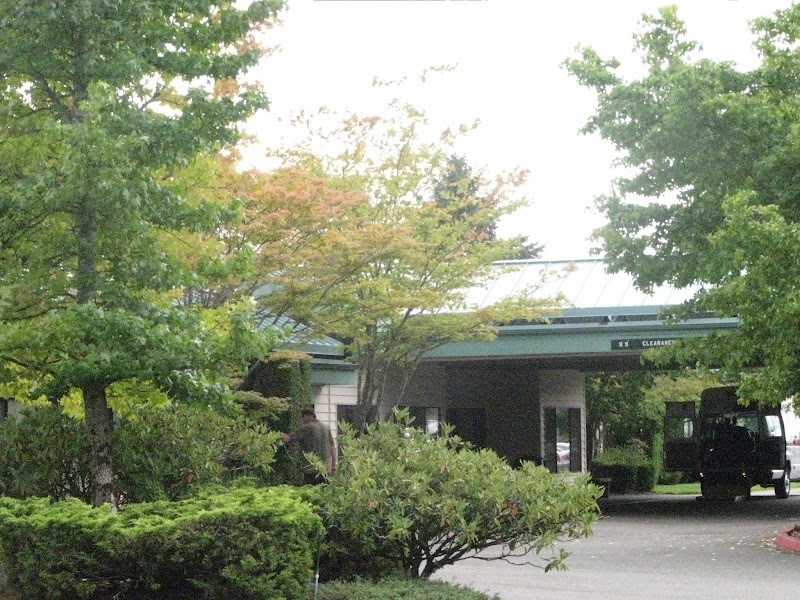
How is Birch Creek Post Acute & Rehabilitation Staffed?

CMS rates BIRCH CREEK POST ACUTE & REHABILITATION's staffing level at 3 out of 5 stars, which is average compared to other nursing homes. Staff turnover is 49%, compared to the Washington average of 46%.

What Have Inspectors Found at Birch Creek Post Acute & Rehabilitation?

State health inspectors documented 66 deficiencies at BIRCH CREEK POST ACUTE & REHABILITATION during 2023 to 2025. These included: 1 that caused actual resident harm, 62 with potential for harm, and 3 minor or isolated issues. Deficiencies causing actual harm indicate documented cases where residents experienced negative health consequences.
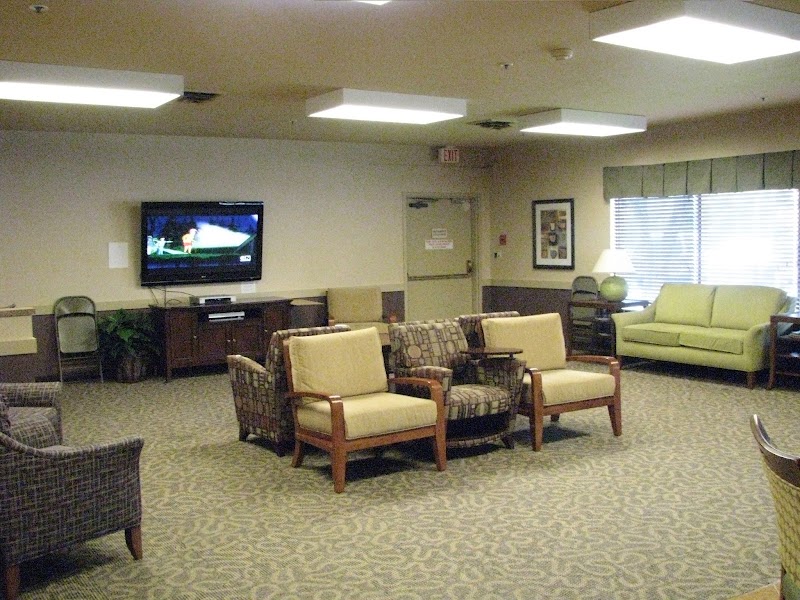
Who Owns and Operates Birch Creek Post Acute & Rehabilitation?

BIRCH CREEK POST ACUTE & REHABILITATION is owned by a for-profit company. For-profit facilities operate as businesses with obligations to shareholders or private owners. The facility is operated by HILL VALLEY HEALTHCARE, a chain that manages multiple nursing homes. With 124 certified beds and approximately 117 residents (about 94% occupancy), it is a mid-sized facility located in TACOMA, Washington.
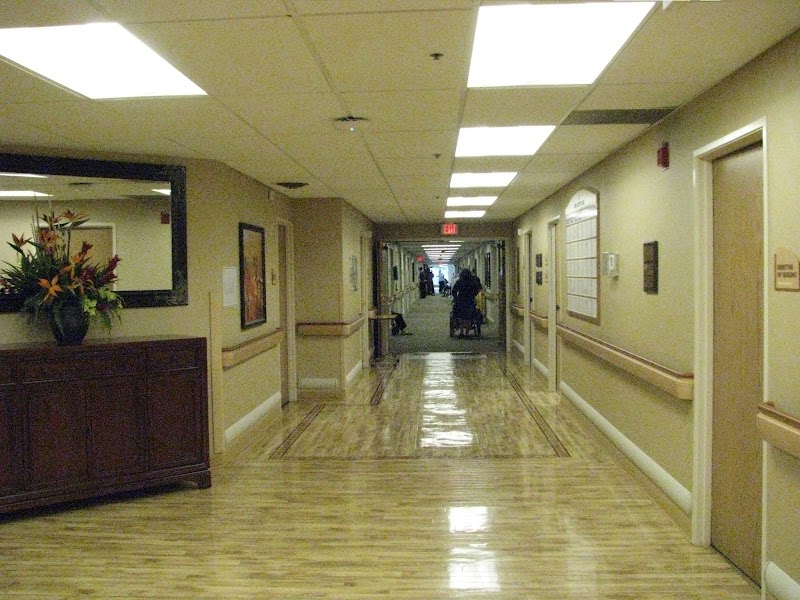
How Does Birch Creek Post Acute & Rehabilitation Compare to Other Washington Nursing Homes?

Compared to the 100 nursing homes in Washington, BIRCH CREEK POST ACUTE & REHABILITATION's overall rating (3 stars) is below the state average of 3.2, staff turnover (49%) is near the state average of 46%, and health inspection rating (2 stars) is below the national benchmark.

What Should Families Ask When Visiting Birch Creek Post Acute & Rehabilitation?

Based on this facility's data, families visiting should ask: "Can I visit during a mealtime to observe dining assistance and food quality?" "How do you handle medical emergencies, and what is your hospital transfer rate?" "Can I speak with family members of current residents about their experience?"

Is Birch Creek Post Acute & Rehabilitation Safe?

Based on CMS inspection data, BIRCH CREEK POST ACUTE & REHABILITATION has a clean safety record: no substantiated abuse findings (meaning no confirmed cases of resident harm), no Immediate Jeopardy citations (the most serious violation level indicating risk of serious injury or death), and is not on the Special Focus Facility watch list (a federal program monitoring the lowest-performing 1% of nursing homes). The facility has a 3-star overall rating and ranks #100 of 100 nursing homes in Washington. While no facility is perfect, families should still ask about staff-to-resident ratios and recent inspection results during their visit.

Do Nurses at Birch Creek Post Acute & Rehabilitation Stick Around?

BIRCH CREEK POST ACUTE & REHABILITATION has a staff turnover rate of 49%, which is about average for Washington nursing homes (state average: 46%). Moderate turnover is common in nursing homes, but families should still ask about staff tenure and how the facility maintains care continuity when employees leave.

Was Birch Creek Post Acute & Rehabilitation Ever Fined?

BIRCH CREEK POST ACUTE & REHABILITATION has no federal fines on record. CMS issues fines when nursing homes fail to meet care standards or don't correct problems found during inspections. The absence of fines suggests the facility has either maintained compliance or corrected any issues before penalties were assessed. This is a positive indicator, though families should still review recent inspection reports for the full picture.

Is Birch Creek Post Acute & Rehabilitation on Any Federal Watch List?

BIRCH CREEK POST ACUTE & REHABILITATION is not on any federal watch list. The most significant is the Special Focus Facility (SFF) program, which identifies the bottom 1% of nursing homes nationally based on persistent, serious quality problems. Not being on this list means the facility has avoided the pattern of deficiencies that triggers enhanced federal oversight. This is a positive indicator, though families should still review the facility's inspection history directly.