HEARTWOOD EXTENDED HEALTHCARE
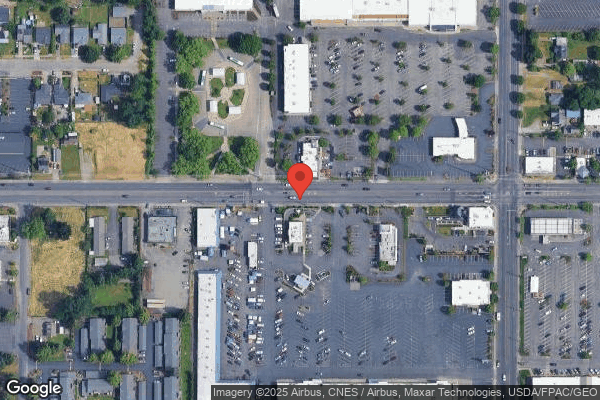

1649 EAST 72ND, TACOMA, WA 98404 (253) 472-9027
For profit - Individual 120 Beds Independent Data: November 2025
Trust Grade
0/100
#175 of 190 in WA
Last Inspection: February 2025

Within standard 12-15 month inspection cycle. Federal law requires annual inspections.

Overview

Heartwood Extended Healthcare has received a Trust Grade of F, indicating significant concerns about the quality of care provided. They rank #175 of 190 nursing homes in Washington, placing them in the bottom half, and #20 of 21 in Pierce County, suggesting limited local options for better care. While the facility is trending towards improvement, with issues decreasing from 27 in 2024 to 21 in 2025, they still have concerning staffing ratings and high fines of $293,221, which are higher than 94% of Washington facilities. Staffing is average with a turnover rate of 56%, and RN coverage is below average, being less than 84% of state facilities, meaning residents might not receive the close monitoring they need. Specific incidents of concern include a resident who experienced respiratory failure due to inadequate monitoring of their chronic heart condition and another resident who was harmed during a mechanical lift transfer due to improper use and lack of staff training. Additionally, a resident developed serious complications leading to amputation due to failure to recognize and address their medical needs in a timely manner. While there are strengths in the facility, such as a moderate staffing rating, the overall quality of care raises significant red flags for families considering this option.

Trust Score
F
0/100
In Washington
#175/190
Bottom 8%
Safety Record
High Risk
Review needed
Inspections
Getting Better
27 → 21 violations
Staff Stability
⚠ Watch
56% turnover. Above average. Higher turnover means staff may not know residents' routines.
Penalties
✓ Good
$293,221 in fines. Lower than most Washington facilities. Relatively clean record.
Skilled Nurses
○ Average
Each resident gets 34 minutes of Registered Nurse (RN) attention daily — about average for Washington. RNs are the most trained staff who monitor for health changes.
Violations
⚠ Watch
84 deficiencies on record. Higher than average. Multiple issues found across inspections.
★☆☆☆☆
1.0
Overall Rating
★★★☆☆
3.0
Staff Levels
★★☆☆☆
2.0
Care Quality
★☆☆☆☆
1.0
Inspection Score
Stable
2024: 27 issues
2025: 21 issues

The Good

  • Full Sprinkler Coverage · Fire safety systems throughout facility
  • No fines on record

Facility shows strength in fire safety.

The Bad

1-Star Overall Rating

Below Washington average (3.2)

Significant quality concerns identified by CMS

Staff Turnover: 56%

Near Washington avg (46%)

Frequent staff changes - ask about care continuity

Federal Fines: $293,221

Well above median ($33,413)

Significant penalties indicating serious issues

Staff turnover is elevated (56%)

8 points above Washington average of 48%

The Ugly 84 deficiencies on record

5 actual harm
Jun 2025 1 deficiency
CONCERN (D) 📢 Someone Reported This

A family member, employee, or ombudsman was alarmed enough to file a formal complaint

Potential for Harm - no one hurt, but risky conditions existed

Quality of Care (Tag F0684)

Could have caused harm · This affected 1 resident

**NOTE- TERMS IN BRACKETS HAVE BEEN EDITED TO PROTECT CONFIDENTIALITY** Based on observation, interview and record review the facility failed to accurately assess and manage the diagnosis of congestiv...

Read full inspector narrative →
**NOTE- TERMS IN BRACKETS HAVE BEEN EDITED TO PROTECT CONFIDENTIALITY** Based on observation, interview and record review the facility failed to accurately assess and manage the diagnosis of congestive heart failure (CHF, a weakened heart condition, in which the heart doesn't pump blood as effectively as it should, and causes fluid build-up in the feet, arms, lungs and other organs) for 1 of 3 sample residents (Resident 2) reviewed for the management of CHF. This failure placed the resident at risk for fluid overload, respiratory complications, exacerbation of (worsening of) heart failure, kidney and liver damage, hospitalization, and sudden death. Findings included . Resident 2 admitted on [DATE] with diagnoses including CHF and morbid obesity (severe obesity). The electronic health record showed that Resident 2 was alert and oriented, was their own decision-maker, and was able to make their needs known. Review of the hospital Discharge summary, dated [DATE], showed that Resident 2 admitted to the hospital, on 03/30/2025, with a chief complaint of shortness of breath. Resident 2 was diagnosed with an acute exacerbation of CHF, and was treated with diuretic medications (also known as water pills that increase urine production to treat fluid build-up) resulting in a 142 pound (lb) weight reduction. Resident 2's hospital admission weight was 674lb on 03/30/2025, and discharge weight was 532 lb on 04/13/2025. Review of the hospital after visit summary, dated 04/13/2025, showed that discharge instructions included that Resident 2 should have been weighed daily, per facility protocol. Review of facility provider progress notes dated 04/14/2025, 04/28/2025, 05/15/2025, 05/27/2025, 05/30/2025 showed that the plan to manage Resident 2's diagnosis of CHF included monitoring daily weights. Review of the facility order, dated 04/13/2025, showed Resident 2 was to have weekly weights. Review of the treatment administration records for 04/13/2025 through 06/16/2025 showed Resident 2 had simular weights documented for 5 of 10 scheduled weekly weights: 04/20/2025 (532 lb), 04/27/2025 (532 lb), 05/04/2025 (532 lb), 05/11/2025 (528.5 lb), 06/08/2025 (528.5 lb), 06/15/2025 refused. Review of the medical record showed no re-attempts to obtain Resident 2's weight after their refusal on 06/15/2025. During interview on 06/16/2025 at 2:10 PM, Resident 2 stated that they had not been weighed since the previous month (May, 2025). Resident 2 further stated that due to their CHF diagnosis, they should have their weight monitored more frequently to make sure that fluid was not building up in their body again. In an interview on 06/17/2025 at 1:00 PM, Staff C, Resident Care Manager (RCM), stated that they did not know how much Resident 2 weighed, because they had not been able to obtain weights due to Resident 2's wheelchair being too wide to fit into the rooms where the scales were kept, and because Resident 2 did not like to use the Hoyer lift (a mechanical lift used for transferring individuals with limited mobility) equipped with a scale. During observation on 06/17/2025 at 1:36 PM, Resident 2 was weighed using a Hoyer lift equipped with a scale. The scale read 602 lb. This was a 70 lb increase from Resident 2's hospital discharge weight of 532 lb on 04/13/2025. In continued interview on 06/17/2025 at 1:47 PM, Resident 2 reiterated that they had only been weighed one other time since admitting to the facility, and it was using the same Hoyer lift method. Resident 2 referred to a text conversation that was saved in their cell phone, and stated that their weight was 578 lb the last time it was checked in the facility. This weight was not documented in Resident 2's medical record. Resident 2 further stated that they would be willing to allow staff to obtain weights routinely as a means of assessing for fluid retention and worsening of CHF. In interview on 06/17/2025 at 2:00 PM Staff B, Director of Nursing (DNS), stated that when a resident admitted with a CHF diagnosis, the physician would either order daily weights for the first three days, or they would order weekly weights for at least the first four weeks. After the first four weeks, if weights remained stable, then weight monitoring could be changed to monthly. If weight was unstable, then weekly weights would continue. Staff B, DNS, further stated that if a resident refused to have their weight taken, staff should document the refusals and continue to attempt until the weight was obtained. In interview on 06/17/2025 at 2:30 PM Staff A, Administrator, stated that is was unlikely that the weights documented in Resident 2's treatment administration record were accurate, since they were the exact same week after week. Staff A, Administrator, speculated that the staff were likely copying and pasting the weights rather than obtaining accurate weekly weights. Reference WAC 388-97-1060(1) .
Feb 2025 20 deficiencies
CONCERN (D)

Potential for Harm - no one hurt, but risky conditions existed

Deficiency F0552 (Tag F0552)

Could have caused harm · This affected 1 resident

**NOTE- TERMS IN BRACKETS HAVE BEEN EDITED TO PROTECT CONFIDENTIALITY** . Based on interview and record review, the facility failed to provide risks/benefits and obtain consent for the use of a psycho...

Read full inspector narrative →
**NOTE- TERMS IN BRACKETS HAVE BEEN EDITED TO PROTECT CONFIDENTIALITY** . Based on interview and record review, the facility failed to provide risks/benefits and obtain consent for the use of a psychotropic (affecting the mind) medication for 1 of 5 sampled residents (Resident 72) when reviewed for unnecessary medications. This failure placed residents at risk of avoidable side effects, chemical restraint, and a diminished quality of life. Findings included . Review of the electronic health record (EHR) showed Resident 72 admitted to the facility on [DATE] with diagnoses to include fracture of the spine, quadriplegia (inability to move arms and legs), and depression. Resident 72 was able to make needs known. Review of the current provider orders, Feburary 2025, showed Resident 72 received an antidepressant medication. Review of the EHR showed Resident 72 had not been provided risks/benefits for the use of the antidepressant and had not given consent to receive the antidepressant. During an interview on 02/12/2025 at 1:03 PM, Staff K, Staff Development /Licensed Practical Nurse (SD/LPN), stated when a resident admitted to the facility with an order for an antidepressant the facility would provide risks/benefits and obtain consent for use. Staff K stated Resident 72 received an antidepressant, but the facility had failed to provide risks/benefits and obtain consent for its use. During an interview on 02/12/2025 at 1:26 PM, Staff B, Director of Nursing Services, stated when a resident admitted to the facility with an order for an antidepressant the facility would provide risks/benefits and obtain consent for use. Staff B stated they could not locate a consent for the use of an antidepressant for Resident 72. Reference WAC 388-97-0300(3)(a), -0260, -1020(4)(a-b) .
CONCERN (D)

Potential for Harm - no one hurt, but risky conditions existed

Grievances (Tag F0585)

Could have caused harm · This affected 1 resident

**NOTE- TERMS IN BRACKETS HAVE BEEN EDITED TO PROTECT CONFIDENTIALITY** . Based on interview and record review, the facility failed to initiate, investigate, and resolve a grievance for 1 of 4 sampled...

Read full inspector narrative →
**NOTE- TERMS IN BRACKETS HAVE BEEN EDITED TO PROTECT CONFIDENTIALITY** . Based on interview and record review, the facility failed to initiate, investigate, and resolve a grievance for 1 of 4 sampled residents (Residents 67) reviewed for personal property and grievances. This failure placed the residents at risk for emotional distress and a diminished quality of life. Findings included . Review of the electronic health record (EHR) showed Resident 67 admitted to the facility on [DATE] with diagnoses that included contracture (reduction in movement) of the right hand, muscle weakness, congestive heart failure (condition that happens when your heart is unable to pump blood well enough to give your body a normal supply) and chronic kidney disease (condition where the kidneys are damaged and unable to filter blood). Resident 67 was able to make needs known. During an interview on 02/07/2025 at 11:55 PM, Resident 67 stated they were unhappy staff came into their room that morning and threw away multiple condiments purchased by a family member. Review of a progress noted, dated 02/07/2025, showed two staff removed all open and expired food products from Resident 67's room. Resident 67 was provided a copy of the facility food policy but stated they did not agree with the policy. During an interview on 02/12/2025 at 10:35 AM Resident 67 stated they did not recall receiving the facility food policy prior to the disposal of their items. Review of the grievance log for February 2025 showed no grievances filed for Resident 67 related to the food items. During an interview on 02/11/2025 at 12:32 PM Staff A, Administrator, stated the expectation was that staff would initiate a grievance for concerns expressed by residents. Reference WAC 388-97-0460 .
CONCERN (D)

Potential for Harm - no one hurt, but risky conditions existed

Deficiency F0604 (Tag F0604)

Could have caused harm · This affected 1 resident

**NOTE- TERMS IN BRACKETS HAVE BEEN EDITED TO PROTECT CONFIDENTIALITY** . Based on observation, interview, and record review, the facility failed to conduct an assessment for the use of a low bed for ...

Read full inspector narrative →
**NOTE- TERMS IN BRACKETS HAVE BEEN EDITED TO PROTECT CONFIDENTIALITY** . Based on observation, interview, and record review, the facility failed to conduct an assessment for the use of a low bed for 1 of 1 sampled resident (Residents 39) reviewed for use of physical restraints. This failure placed the resident at risk for injury, unmet needs and a diminished quality of life. Findings included . Review of the electronic health record (EHR) showed Resident 39 was admitted to the facility on [DATE] with diagnoses to include hemiplegia (complete loss of strength or paralysis on one side of the body) and hemiparesis (mild loss of strength in a leg, arm, or face). Resident 39 was assessed to be a fall risk and required the assistance of staff for mobility. Observation on 02/10/2025 at 11:09 AM and 02/11/2025 at 1:54 PM showed Resident 39 in their room lying on a bed that was lowered to the floor. Review of Resident 39's care plan showed an intervention place bed in low position initiated on 08/27/2022. During an interview on 01/28/2025 at 10:19 AM, Staff B, Director of Nursing Services, stated a low bed could be considered a restraint and needed to have consent, assessment, order and care plan. Staff B stated the lack of this on the above-mentioned resident did not meet expectations. Reference WAC 388-97-0620 .
CONCERN (D)

Potential for Harm - no one hurt, but risky conditions existed

Report Alleged Abuse (Tag F0609)

Could have caused harm · This affected 1 resident

**NOTE- TERMS IN BRACKETS HAVE BEEN EDITED TO PROTECT CONFIDENTIALITY** . Based on interview and record review, the facility failed to identify and investigate allegations of abuse/neglect for 1 of 7 ...

Read full inspector narrative →
**NOTE- TERMS IN BRACKETS HAVE BEEN EDITED TO PROTECT CONFIDENTIALITY** . Based on interview and record review, the facility failed to identify and investigate allegations of abuse/neglect for 1 of 7 sampled residents (Resident 56) when reviewed for abuse/neglect. This failure placed the resident at risk of continued abuse/neglect and a diminished quality of life. Findings included . Review of a facility policy titled, Abuse Investigation and Reporting, dated July 2017, showed all reports of resident abuse, neglect, exploitation, misappropriation of resident property, mistreatment and/or injuries of unknown source (abuse) shall be promptly reported to local, state and federal agencies (as defined by current regulations) and thoroughly investigated by facility management. Findings of abuse investigations will also be reported. Review of the quarterly minimum data set assessment (MDS), an assessment tool, dated 08/08/2024, showed Resident 56 admitted on [DATE] with multiple diagnoses to include muscle weakness, anxiety and depression. The MDS showed Resident 56 was able to make needs known and was dependent on staff for activities of daily living. During an interview on 02/07/2025 at 11:05 AM, Resident 56 stated a couple weeks ago, during a night shift, a Certified Nurse's Aide (CNA) had provided rough care to them, and they felt like they were being man handled. Resident 56 stated they reported the incident, and the CNA was no longer working at the facility. Resident 56 stated they were satisfied that the aide was let go after the rough handling; however, a couple days later during similar care by two other facility CNAs an aide stated, You know you got that CNA fired, don't you? Resident 56 stated they felt like they were being retaliated against because they reported the rough treatment. Resident 56 stated they reported this CNA's comment to another facility staff (Staff C, CNA) later in the day but did not know whether it (retaliation comment) was addressed or not. During an interview 02/11/2025 at 9:27 AM, Staff D, CNA, stated Resident 56 had made a comment to them that they (Resident 56) felt they were being retaliated against after the CNA who had provided them rough treatment was fired. Staff C stated they did not think much of the resident's comment because they recalled the resident did not want to keep this going. Staff C stated they were a mandated reporter and the resident's comment of retaliation was not reported up the chain. During an interview on 02/11/2025 at 9:42 AM, Staff D, Licensed Practical Nurse/Care Coordinator, stated the comment Resident 56 made regarding the potential retaliation was a reportable event and should have been reported so a thorough investigation could be conducted. During an interview on 02/11/2025 at 9:51 AM, Staff B, Director of Nursing Services, stated the comment Resident 56 made regarding retaliation was a reportable event and should have been reported by Staff C and investigated due to potential psychosocial harm. Reference WAC 388-97-0640(5)(a) .
CONCERN (D)

Potential for Harm - no one hurt, but risky conditions existed

Transfer Notice (Tag F0623)

Could have caused harm · This affected 1 resident

**NOTE- TERMS IN BRACKETS HAVE BEEN EDITED TO PROTECT CONFIDENTIALITY** . Based on interview and record review, the facility failed to provide written notification of the reason for hospital transfer ...

Read full inspector narrative →
**NOTE- TERMS IN BRACKETS HAVE BEEN EDITED TO PROTECT CONFIDENTIALITY** . Based on interview and record review, the facility failed to provide written notification of the reason for hospital transfer to the resident or responsible party for 1 of 3 sampled residents (Resident 291) reviewed for hospitalization. This failure placed the resident at risk for not knowing rights regarding transfer and discharge from the facility and diminished protection from been inappropriately discharged . Findings included . Review of the electronic health record (EHR) showed Resident 291 admitted to the facility on [DATE] with diagnoses that included polyneuropathy (nerve disorder that affects multiple nerves) and bipolar disorder (condition that causes extreme mood swings). Resident 291 was able to make needs known. Review of Resident 291's EHR showed a transfer to the hospital on [DATE]. The EHR did not show documentation a notice of transfer was provided to Resident 291 or their representative. During an interview on 02/13/2025 at 12:12 PM, Staff B, Director of Nursing Services, stated Resident 291 or their resident representative did not receive a written notice of transfer as they should have. Staff B stated nursing should have provided notice upon transfer. During an interview on 02/13/2025 at 12:19 PM, Staff A, Administrator, stated the expectation was that residents received written notification at the time of transfer. Reference WAC 388-97-0120 (2)(a-d) .
CONCERN (D)

Potential for Harm - no one hurt, but risky conditions existed

Deficiency F0625 (Tag F0625)

Could have caused harm · This affected 1 resident

**NOTE- TERMS IN BRACKETS HAVE BEEN EDITED TO PROTECT CONFIDENTIALITY** . Based on interview and record review, the facility failed to provide written bed hold notice at the time of transfer to the ho...

Read full inspector narrative →
**NOTE- TERMS IN BRACKETS HAVE BEEN EDITED TO PROTECT CONFIDENTIALITY** . Based on interview and record review, the facility failed to provide written bed hold notice at the time of transfer to the hospital for 1 of 3 sampled residents (Resident 291) reviewed for hospitalization. This failure placed the residents at risk for lacking knowledge regarding their right to hold their bed while in the hospital and diminished quality of life. Findings included . Review of the electronic health record (EHR) showed Resident 291 admitted to the facility on [DATE] with diagnoses that included polyneuropathy (nerve disorder that affects multiple nerves) and bipolar disorder (condition that causes extreme mood swings). Resident 291 was able to make needs known. Review of Resident 291's EHR showed a hospitalization on 02/08/2025. The EHR did not show documentation or progress notes that a bed hold was offered to the resident. During an interview on 02/13/2025 at 12:16 PM, Staff R, Business Office Manager, stated the Resident 291 or their resident representative was not offered a bed hold. During an interview on 02/13/2025 at 12:19 PM, Staff A, Administrator, stated the expectation was that bed holds were done at the time of the resident transfer or within 24 hours. Reference WAC 388-97-0120 (4) .
CONCERN (D)

Potential for Harm - no one hurt, but risky conditions existed

Assessment Accuracy (Tag F0641)

Could have caused harm · This affected 1 resident

**NOTE- TERMS IN BRACKETS HAVE BEEN EDITED TO PROTECT CONFIDENTIALITY** . Based on observation, interview, and record review, the facility failed to accurately complete the comprehensive assessment fo...

Read full inspector narrative →
**NOTE- TERMS IN BRACKETS HAVE BEEN EDITED TO PROTECT CONFIDENTIALITY** . Based on observation, interview, and record review, the facility failed to accurately complete the comprehensive assessment for 3 of 21 sampled residents (Residents 79, 18, and 88) when reviewed for accuracy of comprehensive assessment. This failure placed residents at risk of not receiving needed care, a decline in ability, and a diminished quality of life. Findings included . Resident 79 Review of the electronic health record (EHR) showed Resident 79 admitted to the facility on [DATE] with diagnoses of chronic ulcer of the left thigh and diabetes. Resident 79 was able to make needs known. Review of the admission minimum data set assessment (MDS), an assessment tool, dated 12/31/2024, showed Resident 79 had two pressure ulcers which were not present on admission. During an interview on 02/12/2025 at 12:56 PM, Staff K, Staff Development /Licensed Practical Nurse (SD/LPN), stated Resident 79 admitted to the facility with two pressure ulcers and did not acquire any while in the facility. Staff K stated Resident 79's admission MDS, dated [DATE], was inaccurate. During an interview on 02/12/2025 at 1:24 PM, Staff B, Director of Nursing Services (DNS), stated all MDS assessments should be accurate. Staff B stated Resident 79's admission MDS was inaccurate, and this did not meet expectation. Resident 18 Review of the EHR showed Resident 18 was admitted to the facility on [DATE] with diagnoses to include end stage renal disease (condition where the kidney reaches advanced state of loss of function), acute respiratory failure (condition that results from inadequate gas exchange by the respiratory system), chronic obstructive pulmonary disease (a lung disease that blocks airflow and makes it difficult to breathe) and cirrhosis (scarring) of the liver. Resident 18 was able to make needs known Observation and interview on 02/07/2025 at 11:03 AM showed Resident 18 sat in the bed using oxygen with multiple broken teeth. Resident 18 stated, My teeth are broken, and the staff are not doing anything about it. Resident 18 stated they used the oxygen, and it made it easier to breathe. Review of the clinical admission note, dated 01/25/2025, showed Resident 18 had broken natural teeth. Review of the admission MDS, dated [DATE], showed Resident 18 had no broken teeth, no natural teeth, and no obvious cavity or broken natural teeth. Review showed Resident 18 did not use oxygen. Resident 88 Review of the EHR showed Resident 88 was re-admitted to the facility on [DATE] with diagnoses to include multiple sclerosis (disease in which the immune system eats away at the protecting covering of the nerves, resulting in damage in the communication between brain and the body), dementia (disease that affect memory, thinking, and the ability to perform daily activities) and hospice (care provided at end of life) services. Review of the EHR showed Resident 88 discharged home on [DATE]. Review of the significant change/discharge MDS, dated [DATE], showed Resident 88 had an unplanned discharge in section A0310F. During an interview on 02/11/2025 at 1:48 PM, Staff U, MDS Nurse, stated the MDS was coded inaccurately for Residents 18 and 88 and needed to be modified. During an interview on 02/13/2025 at 9:00 AM, Staff B, Director of Nursing Services, stated Residents 18 and 88's MDS coding did not meet expectations. Reference WAC 388-97-1000(1)(b) .
CONCERN (D)

Potential for Harm - no one hurt, but risky conditions existed

Deficiency F0657 (Tag F0657)

Could have caused harm · This affected 1 resident

**NOTE- TERMS IN BRACKETS HAVE BEEN EDITED TO PROTECT CONFIDENTIALITY** . Based on interview and record review, the facility failed conduct timely care planning meetings with residents or responsible ...

Read full inspector narrative →
**NOTE- TERMS IN BRACKETS HAVE BEEN EDITED TO PROTECT CONFIDENTIALITY** . Based on interview and record review, the facility failed conduct timely care planning meetings with residents or responsible party for 1 of 2 sampled residents (Residents 31) reviewed for care planning. These failures placed residents at risk for unmet needs, care not provided as directed, and a diminished quality of life. Findings included . Review of the electronic health record (EHR) showed Resident 31 readmitted to the facility on [DATE] with diagnoses to include respiratory failure (condition in which your blood doesn't have enough oxygen), paraplegia (paralysis or loss of ability to move legs) and depression. Resident 31 was able to make needs known and was dependent on staff for activities of daily living. During an interview on 02/11/2025 at 11:21 AM, Resident 31 stated they did not recall having a recent care conference. Review of the EHR showed Resident 31 was last offered a care conference on 06/08/2024. During an interview on 02/12/2025 at 2:59 PM, Staff S, Social Service Director, stated they could not locate the date of Resident 31's last care conference. Staff S stated this did not meet expectations as care conferences should be held quarterly. During an interview on 02/11/2025 at 12:05 PM, Staff A, Administrator, stated the expectation was that care conferences were to be offered every three months. Reference WAC 388-97-1020(2)(c)(d) .
CONCERN (D)

Potential for Harm - no one hurt, but risky conditions existed

Deficiency F0661 (Tag F0661)

Could have caused harm · This affected 1 resident

**NOTE- TERMS IN BRACKETS HAVE BEEN EDITED TO PROTECT CONFIDENTIALITY** . Based on interview and record review, the facility failed to ensure the discharge summary was completed and included recapitul...

Read full inspector narrative →
**NOTE- TERMS IN BRACKETS HAVE BEEN EDITED TO PROTECT CONFIDENTIALITY** . Based on interview and record review, the facility failed to ensure the discharge summary was completed and included recapitulation (overview) of the residents stay, a final summary of the resident's status, and the resident and/or their representative signature for 1 of 3 sampled residents (Resident 88) reviewed for discharge. This failure placed the resident at risk for unsafe discharge, complications and diminished quality of life. Findings included . Review of policy titled Discharge Summary and Plan, revised December 2016, showed 1. When the facility anticipates a resident's discharge [ .] a discharge summary and a post-discharge plan will be developed [ .]. Review of the electronic health record (EHR) showed Resident 88 was re-admitted to the facility on [DATE] with diagnoses to include multiple sclerosis (disease in which the immune system eats away at the protecting covering of the nerves, resulting in damage in the communication between brain and the body), dementia (disease that affects memory, thinking, and the ability to perform daily activities) and hospice (care provided at end of life) services. Review of the EHR showed Resident 88 discharged home on [DATE], and there was no discharge summary completed with instructions describing post discharge care. During an interview on 02/11/2025 at 12:21 PM, Staff T, Licensed Practical Nurse, stated the planned discharge process should be completed by the nurse manager and the floor nurse should gather the medications for discharge. During an interview on 02/13/2025 at 8:53 AM, Staff B, Director of Nursing Services, stated Resident 88 did not have the summary completed and that did not meet expectation. Reference WAC 388-97-0080(7)(a-b) .
CONCERN (D)

Potential for Harm - no one hurt, but risky conditions existed

Quality of Care (Tag F0684)

Could have caused harm · This affected 1 resident

**NOTE- TERMS IN BRACKETS HAVE BEEN EDITED TO PROTECT CONFIDENTIALITY** . Based on observation, interview, and record review, the facility failed to ensure the necessary interventions were in place to...

Read full inspector narrative →
**NOTE- TERMS IN BRACKETS HAVE BEEN EDITED TO PROTECT CONFIDENTIALITY** . Based on observation, interview, and record review, the facility failed to ensure the necessary interventions were in place to ensure correct positioning for 1 of 5 sampled residents (Resident 17) when reviewed for positioning and mobility. The facility also failed to consistently monitor and document bowel movements and implement the bowel program as needed for 2 of 4 sampled residents (Residents 4 and 82) reviewed for bowel protocol. These failures placed the residents at risk for worsening conditions, discomfort, and a decreased quality of life. Findings included . <Position/Mobility> Resident 17 Review of the quarterly minimum data set (MDS), a required assessment tool, dated 01/06/2025, showed Resident 17 admitted on [DATE] with multiple diagnoses to include heart and lung disease, diabetes, anxiety, depression, and muscle weakness. The electronic health record (EHR) showed Resident 17 had a stroke, had a contracture (tightening or lose of movement) of muscle to the left ankle/foot, was able to make their needs known and was dependent of staff for activities of daily living (ADLs). Review of Resident 17's focus care plan, dated 05/01/2024, for activities of daily living showed the resident required assistance with ADLs. Interventions included Licensed Nurses (LNs) and Certified Nurse Aides (CNAs) were to monitor, document and report, when necessary, any changes in self-care performance, declines in ability or refusal of care and decline in function. An additional intervention included for staff to apply a Prevalon (a device worn on the resident's foot that floats the heel off the surface on the mattress) boot to the left foot and to be on while in bed. During an interview and observation on 02/07/2025 at 10:59 AM, Resident 17 stated they (facility) were supposed to get them a splint for their elbow and a boot for their foot, but they never got one or had worn one. No Prevalon boot or elbow splint was observed to be worn by the resident nor observed to be present in the resident's room. Review of Resident 17's providers order, dated 10/24/2024, showed the provider had ordered a referral to a local orthotics (a branch of medicine that deals with the provision and use of artificial devices such as splints and brace), for a left upper extremity contracture and would benefit from an elbow extension splint. During an interview on 02/11/2025 at 12:47 PM, Staff H, Licensed Practical Nurse (LPN), stated they did not have any orders for Resident 17 to wear a boot or splint. During an interview on 02/11/2025 at 12:48 PM, Staff D, LPN/Care Coordinator (LPN/CC), stated if there was an order for the resident get a referral (to orthotics), medical records staff would receive that order and they were to call to get an appointment. During an interview on 02/11/2025 at 12:44 PM, Staff V, Medical Records, stated they had received the order but they were unsure the resident's representative had refused or not due to the expense or lack of insurance. Staff V stated they would call again to get the referral if the resident still wanted to go. Review of Resident 17's EHR showed no documentation of refusal for the orthotics referral. During an interview on 02/11/2025 at 1:41 PM, Staff B, Director of Nursing (DNS), stated they had been trying to get residents in for an orthotics appointment, but it was difficult; however, Staff B stated their expectation would be for the medical records staff to continue to reach out and connect with this orthotics provider or call another one if necessary. <Bowel Management> Review of a policy titled, Bowel Protocol, undated, showed, The policy is that bowel protocol is initiated when a resident does not have a bowel movement by the end of the 3rd shift on the 3rd day following their previous bowel movement. Resident 4 Review of the EHR showed Resident 4 was admitted to the facility on [DATE] with diagnoses to include Alzheimer's disease (progressive disease that destroys memory and other mental functions), heart failure and chronic pain. Resident 4 was not able to communicate needs. Review of the bowel record showed Resident 4 had no bowel movements documented for 01/18/2025, 01/19/2025, 01/20/2025 and 01/21/2025. Review of the January 2025 medication administration record (MAR) showed no documentation for medication administered for constipation per the bowel protocol policy. Resident 82 Review of the EHR showed Resident 82 was admitted to the facility on [DATE] with diagnoses to include cirrhosis (scaring) of the liver, abdominal bleeding and heart failure. Resident 82 was able to make needs known. Review of the bowel record showed Resident 82 had no bowel movements documented on the dates 01/24/2025 through 01/28/2025 (four days) and 01/30/2025 through 02/07/2025 (nine days). Review of the January and February 2025 MARs showed no documentation of laxative (relieving constipation) medications administered per the bowel protocol policy. During an interview on 02/12/2025 at 11:18 AM, Staff D, LPN/CC, stated the facility should have documented the bowel protocol, and should have asked Resident 82 about their bowels. During an interview on 02/12/2025 at 12:57 PM, Staff B, DNS, stated the facility had a bowel protocol and Resident 4 and 82's bowel management documentation did not meet expectation. Reference WAC 388-97-1060(1)(2)(3)(b)(c) .
CONCERN (D)

Potential for Harm - no one hurt, but risky conditions existed

Deficiency F0688 (Tag F0688)

Could have caused harm · This affected 1 resident

**NOTE- TERMS IN BRACKETS HAVE BEEN EDITED TO PROTECT CONFIDENTIALITY** . Based on observation, interview, and record review, the facility failed to ensure care and services to ensure residents increa...

Read full inspector narrative →
**NOTE- TERMS IN BRACKETS HAVE BEEN EDITED TO PROTECT CONFIDENTIALITY** . Based on observation, interview, and record review, the facility failed to ensure care and services to ensure residents increased or maintained range of motion (ROM) were provided for 1 of 5 sampled residents (Resident 67) reviewed for position, range of motion/mobility. This failure placed the residents at risk for worsening mobility, developing of contractures (permanent tightening of muscle, tendons and skin, leading to deformity), and diminished quality of life. Findings included . Review of the electronic health record (EHR) showed Resident 67 admitted to the facility on [DATE] with diagnoses that included contracture of the right hand (reduced range of motion), muscle weakness, congestive heart failure (condition that happens when your heart is unable to pump blood well enough to give your body a normal supply) and chronic kidney disease (condition where the kidneys are damaged and unable to filter blood). Resident 67 was able to make needs known. Observation and interview on 02/12/2025 at 9:29 AM showed Resident 67 laid in bed with their right fingers slightly bent. Resident 67 stated they had been waiting on a splint to be ordered but had not heard anything from therapy. Review of a provider note, dated 11/22/2025, showed, Referral for resting hand splint. Patient educated on resting hand open palm down and to perform hand/finger exercises to prevent contracture from worsening. Review of Resident 67's care plan showed no interventions for a restorative nursing program for splint/brace assistance. During an interview on 02/12/2025 at 12:39 PM, Staff W, Restorative Nursing Aide, stated Resident 67 was not receiving services for splint assistance. During an interview on 02/13/2025 at 10:27 AM, Staff D, Licensed Practical Nurse/Care Coordinator, stated nursing staff should have followed up on the referral but did not. During an interview on 02/13/2025 at 12:03 PM, Staff B, Director of Nursing Services, stated the expectation was that the referral would have been followed up on in a timely manner. Reference WAC 388-97-1060 (3)(d) .
CONCERN (D)

Potential for Harm - no one hurt, but risky conditions existed

Accident Prevention (Tag F0689)

Could have caused harm · This affected 1 resident

**NOTE- TERMS IN BRACKETS HAVE BEEN EDITED TO PROTECT CONFIDENTIALITY** . Based on observation, interview, and record review, the facility failed to ensure resident environments were free from acciden...

Read full inspector narrative →
**NOTE- TERMS IN BRACKETS HAVE BEEN EDITED TO PROTECT CONFIDENTIALITY** . Based on observation, interview, and record review, the facility failed to ensure resident environments were free from accident hazards for 1 of 3 sampled shower rooms (200 Hall) and failed to ensure fall interventions were implemented for 1 of 1 sampled residents (Resident 67) reviewed for accident hazards. These failures placed residents at risk of having access to dangerous items, repeated falls, and a diminished quality of life. Findings included . Observations on 02/07/2025, 02/11/2025, and 02/12/2025 showed the shower room on the 200 Hall was unlocked. Observation showed inside the shower room was an electric razor, disposable razors, and nail clippers. During an interview on 02/12/2025 at 12:33 PM, Staff P, Registered Nurse, stated electric razors, disposable razors, and nail clippers were locked in the medication cart as residents were not to have access to these items. Staff P stated the 200 Hall shower room door was unlocked and these items were unsecured within the shower room. During an interview on 02/12/2025 at 2:12 PM, Staff B, Director of Nursing Services (DNS), stated electric razors, disposable razors, and nail clippers should be locked in a cupboard in the shower room. Staff B stated the door to the 200 Hall shower room was unlocked and the electric razor, disposable razors, and nail clippers were unsecured within. Staff B stated this did not meet expectation. Resident 67 Review of the electronic health record (EHR) showed Resident 67 admitted to the facility on [DATE] with diagnoses that included contracture of the right hand, muscle weakness, congestive heart failure (condition that happens when your heart is unable to pump blood well enough to give your body a normal supply) and chronic kidney disease (condition where the kidneys are damaged and unable to filter blood). Resident 67 was able to make needs known. Review of Resident 67's care plan showed the Resident was at risk for falls due to impaired balance and impaired mobility. Review of a provider's note dated 12/16/2024 showed Resident was a high fall risk. - Contributing factors: poor safety awareness, generalized weakness, vision, postural blood pressure. Fall mat ordered for side of bed and bed to be placed in low and locked position. Observation from 02/07/2025-02/12/2025 showed Resident 67's bed was not in the low or locked position and there was no fall mat on either side of the bed. During an interview on 02/13/2025 at 10:27 AM, Staff D, Licensed Practical Nurse Care Coordinator, stated nursing staff should have followed up on the provider's recommendation, but did not. During an interview on 02/13/2025 at 12:03 PM, Staff B, DNS, stated the expectation was that the provider recommendation would have been implemented. Reference WAC 388-97-1060(3)(g) .
CONCERN (D)

Potential for Harm - no one hurt, but risky conditions existed

Deficiency F0692 (Tag F0692)

Could have caused harm · This affected 1 resident

**NOTE- TERMS IN BRACKETS HAVE BEEN EDITED TO PROTECT CONFIDENTIALITY** . Based on interview and record review, the facility failed to ensure the facility's Registered Dietician's (RD) recommendations...

Read full inspector narrative →
**NOTE- TERMS IN BRACKETS HAVE BEEN EDITED TO PROTECT CONFIDENTIALITY** . Based on interview and record review, the facility failed to ensure the facility's Registered Dietician's (RD) recommendations were administered as ordered for 1 of 5 sampled residents (Resident 31) and ensure fluid restrictions were followed for 2 of 5 sampled residents (Residents 18 and 82) when reviewed for nutrition/hydration. This failure placed the residents at risk for unmet nutritional needs, dehydration, medical complications, and continued weight loss. Findings included . Review of the electronic health record (EHR) showed Resident 31 readmitted to the facility on [DATE] with diagnoses to include respiratory failure (condition in which your blood doesn't have enough oxygen or has too much carbon dioxide), paraplegia (paralysis or loss of ability to move legs) and depression. Resident 31 was able to make needs known and was dependent on staff for activities of daily living. Review of a quarterly nutrition note, dated 12/17/2024, from the RD showed Resident 31 had significant weight loss of 10%. RD recommended Arginaid (powdered drink supplement) two times a day and Medpass 2.0 (nutrition supplement) three times a day. Review of the EHR showed a provider's order, dated 12/16/2024, for Arginaid two times a day for supplement, mix with 6 oz to 8 oz of fluids. The EHR did not show a provider's order for Medpass 2.0. Review of Resident 31's January 2025 and February 2025 medication administration records (MARs) showed the Arginaid was not administered in January 2025 and was not administered until 02/11/2025. During an interview on 02/12/2025 at 2:38 PM, Staff B, Director of Nursing Services, stated the expectation was the providers orders were implemented as recommended and the Arginaid should have been administered as ordered and documented on the MAR. Review of the facility policy titled, Encouraging and Restricting Fluids, revised in October 2010, showed Record the amount of fluid consumed [ .]. Resident 18 Review of EHR showed Resident 18 was admitted to the facility on [DATE] with diagnoses to include end stage renal disease (condition where the kidney reaches advanced state of loss of function), acute respiratory failure (condition that results from inadequate gas exchange by the respiratory system), chronic obstructive pulmonary disease (a lung disease that blocks airflow and makes it difficult to breathe), and cirrhosis (scarring) of the liver. Resident 18 was able to make needs known. Observation and interview on 02/07/2025 at 11:11 AM showed Resident 18 sat on their bed in their room. Resident 18 stated they were on fluid restriction of 1500 milliliters (ml) per day because of their kidney failure and heart failure, and they were four liters over. Review of January 2025 and February 2025 medication administration record (MAR) showed an order for fluid restriction of 1500 ml but did not show the amount of ml Resident 18 received. Review of the care plan, dated 11/06/2024, did not show Resident 18 had a fluid restriction. Resident 82 Review of the EHR showed Resident 82 was admitted to the facility on [DATE] with diagnoses to include cirrhosis (scarring) of the liver, abdominal (stomach) bleeding and heart failure. Resident 82 was able to make needs known. Review of the January 2025 MAR showed an order for a fluid restriction of 1500 ml per day but did not show the amount of ml Resident 82 received. During an interview on 02/12/2025 at 11:18 AM, Staff D, Licensed Practical Nurse/Care Coordinator, stated the process was to have an order and the licensed nurses would document the amount of ml consumed every shift. Staff D was not able to locate where the documentation was for the 1500 ml per day fluid restriction for Residents 18 and 82. During an interview on 02/12/2025 at 12:59 PM, Staff B, Director of Nursing Services, stated the fluid restriction documentation for Residents 18 and 82 should have been documented in a measurable amount, and currently did not meet expectation. Reference WAC 388-97-1060(3) (h-i) .
CONCERN (D)

Potential for Harm - no one hurt, but risky conditions existed

Respiratory Care (Tag F0695)

Could have caused harm · This affected 1 resident

**NOTE- TERMS IN BRACKETS HAVE BEEN EDITED TO PROTECT CONFIDENTIALITY** . Based on observation, interview, and record review, the facility failed to have order and monitor oxygen services to meet prof...

Read full inspector narrative →
**NOTE- TERMS IN BRACKETS HAVE BEEN EDITED TO PROTECT CONFIDENTIALITY** . Based on observation, interview, and record review, the facility failed to have order and monitor oxygen services to meet professional standards for 1 of 2 sampled residents (Resident 18) reviewed for respiratory services. This failure placed the resident at risk for oxygen toxicity, injury, infection and diminished quality of life. Findings included . Review of policy titled, Oxygen Administration, revised October 2010, showed 1. Verify that there is a physician's order for this procedure [ .] 2. Review the resident's care plan [ .]. Review of electronic health record (EHR) showed Resident 18 was admitted to the facility on [DATE] with diagnoses to include end stage renal disease (condition where the kidney reaches advanced state of loss of function), acute respiratory failure (condition that results from inadequate gas exchange by the respiratory system), chronic obstructive pulmonary disease (a lung disease that blocks airflow and makes it difficult to breathe) and cirrhosis (scarring) of the liver. Resident 18 was able to make needs known. Observation and interview on 02/07/2025 at 11:16 AM showed Resident 18 sat on a bed in their room with oxygen tubing on their face. Resident 18 stated they used the oxygen, and it made it easier to breathe. Review of the EHR showed Resident 18 had no provider's orders for the use of the oxygen, and there was no care plan that directed staff about using oxygen. During an interview on 02/12/2025 at 11:27 AM, Staff D, Licensed Practical Nurse/Care Coordinator, stated oxygen services should be provided per provider's orders, should be monitored each shift, and should be care planned. During an interview on 02/13/2025 at 9:00 AM, Staff B, Director of Nursing Services, stated Resident's 18 oxygen services did not meet expectations. Reference WAC 388-97-1060(3)(j)(vi) .
CONCERN (D)

Potential for Harm - no one hurt, but risky conditions existed

Deficiency F0697 (Tag F0697)

Could have caused harm · This affected 1 resident

**NOTE- TERMS IN BRACKETS HAVE BEEN EDITED TO PROTECT CONFIDENTIALITY** . Based on interview and record review, the facility failed to ensure staff conducted pain assessments for 1 of 3 sampled reside...

Read full inspector narrative →
**NOTE- TERMS IN BRACKETS HAVE BEEN EDITED TO PROTECT CONFIDENTIALITY** . Based on interview and record review, the facility failed to ensure staff conducted pain assessments for 1 of 3 sampled residents (Resident 9) who received an as necessary pain medication (oxycodone, a narcotic pain medication used to treat moderate to severe pain) when reviewed for pain management. This failure had the potential for the residents to not receive the necessary pain medication as ordered, a diminished quality of life and unmet needs. Findings included . Review of a document titled, Pain Assessment and Management, dated October 2022, showed the purpose of the procedures were to help the staff identify pain in the resident, and to develop interventions consistent with the residents that addressed the underlying causes of pain. The pain management program was based on facility-wide commitment to an appropriate assessment and treatment of pain, on professional standards of practice, and the comprehensive care plan. The facility staff were to assess the resident's pain and to use a consistent approach and standardized pain assessment instrument appropriate to the resident's cognitive level. Review of Resident 9's admission minimum data set (MDS), a required assessment tool, dated 01/06/2025, showed the resident admitted on [DATE] with multiple health conditions including chronic pain, spinal stenosis (a narrowing of the spaces in the spinal column that puts pressure on the spinal cord and nerve roots), bipolar (a mental health condition characterized by extreme mood swings between periods of elevated mood and depression), muscle weakness, anxiety and depression. The MDS showed the resident was dependent on staff for assistance with activities of daily living and was able to make their needs known. Review of Resident 9's care plan, dated 01/02/2025, showed the resident had a potential or actual chronic pain by how the resident described pain or how nonverbal resident exhibited signs of pain. Interventions included staff to conduct pain assessments. Review of a document titled, Pain Assessment Interview, dated 01/09/2025, showed Resident 9 was last evaluated by Licensed Nurse (LN) and documented the resident indicated verbally their pain was described as moderate, no signs of non-verbal or facial expressions of pain were observed by staff and no pain intensity scale was documented which indicated a 0 score no pain to 10 as the worst pain imagined. Review of Resident 9's January and February 2025 medication administration record (MAR) showed multiple provider orders for pain medications to be administered by the LNs that included oxycodone for pain. The oxycodone orders throughout the month of January and February 2025 were as follows: Providers ordered 01/02/2025 and discontinued 01/28/2025 oxycodone 5 milligrams (mg) every 4 hours (hrs.) as needed for pain, providers order 01/28/2025 and discontinued 01/28/2025 to administer 5 mg every 4 hrs. and give 5 mg every 6 hrs. as needed for pain. On 01/28/2025 the oxycodone order was changed again for the LN to administer 5 mg as needed every 6 hrs. On 01/28/2025 the provider changed the oxycodone order back to just 5 mg every 6 hrs. but was discontinued on 02/03/2025. On 02/03/2025 oxycodone 5 mg was ordered to be administered every 4 hrs. and was discontinued on 02/10/2025. On 02/10/2025 the provider changed the oxycodone order for the LN to administer the narcotic to every 3 hrs. as needed for pain. The orders for oxycodone were shown to be frequently changed by the provider that decreased or shortened the timeframe for the LN to administer the narcotic; however, no additional pain assessment was conducted after the initial pain assessment was completed 01/09/2025. During an interview on 02/13/2025 at 9:08 AM, Staff B, Director of Nursing Services, stated it was their expectation the residents care managers (RCMs) conducted pain assessments; however, the facility was currently short of RCMs and they changed the requirement for the staff LNs, who administered the pain medication, to conduct the on-going pain assessments as directed. Reference WAC 388-97-1060 (1) .
CONCERN (D)

Potential for Harm - no one hurt, but risky conditions existed

Deficiency F0698 (Tag F0698)

Could have caused harm · This affected 1 resident

**NOTE- TERMS IN BRACKETS HAVE BEEN EDITED TO PROTECT CONFIDENTIALITY** . Based on interview and record review, the facility failed to provide dialysis (a process to remove waste from blood) care cons...

Read full inspector narrative →
**NOTE- TERMS IN BRACKETS HAVE BEEN EDITED TO PROTECT CONFIDENTIALITY** . Based on interview and record review, the facility failed to provide dialysis (a process to remove waste from blood) care consistent with professional standards for 1 of 1 sampled resident (Resident 18) when reviewed for dialysis care. This failure placed the resident at risk for receiving substandard dialysis care, injury, infection and diminished quality of life. Findings included . Review of the policy titled, Hemodialysis Access Care, revised September 2010, showed The general medical nurse should document in the resident's medical record every shift as follows: 1) Location of catheter 2) Conditions of dressing 3) If dialysis was done during the shift 4) Any part of report from dialysis nurse post-dialysis being given 5) Observations post-dialysis Review of electronic health record (EHR) showed Resident 18 was admitted to the facility on [DATE] with diagnoses to include end stage renal disease (condition where the kidney reaches advanced state of loss of function), acute respiratory failure (condition that results from inadequate gas exchange by the respiratory system), chronic obstructive pulmonary disease (a lung disease that blocks airflow and makes it difficult to breathe) and cirrhosis (scarring) of the liver. Resident 18 was able to make needs known. Interview on 02/07/2025 at 11:11 AM Resident 18 stated they went to dialysis every Saturday, Tuesday, and Thursday, and they took a binder with them to communicate between their care teams. Review of the care plan, initiated on 11/06/2024, with focus area of hemodialysis showed interventions to include maintain dialysis flowsheet post-dialysis. Review of the EHR showed one post-dialysis evaluation completed on 02/13/2025 and 3 pre-dialysis evaluations completed on 02/08/2025, 02/11/2025 and 02/13/2025. During an interview on 02/12/2025 at 1:00 PM, Staff D, Licensed Practical Nurse/Care Coordinator, stated the process was for the nurses to complete pre- and post-dialysis evaluations and if the communication form was not entirely completed nurses were to call the dialysis center. Review of the dialysis binder with Staff D on 02/12/2025 showed the 02/11/2025 flow sheet. Staff D stated that this did not meet expectations. During an interview on 02/13/2025 at 9:11 AM, Staff B, Director of Nursing Services, stated Resident's 18 dialysis care did not meet expectations. Reference WAC 388-97-1900(1)(6)(a-c) .
CONCERN (D)

Potential for Harm - no one hurt, but risky conditions existed

Medication Errors (Tag F0758)

Could have caused harm · This affected 1 resident

**NOTE- TERMS IN BRACKETS HAVE BEEN EDITED TO PROTECT CONFIDENTIALITY** . Based on interview and record review, the facility failed to ensure an as needed or as the situation demands (PRN) psychotropi...

Read full inspector narrative →
**NOTE- TERMS IN BRACKETS HAVE BEEN EDITED TO PROTECT CONFIDENTIALITY** . Based on interview and record review, the facility failed to ensure an as needed or as the situation demands (PRN) psychotropic medication (drugs that affect the brain and central nervous system, that alter mood, thoughts, emotions and behavior) was limited to 14 days for 1 of 5 sampled residents (Resident 9) when reviewed for unnecessary medications. This failure had the potential to place the resident at risk for increased medical complications and decreased quality of life. Findings included . Review of a policy titled, Psychotropic Medication Use, dated July 2022, showed psychotropic medications were not to be prescribed or given on a PRN basis unless that medication was necessary to treat a diagnosed specific condition that was documented in the clinical record. Psychotropic orders were limited to 14 days and if psychotropic medications were prescribed and the attending provider believed that it was appropriate to extend the PRN order beyond 14 days a rationale was to be documented and the appropriateness for extending the use and included the duration for the PRN order. Review of Resident 9's admission minimum data set (MDS), a required assessment tool, dated 01/06/2025, showed the resident admitted on [DATE] with multiple health conditions including chronic pain, spinal stenosis (a narrowing of the spaces in the spinal column that puts pressure on the spinal cord and nerve roots), bipolar (a mental health condition characterized by extreme mood swings between periods of elevated mood and depression), anxiety, and depression. The MDS showed the resident was dependent on staff for assistance with activities of daily living and was able to make needs known. Review of Resident 9's current Feburary 2025 care plan showed the resident had a decline in mood due to anxiety and multiple interventions were for staff to monitor, document and evaluate the resident's anxiety and to encourage the use of PRN medication to alleviate symptoms. The pharmacy was to review the medication regimen as necessary and psychotropic committee was to review as indicated. Review of Resident 9's electronic health record (EHR) showed an order for clonazepam (a psychotropic medication used to treat anxiety), dated 01/28/2025, to be administered every 8 hours as needed with no end date; ordered as indefinite. No additional rationale was noted in the EHR by the provider to extend the medication beyond 14 days. During an interview on 02/13/2025 at 9:08 AM, Staff K, Staff Development/Licensed Practical Nurse, stated they were unaware of Resident 9's PRN psychotropic medication (clonazepam) was ordered greater than 14 days, but would check with the provider to see if there was a rationale to extend the order. During an interview on 02/13/2025 at 10:22 AM, Staff B, Director of Nursing Services, stated their expectation would be for the provider to document a rationale for extending the psychotropic greater than 14 days as needed. Reference WAC 388-97-1060 (3)(k)(i) .
CONCERN (D)

Potential for Harm - no one hurt, but risky conditions existed

Dental Services (Tag F0791)

Could have caused harm · This affected 1 resident

**NOTE- TERMS IN BRACKETS HAVE BEEN EDITED TO PROTECT CONFIDENTIALITY** . Based on observation, interview, and record review, the facility failed to provide routine dental services for 1 of 3 sampled ...

Read full inspector narrative →
**NOTE- TERMS IN BRACKETS HAVE BEEN EDITED TO PROTECT CONFIDENTIALITY** . Based on observation, interview, and record review, the facility failed to provide routine dental services for 1 of 3 sampled residents (Resident 18) when reviewed for dental services. Failure to provide routine dental services placed the resident at risk for infection, pain, decrease ability to eat and diminished quality of life. Findings included . Review of electronic health record (EHR) showed Resident 18 was admitted to the facility on [DATE] with diagnoses to include acute respiratory failure (condition that results from inadequate gas exchange by the respiratory system) and chronic obstructive pulmonary disease (a lung disease that blocks airflow and makes it difficult to breathe). Resident 18 was able to make needs known. Observation and interview and on 02/07/2025 at 11:03 AM, showed Resident 18 with multiple broken teeth. Resident 18 stated, My teeth are broken, and the staff are not doing anything about it. Review of the care plan, dated 11/06/2024, showed Resident 18's broken teeth were not included. Review of the clinical admission note, dated 01/25/2025, showed Resident 18 had broken natural teeth. Review of the Nutrition Evaluation Form, e-signed on 02/04/2025, showed Resident 18 had obvious cavities and/or broken teeth. During an interview on 02/12/2025 at 11:25 AM, Staff D, Licensed Practical Nurse/Care Coordinator, stated staff should make a dental appointment and the oral status should be addressed in the care plan. During an interview on 02/13/2025 at 9:00 AM, Staff B, Director of Nursing Services, stated Resident's 18 dental care/services did not meet expectations. Reference WAC 388-97-1060 (3)(j)(vii) .
CONCERN (D)

Potential for Harm - no one hurt, but risky conditions existed

Infection Control (Tag F0880)

Could have caused harm · This affected 1 resident

**NOTE- TERMS IN BRACKETS HAVE BEEN EDITED TO PROTECT CONFIDENTIALITY** . Based on observation, interview, and record review, the facility failed to establish and maintain an infection prevention and ...

Read full inspector narrative →
**NOTE- TERMS IN BRACKETS HAVE BEEN EDITED TO PROTECT CONFIDENTIALITY** . Based on observation, interview, and record review, the facility failed to establish and maintain an infection prevention and control program designed to provide a safe and sanitary environment to help prevent the transmission of communicable diseases. The facility failed to ensure staff: consistently applied Personal Protective Equipment (PPE) in accordance with the Enhanced Barrier Precautions/Transmission Based Precaution (EBP/TBP, implement precautions based on the means of transmission in order to prevent or control infection) signs posted outside of resident rooms for 1 of 3 sampled residents (Resident 47) and consistently ensure respiratory care equipment (an aerosol machine and oxygen tubing) were stored in a clean and sanitary manner for 1 of 2 sampled residents (Resident 18) when reviewed for infection control. These failures placed residents and staff at risk for contracting and/or spreading infections and a decreased quality of life. Findings included . Review of a document titled, Personal Protective Equipment - Using Gowns, dated September 2010, showed gowns were to be used to prevent the spread of infections, soiling of clothing with infectious material, and to prevent splashing or spilling blood or body fluids onto clothing or exposed skin. <Transmission Based Precautions> Review of the quarterly minimum data set (MDS), an assessment tool, dated 10/15/2024, showed Resident 47 admitted on [DATE] with multiple diagnoses to include anoxic brain damage (occurs when the brain is completely deprived of oxygen, which leads to brain cell death), obstructive uropathy (a condition where the flow of urine is blocked causing urine to back up into the kidneys), dysphagia (swallowing difficulties) and had a percutaneous endoscopic gastrostomy tube (PEG, a thin flexible tube inserted through the skin of the abdomen directly into the stomach to provide nutrition, fluids and medicine). The electronic health record (EHR) showed the resident had a disturbance of their salivatory secretions (a condition where the salivary glands did not produce saliva normally and/or produced too much saliva) and was dependent on staff for activities of daily living (ADLs). Review of Resident 47's providers order, dated 10/28/2024, showed an order for staff to use EBP related to the resident's PEG and a foley catheter (a thin flexible tube inserted into the urethra and bladder to drain urine). Review of the EHR showed several provider orders for staff to provide the resident oral care every shift, flush the PEG tube four times a day for medication administration and to flush the resident's foley catheter every shift with renacidin (a sterile irrigation solution used to remove kidney stones and aids in the prevention of encrustations of foley catheters). Review of Resident 47's focus care plans, dated 11/14/2024, showed EBP related to the resident's indwelling foley catheter, PEG feedings and to use appropriate PPE when entering the resident's room to include gown and gloves when providing high contact resident care. Additional focus care plans showed the resident was at risk for aspiration (breathing in fluid/food) due to their dysphagia diagnosis. Interventions included providing oral care and the licensed nurses (LNs) with the use of a Yankauer (a rigid plastic tube to assist in removing excessive oral secretions) suction device and required a foley catheter related to the resident's obstructive uropathy and to provide catheter care and use contact precautions to prevent urinary tract infections. Observation on 02/07/2025 at 12:16 PM, showed a laminated sign posted at the entrance to Resident 47's room. The signage showed it was a U.S. Department of Health and Human Services / Centers for Disease Control and Prevention sign and was labeled STOP, Enhanced Barrier Precautions. The signage directed providers and staff must wear gloves and a gown for the following high-contact resident care activities including dressing, bathing / showering, transferring, changing linens, providing hygiene, changing briefs or assisting with toileting. In addition, gown and gloves were to be worn for any device care or the use of urinary catheters. Observation on 02/07/2025 at 12:17 AM showed Resident 47 laid in bed within their room. A foley catheter was observed attached draining urine to a collection bag and hung to the lower end bed frame. Staff F, Certified Nurse's Aide (CNA), entered Resident 47's room wearing only a surgical mask and a pair of exam gloves and proceeded to use a plastic portable urinal to collect the urine from the resident's drainage collection bag. After collecting the resident's urine, Staff F walked to the resident bathroom and emptied the urinal in the resident's toilet. During an interview on 02/07/2025 at 12:28 PM, Staff F stated they should have followed the sign posted outside the door to wear gown, but they forgot to do so. Observation on 02/07/2025 at 2:15 PM, showed Staff J, Licensed Practical Nurse (LPN), within Resident 47's room and wore only a face mask and gloves and no hospital gown was observed while they flushed Resident 47's urinary catheter. Observation and interview on 02/10/2025 at 12:56 PM, showed Staff H, LPN, in Resident 47's room and wore only a face mask and gloves and no hospital gown was observed being worn as they provided oral care while they used the Yankauer suction device. Staff H stated they should have worn a hospital gown during the oral care and suctioning of the resident since they were on EBP. During an interview on 02/11/2025 at 9:02 AM, Staff D, LPN/Care Coordinator (CC), stated it was their expectation the LNs and CNAs wore hospital gowns during any direct care for residents on EBP. During an interview on 02/11/2025 at 10:03 AM, Staff G, Infection Preventionist (IP), stated it was their expectation that staff who had direct contact with residents on EBP should wear hospital gowns along with gloves and mask. <Respiratory Care Equipment> Resident 18 Review of EHR showed Resident 18 was admitted to the facility on [DATE] with diagnoses to include end stage renal disease (condition where the kidney reaches advanced state of loss of function), acute respiratory failure (condition that results from inadequate gas exchange by the respiratory system), chronic obstructive pulmonary disease (a lung disease that blocks airflow and makes it difficult to breathe), and cirrhosis (scarring) of the liver. Resident 18 was able to make needs known. Observation and interview on 02/07/2025 at 11:16 AM, showed Resident 18 sat on their bed in their room using oxygen via nasal canula (tubing into the nose). A nebulizer (machine that turns liquid medicine into a mist that can be inhaled) machine and the nebulizer mouthpiece were on the floor next to the bed. Resident 18 stated they used oxygen, and it made it easier to breath. Observation on 02/12/2025 at 2:20 PM, showed Resident 18 sat on their bed and their nasal cannula was on the floor. The portable green tank tubing hung from their wheelchair and was on the floor, and the nebulizer machine and tubing with mouthpiece was on the floor. During an interview on 02/12/2025 at 2:29 PM, Staff D, Licensed Practical Nurse/Care Coordinator, and Staff T, Licensed Practical Nurse, stated the tubing should not be on the floor, and this practice did not meet expectation. During an interview on 02/13/2025 at 9:00 AM, Staff B, Director of Nursing Services, stated tubing should not be on the floor, and that did not meet expectation. Reference WAC 388-97-1320 (2)(b) .
MINOR (C)

Minor Issue - procedural, no safety impact

Staffing Information (Tag F0732)

Minor procedural issue · This affected most or all residents

. Based on observation, interview, and record review, the facility failed to post the actual nursing staffing hours daily for 30 of 30 days when reviewed for nurse staff posting. This failure prevente...

Read full inspector narrative →
. Based on observation, interview, and record review, the facility failed to post the actual nursing staffing hours daily for 30 of 30 days when reviewed for nurse staff posting. This failure prevented the residents, family members, and visitors from exercising their rights to know the actual numbers of available nursing staff in the facility. Findings included . Review of a policy titled, Posting Direct Care Daily Staffing Numbers, dated August 2022, showed the facility would post daily for each shift nurse staffing data, including the number of nursing personnel responsible for providing direct care to residents. The information recorded on the form would include the following: the name of the facility, the actual time worked during that shift for each category and type of nursing staff. Observation and record review on 02/13/2025 at 8:45 AM showed the nursing staff posting, located in the facility's main hallway area, was dated 02/13/2025, did not document the name of the facility, nor the actual adjustments were documented that reflected the nursing staff absences on each shift due to call-offs, illness or show that it was being reconciled to show actual hours worked. The documents reviewed for the past 30-day staff posting showed no calculated totals or actual hours was documented. During an interview on 02/13/2025 at 12:21 PM, Staff E, Staffing Coordinator (SC), stated they were unaware that they needed to post the actual hours worked for the nursing staff daily. During an interview on 02/13/2025 at 12:24 PM, Staff A, Administrator, stated it was their expectation the staffing coordinator post the nursing staff actual hours worked on the document. No reference WAC .
Oct 2024 2 deficiencies
CONCERN (D) 📢 Someone Reported This

A family member, employee, or ombudsman was alarmed enough to file a formal complaint

Potential for Harm - no one hurt, but risky conditions existed

Deficiency F0582 (Tag F0582)

Could have caused harm · This affected 1 resident

**NOTE- TERMS IN BRACKETS HAVE BEEN EDITED TO PROTECT CONFIDENTIALITY** . Based on interview and record review, the facility failed to timely refund charges paid (less what was owed to the facility) f...

Read full inspector narrative →
**NOTE- TERMS IN BRACKETS HAVE BEEN EDITED TO PROTECT CONFIDENTIALITY** . Based on interview and record review, the facility failed to timely refund charges paid (less what was owed to the facility) for 1 of 3 residents (Resident 2) reviewed for misappropriation and personal funds. This failed practice placed the prior resident at risk of financial instability with their current housing placement and diminished quality of life. Findings included . <Resident 2> Review of Resident 2's electronic health record census showed they admitted to the facility on [DATE]. Resident 2 discharged to an Adult Family Home in the community on 11/22/2023. Review of Resident 2's Credit Statement, dated 11/01/2024, showed Resident 2 was due a credit in the amount of $4,363.44 on 11/05/2024, 11 months after they discharged (and still not issued). In an interview on 10/29/2024 at 12:09 PM, Staff E, Business Office Manager, stated Resident 2 discharged from the facility on 11/22/2023 with a zero balance but over-payments were made after Resident 2 discharged . Staff E was unable to locate documentation to explain why the payments were collected. In an interview on 10/29/2024 at 12:15 PM, Staff F, Regional Office Manager, stated Resident 2's account showed their payments were consistent with the amount the Department of Social and Health Services (DSHS) Award Letter of Participation determined was Resident 2's share of the cost for room and board. Those funds were collected by automatic withdrawals from Resident 2's bank account. Staff F stated the facility practice was to obtain the residents signature on an authorization form to access the finances from their bank. Staff F was unable to locate that authorization form signed by Resident 2. In an interview on 10/29/2024 at 12:18 PM, Staff E confirmed Resident 2 should have been reimbursed the total amount of their over-payment within 30 days of discharge (or identification of overpayment) but was not. Reference: WAC 388-97-0340 (5). .
CONCERN (D) 📢 Someone Reported This

A family member, employee, or ombudsman was alarmed enough to file a formal complaint

Potential for Harm - no one hurt, but risky conditions existed

Incontinence Care (Tag F0690)

Could have caused harm · This affected 1 resident

**NOTE- TERMS IN BRACKETS HAVE BEEN EDITED TO PROTECT CONFIDENTIALITY** . Based on observation, interview, and record review the facility failed to ensure 1 of 3 sampled residents (Residents 6) with u...

Read full inspector narrative →
**NOTE- TERMS IN BRACKETS HAVE BEEN EDITED TO PROTECT CONFIDENTIALITY** . Based on observation, interview, and record review the facility failed to ensure 1 of 3 sampled residents (Residents 6) with urinary catheters (a flexible tube inserted into the bladder to drain urine) and bowel incontinence received care and services consistent with professional standards of care. The failure to obtain physician orders for the use of a catheter, develop/implement a care plan (CP) for catheter care/monitoring and a personalized bowel program, placed the residents at risk for infections, skin breakdown, constipation, and diminished quality of care. Findings included . <Facility Policy> Review of the facility's Bowel (Lower Gastrointestinal Tract) Disorders-Clinical Protocol, revised September 2017, showed staff would assess residents with previously identified bowel disorders which should include reviewing documentation from any recent hospitalizations and/or diagnostic studies. Risk factors related to bowel dysfunction would be identified and monitored. Review of the facility's Catheter Care, Urinary policy, revised August 2022, showed the purpose for catheter care was to prevent urinary catheter-associated complications, including urinary infections. The policy directed staff to review the resident's CP to assess for any special needs of the resident, empty the collection bag at least every eight hours, and ensure the catheter was secured with a securement device to reduce friction and movement at the insertion site. Staff would provide catheter cleaning care at least daily and ensure the drainage bag was always positioned lower than the bladder to prevent urine from flowing back into the urinary bladder. <Resident 6> Review of the admission Minimum Data Set (MDS-assessment tool) dated 08/29/2024 showed Resident 6 admitted to the facility on [DATE]. Resident 6 diagnoses included a traumatic spinal cord problem (that effected their arms, legs, bowel, and bladder), peripheral vascular disease, diabetes. Resident 6 had a chronic indwelling foley catheter, was incontinent of bowel, and was dependent on staff for assistance with all activities of daily living. Review of Resident 6's CP initiated on 08/23/2024 did not show a focus problem for the use of an indwelling catheter. The CP showed a focus problem, dated 08/28/2024, for toileting/retraining program with a goal to increase incontinence episodes. The interventions included: encourage the resident to communicate the need for toileting, incontinence care as needed, and wearing adult incontinence products for dignity. The CP did not specify a personalized bowel program. In an interview on 10/08/2024 at 11:50 AM, Resident 6's Collateral Contact (R6-CC) stated Resident 6's catheter was not taken care of properly and during one visit they observed Resident 6 lying on the bed with a leg drainage bag strapped to their leg. The urine leg bag was so full of urine it looked like it was about to burst, and urine was sitting in the tubing between the bag and the resident, not draining. R6-CC stated they were also supposed to have a special bowel program to manage their neurological bowl incontinence problem. R6-CC stated the facility did not continue Resident 6's bowel program they were on at the hospital. Review of the hospital Discharge summary, dated [DATE], showed Resident 6 bowel program was a daily high fiber-bulk forming laxative twice daily and a bowel stimulant suppository every night, and be upright on a commode during the bowel movement. The documentation showed Resident 6 was previously on a morning bowel program which was not successful and was changed to a night bowel program. Review of a Physician Order, dated 08/23/2024, directed staff to administer the bowel stimulant suppository every morning at 8:00 AM, not at night according to his already established bowel program. Review of Resident 6's Physician Orders did not show an order for the use of an indwelling foley catheter, including catheter care, maintenance, and monitoring. In an interview on 10/29/2024 at 2:24 PM, Staff B, Director of Nursing, stated Resident 6 should have had physician orders and a CP for the use of the catheter that included the supporting diagnosis, catheter care, and monitoring but did not. Staff B confirmed the CP interventions for toileting/retraining did not include a personalized bowel program, and the facility should have continued Resident 6's already established bowel program but did not. REFERENCE: WAC 388-97-1060 (3)(c). .
Apr 2024 24 deficiencies 1 Harm
SERIOUS (G)

Actual Harm - a resident was hurt due to facility failures

Quality of Care (Tag F0684)

A resident was harmed · This affected 1 resident

**NOTE- TERMS IN BRACKETS HAVE BEEN EDITED TO PROTECT CONFIDENTIALITY** . Based on observation, interview, and record review, the facility failed to accurately assess and develop/implement a care plan...

Read full inspector narrative →
**NOTE- TERMS IN BRACKETS HAVE BEEN EDITED TO PROTECT CONFIDENTIALITY** . Based on observation, interview, and record review, the facility failed to accurately assess and develop/implement a care plan (CP) for the management of chronic heart problems and failed to timely identify/assess/implement interventions for a related change in condition for 1 of 3 sampled Residents (Resident 51) reviewed for hospitalization. The facility also failed to consistently monitor and document bowel movements (BMs) and implement the bowel program when needed for 2 of 3 sampled residents (Residents 16 and 66) reviewed for bowel management. Resident 51 experienced harm when they had a significant fluid volume overload (too much fluid in the body causing difficulty breathing, increased weight and swelling/edema) and a delay in respiratory interventions resulting in an emergency transfer to the hospital for respiratory failure. The failure placed residents at risk for further decline in their conditions, discomfort, and a diminished quality of life/quality of care. Findings included . Review of the facility's Weight Assessment and Intervention policy, revised March 2022, residents were weighted on admission and at intervals established by the Interdisciplinary Team (IDT). Weights would be documented in the clinical record. Any weight change of 5% or more since the last weight measurement would be retaken the next day for confirmation and if verified, nursing would immediately notify the dietician in writing. Unless notified of a significant weight change, the dietician would review all the resident's weight record monthly to follow individual weight trends over time. Undesirable weight changes would be reviewed by the IDT team to determine level of significance, review status to identify potential contributing factors for the weight change. The resident's individualized CPs would be reviewed and updated to include the identified change in status, identified causes, goals/benchmarks for improvement, and timeframe/parameters for monitoring and reassessment. Review of the facility's Heart Failure-Clinical Protocol policy, revised November 2018, showed the physician would help to identify individuals with a history/diagnosis of heart failure (HF) and clarify as much as possible their severity and underlying cause. The physician would help identify individuals at risk for cardiac decompensation (acute decline / change in condition)- (for example because of a heart rhythm problem or chronic lung disorders). The physician would make recommendations for the nursing plan of care including symptoms monitoring, edema and weight measurement frequency, lab monitoring, and provide parameters for when to report findings, consistent with relevant protocols and professional standards: such as those from the American Heart Association and the American Medical Directors Association. Review of the American Heart Association (Vol.8, No.3) Heart Failure Management in Skilled Nursing Facilities, published 04/08/2015, recommended for residents who were higher risk for decompensation (and with the admission goal to rehabilitate and discharge home or was uncertain), the nursing care plan should adhere to daily weight monitoring (same time of day-preferably first thing in the morning after the first toileting) and fluid volume evaluations. A weight gain of three to five pounds over three to five days should alert licensed staff to perform an advanced assessment of volume status, vital signs, and oxygen saturation, then promptly notify the physician with the findings. Routine daily symptom monitoring should occur for any degree of edema, abnormal lung sounds, cough (especially when lying down), JVD (jugular vein distention-a bulging of major veins in the neck and a key symptom of HF) symptom of too much water in the blood system ), difficulty breathing at rest, when lying flat, and/or at night along with routine weights at the same time every day helped determine exacerbations in HF. <Fluid Volume Overload: Weights and Edema> <Resident 51> In an interview on 04/10/2024 at 11:14 PM, Resident 51 stated they were not weighed routinely and had problems with edema. Resident 51 stated they recently returned from a hospital stay because they had too much fluid on their body. Resident 51 stated they had heart failure and a chronic lung disease, and experienced daily difficulty breathing while lying flat. They required a non-invasive mechanical ventilator via bilevel or continuous positive airway pressure (BiPAP/CPAP: machines that assists with breathing) for their lung problems at night, but they wore it all the time, and only removed it to eat or when they got up in the wheelchair. Review of the Annual Minimum Data Set (MDS), an assessment tool, dated 02/02/2024, showed Resident 51's diagnoses included respiratory failure, diabetes, high blood pressure, fluid volume overload, and swelling to both lower legs. The MDS did not include Resident 51's diagnosis of HF and assessed them as not having a problem with breathing when laying flat. Resident 51 was assessed to require Bipap/Cpap and did not receive oxygen therapy. Resident 51 was assessed to weigh 475 pounds but was not assessed to have a significant weight gain. Review of Resident 51's respiratory CP, dated 01/23/2023, showed they had obstructive sleep apnea (repeatedly stop and start breathing while asleep), COPD (chronic obstructive lung disease), respiratory failure, and the goal was to decrease episodes of respiratory distress with nursing interventions. The CP showed interventions dated 1/23/2023: Bipap/Cpap per physician orders (not personalized with prescription or parameters), oxygen as ordered (not personalized with prescription), and weight per facility protocol- Notify physician of significant weight fluctuations. Review of Resident 51's electric health record (EHR) showed no provider order for routine weight monitoring or frequency. Review of Resident 51's nutritional CP, revised 01/08/2024, showed they were at nutritional risk due to fluid overload and edema including a 01/30/2023 intervention that directed nursing staff to monitor and evaluate for signs or symptoms of significant weight changes or trends and obtain weights as ordered or directed by the licensed nurse. An additional intervention, dated 03/28/2024, read weights and did not specify further. Review of Resident 51's weight record showed they were not weighted consistently since their initial admission on [DATE]. Resident 51's recorded weights were: 08/31/2023-415 pounds, 10/17/2023-440 pounds, and 01/25/2024-474 pounds (an 8% weight gain in three months and a 14% weight gain in four months). There were no weights recorded for September 2023, November 2023, or December 2023. Review of the corresponding Progress Notes showed no identification of the significant weight change. Review of the Vascular Specialist consult note, dated 02/19/2024, showed the provider ordered medical grade lower extremity compression therapy (Unna boot) and elevation therapy for the management of chronic lower extremity edema and recurrent venous stasis ulcers (chronic and recurrent wounds of the lower legs, a result of venous insufficiency- the condition of poor blood circulation from the legs back to the heart). Review of the February 2024, March 2024, and April 2024 Medication Administration Record (MAR) and Treatment Administration Record (TAR) showed no order for weight monitoring frequency or parameters for physician notification, no edema monitoring (except for two days, 03/11/2024 and 03/12/2024), and no medical grade compression therapy was never initiated. In an interview on 04/12/2024 at 1:15 PM, Staff S, Licensed Practical Nurse, stated when residents go to their specialist appointments, they made a point to try to review the consult orders and/or ensure they were reviewed by the provider and expected the orders provided by the specialists to be implemented. Staff S was unable provide documentation to show medical grade compression therapy was started for Resident 51. Staff S stated residents were expected to be weighed monthly unless otherwise specified in their orders or care plans. Staff S stated if a resident had heart failure and problems with edema, their edema should be monitored routinely (daily or weekly) which would include frequent and routine weight monitoring (typically daily, or two to three times per week, depending on the resident's condition), and have parameters for physician notification. Staff S could not provide documentation to show how often Resident 51 should have been weighed to monitor their fluid volume status or how often their edema should have been monitored. <Change in Condition: Respiratory Failure> Review of provider order, dated 01/19/2024, showed oxygen via nasal canula was ordered for 2 liters per minute (lpm) as needed to maintain oxygen saturations above 89%. Review of a Provider Progress Note (PPN), dated 03/01/2024, showed Resident 51's weight was 475 pounds (using the weight from 01/25/2024) with a warning triggered for significant increase in weight. The PPN showed Resident 51's room air oxygen saturation was 89% which triggered for being below 90%. The PPN showed Resident 51 had mild edema on both lower legs. The provider documented Resident 51's COPD was stable and their oxygen sats were greater than or equal to 90%. The documentation showed no adjustments were made to the resident's medical plan. Review of a Nurse Progress Note (NPN), dated 03/11/2024 at 9:53 PM, showed Resident 51's oxygen saturation was around 80% at PM (almost six hours prior to the writing of the NPN). Staff L, Registered Nurse, documented they gave an emergent puff of their inhaler and called the on-call doctor. Staff L did not document a respiratory assessment or an assessment of fluid volume status. Staff L documented Resident 51 did not want the oxygen on [they] wanted to wear their BiPap. Staff L documented the on-call physician requested Resident 51's primary care provider adjust their BiPap prescription to maintain oxygen saturation greater than 90%. Staff L documented Resident 51 reported breathing difficulty earlier in the morning, but now complained of difficult breathing and chest tight. Staff L documented Resident 51's oxygen saturation was between 78% and 86%. The NPN did not document the provider was contacted to report the previous interventions were ineffective at keeping Resident 51's oxygen saturation greater than 90% and that the oxygen saturations were decreasing. Staff L documented Continue to monitor and endorse accordingly. Review of the electronic health record (EHR) showed Resident 51 was not sent to the emergency room at this time (03/11/2024) for evaluation of their low oxygen levels, new onset of increase demand for oxygen, or chest pain. In an interview on 04/12/2024 at 2:15 PM, Staff B, Director of Nursing, stated the facility had a system to help identify and monitor for a change of condition that included the SBAR form (SBAR stands for Situation, Background, Assessment, and Recommendation) for non-emergent concerns. If the concerns were more emergent the nurses were expected to evaluate the resident's condition and call the provider (or on-call) to report their findings. Staff B stated the provider should have been called after there was no improvement in Resident 51's respiratory status on 03/11/2024 and their oxygen saturation persisted below 90% with interventions. Review of a NPN, dated 03/11/2024 at 11:23 PM showed the nurse wrote an SBAR to the provider for the adjustment of the level of the BiPap. Review of new verbal provider order, dated 03/12/2024, written by nursing, showed oxygen two to three lpm to maintain oxygen saturations above 92%. Review of the NPN, dated 03/12/2024 at 1:47 PM showed Resident 51 was on 3 lpm of continuous oxygen with a mask. The nurse documented the Provider would see Resident 51 today. Review of the NPN, dated 03/12/2024 at 11:16 PM showed Resident 51's oxygen saturation was 90% on 3 lpm of oxygen, sometime that evening. After dinner, Resident 51 reported they felt like they could not get enough air and requested to switch to their BiPap. The nurse documented they put both the nasal canula (with oxygen set at 3 lpm) and the BiPap together and their oxygen saturation was 84%-88%. They would continue to monitor and endorse accordingly. There was no documented respiratory evaluation or assessment of fluid volume status. There was no documentation to show they contacted the provider to report the abnormal oxygen saturations readings that were below the ordered parameters. Review of Resident 51's Progress notes did not show a provider note for 03/11/2024 or 03/12/2024, or any new order changes were made. Review of the NPN, dated 03/13/2024 at 6:00 AM showed Resident 51 was sent to the ED at 3:45 AM in respiratory distress and their oxygen saturation was between 84% and 88% that was below the ordered parameters. Review of the hospital Emergency Department (ED) Encounter note, dated 03/13/2024 at 4:38 AM, showed Emergency Medical Services reported to the provider Resident 51's oxygen saturation was 69% at the facility on 4 lpm of oxygen (although the order was for two to three lpm). Resident 51 reported they were short of breath for several days, had worsened lower extremity edema, and chest pain/tightness which would come and go. Review of the SBAR, dated 03/11/2024, regarding Resident 51's situation showed He would like to see a provider for increased coughing and congestion for a few days now. The nurse documented an assessment: no fever, no increased sputum production, wheezing on and off. The nurse made the recommendation to please see the patient today. Next to the Orders section of the SBAR, the Physician wrote patient sent to hospital and signed and dated 03/13/2024 (two days later). Review of the Advanced Heart Failure Consultation note, dated 03/19/2024, showed Resident 51 weight readings from their previous encounters were: 1/17/2023- 466 pounds and 3/16/2024- 493 pounds. The cardiologist consult showed Resident 51 had acute on chronic heart failure with fluid volume overload, removed a total of 15 liters of fluid over the course of six days, started an additional diuretic medication, and increased a blood pressure medication. Review of the hospital Discharge summary, dated [DATE], showed Resident 51's weight on 3/28/24 was 454 pounds, a decrease of 39 pounds since 03/13/2024 (expected weight loss from the removal of excess fluid). <Fluid Volume Overload: Post Change in Condition> Review of the quarterly MDS, dated [DATE], showed Resident 51 re-admitted to the facility on [DATE] after a hospitalization. Resident 51's diagnoses included pneumonia (a lung infection), respiratory failure, and oxygen dependence. The MDS did not include the diagnosis of HF. Resident 51 was assessed to require non-invasive mechanical ventilation but did not receive oxygen therapy. Resident 51 was assessed to weigh 433 pounds and inaccurately documented Resident 51 did not have a recent significant weight increase. Review of Resident 51's comprehensive CP on 04/08/2024 did not show a CP was developed for cardiac or edema problems after readmitting from the hospital visit. Review of Resident 51's current weight record showed no weight documented for the date of readmission, no daily weights monitoring. The only weight on record showed Resident 51 weighed 469 pounds on 04/03/2024, an increase of 15 pounds in six days based on the hospital discharge weight of 454 pounds on 03/28/2024. In an interview on 04/09/2024 at 10:13 AM, Resident 51 stated they were not weighted routinely, and their edema was less that it had been because they just got out of the hospital after having a bunch of fluid removed from their body. Resident 51 stated before the hospitalization, they kept telling the staff they could not breathe but no one would listen. Resident 51 stated they did have wounds on their lower legs that come and go and get worse when their edema flares. Resident 51 stated they felt like they were starting to have more swelling. Resident 51 stated their lower legs were not routinely wrapped with compression dressings to help manage their edema and vascular problems. Resident 51 stated before the hospitalization they did not routinely use oxygen, only when they needed it connected to their BiPap at night. During the interview, Resident 51 lower legs were observed to not have medical grade compression. Resident 51 was wearing their BiPap with no oxygen connected, and the oxygen concentrator and tubing was sitting under the sink, not in use. <BOWEL MONITORING> POLICY Review of the facility's Bowel (Lower Gastrointestinal Tract) Disorders - Clinical Protocol policy, dated September 2021, showed the staff and provider would identify individuals with gastrointestinal problems, which included alterations in bowel movements. [BM]. The licensed nurse (LN) would assess and document/report the presence of stool impaction and the onset, duration, frequency, and severity of signs and symptoms. The facility would monitor the individual's response to interventions, including frequency and consistency of bowel movements. The provider would adjust based on identification of causes and the resident's response to treatment. <Resident 16> During an interview on 04/08/2024 at 2:14 PM, Resident 16 stated they experienced constipation (inability to have a bowel movement naturally) that sometimes lasted longer than three days, throughout their stay at the facility. Review of Resident 16's electronic health record (EHR) BM report showed staff documented no BM on the following dates: 03/12/2024, 03/13/2024, 03/14/2024 with a BM documented on 3/15/2024 at 9:17 PM. Additional dates included 04/06/2024, 04/07/2024 with a BM on 04/08/2024 at 8:53 PM. Review of Resident 16's EHR showed several bowel management provider orders dated 02/24/2024 within the resident's March and April 2024 medication administration records (MAR). The BM protocol showed that the LNs were to administer the following orders, as needed, for the resident without a BM: Dulcolax (a laxative that stimulates bowel movements/used to treat constipation), on the evening of the 3rd day, Milk of Magnesia suspension (a laxative) on the morning of the 4th and Dulcolax suppository (in the evening of the 4th day for no BM. The MAR also showed in the evening of the 4th day that the LN had an order for a Fleet enema (a laxative) to be administered to the resident without a BM. The MARs showed an order for Polyethylene Glycol (a medication used in the management and treatment of constipation) to be administered as necessary for constipation. The March and April 2024 MARs showed no documentation that any of the providers orders were administered or documented. Review of Resident 16's care plan dated 02/24/2024 showed resident was ordered a psychotropic (a medication used to affect the brain and causes changes in mood, awareness, thoughts, feelings, and behavior), related to a disease process daily. Interventions included LNs to monitor and document side effects to include constipation. <Resident 66> During an interview on 04/08/2024 at 2:14 PM, Resident 16 stated they had constipation at times during their time at the facility. Review of Resident 66's electronic health record (EHR) showed documentation within the point of care (POC) task section whereas staff had documented longer than three days Resident 16 was without a BM. The staff documented lack of a BM on the following dates: 03/15/2024, 03/16/2024, 03/17/2024, 03/18/2024, 03/19/2024, 03/20/2024 and with a BM not documented until 03/21/2024 at 07:00 PM. Additional dates included 03/22/2024, 03/23/2024, 03/24/2024 03/25/2024, with a BM documented on 03/26/2024 at 07:01 PM. On 03/27/2024 to 03/31/2024 no BM was documented until 04/01/2024. Review of Resident 66's EHR showed several bowel management provider orders dated 02/24/2024 within the resident's March and April 2024 medication administration records (MAR). The BM protocol showed that the LNs were to administer the following orders, as needed, for the resident without a BM: Dulcolax (a laxative that stimulates bowel movements/used to treat constipation), on the evening of the 3rd day, Milk of Magnesia suspension (a laxative) on the morning of the 4th and Dulcolax suppository (in the evening of the 4th day for no BM. The MAR showed in the evening of the 4th day that the LN had an order for a Fleet enema (a laxative) to be administered to the resident without a BM. During an interview on 04/10/2024 at 10:04 AM, Staff R, Registered Nurse/Residential Care Manager (RN/RCM) stated that it was their expectation that the staff start the bowel protocol as ordered by the provider for residents who had constipation for greater than 3 days. During an interview on 4/10/2024 at 10:08 AM, Staff Q, Assistant Director of Nursing (ADON) stated that it would be their expectation that the LNs administer the bowel protocol as ordered for the resident's constipation. Reference WAC 388-97-1060(1)(2)(3)(b)(c). .
CONCERN (D)

Potential for Harm - no one hurt, but risky conditions existed

Deficiency F0567 (Tag F0567)

Could have caused harm · This affected 1 resident

. Based on interview and record review, the facility failed to ensure residents had access to their money during evenings and weekends for 1 of 37 sampled residents (Resident 36) reviewed for personal...

Read full inspector narrative →
. Based on interview and record review, the facility failed to ensure residents had access to their money during evenings and weekends for 1 of 37 sampled residents (Resident 36) reviewed for personal funds. This failure placed residents at risk for decreased autonomy (independence), dishonored residents rights, and a diminished quality of life. Findings included . During an interview on 04/09/2024 at 12:56 PM, Resident 36 stated they did not have a lock box and had to keep funds in their room because they did not have access to personal funds after business hours. Review of Resident 36's financial Trial Balance statement, dated 04/08/2024, showed Resident 36 had a monthly deposit allowance of $45.36 and an available balance total of $407.18. During an interview on 04/10/2024 at 1:53 PM, Staff D, Business Office Manager, stated residents did not have access to personal funds after hours. During an interview on 04/12/2024 at 1:09 PM Staff A, Administrator, stated residents did not have access to personal funds after hours (due to a recent petty cash audit) like they should, which did not meet their expectation. Reference WAC 388-97-0340 (1)(2)(3). .
CONCERN (D)

Potential for Harm - no one hurt, but risky conditions existed

Deficiency F0583 (Tag F0583)

Could have caused harm · This affected 1 resident

. Based on observations and interviews the facility failed to protect the resident's right to personal privacy for 2 of 4 Residents (Resident 52 and 69) reviewed for dignity. The failure to provide pr...

Read full inspector narrative →
. Based on observations and interviews the facility failed to protect the resident's right to personal privacy for 2 of 4 Residents (Resident 52 and 69) reviewed for dignity. The failure to provide privacy and maintain dignity during the provision of personal cares and wound treatment for Resident 52 and for Resident 69 placed the residents at risk for embarrassment, frustration, and undignified quality of life. Findings included . <Resident 52> During an observation on 04/09/2024 at 9:34 AM, Resident 52 was seated in their wheelchair facing the doorway. The door was not closed and the privacy curtain was not pulled to provide privacy during care. Staff T, Certified Nursing Assistant (CNA), was observed re-arranging Resident 52's shirt and exposed Resident 52's left breast which was observed from the hallway. In an interview on 04/09/2024 at 9:41 AM, Staff T stated they tried to shut the door, but the door did not have a doorknob and would not stay closed. Staff T stated they pulled the curtain but must not have pulled the curtain far enough to provide privacy. <Resident 69> During a wound care observation provided by Staff K, Licensed Practical Nurse (LPN), on 04/10/2024 at 11:40 AM, Staff K ensured the door was shut and the curtain was pulled to provide Resident 69 with the privacy, and started the wound care. At 11:44 AM, Staff S, LPN, Resident Care Manager, entered the room without knocking or asking to enter, and stood at the opening of the curtain to speak to Staff K regarding another (unidentified) resident. When Staff S left the room, they did not close the door. Resident 69 stated in a frustrating tone, Can we just open the curtain and let everyone in while I am getting my dressing changed? Staff K asked to have the door closed because they were in the middle of the dressing change. Staff K stated Resident 69 liked to have the door closed and the curtain pulled during care, and staff should always knock before entering. Reference: WAC 388-97-0360(1)(b)(d). .
CONCERN (D)

Potential for Harm - no one hurt, but risky conditions existed

Deficiency F0637 (Tag F0637)

Could have caused harm · This affected 1 resident

. Based on observation, interviews, and record review the facility failed to timely identify (or should have identified) a significant change is status for 1 of 2 residents (Resident 6) reviewed for c...

Read full inspector narrative →
. Based on observation, interviews, and record review the facility failed to timely identify (or should have identified) a significant change is status for 1 of 2 residents (Resident 6) reviewed for change of condition. The failure to conduct a Significant Change in Status Assessment (SCSA) within 14 days of the determination of a resident's significant change in status placed the resident at risk for unmet care needs, diminished quality of care/quality of life. Findings included . <Resident 6> During an observation and interview on 04/09/2024 at 10:13 AM, Resident 6 was observed lying in their bed, the shades closed, and the room very dark. Resident 6 stated they were aware they had gained a considerable amount of weight which they contributed to their food choices, their loss of mobility and independence, their body altering leg amputation, pain, and lack of motivations/loss of interest in doing anything. Resident 6 stated before they came to this facility, they could walk, and they were continent of bladder. Resident 6 stated they disliked living in a nursing facility, felt like they were never happy, and disliked sharing a room with anyone. Resident 6 stated they barely ever got up out of bed which was their choice. Resident 6 stated they had no clothes that fit them, so they lie in bed, naked, under their bedding. Resident 6 stated they had teeth that were in bad condition and was scheduled for extraction of all their teeth, which they were looking forward to. Resident 6 stated there are many days they had experienced oral pain because of their poor dental condition. Review of the Level 1 Pre-admission Screening and Resident Review (PASRR-a screening tool used to identify individuals with significant mental illness or developmental disabilities), dated 06/12/2023, showed Resident 6 had no serious mental illness indicators, developmental disabilities, or diagnosis of dementia. Review of the 11/4/2022 admission Minimum Data Set (MDS-assessment tool) showed Resident 6 had no problems with their cognition, no indicators of a mood disorder, and [they] believed they could increase their independence with some activities of daily living (ADLs). Resident 6 was frequently incontinent of bladder. Resident 6 diagnoses included surgical aftercare following a lower limb amputation, diabetes, morbid obesity, and required extensive assistance with ADLs. Resident 6 weighed 346 pounds and was not assessed to have a significant weight loss/gain. Resident 6 was assessed to have no dental problems and did not receive any psychotropic medications. Review of a Physician Order (PO) dated 11/07/2022 showed Resident 6 was started on an anti-depressant medication for depression with insomnia. Review of the 02/11/2023 quarterly MDS showed Resident 6 had a decline in mood with increase in mood indicators and received an anti-depressant medication, but no diagnoses of depression. The MDS showed Resident 6 had a decline in urine continence and their weight was not assessed. Review of the 05/20/2023 quarterly MDS showed Resident 6 weighed 398 pounds, which was a 14% weight gain in six months, but was not coded for a significant weight gain. In an interview on 04/11/2024 at 2:45 PM, Staff F, MDS Coordinator, stated the resident should have been coded for a significant weight increase but was not, and must have been an oversight. Staff F stated they depended on the nursing team to notify them of identified changes in status of residents and then they discussed the concerns as a team and did not recall Resident 6 coming up for a significant change. Staff F stated when they completed the MDS, if there were items coded that were actual significant changes from the previous assessment, they would typically see the alert from PCC and address them, but agreed the alerts for significant changes was dependent on the accuracy and completeness of the assessment being done. Staff F stated they would review the resident and try to determine when/if they experienced a significant change in status. Review of the 08/15/2023 quarterly MDS showed Resident 6 had a decline in cognition and was coded to have indicators of delirium that included continuous inattention, disorganized thinking, and altered level of consciousness. Resident 6 had a decline in mood with a significant increase in depression indicators in section D. Resident 6 continued to receive daily anti-depression medication but the diagnosis was not coded in section I of the MDS. Resident 6's weight was 379 pounds. Review of a PO, dated 09/22/2023, showed Resident 6 began taking a second anti-depressive medication for depression and anxiety. Review of the 11/03/2023 Annual comprehensive MDS showed Resident 6 continued to have cognition changes and indicators of delirium. Resident 6 continued to report indicators of depression and was assessed to socially isolate themselves sometimes. Resident 6's weight was assessed to be 379 pounds, which was not the most recent weight on record of 448 pounds on 10/05/2023. Based on the weight of 448 pounds, Resident 6 had another significant weight gain of 18% in five months-from the last documented weight of 379 on 06/15/2023. Review of a PO, dated 11/15/2023, showed Resident 6's second anti-depressant medication was discontinued and replaced with a different anti-depressant medication and the diagnosis was major recurrent depressive disorder. Review of an updated Level 1 PASRR, dated 12/02/2023, showed Resident 6 had indicators of a mood disorder and required a Level II PASRR evaluation for significant mental illness, a change from the previous PASRR screening. Review of the 02/01/2024 quarterly MDS showed Resident 6's cognition and mood were not assessed. Resident 6 received anti-depressant medication without diagnoses coded to support the use of the medication. Resident 6 weight was 460 pounds. Review of Resident 6's April 2024 Medication Administration Record (MAR) showed a PO, dated 02/08/2024, for an anti-psychotic medication, ordered routinely, for the treatment of resistant depression with severe psychotic features. Review of Resident 6's medical record showed they experienced a 30% weight gain over the past year, experienced and overall decline in mood, started two anti-depressants and an anti-psychotic medication since admission to treat major depression with new onset of psychotic features, was assessed to have a decline in cognition with indicators of delirium, was self-isolating. REFERENCE WAC 388-97-1000(3)(b). .
CONCERN (D)

Potential for Harm - no one hurt, but risky conditions existed

Deficiency F0657 (Tag F0657)

Could have caused harm · This affected 1 resident

**NOTE- TERMS IN BRACKETS HAVE BEEN EDITED TO PROTECT CONFIDENTIALITY** . Based on interview and record review the facility failed to conduct timely/routine care planning conferences with the resident...

Read full inspector narrative →
**NOTE- TERMS IN BRACKETS HAVE BEEN EDITED TO PROTECT CONFIDENTIALITY** . Based on interview and record review the facility failed to conduct timely/routine care planning conferences with the resident and/or responsible party for 3 of 4 residents (Residents 63, 72 and 78) reviewed for care conferences. This failure placed the residents at risk for unmet needs, not being involved and/or informed of their care plan (CP), and a diminished quality of life. Findings included . <Resident 63> Review of the 03/20/2024 Quarterly Minimum Data Set (MDS-assessment tool) showed Resident 63 readmitted to the facility on [DATE], diagnoses included a brain injury caused by lack of oxygen, and dysphasia (a condition that affects the ability to speak and/or understand spoken language). Resident 63 was usually able to make their needs known. In an interview on 04/08/2024 at 2:23 PM, Resident 63's Responsible Party stated they did not recall when an actual care conference was conducted or what their CP was. Review of Resident 63's electronic health record (EHR) on 04/09/2024 showed the last time a care plan conference was conducted was on 09/27/2022. During an interview on 04/10/2023 at 8:59 AM, Resident 63 was asked if they could answer a few questions, which Resident 63 gave a Thumbs Up that indicated yes. When asked if they had gone to a care conference, Resident 63 gave a thumbs down sign that indicated, no. When asked if their family or responsible party had gone to a care conference for them, Resident 63 gave a thumbs down sign. <Resident 72> Review of Resident 72's quarterly MDS, dated [DATE], showed they admitted to the facility on [DATE]. During an interview on 04/08/2024 at 11:56 AM, Resident 72 stated they had one care conference since they arrived at the facility. Review of Resident 72's progress note, dated 11/06/2023, showed a care conference was scheduled for 11/10/2023. Review of the progress notes on 11/10/2023 showed no documentation the care conference occurred. Review of a progress note, dated 02/06/2024, showed a care conference was held (four months after being admitted to the facility). <Resident 78> Review of the 03/19/2024 admission MDS showed Resident 78 admitted to the facility on [DATE]. During an interview on 04/08/2024 at 3:39 PM, Resident 78 stated they did not recall having a care conference since admission. Review of the HEHC Care Conference Evaluation, dated 03/20/2024, was initiated however, the form was blank and there was no documentation that showed a care conference had been held. During an interview on 04/10/2024 at 9:26 AM, Staff U, Social Services Director, stated care conferences were conducted upon admission, on a quarterly basis, and as needed. Staff U stated that care conferences were to be documented in the progress notes or on the HEHC Care Conference evaluation tool, in the electronic health record (EHR). After reviewing Residents' 63, 72 and 78 EHR's, Staff U stated that the documentation for care conferences did not met expectations. During an interview on 04/10/2024 at 11:12 AM, Staff B, Director of Nursing Services, stated Resident 63 did not have care conferences held on a quarterly basis and should have. Staff B stated Resident 78's 03/20/2024 blank care conference form did not meet expectations. Staff B stated Resident 72 should have had a care conference held shortly after admission and that did not happen. Reference WAC 388-97-1020(2)(c)(d). .
CONCERN (D)

Potential for Harm - no one hurt, but risky conditions existed

ADL Care (Tag F0677)

Could have caused harm · This affected 1 resident

**NOTE- TERMS IN BRACKETS HAVE BEEN EDITED TO PROTECT CONFIDENTIALITY** . Based on observations, interviews, and record review the facility failed to provide the care and assistance with activities of...

Read full inspector narrative →
**NOTE- TERMS IN BRACKETS HAVE BEEN EDITED TO PROTECT CONFIDENTIALITY** . Based on observations, interviews, and record review the facility failed to provide the care and assistance with activities of daily living (ADLs) they required to maintain good grooming, oral hygiene, and toileting for 2 of 6 Residents (Residents 52 and 69) plus 2 supplemental residents (Resident 60 and 7) reviewed for ADLs. These failures placed the residents at risk for unmet care needs, poor oral health, skin impairment, medical complications, and diminished quality of life/quality of care. Findings included . <Resident 52> Review of the 03/12/2024 Quarterly Minimum Data Set (MDS-assessment tool) showed Resident 52 was dependent on staff for eating, oral hygiene, toileting, personal hygiene, and transfers. Resident 52 was assessed to be always incontinent of bowel and bladder. Resident 52 received feeding through a stomach tube and had no dental problems. Review of Resident 52's [NAME] on 04/08/2024 showed Resident 52 required extensive toileting assistance by staff, staff were directed to turn and reposition Resident 52 every two hours whether they were in their wheelchair or in bed. The [NAME] directed CNA staff to perform oral care with an oral swab (but did not indicate how often) and Licensed Nurses performed toothbrushing with the use of oral suctioning. The [NAME] directed staff to provide one-on-one feeding assistance with small bites, one bite at a time, to feed slowly and stop if Resident 52 began coughing. Staff were also directed to apply lotion to dry areas, ensure the call light is within reach prior to leaving the room. Oral care: Review of Resident 52's [NAME] on 04/08/2024 directed CNAs to perform oral care with an oral swab (but did not indicate how often) and Licensed Nurses were directed to perform oral care using a toothbrush with oral suctioning. Review of a Physician Order (PO) dated 06/06/2022 showed nurses were to provide oral hygiene using cold water every shift, which each nurse signed as completed every shift. During an observation and interview on 04/08/2024 at 10:48 AM, Resident 52's teeth were observed to be unclean, in covered in a thick white plaque build-up along the gum line. Resident 52 reported staff did not always brush their teeth. Resident 52 lips were dry/peeling, and their hair was uncombed/un-styled. Observation of Resident 52's nightstand showed it was unkept and a new standard toothbrush was unopened at the bottom of the drawer. There were no oral swabs in the drawer. In an interview on 04/10/2024 at 7:00 PM, Resident 52's Collateral Contact (CC) stated they did not think Resident 52 received adequate oral care and describe it as a constant concern. CC stated they provided Resident 52 with an electronic toothbrush but was doubtful it was still there. CC stated Resident 52 enjoyed getting their hair done and they tried to come weekly to help with that but could not always make it. CC stated frequently when they did come to visit, Resident 52's hair was a mess. During a constant observation on 04/09/2024 from 8:10 AM until 11:45 AM, Resident 52 was not observed to receive oral care or assistance with their hair. An observation and interview on 04/11/2024 at 9:15 AM, Resident 52 teeth were unclean. Resident 52 reported their teeth were not brushed. Observation of Resident 52's nightstand drawer showed no electronic toothbrush. In an interview on 04/11/2024 at 9:32 AM, Staff T, Certified Nursing Assistant (CNA), stated Resident 52 was provided oral care every day using a toothbrush. Staff T was asked to show which toothbrush but had difficulty finding it at the bottom of the drawer. The toothbrush was in its package, unopened, and no toothpaste was observed. Staff T stated they did not use oral swabs. In an interview on 04/11/2024 at 9:48 AM, Staff X, Licensed Practical Nurse (LPN) stated Resident 52 was provided oral care every day using a toothbrush by the CNA's and sometimes the nurses. Toileting/Repositioning: Review of Resident 52's [NAME] on 04/08/2024 showed Resident 52 required extensive toileting assistance by staff, staff were directed to turn and reposition Resident 52 every two hours whether they were in their wheelchair or in bed. Review of Resident 52's April 2024 Treatment Administration Record (TAR) showed a PO, dated 02/21/2023, that directed staff to assist with toileting assistance after meals and at bedtime (scheduled for 9:00AM, 1:00 PM, 6:00 PM and 9:00 PM) which was signed as completed at each scheduled time. During an observation and interview on 04/08/2024 at 10:48 AM, showed Resident 52 was seated in their wheelchair, with the brakes in the locked position, pushed up against their bed, facing their wall and their back toward the doorway. Resident pointed to their perineal area and stated yes, when asked if they had to use the bathroom. Their call light was no within reach, it was on the floor at the foot of their bed. During constant observations on 04/09/2024 from 8:10 AM until 11:45 AM, Resident 52 sat in their wheelchair, facing the wall, with their back away from the door. The call light was in the same position as the previous day, on the floor at the foot end of the bed. Resident 52 was not observed to be repositioned or offered toileting assistance. In an interview on 04/10/2024 at 7:00 PM, CC stated they did not think Resident 52 received adequate toileting assistance frequently enough which they believed to be the source of several falls in the past. CC stated, they just wait until she starts yelling out for help or she will try to do it for herself. In an interview on 04/11/2024 at 9:32 AM, Staff T, stated Resident 52 was continent of bladder and they used the toilet in the bathroom for toileting. Staff T stated Resident 52 let them know when they needed to use the toilet by yelling out for help. Staff T was asked if they ensured Resident 52 had their call light with each encounter so if they needed to use the bathroom they could ring for help. Staff T was not aware of the position of the call light and stated they never used the call light. In an interview on 04/12/2024 at 9:48 AM, Staff S, Licensed Practical Nurse, Resident Care Manager stated the NACs should provide oral care at least twice daily with their electronic toothbrush and could use the oral swabs as needed. Staff S verified Resident 52 did not have an electronic toothbrush. Staff S stated they expected staff to offer toileting assistance every three to four hours and at the scheduled toileting times during the night and they should always have their call light within reach. Staff S verified the call light was on the floor at the end of the bed, and then provided the call light to Resident 52 who demonstrated their ability to use the call light. <Resident 69> Review of Resident 69's April 2024 Medication Administration Record (MAR) showed a PO, dated 10/27/2024, directing nurses to provide diabetic nail care every seven days. The documentation showed the nurse signed the nail care as done on 04/06/2024. In an observation and interview on 04/10/2024 at 11:30 AM, Resident 69 was observed to have long nails that curved over the tips of their fingers. Resident 69 stated they were not provided nail care weekly by the nurses and could not remember the last time their nails were trimmed. <Resident 60> Review of the 02/06/2024 quarterly MDS showed Resident 60 was dependent on staff for personal hygiene and oral care. An observation on 04/08/2024 at 10:50 AM showed a toothbrush with dried toothpaste on the bristles, sitting in a small basin. The toothbrush had no name on it. The small pink basin sat inside a larger bath basin that was sitting on the sink. Hanging on the side of the basin was a black sock. An observation of Resident 60's teeth condition showed their teeth were unclean. An observation on 04/09/2024 at 9:48 AM showed the exact same toothbrush with dried toothpaste sitting on the bristles, in the same basin, and the same black sock in the same place. An observation of Resident 60's teeth showed they were unclean. In an observation and interview on 04/09/2024 at 9:35 AM, Staff T stated Resident 60 was provided oral care every day using the toothbrush was over by the sink. Staff T grabbed the toothbrush that had the dry, crusted toothpaste stuck to the bristles and said that was Resident 60's toothbrush. <Resident 9> During an observation and interview on 04/08/2024 at 11:11 AM showed Resident 9, sitting in their wheelchair in the hallway. Their hair was uncombed, and they had multiple white whiskers on their chin. Resident 9 stated sometimes the staff helped them with combing their hair and they did not like have whiskers on their chin. <Resident 7> An observation on 04/08/2024 at 11:05 AM showed Resident 7 sat in their wheelchair dozing off in front of their sink. A toothbrush stood upright in their closet on the top shelf, the bristles were dry. Resident 7 had food particles from breakfast in their teeth, and their hair was uncombed. An observation on 04/09/2024 at 10:15 AM showed Resident 7's toothbrush in the same position, dry, and their hair was uncombed. Resident 7 was asked about their oral care, and they stated they did not have a toothbrush. REFERENCE WAC 388-97-1060(2)(C). .
CONCERN (D)

Potential for Harm - no one hurt, but risky conditions existed

Deficiency F0679 (Tag F0679)

Could have caused harm · This affected 1 resident

**NOTE- TERMS IN BRACKETS HAVE BEEN EDITED TO PROTECT CONFIDENTIALITY** . Based on observations, interview, and record review the facility failed to ensure residents were provided resident-centered ac...

Read full inspector narrative →
**NOTE- TERMS IN BRACKETS HAVE BEEN EDITED TO PROTECT CONFIDENTIALITY** . Based on observations, interview, and record review the facility failed to ensure residents were provided resident-centered activity programs that incorporated their interests, hobbies, and cultural preferences for 1 of 2 Residents (Resident 52) plus 3 supplemental Residents (Residents 60, 57, and 7) reviewed for activities. The failure to provide independent and/or community activities that met each resident's physical, mental, and psychosocial needs placed residents at risk for social isolation, boredom, decreased sense of security/identity/meaning, and a diminished quality of life. Findings included . <Resident 52> Review of the 03/12/2024 Quarterly Minimum Data Set (MDS-assessment tool) showed Resident 52 was assessed to have adequate hearing, unclear speech, usually made themselves understood, and usually understood others. Resident 52 had moderate vision impairment without corrective lenses and diagnoses included brain injury from lack of oxygen, dementia, and anxiety. Resident 52 has no behaviors or rejection of care, required a wheelchair for mobility and was dependent on staff for long-distance locomotion. Resident 52's daily preferences they considered important were music, pets, going outside for fresh air, and religious activities. Review of the activity care plan (CP) revised 06/07/2022 showed Resident 52 had leisure activity preferences that included 'watching TV, listening to music, etc.', and required assistance. Resident 52's goal was to be active with leisure activity of preference and to participate in independent activities each day. The CP showed interventions dated 10/13/2022 for: 1:1 visit, Cognitive group (reminisce, trivia, news), music, sensory group, and visitors. The CP showed no person-centered, individualized preferences such as music genre, topics of interest, past hobbies, sensory stimulation they find comforting, or scheduled visitors. Review of Resident 52's Activity Task record (for the previous 30 days) on 04/09/2024 at 11:30 AM showed the only activity attended was a Leisure Check Monday-Friday. No Leisure Checks were documented on weekend days. The activity provided no documentation to show Resident 52 attended/was offered/invited to: exercise, family/visitors, music/radio, one-on-one visits, patio/outdoors, pet visits, sensory groups, or special events. In an interview on 04/10/2024 at 10:30 AM, Staff W stated Leisure Checks were when they went room to room to check on each resident and provide them with the daily activity events packet that included, puzzles, trivia, or coloring pages. Staff W stated for the residents who had trouble with vision or unable to read, they checked in with the resident to see if they needed anything. An observation and interview on 04/08/2024 at 10:48 AM, showed Resident 52 seated in their wheelchair, with the brakes in the locked position, pushed up against their bed, facing their wall and their back toward the doorway. Their call light was on the floor, five feet from their reach, at the foot of the bed. On the wall facing them were three pictures of wildlife, removed from calendars, that were ripped an in ill repair. There was a small black radio on the nightstand (unplugged from the outlet) and their TV was out of their view, and unplugged. There were no personal items in the room to define who Resident 52 is, no family pictures, homelike decorations, or items of past personal interests. On the floor, under the bed was a doll that was pinned under the bedframe. Resident 52 reported they did not have things to do, was bored, and sometimes felt lonely. During constant observations on 04/09/2024 from 8:10 AM until 11:45 AM, Resident 52 sat in their wheelchair, facing the wall, with their back away from the door. The TV and radio were still unplugged. The call light was still on the floor at the foot of the bed. No activities or interactions were observed, and Resident 52 never left the room. In an interview on 04/10/2024 at 7:00 PM, Resident 52's Collateral Contact (CC) stated they were not satisfied with Resident 52's activity program and stated the facility just puts [Resident 52] in their wheelchair and leaves them parked in their room all day. CC stated they notified the facility before of their dissatisfaction but it never improved. CC stated Resident 52 enjoyed getting their hair done, lotion/massage/nail care, listening to stories, music events, puzzles or sensory touch activites they could do with their hands (fidget gadgets). In an interview on 04/11/2024 at 9:32 AM, Staff T, Certified Nursing Assistant (CNA), stated they placed Resident 52 in the position against the bed, facing the wall because they though it helped them relax. Staff T stated they locked the brakes because otherwise Resident 52 would wheel themselves out into the hallway. Staff T stated they did not know what Resident 52's activity CP preferences were or if they were scheduled to attend any routine activities. Similar findings were observed during multiple observations of Resident 52 on 04/10/2024, 04/11/2024, and 04/12/2024. There were no in-room activities provided, the TV and radio remained unplugged, and no 1:1 visits were observed. During multiple scheduled facility events, Resident 52 was in their room in the same position with their feet on the bed, facing the wall, and their back to the door. In an interview on 04/09/2024 at 9:53 AM, Staff W, Activity Director, stated some of the activities they had for residents who were dependent on staff to attend included Sensory, and balloon ball which was also a sensory activity. Staff W stated they also had activity items like crayons and color books or puzzles to use if the resident wanted. Staff W stated the Certified Nursing Assistants were responsible to ensure residents were transported to the activities which were generally held in the main dining room, by following their activity plan in the tasks/[NAME] of the resident's electronic record. Staff W stated they also had Activity calendars on each of the units for residents and staff to reference. <Resident 60> Review of the 02/06/2024 quarterly MDS showed Resident 60 was non-verbal, rarely was understood others, and had vision problems. Resident 60 had no behaviors or rejection of care. Resident 60's activity preferences that were important to them included listening to music, pet visits, fresh air, and religious activities. Resident 60 diagnoses included a sever neurological developmental disorder and was dependent for transfers and mobility. Review of the activity CP revised 08/22/2022 showed Resident 60 required assistance with leisure activities. The CP goal showed Resident 60 would respond to various sensory stimuli such as touch. CP interventions dated 08/02/2022 included: accepting 1:1 visit, leisure check, music, TV, and would respond to touch/voice during visits. The CP did not include personalized preferences. Review of a Level II PASRR (Pre-admission Screening process used to help identify special needs and services for individuals with serious mental illness or developmental disabilities) evaluation summary, dated 11/04/2022 showed the following recommendations: Resident 60 would benefit from photographs of family and personal items to provide a sense of stability and comfort. Resident 60 suffered from grief from the loss of their mother who was their primary care provider. Engage Resident 60 while in their room/bed with sensory stimulation and soft/gentle physical touch activities that Resident 60 finds comforting. Review of Resident 60's Activity Task record (for the previous 30 days) on 04/09/2024 at 11:45 AM provided no documentation to show Resident 60 received Leisure Checks, family/visitors, music/radio, one-on-one visits, patio/outdoors, pet visits, sensory groups, or special events. During an observation on 04/08/2024 at 10:50 AM, showed Resident 60 lying in bed with their right side of the bed against the wall. On the wall were three pictures of wildlife, removed from calendars, that were ripped an in ill repair. Their TV was on playing cartoons. There were no personal items in the room to define who Resident 60 is, no family pictures, homelike decorations, or items of past personal interests. During constant observations on 04/09/2024 from 8:10 AM until 11:45 AM, Resident 60 sat in their wheelchair, facing the TV/window, with their back towards the door. The TV was on a station playing cartoons. No interpersonal contact was observed. Similar findings were observed during multiple observations of Resident 60 on 04/10/2024, 04/11/2024, and 04/12/2024. There were no in-room sensory type activities observed except for the TV that continuously played cartoons. During scheduled facility events, Resident 60 was in their room. <Resident 57> Review of the 02/01/2024 Annual comprehensive MDS showed Resident 57 spoke a different language and required an interpreter for communication with staff. Resident 57 diagnoses included dementia, depression, and anxiety. Resident 57 had no problems with hearing or vision and was usually understood and understood others. Resident 57 had no behaviors. The MDS showed Resident 57's cognition and mood were not assessed. Resident 57's activity preferences that were important to them included: listening to music, pet visits, group activities, and fresh air. Review of the activity CP, revised 05/10/2023, showed Resident 57 showed a goal to attend group activities when they chose to. The CP included active leisure of choice, leisure check, sensory group, attend one out of room activity per week, 1:1 visit, watching TV, and arts and crafts. The CP did not show personalized preferences or cultural interests. Review of Resident 57's Activity Task record (for the previous 30 days) on 04/09/2024 at 12:22 PM showed the only activity attended was a Leisure Check Monday-Friday. No Leisure Checks were documented on weekend days. Resident 57 was offered sensory on 03/26/2024 and 04/04/2024. Resident 57's activity task record did not provide documentation to show they attended or were offered/invited to attend: arts and crafts lotion/nails, music, that activities were offered, watching TV, crosswords/coloring, or special events. Multiple observations of Resident 57 on 04/08/2024, 04/09/2024, 04/10/2024, and 04/11/2024 showed Resident 57 sat in their wheelchair, self-propelling from one end of the hallway to the other. Resident 57 was observed at times putting their hand out to people who passed by, sometimes they acknowledged Resident 57 and sometimes they did not. <Resident 7> Review of the 02/16/2024 quarterly MDS showed Resident 7 had problems with cognition, required assistance with mobility, and diagnoses included dementia and depression. Resident 7's activity preferences that were important to them included: reading, pets, fresh air, and religious activities. Review of the activity CP, revised 09/27/2022, showed Resident 7 preferred to watch TV and listen to music. Resident 7 required staff assistance with attending activities. The CP showed the generic- system generated activity interventions: 1:1 visit, leisure of choice, leisure check, music, TV, and sensory. The CP did not provide personalized-resident centered interventions or preferences. Review of Resident 7's Activity Task record (for the previous 30 days) on 04/09/2024 at 12:00 PM showed the only activity attended was a Leisure Check Monday-Friday. No Leisure Checks were documented on weekend days. Resident 7's activity task record had no documentation to show they attended/offered/were invited to: exercise, family/visitors, music/radio, one-on-one visits, patio/outdoors, pet visits, sensory groups, memory games, outings, phone visits, reading, or coloring. An observation on 4/08/2024 at 11:08 AM showed Resident 7 sitting in their wheelchair in the center of their room, asking what they should do. The shades were closed. Their hair was uncombed. Multiple observations of Resident 7 on 04/09/2024 showed at 8:15 AM they sat in the wheelchair in their room, dozing off; at 11:48 AM they sat in their wheelchair in their room, in the doorway trying to get staff attention, at 2:10 PM showed they were sitting in their wheelchair in their room, dozed off, and a cup of water was on the floor in front of them. REFERENCE WAC 388-97-0940 (1). .
CONCERN (D)

Potential for Harm - no one hurt, but risky conditions existed

Accident Prevention (Tag F0689)

Could have caused harm · This affected 1 resident

**NOTE- TERMS IN BRACKETS HAVE BEEN EDITED TO PROTECT CONFIDENTIALITY** . Based on observation, interview, and record review the facility failed to provide an environment free of accidents/hazards for...

Read full inspector narrative →
**NOTE- TERMS IN BRACKETS HAVE BEEN EDITED TO PROTECT CONFIDENTIALITY** . Based on observation, interview, and record review the facility failed to provide an environment free of accidents/hazards for 3 of 9 residents (Residents 13, 66, and 27) and 2 of 2 smoking areas (on the property and on the street sidewalk-adjacent to the facility property) reviewed for accidents. The failure to re-assess Residents 13 and 66 after unsafe smoking incidents and provide adequate supervision and/or assistance for smoking safety compliance, equally enforce the facility smoking policy for all residents, visitors, and staff; ensure smoking receptacles were available for safe and sanitary collection of cigarette refuse; and ensure a re-assessment and care plan (CP) update occurred for Resident 27 after a fall. These failures placed the residents at risk for further accidents, smoking related injuries, unsanitary environment, and diminished quality of life. Findings included . SMOKING <POLICY> Review of the facility's admission Agreement Packet, Notice of Smoke-Free Center Policy, revised November 2016, showed smoking, including the use of electronic (e-cigarettes) was prohibited in all buildings, exterior grounds, and vehicles parked on the premises for everyone including residents, employee's, visitors, volunteers, consultants, contractors, and government representatives. All residents were required to sign the Acknowledgement of Center Smoking Policy upon admission. Violations of the facility smoking policy could result in an involuntary discharge. Education on smoking cessation programs would be provided for residents and responsible upon request. The policy did not cover how or when the facility would assess each resident for smoking safety and ensure residents who were unsafe to smoke independently received assistance if they required it; to develop and implement a smoking plan. <Resident 13> Review of the 01/02/2024 annual comprehensive Minimum Data Set (MDS-an assessment tool) showed Resident 13 had some difficulty with hearing, no cognition problems, and diagnoses included seizure disorder, arthritis (painful deformity of joints), dementia, anxiety, and bipolar disorder (a major depression disorder). Resident 13 was assessed to be independent in their wheelchair for mobility. Review of the tobacco use care plan (CP), dated 03/20/2024 showed Resident 13 would adhere to the facility smoking policies. The CP showed an intervention, dated 03/28/2024, that Resident 13 would secure their smoking paraphernalia in a locked box, however the cp did not indicate the location of the lock box and an intervention, dated 03/20/2024, intervention that directed staff to conduct a smoking safety evaluation on admit and as needed, educate on the smoking policy, and offer cessation. The CP did not show whether Resident 13 required supervision with smoking, required the use of a smoking apron or other safety modalities while smoking, of if they had any previous unsafe smoking behaviors or incidents of non-compliance to the smoking policy. Review of Resident 13's Smoke-Free Center Policy Acknowledgement showed they signed it on 02/16/2024. Review of the Smoking Safety Screen, dated 03/07/2024, showed Resident 13 had no cognitive loss or dexterity problems, but did have vision problems. Resident 13 smoked 1-2 times per day typically in the afternoon, did not require use of a smoking apron (used to protect the resident form ash droppings or burns), and required the facility to store their smoking paraphernalia. The Interdisciplinary Team (IDT) decision showed Resident 13 was aware of the smoking hazards, understood the facility's non-smoking policy, and was assessed to be safe to smoke without supervision because they could get in and out of the facility independently and had no dexterity or neurological conditions that would hinder their safe use of a lighter. The evaluation did not show Resident 13 was assessed on how they managed their ashes, how they extinguished their cigarettes, or how they navigated the busy parking lot in their wheelchair. Review of the Assumption of Risk Consent Form, signed by Resident 13 on 03/21/2024, showed Resident 13 was informed of smoking alternatives available to them, the risks/consequences of smoking related injuries and respiratory disease, and by signing they acknowledged they accepted they may imperil their health and suffer the adverse consequences listed at their own risk. The list of risks/consequences did not include the potential of being struck by a motor vehicle or becoming a victim of a criminal act due to the number of homeless people in the area. An observation, on 04/09/2024 at 8:50 AM, showed Resident 13, sitting in their wheelchair alone, in the parking lot between two cars, smoking a cigarette. The lit cigarette was propped between their lips, with an ash trail on the end of the cigarette that measured approximately one inch long, and about to fall on their lap. On their lap was three items of crocheted garments. Resident 13 grabbed the cigarette from their lips and knocked the ashes off the end of the cigarette using the metal hand bar of their right wheelchair wheel (which had many small round black spots on it). Resident 13 took two more puffs, and then extinguished the cigarette in the same manner, on the metal hand bar of their wheelchair wheel. Resident 13 held the extinguished butt in their hand during the interview. Resident 13 stated they always smoked in that spot, and they were told by the facility they had to be at least 25 feet from the front entrance to smoke. Resident 13 stated they were going to hold on to the extinguished butt of the cigarette until they got back to the front entrance, and then would put the butt in the garbage can. Resident 13 put the extinguished butt under a white sugar packet that sat inside a black, plastic cup holder attached to their wheelchair. Review of a Nurse Progress Note (NPN), dated 02/21/2024 at 3:03 PM, showed Resident 13's bathroom was found to smell like cigarette smoke. Social Services was notified. No further follow-up was found in the record. Review of NPNs, dated 03/06/2024 at 2:20 PM and 4:00 PM, showed Resident 13 had smoked in their bathroom and facility administration was notified. Resident 13 was re-educated on the smoking policy, risks of not following the policy, and consequences of breaking the policy, which included potential notice of intent to discharge. The facility staff reviewed smoking storage requirements with Resident 13. A smoking detector was put in Resident 13's room as an additional monitoring mechanism. Review of a NPN, dated 03/08/2024 at 11:50 AM, showed Resident 13's bathroom smelled like smoke. The facility staff searched Resident's belongings and found Resident 13 had two packs of cigarettes and a lighter in their room, unsecured. The paraphernalia was removed from their room and secured on the nurse's cart. In an interview on 04/12/2024 at 3:00 PM, Staff B, Director of Nursing, stated the facility was aware of the challenges surrounding smoking residents, and had an active Performance Improvement Plan (PIP) to ensure residents who smoked were identified, assessed by both clinical and rehabilitation services, safety needs were identified, and care plans updated. Staff B's expectation was that any newly identified smoking concerns be evaluated and if resident specific, should be part of their care plan. FALLS <Resident 27> Review of the quarterly MDS, dated [DATE], showed Resident 27 readmitted to the facility on [DATE], diagnoses included muscle weakness, reduced mobility, and was able to make needs known. Review of the facility incident investigation report, dated 11/21/2023, showed Resident 27 was found on the floor, face down, next to the bed in their room. The intervention to prevent reoccurrence showed, Care plan revised. Belongings in reach, staff to ensure that [Resident 27] has not dropped anything when they provide care. Review of Resident 27's fall CP, dated 11/15/2023, showed no documentation of a new intervention initiated/implemented related to the fall that occurred on 11/21/2023. In an interview on 04/12/2024 at 9:50 AM, Staff S, Licensed Practical Nurse/Resident Care Manager, stated Resident 27's 11/21/2023 incident report showed the CP was to be updated with a new intervention to prevent another fall; however, that did not happen. Staff S stated they should have updated Resident 27's care plan with the new intervention, as documented in the 11/21/2023 incident report but did not. During an interview on 04/12/2024 at 10:04 AM, Staff B Director of Nursing Services (DNS) stated the facility should have updated Resident 27's care plan with the new intervention documented in the 11/21/2023 incident report investigation; however, that did not happen, and this did not meet expectations. Reference WAC 388-97-1060 (1)(2)(3)(g). <Resident 66> Review of the quarterly MDS, dated [DATE], showed Resident 66 admitted on [DATE], diagnoses included lung and kidney disease, was dependent on kidney hemodialysis (a treatment that removes wastes and extra fluid form the blood), and was able to make their needs known. Review of the Smoke-Free Center Policy Acknowledgement, signed by Resident 66 on 02/14/2024, showed [they] acknowledged understanding of the facility's non-smoking policy, which included e-cigarettes, and failure to adhere to the policy could result in discharge from the facility in accordance with applicable state and federal laws. The document showed that prohibiting smoking on the campus preserved everyone's right to breathe clean, smoke free air. Review of the Assumption of Risk Consent Form, signed by Resident 66 on 03/21/2024, showed [they] were offered smoking cessation alternatives (such as nicotine patches or gum) and if they did not choose cessation alternatives, they assumed responsibility for the risks/consequences that could occur. During an interview on 04/09/2024 at 9:09 AM, Resident 66 stated they used a Vape (also known as vaping-inhaling of a liquid nicotine product that is heated until it becomes an aerosol mist using a battery-operated e-cigarette or other vaping device) several times throughout the day. During an interview, on 04/08/2024 at 2:32 PM, Resident 73 (Resident 66's roommate) stated they had a history of smoking and recently began to crave a cigarette due to smelling nicotine odors from Resident 66, especially when they Vaped in their room. Resident 73 stated the craving was so strong, they now desired a nicotine patch. Resident 73 stated that Resident 66 vaped using the E-cigarette all the time and the facility staff were aware. During an interview on 04/10/2024 at 9:37 AM, Staff R, Registered Nurse/ Residential Care Manager (RN/RCM) stated their expectation was Resident 66 not use their e-cigarette in their room. During an interview on 04/10/2024 at 9:47 AM, Staff Q, Assistant Director of Nursing (ADON), stated it was not acceptable for Resident 66 to use their e-cigarette in their room, within the facility. <Facility Grounds> An observation of the front entrance garbage can, on 04/09/2024 at 10:45 AM, showed a cigarette butt easily visible at the bottom of the trash liner. On top of the plastic garbage can cover were small circular black areas where cigarette butts were extinguished. The other garbage receptacle smelled heavily of cigarette smoke. An observation on 04/09/2024 at 10:50 AM of the facility grounds where staff were known to congregated and smoke, showed a large round bowl on the ground, with butts and garbage in it and surrounding it on the ground. Six facility staff were observed sitting on the picnic table next to the smoking debris on the ground. An anonymous staff member commented This is not a true designated smoking area and two staff got up, finished their last puff of their cigarette, tossed their butts onto the pile of butts on the ground, and walked away from the area. An observation on 04/09/2024 at 11:00 AM of the facility grounds toward the street sidewalk (where smoking was approved) showed the ground littered with cigarette butts on and off the property. In an observation and interview on 04/09/2024 at 11:03 AM, on the street sidewalk, Resident 74 was smoking a cigarette. Resident 74 stated they felt it was unfair the facility expected the little old ladies in the wheelchairs to wheel themselves across the parking lot, over to the street, without assistance to smoke a cigarette, while staff smoked on the property, leaving the mess they did. Resident 74 stated sidewalk area is not a safe area and felt the facility should provide a nice, safe, covered space-somewhere where they can smoke safely, with and a receptacle to place their butts when they were done. Resident 74 stated they often picked up used butts (not theirs) while they were out smoking to help keep the area clean. Resident 74 stated they extinguished their cigarettes, made sure they were completely out and kept them in their pocket until they got to the front entrance where they put the butts in the garbage can. Resident 74 stated Where else am I supposed to put them? In an interview on 04/12/2024 at 3:12 PM, with Staff A, Administrator, Staff C, Regional Director of Operations, and Staff Y, Regional Director of Clinical Operations, Staff C stated the facility was still a non-smoking campus and expected all staff, visitors, and residents to comply with the policy. Staff C confirmed there currently was no cigarette receptacle on or around the facility grounds to collect used cigarette butts safely. Staff C stated they would explore other options and/or ideas on how to ensure resident safety to and from the smoking area (on the street sidewalk), and how to manage the smoking refuse on and off the property. Staff Y stated the facility purchased smoking receptacles, but they were never put out for use.
CONCERN (D)

Potential for Harm - no one hurt, but risky conditions existed

Incontinence Care (Tag F0690)

Could have caused harm · This affected 1 resident

**NOTE- TERMS IN BRACKETS HAVE BEEN EDITED TO PROTECT CONFIDENTIALITY** . Based on observations, interviews, and record reviews the facility failed to ensure 2 of 3 residents (Residents 69 and 70) wit...

Read full inspector narrative →
**NOTE- TERMS IN BRACKETS HAVE BEEN EDITED TO PROTECT CONFIDENTIALITY** . Based on observations, interviews, and record reviews the facility failed to ensure 2 of 3 residents (Residents 69 and 70) with urinary catheters (a flexible tube inserted into the bladder to drain urine) received care and services consistent with professional standards of care. The failure to ensure routine catheter care was provided, and the catheters were properly secured and positioned placed the residents at risk for infections, skin breakdown, discomfort, and diminished quality of care. Findings included . <Resident 69> Review of the 03/01/2024 Annual Comprehensive Minimum Data Set (MDS-assessment tool) showed Resident 69 diagnoses included paraplegia, an amputation of the left lower leg, urine retention (condition where the bladder is unable to empty all the urine), and a multi-drug resistant organism (MDRO). Resident 69 required the use of a foley catheter and was dependent on staff for toileting care. Review of the elimination care plan (CP), revised 03/20/2024, showed: an intervention (revised 10/31/2023) to ensure the catheter tubing was secured with a leg strap to prevent the catheter from being dislodged, an intervention (initiated 03/11/2024) for foley catheter care every shift and as needed, and an intervention (revised 03/11/2024) Resident 69 required a foley catheter change according to the facility protocol or as directed. Review of the potential for UTI (urinary tract infection) CP, revised 03/11/2024, showed Resident 69 was at risk for infections and to follow the foley catheter care plan to prevent infections. Review of Resident 69's March 2024 Treatment Administration Record (TAR) showed: a Physician Order (PO), dated 02/13/2024 to flush the foley catheter as needed with 60 mls of normal saline, which was done once on 03/04/2024 and a PO, dated 03/15/2024, to change the foley catheter/drainage bag system as needed, and to change the drainage bag every two weeks. The March 2024 and April 2024 TARs showed the bag was only changed on 03/04/2024 when the catheter was flushed. In an interview on 04/12/2024 at 10:00 AM, Staff S, LPN/RCM, stated Resident 69's catheter drainage bag should have been changed on 03/18/2024 and 04/01/2024 but was not documented as done. Staff S stated the facility protocol for foley catheter changing was to change the catheter system as needed and to change the drainage bag as ordered. In an observation and interview on 04/10/2024 at 11:15 AM, Resident 69 stated they did not receive routine catheter care every shift, the catheter was not routinely secured and had been pulled out in the past during care. Resident 69 was not sure how often nursing was required to change the catheter drainage bag and believed it was only done when the wound nurse changed their catheter. An observation of the catheter system showed the catheter tubing was not secured and was hanging in a dependent position off the bed with white sediment collected in the tubing. During an interview on 04/10/2024 at 11:40 AM, Staff K, Licensed Practical Nurse/Wound Nurse, stated they sometimes changed the catheter if needed during wound care, and the floor nurses were to change the bag routinely, every couple of weeks. Staff K observed and verified the catheter was not secured to the leg and stated it should always be secured. An observation and interview with Resident 69 on 04/11/2024 at 9:40 AM, showed Resident 69 lying on their left side and the catheter strap was secured to the catheter tubing but was not secured to the left thigh; it slid down off their left stump and was lying on the bed. The catheter tubing was hanging off the bed in a dependent position with urine collected in the middle of the tubing. In interview on 04/11/2024 at 12:18 PM, Staff EE, Certified Nursing Assistant (CNA), stated they performed catheter care on their shift but did not know how often it was supposed to be done. During an observation and interview on 04/11/2024 at 12:22 PM of Resident 69's catheter position, observed by Staff Z, CNA, confirmed the catheter tubing was not secured or positioned properly. Staff Z stated the facility policy for catheter care was to follow the standard of care which included all residents who had catheters required catheter care every shift by cleansing around the catheter insertion site and then cleaning down the tubing (away from the body), to ensure the catheter tubing was secured to their leg, the tubing coiled and clipped to the bed to prevent it from hanging off the bed. In an interview on 04/12/2024 at 10:00 AM, Staff S stated Resident 69's their expectation was CNA's or nurses provided routine catheter care every shift and ensured the tubing was properly secured and positioned at all times. <Resident 70> Review of the admission MDS dated [DATE] showed the resident admitted on [DATE] with a diagnosis of quadriplegia (unable to move or feel below their upper chest) and had an indwelling supra pubic catheter (a tube placed into the bladder through the abdomen to drain urine). Review of Resident 70's electronic health record (EHR) on 04/11/2024 showed no POs, CP, or [NAME] (care directives for direct care staff) directives to provide catheter care. During an interview and observation on 04/11/2024 at 9:12 AM, Resident 70 stated did not recieve routine catheter care, and their catheter had problems with draining and leaked urine often. Resident 70 reported they recently had a bladder infection and stated, because the catheter slides in and out and if it's not cleaned, it puts that bad stuff into my bladder. An observation of the catheter tubing showed it hung off the side of the bed in a dependent position with a collection of white sediment, and the catheter drainage bag was empty. Review of a PO, dated 12/15/2023, showed Resident 70 was ordered an antibiotic medication to treat a urinary tract infection (UTI) with a stop date of 12/22/2023. During an interview on 04/11/2024 at 9:12 AM, Staff J, Nursing Assistant-Registered (NAR), stated that looked at the [NAME] to determine resident's care needs, such as catheter care for residents. During an interview on 04/11/2024 at 9:23 AM, Staff L, Registered Nurse (RN), stated catheter care should have been in the CP/[NAME] and there should have been a PO in the TAR for nursing staff to do catheter-site care. During an interview on 04/11/2024 at 2:41 PM, Staff B, DNS, stated it was their expectation that residents with catheters had POs for catheter management, CPs/[NAME] for the device with interventions that included routine catheter care , and nursing staff provided catheter care every shift. REFERENCE: 388-97-1020(2)(a) -1060(1)(2)(iii)(3). .
CONCERN (D)

Potential for Harm - no one hurt, but risky conditions existed

Deficiency F0697 (Tag F0697)

Could have caused harm · This affected 1 resident

. Based on observations, interviews, and record review the facility failed to ensure staff provided pain medication as ordered for 1 of 4 Residents (Resident 73) reviewed for pain. The failure adminis...

Read full inspector narrative →
. Based on observations, interviews, and record review the facility failed to ensure staff provided pain medication as ordered for 1 of 4 Residents (Resident 73) reviewed for pain. The failure administer a routinely scheduled anti-inflammatory analgesic (a medication to reduce swelling and pain) and accurately document the provision of acetaminophen (a mild analgesic that has potential for medical complications when taken in excess) in the clinical record placed the resident at risk for delay in care and services to treat their chronic pain condition, potential for acetaminophen toxicity, medical complications, and diminished quality of care/quality of life. Findings included . POLICY Review of the facility's Pain-Clinical Protocol policy, dated March 2020, showed the provider and staff would identify residents who had pain, conduct a pain assessment, and provide treatment to relieve pain. The pain management protocol showed staff would evaluate and report the residents use of scheduled medication and PRN (as needed) medication usage. If there were more than occasional analgesic requests, the provider would consider medication adjustments of any routine medications, consider changing PRN medications to a routine administration schedule, or some other adjustments to alleviate breakthrough pain as much as possible. <Resident 73> Review of the Quarterly Minimum Data Set (MDS-assessment tool), dated 02/06/2024, showed Resident 73 diagnoses included osteoarthritis (OA-a disease of the bone and joints that can cause debilitating pain) of the knees and hip, and depression. Resident 73 was dependent on staff for activities of daily living (ADLs) and able to make their needs known. Review of actual chronic pain care plan (CP) intervention, dated 11/20/2023, directed staff to assess characteristics of pain, location severity on a scale of 1 to 10 and assess effectiveness of PRN pain medication 30 minutes to 1 hour after administration of pain medication. Review of the Pain Assessment evaluation, dated 03/08/2024, showed Resident 73 had chronic pain, to both lower extremities (including hips, knees, & legs). Resident 73's routine pain management regime included a Named Brand topical anti-inflammatory gel, applied to the skin on both knees and their right shoulder. During an observation and interview on 04/08/2024 at 2:30 PM, Resident 73 was observed lying in bed, wearing a hospital gown. Resident 73 stated they had problems with pain and their physician ordered them an over-the-counter oral analgesic to take as needed, which they requested often, and was unaware of the dosage they received. A review on 04/09/2024 at 9:51 AM of Resident 73's April 2024 Medication Administration Record (MAR), showed a physician order (PO), dated 01/05/2024, for a Named Brand topical anti-inflammatory gel to be applied to both knees and right shoulder three times a day routinely (documented as administered every morning, mid-day and evening), and a PO, dated 03/13/2024, for acetaminophen extra strength every six hours PRN for OA pain, not to exceed 3,000 milligrams (mg) in 24 hours. The April Mar showed no documentation the acetaminophen was administered between 04/01/2024 and 04/09/2024. During an observation and interview on 04/09/2024 at 1:10 PM, Staff FF, Registered Nurse (RN), delivered Resident 73 a cup with medication and stated, Here is your acetaminophen for pain. Resident 73 swallowed the medication, and Staff FF left the room without applying the Name-Brand topical anti-inflammatory gel to Resident 73's knees or hip that was scheduled for mid-day. Resident 73 stated, I must ask for acetaminophen every six to eight hours, and the nurses give it to me. When asked about when the nurses apply the anti-inflammatory gel for their knees and hip, Resident 73 stated they had not received that medication for the past several weeks. Review of Resident 73's April MAR on 04/10/2024 showed the anti-inflammatory gel was documented as administered for the mid-day and evening dose on 04/09/2024 and there was no documentation to show Resident 73 was administered acetaminophen on 04/09/2024. During an interview on 4/10/2024 at 9:37 AM, Staff R, Registered Nurse/Residential Care Manager (RN/RCM), stated it was their expectation that the nurses documented their administrations of PRN medications when administered and not to document something as administered if it was not provided to the resident. During an interview on 4/10/2024 at 9:40 AM, Staff B, Director of Nursing Services (DNS) stated their expectation was to administer all medications as ordered and document the administration accurately, and if not administered, to document the rational for why and that all medications that were administered should be documented accurately on the MAR. Reference WAC 388-97-1060 (1). .
CONCERN (D)

Potential for Harm - no one hurt, but risky conditions existed

Deficiency F0698 (Tag F0698)

Could have caused harm · This affected 1 resident

. Based on interview and record review, the facility failed to provide adequate hemodialysis (HD, a process in which blood is filtered of waste, toxins and fluid) services for 1 of 1 Residents (Reside...

Read full inspector narrative →
. Based on interview and record review, the facility failed to provide adequate hemodialysis (HD, a process in which blood is filtered of waste, toxins and fluid) services for 1 of 1 Residents (Resident 66) reviewed for dialysis. The facility failed to provide consistent monitoring of the dialysis documentation of communication, to the dialysis unit, to inform them of pertinent clinical information. This failure placed the resident at risk for unmet care needs, medical complications, and diminished quality of care. Findings included . POLICY Review of the facility's Nursing Home Dialysis Transfer Agreement policy, dated 05/16/2013, showed the facility and the HD Center would provide each other with the necessary health information to ensure the residents received the care and services they required related to their kidney disease. The facility would ensure all appropriate medical, social, and administrative information regarding the resident would be communicated to the HD Center at the time of transfer. <Resident 66> Review of the 04/04/2024 Quarterly Minimum Data Set (MDS-assessment tool) showed Resident 66 diagnoses included lung and kidney disease, and was dependent on kidney HD. Resident 66 was able to make needs known. Review of HD care plan, dated 03/20/2024, showed Resident 66 attended HD at a Named outpatient HD center every Monday, Wednesday, and Friday. The CP directed staff to ensure Resident 66 was ready for transporation pick-up time was 8:00 AM and they were scheduled to return to the facility at 2:15 PM. Other HD CP interventions included: collaborate with the HD center staff as needed, maintain the HD flowsheets post-dialysis, and monitor/change/remove HD access site post-hemodialysis pressure dressing per HD Center instructions, and obtain any lab records obtained at the HD center. The CP directed staff to monitor Resident 66 increased shortness of breath, increased edema (fluid accumulation), restlessness, low blood pressure, clammy skin, and notify the provider if observed. Review of Resident 66's HD folder ([they] used to keep their health records and communications between facility/HD center when going between to and from HD) showed 12 facility Dialysis Transfer Forms (a communication tool used by both the facility and HD Center to report laboratory values, pre and post HD weights, any medication administered at the HD Center, any changes that occurred in the resident's status, Physician orders, and any issues that required follow-up) dated 01/31/2024, 02/7/2024, 02/26/2024, 03/11/2024, 03/13/2024, 03/15/2024, 03/18/2024, 03/22/2024, 04/01/2024, 04/03/2024, 04/5/2024 04/08/2024. The binder had multiple missing documents during the time Resident 66 had received HD services at the center. The forms were incomplete, omitting information regarding post HD nursing evaluations of signs of excessive bleeding, vital sign changes, HD access site status, and other post HD requirements. Review of Resident 66's Electronic Health Record (EHR) did not provide documentation to show the Dialysis Transfer Forms were initiated or completed for nine HD treatment days in Februaury of 2024 and eight HD treatment days in March 2024. During an interview on 04/11/2024 at 9:32 AM, Staff R, Registered Nurse/Residential Care Manager was asked about the missing dialysis transfer forms and/or incomplete HD transfer form documentation. Staff R stated the dialysis transfer forms were to be filled out prior to sending the resident out to the dialysis center and filled out whenever the resident returned after their appointment. Staff R, stated that if the form was incomplete or the dialysis center did not fill out their sections then it was the expectation that the facility's LNs would call the HDs centers to obtain information about the residents dialysis treatment. During an interview on 04/11/2024 at 1:25 PM, Staff Q, Assistant Director of Nursing Services (ADON), stated that it would be their expectation that the facility's LNs ensure that the dialysis transfer form was completed by all parties (facility and dialysis center) in its entirety and that if it was not completed by the dialysis center the licensed nurses were to call the dialysis center to get the necessary information. Reference WAC 388-97-1900 (1)(6)(a)(b)(c). .
CONCERN (D)

Potential for Harm - no one hurt, but risky conditions existed

Deficiency F0883 (Tag F0883)

Could have caused harm · This affected 1 resident

**NOTE- TERMS IN BRACKETS HAVE BEEN EDITED TO PROTECT CONFIDENTIALITY** . Based on interview and record review, the facility failed to provide Influenza and Pneumococcal vaccines for 2 of 5 residents ...

Read full inspector narrative →
**NOTE- TERMS IN BRACKETS HAVE BEEN EDITED TO PROTECT CONFIDENTIALITY** . Based on interview and record review, the facility failed to provide Influenza and Pneumococcal vaccines for 2 of 5 residents (Resident 55 and 70) reviewed for vaccinations. This failure placed the residents at a higher risk for contracting influenza and pneumococcal infections, related complications, and a decreased quality of life. Findings included . Resident 55 Review of Resident 55's electronic health record (EHR) showed the resident admitted on [DATE]. A signed consent form was located in the medical record that listed influenza, and pneumococcal vaccines, there was no indication if the resident consented or declined the vaccines. Review of the administration record showed the vaccines had not been administered. Resident 70 Review of Resident 70's EHR showed the resident admitted on [DATE], a signed consent form which indicated the resident consented to the influenza vaccine was located in the medical record dated 08/04/2023. Also, a signed consent form for the pneumococcal vaccine was located, it did not indicate if the resident declined or consented to the vaccine. Review of the resident's administration record showed the vaccines had not been administered. During an interview on 04/12/2024 at 1:38 PM, Staff B, Director of Nursing Services stated their expectation was for residents to be educated on and offered the vaccines when they admitted , the forms should be completed fully and if they consented, the vaccines should have been ordered and administered. Reference WAC 388-97-1340 (1), (2), (3) .
CONCERN (D)

Potential for Harm - no one hurt, but risky conditions existed

Deficiency F0887 (Tag F0887)

Could have caused harm · This affected 1 resident

**NOTE- TERMS IN BRACKETS HAVE BEEN EDITED TO PROTECT CONFIDENTIALITY** . Based on interview and record review, the facility failed to offer and follow-up on the completion of COVID-19 immunizations f...

Read full inspector narrative →
**NOTE- TERMS IN BRACKETS HAVE BEEN EDITED TO PROTECT CONFIDENTIALITY** . Based on interview and record review, the facility failed to offer and follow-up on the completion of COVID-19 immunizations for 2 of 5 residents (Residents 55 and 70) reviewed for vaccinations. This failure placed the residents at an increased risk for complications related to COVID-19 infection that could result in severe illness or death. Findings included . Review of Resident 55's electronic health record (EHR) showed the resident admitted on [DATE] with diagnoses of heart disease, presence of a pacemaker and asthma. There was no record of the resident receiving the Covid-19 vaccine prior to admission. A signed consent form dated 03/14/2024 was located in the medical record that listed the Covid-19 vaccine, there was no indication if the resident consented or declined the vaccine. Further review showed no record of the residents Covid-19 vaccination status and that the vaccine had not been administered since admission. Review of Resident 70's EHR showed the resident admitted on [DATE] with diagnoses of acute respiratory failure and history of Covid-19 infection, the resident had received their 2nd dose of Covid-19 vaccine on 04/01/2021 and was due for the booster. A signed consent form which indicated the resident consented to the Covid-19 vaccine booster was located in the medical record dated 08/04/2023. Review of the resident's administration record showed the vaccine had not been administered since admission. During an interview on 04/12/2024 at 1:38 PM, Staff B, Director of Nursing Services stated their expectation was for residents to be educated on and offered the Covid-19 vaccine when they admitted , the forms should be completed fully and if they consented, the vaccines should have been ordered and administered. No Associated Reference WAC .
CONCERN (E) 📢 Someone Reported This

A family member, employee, or ombudsman was alarmed enough to file a formal complaint

Potential for Harm - no one hurt, but risky conditions existed

Safe Environment (Tag F0584)

Could have caused harm · This affected multiple residents

**NOTE- TERMS IN BRACKETS HAVE BEEN EDITED TO PROTECT CONFIDENTIALITY** . Based on observations, interviews, and record reviews the facility failed to provide a safe, sanitary, and homelike environmen...

Read full inspector narrative →
**NOTE- TERMS IN BRACKETS HAVE BEEN EDITED TO PROTECT CONFIDENTIALITY** . Based on observations, interviews, and record reviews the facility failed to provide a safe, sanitary, and homelike environment in 1 of 2 units (Rose unit-100 Hall and 300 Hall) and 1 of 3 shower rooms (300 Hall) for 3 sampled Residents (Resident 9, 36, & 52) plus 5 supplemental Residents (Residents 7, 13, 57, 60 & 77) reviewed for environment. The failure to ensure walls, wallpaper, privacy cubical curtains, doors/door handles, window coverings, resident rooms, shower equipment, linen cart covers, and wheelchairs were sanitary, clean, odor-free, and in good repair placed residents at risk for infections, accidents, injuries, medical complications, and diminished quality of life. Findings included . WHEELCHAIRS <Resident 52> Observations on 04/08/2024 at 11:10 AM, 04/09/2024 at 8:00 AM, and 04/10/2024 at 11:30 AM, and 04/11/2024 at 1:16 PM of Resident 52's wheelchair appeared to be unclean with dirt, dander and/or debris that resembled dried spilled food. <Resident 60> Observations on 04/08/2024 at 11:12 AM, 04/09/2024 at 8:05 AM, and 04/10/2024 at 11:28 AM, and 04/11/2024 at 1:12 PM of Resident 60's wheelchair appeared to be unclean with dirt, dander and/or debris that resembled dried spilled food. <Resident 7> Observations on 04/08/2024 at 11:05 AM, 04/09/2024 at 10:40 AM, 04/10/2024 at 11:30 AM, and 04/11/2024 at 12:55 PM of Resident 7's wheelchair, showed the chair was unclean, with lots of debris all over the undercarriage bars, the brakes, arm rests. <Resident 13> During an observation on 04/09/2024 at 8:00 AM, Resident 13's wheelchair was observed to use their right wheelchair wheel handle to extinguish cigarettes. The bar had numerous small round black areas on the metal handle where this occurred. <Residents 36, 57, & 9> Similar findings were observed on multiple occasions where their wheelchairs appeared unclean with dirt, dander and/or debris that resembled dried spilled food. In an interview on 04/12/2024 at 10:00 AM, Staff S, LPN, stated the night shift staff were the staff designated to clean wheelchairs. Staff S was unsure where the wheelchair cleaning schedule and documentation was. In an interview on 04/12/2024 at 1:15 PM, Staff B, Director of Nursing, stated they were unable to locate a facility policy for wheelchair cleaning. No current wheelchair schedule was provided. <room [ROOM NUMBER]> An observation of occupied room [ROOM NUMBER], on 04/08/2024 at 12:13 PM, showed a small hole in the wall near first bed's headboard and a large portion of the wallpaper missing. The wallpaper was hanging off the wall and shredded pieces of wallpaper were on the floor under the area. During an interview and observation in room [ROOM NUMBER] on 04/12/2024 at 1:01 PM, Staff N, Certified Nursing Assistant (CNA), confirmed the hole and torn wallpaper and stated they never noticed it before. Staff N looked in the Maintenance Book (a binder located at the nurse station) and stated they did not see the issue was reported but needed to. During an interview and observation in room [ROOM NUMBER] on 04/12/2024 at 1:15 PM, with Staff O and Staff P, both Maintenance Assistants, confirmed the condition of the wall needed repair and neither staff were aware of its condition prior to today. During an interview on 04/12/2024 at 1:32 PM, Staff A, Administrator, stated they were not aware of the environmental issues in room [ROOM NUMBER], and expected that the hole in the wall and the torn down wallpaper should have been documented in the maintenance log to be fixed/repaired. <room [ROOM NUMBER]- Shared> An observation on 04/08/2024 at 10:55 AM showed the following: 1. The room's doorknob was missing, and medical tape was wrapped around the bolt/latch and holding the latch in place, which prevented the door from closing securely. 2. The privacy curtains were not hung completely from each hook and were unclean. 3. The handle on Resident 60's nightstand was broken and hanging from one hole of the drawer face. 4. The bathroom had litter on the floor surrounding the garbage can that included three used paper towels, a set of gloves that appeared to be soiled, and an orange laminated sign that stated, DO NOT LEAVE UNATTENDED IN THE BATHROOM. 5. On the floor, under the bathroom sink was a pink toiletry basin labeled with Resident 52s name. 6. On the mirror shelf, in the bathroom, was a packet of sanitary wipes that were unlabeled, an unlabeled and undated bottle of wound cleanser, an unlabeled tube of barrier ointment and lotion. 7. The window had a Christmas decal on it that appeared to be melting down the window from humidity. 8. The window blinds had slats that were broken so the window could not be covered completely for privacy. 9. Gouges with exposed drywall under the overbed light of Resident 60. 10. Resident 52 and 60 both had pictures of wildlife torn from old calendars that were tacked to the wall, ripped or rolled and not visible. <room [ROOM NUMBER]> An observation on 04/08/2024 at 11:07 AM of room [ROOM NUMBER] showed the following: 1. Water constantly dripping from the sink. 2. The countertop laminate was missing from the front side of the sink countertop, with exposed wood. 3. The right closet door was missing. 4. The window blinds had multiple broken slats. 5. Resident 7 was sitting in their wheelchair. The wheelchair was unclean on the undercarriage and the sides with dirt, food, and other debris. 6. Gouges in the wall on the corner, against the bed, with metal corner bead exposed. 7. Resident 7's nurse call light cord was on the floor, wrapped around a bar under the bed, not if reach. 8. Privacy Curtain not hooked completely. <room [ROOM NUMBER]> An observation on 04/08/2024 at 11:15 AM of room [ROOM NUMBER] showed the following: 1. Missing handle from left closet door, composite wood exposed 2. Window blinds with broken slats 3. Unpainted drywall repair around the mirror above the sink 4. Resident 36s belongings on the floor along the wall and a small bookcase with Resident 36's belongings on it, in front of their closet. 5. Privacy curtain not hooked completely. 6. A metal cup with old orange juice in it. <Unoccupied room [ROOM NUMBER]> Review of the facility's Receipt and Storage of Supplies and Equipment policy, revised November 2009, showed the facility would store all equipment and supplies according to the manufacturers recommendations. Hazardous/toxic materials would be properly stored and labeled in accordance with current regulations. Review of the facility's Safety Data Sheets policy, revised November 2009, showed the current safety data sheets (SDS- formerly known as MSDS, are individual documents for each hazardous/toxic chemical that describes the properties of the chemical; the physical, health, and environmental health hazards; protective measures; and safety precautions for handling, storing, and transporting the chemical) would be obtained and kept on file for each hazardous chemical stored or used on the facility premises. First-time use of a hazardous chemical would not commence until the SDS was obtained and placed in the SDS logbook. Copies of the SDSs were maintained in loose-leaf binders in individual work areas where the hazardous chemical was stored and/or used. New/revised SDSs were posted on the employee bulletin board for 10 working days then filed in the logbook. Employees were required to date and initial the SDS to certify they read the SDS. An observation on 04/11/2024 at 9:51 AM of the unoccupied and unsecured resident room [ROOM NUMBER] showed a spray bottle labeled WATER-Denise that was half-full of a pink liquid substance. In an interview on 04/11/2024 at 9:55 AM, Staff P stated the pink substance in the bottle was a Named Brand Heavy Duty Citrus Cleaner they used to remove debris off the floors. Staff P stated the room was under renovation and was unoccupied by residents. Staff P stated the spray bottle should have been accurately labeled with the contents of the spray bottle and it should have been secured. The MSDS sheet for the Named Chemical was requested but Staff P was unsure if they had one or where it was located on the unit. Review of an undated black binder titled MSDS located at the Nurse Station on 04/11/2024 at 10:02 AM showed no SDS information for the Named Chemical. On 04/11/2024 at 12:45 PM, Staff A, Administrator, provided a copy of the Named Brand hazardous chemicals SDS, revised 10/01/2023, and a white SDS binder. Staff A stated the Named Brand SDS was not in the SDS binder and should have been. Staff A stated the binder should be updated with each new chemical that is utilized in the facility and available for all staff who use the chemical to access if needed. Staff A confirmed the black binder at the nurse station was not current. <room [ROOM NUMBER]> In an observation and interview on 04/10/2024 at 1:15 PM showed two flies flying out of room [ROOM NUMBER] (occupied by Resident 77) and a very strong urine odor. Resident 77 was lying in bed in a hospital gown, and pieces of food were observed on their bed sheets and on the floor. Staff K, Licensed Practical Nurse, stated the odor was coming from room [ROOM NUMBER]. Staff K stated Resident 77 was often refused toileting assistance and sometime went extended periods without being changed due to physical aggression. <Shower Room-300 Hall> An observation and interview on 04/09/2024 9:43 AM of the Shower room showed there were two shower stalls, but only one was usable. The second shower stall showed a hole in the wall with pipe exposed (where the water knob should be) and a sign hanging from the pipe that read Temporarily out of Service. Staff Z, CNA, shower aid, stated the hole was there for as long as they could remember, and they had never been able to use that shower. Observation of the other shower stall that the facility currently used showed an approximatly 5-inch by 1-inch gap/crack in the shower tiles at the bottom of the wall, on the floor and broken/cracked areas of the tile floor on the half wall and around the drain. Staff Z stated the facility administration was made aware of the condition of the shower room. An observation and interview on 04/09/2024 at 9:45AM of the shower gurney (bed) showed it was wet from the last shower. The back of the blue mesh shower sling was attached to the bed frame with multiple black plastic clips that were covered in a blackish-green mold like substance. The small holes on the back side of the sling were black in color. Staff Z stated they cleaned it after each use as best they could, and they had submitted several requests for a new shower bed but had not received one yet. The water basin under the shower bed was broke off one of the bed legs and the drain tube had visible mold in it. Staff Z stated they could not use the water basin to manage the water as it was meant to be used because the tubing had a hole in it. Staff Z stated they reported the tubing issues as well, but it had not been fixed. Staff Z stated on the last shower they just performed, the wheel was not rolling well and made it hard to move the resident, so they were taking it off the floor. <ROSE HALL> During multiple general tour observations on 04/08/2024 of the [NAME] Hall showed multiple areas of white patches where the walls/ceilings had been repaired but not finished with paint. An observation on 04/08/24 at 11:11 AM in the hall just outside room [ROOM NUMBER] showed a 10-inch piece of wallpaper hanging from the wall, just below the handrail. Next to the torn wallpaper was what appeared to be a liquid substance sprayed and dried on the wall. An observation on 04/08/2024 at 12:25 PM in the hall just outside room [ROOM NUMBER] showed a clean linen cart, with a pink mesh cover. The cover was ripped and frayed and did not cover the entire linen cart. An observation on 04/08/2024 at 12:32 PM of the delayed egress emergency exit door at the end of the hall showed old signage taped to the outside of the window glass, that was ripped/torn/water damaged next to a clear protective sheet cover that was ripped and blowing in the wind. Multiple window coverings in resident rooms were either broken, ripped, dirty, or not hung completely. REFERENCE WAC 388-97-0880. .
CONCERN (E)

Potential for Harm - no one hurt, but risky conditions existed

Assessment Accuracy (Tag F0641)

Could have caused harm · This affected multiple residents

**NOTE- TERMS IN BRACKETS HAVE BEEN EDITED TO PROTECT CONFIDENTIALITY** <Resident 72> During an observation and interview on 04/08/2024 at 11:40 AM, Resident 72 laid in bed on their back and sta...

Read full inspector narrative →
**NOTE- TERMS IN BRACKETS HAVE BEEN EDITED TO PROTECT CONFIDENTIALITY** <Resident 72> During an observation and interview on 04/08/2024 at 11:40 AM, Resident 72 laid in bed on their back and stated staff did not get them up into wheelchair when they ask. Review of Resident 72's admission MDS dated [DATE] showed no information related to the residents' ADL abilities to include transfers. During an interview on 04/10/2024 at 12:45 PM, Staff F, RN/MDS stated that Resident 72's admission MDS was coded incorrectly and did not contain ADL information and should have. Reference WAC 388-97 -1000 (1)(b). <Resident 6> Review of the 05/20/2023 quarterly MDS showed Resident 6 weighed 398 pounds. Review of Resident 6's weight record showed they weighed 349 pounds on 11/4/2022 (no weights recorded between 11/05/2022 and 04/07/2023); a 14% weight gain in 6 months but was not coded for a significant weight gain. Review of the 11/03/2023 Annual MDS showed Resident 6's weight was 379 pounds, which was their weight from 06/15/2023, not their most recent weight. Review of Resident 6's weight record showed they weighed 448 pounds on 10/05/2023, which was an 18% weight gain in five months but was not coded for a significant weight gain. Review of Resident 6's 02/01/2024 quarterly MDS showed they received an anti-depressant medication, however there was no diagnosis coded in section I for the for anti-depressant medication. Additionally, they had no dental problems. In an interview on 04/09/2024 at 10:13 AM, Resident 6 stated they had teeth, that were broken and in bad condition. They often had oral pain and was scheduled for extraction of all their teeth soon. In an interview on 04/11/2024 at 2:45 PM, Staff F, MDS Coordinator, stated the resident should have been coded for a significant weight gain, and should have correct diagnoses codes for use of the antidepressants but did not. Staff F stated Resident 6's previous assessments showed they were edentulous so they would need to review further. <Resident 9> Review of the 11/21/2023 Significant Change in Status Assessment MDS, section A1500 showed Resident 9 was not considered by the State Level II PASRR (Preadmission Screening and Resident Review -screening process) to have a serious mental illness or intellectual disability. Review of the 01/19/2017 Level II Initial Psychiatric Evaluation, Resident 9 had a developmental delay disability from birth, a long history of bipolar disorder (a type of depression), and a history of delusions. In an interview on 04/11/2024 at 12:15 PM, Staff F stated the coding was incorrect. <Resident 51> Review of the 03/28/2024 Hospital Discharge Summary showed Resident 51's primary diagnoses upon readmission to the facility included heart failure with COPD exacerbation and respiratory failure. Other diagnoses included morbid obesity, osteoarthritis (OA) of both knees, anemia, chronic venous stasis ulcers on the left lower leg, and weighed 454 pounds. Review and comparison of the March 2024 and April 2024 Medication Administration Records (MARs) during the observation period for the 4/04/2024 Quarterly MDS showed the following coding errors that required assessment: Section I: I0020B. was coded as pneumonia but Resident 6 primary medical condition was not pneumonia. I0200. was coded NO but Resident 51 received an iron supplement for anemia. I0600. was coded as NO but Resident 51 received multiple heart medications and diuretics and cardiology consultation confirmed diagnosis. I0900. was coded as NO but Resident 51 Received dressing changes to the lower legs for venous statis ulcers (VSU) caused by peripheral vascular disease. I2000. was coded as YES but Resident 51 did not have diagnosis of pneumonia. I6200. was coded as NO but Resident 51 received treatment for chronic lung disease and had a recent re-hospitalization. I6300. was coded as NO but Resident 51 was just hospitalized for respiratory failure. I8000.: Resident 51 received a medication for the treatment of an intestinal bleed, but the diagnoses were not coded. I8000.: Resident 51 received multiple diuretics and had a recent hospitalization for edema/fluid volume overload, but that diagnosis was not coded. I8000.: Resident 51 diagnosis of morbid obesity with BMI >50 was not coded. I8000.: Resident 51 received medication and treatment for osteoarthritis, but OA was not coded. I8000.: Resident 51 received a routine daily antiviral medication, but the diagnosis was not coded. Section K: Resident 51's weight was documented as 433 on the MDS. Further review of Resident 51's weight record showed they weighed 454 pounds on 03/28/2024 at the hospital. There was no weight documented in Resident 51's record for the date or readmission to the facility. The next weight documented was on 04/03/2024 and was 469 pounds (an increase of 15 pounds or 3% in one week). Section M: M1030 of the MDS showed no venous or arterial ulcers. According to the MAR, Resident 51 had dressings applied to the lower extremities for VSU,. M1040.D. was coded as NO. According to the MAR, Resident 51 had an abdominal wound and received dressing changes and should have been assessed. Section N: N0415.G. was coded as NO, but Resident 51 received several different diuretics. No415.J. was coded as NO, but Resident 51 received a hypoglycemic medication daily. <Resident 69> Review of the Resident 69's electronic health record (EHR) and 03/01/2024 Annual MDS showed: GG0115.B was coded as impairment to only one side but Resident 51 had diagnoses of paralysis of both lower extremities and a left lower leg amputation, and I0900 was coded as NO but Resident 51 had a diagnosis of PVD. In an interview on 04/11/2023 at 12:30 PM, Staff F stated the coding was in error and should be accurate. . Based on observation, interview, and record review, the facility failed to accurately assess 7 of 20 sampled residents (Residents 27, 88, 6, 9, 51, 69, and 72) whose minimum data sets (MDS, a required assessment tool) were reviewed. The failure to accurately assess the residents care needs directly affected the ability to develop a comprehensive care plan that met the residents care needs and placed them at risk for further unmet needs, inaccurate medical records, medical complications,and diminished quality of care/quality of life. Findings included . <Resident 27> During an interview on 04/08/2024 at 12:05 PM, Resident 27 stated they had fallen out of bed one time. Review of Resident 27's electronic health record (EHR) showed the resident readmitted to the facility on [DATE] and was able to make needs known. Review of the facility's incident reporting log dated November 2023 showed that Resident 27 had incidents of falls logged for falls on 11/17/2023 and 11/21/2023. Review of Resident 27's quarterly MDS dated [DATE] showed that the resident did not have a fall since admission or reentry into the facility. During an interview on 04/12/2024 at 10:30 AM, Staff F, Registered Nurse/MDS Coordinator, (RN/MDS) stated that Resident 27's 01/10/2024 quarterly MDS was coded no for falls and should have been coded, yes, and this did not meet expectations. During an interview on 04/12/2024 at 10:38 AM, Staff B, Director of Nursing Services (DNS), stated that Resident 27 had documented falls on 11/17/2023 and 11/21/2023. Staff B stated that Resident 27's quarterly MDS was inaccurately coded for falls and needed to be modified to correct the coding. <Resident 88> Observation on 04/09/2024 at 9:39 AM, showed Resident 88 with broken upper teeth down to the gums and missing lower teeth. Review of Resident 88's admission MDS dated [DATE] showed that the resident admitted to the facility on [DATE] with diagnoses that included stroke and dysphagia (a condition that affects the ability to produce and understand spoken language). It showed that Resident 88 had no natural teeth or broken natural teeth. Review of Resident 88's dental visit document dated 03/18/2024 showed that the dentist recommendation included that Resident 88 had upper and lower teeth extraction (removal) and new upper and lower dentures. During an interview on 04/11/2024 at 1:59 PM, Staff F, RN/MDS, stated that Resident 88's 01/29/2024 admission MDS showed no natural teeth and that was not coded correctly and needed to be modified. During an interview on 04/11/2024 at 2:11 PM, Staff B, DNS, stated that Resident 88's 01/29/2024 admission MDS was not coded accurately, and this did not meet expectations. .
CONCERN (E)

Potential for Harm - no one hurt, but risky conditions existed

Comprehensive Care Plan (Tag F0656)

Could have caused harm · This affected multiple residents

**NOTE- TERMS IN BRACKETS HAVE BEEN EDITED TO PROTECT CONFIDENTIALITY** <Resident 13> An observation, on 04/09/2024 at 8:50 AM, showed Resident 13 smoking in the parking lot, not following the f...

Read full inspector narrative →
**NOTE- TERMS IN BRACKETS HAVE BEEN EDITED TO PROTECT CONFIDENTIALITY** <Resident 13> An observation, on 04/09/2024 at 8:50 AM, showed Resident 13 smoking in the parking lot, not following the facility smoking policy. Review of the tobacco use care plan (CP), dated 03/20/2024 showed Resident 13 would adhere to the facility smoking policies. The CP did not show whether Resident 13 required supervision with smoking, required the use of a smoking apron or other safety modalities while smoking, of if they had any previous unsafe smoking behaviors or incidents of non-compliance to the smoking policy. Review of Resident 13's EHR showed unsafe smoking incidents or behaviors occurred on 02/21/2024 at 3:03 PM, on 03/06/2024 at 2:20 PM and 4:00 PM (when an extra smoke detector was placed in the room due to smoking non-compliance), and on 03/08/2024 at 11:50 AM. These unsafe smoking events were not updated on the CP. Review of Resident 13's [NAME] did not direct the care staff on what to monitor for or what to do in the event of an unsafe smoking event. The only detail about smoking was they had a locked box for their paraphernalia, but it did not say where. Review of the [NAME] care area regarding routine weight monitoring showed staff were to weigh Resident 13 as ordered but did not give the order/frequency/time of day/by whom the weight was to be measured. Review of the Meals/Eating and Toileting care area did not provide staff with the diet Resident 13 was required to receive, that they were on an altered diet texture, or where they ate their meals. The [NAME] did not provide directive for care that were person-centered and met Resident 13's care needs. <Resident 52> Review of Resident 52's nutritional CP intervention, dated 01/24/2023 showed a diet order NPO, pureed with mildly thick liquids if requested. This intervention was also placed on the [NAME] for the direct care staff to provide. Further review of Resident 52's CP showed it was not updated with current personalized interventions and goals, old information was not removed, and directives to staff that carried over to the [NAME] were conflicting and unclear. Review of the leisure CP revised 06/07/2022 showed generic system generated interventions that were not person centered. Review of the skin impairment CP dated 08/22/20222 showed no person-centered interventions for the prevention of skin breakdown. Review of the trauma CP, dated 09/16/2022, showed Resident 52 may have past trauma but [they] were unable to communicate. Resident 52 was able to communicate on 04/08/2024. The Trauma CP showed no updated or revisions since 09/16/2022. Review of the comprehensive CP showed CPs for anti-depressant and anti-anxiety medication but Resident 52 did not received either type of medication. Review of the April 2024 MAR showed Resident 52 received a medication for diabetes, seizures, a thyroid disorder, and an eye disorder, but there were no CPs for the management of these problems. Multiple observations of Resident 52's oral health showed they had dental concerns but no dental CP was developed. Similar findings were found for: <Resident 69> Review of Resident's EHR and CP showed the psychotropic and behavior CPs did not contain personalized target behaviors and the activity CP was not personalized. Resident 69 was assessed to be incontinent of bowel, with episodes of loose stools, and received multiple routine medications for the treatment of constipation. Resident 69 had no bowel management CP. <Resident 6> Review of Resident 6's MDS, MARs, and other clinical documents showed their CPs lacked person-centered information that addressed their identified care needs including dental concerns, nutrition/weight monitoring, preferences, activities, mood, person-centered target behaviors, and other medical needs. REFERENCE WAC 388-97-1020(1)(2)(a)(b)(c)(d)(e)(f). Based on observations, interviews, and record review, the facility failed to develop, implement, and/or update person-centered comprehensive care plans (CP) and ensure the appropriate CP information for direct care staff carried over to the [NAME] (bed-side CP direct care staff depend on to provide person-centered care) for 6 of 20 residents (Residents 55, 70, 13, 52, 6, and 69) reviewed for comprehensive CPs. These failures placed the residents at risk for poor clinical outcomes, lack of services, unmet care needs, medical complications, diminished quality of care/quality of life. Findings included . <Resident 55> Review of the 03/18/2024 admission Minimum Data Set (MDS-assessment tool) showed Resident 55 they admitted to the facility on [DATE] and had diagnosis of depression. Review of the physicians' order (PO), dated 03/13/2024 showed Resident 55 was to receive an anti-depressant medication to treat their depression, starting on 03/14/2024. Review of Resident 55's comprehensive CP showed no care plan in place for depression. During an interview on 04/11/2024 at 2:39 PM, Staff B, Director of Nursing Services (DNS) stated Resident 55 should have had a care plan for depression but didn't and this did not meet expectation. <Resident 70> Review of the 08/10/2023 admission MDS showed Resident 70 assessed to require the use of an indwelling supra-pubic urinary catheter (a tube placed into the bladder through the abdomen to drain urine). Review of a PO, dated 12/15/2023, showed Resident 70 was ordered an anti-biotic medication for the treatment of a urinary tract infection, with a stop date of 12/22/2023. Review of Resident 70's electronic health record (HER) on 04/11/2024 showed no orders to provide routine catheter care and no catheter CP for the management and care of their catheter. During an interview on 04/11/2024 at 9:12 AM, Resident 70 stated I never get catheter care. During an interview on 04/11/2024 at 9:12 AM, Staff J, Nursing Assistant-Registered (NAR), stated to determine what residents required such care needs as routine catheter care daily, they would look at the residents [NAME] (a direct abbreviate CP for direct care staff) for the information. During an interview on 04/11/2024 at 9:23 AM, Staff L, Registered Nurse (RN) stated catheter care should have been in the CP and there should have been an order in the Treatment Administration Record (TAR) for the nursing staff to perform and document routine catheter site care. During an interview on 04/11/2024 at 2:41 PM, Staff B stated it was their expectation that catheter care be included in the resident's CP and provided every shift as the standard of care.
CONCERN (E)

Potential for Harm - no one hurt, but risky conditions existed

Deficiency F0658 (Tag F0658)

Could have caused harm · This affected multiple residents

**NOTE- TERMS IN BRACKETS HAVE BEEN EDITED TO PROTECT CONFIDENTIALITY** . Based on observation, interview and record review, the facility failed to ensure services provided met professional standards ...

Read full inspector narrative →
**NOTE- TERMS IN BRACKETS HAVE BEEN EDITED TO PROTECT CONFIDENTIALITY** . Based on observation, interview and record review, the facility failed to ensure services provided met professional standards of practice for anti-hypertensive medication administration, orthostatic vital signs, physician orders, insulin administration, injection site rotation for injections, weight monitoring, edema monitoring, and care of patients with heart failure for 9 of 20 sampled residents (Residents 70, 73, 47, 16, 51, 52, 6, 36, and 69) reviewed. These failures placed residents at risk of unmet needs, medical complications, injuries, and diminished quality of care/quality of life. Findings included . ANTI-HYPERTENSIVE MEDICATION PARAMETERS (Residents 16 & 69): POLICY Review of the facility's Standing Physician Orders, dated 09/01/2022, provided by the Medical Director to be used for the care of residents when needed, and unless otherwise specified. The document showed any of the orders could be implemented following an appropriate nursing assessment of the patient and initiation of a PO for physician signature in the electronic medical record system. For patients who took blood pressure medications, the facility protocol was to hold all blood pressure medications if the systolic blood pressure (SBP - the top number of the blood pressure reading) was 110 or less. If the blood pressure medication was a beta blocker or a calcium channel blocker (selected classes of anti-hypertensive medications to treat high blood pressure) then the nurses were also supposed obtain the heart rate (HR) and hold if the SBP was less than 110 or the HR was less than 60. <Resident 16> Review of the 03/02/2024 admission MDS showed Resident 16's diagnoses included high blood pressure and an irregular heart rate condition, and a depression disorder. Resident 16 received routine anti-psychotic medication. Review of a Provider note, dated 02/27/2024, showed Resident 16's blood pressure (bp) goal was 140/90 or less and to be notified if SBP was greater than 180 or less than 90. Review of Resident 16's March 2024 and April 2024 MARs showed a PO, dated 02/24/2024, for an extended-release Beta blocker (select class of blood pressure medications to treat high blood pressure, chest pain, and heart failure- typically administered one time a day when given in the sustained release form) medication to be administered twice a day, and to hold (DO NOT GIVE) if their systolic blood pressure (SBP-the top number of a blood pressure reading) was less than 110 or their heart rate (HR) was less than 60. The order failed to include Resident 16's established bp goal of 140/90 or direction to notify the provider if the SBP was more than 180 or less than 90. The March 2024 MAR documentation showed the nurses obtained the SBP and HR prior to the administration of the medication and on 31 of 62 administrations that were ordered, Resident 16's SBP was less than 110 but the medication was administered when it should have been held. The April 2024 MAR showed between 04/01/2024 and 04/12/2024, 16 of 24 administrations that were ordered were administered when the SBP was less than 110. Additionally, on 04/09/2024, Resident 16's SBP was less than 90, the medication was administered, and the record showed no documentation the provider was notified. Review of the Resident 16's Progress Notes and Provider Notes did not provide documentation to show the medication was ever held, the provider was ever notified of the low bp's, or that the provider reviewed and identified the low bp's or evaluate the need for any medication adjustments ion did not show nursing notified the provider of the consistently low blood pressures. During an interview on 04/12/2024 at 10:28 AM, Staff R, stated nurses were expected to take the blood pressures and or pulses prior to the administration of the medications when indicated, not administer the medication, document the rationale for the medication hold, and notify the provider if it was a consistent problem or if the vital signs were outside set parameters for immediate notification. During an interview on 04/12/2024 at 10:45 AM, Staff Q, Assistant Director of Nursing Services (ADON) stated that it was their expectation that all medications that had (or required) a specific evaluation prior to administration would not be administered if the evaluation results were outside established parameters, such as hold parameters for anti-hypertensive medications. <Resident 69> Review of Resident 69's March 2024 and April 2024 MARs showed a 10/27/2023 PO for a calcium channel blocker bp medication be administered every morning at 8:00 AM for high blood pressure. The PO did not contain the hold parameters for SBP or HR as required prior to administration and there were no documented SBP or HR. The MARS showed the medication was administered every day and none of the doses were held. Review of Resident 69's bp record showed that on 15 of 42 morning administrations, within the hour of administration of the bp medication, the SBP was less than 110. In an interview on 04/12/2024 at 9:30 AM, Staff S, LPN, RCM, stated the facility protocol for anti-hypertensive administration was that the nurse measured the resident's bp and pulse (if required) prior to the administration of the medication and followed the hold parameters when the measurements were outside parameters. Staff S stated they were unsure why there was no hold parameter with the bp medication order for Resident 69, but there were standing order for nurses to add them to the bp medications, and all nurses were aware of the requirement that all bp medication should have some type of monitor and hold parameters. Staff S stated it appeared the medication was never held but Resident 69 frequently had blood pressures entered by staff that were below hold parameters for the medication and should have not been administered. ORTHOSTATIC VITAL SIGNS (Orthos)(Residents 47, 16, 69): <Resident 47> Review of the quarterly MDS dated [DATE] showed Resident 47's diagnoses included heart disease, stroke, depression, anxiety, and dementia with behavioral disturbances. Resident 47 received a routine anti-psychotic medication. Review of the psychotropic medication care plan (CP), dated 03/25/2024, Resident 47's risk for adverse side effects due to their anti-psychotic (AP) medication they were prescribed, which included risk of postural hypotension (sudden, significant drop in blood pressure and/or pulse with position changes that can increase risk of falls). The CP showed a 03/25/2024 intervention to monitor for the adverse side effect and obtain orthostatic vital signs (Ortho's-a series of three sets of blood pressure and pulse: first lying, then sitting up, then standing.) monthly and as needed. The CP did not show Resident 47 refused to have Ortho's obtained. Review of Resident 47's March 2024 showed a PO, dated 03/20/2024, directing staff to obtain Ortho's monthly while on AP medication, scheduled for 03/21/2024 but no Ortho's were documented. Review of Resident 47's Nurse Progress Notes (NPN) did not show documentation to support Ortho's were obtained, attempted, or refused. March 2024 MAR showed orthostatic blood pressures were not documented on 03/21/2024. Resident 47's progress notes did not show documentation of orthostatic blood pressures being obtained or refused. <Resident 16> Review of Resident 16's March 2025 MAR showed a 02/24/2024 PO for Ortho's to be obtained on 03/26/2024, while lying, sitting, and standing. The blood pressure documented was 107/84 for all three readings: lying, sitting, and standing. During an interview on 04/12/2024 at 10:45 AM, Staff Q, Assistant Director of Nursing Services (ADON) stated that it was their expectation that residents who were on antipsychotic medication would have orthostatic blood pressures/pulses obtained as ordered. <Resident 69> Review of Resident 69's March 2024 MAR showed a 10/27/23 PO for ortho's to be obtained monthly due to taking an AP medication. The MAR showed on 03/26/2024 the nurse documented a bp of 129/77 for the lying, sitting, and standing bps. In an interview on 4/12/2024 at 9:38 AM, Staff S stated the facility protocol for ortho's was to take the residents bp and pulse while lying down, then have the resident sit upright, take another bp and pulse, and then if able, stand up and take another bp and pulse. Staff S stated they did not understand why Resident 69's bp was documented as the same reading for the lying and sitting Ortho's, and because Resident 69 could not stand they should have documented unable to stand. INSULIN/BLOOD SUGAR MONITORING (Resident 69): <Resident 69> Continuous Glucose Monitoring (CGM): In an interview on 04/08/2024 at 12:40 PM, Resident 69 stated they were supposed to be on a continuous glucose monitoring device (CGM - a device that attached to the skin, is changed about 4-5 times per month, and continuously monitors the individuals blood sugars), but did not receive it and did not know why. Review of the endocrinology consultation note, dated 11/30/2023, showed Resident 69 had complicated Type 1 diabetes. The provider documented Resident 69 would benefit from, and met Medicare requirements for the use of a continuous glucose monitoring device (CGM) due to the need for frequent daily BS testing/insulin injections and the need for frequent insulin regime adjustments based on fluctuating blood sugar trends. The provider prescribed a CGM sensor (one every ten days, 90-day supply with 12 refills) and CGM receiver device. In addition, the provider also ordered to check their blood sugar readings before a meal and two hours after the meal and contact the provider if they developed problems with very low or very high blood sugar, and to ensure injection sites were rotated routinely to avoid lipohypertrophy (a lump of fatty tissue that develops under the skin with repeated injections in the same place and can affect the body's ability to absorb insulin and cause serious complications). Review of a provider progress note dated 01/24/2024 showed Resident 69 asked the provider about the CGM ordered by endocrinology and the provider documented they would have nursing follow up. Review of the endocrinology consult note, dated 03/11/2024, showed Resident 69's BS were not well controlled. The providers orders showed in bold text Resident 69 would benefit from CGM and needed frequent changes of insulin dosing to bring BS levels closer to goal. Is it possible if the provider at the facility can help to adjust his insulin often?. The consult note was signed reviewed by the facility provider on 03/12/2024. INSULIN ADMINISTRATON: Review of Resident 69's March 2024 and April 2024 MARs showed a 03/21/2024 PO for a long-acting insulin to be administered every morning at 8:00 AM, but injections sites were not documented to show they were rotated. The March 2024 MAR showed a PO, dated 10/27/2023, to check blood sugar (BS) levels before each meal and at bedtime and to call the physician if the BS was less than 80 or more than 400 and a PO dated 10/27/2023 for sliding scale insulin in addition to their routine scheduled immediate-acting insulin before each meal related to Type 1 diabetes. None of the insulin orders showed the injection site rotation was documented. Additionally, the order to check BS two hours after the meal was never initiated as directed by the endocrinologist. The MARs showed: On 03/01/2024 at 7:30 AM the BS was 460. The documentation did not show any sliding scale insulin was administered and showed 9-see other/nurse notes. Review of the nurse notes and physician orders showed no documentation related to elevated blood sugars, physician notification, order changes, or a re-check of the BS until 11:00 AM (which was 361). On 03/04/2024 at 7:30 AM the BS was 266 and the required 4 units of additional insulin was not documented as given and the showed 4=vitals outside of parameters. There were no correlating nurse progress notes for the hold of the insulin at breakfast. On 03/31/2024 at 7:30 AM the BS was 469, no sliding scale insulin was documented as given with the entry 9-see other/nurse notes. The Nurse progress notes showed no documentation on 03/31/2024 to show the physician was called, or any new orders were received, or the BS was rechecked until 11:00 AM when it was 274. There were similar findings on the April 2024 MAR. In an interview on 04/12/2024 at 9:42 AM, Staff S stated they were not aware a CGM was ordered for Resident 69 and would have to investigate it. Staff S stated they expected the nurses to follow the orders that correlated to the parameters set and document: their rationale for why medications were held and they notified the providers when required. Staff S stated the physician should have been called when Residents blood sugar was above 400 on the identified dates and documented, but was unable to find documentation that occurred. PHYSICIAN ORDERS (Residents 52, 70, 73): <Resident 52> Review of the 03/12/2024 Quarterly MDS showed Resident 52 diagnoses included dysphagia (inability to swallow), was dependent on staff for nutrition, and received their nutrition through a stomach tube. Review of the nutrition CP, revised 09/07/2023 showed an intervention dated 06/07//2022 they received 100% of nutritional needs through the stomach tube and an intervention, dated 12/05/2023, that showed Resident 52's diet was: NPO (nothing by mouth), pureed texture with mildly thick liquids if requested. Review of Resident 52's [NAME] (care directive for staff) on 04/08/2024 showed staff were to assist Resident 52 with eating one-on-one with small bites. Review of diet PO dated 10/17/2023 showed Resident 52 was Nothing by Mouth (NPO), Pureed texture, mildly thickened liquids. During multiple meal observations, Resident 52 was never observed eating and no diet trays were ever delivered. In an interview on 04/11/2024 at 9:32 AM, Staff S stated Resident 52 was strictly NPO, and the order and CP were not correct. <Resident 70> Review of the 08/10/2023 admission Minimum Data Set (MDS-an assessment tool) showed Resident 70 admitted on [DATE] with diagnoses including traumatic spinal cord disfunction, Quadriplegia (paralysis below the chest) and had eight Pressure Ulcers (PU- a skin injury caused by prolonged pressure or shearing injury of the skin). During an interview on 04/08/2024 at 3:18 PM, Resident 70 stated they had PUs on both hips and one on their sacrum (tail bone). Review of a 10/08/2023 Physician's Order (PO) for wound care treatment of the right hip PU directed nurses to cleanse the wound with normal saline, apply negative pressure wound therapy (wound vac), change three times a week, and as needed. Review of a 10/04/2023 PO for wound care treatment of the sacrum PU directed nurses to cleanse the wound with normal saline, apply wound vac dressing, change three times a week, and as needed. An observation of wound care on 04/12/2024 at 7:29 AM, showed Staff K, Licensed Practical Nurse (LPN), wound treatment nurse, removed the ordered wound dressings from the right hip and sacrum, cleansed both wounds as ordered, then applied a powder substance on the wound beds before they placed the new dressing treatment. The bottle of the white powdery substance read a Name Brand collagen wound care product used to promote healing of wounds. Review of the Wound Care Specialist (WCS) provider notes dated 01/08/2024, 02/12/2024 and 04/01/2024 showed recommendations to apply the Name Brand Collagen sprinkles to the wound bed of the right hip and sacrum prior to application of the wound vac. During an interview on 04/12/2024 at 7:42 AM, Staff K stated they did not realize the orders had not been updated to reflect the current treatment but should have been added to their orders. During an interview on 04/12/2024 at 7:59 AM, Staff B, Director of Nursing Services (DNS), stated they would expect Resident 70s physicians' orders be updated to reflect the current WCS recommendations and treatment plan. <Resident 73> Review of the quarterly MDS, dated [DATE], showed Resident 73 diagnoses included adult failure to thrive (when overall health has been compromised and a prognosis is poor), muscle weakness, depression, and nicotine dependence. Resident 73 was assessed to have no problems making their needs known. During an observation and interview on 4/08/2024 at 2:32 PM, Resident 73 stated they used to smoke and recently started to crave cigarettes due to smelling nicotine odors in their room, from their roommate, so they got a patch today. Resident 73 revealed a Named Brand nicotine patch (a medication used for the treatment of smoking cessation) affixed to their skin on their right upper chest, with the handwritten date of 4/8/24. Review of Resident 73's March 2024 and April 2024 Medication Administration Records (MAR) showed a POs for a nicotine patch discontinued on 03/12/2024 but no POs after 03/12/2024 to restart the nicotine patch. During an interview on 04/12/2024 at 10:28 AM, Staff R, Registered Nurse (RN), Residential Care Manager, stated Resident 73 should not have a nicotine patch on unless there was an active PO, verified there was no active PO, and validated the medication error. During an interview on 04/12/2024 at 10:45 AM, Staff Q, Assistant Director of Nursing Services (ADON) stated that it was their expectation that all medications required a valid PO prior to administration. WEIGHT MONITORING (Residents 52, 6, 36, & 69): POLICY Review of the facility's Weight Assessment and Intervention policy, revised March 2022, residents were weighted on admission and at intervals established by the Interdisciplinary Team (IDT). Weights would be documented in the clinical record. Any weight change of 5% or more since the last weight measurement would be retaken the next day for confirmation and if verified, nursing would immediately notify the dietician in writing. Unless notified of a significant weight change, the dietician would review all the resident's weight record monthly to follow individual weight trends over time. Undesirable weight changes would be reviewed by the IDT team to determine level of significance, review status to identify potential contributing factors for the weight change. The resident's individualized CPs would be reviewed and updated to include the identified change in status, identified causes, goals/benchmarks for improvement, and timeframes/parameters for monitoring and reassessment. <Resident 52> Review of the 03/12/2024 Quarterly MDS showed Resident 52 was dependent on staff for nutrition through a stomach tube and their weight was 140. Review of the nutrition CP, revised 09/07/2023, showed Resident 52 was at risk for nutritional problems and a goal for gradual weight gain until their ideal body weight of 110 pounds was reached. An intervention dated 09/07/2023 directed staff to weigh Resident 52 as ordered. Review of Resident 52's POs showed no order for routine weights. Review of Resident 52's weight record showed no weights documented for February 2024, November 2023, October 2023, September 2023, August 2023, or July 2023. Further review showed Resident 52 met their CP goal for gradual weight gain on 04/07/2023 when their weigh measured 117 pounds. Since then, they have exceeded their goal weight by 30 pounds. In an interview on 04/11/2024 at 10:15 AM, Staff S stated residents should be weighed routinely unless they were on comfort care or hospice and chose not to have weights obtained. Resident's whose weights were stable or if they received artificial nutrition, should be weighted at least monthly. If they were monitored for weight changes, then they should be weighed at least weekly, and the frequency of their weight monitoring should be noted in the CP. <Resident 6> Review of the 2/01/2024 Quarterly MDS showed Resident 6 diagnoses included obesity. Review of the nutrition CP, revised 02/29/2024, showed Resident 6 was at risk for nutritional related problems due to diabetes and obesity. A goal, revised 08/24/2023, showed Resident 6 would have no significant weight changes in 30-days, 90-days, or 180-days and a goal revised 08/24/2024 to deter weight gain, a gradual weight loss with a body mass index less than 40 was desirable. A 10/28/2022 intervention directed staff to weigh Resident 6 as ordered or directed by the nurse. Review of Resident 6's POs showed no order for frequency of weights. Review of Resident 6's weight record showed a weight was measured nine times in 18-months. <Resident 36> Review of Resident 36's HER showed they admitted to the facility on [DATE] and their weight was measured five times in 13 months. <Resident 69> Review of the Nutrition CP revised 02/01/2024 showed Resident 69 was at risk for nutrition problems due to a failure to thrive, malnutrition, diabetes, and had multiple wounds. Resident was identified to have weigh loss and the goal, revised 03/21/2024 was they would maintain their weight and not have a further significant weight loss. The intervention, dated 10/27/2023, directed staff to obtain weight measurements, but no frequency was provided. Review of the high blood pressure CP, dated 10/31/2023, showed an intervention to weigh Resident 69 monthly and as needed. Review of Resident 69's weight record showed the last weigh documented was on 10/31/2023. Further Review of Resident 69's record did not provide documentation to show they refused weight monitoring. In an interview on 04/11/2024 at 9:46 AM, Staff S stated the frequency of each resident's weight monitoring schedule should be documented in the CP and on the [NAME] and/or Tasks for the care staff to reference. HEART FAILURE CARE (Resident 51): POLICY Review of the facility's Heart Failure-Clinical Protocol policy, revised November 2018, showed the physician would help to identify individuals with a history/diagnosis of heart failure (HF) and clarify as much as possible their severity and underlying cause. The physician would help identify individuals at risk for cardiac decompensation (acute decline / change in condition)- (for example because of a heart rhythm problem or chronic lung disorders). The physician would make recommendations for the nursing plan of care including symptoms monitoring, edema and weight measurement frequency, lab monitoring, and provide parameters for when to report findings, consistent with relevant protocols and professional standards: such as those from the American Heart Association and the American Medical Directors Association. Review of the American Heart Association (Vol.8, No.3) Heart Failure Management in Skilled Nursing Facilities, published 04/08/2015, recommended for residents who were higher risk for decompensation (and with the admission goal to rehabilitate and discharge home), the nursing care plan should adhere to daily weight monitoring (same time of day-preferrably first thing in the morning after the first toileting) and fluid volume evaluations. A weight gain of three to five pounds over three to five days should alert licensed staff to perform an advanced assessment of volume status, vital signs, and oxygen saturation, then promptly notify the physician with the findings. Routine daily symptom monitoring should occur for any degree of edema, abnormal lung sounds, cough (especially when lying down), JVD (jugular vein distention-a buldging of major veins in the neck and a key symptom of HF), difficulty breathing: at rest, when lying flat, and/or at night. Monitoring for symptoms along with routine weights at the same time every day helped catch decompensation of HF early and minimized re-hosptialization. <Resident 51> Review of the 04/04/2024 quarterly MDS showed Resident 51 readmitted to the facility on [DATE], was not assessed to have HF, edema, or be on diuretic medication (medication that removes excess fluid from the blood). Resident 51's weight was not assessed. Review of Resident 51's CP did not show a CP for HF, edema, or fluid volume overload. Review of Resident 51's April 2024 MAR showed they received more than one diuretic medication as well as other anti-hypertensive medications used to treat HF. In an interview on 04/10/2024 at 11:14 PM, Resident 51 stated they were not weighed routinely and had problems with edema. Resident 51 stated they recently returned from a hospital stay because they had too much fluid on their body. Resident 51 stated they had heart failure and a chronic lung disease, and daily experiened difficulty breathing while lying flat. They required a non-invasive mechanical ventilator (BiPAP) for their lung problems at night, but they wore it all the time, and only removed it to eat or when they got up in the wheelchair. Review of Resident 51's weight record showed their 01/20/2023 admission weight measured 449 pounds. After admission the facility documented a measured weight eight times before they discharged to the hospital in respiratory distress, on 03/13/2024 (14 months after admission). Review of the hosptial Cardiology Consultation note, dated 03/19/2024 (Day five of their hospital stay), showed Resident 51 diagnoses included HF, acute/sudden respiratory failure from fluid volume overload and acute worsening of their chronic lung disease. The documentation showed Resident 51 displayed JVD and had an increase in oxygen requirements. The cardiologist documented Resident 51's weight reading was 493 pounds on 03/16/2024. Resident 51 reported to the cardiologist their goal was to rehabilitate and dishcharge to the community. The cardiologist documented they were a full code and had a poor prognosis. Review of the hosptial Discharge summary, dated [DATE], showed issues requiring specific attention after discharge were the need for an action plan to minimize re-hospitalization. Resident 51's weight on 03/28/2024 measured 454 pounds. Review of Resident 51's current weight record showed no weight documented for the date of readmission, no daily weight monitoring. The only weight on record after readmission showed Resident 51 weighed 469 pounds on 04/03/2024, an increase of 15 pounds in six days (based on the hospital discharge weight of 454 pounds on 03/28/2024). In an interview on 04/10/2024 at 1:09 PM, Staff S stated there were no residents on daily weights monitoring. Staff S stated residents who had problems with edema or heart failure and were not stable, should be weigh more frequently (daily usually) and the doctor should be notified if there is an increase in weight of three pounds in two days or five pounds in seven days. Residents who become short of breath or have worsening edema should be assessed for fluid volume overload and it should be reported to the doctor without delay. REFERENCE WAC 388-97-1620(2)(b)(i)(ii). .
CONCERN (E)

Potential for Harm - no one hurt, but risky conditions existed

Deficiency F0800 (Tag F0800)

Could have caused harm · This affected multiple residents

. Based on observations, interviews, and record review the facility failed to provide food that accommodated identified resident preferences for 4 of 20 Residents (Residents 3, 62, 301, and 91) review...

Read full inspector narrative →
. Based on observations, interviews, and record review the facility failed to provide food that accommodated identified resident preferences for 4 of 20 Residents (Residents 3, 62, 301, and 91) reviewed for food preferences. This failure placed residents at risk for weight loss, malnutrition, and diminished quality of life. Findings included . During an interview on 04/08/2024 at 12:35 PM, Resident 22 stated they disliked tomatoes, but the facility still served them tomato soup. During an interview on 04/09/2024 at 10:18 AM, Resident 6 said, They asked me what I like and don't like, but then serve me what i don't like, so I have them take it back. During an interview on 04/09/2024 at 9:41 AM, Resident 72 stated sometimes preferences for food choices were not followed, they had a pineapple allergy and were served pineapple. Resident 72 said they didn't eat because they were concerned the pineapple may have touched other food. <BREAKFAST TRAY LINE> <Resident 3> Review of Resident 3's breakfast tray card showed one banana identified as a breakfast preference. Observation of the breakfast tray line on 04/11/2024 at 8:17 AM, showed Staff H, Cook, served Resident 301 a donut, scrambled eggs, and a slice of ham. No banana was provided. <Resident 62> Review of Resident 62's breakfast tray card showed two bowls of rice identified as a breakfast preference. Observation of the breakfast tray line on 04/11/2024 at 7:38 AM showed Staff H served Resident 62 one bowl of rice. <Resident 301> Review of Resident 301's breakfast tray card showed bowl of rice identified as a breakfast preference. Observation of the breakfast tray line on 04/11/2024 at 7:51 AM showed Staff H served Resident 301 a donut, scrambled eggs, and a slice of ham. No rice was provided. <Resident 91> Review of Resident 91's breakfast tray card showed fresh fruit identified as a breakfast preference. Observation of the breakfast tray line on 04/11/2024 at 8:13 AM showed Staff H served Resident 91 a donut, scrambled eggs, and a slice of ham. No fresh fruit was provided. During an interview on 04/11/2024 at 8:45 AM, Staff H stated they were unable to accommodate the resident's preferences because they ran out of fresh fruit the day before and there was not enough rice prepared in advance to serve Residents 62 and 301. During an interview on 04/11/2024 at 8:51 AM, Staff G, Dietary Manager, stated their expectation was staff would have prepared rice to meet the needs of residents preferences. Staff G stated they were unaware there was no fresh fruit. During an interview on 04/11/2024 at 2:24 PM, Staff C, Regional Director of Clinical Operations, stated it was the expectation that identified resident preferences be honored. Reference: WAC 388-97-1120 (2)(a), -1100 (1), -1140 (6). .
CONCERN (E)

Potential for Harm - no one hurt, but risky conditions existed

Menu Adequacy (Tag F0803)

Could have caused harm · This affected multiple residents

. Based on observations, interviews, and record review the facility failed to ensure preplanned menus were followed and the appropriate portion sizes were served according to the tray card for 3 of 20...

Read full inspector narrative →
. Based on observations, interviews, and record review the facility failed to ensure preplanned menus were followed and the appropriate portion sizes were served according to the tray card for 3 of 20 Residents (Resident 75, 76, and 92) reviewed for dietary services. These failures placed residents at risk for decreased/increased caloric intake, nutritional deficits, and a diminished quality of life. Findings included . Review of the preplanned breakfast menu for 04/11/2024 showed toast, scrambled eggs, ham, 2% milk, juice, and fruit. Observation of the breakfast tray line on 04/11/2024 at 7:25 AM showed Staff H, Cook, plated a donut, scrambled eggs, and a slice of ham for the general diet and low-fat milk was added to the tray. When asked about the preplanned menu, Staff H stated they ran out of bread and 2% milk so they decided to serve donuts and low-fat milk as the alternative. <Resident 75> Review of Resident 75's breakfast tray card showed double portions. Observation of the breakfast tray line on 04/11/2024 at 7:28 AM showed Staff H served Resident 75 one donut, one scoop of scrambled eggs, and one slice of ham. Double portions were not served. <Resident 76> Review of Resident 76's breakfast tray card showed double portions. Observation of the breakfast tray line on 04/11/2024 at 7:56 AM showed Staff H served Resident 76 two donuts, one scoop of scrambled eggs, and one slice of ham. Double portions were not served. <Resident 92> Review of Resident 92's breakfast tray card showed double portions. Observation of the breakfast tray line on 04/11/2024 at 8:18 AM showed Staff H served Resident 92 one donut, one scoop of scrambled eggs, and one slice of ham. During an interview on 04/11/2024 at 8:45 AM, Staff H stated they were concerned they would not have enough food to feed all the residents if they served double portions, because they got busy and overcooked the eggs, which were not as fluffy as usual. During an interview on 04/11/2024 at 8:51 AM, Staff G, Dietary Manager, stated their expectation was staff would provide portion sizes according to the resident tray card. Staff G stated there was an issue with obtaining 2% milk from their supplier and they expected a bread order that day. Staff G agreed the eggs were overcooked and did not look appetizing. Reference WAC 388-97-1160 (1)(a)(b). .
CONCERN (E) 📢 Someone Reported This

A family member, employee, or ombudsman was alarmed enough to file a formal complaint

Potential for Harm - no one hurt, but risky conditions existed

Food Safety (Tag F0812)

Could have caused harm · This affected multiple residents

. Based on observations and interviews, the facility failed to ensure food was prepared and served according to in accordance with professional standards. These failures placed residents at risk of fo...

Read full inspector narrative →
. Based on observations and interviews, the facility failed to ensure food was prepared and served according to in accordance with professional standards. These failures placed residents at risk of foodborne illness and a diminished quality of life. Findings included . <FIRST KITCHEN OBSERVATION> An observation on 04/08/2024 at 10:19 AM showed three packages of partially thawed ground beef, an uncovered and unlabeled container of cheese sauce, and an open can of a Named Brand Energy drink on the prep table. During an interview on 04/08/2024 at 10:25 AM, Staff G, Dietary Manager (DM), stated the ground beef thawing on the counter, uncovered and unlabeled food and personal drinks on the counter did not meet expectations. <TEMPERATURES> An observation on 04/11/2024 at 7:50 AM, showed Staff H, Cook, added a large pitcher of hot water from the coffee maker to the oatmeal on the steam table. Observation showed no temperature was taken. An observation on 04/11/2024 at 8:11 AM showed Staff H take a tray of ham from the oven and put it on the steam table. Observation showed no temperature was taken. An observation on 04/11/2024 at 8:07 AM showed Staff G, Dietary Manager (DM), fill a large pitcher of hot water from the coffee maker, handed it to Staff H, who poured half of the water into the oatmeal and half into the cream of wheat. Observation showed no temperature was taken. During an interview on 04/11/2024 at 8:45 AM, Staff H said, I knew I should have taken the temperature of the ham and oatmeal, but I was in a rush. During an interview on 04/11/2024 at 8:47 AM, Staff G stated [they] and Staff H should have checked the temperature of the hot water from the coffee pot because it was unpredictable. Staff G stated the expectation was that food temperatures were taken before tray line, during tray line, and after tray line meal service. During an interview on 04/11/2024 at 2:24 PM, Staff C, Regional Director of Operations, stated their expectation was staff followed temperature measurement requirements according to professional standards. <FOOD PREPARATION> An observation of the breakfast tray line on 04/11/2024 at 7:25 AM showed a large pot of uncovered previously-cooked shredded chicken on the prep table, unattended. An observation on 04/11/2024 at 8:50 AM showed the pot of chicken remained uncovered, and unattended, on the prep table (85 minutes without refrigeration). During an interview on 04/11/2024 at 8:45 AM, Staff H stated the chicken was not completely thawed out and they intended to cook it before breakfast but got preoccupied doing something else. Staff H stated they should have put it in the refrigerator to thaw. During an interview on 04/11/2024 at 8:51 AM, Staff G stated their expectation was meats were safely thawed in the refrigerator and the meat placed on the prep table to thaw did not meet their expectations. An observation on 04/11/2024 at 8:59 AM showed Staff H placed the pot of uncovered previously-cooked chicken that sat out for at least 85 minutes into the refrigerator. An observation on 04/11/2024 at 10:09 AM showed Staff H placed several scoops of shredded chicken from the pot into a blender. During an interview on 04/11/2024 at 10:10 AM, Staff H stated they cooked the shredded chicken and did not think it was unsafe to consume. Staff H was unable to provide the time the chicken was placed out on the prep table to thaw, how long it sat on the prep table without refrigeration. During an interview on 04/11/2024 at 10:13 AM, Staff G stated the chicken was not safe for consumption and should not have been cooked after it was left out on the prep table. During an interview on 04/12/2024 at 1:10 PM, Staff A, Administrator, stated food that was not thawed properly should be discarded. Staff A stated cooking the improperly thawed chicken with the intention to serve it did not meet their expectations. Reference WAC 388-97-1100 (3). .
CONCERN (E)

Potential for Harm - no one hurt, but risky conditions existed

Deficiency F0847 (Tag F0847)

Could have caused harm · This affected multiple residents

**NOTE- TERMS IN BRACKETS HAVE BEEN EDITED TO PROTECT CONFIDENTIALITY** . Based on interview and record review, the facility failed to include documentation of the Arbitration (a procedure used to set...

Read full inspector narrative →
**NOTE- TERMS IN BRACKETS HAVE BEEN EDITED TO PROTECT CONFIDENTIALITY** . Based on interview and record review, the facility failed to include documentation of the Arbitration (a procedure used to settle a dispute using an independent person mutually agreed upon by both parties) Agreement to the resident and/or representative for 4 of 4 residents (Residents 81, 87, 73 and 66), reviewed for Arbitration Agreement. This failure placed the residents at risk of losing legal protections, forfeiture (loss or giving up of something) of the right to a jury or court, lack of understanding of the legal document signed, and a diminished quality of life. Findings included . Review of a facility's admission Agreement for Skilled Nursing Facilities, admission Agreement (AA)packet, dated May 2017, showed in section 9.1: Attachments / Arbitration Agreement: The Center offers the Resident Group [resident or resident representative] the option of signing an Arbitration Agreement. The Resident Group acknowledges receiving a copy of the Arbitration Agreement, being informed orally of the content of the Arbitration Agreement and given the opportunity to ask questions. In addition, Section 12: Acknowledgement of Receipt of Attachments showed that the resident acknowledged that they had all attachments which included the [NAME] Arbitration Agreement (WAA). The packet did not include the WAA in attachments. Review of the [NAME] Arbitration Agreement, (WAA), dated September 2022, provided by Staff A, Administrator, on 04/08/2024, showed the explanation of the arbitration process and resident signature/date once they agreed. The document showed by signing, they understood their right to seek counsel, it was optional, not a precondition of admission or reciept of care and services, and they had 30 days to revoke their decision. <Resident 81> Review of Resident 81s AA and attachments acknowledgement, showed they signed it on 12/27/2023; however the WAA was not included in their AA attachments packet. During an interview on 04/10/2024 at 1:01 PM, Resident 81 stated they signed lots of documents when they admitted but did not remember receipt of information regarding optional WAA. <Resident 87> Review of Resident 87s AA and attachments acknowledgement, showed they signed it on 01/24/2024; however the WAA was not included in their AA attachments packet. During an interview on 04/10/2024 at 12:31 PM, Resident 87, stated they signed several documents when they admitted but did not recall any optional WAA information related to arbitration agreements. <Resident 73> Review of Resident 73s AA and attachments acknowledgement, showed they signed it on 10/06/2023; however the WAA was not included in their AA attachments packet. <Resident 66> Review of Resident 66s AA and attachments acknowledgement, showed they signed it on 04/25/2023; however the WAA was not included in their AA attachments packet. During an interview 04/10/2024 at 11:54 AM, Staff M, Admissions Coordinator (AC), stated the AA information was discussed with the residents upon admission and the residents signed Section 12 of the AA to aknowlege they received the listed attachments, however [they] were just provided the optional WAA attachment (within the last week) by Staff C, Regional Director of Operations, to include in the AA packet attachments. During an interview on 04/10/2024 at 1:42 PM, Staff A, Administrator, stated the AA packet attachments were not up to date and the optional WAA would be added to the AA packet attachments. Refer to F848 for additional information. No Associated Reference WAC .
CONCERN (E)

Potential for Harm - no one hurt, but risky conditions existed

Deficiency F0848 (Tag F0848)

Could have caused harm · This affected multiple residents

**NOTE- TERMS IN BRACKETS HAVE BEEN EDITED TO PROTECT CONFIDENTIALITY** . Based on interview and record review, the facility failed to include documentation of the Arbitration (a procedure used to set...

Read full inspector narrative →
**NOTE- TERMS IN BRACKETS HAVE BEEN EDITED TO PROTECT CONFIDENTIALITY** . Based on interview and record review, the facility failed to include documentation of the Arbitration (a procedure used to settle a dispute using an independent person mutually agreed upon by both parties) Agreement to the resident and/or representative for 4 of 4 residents (Resident 81, 87, 73 and 66), reviewed for Arbitration Agreement. This failure placed the residents at risk of losing legal protections, forfeiture (loss or giving up of something) of the right to a jury or court, lack of understanding of the legal document signed, and a diminished quality of life. Findings included . Review of a facility document titled, admission Agreement for Skilled Nursing Facilities, dated May 2017 showed section 9.1: Attachments / Arbitration Agreement. The Center offers the Resident Group [resident or resident representative] the option of signing an Arbitration Agreement. The Resident Group acknowledges receiving a copy of the Arbitration Agreement, being informed orally of the content of the Arbitration Agreement and given the opportunity to ask questions. In addition, Section 12: Acknowledgement of Receipt Attachments showed that the resident acknowledged that they had received several documents to include the [NAME] Arbitration Agreement. Review of a separate document titled, [NAME] Arbitration Agreement, dated September 2022, provided by Staff A, Administrator (ADM) on 04/08/2024, showed documentation that discussed the Arbitration process and an area for the resident to sign once they had agreed. The document showed that by signing, the resident had understood that they had the right to consult with or seek legal counsel or the Washington State long-term ombudsman concerning the Arbitration Agreement and that it was optional and was not a precondition of admission or a condition to receive continued care. In addition, the document showed that the resident had 30 days from the execution of the Arbitration Agreement to revoke the document. The admission Agreement documentation provided by Staff A was provided on 04/08/2024. Review of Resident 81, 87, 73 and 66's admission Agreement documentation showed that each resident had signed the documentation that indicated that they had received a copy of the admission Agreement and the attachments to include the [NAME] Arbitration Agreement; however, the [NAME] Arbitration Agreement was not included in the packet. Resident 81 had signed the Agreement on 12/27/2023, Resident 87 signed on 01/24/2024, Resident 73 signed on 10/06/2023 and Resident 66 signed on 04/25/2023. During an interview on 04/10/2024 at 11:54 AM, Staff M, Admissions Coordinator (AC) stated that the admission Agreement for Skilled Nursing Facilities information would be discussed with the residents upon admission and that they (residents) would sign Section 11 of the document and Section 12 that they received several attachments (regarding forms, notices and policies); however, Staff M stated that they had just been provided the optional [NAME] Arbitration documentation, within the past week, by a regional administrator, and that it would now be included in the admission Agreement documentation. During an interview on 04/10/2024 at 12:31 PM, Resident 87, stated that they had signed off several documents when they entered the facility but did not remember any optional form related to the Arbitration Agreement. During an interview on 04/10/2024 at 1:01 PM, Resident 81 stated that the staff had them sign a bunch of documents when they were last admitted to the facility but did not remember that they had signed the optional Arbitration Agreement. During an interview on 04/10/2024 at 1:42 PM, when presented with Resident 81, 87, 73 and 66's admission Agreement documentation and [NAME] Arbitration Agreement that was not included in the initial admission packet, Staff A stated that the required optional documentation related to the Arbitration Agreement was just received and that the residents admission packet needed to be updated. Refer to F847 for additional information. No Associated Reference WAC
CONCERN (E)

Potential for Harm - no one hurt, but risky conditions existed

Infection Control (Tag F0880)

Could have caused harm · This affected multiple residents

**NOTE- TERMS IN BRACKETS HAVE BEEN EDITED TO PROTECT CONFIDENTIALITY** . Based on interview, and record review the facility failed to maintain an infection prevention and control program to prevent t...

Read full inspector narrative →
**NOTE- TERMS IN BRACKETS HAVE BEEN EDITED TO PROTECT CONFIDENTIALITY** . Based on interview, and record review the facility failed to maintain an infection prevention and control program to prevent the transmission of communicable diseases and infections by completing the collection and analyzation of infection control data, identifying trends, and completing follow-up activities in response to those trends for 2 of 3 months (February and March 2024) reviewed for Infection Control. The facility also failed to implement isolation precautions for 1 of 2 wings (Rose wing) reviewed for transmission-based precautions. These failures placed residents and staff at risk for communicable diseases and infections, poor clinical outcomes, and a decreased quality of life. Findings included . <Tracking and Trending> Review of the facility policy titled Infection Control, revised October 2018, showed the surveillance for infections would identify both individual cases and trends to guide appropriate interventions and prevent future infections based on current standards. It showed that the Infection Preventionist would observe for trends and summarize monthly data. February 2024 Review of the infection control line listing for the month of February 2024 showed 26 new infections; however, did not include infections that were documented in the following resident's electronic health records (EHR): 1. Resident 48 admitted to the facility on [DATE] and was prescribed gentamicin (an antibiotic) eye drops for Conjunctivitis (eye infection) on 02/23/2024. 2. Resident 16 admitted to the facility on [DATE] and was prescribed ceftriaxone (an antibiotic) for septic joint infection on 02/25/2024. 3. Resident 86 admitted to the facility on [DATE] and was prescribed ciprofloxacin (an antibiotic) eye drops for an eye infection on 02/14/2024. 4. Resident 92 admitted to the facility on [DATE] and was prescribed levofloxacin (an antibiotic) for a wound infection on 02/24/2024, completed on 03/02/2024 and restarted levofloxacin on 03/31/2024 for the same wound, no culture results were found in the medical record. Further review of the infection control line listing for February 2024 showed no mapping of infections and no summary to identify trends or interventions to address those trends, and Multidrug resistant organisms were not identified and tracked. March 2024 Review of the infection control line listing for the month of March 2024 showed 17 new infections; however, did not include infections that were documented in the following resident's EHR: 1. Resident 52 admitted to the facility on [DATE] and was prescribed levofloxacin (an antibiotic) for a urinary tract infection on 03/23/2024. 2. Resident 12 admitted to the facility on [DATE] and was prescribed augmentin (an antibiotic) for a urinary tract infection on 03/17/2024 and nitrofurantoin (an antibiotic) on 03/20/2024, lab review showed this was a multi drug resistant organism. 3. Resident 91 admitted to the facility on [DATE] and was prescribed levofloxacin (an antibiotic) for a urinary tract infection on 03/21/2024. 4. Resident 18 admitted to the facility on [DATE] and was prescribed levofloxacin for a urinary tract infection on 03/17/2024. Further review of the infection control line listing for March 2024 showed no summary to identify trends or interventions to address those trends and multidrug resistant organisms were not identified and tracked. During an interview on 04/12/2024 at 4:07 PM, Staff Q, Assistant Director of Nursing (ADON) stated that they should have looked at all new infections daily to include new admissions with infections and tracked them on the infection control line listing and map. Staff Q said there should have been a monthly summary completed for February and March 2024, but this had not been done. <Transmission Based Precautions> Observation on 04/09/2024 at 9:34 AM showed an isolation cart outside the door of room [ROOM NUMBER] and an enhanced barrier precautions sign posted. Staff T, Certified Nursing Assistant (CNA), was providing care to Resident 52 wearing an isolation gown and gloves. Staff T adjusted the residents peg tube and undergarment, Staff T began to remove their gown and gloves by removing their left glove first, then attempted to pull their left arm out through the sleeve but was unable, so they used their ungloved left hand and grabbed the outside of the gown on their left shoulder and lifted the gown over their head with the strings still tied. They then grabbed the outside of their gown on the right arm and pulled the right sleeve and right glove off, grabbed the gown with both ungloved hands and pulled the gown off where it was tied around their waist, balled the gown up without regard for clean and dirty side, shoved it in the small garbage can next to the nightstand and pushed it down into the garbage can with their ungloved hands. They then pulled the garbage sack out, grabbed the other garbage sack and left the room without performing hand hygiene. They walked to the soiled utility room and pushed the code numbers with their unsanitized hand and opened the soiled utility room. During an interview on 04/09/2024 at 9:45 AM, Staff T stated Resident 52 was on enhanced barrier precautions because they had a feeding tube. Staff T stated they should perform hand hygiene before giving care and when they are done providing care before they exit the resident's room, after they remove their gloves. During an interview on 04/12/2024 at 12:48 PM, Staff DD, CNA, stated that if a resident was on isolation precautions they would follow the directions on the posted sign. Observation of room [ROOM NUMBER] showed an isolation cart outside the door with a posted sign for contact/enteric precautions which required the use of a gown and gloves when entering the room and hand hygiene to be performed with soap and water on exit. Observation on 04/12/2024 at 12:46 PM, showed a male staff member stood inside room [ROOM NUMBER] at foot of the bed. The male staff member did not have on a gown or gloves and exited the room without washing with soap and water. Observation on 04/12/2024 at 1:04 PM, Staff C, CNA entered room [ROOM NUMBER] without a gown or gloves, took the lunch tray from the bedside table, exited the room, opened the lunch tray cart, and placed the tray inside, and did not perform hand hygiene with soap and water. During an interview on 04/12/2024 at 1:40 PM, Staff B, Director of nursing services stated their expectation was that staff who entered a room with isolation precautions would follow the directions on the sign and for residents on enteric precautions they would wear a gown and gloves when entering the room and wash their hands with soap and water on exit. During an interview on 04/12/2024 at 1:45 PM, Staff B stated they had lost their infection preventionist a couple of months ago and had been doing their best to keep up while they find a new one. Reference WAC 388-97 -1320 (2)(a)(b)(c) .
CONCERN (E)

Potential for Harm - no one hurt, but risky conditions existed

Antibiotic Stewardship (Tag F0881)

Could have caused harm · This affected multiple residents

**NOTE- TERMS IN BRACKETS HAVE BEEN EDITED TO PROTECT CONFIDENTIALITY** . Based on interview and record review, the facility failed to implement an effective Antibiotic Stewardship Program, to promote...

Read full inspector narrative →
**NOTE- TERMS IN BRACKETS HAVE BEEN EDITED TO PROTECT CONFIDENTIALITY** . Based on interview and record review, the facility failed to implement an effective Antibiotic Stewardship Program, to promote appropriate use of antibiotics, reduce the risk of unnecessary antibiotic use and decrease the development of adverse side effects and antibiotic resistance for 4 of 7 residents (Residents 69, 304, 56 and 305) reviewed for antibiotic stewardship. This failure placed residents at risk for potential adverse outcomes associated with the inappropriate and/or unnecessary use of antibiotics. Findings included . Resident 69 Review of the electronic health record (EHR) showed Resident 69 admitted to the facility on [DATE] with diagnose of infected amputation stump. Review of the laboratory report dated 06/24/2023 showed the resident had a urinary tract infection (UTI) and identified e-choli (a bacteria) extended spectrum beta lactamase (ESBL) which was resistant to multiple antibiotics (MDRO) and also identified proteus mirabilis (a bacteria) which was not resistant to antibiotics. The resident received the following antibiotic (ABO) therapy with eight different antibiotics since admission for UTI, pneumonia (PNA), and osteomyelitis (bone infection): 1. Vancomycin for osteomyelitis which started on 04/23/2023 and completed on 12/06/2023. 2. Ciprofloxacin for possible UTI infection started 06/20/2023 completed 06/23/2023. Review of laboratory results dated [DATE] showed the organism was resistant to ciprofloxacin. 3. Ertapenem one time a day for UTI, which started 06/23/2023 completed 6/30/2023 and for UTI which started 03/04/2024 and completed 03/14/2024. 4. Ceftriaxone for osteomyelitis which started 10/10/2023 and completed 10/24/2023. 5. Cefepime for osteomyelitis which started 11/06/2023 and completed on 12/07/2023. 6. Augmentin for wound infection, which started 01/30/2024 and was discontinued on 01/31/2024. 7. Levofloxacin for PNA which started 02/01/2024 and completed on 02/11/2024. 8. Doxycycline for osteomyelitis which started 01/08/2024 and completed on 02/19/2024. Review of the laboratory report dated 03/03/2024 identified the organism proteus mirabilis which had become resistant to all but three antibiotic classes. Resident 304 Review of the EHR showed Resident 304 admitted to the facility on [DATE] with diagnoses of diverticulitis and enterocolitis, the resident received levofloxacin (an antibiotic) for a UTI from 02/15/2024 through 02/22/2024. Review of the laboratory results dated [DATE] showed no bacterial growth with yeast growth less than 20,000. Review of the EHR showed no documentation of signs or symptoms of a UTI or that the lab was reviewed by the provider for continued use of the antibiotic. Resident 56 Review of the EHR showed Resident 56 admitted to the facility on [DATE] with diagnosis of osteomyelitis and sepsis (the body's reaction to an infection.) The resident was administered Ciprofloxacin (an antibiotic) for 5 Days which started on 04/06/2024 and completed on 04/11/2024. Review of the laboratory results collected on 04/03/2024 showed ESBL positive organism that was resistant to ciprofloxacin. Review of the EHR showed no documentation of signs or symptoms of a UTI or that the lab was reviewed by the provider for continued use of the antibiotic. Resident 305 Review of the EHR showed Resident 305 was admitted to the facility on [DATE] with diagnosis of dementia. The resident was administered Cephalexin (an antibiotic) for UTI which started on 03/06/2024 and completed on 03/13/2024. Review of the laboratory results collected 03/06/2024 showed no bacterial growth. Review of the EHR showed no documented signs or symptoms of a UTI, or that the lab was reviewed by the provider for continued use of the antibiotic. During an interview on 04/12/2024 at 1:11 PM, Staff BB, Licensed Practical Nurse stated that they were unaware of the criteria that constitutes active infection but that they would notify the provider when lab results were received. During an interview on 04/12/2024 at 1:31 PM, Staff B, Director of Nursing Services stated that it was their expectation that the infection preventionist notify the provider when lab results show resistance for further orders. Staff B also stated that the lack of oversite for antibiotic stewardship did not meet their expectations. No associated Reference WAC. .
Mar 2024 1 deficiency 1 Harm
SERIOUS (G) 📢 Someone Reported This

A family member, employee, or ombudsman was alarmed enough to file a formal complaint

Actual Harm - a resident was hurt due to facility failures

Accident Prevention (Tag F0689)

A resident was harmed · This affected 1 resident

**NOTE- TERMS IN BRACKETS HAVE BEEN EDITED TO PROTECT CONFIDENTIALITY** . Based on observation, interview, and record review the facility failed to ensure an environment free of avoidable accidents/ha...

Read full inspector narrative →
**NOTE- TERMS IN BRACKETS HAVE BEEN EDITED TO PROTECT CONFIDENTIALITY** . Based on observation, interview, and record review the facility failed to ensure an environment free of avoidable accidents/hazards for 1 of 7 residents (Resident 1) reviewed for mechanical lift transfers. The failure to assess and develop a safe care plan for the use of a mechanical lift device, ensure staff training and competency in the use of the Named Mechanical Lift system, utilize the mechanical lift according to the manufacturers recommendations, and conduct post-fall resident assessment and investigation procedures resulted in harm to Resident 1 when they were dropped to the floor during an improper mechanical lift transfer, sustained cuts and bruising to their head and body, experienced pain, and created intense sense of fear for Resident 1 surrounding further use of the mechanical lifts. The facility staff's lack of training, failure to observe posted WARNINGS, and improper use of the mechanical lifts as recommended by the manufacturer placed residents at risk for feelings of fear, further hazards, and potential for serious injury/death. Findings included . Review of the facility's Safe Lifting and Movement of Residents policy, revised 2017, showed the facility would assess the resident's individual needs for transfer assistance and document those needs in the care plan, including: preferences for assistance, degree of dependency, weight-bearing ability, and resident's size. Only staff with documented training on the safe use and care of the equipment used would be allowed to lift/move residents. Staff would be observed for competency in using mechanical lifts and observed periodically for adherence to procedures regarding use of the equipment and safe lifting techniques. Review of the facility's Accidents and Incidents-Investigating and Reporting policy, revised 2017, showed all accidents/incidents involving residents and employees would be promptly investigated, reported, and documented. The Incident/Accident Report (IR) would include date and time of the incident, nature of the injury, circumstances surrounding the event, where it took place, the names of witnesses, the resident's account of the event, time/date the physician, administration, and responsible party were notified, the condition of the resident after the incident, any corrective actions taken, and other pertinent data. Review of the Named Mechanical Lift User Manual, dated 2018, showed WARNING (potentially hazardous situation which, if not avoided, could result in death or serious injury): >DO NOT use this equipment without first completely reading and understanding these instructions and any additional instructional material. >Observe a trained team of experts perform the lifting procedures and then perform the entire lift procedure several times with proper supervision and a capable individual acting as a patient. >Slings and accessories designed by other manufacturers are not to be utilized with the Named Lift. >Adjustments for safety should be made before moving the patient. >When using the lifts, the adjustable lift base legs MUST be in a maximum Opened/Locked position before lifting the patient. >DO NOT lock the rear casters (wheels) of the lift when lifting an individual. Casters MUST be left unlocked to allow the lift to stabilize during the transfer. <Resident 1> Review of the quarterly Minimum Data Set (MDS), an assessment tool, dated 01/22/2024, showed Resident 1's diagnoses included diabetes, heart failure, and obesity. Resident 1 required full staff assistance for transfers, had no history of falls, and received a daily anticoagulant medication (a blood thinner). Review of Resident 1's comprehensive care plan, dated 03/23/2024, showed no plan or identified needs for assistance with transfers. The care plan did not direct staff on how Resident 1 was to be transferred from one surface to another. Review of Resident 1's Visual/Bedside [NAME] Report (a focused care plan for direct care staff), dated 03/27/2024, showed they required assistance with transferring and mobility but did not indicate the type/level of assist or use of mechanical devices. Review of the facility's IR, initiated 03/25/2024, showed the root cause of the fall was improper use of the mechanical lift by staff. The IR showed the staff did not follow the manufacturer's instructions and warnings to ensure the base legs were always wide open and improperly turned the resident around which created the instability of the lift. The IR showed only Staff F, Certified Nursing Assistant (CNA), was evaluated for competency with the use of mechanical lifts, but the evaluation did not indicate which lift system (the facility utilized two different lift systems). The IR also showed Staff D, Licensed Practical Nurse (LPN), who was the nurse on duty at the time of the fall, did not evaluate Resident 1 for injuries, provide first aid, initiate an investigation, or notify the physician and responsible party of the fall with injury. Review of Resident 1's progress notes showed no documentation for 03/23/2024 or 03/24/2024, including documentation regarding the fall. Review of Resident 1's March 2024 Medication Administration Record (MAR) showed between 03/01/2024 and 03/23/2024, they only required one administration of mild pain reliever for mild knee pain and received opioid pain medication four times. The MAR showed after 03/23/2024, Resident 1 had increased pain levels that required opioid pain medication on 03/23/2024 at 11:14 PM for pain 8/10 (a numerical scale from 0 to 10. 0 means you have no pain; one to three means mild pain; four to seven is considered moderate pain; eight and above is severe pain) and on 03/25/2024 at 1:32 PM for pain 3/10. Resident 1 also received mild pain-relieving medication on 03/24/2024 at 2:46 AM for knee pain 6/10, on 03/25/2024 at 4:06 PM for abdominal side pain 3/10, and on 03/26/2024 at 8:58 AM for pain 4/10 (undocumented location). An observation of the Named Mechanical lift on 03/27/2024 at 10:30 AM showed the lift had product labeling WARNING stickers that said: WARNING-BEFORE using the Patient lift, READ and UNDERSTAND the Owner's Manual for proper operation and safety procedures. DO NOT lock the casters of the Patient lift when lifting an individual. Casters MUST be left unlocked to allow Patient LIFT to stabilize during lifting procedures. USE ONLY Named Lift slings and lift accessories. In an interview on 04/01/2024 at 3:45 PM, Staff E, CNA, stated they had never read the Named Mechanical Lift User's Manual and did not know about the specific WARNINGs for use. Staff E could not verify they were specifically trained to use the Named Mechanical Lift, was not aware that only Named Mechanical lift system slings could be used with the Named Mechanical Lift and could not verify the type/size of sling Resident 1 was in during the fall. An observation, on 3/27/2024 at 11:27 AM, showed Resident 1 sitting on a blue mesh (size large) mechanical lift sling manufactured by a different company than the Named Mechanical Lift, in their wheelchair. Resident 1 had a 3.5 centimeter (cm) linear cut on their forehead, a small green bruise, and a hematoma goose egg on the top of their scalp. The hair covering the hematoma was matted and adherent to the scalp. In an interview on 03/27/2024 at 11:29 AM, Resident 1 stated the facility staff used the Named Mechanical lift with each transfer. Resident 1 was unsure what size sling they required and stated the staff used a different type of sling every day. Resident 1 stated that on 03/23/2024, after their shower, they were taken back to their room to transfer back to bed. Resident 1 stated the staff had them positioned backwards on the left side of their bed; their feet were toward the head of their bed, and their head was at the foot of the bed. Resident 1 stated the staff did not correct their position prior to starting the transfer with the mechanical lift. Resident 1 stated Staff E, Certified Nursing Assistant, lifted them up off the wheelchair and once they were suspended, Staff E began to turn them around while Staff F was standing on the other side (right side) of the bed (not within arm's length), and that was when the lift tipped over. Resident 1 stated they hit their head on the lift's bar which cut their head, something hit the top of their head which caused a painful goose egg which they believed some drainage occurred because it was making their hair stick to their head, and they hurt the left side of their lower back/hip area. Resident 1 stated after they fell, several other staff, which included Staff D, came in to help them get off the floor, and then they all left the room. Resident 1 said no one ever took their vital signs or provided first aid for their injuries to their head. Resident 1 stated they were concerned because they were diabetic and took a blood thinner. Resident 1 stated the nurse that arrived on evening shift didn't know anything about the fall. Resident 1 became tearful and stated since the fall, they have experienced increased pain because of their injuries. Resident 1 stated they were already scared of riding in the mechanical lift, but now they are terrified of it. In an interview on 03/27/2024 at 10:50 AM, Staff B, Director of Nursing, stated they were not made aware of the incident until 03/25/2024, but should have been notified the day of the fall, since they were at the facility around the time of the event and conversed with Staff D. Staff B stated Staff D should have assessed Resident 1 for injuries and evaluate their neurological status immediately after the fall, contacted the physician and responsible party as soon as possible after the fall, placed the resident on Alert Status (increased frequency of nurse monitoring), and initiate a facility IR before the end of shift on 03/23/2024 but did not. Staff B stated they had Staff E and Staff F re-enact the transfer with the Named Mechanical lift and determined they did not correct Resident 1's position prior to starting the transfer and should have had the base legs wide open and the rear casters unlocked but did not. Staff B stated the CNAs should have been trained on the specific Named Lift but were not able to validate which lift system or lift information was used in the training, and could not locate training validation for Staff E. REFERENCE WAC: 388-97-1060 (1)(3)(e)(g)- 0320 (1)(a). .
Dec 2023 7 deficiencies 1 Harm
SERIOUS (G) 📢 Someone Reported This

A family member, employee, or ombudsman was alarmed enough to file a formal complaint

Actual Harm - a resident was hurt due to facility failures

Quality of Care (Tag F0684)

A resident was harmed · This affected 1 resident

**NOTE- TERMS IN BRACKETS HAVE BEEN EDITED TO PROTECT CONFIDENTIALITY** Based on observation, interview, and record review the facility failed to ensure care and services were provided in accordance w...

Read full inspector narrative →
**NOTE- TERMS IN BRACKETS HAVE BEEN EDITED TO PROTECT CONFIDENTIALITY** Based on observation, interview, and record review the facility failed to ensure care and services were provided in accordance with professional standards of quality for 1 of 1 Residents (Resident 20) reviewed for re-hospitalization. The facility's failure to: recognize and assess risk factors that placed the resident at risk for decline or complications,; develop a person-centered care plan with interventions that met their specific care needs related to arterial ulcers (a wound developed from prolonged inadequate blood flow) caused by Peripheral Artery Disease (PAD-narrowing or blockage of the blood vessels that carry blood from the heart to the legs),; implement physician orders timely,; recognize, and report a change of condition to the vascular surgeon caused harm to Resident 20 who developed wet gangrene (death of body tissue due to lack of blood flow or bacterial infection) and a serious bone/systemic infection that resulted in amputation of part of their foot. Findings included . According to the American Heart Association/American College of Cardiology Guideline on the Management of Patients with Lower Extremity Peripheral Artery Disease: Executive Summary, dated March 21, 2017 (Volume 135, Issue 12), a comprehensive treatment plan to achieve intact skin and a functional foot included coordinated efforts with vascular medical specialists. To minimize further tissue loss, prompt recognition of foot infection through daily inspections was necessary especially for patients who had diabetes and peripheral neuropathy. Foot infections were to be suspected in patients with pain or tenderness to the area, redness or swelling around the wound, any drainage, foul odor, or white blood cell count greater than 12. <Resident 20> Review of the hospital Discharge summary, dated [DATE], showed Resident 20 was in the hospital for five months prior to admission to the facility. The resident's history included partial amputation of half of the left foot due to a serious bone infection and gangrene. In August of 2023, Resident 20 had a right great toe amputation due to bone infection and ischemia (inadequate blood supply to an area due to blockage of the blood vessels that carry oxygenated blood from the heart to rest of the body). Resident 20 underwent vascular surgery in the middle of October 2023 to improve the blood flow to right leg. Vascular studies conducted after the surgery showed they had moderate arterial insufficiency (any condition that slows or stops the blood flow through the arteries that carry oxygen rich blood to the body). Resident 20 discharged from the hospital to the facility with two arterial ulcers: on the right heel and at the base of the right fifth toe. The discharge summary showed directives to continue wound care as directed by the vascular surgeon by scrubbing the heel with saline and apply a dry dressing daily. Review of the 10/30/2023 admission Minimum Data Set (MDS-an assessment tool), showed Resident 20 had no cognitive problems and diagnoses included diabetes, cardiovascular disease (occlusions of the blood vessels of the heart), Peripheral Vascular Disease (PVD - any condition that slowed the return of blood back to the heart)/Peripheral Artery Disease (PAD), and end-stage kidney failure. Resident 20 was assessed to have two vascular ulcers and no infection of the foot. Review of the alteration in skin integrity care plan, dated 10/24/2023, directed staff to conduct diagnostics and lab tests as ordered by the physician and refer to the Wound Care Specialist (WCS-a wound care group contracted by the facility to provide wound care evaluation and assist with development and implementation of the care plan). The care plan did not show PAD as a risk factor for skin problems and there were no interventions consistent with the nursing care and treatment of PAD ulcers. In an interview on 12/13/2023 at 12:44 pm, Staff C, Assistant Director of Nursing (ADON), stated they conducted the admission evaluation of Resident 20's arterial ulcer at the base of the right fifth toe which was dry, black, intact eschar (dry gangrene) that measured 2.0 cm (centimeters) x 2.0 cm. Staff C stated Resident 20 also had a small arterial ulcer on the top of the fourth toe which healed shortly after admission. Staff C stated the care plan should have included PAD as a risk factor with interventions that would have included: daily monitoring of the foot to ensure the wounds remained clean and dry, protect from injury, assess and treat for pain, and include the name and contact information of the vascular surgeon with directives to report any change in condition of the resident or wound status (any drainage, signs of infection, or new wounds). Staff C stated they did not know if anyone contacted the vascular surgeon to clarify orders and ensure a follow-up appointment was established but should have. In an interview on 12/11/2023 at 10:22 am, Resident 20 stated they went to this facility for wound care of the right foot because they were unable to see or perform their own self-care. Resident 20 stated the facility changed the dressings of their right foot three days a week but was concerned it was not enough. Resident 20 stated while at the facility they asked to see the vascular surgeon twice, but the facility never followed through. Resident 20 stated the day they left the facility, their anxiety was intolerable from the severe pain, and fear they were going to lose their foot. The odor was so bad they asked to see their right foot. Resident 20 stated they were shocked to see the right fifth toe was black and a large, infected wound along the side of their right foot, so they called the vascular surgeon on their own phone. The vascular surgeon told Resident 20 to get to the emergency room (ER) as soon as possible. The facility told Resident 20 they were not able to arrange transportation and offered to establish care with a vascular surgeon locally. Resident 20 called a family member who transported them to the ER on [DATE]. Resident 20 stated they were not informed of their condition including: when the wound began to drain, lab results, when the wound began to get larger, and when their toe turned black. Resident 20 stated if they had stayed at the facility any longer, they would have lost more than part of their foot because the facility didn't see their situation as an emergency. Review of Resident 20's October Physician Orders (PO) showed a PO dated 10/24/2023 for wound care treatment to the right foot, to cleanse with wound cleanser, apply a dry dressing, secure with a gauze wrap, and change three times a week. Review of the facility physician history and physical note dated 10/25/2023, Staff G, Physician, documented Resident 20 expressed concerns regarding the frequency of wound care but did not change the treatment orders. Staff G documented the right foot wound was covered with a dry dressing but did not document an evaluation of the right foot arterial ulcers. Review of the Skin Alteration Weekly Review (SAWR) nursing evaluation, dated 11/01/2023, showed the arterial wound on the base of the fifth toe had a small amount of drainage (a change in condition of the wound). The documentation did not show the resident, physician, or vascular surgeon were notified of the change in condition and no changes were made to the treatment plan or the wound care orders. In an interview on 12/13/2023 at 11:29 am, Staff F, Licensed Practical Nurse (LPN), stated when stable, dry, arterial ulcer starts to drain it becomes wet gangrene and must be debrided (removal of dead tissue from the wound bed) as soon as possible and then monitored closely to prevent further tissue damage, bone infection, or risk of amputation. Staff F stated the vascular surgeon must be notified to determine if there are problems with blood flow to the area. Staff F was not able to find documentation in the clinical record to show the resident, physician, and/or vascular surgeon were notified the wound was draining. Staff F stated new wound care orders should have been obtained so the wound could be monitored daily, using the right kind of dressing to protect the wound from excess drainage but was not. A physician note dated 11/2/2023, by Staff G, did not show documentation to support they were notified of the change of condition of the wound. The documentation did not show an evaluation of the right foot wound or a change the treatment plan. Review of a WCS note, dated 11/06/2023, Staff I, Advanced Registered Nurse Practitioner (ARNP), documented Resident 20's right fifth toe wound measured 2.0 centimeters (cm) x 2.0 cm., was followed closely by their vascular surgeon, and was at high risk for complications. The note did not show documentation to support Staff I was notified the wound was draining. Review of a WCS note, dated 11/13/2023, Staff I documented the right fifth toe wound had a moderate amount of drainage and half of the wound was covered with dead tissue which they removed. The wound measured 1.5 cm x 2.1 cm x 0.3 cm deep. Staff I documented the skin around the wound was macerated (softening and damage of skin due to prolonged exposure to moisture). The documentation did not show the vascular surgeon was notified or the treatment plan and wound care treatment orders were changed. Review of the physician note dated 11/14/2023, showed Resident 20 had very high blood sugars (which can be an indication of infection in diabetics), complained about painful muscle spasms, and increased severe pain to their right foot. The documentation did not show an evaluation of the wounds or that the vascular surgeon was made aware of the change of condition. Review of the WCS note, dated 11/21/2023 at 3:38 pm, showed Resident 20 was concerned their right foot wound was infected due to odor during dressing changes that week. The documentation showed the wound size increased to 5.0 cm x 4.0 cm x 0.2 cm, there was redness and maceration around the wound edges, and had deteriorated. The documentation did not show a consultation with the vascular surgeon. Staff I ordered to change the wound treatments to daily dressing changes, collect a culture of the wound, start an antibiotic, obtain x-rays of the right foot and ankle, and draw labs. Review of the November 2023 Medication Administration Record (MAR) showed the first dose of antibiotic was administered on 11/22/23 at 8:00 am, (a delay of 16 hours from the time it was ordered by the WCS ARNP). In an interview on 12/13/2023 at 12:57 pm, Staff C stated antibiotics should be started within four hours of the order. Staff C did not know why there was a delay in starting the antibiotic but Resident 20 should have received their first dose that same day. Review of a nurse progress note (NPN) dated 11/22/2023 at 11:06 am showed the mobile x-ray company was called to order the x-ray (19 hours after it was ordered by the WCS ARNP). The clinical record did not show documentation to support when mobile x-ray arrived to take the x-ray, when the results were received, what the results were, or who was notified of the results. The clinical record did not provide x-ray results for the right foot while at the facility. Review of a lab report, dated 11/23/2023 at 8:28 am, showed Resident 20's blood was not collected until 11/22/2023 at 9:17 am, a delay of 18 hours from the time the WCS ARNP wrote the order. The lab result was flagged as Critical and showed an elevated WBC count of 17.0 (normal is 3.8-10.1), indicating infection. Review of the clinical record did not show documentation to support that the resident, the ARNP, or the vascular surgeon were notified of the abnormal lab results. The lab showed it was not reviewed by a provider until 11/27/2023 at 11:48 am. Review of the November 2023 Treatment Administration Record (TAR) showed the order to change the wound dressings to daily was not started until 11/23/2023, a delay of two days from the date the WCS ARNP changed the treatment order. The TAR showed no signature for a dressing change on 11/22/2023. Review of a PO dated 11/23/2023 at 10:40 am directed staff to obtain STAT (a directive to medical personnel during an emergent situation which means instantly or immediately). Review of a lab report dated 11/25/2023 at 3:17 pm showed the blood for the STAT lab (ordered on 11/23/2023 at 10:40 am) was not collected until 11/25/2023 at 1:15 pm, 51 hours after the order was written for STAT labs. The STAT labs results were sent to the facility on [DATE] at 2:45 pm and showed the WBC was now 18.7 (higher than the last result). In an interview on 12/13/2023 at 12:55 pm, Staff C stated STAT means as soon as possible. Staff C stated the STAT labs were not done timely and should have been done within four hours of the order. Review of a wound culture lab report dated 11/28/2023 at 12:24 pm, the day after Resident 20 transferred to the hospital, showed the specimen was collected on 11/23/2023 at 8:00 am, 40 hours after it was ordered by the WCS ARNP and 24 hours after Resident 20 started the antibiotic. In an interview on 12/13/2023 at 12:15 pm, Staff F, stated they were unable to collect the wound culture specimen on 11/21/2023 during wound rounds because they were out of culture swabs and had to wait until the lab sent them more. Staff F stated the wound culture was not collected timely or before the antibiotic was started but should have been. Review of an SBAR (Situation, Background, Assessment, Response-a universal reporting tool used to report and document changes in resident status) dated 11/23/2023 showed Resident 20 had elevated blood sugars, was sleeping most the day, asked for an increase in pain medication, and to be referred to their vascular surgeon. The SBAR was signed reviewed by Staff K, ARNP, four days later, on 11/27/2023. In an interview on 12/13/2023 at 1:00 pm, Staff K stated due to the nature of the concerns that were written on the SBAR, the staff member should have called the provider that same shift, as soon as possible, to prevent delay in treatment. Review of the NPNs between 11/24/2023 and 11/26/2023 showed no documentation to support staff closely monitored Resident 20's change of condition, that the resident was notified of their abnormal lab and diagnostic results, or that the change of condition was reported to the vascular surgeon. Review of a physician note dated 11/27/2023 at 8:27 pm, Staff K documented Resident 20 notified the vascular surgeon of their change of condition and was directed to go to the ER. Staff K documented Resident 20 reported their right fifth toe turned black and was painful. Staff K documented Resident 20 reported not feeling well and continued to have elevated blood sugars. In an interview on 12/13/2023 at 1:18 pm, Staff L, Physician, indicated wet gangrene was a medical emergency and 27 days of wet gangrene on a diabetic foot with PAD was too long to wait before evaluation and intervention by a vascular and/or infectious disease specialist. Review of hospital history and physical dated 11/27/2023 at 1:23 pm, showed Resident 20 was admitted to the hospital for an infected gangrenous right fifth toe and sepsis (systemic blood infection). Resident 20 was started on intravenous antibiotics for the severe infection and had arterial diagnostic studies that determined acute bone infection and ischemia (lack of oxygenated blood flow) to the right foot. In an interview on 12/11/2023 at 10:48 am, Resident 20 stated the vascular surgeon met them in the ER, scheduled them for immediate surgery to correct the blood flow to their right leg, got started on intravenous antibiotics, but was too late and had to have two toes and part of the right foot amputated. Resident 20 stated if they would have got to the vascular surgeon in time, the most likely would have avoided the amputation. (Refer to F580 and F658) Reference WAC 388-97-1060 (1)(2)(3)(b)(4). .
CONCERN (D) 📢 Someone Reported This

A family member, employee, or ombudsman was alarmed enough to file a formal complaint

Potential for Harm - no one hurt, but risky conditions existed

Notification of Changes (Tag F0580)

Could have caused harm · This affected 1 resident

Based on interview and record review, the facility failed to immediately inform the resident, physicians, and resident representative of a significant change of condition for 1 of 1 sampled residents ...

Read full inspector narrative →
Based on interview and record review, the facility failed to immediately inform the resident, physicians, and resident representative of a significant change of condition for 1 of 1 sampled residents (Resident 20) reviewed for change of condition. This failure placed residents at risk of potential life-threatening clinical complications, psychosocial harm, and diminished quality of care/quality of life. Findings included . According to the American Heart Association/American College of Cardiology Guideline on the Management of Patients with Lower Extremity Peripheral Artery Disease: Executive Summary, dated March 21, 2017 (Volume 135, Issue 12), a comprehensive treatment plan to achieve intact skin and a functional foot included coordinated efforts with vascular medical specialists. To minimize further tissue loss, prompt recognition of foot infection through daily inspections was necessary especially for patients who had diabetes and peripheral neuropathy. Foot infections were to be suspected in patients with pain or tenderness to the area, redness or swelling around the wound, any drainage, foul odor, or white blood cell count greater than 12. Review of the facility's Acute Condition Changes-Clinical Protocol policy, revised March 2018, When a change was identified, the nurse would gather pertinent information and contact the physician based on the urgency of the situation. For emergencies, they would call or page the physician and request a prompt response (within one-half hour or less). The staff and physician would discuss possible causes of the condition change based on factors that included resident medical history, current symptoms, and diagnostic test results. The physician would evaluate the resident and order diagnostic tests if necessary. The physician would help identify and authorize appropriate treatments and if care could not be reasonably provided in the facility, the physician would authorize transfer to the hospital/ER, or other appropriate setting. The physician would help the staff monitor, evaluate, and document the residents progress and response to treatment, and alter the treatment until the condition stabilized or resolved. <Resident 20> Review of the 10/30/2023 admission Minimum Data Set (MDS), an assessment tool, showed Resident 20 had no cognitive problems and diagnoses included diabetes, cardiovascular disease (occlusions of the blood vessels of the heart), Peripheral Vascular Disease (PVD - any condition that slowed the return of blood back to the heart)/Peripheral Artery Disease (PAD-any condition that slowed the blood flow to the body), and end-stage kidney failure. Resident 20 was assessed to have two vascular ulcers and no infection of the foot. Review of the alteration in skin integrity care plan, dated 10/24/2023, directed staff to conduct diagnostics and lab tests as ordered by the physician and refer to the Wound Care Specialist (WCS-a wound care group contracted by the facility to provide wound care evaluation and assist with development and implementation of the care plan). The care plan did not show PAD as a risk factor for skin problems and there were no interventions consistent with the nursing care and treatment of PAD ulcers. In an interview on 12/13/2023 at 12:44 pm, Staff C, Assistant Director of Nursing (ADON), stated they conducted the admission evaluation of Resident 20's arterial ulcer at the base of the right fifth toe which was dry, black, intact eschar (dry gangrene) that measured 2.0 cm (centimeters) x 2.0 cm. Staff C stated the care plan should have included PAD as a risk factor with interventions that would have included: daily monitoring of the foot to ensure the wounds remained clean and dry, protect from injury, assess and treat for pain, and include the name and contact information of the vascular surgeon with directives to report any change in condition of the resident or wound status (any drainage, signs of infection, or new wounds). In an interview on 12/11/2023 at 10:22 am, Resident 20 stated they went to this facility for wound care of the right foot because they were unable to see or perform their own self-care. Resident 20 stated the facility changed the dressings of their right foot three days a week but was concerned it was not enough. Resident 20 stated while at the facility they asked to see the vascular surgeon twice, but the facility never followed through. Resident 20 stated they were not informed of their condition including: when the wound began to drain, lab results, when the wound began to get larger, and when their toe turned black. Resident 20 stated if they had stayed at the facility any longer, they would have lost more than part of their foot because the facility didn't see their situation as an emergency. Review of Resident 20's October Physician Orders (PO) showed a PO dated 10/24/2023 for wound care treatment to the right foot, to cleanse with wound cleanser, apply a dry dressing, secure with a gauze wrap, and change three times a week. Review of the Skin Alteration Weekly Review (SAWR) nursing evaluation, dated 11/01/2023, showed the arterial wound on the base of the fifth toe had a small amount of drainage (a change in condition of the wound). The documentation did not show the resident, physician, or vascular surgeon were notified of the change in condition and no changes were made to the treatment plan or the wound care orders. A physician note dated 11/2/2023, by Staff G, did not show documentation to support they were notified of the change of condition of the wound. The documentation did not show an evaluation of the right foot wound or a change the treatment plan. Review of a WCS note, dated 11/06/2023, Staff I, Advanced Registered Nurse Practitioner (ARNP), documented Resident 20's right fifth toe wound measured 2.0 centimeters (cm) x 2.0 cm., was followed closely by their vascular surgeon, and was at high risk for complications. The note did not show documentation to support Staff I was notified the wound was draining. In an interview on 12/13/2023 at 11:29 am, Staff F, Licensed Practical Nurse (LPN), stated when stable, dry, arterial ulcer starts to drain it becomes wet gangrene and must be debrided (removal of dead tissue from the wound bed) as soon as possible and then monitored closely to prevent further tissue damage, bone infection, or risk of amputation. Staff F stated the vascular surgeon must be notified to determine if there are problems with blood flow to the area. Staff F was not able to find documentation in the clinical record to show the resident, physician, and/or vascular surgeon were notified the wound was draining. Staff F stated they did not contact the vascular surgeon to notify them of the change of condition. Staff F stated they though the verbally notified Staff I, but could not be sure. Review of the physician note dated 11/14/2023, showed Resident 20 had very high blood sugars (which can be an indication of infection in diabetics), complained about painful muscle spasms, and increased severe pain to their right foot. The documentation did not show an evaluation of the wounds or that the vascular surgeon was made aware of the change of condition. Review of the WCS note, dated 11/21/2023 at 3:38 pm, showed Resident 20 was concerned their right foot wound was infected due to odor during dressing changes that week. The documentation showed the wound size increased to 5.0 cm x 4.0 cm x 0.2 cm, there was redness and maceration around the wound edges, and had deteriorated. The documentation did not show a consultation with the vascular surgeon. Review of a lab report flagged as Critical, dated 11/23/2023 at 8:28 am, showed Resident 20 had a WBC count of 17.0 (normal is 3.8-10.1), indicating infection. Review of the clinical record did not show documentation to support that the resident, the ARNP, or the vascular surgeon were notified of the abnormal lab results. Review of a lab report flagged as Critical, dated 11/25/2023 at 3:17 pm showed Resident 20's WBC count was 18.7 (higher than the last result). Review of the clinical record did not show documentation to support the resident, the ARNP, or the vascular surgeon were notified of the increasing WBC count. Review of an SBAR (Situation, Background, Assessment, Response-a universal reporting tool used to report and document changes in resident status) dated 11/23/2023 showed Resident 20 had elevated blood sugars, was sleeping most the day, asked for an increase in pain medication, and to be referred to their vascular surgeon. The SBAR was signed reviewed by Staff K, ARNP, four days later, on 11/27/2023. In an interview on 12/13/2023 at 1:00 pm, Staff K stated due to the nature of the concerns that were written on the SBAR, the staff member should have called the provider that same shift, as soon as possible, to prevent delay in treatment. Review of the NPNs between 11/24/2023 and 11/26/2023 showed no documentation to support staff closely monitored or documented Resident 20's change of condition, that the resident was notified of their changing condition, or that the change of condition was reported to the vascular surgeon. (Refer to F658 and F684). REFERENCE WAC: 388-97-0320(1)(b)(c). .
CONCERN (D) 📢 Someone Reported This

A family member, employee, or ombudsman was alarmed enough to file a formal complaint

Potential for Harm - no one hurt, but risky conditions existed

Tube Feeding (Tag F0693)

Could have caused harm · This affected 1 resident

Based on observation, interview, and record review the facility failed to ensure care and services were provided according to resident's needs, physician orders (POs), and professional standards of pr...

Read full inspector narrative →
Based on observation, interview, and record review the facility failed to ensure care and services were provided according to resident's needs, physician orders (POs), and professional standards of practice for 2 of 5 sampled residents (Residents 2 & 18) reviewed for tube feeding. The facility's failure to: follow POs for tube feeding administration to ensure the resident received the ordered amount of formula, ensure POs were in place to monitor and document the frequency and volume of water flushes for medication administrations, ensure the total volume of formula was accurately documented to monitor daily intake of calorie needs, and ensure formula and water tubing/containers were properly labeled placed the residents at risk of potential illness, weight loss, altered nutritional status, and diminished quality of care/quality of life. Findings included . <Resident 2> In an interview on 11/29/2023 at 3:30 pm, Resident 2 stated their tube feeding was not started as ordered on 11/09/2023 and they reported it to the nurse on 11/10/2023. The nurse started their tube feeding and it ran into the afternoon. Resident 2 stated they were very upset because they had to cancel a scheduled outing with their companion they were looking forward to. Review of a Nurse Progress Note (NPN) dated 11/10/2023 at 11:01 AM, showed Resident 2 notified the nurse they were not connected to their tube feeding the day prior at 4:00 PM as scheduled, so the nurse notified the physician, and started the tube feeding. Review of a PO, dated 07/06/2023, showed Resident 2's tube feeding was scheduled to start running at 4:00 PM every evening and scheduled to stop at 6:00 am every morning, at a rate of 93 milliliters (ml) per hour for a total of 1,674 ml per day. In an observation and interview on 11/29/2023 at 4:40 PM, Resident 2 was not hooked up to the tube feeding that was scheduled to start at 4:00 pm. Resident 2 stated it was 40 minutes late. The formula container that was hanging contained 100 mls of formula. The formula bag was not labeled with the resident's name, room number, date, time the bag was hung, or the time the formula was started. According to the manufacturers recommendation printed on the side of the formula container, the formula was only good for 48 hours after the container was opened. A bag of water for flushing and hydration was also hung and contained 600 ml of water. The bag did not have the residents name, what the bag contained, or the date and time it was hung. Neither tubing's were dated and timed. An observation on 11/29/2023 at 5:06 PM showed Resident 2 tube feeding was connected and running. In an interview on 11/29/2023 at 5:09 PM, Staff M, Registered Nurse, stated the tube feeding was scheduled to be hooked up at 4:00 pm but they were not able to get to it until 4:55 PM. Staff M stated according to the PO, Resident 2 was ordered to receive 558 ml during their shift. During an observation and interview on 11/30/2023 at 11:00 AM, Resident 2's tube feeding was disconnected. Resident 2 stated the nurse disconnected the feeding around 10:00 AM and did not extend their feeding time to compensate for starting late the evening before. In an interview on 11/30/2023 at 11:45 AM, Staff O, Licensed Practical Nurse (LPN), stated they were not notified of any concerns related to Resident 2's tube feeding and the need to extend the run time to ensure they received the required number of calories for the day. Staff O stated when they stop the tube feeding, hey clear the tube feeding pump and record the amount of formula that was administered on the MAR. Staff O was unsure of the total amount the pump said because they had not cleared the pump yet. Review of the November 2023 MAR showed the total volume of tube feeding administered on the evening shift of 11/29/2023 was 250 ml, not the 558 ml Staff M stated Resident 2 was ordered to receive. The MAR showed nurses consistently documented Resident 2 received 250 ml of formula each shift, for a total of 750 ml of formula per day (924 ml less than what was ordered). The MAR showed orders to flush the stomach feeding tube with 30 mL of water before and after administration of medications but the nurses did not document the volume used for medication administration flushes on their shift, they only documented their initials. The MAR showed the total amount of intake Resident 2 received daily was not was Resident 2 was ordered to receive. In an interview on 11/30/2023 at 4:30 PM, Staff B, Director of Nursing Services, stated they did not know why the nurses were documenting the same amount of formula administered each shift but would investigate. Staff B confirmed that Resident 2 was ordered to receive 372 ml on day shift, 558 ml on evening shift, and 744 ml on night shift, but the staff were documenting 250 ml ever shift. <Resident 18> In an observation on 11/29/20233 at 2:58 PM, Resident 18's tube feeding container was observed hanging with 650 ml of formula, the container was not labeled with the resident's name, date it was hung, expiration date, or rate. Observation of a second container with 500 ml of water, was not labeled with Resident 18's name, the contents of the bag, the date, or expiration date. Neither tubing was dated. In an interview on 11/29/2023 at 4:35 PM, Staff M confirmed each tubing should be dated and the formula and water containers should be labeled with the resident's name, room number, date they were hung, expiration date, and run rate but were not. Review of Resident 18's November 2023 MAR showed an order, dated 01/25/2023, to flush the stomach tube with 200 ml of water ever four hours. The MAR did not have an order for water flushes before and after each medication. Review of Resident 18's November 2023 MAR showed an order, dated 10/31/2023, for the named tube feeding to start at 8:00 pm and run at 50 ml per hour (through the night) until 6:00 am, and then stop the feeding. The MAR showed the nurses were not documenting the amount of feeding that was administered for their shift, they were only signing they started/stopped the tube feeding. In an interview on 11/30/2023 at 4:34 PM, Staff B stated the MAR should reflect the amount of water and formula that was administered for each shift from hydration supplementation, formula, and water flushes used for medication administration but did not. (Refer to F658 and F842) REFERENCE WAC: 388-97-1060(1)(2)(3)(f)(4). .
CONCERN (E) 📢 Someone Reported This

A family member, employee, or ombudsman was alarmed enough to file a formal complaint

Potential for Harm - no one hurt, but risky conditions existed

Deficiency F0658 (Tag F0658)

Could have caused harm · This affected multiple residents

Based on observation, interview, and record review the facility failed to provide or arrange for care and services consistent with accepted standards of quality for 3 of 6 sampled residents (Residents...

Read full inspector narrative →
Based on observation, interview, and record review the facility failed to provide or arrange for care and services consistent with accepted standards of quality for 3 of 6 sampled residents (Residents 2, 18, & 20) reviewed for change of condition and tube feeding. The facility's failure to develop and implement a care plan to meet resident specific care needs; identify, document, and timely notify the appropriate parties of a change of condition; timely implement Physician Orders (POs); and ensure documentation was accurate and complete placed the residents at risk of diminished quality of care, unmet care needs, and potential for significant medical complications. Findings included . Review of the facility's Acute Condition Changes-Clinical Protocol policy, revised March 2018, showed to assess and recognize a change in condition, the nurse would conduct and document a baseline assessment of the resident's vital signs, pain, neurological status, most recent labs, active diagnoses, and all current medications. Direct care staff would be trained in recognizing subtle but significant changes in the resident, including changes in skin color or condition. The physician and nursing staff would review the details of any recent hospitalization and would identify complications that occurred during the hospital stay that could indicate an increased risk for additional complications. When a change was identified, the nurse would gather pertinent information and contact the physician based on the urgency of the situation. For emergencies, they would call or page the physician and request a prompt response (within one-half hour or less). The staff and physician would discuss possible causes of the condition change based on factors that included resident medical history, current symptoms, and diagnostic test results. The physician would evaluate the resident and order diagnostic tests if necessary. The physician would help identify and authorize appropriate treatments and if care could not be reasonably provided in the facility, the physician would authorize transfer to the hospital/ER, or other appropriate setting. The physician would help the staff monitor, evaluate, and document the residents progress and response to treatment, and alter the treatment until the condition stabilized or resolved. <Resident 20> Review of the 10/30/2023 admission Minimum Data Set (MDS-an assessment tool), showed Resident 20 had no cognitive problems and diagnoses included diabetes, cardiovascular disease, Peripheral Vascular Disease (PVD-any condition that affected blood flow to the heart)/Peripheral Artery Disease (PAD-any condition that affected blood flow to the body), and end-stage kidney failure. Resident 20 was assessed to have two vascular ulcers and no infection of the foot. Review of the alteration in skin integrity care plan, dated 10/24/2023, directed staff to conduct diagnostics and lab tests as ordered by the physician and refer to the Wound Care Specialist (WCS-a wound care group contracted by the facility to provide wound care evaluation and assist with development and implementation of the care plan). The care plan did not show PAD as a risk factor for skin problems and there were no interventions consistent with the nursing care and treatment of PAD ulcers. <Arterial ulcer Treatment, Care Plan, and Coordinated Care with Vascular Surgeon> Review of a PO dated 10/24/2023, directed staff to perform wound care treatment to the right foot: to cleanse with wound cleanser, apply a dry dressing, secure with a gauze wrap, and change three times a week. In an interview on 12/13/2023 at 12:44 pm, Staff C, Assistant Director of Nursing (ADON), stated the standard of care for the treatment of arterial ulcers was to ensure the resident was followed by a vascular specialist to ensure adequate blood flow was maintained, monitor the wounds daily for any drainage, signs of infection, or deterioration, keep the wound clean and dry, protect the area from injury, control pain and blood sugars, and ensure adequate nutrition. Staff C stated if the arterial wound began to drain, the physician and vascular surgeon must be notified promptly to prevent further complications from wet gangrene. Staff C stated Resident 20's care plan should have indicated PAD as a main risk factor for skin integrity problems with interventions that were consistent with the standards of care for arterial ulcers but did not. <Delayed Identification and Communication of Change of Condition> Review of the Skin Alteration Weekly Review (SAWR) nursing evaluation, dated 11/01/2023, showed the arterial wound on the base of the fifth toe began to drain, which was change in condition of the wound. The documentation did not show the physician, the WCS, or the vascular surgeon were notified of the change of condition. The documentation did not show the facility considered a need to change the wound care treatment to daily dressing changes with a product more appropriate to manage wound drainage and allow staff opportunity to monitor the wound daily and protect from infection. In an interview on 12/13/2023 at 11:29 AM, Staff F, Licensed Practical Nurse (LPN), stated when a stable, dry, arterial ulcer starts to drain it becomes wet gangrene and must be debrided (removal of dead tissue from the wound bed) as soon as possible and then monitored closely to prevent further tissue damage, bone infection, or risk of amputation. Staff F stated the vascular surgeon must be notified to determine if there are problems with blood flow to the area. Staff F was not able to find documentation in the clinical record to show the resident, physician, and/or vascular surgeon were notified the wound was draining. Staff F stated new wound care orders should have been obtained so the wound could be monitored daily, using the right kind of dressing to keep the drainage from staying on the wound but was not. In a WCS note, dated 11/06/2023, Staff I, Advanced Registered Nurse Practitioner (ARNP), documented Resident 20's right fifth toe wound measured 2.0 centimeters (cm) x 2.0 cm. and was at high risk for complications. The documentation did not support Staff I was notified of the draining wound. In a WCS note, dated 11/13/2023, Staff I documented the right fifth toe wound had a moderate amount of drainage and half of the wound was covered with dead tissue which was removed. The wound measured 1.5 cm x 2.1 cm x 0.3 cm deep. Staff I documented the skin around the wound was macerated (softening and damage of skin due to prolonged exposure to moisture) which indicated the wound was too wet and was breaking down the surrounding tissue structures. The documentation did not support Staff I evaluated Resident 20's change in condition, a need to change the wound dressing frequency and product, or confirm the vascular surgeon was notified of the change of the wound. The documentation showed Staff I did not order any changes to the treatment plan and documented to continue to apply the dry dressings and change three times a week. Review of the physician note dated 11/14/2023, showed Resident 20 had very high blood sugars (which often indicates infection in diabetics), complained about painful muscle spasms (also called claudication, a symptom of PAD which usually causes pain during exercise, but as it worsens, will cause pain when resting), and had increased severe pain to their right foot. The documentation did not support Staff G conducted an evaluation of the right foot wounds and vascular status or ensure the vascular surgeon was made aware of the change of condition. Review of the WCS note, dated 11/21/2023, showed Resident 20 was concerned their right foot wound was infected due to odor during dressing changes that week. The documentation showed the wound size increased to 5.0 cm x 4.0 cm x 0.2 cm, there was redness and maceration around the wound edges, and deteriorated. The documentation did not support Staff I evaluated Resident 20's arterial status, previous vascular studies, or consult with the vascular surgeon. Staff I ordered to change the wound treatments to daily dressing changes, collect a culture of the wound, start an antibiotic, obtain x-rays of the right foot and ankle, and draw labs. Review of an SBAR (Situation, Background, Assessment, Response-a universal reporting tool used to report and document changes in resident status) dated 11/23/2023 showed Resident 20 had elevated blood sugars, was sleeping most the day, asked for an increase in pain medication, and to be referred to their vascular surgeon. The SBAR was signed reviewed by Staff K, ARNP, four days later, on 11/27/2023. In an interview on 12/13/2023 at 2:30 pm, Staff K confirmed the SBAR was discovered during routine rounds four days after it was written. Staff K stated the nurse should have called the provider during the same shift for immediate interventions for elevated blood sugars, pain concerns, and vascular concerns, but were not. <Delayed Implementation of POs> Review of the clinical record showed orders written by the WCS ARNP on 11/21/2023 at 3:30 pm were not implemented timely which further delayed the appropriate care Resident 20 required. The clinical record showed: 11/21/2023 at 3:00pm - the ARNP wrote orders to start an oral antibiotic, draw labs, collect a wound culture specimen, and obtain x-rays. The first dose of antibiotic was administered 16 hours after the order was received. The lab was collected 18 hours after the order was received and the critical results were sent 41 hours after the order and indicated infection. The wound culture specimen was collected 40 hours after the order was received, and 24 hours after the antibiotic was first administered. The x-ray was ordered by the mobile x-ray company 19 hours after the order, and the clinical record did not provide documentation to show it was completed. The wound care treatment orders were implemented 24 hours after the order was received. <Delay of STAT (a directive to medical personnel during an emergent situation which means instantly or immediately) orders> Review of a PO dated 11/23/2023 at 10:40 AM directed staff to obtain STAT labs. Review of a lab report dated 11/25/2023 at 3:17 PM showed the blood for the STAT lab was collected 51 hours after the order was received. The STAT labs results were sent to the facility within three hours of collection, and were flagged Critical, with WBC now 18.7 (higher than the last result). In an interview on 12/13/2023 at 12:55 PM, Staff C stated STAT means as soon as possible. Staff C stated the STAT labs were not done timely and should have been done within four hours of the order. <Resident 2> Review of a PO, dated 07/06/2023, showed Resident 2's tube feeding scheduled to start running at 4:00 pm every evening and scheduled to stop at 6:00 am every morning, at a rate of 93 milliliters (ml) per hour for a total of 1,674 ml per day. In an observation and interview on 11/29/2023 at 4:40 PM, Resident 2 was not hooked up to the tube feeding that was scheduled for 4:00 pm. Resident 2 stated it was 40 minutes late. The formula container that were observed hanging contained 100 mls of formula and a water tube feeding bag that contained 600 ml of water was not labeled consistent with professional standards of practice or the manufacturers recommendations for tube feeding management. An observation on 11/29/2023 at 5:06 PM showed Resident 2 was connected to their tube feeding and the run rate was 93 ml/HR. In an interview on 11/29/2023 at 5:09 PM, Staff M, Registered Nurse, stated the tube feeding was scheduled to be hooked up at 4:00 pm but they were not able to get to start the feeding until 4:55 pm. Staff M stated according to the PO, at the run rate of 93 ml/HR, Resident 2 was ordered to receive 558 ml during their shift. Review of a Resident 2's November 2023 Medication Administration Record (MAR) showed the tube feeding formula was ordered to run at the rate of 93 ml/HR, for a total of 18 hours (for a total volume of 1674 ml/24 hours) starting at 4:00 pm and stopping at 6:00 am. The MAR showed nurses consistently documented Resident 2 received 250 ml of formula each shift, for a total of 750 ml of formula per day (924 ml less than what was ordered). The MAR also showed the documentation did not account for the total amount of water used for medication flushes. The MAR showed the total amount of intake Resident 2 received was not documented accurately or consistent with professional standards of practice for tube feeding managment and documentation. In an interview on 11/30/2023 at 4:30 PM, Staff B stated they did not know why the nurses were documenting the same amount of formula administered each shift but would investigate. Staff B confirmed that Resident 2 was ordered to receive 372 ml on day shift, 558 ml on evening shift, and 744 ml on night shift, but the staff were documenting 250 ml ever shift. <Resident 18> In an observation on 11/29/20233 at 2:58 PM, Resident 18's tube feeding container was observed hanging with 650 ml of formula, the container was not labeled with the resident's name, date it was hung, expiration date, or rate. Observation of a second container with 500 ml of water, was not labeled with Resident 18's name, the contents of the bag, the date, or expiration date. Neither tubing was dated. In an interview on 11/29/2023 at 4:35pm, Staff M confirmed each tubing should be dated and the formula and water containers should be labeled with the resident's name, room number, date they were hung, expiration date, and run rate but were not. Review of Resident 18's November 2023 MAR showed an order, dated 01/25/2023, to flush the stomach tube with 200 ml of water ever four hours. The MAR did not have an order for water flushes before and after each medication. Review of Resident 18's November 2023 MAR showed an order, dated 10/31/2023, for the named tube feeding to start at 8:00 PM and run at 50 ml per hour (through the night) until 6:00 am, and then stop the feeding. The MAR showed the nurses were not documenting the amount of feeding that was administered for their shift, they were only signing they started/stopped the tube feeding. In an interview on 11/30/2023 at 4:34 PM, Staff B stated the MAR should reflect the amount of water and formula that was administered for each shift but did not. (Refer to F580, F684, and F693) REFERENCE WAC: 388-97-1620(1)(2)(b)(i)(ii).
CONCERN (E) 📢 Someone Reported This

A family member, employee, or ombudsman was alarmed enough to file a formal complaint

Potential for Harm - no one hurt, but risky conditions existed

Medical Records (Tag F0842)

Could have caused harm · This affected multiple residents

**NOTE- TERMS IN BRACKETS HAVE BEEN EDITED TO PROTECT CONFIDENTIALITY** Based on observation, interview, and record review the facility failed to ensure resident's medical records were complete, accur...

Read full inspector narrative →
**NOTE- TERMS IN BRACKETS HAVE BEEN EDITED TO PROTECT CONFIDENTIALITY** Based on observation, interview, and record review the facility failed to ensure resident's medical records were complete, accurately documented, readily accessible, and systematically organized according to professional standards of practice for 5 of 5 residents (Residents 20, 1, 2, 11, & 14) reviewed for medical records. These failures placed the residents at risk for significant medication errors, unmet care needs, delayed response to changes of condition, and diminished quality of care/quality of life. Findings included . <Resident 20> Review of the hospital Discharge summary dated [DATE] showed Resident 20 was allergic to ceftriaxone (Rocephin). Review of the facility admission orders dated 10/24/2023 showed Resident 20's allergy was cephalexin (Keflex). Review of Resident 20's facility Nursing admission Evaluation dated 10/24/2023 showed Resident 20 was allergic to cephalexin, and the relevant history and diagnoses sections of the assessment were blank and not completed. In an interview on 11/29/2023 at 4:38pm, Staff C, Assistant Director of Nursing (ADON), stated they were not aware of the allergy error and would investigate. Staff C stated it was critical that allergies were documented accurately to prevent significant medication adverse events and the nursing admission evaluations should be complete and accurate to help aid in the development of a comprehensive care plan to meet that meets the resident's specific care needs. Staff C confirmed the allergy was not correct in the facility's medical record and the assessment was incomplete. During an interview on 12/13/2023 at 12:28 pm, Staff I, Advance Registered Nurse Practicioner (ARNP), stated they evaluated Resident 20 on 11/21/2023. Review of the clinical record did not show a progress note by Staff I for 11/21/2023. Staff I stated they documented their evaluation and would send a copy to the facility for the medical record. In an interview on 12/13/2023 at 12:30 pm, Staff F, Licensed Practical Nurse (LPN), stated the note should have been accessible in the medical record but was not. <Resident 1> Review of Nursing Discharge Instructions (NDI) dated 10/03/2023 showed the medication reconciliation list was incomplete: it only listed six of the 17 medications and no quantity dispensed (sent home with the resident) was documented. The NDI medication reconciliation was missing the physician's signature. In an interview on 11/30/2023 at 12:18 pm, Staff B, stated the nursing instructions should have been accurate, complete, and include all medications the resident was ordered while at the facility. Staff B confirmed the NDI was not accurate or complete. Review of Resident 1's Social Service Discharge Evaluation (SSDE), dated 10/03/2023, showed no home health agency listed. Further review of the clinical record did not show documentation to support the facility developed a personalized discharge plan, notified Resident 1 of the final plan, and ensured the documentation in the record was accurate, complete, and readily accessible. <Resident 11> Review of Resident 11's clinical record did not provide documentation to show a physician's order was obtained for discharge from the facility, what services were required, and what medications were to be ordered and continued. Review of the NDI dated 10/04/2023 showed Resident 11 planned to discharge home with caregiver assistance. The NDI discharge medication showed 15 medications but no quantity dispensed. Review of the 10/02/2023 PO for referral to home health for therapy and nursing after discharge home did not show show an anticipated discharge date , destination, or directives for medications to be continued/stopped. <Resident 2> Review of a Resident 2's November 2023 Medication Administration Record (MAR) showed orders to flush the stomach feeding tube with 30 mL of water before and after administration of medications. The Mar showed the tube feeding formula was to start at 4:00 pm, stop at 6:00 am, and run at a rate of 93 ml/HR and for 18 hours (for a total volume of 1674 ml/24 hours). The MAR showed nurses consistently documented Resident 2 received 250 ml of formula each shift, for a total of 750 ml of formula per day (924 ml less than what was ordered). The MAR also showed the documentation did not account for the total amount of water used for medication flushes. The MAR showed the total amount of intake Resident 2 received was not documented accurately. In an interview on 11/30/2023 at 4:30 pm, Staff B stated they did not know why the nurses were documenting the same amount of formula administered each shift but would investigate. Staff B confirmed that Resident 2 was ordered to receive 372 ml on day shift, 558 ml on evening shift, and 744 ml on night shift, but the staff were documenting 250 ml ever shift. <Resident 18> Review of Resident 18's November 2023 MAR showed an order, dated 01/25/2023, to flush the stomach tube with 200 ml of water ever four hours. The MAR did not have an order for water flushes before and after each medication administration. Review of Resident 18's November 2023 MAR showed an order, dated 10/31/2023, for the named tube feeding to start at 8:00 pm and run at 50 ml per hour (through the night) until 6:00 am, and then stop the feeding. The MAR showed the nurses were not documenting the volume of formula feeding that was administered for their shift, they were only signing they started/stopped the tube feeding. In an interview on 11/30/2023 at 4:34 pm, Staff B stated the MAR should reflect the amount of water and formula that was administered for each shift but did not. <Resident 14> Review of Resident 14's POs did not show a PO for Resident 14 to discharge home, what medications Resident 14 was to continue, and what community services Resident 14 required after discharge. Review of the six-page NDI dated 11/01/2023 showed all six pages were completely blank. The facility was unable to provide a completed, signed copy of the NDI or medication list that was reviewed with Resident 14. (Refer to F660, F661, F684, and F693) REFERENCE WAC: 388-97-1720(1)(a)(i-iv)(2)(a-m). .
CONCERN (F) 📢 Someone Reported This

A family member, employee, or ombudsman was alarmed enough to file a formal complaint

Potential for Harm - no one hurt, but risky conditions existed

Deficiency F0660 (Tag F0660)

Could have caused harm · This affected most or all residents

Based on interview and record review the facility failed to develop and implement an effective, personalized discharge plan for 6 of 6 sampled residents (Residents 1, 10, 11, 13, 14, & 15) reviewed fo...

Read full inspector narrative →
Based on interview and record review the facility failed to develop and implement an effective, personalized discharge plan for 6 of 6 sampled residents (Residents 1, 10, 11, 13, 14, & 15) reviewed for discharge planning. The facility failed to: ensure the discharge needs of each resident were identified,; the Interdisciplinary Team (IDT) involved the resident/responsible party to develop a personalized discharge care plan based on each resident's needs, goals, & preferences,; provide timely referrals to the LCA for residents who desired to discharge to the community,; and ensure the Home Health Agency (HHA) was provided all required documents to start services and issued a preliminary start date. These failures placed residents at risk for unmet care needs after discharge, potential for re-hospitalization, and diminished quality of life. Findings included . <POLICY> Review of the facility's policy, Discharge Process and Planning, revised December 2016, showed the IDT team would evaluate each resident for their discharge needs and develop an individualized post-discharge plan with the resident and/or resident's representative that met their identified needs, goals, and preferences. The post-discharge plan would include the planned destination, arrangements made for follow-up care and services, the resident's stated goals, needs for caregiver support, how the IDT would support the resident and representative in the transition to post-discharge care, and address any factors that could make the resident vulnerable to readmission to the hospital after discharge. The IDT would re-evaluate the plan routinely and as needed based on changes as they occurred and the resident and/or resident representative would be informed of the final plan. <Resident 1> Review of the 08/07/2023 Quarterly Minimum Data Set (MDS), an assessment tool, showed Resident 1 had mild cognition problems, required assistance for Activities of Daily Living (ADLs), had active discharge planning in progress, and a referral was made to the Local Contact Agency (LCA) for discharge to the community. Review of the discharge care plan dated 04/11/2023 showed Resident 1 was long-term care due to severe cognitive problems and listed one intervention, dated 04/11/2023, that directed staff to conduct a status meeting as needed to establish discharge planning. The care plan did not show an individualized discharge plan with the residents' personal goals and preferences, identified needs, and community services they required after discharge. In an interview on 11/29/2023 at 2:15 PM, Staff D stated Resident 1's care plan did not include personal goals and preferences, identified needs, or community services Resident 1 needed after discharge but should have. Review of an email dated 09/20/2023 at 9:59 AM, showed Resident 1 notified the facility of their intent to move home and asked what was needed to make the transition happen. On 09/22/2023 at 12:49 am, the facility responded and informed Resident 1 that someone from social services would assist with arrangements. In an interview on 11/17/2023 at 1:47 PM, RP1 stated they did not hear anything back from the facility after they notified them on 09/20/2023 of Resident 1's intent to discharge home, so they contacted the facility again on 09/27/2023 and asked if the facility needed any assistance to set up discharge arrangements. RP1 stated no response was received from the facility after that email, so they emailed again on 10/02/2023 and requested the discharge paperwork be completed for discharge as soon as possible. RP1 stated Staff D, Social Service Director, responded by asking to schedule a care conference. RP1 stated asked Staff D to prepare Resident 1's discharge for 10/03/2023. RP1 stated when they showed up on the day of discharge, Resident 1 was not evaluated by the LCA, Home Health Services (HHS) were not set up, and the discharge paperwork was not ready. RP1 stated they were unable to obtain Resident 1's medications from the pharmacy because the pharmacy never received orders from the physician at the facility. In an interview on 11/14/2023 at 1:15 PM, the LCA-Case Manager (LCA-CM) stated they were not notified by the facility of Resident 1's intent to discharge. LCA-CM stated they saw it on the facility's electronic records' dashboard on 10/03/2023 and contacted Staff D to find out why a referral was not sent prior to 10/03/2023. LCA-CM stated they had to cancel their scheduled evaluations for that day so they could get to the facility in time to conduct an evaluation before Resident 1 discharged . In an interview on 11/29/2023 at 2:10 PM, Staff D confirmed the facility did not notify the LCA-CM timely of Resident 1's plan to discharge but should have. <Resident 10> Review of the 10/23/2023 admission MDS showed Resident 10 had moderate cognitive problems, their goals for discharge were unknown, no active discharge planning was in progress, and no referral was made to the LCA. Review of the discharge care plan dated 10/18/2023 showed Resident 10 lived at home, alone, and desired to return there. The 10/18/2023 discharge care plan interventions directed staff to establish a pre-discharge plan with Resident 10 and caregivers, evaluate progress, and revise the plan as needed, evaluate and record Resident 10's strengths and abilities to determine gaps in abilities which could affect discharge, address gaps by making referrals to community service resources, and arrange community resources to support independence after discharge. The care plan did not show a personalized discharge plan that included Resident 10's abilities and strengths, gaps or barriers identified, if they had caregivers at home, or specific care needs and community services required after discharge. Review of the social service progress note dated 10/25/2023, showed Resident 10 was issued a Notice of Medicare Non-Coverage (NOMNC) with a last covered day of 10/27/2023 and did not want to appeal the decision. The documentation showed Resident 10 asked for more information on discharge planning but did not show the LCA-CM was notified of Resident 10's NOMNC or intent to discharge. Review of an email sent by Staff D to the LCA-CM, dated 10/27/2023 at 4:53 PM, showed Staff D notified the LCA-CM of Resident 10's intent to discharge on their last covered day of 10/27/2023 (the same day it was sent). In an interview on 11/14/2023 at 3:33 PM, Resident 10 stated they did not receive HH services after they discharged from the facility and did not get their medications from their pharmacy after discharge because the pharmacy never received orders. Resident 10 stated they did not have a smooth transition. <Resident 11> Review of the 08/07/2023 admission MDS showed Resident 11 had no cognitive problems, required assistant with ADLs, had an active discharge plan in progress, and a referral was made to the LCA. Resident 11's discharge care plan dated 09/15/2023, showed they expected to return home with the use their own four wheeled walker for ambulation, HHS provided by HHA3, and medication from their named pharmacy of choice. Review of a PO dated 10/02/2023, showed Resident 11 was ordered HH therapy and nursing services to be set up for post discharge care. Review of the SSDE dated 10/03/2023 showed Resident 11 received assistance at home with a caregiver, but the SSDE did not indicate the contact information of the caregiver or show training and instructions were provided prior to discharge. The documentation showed they arranged HHS with HHA3 and documented a preliminary start date of 10/06/2023, the day after discharge. In an interview on 11/14/2023 at 5:18 PM, Resident 11 stated they still had not gotten HHS (38 days after discharge). Resident 11 stated they had tried to contact Staff D multiple times, left voice messages on their phone, but never received a call back. Review of a social services note dated 10/12/2023 at 1:00 PM showed Resident 11 contacted Staff D to inform them the HHA3 did not start services. Staff D contacted the representative from HHA3 to inquire about Resident 11's HHS and learned Resident 11 was not accepted and their referral was forwarded to HHA2. In an interview on 11/17/2023 at 5:07 PM, HHA2 Administrator stated HHA2 received Resident 11's HH referral on 10/26/2023 from their Primary Care Provider (PCP) with a note attached to the referral that said Resident 11 was supposed to have HH services after discharge from the skilled nursing facility, but services were never started. In an interview on 11/29/2023 at 3:25 PM, Staff D stated they did not contact HHA3 prior to Resident 11's discharge to ensure they had a preliminary start date and the documented home health start date on the SSDE was an error in documentation. Staff D stated they should have ensured Resident 11 was established with a HHA and had a preliminary start date prior to discharge but did not. Staff D stated they did not contact HHA2 to confirm they established care for Resident 11. Similar findings for Residents 13, 14, & 15 . <Resident 13> Review of the 09/21/2023 Admission/Medicare 5-Day MDS showed Resident 13 had mild cognitive problems, required assistance with ADLs, planned to discharge to the community, had no active discharge planning in progress, and no referral was sent to the LCA. Review of the discharge care plan dated 09/21/2023 showed no personalized discharge plan was developed or updated. In an interview on 11/14/2023 at 5:29 PM, Resident 13 stated they did not receive a list of their current medications, hard copy prescriptions, or medications from the pharmacy because the pharmacy never received their orders. <Resident 14> Review of the 10/18/2023 Admission/Medicare 5-Day MDS showed Resident 14 had no cognitive problems, planned to discharge to the community, no active discharge planning was in progress, and no referral was sent to the LCA. Review of the 10/15/2023 discharge care plan did not show a personalized discharge plan was developed or updated. Review of the SSDE dated 11/02/2023 showed Resident 14 discharged to their own home with HH services from HHA2 and HHA2 set a preliminary scheduled first visit date for 11/06/2023. In in interview on 11/17/2023 at 5:07 PM, HHA2 Administrator stated Resident 14 called their intake staff on 11/02/2023 and wanted to schedule a start date, but HHA2 did not have a referral and POs for Resident 14. A HHA2 staff member contacted Staff D on 11/02/2023 and Staff D told the staff member they meant to send the referral the day prior (on 11/01/2023) but did not and would send it over. The referral was not sent until 11/03/2023 but the referral did not have the required HH POs. HHA2 staff were able to obtain a verbal PO from Resident 14's PCP so they could initiate services. HHA2 never received signed POs for Resident 14 from the facility. <Resident 15> Review of the 08/16/2023 Quarterly MDS showed Resident 15 had no cognitive problems, required assistance with ADLS, an active discharge plan, and a referral was made to the LCA. Review of the discharge care plan dated 08/16/2023 showed a personalized discharge plan was not developed or updated. Review of the SSDE dated 10/05/2023 showed the facility arranged HH services with HHA2 and contacted the HHA2 to obtain the preliminary start date of 10/07/2023. In an interview on 11/17/2023 at 5:07 PM, HHA2 Administrator confirmed no referral was received for Resident 15. (Refer to F661) REFERENCE WAC: 388-97-0080(1)(a)(b)(i-iii)-(2)(a)(b)(d)(e)(i-iv)(g)(3)(a-b)(5)(6). .
CONCERN (F) 📢 Someone Reported This

A family member, employee, or ombudsman was alarmed enough to file a formal complaint

Potential for Harm - no one hurt, but risky conditions existed

Deficiency F0661 (Tag F0661)

Could have caused harm · This affected most or all residents

Based on interview and record review, the facility failed to ensure residents experienced a smooth transition during their discharge, received medications and post-discharge care and services timely f...

Read full inspector narrative →
Based on interview and record review, the facility failed to ensure residents experienced a smooth transition during their discharge, received medications and post-discharge care and services timely for 6 of 6 sampled residents (Residents 1, 10, 11, 13, 14, & 15) reviewed for discharge planning. The facilities failure to: prepare a complete discharge summary that included a recapituation of the resdient's stay with all required components, a complete final summary of the resident's status, a reconciliation of all pre-discharge and post-discharge medications, and ensure a discharge plan of care was implemented, documented, and provided to the Resident and/or Responsible Party placed the residents at risk for unmet care needs, potential for re-hospitalization, and diminshed quality of life. Findings included . Review of the facility's policy, Preparing a Resident for Transfer or Discharge, revised December 2016, showed nursing services would: obtain POs for discharge including the recommended discharge care, services, and equipment the resident required; prepare the discharge summary and post-discharge plan instructions; reconcile, prepare, and order all medications taken by the resident at the time of discharge, and complete the documentation for the clinical record. <Resident 1> In an interview on 11/17/2023 at 1:47 PM, Resident 1's Responsible Party (RP1) stated when Resident 1 discharged on 10/03/2023, the facility did not provide a complete and accurate list of Resident 1's medications or ensure they were sent home with an adequate quantity of medication upon discharge. RP1 stated they went to pick up Resident 1's medications at the pharmacy and the pharmacy said they never received orders from the facility. RP1 contacted the facility on 10/10/2023 and asked for Resident 1's medication list that the facility faxed to the pharmacy and requested an urgent response because Resident 1 was almost out of insulin (injection for diabetes). RP1 Stated Staff D, Social Services Director, responded on 10/10/2023, and said they would follow up that morning. RP1 stated they contacted the facility again, on 10/14/2023, to express their disappointment with the facility because no one had sent the medication list or responded to the urgent requests. RP1 stated Staff D responded on 10/14/2023 and asked if Resident 1's community physician could assist with getting the needed prescriptions, but Resident 1's appointment was not for another week. RP1 stated that was the last time they heard from the facility and the pharmacy never received orders from the facility. Review of Resident 1's October POs did not show an order to discharge home with HHS, medications, and other required needs was obtained. In an interview on 11/30/2023 at 12:10 PM, Staff B, Director of Nursing Services (DNS), stated an order should be obtained for every resident that discharges that included anticipated discharge date and destination, medication directives, and post-discharge care and services required. Staff B confirmed Resident 1 did not have a PO for discharge. Review of Resident 1's October 2023 Medication Administration Record (MAR) showed orders for five routine and PRN (as needed) medications and 12 routine and PRN over-the-counter medications (no prescription required). Review of the Nursing Discharge Instructions (NDI) dated 10/03/2023 showed the medication reconciliation list was incomplete. The NDI only listed six of the 17 medications Resident 1 was prescribed and the quantity of each medication sent home with Resident 1 was not documented. The NDI medication reconciliation was missing the physician's signature. In an interview on 11/30/2023 at 12:18 pm, Staff B stated the NDIs should have included all medications the resident was ordered while at the facility, and specify which medications to stop taking, the amount they were sent home with, and signed by the physician but was not. Staff B stated the facility should have followed up with RP1 timely to provide what was requested and ensure Resident 1 had their prescriptions. Review of the Social Services Discharge Evaluation (SSDE) dated 10/03/2023 did not show a HHA was assigned, no contact number information and no confirmation of a preliminary first visit date. The SSDE was not signed by Resident 1 to show it was received. In an interview on 11/14/2023 at 3:45 PM, HHA1 Representative (R1) stated they received Resident 1's referral for HHS from the facility on 10/05/2023, but they did not contract with Resident 1's insurance, so services were not initiated. In an interview on 11/29/2023 at 2:11 PM, Staff D stated they sent the referral and PO to HHA1 on 10/4/2023 at 2:53 PM (one day after the discharge) and confirmed it should have been sent on 10/03/2023 but was not. Staff D stated they did not contact HHA 1 after they sent the referral to ensure they received the orders and get a preliminary start date prior to discharge,but should have, to prevent delay in services. <Resident 10> In an interview on 11/14/2023 at 3:33 PM, Resident 10 stated they discharged from the facility on 10/27/2023 but did not receive HH services and did not get their medications from their pharmacy after discharge. Review of Resident 10's October POs did not show an order to discharge home with HHS, medications, and other required needs was obtained. In an interview on 11/30/2023 at 12:10 PM, Staff B stated an order should have been obtained for Resident 10 to discharge that included the discharge destination, discharge date , post discharge care services needed, and medications but did not. Review of the clinical record did not show an NDI and discharge summary was completed that included medication reconciliation, follow up appointments with providers, and other nursing discharge instructions. In an interview on 11/30/2023 at 12:19 PM, Staff B stated an NDI should have been completed with a complete and accurate medication reconciliation but was not. Review of the SSDE dated 10/27/2023 showed Resident 10 was discharged home with arranged HHS and required home caregiver assistance for basic ADL's due to physical, cognitive, and mental limitations. The documentation showed the facility contacted HHA2 and documented a preliminary scheduled visit date of 10/31/2023. The documentation did not show the caregiver was contacted to ensure their availability and provide caregiver training. In an interview on 11/17/2023 at 5:07 PM, the HHA2 Administrator stated they never received a referral for Resident 10 and confirmed Resident 10 was not on their case load. In an interview on 11/29/2023 at 3:10 PM, Staff D stated they were not aware HHS were not started and would review their records. <Resident 11> In an interview on 11/14/2023 at 5:18 PM, Resident 11 stated they did not get their medications from the pharmacy because the pharmacy did not receive orders. Resident 11 stated they received some medications when they discharged but not enough. They knew that some of their medications changed but was not sure exactly which ones changed. Review of a PO dated 10/02/2023, showed Resident 11 was ordered HH therapy and nursing services to be set up for post discharge care. The PO did not specify an anticipated discharge date , what medications to send home with Resident 11, what medications to continue or stop. Review of the NDI dated 10/04/2023 showed a discharge medication list with 15 medications documented but did not include the quantity of each medication that was sent home with Resident 11. The NDI was not signed by the physician or Resident 11. In an interview on 11/30/2023 at 12:30 PM, Staff B stated the NDI should have been complete and include the quantity of medications dispensed at discharge and signed by the Physician and Resident 11 but was not. Staff B was unable to locate a fax transmission confirmation to show the facility attempted to fax Resident 11's orders to the pharmacy. Similar findings for Residents 13, 14, & 15 . <Resident 13> Review of Resident 13's POs did not show a PO for Resident 13 to discharge home, what medications Resident 13 was to continue, and what community services Resident 13 required after discharge. In an interview on 11/14/2023 at 5:29 PM, Resident 13 stated they did not receive a list of their current medications, hard copy prescriptions, or medications from the pharmacy because the pharmacy never received their orders. Review of a social service note dated 10/16/2023 at 2:57 pm showed Resident 13's medication orders were sent to their pharmacy. Review of the NDI dated 10/16/2023 showed the medication list was blank and the document did not have the pharmacy contact information or the physician signature. In an interview on 11/20/2023 at 2:15 PM, Staff B stated the medication list should have been completed but was not. Staff B stated the pharmacy should have been faxed the orders, and the confirmation should have been obtained to ensure the pharmacy received the orders. Staff B was unable to locate fax confirmation to show the facility faxed Resident 13's orders to the pharmacy. <Resident 14> Review of Resident 14's POs did not show a PO for Resident 14 to discharge home, what medications Resident 14 was to continue, and what community services Resident 14 required after discharge. Review of the six-page NDI dated 11/01/2023 showed all six pages were completely blank. The facility was unable to provide a completed, signed copy of the NDI or medication reconciliation that was reviewed with Resident 14. In an interview on 11/17/2023 at 5:07 PM, HHA2 Administrator stated Resident 14 called their intake staff on 11/02/2023 and wanted to schedule a start date, but HHA2 did not have a referral and POs for Resident 14. A HHA2 staff member contacted Staff D on 11/02/2023 and Staff D told the HHA2 staff member they meant to send the referral the day prior (on 11/01/2023) but did not and would send it over. The referral was not sent until 11/03/2023 but the referral did not have the required HH POs. HHA2 staff were able to obtain a verbal PO from Resident 14's PCP so they could initiate services. HHA2 never received signed POs for Resident 14 from the facility. <Resident 15> Review of Resident 15's POs did not show a PO for Resident 15 to discharge home, what medications Resident 15 was to continue, and what community services Resident 15 required after discharge. Review of the NDI dated 10/05/2023 showed Resident 15 discharged home alone and had a caregiver. The documentation showed Resident 15's sensory and physical abilities information was blank. The medication reconciliation listed 13 medications but did not indicate the quantity of medication dispensed (sent home with Resident 15), or the quantity for the pharmacy to fill. The physician and Resident signature lines were blank. Review of the clinical record did not provide a copy of the DNI signed by Resident 15 to show they were provided adequate discharge instructions. In an interview on 11/30/2023 at 2:15 PM, Staff B stated the NDI should have been complete with all the required information, the quantity of medications sent home with the resident, the quantity the pharmacy was authorized to fill, and signed by both the Physician and Resident 15, but was not. (Refer to F660) REFERENCE WAC: 388-97-0080(7)(a)(b)(c). .
Oct 2023 3 deficiencies 2 Harm
SERIOUS (G) 📢 Someone Reported This

A family member, employee, or ombudsman was alarmed enough to file a formal complaint

Actual Harm - a resident was hurt due to facility failures

Safe Transfer (Tag F0626)

A resident was harmed · This affected 1 resident

**NOTE- TERMS IN BRACKETS HAVE BEEN EDITED TO PROTECT CONFIDENTIALITY** Based on interview and record review, the facility failed to permit 1 of 6 residents (Resident 1) reviewed for hospitalization t...

Read full inspector narrative →
**NOTE- TERMS IN BRACKETS HAVE BEEN EDITED TO PROTECT CONFIDENTIALITY** Based on interview and record review, the facility failed to permit 1 of 6 residents (Resident 1) reviewed for hospitalization to return to the facility after a facility-initiated transfer to the emergency room (ER). The facility's failure to provide bed hold information in writing upon transfer to the hospital, provide appropriate discharge/transfer notice and rights to an appeal prior to the facility-initiated transfer and discharge, and failure to permit Resident 1 to return to the facility and resume residence after the ER visit caused physical and psychological harm to Resident 1 who experienced unnecessary pain, anxiety, fear, humiliation, and re-traumatization. Findings included . <Policy> Review of the facility's policy, Transfer or Discharge Documentation, revised December 2016, showed each resident would be permitted to remain in the facility and not be discharged or transferred unless it was necessary for the resident's welfare and their needs could not be met in the facility; transfer/discharge was appropriate because their health had improved and they no longer required the level of care the facility provided; the health and/or safety of individuals in the facility was endangered due to clinical or behavioral status of the resident; if the resident failed to meet their financial obligations after reasonable and appropriate notice; or if the facility ceased to operate. A resident who chose to exercise their right to appeal a transfer/discharge notice would not be transferred/discharged during the appeal process unless the failure to do so would endanger the health or safety of the resident or other individuals. When a resident was transferred or discharged the facility would document in the medical record: the basis for the discharge; that appropriate notice was provided to the resident and/or representative; the date and time of the transfer/discharge; the new location of the resident; mode of transportation; a summary of the resident's overall status. If they were transferred/discharged because their care needs could not be met, the resident's attending physician would document the specific needs that could not be met, the facility's attempt to meet those needs, and the receiving facility's service(s) that were available to meet those needs, that the facility could not. <Resident 1> Review of the 08/25/2023 Annual Comprehensive Minimum Data Set (MDS-an assessment tool), Resident 1 had no cognitive problems, made consistent and reasonable decisions regarding tasks of daily life, and had no behaviors or rejection of care. Resident 1 had no indicators of a mood problem. Resident 1's diagnoses included stroke (a brain injury caused by loss of blood supply), loss of movement of some parts of their body, anxiety, depression, and chronic pain syndrome. Resident 1 required extensive assistance for activities of daily living (ADLs). Resident 1 was assessed to have pain and received scheduled and PRN (as needed) medication. Review of Resident 1's 08/25/2022 Trauma Informed Care screen showed three indicators of past trauma. Review of the 08/25/2023 Trauma Informed Care screen showed more than 10 indicators of past trauma and Resident 1 did not feel safe. Review of Resident 1's 11/23/2022 Trauma care plan showed they had trauma in their past and would be free of trauma while at the facility. A 02/23/2023 trauma care plan intervention showed Resident 1 received treatment from Behavioral Health Service (BHS). Review of a Physician Order (PO) dated 02/01/2023 at 4:23 PM by Staff D, Medical Director, showed they accepted to oversee Resident 1's medical care and were listed as primary Physician. Review of a PPN dated 08/21/2023 by Staff E, Physician, showed they tapered down Resident 1's pain medication without involving Resident 1 in the pain management plan. Resident 1 told Staff E they wanted a different provider. Review of POs for Resident 1's pain medication prescriptions from September and October 2023 showed they were ordered by Staff D. In an interview on 10/24/2023 at 3:35 PM, Resident 1 stated their pain was not managed well by Staff E and they no longer had trust in them. Resident 1 stated they told Staff E they wanted a different provider, but one was never provided so they assumed Staff E was still their provider. Resident 1 stated they were transferred to the hospital on [DATE] because the facility was out of their prescribed scheduled pain medication and the physician refused to re-new their prescription. Resident 1 stated they were treated for chronic pain for many years and was not asking for more pain medication. Resident 1 felt they were on a tolerable lowest effective dose. Resident 1 stated they told the nurse they were in horrible pain and the nurse came into their room and told them they would need go to the hospital ER for pain medication. Resident 1 stated they initially did not want to go to the ER because they knew they would have a long wait time and they did not need anything from the ER that the facility couldn't already provide. Resident 1 stated a staff member called 9-1-1. Resident 1 stated they felt pressured to go to the ER and they were in excruciating pain, so they went with the paramedics. Resident 1 stated they were assessed in the ER and provided with the same dose of pain medication they were previously prescribed at the facility. Resident 1 stated they had not experienced a change of condition or acute illness. Resident 1 stated they were notified by a social worker in the ER that the facility refused to allow them to return. Resident 1 stated they were surprised, humiliated, and felt retaliated against. Resident 1 stated they immediately experienced increase fear and worsened anxiety because they did not know what they were going to do about their living situation because the hospital had no reason to admit them. Resident 1 stated they felt traumatized because they were forced to live in an observation holding room of the ER, where everything was covered in plastic, for six days. Resident 1 stated the first two days were spent lying on an uncomfortable transport stretcher, then the ER staff brought them an actual bed for the remaining four days. Resident 1 stated they felt almost suicidal because they did not want to go to another skilled nursing facility and start over. Resident 1 stated they were not provided a bed-hold notice upon transfer to the hospital, they were not given a discharge notice prior to transfer to the hospital or after the facility-initiated discharge. Resident 1 stated they had never been told by facility staff the facility could not meet their care needs. Resident 1 stated they had no change in their care requirements. Review of Resident 1's clinical record showed no documentation to support the facility notified Resident 1, in writing, of their bed-hold rights upon transfer to the hospital or provided a written Notice of Transfer/Discharge and rights to appeal. There was no documentation to show the facility could not meet Resident 1's care needs as they had for the past year. Review of Resident 1's narcotic ledger (NL-an accounting mechanism used to track and document narcotic use) showed a quantity of 35-5 mg tablets (a four-day supply) was ordered by Staff D and filled on 10/06/2023 (the day Resident 1 was transferred to the ER for pain medication). The 35 unused tablets were destroyed on 10/13/2023. Review of the 10/06/2023 Discharge Return Anticipated MDS showed Resident 1 had an unplanned discharge. The MDS showed Resident 1 had no behaviors, no rejection of care, no change in ADL care needs, and no change in special treatments, procedures, or programs. Review of an ER Physician Progress Note (PPN) dated 10/07/2023 at 12:10 PM showed they tried to consult with Staff D, via phone at 8:23 AM. At 11:38 AM, they called Staff D's call center to request an on-call provider contact them for arrangements to return Resident 1 to the facility since Resident 1 had no acute medical concerns. At 12:10 PM, the on-call Provider called back after talking to the facility and reported the facility was adamant, they would not accept Resident 1 back to the facility because Resident 1 refused all care with exception of opiate pain medication. Review of the ER Physician Treatment Plan dated 10/07/2023 showed they were concerned for Resident 1 who was vulnerable, bedbound, and required skilled nursing care. The ER physician documented the facility transferred Resident 1 to the ER without emergent medical concerns or acute illness which they believed was an inappropriate use of emergent care resources. Review of Resident 1's 10/18/2023 admission MDS showed they transferred from the hospital to a new skilled nursing facility on 10/12/2023 (six days after the facility-initiated transfer and discharge). Resident 1's mood assessment score showed a significant increase in symptoms of depression. Resident 1 had no behaviors, no rejection of care, and did not require any new special treatments, care, or procedures. In an interview on 10/24/2023 at 4:00 PM, Staff G, Physician Assistant at the new skilled nursing facility, stated Resident 1's care was as basic as it gets for nursing home care with no special care requirements. Review of a PPN dated 10/20/2023 by Staff D (14 days after Resident 1 discharged ), showed Resident 1 was not suitable for re-admission to the facility because their needs for medical management and residential care exceeded the facility's abilities because they had no physician who was credentialed to oversee Resident 1's medical care needs, Resident 1 was a threat to staff due to aggressive and abusive behaviors, Resident 1 expressed intent to harm others, and Resident 1 rejected alternative treatments to include medications to manage their alleged pain. Staff D's PPN did not show documentation to support Resident 1 had a change in care needs, what specific care needs the facility could not provide Resident 1 (or any resident who required the same level of care and similar diagnoses), alternatives attempted to try to meet Resident 1's care needs, and what services the receiving facility would need to provide to Resident 1 that the facility could not. In an interview on 10/23/2023 at 4:18 PM, Staff D stated they were unsure if the facility had made any attempt to assist Resident 1 to find another provider after they fired Staff E. Staff D did not know if Staff E officially notified Resident 1, they would no longer provide their medical care. Staff D, primary Physician of record, stated it was their decision to not accept Resident 1 back based on what they were told by the facility administration, consultation with Staff E, and limited historical chart review. Staff D stated they did not consider Resident 1's status on 10/06/2023 at the ER to make their decision to not accept Resident 1 back to the facility. Staff D stated their knowledge of Resident 1's care was limited to clinical chart review and interviews with facility staff and Staff E. In an interview on 10/20/2023 at 4:30 PM, Staff A, Administrator, stated they sent Resident 1 to the ER because they threatened to harm themselves by self-medicating for pain and refused to relinquish any medication they may have had. Staff A stated they were unsure if Resident 1 had any medication in their belongings. Staff A stated they were unsure if the facility had provided Resident 1 with bed-hold information upon transfer to the hospital. Staff A stated they had not provided Resident 1 with a Notice of Transfer/Discharge with the required information that the facility could not meet Resident 1's care needs and what those needs were, what alternatives were attempted to try to meet those care needs, and what special services the receiving facility would need to provide Resident 1 that the facility could not. (Refer to F-625 and F-697) Reference WAC 388-97-0120 (1)(b)(2) (a-e) (3)(a)(c). .
SERIOUS (G) 📢 Someone Reported This

A family member, employee, or ombudsman was alarmed enough to file a formal complaint

Actual Harm - a resident was hurt due to facility failures

Deficiency F0697 (Tag F0697)

A resident was harmed · This affected 1 resident

**NOTE- TERMS IN BRACKETS HAVE BEEN EDITED TO PROTECT CONFIDENTIALITY** Based on observation, interview, and record review the facility failed to ensure residents received effective pain management co...

Read full inspector narrative →
**NOTE- TERMS IN BRACKETS HAVE BEEN EDITED TO PROTECT CONFIDENTIALITY** Based on observation, interview, and record review the facility failed to ensure residents received effective pain management consistent with professional standards of practice and according to residents' goals/preferences for 7 of 11 residents (Residents 1, 2, 3, 4, 5, 6, & 7) reviewed for pain. The facility's failure to re-evaluate Resident 1's pain after medication change and ensure they had an adequate supply of medication to administer their scheduled and PRN (as needed) pain medication caused harm when Resident 1 experienced unnecessary extreme pain and was transferred the emergency room (ER) for pain medication administration. The facilities failure to properly assess resident's pain, involve residents in development and modification of a person-centered pain care plan, notify residents of changes to their pain management plan, re-evaluate the effectiveness of changes made, identify and utilize person centered non-pharmacological interventions, consider adjunctive pain modalities, provide referrals to pain management specialists, and administer pain medications as ordered placed residents at risk for poorly managed pain, decline in mood, decline in activities of daily living (ADL's), and diminished quality of life/quality of care. Findings included . <Policy> Review of the facility's policy Pain Assessment and Management, revised [DATE], showed the facility would commit to ensuring each resident was comfortable and their pain management regime would result in a reduction of their pain to a level that was acceptable to them based on their clinical condition and goals for treatment. The Interdisciplinary Team (IDT) would implement their facility process to assess pain, effectively recognize the presence of pain, address underlying causes, develop, and implement a pain management care plan, monitor effectiveness, and modify the plan as needed. <Resident 1> Review of the [DATE] Annual Comprehensive Minimum Data Set (MDS-an assessment tool) showed Resident 1 had no cognitive problems, made consistent and reasonable decisions regarding tasks of daily life, and had no rejection of care. Resident 1's diagnoses included stroke (a brain injury caused by loss of blood supply), mobility problems of the legs, spinal problems, anxiety, depression, and chronic pain syndrome. Resident 1 required extensive assistance for ADL's and was unable to walk. Resident 1 received both scheduled and PRN pain medication, and a Pain Assessment Interview should have been conducted but was not. Review of Resident 1's [DATE] pain care plan showed Resident 1's goals for pain management were to limit interruptions in normal daily activities and require fewer pain medications to achieve pain relief. The pain care plan interventions dated [DATE] directed staff to: evaluate the effectiveness of Resident 1's pain management plan quarterly and as needed; assess for pain every shift; implement non-pharmacological interventions and evaluate effectiveness prior to administration of PRN medications; and showed Resident 1 was able to reliably communicate their need for pain medication. A pain care plan intervention dated [DATE] showed Resident 1 preferred to direct pain medication use and would request medication from the licensed nurse as needed. The care plan did not provide individualized person-centered approaches to pain management such as non-pharmacological interventions they used in the past to help with pain relief. Review of the [DATE] hospital Discharge Summary (DS) showed Resident 1 had abnormal labs that indicated rheumatoid arthritis (an autoimmune and inflammatory disease that causes painful swelling of the affected body parts) and was recommended to follow-up with a rheumatology specialist after discharge from the hospital. Resident 1 was also evaluated by a neurologist who noted the diagnostic images used to conduct the consult were poor quality due to interference from hardware placed during previous neck and spine surgeries. The provider documented Resident 1 used CBD topical ointment (cannabidiol- an active ingredient in medical marijuana some find effective in the treatment of chronic pain and other medical conditions but does cause a high impairment or addiction) daily for pain management at home and was ambulatory with the use of a walker or cane. In an interview on [DATE] at 4:00 PM, Staff E, Physician, stated they were not aware of the recommendation for rheumatology. Review of a [DATE] Physician Progress Note (PPN) by Staff E showed Resident 1 reported back pain 10/10 (a standardized pain assessment scale used to determine pain intensity- zero means no pain and 10 means worst possible pain) and muscle spasms due to a three-hour delay in pain medication administration. Staff E documented they reviewed the neurology consultation from the hospital prior to admission and added to Resident 1's plan to refer to a pain management specialist. Review of a [DATE] PPN by Staff E showed Resident 1 continued to complain about pain medications not administered timely or as scheduled. Staff E documented they discussed tapering off the opioid pain medication which Resident 1 disagreed with. Staff E documented Resident 1 stated they were in pain and the current dosing frequency-when given timely-lowered the intensity of their pain but did not make the pain go away. Staff E's plan showed they would continue pain management with no mention of a pain clinic and follow-up with neurology. Review of a [DATE] PPN by Staff E showed Resident 1 had a past medical history of chronic pain syndrome, neck and back pain, opioid dependence, and osteoarthritis (a painful swelling disorder of the joints). Staff E documented Resident 1 stated their pain continued to affect their mobility and they continued to receive their scheduled pain medications late, depending on the nurse who was on shift. Staff E and Resident 1 discussed and agreed on the pain management plan. Staff E documented to follow-up with neurology. Review of a Physician Order (PO), dated [DATE] at 7:00 AM, showed a referral for Resident 1 to go to neurology for ongoing weakness and deconditioning. Review of a [DATE] PPN by Staff E showed Resident 1 stated they were doing fine in general, but continued to experience dental pain and was waiting to see a dentist. Staff E ordered an oral gel for tooth pain, continued plan for pain management, and follow-up with neurology. A Review of Resident 1's [DATE] Medication Administration Record (MAR) showed Resident 1 was scheduled to receive their schedule II opioid pain medication two-5 milligrams (mg) tablets (10mg total) every six hours routinely, and one 5 mg tablet every 12 hours PRN for breakthrough pain. Resident 1 reported daily pain levels between 4-8/10 with the scheduled medication routine and requested a PRN dose twice (they used two of the 62 PRN doses available). Review of a [DATE] PO showed Resident 1's scheduled pain medication frequency was increased from every six hours to every eight hours and one tablet every 12 hours PRN for breakthrough pain. Review of the [DATE] PPN by Staff E showed a review of Resident 1's neurology findings from the prior year and documented to follow up with Neurology (for the fifth time since [DATE] when they first made the referral). Staff E documented Resident 1 was upset with the recent change in their pain medication frequency from every six hours to every eight hours because Staff E did not notify Resident 1 prior to making the change. Staff E documented Resident 1 said they were taking three times as much pain medication when they were treated at a previous clinic for pain, and now was talking less pain medication than what they were prescribed when they discharged from the hospital in August of 2022. Staff E notified Resident 1 they were referred to a pain clinic on [DATE] (five months after the first documented pain specialist referral). Staff E documented Resident 1 said they wanted a different physician to oversee their care. In an interview on [DATE] at 4:30 PM, Staff E stated they discussed with Resident 1 the goal to decrease their intake of opioid pain medication in May. Staff E stated they did not notify or discuss with Resident 1 regarding decreasing the frequency of pain medication on [DATE] but should have. Staff E stated they notified Staff D, Resident 1's Primary Physician of record and Medical Director, Resident 1 wanted a different provider. Staff E was unsure what steps the facility took to obtain a new provider to oversee Resident 1's care. Staff E stated they were not sure why their referrals for the pain clinic and neurology were not carried out and should have followed-up with the facility. Resident 1 was not seen by a neurologist for over a year. Review of Resident 1's August and [DATE] MARs showed they continued to experience pain daily and did not show any non-pharmacological interventions were attempted to help alleviate Resident 1's Pain. Resident 1 had orders for Tylenol, but it was never offered. Resident 1's PRN opioid pain medication usage increased; In August of 2023 they used 44 of their 62 available PRN doses and in September they used 41 of 60 available PRN doses. In an interview on [DATE] at 3:45 PM, Resident 1 stated they felt they were finally getting a hold on their pain management in July of 2023 and barely used their PRN's. Resident 1 stated their pain got worse after Staff E changed the frequency. Resident 1 stated they were not notified of the change which effected their trust in Staff E, so they requested a new provider. Resident 1 stated they didn't want more pain medication, they just wanted what they were ordered, administered as timely as possible, and to be consulted about their pain management before making any changes. Resident 1 stated some staff were already so delayed in administration of the medications; the frequency change made it worse. Resident 1 stated they did not feel they were taken seriously about their pain. Review of Resident 1's clinical record showed no documentation to support Resident 1's pain was adequately evaluated prior to or re-evaluated for effectiveness after the frequency change on [DATE]. The clinical records did not show the facility followed through after Staff E wrote repeated referrals for neurology and the pain management clinic. In an interview on [DATE] at 4:00 PM, Resident 1 stated they were not evaluated at a pain clinic or seen by a neurologist during their stay at the facility and believed it would have helped their pain. Review of a Nurse Progress Note (NPN), dated [DATE] at 4:54 PM, showed the nurse requested a re-fill of Resident 1's schedule II opioid pain medication from Staff D, the day before the supply exhausted. The nurse documented Staff D wanted to speak with the Staff B, Director of Nursing Services (DNS), before they would authorize a refill due to Resident 1's refusal of care from Staff E. Review of a NPN, dated [DATE] at 10:06 AM, showed Resident 1 requested their routine schedule II opioid pain medication and described their pain as extreme. The nurse informed Resident 1 their pain medication supply was out, and they had no valid prescription from Staff D. In an interview on [DATE] at 4:10 PM, Resident 1 stated their last pain medication at the facility was received on the evening of [DATE]. Resident 1 stated they did not get their [DATE] morning and afternoon dose and by the time they were sent to the ER, they were in excruciating pain. Resident 1 stated they told facility staff they would self-medicate (with their CBD cream) if their pain medication was not provided, and after that, they were pressured to go to the ER for pain medication. Review of Resident 1's Narcotic Ledger (NL-an accounting mechanism used to track and document narcotic usage) page 125 showed the last pill from their supply was administered on [DATE] at 9:10 PM. The remaining balance of the card showed zero. Review of Resident 1's [DATE] ER MAR showed they were administered pain medication at 5:07 PM (20 hours after their last pain medication). The pain medication was the same medication and dose they were scheduled to receive routinely at 8:00 AM and 2:00 PM from the facility but did not. Review of an ER PPN, dated [DATE], showed the provider spoke with Staff E, Assistant Director of Nursing (ADON), who reported Resident 1 was prescribed 120-10 mg tablets (the incorrect amount and dose according to the NL) of their opioid pain medication on [DATE] and 'already used most, and only had two tablets remaining' (inaccurate according to the NL). Staff E reported to the ER provider Resident 1 threatened to self-medicate for pain but did not say what they would use and refused to allow staff to search their belongings. Staff C also reported to the hospital provider that Resident 1 refused to go to the pain clinic because they requested stretcher transport. It was documented that Staff E told the provider the facility was not able to accept Resident 1 without them finding another physician with facility privileges. Review of Resident 1's NL pages 103,110,114,119,120,125, and 126 showed the pharmacy issued a total quantity of 210-5mg tablets between [DATE] and [DATE]. The first tablet was not administered until the evening of [DATE]. For the facility to have enough medication to administer Resident 1's routine pain medication as ordered (six tablets per day) and have two tablets on hand for PRN administration (for a total of eight tablets per day), from [DATE] to [DATE], the facility needed to have a quantity of 224-5 mg tablets. This showed Resident 1 did not request the second PRN pain medication they had available to receive 14 times during that time frame. As of [DATE] at 9:10 PM, Resident 1 had no more medication left. Review of Resident 1's NL Page 132 showed a card of 35-5mg tablets (a four-day supply), ordered by Staff D, filled by the pharmacy on [DATE] (the day Resident 1 was transferred to the ER), and logged into the NL [DATE] (three days later). The bottom of the NL page showed the 35 tablets were destroyed on [DATE]. Review of a PO, dated [DATE] at 4:23 PM, showed Staff D accepted to oversee Resident 1's medical care as their primary physician. Further review of Resident 1's POs did not show an order to direct staff to find a physician for Resident 1, to transfer care to another physician from Staff D, or that Resident 1 was provided with a notice they would no longer have a provider to oversee their care after a reasonable timeframe. In an interview on [DATE] at 4:30 PM, Staff D stated Resident 1 did not have a provider to oversee their medical care after they notified Staff E they no longer wanted them as their provider. Staff D stated on [DATE] they were asked to send in a new prescription for Resident 1's pain medication and requested to speak with the DNS first. Staff D stated they did not evaluate Resident 1's PRN pain medication usage to determine the effectiveness of their pain regime and did not conference with facility administration to problem solve the concern of Resident 1's request for a new provider. Staff D was unsure if the facility took any steps to obtain a provider for Resident 1 outside of the facility provider group. Staff D stated Resident 1's needs could not be met at the facility, and they were sent to the ER. Staff D stated Staff E did not refer Resident 1 to a pain clinic because their clinical judgement found it was not necessary. Staff D was asked about their role in the care of Resident 1 given they were the provider of record and Medical Director of the facility. Staff D stated Staff E was the facility Physician who conducted Resident 1's evaluation and managed their care. Staff D stated their knowledge of Resident 1's care was limited to clinical chart records, Staff E's interview, and facility staff interviews. Staff D stated they were not aware of the status of Resident 1 after they transferred to the ER on [DATE]. <Resident 4> Review of Resident 4's [DATE] admission MDS showed no problems with cognition, diagnoses included cirrhosis (liver failure), kidney failure, and diabetes. Resident 4 received scheduled pain medication, no PRN pain medication, and their Pain Assessment Interview was incomplete. Review of Resident 4's [DATE] pain care plan showed they took pain medication would be reviewed quarterly and as needed, staff were directed to assess the pain characteristics and assess effectiveness of routine medication and PRN medication within one hour of administration. The care plan directed staff to observe and report physical indicators of pain and Resident 4 was reliable to indicate their pain care needs. The care plan was not person-centered, did not include individualized non-pharmacological interventions Resident 4 found to be effective, other pain modalities, goals and preferences, or their expectation for acceptable pain relief. Review of a History & Physical note, dated [DATE] by Staff E, showed Resident 4 had a history of a fracture of their spine and complications from liver failure that included severe ascites (accumulation of fluid in the abdominal spaces that in severe cases can be painful) and required repeated procedures to drain the fluid. Staff E documented Resident 4 stated they had back pain 7/10. There was no documented evaluation of pain characteristics, length of time they had the pain, their acceptable level of pain, or how they managed the pain in the past. Staff E documented the hospitalist sent a referral for Resident 4 to follow up with hepatology (branch of medicine that deals with diseases of the liver). Review of a PPN, dated [DATE] by Staff E, showed Resident 4 had multiple trips to the ER for shortness of breath and pain. Staff E documented on [DATE], Resident 4 was seen in the ER for shortness of breath from excess fluid and was unable to complete their full dialysis session the day prior due to back pain. Resident 4's Representative (RR) expressed concern about Resident 4's pain management and asked if their pain medication could be increased. Staff E told the RR 10 mg every eight hours was a high dose for their condition and the main goal was to identify the cause of their pain and have appropriate interventions instead of increasing pain medication (although the main causes for Resident 4's pain were already identified to be from their end stage liver and kidney disease and previous fractured back). Staff E documented they suggested if the current pain regime was not effective Resident 4 would be referred to a pain clinic. Staff E also repeated the referral to follow up with hepatology. A Review on [DATE] of Resident 4's POs showed no order for referral to a pain clinic. Review of Resident 4's clinical record showed no documentation to support they were seen at the pain clinic or hepatology. Review of Resident 4's [DATE] MAR showed two PRN orders for Tylenol (not recommended for patients with cirrhosis) and a [DATE] PO for an schedule II opioid pain medication 10 mg every eight hours PRN for severe pain. The opioid pain medication was administered multiple times daily and Resident 4 consistently reported pain levels greater than 7/10. The MAR showed no non-pharmacological interventions were attempted prior to administration of the PRN medications. In an interview on [DATE] at 2:30 PM, Resident 4 stated they broke their back several years ago and they were in constant pain. Resident 4 stated Staff E changed their pain medication frequency from every six hours to every eight hours without their knowledge and refused to change it back. Resident 4 stated they told Staff E they were still in pain. Resident 4 stated over half of their day was spent at a pain level of 8-10/10. Resident 4 stated they were not offered other non-pharmacological interventions by staff and stated they spent most of their day in bed. Resident 4 stated they were not evaluated at a pain clinic and was unsure if they were seen by hepatology. In an interview on [DATE] at 4:14 PM, Staff E stated they thought they had talked about referral to a pain clinic with Resident 4. Staff E stated they needed to review Resident 4's record and they would re-evaluate their pain management plan and follow up on their referrals. <Resident 5> Review of the [DATE] Quarterly MDS showed Resident 5 had no problems with cognition and diagnoses included blood clots, heart failure, vascular disease, diabetes, and kidney failure. Resident 5 received scheduled and PRN pain medication and their Pain Assessment Interview was incomplete, but they reported their worst pain an 8/10 during that timeframe. Review of Resident 5's comfort care plan revised [DATE] showed they desired to remain comfortable through their end-of-life process and directed staff to assess their pain regime and coping strategies, coordinate with the physician to ensure they remained comfortable, to administer pain medication as ordered and notify the physician for breakthrough pain immediately. Review of a PPN, dated [DATE] and signed by Staff E [DATE] at 7:01 PM, Resident 5 refused to start dialysis due to kidney failure and signed new advance directives for end-of-life care, no cardiopulmonary resuscitation (CPR), and wanted to be on comfort measures only. Staff E did not document an assessment or plan for pain management. Review of a social services note, dated [DATE] at 2:46 PM, showed Resident 5 stated they called hospice because the pain in their kidneys was unbearable and their Schedule II opioid pain medication of 5 mg three times daily was not enough to make their pain tolerable. The writer documented Resident 5 stated the physician did not spend enough time with them to understand their concerns or why they requested their pain medication be increased. Review of a PPN, dated [DATE] and signed by Staff E on [DATE] at 7:59 PM, showed the medication list did not include updated pain medication orders, Resident 5 stated their pain level was 7/10, experienced a change of condition, and Staff E suggested they take pain medication one hour prior to their wound care to help with the pain. Staff E's PPN did not show documentation to support they thoroughly evaluated Resident 5's pain concerns with their kidney's or their other pain concerns. Review of a PO, dated [DATE], showed Resident 5's schedule II pain medication was tapered down from 5 mg every 10 hours PRN to 5 mg every eight hours PRN for pain, although Resident 5 continued to complain of moderate to severe pain. Review of a PPN, signed and dated [DATE] by Staff D, showed Resident 5 stated they had pain to their kidney and abdominal area, described as sharp, wrenching, constant, and 8/10. Staff D documented Resident 5 stated their pain medication provided some mild-moderate relief. Staff D documented their assessment and plan for abdominal pain would be to order an x-ray and follow up as needed. Review of a PO, dated [DATE], showed Resident 5's schedule II pain medication changed from 5 mg every eight hours PRN to every four hours PRN FOR FOUR DAYS THEN CHANGE TO ONE TAB EVERY SIX HOURS THEREAFTER. Review of Resident 5's September and [DATE] MARs showed a [DATE] PO for the schedule II pain medication 5 mg every six hours PRN pain FOR FOUR DAYS THEN CHANGE TO ONE TAB EVERY SIX HOURS THEREAFTER. The September MAR showed the medication was never scheduled for routine administration every six hours on [DATE] (as ordered) but remained PRN. Resident 5 requested the medication multiple times daily and consistently reported their pain 6-10/10. Non-pharmacological interventions (the same interventions ordered for Residents 1, 2, 3, & 4) were not attempted. Review of a PPN, dated [DATE] by Staff E, showed Resident 5 wanted to start dialysis treatment because of feeling tired and being in constant pain. Staff E's PPN did not provide documentation to support they thoroughly evaluated Resident 5's constant pain. In Staff E's assessment and plan, Resident 5 took the schedule II pain medication every six hours PRN for pain related to an amputation of their limb, and did not address Resident 5's abdominal and kidney pain. Review of a PO, dated [DATE], showed Staff E tapered down Resident 5's schedule II pain medication to 5 mg every eight hours PRN despite Resident 5's continued multiple daily complaints of moderate-severe uncontrolled pain. In an interview on [DATE] at 12:50 PM, Resident 5 stated their pain was not managed and they stated they got three pain pills a day, but they had to ask for them. Resident 5 stated their acceptable pain level was 6-7/10 which they considered moderate pain and rarely was less than a 6/10 throughout the day. Resident 5 stated if they could get their pain to a 7-8/10, they can grit their way through it. Resident 5 stated they were frustrated with how their pain was managed, the stigma of pain management, and fear of addiction. Resident 5 stated I depend on the medication for relief due to my medical conditions, I am not addicted to it. Resident 5 stated earlier in the week, they had a medical procedure to insert a catheter into a vein in their chest and asked if they could have one extra dose prior to the procedure, but the on-call provider the nurse contacted refused to authorize a one-time dose and told the nurse to apply ice to the area. Resident 5 stated the procedure was very uncomfortable. In an interview on [DATE] at 4:20 PM, Staff E stated they were unsure which provider was contacted regarding the additional dose for the procedure but would investigate it and they would re-evaluate Resident 5's pain regime. <Resident 7> Review of the [DATE] Annual Comprehensive MDS, Resident 7 had significant cognitive impairment, diagnoses of vascular disease, and dementia. Resident 7 received scheduled pain medication, no PRN medication, and a staff assessment for pain was not conducted. Review of Resident 7's [DATE] pain care plan showed they had indicators of pain that included facial expressions, other non-verbal signs of pain, and a pressure injury. The established goal for Resident 7 was they would verbalize adequate pain relief and ability to cope with unrelieved pain (except they had severe cognitive deficits due to dementia). The care plan showed three generic care plan interventions to observe for discomfort through either verbal or facial expression, assess characteristic of pain including location and severity on the 1-10 scale, and listed some non-verbal indicators to monitor for. The care plan was not individualized, had unrealistic goals which indicated they would have unrelieved pain, and did not include use of a pain scale appropriate for dementia care. Review of Resident 7's [DATE] revised behavior care plan showed they had behaviors that included: aggression toward staff, disrobing, self-transfers to the floor, and crawling on the floor. The care plan did not direct staff to identify their behaviors as potential indicators of pain. Observations on [DATE] at 11:45 AM and 4:40 PM showed Resident 7 crawling on the floor from their room to the hallway, pushing their wheelchair, and hollering. During both observations, staff were aware of Resident 7's actions, but no staff were observed to intervene with Resident 7 to evaluate if they were hurting or had some other unmet care need. Review of Resident 7's [DATE] MAR showed they received scheduled Tylenol 1,000 mg three times daily for chronic pain, a lidocaine patch daily, a schedule IV narcotic pain medication every morning, and staff consistently documented pain level 3-5/10 (via the verbal pain scale). A PO, dated [DATE], directed staff to attempt non-pharmacological interventions (which were the same interventions as Residents 1, 2, 3, 4, 5, & 6) prior to administration of PRN medications but none were documented. Review of Resident 7's schedule IV NL, Page 36, showed they did not receive the medication on [DATE], [DATE], [DATE], [DATE], and [DATE]. In an interview on [DATE] at 5:10 PM, Staff B stated they would investigate why Resident 7 was not administered the scheduled doses of pain medication. <Resident 3> Review of the [DATE] admission MDS showed Resident 3 had no problems with cognition, they received scheduled and PRN pain medication, and reported their worst pain an 8/10. Review of Resident 3's [DATE] MAR showed they had orders for: a schedule II extended-release opioid medication twice daily for back pain related to chronic pain syndrome, a schedule II opioid pain medication every six hours PRN for severe pain, a scheduled medication for neuropathy, a PRN medication for neuropathy, scheduled Tylenol 1,000 mg three times daily (for a total of 3,000 mg), and Tylenol 650 mg every six hours PRN -not to exceed the maximum daily dose of 3,000mg /24 hours from all Tylenol sources, and two different muscle relaxants PRN for muscle spasms. Review of Resident 3's October PRN opioid medication showed they requested the medication two to four times daily for pain levels of 6-8/10. No non-pharmacological interventions were documented as attempted prior to the administration of the PRN opioid pain medication. Despite multiple daily use of their PRN opioid pain medication, on [DATE], Staff E decreased their order from one tablet every six hours to one tablet every 22 hours for seven days and then discontinued completely. The clinical record provided no documentation to support the facility or Staff E assessed Resident 3's pain management regime to determine why they continued to have breakthrough pain when they were on an extended-release opioid medication or the consequences of discontinuation of their PRN pain medication while they continuously reported breakthrough pain. Review of Resident 3's NL page 13 showed a quantity of 26-10 mg schedule II extended-release opioid tablets to be administered twice daily. The prescription did not indicate how far apart the medication should be administered. The facility scheduled the medication for 8:00 AM and 8:00 PM. According to the NL Resident 3 was not provided their scheduled dose on [DATE] at 0800 AM. Review of Resident 3's NL page 12 showed a quantity of seven-5mg instant release schedule II opioid tablets for PRN administration which was discontinued on [DATE]. An entry on [DATE] at 0800 AM showed Resident 3 was administered one 5mg tablet of instant release pain medication (two days after Staff E discontinued the medication). This indicated a medication error occurred when the nurse gave a 5 mg instant release tablet instead of their scheduled extended-release medication. Review of Resident 3's [DATE] MAR showed they complained of pain 8/10 on [DATE] at 3:49 PM and was given 650 mg of Tylenol for 8/10 (severe) pain. At 8:00 PM they were administered their evening extended-release pain medication as scheduled and at 9:00 PM they were given 1,000 mg of Tylenol for pain 8/10 (for a total of 3,650 mg of Tylenol which exceeded the maximum daily dose). The failure to administer the correct medication for their morning dose likely contributed to their severe breakthrough pain and they no longer had an order for the opioid PRN medication to treat moderate-severe pain, and was administered Tylenol (used for general pain and fever) which exceeded the maximum daily limit. In an interview on [DATE] at 12:45 PM, Staff B, Director of Nursing stated they were not aware of the medication error and would investigate it. In an interview on [DATE] at 3:00 PM, Resident 3 stated their pain was not managed. Resident 3 stated their scheduled pain medication was usually administered late, they were not referred to a pain specialist or offered other treatments for pain management such as contracture management and splinting for their contra[TRUNCATED]
CONCERN (E) 📢 Someone Reported This

A family member, employee, or ombudsman was alarmed enough to file a formal complaint

Potential for Harm - no one hurt, but risky conditions existed

Deficiency F0625 (Tag F0625)

Could have caused harm · This affected multiple residents

**NOTE- TERMS IN BRACKETS HAVE BEEN EDITED TO PROTECT CONFIDENTIALITY** Based on interview and record review, the facility failed to provide the resident and/or resident representative, written inform...

Read full inspector narrative →
**NOTE- TERMS IN BRACKETS HAVE BEEN EDITED TO PROTECT CONFIDENTIALITY** Based on interview and record review, the facility failed to provide the resident and/or resident representative, written information that specified the facility's bed-hold policy, including the Washington State specific bed-hold periods, rights to return to the facility, and bed-hold facility rates before and at the time of transfer to the hospital for 6 of 6 residents (Residents 1, 4, 9, 10, 11, and 12) reviewed for hospitalization. This failure placed the residents and their representatives at risk of not being informed of their right to return and resume residence at the facility after hospitalization. Findings included . Review of the facility's policy,Bed-Holds and Returns, revised March 2017, showed prior to transfers or therapeutic leaves, the facility would provide written notification of the facility bed-hold and return policy to each resident/resident representative prior to transfers or therapeutic leaves. The notification would include the resident rights and limitations regarding bed-holds and returns to the next available bed, bed-hold rates for non-Medicaid residents or rates to hold a bed beyond the stated bed-hold period. The facility would provide a Notice of Transfer, with details of the transfer. <Resident 1> According to Resident 1's 10/06/2023 Discharge Return Anticipated MDS (Minimum Data Set-an assessment tool), they transferred to an acute care setting. In an interview on 10/24/2023 at 4:30 PM, Resident 1 stated they were sent to the emergency room (ER) on 10/06/2023 because the facility did not have a valid prescription for their scheduled pain medication and they were in excruciating pain. Resident 1 stated they were not provided with written information regarding the facility bed-hold policy or a Notice of Transfer/Discharge upon transfer to the hospital. Resident 1 stated they expected to return to the facility after treatment at the ER. Resident 1 stated they were notified by a social worker in the ER the facility refused to accept them back. Review of Resident 1's clinical record did not show documentation to support they were provided the bed-hold policy or notice of Transfer/Discharge upon their transfer. In an interview on 10/19/2023 at 4:20 PM, Staff A, Administrator, stated they did not provide Resident 1 with a notice of Transfer/Discharge prior to the facility-initiated transfer. Staff A was unsure whether facility staff provided Resident 1 with written notification of bed-hold information upon transfer. In an interview on 10/19/2023 at 4:40 PM, Staff B, Director of Nursing, stated they would review the clinical record for documentation to show the facility provided written bed-hold information upon transfer to the hospital. On 10/23/2023 at 11:50 AM, the facility provided a Bed-Hold Agreement form, signed by Staff D, Business Office Manager, on 10/06/2023 and indicated they left a voice message with the Resident 4's Representative and they declined a bed-hold. The form had blanks for the provider to fill in with resident specific information that included: who provided the form, the date, amount, room and bed number, bed rate not specified, and the time-frame of the bed-hold. The form was blank. In an interview on 10/24/2023 at 3:10 PM, Staff D stated they were responsible for follow-up with the residents/resident representatives after transfer had occurred to determine their bed-hold decisions. Staff D stated nursing staff were expected to provide the residents with written information on the bed-hold policy upon their transfer and a follow up was expected to occur within 24 hours of transfer. Staff D stated the nursing staff were aware of the requirement to provide the bed-hold policy upon transfer and they had copies of the policy and bed-hold rates available at the nurse station. Staff D stated if they did not receive a signed copy of the bed-hold decision after transfer to the hospital, they would initiate another bed-hold packet to document follow-up of their bed-hold decision. Staff D stated they could not verify Resident 1 was provided written information and signed a bed-hold decision when they were transferred on 10/06/2023 so they inititaed another bed-hold form for their records and attempted to follow up with the resident's representative. Staff D stated because Resident 1 was on Medicaid they should have been allowed to return to their bed on 10/06/2023 and/or any available bed until 10/24/2023 (the 18 days State specific hold limit), without charge, and as long as they continued to require nursing home level of care. <Resident 4> Review of a Nurse Progress Notes (NPN) dated 10/02/2023 at 7:05 PM and 10/08/2023 at 1:14 AM showed Resident 4 was transferred to the ER. The NPNs did not show documentation to support they were provided bed-hold information in writing upon their transfer. In an interview on 10/25/2023 at 2:38 PM, Resident 4 stated they could not recall being provided written information about bed-hold. Review of Resident 4's clinical record provided no documentation to support provision of bed-hold information or follow up regarding a bed-hold decision. On 10/23/2023 at 11:50 AM, the facility provided Bed-Hold Agreement forms, signed by Staff D on 09/08/2023 and 09/22/2023, and indicated they declined to hold the bed. The rest of the forms were blank. In an interview on 10/23/2023 at 3:15 PM, Staff D stated they could not verify Resident 4 was provided written information on the bed-hold policy upon their transfers and the forms they provided were ones they initiated to document their attempts to follow up on the bed-hold decisions. <Resident's 9, 10, 11, & 12> Similar findings for Residents 9, 10, 11, & 12. Resident 9 transferred to the ER on [DATE]. Review of Resident 9's clinical record showed no documentation to support they were provided written information for a bed-hold. On 10/23/2023 at 11:50 AM, the facility provided a blank Bed-Hold form signed by Staff D that said Resident 9 declined a bed-hold. The rest of the form was blank. Resident 10 transferred to the ER on [DATE] and 10/12/2023. Resident 10's clinical record showed no documentation to support they were provided written information for bed-holds. On 10/23/2023 at 11:50 AM, the facility provided two blank Bed-Hold Agreement forms signed by Staff D on 09/13/2023 and 10/12/2023 that said Resident 10 declined bed-holds. The forms did not confirm they were provided written information upon their transfers and the rest of the information on the forms were blank. Resident 11 transferred to the ER on [DATE]. Resident 11's clinical record showed no documentation to support they were provided written information for a bed-hold upon transfer. No further information was provided. Resident 12 transferred to the ER on [DATE]. Resident 12's clinical record showed no documentation to support they were provided written information for a bed-hold upon transfer. No further information was provided. (Refer to F626) Reference WAC 388-97-0120 (3)(c)(4)(a-c)(5)(a). .
Sept 2023 1 deficiency
CONCERN (D) 📢 Someone Reported This

A family member, employee, or ombudsman was alarmed enough to file a formal complaint

Potential for Harm - no one hurt, but risky conditions existed

Comprehensive Care Plan (Tag F0656)

Could have caused harm · This affected 1 resident

**NOTE- TERMS IN BRACKETS HAVE BEEN EDITED TO PROTECT CONFIDENTIALITY** Based on interview and record review, the facility failed to develop and implement a comprehensive care plan that addressed the ...

Read full inspector narrative →
**NOTE- TERMS IN BRACKETS HAVE BEEN EDITED TO PROTECT CONFIDENTIALITY** Based on interview and record review, the facility failed to develop and implement a comprehensive care plan that addressed the risk for pressure injury for 1 of 3 residents (Resident 1) reviewed for pressure injury. This failure placed the resident at risk for unmet needs, reoccurrence of a pressure injury, development of new pressure injuries, complications, and a diminished quality of life. Findings included . Review of the facility's policy and procedures titled, Care Plans, Comprehensive Person-Centered, revised December 2016 indicated that the interdisciplinary team, in conjunction with the resident and the resident's representative was expected to develop and implement a comprehensive, person-centered care plan for each resident. The policy and procedures further showed care plan interventions are derived from a thorough analysis of the information gathered as part of the comprehensive assessment. Review of Resident 1's admission Minimum Data Set (MDS, a required assessment tool) dated 06/13/2023 showed Resident 1 admitted on [DATE] with diagnoses to include Huntington's disease (a condition that damages nerve cells in the brain that can affect movement, cognition and mental health), diabetes (a disease that occurs when blood sugar is too high and can contribute to poor wound healing), and bursitis (inflammation of fluid-filled sac around bones, tendons, muscles and ligaments). According to the MDS, Resident 1 was at risk for pressure injury. Review of Resident 1's Care Area Assessment (CAA) worksheet dated 06/13/2023, showed that Resident 1 was at risk for pressure ulcer/skin injury due to limited purposeful mobility and continuous non-purposeful movements due to Huntington's disease. In addition, Resident 1 had a low body mass index (measure of the amount of body fat), incontinence, diabetes, and fragile skin to the coccyx (tailbone) which represented a healed pressure area. Review of the Resident 1's care plan initiated on 06/07/2023, showed no documentation of a person-centered care plan for Resident 1 that addressed the resident's risk for pressure injury. In an interview on 09/05/2023 at 4:32 PM, Staff C, Licensed Practical Nurse/Resident Care Manager (LPN/RCM) stated that there should have been a care plan in place that addressed Resident 1's risk for pressure injury. The facility was unable to provide requested documentation of Resident 1's care plan that addressed the risk for pressure injury. In an interview on 09/05/2023 at 4:44 PM, Staff B, Director of Nursing Services, stated that the expectation was for residents at risk for pressure injury to have a care plan in place and care interventions implemented. Reference WAC 388-97-1020(1)(2)(a)(c)(d) .
May 2023 22 deficiencies
CONCERN (D)

Potential for Harm - no one hurt, but risky conditions existed

Deficiency F0552 (Tag F0552)

Could have caused harm · This affected 1 resident

Based on interview and record review, the facility failed to provide information on the risks and benefits of a psychoactive medication for 1 of 5 residents (Resident 40) reviewed for unnecessary medi...

Read full inspector narrative →
Based on interview and record review, the facility failed to provide information on the risks and benefits of a psychoactive medication for 1 of 5 residents (Resident 40) reviewed for unnecessary medication use. Failure to obtain an informed consent prior to use of a psychoactive medication had the potential for the resident and/or the resident's legal representative to have a lack of knowledge to make an informed decision regarding the use of the medication for the resident and diminished quality of life. Findings included . Review of Resident 40's orders showed an order written on 03/18/2023 for lamotrigine (an anti-seizure medication used to treat certain mental/mood conditions). Review of Resident 40's orders showed an order written on 03/18/2023 for sertraline (a medication used for the treatment of depression). Review of Resident 40's Medication Administration Record for April and May 2023 showed that both medications had been administered as ordered. Review of Resident 40's electronic health record showed no documentation that the resident or the legal representative had been provided information of the potential risks and benefits to make an informed decision (consent) regarding the use of these medications. During an interview on 05/11/2023 at 9:04 AM, Staff D, Regional Director of Clinical Operations, stated that before any psychotropic medications was given to a resident, there must be an appropriate diagnosis in place as well as a consent to receive the medication. Review of the EHR with Staff D showed there were no consents in place for either lamotrigine or sertraline. Staff D stated this had not met expectations for administration of psychotropic medications. Reference WAC 388-97-0260 .
CONCERN (D) 📢 Someone Reported This

A family member, employee, or ombudsman was alarmed enough to file a formal complaint

Potential for Harm - no one hurt, but risky conditions existed

Deficiency F0604 (Tag F0604)

Could have caused harm · This affected 1 resident

**NOTE- TERMS IN BRACKETS HAVE BEEN EDITED TO PROTECT CONFIDENTIALITY** Based on observation, interview and record review, the facility failed to ensure a resident was free from physical restraints fo...

Read full inspector narrative →
**NOTE- TERMS IN BRACKETS HAVE BEEN EDITED TO PROTECT CONFIDENTIALITY** Based on observation, interview and record review, the facility failed to ensure a resident was free from physical restraints for 1 of 3 sampled resident (Resident 108) reviewed for Abuse. This failure placed the resident at risk for injury, limited freedom of movement and a decreased quality of life. Findings included . Observation on 05/07/2023 at 9:28 AM showed Resident 108 at the 100 hall nurses' station. Resident 108's wheelchair was pulled up to the desk and the wheelchair wheels were locked. Staff E, Licensed Practical Nurse (LPN), stated that Resident 108 was only there for a little bit while Resident 108 ate because Resident 108 could stand up and could fall. Additionally, Staff E stated, It is a restraint, and then unlocked Resident 108's wheelchair and Resident 108 began to walk around the nurses' station aimlessly holding onto objects for balance. Review of Resident 108's admission Minimum Data Set assessment (MDS) dated [DATE] showed that the resident did not use restraints (anything that restricts or controls a person's movement or behavior). Review of Resident 108's physician orders on 05/09/2023 showed no orders prescribed for the use of restraints. Review of Resident 108's care plan on 05/09/2023 showed a focused care plan for, Resident is at risk for falls / potential for falls due to impaired safety awareness, weakness / deconditioning, and there were no interventions that showed restraints were to be utilized. Review of Resident 108's alleged abuse initiated incident report dated 05/04/2023 showed that a nurse had performed a surprise round/spot check on night shift and noted Resident 108 in their wheelchair with a gait belt [transfer belt/assistive device placed usually around a resident's waist for staff to hold onto the belt as a point of contact to assist with balance during mobility, and control a fall, should one occur] around the resident's waist attached to the wheelchair. Resident 108 was unable to give a description of the incident. It further showed, Abuse and neglect: Substantiated by staff interviews/statement. Whether intentional or not staff placed resident in potentially harmful situation by failing to remove gait belt. Additionally, the conclusion dated 05/05/2023 showed that it included, Regardless of intent staff placed vulnerable resident in restraints. Review of Resident 108's completed alleged abuse incident report investigation dated 05/04/2023 showed a statement by Staff H, Infection control/Infection Preventionist (IC/IP), dated 05/05/2023. This statement showed that Staff H was the nurse that was making rounds on 05/04/2023 at 5:30 AM and found Resident 108 alone in the hallway in a wheelchair with gait belt around the waist. It further showed that Staff H found the CNA's caring for Resident 108, instructed them to remove the gait belt and notified the Director of Nursing Services (DNS). Continued review showed two handwritten staff statements attached to Resident 108's 05/04/2023 incident report. The statement dated 05/04/2023 written by Staff F, Certified Nursing Assistant (CNA), showed that Staff F and another staff member were getting ready to transfer Resident 108 with a gait belt; however, they got distracted by attending to another resident and forgot to remove the gait belt and, forgot it was considered restraint. The other attached Statement dated 05/04/2023 written by Staff G, CNA, showed, that Staff G and another staff member were getting ready to transfer Resident 108 with a gait belt; however, they got distracted by attending to another resident and, Forgot to remove the gait belt to the resident and didn't know that it was a restraint. Additionally, attached to the incident report was a document titled, Appendix A Definition Diagram - Abuse, undated, that showed, Abuse is the willful action or inaction that inflects injury, unreasonable confinement, intimidation, or punishment on a vulnerable adult. Next to the definition diagram showed a handwritten statement, unable to substantiate, that was not signed or dated. This incident report did not have a summary of findings to show root cause and/or a conclusion documented to clearly rule out abuse. During an interview on 05/12/2023 at 11:44 AM, Staff J, Licensed Practical Nurse/Unit Manager (LPN/UM), stated that if there was an abuse allegation that a resident was observed to be physically restrained to a wheelchair then that would be considered a restraint. During an interview on 05/12/2023 at 4:00 PM, Staff B, DNS, stated that Resident 108's initial incident report dated 05/04/2023 was a preliminary report and the completed incident report for alleged abuse was found to be unsubstantiated because they did not feel that it was willful and intentional. Staff B stated that when they asked why Staff F and Staff G would attach anyone to a wheelchair, they said they were fearful that Resident 108 would fall from the wheelchair, so they secured Resident 108 to the wheelchair with a gait belt. Additionally, Staff B stated that this did not meet expectations. When asked if Resident 108 being secured to a wheelchair with a gait belt was reasonable confinement, Staff B stated, No. Please refer to F610 for additional information. Reference WAC 388-97-0620 (1) .
CONCERN (D) 📢 Someone Reported This

A family member, employee, or ombudsman was alarmed enough to file a formal complaint

Potential for Harm - no one hurt, but risky conditions existed

Report Alleged Abuse (Tag F0609)

Could have caused harm · This affected 1 resident

Based on interview and record review, the facility failed to report staff to resident abuse allegation of physical restraint to law enforcement for 1 of 3 sampled resident (Resident 108) reviewed for ...

Read full inspector narrative →
Based on interview and record review, the facility failed to report staff to resident abuse allegation of physical restraint to law enforcement for 1 of 3 sampled resident (Resident 108) reviewed for Abuse. In addition, the facility failed to ensure staff notified the physician and facility administration, of a fall incident for 1 of 6 residents (Resident 108) reviewed for Accidents. These failures placed residents at risk of staff having lack of ability to recognize required reportable abuse to the police, potential unrecognized abuse or neglect, delayed investigation, delayed corrective actions and recurrence of incidents. Findings included . Review of the facility's policy titled, Abuse Investigation and Reporting, revised in July 2017 showed that all alleged violations involving abuse, neglect, exploitation, or mistreatment, including injuries of an unknown source and misappropriation of property would be reported by the facility Administrator, or his/her designee, to persons or agencies that included, law enforcement officials. Abuse Review of Resident 108's alleged abuse incident report dated 05/04/2023 showed, LN [licensed nurse] reports that resident was found in wheelchair with gait belt on, attached to wheelchair. Further review showed no documentation that law enforcement was notified. Review of Resident 108's electronic health records (EHR) to include progress notes from 05/04/2023 to 05/12/2023 showed no documentation related to the alleged abuse incident being reported to the police. During an interview on 05/12/2023 at 12:05 PM, Staff B, Director of Nursing Services (DNS), stated that they were unable to locate documentation in Resident 108's EHR or progress notes regarding the alleged abuse incident on 05/04/2023. Additionally, Staff B stated that Resident 108's incident report did not show documentation that the police was notified and should have been. Fall Review of Resident 108's progress note dated 04/26/2023 showed that at around 2:40 AM Resident 108 was found in their room, lying on the floor mat facing up, close to the bed. It further showed that that Resident 108's responsible party was aware; however, it did not show that the physician was notified. Review of the facility's April and May 2023 incident reporting log from 04/01/2023 - 05/06/2023 showed no incident logged for Resident 108's fall on 04/26/2023. During an interview on 05/12/2023 at 1:30 PM, Staff D, Regional Director of Clinical Operations (RDCO), stated that there was no physician notification, no immediate intervention was put in place, an incident report investigation was not initiated, and Resident 108's care plan was not updated. Staff D stated that this did not meet expectations. During an interview on 05/12/2023 at 1:42 PM, Staff B, DNS, stated that they were not aware of Resident 108's fall on 04/26/2023 because the incident was not reported nor investigated, and it should have been. Reference WAC 388-97-0640 (5)(a), (6)(a)(c) .
CONCERN (D) 📢 Someone Reported This

A family member, employee, or ombudsman was alarmed enough to file a formal complaint

Potential for Harm - no one hurt, but risky conditions existed

Investigate Abuse (Tag F0610)

Could have caused harm · This affected 1 resident

Based on interview and record review, the facility failed to thoroughly investigate an allegation of physical restraint/abuse for 1 of 3 residents (Resident 108) reviewed for abuse. Failure to ensure ...

Read full inspector narrative →
Based on interview and record review, the facility failed to thoroughly investigate an allegation of physical restraint/abuse for 1 of 3 residents (Resident 108) reviewed for abuse. Failure to ensure resident interviews conducted addressed the use of physical restraints, analyzed data collected to accurately substantiate or rule out abuse, and lack of documentation related to the alleged abuse in the resident's electronic health record (EHR), placed the resident at risk for unmet needs, potential psychological harm, and a diminished quality of life. Findings included . Review of the facility's policy titled, Abuse Investigation and Reporting, revised in July 2017 showed that the investigation would include other residents interviewed to whom the accused employee(s) provided care or services and to review all events leading up to the alleged incident. In addition, it showed that guidelines to be used when conducting interviews included, The purpose and confidentiality of the interview will be explained thoroughly to each person involved in the interview process. It further showed, Upon conclusion of the investigation, the investigator will record the results of the investigation on approved documentation forms and provide the completed documentation to the administrator. Review of the Complaint Resolution Unit's (CRU) intake dated 05/04/2023, completed online by Staff B, Director of Nursing Services (DNS), showed that the facility reported that Staff K, Infection Control/Infection Preventionist (IC/IP), found Resident 108 in a wheelchair with gait belt around the waist attached to the wheelchair. It further showed that Staff F, Certified Nursing Assistant (CNA), and Staff G, CNA, were suspended pending investigation. Review of Resident 108's 05/04/2023 completed alleged abuse incident Report investigation showed, LN [licensed nurse] reports that resident was found in wheelchair with gait belt [transfer belt/assistive device placed usually around a resident's waist for staff to hold onto the belt as a point of contact to assist with balance during mobility, and control a fall, should one occur] on, attached to wheelchair. Resident 108 was unable to give a description of the incident. It further showed, Resident placed on alert for possible psych harm. Continued review showed four undated resident interviews attached to the incident report that had questions that included, 1. Do you feel comfortable and safe with nursing team at Heartwood? and 2. Do you know where to report your grievances/concerns to? and 3. Do you feel safe at facility? These interview questions did not address if the residents had ever been restrained or witnessed any other resident being restrained. Additionally, attached to the incident report was a document titled, Appendix A Definition Diagram - Abuse, undated, that showed, Abuse is the willful action or inaction that inflects injury, unreasonable confinement, intimidation, or punishment on a vulnerable adult. Next to the definition diagram was a handwritten statement that showed, unable to substantiate, that was not signed or dated. This incident report did not have a summary of findings to show root cause and/or a conclusion documented to clearly rule out abuse. Review of Resident 108's EHR on 05/12/2023 at 8:16 AM to include progress notes from 05/04/2023 to 05/12/2023 showed no documentation related to the alleged abuse incident on 05/04/2023. The intervention of placing Resident 108 on alert for possible psychological harm per the residents 05/04/2023 incident report was not documented in Resident 108's EHR. During an interview on 05/12/2023 at 11:44 AM, Staff J, Licensed Practical Nurse/Unit Manager (LPN/UM), stated that if there was an abuse allegation that a resident was observed to be physically restrained to a wheelchair then that would be considered a restraint. Additionally, Staff J stated that the resident should be protected, staff suspended pending investigation, full body skin assessment conducted on the resident, notify the provider, responsible party, Department of Social and Health Services hotline, the police, placed on alert charting for psychosocial harm, initiate an investigation, conduct staff and resident interviews, and update the resident care plan. Staff J stated that they saw no documentation in Resident 108's EHR to show an incident of abuse occurred or notifications made or that the resident was put on alert charting for psychological harm for Resident 108's alleged abuse incident on 05/04/2023 and there should have been. During an interview on 05/12/2023 at 12:05 PM Staff B, Director of Nursing Services, stated that allegations of abuse was to be documented in risk management (facilities internal system for the process of identifying, assessing, and taking steps to reduce risk to an acceptable level regarding incidents), the facility's incident reporting log, and in the resident's EHR progress notes. Staff B stated that they were unable to locate documentation in Resident 108's EHR or progress notes regarding the alleged abuse incident on 05/04/2023 and it should have been. Staff B stated that Resident 108's 05/04/2023 incident report investigation did not meet expectations. Please refer to F604 and F609 for additional information. Reference WAC 388-97-0640(6)(a)(b) .
CONCERN (D)

Potential for Harm - no one hurt, but risky conditions existed

Assessment Accuracy (Tag F0641)

Could have caused harm · This affected 1 resident

**NOTE- TERMS IN BRACKETS HAVE BEEN EDITED TO PROTECT CONFIDENTIALITY** Based on interview and record review, the facility failed to accurately assess 1 of 23 sampled residents (Residents 108) whose M...

Read full inspector narrative →
**NOTE- TERMS IN BRACKETS HAVE BEEN EDITED TO PROTECT CONFIDENTIALITY** Based on interview and record review, the facility failed to accurately assess 1 of 23 sampled residents (Residents 108) whose Minimum Data Sets (MDS, a required assessment tool) were reviewed. Failure to ensure assessments accurately reflected the resident's diagnoses placed the residents at risk for having inaccurate data in their medical records, unmet needs, and a diminished quality of life. Findings included . Review of Resident 108's admission MDS, dated [DATE], showed that the resident admitted to the facility on [DATE] with diagnoses to include depression and dementia (a group of thinking and social symptoms that interferes with daily functioning). It further showed that Resident 108 received an antipsychotic medication. Review of Resident 108's primary physician progress notes with an effective date of 04/18/2023 showed, Continue risperidone [an antipsychotic medication] for dementia related psychotic disturbances. Review of Resident 108's hospital emergency departments encounter note dated 03/28/2023 showed that the resident had a past medical history of anxiety, and bipolar disorder per review of the adult family home records. Review of Resident 108's active diagnosis list on 05/08/2023 showed no diagnosis listed for dementia related psychotic disturbances, anxiety, or bipolar disorder. During an interview on 05/12/2023 at 12:57 PM, Staff Z, MDS Coordinator, stated that Resident 108's admission MDS dated [DATE] should have had dementia related psychotic disturbances added to the diagnosis list. Additionally, Staff Z stated that they should have clarified with the physician about the emergency department encounter note dated 03/28/2023 regarding past medical history for anxiety and bipolar disorder and verify if those were still active diagnoses that needed to be added to the current diagnoses list. Staff Z stated that this did not meet expectations because the coding was not correct and that Resident 108's MDS needed to be modified. During an interview on 05/12/2023 at 1:14 PM, Staff B, Director of Nursing Services (DNS), stated that the expectation was that the MDS accurately reflected the resident's status. Staff B stated that Resident 108's admission MDS dated [DATE] should have included the diagnosis of dementia related psychotic disturbance. Additionally, Staff B stated that Resident 108's admission MDS did not meet expectations. Reference WAC 388-97-1000 (1)(b) .
CONCERN (D)

Potential for Harm - no one hurt, but risky conditions existed

Deficiency F0645 (Tag F0645)

Could have caused harm · This affected 1 resident

**NOTE- TERMS IN BRACKETS HAVE BEEN EDITED TO PROTECT CONFIDENTIALITY** Based on interview and record review the facility failed to ensure Pre-admission Screening and Resident Review (PASRR, a mental ...

Read full inspector narrative →
**NOTE- TERMS IN BRACKETS HAVE BEEN EDITED TO PROTECT CONFIDENTIALITY** Based on interview and record review the facility failed to ensure Pre-admission Screening and Resident Review (PASRR, a mental health screening tool for referral for further evaluation) assessment was accurately completed for one of five residents (Resident 108) reviewed for Unnecessary Medications. This failure placed the residents at risk for unidentified mental health care needs. Findings included . Review of Resident 108's admission MDS, dated [DATE], showed that the resident admitted to the facility on [DATE] with diagnoses to include depression and dementia (a group of thinking and social symptoms that interferes with daily functioning). It further showed that Resident 108 received an antipsychotic medication. Review of Resident 108's PASRR assessment dated [DATE] completed by the hospital prior to Resident 108's admission, showed no serious mental illness indicators documented on the form. This form further showed, No Level II evaluation indicated. During an interview on 05/09/2023 at 3:49 PM, Staff C, Assistant Director of Nursing Services, stated that Resident 108's 04/17/2023 PASRR assessment was not accurate and did not include Resident 108's diagnoses and another assessment should be completed to be accurate. Reference WAC 388-97-1915 (1), (2)(a-c) .
CONCERN (D)

Potential for Harm - no one hurt, but risky conditions existed

Deficiency F0676 (Tag F0676)

Could have caused harm · This affected 1 resident

**NOTE- TERMS IN BRACKETS HAVE BEEN EDITED TO PROTECT CONFIDENTIALITY** Based on interview and record review, the facility failed to provide services to maintain the resident's ability to communicate ...

Read full inspector narrative →
**NOTE- TERMS IN BRACKETS HAVE BEEN EDITED TO PROTECT CONFIDENTIALITY** Based on interview and record review, the facility failed to provide services to maintain the resident's ability to communicate their needs and preferences for 1 of 3 residents (Resident 81) reviewed for Communication. This failure placed the resident at risk for unmet needs and a decreased quality of life. Findings included . During an interview on 05/08/2023 at 10:21 AM, Resident 81 stated that they had tried multiple times to tell the staff that they had a tooth ache and had not been able to sleep and wanted their medications for sleep increased but no one understood them. Resident 81 further stated that the floor staff had used the translation services once since they were admitted . Review of Resident 81's quarterly Minimum Data Set assessment, dated 02/28/2023, showed Resident 81 admitted on [DATE], required an interpreter to communicate with healthcare staff, and rarely/never understood others. Review of Resident 81's Electronic Health Record showed the Resident had communication deficits due to alternate primary language with an intervention to use the interpreter line to assist with communication. During an interview on 05/10/2023 at 7:55 AM, Staff L, Certified Nursing Assistant (CNA), stated that they were not aware of a translation service they could use to communicate with residents who don't speak English. Staff L also stated that staff just know Resident 81 and can figure out what they needed by nonverbal communication. Staff L also stated they were unaware that Resident 81 had any tooth pain or had trouble sleeping. During an interview on 05/10/2023 at 9:40 AM, Staff M, CNA, stated that staff communicated with Resident 81 by using their hands and body language, and was not aware of any translation services that they could use. During an interview on 05/10/2023 at 9:11 AM, Staff K, Resident Care Manager, stated that the facility had a translation service that they could use for meetings, but day to day they used hand gestures and yes/no questions. Staff K further stated that they were not aware Resident 81 was having pain or trouble sleeping and that the only time they had used the translation service was when they were planning a room change for the resident. During an interview on 05/10/2023 at 11:28 AM, Staff C, Assistant Director of Nursing Services, stated that staff should have been aware of the translation services available for Resident 81 and that the resident not being able to communicate to staff their dental and sleep problems did not meet their expectations. Reference WAC 388-97-1060 (2)(a)(v) .
CONCERN (D)

Potential for Harm - no one hurt, but risky conditions existed

Accident Prevention (Tag F0689)

Could have caused harm · This affected 1 resident

Based on observation, interview and record review, the facility failed to identify an accident risk related to oxygen storage for 1 of 6 residents (Resident 83) reviewed for Accident Hazards. This fai...

Read full inspector narrative →
Based on observation, interview and record review, the facility failed to identify an accident risk related to oxygen storage for 1 of 6 residents (Resident 83) reviewed for Accident Hazards. This failure placed residents at risk of explosive/fire injury and a diminished quality of life. Findings included . Observation and interview on 05/07/2023 at 11:35 AM showed Resident 83 at a van in the facility's parking lot with a portable oxygen tank. Further observation showed that Resident 83 had oxygen tanks stored in the van. Resident 83 stated that they preferred their home oxygen to the facility's and was storing their own supply in the van. Review of Resident 83's 04/05/2023 admission Minimum Data Set assessment (MDS) showed that Resident 83 used oxygen services. During an interview on 05/11/2023 at 10:16 AM, Staff K, Resident Care Manager, stated that residents should not store their own oxygen because this was an accident hazard. Staff K further stated that they were unaware that Resident 83 was storing their own oxygen tank, and this did not meet expectation. During an interview on 05/11/2023 at 11:05 AM, Staff C, Assistant Director of Nursing Services, stated that residents should not store their own oxygen as this was an accident hazard. Staff C further stated that Resident 83's storage of oxygen tanks in their personal van did not meet expectation. Refence WAC 388-97-1060 (3)(g) .
CONCERN (D)

Potential for Harm - no one hurt, but risky conditions existed

Respiratory Care (Tag F0695)

Could have caused harm · This affected 1 resident

Based on observation, interview and record review, the facility failed to provide oxygen treatment per professional standards for 1 of 3 residents (Resident 83) reviewed for Oxygen. This failure place...

Read full inspector narrative →
Based on observation, interview and record review, the facility failed to provide oxygen treatment per professional standards for 1 of 3 residents (Resident 83) reviewed for Oxygen. This failure placed residents at risk of not receiving care according to physician's orders, possible medical complications, and a diminished quality of life. Findings included . Observation on 05/08/2023 at 1:46 PM showed Resident 83 using an oxygen concentrator. Review of Resident 83's 04/05/2023 admission Minimum Data Set assessment (MDS) showed that Resident 82 used oxygen services. Review of Resident 83's physician's orders on 05/09/2023 showed no orders for oxygen services. During an interview on 05/11/2023 at 10:16 AM, Staff K, Resident Care Manager, stated that residents with oxygen would have physician's order specifying the required instructions to provide oxygen services. Staff K further stated that Resident 83 did not have orders for oxygen services, and they were unaware Resident 83 used oxygen. Staff K stated that this did not meet expectation. During an interview on 05/11/2023 at 11:05 AM, Staff C, Assistant Director of Nursing Services, stated that the expectation was for nursing staff to obtain a physician's order for oxygen services prior to implementation. Staff C further stated that Resident 83 did not have orders for oxygen services and that this did not meet expectation. Reference WAC 388-97-1060 (3)(j)(vi) .
CONCERN (D)

Potential for Harm - no one hurt, but risky conditions existed

Unnecessary Medications (Tag F0759)

Could have caused harm · This affected 1 resident

Based on observation, interview, and record review, the facility failed to ensure a medication error rate of less than five percent. Two medication errors were identified for 2 of 5 residents (Residen...

Read full inspector narrative →
Based on observation, interview, and record review, the facility failed to ensure a medication error rate of less than five percent. Two medication errors were identified for 2 of 5 residents (Residents 61 and 91) observed during 25 medication opportunities which resulted in an error rate of 8%. Errors in medication administration had the potential to place the resident at risk for not receiving the full therapeutic effect of the medications and possible adverse effects. Findings included . Resident 61 Review of Resident 61's physician order dated 03/09/2023, showed an order for Sucralfate oral suspension (a medication to treat ulcers). The physician order for Sucralfate oral suspension included a special instruction to give an hour before meals. Sucralfate oral suspension was ordered to be given four times a day at 8:00 AM, 12:00 PM, 5:00 PM, and 9:00 PM. Observation on 05/10/2023 at 8:50 AM, showed Staff EE, Registered Nurse (RN), prepared Resident 61's medications that included Sucralfate oral suspension. Staff J brought the medications to Resident 61 who at that time stated that they had already ate breakfast; however, Resident 61 took the medication provided. During an interview at on 05/10/2023 at 8:58 AM, Staff EE, RN, stated that the medication Sucralfate oral suspension should have been given one hour before meals and that they did not give it to Resident 61 on time as ordered and they should have. Staff EE stated that this would be considered a medication error and needed to be reported and followed up on. During an interview on 05/12/2023 at 10:44 AM, Staff B, Director of Nursing Services (DNS), stated that Staff EE should have administered Resident 61's Sucralfate oral suspension before the meal per physician orders and that this did not meet expectations. Resident 91 Review of Resident 61's physician order, dated 01/06/2023, showed an order for blood glucose checks (a test to measure sugar levels in the blood) to be conducted before meals and at bedtime and ordered to be given at 7:30 AM, 11:00 AM, 4:00 PM, and 9:00 PM. This order for blood glucose checks included special instructions to call the doctor if the blood sugar level was less than or equal to 60 or greater than 350. The physician orders further showed an order for Insulin Lispro solution (a medication to treat diabetes). Insulin Lispro solution was ordered to be given with meals at 7:00 AM, 12:00 PM, and 5:00 PM. This order had special instructions to hold for blood sugar (BS) below 100 and to notify the provider for BS below 100 and above 400, and to hold if the resident does not plan to eat. Observation on 05/10/2023 at 7:30 AM, showed Staff EE conducted a BS test on Resident 91 and the test result was 77. Observation on 05/10/2023 at 8:03 AM showed Staff EE take Resident 91 out of the dining room during breakfast and into the hallway. Resident 91 did not want to go back to the resident's bedroom and requested to have the insulin medication provided in the hallway. Staff EE did not recheck Resident 91's BS and proceeded to give Resident 91 the Insulin Lispro Solution. During an interview at 8:18 AM, Staff EE stated that they knew the BS was below ordered parameters; however, Resident 91 was eating, and the BS would go high if the insulin was not given and Resident 91 wanted to receive the insulin, so they provided it. Staff EE stated that they would check Resident 91's BS again after the resident finished eating. Observation and interview on 05/10/2023 at 8:35 AM showed Staff EE recheck Resident 91's BS and the result was 108. Staff EE stated that they should have held the insulin and rechecked the BS prior to giving the insulin, even though Resident 91 wanted the insulin. Staff EE stated, I know I need to follow physician orders. During an interview on 05/12/2023 at 10:44 AM, Staff B, DNS, stated that physician orders were to be followed as written and clarified with the provider if the nurse had any questions prior to giving any medication. Staff B stated that Staff EE should have held Resident 91's insulin and rechecked the BS prior to administering the insulin per physician ordered parameters. Staff B stated that this did not meet expectations. Reference WAC 388-97-1060 (3)(k)(ii) .
CONCERN (E)

Potential for Harm - no one hurt, but risky conditions existed

Safe Environment (Tag F0584)

Could have caused harm · This affected multiple residents

Based on observation and interview, the facility failed to ensure the facility was maintained in a homelike and safe manner for three of three residents with wheelchairs (Residents 1, 8, and 48) when ...

Read full inspector narrative →
Based on observation and interview, the facility failed to ensure the facility was maintained in a homelike and safe manner for three of three residents with wheelchairs (Residents 1, 8, and 48) when reviewed for Environment. This failure placed all residents with wheelchairs at risk for compromised cleanliness and less than a homelike environment. Findings included . Observations on 05/09/2023, 05/10/23, 05/11/2023, and 05/12/2023 showed Resident 1's wheelchair had encrusted dirt along the rims and under casing. Observations on 05/10/2023 and 05/11/2023 showed Resident 8's wheelchair had encrusted dirt along the rims and under casing. Observations on 05/10/2023 and 05/11/2023 showed Resident 48's wheelchair had encrusted dirt along the rims and under casing. During an interview on 05/09/2023 at 11:53 AM, Staff R, Licensed Practical Nurse/Resident Care Manager, stated that the Certified Nursing Assistants were responsible for cleaning the wheelchairs. It was done on night shift and consisted of a wipe down with a sanitizer. During mutual observation of the wheelchairs, Staff R stated that the three wheelchairs had reached the level of needing a power washing. Staff R was unaware of any schedule or policy of when deep cleanings should occur. During an interview on 05/10/2023 at 9:35 AM, Staff C, Assistant Director of Nursing Services, stated that wheelchairs were scheduled for monthly deep cleaning and that while there was a schedule in place, Staff C was unsure of where to find this schedule. Reference WAC 388-97-0880 .
CONCERN (E)

Potential for Harm - no one hurt, but risky conditions existed

Deficiency F0657 (Tag F0657)

Could have caused harm · This affected multiple residents

**NOTE- TERMS IN BRACKETS HAVE BEEN EDITED TO PROTECT CONFIDENTIALITY** Based on interview and record review, the facility failed to provide timely care conferences to revise the care plan for 3 of 3 ...

Read full inspector narrative →
**NOTE- TERMS IN BRACKETS HAVE BEEN EDITED TO PROTECT CONFIDENTIALITY** Based on interview and record review, the facility failed to provide timely care conferences to revise the care plan for 3 of 3 residents (Residents 88, 89, and 161) and failed to revise care plan after a change in care for 1 of 23 residents (Resident 36) reviewed for Comprehensive Care Plans. These failures placed residents at risk of lacking input into their plan of care, inaccurate information in the care plan, needed services not being provided, and a diminished quality of life. Findings included . Resident 88 During an interview on 05/07/2023 at 9:51 AM, Resident 88 stated that they did not recall being invited to a care conference. Review of Resident 88's electronic health record (EHR) showed that they admitted to the facility on [DATE]. Review of Resident 88's care conference notes showed that Resident 88's most recent care conference was on 12/05/2022. During an interview on 05/09/2023 at 1:44 PM, Staff DD, Social Services Director, stated that Resident 88 last had a care conference on 12/05/2023 and they were unsure who attended. Staff DD further stated that Resident 88 should have had another care conference in March 2023, and this did not meet expectation. Resident 89 During an interview on 05/08/2023 at 1:17 PM, Resident 89 stated that they did not recall attending a care conference. Review of Resident 89's EHR showed that they admitted to the facility on [DATE]. Review of Resident 89's care conference notes showed that their most recent care conference was on 01/09/2023 and did not show who attended. During an interview on 05/09/2023 at 1:44 PM, Staff DD, stated that Resident 89's most recent care conference was on 01/09/2023. Staff DD further stated that Resident 89 should have had another care conference in April 2023, and this did not meet expectation. Resident 161 During an interview on 05/08/2023 at 9:04 AM, Resident 161 stated that did not recall having a care conference. Review of Resident 161's EHR showed that they admitted to the facility on [DATE]. Review of Resident 88's care conference notes showed that their most recent care conference was on 05/01/2023 and did not show who attended. During an interview on 05/09/2023 at 1:44 PM, Staff DD stated that Resident 161 had a care conference on 04/21/2023 and 05/01/2023. Staff DD stated that the IDT did not attend Resident 161's care conference and that this did not meet expectation. During an interview on 05/09/2023 at 10:43 AM, Staff CC, Social Services Assistant, stated that care conferences were held within 72 hours of admission and as needed. During an interview on 05/09/2023 at 1:44 PM, Staff DD stated that the expectation was that care conferences were held within 72 hours of admission, quarterly, and as needed and should include the interdisciplinary team. During an interview on 05/09/2023 at 3:16 PM, Staff A, Administrator, stated that care conferences should be held on admission, quarterly and as needed and should include the IDT team. Staff A further stated that Residents 88, 89, and 161's care conferences did not meet expectation. Resident 36 During an interview and observation on 05/07/2023 at 12:06 PM, Resident 36 stated that they were supposed to have support/compression socks on the morning when up in the wheelchair and off at night, but they were not put on this morning. Resident 36 sat in an electric wheelchair, non-skid shoes on, no compression socks on, and both lower legs and feet appeared to have some swelling. Review of the annual Minimum Data Set assessment (MDS) dated [DATE] showed that Resident 36 readmitted to the facility on [DATE] with diagnoses to include heart failure, diabetes, lymphedema (swelling in the arms or legs), and was able to make needs known. Review of Resident 36's electronic health records (EHR) on 05/11/2023 at 12:12 PM showed a physician order dated 11/09/2021 for compression stockings on every AM (morning) and off at HS (bedtime) for edema (swelling). There were no orders for boots to be warn. Review of Resident 36's May 2023 Treatment Administration Record (TAR) showed that the order dated 11/09/2021 for compression socks were put on hold from 05/01/2023 to 06/01/2023. Review of Residents 36's Care plan on 05/11/2023 showed a focused care plan, revision dated 11/08/2020, that the resident had high risk for pressure ulcer development and included the intervention, Resident preference to have lotion to both legs at bedtime after removal of compression socks. In addition, it showed, Pressure relieving boots to R (right) and L (left) foot. Further review showed a focused care plan for potential for skin issue/bruising, revision dated 03/06/2023, that showed the resident had a New fluid-filled blister on LLE [left lower extremity/leg], that included an intervention dated 02/07/2023 that showed, boots while up in w/c [wheelchair] and also to educate on wearing appropriate footwear/boots. During an interview on 05/11/2023 at 12:44 PM, Staff E, Licensed Practical Nurse (LPN), stated Resident 36's May 2023 TAR showed that the compression socks were put on hold from 05/01/2023 to 06/01/2023. Staff E stated that Resident 36's EHR showed that the resident's compression stockings were put on hold on 02/08/2023 and may resume once blister resolved. Staff E stated that Resident 36 had a blister but that it had been resolved for quite some time and currently had no blisters or open wounds. During an interview on 05/11/2023 at 1:13 PM, Staff C, Assistant Director of Nursing Services, stated that Resident 36 had a blister on the right lower leg; however, it was resolved on 04/10/2023 and there was no current order for boots to be placed on the lower legs/feet. Staff C stated that Resident 36's care plan did not meet expectations because it was unclear about the compression stockings and needed to be revised to remove the boots and the blister resolved. Reference WAC 388-97-1020 (2)(c)(d), (2)(f), (4)(b) .
CONCERN (E)

Potential for Harm - no one hurt, but risky conditions existed

Deficiency F0658 (Tag F0658)

Could have caused harm · This affected multiple residents

**NOTE- TERMS IN BRACKETS HAVE BEEN EDITED TO PROTECT CONFIDENTIALITY** Based on interview, observation, and record review the facility failed to obtain and/or ensure physician orders were followed fo...

Read full inspector narrative →
**NOTE- TERMS IN BRACKETS HAVE BEEN EDITED TO PROTECT CONFIDENTIALITY** Based on interview, observation, and record review the facility failed to obtain and/or ensure physician orders were followed for 3 of 23 residents (Residents 40, 36, and 24) reviewed for Unnecessary Medication Use, Catheter Care, and Skin Conditions. This failure placed the residents at potential risk for medical complications, substandard quality of care, and unmet care needs. Findings included . The Washington State Nurse Practice Act, WAC 246-840-710(2)(d) showed nurses violated standards of practice by, Willfully or repeatedly failing to administer medications and/or treatments in accordance with nursing standards. Resident 40 Review of Resident 40's medical diagnoses on 05/11/2023 showed diagnoses to include hypotension (low blood pressure) and hypertension (high blood pressure). Review of Resident 40's orders showed an order written on 03/17/2023 for Metoprolol (a medication to lower blood pressure/BP). The specific parameters for administration were to hold if systolic BP (the top number in the blood pressure) was below 110 or if the pulse was below 60. Review of the Medication Administration Record (MAR) for April 2023 showed the medication was given outside of the prescribed parameters for eight of thirty days. Review of the MAR for May 2023 on 05/08/2023 showed the medication was given outside of the prescribed parameters for three of eight days. During an interview on 05/10/2023 at 8:22 AM, Staff BB, Licensed Practical Nurse (LPN), stated that before giving any anti-hypertensive medications, the BP and pulse needed to be checked to make sure the parameters of administration were met. If the BP or pulse were too low, the medication should be held, documented in the MAR, and the physician notified. During an interview on 05/10/2023 at 10:32 AM, Staff J, LPN/Unit Manager, stated that all nurses were expected to read the orders for anti-hypertensive medications and not administer if the parameters were not met. Upon review of the April and May 2023 MARs, Staff J stated that the administration requirements for anti-hypertensives were not met. The medications should have been held, documented, and physician notified. During an interview on 05/11/2023 at 8:55 AM, Staff D, Regional Director of Clinical Operations, stated that all nurses were expected to read and understand physicians' orders and parameters for anti-hypertensive medication administration and the administration of this medication outside of parameters had not met expectations. Resident 24 Observation on 05/08/2023 at 10:18 AM showed Resident 24 had a catheter (a tube inserted into the bladder for removing fluid). Review of Resident 24's 04/01/2023 quarterly MDS showed that Resident 24 had a catheter. Review of Resident 24's physician's orders on 05/10/2023 at 11:55 AM showed no order for a catheter. During an interview on 05/11/2023 at 10:15 AM, Staff J, Licensed Practical Nurse/Unit Manager, stated that a physician's order was needed to implement a catheter and that this was the expectation. Staff J further stated that Resident 24 did not have a physician's order for a catheter prior to 05/10/2023 and that this did not meet expectation. During an interview on 05/11/2023 at 11:05 AM, Staff C, Assistant Director of Nursing Services, stated that the expectation was that an order for a catheter would be obtained prior to implementation. Staff C stated that Resident 24's order for catheter was discontinued on 06/02/2022 and reinstated on 05/10/2023. Staff C stated that this did not meet expectation. Reference WAC 388-97-1620 (2)(b)(i)(ii), (6)(b)(i) Resident 36 During an interview and observation on 05/07/2023 at 12:06 PM, Resident 36 stated that they were supposed to have support/compression socks on the morning when up in the wheelchair and off at night, but they were not put on this morning. Resident 36 stated that they asked the nurse and aide to put on the support/compression socks this morning but still did not have them on. Resident 36 sat in an electric wheelchair, non-skid shoes on, no compression socks on, and both lower legs and feet appeared to have some swelling. Observation and interview on 05/08/2023 at 12:24 PM, showed Resident 36 with non-skid shoes on and compression socks on both lower legs and feet. Resident 36 stated that usually the support socks were put on Monday through Friday; however, they were often missed on the weekends. Observation on 05/10/2023 at 11:49 AM showed Resident 36 with compression socks on. Observation and interview on 05/11/2023 at 11:31 AM, showed Resident 36 sitting up in wheelchair and had no compression socks on. Resident 36 stated that the compression socks were not put on this morning. Review of the annual Minimum Data Set assessment (MDS) dated [DATE] showed that Resident 36 readmitted to the facility on [DATE] with diagnoses to include heart failure, diabetes, lymphedema (swelling in the arms or legs), and was able to make needs known. Review of Resident 36's electronic health records (EHR) on 05/11/2023 at 12:12 PM showed a physician order dated 11/09/2021 for compression stockings on every morning and off at bedtime for edema (swelling). It further showed a physician order dated 02/09/2023 that showed, Monitor for signs of inflammation/infection to BLE [both lower extremities/legs and feet] every shift. Review of Resident 36's May 2023 Treatment Administration Record (TAR) showed that the order dated 11/09/2021 for compression socks were put on hold from 05/01/2023 to 06/01/2023 and showed H (hold) documented from 05/01/2023 to 05/31/2023. Additionally, review of the order dated 02/09/2023 to monitor for signs of inflammation to both BLE every shift from 05/01/2023 through 05/10/2023 showed blanks/no documentation on 05/03/2023 on evening and night shift, 05/08/2023 on day and night shift, and 05/09/2023 on night shift. During an interview on 05/11/2023 at 12:37 PM, Staff AA, Nursing Assistant Registered (NAR), stated that they thought that Resident 36 was to have compression socks on but needed help to put them on. Additionally, Staff AA stated that Resident 36 did not have them on today because the resident did not ask to have help to put them on. During an interview on 05/11/2023 at 12:44 PM, Staff E, Licensed Practical Nurse (LPN), stated that the aides applied compression socks to Resident 36 daily because the resident was unable to put them on by themself. Staff E stated that Resident 36 did not have the compressions socks on today and it now looked like the resident has a little swelling. In continued interview, Staff E stated that the compression socks were put on hold from 05/01/2023 to 06/01/2023 and there should not have been missing documentation from the May 2023 TAR to monitor for signs of inflammation to BLE. Staff E stated that Resident 36's EHR showed that the resident's compression stockings were put on hold on 02/08/2023 and may resume once blister resolved. Staff E stated that Resident 36 had a blister but that it had been resolved for quite some time. During an interview on 05/11/2023 at 1:13 PM, Staff C, Assistant Director of Nursing Services, stated that Resident 36 had a blister on the right lower leg; however, it was resolved on 04/10/2023 which meant that the compression socks should have been taken off and resumed. Staff C stated that there should not have been missing documentation in the May 2023 TAR for the order to monitor for signs of inflammation to BLE. Staff C stated that it was a concern that Resident 36 continued to have compression stockings applied when the order was on hold and that the order was not resumed when the blister resolved. Staff C stated that this did not meet expectations. Refer to F657 for additional information.
CONCERN (E)

Potential for Harm - no one hurt, but risky conditions existed

Deficiency F0761 (Tag F0761)

Could have caused harm · This affected multiple residents

Based on observation, interview and record review, the facility failed to label/date opened medications, appropriately discard expired medications and supplies in 2 of 2 medication rooms (100 and 200 ...

Read full inspector narrative →
Based on observation, interview and record review, the facility failed to label/date opened medications, appropriately discard expired medications and supplies in 2 of 2 medication rooms (100 and 200 Hall medication rooms) and monitor medication refrigerator temperatures in 1 of 2 medication rooms (100 Hall medication room) reviewed for Medication Storage and Labeling. These failures placed residents and/or staff at potential risk for receiving compromised or ineffective supplies and medications with unknown potency. Findings included . 100 Hall Medication Storage Room Observation and interview on 05/11/2023 at 3:15 PM, with Staff J, Resident Care Manager (RCM), at the 200 Hall medication storage room showed the following expired medications and supplies: *One opened bottle/1000 tablets of Sodium Bicarbonate (medication used to relieve heartburn and acid indigestion) 10 grams (650 mg) undated/labeled with open date, expired 05/2023. *Two opened bottles/1000 tablets of Sodium Bicarbonate one dated opened 12/11/2021 and the other dated 05/18/2022 and both expired 05/2023. *Three dressing and valve packets (used for intravenous (IV) therapy) not opened, labeled with Resident 20's name, two expired 10/17/2022 and one expired on 10/26/2022. *Two Statlock PICC Plus Device (used to for IV therapy) not opened, labeled with Resident 20's name one expired 04/20/2023, the other expired 05/11/2023. *One Med Stream Dressing Change tray (used to change a dressing) expired 03/19/2023, not opened, labeled with Resident 20's name. *Fourteen Red Cap Luer Lock Mis Tip Caps (used for capping luer lock syringes) opened and not dated, labeled with Resident 20's name, expired 11/16/2022. *Two boxes of Standard Hypodermic Needle 22 G X 1-12, one expired on 04/2021 and the other expired on 07/2021. *One tube of Stomahesive paste (protective skin barrier and filler for uneven skin surfaces) expired 01/2019. *One box of antibacterial denture cleanser with 120 tablets not opened, expiration date 08/22/2022. Staff J, RCM, stated that Resident 20 was no longer receiving IV therapy; however, the resident's expired supplies should have been disposed and not kept in the mediation room. Additionally, Staff J stated multidose medications were to be dated when opened, there should not have been expired medications or supplies stored in the cabinets/shelves or drawers in this medication room and should have been disposed of as required. Continued observation and interview showed that the medication refrigerator temperature was 36 degrees Fahrenheit. The May 2023 Refrigerator Log had eight out of 11 times when the temperature was 34 degrees (below parameters) to include this morning at 7:00am, each time was marked No for referral to maintenance, and temperatures were being monitored and documented once a day. This Refrigerator Log included/showed, 1. Night and day charge nurse are responsible to check daily and log refrigerator temp [temperature] (date and time) for a minimum of twice daily at a (minimum of 8 hours apart). 2. Refrigerator temp must be maintained between 35*- 41* [degrees Fahrenheit] room temperature 68*-77*. 3. If temperature is out of range the LN [licensed nurse] will reset/and or [sic] replace thermometer and recheck temperature. 4. If remains out of range, items must be relocated, and referral made to maintenance department. During continued interview and observation at 4:15 PM, Staff J, RCM, stated that they were not aware of low temperatures being logged. Additionally, Staff J stated that if the temperatures were out of parameters, then it should have been communicated and documented in the maintenance logbook for it to be checked. Review of the 100 Hall communication / maintenance logbook showed no issues documented for the month of April 2023 or May 2023. Staff J stated that the April 2023 refrigerator log did not have temperatures logged for 11 out of 15 days and it only went up to April 15th, 2023. Additionally, the March 2023 log showed that the refrigerator was missing the 1st and the 2nd and was being monitored once daily. 200 Hall Medication Storage Room Observation on 05/11/2023 at 5:19 PM, with Staff K, Licensed Practical Nurse/Unit Manager (LPN/UM), in the 100 Hall medication storage room showed one Central line tray (use in IV therapy) not opened, expired on 01/11/2021 on a shelf. Staff K stated that it needed to be disposed of and this did not meet expectations. During an interview on 05/12/2023 at 10:51 AM, Staff B, Director of Nursing Services (DNS), stated that medication and supplies should be stored per regulations and not be stored expired. Staff B stated that the expectation was the medication refrigerators be monitored twice a day and documented in the temperature log. Staff B further stated that refrigerator issues should be reported to maintenance and logged, reported to the pharmacy, the Administrator and themself. Staff B stated that expired medications and supplies stored in the medication rooms and 100 Hall's refrigerator temperature logs for March, April, and May 2023 did not meet expectations. Reference WAC 388-97-1300 (2) .
CONCERN (E)

Potential for Harm - no one hurt, but risky conditions existed

Staffing Data (Tag F0851)

Could have caused harm · This affected multiple residents

Based on interview and record review, the facility failed to ensure the direct care data of both contract and agency staff was accurately entered into the Payroll Based Journal (PBJ, a system for trac...

Read full inspector narrative →
Based on interview and record review, the facility failed to ensure the direct care data of both contract and agency staff was accurately entered into the Payroll Based Journal (PBJ, a system for tracking staffing in nursing homes) when reviewed for Sufficient and Competent Nurse Staffing. This failure caused Centers of Medicare and Medicaid Services to have inaccurate data related to nursing home staffing levels. Findings included . Review of the CASPER (Certification and Survey Provider Enhanced Reports) Payroll Based Journal Staffing Data Report showed, Excessively low weekend Staffing Triggered=Submitted Weekend Staffing is excessively low. During an interview on 05/12/2023 at 9:45 AM, Staff S, Human Resources/Payroll Manager, stated that the agency staffing hours had to be manually input into the payroll report based upon time sheets that agency staff filled out. Staff S had recently assumed oversight of this task and stated that the expectation was that agency staff information was reviewed weekly for accuracy of data input to ensure the PBJ report would accurately report staffing levels. During an interview on 05/11/2023 at 9:04 AM, Staff D, Regional Director of Clinical Operations, stated that the PBJ data pulled data from payroll information of the facility staff only, and only received payroll data for agency staff after it had been put in manually by the business office. Staff D stated that the agency staff data had not been entered correctly and had not met expectation. Reference WAC 388-97-1090 (1)(2)(3) .
CONCERN (E)

Potential for Harm - no one hurt, but risky conditions existed

Infection Control (Tag F0880)

Could have caused harm · This affected multiple residents

Based on interview and record review the facility failed to maintain an infection prevention and control program to help prevent the transmission of communicable diseases and infections by completing ...

Read full inspector narrative →
Based on interview and record review the facility failed to maintain an infection prevention and control program to help prevent the transmission of communicable diseases and infections by completing the collection and analyzation of infection control data, identifying trends, and completing follow-up activities in response to those trends for three of three months (February, March, and April 2023) when reviewed for Infection Control. The facility also failed to track infections and antibiotic use for 2 of 2 residents (Residents 84 and 89) reviewed for antibiotic use. These failures placed residents, visitors, and staff at risk for communicable diseases, related complications, and a decreased quality of life. Findings included . Review of the document titled Infection control Nurse - Job Description signed 04/04/2023 showed it was the responsibility of the infection preventionist to direct and maintain the infection control program to help prevent the development and transmission of diseases and infections in the facility by maintaining a record of incidents of infections and corrective actions taken. Review on 05/10/2023 of the infection control line listings, maps and summaries for January, February, and March 2023 showed a list of residents who received antibiotics for each month. The list did not include laboratory results to determine the infectious organisms present. The maps included the site of infections but did not include the organisms present. Further review showed the monthly summary for all three months did not include identification of trends or possible interventions to address identified trends. Review of Resident 84's Electronic Health Record (EHR) showed a physician's order dated 04/19/2023 for levofloxacin (an antibiotic) daily for 7 days for lower urinary tract symptoms, and an order dated 04/25/2023 for Bactrim (an antibiotic) twice a day for 7 days. The infection control line list for April 2023 showed an entry for Resident 84, with symptom onset date of 04/25/2023 and showed the resident was receiving Bactrim for UTI. No laboratory results were included in the line list or the residents EHR to identify the infectious organism. The list did not include the order dated 04/19/2023 for levofloxacin. Review of Resident 89's EHR showed a physician's order for Doxycycline (an antibiotic) two times a day for 21 days for Hidradenitis Suppurativa (A long-term skin condition characterized by painful bumps under the skin) started on 04/29/2023. The infection control line list for the month of April did not include Resident 89's treatment with Doxycycline. Review of Resident 89's EHR showed the resident had a dermatology appointment on 04/28/2023 but no documentation related to the use of doxycycline. During an interview on 05/10/2023 at 12:46 PM, Staff H, Infection control/Infection Preventionist (IC/IP), stated that they just started as the IP a month ago and were still learning, that they had not been reviewing laboratory results to identify infectious organisms to track them on the map and were unsure why Residents 84 and 89's orders were not included on the list. Staff H further stated that the monthly summary included the antibiotics ordered but did not include analysis of that data to identify trends or actions taken to address those trends for the three months reviewed and should have. During an interview on 05/10/2023 at 3:26 PM, Staff C, Assistant Director of Nursing Services (ADNS), stated that it was their expectation that the Infection Preventionist maintain a list of all current infections in the facility that included all prescribed antibiotics and any laboratory/culture results and that a map should be completed monthly to include the organisms present to help identify potential outbreaks. Staff C further stated that a monthly summary should have been completed that listed the facility infection rate, any potential breakdowns, and plans for interventions to address identified trends. Staff C also stated that the IP should follow up on antibiotics ordered by outside providers such as ER or doctors' offices, and that these actions had not been completed for February, March or April 2023 and should have been. Refer to F881, F883, F887 Reference WAC 388-97-1320(1)(a) .
CONCERN (E)

Potential for Harm - no one hurt, but risky conditions existed

Antibiotic Stewardship (Tag F0881)

Could have caused harm · This affected multiple residents

Based on interview and record review, the facility failed to implement an effective Antibiotic Stewardship Program to promote appropriate use of antibiotics, reduce the risk of unnecessary antibiotic ...

Read full inspector narrative →
Based on interview and record review, the facility failed to implement an effective Antibiotic Stewardship Program to promote appropriate use of antibiotics, reduce the risk of unnecessary antibiotic use and decrease the development of adverse side effects and antibiotic resistance for 2 of 2 residents (Residents 84 and 89) reviewed for antibiotic use. This failure places residents at risk for potential adverse outcomes associated with the inappropriate and/or unnecessary use of antibiotics. Findings included . Review on 05/12/2023 of the facility policy titled Antibiotic Stewardship - Review and Surveillance of Antibiotic Use and Outcomes, dated December 2016, showed that all clinical infections treated with antibiotics would undergo review by the infection preventionist or designee for susceptibility of the organism to the prescribed antibiotic and all resident's antibiotic regimens would be documented on the facility approved antibiotic surveillance tracking form. Review of Resident 84's Electronic Health Record (EHR) showed a physician's order dated 04/19/2023 for levofloxacin (an antibiotic) daily for 7 days for lower urinary tract symptoms and an order for Bactrim (an antibiotic) twice a day for 7 days dated 04/25/2023. The infection control line list for April 2023 did not list the order dated 04/19/2023 for levofloxacin and no documentation was located in the residents' EHR. Review of Resident 89's EHR showed a physician's order for Doxycycline (an antibiotic) two times a day for 21 days for Hidradenitis Suppurativa (A long-term skin condition characterized by painful bumps under the skin) started on 04/29/2023. The infection control line list for the month of April did not include Resident 89's treatment with Doxycycline. Review of Resident 89's EHR showed the resident had a dermatology appointment on 04/28/2023 but no documentation related to the use of doxycycline was located. During an interview on 05/10/2023 at 12:46 PM, Staff H, Infection Control/Infection Preventionist (IC/IP), stated that they were not sure of why Residents 84 and 89 had been treated with the antibiotics listed and had not reviewed these residents for appropriateness of the treatment. During an interview on 05/10/2023 at 3:26 PM, Staff C, Assistant Director of Nursing Services, stated that it was their expectation that all infections treated with antibiotics be reviewed for laboratory results and be assessed to determine if the infections met criteria by the IP. Staff C further stated that the IP should have completed a summary to review with the Providers for antibiotic stewardship monthly. No Reference WAC .
CONCERN (E)

Potential for Harm - no one hurt, but risky conditions existed

Deficiency F0883 (Tag F0883)

Could have caused harm · This affected multiple residents

Based on interview and record review, the facility failed to provide Influenza and Pneumococcal vaccines for 1 of 5 residents (Resident 270) reviewed for Vaccinations. This failure placed the resident...

Read full inspector narrative →
Based on interview and record review, the facility failed to provide Influenza and Pneumococcal vaccines for 1 of 5 residents (Resident 270) reviewed for Vaccinations. This failure placed the resident at a higher risk for contracting influenza and pneumococcal infections, related complications, and a decreased quality of life. Findings included . Review on 05/12/2023 of the facility policy titled Influenza Immunization - Flu Vaccine, undated, showed the facility would assess all residents for the need of the flu vaccine, determine if the vaccine had been refused or contraindicated and administer the vaccine if requested. Review of the facility policy titled Pneumonia Vaccine - Pneumococcal Immunization - PPV, undated, showed the Pneumococcal Pneumonia Vaccine should be administered to all residents unless contraindicated or refused. Review on 05/12/2023 of Resident 270's Electronic Health Record showed that the resident requested the influenza and pneumococcal vaccines on 03/21/2023. No record was found of the resident receiving the requested vaccinations. During an interview on 05/12/2023 at 9:42 AM, Staff H, Infection Control/Infection Preventionist (IC/IP), stated that they were not aware that the resident had requested the vaccines and that the resident had not been administered the requested vaccinations and should have. During an interview on 05/12/2023 at 10:22 AM, Staff D, Regional Director of Clinical Operations (RDCO), stated that it was their expectation that Resident 270 was administered the Influenza and Pneumococcal vaccines in March but had not. Reference WAC 388-97-1340 (1), (2), (3) .
CONCERN (E)

Potential for Harm - no one hurt, but risky conditions existed

Deficiency F0887 (Tag F0887)

Could have caused harm · This affected multiple residents

Based on interview and record review the facility failed to administer requested Covid-19 Vaccines for 2 of 5 residents (Residents 89 and 270) reviewed for Immunizations. This failure placed the resid...

Read full inspector narrative →
Based on interview and record review the facility failed to administer requested Covid-19 Vaccines for 2 of 5 residents (Residents 89 and 270) reviewed for Immunizations. This failure placed the residents at an increased risk for adverse health effects related to Covid-19 infection. Findings included . During an interview on 05/08/2023 at 1:23 PM, Resident 89 stated that they had medications on hold since December so they could get vaccinated with the Covid-19 booster; however, they still had not received the vaccine. Review on 05/12/2023 of Resident 89's EHR Showed that the resident signed an informed consent on 12/15/2022. No record was found of the resident receiving the requested Covid-19 vaccination. Review on 05/12/2023 of Resident 270's Electronic Health Record (EHR) showed that the resident signed an informed consent for the Covid-19 Vaccine on 03/21/2023. No record was found of the resident receiving the requested Covid-19 vaccination. During an interview on 05/12/2023 at 9:42 AM, Staff H, Infection Control/Infection Preventionist (IC/IP), stated that they were not aware that Residents 89 and 270 had requested the vaccine and that the residents had not been administered the requested Covid-19 Vaccines and should have. During an interview on 05/12/2023 at 10:22 AM, Staff D, Regional Director of Clinical Operations, stated that it was their expectation that Resident 89 and 270 were administered the appropriate Covid-19 vaccines as requested. No Associated WAC .
CONCERN (F)

Potential for Harm - no one hurt, but risky conditions existed

Deficiency F0572 (Tag F0572)

Could have caused harm · This affected most or all residents

Based on interview and record review, the facility failed to review resident rights with residents on admission for 2 of 2 months (March and April 2023) when review for Resident Rights. This failure p...

Read full inspector narrative →
Based on interview and record review, the facility failed to review resident rights with residents on admission for 2 of 2 months (March and April 2023) when review for Resident Rights. This failure placed residents at risk of not understanding their rights, a reduced ability to self-advocate, and a diminished quality of life. Findings included . During an interview on 05/10/2023 at 1:10 PM, the Resident Council stated that they were not informed of their rights on admission and did not recall that they had any specific rights to being a nursing home resident. Review of the facility's admission packet on 05/12/2023 at 8:38 AM showed no documentation of resident rights to be explained/provided to residents during the admission process. Further review showed a Policy Verification Receipt which listed the documentation to be provided during the admission process and included a documented titled, A Matter of Rights booklet which was absent from the admission packet. During an interview on 05/12/2023 at 8:55 AM, Staff T, Admissions Coordinator, stated that resident rights were reviewed verbally during the admission process and described them as, general human rights. Staff T further stated that the reviewed admission packet was what was provided to residents on admission and was unable to produce A Matter of Rights booklet. Staff T also stated that Staff U, Concierge, was responsible for going over the admission packet with residents. During an interview on 05/12/2023 at 8:58 AM, Staff U stated that resident rights were communicated during the admission process verbally. Staff U stated that they explained that the facility staff had to listen to the residents and that this was the information provided related to resident rights. Staff U further stated they would occasionally email the admission packet to a resident's family to be read, signed, and returned. Staff U stated that they had seen A Matter of Rights booklet but that it was not currently being provided to residents on admission. During an interview on 05/12/2023 at 9:22 AM, Staff A, Administrator, stated that the facility provided written information on resident rights on admission which was explained to the resident or resident representative. Staff A further stated that the facility was using the incorrect admission packet, that the current packet did not include information on resident rights, and this did not meet expectation. Reference WAC 388-97-0300 (1)(a), (7)(b) .
CONCERN (F)

Potential for Harm - no one hurt, but risky conditions existed

Deficiency F0574 (Tag F0574)

Could have caused harm · This affected most or all residents

Based on observation, interview and record review, the facility failed to provide notice of residents' right to contact the State Survey Agency and the Washington State Long-Term Care Ombudsman (Ombud...

Read full inspector narrative →
Based on observation, interview and record review, the facility failed to provide notice of residents' right to contact the State Survey Agency and the Washington State Long-Term Care Ombudsman (Ombuds) and contact information for these agencies for 3 of 3 Halls (100, 200 and 300 Halls). This failure placed residents at risk of not knowing who to report instances of abuse/neglect, being unaware of the Ombuds advocacy group, lack of ability to contact these groups, and a diminished quality of life. Findings included . During an interview on 05/10/2023 at 1:10 PM, the Resident Council stated that they had not been informed of their right and given information on how to contact the State Survey Agency. The Resident Council further stated that they had not been informed on how to contact the Ombuds and were only aware there was an Ombud because they were frequently in the facility. Review of the facility's admission packet on 05/12/2023 at 8:38 AM showed no information related to resident's ability to contact the State Survey Agency or Ombuds. Observation of the facility on 05/12/2023 at 10:23 AM showed a notice informing of residents' right to contact the State Survey Agency and a notice on the right to contact the Ombuds hanging at the 200 Hall nurse's station. These notices were located at eye height when standing, were printed on regular printer paper with fine text, and were hung on the backside of a pillar facing the nurse's station. Further observation showed the same notices posted at the 300 Hall nurse's station hung within the nurse's station alcove at eye level when standing, printed on regular printer paper with fine text, and on a wall perpendicular to the resident hallway. Observation showed no other notices related to resident's right to contact the State Survey Agency or the Ombuds. Observation showed no notices hung in the 100 Hall. During an interview on 05/12/2023 at 10:42 AM, Staff T, admission Coordinator, stated that they did not provide information on how to contact the State Survey Agency or Ombuds during the admission process and that this information would be provided by nursing staff. During an interview on 05/12/2023 at 10:43 AM, Staff A, Administrator, stated that residents were informed of their right to contact and provided written contact information for the State Survey Agency and Ombuds during the admission process. Staff A further stated that notices were hung throughout the building which informed residents on their right to contact the State Survey Agency and Ombuds and contained contact information. Staff A stated that the expectation was for the notices to be hung at eye level for residents in wheelchairs, large enough for residents to read and hung in highly visible areas. Staff A stated that the notices being hung inside a nurse's station and on the backside of a pillar, being at eye level when standing, and printed with fine text did not meet expectation. Staff A also stated that 100 Hall not having a posting did not meet expectation. Reference WAC 388-97 -0300 (7)(a-d) .
CONCERN (F)

Potential for Harm - no one hurt, but risky conditions existed

Food Safety (Tag F0812)

Could have caused harm · This affected most or all residents

Based on observation and interview, the facility failed to sanitarily perform dishwashing, thaw meats, hold cold foods, and perform hand hygiene for 1 of 1 Kitchen when reviewed for Kitchen. These fai...

Read full inspector narrative →
Based on observation and interview, the facility failed to sanitarily perform dishwashing, thaw meats, hold cold foods, and perform hand hygiene for 1 of 1 Kitchen when reviewed for Kitchen. These failures placed residents at risk of preventable food borne illnesses and diminished quality of life. Findings included . Dishwashing Observation on 05/09/2023 at 12:49 PM showed Staff Y, Dietary Aide, ran a load of dishes through the facility's dishwasher. Further observation showed that the temperature gauge on the dishwasher did not move during the dishwashing cycle. Observation on 05/09/2023 at 12:53 PM showed Staff Y ran a load of dishes through the facility's dishwasher and the temperature gauge on the dishwasher did not move. During an interview on 05/11/2023 at 1:35 PM, Staff V, Dietary Manager, stated that the facility ensured sanitary dishwashing by using testing strips on the dishwashing solution and ensuring that the dishwasher ran between 140- and 160-degrees Fahrenheit (F). Staff V further stated that the temperature gauge on the dishwasher was broken, and kitchen staff were unable to monitor the temperature of the dishwasher. Staff V stated that the facility's dishwasher did not meet expectation for sanitary dishwashing. During an interview on 05/11/2023 at 2:33 PM, Staff A, Administrator, stated that the expectation was that kitchen staff would monitor the dishwasher to ensure sanitary dishwashing. Staff A further stated that the dishwasher's broken temperature gauge prevented staff from monitoring the temperature and this did not meet expectation. Meat Thawing Review of 2022 Food Code from the U.S. Food and Drug Administration showed, TIME/TEMPERATURE CONTROL FOR SAFETY FOOD shall be thawed: [ .] (B) Completely submerged under running water. Observation on 05/09/2023 at 11:50 AM showed four plastic packages of raw chicken thawing under running water. Further observation showed that three of the bags had parts of the packaging floating above the water level and exposed to air. Observation on 05/09/2023 at 3:09 PM showed that the chicken continued to thaw with areas floating above the waterline and exposed to air. During an interview on 05/11/2023 at 1:35 PM, Staff V stated that their expectation was to follow the Food Code. Staff V further stated that the facility thawed food by either placing it in the refrigerator or running it under cold water. Staff V stated that there was no concern with meat thawed under cold water with portions exposed to air. During an interview on 05/11/2023 at 2:33 PM, Staff A, Administrator, stated that their expectation was for the facility's kitchen staff to follow the Food Code. Staff A stated that the facility thawing meat under running water with areas above the waterline and exposed to air did not meet expectation. Cold Food Holding Review of 2022 Food Code from the U.S. Food and Drug Administration showed, TIME/TEMPERATURE CONTROL FOR SAFETY FOOD shall be maintained: [ .] (2) At 5°C (41°F) or less. Observation on 05/09/2023 at 11:43 AM showed kitchen staff removed individual serve containers of milk, yogurt, cottage cheese, salad, juice, pudding, and fruit cups from the facility's refrigerator and placed them next to the steamtable. Further observation showed that these cold items were not placed with any temperature controls. Observation on 05/09/2023 at 1:09 PM showed that the facility provided test meal tray had a yogurt cup and an individual serving of milk. Further observation showed that the yogurt had begun to separate and had opaque liquid on top of the while yogurt mass. Observation showed that the yogurt was 62.7 degrees Fahrenheit (F) and the milk was 53 degrees F. During an interview on 05/09/2023 at 1:09 PM, Staff V, Dietary Manager, stated that the cold items near the steamtable were placed back into the facility's refrigerator after meal service to be used at the next meal. During an interview on 05/11/2023 at 1:35 PM, Staff V stated that their expectation was to follow the Food Code. Staff V further stated that facility held cold items on ice to ensure items were held at a safe temperature. Staff V stated that this was not done on 05/09/2023 and should have been. Staff V also stated that cold foods should be held at 35 degrees F or lower. Staff V stated that the facility's cold food holding during food services did not meet expectation. During an interview on 05/11/2023 at 2:33 PM, Staff A, Administrator, stated that their expectation was for the facility's kitchen staff to follow the Food Code. Staff A stated that cold food should on ice when out of the refrigerator to ensure cold foods stayed cold. Staff A stated that the lack of temperature controls on cold foods during meal service did not met expectation. Hand Hygiene Review of 2022 Food Code from the U.S. Food and Drug Administration showed, (B) FOOD EMPLOYEES shall use the following cleaning procedure in the order stated to clean their hands and exposed portions of their arms, including surrogate prosthetic devices for hands and arms: [ .] (1) Rinse under clean, running warm water; [ .] (4) Thoroughly rinse under clean, running warm water. Observation on 05/09/2023 at 11:25 AM showed that the facility's kitchen had two handwashing sinks and that the one near the dishwashing area was unable to produce hot water. Observation on 05/09/2023 at 11:42 AM showed Staff V, performed hand hygiene and turned off the faucet with bare hands before taking a paper towel. Observation on 05/09/2023 at 11:45 AM showed Staff X, Dietary Aide, and Staff Y, Dietary Aide, performed hand hygiene in the handwashing sink which was unable to produce hot water. Observation on 05/09/2023 at 11:54 AM showed Staff W, Dietary Aide, performed hand hygiene in the handwashing sink which was unable to produce hot water. Observation on 05/09/2023 at 12:19 PM, 12:30 PM, and 12:45 PM showed Staff Y performed hand hygiene in the handwashing sink which was unable to produce hot water. During an interview on 05/11/2023 at 1:35 PM, Staff V stated that their expectation was to follow the Food Code. Staff V further stated that staff should use hot water when washing and should turn off the water using a paper towel or other contact barrier. Staff V also stated that the facility's kitchen had two handwashing sinks which both periodically did not produce hot water. Staff V stated that they had informed the maintenance department of this issue for years, but that it had not been repaired. Staff V stated that the facility's periodic lack of hot water in the kitchen's handwashing sinks and staff turning off water with bare hands did not meet expectation. During an interview on 05/11/2023 at 2:33 PM, Staff A, stated that their expectation was for the facility's kitchen staff to follow the Food Code. Staff A stated that facility staff should use warm water and turn off the water with a barrier when performing hand hygiene. Staff A also stated that the facility's kitchen handwashing sinks lacking hot water and staff turning off water with bare hands did not meet expectation. Reference WAC 388-97 -1100 (3), -2980 .
Apr 2023 1 deficiency
CONCERN (D) 📢 Someone Reported This

A family member, employee, or ombudsman was alarmed enough to file a formal complaint

Potential for Harm - no one hurt, but risky conditions existed

Deficiency F0692 (Tag F0692)

Could have caused harm · This affected 1 resident

**NOTE- TERMS IN BRACKETS HAVE BEEN EDITED TO PROTECT CONFIDENTIALITY** . Based on interview, and record review, the facility failed to obtain weights and to monitor for significant weight loss for on...

Read full inspector narrative →
**NOTE- TERMS IN BRACKETS HAVE BEEN EDITED TO PROTECT CONFIDENTIALITY** . Based on interview, and record review, the facility failed to obtain weights and to monitor for significant weight loss for one of two residents (Resident 2) reviewed for nutrition. The facility also failed to follow up with the Registered Dietician recommendations. These failures placed residents at risk for delayed identification of continued weight loss and decreased quality of life. Findings included: The Center for Medicare and Medicaid Services defines severe weight loss as losing more than 5% of body weight in one month or 7.5% of body weight over three months. Review of the facility's weight policy revised 08/01/2022, revealed the facility staff were required to weigh newly admitted residents on admission day, weekly for two weeks and then monthly thereafter. Review of a facility policy titled, Nutrition Care, dated March 2011, revealed a comprehensive nutrition assessment should be completed within 14 days of admission and updated quarterly or more often if clinically indicated. Review of Resident 2's admission Minimum Data Set (MDS, an assessment tool) showed resident was admitted on [DATE] with diagnoses including acute duodenal ulcer with hemorrhage, diabetes, and weakness. On admission Resident 2 weighed 175.5 pounds. Review of Resident 2's care plan (CP) dated 01/03/2023 showed the resident had potential for nutritional issues related to history of duodenal ulcer with hemorrhage, dysphagia, altered diet and texture. An identified CP goal was to maintain weight without significant changes. The CP included directives for staff to monitor and evaluate for signs of significant weight changes or trending behaviors (change in in appetite, intake, weight changes in same direction for several weeks). Weights as ordered. Review of Resident 2's weights showed that on admission the resident's weight was 175.5 pounds. On 02/14/2023 Resident 2's weight was 145.5 pounds. Resident 2 experienced severe weight loss of 30 pounds (17% of body weight) in approximately one and a half months. Review of 02/14/2023 nutritional notes showed Registered Dietitian (RD) recommendation significant with loss 30 pounds in 1.5 months; please reweigh (notify RD if weight loss is confirmed; Resident usually with PO intake 51-100% (average 75%). This recommendation was not followed or implemented. Review of the nurses' progress between 01/02/2023 -03/24/2023 revealed staff did not notify the RD, Physician and power of attorney about Resident 2's weight loss. On 04/06/2023 Staff D, Regional Dietician confirmed Resident 2's weights and stated that the expectation of weights was not followed, and nursing staff were responsible to follow up with RD's recommendations. On 04/03/2023 at 12:45 PM, Staff C, Assistant Director of Nursing, stated that the expectation was that staff get weights on admission, every week for two weeks after admission and monthly. When asked if staff followed through for Resident 2, Staff C stated No. Staff C stated that the nurses were responsible to reweigh Resident 2's weight and notify the RD and physician but that did not happen. Reference WAC 388-97-1060 (3)(i).
Jan 2023 2 deficiencies
CONCERN (D) 📢 Someone Reported This

A family member, employee, or ombudsman was alarmed enough to file a formal complaint

Potential for Harm - no one hurt, but risky conditions existed

Investigate Abuse (Tag F0610)

Could have caused harm · This affected 1 resident

**NOTE- TERMS IN BRACKETS HAVE BEEN EDITED TO PROTECT CONFIDENTIALITY** Based on interview and record review, the facility failed to thoroughly and accurately investigate a fall with major injury, tha...

Read full inspector narrative →
**NOTE- TERMS IN BRACKETS HAVE BEEN EDITED TO PROTECT CONFIDENTIALITY** Based on interview and record review, the facility failed to thoroughly and accurately investigate a fall with major injury, that occurred during the provision of care for 1 of 5 residents (Resident 1) whose investigations were reviewed. The facility failure to identify the plan of care provided conflicting care instructions and that staff utilized improper technique while positioning the resident in bed, prevented facility staff from developing and implementing interventions to ensure resident plans of care were accurately reflected resident needs and from ensuring staff were educated to the proper technique for providing one person assistance with bed mobility to prevent re-occurrence. These failures placed residents at risk for continued accidents and injury. Resident 1 Resident 1 admitted to the facility on [DATE]. According to the 11/26/2022 quarterly Minimum Data Set (MDS, an assessment tool), the resident had moderate cognitive impairment and required extensive two-person assistance with bed mobility, transfers, toileting, and dressing. Review of the facility's January 2023 incident log showed a 01/07/2023 entry for Resident 1. According to the entry Resident 1 had a fall with major injury on 01/07/2023. Review of the facility's 01/07/2023 incident description showed Staff F, Certified Nursing Assistant (CNA), was providing peri care to Resident 1. When Staff F attempted to roll Resident 1 onto their side, the resident rolled out of bed and sustained a right femur fracture. According to the facility's 01/07/2023 investigation, Staff F asked Resident 1 to turn to the right so they could clean up the resident but the resident turned too far and rolled off the bed. The facility implemented a bariatric bed (wider bed) to provide more room to reposition the resident and concluded that there was no failed practice as Resident 1's plan of care was followed. Additionally, in a 01/11/2023 at 4:23 PM follow up call with the state Staff B, Assistant Director of Nursing, reported the following investigative conclusion No failed practice found on CNA's part. Resident is a one person assist with bed mobility for incontinent care. CNA states she was rolling resident towards her to tuck her brief in, and when resident came towards her resident kept rolling and fell off the bed between the CNA and the bed. Review of the 01/07/2023 investigative documents showed an undated statement from Staff F that stated they asked the resident to turn to the right so they could clean them up. Resident 1 reportedly was rolled too far and Staff F was unable to stop them from rolling off the bed onto the floor. Per the statement Staff F then proceeded around the bed to the side where the resident had landed. This showed Staff F's statement was in direct conflict with the facility's investigative conclusion that Staff F had rolled the resident toward themselves. During an interview on 01/31/2022 at 1:23 PM, Staff B, Assistant director of Nursing and Staff A, Regional Director of Clinical Services both stated that when a CNA assisting a resident with bed mobility alone, it is the expectation that the resident is rolled toward themselves to prevent the resident from potentially rolling out of bed. When asked if that occurred in this instance Staff B stated, No and indicated at the time the conclusion was reported to the state agency they believed it to be true but had since received further information. Staff B then stated that the updated information should have been added to the investigative conclusion and education should have been performed with the staff member but acknowledged neither had occurred. Review of Resident 1's [NAME] (directs CNAs how to care for the residents, which is populated from the resident comprehensive care plan) at the time the fall occurred showed the following direction to staff: Bed mobility: Extensive 2 person to reposition in bed, to change from sit to lie and to pull up in bed. Reminders to turn every 2 hours and as needed. Review of Resident 1's comprehensive care plan showed the direction to provide Resident 1 with 2-person assistance with bed mobility was implemented on 11/11/2021. The direction that Resident 1 required only one person assistance with bed mobility was initiated on 09/14/2022, showing that the most recent direction was for one person assistance with bed mobility. However, there was no indication in the facility investigation that they identified the Resident 1's [NAME] provided conflicting direction to staff on how to care for Resident 1. During an interview on 01/31/2022 at 1:23 PM, Staff A, stated that while reviewing Resident 1's record they had identified that on 01/07/2023 Resident 1's [NAME] provided conflicting direction to staff related to the amount of assistance the resident required with bed mobility, acknowledging direction was present directing staff to provide both one person and two-person assistance with bed mobility. When asked if that should have been Identified in the facility's investigation Staff B, stated, Yes and acknowledged it was not. Reference WAC 388-97-0640(6)(a) .
CONCERN (D) 📢 Someone Reported This

A family member, employee, or ombudsman was alarmed enough to file a formal complaint

Potential for Harm - no one hurt, but risky conditions existed

Deficiency F0660 (Tag F0660)

Could have caused harm · This affected 1 resident

**NOTE- TERMS IN BRACKETS HAVE BEEN EDITED TO PROTECT CONFIDENTIALITY** Based on interview and record review, the facility failed to develop, implement, and document a person-centered discharge planni...

Read full inspector narrative →
**NOTE- TERMS IN BRACKETS HAVE BEEN EDITED TO PROTECT CONFIDENTIALITY** Based on interview and record review, the facility failed to develop, implement, and document a person-centered discharge planning process for 2 of 3 residents (Resident 2 and 3) when reviewed for discharge planning. Failure to initiate and update a discharge plan consistent with the resident's or their representatives' expressed desires and goals, placed residents at risk for depression, a decreased sense of self-worth and poor quality of life. Findings included . Resident 2 During an interview on 01/31/2023 at 10:50 AM, Resident 2 expressed they were eager to get back home to their assisted living facility. Resident stated they did not know how long they were going to stay because no one talks to them about it. Resident 2 further stated they had not had a care conference to discuss any discharge plan. Review of Resident 2's admission Minimum Data Set assessment (MDS) dated [DATE] showed the resident admitted on [DATE], had clear comprehension, was able to make needs known and planned to be discharged to a lesser care facility. During an interview on 01/31/2023 at 11:00 AM, Staff E, Social Services Assistant stated that discharge planning should include the resident and family. Care conferences, discharge planning and the discharge care plan should be started within the 48 to 72 hours after admission but Resident 2 did not have a discharge care plan until 01/30/2023. Review of Resident 2's Electronic Health Record (EHR) on 01/27/2023 showed no discharge care plan in place, and no documented care conferences or discharge planning. During an interview on 01/31/2023 at 11:10 AM, Staff D, Social Services Director (SSD) stated that they have no documented notes on the discharge plan or communications related to discharge planning for Resident 2 except the discharge care plan that was not initiated until 01/30/2023 and should have been done sooner. During an interview on 01/31/2023 at 12:55 PM with Staff A, Regional Director of nursing and Staff B Assistant Director of Nursing it was stated that there should be progress notes from the SSD regarding discharge planning for the initial discharge plan and a comprehensive discharge plan. Staff A further stated that there should also be documentation related to the care conferences and communication related to the discharge plan and a discharge care plan should have been in place within 72 hours of admit but I don't see any of those in Resident 2's medical record except a discharge care plan that was initiated on 01/30/2023. both Staff A and Staff B stated that this did not meet their expectations. Resident 3 During an interview on 01/25/2023 at 11:40 AM, Resident 3 stated he was planning to go home on [DATE] but realized he couldn't physically do it related to his knees being gone from driving truck so many years and that they were unable to walk because of them. Resident 3 further stated that they were getting therapy but not since 01/11/2023. Resident 3 also stated that staff have not talked to them about what the plan was now but thought they might have called and talked to their spouse. Review of the modification of admission MDS dated [DATE] showed Resident 3 admitted on [DATE] with diagnosis of muscle weakness, difficulty walking, and received 2 days of physical and occupational therapy during the 7-day lookback. It further showed Resident 3 was alert and oriented and able to make needs known, and required 2-person assistance for bed mobility, transfers, toilet use, and personal hygiene. Review of Resident 3's EHR on 01/27/2023 showed no discharge care plan in place, no progress notes related to discharge planning or documented care conferences to discuss discharge prior to 01/10/2023 the day before the failed discharge. Further review of Resident 3's EHR showed no documentation related to discharge planning or communications related to discharge after 01/11/2023. During an interview on 01/31/2023 at 11:00 AM, Staff E, Social Services Assistant stated that Resident 3 was planned to discharge because he was not progressing in therapy. Staff E further stated that Resident 3's discharge plan was to home in a trailer that had a ramp and that there was a caregiver, but it was determined during the attempted discharge that neither of these things were in place, that the discharge was unsafe, and Resident 3 returned to the facility. Staff E further stated that care conferences to discuss the discharge plan were to be scheduled within 72 hours of admission, as needed and prior to discharge and is either documented under progress notes or an evaluation. Staff E was unable to locate any documentation related to discharge planning in Resident 3's EHR. During an interview on 01/31/2023 at 11:10 AM, Staff D Social Services Director (SSD) stated that the last note related to discharge was dated 01/11/2023, and that Resident 3's spouse was not contacted until after the failed discharge. Staff D further stated that Resident 3 should have a care plan for discharge initiated on admission and updated as needed and have documented discussions with the resident and their representative regarding discharge planning but was unable to find those in Resident 3's EHR. During a joint interview on 01/31/2023 at 12:55 PM with Staff A, Regional Director of nursing and Staff B Assistant Director of Nursing it was stated that there should be progress notes from the SSD regarding discharge planning for the initial discharge plan and a comprehensive discharge plan. Staff A further stated that there should also be documentation of care conferences and communication related to the discharge plan and a discharge care plan should have been in place within 72 hours of admit but did not see any documentation other than notes about the attempted discharge on [DATE] in Resident 2's medical record. both Staff A and Staff B stated that this did not meet their expectations. Reference WAC 388-97-0080(1)(5)(6)
Understanding Severity Codes (click to expand)
Life-Threatening (Immediate Jeopardy)
J - Isolated K - Pattern L - Widespread
Actual Harm
G - Isolated H - Pattern I - Widespread
Potential for Harm
D - Isolated E - Pattern F - Widespread
No Harm (Minor)
A - Isolated B - Pattern C - Widespread

Questions to Ask on Your Visit

  • "Why is there high staff turnover? How do you retain staff?"
  • "Can I speak with families of current residents?"
  • "What's your RN coverage like on weekends and overnight?"

Our Honest Assessment

Strengths
  • • Licensed and certified facility. Meets minimum state requirements.
Concerns
  • • Multiple safety concerns identified: 5 harm violation(s), $293,221 in fines, Payment denial on record. Review inspection reports carefully.
  • • 84 deficiencies on record, including 5 serious (caused harm) violations. Ask about corrective actions taken.
  • • $293,221 in fines. Extremely high, among the most fined facilities in Washington. Major compliance failures.
  • • Grade F (0/100). Below average facility with significant concerns.
Bottom line: Trust Score of 0/100 indicates significant concerns. Thoroughly evaluate alternatives.

About This Facility

What is Heartwood Extended Healthcare's CMS Rating?

CMS assigns HEARTWOOD EXTENDED HEALTHCARE an overall rating of 1 out of 5 stars, which is considered much below average nationally. Within Washington, this rating places the facility higher than 0% of the state's 100 nursing homes. A rating at this level reflects concerns identified through health inspections, staffing assessments, or quality measures that families should carefully consider.

How is Heartwood Extended Healthcare Staffed?

CMS rates HEARTWOOD EXTENDED HEALTHCARE's staffing level at 3 out of 5 stars, which is average compared to other nursing homes. Staff turnover is 56%, which is 9 percentage points above the Washington average of 46%. High turnover can affect care consistency as new staff learn residents' individual needs. RN turnover specifically is 68%, which is notably high. RNs provide skilled clinical oversight, so turnover in this role can affect medical care quality.

What Have Inspectors Found at Heartwood Extended Healthcare?

State health inspectors documented 84 deficiencies at HEARTWOOD EXTENDED HEALTHCARE during 2023 to 2025. These included: 5 that caused actual resident harm, 78 with potential for harm, and 1 minor or isolated issues. Deficiencies causing actual harm indicate documented cases where residents experienced negative health consequences.

Who Owns and Operates Heartwood Extended Healthcare?

HEARTWOOD EXTENDED HEALTHCARE is owned by a for-profit company. For-profit facilities operate as businesses with obligations to shareholders or private owners. The facility operates independently rather than as part of a larger chain. With 120 certified beds and approximately 85 residents (about 71% occupancy), it is a mid-sized facility located in TACOMA, Washington.

How Does Heartwood Extended Healthcare Compare to Other Washington Nursing Homes?

Compared to the 100 nursing homes in Washington, HEARTWOOD EXTENDED HEALTHCARE's overall rating (1 stars) is below the state average of 3.2, staff turnover (56%) is near the state average of 46%, and health inspection rating (1 stars) is much below the national benchmark.

What Should Families Ask When Visiting Heartwood Extended Healthcare?

Based on this facility's data, families visiting should ask: "How do you ensure continuity of care given staff turnover, and what is your staff retention strategy?" "Can I visit during a mealtime to observe dining assistance and food quality?" "How do you handle medical emergencies, and what is your hospital transfer rate?" "Can I speak with family members of current residents about their experience?" These questions are particularly relevant given the facility's high staff turnover rate.

Is Heartwood Extended Healthcare Safe?

Based on CMS inspection data, HEARTWOOD EXTENDED HEALTHCARE has a clean safety record: no substantiated abuse findings (meaning no confirmed cases of resident harm), no Immediate Jeopardy citations (the most serious violation level indicating risk of serious injury or death), and is not on the Special Focus Facility watch list (a federal program monitoring the lowest-performing 1% of nursing homes). The facility has a 1-star overall rating and ranks #100 of 100 nursing homes in Washington. While no facility is perfect, families should still ask about staff-to-resident ratios and recent inspection results during their visit.

Do Nurses at Heartwood Extended Healthcare Stick Around?

Staff turnover at HEARTWOOD EXTENDED HEALTHCARE is high. At 56%, the facility is 9 percentage points above the Washington average of 46%. Registered Nurse turnover is particularly concerning at 68%. RNs handle complex medical decisions and coordinate care — frequent RN changes can directly impact care quality. High turnover means new staff may not know residents' individual needs, medications, or preferences. It can also be disorienting for residents, especially those with dementia who rely on familiar faces. Families should ask: What is causing the turnover? What retention programs are in place? How do you ensure care continuity during staff transitions?

Was Heartwood Extended Healthcare Ever Fined?

HEARTWOOD EXTENDED HEALTHCARE has been fined $293,221 across 3 penalty actions. This is 8.1x the Washington average of $36,011. Fines at this level are uncommon and typically indicate a pattern of serious deficiencies, repeated violations, or failure to correct problems promptly. CMS reserves penalties of this magnitude for facilities that pose significant, documented risk to resident health or safety. Families should request specific documentation of what issues led to these fines and what systemic changes have been implemented.

Is Heartwood Extended Healthcare on Any Federal Watch List?

HEARTWOOD EXTENDED HEALTHCARE is not on any federal watch list. The most significant is the Special Focus Facility (SFF) program, which identifies the bottom 1% of nursing homes nationally based on persistent, serious quality problems. Not being on this list means the facility has avoided the pattern of deficiencies that triggers enhanced federal oversight. This is a positive indicator, though families should still review the facility's inspection history directly.