ORCHARD PARK HEALTH CARE & REHAB CENTER
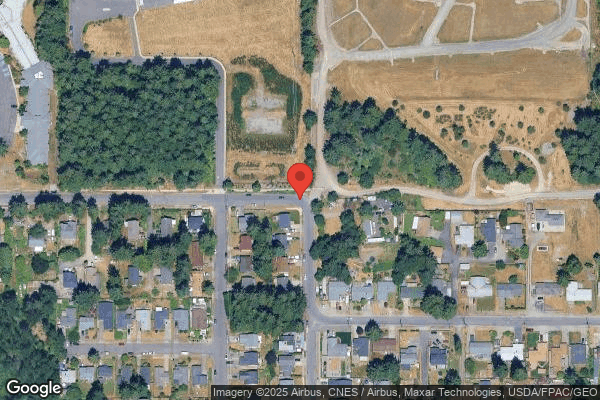
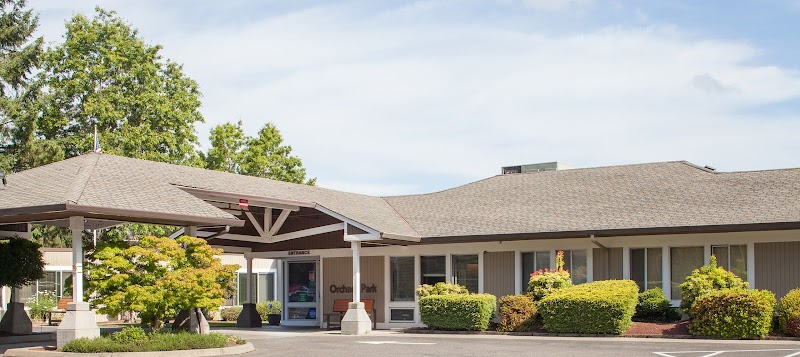
4755 SOUTH 48TH, TACOMA, WA 98409 (253) 475-4611
For profit - Limited Liability company 147 Beds GENESIS HEALTHCARE Data: November 2025 1 Immediate Jeopardy citation
Trust Grade
13/100
#146 of 190 in WA
Last Inspection: June 2025

Inspected within the last 6 months. Data reflects current conditions.

Overview

Orchard Park Health Care & Rehab Center has received a Trust Grade of F, indicating poor performance and significant concerns regarding resident safety and care. It ranks #146 out of 190 facilities in Washington, placing it in the bottom half statewide, and #14 out of 21 in Pierce County, suggesting there are better local options available. The facility's issues appear to be improving, with a reduction in reported problems from 46 in 2024 to 20 in 2025. Staffing is a relative strength, rated 4 out of 5 stars with a turnover rate of 46%, which matches the state average, indicating some staff stability. However, the center has faced serious incidents, including a failure to supervise residents who smoked with oxygen in use, posing a fire risk, and not providing adequate restorative care for residents, leading to declines in mobility. This combination of strengths and weaknesses should be considered carefully by families evaluating their options.

Trust Score
F
13/100
In Washington
#146/190
Bottom 24%
Safety Record
High Risk
Review needed
Inspections
Getting Better
46 → 20 violations
Staff Stability
⚠ Watch
46% turnover. Above average. Higher turnover means staff may not know residents' routines.
Penalties
✓ Good
$109,577 in fines. Lower than most Washington facilities. Relatively clean record.
Skilled Nurses
✓ Good
Each resident gets 45 minutes of Registered Nurse (RN) attention daily — more than average for Washington. RNs are trained to catch health problems early.
Violations
⚠ Watch
105 deficiencies on record. Higher than average. Multiple issues found across inspections.
★★☆☆☆
2.0
Overall Rating
★★★★☆
4.0
Staff Levels
★★★★★
5.0
Care Quality
★☆☆☆☆
1.0
Inspection Score
Stable
2024: 46 issues
2025: 20 issues

The Good

  • 4-Star Staffing Rating · Above-average nurse staffing levels
  • 5-Star Quality Measures · Strong clinical quality outcomes
  • Full Sprinkler Coverage · Fire safety systems throughout facility
  • No fines on record

Facility shows strength in staffing levels, quality measures, fire safety.

The Bad

2-Star Overall Rating

Below Washington average (3.2)

Below average - review inspection findings carefully

Staff Turnover: 46%

Near Washington avg (46%)

Higher turnover may affect care consistency

Federal Fines: $109,577

Well above median ($33,413)

Significant penalties indicating serious issues

Chain: GENESIS HEALTHCARE

Part of a multi-facility chain

Ask about local staffing decisions and management

The Ugly 105 deficiencies on record

1 life-threatening 2 actual harm
Aug 2025 1 deficiency
CONCERN (D) 📢 Someone Reported This

A family member, employee, or ombudsman was alarmed enough to file a formal complaint

Potential for Harm - no one hurt, but risky conditions existed

Deficiency F0825 (Tag F0825)

Could have caused harm · This affected 1 resident

**NOTE- TERMS IN BRACKETS HAVE BEEN EDITED TO PROTECT CONFIDENTIALITY** Based on interview and record review, the facility failed to ensure rehabilitative services were provided as determined by physi...

Read full inspector narrative →
**NOTE- TERMS IN BRACKETS HAVE BEEN EDITED TO PROTECT CONFIDENTIALITY** Based on interview and record review, the facility failed to ensure rehabilitative services were provided as determined by physician order for 1 of 3 residents (Resident 1) reviewed for rehabilitation services. This failure placed residents at risk for delayed progress towards goals, unmet care needs, and a diminished quality of life. Findings included . Resident 1 was admitted to the facility on [DATE] with multiple diagnoses for rehabilitative services and administration of intravenous (IV) antibiotics. The Minimum Data Set, an assessment tool, dated 07/07/2025, showed Resident 1 had mild cognitive impairment and was able to make their needs known, and required assistance with activities daily living. On 08/14/2025 at 4:10 PM, a Collateral Contact (CC-1) said that concerns about Resident 1's care at the facility were discussed during a Care Conference meeting on 07/15/2025. CC-1 said Resident 1 had been there since 07/03/2025 and had not started physical therapy (PT). CC-1 said the physical therapy staff came in and said the resident was supposed to be doing PT 5 days a week but they just had not been around to it, they were going to start that day and they were going to do 3 times a week. CC-1 said the facility Social Worker said they would contact the Clinic to see about more PT. On 08/25/2025 at 11:58 AM, Staff B, the Director of Rehabilitation, said residents who were long-term care and Part B were scheduled for 5 times a week during a 7-day period. Staff B said they set up the residents' weekly therapy schedules. Staff B referred Surveyor to the Medical Records Department to review Resident 1's therapy records. A review of Resident 1's chart showed an order, dated 07/04/2025, for Physical Therapy 5 times per week for 30 days. Review of Resident 1's clinical record showed a PT evaluation was completed on 07/04/2025. A subsequent order, dated 08/01/2025, recertified Physical Therapy 5 times per week for another 30 days. Review of Resident 1's clinical record showed that Resident 1 received PT treatment encounters on: 07/04/2025, 07/13/2025, 07/15/2025, 07/16/2025, 07/21/2025, 07/22/2025, 07/23/2025, 07/24/2025, 07/29/2025, 08/01/2025, 08/03/2025, and 08/04/2025. An order dated 07/04/2025 showed Resident 1 was to receive Occupational Therapy (OT) 5 times per week for 30 days. Review of Resident 1's clinical record showed an OT evaluation was completed on 07/04/2025. Review of Resident 1's clinical record showed that Resident 1 received OT services on: 07/14/2025, 07/18/2025, 07/25/2025, and 08/02/2025. On 08/25/2025 at 2:09 PM, Staff B, the Director of Rehabilitation, said Resident 1 was not a skilled resident and recalled that frequency of treatment encounters depended, and thought the frequency for Resident 1 was to be 12 times in a 60-day period. When asked what that was based on, Staff B said Surveyor would have to talk to the Business Office Manager about what was authorized for Resident 1's therapy. Staff B was asked to review the dates of physical therapy services provided to Resident 1, and was asked about the 9 days between the day Resident 1 was evaluated and the next day PT was provided on 07/13/2025, the 5 days between PT treatment encounters from 07/16/2025 to 07/21/2025, as well as five days between PT treatment encounters from 07/24/2025 to 07/29/2025. Staff B said Resident 1 sometimes declined therapy and rather than have the resident lose a day, Staff B would reschedule the resident to the next day. When asked, Staff B said they did not document any refusals by Resident 1. When asked about previous schedules or other documentation that would show that the resident had been rescheduled to the next day, Staff B said they would have to get back to Surveyor on that. Staff B was asked to review the 4 dates occupational therapy were services provided to Resident 1 during their admission. Staff B indicated that Resident 1 also had OT treatment encounters on 07/07/2205 and 08/05/2025 but did not provide documentation for those encounters. On 08/25/2025 at 2:25 PM, Staff C, an Occupational Therapist, recalled Resident 1 and described them as self-limiting. Staff C said Resident 1 required a lot of education and encouragement. When asked, Staff C said therapy staff tried to negotiate with residents and they always documented refusals. On 08/25/2025 at 2:32 PM, Staff D, the facility Business Office Manager, said Resident 1 was admitted before the authorization for therapy was received and they did not know if they were going to get it authorized or not. Staff D said they recalled that Resident 1 was to start therapy 3 days a week, and Staff D recalled they verbally told Staff B, the Director of Rehabilitation, Resident 1 could go up to 5 days a week pending authorization of payment. Staff D provided a copy of an email received 07/16/2025 that documented payment authorization of Exceptional Skilled Therapy Need, and that authorized Resident 1 to receive physical therapy for one hour a day, 5 days a week to equal 20 hours a month, and Occupational Therapy one hour a day, five days a week, to equal 20 hours a month. On 08/25/2025 at 2:51 PM, Staff E, a Social Service staff, recalled Resident 1 and had participated in the Care Conference on 07/15/2025. Staff E said Resident 1 was not skilled, so the resident was to have therapy 3 times a week up to 5 times a week, and they were supposed to be at the facility for at least 8 weeks for IV therapy. On 08/25/2025 at 3:25 PM, Staff A, the facility Administrator, said the expectation is for residents to receive therapy as ordered to help them meet their goals. Reference WAC 388-97-1280 (1)(a-b).
Jun 2025 18 deficiencies 1 Harm
SERIOUS (H)

Actual Harm - a resident was hurt due to facility failures

Accident Prevention (Tag F0689)

A resident was harmed · This affected multiple residents

**NOTE- TERMS IN BRACKETS HAVE BEEN EDITED TO PROTECT CONFIDENTIALITY** <Elopement> Review of a facility's policy titled, Elopements (when a resident identified as wandering leaves the facility ...

Read full inspector narrative →
**NOTE- TERMS IN BRACKETS HAVE BEEN EDITED TO PROTECT CONFIDENTIALITY** <Elopement> Review of a facility's policy titled, Elopements (when a resident identified as wandering leaves the facility without staff knowledge or authorization) - Resident Behavior and Facility Practices, dated 02/21/2025 showed when a resident who exhibited wandering behavior and/or were at risk for elopement received adequate supervision to prevent accidents, and received care in accordance with their person-centered plan of care addressing the unique factors contributing to wandering or elopement. Review showed monitoring and managing residents at risk for elopement and unsafe wandering showed the effectiveness of interventions would be evaluated and changes made as needed. The procedure for locating missing residents would be followed to include alert personnel using facility approved protocol. Review of the facility's policy titled, Elopement of Resident dated 07/12/2023, showed a process for managing at risk (residents) for elopement, to include residents would be evaluated for elopement risk not only upon admission and quarterly but with any change in condition as part of the clinical assessment process. Those (residents) determined to be at risk would receive appropriate interventions to reduce risk and minimize injury, to include a person-centered care plan developed when applicable. Review of the facility's Inservice record / topic: Elopement, dated 01/02/2025 showed several procedures for staff to initiate to include checking with the front desk (staff) to see if the resident was checked out, announcing three times on the facility's intercom system a code pink (an alert/code use by the facility to indicate possible elopement of a facility's resident). If unable to locate the resident quickly notification of law enforcement as soon as possible (ASAP). Resident 56 Review of the quarterly minimum data set (MDS, a required assessment tool), dated 05/22/2025, showed Resident 56 re-admitted on [DATE] with multiple diagnoses to include Parkinson's disease (a progressive neurodegenerative disorder that primarily affects movement), dyskinesia (impairment of voluntary movement), muscle weakness, and depression. The MDS showed the resident had a brief interview for mental status (BIMS) score of seven which indicated severe cognitive impairment and was dependent on staff for assistance with activities of daily living (ADLs) and was a high risk for falls. The MDS showed staff had documented a change in behavior in Section E1100 for the question How does the resident's current behavior status, care rejection, or wandering compared to prior assessment, a social service staff documented Resident 56 was worse for the behaviors section. Review of Resident 56's current care plan, initiated on 03/08/2025 had impaired / decline in cognitive function impaired thought processes related to dementia, Parkinson's disease, short/long term memory loss. Interventions included for staff to observe and evaluate types of changes in cognitive status i.e. confusion, orientation, forgetfulness, decision making ability and impulsiveness. Review of Resident 56's social services progress note, dated 05/30/2025, showed facility staff documented resident continued to have poor safety awareness, needed reminders about safety, had history of falls and needed to be offered more assistance. The note showed the resident would like to be transferred to an adult living facility and angry and wanted to move to a new setting and can become irritable and angry mostly due to wanting to move to a new setting. Review of Resident 56's EHR, dated 06/02/2025, showed the resident ambulates (walk; move about) using a walker and required supervision one person) for ambulation. During an observation and interview on 06/08/2025 at 9:07 AM, showed Resident 56 sat on their bed, a staff member sat on a nearby chair and observed the resident. When asked what the staff was doing in the resident's room, Staff H, Certified Nurse Aide, (CNA) stated they were told from an earlier report Resident 56's had eloped yesterday 06/07/2025 and they were there to observe the resident to ensure they did not elope out of the facility again. Review of Resident 56's EHR progress note dated 06/07/2025 showed the resident was reported to be missing by the front desk. Front desk staff reported the resident walked out to the parking lot to get some sunshine at 3:15 PM; however, the resident did not return. The front desk staff informed the nurse at 3:45 PM, the resident's emergency contact was notified at 4:00 PM, who was also unaware of the resident's location. At 4:20 PM a facility staff contacted / called 911 related to the missing resident. At 4:40 PM a local nursing home several blocks away contacted the facility after Resident 56 was brought there by a woman who witnessed the resident stumbling/falling. A facility staff (manager on duty) retrieved the resident. Resident 56 stated they were looking for the highway to go home. During an interview 06/10/2025 at 1:10 PM, Staff B, DNS, stated their expectation was for a code pink to be called immediately by the manager on duty and if unable to initially find a resident then 911 should be called simultaneously and not delay the call during the search for the missing resident. During an interview on 06/10/2025 at 1:49 PM, Staff J, Recreation Director (RD), stated they were the manager on duty the day Resident 56 went missing and all the managers received a similar text regarding Resident 56 was missing. Staff J stated they walked around the facility outside for approximately 15 -20 minutes but were unable to locate the resident during that time frame. Staff J stated that another text came in to call 911. Staff J stated there was some confusion as to who was tasked with calling 911, either the manager on duty or the nurse in charge, so there was a delay in calling 911 related to the missing resident. During an interview on 06/10/2025 at 1:51 PM, Staff G, Social Work (SW) stated they had documented a change in Resident 56's MDS (current behavior status) on the previous MDS dated [DATE] and informed Resident 56's care manager. During an interview on 06/10/2025 at 12:45 AM, Staff A, Administrator (ADM) stated their expectation would be anytime a resident had a change in behavior (potential elopement risk) an assessment would need to be done to see if they were appropriate for increase monitoring and whether a placement of a wander guard was necessary. When asked about the front desk staff who observed Resident 56 leave the facility unaccompanied and whether they had elopement training / education, Staff A stated the receptionist was a recent hire (new staff) and they had recognized the receptionist had dropped the ball. The receptionist was now suspended, and education was done related to elopement risks. Staff A stated they were unable to find the front desk receptionist initial elopement training in their training documentation. Resident 14 Review of the EHR showed Resident 14 was at risk for elopement and required a Wander Guard device (an alarm device that triggers when a resident attempts to leave the facility) on their wheelchair. Review of treatment administration record (TAR) for June 2025, showed Resident 14's Wander Guard was not in place for eight of 17 opportunities from 06/01/2025 - 06/09/2025. Review of Resident 14's TAR record for May 2025 showed missed documentation for the Wander Guard for 20 out of 62 opportunities. During an interview on 06/12/2025 at 10:32 AM, Staff Q, Resident Care Manager, stated they just replaced the Wander Guard as the Resident cuts it off. Staff Q stated the expectation was for the licensed nurses to check and ensure Resident 14 had a Wander Guard in place and documented. Refer to F-610 for additional information. Reference WAC 388-97-1060 (3)(g). . . Based on observation, interview and record review, the facility failed to consistently provided the assessed level of supervision to prevent avoidable injuries and falls, assess if care plan interventions were effective and provide timely revisions for 5 of 6 sampled residents (Residents 14, 15, 29, 21 and 110) reviewed for accidents and falls. Resident 29 experienced harm when a staff member provided bed mobility assistance without a second staff member as required per the plan of care resulting in a fall with a periorbital (area around the eye) laceration (cut) to the left eye that required hospital evaluation and sutures. Resident 21 experienced harm when staff failed to implement hip precautions during a transfer resulting in a hip dislocation and severe pain that required surgery and hospitalization. Resident 110 experienced harm from repeated falls, three between 05/14/2025 and 05/27/2025, with injuries to include a head laceration, skin tear to the elbow, and including an occipital hematoma (blood collection at the back of the head). The facility failed to protect residents from eloping (exiting the facility without the required supervision) or attempting to exit the facility for 2 of 2 sampled residents (Residents 56 & 14) reviewed for accidents. These failures placed residents at risk of significant injury and a decreased quality of life. Findings included . <Avoidable Injuries> Resident 29 Review of the electronic health record (EHR) showed Resident 29 was admitted to the facility on [DATE] with diagnoses to include chronic obstructive pulmonary disease (COPD, a condition which blocks airflow that makes it difficult to breath), diabetes (high blood sugar), depression and anxiety. Resident 29 was able to communicate needs. Observation on 06/08/2025 at 10:13 AM showed Resident 29 lying in bed with bruising and sutures (a stitch or row of stitches holding together the edges of a wound or surgical incision) on the left side of their forehead near the left eye. Resident 29 stated they fell from the bed and had to go to the emergency room for sutures. Resident 29 stated the fall happened during repositioning / turning in the bed by one staff member. Resident 29 stated since the incident they were afraid to be turned in bed by staff. Review of Resident 29's progress notes in the EHR showed a fall with injury on 05/30/2025. During routine care by one staff member Resident 29 fell from the unsupervised side of the bed air mattress. Resident 29 struck their head against the floor resulting in deep periorbital (area around the eye) laceration (cut) to the left eye. Review of the care plan self care focus area, dated 05/17/2025, showed intervention Resident is totally dependent on staff for repositioning and turning in bed, and The resident requires 2 staff participation to reposition and turn in bed. Review of facility incident report investigation, dated 06/06/2025 for the fall on 05/30/2025, showed one of the immediate actions was Due to the extent of the eye injury and head trauma, the provider ordered to be transferred to the hospital. Review showed, The care was performed by one staff member, despite the resident requiring two staff, the aide did not follow the care plan, and There was a lack of adherence to care plan protocols and enforcement to ensure compliance with required assistive staffing for high-risk residents. Observation on 06/10/2025 at 11:06 AM showed Staff R, Registered Nurse (RN) performed a skin check and turned Resident 29 in bed by themselves and stated, I am not going to drop you. Resident 21 Review of the EHR showed Resident 21 admitted to the facility on [DATE] with diagnoses that included aftercare for joint replacement surgery, presence of left artificial hip joint and muscle weakness. Resident 21 was weight bearing as tolerated. During an interview on 06/12/2025 at 10:47 AM, Resident 21 stated on 05/29/2025 while staff were attempting to transfer them to their wheelchair Staff X, Certified Nursing Assistant (CNA), moved their left leg in jerking motion while on the bed which resulted in a loud pop. Resident 21 stated they asked the staff, did you hear that? The staff looked at each other and Staff X stated, yes. Resident 21 stated they immediately felt excruciating pain at a level of 110. Staff X lowered Resident 21's left leg back down on the bed and left the room. Resident 21 stated they yelled in pain for the nurse to give them something for pain. Resident 21 stated the nurse ordered an x-ray; however, stated it could take hours. Resident 21 stated their family member requested transport to the emergency department (ED) due to the possible wait time. Resident 21 stated they were crying and screaming in pain while at the ED until they were given pain medication and underwent surgery. Review of the EHR showed an ED Discharge summary, dated [DATE], with a final diagnosis of left hip dislocation which was surgically repaired. Resident 21 was discharged from the ED on 05/30/2025. Review of progress note from Staff W, Licensed Practical Nurse (LPN), dated 05/29/2025, showed Resident 21 complained of popping sound while being moved to the wheelchair from the bed to get weighed. Resident 21 stated, 2 gentleman tried to move me from the other side of the bed to the wheelchair when I heard a popping sound from my left hip and now, I can't move. and Resident was able to transfer from wheelchair to the bed with stand-and-pivot when they first came to the facility without complaint of pain. During an interview on 06/12/2025 at 11:54 AM, Staff W, LPN, stated while coming back from break Staff X reported that Resident 21 was in extreme pain. Staff W stated when asked about the pain, Resident 21 stated they couldn't move their leg and was in excruciating pain because the CNA was careless and hurt my hip. Staff W stated the admissions department was putting Resident 21's orders in the EHR at that time of the incident; however, the resident was weight bearing as tolerated. Review of Resident 21's EHR showed signed discharge orders from the previous facility, dated 05/29/2025, which included an order, Weight bearing as tolerated with walker, posterior hip precaution (eliminating hip flexion/bending and internal rotation / turning leg inward, and adduction / flexing inward) X 6 weeks full weightbearing. Review of the current providers order on 06/12/2025, showed no order for: Weight bearing as tolerated with walker, posterior hip precaution for six weeks full weight bearing. During an interview on 06/12/2025 at 1:35 PM, Staff B, Director of Nursing Services, stated Resident 21 reported to the nurse that a staff member moved their leg and it popped. <Falls> Resident 110 Review of the EHR showed Resident 110 admitted to the facility on [DATE] with diagnoses that included dementia (a group of thinking and social symptoms that interferes with daily functioning), difficulty walking and muscle weakness. Resident 110 was able to make needs known. Resident 110 required extensive assistance for transfers and used a wheelchair for mobility. Resident 110 was assessed as a fall risk. Review of Resident 110's incident report, dated 05/14/2025, showed Resident 110 had a witnessed fall resulting in a two-inch head laceration. At approximately 1:10 PM, housekeeping staff reported witnessing Resident 110 attempting to stand from their wheelchair with foley catheter (tube to drain urine) still attached resulting in a fall. Resident 110 was found lying on the floor on their right side, near the foot of the bed by the window.Review showed a nurse aaplied pressure to an actively bleeding head wound. Resident 110 was unable to verbalize pain but was grimacing and holding their right leg. Resident 110's wheelchair was located outside the bathroom door with a tray table and meal tray. Review of Resident 110's care plan, dated 05/14/2025, showed supervised feeding at nurses' station or dining room for meals were the fall prevention interventions put in place. Review of Resident 110's the incident report, dated 05/20/2025, showed Resident 110 had an unwitnessed fall that resulted in an elbow skin tear. At approximately 7:15 PM a nurse noticed Resident 110 was on the floor on the left side of the bed on top of the floor mat, lying on their left side. Resident 110 denied pain and did not remember why they fell. Resident 110 had a skin tear on left elbow. The fall occurred despite appropriate fall precautions (e.g., floor mat, routine checks). The incident report showed the facility implemented immediate and long-term preventive interventions. The incident report was completed on 05/27/2025, seven days after the incident. Review of Resident 110's care plan showed no new interventions were added following the fall on 05/20/2025. Review of the incident report, dated 05/29/2025, showed Resident 110 had a third fall which was unwitnessed on 05/27/2025 that resulted in an occipital hematoma (blood collection at the back of the head). At approximately 3:50 PM a facility staff heard a loud yell from the hallway. Staff responded immediately and found the Resident 110 on the floor in front of their wheelchair, lying on their left side, with the left occipital area of the head touching the wall. A hematoma was noted on the left occipital scalp (no bleeding). Resident 110 was grimacing, saying ouch. The FACES pain scale indicated pain. Resident 110 was unable to verbalize pain details or fall mechanics due to dementia. The resident was not sent to the hospital. The incident report concluded, The resident's fall occurred due to an unassisted movement from or within an unlocked wheelchair, in the context of cognitive impairment, physical frailty, and brief lack of direct supervision. The resident's dementia likely led to poor safety awareness, and their medical conditions compounded the risk. Review of Resident 110's care plan showed it was updated with new interventions on 05/28/2025 which included continue interventions on the at-risk plan, anticipate and meet the resident's needs, supervision and not to be left unattended at all times (Do not leave up in room when in wheelchair. Keep in high visualized area when up in wheelchair), toileting schedules pre-post meals, before bedtimes, low bed while in bed to help reduce risk of injury from falls. During an interview on 06/10/2025 at 2:13 PM, Staff P, RCM/LPN, stated the care plan was not revised and no interventions were put in place after the 05/20/2025 fall but should have been. During an interview on 06/12/2025 at 2:02 PM, Staff B, DNS stated new interventions should have been implemented and care planned timely after Resident 110's, 05/20/2025 fall. Staff B stated the lack of care implementation, timeliness and care plan revision did not meet expectations. Resident 15 Review of the quarterly minimum data set assessment (MDS), dated [DATE], showed Resident 15 admitted on [DATE] with multiple diagnoses to include quadriplegia (a severe medical condition characterized by the partial or total loss of function in all four limbs and the torso [trunk of the body]), malnutrition, muscle weakness, and depression. The MDS showed the resident was able to make needs known and required substantial assistance with activities of daily living (ADLs) and was documented a high falls risk. Observation and interview on 06/08/2025 at 11:31 AM, showed Resident 15 laying in bed with fall floor mats positioned on both the left and right side of their the bed. Resident 15 stated they had fallen a few times previously when they were either reaching for something that dropped on the floor or attempted to get out of bed without assistance. The resident further stated they had been provided a reacher tool (a device known as a grabber extender, a handheld mechanical device designed to extend a person's reach and grip, allowing them to grasp objects that was otherwise out of arm's length); however, it always seemed to be stored on their wheelchair at the foot of their bed and their call light was also out of their reach. Review of Resident 15's care plan, dated 02/06/2025, showed Resident 15 was at risk for falls due to multiple diagnoses and had recurrent falls. Interventions included for the resident to have positioned floor mats, a reacher tool, call light within reach and to provide verbal cues for safety. Review of Resident 15's incident report, dated 05/07/2025, showed the resident fell next to their bed. The report showed the residents' roommate had used their own call light to alert the facility staff for assistance regarding Resident 15's fall. Prior to the fall the resident had a discussion with a facility staff member, (an unidentified registered nurse, RN) of the need to get out of bed to purchase a soda, the report showed the resident stated they were, going to anyway. The report showed the RN told the resident to wait until additional help arrived; however, the report did not indicate whether the RN waited with the resident until additional help arrived and they were reportedly found on the floor next to their bed a short while later. The report concluded Resident 15 had moderate cognitive impairment and their behavior led to poor judgment and was noted to be impulsive. During an interview on 6/10/2025 at 12:10 PM, Staff B, DNS, stated the licensed nurse should have waited with Resident 15 on 05/07/2025 until additional help arrived, especially after the resident had made the statement they were, going to do it anyway (get out of bed). Staff B stated Resident 15 was a two person assist with transfer and had impulsivity and poor judgement. Resident 14 Review of the EHR showed, Resident 14 was admitted to the facility on [DATE] with diagnoses to include dementia, COPD, hypotension (low blood pressure), and anemia (low blood cell count). Resident 14 was unable to make needs known. Review of the EHR showed Resident 14 had falls on the following dates 02/05/2025, 02/13/2025, 03/18/2025, 03/31/2025, 04/02/2025, 04/29/2025, 05/24/2025, and 05/26/2025. Review of the facility's incident investigation showed an investigation of fall on 05/24/2025. Review showed no new interventions were put in place. Review of the EHR showed Resident 14 had a repeat fall on 05/26/2025.
CONCERN (D)

Potential for Harm - no one hurt, but risky conditions existed

Deficiency F0561 (Tag F0561)

Could have caused harm · This affected 1 resident

**NOTE- TERMS IN BRACKETS HAVE BEEN EDITED TO PROTECT CONFIDENTIALITY** . Based on observation, interview, and record review the facility failed to ensure resident choices/preferences regarding their ...

Read full inspector narrative →
**NOTE- TERMS IN BRACKETS HAVE BEEN EDITED TO PROTECT CONFIDENTIALITY** . Based on observation, interview, and record review the facility failed to ensure resident choices/preferences regarding their bathing schedule were honored for 1 of 2 sampled residents (Resident 40) reviewed for choices. These failures placed the residents at risk for decreased cleanliness, increased risk of infection and diminished quality of life. Findings included . Review of the electronic health record (EHR) showed, Resident 40 was admitted to the facility on [DATE] with diagnoses to include cerebral palsy (congenital disorder of movement, muscle tone, or posture), urinary tract infection and muscle weakness. Resident 40 was able to communicate needs. During an observation on 06/08/2025 at 12:28 PM, Resident 40 was sitting in their wheelchair in their room. Resident 40 stated they could not set their own shower time, per the facility schedule, it was provided only two times a week at specific times that were not followed. During an interview on 06/11/2025 at 9:07 AM, Staff P, Residential Care Manger / Licensed Practical Nurse (RCM/LPN), stated the shower aids had a schedule, and they offered choices to the residents. During an interview on 06/11/2025 at 2:04 PM, Staff H, Certified Nursing Assistant (CNA), stated the showers were assigned based on the room and bed location. Staff H stated Resident 40 was on the list for today (06/11/2025) to have a shower. During an interview on 06/12/2025 at 9:26 AM, Resident 40 stated there was no shower provided to them, the staff put it off and the shower aide left at 4:00 PM, Resident 40 stated they were to get a shower today. During an interview on 06/12/2025 at 10:44 AM, Staff B, Director of Nursing Services (DNS) stated the expectations were for staff to ask for preferences and honor the shower preferences. Review of the shower documentation on 06/13/2025 showed showers were not provided on 06/11/2025 and 06/12/2025 as scheduled. Reference WAC 388-97- 0900(1)-(4)
CONCERN (D)

Potential for Harm - no one hurt, but risky conditions existed

Deficiency F0605 (Tag F0605)

Could have caused harm · This affected 1 resident

**NOTE- TERMS IN BRACKETS HAVE BEEN EDITED TO PROTECT CONFIDENTIALITY** . Based on observation, interview, and record review the facility failed to assess for adverse side effects (ASE) related to the...

Read full inspector narrative →
**NOTE- TERMS IN BRACKETS HAVE BEEN EDITED TO PROTECT CONFIDENTIALITY** . Based on observation, interview, and record review the facility failed to assess for adverse side effects (ASE) related to the use of psychoactive (affecting the mind) medications for 1 of 5 sampled residents (Resident 107) when reviewed for unnecessary medication use. Failure to conduct/obtain an initial/baseline abnormal involuntary movement (AIM) assessment for the use of an antipsychotic medication (a psychoactive medication that affects a person's mental status) and identify potential involuntary movement placed Resident 107 at risk of unidentified presence and severity of AIM ASE, medical complications, and a diminished quality of life. Findings included . Review of the electronic health record (EHR) showed Resident 107 readmitted to the facility on [DATE] with diagnoses that included dementia (a decline in mental ability that interferes with daily life) with psychotic disturbance (a mental state where individuals experience a significant disconnect from reality), and a cognitive (mental process in the brain for thinking, attention, language, learning, memory and perception), communication deficit. Review of the admission minimum data set assessment, dated 04/18/2025, showed Resident 107 initially admitted to the facility on [DATE], received an antidepressant medication, and antipsychotic medication on a routine basis. Resident 107 was able to make needs known. Observation on 06/08/2025 at 10:57 AM, showed Resident 107 laid across the bed, appeared anxious, and scratched their private area with legs spread apart. An unidentified staff member attempted to reposition Resident 107; however, the resident refused. Observation and interview on 06/10/2025 at 11:14 AM, showed Resident 107 laid in bed with a facility gown over their pants, moving both legs from a bending position to straight position, moving feet from side-to-side, and lifting up and pulling down the bottom of their gown multiple times. When asked if they were in pain Resident 107 stated, No. When asked if they were ok, Resident 107 stated they were, OK. Review of the June 2025 medication administration record (MAR) from 06/01/2025 - 06/09/2025 showed Resident 107 received an antipsychotic medication twice a day. The MAR showed to monitor extrapyramidal symptoms (a group of movement disorders) that included tardive dyskinesia (TD, involuntary, repetitive, and writhing movements, often affecting the face, torso, and limbs that can be caused by antipsychotic use) tremors, gait issues, involuntary movement of mouth/tongue related to antipsychotic medication use. Review of the EHR showed no AIM base line assessment documented for Resident 107's admission on [DATE] or readmission on [DATE]. During an interview on 06/11/2025 at 10:39 AM, Staff L, Licensed Practical Nurse (LPN), stated residents taking an antipsychotic medication should have an AIM scale (AIMS) assessment tool completed to assess for TD upon admit and then every six months. Staff L stated Resident 107 received an antipsychotic medication; however, they were unable to locate an AIMS tool assessment in Resident 107's EHR and it should have been completed and located under assessments. Staff L stated this did not meet expectation. During a joint observation and interview on 06/11/2025 at 11:10 AM, Staff B, Director of Nursing Services (DNS), stated Resident 107 laid in bed moving their entire body, bending and straightening legs, and rubbing private parts between their legs with their hands over their gown. Staff B asked Resident 107 if they wanted to get in their chair and the resident responded, Yes. Staff B stated Resident 107 received antipsychotic medication; however, they were unable to locate a baseline AIM assessment documented upon admission on [DATE] or on readmission on [DATE] and there should have been. Staff B stated Resident 107 should have had a full assessment that included AIM documented for a baseline and this did not meet expectations. Reference WAC 388-97-0620 (1)(a), -1060(3)(k)(i) .
CONCERN (D)

Potential for Harm - no one hurt, but risky conditions existed

Deficiency F0645 (Tag F0645)

Could have caused harm · This affected 1 resident

**NOTE- TERMS IN BRACKETS HAVE BEEN EDITED TO PROTECT CONFIDENTIALITY** Resident 14 Review of the EHR showed Resident 14 was admitted to the facility on [DATE] with diagnoses to include dementia (impa...

Read full inspector narrative →
**NOTE- TERMS IN BRACKETS HAVE BEEN EDITED TO PROTECT CONFIDENTIALITY** Resident 14 Review of the EHR showed Resident 14 was admitted to the facility on [DATE] with diagnoses to include dementia (impaired memory and judgment), chronic obstructive pulmonary disease (COPD, a condition which blocks airflow that makes it difficult to breath), hypotension (low blood pressure), and depression. Resident 14 was unable to make their needs known. Review of a provider order, dated 01/21/2025, showed an antidepressant was prescribed. Review of June 2025 medication administration record showed Resident 14 was administered an antidepressant medication three times a day and a second antidepressant medication for appetite stimulation. Review of a Level I PASARR, dated 01/21/2025, showed Resident 14 had indications for serious mental illness. No Level II referral was completed. During an interview on 06/10/2025 at 1:44 PM, Staff E, SW, stated they performed audits to correct PASARR's after admission to the facility; however, Resident 14's PASARR was missed. Staff E stated the lack of Level II referral did not meet expectation. Reference WAC 388-97-1915(1)(2)(a-c) Based on interview and record review, the facility failed to ensure Pre-admission Screening and Resident Review (PASARR, a mental health screening tool) assessments were accurately completed for 2 of 5 sampled residents (Residents 91 and 14) when reviewed for PASARRs and unnecessary medications. This failure placed the residents at risk for unidentified mental health care needs. Findings included . Review of a document titled, PASRR Completion Policy, dated 09/03/2024, showed the center will make sure that all admissions have the appropriate Patient Assessment and Resident Review (PASRR) completed. In addition, the center administrator will designate either the Admissions Director or Social Worker to make sure the PASSR and/or Level of Care (LOC) was done on all potential residents. Furthermore, the facility will follow state-specific guidelines for completion. Resident 91 Review of Resident 91's admission minimum data set (MDS, a required assessment tool), dated 05/05/2025, showed the resident admitted on [DATE] with multiple health conditions including pneumonia, anxiety, depression and post-traumatic stress disorder (PTSD, a disorder that develops when a person experienced or witnessed a traumatic event). The resident was able to make their needs known. Review of a Level I PASARR, dated 04/22/2025, showed it was completed by a local medical care facility's social work staff. The PASARR form had documentation for Section 111 marked exempted hospital discharge per section II.A: marked all three boxes which meets the requirements for an exempted hospital discharge and can be referred to a nursing facility without a PASRR Level II; however, the form showed the resident's provider also documented the attending provider certified the resident was likely to require fewer than 30 days of nursing facility care. During an interview on 06/09/2025 at 12:57 PM, Staff D, Social Service Director (SSD), stated if Resident 91 had a behavioral health diagnosis when admitted to the facility with a hospital exempt discharge but remained at the facility longer than 30 days then the PASRR should have been corrected and a Level II referral completed. During an interview on 06/12/2025 at 2:16 PM, Staff A, Administrator, stated it was their expectation if Resident 91's Level I PASARR was a hospital exempt discharge and the resident remained longer than 30 days in the facility then the PASSR should have been corrected and referred for a Level II evaluation for any potential behavior health care services that were needed.
CONCERN (D)

Potential for Harm - no one hurt, but risky conditions existed

Comprehensive Care Plan (Tag F0656)

Could have caused harm · This affected 1 resident

**NOTE- TERMS IN BRACKETS HAVE BEEN EDITED TO PROTECT CONFIDENTIALITY** . Based on observation, interview, and record review the facility failed to develop and/or implement individualized comprehensi...

Read full inspector narrative →
**NOTE- TERMS IN BRACKETS HAVE BEEN EDITED TO PROTECT CONFIDENTIALITY** . Based on observation, interview, and record review the facility failed to develop and/or implement individualized comprehensive care plans related to oxygen therapy and oral/dental status for 3 of 23 sampled residents (Residents 67, 40, and 90) whose care plans were reviewed. Failure to develop and implement care plans that were individualized, and accurately reflected resident care needs placed residents at risk of unmet care needs and potential negative outcomes. Findings included . Resident 67 Review of the electronic health record (EHR) showed Resident 67 readmitted to the facility on [DATE] with a diagnosis of chronic obstructive pulmonary disease (COPD, a long-term disease that makes it hard to breathe) with acute exacerbation (sudden and severe worsening of respiratory symptoms of COPD). Resident 67 was able to make needs known. Observations on 06/08/2025 at 11:03 AM, 06/09/2025 at 1:13 PM, and on 06/10/2025 at 8:56 AM, showed Resident 67 laid in bed with the head of the bed elevated and received oxygen (O2) via a nasal canula (NC, a flexible tube used to deliver extra O2 through the nose) connected to an O2 concentrator (medical device that provides supplemental oxygen). Review of the provider order dated 01/06/2025 showed Resident 67 was prescribed supplemental O2 at 2 - 4 liters to keep saturation (oxygen levels in the blood) above 90% as needed for shortness of breath/low saturation. During an interview on 06/10/2025 at 12:37 PM, Staff L, Licensed Practical Nurse (LPN), stated Resident 67 received O2 therapy and had an order dated 01/06/2025 for the O2 therapy. Staff L stated they were unable to locate a care plan for oxygen use for Resident 67 and it should have been care planned. Staff L stated this did not meet expectations. During an interview on 06/10/2025 at 1:55 PM, Staff B, Director of Nursing Services (DNS), stated Resident 67 received O2 therapy and had a provider order dated 01/06/2025 for the supplemental O2 use; however, Resident 67's O2 use had not been care planned. Staff B stated Resident 67's comprehensive care plan did not meet expectations related to O2 therapy. Resident 40 Review of the EHR showed, Resident 40 was admitted to the facility on [DATE] with diagnoses to include cerebral palsy (congenital disorder of movement, muscle tone, or posture), urinary tract infection and muscle weakness. Resident 40 was able to communicate needs. During an observation on 06/08/2025 at 12:28 PM, Resident 40 sat in their wheelchair in their room. Resident 40 had many broken and discolored upper front teeth. Resident 40 stated they had many problems with the teeth. Review of Resident 40's care plan initiated on 05/28/2025 showed instruction about oral care, and no information about broken teeth and potential for oral pain. Resident 90 Review of the EHR showed Resident 90 admitted to the facility on [DATE] with diagnoses to include malnutrition, gastrointestinal hemorrhage (bleeding in stomach), chronic pain, and was dependent on artificial feeding. During an interview on 06/08/2025, Resident 90 stated they needed lower dentures, but they had upper dentures. Review of Resident 90's care plan initiated on 01/23/2025 showed no plan and instructions about missing lower teeth. During an interview on 06/12/2025 at 10:44 AM, Staff B, DNS, stated the expectation was for residents care plan to include broken and/or missing teeth. Reference WAC 388-97-1020(1),(2)(a)(b)
CONCERN (D)

Potential for Harm - no one hurt, but risky conditions existed

Deficiency F0658 (Tag F0658)

Could have caused harm · This affected 1 resident

**NOTE- TERMS IN BRACKETS HAVE BEEN EDITED TO PROTECT CONFIDENTIALITY** . Based on observation, interview, and record review, the facility failed to ensure services provided met professional standards...

Read full inspector narrative →
**NOTE- TERMS IN BRACKETS HAVE BEEN EDITED TO PROTECT CONFIDENTIALITY** . Based on observation, interview, and record review, the facility failed to ensure services provided met professional standards for 3 of 23 residents (Residents 44, 14, and 90) when reviewed for quality of care. The facility failed to follow provider ordered boots (used to protect the heel and alleviate pressure) to heels every shift (Resident 44), to follow provider parameters (Resident 14), and to obtain orders to care for a central line/central venous catheter (CVC, flexible tube inserted into a large vein used to deliver fluids/nutrition (Resident 90). These failures placed residents at risk for unmet care needs, medical complications, and a diminished quality of life. Findings included . According to the Lippincott Manual of Nursing Practice, Tenth Edition ([NAME], [NAME] & [NAME], 2014, page 16), The practice of professional nursing has standards of practice setting minimum levels of acceptable performance for which its practitioners are accountable. According to [NAME], Duell & [NAME], Clinical Nursing Skills, 6th Edition, page 4, paragraph Nurse Practice Act identified skills and functions that professional nurses perform in daily practice included, in part, to administer treatments per physician's orders. The Washington State Nurse Practice Act, WAC 246-840-710(2)(d), states nurses violate standards of practice by, Willfully or repeatedly failing to administer medications and/or treatments in accordance with nursing standards. Resident 44 Review of the electronic health record (EHR) showed Resident 44 readmitted to the facility on [DATE] with diagnoses that included diabetes (high blood sugar levels), stiff joints, muscle weakness, and heart failure. Resident 44 was able to make needs known. Observation and interview on 06/11/2025 at 10:52 AM showed Resident 44, sat in their wheelchair in the facility's front lobby area and did not have boots located on both heels. Resident 44 stated they preferred not to wear boots on heels while up in their wheelchair but, wore them while in bed. Review of Resident 44's June 2025 treatment administration record (TAR) showed an order for boots to be placed on bilateral (both) heels every shift, with a start date of 04/01/2024, and the documentation showed it was being implemented on all three shifts. During an interview on 06/11/2025 at 11:01 AM, Staff B, Director of Nursing Services (DNS), stated Resident 44 had orders to have boots on heels be in place every shift; however, saw that Resident 44 was in the front lobby area, in their wheelchair, with no boots in place. Staff B asked the resident about the boots and Resident 44 stated they did not wear the boots while up in the wheelchair and only wore them when in bed. Staff B looked at Resident 44's June 2025 TAR and stated there were no refusals documented for the ordered boots. During an interview on 06/11/2025 at 12:24 PM, Staff V, Certified Nursing Assistant (CNA), stated Resident 44 wore boots on both heels when in bed; however, preferred not to wear them when up in their wheelchair. During an interview on 06/11/2025 at 12:28 PM, Staff U, Licensed Practical Nurse (LPN), stated they interpret Resident 44's order dated 04/01/2024 for boots to heels to be in place all the time for every shift. Staff U stated Resident 44 preferred not to wear the boots when up in a chair; however, when they provided Resident 44's medications this morning they were still in bed with the boots in place. During a follow up interview on 06/11/2025 at 12:28 PM, Staff B, DNS, stated the aids should have reported Resident 44's refusals to wear boot on heels when up in their wheelchair, the nurses should have documented refusals in the TAR, informed the provider and clarified orders. Resident 14 Review of the EHR showed, Resident 14 admitted to the facility on [DATE] with diagnoses to include dementia (impaired memory and judgment), chronic obstructive pulmonary disease (COPD, a condition which blocks airflow that makes it difficult to breath), hypotension (low blood pressure), and depression. Resident 14 was not able to communicate needs. Review of the May 2025 providers' orders showed Resident 14 had an order for midodrine (medication for low blood pressure) to be held when the systolic (top number of the blood pressure reading) blood pressure was greater than 120. Review of May 2025 medication administration record (MAR) showed Resident 14 had the medication administered on two occasions when their blood pressure was 127/56 on 05/01/2025 and 125/65 on 05/30/2025. During an interview on 06/11/2025 at 10:26 AM, Staff B, DNS stated the expectation was for nurses to follow orders, hold the medication when it is out of parameters and notify the provider. Resident 90 Review of the EHR showed Resident 90 admitted to the facility on [DATE] with diagnoses to include malnutrition, gastrointestinal hemorrhage (bleeding in stomach), chronic pain, and dependent on artificial feeding. During an interview on 06/09/2025 at 9:10 AM, Resident 90 stated they received all their nutrition through a central line into the blood stream. Resident 90 stated they get ill when they consume food through the mouth. Review of Resident 90's provider orders for June 2025 showed no order for the care of the resident's central line to include monitoring for infection, dressing changes, size and length. During an interview on 06/12/2025 at 10:43 AM, Staff B, DNS, stated Resident 90 did not receive care for the central line and did not meet expectations. Reference WAC 388-97-1620(2)(b)(i)(ii),(6)(b)(i)
CONCERN (D)

Potential for Harm - no one hurt, but risky conditions existed

Deficiency F0679 (Tag F0679)

Could have caused harm · This affected 1 resident

**NOTE- TERMS IN BRACKETS HAVE BEEN EDITED TO PROTECT CONFIDENTIALITY** . Based on observation, interview and record review, the facility failed to develop and implement an individualized activity pla...

Read full inspector narrative →
**NOTE- TERMS IN BRACKETS HAVE BEEN EDITED TO PROTECT CONFIDENTIALITY** . Based on observation, interview and record review, the facility failed to develop and implement an individualized activity plan for 1 of 1 sampled resident (Resident 97) reviewed for activities. This failure placed the resident at risk for boredom, isolation, and a diminished quality of life. Findings included . Review of the electronic health record (EHR) showed Resident 97 admitted to the facility on [DATE] with diagnoses that included encephalopathy (damage or disease that affects the brain), diabetes (too much sugar in the blood) and dementia (a decline in mental ability that interferes with daily life). Observations on 06/09/2025 at 1:09 PM, 06/10/2025 at 12:27 PM and 06/12/2025 at 11:49 AM, showed Resident 97 in their wheelchair sitting next to the nurse's station. Review of the EHR showed no activities assessment was completed upon admission and the care plan did not have a activities focus area. During an interview on 06/12/2025 at 11:46 AM, Staff J, Recreation Director (RD), stated no recreation assessment or activity care plan was completed for Resident 97 because they were on isolation precautions at admission. Staff J stated they were unaware if Resident 97 was still on isolation. During an interview on 06/12/2025 at 2:07 PM, Staff A, Administrator, stated the expectation was activity care plans would be completed within 72 hours of admission. Staff A stated if a resident was on isolation precautions staff should have offered one-on-one visits or in room activities for the resident. Reference: WAC 388-97-0940 (1) .
CONCERN (D)

Potential for Harm - no one hurt, but risky conditions existed

Quality of Care (Tag F0684)

Could have caused harm · This affected 1 resident

**NOTE- TERMS IN BRACKETS HAVE BEEN EDITED TO PROTECT CONFIDENTIALITY** . Based on observation, interview, and record review, the facility failed to provide the necessary care and services for the tre...

Read full inspector narrative →
**NOTE- TERMS IN BRACKETS HAVE BEEN EDITED TO PROTECT CONFIDENTIALITY** . Based on observation, interview, and record review, the facility failed to provide the necessary care and services for the treatment of non-pressure skin injuries for 2 of 3 sampled residents (Residents 44 and 65) when reviewed for non-pressure skin conditions. Additionally, the facility failed to develop a collaborative comprehensive care plan involving Hospice (specialized care for people who are nearing the end of their life) service for 1 of 2 sampled residents (Resident 67) when reviewed for Hospice and end of life. These failures placed the residents at risk for unmet care needs, poor clinical outcomes, and diminished quality of life. Findings included . Resident 44 Review of the electronic health record (EHR) showed Resident 44 readmitted to the facility on [DATE] with diagnoses that included diabetes (high blood sugar levels), stiff joints, muscle weakness, and heart failure. Resident 44 was able to make needs known. Review of Resident 44's June 2025 treatment administration record (TAR) showed Resident 44 had a provider order with a start date of 05/04/2025 to clean the left buttock wound with wound cleanser, pat dry, and apply foam dressing until healed every dayshift for wound care. Documentation showed wound care was refused twice and provided eight out of 10 times offered. This order did not indicate the type of wound. Review of Resident 44's focused skin care plan initiated on 02/06/2023 showed to provide wound care per provider orders and conduct weekly wound assessments to include measurements and description of wound status. Review showed Resident 44 had refusals of treatment and to provide wound related pain management interventions such as premedication. This care plan did not show that Resident 44 had a wound on their left buttock. Review of Resident 44's EHR on 06/11/2025 showed no documentation to describe the type of wound the resident had on their left buttock. During an interview on 06/12/2025 at 12:29 PM, Staff L, Licensed Practical Nurse (LPN), stated they were unable to locate documented information to show what type of wound was on Resident 44's left buttock. Staff L stated Resident 44 should have had the left buttock wound assessed to show the type of wound, weekly measurements documented, and it should have been care planned. During an interview on 06/12/2025 at 1:46 PM, Staff B, Director of Nursing Services (DNS) stated they had been verbally informed that Resident 44's wound to the left buttock was scattered moisture associated skin damage (MASD, damage to skin caused by moisture); however, was not able to locate that information in Resident 44's EHR. Staff B stated Resident 44's left buttock wound should have had weekly assessments of the wound documented to show type of wound and status located in the EHR, and care planned. Staff B stated this did not meet their expectations. Resident 65 Review of the EHR showed Resident 65 readmitted to the facility on [DATE] with diagnoses to include heart failure, arthritis (inflammation/swelling and stiffness of the joints), and depression. Resident 65 was able to make needs known. Review of Resident 65's annual minimum data set (MDS, a required assessment tool) dated 05/06/2025 showed the resident had no skin issues. Observation and interview on 06/08/2025 at 11:33 AM showed Resident 65 had a bandaid on their right-hand middle finger. Resident 65 stated they got a sore on their middle finger because they had bumped it, and the bandaid got changed today (06/08/2025) and was being taken care of by the staff. Review of Resident 65's current provider orders on 06/12/2025 showed no order for treatment to the right-hand, middle finger. Review of Resident 65's current focused skin care plan on 06/12/2025 did not show actual skin impairment to the right-hand middle finger documented. Review of the progress note, type: situation, background, assessment, recommendation (SBAR) dated 06/06/2025 showed Resident 65 had a change in skin color or condition and Skin status evaluation: skin tear, the resident had no pain. Review showed the resident had asked for a bandaid for a skin tear to the right hand third finger (middle finger) towards interdigital folds (between the fingers). It further showed the cut was cleaned with normal saline and a bandage placed. It showed there was a hematoma (blood filled blister) separately on the same finger with measurements and the DNS, Resident Care Manager (RCM), and provider was notified via SBAR. During an interview on 06/12/2025 at 10:43 AM, Staff L, Licensed Practical Nurse (LPN), stated they did not see treatment orders for the Resident 65's right hand middle finger skin injury and unable to locate it documented in Resident 65's current care plan. Staff L stated this did not meet expectations and needed to be followed up on. During an interview on 06/12/2025 at 10:59 AM, Staff B, DNS, stated there should have been a treatment order obtained at the time the provider was notified, skin issues monitored, and care plan revised to show actual skin impairment to Resident 65's right-hand middle finger. Staff B stated this did not meet their expectations and needed to be followed up on. Resident 67 Review of the EHR showed Resident 67 readmitted to the facility on [DATE] with diagnoses to include chronic obstructive pulmonary disease (COPD, a long-term disease that makes it hard to breathe) with acute exacerbation (sudden and severe worsening of respiratory symptoms of COPD), dementia (loss in brain function that affects a person's ability to think, remember, and reason), and atrial fibrillation (irregular heartbeat). Resident 67 was able to make needs known. Review of the significant change MDS dated [DATE] showed Resident 67 received Hospice care. Review of the modification quarterly MDS dated [DATE] showed Resident 67 received Hospice care. During an interview on 06/10/2025, when asked if they were satisfied with the care provided by Hospice, Resident 67 nodded their head to indicate yes. When asked if they were in pain, Resident 67 mouthed the word no, and turned their head from side to side. Review of the provider order dated 01/29/2025 showed Resident 65 was admitted to [an outside provider] Hospice. Review of Resident 67's current care plan on 06/10/2025 showed no comprehensive care plan for Hospice. During an interview on 06/10/2025 at 12:37 PM, Staff L, Licensed Practical Nurse (LPN), stated there was nothing regarding Hospice located in Resident 67's care plan and this did not meet expectations. Staff L stated Resident 67's care plan needed to be updated to include Hospice care. During an interview on 06/10/2025 at 12:49 PM Staff B, DNS, stated Resident 67's current care plan did not include Hospice care and this did not meet expectations. Staff B stated Resident 67's Hospice comprehensive care plan should have been developed with their significant change in condition MDS dated [DATE]. Reference WAC 388-97-1060 (1) .
CONCERN (D)

Potential for Harm - no one hurt, but risky conditions existed

Deficiency F0685 (Tag F0685)

Could have caused harm · This affected 1 resident

**NOTE- TERMS IN BRACKETS HAVE BEEN EDITED TO PROTECT CONFIDENTIALITY** . Based on interview and record review, the facility failed to assist residents obtain new glasses for 1 of 2 sampled residents ...

Read full inspector narrative →
**NOTE- TERMS IN BRACKETS HAVE BEEN EDITED TO PROTECT CONFIDENTIALITY** . Based on interview and record review, the facility failed to assist residents obtain new glasses for 1 of 2 sampled residents (Resident 63) when reviewed for communication/sensory. This failure placed the resident at risk of being unable to participate in activities, social isolation, and a diminished quality of life. Findings included . Review of the electronic health record showed Resident 63 admitted to the facility on [DATE] with diagnoses to include diabetes (too much sugar in the blood), obesity, and chronic pain. Resident 63 was able to make needs known. During an interview on 06/08/2025 at 9:45 AM, Resident 63 stated their glasses were four years old and they needed new glasses. Resident 63 stated they were seen by an eye doctor, but there was no follow-up. Review of the annual minimum data set assessment, dated 06/03/2025, showed Resident 63's vision was adequate with glasses. During an interview on 06/11/2025 at 3:38 PM, Staff L, Licensed Practical Nurse, stated residents who had vision needs were seen yearly for an eye exam. Staff L stated the eye doctor was last in the facility in May 2025, and Resident 63 was not seen. Staff L stated Resident 63's lack of new glasses did not meet expectations. During an interview on 06/11/2025 at 3:55 PM, Staff B, Director of Nursing Services, stated residents with vision needs were seen yearly by the facility's provider and sent for further referral as needed. Staff B stated Resident 63 should have been seen by the eye doctor and lack of an eye exam did not meet expectations. Reference WAC 388-97-1060(3)(a)
CONCERN (D)

Potential for Harm - no one hurt, but risky conditions existed

Deficiency F0790 (Tag F0790)

Could have caused harm · This affected 1 resident

**NOTE- TERMS IN BRACKETS HAVE BEEN EDITED TO PROTECT CONFIDENTIALITY** . Based on observation, interview, and record review the facility failed to provide routine dental care for 1 of 4 sampled resid...

Read full inspector narrative →
**NOTE- TERMS IN BRACKETS HAVE BEEN EDITED TO PROTECT CONFIDENTIALITY** . Based on observation, interview, and record review the facility failed to provide routine dental care for 1 of 4 sampled residents (Resident 40) reviewed for dental care. This failure placed the residents at risk for difficulty eating, dental pain, unintended weight loss and a diminished quality of life. Findings included . Review of the electronic health record (EHR) showed Resident 40 was admitted to the facility on [DATE] with diagnoses to include cerebral palsy (congenital disorder of movement, muscle tone, or posture), urinary tract infection and muscle weakness. Resident 40 was able to make needs known. Observation on 06/08/2025 at 12:28 PM showed Resident 40 sat in their wheelchair in their room. Resident 40 had many broken and discolored upper front teeth. Resident 40 stated they had many dental issues. Review of Resident 40's EHR showed no dental consultation, plan or treatment. During an interview on 06/11/2025 at 2:39 PM, Resident 40 stated staff told them they were unable to see the dentist in the facility as they were a temporary resident. During an interview on 06/12/2025 at 1:17 PM, Staff E, Social Work, stated social services scheduled the routine appointments and if emergent they were referred out of the facility. Staff E was unable to provide information about Resident 40's dental appointment status. Reference WAC 388-97-1060(3)(j)(vii)
CONCERN (D)

Potential for Harm - no one hurt, but risky conditions existed

Dental Services (Tag F0791)

Could have caused harm · This affected 1 resident

**NOTE- TERMS IN BRACKETS HAVE BEEN EDITED TO PROTECT CONFIDENTIALITY** . Based on observation, interview, and record review the facility failed to provide assistance and follow up on an appointment f...

Read full inspector narrative →
**NOTE- TERMS IN BRACKETS HAVE BEEN EDITED TO PROTECT CONFIDENTIALITY** . Based on observation, interview, and record review the facility failed to provide assistance and follow up on an appointment for dental care services for 2 of 4 sampled residents (Residents 15 and 90) reviewed for dental services. This failure placed the residents at potential risk for continued dental problems and diminished quality of life. Findings included . Review of the quarterly minimum data set (MDS, a required assessment), dated 05/14/2025, showed Resident 15 admitted on [DATE] with multiple diagnoses to include quadriplegia (a severe medical condition characterized by the partial or total loss of function in all four limbs and the torso [trunk of the body]), malnutrition, muscle weakness, and depression. Resident 15 was able to make needs known and required substantial assistance with activities of daily living (ADLs). Observation and interview on 06/08/2025 at 11:31 AM showed Resident 15 laid in bed, the resident's oral cavity showed multiple lower teeth missing with their remaining teeth deeply stained dark brown color. Resident 15 stated they had not seen a dentist since admission but, needed to see one. Review of a provider's order, dated 02/06/2025, showed an order for Resident 15 to have a dental consult and provide treatment as needed for patient health and comfort. Review of a progress note, dated 02/06/2025, showed staff had documented Resident 15 had missing teeth. Review of Resident 15's nursing documentation evaluation (initial admission assessment), dated 02/06/2025, showed the licensed nurse had documented in section E, the resident had missing/broken teeth. Review of Resident 15's initial MDS, dated [DATE], for Section L0200, Dental facility staff documented No for whether the resident had obvious or likely cavity or broken natural teeth. During an interview on 06/09/2025 at 1:00 PM, Staff E, Social Work (SW) staff, stated they would normally make the dental appointments for the residents if the nursing staff informed them the resident had a dental issues and it appeared Resident 15 had just been re-approved for Medicaid (insurance) so there would be no reason why the resident was not seen for their dental needs. During an interview on 06/09/2025 at 1:22 PM, Staff F, Registered Nurse / admission Nurse (RN/AN) stated if they assessed a newly admitted resident during their initial assessment and observed a dental issue then they were to inform the social work staff to get them on the list (dental) to be seen by a provider. During an interview on 06/09/2025 at 1:18 PM, Staff B, Director of Nursing Services (DNS), stated their expectation was if the admission nurse or staff saw a dental issue with a resident, then social work should have placed them on the dental providers list. Resident 90 Review of the EHR showed Resident 90 admitted to the facility on [DATE] with diagnoses to include malnutrition, gastrointestinal hemorrhage (bleeding in stomach), chronic pain, and dependent on artificial feeding. During an interview on 06/08/2025 at 9:09 AM, Resident 90 stated they had upper dentures; however, they needed lower dentures. Review of Resident 90's care plan initiated on 01/23/2025 showed no plan related to the residents missing lower teeth. Review of Resident 90's EHR showed no dental consultation or plan for lower teeth. During an interview on 06/12/2025 at 1:17 PM, Staff E, Social Work, stated social services scheduled routine appointments, and, if emergent, the resident should have been referred out of the facility. Reference WAC 388-97-1060(3)(j)(vii)
CONCERN (E)

Potential for Harm - no one hurt, but risky conditions existed

Investigate Abuse (Tag F0610)

Could have caused harm · This affected multiple residents

**NOTE- TERMS IN BRACKETS HAVE BEEN EDITED TO PROTECT CONFIDENTIALITY** . Based on observation, interview, and record review, the facility failed to thoroughly and timely investigate falls and/or inju...

Read full inspector narrative →
**NOTE- TERMS IN BRACKETS HAVE BEEN EDITED TO PROTECT CONFIDENTIALITY** . Based on observation, interview, and record review, the facility failed to thoroughly and timely investigate falls and/or injuries and implement interventions to prevent repeat falls for 4 of 6 sampled residents (Resident 14, 110, 21 and 29) reviewed for abuse / neglect. These failures placed the residents at risk for repeated falls, avoidable injuries and diminished quality of life. Findings included . Resident 14 Review of the electronic health record (EHR) showed, Resident 14 was admitted to the facility on [DATE] with diagnoses to include dementia (impaired memory and judgment), chronic obstructive pulmonary disease (COPD, a condition which blocks airflow that makes it difficult to breath), hypotension (low blood pressure), and anemia (a low red blood cell count). Resident 14 was not able to communicate needs. Review of the EHR showed Resident 14 had falls on the following dates: 02/05/2025, 02/13/2025, 03/18/2025, 03/31/2025, 04/02/2025, 04/29/2025, 05/24/2025, and 05/26/2025. Review of the facility incident reports showed a fall investigation from 02/13/2025 was completed on 02/24/2025 (11 days later), fall investigation on 04/02/2025 was completed on 04/10/2025 (8 days later), and investigations for falls on 05/24/2025 and 05/26/2025 were not completed. Review of Resident 14's care plan dated 01/21/2025 showed interventions were delayed and unclear. Resident 110 Review of the EHR showed Resident 110 admitted to the facility on [DATE] with diagnoses that included dementia (a group of thinking and social symptoms that interferes with daily functioning), difficulty walking and muscle weakness. Resident 110 was able to make needs known. Resident 110 required extensive assistance for transfers and used a wheelchair for mobility. Resident 110 was assessed as a fall risk. Review of Resident 110's incident report, dated 05/14/2025, showed Resident 110 had a witnessed fall resulting in a two-inch head laceration. Review of Resident 110's the incident report, dated 05/20/2025, showed Resident 110 had an unwitnessed fall that resulted in an elbow skin tear. Resident 110 denied pain and did not remember why they fell. Resident 110 had a skin tear on left elbow. The incident report showed the facility implemented immediate and long-term preventive interventions. The incident report was completed on 05/27/2025, seven days after the incident. Review of Resident 110's care plan showed no new interventions were added following the fall on 05/20/2025. Review of the incident report, dated 05/29/2025, showed Resident 110 had a third fall which was unwitnessed on 05/27/2025 that resulted in an occipital hematoma (blood collection at the back of the head). Resident 110 was unable to verbalize pain details or fall mechanics due to dementia. The incident report concluded, The resident's fall occurred due to an unassisted movement from or within an unlocked wheelchair, in the context of cognitive impairment, physical frailty, and brief lack of direct supervision. The resident's dementia likely led to poor safety awareness, and their medical conditions compounded the risk. Review of Resident 110's care plan showed it was updated with new interventions on 05/28/2025 which included continue interventions on the at-risk plan, anticipate and meet the resident's needs, supervision and not to be left unattended at all times (Do not leave up in room when in wheelchair. Keep in high visualized area when up in wheelchair), toileting schedules pre-post meals, before bedtimes, low bed while in bed to help reduce risk of injury from falls. During an interview on 06/10/2025 at 2:13 PM, Staff P, RCM/LPN, stated the care plan was not revised and no interventions were put in place after the 05/20/2025 fall but should have been. During an interview on 06/12/2025 at 2:02 PM, Staff B, DNS stated new interventions should have been implemented and care planned timely after Resident 110's, 05/20/2025 fall. Staff B stated the lack of care implementation, timeliness and care plan revision did not meet expectations. Resident 29 Review of the EHR showed Resident 29 was admitted to the facility on [DATE] with diagnoses to include COPD, diabetes (high blood sugar), depression and anxiety. Resident 29 was able to make needs known. Observation on 06/08/2025 at 10:13 AM showed Resident 29 laid in bed and was bruised and had sutures (a stitch or row of stitches holding together the edges of a wound or surgical incision) on the left side of their forehead near the eye. Resident 29 stated they fell from the bed and had to go to the emergency room for sutures. Resident 29 stated the fall happened during a repositioning / turning in the bed with one staff member. Resident 29 stated since the incident they were afraid to be turned in bed by staff. Review of Resident 29's EHR showed a fall with injury on 05/30/2025. Review of the facility's May and June 2025 incident logs on 06/09/2025 showed no record of Resident 29's fall. Review of facility incident report for Resident 29's fall on 05/30/2025 concluded staff did not follow the care plan and were educated. The investigation was completed on 06/05/2025 (7 days later). During an interview on 06/11/2025 at 11:44 AM, Staff B, Director of Nursing Services (DNS), stated the process for falls was to be thoroughly investigated with staff and resident interviews, and reenactments to determine and document what happened. Staff B stated the late investigations did not meet expectations. Resident 21 Review of the EHR showed Resident 21 admitted to the facility on [DATE] with diagnoses that included aftercare for joint replacement surgery, presence of left artificial hip joint and muscle weakness. Resident 21 was weight bearing as tolerated. During an interview on 06/12/2025 at 10:47 AM, Resident 21 stated on 05/29/2025 while staff were attempting to transfer them to their wheelchair Staff X, Certified Nursing Assistant (CNA), moved their left leg in jerking motion while on the bed which resulted in a loud pop. Resident 21 stated they asked the staff, did you hear that? The staff looked at each other and Staff X stated, yes. Resident 21 stated they immediately felt excruciating pain at a level of 110. Staff X lowered Resident 21's left leg back down on the bed and left the room. Resident 21 stated they yelled in pain for the nurse to give them something for pain. Resident 21 stated the nurse ordered an x-ray; however, stated it could take hours. Resident 21 stated their family member requested transport to the emergency department (ED) due to the possible wait time. Resident 21 stated they were crying and screaming in pain while at the ED until they were given pain medication and underwent surgery. Review of the EHR showed an ED Discharge summary, dated [DATE], with a final diagnosis of left hip dislocation which was surgically repaired. Resident 21 was discharged from the ED on 05/30/2025. Review of the facility's incident and grievance logs dated May 2025 through June 2025 showed no documentation related to Resident 21. During an interview on 06/12/2025 at 11:54 AM, Staff W, LPN, stated while coming back from break Staff X reported that Resident 21 was in extreme pain. Staff W stated when asked about the pain, Resident 21 stated they couldn't move their leg and was in excruciating pain because the CNA was careless and hurt my hip. During an interview on 06/10/2025 at 1:21 PM, Staff P, Resident Care Manager / Licensed Practical Nurse (RCM/LPN), stated the nurse did report the incident; however, no investigation was completed but should have been. During an interview on 06/12/2025 at 1:35 PM, Staff B, Director of Nursing Services, stated Resident 21 reported to the nurse that a staff member moved their leg and it popped. The incident should have been reported and investigated. Reference WAC 388-97-0640(6)(a)(b)(c)
CONCERN (E)

Potential for Harm - no one hurt, but risky conditions existed

Assessment Accuracy (Tag F0641)

Could have caused harm · This affected multiple residents

**NOTE- TERMS IN BRACKETS HAVE BEEN EDITED TO PROTECT CONFIDENTIALITY** . Based on interview, observation and record review, the facility failed to ensure an accurate assessments for 2 of 4 sampled re...

Read full inspector narrative →
**NOTE- TERMS IN BRACKETS HAVE BEEN EDITED TO PROTECT CONFIDENTIALITY** . Based on interview, observation and record review, the facility failed to ensure an accurate assessments for 2 of 4 sampled residents (Resident 15 and 40) reviewed for dental conditions, 1 of 4 sampled residents (Resident 67) reviewed for respiratory care and 1 of 1 sampled residents (Resident 14) reviewed for restraints. These failures placed the residents at risk of unmet care needs and diminished quality of life. Findings included . Resident 15 Review of the electronic health record (EHR) showed Resident 15 admitted on [DATE] with multiple diagnoses to include quadriplegia (a severe medical condition characterized by the partial or total loss of function in all four limbs and the torso [trunk of the body]), malnutrition, muscle weakness, and depression. Resident 15 was able to make needs known and required substantial assistance with activities of daily living (ADLs). During an observation and interview on 06/08/2025 at 11:31 AM, Resident 15 laid in bed, the resident's oral cavity showed multiple lower teeth missing and with their remaining teeth deeply stained dark brown in color. Resident 15 stated they had not seen a dentist since being admitted but needed to see one. Review of a progress note, dated 02/06/2025, showed a staff documented Resident 15 had missing teeth. Review of a nursing evaluation (initial admission assessment), dated 02/06/2025, showed the licensed nurse had documented in Section E: resident had missing/broken teeth. Review of Resident 15's initial minimum data set (MDS, a required assessment tool), dated 02/19/2025, for Section L0200 dental facility staff documented No for whether the resident had obvious or likely cavities or broken natural teeth. During an interview on 06/09/2025 at 1:00 PM, Staff E, Social Work (SW), stated they were unaware of Resident 15's dental issues. Staff E stated the process was a group effort for getting the resident into seeing a dentist and relied on the admission nurse after they completed their initial assessment, to inform them of the resident's dental needs. During an interview on 06/09/2025 at 1:06 PM, Staff O, MDS Nurse, stated they were the only one in the section and they relied on the admission nurse to conduct the initial assessment and note if the resident had missing or stained teeth. Staff O further stated their initial assessment was incorrect on 02/19/2025 related to the MDS dental / oral section. During an interview on 06/09/2025 at 1:18 PM, Staff B, Director of Nursing Services (DNS) stated it was their expectation the facility staff would conduct accurate dental assessments and contacted dental services as needed. Resident 67 Review of the EHR showed Resident 67 readmitted to the facility on [DATE] with diagnoses to include chronic obstructive pulmonary disease (COPD, a long-term disease that makes it hard to breathe) with acute exacerbation (sudden and severe worsening of respiratory symptoms of COPD), dementia (loss in brain function that affects a person's ability to think, remember, and reason), and atrial fibrillation (irregular heartbeat). Resident 67 was able to make needs known. Observations on 06/08/2025 at 11:03 AM, 06/09/2025 at 1:13 PM, and 06/10/2025 at 8:56 AM, showed Resident 67 laid in bed with the head of the bed elevated and received oxygen (O2) via a nasal canula (NC, a flexible tube used to deliver extra O2 through the nose) connected to an O2 concentrator (medical device that provides supplemental oxygen). Review of the modified quarterly MDS, dated [DATE], showed Resident 67 received Hospice care (specialized care for people who are nearing the end of their life). This MDS did not show Resident 67 received oxygen therapy. Review of the interdisciplinary care conference progress note dated 04/30/2025 showed, Resident 67 rested in bed, was pleasantly confused, and had oxygen per NC. Review of the provider order, dated 01/06/2025, showed Resident 67 was prescribed supplemental O2 at 2 - 4 liters to keep saturation (oxygen levels in the blood) above 90% as needed for shortness of breath/low saturation. During an interview on 06/10/2025 at 12:37 PM, Staff L, Licensed Practical Nurse (LPN), stated Resident 67 received O2 therapy and had an order for it. Staff L stated Resident 67's 04/30/2025 modified MDS was not coded for O2 use and should have been coded Yes, for O2 therapy. During an interview on 06/10/2025 at 1:55 PM, Staff B, DNS stated Resident 67 was receiving O2 therapy and had a provider order dated 01/06/2025 for the supplemental O2. Staff B stated Resident 67's significant change in condition MDS dated [DATE] showed the resident was on O2 therapy; however, the modified quarterly MDS dated [DATE] was not coded for O2 therapy and should have been. Resident 14 Review of the EHR showed, Resident 14 was admitted to the facility on [DATE] with diagnoses to include dementia, chronic obstructive pulmonary disease, hypotension (low blood pressure), and anemia (a low red cell count in the body). Resident 14 was unable to make needs known. Review of the quarterly MDS, dated [DATE], showed Resident 14 had a partial trunk restraint. During an interview on 06/10/2025 at 11:14 AM, Staff O, MDS Nurse, stated it was marked in error, Resident 14 did not use trunk restraints. Resident 40 Review of the EHR showed Resident 40 was admitted to the facility on [DATE] with diagnoses to include cerebral palsy (congenital disorder of movement, muscle tone, or posture), urinary tract infection and muscle weakness. Resident 40 was able to communicate their needs. Observation on 06/08/2025 at 12:28 PM, showed Resident 40 sat in a wheelchair in their room. Resident 40 had many broken and discolored upper front teeth and stated they had many problems with their teeth. Review of the admission MDS, dated [DATE], showed Resident 40 had no dental issues. During an interview on 06/10/2025 at 11:23 AM, Staff O, MDS Nurse, stated Resident 40's MDS should have reflected their broken teeth and was marked in error. During an interview on 06/12/2025 at 10:44 AM, Staff B, DNS, stated it was their expectation the MDS accurately reflected the residents. Reference WAC 388-97-1000(1)(b)
CONCERN (E)

Potential for Harm - no one hurt, but risky conditions existed

Respiratory Care (Tag F0695)

Could have caused harm · This affected multiple residents

**NOTE- TERMS IN BRACKETS HAVE BEEN EDITED TO PROTECT CONFIDENTIALITY** . Based on observation, interview and record review, the facility failed to provide respiratory care consistent with physician o...

Read full inspector narrative →
**NOTE- TERMS IN BRACKETS HAVE BEEN EDITED TO PROTECT CONFIDENTIALITY** . Based on observation, interview and record review, the facility failed to provide respiratory care consistent with physician orders for oxygen (O2) therapy for 2 of 4 sampled residents (Residents 65 and 97) reviewed for respiratory care. This failure placed the residents at risk for unmet needs and potential negative outcomes. Findings included . Resident 65 Review of the electronic health record (EHR) showed Resident 65 readmitted to the facility on [DATE] with diagnoses to include heart failure, chronic obstructive pulmonary disease (a long-term lung disease that makes it hard to breathe), and asthma (a condition where the airways in the lungs get inflamed/swollen and narrowed, making it hard to breathe). Resident 65 was able to make needs known. Observation on 06/08/2025 at 11:41 AM, showed Resident 65 with oxygen (O2) being administered at five liters via nasal canula (NC, a flexible tube used to deliver extra O2 through the nose) connected to an O2 concentrator (medical device that provides supplemental oxygen). Resident 65 stated they had no problems with O2 therapy. Observation on 06/10/2025 at 11:24 AM showed Resident 65 laid in bed with eyes closed and O2 was being administered at six liters via NC. Review of the EHR showed Resident 65 had a provider order dated 02/07/2025 for O2 to be provided at three liters per minute via NC, continuously. Review of the June 2025 treatment administration record (TAR) on 06/10/2025 showed Resident 65's order for O2 at three liters per minute was documented as provided per provider's order. During an interview on 06/10/2025 at 1:31 PM, Staff L, Licensed Practical Nurse (LPN), stated Resident 65 had O2 at six liters per minute via NC. Resident 65 told Staff L they had been receiving O2 at six liters after getting sick in February (2025) but, they use to get O2 at three liters. Staff L stated Resident 65's provider order dated 02/07/2025 showed the resident was to receive O2 at three liters. Staff L stated this did not meet their expectations and provider orders should have been followed. Staff L stated Resident 65's EHR showed no documentation to provide O2 at six liters or that the provider was notified related to changing O2 liter flow rate. During an interview on 06/10/2025 at 2:12 PM, Staff B, Director of Nursing Services (DNS), stated they were not aware that Resident 65 had been receiving O2 at six liters even though Resident 65 had orders to receive O2 at three liters continuously via NC. Staff B stated the expectation was that nurses checked the liter flow to ensure to follow provider orders. Staff B stated if O2 was not at the correct liter flow the nurse should have assessed the resident, notified the provider, and clarified orders. Resident 97 Review of the EHR showed Resident 97 admitted to the facility on [DATE] with diagnoses that included encephalopathy (damage or disease that affects the brain), diabetes (too much sugar in the blood) and dementia (a decline in mental ability that interferes with daily life). Observations on 06/10/2025 at 8:45 AM, 06/11/2025 at 10:02 AM and 06/12/2025 at 8:11 AM showed Resident 97 received O2 set to three liters (L) per minute via a nasal canula. Review of Resident 97's care plan showed an intervention for oxygen settings at one L continuously. During an interview and observation on 06/12/2025 at 9:07 AM, Staff W, LPN, observed Resident 97's O2 and stated it was set at three liters. Staff W stated the O2 should have been set at one L. During an interview on 06/12/2025 at 2:00 PM, Staff B, DNS stated the expectation was that staff followed the providers order and monitor the O2 setting every shift. Reference WAC 388-97-1060 (3)(j)(vi)
CONCERN (E)

Potential for Harm - no one hurt, but risky conditions existed

Deficiency F0761 (Tag F0761)

Could have caused harm · This affected multiple residents

. Based on observation, interview and record review, the facility failed to store medication requiring refrigeration in the medication refrigerator and to discard expired equipment and/or supplies in ...

Read full inspector narrative →
. Based on observation, interview and record review, the facility failed to store medication requiring refrigeration in the medication refrigerator and to discard expired equipment and/or supplies in 1 of 2 medication rooms (East medication room) when reviewed for medication storage and labeling. These failures placed residents at potential risk for receiving medications contaminated by food items and/or for receiving compromised or ineffective supplies that had expired. Findings included . Observation on 06/11/2025 at 1:14 PM, with Staff L, Licensed Practical Nurse (LPN) at the East medication storage room showed the following: <Resident's food refrigerator> *Located in the bottom drawer of the refrigerator was a large plastic bag labeled with Resident 90's name that was filled with an intravenous (IV, a way of giving a drug or other substance through a needle or tube/catheter inserted into a vein) solution of liquid nutrition along with two vials of infuvite (multivitamin supplement), and an infusion kit (collection of devices used to administer fluids and medications via an IV catheter). <Expired supplies/equipment> *Located in a cabinet were two universal viral transport kits with a tube and swab (used to obtain a culture for testing) one had expired on 09/30/2023 and the other expired on 05/31/2025. *Located in another cabinet was a box with 38 universal viral transport kits to include a tube and swab that expired on 09/30/2023 and two other kits that expired on 11/30/2022. *Located in a cabinet were four containers of ECOLAB peroxide test strips (used to measure the concentration of sanitizers in cleaning and disinfecting solutions, ensuring they were at the proper strength for effective cleaning and disinfection) that expired in March 2025. *Located in a cabinet were two boxes of cleansing towelettes with 100 packets in each box that had expired on 06/10/2024. *Located in a cabinet was a canister with gel/wound vac therapy system package (a device used to remove and store fluid, exudate/fluid leakage from a wound, and infectious materials away from a wound site) that had expired on 01/31/2025. During an interview on 06/11/2025 at 1:14 PM, Staff L, LPN, stated that Resident 90's items should not have been stored in the resident's food refrigerator and should have been stored in the medication refrigerator. Staff L stated expired equipment, and supplies should not be stored in the medications room and needed to be thrown away so as not to be used. Staff L stated these findings did not meet expectations. During an interview on 06/11/2025 at 2:41 PM, Staff B, Director of Nursing Services (DNS), stated residents' medications should not be stored in the resident's food refrigerator and should be stored in the medication refrigerator. Staff B stated that expired supplies/equipment should not be stored in the medication room, and this did not meet their expectations. Reference WAC 388-97-1300(2) .
CONCERN (E)

Potential for Harm - no one hurt, but risky conditions existed

Deficiency F0806 (Tag F0806)

Could have caused harm · This affected multiple residents

. Based on observation, interview, and record review, the facility failed to provide food services which met resident preferences for 5 of 8 sampled residents (Residents 91, 21, 89, 16, and 80) when r...

Read full inspector narrative →
. Based on observation, interview, and record review, the facility failed to provide food services which met resident preferences for 5 of 8 sampled residents (Residents 91, 21, 89, 16, and 80) when reviewed for food. This failure placed residents at risk of decreased mood, feelings of hunger, avoidable weight loss, and a diminished quality of life. Findings included . Resident 91 During an interview on 06/08/2025 at 10:48 AM, Resident 91 stated they filled out a menu at the beginning of the week with their preferences, but it was not honored. During an interview on 06/10/2025 at 2:01 PM, Resident 91 stated the previous night they had not received their ordered cheeseburger. Resident 91 stated they went to the kitchen and the dietary manager prepared a cheeseburger for them. Resident 21 During an interview on 06/09/2025 at 12:58 AM, Resident 21 stated they ordered a hamburger, juice, and tea for lunch, but they did not receive it. Resident 21 stated their food preferences were frequently ignored. Resident 89 Review of the facility's grievance log showed Resident 89 had filed a grievance related to food on 05/06/2025 and it was resolved on 05/07/2025. During an interview on 06/10/2025 at 1:38 PM, Resident 89 stated they had filed a grievance related to wanting double portions of meals and the dietary manager had come to speak with them. Resident 89 stated they still frequently did not receive double portions, and they did not feel the grievance was resolved. Resident 16 Review of the facility's grievance log showed Resident 16 had filed a grievance related to food on 05/06/2025 and it was resolved on 05/11/2025. During an interview on 06/10/2025 at 1:42 PM, Resident 16 stated they had filed a grievance related to double portions and two juices with meals. Resident 16 stated they frequently did not receive their requested meals. Observation and record review on 06/11/2025 at 1:51 PM showed Resident 16 received a hamburger with no condiments, juice, or peanut butter sandwich. Review of the meal card showed to provide double portions, juice, and a peanut butter sandwich with meals. Resident 80 Review of the facility's grievance log showed Resident 80 had filed a grievance related to double portions on 06/05/2025 and it was resolved on 06/07/2025. During an interview and record review on 06/10/2025 at 1:48 PM, Resident 80 stated they had filed a grievance related to not receiving double portions. Resident 80 stated they did not consistently receive their requested foods, and they did not feel the grievance was resolved. Review of a meal ticket showed Resident 80 received 3/4 portion of meals. During an interview on 06/11/2025 at 1:13 PM, Resident 80 stated they did not receive double portions for lunch. During an interview on 06/11/2025 at 1:52 PM, Staff M, Regional Dietary Manager, stated the facility would assess residents for food preferences on admission and would provide a weekly menu which could be marked to indicate to kitchen staff which foods the resident would like. Staff M stated if a resident had a food concern, then the dietary manager would meet with the resident to update their food preferences. Staff M stated a grievance may be filed for a food concern and it would then be resolved by the dietary manager. Staff M stated the expectation was resident would receive their preferred foods and would feel their grievances were resolved. Staff M stated the kitchen was not allowed to change resident preferences to double portions, and the facility's registered dietician would need to be contacted to make that change. During an interview on 06/11/2025 at 2:03 PM, Staff N, Registered Dietician, stated when residents wanted double portions the facility would let them know and they would meet with the resident. Staff N stated they were unaware of Resident 89, 16, or 80's grievance related to double portions. Staff N stated Resident 80's meal card directed staff to give small portions. During an interview on 06/11/2025 at 2:13 PM, Staff A, Administrator, stated food preferences were obtained when the resident was admitted to the facility and should be honored. Staff A stated residents should feel that grievances were resolved, and Residents 89, 16, and 80's lack of double portions did not meet expectations. Reference WAC 388-97-1120 (2)(a), -1100(1), -1140 (6) .
CONCERN (E)

Potential for Harm - no one hurt, but risky conditions existed

Infection Control (Tag F0880)

Could have caused harm · This affected multiple residents

**NOTE- TERMS IN BRACKETS HAVE BEEN EDITED TO PROTECT CONFIDENTIALITY** . Based on interview and record review, the facility failed to report an infectious disease outbreak to the local health departm...

Read full inspector narrative →
**NOTE- TERMS IN BRACKETS HAVE BEEN EDITED TO PROTECT CONFIDENTIALITY** . Based on interview and record review, the facility failed to report an infectious disease outbreak to the local health department (LHD) as required for 1 of 1 Covid-19 outbreak (Resident 377 and 20) when reviewed for infection control. The facility failed to implement infection control practices for surveillance of current infections for 2 of 3 months (03/2025 and 04/2025) when reviewed for infection control. The facility failed to complete timely ordered labs for a possible infection for Resident 378. These failures placed the residents at risk for communicable diseases, clinical complications and a decreased quality of life. Findings included . <Covid-19 Outbreak> Review of the facility policy titled reportable diseases revised 09/2022 showed, When a resident(s) presents with a suspected or confirmed infection, illness or condition that is reportable, the administrator (or designee) notifies the local health department (LHD) within the required timeframe. Resident 377 Review of the electronic health record (EHR) showed Resident 377 admitted to the facility on [DATE] with a diagnosis of dislocated left shoulder. On 05/29/2025, Resident 377 was sent to the emergency room (ER) for low oxygen levels. While at the hospital the resident was diagnosed with a Covid-19 infection (a highly contagious respiratory infection). Review of the facility documentation showed testing for Covid-19 was completed for all residents and staff of the affected hall and one additional resident tested positive, (Resident 377's roommate prior to being sent to the ER.) Resident 20 Review of the EHR showed Resident 20 admitted to the facility on [DATE] with a diagnosis of Alzheimer's disease (a progressive disease that destroys memory and other important mental functions). The resident shared a room with Resident 377 on 05/29/2025 and tested positive for Covid-19 on 05/31/2025. During an interview on 06/10/2025 at 4:03 PM, Collateral Contact (CC/LHD), infectious disease, stated they had not received a report of the spread of Covid-19 in the facility and should have. During an interview on 06/09/2025 at 1:14 PM, Staff C, Infection Preventionist (IP), stated they follow the facility policy and should have notified the LHD when the second resident tested positive but did not. During an interview on 06/09/2025 at 1:45 PM, Staff B, Director of Nursing Services stated it was their expectation that the IP notify the LHD of Covid-19 outbreaks and follow their recommendations, but this did not happen for Residents 377 and 20's Covid-19 infections. <Infection/Surveillance> Review of the infection control line listing for the months of 03/2025, 04/2025 and 05/2025 showed no data was available for review for the month of 03/2025. Review of the 04/2025-line listing showed the facility was not tracking all infections and no monthly summary was available for review. Resident 378 Review of the EHR showed Resident 378 admitted to the facility on [DATE] with a diagnosis of an open abdominal (stomach) wound and chronic kidney disease. Review of the provider orders showed to obtain urine for testing on 03/07/2025, 03/10/2025, 03/12/2025 and 03/30/2025. Review of Resident 378s EHR showed no documentation the resident had their urine tested for infection between the dates of 03/07/2025 and 03/30/2025. Review of the urine testing results dated 04/07/2025 showed the resident had an infection and was prescribed an antibiotic medication. Review of the infection control line listing showed Resident 378 was not included on the line list for 04/2025 for their urinary infection and was not being tracked on the facility's infection map. During an interview on 06/12/2025 at 10:02 AM, Staff C, IP, stated Resident 378's urinalysis was not completed until 04/01/2025 and should have been completed sooner. Staff C also stated they should have included this infection on the 04/2025 infection control line list and tracked on the facility's infection map but had not. During an interview on 06/12/2025 at 10:16 AM, Staff B, DNS, stated Resident 378s urinalysis was not completed timely and should have been included on the infection control line list. During an interview on 06/11/2025 at 1:39 PM, Staff A, Administrator stated it was their expectation that the IP tracked and trended all infections in the facility with a line list, audited, round, tracked on the facility infection map, and completed a summary at the end of each month.
CONCERN (E)

Potential for Harm - no one hurt, but risky conditions existed

Deficiency F0947 (Tag F0947)

Could have caused harm · This affected multiple residents

. Based on interview and record review, the facility failed to ensure each staff member received training related to resident abuse, dementia management and had continuing competencies for certified n...

Read full inspector narrative →
. Based on interview and record review, the facility failed to ensure each staff member received training related to resident abuse, dementia management and had continuing competencies for certified nurse aides on a yearly basis for 2 of 5 staff members (Staff S and T), reviewed for training. These failures placed residents at risk for potential abuse, lack of dementia care and a diminished quality of life. Findings included . Review of training records on 06/12/2025 showed the training record for Staff S, Certified Nurse Assistant (CNA) was blank. Review of the training records on 06/12/2025 showed for the training record for Staff T, CNA, had one in-service training completed on 08/25/2023. During an interview on 06/12/2025 at 2:24 PM, Staff A, Administrator, stated Staff S and Staff T did not have training. Staff A stated their expectation was for staff to have their education and competencies completed before they work with residents, and the records for Staff S and Staff T did not meet their expectations. Reference WAC 388-97-1680(2)(a-c) .
Apr 2025 1 deficiency
CONCERN (D) 📢 Someone Reported This

A family member, employee, or ombudsman was alarmed enough to file a formal complaint

Potential for Harm - no one hurt, but risky conditions existed

ADL Care (Tag F0677)

Could have caused harm · This affected 1 resident

**NOTE- TERMS IN BRACKETS HAVE BEEN EDITED TO PROTECT CONFIDENTIALITY** Based on interview and record review, the facility failed to provide necessary activities of daily living care and services for ...

Read full inspector narrative →
**NOTE- TERMS IN BRACKETS HAVE BEEN EDITED TO PROTECT CONFIDENTIALITY** Based on interview and record review, the facility failed to provide necessary activities of daily living care and services for 2 of 3 sample residents (Residents 1 and 2) reviewed for bathing. The failure to bathe residents as per their bathing care plans placed residents at risk for hygiene issues and for diminished quality of life. Findings included . <RESIDENT 1> Resident 1 was admitted to the facility on [DATE]. According to the quarterly Minimum Data Set (MDS), an assessment tool, dated 04/16/2025, they had no cognitive impairment. Resident 1 needed substantial/maximal assistance with bathing and they were dependent on staff for tub/shower transfers. On 04/23/2025 at 1:05 PM, Resident 1 said their shower/bath days were supposed to be Wednesdays and Saturdays but they usually only get a bed bath. Resident 1 said they had recently gone two weeks without a bath or shower. Resident 1 said they never got a shower or bed bath on Saturdays because the shower aide worked Monday through Friday and the other staff did not do showers on the weekends. Resident 1 said the staff never asked them about showers or bathing. Resident 1 said they had gotten up out of bed that day knowing their choices were that they could have stayed in bed and maybe gotten a bed bath, or got out of bed so they could feel like a human being while knowing they would not get a shower that day. On 04/23/2025 at 2:38 PM, Staff D, a Certified Nurse Assistant and a facility shower aide, said they worked Monday through Friday, from 8:00 AM to 4:30 PM. Staff D said they did about 12 showers/bed baths a day, and they are supposed to do 20. Staff D said they did showers first, then bed baths, then wrote on the assignment sheets the showers that did not get done. Staff D said the floor staff were supposed to do the rest. Staff D said they knew that Resident 1 had shower days of Wednesdays and Saturdays; there was no shower aide on Saturday, so the floor staff were supposed to do it but did not know if that happened. A review of Resident 1's Care plan, dated 01/30/2025, listed a focus of activities of daily living (ADL) self-care performance deficit related to activity intolerance, impaired balance, and limited range of motion, and in the interventions section, the resident was totally dependent on staff to provide a bath, and the resident required total assistance with personal hygiene care. A review of Resident 1's electronic bathing task record for the period 03/25/2025 to 04/23/2025 showed Resident 1 received a bed bath on 03/26/2025, 04/02/2025, and a shower on 04/22/2025. On 04/23/2025 at 3:35 PM, Staff C, a Licensed Practical Nurse and Resident 1's Resident Care Manager, with Staff D, the shower aide, looked through paper documentation of showers located in a binder, and noted that Resident 1 had received hygiene on 04/11/2025. No other documentation was located. On 04/23/2025 at 3:40 PM, Staff D said they charted on paper and then handed the documents in, which were supposed to be entered into the residents' records. <RESIDENT 2> Resident 2 was admitted to the facility on [DATE]. According to the MDS, dated [DATE], had moderate cognitive impairment, required assistance from staff for activities of daily living, and was dependent upon staff for showering/bathing. A review of Resident 2's Care plan, dated 04/09/2025, showed the resident had an ADL self-care performance deficit related to dementia and limited mobility, with a goal of improving function in bed mobility, transfers, eating, dressing, toilet use and personal hygiene, and staff was to provide supportive care. A review of Resident 2's electronic bathing task record for 4/09/2025 to 04/23/2025 showed Resident 2 received one shower on 04/22/2025. On 04/23/2025 at 3:40 PM, Staff D said they recalled they gave Resident 2 a shower right after their admission. When asked, Staff D was not able to locate a shower sheet or other documentation. On 04/23/2025 at 4:08 PM, Staff E, a Registered Nurse and the Assistant Director of Nursing, located documentation that Resident 2 received a shower on 04/16/2025. On 04/23/2025, at 04:12 PM, Staff B, a Registered Nurse and the facility Director of Nursing, indicated that residents should receive one to two showers/baths per week, according to their preference. On 05/01/2025, at 01:29 PM, after exit, Staff B provided additional documents to indicate bed baths were given to Resident 1 on 04/03/2025 and 04/16/2025. Reference WAC 388-97-1060 (2)(c) .
Sept 2024 2 deficiencies
CONCERN (D) 📢 Someone Reported This

A family member, employee, or ombudsman was alarmed enough to file a formal complaint

Potential for Harm - no one hurt, but risky conditions existed

Report Alleged Abuse (Tag F0609)

Could have caused harm · This affected 1 resident

**NOTE- TERMS IN BRACKETS HAVE BEEN EDITED TO PROTECT CONFIDENTIALITY** . Based on interview and record review, the facility failed to identify, report, and investigate allegations of neglect for 2 of...

Read full inspector narrative →
**NOTE- TERMS IN BRACKETS HAVE BEEN EDITED TO PROTECT CONFIDENTIALITY** . Based on interview and record review, the facility failed to identify, report, and investigate allegations of neglect for 2 of 5 residents (Residents 1 and 4) reviewed for abuse and neglect. This failure placed the residents at risk for ongoing neglect, unmet needs, unmanaged pain, and a decreased quality of life. Findings included . Resident 1 Review of the electronic medical record (EMR) showed that Resident 1 admitted to the facility on [DATE] after a leg amputation (surgical procedure to remove the leg), and had complications with healing, leading to rehospitalization in April 2024, with additional surgeries on the amputation site. Resident 1 had other diagnoses including fibromyalgia (a long-term condition that involves widespread body pain and tiredness), depression and anxiety. The EMR showed that Resident 1 was alert, oriented, and able to make their needs known. Review of the physician orders showed that Resident 1 had an active order for oxycodone (a prescription pain medication) to be given every six hours as needed for pain. Review of a facility grievance form, dated 09/06/2024, showed that Resident 1 had reported a concern that Staff E, Registered Nurse (RN), would not administer pain medication when it was requested and due to be given, but rather wait two to three hours before bringing it. During interview on 09/19/2024 at 10:52 AM, Resident 1 stated that not getting pain medication, in a timely manner after requesting it, was a continuing problem that they had been having with Staff E, RN. Review of the facility incident report log, dated September 2024, did not show that an allegation of neglect, related to Resident 1's complaint on 09/06/2024, was logged or reported to the State Agency. Resident 4 Review of the EMR showed that Resident 4 admitted to the facility on [DATE] with diagnoses to include chronic pain and polyneuropathy (damage or disease affecting nerves that can cause weakness, numbness and burning pain). The EMR showed that Resident 4 was alert, oriented, and able to make their needs known. Review of a facility grievance form, dated 09/12/2024, showed that Resident 4 had reported a concern that they had asked for Tylenol, on the night shift, on several occasions, and had not received it. During interview on 09/19/2024 at 12:28 PM, Resident 4 stated that two nights in a row, the nights before they filed the grievance, they had asked for Tylenol for shoulder pain, and had not received it. Review of the facility incident report log, dated September 2024, did not show that an allegation of neglect, related to Resident 4's complaint on 09/12/2024, was logged or reported to the State Agency. During interview on 09/19/2024 at 12:57 PM, Staff B, Director of Nursing Services (DNS) stated that allegations of abuse and neglect should be investigated and reported to the State Agency, and that Resident 1's and Resident 4's grievances could have been interpreted as allegations of neglect and, in those cases, should have been investigated and reported to the State Agency. During interview on 09/19/2024 at 1:15 PM, Staff A, Administrator, stated that all allegations of abuse and neglect should be reported to the State Agency, logged and investigated. Reference WAC 388-97-0640(5)(a). .
CONCERN (D) 📢 Someone Reported This

A family member, employee, or ombudsman was alarmed enough to file a formal complaint

Potential for Harm - no one hurt, but risky conditions existed

Deficiency F0697 (Tag F0697)

Could have caused harm · This affected 1 resident

**NOTE- TERMS IN BRACKETS HAVE BEEN EDITED TO PROTECT CONFIDENTIALITY** . Based on observation, interview and record review, the facility failed to manage pain, in accordance with professional standar...

Read full inspector narrative →
**NOTE- TERMS IN BRACKETS HAVE BEEN EDITED TO PROTECT CONFIDENTIALITY** . Based on observation, interview and record review, the facility failed to manage pain, in accordance with professional standards, and failed to administer ordered pain medications in a timely manner for 2 of 2 sampled residents (Residents 1 and 4) reviewed for pain management. This failure placed the residents at risk for unmanaged and increased levels of pain, interrupted sleep, decreased ability to participate in daily activities, and a diminished quality of life. Findings included . Resident 1 Review of the electronic medical record (EMR) showed that Resident 1 admitted to the facility on [DATE] after a leg amputation (surgical procedure to remove the leg), and had complications with healing, leading to rehospitalization in April, 2024, with additional surgeries on the amputation site. Resident 1 had other diagnoses including fibromyalgia (a long-term condition that involves widespread body pain and tiredness), depression and anxiety. The EMR showed that Resident 1 was alert, oriented, and able to make their needs known. Review of the physician orders showed that Resident 1 had an order for oxycodone (a prescription pain medication) to be given every six hours as needed for pain. During interview on 09/19/2024 at 10:52 AM, Resident 1 stated that they had last received their oxycodone at 5:00 AM that morning. Resident 1 stated that they would rate their pain at a 7, on a scale of 0-10 (with 0 being no pain, and 10 being excruciating pain), and they were planning to request their oxycodone again soon, since it could be taken again at 11:00 AM. Review of the medication administration record (MAR), dated September 2024, showed that Resident 1 had last received oxycodone 09/19/2024 at 5:00 AM. During follow-up interview on 09/19/2024 at 11:48 AM, Resident 1 stated that they had requested their pain medication at 10:55 AM, and they had not yet received it. Resident 1 stated that they would now rate their pain a 7-and-a-half, on a scale of 0-10. Observation on 09/19/2024 at 11:50 AM showed Staff E, RN, standing at a medication cart two doors down from Resident 1's room. During another follow-up interview on 09/19/2024 at 12:11 PM, Resident 1 stated that they still had not received the oxycodone they had requested at 10:55 AM. Resident 1 stated that they had also asked Staff C, Certified Nursing Assistant (CNA) and Staff D, CNA, if they could tell Staff E, RN, that pain medication had been requested. Observation on 09/19/2024 at 12:13 PM showed Staff E, RN, standing at a medication cart two doors down from Resident 1's room. During interview on 09/19/2024 at 12:15 PM, Staff D, CNA, stated that they had told Staff E, RN, twice over the last hour, that Resident 1 had requested pain medication, and had left a note about the request on Staff E's medication cart. During interview on 09/19/2024 at 12:18 PM, Staff C, CNA, stated that they had told Staff E, RN, once over the last hour, that Resident 1 had requested pain medication. During another follow-up interview on 09/19/2024 at 12:30 PM, Resident 1 stated that they had received the oxycodone at 12:20 PM - 1 hour and 25 minutes after requesting it. During interview on 09/19/2024 at 12:33 PM, Staff E, RN, stated that when a resident asked for a pain medication, If they are due, then they should get them right away when they ask for it. Resident 4 Review of the EMR showed that Resident 4 admitted to the facility on [DATE] with diagnoses to include chronic pain and polyneuropathy (damage or disease affecting nerves that can cause weakness, numbness and burning pain). The EMR showed that Resident 4 was alert, oriented, and able to make their needs known. Review of the physician orders showed that Resident 4 had an order for Tylenol and tramadol (over-the-counter and prescribed pain medications) to be given every six hours as needed for pain. Review of a facility grievance form, dated 09/12/2024, showed that Resident 4 had reported a concern that they had asked for Tylenol, on the night shift, on several occasions, and had not received it. During interview on 09/19/2024 at 12:28 PM, Resident 4 stated that there was a nurse that did not give their Tylenol or tramadol when they ask for them. Resident 4 stated, I will have to wait until the nurse gives me my other scheduled medications, and they'll bundle them with those. Sometimes waiting three to four hours. During interview on 09/19/2024 at 12:54 PM, Staff B, Director of Nursing Services (DNS) stated that pain medication should be administered according to provider orders, and given as soon as possible after the resident made the request. Staff B, DNS, further stated that it was not acceptable practice for a nurse to wait, until scheduled medications would be due, to give the pain medication if it was due to be given sooner. Reference WAC 388-97-1060 (1). .
Sept 2024 34 deficiencies 1 Harm
SERIOUS (G)

Actual Harm - a resident was hurt due to facility failures

Deficiency F0688 (Tag F0688)

A resident was harmed · This affected 1 resident

**NOTE- TERMS IN BRACKETS HAVE BEEN EDITED TO PROTECT CONFIDENTIALITY** . Based on observation, interview and record review, the facility failed to ensure residents consistently received restorative c...

Read full inspector narrative →
**NOTE- TERMS IN BRACKETS HAVE BEEN EDITED TO PROTECT CONFIDENTIALITY** . Based on observation, interview and record review, the facility failed to ensure residents consistently received restorative care (movement of joints to maintain range of motion) to maintain or prevent declines in mobility and services to improve mobility for 3 of 5 sampled residents (Residents 7, 10 & 85) reviewed for range of motion (ROM)/mobility. Resident 7 experienced harm when they had an avoidable decline in range of motion where their splints could not be applied without risking skin breakdown due to ankle contractures. Resident 10 experienced harm when they had an avoidable decline in bilateral ROM when passive ROM was not implemented. This failure placed the residents at increased risk of decreased motion, contractures, decreased mobility and a diminished quality of life. Findings included . Review of a document titled, Resident Mobility and Range of Motion, undated, showed Residents would not experience an avoidable reduction in range of motion (ROM). Residents with limited range of motion will receive treatment and services to increase and/or prevent further decrease in ROM. Residents with limited mobility will receive appropriate services, equipment and assistance to maintain or improve mobility unless reduction in mobility is unavoidable. Resident 7 Resident 7 admitted to the facility on [DATE] with diagnoses of right foot drop, left foot drop unspecified, abnormalities of gait and mobility. The admission minimum data set assessment (MDS), an assessment tool, dated 09/21/2022, showed Resident 7 required extensive assistance with activities of daily living. Review of Resident 7's form titled Physical Therapy PT Evaluation, dated 11/15/2022, showed current reason for referral as Patient recently referred to physical therapy after receiving B dynamic Ankle Foot Orthotics (AFOs) for ankle contractures and needing to establish a wearing schedule. The evaluation showed Resident 7 had right ankle active range of motion (AROM) Dorsiflexion (flexing up) = -50° (-70) and left ankle AROM Dorsiflexion = -50° (-64). Short Term Goals were documented as follows: 1. Patient will establish wearing schedule of B dynamic AFOs for up to 2-3 hours a day in order to prevent worsening of B ankle contractures with a target date 11/29/2022. 2. Patient will be able to improve right ankle ROM to -50 degrees in order to allow for improved mobility and ankle ROM target date 11/29/2022. 3. Patient will be able to improve left ankle ROM to -44 degrees in order to allow for improved mobility and ankle ROM target date 11/29/2022. Review of the form Physical Therapy PT Discharge Summary, signed 12/22/2022, showed Patient has demonstrated good progress in therapy. Patient has made small but steady improvements in ROM. Patient is now tolerating up to 2 hours a day of wearing dynamic AFOs. Documentation showed Resident 7's right ankle AROM improved to -60 and left ankle AROM improved to -54. The Discharge Recommendations and Status section showed, Discharge Recommendation= RNP (Restorative Nursing Program) and Prognosis to Maintain CLOF (current level of functioning) = Excellent with consistent staff support. Review of Resident 7's form titled Physical Therapy PT Evaluation, dated and signed 03/27/2024, showed current reason for referral as, Patient referred by nursing. The ROM section listed RLE (right lower extremity) ROM = Impaired (with chronic ankle contracture); LLE (left lower extremity) ROM = Impaired (with chronic ankle contracture). No new measurements were documented. The Assessment Summary showed, Patient is functioning at prior level which is SBA (standby assist) for transfers with the slide board. Patient does not need PT services at this time. Patient is however, concerned that nursing has not been donning (putting on) the Podus (brace for lower extremity disorders associated with trauma or immobility) on bilateral LE [lower extremities]. Patient's concern communicated to DOR (Director of Rehabilitation) and placed on communication board for nursing to address. Review of Resident 7's Care plan and [NAME] on 08/22/2024, showed an intervention of Restorative Program Splint/brace assistance #1: See care plan/[NAME] for program description. Review of the Resident 7's Restorative Program Splint/brace assistance flow sheets for July 2024 and August 2024, showed 27 days documented as Not Applicable. On 07/24/2024 and 07/26/2024 the EHR noted Resident 7 tolerated splint/brace assistance good for 15 minutes. Additionally, it was documented on 08/07/2024 that Resident 7 tolerated splint/brace assistance good for 10 minutes. Observation on 08/22/2024 at 9:44 AM, showed a pair of Ankle Foot Orthotics, Podus boots, under a table in Resident 7's room. During an interview on 08/22/2024 at 11:14 AM, Resident 7 stated they couldn't remember the last time they wore the Podus boots because nursing staff weren't putting them on. Resident 7 stated they believed they were losing feeling in their left foot and had told therapy staff in the past about the concern with nursing staff not applying them. Resident 7 stated they were not receiving any restorative services and had not done physical therapy since the beginning of the year. During an interview on 08/26/2024 at 9:02 AM, Staff Y, Certified Nursing Assistant (CNA), stated the Restorative Aides were the ones who did restorative with residents not CNA's. Staff Y stated if needed they could assist a resident with putting on brace or splint with the nurse's permission. During an interview on 08/26/2024 at 9:04 AM, Staff P, Licensed Practical Nurse (LPN), stated nurses are responsible for putting braces/splints on residents. Staff P stated they were unaware Resident 7 had AFO's. Staff P stated it was not on the resident's Treatment Administration Record. Review of Resident 7's form titled, Physical Therapy PT Evaluation, dated and signed 08/27/2024, showed, Assessment Summary as follows; Accurate measurements for planar ROM on bilateral ankles is not possible as reference points for measurements has shifted due to deformity. Patient donned the PRAFO [pressure relief ankle foot orthotics] on left foot to assess however due to club foot deformity said boots will only increase pressure on calf and toes which may cause skin integrity issues. During an interview on 08/26/2024 at 10:28 AM, Staff M, Physical Therapist, stated, the facility no longer did discharge recommendations to the RNP as they had been without a Restorative Aide since April 2024. Staff M stated Resident 7 had voiced concern about nursing staff not putting on the AFO's however Staff M was unaware if there was any follow-up. Staff M stated they were unable to obtain measurements of the resident's contractures and stated they could not determine if there was a decrease in ROM as it would require an x-ray. Review of a radiology report dated 08/28/2024 showed FINDINGS: The ossification was normal for the right and left foot, including the tarsal bones. There was mild degenerative joint disease seen. There was no fracture, dislocation, or soft tissue swelling. No osteomyelitis (bone inflammation) was seen. CONCLUSION: Mild degenerative joint disease. During an interview on 08/28/2024 at 9:20 AM, Staff B, Director of Nursing Services (DNS), stated although the restorative splint/brace assistance should have been discontinued when we no longer had restorative aides, there should have been an order for nursing staff to don the AFO's as directed. Staff B stated the expectation was that if a resident had a concern with lack of care, staff should have filed a grievance to ensue follow-up. Resident 10 Resident 10 readmitted to the facility on [DATE] with a diagnosis of paraplegia (the inability to voluntarily move the lower parts of the body/hips, legs, and feet) and was able to make needs known. Review of Resident 10's MDS, dated [DATE], showed that the resident had traumatic spinal cord dysfunction (damage to the spinal cord that blocks communication between the brain and the body), Hammer Toe(s) (a foot condition in which the toe has an abnormal bend in the middle joint) on both feet, contracture (shortening of muscles, tendons, skin, and nearby soft tissues that causes the joints to shorten and become very stiff, preventing normal movement) on both feet, muscle weakness and depression. It showed that the resident had one day of occupational therapy on 09/15/2020 and physical therapy services that started on 09/15/2020 and ended 10/15/2020. Resident 10 was not on a restorative nursing program and was at risk for pressure ulcer injuries. Review of Resident 10's Occupational Therapy (OT) initial evaluation dated 09/15/2020 showed that the resident was referred to therapy to assess and update restorative nursing program (RNP) for maintenance of resident's strength and ROM. It showed that Resident 10 was dependent for functional mobility and lower body activities of daily living (ADLs) and required moderate assistance for upper body ADLs. It showed ROM for right upper extremity (limb of the body such as an arm) was impaired; left upper extremity was within functional limits; and right and left lower extremity were impaired (both knee contractures). It showed grip/strength [rating 0 to 5, with 0 = none and 5 = full strength] for right upper extremity was impaired (shoulder 3/5, wrist in moderate flexion [bent] contracture, poor grip strength); left upper extremity was impaired (shoulder, wrist, and elbow 4/5, poor grip strength); right/left lower extremity strength was impaired (paraplegia). Review of Resident 10's current care plan on 08/27/2024 showed no care plan for a restorative nursing program to maintain strength for the upper body parts and/or interventions to provide ROM to maintain available ROM to joints. During an interview on 08/22/2024 at 2:28 PM Resident 10 stated that they were paralyzed (incapable of movement) from the waist down and did not go to therapy or participate in a restorative nursing program. Resident 10 stated that staff would move their body parts upon request and had not been offered to be on a restorative program; however, they would like to be on a restorative program. Observation and interview on 08/28/2024 at 11:29 AM, showed Resident 10 lying in bed and had a right wrist contracture. Resident 10 stated they did not wear any braces or splints on their feet or right wrist/hand but, would be interested in participating in a restorative program to have their legs exercised. Resident 10 did not know if their mobility had maintained or declined. During an interview on 08/28/2024 at 8:08 AM Staff M, Physical Therapist, stated Resident 10 was last on physical therapy (PT) case load from 09/15/2020 - 10/15/2020. Staff M stated Resident 10's PT Discharge summary dated [DATE] showed measurements of ROM for Resident 10's lower body parts and Resident 10 was referred to a Restorative Nursing Program for a functional maintenance program (FMP). However, they were unable to locate any other subsequent measurements documented by therapy. Staff M stated that they were not sure if Resident 10 was on a restorative nursing program or not; however, the resident should have been receiving some type of passive range of motion (PROM, moving a joint for a person who is unable to move their own body part) to their right wrist and lower body parts, at least three times a week and/or as tolerated by the resident. Staff M stated that if Resident 10 had not been on a restorative program or receiving PROM, then the resident should be referred back to PT to see if there were any changes in their ROM/mobility. On 08/28/2024 at 9:20 AM, Staff B, Director of Nursing Services (DNS), stated when they had Restorative Aides, it was easier. Staff B said now Certified Nursing Assistant's (CNA) did range of motion, active and passive, and could apply braces/splints. Staff B stated they did not have orders for restorative services due to no Restorative Aides. Staff B stated they would discontinue orders for past restorative services due to staffing issues. Staff B the sprint/ brace assistance should have been discontinued. Staff B said the Podus boots should have been getting put on regardless of restorative staff availability and there should have been an order. During an interview on 08/28/2024 at 1:10 PM, Staff D, Resident Care Manager/Licensed Practical Nurse (RCM/LPN), stated that physical therapy would be responsible to assess, measure contractures and joints with limited ROM, and maintain the documentation. Staff D stated they believed the measurements should be conducted every 90 days. Staff D stated they could not explain why Resident 10 was not on a restorative nursing program but probably should have been receiving restorative services. Staff D stated that without subsequent ROM measurements there was no way to ensure that care plan interventions were effective to maintain ROM and prevent further decline in ROM/mobility and this did not meet expectations. During an interview on 08/24/2024 at 2:16 PM, Staff B, Director of Nursing Services (DNS) stated they were unable to locate documentation of additional ROM/contracture measurements for Resident 10 and there should have been subsequent measurements taken after therapy's 2020 measurements. Staff B stated Resident 10 was not receiving restorative services and that the facility had not had a functioning restorative nursing program since 05/01/2024. Staff B stated Resident 10's care plan needed more interventions to prevent ROM decline and they should have been on a restorative program, and this did not meet expectations. A request was made to obtain and provide Resident 10's current ROM/contracture measurements. Review of the measurements received on 08/30/2024 at 2:48 PM showed a decrease in the ROM from the measurements completed on 09/15/2020 compared to therapy evaluations completed on 08/28/2024 as follows: -Right knee flexion (bending) went from 120 degrees to -88 degrees. -Right ankle dorsiflexion went from -5 degrees to -7 degrees /plantar flexion (downward movement of the foot) went from 50 degrees to 39 degrees. -Left hip ROM abduction (leg move outward from center) and internal rotation (leg rotate inward) went from 110/70 to -30/5. -Left knee flexion went from 135 degrees to 84 degrees / extension went from -70 degrees to -60 degrees. -Left ankle dorsiflexion went from 120 degrees to 20 degrees / plantar flexion went from 30 degrees to 35 degrees. -Initial OT evaluation dated 09/15/2020 did not include hand/wrist measurements and the completed evaluations on 08/28/2024 did not include upper extremity strength to be able to compare and determine if there was a decline in ROM and strength for upper extremities. During an interview on 09/09/2024 at 9:15 AM Staff A, Administrator, was asked about two referrals to the Restorative Program, an OT eval on 09/15/2020 and a PT discharge summary on 10/15/2020. Staff A stated if Resident 10 was referred and staff were unable to locate documentation of follow through, then that did not meet his expectations. Staff A was asked about a lack of documentation for Resident 10's Restorative Nursing Program services and stated there should have been consistent follow up and documentation showing ROM measurements for contractures and mobility and that we were tracking the progression of Resident 10's contractures; this did not meet his expectations. Staff A said not following facility's policies and procedures for Resident Mobility and Range of Motion, did not meet expectations. When Staff A was asked if he thought the facility had followed the policy for Resident 10, Staff A said if there was no documentation that proved it was unavoidable then we didn't follow it. Staff A stated, I agree that we did not follow our policy. Staff A stated they were aware of not having a functioning Restorative Nursing Program since May 1st of 2024. Resident 85 Review showed Resident 85 admitted to the facility on [DATE] with diagnoses to include acquired absence of right leg above knee and muscle weakness. Resident 85 was able to make needs known. During an interview and observation on 08/22/2024 at 12:43 PM, Resident 85 stated they had a referral for a prosthetic leg and hand surgery from the hospital when they admitted to the facility. Observation showed that Resident 85 used a wheelchair, and one hand was contracted. Resident 85 stated he was unaware if the appointments had been made. Review of the EHR showed a document titled Hospital Document w/ H&P (pg 28).pdf, dated 05/13/2024, showed Resident 85 received a referral for a right prosthetic from their medical provider on 05/09/2024 Review of the EHR showed a document titled Ambulatory Referral to Hand Surgery, dated 05/16/2024, showed Resident 85 was referred to hand surgery for a Dupuytren contracture (a condition that causes the fingers to bend toward the palm of the hand). During an interview on 08/28/2024 at 1:38 PM, Staff N, admission Nurse/Registered Nurse, stated hospital documentation was provided to the medical transporter to determine what referrals were needed after admitting to the facility. During an interview on 08/28/2024 at 1:57 PM, Staff D, RCM/LPN stated the admission nurse would review hospital documentation to determine what referrals were needed. Staff D stated Resident 85 had not had any follow-up on the referrals for hand surgery or a prosthesis. Staff D stated this did not meet the expectation. During an interview on 08/28/2024 at 2:31 PM, Staff B, DNS, stated the admission nurse should review the hospital documentation and inform the medical transporter what referrals were needed. Staff B stated Resident 85's lack of referral for hand surgery and prothesis did not meet expectation. 388-97-1060 (3)(d) .
CONCERN (D)

Potential for Harm - no one hurt, but risky conditions existed

Deficiency F0552 (Tag F0552)

Could have caused harm · This affected 1 resident

**NOTE- TERMS IN BRACKETS HAVE BEEN EDITED TO PROTECT CONFIDENTIALITY** . Based on interview and record review the facility failed to have an antianxiety (a psychotropic medication that affect s a per...

Read full inspector narrative →
**NOTE- TERMS IN BRACKETS HAVE BEEN EDITED TO PROTECT CONFIDENTIALITY** . Based on interview and record review the facility failed to have an antianxiety (a psychotropic medication that affect s a person's mental state) medication informed consent signed and in place prior to the resident receiving the medication for 1 of 5 sampled residents (Residents 60) reviewed for unnecessary medication use. Failure to obtain informed consents as required, placed the resident or their legal representatives at risk for lack of knowledge to make an informed decision regarding the use of the medication for the resident. Findings included . Review of a document titled, Psychotropic Medication Use, dated July 2022, showed residents, families and/or the representatives were to be involved in the medication management process. Psychotropic medication management included: indications for use, doses (including duplicate therapy), duration, adequate monitoring for efficacy and adverse consequences and preventing, identifying and responding to adverse consequences. Residents and/or representatives have the right to decline treatment with psychotropic medications and the staff and provider would review with the resident/representative the risks related to not taking the medication as well as appropriate alternatives. Review of the electronic health record (EHR) showed that Resident 60 was readmitted to the facility on [DATE] with diagnoses that included anxiety disorder and depression. The resident was able to make needs known. Review of Residents 60's psychotropic medication administration disclosure/informed consent dated 08/08/2024 showed it was signed by Resident 60. Review of Resident 60's August 2024 medication administration record (MAR) from 08/01/2024 - 08/23/2024 showed the resident was prescribed and provided hydroxyzine two tablets one time a day in the evening for anxiety with a start date of 08/05/2024 (provided three days prior to obtaining an informed consent). During an interview on 08/26/2024 at 11:24 AM, Staff D, Resident Care Manager/Licensed Practical Nurse, stated that Resident 60 was provided hydroxyzine on 08/05/2024, 08/06/2024, and 08/07/2024 prior to having an informed consent signed on 08/08/2024. Staff D stated this did not meet expectations. During an interview on 08/26/2024 at 11:36 AM, Staff B, Director of Nursing Services stated Resident 60's informed consent should have been obtained prior to the resident receiving an antianxiety medication. Reference WAC 388-97-0260 .
CONCERN (D)

Potential for Harm - no one hurt, but risky conditions existed

Deficiency F0583 (Tag F0583)

Could have caused harm · This affected 1 resident

**NOTE- TERMS IN BRACKETS HAVE BEEN EDITED TO PROTECT CONFIDENTIALITY** . Based on observation, interview and record review, the facility failed to ensure resident privacy was honored when providing t...

Read full inspector narrative →
**NOTE- TERMS IN BRACKETS HAVE BEEN EDITED TO PROTECT CONFIDENTIALITY** . Based on observation, interview and record review, the facility failed to ensure resident privacy was honored when providing topical medications for 2 of 4 sampled residents (Resident 62, and Resident 465) reviewed for medication administration, and failed to ensure a private location for personal phone calls and personal conversation for 1 of 2 sampled residents (Resident 25) reviewed for dignity. These failures placed residents at risk of not having personal space honored, feelings of institutionalization and a diminished quality of life Findings included . Resident 25 Review of the Electronic Health Record (EHR) showed Resident 25 was admitted to the facility on [DATE] with multiple diagnoses to include retention of urine, depression and heart failure. Resident 25 was able to make needs known. During an interview and observation on 08/22/2024 at 11:59 AM, Resident 25 stated there was no privacy in this room, roommate was yelling even when I am on the phone. Resident 25 stated that staff were laughing about it when they mention their concerns. For about 15 minutes of the interview, the roommate was observed and heard yelling out about eight times. Resident 465 Review of the EHR showed Resident 465 was admitted to the facility on [DATE], with multiple diagnoses to include chronic respiratory failure, malnutrition and anemia. Resident was able to make needs known. During an observation on 08/26/2024 at 9:38 AM, Resident 465 was sitting in bed with the door and privacy curtain open, the roommate had a visitor. Staff BB, Licensed Practical Nurse (LPN), applied 2 topical patches to Resident 465s right shoulder and lower back, during the application Staff BB opened the gown of Resident 465. Resident 62 Review of the EHR showed Resident 62 was admitted to the facility on [DATE], with multiple diagnoses to include depression, anxiety and adult failure to thrive. Resident 62 was able to make needs known. During an observation on 08/27/2024 at 8:00 AM, Resident 62 was sitting in bed, privacy curtain was closed; however, the window had open blinds and the lights were on. Staff CC, Registered Nurse (RN), asked the resident to apply pain patch to lower back. Resident 62 stood up from bed and lifted their gown exposing their naked body for patch application. There was no attempt to close the blinds or offer a more private area. During an interview on 08/28/2024 at 9:48AM, Staff B DNS, stated that was not acceptable practice. Reference WAC 388-97-0360(1)(b)(d) .
CONCERN (D)

Potential for Harm - no one hurt, but risky conditions existed

Grievances (Tag F0585)

Could have caused harm · This affected 1 resident

**NOTE- TERMS IN BRACKETS HAVE BEEN EDITED TO PROTECT CONFIDENTIALITY** Review of the policy titled Grievance/Concern, dated 08/25/2021, showed that the facility would investigate the grievance, and t...

Read full inspector narrative →
**NOTE- TERMS IN BRACKETS HAVE BEEN EDITED TO PROTECT CONFIDENTIALITY** Review of the policy titled Grievance/Concern, dated 08/25/2021, showed that the facility would investigate the grievance, and that the person who filed the grievance should be notified of the status or resolution of the grievance within 72 hours. Resident 67 Review of the electronic health record (EHR) showed Resident 67 was admitted on [DATE]. Review of the MDS, dated [DATE], showed Resident 67 was cognitively intact and able to make needs known. During an interview on 08/23/2024 at 8:58 AM, Resident 67 stated they had a pair of black pants that went missing about 5 months ago and they filed a grievance that was still unresolved. Review of the facility's grievance log on 02/28/2024, showed Resident 67 had a missing clothes grievance with no resolution. During an interview on 08/27/2024 at 8:43 AM, Staff C, Social Services Director, stated they have 72 hours to resolve a grievance, that Resident 67's grievance was still unresolved by the laundry department, and that this did not meet expectations. During an interview on 08/27/2024 at 11:58 AM, Resident 67 stated that no staff from laundry had come to talk to them and stated, This makes me feel like they do not care. During an interview on 08/27/2024 at 12:18 PM, Staff G, Laundry Services, stated they were unable to find the grievance and would ask social services to assist them. During an interview on 08/27/2024 at 4:12 PM, Staff A, Administrator, stated it did not meet expectations that the grievance was filed on 02/28/2024 and was not resolved until today. Reference WAC 388-97-0460 Based on interview and record review, the facility failed to initiate and thoroughly process a grievance for 2 of 22 sampled residents (Resident 7 and 67) reviewed for resident rights and missing personal property. This failure placed the residents at risk of unmet needs, personal loss and diminished quality of life. Findings included . Resident 7 Resident 7 admitted to the facility on [DATE] with diagnoses of right foot drop, left foot drop unspecified abnormalities of gait and mobility. The admission minimum data set assessment (MDS), dated [DATE], showed Resident 7 required extensive assistance with activities of daily living. During an interview on 08/22/2024 at 9:44 AM, Resident 7 stated they were only getting a few hours of sleep since getting a new roommate. Resident 7 stated their roommate frequently yelled at night which interrupted their sleep. Resident 7 stated they had complained to staff members however nothing had been done. During an interview on 08/27/2024 at 9:06 AM, Staff FF, Certified Nursing Assistant (CNA), stated Resident 7 had complained to them about the roommate staying up late, snoring and yelling about a fire. Staff FF stated they had not initiated a grievance. During an interview on 08/27/2024 at 9:10 AM, Staff P, Licensed Practical Nurse (LPN), stated Resident 7 complained once a week about the new roommate. Staff P stated they had never initiated a formal grievance; however, social services had been notified. During an interview on 08/27/2024 at 1:55 PM, Staff H, Social Work Designee (SWD), stated they had been made aware of Resident 7's concern that day. Staff H stated any staff member could initiate a grievance on behalf of a resident or assist the resident with completing a grievance. Staff H stated the expectation was that a grievance should have been initiated by staff and given to Social Services to investigate.
CONCERN (D)

Potential for Harm - no one hurt, but risky conditions existed

Transfer Notice (Tag F0623)

Could have caused harm · This affected 1 resident

**NOTE- TERMS IN BRACKETS HAVE BEEN EDITED TO PROTECT CONFIDENTIALITY** . Based on interview and record review, the facility failed to provide written notification of the reason for transfer to the ho...

Read full inspector narrative →
**NOTE- TERMS IN BRACKETS HAVE BEEN EDITED TO PROTECT CONFIDENTIALITY** . Based on interview and record review, the facility failed to provide written notification of the reason for transfer to the hospital to resident or responsible party for 1 of 2 sampled residents, (Resident 358) reviewed for hospitalization. This failure placed the resident at risk for not knowing rights regarding transfer and discharge from the facility, and diminished protection from been inappropriately discharged . Findings included . Review of the electronic health record (EHR) showed Resident 358 admitted to the facility on [DATE] with a diagnosis that included multiple sclerosis (a chronic autoimmune disease that damages the protective covering of nerve cells in the brain, spinal cord, and optic nerve), heart failure and diabetes. Resident 358 was able to make needs known. Review of Resident 358s EHR showed a hospitalization on 07/27/2024, and readmission to the facility on [DATE]. There was no documentation about transfer notice. During an interview on 08/28/2024 at 8:20 AM, Staff D, Resident Care Manager /Licensed Practical Nurse (RCM/LPN) stated that there was no transfer notification documented. During an Interview on 08/28/2024 at 09:44 AM, Staff B, Director of Nursing Services, stated the expectation was to have transfer notice documented and scanned into the EHR. Reference WAC 388-91-0120(2) (a-d) .
CONCERN (D)

Potential for Harm - no one hurt, but risky conditions existed

Deficiency F0625 (Tag F0625)

Could have caused harm · This affected 1 resident

**NOTE- TERMS IN BRACKETS HAVE BEEN EDITED TO PROTECT CONFIDENTIALITY** . Based on record review and interview, the facility failed to provide written bed hold notice at the time of transfer to the ho...

Read full inspector narrative →
**NOTE- TERMS IN BRACKETS HAVE BEEN EDITED TO PROTECT CONFIDENTIALITY** . Based on record review and interview, the facility failed to provide written bed hold notice at the time of transfer to the hospital for 1 of 2 sampled residents, (Resident 358) reviewed for hospitalization. This failure placed the resident at risk for lacking knowledge regarding their right to hold their bed while in the hospital and diminished quality of life. Findings included . Review of the electronic health record (EHR) showed Resident 358 admitted to the facility on [DATE] with diagnoses that included multiple sclerosis (a chronic autoimmune disease that damages the protective covering of nerve cells in the brain, spinal cord, and optic nerve), heart failure and diabetes and was able to make needs known. Review of Resident 358's EHR showed a hospitalization on 07/27/2024, and readmission to the facility on [DATE]. There was no documentation about bed hold notice. During an interview on 08/28/2024 at 8:20 AM, Staff D, Resident Care Manager/Licensed Practical Nurse (RCM/LPN) stated that there was no bed hold documented. During an Interview on 08/28/2024 at 9:44 AM, Staff B, Director of Nursing Services, stated the expectation was to have bed hold notice documented and scanned into the EHR. Reference WAC 388-91-0120(4) .
CONCERN (D)

Potential for Harm - no one hurt, but risky conditions existed

Deficiency F0655 (Tag F0655)

Could have caused harm · This affected 1 resident

**NOTE- TERMS IN BRACKETS HAVE BEEN EDITED TO PROTECT CONFIDENTIALITY** Resident 68 Review of the EHR showed Resident 68 admitted to the facility on [DATE] with diagnoses of Dementia and adult failure...

Read full inspector narrative →
**NOTE- TERMS IN BRACKETS HAVE BEEN EDITED TO PROTECT CONFIDENTIALITY** Resident 68 Review of the EHR showed Resident 68 admitted to the facility on [DATE] with diagnoses of Dementia and adult failure to thrive and was receiving Hospice for end-of-life care. No plan of care for hospice services was found in the medical record. During an interview on 08/27/2024 at 10:06 AM, Staff B, Director of Nursing Services stated it was their expectation that the facility collaborated and initiated a care plan on admission for hospice services, this did not happen for resident 68 and should have. Reference WAC 388-97-1020 (3) Based on interview and record review, the facility failed to develop a baseline care plan within 48 hours of admission for 2 of 22 sampled residents (Resident 460 and 68) reviewed for new admissions. Failure to ensure initial care plans were addressed for dementia and hospice care placed the residents at risk for unmet needs and a diminished quality of life. Findings included . <Dementia> Resident 460 Review of the Medicare 5-day minimum data set assessment (MDS) on 08/23/2024 showed Resident 460 admitted to the facility 08/17/2024 with multiple diagnoses to include heart disease, diabetes, Alzheimer's (a brain disorder that gradually destroys memory and thinking skills), and dementia. The electronic health record (EHR) showed the residents cognitive skills for decision making were moderately impaired. Review of the provider orders dated 08/17/2024 showed several orders for the treatment of dementia to include monitoring episodes of agitation due to dementia with behaviors every shift and to document non-drug interventions used. An additional order showed licensed staff were to administer Seroquel (an antipsychotic medication) at bedtime for dementia with behavioral changes. Review of Resident 460s current care plan on 08/27/2024 showed no focus area for dementia was created after resident was admitted to the facility. During interview on 08/28/2024 at 8:52 AM, Staff C, Director of Social Services (DSS) stated that developing a baseline care plan was a group effort but noted that they were a little behind on generating a base line care plan for this resident. Furthermore, the baseline care plan should have been created within 72 hours after the resident's admission. During interview on 08/28/2024 at 8:57 AM, Staff D, Resident Care Manager/Licensed Practical Nurse (RCM/LPN) stated that their expectations would be for Resident 460 to have had a baseline care plan created for their care and treatment for the resident's dementia. Staff D further stated that it was a group effort at times to create the baseline care plan and that the admitting nurse would usually develop one upon admission.
CONCERN (D)

Potential for Harm - no one hurt, but risky conditions existed

Deficiency F0658 (Tag F0658)

Could have caused harm · This affected 1 resident

**NOTE- TERMS IN BRACKETS HAVE BEEN EDITED TO PROTECT CONFIDENTIALITY** . Based on interview and record review, the facility failed to provide documentation in a manner that meets professional standar...

Read full inspector narrative →
**NOTE- TERMS IN BRACKETS HAVE BEEN EDITED TO PROTECT CONFIDENTIALITY** . Based on interview and record review, the facility failed to provide documentation in a manner that meets professional standards of quality for 1 of 22 sampled residents (Resident 67) reviewed. This failure placed residents at risk for decreased quality of care, biases towards residents, and a diminished quality of life. Findings included . The American Nurse Journal published an article on 08/07/2023 titled, Proper documentation protects patients and your license by [NAME], which stated documentation should be clinical and objective. Review of the electronic health record showed that Resident 67 was admitted on [DATE] with diagnoses of reduced mobility, chronic obstructive pulmonary disease (chronic lung disease making it difficult to breath), cognitive communication deficit (a problem with one or more communication abilities), chronic pain, anxiety and was able to make needs known. Review of a progress note dated 08/15/2024 showed Staff F, Registered Nurse (RN) described Resident 67 as annoying me. Further review showed a progress note dated 08/17/2024 where Staff F used the word difficult to describe interacting with Resident 67. During an interview on 08/26/2024 at 12:58 PM, Staff F, RN, stated that calling a resident annoying or describing them as difficult to interact with was not professional. During an interview on 08/26/2024 at 1:15 PM, Staff D, Resident Care Manager/Licensed Practical Nurse, stated that subjective documentation is opinion, and staff should be factual instead. During an interview on 08/26/2024 at 1:47 PM, Staff B, Director of Nursing Services, stated the subjective documentation used for Resident 67 was not professional and should not have been included in the progress notes. Reference WAC 388-97-1620(2)(b)(i)(ii),(6)(b)(i) .
CONCERN (D)

Potential for Harm - no one hurt, but risky conditions existed

Pressure Ulcer Prevention (Tag F0686)

Could have caused harm · This affected 1 resident

**NOTE- TERMS IN BRACKETS HAVE BEEN EDITED TO PROTECT CONFIDENTIALITY** Resident 358 Review of the electronic health record (EHR) showed Resident 358 admitted to the facility on [DATE] with diagnoses ...

Read full inspector narrative →
**NOTE- TERMS IN BRACKETS HAVE BEEN EDITED TO PROTECT CONFIDENTIALITY** Resident 358 Review of the electronic health record (EHR) showed Resident 358 admitted to the facility on [DATE] with diagnoses that included multiple sclerosis (a chronic autoimmune disease that damages the protective covering of nerve cells in the brain, spinal cord, and optic nerve), heart failure and diabetes. The resident was able to make needs known. During an observation and interview on 08/22/2024 at 10:38 AM, Resident 358 was in bed on their back and their feet were on the mattress. Resident 358 was grimacing in pain and stated they were experiencing burning in their feet and lower back. Review of the EHR showed a progress note dated 08/21/2024 describing a bed sore to the sacrum (low back/tail bone) and repositioning every two hours. Review of the EHR showed, Resident 358 had a body check documented on 08/23/2024 that showed skin injury to the left heel and sacrum. Body check documentation on 08/25/2024 showed a right buttock healing sore and a new open area on the left buttock. Review on 08/25/2024 of Resident 358's care plan, showed a Focus area at risk for skin breakdown and redness to coccyx area, with no updates of actual skin condition . Multiple observations of Resident 358 from 08/22/2024 - 08/28/2024, showed resident in bed, laying on their back with heels touching the mattress. Observation of Resident 358 on 08/26/2024 at 8:43 AM showed a wedge cushion was on the floor, instead of under Resident 358's feet to provide pressure relief. During an interview on 08/28/2024 at 8:26 AM, Staff AA, Certified Nursing Assistant (CNA), stated Resident 358's heels were touching the mattress as the wedge cushion was positioned under the knees, not under the lower feet to elevate the heels During an interview on 08/28/2024 at 9:44 AM, Staff B, DNS stated the expectation is for staff to follow the care plan and ensure the skin prevention plan is followed. Reference WAC 388-91-1060(3)(b) Based on observation interview and record review, the facility failed to ensure residents with pressure ulcers received necessary treatment and services, consistent with professional standards of practice, to promote healing, prevent infection and prevent new ulcers from developing for 2 of 3 sampled residents (Residents 458 and 358) when reviewed for pressure injuries. These failures placed the residents at risk for decreased comfort, infection, poor clinical outcomes and a decreased quality of life. Findings included . Resident 458 Review of the electronic health record (EHR) showed Resident 458 admitted to the facility on [DATE] with diagnoses to include congestive heart failure and was a high risk for pressure injuries. The resident was able to make needs known. During an interview on 08/22/2024 at 10:57 AM, Resident 458 stated they had wounds on their tailbone and their ischium (sitting bone). The one on the sitting bone was very painful. Review of physician's orders showed an order for staff to cleanse the pressure ulcer to the tailbone and apply alginate (highly absorbent fibers) and cover with a foam dressing every 3 days and as needed. There was no order found for the left ischium pressure wound. Review of the progress notes showed an entry by the interdisciplinary team dated 08/22/2024 which only documented a small pressure injury wound which measured 1 centimeter (cm) by 1 cm on the tailbone and stated it was managed by hospice. Review of the care plan on 08/26/2024 showed a care plan for the wound on the tailbone, it did not include the wound on the ischium. During an interview and observation on 08/26/2024 at 09:13 AM, Resident 458 stated the wound on the ischium was worse. The resident was grimacing with movement and stated their bottom hurts. During an interview on 08/26/2024 at 03:36 PM, Staff N, admission Nurse/Registered Nurse Stated that they had done the admission skin assessment on Resident 458 and the resident did not have a wound on their sitting bone. During an interview and observation on 08/26/2024 at 10:19 AM, Staff D, Resident Care Manager/Licensed Practical Nurse (RCM/LPN) removed a bandage from Resident 458's bottom and a large area was observed on the resident left ischium (sitting bone) which was completely covered with slough (thick white dead tissue). There was no dressing on the tailbone. Staff D stated a hospice nurse changed the dressing twice a week and facility staff only change it as needed. During an interview on 08/27/2024 at 10:49 AM, CC1, Hospice Nurse, stated that they identified the new pressure wound to Resident 458's ischium on 08/14/2024 and had communicated with the facility staff nurse the same day about it. During an interview on 08/27/2024 at 10:56 AM, Staff B, Director of Nursing Services (DNS) stated the nurse who was made aware of the new pressure injury wound on Resident 458 should have initiated an incident investigation and notified the provider for orders, Staff B stated Resident 458 not having treatment orders or wound monitoring in place and not having an incident investigation completed did not meet expectations.
CONCERN (D)

Potential for Harm - no one hurt, but risky conditions existed

Accident Prevention (Tag F0689)

Could have caused harm · This affected 1 resident

. Based on observation and interview, the facility failed to ensure resident spaces were free from accident hazards by not locking facility shower rooms where shaving supplies were stored for 3 of 4 s...

Read full inspector narrative →
. Based on observation and interview, the facility failed to ensure resident spaces were free from accident hazards by not locking facility shower rooms where shaving supplies were stored for 3 of 4 sampled shower rooms (East A Hall, East B Hall and [NAME] C Hall) when reviewed for accidents. This failure placed residents at risk for accessing shaving supplies, increased injury risk, and a diminished quality of life. Findings included . Observations on 08/27/2024 and 08/28/2024 showed the East A Hall shower room was unsecured. Observation of the interior showed a plastic storage bin with shaving supplies and nail clippers. Observations on 08/22/2024 and 08/28/2024 showed the East B Hall shower room was unsecured and the door had signage to inform staff to keep the room locked. Observation of the interior showed a cabinet with a lock, which was unsecured, which contained two electric shavers and a razor. Observation on 08/26/2024 and 08/27/2024 showed the [NAME] C Hall shower room was unsecured and the door had signage to inform staff to keep the room locked. Observation of the interior showed shaving razors were accessible. During an interview on 08/28/2024 at 2:38 PM, Staff B, Director of Nursing Services, stated the expectation was the shower rooms would be kept locked, especially if shaving supplies were stored within. Staff B stated the observations of the shower rooms being unlocked did not meet the expectation. Reference WAC 388-97-1060 (3)(g) .
CONCERN (D)

Potential for Harm - no one hurt, but risky conditions existed

Deficiency F0692 (Tag F0692)

Could have caused harm · This affected 1 resident

**NOTE- TERMS IN BRACKETS HAVE BEEN EDITED TO PROTECT CONFIDENTIALITY** Resident 67 Review of the EHR showed that Resident 67 was admitted on [DATE] with diagnoses that included protein-calorie malnut...

Read full inspector narrative →
**NOTE- TERMS IN BRACKETS HAVE BEEN EDITED TO PROTECT CONFIDENTIALITY** Resident 67 Review of the EHR showed that Resident 67 was admitted on [DATE] with diagnoses that included protein-calorie malnutrition (not enough protein and calories being consumed, weakening the body), anorexia (fear of gaining weight leading to poor nutrition), and gastroesophageal reflux disease (the backflow of stomach acid). Review of the annual MDS, dated [DATE], showed Resident 67 was cognitively intact and able to make needs known. Resident 67 smoked cigarettes daily. Review of Resident 67's orders showed an order for a house supplement for weight stability and an order for ice cream with dinner for additional calories. Resident 67 also had an order for mirtazapine (an antidepressant that increases appetite) once a day, for poor appetite. Review of Resident 67's nutritional assessment, dated 02/27/2024, showed Resident 67 had a one-month significant weight loss of greater than 5%, caused by inadequate oral intake. The dietician requested a re-weight to confirm weight loss. Review of Resident 67's interdisciplinary team meeting, dated 02/27/2024, showed recommendations to reweight Resident 67 to confirm weight loss, and for weekly weights to be taken for 4 weeks. Review of the EHR showed the next weight was taken on 03/06/2024, over a week later. The following weight was obtained on 03/26/2024, almost three weeks later. Review of Resident 67's nutritional assessment, dated 05/10/2024, showed that the nutritional status for Resident 67 was based on a weight from 04/02/2024, over 5 weeks prior. The dietician noted that the BMI (body mass index, a tool for assessing healthy weight) was underweight for age and recommended an updated weight. The next weight was obtained on 06/28/2024, about 12 weeks after the last weight. During an interview on 08/23/2024, Resident 67 stated they had lost weight recently. Review of Resident 67's weights showed a weight of 126.8 pounds on 01/22/2024 and 118.6 pounds on 2/20/2024, which was identified as a significant weight loss during the nutritional assessment on 02/27/2024. Resident 67's weights showed the last weight was taken on 08/02/2024 at 114 pounds. Compared to the weight on 01/22/2024, the resident had lost 12.8 pounds. During an observation on 08/26/2024 at 12:37 PM, Resident 67's meal ticket on the tray stated, Send chocolate health shake. During multiple observations between 08/26/2024 and 08/28/2024, Resident 67 received house shakes in the strawberry flavor, and Resident 67 stated they would not eat them. All observations showed the strawberry house shakes were untouched by Resident 67. During an interview on 08/27/2024 at 2:00 PM, Staff K, Registered Dietician, stated that if a resident had a significant weight loss, they should have regular weights for four weeks, then the interdisciplinary team would reevaluate if the resident should be changed back to monthly or more frequently. Staff K stated they had not monitored the house shake intake for Resident 67. Staff K reviewed Resident 67's weights and stated that due to Resident 67's size, any weight loss was significant, and they need weekly weights again. During an interview on 08/27/2024 at 2:17 PM, Staff D, RCM/LPN, stated their expectation was for staff to get weights when the registered dietician requests one. Staff D stated no weights were done in December 2023 or May 2024, and that weekly weights (for four weeks) were not done after the 02/27/2024 interdisciplinary team meeting. During an interview on 08/27/2024 at 2:29 PM, Staff B, DNS, stated their expectation was that weights were to be taken at least once a month. Staff B's expectations were not met, by Resident 67 receiving strawberry house shake (instead of chocolate) and not consuming any of it. Staff B stated it did not meet expectations that an interdisciplinary meeting had not occurred since February 2024, due to Resident 67's weight loss. Reference WAC 388-97-1060 (3)(h)(i) Resident 92 Resident 92 admitted to the facility on [DATE] with diagnoses of unspecified dementia, moderate with other behavioral disturbance and chronic kidney disease and was able to make needs known. During an interview on 08/23/2024 at 9:03 AM, CC3, Family Member, stated Resident 92 had lost weight since admission and was only drinking fluids and not eating for the past 2 weeks. CC3 stated Resident 92 had lost so much weight they were not able to fit their wedding ring. Review of Resident 92's care plan dated 06/19/2024 showed an intervention to Monitor intake at all meals, offer alternate choices as needed, alert dietitian and physician to any decline in intake. Review of the Meal task in the electronic health records showed lack of consistent documentation of amounts eaten for Resident 92. Review of the last 28 days showed 16 days with incomplete documentation and 11 days where staff documented amount eaten of all three meals. During an interview on 08/27/2024 at 9:15 AM, Staff FF, Certified Nursing Assistant (CNA) stated that Resident 93 usually only drinks milk and juice for meals however all three of the resident's meals should have been documented. Staff FF stated staff did not document right away because they did not have time. During an interview on 08/28/2024 at 9:13 AM, Staff B, DNS, stated staff should have documented all meals. Based on observation, interview, and record review the facility failed to have a clear system in place to monitor and accurately document fluids consumed to ensure fluid restrictions (a diet which limits the amount of daily fluid intake) was implemented per physician's orders and/or to monitor and address nutritional needs for 3 of 4 sampled residents (Residents 60, 92, and 67) reviewed for nutrition and/or dialysis (the process of removing excess water, waste, and toxins from the blood). These failures placed the residents at risk for medical complications, unmet needs, and a diminished quality of life. Findings included . <Fluid Restriction> Resident 60 Review of the electronic health record (EHR) showed that Resident 60 was readmitted to the facility on [DATE] with diagnoses that included heart failure, dementia (a group of thinking and social symptoms that interfere with daily functioning) and kidney failure. The resident was able to make needs known. Review of Resident 60's quarterly minimum data set assessment (MDS) dated [DATE] showed that the resident was on a therapeutic diet and received dialysis services. During an interview on 08/23/2024 at 9:13 AM, Resident 60 stated they were not sure if they were on fluid restrictions. Review of Resident 60's provider order dated 03/27/2024 showed to monitor daily fluid restriction of 1500 milliliters (ml) per 24 hours; dietary to provide 720 ml per 24 hours: breakfast 240 ml, Lunch 240 ml, dinner 240 ml; Nursing to provide 780 ml per 24 hours: day 300 ml, evening 300 ml, night 180 ml, every shift. Review of Resident 60's focused nutrition at risk care plan initiated on 03/02/2022 showed an intervention for staff to monitor daily fluid restriction of 1500 ml per 24 hours; dietary to provide 720 ml per 24 hours: breakfast 240 ml, Lunch 240 ml, dinner 240 ml; Nursing to provide 780 ml per 24 hours: day 300 ml, evening 300 ml, night 180 ml. per providers orders. During an interview on 08/26/2024 at 12:51 PM, Staff AA, Ceritified Nursing Assistant (CNA), stated they documented how much fluid a resident takes with each meal. Staff P, Licensed Practical Nurse (LPN) stated that for residents on fluid restrictions, they documented what was provided during medication administration pass only. During an interview on 08/26/2024 at 1:30 PM, Staff AA stated they were not able to document Resident 60's fluid intake in the computer system and should have been able to. Staff AA stated they would inform the nurse. During an interview on 08/26/2024 at 1:33 PM, Staff P stated they had not been documenting what the aids/nursing assistants gave during meals for residents on fluid restrictions because the aides should be able to document how much they gave for meals in the computer system. Staff P stated there should be a total tally at the end of a 24-hour period to know how much a resident on fluid restriction received; however, Resident 60 did not have total fluids in a 24-hour period documented. During an interview on 06/26/2024 at 1:56 PM, Staff D, Resident Care Manager/Licensed Practical Nurse (RCM/LPN), stated Resident 60's fluids were not being documented for meals in the computer system and they should have been. Staff D stated that there must be a break in the system, and it needed to be fixed. During an interview on 08/26/2024 at 2:05 PM, Staff B, Director of Nursing Services (DNS), stated for residents on fluid restrictions, nurses should track what fluids were provided during medication administration. Staff B stated they did not know who documented fluids during meal service but thought it was the nursing assistants. After looking at Resident 60's EHR, Staff B stated they were unable to locate how much fluids were being provided during meals and there should have been. Staff B stated they needed to ensure to add documentation in the computer system for the nursing assistants to document fluid intake for meals for residents on fluid restrictions and that this did not meet expectations. Staff B stated there should have been total milliliters documented in a 24-hour period to ensure provider order for fluid restriction was being met; however, that did not happen for Resident 60 and should have.
CONCERN (D)

Potential for Harm - no one hurt, but risky conditions existed

Respiratory Care (Tag F0695)

Could have caused harm · This affected 1 resident

**NOTE- TERMS IN BRACKETS HAVE BEEN EDITED TO PROTECT CONFIDENTIALITY** . Based on observation, interview and record review, the facility failed to provide respiratory care consistent with professiona...

Read full inspector narrative →
**NOTE- TERMS IN BRACKETS HAVE BEEN EDITED TO PROTECT CONFIDENTIALITY** . Based on observation, interview and record review, the facility failed to provide respiratory care consistent with professional standards of practice for 2 of 6 sampled residents (Residents 60 and 78) reviewed for respiratory care. Failure to obtain and/or follow physician orders for oxygen (O2) therapy, care plan, ensure O2 tubing was appropriately maintained, regularly changed, and O2 concentrators (a device used for O2 therapy) filters (used to protect the resident from particulate matter) were cleaned and maintained routinely, placed residents at risk for unmet needs and potential negative outcomes. Findings included . Resident 60 Review of the electronic health record (EHR) showed that Resident 60 was readmitted to the facility on [DATE] with diagnoses that included heart failure, anxiety disorder, and kidney failure. The resident was able to make needs known. Review of Resident 60's quarterly minimum data set assessment (MDS) dated [DATE] showed that the resident received 02 therapy. Observation on 08/23/2024 at 9:20 AM showed Resident 60 receiving O2 set to 2 liters (L) per minute via a nasal canula (devise to deliver O2 through a tube into the nose) that was connected to an O2 concentrator in place. The tubing was not dated. Review of the physician order dated 02/20/2024 showed that Resident 60 was prescribed O2 therapy at 2 L per minute, every 24 hours as needed (PRN), to keep O2 saturation (sats, the amount of O2 circulating in the blood) above 90%. Review of Resident 60's current active care plan on 08/23/2024 showed no documentation of a care plan or an intervention for the use of O2 therapy. Observation on 08/26/2024 at 12:41 PM showed Resident 60 laid in bed with the head of the bed elevated and had O2 running at 2 L per O2 concentrator via nasal canula. Resident 60 stated that they received O2 therapy continuously. Review of Resident 60's August 2024 medication administration record (MAR) from 08/01/2024 - 08/26/2024 showed the physician order with a start date of 02/20/2024 for PRN O2 therapy and it showed no initials to show that O2 was provided (the MAR was blank for this physician order). This MAR had no other physician order 's regarding O2 therapy. Review of Resident 60's August 2024 Treatment Administration Record (TAR) from 08/01/2024 - 08/26/2024 showed no orders and/or documentation to check O2 sats, change O2 tubing or clean the O2 filter on the O2 concentrator for appropriate maintenance. During an interview on 08/27/2024 at 10:16 AM, Staff P, Licensed Practical Nurse (LPN), stated Resident 60 received O2 therapy continuously to include during showers and when going to appointments out of the facility. Staff P stated that it looked like Resident 60's physician order for O2 was PRN but perhaps needed to be ordered continuously. Staff P stated that Resident 60 should have had an order to check O2 sats every day, every shift and an order to clean the O2 concentrator filter and Resident 60's O2 therapy documentation did not meet expectations. During an interview on 08/27/2024 at 11:14 AM Staff D, Resident Care Manager/Licensed Practical Nurse (RCM/LPN) stated that Resident 60 was missing the following O2 therapy physician order; monitor O2 sats and parameters of when to notify the provider, O2 tubing changes/replacement, and filter changes for the O2 concentrator. Staff D stated that Resident 60's use of O2 therapy had not been cared planned and should have been. Staff D stated that Resident 60's August 2024 MAR was missing documentation for the use of O2 for the entire month and there should have been documentation to show O2 was being provided. During an interview on 08/27/2024 at 11:42 AM, after reviewing Resident 60's EHR, Staff B, Director of Nursing Services (DNS), stated Resident 60's oxygen therapy care and services did not meet expectations. Resident 78 Review of the EHR showed that Resident 78 was readmitted to the facility on [DATE] with diagnoses that included heart failure and asthma (a persistent/chronic lung disease that makes breathing difficult). The resident was able to make needs known. Review of Resident 78's quarterly MDS dated [DATE] showed that the resident received 02 therapy. Observation and interview on 08/22/2024 at 11:56 AM, showed Resident 78's room with an O2 concentrator located near the bed with O2 tubing located in a bag; however, O2 was not being provided at this time. Resident 78 stated they had asthma and the O2 was there just in case they needed it. Review of Resident 78's EHR showed a provider Order dated 10/17/2023 for pulse oximetry (devise used to measure amount of O2 in the blood) every shift to keep oxygen sats greater than or equal to 90%. Additionally, it showed a provider order dated 08/22/2024 for O2 at 2 L per minute via nasal canula PRN for chronic obstructive pulmonary disease (COPD, a group of lung diseases that block airflow and make it difficult to breathe) indication for asthma, congestive heart failure (CHF, a chronic condition in which the heart does not pump blood as well as it should). Review of the August 2024 MAR from 08/01/2024 - 08/26/2024 showed the order dated 08/22/2024 for O2 at L per minute via nasal canula PRN, documentation showed it was initialed every shift on 7a-3, 3p-1 and 11p-. Documentation showed initials by staff for all three shifts. This MAR further showed the order dated 10/17/2023 for Pulse oximetry was being documented as being completed every shift; however, did not show documentation of O2 sat results every day/every shift. During an interview on 08/27/2024 at 11:24 AM, Staff D, RCM/LPN, stated Resident 78's 08/22/2024 oxygen physician order description showed it was a PRN order; however, was written as a continuous order and needed to be clarified with the provider. Staff D stated that Resident 78's August 2024 MAR for the 10/17/2023 pulse oximetry physician order did not have O2 sats documented or when to notify the provider and it should have. During an interview on 08/27/2024 at 11:54 AM, after reviewing Resident 78's EHR related to O2 therapy, Staff B, stated Resident 78's O2 therapy and documentation did not meet expectations. Reference WAC 388-97-1060 (3)(j)(vi) .
CONCERN (D)

Potential for Harm - no one hurt, but risky conditions existed

Drug Regimen Review (Tag F0756)

Could have caused harm · This affected 1 resident

**NOTE- TERMS IN BRACKETS HAVE BEEN EDITED TO PROTECT CONFIDENTIALITY** . Based on interview and record review, the facility failed to act on the consultant pharmacist's Medication Regimen Review (MRR...

Read full inspector narrative →
**NOTE- TERMS IN BRACKETS HAVE BEEN EDITED TO PROTECT CONFIDENTIALITY** . Based on interview and record review, the facility failed to act on the consultant pharmacist's Medication Regimen Review (MRR) recommendations for 2 of 5 sampled residents (Resident 83 and 460) reviewed for unnecessary medication use. Failure to act on the pharmacist's recommendations placed the residents at risk for experiencing adverse side effects, medical complications, and a decreased quality of life. Findings included . Resident 83 Review of Resident 83's electronic health record (EHR) showed the resident re-admitted on [DATE] with diagnoses to included heart and lung disease, anxiety, depression and bipolar (a mental illness that causes unusual shifts in a person's mood, energy, activity levels, and concentration). The resident was able to make needs known. Review of the document titled, Consultant Report a pharmacist's medication regiment review, dated 06/01/2024 and 06/30/2024, showed that the pharmacist had noted Resident 83 had a recent fall and showed that they were prescribed multiple medications that may have contributed to it to include Norco (a medication used to treat moderate to moderately severe pain) to be administered as necessary every six hours and cyclobenzaprine (a medication used as a muscle relaxer) to be administered every eight hours. The pharmacist recommended on 06/18/2024 for the provider to consider reducing the cyclobenzaprine medication to every 12 hours and attempt non-pharmacological (NPI, i.e. massage, application of heat, offer food/fluids) interventions first prior to administering the Norco medication. The provider documented on 07/12/2024 that they re-evaluated the recommendations and for the Licensed Nurses (LNs) to decrease the cyclobenzaprine medication from every eight hours to every 12 hours. Review of Resident 83's medication regiment review (MRR) dated August 2024 showed that the cyclobenzaprine order remained on the MAR for LNs to continue to administer the medication every eight hours instead of every 12 hours as per the pharmacist recommendation and provider's order. During an interview on 08/28/2024 at 09:13 AM, Staff B, Director of Nursing Service (DNS) stated that it was their expectation that if the pharmacist made the recommendation to decrease to cyclobenzaprine order from every eight hours to every 12 hours and to implement NPI prior to administration of the Norco medication than the orders should have been changed. Resident 460 Review of the Medicare 5-day minimum data set assessment (MDS) on 08/23/2024 showed Resident 460 admitted to the facility 08/17/2024 with multiple diagnoses to include heart disease, diabetes, Alzheimer's disease (a brain disorder that gradually destroys memory and thinking skills), and dementia. The electronic health record (EHR) showed the resident's cognitive skills for decision making were moderately impaired. Review of Resident 460's medication administration record (MAR) dated August 2024 showed that the provider had ordered quetiapine (a antipsychotic medication) on 08/17/2024 and that the LNs continued to administer the medication as ordered on the date of the MAR's review on 08/26/2024. During an interview on 08/27/2024 at 10:55 AM, Staff B, DNS stated they were unable to open the pharmacist report earlier but would contact the pharmacist to get a copy of their 08/21/2024 recommendation related to Resident 460. Review of a document received on 08/28/2024 at 10:56 AM, via email, titled, Consultant Report a pharmacist's medication regiment review, dated 08/01/2024 and 08/30/2024, showed that the pharmacist had documented on 08/21/2024 that Resident 460 had a provider's order to receive quetiapine, 25 milligrams (mgs) at bedtime for dementia with agitation. The pharmacist noted the resident was recently treated for a urinary tract infection (UTI) and that behavior monitoring of agitation alone was not appropriate to support antipsychotic therapy. The pharmacist recommended for an initial attempt at a gradual dose reduction (GDR) and to please reduce to 12.5 mg at bedtime for 5 days and stop. The document further showed that the provider had not conducted either to accept the pharmacist recommendation, accepted the recommendations with the following modifications or declined the recommendations and continue the used of the medication. During an interview on 08/28/2024 at 11:49 AM, Staff B, DNS stated that the pharmacist recommendation should have been provided to the provider and any pharmacist recommendation options implemented in a timely manner. Reference WAC 388-97-1300(4)(c) .
CONCERN (D)

Potential for Harm - no one hurt, but risky conditions existed

Unnecessary Medications (Tag F0759)

Could have caused harm · This affected 1 resident

. Based on observation, interview, and record review, the facility failed to ensure a medication error rate of less than five percent. A total of two errors were made out of twenty seven opportunities...

Read full inspector narrative →
. Based on observation, interview, and record review, the facility failed to ensure a medication error rate of less than five percent. A total of two errors were made out of twenty seven opportunities during medication administration for 1 of 5 sampled residents (Resident 465) reviewed for medication administration. This placed the residents at risk for receiving medications that were not effective or less effective and a diminished quality of life. Findings included . During a medication administration observation on 08/26/2024 at 9:38 AM, Staff BB, Licensed Practical Nurse (LPN), prepared and administered seven medications including simethicone (medicine for flatulence) and diphenhyd-lidocaine-nystatin suspension (medication that treats fungal infection in mouth) to Resident 465. Review on 08/26/2024 at 10:00 AM of the providers orders for Resident 465, showed an order for simethicone and diphenhyd-lidocaine-nystatin suspension with specific times to be administered at 8:00AM. During an interview on 08/26/2024 at 11:50 AM, Staff B, Director of Nursing Services, stated the expectation is for nurses to follow orders including the correct time of administration, and this did not meet expectations. Reference WAC 388-97-1060 (3)(k)(ii) .
CONCERN (D)

Potential for Harm - no one hurt, but risky conditions existed

Deficiency F0790 (Tag F0790)

Could have caused harm · This affected 1 resident

**NOTE- TERMS IN BRACKETS HAVE BEEN EDITED TO PROTECT CONFIDENTIALITY** . Based on observation, interview, and record review, the facility failed to provide dental services to ensure residents could e...

Read full inspector narrative →
**NOTE- TERMS IN BRACKETS HAVE BEEN EDITED TO PROTECT CONFIDENTIALITY** . Based on observation, interview, and record review, the facility failed to provide dental services to ensure residents could eat and drink for 1 of 4 sampled residents (Resident 308) reviewed for dental. This failure placed residents at risk of discomfort while eating, diminished nutritional intake, and a diminished quality of life. Findings included . Resident 308 admitted to the facility on [DATE] with diagnoses to include pneumonia and chronic pain. Resident 308 was able to make needs known and was a Medicare participant. During an interview and observation on 08/22/2024 at 1:42 PM, Resident 308 stated they had no natural teeth, they used dentures, the dentures were at their home, and they had difficulty eating because they did not have their dentures. Observation showed Resident 308 had no natural teeth. Review of a minimum data set assessment, dated 08/15/2024, showed Resident 308 had no natural teeth or had fragments of teeth. Review of the care plan, dated 08/09/2024, showed Resident 308 had a nutritional intake issue, but did not indicate the resident had missing teeth, used dentures, or had difficulty eating because of the lack of dentures. Review of an oral health evaluation, dated 08/09/2024, showed Resident 308 had their own teeth which were healthy, did not use a denture, and had no oral health issues. During an interview on 08/28/2024 at 1:41 PM, Staff N, admission Nurse/Register Nurse, stated that they created Resident 308's care plan and the resident had no dental issues. Staff N stated if Resident 308 had missing teeth/dentures they would be referred to speech therapy for assessment. Staff N stated Resident 308 had not told anyone about difficulty eating, so they were not assisted with dental services. Staff N stated they had never included information about dentures on a care plan. During an interview on 08/28/2024 at 2:03 PM, Staff D, Resident Care Manager/Licensed Practical Nurse, stated Resident 308 had their own teeth or used a denture. Staff D stated residents were assessed on admission for dental status and the care plan was updated. Staff D stated Resident 308's oral assessment and care plan was inaccurate. During an interview on 08/28/2024 at 2:35 PM, Staff B, Director of Nursing Services, stated Resident 308's oral assessment, care plan, and lack of dental services did not meet expectation. Reference WAC 388-97-1060 (1), (3)(j)(vii) .
CONCERN (D)

Potential for Harm - no one hurt, but risky conditions existed

Dental Services (Tag F0791)

Could have caused harm · This affected 1 resident

**NOTE- TERMS IN BRACKETS HAVE BEEN EDITED TO PROTECT CONFIDENTIALITY** . Based on interview and record review, the facility failed to assist residents with obtaining routine dental care for 1 of 4 sa...

Read full inspector narrative →
**NOTE- TERMS IN BRACKETS HAVE BEEN EDITED TO PROTECT CONFIDENTIALITY** . Based on interview and record review, the facility failed to assist residents with obtaining routine dental care for 1 of 4 sampled residents (Resident 67) reviewed for dental care. This failure placed residents at increased risk of pain, nutritional concerns, and a diminished quality of life. Findings included . Review of the electronic health record (EHR) showed that Resident 67 was admitted on [DATE] with diagnoses that included protein-calorie malnutrition (not enough protein and calories being consumed, weakening the body), and gastroesophageal reflux disease (the backflow of stomach acid). Review of the annual minimum data set assessment (MDS), dated [DATE], showed Resident 67 was able to make needs known. Resident 67 smoked cigarettes daily. Review of Resident 67's care plan, initiated on 06/01/2022, showed the resident was at risk for dental care problems, with instructions to obtain a dental consult and/or referral as needed/ordered. Resident 67 had previously been seen by Sound Dental Care in 2023, with no documentation provided of any visits with them after 06/06/2023. Review of the EHR showed Resident 67 had an oral health evaluation on 09/19/2023 that stated they had 1-3 decayed or broken teeth. Review of a communication to the provider dated 02/19/2024 stated the resident was having trouble chewing related to missing upper teeth. Review of Resident's 67's dental referral, dated 02/27/2024, stated the referral was due to trouble chewing and due to missing teeth. During an interview on 08/23/2024 at 9:22 AM, Resident 67 stated they were waiting to see a dentist for dental concerns, as it was challenging to eat due to pain. During an interview on 08/27/2024 at 8:47 AM, Staff C, Social Services Director, stated they were unaware of why Resident 67 had not had a dental appointment, and that they would follow up. During a follow up interview on 08/27/2024 at 12:15 PM, Staff C stated they just called the referral office, and the referral office does not have a referral at this time. Staff C stated that this did not meet their expectations, as the referral was placed in February, and it is now August. During an interview on 08/27/2024 at 2:27 PM, Staff D, Resident Care Manager/Licensed Practical Nurse, stated their expectation was that the facility would follow through on Resident 67's dental referral. During an interview on 08/27/2024 at 2:52 PM, Staff B, Director of Nursing Services, stated that it did not meet their expectations that Resident 67 had been waiting since February for dental care. Reference WAC 388-97-1060 (1), (3)(j)(vii) .
CONCERN (D)

Potential for Harm - no one hurt, but risky conditions existed

Deficiency F0806 (Tag F0806)

Could have caused harm · This affected 1 resident

. Based on observation, interview, and record review, the facility failed to honor resident food preferences for 4 of 22 sampled residents (Residents 62, 67, 87, and 8) when reviewed for food preferen...

Read full inspector narrative →
. Based on observation, interview, and record review, the facility failed to honor resident food preferences for 4 of 22 sampled residents (Residents 62, 67, 87, and 8) when reviewed for food preferences. This failure placed residents at risk of lack of nutritional intake, unintended weight loss, decline in condition, and a diminished quality of life. Findings included . During an interview on 08/22/2024 at 1:41 PM, Resident 62 stated fresh fruit was not available daily, and half the items on the menu were not received. During an interview on 08/23/2024 at 8:52 AM, Resident 67 stated the alternative meals were grilled cheese and hamburger. Resident 67 stated they were tired of the alternatives, so there were no real alternatives. Resident 67 stated they requested fresh fruit but only occasionally received them. Observation on 08/27/2024 at 1:38 PM showed Resident 67's menu tray card had a preference for chocolate protein shakes, but the resident was provided with strawberry. During an interview on 08/27/2024 at 1:04 PM, Staff T, Certified Nursing Assistant, stated they had just returned from returning three resident food trays to the kitchen because the residents were not satisfied. Staff T stated the food trays were often missing requested items and preferences were often ignored. Staff T stated Resident 87's tray card stated they did not want milk but would receive milk with every meal. During an interview on 08/27/2024 at 1:16 PM, Resident 87 stated they did not like milk, their tray menu indicated to not provide milk, and the facility provided them with milk every meal. Observation on 08/28/2024 at 12:25 PM showed Resident 8 in bed with a meal tray with sliced cabbage and a meal card which indicated the resident ordered green beans. During an interview on 08/28/2024 at 12:28 PM, Staff U, Activity Director, stated Resident 8 had received the wrong vegetable. During an interview on 08/28/2024 at 12:43 PM, Staff P, Licensed Practical Nurse, stated many of the kitchen trays needed to go back to the kitchen because they were inaccurate or missing items. Review of the resident council minutes, dated 06/17/2024, showed a section for Food and Nutrition which showed 10 of 14 residents wanted an alternate to eggs in the mornings and 3 of 14 wanted more fresh fruit. Review of the resident council minutes, dated 07/15/2024, showed residents complained of not receiving a menu on one Friday during the previous month and were not able to order alternate foods. During an interview on 08/28/2024 at 12:50 PM, Staff R, Dietary Manager, stated that resident preferences were assessed on admission and quarterly and were printed on the resident's meal ticket to ensure the residents received their preferred foods. During an interview on 08/28/2024 at 1:09 PM, Staff A, Administrator, stated the facility ensured that residents received preferred foods by conducting interviews and printing preferences on tray cards. Staff A stated residents should receive preferences per their tray cards. Reference WAC 388-97-1120 (2)(a), -1100(1), -1140 (6) .
CONCERN (D)

Potential for Harm - no one hurt, but risky conditions existed

Deficiency F0825 (Tag F0825)

Could have caused harm · This affected 1 resident

**NOTE- TERMS IN BRACKETS HAVE BEEN EDITED TO PROTECT CONFIDENTIALITY** . Based on interview and record review, the facility failed to provide or obtain the required specialized rehabilitative service...

Read full inspector narrative →
**NOTE- TERMS IN BRACKETS HAVE BEEN EDITED TO PROTECT CONFIDENTIALITY** . Based on interview and record review, the facility failed to provide or obtain the required specialized rehabilitative services for 1 of 2 sampled residents (Resident 67) reviewed for rehabilitation. This failure placed the residents at a risk for decreased activities of daily living (ADL), decreased range of motion, preventable pain, and a diminished quality of life. Findings included . Review of the electronic health record (EHR) showed Resident 67 was admitted on [DATE] with multiple diagnoses that included difficulty in walking, reduced mobility, dependence on a wheelchair, monoplegia of upper limb following a cerebral infarction affecting the right dominant side (paralysis of one limb caused by a stroke), osteoarthritis (joint pain and stiffness), and chronic obstructive pulmonary disease (chronic lung disease making it difficult to breath). The annual minimum data set assessment (MDS), dated [DATE], showed Resident 67 was able to make needs know, had constant pain, and was not receiving occupational therapy (OT) or physical therapy (PT) at that time. Care areas triggered on the MDS included activities of daily living functional/rehabilitation potential. Review of Resident 67's care plan for ADLs, initiated on 06/01/2022, showed the resident was to receive PT/OT treatment as ordered by provider. During an interview on 08/23/2024 at 9:10 AM, Resident 67 stated they needed both physical and occupational therapy. Resident 67 was observed to be wearing braces on both hands and stated the right wrist/hand brace was to avoid contractures and the left-hand brace was needed due to using the wheelchair with that hand. Review of OT visits from 11/17/2023 - 01/19/2024, showed Resident 67 received 3 evaluations and 5 treatment visits. Review of Resident 67's discharge summary, with a discharge date listed as 01/19/2024, showed discharge diagnoses of weakness, pain, decreased BADLS (basic activities of daily living), and hemiplegia (one sided weakness) of the right upper extremity. Review of a neurology referral, dated 04/03/2024, showed Resident 67 needed PT. Record review for Resident 67 showed no appointments for PT therapy in or outside of the facility. Review of an order, placed on 05/07/2024, showed another OT evaluation and treatment was requested. An evaluation was done on 06/23/2024, and Resident 67 had 2 treatment visits. During an interview on 08/28/2024 at 10:25 AM, Staff L, Director of Rehabilitation Services, stated they would not comment on Resident 67's appointments or PT referral. Staff L stated that for referrals made by providers outside of the facility, that their expectation was for the nursing staff to contact the provider to get an order in the system. During an interview on 08/28/2024 at 10:41 AM, Staff B, Director of Nursing Services, stated their expectation regarding rehabilitative services was that the department would have evaluated the resident, made a treatment plan, and then followed the treatment plan. Staff B stated the frequency of documented OT visits for Resident 67 did not meet expectations. Staff B stated that for referrals from outside providers, their expectation was for staff to either coordinate transportation or to place an order for the facility's PT department. Staff B stated they did not see a PT order in their system, and that PT had not seen Resident 67. Staff B stated that it did not meet expectations that the referral was placed in April, and it now was August and they had not arranged PT services. Reference WAC 388-97-1280 (1)(a-b), (3)(a-b) .
CONCERN (E)

Potential for Harm - no one hurt, but risky conditions existed

Safe Environment (Tag F0584)

Could have caused harm · This affected multiple residents

**NOTE- TERMS IN BRACKETS HAVE BEEN EDITED TO PROTECT CONFIDENTIALITY** . Based on observation and interview, the facility failed to maintain a safe homelike environment for 2 of 4 halls (East B and [...

Read full inspector narrative →
**NOTE- TERMS IN BRACKETS HAVE BEEN EDITED TO PROTECT CONFIDENTIALITY** . Based on observation and interview, the facility failed to maintain a safe homelike environment for 2 of 4 halls (East B and [NAME] B) reviewed for environment. This failure placed residents at risk for lack of privacy, unsanitary conditions and diminished quality of life. Findings included . <Resident Blinds> Multiple observations between 08/23/2024 and 08/27/2024 between 8:00 AM and 4:00 PM showed the following resident rooms with broken or missing blind slats on the [NAME] B Hall. Rooms 61, 63, 65, 67, 69, 46, 55 and 50. Multiple observations between 08/23/2024 and 08/27/2024 between 8:00 AM and 4:00 PM showed the following resident rooms with broken or missing blind slats on the East B Hall. Rooms 19, 28, 31, 33, 34 and 37. During an interview on 08/23/2024 at 9:44 AM, Resident 29 stated they had complained about the missing blinds slats weeks ago since the window faced a parking lot. Resident 29 stated a family member put a large piece of dark reflective material on the window where the blinds were missing for privacy. During an interview on 08/27/2024 at 2:22 PM, Staff DD, Maintenance Director stated they did daily rounds to ensure the building was properly maintained. Staff DD stated they were aware of the broken blinds but were unable to repair/replace them due to previous budget restrictions. Staff DD stated the lack of privacy for residents did not meet expectation. <Resident Rooms> Observation on 08/23/2024 between 9:47 AM-10:00 AM showed rooms 55, 61, 62, 63, and 65 with dried matter/stains on the bedside tables. Observation on 08/22/2024 at 9:44 AM showed a dried white substance and stains on the top and bottom of Resident 7's bedside table. During an interview on 08/22/2024 at 9:44 AM, Resident 7 stated housekeeping came in daily but did not do a good job of cleaning. During an observation and interview on 08/23/2024 at 10:17 AM, Staff EE, Housekeeping/Laundry Manager stated the condition of Resident 7's floor and bedside table was unacceptable and did not meet expectation. Resident 10 Observation on 08/23/2024 at 9:28 AM of Resident 10's bathroom showed the tub had brown matter/stains on the inside of the tub and appeared soiled, the faucet handles for the tub was missing and instead had metal skinny pipes that stuck out of the tiled wall above the tub. Resident 10 readmitted to the facility on [DATE] with a diagnosis of paraplegia (the inability to voluntarily move the lower parts of the body/hips, legs, and feet) and was able to make needs known. During an interview on 08/28/2024 at 12:10 PM Staff EE, stated Resident 10's bathroom tub had a dead spider at the bottom of the tub. Staff EE stated they had tried to clean the tub before; however, the brown stains do not come off and the missing faucet handles was an issue for maintenance to fix. Staff EE stated they were informed that Resident 10 did not use the tub and that usually a board would be placed over a tub that was not being used and was not sure why it was not in place. Staff EE stated they had informed maintenance about the tub more than six months ago and this was not a safe and homelike environment. Resident 60 Resident 60 readmitted to the facility on [DATE] and was able to make needs known. Observation and interview on 08/23/2024 showed broken blinds (three slats broken off). Resident 60 stated they did not know why they did not have curtains over the window. During an interview on 08/28/2024 at 12:16 PM, Staff EE stated that Resident 60's blinds were broken and needed to be fixed/replaced. Staff EE stated housekeeping cleaned the blinds and should have informed maintenance but did not know if that had occurred. Staff EE stated this did not meet expectations. Suite 66 bathroom Observation on 08/23/2024 at 10:00 AM of Suite 66's bathroom (not located in a resident room) located near residents in rooms numbered 66, showed a paper towel dispenser attached to the wall by the door. When waving a hand over the censor to try to dispenser paper, it did not work. There was a plastic bag hanging from a paper towel dispenser with a paper roll hanging off the plastic bag. The paper towel roll was touching the wall. During an interview on 08/28/2024 at 12:04 PM, Staff EE stated the paper towel roll touching the wall hanging from a plastic bag over the paper towel dispenser did not meet expectations. Staff EE stated they had been aware of the broken dispenser and had informed the housekeeper to first change out the batteries to see if that would fix the paper dispenser and if that did not work, then inform maintenance. Staff EE stated they were not sure if housekeeping followed up with maintenance or not; however, it should have been fixed by now. During an interview on 08/28/2024 at 1:45 PM, Staff A, Administrator, was informed of issues noted in Resident 10's room, Resident 60's bathroom, and in Suite 66's bathroom. Staff A stated these findings did not meet expectations and needed to be addressed immediately. Reference WAC 388-97-0880(1) .
CONCERN (E) 📢 Someone Reported This

A family member, employee, or ombudsman was alarmed enough to file a formal complaint

Potential for Harm - no one hurt, but risky conditions existed

Investigate Abuse (Tag F0610)

Could have caused harm · This affected multiple residents

**NOTE- TERMS IN BRACKETS HAVE BEEN EDITED TO PROTECT CONFIDENTIALITY** Resident 62 Review of the EHR showed Resident 62 was admitted on [DATE] with diagnoses that included anxiety and depression. Rev...

Read full inspector narrative →
**NOTE- TERMS IN BRACKETS HAVE BEEN EDITED TO PROTECT CONFIDENTIALITY** Resident 62 Review of the EHR showed Resident 62 was admitted on [DATE] with diagnoses that included anxiety and depression. Review of the quarterly MDS assessment, dated 08/08/2024, showed Resident 62 was cognitively intact and able to make needs known. <Investigation One> During an interview on 08/22/2024 at 10:07 AM, Resident 62 alleged that they had been verbally assaulted by a staff member, had requested the staff leave their room twice, and that during the alleged incident the staff member had gotten spit in Resident 62's eye. Review of the incident investigation report showed a statement dated 08/19/2024 by the alleged perpetrator that they confronted Resident 62 in their room and 3 witnesses were present. Two of the staff witness statements did not include any statement on the alleged incident itself, only the events surrounding it. The third witness statement reported they heard the alleged perpetrator talking to Resident 62, no details were provided on where the witness was when they heard the conversation. No full statement by Resident 62 or documentation of an interview of Resident 62 was included in the abuse investigation. Review of Resident 62's incident report mentioned a full investigation was done, with interviews of the resident, the involved perpetrator, other residents, and other staff that were working during the time of the incident. Review of Resident 62's incident investigation showed that other residents and additional staff were not interviewed until after the investigation had come to the conclusion that the abuse and neglect was unsubstantiated. During an interview on 08/27/2024 at 09:04 AM, Staff C, Director of Social Services, stated they were involved in the investigation and that Resident 62 had never said to them that the alleged spitting incident was on purpose. During an interview on 08/27/2024 at 10:48 AM, Staff D, RCM/LPN, stated their expectation was for staff to not approach Resident 62 about personal matters or conflicts, and a non-biased second witness such as social work or management should have been involved in the incident. Staff D stated that it was an assumption by staff to think that Resident 62 was reporting the alleged eye spit as intentional. During an interview on 08/27/2024 at 11:04 AM, Staff B, DNS, stated they were in charge of the investigation. Staff B stated the file did not have a statement from Resident 62, there was no word-to-word documentation of what the resident had said, and that this should not have been missed. Staff B stated the questions being asked to additional staff members did not meet expectations, as it was not all inclusive of the allegations. Staff B stated that the investigation report, under the predisposing physiological factors (how the body functions that contributes to developing a problem) section, was missing the selection of medications. During an interview on 08/28/2024 at 11:56 AM, Staff A, Administrator, stated it did not meet expectations that other residents were not interviewed until 08/20/2024, the day after the investigation ended, and that other staff interviews were not done until 08/23/2024. Staff A stated it did not meet expectations that the investigation did not include a statement from Resident 62 of the incident. <Investigation Two> During an interview on 08/22/2024 at 10:07 AM, Resident 62 made an allegation of verbal abuse by a staff member. The facility was made aware on 08/22/2024 of the alleged incident. The alleged staff was reassigned but was not suspended pending investigation. Review of the incident file showed only one other resident was interviewed, on 08/22/2024, with the same question as the prior investigation. During an interview on 08/27/2024 at 11:04 AM, Staff B, DNS, stated their expectation for interviews of other staff by social work, is to be specific if there are allegations, and that the interviews with other staff did not meet expectations. During an interview on 08/28/2024 at 10:51 AM, Staff B, DNS, stated they did not suspend the alleged staff member. Staff B stated it did not meet expectations that only one resident was interviewed on 08/22/2024. During an interview on 08/28/2024 at 11:56 AM, Staff A, Administrator stated their expectation is that alleged staff should always be suspended immediately pending investigation, and this did not happen for Resident 62's investigation. Reference WAC 388-97-0640 (6)(a)(b) Based on interview and record review, the facility failed to complete a thorough investigation to rule out abuse or neglect for 3 of 5 sampled residents (Resident 93 83 and 62) reviewed for abuse, accidents and/or incidents. The facility also failed to implement interventions after a fall to decrease the risk for falls for resident 93. These failures placed the residents at risk for injury related to repeated falls, unidentified abuse or neglect and continued exposure to abuse and/or neglect. Findings included . According to the Nursing Home Guidelines also known as the Purple Book, sixth edition, dated October 2015, All alleged incidents of abuse, neglect, abandonment, mistreatment, injuries of unknown source, personal and/or financial exploitation, or misappropriation of resident property must be thoroughly investigated . A thorough investigation is a systematic collection and review of evidence/information that describes and explains an event or a series of events. It seeks to determine if abuse, neglect, abandonment, personal and/or financial exploitation or misappropriation of resident property occurred, and how to prevent further occurrences. Resident 93 Review of the EHR showed Resident 93 re admitted to the facility on [DATE] with a diagnosis of pneumonia and had a history of falls in the last month. Resident 93 had completed treatment for a bladder infection (UTI) on 08/22/2024 and was alert, oriented and able to make needs known During an interview on 08/22/2024 at 11:58 AM, Resident 93 stated they had a fall about a month ago in the bathroom and had hit their head. Resident 93 stated they no longer had symptoms of a bladder infection. Review of the EHR showed Resident 93 had a fall on 07/30/2024 in the bathroom during which they had hit their head and a fall on 08/10/2024 next to the bed. Review of an incident investigation for the fall on 08/10/2024 did not include interviews of staff assigned to care for Resident 93 at the time of the fall to help determine the root cause of the fall. Further review showed interventions were added to the care plan for frequent checks and physical therapy. During an interview on 08/26/2024 at 10:32 AM, Staff X, Certified Nursing Assistant (CNA) stated resident 93 was on frequent checks. Review on 08/26/2024 of the EHR showed no documentation related to frequent checks. Review on 08/26/2024 of the order for physical therapy (PT) Evaluation & treatment as recommended related to fall on 8/10/2024 with a start date of 08/13/2024 showed it was still an active order. During an interview on 08/26/2024 at 11:23 AM, Staff L, Director of Rehabilitation, when asked to provide the therapy notes related to this evaluation stated they had not done an evaluation of Resident 93. Record review on 08/26/2024 at 11:43 AM, showed Resident 93 had two falls yesterday on 08/25/2024, had hit their head and was sent out to the hospital for evaluation. As of 09/02/2024 Resident 93 had not returned from the hospital. During an interview on 08/28/2024 at 10:05 AM, Staff B, DNS stated it was their expectation that staff working on the floor when a fall occurs should have been interviewed to determine the root cause of a fall. Staff B stated if there was an order for physical therapy evaluation it should have been completed regardless of the resident's diagnosis. During an interview on 08/28/2024 at 10:19 AM, Staff A, Administrator stated it was their expectation that during a fall investigation staff should be interviewed to determine the root cause and the interventions to prevent future falls be carried out such as Resident 93's frequent checks and physical therapy evaluation. Resident 83 Review of Resident 83's EHR showed the resident re-admitted on [DATE] with diagnoses to include heart and lung disease, anxiety, depression and bipolar (a mental illness that causes unusual shifts in a person's mood, energy, activity levels, and concentration and anxiety). The MDS further showed that the resident was able to make needs known. During an observation and interview on 08/22/2024 at 10:01 AM, Resident 83 sat on the side of their bed, a large semi-swollen, purplish, colored bruise was observed on the resident's forehead. When asked how they obtained the bruise on their forehead the resident stated that they fell yesterday and thought that they got their feet tangled up and landed on their head. Review of Resident 83's focus care plan dated 10/16/2023 showed the resident was at risk for falls related to multiple diagnoses including previous falls, back surgery, seizures, high blood pressure, alcohol withdrawal, depression, anxiety and bipolar disorder. Interventions included to monitor vital signs including orthostatic blood pressure (a procedure that measures blood pressure in various positions, laying, sitting and standing) as needed and report to the provider as indicated. Review of Resident 83's August 2024 medication administration record (MAR) showed the resident had several orders for the licensed staff to administer psychotropic medications (used in the treatment of mental health disorders), opioids (medication used for the treatment of moderate to severe pain) and a antispasmodic (a medication used in the treatment of muscle spasms). Resident 83's treatment administration record (TAR) showed no providers orders to monitor any adverse side effects of these medications that could include lightheadedness, dizziness or that could potentiate falls. In addition, the EHR showed Resident 83 lacked orthostatic postural blood pressure documentation as well as no provider's orders were found in the TAR for the staff to monitor. Review of Resident 83's EHR on 08/22/2024 showed a licensed nurse (LN) had documented that that they had noticed the resident had a bump on their forehead that measured 3 x 3 centimeters (CM) in size. According to the resident, they thought that they might have had a fall; however, no one saw them on the ground or witnessed any fall. The LN further documented that the resident's family and provider was notified and recommended the treatment of ice to the resident's bump for 3 days. Review of Resident 83's EHR vital signs record showed no orthostatic blood pressure were obtained after the fall. Review of the facility's incident investigation log on 08/25/2024 showed Resident 83 was not included as having an incident investigation started for any unwitnessed falls on 08/21/2024. During an interview on 08/25/2024 at 8:16 AM, Staff B, DNS, stated that they were unaware of this resident's fall because nobody told them about the fall so it was never investigated but it should have been. During an interview on 08/27/2024 at 8:24 AM, Staff D, Resident Care Manager/Licensed Practical Nurse (RCM/LPN) stated that Staff B told them about Resident 83's fall yesterday and was looking into it. During an interview on 08/27/2024 at 8:45 AM, Staff E, LPN stated they notified Staff D, and Staff B of the residents fall and placed them on alert.
CONCERN (E)

Potential for Harm - no one hurt, but risky conditions existed

Assessment Accuracy (Tag F0641)

Could have caused harm · This affected multiple residents

**NOTE- TERMS IN BRACKETS HAVE BEEN EDITED TO PROTECT CONFIDENTIALITY** Resident 67 Review of the EHR showed that Resident 67 was admitted on [DATE] with diagnoses that included protein-calorie malnut...

Read full inspector narrative →
**NOTE- TERMS IN BRACKETS HAVE BEEN EDITED TO PROTECT CONFIDENTIALITY** Resident 67 Review of the EHR showed that Resident 67 was admitted on [DATE] with diagnoses that included protein-calorie malnutrition (not enough protein and calories being consumed, weakening the body), anorexia (fear of gaining weight leading to poor nutrition), and gastroesophageal reflux disease (the backflow of stomach acid or bile). Review of the annual MDS assessment, dated 05/16/2024, showed Resident 67 was cognitively intact and able to make needs known. Resident 67 smoked cigarettes daily. <Dental> Further review of the annual MDS showed that Resident 67 did not have any dental issues or dental care areas selected. Review on 08/24/2024 of Resident 67's care plan, initiated on 06/01/2022, showed Resident 67 was at risk for dental care problems. Review of the document titled, Oral Health Evaluation dated 09/19/2023, showed Resident 67 had 1-3 decayed or broken teeth. Review of an uploaded communication to the provider, dated 02/19/2024, stated Resident 67 was having trouble chewing related to missing upper teeth. The bottom of the form requested the form be returned to the MDS department. This form was signed by Staff J, MDS nurse, on 3/8/2024. Review of Resident 67's dental referral, dated 02/27/2024, stated the referral was due to trouble chewing and missing teeth. Review of a MDS progress note on 05/15/2024 by Staff J, MDS nurse, stated that Resident 67 had healthy natural teeth. During an interview on 08/23/2024 at 9:22 AM, Resident 67 stated their dental problems made it challenging to eat due to the pain. During an interview on 08/26/2024 at 1:27 PM, Staff J, MDS Nurse, referred to their progress note on 05/15/2024 and stated their assessment showed no dental issues. During an interview on 08/27/2024 at 2:52 PM, Staff B, Director of Nursing Services (DNS), stated that due to the EHR documentation of broken/missing teeth, the MDS section for dental did not meet their expectations for accuracy. <Nutrition> Review on 08/24/2024 of Resident 67's care plan, initiated on 06/01/2022, showed the resident was at risk for nutritional concerns. Review of the EHR showed Resident 67 had active orders (during the MDS assessment period) for a daily house supplement for weight stability and evening ice cream for additional calories. Review of the annual MDS showed that Resident 67 did not have a therapeutic diet or nutrition triggered areas selected. During an interview on 08/27/2024 at 4:00 PM, Staff B, DNS, stated the annual MDS was missing the therapeutic diet selection and that this did not meet their expectations. Reference WAC 388-97-1000 (1)(b) Resident 25 Review of the EHR showed Resident 25 was admitted to the facility on [DATE] with multiple diagnoses to include retention of urine, depression and heart failure. Resident 25 was able to make needs known. Review of the medication administration record for August 2024, showed Resident 25 received Seroquel (antipsychotic medication) every day at bedtime for Insomnia (persistent problems falling asleep or staying asleep). Review of the admission MDS dated [DATE] showed no use of antipsychotic medication. During an interview on 08/27/2024 at 10:59AM, Staff J, MDS nurse stated the MDS was coded incorrectly. During an interview on 08/28/2024 at 9:44 AM, Staff B, DNS, stated the expectation was for MDS assessments to be correctly coded. Based on interview and record review, the facility failed to ensure the minimum data set assessment (MDS) accurately reflected the status for 3 of 22 sampled residents (Resident 7, 67, and 25) reviewed for accuracy of assessments. This failure placed the residents at risk for unmet care needs and a diminished quality of life. Findings included . Resident 7 Resident 7 admitted to the facility on [DATE] with diagnoses of right foot drop, left foot drop unspecified abnormalities of gait and mobility. The admission MDS, dated [DATE], showed Resident 7 required extensive assistance with activities of daily living. Review of the quarterly MDS dated [DATE] showed the Functional Limitation in Range of Motion section marked no impairment for lower extremity. Review of Resident 7's form titled Physical Therapy PT Evaluation, dated and signed 03/27/2024, showed current reason for referral as, Patient referred by nursing. The ROM section listed RLE (right lower extremity) ROM = Impaired (with chronic ankle contracture [frozen joint]); LLE (left lower extremity) ROM = Impaired (with chronic ankle contracture). During an interview on 08/26/2024 at 3:34 PM, Staff J, MDS Nurse, stated they assessed Resident 7 for lower extremity impairment by having them lift both legs off the bed. Staff J stated they believed based off their assessment the MDS coding was correct. During an interview on 08/28/2024 at 9:13 AM, Staff B, Director of Nursing Services (DNS), stated the expectation was that the MDS was coded accurately.
CONCERN (E)

Potential for Harm - no one hurt, but risky conditions existed

Deficiency F0645 (Tag F0645)

Could have caused harm · This affected multiple residents

**NOTE- TERMS IN BRACKETS HAVE BEEN EDITED TO PROTECT CONFIDENTIALITY** Resident 20 Review of the EHR showed that Resident 20 was admitted on [DATE] with diagnoses that included paranoid personality d...

Read full inspector narrative →
**NOTE- TERMS IN BRACKETS HAVE BEEN EDITED TO PROTECT CONFIDENTIALITY** Resident 20 Review of the EHR showed that Resident 20 was admitted on [DATE] with diagnoses that included paranoid personality disorder (mistrust and suspicion of others without reason), anxiety disorder and depression. Review of the annual MDS, dated [DATE], showed Resident 20 was able to make needs known. Review of the EHR on 08/26/2024 showed Resident 20 had one level 1 PASRR, dated 09/27/2019. Under SMI, the form said yes and had mood disorders selected. The form stated that a level two PASRR was not indicated. During an interview on 08/26/2024 at 2:54 PM, Staff H, SWD, stated that the level one PASRR was no longer accurate, and should be redone to meet current standards by requiring a level two PASRR. Reference WAC 388-97-1915 (1)(2)(a-c) Resident 93 Review of the EHR showed that Resident 93 was readmitted to the facility on [DATE] with a diagnosis of major depressive disorder. The resident was able to make needs known. Review of Resident 93's Level I PASRR dated 06/25/2024 showed that the resident had serious mental illness indicators marked on the form for mood disorders - depressive or bipolar. The form showed that a Level II evaluation was not indicated. During an interview on 08/27/2024 at 11:23 AM, Staff A, Administrator, stated that Resident 93 should have been upgraded to a Level II referral. Resident 60 Review of the EHR showed that Resident 60 was readmitted to the facility on [DATE] with diagnoses that included anxiety disorder and depression. The resident was able to make needs known. Review of Resident 60's Level I PASRR dated 02/16/2024 showed that the resident had SMI indicators marked on the form for depressive and anxiety disorders. The form showed that a Level II evaluation was not indicated. During an interview on 08/26/2024 at 10:53 AM, Staff A, Administrator, stated that based on the new regulations that came out, Resident 10 should have been upgraded to a Level II referral. Staff A stated Resident 10 needed to have another PASRR Level I completed, and a referral made for a Level II. Based on interview and record review the facility failed to ensure Pre-admission Screening and Resident Review (PASRR) assessments were accurately completed for four of five residents (Resident 83, 60, 93 and 20) reviewed for PASRRs and unnecessary medications. This failure placed the residents at risk for unidentified mental health care needs. Findings included . Review of a document titled, Preadmission Screening Resident Review (PASRR), dated 02/01/2023 showed all facility residents were to be screened for mental illness and mental retardation prior to admission. In addition, the facility's PASRR designee was responsible to access and ensure updates to the PASRR was done. Resident 83 Review of Resident 83's electronic health record (EHR) showed the resident re-admitted on [DATE] with diagnoses to included heart and lung disease, anxiety, depression and bipolar (a mental illness that causes unusual shifts in a person's mood, energy, activity levels, and concentration). The resident was able to make needs known. Review of Resident 83's EHR showed a Level I PASRR was completed by a social worker at a local health care organization. The PASSR form was incomplete to include lack of signature of the individual who had completed the form as well as the missing completion date. In addition, Section I (Serious Mental Illness (SMI) / Intellectual Disability (ID) or Related Condition (RC) Determination) lacked documentation of Resident 83's mental health diagnoses. During an interview on 08/26/2024 at 11:42 AM, Staff H, Social Work Designee (SWD) stated Resident 83's Level I PASRR was inaccurate when they were last re-admitted to the facility. In addition, the document should have been corrected to reflect the resident's mental health diagnoses. During an interview on 08/26/2024 at 11:45 AM, Staff A, Administrator (ADM) stated that their expectation was for the facility's social services staff to correct the PASSR form if it was inaccurate and ensure that the form was completed in a timely manner shortly after the resident's readmission back to the facility.
CONCERN (E) 📢 Someone Reported This

A family member, employee, or ombudsman was alarmed enough to file a formal complaint

Potential for Harm - no one hurt, but risky conditions existed

Deficiency F0657 (Tag F0657)

Could have caused harm · This affected multiple residents

**NOTE- TERMS IN BRACKETS HAVE BEEN EDITED TO PROTECT CONFIDENTIALITY** Resident 62 Review of the EHR showed Resident 62 was admitted on [DATE] with diagnoses that included anxiety and depression. Rev...

Read full inspector narrative →
**NOTE- TERMS IN BRACKETS HAVE BEEN EDITED TO PROTECT CONFIDENTIALITY** Resident 62 Review of the EHR showed Resident 62 was admitted on [DATE] with diagnoses that included anxiety and depression. Review of the quarterly MDS, dated [DATE], showed Resident 62 was cognitively intact and able to make needs known. Review of the EHR on 08/16/2024 showed Resident 62 was receiving psychotherapy sessions and was followed by psychology. Record review showed Resident 62 had two reported incidents that the facility investigated on 08/16/2024 and 08/22/2024. During the first investigation, witness statements show that a staff member was made aware of comments by Resident 62, and that staff member confronted Resident 62. Review of the investigation on 08/22/2024 showed statements that Resident 62 overheard a conversation and believed it was about them. Prior to these incidents, the facility reported Resident 62 had a history of making allegations. During an interview on 08/27/2024 at 10:16 AM, Staff GG, Certified Nursing Assistant (CNA), stated Resident 62 had anxiety over missing or scheduling appointments. Staff GG stated that the [NAME] (brief overview of residents/communicates cares) did not show anything about how to care for Resident 62's emotional state or mental health needs. During an interview on 08/27/2024, Staff E, Licensed Practical Nurse (LPN), stated Resident 62 had emotional distress over the loss of her son, and was perceived to have anxiety over new people/staff. During an interview on 08/27/2024 at 10:07 AM, Staff F, Registered Nurse (RN), stated Resident 62 was truthful, and sometimes needed anxiety medication in the evening, to help with anxiety around pain or going outside. Staff F stated they had been oriented by a staff member who informed them Resident 62 has anxiety around medication and appointments. Staff F stated they had noticed Resident 62 has some tension with certain CNAs. During an interview on 08/27/2024 at 09:04 AM, Staff C, Director of Social Services, stated that Resident 62 had a lull in behaviors and their best guess on why it was not care planned earlier was because of this lull. During this interview, Staff H, Social Work Designee, stated that Resident 62's anxiety caused them to fixate on things. During an interview on 08/27/2024 at 10:48 AM, Staff D, RCM/LPN, stated that it should be included in the care plan that a resident has anxiety with known triggers. Staff D, while looking over the care plan, stated that the care plan for Resident 62 only mentioned that the resident was having behaviors related to anxiety, but did not specify any triggers or anything that had worked for her in the past. Staff D stated their expectation was for social work to interview Resident 62, to determined triggers and plan for how to lessen/alleviate the triggers, to help Resident 62 work through the triggers and prevent escalation. Staff D stated there were no interventions in the [NAME] that addressed how to care for Resident 62 regarding mental health concerns, and that this would contribute to the CNAs not knowing how to care for the resident appropriately. Staff D stated their expectation is to have the care plan and [NAME] updated to include mental health needs. During an interview on 08/27/2024 at 11:04 AM, Staff B, DNS, stated Resident 62 is on anti-anxiety medication and sees mental health services every other week. Staff B stated the [NAME] did not have any information to guide the CNAs on how to care for Resident 62's mental health, and that their expectation is the [NAME] would show alternative interventions for anxiety for the CNAs to implement. Staff B, while looking over the care plan, stated that although Resident 62 is care planned for anxiety and depression, that their expectation, which was not met, is that there should also be known triggers included in the care plan. Reference WAC 388-97-1020(2)(c)(d) Resident 25 Review of the electronic health records (EHR) showed Resident 25 was admitted to the facility on [DATE] with multiple diagnoses to include retention of urine, depression and heart failure. Resident 25 was able to make needs known. Review of Resident 25's EHR showed no documentation a care conference was completed. During an interview on 08/27/2024 at 2:17 PM, Staff H, Social Work Designee (SWD) stated they were unable to locate documentation of a care conference. Resident 68 Review of the EHR showed Resident 68 admitted to the facility on [DATE] with diagnoses of dementia and adult failure to thrive and was receiving Hospice for end-of-life care. Review of Resident 68's EHR showed the last care conference attended was on 05/06/2024. During an interview on 08/27/2024 at 2:17 PM, Staff H, SWD stated Resident 68 was currently overdue for their care conference. Staff H stated the expectation was that care conferences were held every three months and as needed. Based on observation, interview and record review, the facility failed to ensure resident care plans were reviewed, revised to ensure needed interventions were in place, and accurately reflected residents' care needs and/or failed to provide care conferences in a timely manner for 5 out of 25 sampled residents (Resident 10, 78, 68, 25 and 62) reviewed. These failures placed residents at risk for unmet care needs and diminished quality of life. Findings included . Resident 10 Resident 10 readmitted to the facility on [DATE] with a diagnosis of paraplegia (the inability to voluntarily move the lower parts of the body/hips, legs, and feet) and was able to make needs known. Review of Resident 10's minimum data set assessment (MDS) dated [DATE] showed that the resident had traumatic spinal cord dysfunction (damage to the spinal cord that blocks communication between the brain and the body), Hammer Toe(s) (a foot condition in which the toe has an abnormal bend in the middle joint) on both feet, contracture (shortening of muscles, tendons, skin, and nearby soft tissues that causes the joints to shorten and become very stiff, preventing normal movement) on both feet, muscle weakness and depression. Resident 10 was not on a restorative nursing program and was at risk for pressure ulcer injuries. Review of Resident 10's current care plan on 08/27/2024 showed no care plan for a restorative nursing program to maintain strength for the upper body parts and/or maintain available range of motion (ROM) to joints. There were no interventions to provide ROM exercises to the right wrist or both hips, legs, ankles, and feet to maintain available mobility, prevent worsening of contractures, and prevent new contractures. Observation and interview on 08/28/2024 at 11:29 AM, showed Resident 10 laid in bed and had a right wrist contracture. Resident 10 stated they did not wear any braces or splints on their feet or right wrist/hand but, would be interested in participating in a restorative program to have their legs exercised. Resident 10 did not know if their mobility had maintained or declined. During an interview on 08/28/2024 at 8:08 PM, Staff M, Physical Therapist, stated they were not sure if Resident 10 was on a restorative nursing program or not; however, the resident should have been receiving some type of passive range of motion (PROM, moving a joint for a person who is unable to move their own body part) to their right wrist and lower body parts, at least three times a week and/or as tolerated by the resident. During an interview on 08/24/2024 at 2:16 PM, Staff B, Director of Nursing Services (DNS), stated Resident 10's care plan needed more interventions to prevent ROM decline and they should have been on a restorative program, and this did not meet expectations. Resident 78 Resident 78 was readmitted to the facility on [DATE] with diagnoses that included heart failure and diabetes (a disease when the sugar in the blood it too high). The resident was able to make needs known. During an interview on 08/23/2024 at 9:55 AM, Resident 78 stated they had a rash under their right breast and staff were treating it with a cream. Review of the provider order dated 08/15/2024 showed that Resident 78 was prescribed miconazole external powder 2% topically under the right breast two time a day for the yeast rash for 14 days with a stop date of 08/29/2024. Review of Resident 78's focused care plan dated 08/15/2024 showed, Resident at risk for skin break down related to has actual skin breakdown Type: yeast Location abdominal [stomach area] rash (this care plan was inaccurate and did not mention Resident 78's rash under the right breast). The care plan goals showed, Healing Goal: The resident's wound /skin impairment will heal as evidenced by decrease in size, absence of erythema and drainage and/or presence of granulation X _____ days and showed, Maintenance Goal: Wound will remain free from signs and symptoms of infection X _____days (these goals were not measurable and were incomplete). During an interview on 08/28/2024 at 1:25 PM, Staff D, Resident Care Manager/Licensed Practical Nurse (RCM/LPN), stated that care plans should include a focus problem, measurable goals, and interventions. Staff D stated that Resident 78's focused care plan for actual skin breakdown was inaccurate and was missing the appropriate location of the rash, did not have measurable goals, and needed to be revised. During an interview on 08/28/2024 at 2:10 PM, Staff B, DNS stated that Resident 78's care plan for actual skin impairment had an inaccurate location of the rash which should have been documented it was under the right breast, and there were no measurable goals, and this did not meet expectations.
CONCERN (E) 📢 Someone Reported This

A family member, employee, or ombudsman was alarmed enough to file a formal complaint

Potential for Harm - no one hurt, but risky conditions existed

Quality of Care (Tag F0684)

Could have caused harm · This affected multiple residents

**NOTE- TERMS IN BRACKETS HAVE BEEN EDITED TO PROTECT CONFIDENTIALITY** Resident 358 Review of the EHR showed Resident 358 admitted to the facility on [DATE] with diagnoses that included multiple scle...

Read full inspector narrative →
**NOTE- TERMS IN BRACKETS HAVE BEEN EDITED TO PROTECT CONFIDENTIALITY** Resident 358 Review of the EHR showed Resident 358 admitted to the facility on [DATE] with diagnoses that included multiple sclerosis (disease in which the immune system eats away at the protective covering of nerves), heart failure, diabetes and was able to make needs known. During an interview on 08/22/2024 at 10:40 AM, Resident 358 stated they have constipation, and have been trying to go for days. Review of Resident 358s EHR showed no bowel movements documented from 08/15/2024 to 08/22/2024. Review of the MAR showed an administration of milk of magnesia (laxative) on 08/21/2024 During an interview on 08/28/2024 at 8:09 AM, Staff O, Certified Nursing Assistant stated they document the bowel movements into the EHR and report to the nurse abnormalities. During an interview on 08/28/2024 at 8:20 AM, Staff D, RCM/LPN stated that the protocol was to start administration of the least aggressive bowel medications when there was no bowel movements documented. During an Interview on 08/28/2024 at 09:44 AM, Staff B, DNS stated that the expectation was for the nurses to follow the protocol, and this was not acceptable. Resident 25 Review of the EHR showed Resident 25 was admitted to the facility on [DATE] with multiple diagnoses to include retention of urine, depression and heart failure. Resident 25 was able to make needs known. During an interview on 08/22/2024 at 12:21 PM, Resident 25 stated they have constipation and diarrhea. Resident 25 stated that if they don't go for a long time, they would need nurse assistance and its horrible. Review of Resident 25 EHR, showed no bowel movements documented for the following days = 08/09/2024 - 08/13/2024 and 08/15/2024 - 08/18/2024. During an interview on 08/28/2024 at 9:46 AM, Staff B, DNS stated the expectation was for nurses to follow the bowel protocol. <parameters> Resident 108 Review of the EHR showed Resident 108 was admitted to the facility on [DATE] with multiple diagnoses to include dementia (loss of memory and thinking ability) and stroke (brain damage) affecting left side of body. Resident 108 was unable to make needs known. Review of EHR dated 06/15/2024 at 9:42 AM showed Resident 108 had a low blood pressure of 91/48 with no documented notification to provider or resident representative. Review of EHR dated 06/16/2024 at 9:00 AM showed Resident 108 had a low blood pressure of 78/49, and a note dated 06/16/2024 at 10:16 AM showed resident was unresponsive for 2 days Resident has been unresponsive to sound and touch yesterday and today. Review of the facility policy titled, Change of Condition dated 08/25/2021, showed A Facility must immediately inform the resident, consult with the Resident's physician and/or NP, and notify, consistent with his/her authority, Resident Representative. During an Interview on 08/27/2024 at 2:17 PM Collateral Contact 2 (CC2) stated facility staff didn't notify them until 06/16/2024. CC2 stated that they would have requested for Resident 108 to go sooner to the hospital and receive treatment. During an Interview on 08/28/2024 at 8:20 AM, Staff D, Licensed Practical Nurse/Resident Care Manager (LPN/RCM) stated there should have been more clear documentation of what happened, and expectations are for nurses to notify as soon as practical, providers and residents' representative when there is a change of condition. During an interview on 08/28/2024 at 9:44 AM, Staff B, DNS stated that they had done an investigation about this case but was not able to find it. Reference WAC 388-97-1060(1) <Hospice> Resident 68 Review of the EHR showed Resident 68 admitted to the facility on [DATE] with a diagnosis of Dementia and adult failure to thrive and was receiving Hospice for end-of-life care. Further review showed no Hospice care plan was initiated. During an interview and observation on 08/26/2024 at 9:01 AM, Resident 68 laid in bed and had a moderate amount of facial hair. Resident 68 stated the hospice aid provided bathing and shaving on Mondays and Thursdays but did not come last Thursday (08/22/2024). Resident 68 stated the facility aides here did not give them showers or baths or shave them and they would like to be clean shaven. During an interview on 08/26/2024 at 9:16 AM, Staff X, Certified Nursing Assistant (CNA) stated the CNA from hospice came and gave the showers to include shaving for resident 68, if they did not we would give them one. Staff X stated they were not aware if the Hospice CNA had given a shower on 08/22/2024. During an interview on 08/26/2024 at 12:35 PM, Staff B, Director of Nursing Services (DNS) stated hospice CNAs usually did shaving and nailcare with baths, if they miss, we pick it up. Staff B stated Resident 68 should have been shaven if they wanted shaved. During an interview on 08/27/2024 at 8:34 AM, Resident 68 stated hospice dropped me and did not come last week or yesterday. Resident 68 stated they had not received a bed bath or shower and shave in over a week. Review of the EHR on 08/27/2024 at 8:45 AM showed hospice communications forms uploaded to Resident 68s file on 08/22/2024 included all communications from 07/31/2024 through 08/21/2024. This included a discharge from hospice services note dated 08/21/2024. There was an order for Hospice services with a start date of 08/22/2024. During an interview on 08/27/2024 at 9:05 AM, Staff V, Licensed Practical Nurse / Infection Preventionist (LPN/IP) stated they were unaware that Resident 68 discharged from Hospice services. During an interview on 08/27/2024 at 10:06 AM, Staff B, DNS stated it was their expectation that the facility and hospice services communicate after each visit so any new orders can be addressed timely. Staff B also stated they should have the hospice care plan integrated into the facility care plan and physicians' orders in place for hospice. Resident 458 Review of the EHR showed Resident 458 admitted to the facility on [DATE] with diagnoses to include congestive heart failure, peripheral vascular disease and was receiving hospice services. Review of the EHR on 08/23/2024 showed no documentation related to hospice services since admission. During an interview and observation on 08/23/2024 at 9:27 AM, Resident 458 sat at the side of the bed. The resident stated they were in pain from a pressure wound on their bottom. There was a large bandage on their left lower leg and there was a strong unpleasant odor. Review of the residents EHR on 08/23/2024 at 4:22 PM showed no documentation or physicians orders related to the pressure wound to Resident 458's bottom. During an observation and interview on 08/26/2024 at 10:19 AM, Staff D, RCM/LPN removed a bandage from Resident 458's bottom and a large area was observed on the resident left ischium (sitting bone) which was completely covered with slough (thick white dead tissue). Staff D stated a hospice nurse changed the dressing twice a week and facility staff only change it as needed. During an interview and observation on 08/27/2024 at 10:49 AM, Collateral contact 1, Hospice Nurse, stated that they identified the new pressure wound to Resident 458's ischium on 08/14/2024 and had communicated it to the facility staff nurse the same day. CC1 stated they have a form they fill out after each visit and give to the assigned nurse that included any order changes and what services were provided during the visit. CC1 also stated that they had written orders to start a treatment for the strong unpleasant odor on Friday 08/23/2024 and handed it to the assigned nurse but it had not been started. During an interview on 08/27/2024 at 10:56 AM, Staff B, DNS stated that it was their expectation that there should have been clear communication with hospice services and the facility staff related to Resident 458's new pressure injury and new orders. <Bowel management> Resident 93 Review of the EHR showed Resident 93 admitted on [DATE] with a diagnosis of pneumonia. During an interview on 08/22/2024 at 12:04 PM, Resident 93 stated they had been having some constipation and loose stools off and on and had not received any medications for it. Review of Resident 93's bowel monitoring showed the resident did not have a documented bowel movement between the dates of 08/07/2024-08/15/2024. During an interview on 08/26/2024 at 10:44 AM, Staff Z, Registered Nurse (RN) stated if Resident 93 went 72 hours without a bowel movement it should have flagged on the alert board, and the bowel protocol should have been initiated. Review of the EHR on 08/26/2024 at 10:55 AM showed no as needed medications for constipation were documented as administered to Resident 93 between the dates of 07/29/2024 and 08/26/2024. During an interview on 08/26/2024 at 12:31 PM, Staff B, DNS stated it was their expectation that the bowel protocol be implemented after 72 hours without a bowel movement and as needed medications for constipation be administered and documented in the EHR. Based on observation, interview and record review, the facility failed to ensure the necessary interventions were in place to prevent further skin condition issues for one of 3 sampled residents (Resident 35) when reviewed for skin care. Additionally, the facility failed to ensure wound care and ADLs (activities of daily living) were enacted for 2 of 3 sampled residents (458 and 68) when reviewed for hospice care. The facility also failed to consistently monitor and document bowel movements and implement the bowel program as needed for 3 of 5 sampled residents (Resident 93, 358 and 25) reviewed for bowel protocol. Furthermore, the facility lacked timely clinical interventions for 1 of 2 sampled residents (Resident 108) when reviewed for hospitalization. These failures placed the residents at risk for unmet needs, worsening condition, discomfort, and a decreased quality of life. Findings included . <Skin Conditions> Resident 35 Review of the quarterly minimum data set assessment (MDS) dated [DATE], showed that Resident 35 readmitted to the facility on [DATE] with multiple diagnoses to include, heart disease, diabetes, anxiety and depression. The MDS further showed Resident 35 was able to make their needs known and was dependent on staff for activities of daily living (ADLs). Review of Resident 35's focus care plan dated 03/31/2022 showed the resident was at risk for skin breakdown related to decreased mobility. The goal showed the resident would not show any further signs of skin breakdown. Interventions included application of a pressure redistribution surface to the resident's bed as per guidelines of a low air loss mattress (LAL, a type of bed support surface that helps prevent pressure wounds and keeps the skin dry and comfortable and which provides a constant flow of air that helps manage the skin's heat and humidity) During an observation and interview on 08/22/2024 at 11:10 AM, Resident 35 was observed to lay in a bed, no LAL mattress was observed on the resident's bed. Resident 35 stated that no one had provided them with any LAL mattress to use. Resident 35 stated they had a wound to their bottom and that the staff were treating it. Review of Resident 35's provider's order dated 07/23/2024 showed that a LAL mattress was to be used related to a new wound to the resident's coccyx (lower back) area and that LNs were to check the setting every shift. Review of a document titled, Body Check, dated 08/23/2024 showed that Resident 35 had an open area measuring 2x2 centimeters (cm) and that pressure relieving measures were in place. Review of Resident 35's treatment administration record (TAR) dated August 2024 showed multiple entries from LNs documenting a + which indicated a LAL mattress was being checked every shift. During an interview on 08/26/2024 at 10:44 AM, Staff P, Licensed Practical Nurse (LPN) stated the LAL mattress for Resident 35 does not appear to have been placed onto their bed but should have been. During an interview on 08/26/2024 at 10:54 AM, Staff D, Resident Care Manager/Licensed Practical Nurse (RCM/LPN) stated that Resident 35 had a chronic venous ulcer wound; however stated that it should get better if the interventions were in place i.e LAL mattress. In addition, Staff D, stated that LNs should not be signing off in Residents 35's electronic heath record (EHR), TAR, if the resident was not using it.
CONCERN (E)

Potential for Harm - no one hurt, but risky conditions existed

Deficiency F0698 (Tag F0698)

Could have caused harm · This affected multiple residents

**NOTE- TERMS IN BRACKETS HAVE BEEN EDITED TO PROTECT CONFIDENTIALITY** . Based on interview and record review, the facility failed to maintain a safe dialysis program for 2 of 2 sampled residents (Re...

Read full inspector narrative →
**NOTE- TERMS IN BRACKETS HAVE BEEN EDITED TO PROTECT CONFIDENTIALITY** . Based on interview and record review, the facility failed to maintain a safe dialysis program for 2 of 2 sampled residents (Residents 308 and 60) when reviewed for dialysis. Failure to accurately document, care plan, and communicate with the dialysis provider placed residents at risk of not receiving dialysis care as ordered and a diminished quality of life. Findings included . Resident 308 Resident 308 admitted to the facility on [DATE] with diagnoses to include end stage renal disease (a condition where the kidneys are damaged and lose their ability to function normally) and dependence on renal dialysis (a procedure to remove waste products and excess fluid from the blood when the kidneys stop working properly). Resident 308 was able to make needs known. Review of provider's orders showed Resident 308 received dialysis on Tuesday, Thursday, and Saturday with a 3:00 PM pick-up time. Review of Resident 308's care plan, dated 08/09/2024, showed the resident received dialysis on Tuesday, Thursday, and Saturday with a 3:00 PM pick-up time and staff were instructed to send a communication book to dialysis with the resident and were to review the book upon the resident's return. Review of the dialysis binder for Resident 308 showed two communication forms dated 08/17/2024 and 08/19/2024. Review of the 08/17/2024 communication form showed the facility nurse did not complete the form in entirety upon Resident 308's return to the facility. Review of the 08/19/2024 communication form showed the dialysis provider did not complete their section of the form. No other communication forms were in the dialysis binder for Resident 308. Review of the electronic health record (EHR) showed a dialysis communication form for 08/15/2024. During an interview on 08/27/2024 at 12:06 PM, Resident 308 stated they went to dialysis on Monday, Wednesday, and Friday with a start time of 1:00 PM. Resident 308 stated they previously went on Tuesday, Thursday, and Saturday, but they had changed days and times after admitting to the facility. During an interview on 08/28/2024 at 2:06 PM, Staff D, Resident Care Manager/Licensed Practical Nurse (RCM/LPN), stated dialysis communication forms should be completed and scanned into the EHR after each dialysis visit. Staff D stated if the dialysis provider does not complete the communication form, then facility staff should call to obtain the information and complete the communication form. Staff D stated the communication forms for 08/17/2024 and 08/19/2024 did not meet expectation because they were not completed in entirety. Staff D stated they were unaware Resident 308 had changed dialysis days/times and that the resident's care plan and orders did not meet expectation. During an interview on 08/28/2024 at 2:33 PM, Staff B, Director of Nursing Services (DNS), stated Resident 308's dialysis communication, orders and care plan did not meet expectation. Resident 60 Resident 60 was readmitted to the facility on [DATE] with diagnoses that included heart failure, dementia (a group of thinking and social symptoms that interfere with daily functioning), end stage renal disease (ESRD) and dependence on renal dialysis. Resident 60 was able to make needs known. Review of Resident 60's provider orders showed the following: -Order dated 05/12/2024 showed the resident received dialysis on Tuesday, Thursday, and Saturday with a 12:50 PM pick-up time. It further showed, Transportation: ____ Phone number: ____ Nephrologists' name: ____Phone Number: _____. It showed blanks/incomplete for name of transportation and phone number, and the Nephrologists (medical doctor who specialize in the care of kidneys) name and phone number. -Order dated 05/16/2024 showed the dialysis communication records were to have documentation of dialysis access site (site used to receive dialysis), vital signs (VS, temperature, pulse, respirations, and blood pressure), bruit (sound of turbulent blood flow in an artery) and thrill (vibration felt at a dialysis access site) for AV [arteriovenous] shunt [fistula, a surgically created shunt that connects an artery to a vein in the artery of the arm] only, any new order from dialysis center, and if any PRNs (as needed) mediations administered prior to dialysis treatment on the dialysis record every day shift on Tuesday, Thursday, and Saturday. Resident 60 did not have an AV shunt but instead had a perma cath (a flexible tube placed into the blood vessel in the neck or upper chest and was threaded to the right side of the heart used for dialysis access) this order was inaccurate. -Order dated 02/16/2024 showed, Post Dialysis Communication Record: Document access site, VS, Bruit and Thrill for AV Shunt ONLY, Update any new order from Dialysis center. Verify Post dialysis weight is entered into [Facility's computer system] every evening shift every Tue, Thu, Sat. Resident 60 did not have an AV shunt, this order was inaccurate. -Order dated 02/16/2024 showed to provide, Calcium Acetate (a medication used for patients receiving dialysis) tablet 667 milligrams (mg) two tablets by mouth with meals for ESRD. -Order dated 06/01/2024 showed to Send Calcium Acetate Tab 667 mg with sack lunch to dialysis. One time a day every Tuesday, Thursday, Saturday and PRN for additional dialysis days. Review of Resident 60's focused care plan for impaired renal function initiated on 11/08/2022 had interventions dated 11/08/2022 that showed, dialysis to access perma cath to the right chest only and pick up around 2:30 PM from facility. The care plan's pick-up time from facility did not match the provider ordered pick up time of 12:50 PM, this was inaccurate information documented. Review of Resident 60's dialysis communication forms from 08/01/2024 through 08/22/2024 showed several incomplete forms with missing documentation by facility staff and dialysis center staff. It showed that on Friday 08/02/2024 and Wednesday 08/21/2024 Resident 60 went to dialysis; however, the communication forms did not show the resident was sent to dialysis with medications to take with meal. Review of Resident 60's August 2024 medication administration record (MAR) for the order dated 06/01/2024 to Send Calcium Acetate Tab 667 mg with sack lunch to dialysis, PRN for additional dialysis days, showed no documentation (it was blank); however, the resident had gone to the dialysis center on Friday 08/02/2024 and Wednesday 08/21/2024. During an interview on 08/28/2024 at 12:36 PM, Staff D, RCM/LPN, stated Resident 60's provider order dated 05/12/2024 for dialysis services did not show name and phone number of the transportation service and did not show the name and number of the Nephrologist and this did not meet expectations. Staff D stated Resident 60's provider order for dialysis services showed that pick up time from the facility was 12:50 PM; however, Resident 60's care plan showed it was at around 2:30 PM and was inaccurate and needed to be revised. Staff D stated that 10 out of 12 dialysis communication forms from 08/10/2024 - 08/22/2024 for Resident 60 were not completely filled out and did not meet expectations. Staff D stated that Resident 60 went to dialysis on 08/02/2024 and 08/21/2024; however, the August 2024 MAR did not show documentation the resident was provided Calcium Acetate per provider's order and should have. Staff D stated that the provider orders dated 05/16/2024 for pre dialysis communication documentation and order dated 02/16/2024 for post dialysis communication documentation were inaccurate because it showed it was for AV shunt only and Resident 60 had a perma cath, and these orders needed to be clarified with the provider. During an interview on 08/28/2024 at 12:36 PM, after looking at Resident 60's EHR related to dialysis care and services, Staff B, DNS, stated Resident 60's dialysis services order, pre and post dialysis communication orders, dialysis communication forms documentation, August 2024 MAR's Calcium Acetate PRN medication documentation, and inaccurate care plan intervention for dialysis pick-up time did not meet expectations. Reference WAC 388-97-1900(1),(6)(a-c) .
CONCERN (E)

Potential for Harm - no one hurt, but risky conditions existed

Deficiency F0757 (Tag F0757)

Could have caused harm · This affected multiple residents

**NOTE- TERMS IN BRACKETS HAVE BEEN EDITED TO PROTECT CONFIDENTIALITY** Resident 20 Review of Resident 20's EHR showed the resident was admitted on [DATE] with diagnoses that included chronic kidney d...

Read full inspector narrative →
**NOTE- TERMS IN BRACKETS HAVE BEEN EDITED TO PROTECT CONFIDENTIALITY** Resident 20 Review of Resident 20's EHR showed the resident was admitted on [DATE] with diagnoses that included chronic kidney disease (gradual loss of kidney function) and chronic pain. Review of the annual MDS assessment, dated 07/31/2024, showed Resident 20 was able to make needs known. <Non-pharmacological Interventions> Review of Resident 20's orders showed an order to document non-pharmacological interventions and effectiveness, with a start date of 07/26/2024. Review of Resident 20's care plan showed an intervention, initiated on 09/25/2019, to monitor pain, to provide non-pharmacologic interventions and document their effectiveness. Review of Resident 20's EHR for August 2024, showed that they were receiving multiple doses of as needed pain medications without any non-pharmacological interventions documented. During an interview on 08/26/2024 at 10:39 AM, Staff D, RCM/LPN, stated that for August 2024, they could not see any non-pharmacological interventions documented for Resident 20, and their expectation was for staff to document. During an interview on 08/26/2024 at 10:52 AM, Staff B, DNS, stated they expect non-pharmacological interventions to be documented per policy, and that they would be offered anytime a resident reports pain. <Blood Pressure Parameters> Review of Resident 20's EHR providers orders showed an order for lisinopril ( a medication used to treat high blood pressure), one time a day, and with an order for the LN to hold if the pulse was less than 60. Review of the MAR for August 2024 showed Resident 20 had multiple dates with a heart rate of less than 60 and the LN had documented that the lisinopril medication was administered. During an interview on 08/26/2024 at 10:39 AM, Staff D, RCM/LPN, stated that heart rate parameters were missed for the administration of lisinopril, for Resident 20, on the dates of 08/05/2024, 08/06/2024, 08/07/2024, 08/08/2024, 08/15/2024, 08/16/2024, 08/22/2024, and 08/23/2024. During an interview on 08/26/2024 at 10:52 AM, Staff B, DNS, stated that Resident 20 received lisinopril outside of heart rate parameters, multiple times in August 2024. Staff B stated their expectation was for nursing to follow parameters for medication administration. <External Medication> Review of Resident 20's orders showed an order for a lidocaine patch (local numbing agent), to be applied to the affected area once a day for pain. Resident 20 also had an order for diclofenac gel (decreases pain and inflammation), to be applied to the affected area every 6 hours as needed for pain. During an interview on 08/26/2024 at 10:39 AM, Staff D, RCM/LPN, stated a medicated lotion or cream would need a specific location for application, in the order. Staff D stated the orders for the lidocaine patch and the diclofenac gel do not have a location specified, and that they should. During an interview on 08/26/2024 at 10:52 AM, Staff B, DNS, stated the facility had not been consistent with making sure orders had a location specified, and that Resident 20's should be specified in the order. Reference WAC 388-97-1060 (3)(k)(i) Based on interview and record review the facility failed to offer nonpharmacological interventions (NPI, i.e. repositioning, massage, distractions prior to administering pain medications) for 4 of 5 sampled residents (Residents 458, 83, 308 and 20) when reviewed. The facility also failed to include the locations for topical pain medications and follow parameters for blood pressure medications for 1 of 5 residents (Resident 20) when reviewed for unnecessary medications. These failures placed the residents at risk for adverse side effects and a diminished quality of life. Findings included . Resident 458 Review of the electronic health record (EHR) showed Resident 458 admitted to the facility on [DATE] with a diagnosis of peripheral vascular disease and was receiving hospice services. Further review showed an order for oxycodone (a narcotic pain medication) every 3 hours as needed (PRN) for pain. Resident 458 received oxycodone multiple times between the dates of 08/09/2024 - 08/26/2024. During an interview and observation on 08/22/2024 at 10:24 AM, Resident 458 sat on the side of the bed with their legs resting on pillows on the floor. The resident stated they had a lot of pain and had to reposition frequently to help the pain. Record review showed an order for nurses to document NPI with a start date of 08/09/2024. There were no documented NPI attempted from 08/09/2024 to 08/26/2024. During an interview on 08/26/2024 at 10:33 AM, Staff Z, Registered Nurse (RN) stated nursing staff should try 2 NPI prior to giving a narcotic. Staff Z stated some residents have NPI attached to the narcotic order, and some do not. During an interview on 08/27/2024 at 1:39 PM, Staff B, Director of Nursing Services (DNS) stated it was their expectation that the nurses follow the policy and provide NPI prior to administering as needed pain medications. Resident 308 Resident 308 admitted to the facility on [DATE] with diagnoses to include pneumonia and chronic pain. Resident 308 was able to make needs known. Review of provider's orders on 08/27/2024 at 11:15 AM, showed an order for as needed (PRN) pain medication and an order to provide NPI. Review showed the order for NPI did not specify when they were to be provided. Review of the August 2024 MAR showed Resident 308 received PRN pain medications on three occasions and NPI were never provided. During an interview on 08/28/2024 at 2:11 PM, Staff D, Resident Care Manager/Licensed Practical Nurse (RCM/LPN), stated the order for PRN pain medications should be attached to the order for NPI so staff were aware to provide NPI prior to the use of PRN pain medications. Staff D stated this did not occur for Resident 308 and this did not meet the expectation. During an interview on 08/28/2024 at 2:30 PM, Staff B, DNS, stated that the lack of NPI prior to the use of PRN pain medication did not meet the expectation. Resident 83 Review of Resident 83's EHR showed the resident re-admitted on [DATE] with diagnoses to include heart and lung disease, anxiety, depression and bipolar (a mental illness that causes unusual shifts in a person's mood, energy, activity levels, and concentration). The MDS further showed that the resident was able to make needs known. During an observation and interview on 08/22/2024 at 10:01 AM, Resident 83 sat on the side of their bed. Resident 83 stated they took pain medication related to back issues. Review of Resident 83's focus care plan dated 10/16/2023 showed the resident exhibited or was at risk for alterations in comfort related to chronic pain, lumbar (relating to the lower part of the back) fracture. Interventions included to medicate the resident as ordered for pain, monitor effectiveness and side effects. Additionally, staff were to assist the resident to a position of comfort, utilize pillows and appropriate positioning devices and to offer /encourage food and fluid of choice. Review of Resident 83's medication administration record (MAR) dated August 2024 showed a provider's order dated 07/19/2024 for Licensed Nurses (LNs) to administer pain medications as necessary to include ibuprofen (a medication used in the treatment of moderate inflammatory pain) 1 tablet every 24 hours as necessary for pain. An additional provider's order showed LNs were to administer Norco (a medication used to treat moderate to moderately severe pain) one tablet every six hours as needed for the treatment of pain. Furthermore, a provider's order dated 07/17/2024 showed LNs were to document non-pharmacological interventions to include the application of heat, repositioning, relaxation breathing, food/fluid, massage, exercise, immobilization of joint, or other and write (document) results as either effective (+), or ineffective (-). The MAR lacked documentation that NPI were applied prior to the administration of the pain medication throughout the month of August 2024. During an interview on 08/28/2024 at 9:13 AM, Staff B, DNS, stated that their expectation would be if the provider had ordered NPI than the LNs should document interventions prior to administration of pain medications.
CONCERN (E)

Potential for Harm - no one hurt, but risky conditions existed

Medication Errors (Tag F0758)

Could have caused harm · This affected multiple residents

**NOTE- TERMS IN BRACKETS HAVE BEEN EDITED TO PROTECT CONFIDENTIALITY** Resident 25 Review of the Electronic Health Record (EHR) showed Resident 25 was admitted to the facility on [DATE] with multiple...

Read full inspector narrative →
**NOTE- TERMS IN BRACKETS HAVE BEEN EDITED TO PROTECT CONFIDENTIALITY** Resident 25 Review of the Electronic Health Record (EHR) showed Resident 25 was admitted to the facility on [DATE] with multiple diagnoses to include retention of urine, depression and heart failure. Resident 25 was able to make needs known. Review of providers orders showed Resident 25 was received Seroquel (an antipsychotic medication) every day at bedtime for Insomnia (persistent problems falling asleep or staying asleep) with a starting date of 06/24/2024. Review of Pharmacy Consultation report for June of 2024, showed a recommendation on 06/08/2024 to reduce the Seroquel dose to half and discontinue using it within five days after. Review of Resident 25's provider orders showed an order dated 06/14/2024 for Seroquel to give 12.5 milligrams at bedtime for 5 days. Review of Resident 25's provider orders showed a Seroquel order for insomnia on 06/24/2024 without any documentation and evaluation about the cause of insomnia. Review of the EHR on 08/27/2024 showed no documentation about monitoring hours of sleep. During an interview on 08/28/2024 at 8:20 AM, Staff D, RCM/LPN stated that Seroquel should have had monitors for hours of sleep, and should have been reviewed for gradual dose reduction. During an interview on 08/28/2024 at 9:44 AM, Staff B, DNS stated the expectation was for antipsychotic medications to have correct monitors for effectiveness. Reference WAC 388-97-1060(3)(k)(i) Based on observation, interview and record review, the facility failed to ensure monitoring of potential adverse side effects (ASE) related to the use of psychoactive (used for the treatment of certain mental health conditions) medications for 2 of 5 sampled residents (Resident's 460, and 25) and ensure an appropriate diagnosis was in place prior to the administration of an antipsychotic medication for 1 of 5 sampled residents (Resident 460) reviewed for unnecessary medication use. These failures placed the residents at risk for adverse side effects and medical complications and unmet needs. Findings included . Review of a document titled, Psychotropic Medication Use, July 2022, showed residents will not receive medications that were not clinically indicated to treat a specific condition. Additionally, psychotropic medication management included indications for use, adequate monitoring for efficacy and adverse consequences; and preventing, identifying and responding to adverse consequences. Furthermore, residents who have not used psychotropic medications were not to be prescribed or to be administered these medications unless the medication was determined to be necessary to treat a specific condition that was diagnosed and documented in the medical record. Resident 460 Review of the Medicare 5-day minimum data set assessment (MDS) on 08/23/2024 showed Resident 460 admitted to the facility 08/17/2024 with multiple diagnoses to include heart disease, diabetes, Alzheimer's (a brain disorder that gradually destroys memory and thinking skills), and dementia. The electronic health record (EHR) showed the residents cognitive skills for decision making were moderately impaired. Review of Resident 460's MAR dated August 2024 showed that the provider had ordered quetiapine (an antipsychotic medication used to treat several types of mental health conditions) on 08/17/2024 and that the licensed nurses (LNs) continued to administer the medication as ordered on the date of the MAR's review on 08/26/2024. Review of a document titled, Consultant Report showed a pharmacist's medication regiment review, dated 08/01/2024 and 08/30/2024, documented Resident 460 had a provider's order to receive quetiapine, for dementia with agitation; however, the pharmacist noted the resident was recently treated for a urinary tract infection (UTI) and that behavior monitoring of agitation alone was not appropriate to support antipsychotic therapy. The pharmacist recommended for an initial attempt at a gradual dose reduction (GDR) and to reduce to the medication for 5 days and stop. The document further showed that the provider had not conducted either to accept the pharmacist recommendation, and/or accepted the recommendations with the following modifications or declined the recommendations or continue the used of the medication. During an interview on 08/27/2024 at 2:33 PM, Staff C, Director of Social Services, (DSS), stated the quetiapine medication needed to have a defined psychotic disorder and not just dementia with agitation. Review of Resident 460's treatment administration record (TAR) for August 2024 showed LNs were to monitor the resident for side effects related to antipsychotic medication use of the medication quetiapine to include monitoring hypotension. Review of Resident 460's electronic health record (EHR) showed a provider's order dated 08/17/2024 for licensed nurses (LNs) to obtain orthostatic blood pressures on the 15th of each month. The medication administration record (MAR) for August 2024 showed no orthostatic blood pressure was obtained During an interview on 08/27/2024 at 11:09 AM, Staff D, Licensed Practical Nurse (LPN) stated that the orthostatic blood pressures should have been obtained from Resident 460 prior to the administration of the antipsychotic medication quetiapine. During an interview on 08/28/2024 at 11:49 AM, Staff B, DNS stated that the pharmacist recommendation related to Resident 460's antipsychotic medication quetiapine should have been updated per the pharmacist recommendation.
CONCERN (E)

Potential for Harm - no one hurt, but risky conditions existed

Menu Adequacy (Tag F0803)

Could have caused harm · This affected multiple residents

. Based on observation, interview, and record review, the facility failed to follow the posted menu for 1 of 1 tray line observation (Lunch) when reviewed for kitchen. This failure placed residents at...

Read full inspector narrative →
. Based on observation, interview, and record review, the facility failed to follow the posted menu for 1 of 1 tray line observation (Lunch) when reviewed for kitchen. This failure placed residents at risk of lack of nutritional intake, unintended weight loss, decline in condition, and a diminished quality of life. Findings included . During an interview on 08/22/2024 at 1:41 PM, Resident 62 stated half the items on the menu were not received. Review of the facility menu for lunch on 08/26/2024 showed one cup of macaroni with ham would be served at lunch. Observation and interview on 08/26/2024 at 11:42 AM showed staff serving a single scoop of macaroni with ham using a scoop with a grey handle. Review of the wall posted Scoop Guide showed a grey spoon was one half cup. During an interview on 08/26/2024 at 11:55 AM, Staff R, Dietary Manager, stated the grey scoop was a half a cup and the server should be providing two scoops. Review of the resident council minutes, dated 06/17/2024, showed a section for Food and Nutrition which showed 1 of 14 residents had a concern of the menu not being followed, and 4 of 14 residents had concerns about the menu being changed suddenly. Review of the resident council minutes, dated 08/19/2024, showed residents wanted real-time notification of menu changes. During an interview on 08/28/2024 at 12:50 PM, Staff R stated the facility ensured resident's received sufficient nutritional intake by developing the menu in consultation with a registered dietician team. Staff R stated the menu needed to be followed to ensure resident's received sufficient nutritional intake. Staff R stated the server had used the wrong scoop during meal service on 08/26/2024 and some residents received a half portion of the main course. Staff R stated this did not meet the expectation. During an interview on 08/28/2024 at 1:09 PM, Staff A, Administrator, stated the facility ensured residents received adequate nutritional intake by following the registered dietician developed menus. Staff A stated the menu should be followed. Reference WAC 388-97-1160 (1)(a)(b) .
CONCERN (E)

Potential for Harm - no one hurt, but risky conditions existed

Deficiency F0804 (Tag F0804)

Could have caused harm · This affected multiple residents

. Based on observation, interview, and record review, the facility failed to provide palatable food served at appetizing temperatures for 6 of 22 sampled residents (Residents 68, 7, 93, 20, 10, 62) an...

Read full inspector narrative →
. Based on observation, interview, and record review, the facility failed to provide palatable food served at appetizing temperatures for 6 of 22 sampled residents (Residents 68, 7, 93, 20, 10, 62) and failed to resolve resident council grievances regarding unpalatable food for 3 of 3 months (June, July, and August 2024) when reviewed for palatable food. This failure placed residents at risk of lack of nutritional intake, unintended weight loss, decline in condition, and a diminished quality of life. Findings included . During an interview on 08/22/2024 at 10:16 AM, Resident 68 stated the food was usually cold. During an interview on 08/22/2024 at 11:13 AM, Resident 7 stated the facility food was bland and often arrived cold. Resident 7 stated they had their daughter bring them food because they did not like the facility's food. During an interview on 08/22/2024 at 11:46 AM, Resident 93 stated the facility food was always cold and they frequently did not receive lunch until 3:00 PM. During an interview on 08/22/2024 at 1:02 PM, Resident 20 stated they did not like the smell, taste or texture of the facility food and only ate sandwiches as a result. Resident 20 stated the facility offered alternative foods, but everything provided was unappetizing. During an interview on 08/22/2024 at 1:06 PM, Resident 10 stated the facility food tasted bland and processed. During an interview on 08/27/2024 at 1:40 PM, Resident 62 stated the facility food was terrible quality. Resident 62 stated they attended food council meeting, but nothing had improved in two years. Observation on 08/26/2024 at 11:31 AM showed the food for lunch had been prepared and was waiting on the tray line. Observation and interview on 08/26/2024 at 11:42 AM showed staff serving a main dish of macaroni with ham, spinach, and a roll with alternate options of a chicken breast or pork chop. Observation showed that the rolls had fallen, were flat, and were approximately one inch tall. Staff R, Dietary Manager, stated the rolls were cooked while connected and frequently fell after being broken apart. Observation showed that the spinach was flaccid and soggy. Observation showed that the macaroni was scooped into a mound and served, resembling a scoop of ice cream. Observation on 08/26/2024 at 12:07 PM showed staff produce a new pan of baked rolls which were round and approximately 3 inches tall. Observation showed staff began pulling apart the rolls by hand and the rolls began to fall and flatten. Observation and interview on 08/26/2024 at 12:34 PM showed the tray line ran out of spinach. Observation showed staff took a white bag, placed it in a microwave in a container of water, and began to microwave it. Staff R stated the bag contained new spinach. Observation on 08/26/2024 at 12:53 PM (1 hour and 22 minutes after tray service started) showed that the chicken breast and pork chops had become dry, and the macaroni had congealed. Observation showed the staff removed a white bag from the microwave, cut a corner off, and drained spinach into a compartment of the steam table. Observation showed the spinach was flaccid and soggy. Observation on 08/26/2024 at 1:14 PM showed the last resident tray was served (1 hour 43 minutes after tray service started). A test tray was requested with macaroni, spinach, chicken breast, and a roll, which was prepared and placed by staff on top of the serving cart. Observation on 08/26/2024 at 1:15 PM showed the serving cart with the test tray arrived on the resident hall. Observation at 1:26 PM showed staff start to pass resident trays and did not close the serving cart doors between residents. Observation at 1:40 PM showed that the last resident tray was delivered (2 hours and 9 minutes after tray service began). Observation on 08/26/2024 at 1:43 PM showed the roll had fallen and did not look appealing on the plate. Observation showed the macaroni was served in two yellow mounds, was congealed, and it was not readily apparent it was macaroni. Observation showed the spinach was served in a small bowl and appeared flaccid and soggy. Observation showed this meal did not appear appetizing. Continued observation showed the test tray items had the following temperatures: macaroni - 115 Fahrenheit (F), chicken breast - 115 F, and spinach - 110 F. Observation showed the provided test tray temperatures were lukewarm and not appetizing. Continued observation showed the macaroni had congealed, the noodles lacked texture, and it felt mushy when eating. Observation showed the chicken breast was dry, lacked flavor or sauce, and came apart similarly to stringed cheese. Observation showed the spinach lacked seasoning and had a mushy and slimy mouth feeling. Observation showed the provided test tray was not palatable. Observation on 08/28/2024 at 12:04 PM, 12:21 PM, and 12:38 PM showed trays being transported on top of different serving carts during meal service. Review of the resident council minutes, dated 06/17/2024, showed a section for Old Minutes which showed Food is overcooked sometimes. (Working on). Review of New Minutes showed 3 of 14 residents had concerns with the food not being hot. Review of the resident council minutes, dated 07/15/2024, showed 13 of 13 residents had concerns with the breakfast eggs being overcooked. Review of the resident council minutes, dated 08/19/2024, showed residents had concerns with the juice being watered down. During an interview on 08/28/2024 at 12:50 PM, Staff R stated the facility ensured residents found the meals palatable by conducting resident interviews and having a monthly food council meeting. Staff R stated food trays should not be stored on top of serving carts as this would affect food temperatures. Staff R stated staff passing food trays should close the doors and not doing so could affect the temperature of the food items. During an interview on 08/28/2024 at 1:09 PM, Staff A, Administrator, stated the facility ensured residents found the food palatable through resident interviews, resident council, and test trays. Staff A stated residents should not receive food two hours after preparation and resident council's concerns regarding food quality and temperature should have been resolved. Reference WAC 388-97-1100 (1), (2) .
CONCERN (E)

Potential for Harm - no one hurt, but risky conditions existed

Food Safety (Tag F0812)

Could have caused harm · This affected multiple residents

. Based on observation, interview, and record review, the facility failed to prepare and store food safely for 1 of 2 kitchen observations and failed to monitor resident food refrigerators for 2 of 2 ...

Read full inspector narrative →
. Based on observation, interview, and record review, the facility failed to prepare and store food safely for 1 of 2 kitchen observations and failed to monitor resident food refrigerators for 2 of 2 sampled refrigerators (East and West). These failures placed residents at risk of consuming tainted food, foodborne illness, discomfort, and a diminished quality of life. Findings included . Observation on 08/26/2024 showed two cans of food (butterscotch pudding and cut sweet potato) were stored on the canned food shelf and had dents in the cans stored in dry storage. Observation and interview on 08/26/2024 at 12:34 PM showed the tray line ran out of spinach. Observation showed staff took a white bag, placed it in a microwave in a container of water, and began to microwave it. Staff R stated the bag contained new spinach. Observation on 08/26/2024 at 12:47 PM and 1:01 PM showed Staff S, Dietary Aid, performed hand hygiene and turned the water off with their bare hands. Review on 08/28/2024 showed the East Hall resident refrigerator had a temperature log showing an acceptable range of 36 Fahrenheit (F) to 46 F and did not contain a monitor for the freezer. Review showed the refrigerator was above a temperature of 40 F on 28 of 28 days. Review on 08/28/2024 showed the [NAME] Hall resident refrigerator had a temperature log showing an acceptable range of 36 F to 46 F. Review showed an area with Room Temperature printed, which was crossed out and handwritten was Freezer. Review showed the refrigerator was above a temperature of 40 F on 5 of 28 days and the freezer was above 0 F on 11 of 28 days. During an interview on 08/28/2024 at 12:50 PM, Staff R, Dietary Manager, stated the facility followed the Food Code to ensure that food products remained safe to eat. Staff R stated the nursing staff were responsible for monitoring the temperatures in the resident refrigerators. Staff R stated the temperature logs used to monitor the resident refrigerators on East and [NAME] Halls were not for food, and food should remain between 33 F and 40 F. Staff R stated the monitoring of the temperature for the resident refrigerators did not meet expectation. In continued interview, Staff R stated during hand hygiene, staff should take a paper towel, dry their hands, then use that paper towel to turn off the faucet. Staff R stated Staff S's hand hygiene process did not meet expectation. Staff R stated dented food cans could be contaminated and should not be used. Staff R stated the two dented cans on the canned food shelf did not meet expectation. During an interview on 08/28/2024 at 1:09 PM, Staff A, Administrator, stated the facility ensured resident food was safe and sanitary by following the Food Code. Staff A stated Staff S's hand hygiene, dented cans on can shelf, and resident refrigerator temperature monitoring did not meet expectation. Reference WAC 388-97-1100 (3), -2980 .
CONCERN (E)

Potential for Harm - no one hurt, but risky conditions existed

Deficiency F0865 (Tag F0865)

Could have caused harm · This affected multiple residents

. Based on interview and record review, the facility failed to ensure that the Quality Assessment and Performance Improvement (QAPI) program self-identified deficiencies and failed to develop/implemen...

Read full inspector narrative →
. Based on interview and record review, the facility failed to ensure that the Quality Assessment and Performance Improvement (QAPI) program self-identified deficiencies and failed to develop/implement effective plans of action to sustain plan of corrections for previous deficiencies. Failure to have an effectively functioning QAPI program that consistently self-identified deficient practices led to repeated deficiencies, a pattern of deficiencies, widespread deficiencies, and a pattern of actual harm that placed residents at repeated risk for unmet needs that could negatively impact their safety, quality of life and quality of care. Findings included . During an interview on 08/28/2024 at 4:23 PM, when asked if they had reviewed the [NAME] report (a report with previously cited deficiencies) to identify any repeat deficiencies that needed to be addressed, Staff A, Administrator, stated, Yes, but they had only been in the facility since July 2024 so was unable to speak to last year's survey. When asked if they thought the QAPI process was effective, Staff A stated, Not currently, no. Staff A stated that the QAPI process needed to be looked at and addressed and reevaluated for its effectiveness. Although the facility conducted QAPI meetings, the facility failed to self-identify deficiencies, identify that they did not sustain corrections of previously identified deficiencies, and/or make timely revisions to previous action plans to ensure corrections were sustained. Refer to the following citations identified during survey which were not identified, were identified and not addressed, or had ineffective plans of correction to sustain correction by the QAPI program which led to repeated deficiencies, pattern or widespread of deficiencies, and a pattern of harm. (D = Isolated, E = Pattern, F = Widespread, and H = Pattern of harm): REFER TO F584 (E) Safe/Clean/Comfortable/Homelike Environment: Previous deficiency dated 12/2018 (E), 01/2020 (D), and 10/27/2023 (E). REFER TO F610 (E) Investigate/prevent/correct Alleged Violation: Previous deficiency dated 10/27/2023 (E). REFER TO F625 (D) Notice Of Bed Hold Policy Before/upon Transfer: Previous deficiency dated 10/27/2023 (D). REFER TO F641 (E) Accuracy Of Assessments: Previous deficiency dated 12/2018 (D), 11/2022 (D), and 10/27/2023 (E). REFER TO F645 (E) Pre-admission Screening and Resident Review: Previous deficiency dated 10/27/2023 (D). REFER TO F657 (E) Care Plan Timing and Revision: Previous deficiency dated 10/27/2023 (D). REFER TO F658 (D) Services Provided Meet Professional Standards: Previous deficiency dated 10/27/2023 (D). REFER TO F684 (E) Quality Of Care: Previous deficiency dated 10/27/2023 (D). REFER TO 686 (D) Treatment and Services to Prevent and Heal Pressure Ulcers: Previous deficiency dated 10/27/2023 (D). REFER TO F688 (H) Increase/prevent Decrease in range of motion (ROM)/mobility: Previous deficiency dated 10/27/2023 (D). REFER TO F689 (E) Free of Accident Hazards/Supervision/Devices: Previous deficiency dated 12/2018 (D), 01/2020 (E), 11/2022 (D), and 10/27/2023 (E). REFER TO F692 (D) Nutrition/Hydration Status Maintenance: Previous deficiency dated 12/2018 (D), 01/2020 (D), and 10/27/2023 (D). REFER TO F698 (E) Dialysis. REFER TO F756 (D) Drug Regimen Review, Report Irregularities, Act on pharmacist recommendations: Previous deficiency dated 10/27/2023 (D). REFER TO F757 (E) Drug Regimen Is Free from Unnecessary Drugs: Previous deficiency dated 10/27/2023 (D). REFER TO F758 (E) Free from Unnecessary Psychotropic Medications/as need (PRN) use: Previous deficiency dated 12/2018 (D), 01/2020 (D), and 10/27/2023 (D). REFER TO F759 (D) Free of Medication Error Rates 5 Percent or More: Previous deficiency dated 10/27/2023 (E). REFER TO F803 (E) Menus Meet Resident Needs/prep in Advance/followed. REFER TO F804 (D) Nutritive Value/appear, Palatable/prefer Temperature: Previous deficiency dated 11/2022 (E) and 10/27/2023 (E). REFER TO F812 (E) Food Procurement, store/prepare/serve-Sanitary: Previous deficiency dated 10/27/2023 (F). REFER TO F843(F) Hospital Transfer Agreement REFER TO F850 (F) Qualifications of the Social Worker REFER TO F865 (E) Quality Assurance and Performance Improvement (QAPI) Program/Plan, Disclosure/Good Faith Attempt. REFER TO F880 (E) Infection Prevention and Control. Reference WAC 388-97-1760(1)(2) .
CONCERN (E)

Potential for Harm - no one hurt, but risky conditions existed

Infection Control (Tag F0880)

Could have caused harm · This affected multiple residents

**NOTE- TERMS IN BRACKETS HAVE BEEN EDITED TO PROTECT CONFIDENTIALITY** . Based on observations, interviews and record reviews the facility failed to implement transmission-based precautions for 5 of ...

Read full inspector narrative →
**NOTE- TERMS IN BRACKETS HAVE BEEN EDITED TO PROTECT CONFIDENTIALITY** . Based on observations, interviews and record reviews the facility failed to implement transmission-based precautions for 5 of 22 residents (Residents 6, 458, 358, 466 and 93) also the facility failed to ensure staff followed current infection control guidelines for cleaning and disinfecting of the washing machines during use. These failures placed the residents at an increased risk for infections and a decreased quality of life. Findings included . Review of the facility document titled Enhanced Standard/Barrier Precautions undated, showed enhanced standard/barrier precautions referred to the use of a gown and gloves for use during high contact resident care activities for residents known to be colonized or infected with a multi drug resistant organism (MDRO) as well as those at an increased risk of MDRO acquisition (e.g., residents with wounds or indwelling devices). <Enhanced Barrier Precautions> Resident 6 Review of resident 6's electronic health record (EHR) showed the resident admitted on [DATE] with a diagnosis of obstructive uropathy (difficulty passing urine) and required an Indwelling catheter (a tube placed into the bladder to drain urine). Further review showed an order for Enhanced Barrier Precautions (EBP) related to an O/A [open area] and F/C [foley catheter] Observations on 08/22/2024 at 12:13 PM, 08/23/2024 at 09:45 AM and 08/26/2024 at 09:43 AM showed Resident 6 with no sign outside the door for EBP and no isolation cart for personal protective equipment (PPE) by the door. During an interview on 08/26/2024 at 09:43 AM, When asked if staff wore a gown when handling their catheter, Resident 6 stated, No. Resident 458 Review of Resident 458's EHR showed the resident admitted on [DATE] and had multiple wounds to include a vascular wound to the left lower leg and a pressure injury to the left ischium (sitting bone). Further review showed an order for enhanced Barrier Precautions related to an O/A to sacrum and left foot gangrene. Observations on 08/22/2024 and 08/23/2024 showed no sign outside the door for enhanced barrier precautions and no isolation cart for PPE by the door. Resident 358 Review of Resident 358's EHR showed the resident re-admitted to the facility on [DATE] with pressure injury wounds to buttocks and left heel that required treatments. Observations on 06/22/2024, 08/23/2024 and 08/26/2024 showed no sign outside the door for EBP and no isolation cart for PPE by the door. <Contact precautions> Resident 466 Review of Resident 466's EHR showed the resident admitted on [DATE] with a diagnosis of urinary tract infection (UTI). Further review showed an order for contact precautions related to ESBL (an MDRO) in urine. Observation on 08/27/2024 at 08:06 AM showed Resident 466 laid in bed, there was an isolation sign outside the door for contact precautions. The directions showed to put on a gown and gloves when entering the room. During an observation on 08/27/2024 at 08:12 AM, Staff Y, CNA, was observed entering Resident 466's room, Staff Y did not stop and put on the required PPE of a gown and gloves prior to entering the room. Upon exiting the room, Staff Y stated they did not know the resident was on contact precautions. Resident 93 Review of Resident 93's EHR showed the resident re-admitted on [DATE] with a diagnosis of UTI. Further review showed an order dated 08/11/2024 for contact precautions for UTI with ESBL. Observation on 08/22/2024 at 08:45 AM showed a sign on Resident 93's door for contact precautions. The directions showed to put on a gown and gloves when entering the room. During an observation on 08/22/2024 at 12:10 PM, Staff X, Certified Nursing Assistant (CNA), entered Resident 93's room without putting on PPE and delivered a meal tray, assisted the resident to sit up in the bed, then set up the resident's lunch tray on the overbed table. During an interview on 08/26/2024 at 9:21 AM, Staff X stated it was their understanding that for resident on contact precautions they would only put on PPE when providing toileting hygiene. Staff X also stated for enhanced barrier precautions they would put on a gown and gloves before entering the room. During an interview on 08/26/2024 at 3:52 PM, Staff T, CNA, stated that for residents on contact precautions they would put on a gown and gloves when contacting the patient. During an interview on 08/26/2024 at11:48 AM, Staff V, Licensed practical nurse/infection preventionist (LPN/IP) stated it was their expectation that staff follow the precaution signs that are posted. Staff V also stated that all residents who have an open wound or an indwelling device such as a foley catheter required enhanced barrier precautions. Staff V stated they were on leave and the isolation precautions were not done correctly while they were gone and should have been. <Laundry services> During an observation on 08/26/2024 at 2:19 PM, Staff W, Laundry aide, was observed loading soiled isolation gowns into two washing machines. The front of both machines and the rubber gaskets were visibly soiled. Staff W stated they did not wipe down the front of the machines and gaskets after loading or before removing the linens. During an interview on 08/26/2024 at11:48 AM, Staff V, LPN/IP stated it was their expectation that laundry staff sanitize the fronts of the machines to include the gaskets between each load. Staff V further stated that they were aware laundry staff were not sanitizing between loads and had provided them education on it. During an interview on 08/27/2024 at 10:06 AM, Staff B, Director of Nursing Services (DNS) stated it was their expectation that isolation precautions be implemented as required and that staff follow the signs posted. Staff B also stated washing machines should have been sanitized between loads as per the manufacturer's guidelines. Reference WAC 388-97-1320 (2)(b), 1320 (3) .
CONCERN (F)

Potential for Harm - no one hurt, but risky conditions existed

Deficiency F0843 (Tag F0843)

Could have caused harm · This affected most or all residents

. Based on interview and record review, the facility failed to have a written transfer agreement with at least one area hospital approved for participation in Medicare/Medicaid programs. This failure ...

Read full inspector narrative →
. Based on interview and record review, the facility failed to have a written transfer agreement with at least one area hospital approved for participation in Medicare/Medicaid programs. This failure placed residents at risk for delayed transfers and timely admissions to the hospital when medically appropriate. Findings included . Review of facility documentation on 09/09/2024 related to written transfer agreements showed no documentation of a transfer agreement with a local hospital and/or documented attempts to establish a transfer agreement. During an interview on 09/09/2024 at 2:36 PM, Staff A, Administrator, stated they were unable to provide any documentation related to hospital transfer agreements. Reference WAC 388-97-1620 (6)(a) .
CONCERN (F)

Potential for Harm - no one hurt, but risky conditions existed

Social Worker (Tag F0850)

Could have caused harm · This affected most or all residents

. Based on interview and record review, the facility failed to employ a qualified social worker when reviewed for qualifications of social worker. This failure placed residents at risk of not having a...

Read full inspector narrative →
. Based on interview and record review, the facility failed to employ a qualified social worker when reviewed for qualifications of social worker. This failure placed residents at risk of not having access to medically related social services, inability to coordinate care, and a diminished quality of life. Findings included . Review of the facility's daily census report provided on 08/22/2024 at 10:13 AM showed that the facility had 145 available beds. During an interview on 09/09/2024 at 9:30 AM, Staff C, Director of Social Services, stated they did not hold a bachelor's degree. Staff C stated they were aware of the requirement for a facility with greater than 120 beds to employ a qualified social worker, the facility had over 120 beds, and the facility did not employ a qualified social worker. During an interview on 09/09/2024 at 9:43 AM, Staff A, Administrator, stated they were aware of the requirement for a facility with greater than 120 beds to employ a qualified social worker, the facility had 147 beds, and the facility did not employ a qualified social worker. Staff A stated the lack of qualified social worker did not meet expectation. Reference WAC 388-97-0960 (2)(a)(b) .
Jul 2024 3 deficiencies
CONCERN (E) 📢 Someone Reported This

A family member, employee, or ombudsman was alarmed enough to file a formal complaint

Potential for Harm - no one hurt, but risky conditions existed

Deficiency F0658 (Tag F0658)

Could have caused harm · This affected multiple residents

. Based on interview and record review, the facility failed to ensure services provided met professional standards of practice for anti-hypertensive medication administration for 3 of 4 sampled reside...

Read full inspector narrative →
. Based on interview and record review, the facility failed to ensure services provided met professional standards of practice for anti-hypertensive medication administration for 3 of 4 sampled residents (Residents 2, 3, and 6). These failures placed residents at risk of medical complications, and diminished quality of care. Findings included . <Resident 2> Review of the June 2024 Medication Administration Record (MAR) showed a 05/18/2024 Physician's Order (PO) for an Ace Inhibitor (a class of blood pressure medications to treat high blood pressure), to be administered one time a day, and to hold (Do not give) if their systolic blood pressure (SBP - the top number of a blood pressure reading) was less than 100 AND apical pulse (AP - the heart rate measured at the apex/pointed end of the heart) was less than 50, AND notify MD (Medical Doctor/Provider). Further review of the June 2024 MAR showed on 06/15/2024 at 9:00 AM, Resident 2's SBP was 91 and AP was 69. The medication was documented as held. Review of the 06/15/2024 9:42 AM progress note showed Staff D, Licensed Practical Nurse (LPN), documented the Ace Inhibitor was held due to a SBP of 91. Staff D did not document notification to the MD. During an interview on 07/03/2024 at 12:52 PM, Staff D stated the directions were to not give the medication if SBP less than 100. When asked if the MD was notified, Staff D stated if told verbally it would be documented, otherwise they filled out a form (fax cover letter and report), put in the provider's box. After the noted by the provider the form was uploaded into the resident's electronic medical record (eMR) by Medical Records staff. On 07/03/2024 Medical Records staff looked for, but were unable to provide documentation to support the MD was notified the medication was held. <Resident 3> Review of the May 2024 MAR showed a 04/03/2024 PO for a Beta Blocker (a class of blood pressure medications to treat high blood pressure), to be administered two times a day (8:00 AM & 8:00 PM), and to hold if their SBP was less than 100 AND AP was less than 50, AND notify MD. Further review of the May 2024 MAR showed the 8:00 AM dose of the Beta Blocker was held on 05/01/2024 with a SBP of 96 and AP 85, on 05/02/2024 with a SBP of 99 and AP of 73, on 05/07/2024 with a SBP of 99 and AP 78, on 05/08/2024 with a SBP of 101 and AP of 71, and on 05/13/2024 with a SBP of 91 and AP of 66. Review of the June 2024 MAR showed the 8:00 AM dose of the Beta Blocker was held on 06/06/2024 with a SBP of 91 and AP 94, on 06/06/2024 with a SBP of 97 and AP of 70, on 06/08/2024 with a SBP of 96 and AP of 93, on 06/12/2024 with a SBP of 91 and AP of 94, on 06/13/2024 with a SBP of 100 and AP of 75, on 06/27/2024 with a SBP of 100 and AP of 62, and on 06/28/2024 with a SBP of 97 and AP of 73. Review of the eMR for Resident 3 showed no documentation that the MD was notified that the medication was held on 06/12/2024, 06/13/2024, 06/27/2024 and 06/28/2024. Review of the July 2024 MAR showed the 8:00 AM dose of the Beta Blocker was held on 07/09/2024 with a SBP of 100 and AP of 85. <Resident 6> Review of the June 2024 MAR showed a 04/03/2024 PO for a Calcium Channel Blocker (a class of blood pressure medications to treat high blood pressure), to be administered once a day (9:00 AM), and to hold if their SBP was less than 100 AND AP was less than 50, AND notify MD. Further review of the June 2024 MAR showed the medication was held on 06/06/2024 with a SBP of 111 and AP of 98, and on 06/13/2024 with a SBP of 98 and AP of 88. During an interview on 07/03/2024 at 1:08 PM, Staff A, Director of Nursing, stated the nurse should follow the parameters as written, and if hold, notify the MD. During an interview on 07/11/2024 at 12:06 PM, Staff C, Assistant Director of Nursing, stated according to the parameters, the medications were to be held if both the SBP was less than 100 AND the AP was less than 50. In addition, the medication should not have been held at a SBP of 100 as it was not less than 100 as ordered. REFERENCE: WAC 388-97-1620(2)(b)(i)(ii). .
CONCERN (E) 📢 Someone Reported This

A family member, employee, or ombudsman was alarmed enough to file a formal complaint

Potential for Harm - no one hurt, but risky conditions existed

Quality of Care (Tag F0684)

Could have caused harm · This affected multiple residents

**NOTE- TERMS IN BRACKETS HAVE BEEN EDITED TO PROTECT CONFIDENTIALITY** . Based on interview, and record review, the facility failed to assess and document wound characteristics, monitor, and implemen...

Read full inspector narrative →
**NOTE- TERMS IN BRACKETS HAVE BEEN EDITED TO PROTECT CONFIDENTIALITY** . Based on interview, and record review, the facility failed to assess and document wound characteristics, monitor, and implement interventions to mitigate worsening of non-pressure skin issues for 4 of 5 sampled residents (Residents 1, 2, 3 and 4) reviewed for skin and non pressure wound management. This failure placed residents at risk for unidentified wounds, wound decline, infection, and diminished quality of life. Findings included . <Resident 1> According to the 05/21/2024 Discharge Minimum Data Set (MDS - an assessment tool), Resident 1 was discharged to acute care 05/21/2024 with no pressure ulcers. According to the 05/15/2024 5-day MDS, Resident 1 was assessed at risk, but had no pressure ulcers, no open lesions, and no Moisture Associated Skin Damage (MASD). Review of the 05/09/2024 Resident is at risk for skin breakdown Care Plan (CP) instructed nursing staff to perform preventative skin care (apply barrier cream) observe skin for signs/symptoms of skin breakdown, and conduct weekly skin assessments. Review of the Body Check dated 05/17/2024 showed no new skin issues were noted. Review of a Braden Scale for Predicting Pressure Sore Risk dated 05/18/2024 showed the resident's skin was often, but not always moist, the resident was confined to bed and completely immobile. Review of the May 2024 Nursing Assistant documentation showed staff did not document preventative skin care was performed on 16 of 30 shifts. Review of the May 2024 Treatment Administration Record (TAR) showed a 05/09/2024 physician's order (PO) to apply barrier cream after brief changes related to incontinence, which was documented as done every shift but one on 05/17/2024. Review of Daily Documentation dated 05/20/2024 showed Resident 1's skin was warm, dry and intact. Review of the electronic medical record (eMR) showed no skin assessment documented as conducted prior to Resident 1's transfer to the hospital on [DATE]. Review of Emergency Department notes dated 05/21/2024 showed Resident 1 was assessed on arrival with a red rash throughout groin and buttocks. Images were taken and saved to notes. During an interview on 07/03/2024 at 1:08 PM, Staff B, Director of Nursing, stated that Resident 1 had no skin impairment at the facility. Staff B stated nurses were not expected to perform skin assessments when discharging or transferring a resident out of the facility. <Resident 2> Review of the discharge MDS dated [DATE] showed that Resident 2 had an unplanned discharge to acute care on 06/16/2024. According to the MDS the resident had no pressure ulcers. According to the 05/21/2024 Quarterly MDS Resident 2 was assessed at risk, but had no pressure ulcers, no open lesions, and no Moisture Associated Skin Damage (MASD). Review of the at risk for skin breakdown CP revised 04/16/2024 showed Resident 2 had an open area to the right scrotum area, a history of cellulitis to the left elbow. Interventions included weekly skin assessments, provide treatment to open areas per PO and observed for signs of infection until healed and report changes. Review of a 05/17/2024 readmission Skin Condition Sheet showed Resident 2 had a blancheable (discolored area which can be made to go away by pressing on it, then returns when pressure is removed) area to the coccyx, and scabs to left and right shins. Review of the Daily Documentation dated 06/13/2024 showed Resident 2 had no wounds. Review of the Nursing Facility to Hospital Transfer Form dated 06/16/2024 showed no wounds or bruises were present. Review of the June 2024 TAR showed no treatments/dressing or monitoring of open areas. Staff documented conducting weekly skin checks on 06/01/2024, 06/06/2024, and 06/13/2024. Review of the eMR showed the last documented Body Check was dated 04/27/2024 which indicated a body check was completed with no skin issues. There was no assessment documented as conducted in the progress notes. Review of acute care wound assessment records dated 6/17/2024 showed Resident 2 admitted to the hospital 06/16/2024 with a deep tissue injury (DTI) to sacrum, DTI to left elbow, DTI to right elbow, DTI to left medial/lateral ankle, and DTI to right heel. During an interview on 07/03/2024 at 1:54 PM, Staff B stated to their knowledge, Resident 2 had no skin issues. <Resident 3> According to the 04/09/2024 admission MDS Resident 3 was at risk of, but had not pressure ulcers. The resident was assessed with MASD, had a pressure reduction device for the bed and applications of ointments/medications. Review of the at risk for skin breakdown CP revised 06/06/2024 showed Resident 3 had an open area to buttocks. Interventions included a weekly skin assessment by a Licensed Nurse (LN). Review of the Body Check form dated 05/14/2024 showed the body check was completed with no skin issues. Resident 3's skin was assessed as warm, dry and intact. Similar findings were noted on 05/21/2024, and 05/28/2024. Review of progress notes showed a 05/20/2024 note that Resident 3 had moisture maceration on bottom, and barrier cream was applied to the area. A 05/21/2024 note showed an LN was notified and assessed new open areas on Resident 3's buttocks. The LN applied cream. There were no documentation of the number, location, sizes, or depth of the open areas. Review of the May 2024 TAR showed POs dated 5/22/2024 to apply a medicated cream to the coccyx area two times a day for 30 days. Review of Hospice Visit Report dated 06/04/2024 showed Resident 3 had some open red areas in their vaginal area. Review of a 06/11/2024 Hospice Visit Report showed Resident 3 had redness on their sacral area and in their peri area. Review of a Body Check dated 06/04/2024 showed Resident 3 had redness and open area to their groin, redness and open areas to their right buttock and redness and open areas to their left buttock. The body check did not include the number of open areas, or the size of the open areas. Similar findings were noted on the 06/11/2024 Body Check. The 06/18/2024 and 06/25/2024 Body Checks did not note open areas to the Resident's buttocks and there was no additional document monitoring in the eMR. Review of the June 2024 Medication Administration Record (MAR) showed the 05/22/2024 PO for medicated cream to the coccyx area was discontinued after 30 days as ordered on 06/21/2024, a PO dated 06/15/2024 to apply medicated cream to right upper inner thigh and buttocks two times a day, and a 04/03/2024 PO to apply barrier cream after brief changes related to excoriation. Review of the 06/18/2024 Body Check showed Resident 3 had resolving scars to their groin and a skin tear on the left upper arm. Review of the June 2024 TAR showed a PO dated 04/08/2024 to monitor scab to left arm every week until resolved, but no new order to monitor a skin tear on the left upper arm. Review of a 06/27/2024 Hospice RN visit note showed the resident had erythema (redness) to the peri area. In addition, Resident 3 had some scratches on their arm and had picked old scabs. Resident 3 had redness on their sacral area and in their peri area. Review of a Body Check dated 07/02/2024 showed Resident 3 had redness to bottom. There was no documented assessment of the redness and no new treatment ordered. Review of the July 2024 MAR on 07/09/2024 showed the 06/15/2024 for medicated cream to the right upper inner thigh and buttocks, and barrier cream for excoriation continued to be documented as applied. <Resident 4> According to the 05/21/2024 Quarterly MDS Resident 4 had no pressure, venous, or arterial ulcers and received the application of non surgical dressings other than to their feet. Review of the 04/18/2024 at risk for skin breakdown related to cellulitis (skin infection) to both lower extremities (BLE) and vascular disease CP showed staff were to conduct weekly skin assessments by LN and weekly wound assessment to include measurements and description of wound status. Review of the June 2024 TAR showed a 02/09/2024 PO for 2 layer compression wraps to BLE, changed 2 times a week every dayshift Monday and Friday and as needed. Review of the 06/18/2024 Body Check showed BLEs were edematous (abnormally swollen) due to preexisting condition of cellulitis. The 06/25/2024 Body Check showed Resident 4 had small open areas and edema to both lower extremities. There were no associated measurements of the open areas or the edema. On 07/03/2024 at 12:37 PM, Resident 4 was observed sitting on the edge of the bed, with both legs wrapped. In an interview at that time, Resident 4 stated they were wrapped because they swell. In addition, Resident 4 stated they had a couple of open spots a week before, but none recently. During an interview on 07/11/2024 at 12:06 PM, Staff C, Assistant Director of Nursing, said there was no specific template or process for edema monitoring other than monitoring the residents' weights. Review of the eMR showed Resident 4's weights were obtained on 03/06/2024 and not again until 07/01/2024. On 07/11/2024 at 12:06 PM Staff C, stated wound assessments could be located in the eMR as a IDT-Wound note, United Wound Healing note, daily documentation, encounter notes and/or progress notes. On 07/11/2024 at 12:48 PM, Staff C was asked to provide documented wound assessments for Resident 3 and Resident 4 by 07/15/2024 and none were provided. REFERENCE: WAC 388-97-1060(1). .
CONCERN (E) 📢 Someone Reported This

A family member, employee, or ombudsman was alarmed enough to file a formal complaint

Potential for Harm - no one hurt, but risky conditions existed

Incontinence Care (Tag F0690)

Could have caused harm · This affected multiple residents

**NOTE- TERMS IN BRACKETS HAVE BEEN EDITED TO PROTECT CONFIDENTIALITY** . Based on observations, interviews, and record reviews the facility failed to ensure 4 of 5 sampled residents (Residents 1, 2, ...

Read full inspector narrative →
**NOTE- TERMS IN BRACKETS HAVE BEEN EDITED TO PROTECT CONFIDENTIALITY** . Based on observations, interviews, and record reviews the facility failed to ensure 4 of 5 sampled residents (Residents 1, 2, 3 and 5) with urinary catheters (a flexible tube inserted into the bladder to drain urine) received care and services consistent with professional standards of care. The failure of the facility to ensure physician orders with a supporting diagnosis, routine catheter care and monitoring was provided, placed the residents at risk for infections, skin breakdown, and diminished quality of care. Findings included . Review of the facility policy titles, Urinary Catheter (UC), dated 11/15/2021 showed the purpose of the policy was to ensure there was a valid medical justification for use, that the catheter was discontinued as soon as clinically warranted, and to decrease difficulties associated with urinary catheter use. <Resident 1> Review of the discharge Minimum Data Set (MDS - an assessment tool) dated 05/21/2024 showed that Resident 1 was admitted to the facility 05/09/2024 and had an unplanned discharge to acute care on 05/21/2024. According to the MDS the resident had an indwelling catheter, and had not had a Urinary Tract Infection (UTI) in the prior 30 days. Review of Resident 1's Care Plan (CP) initiated 05/09/2024 showed no UC care plan. Interventions listed on the CP included to provide resident with total assist for toileting using bedpan, monitor and assist with toileting needs. Review of a 05/13/2024 Advanced Registered Nurse Practitioner (ARNP) visit showed Resident 1 was reported to have worsening confusion, and urinary retention. The documented plan was order UC placement and antibiotics for a UTI. Review of the Progress Notes showed a 05/13/2024 nursing note that there were new orders to place an UC which returned 400 milliliter (mls) of cloudy urine. Review of the May 2024 Medication Administration Record (MAR) showed a 05/13/2024 Physician Order (PO) for a urine sample and analysis to rule out a UTI, which was documented as done on 05/13/2024. In addition, a 05/13/2024 PO for an antibiotic for an UTI which was documented as administered as ordered. Neither the MAR or the May 2024 Treatment Administration Record (TAR) had UC or catheter care orders. Review of the Nursing Assistant (NA) documentation for May 2024 showed no assigned tasks for catheter care or use of a privacy bag. Review of the Progress Notes showed a 05/21/2024 progress note that Resident 1 was transferred to acute care with abdominal extension, ankle swelling and altered mental status. Review of acute care records with an admission date of 05/21/2024 showed that reportedly when Resident 1 was at nursing facility they had urinary retention and had a UC placed. Resident returned to the hospital with acute mental status change/confusion worsening weakness. In addition, resident was noted to have acute renal failure on admission to the hospital, the UC was found to be obstructed/kinked and with replacement, resident's renal function improved down to baseline. Resident's mental status also improved. During an interview on 07/03/2024 at 1:12 PM, Staff B, Director of Nursing, stated the nurse who obtained the urinary catheter order did not enter the orders or associated interventions as expected. <Resident 2> Review of the discharge MDS dated [DATE] showed that Resident 2 had an unplanned discharge to acute care on 06/16/2024. According to the MDS the resident had a diagnosis of a neurogenic bladder, with an indwelling catheter, and had not had a UTI in the prior 30 days. Review of the UC CP initiated 06/04/2024 and revised 06/14/2024, showed staff were to document the amount of output from the UC every shift, monitor and document intake and output as per facility policy. Review of the June 2024 MARs and TARs showed no documented urinary output. Review of the NA June 2024 flow sheets showed no documented urinary output. Review of progress notes showed no documented urinary output. During an interview on 07/03/2024 at 1:12 PM, Staff B, stated they did not monitor intakes or outputs at the nursing facility. Review of a 06/16/2024 progress note showed Resident 2 was unresponsive to sound and touch, unable to eat meals and take medications. Resident 2 transferred to acute care by Emergency Medical Services (EMS). Review of acute care records with an admission date of 06/16/2024 showed Resident 2 was admitted presented from nursing facility due to altered mentation, and admitted for sepsis with bactermia (a body's negative response to the presence of bacteria in the blood). The infection source was identified as pneumonia and a catheter associated UTI. <Resident 3> Review of the 04/09/2024 admission MDS showed Resident 3 had an indwelling UC and had not had a UTI in the prior 30 days. Review of the UC CP initiated 04/13/2024 showed staff were to provide catheter care twice a day and as needed, and provide a privacy bag. Review of the June 2024 TAR showed a 04/03/2024 PO for a UC, a 04/03/2024 PO to change UC when occluded or leaking as needed, a 04/03/2024 PO to perform catheter care as needed, a 04/04/2024 PO to perform catheter care every day shift, and a 04/03/2024 PO to replace drainage system if disconnections or leakage occur as needed. The orders were all discontinued 06/06/2024. Review of the July 2024 MARs and TARs showed no indication the resident had a UC in place, and no ordered catheter care. Review of Progress Notes showed a 06/04/2024 entry that Resident 3 had a new open area in the groin area due to UC pressure. UC removed to prevent irritation and more skin issues. Review of Hospice Visit Report dated 06/04/2024 showed Resident 3 had some open red areas that were caused by the rubbing of the catheter. The UC was removed. Review of a Fax Cover Letter & Report written by nursing staff, dated 06/06/2024 showed the resident had a Post Void Residual (PVR) of 309 ml at 6:00 AM. The PO was given 06/06/2024 to contact hospice to replace the UC. Review of a 06/11/2024 Hospice Visit Report showed Resident 3 had redness on sacral area and in their perineal area. Redness caused by urine catheter. It was removed it last week, but the facility reinserted it due to urine retention. Dark yellow urine draining from catheter. Review of NA documentation of urinary continence from 06/10/2024-07/09/2024 showed that continence was not rated due to indwelling catheter. Resident 3 was observed on 07/03/2024 at 12:48 PM with an UC draining yellow, cloudy urine. There was no privacy bag in place. <Resident 5> On 07/03/2024 at 12:03 PM, Resident 5 was observed with a UC draining cloudy urine. Review of the 07/01/2024 admission MDS showed Resident 5 had a diagnosis of obstructive uropathy (blockage in urinary system), an indwelling UC and had a UTI in the prior 30 days. Review of the 06/28/2024 CP showed Resident 5 had a UC and Nephrostomy tube (tube that drains the kidney). Review of the June 2024 MAR showed POs to empty nephrostomy tube every shift and document output. Review of the July 2024 MAR showed staff failed to empty and document output on 07/01/2024 11:00 PM, 07/03/2024 3:00 PM, 07/05/2024 7:00 AM, and 07/05/2024 at 11:00 PM. During an interview on 07/03/2024 at 1:12 PM, Staff B stated the expectation was for urinary catheter use included a physician order (PO) with a supporting diagnosis, orders for routine cleaning and if needed, catheter changing. In addition the care plan would be updated and the nursing assistant task list updated to ensure use of a privacy bag. REFERENCE: 388-97-1020(2)(a) -1060(1)(2)(iii)(3). .
Jun 2024 2 deficiencies
CONCERN (D) 📢 Someone Reported This

A family member, employee, or ombudsman was alarmed enough to file a formal complaint

Potential for Harm - no one hurt, but risky conditions existed

ADL Care (Tag F0677)

Could have caused harm · This affected 1 resident

**NOTE- TERMS IN BRACKETS HAVE BEEN EDITED TO PROTECT CONFIDENTIALITY** . Based on interview and record review, the facility failed to routinely provide dependent residents bathing assistance for 2 of...

Read full inspector narrative →
**NOTE- TERMS IN BRACKETS HAVE BEEN EDITED TO PROTECT CONFIDENTIALITY** . Based on interview and record review, the facility failed to routinely provide dependent residents bathing assistance for 2 of 5 sampled residents (Residents 1 and 5) reviewed for activities of daily living. This failure placed residents at risk for poor hygiene, infection, a negative impact on mental health and dignity, and a decreased quality of life. Findings included . RESIDENT 1 Review of the electronic health record (EHR) showed Resident 1 was admitted on [DATE] and discharged on 04/20/2024. Review of the care plan, dated 04/09/2024, showed Resident 1 was dependent on staff for bathing. Review of facility bathing records (electronic and paper) showed Resident 1 was offered a shower, and declined it, on 04/12/2024. No other documentation of bathing, or offering bathing, was seen. RESIDENT 5 Review of the EHR showed Resident 5 was admitted on [DATE]. Review of the care plan, dated 04/30/2024, showed Resident 5 was dependent on staff for bathing. During interview on 06/05/2024 at 10:12 AM, Resident 5 stated they understood they were supposed to be offered a shower twice per week, but they did not think that was happening. Review of facility bathing records (electronic and paper) showed Resident 5 was assisted with a shower on 05/03/2024, 05/04/2024, 05/17/2024 and 05/31/2024 - four of the nine bathing opportunities from 04/30 2024 (admission) to 05/31/2024. During interview on 06/07/2024 at 10:30 AM, Staff B, Director of Nursing Services, said residents were to be offered a bath/shower at least once per week, and the goal was twice per week. Staff B said Residents 1 and Resident 5 should have been offered baths/showers more frequently. Reference WAC 388-97-1060 (2)(c) .
CONCERN (E) 📢 Someone Reported This

A family member, employee, or ombudsman was alarmed enough to file a formal complaint

Potential for Harm - no one hurt, but risky conditions existed

Grievances (Tag F0585)

Could have caused harm · This affected multiple residents

**NOTE- TERMS IN BRACKETS HAVE BEEN EDITED TO PROTECT CONFIDENTIALITY** . Based on interview and record review, the facility failed to initiate, document, investigate and/or resolve grievances for 3 o...

Read full inspector narrative →
**NOTE- TERMS IN BRACKETS HAVE BEEN EDITED TO PROTECT CONFIDENTIALITY** . Based on interview and record review, the facility failed to initiate, document, investigate and/or resolve grievances for 3 of 4 sampled residents (Residents 2, 3 and 5) reviewed for grievances and missing property. This failure placed residents at risk for loss of clothing and property, having their complaints and concerns go un-addressed, feelings of unimportance, and a diminished quality of life. Findings included . RESIDENT 2 Review of the electronic health record (EHR) showed Resident 2 was admitted on [DATE] and discharged on 04/30/2024. During interview on 05/24/2024 at 10:24 AM, Collateral Contact 1 (CC1, Resident 2's family member) stated while Resident 2 was in the facility, several items of clothing had gone missing. CC1 stated they had spoken with facility staff, and had given them a list of missing clothing, and had left messages asking to speak with the Director of Nursing (DNS) in order to attempt to address the missing items, but never got a call back. CC1 stated they never had any follow-up from the facility about the reported missing clothing items. Review of the facility grievance log, dated April 2024 and May 2024, showed no grievance entry for Resident 2's missing clothing. RESIDENT 3 Review of the EHR showed Resident 3 was admitted on [DATE]. During interview on 06/05/2024 at 10:30 AM, Resident 3 stated a lot of their clothing had gone missing - dozens of t-shirts and short pants. Resident 3 said they and/or their family member would tell the staff when an item went missing, but they had received no follow-up from the facility. Review of the facility grievance log, dated March 2024, April 2024 and May 2024, showed on 06/05/2024 a missing items entry for Resident 3, dated 05/02/2024, and a missing clothing entry for Resident 3, dated 05/03/2024. The grievance log did not show a resolution in the comments, or a resolution date, for either of the entries. Review of a document entitled, Orchard Park Health and Rehab Center Grievance/Concern Form, dated 05/02/2024, showed Resident 3's daughter had reported missing personal items (bed pads, adult briefs, and personal wipes) from Resident 3's room. Attached to the document were examples, printed from an online website, of what had been purchased for Resident 3, along with the quantity and cost of the items. The section of the grievance form entitled Resolution of Grievance/Concern, was not filled out. Review of a document entitled, Orchard Park Health and Rehab Center Grievance/Concern Form, dated 05/03/2024, showed Resident 3's daughter had reported missing items (three pairs of shorts) from Resident 3's room. Attached to the document was an example, printed from an online website, of what had been purchased for Resident 3, along with the quantity and cost of the items. The section of the grievance form entitled Resolution of Grievance/Concern, was not filled out. RESIDENT 5 Review of the EHR showed Resident 5 was admitted on [DATE]. During interview on 06/05/2024 at 10:12 AM, Resident 5 stated two of their shirts had gone missing, and they had told staff, but had heard nothing in response. Review of the facility grievance log, dated April 2024 and May 2024, showed no grievance entry for Resident 5's missing clothing. During interview on 06/07/2024 at 10:30 AM Staff B, DNS, stated if a resident or family reported missing items, they would expect staff to offer assistance in looking for the missing property, and if it was not found, a grievance form should be filled out and submitted to the Social Services Department. Staff B said grievances should be resolved, or a plan should be in place for resolution, within five days of the grievance being reported, and the resolution should be communicated to the resident and/or family. Staff B said Residents 2 and Resident 5 should have had grievance forms on file for their missing items, and Resident 3 should have had a resolution documented within five days of each of their grievances. Reference WAC 388-97-0460 (2) .
May 2024 1 deficiency
CONCERN (E) 📢 Someone Reported This

A family member, employee, or ombudsman was alarmed enough to file a formal complaint

Potential for Harm - no one hurt, but risky conditions existed

Safe Environment (Tag F0584)

Could have caused harm · This affected multiple residents

. Based on observation and interview, the facility failed to provide a readily available and adequate supply of bath linens (washcloths, towels) on four of four occupied wings of the facility (Wings A...

Read full inspector narrative →
. Based on observation and interview, the facility failed to provide a readily available and adequate supply of bath linens (washcloths, towels) on four of four occupied wings of the facility (Wings A, B, C and D) reviewed for Safe/Clean/Comfortable/Homelike Environment. This failure placed residents at risk for longer wait times for care, inadequate hygiene, infection, diminished dignity, and a diminished quality of life. Findings included . Observations on 05/20/2024 between 11:29 AM and 1:12 PM showed no washcloths on the A Wing linen cart or in the A Wing linen closet; no washcloths on the B Wing linen cart (there was no linen closet located on B Wing); no washcloths on the C Wing linen cart or in the C Wing linen closet; and no washcloths on the D Wing linen cart (there was no linen closet located on D Wing). During interview on 05/20/2024 at 11:15 AM, Staff B, anonymous, stated for several months, washcloths, bath towels and bed linens had been consistently hard to find in the facility, and that the problem had not been improving. Staff B stated they had reported the problem to management and had been told to use toilet paper if they could not find washcloths. Staff B stated that cleaning an incontinent (having insufficient or no control over going to the bathroom) resident with toilet paper was not a reasonable request in most cases. During interview on 05/20/2024 at 11:38 AM, Staff C, anonymous, stated they consistently could not find washcloths, towels or bed linens. Staff C stated they did not continue to bring the problem up to management, because when they have in the past, management says, they've been ordered, but nothing has improved, the problem has stayed the same. During interview on 05/20/2024 at 12:50 PM, Staff D, anonymous, stated washcloths were always hard to find, and they have had to use socks, pillow cases, or in some cases leave the resident soiled because no bath linens could be found. During interview on 05/20/2024 at 11:48 AM, Resident 1 stated that sometimes their shower would be held up because the staff couldn't find washcloths and towels. Resident 1 stated, It seems to be a pretty consistent issue. During interview on 05/20/2024 at 1:15 PM, Collateral Contact 1, Resident 2's family member, stated they did not know why, but quite often supplies like towels and washcloths could not be found in the facility, and they heard the staff talking about not being able to find those types of supplies. During interview on 05/20/2024 at 2:00 PM, Staff A, Administrator, stated they were aware of washcloth supply and availability being an issue throughout the facility. Staff A stated the facility had been trying to figure out the root of the issue, but it continued to be a problem. Reference WAC 388-97-1060(1), (2)(c) .
Apr 2024 3 deficiencies
CONCERN (D) 📢 Someone Reported This

A family member, employee, or ombudsman was alarmed enough to file a formal complaint

Potential for Harm - no one hurt, but risky conditions existed

Notification of Changes (Tag F0580)

Could have caused harm · This affected 1 resident

**NOTE- TERMS IN BRACKETS HAVE BEEN EDITED TO PROTECT CONFIDENTIALITY** . Based on interview and record review, the facility failed to notify the medical provider and family/resident representative of...

Read full inspector narrative →
**NOTE- TERMS IN BRACKETS HAVE BEEN EDITED TO PROTECT CONFIDENTIALITY** . Based on interview and record review, the facility failed to notify the medical provider and family/resident representative of newly identified injuries for one of three residents (Resident 4) reviewed for notification of changes. This failure placed the resident at risk for lack of medical provider oversight and treatment, related to the injuries, and lack of family involvement in care plan decisions. Findings included . Review of the facility electronic medical record, on 03/19/2024, showed that Resident 4 admitted to the facility on [DATE]. Resident 4 had a diagnosis of dementia (loss of memory, language, problem-solving and other thinking abilities that are severe enough to interfere with daily life), and had family listed as emergency contacts, and had a durable power of attorney (DPOA, someone designated to make decisions if one becomes sick or injured and is unable to make decisions for themselves). Review of a document titled, Body Check .x - V 2, dated 02/22/2024, showed that Resident 4 was identified to have a skin tear to the back of the left hand. Review of a document titles, Body Check .x - V 2, dated 02/24/2024, showed that Resident 4 was identified to have a dark red bruise to the back of the left hand. Review of the progress notes, dated 02/22/2024 - 02/29/2024, did not show that Resident 4's medical provider and family/responsible party/DPOA were notified of the new injuries. During interview on 04/02/2024 at 3:30 PM, Staff A, Nurse Manager, stated that staff should have notified Resident 4's medical provider and family or responsible party when each of the new injuries were identified. Referrence WAC 388-97-1320 (1)(a)(c) .
CONCERN (D) 📢 Someone Reported This

A family member, employee, or ombudsman was alarmed enough to file a formal complaint

Potential for Harm - no one hurt, but risky conditions existed

Investigate Abuse (Tag F0610)

Could have caused harm · This affected 1 resident

**NOTE- TERMS IN BRACKETS HAVE BEEN EDITED TO PROTECT CONFIDENTIALITY** . Based on interview and record review the facility failed to investigate injuries of unknown origin, to identify root cause and...

Read full inspector narrative →
**NOTE- TERMS IN BRACKETS HAVE BEEN EDITED TO PROTECT CONFIDENTIALITY** . Based on interview and record review the facility failed to investigate injuries of unknown origin, to identify root cause and rule out potential abuse and/or neglect, for one of three residents (Resident 4) reviewed for investigations. This failure placed the resident at risk for continued injuries and unidentified abuse and neglect. Findings included . Review of the facility electronic medical record, on 03/19/2024, showed that Resident 4 admitted to the facility on [DATE] and had a diagnosis of dementia (loss of memory, language, problem-solving and other thinking abilities that are severe enough to interfere with daily life). In addition, the medical record showed that Resident 4 had family listed as emergency contacts, and had a durable power of attorney (DPOA, someone designated to make decisions if one becomes sick or injured and is unable to make decisions for themselves). Review of the Minimum Data Set (MDS, a required assessment tool), dated 02/12/2024, showed that Resident 4 was severely cognitively impaired (had problems with thinking, learning, remembering, using judgement and making decisions), did not walk, and was dependent on staff for daily care needs such as dressing, grooming, toileting, transferring from bed and wheelchair, and moving from place to place in the facility. Review of a document titled, Body Check .x - V 2, dated 02/22/2024, showed that Resident 4 was identified to have a skin tear to the back of the left hand. The document noted, Pt has skin tear that is not from the current fall. Review of a document titles, Body Check .x - V 2, dated 02/24/2024, showed that Resident 4 was identified to have a dark red bruise to the back of the left hand. Review of the facility's incident report logs, dated 02/01/2024 through 02/28/2024, showed no incident reports or investigations into either of the injuries. During interviews on 04/02/2024 at 2:07 PM and 3:30 PM, Staff A, Nurse Manager stated that injuries of unknown origin, such as skin tears, bruises, abrasions, etc., should be investigated to determine the cause of the injury, and then interventions put into place to try to prevent further injury. Staff A, Nurse Manager, further stated that there was no investigation into the cause of Resident 4's skin tear on 02/22/2024 and bruise on 02/24/2024, and there should have been. Reference WAC 300-97-0640 (6)(a) .
CONCERN (E) 📢 Someone Reported This

A family member, employee, or ombudsman was alarmed enough to file a formal complaint

Potential for Harm - no one hurt, but risky conditions existed

Pressure Ulcer Prevention (Tag F0686)

Could have caused harm · This affected multiple residents

**NOTE- TERMS IN BRACKETS HAVE BEEN EDITED TO PROTECT CONFIDENTIALITY** . Based on interview and record review, the facility failed to follow their process for nurses to document findings of weekly sk...

Read full inspector narrative →
**NOTE- TERMS IN BRACKETS HAVE BEEN EDITED TO PROTECT CONFIDENTIALITY** . Based on interview and record review, the facility failed to follow their process for nurses to document findings of weekly skin assessments, for three of three residents (Residents 2, 3 and 4) reviewed for pressure ulcer prevention. This failure placed residents at risk for undocumented skin impairments, lack of treatment, and inability for care staff to determine changes in skin condition, due to insufficient documentation. Findings included . During interview on 04/02/2024 at 2:07 PM, Staff A, Nurse Manager, stated that nurses (Licensed Practical Nurses [LPNs] or Registered Nurses [RNs]) performed weekly skin assessments on each resident, and that the findings of the assessments were to be documented in a body check assessment found in the Assessment tab of the residents' electronic medical records. Staff A, Nurse Manager, further stated that if there were no issues identfied during the skin assessment, that would be documented within the assessment, and if there were skin impairments indentified, a description would be documented, measurements of the skin impairment would be documented, along with any additional notes. RESIDENT 2 Review of the minimum data set (MDS, a required assessment tool), dated 03/07/2024, showed that Resident 2 admitted to the facility on [DATE]. The MDS showed that Resident 2 required assistance with changing position in bed, and transferring from place to place. In addition, the MDS showed that Resident 2 was at risk of developing pressure ulcers/injuries. Review of the physician orders, as of 04/02/2024, showed an order, dated 02/21/2024, which showed that Resident 2 was to have a weekly skin assessment completed every Sunday on night shift. Review of the treatment administration records (TAR) for the months of February and March, 2024, showed that a nurse had signed off on Resident 2's weekly skin assessments as ordered. Review of the Body Check assessments for Resident 2, showed there were no corresponding assessments for 02/25/2024 and 03/03/2024. During interview on 04/02/2024 at 3:30 PM Staff A, Nurse Manager, stated that they could not find documentation showing the findings of Resident 2's skin assessments on 2/25/2024 and 03/03/2024, and there should have been body check assessments corresponding to those dates. RESIDENT 3 Review of the MDS, dated [DATE], showed that Resident 3 admitted to the facility on [DATE]. The MDS showed that Resident 3 required assistance with changing position in bed, and transferring from place to place. In addition, the MDS showed that Resident 3 was at risk of developing pressure ulcers/injuries. Review of the physician orders, as of 04/02/2024, showed an order, dated 11/01/2023, which showed that Resident 3 was to have a weekly skin assessment completed every Wednesday on day shift. The order further specified that the nurse was to chart on the appearance, progress or change of current skin alterations, to be completed under the assessment section of the chart. Review of the TAR for the month of February, 2024, showed that a nurse had signed off on Resident 3's weekly skin assessments as ordered. Review of the Body Check assessments for Resident 3, showed there was no corresponding assessment for 02/21/2024. During interview on 04/02/2024 at 3:30 PM, Staff A, Nurse Manager, stated that they could not find documentation showing findings of Resident 3's skin assessment on 2/21/2024, and there should have been a body check assessment corresponding to that date. RESIDENT 4 Review of the MDS, dated [DATE], showed that Resident 4 admitted to the facility on [DATE]. The MDS showed that Resident 4 required assistance with changing position in bed, and transferring from place to place. In addition, the MDS showed that Resident 4 was at risk of developing pressure ulcers/injuries. Review of the physician orders, as of 04/02/2024, showed an order, dated 02/05/2024, which showed that Resident 4 was to have a weekly skin assessment completed every Saturyday on day shift. Review of the TARs for the months of February and March, 2024, showed that a nurse had signed off on Resident 4's weekly skin assessments as ordered. Review of the Body Check assessments for Resident 4, showed there were no corresponding assessments for 02/10/2024, 02/17/2024 and 03/02/2024. During interview on 04/02/2024 at 3:30 PM Staff A, Nurse Manager, stated that they could not find documentation showing findings of Resident 4's skin assessments on 2/10/2024, 02/17/2024 and 03/02/2024, and there should have been body check assessments corresponding to those dates. Referrence WAC 388-97-1060(3)(b) .
Jan 2024 1 deficiency
CONCERN (E) 📢 Someone Reported This

A family member, employee, or ombudsman was alarmed enough to file a formal complaint

Potential for Harm - no one hurt, but risky conditions existed

ADL Care (Tag F0677)

Could have caused harm · This affected multiple residents

**NOTE- TERMS IN BRACKETS HAVE BEEN EDITED TO PROTECT CONFIDENTIALITY** Based on observation, interview and record review, the facility did not provide bathing, according to the care plans, or residen...

Read full inspector narrative →
**NOTE- TERMS IN BRACKETS HAVE BEEN EDITED TO PROTECT CONFIDENTIALITY** Based on observation, interview and record review, the facility did not provide bathing, according to the care plans, or resident preferences, for three of five residents who required assistance with bathing (Residents 2, 4 and 10), reviewed for activities of daily living. This failure placed the residents at risk for poor hygiene, skin impairments/rashes, infection, poor self-esteem, and a diminished quality of life. Findings included . RESIDENT 2 Review of the Minimum Data Set (MDS, a required assessment tool), dated 12/05/2023, showed that Resident 2 admitted to the facility on [DATE] with diagnoses including debility (weakness), and required total assistance for showering/bathing. The MDS further showed that Resident 2 was alert, oriented, and able to make needs known, and that it was very important for them to be able to choose the type of bathing they received. During observation and interview on 01/29/2024 at 1:03 PM, Resident 2's hair appeared oily, near the scalp, and did not appear to have been recently washed. Resident 2 stated that they got a shower or a bed bath, once every other week or so. Resident 2 further stated that they were supposed to be bathed twice a week, but that did not happen. Review of the electronic medical record (EMR), on 01/29/2024, a 30-day look-back for bathing showed that Resident 2's tub/shower schedule was Tuesday and Thursday. The only documentation of bathing, in the 30-day review period, was 01/27/2024. Review of additional paper documents titled, Complete for all baths/showers, showed that Resident 2 was provided a shower on 01/23/2024 and 01/09/2024. RESIDENT 4 Review of the MDS, dated [DATE], showed that Resident 4 admitted to the facility on [DATE] with diagnoses including debility (weakness), and required substantial/maximal assistance for showering/bathing. The MDS further showed that Resident 4 was alert, oriented, and able to make needs known, and that it was very important for them to be able to choose the type of bathing they receive. During interview on 01/29/2024 at 12:46 PM, Resident 4 stated that they are never offered bathing. Resident 4 further stated that if they asked, it would sometimes be provided, but it was not offered. In addition, Resident 4 stated that they were not aware of a bathing schedule care planned for them, but that they would prefer to be bathed once per week. Review of the EMR, on 01/29/2024, a 30-day look-back for bathing showed that Resident 4's tub/shower schedule was Monday and Wednesday. There was no documentation that bathing was provided to Resident 4 in the 30-day review period. RESIDENT 10 Review of the MDS, dated [DATE], showed that Resident 10 admitted to the facility on [DATE] with diagnoses including debility (weakness), and required substantial/maximal assistance for showering/bathing. The MDS further showed that Resident 10 was alert, oriented, and able to make needs known, and that it was very important for them to be able to choose the type of bathing they receive. During interview on 01/29/2024 at 12:53 PM, Resident 10 stated that it had been a month since they'd had a shower. Resident 10 further stated they had their hair cut a month ago, and it had not been washed since then. Review of the EMR, on 01/29/2024, a 30-day look-back for bathing showed that Resident 10 did not have days assigned for their tub/shower schedule, and there was no documentation that bathing was provided to Resident 10 in the 30-day review period. During interview on 01/31/2024 at 12:36 PM, Staff D, anonymous, stated that providing bathing for residents had been a problem in the faciliy, and that there were not always shower aides on the schedule. Additionally, Staff D, anonymous, stated that when there were no shower aides scheduled, the certified nursing assistants (CNAs) were supposed to provide the baths/showers for the residents, but so frequently the facility was short of staff, and they wouldn't have time to bathe the residents. During interview on 01/31/2024 at 1:00 PM, Staff B, Director of Nursing Services (DNS), stated that residents were to be bathed once per week, at a minimum, as well as per the resident's preference. Staff B, DNS, further stated that they were not aware that residents were not being bathed. Staff B, DNS, reviewed the bathing documentation for Residents 2, 4 and 10. Staff B, DNS, was not able to provide additional documentation to support that bathing was done or was offered. Reference WAC 388-97-1060(2)(c) .
Oct 2023 29 deficiencies
CONCERN (D)

Potential for Harm - no one hurt, but risky conditions existed

Deficiency F0561 (Tag F0561)

Could have caused harm · This affected 1 resident

**NOTE- TERMS IN BRACKETS HAVE BEEN EDITED TO PROTECT CONFIDENTIALITY** Based on observation, interview and record review, the facility failed to honor preferences and wishes, assess for safe use, and...

Read full inspector narrative →
**NOTE- TERMS IN BRACKETS HAVE BEEN EDITED TO PROTECT CONFIDENTIALITY** Based on observation, interview and record review, the facility failed to honor preferences and wishes, assess for safe use, and implement their policy to allow use of a personal power wheelchairs for 1 of 3 residents (Resident 46) reviewed for choices. This failure caused the resident decreased independence, limited mobility, and a decreased quality of life. Findings included . Review of the annual minimum data set (MDS, a required assessment tool), dated 09/13/2023, showed that Resident 46 admitted to the facility on [DATE]. The MDS showed that Resident 46 was alert and oriented and was able to communicate needs to staff. The MDS further showed that Resident 46 required extensive assistance for activities of daily living such as bed mobility, transfers, and mobility in and out of their room. Observation and interview on 10/23/2023 at 10:12 AM showed Resident 46 laid in bed, and a power wheelchair was observed near the window of their room. Resident 46 stated that they had used their power wheelchair at their previous facility but that this facility would not allow them to use it. Resident 46 further stated that there had been no safety assessment performed, and that the facility staff had told them that power wheelchairs were not allowed to be used in the facility. In addition, Resident 46 stated that not having the use of their power wheelchair had limited their mobility, and participation in activities, and all they did was lay in bed since arriving at the facility. Resident 46 further stated that the facility had provided a manual wheelchair, but they were not able to use it due to limited upper body strength, and they did not want to impose on staff to push them in the manual wheelchair; they would prefer to have the independence provided by their power wheelchair. Review of a physical therapy note, dated 04/17/2023, showed that Resident 46 reported wanting to use their power wheelchair. During an interview on 10/25/2023 at 12:50 PM, Staff NN, Physical Therapist (PT), stated that they worked with Resident 46 on transfers when they first admitted , and they did great, so they wanted to move forward with a safety assessment for use of their power wheelchair. Staff NN, PT, further stated that they were told by the facility administrative staff that power wheelchairs were not allowed in the facility, so the therapy team did not move forward. In addition, Staff NN, PT, stated, We do have a process to perform a safety assessment, and that could be done if the facility allowed it. Review of the facility policy titled, Power Mobility Device Use, dated 09/13/2022, showed, Residents who use a power mobility device (PMD) will be assessed to determine their ability to use such a device safely and effectively. The policy further stated that the assessment was to be done upon the resident's request to be able to use a power mobility device, that had been obtained prior to admission, and at least annually thereafter. During an interview on 10/26/2023 at 11:04 AM, Staff A, Administrator, stated that it was their preference not to have power wheelchairs used in the facility, but if a resident wanted to use their power chair, they should have been evaluated by therapy for safety. Staff A, Administrator, further stated that Resident 46 should have been evaluated for use of power chair when they admitted to the facility. Reference WAC 388-97-0900(1)-(4) .
CONCERN (D)

Potential for Harm - no one hurt, but risky conditions existed

Deficiency F0625 (Tag F0625)

Could have caused harm · This affected 1 resident

**NOTE- TERMS IN BRACKETS HAVE BEEN EDITED TO PROTECT CONFIDENTIALITY** Based on interview and record review, the facility failed to offer a bed hold, upon transfer to the hospital, for 1 of 3 residen...

Read full inspector narrative →
**NOTE- TERMS IN BRACKETS HAVE BEEN EDITED TO PROTECT CONFIDENTIALITY** Based on interview and record review, the facility failed to offer a bed hold, upon transfer to the hospital, for 1 of 3 residents (Resident 88) reviewed for hospitalization. This failure placed the resident at risk for lack of knowledge regarding their right to hold their bed while in the hospital. Findings included . Review of a facility policy title, Bed-Holds and Returns, undated, showed that residents were to be provided written information regarding bed-hold policies, which addressed holding or reserving a resident's bed during periods of absence, at the time of transfer (or, if the transfer was an emergency, within 24 hours). During an interview on 10/23/2023 at 12:18 PM, Resident 88 stated that they had transferred to the hospital due to a suspected medication reaction. Resident 88 further stated that when they returned from the hospital, they were re-admitted to a different room than the one they had previously been in. Resident 88 stated that they were not offered a bed-hold. Review of the census section of the electronic medical record showed that Resident 88 discharged to the hospital on [DATE], from one room, and re-admitted to the facility on [DATE], into a different room. Review of the progress notes dated 05/19/2023 to 05/31/2023 showed no documentation that Resident 88 was offered a bed-hold. During an interview on 10/26/2023 at 1:22 PM, Staff EE, Licensed Practical Nurse (LPN), stated that a bed-hold form should have been offered at the time of transfer to the hospital, and that the resident could have signed it, or if they were not able, a family member or representative could have signed it. Staff EE stated that the Medical Records department should have had documentation that a bed-hold was offered to Resident 88. During an interview on 10/27/2023 at 8:57 AM, Staff FF, Medical Records Staff, stated that they were not able to find documentation that Resident 88 was offered a bed-hold for their 05/19/2023 hospitalization. Reference WAC 388-97-0120(4) .
CONCERN (D)

Potential for Harm - no one hurt, but risky conditions existed

Deficiency F0645 (Tag F0645)

Could have caused harm · This affected 1 resident

**NOTE- TERMS IN BRACKETS HAVE BEEN EDITED TO PROTECT CONFIDENTIALITY** Resident 34 Review of Resident 34's diagnosis list on 10/26/2023 showed that the resident had a diagnosis of depression on admis...

Read full inspector narrative →
**NOTE- TERMS IN BRACKETS HAVE BEEN EDITED TO PROTECT CONFIDENTIALITY** Resident 34 Review of Resident 34's diagnosis list on 10/26/2023 showed that the resident had a diagnosis of depression on admission. Review of Resident 34's 10/04/2023 PASRR showed that the resident had no mental health diagnosis. During an interview on 10/26/2023 at 9:22 AM, Staff N, SSD, stated that the facility reviewed PASRR assessments to ensure accuracy and the expectation was for the PASRR to be accurate. Staff N further stated that Resident 34's PASRR was inaccurate as it did not show the resident's diagnosis of depression. During an interview on 10/27/2023 at 10:19 AM, Staff B, Director of Nursing Services, stated that the expectation was that PASRR be accurate. Reference WAC 388-97-1915 (1)(2)(a-c) Based on interview and record review, the facility failed to ensure Pre-admission Screening and Resident Review (PASRR) assessments were accurately completed for 3 of 5 residents (Residents 30, 48 and 34) reviewed for PASRRs and unnecessary medications. This failure placed the residents at risk for unidentified mental health care needs. Findings included . Resident 30 Review of Resident 30's annual Minimum Data Set (MDS, a required assessment tool) dated 08/21/2023, showed the resident admitted to the facility on [DATE] with multiple diagnoses to include dementia, depression, anxiety, and post-traumatic stress disorder (PTSD). The MDS further showed Resident 30 was at times able to make needs known. Review of Resident 30's electronic health record (EHR) on 10/24/2023 showed a PASRR within the resident's current medical records dated 08/10/2020 signed by a social work staff at the facility and that the PASRR had section IV checked to indicate a level II evaluation referral was required for serious mental illness (SMI) and had shown indicators within the last two years. Review of Resident 30's care plan initiated on 08/09/2020 showed that the resident exhibited or was at risk for distressed/fluctuating mood symptoms related to PTSD, anxiety, and depression. Resident 48 Review of Resident 48's quarterly MDS, dated [DATE], showed the resident re-admitted to the facility on [DATE] with multiple diagnoses to include dementia unspecified severity with agitation and anxiety. The MDS further showed Resident 48 was able to make needs known. Review of Resident 48's EHR on 10/24/2023 showed a PASRR within the resident's current medical records dated 11/14/2022 signed by a social work staff at the facility and that the PASRR had section IV checked to indicate no Level II evaluation referral was indicated. In addition, no diagnoses were checked for any behavioral health issues. Review of Resident 48's October 2023 medication administration record (MAR) showed that the provider had prescribed quetiapine (an antipsychotic medication used to regulate mood, behaviors, and thoughts). In addition, the provider had ordered buspirone (a medication used in the treatment of anxiety). Review of Resident 48's care plan initiated on 06/12/2023 showed that the resident had impaired/decline in cognitive function or impaired thought processes related to dementia. In addition, the care plan showed that the resident was at risk for complications related to the use of psychotropic medications. During an interview on 10/24/2023 at 12:43 PM, Staff O, Social Work Staff (SWS), stated the Level II PASSR evaluation was not in Resident 30's medical records; however, they indicated that a fax was sent on 08/10/2020 to the evaluator but there was no follow up to indicate Resident 30 required any further behavioral health care services. During an interview on 10/24/2023 at 12:44 PM, Staff N, Social Services Director (SSD), stated that the faxed document of Resident 30's PASRR should have been followed up on and Resident 48's Level I PASRR was inaccurate. Furthermore, Staff N, stated that on-going audits of the Level I PASSR were currently being conducted.
CONCERN (D)

Potential for Harm - no one hurt, but risky conditions existed

Comprehensive Care Plan (Tag F0656)

Could have caused harm · This affected 1 resident

**NOTE- TERMS IN BRACKETS HAVE BEEN EDITED TO PROTECT CONFIDENTIALITY** Resident 31 Observation on 10/24/2023 at 9:05 AM showed Resident 31 resting in bed on their left side in a curled position with ...

Read full inspector narrative →
**NOTE- TERMS IN BRACKETS HAVE BEEN EDITED TO PROTECT CONFIDENTIALITY** Resident 31 Observation on 10/24/2023 at 9:05 AM showed Resident 31 resting in bed on their left side in a curled position with their head bent forward and up off the pillow. There was an air mattress on the bed that was set to 400 pounds. Review of Resident 31's MDS dated [DATE] showed the resident admitted on [DATE] with diagnosis of kyphosis (an exaggerated, forward rounding of the upper back) and scoliosis (a sideways curvature of the spine), displaced fracture of the left upper arm, and pressure injuries. Review of Resident 31's Electronic Health Record showed a physician's order for Air mattress ASAP, dated 10/04/2023. There were no directions for settings. Further review showed Resident 31's most recent weight to be 87.7 pounds (lb). Review on 10/25/2023 of Resident 31's care plan showed no care plan for limited range of motion, displaced left humerus (upper arm) fracture, Kyphosis, Scoliosis, or the air mattress. During an interview on 10/25/2023 at 9:40 AM, Staff K, Certified Nursing Assistant, stated that they were unaware the resident had a fractured arm and that they did not know what settings the bed should be on, that they did not look at the bed's settings. Staff K further stated that they would look at the task list to determine things like that. During an interview on 10/25/2023 at 1:43 PM, Staff L, Wound Licensed Practical Nurse, stated that the bed's setting should not be set at 400 pounds and should be set to the resident weight of 85 pounds. When asked if this should be in the care plan for staff to access, Staff L stated yes. During an interview on 10/26/2023 at 9:57 AM, Staff B, Director of Nursing Services, stated that Resident 31 should have had care plans in place for limited range of motion, kyphosis, scoliosis, and a displaced fracture. Staff B further stated that it was her expectation that an air mattress be included on the care plan with settings. Reference WAC 388-97-1020(1), (2)(a)(b) Based on interview and record review, the facility failed to care plan and implement measures to communicate with residents with English as their second language for 2 of 2 residents (Residents 63 and 85) reviewed for communication. This failure placed residents at risk for unmet needs, feelings of isolation, and a decreased quality of life. Findings included . Resident 85 Review of the annual Minimum Data Set (MDS, a required assessment tool), dated 08/28/2023, showed that Resident 85 admitted to the facility on [DATE]. During an interview on 10/22/2023 at 5:17 PM, Resident 85 stated that they spoke Spanish, and spoke little English. During an interview on 10/23/2023 at 1:46 PM, while using a State Agency telephone medical interpreter service, Resident 85 stated that they did not communicate with the staff, that no translation service was ever used, and they felt like they were the only one that nobody talked to. Resident 85 further stated that every once in a while, someone spoke Spanish and would talk to them, such as some of the housekeeping staff. During an interview on 10/26/2023 at 10:33 AM, Staff U, Certified Nursing Assistant (CNA), stated that Resident 85 was able to understand simple things in English, but for more complicated conversations they would use their phone to translate from English to Spanish. In addition, Staff U, CNA, stated that they were not aware of any medical translation service available for the staff to communicate with non-English-speaking residents. During an interview on 10/26/2023 at 10:44 AM, Staff O, Social Work Staff (SWS), stated that there was a tablet in the Social Services Office which had a medical translation service application. Staff O, SWS, further stated that the facility department heads were aware of it, but that it would not be available after Social Services office hours, because it was kept secured in their office, but that there was also an interpreter telephone service that was always available. Review of the care plan, as of 10/26/2023 at 11:24 AM, showed no focus related to Resident 85's primary language, language barriers to communication, goals for communication, or interventions that could be used to assist Resident 85 in understanding and being understood. During an interview on 10/27/2023 at 10:42 AM, Staff B, Director of Nursing Services (DNS), stated that Resident 85 should have been care planned for potential language barrier and communication needs, and that Spanish interpreter services available to the staff should have been documented in the care plan.
CONCERN (D)

Potential for Harm - no one hurt, but risky conditions existed

Deficiency F0657 (Tag F0657)

Could have caused harm · This affected 1 resident

Based on interview and record review the facility failed conduct timely care planning meetings with the resident or responsible party for two of 23 sampled residents (Residents 77 and 81) whose care p...

Read full inspector narrative →
Based on interview and record review the facility failed conduct timely care planning meetings with the resident or responsible party for two of 23 sampled residents (Residents 77 and 81) whose care planning were reviewed. These failures placed residents at risk for unmet needs, not directing their own care and a diminished quality of life. Findings included . Resident 77 During an interview on 10/22/2023 at 4:16 PM, Resident 77 stated, I don't remember going to a care conference. Review of Resident 77's electronic health records (EHR) on 10/25/2023 showed that the last care conference that Resident 23 attended was on 05/23/2023. During an interview on 10/25/2023 at 1:00 PM, Staff N, Social Services Director (SSD), stated that Resident 77 was currently overdue for their care conference due to illness 08/2023. Staff N further stated that there should have been documentation related to why the care conference was not held and that it should have been rescheduled but had not been at that time. During an interview on 10/27/2023 at 10:53 AM, Staff A, Administrator (ADM), after reviewing Resident 77's EHR stated the resident's care conference should have been rescheduled as soon as the resident was available and that the lack of documentation did not meet expectations. Resident 81 During an interview on 10/22/2023 at 4:38 PM, Resident 81 stated, I have a care conference once a year. Review of Resident 81's 10/25/2023 showed that the last care conference attended was on 05/24/2023. During an interview on 10/25/2023 at 1:00 PM, Staff N, Social Services Director (SSD), stated that they had not yet scheduled the resident for a care conference but that one should have been completed in 08/2023. During an interview on 10/27/2023 at 10:53 AM, Staff A, Administrator (ADM) stated that the missed care conference did not meet their expectation and that residents should have the option to attend care conferences quarterly. Reference WAC: 388-91-1020 (2)(c)(d) .
CONCERN (D) 📢 Someone Reported This

A family member, employee, or ombudsman was alarmed enough to file a formal complaint

Potential for Harm - no one hurt, but risky conditions existed

Deficiency F0658 (Tag F0658)

Could have caused harm · This affected 1 resident

Based on observation and interview, the facility failed to ensure professional standards were met during medication administration for 2 of 3 residents (Residents 62 and 73) reviewed during Medication...

Read full inspector narrative →
Based on observation and interview, the facility failed to ensure professional standards were met during medication administration for 2 of 3 residents (Residents 62 and 73) reviewed during Medication Administration. Two staff (Staff G and P) left medications sitting at the residents' bedsides and did not ensure that the medications were taken by the residents prior to leaving their rooms. This failure placed residents at risk for not receiving their medications as ordered, untreated medical conditions, and a decreased quality of life. Findings included . Resident 73 Observation on 10/24/2023 at 11:30 AM, showed Staff P, Licensed Practical Nurse (LPN), mixed Miralax (a medication used to treat constipation) powder in 4 ounces (oz) of water, placed it on Resident 73's bedside table, administered other ordered medications, and then left Resident 73's room with the cup of Miralax mixture, untouched, still sitting on Resident 73's bedside table. Staff P, LPN, then documented the medication as being administered. During an interview on 10/24/2023 at 12:30 PM, Staff P, LPN, stated that they should have remained in Resident 73's room until all the medications had been taken, and that they should not have left it sitting on the bedside table. Resident 62 Observation on 10/26/2023 at 9:26 AM, showed Staff G, Registered Nurse (RN), brought a medication cup, containing 10 pills, to Resident 62. Staff G, RN, left the room, after handing the cup of medication to Resident 62, without observing the medications being consumed. Staff G, RN, then documented the medications as being administered. During an interview on 10/24/2023 at 9:35 AM, Staff G, RN, stated that they should have remained in Resident 62's room and observed them taking the medication. During an interview on 10/26/2023 at 1:17 PM, Staff B, Director of Nursing Services (DNS), stated that their expectation was that during medication administration, staff should have remained with the residents until they were observed to have taken the medication, and then administration should have been documented. Reference WAC 388-97-1060(3)(k) .
CONCERN (D) 📢 Someone Reported This

A family member, employee, or ombudsman was alarmed enough to file a formal complaint

Potential for Harm - no one hurt, but risky conditions existed

Quality of Care (Tag F0684)

Could have caused harm · This affected 1 resident

**NOTE- TERMS IN BRACKETS HAVE BEEN EDITED TO PROTECT CONFIDENTIALITY** Based on interview and record review, the facility failed to administer bowel medications in accordance with Physician's orders ...

Read full inspector narrative →
**NOTE- TERMS IN BRACKETS HAVE BEEN EDITED TO PROTECT CONFIDENTIALITY** Based on interview and record review, the facility failed to administer bowel medications in accordance with Physician's orders (POs) for 2 of 5 residents (Residents 34 and 75) and implement dressing changes per Physicians Orders for 1 of 6 residents (Resident 81). These failures placed residents at risk for pain/discomfort related to constipation, poor wound healing/infections related to wound care, and diminished quality of life. Findings included . Resident 75 Review of Resident 75's Electronic Health Record (EHR) showed the resident had an order for Lactulose Oral Solution (a laxative) to be given daily as needed if the resident had no bowel movement (BM) in 48 hours, and an order for Dulcolax Suppository (a laxative) daily as needed for constipation. Review of Resident 75's EHR showed the resident had no documented bowel movement between 10/2/2023 through 10/5/2023, between 10/7/2023 through 10/10/2023, and between 10/21/2023 through 10/24/2023. Review of Resident 75's Medication Administration Record for the month of October 2023 showed no as needed medications were offered for constipation. During an interview on 10/25/2023 at 9:03 AM, Staff P, Licensed Practical Nurse (LPN), stated that staff knew who needed bowel medication from the alert dashboard on the computer and that Resident 75 was on the list on 10/25/2023 but had not been administered any as needed bowel medications. During an interview on 10/25/2023 at 10:00 AM, Staff D, Resident Care Manager (RCM), stated that they had reviewed Resident 75's bowel monitors and felt the resident should have received as needed laxatives per the physicians' orders but hadn't. During an interview on 10/26/2023 at 9:49 AM, Staff B, Director of Nursing Services (DNS), stated that it was their expectation that residents be monitored for constipation and given as needed bowel medications per the physician's orders and that Resident 75 should have received their bowel medications on multiple occasions during the last 30 days but had not. Resident 34 Review of Resident 34's EHR showed that the resident admitted to the facility on [DATE]. Further review showed that Resident 34 was prescribed medications to be used as needed for constipation. Review of Resident 34's 30-day lookback of bowel movements on 10/27/2023 showed that the resident had bouts of constipation from 10/04/2023 to 10/13/2023 (nine days) and 10/14/2023 to 10/21/2023 (seven days). Review of Resident 34's October 2023 MAR on 10/27/2023 showed that no prescribed as needed medications for constipation were administered. During an interview on 10/26/2023 at 10:12 AM, Staff J, Resident Care Manager, stated that resident bowel movements were tracked in the electronic health system and informed nurses of bouts of constipation after three days without a bowel movement. Staff J further stated that residents were prescribed as needed medications for constipation which would be used after three days of constipation. Staff J stated that Resident 34 was not provided medications during their bouts of constipation and that this did not meet expectation. During an interview on 10/27/2023 at 10:23 AM, Staff B, Director of Nursing Services, stated that after three days of constipation residents should be provided prescribed as needed medications for constipation. Staff B further stated that Resident 34's lack of medications during bouts of constipation did not meet expectation. Reference WAC 388-97-1060 (1) Resident 81 Review of Resident 81's electronic health record (EHR) showed that the resident had an order dated 09/27/2023 for the licensed nurse (LN) to cleanse the residents right lower upper arm with normal saline, pat dry and apply foam dressing every three days until healed for a skin tear. In addition, another provider's order showed that the LN were to clean the resident's coccyx (the area located within the tail bone region) with normal saline, pat dry and apply Allevyn (a water/bacteria-proof dressing applied draining wounds) every three days until resolved. Review of Resident 81's October 2023 Treatment Administration Record (TAR) on 10/24/2023 showed that LNs had documented wound care on the following dates 10/15, 10/18 and 10/21/2023 for both the right arm and coccyx area. During an interview and observation on 10/25/2023 at 9:29 AM Resident 81 stated that the nurses had not changed their dressing on either arm or bottom since 10/14/2023. Resident 81 further stated, I get tired of telling them [LNs] all the time to change my dressings. Observation on 10/25/2023 at 9:29 AM showed a foam dressing on Resident 81's right elbow with a date of 10/14/2023. Review of Resident 81's care plan dated 06/01/2022 showed that the resident was at risk for skin breakdown related to fragile skin. Interventions included staff (nursing) to provide prevention skin care and apply lotions and barrier creams as ordered. During an interview on 10/25/2023 at 9:41 AM, Staff G, Registered Nurse (RN), stated that treatment nurses had the responsibility of the residents' dressing changes. During an interview on 10/25/2023 at 9:47 AM, Staff L, Wound Nurse, stated that they did not provide closed wound treatments and that the LNs had that responsibility. Furthermore, Staff L stated that on the weekend the LN's had the additional responsibility to provide both open and closed wound treatment for the residents. During an interview on 10/26/2023 at 10:30 AM, Staff B, DNS, stated that it was the expectation that LNs sign off the (TAR) order after they completed the dressing treatment when it was completed. Furthermore, Staff B stated that it was not the responsibility of the treatment (wound) nurse to do dressing changes that were non-pressure related (closed wounds) and the LNs were supposed to do those dressings.
CONCERN (D)

Potential for Harm - no one hurt, but risky conditions existed

Pressure Ulcer Prevention (Tag F0686)

Could have caused harm · This affected 1 resident

**NOTE- TERMS IN BRACKETS HAVE BEEN EDITED TO PROTECT CONFIDENTIALITY** Based on observation, interview, and record review, the facility failed to ensure residents received necessary treatment and ser...

Read full inspector narrative →
**NOTE- TERMS IN BRACKETS HAVE BEEN EDITED TO PROTECT CONFIDENTIALITY** Based on observation, interview, and record review, the facility failed to ensure residents received necessary treatment and services to prevent pressure ulcers for 1 of 3 residents (Resident 31) when reviewed for pressure ulcers. Failure to implement preventative measures, such as consistent repositioning and air mattress settings, placed the resident at risk for deterioration in skin condition and new ulcer formation. Findings included . Observation on 10/22/2023 at 5:05 PM showed Resident 31 resting in bed on their left side in a curled position with their head bent forward and up off the pillow. There was an air mattress on the bed that was set to 400 pounds. Review of Resident 31's MDS dated [DATE] showed the resident admitted on [DATE] with diagnoses of kyphosis (an exaggerated, forward rounding of the upper back) and scoliosis (a sideways curvature of the spine), malnutrition, chronic pain, osteoarthritis, and pressure injuries. Review of Resident 31's Electronic Health Record showed a physician's order for Air mattress ASAP, dated 10/4/2023. There were no directions for settings. Further review showed Resident 31's most recent weight to be 87.7 (pounds) lb. Review of Resident 31's care plan showed an intervention dated 09/20/2023 to turn and reposition resident every two to three hours. There was no care plan found for the air mattress. Multiple observations on 10/23/2023 showed Resident 31 positioned on their left side facing the door at 10:21 AM, 11:45 AM, 1:23 PM, and 2:05 PM. The air mattress was set to 400 pounds. During an interview on 10/23/2023 at 1:54 PM, Staff M, Licensed Practical Nurse, stated that they did not know how those kinds of beds were supposed to be set. During an interview on 10/25/2023 at 9:40 AM, Staff K, Certified Nursing Assistant, stated that they did not know what settings the bed should have been on and that they did not look at air bed's settings. During an interview on 10/25/2023 at 1:43 PM, Staff L, Wound Licensed Practical Nurse, stated that the beds setting should not be set at 400 lb, and they believed it should be set to the resident's weight of 85 lb. Multiple observations on 10/26/2023 showed Resident 31 positioned on their back at 8:44 AM, 9:34 AM, 10:47 AM, 11:58 AM, and 1:22 PM. During an interview on 10/26/2023 at 9:57 AM, Staff B, Director of Nursing Services, stated that it was their expectation that an air mattress be included on Resident 31's care plan with settings and that staff should be following the care planned interventions. Reference WAC 388-97-1060 (3)(b) .
CONCERN (D) 📢 Someone Reported This

A family member, employee, or ombudsman was alarmed enough to file a formal complaint

Potential for Harm - no one hurt, but risky conditions existed

Deficiency F0688 (Tag F0688)

Could have caused harm · This affected 1 resident

**NOTE- TERMS IN BRACKETS HAVE BEEN EDITED TO PROTECT CONFIDENTIALITY** Based on observation, interview and record review, the facility failed to ensure residents with limited range of motion received...

Read full inspector narrative →
**NOTE- TERMS IN BRACKETS HAVE BEEN EDITED TO PROTECT CONFIDENTIALITY** Based on observation, interview and record review, the facility failed to ensure residents with limited range of motion received the necessary services to maintain their level of functioning and/or prevent decline for one of two residents (Resident 65), reviewed for limited range of motion (ROM). This failure placed the residents at risk for decreased ROM, increased pain, and diminished quality of life. Findings included . Review of Resident 65's Minimum Data Set (MDS, a required assessment tool) dated 09/07/2023, showed Resident 65 re-admitted on [DATE] with multiple health conditions including difficulty walking, history of falls, muscle wasting and history of traumatic fracture. Review of a document titled, Therapy to Restorative Communication Form, Resident was referred to restorative for a walking program on 09/29/2023. During an interview on 10/23/2023 at 11:20 AM Resident 65 stated I would like to get out of bed more and maybe do some exercises Multiple observations on 10/24/2023 at 8:05 AM, 10/25/2023 at 9:13 AM and 2:05 PM and 10/26/2023 at 8:11 AM, showed Resident 65 was in bed watching television or was in bed with eyes closed. During an interview on 10/26/2023 at 10:09 AM, when asked about Resident 65's restorative program and missing documentation, Staff KK, Restorative Aide/Certified Nursing Assistant (RA/CNA), stated that the resident would not be dressed/prepared for restorative exercise due to staffing shortages. Staff KK further stated that on the days there was no documentation of offered services they were reassigned to assist on the nursing floor and unable to the restorative program on that day. Additionally, Staff KK stated that often times Resident 65's blood sugars were unstable, and they did not feel well enough to participate. During an interview on 10/26/2023 at 12:44 PM, Staff NN, Physical Therapist (PT) stated that they were instructed not to put a frequency on restorative program referrals due to the restorative aides being reassigned to assist on the nursing floor. Staff NN stated that they were frustrated because when a resident is not consistently participating in restorative, they start to have falls. During an interview on 10/27/2023 at 12:51 PM, Staff B, Director of Nursing Services (DNS), stated that staff should have residents dressed for appointments or commitments daily. Staff B further stated that the expectation was not met and that the restorative program for Resident 65 should have been implemented or refusals documented. Reference WAC 388-97-1060 (3)(d), (j)(ix) .
CONCERN (D)

Potential for Harm - no one hurt, but risky conditions existed

Incontinence Care (Tag F0690)

Could have caused harm · This affected 1 resident

**NOTE- TERMS IN BRACKETS HAVE BEEN EDITED TO PROTECT CONFIDENTIALITY** Resident 89 Observation and interview on 10/23/2023 at 11:35 AM showed Resident 89 in bed with a urinary catheter hanging off th...

Read full inspector narrative →
**NOTE- TERMS IN BRACKETS HAVE BEEN EDITED TO PROTECT CONFIDENTIALITY** Resident 89 Observation and interview on 10/23/2023 at 11:35 AM showed Resident 89 in bed with a urinary catheter hanging off the side of the bed laying on the floor. Resident 89 stated that they had it since April and was not sure why, and that they care for it themselves. Review of Resident 89's Electronic Health Record showed the resident admitted on [DATE] with an order to schedule an appointment with urology dated 09/21/2023. Further review showed no follow up appointment had been scheduled or completed. During an interview on 10/25/2023 at 9:45 AM, Staff S, Central Supply, stated that they did not have Resident 89 on the list to schedule a urology appointment because they were never notified of the need to schedule it. During an interview on 10/26/2023 at 10:08 AM, Staff B, Director of Nursing Services, stated that their expectation was for the staff member who entered the order into the electronic health record to notify Staff S, Central Supply, by putting it on the communication board and this did not happen for Resident 89 but should have. Reference WAC 388-97-1060 (3)(c) Based on observation, interview, and record review, the facility failed to provide services to allow for the highest level of independence with toileting for 1 of 1 resident (Residents 46) assessed for bladder continence (bladder control), and to assess the ongoing need for an indwelling urinary catheter for 1 of 1 resident (Resident 89) reviewed for urinary catheters. Theses failures placed residents at risk for skin breakdown, decreased dignity, infections, medical complications, and a decreased quality of life. Findings included . Resident 46 Review of the annual minimum data set (MDS, a required assessment tool), dated 09/13/2023, showed that Resident 46 admitted to the facility on [DATE]. The MDS showed that Resident 46 was alert and oriented and was able to communicate needs to staff. The MDS further showed that Resident 46 required extensive assistance of staff for activities of daily living such as bed mobility, dressing, grooming and hygiene. In addition, the MDS showed that Resident 46 was always incontinent (did not have control over their bladder). During interview on 10/23/2023 at 10:43 AM, Resident 46 stated that they were able to tell when they had to go to the bathroom, and that they would prefer to get up to use the toilet. Resident 46 further stated that they felt that it was easier on the staff for them to urinate in their adult brief, so the staff could assist them with cleaning up when they had time. Review of the care plan, dated 10/21/2022, showed that Resident 46 was to use a bed pan with the assistance of one to two staff. During an interview on 10/26/2023 at 10:25 AM, Staff U, Certified Nursing Assistant (CNA), stated that Resident 46 was incontinent and was never offered a bed pan. Review of a past quarterly MDS, dated [DATE], showed that Resident 46 had been occasionally incontinent, compared to the most recent MDS, dated [DATE], showing Resident 46 was always incontinent. Review of the care area assessment (CAA, a care planning tool) for urinary incontinence, dated 09/27/2023, showed that Resident 46 would be refer[ed] to rehab services to obtain the highest level of functioning and increase independence. During an interview on 10/27/2023 at 9:24 AM, Staff GG, Occupational Therapy Assistant (OTA), stated that Resident 46 had been working with occupational therapy since 10/18/2023 for left shoulder and hand pain, but that toileting was documented as a goal. During an interview on 10/27/2023 at 11:43 AM, Staff B, Director of Nursing Services (DNS), stated that they did not feel Resident 46 had a decline in function related to bladder continence, and that occasional incontinence and always incontinent were the same thing in their mind. In addition, Staff B, DNS, stated that it was their first time hearing that Resident 46 was to be referred to rehab for toileting, and that the staff who completed the CAA should have communicated that or followed through with the referral.
CONCERN (D)

Potential for Harm - no one hurt, but risky conditions existed

Deficiency F0692 (Tag F0692)

Could have caused harm · This affected 1 resident

**NOTE- TERMS IN BRACKETS HAVE BEEN EDITED TO PROTECT CONFIDENTIALITY** Based on interview and record review the facility failed to ensure complete and accurate nutrition intake was documented for one...

Read full inspector narrative →
**NOTE- TERMS IN BRACKETS HAVE BEEN EDITED TO PROTECT CONFIDENTIALITY** Based on interview and record review the facility failed to ensure complete and accurate nutrition intake was documented for one of two residents (Residents 63) reviewed for nutrition. This failure placed the resident at risk for continued weight loss and diminished quality of life. Findings included . Review of the admission Minimum Data Set (MDS, an assessment tool) showed Resident 63 admitted to the facility on [DATE] with diagnosis of Chronic Pain, Dementia and Diabetes. Observation of the breakfast meal on 10/25/23 at 8:13 AM showed Resident 63 lying in bed picking at the food on the bedside table which included eggs, white bread and hash browns. It appeared no food had been eaten Observation of the lunch meal on 10/26/2023 at 12:51 PM showed Resident 63 lying in bed with their lunch on the bedside table and minimal food eaten. Review of Resident 63's weights showed the resident weighed 94 lbs on 08/01/2023. On 10/12/2023 the resident weighed 86.8 lbs, which demonstrated a significant weight loss of 8.5%. Review of Resident 63's care plan showed the following: Focus area of Resident is at nutritional risk: related to weight loss of 8% since admission. Goal area of Resident will consume 75 % of at least 2-3 meals every day. Intervention Offer alternate food choices if < 50% consumed at mealtime. Record review of the Meal task in the Electronic Health Records showed lack of consistent documentation of amounts eaten for Resident 63. Review of the last 30 days showed six days with no documentation, 12 days with incomplete documentation and three days where staff documented amount eaten of all three meals. During an interview on 10/26/2023 at 1:07 PM, Staff OO, Certified Nursing Assistant (CNA) when asked about meal intake stated that all three of the resident's meals should be documented. Staff OO further stated that staff did not document right away because they did not have time, but they try to remember to document at the end of their shift. During an interview on 10/26/2023 at 1:04 PM, Staff J, Resident Care Manager (RCM) acknowledged the facility's failure to thoroughly document daily meal intake for Resident 63 after review of the EHR. Staff J stated that staff should be documenting on every shift to ensure an accurate reflection of Resident 63's nutritional intake. During an interview on 10/27/2023 at 12:54 PM, Staff B, Director of Nursing Services (DNS), stated that staff should have documented all meals to include snacks throughout the day. Reference WAC 388-97-1060 (3)(h)(i) .
CONCERN (D)

Potential for Harm - no one hurt, but risky conditions existed

Tube Feeding (Tag F0693)

Could have caused harm · This affected 1 resident

Based on observation, interview, and record review, the facility failed to provide the necessary care and services in the management of enteral feeding tubes (an artificial external opening into the s...

Read full inspector narrative →
Based on observation, interview, and record review, the facility failed to provide the necessary care and services in the management of enteral feeding tubes (an artificial external opening into the stomach for nutritional support) for 1 of 1 resident (Resident 95) reviewed for the tube feeding care. The failed practice placed the resident at risk for complications and decline in condition. Findings included . Observation on 10/22/2023 at 5:54 PM showed an enteral feeding machine next to Resident 95's bed with a bag of tan liquid and a bag of clear liquid connected to the machine with tubing and there was no label on either bag. Observation on 10/23/2023 at 11:22 AM showed an enteral feeding machine next to Resident 95's bed with a half full bag of tan liquid and a bag of clear liquid connected to the machine with tubing. The clear liquid bag was labeled as Jevity 1.5 with a date and time of 11:00 PM 10/22/2023. Observation on 10/24/2023 at 11:11 AM showed the enteral feeding machine next to Resident 95's bed with an almost empty bag of tan liquid and a bag of clear liquid connected to the machine with tubing. The clear liquid bag was still labeled as Jevity 1.5 with a date and time of 11:00 PM 10/22/2023. Observation on 10/26/2023 at 10:26 AM showed the enteral feeding machine next to Resident 95's bed labeled as Jevity 1.5 for 11:00 PM 10/26/2023. Both bags of liquid were full. Review on 10/25/2023 of Resident 95's physician's orders showed an order for Enteral Jevity 1.5 CAL 45 milliliters per hour daily from 7:00 PM to 5:00 AM. Give this until Jevity 1.2 is available with a start date of 09/01/2023. There was no order to change out the administration bag set. During an interview on 10/25/2023 at 9:22 AM, Staff M, Licensed Practical Nurse, stated that night shift hung the tube feeding at night and removed it in the morning, that they should change out all the bags and tubes every night, and that Resident 95 was receiving Jevity 1.5 CAL because there was no Jevity 1.2 available. During an interview on 10/25/2023 at 10:00 AM, Staff J, Resident Care Manager, stated that the bags should be changed out every 24 hours and labeled with the formula, rate, date, and time. Staff J stated that it was not changed last night and should have been. During an interview on 10/25/2023 at 9:45 AM, Staff S, Central Supply, stated they were not notified to order 1.2 CAL formula so there wasn't any available. During an interview on 10/26/2023 at 10:18 AM, Staff B, Director of Nursing Services, stated there should have been an order to change the tube feeding set every 24 hours and label and date it. Also, central supply should have been notified to order the Jevity 1.2 formula via the communication board on 09/01/2023. Reference WAC 388-97-1060 (3)(f) .
CONCERN (D)

Potential for Harm - no one hurt, but risky conditions existed

Drug Regimen Review (Tag F0756)

Could have caused harm · This affected 1 resident

Based on interview and record review, the facility failed to timely review and respond to medication irregularities for 1 of 5 residents (Resident 34) reviewed for Unnecessary Medications. This failur...

Read full inspector narrative →
Based on interview and record review, the facility failed to timely review and respond to medication irregularities for 1 of 5 residents (Resident 34) reviewed for Unnecessary Medications. This failure placed residents at risk of receiving contraindicated medications, adverse drug interaction, and a diminished quality of life. Findings included . Review of Resident 34's pharmacist medication review for October 2023 on 10/25/2023 showed that the resident received two irregularities on 10/05/2023 and three on 10/18/2023. Further review showed that the irregularities were not addressed until the documents were requested on 10/25/2023. During an interview on 10/26/2023 at 10:13 AM, Staff J, Resident Care Manager (RCM), stated that they did not receive Resident 34's medication irregularities until 10/25/2023. Staff J further stated that the expectation was for a medication irregularity to be addressed as soon as received and that Resident 34's lack of response to medication irregularities did not meet expectation. During an interview on 10/27/2023 at 10:25 AM, Staff B, Director of Nursing Services, stated that the expectation was for medication irregularities to be immediately transmitted to the physician to be addressed. Staff B further stated that Resident 34's medication irregularities should have been addressed sooner. Reference WAC 388-97-1300 (4)(c) .
CONCERN (D) 📢 Someone Reported This

A family member, employee, or ombudsman was alarmed enough to file a formal complaint

Potential for Harm - no one hurt, but risky conditions existed

Deficiency F0757 (Tag F0757)

Could have caused harm · This affected 1 resident

Resident 75 Review of Resident 75's EHR showed an order for oxycodone (a narcotic pain medication) every 8 hours as needed for pain with a start date of 09/22/2023. Review showed this pain medication ...

Read full inspector narrative →
Resident 75 Review of Resident 75's EHR showed an order for oxycodone (a narcotic pain medication) every 8 hours as needed for pain with a start date of 09/22/2023. Review showed this pain medication was given 3 to 4 times a day for the past 24 days. Further review showed no documentation that non-pharmacological interventions were attempted prior to administering as needed oxycodone for the last 24 days. During an interview on 10/25/2023 at 9:03 AM, Staff P, Licensed Practical Nurse (LPN), stated that they were aware that non-pharmacological interventions for pain should be attempted before offering narcotic pain medications but Resident 75 just wants their pain meds. Staff P stated that Resident 75 had no physicians' orders to attempt non-pharmacological interventions for pain. During an interview on 10/26/2023 at 9:52 AM, Staff B, Director of Nursing Services, stated that it was their expectation that residents who had pain were offered non-pharmacological interventions prior to administering a narcotic pain medication and that they should be documented in the EHR but were not for Resident 75. Reference WAC 388-97-1060 (3)(k)(i) Based on interview and record review, the facility failed to ensure that laboratory testing, recommended by a physician, was completed to justify continued use of a medication for 1 of 5 residents (Resident 46), and that non-medication pain-relief interventions were implemented for 1 of 5 residents (Resident 75) reviewed for unnecessary medications. These failures placed residents at risk for medical complications and for receiving unnecessary medications. Findings included . Resident 46 Review of the electronic health record (EHR) showed Resident 46 had an order, dated 06/01/2023, for Vitamin D 50,000 international units (IU) to be given monthly. Further review of the EHR, to include laboratory results and diagnoses, showed Resident 46 did not have a diagnosis of vitamin D deficiency, nor were there any laboratory tests to determine if Resident 46 had a vitamin D deficiency. Review of the progress notes showed that a visiting psychiatrist had seen Resident 46 on 09/04/2023, 09/24/2023, and 10/01/2023, and each visit note recommended that Resident 46 have their vitamin D level checked. During an interview on 10/27/2023 at 11:45 AM, Staff B, Director of Nursing Services (DNS), stated that Resident 46's psychiatrist recommendations should have been addressed and that that they were not addressed timely.
CONCERN (D)

Potential for Harm - no one hurt, but risky conditions existed

Medication Errors (Tag F0758)

Could have caused harm · This affected 1 resident

**NOTE- TERMS IN BRACKETS HAVE BEEN EDITED TO PROTECT CONFIDENTIALITY** Based on interview and record review, the facility failed to have psychotropic (a medication that affects a person's mental stat...

Read full inspector narrative →
**NOTE- TERMS IN BRACKETS HAVE BEEN EDITED TO PROTECT CONFIDENTIALITY** Based on interview and record review, the facility failed to have psychotropic (a medication that affects a person's mental state) consents signed and in place prior to the resident receiving medications for 1 of 5 residents (Residents 48) reviewed for unnecessary medications. This failure placed the resident at risk for adverse side effects and diminished quality of life. Findings included . Review of Resident 48's quarterly Minimum Data Set (MDS, a required assessment tool) dated 09/14/2023, showed the resident re-admitted to the facility on [DATE] with multiple diagnoses to include dementia unspecified severity with agitation and anxiety. The MDS further showed Resident 48 was able to make needs known. Review of Resident 48's October 2023 medication administration record (MAR) on 10/24/2023 showed that the provider had prescribed an ordered for buspirone (a psychotropic medication used in the treatment of mental health disorders ie. anxiety). The order for buspirone was initially ordered 08/11/2023. In addition, the EHR showed that there was no signed consent within the resident's medical records to indicate risk versus benefits or potential side effects. Review of Resident 48's care plan initiated on 06/12/2023 showed that the resident had impaired/decline in cognitive function or impaired thought processes related to dementia. In addition, the care plan showed that the resident was at risk for complications related to the use of psychotropic medications. During an interview on 10/26/2023 at 9:32 AM Staff J, Resident Care Manger (RCM), stated that it would be the expectation that licensed nurses (LNs) obtain a consent prior to the administration of the psychotropic medication. During an interview on 10/26/2023 at 10:35 AM, Staff B, Director of Nursing services (DNS), stated that the procedure for psychotropic medications was to get consents signed first if the resident was their own decision maker or the representative. Reference WAC 388-97-1060(3)(k)(i) .
CONCERN (E)

Potential for Harm - no one hurt, but risky conditions existed

Deficiency F0565 (Tag F0565)

Could have caused harm · This affected multiple residents

Based on interview and record review, the facility failed to address 13 of 13 grievances by the resident council, for four of four months of resident council minutes reviewed. This failure placed resi...

Read full inspector narrative →
Based on interview and record review, the facility failed to address 13 of 13 grievances by the resident council, for four of four months of resident council minutes reviewed. This failure placed residents at risk of not having their grievances resolved and a diminished quality of life. Review of Resident Council notes for May 2023 showed that the Resident Council had concerns with staffing related to long call light wait times, low staffing, and food palatability. Review of Resident Council notes for June 2023 showed that the Resident Council had concerns with showers due to short staffing, resident rooms not being cleaned regularly, nighttime snacks not being offered and long call light wait times due to staff sleeping on the night shift. Review of Resident Council notes for July 2023 showed that the Resident Council had concerns with main dining room not being cleaned frequently enough, patient care and food temperatures. Review of Resident Council notes for September 2023 showed that the Resident Council had concerns with lack of showers, staff sleeping on night shift, resident rooms not being cleaned consistently, food temperatures and lack of beverages on trays. Review of the grievance log on 10/27/2023 for the corresponding months revealed no grievances were recorded for any of the concerns discussed during the Resident Council meetings. Staff A form titled Resident Council Response Form dated 09/18/2023 addressed the food temperature and beverage concern with a documented Investigation/Action plan dated 09/21/2023. During an interview on 10/27/2023 at 9:36 AM, Staff Q, Activities Director (AD), stated that Resident Council concerns were handled within Resident Council by inviting the responsible party to the meeting. Staff OO, AD, further stated that the complaints were written on grievance form, given to department supervisor and then returned to the AD to file. During an interview on 10/27/2023 at 10:05 AM, Staff O, Social Work Staff (SWS), stated that they were responsible for handling all grievances to include Resident Council concerns, however they were unaware of the concerns that were handled by the AD. Staff D, further stated that they document all concerns on the grievance log, distributed the written grievance to the supervisors who then had 72 hours to respond face to face with the resident. Additionally, all completed grievances are reviewed by the administrator and filed in the social service office. During an interview on 10/27/2023 at 11:00 AM, Staff A, Administrator (ADM), stated that it was the expectation that moving forward all Resident Council concerns would be handled by the social services department and be documented on the grievance log. Reference WAC 388-97-0920(1-6) .
CONCERN (E)

Potential for Harm - no one hurt, but risky conditions existed

Deficiency F0578 (Tag F0578)

Could have caused harm · This affected multiple residents

Based on interview and record review, the facility failed to determine if residents had advanced directives, for three of three residents (Residents 34, 46 and 89) reviewed for advanced directives. Th...

Read full inspector narrative →
Based on interview and record review, the facility failed to determine if residents had advanced directives, for three of three residents (Residents 34, 46 and 89) reviewed for advanced directives. This failure denied the residents the opportunity to direct their health care in the event if they were to become unable to make decisions or communicate their health care preferences. Findings included . Advance Directives (AD) An AD is a written instruction, such as a living will or durable power of attorney for health care [DPOA, the person legally responsible to make healthcare decisions], recognized under State law (whether statutory or as recognized by the courts of the State), relating to the provision of health care when the individual is incapacitated. PHYSICIAN ORDERS FOR LIFE-SUSTAINING TREATMENT (POLST) .a form designed to improve patient care by creating a portable medical order form that records patients' treatment wishes so that emergency personnel know what treatments the patient wants in the event of a medical emergency, taking the patient's current medical condition into consideration. A POLST paradigm form is not an AD. If an adult individual is incapacitated at the time of admission and is unable to receive information or articulate whether he or she has executed an advance directive, the facility may give advance directive information to the individual's resident representative in accordance with State Law. The facility is not relieved of its obligation to provide this information to the individual once he or she is able to receive such information. Follow-up procedures must be in place to provide the information to the individual directly at the appropriate time. Resident 34 Review of Resident 34's Social Service Assessment in the (EHR) on 10/26/2023 at 9:39 AM showed Yes to the resident having an AD in place, however no AD document was able to be located. Resident 46 Review of Resident 46's Social Service Assessment in the (EHR) on 10/26/2023 at 9:39 AM showed Yes to the resident having an AD in place, however no AD document was able to be located. Resident 89 Review of Resident 89's Social Service Assessment in the (EHR) on 10/26/2023 at 9:39 AM showed Yes to the resident having an AD in place, however no AD document was able to be located. During an interview on 10/25/2023 at 1:08 PM, Staff N, Social Services Director (SSD), when asked about the AD, provided a copy of the POLST. Staff N stated that they were obtaining the POLST and were not aware that the AD was a separate document. During an interview on 10/27/2023 at 10:57 AM, Staff A, Administrator (ADM), stated that they believed the POLST overrode the AD and that they were not aware both documents were needed. Staff A further stated that expectation is that in the future all required documents are gathered at admission and re-addressed quarterly. Reference WAC 388-97-0280 (3)(c)(i-ii), -0300 (1)(b) .
CONCERN (E) 📢 Someone Reported This

A family member, employee, or ombudsman was alarmed enough to file a formal complaint

Potential for Harm - no one hurt, but risky conditions existed

Safe Environment (Tag F0584)

Could have caused harm · This affected multiple residents

Based on observation and interview, the facility failed maintain a safe homelike environment for 2 of 2 residents' bathrooms (Residents 85 and 68) reviewed for environment. The facility's failure to r...

Read full inspector narrative →
Based on observation and interview, the facility failed maintain a safe homelike environment for 2 of 2 residents' bathrooms (Residents 85 and 68) reviewed for environment. The facility's failure to repair loose and broken toilets placed residents at risk for injury and decreased independence. Findings included . During an interview and observation on 10/22/2023 at 5:49 PM, Resident 68 stated that the toilet was not attached to the floor and spun around when sat on. Observation showed the toilet spun around when touched. During an interview and observation on 10/24/2023 at 1:46 PM, Resident 85 stated that they were the only one who used the toilet, but it had been broken for a long time and it spun around when sat on. During an interview on 10/24/2023 at 11:12 AM, Resident 68 stated that the toilet was still loose and spun and that a maintenance person had been in twice before to look at it weeks ago but nothing had been fixed. Resident 68 stated that the toilet leaked when flushed and they were worried about who would use it when they left. During an interview on 10/25/2023 at 10:13 AM, Staff T, Maintenance, stated that they were aware that Resident 68's toilet was loose but did not have the supplies to fix it. Staff T further stated they were not aware of Resident 85's toilet being loose. During an interview on 10/25/2023 at 12:44 PM, Staff A, Administrator, stated that they were not aware of the broken toilets in Resident 68 and 85's rooms. Staff A stated that their expectation was for staff to enter maintenance request in the TELS system so they could be fixed but this had not happened. Reference WAC 388-97-0880 .
CONCERN (E) 📢 Someone Reported This

A family member, employee, or ombudsman was alarmed enough to file a formal complaint

Potential for Harm - no one hurt, but risky conditions existed

Investigate Abuse (Tag F0610)

Could have caused harm · This affected multiple residents

Based on interview and record review, the facility failed to thoroughly investigate incidents to rule out neglect for 1 of 2 residents (Resident 34) reviewed for Abuse/Neglect. This failure placed the...

Read full inspector narrative →
Based on interview and record review, the facility failed to thoroughly investigate incidents to rule out neglect for 1 of 2 residents (Resident 34) reviewed for Abuse/Neglect. This failure placed the resident at risk of lacking planned fall interventions, repeated falls, avoidable injury, and a diminished quality of life. Findings included . Review of Resident 34's progress notes on 10/24/2023 showed that the resident had fallen on 10/12/2023, 10/17/2023, 10/19/2023, and 10/23/2023. Review of an investigative report for Resident 34's 10/12/2023 fall showed that the root cause was impulsive behavior and implemented new fall prevention interventions of environmental cues to remind to call for help and continued physical therapy. Further review showed abuse/neglect was ruled out but did not include information whether Resident 34 was wearing non-skid socks. Review of an investigative report for Resident 34's 10/17/2023 fall showed that the root cause was not identified and implemented new fall prevention interventions of measuring blood pressure when laying, sitting, and standing for three days. Further review showed abuse/neglect was ruled out but did not include information whether Resident 34 was wearing non-skid socks or environmental cues were on the resident's wall to remind to call for help. Review of an investigative report for Resident 34's 10/19/2023 fall showed that the root cause was chronic pressure ulcer to the right heel and unsteady gait and implemented new fall prevention interventions of moved near nurses' station and frequent checks. Further review showed abuse/neglect was ruled out, but did not include information whether Resident 34 was wearing non-skid socks, environmental cues were on the resident's wall to remind to call for help, or whether the blood pressure measurements had determined the root cause of previous falls. Review of Resident 34's 10/04/2023 initiated care plan showed that the resident was at risk for falls and included an intervention of non-skid socks, environmental cues to remind them to call for help instead of standing, and measuring blood pressure when laying, sitting, and standing for three days. Further review showed no intervention for increased supervision with a room move near the nurses' station. Observation of Resident 34's room on 10/25/2023 at 9:29 AM showed Resident 34's door was closed and there were no environmental cues to remind them to call for help instead of standing. During an interview on 10/26/2023 at 10:28 AM, Staff J, Resident Care Manager, stated that Resident 34 had fallen four times. Staff J stated that after the 10/12/2023 fall Resident 34 received new fall interventions to include environmental cues to remind them to call for help instead of standing. Staff J stated that after the 10/17/2023 fall Resident 34 received new fall interventions to include being moved across from the nurses' station for better observation. Staff J stated that after the 10/19/2023 fall Resident 34 received new fall interventions to include continuation of therapy and education to not stand. Staff J stated that Resident 34's door was currently closed and should be left open to provide supervision to prevent falls. Observation on 10/26/2023 at 11:35 AM showed Resident 34's door was closed. Observation on 10/26/2023 at 1:54 PM showed Resident 34's door was closed. Further observation inside the room showed Resident 34 at the end of the bed sitting in a wheelchair with wheels unlocked. Observation showed Resident 34 attempted to stand and transfer to the bed with unsteady gait and the wheelchair began rolling backwards. Observation showed no environmental cues to remind to call for help instead of standing. During an interview on 10/26/2023 at 1:57 PM, Staff J, Resident Care Manager, stated that Resident 34's door was left closed and that the room did not contain environmental cues to remind to call for help instead of standing. During an interview on 10/27/2023 at 10:27 AM, Staff B, Director of Nursing Services, stated that when a resident fell the facility would investigate to determine the root cause, rule out abuse and neglect, and develop new interventions to prevent further falls. Staff B stated that Resident 34's room should have environmental cues to remind to call for help instead of standing and the door should not be closed. Staff B further stated that all falls should be logged in the facility's incident log, and one of Resident 34's falls was not logged. Reference WAC 388-97-0640 (6)(a)(b) .
CONCERN (E)

Potential for Harm - no one hurt, but risky conditions existed

Assessment Accuracy (Tag F0641)

Could have caused harm · This affected multiple residents

**NOTE- TERMS IN BRACKETS HAVE BEEN EDITED TO PROTECT CONFIDENTIALITY** Resident 31 Observation on 10/24/2023 at 9:05 AM showed Resident 31 in bed. The resident was curled at the shoulders and neck wi...

Read full inspector narrative →
**NOTE- TERMS IN BRACKETS HAVE BEEN EDITED TO PROTECT CONFIDENTIALITY** Resident 31 Observation on 10/24/2023 at 9:05 AM showed Resident 31 in bed. The resident was curled at the shoulders and neck with their head bent forward not resting on the pillow. Resident 31 was assisted to reposition and winced in pain with movement of arms. Resident 31's shoulder and neck joints did not move during repositioning. Resident 31 remained curled in the bed. During an interview on 10/25/2023 at 10:00 AM, Staff J, Resident Care Manager, stated that Resident 31 had contractures (shortening of the muscles restricting movement) that should be included in the plan of care. During an interview on 10/26/2023 at 1:02 PM, Staff K, Certified Nursing Assistant, stated that they had cared for Resident 31 since they were admitted , and the resident had always been curled up. During an interview on 10/25/2023 at 1:43 PM, Staff L, Wound Licensed Practical Nurse, stated that the resident was unable to move their shoulders and neck. Review of Resident 31's Minimum Data Set assessment dated [DATE] showed the resident had no limitation to upper or lower extremities range of motion. During a joint interview on 10/25/2023 at 10:36 AM, Staff CC, and DD, Minimum Data Set Nurse, stated that they follow the Resident Assessment Instrument (RAI) manual and did not code Resident 31 as limited range of motion because it did not interfere with the resident's activities of daily living or place them at risk of injury. During an interview on 10/26/2023 at 10:45 AM, Staff B, Director of Nursing Services, stated that it was their expectation that Resident 31 had a care plan for limited range of motion and had been coded as limited range of motion on the MDS assessment. Reference WAC 388-97-1000 (1)(b) Based on observation, interview and record review, the facility failed to accurately and comprehensively assess for language and daily activities/preferences for 2 of 23 residents (Resident 31, 85) when reviewed for communication. This failure placed the resident at risk for unmet needs and a decreased quality of life. Findings included . Resident 85 During an interview on 10/22/2023 at 5:17 PM, Resident 85 stated, in broken English, that they spoke Spanish and spoke little English, and that they needed someone who spoke Spanish. Review of the Language section of the annual minimum data set (MDS, as required assessment tool), dated 08/28/2023, showed that Resident 85 did not need or want an interpreter to communicate with a doctor or health care staff. In addition, the Preferences for Customary Routines and Activities section of the MDS showed that an interview for daily and activity preferences should not be conducted because Resident 85 was rarely or never understood. During an interview on 10/26/2023 at 11:31 AM, Staff Q, Activity Director (AD), stated that the Preferences for Customary Routines and Activities section of the annual MDS was not completed with Resident 85 because they did not speak English, and Staff Q, AD, had not been aware of any available translation services. During an interview on 10/27/2023 at 1:42 PM, Staff B, Director of Nursing Services (DNS), stated that Resident 85's annual MDS was completed incorrectly, and that Resident 85 was, in fact, able to be interviewed, and that staff should have used the available interpreter services if they were needed.
CONCERN (E) 📢 Someone Reported This

A family member, employee, or ombudsman was alarmed enough to file a formal complaint

Potential for Harm - no one hurt, but risky conditions existed

ADL Care (Tag F0677)

Could have caused harm · This affected multiple residents

**NOTE- TERMS IN BRACKETS HAVE BEEN EDITED TO PROTECT CONFIDENTIALITY** Resident 95 Observation and interview on 10/22/2023 at 11:25 AM showed Resident 95 in bed in a hospital gown, their hair appeare...

Read full inspector narrative →
**NOTE- TERMS IN BRACKETS HAVE BEEN EDITED TO PROTECT CONFIDENTIALITY** Resident 95 Observation and interview on 10/22/2023 at 11:25 AM showed Resident 95 in bed in a hospital gown, their hair appeared dirty and tangled, and the resident was brushing at their hair saying please excuse my appearance. During an interview on 10/27/2023 at 12:25 PM, Resident 95 stated that they thought they had received one shower in the last month but couldn't remember and would love to have a shower. Review of Resident 95's MDS assessment dated [DATE] showed that choosing between bathing/ shower/bed bath was very important. Review of Resident 95's care plan showed they preferred a tub bath in the evenings. Review of Resident 95's Electronic Health Record (EHR) on 10/27/2023 showed no documented showers/baths during the month of October. The last documented shower showed a date of 09/29/2023. During an interview on 10/26/2023, Staff B, DNS stated that Resident 95 should have received a minimum one shower/bath a week but had not and this did not meet their expectations. Reference WAC 388-97 1060 (2)(c) Based on observation, interview and record review, the facility failed to routinely provide bathing assistance to dependent residents for 2 of 5 residents (Residents 88 and 95) reviewed for activities of daily living. This failure placed residents at risk for poor hygiene, infections, a negative impact on mental health and dignity, and a decreased quality of life. Findings included . Resident 88 Review of the quarterly minimum data set (MDS, a required assessment tool), dated 08/28/2023, showed that Resident 88 admitted to the facility on [DATE] and required the assistance of 1-2 staff for personal hygiene and bathing. In a seven-day look-back, the MDS documented that bathing had not occurred. During an interview on 10/23/2023 at 12:03 PM, Resident 88 stated that the last time they had a shower was about 3 months ago. Resident 88 further stated that they had had two showers since admitting to the facility, which was going on 8 months. In addition, Resident 88 stated that they had to go to the bathroom and give themselves a sponge bath at the sink because there were not enough staff to assist with bathing, and that they didn't have time for showers. Review of the shower documentation, dated 09/29/2023 to 10/24/2023, showed that Resident 88 had received a shower on 10/13/2023 and sponge/bed bath on 10/22/2023. During an interview on 10/27/2023 at 11:43 AM, Staff B, Director of Nursing Services (DNS), stated that it was expected that residents be offered assistance with bathing at least once per week, and that the activity occurring/being offered only twice in 30 days was not acceptable.
CONCERN (E)

Potential for Harm - no one hurt, but risky conditions existed

Deficiency F0679 (Tag F0679)

Could have caused harm · This affected multiple residents

**NOTE- TERMS IN BRACKETS HAVE BEEN EDITED TO PROTECT CONFIDENTIALITY** Resident 63 Review of Resident 63's Electronic Health Record (EHR) showed that the resident admitted to the facility on [DATE]. ...

Read full inspector narrative →
**NOTE- TERMS IN BRACKETS HAVE BEEN EDITED TO PROTECT CONFIDENTIALITY** Resident 63 Review of Resident 63's Electronic Health Record (EHR) showed that the resident admitted to the facility on [DATE]. According to the 06/14/2023 admission Minimum Data Set (MDS, a required assessment tool), the resident was cognitively intact, and identified it was Very important to have music and do their favorite activities. Review of Resident 63's 06/12/2023 Activities care plan (CP), showed activity staff would: Encourage and facilitate activity preferences is to watch Vietnamese music and dancing on DVDs and provide a list of daily activities in the resident's language to understand the activities for the day to participate in activities of their choice. Observations throughout the day on 10/23/2023, 10/24/2023, 10/25/2023 and 10/26/2023 showed Resident 63 in lying in bed staring at the ceiling or staring at the walls. Although there was television in the room the television was not observed turned on throughout the observation period. There was no observation of a radio in the room, nor any other form of entertainment. During an observation and interview on 10/26/2023 at 9:13 AM, Staff Q, Activities Director (AD), was observed providing a Daily Chronicle (reading material) to the resident. When asked if the resident was able to read the material Staff Q said, You know that's a good question. When asked if the facility implemented a personalized activity plan for Resident 63, Staff Q, said, No and stated that the resident rarely got out of bed. Staff Q further stated that it was challenging to accommodate the resident due to the language barrier but stated that they had been trying to find music and movies in the resident's native language. Staff Q was unable to provide an activity flow sheet for Resident 63 for the months of September or October 2023. Resident 65 Review of Resident 65's EHR showed that the resident admitted to the facility on [DATE]. According to the 07/26/2023 admission MDS, the resident was cognitively intact, and identified it was Very important to all activity preference questions. Observations on 10/24/2023 at 8:05 AM, 10/25/2023 at 9:13 AM and 2:05 PM and 10/26/2023 at 8:11 AM, showed Resident 65 was in bed watching television or was in bed with eyes closed. Review of Resident 65's 07/19/2023 CP, showed no Activities CP. During an interview on 10/26/2023 at 9:13 AM, Staff Q, Activities Director (AD), was unable to provide an activity flow sheet for Resident 65 for the month of October 2023. The September 2023 flow sheet showed that the resident participated in group exercises several days throughout the month including days when the resident was admitted to the hospital. Staff Q, stated she was unaware that the resident was out of the facility and believed the tasks were logged in error. Staff Q further stated that Resident 65 did not have a personalized activity plan because they rarely got out of bed. Resident 82 Review of Resident 82's EHR showed that the resident admitted to the facility on [DATE]. According to the 05/31/2023 admission MDS, the resident was cognitively intact, and identified it was Very important to all activity preference questions. During an interview on 10/22/2023 at 5:48 PM Resident 82 stated that their spouse brings in magazines and other activities as they were not aware the facility provided any activities. Review of Resident 82's 05/26/2023 Activities care plan (CP), showed activity staff would: Encourage and facilitate activity the resident's preferences: Activity staff engages with Resident daily and informs them of daily activities with a schedule for them to choose from. During an interview and observation of the Activity flow sheet on 10/26/2023 at 9:13 AM, Staff Q, Activities Director (AD), acknowledged that the document was incomplete with only a few days documented as one on one, daily chronicle and leisure checks. Staff Q stated that the resident's spouse is always there and that they considered that a one-on-one activity. Staff Q also stated that leisure checks is when a resident is doing an independent activity such as watching television. Staff Q further stated that the Resident did not have an individualized activity plan and that they could be doing more. During an interview on 10/27/2023 at 10:57 AM, Staff A, Administrator (ADM), stated that the expectation is that all residents have an individualized plan that meets their needs and preferences based on their initial assessment. Staff A stated it did not meet expectations that resident's cultural needs were being met. Staff A further stated that if a resident did not prefer to get out of bed alternate activities should have been offered. Reference: WAC 388-97-0940 (1) Based on observation, interview, and record review, the facility failed to provide an ongoing program of activities to support resident's preferences of activities for 4 of 4 residents (Residents 64, 63, 65, and 82) when reviewed for Activities. This failure placed residents at risk of feelings of boredom, depressed mood, and a diminished quality of life. Findings included . Resident 64 During an interview and observation on 10/25/2023 at 9:40 AM, Resident 64 stated that their television was broken. Observation showed that the television was unable to be turned on using the remote control. Further observation showed Resident 64 had no recreation items in the room and Resident 64 laid on his bed and watched the ceiling. During an interview and observation on 10/27/2023 at 11:34 AM, Resident 64 stated that their television was broken. Observation showed that Resident 64 sat in their wheelchair facing the bed, no recreation items were in the room, and the television could not be turned on with the remote control. Review of Resident 64's 07/26/2023 Recreation Comprehensive Assessment showed that Resident 64's preferred activity was watching television. Review of Resident 64's 08/11/2023 initiated care plan showed that the resident's preferred activities were watching television and socializing with staff. During an interview on 10/27/2023 at 11:40 AM, Staff Q, Activity Director, stated that facility conducted an activity assessment to determine a resident's preferences for activities and would visit residents two to three times per day to ensure the resident's had the needed recreation items. Staff Q stated that Resident 64 preferred to stay in their room and watch television. Staff Q stated that Resident 64's television was unable to be turned on by remote control, that the resident could not engage in their preferred activity, and that this did not meet expectation. During an interview on 10/27/2023 at 11:48 AM, Staff A, Administrator, stated that the expectation was for residents to be able to engage in their preferred activity as assessed by the Activities Department. Staff A further stated that Resident 64's broken television did not meet expectation.
CONCERN (E)

Potential for Harm - no one hurt, but risky conditions existed

Accident Prevention (Tag F0689)

Could have caused harm · This affected multiple residents

Based on observation, interview, and record review, the facility failed to thoroughly investigate falls to determine root cause, failed to develop new fall prevention interventions after a fall, and f...

Read full inspector narrative →
Based on observation, interview, and record review, the facility failed to thoroughly investigate falls to determine root cause, failed to develop new fall prevention interventions after a fall, and failed to implement fall prevention interventions for 1 of 3 residents (Resident 34) reviewed for Accidents. This failure placed the resident at risk of continued falls, avoidable injury, and a diminished quality of life. Findings included . Observation on 10/22/2023 at 1:50 PM showed Resident 34 in their room sitting in a wheelchair next to the bed with staff. Observation showed Resident 34 attempted to stand with wheelchair brakes unlocked and nearly fell. Review of Resident 34's 10/04/2023 initiated care plan showed that the resident was at risk for falls and included an intervention for environmental cues to remind them to call for help instead of standing. Review of Resident 34's progress notes on 10/24/2023 showed that the resident had fallen on 10/12/2023, 10/17/2023, 10/19/2023, and 10/23/2023. Review of the facility's incident log on 10/22/2023 showed that Resident 34 had falls on 10/12/2023 and 10/18/2023. Observation of Resident 34's room on 10/25/2023 at 9:29 AM showed Resident 34's door was closed and there were no environmental cues to remind them to call for help instead of standing. During an interview on 10/26/2023 at 10:28 AM, Staff J, Resident Care Manager, stated that Resident 34 had fallen four times. Staff J stated that after the 10/12/2023 fall Resident 34 received new fall interventions to include environmental cues to remind them to call for help instead of standing. Staff J stated that after the 10/17/2023 fall Resident 34 received new fall interventions to include being moved across from the nurses' station for better observation. Staff J stated that after the 10/19/2023 fall Resident 34 received new fall interventions to include continuation of therapy and education to not stand. Staff J stated that Resident 34's door was currently closed and should be left open to provide supervision to prevent falls. Review of an investigative report for Resident 34's 10/12/2023 fall showed that the root cause was impulsive behavior and implemented new fall prevention interventions of environmental cues to remind to call for help and continued physical therapy. Review of an investigative report for Resident 34's 10/17/2023 fall showed that the root cause was not identified and implemented new fall prevention interventions of measuring blood pressure when laying, sitting, and standing for three days. Review of an investigative report for Resident 34's 10/19/2023 fall showed that the root cause was chronic pressure ulcer to the right heel and unsteady gait and implemented new fall prevention interventions of moved near nurses' station and frequent checks. Observation on 10/26/2023 at 11:35 AM showed Resident 34's door was closed. Observation on 10/26/2023 at 1:54 PM showed Resident 34's door was closed. Further observation inside the room showed Resident 34 at the end of the bed sitting in a wheelchair with wheels unlocked. Observation showed Resident 34 attempted to stand and transfer to the bed with unsteady gait and the wheelchair began rolling backwards. Observation showed no environmental cues to remind to call for help instead of standing. During an interview on 10/26/2023 at 1:57 PM, Staff J, Resident Care Manager, stated that Resident 34's door was left closed and that the room did not contain environmental cues to remind to call for help instead of standing. During an interview on 10/27/2023 at 10:27 AM, Staff B, Director of Nursing Services, stated that when a resident fell the facility would investigate to determine the root cause, rule out abuse and neglect, and develop new interventions to prevent further falls. Staff B stated that Resident 34's room should have environmental cues to remind to call for help instead of standing and the door should not be closed. Reference WAC 388-97-1060 (3)(g) .
CONCERN (E) 📢 Someone Reported This

A family member, employee, or ombudsman was alarmed enough to file a formal complaint

Potential for Harm - no one hurt, but risky conditions existed

Deficiency F0725 (Tag F0725)

Could have caused harm · This affected multiple residents

Based on interview and record review, the facility failed to have sufficient nursing staff to provide nursing and related services for residents to attain or maintain the highest practicable physical,...

Read full inspector narrative →
Based on interview and record review, the facility failed to have sufficient nursing staff to provide nursing and related services for residents to attain or maintain the highest practicable physical, mental, and psychosocial well-being of each resident. This failure placed residents at risk of unmet needs, decreased range of motion and mobility and a diminished quality of life. Findings included . Resident Statements During an interview on 10/22/2023 at 5:18 PM Resident 56 stated that, The facility is short of help, and I am sympathetic. During an interview on 10/22/2023 at 6:28 PM Resident 12 stated that, I have been here for 9 years. There used to be four Certified Nursing Aides (CNAs) on this hall, now we have one and it takes 5-10 minutes for my call light to be answered. The Staff are really good, but they are stretched too thin. During an interview on 10/22/2023 at 6:00 PM, Resident 108 stated that in the evening, I would have to wait up to an hour, often. The workers are great, but they don't have enough. They are getting people to bed and picking up trays and passing meds, so I sometimes have to wait. During an interview on 10/23/2023 at 11:03 AM, Resident 68 stated, I would have to wait for care. Resident 68 stated that a request for Tylenol (a medication used in the treatment of mild to moderate pain) at 4:30 but did not get it until an hour later. Resident 68 stated that maybe they (CNA) were understaffed today. During an interview on 10/23/2023 at 12:03 PM, Resident 88 stated that the last time they had a shower was about 3 months ago. Resident 88 further stated that they had had two showers since admitting to the facility, which was going on 8 months. In addition, Resident 88 stated that they had to go to the bathroom and give themselves a sponge bath at the sink because there were not enough staff to assist with bathing, and that they didn't have time for showers. During an interview on 10/27/2023 at 12:25 PM, Resident 95 stated that they thought they have had one shower in the last month but couldn't remember and would love to have a shower. During an interview on 10/27/2023 at 11:43 AM, Staff B, Director of Nursing Services (DNS), stated that was expected that Resident 95 be offered assistance with bathing at least once per week, and that the activity occurring/being offered only twice in 30 days was not acceptable. In addition, Staff B stated on 10/26/2023, Resident 95 should have received a minimum one shower/bath a week but had not and this did not meet their expectations. During an interview on 10/27/2023 at 1:54 PM, Staff R, Scheduler, stated that a weekly get together with the Administrator and the Director of Nursing was done prior to completion of the nursing schedule and documented the number of RN, LPN, CNA (Registered Nurse, Licensed Practical Nurse, Certified Nurse Aides) staff that were on the schedule. Staff R stated that the staff that did not work was not discussed nor were the actual hours worked. Staff R stated that the information of when the staff actually worked was being tracked by the Human Resources on their payroll accounts; however, they were unaware that the actual hours needed to be posted. Staff R further stated that the posted daily staffing was calculated by the cost per patient day (PPD), of the scheduled nursing staff divided by that number by the census and that the goal was 3.4 but had multiple days which showed lower than 3.4 and that the Administrator was aware. In addition, Staff R stated that whenever staff or the resident's family told them of staffing concerns the Administrator (ADM) and the Director of Nursing (DNS) would be made aware. Review of the documents titled, Daily Nurse/Staffing Forms from 09/28/2023 to 10/27/2023 showed 29 out of the past 30 days that the staff ratio for the PPD was less than 3.41. During an interview on 10/27/2023 at 1:29 PM, Staff A, ADM, stated that only the scheduled posting (nursing staff) was discussed to ensure that there was adequate coverage; however, they did not discuss the hours that the nursing staff actually worked. Staff Statements During an interview on 10/27/2023 at 9:26 AM, Staff JJ, CNA, stated that they worked three shifts extra a week and had regularly worked 65-70 hours/week at times. During an interview on 10/27/2023 at 11:43 AM Staff B, DNS, stated that the lack of showers was due to a shower aide stepping down and that now the CNAs were responsible whenever there was no shower aide. During an interview on 10/27/2023 at 9:47 AM Staff HH, CNA, stated that the staffing was worse on the weekend especially on Sunday. In addition, Staff HH stated that the Restorative Aide got pulled frequently to work the floor and did not have time to do the restorative work. During an interview on 10/27/2023 at 1:42 PM, Staff KK, Restorative Aide/Certified Nursing Assistant (RA/CNA), stated, I do get pulled a lot for CNA duties when the floor is low on CNAs, and this happens about once a week then the next week I'm back working as a restorative aide. During an interview on 10/27/2023 at 1:44 PM, Staff A, ADM, stated that the facility did not hire any agency staff and that care provided to the residents were primary and that the showers and restorative care were considered secondary. When asked of the consistent low PPD numbers within the facility, Staff A stated that they were sufficient as long as the basic care needs of the residents were being met. Refer to F677, F688, F732. Reference WAC 388-97-1080(1), 1090(1) .
CONCERN (E) 📢 Someone Reported This

A family member, employee, or ombudsman was alarmed enough to file a formal complaint

Potential for Harm - no one hurt, but risky conditions existed

Unnecessary Medications (Tag F0759)

Could have caused harm · This affected multiple residents

Based on observation, interview and record review, the facility failed to ensure a medication error rate was less than 5 percent (%). During observation of 26 opportunities for error, 3 of 3 Licensed ...

Read full inspector narrative →
Based on observation, interview and record review, the facility failed to ensure a medication error rate was less than 5 percent (%). During observation of 26 opportunities for error, 3 of 3 Licensed Nurses (Staff G, P and EE) made three errors; an error rate of 11.54%. This failure placed residents at risk for not receiving medication timely and according to the physician orders. Findings included . ERROR 1 In medication administration observation on 10/24/2023 at 11:30 AM, Staff P, Licensed Practical Nurse (LPN) administered gabapentin (a medication for nerve pain) to Resident 73, outside of the ordered timeframe of 7:00 AM to 10:00 AM. In interview on 10/24/2023 at 12:30 PM, Staff P, LPN, stated that acceptable times to administer medications, outside of the ordered time, was one hour before to one hour after the ordered administration time. Staff P, LPN, stated that Resident 73 received their gabapentin outside of this timeframe. ERROR 2 In medication administration observation on 10/26/2023 at 9:07 AM, Staff EE, LPN, administered two Senokot (a medication used to treat constipation) tablets to Resident 55. Review of the physician's orders, at the time of this observation, showed that Resident 55 was to receive two Senna-Doss (a combination of medications used to treat constipation) tablets. In interview on 10/24/2023 at 9:15 AM, Staff EE, LPN, stated that they had not administered the correct medication to Resident 55. ERROR 3 In medication administration observation on 10/26/2023 at 9:26 AM, Staff G, Registered Nurse (RN), administered one chewable aspirin tablet to Resident 62. Review of the physician's orders, at the time of this observation, showed that Resident 62 was to receive one enteric coated (a barrier applied to oral medication that protects the stomach from detrimental effects of the medication) aspirin tablet. In interview on 10/26/2023 at 9:35 AM, Staff G, RN, stated that they had not administered the correct medication to Resident 62. In interview on 10/26/2023 at 1:17 PM, Staff B, Director of Nursing Services (DNS), stated that their expectation was that medications be administered to residents, within the accepted timeframes, and per the physician's orders. Reference WAC 388-97-1060(3)(k)(ii) .
CONCERN (E)

Potential for Harm - no one hurt, but risky conditions existed

Deficiency F0804 (Tag F0804)

Could have caused harm · This affected multiple residents

Based on observation, interview, and record review, the facility failed to provide food that was palatable and at an appetizing temperature for 5 of 23 residents (Residents 46, 49, 77, 108, and 81) wh...

Read full inspector narrative →
Based on observation, interview, and record review, the facility failed to provide food that was palatable and at an appetizing temperature for 5 of 23 residents (Residents 46, 49, 77, 108, and 81) when reviewed for Food. This failure placed residents at risk of decreased food intake, unintended weight loss, compromised nutritional status, and a diminished quality of life. Findings included . Resident 46 During an interview on 10/23/2023 at 10:01 AM, Resident 46 stated that the facility's food was horrible. Resident 49 During an interview on 10/23/2023 at 11:56 AM, Resident 49 stated that the facility's food was horrible, frequently cold, and bread items were frequently hard. Resident 49 further stated that they didn't like the food and the facility did not provide a replacement if requested. Resident 49 also stated that alternatives were offered but were not received when requested. During an interview on 10/26/2023 at 1:52 PM, Resident 49 stated that they did not eat lunch because they did not like the spinach and the noodles were dry. Resident 77 During an interview on 10/22/2023 at 4:06 PM, Resident 77 stated that the facility's food was horrible and frequently arrived cold. Resident 77 further stated that alternative meals were offered but were not received when requested. Resident 108 During an interview on 10/22/2023 at 6:06 PM, Resident 108 stated that the food was frequently cold and often bland. Resident 81 During an interview on 10/22/2023 at 4:38 PM, Resident 81 stated that the facility's food was tasteless and frequently served cold. Resident 81 further stated that the portion sizes were small and that they had lost weight due to the facility's food. Test Tray Review of the daily menu for lunch on 10/26/2023 showed sausage, buttered noodles, sauteed spinach, and a roll. Observation on 10/26/2023 at 1:29 PM of the facility's lunch tray showed a sausage cut into 3 pieces, a mound of noodles, a mound of spinach, and a dinner roll. The sausage was served without sauce, was found to be of hot dog quality and was found to be overly salty. The noodles were served without sauce, were found to be dry, were stuck together into large lumps, and were found to be bland. The sauteed spinach was found to be flaccid, bland, and retained a large amount of water which pooled at the bottom of the plate. The meal was found to be unpalatable. Resident Council Review of the Resident Council notes from May 2023 showed concerns with a lack of seasoning, lack of presentation, and small portions. Review of the Resident Council notes from June 2023 showed concerns with a lack of seasoning, lack of presentation, small portions, and cold food. Review of the Resident Council notes from July 2023 showed concerns residents received incorrect meal orders, staff did not pick up meal trays after meals, cold food, and cold items being served warm. Review of the Resident Council notes from September 2023 showed concerns with lack of food temperature, lack of drink options, and food being served in large pieces. Review of Resident Council notes from May to September 2023 did not show the Food/Nutrition Services attended these meetings. Grievances Review of a Resident Council Response Form dated 09/18/2023 showed concerns that food not served hot, lack of drinks on trays, juice either too concentrated or too watered down, and food being served in large pieces. The Investigation/Action portion showed that the plate warmer was still in repair, milk was offered at meals, juice was offered at breakfast, salad was made from mix and an in-service was done to inform staff to cut the lettuce into smaller pieces and a different salad mix would be purchased in the future. The Resolution presented to council on: section was left blank. Review of the grievance log showed grievances related to food on the following dates: 05/02/2023, 05/03/2023, 05/10/2023, 05/30/2023, 06/05/2023, 06/22/2023, 07/03/2023, 07/21/2023, 07/25/2023, 08/03/2023, 08/07/2023, 08/11/2023, 08/21/2023, and 08/24/2023 (14 grievances in four months). During an interview on 10/27/2023 at 10:38 AM, Staff BB, Dietary Manager, stated that when residents expressed concerns with food quality the facility would update the resident's food preferences. Staff BB further stated that the kitchen was informed of resident food concerns through the daily stand-up meeting and when the dietary department attended Resident Council. Reference WAC 388-97-1100 (1), (2) .
CONCERN (F)

Potential for Harm - no one hurt, but risky conditions existed

Food Safety (Tag F0812)

Could have caused harm · This affected most or all residents

Based on observation, interview, and record review, the facility failed to sanitarily prepare and store food in accordance with the Food Safety Code for 2 of 2 kitchen observations and 2 of 2 nutritio...

Read full inspector narrative →
Based on observation, interview, and record review, the facility failed to sanitarily prepare and store food in accordance with the Food Safety Code for 2 of 2 kitchen observations and 2 of 2 nutritional refrigerators (East and [NAME] Halls) when reviewed for Kitchen. This failure placed residents at risk of foodborne illness, reduced food quality, and a diminished quality of life. Findings included . First Observation Observation on 10/22/2023 at 3:07 PM showed Staff V and Staff Y preparing dinner in the kitchen and were not wearing hairnets. Observation showed Staff V moved to the food preparation area and assist Staff Y don a hairnet. Staff V then returned to work without donning a hairnet or performing hand hygiene. Observation of the kitchen refrigerator on 10/22/2023 at 3:18 PM showed a tray of macaroni without label, meat in a metal container with tinfoil peeled back exposing the food to the air without label, a container of cooked rice without label, and a container of prepared vegetables without date label. Observation of the freezer showed a plastic pitcher with frozen, colored liquid inside without cover or date label. Second Observation Observation on 10/26/2023 showed Staff W performed hand hygiene and turned off the water before taking a paper towel at 11:39 AM, 11:48 AM, 11:58 AM, and 12:56 PM. Observation on 10/26/2023 showed Staff AA performed hand hygiene and turned off the water before taking a paper towel at 11:47 AM, 12:14 PM, 12:37 PM, and 12:51 PM. Observation on 10/26/2023 at 11:52 AM showed Staff X picked up a towel from the floor, placed it in the back of the kitchen, and returned to work without performing hand hygiene. Observation on 10/26/2023 showed Staff Y performed hand hygiene and turned off the water before taking a paper towel at 12:00 PM and 1:05 PM. Observation on 10/26/2023 at 11:54 AM showed Staff V leave the kitchen, returned with a bucket of ice, went to dry storage, and returned to work without performing hand hygiene. Observation at 12:11 PM showed Staff V performed dishwashing at a freestanding dishwashing station and then preparing pudding cups without performing hand hygiene. Observation at 12:30 PM showed Staff V washed additional dishes, dried hands, then moved to take plates from the plate warmer without performing hand hygiene. Observation on 10/26/2023 at 12:05 PM showed Staff V, Staff X, and Staff Z with hairnets placed upon the crown of the head leaving hair bangs uncovered. Nutritional Refrigerators Review of the [NAME] Hall nutritional refrigerator's temperature log showed that it was a temperature log for vaccinations and indicated that appropriate temperatures were less than 47 degrees Fahrenheit (F). Further review showed that six days were logged at greater than 40 F. Review of the East Hall nutritional refrigerator's temperature log showed that it was a temperature log for vaccinations and indicated that appropriate temperatures were less than 47 F. Further review showed that four days were logged at greater than 40 F. During an interview on 10/27/2023 at 10:38 AM, Staff BB, Dietary Manager, stated that the facility ensured food was sanitarily stored by ensuring food was covered and had a use by date label. Staff BB further stated that hairnets should be worn in the kitchen and should cover all hair. Staff BB stated that staff should take a towel to turn off water when performing hand hygiene. Staff BB also stated that if staff retrieved an item from the floor the staff should then perform hand hygiene. Staff BB stated staff should perform hand hygiene when returning to the kitchen from outside and should perform hand hygiene when switching tasks. Staff BB stated that cold food should be held at 40 F or lower and that the temperature logs on the nutritional refrigerators showed that less than 47 F was appropriate. During an interview on 10/27/2023 at 11:15 AM, Staff A, Administrator, stated that the expectation was for staff to follow the Food Safety Code and the facility was not currently meeting this expectation. Reference WAC 388-97-1100 (3), -2980 .
MINOR (C)

Minor Issue - procedural, no safety impact

Staffing Information (Tag F0732)

Minor procedural issue · This affected most or all residents

Based on observation, interview and record review, the facility failed to post the actual nursing staffing hours daily. This failure prevented the residents, family members, and visitors from exercisi...

Read full inspector narrative →
Based on observation, interview and record review, the facility failed to post the actual nursing staffing hours daily. This failure prevented the residents, family members, and visitors from exercising their rights to know the actual numbers of available nursing staff in the facility. Findings included . Observation on 10/27/2023 at 12:55 PM showed that the nursing staff posting, located in the facility's front lobby, was dated 10/27/2023 and did not have the actual adjustments documented to reflect the nursing staff absences on each shift due to call-offs or illness nor show that it was being reconciled to show actual hours worked. Review of the nursing staff postings for 30 days between 09/28/2023 and 10/27/2023 did not show any changes had been made when changes had occurred to the schedule on a shift-to-shift basis to reflect additional nursing staff that had worked or nursing staff that had called off. The nursing staff posting did not indicate the changes in the resident census with a new admission. In addition, the nursing staff posting did not show actual nursing staff total hours that had been worked. During an interview on 10/27/2023 at 1:54 PM, Staff R, Scheduler, stated that a weekly get together with the Administrator and the Director of Nursing was done prior to completion of the nursing schedule and documented the number of Registered Nurse, Licensed Practical Nurse, Certified Nurse Aides (RN, LPN, CNA) staff that were on the schedule. Staff R stated that the staff that did not work was not discussed nor were the actual hours worked. Furthermore, Staff R stated that the information of when the staff actually worked was being tracked by the Human Resources or their payroll accounts; however, they were unaware that the actual hours needed to be posted. During an interview on 10/27/2023 at 1:29 PM, Staff A, Administrator, stated that only the scheduled posting (nursing staff) was discussed to ensure that there was adequate coverage; however, they did not discuss the actual hours of the nursing staff that worked. No reference WAC .
MINOR (C)

Minor Issue - procedural, no safety impact

QAPI Program (Tag F0867)

Minor procedural issue · This affected most or all residents

Based on interview and record review, the facility failed to maintain an effective system to obtain and use information from staff, residents, and resident representatives to identify problems areas w...

Read full inspector narrative →
Based on interview and record review, the facility failed to maintain an effective system to obtain and use information from staff, residents, and resident representatives to identify problems areas within the facility through a Quality Assurance and Performance Improvement (QAPI) program. This failure placed residents at risk of receiving lower quality services, lacking ability to improve facility performance, and a diminished quality of life. Findings included . During an interview on 10/27/2023 at 3:15 PM, Staff A, Administrator, stated that the facility maintained a QAPI program which met monthly and included department heads and a Nursing Assistant Certified when available. Staff A stated that the QAPI identified issues to bring forward by the following methods: (1) Issues that resulted in a citation from the State Agency; (2) Issues identified and presented by a department head; and (3) Issues logged in the grievance log. Staff B stated that when an issue was identified, a performance improvement plan was created and was monitored monthly to ensure performance was improved. Staff B stated that if there was not an improvement, the QAPI would develop a new improvement plan. During continued interview, Staff B stated that the facility was aware of the issues with facility staffing levels and showering as the facility had previously received citations for these issues, but other issues identified were new issues unknown to the QAPI. Staff B stated that the QAPI's resolution and monitoring of the issues of staffing and showering needs work. When asked if the other identified issues should have been known to QAPI, Staff B stated, I'm at a loss for words. Review of the facility's Grievance Log for May 2023 showed five entries for Dietary/Food, two entries for Care, two entries for Showers, two entries for Medication, and six entries for missing items. Review of the facility's Grievance Log for June 2023 showed two entries for Dietary/Food, two entries for Care, and six entries for missing items. Review of the facility's Grievance Log for July 2023 showed four entries for Dietary/Food, six entries for Care, one entry for Showers, two entries for Medication, and six entries for missing items. Review of the facility's Grievance Log for August 2023 showed five entries for Dietary/Food, eight entries for Care, two entries for Showers, three entries for Medication, and eight entries for missing items. Review of the facility's Grievance Log for September 2023 showed six entries for Care, one entry for Showers, one entry for Medication, and six entries for missing items. Review of the facility's Grievance Log for October 2023 showed two entries for Care, one entry for Showers, and two entries for missing items. SEE F565, F677, F684, F725, F759, AND F804 Reference WAC 388-97-1760 (1)(2) .
Sept 2023 1 deficiency
CONCERN (D) 📢 Someone Reported This

A family member, employee, or ombudsman was alarmed enough to file a formal complaint

Potential for Harm - no one hurt, but risky conditions existed

Infection Control (Tag F0880)

Could have caused harm · This affected 1 resident

Based on observation, interview and record review, the facility failed to report an outbreak of COVID-19 (an infectious disease caused by the SARS-CoV-2 virus) to the State Agency for two of two resid...

Read full inspector narrative →
Based on observation, interview and record review, the facility failed to report an outbreak of COVID-19 (an infectious disease caused by the SARS-CoV-2 virus) to the State Agency for two of two residents (Residents 1 and 2) reviewed for infection control. This failure placed residents, staff, and visitors at increased risk of contracting illness due to the facility's lack of regulatory oversight. Findings included . Observation on 08/24/2023 at 11:30 AM showed signs posted at the facility entrance indicating that the facility was experiencing an outbreak of COVID-19. Review of the facility state reporting log dated, 06/05/2023 - 08/24/2023, showed no entry that logged a COVID-19 outbreak. Review of the facility infection control line listing, dated 08/21/2023, showed that Residents 1 and 2 tested positive for COVID-19 on 08/20/2023. In interview on 08/24/2023 at 11:48 AM, Staff A, Administrator, and Staff B, Director of Nursing Services, stated that the facility had 18 residents who had tested positive for COVID-19 since 08/20/2023. Staff A and B stated that they did not call the outbreak in to the State Agency because they did not know that was a requirement. Reference WAC 388-97-1320(1)(a) .
May 2023 1 deficiency
CONCERN (E) 📢 Someone Reported This

A family member, employee, or ombudsman was alarmed enough to file a formal complaint

Potential for Harm - no one hurt, but risky conditions existed

Quality of Care (Tag F0684)

Could have caused harm · This affected multiple residents

**NOTE- TERMS IN BRACKETS HAVE BEEN EDITED TO PROTECT CONFIDENTIALITY** Based on interview and record review, the facility failed to coordinate visits with outside specialty providers, per the health ...

Read full inspector narrative →
**NOTE- TERMS IN BRACKETS HAVE BEEN EDITED TO PROTECT CONFIDENTIALITY** Based on interview and record review, the facility failed to coordinate visits with outside specialty providers, per the health care provider's orders, for two of three residents (Residents 1 and 2), and failed to monitor body weight three times per week, during the period of 03/20/2023 through 04/07/2023, per the health care providers orders, for one of three residents (Resident 3), reviewed for quality of care. These failures placed residents at potential risk for delayed wound healing, delay in treatment of medical conditions, and a decreased quality of life. Findings included . Coordination of Visits RESIDENT 1 During an interview on 05/25/2023 at 10:00 AM, Resident 1 stated that they had been waiting for an appointment with a neurologist (a medical specialist that treats disorders of the nervous system) for months and had not heard anything from the facility about an appointment being scheduled. Resident 1 stated that they had something going on with their legs and feet, which caused them discomfort, that they were supposed to see a neurologist for the problem. Review of the electronic medical record (EMR) showed that Resident 1 admitted to the facility on [DATE] and had been diagnosed with polyneuropathy (nerve damage that can cause symptoms such as numbness, prickling, tingling and pain in hands, feet, arms, and legs) on 10/30/2022. Review of two physician orders, dated 11/30/2022 and 01/24/2023, showed Resident 1 was to be referred to a neurologist for lower extremity numbness and weakness. Review of the EMR showed no documentation that Resident 1 had ever been sent for a neurology appointment. RESIDENT 2 During an interview on 05/18/2023 at 9:00 AM, a representative for Resident 2 stated that the facility did not arrange a post-operative appointment as ordered by the doctor. Review of the EMR showed that Resident 2 was admitted to the facility on [DATE] for strengthening and skilled nursing services for healing after a partial amputation of the left foot (surgery to remove part of the foot). Review of the hospital Discharge summary, dated [DATE], utilized as the facility admission orders, showed that Resident 2 was to follow up with the podiatrist in one to two weeks for an incision check and dressing change. Review of the EMR showed no documentation that Resident 2 had been sent to the podiatrist appointment. Monitoring of Body Weight RESIDENT 3 Review of the EMR showed that Resident 3 admitted to the facility on [DATE] with diagnoses to include congestive heart failure (a heart disease that affects the pumping action of the heart muscles, and can cause fluid retention, weight gain and congested lungs), pulmonary edema (a condition caused by too much fluid in the lungs, and lymphedema (a condition that results in swelling of the arms and legs). Review of the weight records, dated 12/13/2022 through 03/22/2023, showed that Resident 3 had significant weight gains of 68.8 pounds (lbs) between 12/13/2022 and 02/01/2023, and 41.6 lbs between 03/08/2023 and 03/22/2023. Review of physician orders, dated 03/17/2023, showed Resident 3 was to be weighed every Monday, Wednesday, and Friday for three weeks, to begin on 03/20/2023. Review of the EMR, to include weight records, medication administration records, treatment administration records, and progress notes, showed that no weights were documented for Resident 3 on 03/20/2023, 03/24/2023, 03/27/2023, 03/31/2023, 04/05/2023 or 04/07/2023 during the three weeks that weights were ordered to be taken on Mondays, Wednesdays, and Fridays. During interview on 05/25/2023 at 1:30 PM, Staff A, Director of Nursing Services (DNS), stated that their expectation, for Residents 1, 2 and 3, was that physician orders be carried out as written. WAC reference 388-97-1060 (3)
May 2023 2 deficiencies
CONCERN (D) 📢 Someone Reported This

A family member, employee, or ombudsman was alarmed enough to file a formal complaint

Potential for Harm - no one hurt, but risky conditions existed

Notification of Changes (Tag F0580)

Could have caused harm · This affected 1 resident

**NOTE- TERMS IN BRACKETS HAVE BEEN EDITED TO PROTECT CONFIDENTIALITY** . Based on interview and record review, the facility failed to respond timely to diagnostic test results (xray) and notify the p...

Read full inspector narrative →
**NOTE- TERMS IN BRACKETS HAVE BEEN EDITED TO PROTECT CONFIDENTIALITY** . Based on interview and record review, the facility failed to respond timely to diagnostic test results (xray) and notify the provider for evaluation and treatment a fracture for one of seven residents (Resident 1) reviewed for quality of care and treatment. This failure contributed to a delay in treatment of a hip fracture, placed the resident at risk for increased pain, complications related to the untreated fracture, and further injury. Findings included . Review of the medical record showed that Resident 1 admitted to the facility on [DATE]. Review of a progress note, dated 03/29/2023 at 1:29 PM, showed that Resident 1 was yelling for help from their room. The progress note further showed that staff found Resident 1 on the floor beside their bed. Resident 1 was assessed by staff, appeared to be without injury, and was not complaining of any pain at that time. Review of a progress noted, dated 03/30/2023 at 12:19 AM, showed that Resident 1 began to complain of pain in their left hip. The progress note further showed that staff contacted Resident 1's health care provider, reported the change, and received orders for a STAT (immediate) x-ray of Resident 1's left hip and femur (large bone of the thigh). Review of the x-ray report, dated 03/30/2023, showed that the x-ray of Resident 1's left hip and femur was taken on 03/30/2023 at 9:56 AM, and the results were reported/available to the facility on [DATE] at 10:16 AM, and were highly suspicious for left hip fracture, and suggested additional images be taken to confirm. Review of the progress notes, dated 03/30/2023 - 04/01/2023 (a duration of three days), showed that there was no documentation of the facility staff contacting the health care provider to communicate that Resident 1's x-ray showed a possible left hip fracture. Review of a progress note, dated 04/02/2023 at 2:18 PM, showed that Resident 1 was assessed by a facility health care provider, and was transferred to the emergency room to be evaluated for a possible hip fracture. Further review of the medical record showed that Resident 1 was admitted to the hospital, from 04/02/2023 - 04/06/2023, and had surgery to repair a left hip fracture. During interview, on 5/18/2023 at 1:30 PM, Staff B, Director of Nursing Services (DNS), stated that the facility staff should have contacted Resident 1's health care provider right away when the x-ray results showed something abnormal, and that that was not done. WAC reference 388-97-0320(1)(a) .
CONCERN (E) 📢 Someone Reported This

A family member, employee, or ombudsman was alarmed enough to file a formal complaint

Potential for Harm - no one hurt, but risky conditions existed

Deficiency F0725 (Tag F0725)

Could have caused harm · This affected multiple residents

Based on observation, interview and record review, the facility failed to provide an adequate number of staff to meet residents'care needs on one of three shifts (evening shift) reviewed for sufficien...

Read full inspector narrative →
Based on observation, interview and record review, the facility failed to provide an adequate number of staff to meet residents'care needs on one of three shifts (evening shift) reviewed for sufficient staffing. This failure placed residents at risk for unmet care needs, accidents/injuries, and a decreased quality of life. Findings included . During interview, on 05/09/2023 at 10:19 AM, Resident 2 stated that there were not enough Certified Nursing Assistants (CNAs) on evening and night shifts, and that, sometimes, there was only one CNA to care for 65 residents. Resident 2 further stated that residents had to lay in their feces and urine-soaked bedding for hours. When asked if Resident 2 required assistance with their own care, Resident 2 stated, I change myself because I'm not going to wait an hour or two for them to come help me, so my family brings me my own supplies and I do it myself. During interview, on 05/15/2023 at 8:30 PM, Staff C (anonymous) stated that there were often not enough CNAs on evening shift, and that the nurses were often not able to complete their duties, such as performing dressing changes and treatments, assessing residents, and addressing resident concerns, because the nurses had to help the CNAs with answering call lights and keeping residents clean, dry and safe. Staff C further stated that there were two CNAs to care for 54 residents on that evening shift, which was not enough. During interview on 05/15/2023 at 8:33 PM, Staff D (anonymous) stated that there were never enough CNAs on evening shift. Additionally, Staff D stated that there were only two CNAs working that evening to take care of 54 residents. Staff D further stated that they didn't have enough time to provide care to the residents and get their charting done, as required. At this time, Staff D was observed to have become emotional and tearful. Staff D went on to state that they had wanted to quit and report the facility, but they were fearful of being in breech of their contract, which stated that they could be taken to court for not fulfilling one year of employment after being hired. Staff D stated, it's really bad. I don't want to lose my license, and I'm not able to take care of the residents the way they need. During interview, on 05/15/2023 at 8:40 PM, Staff E (anonymous) stated that the nurse staffing was okay, but the CNA staffing was, horrible. Staff E further stated that the facility needed to have more CNAs on evening shift, and that call lights on evening shift were often on for one and a half to two hours. Observation, on 05/15/2023 at 8:43 PM, showed three call lights on. The call light panel at the east nurses' station showed that one light had been on for 88 minutes, another had been on for 33 minutes, and the third had been on for 18 minutes. During interview, on 05/15/2023 at 8:46 PM, Resident 6, whose call light had been on for 88 minutes, stated that they had pressed their call light because they needed to go to the bathroom. Observation at the same time showed a bed-side-commode next to Resident 6's bed. Resident 6 further stated that the staff told them, repeatedly, not to get up without assistance, but that after waiting over an hour, I'm just going to get up and go. When asked if they often had to wait a long time for assistance, Resident 6 stated, Well, it's happened more than once. Review of the care plan, as of 05/15/2023, showed that Resident 6 was at risk for falls, having had a recent ground level fall resulting in lumbar compression fracture (broken vertebrae [spinal bones] of the lower back), and that they were to use the call light to call for assistance before attempting to transfer, get out of bed, or walk. The care plan further showed that Resident 6 required assistance with transfers, walking and using the toilet. During interview, on 05/18/2023 at 12:22 PM, Resident 4 stated that in the evenings, it sometimes took two and a half to three hours for their call light to be answered. Resident 4 further stated, I can tell when I need to go to the bathroom, but I'm supposed to wait for someone to go with me when I go. I've had to go in my brief because no one comes to help me in time. Review of the care plan, as of 05/18/2023, showed that Resident 4 was at risk for falls, and that they were to use the call light to call for assistance before attempting to transfer, get out of bed, or walk. The care plan further showed that Resident 6 required assistance with transfers, walking and using the toilet. During interview on 05/18/2023 at 12:22 PM, Resident 5 stated, They are under-staffed all the time, but evening shift is the worst. It takes a long time for the call light to be answered. Sometimes two and a half to three hours. I've had to poop, and no one comes so I go in my pants. Review of the care plan, as of 05/18/2023, showed that Resident 5 was at risk for falls, and that they were to use the call light to call for assistance before attempting to transfer, get out of bed, or walk. The care plan further showed that Resident 6 required assistance with transfers, walking and using the toilet. During interview, on 05/18/2023 at 11:45 AM, Staff F, Staffing Coordinator, stated that the staffing goal, for CNAs to care for 54 residents, was 5 CNAs. Staff F further stated that evening shift CNA staffing had been an issue for several months. During interview, on 05/18/2023 at 1:49 PM, Staff A, Administrator, stated that two CNAs would be enough to care for 54 residents, if there were also three nurses on duty. When asked if 88 minutes was an acceptable length of time for a call light to be on, Staff A, Administrator, stated, Absolutely, not. It is expected that the staff respond in a timely manner. WAC reference 388-97-1080 (1)(9) .
May 2023 1 deficiency
CONCERN (D) 📢 Someone Reported This

A family member, employee, or ombudsman was alarmed enough to file a formal complaint

Potential for Harm - no one hurt, but risky conditions existed

Pressure Ulcer Prevention (Tag F0686)

Could have caused harm · This affected 1 resident

**NOTE- TERMS IN BRACKETS HAVE BEEN EDITED TO PROTECT CONFIDENTIALITY** . Based on interview and record review, the facility failed to track and monitor the healing progress, appearance, size, shape a...

Read full inspector narrative →
**NOTE- TERMS IN BRACKETS HAVE BEEN EDITED TO PROTECT CONFIDENTIALITY** . Based on interview and record review, the facility failed to track and monitor the healing progress, appearance, size, shape and quality of wounds for one of four residents (Resident 4) and failed to complete treatments as ordered for two of four residents (Residents 3 and 4) reviewed for wound care and treatment. These failures placed the residents at risk for delayed wound healing, worsening of wounds, inappropriate treatment of wounds, infection, and hospitalization. Findings included . RESIDENT 4 Review of the medical record showed Resident 4 was admitted to the facility from 03/22/2023 to 04/16/2023 for skilled nursing and therapy after a surgical amputation of the left leg, below-the-knee (BKA, below the knee amputation). The medical record showed Resident 4 had medical diagnoses to include kidney disease, and was on dialysis (a medical procedure to remove waste products and fluid buildup, in the body, when the kidneys do not work properly); diabetes; and peripheral vascular disease (a condition in which narrowed blood vessels reduce blood flow to the limbs). Review of the Nursing Documentation Evaluation, dated 03/22/2023, showed Resident 4 admitted to the facility with the following skin conditions: pressure ulcer (an injury to skin and underlying tissue resulting from prolonged pressure on the skin) to sacral area, left BKA, and scabs to the right leg. There were no documented measurements or descriptions of the skin impairments on this document. Review of the physician orders for March 2023 and April, 2023, showed an order, dated 03/22/2023, to perform weekly skin assessments on Resident 4, and to document skin issues weekly. The order specified to chart on the appearance, progress or change of alterations in skin integrity. Another order, dated 03/23/2023, showed a treatment was to be performed to the sacral wound every three days, and as needed. Review of the treatment administration records (TARs) for March 2023 and April 2023, showed weekly skin assessments were signed off as being completed for Resident 4, however, review of the medical record showed no documentation of measurements, appearance, progress or changes to the skin impairments. In addition, the treatment to Resident 4's sacral wound was not signed off as being completed on 04/10/2023 and 04/13/2023. Since this treatment was to be completed only every three days, the documentation showed Resident 4's sacral wound went untreated for seven days (04/10/2023 to 04/16/2023, when Resident 4 discharged ). In interview on 05/11/2023 at 2:00 PM, Staff A, LPN, stated Resident 4's wounds were observed and measured every week, and that they would keep notes on their personal document, but never documented in Resident 4's medical record. When asked to review Staff A, LPN's, personal notes on Resident 4's wounds, Staff A, LPN stated when Resident 4 left to facility to go to the hospital, on 04/16/2023, they discarded the personal wound notes. RESIDENT 3 Review of the medical record showed Resident 3 admitted to the facility on [DATE]. Review of a facility document titled, Weekly Skin Report (pressure), showed Resident 3 had a pressure injury to the right lower back, which was present on admission. Review of the physician orders for April 2023 and May 2023, showed Resident 3 was to have a treatment performed on the right lower back wound. Review of the April 2023 and May 2023, TARs showed Resident 3's right lower back treatment was not completed, as ordered, on the following dates: 04/10/2023, 04/13/2023, 04/14/2023, 04/19/2023, 04/24/2023, 05/03/2023 and 05/04/2023. In interview on 05/11/2023 at 2:00 PM, Staff A, LPN, stated they felt that they did probably perform the treatment for Resident 3's right lower back wound, but failed to document it in the TAR. Staff A, LPN, stated they knew the expectation was to document in the medical record when a treatment was performed. In interview on 05/11/2023 at 2:24 PM, Staff B, Assistant Director of Nursing (ADON), stated the expectation was that a nurse should have been documenting measurements and wound notes, describing Resident 4's wound and its progress in healing, weekly, and treatments should have been completed as ordered. In addition, Staff B, ADON, stated it was the expectation that treatments that were completed for Resident 3 should have been documented. Reference WAC 388-97-1060 (3)(b) .
Apr 2023 4 deficiencies
CONCERN (D) 📢 Someone Reported This

A family member, employee, or ombudsman was alarmed enough to file a formal complaint

Potential for Harm - no one hurt, but risky conditions existed

Assessment Accuracy (Tag F0641)

Could have caused harm · This affected 1 resident

**NOTE- TERMS IN BRACKETS HAVE BEEN EDITED TO PROTECT CONFIDENTIALITY** Based on interview and record review, the facility failed to ensure accuracy of the Minimum Data Set (MDS - a required assessmen...

Read full inspector narrative →
**NOTE- TERMS IN BRACKETS HAVE BEEN EDITED TO PROTECT CONFIDENTIALITY** Based on interview and record review, the facility failed to ensure accuracy of the Minimum Data Set (MDS - a required assessment tool) for one of six residents (Resident 5) reviewed for MDS accuracy. This failure prevented resident information, related to quality measures and health decline and/or progress, from being available to state and federal agencies, and prevented resident health data from being available for use in comprehensive care planning. Findings included . Review of the medical record showed that Resident 5 was admitted to the facility from 11/15/2022 to 03/29/2023. Review of Resident 5's quarterly MDS, dated [DATE], showed section G of the assessment, which documented functional status, was not assessed. Section G was supposed to have documented the level of assistance needed for Resident 5's bed mobility, transfers, walking, mobility through the unit and off the unit, dressing eating, toilet use, personal hygiene and bathing, but each item was documented, not assessed. During interview on 04/28/2023 at 1:20 PM, Staff B, MDS nurse, stated that there would not be an instance, that they could think of, where each of the areas in Section G of the MDS would be documented as not assessed. Staff B, further stated that there was no documentation available, from the staff providing direct care to Resident 5, and therefore, there was not data to collect to determine the level of assistance needed, to accurately complete Section G of the MDS. WAC reference 388-97-1000 (4)(a) .
CONCERN (D) 📢 Someone Reported This

A family member, employee, or ombudsman was alarmed enough to file a formal complaint

Potential for Harm - no one hurt, but risky conditions existed

Deficiency F0692 (Tag F0692)

Could have caused harm · This affected 1 resident

Based on interview and record review, the facility failed to monitor nutritional status, by regularly monitoring weight, for two of six residents (Residents 5 and 6) reviewed for nutrition and hydrati...

Read full inspector narrative →
Based on interview and record review, the facility failed to monitor nutritional status, by regularly monitoring weight, for two of six residents (Residents 5 and 6) reviewed for nutrition and hydration. This failure placed residents at risk for changes in nutritional and hydration status to go unnoticed and unassessed by skilled facility staff, undesired weight loss and/or weight gain, and declines in overall health. Findings included . RESIDENT 5 Review of the medical record showed that Resident 5 was admitted to the facility from 11/15/2022 - 03/29/2023. Review of the physician orders dated November, 2022, showed that Resident 5 was to be weighed every Wednesday for four weeks. Review of the November and December, 2022, treatment administration records (TARs), showed that 11/16/2022, 11/23/2022, 11/30/2022 and 12/07/2022, the facility staff signed off that Resident 5's weight was obtained, but no weight was documented anywhere in the medical record. Review of the November and December, 2022, progress notes showed no notes associated with the entries signed off on the TAR, and no explanation about why Resident 5's weight was not documented, with the exception of 11/30/2022, which documented that Resident 5 had refused. Review of Resident 5's weight record for the duration of the stay in the facility showed: 11/15/2022 - 163.4 pounds (lb) 02/08/2022 - 160.5 lb 03/08/2022 - 160.1 lb RESIDENT 6 Review of the medical record showed that Resident 6 was admitted to the facility from 02/03/2023 to 04/02/2023. During interview on 04/19/2023 at 11:14 AM, Collateral Contact 2, stated they could tell, by looking at Resident 6, that they had lost weight while residing in the facility, but they were not sure how much. Review of the physician orders dated February, 2023, showed that Resident 6 was to be weighed every week for four weeks, and then every month. Review of Resident 6's weight record for the duration of their stay in the facility showed one weight documented: 02/13/2023 145 lb. Review of Resident 6's February and March, 2023, TARs showed that there should have been progress notes associated with the administrations that the staff were signing off on the TAR. Review of Resident 6's progress notes showed 02/20/2023, Unable to obtain weight; 02/27/2023 there was no associated note; 03/06/2023 there was no associated note; and 03/13/2023, Unable to obtain weight. During interview on 04/28/2023 at 2:00 PM, Staff C, Assistant Director of Nursing, stated that as part of monitoring the nutritional status of residents, all residents were to be weighed upon admission, then weekly for four weeks, and then monthly after that. Staff C further stated that if a resident's weight were to be determined to be unstable, then they would continue to be weighed weekly. Additionally, Staff C stated that if a resident were to refuse to have their weight monitored, it would be expected that they be reapproached several times, at different times of day, and that if the weight was not able to be obtained, the doctor should be made aware. WAC reference 388-97-1060 (3)(h) .
CONCERN (E) 📢 Someone Reported This

A family member, employee, or ombudsman was alarmed enough to file a formal complaint

Potential for Harm - no one hurt, but risky conditions existed

MDS Data Transmission (Tag F0640)

Could have caused harm · This affected multiple residents

Based on interview and record review, the facility failed to complete and transmit Minimum Data Sets (MDS's - required assessments) within the required time frames for three of six residents (Resident...

Read full inspector narrative →
Based on interview and record review, the facility failed to complete and transmit Minimum Data Sets (MDS's - required assessments) within the required time frames for three of six residents (Residents 4, 5 and 6) reviewed for MDS completion and transmission. This failure prevented residents' information, related to quality measures and health decline and/or progress, from being available to state and federal agencies, and prevented residents' health data from being available for use in comprehensive care planning, and reimbursemnt. Findings included . RESIDENT 4 Review of the medical record showed that Resident 4 was admitted to the facility from 03/23/2023 to 03/29/2023. Review of Resident 4's discharge MDS showed a reference date of 03/29/2023, and a completion date of 04/17/2023 - 12 days past the seven-day required completion timeline. RESIDENT 5 Review of the medical record showed that Resident 5 was admitted to the facility from 11/15/2022 to 03/29/2023. Review of Resident 5's quarterly MDS showed a reference date of 02/20/2023, and a completion date of 03/07/2023 - eight days past the required completion timeline. Review of Resident 5's discharge MDS showed a reference date of 03/29/2023, and no completion date - the MDS was still pending completion as of 04/28/2023. RESIDENT 6 Review of the medical record showed that Resident 6 was admitted to the facility from 02/03/2023 to 04/02/2023. Review of Resident 6's discharge MDS showed a reference date of 04/02/2023, and no completion date - the MDS was still pending completion as of 04/28/2023. During interview on 04/28/2023 at 1:20 PM, Staff B, MDS Nurse, stated that Residents 4, 5 and 6's MDS's, as listed above, were all late, and should have been completed and transmitted by the required completion dates. WAC reference 388-97-1000 (5)(a), (e)(i-iii) .
CONCERN (E) 📢 Someone Reported This

A family member, employee, or ombudsman was alarmed enough to file a formal complaint

Potential for Harm - no one hurt, but risky conditions existed

Deficiency F0676 (Tag F0676)

Could have caused harm · This affected multiple residents

**NOTE- TERMS IN BRACKETS HAVE BEEN EDITED TO PROTECT CONFIDENTIALITY** Based on interview and record review, the facility failed to regularly offer/provide assistance with showers, baths or bed baths...

Read full inspector narrative →
**NOTE- TERMS IN BRACKETS HAVE BEEN EDITED TO PROTECT CONFIDENTIALITY** Based on interview and record review, the facility failed to regularly offer/provide assistance with showers, baths or bed baths for three of four residents (Residents 1, 3, and 4) reviewed for assistance with bathing. This failure placed the residents at risk for poor personal hygiene, skin impairments, poor self-esteem, and a decreased quality of life. Findings included . RESIDENT 1 Review of the admission Minimum Data Set (MDS, a required assessment tool), dated 03/15/2023, showed that Resident 1 admitted to the facility on [DATE], and required limited to extensive staff assistance with daily activities such and bed mobility, transfers, mobility through the facility, and dressing/grooming. This MDS showed that bathing had not occurred in the seven-day period between admission on [DATE] and the date of the assessment: 03/15/2023. During interview on 04/28/2023 at 11:40 AM, Resident 1 stated that no one offered to assist them with bathing or showering, and that they always had to ask about it. Resident 1 further stated that there were not designated days or times that they knew to expect that a shower would be offered, and that they needed to ask, and that, sometimes I get one, and sometimes I don't. Review of the Recreation Comprehensive Assessment, dated 03/15/2023, showed that Resident 1 indicated that it was very important that they got to choose between a tub bath, shower, bed bath or sponge bath. Review of the care plan, dated 03/15/2023, showed that Resident 1 preferred to have showers. Review of the bathing documentation, in the electronic medical record, as of 04/28/2023, showed that Resident 1 did not have any bathing documented for their stay up to that point. RESIDENT 3 Review of the admission MDS, dated [DATE], showed that Resident 3 admitted to the facility on [DATE], and that bathing had not occurred in the seven-day period between admission on [DATE] and the date of the assessment: 04/02/2023. During interview on 04/28/2023 at 12:00 PM, Resident 3 stated that they had never been offered a shower, bath or bed bath in the facility. Review of Resident 3's medical record, on 04/28/2023, showed no Recreation Comprehensive Assessment, nor any bathing preferences indicated in the care plan. Review of the bathing documentation, in the electronic medical record, as of 04/28/2023, showed that Resident 1 did not have any bathing documented for their stay up to that point. RESIDENT 4 Review of the admission MDS, dated [DATE], showed that Resident 4 admitted to the facility on [DATE], and required limited to extensive staff assistance with daily activities such and bed mobility, transfers, mobility through the facility, and dressing/grooming. This MDS showed that bathing had not occurred in the seven-day period between admission on [DATE] and the date of the assessment: 03/29/2023. The MDS further showed that Resident 4 discharged to the hospital on [DATE]. Review of Resident 4's medical record, on 04/28/2023, showed no Recreation Comprehensive Assessment, nor any bathing preferences indicated in the care plan. During interview on 04/19/2023 at 11:00 AM, Collateral Contact 1, stated that Resident 4 had not received a bath or shower during their stay in the facility. Review of the bathing documentation, in the electronic medical record, as of 04/19/2023, showed that Resident 4 did not have any bathing documented for the duration of their stay in the facility. In interview on 04/28/2023 at 2:00 PM, Staff C, Assistant Director of Nursing, stated that residents' bathing preferences should have been discussed upon admission, and documented. Staff C further stated that it was expected that residents were offered baths/showers once or twice per week. WAC reference 388-97-1060 (2)(a)(i), (b), (c) .
Jan 2023 1 deficiency 1 IJ
CRITICAL (J) 📢 Someone Reported This

A family member, employee, or ombudsman was alarmed enough to file a formal complaint

Immediate Jeopardy (IJ) - the most serious Medicare violation

Accident Prevention (Tag F0689)

Someone could have died · This affected 1 resident

**NOTE- TERMS IN BRACKETS HAVE BEEN EDITED TO PROTECT CONFIDENTIALITY** Based on observation, interview and record review, the facility failed to ensure the safety of four of four sample residents who...

Read full inspector narrative →
**NOTE- TERMS IN BRACKETS HAVE BEEN EDITED TO PROTECT CONFIDENTIALITY** Based on observation, interview and record review, the facility failed to ensure the safety of four of four sample residents who smoked (Residents 8, 9, 10 and 11) by failing to assess residents' ability to safely smoke without supervision; and by allowing, and assisting, residents to convene in a known resident smoking area on the facility property, unsupervised by staff, while oxygen was in use by one resident (Resident 8). In addition, the facility's designated smoking area did not have safety items readily available, as outlined in the facility policy. These failures placed residents at risk of exposure to fire, burns, other serious injury, harm, impairment, or death. On 01/26/2023 at 4:56 PM, the facility was notified of an Immediate Jeopardy at Code of Federal Regulations (CFR) 483.25 (d)(1)(2), F689, for Free of Accident Hazards/Supervision/Devices related to the facility's failure to ensure the safety of residents who smoked and used oxygen (Resident 8) as well as the safety of other residents who smoked and were in close proximity to oxygen while smoking (Residents 9 and 10). The facility removed the immediacy on 01/31/2023 by implementing a removal plan that included removal of Resident 8's personal portable oxygen concentrator; reeducating the residents who smoked, and all staff, on the facility smoking policy and agreement of compliance with non-smoking facility rules, safe smoking practices (to include never smoking with oxygen present), and the dangers of smoking; and completing smoking evaluations on all residents who smoked. Findings included . In interview on 01/26/2023, at 11:45 AM, Staff A, Administrator, stated that they were a non-smoking facility, but that there were three or four residents that they had seen go out to smoke every day. Upon request, Staff A, Administrator, provided surveyor with a document titled, Residents Currently Smoking, which listed Residents 8, 9, 10 and 11. Review of the facility smoking policy, dated 08/09/2022, showed that smoking was allowed by residents in designated, marked smoking areas, with the following safety measures readily available: ash tray, portable fire extinguisher and fire-retardant blanket. The policy further stated that oxygen use was prohibited in smoking areas. Additionally, the policy stated that residents who smoked would be evaluated by a nurse quarterly, with any significant change in condition and as needed, and that the evaluation would be reviewed by the facility interdisciplinary team (IDT, a team of health care professionals who coordinate and manage each residents' comprehensive health care) for safety. Furthermore, the policy stated that if the facility were to become smoke-free, any residents living in the facility, prior to the effective date, would be allowed to continue to smoke in designated areas. RESIDENT 8 Review of the quarterly Minimum Data Set (MDS, a required assessment tool), dated 01/23/2023, showed that Resident 8 admitted on [DATE] with diagnoses to include physical weakness and chronic obstructive pulmonary disease (COPD, a condition involving constriction of the airways and difficulty breathing). Further review of the MDS showed that Resident 8 was alert and oriented to self, time and situation, was able to make needs known, and required the assistance of one staff for activities of daily living to include mobility throughout the facility. Review of physicians' order, dated 01/16/2023, showed that Resident 8 was to have oxygen administered continuously through a nasal cannula (tube, which is placed in the nostrils, from which oxygen flows). Review of the facility medical record showed no smoking evaluation had been completed for Resident 8. RESIDENT 9 Review of the quarterly MDS, dated [DATE], showed that Resident 9 admitted on [DATE] with diagnoses to include physical weakness, COPD, and Alzheimer's disease (the most common type of dementia, which causes progressive meal deterioration). Further review of the MDS showed that Resident 9 was alert and oriented to self, time and situation, was able to make needs known, and was independent with many activities of daily living to include mobility throughout the facility. Review of physicians' order, dated 09/02/2022, showed that Resident 9 was to have oxygen administered continuously through a nasal cannula. Review of the facility medical record showed no smoking evaluation had been completed for Resident 9. RESIDENT 10 Review of the quarterly MDS, dated [DATE], showed that Resident 10 admitted on [DATE] with a primary diagnosis of other neurological conditions. Further review of the MDS showed that Resident 10 was alert and oriented to self, time and situation, was able to make needs known, and was independent with many activities of daily living to include mobility throughout the facility. Review of the facility medical record showed no smoking evaluation had been completed for Resident 10. In addition, there was no care plan to address smoking/safety with smoking for Resident 10. RESIDENT 11 Review of the quarterly MDS, dated [DATE], showed that Resident 11 admitted on [DATE] with a primary diagnosis of medically complex conditions, and other diagnoses to include history of a stroke which resulted in limited ability to use on side of the body. Further review of the MDS showed that Resident 8 was alert and oriented to self, time and situation, was able to make needs known, and required the assistance of one staff for activities of daily living to include mobility throughout the facility. Review of the medical record showed the most recent smoking evaluation for Resident 11 was dated 01/21/2022. In addition, there was no care plan to address smoking/safety with smoking for Resident 11. Observation on 01/26/2023 at 2:23 PM showed Staff C, Nursing Assistant Certified (NAC), pushing Resident 8 in her wheelchair, down the hall. Resident 8 requested that Staff C, NAC take them out, to where they smoke, and Staff C, NAC, assisted Resident 8 outside to the paved walkway on the side of the facility. Staff C, NAC, left Resident 8 there, unsupervised with an oxygen concentrator hanging on the back of their wheelchair, until the surveyor intervened. Continued observation showed that Residents 9 and 10 were self-propelling in their wheelchairs toward the area where Resident 8 was left. In interview on 01/26/2023 at 2:30 PM, Staff C, NAC, stated that Resident 8 had stated that they wanted to go outside to get some fresh air. Staff C, NAC, stated that they were not aware if Resident 8 smoked, but that Resident 8 had asked to be brought to the known resident smoking area, and the other residents who were out there (Residents 9 and 10) were known smoking residents. In continued observation on 01/26/2023 at 2:32 PM, Residents 8, 9, and 10 were sitting near one another, in their wheelchairs, all smoking cigarettes. Resident 8 had a portable oxygen concentrator hanging from the back of their wheelchair. In interview on 01/26/2023 at 5:00 PM, Staff B, Director of Nursing Services (DNS), stated that they are a non-smoking facility, but that Residents 8, 9, 10 and 11 were observed going in and out of the facility, all day, to smoke. Staff B, DNS, further stated that the staff are not aware of how the smoking residents got their smoking materials or where they kept them, and that the facility did not complete smoking evaluations for residents who smoke because they are a non-smoking facility. In interview on 01/30/2023 at 12:25 PM, Resident 10 stated that they had been concerned, before, with another resident being in the designated smoking area with their oxygen present. Resident 10 stated, I don't want to blow up! Observation of the designated smoking area on 01/31/2023 at 1:45 PM showed a cigarette disposal receptacle, three signs posted around the area which stated, NO SMOKING, no fire extinguisher present, no fire-retardant blanket present, and no call light system or way to contact facility staff. In observation and interview on 01/31/2023 at 1:45 PM, Residents 9 and 10 were heading back to the facility entrance, from the smoking area, and when asked about their ability to call staff in an emergency, while in the smoking area, they both indicated they had personal cell phones, but if someone did not have a personal cell phone, then there would be no way to call staff. Reference WAC 388-97-1060 (g) .
Understanding Severity Codes (click to expand)
Life-Threatening (Immediate Jeopardy)
J - Isolated K - Pattern L - Widespread
Actual Harm
G - Isolated H - Pattern I - Widespread
Potential for Harm
D - Isolated E - Pattern F - Widespread
No Harm (Minor)
A - Isolated B - Pattern C - Widespread

Questions to Ask on Your Visit

  • "What changes have you made since the serious inspection findings?"
  • "Can I speak with families of current residents?"
  • "What's your RN coverage like on weekends and overnight?"

Our Honest Assessment

Strengths
  • • Licensed and certified facility. Meets minimum state requirements.
Concerns
  • • Multiple safety concerns identified: 1 life-threatening violation(s), 2 harm violation(s), $109,577 in fines. Review inspection reports carefully.
  • • 105 deficiencies on record, including 1 critical (life-threatening) violation. These warrant careful review before choosing this facility.
  • • $109,577 in fines. Extremely high, among the most fined facilities in Washington. Major compliance failures.
  • • Grade F (13/100). Below average facility with significant concerns.
Bottom line: Trust Score of 13/100 indicates significant concerns. Thoroughly evaluate alternatives.

About This Facility

What is Orchard Park Health Care & Rehab Center's CMS Rating?

CMS assigns ORCHARD PARK HEALTH CARE & REHAB CENTER an overall rating of 2 out of 5 stars, which is considered below average nationally. Within Washington, this rating places the facility higher than 0% of the state's 100 nursing homes. A rating at this level reflects concerns identified through health inspections, staffing assessments, or quality measures that families should carefully consider.
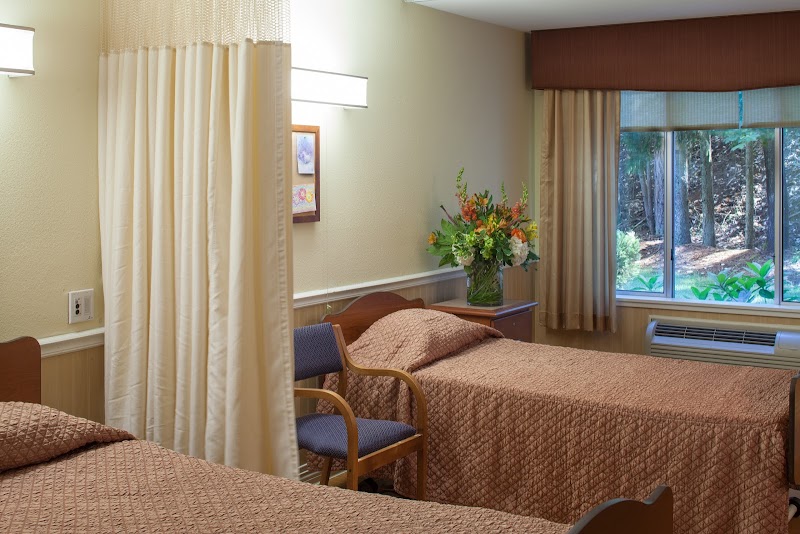
How is Orchard Park Health Care & Rehab Center Staffed?

CMS rates ORCHARD PARK HEALTH CARE & REHAB CENTER's staffing level at 4 out of 5 stars, which is above average compared to other nursing homes. Staff turnover is 46%, compared to the Washington average of 46%. This relatively stable workforce can support continuity of care.

What Have Inspectors Found at Orchard Park Health Care & Rehab Center?

State health inspectors documented 105 deficiencies at ORCHARD PARK HEALTH CARE & REHAB CENTER during 2023 to 2025. These included: 1 Immediate Jeopardy (the most serious level, indicating potential for serious harm or death), 2 that caused actual resident harm, 100 with potential for harm, and 2 minor or isolated issues. Immediate Jeopardy findings are rare and represent the most serious regulatory concerns. They require immediate corrective action.
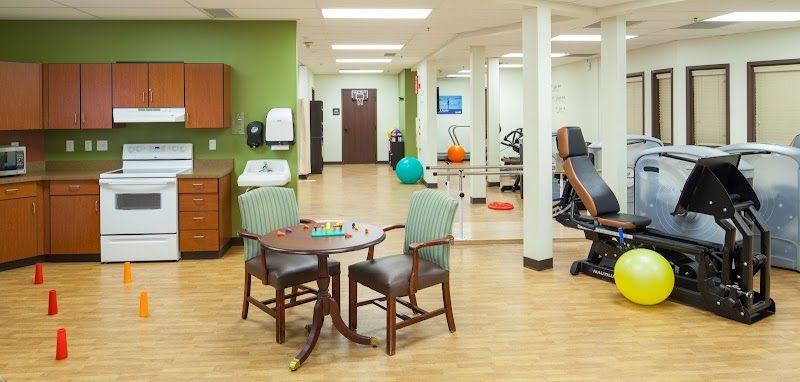
Who Owns and Operates Orchard Park Health Care & Rehab Center?

ORCHARD PARK HEALTH CARE & REHAB CENTER is owned by a for-profit company. For-profit facilities operate as businesses with obligations to shareholders or private owners. The facility is operated by GENESIS HEALTHCARE, a chain that manages multiple nursing homes. With 147 certified beds and approximately 120 residents (about 82% occupancy), it is a mid-sized facility located in TACOMA, Washington.

How Does Orchard Park Health Care & Rehab Center Compare to Other Washington Nursing Homes?

Compared to the 100 nursing homes in Washington, ORCHARD PARK HEALTH CARE & REHAB CENTER's overall rating (2 stars) is below the state average of 3.2, staff turnover (46%) is near the state average of 46%, and health inspection rating (1 stars) is much below the national benchmark.

What Should Families Ask When Visiting Orchard Park Health Care & Rehab Center?

Based on this facility's data, families visiting should ask: "What changes have been made since the serious inspection findings, and how are you preventing similar issues?" "Can I visit during a mealtime to observe dining assistance and food quality?" "How do you handle medical emergencies, and what is your hospital transfer rate?" "Can I speak with family members of current residents about their experience?" These questions are particularly relevant given the facility's Immediate Jeopardy citations.

Is Orchard Park Health Care & Rehab Center Safe?

Based on CMS inspection data, ORCHARD PARK HEALTH CARE & REHAB CENTER has documented safety concerns. Inspectors have issued 1 Immediate Jeopardy citation (the most serious violation level indicating risk of serious injury or death). The facility has a 2-star overall rating and ranks #100 of 100 nursing homes in Washington. Families considering this facility should ask detailed questions about what corrective actions have been taken since these incidents.

Do Nurses at Orchard Park Health Care & Rehab Center Stick Around?

ORCHARD PARK HEALTH CARE & REHAB CENTER has a staff turnover rate of 46%, which is about average for Washington nursing homes (state average: 46%). Moderate turnover is common in nursing homes, but families should still ask about staff tenure and how the facility maintains care continuity when employees leave.

Was Orchard Park Health Care & Rehab Center Ever Fined?

ORCHARD PARK HEALTH CARE & REHAB CENTER has been fined $109,577 across 2 penalty actions. This is 3.2x the Washington average of $34,175. Fines at this level are uncommon and typically indicate a pattern of serious deficiencies, repeated violations, or failure to correct problems promptly. CMS reserves penalties of this magnitude for facilities that pose significant, documented risk to resident health or safety. Families should request specific documentation of what issues led to these fines and what systemic changes have been implemented.

Is Orchard Park Health Care & Rehab Center on Any Federal Watch List?

ORCHARD PARK HEALTH CARE & REHAB CENTER is not on any federal watch list. The most significant is the Special Focus Facility (SFF) program, which identifies the bottom 1% of nursing homes nationally based on persistent, serious quality problems. Not being on this list means the facility has avoided the pattern of deficiencies that triggers enhanced federal oversight. This is a positive indicator, though families should still review the facility's inspection history directly.