THE OAKS AT LAKEWOOD
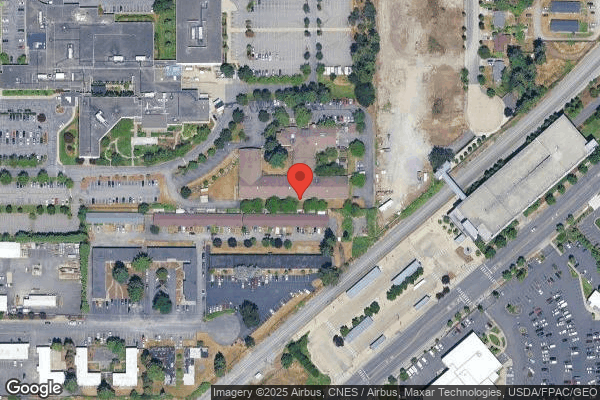
11411 BRIDGEPORT WAY, TACOMA, WA 98499 (253) 581-9002
For profit - Limited Liability company 80 Beds THE ENSIGN GROUP Data: November 2025
Trust Grade
80/100
#47 of 190 in WA
Last Inspection: October 2024

Within standard 12-15 month inspection cycle. Federal law requires annual inspections.

Overview

The Oaks at Lakewood has a Trust Grade of B+, indicating it is above average and recommended for families seeking care. It ranks #47 out of 190 facilities in Washington, placing it in the top half of the state, and #6 out of 21 in Pierce County, meaning only five local options are rated higher. However, the facility's trend is worsening, with the number of issues increasing from 11 in 2023 to 14 in 2024. While staffing is a moderate strength with a turnover rate of 44%-slightly below the state average of 46%-the facility has concerning RN coverage, falling behind 93% of Washington facilities. Notably, there have been specific incidents where infection control measures were not followed, such as failing to disinfect laundry equipment and not using gloves during medication administration, which poses risks to resident health. On a positive note, the facility has no fines on record, suggesting compliance with regulations.

Trust Score
B+
80/100
In Washington
#47/190
Top 24%
Safety Record
Low Risk
No red flags
Inspections
Getting Worse
11 → 14 violations
Staff Stability
○ Average
44% turnover. Near Washington's 48% average. Typical for the industry.
Penalties
✓ Good
No fines on record. Clean compliance history, better than most Washington facilities.
Skilled Nurses
⚠ Watch
Each resident gets only 29 minutes of Registered Nurse (RN) attention daily — below average for Washington. Fewer RN minutes means fewer trained eyes watching for problems.
Violations
⚠ Watch
38 deficiencies on record. Higher than average. Multiple issues found across inspections.
★★★★★
5.0
Overall Rating
★★★☆☆
3.0
Staff Levels
★★★★★
5.0
Care Quality
★★★★☆
4.0
Inspection Score
Stable
2023: 11 issues
2024: 14 issues

The Good

  • 5-Star Quality Measures · Strong clinical quality outcomes
  • Full Sprinkler Coverage · Fire safety systems throughout facility
  • No fines on record
  • Staff turnover below average (44%)

    4 points below Washington average of 48%

Facility shows strength in quality measures, fire safety.

The Bad

Staff Turnover: 44%

Near Washington avg (46%)

Typical for the industry

Chain: THE ENSIGN GROUP

Part of a multi-facility chain

Ask about local staffing decisions and management

The Ugly 38 deficiencies on record

Oct 2024 14 deficiencies
CONCERN (D)

Potential for Harm - no one hurt, but risky conditions existed

Safe Environment (Tag F0584)

Could have caused harm · This affected 1 resident

**NOTE- TERMS IN BRACKETS HAVE BEEN EDITED TO PROTECT CONFIDENTIALITY** . Based on observation and interview, the facility failed to provide a homelike environment during meal service for 1 or 3 sampl...

Read full inspector narrative →
**NOTE- TERMS IN BRACKETS HAVE BEEN EDITED TO PROTECT CONFIDENTIALITY** . Based on observation and interview, the facility failed to provide a homelike environment during meal service for 1 or 3 sampled wings (North wing) when reviewed for dinning. This failure placed residents at risk for decreased appetite and a diminished quality of life. Findings included . During an interview on 10/16/2024 at 10:01 AM, Resident 33 stated they were unhappy that housekeeping would clean during mealtimes. Observation on 10/21/2024 at 12:12 PM, showed Staff R, Housekeeping Staff, cleaning resident room [ROOM NUMBER] with a spray while the resident in bed B was eating. Bed A's food was still covered and on the bedside table. During an interview on 10/21/2024 at 12:12 PM, Staff R, stated they were using Lysol to disinfect surfaces. When asked about appropriate times to clean Staff R stated, We are not allowed to clean while residents are eating in their room unless we ask them. During an observation and interview on 10/21/2024 at 12:17 PM, Staff Q, Housekeeping Manager, informed Staff R to stop cleaning the resident room. Staff Q stated staff should not have been cleaning during resident mealtimes because of the chemicals. Reference WAC 388-97-0880 .
CONCERN (D)

Potential for Harm - no one hurt, but risky conditions existed

Assessment Accuracy (Tag F0641)

Could have caused harm · This affected 1 resident

**NOTE- TERMS IN BRACKETS HAVE BEEN EDITED TO PROTECT CONFIDENTIALITY** Resident 17 Resident 17 was admitted to the facility on [DATE] with diagnoses that included Huntington's disease (an inherited c...

Read full inspector narrative →
**NOTE- TERMS IN BRACKETS HAVE BEEN EDITED TO PROTECT CONFIDENTIALITY** Resident 17 Resident 17 was admitted to the facility on [DATE] with diagnoses that included Huntington's disease (an inherited condition in which nerve cells in the brain break down over time), depression, Post Traumatic Stress Disorder and chronic pain. The annual MDS, dated [DATE], showed Resident 17 usually understood others. Observation on 10/16/2024 at 1:22 PM, showed Resident 17 in a low bed, yelling at other staff members that entered the room, and did not want to socialize with anyone. Review of the annual MDS, dated [DATE], showed section D0700 as Resident 17, never had social isolation. Section L0200 dental was marked as Resident 17 had no issues with their teeth. Review of Resident 17's care plan showed Focus area for psychosocial well-being related to issues including social isolation. Review of Resident 17's care plan showed an intervention initiated on 11/24/2023 for broken and carious teeth and to encourage oral care. Review of a dental consult from 05/14/2021, showed Resident 17 with multiple decayed, broken and missing teeth. During an interview on 10/22/2024 at 11:43 AM, when asked about MDS coding and practice, Staff C, MDS Nurse stated they followed the Resident Assessment Instrument (RAI) manual. Reference WAC 388-97-1000(1)(b) Based on interview and record review, the facility failed to ensure the Minimum Data Set assessment (MDS, an assessment tool) accurately reflected the status for 2 of 18 sampled residents (Residents 54 and 17) reviewed for accuracy of assessments. This failure placed the residents at risk for unmet care needs and a diminished quality of life. Findings included . Resident 54 Resident 54 admitted to the facility on [DATE] with diagnoses of chronic obstructive pulmonary disease (ongoing lung condition caused by damage to the lungs) and congestive heart failure. Resident 54 was able to make needs known. Review of the admission MDS, dated [DATE], showed the Dental section B marked YES to No natural teeth or tooth fragments. Review of Resident 54's denture consultation dated 01/24/2024 showed the resident had decayed, loose teeth and was missing some upper teeth and all lower teeth. During an interview on 10/22/2024 at 2:06 PM, Staff N, MDS Resource Nurse, stated section B was coded incorrectly as Resident 54 had a partial denture. During an interview on 10/22/2024 at 2:30 PM, Staff B, Director of Nursing Services (DNS), stated the expectation was that the MDS assessments were coded accurately.
CONCERN (D)

Potential for Harm - no one hurt, but risky conditions existed

Deficiency F0657 (Tag F0657)

Could have caused harm · This affected 1 resident

**NOTE- TERMS IN BRACKETS HAVE BEEN EDITED TO PROTECT CONFIDENTIALITY** Resident 60 Resident 60 was admitted to the facility on [DATE] with diagnoses that included stroke, heart failure and dementia. ...

Read full inspector narrative →
**NOTE- TERMS IN BRACKETS HAVE BEEN EDITED TO PROTECT CONFIDENTIALITY** Resident 60 Resident 60 was admitted to the facility on [DATE] with diagnoses that included stroke, heart failure and dementia. The five-day Minimum Data Set (MDS) an assessment tool, dated 09/21/2024, showed Resident 60 was not able to make needs known. Observation on 10/16/2024 at 11:05AM, showed Resident 60 pulling at covers in the bed, uncovering them self, lifting their leg and pulling on their brief with grimacing face. During an interview on 10/18/2024 at 1:21 PM, Collateral Contact (CC1), stated Resident 60 had never taken a shower, Resident 60 was afraid of the water going over their head and only took baths. Review of Resident 60 care plan Focus area ADL Self Care performance initiated 09/15/2024, showed an intervention of Bathing (SHOWER/BATHE SELF) (Specify:Irequier,The Resident requires, assistance Dependent on staff for bathing/showering 2X/XK). There were no specific directions for Resident 60 about a bath as a preference over shower due to fear of water over their head. During an interview on 10/22/2024 at 1:38 PM, Staff B, (DNS) stated the expectation was for residents and their decision makers to be interviewed about their choices, the care plan be updated/revised to reflect the residents preference. Reference WAC 388-97-1020(2)(c)(d) Based on observation, interview, and record review, the facility failed to offer a timely care conference to 1 of 3 sampled residents (Resident 36) and failed to revise a plan of care for 1 of 3 sampled residents (Resident 60) when reviewed for care plan revision. This failure placed residents at risk of not having input into their plan of care, inaccurate plans of care, and a diminished quality of life. Findings included . Review of the electronic health record showed Resident 36 admitted to the facility on [DATE] with a diagnosis of dementia ( loss of memory, language, problem-solving and other thinking abilities). Resident 36 was unable to make needs known and had a power of attorney (POA). During an interview on 10/16/2024 at 1:17 PM, Resident 36's POA stated they had not been contacted to conduct a care conference since December 2023. Review of the Care Plan Review assessments showed Resident 36 last had a care conference on 12/06/2023. During an interview on 10/18/2024 at 12:30 PM, Staff L, Social Services Director, stated the facility held care conferences on admission, quarterly, and as needed and were recorded on the Care Plan Review assessment. Staff L stated Resident 36 last had a care conference on 12/06/2023 and the lack of care conference did not meet expectation. During an interview on 10/18/2024 at 1:10 PM, Staff A, Administrator, stated care conferences should occur at admission, quarterly, and as needed. Staff A stated Resident 36's lack of care conference since 12/06/2024 did not meet expectation.
CONCERN (D)

Potential for Harm - no one hurt, but risky conditions existed

ADL Care (Tag F0677)

Could have caused harm · This affected 1 resident

**NOTE- TERMS IN BRACKETS HAVE BEEN EDITED TO PROTECT CONFIDENTIALITY** . Based on observation, interview, and record review, the facility failed to provide the necessary assistance with activities of...

Read full inspector narrative →
**NOTE- TERMS IN BRACKETS HAVE BEEN EDITED TO PROTECT CONFIDENTIALITY** . Based on observation, interview, and record review, the facility failed to provide the necessary assistance with activities of daily living (ADLs) for 1 of 2 sampled dependent residents (Resident 4) reviewed for ADL care. This failure placed the resident at risk for poor nutrition, weight loss, and a diminished quality of life. Findings Included . Resident 4 was admitted to the facility on [DATE] with diagnoses that included heart failure, dementia ( loss of memory, language, problem-solving and other thinking abilities) and severe malnutrition (condition when someone doesn't have enough nutrients to meet their needs). The admission Minimum Data Set (MDS) an assessment tool, dated 05/13/2024, showed Resident 4 was usually able to understand others. Observation on 10/17/2024 at 9:42 AM, showed Resident 4 lying in bed, they appeared very frail and weak. Observation and interview on 10/21/2024 at 1:02 PM, showed Resident 4 in bed with the head of the bed slightly up and the bedside table nearby with the lunch tray on top. Resident 4 stated, I can't eat, I can't see what is on my plate, I can't get myself up. Surveyor called upon Staff D, (Licensed Practical Nurse) who assisted Resident 4 to sit up and have lunch in bed. Resident 4 stated the food was cold. Review of Resident 4's Electronic Health Record showed Focus ADL Self Care Performance Deficit, initiated on 05/07/2024, with intervention set up-part/moderate assist. Set up tray and encourage meal intake. During an interview on 10/22/2024 at 1:51 PM, Staff B, (DNS) when asked about the process of following the care plan related to assistance with meals stated the expectation was for residents to be set up with their trays and be assisted to eat their meals. Reference WAC 388-97-1060(2)(c) .
CONCERN (D)

Potential for Harm - no one hurt, but risky conditions existed

Quality of Care (Tag F0684)

Could have caused harm · This affected 1 resident

**NOTE- TERMS IN BRACKETS HAVE BEEN EDITED TO PROTECT CONFIDENTIALITY** Resident 54 Review of the facility policy about Injections, Insulin administration dated 06/01/2023, showed Cleanse injection si...

Read full inspector narrative →
**NOTE- TERMS IN BRACKETS HAVE BEEN EDITED TO PROTECT CONFIDENTIALITY** Resident 54 Review of the facility policy about Injections, Insulin administration dated 06/01/2023, showed Cleanse injection site with alcohol if necessary. Resident 54 was admitted to the facility on [DATE] with diagnoses that included heart failure and diabetes. The quarterly Minimum Data Set (MDS), an assessment tool, dated 09/25/2024, showed Resident 4 was able to make needs known. During an observation of medication administration on 10/21/2024 at 10:44 AM, Staff E, Licensed Practical Nurse (LPN) followed by Staff F, LPN administered 2 different insulins to different areas on Resident 54's abdominal wall without cleaning the skin area. In addition, the nurse did not wear gloves. During an interview on 10/21/2024 at 10:50 AM, when asked about injection practices, Staff E, LPN, stated they usually use alcohol wipes prior to administration. Reference WAC 388-97-1060(1) Based on observation, interview, and record review, the facility failed to follow providers orders for 1 of 5 sampled residents (Resident 125) when reviewed for unnecessary medications and failed to safely administer insulin for 1 of 4 sampled residents (Resident 54) reviewed for medication administration. These failures placed residents at risk of discomfort, pain, infection, and a diminished quality of life. Findings included . Resident 125 Review of the electronic health record (EHR) showed Resident 125 admitted to the facility on [DATE] with diagnoses of dependence on renal dialysis (a process of removing waste for the blood) and end stage renal disease (the failure of the kidneys). Resident 125 was unable to make needs known. Review of the provider's orders showed Resident 125 received a blood pressure medication which was to not be given if the systolic blood pressure (top number of a blood pressure reading) was greater than 130. Review of the EHR showed Resident 125 had provider's orders for bowel medication to be provided after three days without a bowel movement. Review of a bowel movement tracker for August 2024 showed Resident 125 did not have a bowel movement from 10/09/2024 through 10/13/2024 (five days). Review of the October 2024 medication administration record (MAR) showed Resident 125 was provided the blood pressure medication 15 times and five of the 15 times the resident's systolic blood pressure was greater than 130. Further review showed Resident 125 was not provided bowel medications. During an interview on 10/22/2024 at 2:24 PM, Staff M, Resident Care Manager/Licensed Practical Nurse, stated the expectation was to follow the provider's orders as written when providing medications. Staff M stated Resident 125 was provided blood pressure medication outside of the provider's orders and that did not meet expectation. Staff M stated Resident 125 was not provided the ordered bowel medications and that did not meet expectation. During an interview on 10/22/2024 at 2:49 PM, Staff B, Director of Nursing, stated the expectation was for nurses to follow the provider's orders as written. Staff B stated Resident 125 received blood pressure medication outside of the parameters and lack of bowel medication did not meet expectation.
CONCERN (D)

Potential for Harm - no one hurt, but risky conditions existed

Pressure Ulcer Prevention (Tag F0686)

Could have caused harm · This affected 1 resident

**NOTE- TERMS IN BRACKETS HAVE BEEN EDITED TO PROTECT CONFIDENTIALITY** . Based on observation, interview, and record review the facility failed to ensure residents with pressure ulcers received neces...

Read full inspector narrative →
**NOTE- TERMS IN BRACKETS HAVE BEEN EDITED TO PROTECT CONFIDENTIALITY** . Based on observation, interview, and record review the facility failed to ensure residents with pressure ulcers received necessary treatment/services to prevent new ulcers for 1 of 3 sampled residents (Resident 7) reviewed for pressure ulcers. This failure placed the resident at risk for decreased comfort, infection, and a diminished quality of life. Findings included . Review of the electronic health record (EHR) showed Resident 7 admitted to the facility on [DATE] with diagnoses to include chronic pain, diabetes and was a high risk for pressure injuries. Review of the Care Plan initiated on 05/03/2021 showed an intervention of Offload heels with pillows related to decreased mobility. Observations on 10/16/2024 at 1:58 PM, 10/17/2024 at 10:40 AM, 10/18/2024 at 9:03 AM and 10/21/2024 at 9:26 AM showed Resident 7 lying in bed without their heels offloaded. During an interview on 10/21/2024 at 9:38 AM, Staff M, Resident Care Manager/ Licensed Practical Nurse stated Resident 7's heels should have been floated while in bed. During an interview on 10/22/2024 at 2:30 PM, Staff B, Director of Nursing Services (DNS), stated the expectation was that staff followed the care plan to offload Resident 7's heels as the resident allowed. Reference WAC 388-91-1060(3)(b) .
CONCERN (D)

Potential for Harm - no one hurt, but risky conditions existed

Accident Prevention (Tag F0689)

Could have caused harm · This affected 1 resident

**NOTE- TERMS IN BRACKETS HAVE BEEN EDITED TO PROTECT CONFIDENTIALITY** . Based on observation, interview, and record review the facility failed to ensure a safe environment was maintained related to ...

Read full inspector narrative →
**NOTE- TERMS IN BRACKETS HAVE BEEN EDITED TO PROTECT CONFIDENTIALITY** . Based on observation, interview, and record review the facility failed to ensure a safe environment was maintained related to facility equipment for 1 of 4 sampled residents (Resident 14) reviewed for accident hazards. This failure placed the resident at risk for avoidable injuries and a diminished quality of life. Findings included . Review of the electronic health record (EHR) showed Resident 14 admitted to the facility on [DATE] with diagnoses to include above the knee amputation and diabetes. Resident 14 was dependent on staff for transfers and able to make needs known. During an interview on 10/17/2024 at 10:57 AM, Resident 14 stated they did not feel comfortable using the sit to stand because the grab bars were loose. Observation on 10/21/2024 at 10:30 AM, showed two Tollos Steady aid Sit to Stand units #73508 and #870353 located on the [NAME] wing with grab bars that easily moved from left to right and appeared loose. During an observation and interview on 10/21/2024 at 10:36 AM, Staff K, Maintenance Supervisor, stated they were made aware of the moveable grab bars in February 2024 when a Certified Nursing Assistant brought it to their attention. Staff K stated they attempted to tighten the bolts however when tightened the Sit to Stand would not raise properly. Review of the Tollos Steady aid manual copyrighted 2014 stated Ensure there are no loose bolts or nuts, and the actuator does not wobble, squeak, vibrate or make unusual noise. During an interview on 10/22/2024 at 11:27 AM, Staff A, Administrator, stated the expectation was that preventative maintenance was conducted and if there were concerns an outside representative should have been contacted for assistance. Reference WAC 388-97-1060 (3)(g) .
CONCERN (D)

Potential for Harm - no one hurt, but risky conditions existed

Respiratory Care (Tag F0695)

Could have caused harm · This affected 1 resident

**NOTE- TERMS IN BRACKETS HAVE BEEN EDITED TO PROTECT CONFIDENTIALITY** . Based on observation, interview, and record review the facility failed to provide respiratory care consistent with professiona...

Read full inspector narrative →
**NOTE- TERMS IN BRACKETS HAVE BEEN EDITED TO PROTECT CONFIDENTIALITY** . Based on observation, interview, and record review the facility failed to provide respiratory care consistent with professional standards of practice for 1 of 3 sampled residents (Resident 54) reviewed for respiratory care. Failure to follow provider's orders for oxygen (O2) therapy placed the resident at risk for unmet needs, potential negative outcomes and a diminished quality of life. Findings included . Resident 54 admitted to the facility on [DATE] with diagnoses of chronic obstructive pulmonary disease (ongoing lung condition caused by damage to the lungs) and congestive heart failure. Review of Resident 54's admission Minimum Data Set assessment (MDS) dated [DATE] showed the resident received 02 therapy. Observations on 10/16/2024 at 9:17 AM, showed Resident 54 received O2 set to between 4 and 5 liters (L) per minute via a nasal canula (devise to deliver O2 through a tube into the nose) that was connected to an O2 concentrator. Observations on 10/18/2024 and 10/21/204 showed Resident 54 received O2 set to between 4 and 5 liters (L) per minute via a nasal canula. Review of Resident 54's Care Plan showed an intervention for oxygen settings at 3 L continuously. During an interview and observation on 10/21/2024 at 9:07 AM, Staff E, Licensed Practical Nurse (LPN), observed Resident 54's O2 and stated it was set at 5 L. Staff E stated the resident would get anxious and increase their oxygen, which they had done the previous week. Staff E asked Resident 54 if they had increased the oxygen which they denied. Staff E stated the O2 should have been set at 3 L. During an interview on 10/22/2024 at 1:28 PM, Staff O, Assistant Director of Nursing (ADON), stated the expectation was that staff follow the providers order and check the O2 setting every shift. Reference WAC 388-97-1060 (3)(j)(vi) .
CONCERN (D)

Potential for Harm - no one hurt, but risky conditions existed

Deficiency F0697 (Tag F0697)

Could have caused harm · This affected 1 resident

**NOTE- TERMS IN BRACKETS HAVE BEEN EDITED TO PROTECT CONFIDENTIALITY** . Based on interview and record review, the facility failed to ensure that pain medications were provided as the provider ordere...

Read full inspector narrative →
**NOTE- TERMS IN BRACKETS HAVE BEEN EDITED TO PROTECT CONFIDENTIALITY** . Based on interview and record review, the facility failed to ensure that pain medications were provided as the provider ordered for 1 of 2 sampled residents (Resident 69) reviewed for pain management. This failure placed the resident at risk of receiving incorrect pain medication, sedation, and a diminished quality of life. Findings included . Resident 69 admitted to the facility on [DATE] with diagnoses of fracture of the left femur (thigh bone) and dementia (group of symptoms affecting memory, thinking and social abilities). Resident 69 required substantial max assistance with most activities of daily living. Review of Resident 69's orders showed an order dated 09/03/2024 for Roxicodone 5 milligrams (a controlled drug used to treat pain) to be given one tablet by mouth every four hours as needed for moderate to severe pain seven-ten (pain scale from 0-10, with 0 being an absence of pain and 10 being severe pain). Review of Resident 69's orders showed an order dated 09/03/2024 for acetaminophen (Tylenol) 650 milligrams one tablet by mouth every six hours as needed for pain level one-10. Review of Resident 69's September 2024 Medication Administration Record (MAR) showed Roxicodone 5 mg was given on 09/23/2024 for a pain level of six, 09/29/2024 for a pain level of three and 09/30/2024 for a pain level of six. Review of Resident 69's October 2024 MAR showed Roxicodone 5 mg was given on 10/04/2024 for a pain level of five and 10/15/2024 for a pain level of six. During an interview on 10/22/2024 at 8:37 AM, Staff P, Resident Care Manager, stated the expectation was that pain medications were given within parameters or for staff to consult the provider to have parameters adjusted. During an interview on 10/22/2024 at 8:43 AM, Staff B, Director of Nursing Services (DNS), stated the expectation was that pain medication be administered as the provider ordered. Staff B, DNS, further stated staff should have given the Tylenol order prior to giving the Roxicodone. Reference WAC 388-97-1060(1) .
CONCERN (D)

Potential for Harm - no one hurt, but risky conditions existed

Deficiency F0698 (Tag F0698)

Could have caused harm · This affected 1 resident

**NOTE- TERMS IN BRACKETS HAVE BEEN EDITED TO PROTECT CONFIDENTIALITY** . Based on interview and record review, the facility failed to ensure 1 of 1 sampled resident (Resident 125) received medication...

Read full inspector narrative →
**NOTE- TERMS IN BRACKETS HAVE BEEN EDITED TO PROTECT CONFIDENTIALITY** . Based on interview and record review, the facility failed to ensure 1 of 1 sampled resident (Resident 125) received medications as ordered when out of the building for dialysis (a process of removing waste from the blood) when reviewed for dialysis. This failure placed the resident at risk of reduced medication effectiveness, increased pain, increased depression, and a diminished quality of life. Findings included . Review of the electronic health record (EHR) showed Resident 125 admitted to the facility on [DATE] with diagnoses of dependence on renal dialysis and end stage renal disease (the failure of the kidneys). Resident 125 was unable to make needs known. Review of the provider's orders showed Resident 125 was out of the facility at 7:00 AM on Tuesday, Thursday and Saturday for dialysis. Review of the August 2024 medication administration record showed Resident 125 was not provided any morning medications on Tuesdays, Thursdays, and Saturdays. Review showed missing medication included an antidepressant, an antiarrhythmic (medication used to keep heart rhythm normal), an anticoagulant (medication to thin the blood), and a pain medication. During an interview on 10/22/2024 at 2:24 PM, Staff M, Resident Care Manager/Licensed Practical Nurse, stated Resident 125 did not have a provider's order to hold medications on dialysis days. Staff M stated their expectation was that Resident 125 received all ordered medications. Staff M stated Resident 125's lack of ordered medications on dialysis days did not meet expectation. During an interview on 10/22/2024 at 2:49 PM, Staff B, Director of Nursing, stated residents who went to dialysis should have a provider's order to provide or hold medications on dialysis days. Staff B stated their expectation was that staff would get an order to administer the medications upon return from dialysis. Staff B stated Resident 125 not receiving their ordered medication on dialysis days did not meet expectation. Reference WAC 388-97-1900 (1), (6)(a-c) .
CONCERN (D)

Potential for Harm - no one hurt, but risky conditions existed

Deficiency F0761 (Tag F0761)

Could have caused harm · This affected 1 resident

. Based on observation, interview, and record review the facility failed to ensure expired eye drops were removed timely from use in 1 of 3 medication carts (Red Wood) reviewed for medication storage....

Read full inspector narrative →
. Based on observation, interview, and record review the facility failed to ensure expired eye drops were removed timely from use in 1 of 3 medication carts (Red Wood) reviewed for medication storage. This failure placed the residents at risk for receiving expired medications, ineffective medications and a diminished quality of life. Findings included . Review of facility provided Medication Storage Guidance, dated 2024, showed latanoprost should be discarded six weeks after opening. Observation of the Red [NAME] medication cart on 10/21/2024 at 12:38 PM with Staff D, Licensed Practical Nurse (LPN), showed Latanoprost eye drops medication with an open date of 08/09/2024. During an interview on 10/22/2024 at 1:31 PM, Staff B, Director of Nursing Services, stated nurses should date eye drops when they are opened and follow the recommendations for expiration dates. Reference WAC 388-97-1300(2) .
CONCERN (D)

Potential for Harm - no one hurt, but risky conditions existed

Deficiency F0790 (Tag F0790)

Could have caused harm · This affected 1 resident

**NOTE- TERMS IN BRACKETS HAVE BEEN EDITED TO PROTECT CONFIDENTIALITY** . Based on observation, interview, and record review the facility failed to schedule a dental appointment for 1 of 3 sampled res...

Read full inspector narrative →
**NOTE- TERMS IN BRACKETS HAVE BEEN EDITED TO PROTECT CONFIDENTIALITY** . Based on observation, interview, and record review the facility failed to schedule a dental appointment for 1 of 3 sampled residents (Resident 53) reviewed for dental services. This failure placed the resident at risk for unmet dental needs and a diminished quality of life. Findings included . Review of the electronic health record (EHR) showed Resident 53 admitted to the facility on [DATE] with diagnoses to include chronic kidney disease and chronic obstructive pulmonary disease (ongoing lung condition caused by damage to the lungs that restricts airflow). Resident 53 was able to make needs known. Observation and interview on 10/16/2024 at 9:53 AM, showed Resident 53 lying in bed watching television. Resident 53 had no upper or lower teeth and stated that their dentures no longer fit due to weight loss. Review of the Care Plan dated 08/21/2024 showed a Focus area Has oral/dental health problems related to edentulous (no natural teeth). The Intervention showed Coordinate arrangements for dental care/transportation as needed/as ordered. During an interview on 10/18/2024 at 11:40 AM, Staff L, Social Services Director (SSD), stated the dentist was at the facility on 09/16/2024 and Resident 53 should have been seen at that time due to dental issues. Staff L stated Resident 53 was added to the list on 09/23/2024 to be seen in December which was the next time the dentist would be in the facility. Documentation received on 10/23/2024 at 5:13 PM from Staff B, Director of Nursing Services (DNS), stated the facility was unaware Resident 53 had requested to see the dentist until 10/14/2024. Reference WAC: 388-97-1060 (2)(c), (3)(j)(vii) .
CONCERN (D)

Potential for Harm - no one hurt, but risky conditions existed

Dental Services (Tag F0791)

Could have caused harm · This affected 1 resident

**NOTE- TERMS IN BRACKETS HAVE BEEN EDITED TO PROTECT CONFIDENTIALITY** . Based on observation, interview, and record review the facility failed to schedule a dental appointment for 1 of 3 sampled res...

Read full inspector narrative →
**NOTE- TERMS IN BRACKETS HAVE BEEN EDITED TO PROTECT CONFIDENTIALITY** . Based on observation, interview, and record review the facility failed to schedule a dental appointment for 1 of 3 sampled residents (Resident 54) reviewed for dental services. This failure placed the resident at risk for unmet dental needs and a diminished quality of life. Findings included . Resident 54 admitted to the facility on [DATE] with diagnoses of chronic obstructive pulmonary disease (ongoing lung condition caused by damage to the lungs) and congestive heart failure. Resident 54 was able to make needs known. Observation and interview on 10/16/2024 at 9:13 AM, showed Resident 54 had missing upper teeth and no bottom teeth. Resident 54 stated they had an upper partial but had not yet put it in for the day. Review of a dental report from Smile Seattle Dentures dated 01/2024 showed a recommendation for new denture (upper and lower) and hygiene cleaning. Review of the Electronic Health Record (EHR) shows a referral dated 03/04/2024 for updated x-rays and extraction of all upper teeth. Review of the EHR shows communication on 07/18/2024 that Resident 54 did not want extractions only a bottom denture. Documentation showed Smile Denture would contact the Resident's family to discuss options. During an interview on 10/18/2024 at 11:54 AM, Staff L, Social Services Director (SSD), stated they were unaware if dental staff discussed any options with Resident 54 or their family as they did not have additional communication related to the resident. Staff L stated Resident 54 would be seen the next time the Denturist was in the facility. During an interview on 10/22/2024 at 11:33 AM, Staff A, Administrator (ADM), stated Resident 54 was on the list to be seen in September 2024 however they were out of the facility. Reference WAC: 388-97-1060(2)(c),(3)(j)(vii) .
CONCERN (E)

Potential for Harm - no one hurt, but risky conditions existed

Infection Control (Tag F0880)

Could have caused harm · This affected multiple residents

**NOTE- TERMS IN BRACKETS HAVE BEEN EDITED TO PROTECT CONFIDENTIALITY** . Based on observation, interview, and record review the facility failed to implement transmission-based precautions (TBP) for 1...

Read full inspector narrative →
**NOTE- TERMS IN BRACKETS HAVE BEEN EDITED TO PROTECT CONFIDENTIALITY** . Based on observation, interview, and record review the facility failed to implement transmission-based precautions (TBP) for 1 of 4 residents (Resident 4) reviewed for TBP, and failed to use gloves when administering an injectable medication for 1 of 4 sampled residents (Resident 54) reviewed for medication administration. This failure placed residents and staff at risk for communicable diseases, poor clinical outcomes, and a diminished quality of life. Findings included . Review of the facility isolation precautions sign titled AEROSOL CONTACT PRECAUTIONS dated 08/09/2023 showed staff were to wash or gel (hand sanitizer) hands, use full PPE (personal protective equipment) which included wearing gloves, a gown, a respirator (N95 mask which filters 95% of particles in the air) and wear eye protection prior to entering the room. It further showed the door should remain closed unless it impacted patient care. Review of the CDC The Basics of Standard Precautions by ([NAME] JD, CDC Guidelines for Isolation Precaution, 2007) states to use gloves when anticipating contact with blood or body substances. Resident 4 Review of the electronic health record showed Resident 4 admitted to the facility on [DATE] with diagnoses that included heart failure and dementia (a group of thinking and social symptoms that interferes with daily functioning) and showed that Resident 4 had tested positive for Covid-19 (a highly contagious respiratory virus) on 10/07/2024. Observation on 10/16/2024 at 9:52 AM, showed Resident 4 laid in bed in their room. There was a sign for aerosol contact precautions posted outside the door. Staff G, Certified Nursing Assistant, entered the room without putting on a gown, eye protection, N-95 mask or gloves. Staff G exited the room and assisted a housekeeper staff by opening the door and the housekeeping cart kept the door open. Housekeeping staff then entered the room without putting on the required PPE. Observation on 10/16/2024 at 9:55 AM, showed Staff K, Maintenance Supervisor, entered the room without putting on the required PPE. Observation on 10/16/2024 at 10:00 AM, showed Staff H, Assistant Business Office Manager, entered Resident 4's room without putting on PPE. During an interview on 10/16/2024 at 10:05 AM, the assigned licensed nurse (unidentified) stated Resident 4 still required isolation precautions for Covid-19. During an interview on 10/21/2024 at 10:48 AM, Staff J, Infection Preventionist/Staff Development, stated it was their expectation that staff performed hand hygiene, put on an isolation gown, gloves, N95 mask, and eye protection when entering the room of a Covid-19 positive patient. Additionally, the door to the room should remain closed. Resident 54 Resident 54 was admitted to the facility on [DATE] with diagnoses that included heart failure and diabetes. The quarterly Minimum Data Set (MDS), an assessment tool, dated 09/25/2024, showed Resident 54 was able to make needs known. During an observation of medication administration on 10/21/2024 at 10:44 AM, Staff E, Licensed Practical Nurse (LPN) followed by Staff F, LPN administered 2 different insulins to different areas on Resident 54's abdominal wall without using gloves. During an interview on 10/21/2024 at 10:50 AM, when asked about injection practices, Staff E, LPN, stated they usually use gloves prior to administration of injectables. During an interview on 10/22/2024 at 1:49 PM, Staff B, Director of Nursing Services, stated not following the posted isolation precautions and standards of medication administration practice did not meet their expectations. Reference WAC 388-97-1320(2)(b) .
Dec 2023 11 deficiencies
CONCERN (D) 📢 Someone Reported This

A family member, employee, or ombudsman was alarmed enough to file a formal complaint

Potential for Harm - no one hurt, but risky conditions existed

Investigate Abuse (Tag F0610)

Could have caused harm · This affected 1 resident

**NOTE- TERMS IN BRACKETS HAVE BEEN EDITED TO PROTECT CONFIDENTIALITY** Based on interview and record review, the facility failed to complete a timely and thorough investigation to rule out abuse or n...

Read full inspector narrative →
**NOTE- TERMS IN BRACKETS HAVE BEEN EDITED TO PROTECT CONFIDENTIALITY** Based on interview and record review, the facility failed to complete a timely and thorough investigation to rule out abuse or neglect for 1 of 2 resident (Resident 67) reviewed for abuse, accidents and/or incidents. The facility failed to conduct a timely and thorough investigation on an allegation of abuse/neglect for Residents 67 related to percutaneous endoscopic gastrostomy tube (PEG, a feeding tube placed through the skin and stomach wall to aid in deliver of nutrition) dislodgement. This failure to conduct a timely and thorough investigation placed the residents at risk for unidentified abuse and/or neglect and continued exposure to abuse and/or neglect. Findings included . According to the Nursing Home Guidelines also known as the Purple Book, sixth edition, dated October 2015, All alleged incidents of abuse, neglect, abandonment, mistreatment, injuries of unknown source, personal and/or financial exploitation, or misappropriation of resident property must be thoroughly investigated . A thorough investigation is a systematic collection and review of evidence/information that describes and explains an event or a series of events. It seeks to determine if abuse, neglect, abandonment, personal and/or financial exploitation or misappropriation of resident property occurred, and how to prevent further occurrences . Critical components of any investigation include: the timeliness of the initiation of the investigation; and the thoroughness of the investigation . Witness statements: Written, signed, and dated by the individual providing the statement . and as soon as possible after an incident/event. Review of Resident 67's admission Minimum Data Set (MDS, a required assessment tool) dated 09/04/2023, showed that the resident re-admitted on [DATE] with multiple diagnoses to include stroke (disease in which functioning of brain is affected), heart and kidney disease, metabolic encephalopathy (a condition that affects the brain caused by chemical imbalance in the blood), malnutrition, anxiety, and dysphagia (an inability or difficulty in swallowing). The electronic health record (EHR) for Resident 67 showed that a PEG tube was placed to receive nutrition. Review of the facility's incident investigation dated 11/13/2023 showed that Resident 67 had three PEG tube dislodgements on 11/07/2023, 11/08/2023 and 11/11/2023. The first dislodgement on 11/07/2023 showed that the PEG tube balloon (a small balloon on the end of the PEG tube which when inflated holds the tube in place inside the stomach) was observed inflated. Subsequent dislodgments on 11/08/2023 and 11/11/2023 showed that the balloon was observed deflated. An investigation was conducted to determine whether the PEG tube was either accessed intentionally or incorrectly. Review of the facility's investigation for the 11/08/2023 incident related to Resident 67's dislodged PEG tube showed several missing witness statements within the initial incident investigation report; no written statements for any licensed nurse (LN), certified nurse's aide (CNA), or therapist that was assigned to the resident that day. Although Staff B, Director of Nursing (DNS) later provided a written attestation on 12/07/2023 (obtained from two therapist and a licensed nurse) the written witness statements provided was not timely nor placed within the record until approximately 30 days after the PEG tube dislodgement. Resident 67 had an additional PEG tube dislodgement that occurred on 11/11/2023. This incident investigation had only one witness statements from the LN; however, the CNAs or therapist assigned had no witness statements within the record. During an interview 12/08/2023 at 9:00 AM, Staff B, DNS, stated that the incident related to the PEG tube dislodgments required timely written witness statements and that they were lacking after the PEG tube dislodgements. Reference WAC 388-97-0640(5) .
CONCERN (D)

Potential for Harm - no one hurt, but risky conditions existed

Assessment Accuracy (Tag F0641)

Could have caused harm · This affected 1 resident

**NOTE- TERMS IN BRACKETS HAVE BEEN EDITED TO PROTECT CONFIDENTIALITY** Resident 55 During an interview and observation on 12/02/2023 at 11:30 AM, Resident 55 stated repeatedly that they could not hea...

Read full inspector narrative →
**NOTE- TERMS IN BRACKETS HAVE BEEN EDITED TO PROTECT CONFIDENTIALITY** Resident 55 During an interview and observation on 12/02/2023 at 11:30 AM, Resident 55 stated repeatedly that they could not hear the questions asked. When asked about use of a hearing aid Resident 55 stated I haven't had my hearing aids since I came to this facility, but it would be nice to have a new pair. Review of the MDS dated [DATE] showed that Resident 55 admitted to the facility on [DATE] and was able to make needs known. It further showed that Resident 55 had Adequate, hearing and that no hearing aid appliance was used. Review of the quarterly MDS dated [DATE] showed that Resident 55 had Adequate, hearing and that a hearing aid appliance was used. During an interview on 12/06/2023 at 11:05 AM, Staff F, MDSC, stated that both the annual and quarterly MDS needed to be modified/corrected. Furthermore, Staff F stated that Resident 55 used a hearing appliance on the 07/15/2023 MDS but not the 10/15/2023 MDS. During an interview on 12/08/2023 at 12:50 PM, Staff B, DNS, stated that her expectation was that the MDS would be accurate. Reference WAC 388-97-1000 (1)(a) Based on interview and record review, the facility failed to accurately assess hearing ability for 3 of 3 residents (Residents 13, 33, and 55) reviewed for Communication/Sensory. This failure placed residents at risk for lack of care to improve hearing and a diminished quality of life. Findings included . Resident 13 During an interview on 12/04/2023 at 12:56 PM, Resident 13 stated that they had previously used hearing aids which were lost, was deaf in one ear and had difficulty hearing with the other. Review of Resident 13's diagnosis list on 12/07/2023 showed unspecified hearing loss of the left ear. Review of a physician's progress note dated 11/09/2023 showed that Resident 13 had hearing loss with right greater than left and required new hearing aids. Review of Resident 13's 03/20/2023 admission Minimum Data Set assessment (MDS) showed adequate hearing with no appliances. Review of Resident 13's 11/06/2023 quarterly MDS showed adequate hearing with no appliances. During an interview on 12/07/2023 at 11:11 AM, Staff F, Minimum Data Set Coordinator (MDSC), stated that they would go and speak with a resident to determine hearing ability to code the MDS. Staff F further stated that Resident 13's 03/20/2023 and 11/06/2023 MDS were inaccurate. Resident 33 During an interview on 12/04/2023 at 11:16 AM, Resident 33 stated that they had difficulty hearing and did not have hearing aids. Review of Resident 33's 11/17/2023 initiated care plan showed a focus area for risk of communication problem related to hearing deficit/hard of hearing. Review of a 02/13/2023 progress note showed that Resident 33 had difficulty hearing. Review of Resident 33's 03/13/2023 quarterly MDS showed minimal difficulty hearing with no appliance. Review of Resident 33's 06/22/2023 quarterly MDS showed adequate hearing with no appliance. Review of Resident 33's 09/20/2023 annual MDS showed adequate hearing with no appliance. During an interview on 12/07/2023 at 11:11 AM, Staff F, MDSC, stated that Resident 33's 06/22/2023 and 09/20/2023 MDS were inaccurate. During an interview on 12/07/2023 at 1:38 PM, Staff B, Director of Nursing Services (DNS), stated that their expectation was for the MDS to be accurately coded. Staff B stated that Resident 13's MDS did not meet expectation. Staff B stated that they were unsure whether Resident 33's MDS was accurate as the resident was not adequately assessed to determine hearing difficulty.
CONCERN (D)

Potential for Harm - no one hurt, but risky conditions existed

Deficiency F0645 (Tag F0645)

Could have caused harm · This affected 1 resident

**NOTE- TERMS IN BRACKETS HAVE BEEN EDITED TO PROTECT CONFIDENTIALITY** Resident 61 Review of Resident 61's medical diagnosis list showed that the resident had a diagnosis of depression and anxiety c...

Read full inspector narrative →
**NOTE- TERMS IN BRACKETS HAVE BEEN EDITED TO PROTECT CONFIDENTIALITY** Resident 61 Review of Resident 61's medical diagnosis list showed that the resident had a diagnosis of depression and anxiety classified on admission date 03/30/2021. Review of Resident 61's PASRR, dated 11/10/2023, completed by the hospital prior to Resident 61's admission to the facility on [DATE], showed no mental disorders indicated on the form. Review of the physician orders on 12/06/2023 showed that Resident 61 was prescribed duloxetine (antidepressant medication) related to depression to be provided twice a day. During an interview on 12/07/2023 at 12:16 PM, Staff C, SSS, stated that the admission PASSAR was inaccurate and a new one should have been completed upon admission. During an interview on 12/08/2023 at 12:50 PM, Staff B, Director of Nursing Services (DNS), stated that the expectation was that PASSAR information was verified prior to admission and if incorrect the hospital should have corrected it. Staff B further stated that the facility should have done a new PASSAR reflecting the correct mental disorder. Reference WAC 388-97-1975 Based on interview and record review the facility failed to ensure Pre-admission Screening and Resident Review (PASRR) assessments were accurately completed for 2 of 5 residents (Residents 46 and 61) reviewed for PASRRs and unnecessary medications. This failure placed the residents at risk for unidentified mental health care needs. Findings included . Resident 46 Review of Resident 46's quarterly Minimum Data Set (MDS, a required assessment tool) dated 11/09/2023, showed the resident admitted to the facility on [DATE] with multiple diagnoses to include heart and kidney disease, dementia with disturbances (agitation), encephalopathy (a condition that affects the brain which results in personality changes, confusion, and memory loss), and anxiety. The MDS further showed Resident 46 received both an antianxiety and antipsychotic medication. Review of Resident 46's electronic health record (EHR) on 12/06/2023 showed a PASRR within the resident's current medical records dated 05/04/2021 that was signed by a social services staff at the facility. The PASRR had only the diagnosis of anxiety checked for Resident 64 behavioral health diagnoses. Review of Resident 46's care plan initiated on 05/20/2022 showed that the resident used psychotropic medications (Depakote and quetiapine) for mood stabilizer. The Depakote for agitation secondary to encephalopathy and quetiapine for dementia with psychosis. Review of Resident 46's Medication Administration Record (MAR), December 2023 showed licensed staff had an order to administer quetiapine (a medication used to treat dementia with psychosis and behavioral disturbances) and Depakote (a medication used to treat dementia with behavioral disturbances). During an interview on 12/06/2023 at 10:14 AM, Staff C, Social Service Supervisor (SSS), stated that Resident 46's PASRR documentation was incorrect and needed to be updated to reflect the new psychotropic medications that were ordered and the new psychosis behavior that was occurring.
CONCERN (D)

Potential for Harm - no one hurt, but risky conditions existed

Comprehensive Care Plan (Tag F0656)

Could have caused harm · This affected 1 resident

Based on observation, interview and record review, the facility failed to develop a baseline care plan that addressed the use of adaptive equipment for hearing for 1 of 32 residents (Resident 55) whos...

Read full inspector narrative →
Based on observation, interview and record review, the facility failed to develop a baseline care plan that addressed the use of adaptive equipment for hearing for 1 of 32 residents (Resident 55) whose care plans were reviewed. This failure placed the resident at risk for communication difficulty and a diminished quality of life. Findings included . Review of the quarterly Minimum Data Set (MDS, a required assessment tool) dated 07/11/2022 showed that Resident 55 admitted with multiple diagnoses to include hearing loss. During an interview and observation on 12/02/2023 at 11:30 AM, Resident 55 stated repeatedly that they could not hear the questions asked. When asked about use of a hearing aid Resident 55 stated I haven't had my hearing aids since I came to this facility, but it would be nice to have a new pair. During an interview on 12/06/2023 at 11:05 AM, Staff F, Minimum Data Set Coordinator (MDSC) stated that Resident 55 did not have hearing aids when admitted to the facility but was issued a pocket talker from the Social Service department. Review of Resident 55's care plan dated 07/08/2022 showed no documented care plan for hearing difficulty or the use of a pocket talker. During an interview on 12/07/2023 at 9:16 AM, Staff B, Director of Nursing Services (DNS), stated that the expectation was that care plans would be specific to resident needs. Staff B stated that Resident 55's hearing deficit and use of the pocket talker should have been care planned and if the resident refused to use the pocket talker that it should have been care planned as well. Reference WAC 388-97-1020(1), (2)(a)(b) .
CONCERN (D)

Potential for Harm - no one hurt, but risky conditions existed

Deficiency F0658 (Tag F0658)

Could have caused harm · This affected 1 resident

**NOTE- TERMS IN BRACKETS HAVE BEEN EDITED TO PROTECT CONFIDENTIALITY** Based on interview and record review the facility failed to ensure physician orders were followed for 1 of 5 residents (Resident...

Read full inspector narrative →
**NOTE- TERMS IN BRACKETS HAVE BEEN EDITED TO PROTECT CONFIDENTIALITY** Based on interview and record review the facility failed to ensure physician orders were followed for 1 of 5 residents (Resident 61) reviewed for unnecessary medication. This failure placed the resident at risk for medical complications and a diminished quality of life. Findings included . Review of the admission Minimum Data Set (MDS, a required assessment tool) on 12/06/2023 showed that Resident 61 admitted to the facility on [DATE] with multiple diagnoses to include high blood pressure. Review of the physician orders on 12/06/2023 showed Resident 61 was prescribed Lisinopril (an blood pressure medication) with the following directions - Give 1 tablet by mouth as needed for systolic blood pressure greater than 140 daily. Review of the medication administration record (MAR) dated November 2023 showed the order was not administered at all during the month; however, Resident 61's blood pressure exceeded 140 on seven different days. Review of the MAR dated December 2023 showed the order was not administered at all during the month; however, the resident's blood pressure exceeded 140 on five different days including the morning of 12/07/2023. During an interview on 12/07/2023 at 11:59 AM, Staff L, Licensed Practical Nurse (LPN), reviewed the electronic MAR and Resident 61's blood pressure for that morning. Staff L stated they should have administered Resident 61's lisinopril based on the order; however, they were not aware the resident had an order because there was no alert in the medical record for as needed medications. During an interview on 12/07/2023 at 12:03 PM, Staff D, Assistant Director of Nursing (ADON), reviewed the previous month's MAR and stated that the medication should have been administered seven times during the month but was not. Furthermore, Staff D stated that the medication should have been administered five out of the seven days of December but had not been. During an interview on 12/08/2023 at 10:01 AM, Staff B, Director of Nursing Services (DNS), stated that the expectation was for staff to check for all orders in the electronic MAR and that physician's orders were followed. Staff B stated that the expectations were not met for Resident 61. Reference WAC 388-97-1620 (2) .
CONCERN (D)

Potential for Harm - no one hurt, but risky conditions existed

ADL Care (Tag F0677)

Could have caused harm · This affected 1 resident

Based on observation, interview, and record review, the facility failed to provide assistance with activities of daily living (ADLs) for 1 of 5 residents (Resident 128) reviewed for ADLs. This failure...

Read full inspector narrative →
Based on observation, interview, and record review, the facility failed to provide assistance with activities of daily living (ADLs) for 1 of 5 residents (Resident 128) reviewed for ADLs. This failure placed the resident at risk for unmet needs, poor hygiene, and diminished quality of life. Findings included . Review of the Minimum Data Set (MDS, a required assessment tool), dated 11/28/2023, showed Resident 128 was assessed to require moderate assistance with toileting. Observation on 12/06/2023 at 10:09 AM showed Staff N, Director of Rehabilitation (DOR), in the hallway telling Staff P, Certified Nursing Assistant (CNA), that Resident 128 needed assistance to the bathroom. Further observation showed Staff P partially entered Resident 128's room and stated, I will let her know. During an interview on 12/06/2023 at 10:36 AM, Resident 128 stated that they still had not been assisted to the bathroom, but someone had come in earlier and told them an aide would be coming. Review of an intake report on 12/07/2023 showed that Resident 128 was not assisted with toileting until approximately 11:30 AM. Additionally, it was reported that Resident 128's pajamas, bed, and sheets were all soaked through with urine. Resident 128 reported that they had waited for so long that they were unable to hold it due to their incontinence and was incontinent in bed. During an interview on 12/07/2023 at 2:07 PM, Staff N, DOR, stated that Resident 128 requested toileting assistance and that they informed Staff P, CNA, during a brief interaction in the hallway. During an interview on 12/08/2023 at 8:06 AM, Staff P, CNA, stated that they believed Staff N, DOR, said, The resident was changed. Staff P denied speaking with Resident 128. During an interview on 12/07/2023 at 1:57 PM, Resident 128 stated, My nightgown was wet from chest to my feet, including all my bedding. Staff P said they would find my CNA but never came back and they are usually good about helping me. Resident 128 further stated that they were taking two water pills (medications that cause increased urination) which makes them have more urgency. During an interview on 12/08/2023 at 8:23 AM, Staff D, Assistant Director of Nursing (ADON), stated that when a resident's assigned CNA was not on the floor, the covering CNA should continue to provide care to all residents as needed. Staff D stated their expectation was not met and that Resident 128 should have been assisted at that time if staff was not busy. Reference WAC 388-97-1060 (2)(c) .
CONCERN (D)

Potential for Harm - no one hurt, but risky conditions existed

Deficiency F0698 (Tag F0698)

Could have caused harm · This affected 1 resident

**NOTE- TERMS IN BRACKETS HAVE BEEN EDITED TO PROTECT CONFIDENTIALITY** Based on interview and record review, the facility failed to ensure that there was an adequate system in place to communicate wi...

Read full inspector narrative →
**NOTE- TERMS IN BRACKETS HAVE BEEN EDITED TO PROTECT CONFIDENTIALITY** Based on interview and record review, the facility failed to ensure that there was an adequate system in place to communicate with the dialysis center for 1 of 1 resident (Resident 127) reviewed for dialysis. This failure placed the resident at risk for adverse health outcomes, inadequate quality of care and decreased quality of life. Findings included . Review of the admission Minimum Data Set (MDS, a required assessment tool) on 12/04/2023 showed that Resident 127 was admitted on [DATE] with multiple diagnoses to include kidney disease. Review of Resident 127's medical record showed that the resident received dialysis services at a local dialysis center on Monday, Wednesday, and Friday. Review of the form titled, Dialysis Communication, dated 12/04/2023 showed incomplete and inaccurate information as well as lack of signatures. Further review showed that there was no Dialysis Communication form for service on 12/01/2023. During an interview on 12/06/2023 at 10:24 AM, Staff D, Assistant Director of Nursing (ADON), stated that Resident 127 left the prior appointment Dialysis Communication form at the dialysis center. Staff D further stated that the facility should have followed up the next business day to obtain necessary information to complete the form. During an interview on 12/08/2023 at 9:19 AM, Staff B, Director of Nursing Services (DNS), confirmed that the dialysis communication log for Resident 127 was inaccurate and incomplete. Staff B, DNS, stated that the expectation was that the dialysis communication should be thoroughly filled out by both the dialysis center as well as the facility and if there was missing information the facility should follow up after each appointment. Reference WAC 388-97-1900 (1),(6)(a-c) .
CONCERN (E)

Potential for Harm - no one hurt, but risky conditions existed

Deficiency F0625 (Tag F0625)

Could have caused harm · This affected multiple residents

**NOTE- TERMS IN BRACKETS HAVE BEEN EDITED TO PROTECT CONFIDENTIALITY** Based on interview and record review, the facility failed to provide a written bed-hold notice, at the time of transfer to the h...

Read full inspector narrative →
**NOTE- TERMS IN BRACKETS HAVE BEEN EDITED TO PROTECT CONFIDENTIALITY** Based on interview and record review, the facility failed to provide a written bed-hold notice, at the time of transfer to the hospital, for 3 of 4 residents (Residents 22, 55 and 67) reviewed for hospitalization. This failure placed the residents at risk for a lack of knowledge regarding their right to hold their bed while in the hospital. Findings included . Resident 22 Review of Resident 22's medical record on 12/05/2023 showed that resident was transferred from the facility to the hospital on [DATE] with a readmittance date of 11/04/2023. Review of Resident 22's medical record on 12/05/2022 showed no documentation that a written bed hold notice was provided to the resident and/or their responsible party for the transfer to the hospital. Resident 55 Review of Resident 55's medical record on 12/05/2023 showed that Resident 55 was transferred from the facility to the hospital on [DATE] with a readmittance date of 10/13/2023. Review of Resident 55's medical record showed no documentation that a bed hold was offered and/or the bed hold notice had been provided to the resident or responsible party. Resident 67 Review of Resident 67's medical record on 12/05/2023 showed that Resident 67 was transferred from the facility to the hospital on [DATE]. Review of Resident 67's medical record on 12/05/2023 showed no documentation that a bed hold was provided to Resident 65 and/or their responsible party for the transfer to the hospital. Further review of the medical record showed the first contact made with the responsible party about a bed hold was on 11/02/2023. During an interview on 12/06/2023 at 1:08 PM, Staff E, Director of Admissions, stated that nursing staff was now responsible for bed holds as of the last 60 days. Staff E further stated that written notices had not been provided to the resident/responsible party; however, it was available if they wanted a copy. During an interview on 12/06/2023 at 1:25 PM, Staff M, Licensed Practical Nurse (LPN), stated that the nurse who discharged the resident was responsible for completing the bed hold. Staff M stated that the notice should be completed and uploaded to the resident's medical record. Staff M further stated that they did not know if the resident/responsible party was supposed to receive a copy of the written notice. During an interview on 12/08/2023 at 9:21 AM, Staff B, Director of Nursing services (DNS), stated that nursing had recently taken over the bed hold process and that they were working on getting all staff on the same page. Staff B also stated that the resident's should have been offered a bed hold and provided a written notice; however, they were not. Reference WAC 388-97-0120 (4) .
CONCERN (E)

Potential for Harm - no one hurt, but risky conditions existed

Deficiency F0685 (Tag F0685)

Could have caused harm · This affected multiple residents

Based on interview and record review, the facility failed to provide services to improve hearing for 2 of 3 residents (Residents 13 and 33) reviewed for communication/sensory. This failure placed resi...

Read full inspector narrative →
Based on interview and record review, the facility failed to provide services to improve hearing for 2 of 3 residents (Residents 13 and 33) reviewed for communication/sensory. This failure placed residents at risk of not being able to communicate, inability to participate in activities, feelings of isolation, and a diminished quality of life. Findings included . Resident 13 During an interview on 12/04/2023 at 12:56 PM, Resident 13 stated that they had previously used hearing aids which were lost, was deaf in one ear and had difficulty hearing with the other. Review of Resident 13's diagnosis list on 12/07/2023 showed unspecified hearing loss of the left ear. Review of a physician's progress note dated 11/09/2023 showed that Resident 13 had hearing loss with right greater than left, required new hearing aids, and requested a referral to audiology for assessment and treatment. During an interview on 12/07/2023 at 11:14 AM, Staff D, Assistant Director of Nursing (ADON), stated that Resident 13 had a hearing deficit, was referred to audiology for assessment and treatment, and that this appointment had not been scheduled. Staff D further stated that Resident 13's provision of care to improve hearing did not meet expectation. Resident 33 During an interview on 12/04/2023 at 11:16 AM, Resident 33 stated that they had difficulty hearing and did not have hearing aids. Review of Resident 33's 11/17/2023 initiated care plan showed a focus area for risk of communication problem related to hearing deficit/hard of hearing. Review of a 02/13/2023 progress note showed that Resident 33 had difficulty hearing. Review of Resident 33's 03/13/2023 quarterly MDS showed minimal difficulty hearing with no appliance. During an interview on 12/07/2023 at 11:14 AM, Staff D, ADON, stated that it was difficult to tell whether Resident 33 had a hearing deficit due to other diagnoses and that further assessment was needed to understand the resident's ability to hear. During an interview on 12/07/2023 at 1:38 PM, Staff B, Director of Nursing Services, stated that the expectation was for residents with hearing difficulties to be assessed and treated. Staff B further stated that Resident 13 should have been referred for audiology and that the lack of referral did not meet expectation. Staff B stated that Resident 33 should have been assessed to better understand their hearing ability and that this lack of assessment did not meet expectation. Reference WAC 388-97-1060(3)(a) .
CONCERN (E)

Potential for Harm - no one hurt, but risky conditions existed

Deficiency F0847 (Tag F0847)

Could have caused harm · This affected multiple residents

Based on interview and record review, the facility failed to explain the arbitration agreement in a manner that residents understood for 3 of 3 residents (Residents 13, 24 and 11) reviewed for arbitra...

Read full inspector narrative →
Based on interview and record review, the facility failed to explain the arbitration agreement in a manner that residents understood for 3 of 3 residents (Residents 13, 24 and 11) reviewed for arbitration agreement. This failure placed residents at risk of forfeiting their right to a trial without consent, lack of adequate resolution of violations of rights, and a diminished quality of life. Findings included . Resident 13 Review of Resident 13's arbitration agreement on 12/08/2023 showed that the resident signed the arbitration agreement. During an interview on 12/08/2023 at 11:25 AM, Resident 13 stated that they did not recall signing an arbitration agreement and that they would not want to give up their right to a trial. Resident 13 further stated that they did not know that they had signed an arbitration agreement with the facility at admission. Resident 24 Review of Resident 24's arbitration agreement on 12/08/2023 showed that the resident signed the arbitration agreement. During an interview on 12/08/2023 at 11:38 AM, Resident 24 stated that they did not know what an arbitration agreement was and did not know if they wanted to sign one because they did not understand what it was. Resident 11 Review of Resident 11's arbitration agreement on 12/08/2023 showed that the resident signed the arbitration agreement. During an interview on 12/08/2023 at 11:48 AM, Resident 11 stated that they did not recall signing an arbitration agreement and the agreement was never explained to them. Resident 11 further stated that they were presented numerous papers to sign on admission and they were unsure what they signed. During an interview on 12/08/2023 at 10:30 AM, Staff E, Director of Admissions, stated that the facility explained the arbitration agreement on admission, but was unsure how it was explained to the residents. Staff E further stated that the arbitration agreement did not restrict resident's ability to request a court trial. Staff E further stated that a family member could sign the arbitration agreement in lieu of a resident without a power of attorney in effect. Staff E stated that they ensured residents were cognitively capable to sign the document by speaking with them. During an interview on 12/08/2023 at 12:00 PM, Staff A, Administrator, stated that arbitration agreements were presented to residents on admission and that the process of signing admission documents could be a blur due to the amount of information presented. Staff A further stated that if a resident was not cognitively able to sign the arbitration agreement, then they would refer to family to sign. No Reference WAC .
MINOR (C)

Minor Issue - procedural, no safety impact

Deficiency F0848 (Tag F0848)

Minor procedural issue · This affected most or all residents

Based on interview and record review, the facility's arbitration agreement failed to specify selection of a venue convenient to both parties. This failure placed residents at risk of not being able to...

Read full inspector narrative →
Based on interview and record review, the facility's arbitration agreement failed to specify selection of a venue convenient to both parties. This failure placed residents at risk of not being able to resolve arbitration and a diminished quality of life. Findings included . Review of the facility's arbitration agreement on 12/08/2023 showed that it did not contain a provision for the selection of a venue convenient to both parties. During an interview on 12/08/2023 at 10:30 AM, Staff E, Director of Admissions, stated that the facility's arbitration agreement did not contain a provision for the selection of a venue convenient to both parties. During an interview on 12/08/2023 at 12:00 PM, Staff A, Administrator, stated that they were unsure whether the facility's arbitration contained a provision for the selection of a venue convenient to both parties and that they were unaware of this requirement. No Reference WAC .
Dec 2022 1 deficiency
CONCERN (D) 📢 Someone Reported This

A family member, employee, or ombudsman was alarmed enough to file a formal complaint

Potential for Harm - no one hurt, but risky conditions existed

Report Alleged Abuse (Tag F0609)

Could have caused harm · This affected 1 resident

**NOTE- TERMS IN BRACKETS HAVE BEEN EDITED TO PROTECT CONFIDENTIALITY** Based on interview and record review, the facility failed to report to the state agency and law enforcement an incident with the...

Read full inspector narrative →
**NOTE- TERMS IN BRACKETS HAVE BEEN EDITED TO PROTECT CONFIDENTIALITY** Based on interview and record review, the facility failed to report to the state agency and law enforcement an incident with the potential for misappropriation of resident's property for 1 of 7 residents (Resident 1) reviewed for reportable incidents. This failure placed residents in the facility at risk for misappropriation of property and unreported reportable allegations. Findings included . Review of the facility policy and procedures titled, Abuse Prevention & Investigation, dated [DATE], showed that employees were to immediately report to their onsite supervisor any alleged incident of misappropriation of resident's property and that the facility was required to report to the state agency's Complaint Resolution Unit's 24-hour hotline. Review of Resident 1's progress note dated [DATE] showed that Resident 1 was on comfort care and had passed away. According to the progress note, the facility provided postmortem care (care provided for the deceased resident's body) and contacted the funeral home for the release of the body. Review of the facility grievance (statement of complaint) form dated [DATE] showed a grievance that indicated Resident 1 had three missing gold rings, two of which had gemstones. In an interview on [DATE] at 3:35 PM, Staff B, Director of Nursing Services, stated that the facility investigated the grievance about Resident 1's missing rings and recorded it in the grievance log and not the incident reporting log. In an interview on [DATE] at 4:00 PM, Staff C, Social Service Director (SSD), stated that the facility investigated the grievance regarding Resident 1's missing rings and contacted staff from the funeral home as well as obtained statements from facility staff involved with Resident 1's postmortem care. The funeral home staff stated that they took the rings off the resident and handed the rings to the nurse at the facility. Facility nursing staff denied receiving the rings. According to Staff C, SSD, the facility was unable to locate the missing rings. Review of the facility's incident reporting log dated [DATE], showed no log entry of Resident 1's incident with the potential for misappropriation of the resident's property. The reporting log showed no documentation that the incident had been reported to the state agency and law enforcement. In an interview on [DATE] at 1:30 PM, Staff A, Administrator, stated that the incident should have been reported to the state agency and law enforcement. Reference WAC 388-97-0640(5)(a) .
Sept 2022 12 deficiencies
CONCERN (D)

Potential for Harm - no one hurt, but risky conditions existed

Deficiency F0637 (Tag F0637)

Could have caused harm · This affected 1 resident

**NOTE- TERMS IN BRACKETS HAVE BEEN EDITED TO PROTECT CONFIDENTIALITY** Based on interview and record review, the facility failed to complete an assessment for a significant change in condition for on...

Read full inspector narrative →
**NOTE- TERMS IN BRACKETS HAVE BEEN EDITED TO PROTECT CONFIDENTIALITY** Based on interview and record review, the facility failed to complete an assessment for a significant change in condition for one of 22 sampled residents (Resident 73) whose assessments were reviewed. Failure to identify Resident 72's need for a significant change assessment related to decline in health and who received hospice services (supportive care for people in the final phase of a terminal illness, focusing on comfort and quality of life), placed the resident at potential risk for unidentified and/or unmet needs. Findings included . Review of the quarterly Minimum Data Set (MDS, a required assessment tool) dated 06/05/2022 showed that Resident 73 admitted to the facility on [DATE] with diagnoses that included cancer, heart failure, and kidney disease. The MDS further showed that the resident was able to make needs known. Review of Resident 73's electronic health records on 09/15/2022 showed that the resident was admitted to hospice care on 06/10/2022. There was no documentation that a significant change in condition MDS had been completed after the resident was admitted to hospice care. During an interview on 09/19/2022 at 8:32 AM Staff G, MDS Coordinator, stated that they followed the Resident Assessment Instrument (RAI) manual for completing MDS. Staff G stated that Resident 73 should have had a significant change in condition MDS completed within 14 days of being admitted to hospice services. During an interview on 09/19/2022 at 9:11 AM Staff F, Assistant Director of Nursing/Infection Preventionist, stated that Resident 73 should have had a significant change in condition MDS when the resident admitted to hospice services and that this did not meet expectations. Reference WAC 388-97-1000 (3)(b) .
CONCERN (D)

Potential for Harm - no one hurt, but risky conditions existed

Assessment Accuracy (Tag F0641)

Could have caused harm · This affected 1 resident

**NOTE- TERMS IN BRACKETS HAVE BEEN EDITED TO PROTECT CONFIDENTIALITY** RESIDENT 60 Review of Resident 60's admission MDS, dated [DATE], showed no insulin was received during the look back period. Re...

Read full inspector narrative →
**NOTE- TERMS IN BRACKETS HAVE BEEN EDITED TO PROTECT CONFIDENTIALITY** RESIDENT 60 Review of Resident 60's admission MDS, dated [DATE], showed no insulin was received during the look back period. Review on 09/14/2022 at 1:07 PM of Resident 60's order administration record for the month of August 2022 showed Resident 60 received insulin 14 times during the lookback period. During an interview on 09/15/2022 at 1:22 PM, Staff G, MDS Coordinator, stated that if a resident received insulin during the look back period it would be coded in section N on the MDS but Resident 60 was marked as not receiving insulin and that this was coded incorrectly and should be modified. Reference WAC 388-97-1000 (1)(b) Based on interview and record review, the facility failed to accurately complete the Minimum Data Set (MDS, a required assessment tool) for two of 22 residents (Residents 72 and 60) whose MDS were reviewed. Failure to ensure assessments accurately reflected resident status and health information including Resident 72's discharge information, and Resident 60's use of diabetic medication placed the residents at risk for unidentified and/or unmet needs and inaccurate information in the residents' medical record. Findings included . RESIDENT 72 Review of the discharge MDS, dated [DATE], showed that Resident 72 had a planned discharge from the facility to an acute hospital on [DATE] with return to the facility not anticipated. Review of the progress note, dated 08/01/2022, showed that emergency services were called and Resident 72 was transferred to the hospital. Review of Resident 72's physician order, dated 08/01/2022 showed, May transfer to ER [emergency room, at an acute hospital] for further evaluation and treatment. Review of the care plan, dated 07/15/2022, showed that Resident 72 wished to return/be discharged to home when feasible. During an interview on 09/19/2022 at 8:46 AM, Staff G, MDS Coordinator, stated that they followed the Resident Assessment Instrument (RAI) manual for completing MDS. After reviewing Resident 72's electronic health records, Staff G stated that the discharge MDS, dated [DATE], was coded as a planned discharge with return not anticipated and it should have been coded unplanned. During an interview on 09/19/2022 at 9:17 AM, Staff F, Assistant Director of Nursing/Infection Preventionist, stated that Resident 72's discharge MDS, dated [DATE], was incorrect and should have been coded as an unplanned discharge to the hospital.
CONCERN (D)

Potential for Harm - no one hurt, but risky conditions existed

Deficiency F0645 (Tag F0645)

Could have caused harm · This affected 1 resident

**NOTE- TERMS IN BRACKETS HAVE BEEN EDITED TO PROTECT CONFIDENTIALITY** Based on interview and record review the facility failed to ensure Pre-admission Screening and Resident Review (PASRR) assessmen...

Read full inspector narrative →
**NOTE- TERMS IN BRACKETS HAVE BEEN EDITED TO PROTECT CONFIDENTIALITY** Based on interview and record review the facility failed to ensure Pre-admission Screening and Resident Review (PASRR) assessments were accurately completed for one of five residents (Resident 22) reviewed for PASRRs and unnecessary medications. This failure placed the residents at risk for unidentified mental health care needs. Findings included . RESIDENT 22 Review of Resident 22's electronic health record (EHR) showed that the resident admitted to the facility on [DATE] with diagnoses to include heart and kidney disease, dementia without behavioral disturbances, and depression. Additionally, the resident was able to make needs known. Review of Resident 22's EHR on 09/14/2022 showed a PASRR within the resident's current medical records that was created by a social work employee at a local medical center. The document showed several areas that were incomplete; the document was not signed by the person who created the form, i.e., hospital social worker, and it was not dated upon completion. In addition, the section of the PASRR that was used to annotate or document any serious mental illness the resident had, showed that only the diagnosis of depression was checked. The document did not show that Resident 22 had any behavioral changes that necessitated the use of the antipsychotic medication, quetiapine (an antipsychotic medication used in the treatment of schizophrenia [serious mental disorder that affects how a person thinks], bipolar disorder [a mental disorder characterized by abnormal mood swings] and depression). Review of Resident 22's care plan, initiated on 07/13/2022, showed that the resident had a focus area for licensed nurses to administer quetiapine. In addition, the care plan showed that the medication was being administered to the resident related to delirium (an acute confusional state). Additionally, the care plan included interventions for the staff to monitor for side effects and effectiveness of the medication and to document target behaviors to include yelling out and increased agitation. Review of a provider's order, dated 07/12/2022, showed that Resident 22 had an order for the Licensed Nurses (LNs) to administer quetiapine twice a day for delirium. In addition, the Medication Administration Record (MAR), dated September 2022, showed that antipsychotic medication was being administered as directed to the resident by the LNs. During an interview on 09/14/2022 at 8:42 AM, Staff E, Social Service Director (SSD), stated that the process for ensuring if the PASSR was correct was to first check the facesheet for pertinent diagnoses of any newly admitted residents. Staff E, SSD, stated that she did not see any additional behavioral issue other than depression and did not check if there were any medications that were ordered for behavioral issues, such as the antipsychotic medication quetiapine. During an interview on 09/14/2022 at 9:30 AM, when asked what the PASRR process was for a new admissions, Staff A, Administrator (ADM), stated that it was his expectation that the PASRR form obtained from the hospital prior to admission was accurate and that the Social Service staff were to assess for accuracy to ensure that the process was followed. Reference WAC 388-97-1975 .
CONCERN (D)

Potential for Harm - no one hurt, but risky conditions existed

Deficiency F0655 (Tag F0655)

Could have caused harm · This affected 1 resident

**NOTE- TERMS IN BRACKETS HAVE BEEN EDITED TO PROTECT CONFIDENTIALITY** Review of the admission Minimum Data Set (MDS, a required assessment tool) dated 09/01/2022 showed Resident 68 admitted on [DATE...

Read full inspector narrative →
**NOTE- TERMS IN BRACKETS HAVE BEEN EDITED TO PROTECT CONFIDENTIALITY** Review of the admission Minimum Data Set (MDS, a required assessment tool) dated 09/01/2022 showed Resident 68 admitted on [DATE] with functional status-eating ability (supervision set up only). Resident 68's diagnoses included dementia, malnutrition, hyponatremia (low sodium), metabolic encephalopathy (abnormalities in brain function), depression, and adult failure to thrive. During an observation on 09/12/2022 at 12:01 PM, Resident 68 sat in bed with a lunch tray on the overbed table. There were lids on the drinks and the fruit cup was covered with clear plastic wrap. Resident 68 attempted to open a milk carton but was unable to. Review of Resident 68's nutritional risk care plan, on 09/13/2022 at 2:44 PM, showed that the resident was at risk for altered nutrition related to failure to thrive, acute kidney failure, risk for malnutrition, dementia, depression, psychotropic medication use, head injury, and a history of recent significant unplanned weight changes with an intervention to provide assistance with meals as needed. During an observation on 09/13/2022 at 10:02 AM, the 100-hall shower room door was noted to be open with a towel under the door. There was standing water observed on the floor around the large scale with rust-colored marks on the tiles and black stains noted in the shower stalls at the lower corners/tile grout. During an observation on 09/15/2022 at 9:04 AM Resident 68 sat in bed with eyes closed. Resident 68's breakfast tray was observed on the over bed table with fruit, cereal, and drinks with lids on. During an observation on 09/15/2022 at 9:24 AM Staff L, Licensed Practical Nurse (LPN), entered the room to administer medications and encouraged the resident to eat the oatmeal and opened and offered some of the drinks (approximately an hour and a half after delivery). During an observation and interview on 09/15/2022 at 10:08 AM, Staff M, Occupational Therapy Assistant, entered the room and stated the resident had not eaten. Staff M further stated that they had been assessing Resident 68 and the resident may need more cues and assistance initiating because they weren't recognizing the silverware. During an interview on 09/15/2022 at 10:21 AM Staff H, Certified Nursing Assistant, stated the trays were delivered to Resident 68's room between 7:15 AM and 7:45 AM and that the staff assisted Resident 68 to open items and cut up food and encourage or assist the resident as needed. During an interview on 09/15/2022 at 11:46 AM, Staff M, Resident Care Manager (RCM), stated that their expectation was that if a resident required set up, assistance and cueing per the care plan staff should have opened lids, cut up meat and offered assistance at the time the tray was delivered and checked on resident periodically to see if they needed more assistance or cueing. Staff M further stated that these things occurring two hours after tray delivery did not meet her expectations. Reference WAC 388-97-1020 (3) Based on observation, interview and record review, the facility failed to develop or implement a baseline care plan for one of 14 residents (Resident 68) reviewed for baseline care plans. This failure placed the residents at risk for unmet needs, potential injury and a diminished quality of life. Findings included .
CONCERN (D)

Potential for Harm - no one hurt, but risky conditions existed

Comprehensive Care Plan (Tag F0656)

Could have caused harm · This affected 1 resident

**NOTE- TERMS IN BRACKETS HAVE BEEN EDITED TO PROTECT CONFIDENTIALITY** . Based on observation, interview and record review, the facility failed to develop an Activities of Daily Living (ADL) comprehe...

Read full inspector narrative →
**NOTE- TERMS IN BRACKETS HAVE BEEN EDITED TO PROTECT CONFIDENTIALITY** . Based on observation, interview and record review, the facility failed to develop an Activities of Daily Living (ADL) comprehensive care plan for one of four residents (Resident 58) reviewed for personal hygiene. This failure allowed Resident 58 to have unwanted long facial hair. Findings included . Resident 58 was admitted [DATE] with diagnoses of Multiple sclerosis (disabling disease of the brain and spinal cord) and dementia (thinking and social symptoms that interfere with daily functioning). The annual Minimum Data Set (MDS, an assessment tool), dated 03/10/2022, showed Resident 58 required extensive assistance from one to two staff for cares. Resident 58 was dependent on staff to meet the resident's needs. Review of the care plan, dated 07/28/2022, showed the facility failed to include ADL care for showering/bathing and personal hygiene assistance. Review of personal hygiene task sheet, dated from 08/16/2022 to 09/14/2022, showed 26 of 88 opportunities for performance of personal hygiene, including shaving, was not completed. Another 26 of 88 opportunities were documented as requiring total dependance from staff to complete the task. On 09/12/2022 at 1:43 PM, Resident 58 said she could not remember when her last shower was completed. Resident 58 had long facial hair on her chin and around her mouth. Resident 58 had dry and flaky skin on her face and around her eyes. On 09/13/2022 at 12:56 PM, Resident 58 observed with long chin hair. Resident 58's face appeared to have been cleaned. On 09/14/2022 at 9:12 AM, Resident 58 observed with long chin hair. On 09/15/2022 at 8:55 AM, Resident 58 said she hated the facial hair on her chin and wished she did not have it. She attempted to pull them out and stated she could not when she was laying in the bed. On 09/16/2022 at 8:55 AM, Resident 58 said she was shocked she had the facial hair and that she had never had hair like that before because her husband used to pluck them out. On 09/14/2022 at 1:21 PM, Staff D, Certified Nursing Assistant, said shaving was a care included with showers and bed baths for all residents including females. On 09/15/2022 at 10:02 AM, Staff C, Resident Care Manager/Licensed Practical Nurse, said residents were offered shaving on shower days. Staff C said if the aids noticed a personal hygiene task that needed completion, they should address it in the morning when they do AM care. Staff C said the nurses should check that personal cares were completed. Staff C said Resident 58 had a shower scheduled that night and they would address it then. Staff C said Resident 58's husband used to complete many personal hygiene tasks but had not been to the facility lately. On 09/16/2022 at 9:20 AM, Staff B, Director of Nursing Services, reviewed Resident 58's care plan and said she did not see ADL cares like personal hygiene and bathing. Staff B said personal hygiene should have been on the care plan. Staff B reviewed the MDS and located the information. Staff B said it did not get transferred onto the care plan. Staff B said shaving or removal of facial hair should have been included as personal hygiene under ADLs. Reference WAC 388-97-1020(1), (2)(a)(b) .
CONCERN (D)

Potential for Harm - no one hurt, but risky conditions existed

ADL Care (Tag F0677)

Could have caused harm · This affected 1 resident

**NOTE- TERMS IN BRACKETS HAVE BEEN EDITED TO PROTECT CONFIDENTIALITY** Based on observation, interview and record review, the facility failed to provide the necessary assistance with activities of da...

Read full inspector narrative →
**NOTE- TERMS IN BRACKETS HAVE BEEN EDITED TO PROTECT CONFIDENTIALITY** Based on observation, interview and record review, the facility failed to provide the necessary assistance with activities of daily living (ADLs) for one of four sampled and dependent residents (Residents 68) reviewed for ADL care. This failure placed the residents at risk poor nutrition, weight loss, and a diminished quality of life. Findings included . During an observation on 09/12/2022 at 12:01 PM, Resident 68 sat in bed with a lunch tray on the overbed table. There were lids on the drinks and the fruit cup was covered with clear plastic wrap. Resident 68 attempted to open a milk carton but was unable to. Review of the admission Minimum Data Set (MDS, a required assessment tool) dated 09/01/2022 showed Resident 68 admitted on [DATE] and required supervision set up for meals with diagnoses including dementia (thinking and social symptoms that interfere with daily functioning), malnutrition, hyponatremia (low sodium), depression, and adult failure to thrive Review on 09/13/2022 at 2:44 PM of Resident 68's care plan showed the resident was at risk for altered nutrition related to failure to thrive, acute kidney failure, risk for malnutrition, dementia, depression, psychotropic medication use, head injury, and a history of recent significant unplanned weight changes with an intervention to provide assistance with meals as needed. Review on 09/13/2022 at 2:44 PM showed Resident 68's care plan for Activities of Daily Living - Self Care Performance Deficit related to generalized weakness, dementia, malnutrition, depression, and failure to thrive showed an intervention for eating with one person set up and cueing. During an observation on 09/15/2022 at 9:04 AM Resident 68 was sitting in bed with eyes closed with a breakfast tray on their over bed table with fruit, cereal and drinks with lids on. The utensils were on the napkins, unused. During an observation on 09/15/2022 at 9:24 AM Staff L, Licensed Practical Nurse (LPN), entered the room to administer medications. Staff L encouraged Resident 68 to eat her oatmeal, and offered her some of her drinks (approximately an hour and a half after delivery). During an observation and interview on 09/15/2022 at 10:08 AM Staff M, Occupational Therapy Assistant, entered the room and stated the resident was just starting to eat and that they had been assessing Resident 68 and the resident may need more cues and assistance initiating because she isn't recognizing the silverware. During an interview on 09/15/2022 at 10:21 AM, Staff H, Certified Nursing Assistant (CNA), stated that the trays were delivered to Resident 68's room between 7:15 AM and 7:45 AM and that the staff would assist residents who needed it to open items and cut up food and if the resident wasn't eating or refused the staff would encourage or assist them. During an interview on 09/15/2022 at 11:46 AM, Staff N, Resident Care Manager (RCM,) stated that their expectation was that staff would open lids, cut up meat and offer assistance at the time the tray was delivered and check on residents periodically to see if they needed more assistance. Staff N further stated set up and ceuing an hour or more after tray delivery did not meet expectations. Reference WAC 388-97-1060 (2)(c) .
CONCERN (D)

Potential for Harm - no one hurt, but risky conditions existed

Quality of Care (Tag F0684)

Could have caused harm · This affected 1 resident

**NOTE- TERMS IN BRACKETS HAVE BEEN EDITED TO PROTECT CONFIDENTIALITY** Based on observation, interview, and record review, the facility failed to ensure one of two sampled residents (Residents 69), r...

Read full inspector narrative →
**NOTE- TERMS IN BRACKETS HAVE BEEN EDITED TO PROTECT CONFIDENTIALITY** Based on observation, interview, and record review, the facility failed to ensure one of two sampled residents (Residents 69), reviewed for skin issues non-pressure related, received care and services in accordance with professional standards of practice and the resident's person-centered care plan. This failure placed the residents at a risk for pain, discomfort, and unidentified decline in wounds. Findings included . Review of a document entitled, Skin Care Policy/Procedure, dated 06/01/2021, showed that a resident having pressure injuries should have recieved necessary treatment and services to promote healing, prevent infection, and prevent new, avoidable pressure injuries from developing. It stated, upon admission, facility nursing staff would identify and document the condition and pressure injury risk factors related to the development of unavoidable pressure injury. The Skin Care/Policy/Procedure further documented the identification and implementation of a plan of care would begin at admission with the initial care plan and be completed throughout the assessment process for developing a comprehensive plan of care. Furthermore, treatments included: Continue preventative measures as appropriate, including but not limited to: pressure reduction, continence care, mobility, nutrition management and hydration management. Review of the admission Minimum Data Set, (MDS, a required assessment tool), dated 09/02/2022, showed that Resident 69 was admitted on [DATE] with diagnoses including diabetes with foot ulcer, other abnormalities of mobility and bone infection of left ankle and foot. The MDS showed that the resident was able to make their needs known. Review of Resident 69's Treatment Administration Record (TAR) dated September 2022 showed the provider had an order, dated 08/29/2022, indicating bilateral moon boots (boots used to protect and offload skin pressure) to both lower extremities at all times while in bed and every shift for arterial pressure offloading. Further review showed that application of the moon boots was recorded daily. Multiple observations between 09/12/2022 and 09/15/2022 at different times of day showed Resident 69 laid without wearing the moon boots. During an interview on 09/13/2022 at 11:13 AM, when asked about the moon boots observed on the floor against the wall, Resident 69 stated I don't really wear them, I've only worn them once or twice since I've been here, I don't know what they're for or where they came from. Review of Resident 69's care plan, dated 08/26/2022, showed that the resident was at risk for pressure ulcers/impaired skin integrity relating to muscle weakness and impaired mobility. Interventions included moon boots to offload pressure at all times while in bed as resident allowed and when ambulating in hallways. During an interview on 09/15/2022 at 9:44 AM, Staff V, Certified Nursing Assistant, stated that she had observed dried blood on Resident 69's sheets from the foot wounds and that she had never seen Resident 69 wearing the moon boots. During an interview on 09/15/2022 at 10:57 AM, Staff C, Resident Care Manager, stated that Resident 69 was supposed to wear the moon boots but that she had not seen him wear them for a few days because the resident did not like them. When asked if the refusal was documented, Staff C stated no, and that since the resident was independent, he may take them off at night, but was unsure. During an interview on 09/15/2022 at 12:04 PM, Staff B, Director of Nursing Services, stated that it was her expectation that the moon boots in the care plan were being offered, encouraged and continued to be offered even if the resident refused. Staff B said staff should explain the risk of the resident not wearing the boots and find out why the resident did not want to wear them. Staff B said the expectation was if the resident was refusing, staff should document the refusals so that they can be discontinued. Reference WAC 388-97-1060 (1) .
CONCERN (D)

Potential for Harm - no one hurt, but risky conditions existed

Deficiency F0698 (Tag F0698)

Could have caused harm · This affected 1 resident

**NOTE- TERMS IN BRACKETS HAVE BEEN EDITED TO PROTECT CONFIDENTIALITY** Based on observation, interview and record review, the facility failed to ensure consistent ongoing resident assessment, communi...

Read full inspector narrative →
**NOTE- TERMS IN BRACKETS HAVE BEEN EDITED TO PROTECT CONFIDENTIALITY** Based on observation, interview and record review, the facility failed to ensure consistent ongoing resident assessment, communication, and collaboration with the dialysis facility regarding dialysis care and services for one of one resident (Resident 46) reviewed for Dialysis. This failure had the potential to place the resident at risk for unmet care needs and medical complications. Findings included . Review of the facility's policy and procedure titled Specialty Care - Dialysis Services, dated 06/01/2021 showed, The dialysis center will be asked to provide information with regards to the resident's visit, weights and any order pertinent information, Fistula/shunt site will be checked every shift for bruits, bleeding, increased pain, and signs of infection, and Documentation regarding dialysis trips will be done in the medical record. Review of Resident 46's admission Minimum Data Set (MDS, a required assessment tool), dated 02/06/2022, showed Resident 46 received dialysis and had diagnoses to include diabetes, heart failure, and kidney failure. DIALYSIS ASSESSMENT Review of Resident 46's Physician's Order Report on 09/13/2022, showed an order to monitor the dialysis shunt (an access site for dialysis) to the left arm for bruit (sound of pulse through shunt) and thrill (feeling of pulse through a shunt) every day shift, and document positive (+) if bruit present and negative (-) if bruit not present, with an order date starting 07/19/2022. Review on 09/13/2022 at 3:45 PM, of the administration record for August and September 2022 showed staff documented on bruit only with results other than + or - (i.e., na). During an interview on 09/19/2022 at 9:03 AM, Staff K, Licensed Practical Nurse, explained how she would check the thrill but was unable to explain bruit assessment. Staff K then reviewed the documentation in the administration record and was unable to demonstrate how to document assessment of the thrill. Review on 09/13/2022 at 3:47 PM, of a physician's order for post dialysis shunt access site care showed Remove pressure dressing 2 hours after dialysis; apply band-aid. remove band-aid 24 hours after dialysis. If bleeding occurs, apply 4x4 until bleeding stops. If unable to stop, notify MD. This order did not show on the administration record and there was no associated documentation. During an interview on 09/19/2022 at 9:28 AM, Staff N, Resident Care Manager (RCM), reviewed the administration record for August 2022 related to monitoring thrill and bruit and stated that the order was not clear and it appeared that staff were only documenting bruit. Staff N also reviewed the order for dialysis shunt access site care and stated that the order did not display on the administration record, and it should. DIALYSIS COMMUNICATION During an observation on 09/13/2022 at 10:31 AM, Resident 46 was assisted with getting into his wheelchair by two staff via total mechanical lift. He was given a white binder with blank dialysis communication forms inside to take to dialysis with him. The form dated 09/13/2022 was blank. Review of the physicians' orders on 09/13/2022 at 3:47 PM, showed an order, dated 09/06/2022, for Please fill in post dialysis weight. Call dialysis if post dialysis weight is not sent with patient in the evening every Tue, Thu, Sat. Review of the September administration record showed no weights entered for 09/03/2022 or 09/08/2022. Review of Resident 46's dialysis communication book showed a white binder that had dialysis communication forms dated 09/03/2022, 09/06/2022, 09/08/2022, and 09/10/2022 that were blank. Review on 09/14/2022, of the dialysis communication form, dated 09/13/2022, showed no pre or post dialysis documentation on the form. During an interview on 09/15/2022 at 11:52 AM, Staff N stated that staff sent the white binder with Resident 46 to dialysis for the dialysis center to fill out, but when he returned, it was usually blank, so staff would call the dialysis center to get the information and fill it out themselves. Staff N further stated that staff were often unable to get the information. DIALYSIS COLLABORATION Review of a dialysis recommendation form, on 09/13/2022 at 3:47 PM, showed a recommendation from the dialysis center and an order that read Drink no more than 4 cups of fluid a day with a start date of 06/14/2022. Review of Resident 46's electronic medical record showed no care plan or progress notes related to fluid restrictions. During an interview on 09/15/2022 at 11:42 AM, Staff J, Certified Nursing Assistant (CNA), stated that if a resident was on a fluid restriction it would be listed on the diet slip and on the [NAME] (list of tasks for CNAs to complete) and that Resident 46 was not currently on a fluid restriction. During an interview on 09/15/2022 at 11:52 AM, Staff N, RCM stated that if orders or recommendations were received from the dialysis center the nurse would notify the provider of any new recommendations. Staff N said any diet order changes would be forwarded to the dietary department. Staff N further stated that she was not aware of any fluid restrictions for Resident 46. During an interview on 09/15/2022 at 1:41 PM, Staff W, Registered Dietician (RD), stated that she was not aware that Resident 46 was on a fluid restriction and that it was her expectation that if an order for a fluid restriction was received the facility staff would send her a referral through the electronic health system and she had not received one. During an interview on 09/19/2022 at 9:56 AM, Staff A, Administrator, stated that if the facility had a resident receiving dialysis, they would conduct training with the staff to make sure they are updated with caring for those residents and that they would follow the facility policy for dialysis services. Reference WAC 388-97-1900(1)(6)(a-c) .
CONCERN (D)

Potential for Harm - no one hurt, but risky conditions existed

Deficiency F0757 (Tag F0757)

Could have caused harm · This affected 1 resident

RESIDENT 46 Record review on 09/15/2022 at 4:21 PM, showed an active order for Resident 46 for miconazole nitrate powder (an antifungal) to be applied topically to groin and skin folds every shift for...

Read full inspector narrative →
RESIDENT 46 Record review on 09/15/2022 at 4:21 PM, showed an active order for Resident 46 for miconazole nitrate powder (an antifungal) to be applied topically to groin and skin folds every shift for rash with a start date of 01/31/2022. Record review of skin assessments on 08/17/2022, 08/24/2022 and 09/13/2022 showed no active skin issues. During an interview on 09/14/2022 at 11:04 AM, Staff N, Resident Care Manager (RCM), stated staff did skin checks weekly on shower days and that Staff N had assessed Resident 46's skin and did not see any active skin issues. Observation on 09/14/2022 at 2:24 PM with Staff N, RCM, showed Resident 46 had no active skin issues. RESIDENT 41 Record review on 09/15/2022 at 4:51 PM, showed an active order for Resident 41 for miconazole powder to be applied topically to groin and under breast two times a day for irritation with a start date of 03/28/2022. Record review of skin assessments dated 07/26/2022, 08/09/2022, 08/16/2022 and 08/30/2022 showed no active skin issues. During an interview on 09/16/2022 at 9:58 AM Staff F, Assistant Director of Nursing/Infection Preventionist, stated that all antifungals should have a stop date and that Resident 46 and Resident 41 should have been assessed and the antifungals should have been discontinued if the residents had no active skin issues. Reference WAC 388-97-1060 (i) Based on observation, interview, record review, the facility failed to provide nonpharmacological interventions prior to the use of as needed pain medications for one of five residents (Resident 44) and failed to discontinue treatments when no longer needed for two of seven residents (Residents 46 and 41) reviewed for Unnecessary Medications. These failures placed residents at risk for receiving unneeded mediations, related side effects of medications and a diminished quality of life. Findings included . RESIDENT 44 Review of Resident 44's medication list on 09/16/2022 showed that the resident received oxycodone (a narcotic opioid pain medication) every six hours as needed (PRN) for pain. Review of Resident 44's physician's orders on 09/16/2022 showed a physician's orders to provide nonpharmacological interventions (NPI) prior to the use of oxycodone. Review of Resident 44's August 2022 MAR showed oxycodone administered daily, excepting 08/18/2022, 08/23/2022, and 08/29/2022. Further review of this MAR showed no documentation of NPI being offered/provided prior to the administration of the oxycodone. Review of Resident 44's September 2022 Medication Administration Record (MAR) from 09/01/2022 through 09/16/2022 showed oxycodone administered daily, except 09/06/2022. Further review of this MAR showed no documentation of NPI being offered/provided prior to the administration of the oxycodone. During an interview on 09/16/2022 at 1:26 PM, Staff X, Resident Care Manager/Licensed Practical Nurse (RCM/LPN), stated that the facility provided NPI prior to providing PRN pain medications, Especially narcotics. Staff X further stated that provision of NPI was documented on the MAR. Staff X also stated Resident 44 received oxycodone as a PRN pain medication and provided NPI as needed. During an interview on 09/16/2022 at 2:17 PM, Staff B, Director of Nursing Services (DNS), stated the facility provided NPI before administration of PRN pain medications and this was documented on a resident's MAR. Staff B further stated that Resident 44 provided NPI on their own prior to using PRN pain medications. During an interview on 09/19/2022 at 9:36 AM, Staff F, Assistant Director of Nursing/Infection Preventionist (ADON/IP), stated that the facility did not have documentation of NPI being offered/provided to Resident 44 prior to the use of PRN pain medications. Staff F further stated that refusals of NPI should be documented on Resident 44's MAR but was not.
CONCERN (E)

Potential for Harm - no one hurt, but risky conditions existed

Transfer Notice (Tag F0623)

Could have caused harm · This affected multiple residents

**NOTE- TERMS IN BRACKETS HAVE BEEN EDITED TO PROTECT CONFIDENTIALITY** RESIDENT 72 Review of the discharge assessment MDS dated [DATE] showed that Resident 72 was discharged from the facility to the ...

Read full inspector narrative →
**NOTE- TERMS IN BRACKETS HAVE BEEN EDITED TO PROTECT CONFIDENTIALITY** RESIDENT 72 Review of the discharge assessment MDS dated [DATE] showed that Resident 72 was discharged from the facility to the hospital on [DATE]. Review of Resident 72's physician order dated 08/01/2022 showed, May transfer to ER [emergency room, at acute hospital] for further evaluation and treatment. Review of the progress note dated 08/01/2022 showed that Resident 72 was taken/transferred to the hospital at 7:22 PM. Review of Resident 72's EHR on 09/15/2022 showed no documentation that the ombudsman was notified in writing of the resident's discharge/transfer to the hospital on [DATE]. During an interview on 09/19/2022 at 9:05 AM, Staff E, SSD, stated that the ombudsman was not provided a written notice of transfer and/or discharge for Resident 72's transfer/discharge to the hospital on [DATE] and should have been. During an interview on 09/19/2022 at 9:17 AM, Staff F, Assistant Director of Nursing/Infection Preventionist, stated that it was the expectation that Social Services notified the ombudsman of resident's discharges/transfers. Reference WAC 388-87-0120 (2)(a-d) Based on interview and record review, the facility failed to properly notify the Office of State Long-Term Care Ombudsmen (an advocacy group for residents in a nursing home) of discharges for three of three residents (Resident's 33, 21 and 72) reviewed for Hospitalization. These failures placed residents at risk for diminished protection from being inappropriately discharged , lack of access to an advocate who can inform them of their options and rights and ensure that the Offices of the State Long-Term-Care Ombudsmen was aware of the facility practices and activities related to transfers and discharges. Findings included . RESIDENT 33 Review of the discharge assessment Minimum Data Set (MDS, a required assessment tool), dated 05/27/2022 and 06/30/2022 showed that Resident 33 was discharged on both dates from the facility to the hospital. Review of Resident 33's physician's order dated 05/27/2022 and 06/30/2022 showed that the resident was ordered to be discharged from the facility to the hospital for a change in condition due to decreased consciousness and respiratory distress. Review of Resident 33's electronic health records (EHR) on 09/15/2022 showed no documentation that the ombudsman was notified in writing of the resident's discharge/transfer to the hospital on [DATE] or 06/30/2022. RESIDENT 21 Review of the discharge assessment MDS dated [DATE] showed that Resident 21 was discharged from the facility to the hospital. Review of Resident 21's physician's order dated 05/18/2022 showed that the resident was ordered to be discharged from the facility to the hospital for a change in condition due to bradycardia (decreased heart rate), decrease urinary output and low-grade fever. Review of Resident 21's EHR on 09/15/2022 showed no documentation that the ombudsman was notified in writing of the resident's discharge/transfer to the hospital on [DATE]. During an interview on 09/15/2022 at 9:55 AM, Staff E, Social Services Supervisor (SSD), stated that the ombudsman was provided a written notice of transfer and/or discharge for Residents 21 and 33's transfer/discharge to the hospital today (09/15/2022) at 9:31 AM. Review of a document titled, TX (Transfer) Result Report, dated 09/15/2022 showed documents of hospital notification to the ombudsman for Residents 21 and 33 and that they were discharged to the hospital on [DATE] and 06/30/2022 respectively. During a follow-up interview on 09/15/2022 at approximately 10:30 AM, when asked about why the discharge documents were sent today (09/15/2022) rather than the original dates of discharges to the ombudsman (for Residents 21 and 33), Staff E, SSD, stated that she had not originally sent it, but should have done so. During an interview on 09/15/2022 at 11:24 AM, Staff A, Administrator (ADM), stated that it was the expectation that Social Services notified the ombudsman of resident's discharges/transfers as required.
CONCERN (E)

Potential for Harm - no one hurt, but risky conditions existed

Safe Environment (Tag F0921)

Could have caused harm · This affected multiple residents

Based on observation, interview, and record review the facility failed to provide a safe, functional, and sanitary environment for residents, staff and visitors in one of two shower rooms (100-hall Sh...

Read full inspector narrative →
Based on observation, interview, and record review the facility failed to provide a safe, functional, and sanitary environment for residents, staff and visitors in one of two shower rooms (100-hall Shower Room) where drains were not functioning. This failure placed residents at risk for accidents, infections, and a diminished quality of life. Findings included . During an observation on 09/12/2022 at 10:21 AM, the 100-hall shower room was noted to have standing water on the floor. Also observed were rust colored stains on the tiles around a large scale and black staining to shower stall floor corners. During an interview on 09/12/2022 at 11:11 AM, Resident 64 stated that the plumbing for the sinks and toilets was slow and they had reported it to staff a month ago. During an interview on 09/13/2022 at 9:48 AM, Resident 29 stated that there was a lot of black stains in the shower room and the drain did not drain. During an observation on 09/13/2022 at 10:02 AM, the 100-hall shower room door was noted to be open with a towel under the door. There was standing water observed on the floor around the large scale with rust-colored marks on the tiles and black stains noted in the shower stalls at the lower corners/tile grout. During an observation and interview on 09/13/2022 at 12:55 PM, there were sheets on the floor in front of the shower room door. Staff R, Licensed Practical Nurse, stated they were there so the water did not run into the hallway. Another sheet was also observed inside the shower room soaking up water. During an interview on 09/19/2022 at 12:20 PM, a collateral contact stated that the sinks and toilets drained slowly in the resident rooms and the shower room drains were always backed up. They also stated that they gave their family member showers and for some time now the drain had been so slow it backed up into the hallways, sometimes with fecal matter on the floor and that the staff used a lot of linens to absorb it. During an interview on 09/13/2022 at 1:38 PM, Staff A, Administrator, stated that he was aware there was a draining problem in the shower room. Reference WAC 388-97-3220 (1) .
CONCERN (F)

Potential for Harm - no one hurt, but risky conditions existed

Infection Control (Tag F0880)

Could have caused harm · This affected most or all residents

. Based on observation, interview and record review, the facility failed to ensure the laundry equipment was disinfected after loading soiled linens and linens were stored in a sanitary manner by dust...

Read full inspector narrative →
. Based on observation, interview and record review, the facility failed to ensure the laundry equipment was disinfected after loading soiled linens and linens were stored in a sanitary manner by dusty fans blowing from soiled area to clean linens for one of one facility laundry areas; and failed to complete a Legionella, a waterborne bacteria, water management program for the facility. These failures placed residents at risk of cross-contamination, healthcare associated infections, and decreased quality of life. Findings included . <Linens> Review of the facility's policy and procedure entitled Infection Prevention and Control Program - Linens, dated 08/29/2017, showed Soiled laundry/bedding shall be handled in a manner that prevents gross microbial contamination of the air and persons handling the linen. During an observation on 09/16/2022 at 12:03 PM, showed a floor standing fan with thick white dust on the back side which was blowing air from the soiled section of the laundry into the washing machine room. There was a rack of uncovered personal clothing alongside the washing machines. The front of the silver-colored washing machines had white discolorations/stains. There was a small fan in the corner of the clean linen room with a thick white coating/dust blowing onto the clean linen folding table and towards the clean linen storage. A sign posted next to the soiled linen room door leading to the washing machine room showed, Laundry Staff - Disinfect washer rim after loading soiled linen. During an interview on 09/16/2022 at 12:15 PM, Staff O, Laundry Staff, stated the dirty fans created a risk for contaminating the clean linens. When asked if the machines were wiped down after loading soiled laundry into the washing machines, Staff O stated, No. They wiped the machines down before loading and after unloading laundry. During second follow up observation on 09/19/2022 at 8:50 AM, Staff P, Laundry Staff, removed the clean linens from the washing machine and placed laundry in a bin. Staff P stated that they wiped the machines down after they finish taking the laundry out. During an interview on 09/19/2022 at 9:42 AM, Staff Q, Housekeeping Supervisor, stated it was his expectation that the fans were clean and did not move air from the soiled side to the clean side. Staff Q stated the washing machines were to be disinfected before the soiled laundry was loaded into the washing machines and before unloading the clean laundry out of the washing machines. <Water Management> Review of the document entitled Plant/Maintenance Legionella Water Management Program, dated 08/2017, showed it did not identify the members of the water management program team, did not include a flow chart diagram of the facilities water system, and did not include actions to take in the case of identified issues to include positive cases of legionnaires disease. During a telephone interview on 09/21/2022 at 1:20 PM, Staff A, Administrator, stated the water management program documentation did not include the members of the water management program team, the program did not include a flow chart diagram of the facilities water system and did not identify actions to take in the case of legionnaires disease or other identified issues; and this did not meet his expectations. Reference WAC 388-87-1320 (3) .
Understanding Severity Codes (click to expand)
Life-Threatening (Immediate Jeopardy)
J - Isolated K - Pattern L - Widespread
Actual Harm
G - Isolated H - Pattern I - Widespread
Potential for Harm
D - Isolated E - Pattern F - Widespread
No Harm (Minor)
A - Isolated B - Pattern C - Widespread

Questions to Ask on Your Visit

  • "Can I speak with families of current residents?"
  • "What's your RN coverage like on weekends and overnight?"

Our Honest Assessment

Strengths
  • • Grade B+ (80/100). Above average facility, better than most options in Washington.
  • • No major safety red flags. No abuse findings, life-threatening violations, or SFF status.
  • • No fines on record. Clean compliance history, better than most Washington facilities.
  • • 44% turnover. Below Washington's 48% average. Good staff retention means consistent care.
Concerns
  • • 38 deficiencies on record. Higher than average. Multiple issues found across inspections.
Bottom line: Generally positive indicators. Standard due diligence and a personal visit recommended.

About This Facility

What is The Oaks At Lakewood's CMS Rating?

CMS assigns THE OAKS AT LAKEWOOD an overall rating of 5 out of 5 stars, which is considered much above average nationally. Within Washington, this rating places the facility higher than 99% of the state's 100 nursing homes. This rating reflects solid performance across the metrics CMS uses to evaluate nursing home quality.
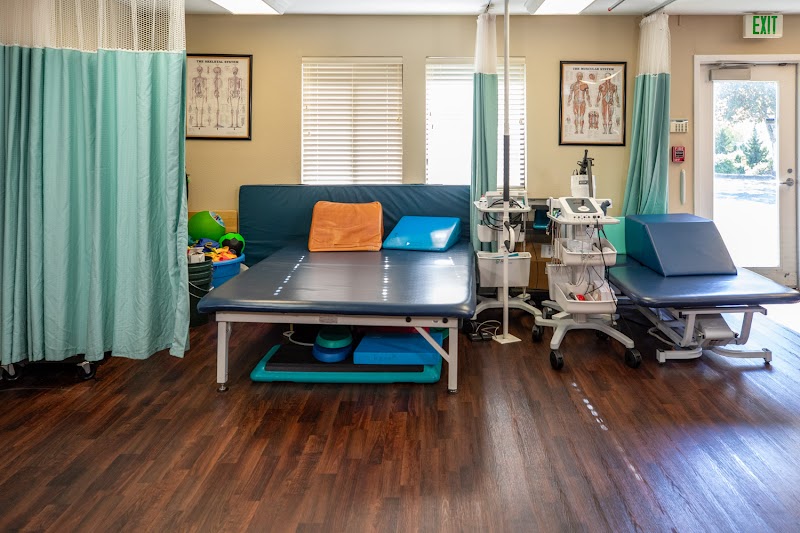
How is The Oaks At Lakewood Staffed?

CMS rates THE OAKS AT LAKEWOOD's staffing level at 3 out of 5 stars, which is average compared to other nursing homes. Staff turnover is 44%, compared to the Washington average of 46%. This relatively stable workforce can support continuity of care. RN turnover specifically is 60%, which is notably high. RNs provide skilled clinical oversight, so turnover in this role can affect medical care quality.

What Have Inspectors Found at The Oaks At Lakewood?

State health inspectors documented 38 deficiencies at THE OAKS AT LAKEWOOD during 2022 to 2024. These included: 37 with potential for harm and 1 minor or isolated issues.
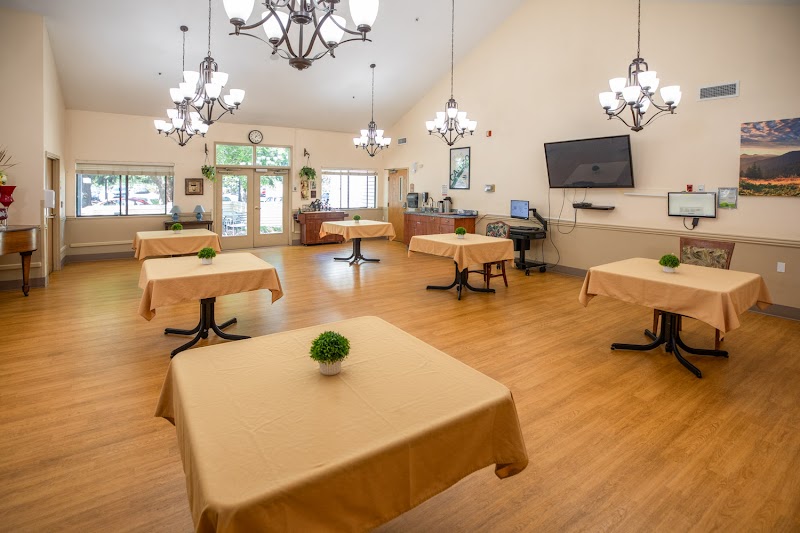
Who Owns and Operates The Oaks At Lakewood?

THE OAKS AT LAKEWOOD is owned by a for-profit company. For-profit facilities operate as businesses with obligations to shareholders or private owners. The facility is operated by THE ENSIGN GROUP, a chain that manages multiple nursing homes. With 80 certified beds and approximately 69 residents (about 86% occupancy), it is a smaller facility located in TACOMA, Washington.

How Does The Oaks At Lakewood Compare to Other Washington Nursing Homes?

Compared to the 100 nursing homes in Washington, THE OAKS AT LAKEWOOD's overall rating (5 stars) is above the state average of 3.2, staff turnover (44%) is near the state average of 46%, and health inspection rating (4 stars) is above the national benchmark.

What Should Families Ask When Visiting The Oaks At Lakewood?

Based on this facility's data, families visiting should ask: "Can I visit during a mealtime to observe dining assistance and food quality?" "How do you handle medical emergencies, and what is your hospital transfer rate?" "Can I speak with family members of current residents about their experience?"

Is The Oaks At Lakewood Safe?

Based on CMS inspection data, THE OAKS AT LAKEWOOD has a clean safety record: no substantiated abuse findings (meaning no confirmed cases of resident harm), no Immediate Jeopardy citations (the most serious violation level indicating risk of serious injury or death), and is not on the Special Focus Facility watch list (a federal program monitoring the lowest-performing 1% of nursing homes). The facility has a 5-star overall rating and ranks #1 of 100 nursing homes in Washington. While no facility is perfect, families should still ask about staff-to-resident ratios and recent inspection results during their visit.

Do Nurses at The Oaks At Lakewood Stick Around?

THE OAKS AT LAKEWOOD has a staff turnover rate of 44%, which is about average for Washington nursing homes (state average: 46%). Moderate turnover is common in nursing homes, but families should still ask about staff tenure and how the facility maintains care continuity when employees leave.

Was The Oaks At Lakewood Ever Fined?

THE OAKS AT LAKEWOOD has no federal fines on record. CMS issues fines when nursing homes fail to meet care standards or don't correct problems found during inspections. The absence of fines suggests the facility has either maintained compliance or corrected any issues before penalties were assessed. This is a positive indicator, though families should still review recent inspection reports for the full picture.

Is The Oaks At Lakewood on Any Federal Watch List?

THE OAKS AT LAKEWOOD is not on any federal watch list. The most significant is the Special Focus Facility (SFF) program, which identifies the bottom 1% of nursing homes nationally based on persistent, serious quality problems. Not being on this list means the facility has avoided the pattern of deficiencies that triggers enhanced federal oversight. This is a positive indicator, though families should still review the facility's inspection history directly.