AGILITY HEALTH AND REHABILITATION
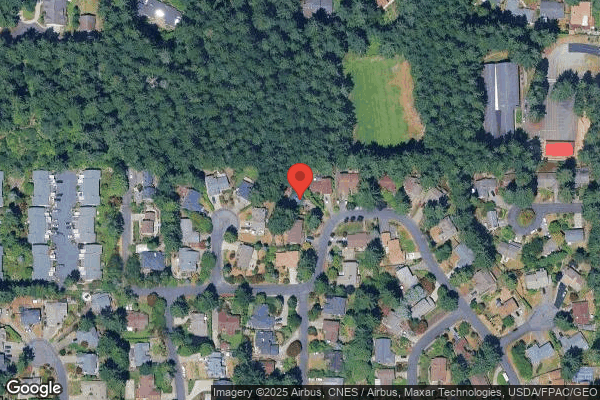
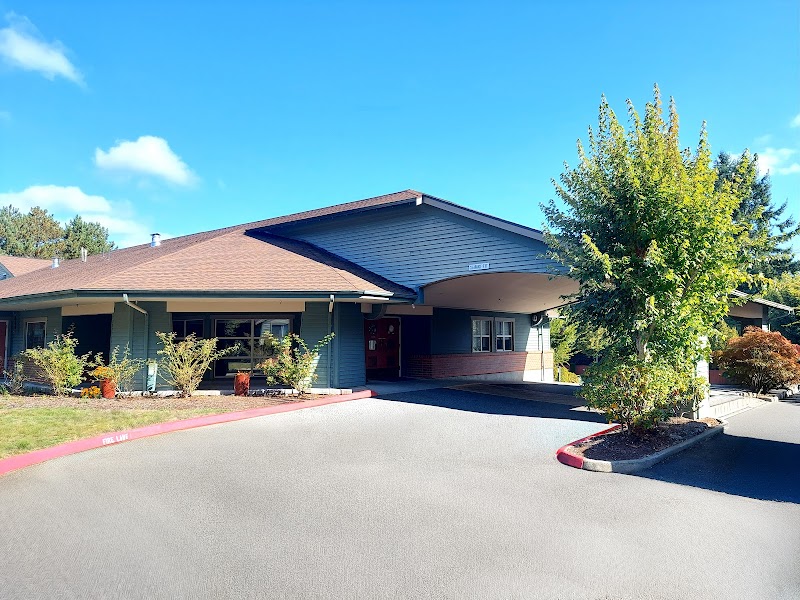
5520 BRIDGEPORT WAY WEST, UNIVERSITY PLACE, WA 98467 (253) 566-7166
For profit - Corporation 120 Beds VERTICAL HEALTH SERVICES Data: November 2025
Trust Grade
70/100
#52 of 190 in WA
Last Inspection: April 2025

Within standard 12-15 month inspection cycle. Federal law requires annual inspections.

Overview

Agility Health and Rehabilitation has received a Trust Grade of B, which indicates it is a good choice for nursing care, positioning it as a solid option, though not the best available. It ranks #52 out of 190 facilities in Washington, placing it in the top half, and #7 out of 21 in Pierce County, meaning there are only six better local options. However, the facility's performance is worsening, with issues increasing from 8 in 2024 to 14 in 2025. Staffing is average with a rating of 3 out of 5 stars and a turnover rate of 37%, which is better than the state average of 46%. Notably, the facility has no fines on record, which is a positive sign. However, there are significant concerns related to care. There have been multiple instances where the facility did not follow up on residents' concerns from council meetings, leading to unmet care needs and a diminished quality of life. Additionally, there were failures to adhere to prescribed blood pressure monitoring and to serve food items at the appropriate temperatures, both of which place residents at risk for health issues. While the lack of fines is encouraging, the combination of increasing problems and specific care failures raises concerns for families considering this facility.

Trust Score
B
70/100
In Washington
#52/190
Top 27%
Safety Record
Low Risk
No red flags
Inspections
Getting Worse
8 → 14 violations
Staff Stability
○ Average
37% turnover. Near Washington's 48% average. Typical for the industry.
Penalties
✓ Good
No fines on record. Clean compliance history, better than most Washington facilities.
Skilled Nurses
○ Average
Each resident gets 31 minutes of Registered Nurse (RN) attention daily — about average for Washington. RNs are the most trained staff who monitor for health changes.
Violations
⚠ Watch
31 deficiencies on record. Higher than average. Multiple issues found across inspections.
★★★★☆
4.0
Overall Rating
★★★☆☆
3.0
Staff Levels
★★★☆☆
3.0
Care Quality
★★★★☆
4.0
Inspection Score
Stable
2024: 8 issues
2025: 14 issues

The Good

  • Full Sprinkler Coverage · Fire safety systems throughout facility
  • No fines on record
  • Staff turnover below average (37%)

    11 points below Washington average of 48%

Facility shows strength in fire safety.

The Bad

Staff Turnover: 37%

Near Washington avg (46%)

Typical for the industry

Chain: VERTICAL HEALTH SERVICES

Part of a multi-facility chain

Ask about local staffing decisions and management

The Ugly 31 deficiencies on record

Apr 2025 14 deficiencies
CONCERN (D)

Potential for Harm - no one hurt, but risky conditions existed

Deficiency F0552 (Tag F0552)

Could have caused harm · This affected 1 resident

**NOTE- TERMS IN BRACKETS HAVE BEEN EDITED TO PROTECT CONFIDENTIALITY** . Based on interview and record review, the facility failed to have psychotropic medication (medications that affect a person's ...

Read full inspector narrative →
**NOTE- TERMS IN BRACKETS HAVE BEEN EDITED TO PROTECT CONFIDENTIALITY** . Based on interview and record review, the facility failed to have psychotropic medication (medications that affect a person's mental state) informed consent accurately completed prior to administering the medication for 1 of 5 sampled residents (Resident 100) when reviewed for unnecessary medication use. This failure placed the resident and/or their legal representative at risk for lack of knowledge to make an informed decision regarding the use of the medication, inaccurate data in the medical record, and a diminished quality of life. Findings included . Review of the electronic health record (EHR) showed Resident 100 readmitted to the facility on [DATE] and was able to make needs known. The quarterly minimum data set (MDS, a required assessment tool) dated 03/03/2025 showed Resident 100 had diagnoses of depression and bipolar disorder (episodes of mood swings ranging from depressive lows to manic highs). Review of Resident 100's provider order dated 03/28/2025 showed the resident was prescribed olanzapine (an antipsychotic medication) two times a day for delirium (a mental state of confusion, disorientation, and not able to think or remember clearly) with agitation. Review of Resident 100's form titled, Informed Consent for Use of Psychotropic Medication, dated 03/28/2025, showed the diagnosed condition for which the medication was prescribed was for a psychotic disorder. Review of Resident 100's EHR on 04/09/2025 showed no diagnosis of psychotic disorder. During an interview on 04/09/2025 at 11:10 AM, Staff F, Licensed Practical Nurse Supervisor, stated Resident 100 was taking an antipsychotic medication. Staff F stated Resident 100's informed consent dated 03/28/2025 was not accurately filled out because the resident did not have a diagnosis of psychotic disorder, and this did not meet expectations. During an interview on 04/09/2025 at 11:27 AM, Staff B, Director of Nursing Services, stated Resident 100's informed consent for their prescribed psychotropic medication was not accurately completed because it showed Resident 100 had a diagnosis of psychotic disorder; however, the resident did not have that diagnosis. Staff B stated the expectation was for informed consents to be completed accurately. Reference WAC 388-97-0260 .
CONCERN (D)

Potential for Harm - no one hurt, but risky conditions existed

Deficiency F0578 (Tag F0578)

Could have caused harm · This affected 1 resident

**NOTE- TERMS IN BRACKETS HAVE BEEN EDITED TO PROTECT CONFIDENTIALITY** . Based on interview and record review, the facility failed to obtain an advanced directive (AD, a legal document that establish...

Read full inspector narrative →
**NOTE- TERMS IN BRACKETS HAVE BEEN EDITED TO PROTECT CONFIDENTIALITY** . Based on interview and record review, the facility failed to obtain an advanced directive (AD, a legal document that establishes a representative to make medical decisions when you are unable to) and/or perform periodic reviews of AD for 1 of 3 sampled residents (Resident 16) when reviewed for AD. This failure placed the resident at risk of not having an established decision-maker, lack of ability to direct care, and a diminished quality of life. Findings included . Review of the electronic health record (EHR) showed Resident 16 initially admitted to the facility on [DATE] with diagnoses that included heart failure and diabetes (too much sugar in the blood). Resident 16 was able to make needs known. Review showed no AD was in place for Resident 16. During an interview on 04/08/2025 at 1:20 PM, Resident 16 stated they thought they had an AD, and the facility had the paperwork. Review of Resident 16's care plan conference/welcome meeting form dated 09/27/2024 showed Resident 16 had an AD, In place. Review of Resident 16's care plan conference/welcome meeting form dated 12/13/2024 showed See Care Plan related to AD. Review of the focused care plan for AD initiated on 10/14/2024 showed, Education given upon admission. Review showed interventions initiated on 10/14/2024 for Declines further assistance with AD at this time, and Staff will review my healthcare directives with me at least quarterly to verify that my wishes have not changed. Review of Resident 16's admission record on 04/07/2025 showed Resident 16 was their own responsible party and did not show Resident 16 had an AD. During an interview on 04/09/2025 at 8:53 AM, Staff D, Social Services Director, stated Resident 16 did not have an AD in place at this time. Staff D stated when Resident 16 readmitted to the facility on [DATE] they should have documented a discussion related to AD and that did not happen. During an interview on 04/09/2025 at 9:37 AM, Staff A, Administrator, stated ADs were to be reviewed upon admission, on a quarterly basis, and documented in the Resident's EHR. Staff A stated they were unable to locate an AD for Resident 16 and the resident's AD documentation did not meet expectations. Reference WAC 388-97.-0280 (3)(c)(i-ii), -0300 (1)(b)
CONCERN (D)

Potential for Harm - no one hurt, but risky conditions existed

Report Alleged Abuse (Tag F0609)

Could have caused harm · This affected 1 resident

**NOTE- TERMS IN BRACKETS HAVE BEEN EDITED TO PROTECT CONFIDENTIALITY** . Based on observation, interview, and record review, the facility failed to identify and report an allegation of abuse for 2 of...

Read full inspector narrative →
**NOTE- TERMS IN BRACKETS HAVE BEEN EDITED TO PROTECT CONFIDENTIALITY** . Based on observation, interview, and record review, the facility failed to identify and report an allegation of abuse for 2 of 2 sampled residents (Residents 82 and 169) when reviewed for abuse. This failure placed the residents at risk of further abuse, psychological distress, and diminished quality of life. Findings included . Review of the facility's policy and procedure titled, Abuse, Neglect and Exploitation, dated 03/04/2025, showed the facility would identify the different types of abuse, investigate immediately when suspicions of abuse occurred, make efforts to ensure all residents were protected from physical and psychological harm as well as additional abuse during the investigation, and report all allegations to the administrator, state agency, and others as needed. Resident 82 Review of the electronic health record (EHR) showed Resident 82 was admitted to the facility on [DATE] with diagnoses to include fracture of right humerus (long bone of upper arm), type two diabetes (high blood sugar), insomnia (inability to sleep), and chronic pain syndrome. Resident 82 was able to communicate needs. Review of incident log for March 2025 showed Resident 82 was involved in a verbal altercation with a roommate on 03/18/2025. Review of the investigation report for the 03/18/2025 verbal altercation showed the incident was reported to the state hotline, but there was no documentation of this reporting. During an interview on 04/09/2025 at 12:40 PM, Staff B, Director of Nursing Services (DNS), stated they reported allegations to the state agency. Staff B was unable to provide documentation the 03/18/2025 verbal altercation had been reported to the state agency. Resident 169 During an interview and observation on 04/07/2025 at 11:54 AM, Resident 3 stated their previous roommate, Resident 169, was not treated with respect and dignity by a caregiver when providing care and Resident 3 had asked the caregiver to leave the room. Review of a grievance form, dated 02/21/2025, showed Resident 169 stated a staff member was negative towards them when they requested to be changed. Review showed the staff member got a huge grin, started singing, and winked at Resident 169 while they lay naked. Under the section Steps Taken to Investigate Grievance facility staff wrote Resident 169 was discharged home, and customer service training was provided to the staff member. There were no interviews from other residents, or Resident 3, and there was no investigation and reporting of the allegation. During an interview on 04/10/2025 at 10:38 AM, Staff A, Administrator, stated they were out of the facility during the time of the grievance for Resident 169. During an interview on 04/10/2025 at 10:51 AM, Staff B, DNS, stated there was no investigation to rule out abuse for Resident 169's grievance/allegation. Staff B stated the lack of investigation for Resident 169 did not meet expectations. Reference WAC 388-97- 0640(6)(a)(c) .
CONCERN (D)

Potential for Harm - no one hurt, but risky conditions existed

Investigate Abuse (Tag F0610)

Could have caused harm · This affected 1 resident

**NOTE- TERMS IN BRACKETS HAVE BEEN EDITED TO PROTECT CONFIDENTIALITY** . Based on observation, interview, and record review, the facility failed to thoroughly investigate an incident to rule out abus...

Read full inspector narrative →
**NOTE- TERMS IN BRACKETS HAVE BEEN EDITED TO PROTECT CONFIDENTIALITY** . Based on observation, interview, and record review, the facility failed to thoroughly investigate an incident to rule out abuse for 1 of 2 sampled residents (Resident 82) when reviewed for abuse. This failure to conduct and document a thorough investigation and clearly identify the root cause and contributing factors, and follow-through with new interventions, placed the residents at risk for further abuse, psychological distress and diminished quality of life. Findings included . Review of the facility's policy and procedure titled Abuse, Neglect and Exploitation, dated 03/04/2025, showed the facility would identify and interview all involved persons, including the alleged victim, alleged perpetrator, and witnesses. It showed the investigation would focus on determining if abuse had occurred, the extent and cause, and provide complete and thorough documentation. Review of the electronic health record (EHR) showed Resident 82 was admitted to the facility on [DATE] with diagnoses to include fracture of right humerus (long bone of upper arm), type two diabetes (high blood sugar), insomnia (inability to sleep), and chronic pain syndrome. Resident 82 was able to communicate needs. Review of the incident log for February 2025 showed Resident 82 was involved in an altercation. Review of the incident report, dated 02/28/2025, showed Resident 48, who was in an electric scooter, bumped Resident 82's chair and caused the chair to spin around. Resident 82 was observed by other staff to have their head down and was taken to relax in other parts of the building. The plan was for the electric scooter to be removed from Resident 48. Review of Resident 48's EHR showed no record of any interventions after this occurrence. Review of the incident log for February 2025 showed no investigation about Resident 48 bumping Resident 82. Observation on 04/10/2025 at 1:15PM, showed Resident 48 leaning towards the right side of their scooter and operated their electric scooter with their left hand. During an interview on 04/09/2025 at 12:40 PM, Staff B, Director of Nursing Services, stated the facility investigated both residents when there was an altercation and was not sure why this did not happen after the 02/28/2025 altercation. Staff B stated the staff who did the investigation was new and needed more training. Reference WAC 388-97- 0640(6)(a)(b) .
CONCERN (D)

Potential for Harm - no one hurt, but risky conditions existed

Accident Prevention (Tag F0689)

Could have caused harm · This affected 1 resident

**NOTE- TERMS IN BRACKETS HAVE BEEN EDITED TO PROTECT CONFIDENTIALITY** Resident 100 Review of the EHR showed Resident 100 readmitted to the facility on [DATE] with diagnoses of depression, diabetes (...

Read full inspector narrative →
**NOTE- TERMS IN BRACKETS HAVE BEEN EDITED TO PROTECT CONFIDENTIALITY** Resident 100 Review of the EHR showed Resident 100 readmitted to the facility on [DATE] with diagnoses of depression, diabetes (too much sugar in the blood), and bipolar disorder (episodes of mood swings ranging from depressive lows to manic highs). Resident 100 was able to make needs known. Review of a care plan initiated 12/03/2024 showed Resident 100 was at risk for falls and had five falls in the month of February 2025. Interventions included a CALL DON'T FALL sign placed in line of sight to remind Resident 100 to use the call light for any transfers, toileting, or any other assistance and - Bed in lowest position when unattended. Observations on 04/07/2025 at 2:30 PM, 04/08/2025 at 1:31 PM and 04/09/2025 at 10:04 AM showed no CALL DON'T FALL sign posted in Resident 100's room. Observation and interview on 04/09/2025 at 10:04 AM showed Resident 100 laid on the bed in the highest position with their pants halfway on. Resident 100 stated the CNA was assisting with dressing but left the room to go and get something. Upon leaving room, Staff Q, CNA, came down the hall and stated they were going back into Resident 100's room to help them get dressed. During an interview on 04/09/2025 at 12:17 PM, Staff Q, CNA, stated they were not familiar with the resident and unaware if Resident 100 was a fall risk. During an interview on 04/09/2025 at 12:35 PM, Staff F, Licensed Practical Nurse Supervisor, stated the expectation was for CNAs to review and follow the care plan for each resident and Resident 100 should not have been left unattended. Staff F stated the CALL DON'T FALL sign was taken down temporarily but should have been put back on the wall immediately in Resident 100's room. During an interview on 04/09/2025 at 12:45 PM, Staff B, DNS, stated staff not following Resident 100's fall interventions did not meet expectations. Reference WAC 388-97-1060 (3)(g) Based on observation, interview, and record review, the facility failed to ensure risk factors were consistently monitored and addressed to minimize the risk for accident hazards for 2 of 7 sampled residents (Residents 103 and 100) when reviewed for accident hazards. The failure to consistently monitor and ensure identified elopement (refers to a resident wandering off and leaving the facility or designated area unattended) interventions for Resident 103 and to identify and minimize the risk factors for falls for Resident 100 placed them at risk for potential injury, negative outcomes, and decreased quality of life. Findings included . Review of a facility's policy titled, Resident Elopement Guideline, dated 01/2010, showed the facility was to assess residents for elopement risk factors and use elopement precautions as a means to prevent elopement and improve safety and to provide appropriate steps to prevent resident elopement. Resident 103 Review of the admission minimum data set (MDS, a required assessment tool), dated 01/17/2025, showed Resident 103 admitted on [DATE] with multiple diagnoses to include heart, kidney and lung disease, substance abuse and dementia (a decline in mental ability, specifically memory, thinking and behavior that significantly impacts daily life) and was an active smoker (cigarettes). The MDS showed the resident was able to make their needs known. Review of the electronic health record (EHR) showed the facility conducted a brief interview for mental status (BIMS, a standardized assessment tool used to evaluate cognitive function in individuals to assess orientation, memory and attention). Resident 103 scored a 5 on a 15-point scale (0-7 indicated a severe impairment, 8-12 moderate impairment and 13-15 intact cognition). Review Resident 103's EHR clinical record documentation entry dated 02/09/2025 by a facility staff showed the resident was at high risk for elopement due to impaired cognition, as indicated by a BIMS score of 5 out of 15, which confirmed cognitive impairment and diagnosis of dementia. Resident 103 ambulated (walks) independently and expressed a desire to leave the facility. The entry showed the resident was found in the parking lot attempting to catch a bus to visit a family member. Review of Resident 103's care plan, revised 02/07/2025, showed the resident was a high risk for elopement related to history of elopement and verbalized their need to leave due to polysubstance (multiple substances) abuse and BIMS score of 5 out of 15. Review of the facility's incident investigation record dated 2/07/2025 showed interventions to prevent reoccurrence would be for Resident 103 to be placed on one-on-one (1:1) supervision during the day and evening shifts with checks every 15 minutes at night. Multiple observations on 04/07/2025 at 10:35 AM, 04/08/2025 at 9:55 AM, 04/09/2025 at 9:52 AM and 04/10/2025 at 2:22 PM showed Resident 103 with a certified nurse aide (CNA) either in the resident's room or with the resident in the facility's day room and provided 1:1 observation or conversed with the resident. During an interview on 04/09/2025 at 9:54 AM, Staff J, CNA, stated they were with Resident 103 on a 1:1 basis during the day shift and another aide came in only during the evening shift to take over with the 1:1 observations of the resident. During an interview on 04/09/2025 at 9:01 AM, Staff B, Director of Nursing Services (DNS), stated the facility had CNAs during the day and evening shift to monitor Resident 103 but did not have any 1:1 monitoring on night shift. Staff B stated the CNAs were supposed to monitor Resident 103 every 15 minutes on night shift. Review of Resident 103's EHR showed several entries staff had documented the resident exit seeking behaviors: Entry dated 02/10/2025 at 7:27 PM, continues on alert related to risk for elopement, continues going out of facility, constantly moving inside and outside facility, impulsive, poor safety awareness, continues 1:1 , confused, delusion and disoriented. On 02/16/2025 at 7:47 PM an entry was made by staff, continues exit seeking, continues trying to go out, denied pain in general, mood, cognition, and demeanor per baseline, confused, disoriented, decreased cognition. Entry on 3/18/2025 at 8:32 PM, .continues exit seeking mostly related to desire to smoke, very sneaky, also at risk for falls related to ambulatory, poor decision making, poor safety awareness, decrease cognition. An entry on 03/31/2025 at 8:26 PM, forgetful .continues exit seeking and looking for ways to go out and smoke, continues 1:1 related risk of elopement.; however, no documentation was reviewed within the Resident 103's EHR that documented, every 15-minute checks at night. During an interview on 04/09/2025 at 10:33 PM, Staff A, Administrator, stated the expectation would be if the residents who were on 1:1 observation and every 15 minutes checks at night then there should be some documentation in the EHR it was being done.
CONCERN (D)

Potential for Harm - no one hurt, but risky conditions existed

Incontinence Care (Tag F0690)

Could have caused harm · This affected 1 resident

**NOTE- TERMS IN BRACKETS HAVE BEEN EDITED TO PROTECT CONFIDENTIALITY** . Based on observation, interview, and record review, the facility failed to ensure the use of an indwelling urinary catheter (...

Read full inspector narrative →
**NOTE- TERMS IN BRACKETS HAVE BEEN EDITED TO PROTECT CONFIDENTIALITY** . Based on observation, interview, and record review, the facility failed to ensure the use of an indwelling urinary catheter (a tube which drains urine from the bladder into a collection bag) was properly monitored to ensure it was functioning for 1 of 2 sampled residents (Resident 26) reviewed for urinary catheters. This failure placed the resident at risk for further complications, prolonged therapy, and unmet care needs. Findings included . Review of a facility's policy titled, Indwelling Catheter Use, dated 04/2023, showed if an indwelling catheter was in use, the facility provided appropriate care for the catheter in accordance with current professional standards of practice and resident care policies and procedures that included but were not limited to ongoing monitoring for changes in condition related to potential catheter-associated urinary tract infections, recognizing, reporting and addressing such changes. Resident 26 Review of the quarterly minimum data set (MDS, an assessment tool) dated 01/24/2025 showed Resident 26 was admitted to the facility on [DATE] with multiple diagnoses to include heart and kidney disease, neurogenic bladder (a lack of bladder control due to a brain, spinal cord, or nerve problem), urinary tract infection and respiratory failure. In addition, the MDS showed Resident 26 was able to make their needs known, required extensive assistance with activities of daily living, and had an indwelling urinary catheter. Review of Resident 26's medication administration record (MAR), dated April 2025, showed the resident had an order dated 01/20/2025 for a indwelling urinary catheter and the facility's licensed nurses (LNs) were to provide urinary catheter care every shift. The LNs were to observe for potential complications involving signs and symptoms of infection catheter occlusion, catheter migration, and skin breakdown at the insertion site and to notify the provider if any complications were observed. In addition, an as necessary (PRN) provider order showed for the LN to change PRN for leakage, obstruction and urine culture. An additional order dated 01/21/2025 showed the LN was to check the foley catheter's functionality every shift for bladder outlet obstruction. Review of Resident 26's care plan initiated on 01/28/2025 showed the resident had an indwelling urinary catheter related to neuromuscular dysfunction (lack of control of muscles). Interventions included for LNs to check the functionality every shift. Additional interventions were for LNs to monitor and document for signs and symptoms of pain, blood-tinged urine, cloudiness, no output and change in behavior. Observation on 04/07/2025 at 10:15 AM showed Resident 26 laid in their bed with a foley catheter bag attached to the right lower bedframe which had yellow colored sediment in the drainage bag. Observation on 04/08/2025 at 8:46 AM showed Resident 26's urinary drainage bag contained dark cloudy urine. Observation on 04/09/2025 at 12:33 PM showed Resident 26's urinary catheter drainage bag contained a scant amount of dark blood-tinged urine. The residents appeared anxious, and the respiratory rate was notably increased. Review of Resident 26's electronic health record (EHR) showed no new catheter was replaced from 04/07/2025 to 04/09/2025 and no additional documentation was noted that described the resident's urinary catheter drainage. During an interview and observation on 04/09/2025 at 1:01 PM, Resident 26 stated they felt like they needed to pee and had felt this way since yesterday evening. Resident 26 proceeded to lift up their hospital gown at the abdominal area and the abdomen appeared slightly distended (swollen). During an interview on 04/09/2025 at 1:03 PM, Staff M, Licensed Practical Nurse (LPN), stated they were unaware of the Resident 26's dark urine output, but would notify the provider who was currently in the facility. Observation on 04/09/2025 at 1:21 PM showed the facility's provider, Staff N, Advanced Registered Nurse Practitioner (ARNP), entered Resident 26's room, assessed the resident and ordered a bladder scan (a non-invasive ultrasound test used to assess the volume of urine in the bladder). The scan revealed 431 milliliters (MLs) of urine in the bladder. The provider ordered to remove the residents' foley catheter and replace it with a new one. Staff M and Staff L, LPN, discontinued the non-working foley catheter and replaced it with a new catheter. Immediate urinary drainage (yellow colored) was achieved. The resident's facial grimacing diminished, and respiratory rate returned to within normal limits. Resident 26 expressed relief a few minutes after the foley catheter was replaced and adequate urinary output was achieved. During an interview on 04/09/2025 at 1:57 PM, Staff B, Director of Nursing (DNS), stated it was their expectation the LNs assessed residents' urinary catheter and urinary output every shift and notify the provider if there were any issues with the foley catheters. Reference WAC 388-97-1060(3)(c) .
CONCERN (D)

Potential for Harm - no one hurt, but risky conditions existed

Respiratory Care (Tag F0695)

Could have caused harm · This affected 1 resident

**NOTE- TERMS IN BRACKETS HAVE BEEN EDITED TO PROTECT CONFIDENTIALITY** . Based on observation, interview, and record review, the facility failed to ensure respiratory services were provided according...

Read full inspector narrative →
**NOTE- TERMS IN BRACKETS HAVE BEEN EDITED TO PROTECT CONFIDENTIALITY** . Based on observation, interview, and record review, the facility failed to ensure respiratory services were provided according to professional standards of practice for 1of 2 sampled residents (Resident 26) when reviewed for respiratory care. Failure to ensure oxygen delivery was provided according to the provider's order placed the resident at risk for discomfort, a potential negative outcome, and unmet needs. Findings included . Review of a facility's policy titled, Oxygen Use, dated 06/2023, showed oxygen was to be administered under the orders of the attending provider. Review of the quarterly minimum data set (MDS, an assessment tool) dated 01/24/2025 showed Resident 26 admitted to the facility on [DATE] with multiple diagnoses to include heart and kidney disease, neurogenic bladder (a lack of bladder control due to a brain, spinal cord or nerve problem), urinary tract infection and respiratory failure. In addition, the MDS showed Resident 26 was able to make their needs known, required extensive assistance with activities of daily living and had an indwelling urinary catheter. Review of Resident 26's provider's order dated 01/20/2025 showed oxygen at 3 liters per minute (LPM) via (per) nasal cannula (NC, a device used to deliver oxygen to a person in need of respiratory help) every shift. Review of Resident 26's care plan, revised 09/18/2024, showed Resident 26 was on oxygen therapy continuously related to chronic respiratory failure with chronic obstructive pulmonary disease (COPD, a group of lung diseases that causes a persistent airflow obstruction and breathing difficulties). Interventions included for licensed nurses (LNs) to administer oxygen as ordered. Observation on 04/07/2025 at 10:30 AM, 04/08/2025 at 8:52 AM, and 4/09/2025 at 12:40 PM, showed Resident 26 laid in bed, had a NC on with the oxygen flow rate set at 4.5 LPM (continuously). During an interview on 04/09/2025 at 12:41 PM, Staff M, Licensed Practical Nurse (LPN), stated the resident could have their oxygen increased depending on their oxygen saturation rate (a noninvasive measurement device to register oxygen saturation within the blood); however, Staff M stated there was no order to increase to 4.5 LPM so they would change the oxygen setting back to 3 LPM During an interview on 04/09/2025 at 1:03 PM, Staff B, Director of Nursing Services, stated their expectation would be if Resident 26's provider's order for oxygen was at 3 LPM then it should be set at that order rate and not changed without a provider's order. Reference WAC 388-97-1060(3)(j)(vi) .
CONCERN (D)

Potential for Harm - no one hurt, but risky conditions existed

Deficiency F0790 (Tag F0790)

Could have caused harm · This affected 1 resident

**NOTE- TERMS IN BRACKETS HAVE BEEN EDITED TO PROTECT CONFIDENTIALITY** . Based on observation, interview, and record review, the facility failed to provide dental services for 1 of 4 sampled resident...

Read full inspector narrative →
**NOTE- TERMS IN BRACKETS HAVE BEEN EDITED TO PROTECT CONFIDENTIALITY** . Based on observation, interview, and record review, the facility failed to provide dental services for 1 of 4 sampled residents (Resident 56) when reviewed for dental services. This failure placed the resident at risk for dental problems, nutritional compromise, and a diminished quality of life. Findings included . Review of the electronic health record showed Resident 56 admitted to the facility on [DATE] with diagnoses of chronic kidney disease (damage of the kidney's which effects functioning) and diabetes (too much sugar in the blood). Resident 56 was able to make needs known. Observation on 04/07/2025 at 9:30 AM showed Resident 56 had broken and missing bottom teeth. Resident 56 stated they had been waiting to see the dental hygienist. Review of an oral exam document dated 06/14/2024 showed a recommendation for dental hygiene cleaning. Review of the EHR showed no documentation of follow up on the recommendation. During an interview on 04/10/2025 at 10:34 AM, Staff D, Social Services Director (SSD), stated they could not locate documentation that Resident 56 was seen by the dental hygienist but should have been. Reference WAC 388-97-1060 (3)(j)(vii) .
CONCERN (D)

Potential for Harm - no one hurt, but risky conditions existed

Dental Services (Tag F0791)

Could have caused harm · This affected 1 resident

**NOTE- TERMS IN BRACKETS HAVE BEEN EDITED TO PROTECT CONFIDENTIALITY** Resident 82 Review of the EHR showed Resident 82 was admitted to the facility on [DATE] with diagnoses to include fracture of ri...

Read full inspector narrative →
**NOTE- TERMS IN BRACKETS HAVE BEEN EDITED TO PROTECT CONFIDENTIALITY** Resident 82 Review of the EHR showed Resident 82 was admitted to the facility on [DATE] with diagnoses to include fracture of right humerus (long bone of upper arm), type two diabetes (high blood sugar), insomnia (inability to sleep), and chronic pain syndrome. Resident 82 was able to communicate needs. During an interview on 04/07/2025 at 10:33 AM, Resident 82 stated they did not have an upper denture, and their lower denture did not fit them. Resident 82 stated they had not seen the dentist and were not aware of plans to see them. Review of a dental consult dated 01/23/2025 showed Resident 82 was not in the room and the resident was not seen. A second dental consult dated 04/08/2025 showed Resident 82 was in the shower and the resident was not seen. During an interview on 04/09/2025 at 12:56 PM, Staff D, Social Service Director, stated Resident 82 missing the dentist appointment two times did not meet expectations. Reference WAC 388-97- 1060(3)(j)(vii) Based on observation, interview, and record review, the facility failed to provide prompt dental services for 2 of 4 sampled residents (Residents 6 and 82) when reviewed for dental. This failure placed the residents at risk for continued dental problems and a diminished quality of life. Findings included . Resident 6 Review of the electronic health record (EHR) showed Resident 6 readmitted to the facility on [DATE] with diagnoses that included heart failure, anxiety disorder, and depression. The significant change in condition minimum data set (MDS, a required assessment tool) dated 01/04/2025 showed Resident 6 had Obvious or likely cavity or broken natural teeth, inflamed or bleeding gums or loose natural teeth. Review showed Resident 6 was able to make needs known. Review of Resident 6's care plan intervention initiated on 05/24/2024 showed, Refer to dentist/dental hygienist for evaluation and recommendations. Review of Resident 6's dental prophylaxis (prevention) report dated 09/10/2024 showed a recommended treatment for a Recall [follow up], for Registered Dental Hygienist (RDH, a licensed healthcare professional who specializes in the prevention and treatment of oral diseases) maintenance in six months and the need for daily assistance brushing into the gumline. Review of Resident 6's progress note dated 12/16/2024 showed, Resident was seen by the Hygienist, here in the facility. Review of Resident 6's EHR on 04/10/2025 showed no RDH documentation that maintenance had been conducted at six months per recommendation on 09/10/2024. Review of the facility's dental hygienist list dated 03/21/2025 showed Resident 6's name on the list; however, it had No written next to the resident's name. Review of the facility's dental exam resident list dated 04/08/2025 did not include Resident 6's name to be seen. Review of Staff D, Social Services Director (SSD), email, dated 04/09/2025, to the dental scheduler showed, When hygienist was out last [RDH] was able to see everyone on the list. When can we schedule a visit to see the remaining group. During an interview on 04/10/2025 at 9:25 AM, Staff D, Social Services Director (SSD), stated that the RDH came to the facility about every three months. Staff D stated Resident 6's progress note dated 12/16/2024 was documented in error because the resident was not seen by the RDH. Staff D stated Resident 6 was not seen by the RDH on 03/21/2025 and was not seen on 04/08/2025 for a dental exam. Staff D stated the email dated 04/09/2025 sent to the dental scheduler showed, When hygienist was out last, [RDH] was able to see everyone on the list was a typo because Resident 6 was on the list but was not seen by the RDH on 03/21/2025. Staff D stated they had not heard from the dental schedular related to the next time the RDH would come to the facility and they needed to follow up today (04/10/2025). During an interview on 04/10/2025 at 10:15 AM, Staff A, Administrator, stated Resident 6's communication related to dental needs could have been better. Staff A stated social services should have sent a follow up email to the dental schedular when the RDH did not see everyone on the list on 03/21/2025 prior to today (04/10/2025).
CONCERN (D)

Potential for Harm - no one hurt, but risky conditions existed

Deficiency F0804 (Tag F0804)

Could have caused harm · This affected 1 resident

. Based on observation, interview, and record review, the facility failed to serve food at proper temperatures and palatable taste when reviewed for kitchen services. These failures placed residents a...

Read full inspector narrative →
. Based on observation, interview, and record review, the facility failed to serve food at proper temperatures and palatable taste when reviewed for kitchen services. These failures placed residents at risk for decreased nutritional intake, foodborne illness, and decreased quality of life. Findings included . During an interview on 04/07/2025 at 2:54 PM, Resident 30 stated the French fries and vegetables were served cold. During an interview on 04/07/2025 at 10:37 AM, Resident 100 stated the food Tastes bad and is served lukewarm. During an interview on 04/08/2025 at 9:03 AM, Resident 88 stated the food was horrible. Observation on 04/10/2025 at 11:42 AM showed Staff O, Cook, preparing resident plates. There were no observations of temperatures taken prior to service. Observation on 04/10/2025 at 12:59 PM showed a lunch test tray was received and reviewed. The test tray revealed a piece of country fried steak which was overcooked on the bottom. The mashed potatoes lacked palpability and flavor. Review of the Resident Council Minutes, dated 11/25/2024, showed dietary concerns related to food quality. Review of the Resident Council Minutes, dated 02/25/2025, showed various dietary concerns were discussed with the Dietary Manager. Review of the Resident Council Questionnaires for 04/2025 showed 5 out of 13 residents rated the food quality as poor. During an interview on 04/11/2025 at 11:16 AM, Staff E, Dietary Manager, stated the lack of temperatures did not meet their expectations. During an interview on 04/11/2025 at 11:32 AM, Staff A, Administrator, stated the expectation was for temperatures to be taken according to regulation and the lack of did not meet their expectations. Reference WAC 388-97-1100(1) .
CONCERN (E)

Potential for Harm - no one hurt, but risky conditions existed

Deficiency F0565 (Tag F0565)

Could have caused harm · This affected multiple residents

. Based on interview and record review, the facility failed to follow up on concerns of the resident council related to resident care for 3 of 4 resident council meetings minutes (November and Decemb...

Read full inspector narrative →
. Based on interview and record review, the facility failed to follow up on concerns of the resident council related to resident care for 3 of 4 resident council meetings minutes (November and December 2024, and January 2025) when reviewed. This failure placed residents at risk for unmet care needs and a diminished quality of life. Findings included . During an interview on 04/09/2025 at 8:37 AM, Resident 14 stated management did not follow up with concerns discussed during the resident council meetings. Review of the resident council minutes, dated 11/25/2024, showed concerns voiced by members regarding evening shift staff chatting at the nurse's station and not promptly responding to call lights. Review of the resident council minutes, dated 12/30/2024, showed concerns voiced by members regarding night shift staff on their cell phones and long call light wait times. Review of the resident council minutes, dated 01/27/2025, showed concerns voiced by members to include night shift staff on their cell phones and continued long call wait times. Review of the grievance log dates 11/2024 through 03/2025 showed no grievances that corresponded with concerns verbalized at resident council meetings. During an interview on 04/10/2025 at 1:57 PM, Staff G, Activities Supervisor, stated they did not initiate grievances related to concerns expressed during resident council meetings. Staff G stated if residents had grievance concerns during resident council meetings they should follow up with the social services department for assistance. During an interview on 04/11/2025 at 10:51 AM, Staff A, Administrator, stated it did not meet their expectation that specific concerns brought up in resident council had not been addressed and followed up on. Reference WAC 388-97-0920 .
CONCERN (E)

Potential for Harm - no one hurt, but risky conditions existed

Deficiency F0757 (Tag F0757)

Could have caused harm · This affected multiple residents

**NOTE- TERMS IN BRACKETS HAVE BEEN EDITED TO PROTECT CONFIDENTIALITY** . Based on observation, interview, and record review, the facility failed to ensure a provider's order for blood pressure parame...

Read full inspector narrative →
**NOTE- TERMS IN BRACKETS HAVE BEEN EDITED TO PROTECT CONFIDENTIALITY** . Based on observation, interview, and record review, the facility failed to ensure a provider's order for blood pressure parameters were consistently followed for 1 of 5 sampled residents (Resident 81) and initiated non-pharmacological interventions (NPI) prior to the administration of as needed (PRN) pain medication for 3 of 5 sampled residents (Residents 100, 79, and 18) when reviewed for unnecessary medications. These failures placed residents at risk for receiving unnecessary medications, a diminished quality of life, and unmet needs. Findings included . Review of a facility document titled, Medication Ordering and Receiving From Pharmacy Provider, Medication with Boxed Warning, dated 01/2025, showed all licensed nurses (LNs) must be familiar with medications used by residents that carry a boxed warning relevant to the resident. In addition, nursing staff shall refer to boxed warning monitoring guidelines and appropriate references for specific health risk and signs and symptoms for monitoring. Nursing staff shall include the appropriate monitoring parameters on the residents and monitor for adverse consequences (i.e. assessing vital signs may be indicated if a medication was known to affect blood pressure and pulse rate). Resident 81 Review of the quarterly minimum data set (MDS, a required assessment tool), dated 02/21/2025, showed Resident 81admitted on [DATE] with multiple diagnoses to include heart, lung and kidney disease, and hypertension (high blood pressure). The electronic health record (EHR) showed the resident was able to make needs known and required assistance with activities of daily living (ADLs). Review of Resident 81's provider's order for midodrine (a medication used to treat hypotension [low blood pressure]) dated 02/15/2025 was to be administered by the LNs twice a day for hypotension and to hold for a systolic blood pressure greater than 120 (top blood pressure reading). Review of Resident 81's medication administration record (MAR) dated February, March and April 2025, showed multiple dates where LNs had administered the medication midodrine when the resident's blood pressure was greater than 120 systolic. The February 2025 MAR showed the LNs had administered the medication 11 out of 27 times, March 9 out of 62 times, and April 2025 the LNs administered the medication 5 out of 15 times. During an interview on 04/10/2025 at 2:43 PM, Staff L, Licensed Practical Nurse (LPN), stated if there were (provider's orders) blood pressure parameters to hold them for any systolic blood pressure greater than 120 then the expectation would be for the LN to hold the medication as ordered. During an interview on 04/10/2025 at 3:05 PM, Staff B, Director of Nursing Services (DNS), stated it was their expectation was the LNs were to hold any blood pressure medication as per the provider's order if there were parameters to hold. Resident 100 Review of the EHR showed Resident 100 readmitted to the facility on [DATE] and was able to make needs known. The quarterly MDS dated [DATE] showed Resident 100 had diagnoses of depression, diabetes (too much sugar in the blood), and bipolar disorder (episodes of mood swings ranging from depressive lows to manic highs). Review of Resident 100's provider's orders showed an order dated 12/17/2024 for acetaminophen (a medication used to treat minor aches and pain) every six hours as needed for pain. Review of the MAR dated March 2025 and April 2025 from 04/01/2025 - 04/07/2025 showed the ordered as needed acetaminophen was provided three times in March and three times in April with no NPI documented as offered or provided. During an interview on 04/09/2025 at 1:27 PM. Staff F, Licensed Practical Nurse Supervisor, stated NPI should be offered/provided and documented in the MAR and/or progress notes prior to giving any as needed pain medication. Staff F stated Resident 100 had no NPI documented for as needed acetaminophen provided in March and April 2025. During an interview on 04/09/2025 at 1:34 PM, Staff B, DNS, stated Resident 100's documentation for NPI prior to being administered as needed acetaminophen three times in March and in April 2025 were not documented in the MAR or in a progress note and this did not meet expectations. Resident 79 Review of the EHR showed Resident 79 admitted to the facility on [DATE] with diagnoses of osteomyelitis (inflammation and infection of the bone), pressure ulcer and heart failure. Resident 79 required extensive assistance with most activities of daily living. Review of Resident 79's provider's orders showed an order dated 10/19/2024 for acetaminophen 650 milligrams every eight hours as needed for pain. Review of the MAR dated March 2025 showed the ordered as needed acetaminophen was provided seven times in March with no NPI documented as offered or provided. Review of the MAR dated April 2025 from 04/01/2025 - 04/08/2025 showed the ordered as needed acetaminophen was provided two times in April with no NPI documented as offered or provided. During an interview on 04/09/2025 at 1:27 PM, Staff F, Licensed Practical Nurse Supervisor, stated NPI should be offered/provided and documented in the MAR and/or progress notes prior to giving any as needed pain medication. During an interview on 04/09/2025 at 1:34 PM, Staff B, DNS, stated lack of NPI documentation did not meet expectations. Resident 18 Review of the EHR showed Resident 18 was admitted to the facility on [DATE] with diagnoses to include fractures of lumbar (low back) and thoracic (middle back), depression, and acute kidney failure. Resident 18 was able to communicate needs. During an interview on 04/08/2025 at 9:30 AM, Resident 18 stated their pain was all over the back, was worse with movement, and the pain prevented them from doing activities. Resident 18 stated the nurses were giving them pain medicine about two times a day, and there were no NPI used for their pain. Review of the MAR for March 2025 showed Resident 18 was receiving oxycodone (narcotic medication) on as needed basis 57 times without documentation of NPI that were tried prior to the medication. Reference WAC 388-97- 1060(3)(k)(j) .
CONCERN (E)

Potential for Harm - no one hurt, but risky conditions existed

Food Safety (Tag F0812)

Could have caused harm · This affected multiple residents

. Based on observation, interview, and record review, the facility failed to ensure food items were dated and meals/beverages were served at the appropriate temperatures when reviewed for kitchen serv...

Read full inspector narrative →
. Based on observation, interview, and record review, the facility failed to ensure food items were dated and meals/beverages were served at the appropriate temperatures when reviewed for kitchen services. These failures placed residents at risk for foodborne illnesses and diminished quality life. Findings included . Observation during the brief initial tour on 04/07/2025 at 9:12 AM showed multiple flavored syrups and large containers of seasonings to include Parsley, Paprika, Taco, Ground Pepper, Thyme, Ginger, [NAME] undated. Observation of tray line on 04/10/2025 between 11:17 AM and 11:39 AM showed Staff O, Cook, put all entrees and side items for the lunch meal on the steam table. Observation on 04/10/2025 at 11:42 AM, showed Staff O preparing resident plates. There were no observations of temperatures taken prior to service. Review of the lunch meal temperature log on 04/10/2025 at 12:00 PM showed temperatures for all items to include cold beverages. During an interview on 04/11/2025 at 11:16 AM, Staff E, Dietary Manager, stated Staff O admitted to not taking the temperatures of beverages but stated they did take the temperature of the food out of view. Staff E stated the lack of temperatures did not meet their expectations. During an interview on 04/11/2025 at 11:32 AM, Staff A, Administrator, stated the expectation was for temperatures to be taken according to regulation and the lack of tmeperatures did not meet their expectations. Reference WAC 388-97-1100 (3), -2980 .
MINOR (C)

Minor Issue - procedural, no safety impact

Staffing Information (Tag F0732)

Minor procedural issue · This affected most or all residents

. Based on observation and interview, the facility failed to post the actual hours worked for the nursing staffing hours daily for 5 of 5 days during the survey period (04/07/2025 - 04/11/2025) when r...

Read full inspector narrative →
. Based on observation and interview, the facility failed to post the actual hours worked for the nursing staffing hours daily for 5 of 5 days during the survey period (04/07/2025 - 04/11/2025) when reviewed for nurse staff posting. This failure prevented the residents, family members, and visitors from exercising their rights to know the actual numbers of available nursing staff in the facility. Findings included . Observations on 04/07/2025 at 3:08 PM, 04/08/2025 at 12:53 PM, 04/09/2025 at 8:18 AM, 04/10/2025 at 8:31 AM, and 04/11/2025 at 8:30 AM of the nurse staff posting showed actual hours worked for each discipline on each shift were documented, 0.00. During an interview on 04/11/2025 at 9:07 AM, Staff H, Staff Schedule Coordinator, stated they were responsible for posting the nursing staffing data information daily. Staff H stated actual hours worked were not posted; however, human resources kept track of all hours worked in their computer system. During an interview on 04/11/2025 at 9:18 AM, Staff K, Human Resources Specialist, stated they kept track of nurse staffing hours; however, they did not post them. During an interview on 04/11/2025 at 9:42 AM, Staff A, Administrator, stated they were not aware the nursing staffing actual hours were not being posted. Staff A stated the expectation was that the nurse staff postings be updated with actual hours worked at the beginning of each shift. No Associated WAC .
May 2024 8 deficiencies
CONCERN (D)

Potential for Harm - no one hurt, but risky conditions existed

Deficiency F0582 (Tag F0582)

Could have caused harm · This affected 1 resident

**NOTE- TERMS IN BRACKETS HAVE BEEN EDITED TO PROTECT CONFIDENTIALITY** . Based on interview and record review, the facility failed to provide and accurately complete in writing the required forms of ...

Read full inspector narrative →
**NOTE- TERMS IN BRACKETS HAVE BEEN EDITED TO PROTECT CONFIDENTIALITY** . Based on interview and record review, the facility failed to provide and accurately complete in writing the required forms of their potential liability for payment, related to Medicare services ending, for 1 of 3 sampled residents (Resident 14) reviewed for coverage notification. Failure to ensure Resident 14 was provided the Notice of Medicare Non-Coverage (NOMNC) and Skilled Nursing Facility (SNF) Advanced Beneficiary Notice (ABN: a notification that provides an estimated cost of continuing services which may no longer be covered by Medicare. Beneficiaries may choose to continue the services but may be financially liable), diminished their ability to make informed financial and care decisions related to their continued stay. Findings included . Resident 14 admitted to the facility on [DATE] with diagnoses that included pneumonia (lung infection) and weakness and was able to make needs known. Review of Resident 14's electronic health record (EHR) showed Resident 14 was their own responsible party (manages, directs, and controls funds and assets) and did not have a durable power of attorney (DPOA: legal document that allows someone else to act on their behalf when they cannot). The EHR did not show documentation that Resident 14 was provided the NOMNC or SNF ABN required forms related to Medicare services ending. Review of Resident 14's NOMNC form, dated 03/04/2024, showed Resident 14's coverage of skilled nursing services would end on 03/07/2024 and liability began on 03/08/2024. It showed that on 03/04/2024 at 11:30 AM, Staff C, Business Office Manager (BOM), had signed and dated a section on the form that they had informed Resident 14's emergency contact via phone. It showed no documentation of a signature or the date by the signature line from the resident or resident representative located on the form and no other documentation written on the form. Review of Resident 14's SNF ABN Notice of Non-coverage form, undated and unsigned, showed it was determined that the resident's Medicare/insurance would not cover room and board beginning on 03/08/2024. It had a box checked on the form that showed the resident wanted care and not to bill Medicare and that they understood that they (Resident 14) may be billed because they were responsible for payment of the care. It showed Resident 14 could not appeal because Medicare would not be billed. It showed the word Phone handwritten on the line for the signature of patient or authorized representative and no other documentation noted on the form. During an interview on 05/08/2024 at 1:34 PM, Staff C stated they should have documented on Resident 14's NOMNC and SNF ABN forms, additional information related to completing the forms and attempts to obtain signatures. During an interview on 05/08/2024 at 1:47 PM, after reviewing Resident 14's NOMNC and SNF ABN forms, Staff A, Administrator, stated Resident 14's documented forms did not meet expectations. Reference WAC 388-97-0300 (1)(e), (5), (6) .
CONCERN (D)

Potential for Harm - no one hurt, but risky conditions existed

Deficiency F0645 (Tag F0645)

Could have caused harm · This affected 1 resident

**NOTE- TERMS IN BRACKETS HAVE BEEN EDITED TO PROTECT CONFIDENTIALITY** . Based on interview and record review, the facility failed to ensure a Pre-admission Screening and Resident Review (PASRR) asse...

Read full inspector narrative →
**NOTE- TERMS IN BRACKETS HAVE BEEN EDITED TO PROTECT CONFIDENTIALITY** . Based on interview and record review, the facility failed to ensure a Pre-admission Screening and Resident Review (PASRR) assessment was accurately completed upon or prior to admission for 1 of 5 sampled residents (Resident 76) reviewed for unnecessary medications. This failure placed the resident at risk for inappropriate placement and/or not receiving timely and necessary services to meet one's mental health care needs. Findings included . Resident 76 was admitted to the facility on [DATE] with diagnoses that included depression and adjustment disorder with anxiety (emotional or behavioral problems that occur after a stressful life event). Review of the quarterly minimum data set (MDS), an assessment tool, dated 03/13/2024, showed Resident 76 was able to make their needs known. Review of the PASRR assessment, dated 11/17/2022, completed by the hospital prior to Resident 76's admission on [DATE], showed no serious mental illness indicators documented on the form. This form showed, No Level II evaluation indicated. Review of Resident 76's electronic health record showed no documentation another PASRR had been completed. During an interview on 05/08/2024 at 10:35 AM, Staff D, Senior Regional Social Services Director, stated Resident 76's 11/17/2022 PASRR was missing the diagnoses of depression and adjustment disorder with anxiety, and this did not meet expectations. During an interview on 05/08/2024 at 11:22 AM, Staff B, Director of Nursing Services, stated Resident 76's 11/17/2022 PASRR did not meet expectations because of missing diagnoses and another PASRR assessment needed to be completed. Reference WAC 388-97-1975 .
CONCERN (D)

Potential for Harm - no one hurt, but risky conditions existed

Deficiency F0658 (Tag F0658)

Could have caused harm · This affected 1 resident

**NOTE- TERMS IN BRACKETS HAVE BEEN EDITED TO PROTECT CONFIDENTIALITY** . Based on observation, interview, and record review, the facility failed to ensure services provided met professional standards...

Read full inspector narrative →
**NOTE- TERMS IN BRACKETS HAVE BEEN EDITED TO PROTECT CONFIDENTIALITY** . Based on observation, interview, and record review, the facility failed to ensure services provided met professional standards of practice for 2 of 25 sampled residents (Residents 214 and 39) reviewed for quality of care. The facility failed to ensure Resident 214's peripherally inserted midline catheter (PICC, a long flexible catheter [tube] placed into a vein in the upper arm and into a large vein) and Resident 39's provider order for a referral to urology (a provider that specialized in diagnosing and treating diseases of the urinary organs) was obtained. These failures placed residents at risk of medical complications, unmet needs, and a poor quality of life. Findings included . According to the Lippincott Manual of Nursing Practice, Tenth Edition ([NAME], [NAME] & [NAME], 2014, page 16), The practice of professional nursing has standards of practice setting minimum levels of acceptable performance for which its practitioners are accountable. According to [NAME], Duell & [NAME], Clinical Nursing Skills, 6th Edition, page 4, Nurse Practice Act identified skills and functions that professional nurses perform in daily practice included, in part, to administer treatments per physician's orders. The Washington State Nurse Practice Act, WAC 246-840-710(2)(d), states nurses violate standards of practice by, Willfully or repeatedly failing to administer medications and/or treatments in accordance with nursing standards. Resident 214 Resident 214 admitted to the facility on [DATE] with diagnoses to include osteomyelitis (inflammation of bone or bone marrow usually due to infection) to the left lower extremity (left foot and ankle). Review of Resident 214's electronic health record (EHR) showed they were admitted for long term intravenous (IV) antibiotic treatment and had a PICC line inserted into their right arm. Review of the April 2024 medication administration record (MAR) showed an order dated 04/27/2024 for vancomycin (an antibiotic used in the treatment of bacterial infections) one time a day and cefepime (an antibiotic used to treat bacterial infections) every eight hours via PICC. The resident's MAR had several IV protocol orders that directed licensed nurse (LN) staff to: change the IV dressing as needed, and to monitor the insertion site every shift for signs and symptoms of infection; however, no order directed the LNs to ensure proper measurements of the PICC line at the insertion site. Review of Resident 214's care plan, dated 04/26/2024, showed the resident was on IV antibiotic therapy related to left lower extremity wound infection with chronic left ankle osteomyelitis. Several interventions were documented for the LN to monitor the IV site for complications; however, no care plan documentation showed for the LNs to measure the PICC line catheter length prior to administering the IV antibiotic medication infusion. During an interview and observation on 5/09/2024 at 7:54 AM, Resident 214 laid in bed within their room. The resident stated they had been admitted for antibiotic therapy for an infection and that the nurses administered the antibiotic every day into their PICC line; however, the resident was unaware of whether LN staff measured the PICC catheter prior to administering the IV antibiotic. During an interview on 05/09/2024 at 8:01 AM, Staff G, Licensed Practical Nurse (LPN), stated the PICC line insertion site was assessed for infection and monitored for possible infiltration every day; however, they were unaware and/or did not ensure the correct measurements were in place or recorded prior to infusion of the resident's IV antibiotics. During an interview on 05/09/2024 at 9:45 AM, Staff B, Director of Nursing Services (DNS), stated the facility did not receive the measurement of the PICC line insertion site from the hospital documentation; however, they would change the order to reflect the actual measurements at the insertion site so that LNs would ensure the correct placement of the PICC line catheter prior the administration or infusion of the antibiotic medications. Resident 39 Resident 39 admitted to the facility on [DATE] with diagnoses to include heart disease, diabetes, urinary tract infection (UTI), and depression. Review of Resident 39's focus care plan, dated 04/04/2024, showed the resident had bladder incontinence (lack of voluntary control over urination). Review of Resident 39's clinical progress notes showed that the resident complained of dysuria (painful or difficult urination) on the following dates: 04/30/2024 and 05/06/2024. Review of Resident 39's EHR showed a provider had ordered the resident to be referred to a urologist on 04/08/2024 due to a mass (an abnormal growth of cells, a cyst, hormonal changes, or an immune reaction which may be benign [not cancer] or malignant [cancer]) on Resident 39's left kidney. On 05/08/2024 no documentation was found within the resident's EHR of the urologist consultation results or whether the consultation was obtained. During an interview on 05/08/2024 at 1:48 PM, Staff K, Certified Nurse Aide (CNA), stated they were the transportation coordinator for the facility and were tasked to schedule any provider's orders that required a referral; however, they had just received the communication document and would now send the urology referral today. During an interview on 05/08/2024 at 1:50 PM, Staff F, Assistant Director of Nursing Services (ADNS), stated their expectation would be for the providers urology referral for Resident 39, dated 04/08/2024, be sent when it was ordered rather than 30 days later. Reference WAC 388-97-160(2)(b) .
CONCERN (D)

Potential for Harm - no one hurt, but risky conditions existed

Accident Prevention (Tag F0689)

Could have caused harm · This affected 1 resident

**NOTE- TERMS IN BRACKETS HAVE BEEN EDITED TO PROTECT CONFIDENTIALITY** . Based on interview, observation, and record review, the facility failed to ensure transfer pole and bed mobility bar (safety d...

Read full inspector narrative →
**NOTE- TERMS IN BRACKETS HAVE BEEN EDITED TO PROTECT CONFIDENTIALITY** . Based on interview, observation, and record review, the facility failed to ensure transfer pole and bed mobility bar (safety devices used for residents to assist in transfers and/or positioning) provider orders were obtained, assessments were completed, and care plan was updated for 1 of 3 sampled residents (Resident 11) reviewed for accident hazards. This failure placed residents at risk of improper transfer pole and bed mobility bar use, decreased freedom of movement, and a decreased quality of life. Findings included . Resident 11 admitted to the facility on [DATE], with a recent readmission on [DATE], with multiple diagnoses to include hemiplegia unspecified affecting left nondominant side (paralysis of left side of body). Multiple observations on 05/06/2024, 05/07/2024, 05/08/2024, and 05/09/2024 showed a transfer pole next to Resident 11's left side of the bed and a bed mobility bar to the right side of the bed. There were no observed markings on the floor or the wall to indicate the appropriate position that the bed should be placed in relation to the transfer pole to ensure safe placement for transfers. During an interview on 05/06/2024 at 11:46 AM, Resident 11 said they used the transfer pole with the assistance of staff to transfer into and out of bed and used the bed mobility bar to assist in repositioning in their bed. Review of Resident 11's electronic health record (EHR) showed no provider orders for the use of a transfer pole or bed mobility bar, no safety device assessments or consents for transfer pole or bed mobility bar, and no care plan intervention related to the use of the bed mobility bar to the right side of the bed. On 05/09/2024 at 10:09 AM, Staff N, Registered Nurse/Manager, said there should be a physician order, assessment/consent, and the care plan updated for all safety devices. At 10:10 AM, Staff B, Director of Nursing Services, said upon admission if safety devices were needed there should be an order from the provider, an assessment/consent, and a care plan. Reference WAC 388-87-1060 (3)(g) .
CONCERN (D)

Potential for Harm - no one hurt, but risky conditions existed

Tube Feeding (Tag F0693)

Could have caused harm · This affected 1 resident

**NOTE- TERMS IN BRACKETS HAVE BEEN EDITED TO PROTECT CONFIDENTIALITY** . Based on interview and record review, the facility failed to ensure enteral nutrition (the delivery of nutrients through a fee...

Read full inspector narrative →
**NOTE- TERMS IN BRACKETS HAVE BEEN EDITED TO PROTECT CONFIDENTIALITY** . Based on interview and record review, the facility failed to ensure enteral nutrition (the delivery of nutrients through a feeding tube directly into the stomach or small intestine) was administered in accordance with provider's orders and professional standards of practice for 1 of 1 sampled resident (Resident 15) reviewed for enteral nutrition. The facility failed to have a system in place which ensured the amount of enteral formula (liquid food products) a resident received was reconciled with the amount they were ordered to receive. This failure placed the residents at risk for inadequate nutrition, dehydration, and other adverse outcomes. Findings included . Resident 15 was admitted to the facility on [DATE] with diagnoses including stroke, hemiplegia (paralysis of one side of the body), and dysphagia (difficulty swallowing). Review of the admission minimum data set (MDS), an assessment tool, dated 04/21/2023, showed Resident 15 had malnutrition and received their nutrition through a feeding tube. Review of a focused care plan, revised on 04/18/2024, showed the resident required a tube feed related to dysphagia. The goal for Resident 15 was to maintain adequate nutritional and hydration status as evidence by a stable weight and no signs or symptoms of malnutrition or dehydration. Interventions included staff to monitor caloric intake and follow current providers orders for (tube) feeding. An additional care plan focus showed the resident had nutritional problem related to dysphagia and stroke and the resident would maintain adequate nutritional status as evidence by maintaining weight. Interventions included licensed nurses (LN) to monitor acceptance of diet and to report to the provider weight loss of 3 pounds (lbs.) in a week. Review of a provider order, dated 04/17/2024, showed orders for enteral feeding one time a day of Osmolite 1.5 to infuse at 50 milliliters (mls.) per hour for a total of 1000 ml via feeding tube. The order instructed the LN to record the total volume infused at disconnect and to notify the provider if the volume was less than or greater than 200 ml of the goal (1000ml). Review of April 2024 and May 2024 medication administration records (MAR), from 04/18/2024 - 04/30/2024 and 05/01/2024 to 05/06/2024, showed scheduled enteral feeding time to end at 1200 (noon) daily and to restart every day at 4:00 PM. The MAR showed an area in which the LNs were to document the amount of enteral formula provided. The MARs showed multiple documented X, that was documented rather than the total amount infused. Review of Resident 15's electronic health record (EHR) showed a weight of 135.2 pounds was recorded on 05/02/2024. The next documented weight was 125.4 pounds on 05/07/2024, a 9.8 lbs. weight loss. During an interview on 05/08/2024 at 11:26 AM, Staff H, Licensed Practical Nurse/Resident Care Manager (LPN/RCM), stated Resident 15's recent weight loss should have been placed into the weight loss binder to inform the registered dietician, but it appeared that did not happen. Staff H stated they discussed any resident weight loss every Tuesday afternoon; however, the resident was weighed late that evening, so it was not addressed. During an interview on 05/08/2024 at 11:29 AM, Staff G, LPN, stated Resident 15's recent weight loss was documented in the evening on 05/07/2024 at 6:16 PM. Staff G stated if the weight loss was significant then the resident should have been re-weighed, and/or documented the correct weight and to notify the provider of any significant change in weight. Staff G also stated they were to clear out the total and record the amount of enteral feed infused on the MAR; however, it appeared that the total had not been recorded in MAR and should have been. During an interview on 05/08/2024 at 1:11 PM, Staff F, Assistant Director of Nursing Services (ADNS), stated their expectations would have been for Resident 15 to be re-weighed, documented, and informed the provider/registered dietician if there was a significant weight loss. During an interview on 05/08/2204 at 12:20 PM, Staff E, Registered Dietician, stated they were surprised that there was no area within the EHR MAR where the LNs could input the total volume of enteral feed infused but there should have been. Staff E stated the resident was just re-weighed and had a documented weight of 132.2 pounds. Staff E stated they started the resident on additional nutrition intake of liquid protein twice a day. During an interview on 05/08/2024 at 12:34 PM, Staff B, Director of Nursing Services, stated Resident 15 should have had enteral feed totals of fluids provided, monitored, and documented for nutritional intake per provider orders. Staff B stated, in response to Resident 15's significant weight decline, LNs should have either re-weighed the resident and/or notified the provider if there was a decline in weight and this did not meet their expectations. Reference WAC 388-97-1060 (3)(f) .
CONCERN (D)

Potential for Harm - no one hurt, but risky conditions existed

Dental Services (Tag F0791)

Could have caused harm · This affected 1 resident

. Based on interview and record review, the facility failed to provide timely dental assistance to residents for 2 of 3 sampled residents (Residents 2 and 53) when reviewed for dental services. This f...

Read full inspector narrative →
. Based on interview and record review, the facility failed to provide timely dental assistance to residents for 2 of 3 sampled residents (Residents 2 and 53) when reviewed for dental services. This failure placed residents at risk of dental pain, difficulty eating, avoidable weight loss, and a diminished quality of life. Findings included . Resident 2 During an interview on 05/06/2024 at 10:00 AM, Resident 2 stated they had been missing their denture since October of 2023. Review of a progress note, dated 10/10/2023, showed Resident 2 had reported a missing denture. Review of a denture consultation, dated 01/24/2024, showed referral for x-ray and extraction of a tooth, and recommendation for new lower partial denture. During an interview on 05/09/2024 at 12:22 PM, Staff L, License Practical Nurse Supervisor, stated Resident 2 had been referred for an extraction and new dentures on 01/24/2024, but this had not occurred. Resident 53 During an interview on 05/07/2024 at 8:25 AM, Resident 53 stated they had four teeth. Review of Resident 53's care plan, initiated 12/25/2023, showed a focus area for the resident having four teeth with an intervention for referral to the dentist/hygienist. During an interview on 05/09/2024 at 11:20 AM, Staff L stated Resident 53 had not been seen by the dentist/hygienist and they should have been seen as soon as possible given their dental status. During an interview on 05/09/2024 at 1:19 PM, Staff B, Director of Nursing Services, stated dental referrals should be done as soon as possible. Reference WAC 388-97-1060 (1), (3)(j)(vii) .
CONCERN (E)

Potential for Harm - no one hurt, but risky conditions existed

Assessment Accuracy (Tag F0641)

Could have caused harm · This affected multiple residents

**NOTE- TERMS IN BRACKETS HAVE BEEN EDITED TO PROTECT CONFIDENTIALITY** . Based on interview and record review, the facility failed to accurately assess 2 of 22 sampled residents (Residents 2 and 68) ...

Read full inspector narrative →
**NOTE- TERMS IN BRACKETS HAVE BEEN EDITED TO PROTECT CONFIDENTIALITY** . Based on interview and record review, the facility failed to accurately assess 2 of 22 sampled residents (Residents 2 and 68) when reviewed for comprehensive assessment. This failure placed residents at risk of unidentified care needs, lack of care planning, lack of needed services, and a diminished quality of life. Findings included . Resident 2 Review of Resident 2's annual minimum data set (MDS), an assessment tool, dated 03/17/2024, showed the resident did not have a pre-admission screening and resident review (PASRR) level two and did not have dental issues. Review of Resident 2's electronic health record showed a PASRR level two was completed on 05/19/2023. During an interview on 05/06/2024 at 10:00 AM, Resident 2 stated they had lost their denture since October of 2023. Review of a progress note, dated 10/10/2023, showed Resident 2 had reported they lost their denture. Review of a denture consultation, dated 01/24/2024, showed a referral for x-ray and extraction of a tooth, and recommendation for new lower partial denture. During an interview on 05/09/2024 at 1:04 PM, Staff J, MDS Coordinator/Licensed Practical Nurse (MDS-C/LPN), stated Resident 2's level two PASRR was overlooked and the MDS was coded inaccurately for PASRR. Staff J stated Resident 2 had missing teeth and partial dentures, but they were coded as having no dental issues because the resident had not complained of dental issues within the seven-day lookback period for the assessment. Resident 68 Review of Resident 68's quarterly MDS, dated [DATE], showed the resident had adequate vision without corrective lenses. During an interview on 05/06/2024 at 10:17 AM, Resident 68 stated they had two cataracts (a condition in which the lens of the eye becomes cloudy) and their vision was blurred. Review of the care plan, dated 07/22/2022, showed a focus area related to cataracts which caused impaired vision. During an interview on 05/09/2024 at 1:04 PM, Staff J stated Resident 68 had not mentioned vision issues so was coded as having no vision issues. Staff J stated staff would look at medical records and previous MDS to code for vision issues. During an interview on 05/09/2024 at 1:44 PM, Staff B, Director of Nursing Services, stated the PASRR section was coded inaccurately for Resident 2's MDS. Staff B stated Resident 2 was now complaining of dental issues and would be coded as having dental problems. Staff B stated Resident 68 had no treatment or diagnosis for vision issues, but the resident would be re-assessed for vision issues. Reference WAC 388-97-1000 (1)(b) .
CONCERN (E)

Potential for Harm - no one hurt, but risky conditions existed

Food Safety (Tag F0812)

Could have caused harm · This affected multiple residents

. Based on observation and interview, the facility failed to maintain resident refrigerators in sanitary conditions for 1 of 1 resident refrigerator when reviewed for kitchen. This failure placed resi...

Read full inspector narrative →
. Based on observation and interview, the facility failed to maintain resident refrigerators in sanitary conditions for 1 of 1 resident refrigerator when reviewed for kitchen. This failure placed residents at risk of consuming contaminated foods, foodborne illness, and a diminished quality of life. Findings included . Observation on 05/07/2024 at 12:38 PM of the resident refrigerator's freezer showed a severely freezer burnt hotdog in a plastic container without a date label and a box of yogurt sticks with a best by date of November 2023. Review of the refrigerator section showed a brown paper bag dated 04/26/2024 with artichoke dip and antipasto salad with sell through dates of 04/29/2024, an original cardboard pizza box with a date of 04/26/2024 with dried, curled slices of pizza, a small cake without name or date, a plastic bag with a hamburger wrapped in paper with no name or date, and a bag with cut fruit with a sell through date of 04/22/2024. During an interview on 05/07/2024 at 12:52 PM, Staff M, Dietary Supervisor, stated the resident refrigerator did not meet expectation for sanitary food storage. During an interview on 05/07/2024 at 1:04 PM, Staff A, Administrator, stated resident food should be marked with a name and date label and thrown out after three days. Staff A stated that the resident refrigerator did not meet expectation. Reference WAC 388-97-1100 (3), -2980 .
Nov 2023 1 deficiency
CONCERN (E) 📢 Someone Reported This

A family member, employee, or ombudsman was alarmed enough to file a formal complaint

Potential for Harm - no one hurt, but risky conditions existed

Deficiency F0887 (Tag F0887)

Could have caused harm · This affected multiple residents

. Based on interview and record review, the facility failed to ensure 4 of 5 residents (Residents 1,2,3 and 4) reviewed for Covid-19 vaccinations had received Covid-19 Vaccines after consent was obtai...

Read full inspector narrative →
. Based on interview and record review, the facility failed to ensure 4 of 5 residents (Residents 1,2,3 and 4) reviewed for Covid-19 vaccinations had received Covid-19 Vaccines after consent was obtained. This failure placed residents at risk for adverse health effects of a communicable disease, unmet needs and a decreased quality of life. Findings included . Review of Resident 1's electronic health record (EHR) on 11/16/2023, showed the facility staff reviewed education with risks and benefits and consent was obtained for Covid-19 vaccine on 09/22/2023. There was no documentation that the covid-19 vaccine was administered, located in resident 1's EHR. Review of Resident 2's EHR on 11/16/2023, showed the facility staff reviewed education with risks and benefits and consent was obtained for Covid-19 vaccine on 10/05/2023. There was no documentation that the covid-19 vaccine was administered, located in resident 2's EHR. Review of Resident 3's EHR on 11/16/2023, showed the facility staff reviewed education with risks and benefits and consent was obtained for Covid-19 vaccine on 09/06/2023. There was no documentation that the covid-19 vaccine was administered, located in resident 3's EHR. Review of Resident 4's EHR on 11/16/2023, showed the facility staff reviewed education with risks and benefits and consent was obtained for Covid-19 vaccine on 05/22/2023. There was no documentation that the covid-19 vaccine was administered, located in resident 4's EHR. During an interview on 11/21/2023 at 10:52 AM, Staff B, Director of Nursing Services, stated that it was their expectation that all residents receive education on the risks and benefits of, and are offered the Covid-19 vaccine and if residents request the vaccine that the facility nursing staff would order and administer it. During an interview on 11/21/2023 at 12:02 PM, Staff A, Administrator, stated that it was their expectation that residents received education and were offered the Covid-19 vaccine on admission and if the resident consented, facility staff would order it from the pharmacy and administered it when it arrives from the pharmacy. No Reference WAC. .
Aug 2023 2 deficiencies
CONCERN (D) 📢 Someone Reported This

A family member, employee, or ombudsman was alarmed enough to file a formal complaint

Potential for Harm - no one hurt, but risky conditions existed

Deficiency F0569 (Tag F0569)

Could have caused harm · This affected 1 resident

**NOTE- TERMS IN BRACKETS HAVE BEEN EDITED TO PROTECT CONFIDENTIALITY** Based on interview and record review, the facility failed to reimburse the outstanding balance, for a private pay stay, for one ...

Read full inspector narrative →
**NOTE- TERMS IN BRACKETS HAVE BEEN EDITED TO PROTECT CONFIDENTIALITY** Based on interview and record review, the facility failed to reimburse the outstanding balance, for a private pay stay, for one of two residents (Resident 1) reviewed for personal funds. This failure prevented the designated recipients from having timely access to funds owed to them. Findings included . Review of the electronic medical record showed that Resident 1 was admitted to the facility 04/22/2022 through 04/22/2023. Review of the census record section of the electronic medical record, showed that Resident 1's payor status became Private Pay on 05/13/2022, and remained as such until discharge on [DATE]. During email correspondence interview, on 08/29/2023 at 8:54 PM, Collateral Contact 1 stated that there was an outstanding balance of $2776.62 for room and board that was owed to the family. This balance was for the remaining days in April 2023 (22nd - 30th) that had been pre-paid for the month, but were not used due to Resident 1's discharge on [DATE]. Collateral Contact 1 stated that upon several attempts to ask about the money, the facility would state that the reimbursement was in process. During interview on 08/30/2023 at 1:15 PM, Staff C, Business Office Manager (BOM), stated that Resident 1 had pre-paid for the entire month of April, 2023, and that Resident 1 would not have been charged for the day of discharge (04/22/2023), so Resident 1, or the designated recipient, should have been reimbursed for the pre-paid days not used for the month of April, 2023. Staff C, BOM, stated that the funds should have been sent to the designated recipient within 30 days of discharge, which was no later than 05/22/2023, and this had not been done. As of 08/30/2023 no reimbursement had been made. During interview on 08/30/2023 at 1:33 PM, Staff A, Administrator, stated that they were not aware of any issue with the Business Office processing reimbursements in a timely manner. Staff A stated that Resident 1's count should have been settled within 30 days of discharge. WAC Referrence 388-97-0340 (5) .
CONCERN (D) 📢 Someone Reported This

A family member, employee, or ombudsman was alarmed enough to file a formal complaint

Potential for Harm - no one hurt, but risky conditions existed

Report Alleged Abuse (Tag F0609)

Could have caused harm · This affected 1 resident

**NOTE- TERMS IN BRACKETS HAVE BEEN EDITED TO PROTECT CONFIDENTIALITY** Based on observation, interview and record review, the facility failed to report an allegation of neglect to the State Agency fo...

Read full inspector narrative →
**NOTE- TERMS IN BRACKETS HAVE BEEN EDITED TO PROTECT CONFIDENTIALITY** Based on observation, interview and record review, the facility failed to report an allegation of neglect to the State Agency for one of one of four residents (Resident 3) reviewed for abuse and neglect. This failure placed the resident at risk for potential continued abuse, neglect or mistreatment due to lack of regulatory oversight and investigation into the allegations. Findings included . Review of the Quarterly Minimum Data Set (MDS, a required assessment tool) dated 08/25/2023 showed that Resident 3 admitted on [DATE] with diagnoses to include history of a stroke with weakness on one side of the body, and general weakness. Further review of the MDS showed that Resident 3 was alert and oriented, was able to make needs known, required extensive assistance of 1-2 people for turning/repositioning in bed, transfers and mobility, and was able to eat and drink independently. During interview and observation on 08/18/2023 at 2:45 PM, Resident 3 stated that they had recently been served soup for either the lunch or dinner meal, and it was very hot - hotter than they had ever served before. Resident 3 stated that they were eating the soup while in bed, and spilled it on their chest, and that it was very hot. Resident 3 stated they did not report the spill to staff until the following day when the area began to hurt more, and staff assessed the area and began treating it at that time. Observation on 08/18/2023 at 2:45 PM showed an area of dark pink skin to the upper chest in advanced stages of healing. The area was open to air with no dressing in place. Review of the facility incident investigation, dated 08/04/2023, showed that Resident 3 had second degree burns and three open areas with blisters had opened on their chest due to spilled soup. The facility investigation showed that a kitchen staff had prepared soup and a sandwich for Resident 3, had heated the soup in the microwave, and had not taken the temperature of the soup before sending it out to be delivered to Resident 3. The investigation showed that the kitchen staff had been reprimanded and that all staff had been re-educated on policies on checking temperature of foods before serving. The facility had initiated a plan of correction to include monitoring for on-going compliance. During interview on 08/18/2023 at 3:44 PM, Staff D, Dietary Manager, stated that kitchen staff were required to check the temperature of foods and hot beverages before they left the kitchen to be served to residents. Review of three months of the facility incident reporting log, on 08/18/2023, showed that Resident 3's incident was documented on the log on 08/07/2023 and that it had not been reported to the State Agency reporting hotline. During interview on 08/30/2023 at 1:00 PM, Staff B, Director of Nursing Services (DNS), stated that the incident involving Resident 3 had not been reported to the State Agency hotline because they knew the cause of the injury, and only injuries of unknown cause were required to be reported. When asked about the facility's investigation finding that the kitchen staff did not follow policy, Staff B, DNS, stated that was substantiated neglect, and the facility should have called it in to the State Agency Hotline. WAC Referrence 388-97-0640(5) .
Apr 2023 6 deficiencies
CONCERN (D)

Potential for Harm - no one hurt, but risky conditions existed

Deficiency F0561 (Tag F0561)

Could have caused harm · This affected 1 resident

**NOTE- TERMS IN BRACKETS HAVE BEEN EDITED TO PROTECT CONFIDENTIALITY** Based on interview and record review, the facility failed to ensure resident choices regarding bathing frequency were honored fo...

Read full inspector narrative →
**NOTE- TERMS IN BRACKETS HAVE BEEN EDITED TO PROTECT CONFIDENTIALITY** Based on interview and record review, the facility failed to ensure resident choices regarding bathing frequency were honored for 2 of 3 residents (Residents 34 and 16) reviewed for choices. Facility's failure to accommodate resident preferences related to frequency/type of bathing placed residents at risk for feelings of un-cleanliness, powerlessness, diminished self-worth, and decreased quality of life. Findings included . Resident 34 Resident 34 admitted to the facility on [DATE]. According to the 03/29/2023 quarterly Minimum Data Set (MDS, an assessment tool), the resident was cognitively intact, required physical assistance with bathing, and choices related to bathing were identified as Very Important. During an interview on 04/03/2023 at 12:59 PM, Resident 34 stated that the facility frequently failed to provide showers/bathing twice weekly as scheduled. The resident indicated their shower days were Monday and Thursdays, but staff often failed to show up. Review of Resident 34's activities of daily living (ADL) care plan (CP), revised 04/03/2023, showed the resident required one to two persons assistance for bed baths/showers, and if the Resident 34 could not tolerate a full bath or shower, staff were to provide a sponge bath. Review of Resident 34's bathing record showed they were scheduled to be bathed/showered twice weekly on Mondays and Thursdays. According to the bathing record, from 02/01/2023 - 04/05/2023 (nine weeks), Resident 34 was offered/provided bathing on four of their 18 scheduled shower days (03/15/2023, 03/17/2023, 03/28/2023 and 04/03/2023). No refusals were documented. During an interview on 04/05/2023 at 1:24 PM, when asked if Resident 34 was provided bathing/showers twice weekly as scheduled and per their identified preference, Staff B, Director of Nursing Services, stated, No. Resident 16 Resident 16 admitted to the facility on [DATE]. According to the 02/21/2023 quarterly MDS, the resident was cognitively intact, required physical assistance with bathing, and choices related to bathing were identified as Very Important. During an interview on 04/03/2023 at 12:01 PM, Resident 16 stated that they did not get to choose their frequency of bathing and stated that they were lucky to get one shower per week. According to Resident 16, staff were supposed to provide two showers a week but indicated that seldom occurred. According to Resident 16's 02/07/2023 ADL CP, staff were to provide one-person extensive assistance with bathing twice weekly. Review of Resident 16's bathing record showed they were to be bathed/showered twice weekly on Mondays and Thursdays. According to Resident 16's March and April 2023 bathing records, from 03/01/2023- 04/05/2023 (36 days), the resident was offered/provided bathing on three occasions without any documented refusals (03/17/2023, 03/29/2023 and 04/04/2023). During an interview on 04/05/2023 at 1:26 PM, when asked if Resident 16 was provided two showers a week per their bathing schedule and preference, Staff B stated, No. Reference WAC 388-97-0900(1)(4) .
CONCERN (D)

Potential for Harm - no one hurt, but risky conditions existed

Deficiency F0625 (Tag F0625)

Could have caused harm · This affected 1 resident

**NOTE- TERMS IN BRACKETS HAVE BEEN EDITED TO PROTECT CONFIDENTIALITY** Based on interview and record review, the facility failed to provide a bed hold notice in writing at the time of transfer to the...

Read full inspector narrative →
**NOTE- TERMS IN BRACKETS HAVE BEEN EDITED TO PROTECT CONFIDENTIALITY** Based on interview and record review, the facility failed to provide a bed hold notice in writing at the time of transfer to the hospital, or within 24 hours of transfer, for 2 of 3 residents (Residents 34 and 1) reviewed for hospitalizations. This failure placed residents at risk for lack of knowledge regarding their right to hold their bed while in the hospital. Findings included . Resident 34 Review of Resident 34's 12/25/2022 discharge Minimum Data Set (MDS, an assessment tool,) showed the resident was transferred to an acute care hospital on [DATE], with their return anticipated. Review of Resident 34's electronic health record (EHR) showed no documentation or indication the resident and/or resident representative was provided a written copy of the facility's bed hold policy as required. During an interview on 04/06/2023 at 11:42 AM, when asked if there was any documentation to show Resident 34 was provided a written copy of the facility's bed hold policy, Staff B, Director of Nursing Services, stated, No. Resident 1 Review of Resident 1's 01/10/2023 discharge MDS, showed the resident was transferred to an acute care hospital on [DATE], with their return anticipated. Review of Resident 1's EHR showed no documentation or indication the resident or resident representative was provided a written copy of the facility's bed hold policy as required. During an interview on 04/05/2023 at 1:01 PM, when asked if there was any documentation to show Resident 1 was provided a written copy of the facility's bed hold policy, Staff B, stated, No. Reference WAC 388-97-0120 (4)(a)(b)(c) .
CONCERN (D)

Potential for Harm - no one hurt, but risky conditions existed

Deficiency F0657 (Tag F0657)

Could have caused harm · This affected 1 resident

**NOTE- TERMS IN BRACKETS HAVE BEEN EDITED TO PROTECT CONFIDENTIALITY** Resident 49 Review of the electronic health record (EHR) showed Resident 49 admitted on [DATE]. During an interview on 04/03/20...

Read full inspector narrative →
**NOTE- TERMS IN BRACKETS HAVE BEEN EDITED TO PROTECT CONFIDENTIALITY** Resident 49 Review of the electronic health record (EHR) showed Resident 49 admitted on [DATE]. During an interview on 04/03/2023 at 11:01 AM, Resident 49 stated that they had never been invited or participated in a care conference since their admission. Review of the EHR showed two care conference notes, dated 04/08/2022 and 06/03/2022. There were no records of invitations to these care conferences. During an interview on 04/03/2023 at 11:02 AM, Resident 49 stated they had been going to dental appointments and had a plan in place to get dentures. Review of Resident 49's care plan, dated 03/31/2022, showed no interventions or goals around dental care. Review of EHR showed denturist appointments on 07/01/2022, 08/29/2022, and 10/27/2022, for cleanings and referrals for extractions in preparation for placement of dentures. Review of EHR showed no revisions to the care plan around dental care after the care conferences on 04/08/2022 or 06/03/2022. During an interview on 04/05/2023 at 9:49 AM, Staff G, Regional Social Services Director, stated that care conferences and planning were to be upon admission, quarterly, changes in condition and at discharge. Staff G stated that the social workers were supposed to issue invitations to residents and families for each care conference and the prior social service director had not issued any. Staff G also stated that Resident 49 should have records of four care conferences/planning, and that there was no care planning around dental needs due to lack of maintaining care planning schedule. Staff G further stated that Resident 49's care conferences and lack of dental care planning did not meet expectations. Reference WAC 388-97-1020 (2)(f), (4)(b), (5)(b) Resident 2 During an interview on 04/03/2023 at 1:13 PM, Resident 2 stated that they did not recall having a care conference to discuss their care for a very long time. Review on 04/04/2023 at 3:45 PM of Resident 2's Electronic Health Record showed the last documented care conference was scheduled for July 15, 2022. No further documentation related to care conferences was found. During an interview on 04/05/2023 at 11:12 AM, Staff G, Social Services Director (SSD), stated that care conferences should include the resident, their Power of Attorney (POA) and the interdisciplinary team and should be held every three months and as needed. During an interview on 04/05/2023 at 11:17 AM, Staff E, SSD, stated that the social service department scheduled the care conferences, and they would be documented in the assessment tab or the progress notes. Staff E further stated that they were unable to locate any documentation related to care conferences for Resident 2 after July of 2022 and the resident should have had one in the fall and winter of 2022 but had not. During an interview on 04/05/2023 at 2:06 PM, Staff B, Director of Nursing Services (DNS), stated that it was their expectation that care conferences be done on admission, quarterly and as needed, that Resident 2 had not had a care conference documented in their Electronic Health Record since July of 2022, and this did not meet their expectations. Based on interview and record review, the facility failed to ensure resident care plans (CPs) were reviewed, revised, and accurately reflected resident care needs and/or care conferences occurred timely for 4 of 22 sampled residents (Residents 1, 34, 2 and 49) reviewed. These failures placed residents at risk for unmet care needs. Findings included . Resident 1 According to Resident 1's sedative hypnotic therapy CP, revised 04/03/2023, the resident received sedative hypnotic medication. Review of Resident 1's 03/05/2023 5-day Minimum Data Set (MDS, an assessment tool,) showed the resident received no sedative hypnotic medication during the assessment period. Review of Resident 1's Physician's orders (PO) showed the resident had no order(s) for sedative hypnotic medication. During an interview on 04/06/2023 at 11:44 AM, Staff B, Director of Nursing Services, stated that the CP was inaccurate and needed to be revised. Review of Resident 1's 04/05/2023 [NAME] (Quick reference care instructions for staff) showed staff were directed to: Provide sack lunch and/or snacks for resident while at dialysis; to only provide a sack lunch on dialysis days if the resident asked for one; and that Resident 1 did not want a sack lunch provided on dialysis days. Review of Resident 1's comprehensive CP showed the resident's nutrition CP, revised 04/03/2023, and their dialysis CP, revised 04/03/2023, gave conflicting instruction to staff about whether Resident 1 should be provided a sack lunch on dialysis days. The nutrition CP indicated Resident 1 did not want a sack lunch to be provided, while the dialysis CP instructed staff to ensure to provide a sack lunch and/or snacks on dialysis days. During an interview on 04/06/2023 at 11:44 AM, Staff B stated that Resident 1's dialysis CP was inaccurate and needed to be updated/revised. Resident 34 According to Resident 34's sedative/hypnotic therapy CP, revised 04/03/2023, staff were directed to administer sedative/hypnotic medication(s) as ordered, and to monitor and document adverse side effects associated with sedative/hypnotic medication use. Review of Resident 34's 03/29/2023 quarterly MDS, showed the resident received no sedative hypnotic medication during the assessment period. Review of Resident 34's POs showed the resident had no orders for any sedative/hypnotic medications. During an interview on 04/06/2023 at 11:44 AM, Staff B stated that Resident 34 did not have an order for or receive a sedative/hypnotic medication and stated that the CP needed to be revised/updated. Review of Resident 34's difficulty breathing related to heart failure CP, revised 04/03/2023, showed the resident was to be administered two to four liters (2-4 L) of oxygen via nasal canula (NC), titrate (adjust) to maintain oxygen saturation at 90%. Review of Resident 34's POs showed a 03/07/2023 order for oxygen 0-4 L via NC, may titrate up to 4L oxygen via NC to keep oxygen saturation greater than 90%. During an interview on 04/06/2023 at 11:44 AM, Staff B stated that Resident 34's heart failure CP was inaccurate and needed to be revised.
CONCERN (D)

Potential for Harm - no one hurt, but risky conditions existed

Quality of Care (Tag F0684)

Could have caused harm · This affected 1 resident

**NOTE- TERMS IN BRACKETS HAVE BEEN EDITED TO PROTECT CONFIDENTIALITY** Resident 14 Review of Resident 14's EHR on 04/06/2023 at 10:58 AM showed no documented bowel movements from 03/25/2023 at 5 pm t...

Read full inspector narrative →
**NOTE- TERMS IN BRACKETS HAVE BEEN EDITED TO PROTECT CONFIDENTIALITY** Resident 14 Review of Resident 14's EHR on 04/06/2023 at 10:58 AM showed no documented bowel movements from 03/25/2023 at 5 pm through 03/30/2023 at 2:00 PM (four days). Review of Resident 14's POs showed an order for MOM every 24 hours as needed for Constipation if no BM in three days, an order for Bisacodyl Delayed Release, every 24 hours as needed for Constipation for no BM in three days, and an order for GlycoLax Powder every 24 hours as needed for constipation for no BM for four days. Review of Resident 14's MAR showed no record of staff administering the as needed bowel medications from 03/28/2023 through 03/30/2023. During an interview on 04/06/2023 at 9:47 AM, Staff D, LPN, stated that they knew who needed bowel medication by looking at the clinical alert tab in the EHR and they would give MOM to residents if they went three days without a bowel movement and then eight hours later would give a Bisacodyl tablet, and then eight hours more they would give Glycolax Powder or an enema, they would complete an abdominal assessment and notify the doctor if that did not work. During an interview on 04/06/2023 at 9:55 AM, Staff C, ADON, stated that if a resident had not had a bowel movement after three days staff were to follow the doctors' orders for treatment. Staff C further stated that Resident 14 should have received bowel medications per the POs after three days without a bowel movement but did not. Reference WAC 388-97-1060 (1) Resident 44 Review of the admission MDS, dated [DATE], showed that Resident 44 admitted on [DATE] with multiple diagnoses to include Edema (Swelling caused due to excess fluid accumulation in the body tissues). The MDS showed that the resident required extensive assistance with dressing. Review of Resident 44's EHR showed an order dated 06/04/2021, for TED HOSE (compression socks) - apply in the morning and remove at bedtime for edema. Observations on 04/03/2023 at 11:26 AM, 04/04/2023 at 10:53 AM and 04/05/2023 at 8:45 AM showed Resident 44's TED hose were not applied. During an interview on 04/05/2023 at 9:01 AM, Staff L, Licensed Practical Nurse (LPN), stated that Resident 44 was care planned for TED hose; however, the resident was not wearing them. Staff L further stated it was the nurse's responsibility to put them on and if the resident refused to educate and reapproach on the importance of wearing the TED hose. During an interview on 04/05/2023 at 9:49 AM, Staff C, Assistant Director of Nursing (ADON), stated that the expectation was for nursing staff to do a visual check to validate the resident was wearing their TED hose prior to documenting it on the MAR. Additionally, staff should document in a progress note and reapproach the resident if they refused. During an interview on 04/06/2023 at 1:05 PM, Staff B, DNS, stated that the facility provided the resident with new TED hose and the expectation was that physician orders were followed or that a refusal was documented, and resident was re-approached at a different time and or by a different staff member. Based on observation, interview and record review, the facility failed to ensure residents received care and services in accordance with professional standards of practice and residents' person-centered care plans for 4 of 22 sampled residents (Residents 34, 16, 44 and 14) reviewed. The failure to ensure compression socks were consistently applied as ordered to manage edema (Resident 44) and to provide bowel care (Residents 34, 16 and 14) in accordance with the facility bowel protocol and residents' Physician's Orders (POs), placed residents at a risk for increased edema, skin impairment, abdominal pain/discomfort, unmet care needs and diminished quality of life. Findings included . Bowel Management Resident 34 Resident 34 admitted to the facility on [DATE]. According to the 03/29/2023 quarterly Minimum Data Set (MDS, an assessment tool), the resident was cognitively intact. During an interview on 04/03/2023 at 1:15 PM, Resident 34 complained of difficulty with constipation and indicated they had been hospitalized for it in the past three months. Review of Resident 34's electronic health record (EHR) showed a 12/25/2022 discharge MDS which showed the resident was transferred to an acute care setting on that date due to constipation and an ileus (Inability of the intestine to contract normally and move waste out of the body.) Review of Resident 34's constipation care plan (CP), revised 04/03/2023, showed staff were directed to: Record bowel movement pattern as accurate as possible; Monitor, document and report signs and symptoms of constipation; Monitor medications for side effects of constipation; Keep physician informed of any problems; and to Encourage resident to sit on toilet to evacuate bowels, if possible. Review of Resident 34's POs showed a 01/03/2023 order for Bowel protocol, with direction to: give Milk of Magnesia (MOM) on the third day of no documented bowel movement (BM); if no results from MOM within eight hours, give a Dulcolax suppository per rectum (PR); and if no results from suppository after eight hours, administer a Fleets enema PR as needed. Review of Resident 34's December 2022 bowel record showed the resident went without a BM from 12/01/2022 - 12/06/2022 (six days) and 12/11/2022 - 12/13/2022 (three days). Review of Resident 34's December 2022 Medication Administration Record (MAR) showed facility nurses failed to administer the resident their as needed bowel medications on 12/03/2022- 12/06/2022 and 12/13/2022, as ordered. During an interview on 04/06/2023 at 11:09 AM, when asked if Resident 34 was provided bowel management in accordance with the facility's bowel protocol and the POs, Staff B, Director of Nursing Services (DNS), stated, No. Resident 16 During an interview on 04/03/2023 at 12:45 PM, Resident 16 stated that they sometimes had difficulty with constipation. Review of Resident 16's POs showed 02/07/2023 orders for Bowel protocol, give MOM on the third day of no documented BM; if no results from MOM within eight hours, give a Dulcolax suppository PR; and if no results from suppository after eight hours, administer a Fleets enema PR as needed. Review of Resident 16's April 2023 bowel record, showed the resident went without a BM from 04/01/2023 - 04/03/2023 (three days.) Review of Resident 16's April 2023 MAR showed facility nurses failed to administer the resident their as needed bowel medications on 04/03/2023 as ordered. During an interview on 04/06/2023 at 11:09 AM, Staff B, DNS, stated that the facility nurse should have administered Resident 1's as needed MOM on 04/03/2023 but failed to do so.
CONCERN (D)

Potential for Harm - no one hurt, but risky conditions existed

Accident Prevention (Tag F0689)

Could have caused harm · This affected 1 resident

**NOTE- TERMS IN BRACKETS HAVE BEEN EDITED TO PROTECT CONFIDENTIALITY** Based on observation, interview, and record review the facility failed to identify and evaluate hazards and risks and implement ...

Read full inspector narrative →
**NOTE- TERMS IN BRACKETS HAVE BEEN EDITED TO PROTECT CONFIDENTIALITY** Based on observation, interview, and record review the facility failed to identify and evaluate hazards and risks and implement interventions to reduce the hazards and risks associated with the use of an electric wheelchair for 1 of 5 residents (Resident 5) reviewed for accidents. This failure placed the resident at an increased risk for injury and a decreased quality of life. Findings included . Observation on 04/03/2023 at 11:39 AM showed Resident 5 sat in an electric wheelchair and their legs were moving in a jerking motion. There was a Velcro strap on the footrest not attached to the residents' feet. Resident 5 turned on the wheelchair and moved around next to the bed. Resident 5 was observed to have hit their feet on the bedframe multiple times and stated they did not feel anything hit their feet. Review of Resident 5's admission Minimum Data Set assessment dated [DATE] showed the resident had a diagnosis of Multiple Sclerosis (A disease that affects central nervous system and makes it difficult for the brain to send signals to rest of the body.) It further showed the resident required one-person physical assist supervision for mobility. Review of Resident 5's care plan showed an intervention of a power chair for mobility dated 03/13/2023. No care plan was found to address the foot straps or other safety measures related to the electric wheelchair. Review of Resident 5's Nurses note dated 3/25/2023 at 3:50 PM showed Resident 5's Electric w/c (wheelchair) Left arm broken, does not hold pt's (patient's) weight anymore if pt leans toward the left side and at risk for falls r/t electric w/c L arm not holding [the resident's] weight and pt cannot control [the resident's] body movements r/t MS-extremities paralyzed/decreased ROM [range of motion]. Observation on 04/05/2023 at 1:10 PM showed Resident 5 sat at their bedside in an electric wheelchair and their right foot hanging off to the side of the footrest. There were Velcro straps attached to the footrest not holding Resident 5's feet. During an interview on 04/05/2023 at 9:31 AM, Staff F, Director of Rehabilitation (DOR), stated that a safety assessment for power wheelchairs should be done right away after admission to the facility, that they were aware the powerchair had some issues, but Resident 5 had not had a safety assessment yet and should have. During an interview on 04/05/2023 at 2:10 PM, Staff B, Director of Nursing Services, stated that it was their expectation that residents who used an electric wheelchair be assessed for safety and have interventions in place to reduce the risk of injury within the first few days after admission and this did not happen for Resident 5 and should have. Reference WAC 388-97-1060 (3)(g) .
CONCERN (E)

Potential for Harm - no one hurt, but risky conditions existed

Deficiency F0698 (Tag F0698)

Could have caused harm · This affected multiple residents

**NOTE- TERMS IN BRACKETS HAVE BEEN EDITED TO PROTECT CONFIDENTIALITY** Resident 40 Resident 40 admitted to the facility on [DATE]. Review of the 02/21/2023 annual MDS showed the resident was cognitiv...

Read full inspector narrative →
**NOTE- TERMS IN BRACKETS HAVE BEEN EDITED TO PROTECT CONFIDENTIALITY** Resident 40 Resident 40 admitted to the facility on [DATE]. Review of the 02/21/2023 annual MDS showed the resident was cognitively intact, had a diagnosis of ESRD and required HD services during the assessment period. Review of Resident 40's EHR showed a 01/09/2023 order directing staff to ensure the pre and post dialysis assessments forms were completed/reviewed with each dialysis treatment. If the dialysis communication/assessment form was not returned, staff were directed to call the dialysis center to obtain the information. Review of Resident 40's EHR showed incomplete pre or post assessments for the following dates: 02/04/2023, 02/17/2023, 02/22/2023, 03/01/2023, 03/03/2023, 03/06/2023, 03/08/2023, 03/10/2023, 03/13/2023, 03/24/2023, 03/27/2023, and 04/03/2023. During an interview on 04/06/2023 at 9:52 AM, Staff H, Licensed Practical Nurse (LPN), stated that the day shift nurse completed the resident's pre assessment prior to dialysis and the post assessment after the resident returned. Upon review of the EHR, Staff H noted several incomplete assessments and stated that incomplete indicated that the nurse did not complete the assessment. During an interview on 04/06/2023 at 9:59 AM, Staff J, Infection Preventionist (IP), stated that it was the nurse's responsibility to ensure that the pre and/or post dialysis assessments were completed. Staff J then verified that multiple of Resident 40's pre and post dialysis assessments were incomplete. During an interview on 04/06/2023 at 1:05 PM, Staff B, DNS, stated that the assessments were not completed according to the physician's order. Staff B stated that it was their expectation that both the pre and post dialysis assessments be completed with each dialysis treatment. Reference WAC 388-97-1900 (5)(a)-(d) Based on observation, interview and record review, the facility failed to ensure ongoing communication and collaboration with the dialysis (HD) center for 2 of 2 residents (Residents 1 and 40) reviewed for HD services. The failure to consistently and accurately complete residents' pre and post dialysis assessments and to obtain and review residents' HD run sheets, prevented staff from identifying how many liters of fluid were removed, what complications, if any, occurred (hypotension etc.), what medications were administered, what labs were drawn and their results, and whether there was order changes and/or any follow up required. The lack of consistent communication between the facility and the dialysis center about what occurred during HD, placed the resident at risk for unidentified medical complications and other potential/negative health outcomes. Findings included . Review of the facility's Hemodialysis policy, revised December 2022, showed the facility would ensure that each resident received HD services consistent with professional standards of practice including monitoring of the resident's condition during HD treatments, monitoring for complications and implementation of interventions, use of appropriate infection control practices, and ongoing communication and collaboration with the dialysis facility. The licensed nurse would communicate with the dialysis facility via a dialysis communication form or by telephone. The communication would include but was not limited to: Physician's orders, laboratory values, vital signs, changes to code status or advanced directives, HD treatment provided and the resident's response, including declines in function, falls, any adverse reactions or complications the resident experienced during HD, and whether any follow up observations and/or monitoring was required. Review of the facility's dialysis contract, signed 02/20/2023, showed under Coordination of Renal Dialysis Services, the facility would ensure that all renal dialysis services to be furnished to residents, including medications, biologicals and laboratory tests were furnished by, or in coordination with the dialysis center. Resident 1 Resident 1 admitted to the facility on [DATE]. According to the 03/03/2023 5-day Minimum Data Set (MDS, an assessment tool), the resident was cognitively intact, had a diagnosis of end stage renal disease (ESRD), and required HD services during the assessment period. Review of Resident 1's dialysis care plan, revised 04/03/2023, showed the resident received HD on Tuesdays, Thursdays, and Saturdays via a Port-a-Cath (a flexible tube used for dialysis treatment, placed into the blood vessel in the neck or upper chest and is threaded to the right side of the heart) to their right upper chest. Staff were directed to provide a sack lunch and/or snacks for Resident 1 while at dialysis; monitor, report and document altered mentation or cardiorespiratory status; and to monitor/document new or worsening edema and/or weight gain. Review of Resident 1's Dialysis Review Pre/Post (DRPP) communication forms between 02/01/2023- 04/05/2023, showed the facility failed initiate or complete Resident 1's DRPP assessments on the following dates: 02/02/2023, 02/04/2023, 02/09/2023, 02/11/2023, 02/18/2023, 02/28/2023, 03/18/2023, 03/21/2023 and 04/01/2023. Review of the 04/01/2023 pre dialysis assessment showed the facility nurse erroneously assessed Resident 1 received dialysis via an arteriovenous (AV) shunt (with an AV shunt/fistula, an artery is tied into the vein) rather than via a Port-a-Cath, which requires different monitoring. Additionally, review of the DRPP assessments showed there was no documentation or information provided by the dialysis center about what occurred during Resident 1's HD treatments (e.g., medications administered, complications, recommendations etc.) Review of Resident 1's electronic health record (EHR) showed no dialysis run sheets (a printout that records a residents pre and post dialysis weight, how many liters of fluids was removed, what medications were administered, labs drawn, complications the resident experienced during or after HD, and recommendations from the dialysis center, if any, to the facility) were present. During an interview on 04/07/2023 at 8:40 AM, Staff B, Director of Nursing Services (DNS), stated that the facility did not receive copies of Resident 1's dialysis run sheets from the dialysis center. When asked how the facility would know what medications, if any, the resident received at dialysis, how many liters of fluid were removed, or if the resident had any complications during HD treatment Staff B stated, We wouldn't.
Understanding Severity Codes (click to expand)
Life-Threatening (Immediate Jeopardy)
J - Isolated K - Pattern L - Widespread
Actual Harm
G - Isolated H - Pattern I - Widespread
Potential for Harm
D - Isolated E - Pattern F - Widespread
No Harm (Minor)
A - Isolated B - Pattern C - Widespread

Questions to Ask on Your Visit

  • "Can I speak with families of current residents?"
  • "What's your RN coverage like on weekends and overnight?"

Our Honest Assessment

Strengths
  • • No major safety red flags. No abuse findings, life-threatening violations, or SFF status.
  • • No fines on record. Clean compliance history, better than most Washington facilities.
  • • 37% turnover. Below Washington's 48% average. Good staff retention means consistent care.
Concerns
  • • 31 deficiencies on record. Higher than average. Multiple issues found across inspections.
Bottom line: Mixed indicators with Trust Score of 70/100. Visit in person and ask pointed questions.

About This Facility

What is Agility's CMS Rating?

CMS assigns AGILITY HEALTH AND REHABILITATION an overall rating of 4 out of 5 stars, which is considered above average nationally. Within Washington, this rating places the facility higher than 99% of the state's 100 nursing homes. This rating reflects solid performance across the metrics CMS uses to evaluate nursing home quality.
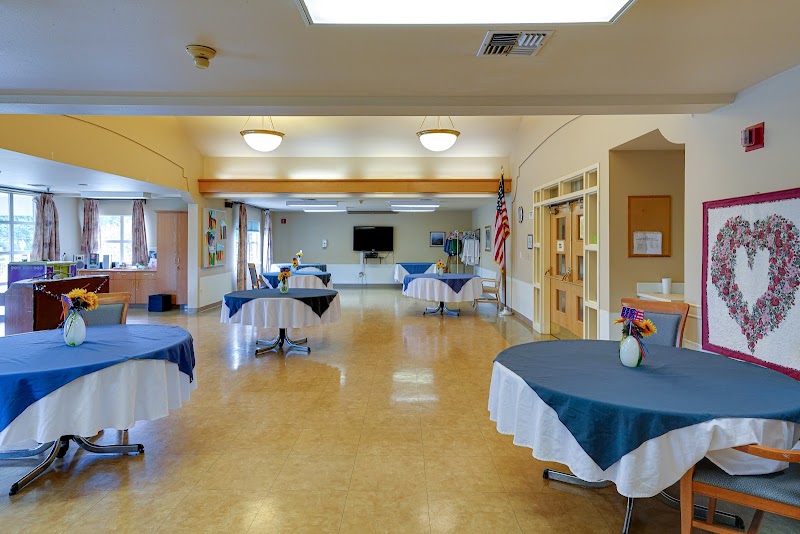
How is Agility Staffed?

CMS rates AGILITY HEALTH AND REHABILITATION's staffing level at 3 out of 5 stars, which is average compared to other nursing homes. Staff turnover is 37%, compared to the Washington average of 46%. This relatively stable workforce can support continuity of care.

What Have Inspectors Found at Agility?

State health inspectors documented 31 deficiencies at AGILITY HEALTH AND REHABILITATION during 2023 to 2025. These included: 30 with potential for harm and 1 minor or isolated issues.
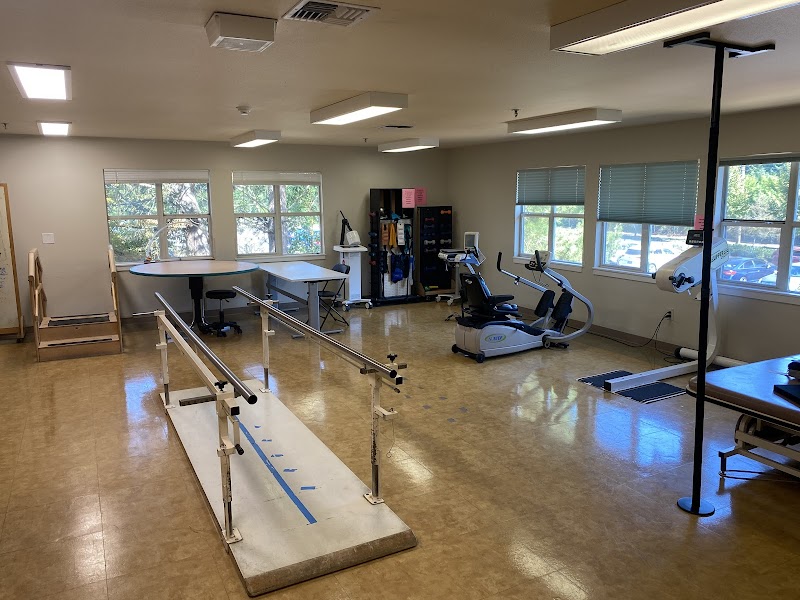
Who Owns and Operates Agility?

AGILITY HEALTH AND REHABILITATION is owned by a for-profit company. For-profit facilities operate as businesses with obligations to shareholders or private owners. The facility is operated by VERTICAL HEALTH SERVICES, a chain that manages multiple nursing homes. With 120 certified beds and approximately 112 residents (about 93% occupancy), it is a mid-sized facility located in UNIVERSITY PLACE, Washington.
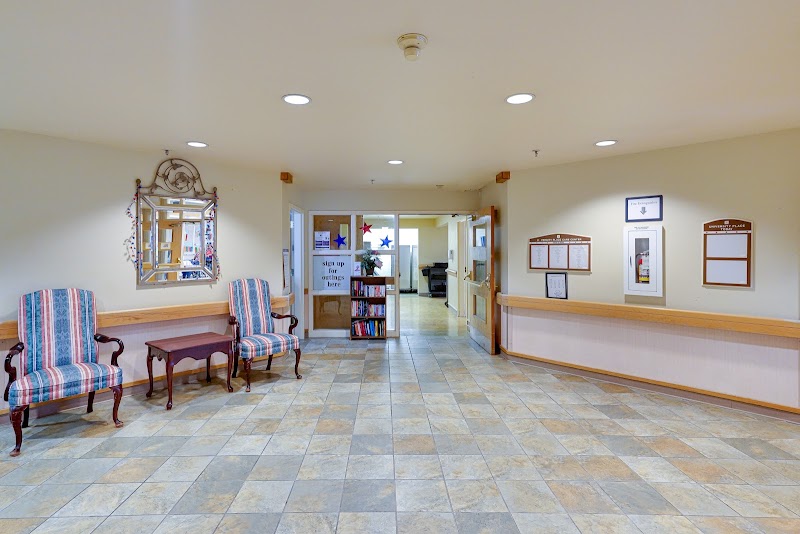
How Does Agility Compare to Other Washington Nursing Homes?

Compared to the 100 nursing homes in Washington, AGILITY HEALTH AND REHABILITATION's overall rating (4 stars) is above the state average of 3.2, staff turnover (37%) is near the state average of 46%, and health inspection rating (4 stars) is above the national benchmark.

What Should Families Ask When Visiting Agility?

Based on this facility's data, families visiting should ask: "Can I visit during a mealtime to observe dining assistance and food quality?" "How do you handle medical emergencies, and what is your hospital transfer rate?" "Can I speak with family members of current residents about their experience?"

Is Agility Safe?

Based on CMS inspection data, AGILITY HEALTH AND REHABILITATION has a clean safety record: no substantiated abuse findings (meaning no confirmed cases of resident harm), no Immediate Jeopardy citations (the most serious violation level indicating risk of serious injury or death), and is not on the Special Focus Facility watch list (a federal program monitoring the lowest-performing 1% of nursing homes). The facility has a 4-star overall rating and ranks #1 of 100 nursing homes in Washington. While no facility is perfect, families should still ask about staff-to-resident ratios and recent inspection results during their visit.

Do Nurses at Agility Stick Around?

AGILITY HEALTH AND REHABILITATION has a staff turnover rate of 37%, which is about average for Washington nursing homes (state average: 46%). Moderate turnover is common in nursing homes, but families should still ask about staff tenure and how the facility maintains care continuity when employees leave.

Was Agility Ever Fined?

AGILITY HEALTH AND REHABILITATION has no federal fines on record. CMS issues fines when nursing homes fail to meet care standards or don't correct problems found during inspections. The absence of fines suggests the facility has either maintained compliance or corrected any issues before penalties were assessed. This is a positive indicator, though families should still review recent inspection reports for the full picture.

Is Agility on Any Federal Watch List?

AGILITY HEALTH AND REHABILITATION is not on any federal watch list. The most significant is the Special Focus Facility (SFF) program, which identifies the bottom 1% of nursing homes nationally based on persistent, serious quality problems. Not being on this list means the facility has avoided the pattern of deficiencies that triggers enhanced federal oversight. This is a positive indicator, though families should still review the facility's inspection history directly.