WOODLAND CONVALESCENT CENTER
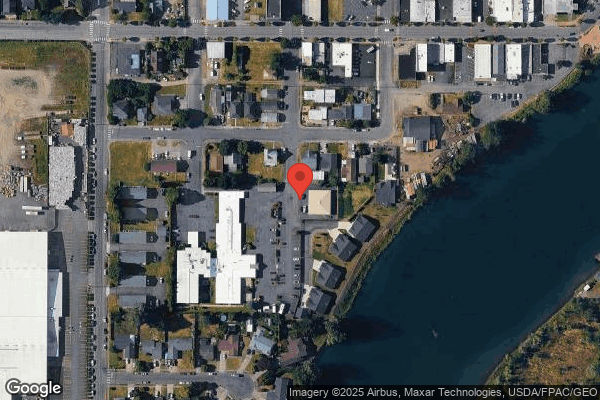
310 FOURTH STREET, WOODLAND, WA 98674 (360) 225-9443
For profit - Corporation 62 Beds Independent Data: November 2025
Trust Grade
73/100
#88 of 190 in WA
Last Inspection: June 2025

Inspected within the last 6 months. Data reflects current conditions.

Overview

Woodland Convalescent Center has a Trust Grade of B, which indicates it is a good choice for families considering care options, though not the highest-rated facility. It ranks #88 out of 190 nursing homes in Washington, placing it in the top half, but is #4 out of 4 in Cowlitz County, meaning only one local option is better. Unfortunately, the facility's trend is worsening, with issues increasing from 7 in 2024 to 8 in 2025. Staffing is average, receiving a 3-star rating, but has an impressive turnover rate of 0%, which is significantly lower than the state average. However, the center has faced $17,778 in fines, indicating some compliance concerns. On the downside, there have been several specific incidents: the facility failed to submit staffing data to Medicare, which could affect care quality; food items in the kitchen were not properly labeled, posing a risk for foodborne illness; and there were significant reporting failures regarding falls and potential abuse for multiple residents, which has raised concerns about oversight and resident safety. Overall, while there are strengths in staffing stability, the facility must address its compliance issues and improve its care reporting practices.

Trust Score
B
73/100
In Washington
#88/190
Top 46%
Safety Record
Low Risk
No red flags
Inspections
Getting Worse
7 → 8 violations
Staff Stability
○ Average
Turnover data not reported for this facility.
Penalties
✓ Good
$17,778 in fines. Lower than most Washington facilities. Relatively clean record.
Skilled Nurses
✓ Good
Each resident gets 50 minutes of Registered Nurse (RN) attention daily — more than average for Washington. RNs are trained to catch health problems early.
Violations
⚠ Watch
19 deficiencies on record. Higher than average. Multiple issues found across inspections.
★★★★☆
4.0
Overall Rating
★★★☆☆
3.0
Staff Levels
★★★★☆
4.0
Care Quality
★★★★☆
4.0
Inspection Score
Stable
2024: 7 issues
2025: 8 issues

The Good

  • 4-Star Quality Measures · Strong clinical quality outcomes
  • Full Sprinkler Coverage · Fire safety systems throughout facility
  • No fines on record

Facility shows strength in quality measures, fire safety.

The Bad

Federal Fines: $17,778

Below median ($33,413)

Minor penalties assessed

The Ugly 19 deficiencies on record

Jun 2025 7 deficiencies
CONCERN (D)

Potential for Harm - no one hurt, but risky conditions existed

Deficiency F0569 (Tag F0569)

Could have caused harm · This affected 1 resident

. Based on interview and record review, the facility failed to ensure resident funds were conveyed to the resident or resident's representative within 30 days of discharge for 1 of 1 discharged reside...

Read full inspector narrative →
. Based on interview and record review, the facility failed to ensure resident funds were conveyed to the resident or resident's representative within 30 days of discharge for 1 of 1 discharged residents (300) reviewed for Trust Funds. This failure placed residents and/or their representatives at risk for delayed reconciliation of resident trust funds. Findings included . Review of Resident 300's Discharge Minimum Data Set assessment, dated 01/04/2025, showed resident 300 was discharged from the facility on 01/04/2025 with return not anticipated. Resident 300's trust account statement showed Resident 300 had a closing balance of $100.05 on 05/31/2025, 147 days after discharge. On 06/18/2025 at 2:19 PM, Staff D, Business Office Manager, said the expectation was when Resident 300 discharged , his funds were dispersed to Resident 300 or his responsible party within 30 days of discharge date . Staff D said Resident 300's funds were not dispersed to him as they should have been. Reference WAC 388-97-0340(5) .
CONCERN (D)

Potential for Harm - no one hurt, but risky conditions existed

Grievances (Tag F0585)

Could have caused harm · This affected 1 resident

**NOTE- TERMS IN BRACKETS HAVE BEEN EDITED TO PROTECT CONFIDENTIALITY** . Based on interview and record review, the facility failed to initiate, investigate, and resolve a grievance for 1 of 1 sampled...

Read full inspector narrative →
**NOTE- TERMS IN BRACKETS HAVE BEEN EDITED TO PROTECT CONFIDENTIALITY** . Based on interview and record review, the facility failed to initiate, investigate, and resolve a grievance for 1 of 1 sampled residents (21) reviewed for grievances. This failure placed the residents at risk for emotional distress, a denial of personal rights, and a diminished quality of life. Findings included . Review of the electronic health record showed Resident 21 was cognitively intact and admitted to the facility on [DATE] with diagnosis that included post traumatic stress disorder (a mental health condition that can develop after experiencing prolonged or repeated trauma) and hypertension (high blood pressure). Review of the facility Grievance Log for February 2025, showed a grievance was filed on 02/18/2025 for Resident 21 regarding missing money. Review of the Grievance form for Resident 21, dated 02/18/2025, states, [Resident 21] received $100.00 2/3/2025 from [staff] in business office. [Resident 21] received 5 $20.00 bills. [Resident 21] took out $20.00 and gave it to activities to get her stuff at [store], then she fell asleep. When [Resident 21] woke up from her nap and the $20.00 was sitting on her end table with a note that the trip to [store] was canceled r/t [related to] no transportation. [Resident 21] states when she went to put the $20's in her purse, [Resident 21] realized the 4 $20.00 were gone .[Resident 21] unable to state exactly which day [the money went missing]. The grievance form did not have any further information, there were no results of the investigation nor resolution/follow up. On 06/19/2025 at 10:40 AM, Resident 21 said a staff member, they do not recall who, assisted them to fill out a grievance form regarding their $80.00 being missing. Resident 21 confirmed the $80.00 was still missing and said the facility did not follow-up with them regarding it. On 06/19/2025 at 10:50 AM, Staff B, Director of Nursing and a Registered Nurse said Social Services managed grievances pertaining to misappropriation. On 06/19/2025 at 2:30 PM, Staff G, Social Services said, .the grievance for [Resident 21] does not have any follow-up or resolution. On 06/19/2025 at 2:40 PM, when presented with the Grievance form and asked about the grievance of [Resident 21] from 02/18/2025, Staff A, Administrator, said. I don't recall this one, it looks like we never completed it. There was a period of time that we did not have a social worker and that grievance is from that time; it must have fallen through. Reference WAC 388-97-0460 .
CONCERN (D)

Potential for Harm - no one hurt, but risky conditions existed

Deficiency F0645 (Tag F0645)

Could have caused harm · This affected 1 resident

**NOTE- TERMS IN BRACKETS HAVE BEEN EDITED TO PROTECT CONFIDENTIALITY** . Based on interview and record review, the facility failed to ensure the Pre-admission Screening and Resident Review (PASRR) as...

Read full inspector narrative →
**NOTE- TERMS IN BRACKETS HAVE BEEN EDITED TO PROTECT CONFIDENTIALITY** . Based on interview and record review, the facility failed to ensure the Pre-admission Screening and Resident Review (PASRR) assessment (a federal requirement for Medicaid-certified nursing facilities to ensure individuals, especially those with mental illness, seeking admission are appropriately placed and receive necessary services) accurately reflected mental health diagnoses for 2 of 5 sampled residents (6 & 27) reviewed for PASRR. This failure placed residents at risk of unmet mental health services and a diminished quality of life. Findings included . 1) Resident 6 was admitted to the facility on [DATE] with diagnosis including depressive disorder. The Quarterly Minimum Data Set (MDS) assessment, dated 03/27/2025, documented Resident 6 was severely cognitively impaired. Review of Resident 6's admission PASRR Level I , dated 12/12/2021, did not document Resident 6's serious mental indicator of major depressive disorder. Repeat PASRR Level I , dated 03/21/2025, documented Resident 6 had a depressive disorder but there was no documentation that a PASRR Level II evaluation was or was not indicated. 2) Resident 27 was admitted to the facility on [DATE] with diagnosis including post-traumatic stress disorder, anxiety disorder and major depressive disorder. The Quarterly MDS assessment, dated 06/12/2025, documented Resident 27 was alert and oriented. Review of Resident 27's admission PASRR Level I, dated 02/07/2024, documented Resident 27 had serious mental indicators but no Level II evaluation was indicated due to exempted hospital discharge. Repeat PASRR Level I, dated 03/21/2025, documented Resident 27 had serious mental illness, but there was no documentation that a PASRR Level II evaluation was or was not indicated. On 06/18/2025 at 9:20 AM, when asked if Resident 6 and Resident 27 had serious mental illnesses prior to admission, Staff G, Social Services Director, stated, looks like the conditions were there before admission. When asked if a PASRR Level I screen for possible mental illness was completed prior to admission, Staff G stated, looks like it is incorrect. Staff G said at the time of admission, Resident 6 and Resident 27's PASRRs were done incorrectly and the repeat PASRR Level I was done incorrectly. Reference WAC 388-97-1975 (1)(9) .
CONCERN (D)

Potential for Harm - no one hurt, but risky conditions existed

Quality of Care (Tag F0684)

Could have caused harm · This affected 1 resident

**NOTE- TERMS IN BRACKETS HAVE BEEN EDITED TO PROTECT CONFIDENTIALITY** . Based on interviews and record reviews, the facility failed to ensure bowel interventions were initiated for 1 of 7 sampled re...

Read full inspector narrative →
**NOTE- TERMS IN BRACKETS HAVE BEEN EDITED TO PROTECT CONFIDENTIALITY** . Based on interviews and record reviews, the facility failed to ensure bowel interventions were initiated for 1 of 7 sampled residents (37) reviewed for quality of care. This failure placed residents at risk for discomfort, health complications and a diminished quality of life. Findings included . Per Facility Bowel Management Policy, entitled House Bowel Protocol, Undated, showed the following interventions were to be implemented: 1. Polyethylene Glycol- 17 grams by mouth daily as needed (PRN) for constipation. Mix in 4 ounces of fluid of choice: followed by 4oz of fluid of choice in addition daily- if refuses extra fluid educate and document refusal. 2. Docusate Sodium 200 milligrams (MG) by mouth daily PRN for constipation. 3. Milk of Magnesium (MOM) 30 milliliters (ML) by mouth daily PRN. 4. Sodium Phosphate enema 133 ML rectally daily PRN for constipation (after 3 days no Bowel Movement (BM) or resident request). 5. Bisacodyl Supp 10mg rectally daily PRN for constipation (after 3 day no BM or resident request). Resident 37 was admitted to the facility on [DATE]. The Quarterly Minimum Data Set (MDS) assessment, dated 05/19/2025, documented the resident was moderately cognitively impaired. The Bowel and Bladder Elimination task sheet showed Resident 37 had a Bowel Movement (BM) on 05/23/2025 at 1:59 PM, and did not show another BM until 05/28/2025 at 1:59 PM, over 120 hours (five days) since his previous documented BM. Review of Resident 37's May 2025 Medication Administration Report (MAR) showed the bowel protocol was not initiated between the dates of 05/23/2025 and 05/28/2025. On 06/19/2025 at 12:25 PM, Staff N, Licensed Practical Nurse, said after three days of no BM, an alert should trigger. Staff N said Miralax [laxative] should then be administered on day three. Staff N said the administration of bowel interventions should be documented, including refusals, and stated, I don't see anything given on those days. On 06/20/2025 at 10:14 AM, Staff B, Director of Nursing Services and a Registered Nurse, said the BM protocol should have been initiated and documented per policy. Staff B was unable to provide further documentation of successful bowel interventions for Resident 37. Reference WAC 388-97-1060 (1), (3)(c) .
CONCERN (E)

Potential for Harm - no one hurt, but risky conditions existed

Report Alleged Abuse (Tag F0609)

Could have caused harm · This affected multiple residents

**NOTE- TERMS IN BRACKETS HAVE BEEN EDITED TO PROTECT CONFIDENTIALITY** . Based on interview and record review the facility failed to report falls with significant injury, misappropriation, and an all...

Read full inspector narrative →
**NOTE- TERMS IN BRACKETS HAVE BEEN EDITED TO PROTECT CONFIDENTIALITY** . Based on interview and record review the facility failed to report falls with significant injury, misappropriation, and an allegation of abuse/neglect for 5 of 5 residents (11, 21, 35, 41, and 252) reviewed for reporting. The facility's failure to report delayed appropriate oversight and investigation, placing residents at risk for harm and unidentified abuse and/or neglect. Findings included . <Resident 11> Review of the 06/08/2025 Quarterly Minimum Data Set assessment (MDS), showed Resident 11 admitted to the facility on [DATE] and had moderate cognitive impairment with diagnoses including hemiplegia (paralysis of one side of the body) and hemiparesis (weakness on one side of the body). Review of the facility Grievance Log for May 2025, showed a grievance was filed on 05/17/2025 for Resident 11 regarding care issues. Review of the Grievance form for Resident 11, dated 05/17/2025, stated, Resident had a friend call in really upset regarding the care that [Resident 11] was receiving. [Friend] called stating she just got off the phone w/ [with] res [Resident 11] and resident told [friend] that the staff last night was yelling at her and being rude to her. Review of all Facility Reported Incidents in 2025 showed no reported allegations of abuse/neglect. <Resident 21> Review of the 02/15/2025 Quarterly MDS, showed Resident 21 admitted to the facility on [DATE] and was cognitively intact with diagnoses including hypertension (elevated blood pressure) and post-traumatic stress disorder (a mental health condition that can develop after experiencing prolonged or repeated trauma). Review of the facility Grievance Log for February 2025, showed a grievance was filed on 02/18/2025 for Resident 21 regarding missing money. Review of the Grievance form for Resident 21, dated 02/18/2025, stated, [Resident 21] received $100.00 2/3/2025 from [staff] in business office. [Resident 21] received 5 $20.00 bills. [Resident 21] took out $20.00 and gave it to activities to get her stuff at [store], then she fell asleep. When {Resident 21} woke up from her nap and the $20.00 was sitting on her end table with a note that the trip to [store] was canceled r/t [related to] no transportation. [Resident 21] states when she went to put the $20's in her purse, [Resident 21] realized the 4 $20.00 were gone .[Resident 21] unable to state exactly which day [the money went missing]. The grievance form did not have any further information, there were no results of the investigation nor resolution/follow up. On 06/19/2025 at 2:40 PM, when presented with the Grievance form and asked about the grievance of [Resident 21] from 02/18/2025, Staff A, Administrator, said. I don't recall this one, it looks like we never completed it. There was a period of time that we did not have a social worker and that grievance is from that time; it must have fallen through. Review of all Facility Reported Incidents in 2025 showed no reported misappropriation. <Resident 35> Review of the 05/10/2025 Quarterly MDS, showed Resident 35 admitted to the facility on [DATE] and had moderate cognitive impairment with diagnoses including supranuclear ophthalmoplegia (an inability to properly move the eyes). Review of the facility Incident Report Log for January through June 2025 showed Resident 35 had sixteen falls in the lookback, two of which had documented injuries to the residents' head. 1. Review of the facility Incident Report Log for January 2025 shows Resident 35 fell on [DATE] and sustained injuries including an abrasion and a bump and stated, Hotline-no documenting the facility did not report the fall to Residential Care Services (RCS). Review of the facility Initial Resident Investigation Report stated, Resident was trying to go to the bathroom, at the bathroom door he lost his balance and documents the type of injuries as, 1. Bump 6cm across, round 2. Scrape 4.5 cm long, 4cm wide. Review of the facility Witness Report stated, . (Resident 35) lying on the floor on his back-head resting on roommates' dresser .neuro checks started, small bump on crown of his head, 4cm long scrape on back of right shoulder. 2. Review of the facility Incident Report Log for February 2025 showed Resident 35 fell on [DATE] and sustained injuries including an abrasion and a goose egg and stated, Hotline-no documenting the facility did not report the fall to Residential Care Services (RCS). Review of Progress Notes for Resident 35 showed a note on 02/23/2025 at 1:27 AM which stated, CNA [Certified Nursing Assistant] found resident in his wheelchair in the TV room at 2330 [11:30 PM] with an abrasion on his face. When the CNA asked what happened the resident stated he had fallen and got back in his chair .neuro checks were started. Resident told RN that he had fallen in the TV room at 2250 [10:50 PM] and got a rug burn on his face from the carpet. Review of Progress Notes for Resident 35 showed a note on 02/23/2025 at 3:37 PM which stated, .fall follow-up, pupils unequal, notified charge nurse .bruising remains on right side of forehead with facial abrasions. Review of all Facility Reported Incidents in 2025 showed no reported falls with significant injury. <Resident 41> Review of the 05/20/2025 admission MDS, shows Resident 41 admitted to the facility on [DATE] and had moderate cognitive impairment with diagnoses including cholelithiasis (gallstones in the gallbladder) in the acute kidney failure (a sudden loss of the kidneys' ability to filter waste and excess fluid from the blood). Review of the facility Incident Report Log for January through June 2025 showed Resident 41 had a fall with injury resulting in a, hematoma on 05/25/2025 and states, Hotline-no documenting the facility did not report the fall to RCS. Review of the facility Initial Resident Investigation Report showed Resident 41 sustained a head injury and documented the type of injury as a, dark area .R [right] outer eyebrow. Review of the facility Witness Report, completed by Staff H, CNA on 05/25/2025 at 5:10 PM stated, [Resident 41 was] exiting the restroom and slipped. Review of a Progress Notes for Resident 41, documented by Staff B, Director of Nursing Services and a Registered Nurse on 05/25/2025 at 6:39 PM stated, .[Resident] denies hitting head. Called out after noise heard thus do not believe she lost consciousness. However, area to left eyebrow appears new .Ice applied to prevent or reduce swelling and bruising. Neuro checks started. Review of all Facility Reported Incidents in 2025 showed no reported falls with significant injury. <Resident 252> Review of the 01/07/2025 Quarterly MDS, shows Resident 252 admitted to the facility on [DATE] and had moderate cognitive impairment with diagnoses including malignant neoplasm (cancer) of the left lung and respiratory failure (failure of the lungs to properly exchange oxygen and carbon dioxide). Review of the facility Incident Report Log for January through June 2025 showed Resident 252 had a fall with injury resulting in a, deep laceration on 01/28/2025 and stated, Hotline-no documenting the facility did not report the fall to RCS. Review of the facility Initial Resident Investigation Report showed Resident 252 sustained a laceration to their LLE (left lower extremity), measuring 6 to 7 inches long and 2 inches wide and documented the nurse, heard [resident] yell for help .her right leg has a 7-8 inch laceration down her shin, about 1-1.5 inch wide, bleeding profusely .received ok to transport to hospital. Review of all Facility Reported Incidents in 2025 showed no reported falls with significant injury, no reported misappropriation, and no reported allegations of abuse/neglect. Reference WAC 388-97-0640(5)(a) .
CONCERN (E)

Potential for Harm - no one hurt, but risky conditions existed

Unnecessary Medications (Tag F0759)

Could have caused harm · This affected multiple residents

. Based on observation, interview and record review, the facility failed to ensure a medication error rate of less than 5 Percent (%). Failure to timely administer 13 of 27 medications for 4 of 9 resi...

Read full inspector narrative →
. Based on observation, interview and record review, the facility failed to ensure a medication error rate of less than 5 Percent (%). Failure to timely administer 13 of 27 medications for 4 of 9 residents (35, 24, 201, and 25) observed during medication pass audit resulted in a medication error rate of 48.15%. The failure to administer medications on time placed residents at risk for side effects and/or altered medication effectiveness. Findings included . <RESIDENT 35> During a medication administration observation on 06/18/2025 at 10:38 AM, Staff S, LPN (Licensed Practical Nurse), prepared and administered to Resident 35: -Atropine Sulfate Ophthalmic Solution 1 % Give 2 drops sublingually (under the tongue) two times a day for EOL (End of Life) comfort rt (related to) excess secretions -Carboxymethylcellulose Sod PF Ophthalmic Solution 0.5 % Instill 1 drop in both eyes two times a day for dry eyes. -Dexamethasone Oral Tablet 2 milligrams (MG) Give 1 tablet by mouth one time a day related to dysphagia. -Ipratropium-Albuterol Inhalation Solution 0.5-2.5 (3) MG/3ML (milliliters) Give 3 ml by mouth two times a day for improved breathing. -Pred Forte Ophthalmic Suspension 1 % Instill 1 drop in both eyes one time a day for inflammation for 1 Week. -Senna Oral Tablet 8.6 MG (Sennosides) Give 1 tablet by mouth two times a day for bowel management, constipation. -Lorazepam Oral Tablet 0.5 MG Give 1 tablet by mouth one time a day for EOL anxiety/dyspnea Review of Resident 35's June 2025 MAR (Medication Administration Record) and physician's orders, showed these medications were scheduled to be given at 9:00 AM. <RESIDENT 24> During a medication administration observation on 06/19/2025 at 10:11 AM, Staff O, LPN, prepared and administered to Resident 24: - Carbidopa-levidopa 25-100MG Give 1 tablet by mouth three times a day related to Parkinsons. Review of Resident 24's June 2025 MAR and physician's orders, showed these medications were scheduled to be given at 6:00 AM. <RESIDENT 201> During a medication administration observation on 06/19/2025 at 10:15 AM, Staff O, LPN, prepared and administered to Resident 201: -Amlodipine 10MG Give 1 tablet by mouth one time a day for lowers blood pressure related to essential hypertension. Review of Resident 201's June 2025 MAR and physician's orders, showed these medications were scheduled to be given at 9:00 AM. <RESIDENT 25> During a medication administration observation on 06/20/2025 at 9:03 AM, Staff U, RN (Registered Nurse), prepared and administered to Resident 25: -Acetaminophen 500MG Give 2 tablet by mouth two times a day for chronic pain related to osteoarthritis. -Doxycycline 100MG Give one tablet by mouth two times a day relate to methicillin resistant staphylococcus aureus infection (antibiotic resistant infection). Review of Resident 25's June 2025 MAR and physician's orders, showed these medications were scheduled to be given at 8:00 AM. On 06/19/2025 at 10:35 AM, when asked what the expectation was regarding administration time of medication, Staff B, Director of Nursing and a Registered Nurse, said medications were expected to be administered within the parameters of one hour before the time listed on the MAR to one hour after the time listed on the MAR. Reference WAC 388-97-1060 (3)(k)(ii) .
CONCERN (E)

Potential for Harm - no one hurt, but risky conditions existed

Deficiency F0761 (Tag F0761)

Could have caused harm · This affected multiple residents

. Based on observation and interview, the facility failed to store and label medications appropriately and failed to discard expired medications and expired medical supplies for 1 of 1 medication room...

Read full inspector narrative →
. Based on observation and interview, the facility failed to store and label medications appropriately and failed to discard expired medications and expired medical supplies for 1 of 1 medication rooms, 1 of 1 emergency carts, 1 of 1 treatment carts, and 1 of 1 medication carts reviewed. These failures placed residents at risk of receiving expired or less effective medications, receiving treatment with outdated equipment, and residents having inappropriate access to medication. Findings included . Facility policy entitled, Medication Labeling and Storage, reviewed on 09/12/2024, documented, The facility stores all medications and biologicals in locked compartments under proper temperature, humidity and light controls. Only authorized personnel have access to keys. <Medication Storage Room> On 06/18/2025 at 2:44 PM, a concurrent observation with Staff C, Infection Control and Preventionist and Licensed Practical Nurse (LPN), showed many unopened bottles of expired over the counter medication (OTC, does not require a prescription) intended for resident use; a few examples of the many expired OTC medications included the following: -Four bottles of B Complex vitamins labeled with the expiration date of 02/2024. -Four bottles of B-12 vitamins labeled with the expiration date of 01/2025. -One bottle of liquid Iron, a supplement, labeled with the expiration date of 09/2024. -Three bottles of Folic Acid, a vitamin, labeled with the expiration date of 02/2025. -Three bottles of Vitamin C labeled with the expiration date of 02/2024. -Two bottles of Fish Oil, a supplement, labeled with the expiration date of 05/2025. <Emergency Cart> On 06/18/2025 at 2:09 PM, an observation of the facility Emergency Cart [a cart containing the medical equipment necessary for medical emergencies] showed six Suction, Catheter, and Glove Kits each labeled with the expiration date of 09/29/2024. < Flagship Medication Cart> On 06/18/2025 at 3:27 PM, a concurrent observation with Staff M, Charge Nurse/Registered Nurse (RN) of the medication cart, used in a section of the facility called Flagship, showed many opened bottles of medication with no date for when they were each opened for use, and no date for when they should be disposed of. On 06/18/2025 from 3:02 PM to 3:27 PM, the Flagship medication cart was in front of the nurses' station and was left unlocked and without a nurse nearby to ensure no one gained access. <Treatment Cart> On 06/18/2025 from 3:02 PM to 3:27 PM, a treatment cart was across the hall from the nurses' station and was left unlocked and without direct observation of a nurse to ensure no one gained unauthorized access. On 06/18/2025 at 3:27 PM, when this investigator alerted the charge nurse that the Flagship medication cart and a treatment cart were both unlocked; Staff M said, Oh those are mine [referring to the Flagship medication cart and the treatment cart], I should have locked them, I took them over at 3:00 for half an hour until [the floor nurse] gets here. On 06/19/2025 at 10:22 AM, when asked if anything was done when they need to walk away from the medication or treatment cart, Staff O, LPN, said, We have to lock it. On 06/19/2025 at 10:24 AM, when asked if anything was done when they need to walk away from the medication or treatment cart, Staff S, LPN, said, We have to lock it. On 06/19/2025 at 10:35 AM, when asked what the expectation was regarding locking medication carts and locking treatment carts, Staff B, Director of Nursing and Registered Nurse (RN) said, tThey need to lock them when they are not directly using them. On 06/15/2025 at 12:24 PM, Medication cart on Horseshoe Hall was observed to have a bottle with medication on the medication cart, placed in an open container on an ice pack. Staff O, Licensed Practical Nurse, who was at the cart, locked the cart and walked away leaving the medication on the cart. At 12:31 PM, the medication was still on the cart when Staff O returned. When asked what medication was on the cart and placed on an ice pack, Staff O said the medication was a bottle of probiotics and it needed to be placed on ice or refrigerated. Staff O said he was told to leave the medication on ice and stated, it should probably be locked in the cart, referring to the bottle of probiotics. At 12:33 PM, Staff U, RN, was observed standing at the Long Hall cart. Medication cart on Flagship Hall was observed to have a bottle with medication on the medication cart, placed in an open container on an ice pack. When asked what medication was on the cart and placed on an ice pack, Staff U said the medication was a bottle of probiotics and it needed to be placed on ice. When asked if medication should be left on the medication cart Staff U stated, we've always left them on the cart, referring to the bottle of probiotics. On 06/20/25 at 9:04 AM, Staff B said it was her expectation that medication would be locked and secured in the medication cart when not in use by the licensed nurses. Reference WAC 388-97-1300(2) .
May 2025 1 deficiency
CONCERN (F) 📢 Someone Reported This

A family member, employee, or ombudsman was alarmed enough to file a formal complaint

Potential for Harm - no one hurt, but risky conditions existed

Staffing Data (Tag F0851)

Could have caused harm · This affected most or all residents

. Based on interview and record review, the facility failed to ensure submission of the Payroll Based Journal (PBJ) per the Centers of Medicare and Medicaid (CMS) requirement for 1 of 1 Fiscal Year (F...

Read full inspector narrative →
. Based on interview and record review, the facility failed to ensure submission of the Payroll Based Journal (PBJ) per the Centers of Medicare and Medicaid (CMS) requirement for 1 of 1 Fiscal Year (FY) Quarter (Q3 2024 [July 1 through August 31, 2024]), reviewed for PBJ submission. This failed practice resulted in CMS having inaccurate data related to nursing home staffing levels which had the potential to impact on the care and services provided to all the residents in the facility. Findings included . Review of the Q3 2024 HPRD Reporting Results FY Quarter 3 2024 (July 1 - August 31) showed: Facility with zero data available. On 04/28/2025 at 2:10 PM, Staff A, Administrator, stated that the facility had not submitted the PBJ to CMS for Quarter 3 2024. Reference WAC 388-97-1090(1)(2)(3)
May 2024 7 deficiencies
CONCERN (D)

Potential for Harm - no one hurt, but risky conditions existed

Resident Rights (Tag F0550)

Could have caused harm · This affected 1 resident

**NOTE- TERMS IN BRACKETS HAVE BEEN EDITED TO PROTECT CONFIDENTIALITY** . Based on observation, interview and record review, the facility failed to provide care in a manner that promoted dignity while...

Read full inspector narrative →
**NOTE- TERMS IN BRACKETS HAVE BEEN EDITED TO PROTECT CONFIDENTIALITY** . Based on observation, interview and record review, the facility failed to provide care in a manner that promoted dignity while assisting with meals for 1 of 11 sampled residents (Resident 47) observed during dining services in their rooms. This failure placed residents at risk for being treated with a lack of dignity, lack of respect, and a diminished quality of life. Findings included . Resident 47 was admitted to the facility on [DATE]. The admission Minimum Data Set assessment, dated 04/03/2024, showed Resident 47 had severely impaired cognition, but could adequately hear, was able to make self understood, and was able to understand others. Review of Resident 47's care plan, dated 04/01/2024, documented interventions including all staff were to converse with the resident while providing care, the resident needed time to talk daily, to allow the resident time to answer questions and encourage them to express their feelings, and to provide the resident with a homelike environment. On 05/01/2024 at 8:57 AM, Staff G, Certified Nursing Assistant (CNA), was observed walking into Resident 47's room, asked the resident if they wanted to eat some food and placed a clothing protector on the resident without warning them or asking their permission. Staff G stood over the resident while assisting them with eating. No conversation was heard at this time. This surveyor was standing approximately 10 feet outside Resident 47's door with the ability to see and hear the CNA assisting the resident with breakfast. At 9:10 AM, Staff G was observed leaving Resident 47's room after only periodic conversation was heard about the menu items on the resident's plate and after standing the entire meal over the resident while assisting them. On 05/02/2024 at 8:42 AM, Staff G was observed assisting Resident 47 with breakfast in their room and was standing over the resident while assisting. At 1:47 PM, when asked about expectations of staff when assisting with meals for residents in their rooms, Staff E, Registered Nurse (RN), said they hoped staff would sit next to the resident when they assisted them and carry on a conversation. At 1:50 PM, Staff F, RN, said their expectation was that staff communicated with the residents and sat at their level while assisting the residents with meals in their rooms. Reference WAC 388-97-0180 (2) .
CONCERN (D)

Potential for Harm - no one hurt, but risky conditions existed

Safe Environment (Tag F0584)

Could have caused harm · This affected 1 resident

**NOTE- TERMS IN BRACKETS HAVE BEEN EDITED TO PROTECT CONFIDENTIALITY** . Based on observation, interview and record review, the facility failed to maintain comfortable sound levels for 2 of 6 sample...

Read full inspector narrative →
**NOTE- TERMS IN BRACKETS HAVE BEEN EDITED TO PROTECT CONFIDENTIALITY** . Based on observation, interview and record review, the facility failed to maintain comfortable sound levels for 2 of 6 sampled residents (21 & 34) reviewed for homelike environment. This failure placed residents at risk of loss of control over unwanted noise and a diminished quality of life. Findings included . 1) Resident 34 was admitted to the facility on [DATE]. The admission's 5-day Minimum Data Set (MDS) assessment, dated 03/22/2024, documented Resident 34 was cognitively intact. On 04/29/2024 at 11:27 AM, when asked if the resident had any concerns, Resident 34 said it was too noisy at night. Resident 34 said the TV in the hallway was on early in the morning and woke him up. Resident 34 said he had his wife buy him headphones to help him sleep because of the noise. Resident 34 said he wanted to see the TV/noise policy. 2) Resident 21 was admitted to the facility on [DATE]. The quarterly MDS assessment, dated 02/29/2024, documented Resident 21 was moderately cognitively impaired and could make needs known. The facility's progress note, dated 04/29/2024 at 10:14 AM, documented, MSW [Social Worker] received a call from resident's mother regarding resident's roommate having TV volume on too loud. On 04/29/2024 at 11:41 AM, Resident 21 was observed seated in the main lounge, watching TV. Resident 21 indicated she was in the lounge because of the noise in the hallway and in her room because her roommate's TV was too loud. On 05/03/2024 at 8:50 AM, Resident 21 indicated since her initial interview with the surveyor, the noise level in her room had not improved and was still going on. On 05/03/2024 at 8:34 AM, Staff J, Social Services Director, said normally the complaint of noise happened around 10:00 PM and early in the morning. Staff J said there were instances where TVs were too loud. Staff J said he addressed noise complaints by interviewing the residents, discussed the concerns with the Director of Nursing Services or charge nurse. Staff J said he would bring up the concerns during the morning meeting. At 8:42 AM, Staff I, Licensed Practical Nurse, stated, Residents constantly complain of noise, especially at 10:00 PM. It gets so loud. Staff I said the residents complained of TVs being loud, and staff talking loud to each other or to the residents. At 8:51 AM, Staff K, Admissions Director, said the residents complained of TV volumes being high. Staff K said the managers would ask residents to lower their TV volume. At 9:32 AM, Staff A, Administrator, said he had not heard a lot about noise concerns in the facility. Staff A said concerns would go through the grievances process. Staff A said the facility had a noise policy. Reference WAC 388-97-0880 .
CONCERN (D)

Potential for Harm - no one hurt, but risky conditions existed

Investigate Abuse (Tag F0610)

Could have caused harm · This affected 1 resident

**NOTE- TERMS IN BRACKETS HAVE BEEN EDITED TO PROTECT CONFIDENTIALITY** . Based on interview and record review, the facility failed to thoroughly investigate an allegation of inappropriate resident-to...

Read full inspector narrative →
**NOTE- TERMS IN BRACKETS HAVE BEEN EDITED TO PROTECT CONFIDENTIALITY** . Based on interview and record review, the facility failed to thoroughly investigate an allegation of inappropriate resident-to-resident touching for 1 of 6 sampled residents (2) reviewed for investigating alleged abuse and neglect. This failure placed residents at risk for not identifying corrective actions to prevent further abuse and a diminished quality of life. Findings included . The facility's policy entitled, Abuse Prevention Program, reviewed 05/04/2022, showed 4. Comprehensive policies and procedures have been developed to aid our facility in preventing abuse, neglect, or mistreatment of our residents. Our abuse prevention program provides policies and procedures that govern, as a minimum: . e. The development of investigative protocols governing resident abuse, theft/misappropriation of resident property, resident-to-resident abuse and resident-to-staff abuse; f. Timely and thorough investigation of all reports and allegations of abuse; i. The implementation of changes to prevent future occurrences of abuse. Resident 2 was admitted to the facility on [DATE]. The significant change Minimum Data Set assessment, dated 03/17/2024, documented the resident was severely cognitively impaired. The facility's grievance log, dated 04/10/2024, documented Resident 24 submitted a grievance form. The grievance noted, . another female resident was self propelling [sp] herself when the other resident was passing her, the other resident touched her breast . The April 2024 Incident Report Log did not have documentation about the 04/10/2024 aggrieved incident. Resident 2's progress notes, dates 04/01/2024 through 04/15/2024, did not have any documentation Resident 2 had been involved in a resident-to-resident incident on 04/10/2024 or any other date. There was no documentation of alert charting or interventions to ensure the safety of residents. On 05/02/2024 at 8:33 AM, Staff I, Licensed Practical Nurse, said if two residents were involved in an incident; separate paperwork should be filled out, investigated, and the residents would be put on alert charting for at least 72 hours. At 9:26 AM, Staff C, Staff Development Coordinator and Infection Preventionist, said nursing should be notified when an incident occurred. Staff C said an incident investigation would take place, the residents would be put on alert charting, and the incident would be reviewed at the nurse managers' meeting. Reference WAC 388-97-0640 (a)(b)(c) .
CONCERN (D)

Potential for Harm - no one hurt, but risky conditions existed

Quality of Care (Tag F0684)

Could have caused harm · This affected 1 resident

**NOTE- TERMS IN BRACKETS HAVE BEEN EDITED TO PROTECT CONFIDENTIALITY** . Based on interviews and record reviews, the facility failed to ensure bowel interventions were initiated for 2 of 4 sampled re...

Read full inspector narrative →
**NOTE- TERMS IN BRACKETS HAVE BEEN EDITED TO PROTECT CONFIDENTIALITY** . Based on interviews and record reviews, the facility failed to ensure bowel interventions were initiated for 2 of 4 sampled residents (44 & 39) reviewed for quality of care related to constipation. This failure placed residents at risk for discomfort, health complications and a diminished quality of life. Findings included . The facility's policy entitled, Bowel Management, updated 11/12/2023, documented the following interventions: Step 1: After 3 days no BM: Polyethylene Glycol [a laxative to treat constipation] - one capful (17 gms [grams]) in 4 oz (ounce) fluid of choice followed by 4 oz of fluid of choice in addition- if refuses extra fluid document refusals. Step 2: If no BM following day or stools are hard add Docusate Sodium 200 mg (milligrams) daily at bedtime. Step 3: If no BM following day MOM [milk of magnesia] 30 cc (cubic centimeters) by mouth daily. (DO NOT use if has diagnose: ESRD [end-stage renal disease]) Step 4: If no BM following day check for impaction and add Sodium Phosphate enema 133 ml (milliliter) pr (per rectal) q hs (every hour of sleep) or Bisacodyl Supp [suppository]10 mg q hs per resident choice until results achieved. 1) Resident 44 was admitted to the facility on [DATE]. The quarterly Minimum Data Set (MDS) assessment, dated 03/08/2024, documented the resident was cognitively intact. The Bowel and Bladder Elimination task sheet documented Resident 44 had a Bowel Movement (BM) on 04/05/2024 at 1:59 PM, and did not have another BM until 04/14/2024 at 3:24 AM, over 216 hours (9 days) since his last BM. 2) Resident 39 was admitted to the facility on [DATE]. The 5 Day admission MDS, dated [DATE], documented the resident was severely cognitively impaired, and unable to express care needs. The Bowel & Bladder Elimination task sheet documented Resident 39 had a BM on 04/20/2024 at 4:20 PM, and did not have another BM until 04/24/2024 at 9:59 PM, over 100 hours (4 days) since his last BM. The April 2024 Medication Administration Record (MAR) showed the bowel protocol was not initiated. On 05/01/2024 at 9:53 AM, Staff F, Registered Nurse, said if a resident did not have a BM in three days, the bowel protocol was triggered, and documented on the MAR. At 10:11 AM, Staff E, MDS Coordinator and Registered Nurse, said the bowel protocol triggered after three days of no BM. Staff E was unable to provide documentation of BM protocol being initiated for Resident 44 and Resident 39. At 11:08 AM, Staff B, Director of Nursing Services and Registered Nurse, said the BM protocol should have been triggered at day 3. Staff B was unable to provide additional documentation. Reference WAC 388-97-1060 (1), (3)(c) .
CONCERN (D)

Potential for Harm - no one hurt, but risky conditions existed

Deficiency F0883 (Tag F0883)

Could have caused harm · This affected 1 resident

**NOTE- TERMS IN BRACKETS HAVE BEEN EDITED TO PROTECT CONFIDENTIALITY** . Based on interview and record review, the facility failed to offer and/or administer the influenza and pneumococcal vaccine to...

Read full inspector narrative →
**NOTE- TERMS IN BRACKETS HAVE BEEN EDITED TO PROTECT CONFIDENTIALITY** . Based on interview and record review, the facility failed to offer and/or administer the influenza and pneumococcal vaccine to 2 of 5 sampled residents (46 & 39) reviewed for immunizations. This failure placed residents at risk for developing influenza and/or pneumonia with potential negative outcomes and a diminished quality of life. Findings included . Record review of the facility's policy entitled, Influenza Vaccine, revised October 2019, showed residents admitted between October 1st and March 31st shall be offered the vaccine within five (5) working days of admission to the facility. Record review of the facility's policy entitled, Pneumococcal Vaccine, revised October 2019, showed Prior to or upon admission, residents will be assessed for eligibility to receive the pneumococcal vaccine series, and when indicated, will be offered the vaccine series within thirty (30) days of admission to the facility unless medically contraindicated or the resident has already been vaccinated. 1) Resident 46 was admitted to the facility on [DATE]. The significant change Minimum Data Set (MDS) assessment, dated 04/22/2024, documented Resident 46 was severely cognitively impaired. The MDS indicated the resident had not received, in the facility, this year's (2024) influenza vaccination, the influenza vaccination had not been offered, and the resident's pneumococcal vaccination was not up-to date. Review of Resident 46's physician's orders, dated 03/21/2024, documented Annual Influenza vaccine: Yes, .Pneumonia Vaccine: Yes. Review of Resident 46's Vaccine(s) Consent-- V2, dated 03/22/2024, showed the consent was reviewed with the resident's guardian and permission was given to the facility to administer an influenza and pneumococcal vaccination, unless medically contraindicated. The document showed the resident was due for the PSV 23 pneumococcal vaccination. Resident 46's medical record did not show documentation of the administration of an influenza or pneumococcal vaccination. On 05/01/2024 at 1:42 PM, Staff C, Infection Preventionist and Registered Nurse (RN), said upon admission they would check for influenza and pneumonia vaccine status. Staff C said if the resident wanted the vaccine, they would order them. At 2:42 PM, Staff C said after they got Resident 46's consent signed, it should have been put on the Medication Administration Record for the vaccines to be given. Staff C stated, I could not find them. They weren't given. At 3:36 PM, Staff B, Director of Nursing Services and RN, said it was her expectation Resident 46's immunizations were given after the consent was signed. 2) Resident 39 was admitted to the facility on [DATE]. The 5 Day MDS assessment, dated 04/01/2024, documented Resident 39 was severely cognitively impaired. Review of Resident 39's Vaccine(s) Consent - V2, dated 04/20/2024 (23 days after admission), showed the consent was reviewed with the resident's Power of Attorney (POA) and permission was given to the facility to administer an influenza, pneumococcal, and COVID vaccinations, unless medically contraindicated. Resident 39's medical record did not show documentation of the administration of pneumococcal vaccination. On 05/01/2024 at 1:42 PM, Staff C said upon admission they would check for influenza and pneumonia vaccine status. Staff C said if the resident wanted the vaccine, they would order them. Staff C said the facility used (Hard Charts) and would provide it once found. Staff C was unable to provide any additional documentation showing the pneumococcal vaccine was administered. Reference WAC 388-97-1340 (1)(2)(3) .
CONCERN (E)

Potential for Harm - no one hurt, but risky conditions existed

Infection Control (Tag F0880)

Could have caused harm · This affected multiple residents

**NOTE- TERMS IN BRACKETS HAVE BEEN EDITED TO PROTECT CONFIDENTIALITY** . Based on observation, interview, and record review, the facility failed to initiate Enhanced Barrier Precautions (EBP) for 8 o...

Read full inspector narrative →
**NOTE- TERMS IN BRACKETS HAVE BEEN EDITED TO PROTECT CONFIDENTIALITY** . Based on observation, interview, and record review, the facility failed to initiate Enhanced Barrier Precautions (EBP) for 8 of 51 sampled residents (16, 31, 33, 35, 36, 40, 48, 252), properly implement standard precautions during dressing changes for wound care for 2 of 2 sampled residents (40 & 41), implement proper aseptic techniques for urinary catheter maintenance for 1 of 4 sampled resident (31), and ensure staff preformed hand hygiene for 1 of 3 sampled staff (G) reviewed for infection prevention and control. These failures placed residents, staff, and visitors at risk for development and transmission of communicable diseases, contracting infectious diseases and a decreased quality of life. Findings included . <Enhanced Barrier Precautions> Record review of facility's infection control policy entitled, Isolation - Categories of Transmission-Based Precautions, revised September 2022, documented: 4. These strategies may differ depending on the prevalence or incidence of the MDRO (multidrug-resistant organism) in the facility and region. For example, additional usage of PPE (enhanced barrier precautions) may be used for residents who do not meet criteria for contact precautions but are infected or colonized with MDROs (or have risk factors for MDRO acquisition). Record reviews, during the survey process from 04/29/2024 through 05/03/2024, showed residents (Residents 252, 40, 36, 48 & 35) with pressure ulcers and residents (Residents 252, 16, 31 & 33) with indwelling catheters did not have enhanced barrier precautions in place. On 05/02/2024 at 8:47 AM, Staff C, Infection Preventionist (IP) and Registered Nurse (RN), said the facility was working on implementing EBP. Staff C said they were trying to find a good solution instead of having isolation carts all over the hallway. Staff C said the plan would be implemented in a couple of weeks. At 10:32 AM, Staff F, RN, said EBPs were put in care plans on 05/01/2024. Staff F said staff needed to gown up while caring for residents with a drainage system. Staff F said the Head Resident Care Manager (RCM) educated the staff and staff were to have more training this month. <Wound Care> Record review of the facility's undated procedure entitled, Wound Care Observation, documented facility staff are required to remove and discard dirty gloves after the old dressing is removed and discarded. The next documented required step is for hand hygiene (the process of washing hands with soap and water or sanitizing hands with an alcohol-based hand rub) to be performed properly before accessing clean supplies and donning clean gloves. The document noted gloves should be changed and hand hygiene performed when moving from dirty to clean wound care activities. 1) Resident 40 was admitted to the facility on [DATE]. The quarterly Minimum Data Set (MDS) assessment, dated 02/27/2024, showed Resident 40 was severely cognitively impaired and was being treated for a Stage 2 (partial thickness injury involving the outer two layers of skin) pressure ulcer (pressure injuries of the skin also called bed sores). Review of Resident 40's skin observation tool, dated 04/29/2024, for the gluteal cleft crease (the groove between the buttocks) noted the size was 3 centimeters (cm) by 1.5 cm. Resident 40's physicians/treatment order, dated 04/30/2024, for the split open area at coccyx (an area at the base of the spine also referred to as the tailbone), Cleanse with wound cleanser, dry. Apply collagen to wound bed with calcium alginate overlaying. Cover with foam gauze every dayshift for wound treatment and as needed for soiled or coming loose. On 05/02/2024 at 10:00, Staff F, RN, was observed providing wound care to Resident 40's coccyx with the assistance of Staff E, RN, and Staff H, Certified Nursing Assistant (CNA). At 10:15 AM, Staff F was observed using their sterile gloved hand and a wettened sterile gauze with wound cleanser to wipe Resident 40's rectum, that was in close proximity to the wound, of bowel movement (BM). Staff F said the BM kept oozing out. Staff H said that was normal for the resident. At 10:18 AM, Staff F was observed not changing gloves or performing hand hygiene and proceeded to clean the wound with two more sterile gauze wettened with wound cleanser, and continued with Resident 40's dressing change. At 10:45 AM, Staff F said she did not recall cleaning Resident 40's BM with her sterile gloved hand and proceeding with the dressing change. Staff F stated, I shouldn't have done that. Staff F said if she had realized, she would have taken off her gloves, washed her hands and applied new gloves. At 2:05 PM, Staff C, IP, said the facility's expectation was to use aseptic techniques (procedures used to prevent the spread of infections) during wound care including: cleanse hands before entering, don gloves to remove old dressing, take off dirty gloves, sanitize hands, and put on new gloves before the application of a new dressing. When asked if it would be acceptable if a dressing change took place without hand hygiene performed and a glove change between the dirty to clean wound care, Staff C said no. 2) Resident 41 was admitted to the facility on [DATE]. The admission MDS, dated [DATE], showed Resident 41 was cognitively intact and was being treated for surgical wounds. Resident 41's physicians/treatment order, dated 03/28/2024, for the middle abdominal wound noted, 1. Gently remove old dressing, 2. clean wound with normal saline and pat dry with gauze, 3. Apply no-sting barrier film around wound, 4. Place saline moist gauze roll into open wound and trim excess, 5. Soak gauze with saline, ring it out, then lightly pack it into tunnel area at edge of wound and cover entire wound, 6. Cover with dry gauze and absorbent pad, 7. Hold in place with Medi-pore tape. Change daily and as needed every dayshift. Resident 41's physicians/treatment order, dated 04/10/2024, for the left abdominal wound noted, 1. Gently remove old dressing, 2. clean wound with normal saline and pat dry with gauze, 3. Apply no-sting barrier film around wound, 4. Place saline moist gauze roll into open wound and trim excess, 5. Soak gauze with saline, ring it out, then lightly pack it into tunnel area at edge of wound and cover entire wound, 6. Cover with dry gauze and absorbent pad, 7. Hold in place with Medi-pore tape. Change daily and as needed every dayshift. Review of Resident 41's skin/wound assessment, dated 04/15/2024, noted the size for the left abdominal surgical incision (a wound of the tissue caused by a surgeon using a surgical tool) was 2.5 cm by 11.5 cm by 9.0 cm. The middle abdominal surgical incision was measured at 23.0 cm by 11.0 cm by 0.5 cm. On 04/29/2024 at 2:54 PM, Staff D, RN, was observed providing wound care to Resident 41's left abdominal surgical incision. After the dirty dressing and packing was removed, it was placed in the garbage along with their dirty gloves. Staff D put on new clean gloves without performing hand hygiene. At 3:07 PM, Staff D was observed providing wound care to Resident 41's middle abdominal surgical incision. After the dirty dressing and packing was removed it was placed in the garbage along with their dirty gloves. Staff D put on new clean gloves without performing hand hygiene. On 05/02/2024 at 2:05 PM, Staff C said the facility's expectation was to use aseptic techniques (procedures used to prevent the spread of infections) during wound care including: cleanse hands before entering, don gloves to remove old dressing, take off dirty gloves, sanitize hands, put on new gloves before the application of a new dressing. When asked if it would be acceptable if a dressing change took place without hand hygiene performed and a glove change between the dirty to clean wound care, Staff C said no. On 05/03/2024 at 8:45 AM, when asked about expectation for staff regarding hand hygiene during a dressing change, Staff D said to wash hands before getting the supplies and getting them ready, and before donning gloves. Staff D said to take off the old dressing, change gloves and apply the new dressing. Staff D said after applying the dressing and removing your gloves, you need to wash your hands before leaving the room. When asked if hand hygiene was completed between the dirty and clean step of the two dressing changes for Resident 41 on 04/29/2024, Staff D stated, I didn't, and you're right, I should have. I guess I could bring a small container of hand sanitizer in with me to do that step. <Hand Hygiene> Record review of the facility's undated procedure entitled, Wound Care Observation, documented proper hand hygiene is that which occurs at the right time, uses the right method, and uses correct technique and duration. The procedure directed staff to follow the CDC (Centers for Disease Control and Prevention) Guideline for Hand Hygiene in Health-care Settings. Record review of the CDC Guideline for Hand Hygiene in Health-care Settings, dated 10/25/2002, listed three indications for hand hygiene in health-care workers: Contact with a patient's intact skin, contact with environmental surfaces in the immediate vicinity of patients and after glove removal. Record review of the facility's policy entitled, Isolation - Categories of Transmission-Based Precautions, revised September 2022, documented standard precautions (work practices required to achieve a basic level of infection prevention and control) are to be used when caring for residents, at all times, regardless of their suspected or confirmed infection status. On 05/01/2024 at 8:57 AM, Staff G, CNA, was observed entering Resident 47's room without completing hand hygiene, placed a clothing protector on the resident and assisted with feeding the resident without hand hygiene observed. At 9:10 AM, Staff G was observed exiting Resident 47's room without hand sanitizing, carried the dirty meal tray to the centralized dining cart in the hall, placed the dirty tray in the cart, retrieved a pen and paper from their pocket to write something down, put the items back in their pocket and walked down the hall without performing hand hygiene since assisting Resident 47 with their meal. On 05/02/2024 at 8:42 AM, Staff G was observed assisting Resident 47 with their meal. At 8:48 AM, Staff G was observed exiting Resident 47's room without hand sanitizing, carried the dirty meal tray to the centralized dining cart in the hall, threw the clothing protector in the hamper in the hall (Staff G had to lift the hamper lid), retrieved a pen and paper from their pocket to write something down, put the items back in their pocket and walked down the hall without performing hand hygiene since assisting Resident 47 with their meal. At 9:00 AM, Staff G said staff should wash their hands before and after assisting a resident with their meal and between handling trays. When asked about doing that the last two days during breakfast service, Staff G said they had been using Purell before and after. When asked when and where they were using the Purell, Staff G said from the dispensers on the walls in the hall. (Purell use was not observed during the 8:57 AM and 9:10 AM observations on 05/01/2024 and not observed during the 8:48 AM observation on 05/02/2024.) At 9:15 AM Staff B, Director of Nursing Services (DNS) and RN, said she expected staff to clean their hands upon entering and leaving a room, and after every interaction with a resident. Staff B said there was hand sanitizers in every room and in the hallways. On 05/03/2024 at 8:50 AM, Staff D was asked what their expectations were for the staff regarding hand hygiene during meal services, specifically if assisting with residents eating in their rooms. Staff D replied to hand sanitize before touching a tray, after touching and dropping off tray, and ideally in the hall again before grabbing the next tray. <Foley Catheter Drainage Bag on Floor> Resident 31 was admitted to the facility on [DATE]. The Admission/Medicare-5 day MDS assessment, dated 02/11/2024, documented Resident 31 was cognitively intact and had an indwelling catheter (a tube inserted into the bladder that drains urine into a bag outside of the body). On 04/30/2024 at 10:47 AM, Resident 31 was observed lying in bed with the Foley catheter drainage bag lying on the floor. At 2:00 PM, Resident 31's Foley catheter drainage bag was observed on the floor on the right side of the bed. On 05/01/2024 at 8:29 AM, Resident 31 was observed lying in bed with the Foley catheter drainage bag on the floor on the right side of the bed. The bedside tray table wheel was on top of the Foley catheter drainage bag. At 9:56 AM, Resident 31's Foley catheter drainage bag was observed on the floor on the right side of the bed. At 10:25 AM, Staff G, CNA, was observed exiting Resident 31's room. Resident 31's Foley catheter drainage bag was on the floor on the right side of the bed. At 10:31 AM, Staff G was observed exiting Resident 31's room. Resident 31's Foley catheter drainage bag was observed on the floor on the right side of the bed. At 10:39 AM, Staff G said Foley catheter drainage bags should be hung off the side of the bed. Staff G said Resident 31 did not like the Foley catheter drainage bag hung off the side of the bed. Staff G said they would leave Resident 31's Foley catheter drainage bag lying on the floor and make sure it did not get caught under wheels. At 11:06 AM, Staff C said Foley catheter drainage bags should be placed below the level of the bladder and hung off the side of the bed. When asked if a Foley catheter drainage bag should ever be on the floor, Staff C stated, No. After observing the placement of Resident 31's Foley catheter drainage bag on the floor, Staff C stated, We're going to have to think of a way so you're [Resident 31] not at risk for infection. At 11:21 AM, Staff B said it was her expectation Foley catheter drainage bags did not lie on the floor. Reference WAC 388-97-1060 (3)(c) & -1320 (1)(c) .
CONCERN (F)

Potential for Harm - no one hurt, but risky conditions existed

Food Safety (Tag F0812)

Could have caused harm · This affected most or all residents

. Based on observation and interview, the facility failed to ensure food items were labeled and dated when opened in 1 of 2 kitchen freezers, and in 1 of 1 nourishment refrigerator/freezer (Unit 100) ...

Read full inspector narrative →
. Based on observation and interview, the facility failed to ensure food items were labeled and dated when opened in 1 of 2 kitchen freezers, and in 1 of 1 nourishment refrigerator/freezer (Unit 100) reviewed for food storage in a sanitary manner. This failure placed residents at risk for cross-contamination, food borne illness, and a diminished quality of life. Findings included . <Kitchen Freezer> On 4/29/2024 at 9:59 AM, the kitchen freezer was observed with the following undated, unlabeled opened items: 1. Plastic bag of meatballs 2. Plastic bag of potato wedges 3. Plastic bag with Chicken Cordon Blue 4. Plastic bag of French fries 5. Plastic bag of vegetables. At 10:08 AM, Staff L, Cook, said the items in the freezer should be dated, and said they were not. Staff L stated, They were opened last night. Should be dated, but are not. <Nourishment Refrigerator> On 05/01/2024 at 8:29 AM, the Unit 100 nourishment refrigerator/freezer was observed with the following undated and unlabeled opened items: 1. Jello in red plastic cup 2. Vanilla bean ice cream 14 oz (ounces) container 3. Talenti ice cream. At 9:22 AM, Staff M, Dietary Manager, said all items need to be dated when opened. Staff B, Director of Nursing Services and Registered Nurse, stated, We should toss it. At 9:41 AM, Staff said she expected food in the refrigerators and freezers to be dated and labeled. Staff B stated, It should be dated right away. Reference WAC 388-97-1100 (3) & 2980 .
Apr 2023 4 deficiencies
CONCERN (D)

Potential for Harm - no one hurt, but risky conditions existed

Transfer Notice (Tag F0623)

Could have caused harm · This affected 1 resident

**NOTE- TERMS IN BRACKETS HAVE BEEN EDITED TO PROTECT CONFIDENTIALITY** . Based on interview and record review, the facility failed to provide a written notice of transfer/discharge to the Office of t...

Read full inspector narrative →
**NOTE- TERMS IN BRACKETS HAVE BEEN EDITED TO PROTECT CONFIDENTIALITY** . Based on interview and record review, the facility failed to provide a written notice of transfer/discharge to the Office of the State Long-Term Care Ombudsman describing the reason for transfer/discharge for 1 of 1 sampled residents (41) reviewed for hospitalization. This failure placed residents at risk for lack of access to an advocate who can inform them of their options and rights, and a diminished quality of life. Findings included . Resident 41 was admitted to the facility on [DATE]. The admission/5-day Minimum Data Set, an assessment tool, dated 02/16/2023, showed the resident was cognitively intact. The Electronic Health Record (EHR) documented Resident 41 was transferred and admitted to an acute care hospital on [DATE]. Resident 41's EHR showed no documentation of notifying the State Long-Term Care Ombudsman of the transfer/discharge. On 04/19/2023 at 5:13 PM, Staff B, Director of Nursing Services and Registered Nurse, said social services notified the Ombudsman of transfers and discharges monthly. Staff B said there currently was no social service staff and she was not sure who notified the ombudsman. On 04/20/2023 at 10:16 AM, Staff A, Administrator, said social services would usually send notification of transfers/discharges to the Ombudsman monthly. Staff A said he was not sure who was doing it right now. Staff A said maybe it was a Resident Care Manager doing it while there was no social worker. An email from the Regional Long-Term Care Ombudsman, dated 04/20/2023 at 10:35 AM, documented, No discharges/transfers from WCC [Woodland Convalescent Center] since July 2022. At 1:04 PM, after reviewing the Ombudsman notification, Staff A, Administrator, stated, We haven't been doing them since January 2023. We dropped the ball. No associated WAC reference .
CONCERN (D)

Potential for Harm - no one hurt, but risky conditions existed

Quality of Care (Tag F0684)

Could have caused harm · This affected 1 resident

**NOTE- TERMS IN BRACKETS HAVE BEEN EDITED TO PROTECT CONFIDENTIALITY** . Based on observation, interview and record review, the facility failed to monitor and report changes in daily weights, per phy...

Read full inspector narrative →
**NOTE- TERMS IN BRACKETS HAVE BEEN EDITED TO PROTECT CONFIDENTIALITY** . Based on observation, interview and record review, the facility failed to monitor and report changes in daily weights, per physician's order, for 1 of 5 sampled residents (29) reviewed for quality of care related to unnecessary medication. This failure placed residents at risk of worsening conditions, health complications and a diminished quality of life. Findings included . Resident 29 was admitted to the facility on [DATE] with diagnoses including heart failure, respiratory failure, edema and dementia. The Minimum Data Set, an assessment tool, dated 01/22/2023, showed the resident was alert and oriented. Record review of the April 2023 physician orders showed the physician had ordered multiple medications for the diagnoses (heart, dementia, respiratory failure) and daily weights for edema (accumulation of body fluid) monitoring. Orders directed staff to report weight gained greater than 2 pounds in 2 days or 5 pounds in 1 week. Review of the record showed on 04/12/2023 the physician visited the resident and documented he had no weight gain and stable edema. Review of the Resident 29's weight record following the last physician visit on 04/12/2023, dated 04/12/2023 to 04/19/2023, showed the resident gained 7 pounds in 7 days. On 04/19/2023 at 4:40 PM, Resident 29 was observed in his room, seated in his wheelchair. Staff N, Certified Nursing Assistant (CNA), entered the room, provided care and assisted the resident with putting on his slippers. The resident's feet were observed to be red and edematous. Staff N asked Resident 29 if he had pain in his heels. Resident 29 stated, Yes. At 4:55 PM, after speaking about the edema observation, the voiced heel pain by Resident 29, and reviewing the daily weight records and progress notes for Resident 29; Staff M, Licensed Practical Nurse (LPN), said Resident 29 had gained 7 pounds since last physician visit on 04/12/2023 and the progress notes showed the physician did not receive notification. Resident 29's weight record, dated 04/12/2023 to 04/20/2023, showed an additional 1 pound was gained from 04/19/2023, to a total of 8 pounds gained from the last physician visit on 04/12/2023. On 04/20/2023 at 2:40 PM, after reviewing the resident's weight record and progress notes from 04/12/2023 to 04/20/2023, Staff D, Resident Care Manager and LPN, said nursing failed to report the weight gain to the physician and planned to add a electronic monitor on the residents medical record dashboard which ensured daily review by nursing. At 3:00 PM, Staff B, Director of Nursing Services and Registered Nurse, said nursing had not documented they reviewed Resident 29's weight, or called the physician. Staff B said nurses were to document in progress notes even when notifications were made and orders were not changed. Reference WAC 388-97-1060 (1), (3)(c). .
CONCERN (E)

Potential for Harm - no one hurt, but risky conditions existed

Resident Rights (Tag F0550)

Could have caused harm · This affected multiple residents

**NOTE- TERMS IN BRACKETS HAVE BEEN EDITED TO PROTECT CONFIDENTIALITY** . Based on observation, interview, and record review, the facility failed to ensure care was provided in a manner that promoted ...

Read full inspector narrative →
**NOTE- TERMS IN BRACKETS HAVE BEEN EDITED TO PROTECT CONFIDENTIALITY** . Based on observation, interview, and record review, the facility failed to ensure care was provided in a manner that promoted the resident's dignity and quality of life when private information about residents was discussed in common areas for 2 of 2 sampled residents (16 & 8), when staff failed to knock or introduce themselves prior to entering resident rooms for 1 of 1 sampled residents (39), and when personal grooming was not provided for 3 of 4 sampled residents (15, 34 & 38) reviewed for dignity. These failure placed residents at risk for embarrassment, diminished self-worth, and a decreased quality of life. Findings included . <Private Information> 1) Resident 16 was admitted to the facility on [DATE]. The quarterly Minimum Data Set (MDS), an assessment tool, dated 02/12/2023, showed the resident was cognitively intact. 2) Resident 8 was admitted to the facility on [DATE]. The quarterly MDS, dated [DATE], showed Resident 8 was cognitively intact. On 04/17/2023 at 3:23 PM, Resident 16 said an agency Certified Nursing Assistant (CNA) was leaving their room and outside the door they overheard the CNA loudly telling other staff members how mean Resident 16 and their roommate was. Resident 8 said she overheard the conversation with the staff in the hall. Resident 8 said the agency CNA would argue with residents about their care. Resident 8 stated, The agency staff don't listen. I try to make it easier for them and they argue. Resident 16 and Resident 8 said they heard staff yelling personal resident information down the hall to each other, such as another resident's weight or vital signs. Resident 16 stated, I don't need to know how many cc's [unit of measurement] so and so peed or what their blood pressure was. That's none of my business and I don't want them talking about my stuff either. On 04/19/2023 at 11:12 AM, when asked if the CNA had overheard information about Resident 8, Resident 16 and other residents in common areas, Staff E, CNA, said yes and reported the concern to the nursing staff. Staff E said there were conversations that should not have happen. At 11:46 AM, Staff G, Licensed Practical Nurse (LPN), said they had heard inappropriate conversations out in the hall in the past. When asked how they handled it, Staff G said it depended on the situation. If it was a new staff, she would educate them on not speaking that way. If it was experienced staff or someone who had done this before, she would go up the chain of command. Staff G stated, I would remind them that this is their home and to just do what they ask and not argue. At 1:23 PM, Staff B, Director of Nursing Services and Registered Nurse, said it was her expectation that staff do not talk about resident information or sensitive issues in common areas. Staff B said the staff should respect privacy. <Knocking and Entering> Review of policy entitled Dignity, dated February 2021, documented, Staff are expected to knock and request permission before entering resident's rooms. Resident 39 was admitted to the facility on [DATE]. The significant change MDS, dated [DATE], showed Resident 39 was cognitively intact. On 04/17/2023 at 10:46 AM, a sign was observed posted on the wall next to the doorway inside Resident's 39's room and showed, This is my home, please knock before entering. At 10:55 AM, Staff C, LPN, was observed walking into Resident 39's room without knocking or announcing herself while the resident had a visitor. At 10:56 AM, Staff C was observed entering the room again without having knocked or announced herself. On 04/20/2023 at 1:27 AM, Staff B said the nurse should have knocked and announced herself before entering the resident's room. <Personal Hygiene> 1) Resident 15 was admitted to the facility on [DATE] with diagnoses including multiple fractures. The admission MDS, dated [DATE], showed Resident 15 had moderate cognitive impairment and required staff assistance with activities of daily living including showering and personal hygiene. On 04/17/2023 at 10:00 AM, Resident 15 was observed to have approximately 2 inch long chin hair. Resident 15 said she used to have a shaver but moved rooms and it did not come with her. On 04/19/2023 at 12:48 PM, Resident 15 said she used to have a little tool that cut her chin hair. Resident 15 was observed pulling at her chin hairs and stated, I have long hairs. Resident 15 said the staff used to shave her in the shower room, but lately they do bed baths. Resident 15 said staff did not ask about shaving or plucking her chin hair, and stated, It would be good if they did. 2) Resident 34 was admitted to the facility on [DATE] with diagnoses including dementia. The admission MDS, dated [DATE], showed Resident 34 had severe cognitive impairment and was dependent on staff with showering and personal hygiene. Review of CNA task sheet, dated 03/21/2023 to 04/18/2023, showed Resident 34's last three showers were on 04/11/2023, 04/13/2023, and 04/17/2023. Shaving was included in the provided tasks list. The last shower, 04/17/2023, correlated with the observation where Resident 34 was not provided chin hair removal during her shower. On 04/17/2023 at 10:00 AM, Resident 34 was observed with long facial hair on her chin. When asked about the chin hair, the resident had a shocked look on her face when she felt them, as if she was not aware they were there. Resident 34 indicated she did not know when her last shower was. At 3:04 PM, Resident 34 was observed to be recently provided a shower and personal hygiene. The chin hair on her face was still approximately two inches long. On 04/18/2023 at 7:35 PM, Resident 34 was observed with the same long chin hair. On 04/19/2023 at 12:42 PM, Resident 34 said she did not want chin hair several times. Resident 34 was unable to say if she asked for the chin hair to be removed. 3) Resident 38 was admitted to the facility on [DATE] with diagnoses including dementia. The admission MDS, dated [DATE], showed Resident 38 was cognitively intact and required staff assistance with showering and personal hygiene. Review of Activities of Daily Living care plan, dated 03/31/2023, did not show shaving was included. Review of the CNA TASK sheet, dated 03/21/2023 to 04/18/2023, showed charting occurred every shift for hygiene, which included shaving. On 04/18/2023 at 7:39 PM, Staff I, CNA, said residents were shaved by request or during a shower. Staff I said day shift usually did the showers. Staff I said he was not aware women needed to be shaved. Staff I said Resident 34 had chin hair for a long time. On 04/19/2023 at 10:46 AM, Staff D, Resident Care Manager and LPN, said the CNAs provided shaving and should offer it daily. When asked about females needing to be shaved, Staff D stated, Females were a different thing, a dignity thing. Staff D said staff should offer Resident 34 shaving with showers. On 04/19/2023 at 11:40 AM, Staff H, CNA, said he was not sure who did the shaving. Staff H said there was a bath aid that did showers every day on day shift and was not sure if the bath aid provided shaving. Staff H said he provided morning care like oral hygiene and dressing, or changed bedding as needed. On 04/19/2023 at 12:45 PM, Resident 38 was observed to have long chin and neck hair. Resident 38 said she used to pull out the long chin hairs but the beauty shop lady did it now. Resident 38 said the facility staff did not shave her on her shower days. On 04/20/2023 at 8:52 AM, Staff B said female residents should be shaved per their preference. Reference WAC 388-97-0180 (1-4) .
CONCERN (E)

Potential for Harm - no one hurt, but risky conditions existed

Infection Control (Tag F0880)

Could have caused harm · This affected multiple residents

**NOTE- TERMS IN BRACKETS HAVE BEEN EDITED TO PROTECT CONFIDENTIALITY** . Based on observation and interview, the facility failed to ensure staff handwashing was completed while delivering meal trays ...

Read full inspector narrative →
**NOTE- TERMS IN BRACKETS HAVE BEEN EDITED TO PROTECT CONFIDENTIALITY** . Based on observation and interview, the facility failed to ensure staff handwashing was completed while delivering meal trays around 5 of 5 resident rooms (124, 128, 129, 130 & 137) reviewed for infection control and prevent regarding dining services. This failure placed residents at risk of infectious disease exposure and foodborne illness. Findings included . On 04/17/2023 at 12:48 PM, Staff J, Certified Nursing Assistant (CNA), was observed delivering lunch to the resident in room [ROOM NUMBER], assisting with set up and transferring the resident into a chair. Staff J exited the room without cleaning her hands. Staff J then went into room [ROOM NUMBER] to assist with meal set up. At 12:49 PM, the resident in room [ROOM NUMBER] was observed dropping a plate cover. Staff K, CNA, entered the room and picked the cover off the floor. Staff K exited the room without cleaning her hands. Staff K then delivered a meal tray to the resident in room [ROOM NUMBER]. Staff K exited room [ROOM NUMBER] and did not clean her hands. Staff K then went into room [ROOM NUMBER] to assist with the lunch meal. At 12:53 PM, Staff J was observed exiting room [ROOM NUMBER] with a dirty tray and did not clean her hands. Staff J then took a clean lunch tray and went to serve the resident in room [ROOM NUMBER]. Staff J assisted the resident with setting up the lunch. Staff J did not use alcohol sanitizer or wash her hands. On 04/20/2023 at 9:33 AM, Staff L, CNA, was observed exiting room [ROOM NUMBER] with a used breakfast tray to put on the meal cart. Staff L did not clean her hands. Staff L then got a drink for a resident in a common use area and then returned to room [ROOM NUMBER]. At 9:37 AM, Staff L said she cleans her hands after taking off gloves and after every time she left a resident room. At 3:42 PM, Staff B, Director of Nursing Services and Registered Nurse, said she expected staff to clean their hands after every interaction with residents and before and after all care. Staff B said there were hand sanitizers in all rooms and in the hallways. Reference WAC 388-97-1320 (1)(c) .
Understanding Severity Codes (click to expand)
Life-Threatening (Immediate Jeopardy)
J - Isolated K - Pattern L - Widespread
Actual Harm
G - Isolated H - Pattern I - Widespread
Potential for Harm
D - Isolated E - Pattern F - Widespread
No Harm (Minor)
A - Isolated B - Pattern C - Widespread

Questions to Ask on Your Visit

  • "Can I speak with families of current residents?"
  • "What's your RN coverage like on weekends and overnight?"

Our Honest Assessment

Strengths
  • • Licensed and certified facility. Meets minimum state requirements.
Concerns
  • • 19 deficiencies on record. Higher than average. Multiple issues found across inspections.
  • • $17,778 in fines. Above average for Washington. Some compliance problems on record.
Bottom line: Mixed indicators with Trust Score of 73/100. Visit in person and ask pointed questions.

About This Facility

What is Woodland Convalescent Center's CMS Rating?

CMS assigns WOODLAND CONVALESCENT CENTER an overall rating of 4 out of 5 stars, which is considered above average nationally. Within Washington, this rating places the facility higher than 99% of the state's 100 nursing homes. This rating reflects solid performance across the metrics CMS uses to evaluate nursing home quality.

How is Woodland Convalescent Center Staffed?

CMS rates WOODLAND CONVALESCENT CENTER's staffing level at 3 out of 5 stars, which is average compared to other nursing homes.

What Have Inspectors Found at Woodland Convalescent Center?

State health inspectors documented 19 deficiencies at WOODLAND CONVALESCENT CENTER during 2023 to 2025. These included: 19 with potential for harm.

Who Owns and Operates Woodland Convalescent Center?

WOODLAND CONVALESCENT CENTER is owned by a for-profit company. For-profit facilities operate as businesses with obligations to shareholders or private owners. The facility operates independently rather than as part of a larger chain. With 62 certified beds and approximately 51 residents (about 82% occupancy), it is a smaller facility located in WOODLAND, Washington.

How Does Woodland Convalescent Center Compare to Other Washington Nursing Homes?

Compared to the 100 nursing homes in Washington, WOODLAND CONVALESCENT CENTER's overall rating (4 stars) is above the state average of 3.2 and health inspection rating (4 stars) is above the national benchmark.

What Should Families Ask When Visiting Woodland Convalescent Center?

Based on this facility's data, families visiting should ask: "Can I visit during a mealtime to observe dining assistance and food quality?" "How do you handle medical emergencies, and what is your hospital transfer rate?" "Can I speak with family members of current residents about their experience?"

Is Woodland Convalescent Center Safe?

Based on CMS inspection data, WOODLAND CONVALESCENT CENTER has a clean safety record: no substantiated abuse findings (meaning no confirmed cases of resident harm), no Immediate Jeopardy citations (the most serious violation level indicating risk of serious injury or death), and is not on the Special Focus Facility watch list (a federal program monitoring the lowest-performing 1% of nursing homes). The facility has a 4-star overall rating and ranks #1 of 100 nursing homes in Washington. While no facility is perfect, families should still ask about staff-to-resident ratios and recent inspection results during their visit.

Do Nurses at Woodland Convalescent Center Stick Around?

WOODLAND CONVALESCENT CENTER has not reported staff turnover data to CMS. Staff turnover matters because consistent caregivers learn residents' individual needs, medications, and preferences. When staff frequently change, this institutional knowledge is lost. Families should ask the facility directly about their staff retention rates and average employee tenure.

Was Woodland Convalescent Center Ever Fined?

WOODLAND CONVALESCENT CENTER has been fined $17,778 across 1 penalty action. This is below the Washington average of $33,257. While any fine indicates a compliance issue, fines under $50,000 are relatively common and typically reflect isolated problems that were subsequently corrected. Families should ask what specific issues led to these fines and confirm they've been resolved.

Is Woodland Convalescent Center on Any Federal Watch List?

WOODLAND CONVALESCENT CENTER is not on any federal watch list. The most significant is the Special Focus Facility (SFF) program, which identifies the bottom 1% of nursing homes nationally based on persistent, serious quality problems. Not being on this list means the facility has avoided the pattern of deficiencies that triggers enhanced federal oversight. This is a positive indicator, though families should still review the facility's inspection history directly.