SUMMITVIEW REHAB AND HEALTH CENTER
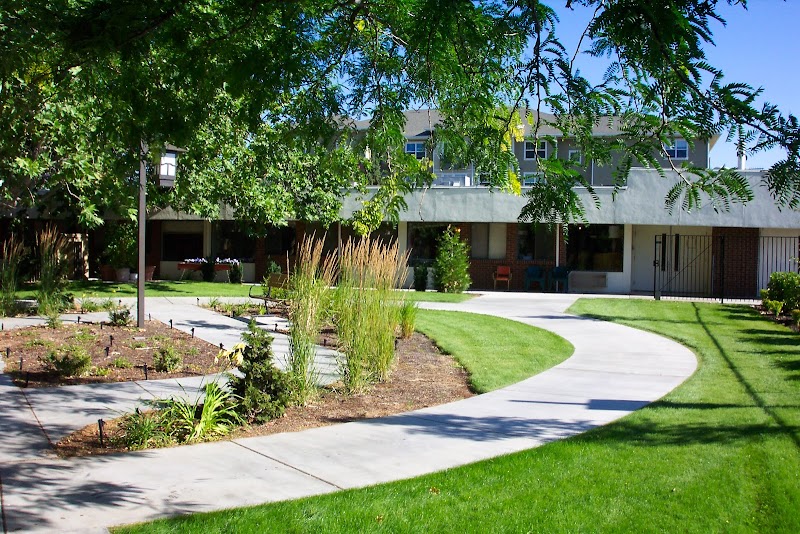
3801 SUMMITVIEW AVENUE, YAKIMA, WA 98902 (509) 965-5240
Non profit - Corporation 78 Beds HUMANGOOD Data: November 2025 1 Immediate Jeopardy citation
Trust Grade
38/100
#44 of 190 in WA
Last Inspection: April 2025

Within standard 12-15 month inspection cycle. Federal law requires annual inspections.

Overview

Summitview Rehab and Health Center has a Trust Grade of F, indicating a poor quality of care with significant concerns. Ranked #44 out of 190 facilities in Washington, they fall in the top half but still have much to improve. The facility is showing signs of improvement, reducing issues from 13 in 2024 to 9 in 2025. Staffing is a strength, rated 5 out of 5 stars with a turnover rate of 30%, which is lower than the state average, suggesting that staff are experienced and familiar with the residents. However, the facility has accumulated $230,731 in fines, which is concerning and points to ongoing compliance issues. Specific incidents raise serious alarms, such as a resident being left unattended during a respiratory crisis, leading to them being found unresponsive on the floor, and another resident sustaining a fracture from a mechanical lift that wasn't properly assessed for safety. Additionally, a third resident with severe cognitive impairment was noted to have an unhealed stage four pressure injury, indicating potential neglect in care. While there are strengths in staffing, the troubling incidents and high fines paint a concerning picture for families considering this facility for their loved ones.

Trust Score
F
38/100
In Washington
#44/190
Top 23%
Safety Record
High Risk
Review needed
Inspections
Getting Better
13 → 9 violations
Staff Stability
○ Average
30% turnover. Near Washington's 48% average. Typical for the industry.
Penalties
○ Average
$230,731 in fines. Higher than 65% of Washington facilities. Some compliance issues.
Skilled Nurses
✓ Good
Each resident gets 54 minutes of Registered Nurse (RN) attention daily — more than average for Washington. RNs are trained to catch health problems early.
Violations
⚠ Watch
34 deficiencies on record. Higher than average. Multiple issues found across inspections.
★★★★★
5.0
Overall Rating
★★★★★
5.0
Staff Levels
★★★★★
5.0
Care Quality
★★★☆☆
3.0
Inspection Score
Stable
2024: 13 issues
2025: 9 issues

The Good

  • 5-Star Staffing Rating · Excellent nurse staffing levels
  • 5-Star Quality Measures · Strong clinical quality outcomes
  • Full Sprinkler Coverage · Fire safety systems throughout facility
  • No fines on record
  • Staff turnover below average (30%)

    18 points below Washington average of 48%

Facility shows strength in staffing levels, quality measures, fire safety.

The Bad

Staff Turnover: 30%

16pts below Washington avg (46%)

Typical for the industry

Federal Fines: $230,731

Well above median ($33,413)

Significant penalties indicating serious issues

Chain: HUMANGOOD

Part of a multi-facility chain

Ask about local staffing decisions and management

The Ugly 34 deficiencies on record

1 life-threatening 3 actual harm
Apr 2025 9 deficiencies
CONCERN (D)

Potential for Harm - no one hurt, but risky conditions existed

Deficiency F0561 (Tag F0561)

Could have caused harm · This affected 1 resident

**NOTE- TERMS IN BRACKETS HAVE BEEN EDITED TO PROTECT CONFIDENTIALITY** Based on interview and record review, the facility failed to ensure each resident's right to choose important aspects of their l...

Read full inspector narrative →
**NOTE- TERMS IN BRACKETS HAVE BEEN EDITED TO PROTECT CONFIDENTIALITY** Based on interview and record review, the facility failed to ensure each resident's right to choose important aspects of their life including frequency and type of bathing preferences for 2 of 3 residents (Residents19 and 29) reviewed for choices. This failure to honor resident choices placed the residents at risk for impaired hygiene and feelings of embarrassment. Findings included . Review of the policy titled, Resident Rights, revised on 02/2021, showed the resident has the right to self-determination and be supported by the facility when exercising their rights. <Resident 19> Review of the medical record showed Resident 19 was admitted to the facility on [DATE] with diagnosis including Alzheimer's (a progressive disease that destroys memory and other important mental functions), pressure ulcer (a wound that develops when constant pressure on the skin restricts blood flow to the area, leading to tissue damage), and chronic pain. The 01/31/2025 comprehensive assessment showed Resident 19 was dependent on one to two staff members for activities of daily living (ADLs) and had severely impaired cognition. Additionally, the assessment showed it was very important for Resident 19 to choose between a tub bath or a shower. During an interview on 04/14/2025 at 11:12 AM, Resident 19 stated they preferred tub baths and did not like showers. Resident 19 stated the tub bath was more comfortable and they did not like how the shower water sprayed their head and body and made them feel perturbed (a feeling of being anxious or unsettled). Review of Resident 19's nursing assistant (NA) shower record for April 2025 showed the resident's preference for a bath, but showers were provided on 04/03/2025, 04/11/2025, and 04/18/2025. <Resident 29> Review of the medical record showed Resident 29 was admitted to the facility on [DATE] with diagnoses including stroke (happens when the blood supply to part of the brain is suddenly cut off, causing brain cells to die) with left-sided weakness, diabetes (a condition that results in too much sugar in the blood), and dementia (a progressive disease that destroys memory and other important mental functions). The 03/17/2025 comprehensive assessment, showed Resident 29 required substantial/dependent assistance of one to two staff members for ADLs and moderately impaired cognition. Additionally, the assessment showed it was very important for Resident 29 to choose their bathing preference. During an interview on 04/14/2025 at 1:15 PM, Resident 29 stated they had waited over a week for a shower, and it was embarrassing for them to have to ask for one. Review of Resident 29's NA shower record for March 2025 showed they were provided a shower on 03/18/2025 and the next shower was provided on 03/26/2025, eight days later. During an interview on 04/16/2025 at 9:34 AM, Staff R, NA, stated they worked as a shower aide with one more shower aide Monday through Friday. Staff R stated the second shower aide would often have to work elsewhere and would decrease the number of showers and/or baths that could be provided each day. During an interview on 04/18/2025 at 9:09 AM, Staff S, NA, stated residents were provided with one shower or bath per week. Staff S stated usually residents did not request another shower or bath, however when they did, they would be offered a bed bath as it was hard to squeeze residents into the bathing schedule. During an interview on 04/18/2025 at 10:29 AM, Staff A, Administrator, stated the residents should have the choice and be offered what they want for bathing. Reference WAC: 388-97-0180(1)(2)(3)
CONCERN (D)

Potential for Harm - no one hurt, but risky conditions existed

Deficiency F0655 (Tag F0655)

Could have caused harm · This affected 1 resident

**NOTE- TERMS IN BRACKETS HAVE BEEN EDITED TO PROTECT CONFIDENTIALITY** Based on interview and record review, the facility failed to develop a baseline care plan within 48 hours of admission that incl...

Read full inspector narrative →
**NOTE- TERMS IN BRACKETS HAVE BEEN EDITED TO PROTECT CONFIDENTIALITY** Based on interview and record review, the facility failed to develop a baseline care plan within 48 hours of admission that included the minimum requirements of resident specific goals, physician orders, dietary orders, treatment plans and social service needs for 3 of 5 residents (Residents 29, 208, and 258) reviewed for baseline care plan. This failure placed residents at risk of not receiving necessary care and services, and a continuity of care. Findings included . Review of the facility's policy titled Care Plans-Baseline, revised March 2022, showed a baseline plan of care would be developed within 48 hours of admission to meet the resident's immediate health and safety needs. The baseline care plan would include effective, person-centered care of the residents and contain the minimum healthcare to include initial goals based on admission orders, discussion with residents/representatives, physician orders, dietary orders, therapy services, and social services. <Resident 29> Review of the medical record showed Resident 29 was admitted to the facility on [DATE] with diagnoses including stroke (happens when the blood supply to part of the brain is suddenly cut off, causing brain cells to die) with left-sided weakness, diabetes (a condition that results in too much sugar in the blood), and dementia (a progressive disease that destroys memory and other important mental functions). The 03/17/2025, comprehensive assessment, showed Resident 29 required substantial/dependent assistance of one to two staff for activities of daily living (ADLs) and moderately impaired cognition. Review of Resident 29's baseline care plan dated 03/14/2025, showed no resident specific goals or interventions for Resident 29's specific care needs related to physician orders, treatments or social services. <Resident 208> Review of the medical record showed Resident 208 was admitted to the facility on [DATE] with diagnoses including lumbar osteomyelitis (an infection of the lower spine bones), sepsis (a life-threatening condition caused by the body's response to an infection that can cause organ failure), and urine retention (the inability to completely empty the bladder). A nursing admission note dated 04/10/2025, showed Resident 208 had a peripherally inserted central catheter (PICC, a long thin flexible tube inserted through a vein in the arm and passed through larger veins near the heart to deliver medications and fluids) and a urine catheter (a flexible tube inserted into the bladder to drain urine). The admission notes further showed Resident 208 was alert and oriented and able to make their needs known. Review of Resident 208's baseline care plan dated 04/11/2025, showed no focus areas, initial goals or interventions for Resident 208's specific care needs related to physician orders, treatments, dietary orders or social services. <Resident 258> Review of the medical record showed Resident 258 was admitted to the facility on [DATE] with diagnoses including respiratory failure, embolism (blood clot) of the left leg vein, alcohol withdrawal, chronic pain, and edema (excess fluid buildup in the body's tissues). The 04/07/2025 comprehensive assessment, showed Resident 258 required supervision/partial assistance of one staff member for ADLs and had intact cognition. Review of Resident 258's baseline care plan dated 04/06/2025, showed no resident specific goals or interventions for Resident 258's specific care needs related to their medical conditions or social services. During an interview on 04/16/2025 at 1:45 PM, Staff C, Resident Case Manager (RCM), stated the RCM's completed the baseline care plans when a resident was admitted to the facility and were to be fully completed within 48 hours. Staff C stated the baseline care plans were to include the resident's admission diagnoses, immediate goals, medications, types of therapy, specialty orders, and plans for discharge. During an interview on 04/18/2025 at 12:12 PM, Staff B, Director of Nursing, stated the baseline care plan process needed to be improved. Reference WAC: 388-97-1020(3) .
CONCERN (D)

Potential for Harm - no one hurt, but risky conditions existed

Comprehensive Care Plan (Tag F0656)

Could have caused harm · This affected 1 resident

**NOTE- TERMS IN BRACKETS HAVE BEEN EDITED TO PROTECT CONFIDENTIALITY** Based on observation, interview, and record review, the facility failed to ensure resident care plans were developed with approp...

Read full inspector narrative →
**NOTE- TERMS IN BRACKETS HAVE BEEN EDITED TO PROTECT CONFIDENTIALITY** Based on observation, interview, and record review, the facility failed to ensure resident care plans were developed with appropriate interventions for 2 of 2 residents (Resident 18 and 208) reviewed for care planning. This failure to develop care plans with appropriate interventions placed the residents at risk for inadequate or unsafe care. Findings included . Review of the facility's policy dated March 2022, titled Care Plans, Comprehensive Person Centered, showed assessments of residents were ongoing, and care plans were to be revised as information about the residents and/or their condition changed. <Resident 18> Review of Resident 18's medical records showed they were admitted to the facility on [DATE] with diagnoses to include muscle weakness, right shoulder pain, osteoporosis (a bone disease that weakens and makes bones brittle, increasing the risk of fractures), and dementia (the loss of thinking, remembering, and reasoning to the extent that interferes with Activities of Daily Living [ADLs]). Review of the comprehensive assessment dated [DATE] showed Resident 18 was dependent on staff for care needs and their cognition was severely impaired. An observation on 04/15/2025 at 9:22 AM, showed Resident 18 sitting in their wheelchair with the position of their right arm/hand lying down alongside their right leg. Their fingers were curled under, and their hand was red and swollen. During an observation and concurrent interview on 04/15/2025 at 12:07 PM, the Resident Representative (RR), stated they were waiting for a nurse to check Resident 18's right hand as their hand was very swollen. Resident 18's hand was red, swollen, and hanging down by their right side. The RR stated the resident had an arm rest on their wheelchair at one time to help with the position of their arm/hand. Resident 18 ' s wheelchair did not have an arm through/rest. Review of Resident 18's care plan dated 02/19/2025, showed Resident 18 had an ADL self-care performance deficit related to right-sided weakness. The care plan showed no person-centered interventions for Resident 18's right arm/hand positioning. Review of Resident 18's [NAME] (care task assignments for nursing assistants) dated 05/28/2024, posted in the resident's closet, showed no positioning task for the nursing assistants to guide them on positioning of the resident's right arm/hand. During an interview on 04/16/2025 at 10:03 AM, Staff J, Nursing Assistant (NA), stated when providing care for a resident they referred to a care plan that was posted in the resident's closet. Staff J stated the care plan had information such as whether a resident required one or two people for care and transfers, positioning of a resident, and any medical equipment the resident may need to use. An observation on 04/17/2025 at 11:40 AM, showed Resident 18 in therapy, with their right hand down to their right-side next to their knee. Resident 18's right hand was red and swollen. During an observation and interview on 04/17/2025 at 11:43 AM, Staff I, Resident Case Manager (RCM)/Restorative Coordinator (RC), stated Resident 18 had a right arm trough (an arm rest for a wheelchair) that was broken, and parts had been ordered. Staff I stated the arm trough had been broken and removed in November 2024 (five months ago). Staff I stated they (staff), used a teddy bear to help keep their right hand in an upright position. Resident 18's right hand was red and swollen while doing their therapy. Staff I lifted Resident 18's hand, and the resident voiced to Staff I their right arm was painful with the movement. Staff O, Restorative Assistant (RA), stated the resident needed something to elevate their right hand and arm while doing their therapy. Observation of a small brown, flat teddy bear was lying in Resident 18's lap. Staff I stated the NAs were to be placing a pillow under the resident's right arm for positioning. During an interview on 04/17/2025 at 3:13 PM, Staff I, RCM/RC, acknowledged that Resident 18's care plan did not reflect the residents' use of a right arm through/rest, a pillow, or the teddy bear for positioning of the resident's right arm/hand. <Resident 208> Review of Resident 208's medical records showed they were admitted to the facility on [DATE], with diagnoses to include heart disease, osteomyelitis (bone infection) of the low back, and urine retention (the inability to completely empty the bladder). Review of the comprehensive assessment dated [DATE] showed the resident was cognitively intact and dependent on staff for their care needs. An observation on 04/15/2025 at 3:29 PM, showed Resident 208 lying in bed with an indwelling urinary retention catheter (a tube that is inserted into your bladder, allowing your urine to drain freely) hanging on the bed rail of their bed. Review of the care plan dated 04/10/2025, showed Resident 208 did not have an indwelling urinary retention catheter. The care plan showed no goals or interventions for the care of Resident 208's indwelling urinary retention catheter. During an observation and concurrent interview on 04/16/2025 at 8:10 AM, Staff P Licensed Practical Nurse, and Staff Q, Nurse Technician, assisted Resident 208 with a transfer to bed. Staff P stated Resident 208 had orders to change their indwelling urinary retention catheter. Staff Q stated the resident had an upcoming appointment with urology (a part of health care that deals with diseases of the male and female urinary tract system) and wanted the catheter changed. Staff Q stated the NAs had information on how to care for a resident in the resident's closets, via the [NAME]. The [NAME] dated 04/10/2024 showed no task for Resident 208's indwelling urinary retention catheter. During an interview on 04/18/2025 at 9:10 AM, Staff B, Director of Nursing, stated they agreed that resident care plans and revisions should have reflected any changes and care needs of each resident. Reference: WAC 388-97-1020 (1), (2)(a)(b)
CONCERN (D)

Potential for Harm - no one hurt, but risky conditions existed

ADL Care (Tag F0677)

Could have caused harm · This affected 1 resident

**NOTE- TERMS IN BRACKETS HAVE BEEN EDITED TO PROTECT CONFIDENTIALITY** Based on observation, interview and record review, the facility failed to ensure the provision of bathing, nail care, and oral c...

Read full inspector narrative →
**NOTE- TERMS IN BRACKETS HAVE BEEN EDITED TO PROTECT CONFIDENTIALITY** Based on observation, interview and record review, the facility failed to ensure the provision of bathing, nail care, and oral care for 3 of 10 dependent residents (Residents 26, 41 and 15) reviewed for activities of daily living (ADLs). This failure placed residents at risk for poor hygiene, body odor, dental caries (cavities or tooth decay), decreased self-worth and diminished quality of life. Findings included . Review of the facility's policy dated March 2018, titled Activities of Daily Living (ADL's), Supporting, showed appropriate care and services would be provided for residents who are unable to carry out ADLs independently and receive the services necessary to maintain good nutrition, grooming, and personal and oral hygiene. <Resident 26> Review of the resident's medical record showed the resident admitted to the facility on [DATE] with multiple sclerosis (MS-a disease that causes breakdown of the protective covering nerves causing trouble walking, vision changes and numbness). A stroke (happens when the blood supply to part of the brain is suddenly cut off, causing brain cells to die) with right side paralysis (loss of ability to move a body part due to nerve damage), difficulty swallowing, and inability to speak. Review of the 03/05/2025 comprehensive assessment showed Resident 26 was cognitively impaired, rarely spoke, but vision was adequate. The 03/05/2025 assessment showed the resident was impaired on both sides of their body and dependent on staff for all ADLs and could not brush their teeth, dress themselves, or bathe without staff assistance. During an observation on 04/14/2025 at 12:25 PM, Resident 26 was lying in bed with the head of the bed up. When asked if they were doing okay, Resident 26 smiled and nodded their head indicating yes but was unable to verbalize or speak. Resident 26 had food particles in their teeth that were white and brown in between the front upper and bottom teeth. The resident's fingernails were long with a dark brown substance under the fingernails, and their toenails were long. During an observation on 04/15/2025 at 1:00 PM, Resident 26 was sitting up in bed and when asked if they had pain, they shook their head (indicating no). Resident 26's mouth had dark, colored food packed in their upper back teeth. There was a broken tooth on the top left with visible food particles that were white and gray along the gum line. The resident's fingernails were long with dark brown substances. During an interview on 04/15/2025 at 11:00 AM, Staff M, Licensed Practical Nurse (LPN), stated the resident was to have their nails trimmed weekly, and the person who did them before was no longer at the facility, so the task was not being completed. Staff M stated that brushing the resident's teeth after meals was important to maintain clean and healthy teeth and gums. During an observation and concurrent interview on 04/16/2025 at 12:00 PM, Resident 26 was observed at the assisted dining table with Staff R, Nursing Assistant (NA), who reminded the residents to eat and to take a bite of food. Staff R stated the resident had to be reminded to eat their meal. Staff R stated the only concerns for Resident 26 during meals was to watch if they were not eating and/or prevent them from choking. During an observation on 04/17/2025 at 10:40 AM, Resident 26 was up in wheelchair in front of the television. Resident 26 had food located in their lower back teeth and food particles white in color between their front teeth and side of bottom teeth. Review of the 02/24/2024 care plan showed the resident was to be monitored during meals for holding food in their mouth, pocketing food, choking and refusing to eat. Additionally, the resident was to be cued several times to swallow their food during the meal. Resident 26 was on a mechanical soft diet with nectar thickened fluids (for people with difficulty swallowing and to help them less likely to aspirate while swallowing). Review of the 12/18/2024 Dental Evaluation showed the dentist had to brush and clean out food of Resident 26's mouth to visualize the resident's teeth that were broken and had cavities. There was no follow up for further care. <Resident 41> Review of the medical record showed the resident was re-admitted to the facility with diagnoses to include a stroke with right side paralysis and difficulty with swallowing and speaking. The 04/05/2025 quarterly assessment also showed Resident 41 was alert with impaired cognition and spoke limited English. Resident 41 was dependent on staff for all ADLs. During an observation and concurrent interview on 04/14/2025 at 9:50 AM, Resident 41's fingernails were long with a brown substance under the nails. Resident 41 was scratching their neck and left side with their left hand. During observation of the resident back, brown scratch marks to their left side of their back, neck and chest area were noted. The scratch marks were red on the chest and neck with scratches to the left back side with slightly small, scabbed areas. Resident 41 stated they were itchy and could not stand it (the itching of their skin). Resident 26 stated they needed a bath and continued to state a preference for a bath. The resident had opened their mouth, their teeth were observed to be yellow in color and black and white food particles were between their teeth. Resident 41's breath was odorous with a stale sour smell. During an observation and concurrent interview 04/15/2025 at 3:15 PM, Resident 41's fingernails were dirty with brown substances under the fingernails. The residents' skin on their chest and back was dry. Staff M, LPN, stated Resident 41 could answer questions about their care. Staff M stated the residents recieve one bath a week, and resident's oral care should be done between meals and before bed. Review of the Bath Team Schedules for 04/01/2025 through 04/15/2025 showed Resident 41's last shower was 04/01/2025 with a resident refusal of a bed bath on 04/11/2025. During an observation and concurrent interview on 04/16/2025 at 8:40 AM, Resident 41's fingernails to left and right hands continued to be long with a brown colored substance under the nails. The resident's mouth was with food particles that were white, dark brown and black particle substances between the teeth. Resident 41 had not eaten breakfast yet and continued to scratch their chest and neck with their left hand. During an interview on 04/16/2025 at 9:00 AM, Staff M stated the resident was supposed to have a bath on the evening of 04/15/2025 but was charted as a resident refusal. Staff M stated that the licensed nurses were to clip the resident's finger and toenails but was not documented in the resident's record as completed for two months. During an observation and concurrent interview on 04/17/2025 at 12:19 PM, Staff B, Director of Nursing Services (DNS), observed Resident 41's unclean teeth and stated the oral care and bathing on Resident 41 had not been completed. <Resident 15> Review of the medical record showed the resident was admitted on [DATE], with diagnoses including dementia (the loss of thinking, remembering, and reasoning- to the extent that interferes with ADL's), dysphagia (difficulty swallowing), weakness, and need for assistance with personal care. Review of the comprehensive assessment dated [DATE], showed Resident 15's cognition was severely impaired and was dependent on staff for personal hygiene. During an interview on 04/16/2025 at 2:51 PM, Resident Representative, (RR) stated Resident 15 had been disheveled when they come in to visit. The RR stated the resident's fingernails and toenails were horrible the last time they visited. Review of the Physician orders dated 06/01/2024, showed .provide fingernail and toenail care.Trim nails, remove debris (grime, substances), and clean the resident's hands. Document refusals. Notify MD if any issues are present. During an observation on 04/15/2025 at 11:20 AM, Resident 15 was fully dressed in bed, resting and covered with a blue blanket. The resident's left hand exposed, their fingernails long, dry, flakey and had a brown substance underneath the nails. During an observation and concurrent interview on 04/16/2025 at 2:32 PM, Resident 15 was lying in bed, awake, visiting with their RR. The RR removed the resident's slipper, stated look at their toenails the toenails were raised, long, dry, and flakey. During the same observation Resident 15 had food stuck in their dentures. The RR stated that the resident's dentures do not get brushed regularly. During an interview on 04/16/2025 at 2:46 PM, Staff U, Nursing Assistant (NA), stated they were responsible for the resident's personal care. Staff U stated that the personal care tasks were brief changes, putting on clothing, and setting up or doing the resident's oral care. During an interview on 04/17/2025 at 9:39 AM, Staff S, NA, stated staff used a binder that gives a list for weekly showers. Staff S, stated that they did nail care, skin checks, apply lotion, shaving and sometimes haircuts when bathing/showering a resident. Staff S stated they had no documentation for nail care, skin checks, lotion application, shaving or haircuts. During an interview on 04/18/2025 at 10:13 AM, Staff B, DNS, stated they were aware of Resident 15's lack of nail care. Staff B stated that they had a process in place and that the residents had been receiving nail care services weekly. Staff B stated they had trouble with nail care recently related to losing staff and had to pull the nurse assigned to that task to work on the floor. Staff B stated they were having some issues with getting the residents' nails done. Reference: WAC 388-97-1060 (2)(c)
CONCERN (D)

Potential for Harm - no one hurt, but risky conditions existed

Deficiency F0688 (Tag F0688)

Could have caused harm · This affected 1 resident

**NOTE- TERMS IN BRACKETS HAVE BEEN EDITED TO PROTECT CONFIDENTIALITY** Based on observation, interview and record review the facility failed to ensure 2 of 3 sampled residents (Residents 41and 18) re...

Read full inspector narrative →
**NOTE- TERMS IN BRACKETS HAVE BEEN EDITED TO PROTECT CONFIDENTIALITY** Based on observation, interview and record review the facility failed to ensure 2 of 3 sampled residents (Residents 41and 18) reviewed for positioning and range of motion received services to prevent further decrease in range of motion and hand contracture (a permanent tightening of the muscles, tendons, skin and nearby tissues that causes the joints to shorten and become very stiff) through use of assistive devices. This failure increased the resident's risk of being unable to maintain their current level of functioning, increased risk of pain and breaks in skin integrity related to a contracture. Findings included . <Resident 41> Review of the medical record showed the resident was re-admitted to the facility on [DATE] with diagnoses to include a stroke (happens when the blood supply to part of the brain is suddenly cut off, causing brain cells to die) with right side paralysis (loss of ability to move a body part due to nerve damage), and difficulty with swallowing and speaking. The 04/05/2025 comprehensive showed Resident 41 had cognitive impairment with behaviors to include hallucinations. Resident 41 was dependent on staff for all Activities of Daily Living (ADLs). During an observation and interview on 04/14/2025 at 9:48 AM, Resident 41 was observed lying in bed positioned on their right side. The paralyzed right hand was located under the resident's right side. Resident 41 had stated they were in pain and their right shoulder was painful. During an observation and interview on 04/15/2025 at 3:11 PM, showed Resident 41 lying in bed postioned on their right (affected) side, lying on their right upper arm and hand without any support. Staff M, Licensed Practical Nurse, (LPN) stated Resident 41 had a right-hand brace but it had been removed by nursing staff. Staff M stated the resident sustained a right thumb injury due to the splint. Staff M stated Resident 41's arm should have been on a pillow and positioned correctly. During an observation and concurrent interview on 04/16/2025 at 8:20 AM, Resident 41 was in bed lying on their right shoulder, and their lower right arm was underneath their right side. Staff K, Nursing Assistant (NA), stated they were getting Resident 41 up for breakfast. Staff K repositioned Resident 41 to their left side and the resident complained of pain in their right side, right lower wrist and hand. Resident 41's skin to the right lower arm and hand appeared red and swollen. Staff K stated Resident 41 was wearing a soft hand brace, but it had been removed due to a laceration between the thumb and index finger of the right hand. There was no other support or positioning device in place for Resident 41's right arm and hand. During an observation and concurrent interview on 04/17/2025 at 9:24 AM, Staff N, Occupational Therapist (OT), stated they had applied a soft wrist/ hand brace to maintain the position of Resident 41's wrist and hand. Staff N stated they were unaware the resident was not wearing their soft hand restraint on their right wrist and hand. Staff N stated had they known the hand brace had been removed, they would have suggested a wrist positioning device to maintain Resident 41's wrist and arm position. Review of Resident 41's 11/15/2025 care plan showed the resident was dependent on staff for turning in bed, transfers with assistance of two to and from wheelchair, positioning of body and right arm /shoulder, assistance with eating, oral care, and bathing. The care plan showed no documentation for the use of the right-hand soft brace application or any intervention for the positioning of the right hand. Review of the 01/17/2025 Bedside Care Plan showed the resident's right arm was painful, but no documentation was found regarding interventions for right arm positioning or devices for Resident 41's right arm or hand. During an interview on 04/17/2025 at 9:50 AM, Staff C, Resident Case Manager (RCM), stated the right hand/ wrist soft brace had been removed to allow healing of the wound between the right thumb and index finger. Staff C stated they did not believe that Resident 41's right arm positioning was an issue and were unaware Resident 41 had not been being positioned correctly. <Resident 18> Review of Resident 18's medical records showed they were admitted to the facility on [DATE] diagnosis to include muscle weakness, lymphedema (a condition causing swelling, typically in the arms or legs, due to a buildup of protein-rich fluid within the tissues), right shoulder pain, osteoporosis (a bone disease that weakens and makes bones brittle, increasing the risk of fractures) and dementia (the loss of thinking, remembering, and reasoning- to the extent that interferes with ADL's). Review of the comprehensive assessment dated [DATE] showed Resident 18's was dependent on staff for care needs and that their cognition was severely impaired. An observation on 04/15/202525 at 9:22 AM, showed Resident 18 was sitting in their wheelchair, their right arm /hand was lying down next to their leg. Their fingers were curled under, their hand appeared red and swollen. During an observation and concurrent interview on 04/15/25 12:07 PM, Resident Representative, (RR), stated Resident 18 had a right arm postioning device on their wheelchair to support their right arm and hand but it was no longer attached to the right arm of the wheelchair. During the 04/15/2025 observation, Resident 18 was seated in their wheelchair their right arm and hand was swollen without a positioning support device to their right arm/hand. Review of Resident 18's Kardex (care task assignment for NAs) dated 5/28/24, posted in the resident's closet, did not show a positioning task for the nursing assistants to guide them on positioning of the resident's right arm/hand. During an interview on 04/16/2025 at 10:03 AM, Staff J, NA, stated to care for a resident they refer to a care plan that is posted in the resident's closet. Staff J stated the care plan has information such as whether a resident requires one or two people for care and transfers, positioning of a resident and any medical equipment the resident may need to use. An observation on 04/17/2025 at 11:40 AM, showed Resident 18 in therapy, Their right hand was red and swollen hanging down to their right-side next to their knee. During an observation and interview on 04/17/2025 at 11:43 AM, Staff I, Resident Case Manager (RCM)/Restorative Coordinator (RC), stated Resident 18 had a right arm trough (an arm rest for a wheelchair) that was broken and had been removed in November 2024 (5 months ago). Staff I stated they use a teddy bear to help keep the resident's r hand up. During an observation of Resident 18's right hand (red and swollen) while in therapy. Staff I lifted Resident 18's hand, and the resident expressed pain with the movement. Staff O, Restorative Assistant (RA), stated that the resident needed something to elevate her hand and arm during their therapy. Observation of a small brown, flat teddy bear in Resident 18's lap. Staff I stated the NAs were to be placing a pillow under the resident's arm. During an observation and concurrent interview on 04/17/2025 at 11:44 AM, Staff I, RCM / RC, stated Resident 18 had a teddy bear to help keep their right arm/ hand elevated. Observation of the resident's right hand showed it was red and swollen. Staff I lifted the resident's hand, and the resident complained of discomfort with the movement. Staff I stated the nursing assistants were to place a pillow under the resident's arm to assist in the elevation of the resident's right arm/hand. During an interview on 04/17/2025 at 3:13 PM, Staff I, acknowledged Resident 18 did not have any interventions in place for the nursing assistants to follow regarding the positioning of Resident 18's right arm/ hand. Reference: WAC 388-97-1060 (3)(d),(j)(ix)
CONCERN (D)

Potential for Harm - no one hurt, but risky conditions existed

Deficiency F0806 (Tag F0806)

Could have caused harm · This affected 1 resident

**NOTE- TERMS IN BRACKETS HAVE BEEN EDITED TO PROTECT CONFIDENTIALITY** Based on observation, interview and record review, the facility failed to honor food preferences for 2 of 4 residents (Resident ...

Read full inspector narrative →
**NOTE- TERMS IN BRACKETS HAVE BEEN EDITED TO PROTECT CONFIDENTIALITY** Based on observation, interview and record review, the facility failed to honor food preferences for 2 of 4 residents (Resident 29 and 32) reviewed for dietary preferences. This failure placed the residents at risk for dissatisfaction with their dining experience and weight loss. Findings included . <Resident 29> Review of the medical record showed Resident 29 was admitted to the facility on [DATE] with diagnoses including a stroke (happens when the blood supply to part of the brain is suddenly cut off, causing brain cells to die) with left-sided weakness, diabetes (a condition that results in too much sugar in the blood), and dementia (a progressive disease that destroys memory and other important mental functions). The 03/17/2025 comprehensive assessment showed Resident 29 required substantial/dependent assistance of one to two staff for activities of daily living (ADLs) and had moderately impaired cognition. Record review of a document titled, Nutrition Food Preference form, dated 03/28/2025, showed no selections had been identified for likes and/or dislikes, preferences, goals, comments or mealtime, menu and if alternates had been explained to the resident. An observation and interview on 04/14/2025 at 1:04 PM, showed a lunch tray on Resident 29's bedside table. The lunch tray contained a chicken salad sandwich on white bread, cooked broccoli, soup, cola and a cupcake. Resident 29 stated the food was salty all the time. Resident 29 further stated they had not been asked about their food preferences. During an interview on 04/16/2025 at 1:45 PM, Staff C, Resident Case Manager, (RCM), stated they were responsible for performing the resident food preferences when residents were admitted to the facility. Staff C stated they did not always document the resident preferences as they would be too busy to complete. Staff C stated they did not ask Resident 29 if they had any cultural food preferences. During an interview on 04/17/2025 at 9:42 AM, Resident 29 stated their preference for breakfast would be eggs, potatoes and refried beans, lunch would be salad, tomatoes, Mexican rice, refried beans and tortillas and dinner would be Mexican chili and tortillas. Resident 29 stated they preferred fish and salmon for meat options, and fresh fruits and vegetables. Resident 29 further stated the food they were provided did not come hot when served and was usually cold. <Resident 32> Review of the medical record showed Resident 32 was initially admitted to the facility on [DATE] and readmitted [DATE] with diagnoses to include chronic obstructive pulmonary disease (a group of lung diseases that block airflow and make it difficult to breathe), malnutrition, and arthritis. The 03/21/2025 comprehensive assessment showed Resident 32 required supervision/partial assistance of one to two staff for ADLs and their cognition was intact. Record review of a document titled, Nutrition Food Preference form, dated 03/24/2025, showed no selections had been identified for likes and/or dislikes, preferences, goals, comments or mealtime, menu and if alternates had been explained to the resident. During an interview on 04/14/2025 at 3:00 PM, Resident 32 stated the facility food needed more variety and was bland and repetitive. Resident 32 stated they had asked staff for a banana a few times and it would take a week or two before they would be provided a banana. Resident 32 further stated they asked daily for condiments that included salt, pepper and sugar for their hot tea, as the items had not been provided with their meals even after they had asked for them. During an observation and concurrent interview on 04/16/2025 at 9:50 AM, showed a breakfast tray on Resident 32's bedside table. The breakfast tray contained French toast, oatmeal and mandarin oranges. Resident 32 stated they were not provided with any butter or sugar for their breakfast, and they had told staff they did not like oatmeal but the facility continued to serve oatmeal for breakfast. During an interview on 04/16/2025 at 2:15 PM, Staff V, Dietary Manager, stated they did not discuss food preferences with residents. Staff V stated they would be notified by e-mail by staff when a resident wanted a change to their order or did not like a certain food. Staff V further stated they did not follow up with residents to ensure their change and/or preference was completed. During an interview on 04/16/2025 at 3:39 PM, Staff B, Director of Nursing Services, stated the dietician would speak with residents about their individual food preferences and the dietary aides would speak to each resident daily about what they wanted to eat the following day based off the menu options. During an interview on 04/17/2025 at 10:15 AM, Staff W, Dietary Aide, stated they reviewed with residents daily for the following days meal for any changes they may want to make from the menu. Staff W stated condiments were not always included with meals and should be available in each unit or other staff may obtain from the dining room. During an interview on 04/18/2025 at 10:29 AM, Staff A, Administrator, stated condiments should be on the residents' meal tray when they were served. Reference WAC: 388-97-1120(3)(a)(c)
CONCERN (D)

Potential for Harm - no one hurt, but risky conditions existed

Food Safety (Tag F0812)

Could have caused harm · This affected 1 resident

Based on observation, interview, and record review, the facility failed to ensure the nutritional refrigerator was kept in a sanitary manner and undated /expired foods were discarded, for 1 of 2 nutri...

Read full inspector narrative →
Based on observation, interview, and record review, the facility failed to ensure the nutritional refrigerator was kept in a sanitary manner and undated /expired foods were discarded, for 1 of 2 nutritional refrigerators (recreational room refrigerator), reviewed for food safety. This failure placed residents at risk of consuming contaminated, expired foods and obtaining a food-borne (a disease transmitted to people by food) illness. Findings included . An observation on 04/16/2025 at 4:01 PM, of the nutritional refrigerator located in the resident recreation room, showed within the freezer there was a large container of ice cream without a resident's name or a date to show a open or use by date. The freezer contained three chocolate ice cream bars with resident names and had no date of when they were placed in the freezer, or a date of expiration. During the same observation of the nutritional refrigerator, showed a strong foul, sour odor of spoiled food. The shelves were filled with trays of food sitting on top of other plates or boxes of food. The refrigerator had five Jello cups in the refrigerator door with a resident's name and no date, a large birthday cake without a name or date, and a large paper bag with a name and no date, and two zip lock bags with fruit inside. During an interview on 04/16/2025 at 12:19 PM, Staff V, Dietary Manager, stated the kitchen staff did not clean the residents' nutritional refrigerator. Staff V stated the nursing staff had the responsibility for cleaning the nutritional refrigerator. During an interview on 04/17/2025 at 9:28 AM, Staff Y, [NAME] Clerk, stated they were responsible for monitoring the daily temperatures and had not been told that the cleaning of the nutritional refrigerator was their responsibility. During an interview on 04/17/2025 at 11:59 AM, Staff Z, Housekeeper, stated they were unsure who had the responsibility of cleaning the nutritional refrigerator. During an interview on 04/17/2025 at 12:09 PM, Staff H, Infection Preventionist Nurse, stated they were aware of the condition of the residents' nutritional refrigerator and noticed the refrigerator had food with no dates or names on items and that it was a mess. Reference: WAC 388-97-1100 (3)
CONCERN (E)

Potential for Harm - no one hurt, but risky conditions existed

Deficiency F0804 (Tag F0804)

Could have caused harm · This affected multiple residents

Based on observation, interview, and record review, the facility failed to provide food at the proper temperatures, appetizing and palatable to taste for 4 of 7 residents (Resident 20, 25, 42, and 43)...

Read full inspector narrative →
Based on observation, interview, and record review, the facility failed to provide food at the proper temperatures, appetizing and palatable to taste for 4 of 7 residents (Resident 20, 25, 42, and 43) reviewed for nutrition. This failure placed residents at risk for foodborne illnesses, a decreased nutritional intake, and potential for weight loss. Findings included . Review of the facility's undated policy, titled Food Safety, showed food would be served in such a way as to prevent bacterial growth and served immediately. Additionally, to provide food that is fresh at the proper temperature to keep food safe, wholesome and appetizing. <Resident 20> During an interview on 04/16/2025 at 11:07 AM Resident 20 stated that they were served eggs daily in their room for breakfast, which were cold, and they are unable to eat them. <Resident 25> During an interview on 04/16/2025 at 11:10 AM Resident 25 stated that the food served was sometimes cold and reported this to the staff. <Resident 42> During an interview on 04/16/2025 at 11:15 AM Resident 42 stated that the meal service was too long, and depending on whether they eat in the dining room or in their room, the food was cold on the hallway trays. <Resident 43> During an interview on 04/16/2025 at 11:22 AM Resident 43 stated that the food is cold by the time it arrived to their room, and they were one of the last ones served. During an observation on 04/16/2025 at 1:09 PM, Staff V, Dietary Manager (DM), served two test trays (1 puree tray and 1 regular texture tray), per request of the survey team, and measured the temperatures of various items on the tray. The following temperatures [in Fahrenheit (F)] were obtained from the two test trays: Tray 1 • Mashed potatoes - 153.0 F (normal range-180.0 F) • Puree cheese pizza - 136.0 F (normal range-155.0 F) • Mixed vegetables -113.0 F (normal range-135.0 F) Tray 2 • Cheese pizza - 124.0 F (normal range-155.0 F) • Cold slaw - 42.9 F (normal range-40.0 F or below) • Ambrosia salad - 44.0 F (normal range-41.0 F or below) During an interview on 04/16/2025 at 1:22 PM, Staff V, DM agreed the temperatures of the food were not at the required temperatures to be served. Reference: WAC 388-97-1100 (1), (2)
CONCERN (E)

Potential for Harm - no one hurt, but risky conditions existed

Infection Control (Tag F0880)

Could have caused harm · This affected multiple residents

Based on observation, interview, and record review, the facility failed to ensure infection prevention and control practices were maintained by not performing hand hygiene and glove changes between di...

Read full inspector narrative →
Based on observation, interview, and record review, the facility failed to ensure infection prevention and control practices were maintained by not performing hand hygiene and glove changes between dirty and clean tasks for 3 of 4 staff (Staff R, T and Q) reviewed during resident cares and dining. This failed practice placed residents at an increased risk for exposure to cross contamination (harmful spread of infections) and the development of communicable diseases. Findings included . Review of the facility's policy dated August 2019, titled Handwashing/Hand Hygiene showed the facility considered hand hygiene the primary means (define or source/action/infection preventions) for preventing the spread of infections. <Dining> An observation on 04/14/2025 at 11:58 AM, showed Staff R, Nursing Assistant, grabbed Resident 35's spoon and assisted the resident with a bite of food without performing hand hygiene. Staff R then grabbed an unidentified resident's napkin, wiped the unidentified resident's face and then placed the napkin in their hand. Staff R then proceeded to assist Resident 35 with their drink without performing hand hygiene. A dining observation on 04/14/2025 at 12:09 PM, showed Staff T, Nurse Technician (NT), rubbed the shoulder of Resident 30. Staff T then grabbed Resident 12's spoon and fed Resident 12 without performing hand hygiene. Staff T then assisted Resident 15 with a spoon full of food into their mouth, without performing hand hygiene in between the residents. <Personal Care> An observation on 04/16/2025 at 9:17 AM, showed Staff P Licensed Practical Nurse (LPN), and Staff Q, NT, assisted Resident 208 with a urinary retention catheter (a type of catheter designed to remain in the bladder for an extended period to drain urine) replacement. Staff Q explained the procedure to Resident 208 and began to remove their pants. Staff Q explained they would have to clean their groin area before the nurse began. Staff Q grabbed a cleansing wipe and began to wipe the resident's groin. Staff Q did not change gloves or perform hand hygiene and held onto the resident's hand while Staff P placed the retention catheter. After the procedure, Staff Q, with the same dirty gloves on, explained to Resident 208, they had to clean their groin again and secure a leg strap (an elasticized thigh strap to securely anchor Foley catheters in place) for their retention catheter. During an interview on 04/16/2025 at 9:55 AM, Staff Q, NT, stated they did not realize they had not changed their gloves or performed hand hygiene and acknowledged they should have. During an interview on 04/18/2025 at 9:10 AM, Staff H, Infection Preventionist Nurse, stated they acknowledged the lack of hand hygiene. Staff H mentioned that we constantly reviewed hand hygiene and conducted in-services to discuss the importance of hand hygiene. Reference: WAC 388-97-1320 (1)(c)
Dec 2024 1 deficiency
CONCERN (E) 📢 Someone Reported This

A family member, employee, or ombudsman was alarmed enough to file a formal complaint

Potential for Harm - no one hurt, but risky conditions existed

Infection Control (Tag F0880)

Could have caused harm · This affected multiple residents

**NOTE- TERMS IN BRACKETS HAVE BEEN EDITED TO PROTECT CONFIDENTIALITY** Based on interview and record review the facility failed to notify the local health jurisdiction (LHJ) and the State of a commun...

Read full inspector narrative →
**NOTE- TERMS IN BRACKETS HAVE BEEN EDITED TO PROTECT CONFIDENTIALITY** Based on interview and record review the facility failed to notify the local health jurisdiction (LHJ) and the State of a communicable disease outbreak within required time frames for 20 of 20 residents (1,2,3,4,5,6,7,8,9,10,11,12,13,14,15,16,17,18,19, and 20) reviewed for symptoms of a highly contagious gastro-intestinal (GI) illness starting on 11/18/2024. Additionally, 19 staff reported symptoms with the last symptom onset on 12/09/2024. These failures placed residents at risk for a diminished quality of life, unmet care needs and placed residents at risk for the spread of infection. Findings included . Record review of the State Operations Manual Appendix PP - Guidance to Surveyors for Long Term Care Facilities, Rev 02/03/2023, F880, showed the definition of an infectious disease outbreak was the occurrence of more cases of disease than expected in a given area over a particular period of time. Record review of [NAME] Administrative Code 246-101-101 Notifiable Conditions, showed that health care facilities were required to report immediately to the LHJ of outbreaks and suspected outbreaks. Record review of Nursing Home Guidelines, AKA The Purple Book, dated October 2015, Appendix D, showed nursing homes were required to report communicable disease outbreaks to the State hotline, logged on State reporting log within 5 days and reported to the local health department. During an interview on 12/10/2024 at 10:50 AM, Staff C, Registered Nurse / Infection Preventionist (IP) stated the facility had a norovirus (an infection that can cause severe vomiting and diarrhea, starts suddenly and was highly contagious) outbreak that involved 20 residents and 19 staff beginning 11/18/2024. The IP stated they had been in communication with the LHJ but had not reported to the State because they were not aware that was required. Record review of the State reporting log on 12/10/2024 showed no entry that the norovirus outbreak was reported to the State as required. Review of a 12/06/2024 e-mail communication between the facility and the LHJ showed the first notification of the norovirus outbreak. During an interview on 12/18/2024 at 12:25 PM, Staff C stated they received a telephone call in the evening on 11/23/2024, from the facility charge nurse, who reported Resident 1, Resident 2 and Resident 3 on hall 5 had nausea, vomiting and diarrhea. Staff C stated they advised the residents be placed in contact precautions (measures in health care designed minimize spread of infection where gloves, gowns and masks are worn to avoid direct with resident's body fluids), in addition to notifying the physician and family. <Resident 1> Review of the resident's medical record showed they were admitted to the facility on [DATE] with diagnoses to include ulcerative colitis (a type of inflammatory bowel disease) and dementia (a loss of mental ability severe enough to interfere with normal activities of daily living.) Review of the 11/18/2024 comprehensive assessment showed Resident 1 was continent of bowel and bladder and had moderate cognitive impairment. Review of the facility outbreak line list (a table that contains key information about each case in an outbreak) showed after record review, Resident 1 had GI distress since admit on 11/09/2024, vomiting that started on 11/15/2024, and diarrhea on 11/21/2024 with their symptoms resolved by 11/30/2024. Resident 1 received therapy services until 11/22/2024. During an interview on 12/18/2024 at 12:30 PM, Staff C stated Resident 1's symptoms were initially thought to be related to their chronic GI distress diagnosis. During an interview on 12/18/2024 at 3:19 PM, Resident 1 stated they recalled having more GI symptoms last month than they usually had. Resident 1 stated GI issues had been an ongoing problem, and they feel much better now. <Resident 2> Review of the resident's medical record showed they were admitted to the facility on [DATE] with diagnoses to include malnutrition (a condition that results from nutrient deficiency or overconsumption) and depression. Review of the 11/22/2024 comprehensive assessment showed the resident required moderate staff assistance for activities of daily living (ADL) and had moderate cognitive impairment. Review of the facility outbreak line list showed Resident 2 had nausea, vomiting and diarrhea beginning on 11/23/2024 that lasted 24 hours and nausea last reported on 12/04/2024. Resident 2 received therapy services until 11/23/2024. During an interview on 12/18/2024 at 3:25 PM, Resident 2 stated they could not recall being sick last month. <Resident 3> Review of the resident's medical record showed they were admitted to the facility on [DATE] with diagnoses to include inflammatory bowel disease and malnutrition. Review of the 11/04/2024 comprehensive assessment showed the resident was independent with ADLs and was cognitively intact. Review of the facility outbreak line list showed Resident 3 had nausea and vomiting on 11/23/2024 and diarrhea on 11/26/2024. Resident 3 received therapy services until 11/23/2024. During an interview on 12/18/2024 at 3:30 PM, Resident 3 stated they were sick about a week, and they were glad it was over. <Resident 4> Review of the resident's medical record showed they were admitted to the facility with diagnoses to include malnutrition. Review of the 10/03/2024 comprehensive assessment showed the resident was dependent on staff for ADLs and had severe cognitive impairment. Review of the facility outbreak line list showed Resident 4 had nausea, vomiting and diarrhea on 11/24/2024 that lasted 24 hours. <Resident 5> Review of the resident's medical record showed they were admitted to the facility with diagnoses to include malnutrition. Review of the 11/15/2024 comprehensive assessment showed the resident was dependent on staff for ADLs and had moderate cognitive impairment. Review of the facility outbreak line list showed Resident 5 had diarrhea that began on 11/25/2024 with symptoms resolved by 11/30/2024. <Resident 6> Review of the resident's medical record showed they were admitted to the facility on [DATE] with diagnoses to include heart failure (a severe failure of the heart to function properly) and malnutrition. Review of the 11/14/2024 comprehensive assessment showed the resident was extensive staff assistance for ADLs and was cognitively intact. Review of the facility outbreak line list showed Resident 6 had nausea that began on 11/23/2024 and diarrhea on 11/25/2024. Resident 6 received therapy services until 11/25/2024. A stool specimen was collected on 11/25/2024 with a laboratory result reported on 12/02/2024 that norovirus was detected. During an interview on 12/18/2024 at 12:35 PM, Staff C, stated they did not realize they should call the LHJ when they realized there was a GI illness outbreak in the facility. Staff C stated they notified the LHJ on 12/06/2024 when they realized Resident 6's stool sample came back positive for norovirus. <Resident 7> Review of the resident's medical record showed they were admitted to the facility with diagnoses to include dementia and malnutrition. Review of the 11/20/2024 comprehensive assessment showed the resident was dependent on staff for ADLs and had severe cognitive impairment. Review of the facility outbreak line list showed Resident 7 had nausea, vomiting and diarrhea on 11/25/2024 that lasted 72 hours. <Resident 8> Review of the resident's medical record showed they were admitted to the facility with diagnoses to include malnutrition. Review of the 11/19/2024 comprehensive assessment showed the resident was dependent on staff for ADLs and had moderate cognitive impairment. Review of the facility outbreak line list showed Resident 8 had diarrhea on 11/26/2024 and had a stool sample collected, sent to the laboratory with negative norovirus result reported on 12/02/2024. Resident 8 received therapy services until 11/16/2024. <Resident 9> Review of the resident's medical record showed they were admitted to the facility with diagnoses to include cancer, dementia and malnutrition. Review of the 09/17/2024 comprehensive assessment showed the resident was cognitively intact and on hospice services. Review of the facility outbreak line list showed Resident 9 had nausea on 11/28/2024 as their only symptom and probably not related to the outbreak. <Resident 10> Review of the resident's medical record showed they were admitted to the facility with diagnoses to include dementia and malnutrition. Review of the 11/01/2024 comprehensive assessment showed the resident was dependent on staff for ADLs and had severe cognitive impairment. Review of the facility outbreak line list showed Resident 10 had nausea and vomiting on 11/30/2024 and diarrhea on 12/01/2024. The resident was symptom free after 48 hours. <Resident 11> Review of the resident's medical record showed they were admitted to the facility with diagnoses to include cancer, dementia and malnutrition. Review of the 11/06/2024 comprehensive assessment showed the resident had severe cognitive impairment and on end-of-life care. Review of the facility outbreak line list showed Resident 11 had nausea and vomiting on 12/01/2024. Symptoms resolved after 48 hours. <Resident 12> Review of the resident's medical record showed they were admitted to the facility with diagnoses to include cancer and malnutrition. Review of the 10/28/2024 comprehensive assessment showed the resident was dependent on staff for ADLs and had moderate cognitive impairment. Review of the facility outbreak line list showed Resident 12 had nausea and diarrhea beginning 12/01/2024 that lasted 24 hours. <Resident 13> Review of the resident's medical record showed they were admitted to the facility on [DATE] with diagnoses to include septicemia (an infection that occurs when germs get into the bloodstream and spread) and malnutrition. Review of the 12/02/2024 comprehensive assessment showed the resident was dependent on staff for ADLs and had severe cognitive impairment. Review of the facility outbreak line list showed Resident 13 had vomiting and diarrhea beginning 12/01/2024 that lasted 24 hours. <Resident 14> Review of the resident's medical record showed they were admitted to the facility with diagnoses to include malnutrition. Review of the 10/02/2024 comprehensive assessment showed the resident had intact cognition. Review of the facility outbreak line list showed Resident 14 had nausea and vomiting beginning 12/01/2024 that lasted 24 hours. <Resident 15> Review of the resident's medical record showed they were admitted to the facility with diagnoses to include dementia and malnutrition. Review of the 11/07/2024 comprehensive assessment showed the resident was dependent on staff for ADLs and had severe cognitive impairment. Review of the facility outbreak line list showed Resident 15 had vomiting and diarrhea beginning 11/27/2024 with symptoms resolved by 12/02/2024. <Resident 16> Review of the resident's medical record showed they were admitted to the facility with diagnoses to include dementia and malnutrition. Review of the 12/02/2024 comprehensive assessment showed the resident was dependent on staff for ADLs and had severe cognitive impairment. Review of the facility outbreak line list showed Resident 16 had nausea, vomiting and diarrhea beginning on 12/02/2024 that were resolved by 12/06/2024. <Resident 17> Review of the resident's medical record showed they were admitted to the facility with diagnoses to include malnutrition and end stage renal disease (ESRD, when kidneys permanently fail to filter dangerous levels of fluid, electrolytes and waste from the blood). Review of the 09/13/2024 comprehensive assessment showed the resident had intact cognition. Review of the facility outbreak line list showed Resident 17 had nausea and vomiting on 12/03/2024 that lasted 24 hours. <Resident 18> Review of the resident's medical record showed they were admitted to the facility with diagnoses to include dementia and malnutrition. Review of the 12/05/2024 comprehensive assessment showed the resident was dependent on staff for ADLs and had severe cognitive impairment. Review of the facility outbreak line list showed Resident 18 had nausea and a fever on 12/05/2024 and was admitted to the hospital with a diagnosis of urosepsis (a type of sepsis [a bacterial infection in the bloodstream or body tissues] that begins in the urinary tract). <Resident 19> Review of the resident's medical record showed they were admitted to the facility with diagnoses to include dementia and ESRD. Review of the 10/10/2024 comprehensive assessment showed the resident was dependent on staff for ADLs and had severe cognitive impairment. Review of the facility outbreak line list showed Resident 19 had vomiting and diarrhea on 12/08/2024 that lasted 24 hours. <Resident 20> Review of the resident's medical record showed they were admitted to the facility with diagnoses to include malnutrition and heart failure. Review of the 10/01/2024 comprehensive assessment showed the resident had intact cognition. Review of the facility outbreak line list showed Resident 20 had vomiting and diarrhea on 12/09/2024 that lasted 24 hours. During an interview on 12/18/2024 at 3:38 PM, Staff B, Director of Nursing, stated they were also not aware they were required to notify the State of an infectious disease outbreak and stated they were not clear when they would have known there was an outbreak since Resident 1 had ongoing GI issues prior to other residents having symptoms. Looking at the outbreak line list, they stated they probably should have notified the LHJ on 11/24/2024 when there were three residents with symptoms in addition to Resident 1. Reference: WAC 388-97-1320(1)(a); 1640(7) This is a repeat citation from the Statement of Deficiencies dated 06/12/2024.
Jun 2024 12 deficiencies 1 Harm
SERIOUS (G)

Actual Harm - a resident was hurt due to facility failures

Pressure Ulcer Prevention (Tag F0686)

A resident was harmed · This affected 1 resident

**NOTE- TERMS IN BRACKETS HAVE BEEN EDITED TO PROTECT CONFIDENTIALITY** <Resident 18> Review of the resident's medical records showed they admitted to the facility on [DATE] with diagnoses to in...

Read full inspector narrative →
**NOTE- TERMS IN BRACKETS HAVE BEEN EDITED TO PROTECT CONFIDENTIALITY** <Resident 18> Review of the resident's medical records showed they admitted to the facility on [DATE] with diagnoses to include a stroke (when the supply of blood to the brain is reduced or blocked completely, which prevents brain tissue from getting oxygen and nutrients) with right sided weakness and diabetes (a condition that affects your blood sugar levels and can cause serious complications, including delayed wound healing). The 05/30/2024 comprehensive assessment showed the resident's cognition was severely impaired and was dependent on the assistance of two or more staff for activities of daily living. The assessment further showed the resident was incontinent of their bowel and bladder, was at risk for developing PIs, and had an unhealed stage four PI. The 08/21/2023 comprehensive admission assessment showed the resident's skin was intact and was at risk for developing PIs. During a concurrent observation and interview on 06/04/2024 at 8:41 AM, Resident 18 was observed lying in bed, with the head of their bed elevated and had an alternating air mattress (APM, a therapeutic bed designed to prevent pressure sores and injuries by inflating and deflating air cells within the mattress in a rhythmic pattern). The resident had a blank stare, did not respond when spoken to, but followed movement with their eyes. Staff K, Nursing Assistant (NA), entered to assist the resident with their breakfast and stated the resident had declined in their health and had not been speaking for about a month. Review of Resident 18's medical record from 11/2023 through 06/12/2024 showed the resident's ongoing PIs as follows: • 11/11/2023, skin breakdown to the crease of the buttocks that was three centimeters (cm, a type of measurement) by 0.2 cm. Cleanse the wound and cover with an appropriate dressing and change per manufacturer's recommendations and PRN (as needed). (nursing progress notes showed this was a partial thickness opened wound, Stage 2 per NPIAP guidelines). • 02/07/2024, partial thickness, opened area to the right buttock, two cm by one cm. Cleanse, apply barrier cream, and place non-adhering dressing if resident is willing. Resident is allergic to adhesives. One time a day ensure written documentation had been completed. • 02/15/2024, full thickness, unstageable opened area to the right buttock, four and a half cm by four cm. Cleanse, skin prep to edges, cover with dressing, assess daily, and change per manufacturer's recommendations. • 02/15/2024, open area to the coccyx (tailbone), five cm by 0.2 cm. Cleanse, apply calmoseptine (a brand of skin barrier cream), apply non-adhering dressing, assess daily. One time a day ensure written documentation had been completed. • 03/05/2024, initiated an APM, to be monitored every shift (115 days after skin integrity began to deteriorate). Review of the 03/22/2024 through 06/06/2024 wound care provider notes and recommendations showed: • 03/22/2024, initial wound assessment, right buttock, 3.3 cm by 7.2 cm by two cm depth, 6.8 cm undermining, and the wound had visible muscle, tendon/ligament, and tissues exposed. The wound had 90 percent debridement (the process of removing dead skin and foreign material from a wound to reduce the risk of infection and promote healing), had heavy drainage, was macerated (when skin is in contact with moisture for too long and looks lighter, wrinkly, and wet) and had a strong odor. Treatment orders were to place a non-bordered adhesive foam over the wound and change the dressing daily and PRN for accidental removal, saturation, and/or soiling (order was inaccurately transcribed into the electronic health record and did not include to cover the wound with a foam dressing and change daily and PRN). • Recommendations: • 03/22/2024, consider a temporary foley catheter (a tube placed into the bladder and carries the urine outside of the body into a bag connected to the tube) for moisture management due to incontinence (was not ordered or followed up on). • 03/22/2024, obtain labs, comprehensive metabolic panel ([CMP] measures 14 different substances in your blood), complete blood count ([CBC] provides information about the cells in your blood), high-sensitivity C-reactive protein (CRP-H, measures inflammation in the body. Normal range is zero to five milligrams per Liter [mg/L, a unit of measure]), showed an elevated level at 38.3 mg/L, and the erythrocyte sedimentation rate (ESR, helps detect inflammation and infection. Normal range is zero to 20 millimeters per hour, [mm/hr, a unit of measure]) was elevated at 56 mm/hr. (Labs were obtained on 03/28/2024, six days after ordered and there was no documentation of the facility provider notification or wound care provider regarding abnormal lab results. • 03/22/2024, obtain an electromagnetic radiation ([X-ray] of the sacrum (a large triangular bone at the base of the spine), a quick, painless test that captures images of the structures inside the body, especially the bones) imaging to rule out osteomyelitis (an infection in the bone) (imaging obtained on 03/22/2024 but not addressed with the wound care provider until 04/18/2024). • 04/12/2024, referral for infectious disease specialist (this was not ordered or followed up on). • 04/18/2024, vascular study referral to be completed at the hospital due to discoloration to both lower extremities and treatment guidance. (Notes showed this referral was not followed up on until 05/30/2024, 42 days later). • 04/18/2024, obtain a re-culture of the wound or polymerase chain reaction quantitative analysis (a test that can detect the presence of specific bacteria) of right buttock tunneling (culture not obtained until 04/22/2024 (four days after ordered, positive for infection on 04/25/2024 and started antibiotic treatment on 04/26/2024 (eight days after ordered). • o04/18/2024, wound vac (negative wound pressure therapy, a technique using a suction pump, tubing, and a dressing to remove excess exudate and promote healing in acute or chronic wounds) recommended (was not ordered or followed up on). • 04/18/2024, magnetic resonance imaging ([MRI, a painless test that produces very clear images of the organs and structures inside your body) to assess bone level involvement in the wound (was not ordered or followed up on). • 04/25/2024, once antibiotic treatment is in place for 72 hours, initiate the wound vac (was not ordered or followed up on). • 05/02/2024, please provide update on lab order recommendations and repeat imaging to the sacrum. Please start wound vac if available. • 05/23/2024, wound care provider inquiring about the initiation of the wound vac for the right buttock wound, since it had not been started and Unable to locate updated labs/imaging, or updates on vascular study to the legs. Despite the wound care provider's recommendations above, there was no follow-up on the foley catheter, wound vac, or the infectious disease referral from 03/22/2024 through 06/06/2024. Review of Resident 18's lab results, obtained on 05/06/2024, showed an abnormal CRP-H level at 34.1 mg/L and no ESR had been obtained per the wound consultant's recommendations. Review of Resident 18's 02/06/2024 Braden skin assessment (a tool used to assess a person's risk for PIs using a scoring system) showed the resident had a score of 11 which placed them at high risk (score of 10-12 was high risk) for pressure injuries. A concurrent observation and interview on 06/07/2024 at 10:48 AM, during Resident 18's right buttock wound dressing change, showed a dressing, saturated with brownish exudate being removed. The wound was unmeasured (nursing staff stated they measured once a week) and observation showed an opened wound, with depth, undermining, tunneling, and visible bone in the wound bed. The wound was cleansed, barrier cream applied to the edges of the wound, packed with three sheets of calcium alginate (a biodegradable dressing made from seaweed that absorbs exudate and forms a gel), and covered with a foam dressing. Staff K stated they recalled going on vacation in October 2023 and when they returned the wound to the right buttock was present. Staff K stated the wound was dime size when they first observed it and the wound had never resolved, it only got bigger. During an interview on 06/11/2024 at 10:31 AM, Staff G, LPN/TN, stated when Resident 18's initial PI started they should have had an APM put into place to prevent further skin breakdown and a weekly head to toe skin assessment. Staff G recalled the foley catheter had been discussed, but did not know why one was not initiated, it would have helped with the moisture. Staff G stated they understood Resident 18 was treated with antibiotics for the infection to their right buttock PI in order to prepare them for use of the wound vac but did not know if the facility provider agreed. Staff G could not recall having a provider observe/assess the right buttock PI when they worked prior to the wound care provider's first visit. Staff G stated they had protocols for wounds, and they would enter orders that were not specific like change per manufacturer's recommendations, so they could have the freedom to change it as needed. Staff G stated they did not contact the facility provider prior to changing the type of dressing used or the duration of the days it needed to be changed prior to the wound care provider's recommendations on 03/22/2024. Staff G was unaware the order for daily dressing changes given by the wound care provider were entered incorrectly and Staff G did not complete daily documentation with Resident 18's PI dressing changes as ordered. During an interview on 06/11/2024 at 11:34 AM, Staff B, DNS, stated the charge nurse was responsible for reviewing the wound care provider notes and communicating with the facility providers on cultures, labs or imaging that was recommended, and all communication with the providers should have been documented. At times the facility provider did not agree with what the wound care provider ordered so they would have to wait for them to answer which trying to get clarification from the providers (Medical Director and other attending physicians/providers) had caused some delays in the management of Resident 18's PI. Staff B further stated they would have expected an APM be placed when Resident 18 started with skin issues in November 2023 and that was not done. During an interview on 06/11/2024 at 1:16 PM, Resident 18's Representative (RR), stated they were not asked or informed about a wound vac being used to heal the resident's pressure injury. The RR stated that if the wound vac could heal the wound and Resident 18 could be kept comfortable at the same time, that is what they would want. During an interview on 06/11/2024 at 2:08 PM, Staff D, Attending Physician, stated they had observed the right buttock wound once but did not document on it and did not give orders at that time for wound management. Staff D stated they would expect the wound care provider's recommendations be communicated with the facility provider or a call made to the on-call attending physician so that treatment could be started as soon as possible. Staff D stated they were not aware of the recommendation for the wound vac. During an interview on 06/12/2024 at 10:10 AM, Staff H, LPN/TN, stated when the order was not specific to a certain dressing and showed per manufacturer's recommendations they did not get clarification from any provider and would use the same type of dressing they removed from the previous dressing change. Staff H stated they would assess skin weekly for residents with a high Braden score and did not know why Resident 18 did not have an APM applied until 03/05/2024. Staff H stated they were not aware the wound care provider's order was incorrect but understood that if there was not as much drainage as before they were okay to not change the PI dressing daily. Staff H further stated they understood the wound vac was ordered but never came and did not know why (the wound vac was never ordered). Staff H stated Resident 18 did not have an allergy to adhesive dressings they just did not like them and thought they were uncomfortable. During an interview on 06/12/2024 at 12:34 PM, Staff I, Charge Nurse, stated they were responsible for reviewing the wound care provider's notes and processed dressing changes, cultures, imaging, and labs when they received them and was not aware of, nor had they communicated with the facility provider regarding Resident 18's recommendations for NWPT, MRI, or the foley catheter. Staff I stated they were not aware the order for the right buttock PI was incorrect and did not update the order after each visit if it remained the same. During an interview on 06/12/2024 at 12:44 PM, Staff C, Resident Care Manager, stated their normal process would be to initiate an APM when the resident was a higher risk for skin issues or started to develop skin issues and could not recall why this was not done for Resident 18. Staff C stated they were unaware the wound care provider requested a foley catheter be used to manage Resident 18's moisture and did not know why the order had not been completed. During an interview on 06/12/2024 at 2:35 PM, Wound Care Provider, stated the DNS communicated that there were stipulations in place and would need permission from the facility providers for labs, cultures, antibiotics, and imaging. The wound care provider stated they would ask the nursing staff about their recommendations and preventative measures and was told by the staff they were being held up by the facility providers. The wound care provider stated they would have expected the staff to follow their dressing recommendations as they were written and to have communicated any recommended changes. The wound care provider further stated they felt the preventative measures could have been used during palliative care (aimed at optimizing quality of life and mitigating suffering among people with serious, complex, and often terminal illnesses) and would continue to make wound care recommendations and it would be up to the facility to implement them. Reference: WAC 388-97-1060(3)(b) Based on observation, interview, and record review, the facility failed to ensure residents received timely treatment and care in accordance with professional standards of practice to prevent facility acquired pressure injury (PI) and worsening of PIs for 2 of 3 residents (Residents 49, and 18) reviewed for PIs. Resident 49 experienced harm when they developed a stage 4 medical device-related PI (MDRPI) to their right lower leg from an immobilization brace (a rigid medical device that holds a joint or bone in place to aid in restricting movement of the injured area to assist with healing) that became infected and resulted in extreme pain. Resident 18 experienced harm when they developed a right buttock PI that worsened, became infected, and required antibiotic treatment. These failures placed residents at risk for medical complications, and unmet care needs. Findings included . Review of the National Pressure Injury Advisory Panel's (NPIAP, the leading expert in PIs/wounds) guidelines and definitions, dated September 2016, defined pressure injury stages as follows: • Stage 1 PI has intact skin with a localized area of non-blanchable erythema (redness). • Stage 2 PI is a partial thickness skin loss with exposed dermis (the top inner layers of skin). • Stage 3 PI is a full thickness loss of skin, in which adipose (fat) tissue is visible in the ulcer. Slough (dead tissue) and or eschar (dried blood and tissue) may be visible, granulation tissue and epibole (rolled or curled under edges) may include with undermining (a pocket of dead space under the visible wound edges) and tunneling (a passageway under the wounds surface which may be shallow or deep and impairs wound closure). • Stage 4 PI is a full thickness loss of skin and tissue with exposed or directly palpable fascia (a layer of connective tissue), muscle, tendon, ligament, cartilage, or bone in the ulcer. Epibole undermining and tunneling often occur. • Unstageable PI is a full thickness skin and tissue loss to which the extent of the tissue damage cannot be seen. Further review of the NPIAP, Best Practices for Prevention of Medical Device-Related Pressure Injuries in Long Term Care, dated January 2020, showed the medical device should be assessed for the correct size, and fit regarding the individual. Also, the skin under and around the device should be inspected daily and repositioned. <Resident 49> Review of the medical record showed the Resident 49 was admitted on [DATE] with diagnoses including a fracture of their right lower leg bone, that did not require surgery but had a compression bandage (a stretchable cloth that applies pressure when wrapped around a limb to help reduce/prevent swelling) wrapped around a hard immobilization brace and an open non pressure related left foot wound. The 05/13/2024 comprehensive assessment showed the resident was cognitively intact and was able to make their needs known. Additionally, the resident was at risk for pressure injuries, but did not have any PIs during the assessment timeframe. Review of Resident 49's hospital wound care and discharge notes, dated 05/08/2024 showed they had an abrasion (a type of wound) to the left foot and a right lower leg fracture that required immobilization (no other open wound/injuries were noted in the resident's hospital records). Resident 49 was to follow up with their orthopedic provider (a doctor that specializes in injuries to the bone, muscles, joints, and soft tissues) due to their fractured right leg and showed no documented directives on whether the right leg's hard immobilization brace could be removed or had to stay in place. Review of Resident 49's physician's orders showed: • On 05/09/2024 resident's right leg fracture was to be assessed once a day and to ensure that the hard immobilization brace was on at all times. • On 05/16/2024 wound care provider was consulted for resident's left foot injury. Review of Resident 49's facility provider note dated 05/10/2024 at 2:05 PM, showed the facility staff needed to clarify the removal of the resident's right leg immobilization brace with the orthopedic provider (two days after the resident was admitted ). Review of a nursing progress note on 05/13/2024 at 2:46 PM showed, Staff G, Licensed Practical Nurse/Treatment Nurse (LPN/TN), stated that a call had been placed to the orthopedic provider for clarification of orders to Resident 49's right leg brace (five days after the resident was admitted ). Review of the wound care provider notes dated 05/16/2024 (eight days after the resident was admitted ) showed, Ace-wrapped (a type of compression bandage) immobilization brace on right upper leg has been in place since admission and has not been assessed .strong foul odor emanating (the source or what is producing something) from (Resident 49's) wounds . The wound care providers initial assessment, after removing the compression bandages/hard immobilization brace showed the resident had an infected Stage 4 MDRPI to the right/front lower leg from the immobilizing brace. Additionally, .culture was then obtained for concerns of wound infection ., and urgent follow-up with the orthopedic provider was recommended. During an interview on 06/12/2024 at 7:57 AM, when asked about the hard immobilization brace on their right leg, Resident 49 stated their pain when they first admitted was very minimal and then increased as the brace was kept in place around their leg. Resident 49 stated that it had gotten to the point that they were a 10 out of 10 on the zero to 10 pain scale (a method to measure an individual pain intensity, zero equals no pain and 10 is severe pain) and the immobilization brace was .cutting off circulation (how blood moves throughout the human body) . Resident 49 stated they were informing the nursing staff of the increasing pain in their right leg everyday but was told they could not take off the immobilization brace, even though it was hurting. Resident 49 stated that nursing staff told them their right leg would come out of the brace when they saw the orthopedic provider in two weeks. During an interview on 06/12/2024 at 9:52 AM, Staff N, Registered Nurse (RN), stated they had completed the admission assessment on Resident 49. Staff N stated they performed a full skin assessment but did not take off the compression wrap/immobilization brace to assess Resident 49's right leg because the resident did not have orders, when they came from the hospital, clarifying if the immobilization brace could be removed or not. Staff N stated the resident informed them that the compression bandage had recently been changed that day in the hospital. Staff N stated they called the hospital but were told they needed to clarify the orders with the orthopedic provider. Staff N stated that since they were not able to assess Resident 49's right leg skin, the process would be for the treatment nurse to complete the assessment. During an interview on 06/12/2024 at 10:36 AM, Staff H, LPN/TN, stated they were one of the TN that had briefly worked with Resident 49 after they were first admitted to the facility. Staff H stated that Staff G, LPN/TN, worked with the resident the most but they did remember Resident 49 complaining about the right leg immobilization brace and that it was rubbing on the resident's right leg. During an interview on 06/12/2024 at 10:44 AM, Staff G, stated there was some confusion after Resident 49 had arrived in the facility on if the resident's right leg immobilization brace should have been removed or left in place and that they were requesting confirmation from the orthopedic provider. Staff G stated they had not assessed the resident's right leg skin, under the compression bandage, until 05/16/2024 when the wound care provider came in and took it off (eight days after the resident had admitted ). Staff G stated the resident did have a lot of pain in their right leg from the fracture but did not know of any wounds on the resident's right leg until the brace was taken off. Staff G stated that after the hard immobilization brace was removed the resident had immediate pain relief and it seemed like the positioning of the brace was malformed (not having the expected shape) and not fitting correctly, with obvious pressure from the device on the resident's right/front lower leg.getting (Resident 49) out of the brace was significant (regarding the resident pain). During an interview on 06/12/2024 at 12:35 PM, Staff B, Director of Nursing Services (DNS), stated the correct process was not followed for Resident 49 and that nursing staff should have assessed the resident's skin under the compression bandage/hard immobilization brace and confirmed orders for the right leg brace. Staff B stated they had made some attempts to contact the orthopedic provider but were unsuccessful and at that point they should have communicated with the facility provider and or the medical director to clarify what intervention/orders they would have wanted to implement. Staff B stated that Resident 49 should not had to wait eight days to have their orders clarified and skin check completed on the resident's right leg. Staff B stated that the brace could have been too tight and that it was most likely to have caused the resident's right/front lower leg MDRPI that was assessed by the wound care provider. During an interview on 06/12/2024 at 2:55 PM, Wound Care Provider, stated they had been consulted to evaluate Resident 49's left foot injury but was informed of a foul odor and drainage that was coming from the resident right leg hard immobilization brace. The wound care provider stated the hard immobilization brace needed to come off on their 05/16/2024 visit and when they assessed Resident 49's right leg skin, they noted the resident acquired a stage four MDRPI. The wound care provider stated it was clear where the hard immobilization brace was applying pressure and made an indentation over the same place that Resident 49 developed the PI.
CONCERN (D)

Potential for Harm - no one hurt, but risky conditions existed

Deficiency F0578 (Tag F0578)

Could have caused harm · This affected 1 resident

**NOTE- TERMS IN BRACKETS HAVE BEEN EDITED TO PROTECT CONFIDENTIALITY** Based on interview and record review, the facility failed to address required documentation for Advanced Directives (AD), a lega...

Read full inspector narrative →
**NOTE- TERMS IN BRACKETS HAVE BEEN EDITED TO PROTECT CONFIDENTIALITY** Based on interview and record review, the facility failed to address required documentation for Advanced Directives (AD), a legal document in which a person specifies what actions should be taken for their health if they are no longer are able to make decisions for themselves because of illness or incapacity) including incorporating ADs into the care planning process for 1 of 5 residents (Resident 10) reviewed for ADs. These failures placed the residents at risk of losing their right of having their preferences and/or decisions followed regarding their end-of-life care. Findings included . Review of a policy titled Advanced Directives, dated September 2022, showed when a resident admitted , the facility would inquire about any existing written ADs and if not, would provide the resident or the resident's legal representative assistance and written information with the resident's right to refuse, accept, or formulate an AD. The facility would then document in the resident's medical record the resident's decision. <Resident 10> Review of the resident's medical record showed the resident admitted to the facility on [DATE] with diagnoses to include Rheumatoid Arthritis (a chronic inflammatory disorder that damages the joints and other body systems) and chronic kidney disease. The 04/24/2024 comprehensive assessment showed the resident was cognitively intact and could make their own decisions. During an interview on 06/04/2024 at 10:17 AM, Resident 10 stated they did not have an AD in place but felt they needed to have one. Resident 10 stated they had not been asked about an AD or assisted by the facility regarding formulating an AD since they admitted . During an interview on 06/06/2024 at 3:06 PM, Staff Z, Social Worker, stated they were responsible for addressing ADs with Residents. Staff Z stated they addressed ADs with residents on admission and then quarterly (every 3 months) during their Interdisciplinary Team (IDT) care conferences and they documented the outcome in the box provided on the IDT document. Review of the 02/08/2024 and 04/24/2024 IDT care conference documents showed ADs were not discussed or documented. The documents showed boxes regarding AD's, but they were blank, and the notes did not show ADs were discussed, offered, formulated, or refused. Reference: WAC 388-97-0280(3)(c)(i-ii)
CONCERN (D)

Potential for Harm - no one hurt, but risky conditions existed

Report Alleged Abuse (Tag F0609)

Could have caused harm · This affected 1 resident

**NOTE- TERMS IN BRACKETS HAVE BEEN EDITED TO PROTECT CONFIDENTIALITY** Based on interview and record review, the facility failed to report allegations of abuse and/or neglect to the State Agency for ...

Read full inspector narrative →
**NOTE- TERMS IN BRACKETS HAVE BEEN EDITED TO PROTECT CONFIDENTIALITY** Based on interview and record review, the facility failed to report allegations of abuse and/or neglect to the State Agency for 2 of 3 residents (Residents 27 and 13) reviewed for abuse/neglect. This failure placed the residents at risk for unidentified and ongoing abuse/neglect. Findings included . Review of the Nursing Home Guidelines, or The Purple Book, guidelines dated October 2015 showed facilities were required to report to the state agency immediately when there was a .reasonable cause to believe abuse, neglect .has occurred, or On the reporting log within 5 days of discovery. Review of facility's policy titled, Abuse, Neglect, Exploitation and Misappropriation Prevention Program, dated 04/2021, showed, the facility would report of all alleged violations of abuse/neglect to the required agencies within specified timeframes required by Federal requirements. <Resident 27> Review of the resident's medical record showed the resident was admitted to the facility on [DATE] with diagnosis including right femur (thigh bone) fracture. The comprehensive assessment dated [DATE] showed the resident had an intact cognition. Review of the facility's reporting log for May 2024, showed Resident 27's allegation of abuse had not been logged. Review of a grievance, dated 05/29/2024, showed Resident 27 reported an allegation of abuse involving Staff J, Nursing Technician (NT). Resident 27 stated that Staff J placed their lymphedema wraps (Low-stretch compression wraps or bandages that can reduce swelling caused by lymphedema by putting firm, even pressure on affected areas) to their legs too tight and when they told Staff J they were too tight, Staff J was very rude and yelled at them loudly they are suppose to be tight and are you refusing to get your legs wrapped? During an interview on 06/07/2024 at 10:30 AM, Staff B, Director of Nursing Services (DNS), stated on 05/29/2024 they did not feel like the allegations involving resident 27 were abuse or neglect based on the verbal statements they received. Staff B further stated once they received the written statement from Staff L, Nursing Assistant, (seven days after the incident) they felt it was an allegation of abuse and should have been reported. During an interview on 06/10/2024 at 9:29 AM, Staff A, Administrator, stated the statements from Staff J, NT, and Staff L, should have been written on the same day as the incident and a report made for Resident 27's allegations of abuse. Staff A stated the correct process was not followed in the reporting of Resident 27s allegation of abuse to the state agency. <Resident 13> Review of the medical record showed the resident was admitted on [DATE] with diagnosis of an infection of the lower spine region. The 04/09/2024 comprehensive assessment showed the resident was cognitively intact and able to make their needs known. During an interview on 06/05/2024 at 10:37 AM, Resident 13 stated that nursing staff were in their room to provide them care. While Resident 13 turned to their left side and grabbed at the left side rail on their bed to assist the staff with turning, one of the NAs forcefully grabbed the resident's hands off the side rail without stating anything to the resident, did not warn me. The resident stated they could not remember the staff members name but had talked with a nurse who had made the staff member leave Resident 13's room and then the NA was no longer allowed to take care of them. Additionally, the resident was unsure of when the incident had taken place. During an interview on 06/06/2024 at 11:50 AM, Staff K, NA, stated they remembered Resident 13 informing them of how one of the staff grabbed (Resident 13's) arm really rough and took (Resident 13's) hand off the side rail . Additionally, Staff K informed Staff H, Licensed Practical Nurse, about Resident 13's allegation. Review of the facility's reporting log from February through June 2024, showed Resident 13's allegation of abuse had not been logged. During an interview on 06/07/2024 at 11:51 AM, Staff B, DNS, stated the correct process had not been followed because they were not informed of Resident 13's allegation of abuse regarding the NA's rough handling during cares. Staff B stated that all allegations of abuse needed to be reported to the state agency, but they had missed Resident 13's. Reference: WAC 388-97-0640(6)(c)
CONCERN (D)

Potential for Harm - no one hurt, but risky conditions existed

Investigate Abuse (Tag F0610)

Could have caused harm · This affected 1 resident

**NOTE- TERMS IN BRACKETS HAVE BEEN EDITED TO PROTECT CONFIDENTIALITY** Based on interview and record review, the facility failed to conduct a thorough investigation into an allegation of abuse for 2 ...

Read full inspector narrative →
**NOTE- TERMS IN BRACKETS HAVE BEEN EDITED TO PROTECT CONFIDENTIALITY** Based on interview and record review, the facility failed to conduct a thorough investigation into an allegation of abuse for 2 of 3 residents (Resident 27 and 13), reviewed for abuse and neglect. This failure placed the residents at risk for unidentified abuse, unmet care needs, and the continued exposure to abuse and/or neglect. Findings included . <Resident 27> Review of the resident's medical record showed the resident was admitted to the facility on [DATE] with diagnosis including right femur (thigh bone) fracture, high blood pressure, atrial fibrillation (irregular heartbeat) and Lymphedema (swelling caused by a build up of fluids usually in the arms or legs). The comprehensive assessment dated [DATE] showed the resident had an intact cognition and required assistance of one to two staff members for activities of daily living (ADLs, daily actions like dressing, transferring and toileting). Review of the form titled, Quality concern form, dated 05/29/2024, showed Resident 27 went to Staff B, Director of Nursing Services (DNS), with an allegation of abuse involving Staff J, Nursing Technician (NT). Resident 27 stated that Staff J placed their lymphedema wraps (Low-stretch compression wraps or bandages that can reduce swelling caused by lymphedema by putting firm, even pressure on affected areas) to their legs too tight and when they told Staff J they were too tight, Staff J was very rude and yelled at them loudly they are suppose(d) to be tight and are you refusing to get your legs wrapped? While resident 27 was making the report to Staff B, Staff J entered Staff B's office to interject, and at that time Staff J was sent home. Further review of the form showed no follow up or resolution had been determined. Review of the facility's reporting log for May 2024, showed no allegations/incidents involving Resident 27 had been logged. During an interview on 06/07/2024 at 10:30 AM, Staff B stated when they took verbal statements on 05/29/2024 from Staff J and Staff L, Nursing Assistant (NA), they did not feel they were allegations of abuse. Staff B stated they received the actual written statements on 06/04/2024 from Staff J (six days after the allegation), and 06/05/2024 from Staff L (seven days after the allegation). Staff B stated when they received the written statement on 06/05/2024 from Staff L it was determined there was an actual allegation of abuse involving Resident 27 and they called the allegation into the state agency (seven days after the allegation). Staff B further stated they should have obtained written statements the same day and started an investigation for allegations of abuse.<Resident 13> Review of the medical record showed the resident was admitted on [DATE] with diagnose of an infection of the lower spine region. The 04/09/2024 comprehensive assessment showed the resident was cognitively intact and able to make their needs known. During an interview on 06/05/2024 at 10:37 AM, Resident 13 stated that a NA without stating a reason for doing so, forcefully grabbed the resident's hands off the side rail that they were using to help turn themselves in bed, The resident stated a nurse made the NA leave Resident 13's room and then the NA was no longer allowed to take care of them. During an interview on 06/06/2024 at 11:50 AM, Staff K, NA, stated they remembered talking to Resident 13 about how an NA was rough during cares and grabbed Resident 13's arm to take the residents hands off the side rail they were using to help turn in bed. Staff K stated they had informed Staff H, Licensed Practical Nurse (LPN) about what the resident had stated. Review of the facility's reporting log from February to June 2024, showed Resident 13's allegation of abuse had not been logged. During an interview on 06/07/2024 at 11:11 AM, Staff H stated there was an incident where Resident 13 had made allegations that Staff P, NA, was rude, rough, and fast with cares. Staff H stated they informed the charge nurse that day that Resident 13 was alleging rough handling by Staff P and the charge nurse told Staff H that they would make sure that it was reported. Staff H stated that Staff P continued to work but was not allowed to go back into Resident 13's room. During an interview on 06/07/2024 at 11:51 AM, Staff B, DNS, stated they were not aware of Resident 13s allegations of rough handling by Staff P and that no investigation was completed. Staff B stated the correct process had not been follow and Staff P should have been removed from the schedule so that an investigation into the resident's allegation could have been conducted. Reference: WAC 388-97-0640(6)(a)(b)
CONCERN (D)

Potential for Harm - no one hurt, but risky conditions existed

Comprehensive Assessments (Tag F0636)

Could have caused harm · This affected 1 resident

**NOTE- TERMS IN BRACKETS HAVE BEEN EDITED TO PROTECT CONFIDENTIALITY** Based on observation, interview and record review, the facility failed to recognize a significant change in status assessment ne...

Read full inspector narrative →
**NOTE- TERMS IN BRACKETS HAVE BEEN EDITED TO PROTECT CONFIDENTIALITY** Based on observation, interview and record review, the facility failed to recognize a significant change in status assessment needed to be completed for 1 of 2 residents (Resident 18) reviewed for comprehensive assessments who experienced a decline in skin integrity, weight loss, and swallowing and eating abilities. Failure to complete significant change of status care assessment placed the resident at risk for not receiving the care and services they required. Findings included . Review of the Resident Assessment Instrument ([RAI], provides guidance on assessing a residents' health and functional status) manual, dated August 22, 2023, showed a significant change is identified by a decline or improvement in a resident's health that will not resolve itself without staff or clinical interventions, impacts more than one area of the resident's health, and requires a new Minimum Data Set ([MDS], a standardized comprehensive assessment of each resident's functional capabilities and helps nursing home and staff identify health problems and needs) and care plan revisions. The manual further showed the MDS should have been completed within 14 days of the determination of the change. <Resident 18> Review of resident 18's medical records showed the resident admitted to the facility on [DATE] with diagnoses to include right sided weakness due to a stroke (when a blood vessel in the brain ruptures and bleeds or when there's a blockage in the blood supply to the brain) and obesity (excessive body fat). Review of the 05/30/2024 quarterly comprehensive assessment, showed the resident had severe cognitive impairment, required one to two staff assistance for eating, bed mobility, transfers, and repositioning. A concurrent observation and interview on 06/04/2024 at 8:41 AM, showed Resident 18 lying in bed, unable to speak, unable to feed themselves, and would follow movement in the room with their eyes. Staff K, Nursing Assistant, was assisting the resident with eating their breakfast but the resident ate and drank but a few bites and sips of their meal. Staff K stated the resident had declined over the past few months and recently in the past few weeks had become non-verbal. Staff K further stated the resident used to be able to feed themselves, had weight loss, and a huge open pressure injury on their bottom. Review of the Resident's medical records showed, in February 2024, Resident 18 began to show significant weight loss of 22.66 % within the previous six months, then in the same month acquired an unstageable pressure injury (full-thickness skin and tissue loss in which the extent of tissue damage within the ulcer cannot be confirmed because it is obscured by slough [dead tissue within a wound] or eschar [dark, crusty tissue at either the bottom or the top of a wound]). Lastly, in April 2024, Resident 18 had worsening of their eating and swallowing abilities. During an interview on 06/04/2024 at 2:22 PM, Resident 18's Representative (RR) stated the resident did not want to have aggressive nutritional life-saving treatment such as enteral tube feeding (delivers liquid nutrition through a flexible tube that goes in through your nose or directly into your stomach or small intestine) to assist with their weight loss. During an interview on 06/12/2024 at 11:14 AM, Staff E, Minimum Data Set Coordinator, stated Resident 18 should have had a significant change MDS completed, and care plan updated to reflect the change in health status the resident had experienced over the past four months. Staff E stated they did not complete the MDS because they had hoped the resident would have improved, but only declined further. During an interview on 06/12/2024 at 11:33 AM, Staff B, Director of Nursing Services, stated their normal process was to discuss residents who have had a decline in their health in their morning meetings to help assist Staff E with identifying those areas. staff B further stated they failed to recognize Resident 18's overall decline in different areas and should have completed a significant change MDS assessment with care plan revisions. Reference: WAC 388-97-1000 (1)(a,b,d),(3)(b),(4)(b),(5)(a) Reference F-tag 686
CONCERN (D)

Potential for Harm - no one hurt, but risky conditions existed

Deficiency F0645 (Tag F0645)

Could have caused harm · This affected 1 resident

**NOTE- TERMS IN BRACKETS HAVE BEEN EDITED TO PROTECT CONFIDENTIALITY** <Resident 36> Review of the resident's medical records showed they were admitted to the facility on [DATE] with diagnoses ...

Read full inspector narrative →
**NOTE- TERMS IN BRACKETS HAVE BEEN EDITED TO PROTECT CONFIDENTIALITY** <Resident 36> Review of the resident's medical records showed they were admitted to the facility on [DATE] with diagnoses including delusional disorder (a type of mental health condition in which a person cannot tell what is real from what is imagined) and developmental disorder (impairments in physical, cognitive, language, or behavioral development). The comprehensive assessment dated [DATE] showed that resident had an impaired cognition and required extensive assist of one staff member for activities of daily living. Review of a Physicians visit note dated 07/25/2023, showed a diagnosis of Paranoid Schizophrenia (a serious mental illness that affects how a person thinks, feels, and behaves. It causes a person to fear that others are watching them or trying to harm them) was added for Resident 36. Review of Resident 36's medical record showed no level I or level II PASARR had been updated since the new diagnosis of Paranoid Schizophrenia was added on 07/25/2023. During an interview on 06/06/2024 at 1:47 PM, Staff Z stated they reviewed the PASARR on admission and every quarter (three months). If something major changed with a resident, then they would update the residents PASARR immediately. Staff Z stated they were not aware of the new diagnosis of Paranoid Schizophrenia for Resident 36. Staff Z stated they expected to be notified during the daily morning meeting with any new behavioral diagnosis, and it was just missed. During an interview on 06/07/2024 at 10:17 AM, Staff B, Director of Nursing Services, stated their expectation was the charge nurses were to review the physician's dictation and bring any new changes including new diagnoses to the morning meetings. Staff B stated the correct process was not followed for Resident 36 PASARR. Reference: WAC 388-97-1915 (1)(2)(a-c) Based on observation, interview, and record review the facility failed to review and validate the Preadmission Screening and Resident Reviews ([PASARR], an assessment to ensure individuals with serious mental illness [SMI] or intellectual/developmental disabilities are not inappropriately placed in nursing homes for long term care) were correct on admission nor corrected/updated as needed for 2 of 5 residents (Residents 26 and 36) reviewed for PASARR. This failure placed the residents at risk for not receiving the care and services appropriate for their needs. Findings included . <Resident 26> Review of the resident's medical records showed the resident admitted to the facility on [DATE] with a diagnosis of schizophrenia (a mental disorder characterized by reoccurring episodes of psychosis [a loss of contact with reality] that are correlated with a general misperception of reality) disorders. The 03/14/2024 comprehensive assessment, showed Resident 26's cognition was severely impaired and daily decision-making skills were difficult for the resident when placed in new situations. The assessment further showed the resident experienced hallucinations (an experience involving the apparent perception of something not present) and delusions (a false belief or judgment about external reality, held despite being given evidence to the contrary, as a symptom of SMI). During an observation on 06/05/2024 at 10:28 AM, Resident 26 was on the 700 hallway in their wheelchair (w/c), self-propelling with no direction and appeared with a confused look on their face with their eyebrows downward. During an observation on 06/10/2024 at 9:37 AM, Resident 26 was on the 700 hallway in their w/c and stopped a nursing assistant (NA) as they were walking by. The Surveyor observed the resident tell the NA that they were being watched and pointed to the surveyor. The Surveyor was standing close to the nurse's station at one end of the hall and the resident was outside of their room at the other end of the hall. Review of Resident 26's 02/22/2023 PASARR document, showed the resident had a diagnosis of schizophrenia disorders and was assessed to be an exempted hospital discharge (a condition in which a resident can be admitted to a nursing facility without having a PASARR level II [to confirm that an individual has a mental illness or intellectual disability and assesses their need for specialized services] completed prior to admission). According to the PASARR document, a physician, Advanced Registered Nurse Practitioner, or Physician's Assistant must sign to validate section III of the PASARR document to qualify as an exempted hospital discharge. Section III of the PASARR document was blank. During an interview on 06/12/2024 at 11:11 AM, Staff Z, Social Worker, and Staff AA, Social Services Designee, stated they were responsible for reviewing and updating PASARR's on admission and if incorrect, they would ensure they were corrected prior to the resident's admission to the facility. Staff Z and Staff AA were not knowledgeable in the exempted hospital discharge requirements and overlooked that on Resident 26's PASARR. Staff Z reviewed the PASARR and stated the PASARR had not been appropriately filled out or signed and was incorrect.
CONCERN (D)

Potential for Harm - no one hurt, but risky conditions existed

Deficiency F0655 (Tag F0655)

Could have caused harm · This affected 1 resident

**NOTE- TERMS IN BRACKETS HAVE BEEN EDITED TO PROTECT CONFIDENTIALITY** Based on interview and record review the facility failed to develop a baseline care plan (BCP) within 48 hours of admission that...

Read full inspector narrative →
**NOTE- TERMS IN BRACKETS HAVE BEEN EDITED TO PROTECT CONFIDENTIALITY** Based on interview and record review the facility failed to develop a baseline care plan (BCP) within 48 hours of admission that included resident specific initial goals and treatment plans, nor provide a summary of the required information from the BCP to the resident for 1 of 5 newly admitted residents (Residents 49) reviewed for baseline care plans. This failure placed the residents at risk for a lack of knowledge regarding the initial plan for delivery of care/services and unmet care needs. Findings included . <Resident 49> Review of the medical record showed the resident was admitted on [DATE] with diagnoses including a fracture of their right lower leg bone, that did not require surgery but had a compression bandage (a stretchable cloth that applies pressure when wrapped around a limb to help reduce/prevent swelling) wrapped around a hard immobilization brace (a rigid medical device that holds a joint or bone in place to aid in restricting movement of the injured area to assist with healing) and an open non pressure related left foot wound. The 05/13/2024 comprehensive assessment showed the resident was cognitively intact and able to make their needs known. Further review of Resident 49's medical record showed that a BCP had not been developed. Additionally, Resident 49 had not received a BCP summary of their initial goals, medications, dietary instructions, services/treatment that were to be administered by the facility nor the details of their BCP. During an interview on 06/12/2024 at 12:35 PM, Staff B, Director of Nursing Services, stated that Resident 49 did not have a BCP completed that went over the resident specific initial goals and treatment plans. Staff B stated there was a mix up with communications between the admissions nurse and the Resident Care Manager on who was going to complete it but that it never got done. Reference: WAC 388-07-1060(3)
CONCERN (D)

Potential for Harm - no one hurt, but risky conditions existed

Deficiency F0688 (Tag F0688)

Could have caused harm · This affected 1 resident

**NOTE- TERMS IN BRACKETS HAVE BEEN EDITED TO PROTECT CONFIDENTIALITY** Based on observation, interview and record review, the facility failed to ensure a resident with limited range of motion (ROM) r...

Read full inspector narrative →
**NOTE- TERMS IN BRACKETS HAVE BEEN EDITED TO PROTECT CONFIDENTIALITY** Based on observation, interview and record review, the facility failed to ensure a resident with limited range of motion (ROM) received the necessary services to maintain their level of positioning in their tilt in space wheelchair (a wheelchair that can be tilted from the head rest to the seat of the wheelchair without changing the angle of the whole wheelchair) without further decline for 1 of 1 resident (Resident 20), reviewed for limited ROM and wheelchair positioning. This failure placed the resident at risk for increased pain, skin breakdown, and diminished quality of life. Findings included . <Resident 20> Review of the medical records showed the resident was admitted to the facility on [DATE] with gastric reflux disease, a stroke with left sided hemiparesis (muscle weakness/partial paralysis), significant contractures (shortening of a muscle or tendon resulting in joints and other areas to become stiff) of the which hands, arms, legs, and hips bilaterally. The resident was dependent on staff for all their daily functions which included transfers with a mechanical lift, eating, bathing, oral care, position changes in their wheelchair, or bed and basic hygiene care. The resident had swallowing complications and would pocket liquids in their mouth and cheeks. During an observation on 06/04/2024 at 8:45 AM, the resident was lying on their back in their bed. Resident 20's left arm was stiff and bent at the elbow at the level of the resident's chest. The right arm was bent at the level of the resident's chest with their right hand contracted with a plastic carrot shaped roll in their hand. The resident was able to move their contracted right hand to their mouth and under their chin. There was a bruise to the top of the right hand where the resident rested their chin. The resident's hips and knees were flexed and contracted from the hips and knees at a 90-degree angle with both feet in a foot drop position (due to a neurological condition where the feet are pointed out). The resident was assisted by staff with a mechanical lift to their wheelchair. The wheelchair was titled back where the lower part of the resident's buttock was flush and resting against the lower back of the wheelchair and pressed on the top edge of the wheelchair cushion that was located under the resident and the resident complained of pain. The resident was taken to breakfast in the dining room where they were assisted with their liquid diet. During an observation on 06/04/2024 at 10:00AM, the resident was in their room seated in their wheelchair tilted back to where the resident was able to look up to see the ceiling. The resident was alone, and liquid was drooling from their mouth. The resident stated their back side (bottom) hurt and wanted to lay down. Additionally, the resident's head and neck were hanging toward their right shoulder, and they were unable to maintain an upright head position. The head rest that was attached to the upper part of the wheelchair for head support did not fit to support the resident's head and neck. There was a neck pillow around the resident's back of the neck but not much support to maintain alignment of the neck and head. During an observation and concurrent interview on 06/05/2024 at 1:45 PM, the resident was up in their tilt in space wheelchair in their room. The resident's wheelchair was tilted back after their afternoon meal. Staff Q, Nursing Assistant (NA) stated that the resident was tilted back after meals and at times Resident 20's head did hang to the right side by their right upper chest. Staff Q stated the resident could not always hold their head up when they were tired and wanted to lay down. Staff R, NA, who had assisted Staff Q with the mechanical lift to transfer Resident 20 to bed from wheelchair, stated they did not receive formal training on how Resident 20 should be positioned/tilted when up in their w/c other than during mealtimes. During an observation and concurrent interview on 06/06/2024 at 10:39 AM, Staff O, NA prepared the resident for a skin assessment by the wound care nurse and stated the resident's bottom was red. Resident 20's bottom was scarred with previous skin/wound complications that had healed on both sides of the buttock. Review of Resident 20's 05/24/2024 care plan, showed the resident was to have staff change their position of the tilt in space wheelchair for eating and skin pressure relief while seated in their wheelchair. Review of the 06/03/2024 hospice assessment, showed the resident stated they experienced pain in their buttock if they stayed up in their wheelchair too long. During an interview on 06/07/2024 at 2:30 PM, Staff N, Registered Nurse, stated Resident 20's tilt in space wheelchair should have been adjusted and repositioned by staff to decrease pressure on the resident's skin and provide alignment of the resident's position. Staff N stated they recognized the NAs were not consistently providing appropriate positioning for pressure relief and they had witnessed the NAs tilting the resident back after meals. Staff N stated that since Resident 20 pocketed foods/liquids during meals they should be kept in an upright sitting position after meals, or the liquids would leak out of the resident's mouth. Reference: WAC 388-97-1060(3)(d)
CONCERN (D)

Potential for Harm - no one hurt, but risky conditions existed

Deficiency F0790 (Tag F0790)

Could have caused harm · This affected 1 resident

**NOTE- TERMS IN BRACKETS HAVE BEEN EDITED TO PROTECT CONFIDENTIALITY** Based on observation, interview, and record review the facility failed to provide prompt routine dental services for 1 of 3 resi...

Read full inspector narrative →
**NOTE- TERMS IN BRACKETS HAVE BEEN EDITED TO PROTECT CONFIDENTIALITY** Based on observation, interview, and record review the facility failed to provide prompt routine dental services for 1 of 3 resident (Resident 29) reviewed for dental services. The failure placed the resident at an increased risk for dental care complications and unmet care needs. Findings included . <Resident 29> Review of the medical record showed the resident was admitted on [DATE] with diagnoses including a stroke, severe dementia (a group of symptoms that affects memory, thinking and interferes with daily life) and moderate protein calorie malnutrition (an imbalance between the nutrients your body needs and he nutrient it gets). The 05/13/2024 comprehensive assessment showed the resident had severe cognitive impairment, had difficulty communicating but was usually understood. The resident was dependent on staff for oral hygiene and required maximal assistance from staff with eating. During an interview on 06/05/2024 at 9:19 AM, Resident 29's representative stated they had concerns that Resident 29 had not been seen by a dentist or had their teeth cleaned in over a year. During a concurrent observation and interview on 06/07/2024 at 11:08 AM, showed Resident 29 in their room watching TV. When asked about their teeth the resident smiled and showed that all their teeth were dark gray/black in color and their front bottom tooth was broken in half with the top part missing. Resident 29 stated their teeth did not hurt and they were still able to eat without complications, but their teeth needed to be fixed. During an interview on 06/10/2024, Staff S, Nursing Assistant, stated that Resident 29 had a blackish color to their teeth and a partially broken front tooth, but they were unsure of how the resident's tooth had broken. Staff S stated they assisted the resident with oral care daily but that the resident would refuse when nursing staff would try to brush their teeth but would let them use an oral swab to completed oral hygiene. Review of Resident 29's most recent dental visit, dated 09/22/2022, showed the resident was diagnosed with gingivitis (a mild form of gum disease that causes irritation, redness, swelling and bleeding of the gums). Additionally, the resident was noted to have a chip in a front bottom tooth. During an interview on 06/10/2024 at 9:03 AM, Staff B, Director of Nursing Services, stated they had a contract for a third-party dental service to come into the facility, but it was not renewed and were in the process of trying to get another one completed. Staff B confirmed that Resident 29's last dental appointment was in September 2022, and they had not been seen since then. Staff B stated they should be providing routine dental care and services but had not been able to do so. Reference: WAC 388-97-1060(1)(3)(j)(vii)
CONCERN (D)

Potential for Harm - no one hurt, but risky conditions existed

Dental Services (Tag F0791)

Could have caused harm · This affected 1 resident

**NOTE- TERMS IN BRACKETS HAVE BEEN EDITED TO PROTECT CONFIDENTIALITY** Based on observation, interview and record review, the facility failed to ensure routine dental services were provided for 1 of ...

Read full inspector narrative →
**NOTE- TERMS IN BRACKETS HAVE BEEN EDITED TO PROTECT CONFIDENTIALITY** Based on observation, interview and record review, the facility failed to ensure routine dental services were provided for 1 of 2 residents (Resident 20) reviewed for dental services. The failure to act on a routine dental referral for examinations, x-rays, and cleaning, resulted in a delay in treatment and placed the resident at risk for dental pain, difficulty chewing, and unmet dental needs. Findings included . <Resident 20> Review of the medical record showed the resident was admitted to the facility on [DATE] with a stroke, left sided paralysis, significant contractures (shortening of muscle, tendon causes tightening and lack of flexibility and makes movement difficult) of the left and right arms and legs, and many other health related conditions. The resident's 05/24/2024 comprehensive assessment, showed the resident was able to make needs known and was dependent on staff for all needs to include transfers by a mechanical lift, eating, bathing, personal care, oral care, and positioning. There were no identified dental issues. During an observation on 06/05/2024 at 9:00 AM, Resident 20's teeth had a whiteish substance around their bottom teeth and substance in their lower cheek area on both sides of their mouth. The resident's teeth were dark around the base of their teeth in the front and back area with noticeable brownish crusty film on the upper and lower back teeth. Review of the resident's 05/24/2024 care plan, showed the resident was to get their teeth brushed after meals. During an interview on 06/05/2024 at 11:30 AM, the Resident's Representative (RR), stated the staff did not always clean the resident's teeth. The RR stated that it had been years since the facility had referred Resident 20 to routine dental care checkups. During an interview on 06/05/2024 at 1:15 PM, Staff B, Director of Nursing Services (DNS), stated they no longer used their mobile dental services since 2020. Staff B stated the Resident Care Managers were to set up routine appointments for resident's routine dental cares and were to make appointments for residents to see dentists. An observation on 06/06/2024 at 1:17 PM, showed Resident 20's teeth were not clean with some white substances in the resident's lower inner cheek area on both sides. Resident 20's teeth were dark gray at the base of the upper teeth and upper back teeth. There was brownish crusty film on the resident's upper and lower back teeth. Review of Resident 20's last routine dental service clinical note, showed that on 06/16/2021 the resident was seen by a mobile dental service. The 06/16/2021 dental note stated there were no signs/symptoms of infection and there was generalized tooth wear due to bruxism (teeth grinding). Reference: WAC 388-97-1060 (2)(c), (3)(j)(v)(ii)
CONCERN (D)

Potential for Harm - no one hurt, but risky conditions existed

Infection Control (Tag F0880)

Could have caused harm · This affected 1 resident

**NOTE- TERMS IN BRACKETS HAVE BEEN EDITED TO PROTECT CONFIDENTIALITY** Based on observation, interview, and record review, the facility failed to implement components of their infection prevention an...

Read full inspector narrative →
**NOTE- TERMS IN BRACKETS HAVE BEEN EDITED TO PROTECT CONFIDENTIALITY** Based on observation, interview, and record review, the facility failed to implement components of their infection prevention and control precautions for, 1) hand hygiene and glove change for 3 of 10 staff (Staff BB, CC, and DD) reviewed during resident cares and wound treatment, 2) central venous catheter (central line, a tube often place through the skin in a large vein in the neck, chest or groin so that the tip of the tube sits near the heart in order to give medication/fluids or to collect blood and can remain in place for a longer period of time than normal venous catheters) sterile (free from bacteria ,totally clean) dressing change for 1 of 1 resident (Resident 8) reviewed for infection control practices, and 3) use of Personal Protective Equipment (PPE) in an enhanced barrier precautions (EBP, indicated with high contact resident care activities with an infection, a long term wound, central line device or colonization [the presence of a bacteria that has not yet started its infection process] of an multi drug resistant organism) room for 1 of 3 staff (Staff C) reviewed for PPE with EBP. These failures placed residents at an increased risk for exposure to cross contamination (harmful spread of diseases) and transmission of infectious diseases. Findings included . Review of the facility's policy titled, Handwashing/Hand Hygiene, updated October 2023, showed that hand hygiene was to be implemented to reduce the harmful spread of infections in the nursing home. The policy further showed common situations that required staff to perform hand hygiene were before/after contact with a resident, before handling clean or soiled dressings, before moving from a contaminated body site to a clean body site during resident care, before/after assisting a resident with meals, after touching the resident's environment, and immediately after glove removal. Review of Centers for Disease Control and Prevention recommendations titled, Central line-associated Bloodstream Infection (CLABSI) Basics, updated 02/21/2024, showed an implanted port, which is placed surgically under the skin, was a type of central venous catheter otherwise known as a central line. All central lines accessed a major vein that is close to the heart and was more likely to be a source of serious infection. Review of Lippincott's nursing procedures manual, 8th edition, Sterile Technique, Basic and Central Venous Access Catheters, dated 2019, showed some key points when donning (to put on) sterile gloves (special disposable gloves that come sterile in a package) were, to perform hand hygiene prior to donning sterile gloves, to not touch the skin of arm or sleeve with the outer sterile part of the gloves, to not touch nonsterile surfaces during the donning process. During dressing changes the sterility and integrity of the device must be maintained at all times to reduce the risk of infection and that failure to follow sterile technique (is maintaining sterility and is the use of a practice that restrict bacteria in the environment and prevent cross contamination of a central line) may result in infection. Review of the undated facility's policy titled, Catheter Insertion and Care, showed that implanted port dressing changes were to be performed using sterile technique with donning (to put on) sterile gloves. Additionally, the policy showed that during the dressing change procedure after staff had removed the old dressing, they would prepare a sterile field, don sterile gloves and clean Implanted port site with chlorhexidine (a type of liquid disinfectant use on human skin to prepare a site) while maintaining sterility. Review of the undated Center for Disease Control and Prevention facility guidelines titled, EBP, showed that staff were to .wear gloves and a gown for the following high-contact resident care activities .device care or use: central line . <Hand Hygiene> <Resident 18> Review of the resident's medical record showed they were admitted to the facility on [DATE] with diagnoses to include diabetes (a condition that affects your blood sugar levels and can cause serious complications) and chronic pain. The 05/30/2024 comprehensive assessment, showed the resident had severely impaired cognition and required one to two staff assistance for all activities of daily living. The assessment further showed Resident 18 had an unhealed wound. A concurrent observation and interview of a wound dressing change on 06/06/2024 at 10:48 AM, showed Staff CC providing incontinent care to Resident 18 prior to their wound dressing change. Resident 18 had a bowel movement (BM) and Staff CC cleaned the BM with wet wipes, removed their BM soiled gloves, applied new gloves they had pulled out of the pocket of their uniform, and did not perform hand hygiene. Then, Staff BB, Licensed Practical Nurse, applied clean gloves, removed, and disposed of Resident 18's saturated wound dressing from their right buttock, and cleansed the wound. Staff BB removed their soiled gloves, applied new gloves, and did not perform hand hygiene. Staff CC stated they knew the normal process was to wash their hands when removing dirty soiled gloves before applying new ones, and it was not their normal process to have/use gloves that had been in their pocket. Staff CC stated they did not follow that process. Staff BB stated they knew the process for hand hygiene when going from a dirty area to a clean area and should have performed hand hygiene in between glove changes. Staff BB stated they did not follow that process. <Resident 14> Review of the resident's medical record showed the resident admitted to the facility on [DATE] with diagnoses to include heart failure and absence of speech. The 03/19/2024 comprehensive assessment, showed the resident's cognition was moderately impaired and required one to two staff assistance for activities of daily living. A concurrent observation and interview on 06/05/2024 at 2:34 PM, showed Staff DD, NA, provided incontinent care to Resident 14. Staff DD applied clean gloves, removed the resident's soiled brief, cleansed the resident, and placed a clean brief. Staff DD then removed their soiled gloves and did not perform hand hygiene before continuing to pull up Resident 14's pants and assisting them into their recliner. Staff DD stated they did not need to perform hand hygiene because they had two pairs of gloves on and also carried gloves in their pockets. Staff DD further stated they did not follow their normal process and they did not realize they did not perform hand hygiene nor was it normal practice to apply two gloves. During an interview on 06/11/2024 at 11:34 AM, Staff B, Director of Nursing Services, stated the staff completed hand hygiene training during their skills fair in May 2024 and did not know why Staff BB, CC, and DD did not follow the correct process for hand hygiene. Staff B stated it was not the normal process for the NA's to keep or use gloves that had been placed in their uniform pockets nor were they to be using two gloves at a time to keep from performing hand hygiene. Staff B further stated when moving from a dirty area to a clean area, soiled gloves should have been removed and hand hygiene should have been completed prior to applying clean gloves. Staff B stated Staff BB, CC, and DD did not follow the correct process for hand hygiene. <Central Line> <Resident 8> Review of the resident's medical records showed they were admitted to the facility on [DATE] with diagnoses including after care following spinal surgery, low magnesium (an electrolyte that is responsible for many important functions in the body) blood levels and a right chest implanted port. The 04/02/2024 comprehensive assessment, showed Resident 8 was cognitively intact, able to make their needs known, and had been receiving medication that required an intravenous infusion (IV, a way to administer liquid medication into the body, like through a central line). Observations on 06/07/2024 at 7:43 AM showed Staff W, Registered Nurse (RN), entering Resident 8's room to perform the weekly sterile central line dressing change on the resident's right chest implanted port. During Staff W's process, after preparation of the sterile field and donning sterile gloves, Staff W grabbed the unopened/non-sterile, Huber needle (an IV device designed for implanted ports) and proceeded to prepare the device while not maintaining sterility within their sterile field. Staff W then doffed (to take off) their sterile gloves and donned a pair of non-sterile gloves without preforming hand hygiene. Staff W proceeded to grab the chlorhexidine sponge applicator from their sterile field and scrubbed Resident 8's implanted port site without maintaining sterility with their non-sterile gloves. Then using the same gloves, touched Resident 8's bed/gown and their own shirt before donning a new pair of sterile gloves over their non-sterile soiled gloves and broke sterility when the soiled non-sterile gloves came in contact with the outer side of the new donned sterile gloves. During an interview on 06/07/2024 at 8:09 AM, Staff W stated they did not realize they had used non-sterile glove to disinfect the resident's implanted port site until they had gone over the dressing change process with the surveyor. Staff W stated they did not maintain sterility during Resident 8's dressing change, did not follow the process correctly, and that the resident's implanted port was at risk of becoming infected. Staff W stated the sterile dressing change needed to be redone. During an interview on 06/07/2024 at 9:27 AM, Staff B stated that Staff W did not follow the correct process and had not maintained sterility during Resident 8's central line dressing change. Staff B stated the resident dressing would be changed again due to the first not being performed correctly. <PPE> Observation on 06/07/2024 at 10:23 AM showed, Staff C, Resident Care Manager, in Resident 8's EBP room preforming a high contact resident care activity, central line dressing change. Staff C had donned gloves but did not don the required gown when entering the EBP room to perform the central line dressing change. During an interview on 06/07/2024 at 10:23 AM, Staff C stated the process for entering a resident room on EBP would be to don a gown and gloves. Staff C stated they should have donned a gown when entering Resident 8's EBP room and performing their central line dressing change. During an interview on 06/10/2024 at 1:23 PM, Staff F, Infection Preventionist, stated that Staff C did not follow the correct process and should have donned a gown when preforming a high contact resident care activity for a resident that was on EBP. Reference: WAC 388-97-1320(1)(c)(2)(b)(5)(c)
CONCERN (D)

Potential for Harm - no one hurt, but risky conditions existed

Safe Environment (Tag F0921)

Could have caused harm · This affected 1 resident

**NOTE- TERMS IN BRACKETS HAVE BEEN EDITED TO PROTECT CONFIDENTIALITY** Based on observation and interview the facility failed to provide a safe, functional, and sanitary environment for 3 of 10 resid...

Read full inspector narrative →
**NOTE- TERMS IN BRACKETS HAVE BEEN EDITED TO PROTECT CONFIDENTIALITY** Based on observation and interview the facility failed to provide a safe, functional, and sanitary environment for 3 of 10 resident rooms (rooms [ROOM NUMBER]) that had large gouges (indentation or groove made in a surface to cause holes or damage)/peeling paint from the walls, 1 of 2 soiled utility rooms (600 hallway), 1 of 2 clean utility rooms (600 hallway), and 1 of 1 laundry room (LR1), reviewed for a safe and sanitary environment. This failure placed staff and residents at an increased risk for infections related to non-cleanable surfaces and not feeling safe/secure with their environment. Findings included . Review of the Document titled, [Name of Facility] Schedule of Charges, dated 04/01/2024, showed part of the services included in the daily rate were, the facility would provide maintenance and housekeeping services to ensure a safe and comfortable environment. Review of the facilities undated job description titled, Director of Building and Grounds, showed, .The Director of Building and Grounds is responsible for monitoring and maintaining all standards for safety and infection control, maintaining a schedule of maintenance service to assure the buildings, grounds and equipment are maintained in a safe and operable manner . <Resident Rooms> An observation of resident room [ROOM NUMBER], on 06/04/2024 at 8:41 AM, showed the wall behind the head of the bed had 2 areas that were round in shape 10 inches (a unit of measure) by eight inches with deep gauges in the sheet rock with missing paint. An observation of resident room [ROOM NUMBER], on 06/04/2024 at 8:46 AM, showed the wall behind the bed had eight vertical deep gouges two feet (ft, a unit of measure) by one inch in the sheet rock and was missing paint. An observation of resident room [ROOM NUMBER], on 06/10/2024 at 9:16 AM, showed the wall behind the bed had four vertical deep gauges 12 inches by one inch in width in the sheet rock and was missing paint. During an interview on 06/10/2024 at 9:25 AM, Staff A, Administrator, stated they would expect wall gauges to be fixed within 48 hours. Staff A further stated their expectation was for the charge nurses to notify maintenance with any repairs that were needed, and they did not know if this had been done. During an interview on 06/10/2024 at 10:15 AM, Staff Y, Director of Building Grounds, stated they normally completed a weekly audit specifically for drywall damages, but they did not audit the 600 hallway resident rooms this last week and should have. <Clean Utility> During an observation on 06/04/2024 at 8:50 AM, showed in the clean utility room on the 600-hallway on the left side there was a three ft by two ft piece of plywood unpainted, uncleanable surface. A hole had been cut out for the electrical outlets 10 inches by five inches with jagged edges. The light covers closest to the door had a brown water stain one and a half feet long. The light cover, furthest from the door had a brown water stain a ft long. <Soiled Utility> During an observation on 06/04/2024 at 9:03 AM, showed the soiled utility room on the 600-hallway had 13 holes in the drywall on the left wall, the holes were the diameter of a ¼ inch screw. The sink located to the right had no back splash, the wall behind the sink had areas of an unpainted, uncleanable surfaces with brown and yellow stains. Above the sink halfway up the wall there was a piece of wood unfinished, unpainted, and uncleanable with three rusty hooks attached to the wood. During an observation and concurrent interview on 06/10/2024 at 10:15 AM, Staff Y, Director of Building Grounds, stated the uncleanable surfaces in the utility's rooms should have been painted and completed and were not. Staff Y stated all the issues they are seeing in both rooms should have been completed. Staff Y further stated they were unaware of these issues because they did not do routine audits on the utility rooms and should start doing that. During an observation and concurrent interview on 06/10/2024 at 2:25 PM, Staff F, Infection Preventionist, stated the surfaces in the clean and dirty utility rooms were not cleanable or sanitary. <Laundry Room> Observation on 06/06/2024 at 2:08 PM showed a water leak coming from the hot water hose on the washing machine. The water was actively leaking onto the floor behind the washing machine where a bucket had been placed but was unable to collect the water where it was leaking onto a three-inch diameter black pipe and then onto the floor of LR1. The floor beneath the washing machine had a four ft by four ft section of laminate flooring that was missing and the water that had been leaking was noted to be spreading underneath the washing machine and through the intact laminate flooring surrounding the washing machine. A thick white chemical substance had accumulated on the side of the washing machine where the water had spread and the laminate flooring surrounding the washing machine had noted bubbling (a condition that occurs when moisture/water penetrates the flooring causing it to have insufficient room for the floor to expand). The wall behind the facility's two washing machines had previous water damage (an accidental leakage or discharge of water that caused possible losses or value of materials) and a one ft by two ft sections of the sheet rock had been waterlogged (saturated or full of water) at one point, that had since dried, with the sheetrock now peeling off the wall. During an interview on 06/06/2024 at 2:39 PM, Staff Y, Director of Building Grounds, stated that the active leak from the hot water hose was not the first leak that had been noted behind the washing machine. Staff Y stated they could see how the water was being soaked up under the laminate flooring, the water damage on the sheetrock wall behind the washing machine and that it was not clean. Staff Y stated that it was time to replace the flooring under the washing machine and fix the water damaged sheetrock/leaking water pipe. Reference: WAC 388-97-3220(1)
Jul 2023 9 deficiencies
CONCERN (D)

Potential for Harm - no one hurt, but risky conditions existed

Resident Rights (Tag F0550)

Could have caused harm · This affected 1 resident

**NOTE- TERMS IN BRACKETS HAVE BEEN EDITED TO PROTECT CONFIDENTIALITY** Resident 31. Review of the resident's medical record showed that they were admitted on [DATE] with diagnoses including muscular ...

Read full inspector narrative →
**NOTE- TERMS IN BRACKETS HAVE BEEN EDITED TO PROTECT CONFIDENTIALITY** Resident 31. Review of the resident's medical record showed that they were admitted on [DATE] with diagnoses including muscular dystrophy (a disease that causes progressive muscular weakness and wasting). Review of the resident's comprehensive assessment, dated 03/01/2023, showed they were alert and cognitively intact, able to make their needs known, was easily understood by staff, had a clear comprehension in understanding others, needed extensive assistance from two staff with moving to and/or from a lying position, transferring between surfaces, dressing, toilet use with transferring on and off the toilet. Additionally, the resident needed physical help from staff, regarding bathing, with transfers only and was very important for them to be able to choose between a tub bath, shower, or bed bath. Review of the facility undated policy titled, Bathing Policy, showed that all residents would be offered a tub/shower at a minimum of once a week along with a bed bath on the same week and that more bathing would occur if needed. During an interview on 07/11/2023 at 11:32 AM, Resident 31 stated they wanted to have a tub bath more than one time a week, I'm a young man. I need to bathe more frequently, and bed baths just don't cut it. Review of the Resident 31's bath/showers, completed for 03/2023 to 07/12/2023, showed: March 2023, three showers completed (one time a week). April 2023, four showers completed (one time a week). May 2023, three showers completed (last was on 05/17/2023). June 2023, first shower completed on 06/06/2023 (19 days since the last tub bath), second tub bath/shower completed on 06/14/2023 and the third tub bath/shower completed 06/29/2023 (14 days in-between the second and third tub bath/shower in the month of June 2023). July 2023, two showers completed (one time a week). During an interview on 07/13/2023 at 10:26 AM, Resident 31 stated that they had thrown it out there before (talking with facility staff about getting two baths a week), but had not heard anything about it and understood that staff get busy. Resident 31 stated that they were still young and liked being clean and feeling fresh . During an interview on 07/14/2023 at 1:55 PM, Staff S, NA and Staff T, NA, both shower aides, stated that each resident was to get a tub bath/shower one time a week and then a bed bath that same week. Both staff stated that if a resident wanted to get two tub baths a week, they would try to have them included on the weekends but did not currently have a shower aide working on the weekend. During an interview on 07/17/2023 at 10:10 AM, Resident 31 stated NA's get busy, and they understood that sometimes it was hard to bathe/shower every resident in the facility. Resident 31 stated, I don't want to be the sticky (resident) in the building .I'm really into my personal hygiene and like to be presentable, and they could not do that with one shower a week. During an interview on 07/17/2023 at 10:54 AM, Staff U, NA, stated Resident 31 refused bed baths because they would rather have a tub bath/shower. During an interview on 07/17/2023 at 12:48 PM, Staff B, Director of Nursing Services, stated they were not aware that Resident 31 had gone 19 days without a shower, and they tried to accommodate residents that wanted more than one shower a week. Staff B explained there was no shower aide on the weekends to complete tub baths/showers. Staff B stated that Resident 31 should be able to have multiple showers a week if that was what they wanted. Additionally, Staff B stated that it was understandable to want two showers a week. Reference: WAC 388-97-0180(1)(2) Based on observation, interview, and record review the facility failed to provide appropriate hygienic care in a manner that promoted the residents dignity and quality of life for 2 of 3 residents (Resident 24 and 31) reviewed for dignity. This failure placed the residents at risk for embarrassment, diminished self-worth, and decreased quality of life. Findings included . Resident 24. Review of the resident's medical record showed the resident initially admitted to the facility on [DATE] with a stroke, contractures (shorting of a muscle leading to deformity and rigidity of joints) to the neck, arms, hands, legs, and feet. The resident had multiple surgeries to include removal of a gall bladder and placement of a suprapubic catheter (a hollow flexible tube used to drain urine from the bladder through a cut a few inches below the belly button). The 06/19/2023 assessment showed the resident was cognitively impaired (does respond to their name) and was totally dependent on staff for all Activities of Daily Living (ADLs). An observation on 07/11/2023 at 8:45 AM, showed Resident 24 was in bed with the head of the bed up. The resident hands were contracted bilaterally (both hands) like a fist with thumbs sticking out at the side of the hands. The resident was able to raise their right hand to their right eye and rub the eyelid. The right and left thumb nail had brown substance under the thumbnail. Additionally, the resident's skin to their face was oily and their scalp was flaky. During an observation and concurrent interview on 07/11/2023 at 12:35 PM, the resident was up in their wheelchair outside with their Resident Representatives (RR) for the lunch meal. A RR was feeding the resident their pureed diet (food that was modified to smooth texture) as per their training by the facility. According to the RR they visit the resident two to three times a week for the lunch meal. The resident's shirt was stained with food from a previous meal. During a 07/11/2023 interview at 12:40 PM, the RR stated that they were displeased with the resident's cleanliness and in the past the resident was a very clean person and dressed well. The RR was concerned with the resident's basic hygiene and had talked to staff about it in the past. The RR recalled a concern when the resident's scalp and hair was unclean and long, they went to the facility beautician to wash and cut the resident's hair. Review of the resident's bath schedule from 06/25/2023 through 07/19/2023 showed the resident had six bed baths. There was no mention of shampooing their hair. During an observation and concurrent interview on 07/12/2023 at 2:00 PM, Staff O, Licensed Practical Nurse (LPN), during a surgical wound dressing change, stated the resident had dirty fingernails . the staff should be cleaning the resident's hands. Staff O stated the resident should be getting a shower not a bed bath and residents should be shampooed which would be part of the bath. During an interview on 07/17/2023 at 10:04 AM, Staff P, Contracted Beautician, stated the RR asked them to wash and cut Resident 24's hair. Staff P stated the resident was unable to fit in the salon chair due to the resident's condition. The resident's specialized wheelchair was too large to fit in the salon room. Staff P stated that resident's hair was unkempt, long, and greasy, with a large amount of flaky dandruff and scalp skin irritation. The resident had bushy hair growing out of their ears. The hairdresser asked the Nursing Assistants (NA) to wash the resident's hair and recommended a shampoo for the resident to use.
CONCERN (D)

Potential for Harm - no one hurt, but risky conditions existed

Report Alleged Abuse (Tag F0609)

Could have caused harm · This affected 1 resident

**NOTE- TERMS IN BRACKETS HAVE BEEN EDITED TO PROTECT CONFIDENTIALITY** Based on interview and record review, the facility failed to report allegations of potential abuse and/or neglect to their state...

Read full inspector narrative →
**NOTE- TERMS IN BRACKETS HAVE BEEN EDITED TO PROTECT CONFIDENTIALITY** Based on interview and record review, the facility failed to report allegations of potential abuse and/or neglect to their state agency, for 3 of 6 residents (Residents 10, 56, and 57) reviewed for abuse/neglect. This failure placed the resident at risk for unidentified abuse/neglect, potential ongoing abuse/neglect, and a diminished quality of life. Findings included . Review of the facility's policy titled, Abuse, Neglect, Exploitation or Misappropriation - Reporting and Investigating, dated September 2022, showed that all allegations of abuse were to be reported to their state agency within two hours, if the events that cause the allegation involved abuse or resulted in serious bodily injury, or within 24 hours if the event that caused the allegation had not involved abuse and had not resulted in serious bodily injury to the resident. Resident 10. Review of the resident's medical records showed that they were admitted on [DATE] with diagnosis of heart complications, high blood pressure, and a stroke with hemiplegia (paralysis of one side of the body) affecting their right dominant side. Review of the facility's grievance concern forms (detailed documentation of the concerns reported), dated 05/15/2023, showed the Resident Representative (RR) for Resident 10 reported to the facility an allegation of abuse against Staff C, Nursing Assistant (NA) that happened prior to the incident on 05/15/2023 and lead to Resident 10 becoming upset and crying. Additionally, RR for Resident 10 reported Resident 42 was very concerned about the way Staff C treated Resident 10 (on 05/14/2023) and that Staff C was responsible for making Resident 10 cry that night. Resident 56. Review of the resident's medical records showed that they were admitted on [DATE] for aftercare following surgical amputation of the left lower leg. Review of the resident's most recent comprehensive assessment, dated 05/23/2023, showed that they were alert, cognitively intact, able to make their needs known, was easily understood by staff, had a clear comprehension in understanding others. During an interview on 07/10/2023 at 10:45 AM, Resident 56 stated that Staff C had thought the resident pushed their call light and when Staff C came into the room to answer it, Resident 56 informed Staff C that they had not pushed the call light. Resident 56 stated that Staff C proceeded to make them feel like they did something wrong and made them feel guilty and bad, because Staff C thought the resident pushed the call light. Resident 57. Review of the resident's medical records showed that they were admitted on [DATE], with a fracture of the right leg bone (that require external metal pins to their bone in place), multiple ribs, and numerous other areas after a motor vehicle accident. Review of the resident's most recent comprehensive assessment, dated 05/28/2023, showed that they were alert, cognitively intact, able to make their needs known, was easily understood by staff and had a clear comprehension in understanding others. During an interview on 07/10/2023 at 2:37 PM, Resident 57 stated that Staff C had come in on multiple occasions by themselves without other staff members and would turn them alone and Staff C would be rough when performing their cares/turning them in the bed. Resident 57 stated that two staff were needed to assist them due to their right leg external pins that held their fractured right leg bone in place and when Staff C turned them alone it was painful. Additionally, Resident 57 stated that they did not feel safe with Staff C performing their cares alone. Review of the facility's incident log for May, June and July 2023 showed that no allegations of abuse were reported for Residents 10, 56 or 57. During an interview on 07/12/2023 at 2:14 PM, Staff A, Administrator, and Staff B, Director of Nursing Services, stated they were confused about the abuse allegation received from the RR for Resident 10, on 05/15/2023 and that they did not see the concerns as allegations of abuse at the time they occurred. Staff A stated their process was to report all allegations of abuse per their facility policy. Staff A stated that the allegations of abuse were not reported to the state agency. During an interview on 07/13/2023 at 2:00 PM, Staff B stated that their process was to report all allegations of abuse to the state agency. Staff B stated that the abuse allegation received from the RR for Resident 10, on 05/15/2023, was not reported to the state agency. During an interview on 07/14/2023 at 11:40 AM, Staff A and Staff B stated that the allegations of abuse towards Staff C, from Residents 56 and 57, which they were informed of on 07/12/2023 at 2:14 PM, had not been reported, they had not recognized those allegations of abuse as separate abuse allegation. Staff A stated Yes Residents 56 and 57 had new allegation of abuse which they were informed of and that they should have reported the allegation to the state agency after they were informed but had not done that. Reference: WAC 388-97-0640(6)(c)
CONCERN (D)

Potential for Harm - no one hurt, but risky conditions existed

Investigate Abuse (Tag F0610)

Could have caused harm · This affected 1 resident

**NOTE- TERMS IN BRACKETS HAVE BEEN EDITED TO PROTECT CONFIDENTIALITY** Based on interview, and record review the facility failed to conduct a thorough investigation regarding allegations of abuse for...

Read full inspector narrative →
**NOTE- TERMS IN BRACKETS HAVE BEEN EDITED TO PROTECT CONFIDENTIALITY** Based on interview, and record review the facility failed to conduct a thorough investigation regarding allegations of abuse for 3 of 6 residents (Residents 56, 10, and 57) reviewed for abuse. This failure placed the resident at risk for unidentified abuse, unmet care needs, and a diminished quality of life. Findings included . Review of the facility's policy titled, Abuse, Neglect, Exploitation or Misappropriation - Reporting and Investigating, dated September 2022, showed that all allegations of abuse were to be thoroughly investigated, residents were protected from retaliation or reprisal from the alleged perpetrator, staff accused of resident abuse were placed on leave until the investigation was completed. Additionally, facility staff conducting the investigations would interview the person that reported the allegation of abuse, the resident and any witnesses involved in the allegation, interview other residents with whom the accused staff had provided care or services to, review all events leading up to the allegation of abuse and document the investigation completely and thoroughly. Resident 56. Review of the resident's medical records showed that they were admitted on [DATE] for aftercare following surgical amputation of the left lower leg. Review of the resident's most recent comprehensive assessment, dated 05/23/2023, showed that they were alert, cognitively intact, able to make their needs known, was easily understood by staff, had a clear comprehension in understanding others, and had frequent pain from surgery. During an interview on 07/10/2023 at 10:45 AM, Resident 56 stated that they had concerns about Staff C, Nursing Assistant (NA), that they had voiced to Staff J, Social Service Assistant (SSA). Resident 56 stated that Staff C made them feel like they had done something wrong when Staff C had come into their room to answer a call light even though Resident 56 had not pushed their call light, (Staff C) made me feel guilty and bad for not pushing the call light. Resident 10. Review of the resident's medical records showed that they were admitted on [DATE] with diagnoses including heart complications, high blood pressure and a stroke with hemiplegia (paralysis of one side of the body) affecting their right, dominant side. Review of the resident's most recent comprehensive assessment, dated 06/05/2023, showed that they had severe cognitive impairment and needed extensive assistance from two staff with moving to and/or from a lying position, transferring between surfaces, dressing, and toilet use with transferring on and off the toilet. During an interview on 07/12/2023 at 9:46 AM, Resident 42 (Resident 10's roommate) stated that Staff C had no compassion and never smiled and not friendly . The resident stated that Staff C was rough when caring for their roommate (Resident 10) and on one occasion Staff C was trying to get Resident 10 to stand up on their own, even though Resident 10 was not able to stand on their own. Resident 42 stated that on another occasion Staff C exposed Resident 10's private parts with the door to the hallway open and that they would not feel safe with Staff C caring for Resident 10. During an interview on 07/12/2023 at 12:50 PM, the RR for Resident 10, stated that they were present when Staff C was caring for Resident 10. On multiple occasions, the RR observed Staff C bossing Resident 10 around and acting really cold, not really friendly. The RR stated that they were concerned when Staff C was trying to get Resident 10 out of bed by themselves and was not attempting to get help from other staff until the RR intervened and told them to go get help. Additionally, the RR stated they had not been informed of any information related to the allegations that they communicated to multiple staff within the facility, nor had they been interviewed by facility staff about the incident. During an interview on 07/12/2023 at 11:23 AM, Staff B, Director of Nursing Services (DNS), confirmed the 07/06/2023 abuse allegation was towards Staff C, NA. Staff B stated that no other allegations of abuse had been reported on Staff C prior to the 07/06/2023 incident. When shown the 05/15/2023 grievance concerns form, reported by the RR for Resident 10, Staff B stated they were not sure if the NA named in the grievance was Staff C and a thorough investigation had not been conducted. During an interview on 07/12/2023 at 12:17 PM, Staff J, SSA, stated they talked with the RR for Resident 10 the day that the grievance concern form was filled out by the RR (05/15/2023), and Staff C was the same NA in all of the 05/15/2023 grievance concerns and the 07/06/2023 abuse allegations. Staff J stated that a thorough investigation was not completed on the 05/15/2023 abuse allegations for Resident 10 and Resident 42. During an interview on 07/12/2023 at 2:14 PM, Staff A, Administrator, and Staff B, DNS, stated they were confused about the grievance on 05/15/2023 and forgot that Staff C was involved. Staff B stated, Yes it was (Staff C) and (RR for Resident 10) was unhappy with the whole situation. Staff A stated their process was to thoroughly investigate all allegations of abuse per their facility policy. Staff A and Staff B stated the investigation into the allegations of abuse from the RR should have been conducted, and they did not see the concerns as allegations of abuse at the time they occurred, but would be following their process and investigate the allegations of abuse made by the RR on 05/15/2023. Resident 57. Review of the resident's medical records showed that they were admitted on [DATE], with fractures of the right leg shin bone (which required external metal pins to keep their bone in place), multiple ribs, and numerous other areas after a motor vehicle accident. Review of the resident's most recent comprehensive assessment, dated 05/28/2023, showed that they were alert, cognitively intact, able to make their needs known, was easily understood by staff and had a clear comprehension in understanding others. Additionally, the resident needed extensive assistance from two staff with moving to and/or from a lying position, transferring between surfaces, dressing, and toilet use with transferring on and off the toilet. During an interview on 07/10/2023 at 2:37 PM, Resident 57 stated they had concerns about Staff C that they had voiced to Staff J. Resident 57 stated that Staff C was rough when providing care and turning them in the bed. The resident stated that Staff C had come in on multiple occasions by themselves without other staff members to assist them and would turn them alone. Resident 57 stated that two staff were needed to assist them due to their right leg external pins that held their fractured right leg bone in place and when Staff C turned them alone it was painful. Additionally, Resident 57 stated that they did not feel safe with Staff C performing their cares alone. Review of the facility's incident log for May, June and July 2023 showed that no allegations of abuse were investigated for Residents 10, 56 or 57. Review of the facility's grievance concern forms (detailed documentation of the concerns reported) for 05/15/2023 and 07/06/2023 showed: • On 05/15/2023, the RR for Resident 10 stated that Staff C was not friendly when Staff C tried to get Resident 10 up from a lying position to use the toilet, by themselves without another staff member to assist them. When the RR had stepped in to assist Staff C, it was still not possible to get Resident 10 up without assistance from another staff member. The RR stated that Staff C was the same NA that made Resident 10 cry a couple of months ago, when Staff C upset the resident by tying to get them to do something (Resident 10) was not capable of. Additionally, the RR stated Resident 10s roommate (Resident 42) was very concerned about Resident 10 because Staff C was responsible for Resident 10 crying at night. • On 05/15/2023 Resident 42 stated that Staff C had brought their roommate (Resident 10) out of the bathroom with their private parts uncovered and the hallway door was open. • On 07/06/2023 Resident 42 stated that Staff C was abrupt (brief to the point of rudeness) and gruff (irritable and unpleasant characteristics) and that they were worried about their roommate (Resident 10), because Staff C was trying to get Resident 10 to stand up and Staff C told Resident 10, they had to do it. During an interview on 07/14/2023 at 11:40 AM, Staff A and Staff B, stated that investigations into the allegations of abuse towards Staff C from Residents 56 and 57, which they were informed of on 07/12/2023 at 2:14 PM, were not conducted and that they had not recognized those allegations of abuse as separate abuse allegation. Staff A stated Yes Residents 56 and 57 had new allegation of abuse which they were informed of and that they should have started investigations after they were informed but had not done that. Reference: WAC 388-97-0640(6)(a)
CONCERN (D)

Potential for Harm - no one hurt, but risky conditions existed

PASARR Coordination (Tag F0644)

Could have caused harm · This affected 1 resident

**NOTE- TERMS IN BRACKETS HAVE BEEN EDITED TO PROTECT CONFIDENTIALITY** Based on interview and record review, the facility failed to ensure accuracy for Pre-admission Screenings and Resident Reviews (...

Read full inspector narrative →
**NOTE- TERMS IN BRACKETS HAVE BEEN EDITED TO PROTECT CONFIDENTIALITY** Based on interview and record review, the facility failed to ensure accuracy for Pre-admission Screenings and Resident Reviews (PASARR) for 2 of 5 sampled residents (Residents 33 and 41), reviewed for PASARR. This deficient practice placed the residents at risk of not receiving specialized mental health services, unidentified needs, and a decrease in quality of life. Findings included . Resident 33. Review of the medical record showed the resident admitted to the facility on [DATE] with diagnoses including depression and hallucinations. The 07/06/2023 quarterly assessment showed the resident was cognitively impaired with mood disturbances and required extensive assistance with all Activities of Daily Living (ADLs). Review of the resident's 01/31/2023 PASARR 1 showed the facility failed to accurately include the resident's diagnoses of lack of cognitive functional awareness, hallucinations, anxiety, and depression diagnoses that were included on the 01/31/2023 medical diagnoses list from the healthcare provider. Resident 41. Review of the medical record showed the resident admitted to the facility on [DATE] with diagnoses of heart disease, respiratory and multiple other medical diagnoses. The 06/08/2023 quarterly assessment showed the resident had a cognitive decline, mood issue with delusions and hallucinations. The resident required extensive assistance for ADLs. The 09/01/2020 PASARR 1 showed no serious mental illness or dementia documented. A level 2 was not recommended. Review of the medical record showed on 03/29/2021 the resident had a new diagnosis of depression. On 06/28/2021 a diagnosis of hallucinations was documented by the health care provider. Additionally, on 07/19/2021 a diagnosis of delusions and a 10/03/2021 diagnosis of dementia was documented by the healthcare provider. The PASARR 1 was not updated and was not reviewed for a level 2 assessment. During an interview on 07/13/2023 at 2:00 PM, Staff Q, Social Services, stated they were unaware the PASARR 1 was to be reviewed for accuracy for a resident before/after admission to the facility from an acute hospital or any outside setting. Staff Q was not aware that resident changes/additional diagnoses were to be reviewed and those changes were to be documented on the PASARR 1 for determination for a level 2. During an interview on 07/14/2023 with Staff R, stated they were not very familiar with assessing for a PASARR 1 or level 2 requirements. Previously Staff Q was an assistant to social services and did not document for the PASRR screening. Reference: WAC 388-97-1915(4)
CONCERN (D)

Potential for Harm - no one hurt, but risky conditions existed

Deficiency F0655 (Tag F0655)

Could have caused harm · This affected 1 resident

**NOTE- TERMS IN BRACKETS HAVE BEEN EDITED TO PROTECT CONFIDENTIALITY** Based on interview and record review, the facility failed to develop a baseline care plan, within 48 hours of admission, that do...

Read full inspector narrative →
**NOTE- TERMS IN BRACKETS HAVE BEEN EDITED TO PROTECT CONFIDENTIALITY** Based on interview and record review, the facility failed to develop a baseline care plan, within 48 hours of admission, that documented resident-specific goals and treatment plans for 2 of 3 residents (Resident 361 and 48) reviewed for baseline care plan. Failure to develop a baseline care plan resulted in the residents not being informed of their initial plan for delivery of care and services and placed the resident at risk for unmet care needs. Findings included . Review of the March 2022 facility policy titled Care Plans - Baseline, showed that a baseline plan of care to meet the resident's immediate health and safety needs would be developed within 48 hours of their admission to the facility. The baseline care plan would be used until staff completed the comprehensive assessment and developed a comprehensive care plan. The baseline care plan included initial goals based on the admission orders and discussion with the resident/representative. Resident 361. Record review showed the resident was admitted to the facility on [DATE] with diagnoses including tongue cancer, aftercare for surgical removal of one-half of the tongue, reversal of a tracheostomy (an opening surgically created through the neck into the windpipe to allow air to fill the lungs), and grafting (surgical procedure to move tissue from one site to another on the body) from the left arm. Review of the 07/10/2023 comprehensive assessment showed the resident required extensive assistance of one to two staff members for activities of daily living (ADLs). The assessment also showed the resident had an intact cognition. Review of the resident's medical record showed a baseline care plan was developed on 07/06/2023, the day the resident was admitted to the facility. The baseline care plan showed the undated signatures of the resident's representative and Staff N, Charge Nurse. The section titled Medications and Administration Schedule Completed and Copy Provided showed see med list/order, however the was no attached documentation or indication that a medication list was discussed with and/or provided to the resident and/or their representative. Additionally, the resident was admitted for aftercare of surgical procedures and there was no documentation of pain management goals and/or interventions for pain management on the baseline care plan. Resident 48. Review of the medical record showed the resident was admitted to the facility on [DATE] with diagnoses including chronic respiratory failure (not enough oxygen in the blood that causes trouble breathing), muscle weakness and difficulty walking. The 06/27/2023 comprehensive assessment showed the resident required extensive assistance of one to two staff members for ADLs. The assessment also showed the resident had an intact cognition. Review of the resident's medical record showed no documentation that a baseline care plan was developed and/or provided to the resident or their representative. During an interview on 07/17/2023 at 9:14 AM, Staff D, Resident Care Manager (RCM), stated that Resident 361 was admitted with a glossectomy (surgical removal of all or part of the tongue) and there should have been something on the baseline care plan to address the pain associated with the procedure. During an interview on 07/17/2023 at 12:10 PM, Staff B, Director of Nursing Services, agreed that the baseline care plan for Resident 361 was incomplete and should have included pain management. Additionally, they stated that they were unable to find a baseline care plan for Resident 48. Reference: WAC 388-97-1080(3)
CONCERN (D)

Potential for Harm - no one hurt, but risky conditions existed

Respiratory Care (Tag F0695)

Could have caused harm · This affected 1 resident

**NOTE- TERMS IN BRACKETS HAVE BEEN EDITED TO PROTECT CONFIDENTIALITY** Based on observation, interview and record review, the facility failed to ensure a physician's order with a prescribed oxygen fl...

Read full inspector narrative →
**NOTE- TERMS IN BRACKETS HAVE BEEN EDITED TO PROTECT CONFIDENTIALITY** Based on observation, interview and record review, the facility failed to ensure a physician's order with a prescribed oxygen flow rate (the amount of supplemental oxygen flowing over a certain length of time) and indication for use was completed for 1 of 3 residents (Resident 19), reviewed for respiratory care. This failure placed the resident at risk for respiratory distress and a diminished quality of life. Findings included . Review of the facility policy titled, Oxygen Administration, dated October 2010, showed that the purpose of the policy and procedure were to provide guidelines for safe oxygen administration. The policy showed that a physician's order was required, and that staff were to review the resident's care plan to assess for any special needs for the resident. Resident 19. Review of the medical record showed the resident was re-admitted to the facility on [DATE] with diagnoses including chronic obstructive pulmonary disease (a group of airway diseases that cause breathing related problems), heart failure, and difficulty swallowing. The 04/27/2023 comprehensive assessment showed that the resident required extensive assistance of one to two staff members for activities of daily living. The assessment also showed the resident had an intact cognition and was receiving tracheostomy care. During a concurrent observation and interview on 07/10/2023 at 3:05 PM, showed the resident resting in their recliner. The resident was congested and had shortness of breath; their oxygen concentrator was running at 1.5 liters per minute (LPM, a measurement of oxygen flow rate) and the oxygen tubing with nasal cannula (a small tube with prongs that goes under the nose and around the head to supply oxygen to a resident) was lying on the side of the recliner. The resident stated that they were short of breath but did not want to wear the oxygen all the time. Observations of Resident 19's room showed a portable oxygen tank on the back of the resident's wheelchair, a portable suction machine on the resident's dresser, and an incentive spirometer (a device that helps expand the lungs by breathing deeply) on the resident's shelving unit. Review of the resident's medical record showed there was no physician's order for the use of oxygen, the oxygen flow rate, nor guidelines on when to use it. The record also showed no documentation that a care plan focus, resident goals, or staff interventions were completed for the resident's use of suctioning (a machine used to clear the airway of secretions to make it easier to breathe), incentive spirometer, tracheostomy (an opening surgically created through the neck into the windpipe to allow air to fill the lungs) care, and oxygen therapy. During an interview on 07/17/2023 at 8:02 AM, Staff K, Licensed Practical Nurse (LPN), stated the resident's oxygen concentrator was set at one to two LPM and they based the settings off of the resident's oxygen saturation status (the amount of oxygen circulating in the blood at a given time, measured as a percentage). They stated that there was no physician's order for the oxygen and agreed that it was a medication that required an order. Staff K stated that they put oxygen on the resident when their oxygen saturation was below 90% and that they had never used the suctioning device. They stated that the resident's tracheostomy site was healed but open and they assessed the area twice daily for cleanliness. During a concurrent observation and interview on 07/17/2023 at 9:10 AM, Staff D, Resident Care Manager, when reviewing the resident's medical record, stated, I do not see an actual order for the oxygen, it is a medication that requires an order. Additionally, they confirmed there was no focused care plan areas, goals, or interventions for the resident's respiratory concerns. During an interview on 07/17/2023 at 11:07 AM, Staff B, Director of Nursing Services, stated that they expected the nursing staff to ensure there was a physician's order for the use of oxygen. They further stated that there should have been a respiratory focus area with interventions on the resident's care plan. Reference: WAC 388-97-1060(3)(j)(iv)(v)(vi)
CONCERN (D)

Potential for Harm - no one hurt, but risky conditions existed

Deficiency F0697 (Tag F0697)

Could have caused harm · This affected 1 resident

**NOTE- TERMS IN BRACKETS HAVE BEEN EDITED TO PROTECT CONFIDENTIALITY** Based on observation, interview and record review, the facility failed to ensure residents received the necessary pain managemen...

Read full inspector narrative →
**NOTE- TERMS IN BRACKETS HAVE BEEN EDITED TO PROTECT CONFIDENTIALITY** Based on observation, interview and record review, the facility failed to ensure residents received the necessary pain management, in accordance with professional standards of practice, for 2 of 6 residents (Resident 361 and 48) reviewed for pain. This failure placed the residents at risk for on-going pain and a decreased quality of life. Findings included . Review of the facility policy titled, Pain Assessment and Management, revised March 2020, showed that the purpose of the procedure was to help the staff identify pain in the resident, develop interventions consistent with the resident's goals and needs, and address the underlying causes of pain. The pain management program consisted of an appropriate assessment and treatment of pain based on professional standards of practice, the comprehensive care plan, and the resident's choices related to pain management. Further review of the policy showed that a comprehensive pain assessment would be conducted upon admission to the facility, at the quarterly review, whenever the was a significant change in condition, and when there was onset of new pain or worsening of existing pain. The policy showed that acute pain (or significant worsening of chronic pain) would be assessed every 30 to 60 minutes after the onset and reassessed as indicated until relief was obtained. Pain management interventions and goals would be specifically defined and documented. Interventions would reflect the source, type, and severity of pain. Additionally, the policy showed that if pain had not been adequately controlled, the multidisciplinary team, including the physician, should reconsider approaches and adjust as indicated. Significant changes in the level of the resident's pain and prolonged, unrelieved pain should be reported to the physician or practitioner. Resident 361. Review of the medical record showed the resident was admitted to the facility on [DATE] with diagnoses including tongue cancer, aftercare for surgical removal of one-half of the tongue, reversal of a tracheostomy (an opening surgically created through the neck into the windpipe to allow air to fill the lungs), and grafting (a surgical procedure to move tissue from one site to another on the body) from the left arm. Review of the 07/10/2023 comprehensive assessment showed the resident required extensive assistance of one to two staff members for activities of daily living (ADLs). The assessment also showed the resident had an intact cognition and frequent pain that limited their day-to-day activities and made it hard for them to sleep at night, for five days during the assessment period. An observation and interview on 07/11/2023 at 8:30 AM, showed Resident 361 lying still on their back in bed with their arms at their side. They stated they had severe, constant, head and neck pain when they changed positions. The resident stated, last night (Monday, 07/10/2023) I was not sure I got pain medication; I was upset. Review of Resident 361's July 2023 Medication Administration Record (MAR) showed the resident had a physician's order, dated 07/06/2023 at 5:00 PM, for narcotic pain medication every six hours as needed (PRN) for pain related to surgical aftercare on the tongue and lower back pain. The resident received the narcotic pain medication on the following dates and times, with a pain scale rating of zero to 10 (zero to three indicated mild pain; four to seven was considered moderate pain; eight and above indicated severe pain) with a follow-up assessment for relief: 07/06/2023 at 8:02 PM, pain rated at 9/10, effective results; 07/07/2023 at 10:27 AM, pain rated at 7/10, effective results; 07/07/2023 at 5:47 PM, pain rated at 8/10, effective results; 07/08/2023 at 12:39 AM, pain rated at 6/10, effective results; 07/08/2023 at 9:14 AM, pain rated at 8/10, effective results; 07/08/2023 at 4:21 PM, pain rated at 9/10, ineffective results; 07/09/2023 at 10:18 AM, pain rated at 7/10, effective results; 07/09/2023 at 5:07 PM, pain rated at 8/10, effective results; 07/09/2023 at 11:26 PM, pain rated 9/10, ineffective results; 07/10/2023 at 6:05 AM, pain rated at 9/10, effective results; 07/10/2023 at 5:13 PM, pain rated at 9/10, ineffective results; 07/11/2023 at 1:00 PM, pain rated at 8/10, effective results. Additional review of the July 2023 MAR showed the PRN narcotic pain medication orders were discontinued on 07/11/2023 at 3:57 PM with a new physician's order, dated 07/11/2023 at 8:00 PM, for the same narcotic pain medication to be given routinely, every six hours for pain related to surgical aftercare of the tongue. The July 2023 MAR showed the narcotic pain medication was routinely given at the following dates and times, with no follow-up pain assessments to show the effectiveness of the medication: 07/11/2023 at 8:00 PM, pain rated at 7/10; 07/12/2023 at 2:00 AM, pain rated at 2/10; 07/12/2023 at 8:00 AM, pain rated at 3/10; 07/12/2023 at 2:00 PM, pain rated at 3/10; 07/12/2023 at 8:00 PM, pain rated at 3/10; 07/13/2023 at 2:00 AM, pain rated at 4/10. Record review of the resident's admission assessment, dated 07/06/2023 at 6:03 PM, showed the resident had lower back pain. There was no documentation of pain associated with their recent, extensive surgical procedures. Review of the medical record showed there were no follow up assessments for pain, despite the resident requesting frequent narcotic pain medication. A concurrent observation and interview on 07/14/2023 at 11:08 AM, showed Staff D, Resident Care Manager (RCM), reviewing the resident's admission pain assessment that showed lower back pain. Staff D stated that they expected the initial pain assessment would have included pain related to the resident's surgical procedures. They stated they were not aware that the resident was having severe pain, but with extensive surgery, they would expect it. Staff D stated that the resident's pain was treated, but not managed well. Review of a physical therapy note, dated 07/11/2023 at 6:42 PM, showed Pt. (patient) approached for therapy two times today, on first attempt pt. requested to be seen later as they were in too much pain. On second attempt pt. declined stating that they only got pain medication once today and was still hurting and did not feel like they could participate in therapy session today. During an interview on 07/14/2023 at 1:03 PM, the RR for Resident 361 stated that the facility ran out of the resident's narcotic pain medication on Monday (07/10/2023) and because they didn't have their medication, the resident had severe pain and declined physical therapy the next day. During an interview on 07/17/2023 at 9:54 AM, Staff F, Licensed Practical Nurse (LPN), stated that they worked the evening of 07/10/2023 on the medication cart for the 700-hall. They stated that they gave Resident 361 their last narcotic pain pill around 5:00 PM. Staff F stated that they told the charge nurse that they needed to do something because they had administered the last pill and the resident was going to need more that night. During a concurrent interview and observation on 07/17/2023 at 10:09 AM, Staff I, Charge Nurse (CN), stated that the resident was out of their narcotic pain medication. They stated that they needed to get a pharmacy pull code (a code that unlocks the CUBEX [(a medication storage machine that contains narcotic pain medications and requires a secure passcode from the pharmacy to open]) to open the CUBEX, and as soon as they received the code, they gave the medication. Staff I stated that there was a process to ensure that residents did not run out of medications that included the medication nurse's informing the charge nurses prior to the medication running low. Review of the narcotic logbook for the 700-hall and the resident's MAR for July 2023, showed that they received their narcotic pain medication at 5:13 PM on 07/10/2023 and that the medication was ineffective for Resident 361's pain relief. The next dose was administered at 1:00 PM on 07/11/2023, more than 19 hours after the previously ineffective dose. During an interview on 07/17/2023 at 11:07 AM, Staff B, Director of Nursing Services (DNS), stated that if a resident ran out of a medication, they expected that the nurses would be in contact with the physician. They stated that they were unsure why the medication was not reordered or why that particular narcotic pain medication was not available since it was in the CUBEX. Staff B stated that the nursing staff should have immediately obtained a pull code from the pharmacy and administered the medication to the resident without delay. During a second interview on 07/17/2023 at 1:14 PM, Staff B stated that the nurses completed a pain assessment on admission to the facility that included the location, severity, and cause of the pain. They stated that the admission pain assessment for the resident was not complete and did not address Resident 361's pain that was associated with their recent surgery. Staff B stated that due to the extensive surgical procedures and associated pain, they would have expected the nursing staff to contact the physician and request routine, scheduled narcotic pain medication upon admit. Staff B stated that if nursing staff had completed a comprehensive pain assessment, the pain would have been identified. Resident 48. Review of the medical record showed the resident was admitted to the facility on [DATE] with diagnoses including muscle weakness and difficulty walking. The 06/27/2023 comprehensive assessment showed the resident required extensive assistance of one to two staff members for ADLs. The assessment also showed the resident had an intact cognition. Further review of the assessment showed over the past five days, the resident had frequent pain that limited their day-to-day activities and made it hard for them to sleep at night. During an interview on 07/10/2023 at 11:38 AM, Resident 48 stated that they had frequent pain in both of their legs. They stated that they occasionally took something for pain. Review of Resident 48's July 2023 MAR showed that they had a physician's order for over-the-counter pain reliever, one dose every four hours PRN pain. During an interview on 07/10/2023 at 6:51 PM, RR for Resident 48 stated that the resident had knee surgery eight years ago that left one leg shorter than the other. The difference in length has caused hip pain and frequent leg pain. The RR stated that Resident 48 did not always remember to ask for medication to help relieve their pain, but when they visited, the RR would request it for the resident. They further stated that during a resident care conference on 06/19/2023, the RR had asked the nursing staff to explore the option of a pain patch so the resident would not have to ask for pain medication. They stated that no follow-up to their request had been completed (21 days). During an interview on 07/17/2023 at 8:15 AM, Resident 48 stated that their knees were terrible that day. Resident 48 stated that they had pain daily. Resident 48 further stated that the pain kept them up all night, including the previous night. During an interview on 07/17/2023 at 9:14 AM, Staff D, RCM, stated that they did not specifically remember a discussion at the resident's care conference regarding the addition of a pain patch. Staff D then stated that a lidocaine patch (an adhesive patch containing medication that causes a temporary loss of feeling in the area where the patch is applied) may have come up. Review of documentation provided by the facility showed that a care conference was held on 06/19/2023. There was no documentation on the form addressing the resident's frequent pain and no mention of the possibility of obtaining a pain patch to help in the relief of Resident 48's daily pain. During an interview on 07/13/2023 at 1:02 PM, Staff B, DNS, stated that pain assessments were completed if the resident had an acute condition, otherwise there would not be any additional assessments. Review of the resident's medical record showed that the resident had an initial admission pain assessment dated [DATE], with no further assessments, despite ongoing, frequent pain. Review of the resident's care plan printed on 07/16/2023, showed there was no focus area, goal, or interventions related to pain management, despite the comprehensive assessment showing the resident had frequent pain. During an interview on 07/17/2023 at 11:07 AM, Staff B, DNS, stated that the expectation for the completion of the comprehensive assessment included gathering information and bringing that information forward to nursing staff to address pain management. Staff B stated that they had a failed system for pain management. During an interview on 07/17/2023 at 11:45 AM, Staff A, Administrator, stated that narcotic pain medication should have been pulled from the CUBEX for Resident 361. Additionally, Staff A stated that the comprehensive pain assessments should have been followed up on. Reference: WAC 388-97-1060(1)
CONCERN (D)

Potential for Harm - no one hurt, but risky conditions existed

Food Safety (Tag F0812)

Could have caused harm · This affected 1 resident

**NOTE- TERMS IN BRACKETS HAVE BEEN EDITED TO PROTECT CONFIDENTIALITY** Based on observation and interview, the facility failed to identify and properly discard foods after the expiration date for 1 o...

Read full inspector narrative →
**NOTE- TERMS IN BRACKETS HAVE BEEN EDITED TO PROTECT CONFIDENTIALITY** Based on observation and interview, the facility failed to identify and properly discard foods after the expiration date for 1 of 1 dry food storage rooms reviewed for kitchen and food safety. This failure placed the residents at risk for food borne illness (fever, chills, stomach cramps, diarrhea, nausea, and vomiting caused by the ingestion of contaminated food and/or beverages) and a diminished quality of life. Findings included . Review of the facility's 01/28/2022 policy titled Product Quality Assurance - Food Product Shelf-Life Guidelines showed food manufacturer use by dates, use thru dates, or expires on dates should always be considered the first level of control for food safety. An observation on the initial kitchen tour with Staff L, Dietary Manager (DM), on 07/10/2023 at 9:25 AM, showed the dry food storage room contained the following expired dry food items: Nutrigrain Apple Cinnamon Bars, two boxes, 16 count each, expired 06/11/2023; Nutrigrain Raspberry Bars, two boxes, 16 count each, expired 06/15/2023; Voortman Sugar Free Wafers, 9-ounce (oz) package, one lemon flavor, expired 02/05/2023, two orange flavors, expired 02/27/2023; Package of white rice, expired 08/25/2022; Package of brown rice, expired 08/9/2022; Red Mill Oatmeal, 1.8 oz container, expired 03/24/2022; Red Mill Steel Cut Oats, two 24 oz bags, expired 10/19/2020; Country Style Gravy Mix, 24 oz package, expired 04/3/2023; Cream of Wheat Instant Hot Cereal, six boxes, 12-12 oz packets per box, expired 01/22/2021; Golden Quinoa and Red Rice, 16 oz package - expired 01/29/2019; Vanilla Wafers, four bags, two oz each, expired 05/04/2023; Vanilla Wafers, 11 oz box, expired 06/07/2023; French's Dijon Mustard, four 32 oz containers, expired 05/23/2023; Powdered Lemonade, 14 oz package, expired 07/20/2022; Powdered Low Sugar No Bake Cheesecake mix, 13 oz package, expired 05/29/2022; Pineapple Dessert Topping, three 56 oz cans, expired 02/05/2023; [NAME] Jour Garden Vegetable Soup Mix, 8.67 oz package, expired 04/22/2023; Chocolate Jell-O Instant Pudding Mix, 10 28 oz packages, expired 10/26/2022; Vanilla Jell-O Instant Pudding Mix, seven 28 oz packages, expired 09/28/2022; Raisin Bran Cereal, three 56 oz bags, expired 03/19/2023. During an interview on 07/10/2023 at 9:47 AM, Staff L stated that they followed a first in, first out system for rotating stock to prevent the expiration of foods. They stated that Staff M, Production Manager (PM), was responsible for monitoring the expiration dates on the dry storage foods. Staff L further stated that there was no facility policy for storage and/or monitoring dates of the dry goods. During an interview on 07/17/2023 at 9:05 AM, Staff M stated that they were responsible for rotating the stock and ensuring there were no expired foods. They stated that they were not aware that there were expired foods in the dry storage area and followed the first in, first out system for rotating stock. During an interview on 07/17/2023 at 9:01 AM, Staff L stated that they were not aware of the expired foods in the dry storage prior to the initial tour and was surprised at the amount of food that was expired. During an interview on 07/17/2023 at 11:45 AM, Staff A, Administrator, stated that they understood the concern with expired dry foods. Reference: WAC 388-97-1100(3)
CONCERN (E)

Potential for Harm - no one hurt, but risky conditions existed

ADL Care (Tag F0677)

Could have caused harm · This affected multiple residents

**NOTE- TERMS IN BRACKETS HAVE BEEN EDITED TO PROTECT CONFIDENTIALITY** Based on observation, interview and record review, the facility failed to provide assistance with activities of daily living (AD...

Read full inspector narrative →
**NOTE- TERMS IN BRACKETS HAVE BEEN EDITED TO PROTECT CONFIDENTIALITY** Based on observation, interview and record review, the facility failed to provide assistance with activities of daily living (ADL's) related to nail care for four of four residents (Residents 7, 18, 22,and 28) reviewed for ADL care. Failure to provide residents who were dependent on staff for toenail and fingernail care placed the residents at an increased risk for poor hygiene, skin breakdown, infection and pain. Findings included . Review of a facility policy titled, Fingernails/Toenails, Care of, last revised February 2018, stated the purpose of the procedure was to clean the nail bed, to keep nails trimmed and to prevent infections. The policy further stated in part, that nail care included daily cleaning and regular trimming and unless otherwise permitted, and not trimming the nails of residents with diabetes or circulatory impairments. The policy further stated the steps to take when providing the nail care and following completion of the care, the date and time the nail care was provided, the condition of the nails and any difficulties, problems or refusals were to be documented in the resident's medical record. Resident 7. Per review of the medical record, the resident was admitted to the facility on [DATE] with a diagnosis of Alzheimer's dementia. The resident's most recent comprehensive assessment, dated 06/15/2023, showed they had severe cognitive loss and required total assistance of two caregivers for bed mobility, transfers, dressing, bathing and personal hygiene. Observation of Resident 7's nails on 07/12/2023 at 11:20 AM showed the fingernails to be long and jagged with a brown substance under all of the nails. Observation of the toenails showed them to be very thick and discolored with part of the nails on the big toes separating from the nail bed. All of the toenails were long enough to begin bending over the top of the toes. Resident 18. Per review of the medical record, the resident was admitted to the facility on [DATE] with diagnoses including dementia and a history of pressure injuries to their skin. The resident's most recent comprehensive assessment, dated 06/20/2023, showed they had severe cognitive impairment and required extensive assistance of two caregivers for bed mobility, dressing, bathing and personal hygiene. Observations of Resident 18's fingernails 07/12/2023 at 12:45 PM showed them to be long and uneven and had a brown substance underneath all of the nails. Observation of Resident 18's toenails on 07/17/2023 at 10:12 AM showed them to be long enough to begin curling over the top of all toes. Resident 22. Per review of the medical record the resident was admitted to the facility on [DATE] with diagnoses of dementia and fractures of the hips and lower leg. The resident's most recent comprehensive assessment, dated 05/09/2023, showed they had significant cognitive loss and required extensive assistance of one to two caregivers for dressing, bathing and personal hygiene. Observations of Resident 22's fingernails and toenails on 07/17/2023 at 10:20 AM showed the fingernails to be long with worn out polish in places and a brown substance visible under all of the nails. Resident 22's toenails were long enough to overlap the tops of the toes, were thick and discolored and had parts of the nails separating from the nail beds. Review of Resident's 7, 18, and 22's most recent care plans and physician orders, nursing treatment sheets and nursing assistant flow sheets for the months of May, June and July 2023, showed no documentation when the need for nailcare was to be assessed or had last been provided. Resident 28. Per the medical record, the resident was admitted to the facility on [DATE] with diagnoses including dementia, heart disease and diabetes. The resident's most recent comprehensive assessment, dated 06/14/2023, showed they required extensive assistance of one to two caregivers for dressing, bathing and personal hygiene. Observation of Resident 28's fingernails and toenails on 07/10/2023 at 11:05 AM showed all to be long with a brown substance noted under the fingernails. During an interview with Resident 28's representative on 07/10/2023 at 11:00 AM, they stated as far as they knew no one had done any nailcare on the resident since admission over three months ago and they really needed it. Review of Resident 28's nursing treatment sheets and nursing assistant flow sheets for the months of May, June and July 2023,did not show when nailcare had been provided though the resident's care plan, dated 03/24/2023, stated diabetic foot checks and nailcare to be provided by a licensed nurse every week. During an interview with the Director of Nursing on 07/17/2023 at 11:16 AM, she stated the facility did have a policy for nail care to be provided to the residents, and for the licensed staff only to care for the residents with diabetes, but was unsure of where it was documented on a consistent basis. Reference: WAC 388-97-1060(2)(c)
May 2023 2 deficiencies 1 IJ
CRITICAL (J) 📢 Someone Reported This

A family member, employee, or ombudsman was alarmed enough to file a formal complaint

Immediate Jeopardy (IJ) - the most serious Medicare violation

Quality of Care (Tag F0684)

Someone could have died · This affected 1 resident

**NOTE- TERMS IN BRACKETS HAVE BEEN EDITED TO PROTECT CONFIDENTIALITY** Based on observation, interview and record review, the facility failed to ensure that 1 of 1 resident (Resident 1) was not left ...

Read full inspector narrative →
**NOTE- TERMS IN BRACKETS HAVE BEEN EDITED TO PROTECT CONFIDENTIALITY** Based on observation, interview and record review, the facility failed to ensure that 1 of 1 resident (Resident 1) was not left unattended on the side of the bed to administer their own breathing treatment prior to assessing the resident's condition/respiratory status, when they experienced an acute change of condtion with significant changes in breathing, had expressed anxiety and signs of respiratory distress. This failure caused actual harm and a potential life-threatening situation for Resident 1 due to being left alone during their respiratory distress and was later found on the floor, unresponsive, with bruising to the face and a hematoma to the right side of their head (a pool of mostly clotted blood that forms in the tissue due to a broken blood vessel caused by injury). On 05/05/2023 at 4:40 PM, the facility was notified of an immediate jeopardy (IJ) at Code of Federal Regulation 483.25 (g)(i), F 684 - Quality of Care, related to the facility's failure to thoroughly assess Resident 1's acute change in respiratory status. The facility removed the immediacy on 05/08/2023 with implementing the IJ removal plan which included the re-educating of all nursing staff (prior to working their next scheduled shift). The education of the nursing staff included a review of signs and symptoms of respiratory distress, change of condition policies and procedures, treatment and management, monitoring, and a respiratory assessment tool guide to ensure an effective system was in place. The facility adopted the tool to guide the nursing staff in determination of further assessment for all residents, including those who experienced a significant change in their respiratory condition. Findings included . Review of the 2019 Lippincott Nursing Procedures, 8th edition, standard of practice for nebulizer therapy showed for implementation, .Obtain the patient's vital signs, perform a respiratory assessment .to establish a baseline .Remain with the patient and continue the treatment until the nebulizer begins to sputter .Monitor heart rate and respiratory status during the procedure to detect any adverse reactions to the medication . Resident 1. Review of the medical record showed the resident initially admitted to the facility on [DATE], then was transferred/admitted to the hospital on [DATE] after an acute decline in their respiratory status. Resident 1 returned to the facility on [DATE]. Diagnoses included significant heart and lung disease and diabetes (when the body does not make enough insulin or cannot use it as well). Additionally, the resident experienced a significant change in respiratory status with a fall and was transferred and/admitted to the hospital on [DATE] with diagnoses of acute hypoxia (a state where oxygen is not available in sufficient amounts to the body due to low blood supply or oxygen in the blood), atrial fibrillation (irregular heartbeat, racing heart rate which can cause shortness of breath, light-headedness and chest pain), and congestive heart failure (the heart's capacity to pump blood cannot keep up with the body's need), and returned to the facility on [DATE]. Review of the 04/17/2023 comprehensive assessment showed the resident was alert and oriented and able to make their needs known. During an observation and concurrent interview on 05/03/2023 at 10:10 AM, Resident 1 was in bed with the head of the bed at a 90-degree angle. The resident was wearing a nasal canula (a two-pronged device that is placed in the nostrils and used to deliver supplemental oxygen) and was on continuous oxygen at three liters (volume of oxygen measurement). Resident 1 had multiple bruises, blueish-green in color, to the right side of their face, their right upper forehead, and multiple small, scattered bruises under the right eye, above the right jaw line, and face. The resident stated the bruises occurred three weeks prior. During a 05/03/2023 interview at 10:16 AM, Resident 1 stated that early in the morning on 04/07/2023 they experienced increased shortness of breath, difficulty breathing, and anxiety. Resident 1 asked the nurse (Staff H, Agency Licensed Practical Nurse [LPN]), for a breathing treatment and Staff H told Resident 1 they had to lie down and not sit up with their legs over the side of the bed. Resident 1 told Staff H that they could not lie down because they [Resident 1] couldn't breathe. Staff H set up the nebulizer treatment and asked the resident to lie down again, then Staff H left the room without performing a respiratory assessment. During a continuation of the 05/03/2023 interview at 10:16 AM, Resident 1 stated they must have fainted and fell face down on the floor. The next thing Resident 1 remembered was that they were in the ambulance and then admitted to the hospital. Resident 1 stated they knew that their oxygen level had decreased, and their heart rate was pumping fast. Resident 1 stated that their oxygen level was too low for them. The resident stated their oxygen level was 78% and 80%. (Oxygen level for diagnosis of lung disease may be lower than the normal level of 95%-100%). Resident 1's oxygen level order was to measure at 90% and above. Review of the 04/07/2023 investigative report showed that staff were not in attendance during the fall (there was no documented time of the unwitness fall). Staff H returned to Resident 1's room, the resident was found on the floor unresponsive. There was no assessment before the resident was left alone with their nebulizer treatment. The resident was found later unconscious due to the fall and respiratory/breathing issues. The resident's oxygen level was at 78% (normal 90% and above). The 04/07/2023 investigation showed Staff H started the nebulizer treatment but did not stay in the room during the treatment for Resident 1. The investigation for the incident showed .while this is the policy to be in attendance, it is not the practice . Additionally, the investigation showed the policy/system was for the nurses .to obtain vital signs before treatment, mid-treatment, and after treatment and the resident must be in constant visual contact . Review of Resident 1's 04/05/2023 care plan showed their oxygen level was to be maintained at 90% or above for safe oxygen levels, and the facility was to report to the physician any signs and symptoms of respiratory distress, increased heart rate, and other symptoms with problems breathing. Review of the 04/12/2023 hospital inpatient discharge documentation showed Resident 1 was admitted for acute hypoxia and atrial fibrillation. The resident was in the hospital from [DATE] and was discharged back to the facility on [DATE]. During an interview on 05/03/2023 at 1:20 PM, Staff B, Director of Nursing Services (DNS), stated Resident 1's fall on 04/07/2023 could have been avoided if Staff H would have stayed in the room during Resident 1's breathing treatment. Staff B felt the hospitalization would have still occurred due to Resident 1's significant breathing issue. During a telephone interview on 05/08/2023 at 11:15 AM, Staff H stated that around 4:00 AM the resident wanted their oxygen level checked and was very anxious about something. Staff H stated Resident 1 began to hyperventilate (breathe at an abnormally rapid rate) around 4:30 AM and requested a nebulizer treatment. Staff H stated they set-up the treatment and asked the resident not to sit on the side of the bed because it was not safe. The resident refused Staff H's request. Staff H stated they left the room to take care of other residents and returned about five minutes later to find Resident 1 on the floor unresponsive with a hematoma on the right side of their forehead, heart rate was 135 (normal range between 60 to 100 beats a minute) and oxygen saturation level was 78% (normal 90% and above). During an interview on 05/11/2023 at 1:00 PM, Resident 1 stated they had a nebulizer treatment on 05/10/2023 and that was the first time a nurse took their vital signs and lung sounds and checked them during the nebulizer treatment without leaving them in the room with the nebulizer. Reference WAC 388-97-1060(1)
SERIOUS (G) 📢 Someone Reported This

A family member, employee, or ombudsman was alarmed enough to file a formal complaint

Actual Harm - a resident was hurt due to facility failures

Accident Prevention (Tag F0689)

A resident was harmed · This affected 1 resident

**NOTE- TERMS IN BRACKETS HAVE BEEN EDITED TO PROTECT CONFIDENTIALITY** Based on observation, interview, and record review, the facility failed to ensure accident prevention by identifying and evaluat...

Read full inspector narrative →
**NOTE- TERMS IN BRACKETS HAVE BEEN EDITED TO PROTECT CONFIDENTIALITY** Based on observation, interview, and record review, the facility failed to ensure accident prevention by identifying and evaluating potential accident hazards for 1 of 1 resident (Resident 4), reviewed for falls. Resident 4 had a mechanical lift recliner with a handheld remote, placed in their room without an evaluation to determine if they were safe to use it. This failure caused actual harm to Resident 4, who used the handheld remote to raise the lift recliner to its highest upright position, fell, and sustained a fracture to the right knee and tibia (the shinbone) from the remote lift chair. Findings included . Resident 4. Review of Resident 4's medical record showed the resident was re-admitted to the facility on [DATE] with diagnoses including significant history of falls with fractures, lung issues, and high blood pressure. Review of the 02/14/2023 comprehensive assessment showed Resident 4 was at moderate risk for falls, had issues with balance and walking, and required extensive assistance of two staff for transfers, toileting, and positioning. Resident 4 was alert with impaired cognition, but able to make their needs known. During an interview on 05/05/2023 at 10:15 AM, Staff F, Licensed Practical Nurse (LPN), stated Resident 4 was in pain and was on their way to administer a narcotic pain reliever. Upon entry to Resident 4's room with Staff F, Resident 4 was observed lying in their bed and had a long, velcro immobilizer on their right leg from the right thigh to the right lower leg. Resident 4 was on oxygen per a nasal cannula (plastic tubing used to give person oxygen). When asked how the right leg injury happened, Resident 4 stated they used the lift recliner remote to stand so they could go to the bathroom, fell, and vomited. Resident 4 refused the narcotic pain medication from Staff F who readjusted the resident for comfort. Staff F then stated they heard about a lift recliner being placed in Resident 4's room, but had no other information on how the process worked for placement and/or safety for furniture/devices. Review of the 05/04/2023 investigation report showed Resident 4 had an unwitnessed fall out of a lift recliner. Resident 4 was found on the floor, seated on their buttock, with the lift recliner in the highest upright position. Resident 4 was in quarantine for COVID-19 (an infectious disease causing respiratory illness with symptoms including cough, fever, new or worsening malaise (general feeling of discomfort/uneasiness), headache, dizziness, nausea, vomiting, diarrhea, loss of taste and smell, and in severe cases difficulty breathing that could result in severe impairment or death) at the time of the incident and on airborne precautions; the door was closed to Resident 4's room. Staff were instructed to check on Resident 4 every hours. On 05/04/2023 at 3:15 PM the pressure alarm that was placed in the lift recliner sounded and alerted staff to the resident's room. Resident 4 was found on the floor and had vomited. There was a bulge to the lateral side of the right knee and shortening of the right leg. Resident 4 was sent by ambulance to the local emergency room and sustained a closed fracture to the right knee and upper tibia of the right leg. The 05/04/2023 investigation report showed Resident 4's mechanical lift recliner had not gone through proper safety inspection process. The recliner arrived at the facility on 04/14/2023 and was checked for cleanliness and bugs. On 04/21/2023 the facility completed their mechanical check to ensure the lift recliner was operational and placed it in Resident 4's room. During an interview on 05/05/2023 at 11:40 AM, Staff O, Maintenance Director, stated they checked Resident 4's lift recliner to ensure it worked when they plugged it in and the remote worked. Staff O further explained they did not have anyhthing to do with making determination of the resident's safe use of the lift recliner, only the electrical functioning of the lift recliner. During an interview on 05/05/2023 at 11:00 AM, Staff B, Director of Nursing Services, stated the staff did not follow proper process for the use of the of the mechanical lift recliner. During an interview on 05/05/2023 at 1:50 PM, Staff Q, Social Services, stated there was no communication about the lift recliner being in the facility and the recliner would have needed to be evaluated by the therapy department before placed in the resident's room for their safety. Staff Q then stated the case manager would be notified before the lift recliner was placed in the resident's room. During an interview on 05/05/2023 at 2:00 PM, Staff C, RN Case Manager, stated they had noted the recliner was new to the room but did not question it. Staff C stated they were surprised Resident 4 used the remote of the lift recliner to an upright position because Resident 4 had never used the remote on their bed to reposition their bed. Reference WAC 388-97-1060 (3)(g)
Feb 2023 1 deficiency 1 Harm
SERIOUS (G) 📢 Someone Reported This

A family member, employee, or ombudsman was alarmed enough to file a formal complaint

Actual Harm - a resident was hurt due to facility failures

Accident Prevention (Tag F0689)

A resident was harmed · This affected 1 resident

**NOTE- TERMS IN BRACKETS HAVE BEEN EDITED TO PROTECT CONFIDENTIALITY** Based on observation, interview and record review, the facility failed to provide adequate supervision for each resident to prev...

Read full inspector narrative →
**NOTE- TERMS IN BRACKETS HAVE BEEN EDITED TO PROTECT CONFIDENTIALITY** Based on observation, interview and record review, the facility failed to provide adequate supervision for each resident to prevent avoidable accidents for 2 of 5 residents (1, 2) reviewed for falls with injuries. Failure to implement adequate supervision, consistent with residents' assessments and care plans placed residents at risk for falls, injury and a diminished quality of life. The failure caused harm for Resident 1 when they were left standing, unsupervised, at the grooming sink and fell hitting their head on the sink causing a scalp laceration requiring staples to close the wound at the hospital. Findings included . Record review of the facility's policy titled, Falls and Fall Risk, dated March 2018, showed that based on previous evaluations and current data, the staff will identify interventions related to the resident's specific risks and causes to try to prevent the resident from falling and to try to minimize complications from falling. Medical factors that contribute to the risk of falls included heart failure, arthritis and balance/gait disorders. A possible resident centered approach included position-change alarms used to assist the staff identify patterns and routines of the resident to assist in fall prevention. Resident 1. Medical record review showed the resident was admitted to the facility on [DATE] with diagnoses to include respiratory failure, arthritis (the swelling and tenderness of one or more joints) and frequent falls. Review of the 11/03/2022 comprehensive assessment showed Resident 1 was cognitively intact and had heart failure. The resident required the extensive assistance from two staff for transfers and ambulation with a walker. Review of the fall care area assessment showed that the resident's balance was not steady and only able to stabilize with staff assistance when moving from a seated to standing position. Review of Resident 1's fall care plan dated 06/18/2020 showed the following fall precautions were: - Anticipate and meet the resident's needs, - Be sure resident's call light was within reach and encourage the resident to use it for assistance, - Follow facility fall protocol, - Resident was not to be left unattended at any time (updated on 12/28/2022), - Resident seems to understand their limitations and had not attempted to self-transfer since admit. Review of a 12/11/2022 at 8:16 AM nursing progress note showed that Resident 1 fell while standing at the grooming sink that caused a substantial injury. They had bruising to their left hand extending up the left forearm approximately 15 centimeters (cm). There was bruising to the left upper arm approximately 20 cm in diameter. Blood was flowing from a laceration on the left temple that required compression. The resident was sent to the hospital for evaluation and treatment. Review of a 12/11/2022 at 11:24 AM nursing progress note showed the resident sustained a 2 cm laceration to the left temple requiring 2 sutures to close the wound. During a telephone interview on 01/27/2023 at 4:10 PM, Resident 1's Representative (RR 1) stated they were upset about the fall on 12/11/2022 and that It should not have happened, they all should know that [Resident 1] cannot be left standing alone. RR 1 stated the fall caused Resident 1 a head injury requiring an emergency room visit, stitches on the head, bilateral black eyes, extensive bruising on their left arm, edema, and pain in their hand. On 01/30/2023 at 10:34 AM, Resident 1 was observed in their wheelchair in their bedroom. They were dressed and well groomed. The bruising from the fall had faded to faint yellow. The resident stated they were not in pain, that they had a bad fall and went to the hospital; but they could not recall how it happened. During an interview on 01/30/2023 at 12:30 PM, Staff C, Nursing Assistant (NA) stated Resident 1's morning routine included standing at the grooming sink with their walker in front of them and the wheelchair locked behind them. Resident 1 liked to stand at the sink to brush their teeth and wash their face. One staff would stand next to them and hold the resident's gait belt (a safety device wore around a resident's waist, used by staff to provide stability during transfers or ambulation). Staff C stated they would not leave Resident 1's side because they were not steady on their feet. During a telephone interview on 01/30/2023 at 1:00 PM, Staff D, NA, stated that they were assisting with Resident 1's grooming the morning they fell. The NA stated while standing at the sink with Resident 1, their roommate needed to use toilet and tried to get up. The NA stated they left Resident 1 standing at the sink to assist the roommate to the toilet. When in the toilet with the roommate, they heard a crash and Resident 1 was on the floor bleeding. Staff D stated that they knew Resident 1 needed assistance with the gait belt to sit down safely. Staff D stated they should not have left Resident 1's side that morning. During an interview on 02/07/2023 at 12:45 PM, Staff E, NA, stated they would assist Resident 1 with morning care at the grooming sink. Staff E stated the resident would stand with the walker at the sink and the wheelchair would be locked behind them. Staff E stated they knew not to leave Resident 1's side because they did not have steady balance and would take their hands off of the walker to wash their face. Resident 2. Medical record review showed the resident was admitted to the facility on [DATE] from the hospital after a fall at home fracturing their pelvis (basin-shaped complex of bones that connects the trunk and the legs, supports and balances the trunk) and sacrum (a single bone located at the base the spine) and diagnoses to include history of stroke with left side hemiparesis (weakness on one side of the body) and an overactive bladder. Review of the 12/30/2022 facility Restraint Assessment and Consent Form showed Resident 2 consented to their bed against the wall as a fall precaution. Review of a 01/01/2023 at 3:58 PM progress note showed the resident self-transferred to the bed once and the nurse encouraged the resident to turn on the call light and wait for assistance. Review of the 01/03/2023 comprehensive assessment showed Resident 2 was cognitively intact, required the extensive assistance from two staff for transfers and was at risk for falls due to weakness and impaired balance. The resident had a urinary catheter (a hollow, partially flexible tube that collects urine from the bladder and leads to a drainage bag) in place. Review of the Mobility Assessment completed on 01/04/2023 at 1:52 PM by Staff F, Registered Nurse (RN), showed Resident 2 was considered high risk for falls due to their fall with fractures prior to admission and their left side hemiparesis related to a stroke. No recommendation for fall alarms. The resident was alert, oriented and able to demonstrate use of the call light. Review of a 01/04/2023 at 2:04 PM progress note showed the resident was forgetful at times and self-transferred to their bed once. The resident was reminded to use their call light. Review of a 01/05/2023 at 2:50 PM progress note showed Resident 2 self-transferred during day shift. Review of a 01/06/2023 at 8:52 AM progress note showed Resident 2 tested positive for COVID-19 (an infectious disease - causing respiratory illness with symptoms including cough, fever, shortness of breath, new or worsening fatigue, headache, dizziness, nausea, vomiting, diarrhea, loss of taste or smell.) Review of a 01/07/2023 at 2:48 AM Incident Investigation showed Resident 2 was found lying on the floor near their bed with no injuries found. The resident stated, I was having a party and reported they were getting up to get a drink of water and spilled the water pitcher. The resident was returned to their bed in the lowest position. Review of the 01/07/2023 fall care plan showed the resident's fall precautions were: - To anticipate and meet needs, - Be sure resident's call light was in reach and encourage them to use it for assistance, - Follow facility fall protocol, - Review past falls. Review of a 01/07/2023 at 12:54 PM progress note showed Resident 2's urinary catheter became separated from the collection bag and the catheter was discontinued at that time. Review of a 01/08/2023 at 1:21 PM progress note showed Resident 2's Representative (RR 2) stated that Resident 2 was not acting like themselves and requested an assessment for a urinary tract infection (UTI). An assessment was completed, and the resident denied the sensation of burning with urination. The plan was to monitor the resident for symptoms of UTI (a strong urge to urinate, burning feeling when urinating, urinating often and strong-smelling urine) and encourage fluids. Review of a 01/08/2023 at 2:34 PM Incident Investigation showed Resident 2 was found on the bathroom floor with their pants around their ankles and their walker nearby. No call light had been activated. The resident had a significant amount of blood from a deep laceration, exposing the skull beneath, on the left side of the forehead near the hairline that required compression. The resident stated they needed to go to the bathroom and lost their balance. Resident 2 was transported to the hospital for evaluation and treatment. Review of a 01/08/2023 at 5:35 PM progress note showed Resident 2 returned from the emergency department with 5 staples to their head laceration. Review of a 01/09/2023 at 9:02 AM progress note showed the Interdisciplinary Team met to review Resident 2's fall with injury and added sensor alarms to the resident's wheelchair and bed with the resident's and RR 2's consent. Resident 2's care plan was updated with this fall intervention at that time. Observation and interview on 01/30/2023 at 10:45 AM showed Resident 2 lying on their bed well-groomed and wearing make-up. Sensor alarms were noted on their bed and wheelchair. The left side of the bed was against the wall. Resident 2 stated they knew they needed to ask for assistance from staff to transfer or use the bathroom. While touching the healing laceration on their forehead they stated that it did not hurt much at all. During an interview on 01/30/2023 at 10:50 AM, RR 2 stated they had just been visiting prior to the resident's fall in the bathroom. They stated Resident 2 hit their head on the bathroom door and had to go to the hospital for staples. I kept reminding [Resident 2] they needed to call for assistance and not try to transfer alone. During an interview on 02/07/2023 at 1:30 PM, Staff F, RN/Therapy Coordinator, stated that fall interventions initiated on admission depended on the resident's assessment. Whether they fell prior to admission, if they were trying to self-transfer, or were impulsive. Staff F stated that after Resident 2's assessment the standard interventions were initiated like having the call light in reach and frequent used items in reach. The Resident's self-transfer progress notes and fall on 01/07/2023 were reviewed with Staff F and they stated that the fall on 01/08/2023 could have been prevented had the alarms been implemented sooner. On 02/07/2023 at 1:50 PM, Staff G, RN/Resident Care Manager, was asked for a copy of the Facility Fall Protocol that was listed as an intervention in both Resident 1 and 2's fall care plans. Staff G stated they could not find a copy. During an interview on 02/07/2023 at 2:30 PM, Staff H, RN, stated they were the previous Therapy Coordinator. When asked when the fall intervention of sensor alarms would be considered for a resident, Staff H stated that if the resident were attempting self-transfers, not calling for assistance and after a fall, they would implement sensor alarms with the consent of the resident and their representative. During an interview on 02/07/2023 at 5:00 PM, Staff B, RN/Director of Nursing, agreed that both Resident 1 and Resident 2's falls could have been prevented had the staff not left Resident 1's side at the sink and Resident 2's sensor alarms had been implemented when they started self-transferring. Reference: WAC 388-97-1060(3)(g) This is a repeat citation from the Statement of Deficiencies dated 11/29/2021 and 03/30/2022.
Understanding Severity Codes (click to expand)
Life-Threatening (Immediate Jeopardy)
J - Isolated K - Pattern L - Widespread
Actual Harm
G - Isolated H - Pattern I - Widespread
Potential for Harm
D - Isolated E - Pattern F - Widespread
No Harm (Minor)
A - Isolated B - Pattern C - Widespread

Questions to Ask on Your Visit

  • "What changes have you made since the serious inspection findings?"
  • "Can I speak with families of current residents?"
  • "What's your RN coverage like on weekends and overnight?"

Our Honest Assessment

Strengths
  • • 30% turnover. Below Washington's 48% average. Good staff retention means consistent care.
Concerns
  • • Multiple safety concerns identified: 1 life-threatening violation(s), 3 harm violation(s), $230,731 in fines. Review inspection reports carefully.
  • • 34 deficiencies on record, including 1 critical (life-threatening) violation. These warrant careful review before choosing this facility.
  • • $230,731 in fines. Extremely high, among the most fined facilities in Washington. Major compliance failures.
  • • Grade F (38/100). Below average facility with significant concerns.
Bottom line: Trust Score of 38/100 indicates significant concerns. Thoroughly evaluate alternatives.

About This Facility

What is Summitview Rehab And's CMS Rating?

CMS assigns SUMMITVIEW REHAB AND HEALTH CENTER an overall rating of 5 out of 5 stars, which is considered much above average nationally. Within Washington, this rating places the facility higher than 99% of the state's 100 nursing homes. This rating reflects solid performance across the metrics CMS uses to evaluate nursing home quality.

How is Summitview Rehab And Staffed?

CMS rates SUMMITVIEW REHAB AND HEALTH CENTER's staffing level at 5 out of 5 stars, which is much above average compared to other nursing homes. Staff turnover is 30%, compared to the Washington average of 46%. This relatively stable workforce can support continuity of care.

What Have Inspectors Found at Summitview Rehab And?

State health inspectors documented 34 deficiencies at SUMMITVIEW REHAB AND HEALTH CENTER during 2023 to 2025. These included: 1 Immediate Jeopardy (the most serious level, indicating potential for serious harm or death), 3 that caused actual resident harm, and 30 with potential for harm. Immediate Jeopardy findings are rare and represent the most serious regulatory concerns. They require immediate corrective action.

Who Owns and Operates Summitview Rehab And?

SUMMITVIEW REHAB AND HEALTH CENTER is owned by a non-profit organization. Non-profit facilities reinvest revenue into operations rather than distributing to shareholders. The facility is operated by HUMANGOOD, a chain that manages multiple nursing homes. With 78 certified beds and approximately 53 residents (about 68% occupancy), it is a smaller facility located in YAKIMA, Washington.

How Does Summitview Rehab And Compare to Other Washington Nursing Homes?

Compared to the 100 nursing homes in Washington, SUMMITVIEW REHAB AND HEALTH CENTER's overall rating (5 stars) is above the state average of 3.2, staff turnover (30%) is significantly lower than the state average of 46%, and health inspection rating (3 stars) is at the national benchmark.

What Should Families Ask When Visiting Summitview Rehab And?

Based on this facility's data, families visiting should ask: "What changes have been made since the serious inspection findings, and how are you preventing similar issues?" "Can I visit during a mealtime to observe dining assistance and food quality?" "How do you handle medical emergencies, and what is your hospital transfer rate?" "Can I speak with family members of current residents about their experience?" These questions are particularly relevant given the facility's Immediate Jeopardy citations.

Is Summitview Rehab And Safe?

Based on CMS inspection data, SUMMITVIEW REHAB AND HEALTH CENTER has documented safety concerns. Inspectors have issued 1 Immediate Jeopardy citation (the most serious violation level indicating risk of serious injury or death). The facility has a 5-star overall rating and ranks #1 of 100 nursing homes in Washington. Families considering this facility should ask detailed questions about what corrective actions have been taken since these incidents.

Do Nurses at Summitview Rehab And Stick Around?

SUMMITVIEW REHAB AND HEALTH CENTER has a staff turnover rate of 30%, which is about average for Washington nursing homes (state average: 46%). Moderate turnover is common in nursing homes, but families should still ask about staff tenure and how the facility maintains care continuity when employees leave.

Was Summitview Rehab And Ever Fined?

SUMMITVIEW REHAB AND HEALTH CENTER has been fined $230,731 across 4 penalty actions. This is 6.5x the Washington average of $35,386. Fines at this level are uncommon and typically indicate a pattern of serious deficiencies, repeated violations, or failure to correct problems promptly. CMS reserves penalties of this magnitude for facilities that pose significant, documented risk to resident health or safety. Families should request specific documentation of what issues led to these fines and what systemic changes have been implemented.

Is Summitview Rehab And on Any Federal Watch List?

SUMMITVIEW REHAB AND HEALTH CENTER is not on any federal watch list. The most significant is the Special Focus Facility (SFF) program, which identifies the bottom 1% of nursing homes nationally based on persistent, serious quality problems. Not being on this list means the facility has avoided the pattern of deficiencies that triggers enhanced federal oversight. This is a positive indicator, though families should still review the facility's inspection history directly.