BECKLEY HEALTHCARE CENTER
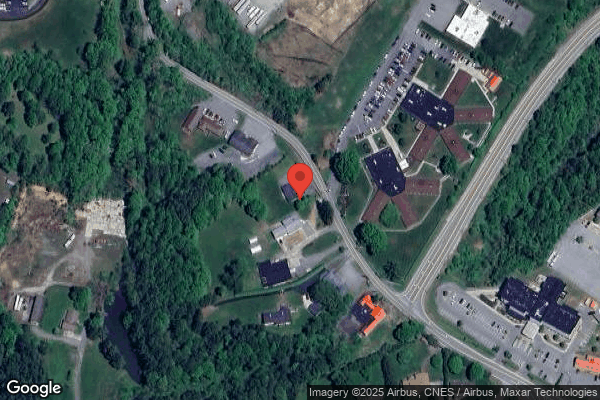
100 HEARTLAND DRIVE, BECKLEY, WV 25801 (304) 256-1650
For profit - Corporation 201 Beds COMMUNICARE HEALTH Data: November 2025 3 Immediate Jeopardy citations
Trust Grade
0/100
Last Inspection: April 2025

Within standard 12-15 month inspection cycle. Federal law requires annual inspections.

Overview

Beckley Healthcare Center has received a Trust Grade of F, indicating a poor rating with significant concerns about the quality of care provided. They rank at the bottom of the list in both West Virginia and Raleigh County, meaning there are no other facilities nearby that are considered better. The facility's trend is improving, with issues decreasing from 57 in 2024 to 11 in 2025, but they still face serious challenges, including a staffing turnover rate of 69%, which is concerning compared to the state average of 44%. There have been substantial fines totaling $84,611, which are higher than 75% of other West Virginia facilities, suggesting ongoing compliance problems. Specific incidents include a critical failure to evacuate residents in a timely manner during a fire, and a lack of adequate supervision leading to residents using illegal substances on the premises, both of which pose serious risks to resident safety. Overall, while there are some signs of improvement, the facility has significant weaknesses that families should carefully consider.

Trust Score
F
0/100
In West Virginia
#112/223
Top 50%
Safety Record
High Risk
Review needed
Inspections
Getting Better
57 → 11 violations
Staff Stability
⚠ Watch
69% turnover. Above average. Higher turnover means staff may not know residents' routines.
Penalties
✓ Good
$84,611 in fines. Lower than most West Virginia facilities. Relatively clean record.
Skilled Nurses
✓ Good
Each resident gets 44 minutes of Registered Nurse (RN) attention daily — more than average for West Virginia. RNs are trained to catch health problems early.
Violations
⚠ Watch
115 deficiencies on record. Higher than average. Multiple issues found across inspections.
☆☆☆☆☆
0.0
Overall Rating
☆☆☆☆☆
0.0
Staff Levels
☆☆☆☆☆
0.0
Care Quality
☆☆☆☆☆
0.0
Inspection Score
Stable
2024: 57 issues
2025: 11 issues

The Good

  • Full Sprinkler Coverage · Fire safety systems throughout facility
  • No fines on record

Facility shows strength in fire safety.

The Bad

Staff Turnover: 69%

23pts above West Virginia avg (46%)

Frequent staff changes - ask about care continuity

Federal Fines: $84,611

Well above median ($33,413)

Moderate penalties - review what triggered them

Chain: COMMUNICARE HEALTH

Part of a multi-facility chain

Ask about local staffing decisions and management

Staff turnover is elevated (69%)

21 points above West Virginia average of 48%

The Ugly 115 deficiencies on record

3 life-threatening 4 actual harm
Jun 2025 4 deficiencies
CONCERN (D) 📢 Someone Reported This

A family member, employee, or ombudsman was alarmed enough to file a formal complaint

Potential for Harm - no one hurt, but risky conditions existed

Report Alleged Abuse (Tag F0609)

Could have caused harm · This affected 1 resident

Based on record review and staff interview the facility failed to thoroughly investigate all allegations of neglect thoroughly. This was true for one (1) of 10 reportable incidents reviewed. Resident ...

Read full inspector narrative →
Based on record review and staff interview the facility failed to thoroughly investigate all allegations of neglect thoroughly. This was true for one (1) of 10 reportable incidents reviewed. Resident Identifier: #19. Facility Census: 144. Findings Include: a) Resident #19 A review of a facility reported incident dated 05/22/25 revealed Resident #19's sister had alleged the resident left the facility for a medical appointment and was dirty (socks had not been changed for several days and he was not cleaned up for his appointment). The facility reported the incident involving Resident #19 immediately when it was brought to their attention by the resident's sister. The investigation was reviewed. Statements were taken from the staff who were working with the resident prior to him leaving for his appointment. They indicated the resident was clean and dry when he left the facility. The facility indicated the allegation was no not verified due to the statements taken from the resident, the resident's sister, and the facility staff. The statement taken by the facility indicated the sister was trying to defend the facility to the outside facility When this surveyor spoke with the resident's sister, she indicated she had brought this to the attention of the facility before and they never took her seriously and now they blew it because staff at the other healthcare facility saw it and reported it to the surveyor agency. She indicated she was glad they did. An interview with Social Worker #104 indicated when the resident returned from his appointment the sister brought her the clothes he was wearing when he left the facility. She indicated the clothes were moist but not dried. She stated the resident did have accidents all the time and this was likely what happened in this case. She indicated the resident did not like to wear a brief and would take it off when they put it on him. Resident #19's sister confirmed this and stated she had tried to explain to him that it will give him some protection and keep his penis from getting irritated, but the resident consistently does not wear a brief. An interview with Social Worker #10 stated that she completed the investigation in conjunction with the Nursing Home Administrator she stated she did not call the ambulance because her staff indicated that the resident was clean and dry when he left, and they did not think about calling the ambulance company. The NHA had indicated he thought social services had contacted or spoke with the ambulance company. Both Social Worker #10 and #104 both confirmed on the afternoon of 06/17/25 they had not spoken to the ambulance company prior to the surveyor bringing it to their attention. In addition, the facility failed to reach out to the health care facility in which the resident went to the appointment. The surveyor aske the facility to get the consult from the appointment. When the facility obtained the information and provided it the following was found, Resident received from outside nursing home (Name of this facility) via ambulance for excision of cyst above left eye eyebrow. When the patient arrived at Same Day Surgery, he smelled very strongly of urine. When we removed his shoes, his white tube socks appeared to be covered with dried urine, and the socks were even somewhat stuck to patients' feet. Patient's shoes and pants also smelled strongly of dried urine . The NHA stated he had requested this information, but it was not provided to them prior to the surveyor requesting it.
CONCERN (D) 📢 Someone Reported This

A family member, employee, or ombudsman was alarmed enough to file a formal complaint

Potential for Harm - no one hurt, but risky conditions existed

Quality of Care (Tag F0684)

Could have caused harm · This affected 1 resident

Based on record review and staff interview the facility failed to ensure Resident #114's lab work was addressed and acted upon timely. In addition the failure to treat the Urinary Tract Infection (UTI...

Read full inspector narrative →
Based on record review and staff interview the facility failed to ensure Resident #114's lab work was addressed and acted upon timely. In addition the failure to treat the Urinary Tract Infection (UTI) identified by the lab testing caused a delay in Resident #114 receiving a required procedure to remove kidney stones. This was true for one (1) of five (5) residents reviewed for the use of a catheter during a complaint survey. Resident #114. Facility Census: 145. a) Resident #114 A review of Resident #114 medical record found since 01/01/25 Resident #114 had two (2) urine cultures ordered. The first was ordered on 02/26/25 and was obtained on 02/28/25 as directed by the order. A review of the results for this urine culture found the following, .ATTN. ESBL !!! Follow Contact Precautions. The results of this culture were verified on 03/03/25 and had a print date and time of 03/04/25 at 6:03 am. Handwritten on the lab result was the following, 03/18/25 5:30 PM DR. (Last Name of attending physician) notified order to change F/C (foley catheter) tonight and obtain UA and C and S. This note was written by Registered Nurse (RN) #52. Further review of the medical record found the following progress notes related to this lab result: 03/01/25 - Awaiting blood. urine test results. Not available at this time. 03/18/25 5:30 PM - Dr. (Last name of local physician) office called at 4:55 PM and reported to this nurse that they could not do patients surgery tomorrow because they had received urine culture results from 03/03/25 that showed ESBL <100, 000 colonies and they were not sure if it had been treated or not. This nurse reviewed the chart and confirmed that it had not been treated. Dr. (last name of Attending Physician) notified gave order for F/C to be changed tonight and obtain UA C And S d/t (due to) other specimen being over two weeks ago. Patient Notified. This note was entered by RN #52. Resident #114 was scheduled for a Ureteroscopy with stone removal on 03/19/25. This procedure was canceled because of the failure to follow up on the lab work and treat the ESBL. The second order was entered on 03/18/25 and the results were received on 03/24/25 and the physician was notified at 4:20 PM and gave an order for Invanz 1 gram IV every day for 10 days. . Further review of the record found Resident #114 had the left ureteroscopy with stone removal which as originally scheduled for 03/19/25 on 04/16/25. The failure of the facility to follow up on and treat the initial lab result caused a delay in treatment from 03/19/25 to 04/16/25. An interview with the Nursing Home Administrator in the morning of 06/18/25 confirmed the above findings. He stated, I think we notified the physician, but we did not document it and I cannot prove it.
CONCERN (E) 📢 Someone Reported This

A family member, employee, or ombudsman was alarmed enough to file a formal complaint

Potential for Harm - no one hurt, but risky conditions existed

Notification of Changes (Tag F0580)

Could have caused harm · This affected multiple residents

Based on record review and staff interview the facility failed to notify Resident #114's attending physician of a urine culture which identified the resident of having ESBL in her urine. This was true...

Read full inspector narrative →
Based on record review and staff interview the facility failed to notify Resident #114's attending physician of a urine culture which identified the resident of having ESBL in her urine. This was true for one (1) of five (5) residents reviewed for the use of a catheter during a complaint survey. Resident identifier: #114. Facility Census: 145. a) Resident #114 A review of Resident #114 medical record found since 01/01/25 Resident #114 had two (2) urine cultures ordered. The first was ordered on 02/26/25 and was obtained on 02/28/25 as directed by the order. A review of the results for this urine culture found the following, .ATTN. ESBL !!! Follow Contact Precautions. The results of this culture were verified on 03/03/25 and had a print date and time of 03/04/25 at 6:03 am. Handwritten on the lab result was the following, 03/18/25 5:30 PM DR. (Last Name of attending physician) notified order to change F/C (foley catheter) tonight and obtain UA and C and S. This note was written by Registered Nurse (RN) #52. Further review of the medical record found the following progress notes related to this lab result: 03/01/25 - Awaiting blood. urine test results. Not available at this time. 03/18/25 5:30 PM - Dr. (Last name of local physician) office called at 4:55 PM and reported to this nurse that they could not do patients surgery tomorrow because they had received urine culture results from 03/03/25 that showed ESBL <100, 000 colonies and they were not sure if it had been treated or not. This nurse reviewed the chart and confirmed that it had not been treated. Dr. (last name of Attending Physician) notified gave order for F/C to be changed tonight and obtain UA C And S d/t (due to) other specimen being over two weeks ago. Patient Notified. This note was entered by RN #52. Resident #114 was scheduled for a Ureteroscopy with stone removal on 03/19/25. This procedure was canceled because of the failure to follow up on the lab work and treat the ESBL. The second order was entered on 03/18/25 and the results were received on 03/24/25 and the physician was notified at 4:20 PM and gave an order for Invanz 1 gram IV every day for 10 days. . Further review of the record found Resident #114 had the left ureteroscopy with stone removal which as originally scheduled for 03/19/25 on 04/16/25. The failure of the facility to follow up on and treat the initial lab result caused a delay in treatment from 03/19/25 to 04/16/25. An interview with the Nursing Home Administrator in the morning of 06/18/25 confirmed the above findings. He stated, I think we notified the physician, but we did not document it and I cannot prove it.
CONCERN (E) 📢 Someone Reported This

A family member, employee, or ombudsman was alarmed enough to file a formal complaint

Potential for Harm - no one hurt, but risky conditions existed

Infection Control (Tag F0880)

Could have caused harm · This affected multiple residents

Based on observation, and staff interview the facility failed to ensure they implemented their infection control policy to prevent the spread of disease. This was found during the investigation of a c...

Read full inspector narrative →
Based on observation, and staff interview the facility failed to ensure they implemented their infection control policy to prevent the spread of disease. This was found during the investigation of a complaint and had the potential effect more than an isolated number of residents currently residing in the facility. Resident Identifier: #32. Facility Census: 45. Findings Include: a) Resident#32 At approximately 3:15 PM on 06/16/25, Nurse Aide #1 and Nurse Aide #3 was observed entering the room of Resident #32. Nurse Aide #1 was overheard telling Resident #32 they were going to assist her to bed. On Resident #32's door was a sign which indicated someone in the room was ordered enhanced barrier precautions. Beside Resident #32's name on the name plate of the room was a yellow sticker. The yellow sticker identified which of the two residents in the room was ordered EBP. This was confirmed with the Nurse Practice Educator. The signage on the door indicated if the staff were performing care such as a transfer the should wear gloves and a gown. The surveyor obtained permission from Resident #32 to observe the nurse aides transferring her to bed. During the transfer Nurse Aide #1 and #3 donned gloves but did not wear an isolation gown. When the nurse aides exited the room after completing the transfer Nurse Aide #1 was asked why he did not wear a gown while performing the transfer. He stated, We don't need to with her. When asked what the yellow sticker by her named indicated he stated, That means she is a fall risk she has fall mats. Nurse Aide #3 then approached, and Nurse Aide #1 asked her if they should have worn a gown. Nurse Aide #3 stated, No I don't think so. When she was asked what the sign on the door and the yellow sticker by the resident's name meant she stated, That means they have special stuff like at risk for falls and she has oxygen too. The Nurse Practice Educator was immediately made aware of the observation and the interviews. She stated, I am going to start additional education now. A review of Resident #32's medical record found the following physician order dated 02/13/25 which read as follows, Enhanced Barrier Precautions related to: PEG Tube, wound when dressing bathing showering transferring in room or therapy gym/personal hygiene, changing linen, providing hygiene, changing briefs, or assisting with toileting.
May 2025 1 deficiency 1 IJ
CRITICAL (J) 📢 Someone Reported This

A family member, employee, or ombudsman was alarmed enough to file a formal complaint

Immediate Jeopardy (IJ) - the most serious Medicare violation

Accident Prevention (Tag F0689)

Someone could have died · This affected 1 resident

Based on record review, observation, and staff interview the facility failed to ensure the resident environment was as free from accident hazards as possible. This was true for Resident #1 and was a r...

Read full inspector narrative →
Based on record review, observation, and staff interview the facility failed to ensure the resident environment was as free from accident hazards as possible. This was true for Resident #1 and was a random opportunity for discovery. Nurse Aide (NA) #20 and NA #21 had completed Resident#1's shower. They returned her to the hall and without surveyor intervention NA #20 and NA #21 would have used the total mechanical lift as a transport device to transport Resident #1 from the hallway to her bed which was by the window in her room. The surveyor intervened and prevented this from happening due to the risk of serious harm and/or death associated with using the lift as a transport device. The State Agency (SA) determined this practice placed Resident #1 in an immediate jeopardy (IJ) situation. The facility was notified of the IJ at 6:49AM on 05/19/25. The facility's plan of correction (POC) was accepted by the SA on 05/19/25 at 8:53 AM. After the facility implemented their plan of correction the SA abated the IJ at 10:35 am on 05/20/25. The implementation of the POC was confirmed by reviewing training documentation, observations and staff interviews to ensure the deficient practice had been corrected to the point of removing the immediacy. Resident Identifier: #1. Facility Census: 144. Findings Include: a) Resident #1 At 4:45 AM on 05/19/25 as the surveyor began walking down C-wing it was noted Resident #1 was on the shower bed in the hallway outside of the door to her room. Nurse Aide (NA)#20 was hooking the loops of the lift pad, which was under Resident #1 to the total mechanical lift; he then lifted the resident into the air. It should be noted that NA #21 was standing by and was available to assist. NA #20 however was the one hooking the lift pad to the lift and using the controls of the lift to lift the resident off the shower bed. Once NA #20 had lifted the resident slightly off the shower bed, the surveyor asked NA #20 what he was doing and if he intended to wheel the resident into her room while in the lift. He stated, Yes Ma'am that's how I always do it. I can't get the lift and the shower bed into the room at the same time. Is that Okay? At this time the surveyor intervened and asked him to not do that. He lowered the resident back to the shower bed and Licensed Practical Nurse (LPN) # 22 was asked if she could help NA #20 and #21 to safely transfer Resident #1 to the bed. LPN #22 then accompanied NA #20 and NA #21 into the resident's room. Upon entering the room, the surveyor noted Resident #1's bed was by the window. Her roommate who resided in the bed by the door was in bed. Her roommate's bed was against the back wall of the room. To the open side of the roommate's bed was a fall mat and an over the bedtable. Both of which had to be passed by to get Resident #1 to her side of the room. In the room was also a rock and go wheelchair which belonged to the roommate and Resident #1's wheelchair. NA #20 moved the roommate's chair out into the hallway. They then pushed the shower bed and lift into the resident's room. The shower bed did fit beside the resident's bed. They then lifted the resident into the air again. At this time the three (3) Staff members realized they were unable to move the shower bed out of the way due to the lift's legs being under the shower bed. At this time LPN #22 told NA#20 and NA #21 to transfer Resident #1 into her wheelchair and then remove the shower bed from the room. Then to transfer Resident #1 from her wheelchair to her bed. This transfer was eventually completed at 5:00 AM. A review of the Invacare Reliant 450 (the lift being used at the time of this transfer) lift manual found the following: WARNING!-Warning indicates a potentially hazardous situation which, if not avoided, could result in death or serious injury. WARNING!-The Invacare patient lift is NOT a transport device. Itis intended to transfer an individual from one resting surface to another (such as a bed to a wheelchair). The Invacare patient lift is NOT intended as a transport device. If the bathroom facilities are NOT near the bed or if the patient lift cannot be easily maneuvered toward the commode, the patient MUST be transferred to a wheelchair and transported to the bathroom facilities before using the patient lift again to position the patient on a standard commode. A review of the warning label which was affixed to the lift found the following, .This Invacare patient lift is NOT a transport device. DO NOT roll casterbase over uneven surfaces that may cause the patient lift to tip over. b) Facility's Plan of Correction Beckley Abatement Plan 5/19/25 Mechanical Lift Transfer 1. Patient #1 was assessed by the nurse and the Licensed Treatment nurse with no injuries noted on 5/19/25. On 5/19/25, Staff C.N.A. #20 was re-educated and competency re-evaluated by the staff development nurse on the proper lift transfer process and the requirement to not use the mechanical lift as a transport device. 2. An audit was completed by the Center Directors of Nursing with no other patients being transported by a mechanical lift device as a transport device at the time of discovery. 3. All Center Hands on Nursing Staff will be re-educated by the Staff Development Nurse/ Designee on the proper lift transfer process upon their next working shift. 4. Center Unit Managers/designee will audit daily, both shifts (7a-7p; 7p-7a), for three weeks, then three times per week for 3 weeks, to ensure staff are appropriately using the mechanical lifts and not using a mechanical lift as a transport device. All concerns will immediately be reported to the Center Executive Director by the Unit Manager/designee. 5. Results of audits will be presented in Quality Assessment and Performance Improvement meeting Monthly for follow-up to ensure compliance.
Apr 2025 6 deficiencies
CONCERN (D)

Potential for Harm - no one hurt, but risky conditions existed

Resident Rights (Tag F0550)

Could have caused harm · This affected 1 resident

Based on observation and staff interviews, the facility failed to ensure Resident #2 was treated with respect and dignity. This was a random opportunity for discovery. Resident identifier: #2. Facilit...

Read full inspector narrative →
Based on observation and staff interviews, the facility failed to ensure Resident #2 was treated with respect and dignity. This was a random opportunity for discovery. Resident identifier: #2. Facility Census: 145. Findings included: a) Resident #2 04/10/25 at approximately 11:00 am the surveyor and the Assistant Director of Nursing (ADON) #47 were walking past Resident #2's room. As the surveyor and ADON #47 were walking past Resident #2's room a nurse-aide was observed standing at the doorway of the room. She yelled into the room, Every time he is in a gown he totals the bed (Totals the bed is often used by staff in healthcare settings to indicate the resident has been incontinent and the fluid and/or stool has soiled the entire bed requiring the entire bed to be changed.) She reentered the room where other exchanges happened between the nurse aide at the door and the nurse aide inside the room. The surveyor was unable to hear the exchanges enough to quote them. The surveyor asked ADON #47 if a resident was in the room. As we reapproached the room, another voice as overheard saying loudly, I never have problem with him totaling the bed. ' ADON #47 came out of the room and confirmed both residents were in the room. She then reported the situation to the NHA. The NHA later confirmed the aides were talking about Resident #2. He stated, Resident #2 told them he had his earphones on didn't hear them. However, staff and other residents in the hall could have easily overheard the exchange. The NHA identified the Nurse Aide at the door as Nurse Aide #160 and the Nurse Aide in the room as Nurse Aide #15.
CONCERN (D) 📢 Someone Reported This

A family member, employee, or ombudsman was alarmed enough to file a formal complaint

Potential for Harm - no one hurt, but risky conditions existed

Deficiency F0551 (Tag F0551)

Could have caused harm · This affected 1 resident

. Based on record review, resident representative interview, and staff interview, the facility failed to allow the resident's representative to make decisions regarding the resident. This was true for...

Read full inspector narrative →
. Based on record review, resident representative interview, and staff interview, the facility failed to allow the resident's representative to make decisions regarding the resident. This was true for one (1) of one (1) resident reviewed for the care area of elopement. The incident was determined to be past non-compliance. The incident occurred on 12/25/24. Staff education to prevent reoccurrences of the incident was completed on 04/07/25. Resident identifier: #78. Facility Census: 145. Findings included: a) Resident #78 The facility's policy and procedure titled, Resident Leave of Absence, with no implementation given, stated that families and friends may escort the resident on an outing with an order from the physician and the approval of the resident's responsible party. Review of Resident #78's medical records showed on 07/19/24 the resident was deemed by the physician to demonstrate incapacity to make medical decisions. A guardian was appointed to make the residents' medical decisions. Review of Resident #78's progress notes showed a nurses note written on 12/25/2024 at 10:55 AM which stated, Resident exiting facility with family for Christmas for the day. Family signed resident out. Resident left in the family's personal vehicle and took rollator for ambulatory aid. Another nurse's note written on 12/25/2024 at 5:46 PM stated, Resident returned to facility via family personal vehicle after outing with family for Christmas. Both notes were written by Licensed Practical Nurse #172. The nurses note contained no documentation Resident #78's guardian had given permission for the resident's outing on 12/25/24. A social service note written on 12/30/2024 at 8:38 AM stated the resident representative had given permission for the same family member to take the resident out of the facility on 12/31/24. On 04/07/25 at 3:50 PM, the resident's representative confirmed she had not been notified when the resident left the facility with a family member on 12/25/24. On 04/09/25 at 4:45 PM, the supervisor of Resident #78's representative stated the resident's family member had been given permission to take the resident out of the facility on Thanksgiving. However, the representative had not been contacted to give permission for the family member to take the resident out of the facility on Christmas. On 04/09/25 at 5:30 PM, the Administrator provided documentation that LPN #172's employment at the facility had been terminated on 12/26/24 due to the incident. The Quality Assurance and Performance Improvement Committee reviewed the incident. All nursing staff were educated regarding the need to obtain approval from residents' representatives before residents were permitted to leave the facility with family members. Staff education to prevent the recurrence of the incident was completed on 04/07/25.
CONCERN (D)

Potential for Harm - no one hurt, but risky conditions existed

Report Alleged Abuse (Tag F0609)

Could have caused harm · This affected 1 resident

Based on record review and resident, staff, and family interview, the facility failed to report an allegation of abuse against Resident #48. This was true for one (1) of seven (7) residents reviewed f...

Read full inspector narrative →
Based on record review and resident, staff, and family interview, the facility failed to report an allegation of abuse against Resident #48. This was true for one (1) of seven (7) residents reviewed for abuse during the survey process. Resident identifier: 48. Facility census: 145. Findings include: a) Resident #48 Resident #48 has a Brief Interview for Mental Status (BIMS) score of 15, indicating she is cognitively intact, and has been deemed competent to make her own decisions. At approximately 3:00 PM on 04/07/25, an interview was conducted with Resident #48. During the interview, the resident stated, Most of the staff are good to me but stated there was one she recently had an incident with. The resident stated there was a Nurse Aide (NA) that came into her room one the night of 03/30/25 into 03/31/25 to provide care for her. The resident stated she had been constipated and was in pain. She stated the NA tried to remove stools from her, but it was causing her pain in the process. She stated, She was trying to get it out of me and it hurt. She was hurting me, and I told her to stop, she was hurting me, but she just kept doing it. She told me, We have to get this done but then I started to bleed. When I started to bleed, I think she got scared and went and got the nurse. I told my daughter what happened, and she reported it. At approximately 11:00 AM on 04/08/25, an interview was conducted with the administrator. During the interview, the administrator stated the Director of Nursing (DON) had been notified of the incident by the resident's daughter and the facility had logged it as a grievance, rather than an allegation of abuse, and had not reported it. The administrator stated Resident #48 said she had been uncomfortable when the NA had spread her rear end open. The administrator stated the incident had been reviewed and they did not feel it met the standards for abuse; therefore, it was not reported as such, and it was instead logged as a grievance, and competencies were completed on providing perineal care with the NAs involved. A review of the grievance form completed by the facility was reviewed on 04/08/25. Review of the grievance indicates Resident #48's daughter reported the incident to the DON on 04/01/25. The NA in question was identified as NA #8. On the grievance form under the section titled Description of Grievance the following was written; CNA (NA #8's name) spread resident buttocks open and tried to help her have bowel movement. They saw blood and said they needed to help her. Resident did not like that they spread her rear end open. Under the section titled Facility Follow Up the following was written IDT (interdisciplinary team) and social worker spoke to resident who stated aides opened her rectum to check her while she was trying to have a bowel movement and constipated. The resident stated aides got a nurse, but she had bleeding from straining. At approximately 3:25 PM on 04/8/25, an interview was conducted with Resident #48's daughter. During the interview, the daughter stated Resident #48 informed her of the incident and she reported it to the DON. She stated, I told her exactly what mom told me. I told her that she said the aide was hurting her and she told her to stop, and she kept going. Mom told her to stop again, she was hurting, but she continued, she didn't stop. The daughter stated she reported the incident on 04/01/25. A review of the facility's abuse policy was conducted on 04/08/25. During the review, under the section titled Policy it was written: In the event an allegation is made, the facility will take measures to protect residents from harm during an investigation. Accurate and timely reporting of incidents, both alleged and substantiated, will be sent to officials in accordance with the stated law. Section two (2) of the policy, titled Training states: Subsection one (1); b. Identifying what constitutes abuse, neglect, exploitation, and misappropriation of resident property. d. Reporting abuse, neglect exploitation, and misappropriation of resident property, including injuries of unknown sources, and to whom and when staff and others must report their knowledge related to any alleged violation without fear of reprisal. Section five (5), titled Investigation of Incidents states: 1. An event may not be perceived by staff to constitute resident abuse neglect or misappropriation of resident property; however, if a resident, family member or visitor perceives an event to be abuse, neglect or misappropriation, the facility must report the event. Section seven (7), titled Reporting of Incidents and Facility Response states: All alleged violations involving abuse, neglect, exploitation or mistreatment, including injuries of unknown source and misappropriation of resident property will be reported to the Executive Director immediately. 2. The Executive Director/designee will report appropriate incidents to OHFLAC, APS, the Regional Ombudsman, and other local authorities, including but not limited to local law enforcement (if appropriate), as required by State Law. a. If the events that cause the allegations involve abuse and/or serious bodily injury, the self-report must be made immediately, but not later than two (2) hours after the allegation is made.
CONCERN (D)

Potential for Harm - no one hurt, but risky conditions existed

Deficiency F0685 (Tag F0685)

Could have caused harm · This affected 1 resident

Based on resident interview, record review and staff interview the facility failed to ensure Resident #139 received proper treatment and assistive devices to maintain vision and hearing abilities. Thi...

Read full inspector narrative →
Based on resident interview, record review and staff interview the facility failed to ensure Resident #139 received proper treatment and assistive devices to maintain vision and hearing abilities. This was true for one (1) of one (1) resident reviewed for the vision and hearing care area during the long-term care survey. Resident identifier: #139. Facility Census: 145. Findings Include: a) Resident #139 During an interview with Resident #139 on 04/07/25 at 1:14 pm she stated that she needed new glasses, and she had been waiting a long time to get them, and she did not understand why it was taking so long. An interview with Social Worker #51 on 04/09/25 in the morning found the resident had seen the eye doctor on 01/28/25. Social Worker #51 stated, (Name of the eye doctor) is old school and he mailed the consults back. She indicated there was a nursing date noted 03/25/25 which indicated the consult was received by the facility on 03/25/25. She later provided the consultation from the eye doctor with a notation from facility staff indicating the consult was received 03/25/25. Social Worker #51 indicated the business office took care of sending the request to corporate to get the invoice paid to get Resident #139 her glasses. An interview with Employee #155 in the early afternoon of 04/09/25 found she had requested the glasses be paid for twice. She said, this was the second one she requested it to be expedited since it was the second request. She indicated she had sent the second request on 04/08/25. Employee #155 was asked to provide the emails she had sent to the corporate requesting the invoice be paid. The facility provided one email which read as follows, If at all possible, please expedite the release of payment to this vendor. Resident reported to the state surveyor yesterday that she has been waiting on her glasses for several months and is in great need of them. This email was sent by Employee #155 on 04/08/25 at 10:21 AM. Please note the surveyor had not mentioned the interview with the resident to facility staff until 04/09/025. During an interview with the Business Office Manager (BOM) in the afternoon of 04/09/25, the BOM confirmed she thought they got the invoice between the 28th and 31st and had only given the invoice Employee #155 yesterday (4/08/25). She stated, Employee #155 had gotten it confused with another resident when she told the surveyor that she had sent 2 requests already.
CONCERN (D)

Potential for Harm - no one hurt, but risky conditions existed

Deficiency F0808 (Tag F0808)

Could have caused harm · This affected 1 resident

Based on observation, record review, and staff interview, the facility failed to follow the physician-prescribed therapeutic diet for one (1) of 14 residents reviewed for the care area of food. Reside...

Read full inspector narrative →
Based on observation, record review, and staff interview, the facility failed to follow the physician-prescribed therapeutic diet for one (1) of 14 residents reviewed for the care area of food. Resident identifier: #78. Facility census: 145. Findings included: a) Resident #78 Review of Resident #78's physician's orders showed an order written on 01/08/25 for Regular diet, Regular texture, Thin liquids consistency, sugar sub [substitute]; no oranges, OJ [orange juice], bananas, tomatoes. During breakfast observation on 04/09/25 at 8:22 AM, Resident #78 was observed eating in his room. He had a glass of orange juice with his meal. Resident #78's tray ticket stated, Regular. Sugar sub; NO Citrus, Bananas, Tomatoes. Licensed Practical Nurse (LPN) #107 was notified. LPN #107 took the orange juice away and stated that he would get the resident something different to drink. On 04/09/25 at 8:32 AM, the administrator stated the diet restriction of no orange juice was ordered when the resident was considering dialysis treatment. However, the resident had elected to receive hospice services and no dialysis treatment. The Administrator stated the Nurse Practitioner was examining the resident to determine if the diet restrictions could be discontinued. The Administrator also stated the orange juice had been obtained for Resident #78 by a Nurse Aide and education had been started for Nurse Aides to prevent further incidences. On 04/09/25 at 8:40 AM, Nurse Practitioner #167 stated he was going to discontinue Resident #78's diet restrictions.
CONCERN (D)

Potential for Harm - no one hurt, but risky conditions existed

Medical Records (Tag F0842)

Could have caused harm · This affected 1 resident

Based on record review and staff interview, the facility failed to maintain an accurate medical record pertaining to a diagnosis. This was true for 1 (one) of 38 (thirty-eight) records reviewed during...

Read full inspector narrative →
Based on record review and staff interview, the facility failed to maintain an accurate medical record pertaining to a diagnosis. This was true for 1 (one) of 38 (thirty-eight) records reviewed during this survey process. Resident identifier: #118. Facility census: 145. Findings included: a) Resident #118: As of the date of the survey, the Resident had these diagnoses: Anxiety disorder Excoriation (Skin-Picking) disorder Schizoaffective disorder, bipolar type Mild neurocognitive disorder due to known physiological condition with behavioral disturbance. Physician orders included: Cymbalta Oral Capsule Delayed Release Particles 30 MG (Duloxetine HCI) Give 30 mg by mouth one time a day for depression. Pertinent information from the Care Plan: Focus areas listed included schizoaffective disorder, bipolar type; mild neurocognitive disorder with moderate cognitive impairment, anxiety disorder, depression, skin picking disorder. The resident uses anti-depressant medication: depression. In summary, there was no diagnosis for depression, even though the resident had been prescribed Cymbalta for depression. On 04/09/25 at 12:58 PM, the discrepancy was reviewed by the Corporate RN Clinical Coordinator #173, who stated the diagnosis related to Cymbalta was an error. It should be for anxiety.
Oct 2024 32 deficiencies
CONCERN (D)

Potential for Harm - no one hurt, but risky conditions existed

Deficiency F0557 (Tag F0557)

Could have caused harm · This affected 1 resident

Based on observation, record review and staff interview, the facility failed to ensure Resident #163's dignity was maintained. This was a random opportunity for discovery in the Long Term Care Survey ...

Read full inspector narrative →
Based on observation, record review and staff interview, the facility failed to ensure Resident #163's dignity was maintained. This was a random opportunity for discovery in the Long Term Care Survey Process. Resident identifiers: Resident #163. Facility census: 181. Findings included: a) Resident #163 On 10/09/24 at 9:37 AM, this Surveyor was walking past Resident #163's room. At that time, this Surveyor observed Resident #163 laying in bed on a deflated air mattress with the call light on. Resident #163 cord to the air mattress was noted to be laying in the floor unplugged. Resident #163 was noted to be laying in a brief with no other clothing on, exposed to all facility staff, other residents and visitors walking on this hallway, with no blanket or curtain pulled to provide privacy. Multiple facility staff were observed to be walking down the hallway and passing by Resident #163's room and call light without stopping to ask Resident #163 what was needed or to offer to place a blanket to cover #163 or pull the curtain. Wound Nurse (WN) #21, was observed to be standing directly adjacent to Resident #163's room, with Resident #163 in full view. At that time, this Surveyor requested to speak with her. WN #21 acknowledged Resident #163 should be dressed, covered up or his curtain pulled to maintain Resident #163's dignity and went into Resident #163's room to ask if she could pull the cover. Resident #163 consented to allow WN #21 to pull the cover over him. On 10/09/24 at 10:39 AM Review of Policy and Procedure entitled, Resident Rights revealed that all residents will be treated with dignity and respect This policy also states that it is to guide employees in the general principles of dignity and respect of caring for residents and the rights and safety of other residents, staff and visitors. On 10/09/24 at 11:26 AM, a review of Resident #163's Brief Interview for Mental Status (3.0 BIMS) indicated Resident #163 is moderately impaired with a score of 9.0. On 10/09/24 at 11:46 AM, a review of Resident #163's capacity statement indicated Resident #163 lacks capacity, short term, related to disorientation due to cerebral vascular accident (CVA).
CONCERN (D)

Potential for Harm - no one hurt, but risky conditions existed

Free from Abuse/Neglect (Tag F0600)

Could have caused harm · This affected 1 resident

Based on record review and staff interview, the facility failed to keep Residents #110, #242, #134, and #119 free from abuse as results of resident to resident interactions by Resident #139. This was ...

Read full inspector narrative →
Based on record review and staff interview, the facility failed to keep Residents #110, #242, #134, and #119 free from abuse as results of resident to resident interactions by Resident #139. This was true for one (1) of four (4) residents reviewed for abuse during the survey process. Resident identifiers: #139, #110, #119. Facility census: 181. Findings included: a) Resident #110 At approximately 1:30 PM on 10/08/24, during a review of Resident #139's record, it was determined she had been in altercations with 4 different residents at the facility from 05/07/24 through 05/21/24. It was determined, based on the reportables provided by the facility, Resident #110 was involved in the altercation on 05/07/24. A review of the facility investigation revealed Social Worker (SW) #77 took a statement from the Physical Therapist (PT) at the facility (dated 05/10/24), stating Resident #110 reported to them she was struck by Resident #139, but did not obtain a written statement, nor did they have an interview on file with Resident #110 concerning the incident. The reportable sent in by the facility indicated they were not made aware of the incident until 5/10/24 No interventions were put into place to keep Resident #139 from striking another resident due to the facility not being made aware of the incident until 05/10/24. b) Resident #119 At approximately 1:30 PM on 10/08/24, during a review of Resident #139's record, it was determined the resident was in an altercation with Resident #119 on 05/21/24. According to progress notes on 05/21/24 at 2:03 PM, Resident #139 was in the dining room and grabbed Resident #119's arm and squeezed it. The progress note states Action was witnessed by 3 other residents with capacity. Progress notes state Resident #139 was removed from the dining room and placed on one (1) on one (1) supervision immediately. However, during review of the resident's Medication Administration Record (MAR) for May of 2024, it was noted the facility was missing documentation to prove Resident #139 received one (1) on one (1) supervision on 05/22/24 while it was still ordered. At approximately 3:30 PM on 10/16/24, Administrator #13 acknowledged the missing documentation for one (1) on one (1) supervision.
CONCERN (D)

Potential for Harm - no one hurt, but risky conditions existed

Deficiency F0605 (Tag F0605)

Could have caused harm · This affected 1 resident

**NOTE- TERMS IN BRACKETS HAVE BEEN EDITED TO PROTECT CONFIDENTIALITY** Based on record review and staff interview, the facility failed to ensure that Resident #139 was free from chemical restraints. ...

Read full inspector narrative →
**NOTE- TERMS IN BRACKETS HAVE BEEN EDITED TO PROTECT CONFIDENTIALITY** Based on record review and staff interview, the facility failed to ensure that Resident #139 was free from chemical restraints. This was true for one (1) of four (4) residents reviewed for behaviors during the survey process. Resident identifier: #139. Facility census: 181. Findings included: a) Resident #139 At approximately 1:30 PM on 10/08/24, during a review of the record for Resident #139, it was noted the resident had received an as needed (PRN) order for Lorazepam (also known as Ativan) Oral Concentrate 2 MG/ML. The order reads as follows: Lorazepam Oral Concentrate 2 MG/ML (Lorazepam) Give 0.25 ml orally every 2 hours as needed for terminal agitation/restlessness. This order was recommended by the hospice provider as the resident is currently receiving hospice services. The Resident received this order for a one time dose of oral concentrate Ativan on 05/09/24, ending on 05/10/24. However, on 05/10/24, a new order was recommended by hospice for: Lorazepam Oral Concentrate 2 MG/ML (Lorazepam) Give 0.25 ml orally every 2 hours as needed for terminal agitation/restlessness for 14 days. Upon review of the resident's record, it was determined the resident was in two altercations on 05/09/24, with Residents #242 and #134. A progress note dated 05/09/24 at 3:50 PM states: Alerted by unit manager that activities notified her of this resident smacking (Resident #134's facility ID number) in the doorway of the station 2 nurses station/dining room during an activity. Retrieved statement from activities staff. Activities stated that, (Resident #139's name) hit resident on her leg. CNA intervened and de-escalated the situation. (Resident #139's name) has been placed on a 1:1, physician notified. Spoke with (Hospice Registered Nurse [RN] #197's name) regarding possible med changes. New orders received. According to a progress dated 05/09/24 at 4:08 PM, a new order was received for the Ativan oral concentrate. According to the Medication Administration Record (MAR) the PRN Ativan oral concentrate was administered to Resident #139 at 6:33 PM on 05/09/24. At 6:45 PM on 05/09/24, a note was entered stating administration of the PRN Ativan oral concentrate was effective. Further review of the MAR revealed Resident had scheduled administration times of Ativan tablets every day. The orders are as follows: Ativan Oral Tablet 0.5 MG (Lorazepam) Give 0.5 mg by mouth two times a day for agitation; anxiety. Ativan Oral Tablet 1 MG (Lorazepam) Give 1 mg by mouth at bedtime for agitation; anxiety. The MAR shows Resident #139 was given the 0.5 mg dose of the Ativan tablet at 6:00 AM and 2:00 PM on 05/09/24. Further review shows the resident was given the Ativan oral concentrate at 6:33 PM and the 1 mg dose of the Ativan tablet at 8:00 PM on 05/09/24. The behavior monitoring tools for the day of 05/09/24, when the altercations occurred between Resident #139 and Residents #242 and #134, indicated the resident exhibited no behaviors. Furthermore, the behavior monitoring tool reveals no non pharmacological interventions were attempted before the facility obtained an order for, and administered, Ativan oral concentrate to Resident #139. The following day, the facility started the order for the Ativan oral concentrate for terminal agitation and restlessness for 14 days. At approximately 10:39 AM on 10/14/24, an interview was conducted with Hospice RN #197 regarding the medication given to Resident #137 for the purpose of terminal agitation and restlessness. When asked if she came in to assess the Resident at the time the facility called to inquire about the Ativan oral concentrate, Hospice RN #197 stated she did not come in to assess the resident before giving the facility the order for the Ativan. In fact, Hospice RN #197 did not come into the facility to see the resident until 05/10/24 at 6:51 PM, according to the progress notes entered into the system. A progress note dated 05/10/24 at 6:51 PM reads as follows: (Hospice RN #197's name) from Hospice in to assess resident due to extreme agitation today and refusal of Ativan 0.25 ml PRN medication. (Hospice RN #197's name) put her in her bed to assess her and resident had a large BM after which resident became calm and agreed to take the Ativan 0.25 ml. She is now resting in bed comfortably. (Hospice RN #197's name) then obtained order from (Facility physician) to discontinue 1:1 since resident is now calm. During the interview with Hospice RN #197, she was asked about terminal agitation and how she was able to assess the resident without laying eyes on her to rule out other conditions that may cause agitation and behaviors. Hospice RN #197 stated I have a good relationship with the nurses at the facility, I trust their judgment when they call and tell me things about the residents. Hospice RN #197 stated the behaviors the resident was having were out of character for the resident, however, during review of the resident's record, it was noted the resident exhibited behaviors of cursing and hitting staff as far back as February of 2024. Hospice RN #197 stated terminal agitation could last go on for some time when asked if it was common for a resident to be terminally agitated and still be alive five (5) months later. Hospice RN #197 was asked how the nursing staff at the facility know how to identify terminal agitation in a resident, seeing as how they don't see things like that on a regular basis, compared to hospice, and how she could be sure Resident #139 was terminally agitated without physically assessing her. Hospice RN #197 stated We do education every time we are in the facility with the nursing staff about what to look for in the residents. Hospice RN #197 was asked what the facility stated was different with Resident #139's behaviors during that period that warranted the Ativan oral concentrate. Hospice RN #197 stated the facility had placed the resident on one (1) on one (1) supervision due to her being in an altercation with another resident and called to request a medication change. Furthermore, Hospice RN #197 states she was in the facility on 05/10/24 to assess the resident because the facility told her Resident #139 was refusing doses of the Ativan oral concentrate. Hospice RN #197 stated she took Resident #139 into her room and was able to get her to take the medication, as evidenced by the progress note listed above. Hospice RN #197 was asked if being placed on one (1) on one (1) supervision was a reason to receive Ativan oral concentrate as needed, to which she stated If it's different than their normal behaviors, then yes. According to Resident #139's wandering observation tool, and multiple observations during the survey process, she is noted to wander about the entire facility frequently. Hospice notes were not available in the resident's chart from 05/09/24 or 05/10/24, when the assessments would have been completed on the resident for the change in condition and prescription of the PRN Ativan. Hospice RN #197 stated she would send them to the facility if she had them. As of the end of the survey, the notes were not produced. Interviews were conducted with Licensed Practical Nurse (LPN) #82 at 9:38 AM on 10/16/24, LPN #87 at 9:49 AM on 10/16/24, and RN #101 at 9:54 AM on 10/16/24. All three (3) nurses state they deal with hospice regularly and they were not aware of any education being provided by hospice. All three (3) nurses stated hospice will inquire about how much the resident has eaten and if they have had any bowel movements. RN #101 stated We will call them and ask for a medication change and they will talk to their doctor and then call us back with the order. When asked if hospice comes in to assess the patients for a change in condition before giving a new order she stated No, not really, they usually just give the order over the phone. LPN #87 stated, when asked if hospice came in to assess residents for change in condition before giving new orders, Usually if I call and tell them I need something, they'll just give the order. I haven't seen them come in and assess anyone when we call and tell them something is different. Further review of the resident's progress notes and MAR indicate other instances where the Ativan oral concentrate was administered where Resident #139 exhibited behaviors. However, none of the times the Ativan was administered, were non pharmacological interventions documented as being attempted. Progress note dated 05/10/24 at 1:09 PM states: Refused. Swatted nurse away. Ativan liquid concentrate was administered to Resident #139 at 2:20 PM on 05/10/24, according to the MAR and progress notes. According to the progress notes and MAR, Resident #139 received the Ativan oral concentrate at 2:14 on 05/13/24. A follow up note for that administration at 3:37 PM states: PRN Administration was: Effective pt (patient) is not screaming and yelling at anyone. A progress note dated 05/16/24 at 11:42 states: Resident is on hospice services. She has poor safety awareness and at times, becomes agitated with in stimulated environments. Resident was noted smacking another resident in the leg. Staff immediately intervened. Resident was placed on one on one until cleared by CRNP or MD. Interviewable residents were asked if they felt safe and all stated they did feel safe except one resident. All residents without capacity skin sweeps were completed and no new areas identified. Hospice made aware. Intervention will be to complete a medication review. According to progress notes and the MAR, the Ativan oral concentrate was administered to Resident #139 at 4:06 PM. A progress note dated 05/21/24 at 2:03 PM states: Resident was in dining room with peers. Resident allegedly grabbed another residents (sp) arm and squeezed it. Action was witnessed by 3 other residents with capacity. Resident was removed from dining room and immediately placed on 1:1. Activities director had taken resident for diversion activities. Resident was offered fluids but denied. Resident is alert with confusion and unable to state why she grabbed resident. When staff approached resident, she had increased anxiety and kept repeating the name [NAME]. Residents (sp) POA was made aware, and she stated that [NAME] was her brother. PRN Ativan was administered for residents (sp) increased anxiety. At approximately 3:30 PM on 10/16/2024, Administrator #13 confirmed the lack of behavior monitoring, especially on days when the resident received the PRN doses of the Ativan oral concentrate. Furthermore, Administrator #13 confirmed non pharmacological intervention had not happened, per the notes, before the resident received those doses. Administrator #13 also confirmed the missing hospice documentation.
CONCERN (D)

Potential for Harm - no one hurt, but risky conditions existed

Report Alleged Abuse (Tag F0609)

Could have caused harm · This affected 1 resident

. Based on medical record review and staff interview, the facility failed to ensure that alleged violations involving abuse, neglect were reported. An unwitnessed fall with injury and an allegation of...

Read full inspector narrative →
. Based on medical record review and staff interview, the facility failed to ensure that alleged violations involving abuse, neglect were reported. An unwitnessed fall with injury and an allegation of staff to resident verbal abuse was not reported. This was a random opportunity of discovery during the long term care process. This has the opportunity to affect a limited number of residents. Resident identifier: #84. Facility Census: 181. Findings included: a) Resident #84 At approximately 1:00 PM on 10/08/24, during a review of Resident #84's record a progress note dated 04/26/24 at 10:04 was noted. The progress note is typed as written: 4/26/2024 10:04 Behavior Note Note Text: This nurse was performing this resident's weekly skin assessment and this resident cursed at this nurse for gently holding him over on his side to perform peri-care. This resident stated You're fucking hurting me!! This nurse apologized to resident and educated him on the need for peri-care to be performed with incontinence. Resident then stated. I don't give a shit. Leave me alone! Then resident swung his bed control, attempting to hit this nurse with it. Wing nurse notified. Plan of care ongoing. Upon investigation of the facility reportable log for April of 2024, it was noted the facility did not report the incident to the State Agency (SA). At approximately 3:15 PM on 10/08/24, an interview was conducted with Administrator #186 regarding the allegation. Administrator #186 confirmed the allegation of abuse was not reported and stated I didn't interpret that as abuse, for that particular situation I took that as the type of care she provided and his response to that care. .
CONCERN (D)

Potential for Harm - no one hurt, but risky conditions existed

Investigate Abuse (Tag F0610)

Could have caused harm · This affected 1 resident

Based on record review and staff interview, the facility failed to thoroughly investigate and identify allegations of abuse to Residents #110 and #119 by Resident #139. This was a random opportunity f...

Read full inspector narrative →
Based on record review and staff interview, the facility failed to thoroughly investigate and identify allegations of abuse to Residents #110 and #119 by Resident #139. This was a random opportunity for discovery. Resident identifiers: #139, #110, #119. Facility census: 181. Findings included: a) Resident #110 At approximately 1:30 PM on 10/08/24, during a review of Resident #139's record, it was determined she had been in altercations with four (4) different residents at the facility from 05/07/24 through 05/21/24. It was determined, based on the reportables provided by the facility, Resident #110 was involved in the altercation on 05/07/24. A review of the facility investigation revealed Social Worker (SW) #77 took a statement from the Physical Therapist (PT) at the facility (dated 05/10/24), stating Resident #110 reported to them she was struck by Resident #139, but did not obtain a written statement, nor did they have an interview on file with Resident #110 concerning the incident. The reportable sent in by the facility indicated they were not made aware of the incident until 5/10/24 No interventions were put into place to keep Resident #139 from striking another resident due to the facility not being made aware of the incident until 05/10/24. b) Resident #119 At approximately 1:30 PM on 10/08/24, during a review of Resident #139's record, it was determined the resident was in an altercation with Resident #119 on 05/21/24. According to progress notes on 05/21/24 at 2:03 PM, Resident #139 was in the dining room and grabbed Resident #119's arm and squeezed it. The progress note states Action was witnessed by 3 other residents with capacity. Progress notes stated that Resident #139 was removed from the dining room and placed on one (1) on one (1) supervision immediately. However, during review of the resident's Medication Administration Record (MAR) for May of 24, it was noted the facility was missing documentation to confirm Resident #139 received one (1) on one (1) supervision on 05/22/24 while it was still ordered. It was discovered after review of the above incidents the facility marked each allegation of abuse as unsubstantiated, despite them occurring and being witnessed by multiple people. At approximately 1:50 PM on 10/10/24, an interview was conducted with SW #77 acknowledged she did not obtain statements from the victims in these cases and the allegations were determined to be unsubstantiated because Resident #139 does not have capacity.
CONCERN (D)

Potential for Harm - no one hurt, but risky conditions existed

Comprehensive Assessments (Tag F0636)

Could have caused harm · This affected 1 resident

Based on record review, resident interview and staff interview, the facility failed to correctly identify resident's hearing deficit/use of hearing aids on the Minimum Data Set (MDS). Resident #148. 1...

Read full inspector narrative →
Based on record review, resident interview and staff interview, the facility failed to correctly identify resident's hearing deficit/use of hearing aids on the Minimum Data Set (MDS). Resident #148. 1(one) of 50 reviewed for MDS accuracy. Facility Census 181. Findings included: a) Resident #148 On 10/07/24 at 1:30 PM, during an interview with Resident #148, he reported that he has excessive earwax buildup that needs removed monthly. He reported that he used scissors to dig a huge plug of wax out. He stated that he cannot use his hearing aids due to the extra wax. He stated that he ordered a flusher and staff told him he was not allowed to use it due to safety of the other residents. He stated that he had tried the curettes and they are not affective for him. He denied having an appointment scheduled with audiologist since his admission at this facility. An interview with Registered Nurse (RN) #112 on 10/07/24 at 2:25 PM acknowledged that Resident #148 had complained of earwax buildup in the past. She reported that he had ordered himself a flushing device to help with removal but RN #112 was unsure what happened to it. She stated that the physician had previously ordered Debrox and the resident does not like it. She denied knowledge that he was using scissors to clean his own ears. She reported that she would notify the doctor that resident would like his ears cleaned more frequently and that he used scissors to remove his own wax. On a 10/08/24 at 3:21 PM, review of records revealed Resident #148's care plan did not include hearing impairment, ear wax care and hearing. On 10/08/24 at 3:30 PM a review of admission Minimum Data Set (MDS) dated with an Assessment Reference Date (ARD) of 12/08/23, section B states resident has hearing aids, the Quarterly MDS 08/15/24 states that resident does not wear hearing aids. On 10/09/24 at 1:50 PM and interview was conducted with both administrators who acknowledged that resident's Quarterly and admission MDS were not consistent with the other and that resident's hearing impairment/hearing aid use is not on current care plan. Also, made administrative staff aware that resident had a flushing device that he had purchased for himself and it had been taken away from him but that he reported that he is using a pair of scissors to clean them. They will look into it and let me know if they have any information on why Resident #148 was no longer in possession of the ear flusher and if it is safe for him to use. No further information was reported.
CONCERN (D)

Potential for Harm - no one hurt, but risky conditions existed

Assessment Accuracy (Tag F0641)

Could have caused harm · This affected 1 resident

Based on record review and staff interviews,the facility failed to ensure the Minimum Data Set (MDS) assessments were correct and matched Resident # 71's Care Plan. This was a random opportunity for d...

Read full inspector narrative →
Based on record review and staff interviews,the facility failed to ensure the Minimum Data Set (MDS) assessments were correct and matched Resident # 71's Care Plan. This was a random opportunity for discovery. Resident identifier: #71. Facility census: 181. Findings Included: a) Resident #71 During record review on 10/09/24 at approximately 1:00 PM, Section L of Resident #71's MDS with an Assessment Reference Date (ARD) of 08/04/24 was marked No to oral or dental problems with own natural teeth but the care plan stated that Resident #71 had oral and dental problems with own natural teeth. During an interview with the Administrator and corporate witness on 10/09/24 at 1:52 PM, Resident #71 had decayed and blackened teeth.
CONCERN (D)

Potential for Harm - no one hurt, but risky conditions existed

PASARR Coordination (Tag F0644)

Could have caused harm · This affected 1 resident

**NOTE- TERMS IN BRACKETS HAVE BEEN EDITED TO PROTECT CONFIDENTIALITY** Based on medical record review and staff interview, the facility failed to update the Pre admission Screening and Resident Revie...

Read full inspector narrative →
**NOTE- TERMS IN BRACKETS HAVE BEEN EDITED TO PROTECT CONFIDENTIALITY** Based on medical record review and staff interview, the facility failed to update the Pre admission Screening and Resident Review (PASARR) with the new diagnosis of Dementia/ with other unspecified behaviors and schizoaffective disorder. This was true for 1 of 5 residents whose PASARRs were reviewed during the long term care survey process. Resident Identifier: #19. Facility Census: 181. Findings Included: a) Resident #19 During a medical record review for Resident #19 diagnosis identified that Resident admitted to the facility on [DATE] and the following diagnoses were identified since admission: * Dementia in other diseases classified elsewhere, unspecified severity with other behavioral disturbance dated 10/31/22. *Schizoaffective disorder dated 10/31/22 A further review of the PASARR provided by the facility for Resident #19, dated 02/08/11, it identified that the residents diagnosis of Dementia in other diseases classified elsewhere, unspecified severity with other behavioral disturbance dated 10/31/22 and the schizoaffective disorder dated 10/31/22 were not listed. During an interview with Administrator #186 on 10/08/24 at approximately 10:30 AM the Administrator #186 confirmed that the diagnosis of Dementia in other diseases classified elsewhere, unspecified severity with other behavioral disturbance dated 10/31/22 and the schizoaffective disorder dated 10/31/22 did require the PASARR to be updated and re-submitted for review.
CONCERN (D)

Potential for Harm - no one hurt, but risky conditions existed

Deficiency F0679 (Tag F0679)

Could have caused harm · This affected 1 resident

**NOTE- TERMS IN BRACKETS HAVE BEEN EDITED TO PROTECT CONFIDENTIALITY** Based on resident interview, staff interview, observation and record review, the facility failed to provide a program to meet t...

Read full inspector narrative →
**NOTE- TERMS IN BRACKETS HAVE BEEN EDITED TO PROTECT CONFIDENTIALITY** Based on resident interview, staff interview, observation and record review, the facility failed to provide a program to meet the needs and interest of the residents. This failed practice was found true for (2) two of (4) four residents reviewed for activities during the Long-Term Care Survey Process. Resident identifiers: #147 and #93. Facility Census 181. a) Resident #147 During the initial interview on 10/07/24 at 1:15 PM, Resident #147 stated, I sometimes go out in the hall. The activities they have here really do not interest me so I do not go. A record review on 10/14/24 at 1:00 PM, of Resident #147's activity participation from 08/01/24 to present revealed that Resident #147 only attended (1) one group activity during the period. It further revealed that Resident #147 had only one activity marked each day which was an individual activity of relaxation. No one to one visits were documented. Further record revealed an Activities care plan that reads as follows: Focus: Resident does not attend scheduled group activities. He prefers to remain self-directed in his room instead. Goal: (Resident name) will participate in activities of choice through review date. Some interventions include: * Provide activity materials of interest such as library books, word puzzles, magazines * Resident enjoys being around animals * Resident enjoys being outdoors * Resident enjoys listening to music * Resident enjoys playing bingo * Resident enjoys playing cards * Resident enjoys coloring. During an interview on 10/14/24 at 2:30 PM, Resident #147 stated, I have never been offered anything such as coloring books, playing cards or going outside for an activity. A record review on 10/14/24 at 2:45 PM, of Resident #147's Minimum Data Set (MDS) with an Assessment Reference Date (ARD) of 04/23/24, section F, question F, is marked it is very important for this resident to do his favorite activities. During an interview on 10/14/24 at 3:30 PM, The Activity Director (AD) #39 confirmed that the only thing marked for his participation from 08/01/24 to present was relaxation for individual activity. b) Resident #93 On 10/07/24 at 03:14 PM, an interview and observation was conducted with Resident #93. At that time, Resident #93 stated, No, I don't go to activities, I can't walk. No, nobody stops by by room and offers me anything. They don't come in and do any activities with me, they don't bring me anything to do either. I never see them. At the time of this interview and observation, no TV was on and nothing was noted at bedside such as reading material. On 10/08/24 at 11:47 AM, an additional interview and observation was conducted with Resident #93. At that time, no TV was noted to be on and no materials were noted at bedside. Resident #93 again states she has nothing to do, that nobody ever offers her anything to do. Resident #93 states I can't walk, my back is broke, I can't go to activities. On 10/08/24 at 03:26 PM, a review of Resident #93's care plans was completed and revealed the following care plan: FOCUS: Resident does not attend scheduled group activities. She prefers to remain self-directed in her room instead. Date initiated: 08/12/24. GOAL: [NAME] will participate in activities of choice through review date. Date initiated: 08/12/24. INTERVENTIONS: Encouraging attendance to entertainment programs, large and small group activities, volunteer demonstrations, and religious activities. Date initiated: 08/12/24. Favorite colors are pink and blue. Date initiated: 08/19/24. Interview and determine resident activity preferences. Date initiated: 08/12/24. Introduce to other residents with similar interests. Date initiated: 08/12/24. Invite resident to scheduled activities. Date initiated: 08/12/24. Provide a schedule of activities available. Date initiated: 08/12/24. Provide activity materials of interest, i.e. library books, word puzzles, magazines. Date initiated: 08/12/24. Resident enjoys gardening. Date initiated: 08/19/24. Resident enjoys listening to country music. Date initiated: 08/19/24. Resident enjoys watching football. Her favorite team is the Redskins. Date initiated: 08/19/24. Resident is right-handed. Date initiated: 08/19/24. Resident prefers being active in the morning. Date initiated: 08/19/24. Resident previously enjoyed baking cakes. Date initiated: 08/19/24. Resident was married for sixty years. Date initiated: 08/19/24. On 10/14/24 at 10:29 AM and interview was conducted with the Activity Director, at that time the Activity Director stated, I talked to her niece, she wants us to encourage her to come out and participate in group activities and do one on one with her. She likes to be around other people and be involved in activities. I provide her things to do, she is one who will talk, we are trying to build the rapport with her. She did participate in activities at the other facility. But, I only provide her with things to do if she asks for them and no, I am not documenting we are offering things for her to do. At that time, a review of Resident #93's activity participation from 08/10/24 through 10/09/24 was completed with the Activity Director, which revealed that in the last 60 days, Resident #93 had been self directed in activities for 59 days, with 1 (one) day of one to one activity provided for Resident #93 and no documentation of Resident #93 being provided materials of interest, as Resident #93's care plan identified. At that time, the Activity Director stated, Yes, I see that. She is not one who would accept anything. At that time, the Activity Director acknowledged Resident #93's care plan should have been updated to reflect any refusal to participate in activities or accept materials of interest.
CONCERN (D)

Potential for Harm - no one hurt, but risky conditions existed

Deficiency F0685 (Tag F0685)

Could have caused harm · This affected 1 resident

. Based on resident interview, staff interview and review of documentation, the facility failed to identify resident's hearing deficit and use of hearing aids in the Minimum Data Set (MDS). This is tr...

Read full inspector narrative →
. Based on resident interview, staff interview and review of documentation, the facility failed to identify resident's hearing deficit and use of hearing aids in the Minimum Data Set (MDS). This is true for one (1) of two (2) resident's reviewed for hearing. Resident identifier: #148. Facility Census: 181. Findings included: a) Resident #148 On 10/07/24 at 1:30 PM, during an interview with Resident #148, he reported that he has excessive earwax buildup that needs removed monthly. He reported that used scissors to dig a huge plug of wax out. He stated that he cannot use his hearing aides due to the extra wax. He stated that he ordered a flusher and staff told him he was not allowed to use it due to safety of the other residents. He stated that he had tried the curettes and they are not affective for him. He denied having an appointment scheduled with audiologist since his admission at this facility. An interview with Registered Nurse #112 on 10/07/24 at 2:25 PM acknowledged that resident had complained of earwax buildup in the past. She reported that he had ordered himself a flushing device to help with removal but she is unsure what happened to it. She stated that the physician had previously ordered Debrox and the resident does not like it. She denied knowledge that he was using scissors to clean his own ears. She reported that she would notify the doctor that resident would like his ears cleaned more frequently and that he used scissors to remove his own wax. On 10/08/24 at 3:21 PM, review of records revealed resident's care plan did not include hearing impairment, ear wax care and hearing. On 10/08/24 at 3:30 PM a review of admission MDS dated for 12/08/23, section B states the resident had hearing aids, the Quarterly MDS on 08/15/24 states that resident does not wear hearing aids. On 10/09/24 at 1:50 PM and interview was conducted with both administrators who acknowledged that resident's Quarterly and admission MDS were not consistent with the other and that resident's hearing impairment/hearing aid use is not on the current care plan. Also, made administrative staff aware that resident had a flushing device that he had purchased for himself and it had been taken away from him but that he reported that he is using a pair of scissors to clean them. They will look into it and let me know if they have any information on why is no longer in possession of the ear flusher and if it is safe for him to use. No further information was reported.
CONCERN (D)

Potential for Harm - no one hurt, but risky conditions existed

Pressure Ulcer Prevention (Tag F0686)

Could have caused harm · This affected 1 resident

**NOTE- TERMS IN BRACKETS HAVE BEEN EDITED TO PROTECT CONFIDENTIALITY** Based on observation, record review and staff interview, the facility failed to provide pressure ulcer care in accordance with p...

Read full inspector narrative →
**NOTE- TERMS IN BRACKETS HAVE BEEN EDITED TO PROTECT CONFIDENTIALITY** Based on observation, record review and staff interview, the facility failed to provide pressure ulcer care in accordance with professional standards of care. This was true for 1 (one) of 2 (two) residents reviewed for the Long Term Care Survey Process. Resident identifier: Resident #163. Facility census: 181. Findings included: a) Resident #163 On 10/08/24 at 8:40 AM, Resident #163 was noted to have the following physicians orders and documentation: 1. WOUND CARE: Cleanse Stage 4 PI left buttock with IHWC, pat dry, apply hydrofera blue to wound and cover with bordered foam dressing. Every day shift every 2 (two) days and as needed. Active 10/1/2024. 2. DEVICE: low air loss automatic weight sensing technology air mattress with bolsters, check placement and function every shift. Active 07/25/24. 10/8/2024 19:56 Skin Grid Non-Pressure Late Entry: Note Text: New area noted: No Resident refused wound assessment 9/24/2024 17:41 Skin Grid Pressure Note Text: NEW AREA: No Resident has refused wound assessment 3/1/2024 16:27 Nurses Note Late Entry: Note Text: Resident refused shower x multiple attempts from staff. Resident refused bed bath x multiple attempts. MPOA aware. Resident was asked for weight measurement x 2 on this shift to which resident refused both times. On 10/09/24 at 9:37 AM, this Surveyor was walking past Resident #163's room. At that time, this Surveyor observed Resident #163 laying in bed on a deflated air mattress with the call light on. Resident #163 cord to the air mattress was noted to be laying in the floor unplugged. Resident #163 was noted to be laying in a brief with no other clothing on, exposed to all facility staff, other residents and visitors walking on this hallway, with no blanket or curtain pulled to provide privacy. Multiple facility staff were observed to be walking down the hallway and passing by Resident #163's room and call light without stopping to ask Resident #163 what was needed, to offer to place a blanket over #163 or pull the curtain. Wound Nurse (WN) #21, was observed to be standing directly adjacent to Resident #163's room, with Resident #163 in full view. At that time, this Surveyor requested to speak with her. WN #21 acknowledged Resident #163's air mattress was unplugged and should be inflated, Resident #163 should be dressed, covered up or his curtain pulled to maintain Resident #163's dignity and went into Resident #163's room to ask if she could pull the cover. Resident #163 consented to allow WN #21 to pull the cover over him. On 10/09/24 at 11:09 AM, a review of Resident #163's care plans was completed revealing the following care plan: FOCUS: The resident has impaired skin integrity r/t stage 4 PI to left buttock, abrasion to left thumb. Date initiated: 02/16/24. GOAL: (Resident name) will have improved or maintain current skin status through next review date. Date initiated: 02/16/24. Stage 4 PI left buttock will show signs of improvement through next review. Date initiated: 03/05/24. Abrasion to left thumb will show signs of improvement through next review. Date initiated: 10/01/24. INTERVENTIONS: Administer medications as ordered, monitor for side effects and effectiveness. Date initiated: 03/26/24. Administer treatments as ordered by medical provider. Date initiated: 02/16/24. Complete skin at risk assessment upon admission/readmission, quarterly, and as needed. Date initiated: 02/16/24. Complete Weekly Skin checks. Date initiated: 02/16/24. Device: Low air loss, automatic weight sensing technology Air Mattress with bolsters. Date initiated: 05/20/24. Encourage resident to turn and reposition or assist as needed as resident allows. Date initiated: 02/16/24. Monitor existing wound daily, for changes (redness, edema, drainage, pain, foul odor. Date initiated: 03/26/24. Nutritional consult on admission, quarterly, and PRN. Date initiated: 03/26/24. Provide appropriate off-loading mattress & off-loading cushion, if applicable. Date initiated: 03/26/24. Use wipes not washcloth for incontinent/peri care when possible and resident will allow. On 10/15/24 at 1:53 PM, a review of Resident #163's admission assessment, dated 02/17/24, was completed which revealed BRADEN OBSERVATION SENSORY PERCEPTION 2. Ability to respond meaningfully to pressure-related discomfort. a. Completely Limited: Unresponsive (does not moan, flinch or grasp) to painful stimuli, due to diminished level. b. Very Limited: Responds only to painful stimuli. Cannot communicate discomfort except by moaning or restlessness OR has a sensory impairment which limits the ability to feel pain or discomfort over ½ of body. c. Slightly Limited: Responds to verbal commands, but cannot always communicate discomfort or the need to be turned. OR has some sensory impairment which limits ability to feel pain or discomfort in 1 or 2 extremities. d. No Impairment: Responds to verbal commands. Has no sensory deficit which would limit ability to feel or voice pain or discomfort. Answered: C MOISTURE 3. Degree in which skin is exposed to Moisture a. Constantly Moist: Skin is kept moist almost constantly by perspiration, urine, etc. Dampness is detected every time patient is moved or turned. b. Very Moist: Skin is often, but not always moist. Linen must be changed at least once a shift. c. Occasionally Moist: Skin is occasionally moist, requiring an extra linen change approximately once a day. d. Rarely Moist: Skin is usually dry, linen only requires changing at routine intervals. Answered: C ACTIVITY 4. Degree of physical activity a. Bedfast: Confined to bed. b. Chairfast: Ability to walk severely limited or non-existent. Cannot bear own weight and/or must be assisted into chair or wheelchair. c. Walks Occasionally: Walks occasionally during day, but for very short distances, with or without assistance. Spends majority of each shift in bed or chair d. Walks Frequently: Walks outside room at least twice a day and inside room at least once every two hours during waking hours Answered: A MOBILITY 5. Ability to change and control body position a. Completely Immobile: Does not make even slight changes in body or extremity position without assistance b. Very Limited: Makes occasional slight changes in body or extremity position but unable to make frequent or significant changes independently. c. Slightly Limited: Makes frequent though slight changes in body or extremity position independently. d. No Limitation: Makes major and frequent changes in position Answered: B NUTRITION 6. Usual food intake pattern a. Very Poor: Never eats a complete meal. Rarely eats more than a of any food offered. Eats 2 servings or less of protein (meat or dairy products) per day. Takes fluids poorly. Does not take a liquid dietary supplement OR is NPO and/or maintained on clear liquids or IV b. Probably Inadequate: Rarely eats a complete meal and generally eats only about ½ of any food offered. Protein intake includes only 3 servings of meat or dairy products per day. Occasionally will take a dietary supplement. OR receives less than optimum amount of liquid diet or Enteral Nutrition c. Adequate: Eats over half of most meals. Eats a total of 4 servings of protein (meat, dairy products per day. Occasionally will refuse a meal, but will usually take a supplement when offered OR is on a Enteral Nutrition or TPN regimen which probably meets most of nutritional needs d. Excellent: Eats most of every meal. Never refuses a meal. Usually eats a total of 4 or more servings of meat and dairy products. Occasionally eats between meals. Does not require supplementation. Answered: C FRICTION and SHEAR 7. Friction and Shear a. Problem: Requires moderate to maximum assistance in moving. Complete lifting without sliding against sheets is impossible. Frequently slides down in bed or chair, requiring frequent repositioning with maximum assistance. Spasticity, contractures or agitation leads to almost constant friction b. Potential Problem: Moves feebly or requires minimum assistance. During a move skin probably slides to some extent against sheets, chair, restraints or other devices. Maintains relatively good position in chair or bed most of the time but occasionally slides down c. No Apparent Problem: Moves in bed and in chair independently and has sufficient muscle strength to lift up Answered: B Score: 14 Moderate Risk = 13-14 B. Potential Interventions: Actual turning schedule as resident allows/tolerates; Use wedge support for 30 degrees side positioning; Pressure reduction support surface; Maximal remobilization; Protect heels; Manage moisture, nutrition and friction and shear; **If any of the major risk factors listed above advance to next level of risk.** 10/02/24 BRADEN OBSERVATION 1. SENSORY PERCEPTION Ability to respond meaningfully to pressure-related discomfort 1. Completely Limited: Unresponsive (does not moan, flinch, or grasp) to painful stimuli, due to diminished level. 2. Very Limited: Responds only to painful stimuli. Cannot communicate discomfort except by moaning or restlessness OR has a sensory impairment which limits the ability to feel pain or discomfort over ½ of body. 3. Slightly Limited: Responds to verbal commands, but cannot always communicate discomfort or the need to be turned. OR has some sensory impairment which limits ability to feel pain or discomfort in 1 or 2 extremities. 4. No Impairment: Responds to verbal commands. Has no sensory deficit which would limit ability to feel or voice pain or discomfort. Answer: Slightly limited Slightly limited- 3am. Potential Interventions: Teach patient/family the importance of changing positions for prevention of pressure ulcers, explain risk vs benefits to resident/family; Encourage small frequent position changes; Encourage/assist with turning and repositioning at least q 2 hours when in bed; Use of pillows to separate pressure areas, with special attention to off- loading contracted joints; Elevation of heels off bed; Keeping HOB at or below 30 degrees. HOB may be elevated for meals then lowered within one hour after meal as resident will allow. Slightly Limited cont. 3b. Potential Interventions: Remember when elevating the HOB, elevate the knee [NAME] first by 10-20 degrees; When in wheelchair instruct/assist with position changes to alter pressure points at least every hour as resident tolerates/allows; Wheelchair cushion 2. MOISTURE Degree to which skin is exposed to moisture 1. Constantly Moist: Skin is kept moist almost constantly by perspiration, urine, etc. Dampness is detected every time patient is moved or turned. 2. Very Moist : Skin is often, but not always moist. Linen must be changed at least once a shift. 3. Occasionally Moist : Skin is occasionally moist, requiring an extra linen change approximately once a day. 4. Rarely Moist: Skin is usually dry, linen only requires changing at routine intervals. Answer: Very Moist Very Moist- 2. Potential Interventions: Consider fecal/urinary incontinence containment device (esp. if existing skin breakdown) 3. ACTIVITY Degree of physical activity 1. Bedfast: Confined to bed. 2. Chairfast: Ability to walk severely limited or non-existent. Cannot bear own weight and/or must be assisted into chair or wheelchair. 3. Walks Occasionally: Walks occasionally during day, but for very short distances, with or without assistance. Spends majority of each shift in bed or chair 4. Walks Frequently: Walks outside room at least twice a day and inside room at least once every two hours during waking hours Answer: Bedfast Bedfast- 1. Potential Interventions: Provide below interventions; High level of support surface (esp. if existing skin breakdown) Chairfast- 2. Potential Interventions: Provide below interventions as needed; Obtain wheelchair cushion; Instruct/assist to shift weight in wheelchair as resident will allow. Consider limiting wheelchair to 1-2 hour intervals as resident will allow. Walks Occasionally- 3. Potential Interventions: below interventions; Teach patient/family the importance of changing positions for prevention of pressure ulcers. Encourage small frequent Position changes. Wheelchair cushion (esp. if existing skin breakdown.); PT/OT consult. 4. MOBILITY Ability to change and control body position 1. Completely Immobile: Does not make even slight changes in body or extremity position without assistance 2. Very Limited: Makes occasional slight changes in body or extremity position but unable to make frequent or significant changes independently. 3. Slightly Limited: Makes frequent though slight changes in body or extremity position independently. 4. No Limitation: Makes major and frequent changes in position Answer: Very limited Very limited- 2. Potential Interventions: Provide below interventions as needed; Limit wheelchair to 1-2 hour intervals as resident will allow; Pressure redistribution surface for wheelchair and/or bed (esp. if existing breakdown) Slightly limited- 3a. Potential Interventions: Teach patient/family the importance of changing positions for prevention of pressure ulcer, explain risks vs benefits; Encourage small frequent position changes; Turning and repositioning at least every 2 hours when in bed as resident will allow. Use of pillow to separate pressure areas, with special attention of off-loading contracted joints; Elevation of heels off bed; Use of wedges to help maintain positioning. Use draw sheet to lift up or turn in bed. Slightly Limited cont- 3b. Potential Interventions: Keeping HOB at or below 30 degrees. HOB may be elevated for meals then lowered within one hour after meal as resident will allow. When elevating HOB, knee [NAME] should be elevated first to 10-20 degree; Instruct/assist to shift weight in wheelchair often as tolerated; Use of assistive device (i.e. trapeze); PT/OT consult No limitation- 4. Provide routine skin care 5. NUTRITION Usual food intake pattern 1. Very Poor: Never eats a complete meal. Rarely eats more than a of any food offered. Eats 2 servings or less of protein (meat or dairy products) per day. Takes fluids poorly. Does not take a liquid dietary supplement OR is NPO and/or maintained on clear liquids or IV?s for more than 5 days. 2. Probably Inadequate: Rarely eats a complete meal and generally eats only about ½ of any food offered. Protein intake includes only 3 servings of meat or dairy products per day. Occasionally will take a dietary supplement. OR receives less than optimum amount of liquid diet or tube feeding 3. Adequate: Eats over half of most meals. Eats a total of 4 servings of protein (meat, dairy products per day. Occasionally will refuse a meal, but will usually take a supplement when offered OR is on a tube feeding or TPN regimen which probably meets most of nutritional needs 4. Excellent: Eats most of every meal. Never refuses a meal. Usually eats a total of 4 or more servings of meat and dairy products. Occasionally eats between meals. Does not require supplementation. Answer: Adequate Adequate- 3. Potential Interventions: Encourage meals and assist with meals as needed; Offer ordered supplements; Assess needs for oral care, assist PRN. 6. FRICTION & SHEAR 1. Problem: Requires moderate to maximum assistance in moving. Complete lifting without sliding against sheets is impossible. Frequently slides down in bed or chair, requiring frequent repositioning with maximum assistance. Spasticity, contractures or agitation leads to almost constant friction 2. Potential Problem: Moves feebly or requires minimum assistance. During a move skin probably slides to some extent against sheets, chair, restraints or other devices. Maintains relatively good position in chair or bed most of the time but occasionally slides down. 3. No Apparent Problem: Moves in bed and in chair independently and has sufficient muscle strength to lift up Answers: Problem Problem- 1. Potential Interventions: Below interventions; Use of assistive device (i.e. trapeze) Potential problem- 2. Potential Interventions: Use a draw sheet to lift up or turn in bed; Consider keeping HOB at or below 30 degrees. Hob may be elevated for meals then lowered within one hour after meal as resident will allow. When elevating HOB, remember to elevate knee [NAME] first, 10-20 degrees; Heel/elbow pads or coverings No apparent problem- 3. Potential Interventions: Provide routine skin care. 7. Important to Remember 1. Do not massage bony prominence's. Do not use donut shaped foam/pillow to offload pressure points; Do not use multiple incontinence pads/linen under prone area. Avoid positioning directly on the trochanter by using a 30 degree side-lying position. Do not use heel pads to off load heels from surface; Only float heels off the end of a longitudinally placed pillow or with boots that float heels. *Low air loss beds do not substitute for turning schedules* Manage Moisture 2. Use approved moisture barriers; Use approved adult briefs that wick and hold moisture; Address specific cause if possible; Offer bedpan/urinal; Toileting program; Offer water and fluids in conjunction with turning schedules. Manage Nutrition 3. Increase protein intake; Increase calorie intake to spare proteins; Consult Dietician; Supplement with vitamins; Following culinary standards; Act quickly to alleviate deficits. Manage Friction and Sheer 4. Elevate HOB to 30 degrees or less and always have knee [NAME] raised to 10-20 degrees first; Use trapeze where indicated; Use lift sheet to move patient; Always protect heels, elbows, sacrum and back of head whenever exposed to friction. Score: 12 Low Risk = 15-18 1. Potential Interventions: Frequent Turning; Maximal remobilization; Protect heels; Manage moisture, nutrition and friction and shear; Pressure reduction support surface if bed or chair bound. If other major risk factors are present :Advanced age, fever, poor dietary intake of protein, diastolic pressure below 60, hemodynamic instability advance to next level of risk. Moderate Risk = 13-14 2. Potential Interventions: Actual turning schedule as resident allows/tolerates; Use wedge support for 30 degree side positioning; Pressure reduction support surface; Maximal remobilization; Protect heels; Manage moisture, nutrition and friction and shear; **If any of the major risk factors listed above advance to next level of risk.** High Risk = 10-12 3. Potential Interventions: Increase frequency of turning; Supplement turning with small shifts in positioning; Pressure reduction support surface; Use wedge support for 30 degree side positioning; Maximal remobilization; Protect heels; Manage moisture, nutrition and friction and shear; **If any of the major risk factors listed above advance to next level of risk.** Very High Risk = 9 or below 4. Potential Interventions: All of the above interventions; Use of pressure relieving surface if patient has intractable pain or sever pain exacerbated by turning or any additional risk factors. 5. Comments: (left blank) 6. Interventions in place/put in place: (left blank) On 10/15/24 at 2:32 PM, a review of Policy and Procedure entitled, Skin Care and Wound Management Overview, was completed which revealed that all staff strive to prevent resident/patient skin impairment and to promote the healing of existing wounds. The interdisciplinary team works with the resident/patient and/or family/responsible party to identify and and implement interventions to prevent and treat potential skin integrity issues. The interdisciplinary team evaluates, and documents identified skin impairments and pre-exiting signs to determine the type of impairment, underlying condition(s) contributing to it and description of impairment to determine appropriate treatment. Resident/patient skin condition is also re-evaluated with change in clinical condition. Skin care and wound management program includes, but is not limited to: 1. Identification of resident/patients at risk for development of pressure ulcers 2. Implementation of prevention strategies to decrease the potential for developing pressure ulcers. In addition it stated that the Braden Scale is to be completed on admission and weekly three times thereafter, then quarterly and with change of clinical condition to identify risk factors. Identify diagnosis or conditions that place the resident/patient at risk for pressure ulcer development. Risk factors include, but are not limited to: 1. Co-Morbid conditions 2. Cognitive Impairment 3. Decreased activity 4. Decreased Sensory perception 5. Diabetes 6. Friction and Shear 7. Increased moisture on skin 8. Medications Furthermore, the policy and procedure states the clinical team are to evaluate for consistent implementation of interventions and effectiveness at clinical meeting, modify and document goal and interventions as indicated and develop a care plan with individualized interventions to address risk factors. On 10/16/24 at approximately 2:00 PM, and interview was conducted with DON #138 who acknowledged the following: 1. Resident #163's co-morbid conditions: HEMIPLEGIA AND HEMIPARESIS FOLLOWING CEREBRAL INFARCTION AFFECTING LEFT NON-DOMINANT SIDE TYPE 2 DIABETES MELLITUS WITH HYPERGLYCEMIA NEED FOR ASSISTANCE WITH PERSONAL CARE ANEMIA, UNSPECIFIED 2, Resident #163's cognitive impairment: 8/20/2024 Brief Interview for Mental Status Moderately Impaired 9.0 2/19/2024 Incapacitated nature: disorientation due to CVA 3. Resident #163's decreased activity 10/02/24 Braden: Bedfast 4. Resident #163's decreased sensory perception: 10/02/24 Braden: Slightly limited 5. Resident #613's Diabetes: TYPE 2 DIABETES MELLITUS WITH HYPERGLYCEMIA 6. Resident #163's increased moisture on skin: 10/02/24 Braden: Very Moist 7. Resident #163's medications that increased risk of breakdown: Fluticasone Propionate Nasal Suspension 50 MCG/ACT (Fluticasone Propionate (Nasal)) 2 spray in nostril every 24 hours as needed for allergies Pharmacy Active 2/16/2024 15:45 (steroid) Metoprolol Tartrate Oral Tablet 25 MG (Metoprolol Tartrate) Give 12.5 mg orally two times a day for HTN Pharmacy Active 2/20/2024 21:00 Wixela Inhub 100-50 MCG/ACT Aerosol Powder, breath activated Give 1 puff by mouth two times a day for COPD rinse mouth out with water and spit out after each use Pharmacy Active 4/3/2024 21:00 (steroid) Lantus SoloStar Subcutaneous Solution Pen-injector 100 UNIT/ML (Insulin Glargine) Inject 10 unit subcutaneous at bedtime for DM Pharmacy Active 6/30/2024 21:00 8. Resident #163's Refusal of Care At that time, DON #138 acknowledged the following: 1. There was no preventative care plan in place and that the above documented risk factors were not addressed in Resident #163's current skin care plan. 2. When Resident #163's Braden score changed from 14, which indicated moderate risk for skin breakdown, to 12, which indicated high risk for skin breakdown, Resident #163's current skin care plan should have been reviewed by the clinical team for effectiveness and any necessary revisions should have been made. 3. The Braden completed on 10/02/24 listed several potential interventions to be implemented to prevent skin breakdown and that the nurse completing this Braden left the section Interventions in place/put in place: blank with no new interventions put into place.
CONCERN (D)

Potential for Harm - no one hurt, but risky conditions existed

Respiratory Care (Tag F0695)

Could have caused harm · This affected 1 resident

Based on review of records, observation and review of facility policy, and staff interview, the facility failed to provide tracheostomy care in accordance with professional standards. Oxygen was not a...

Read full inspector narrative →
Based on review of records, observation and review of facility policy, and staff interview, the facility failed to provide tracheostomy care in accordance with professional standards. Oxygen was not attached to resident's tracheostomy, personal protective equipment was not worn and the appropriate supplies were not at bedside for daily and emergency care. This is true for 1 (one) of 1 (one) resident's reviewed for trach care. Resident identifier: #99. Facility Census: 181. Findings included: a) Resident #99 On 10/14/24 at 1:50 PM, observation of the resident with tracheostomy, the Licensed Practical Nurse (LPN) #169 attending to the resident was not wearing a gown and acknowledged that she should have been. While observing for several minutes we noticed that her oxygen was not attached to her trach. When asked if it should be attached to something the Nurse stated yes, probably and went on to state that she was not dependent on it. Nurse went and got another tube and reattached it to the trach. We asked what her O2 stats are normally, Nurse #169 stated 96. When asked if she was going to reassess her, she did and resident's O2 was 89. It returned to 96 after her O2 was reattached. Call light was observed to be out of resident's reach, aerosol drainage bag was dragging the floor. The following was not in her room but found in a supply closet: -Shiley Same size (6) trach An interview with LPN #169 on 10/14/24 at 3:25 PM who acknowledged that the following supplies were not in resident's room, found in building (two) 2 and in the crash cart: -Venturi Mask -cuffed size (4) Shiley -Suction catheter Review of facility Policy and Standard Procedures for Tracheostomy Care on 10/15/24 at 1:00 PM. Procedures number 4 (four) and 5 (five) stated the following: -4. Maintain an aseptic environment to the extent possible to reduce pathogen transmission. -5. Perform hand hygiene and put on personal protective equipment. Review of resident's physician orders on 10/14/24 revealed that the resident was to have (O2) Oxygen set at 6 (six) liters continuously with a start date of 09/17/2024. Review of resident's care plan revealed the following: -Focus Resident is currently receiving tracheostomy care CVA (cerebrovascular accident) -Interventions/tasks to include: Enhanced Barrier Precautions when providing care to tracheostomy. Keep extra trachs at bedside-current size and one smaller. Items to remain at bedside for emergency: ambu bag, an extra cuffed tracheostomy tube and obturator, 1 (one) smaller, trach tie, 5-10 (five-ten) CC syringe, lubricating jelly, suction catheter.
CONCERN (D)

Potential for Harm - no one hurt, but risky conditions existed

Deficiency F0741 (Tag F0741)

Could have caused harm · This affected 1 resident

**NOTE- TERMS IN BRACKETS HAVE BEEN EDITED TO PROTECT CONFIDENTIALITY** The facility failed to implement non-pharmalogical interventions to meet Resident #93's behavioral health needs. This was true f...

Read full inspector narrative →
**NOTE- TERMS IN BRACKETS HAVE BEEN EDITED TO PROTECT CONFIDENTIALITY** The facility failed to implement non-pharmalogical interventions to meet Resident #93's behavioral health needs. This was true for 1 (one) of 5 (five) residents reviewed for the Long Term Care Survey Process. Resident identifiers: Resident #93. Facility Census: 181. Findings included: a) Resident #93 On 10/14/24 at approximately 10:00 AM, the following nurses note was found in Resident #93's medical record: 10/12/24 00:30 Nurses Note Note Text: Resident calls this nurse into room stating that she did not get any food today. This nurse apologized and offered what is available. Resident told this nurse in explicative language where to go and how to get there. This nurse apologized again and asked resident to keep voice down. Resident then continued to throw food on over bed table towards this nurse. This nurse cleaned room and exited once resident calmed down. Continuing care. On 10/14/24 at approximately 11:00 AM, a review of Policy and Procedure entitled, Behavior Management General revealed that resident's will be provided with a resident centered behavior management plan to safely manage the resident. That facility staff will assess needs and treat appropriately including but not limited to: a. pain b. toileting needs c. hot or cold d. hunger f. vital signs: fever, infection or other In addition, care plans are to be updated with changes and/or new behaviors and should include resident specific interventions. On 10/14/24 at 12:10 PM, an interview was conducted with the Director of Nursing (DON) #138. At that time, the DON #138 acknowledged the following: 1. No non-pharmacological interventions were implemented for behaviors on 10/12/24. 2. Root Cause related to behaviors: acknowledged there was none despite the policy and procedure stating to identify needs and attempt to meet them. 3. That despite non-pharmacological interventions are in the anti-depressant and antianxiety care plans, the resident target behaviors are not listed. 4. Acknowledged non-pharmacological interventions listed are not resident centered, were picked from a dropped down list and that they are used for all residents. On 10/14/24 at 12:10 PM DON acknowledged the following: 1. behavioral care plan was not created or initiated until 10/10/24 2. No non-pharm interventions for behaviors on 10/11 and 10/12 3. acknowledged resident exhibiting behaviors since August 24, with no non-[NAME] documented, and no care plan describing behaviors until 10/10/24. 4. Root Cause related to behaviors: acknowledged there were none despite the policy and procedure stating to identify needs and attempt to meet them On 10/14/24 at 1:26 PM Reviewed Incident reports with the DON, acknowledged: 1. fall care plan does not address the fact resident was incontinent at the time of the fall. That root causes determined for falls do not match interventions put in place. 2. Resident is incapacitated and it is identified that has short term memory loss and inability to process information, reviewed that resident is to be educated, acknowledged that this would not be an effective intervention. 3. non-[NAME] are in the anti-depressant and antianxiety care plans, the behaviors are not listed. Acknowledged that for exhibited behaviors on October 11 and 12 , there is no documentation of non-pharm interventions attempted. 4. acknowledged non-[NAME] are not resident centered 5. Acknowledged that root causes were not complete. For example, resident stated, I was trying to get up. acknowledged that for a thorough root cause to be performed, why the resident was attempting to get up would be important and was not addressed.
CONCERN (D)

Potential for Harm - no one hurt, but risky conditions existed

Pharmacy Services (Tag F0755)

Could have caused harm · This affected 1 resident

Based on record review and staff interviews, the facility failed to maintain accurate records related to narcotic medication counts for Resident #139. This was a random opportunity for discovery. Resi...

Read full inspector narrative →
Based on record review and staff interviews, the facility failed to maintain accurate records related to narcotic medication counts for Resident #139. This was a random opportunity for discovery. Resident identifier: #139. Facility census: 181. Findings included: a) Resident #139 At approximately 11:00 AM on 10/16/24 a review of the controlled substance count sheets for Resident #139's Norco oral tablet 5-325 MG, Ativan oral tablet 0.5 MG, Lorazepam Oral Concentrate 2 MG/ML, and Ativan oral tablet 1 MG was conducted. During the review, irregularities were noted in the count sheets. Related to the Ativan 1 MG tablet: On the count sheet on 05/19/24, a tablet was signed out, with eight (8) on hand at that time, amount given has a line through it, indicating one was not given, amount remaining is listed as seven (7). No indications are on the count sheet that would point to the medication being wasted, and the line does not have two (2) signatures, as required to waste a pill. On the count sheet at 8:00 PM on 08/07/24 a tablet was signed out with two (2) tablets on hand. On the sheet, it was noted one (1) pill was given with one (1) pill remaining. Beside the number of pills remaining, pulled in error is written beside the number. No second signature to support the pill being wasted is noticeable on the count sheet. Another pill was signed out at 9:00 PM, no amount on hand was listed as there is a line through that part of the count sheet, one (1) is listed as being given, zero (0) is listed as the remaining number of pills. Related to the Norco oral tablet 5-325 MG: On 08/16/24 at 4:00 AM, a line is through amount given, a one (1) is in the amount wasted and witness signature column, ten (10) pills listed as remaining on hand. No witness signature is listed in the required box. On 08/16/24 at 8:59 PM, a line is through amount given, a one (1) is in the amount wasted and witness signature column, seven (7) pills listed as remaining on hand. No witness signature is listed in the required box. On 08/17/24 at 4:52 AM, a one (1) is listed in amount given, a one (1) is in the amount wasted and witness signature column, six (6) pills listed as remaining on hand. No witness signature is listed in the required box. On 08/17/24 at 10:38 AM, a one (1) is listed in amount given, a one (1) is in the amount wasted and witness signature column, five (5) pills listed as remaining on hand. No witness signature is listed in the required box. On 08/17/24 at 4:00 PM, a one (1) is listed in amount given, a one (1) is in the amount wasted and witness signature column, four (4) pills listed as remaining on hand. No witness signature is listed in the required box. Director of Nursing (DON) #138 acknowledged the irregularities on the count sheets for the above controlled substances.
CONCERN (D)

Potential for Harm - no one hurt, but risky conditions existed

Deficiency F0836 (Tag F0836)

Could have caused harm · This affected 1 resident

Based on review of food handler permits and staff interviews, the facility failed to ensure dietary staff had training and had a current food handlers permit as required by the local health department...

Read full inspector narrative →
Based on review of food handler permits and staff interviews, the facility failed to ensure dietary staff had training and had a current food handlers permit as required by the local health department. This had the potential of affect more than a limited number of residents. Facility census: 181. Findings included: a) Food Handlers On 10/07/24 at 3:34 PM a review of Dietary staff food handler permit and interview with the DD #202 found the following: Cook #197 was hired on 08/27/24. Food handler permit was not provided at time of review. Facility provided a copy on 10/08/24 to update the record. Food handler permit was issued on 10/08/24. Cook #204 was hired 03/07/24 and had a food handler permit at time of review, which expired on 08/02/24. Facility provided an updated copy dated 10/08/24 at 4:40 PM same day, with a renewal date of 10/08/24. Cook #209 was hired on 07/08/24, and did not have evidence of a WV food handler permit at review date. Copy of record issued 10/08/24 was provided at 4:40 PM on 10/08/24 Dietary Aide #206 did not have evidence of valid WV food handler permit upon review. Hire date of 08/20/24. Facility provided a copy with issue date of 10/08/24 at 4:40 PM. Dietary Aide #200 was hired 06/24/24, and did not have a valid food handler permit upon review. Facility provided a copy with issue date of 10/08/24 at 4:40 PM on 10/08/24 Assistant Dietary Manager #212 was hired 06/14/2024, and had WV food handler permit which expired on 09/07/24. Facility provided an updated copy of valid food handler permit which was issued on 10/08/24 at 4:40 PM on 10/08/24.
CONCERN (D)

Potential for Harm - no one hurt, but risky conditions existed

Infection Control (Tag F0880)

Could have caused harm · This affected 1 resident

Based on observation, staff interview and record review, the facility failed to maintain Enhanced Barrier Precautions for Resident #99. This is true for 1(one) of 7(seven) for infection control and ha...

Read full inspector narrative →
Based on observation, staff interview and record review, the facility failed to maintain Enhanced Barrier Precautions for Resident #99. This is true for 1(one) of 7(seven) for infection control and had the potential to affect a limited number of residents. Resident identifier: #99. Facility census 181. Findings included: Review of facility Policies and Standard Procedures for Tracheostomy Care on 10/15/24 at 1:00 PM. Procedures number 4 (four) and 5 (five) stated the following: -4. Maintain an aseptic environment to the extent possible to reduce pathogen transmission. -5. Perform hand hygiene and put on personal protective equipment. a) Resident #99 On 10/14/24 at 1:50 PM, observed Resident #99 during tracheostomy care. Licensed Practical Nurse (LPN) #169 was not wearing a gown and acknowledged that she should have been. While observing for several minutes noticed that Resident #99's oxygen was not attached to the trach. When asked if it should be attached to something the LPN #169 stated yes, probably and went on to state that she was not dependent on it. LPN #169 went and got another tube and reattached it to the trach. When asked what were Resident #99's oxygen stats were normally, LPN #169 stated 96. When asked if she was going to reassess her, she did and resident's O2 was 89. It returned to 96 after her oxygen was reattached. b) Care Plan Review of Resident's #99 care plan revealed the following: -Focus Resident is currently receiving tracheostomy care CVA (cerebrovascular accident) -Interventions/tasks to include: Enhanced Barrier Precautions when providing care to tracheostomy. Keep extra trachs at bedside-current size and one smaller. Items to remain at bedside for emergency: ambu bag, an extra cuffed tracheostomy tube and obturator, 1 (one) smaller, trach tie, 5-10 (five-ten) CC syringe, lubricating jelly, suction catheter.
CONCERN (D)

Potential for Harm - no one hurt, but risky conditions existed

Deficiency F0919 (Tag F0919)

Could have caused harm · This affected 1 resident

The facility failed to ensure the call light was within reach for Resident # 88. This was a random opportunity for discovery. Resident identifier: #88. Facility census 181. Findings Included: a) Resid...

Read full inspector narrative →
The facility failed to ensure the call light was within reach for Resident # 88. This was a random opportunity for discovery. Resident identifier: #88. Facility census 181. Findings Included: a) Resident #88 An observation on 10/14/24 at 4:00 PM, found Resident #88 was not able to reach the button for her call light. This left the resident without a means to call for help/assistance. b) On 09/14/24 at 4:02 PM, during and interview with, Licensed Practical Nurse (LPN) #151 confirmed Resident #88's call light was not within the resident's reach.
CONCERN (E)

Potential for Harm - no one hurt, but risky conditions existed

Resident Rights (Tag F0550)

Could have caused harm · This affected multiple residents

. Based on observation and staff interview, the facility failed to treat each resident of the facility with dignity and respect, by failing to knock on the door before entering Resident #84's room and...

Read full inspector narrative →
. Based on observation and staff interview, the facility failed to treat each resident of the facility with dignity and respect, by failing to knock on the door before entering Resident #84's room and by failing to serve lunch to Residents #36 and #78 at the same time as their roommates. This was a random opportunity for discovery. Resident identifiers: #84, #78, #36. Facility census: 181. Findings included: a) Resident #84 At approximately 9:15 AM 10/08/24 during an interview with Resident #84, Licensed Practical Nurse (LPN) #51 was observed walking into the resident's room, without knocking on the door and announcing themselves, to take his blood pressure. LPN #51 walked to the right side of Resident #84's bed and put the blood pressure cuff on his arm and proceeded to take his blood pressure. Upon finishing, LPN #51 why they did not knock on the door before entering the room, to which they stated, I normally do, I just didn't think about it this time. b) Resident #78 At approximately 12:19 PM on 10/08/24, a lunch tray was delivered to the roommate of Resident #78. After delivering the tray to Resident #78's roommate, the employees continued to deliver trays to other rooms. LPN #51 was assisting with tray pass and stated Her tray wasn't sent from the kitchen. At approximately 12:30 PM, LPN #51 stated We still have people that don't have trays. LPN #51 acknowledged Resident #78 was one of those residents. LPN #51 also acknowledged Resident #78's roommate had been served approximately ten (10) minutes prior. A tray for Resident #78 was delivered to her room at approximately 12:40 PM. c) Resident #36 At approximately 12:20 PM on 10/08/24, a lunch tray was delivered to the roommate of Resident #36. After delivering the tray to Resident #36's roommate, the employees continued to deliver trays to other rooms. LPN #51 was assisting with tray pass and stated Her tray wasn't sent from the kitchen. At approximately 12:30 PM, LPN #51 stated We still have people that don't have trays. LPN #51 acknowledged Resident #36 was one of those residents. LPN #51 also acknowledged Resident #36's roommate had been served approximately ten (10) minutes prior. A tray for Resident #36 was delivered to her room at approximately 12:40 PM.
CONCERN (E)

Potential for Harm - no one hurt, but risky conditions existed

Deficiency F0552 (Tag F0552)

Could have caused harm · This affected multiple residents

. Based on record review and staff interview, the facility failed to provide education related to the risks, benefits and potential alternative treatment options for the use of psychotropic medication...

Read full inspector narrative →
. Based on record review and staff interview, the facility failed to provide education related to the risks, benefits and potential alternative treatment options for the use of psychotropic medication use. In addition, the facility failed to educate on the risks of refusal of care, such as routine bathing, wound care appointments. This was true for 3 (three) of 5 (five) residents reviewed during the Long Term Care Survey Process. Facility census: 181. Resident identifiers: Resident #93, Resident #163 and Resident #174. Findings included: a) Resident #93 On 10/07/24 at approximately 3:00 PM, a record review was completed for Resident #93. During a this review, Resident #93 was noted to have received the following high risk medications while a resident at this facility: Medications: Pre-Fall: 1. Diazepam 0.5mg by mouth at bedtime for Anxiety, Start date 08/09/24. 2. Buspar 7.5mg by mouth three times daily for Anxiety, Start date 08/10/24. 3. Sertraline 100mg by mouth every morning for Depression, Start date 08/09/24. 4. Hydralazine 100mg by mouth as needed for Hypertension, Start date 08/09/24. Post-Fall with fracture: 1. Eliquis by mouth two times a day for Atrial Fibrillation, Start date 09/14/24. 2. Lisinopril 20 mg by mouth once a day for Hypertension, Start date 09/14/24. 3. Buspar 7.5mg by mouth three times a day for Anxiety, Start date 09/13/24. 4. Hydralazine 25mg by mouth one tablet two times a day for Hypertension, Start date 09/16/24. 5. Norco (Hydrocodone-Acetaminophen) one half tablet by mouth three times a day for back pain, Start date 09/25/24. 6. Escitalopram 10mg by mouth one time a day for Depression, Start date 10/02/24. 7. Trazodone 100mg by mouth at bedtime for Major Depressive Disorder, Start date 10/03/24. 8. Aricept 5 MG by mouth two times a day for Depression, Start date 10/01/24. Diagnoses included Depression, Anxiety, Insomnia, and Dementia with other behavioral disturbance. Furthermore, during the review of Resident #93's record, the following care plans with interventions specific to the use of these medications were revealed: FOCUS: The resident uses, anti-anxiety medication Anxiety Disorder. GOAL: Resident #93 will have decreased episodes of anxiety through target date. INTERVENTIONS: Educate resident, resident representative of risks, benefits and side effects of medication use. FOCUS: Resident uses, anti-depressant medication Depression. GOAL: Resident #93 will have decreased episodes of depressed mood through target date. INTERVENTION: Educate resident, resident representative of risks, benefits and side effects of medication use. On 10/08/24 at approximately 12:00 PM, a review of Policy and Procedure entitled, Plan of Care Overview was performed which revealed that the resident and/or resident representative will be involved in the resident's plan of care in order to support the resident's goals, choices and preferences. Furthermore, this policy states that resident's and/or resident representatives have the right to participate in the development and implementation of his/her own plan of care including the right to the type of care provided according to the plan of care. Afterward, a review of Policy and Procedure entitled, Resident Rights, ICF Policy was performed which revealed that resident's have the right to be fully informed about their total healthcare in a language the resident and/or representative understand. On 10/09/24 at approximately 1:30 PM, this Surveyor requested a copy of any education provided to Resident #93 or Resident #93's representative of the potential risks verses benefits of the use of these medications and any alternative treatment options offered. On 10/10/24 at 9:40 AM, the facility Administrator #186 acknowledged she was unable to provide documentation that Resident #93 and/or Resident #93's representative were included in the plan of care for Resident #93's management of psychiatric disorders related to the use of these medications. In addition, Administrator #186 acknowledged there was no documentation that Resident #93 and/or Resident #93's representative were provided education in a language Resident #93 and/or Resident #93's representative could understand on the risks verses benefits of the use of these medication or that alternative treatment options to support Resident #93's choices and preferences were explained. b) Resident #163 On 10/07/24 at approximately 3:00 PM, a record review for Resident #163 was completed which revealed the following diagnoses: Depression, Hemiplegia and hemiparesis following cerebral infarction affecting left non-dominant side, Reduced mobility, Pressure ulcer of left buttock, stage 4 (four), Diabetes mellitus, type II with hyperglycemia, Need for assistance with personal care, Anemia, Dysphagia following cerebral infarction, Gastrostomy, and hypertension. In addition to the following documentation: 2/26/2024 19:10 eMar - Medication Administration Note Note Text: Vital Signs Q shift X72 hours then Daily every day shift for Daily Vital Signs Patient refused x 3. 3/1/2024 16:27 Nurses Note Late Entry: Note Text: Resident refused shower x multiple attempts from staff. Resident refused bed bath x multiple attempts. Resident #163's, MPOA aware. 4/30/2024 09:50 Weight Change Note Note Text: WEIGHT WARNING: Value: 158.4 Vital Date: 2024-04-30 07:17:00.0 -7.5% change [ 10.8% , 19.2 ] -10.0% change [ 10.8% , 19.2 ] RD wt., wound, and TF note. TF - Glucerna 1.5 @ 95cc/hr x 8 hrs to provide 760ml and 1140kcal and 63gm prot per 24 hrs w/ H20flushes @ 60cc/hr while TF infusing. Modular protein 30ml bid to provide 200kcal and 20gm prot; refused x 2 past week. Diet: Reg Dys Adv. Po intake past week; R x 2 meals; 0-25% x 4 meals; 26-50% x 4 meals; 51-75% x 2 meals; 76-100% x 1 meal providingaround 736kcal and 29gm prot. TF, mod prot, and po intake providing around 2076kcal and 112gm prot Wt. history: 4/30: 158.4#, 4/23 162.4#, 3/28 163.2#, 2/17 177.6# - wt. loss 10% x 2 mo and wt. loss trend past week. BMI 21.5 wnl. skin: UN PI Lt. buttocks. Est. needs: 1800-2160kcal (25-30kcal/kg); 90-108gm prot (1.25-1.5gm/kg); 1cc/kcal. Rec. TF - Glucerna 1.5 @ 95cc/hr x 9 hrs to provide 855cc, 1283kcal, 71gm prot, 649cc free fluid w/ H20 flushes @ 60cc/hr while TF infusing to provide 540cc per 24hrs. Rec. administering mod prot via PEG. TF, po intake and mod prot can meet est. needs. Will f/u prn. 9/3/2024 07:48 Nurses Note Note Text: Resident refused to go to apt at Wound care. Resident #163's representative is aware. Apt is to be rescheduled. 9/24/2024 17:41 Skin Grid Pressure Note Text: NEW AREA: No Resident has refused wound assessment 10/2/2024 22:21 eMar - Medication Administration Note Note Text: OBTAIN WEIGHT AND PLACE UNDER VITALS TAB one time only until 10/02/2024 23:59 Resident was asked for weight measurement x2 on this shift to which resident refused both times. 10/8/2024 19:56 Skin Grid Non-Pressure Late Entry: Note Text: New area noted: No Resident refused wound assessment Also, the following physician orders: Regular diet: Dysphagia Advanced texture, thin liquids consistency, scoop meal for all meals. Enternal feed order: in the evening, Glucerna 1.5 at 120 milliliters (mls) for 12 hours from 7p to 7a via peg tube to provide around 1440 mls and 2160 kilocalorie's (kcal) per 24 hours. Water flushes at 70 mls/hour (hr) while tube feeding infusing to provide 840 mls per 24 hrs. Vital signs weekly. Weekly skin assessment to be completed. Wound care consult. Lantus SoloStar Subcutaneous Solution Pen-injector 100 unit/ml (Insulin Glargine) Inject 10 units subcutaneously at bedtime for Diabetes mellitus Metformin Oral tablet 1000 milligrams (MG) give 1 (one) tablet orally two times a day for Diabetes Mellitus. On 10/08/24 at approximately 12:00 PM, a review of Policy and Procedure entitled, Plan of Care Overview was performed which revealed that the resident and/or resident representative will be involved in the resident's plan of care in order to support the resident's goals, choices and preferences. Furthermore, this policy states that resident's and/or resident representatives have the right to participate in the development and implementation of his/her own plan of care including the right to the type of care provided according to the plan of care. Afterward, a review of Policy and Procedure entitled, Resident Rights, ICF Policy was performed which revealed that resident's have the right to be fully informed about their total healthcare in a language the resident and/or representative understand. In addition to employees will notifiy their immediate supervisor when care or treatment is refused. On 10/09/24 at 10:39 AM, a review of Policy and Procedure entitled, Resident Rights revealed that all residents will be treated with dignity and respect and that for choice of care options, including the right to refuse care, the nurse will communicate and document repeated refusal of care to provider. On 10/09/24 at 11:26 AM, a review of Resident #163's Brief Interview for Mental Status (3.0) BIMS indicated Resident #163's moderately Impaired with a score of 9.0. In addition to the following care plans: FOCUS: The resident has expressed preference to refuse Tube Feedings at times. Resident will not keep clothing on and refuses to cover up. Resident Rights GOALS: Cletis will allow staff to give tube feeding as ordered through next review. INTERVENTIONS: Encourage resident to allow staff to administer tube feeding as ordered. FOCUS: The resident has impaired skin integrity r/t stage 4 PI to left buttock, abrasion to left thumb. GOALS: Cletis will have improved or maintain current skin status through next review date. Stage 4 PI left buttock will show signs of improvement through next review. Abrasion to left thumb will show signs of improvement through next review. INTERVENTIONS: Administer medications as ordered, monitor for side effects and effectiveness. Administer treatments as ordered by medical provider. Complete skin at risk assessment upon admission / readmission, quarterly, and as needed. Complete Weekly Skin checks. Device: Low air loss, automatic weight sensing technology Air Mattress with bolsters Encourage resident to turn and reposition or assist as needed as resident allows monitor existing wound daily, for changes (redness, edema, drainage, pain, foul odor. Nutritional consult on admission, quarterly, and PRN. Provide appropriate off-loading mattress & off-loading cushion, if applicable Use wipes not washcloth for incontinence/peri care when possible and resident will allow. On 10/09/24 at 12:27 PM, an interview was conducted with the Director of Nursing (DON) of Station 1 and the Unit Manager (UM) of Station 1. At this time, this Surveyor asked the DON and UM if Resident #163's refusal of care placed Resident #163 at risk for worsening of the Stage 4 (four) pressure ulcer. The DON and UM acknowledged that yes, it would. This Surveyor then asked if Resident #163's refusal of care should be care planned along with goals and interventions to accommodate Resident #163's refusal of care. The DON and UM acknowledged that, yes, it should. This Surveyor then requested documentation related to the following: 1. Education of risks vs. benefits related to refusal of care provided to Resident #163 and Representative. 2. Documentation of involvement of Resident #163 and Representative in plan of care related to interventions and goals for refusal of care. 3. Documentation of a comprehensive care plan addressing refusal of care. On 10/09/24 at approximately 1:59 PM, the DON of Station 1 and Administrator of Station 1 acknowledged the following: 1. No documentation of comprehensive care plans related to refusal of shower/bathing, wound clinic appointments, and wound treatments/assessments. 2. Acknowledged no documentation of education of risks vs benefits of refusal related to adverse outcomes related to the refusal of care could be provided. 3. Acknowledged no documentation of involvement of RP in plan of care related to potential interventions and goals for refusal of care. The facility failed to provide informed consents and medications for Psychotropic medications and refusal of care. Resident 174, 93, 163 c) Resident #174 During a medical record review 10/14/24 at approximately 10:58 AM Resident #174 medication orders the resident is identified to be taking Sertraline hcl oral tablet 50 mg by mouth 1 tablet in the morning for depression target behavior: tearfulness order dated 08/31/24; Trazadone hcl oral tablet 100 mg 1 tablet by mouth at bedtime for bedtime for sleep Target behaviors: sleeplessness order start dated 8/31/2024; Olanzapine Oral Tablet 2.5 MG for delirium order dated 08/31/24. It is further identified that on 08/31/24 a Psychoactive Medication Informed Consent form was signed by Resident #174's representative and the attending physician. This form identified Zoloft 50 mg daily and Olanzapine 2.5 mg daily to be the prescribed recommended medication by the physician. Trazadone was not identified in this section as a prescribed recommended medication by the physician. The form denotes a section to identify the indication of the psychoactive medication for the specific condition/diagnosis, beneficial effects expected and the possible side effects. This section was not completed to identify the specific condition/diagnosis, beneficial effects expected and the possible side effects. The proposed course of the medications was also not completed. On 10/14/24 at approximately 11:54 AM during an interview with the Administrator #186, the Administrator #186 acknowledged the resident did not have the risk and benefits identified as the informed consent was not thoroughly completed.
CONCERN (E)

Potential for Harm - no one hurt, but risky conditions existed

Deficiency F0561 (Tag F0561)

Could have caused harm · This affected multiple residents

**NOTE- TERMS IN BRACKETS HAVE BEEN EDITED TO PROTECT CONFIDENTIALITY** 561 The facility failed to provide menu options to residents This is true for 5 of 8 resident for choics PS-[NAME] A) 11-CR B) 6...

Read full inspector narrative →
**NOTE- TERMS IN BRACKETS HAVE BEEN EDITED TO PROTECT CONFIDENTIALITY** 561 The facility failed to provide menu options to residents This is true for 5 of 8 resident for choics PS-[NAME] A) 11-CR B) 6-MA C) 93-TM D)55-AR E) 165 AR Resident #6 Choices 10/08/2024 introduction interview with resident council president, she stated she wanted to attend the meeting scheduled for 10/09/2024 at 2:00PM. 10/09/24 11:31 AM In an Interview with Resident at 11:31AM, She states she was told today that there is only 1 aid on the floor, she may not be able to go to Residential Council meeting today. On 10/09/2024 on 3:35 PM at the resident council meeting, The resident stated they did not want to get me up this morning . It is noted that she was over 35 minutes late for the meeting. It was scheduled over 24 hours previous by the activities coordinator. On 10/10/2024 at 10:30 AM in an interview with activities coordinator she stated that she asked the resident if she wanted to attend the meeting and the resident stated that she did. She states at that time she went to get the aid and requested her to dress and bring the resident to the meeting. b) Choices Based on resident and staff interviews, the facility failed to ensure Resident #6 is able to attend activities of her choice. On 10/07/2024 at approximately 2:45PM, Resident # 6 stated during an interview that there isn't always enough staff to get her out of bed. She stated she is to heavy for just one aide to lift her. On 10/08/2024 at approximately 10:45 AM During an interview with Resident #6, as Resident Council President, she stated she did want to attend the meeting scheduled for 10/09/2024 at 2:00 PM. On 10/09/24 in an Interview with Resident #6 at 11:31AM, She states she was told today that there is only 1 aide on the floor, and since she is a full lift, she may not be able attend the Residential Council meeting scheduled at 3:00PM. Resident #6 did not arrive at the Resident Council meeting until 3:35PM, The resident stated they did not want to get me up this morning . It is noted that Resident #6 was over 35 minutes late for the meeting that was scheduled over 24 hours previously by the Activities Director. In an interview with the Activities Director, Employee indentifier #111, on 10/10/24 at approximately 4:10 PM, she confirmed she went to check on Resident #6 when she did not come to Resident Council, confirmed Resident #6 did want to attend the coucil meeting and at that time, she requested staff to get her up and bring Resident #6 to the meeting. Based on observation, resident interview and staff interview, the facility failed to ensure residents had the right to make choices about aspects of their life in the facility that are significant to them such as having menu options for meals. This failed practice was found true for (5) five of (8) eight residents that were reviewed for choices during the Long-Term Care Survey Process. Resident identifiers #11, #6, #93, #55, #165. Facility Census 181. Findings Included: a) Resident #11 During the initial interview on 10/07/24 at 4:05 PM, Resident #11 stated, I did not know I had a choice of what I got to eat. If I don't like it, I just don't eat it. During an interview on 10/09/24 at 2:37 PM, The Dietary Manager (DM) stated, The activity staff put out a bulletin in the evenings for the next day that has the menu on it and the alternate menu. I am not sure if it has the always available menu on it. She further stated. There is an always available menu hanging in building (1) one on the bulletin board at the time clock. A review of the daily event sheet from activities showed that it had the menu for the day and the alternate menu for the day but not the always available menu. During an interview on 10/09/24 at 3:00PM, The Activity Director (AD) #39 confirmed that the always available menu is not on the daily event sheet that is handed out to residents. An observation on 10/09/24 at 3:15 PM, of the always available menu posted on the bulletin board revealed that it was above readable height for a resident in a wheelchair to be able to access it. During an interview on 10/09/24 at 3:15 PM, The Assistant Director of Nursing (ADON) #10 confirmed that the always available menu is not posted at a reasonable place or at eye level for residents to be able to access it. b) Resident #6 On 10/07/2024 at approximately 2:45PM, Resident # 6 stated during an interview that there isn't always enough staff to get her out of bed. She stated she is to heavy for just one aide to lift her. On 10/08/2024 at approximately 10:45 AM During an interview with resident #6, as Resident Council President, she stated she did want to attend the meeting scheduled for 10/09/2024 at 2:00PM. 10/09/24 11:31 AM In an Interview with Resident #6 at 11:31AM, She states she was told today that there is only 1 aide on the floor, and since she is a full lift, she may not be able attend the Residential Council meeting scheduled at 3:00PM. Resident #6 did not arrive at the resident council meeting until 3:35PM, The resident stated they did not want to get me up this morning . *It is noted that Resident #6 was over 35 minutes late for the meeting that was scheduled over 24 hours previously by the Activities Director. In an interview with the Activities Director #111, on 10/10/24 at approximately 4:10 PM, she confirmed she went to check on Resident #6 when she did not come to Resident Council, confirmed Resident #6 did want to attend the coucil meeting and at that time, she requested staff to get her up and bring resident #6 to the meeting. c) Resident #93 During the initial interview on 10/07/24 at 2:55 PM, Resident #93 stated, All they serve is chicken, all the time, I am so sick of it. If I don't like it, I just don't eat it, because I didn't know I had another choice. During an interview on 10/09/24 at 2:37 PM, The Dietary Manager (DM) stated, The activity staff put out a bulletin in the evenings for the next day that has the menu on it and the alternate menu. I am not sure if it has the always available menu on it. She further stated. There is an always available menu hanging in building (1) one on the bulletin board at the time clock. A review of the daily event sheet from activities showed that it had the menu for the day and the alternate menu for the day but not the always available menu. During an interview on 10/09/24 at 3:00PM, The Activity Director (AD) #39 confirmed that the always available menu is not on the daily event sheet that is handed out to residents. An observation on 10/09/24 at 3:15 PM, of the always available menu posted on the bulletin board revealed that it was above readable height for a resident in a wheelchair to be able to access it. During an interview on 10/09/24 at 3:15 PM, The Assistant Director of Nursing (ADON) #10 confirmed that the always available menu is not posted at a reasonable place or at eye level for residents to be able to access it. d) Resident #55 An interview conducted with Resident #55 on 10/07/24 at 11:35 AM who reported that the food is not tasteful. She also reported that the facility does not offer evening snacks every evening and do not offer substitute meals. She was not aware of an always available/substitute menu. Resident reported that her daughter feeds her every evening. e) Resident #165 An interview was conducted with Resident #165 on 10/07/24 at 11:15 AM, who reported that the food is no good. Resident reported that the facility did not offer substitute meals when he did not like the food. He denied knowing that there was substitutes available. His wife brings his food twice a day.
CONCERN (E)

Potential for Harm - no one hurt, but risky conditions existed

Safe Environment (Tag F0584)

Could have caused harm · This affected multiple residents

. Based on observation and staff interview the facility failed to provide a clean comfortable and homelike environment. Ceiling tiles stained, ceiling air handler vents blackened in color, return vent...

Read full inspector narrative →
. Based on observation and staff interview the facility failed to provide a clean comfortable and homelike environment. Ceiling tiles stained, ceiling air handler vents blackened in color, return vents covered in thickened dust. This was a random opportunity of discovery during the long term care survey and had the ability to affect a limited number of residents. In addition, Resident #5's Packaged Terminal Air Conditioner (PTAC) unit was not cleaned in accordance with professional Standards. Facility Identifier: Dining room Building 1. Resident identifier #5. Facility Census: 181. Findings included: a) Dining room Building 1. During a tour of the dining on 10/07/24 at 11:53 AM the following observations were made: * Ceiling tile to the left of the television (facing the television) had large circular stained areas over half of the tile with an adjoining tile with smaller circular stained areas. * Ceiling tile with visibly soiled with circular stains to the far left of the room (facing the television) at side door above fire alarm. * Ceiling tile with visibly soiled circular stains at the double door, above the clock. * Air handler vents were visibly soiled with a brownish black dusty substance covering the outer surfaces. * Return vents were visibly soiled as they were fully covered in a brownish thick dusty substance. During an interview with the Administrator on 10/07/24 at approximately 12:09 PM the Administrator agreed the tiles had visible stains and that the air handlers and return vents were visibly soiled with brown and black dusty substance. The Administrator further stated she would have it addressed. b) Resident #5 An observation on 10/07/24 at 1:30 PM, of Resident #5's room revealed the PTAC unit filters to be full of dust and debris and the slats at the top of the unit were full of a black substance. During an interview on 10/08/24 at 2:30 PM, The Maintenance Director (MD) stated, We clean them. We have a schedule. He confirmed that Resident #5's PTAC unit was dirty and had not been cleaned as scheduled.
CONCERN (E)

Potential for Harm - no one hurt, but risky conditions existed

Deficiency F0645 (Tag F0645)

Could have caused harm · This affected multiple residents

**NOTE- TERMS IN BRACKETS HAVE BEEN EDITED TO PROTECT CONFIDENTIALITY** . Based on record review and staff interviews, the facility failed to ensure that schizoaffective diagnoses prior to admission w...

Read full inspector narrative →
**NOTE- TERMS IN BRACKETS HAVE BEEN EDITED TO PROTECT CONFIDENTIALITY** . Based on record review and staff interviews, the facility failed to ensure that schizoaffective diagnoses prior to admission were correctly added to Pre-admission Screening and Resident Review (PASSAR) for Residents #134, #99, and #28 . Resident identifier #134, #99, #28. Facility Census 181. Findings included: a) Resident #134 At approximately 11:00 AM on 10/08/2024, a review was conducted of Resident #134's record. During review, it was noted Resident #134 was re-admitted to the facility on [DATE] with a diagnosis of schizoafffective disorder, bipolar type. According to the diagnosis list, the diagnosis was present upon admission. Upon review of Resident #134's PASARR, dated 12/13/23, the diagnosis of schizoaffective disorder, bipolar type is missing. Administrator #13 confirmed the missing diagnosis on the PASARR at approximately 3:30 PM on 10/16/24. b) Resident #99 On 10/08/24 at 4:00 PM, a review of resident's records revealed the following: Resident # 99's PASARR dated 06/01/24, question 30, current diagnosis was answered a. None. Resident #99 was admitted to the facility on [DATE]. A resident's diagnosis record revealed that resident had a diagnosis of Affective Bipolar Disorder on 03/27/24. Resident also has a diagnosis of cognitive communication deficit. An interview with Administrators #186 and #13 on 10/08/24 acknowledged that Resident #99's Bipolar Diagnosis was not listed on the PASARR. c) Resident # 28 During a medical record review on 10/08/24 at approximately 8:30 AM it was identified that Resident #28 admitted to the facility on [DATE] with the identified diagnosis of schizoaffective disorder, bipolar type dated 04/25/23. During a further review of the PASARR provided by the facility dated 10/01/23. A completed PASARR prior to admission was not provided. It is further identified that on the PASARR for 10/01/23 the diagnosis of schizoaffective disorder was not listed as a current diagnosis. During an interview with Administrator #186 on 10/08/24 at approximately 10:30 AM Administrator #186 agreed that the PASARR should have been completed prior to admission and included the diagnosis of schizoaffective disorder. .
CONCERN (E)

Potential for Harm - no one hurt, but risky conditions existed

Comprehensive Care Plan (Tag F0656)

Could have caused harm · This affected multiple residents

**NOTE- TERMS IN BRACKETS HAVE BEEN EDITED TO PROTECT CONFIDENTIALITY** Based on observation, staff interview and record review the facility failed to develop and/or implement care plans related to P...

Read full inspector narrative →
**NOTE- TERMS IN BRACKETS HAVE BEEN EDITED TO PROTECT CONFIDENTIALITY** Based on observation, staff interview and record review the facility failed to develop and/or implement care plans related to Post Traumatic Stress Disorder (PTSD), falls, activities, dental status, behaviors, pressure ulcers, respiratory care and positioning. This failed practice was found true for seven (7) of 50 residents reviewed for care plan accuracy during the Long-Term Care Survey Process. Resident identifiers: #108, #93, #163, #99, #23, #148 and #139. Facility Census 181. Findings Included: a) Resident #108 During a record review on 10/07/24 at 2:52 PM, it was found that Resident #108 had a diagnosis of Post Traumatic Stress Disorder (PTSD), that was present on admission. Further record review of Resident #108's care plan showed that a care plan had not been created for the diagnosis of PTSD. During an interview on 10/10/24 at 1:07 PM, the Licensed Social worker (LSW) #139 stated, There is not a care plan for his PTSD, He is unable to tell me his triggers so I am going to call his son and see what I can find out. I will get a PTSD care plan started today. b) Resident #93 On 10/07/24 at 03:26 PM, a record review was conducted for Resident #93 which revealed two falls occurring on 09/07/24 resulting in Resident #93 being hospitalized status post fall with a diagnosis of wedge compression fracture of first lumbar vertebra with kyphoplasty. Further review of Resident #93's medical record revealed Resident # 93 was receiving the following medications and had the following diagnoses: Medications: Pre-Fall: 1. Diazepam 0.5 mg by mouth at bedtime for Anxiety, Start date 08/09/24. 2. Buspar 7.5 mg by mouth three times daily for Anxiety, Start date 08/10/24. 3. Sertraline 100 mg by mouth every morning for Depression, Start date 08/09/24. 4. Hydralazine 100 mg by mouth as needed for Hypertension, Start date 08/09/24. Post-Fall with fracture: 1. Eliquis by mouth two times a day for Atrial Fibrillation, Start date 09/14/24. 2. Lisinopril 20 mg by mouth once a day for Hypertension, Start date 09/14/24. 3. Buspar 7.5 mg by mouth three times a day for Anxiety, Start date 09/13/24. 4. Hydralazine 25 mg by mouth one tablet two times a day for Hypertension, Start date 09/16/24. 5. Norco (Hydrocodone-Acetaminophen) one half tablet by mouth three times a day for back pain, Start date 09/25/24. 6. Escitalopram 10 mg by mouth one time a day for Depression, Start date 10/02/24. 7. Trazodone 100 mg by mouth at bedtime for Major Depressive Disorder, Start date 10/03/24. 8. Aricept 5 MG by mouth two times a day for Depression, Start date 10/01/24. Diagnoses included Depression, Anxiety, Insomnia, Hypertension, Chronic Kidney Disease, Dementia with other behavioral disturbance, Muscle weakness, Unsteadiness on feet, Atrial Fibrillation and Heart Failure. In addition, it was revealed that Resident #93 was previously residing in an Assisted Living facility and had previous falls with fractures while residing there. Furthermore, it was revealed that Resident #93 was incapacitated, nature: short-term memory loss with disorientation, inability to process information and hallucinations caused by dementia. During a review of Resident #93's admission assessment revealed the facility had assessed and identified these risk factors upon admission. The following therapy certification period documentation which revealed Resident #93's functional ability pre and post fall. 1. Certification Period: 08/12/2024 - 09/08/24 (Pre fall) A. Dynamic Standing: Baseline (08/12/24)- Poor Mod A (Moderate Assist) Discharge (08/29/24)- B. Transfers: Baseline (08/12/24)- CGA (Contact Guard Assist) Discharge (08/29/24)- Supervised C. Distance Level Surfaces: Baseline (08/12/24)- 20 feet Discharge (08/29/24)- 100 feet D. Level Surfaces: Baseline (08/12/24)- Mod A Discharge (08/29/24) SBA (Stand by Assist) 09/08/24 - 09/13/24: Hospitalization status post fall with WEDGE COMPRESSION FRACTURE OF FIRST LUMBAR VERTEBRA with Kyphoplasty. 2. Certification Period: 09/16/24 - 10/13/24 (Post fall with fracture and surgical intervention to treat spinal compression fracture.) A. Dynamic Standing: Baseline (09/16/24)- Poor Mod A (Moderate Assist) B. Transfers: Baseline (09/16/24)- Max A (Maximum Assist) C. Distance Level Surfaces: Baseline (09/16/24)- 0 feet D. W/C (wheelchair) Mobility Baseline (09/16/24)- Total Dependence w/o (without) attempts to initiate. E. Sit to Stand (09/16/24)- Unable without assist Along with the following care plan: FOCUS: The resident is at risk for falls r/t unsteadiness on feet. Date initiated: 09/14/24. GOAL: (Resident name) will not sustain major injury related to falls through review date. Date initiated: 08/10/24. INTERVENTIONS: Assess risk for falls on admission / readmission, quarterly, and as needed. Date initiated: 08/10/24. Educate resident or resident representative, if applicable how to operate bed controls/call light/television. Date initiated: 08/10/24. Ensure resident is wearing appropriate non-skid footwear. Date initiated: 09/16/24. Ensure residents room is free of potential visible hazards. Date initiated: 08/10/24. Ensure that the bed locks are engaged. Date initiated: 08/10/24. On 10/09/24 at 1:51 PM, a review of Policy and Procedure entitled, Fall Prevention and Managementwas completed which revealed that the care plan can include interventions that address environmental factors, ADL factors, risk factors such as mental diagnosis and medical diagnosis that put the resident at higher risk for falls. Issues such as toileting, eating, transferring and impulsiveness should be considered. The care plan can address furniture arrangements, foot wear, medications, drowsiness and instability. The care plan should also address how the resident can be transferred in and out of bed as well as how the resident can ambulate and move around the facility. The care plan should be reviewed and updated as needed with each change of condition. On 10/09/24 at 2:22 PM, an interview was conducted with the Director of Nursing (DON) #138 and Administrator #13 of Building 1 who acknowledged the following: 1. The care plan interventions should be addressed and updated when functional abilities changed. Resident #93's care plan upon admission did and currently does not. 2. The care plan should address risk factors for falls, such as high risk medications, previous falls, cognitive ability, diagnoses, incontinence. Resident #93's care plan upon admission did not and currently does not. 3. The goal should have been updated post fall with fracture for Resident #93 and was not. 4. The facility was aware of the following: A. Resident #93's falls with fractures prior to admission. B. Resident # 93's risk factors were identified at the time of admission. C. The facility failed to put appropriate interventions in place to address these issues to prevent Resident #93 from falling. An additional interview was conducted on 10/14/24 at 1:26 PM with DON #138 who acknowledged: 1. Resident #93's fall care plan does not address the fact Resident #93 was incontinent at the time of the fall, and that based on the therapy evaluation post fall at which time it was determined Resident #93 was unable to perform sit to stand, ensuring Resident #93 was wearing non-skid sole footwear would be an ineffective intervention. 2. Resident #93 is incapacitated and it is identified that she has short term memory loss and inability to process information. Documentation was reviewed that Resident is to be educated on fall prevention. DON #138 acknowledged that this would not be an effective intervention. 4. Acknowledged that root causes discussed for Resident #93's falls are not complete. For example, resident stated, I was trying to get up. DON #138 acknowledged that for a thorough root cause to be performed, why the resident was attempting to get up would be important to determine an effective preventative intervention and was not addressed. A final interview was conducted with DON #138 and Administrator #13 who acknowledged Resident #93 continued to be at risk for falls due to the lack of appropriate and effective interventions currently in place and incorrect interventions and tasks such as incorrectly tasked transfer status, as Resident #93 was determined to require maximum assist to perform this task and Resident #93 continues to be tasked to transfer independently. c) Resident #163 On 10/07/24 at approximately 12:26 PM, an observation was made of Resident #163 which revealed mats bilaterally to the side of Resident #163's bed. On 10/07/24 at approximately 1:14 PM, a record review for Resident #163 was completed which revealed Resident #163 was receiving the following medications, had the following diagnoses and the following orders: Medications: 1. Metoprolol Tartrate 12.5 mg by mouth two times a day for Hypertension. Start date: 02/20/24. 2. Tramadol 50 mg by mouth two times a day for Pain. Start date: 09/09/24. 3. Lantus SoloStar Subcutaneous Solution (Insulin Glargine) 100/units/milliliter (ml) inject 10 units subcutaneously at bedtime for Diabetes Mellitus. 4. Metformin 1000 mg orally two times a day for Diabetes Mellitus. Diagnoses of Hemiplegia and Hemiparesis following Cerebral Infarction affecting non-dominant side. Encounter for attention to Gastrostomy Placed 01/27/24, Stiffness of Left Knee, Pain in Left Knee, Reduced Mobility, Stiffness of Left Hip, Muscle weakness, generalized Lack of coordination, Depression, and Diabetes Mellitus. Orders: 1. Device: Low Bed, Active: 06/27/24. 2. Device: Bilateral Fall Mats to bedside, Active: 06/27/24. In addition to the following care plans: FOCUS: The resident is at risk for falls r/t muscle weakness, lack of coordination. Date initiated: 02/16/24 GOAL: (Resident name) will not sustain major injury related to falls through review date. Date initiated: 02/16/24 INTERVENTIONS: Apply bolsters to air mattress. Date initiated: 05/17/24 Assess risk for falls on admission / readmission, quarterly, and as needed. Date initiated: 02/16/24 Bed in lowest position. Date initiated: 06/17/24. Bilateral floor mats. Date initiated: 06/27/24. Educate resident or resident representative, if applicable how to operate bed controls/call light/television. Date initiated: 02/16/24. Ensure residents room is free of potential visible hazards. Date initiated: 02/16/24. Ensure that the bed locks are engaged. Date initiated: 02/16/24. low bed. Date initiated: 06/27/24. FOCUS: Resident requires Enhanced Barrier Precautions for: Indwelling Medical Device: Wound. Date initiated: 05/31/24. dignity and went into Resident #163's room to ask if she could pull the cover. Resident #163 consented to allow WN #21 to pull the cover over him. On 10/09/24 at 1:51 PM, a review of Policy and Procedure entitled, Fall Prevention and Managementwas completed which revealed that the care plan can include interventions that address environmental factors, ADL factors, risk factors such as mental diagnosis and medical diagnosis that put the resident at higher risk for falls. Issues such as toileting, eating, transferring and impulsiveness should be considered. The care plan can address furniture arrangements, foot wear, medications, drowsiness and instability. The care plan should also address how the resident can be transferred in and out of bed as well as how the resident can ambulate and move around the facility. The care plan should be reviewed and updated as needed with each change of condition. Attempt to put an intervention in place that could prevent further falls, such as: if the resident was going to the bathroom, assist them to the toilet. If the resident was getting a drink and overreaching, place the drink within range of the resident. If the resident was attempting to transfer from bed to wheel chair or vice versa, assist to where they would like to go. If the resident is confused, attempt to re-orient. Attempt to identify why the resident fell and put an immediate intervention in place. On 10/09/24 at 2:22 PM, an interview conducted with the Director of Nursing (DON) #138 and Administrator #13 who acknowledged the following: 1. Resident #163's care plan should address risk factors for falls, such as high risk medications, previous falls, cognitive ability, diagnoses, incontinence and use of external devices. Resident #163's care plan on admission did not and currently does not. On 10/14/24 at approximately 9:30 PM, a review of Resident #163's medical record was completed again, revealing the following assessments present: Fall Risk Observation Tools: 1. Fall Risk Observation Tool. Effective date: 02/23/24. The following information was obtained: a) Resident #163 required a total mechanical lift for all transfers due to being unable to bear weight, unable or unwilling to cooperate, limited movement and heavy or obese. b) Blood pressure was unable to be preformed due to Resident #163 being unable to stand. c) Resident #163 had no external devices such as feeding tube or Foley catheter. d) Resident #163 fall history: no falls 2. Fall Risk Observation Tool. Effective date: 03/01/24. The following information was obtained: a) Resident #163 required a total mechanical lift for all transfers due to being unable to bear weight, unable or unwilling to cooperate, limited movement and heavy or obese. b) Blood pressure was unable to be preformed due to Resident #163 being unable to stand. c) Resident #163 had no external devices such as feeding tube or Foley catheter. d) Resident #163 fall history: no falls. 3. Fall Risk Observation Tool. Effective date: 06/01/24. The following information was obtained: a) Resident #163 required a total mechanical lift for all transfers due to being unable to bear weight, unable or unwilling to cooperate, limited movement and heavy or obese. b) Blood pressure: No noted drop between lying and standing. c) Resident #163 had no external devices such as feeding tube or Foley catheter. d) Resident #163 fall history: no falls. 4. Fall Risk Observation Tool. Effective date: 09/01/24. The following information was obtained: a) Resident #163 required a total mechanical lift for all transfers due to being unable to bear weight, unable or unwilling to cooperate, limited movement and heavy or obese. b) Blood pressure: No noted drop between lying and standing. c) Resident #163 had d) Resident #163 fall history: no falls. Post Fall Evaluations: 1. Post Fall Evaluation Effective Date: 05/17/24. The following information was obtained: a) Date and time of fall: 05/17/24 at 03:00 PM b) Type of fall/witnessed? No injuries noted with unwitnessed fall. c) Fall information: Level of Consciousness: Alert, oriented or comatose Mobility: Wheelchair/ambulation assistance needed Gait: non-ambulatory Residents ability to transfer: total mechanical lift for all transfers due to being unable to bear weight, unable or unwilling to cooperate, limited movement and heavy or obese. Current ambulatory/gait/balance ability: non-ambulatory Blood pressure: No noted drop between lying and standing. External devices: no external devices such as feeding tube or Foley catheter. Fall history: Fall within past 30 days Is the resident receiving any of these medications: anesthetics, antihistamines, antihypertensives, antiseizures, benzodiazepines, cathartics, diuretics, hypoglycemic's, narcotics, psychotropic's, sedatives/hypnotics: Currently takes 1-2 of these medications. Continence Status: Wheelchair or other ambulatory aid/incontinent Has the resident been diagnosed with any of the following diseases or have any of the following conditions: anemia, arthritis, CVA, delirium, dementia, hypotension, osteoporosis, Parkinson, seizures, vertigo, anger, fracture, loss of limb, wandering. Predisposing diseases/conditions: 1-2 present Resident's response to fall: resident stated he was just moving in bed and slid out. Suspected root cause: unknown. What was the height of the bed: low position What time was the resident last toileted: incontinent What did you do to immediately prevent further falls: low bed, contacted medical supply director to order bolsters for air mattress. 2. Post Fall Evaluation Effective Date: 06/17/24. The following information was obtained: a) Date and time of fall: 06/10/24 at 12:30 PM b) Type of fall/witnessed? No injuries noted with unwitnessed fall. c) Fall information: Level of Consciousness: Diminished safety awareness Mobility: Wheelchair/ambulation assistance needed Gait: non-ambulatory Residents ability to transfer: total mechanical lift for all transfers due to being unable to bear weight, unable or unwilling to cooperate, limited movement and heavy or obese. Current ambulatory/gait/balance ability: non-ambulatory Blood pressure: No noted drop between lying and standing. External devices: no external devices such as feeding tube or Foley catheter. Fall history: Fall in past 2-6 months Is the resident receiving any of these medications: anesthetics, antihistamines, antihypertensives, antiseizures, benzodiazepines, cathartics, diuretics, hypoglycemics, narcotics, psychotropic's, sedatives/hypnotics: Currently takes 3-4 of these medications. Continence Status: Wheelchair or other ambulatory aid/incontinent Has the resident been diagnosed with any of the following diseases or have any of the following conditions: anemia, arthritis, CVA, delirium, dementia, hypotension, osteoporosis, Parkinson, seizures, vertigo, anger, fracture, loss of limb, wandering. Predisposing diseases/conditions: 3 or more present Resident's response to fall: I was trying to get up. Suspected root cause: getting up unassisted What was the height of the bed: low position What time was the resident last toileted: n/a What did you do to immediately prevent further falls: assessed resident, assisted back to bed. 3. No Post Fall Evaluation for fall dated 06/27/24 at 12:30 AM. On 10/14/24 at approximately 2:00 PM, an interview was conducted with the Director of Nursing (DON) #138. At that time the DON stated Resident #163 had a Foley catheter and feeding tube present at the time of admission on [DATE]. Resident #163's Foley catheter was discontinued on 08/19/24. On 10/16/24 at approximately 2:00 PM, and interview was conducted with DON #138 who acknowledged the following: 1. Fall Risk Observation Tools are to assess each resident for falls risk. Resident #163's Fall Risk Observation Tools were inaccurate as Resident #163 had 2 (two) external devices, a feeding tube and a Foley catheter. 2. That she (DON) was unsure how facility staff obtained lying to standing blood pressures on 05/17/24 and 06/17/24 as Resident #163 is unable to stand. 3. That Resident #163's Fall Risk Observation Tools and Post Fall Evaluations identified Resident #163's risk factors for falls such as high risk medication, predisposing condition, cognition and history of falls upon admission and after each fall and the care plan did not reflect this and currently does not. 4. Acknowledged that root causes discussed for Resident #163's falls were not complete. For example, resident stated, I was trying to get up. DON #138 acknowledged that for a thorough root cause to be performed, why the resident was attempting to get up would be important to determine an effective intervention and was not addressed. d) Resident #23 10/07/24 04:09 PM resident leaning so far in chair that her hair was almost on the floor. (right side)- Licensed Practical Nurse (LPN) #99 stated Resident #23 had been in there a long time. LPN #99 acknowledged she had been in there since lunch around 12:00 PM. LPN #99 stated Resident #23 is not positioned at her best. LPN #99 asked Nursing Assistant (NA) # 84. NA #84 asked who her CNA's were as CNA #84 stated she knew 2 NA's left and 2 NA's had came on but did not know who it is. NA #84 assisted Resident #23 to her room and waited for LPN #84 to come with the lift to assist the resident to the bed. Interview with Administrator #186 on 10/07/24 at approximately 4:49 PM acknowledged the care concern and inquired if the staff already assisted with the resident. Administrator #186 stated they will follow up on it immediately . During a medical record review on 10/08/24 at approximately 8:30 AM a review of the Minimum Data Set (MDS) dated [DATE] identifies that Resident #23 has a Brief Interview for Mental Status (BIMS)under Section C is zero (0). Section GG0115 identified a functional limitation in range of motion with the lower extremity impairment. Section I identified the use of no devices and Section J identified that the occupational therapy start date of 12/23/21 to 01/06/22 and the physical therapy started 07/01/24 to 07/01/24. A review of Resident #23 diagnoses identified dementia with agitation dated 10/01/22; muscle weakness dated 06/05/23; pain in right shoulder dated 04/05/20; other reduced mobility dated 1/23/24; other lack of coordination dated 04/12/24; stiffness of left hip dated 06/05/23; stiffness of right hip dated 06/05/23; unspecified lack of coordination dated 01/23/24; need for assistance with personal care dated 08/25/23; stiffness right knee dated 03/17/23; pain in left knee dated 03/31/2; stiffness in left knee dated 04/02/21; chronic pain dated 04/28/19; secondary multiple arthritis dated 03/01/19; history of falling Contusion (R) right hip; Strain of right shoulder dated 06/05/17. During a review of therapy documentation the last evaluation completed for occupational therapy on 07/01/24 for an evaluation of positioning. The Assessment summary for reason of skilled services identified that this was an evaluation only as the current level of functioning (LOF) has no marked changes from the previous LOF. The risk factors noted that the (typed as written) Patient remains total assist for all aspects of care in presence of advanced dementia and cog dependence on others to identify needs. And the last evaluation completed for occupational therapy 07/01/24 with evaluation only and no recommendations. A review of the care plan identified a focus of Resident #23 being at risk for communication problems with reference to other disease process/ conditions diagnosis of Alzheimer's. An intervention identified to work towards the goal of the resident maintaining or improving the current level of communication is identified to; (typed as written) Observe/document for physical/nonverbal indicators of discomfort or distress and follow up as needed. Resident #23 is also care planned for assisted daily living (ADL) care performance deficit, requires assistance with ADL cognitive deficit, disease process, functional deficit. The interventions for the goal of Resident #23 to be without decline in range of motion (ROM) included but is not limited to: Personal hygiene; Dependent- helper does all of the effort or 2 or more helpers assist. Observe and anticipate residents needs; thirst, food, body positioning, pain, toileting needs dated initiated 06/19/24. During a review of the reportable for the allegation of neglect with Resident #23 being left unattended in the dining room and being observed to be leaning so far in the geri-chair (right side) that her hair was almost on the floor the 5 (five) day follow up it states it was verified that the resident was not checked on by the CNA's (Certified Nursing Assistants) during the time of 12:00 PM through 4:00 PM and other actions pending regarding CNA's. It is noted that the resident was assessed with no signs of mental distress and no physical injuries or skin issues. During an interview with the Director of Nursing (DON) #96 on 10/08/24 at approximately 11:00 AM the DON stated she had not been made aware of any new positioning concern with Resident # 23 and that the resident does normally lean to the right side. DON #96 observed the resident in the dining room with the surveyors at this time and acknowledged the concern of the residents re-positioning need and that there had not been any interventions put in place for her with her re-positioning needs. e) Resident #99 Review of Resident #99's physician orders on 10/14/24 revealed that the resident was to have (O2) Oxygen set at 6 (six) liters continuously with a start date of 09/17/24. A review of the resident's care plan 10/14/24 excluded the following information: -The type of O2 delivery system that should be used. -If the O2 should be continuous or intermittent. - The type of equipment and flow rates of resident's O2. On 10/14/24 at 1:50 PM, Upon observation of the resident with tracheostomy, Nurse #169 was attending for several minutes when we noticed Resident #99's oxygen tubing was not attached to her trach. When asked if it should be attached to something the Nurse stated yes, probably and went on to state that she was not dependent on it. Nurse #169 went and got another tube and reattached it to the trach. We asked what her O2 stats normally ran, Nurse stated 96. When asked if she was going to reassess her, she did and Resident's O2 was at 89. It returned to 96 after her O2 was reattached. f) Resident #148 On 10/07/24 at 1:30 PM, during an interview with Resident #148, he reported that he has excessive earwax buildup that needs removed monthly. He reported that he used scissors to dig a huge plug of wax out. He stated that he cannot use his hearing aids due to the extra wax. He stated that he ordered a flusher and staff told him he was not allowed to use it due to safety of the other residents. He stated that he had tried the curettes and they are not affective for him. He denied having an appointment scheduled with audiologist since his admission at this facility. An interview with Registered Nurse #112 on 10/07/24 at 2:25 PM acknowledged that resident had complained of earwax buildup in the past. She reported that he had ordered himself a flushing device to help with removal but she is unsure what happened to it. She stated that the physician had previously ordered Debrox and the resident does not like it. She denied knowledge that he was using scissors to clean his own ears. She reported that she would notify the doctor that resident would like his ears cleaned more frequently and that he used scissors to remove his own wax. On 10/08/24 at 3:21 PM, review of records revealed resident's care plan did not include hearing impairment, ear wax care and hearing. On 10/08/24 at 3:30 PM a review of admission MDS dated for 12/08/23, section B states resident has hearing aids, the Quarterly MDS 08/15/24 states that resident does not wear hearing aids. On 10/09/24 at 1:50 PM an interview was conducted with both administrators who acknowledged that resident's Quarterly and admission MDS were not consistent with the other and that resident's hearing impairment/hearing aid use is not on current care plan. Also, made administrative staff aware that resident had a flushing device that he had purchased for himself and it had been taken away from him but that he reported that he is using a pair of scissors to clean them. They will look into it and let me know if they have any information on why is no longer in possession of the ear flusher and if it is safe for him to use. No further information was reported. g) Resident #139 At approximately 12:55 PM on 10/14/24, a review of Resident #139's care plan was conducted. The resident is receiving hospice servic
CONCERN (E)

Potential for Harm - no one hurt, but risky conditions existed

Deficiency F0657 (Tag F0657)

Could have caused harm · This affected multiple residents

**NOTE- TERMS IN BRACKETS HAVE BEEN EDITED TO PROTECT CONFIDENTIALITY** . Based on record review, resident observation and staff interview, the facility failed to revise care plans related to activiti...

Read full inspector narrative →
**NOTE- TERMS IN BRACKETS HAVE BEEN EDITED TO PROTECT CONFIDENTIALITY** . Based on record review, resident observation and staff interview, the facility failed to revise care plans related to activities, behaviors, and refusal of care such as for pressure ulcers, showers, wound assessments and medications. This was true for 4 (four) out of 50 residents reviewed for the Long Term Care Survey Process. Resident identifiers: Residents #93, #163, #120, #139. Facility census: 181. Findings included: a) Resident #93 On 10/07/24 at 3:14 PM, an interview and observation was conducted with Resident #93. At that time, Resident #93 stated, No, I don't go to activities, I can't walk. No, nobody stops by by room and offers me anything. They don't come in and do any activities with me, they don't bring me anything to do either. I never see them. At the time of this interview and observation, no TV on was on and nothing was noted at bedside such as reading material. On 10/08/24 at 11:47 AM, an additional interview and observation was conducted with Resident #93. At that time, no TV was noted to be on and no materials were noted at bedside. Resident #93 again states she has nothing to do, that nobody ever offers her anything to do. Resident #93 states I can't walk, my back is broke, I can't go to activities. On 10/08/24 at 3:26 PM, a review of Resident #93's care plans was completed and revealed the following care plan: FOCUS: Resident does not attend scheduled group activities. She prefers to remain self-directed in her room instead. Date initiated: 08/12/24. GOAL: (resident name) will participate in activities of choice through review date. Date initiated: 08/12/24. INTERVENTIONS: Encouraging attendance to entertainment programs, large and small group activities, volunteer demonstrations, and religious activities. Date initiated: 08/12/24. Favorite colors are pink and blue. Date initiated: 08/19/24. Interview and determine resident activity preferences. Date initiated: 08/12/24. Introduce to other residents with similar interests. Date initiated: 08/12/24. Invite resident to scheduled activities. Date initiated: 08/12/24. Provide a schedule of activities available. Date initiated: 08/12/24. Provide activity materials of interest, i.e. library books, word puzzles, magazines. Date initiated: 08/12/24. Resident enjoys gardening. Date initiated: 08/19/24. Resident enjoys listening to country music. Date initiated: 08/19/24. Resident enjoys watching football. Her favorite team is the Redskins. Date initiated: 08/19/24. Resident is right-handed. Date initiated: 08/19/24. Resident prefers being active in the morning. Date initiated: 08/19/24. Resident previously enjoyed baking cakes. Date initiated: 08/19/24. Resident was married for sixty years. Date initiated: 08/19/24. FOCUS: The resident has impaired cognitive function Alzheimer's, Dementia, Metabolic Encephalopathy. Date initiated: 08/19/24. GOAL: Resident will maintain current level of cognitive function through the review date. Date initiated: 08/19/24. INTERVENTIONS: Encourage resident to be involved in daily decision making and activities, as able. Date initiated: 08/19/24. Keep routine as consistent as possible in order to decrease confusion. Date initiated: 08/19/24. Offer 2-3 step instructions when competing basic tasks. Date initiated: 08/19/24. On 10/08/24 at 04:15 PM interview conducted with the Administrator #186. At that time, Administrator #186 stated Upon assessment, it is determined what activities they need, then it is care planned. This Surveyor then asked if a resident refuses to attend group activities and declines 1:1 (one on one) activities, does activities still come and provide materials related to the resident's interests? Or offer them? Administrator #186 stated, Yes, and it should be care planned. On 10/09/24 at 8:32 AM a review of Resident #93's Brief Interview for Mental Status (3.0 BIMS) was completed revealing severe Impairment with a score of 6.0. On 10/14/24 at 10:29 AM and interview was conducted with the Activity Director, at that time the Activity Director stated, I talked to her niece, she wants us to encourage her to come out and participate in group activities and do one on one with her. She likes to be around other people and be involved in activities. I provide her things to do, she is one who will talk, we are trying to build the reporie with her. She did participate in activities at the other facility. But, I only provide her with things to do if she asks for them an no, I am not documenting we are offering things for her to do. At that time, a review of Resident #93's activity participation from 08/10/24 through 10/09/24 was completed with the Activity Director, which revealed that in the last 60 days, Resident #93 had been self directed in actives for 59 days, with 1 (one) day of one to one activity provided for Resident #93 and no documentation of Resident #93 being provided materials of interest, as Resident #93's care plan identified. At that time, the Activity Director stated, Yes, I see that. She is not one who would accept anything. At that time, the Activity Director acknowledged Resident #93's care plan should have been updated to reflect any refusal to participate in activities or accept materials of interest. b) Resident #163 On 10/08/24 at 8:40 AM, Resident #163 was noted to have the following physicians orders and documentation: 1. WOUND CARE: Cleanse Stage 4 PI left buttock with IHWC, pat dry, apply hydrofera blue to wound and cover with bordered foam dressing. Every day shift every 2 (two) days and as needed. Active 10/1/24. 2. DEVICE: low air loss automatic weight sensing technology air mattress with bolsters, check placement and function every shift. Active 07/25/24. 10/8/24 19:56 Skin Grid Non-Pressure Late Entry: Note Text: New area noted: No Resident refused wound assessment 9/24/24 17:41 Skin Grid Pressure Note Text: NEW AREA: No Resident has refused wound assessment 3/1/24 16:27 Nurses Note Late Entry: Note Text: Resident refused shower x multiple attempts from staff. Resident refused bed bath x multiple attempts. MPOA aware. Resident was asked for weight measurement x2 on this shift to which resident refused both times. On 10/09/24 at 9:37 AM, this Surveyor was walking past Resident #163's room. At that time, this Surveyor observed Resident #163 laying in bed on a deflated air mattress with the call light on. Resident #163 cord to the air mattress was noted to be laying in the floor unplugged. Resident #163 was noted to be laying in a brief with no other clothing on, exposed to all facility staff, other residents and visitors walking on this hallway, with no blanket or curtain pulled to provide privacy. Multiple facility staff were observed to be walking down the hallway and passing by Resident #163's room and call light without stopping to ask Resident #163 what was needed, to offer to place a blanket over #163 or pull the curtain. Wound Nurse (WN) #21, was observed to be standing directly adjacent to Resident #163's room, with Resident #163 in full view. At that time, this Surveyor requested to speak with her. WN #21 acknowledged Resident #163's air mattress was unplugged and should be inflated, Resident #163 should be dressed, covered up or his curtain pulled to maintain Resident #163's dignity and went into Resident #163's room to ask if she could pull the cover. Resident #163 consented to allow WN #21 to pull the cover over him. On 10/09/24 at 11:09 AM, a review of Resident #163's care plans was completed revealing the following care plan: FOCUS: The resident has impaired skin integrity r/t stage 4 Pressure Injury (PI) to left buttock, abrasion to left thumb. Date initiated: 02/16/24. GOAL: (Resident name) will have improved or maintain current skin status through next review date. Date initiated: 02/16/24. Stage 4 PI left buttock will show signs of improvement through next review. Date initiated: 03/05/24. Abrasion to left thumb will show signs of improvement through next review. Date initiated: 10/01/24. INTERVENTIONS: Administer medications as ordered, monitor for side effects and effectiveness. Date initiated: 03/26/24. Administer treatments as ordered by medical provider. Date initiated: 02/16/24. Complete skin at risk assessment upon admission / readmission, quarterly, and as needed. Date initiated: 02/16/24. Complete Weekly Skin checks. Date initiated: 02/16/24. Device: Low air loss, automatic weight sensing technology Air Mattress with bolsters. Date initiated: 05/20/24. Encourage resident to turn and reposition or assist as needed as resident allows. Date initiated: 02/16/24. Monitor existing wound daily, for changes (redness, edema, drainage, pain, foul odor. Date initiated: 03/26/24. Nutritional consult on admission, quarterly, and PRN. Date initiated: 03/26/24. Provide appropriate off-loading mattress & off-loading cushion, if applicable. Date initiated: 03/26/24. Use wipes not washcloth for incontinent/peri care when possible and resident will allow. On 10/15/24 at 1:53 PM, a review of Resident #163's admission assessment, dated 2/17/24, was completed which revealed the following: BRADEN OBSERVATION SENSORY PERCEPTION 2. Ability to respond meaningfully to pressure-related discomfort. a. Completely Limited: Unresponsive (does not moan, flinch or grasp) to painful stimuli, due to diminished level. b. Very Limited: Responds only to painful stimuli. Cannot communicate discomfort except by moaning or restlessness OR has a sensory impairment which limits the ability to feel pain or discomfort over ½ of body. c. Slightly Limited: Responds to verbal commands, but cannot always communicate discomfort or the need to be turned. OR has some sensory impairment which limits ability to feel pain or discomfort in 1 or 2 extremities. d. No Impairment: Responds to verbal commands. Has no sensory deficit which would limit ability to feel or voice pain or discomfort. Answered: C MOISTURE 3. Degree in which skin is exposed to Moisture a. Constantly Moist: Skin is kept moist almost constantly by perspiration, urine, etc. Dampness is detected every time patient is moved or turned. b. Very Moist: Skin is often, but not always moist. Linen must be changed at least once a shift. c. Occasionally Moist: Skin is occasionally moist, requiring an extra linen change approximately once a day. d. Rarely Moist: Skin is usually dry, linen only requires changing at routine intervals. Answered: C ACTIVITY 4. Degree of physical activity a. Bedfast: Confined to bed. b. Chairfast: Ability to walk severely limited or non-existent. Cannot bear own weight and/or must be assisted into chair or wheelchair. c. Walks Occasionally: Walks occasionally during day, but for very short distances, with or without assistance. Spends majority of each shift in bed or chair d. Walks Frequently: Walks outside room at least twice a day and inside room at least once every two hours during waking hours Answered: A MOBILITY 5. Ability to change and control body position a. Completely Immobile: Does not make even slight changes in body or extremity position without assistance b. Very Limited: Makes occasional slight changes in body or extremity position but unable to make frequent or significant changes independently. c. Slightly Limited: Makes frequent though slight changes in body or extremity position independently. d. No Limitation: Makes major and frequent changes in position Answered: B NUTRITION 6. Usual food intake pattern a. Very Poor: Never eats a complete meal. Rarely eats more than a of any food offered. Eats 2 servings or less of protein (meat or dairy products) per day. Takes fluids poorly. Does not take a liquid dietary supplement OR is NPO and/or maintained on clear liquids or IV b. Probably Inadequate: Rarely eats a complete meal and generally eats only about ½ of any food offered. Protein intake includes only 3 servings of meat or dairy products per day. Occasionally will take a dietary supplement. OR receives less than optimum amount of liquid diet or Enteral Nutrition c. Adequate: Eats over half of most meals. Eats a total of 4 servings of protein (meat, dairy products per day. Occasionally will refuse a meal, but will usually take a supplement when offered OR is on a Enteral Nutrition or TPN regimen which probably meets most of nutritional needs d. Excellent: Eats most of every meal. Never refuses a meal. Usually eats a total of 4 or more servings of meat and dairy products. Occasionally eats between meals. Does not require supplementation. Answered: C FRICTION and SHEAR 7. Friction and Shear a. Problem: Requires moderate to maximum assistance in moving. Complete lifting without sliding against sheets is impossible. Frequently slides down in bed or chair, requiring frequent repositioning with maximum assistance. Spasticity, contractures or agitation leads to almost constant friction b. Potential Problem: Moves feebly or requires minimum assistance. During a move skin probably slides to some extent against sheets, chair, restraints or other devices. Maintains relatively good position in chair or bed most of the time but occasionally slides down c. No Apparent Problem: Moves in bed and in chair independently and has sufficient muscle strength to lift up Answered: B Score: 14 Moderate Risk = 13-14 B. Potential Interventions: Actual turning schedule as resident allows/tolerates; Use wedge support for 30 degrees side positioning; Pressure reduction support surface; Maximal remobilization; Protect heels; Manage moisture, nutrition and friction and shear; **If any of the major risk factors listed above advance to next level of risk.** 10/02/24 BRADEN OBSERVATION 1. SENSORY PERCEPTION Ability to respond meaningfully to pressure-related discomfort 1. Completely Limited: Unresponsive (does not moan, flinch, or grasp) to painful stimuli, due to diminished level. 2. Very Limited: Responds only to painful stimuli. Cannot communicate discomfort except by moaning or restlessness OR has a sensory impairment which limits the ability to feel pain or discomfort over ½ of body. 3. Slightly Limited: Responds to verbal commands, but cannot always communicate discomfort or the need to be turned. OR has some sensory impairment which limits ability to feel pain or discomfort in 1 or 2 extremities. 4. No Impairment: Responds to verbal commands. Has no sensory deficit which would limit ability to feel or voice pain or discomfort. Answer: Slightly limited Slightly limited- 3a. Potential Interventions: Teach patient/family the importance of changing positions for prevention of pressure ulcers, explain risk vs benefits to resident/family; Encourage small frequent position changes; Encourage/assist with turning and repositioning at least q 2 hours when in bed; Use of pillows to separate pressure areas, with special attention to off- loading contracted joints; Elevation of heels off bed; Keeping HOB at or below 30 degrees. HOB may be elevated for meals then lowered within one hour after meal as resident will allow. Slightly Limited cont. 3b. Potential Interventions: Remember when elevating the HOB, elevate the knee [NAME] first by 10-20 degrees; When in wheelchair instruct/assist with position changes to alter pressure points at least every hour as resident tolerates/allows; Wheelchair cushion 2. MOISTURE Degree to which skin is exposed to moisture 1. Constantly Moist: Skin is kept moist almost constantly by perspiration, urine, etc. Dampness is detected every time patient is moved or turned. 2. Very Moist : Skin is often, but not always moist. Linen must be changed at least once a shift. 3. Occasionally Moist : Skin is occasionally moist, requiring an extra linen change approximately once a day. 4. Rarely Moist: Skin is usually dry, linen only requires changing at routine intervals. Answer: Very Moist Very Moist- 2. Potential Interventions: Consider fecal/urinary incontinence containment device (esp. if existing skin breakdown) 3. ACTIVITY Degree of physical activity 1. Bedfast: Confined to bed. 2. Chairfast: Ability to walk severely limited or non-existent. Cannot bear own weight and/or must be assisted into chair or wheelchair. 3. Walks Occasionally: Walks occasionally during day, but for very short distances, with or without assistance. Spends majority of each shift in bed or chair 4. Walks Frequently: Walks outside room at least twice a day and inside room at least once every two hours during waking hours Answer: Bedfast Bedfast- 1. Potential Interventions: Provide below interventions; High level of support surface (esp. if existing skin breakdown) Chairfast- 2. Potential Interventions: Provide below interventions as needed; Obtain wheelchair cushion; Instruct/assist to shift weight in wheelchair as resident will allow. Consider limiting wheelchair to 1-2 hour intervals as resident will allow. Walks Occasionally- 3. Potential Interventions: below interventions; Teach patient/family the importance of changing positions for prevention of pressure ulcers. Encourage small frequent Position changes. Wheelchair cushion (esp. if existing skin breakdown.); PT/OT consult. 4. MOBILITY Ability to change and control body position 1. Completely Immobile: Does not make even slight changes in body or extremity position without assistance 2. Very Limited: Makes occasional slight changes in body or extremity position but unable to make frequent or significant changes independently. 3. Slightly Limited: Makes frequent though slight changes in body or extremity position independently. 4. No Limitation: Makes major and frequent changes in position Answer: Very limited Very limited- 2. Potential Interventions: Provide below interventions as needed; Limit wheelchair to 1-2 hour intervals as resident will allow; Pressure redistribution surface for wheelchair and/or bed (esp. if existing breakdown) Slightly limited- 3a. Potential Interventions: Teach patient/family the importance of changing positions for prevention of pressure ulcer, explain risks vs benefits; Encourage small frequent position changes; Turning and repositioning at least every 2 hours when in bed as resident will allow. Use of pillow to separate pressure areas, with special attention of off-loading contracted joints; Elevation of heels off bed; Use of wedges to help maintain positioning. Use draw sheet to lift up or turn in bed. Slightly Limited cont- 3b. Potential Interventions: Keeping HOB at or below 30 degrees. HOB may be elevated for meals then lowered within one hour after meal as resident will allow. When elevating HOB, knee [NAME] should be elevated first to 10-20 degree; Instruct/assist to shift weight in wheelchair often as tolerated; Use of assistive device (i.e. trapeze); PT/OT consult No limitation- 4. Provide routine skin care 5. NUTRITION Usual food intake pattern 1. Very Poor: Never eats a complete meal. Rarely eats more than a of any food offered. Eats 2 servings or less of protein (meat or dairy products) per day. Takes fluids poorly. Does not take a liquid dietary supplement OR is NPO and/or maintained on clear liquids or IV?s for more than 5 days. 2. Probably Inadequate: Rarely eats a complete meal and generally eats only about ½ of any food offered. Protein intake includes only 3 servings of meat or dairy products per day. Occasionally will take a dietary supplement. OR receives less than optimum amount of liquid diet or tube feeding 3. Adequate: Eats over half of most meals. Eats a total of 4 servings of protein (meat, dairy products per day. Occasionally will refuse a meal, but will usually take a supplement when offered OR is on a tube feeding or TPN regimen which probably meets most of nutritional needs 4. Excellent: Eats most of every meal. Never refuses a meal. Usually eats a total of 4 or more servings of meat and dairy products. Occasionally eats between meals. Does not require supplementation. Answer: Adequate Adequate- 3. Potential Interventions: Encourage meals and assist with meals as needed; Offer ordered supplements; Assess needs for oral care, assist PRN. 6. FRICTION & SHEAR 1. Problem: Requires moderate to maximum assistance in moving. Complete lifting without sliding against sheets is impossible. Frequently slides down in bed or chair, requiring frequent repositioning with maximum assistance. Spasticity, contractures or agitation leads to almost constant friction 2. Potential Problem: Moves feebly or requires minimum assistance. During a move skin probably slides to some extent against sheets, chair, restraints or other devices. Maintains relatively good position in chair or bed most of the time but occasionally slides down. 3. No Apparent Problem: Moves in bed and in chair independently and has sufficient muscle strength to lift up Answers: Problem Problem- 1. Potential Interventions: Below interventions; Use of assistive device (i.e. trapeze) Potential problem- 2. Potential Interventions: Use a draw sheet to lift up or turn in bed; Consider keeping HOB at or below 30 degrees. Hob may be elevated for meals then lowered within one hour after meal as resident will allow. When elevating HOB, remember to elevate knee [NAME] first, 10-20 degrees; Heel/elbow pads or coverings No apparent problem- 3. Potential Interventions: Provide routine skin care. 7. Important to Remember 1. Do not massage bony prominence's. Do not use donut shaped foam/pillow to offload pressure points; Do not use multiple incontinence pads/linen under prone area. Avoid positioning directly on the trochanter by using a 30 degree side-lying position. Do not use heel pads to off load heels from surface; Only float heels off the end of a longitudinally placed pillow or with boots that float heels. *Low air loss beds do not substitute for turning schedules* Manage Moisture 2. Use approved moisture barriers; Use approved adult briefs that wick and hold moisture; Address specific cause if possible; Offer bedpan/urinal; Toileting program; Offer water and fluids in conjunction with turning schedules. Manage Nutrition 3. Increase protein intake; Increase calorie intake to spare proteins; Consult Dietician; Supplement with vitamins; Following culinary standards; Act quickly to alleviate deficits. Manage Friction and Sheer 4. Elevate HOB to 30 degrees or less and always have knee [NAME] raised to 10-20 degrees first; Use trapeze where indicated; Use lift sheet to move patient; Always protect heels, elbows, sacrum and back of head whenever exposed to friction. Score: 12 Low Risk = 15-18 1. Potential Interventions: Frequent Turning; Maximal remobilization; Protect heels; Manage moisture, nutrition and friction and shear; Pressure reduction support surface if bed or chair bound. If other major risk factors are present :Advanced age, fever, poor dietary intake of protein, diastolic pressure below 60, hemodynamic instability advance to next level of risk. Moderate Risk = 13-14 2. Potential Interventions: Actual turning schedule as resident allows/tolerates; Use wedge support for 30 degree side positioning; Pressure reduction support surface; Maximal remobilization; Protect heels; Manage moisture, nutrition and friction and shear; **If any of the major risk factors listed above advance to next level of risk.** High Risk = 10-12 3. Potential Interventions: Increase frequency of turning; Supplement turning with small shifts in positioning; Pressure reduction support surface; Use wedge support for 30 degree side positioning; Maximal remobilization; Protect heels; Manage moisture, nutrition and friction and shear; **If any of the major risk factors listed above advance to next level of risk.** Very High Risk = 9 or below 4. Potential Interventions: All of the above interventions; Use of pressure relieving surface if patient has intractable pain or sever pain exacerbated by turning or any additional risk factors. 5. Comments: (left blank) 6. Interventions in place/put in place: (left blank) On 10/15/24 at 2:32 PM, a review of Policy and Procedure entitled, Skin Care and Wound Management Overview, was completed which revealed that all staff strive to prevent resident/patient skin impairment and to promote the healing of existing wounds. The interdiscipary team works with the resident/patient and/or family/responsible party to identify and and implement interventions to prevent and treat potential skin integrity issues. The interdisciplinary team evaluates, and documents identified skin impairments and pre-exiting signs to determine the type of impairment, underlying condition(s) contributing to it and description of impairment to determine appropriate treatment. Resident/patient skin condition is also re-evaluated with change in clinical condition. Skin care and wound management program includes, but is not limited to: 1. Identification of resident/patients at risk for development of pressure ulcers 2. Implementation of prevention strategies to decrease the potential for developing pressure ulcers. In addition it stated that the Braden Scale is to be completed on admission and weekly three times thereafter, then quarterly and with change of clinical condition to identify risk factors. Identify diagnosis or conditions that place the resident/patient at risk for pressure ulcer development. Risk factors include, but are not limited to: &nb
CONCERN (E)

Potential for Harm - no one hurt, but risky conditions existed

ADL Care (Tag F0677)

Could have caused harm · This affected multiple residents

**NOTE- TERMS IN BRACKETS HAVE BEEN EDITED TO PROTECT CONFIDENTIALITY** . Based on observation, staff interview, record review and resident interview, the facility failed to provide Activities of Dail...

Read full inspector narrative →
**NOTE- TERMS IN BRACKETS HAVE BEEN EDITED TO PROTECT CONFIDENTIALITY** . Based on observation, staff interview, record review and resident interview, the facility failed to provide Activities of Daily Living (ADL) care to dependent residents. This failed practice was found true for (4) four of 17 residents reviewed for ADL care during the Long-Term Care Survey Process. Resident identifiers #3, #153, #93, #41. Facility Census 181. Findings Included: a) Resident #3 During the initial interview on 10/07/24 at 1:45 PM, Resident #3 stated, I sometimes do not get a bath for days. My fingernails and toenails are very long. My toenails are getting hung on the blanket. An observation on 10/07/24 at 1:45 PM of Resident #3 revealed that the resident's fingernails had a brown substance underneath them and were extremely long. Residents' toenails appeared clean but were also long and jagged. An observation 10/09/24 at 9:54 AM, revealed that Resident #3's fingernails were still extremely long and had a brown substance underneath them. Further observation revealed that Resident #3's toenails were long and jagged. During an interview on 10/09/24 at 9:54 AM, Registered Nurse (RN) #21 stated, Nail care is supposed to be done with every shower or bed bath RN #21 confirmed that his fingernails and toenails were very long. RN #21 further stated that she will make a referral to the Podiatrist. A review of the facilities policy on 10/09/24 at 1:00 PM, titled {Nail and Hair Hygiene Services), under procedure 1. Routine Nail Hygiene a. it reads: Resident will have routine nail hygiene and hair hygiene as part of the bath or shower i. Nails should be trimmed immediately after bathing or alternatively, soaking nails in warm soapy water prior to trimming or filing to reduce tearing and provide ease of trimming and filing. b) Resident #153 During an interview and observation on 10/08/24 at 9:07 AM, Resident #153's hair appeared greasy. Resident #153 stated, They do not wash my hair. I barely get a bath. A record review on 10/09/24 at 11:00 AM, Resident #153's care plan read as follows: Focus: · ADL Self Care Performance deficit, requires assistance with ADL Disease Process, muscle weakness, need for assistance with personal care, other reduced mobility. Wants personal belongings in easy reach. Shower Intervention: ·Preferred shower day/time: Monday, Thursday day shift. Further record review of Resident #153's shower task revealed that from 08/01/24 to present that Resident #153 had 2 baths with only 2 refusals documented. On 10/09/24 at 11:30 AM, Licensed Practical Nurse (LPN) #44 confirmed that according to the documentation that Resident #153 had only 2 baths since 08/01/24. c) Resident #93 On 10/07/24 at 2:57 PM, an observation and interview of Resident #93 was completed which revealed Resident #93's fingernails that where long and had a brown substance underneath them. At that time, Resident #93 stated, They don't care about our appearance, I have asked them to clean them, but they aren't going to do it. They don't care. On 10/08/24 at 11:47 AM, an observation and interview of Resident #93 which revealed Resident #93's fingernails remain long with a brown substance underneath them. Resident #93 states I have asked repeatedly for them to get cleaned and cut. On 10/09/24 at 9:30 AM, and additional observation and interview was conducted with Resident #93 which revealed Resident #93's fingernails remain long with a brown substance underneath them. At that time, Nurse Assistant (NA) #153 came into Resident #193's room and an interview was conducted. NA #153 states I don't know the last time she had nail care. I am not sure how often it should be completed, I think with every shower or bath. NA #153 acknowledges resident's nails are are long and have a brown substance under [NAME] them and need done. NA #153 also verbalized, I don't know how to get her on the list to get them cut. d) Resident #41 During an interview on 10/07/24 at approximately 4:00 PM with Resident #41 the family member pointed out Resident #41's fingernails that where long and had a brown substance underneath them. The family member stated Resident #41 will stick her hands down her brief when she is soiled. The family member stated they had requested numerous times for the facility staff to clean and cut her fingernails. During an interview with Clinical Manager Licensed Practical Nurse (CM LPN) #45 on 10/09/24 at approximately 10:20 PM while examining the condition of the residents fingernails being jagged and rough with darkened brown tint visible to the underneath fingernail. CM LPN #45 stated the Nursing Assistants are to at least look at the residents nails at least every shift. CM LPN #45 was not certain on when the facility staff cut the residents nails. CM LPN #45 agreed that the residents nails had rough jagged edges and stated that the resident fingernails have room for improvement on cleanliness. .
CONCERN (E)

Potential for Harm - no one hurt, but risky conditions existed

Quality of Care (Tag F0684)

Could have caused harm · This affected multiple residents

**NOTE- TERMS IN BRACKETS HAVE BEEN EDITED TO PROTECT CONFIDENTIALITY** . Based on record review and staff interview, the facility failed to provide care to Residents #139, #93, and #23, consistent wi...

Read full inspector narrative →
**NOTE- TERMS IN BRACKETS HAVE BEEN EDITED TO PROTECT CONFIDENTIALITY** . Based on record review and staff interview, the facility failed to provide care to Residents #139, #93, and #23, consistent with professional standards of care. This was true for three (3) of fifty (50) residents reviewed for quality of care during the survey process. Resident identifiers: #139, #93, #23. Facility census: 181. Findings included: a) Resident #139 Hospice documentation At approximately 1:30 PM on 10/08/24, during a review of the record for Resident #139, it was noted the resident had received an as needed (PRN) order for Lorazepam (also known as Ativan) Oral Concentrate 2 MG/ML. The order reads as follows: Lorazepam Oral Concentrate 2 MG/ML (Lorazepam) Give 0.25 ml orally every 2 hours as needed for terminal agitation/restlessness. This order was recommended by the hospice provider as the resident is currently receiving hospice services. The Resident received this order for a one time dose of oral concentrate Ativan on 05/09/24, ending on 05/10/24. However, on 05/10/24, a new order was recommended by hospice for: Lorazepam Oral Concentrate 2 MG/ML (Lorazepam) Give 0.25 ml orally every 2 hours as needed for terminal agitation/restlessness for 14 days. Upon review of the resident's record, it was determined the resident was in two (2) altercations on 05/09/24, with Residents #242 and #134. A progress note dated 05/09/24 at 3:50 PM stated: Alerted by unit manager that activities notified her of this resident smacking (Resident #134's facility ID number) in the doorway of the station 2 nurses station/dining room during an activity. Retrieved statement from activities staff. Activities stated that, (Resident #139's name) hit resident on her leg. CNA intervened and de-escalated the situation. (Resident #139's name) has been placed on a 1:1, physician notified. Spoke with (Hospice Registered Nurse [RN] #197's name) regarding possible med (medication) changes. New orders received. According to a progress dated 05/09/24 at 4:08 PM, a new order was received for the Ativan oral concentrate. According to the Medication Administration Record (MAR) the PRN Ativan oral concentrate was administered to Resident #139 at 6:33 PM on 05/09/24. At 6:45 PM on 05/09/24, a note was entered stating administration of the PRN Ativan oral concentrate was effective. Further review of the MAR revealed Resident had scheduled administration times of Ativan tablets every day. The orders are as follows: Ativan Oral Tablet 0.5 MG (Lorazepam) Give 0.5 mg by mouth two times a day for agitation; anxiety. Ativan Oral Tablet 1 MG (Lorazepam) Give 1 mg by mouth at bedtime for agitation; anxiety. The MAR shows Resident #139 was given the 0.5 mg dose of the Ativan tablet at 6:00 AM and 2:00 PM on 05/09/24. Further review shows the resident was given the Ativan oral concentrate at 6:33 PM and the 1 mg dose of the Ativan tablet at 8:00 PM on 05/09/24. The behavior monitoring tools for the day of 05/09/24, when the altercations occurred between Resident #139 and Residents #242 and #134, indicated the resident exhibited no behaviors. Furthermore, the behavior monitoring tool reveals no non pharmacological interventions were attempted before the facility obtained an order for, and administered, Ativan oral concentrate to Resident #139. The following day, the facility started the order for the Ativan oral concentrate for terminal agitation and restlessness for 14 days. At approximately 10:39 AM on 10/14/24, an interview was conducted with Hospice RN #197 regarding the medication given to Resident #137 for the purpose of terminal agitation and restlessness. When asked if she came in to assess the Resident at the time the facility called to inquire about the Ativan oral concentrate, Hospice RN #197 stated she did not come in to assess the resident before giving the facility the order for the Ativan. In fact, Hospice RN #197 did not come into the facility to see the resident until 05/10/24 at 6:51 PM, according to the progress notes entered into the system. A progress note dated 05/10/24 at 6:51 PM reads as follows: (Hospice RN #197's name) from Hospice in to assess resident due to extreme agitation today and refusal of Ativan 0.25 ml PRN medication. (Hospice RN #197's name) put her in her bed to assess her and resident had a large BM after which resident became calm and agreed to take the Ativan 0.25 ml. She is now resting in bed comfortably. (Hospice RN #197's name) then obtained order from (Facility physician) to discontinue 1:1 since resident is now calm. During the interview with Hospice RN #197, she was asked about terminal agitation and how she was able to assess the resident without laying eyes on her to rule out other conditions that may cause agitation and behaviors. Hospice RN #197 stated I have a good relationship with the nurses at the facility, I trust their judgment when they call and tell me things about the residents. Hospice RN #197 stated the behaviors the resident was having were out of character for the resident, however, during review of the resident's record, it was noted the resident exhibited behaviors of cursing and hitting staff as far back as February of 24. Hospice RN #197 stated terminal agitation could last go on for some time when asked if it was common for a resident to be terminally agitated and still be alive five (5) months later. Hospice RN #197 was asked how the nursing staff at the facility know how to identify terminal agitation in a resident, seeing as how they don't see things like that on a regular basis, compared to hospice, and how she could be sure Resident #139 was terminally agitated without physically assessing her. Hospice RN #197 stated We do education every time we are in the facility with the nursing staff about what to look for in the residents. Hospice RN #197 was asked what the facility stated was different with Resident #139's behaviors during that period that warranted the Ativan oral concentrate. Hospice RN #197 stated the facility had placed the resident on one (1) on one (1) supervision due to her being in an altercation with another resident and called to request a medication change. Furthermore, Hospice RN #197 states she was in the facility on 05/10/24 to assess the resident because the facility told her Resident #139 was refusing doses of the Ativan oral concentrate. Hospice RN #197 stated she took Resident #139 into her room and was able to get her to take the medication, as evidenced by the progress note listed above. Hospice RN #197 was asked if being placed on one (1) on one (1) supervision was a reason to receive Ativan oral concentrate as needed, to which she stated If it's different than their normal behaviors, then yes. According to Resident #139's wandering observation tool, and multiple observations during the survey process, she is noted to wander about the entire facility frequently. Hospice notes were not available in the resident's chart from 05/09/24 or 05/10/24, when the assessments would have been completed on the resident for the change in condition and prescription of the PRN Ativan. Hospice RN #197 stated she would send them to the facility if she had them. As of the end of the survey, the notes were not produced. At approximately 3:30 PM on 10/16/24, Administrator #13 confirmed the missing hospice documentation. a2) Resident #139 Missed Medications At approximately 1:30 PM on 10/08/24, a review of Resident #139's record was conducted. During the review, it was noted multiple occasions where the resident did not receive medications as ordered by the physician. The following medications missed were: 05/29/24 at 2:00 PM- Lasix oral tablet 20 mg- Give one tablet by mouth two times a day for CHF 05/29/24 at 2:00 PM- Ativan oral tablet 0.5 MG- give by mouth two times a day for agitation:anxiety. 05/29/24 at 4:00 PM- Norco oral tablet 5-325 MG (Hydrocodone-Acetaminophen)- Give one tablet by mouth every six hours for pain 05/29/24 at 8:00 PM- Ativan oral tablet 1 MG- Give one tablet by mouth at bedtime for agitation: anxiety 05/29/24 at 8:00 PM- Atorvastatin calcium tablet 40 MG- Give one tablet by mouth at bedtime for high cholesterol 05/29/24 at 9:00 PM Senna S Oral Tablet 8.6-50 MG- Give 2 tablets by mouth two times a day for constipation 05/29/24 at 10:00 PM-Norco oral tablet 5-325 MG (Hydrocodone-Acetaminophen)- Give one tablet by mouth every six hours for pain 08/07/24 at 4:00 AM- Norco oral tablet 5-325 MG (Hydrocodone-Acetaminophen)- Give one tablet by mouth every six hours for pain 08/07/24 at 6:00 AM- Lasix oral tablet 20 mg- Give one tablet by mouth two times a day for CHF 08/07/24 at 6:00 AM- Senna S Oral Tablet 8.6-50 MG- Give 2 tablets by mouth two times a day for constipation 08/07/24 at 6:00 AM- Ativan oral tablet 0.5 MG- give by mouth two times a day for agitation:anxiety. b) Resident #93 On 10/07/24 at 03:26 PM, a record review was conducted for Resident #93 which revealed two falls occurring on 09/07/24 resulting in Resident #93 being hospitalized status post fall with a diagnosis of wedge compression fracture of first lumbar vertebra with kyphoplasty. Further review of Resident #93's medical record revealed Resident # 93 was receiving the following medications and had the following diagnoses: Medications: Pre-Fall: 1. Diazepam 0.5 mg by mouth at bedtime for Anxiety, Start date 08/09/24. 2. Buspar 7.5 mg by mouth three times daily for Anxiety, Start date 08/10/24. 3. Sertraline 100 mg by mouth every morning for Depression, Start date 08/09/24. 4. Hydralazine 100 mg by mouth as needed for Hypertension, Start date 08/09/24. Post-Fall with fracture: 1. Eliquis by mouth two times a day for Atrial Fibrillation, Start date 09/14/24. 2. Lisinopril 20 mg by mouth once a day for Hypertension, Start date 09/14/24. 3. Buspar 7.5 mg by mouth three times a day for Anxiety, Start date 09/13/24. 4. Hydralazine 25 mg by mouth one tablet two times a day for Hypertension, Start date 09/16/24. 5. Norco (Hydrocodone-Acetaminophen) one half tablet by mouth three times a day for back pain, Start date 09/25/24. 6. Escitalopram 10 mg by mouth one time a day for Depression, Start date 10/02/24. 7. Trazodone 100 mg by mouth at bedtime for Major Depressive Disorder, Start date 10/03/24. 8. Aricept 5 MG by mouth two times a day for Depression, Start date 10/01/24. Diagnoses: 1. Depression 2. Anxiety 3. Insomnia 4. Hypertension 5. Chronic Kidney Disease 6. Dementia with other behavioral disturbance 7. Muscle weakness 8. Unsteadiness on feet 9. Atrial Fibrillation 10. Heart Failure In addition, it was revealed that Resident #93 was previously residing in an Assisted Living facility and had previous falls with fractures while residing there. Furthermore, it was revealed that Resident #93 was incapacitated, nature: short-term memory loss with disorientation, inability to process information and hallucinations caused by dementia. During a review of Resident #93 ' s admission assessment revealed the facility had assessed and identified these risk factors upon admission. The following therapy certification period documentation which revealed Resident #93's functional ability pre and post fall. 1. Certification Period: 08/12/24 - 09/08/24 (Pre fall) A. Dynamic Standing: Baseline (08/12/24)- Poor Mod A (Moderate Assist) Discharge (08/29/24)- B. Transfers: Baseline (08/12/24)- CGA (Contact Guard Assist) Discharge (08/29/24)- Supervised C. Distance Level Surfaces: Baseline (08/12/24)- 20 feet Discharge (08/29/24)- 100 feet D. Level Surfaces: Baseline (08/12/24)- Mod A Discharge (08/29/24) SBA (Stand by Assist) 09/08/24 - 09/13/24: Hospitalization status post fall with wedge compression fracture of first lumbar verebra with Kyphoplasty. 2. Certification Period: 09/16/24 - 10/13/24 (Post fall with fracture and surgical intervention to treat spinal compression fracture.) A. Dynamic Standing: Baseline (09/16/24)- Poor Mod A (Moderate Assist) B. Transfers: Baseline (09/16/24)- Max A (Maximum Assist) C. Distance Level Surfaces: Baseline (09/16/24)- 0 feet D. W/C (wheelchair) Mobility Baseline (09/16/24)- Total Dependence w/o (without) attempts to initiate. E. Sit to Stand (09/16/24)- Unable without assist Along with the following care plan: FOCUS: The resident is at risk for falls r/t unsteadiness on feet. Date initiated: 09/14/24. GOAL: (resident name) will not sustain major injury related to falls through review date. Date initiated: 08/10/24. INTERVENTIONS: Assess risk for falls on admission / readmission, quarterly, and as needed. Date initiated: 08/10/24. Educate resident or resident representative, if applicable how to operate bed controls/call light/television. Date initiated: 08/10/24. Ensure resident is wearing appropriate non-skid footwear. Date initiated: 09/16/24. Ensure residents room is free of potential visible hazards. Date initiated: 08/10/24. Ensure that the bed locks are engaged. Date initiated: 08/10/24. On 10/09/24 at 01:51 PM, a review of Policy and Procedure entitled, Fall Prevention and Managementwas completed which revealed that the care plan can include interventions that address environmental factors, ADL factors, risk factors such as mental diagnosis and medical diagnosis that put the resident at higher risk for falls. Issues such as toileting, eating, transferring and impulsiveness should be considered. The care plan can address furniture arrangements, foot wear, medications, drowsiness and instability. The care plan should also address how the resident can be transferred in and out of bed as well as how the resident can ambulate and move around the facility. The care plan should be reviewed and updated as needed with each change of condition. Attempt to put an intervention in place that could prevent further falls, such as: if the resident was going to the bathroom, assist them to the toilet. If the resident was getting a drink and overreaching, place the drink within range of the resident. If the resident was attempting to transfer from bed to wheel chair or vice versa, assist to where they would like to go. If the resident is confused, attempt to re-orient. Attempt to identify why the resident fell and put an immediate intervention in place. On 10/09/24 at 02:22 PM, an interview was conducted with the Director of Nursing (DON) #138 and Administrator #13 of Building 1 who acknowledged the following: 1. The care plan interventions should be address functional abilities and updated when functional abilities changed. Resident #93's care plan upon admission did and currently does not. 2. The care plan should address risk factors for falls, such as high risk medications, previous falls, cognitive ability, diagnoses, incontinence. Resident #93's care plan upon admission did not and currently does not. 3. The goal should have been updated post fall with fracture for Resident #93 and was not. 4. The facility was aware of the following: A. Resident #93's falls with fractures prior to admission. B. Resident # 93's risk factors were identified at the time of admission. C. The facility failed to put appropriate interventions in place to address these issues to prevent Resident #93 from falling. An additional interview was conducted on 10/14/24 at 01:26 PM with DON #138 who acknowledged: 1. Resident #93's fall care plan does not address the fact Resident #93 was incontinent at the time of the fall and that based on the therapy evaluation post fall, at which time it was determined Resident #93 was unable to perform sit to stand, ensuring Resident #93 was wearing non-skid sole footwear would be an ineffective intervention. 2. Resident #93 is incapacitated and it is identified that she has short term memory loss and inability to process information. Documentation was reviewed that Resident is to be educated on fall prevention. DON #138 acknowledged that this would not be an effective intervention. 4. Acknowledged that root causes discussed for Resident #93's falls are not complete. For example, resident stated, I was trying to get up. DON #138 acknowledged that for a thorough root cause to be performed, why the resident was attempting to get up would be important to determine an effective intervention and was not addressed. A final interview was conducted with DON #138 and Administrator #13 on 10/16/24 at 03:44 PM, who acknowledged Resident #93 continued to be at risk for falls due to the lack of appropriate and effective interventions currently in place and incorrect tasks such as incorrectly tasked transfer status as Resident #93 was determined by therapy to require maximum assist to perform this task and Resident #93 continues to be tasked to transfer independently. c) Resident #23 On 10/07/24 at 4:09 PM resident leaning so far in chair that her hair was almost on the floor. (right side)- Licensed Practical Nurse (LPN) #99 stated Resident #23 had been in there a long time. LPN #99 acknowledged she had been in there since lunch around 12:00 PM. LPN #99 stated Resident #23 is not positioned at her best. LPN #99 asked Nursing Assistant (NA) # 84. NA #84 asked who her CNA's were as CNA #84 stated she knew 2 NA's left and 2 NA's had came on but did not know who it is. NA #84 assisted Resident #23 to her room and waited for LPN #84 to come with the lift to assist the resident to the bed. An interview with Administrator #186 on 10/07/24 at approximately 4:49 PM acknowledged the care concern and inquired if the staff already assisted with the resident. Administrator #186 stated they will follow up on it immediately . During a medical record review on 10/08/24 at approximately 8:30 AM a review of the Minimum Data Set (MDS) dated [DATE] identifies that Resident #23 has a Brief Interview for Mental Status (BIMS)under Section C is zero (0). Section GG0115 identified a functional limitation in range of motion with the lower extremity impairment. Section I identified the use on no devices and Section J identified that the Occupational Therapy start date of 12/23/21 to 1/06/22 and the Physical Therapy started on 07/01/24 to 07/01/24. A review of Resident #23's diagnoses identified dementia with agitation dated 10/1/22; muscle weakness dated 06/05/23; pain in right shoulder dated 04/05/20; other reduced mobility dated 1/23/24; other lack of coordination dated 04/12/24; stiffness of left hip dated 06/05/23; stiffness of right hip dated 06/05/23; unspecified lack of coordination dated 01/23/24; need for assistance with personal care dated 08/25/23; stiffness right knee dated 03/17/23; pain in left knee dated 03/31/21; stiffness in left knee dated 04/02/21; chronic pain dated 04/28/19; secondary multiple arthritis dated 03/01/19; history of falling Contusion (R) right hip; Strain of right shoulder dated 06/05/17. During a review of therapy documentation the last evaluation completed for occupational therapy on 07/01/24 for an evaluation of positioning. The Assessment summary for reason of skilled services identified that this was an evaluation only as the current level of functioning (LOF) has no marked changes from the previous LOF. The risk factors noted that the (typed as written) Patient remains total assist for all aspects of care in presence of advanced dementia and cog dependence on others to identify needs. And the last evaluation completed for occupational therapy 07/01/24 with evaluation only and no recommendations. A review of the care plan identified a focus of Resident #23 being at risk for communication problems with reference to other disease process/ conditions diagnosis of Alzheimer's. An intervention identified to work towards the goal of the resident maintaining or improving the current level of communication is identified to; (typed as written) Observe/document for physical/nonverbal indicators of discomfort or distress and follow up as needed. Resident #23 is also care planned for assisted daily living (ADL) care performance deficit, requires assistance with ADL cognitive deficit, disease process, functional deficit. The interventions for the goal of Resident #23 to be without decline in range of motion (ROM) included but is not limited to: Personal hygiene; Dependent- helper does all of the effort or 2 or more helpers assist. Observe and anticipate residents needs; thirst, food, body positioning, pain, toileting needs dated intiated 06/19/24. During a review of the reportable for the allegation of neglect with Resident #23 being left unattended in the dining room and being observed to be leaning so far in the geri-chair (right side) that her hair was almost on the floor the 5 (five) day follow up stated it was verified that the resident was not checked on by the CNA's (Certified Nursing Assistants) during the time of 12:00 PM through 4:00 PM and other actions pending regarding CNA's. It is noted that the resident was assessed with no signs of mental distress and no physical injuries or skin issues. During an interview with the Director of Nursing (DON) #96 on 10/08/24 at approximately 11:00 AM the DON stated she had not been made aware of any positioning concern with Resident # 23 and that the resident does normally lean to the right side. DON #96 observed the resident in the dining room with the surveyors at this time and acknowledged the concern of the residents re-positioning need.
CONCERN (E) 📢 Someone Reported This

A family member, employee, or ombudsman was alarmed enough to file a formal complaint

Potential for Harm - no one hurt, but risky conditions existed

Accident Prevention (Tag F0689)

Could have caused harm · This affected multiple residents

**NOTE- TERMS IN BRACKETS HAVE BEEN EDITED TO PROTECT CONFIDENTIALITY** . Based on record review and staff interview, the facility failed to ensure the environment remains as free of accident hazards ...

Read full inspector narrative →
**NOTE- TERMS IN BRACKETS HAVE BEEN EDITED TO PROTECT CONFIDENTIALITY** . Based on record review and staff interview, the facility failed to ensure the environment remains as free of accident hazards as is possible and that each resident receives adequate assistance and devices to prevent accidents. put proper interventions in place to prevent falls with injury for Resident #93, such as upon return from hospitalization status post fall, therapy determined Resident #93 needed maximum assistance with transfers however Resident #93's independent functional status for transfers. This is true for (5) five of seven (7) residents reviewed for falls during the survey process. Resident identifier: Resident #93,#163, #240, #88, and #141. Facility census: 181. Findings included: a) Resident #93 On 10/07/24 at 03:26 PM, a record review was conducted for Resident #93 which revealed two falls occurring on 09/07/24 resulting in Resident #93 being hospitalized status post fall with a diagnosis of wedge compression fracture of first lumbar vertebra with kyphoplasty. Further review of Resident #93's medical record revealed Resident # 93 was receiving the following medications and had the following diagnoses: Depression, Anxiety, Dementia with other behavioral disturbance, muscle weakness, and unsteadiness on feet. In addition, it was revealed that Resident #93 was previously residing in an Assisted Living facility and had previous falls with fractures while residing there. Furthermore, it was revealed that Resident #93 was incapacitated, nature: short-term memory loss with disorientation, inability to process information and hallucinations caused by dementia. During a review of Resident #93's admission assessment revealed the facility had assessed and identified these risk factors upon admission. A review of the care plan found the following: FOCUS: The resident is at risk for falls r/t unsteadiness on feet. Date initiated: 09/14/24. GOAL: (Name of resident) will not sustain major injury related to falls through review date. Date initiated: 08/10/24. INTERVENTIONS: Assess risk for falls on admission/readmission, quarterly, and as needed. Date initiated: 08/10/24. Educate resident or resident representative, if applicable how to operate bed controls/call light/television. Date initiated: 08/10/24. Ensure resident is wearing appropriate non-skid footwear. Date initiated: 09/16/24. Ensure residents room is free of potential visible hazards. Date initiated: 08/10/24. Ensure that the bed locks are engaged. Date initiated: 08/10/24. On 10/09/24 at 1:51 PM, a review of Policy and Procedure entitled, Fall Prevention and Managementwas completed which revealed that the care plan can include interventions that address environmental factors, ADL factors, risk factors such as mental diagnosis and medical diagnosis that put the resident at higher risk for falls. Issues such as toileting, eating, transferring and impulsiveness should be considered. The care plan can address furniture arrangements, foot wear, medications, drowsiness and instability. The care plan should also address how the resident can be transferred in and out of bed as well as how the resident can ambulate and move around the facility. The care plan should be reviewed and updated as needed with each change of condition. Attempt to put an intervention in place that could prevent further falls, such as: if the resident was going to the bathroom, assist them to the toilet. If the resident was getting a drink and overreaching, place the drink within range of the resident. If the resident was attempting to transfer from bed to wheel chair or vice versa, assist to where they would like to go. If the resident is confused, attempt to re-orient. Attempt to identify why the resident fell and put an immediate intervention in place. On 10/09/24 at 2:22 PM, an interview was conducted with the Director of Nursing (DON) #138 and Administrator #13 of Building 1 who acknowledged following: 1. The care plan interventions should be address functional abilities and updated when functional abilities changed. Resident #93's care plan upon admission did and currently does not. 2. The care plan should address risk factors for falls, such as high risk medications, previous falls, cognitive ability, diagnoses, incontinence. Resident #93's care plan upon admission did not and currently does not. 3. The goal should have been updated post fall with fracture for Resident #93 and was not. 4. The facility was aware of the following: A. Resident #93's falls with fractures prior to admission. B. Resident # 93's risk factors were identified at the time of admission. C. The facility failed to put appropriate interventions in place to address these issues to prevent Resident #93 from falling. An additional interview was conducted on 10/14/24 at 1:26 PM with the DON #138 who acknowledged: 1. Resident #93's fall care plan does not address the fact Resident #93 was incontinent at the time of the fall and that based on the therapy evaluation post fall, at which time it was determined Resident #93 was unable to perform sit to stand, ensuring Resident #93 was wearing non-skid sole footwear would be an ineffective intervention. 2. Resident #93 is incapacitated and it is identified that she has short term memory loss and inability to process information. Documentation was reviewed that Resident is to be educated on fall prevention. DON #138 acknowledged that this would not be an effective intervention. 4. Acknowledged that root causes discussed for Resident #93's falls are not complete. For example, resident stated, I was trying to get up. DON #138 acknowledged that for a thorough root cause to be performed, why the resident was attempting to get up would be important to determine an effective intervention and was not addressed. A final interview was conducted with DON #138 and Administrator #13 on 10/16/24 at 3:44 PM, who acknowledged Resident #93 continued to be at risk for falls due to the lack of appropriate and effective interventions currently in place and incorrect tasks such as incorrectly tasked transfer status as Resident #93 was determined by therapy to require maximum assist to perform this task and Resident #93 continues to be tasked to transfer independently. b) Resident #163 On 10/07/24 at approximately 12:26 PM, an observation was made of Resident #163 which revealed mats bilaterally to the side of Resident #163's bed. At that time, a review of the resident matrix was completed which revealed Resident #163 had sustained a fall. On 10/07/24 at approximately 1:14 PM, a record review for Resident #163 was completed which revealed Resident #163 was receiving the following medications, had the following diagnoses and the following orders: Medications: 1. Metoprolol Tartrate 12.5 mg by mouth two times a day for Hypertension. Start date: 02/20/24. 2. Tramadol 50 mg by mouth two times a day for Pain. Start date: 09/09/24. 3. Lantus SoloStar Subcutaneous Solution (Insulin Glargine) 100/units/milliliter (ml) inject 10 units subcutaneously at bedtime for Diabetes Mellitus. 4. Metformin 1000 mg orally two times a day for Diabetes Mellitus. Diagnoses included Hemiplegia and Hemiparesis following Cerebral Infarction affecting non-dominant side, Encounter for attention to Gastronomy Placed 01/27/24, Reduced Mobility, Stiffness of Left Hip, Muscle weakness, generalized, Lack of coordination, Depression Long term use of oral hypoglycemic drugs and Diabetes Mellitus. Orders: 1. Device: Low Bed, Active: 06/27/24. 2. Device: Bilateral Fall Mats to bedside, Active: 06/27/24. Review of the care plan as follows: FOCUS: The resident is at risk for falls r/t muscle weakness, lack of coordination. Date initiated: 02/16/24 GOAL: (Resident name) will not sustain major injury related to falls through review date. Date initiated: 02/16/24 INTERVENTIONS: Apply bolsters to air mattress. Date initiated: 05/17/24 Assess risk for falls on admission / readmission, quarterly, and as needed. Date initiated: 02/16/24 Bed in lowest position. Date initiated: 06/17/24. Bilateral floor mats. Date initiated: 06/27/24. Educate resident or resident representative, if applicable how to operate bed controls/call light/television. Date initiated: 02/16/24. Ensure residents room is free of potential visible hazards. Date initiated: 02/16/24. Ensure that the bed locks are engaged. Date initiated: 02/16/24. Low bed. Date initiated: 06/27/24. FOCUS: Resident requires Enhanced Barrier Precautions for: Indwelling Medical Device: Wound. Date initiated: 05/31/24. GOAL: Resident will not verbalize or demonstrate symptoms of isolation related to Enhanced Barrier Precautions Placement while reducing risk of infection transmission. Date initiated: 05/31/24. Furthermore, it was revealed Resident #163 lacks capacity due to disorientation caused by a Cerebral Vascular Accident (CVA). On 10/09/24 at 09:37 AM, this Surveyor was walking past Resident #163's room. At that time, this Surveyor observed Resident #163 laying in bed with the call light on. Resident #163 was noted to be laying in a brief with no other clothing on, exposed to all facility staff, other residents and visitors walking on this hallway, with no blanket or curtain pulled to provide privacy. Multiple facility staff were observed to be walking down the hallway and passing by Resident #163's room and call light without stopping to ask Resident #163 what was needed, to offer to place a blanket over #163 or pull the curtain. Wound Nurse (WN) #21, was observed to be standing directly adjacent to Resident #163's room, with Resident #163 in full view. At that time, this Surveyor requested to speak with her. WN #21 acknowledged Resident #163 should be dressed, covered up or his curtain pulled to maintain Resident #163's dignity and went into Resident #163's room to ask if she could pull the cover. Resident #163 consented to allow WN #21 to pull the cover over him. On 10/09/24 at 1:51 PM, a review of Policy and Procedure entitled, Fall Prevention and Managementwas completed which revealed that the care plan can include interventions that address environmental factors, ADL factors, risk factors such as mental diagnosis and medical diagnosis that put the resident at higher risk for falls. Issues such as toileting, eating, transferring and impulsiveness should be considered. The care plan can address furniture arrangements, foot wear, medications, drowsiness and instability. The care plan should also address how the resident can be transferred in and out of bed as well as how the resident can ambulate and move around the facility. The care plan should be reviewed and updated as needed with each change of condition. Attempt to put an intervention in place that could prevent further falls, such as: if the resident was going to the bathroom, assist them to the toilet. If the resident was getting a drink and overreaching, place the drink within range of the resident. If the resident was attempting to transfer from bed to wheel chair or vice versa, assist to where they would like to go. If the resident is confused, attempt to re-orient. Attempt to identify why the resident fell and put an immediate intervention in place. In addition, the policy and procedure stated that the following should be completed for each fall: 1. Complete the Post Fall Assessment. 2. If the resident hit their head or the fall was unwitnessed, complete Neurological Checks per policy. 3. If the resident suffered an injury or has a change of condition, complete the eInteract Change of Condition Assessment. 4. Complete the Fall Follow up UDA at least twice each day for three days unless the resident's condition is such it should be continued longer. 5. A report should be initiated in Risk Watch. 6. Update the care plan with new interventions. On 10/09/24 at 2:22 PM, an interview conducted with the Director of Nursing (DON) #138 and Administrator #13 who acknowledged the following: 1. Resident #163's care plan should address risk factors for falls, such as high risk medications, previous falls, cognitive ability, diagnoses, incontinence and use of external devices. Resident #163's care plan on admission did not and currently does not. On 10/14/24 at approximately 9:30 PM, a review of Resident #163's medical record was completed again, revealing the following assessments present: Fall Risk Observation Tools: 1. Fall Risk Observation Tool. Effective date: 02/23/24. The following information was obtained: a) Resident #163 required a total mechanical lift for all transfers due to being unable to bear weight, unable or unwilling to cooperate, limited movement and heavy or obese. b) Blood pressure was unable to be preformed due to Resident #163 being unable to stand. c) Resident #163 had no external devices such as feeding tube or Foley catheter. d) Resident #163 fall history: no falls 2. Fall Risk Observation Tool. Effective date: 03/01/24. The following information was obtained: a) Resident #163 required a total mechanical lift for all transfers due to being unable to bear weight, unable or unwilling to cooperate, limited movement and heavy or obese. b) Blood pressure was unable to be preformed due to Resident #163 being unable to stand. c) Resident #163 had no external devices such as feeding tube or Foley catheter. d) Resident #163 fall history: no falls. 3. Fall Risk Observation Tool. Effective date: 06/01/24. The following information was obtained: a) Resident #163 required a total mechanical lift for all transfers due to being unable to bear weight, unable or unwilling to cooperate, limited movement and heavy or obese. b) Blood pressure: No noted drop between lying and standing. c) Resident #163 had no external devices such as feeding tube or Foley catheter. d) Resident #163 fall history: no falls. 4. Fall Risk Observation Tool. Effective date: 09/01/24. The following information was obtained: a) Resident #163 required a total mechanical lift for all transfers due to being unable to bear weight, unable or unwilling to cooperate, limited movement and heavy or obese. b) Blood pressure: No noted drop between lying and standing. c) Resident #163 had d) Resident #163 fall history: no falls. Post Fall Evaluations: 1. Post Fall Evaluation Effective Date: 05/17/24. The following information was obtained: a) Date and time of fall: 05/17/24 at 3:00 PM b) Type of fall/witnessed? No injuries noted with unwitnessed fall. c) Fall information: Level of Consciousness: Alert, oriented or comatose Mobility: Wheelchair/ambulation assistance needed Gait: non-ambulatory Residents ability to transfer: total mechanical lift for all transfers due to being unable to bear weight, unable or unwilling to cooperate, limited movement and heavy or obese. Current ambulatory/gait/balance ability: non-ambulatory Blood pressure: No noted drop between lying and standing. External devices: no external devices such as feeding tube or Foley catheter. Fall history: Fall within past 30 days Is the resident receiving any of these medications: anesthetics, antihistamines, antihypertensives, antiseizures, benzodiazepines, cathartics, diuretics, hypoglycemics, narcotics, psychotropics, sedatives/hypnotics: Currently takes 1-2 of these medications. Continence Status: Wheelchair or other ambulatory aid/incontinent Has the resident been diagnosed with any of the following diseases or have any of the following conditions: anemia, arthritis, CVA, delirium, dementia, hypotension, osteoporosis, Parkinson, seizures, vertigo, anger, fracture, loss of limb, wandering. Predisposing diseases/conditions: 1-2 present Resident's response to fall: resident stated he was just moving in bed and slid out. Suspected root cause: unknown. What was the height of the bed: low position What time was the resident last toileted: incontinent What did you do to immediately prevent further falls: low bed, contacted medical supply director to order bolsters for air mattress. 2. Post Fall Evaluation Effective Date: 06/17/24. The following information was obtained: a) Date and time of fall: 06/10/24 at 12:30 PM b) Type of fall/witnessed? No injuries noted with unwitnessed fall. c) Fall information: Level of Consciousness: Diminished safety awareness Mobility: Wheelchair/ambulation assistance needed Gait: non-ambulatory Residents ability to transfer: total mechanical lift for all transfers due to being unable to bear weight, unable or unwilling to cooperate, limited movement and heavy or obese. Current ambulatory/gait/balance ability: non-ambulatory Blood pressure: No noted drop between lying and standing. External devices: no external devices such as feeding tube or Foley catheter. Fall history: Fall in past 2-6 months Is the resident receiving any of these medications: anesthetics, antihistamines, antihypertensives, antiseizures, benzodiazepines, cathartics, diuretics, hypoglycemics, narcotics, psychotropics, sedatives/hypnotics: Currently takes 3-4 of these medications. Continence Status: Wheelchair or other ambulatory aid/incontinent Has the resident been diagnosed with any of the following diseases or have any of the following conditions: anemia, arthritis, CVA, delirium, dementia, hypotension, osteoporosis, Parkinson, seizures, vertigo, anger, fracture, loss of limb, wandering. Predisposing diseases/conditions: 3 or more present Resident's response to fall: I was trying to get up. Suspected root cause: getting up unassisted What was the height of the bed: low position What time was the resident last toileted: n/a What did you do to immediately prevent further falls: assessed resident, assisted back to bed. 3. No Post Fall Evaluation for fall dated 06/27/24 at 12:30 AM. Neurocheck Evaluations: Instructions: 1. Perform every 15 minutes for x (times) 4 (four), then every hour x (times) 4 (four), then every 4 (four) hours x (times) 4 (four), then daily x (times) 4 (four). 1. Neurocheck Eval: Effective date and time: 05/17/24 at 04:17 PM. Information obtained: Daily 2nd: Date and time: 05/20/24 at 11:45: not completed and signed as completed on 05/31/24. Daily 4th: Date and time: 05/22/24 at 11:45: signed as completed 05/27/24. 2. Neurocheck Eval: Effective date and time: 06/17/24 at 01:24 PM. 3. Neurocheck Eval: Effective date and time: 06/27/24 at 12:30 AM. Post Fall Evaluations: 1. Fall 05/17/24: present 2. Fall 06/17/24: present 3. Fall 06/27/24: present On 10/14/24 at approximately 2:00 PM, an interview was conducted with the Director of Nursing (DON) #138. At that time the DON stated Resident #163 had a Foley catheter and feeding tube present at the time of admission on [DATE]. Resident #163's Foley catheter was discontinued on 08/19/24. On 10/16/24 at approximately 2:00 PM, and interview was conducted with DON #138 who acknowledged the following: 1. That for each fall a post fall evaluation should be completed and that this was not completed for the fall occurring on 06/27/24. 2. Fall Risk Observation Tools are to assess each resident for falls risk. Resident #163's Fall Risk Observation Tools were inaccurate as Resident #163 had 2 (two) external devices, a feeding tube and a Foley catheter. 3. That she (DON) was unsure how facility staff obtained lying to standing blood pressures on 05/17/24 and 06/17/24 as Resident #163 is unable to stand. 4. That the Neurocheck for Daily 2nd: Date and time: 05/20/24 at 11:45: was not completed and signed as completed on 05/31/24. Daily 4th: Date and time: 05/22/24 at 11:45: was signed as completed 05/27/24. In addition, the DON acknowledged that nursing staff have 24 hours to complete documentation or it is considered, Late and that due to the signed as completed date the DON stated she was unable to say for sure when these were performed. 5. That Resident #163's Fall Risk Observation Tools and Post Fall Evaluations identified Resident #163's risk factors for falls such as high risk medication, predisposing condition, cognition and history of falls upon admission and after each fall and the care plan did not reflect this and currently does not. 6. Acknowledged that root causes discussed for Resident #163's falls are not complete. For example, resident stated, I was trying to get up. DON #138 acknowledged that for a thorough root cause to be performed, why the resident was attempting to get up would be important to determine an effective intervention and was not addressed. c) Resident #240 During a review of an incident complaint received, a medical record review was completed on 10/09/24 at approximately 10:30 AM. The medical record review identified that Resident #240 had a diagnosis of Amotrophic Lateral Sclerosis. It is further identified by the review of the care-plan, Resident #240 assistance for bed mobility as a (typed as written) Roll left and right: Dependent- Helper does all of the effort or 2 or more helpers assist. A review of the facility investigation of the incident that occurred on 04/20/24 identified that one Nurse Aide (NA) #42 was attempting to roll the resident while changing the linens due to a Resident #240's tube feed spilling in the bed. Nurse Aide (NA) #42 stated on the disciplinary form related to the incident (typed as written); I had 18 residents to myself at the time of this incident. The other NA had to split halls and was on her other hall. NA #42 further stated that NA# 42 had an inservice about not pulling a nurse off of their med-cart during med pass. Further review of the witness statement that was obtained from NA #42 on 4/20/24 revealed the following (typed as written): I was doing my morning rounds when I walked into C11 and seen C11 A's bed was drenched in tube feed. The other CNA on the hallway was on her other hall, since we all had 18 residents a piece and my nurse was already on her med-cart, and passing pills. I was instructed not to disturb a nurse during this time. So I gathered my materials and went back to get her cleaned up. I had her rolled over tucking new sheets when she slipped out of bed due to the amount of tube feed present. This happened at 7:50 AM. During an interview on 10/14/24 at approximately 3:30 PM with Social Worker #58, SW #58 stated the facility unsubstantiated any instance of abuse or neglect. She further stated the resident was a one person assist at the time, despite the resident's MDS stating she was totally dependent- Helper does all of the effort or 2 or more helpers assist. With further review of the investigation with SW #58, it was inquired of why NA #42 was educated if the incident was unsubstantiated. SW #58 stated that the nursing department would determine the disciplinary action is, I mean the education is. An interview was then conducted with NA #42 on 10/14/24 at approximately 4:00 PM NA #42 stated: I came in, there was 5, maybe six of us. Passing ice water and made sure everyone was pulled up and ready for breakfast, dry. I went in and tube feed was dripping in the floor. Went and got towels and washcloths. All I did was roll her, and she just .(Made falling motion with hand) NA #42 stated staff regularly turned and repositioned Resident #240 with one staff member. States she rolled her as she normally would. Was not on an air mattress at this time. Old nursing supervisor took me down the hall and made sure I knew how to reposition someone. I couldn't tell you how much staff we had. We have been here before with 4 and 5 CNAs. That is not adequate care. During an interview with the Minimum Data Set Register Nurse (MDS RN) #66 on 10/16/24 at approximately 10:10 AM, MDS RN #66 explained the totally dependent- Helper does all of the effort or 2 or more helpers assist to be that the NA would do all the effort and if it is identified that the NA would need help the NA would be able to have another person to assist. During the interview with the MDS RN #66 on 10/16/24 at approximately 10:10 AM the Administrator #186 acknowledged that if the staff had gotten someone else to assist the incident may not have occurred and that re-educating the staff to get assistance from the nurse with situations like this may be necessary. Further clinical review identified that the resident was sent to a local hospital and returned to the facility on [DATE] with a diagnosis of traumatic subdural hemorrhage without loss of consciousness. Another diagnosis was also given to Resident #240, during the stay at the facility of a personal history of traumatic brain injury dated onset 04/24/24. d) Resident #88 During an observation on 10/14/24 at 4:00 PM, Resident #88 was in her room, calling for help, and putting her bare feet out over the side of the bed. Her call bell was in the floor and not within her reach. On 10/14/2024 at 4:02 PM in an interview with Licensed Practical Nurse (LPN) #151, confirmed the resident's call light was not within reach and the resident was not wearing non-skid foot wear. Review of Resident #88's care plan on 10/14/2024, stated that the facility will ensure Resident #88 is wearing appropriate non-skid footwear and the call bell will be placed within reach. e) Resident #141 At approximately 10:20 AM on 10/08/24, an interview was conducted with Resident #141. During the interview, Resident #141 picked up a Styrofoam cup from his bedside table and spit tobacco into it. Resident #141 was asked if he used smokeless tobacco regularly, to which he stated Yes. Upon review of Resident #141's care plan, it states (Resident #141's name) utilizes nicotine products hx (history) of chewing tobacco products. At approximately 11:00 AM on 10/08/24, an interview was conducted with Administrator #186, in which she was asked what the procedure was for a resident that uses smokeless tobacco in the facility. Administrator #186 stated there should be a smoking assessment on file for the resident. No smoking/tobacco assessment was found on in the resident's file. At approximately 3:30 PM on 10/16/24, Administrator #13 confirmed no smoking/tobacco assessment had been completed for Resident #141 prior to the survey.
CONCERN (E)

Potential for Harm - no one hurt, but risky conditions existed

Staffing Information (Tag F0732)

Could have caused harm · This affected multiple residents

Based on record review and staff interview, the facility failed to maintain accurate staff posting information. This has the potential to affect more than a limited number of residents. Facility censu...

Read full inspector narrative →
Based on record review and staff interview, the facility failed to maintain accurate staff posting information. This has the potential to affect more than a limited number of residents. Facility census: 181. Findings included: At approximately 12:00 PM on 10/16/2024, a review of the facility's daily staff postings and direct care schedules were conducted. During the review, it was determined the staff postings were not accurate for the following days: 04/20/24- The facility had 31 Nurse Aides (NA) scheduled to work, according the the staff posting. According to the staff assignment sheets for the day, the facility had 25 actually working. 04/28/24- The facility had 29 Nurse Aides (NA) scheduled to work, according the the staff posting. According to the staff assignment sheets for the day, the facility had 21 actually working. 05/11/24- The facility had 33 NA's scheduled to work, according to the staffing sheets. According to the assignment sheets for the day, the facility actually had 25. The staff posting sheets had not been updated to reflect the accurate number of staff in the facility. At approximately 3:30 PM on 10/16/24, Administrator #13 confirmed the irregularities.
CONCERN (E)

Potential for Harm - no one hurt, but risky conditions existed

Deficiency F0757 (Tag F0757)

Could have caused harm · This affected multiple residents

Based on medical record review and staff interview, the facility failed to ensure the physicians orders were completed as ordered. Behavior monitoring was not completed. This was true for 3 of 5 resid...

Read full inspector narrative →
Based on medical record review and staff interview, the facility failed to ensure the physicians orders were completed as ordered. Behavior monitoring was not completed. This was true for 3 of 5 resident unnecessary meds, psychotropic medications (med) and med regimen reviews that was reviewed during the long term care survey process. Resident Identifier: Resident #28, Resident #75 and Resident #174. Facility Census: 181. Findings Included: a) Resident #28 During a medical record review 10/09/24 at approximately 8:15 AM for Resident #28 physician orders, it identified an order for Trazadone HCl oral tablet 50 mg 1 tablet by mouth at bedtime for insomnia; Geodone Oral Capsule 40 mg (Ziprasidone HCL) Give 1 capsule by mouth three times a day for schizoaffective disorder; and an order for Buspirone HCL Oral Tablet 10 mg (Buspirone HCL) Give 1 table by mouth two times a day. It is further identified that the behavior monitoring order [typed as written] to Monitor behaviors 1. Refusal of care 2. crying episodes 3. anxiety- Non- Pharmacological Interventions 1. Encourage resident to voice feelings, and discuss coping skills. 2. Maintain consistent daily routine when possible. 3. Provide calm environment, limit over stimulation. Every shift for behaviors. During a review of the behavior monitoring from 08/01/24 through 10/30/24 the following behavior monitoring was not documented: *08/12/24 behavior monitoring day shift. *08/25/24 behavior monitoring day shift. *08/26/24 behavior monitoring day shift. *08/27/24 behavior monitoring day shift. *08/30/24 behavior monitoring day shift. * 09/15/24 behavior monitoring day shift. * 09/17/24 behavior monitoring day shift. On 10/19/24 at approximately 3:19 PM during an interview with Administrator #186, the Administrator #186 acknowledged that the documentation was not completed and agreed that the behaviors were not monitored as ordered. b) Resident #75 During a medical record review 10/14/24 at approximately 8:45 AM for Resident #75 physician orders, it identified an order for Sertraline HCl oral tablet 50 mg by mouth 2 tablet one time a day for depression; an order for Trazadone HCl oral tablet 50 mg 1 tablet by mouth at bedtime for depression; and an order for Depakote Oral Tablet delayed release 125 mg (Divalproex Sodium) Give 1 tablet by mouth for bipolar disorder; an order for Risperdal Oral tablet 1 mg (risperidone) Give 1 tablet by mouth two times a day for bipolar. It is further identified that there are two behavior monitoring order- -Order 1- [typed as written] to 1. Irritable 2. Withdrawn 3. Tearful 4. wandering 5. exit seeking Non-Pharmacological Interventions 1. Diversional Activities 2. Allow time to express feelings 3. Provide quiet and calm environment. Every Shift for Behaviors. During a review of the behavior monitoring from 09/01/24 through 10/08/24 the following behavior monitoring was not documented: -Order 2- [typed as written] to Monitor behaviors 1. Intrusiveness 2. Making false statements 3. Invading others space Non- Pharmacological Interventions 1. Redirect and intervene as indicated 2. Offer diversional activity 3. Offer snack/drinks 4. Reassure resident and encourage resident to talk about feelings. Every shift for behaviors. * 09/09/24 behavior monitoring day shift. Order 1 and Order 2 * 09/27/24 behavior monitoring night shift. Order 1 and Order 2 10/14/24 at approximately 10:15 AM during an interview with Administrator #186, the Administrator #186 acknowledged that the documentation was not completed and agreed that the behaviors were not monitored as ordered. c) Resident #174 During a medical record review 10/14/24 at approximately 8:45 AM for Resident #174 physician orders, it identified an order for Sertraline HCl oral tablet 50 mg by mouth 1 tablet in the morning for depression target behavior: tearfulness; an order for Trazadone HCl oral tablet 100 mg 1 tablet by mouth at bedtime for insomnia; and an order for Olanzapine Oral Tablet 2.5 MG for delirium. It is further identified that the behavior monitoring order [typed as written] to Monitor behaviors 1. Tearfulness 2. Refusal of care Non- Pharmacological Interventions 1. Encourage resident to voice feelings, and discuss coping skills. 2. Maintain consistent daily routine when possible. 3. Provide calm environment . Every shift for behaviors. During a review of the behavior monitoring from 09/01/24 through 10/08/24 the following behavior monitoring was not documented: * 09/10/24 behavior monitoring day shift. * 09/14/24 behavior monitoring night shift. *09/25/24 behavior monitoring day shift. *10/07/24 behavior monitoring day shift. On 10/14/24 at approximately 10:15 AM during an interview with Administrator #186, the Administrator #186 acknowledged that the documentation was not completed and agreed that the behaviors were not monitored as ordered.
CONCERN (E)

Potential for Harm - no one hurt, but risky conditions existed

Dental Services (Tag F0791)

Could have caused harm · This affected multiple residents

**NOTE- TERMS IN BRACKETS HAVE BEEN EDITED TO PROTECT CONFIDENTIALITY** Based on record review, staff interview and observation, the facility failed to provide routine dental care for Medicaid funded...

Read full inspector narrative →
**NOTE- TERMS IN BRACKETS HAVE BEEN EDITED TO PROTECT CONFIDENTIALITY** Based on record review, staff interview and observation, the facility failed to provide routine dental care for Medicaid funded residents. This failed practice was found true for (2) two of (6) six residents reviewed for dental care during the Long-Term Care Survey Process. Resident identifiers #5 and #71. Facility Census 181. Findings Included: a) Resident #5 During the initial interview with Resident #5 on 10/07/24 at 12:09 PM, Resident #5 stated, Every time I ask them to give me my toothbrush they won't give it to me. My teeth bother me. I have a loose one on the bottom that bothers me. An observation on 10/07/24 at 12:09 PM, of Resident #5 revealed that her teeth are covered in build up and have several teeth missing and/or broken off. A record review on 10/14/24 at 11:00 AM of Section L of Minimum Data Set (MDS) with an Assessment Reference Date (ARD) of 12/01/23, question D is marked yes for Obvious Likely cavity or broken natural teeth. Further record review showed no dental consults for Resident #5 since her admission on [DATE]. During an interview on 10/14/24 at 12:17 PM, the Administrator #186 stated, We do not have any dental assessments or consults on her that I could find since her admission. The Administrator agreed that a Dental Consult was warranted. A review of the facility policy on 10/14/24 at 1:30 PM, titled {Dental Services}, defines a routine dental service as the following: An annual inspection of the oral cavity for signs of disease, diagnosis of dental disease, dental radiographs as needed, dental cleaning, filling (New and repairs), minor partial or full denture adjustments, smoothing of broken teeth, and limited prosthodontic procedures, e.g.,taking impressions for dentures and fitting dentures. The policy further reads under number (1) one, that the facility will assist the resident in: a. Obtaining routine Dental Services. During an interview on 10/16/24 at 12:36 PM The Director of Nursing (DON) #138 reconfirmed that Resident #5 had not had dental services since admission. b) Resident #71 During an interview on 10/07/24 at 11:45 AM, Resident #71's bottom row of teeth appeared to be decayed with red tinged spots on the pillow case in the area of the resident's mouth . On 10/09/24 at 12:50 PM, during an interview with Resident #71, she responded uh huh when asked if her mouth hurts. During an interview with Director Of Nursing (DON) #96 at 2:41 PM on 10/09/24 the DON confirmed there has been no dental consults made for Resident #71.
CONCERN (F) 📢 Someone Reported This

A family member, employee, or ombudsman was alarmed enough to file a formal complaint

Potential for Harm - no one hurt, but risky conditions existed

Deficiency F0725 (Tag F0725)

Could have caused harm · This affected most or all residents

Based on observation and resident, family, and staff interviews, the facility failed to deploy sufficient nursing staff to meet the needs of the residents residing there. This has the potential to aff...

Read full inspector narrative →
Based on observation and resident, family, and staff interviews, the facility failed to deploy sufficient nursing staff to meet the needs of the residents residing there. This has the potential to affect more than a limited number of residents. Resident identifiers: #139, #23, #6. Facility census: 181. Findings included: a) Resident #139 At approximately 2:50 PM on 10/07/24, an interview was conducted with the Healthcare Surrogate (HCS) for Resident #139. During the interview, the HCS stated Resident #139 will need help and sometimes it takes a long time for the staff to respond. The HCS stated she was recently visiting the facility and had kids with her during the visit. The HCS stated Resident #139 had a bowel movement in her brief and the call light was pressed so staff could come in and provide incontinence care to the resident. The HCS stated No one came, so after about twenty (20) minutes, I started asking people in the hallway if they could come help her, but they kept telling me they weren't her aide, or they weren't her nurse, and they wouldn't help. The HCS stated, After about an hour, after no one came, it (feces) started coming out of her brief and onto the bed linens. At this point, I had to leave because I was afraid the kids I had with me were going to get on the bed and get it (feces) on them. b) Resident #23 On 10/07/24 at approximately 4:09 PM Resident #23 was observed, in the dining room, leaning so far in her chair that her hair was almost on the floor. (right side)- Licensed Practical Nurse (LPN) #99 stated that Resident #23 had been in there a long time. LPN #99 acknowledged she had been in there since lunch around 12:00 PM. LPN #99 stated that Resident #23 is not positioned at her best. LPN #99 asked Nurse Aide (NA) #84. NA #84 asked who her NA's were as NA #84 stated she knew 2 NA's left and 2 NA's had come on but did not know who it is. NA #84 assisted Resident #23 to her room and waited for LPN #84 to come with the lift to assist the resident to the bed. At this time, the assigned NA's for Resident #23 were unable to be located. c) Resident #6 At approximately 11:30 AM on 10/09/24, an interview was conducted with Resident #6 concerning the upcoming resident council meeting that day. Resident #6 is the council president, and stated that she was told by facility staff there was only one (1) aide assigned to her hallway today and, as a result, she may not be able to attend the resident council meeting. Resident #6 was thirty-five (35) minutes late for the resident council meeting, stating They did not want to get me up to come. Resident #6 stated there was not enough staff on the floor to assist her out of bed at the time of the meeting. During the resident council meeting, multiple residents expressed concern with staffing levels at the facility, stating they would regularly have to wait thirty (30) minutes or longer for their lights to be answered. d) Staff interviews At approximately 10:45 AM on 10/16/2024 an interview was conducted with NA #166, NA #34, and NA #130. During the interview, NA #166 stated, Over the weekends, it's not uncommon for us to have three (3) aides for building one. That happens more often than it doesn't. We've really been struggling. NA #166 stated assigned tasks are not being completed due to the amount of work compared to the number of staff employed by the facility. NA #166 stated residents are regularly left soiled and unbathed for the next shift because the facility does not have enough staff on a regular basis. She stated, We barely have enough staff to do two (2) person assists and transfers on the weekends. Sometimes we don't have enough to do them at all. NA #34 stated, Around April, a lot of aides left or went to PRN because they were tired of being overworked. There was no relief with the staffing levels and a lot of them got fed up and left. NA #130 stated during the interview it is hard for the aides to get their tasks done and shower people on a regular basis due to the amount of people they have on an assignment at any given time is too much for one person to handle, stating that they do not feel it is safe for the residents at times. At approximately 11:10 AM on 10/16/24, an interview was conducted with NA #143 regarding facility staffing levels. NA #143 stated, We usually run short, especially on the weekends. A lot of our aides work 7:00 AM to 3:00 PM, so after three (3) we are usually down bad. We can't get our assignments done like we are supposed to because we have too many people on an assignment. When it comes time to pass trays, help people eat, and do rounds, it is impossible for us to do them, because there aren't enough of us. We feel burned out and tired. NA #143 was asked if the staffing concerns had been reported to management, to which she stated Yes. Asked what management's response to the staffing concerns were, NA #143 replied, They just told us they are working on it.
CONCERN (F)

Potential for Harm - no one hurt, but risky conditions existed

Food Safety (Tag F0812)

Could have caused harm · This affected most or all residents

Based upon observation, record review, and staff interviews, the facility failed to store, prepare, distribute and serve food in accordance with professional standards. This failed practice had the po...

Read full inspector narrative →
Based upon observation, record review, and staff interviews, the facility failed to store, prepare, distribute and serve food in accordance with professional standards. This failed practice had the potential to affect more than a limited number of residents currently residing in the facility. Facility census 181. Findings included: a) Kitchen There were pitchers of ,juices without dates stored in the prep cooler. During an interview with the Dietary Director #202 at 10:30 AM on 10/07/24, the Director stated she was aware of the 6 pitchers of tea and 1 pitcher of fruit punch were required to be dated. Director removed the items. All produce placed in the produce freezer directly on the floor. All walk in freezer items stored on the floor. All items in the dry stockroom are stored on the floor. During an interview with the Director #202 at 10:35 AM on 10/07/24, the Director stated the delivery truck had just come and they were unable to ensure items were up off the floor at this time. During an observation of the milk cooler on 10/07/24 at approximately 10:35 AM, it is identified that the bottom of the cooler had milk standing on the bottom of the cooler with rings outlined around the milk where the milk had started to dry. During an interview, the Director #202 agreed the cooler was not clean as it had areas of standing milk that had rings around it where the milk had started to dry. There were bowls stored in the dry food storage area, sitting in a container in an upright position without a lid covering the container. During an interview with the Director #202 on 10/07/24 at approximately 10:45 PM, the director stated the bowls should not be stored upright and uncovered. Sugar cookies in a plastic Ziplock bag dated 08/19/24, identified in the walk-in freezer. During an interview with the Director #202 on 10/07/24 at approximately 10:45 AM, the Director stated the cookies should have already been disposed of and not in the freezer. Director disposed of cookies. One bag of [NAME] Krispies cereal had been opened and the bag was taped closed with no date to identify the expiration after opening/use. One bag of toasted oats had been opened and the bag was taped closed with no date to identify the expiration after opening/use. During an interview with the Director #202 on 10/07/24 at approximately 10:45 AM, the Director agreed that the items had not been properly marked to identify the expiration after opening/use date. Kitchen dish-room floors and lower section of the dish-room walls (approximately 3 feet up from the floor surface) were visibly soiled with large areas of rust. The cover base was missing under the dish-room countertop and a broken plate and 2 plastic spoons were identified to be stuck under the edge of the wall with black substance. The floor and the walls had remnants of food products on it. During an interview with the Director of Kitchen #202, on 10/07/24 at approximately10:30 AM, the Director stated the facility has hard water and it causes the walls to appear dirty. The director agreed that the broken plate and disposable spoons were stuck under the edge of the wall and that the floors and walls were visibly soiled with large areas were rusted. The Director #202 agreed that there was remnants of food that would be cleaned up. The floor in the entrance way going into the kitchen were visibly soiled with black grease like substance. The Director #202 stated the floors were in the process of being replaced. After discussion, Director #202 agreed that floors could be cleaned. The steam table wells were observed to be dirty with remnants of food and debris. Two (2) steam wells also had food remnants inside them. During an interview with the Director #202 on 10/07/24 at 10:25 AM, agreed that remnants of food and debris were on the surface of the lids and inside the two (2) steam wells. During a tour of the facility nourishment in Building 2, a bottle of Classic Ranch dressing was identified to not have a label or date of opening on it. During an interview with LPN #26, he acknowledged the bottle was not labeled, and stated he would dispose of it. 12:05 PM 10/08/24 Facility failed to properly label six ice tea pitchers, one fruit punch, one opened cereal, with expiration date. Observed on10/08/24 at 12:51 PM Floor in Nutritional Pantry near Wing D was visibly soiled. On 10/09/24 at 10:30 AM Surveyor observed dishwashing - low temp dishwasher. Visual observation of dials on front of machine showed wash temperature to be at 119 degrees F. Reviewed facility policy on dishwashing, and failed to follow their policy on Warewashing, which states all dish machine water temperatures will be maintained in accordance with manufacturer recommendations for high temperatures will be maintained in accordance with manufacturer recommendations for high temperature or low temperature machines. Manufacturer's guidelines reflected low temp wash temperature minimum was recommended to be 140 degrees F, with rinse temperature to be a minimum of 120 degrees F. The Director #202, maintenance director #61 acknowledged the low rinse temperatures, stating the facility put in for an upgrade for the breaker so the kitchen could install a hot water booster to help with the rinse and wash cycle. The Director #61 stated that the kitchen staff constantly run the hot water in the 3 compartment sink and it depletes the hot water; causing the rinse cycle to be too low. Record review of Dish Machine Logs for August thru October 8, 2024: On 8/26 and 8/27, wash temperatures were 120 degrees at lunch service. Wash temperatures for dinner service were below 140 degrees for 28 days out of 31, ranging from a low of 120 degrees to a high of 137. Only 8/1/24, 8/22/ and 8/31 were within range of the manufacturer's guidelines. For September, lunch wash temperatures on 9/4 was 118; every day from 9/5/24 thru 9/21/24 was 120 degrees, and on 9/25 was 135. Lunch rinse temperatures were 100 on 9/10 through 9/14; and on 9/20 was 118. For breakfast, from 9/9 through 9/20, wash was 120, and dropped to 100 on 9/26 and 9/27. Rinse was 100 degrees on 9/11; 102 on 9/12/24; 100 on 9/13/24, 118 degrees on 9/20 and 9/21. For dinner: 9/5 was 110, 9/6 was 105, 9/7 was 102, 9/8 and 9/14 were 130, 9/28 was 130, 9/14 was 130, 9/19 and 9/20 was 120, 9/21 and 9/22 was 135, 9/23 and 9/24 was 130, 9/25 was 138, and 9/30 was 120. Rinse was 105 on 9/7, 110 on 9/8, 115 on 9/10, 116 on 9/11, 118 on 9/12 and 9/13, 9/20, 9/25, and 9/29. October dinner wash temperatures were: 135 on 10/1 and 138 on 10/3, and 120 on 10/8. Dinner rinse was 118 on 10/8. Lunch was was 120 on 10/3. Lunch rinse was 118 on 10/8. Breakfast rinse was 116 on 10/8.
Apr 2024 5 deficiencies 2 Harm
SERIOUS (G) 📢 Someone Reported This

A family member, employee, or ombudsman was alarmed enough to file a formal complaint

Actual Harm - a resident was hurt due to facility failures

Free from Abuse/Neglect (Tag F0600)

A resident was harmed · This affected 1 resident

**NOTE- TERMS IN BRACKETS HAVE BEEN EDITED TO PROTECT CONFIDENTIALITY** Based on record review and staff interview, the facility failed to ensure Resident #61 was free from abuse which includes freedo...

Read full inspector narrative →
**NOTE- TERMS IN BRACKETS HAVE BEEN EDITED TO PROTECT CONFIDENTIALITY** Based on record review and staff interview, the facility failed to ensure Resident #61 was free from abuse which includes freedom from physical restraints to restrict movement. This is true for one (1) of one (1) residents reviewed during the survey. This will be cited as past non compliance because the facility identified what had happened and took immediate steps to correct the failure to ensure it does not reoccur. All components of the of plan of correction were completed prior to this survey beginning. This did occur and because Resident #61 did not have the cognitive ability to indicate how this affected her the reasonable person standard was applied. A reasonable person would suffer psychosocial harm from being tied to a chair and being unable to move against their will therefore this will be cited as actual harm at past non compliance. Resident Identifier: #61. Facility Census: 195. Findings Include: a) Resident #61 On 04/15/23 at 10:00 AM, a record review was completed for Resident #61. The record review found a documented incident which occurred on 04/04/24 at 8:30 PM. An allegation of the resident being tied to a scoot chair with a sheet was made by an anonymous source. The resident was admitted to the facility on [DATE]. The resident was transferred on 04/16/24 to another skilled nursing facility per family request. The resident had the following diagnoses: --unspecified dementia, severe, with mood disturbance --unspecified severe protein-calorie malnutrition --coronary artery disease --muscle weakness --dysphagia, oropharyngeal phase --unspecified lack of coordination --other abnormalities of gait and mobility --generalized anxiety disorder --chronic kidney disease, stage 2, mild --stiffness of right knee, not elsewhere classified --stiffness of left knee, not elsewhere classified --stiffness of right shoulder, not elsewhere classified --stiffness of left shoulder, not elsewhere classified --stiffness of the right hip, not elsewhere classified --stiffness of the left hip, not elsewhere classified --unspecified dementia, severe with anxiety --depression, unspecified --history of falling --anemia, unspecified --allergic rhinitis, unspecified --gastro-esophageal reflux disease without esphagitis --neuralgia and neuritis, unspecified --bipolar disorder, unspecified --repeated fall --urinary tract infection, site not specified The Quarterly Minimum Data Set (MDS) dated [DATE] was reviewed on 04/16/24 at 9:30 AM. The Brief Interview of Mental Status (BIMS), found under section C, a score of -0- (zero), which indicates severe cognitive impairment. The resident is non-verbal and rarely speaks. The resident does not have capacity and has a resident representative in place. On 04/15/24 at 10:30 AM, a review of the facility reportables was completed. The review found a reportable dated 04/05/24 at 10:36 AM by Social Services Director (SSD) #105. The incident took place on 04/04/24 at approximately 8:30 PM. The allegation was the resident was tied to her scoot chair with a sheet at Nurses' station 1 which was reported by an anonymous source. The reportable was faxed to all appropriate state agencies and the (Name of the Sheriff's Department). The investigation started immediately on 04/05/24. A written statement was obtained from Nurse Aide (NA) #223 on 04/05/24. The written statement states, I did tie the sheet around (Name of Resident). She was very anxious and wouldn't stay in her chair. I tried to lay her down prior but she kept trying to get out of bed. I immediately got her back up in chair and brought her to the nurses station. She was still trying to get up and down and move from chair to chair. I assumed it would be best protect her while I had to attend to another resident who was yelling help. As soon as I came back up the hall, I took her back down and laid her back down. She only had the sheet on for 10 min at most. I was not aware it was abuse. I was honestly trying to protect her from hurting herself. Incident happened approximately 11:30 PM. (Typed as written.) The NA #223 was placed on unpaid suspension as of 04/05/24 to the completion of the investigation. The disciplinary form was signed by NA #223 and Registered Nurse (RN) #90 with the date of 04/05/24. Multiple witness statements were obtained by other staff members regarding the incident from 04/08/24 through 04/10/24. All the other staff members denied knowledge of the incident or denied observing the incident. The five (5) day follow up investigation was submitted by SSD #105 on 04/11/24 at 2:10 PM stating, Allegation resident was tied to her chair with a sheet was substantiated CNA (certified nursing assistant) stated she did tie the resident to the chair while she took care of another resident to keep resident from falling. (Typed as written.) On 04/16/24 at approximately 3:00 PM, the Administrator provided a copy of the Abuse Abatement Plan dated 04/05/24. The Abatement Plan states the following: Plan of Correction: Resident's Head to toe assessment completed 04/05/24 Resident's Pain assessment complete. 04/05/24 Resident's MD (medical doctor) and RP (resident representative) notification of incident. 04/05/24 Resident placed on q (every) shift charting x (times) 72 hours starting 04/05/24 Resident Social services referral. 04/05/24 Care plan reviewed- 04/11/24 All agencies and police notified of incident. 04/05/24 Employee placed on suspension pending investigation. 04/05/24 Identification of Others: All competent residents on G hall interviewed regarding abuse. Head to toes skin sweeps conducted on residents residing on G hall who are unable to be interviewed. Skin sweeps of like residents on E and F hall completed for residents with a BIM of 0-7 (zero to seven). No additional residents identified 04/05/24 Education: Educate all staff (nursing, rehab (rehabilitation), EVS (environmental services), laundry,maintenance, dietary, laundry, administrative) on abuse prevention policies. 04/05/24 and ongoing. Education will be provided to all new employees upon hire and annually on the abuse policy 04/05/24 and ongoing. System Change: Education will be provided to all new employees upon hire and annually on the abuse policy 04/05/24 and ongoing. Facility Leadership team to conduct daily ambassador rounds and interviews to assure residents with potential for abuse are identified, investigation initiated and reported to the state timely per guidelines. Monitoring: Nursing supervisor and/or Social worker will complete 10 random observations/interviews [NAME] x 5 d (days), then weekly for 3 (three) weeks and then monthly x 3 (three). Audits will be reviewed weekly during adhoc ( ) at QAPI. (The entire Abatement plan was typed as written.) A further review of Resident #61's record did indicate a head to toe assessment and a pain assessment were completed on 04/05/24. However, due to the resident being non-verbal, the facility was unable to confirm what happened during the incident. The completed assessments by nursing staff documented no indication the resident had any physical injuries and the resident did not have any signs or symptoms to indicate pain. On 04/16/24 at 6:00 PM, a review of the skin sweeps dated 04/05/24 was completed. The review found the following residents did have a skin assessment completed on 04/05/24: --#5 --#13 --#18 --#30 --#41 --#45 --#56 --#57 --#81 --#97 --#106 --#114 --#117 --#135 --#142 --#148 --#152 --#167 A review of the staff education was completed on 04/16/24 at approximately 10:00 AM. All staff signatures were obtained and included one (1) new employee. The staff signatures were verified via the staff roster. On 04/16/24 at 2:30 PM, a review of the daily observations and/or interviews were completed on 04/05/24, 04/06/24, 04/07/24, 04/08/24, 04/09/24, 04/10/24, 04/15/24 and 04/16/24. The initial observations and/or interviews were conducted on the G unit. All additional observations and/or interviews were completed on all units A-F as well as the G unit. An interview was conducted on 04/16/24 at approximately 3:00 PM with the Administrator and the Director of Nursing (DON). Both the Administrator and the DON confirmed the incident which involved Resident #61 did happen as reported. The Administrator, also stated, NA #223 has not entered the building since the incident and will be terminated per the corporate policy.
SERIOUS (G) 📢 Someone Reported This

A family member, employee, or ombudsman was alarmed enough to file a formal complaint

Actual Harm - a resident was hurt due to facility failures

Deficiency F0604 (Tag F0604)

A resident was harmed · This affected 1 resident

**NOTE- TERMS IN BRACKETS HAVE BEEN EDITED TO PROTECT CONFIDENTIALITY** . Based on record review and staff interview, the facility failed to ensure Resident #61 was free from restraints, which include...

Read full inspector narrative →
**NOTE- TERMS IN BRACKETS HAVE BEEN EDITED TO PROTECT CONFIDENTIALITY** . Based on record review and staff interview, the facility failed to ensure Resident #61 was free from restraints, which includes freedom from physical restraints to restrict movement. This is true for one (1) of one (1) residents reviewed during the survey. This will be cited as past non compliance because the facility identified what had happened and took immediate steps to correct the failure to ensure it does not reoccur. All components of the of plan of correction were completed prior to this survey beginning. This did occur and because Resident #61 did not have the cognitive ability to indicate how this affected her the reasonable person standard was applied. A reasonable person would suffer psychosocial harm from being tied to a chair and being unable to move against their will therefore this will be cited as actual harm at past non compliance. Resident Identifier: #61. Facility Census: 195. Findings Include: a) Resident #61 On 04/15/23 at 10:00 AM, a record review was completed for Resident #61. The record review found a documented incident which occurred on 04/04/24 at 8:30 PM. An allegation of the resident being tied to a scoot chair with a sheet was made by an anonymous source. The resident was admitted to the facility on [DATE]. The resident was transferred on 04/16/24 to another skilled nursing facility per family request. The resident had the following diagnoses: --unspecified dementia, severe, with mood disturbance --unspecified severe protein-calorie malnutrition --coronary artery disease --muscle weakness --dysphagia, oropharyngeal phase --unspecified lack of coordination --other abnormalities of gait and mobility --generalized anxiety disorder --chronic kidney disease, stage 2, mild --stiffness of right knee, not elsewhere classified --stiffness of left knee, not elsewhere classified --stiffness of right shoulder, not elsewhere classified --stiffness of left shoulder, not elsewhere classified --stiffness of the right hip, not elsewhere classified --stiffness of the left hip, not elsewhere classified --unspecified dementia, severe with anxiety --depression, unspecified --history of falling --anemia, unspecified --allergic rhinitis, unspecified --gastro-esophageal reflux disease without esphagitis --neuralgia and neuritis, unspecified --bipolar disorder, unspecified --repeated fall --urinary tract infection, site not specified The Quarterly Minimum Data Set (MDS) dated [DATE] was reviewed on 04/16/24 at 9:30 AM. The Brief Interview of Mental Status (BIMS), found under section C, a score of -0- (zero), which indicates severe cognitive impairment. The resident is non-verbal and rarely speaks. The resident does not have capacity and has a resident representative in place. On 04/15/24 at 10:30 AM, a review of the facility reportables was completed. The review found a reportable dated 04/05/24 at 10:36 AM by Social Services Director (SSD) #105. The incident took place on 04/04/24 at approximately 8:30 PM. The allegation was the resident was tied to her scoot chair with a sheet at Nurses' station 1 which was reported by an anonymous source. The reportable was faxed to all appropriate state agencies and the (Name of the Sheriff's Department). The investigation started immediately on 04/05/24. A written statement was obtained from Nurse Aide (NA) #223 on 04/05/24. The written statement states, I did tie the sheet around (Name of Resident). She was very anxious and wouldn't stay in her chair. I tried to lay her down prior but she kept trying to get out of bed. I immediately got her back up in chair and brought her to the nurses station. She was still trying to get up and down and move from chair to chair. I assumed it would be best protect her while I had to attend to another resident who was yelling help. As soon as I came back up the hall, I took her back down and layed her back down. She only had the sheet on for 10 min at most. I was not aware it was abuse. I was honestly trying to protect her from hurting herself. Incident happened approximately 11:30 PM. (Typed as written.) The NA #223 was placed on unpaid suspension as of 04/05/24 to the completion of the investigation. The disciplinary form was signed by NA #223 and Registered Nurse (RN) #90 with the date of 04/05/24. Multiple witness statements were obtained by other staff members regarding the incident from 04/08/24 through 04/10/24. All the other staff members denied knowledge of the incident or denied observing the incident. The five (5) day follow up investigation was submitted by SSD #105 on 04/11/24 at 2:10 PM stating, Allegation resident was tied to her chair with a sheet was substantiated CNA (certified nursing assistant) stated she did tie the resident to the chair while she took care of another resident to keep resident from falling. (Typed as written.) On 04/16/24 at approximately 3:00 PM, the Administrator provided a copy of the Abuse Abatement Plan dated 04/05/24. The Abatement Plan states the following: Plan of Correction: Resident's Head to toe assessment completed 04/05/24 Resident's Pain assessment complete. 04/05/24 Resident's MD (medical doctor) and RP (resident representative) notification of incident. 04/05/24 Resident placed on q (every) shift charting x (times) 72 hours starting 04/05/24 Resident Social services referral. 04/05/24 Care plan reviewed- 04/11/24 All agencies and police notified of incident. 04/05/24 Employee placed on suspension pending investigation. 04/05/24 Identification of Others: All competent residents on G hall interviewed regarding abuse. Head to toes skin sweeps conducted on residents residing on G hall who are unable to be interviewed. Skin sweeps of like residents on E and F hall completed for residents with a BIM of 0-7 (zero to seven). No additional residents identified 04/05/24 Education: Educate all staff (nursing, rehab (rehabilitation), EVS (environmental services), laundry,maintenance, dietary, laundry, administrative) on abuse prevention policies. 04/05/24 and ongoing. Education will be provided to all new employees upon hire and annually on the abuse policy 04/05/24 and ongoing. System Change: Education will be provided to all new employees upon hire and annually on the abuse policy 04/05/24 and ongoing. Facility Leadership team to conduct daily ambassador rounds and interviews to assure residents with potential for abuse are identified, investigation initiated and reported to the state timely per guidelines. Monitoring: Nursing supervisor and/or Social worker will complete 10 random observations/interviews [NAME] x 5 d (days), then weekly for 3 (three) weeks and then monthly x 3 (three). Audits will be reviewed weekly during adhoc ( ) at QAPI. (The entire Abatement plan was typed as written.) A further review of Resident #61's record did indicate a head to toe assessment and a pain assessment were completed on 04/05/24. However, due to the resident being non-verbal, the facility was unable to confirm what happened during the incident. The completed assessments by nursing staff documented no indication the resident had any physical injuries and the resident did not have any signs or symptoms to indicate pain. On 04/16/24 at 6:00 PM, a review of the skin sweeps dated 04/05/24 was completed. The review found the following residents did have a skin assessment completed on 04/05/24: --#5 --#13 --#18 --#30 --#41 --#45 --#56 --#57 --#81 --#97 --#106 --#114 --#117 --#135 --#142 --#148 --#152 --#167 A review of the staff education was completed on 04/16/24 at approximately 10:00 AM. All staff signatures were obtained and included one (1) new employee. The staff signatures were verified via the staff roster. On 04/16/24 at 2:30 PM, a review of the daily observations and/or interviews were completed on 04/05/24, 04/06/24, 04/07/24, 04/08/24, 04/09/24, 04/10/24, 04/15/24 and 04/16/24. The initial observations and/or interviews were conducted on the G unit. All additional observations and/or interviews were completed on all units A-F as well as the G unit. An interview was conducted on 04/16/24 at approximately 3:00 PM with the Administrator and the Director of Nursing (DON). Both the Administrator and the DON confirmed the incident which involved Resident #61 did happen as reported. The Administrator, also stated, NA #223 has not entered the building since the incident and will be terminated per the corporate policy.
CONCERN (D) 📢 Someone Reported This

A family member, employee, or ombudsman was alarmed enough to file a formal complaint

Potential for Harm - no one hurt, but risky conditions existed

Safe Environment (Tag F0584)

Could have caused harm · This affected 1 resident

. Based on observation and staff interviews the facility failed to provide a safe, clean comfortable, and homelike environment. A resident room door entrance rubber threshold was partially unadhered f...

Read full inspector narrative →
. Based on observation and staff interviews the facility failed to provide a safe, clean comfortable, and homelike environment. A resident room door entrance rubber threshold was partially unadhered from floor and presenting a trip hazard. Room Identifier #E9. Census: 195. Findings Include: During a tour of the facility on 04/16/24 at approximately 12:29 PM the rubber threshold at the door entrance of Room #E9 was observed to be partially unadhered from the floor and laying out in the egress presenting a trip hazard. During an interview with Maintenance Technician (MT) #106 on 04/16/24 at approximately 12:30 PM, he agreed this presented a trip hazard and began to repair the rubber threshold.
CONCERN (E) 📢 Someone Reported This

A family member, employee, or ombudsman was alarmed enough to file a formal complaint

Potential for Harm - no one hurt, but risky conditions existed

Comprehensive Care Plan (Tag F0656)

Could have caused harm · This affected multiple residents

Based on record review and staff interview the facility failed to develop and implement the individualized comprehensive care plan. This was true for five (5) of twelve (12) residents reviewed for his...

Read full inspector narrative →
Based on record review and staff interview the facility failed to develop and implement the individualized comprehensive care plan. This was true for five (5) of twelve (12) residents reviewed for history of illicit drug usage. Resident Identifiers: Resident #40, #52, #70, #91, and #93. Facility Census: 195. Findings Include: a) Resident #40 On 04/15/24 at approximately 10:00 AM during a review of the facility identified residents with a diagnosis of illicit drug use, Resident #40 was identified to have a diagnosis of other psychoactive substance abuse in remission, onset of 08/23/23. During a review of Resident #40's care plan dated 08/24/23, it was identified that the facility failed to develop or implement an individualized comprehensive care plan for this diagnosis. b) Resident #52 On 04/15/24 at approximately 10:00 AM during a review of the facility identified residents with a diagnosis of illicit drug use, Resident #52 was identified to have a diagnosis of other psychoactive substance abuse with psychoactive substance-induced persisting dementia, onset of 12/01/22. During a review of Resident #52's care plan dated 08/12/22, it was identified that the facility failed to develop or implement an individualized comprehensive care plan for this diagnosis. c) Resident #70 On 04/15/24 at approximately 10:00 AM during a review of the facility identified residents with a diagnosis of illicit drug use, Resident #70 was identified to have a diagnosis of other psychoactive substance abuse, uncomplicated, onset of 01/18/23. During a review of Resident #70's care plan dated 01/17/23, it was identified that the facility failed to develop or implement an individualized comprehensive care plan for this diagnosis. d) Resident #91 On 04/15/24 at approximately 10:00 AM during a review of the facility identified residents with a diagnosis of illicit drug use, Resident #91 was identified to have a diagnosis of other psychoactive substance abuse, unspecified with unspecified psychoactive substance-induced disorder, onset of 05/19/23. During a review of Resident #91's care plan dated 05/20/23, it was identified that the facility failed to develop or implement an individualized comprehensive care plan for this diagnosis. e) Resident #93 On 04/15/24 at approximately 10:00 AM during a review of the facility identified residents with a diagnosis of illicit drug use, Resident #93 was identified to have a diagnosis of opioid dependence, in remission, onset of 03/25/21 and sedative, hypnotic or anxiolytic abuse, in remission, onset of 03/25/21. During a review of Resident #93's care plan dated 01/30/23, it was identified that the facility failed to develop or implement an individualized comprehensive care plan for this diagnosis. During an interview with the facility Administrator and Director of Nursing on 04/15/24 at approximately 12:30 PM the Director of Nursing acknowledged that Resident #40, #52, #70, #91, and #93 had not been care planned for their illicit drug usage diagnosis as they should have been.
CONCERN (E) 📢 Someone Reported This

A family member, employee, or ombudsman was alarmed enough to file a formal complaint

Potential for Harm - no one hurt, but risky conditions existed

Infection Control (Tag F0880)

Could have caused harm · This affected multiple residents

**NOTE- TERMS IN BRACKETS HAVE BEEN EDITED TO PROTECT CONFIDENTIALITY** . Based on observation, record review and staff interview, the facility failed to maintain appropriate infection control standar...

Read full inspector narrative →
**NOTE- TERMS IN BRACKETS HAVE BEEN EDITED TO PROTECT CONFIDENTIALITY** . Based on observation, record review and staff interview, the facility failed to maintain appropriate infection control standards during a COVID-19 outbreak. This failed practice had the potential to affect more than an isolated number of residents. These were random opportunities for discovery. Facility Census: 195. Findings Include: Upon arrival to the facility on [DATE] at 9:30 PM, Receptionist #8 advised the surveyors the facility was in a COVID outbreak. Receptionist #8 stated, everyone has to wear a surgical mask while in the facility. The Administrator confirmed the COVID outbreak began on 04/04/24. On 04/16/24 at approximately 10:45 AM, a tour of the facility units was conducted. During the tour of the units, nurses' station 1 (one) was approached at approximately 11:10 AM. Two (2) employees were observed with their surgical masks pulled down below their noses. The two (2) employees were Licensed Practical Nurse (LPN) #128 and Nurse Aide (NA) #27. NA #27 stated, I pulled it down I have allergies. On 04/16/24 at 11:14 AM, LPN #128 was observed a second time with her mask pulled down below her nose. LPN #128 did not make any statements. Upon reaching the double doors to return to the administration offices on 04/16/24 at 11:17 AM, the Activities Leader #44 was observed with his mask pulled down below his nose. The Activities Leader #44 did not make any statement. On 04/16/24 at 11:25 AM, the Administrator and the Director of Nursing (DON) were notified. Both the Administrator and the DON confirmed the staff should be wearing a surgical mask correctly and corrective action would take place. An additional tour of the facility units at 12:00 PM, Housekeeper #2 was observed with her mask pulled down below her nose. On 04/16/24 at 12:00 PM, the DON approached this surveyor and stated, the staff who weren't wearing their masks correctly have been disciplined. At this same time, the DON, also, observed Housekeeper #2 with her mask pulled down below her nose. On 04/16/24 at 12:38 PM, NA #97 was observed with her mask pulled down and her nose exposed. NA #97 stated, I just needed a breath .just for a minute. On 04/16/24 at 12:41 PM, the Administrator and the DON were notified of the additional incident. Both the Administrator and the DON again confirmed the staff should be wearing a mask corrrectly and corrective action would take place. On 04/16/24 at approximately 2:00 PM, the Administrator stated, all the staff who weren't wearing their masks have been disciplined. On 04/16/24 at 3:33 PM, the DON confirmed the procedure in the facility during a COVID-19 outbreak. The DON stated, If there is active COVID on the hall, the staff will wear N-95s; and, the other areas of the facility are in surgical masks. No further information was obtained during the survey process.
Feb 2024 9 deficiencies 2 IJ (2 affecting multiple)
CRITICAL (K) 📢 Someone Reported This

A family member, employee, or ombudsman was alarmed enough to file a formal complaint

Immediate Jeopardy (IJ) - the most serious Medicare violation

Free from Abuse/Neglect (Tag F0600)

Someone could have died · This affected multiple residents

**NOTE- TERMS IN BRACKETS HAVE BEEN EDITED TO PROTECT CONFIDENTIALITY** . Based on policy review, staff interview, and record review, the facility failed to protect from neglect after a fire on 02/24/...

Read full inspector narrative →
**NOTE- TERMS IN BRACKETS HAVE BEEN EDITED TO PROTECT CONFIDENTIALITY** . Based on policy review, staff interview, and record review, the facility failed to protect from neglect after a fire on 02/24/24 and after illegal drug activity was identified. Both situations created immediate jeopardy for more than a limited number of residents. Fire Local media reported a structure fire at the facility on 02/24/24. The facility also reported the fire by fax to the State Agency (SA) on 02/25/24. A total of 18 minutes elapsed from the time the fire alarm activated on the A-Wing, and the time the facility began to evacuate residents. The facility failed to identify the need to evacuate residents in a timely manner. They only began the evacuation of the residents after they were told to do so by emergency responders. The delay in evacuation and the failure to implement their fire plan placed all residents currently residing on the A- Hall at immediate risk for serious harm and/or death. The state agency determined this was an Immediate Jeopardy situation. Fentanyl The State Agency received a complaint alleging illegal drug activity involving residents at the facility. Record review at the facility revealed Resident #300 and Resident #301 were observed using illicit/illegal drugs at the facility in January 2024. Resident #300 was administered Narcan on 01/06/24. Resident #301 was administered Narcan on 01/05/24. Resident #300 was diagnosed by a local hospital with a Fentanyl overdose. According to facility documentation Resident #301 admitted to using Fentanyl. Fentanyl was not prescribed by the facility for either resident. Both residents were observed to be using a marijuana vaping device prior to the episode where Narcan was used. A mystery white powder was also observed on the dresser of Resident #300 on 01/02/24. No interventions were put in place to assess and protect other facility residents from possible exposure to drugs and risk of harm, including the roommates of Resident #300 and #301. These failures placed all residents currently residing in the facility at immediate risk of serious harm and/or death. Resident identifiers: #86, #87, #88, #88, #89, #91, #92, #93, #94, #95, #96, #97, #98, #99, #100, #101, #102, #103, #104, #105, #107, #108, #109, #110, #114, #116, #117, #118, #119, #120, #121, #122, #122, #300 and #301. Facility census: 191 Findings included: a) Fire Staff Interviews An interview was completed with certified nurse aide (CNA) #62 on 02/26/24 at 1:20 PM. CAN #62 reported she was assigned to work on the D-Wing but was on the C-Wing helping another CNA with a resident when the fire alarm went off. Head counts were done on the C-Wing and the D-Wing and residents were placed in rooms and resident doors were shut. CNA #52 stated maybe 15-20 minutes went by before the decision was made by the Sheriff to evacuate the A-Wing. CNA #52 reported she assisted with the evacuation of the A-Wing. An interview was completed on 02/26/24 at 1:30 PM with CNA #137. CNA #137 was assigned to work on the E-Wing and at first thought it was just a drill when the fire alarm went off. As she walked over to the A-Hall to see what was happening, firemen were saying A-Wing needed to be evacuated and CNA #62 went to get more help. After residents were safely evacuated in the dining room the CNA went back to her assigned wing. An interview was completed with CNA #116 on 02/26/24 at 1:45 PM. CNA #116 was assigned to work on the C-Wing and recalled the fire doors closed at around 10:02. At first, staff thought it was just a fire drill because they had just had a fire drill on the nightshift. LPN #21 reported that it as a Code Red on the A-Wing. CNA #116 stated she remained on the C-Wing and assisted in getting residents up in their chairs in case there was a need to evacuate the entire building. CNA #116 stated she was told there were two (2) CNAs and a nurse on the A-Wing who witnessed smoke coming out of the vent and the alarm reportedly sounded around the same time. An interview was completed, on 02/26/24 at 1:58 PM, with CNA #53. CNA #53 was assigned to work on the A-Wing. She reported that as soon as the fire alarm sounded sheltering residents in place began. Staff on the floor got a complete head count and started shutting resident doors. CNA #53 believed it might have been the firemen who instructed the staff to evacuate the A-Wing. She recalled hearing, We need to evacuate but there was no specific plan that she was aware of. She stated she would have liked to have more training to know what her responsibilities would be if she heard the word evacuate. She reported residents, chairs and beds were taken to the dining room. An interview was completed with the ADON on 02/26/24 at 2:17 PM. The ADON reported she arrived at the facility at the same time the first emergency vehicle pulled into the facility's parking lot. Other emergency response vehicles began pulling into the parking lot as she was walking into the facility. The ADON reports she spoke to Minimum Data Set (MDS) Licensed Practical Nurse (LPN) Nurse who reported the fire panel showed there was a problem on the A-Wing. She reported she believed it was the firemen who said, we're evacuating A-Wing. The ADON reported the fireman also made the decision to evacuate the first four (4) rooms on the B-Wing as a precaution as well. An interview was completed on 02/26/24 at 2:33 PM with CNA #146. CNA reported she was assigned to work on the A-Wing. When the fire alarm first sounded the CNA was in a male resident's room providing care. After finishing in that room, she made her way to the hallway where the nurse was trying to comfort Resident #101 who always gets upset when the fire alarm goes off because she had a child perish in a fire. Another CNA walked by and stated, It might be real referring to the fire alarm. CNA #146 reported it was the Sheriff who made the decision to evacuate residents off the A-Wing. Resident Interview During an interview on 02/26/24 at 3:30 PM, Resident #107 stated she heard the alarm go off and there was either a deputy or a firefighter that came sometime later and started to evacuate us at the end of the A-hall around the building to the dining room. Interview with Assistant Fire Marshal During an interview, on 02/26/24 at 12:55 PM, the Assistant Fire Marshall shared his insights on how the facility failed to move residents upon the sight of smoke. The Assistant Fire Marshal expressed concern that the facility did not evacuate their building properly per their Fire Safety Plan. He noted if it had been a real fire, it had potential to be a complete disaster. Review of Facility Video on 02/26/24 at 3:15 PM Review of the facility's video of the A-Wing on 02/24/24 revealed the fire alarm activated at 9:49 AM. MDS LPN #54 could be seen calling 911 at 9:50 AM. MDS LPN #54 could be seen looking at the fire panel and pointing to the A-Wing. At 10:04 AM, an employee from the Sheriff's office arrived. At 10:07 AM the facility began evacuating residents from the A-Hall. A total of 18 minutes elapsed from the time the fire alarm activated, and the time the facility began to evacuate residents. Interview with the nursing in charge During an Interview with MDS LPN #58, on 02/26/24 at 4:24 PM, she stated she was the nurse on the B-Wing and had just finished medication pass and sat down at the Nurses Station. When she saw smoke, she thought it was from where a resident had taken a shower and that perhaps the heater had gotten hot. She saw smoke on A-Wing and called, Code Red A Wing and repeated this three (3) times. This was about 9:51 AM - 9:52 AM. She stated that Maintenance turned off something and there was no more smoke. She stated that they did not evacuate any residents but did shut the doors to resident rooms. When the Sheriff and EMS arrived, they ordered the residents to be evacuated. When asked how they determined who they evacuated first (triage) she stated that they just started evacuating residents. She stated there were eight (8). The facility was notified of the Immediate Jeopardy (IJ) at 6:28 PM on 02/26/24. The The State Agency (SA) approved the facility's POC at 9:25 PM on 02/26/24. After observation, staff interview, review of facility documentation, and record review determining the implementation of the POC, the IJ was abated at 12:24 PM on 02/27/24. The IJ began on 02/24/24 at 9:49 AM when the fire alarm sounded, and the problem was identified as being on the A - Wing of the facility. The facility's approved abatement POC consisted of the following: 1. All residents were interviewed for potential post event trauma by the Director of Nursing and designees on 2/26/24. There were no negative findings with residents. All Responsible Parties were notified via a Caller Multiplier on 2/26/24. 2. All residents have the potential to be affected by the deficient practice. All staff were educated on the facility Fire Safety/Evacuation Plans to include triage evacuation and Disaster Response Coordinator by the Maintenance Director and RN Staff Educator on next worked shift beginning 2/26/24. 3. The Maintenance Director or designee will facilitate Facility Fire Drills weekly times two weeks, bi-weekly times two weeks then monthly to cover all shifts within a quarter with any Corrective Actions immediately upon discovery. 4. Findings regarding the observations of Facility Fire Drills will be presented by the Director Nursing or designee in the Monthly Quality Assurance meeting for continued compliance as evidenced by meeting minutes. The facility's failure to follow their Fire Safety plan and begin IMMEDIATE evacuation upon discovery of a minor or major fire placed these residents at risk for serious bodily harm and/or death. Fire Safety Plan Review of the facility's Fire Safety plan revealed the following directives: -Upon discovery of a minor or major fire, Call Code Red or Fire to available staff members for assistance. -Immediately remove endangered residents or staff from affected area and adjacent rooms. -If resident is bedridden, evacuate the resident in his/her bed necessary. -Take residents/employees to safe area in the adjacent smoke compartment. Abuse, Neglect & Misappropriation Policy Review of the facility's Abuse, Neglect, and Misappropriation Policy revealed the following details: Neglect -Neglect is the failure of the facility, its employees or service providers to provide goods and services to a resident that are necessary to avoid physical harm, pain, mental anguish, or emotional distress. WV-Code 9-6-1 defines neglect as the unreasonable failure by a caregiver to provide the care necessary to assure the physical safety or health of an incapacitated adult; or the unlawful expenditure or willful dissipation of the funds or other assets owned or paid to, or for the benefit of, an incapacitated adult or resident. Fentanyl Facility policy Review of the facility policy entitled, Resident Substance Abuse in facility, found: A facility may admit a resident who has a history or diagnosis of substance abuse. However, residents may not possess, use or provide illicit drugs or abuse drugs in any manner, and may not have drug-related paraphernalia in their possession while a resident in the facility. Being under the influence of illicit or illegal drugs or alcohol places the resident at risk for overdose, falls and respiratory depression and places other residents at risk for injury by a resident under the influence of illicit or illegal drugs or alcohol. The facility will safeguard the resident under the influence of illicit or illegal drugs to the extent possible, as well as provide a safe environment for other residents, staff, and visitors. This may include up to discharge of the substance abusing resident. Management of Acute Episodes In the event a resident is found to be under the influence of abused substances: Wear proper PPE including gloves and mask when assessing a suspected drug overdose resident or when administering Naloxone to protect against unanticipated exposure to dangerous drugs. Clear the room of unnecessary personnel, visitors, or other residents to reduce risk of exposure to the illicit/illegal drug or as a safety precaution for erratic behavior . For residents receiving Naloxone Provide increased observation until the resident is transported or until the resident is no longer exhibiting signs and symptoms of being under the influence . Observation of other Residents Observe other residents for signs and symptoms of illicit drug use . Resident #300 Record review found Resident #300 was admitted to the facility on [DATE]. He was discharged from the facility on 01/12/24. On 12/28/23, the facility physician determined the resident had capacity to make medical decisions. The resident's care plan noted the resident wished to be discharged to home once his clinical and therapy goals were achieved. The resident was care planned on 01/02/24 for a substance use disorder related to opioid dependence and a history of methamphetamine abuse. The goal associated with this focus was, Will not use illegal drugs in facility. This care plan was initiated on 01/02/24, four (4) days after his admission. Interventions included: - Administer medications per medical provider's orders. - Observe for side effects and effectiveness. - Report abnormal findings to medical provider and resident. - Educate resident on following the prescribed treatment regime and leave of absence policy. - Encourage resident to express feelings regarding addiction. - Evaluate resident for stumbling, nodding off even when standing or in mid conversation, incoherent speech, slurred speech, rambling, sleepy, erratic behavior, hyperactive, threatening, hostile, blood shot eyes, pinpoint pupils, pale face, sweaty unruly appearance, fumbling, nervous, jerky movements. On 12/23/23, the facility physician prescribed an opioid medication, Oxycodone HCI 15 milligrams every 4 hours for pain. The following progress notes were found in the medical record: A note dated 12/28/23 at 6:35 PM revealed the resident was alert and oriented and signed out for visit and to go to get some supplies from store. The note stated the resident was educated to be back to facility by midnight. There was no documentation as to how the resident was going to get to the store to get supplies. The next progress note written at 8:04 PM on 12/28/23 noted the resident's medication could not be given because he was out of the facility. There was no documentation regarding what time the resident returned to the facility or his condition upon return. A note dated 01/02/24 at 12:50 PM revealed staff observed the resident snorting a white substance off his dresser in Room #E12a. BP (blood pressure) was 126/100 HR (heart rate) 72. Pupils were pinpoint. The medical director was notified and there was a new order to hold the12:00 PM dose of oxycodone. The registered nurse (RN) supervisor and administration were aware of the situation. (Room #E12 was occupied by Resident #301 which will be discussed under his medical record review below) The medical director ordered a urine drug screen. The results of this drug screen dated 01/02/24 found the Resident tested positive for THC (Tetrahydrocannabinol) and opiates. On 01/05/24 at 1:51 PM a medical record note revealed the resident signed out to leave the facility for a short time. The next note written on 01/5/24 at 5:53 PM revealed the resident was out of the facility. There were no notes indicating when the resident returned to the facility or his condition when he returned. On 01/06/2024 at 3:15 AM a note revealed a facility nurse was notified by a nurse aide that the resident was on the floor next to his bed. The note reflected that when the nurse entered the room the resident was sitting on the floor with his head against the dresser, not responding to verbal stimuli. The nurse was able to wake the resident up, but he was not answering questions appropriately, was nodding out, and there was a noted drop in his blood pressure, The note reflected the nurse contacted someone from a program who the resident was affiliated with. A worker from that program attempted to ask the resident questions. The resident was unable to answer. There was an order for the resident to be sent out to ER (emergency room) for evaluation. The nurse called 911 and as emergency medical services (EMS) were in route, the resident was nodding out and his blood pressure dropped to 77/43. An order was given to administer Narcan (Naloxone). The resident became more alert and able to answer questions. His blood pressure returned to normal. The resident transferred via EMS (emergency medical squad) to (Name of a local hospital) for evaluation. A note dated 01/06/24 at 6:29 AM revealed the resident returned to the facility at 6:30 AM via ambulance on stretcher. DX (diagnoses) fentanyl overdose. He was given clonidine 0.1mg for blood pressure. On 01/08/24 at 9:09 AM a note revealed the resident left the facility at this time via public transit. Resident stated he was going to an appointment. There was no indication an appointment was scheduled by the facility. There was no documentation as to where the resident was going. On 01/8/2024 at 1:59 PM (five (5) hours later) Nurses Note revealed the resident returned to facility at this time via public transit. (There was no indication the resident was assessed for his condition after his return.) An interdisciplinary team meeting note dated 01/09/24 at 3:45 PM revealed, Resident has used illegal, non-prescribed, controlled substances on at least two known occasions in the facility since admission on [DATE]. Resident observed vaping a marijuana vape device and snorting a white powder on 01/02/24, physician was notified, and drug screen ordered, which was positive for THC. Drug abuse support offered and refused, he resigned the facility non-smoking and non-drug use policy and expressed clear understanding that he was not permitted to smoke, bring illegal substances in facility. On 01/06/24 he was sent out to the ER after the Licensed Nurse administered Narcan for a fentanyl overdose. He stated he obtained the drug from a friend outside of the facility. Police were notified and State Troopers came in and spoke to (Name of Resident.) (Resident) has been leaving the facility unattended, signing himself out. Therapy has issued a NOMNC (Medicare non-coverage) as he has reached his potential and the last day of treatment will be Thursday, 1/11/24. (Name of Resident) BIMs (Brief interview for mental status) is 15 and he has capacity. On 02/27/24 at 2:03 AM, the Administrator and the DON were interviewed. The DON stated the resident had capacity and there was no abuse or neglect suspected to report. He was free to leave the facility for outings. Both employees were asked about the risk to other residents and the roommate of this resident during his drug usage. They were asked how the facility ensured other residents and staff were not at risk when a white powder was found in Room #E12A on 01/02/24 noted to be used by Resident #300. The DON said they had no reports of any other residents approaching the two (2) residents involved in illegal drug usage at the facility. The DON confirmed this resident did have a roommate at the time of both incidents. The administrator stated the facility called the police after Resident #300 received Narcan on 01/06/24 but were told there was nothing they could do. The DON confirmed the police were not called after the 01/02/24 incident. According to the DON, the State Police came and searched the room but found no drugs and said the Resident had capacity. The administrator said the police were asked for a report, but nothing was ever provided. In addition, they were asked if the resident was assessed after all his trips out of the facility. Both were asked to provide evidence of their investigation after the 01/02/24 incident of the white powder being found on the dresser and the IDT team noted the resident was using a marijuana vape pipe on 01/02/24. They were asked was the incident on 01/06/24, when the resident received Narcan and was sent to the hospital, investigated. Both staff confirmed the resident was diagnosed with a Fentanyl overdose on 01/06/24. They were asked where the resident got the Fentanyl. Both employees confirmed the Resident was not prescribed Fentanyl at the facility. The administrator and the DON said they believed Resident #301 was supplying the illegal drugs. During an interview, at 2:27 PM on 02/27/24, with Licensed Practical Nurse (LPN) #60, the author of the 01/02/24 note, (Staff observed resident snorting a white substance from dresser in E12a. BP (blood pressure) 126/100 HR (heart rate) 72. Pupils pinpoint. (Name of medical director) notified and new order to hold oxycodone 12 pm dose. RN supervisor and administration is aware of situation.) was asked about her role during the incident. LPN #60 said the staff person who observed the incident was a nurse aide (NA) who no longer works at the facility. LPN #60 said, I don't even remember her name. I wrote the note and reported this to my supervisor, that was my role in the situation. My supervisor said he was calling the administrator and the DON. I believe the administrator did come in to talk with the resident. I did not get any statement from the NA. On the afternoon of 02/27/24 around 3:30 PM, the DON provided an occurrence report that contained the same information as the progress note written on 01/06/24. A typed note on a separate piece of paper with this occurrence number noted the following: Resident #300 and Resident #301 were both placed on one-on-one observation in their respective rooms. The nurse phoned 911 to request an officer respond to the facility to have both residents' rooms searched for drugs. The officer stated he could only search if the Residents consented to the search. Each Resident consented to have their room and belongings searched. Officer (name) conducted the search. No drugs or paraphernalia were found. Both residents admitted to smoking, it. Neither resident would state what was contained in the aluminum foil they smoked. Resident #301 said a friend of his brought it in for him. Officer (Name) stated he would complete the report, but that it would be an informational report. The DON said the residents were placed on one (1) on one (1) supervision on 01/06/24 from when the police were called until the police arrived at the building. The DON said the resident was offered counseling but refused. The DON was unable to provide any further information regarding this incident and no information was provided noting how the other residents at the facility were protected from the illegal drug usage of Resident #300. c) Resident #301 Record review found this Resident was admitted to the facility on [DATE] and was discharged on 01/10/24. The resident was found to have capacity on 12/28/24. On 12/29/23 the resident was prescribed Percocet 7.50325 milligrams, 1 tablet every 6 hours for pain. On 12/27/23 the Resident was prescribed Oxycodone 5 milligrams every 6 hours for pain. The Resident was care planned on12/27/23 with a revision date of 01/17/24. The care plan was for: Utilizing nicotine products and having used illegal drugs in facility since admission and has been observed vaping in his room. The goal associated with this problem was: Resident will utilize nicotine products in a safe manner. Interventions included completing a smoking evaluation on 12/27/23 and complete smoking evaluation - 12/27/23 Provide safe smoking devices, if required, such as smoke blankets, smoke aprons and cigarette extenders - 12/27/23. On 01/09/23 an intervention was added to observe for altered mental status and other signs that may indicate drug impairment. On 01/02/24 at 10:44 AM the resident was re-educated resident on facility smoking policy that was signed upon admission to facility. The resident was educated resident that this was a non-smoking facility and that a vaping fell under that. Risks and benefits discussed with the resident. Resident stated that his son brought the vape to him. Educated resident that his son should not bring anymore vapes to him. Resident has capacity and he stated that he understood. Resident denied wanting nicotine patch at this time. (This resident's nursing notes did not include any information about Resident #300 being in Resident #301's room snorting a white substance off his dresser. Resident #300's progress note on 01/02/24 noted he was observed snorting a white substance off dresser in Room #E12a. Resident #301 was residing in Room #E12A on 01/02/24. On 01/03/24 a nursing note written at 12:45 PM, revealed the resident left the facility via taxi service. This nurse educated the resident on the importance of staying in the facility to participate in therapy and receive treatment. Resident verbalized understanding. 01/03/24 at 5:28 PM a nursing note revealed the resident returned to the facility at this time. There were no notes to indicate the Resident was assessed upon his return. A late entry note dated 01/05/24 at 9:00 PM revealed the resident was found on the toilet in bathroom of Room #E12, lethargic, diaphoretic, and disoriented. The resident's vitals were taken, the resident was unable to answer questions appropriately, notified (name of on-call physician services,) ordered Narcan for patient. Narcan was given per order, resident answering questions appropriately, vitals within normal limits. There were no notes indicating the resident was ever assessed again after the Narcan was administered. An interdisciplinary team note dated at 2:50 PM on 01/09/24 was a follow up to illicit drug use in the facility on 01/01/24 and 01/05/24. The administrator, DON and vice president of risk management were all involved in the meeting. According to this note the resident was observed vaping marijuana on 01/01/24 and was provided with the opportunity for substance abuse support and declined. The resident re-signed the facility policies on smoking and illegal drug use and stated understanding. On 01/05/24 nursing staff found him unresponsive, contacted the physician, and administered Narcan. He responded and was able to disclose that he had used fentanyl that he got from another individual. Police were involved and came to the facility; State Troopers were the response team and addressed the resident. The resident allowed nursing staff to search the room and they removed drug residue and paraphernalia. On 02/27/24 at 2:03 AM, the Administrator and the DON were interviewed. The DON stated the resident had capacity and there was no abuse or neglect suspected. He was free to leave the facility for outings. Both employees were asked about the risk to other residents and the roommate of this resident during his drug usage. The DON confirmed this resident did have a roommate at the time of the incident. Staff were asked how the facility ensured other residents or even staff were not at risk when a white powder was found in Room #E12A on 01/02/24. They were asked who cleaned the room after the white powder was found and how was the room cleaned. They were also asked if anyone investigate or confirm what the white powder was. The DON stated Resident #301 was involved in the incident in his room on 01/02/24 with Resident #300 even though his progress note stated he had a vape pen. She said both residents were using a marijuana vape pen . Resident #301 received Narcan on 01/05/23 but the DON said since this resident had a positive reaction to the Narcan, he was not sent to the hospital. No drug testing was ordered for Resident #301 to determine what substances he had used that resulted in the use of Narcan. The DON confirmed Resident #301 admitted to using Fentanyl himself. The DON confirmed the police were not called until 01/06/24 after the incident with Resident #300. The DON said the staff felt Resident #301 was getting the drugs for himself and Resident #300. That was why the police were asked to search both Resident rooms on 01/06/24. On the afternoon of 02/27/24 around 3:30 PM, the DON provided an occurrence report noting the following: (Name of Resident #301) was found on the toilet in his bathroom unresponsive. Narcan was given per order. The DON provided the same statement for this resident's occurrence as provided for the occurrence report with Resident #300. Resident #300 and Resident #301 were both placed on one (1) on one (1) observation in their respective rooms. The nurse phoned 911 to request an officer respond to the facility to have both residents' rooms searched for drugs. The officer stated he could only search if the residents consented to the search. Each Resident consented to have their room and belongings searched. Officer (name) conducted the search. No drugs or paraphernalia were found. Both residents admitted to smoking, IT. Neither resident would state what was contained in the aluminum foil they smoked. Resident #301 said a friend of his brought IT in for him. Officer (Name) stated he would complete a report, but that it would be an informational report. The DON was unable to provide any documentation, other than calling the State Police and filling out an occurrence report to show how the other residents were protected during Resident #301's drug usage. No information was provided to conclude an investigation was conducted to determine the source of the white powder on the dresser in this resident's room seen on 01/02/24. No information was provided to include how the room was cleaned or if the condition of the resident's roommate was assessed or if any other residents were assessed for possible drug usage or exposure to the drugs used by Resident's #301. According to the Centers for Disease Control (CDC) Fentanyl even in small doses can be deadly. It is among the most common drugs involved in overdose. Fentanyl can be absorbed into the body via inhalation, oral exposure or ingestion, or skin contact. When coming into contact with Fentanyl, the CDC recommends wearing nitrile gloves; respiratory protection if powdered illicit drugs are visible or suspected; avoid performing tasks or operations that may cause illicit drugs to become airborne; do not touch eyes, nose or mouth after touching any surface that may become contaminated; wash hands with soap and water, do not use hand sanitizer or bleach The facility was notified of the Immediate Jeopardy (IJ) at 4:47 PM on 02/27/24. The State Agency (SA) approved the facility's Plan of Correction (POC) at 6:45 PM on 02/27/24. The IJ was abated at 12:18 PM on 02/28/24. The facility's approved abatement POC consisted of the following: 1. All residents with a diagnosis of illicit drug use were reviewed and assessed for signs and symptoms with no findings. 2. All residents who have the potential to come into contact with illicit drug use while in the facility have the potential to be affected. DON/Designee will initiate all staff education on 02/27/24 on observing for signs and symptoms of being under the influence of drugs. In the event of occurrence, order will be on MAR to observe all residents for being under the influence of drugs. Residents will be monitored every 12 hours for 72 hours unless additional monitoring is deemed necessary. If staff visually notice any drugs or patients impaired this will be reported immediately to their supervisor. Staff educated not to touch drugs and for residents receiving Narcan will have increased observation until the resident is t[TRUNCATED]
CRITICAL (K) 📢 Someone Reported This

A family member, employee, or ombudsman was alarmed enough to file a formal complaint

Immediate Jeopardy (IJ) - the most serious Medicare violation

Accident Prevention (Tag F0689)

Someone could have died · This affected multiple residents

**NOTE- TERMS IN BRACKETS HAVE BEEN EDITED TO PROTECT CONFIDENTIALITY** Based on policy review, staff interview, and record review, the facility failed to ensure the resident environment remained as f...

Read full inspector narrative →
**NOTE- TERMS IN BRACKETS HAVE BEEN EDITED TO PROTECT CONFIDENTIALITY** Based on policy review, staff interview, and record review, the facility failed to ensure the resident environment remained as free of accident hazards as is possible and that each resident received adequate supervision and assistance to prevent accidents. A structure fire resulted in the activation of the facility fire alarm system. The facility staff did not begin evacuation after seeing smoke and hearing the fire alarm system. Two (2) residents were using illegal substances inside the facility. These substances include opiates that were not prescribed. The residents required Narcan due to overdose. Fire A total of 18 minutes elapsed from the time the fire alarm activated on the A-Wing, and the time the facility began to evacuate. The facility did not begin to evacuate until told to do so by emergency responders. The facility's failure to follow their Fire Safety plan and begin immediate evacuation upon discovery of a minor or major fire placed all residents currently residing in the facility at risk for serious bodily harm and/or death. These failures were determined to place all residents in an immediate jeopardy (IJ) situation. Fentanyl Residents #300 and #301 were using illegal drugs at the facility exposing other residents to potential hazards. The facility failed to take steps to protect other residents from the illegal drugs. This failure placed all residents currently residing at the facility at an immediate risk for serious harm and or death. Resident identifiers: #86, #87, #88, #88, #89, #91, #92, #93, #94, #95, #96, #97, #98, #99, #100, #101, #102, #103, #104, #105, #107, #108, #109, #110, #111, #112, #113, #114, #115, #116, #117, #118, #119, #120, #121, #122, #122. #300 and #301. Facility census: 191 Findings included: a) Fire Safety Plan Review of the facility's Fire Safety plan revealed the following directives: -Upon discovery of a minor or major fire, Call Code Red or Fire to available staff members for assistance. -Immediately remove endangered residents or staff from affected area and adjacent rooms. -If resident is bedridden, evacuate the resident in his/her bed as necessary. -Take residents/employees to safe area in the adjacent smoke compartment. b) Staff Interviews An interview was completed with Nurse Aide (NA) #62 on 02/26/24 at 1:20 PM. NA #62 reported she was assigned to work on the D-Wing but was on the C-Wing helping another NA with a resident when the fire alarm went off. Head counts were done on the C-Wing and the D-Wing and residents were placed in rooms and resident doors were shut. NA #52 stated maybe 15-20 minutes went by before the decision was made by the Sheriff to evacuate the A-Wing. NA #52 reported she assisted with the evacuation of the A-Wing. An interview was completed on 02/26/24 at 1:30 PM with NA #137. NA #137 was assigned to work on the E-Wing and at first thought it was just a drill when the fire alarm went off. As she walked over to the A-Hall to see what was happening, firemen were saying A-Wing needed to be evacuated and NA #62 went to get more help. After residents were safely evacuated in the dining room the NA went back to her assigned wing. An interview was completed with NA #116 on 02/26/24 at 1:45 PM. NA #116 was assigned to work on the C-Wing and recalled the fire doors closed at around 10:02. At first, staff thought it was just a fire drill because they had just had a fire drill on the nightshift. LPN #21 reported that it as a Code Red on the A- Wing. NA #116 stated she remained on the C-Wing and assisted in getting residents up in their chairs in case there was a need to evacuate the entire building. NA #116 stated she was told there were two (2) NAs and a nurse on the A-Wing who witnessed smoke coming out of the vent and the alarm reportedly sounded around the same time. An interview was completed on 02/26/24 at 1:58 PM with NA #53. NA #53 was assigned to work on the A-Wing. She reported that as soon as the fire alarm sounded sheltering residents in place began. Staff on the floor got a complete head count and started shutting resident doors. NA #53 believed it might have been the firemen who instructed the staff to evacuate the A-Wing. She recalled hearing, We need to evacuate but there was no specific plan that she was aware of. She stated she would have liked to have more training to know what her responsibilities would be if she heard the word evacuate. She reported residents, chairs and beds were taken to the dining room. An interview was completed with the ADON on 02/26/24 at 2:17 PM. The ADON reported she arrived at the facility at the same time the first emergency vehicle pulled into the facility's parking lot. Other emergency response vehicles began pulling into the parking lot as she was walking into the facility. The ADON reports she spoke to MDS LPN Nurse who reported the fire panel showed there was a problem on the A-Wing. She reported she believed it was the firemen who said, we're evacuating A-Wing. The ADON reported the fireman also made the decision to evacuate the first four (4) rooms on the B-Wing as a precaution as well. An interview was completed on 02/26/24 at 2:33 PM with NA #146. NA reported she was assigned to work on the A-Wing. When the fire alarm first sounded the NA was in a male resident's room providing care. After finishing in that room, she made her way to the hallway where the nurse was trying to comfort Resident #101 who always gets upset when the fire alarm goes off because she had a child perish in a fire. Another NA walked by and stated, It might be real referring to the fire alarm. NA #146 reported it was the Sheriff who made the decision to evacuate residents off the A-Wing. c) Resident Interview During an interview on 02/26/24 at 3:30 PM, Resident #107 stated she heard the alarm go off and there was either a deputy or a firefighter that came sometime later and started to evacuate us at the end of the A-hall around the building to the dining room. d) Interview with Assistant Fire Marshall During an interview, on 02/26/24 at 12:55 PM, the Assistant Fire Marshall shared his insights on how the facility failed to move residents upon the sight of smoke. Expressed concern that the facility did not evacuate their building properly per their Fire Safety Plan. He noted if it had been a real fire it had potential to be a complete disaster. e) Review of Facility Video on 02/26/24 at 3:15 PM Review of the facility's video of the A-Wing on 02/24/24 revealed the fire alarm activated at 9:49 AM. MDS LPN #54 could be seen calling 911 at 9:50 AM. MDS LPN #54 could be seen looking at the fire panel and pointing to the A-Wing. At 10:04 AM, an employee from the Sheriff's office arrived. At 10:07 AM the facility began evacuating residents from the A-Hall. A total of 18 minutes elapsed from the time the fire alarm activated, and the time the facility began to evacuate residents. f) Interview with the Nurse in Charge During an Interview with MDS LPN #58, on 02/26/24 at 4:24 PM, she stated she was the nurse on the B-Wing and had just finished medication pass and sat down at the Nurses Station. When she saw smoke, she thought it was from where a resident had taken a shower and that perhaps the heater had gotten hot. She saw smoke on A-Wing and called, Code Red A Wing and repeated this three (3) times. This was about 9:51 AM - 9:52 AM. She stated that Maintenance turned off something and there was no more smoke. She stated that they did not evacuate any residents but did shut the doors to resident rooms. When the Sheriff and EMS arrived, they ordered the residents to be evacuated. When asked how they determined who they evacuated first (triage) she stated that they just started evacuating residents. She stated that there were eight (8) residents in beds. The facility was notified of the Immediate Jeopardy (IJ) at 6:28PM on 02/26/24. The State Office approved the facility's POC at 9:25 PM on 02/26/24. After observation, staff interview, review of facility documentation, and record review determining the implementation of the POC, the IJ was abated at 12:24 PM on 02/27/24. The IJ started on 02/24/24 at 9:49 AM and ended on 02/27/24 at 12:24 PM. The facility's approved abatement POC consisted of the following: 1. All residents were interviewed for potential post event trauma by the Director of Nursing and designees on 2/26/24. There were no negative findings with residents. All Responsible Parties were notified via a Caller Multiplier on 2/26/24. 2. All residents have the potential to be affected by the deficient practice. All staff were educated on the facility Fire Safety/Evacuation Plans to include triage evacuation and Disaster Response Coordinator by the Maintenance Director and RN Staff Educator on next worked shift beginning 2/26/24. 3. The Maintenance Director or designee will facilitate Facility Fire Drills weekly times two weeks, bi-weekly times two weeks then monthly to cover all shifts within a quarter with any Corrective Actions immediately upon discovery. 4. Findings regarding the observations of Facility Fire Drills will be presented by the Director Nursing or designee in the Monthly Quality Assurance meeting for continued compliance as evidenced by meeting minutes. Fentanyl Facility policy Review of the facility policy entitled, Resident Substance Abuse in facility, found: A facility may admit a resident who has a history or diagnosis of substance abuse. However, residents may not possess, use or provide illicit drugs or abuse drugs in any manner, and may not have drug-related paraphernalia in their possession while a resident in the facility. Being under the influence of illicit or illegal drugs or alcohol places the resident at risk for overdose, falls and respiratory depression and places other residents at risk for injury by a resident under the influence of illicit or illegal drugs or alcohol. The facility will safeguard the resident under the influence of illicit or illegal drugs to the extent possible, as well as provide a safe environment for other residents, staff, and visitors. This may include up to discharge of the substance abusing resident. Management of Acute Episodes a. In the event a resident is found to be under the influence of abused substances: i. Wear proper PPE including gloves and mask when assessing a suspected drug overdose resident or when administering Naloxone to protect against unanticipated exposure to dangerous drugs. Clear the room of unnecessary personnel, visitors, or other residents to reduce risk of exposure to the illicit/illegal drug or as a safety precaution for erratic behavior . b) For residents receiving Naloxone i. Provide increased observation until the resident is transported or until the resident is no longer exhibiting signs and symptoms of being under the influence . III Observation of other Residents a. Observe other residents for signs and symptoms of illicit drug use . Resident #300 Record review found Resident #300 was admitted to the facility on [DATE]. He was discharged from the facility on 01/12/24. On 12/28/23, the facility physician determined the resident had capacity to make medical decisions. The resident's care plan noted the resident wished to be discharged to home once his clinical and therapy goals were achieved. The resident was care planned on 01/02/24 for a substance use disorder related to opioid dependence and a history of methamphetamine abuse. The goal associated with this focus was, Will not use illegal drugs in facility. This care plan was initiated on 01/02/24, four (4) days after his admission. Interventions included: - Administer medications per medical provider's orders. - Observe for side effects and effectiveness. - Report abnormal findings to medical provider and resident. - Educate resident on following the prescribed treatment regime and leave of absence policy. - Encourage resident to express feelings regarding addiction. - Evaluate resident for stumbling, nodding off even when standing or in mid conversation, incoherent speech, slurred speech, rambling, sleepy, erratic behavior, hyperactive, threatening, hostile, blood shot eyes, pinpoint pupils, pale face, sweaty unruly appearance, fumbling, nervous, jerky movements. On 12/23/23, the facility physician prescribed an opioid medication, Oxycodone HCI 15 milligrams every 4 hours for pain. The following progress notes were found in the medical record: A note dated 12/28/23 at 6:35 PM revealed the resident was alert and oriented and signed out for visit and to go to get some supplies from store. The note stated the resident was educated to be back to facility by midnight. There was no documentation as to how the resident was going to get to the store to get supplies. The next progress note written at 8:04 PM on 12/28/23 noted the resident's medication could not be given because he was out of the facility. There was no documentation regarding what time the resident returned to the facility or his condition upon return. A note dated 01/02/24 at 12:50 PM revealed staff observed the resident snorting a white substance off his dresser in Room #E12a. BP (blood pressure) was 126/100 HR (heart rate) 72. Pupils were pinpoint. The medical director was notified and there was a new order to hold the12:00 PM dose of oxycodone. The registered nurse (RN) supervisor and administration were aware of the situation. (Room #E12 was occupied by Resident #301 which will be discussed under his medical record review below) The medical director ordered a urine drug screen. The results of this drug screen dated 01/02/24 found the Resident tested positive for THC (Tetrahydrocannabinol) and opiates. On 01/05/24 at 1:51 PM a medical record note revealed the resident signed out to leave the facility for a short time. The next note written on 01/5/24 at 5:53 PM revealed the resident was out of the facility. There were no notes indicating when the resident returned to the facility or his condition when he returned. On 01/06/2024 at 3:15 AM a note revealed a facility nurse was notified by a nurse aide that the resident was on the floor next to his bed. The note reflected that when the nurse entered the room the resident was sitting on the floor with his head against the dresser, not responding to verbal stimuli. The nurse was able to wake the resident up, but he was not answering questions appropriately, was nodding out, and there was a noted drop in his blood pressure, The note reflected the nurse contacted someone from a program who the resident was affiliated with. A worker from that program attempted to ask the resident questions. The resident was unable to answer. There was an order for the resident to be sent out to ER (emergency room) for evaluation. The nurse called 911 and as emergency medical services (EMS) were in route, the resident was nodding out and his blood pressure dropped to 77/43. An order was given to administer Narcan (Naloxone). The resident became more alert and able to answer questions. His blood pressure returned to normal. The resident transferred via EMS (emergency medical squad) to (Name of a local hospital) for evaluation. A note dated 01/06/24 at 6:29 AM revealed the resident returned to the facility at 6:30 AM via ambulance on stretcher. DX (diagnoses) fentanyl overdose. He was given clonidine 0.1mg for blood pressure. On 01/08/24 at 9:09 AM a note revealed the resident left the facility at this time via public transit. Resident stated he was going to an appointment. There was no indication an appointment was scheduled by the facility. There was no documentation as to where the resident was going. On 01/8/2024 at 1:59 PM (five (5) hours later) Nurses Note revealed the resident returned to facility at this time via public transit. (There was no indication the resident was assessed for his condition after his return.) An interdisciplinary team meeting note dated 01/09/24 at 3:45 PM revealed, Resident has used illegal, non-prescribed, controlled substances on at least two known occasions in the facility since admission on [DATE]. Resident observed vaping a marijuana vape device and snorting a white powder on 01/02/24, physician was notified, and drug screen ordered, which was positive for THC. Drug abuse support offered and refused, he resigned the facility non-smoking and non-drug use policy and expressed clear understanding that he was not permitted to smoke, bring illegal substances in facility. On 01/06/24 he was sent out to the ER after the Licensed Nurse administered Narcan for a fentanyl overdose. He stated he obtained the drug from a friend outside of the facility. Police were notified and State Troopers came in and spoke to (Name of Resident.) (Resident) has been leaving the facility unattended, signing himself out. Therapy has issued a NOMNC (Medicare non-coverage) as he has reached his potential and the last day of treatment will be Thursday, 1/11/24. (Name of Resident) BIMs (Brief interview for mental status) is 15 and he has capacity. On 02/27/24 at 2:03 AM, the Administrator and the DON were interviewed. The DON stated the resident had capacity and there was no abuse or neglect suspected to report. He was free to leave the facility for outings. Both employees were asked about the risk to other residents and the roommate of this resident during his drug usage. They were asked how the facility ensured other residents and staff were not at risk when a white powder was found in Room #E12A on 01/02/24 noted to be used by Resident #300. The DON said they had no reports of any other residents approaching the two (2) residents involved in illegal drug usage at the facility. The DON confirmed this resident did have a roommate at the time of both incidents. The administrator stated the facility called the police after Resident #300 received Narcan on 01/06/24 but were told there was nothing they could do. The DON confirmed the police were not called after the 01/02/24 incident. According to the DON, the State Police came and searched the room but found no drugs and said the Resident had capacity. The administrator said the police were asked for a report, but nothing was ever provided. In addition, they were asked if the resident was assessed after all his trips out of the facility. Both were asked to provide evidence of their investigation after the 01/02/24 incident of the white powder being found on the dresser and the IDT team noted the resident was using a marijuana vape pipe on 01/02/24. They were asked was the incident on 01/06/24, when the resident received Narcan and was sent to the hospital, investigated. Both staff confirmed the resident was diagnosed with a Fentanyl overdose on 01/06/24. They were asked where the resident got the Fentanyl. Both employees confirmed the Resident was not prescribed Fentanyl at the facility. The administrator and the DON said they believed Resident #301 was supplying the illegal drugs. During an interview, at 2:27 PM on 02/27/24, with Licensed Practical Nurse (LPN) #60, the author of the 01/02/24 note, (Staff observed resident snorting a white substance from dresser in E12a. BP (blood pressure) 126/100 HR (heart rate) 72. Pupils pinpoint. (Name of medical director) notified and new order to hold oxycodone 12 pm dose. RN supervisor and administration is aware of situation.) was asked about her role during the incident. LPN #60 said the staff person who observed the incident was a nurse aide (NA) who no longer works at the facility. LPN #60 said, I don't even remember her name. I wrote the note and reported this to my supervisor, that was my role in the situation. My supervisor said he was calling the administrator and the DON. I believe the administrator did come in to talk with the resident. I did not get any statement from the NA. On the afternoon of 02/27/24 around 3:30 PM, the DON provided an occurrence report that contained the same information as the progress note written on 01/06/24. A typed note on a separate piece of paper with this occurrence number noted the following: Resident #300 and Resident #301 were both placed on one-on-one observation in their respective rooms. The nurse phoned 911 to request an officer respond to the facility to have both residents' rooms searched for drugs. The officer stated he could only search if the Residents consented to the search. Each Resident consented to have their room and belongings searched. Officer (name) conducted the search. No drugs or paraphernalia were found. Both residents admitted to smoking, it. Neither resident would state what was contained in the aluminum foil they smoked. Resident #301 said a friend of his brought it in for him. Officer (Name) stated he would complete the report, but that it would be an informational report. The DON said the residents were placed on one (1) on one (1) supervision on 01/06/24 from when the police were called until the police arrived at the building. The DON said the resident was offered counseling but refused. The DON was unable to provide any further information regarding this incident and no information was provided noting how the other residents at the facility were protected from the illegal drug usage of Resident #300. c) Resident #301 Record review found this Resident was admitted to the facility on [DATE] and was discharged on 01/10/24. The resident was found to have capacity on 12/28/24. On 12/29/23 the resident was prescribed Percocet 7.50325 milligrams, 1 tablet every 6 hours for pain. On 12/27/23 the Resident was prescribed Oxycodone 5 milligrams every 6 hours for pain. The Resident was care planned on12/27/23 with a revision date of 01/17/24. The care plan was for: Utilizing nicotine products and having used illegal drugs in facility since admission and has been observed vaping in his room. The goal associated with this problem was: Resident will utilize nicotine products in a safe manner. Interventions included completing a smoking evaluation on 12/27/23 and complete smoking evaluation - 12/27/23 Provide safe smoking devices, if required, such as smoke blankets, smoke aprons and cigarette extenders - 12/27/23. On 01/09/23 an intervention was added to observe for altered mental status and other signs that may indicate drug impairment. On 01/02/24 at 10:44 AM the resident was re-educated resident on facility smoking policy that was signed upon admission to facility. The resident was educated resident that this was a non-smoking facility and that a vaping fell under that. Risks and benefits discussed with the resident. Resident stated that his son brought the vape to him. Educated resident that his son should not bring anymore vapes to him. Resident has capacity and he stated that he understood. Resident denied wanting nicotine patch at this time. (This resident's nursing notes did not include any information about Resident #300 being in Resident #301's room snorting a white substance off his dresser. Resident #300's progress note on 01/02/24 noted he was observed snorting a white substance off dresser in Room #E12a. Resident #301 was residing in Room #E12A on 01/02/24. On 01/03/24 a nursing note written at 12:45 PM, revealed the resident left the facility via taxi service. This nurse educated the resident on the importance of staying in the facility to participate in therapy and receive treatment. Resident verbalized understanding. 01/03/24 at 5:28 PM a nursing note revealed the resident returned to the facility at this time. There were no notes to indicate the Resident was assessed upon his return. A late entry note dated 01/05/24 at 9:00 PM revealed the resident was found on the toilet in bathroom of Room #E12, lethargic, diaphoretic, and disoriented. The resident's vitals were taken, the resident was unable to answer questions appropriately, notified (name of on-call physician services,) ordered Narcan for patient. Narcan was given per order, resident answering questions appropriately, vitals within normal limits. There were no notes indicating the resident was ever assessed again after the Narcan was administered. An interdisciplinary team note dated at 2:50 PM on 01/09/24 was a follow up to illicit drug use in the facility on 01/01/24 and 01/05/24. The administrator, DON and vice president of risk management were all involved in the meeting. According to this note the resident was observed vaping marijuana on 01/01/24 and was provided with the opportunity for substance abuse support and declined. The resident re-signed the facility policies on smoking and illegal drug use and stated understanding. On 01/05/24 nursing staff found him unresponsive, contacted the physician, and administered Narcan. He responded and was able to disclose that he had used fentanyl that he got from another individual. Police were involved and came to the facility; State Troopers were the response team and addressed the resident. The resident allowed nursing staff to search the room and they removed drug residue and paraphernalia. Yesterday he walked out of the facility and headed to the local gas station after refusing to sign himself out. Earlier today while he was in his room a staff member observed him release what appeared to be a puff of smoke. When questioned about the incident he first denied smoking, then stated he had smoked/vaped on a vape pen he got at gas station but threw the pen away, and then when asked again to hand over the device he handed it to this author. It was concealed in his glove. The medical record revealed a meeting held with the resident to discuss the two (2) instances of illegal drug use in facility since his admission on [DATE]. Explained that it was not allowed and that police would be involved if it happened again. Also, addressed today's vaping episode. The resident stated understanding. Therapy had issued Notice of Medicare Non-Coverage (NOMNC) because he had reached his maximum potential in therapy and (Name of Resident) will be discharging either Thursday afternoon or Friday morning. During the meeting he gave permission, and we contacted his son (Name of son) by phone. The facility staff explained to the resident that they were concerned about the safety of other residents and staff and that if there was another incident of drug use or any indication of activity that the police would be notified. The resident stated understanding. The resident was again offered referral for substance use support and he declined stating that he did not need it. On 02/27/24 at 2:03 AM, the Administrator and the DON were interviewed. The DON stated the resident had capacity and there was no abuse or neglect suspected. He was free to leave the facility for outings. Both employees were asked about the risk to other residents and the roommate of this resident during his drug usage. The DON confirmed this resident did have a roommate at the time of the incident. Staff were asked how the facility ensured other residents or even staff were not at risk when a white powder was found in Room #E12A on 01/02/24. They were asked who cleaned the room after the white powder was found and how was the room cleaned. They were also asked if anyone investigate or confirm what the white powder was. The DON stated Resident #301 was involved in the incident in his room on 01/02/24 with Resident #300 even though his progress note stated he had a vape pen. She said both residents were using a marijuana vape pen . Resident #301 received Narcan on 01/05/23 but the DON said since this resident had a positive reaction to the Narcan, he was not sent to the hospital. No drug testing was ordered for Resident #301 to determine what substances he had used that resulted in the use of Narcan. The DON confirmed Resident #301 admitted to using Fentanyl himself. The DON confirmed the police were not called until 01/06/24 after the incident with Resident #300. The DON said the staff felt Resident #301 was getting the drugs for himself and Resident #300. That was why the police were asked to search both Resident rooms on 01/06/24. On the afternoon of 02/27/24 around 3:30 PM, the DON provided an occurrence report noting the following: (Name of Resident #301) was found on the toilet in his bathroom unresponsive. Narcan was given per order. The DON provided the same statement for this resident's occurrence as provided for the occurrence report with Resident #300. Resident #300 and Resident #301 were both placed on one (1) on one (1) observation in their respective rooms. The nurse phoned 911 to request an officer respond to the facility to have both residents' rooms searched for drugs. The officer stated he could only search if the residents consented to the search. Each Resident consented to have their room and belongings searched. Officer (name) conducted the search. No drugs or paraphernalia were found. Both residents admitted to smoking, IT. Neither resident would state what was contained in the aluminum foil they smoked. Resident #301 said a friend of his brought IT in for him. Officer (Name) stated he would complete a report, but that it would be an informational report. The DON was unable to provide any documentation, other than calling the State Police and filling out an occurrence report to show how the other residents were protected during Resident #301's drug usage. No information was provided to conclude an investigation was conducted to determine the source of the white powder on the dresser in this resident's room seen on 01/02/24. No information was provided to include how the room was cleaned or if the condition of the resident's roommate was assessed or if any other residents were assessed for possible drug usage or exposure to the drugs used by Resident's #301. According to the Centers for Disease Control (CDC) Fentanyl even in small doses can be deadly. It is among the most common drugs involved in overdose. Fentanyl can be absorbed into the body via inhalation, oral exposure or ingestion, or skin contact. When coming into contact with Fentanyl, the CDC recommends wearing nitrile gloves; respiratory protection if powdered illicit drugs are visible or suspected; avoid performing tasks or operations that may cause illicit drugs to become airborne; do not touch eyes, nose or mouth after touching any surface that may become contaminated; wash hands with soap and water, do not use hand sanitizer or bleach. The facility was notified of the Immediate Jeopardy (IJ) at 4:47 PM on 02/27/24. The State Agency (SA) approved the facility's Plan of Correction (POC) at 6:45 PM on 02/27/24. The IJ was abated at 12:18 PM on 02/28/24. The facility's approved abatement POC consisted of the following: 1. All residents with a diagnosis of illicit drug use were reviewed and assessed for signs and symptoms with no findings. 2. All residents who have the potential to come into contact with illicit drug use while in the facility have the potential to be affected. DON/Designee will initiate all staff education on 2/27/24 on observing for signs and symptoms of being under the influence of drugs. In the event of occurrence, order will be on MAR to observe all residents for being under the influence of drugs. Residents will be monitored every 12 hours for 72 hours unless additional monitoring is deemed necessary. If staff visually notice any drugs or patients impaired this will be reported immediately to their supervisor. Staff educated not to touch drugs and for residents receiving Narcan will have increased observation until the resident is transported to an acute care facility. The facility will request a toxicology report prior to the resident returning to facility. Facility will notify local law enforcement and initiate an in[TRUNCATED]
CONCERN (D) 📢 Someone Reported This

A family member, employee, or ombudsman was alarmed enough to file a formal complaint

Potential for Harm - no one hurt, but risky conditions existed

Deficiency F0558 (Tag F0558)

Could have caused harm · This affected 1 resident

. Based on observation and staff interview, the facility failed to ensure each resident was afforded the right to reside and receive services in the facility with reasonable accommodation of resident ...

Read full inspector narrative →
. Based on observation and staff interview, the facility failed to ensure each resident was afforded the right to reside and receive services in the facility with reasonable accommodation of resident needs and preferences. The call light system device was not accessible for a resident while in bed. This was a random opportunity for discovery and was true for Resident #109. Resident identifier: # 109. Facility Census: 191. Findings included: a) Resident #109 During a tour of the building, on 02/27/24 at approximately 09:39 AM, Resident #109 was observed to be hanging out of his bed sideways and banging his trash can on the floor. The resident's call light at this time was observed to be attached to the very top of the edge of the head of his bed and out of his reach. When asked if the resident needed assistance, he nodded his head yes. On 02/27/24 at approximately 9:45 AM, the Registered Nurse (RN) #129 stated Resident #109 has behaviors, and he (RN #129) has been back there several times already but would go back again. Upon entering the room, Resident #109 was repositioned in his bed and RN #129 agreed that on 02/27/24 at approximately 9:47 AM, the call light was so far above the resident's head that it was out of his reach. At this time RN #129 removed the call light from the head of the bed and moved it down to the waist area of Resident #109 within his reach.
CONCERN (D) 📢 Someone Reported This

A family member, employee, or ombudsman was alarmed enough to file a formal complaint

Potential for Harm - no one hurt, but risky conditions existed

Safe Environment (Tag F0584)

Could have caused harm · This affected 1 resident

. Based on observation and staff interviews, the facility failed to provide a safe, clean, comfortable, and homelike environment. A closet door was broken, and a Packaged Terminal Air Conditioner (PT...

Read full inspector narrative →
. Based on observation and staff interviews, the facility failed to provide a safe, clean, comfortable, and homelike environment. A closet door was broken, and a Packaged Terminal Air Conditioner (PTAC) unit had several broken grids on top of the unit. This was a random opportunity for discovery. Room identifiers: #C11 and #G7. Facility Census: 191 Findings included: a) C 11 During a tour of the building, on 02/27/24 at 9:34 AM, Room #C11's closet door was observed to be broken and off track. During an interview with Registered Nurse (RN) #3 on 02/27/24 at approximately 9:35 AM, she agreed the closet door was broken. b) G 7 During a tour of the building on 02/28/24 at 11:00 AM, the PTAC unit in Room G7 was observed to have several broken and/or missing grids along the top of the protective covering. During an interview with Regional Admissions Director (RAM) #165 on 02/27/24 at approximately 11:01 AM, she acknowledged the cover had broken/missing areas.
CONCERN (D) 📢 Someone Reported This

A family member, employee, or ombudsman was alarmed enough to file a formal complaint

Potential for Harm - no one hurt, but risky conditions existed

Comprehensive Care Plan (Tag F0656)

Could have caused harm · This affected 1 resident

**NOTE- TERMS IN BRACKETS HAVE BEEN EDITED TO PROTECT CONFIDENTIALITY** . Based on record review and staff interview the facility failed to implement the individualized comprehensive care plan. This w...

Read full inspector narrative →
**NOTE- TERMS IN BRACKETS HAVE BEEN EDITED TO PROTECT CONFIDENTIALITY** . Based on record review and staff interview the facility failed to implement the individualized comprehensive care plan. This was true for two (2) of four (4) resident care plans reviewed for wound care. Resident Identifier: #30 and #201. Facility Census: #191 Findings included: a) Resident #30 On 02/27/24 at 9:30 AM, a review of Reisdent #30's medical record found an active order to cleanse stage 3 to left gluteal fold with in house wound cleanser (IHWC), pat dry, apply bordered dressing every Monday/Wednesday/Friday and PRN as needed and cleanse stage 4 to the sacrum with IHWC, pat dry, apply Hydrofera blue, and cover with border dressing every Monday, Wednesday, Friday and PRN as needed. The facility Skin Care and Wound Management Policy #NS 1400-00 states: Policy: The facility staff strives to prevent resident/patient skin impairment and to promote the healing of existing wounds . Each resident/patient is evaluated upon admission and weekly thereafter for changes in skin condition. During an interview with the Director of Nursing on 02/27/24 at 3:35 PM, she stated if a new skin wound is identified, the nurse does a Skin Grid Sheet. This is usually identified during a shower or bath. They do Weekly Skin Check Sheet if the resident has a wound identified. Wounds are accessed weekly with measurements and treated as ordered by the Physician. They consult an outside source, Healing Partners, to assist with wound treatment recommendations, measurements and staging if needed. The Wound Nurse Practioner comes four (4) days a week. The also have in house wound nurses and all nurses in house can do wound care treatment orders. Review of Resident #30's records show he was admitted with these wounds on 12/18/23. There is no order in place for Weekly Skin Checks and there has been none completed since 12/19/23. Review of the Residents individualized care plan for impaired skin integrity shows there is an intervention in place to complete Weekly Skin Checks. The above information was confirmed with the Director of Nursing on 02/28/24 at 11:50 AM at which time, she agreed there should have been doing Weekly Skin Checks being completed as they are on the care plan. b) Resident #201 On 02/27/24 at 9:30 AM record review for Resident #201 found an active order at the time of discharge to cleanse unstageable to sacrum with in house wound cleanser (IHWC), pat dry, apply calcium alginate and bordered dressing every other day and PRN as needed. The facility Skin Care and Wound Management Policy #NS 1400-00 states: Policy: The facility staff strives to prevent resident/patient skin impairment and to promote the healing of existing wounds . Each resident/patient is evaluated upon admission and weekly thereafter for changes in skin condition. During an interview with the Director of Nursing on 02/27/24 at 3:35 PM, she stated if a new skin wound is identified, the nurse does a Skin Grid Sheet. This was usually identified during a shower or bath. They did Weekly Skin Check Sheet if the resident had a wound identified. Wounds are accessed weekly with measurements and treated as ordered by the Physician. They consult an outside source, Healing Partners, to assist with wound treatment recommendations, measurements and staging if needed. The Wound Nurse Practioner comes four (4) days a week. The also have in house wound nurses and all nurses in house can do wound care treatment orders. Review of Resident #201's records show she was admitted from a local hospital with these wounds on 01/20/24. There was no active order in place for Weekly Skin Checks and there has been none completed since 01/21/24. Review of the Bed Mobility Task sheet shows Resident #201 was unable to turn and reposition alone. Review of the Skin and Wound Progress Note shows the resident has poor bed mobility with new recommendations to .Recommend ongoing pressure reduction and turning/repositioning precautions per protocol . recommend placement of air mattress. Review of the January and February 2024 Bed Mobility Task documentation shows the resident was extensive assistance to total dependence with one (1) to two (2) person physical assist. According to documentation, she was not being turned or repositioned according to standard practice of care (every two (2) hours). There was an order for pressure reducing/relieving mattress on 01/20/24 at 09:36 PM, and revised and deleted on 01/21/24 at 04:55 AM. There was no evidence that Resident #201 had a pressure reducing/relieving mattress ordered as it was not on the Treatment Administration Record during the time prior to her discharge on [DATE]. Review of the Residents individualized care plan for impaired skin integrity showed interventions were in place to complete Weekly Skin Checks, educate resident/resident representative on need for turning and repositioning, Encourage resident to turn and reposition or assist as needed as resident allows, ensure residents are turned and repositioned, provide appropriate off-loading mattress & off loading cushion if applicable. There were no orders for Weekly Skin Checks, turning and repositioning or off loading mattress or cushion. The above information was confirmed with the Director of Nursing on 02/28/24 at 11:50 AM at which time, she agreed there should have been Weekly Skin Checks being completed. She also agreed that Resident #201 should have had orders for a pressure reducing mattress, turning and repositioning and Weekly Skin Checks, which were on the individualized care plan.
CONCERN (D) 📢 Someone Reported This

A family member, employee, or ombudsman was alarmed enough to file a formal complaint

Potential for Harm - no one hurt, but risky conditions existed

Deficiency F0657 (Tag F0657)

Could have caused harm · This affected 1 resident

. Based on record review and staff interview the facility failed to revise the individualized comprehensive care plan. This was true for one (1) of four (4) resident care plans reviewed for wound care...

Read full inspector narrative →
. Based on record review and staff interview the facility failed to revise the individualized comprehensive care plan. This was true for one (1) of four (4) resident care plans reviewed for wound care. Resident identifier: #65. Facility Census: #191 a) Resident #65 On 02/27/24 at 9:30 AM, a record review for Resident #65 found an active order to cleanse stage 4 to sacrum with in house wound cleanser (IHWC), pat dry, apply santyl, mupirocin, Hydrofera blue, and cover with border dressing every Tuesday, Thursday, Saturday and PRN as needed. The facility Skin Care and Wound Management Policy #NS 1400-00 stated: The facility staff strives to prevent resident/patient skin impairment and to promote the healing of existing wounds . Each resident/patient is evaluated upon admission and weekly thereafter for changes in skin condition During an interview with the Director of Nursing, on 02/27/24 at 3:35 PM, she stated if a new skin wound was identified, the nurse did a Skin Grid Sheet. This was usually identified during a shower or bath. They did a Weekly Skin Check Sheet if the resident has a wound identified. Wounds were accessed weekly with measurements and treated as ordered by the physician. They consult an outside source, Healing Partners, to assist with wound treatment recommendations, measurements and staging if needed. The Wound Nurse Practitioner came four (4) days a week. They also have in-house wound nurses and all nurses in house can do wound care treatment orders. Review of Resident #65's records showed she was readmitted from a local hospital with these wounds on 01/23/24. There was no order in place for Weekly Skin Checks. The facility staff ordered the weekly skin checks during the survey on 02/27/24 at 7:02 PM but failed to revise the individualized care plan. The above information was confirmed with the Director of Nursing on 02/28/24 at 11:50 AM at which time, she agreed Weekly Skin Checks should be completed and should have been added to the resident's care plan at the time of the order.
CONCERN (D) 📢 Someone Reported This

A family member, employee, or ombudsman was alarmed enough to file a formal complaint

Potential for Harm - no one hurt, but risky conditions existed

Pressure Ulcer Prevention (Tag F0686)

Could have caused harm · This affected 1 resident

**NOTE- TERMS IN BRACKETS HAVE BEEN EDITED TO PROTECT CONFIDENTIALITY** . Based on record review and staff interview the facility failed to provide treatment and services to prevent or heal pressure u...

Read full inspector narrative →
**NOTE- TERMS IN BRACKETS HAVE BEEN EDITED TO PROTECT CONFIDENTIALITY** . Based on record review and staff interview the facility failed to provide treatment and services to prevent or heal pressure ulcers in accordance with professional standards of care. This was true for three (3) of four (4) residents reviewed for wound care. Resident identifiers: #30, #65 and #201. Facility Census: #191 Findings included: a) Resident #30 On 02/27/24 at 9:30 AM, a record review for Resident #30 found an active order to cleanse stage 3 to left gluteal fold with in house wound cleanser (IHWC), pat dry, apply bordered dressing every Monday/Wednesday/Friday and PRN as needed and cleanse stage 4 to the sacrum with IHWC, pat dry, apply Hydrofera blue, and cover with border dressing every Monday, Wednesday, Friday and PRN as needed. There are orders for a wound care consult, air mattress to bed, and an overhead bed trapeze of which all are present. The facility Skin Care and Wound Management Policy #NS 1400-00 states: Policy: The facility staff strives to prevent resident/patient skin impairment and to promote the healing of existing wounds . Each resident/patient is evaluated upon admission and weekly thereafter for changes in skin condition. During an interview with the Director of Nursing on 02/27/24 at 3:35 PM, she stated if a new skin wound was identified, the nurse did a Skin Grid Sheet. This is usually identified during a shower or bath. They do a Weekly Skin Check Sheet if the resident has a wound identified. Wounds are accessed weekly with measurements and treated as ordered by the Physician. They consult an outside source, Healing Partners, to assist with wound treatment recommendations, measurements and staging if needed. The Wound Nurse Practitioner comes four (4) days a week. They also have in house wound nurses and all nurses in house can do wound care treatment orders. Review of Resident #30's records show he was admitted with these wounds on 12/18/23. There is no order in place for Weekly Skin Checks and there has been none completed since 12/19/23. Review of the Bed Mobility Task sheet and observation of the resident himself, he is able to turn and reposition himself by utilizing the over bed trapeze at times. This was confirmed with the Resident on 02/28/24 at 11:05 AM during an interview and observation of the dressing change. Observation of wound care notes and measurements showed the wounds were improving since admission. Review of the Treatment Administration Records showed the treatments were being completed as per Physicians orders. Review of the Residents individualized care plan for impaired skin integrity shows there was an intervention in place to complete Weekly Skin Checks as well as ensure residents are turned and repositioned. The above information was confirmed with the Director of Nursing on 02/28/24 at 11:50 AM at which time, she agreed there should have been Weekly Skin Checks being completed. b) Resident #65 On 02/27/24 at 9:30 AM, a record review for Resident #65 found an active order to cleanse stage 4 to sacrum with in house wound cleanser (IHWC), pat dry, apply santyl, mupirocin, Hydrofera blue, and cover with border dressing every Tuesday, Thursday, Saturday and PRN as needed. There is an order for a wound care consult. The facility Skin Care and Wound Management Policy #NS 1400-00 states: Policy: The facility staff strives to prevent resident/patient skin impairment and to promote the healing of existing wounds . Each resident/patient is evaluated upon admission and weekly thereafter for changes in skin condition. During an interview with the Director of Nursing on 02/27/24 at 3:35 PM, she stated if a new skin wound is identified, the nurse does a Skin Grid Sheet. This is usually identified during a shower or bath. They do Weekly Skin Check Sheet if the resident has a wound identified. Wounds are accessed weekly with measurements and treated as ordered by the Physician. They consult an outside source, Healing Partners, to assist with wound treatment recommendations, measurements and staging if needed. The Wound Nurse Practitioner comes four (4) days a week. The also have in house wound nurses and all nurses in house can do wound care treatment orders. Review of Resident #65's records show she was readmitted from a local hospital with these wounds on 01/23/24. There was no order in place for Weekly Skin Checks and there has been none completed since 01/24/24. Review of the Bed Mobility Task sheet and observation of the resident shows she is able to turn and reposition alone. This was confirmed with the Resident on 02/28/24 at 11:25 during an interview. Observation of wound care notes and measurements show the wound is improving since admission. Review of the Treatment Administration Records show the treatments are being completed as per Physicians orders. Review of the Residents individualized care plan for impaired skin integrity shows no intervention in place to complete Weekly Skin Checks. The above information was confirmed with the Director of Nursing on 02/28/24 at 11:50 AM at which time, she agreed there should be Weekly Skin Checks being completed and should be on the resident's care plan. c) Resident #201 On 02/27/24 at 9:30 AM record review for Resident #201 shows there was an active order to cleanse unstageable to sacrum with inhouse wound cleanser (IHWC), pat dry, apply calcium alginate and bordered dressing every other day and PRN as needed. There is an order for a wound care consult. The facility Skin Care and Wound Management Policy #NS 1400-00 states: Policy: The facility staff strives to prevent resident/patient skin impairment and to promote the healing of existing wounds . Each resident/patient is evaluated upon admission and weekly thereafter for changes in skin condition During an interview with the Director of Nursing on 02/27/24 at 3:35 PM, she stated if a new skin wound is identified, the nurse does a Skin Grid Sheet. This is usually identified during a shower or bath. They do a Weekly Skin Check Sheet if the resident has a wound identified. Wounds are accessed weekly with measurements and treated as ordered by the Physician. They consult an outside source, Healing Partners, to assist with wound treatment recommendations, measurements and staging if needed. The Wound Nurse Practitioner comes four (4) days a week. They also have in house wound nurses and all nurses in house can do wound care treatment orders. Review of Resident #201's records show she was admitted from a local hospital with these wounds on 01/20/24. There was no active order in place for Weekly Skin Checks and there has been none completed since 01/21/24. There was, however, an order placed on 01/20/24 at 09:36 PM for Weekly Skin assessment to be completed. Documentation to be completed on Weekly Skin Assessment. This order was revised/deleted on 01/21/24 at 04:55 AM. Review of the Bed Mobility Task sheet shows Resident #201 was unable to turn and reposition alone. Review of the Skin and Wound Progress Note shows the resident has poor bed mobility with new recommendations to .Recommend ongoing pressure reduction and turning/repositioning precautions per protocol . recommend placement of air mattress. Review of the January and February 2024 Bed Mobility Task documentation shows the resident had extensive assistance to total dependence with one (1) to two (2) person physical assistance. Documentation shows Resident #201 was not turned or repositioned on the following dates/shifts: 01/24/24 night shift 01/25/24 day shift 01/25/24 night shift 01/26/24 night shift 01/29/24 night shift 01/30/24 night shift 01/31/24 night shift 02/02/24 night shift 02/04/24 day shift 02/05/24 night shift 02/07/24 night shift Further review shows the resident was not turned or repositioned according to standard practice of care (turn every two (2) hours) on the following dates: 01/26/24 turned one (1) time on day shift 01/28/24 turned one (1) time on day shift 01/31/24 turned one (1) time on day shift There was an order for pressure reducing/relieving mattress on 01/20/24 at 9:36 PM and revised and deleted on 01/21/24 at 4:55 AM. There was no evidence that Resident #201 had a pressure reducing/relieving mattress ordered as it was not on the Treatment Administration Record during the time prior to her discharge on [DATE]. Observation of wound care notes and measurements show the wound was improving since admission. Review of the Treatment Administration Records show the treatments were being completed as per Physicians orders. Review of the Residents individualized care plan for impaired skin integrity shows interventions were to be complete Weekly Skin Checks, educate resident/resident representative on need for turning and repositioning, encourage resident to turn and reposition or assist as needed as resident allows, ensure residents are turned and repositioned, provide appropriate off-loading mattress & offloading cushion if applicable. There were no orders for Weekly Skin Checks, turning and repositioning or offloading mattress or cushion. The above information was confirmed with the Director of Nursing, on 02/28/24 at 11:50 AM, at which time, she agreed there should be Weekly Skin Checks being completed. She also agreed that Resident #201 should have had orders for a pressure reducing mattress, turning, and repositioning.
CONCERN (D) 📢 Someone Reported This

A family member, employee, or ombudsman was alarmed enough to file a formal complaint

Potential for Harm - no one hurt, but risky conditions existed

Administration (Tag F0835)

Could have caused harm · This affected 1 resident

**NOTE- TERMS IN BRACKETS HAVE BEEN EDITED TO PROTECT CONFIDENTIALITY** Based on staff interviews and medical record review, the facility administration (Administrator and Director of Nursing) who kne...

Read full inspector narrative →
**NOTE- TERMS IN BRACKETS HAVE BEEN EDITED TO PROTECT CONFIDENTIALITY** Based on staff interviews and medical record review, the facility administration (Administrator and Director of Nursing) who knew illegal drugs were being used and brought into the facility, failed to administer the facility in such a manner as to protect other residents and promote their highest practicable level of mental and physical well-being. In addition, two (2) residents had to be administered Narcan and sent to the local hospital after using illegal drugs. Resident identifiers: #300 and #301. Facility census: 191. Findings include: a) Resident #300 and #301 Residents #300 and #301 were observed using illicit/illegal drugs at the facility. Both Residents received Naloxone for a suspected drug overdose. Resident #300 was diagnosed with a Fentanyl overdose. According to facility documentation Resident #301 admitted to using Fentanyl. Fentanyl was not prescribed by the facility for either resident. In addition, both residents were observed to be using a marijuana vaping device. No interventions were put in place to assess and protect other facility residents and staff from possible exposure and risk of harm, including the roommates of Resident #300 and #301. b) Interdisciplinary Team (IDT) On 01/9/24 at 3:45 PM, an IDT Follow Up note was written: Resident #301 Date of review: 1/9/24 Type of incident: Resident has used illegal, non-prescribed, controlled substances on at least two known occasions in the facility since admission on [DATE]. What was happening at the time: Resident observed vaping a marijuana vape device and snorting a white powder on 01/02/24, physician was notified, and drug screen ordered, which was positive for THC. Drug abuse support offered and refused, he resigned the facility non-smoking and non-drug use policy and expressed clear understanding that he was not permitted to smoke, bring illegal substances in facility. On 01/06/24 he was sent out to the ER after the Licensed Nurse administered Narcan for a Fentanyl overdose. He stated he obtained the drug from a friend outside of the facility. Police were notified and State Troopers came in and spoke to Resident #301. Therapy has issued a Notice of Medicare Non-Coverage as he had reached his potential and the last day of treatment will be Thursday, 1/11/24. Resident #301 had BIMS (Brief interview for mental status) of 15 and he had capacity. Root cause of incident: Illegal substance abuse Intervention(s) put into place: Observe for altered mental status or non-prescribed substances, notify Administrator and physician immediately if present. Care plan updated: Yes Other essential information: This IDT team met with (Resident) today to discuss his discharge plans and the illegal drug activity that has occurred since admission. Explained the concern about placing other residents and staff at risk. He acknowledged the risk to others. He is planning to discharge to his apartment in (Name of local town,) his niece (Name of Niece) was contacted during the meeting, and she agrees that she is providing transportation for him to the apartment on Friday, 1/12/24 and will be here at 11:00. We explained during that call that per (Name of Resident) request his medications/prescriptions will be called into (Name of pharmacy) and they will be ready for pick up when he leaves. We explained that if there is any indication of drug activity for the remainder of his stay that we will notify the police and will press charges for creating a hazard to others. (Name of Resident) expressed understanding. He stated that he does not have any more appointments or reason to leave the facility again between now and his discharge and plans to remain onsite until that time. He stated that he does not need any equipment in his apartment on discharge, that he is using his leg without issue and getting around fine. We offered to connect him with resources to assist in addressing substance dependency and he stated he was not interested. (Name of Resident) agreed that he will not participate in any more drug activity during his stay. Physician is being contacted for discharge orders and instructions. IDT members involved in this follow up: Name of Administrator, Name of Director of Nursing (DON) and name of a vice president of risk management. On 02/27/24 at 2:03 PM, the Administrator and the DON were interviewed. The DON stated the resident had capacity and there was no abuse or neglect suspected to report. He was free to leave the facility for outings. Both employees were asked about the risk to other residents and the roommate of this resident during his drug usage .How did the facility ensure other residents or even staff were not at risk when a white powder was found in Room #E12 A on 01/02/24 noted to be used by Resident #300? DON said, We had no reports of any other residents approaching the two (2) residents involved in the illegal drug usage at the facility. The DON confirmed this Resident did have a roommate at the time of both incidents. The Administrator stated the facility called the police after Resident #300 received Narcan on 01/06/24 but were told there was nothing they could do. The DON confirmed the police were not called after the 01/02/24 incident. According to the DON, the State Police came and searched the room but found no drugs and said the Resident had capacity. The Administrator said the police were asked for a report, but nothing was ever provided. In addition, they were asked if the resident was assessed after all his trips out of the facility. Both were asked to provide evidence of their investigation after the 01/02/24 incident of the white powder being found on the dresser and the IDT team noted the Resident was using a marijuana vape pipe on 01/02/24. The Administrator and DON confirmed the resident was diagnosed with a Fentanyl overdose on 01/06/24. The Administrator and DON confirmed the resident was not prescribed Fentanyl at the facility. The Administrator and the DON said they believed Resident #301 was supplying the illegal drugs.
CONCERN (D) 📢 Someone Reported This

A family member, employee, or ombudsman was alarmed enough to file a formal complaint

Potential for Harm - no one hurt, but risky conditions existed

Deficiency F0919 (Tag F0919)

Could have caused harm · This affected 1 resident

Based on observation and staff interview, the facility failed to ensure the resident call system was operable. This was a random opportunity for discovery. Resident identifier: #125. Facility census: ...

Read full inspector narrative →
Based on observation and staff interview, the facility failed to ensure the resident call system was operable. This was a random opportunity for discovery. Resident identifier: #125. Facility census: 191. Findings included: a) Resident #125 While obtaining the water temperatures in Room B-5 with the maintenance director (MD) #124. Resident #125 was asking to be pulled up in bed and stated, I can't do it myself. The surveyor asked if she had turned on her call light to ask for help. Observation revealed the call ligh was broken and could not be used to summon help from staff. The resident was unable to say how long the call light had not been working. MD #124 stated he would fix this immediately. At 12:23 PM on 2/28/24, the administrator was advised of the above observations.
Jan 2024 11 deficiencies
CONCERN (D) 📢 Someone Reported This

A family member, employee, or ombudsman was alarmed enough to file a formal complaint

Potential for Harm - no one hurt, but risky conditions existed

Resident Rights (Tag F0550)

Could have caused harm · This affected 1 resident

. Based on observation and staff interview, the facility failed to treat each resident with dignity and respect by failing to serve meals to Residents #58 and #108 at the same time. Residents #58 and ...

Read full inspector narrative →
. Based on observation and staff interview, the facility failed to treat each resident with dignity and respect by failing to serve meals to Residents #58 and #108 at the same time. Residents #58 and #108 were roommates. This was true for two (2) of two (2) residents observed for dignity and respect. This was a random opportunity for discovery. Resident identifiers: #58, #108. Facility census: 199 Findings included: a) Resident #58 On 01/09/24 at approximately 11:57 AM Nurse Aide (NA) #103 and NA #97 were observed passing lunch trays to residents in their rooms. NA #97 delivered a tray to Resident #58's roommate, returned to the tray cart to retrieve a tray, and delivered it to another room, leaving Resident #58 without a lunch tray. At approximately 12:02 PM, NA #97 delivered a tray to Resident #58. Resident #58 waited 5 minutes to receive a tray after their roommate received theirs. An interview was conducted with NA #97 and NA #103, at approximately 12:05 PM, in which they stated they were delivering trays based on our assignments instead of serving one room at a time. NA #97 and #103 acknowledged knowing residents in the same room are to be served at the same time. b) Resident #108 On 01/09/23 at approximately 11:57 AM Nurse Aide (NA) #103 and NA #97 were observed passing lunch trays to residents in their rooms. NA #97 delivered a tray to Resident #108's roommate, returned to the tray cart to retrieve a tray, and delivered it to another room, leaving Resident #108 without a lunch tray. Resident #108 stated I wish they would bring me my food too. At approximately 12:05 PM, NA #97 delivered a tray to Resident #108. Resident #108 waited 7 minutes to receive a tray after their roommate received theirs. An interview was conducted with NA #97 and NA #103, at approximately 12:05 PM, in which they stated they were delivering trays based on our assignments instead of serving one room at a time. NA #97 and #103 acknowledged knowing residents in the same room are to be served at the same time.
CONCERN (D) 📢 Someone Reported This

A family member, employee, or ombudsman was alarmed enough to file a formal complaint

Potential for Harm - no one hurt, but risky conditions existed

Notification of Changes (Tag F0580)

Could have caused harm · This affected 1 resident

Based on record review and staff interview, the facility failed to notify the Medical Power of Attorney (MPOA) of a new physician's order for medication for Resident #54. This was true for one (1) of ...

Read full inspector narrative →
Based on record review and staff interview, the facility failed to notify the Medical Power of Attorney (MPOA) of a new physician's order for medication for Resident #54. This was true for one (1) of 12 residents reviewed during the survey process. Resident Identifier: #54. Facility Census:199. Findings Included: On 01/08/24 at 1:00 PM, a list of the facility reportables were reviewed. The review found a reportable dated 01/04/24 regarding Resident #54 stating,Healthcare Surrogate reports that facility gave incorrect medication and that facility is creating unnecessary emergency room visits. (Typed as written.) Upon reviewing the current physician's orders, the medication Trazodone (antidepressant) was restarted on 01/05/24 when the resident returned from hospital leave. However, the physician's determination of capacity for Resident #54 was completed on 12/21/23. The resident was determined to not have capacity. The five (5) day follow-up dated 01/08/24 of the reportable listed the outcome/results of investigation states, As a result of the investigation, abuse/neglect was not substantiated. It was determined resident was given medication that was ordered by provider. It was determined MPOA was not notified when trazodone was ordered. (Typed as written.) On 01/08/24 at 1:45 PM, the Director of Nursing (DON) and the Administrator confirmed the MPOA was not notified regarding the new medication Trazodone. No further information was obtained during the survey process.
CONCERN (D) 📢 Someone Reported This

A family member, employee, or ombudsman was alarmed enough to file a formal complaint

Potential for Harm - no one hurt, but risky conditions existed

Comprehensive Care Plan (Tag F0656)

Could have caused harm · This affected 1 resident

**NOTE- TERMS IN BRACKETS HAVE BEEN EDITED TO PROTECT CONFIDENTIALITY** . Based on record review and staff interview, the facility failed to develop a comprehensive care plan regarding dialysis for Re...

Read full inspector narrative →
**NOTE- TERMS IN BRACKETS HAVE BEEN EDITED TO PROTECT CONFIDENTIALITY** . Based on record review and staff interview, the facility failed to develop a comprehensive care plan regarding dialysis for Resident #45 and a new medication for Resident #54. This was true for two (2) of 12 residents reviewed during the survey process. Resident identifiers: #45 and #54. Facility Census: 199. Findings included: a) Resident #45 On 01/09/24 at 10:00 AM, a record review was completed for Resident #45. The resident was readmitted to the facility on [DATE]. The record review found a diagnosis of dependence upon renal dialysis. A physician's order dated 01/06/24 states, Dialysis M (Monday), W (Wednesday), F (Friday) (Name of dialysis center) at 7:20 (telephone number of dialysis center) one time a day every Mon, Wed, Fri. (Typed as written.) Resident #45 was admitted to an acute care facility from 11/21/23 through 01/05/24. However, the resident had received hemodialysis prior to leaving the facility. On 01/09/24 at 2:00 PM, the Director of Nursing (DON) and the Administrator were notified and confirmed the focus area of dialysis should have been on the care plan. b) Resident #54 On 01/08/23 at 1:00 PM, a record review was completed for Resident #54. The resident was readmitted to the facility on [DATE]. The review found a physician's order dated 01/05/24 for Trazodone (antidepressant) 50mg (milligrams) by mouth daily for insomnia/depression. However, the care plan did not have a focus area of depression or insomnia. The new medication was not listed as well. On 01/08/24 at approximately 2:00 PM, the DON and the Administrator were notified and confirmed the focus area of depression and insomnia should have been on the care plan. No further information was obtained during the survey process.
CONCERN (D) 📢 Someone Reported This

A family member, employee, or ombudsman was alarmed enough to file a formal complaint

Potential for Harm - no one hurt, but risky conditions existed

Deficiency F0657 (Tag F0657)

Could have caused harm · This affected 1 resident

. Based on observation, record review, and staff interview, the facility failed to ensure the care plans of Residents #4 and #164 were followed or revised to reflect dialysis orders and to address mea...

Read full inspector narrative →
. Based on observation, record review, and staff interview, the facility failed to ensure the care plans of Residents #4 and #164 were followed or revised to reflect dialysis orders and to address meals while at dialysis.The facility failed to ensure proper equipment was available for residents based on care plans and dialysis orders. This was true for two (2) of two (2) residents reviewed for care plans.Resident identifiers: 4, 164. Facility Census: 199 A) Resident #4 On 01/08/24 at approximately 2:00 PM, a record review was conducted for Resident #4. The review indicated there were no orders for a meal while at dialysis, even though the care plan indicates they should get a meal on Tuesdays, Thursdays, and Saturdays for dialysis appointments. Record review indicated there were no orders in place, nor was the care plan revised to reflect the need for hemostats to be readily available in Resident #4's room, in the instance they were needed. On 01/09/24 at approximately 9:09 AM, an observation was conducted in Resident #4's room. No hemostats were found in the room. An interview was conducted with Licensed Practical Nurse (LPN) #101 regarding hemostats in the room and stated I don't know if we even have any in the building. I didn't know they were supposed to be in here. LPN #101 confirmed no hemostats were present in the room. B) Resident #164 On 01/08/24 at approximately 2:00 PM, a record review was conducted for Resident # 164. Record review indicated there was not a care plan revision to reflect the dialysis orders to remove Resident #164's fistula dressing. Review of the Hemodialysis Communication Record dated 12/29/23 had the following concerns: fistula dressing has been on since last treatment. The dialysis center gave the following orders following Resident #164's appointment: Please make sure fistula dressing is removed no more than 2 hours after dialysis. You can cause the fistula to clot if you leave it on longer. Review of the Hemodialysis Communication Record dated 12/31/23 indicates the dialysis center issued the following orders following Resident #164's appointment: Please remove fistula dressing no more than 2 hours after HD treatment. Review of Resident #164's care plan contained the following intervention. Do not remove dressing applied by the dialysis center. An interview with the Director of Nursing on 01/08/24 at 2:30 pm confirmed the above findings.
CONCERN (D) 📢 Someone Reported This

A family member, employee, or ombudsman was alarmed enough to file a formal complaint

Potential for Harm - no one hurt, but risky conditions existed

Quality of Care (Tag F0684)

Could have caused harm · This affected 1 resident

Based on record review and staff interview, the facility failed to follow physician's orders regarding medication administration for Resident #53, #54, and #108. This was true for three (3) of three (...

Read full inspector narrative →
Based on record review and staff interview, the facility failed to follow physician's orders regarding medication administration for Resident #53, #54, and #108. This was true for three (3) of three (3) residents reviewed during the complaint survey. Resident identifiers: #53, #54, #108. Facility census: 199. Findings included: A) Resident #53 At approximately 01:30 PM on 01/08/23, a record review of the facility's Medication Administration Audit Report was conducted for Resident #53. The report was reviewed from 12/01/23 through 12/31/23 and found the following medications were administered late or missed: Nystatin External Cream 100000 UNIT/GM- Apply topically every shift for Moisture Associated Dermatitis for 14 days, scheduled at 7 AM and 7 PM: - 12/04/23 completed at 10:05 PM, 3 hours and 5 minutes late. - 12/05/23 completed at 1:15 PM, 6 hours and 15 minutes late, and 1:16 AM on 12/06/23, 6 hours and 16 minutes late. - 12/06/23 completed at 3:38 PM, 8 hours and 38 minutes late. 7 PM not given. - 12/08/23 completed at 11:45 AM 4 hours and 45 minutes late, and 10:06 PM, 3 hours and 6 minutes late - 12/09/23 completed at 9:57 PM, 2 hours and 57 minutes late - 12/10/23 completed at 12:48 AM on 12/11/23, 5 hours and 48 minutes late - 12/11/23 completed at 3:46 PM, 8 hours and 46 minutes late, and 11:44 PM, 4 hours and 44 minutes late. - 12/12/23 completed at 8:37 AM, 1 hour and 37 minutes late, and 12:37 AM on 12/13/23 5 hours and 37 minutes late. - 12/13/23 completed at 5:20 PM, 10 hours and 20 minutes late, and 10:06 PM, 3 hours and 6 minutes late. - 12/14/23 completed at 9:45 AM, 2 hours and 45 minutes late, and 9:52 PM, 2 hours and 52 minutes late - 12/15/23 completed at 3:45 PM, 8 hours and 45 minutes late, and 1:56 AM on 12/16/23, 6 hours and 56 minutes late. - 12/16/23 completed at 5:02 PM, 10 hours and 2 minutes late, and 12:57 AM on 12/17/23, 5 hours and 57 minutes late. - 12/17/23 completed at 5:44 PM, 10 hours and 44 minutes late, and 3:12 AM on 12/18/23, 8 hours and 12 minutes late. - 12/18/23 completed at 10:06 AM and 9:44 PM, 3 hours and 6 minutes late, and 2 hours and 44 minutes late. - 12/19/23 completed at 4:29 PM, 9 hours and 29 minutes late, and 2:50 AM on 12/20/23, 7 hours and 50 minutes late. - 12/20/23 completed at 5:24 PM, 10 hours and 24 minutes late, and 1:28 AM on 12/21/23, 6 hours and 28 minutes late. - 12/21/23 completed at 3:01 AM, 8 hours and 1 minute late. - 12/24/23 completed at 8:51 AM, 1 hour and 51 minutes late, and 12:28 AM on 12/25/23,5 hours and 28 minutes late. - 12/26/23 completed at 3:15 PM, 8 hours and 15 minutes late, and 2:40 AM on 12/27/23, 7 hours and 40 minutes late. -12/27/23 completed at 10:23 AM, 3 hours and 23 minutes late, and 10:28 PM, 3 hours and 28 minutes late. - 12/28/23 completed at 10:00 PM, 3 hours late. - 12/29/23 completed at 12:08 PM, 3 hours and 8 minutes late, and 3:59 AM on 12/30/23, 8 hours and 59 minutes late. - 12/30/23 completed at 2:29 AM on 12/31/23, 7 hours and 29 minutes late. - 12/31/23 completed at 2:56 PM, 7 hours and 56 minutes late, and 1:57 AM on 01/01/24, 6 hours and 57 minutes late. Lyrica Capsule 150 MG- Give 1 capsule by mouth two times a day. Scheduled for 9 AM and 9 PM: - 12/02/23 completed at 11:49 PM, 2 hours and 49 minutes late. - 12/03/23 completed at 10:47 AM, 1 hour and 47 minutes late. - 12/08/23 completed at 12:08 PM, 3 hours and 8 minutes late. - 12/25/23 completed at 11:39 AM, 2 hours and 39 minutes late. Flonase Allergy Relief Suspension 50 MCG/ACT. 2 sprays in each nostril one time a day for seasonal allergies. Scheduled for 9 AM: - 12/03/23 completed at 10:47 AM, 1 hour and 47 minutes late. - 12/08/23 completed at 12:07 PM, 3 hours and 7 minutes late. - 12/25/23 completed at 11:39 AM, 2 hours and 39 minutes late. Protonix Tablet Delayed Release 20 MG. Give one tablet by mouth two times a day for GERD. Scheduled for 9 AM and 9 PM: - 12/02/23 completed at 11:50 PM, 2 hours and 50 minutes late. - 12/03/23 completed at 10:47 AM, 1 hour and 47 minutes late. - 12/08/23 completed at 12:08 PM, 3 hours and 8 minutes late. - 12/25/23 completed at 11:39 AM, 2 hours and 39 minutes late. Magnesium Oxide 400 Tablet. Give 1 tablet by mouth one time a day for supplement. Scheduled for 9 AM: - 12/03/23 completed at 10:47 AM, 1 hour and 47 minutes late. - 12/08/23 completed at 12:07 PM, 3 hours and 7 minutes late. - 12/25/23 completed at 11:39 AM, 2 hours and 39 minutes late. Famotidine Tablet 20 MG. Give 1 tablet by mouth 1 time a day for GERD. Scheduled at 9 AM: - 12/03/23 completed at 10:47 AM, 1 hour and 47 minutes late. - 12/08/23 completed at 12:08 PM, 3 hours and 8 minutes late. - 12/25/23 completed at 11:39 AM, 2 hours and 39 minutes late. Glucophage Tablet 1000 MG. Give 1 tablet by mouth two times a day related to Type 2 Diabetes Mellitus with Diabetic Polyneuropathy. Scheduled for 9 AM and 9 PM: - 12/02/23 completed at 11:49 PM, 2 hours and 49 minutes late. - 12/03/23 completed at 10:47 AM, 1 hour and 47 minutes late. - 12/08/23 completed at 12:08 PM, 3 hours and 8 minutes late. - 12/25/23 completed at 11:39 AM, 2 hours and 39 minutes late Macrobid Oral Capsule. Give one 100 mg by mouth two times a day for UTI with Klebsiella Pneumonia for 5 days. Scheduled for 8 AM and 8 PM: - 12/31/23 completed at 9:39 AM, 1 hour and 39 minutes late. Cymbalta Delayed Release Particles 30 MG. Give 1 capsule by mouth one time a day for Depression. Monitor for side Effects. Scheduled for 9 AM: - 12/03/23 completed at 10:47 AM, 1 hour and 47 minutes late. - 12/08/23 completed at 12:08 PM, 3 hours and 8 minutes late. - 12/25/23 completed at 11:39 AM, 2 hours and 39 minutes late. Carbamazepine ER Capsule Extended Release 12 Hour. Give one capsule by mouth one time a day for seizures. Scheduled for 9 AM: - 12/03/23 completed at 10:47 AM, 1 hour and 47 minutes late. - 12/08/23 completed at 12:08 PM, 3 hours and 8 minutes late. - 12/25/23 completed at 11:39 AM, 2 hours and 39 minutes late. Lasix Tablet 20 MG. Give 1 tablet by mouth one time a day for edema. Scheduled for 9 AM: - 12/03/23 completed at 10:47 AM, 1 hour and 47 minutes late. - 12/08/23 completed at 12:08 PM, 3 hours and 8 minutes late. - 12/25/23 completed at 11:39 AM, 2 hours and 39 minutes late. Amoxicillin Oral Tablet 500 MG. Give 1 tablet by mouth two times a day for ear infection for 10 days. Scheduled for 9 AM and 9 PM: - 12/02/23 completed at 11:39 PM, 2 hours and 39 minutes late. - 12/03/23 completed at 10:47 AM, 1 hour and 47 minutes late. Centrum Silver Tablet. Give one tablet by mouth once a day for supplement. Scheduled for 9 AM: - 12/03/23 completed at 10:47 AM, 1 hour and 47 minutes late. - 12/08/23 completed at 12:07 PM, 3 hours and 7 minutes late. - 12/25/23 completed at 11:39 AM, 2 hours and 39 minutes late. Carafate Tablet 1 GM. FIve 1 tablet by mouth two times a day for GERD. Scheduled for 9 AM and 9 PM: - 12/03/23 completed at 10:47 AM, 1 hour and 47 minutes late. - 12/08/23 completed at 12:08 PM, 3 hours and 8 minutes late. - 12/25/23 completed at 11:39 AM, 2 hours and 39 minutes late. Xarelto Tablet 20 MG. Give 1 tablet by mouth one time a day for hx of DVT. Scheduled for 5 PM: - 12/05/23 completed at 7:04 PM, 2 hours and 4 minutes late. Carbidopa-Levodopa Tablet 25-100 MG. Give one tablet by mouth three times a day for Parkinson's disease. Scheduled for 6 AM, 2 PM, and 10 PM: - 12/02/23 completed at 3:48 PM, 1 hour and 48 minutes late, and 11:49 PM, 1 hour and 49 minutes late. Mirapex Tablet 1.5 MG. Give one tablet by mouth every three times a day for Parkinson ' s disease. Scheduled for 6 AM, 2 PM, and 10 PM: - 12/02/23 completed at 3:48 PM, 1 hour and 48 minutes late, and 11:50 PM, 1 hour and 50 minutes late. Baclofen Tablet 20 MG. Give 1 Tablet by mouth three times a day for muscle spasms. Scheduled for 6 AM, 2 PM, and 10 PM: - 12/02/23 completed at 3:48 PM, 1 hour and 48 minutes late, and 11:49 PM, 1 hour and 49 minutes late. Norco Oral Tablet 10-325 MG. Give one tablet by mouth three times a day for pain. Scheduled for 6AM, 2 PM, and 10 PM: - 12/02/23 completed at 3:48 PM, 1 hour and 48 minutes late, and 11:50 PM, 1 hour and 50 minutes late. Melatonin Tablet 3 MG. Give 2 tablets by mouth at bedtime for insomnia/supplement. Scheduled for 9 PM: - 12/02/23 completed at 11:49 PM, 2 hours and 49 minutes late. Atorvastatin Calcium Tablet 40 MG. Give 1 tablet by mouth at bedtime for HLD. Scheduled for 9 PM: - 12/02/23 completed at 11:49 PM, 2 hours and 49 minutes late. Claritin Tablet 10 MG. Give 1 tablet by mouth at bedtime for congestion. Scheduled for 9 PM: - 12/02/23 completed at 11:49 PM, 2 hours and 49 minutes late. At approximately 2:00 PM on 01/08/24, an interview was conducted with the Director of Nursing (DON) #100. During the interview, DON #100 confirmed the late and missing medication administrations. b) Resident #54 On 01/09/24 at 1:00 PM, a record review was completed for Resident #54. The Medication Administration Audit Report was reviewed from 12/01/23 through 12/31/23 and found the following medications were administered late: --12/08/23 Humalog Sliding Scale Insulin four times daily, scheduled at 8:00 PM, administered at 10:41 PM, which is 2 hours and 41 minutes late --12/08/23 Lantus Solution Insulin 35 units at bedtime, scheduled at 9:00 PM, administered at 10:32 PM, which is 1 hour and 32 minutes late --12/09/23 Eliquis 5mg (milligrams) two times daily, scheduled at 8:00 PM, administered at 10:27 PM, which is 2 hours and 27 minutes late --12/09/23 Coreg 6.25mg two times daily, scheduled at 8:00 PM, administered at 10:27 PM, which is 2 hours and 27 minutes late --12/09/23 Humalog Sliding Scale Insulin four times daily, scheduled at 8:00 PM, administered at 10:32 PM, which is 2 hours and 32 minutes late --12/09/23 Lantus Solution Insulin 35 units at bedtime, scheduled at 9:00 PM, administered at 10:32 PM, which is 1 hour and 32 minutes late --12/10/23 Eliquis 5mg two times daily, scheduled at 8:00 PM, administered at 11:09 PM, which is 3 hours and 9 minutes late --12/10/23 Coreg 6.25mg two times daily, scheduled at 8:00 PM, administered at 11:09 PM, which is 3 hours and 9 minutes late --12/10/23 Humalog Sliding Scale Insulin four times daily, scheduled at 8:00 PM, administered at 11:31 PM, which is 3 hours and 31 minutes late --12/10/23 Trazodone 50mg at bedtime, scheduled at 9:00 PM, administered at 11:09 PM, which is 2 hours and 9 minutes late --12/10/23 Lantus Solution Insulin 35 unites at bedtime, scheduled at 9:00 PM, administered at 11:31 PM, which is 2 hours and 31 minutes late --12/11/23 Coreg 6.25 mg two times daily, scheduled at 8:00 PM, administered at 9:38 PM, which is 1 hour and 38 minutes late --12/11/23 Eliquis 5mg two times daily, scheduled at 8:00 PM, administered at 9:38 PM, which is 1 hour and 38 minutes late --12/11/23 Humalog Sliding Scale Insulin four times daily, scheduled at 8:00 PM, administered at 9:40 PM, which is 1 hour and 40 minutes late --12/11/23 Ambien 5mg at bedtime, scheduled at 8:00 PM, administered at 9:40 PM, which is 1 hour and 40 minutes late --12/12/23 Eliquis 5mg twice daily, scheduled at 8:00 PM, administered at 11:07 PM, which is 3 hours and 7 minutes late --12/12/23 Coreg 6.25mg twice daily, scheduled at 8:00 PM, administered at 11:07 PM, which is 3 hours and 7 minutes late --12/12/23 Humalog Sliding Scale Insulin four times daily, scheduled at 8:00 PM, administered at 11:13 PM, which is 3 hours and 13 minutes late --12/12/23 Ambien 5mg at bedtime, scheduled at 8:00 PM, administered at 11:13 PM, which is 3 hours and 13 minutes late --12/12/23 Lantus Solution Insulin 35 units at bedtime, scheduled at 9:00 PM, administered at 11:14 PM, which is 2 hours and 14 minutes late --12/12/23 Trazodone 50mg at bedtime, scheduled at 9:00 PM, administered at 11:13 PM, which is 2 hours and 13 minutes late --12/13/23 Coreg 6.25mg two times daily, scheduled at 8:00 PM, administered at 10:50 PM, which was 2 hours and 50 minutes late --12/13/23 Eliquis 5mg two times daily, scheduled at 8:00 PM, administered at 10:50 PM, which was 2 hours and 50 minutes late --12/13/23 Humalog Sliding Scale Insulin four times daily, scheduled at 8:00 PM, administered at 10:50 PM, which is 2 hours and 50 minutes late --12/13/23 Ambien 5mg at bedtime, scheduled at 8:00 PM, administered at 10:50 PM, which is 2 hours and 50 minutes late --12/13/23 Lantus Solution Insulin 35 units at bedtime, scheduled at 9:00 PM, administered at 10:49 PM, which is 1 hour and 49 minutes late --12/13/23 Trazodone 50mg at bedtime, scheduled at 9:00 PM, administered at 10:49 PM, which is 1 hour and 49 minutes late --12/14/23 Eliquis 5mg two times daily, scheduled at 8:00 PM, administered at 10:17 PM, which was 2 hours and 17 minutes late --12/14/23 Coreg 6.25mg two times daily, scheduled at 8:00 PM, administered at 10:17 PM, which was 2 hours and 17 minutes late --12/14/23 Humalog Sliding Scale Insulin four times daily, scheduled at 8:00 PM, administered at 10:17 PM, which is 2 hours and 17 minutes late --12/14/23 Ambien 5mg at bedtime, scheduled for 8:00 PM, administered at 10:18 PM, which was 2 hours and 18 minutes late --12/16/23 Eliquis 5mg two times daily, scheduled at 8:00 PM, administered at 9:52 PM, which was 1 hour and 52 minutes late --12/16/23 Coreg 6.25mg two times daily, scheduled at 8:00 PM, administered at 9:52 PM, which was 1 hour and 52 minutes late --12/16/23 Ambien 5mg at bedtime, scheduled at 8:00 PM, administered at 9:52 PM, which was 1 hour and 52 minutes late 12/16/23 Humalog Sliding Scale Insulin four times daily, scheduled at 8:00 PM, administered at 9:58 PM, which is 1 hour and 58 minutes late --12/19/23 Coreg 6.25mg two times daily, scheduled at 8:00 PM, administered at 9:38 PM, which was 1 hour and 38 minutes late --12/19/23 Eliquis 5mg two times daily, scheduled at 8:00 PM, administered at 9:38 PM, which was 1 hour and 38 minutes late --12/19/23 Ambien 5mg at bedtime, scheduled at 8:00 PM, administered at 9:38 PM, which was 1 hour and 38 minutes late --12/19/23 Humalog Sliding Scale Insulin four times daily, scheduled at 8:00 PM, administered at 9:41 PM, which is 1 hour and 41 minutes late --12/20/23 Eliquis 5mg two times daily, scheduled at 8:00 PM, administered at 9:55 PM, which was1 hour and 55 minutes late --12/20/23 Ambien 5mg at bedtime, scheduled at 8:00 PM, administered at 10:15 PM, which was 2 hours and 15 minutes late --12/20/23 Coreg 6.25mg two times daily, scheduled at 8:00 PM, administered at 9:55 PM, which was hour and 55 minutes late --12/22/23 Humalog Sliding Scale Insulin four times daily, scheduled at 8:00 PM, administered at 9:35 PM, which is 1 hour and 35 minutes late --12/23/23 Humalog Sliding Scale Insulin four times daily, scheduled at 8:00 PM, administered at 11:38 PM, which was 3 hours and 38 minutes late --12/23/23 Trazodone 50mg at bedtime, scheduled at 9:00 PM, administered at 11:26 PM, which was 2 hours and 26 minutes late --12/23/23 Lantus Solutin Insulin 35 units at bedtime, scheduled at 9:00 PM, administered at 11:26 PM, which was 2 hours and 26 minutes late --12/26/23 Ambien 5mg at bedtime, scheduled at 8:00 PM, administered on 12/27/23 at 12:25 AM, which was 4 hours and 25 minutes late --12/26/23 Trazodone 50mg at bedtime, scheduled at 9:00 PM, administered on 12/27/23 at 12:25 AM, which was 3 hours and 25 minutes late --12/26/23 Lantus Solution Insulin 35 units at bedtime, scheduled for 9:00 PM, administered on 12/27/23 at 12:25 AM, which was 3 hours and 25 minutes late --12/28/23 Humalog Sliding Scale Insulin four times daily, scheduled at 8:00 PM, administered at 11:16 PM, which was 3 hours and 16 minutes late On 01/09/23 at 3:00 PM, the Director of Nursing (DON) and the Administrator were notified and confirmed the Medication Administration policy should have been followed. c) Resident #108 On 01/09/24 at 2:00 PM, a record review was completed for Resident #108. The Medication Administration Audit Report was reviewed from 12/01/23 through 12/31/23 and found the following medications were administered late: --12/02/23 Two Calorie 60ml (milliliters) two times daily, scheduled at 9:00 PM, administered at 11:08 PM, which was 2 hours and 8 minutes late --12/02/23 Trazodone 25mg at bedtime, scheduled at 9:00 PM, administered at 11:09 PM, which was 2 hours and 9 minutes late --12/06/23 Trazodone 25mg at bedtime, scheduled at 9:00 PM, administered on 12/07/23 at 12:25 AM, which was 3 hours and 25 minutes late --12/06/23 Two Calorie 60ml two times daily, scheduled at 9:00 PM, administered on 12/07/23 at 12:24 AM, which was 3 hours and 24 minutes late --12/06/23 Meclizine 25mg three times daily, scheduled at 10:00 PM, administered on 12/07/23 at 12:25 AM, which was 2 hours and 25 minutes late --12/07/23 Two Calorie 60ml two times daily, scheduled at 9:00 PM, administered on 12/08/23 at 1:49 AM, which was 4 hours and 49 minutes late --12/07/23 Trazodone 25mg at bedtime, scheduled at 9:00 PM, administered on 12/08/23 at 1:49 AM, which was 4 hours and 49 minutes late --12/07/23 Meclizine 25mg three times daily, scheduled at 10:00 PM, administered on 12/08/23 at 1:49 AM, which was 3 hours and 49 minutes late --12/08/23 Chlorthalidone 25mg daily, scheduled at 9:00 AM, administered at 10:57 AM, which was 1 hour and 57 minutes late --12/08/23 Oxybutynin 5mg daily, scheduled at 9:00 AM, administered at 10:57 AM, which was 1 hour and 57 minutes late --12/08/23 Aspirin 81mg daily, scheduled at 9:00 AM, administered at 10:56 AM, which was 1 hour and 56 minutes late --12/08/23 Timolol Ophthalmic Solution 0.5% daily, scheduled at 9:00 AM, administered at 10:57 AM, which was 1 hour and 57 minutes late --12/08/23 Meloxicam 15 mg daily, scheduled at 9:00 AM, administered at 10:57 AM, which was 1 hour and 57 minutes late --12/08/23 Two Calorie 60ml two times daily, scheduled at 9:00 AM, administered at 2:01 PM, which was 5 hours and 1 minute late --12/08/23 Trazodone 25mg at bedtime, scheduled at 9:00 PM, administered at 11:04 PM, which was 2 hours and 4 minutes late --12/08/23 Two Calorie 60ml two times daily, scheduled at 9:00 PM, administered at 11:04 PM, which was 2 hours and 4 minutes late --12/09/23 Trazodone 25mg at bedtime, scheduled at 9:00 PM, administered at 11:10 PM, which is 2 hours and 10 minutes late --12/09/23 Two Calorie 60 ml two times daily, scheduled at 9:00 PM, administered at 11:10 PM, which was 2 hours and 10 minutes late --12/10/23 Meclizine 25mg three times daily, scheduled at 2:00 PM, administered at 4:07 PM, which was 2 hours and 7 minutes late --12/11/23 Two Calorie 60ml two times daily, scheduled at 9:00 PM, administered on 12/12/23 at 12:16 AM, which was 3 hours and 16 minutes late --12/14/23 Two Calorie 60ml two times daily, scheduled at 9:00 PM, administered at 10:43 PM, which was 1 hour and 43 minutes late --12/14/23 Lidocaine Patch daily, scheduled at 9:00 PM, administered at 10:43 PM, which is 1 hour and 43 minutes late --12/14/23 Trazodone 25mg at bedtime, scheduled at 9:00 PM, administered at 10:43 PM, which is 1 hour and 43 minutes late --12/17/23 Meclizine 25mg three times daily, scheduled at 2:00 PM, administered at 3:49 PM, which was 1 hour and 49 minutes late --12/19/23 Two Calorie 60ml two times daily, scheduled at 9:00 PM, administered at 10:55 PM, which was 1 hour and 55 minutes late --12/19/23 Trazodone 25mg at bedtime, scheduled at 9:00 PM, administered at 10:55 PM, which was 1 hour and 55 minutes late --12/19/23 Lidocaine Patch daily, scheduled at 9:00 PM, administered at 10:55 PM, which was 1 hour and 55 minutes late --12/20/23 Trazodone 25mg at bedtime, scheduled at 9:00 PM, administered at 11:04 PM, which was 2 hours and 4 minutes late --12/20/23 Two Calorie 60ml two times daily, scheduled at 9:00 PM, administered at 11:04 PM, which was 2 hours and 4 minutes late --12/20/23 Lidocaine Patch daily, scheduled at 9:00 PM, administered at 11:05 PM, which was 2 hours and 5 minutes late --12/23/23 Lidocaine Patch daily, scheduled at 9:00 PM, administered at 11:43 PM, which was 2 hours and 43 minutes late --12/23/23 Cyproheptadine 4mg two times daily, scheduled at 9:00 PM, administered at 11:42 PM, which was 2 hours and 42 minutes late On 01/09/23 at 3:00 PM, the DON and the Administrator were notified and confirmed the Medication Administration policy should have been followed. d) Policy On 01/09/23 at 2:45 PM, a facility policy entitled Medication Administration was reviewed. Under Section U ff. The policy states, Medications will be administered within the time frame of one hour before up to one hour after time ordered. (Typed as written.)
CONCERN (D) 📢 Someone Reported This

A family member, employee, or ombudsman was alarmed enough to file a formal complaint

Potential for Harm - no one hurt, but risky conditions existed

Deficiency F0698 (Tag F0698)

Could have caused harm · This affected 1 resident

. Based on observation and staff interview, the facility failed to maintain professional standards of care for residents receiving dialysis. This was true for three (3) of three (3) residents reviewed...

Read full inspector narrative →
. Based on observation and staff interview, the facility failed to maintain professional standards of care for residents receiving dialysis. This was true for three (3) of three (3) residents reviewed under the care area of dialysis. Resident Identifiers: #4, #164 and #45. Facility Census: 199. Findings Included: a) Resident #4 On 01/09/24 at 11:30 AM, a record review was completed for Resident #4. The review found the resident received renal dialysis weekly on Tuesday, Thursday, and Saturday at 11:45 AM. The review also, found the resident had a port for dialysis and not an arteriovenous (AV) fistula. Resident #4 was interviewed on 01/10/24 at 9:00 AM. The resident was asked do they always keep hemostats available in case of an emergency. The resident responded, I have never seen any. On 01/10/24 at 9:10 AM, Licensed Practical Nurse (LPN) #101 was asked where are the hemostats kept for Resident #4? LPN #101 stated, I don't know .maybe in (Name of Assistant Director of Nursing (ADON) #184) office .I don't know what they are used for. On 01/10/24 at 9:25 AM, ADON #184 was interviewed. ADON #184 stated, I'm not sure where they are kept .probably in central supply. On 01/10/24 at 1:00 PM, the Administrator provided pairs of blue plastic hemostats for all residents receiving dialysis and have ports. The Director of Nursing (DON) stated, we will get some education going right now. b) Resident #45 On 01/09/24 at 12:00 PM, a record review was completed for Resident #45. The review found the resident receives renal dialysis weekly on Monday, Wednesday, and Friday at 7:20 AM. The review also, found the resident has a port for dialysis and not an arteriovenous (AV) fistula. Resident #45 was interviewed on 01/10/24 at 9:20 AM. The resident was asked do they always keep hemostats available in case of an emergency. The resident responded, I don't know. On 01/10/24 at 9:25 AM, ADON #184 was interviewed regarding the hemostats. ADON #184 stated, I'm not sure where they are kept .probably in central supply. On 01/10/24 at 1:00 PM, the Administrator provided pairs of blue plastic hemostats for all residents receiving dialysis and ports. The Director of Nursing (DON) stated, we will get some education going right now. c) Resident #164 On 01/08/24 at approximately 2:00 PM, a record review was conducted for Resident # 164. This review found the resident had communication from the dialysis center about removing the bandage from Resident #164's fistula no more than two (2) hours after treatment to prevent the risk of clotting. Resident #164's care plan contained the following intervention, Do not remove dressing applied by the dialysis center. This was an active intervention at the time of this review. Review of the Hemodialysis Communication Record dated 12/29/23 revealed the following concerns: fistula dressing has been on since last treatment. This note indicated the facility had not removed the resident's dressing. The dialysis center gave the following orders following Resident #164's appointment: Please make sure fistula dressing is removed no more than 2 hours after dialysis. You can cause the fistula to clot if you leave it on longer. Review of the Hemodialysis Communication Record dated 12/31/23 indicated the dialysis center issued the following orders following Resident #164's appointment: Please remove fistula dressing no more than 2 hours after HD treatment. An interview with the Director of Nursing on 01/08/24 at 2:30 pm confirmed the above findings.
CONCERN (D) 📢 Someone Reported This

A family member, employee, or ombudsman was alarmed enough to file a formal complaint

Potential for Harm - no one hurt, but risky conditions existed

Deficiency F0761 (Tag F0761)

Could have caused harm · This affected 1 resident

Based on observation, record review and staff interview, the facility failed to maintain professional standards of practice during medication administration. These were random opportunities for discov...

Read full inspector narrative →
Based on observation, record review and staff interview, the facility failed to maintain professional standards of practice during medication administration. These were random opportunities for discovery. Resident identifiers: #163, #161 and #28. Facility Census: 199. Findings included: a) Medication Cart On 01/10/24 at 8:36 AM, while observing medication administration on A Wing, Licensed Practical Nurse (LPN) #39 opened the medication cart. Upon opening the medication cart, three (3) pre-poured medications were observed. The first medication cup contained multiple pills inside and LPN #39 stated, those are for Resident #163 .he was in the bathroom. The second medication cup contained multiple pills inside and LPN #39 stated, Resident #161 was still sleeping. The third medication cup contained five (5) red, round pills inside, LPN # 39 stated, those are senna .I'll get rid of them. On 01/10/24 at 8:41 AM, the Assistant Director of Nursing (ADON) #132 was notified and observed the three pre-poured medication cups. ADON #132 stated, those should not be pre-poured and in the medication cart. On 01/10/24 at 9:20 AM, the Director of Nursing (DON) and the Administrator were notified regarding the pre-poured medication in the medication cart. Both the DON and the Administrator stated, there should never be any pre-poured medication in the cart. b) Resident #28 On 01/10/24 at 8:47 AM, LPN #39 was administering medication to Resident #28. After entering the resident's side of the room, LPN #39 sat the inhaler box containing the inhaler and the pulse oximeter directly on the over-the-bed table without using a barrier. On 01/10/24 at 9:05 AM, LPN #39 was notified no barrier was used during the medication administration to Resident #28. LPN #39 stated, oh I forgot . On 01/10/24 at 9:20 AM, the Director of Nursing (DON) and the Administrator were notified regarding the failure to use a barrier during the medication administration to Resident #28. Both DON and the Administrator stated, they all know to use barriers.
CONCERN (D) 📢 Someone Reported This

A family member, employee, or ombudsman was alarmed enough to file a formal complaint

Potential for Harm - no one hurt, but risky conditions existed

Deficiency F0919 (Tag F0919)

Could have caused harm · This affected 1 resident

. Based on observation and staff interview, the facility failed to ensure the call lights were within reach of Resident #92, #129 and #108 for safety measures. These were random opportunities of disco...

Read full inspector narrative →
. Based on observation and staff interview, the facility failed to ensure the call lights were within reach of Resident #92, #129 and #108 for safety measures. These were random opportunities of discovery. Resident identifiers: #92, #129 and #108. Facility Census: 199. Findings included: a) Resident #92 On 01/08/24 at 11:30 AM, an observation was made of the call light being on the floor by the wall in Resident #92's room. On 01/08/24 at 11:33 AM, the Administrator was notified and clipped the call light to the resident's blanket. b) Resident #129 On 01/08/24 at 11:50 AM, an observation was made of the call light being on the floor beside the bed in Resident 129's room. On 01/08/24 at 11:53 AM, the Administrator was notified and clipped the call light to the resident's fitted sheet. c) Resident #108 On 01/08/24 at 12:00 PM, an observation was made of the call light being on the floor by the wall in Resident #108's room. On 01/08/24 at 12:02 PM, the Administrator was notified and clipped the call light to the resident's fitted sheet. No further information was obtained during the survey process.
CONCERN (E) 📢 Someone Reported This

A family member, employee, or ombudsman was alarmed enough to file a formal complaint

Potential for Harm - no one hurt, but risky conditions existed

Safe Environment (Tag F0584)

Could have caused harm · This affected multiple residents

Based on observation and staff interview, the facility failed to provide a safe, clean, comfortable, and homelike environment, by failing to maintain a sanitary, orderly, and comfortable interior. Thi...

Read full inspector narrative →
Based on observation and staff interview, the facility failed to provide a safe, clean, comfortable, and homelike environment, by failing to maintain a sanitary, orderly, and comfortable interior. This has the potential to affect more than a limited number of residents. This was a random opportunity for discovery. Rooms: A1,A2,A3,A13, B10, C7, D1, D5, E4 E6, E14, E15,F2 ,G1, G3, G Hallway . Facility census: 199 Findings included: A) Room A2 On 01/08/23 at approximately 11:23 AM, a cup full of tobacco was observed as being turned over underneath a bed in the room. A brown substance was observed running out of the cup. Two cups full of tobacco, and tobacco spit, were observed sitting on top of the bedside table. A wet, dark brown substance was observed on the bedside table. The trash cans in the room had not been emptied and were overflowing with trash. There was tobacco, a dark brown wet substance, and excessive debris on the fall mat on the floor. Nursing Home Administrator (NHA) #44 confirmed the condition of the room at approximately 11:32 AM. B) Room A3 On 01/08/23 at approximately 11:27 AM, Room A3 was observed as having excessive debris on the floor and on the fall mat on the floor. There was a large sticky area between the bed and the window along with a light brown substance. The NHA #44 confirmed the condition of the room at approximately 11:32 AM. C) Room B10 On 01/08/23 at approximately 11:40 AM, Trash, a clear glove, and a wet spot was observed underneath a bed in room B10. Nurse Aide (NA) #203 confirmed the condition of the room at approximately 11:45 AM. D) Room E4 On 01/08/23 at approximately 11:58 AM, an observation was made of Room E4. A clear glove was found lying on the floor underneath a wheelchair and a medication cup was found lying underneath the bed. NHA #44 confirmed the condition of the room at approximately 12:00 PM. E) Room G1 On 01/09/23 at approximately 10:45 AM, an observation was made of Room G1 while testing water temperatures in the bathroom. The floor was sticky and there was a strong smell of urine emanating from the bathroom. There were yellow stains on the floor of the shower in the bathroom. Maintenance Director (MD) #163 stated It smells like urine in here. I believe someone comes in here and pees in the floor. I'll have to get housekeeping to come in here and clean it up. F) Room G3 On 01/10/23 at approximately 1:55 PM, an observation was made of a white board on the wall behind a bed in Room G3. The white board was cracked, had holes in it, and the paint was chipping off in several places. Housekeeper #145 confirmed the condition of the board in the room at approximately 1:56 PM. G) Room A1 On 01/08/24 at 11:20 AM, an observation of Room A1 found a sticky floor of an unknown substance and the smell of urine. On 01/08/24 at 11:32 AM, the Administrator was notified and confirmed the room was not clean. The Administrator stated, Let me get housekeeping. H) Room A13 On 01/08/24 at 11:33 AM, an observation of Room A13 found the floor sticky with visible dirt throughout the room. On 01/08/24 at 11:33 AM, the Administrator was notified and confirmed the room was not clean. The Administrator stated, I've got housekeeping coming. I) Room C7 On 01/10/24 at 8:40 AM, during medication administration, dirty dishes were observed stacked up on a table upon entering the room. The dirty dishes consisted of two (2) plate covers, two (2) coffee cups and one (1) fork. On 01/10/24 at 8:41 AM, Licensed Practical Nurse (LPN) #39 stated, I bet they forgot to pick those up. On 01/10/24 at 9:00 AM, the Administrator was notified and stated, We will make sure they are taken out of there. J) Room D1 On 01/08/24 at 11:40 AM, an observation of Room D1 found chunks of smokeless tobacco under the bed on the floor. On 01/08/24 at 11:41 AM, the Administrator was notified and stated, We will get housekeeping in here. K) Room D5 On 01/08/24 at 11:50 AM, an observation of Room D5 found a strong urine smell throughout the room. On 01/08/24 at 11:51 AM, the Administrator was notified and stated, Housekeeping is coming. L) Room E6 On 01/08/24 at 11:53 AM, an observation of Room E6 found visible dirt on the entire floor. On 01/08/24 at 11:54 AM, the Administrator was notified and stated, We will get this taken care of. M) Room E14 On 01/08/24 at 11:55 AM, an observation of Room E14 found visible dirt on the entire floor. On 01/08/24 at 11:56 AM, the Administrator was notified and stated, Housekeeping is on their way. N) Room E15 On 01/08/24 at 12:00 PM, an observation of Room E15 found a pink bath basin under the bed containing napkins and a small amount of emesis. On 01/08/24 at 12:01 PM, Nurse Aide (NA) #97 was notified and confirmed the bath basin should not be under the bed. NA #97 stated, The resident must have sat it under there .I'll get rid of it. O) Room F2 On 01/08/24 at 12:05 PM, an observation of Room F2 found a soiled fitted sheet with a large dry brown substance in the middle of the sheet. On 01/08/24 at 12:08 PM, the Administrator was notified and stated, We will get that changed immediately. P) G Hallway On 01/08/24 at 12:15 PM, an observation of the wall on G Hallway found two (2) areas of missing wallpaper with sheet rock paste covering two holes. On 01/08/24 at 12:25 PM, the Administrator was notified and stated, We had the two (2) kiosk machines removed. Maintenance has a plan for fixing and painting the walls in the facility. No further information was obtained during the survey process.
CONCERN (E) 📢 Someone Reported This

A family member, employee, or ombudsman was alarmed enough to file a formal complaint

Potential for Harm - no one hurt, but risky conditions existed

Accident Prevention (Tag F0689)

Could have caused harm · This affected multiple residents

Based on observation, record review, and staff interview, the facility failed to ensure the resident environment remains as free of accident hazards as possible, by failing to keep treatment carts loc...

Read full inspector narrative →
Based on observation, record review, and staff interview, the facility failed to ensure the resident environment remains as free of accident hazards as possible, by failing to keep treatment carts locked when they were not in use and out of sight of nursing staff. The had the potential to affect more than a limited number of residents. This was a random opportunity for discovery. Facility census: 199 Findings included: a) On 01/08/23 at approximately 11:37 AM, an observation of the A,B Treatment Cart found the cart to be unlocked while not in use. The treatment nurses were in the office with the door closed and the cart was observed sitting in the hallway. Treatment supplies such as bandages and ointments were in the cart when it was opened. The Nursing Home Administrator (NHA) #44 confirmed the cart was unlocked at approximately 11:38 AM. At approximately 2:36 PM, the Director of Nursing (DON) #100 presented a list of residents who wander in the facility. According to the list, there were ten (10) residents that reside where the unlocked treatment cart was located.
CONCERN (E) 📢 Someone Reported This

A family member, employee, or ombudsman was alarmed enough to file a formal complaint

Potential for Harm - no one hurt, but risky conditions existed

Infection Control (Tag F0880)

Could have caused harm · This affected multiple residents

Based on observation and staff interview, the facility failed to maintain appropriate infection control standards for the storage of a urinary drainage bag for Resident #142, not placing gloves on whi...

Read full inspector narrative →
Based on observation and staff interview, the facility failed to maintain appropriate infection control standards for the storage of a urinary drainage bag for Resident #142, not placing gloves on while preparing a sandwich for Resident #69, and failure to complete hand hygiene during medication administration for Resident #85 and placing a dirty food tray for Resident #142 back on the clean food cart. This was a random opportunity for discovery. Resident identifiers: #142, #69, #85 and #142. Facility Census: 199. Findings included: a) Resident #141 On 01/08/24 at 5:10 PM, Resident #141 was observed propelling herself in the hallway throughout the facility. As Resident #141 propelled herself down the hallway, an observation of her urinary drainage bag touching the floor was made. On 01/08/24 at 5:12 PM, Assistant Director of Nursing (ADON) #184 was notified. ADON #184 stated, let me fix it. On 01/08/24 at 5:20 PM, the Director of Nursing (DON) was notified and confirmed the urinary drainage bag should not be touching the floor. b) Resident #69 On 01/10/24 at 12:12 PM, an observation of the noon meal in the large dining room was completed. During the noon meal, Nurse Aide (NA) #76 was observed cutting Resident #69's sandwich without wearing gloves. On 01/10/24 at 12:13 PM, NA #76 was notified of the infection control issue. NA #76 did not make any comments and bowed her head. On 01/10/24 at 1:00 PM, the DON and the Administrator were notified of the incident. The Administrator stated, they know better than that . c) Resident #85 On 01/10/24 at 8:36 AM, an observation of medication administration for Resident #85 was made. Licensed Practical Nurse (LPN) #39 touched the trash can on the medication cart three times. During the observation, LPN #39 did not complete hand hygiene after touching the trash can multiple times. On 01/10/24 at 9:20 AM, the DON was notified of the lack of hand hygiene after LPN #39 touched the trash can multiple times. The DON stated, hand hygiene should have been performed. d) Resident #142 On 01/09/24 at approximately 12:25 PM, an observation was conducted that revealed Registered Nurse (RN) #66 took a lunch tray into Resident #142's room and, when the resident refused the tray, returned to the tray cart, and placed it back inside, with other trays, yet to be passed. RN #66 acknowledged they were aware the tray should not have gone back into the tray cart with the clean trays.
Nov 2023 3 deficiencies 1 Harm
SERIOUS (G) 📢 Someone Reported This

A family member, employee, or ombudsman was alarmed enough to file a formal complaint

Actual Harm - a resident was hurt due to facility failures

Safe Transfer (Tag F0626)

A resident was harmed · This affected 1 resident

**NOTE- TERMS IN BRACKETS HAVE BEEN EDITED TO PROTECT CONFIDENTIALITY** Based on record review, and staff interview the facility failed to ensure Resident # 196 who was discharged from the facility wi...

Read full inspector narrative →
**NOTE- TERMS IN BRACKETS HAVE BEEN EDITED TO PROTECT CONFIDENTIALITY** Based on record review, and staff interview the facility failed to ensure Resident # 196 who was discharged from the facility with the expectation of returning to the facility was readmitted to the first available bed. Resident #196 was sent to a local psychiatric hospital on [DATE]. When he was stabilized and ready to be discharged back to the facility the facility denied his readmission stating they could not handle his behavioral problems. This failed practice resulted in actual harm to Resident #196 who suffered increased frustration, irritability, and depression related to not being allowed to return to the facility and having to remain a patient at the psychiatric hospital for a prolonged period of time. This was true for one (1) of three (3) discharged residents reviewed during a complaint survey. Resident Identifiers: #196. Facility Census: 191. Findings Include: a) Resident #196 A review of Resident #196's medical record found the resident was admitted to the facility on [DATE]. The resident was admitted to the facility with a diagnosis of Urinary Tract Infection with hydronephrosis and stent placement. A review of Resident #196's progress notes found the following notes pertaining to his behaviors and discharge plans: -- Note dated 08/30/23 at 9:14 am read as follows, Attempted PT (Physical therapy) evaluation this date. Patient was very verbally aggressive and threatening to this therapist. Attempted to gentle redirection to calm resident. Pt (patient) continued to verbally berate and verbally threaten to hit staff with cane. Will attempt assessment at a later date when patient is less agitated and combative. -- Note dated 08/30/23 at 9:45 am read as follows, Attempted OT (occupational therapy) evaluation. Patient was quite agitated and argumentative, frequently interrupting and being verbally aggressive. Eval (evaluation) deferred at this time. Recommend rescreening as patients temperament and consent allows. -- Note Dated 08/30/23 at 5:09 pm this social service note read as follows, . Plans are for Long Term Care. -- Note Dated 08/30/23 at 6:16 pm read as follows, Resident refused to let me get VS (Vital Signs). Resident cursed at me and told me to leave him alone. -- Note Dated 09/02/23 at 1:20 pm read as follows. Resident is aggressive with staff when attempting to provide care or administer medication. Resident curses at staff consistently. -- Note dated 09/04/23 at 3:44 pm read as follows, Resident being verbally abusive to roommate. Roommate removed from room to decrease stimuli. Cursing staff and refusing AM are throughout the day. Multiple attempts made to calm resident were unsuccessful. Call light and bed control left within reach when exiting the room. -- Note date 09/05/23 at 10:50 am read as follows, MDS (minimum data set) 5 day completed by nursing. No skin Issues at this time other than dry skin; treatment order in place. IV antibiotics completed. Refusing therapy at this time. Wanderguard in place. Resident often refuses care and becomes aggressive verbally towards staff. Care plan reviewed and updated. -- Note dated 09/05/23 at 1:48 pm read as follows, Resident being verbally abusive to staff/residents. Attempts to redirect resident have been unsuccessful. Resident became very agitated and raised fist stating he would hit anyone that came near him. Provider notified. New order to send to ER or psych consult. -- Note Dated 09/05/23 at 5:50 pm read as follows, Resident returned from (name of local hospital) ER. No new orders. All parties made aware. -- Note Date 09/06/23 at 10:35 am read as follows, .Issues/concerns none none aggression and agitation -- Note dated 09/06/23 at 1:26 pm read as follows, Resident being confused and agitated with staff and roommate FNP (Family Nurse Practitioner) ordered to call (Name of Psychiatrist) for direct admit to (name of local hospital) Psych for Psych Consult. Resident sent to (name of local hospital) by (name of ambulance company) Sister made aware. Further review of the medical record found an MDS with an ARD (assessment reference date) of 09/06/23 which indicated Resident #196 was discharged on this date and his return to the facility was anticipated. Review of the facility's incident log found no recorded incidents for this resident. A review of Resident #196's care plan included the following focus statements goals and interventions: Focus Statement: Plans are for Long Term Care. The goal associated with this focus was: I will not have adjustment issues with not returning to my previous living status. I will participate in my care decisions for my long term care stay. Interventions included: Invite and encourage to attend activities of interest. Monitor for signs and symptoms of anxiety, distress withdrawal or depression relating to not returning to their previous home environment. The center will provide activity calendar for me to choose my participation. The focus statement, goals, and interventions were all initiated on 08/30/23. Focus Statement: The resident has a behavior problems (SIC) with episodes of verbal /physical aggression at times. Goal: resident will have fewer episodes of behaviors through review date. Interventions included: Administer medications as ordered. Observe and document signs and symptoms of effectiveness and side effects. Educate resident/resident representative to medication effectiveness and side effects. Approach, speak in a calm manner. Behavioral health consult as needed. Encourage resident to express feelings. Encourage resident to participate in activities of choice. Monitor behavioral episodes and attempt to determine underlying causes. Notify medical provider of increase episodes of behaviors. This focus statement, goal, and interventions were all initiated on 09/06/23 which was the day Resident #196 was discharged from the facility to the psychiatric unit. An interview with Counselor #1 (an employee of the psychiatric hospital Resident #196 was taken too) at 12:13 pm on 11/27/23, revealed Resident #196 was still a patient at their facility. Counselor #1 indicated Resident #196 has been at the hospital for a total of 82 days at the time of this interview. She stated, the nursing home first told them if they (the hospital) could get him medicaid approved they would readmit him. She agreed the process to get medicaid for him was lengthy, but during the entire time the facility never led them to believe they were not going to readmit him once the medicaid was approved. She stated, once the medicaid issue was resolved they then told the hospital they could not readmit him at any of their buildings because of his behaviors. She stated, we have tried to get them to come and see him face to face and reevaluate their decision but they continue to refuse to readmit him. She indicated he was ready to return to the nursing home around 09/20/23. It was around this time the facility advised her he would have to be medicaid eligible to return. Counselor #1 stated, it was around the first of November before his medicaid was approved and it was around this time the facility refused to readmit him because of behaviors. She said, we then had to start the whole process over. She indicated they did find him placement at another local facility but they are currently waiting on a bed to be available for him to discharge there. Counselor #1 stated it has been very frustrating for the resident because he does not understand what is happening and he has been told one thing and then that changes and then he is told something else and that changes. She indicated this whole situation has caused him to have a decline. On 11/28/23 at 9:46 am, the Director of Nursing (DON) and the Nursing Home Administrator (NHA) was interviewed concerning Resident #196. When asked why Resident #196 was not readmitted to the facility they indicated he was aggressive and was trying to hit people with his cane. When asked if he ever physically hit a resident the NHA stated, No its all been directed at staff. The NHA further stated, His family did not want to pay bed hold so we did not hold his bed. At 11:00 am at 11/28/23, The NHA and the DON stated, the reason they did not take him back was because the hospital notes indicated he was still having behaviors the facility provided the referral information they received from the hospital to the surveyor. Review of this information found, on 09/20/23 the facility's network liaison received a referral for Resident #196. The facility provided a copy of the email which at the bottom had the following typed as written: Notes: Readmission. Anticipate Denial. This email indicated the resident would be ready to return to the facility on [DATE]. Accompanying the referral was a part of Resident #196's hospital records. A review of the records sent to the facility found the following information: -- Psychiatry Progress note dated 09/17/23: . No behavioral issues. -- Psychiatry Progress note dated 09/18/23: .We are attempting to see if we can convince (Name of Facility) to reconsider their decision and give him a second chance and take him back but at this point they do not seem to responding well to that. Staff are trying to explore other options for placement. He reportedly is private pay for the nursing home and has resources to be able to afford a single room and that might decrease some of his friction with other patients. Patient is in a room with another resident here and has not given any problems with the other resident or has not gotten any upset about the same while here. -- Psychiatry Progress note date 09/19/23: .Still tends to be very passive aggressive and negativistic his [SIC] not been physically aggressive or violent however he tends to be very fixed in the way things need to be for him Staff are continuing to work on getting him placed but it looks very challenging to be able to find a place visual [SIC] to accept him and were his behaviors could be handled . In an additional interview in the afternoon of 11/28/23 the NHA referred to the paperwork from the hospital and cited concerns with the residents listed diagnosis of Dementia behavioral or psychological symptom with psychotic disturbance which was classified as chronic, and Schizoaffective disorder type bipolar which is classified as acute. He also stated they are concerned with the comment made by the physician which indicated finding placement for the resident at a facility that could manage his behavior problems. He asserted these were the reasons they did not take him back. He indicated at the time the referral came over they did not have a bed for him. He stated, how long am I supposed to keep following up if the hospital doesn't send us another referral. The facility was asked to provide a list of new admissions from 09/20/23 through 11/27/23. Review of the list found the facility had admitted 45 new male residents since 09/21/23 through 11/27/23. b) Hospital Record Review The hospital record for #196 was requested and reviewed. The following was found during this review all notes typed as written: -- Progress note dated 09/09/23: .Staff indicates (Name of Nursing Facility)that had him before has indicated they will not be able to take him back because of his behavior however he seems to be better and so we will have to check with them to reevaluate him and see if they would change their decision. -- Progress note dated 09/10/23: .When speaking about he was swinging around a cane at others prior to admission, patient interrupted. 'that cane story is bull shift. I never hit anyone with my cane.' Patient is cooperative with care . -- Progress note date 09/11/23: .The staff will try to communicate with the administration at the (Name of Nursing Facility)to see if they still insists that they do not want to take him back then they will start the process of trying to find another alternate facility. -- Progress note dated 09/15/23 : .He does need some assistance with ambulation but because of his previous abuse of his cane in trying to hit other with it is has been not allowed here at the nursing home at the present time. Is becoming challenging in trying to find an appropriate placement for him he is settled here has not been agitated or aggressive however we do not know how he be when he returns back to nursing facility. -- Progress note dated 09/18/23: .We are attempting to see if we can convince (Name of Nursing Facility) to reconsider their decision and give him another chance and take him back but at this point they do not seem to be responding well on that . -- Progress note dated 09/19/23: .Staff are continuing to work on getting him placed but it looks very challenging to be able to find a place visual accept him and were his behavior could be handled . -- Progress note dated 09/21/23: .He is stable and ready for discharge. -- Progress note dated 09/22/23: .(Name of Nursing Facility) will not allow him to return unless he has medicaid insurance . -- Progress note dated 09/23/23: . Awaiting bed at (Name of Nursing Facility). -- Progress note dated 09/24/23: .Awaiting bed at (Name of Nursing Facility). -- Progress note date 09/25/23: . Staff are attempting to get him back into (Name of Nursing Facility) . -- Progress note dated 09/26/23: . Staff indicates that they are still waiting for his [NAME] Virginia Medicaid to come through so that a nursing home placement can be arranged for him. -- Progress note dated 09/27/23: .Patient appears to be getting to the point where he can be managed back at the nursing homes. However he is still waiting for his long term [NAME] Virginia Medicaid to come through so that he will be eligible to be place at a nursing home. (Name of Nursing Facility) has already agreed to take him back from what staff letting me know. -- Progress note dated 09/28/23: . Patient tends to get irritated and frustrated when he is told about the problems were are having trying to get him out of here and in an appropriate facility. -- Progress note dated 10/04/23: .It is our understanding that once the paired (payer) source is sorted out the (Name of Nursing Facility) where he was a resident before has agreed to take him and so we are going to wait and see how that goes there is no other lesser level of option available until the administrative payment source can be worked out. -- Progress note dated 10/05/23: .The administration at (Name of Nursing Facility) have indicated that once the administrative process is finished and he has a medical card they do plan to take him as long as they have a bed for him so will keep in touch and keep them informed as we go along. -- Progress note dated 10/12/23: Counselor here tells me that the representative from 1 of the nursing facility's had come to talk with him yesterday and they have indicated that once his medicaid come through they should be able to find a bed for him at 1 of their facilities and that does appear to be encouraging news. Patient was made aware of the same and he was pleased to here that. -- Progress note dated 10/13/23: .Counselor indicates that once his medicaid comes through the (Name of Nursing Facility) has indicated that they will be able to take him back. -- Progress note dated 10/16/23: .(Name of Nursing Facility) where he was before has indicated that once the Medicaid comes through they should be able to take him back and at this time he seems to be at that level that he can be handled there without any problem. -- Progress note dated 10/17/23: . Counselor indicates that they are still waiting for his [NAME] Virginia Medicaid to come through and the nursing home where he came from has already agreed to accept him back as soon as the medicaid comes through he should be able to return back to the (Name of Nursing Facility). -- Progress note dated 10/19/23: .Had a episode where he got pretty agitated and upset yesterday and had to be settled down appears it be getting frustrated over the prolonged stay in the current facility we are doing everything we can to get him back into the nursing home that he came from however he is getting impatient and also after us explaining to him over and over several times he does not remember it on a day to day basis . -- Progress noted dated 10/20/23: It is our understanding that he has already been accepted at the (Name of Nursing Facility) and has a bed as soon as he gets his [NAME] Virginia medicaid approved. Patient is expressing frustration at not understanding what he is being told on a day to day basis and why he is still here after all this time. -- Progress note dated 10/26/23: .The counselor is exploring all that and once he is cleared to go we will be sending him over to the (Name of Nursing Facility) where they have already accepted him. -- Progress note dated 10/27/23: .Staff indicates his level 2 is supposed to be completed today and if everything goes okay and a bed becomes available he should be able to go to the nursing home early in the coming week. Reportedly the facility (Name of Nursing Facility) have indicated that they do not have a bed open for him at the present time so may have to send him to 1 of another of their facilities and see how things go patient should have no problems adjusting where he goes. He is ambulating on his own and is using the toilet etc. With out any trouble therefore there is no need for him to have the cane which was an issue when he was at (Name of Nursing Facility). -- Progress note dated 10/30/23: .Patients level 2 has been completed the nursing home is trying to find a bed for him and as soon as we hear that they have a definite placement available we should be ready to discharge him. -- Progress note dated 11/01/23: . Patient has completed the administrative process with the help of the staff and is ready to go back to the nursing home however after giving us the impression for a prolonged period of time that the (Name of Nursing Facility) were going to take him back they have now informed us that there cooperate office has decided that because of his previous behavior none of their facilities will be able to take him back and so now he will have to be referred to (name of another nursing home corporate chain) and they will have to find a placement bed for him. Obviously this sets us back and frustrates the patient but at this point we do not know what else anybody can do. -- Progress note dated 11/06/23: .Staff indicates that they even made a request for (Name of Nursing Facility) to send somebody to do a face to face evaluation on him and see how much he has settled down and how much he has changed for the better but they refused to do so and just indicated that none of their facilities will be willing to take him back because of his previous behavior. -- Progress note dated 11/09/23: .In the last several weeks as he has settled down he also has been getting a little frustrated and depressed because of his prolonged stay here and him not understanding what is going on and where he is going to go .
CONCERN (D) 📢 Someone Reported This

A family member, employee, or ombudsman was alarmed enough to file a formal complaint

Potential for Harm - no one hurt, but risky conditions existed

Resident Rights (Tag F0550)

Could have caused harm · This affected 1 resident

Based on observation and staff interview, the facility failed to provide a dignified dining experience for Resident #160. This was a random opportunity for discovery. Resident Identifier: #160. Facili...

Read full inspector narrative →
Based on observation and staff interview, the facility failed to provide a dignified dining experience for Resident #160. This was a random opportunity for discovery. Resident Identifier: #160. Facility Census: 191. Findings Included: a) Resident #160 On 11/27/23 at 1:00 PM, Resident #160 was lying in bed. Licensed Practical Nurse (LPN) #170 was observed standing while feeding Resident #160. On 11/27/23 at 3:55 PM, the Director of Nursing (DON) was notified and confirmed the staff should not be standing while feeding a resident. No further information was obtained during the survey process.
CONCERN (D) 📢 Someone Reported This

A family member, employee, or ombudsman was alarmed enough to file a formal complaint

Potential for Harm - no one hurt, but risky conditions existed

Infection Control (Tag F0880)

Could have caused harm · This affected 1 resident

Based on observation and staff interview, the facility failed to maintain appropriate infection control standards for the disposal of soiled linen. This was a random opportunity for discovery. Residen...

Read full inspector narrative →
Based on observation and staff interview, the facility failed to maintain appropriate infection control standards for the disposal of soiled linen. This was a random opportunity for discovery. Resident Identifier: #50. Facility Census: 191. Findings Included: a) Resident #50 On 11/28/23 at 9:13 AM, soiled linens were observed laying on the floor next to bed F-12A. On 11/28/23 at 9:15 AM, Nurse Aide (NA) #129 confirmed the soiled linens were laying on the floor. NA #129 stated, I'm getting ready to pick them up. On 11/28/23 at approximately 9:20 AM, the Director of Nursing (DON) was notified and confirmed soiled linens should not be on the floor. No further information was obtained during the survey process.
Sept 2023 9 deficiencies 1 Harm
SERIOUS (G) 📢 Someone Reported This

A family member, employee, or ombudsman was alarmed enough to file a formal complaint

Actual Harm - a resident was hurt due to facility failures

Quality of Care (Tag F0684)

A resident was harmed · This affected 1 resident

Based on record review, and staff interviews the facility failed to ensure two (2) of Resident #193 and Resident #194 received care and services in accordance with professional standards of practice, ...

Read full inspector narrative →
Based on record review, and staff interviews the facility failed to ensure two (2) of Resident #193 and Resident #194 received care and services in accordance with professional standards of practice, to ensure their highest practicable level of well-being. Resident #193 sustained physical harm when the facility failed to ensure a resident was properly assessed for care needed after an incident involving her foot. In addition, the facility failed to ensure Resident #194's orthopedic surgeon was contacted before providing treatment to a surgical wound created by the surgeon. Resident identifiers: #193. Census: 192. Findings included: a) Resident #193 At approximately 10:45 AM on 9/18/2023, surveyor began reviewing records for an incident involving Resident #193 on 6/14/2023. An incident report was filled outdated 06/14/23 that indicated an injury occurred to Resident #193 while the resident was being transported back from the therapy gym. According to the incident report, Resident #193 stated she was being transported back from the therapy gym by Employee #208 (therapy staff) without footrests on her wheelchair when their foot dropped and went under the wheel on the wheelchair. The resident then said felt her knee pop. The incident report revealed Employee #208 instructed the resident to remain in place while the employee went and retrieved the footrest for the wheelchair At approximately 4:05 PM, on 09/18/23 the Director of Nurses (Don) and the Administrator presented surveyor with a file on an investigation completed pertaining to the incident involving Resident #193. Upon review of the file, it was discovered that an order for an x-ray was entered for the resident on 6/14/2023, but was never signed, nor completed. The file also revealed statements that were taken by the facility and interviews that were conducted with staff that were involved in the incident and provided care to the resident after the incident occurred. Statement by Employee #1 (Licensed Practical Nurse) reflected she was notified by Employee #208 (Therapy Staff) of the incident. The Licensed Practical Nurse's statement read as follows, Resident #193 reported to the employee that they let my foot drop and it got caught and it felt like my knee popped. Employee #1 reports that the resident was asked to rate their pain on a scale of 0-10, to which the resident rated their pain a 10. Employee #1 (Licensed Practical Nurse) stated that PRN (as needed) meds for pain were given, the resident was resting, the incident report was completed, and an x-ray was ordered. Employee #1 (Licensed Practical Nurse) stated that Resident #193 ' s left knee was swollen on initial assessment on 6/14/23 and swollen and tender on 6/15/23. On 09/19/23 at 9:57 AM during an interview with the DoN, regarding orders for an x-ray for Resident #193 left foot following the injury of his/her foot, the DoN confirmed the order was not physically signed by the doctor. The DoN said she would run a report to confirm/deny whether the order was signed off on electronically. On 09/19/23 at 10:12 AM the DoN presented a report with all signed orders for the month of June 2023. The report indicated that the order for the x-ray was not signed off on by the attending physician. The Surveyor asked the DoN for clarification on whether contact had been made with the x-ray company or whether an orthopedic consult had been made. On 09/19/23 at 10:55 AM the DoN confirmed that contact had not been made with anyone as it pertained to an x-ray for the left leg of Resident #193. The DoN also confirmed an orthopedic consult was not made and wouldn't ' t have done much good anyway due to the possibility of it taking weeks before the resident could be seen. During an interview with Employee #208 (therapy staff) on 09/19/23 at 12:18 PM the employee stated they were getting ready to clock out and Resident #193 would have been in the gym by themselves, while they were waiting on the PRN (as needed) COTA (certified occupational therapy assistant) to arrive. Employee #208 (therapy staff) said they offered to take Resident #193 back to her room so she would not be left unattended. Employee #208 (therapy staff) stated during transport, Resident #193 dropped her legs and the therapy staff immediately stopped the chair. Employee #208 (therapy staff) stated that Resident #193 reported she felt a pop in her leg when her foot dropped. Employee #208 stated she told Resident #193 to stay where she was while she (therapy staff #208) went to retrieve the footrests for the wheelchair. Employee #208 (therapy staff) stated that footrests were applied to wheelchair and Resident #193 was taken to her room. Employee #208 (therapy staff) said she notified the nurse of what had happened. Employee #208 states that the resident denied any pain after the incident. Employee #208 states she told the resident to hold their feet up during transport so she would be able to see them if they dropped and she could stop the chair. On 12:59 PM on 09/19/23 during an interview with the DoN regarding orders for an x-ray for Resident #193 the DoN said orders were entered on 6/14/2023 for an x-ray on the resident's left leg following the incident involving their wheelchair but were not signed by the attending physician. Upon review, DON confirmed the orders were not signed by a physician and stated that to the best of my knowledge the former unit manager that was present on the day of the incident must not have followed up on the order for the x-ray. DoN stated this would be what led to the x-ray not being completed until Resident #193 was sent out to the hospital for shortness of breath on 6/16/2023. At 2:31 PM on 09/19/23 during an interview with Employee #69 (nurse aide) it was revealed that this employee cared for Resident #193 immediately following the incident. Employee #69 (nurse aide) stated Resident #193 told her about the incident when she returned to her room. Employee #69 (nurse aide) said that Resident #193 said her foot dropped while being transported back from the therapy gym. Employee #69 stated the resident sat outside of her room for a while after the incident and requested to get in bed soon after, due to pain in their left leg. Employee #69 (nurse aide) reported that Resident #193 was a total lift and complained of increased pain when being transferred from wheelchair to bed via Hoyer lift. Employee #69 (nurse aide) reported that after transporting the resident to her bed she noticed Resident #193 ' s left leg was red from the shin down and she complained of it being very tender when touched. At 2:41 PM on 09/19/23 an interview was conducted with Employee #140 (nurse aide) who cared for Resident #193 on 6/15/23, the day after the incident. Employee #140 (nurse aide) stated the resident was normally up, socializing, and drinking plenty of fluids throughout the day. Employee #140 (nurse aide) stated on 6/15/23 Resident #193 refused to eat breakfast and lunch, and slept most, if not all, of the day, and did not want anything to drink that day. Employee #140 (nurse aide) stated Resident #193 refused a shower that day and acted like she just wanted to be left alone. Employee #140 (nurse aide) stated this behavior was very unusual. Employee #140 (nurse aide) stated the only interactions she had that day with Resident #193, was during incontinence care, which caused the resident pain due to moving her left leg. Employee #140 (nurse aide) stated Resident #193 was very vocal about the pain and discomfort they experienced during incontinence care. When asked if they were aware of the incident involving Resident #193 ' s left leg the day prior, or if an x-ray for the resident was mentioned, Employee #140 (nurse aide) stated they were not told an injury occurred and that an x-ray was never mentioned. Employee #140 stated that they were not made aware of any incident or injury to Resident #193 until after fact when they were asked to make a written statement regarding the incident on 6/22/2023. This was after the resident was sent out to the hospital for shortness of breath. On 09/20/23 at approximately 9:00 am, medical records were obtained from (name of local hospital) pertaining to the Emergency Department visit and admission for Resident #193. Upon review of official documents from the hospital, it was determined that Resident #193 complained of pain in their left leg due to an incident that took place at the nursing home two (2) days prior. Hospital record review revealed the resident stated she was being pushed in her wheelchair without footrests and her leg got trapped under the wheel and she heard a pop. Resident #193 stated in the hospital record that the nursing home was planning on performing an x-ray, but had not done so. Due to complaints of pain and the nature of the incident the hospital performed imaging tests that showed Resident #193 had sustained a comminuted fracture of the distal left femoral metaphysis, with approximately 5 mm (millimeter) posterior lateral displacement of distal bone fragment.
CONCERN (D) 📢 Someone Reported This

A family member, employee, or ombudsman was alarmed enough to file a formal complaint

Potential for Harm - no one hurt, but risky conditions existed

Deficiency F0557 (Tag F0557)

Could have caused harm · This affected 1 resident

Based on observation and staff interview the facility failed to ensure residents were treated with dignity and respect. Observations were made of an that related to not respecting a residents dignity....

Read full inspector narrative →
Based on observation and staff interview the facility failed to ensure residents were treated with dignity and respect. Observations were made of an that related to not respecting a residents dignity. This was a random opportunity for discovery. Resident identifier: #37. Facility census: 192. Findings included: a) On 09/21/23 at 6:15 AM a tour of the facility revealed Nurse Aide #181 sitting in Resident #37's room with feet propped up in a chair on a cell phone. On 09/2123 at 7:00 AM the Director of Nursing (DoN) indicated she was not pleased with the observation that was made and would be talking with the direct care staff regarding use of cell phone and being in a resident room on the phone when the resident is sleeping.
CONCERN (D) 📢 Someone Reported This

A family member, employee, or ombudsman was alarmed enough to file a formal complaint

Potential for Harm - no one hurt, but risky conditions existed

Notification of Changes (Tag F0580)

Could have caused harm · This affected 1 resident

**NOTE- TERMS IN BRACKETS HAVE BEEN EDITED TO PROTECT CONFIDENTIALITY** Based on record review and interview the facility failed to notify the resident's change of condition to the physician. This aff...

Read full inspector narrative →
**NOTE- TERMS IN BRACKETS HAVE BEEN EDITED TO PROTECT CONFIDENTIALITY** Based on record review and interview the facility failed to notify the resident's change of condition to the physician. This affected one (1) out of six (6) residents. Resident identifier: #195. Census 192. Findings included: a) Resident #195 A record review was conducted on 09/20/23 for Resident #195. The record review revealed the resident was transported to a local emergency department on 07/11/23 due to being unresponsive at 9:09 PM on 07/11/23. A record review for Resident #195 revealed the resident returned to the facility on [DATE] at 4:30 A.M. unresponsive. The record review revealed a progress note that stated, the resident would not open her eyes on verbal commands. The note said the resident remained in bed with eyes closed. she remains in bed with eyes closed. A record review was conducted on 09/20/23 at approximately 9:25 A.M. of Resident #195 it revealed the resident stood up and fell from her scoop chair at 3:25 P.M. on 07/12/23. There was no documentation the physician was notified of the resident being unresponsive or falling from the chair. An interview was conducted on 09/20/23 at approximately 2:40 PM with the Director of Nursing (DoN). The DoN stated, I think the wording of unresponsiveness is being used wrong here. I believe we need to do better with charting. I think the resident had psych issues and this was a part of her behavioral cycle. I don't think the hospital would have sent a resident back unresponsive. The resident was out at 9:30 P.M. The resident had a history of laying her head on the bedside table and resting her head. I will have to look in the chart to see what actually happened with this resident.
CONCERN (E) 📢 Someone Reported This

A family member, employee, or ombudsman was alarmed enough to file a formal complaint

Potential for Harm - no one hurt, but risky conditions existed

Safe Environment (Tag F0584)

Could have caused harm · This affected multiple residents

Based on observation and staff interview the facility failed to ensure a safe, functional, sanitary environment for residents. This had the potential to affect more than an isolated number of resident...

Read full inspector narrative →
Based on observation and staff interview the facility failed to ensure a safe, functional, sanitary environment for residents. This had the potential to affect more than an isolated number of residents. Resident identifiers: #31, #53, and #56. Facility census: 192. Findings included: a) Throughout the survey from 09/18/23 - 09/21/23 various maintenance issues were observed in resident rooms and outside the rooms on the following halls: A, B, C, D, E, F and G. An observation of Resident #31 on 09/18/23 revealed her wheelchair was dirty. Dirt and debris were observed on the wheelchair. Observation of Resident #53 at 11:37 Am on 09/18/23 revealed cracked wheelchair arm. On 09/20/23 during the lunch meal Resident #56 dirty breakfast tray was observed in Resident #30's room. On 09/20/23 at approximately 3:00 PM a soiled tray transport cart with dirty trays was observed sitting in the dining room area of building two (2). The cart was open and trays were accessible to residents passing by. The soiled handling room was observed open at various times on 09/19/23 and 09/20/23. Soiled linen barrels were observed inside the room. On 09/20/23 at 11:30 AM the maintenance director acknowledged this was a problem. He said sometimes he had found gloves stuffed inside the door strike. Observations of torn and and bubbling wallpaper was in resident rooms and hallways on each wing and hall of the facility. An observation was conducted on 09/19/23 at approximately 9:00 AM of multiple staff members taking off gloves and not sanitizing hands. An observation was conducted on 09/19/23 at approximately 9:15 AM revealed cob webs in the corner by the emergency exit on B Hall. An observation was conducted 09/19/23 at approximately 10:00 AM revealed multiple dirty gloves were found at nurses stations. Certified Nursing Assistant computer areas revealed multiple dirty gloves. Surveyors witnessed multiple Nursing Assistants taking off gloves and placing the soiled gloves in their pockets. An interview was conducted, on 09/19/23 at approximately 10:15 AM, with Nursing Assistant he/she stated I will move the gloves, they know they should not place this here. An observation on 09/19/23 at approximately 10:30 AM revealed wet areas in multiple spots located all hallways. There were multiple areas on the walls with holes in the plaster cover but still visible. The emergency door on Hall A has wallpaper peeling on both sides of the doors and white colored chipped debris falling from the sides. An observation was conducted on 09/19/23 at approximately 10:36 AM revealed a cup found in the corner on E Hall. The cup was placed between the scale and Hoyer lifts. An observation was conducted on 09/19/23 at approximately 10:36 AM revealed a spoon sitting on the foot rest of a Hoyer lift on E Hall near the scale. An observation on 09/19/23 at approximately 10:38 AM revealed a bandage sitting on the railing of a resident's room. An observation on 09/20/23 at approximately 11:00 AM revealed multiple wheelchairs with the interior cushion/foam exposed on B Hall. An observation on 09/20/23 at approximately 11:100 AM revealed multiple side table that appeared dirty. On 09/20/23 at 4:00 PM the administrator and director of nursing both agreed the facility had several areas that needed repaired as well as other issues that had been observed throughout the first three (3) days of the survey. The administrator stated his goal was to remove all the wall paper from the facility.
CONCERN (E) 📢 Someone Reported This

A family member, employee, or ombudsman was alarmed enough to file a formal complaint

Potential for Harm - no one hurt, but risky conditions existed

Deficiency F0676 (Tag F0676)

Could have caused harm · This affected multiple residents

**NOTE- TERMS IN BRACKETS HAVE BEEN EDITED TO PROTECT CONFIDENTIALITY** Based on observation, care plan review and minimum data set review the facility failed to ensure residents who needed assistance...

Read full inspector narrative →
**NOTE- TERMS IN BRACKETS HAVE BEEN EDITED TO PROTECT CONFIDENTIALITY** Based on observation, care plan review and minimum data set review the facility failed to ensure residents who needed assistance with activities of daily living (ADLs) received the assistance needed for good grooming and hygiene. Resident identifiers: #76, #129, #68, and #145, and #165. Facility census: 92. Findings included: a) Resident #76 During an observation on 09/20/23 at 2:30 PM Resident #76 was in bed with a sheet over him. Licensed Practical Nurse (LPN) #114 was administering the resident's medication. After leaving the room the surveyor commented to LPN #114 about the foul odor in the room. The LPN commented, I'm glad I'm not the only one who thought that he had an odor and needed a shower. Upon entering the room again Resident #76 was asked about getting a bath/shower and he said he would like to have one. b) Resident #145 On 09/20/23 at 1:00 PM Resident #145 was observed in bed and an observation of her feet revealed long toenails. She said she would like to have them cut. c) Resident #165 On 09/20/23 at 1:10 PM Resident #165 was observed in bed and an observation of her feet revealed long toenails. She also said she would like to have them cut. A Minimum Data Set (MDS) assessment with a target date of 08/03/23 assessed the resident as needing extensive assistance with personal hygiene. These findings were discussed with the administrator and Director of Nursing on 09/20/23 at 4:15 PM and again at the exit to the facility on [DATE] at 2:30 PM.
CONCERN (E) 📢 Someone Reported This

A family member, employee, or ombudsman was alarmed enough to file a formal complaint

Potential for Harm - no one hurt, but risky conditions existed

Deficiency F0692 (Tag F0692)

Could have caused harm · This affected multiple residents

Based on interviews and observations the facility failed to make sure all scales in the building were calibrated to measure residents' weights. In the areas of Hall B and E areas of the facility. This...

Read full inspector narrative →
Based on interviews and observations the facility failed to make sure all scales in the building were calibrated to measure residents' weights. In the areas of Hall B and E areas of the facility. This affected 192 residents. Census: 192 Findings included: a) An observation was conducted on 09/18/23 at approximately 10:45 A.M. The Surveyor witnessed the scale in the C Hall was not working properly. The 750 ds (lobat) low battery code was given. The weight was not able to be read. The scale on E Hall displayed 0.6 lbs. (pounds) on the scale and the surveyor pushed Zero the scale out. The scale continued to read 0.6 lbs. This scale appeared broken and needs to be fixed. An observation was conducted on 09/18/23 at approximately 11:15 A.M. The surveyor witnessed and weighed themselves on the scale on G hall was not working properly. The scale was set at .2 lbs. Before weighing. An interview was conducted on 09/18/23 at approximately 10:40 A.M. with the Certified Nursing Assistant #148. He/she stated that the scale is down on C Hall. They were just calibrated a couple weeks ago. I'm not sure why they are not reading correctly. An interview was conducted on 09/18/23 at approximately 11:30 A.M. with the Director of Nursing. He/she stated the scales were just adjusted because we had some discrepancies in weights. I believe maintenance took care of the problem a couple of weeks ago. An interview was conducted on 09/18/23 at approximately 11:45 A.M. with Staff Development Registered Nurse. She stated They calibrated the scales two weeks ago. I think our maintenance team worked on them last week. The Director of Nursing found some of the weights were off. We checked the weights three (3) times. We checked the supplements and food percentages to see if the residents were losing weight. The dietitian was interviewed by phone on 09/19/23 at 1:00 PM. She stated she was unaware the scales were not calibrated.
CONCERN (E) 📢 Someone Reported This

A family member, employee, or ombudsman was alarmed enough to file a formal complaint

Potential for Harm - no one hurt, but risky conditions existed

Deficiency F0802 (Tag F0802)

Could have caused harm · This affected multiple residents

Based on observation and staff interview the facility failed to ensure they had sufficient dietary staff to support the functions of the dietary department. This had the potential to affect residents ...

Read full inspector narrative →
Based on observation and staff interview the facility failed to ensure they had sufficient dietary staff to support the functions of the dietary department. This had the potential to affect residents on oral diets. Facility census: 192. Findings included: On 09/19/23 observations revealed lunch on A hall arrived at 1:30 PM. The dietary manager provided a meal service and tray cart delivery time schedule. According to the schedule the lunch service should have began at 12:40 PM on A hall and ended at 12:50 PM. According to the dietary manager the meal that was served for lunch on 09/19/23 was difficult to put on the resident plates. She said serving hot and cold foods together on the plate was difficult plus putting the lettuce and tomato for the hamburgers was a challenge because they do not put those items on the hamburger they lay them on the plate.
CONCERN (E) 📢 Someone Reported This

A family member, employee, or ombudsman was alarmed enough to file a formal complaint

Potential for Harm - no one hurt, but risky conditions existed

Infection Control (Tag F0880)

Could have caused harm · This affected multiple residents

Based on observations and interviews the facility failed to adhere to the standard infection control guidelines such as hand hygiene and resident hygiene. This affected 192 residents. Census: 192 Fin...

Read full inspector narrative →
Based on observations and interviews the facility failed to adhere to the standard infection control guidelines such as hand hygiene and resident hygiene. This affected 192 residents. Census: 192 Findings included: An observation was conducted 09/19/23 at approximately 10:00 A.M. revealed multiple dirty gloves were found at nurses stations. Certified Nursing Assistant computer areas revealed multiple dirty gloves. Surveyors witnessed multiple Certified Nursing Assistants taking off gloves and placing the soiled gloves in their pockets. An interview was conducted on 09/19/23 at approximately 10:15 A.M. with Certified Nursing Assistant he/she stated I will move the gloves, they know they should not place this here. An observation conducted on 09/19/23 at approximately 10:15 A.M. of the facility revealed many of the employees donning gloves and placing them in pockets without sanitizing. An observation conducted on 09/19/23 at approximately 10:18 A.M. of the facility revealed many of the staff members taking off gloves and not sanitizing hands. An observation was conducted on 09/19/23 at approximately 10:38 A.M., of the facility revealed a soiled bandaged sitting on the railing on A hall. The bandage appeared to have a brown soiled area on the inside. An observation was conducted on 09/19/23 at approximately 10:39 A.M. revealed the nurse who removed the bandage from the railing did not use hand sanitizer after removing gloves from her hand. On 09/20/23 at approximately 4:15 PM during an interview with the Director of Nursing and Administrator these findings and observations were discussed.
CONCERN (E) 📢 Someone Reported This

A family member, employee, or ombudsman was alarmed enough to file a formal complaint

Potential for Harm - no one hurt, but risky conditions existed

Room Equipment (Tag F0908)

Could have caused harm · This affected multiple residents

Based on observations and interview the facility failed to maintain all patient care equipment in safe operating condition. This practice had the potential to affect more than an isolated number of re...

Read full inspector narrative →
Based on observations and interview the facility failed to maintain all patient care equipment in safe operating condition. This practice had the potential to affect more than an isolated number of residents. Census: 192. Findings included: a) An observation was conducted on 09/18/23 at approximately 10:45 A.M. The Surveyor witnessed the scale on the D Hall was not working properly. The 750 ds lobat code (Low Battery) was given. The weight was not able to be read. The scale on E Hall displayed 0.6 lbs on the scale and the surveyor pushed zero the scale out. The scale continued to read 0.6 lbs. This scale was broken and needs to be fixed. An observation was conducted on 09/18/23 at approximately 11:15 AM The surveyor witnessed and weighed themselves on the scale which determined the E Hall was not working properly. The scale was set at 2 lbs. Before weighing. An interview was conducted on 09/18/23 at approximately 10:40 AM with the certified nursing assistant. He/she stated that the scale is down on C Hall. They were just calibrated a couple weeks ago. I'm not sure why they are not reading correctly. An interview was conducted on 09/18/23 at approximately 11:30 AM with the Director of Nursing. He/she stated the scales were just adjusted because we had some discrepancies in weights. I believe maintenance took care of the problem a couple of weeks ago. An interview was conducted on 09/18/23 at approximately 11:45 AM with Staff Development Registered Nurse (RN). She stated, They calibrated the scales two weeks ago. I think our maintenance team worked on them last week. The Director of Nursing found some of the weights were off. We checked the weights three (3) times. We checked the supplements and food percentages to see if the residents were losing weight.
Jun 2023 12 deficiencies
CONCERN (D) 📢 Someone Reported This

A family member, employee, or ombudsman was alarmed enough to file a formal complaint

Potential for Harm - no one hurt, but risky conditions existed

Deficiency F0557 (Tag F0557)

Could have caused harm · This affected 1 resident

. Based on observation and staff interview, the facility failed to ensure residents were treated with dignity and respect. A nursing assistant referred to Resident #109 as a feeder. Resident #132 did ...

Read full inspector narrative →
. Based on observation and staff interview, the facility failed to ensure residents were treated with dignity and respect. A nursing assistant referred to Resident #109 as a feeder. Resident #132 did not have a privacy cover over a urinary catheter bag. These observations were random opportunities for discovery and affected only a limited number of Residents. Resident identifiers: #109 and #132. Facility census: 191. Findings included: a) Resident #109 At 9:30 PM on 06/13/23, while waiting for the Certified Dietary Manager (CDM) to come to A-Hallway to obtain the temperature of the last tray served on the A-Hallway, Nurse Aide (NA) #74 who was standing in the middle of the hallway, said Resident #109's tray is still on the food cart because, she is a feeder. When the CDM arrived at 9:31 AM on 06/13/23, NA #109 told the CDM, she is a feeder so that's why the tray is still on the cart. The above observation was discussed with the Director of Nursing (DON) at 10:00 AM. The DON said she would take care of it. At 12:30 PM on 06/13/23, the above observation was discussed with the Administrator. No further information was provided. b) Resident #132 At 12:30 AM on 06/13/23, the Resident was observed in the hallway in her wheelchair. A Foley catheter bag, partially filled with urine, was observed hooked to the Resident's wheelchair. Licensed Practical Nurse (LPN) #78 confirmed the catheter bag should be covered, and said she would get a cover for the catheter bag. At 12:30 PM on 06/13/23, the above situation was discussed with the administrator. No further information was provided. .
CONCERN (D) 📢 Someone Reported This

A family member, employee, or ombudsman was alarmed enough to file a formal complaint

Potential for Harm - no one hurt, but risky conditions existed

Comprehensive Care Plan (Tag F0656)

Could have caused harm · This affected 1 resident

. Based on record review and staff interview, the facility failed to implement the comprehensive care plan in the area of pressure ulcer prevention for one (1) of four (4) residents reviewed for the c...

Read full inspector narrative →
. Based on record review and staff interview, the facility failed to implement the comprehensive care plan in the area of pressure ulcer prevention for one (1) of four (4) residents reviewed for the care area of skin breakdown. Resident identifier: #84. Facility census: 191. Findings included: a) Resident #84 Review of Resident #84's medical records revealed the resident was admitted to the facility 11/11/22. The resident's comprehensive care plan showed a focus initiated on 11/12/22 related to the risk of pressure ulcer development. An intervention initiated on 11/12/22 was for a Braden scale assessment on admission, weekly for four (4) weeks, and then quarterly or with significant change in condition. A Braden scale assessment predicts the risk of pressure ulcer development. Braden assessments were performed on 11/18/22, 12/08/22, 02/15/23, and 03/08/23. During an interview on 06/13/23 at 2:25 PM, the facility's Director of Nursing verified Resident #84 did not receive Braden assessments weekly for four (4) weeks on admission as specified as in intervention in the resident's comprehensive care plan. No further information was provided through the completion of the survey process. .
CONCERN (E) 📢 Someone Reported This

A family member, employee, or ombudsman was alarmed enough to file a formal complaint

Potential for Harm - no one hurt, but risky conditions existed

Deficiency F0565 (Tag F0565)

Could have caused harm · This affected multiple residents

. Based on resident interviews, record review, and staff interview the facility failed to promptly act upon grievances from the resident council. The council members expressed concerns regarding cold ...

Read full inspector narrative →
. Based on resident interviews, record review, and staff interview the facility failed to promptly act upon grievances from the resident council. The council members expressed concerns regarding cold food temperatures during several meetings. This had the potential to affect more than an isolated number of residents at the facility. Facility census: 191. Findings included: a) Review of the Resident council minutes: On 02/09/23 a resident council meeting was held. The old business, described as: Review of previous meeting, outstanding issues and Resident council department response forms found the residents expressed concerns regarding cold food at the time of service. On 03/09/23, a resident council meeting was held. The old business noted residents were concerned about cold food at the time of service. The minutes of the 03/09/23 meeting noted the residents continued to have concerns about cold food, hotplates not being used, and the french fries were under cooked. There were no notes for any meeting held in April, 2023. On 05/26/23, the Resident's again expressed concerns about cold food at the time of service. Review of the minutes from a meeting held on 06/08/23, found residents continued to express concerns about cold food being served. b) Resident council meeting with the surveyor At 2:00 PM on 06/13/23, the Resident council met with the surveyor. Residents again stated the food was cold at the time of service. The Residents said no one is doing anything about the food concerns. At 2:42 PM on 06/14/23, the administrator stated he was unable to find evidence the food complaints expressed in the resident council meeting were addressed. He said he was not the administrator during the time period of the meetings. Attached to the minutes was evidence that concerns from the resident council meetings involving other departments such as nursing maintenance, etc. were addressed and signed by the previous administrator. The current administrator said he did not know why dietary concerns would not have been addressed in the same fashion. .
CONCERN (E) 📢 Someone Reported This

A family member, employee, or ombudsman was alarmed enough to file a formal complaint

Potential for Harm - no one hurt, but risky conditions existed

Notification of Changes (Tag F0580)

Could have caused harm · This affected multiple residents

. Based on record review and staff interviews, the facility failed to notify the physician when a resident experienced a change in condition. Resident #94's physician was not notified of the resident'...

Read full inspector narrative →
. Based on record review and staff interviews, the facility failed to notify the physician when a resident experienced a change in condition. Resident #94's physician was not notified of the resident's blood sugar being higher than 400. Resident identifier: #94. Facility census: 191. Findings include: a) Resident #94 Review of Resident #94's physician orders revealed an order for Notify the physician if blood sugar is less than 60 or more than 400. Review of #94's Medication Administration Record (MAR) found on the following occasions the blood sugar was greater than 400 and the physician was not notified. --04/01/23 at 10:00 pm- blood sugar was 405. --05/15/23 at 4:00 pm- blood sugar was 420. During an interview with the Nursing Home Administrator (NHA) and the Director of Nursing (DON) on 06/13/23 at 2:05 pm, Resident #94's medical records were reviewed together. Both staff members confirmed the physician was not notified on 04/01/23 and 05/15/23 of the blood sugars being greater than 400. No additional information was provided. .
CONCERN (E) 📢 Someone Reported This

A family member, employee, or ombudsman was alarmed enough to file a formal complaint

Potential for Harm - no one hurt, but risky conditions existed

ADL Care (Tag F0677)

Could have caused harm · This affected multiple residents

**NOTE- TERMS IN BRACKETS HAVE BEEN EDITED TO PROTECT CONFIDENTIALITY** . Based on record review and staff interview, the facility failed to ensure four (4) of six (6) residents reviewed for activitie...

Read full inspector narrative →
**NOTE- TERMS IN BRACKETS HAVE BEEN EDITED TO PROTECT CONFIDENTIALITY** . Based on record review and staff interview, the facility failed to ensure four (4) of six (6) residents reviewed for activities of daily living were were offered and or provided showers. Resident identifiers: #104, #67, #192 and #181. Facility census: 191. Findings included: a) Resident #104 At 11:44 on 06/14/23, Licensed Practical Nurse (LPN) #154, working on Resident #104's unit confirmed Resident #104 is scheduled to receive a shower every Wednesday and Saturday during the day shift. LPN #104 was unaware the Resident had not been receiving showers after review of the documentation survey report v2. Review of the shower schedule from 05/01/23 until present 06/14/23 with the Director of Nursing (DON) at 8:30 AM on 06/14/23 confirmed only one (1) bathing activity was refused on 05/29/23. The Resident has not received any showers during this time period, only bed baths. Review of the current pan of care with the DON found an intervention, dated 06/03/23 to maintain a regular schedule for bathing/showering and make bathing and grooming a pleasurable, comfortable, relaxing experience and use a positive approach to encourage compliance. There was no indication the resident refused showers or preferred a bed bath rather than a shower. The Resident has a diagnosis of Alzheimer's and Dementia and is unable to express her bathing preferences. b) Resident #67 At 11:44 on 06/14/23, Licensed Practical Nurse (LPN) #154, working on Resident #67's unit confirmed Resident #67 is scheduled to receive a shower every Wednesday and Saturday during the evening. LPN #67 was unaware the Resident had not been receiving showers after review of the documentation survey report v2. Review of the shower schedule from 05/01/23 until present 06/14/23 with the Director of Nursing (DON) at 8:30 AM on 06/14/23, confirmed the Resident had not refused any bathing activity. Only bed baths were provided. The documentation did not support Resident #67 was offered any showers during this time period. Review of the care plan with the DON found no information the Resident refuses care or would be unable to have a shower. c) Resident #192 Review of the medical record found the Resident was admitted to the facility on [DATE]. He was discharged on 03/24/23. Review of the shower schedule with the DON on 06/14/23 at 8:30 AM found the Resident did not receive any showers during his stay. Bathing activity was refused on 02/19/23 and 02/27/23. It was unclear what bathing activity might have been offered and refused: showers, bed baths or tub baths. The DON confirmed each resident is to receive 2 showers a week unless the resident objects. Review of the current care plan found no evidence the Resident had preferences for bathing activities or refused to be showered. d) Resident #181 Review of Resident #181's bathing task reports showed the resident had not received a shower from 05/15/23 through 06/12/23. The resident did receive bed baths during this time. Resident #181 was not able to be interviewed due to his mental status. The resident's comprehensive care plan contained no documentation the resident did not wish to receive showers. During an interview on 06/13/23 at 12:56 PM, the facility's Director of Nursing (DON) provided the resident's shower schedule which indicated the resident was to receive showers on Tuesday and Saturday. The DON confirmed there was no documentation Resident #181 had received a shower from 05/15/23 through 06/12/23. The DON also stated Resident #181's medical records contained no documentation that the resident had refused showers. No further information was provided through the completion of the survey. .
CONCERN (E) 📢 Someone Reported This

A family member, employee, or ombudsman was alarmed enough to file a formal complaint

Potential for Harm - no one hurt, but risky conditions existed

Quality of Care (Tag F0684)

Could have caused harm · This affected multiple residents

**NOTE- TERMS IN BRACKETS HAVE BEEN EDITED TO PROTECT CONFIDENTIALITY** . Based on record review and staff interview, the facility failed to ensure residents received treatment and care in accordance ...

Read full inspector narrative →
**NOTE- TERMS IN BRACKETS HAVE BEEN EDITED TO PROTECT CONFIDENTIALITY** . Based on record review and staff interview, the facility failed to ensure residents received treatment and care in accordance with professional standards of practice. One (1) of three (3) residents reviewed for the care area of falls did not have neurological checks completed after unwitnessed falls. Physician-ordered medication parameters were not followed for one (1) of four (4) residents reviewed for the care area of medications . Resident identifiers: #195, #37, #94. Facility census: 191. Findings included: a) Resident #195 Review of Resident #195's medical records showed the resident experienced an unwitnessed fall on 07/24/22 at 1:51 PM. According to the nursing note, This nurse observed patient laying face first in the floor on the left side of his bed, face down, laying on the feet of his bed side table. According to the nursing note, neurological assessments were initiated. However, neurological assessments could not be located in the resident's medical record. Neurological assessments are important after an unwitnessed fall to identify changes that may indicate injury. Further review of Resident #195's medical records showed the resident experienced another unwitnessed fall on 07/25/22 at 11:20 PM. According to the nursing note, Resident found lying on abdomen on fall mat on resident's left side of bed. Neurological assessments were obtained every 15 minutes from 07/25/22 at 11:20 PM through 07/26/22 at 12:05 AM. Neurological assessments were then continued every 30 minutes from 07/26/22 at 12:35 AM through 3:05 AM. Neurological assessments were then continued every hour from 07/26/22 at 4:05 AM through 6:05 AM. No further neurological assessments were obtained until 07/27/22 at 11:00 AM. On 07/27/22 at 11:00 AM, neurological assessments were obtained every four (4) hours until 07/28/22 at 7:00 PM. During an interview on 06/14/23 at 2:00 PM, the Director of Nursing (DON) confirmed no neurological assessments could be located for Resident #195's unwitnessed fall on 07/24/22. The DON stated the policy regarding the frequency of neurological assessments following unwitnessed falls had changed since the resident's falls on 07/24/22 and 07/25/22. However, the DON acknowledged neurological assessments should not have been omitted from 07/26/22 at 6:05 AM through 07/27/22 at 11:00 AM b) Resident #37 Review of Resident #37's physician's orders showed an order written on 04/20/23 for midodrine, 5 mg, three (3) tablets by mouth three (3) times a day for hypotension. The order stated the medication should be held if the resident's systolic blood pressure, or the top number of the blood pressure reading, was greater than 130. The resident's Medication Administration Records (MARs) for April 2023 and May 2023 were reviewed. On the following dates and at the following times, midodrine was administered to Resident #37 despite the resident's systolic blood pressure being above 130. - 04/25/23 at 6:00 AM; blood pressure was 150/72. - 04/28/23 at 6:00 PM; blood pressure was 134/74. - 05/02/23 at 6:00 AM; blood pressure was148/78. - 05/03/23 at 6:00 AM; blood pressure was 138/72. - 05/04/23 at 6:00 AM; blood pressure was138/78. - 05/08/23 at 6:00 AM; blood pressure was 138/78. - 05/09/23 at 6:00 AM; blood pressure was 135/78. - 05/09/23 at 6:00 PM; blood pressure was 144/78. - 05/10/23 at 6:00 AM; blood pressure was 134/78. - 05/11/23 at 6:00 AM; blood pressure was 136/74. - 05/12/23 at 6:00 AM; blood pressure was 135/74. - 05/13/23 at 12:00 PM; blood pressure was 138/72. - 05/16/23 at 6:00 AM; blood pressure was 136/78. - 05/18/23 at 6:00 AM; blood pressure was 136/72. During an interview on 06/13/23 at 1:45 PM, the facility's Director of Nursing confirmed Resident #37 had received midodrine contrary to the physician-ordered blood pressure parameters for the medication. No further information was provided through the completion of the survey process. b) Resident #94 b.1. Metoprolol parameters: Resident #94 was originally admitted on [DATE]. Diagnosis includes diabetes mellitus (DM), respiratory failure, post Covid-19 condition, gastritis, gastroesophageal reflux disease (GERD), iron deficiency anemia secondary to blood loss, abdominal aneurysm, depression, and transient ischemic attacks (TIA). Physician orders for Resident # 94 found an order dated 03/30/23, for Metoprolol 50 mg by mouth twice daily and hold if heart rate (HR) is less than 65 or systolic blood pressure (SBP) is less than 110. Review of Resident #94's Medication Administration Records (MAR) found no heart rate or blood pressures were obtained from admission through 05/17/22, when the parameters were discontinued. b.2) Blood sugars greater than 400: Review of Resident #94's physician orders revealed an order for Notify the physician if blood sugar is less than 60 or more than 400. Review of #94's Medication Administration Record (MAR) found on the following occasions the blood sugar was greater than 400 and the physician was not notified. --04/01/23 at 10:00 pm- blood sugar was 405. --05/15/23 at 4:00 pm- blood sugar was 420. b.3) Blood sugar checks: Review of Resident #94's physician orders found on 05/17/23, an order, Reduce blood sugar checks (fingerstick) from before meals and at night to be obtained twice daily before breakfast and at night. Review of Resident #94's MAR for May and June 2023 found the blood sugar checks (fingerstick) has been recorded as four times a day (before meals and at night) until this surveyor's intervention on 06/13/23. During an interview with the Nursing Home Administrator (NHA) and the Director of Nursing (DON) on 06/13/23 at 2:05 pm, Resident #94's medical records were reviewed together. Both agreed the parameter order for Metoprolol was not followed; the blood sugar parameters were not followed to notify the physician of blood sugars greater than 400; and the facility failed to follow the order to reduce the blood sugar checks from four times a day to twice daily effective 05/17/23. .
CONCERN (E) 📢 Someone Reported This

A family member, employee, or ombudsman was alarmed enough to file a formal complaint

Potential for Harm - no one hurt, but risky conditions existed

Deficiency F0688 (Tag F0688)

Could have caused harm · This affected multiple residents

. Based on medical record review and staff interview, the facility failed to ensure a resident with a limited range of motion receives appropriate treatment and services to increase range of motion an...

Read full inspector narrative →
. Based on medical record review and staff interview, the facility failed to ensure a resident with a limited range of motion receives appropriate treatment and services to increase range of motion and/or to prevent a further decrease in range of motion. This was true for one (1) of two (2) residents reviewed for a decrease in range of motion. Resident #94 was discharged from therapy on 03/13/23 to the restorative nursing program (RNP) for bilateral active range of motion (AROM) and sit-to-stand training. The Resident never received restorative services. Resident identifiers: #94. Facility census: 191. Findings include: a) Resident #94 Resident #94 diagnosis includes diabetes mellitus (DM), respiratory failure, post Covid-19 condition, gastritis, gastroesophageal reflux disease (GERD), iron deficiency anemia secondary to blood loss, abdominal aneurysm, depression, and transient ischemic attacks (TIA). Physical therapy (PT) evaluated the Resident on 01/02/23 due to a referral from nursing. The Resident was expressing a desire to go home. PT determined the resident presents with significant weakness and deconditioning that has been chronic in nature. This resident was picked up by PT on the above-mentioned date. He was on their case load from 01/02/23 through 03/13/23. On 03/13/23 the physical therapist directed the resident was to receive services from the restorative nursing program (RNP) for bilateral active range of motion (AROM) and sit-to-stand training. No restorative nursing services were initiated as directed by the physical therapist. b. Interview: During an interview with the Nursing Home Administrator (NHA) and the Director of Nursing (DON) on 06/13/23 at 4:20 PM, both agreed the RNP program was never initiated when directed by the PT on 03/13/23. .
CONCERN (E) 📢 Someone Reported This

A family member, employee, or ombudsman was alarmed enough to file a formal complaint

Potential for Harm - no one hurt, but risky conditions existed

Deficiency F0692 (Tag F0692)

Could have caused harm · This affected multiple residents

a) Resident #84 Review of Resident #84's physician's orders showed an enteral (tube) feeding order for Glucerna 1.5 calories per milliliter (ml) to run at 60 ml an hour until 600 ml was infused. Durin...

Read full inspector narrative →
a) Resident #84 Review of Resident #84's physician's orders showed an enteral (tube) feeding order for Glucerna 1.5 calories per milliliter (ml) to run at 60 ml an hour until 600 ml was infused. During the feeding, 45 ml of water an hour was also to be infused. Further review of Resident #84's medical records showed a nutritional assessment by the Registered Dietician on 06/01/23. In the assessment, the Registered Dietician acknowledged the resident had weight loss of 9.7% in three (3) months and weight loss of 12.9% in six (6) months. The Registered Dietician recommended Resident #84's Glucerna be increased to 65 ml an hour to provide 780 ml. The Registered Dietician also recommended the water infusion be increased to 50 cc an hour. No order had been entered regarding the Registered Dietician's recommendations to increase Resident #84's enteral feeding. The resident's medical records contained no documentation the physician had been notified of the Registered Dietician's recommendations. During an interview on 06/13/23 at 4:15 PM, the Director of Nursing acknowledged the Registered Dietician's recommendations to increase Resident #84's tube feeding and water infusions had not been addressed with the physician. No further information was provided through the completion of the survey. Based on medical record review and staff interview, the facility failed to provide a therapeutic diet, recommended by the Registered Dietician to address a significant weight loss. This was true for one (1) of two (2) residents reviewed for nutrition. Resident #84 did not receive a therapeutic diet after a weight loss. Resident identifiers: #84. Facility census: 191. Findings include:
CONCERN (E) 📢 Someone Reported This

A family member, employee, or ombudsman was alarmed enough to file a formal complaint

Potential for Harm - no one hurt, but risky conditions existed

Deficiency F0726 (Tag F0726)

Could have caused harm · This affected multiple residents

. Based on record review and staff interview, the facility failed to ensure staff had appropriate competencies and skill sets to perform delegated nursing tasks beyond those taught in their basic educ...

Read full inspector narrative →
. Based on record review and staff interview, the facility failed to ensure staff had appropriate competencies and skill sets to perform delegated nursing tasks beyond those taught in their basic educational program. Licensed Practical Nurses administering intravenous antibiotics had not received training on intravenous medications while working at the facility. This deficient practice had the potential to affect two (2) of two (2) residents reviewed for the care area of antibiotic use. Resident identifiers: #37 and #122. Facility census: 115. Findings included: a) Resident #37 Review of Resident #37's physician's orders showed an order written on 06/08/23 for the antibiotic daptomycin, 500 mg intravenously, every 48 hours for ten (10) days for a wound infection. The medication was administered through a triple lumen central catheter. b) Resident #122 Review of Resident #122's physician's orders showed an order written on 05/09/23 for the antibiotic daptomycin, 340 mg intravenously, one (1) time a day for cellulitis for six (6) weeks. The resident also had an order written on 05/09/23 for the antibiotic Cefepime, two (2) grams intravenously every 12 hours for cellulitis for six (6) weeks. The antibiotics were administered through a peripheral intravenous line. c) Staff Interview Review of Resident #37's and Resident #122's Medication Administration Records (MARs) showed the following Licensed Practical Nurses (LPNs) had administered intravenous antibiotics to the residents: #30, #129, #151, #101, and #128. The Criteria for Determining Scope of Practice for Licensed Nurses and Guidelines for Determining Acts That May be Delegated or Assigned by Licensed Nurses by the [NAME] Virginia Board of Nurses and The [NAME] Virginia State Board of Examiners for Licensed Practical Nurses, updated October 2019, states as follows: The law in [NAME] Virginia is not specific in that no duties are spelled out as being duties of a licensed practical nurse. The [NAME] Virginia State Board of Examiners for Licensed Practical Nurses can only recommend that licensed practical nurses perform duties and procedures for which training has been provided during the 12 month training program. The administration of I.V. [intravenous] fluids is not a part of the standard curriculum for accredited schools of practical nursing in [NAME] Virginia. However, if written hospital policy permits, additional training has been received and can be verified, providing there is adequate supervision and the licensed practical nurse is willing to accept responsibility, it is not illegal for a licensed practical nurse to perform more difficult procedures, such as administration of I.V. fluids. During an interview on 6/13/23 at 12:15 PM, the Director of Nursing stated LPNs #30, #129, #151, #101, and #128 had not received competency training on intravenous medication administration while employed at the facility. The DON stated training on intravenous medication administration would be given. .
CONCERN (E) 📢 Someone Reported This

A family member, employee, or ombudsman was alarmed enough to file a formal complaint

Potential for Harm - no one hurt, but risky conditions existed

Staffing Information (Tag F0732)

Could have caused harm · This affected multiple residents

. Based on observation and staff interview, the facility failed to ensure the total number of licensed and unlicensed nursing staff directly responsible for resident care per shift was included on the...

Read full inspector narrative →
. Based on observation and staff interview, the facility failed to ensure the total number of licensed and unlicensed nursing staff directly responsible for resident care per shift was included on the daily posted nurse staffing. This had the potential to affect more than a limited number of residents at the facility. Facility census: 191. Findings included: a) Daily staff posting At 10:00 AM on 06/12/23, observation found a copy of the posted nurse staffing posted on the wall to the left of the first nurses station. The Director of Nursing provided a copy of the posting at approximately 1:00 PM on 06/12/23. At 11:00 AM on 06/14/23, the Director of Nursing confirmed the posting did not include the exact number of Registered Nurses (RN's), Licensed Practical Nurses (LPN's), and Nurse Aides (NA's) working at the facility on day shift. The posting noted 7.19 RN's were working, 6.56 LPN's and 15.94 NA's were working on day shift. .
CONCERN (E) 📢 Someone Reported This

A family member, employee, or ombudsman was alarmed enough to file a formal complaint

Potential for Harm - no one hurt, but risky conditions existed

Pharmacy Services (Tag F0755)

Could have caused harm · This affected multiple residents

. Based on medical record review and staff interview, the facility failed to ensure pharmaceutical services (including procedures that assure the accurate acquiring, receiving, dispensing, and adminis...

Read full inspector narrative →
. Based on medical record review and staff interview, the facility failed to ensure pharmaceutical services (including procedures that assure the accurate acquiring, receiving, dispensing, and administering of all drugs and biologicals) to meet the needs of each resident, establishes a system of records of receipt and disposition of all controlled drugs in sufficient detail to enable an accurate reconciliation; and determines that drug records are in order and that an account of all controlled drugs is maintained and periodically reconciled. Resident identifier: #94. Facility Census: 191. Findings include: a) Resident #94 Resident #94's physician orders included an order for, Oxycodone 5 milligrams (mg) by mouth every four (4) hours as needed (prn) for pain. Review of Resident #94's medication administration record (MAR) and narcotic control records (NCR) found on the following dates and times the Oxycodone was signed out on the NCR record but was not placed on the MAR, thus unable to determine if a possible diversion had occurred: --04/03/23 at 9:00 pm --04/04/23 at 10:00 pm --04/05/23 at 9:00 pm --04/06/23 at 9:00 pm --04/07/23 at 8:00 pm --04/08/23 at 8:30 pm --04/16/23 at 5:00 am --04/19/23 at 11:00 pm --05/02/23 at 9:00 pm --05/05/23 at 8:30 pm --05/07/23 at 9:00 pm --05/08/23 at 9:00 pm --05/12/23 at 9:00 pm --05/18/23 at 10:00 pm Review of the April and May 2023 MAR and the NCR with the Director of Nursing (DON) on 06/14/23 at 12:45 pm., confirmed Oxycodone was recorded on NCR but not MAR on the above-mentioned dates and times, and the licensed nursing staff failed to document the Oxycodone was administered to the resident. She was unable to determine if a system was in place to account for and periodically reconcile controlled medications to prevent loss and/or diversion of narcotics. .
CONCERN (E) 📢 Someone Reported This

A family member, employee, or ombudsman was alarmed enough to file a formal complaint

Potential for Harm - no one hurt, but risky conditions existed

Deficiency F0804 (Tag F0804)

Could have caused harm · This affected multiple residents

. Based on observation and staff interview, the facility failed to ensure food was served at an appetizing temperature. This had the potential to affect more than a limited number of Residents residin...

Read full inspector narrative →
. Based on observation and staff interview, the facility failed to ensure food was served at an appetizing temperature. This had the potential to affect more than a limited number of Residents residing at the facility. Facility census: 191. Findings included: a) Tray temperatures At 9:30 AM on 06/13/23, the surveyor asked the Certified Dietary Manager to come to A - hall with a thermometer to obtain the temperature of the last tray served. Resident #109's tray was the last tray to be served. The Certified Dietary manager (CDM) said the cart left the kitchen at 8:50 AM on 06/13/23. The temperatures are as follows: Hot cereal - 113 degrees Pureed sausage - 97 degrees Eggs - 97 degrees Nectar thickened juice - 57 degrees Thick and easy milk - 59 degrees. The DM said she would prefer the cold foods to be no more than 40 degrees and the hot foods should be at least 135 degrees. At 9:45 AM on 06/13/23, the above observations and temperatures were discussed with the administrator. b) Review of the Resident council minutes: On 02/09/23 a resident council meeting was held. The old business, described as: (Review of previous meeting, outstanding issues and Resident council department response forms) found the residents expressed concerns regarding cold food at the time of service. On 03/09/23, a resident council meeting was held. The old business noted residents were concerned about cold food at the time of service. The minutes of the 03/09/23 meeting noted the residents continued to have concerns about cold food, hotplates not being used, and the french fries were under cooked. There were no notes for any meeting held in April, 2023. On 05/26/23, the Resident's again expressed concerns about cold food at the time of service. Review of the minutes from a meeting held on 06/08/23, found residents continued to express concerns about cold food being served. b) Resident council meeting with the surveyor At 2:00 PM on 06/13/23, the Resident council met with the surveyor. Residents again stated the food was cold at the time of service. The Residents said no one is doing anything about their food concerns. At 2:42 PM on 06/14/23, the administrator stated he was unable to find evidence the food complaints expressed in the resident council meeting were addressed. He said he was not the administrator during the time period of the meetings. Attached to the minutes was evidence that concerns from the resident council meetings involving other departments such as nursing maintenance, etc. were addressed and signed by the previous administrator. The current administrator said he did not know why dietary concerns would not have been addressed in the same fashion. .
Jan 2023 23 deficiencies
CONCERN (D)

Potential for Harm - no one hurt, but risky conditions existed

Safe Environment (Tag F0584)

Could have caused harm · This affected 1 resident

. Based on observation and staff interview, the facility failed to provide a safe, sanitary, and homelike environment. This was a random opportunity for discovery. Room identifier: DSC. Facility censu...

Read full inspector narrative →
. Based on observation and staff interview, the facility failed to provide a safe, sanitary, and homelike environment. This was a random opportunity for discovery. Room identifier: DSC. Facility census: 194. a) Room DSC An observation, on 01/23/23 11:40 AM, of room DSC found, the walls in disrepair, with the scrapes and holes. There were no curtains or valances on the window. The metal brackets were still in place over the window. Also, two (2) dresser drawers were broke and would not close all the way. During an interview on 01/23/23 11:40 AM, Resident #159 stated that he has been in this room (DSC) for several months, and the walls has been scraped, with holes since he has moved in and the curtains were never in place. An interview, on 01/25/22 at 9:52 AM, the Maintenance Director confirmed the walls were in disrepair with the scrapes and holes. He stated that the maintenance department have patched the walls once but, the staff had scraped them again. He stated that he would fix the dresser and get valances for the window ordered. .
CONCERN (D)

Potential for Harm - no one hurt, but risky conditions existed

Assessment Accuracy (Tag F0641)

Could have caused harm · This affected 1 resident

**NOTE- TERMS IN BRACKETS HAVE BEEN EDITED TO PROTECT CONFIDENTIALITY** . b) Resident #203 On 01/24/23 at 1:57 PM, a record review was completed for Resident #203. The resident was admitted to the fac...

Read full inspector narrative →
**NOTE- TERMS IN BRACKETS HAVE BEEN EDITED TO PROTECT CONFIDENTIALITY** . b) Resident #203 On 01/24/23 at 1:57 PM, a record review was completed for Resident #203. The resident was admitted to the facility on [DATE]. The resident had a planned discharge to an inpatient rehabilitation facility on 01/04/23. After reviewing the Minimum Data Set (MDS) dated [DATE] the discharge facility listed was incorrect. The discharge facility listed was an acute hospital. On 01/26/23 at approximately 2:30 PM, the Administrator was notified and confirmed the discharge destination was incorrect. On 01/26/23 at 3:00 PM, the Administrator stated the MDS is being corrected now. No further information was obtained during the long-term care survey process. Based on record reviews and staff interviews the facility failed to ensure complete and accurate Minimum Data Set (MDS) assessments. This was true for two (2) of two (2) sample residents reviewed during the Long Term Care Survey Process. The MDS assessments for Resident #2 was not coded for hospice services and the transfer discharge location was incorrect for Resident #203. Resident identifiers: #2 and #203. Facility census: 194. Findings included: a) Resident #2 During a medical record review on 01/26/23 for Resident #2, revealed a physician's order for hospice services with a start date of 04/27/21. In an interview with the Nursing Home Administrator on 01/26/23 at 11:19 AM, verified there had been no MDS completed to indicate hospice services was being received by Resident #2. .
CONCERN (D)

Potential for Harm - no one hurt, but risky conditions existed

Comprehensive Care Plan (Tag F0656)

Could have caused harm · This affected 1 resident

**NOTE- TERMS IN BRACKETS HAVE BEEN EDITED TO PROTECT CONFIDENTIALITY** . Based on record review and staff interview the facility failed to develop a comprehensive care plan for two (2) of forty-four ...

Read full inspector narrative →
**NOTE- TERMS IN BRACKETS HAVE BEEN EDITED TO PROTECT CONFIDENTIALITY** . Based on record review and staff interview the facility failed to develop a comprehensive care plan for two (2) of forty-four (44) residents reviewed for the Advanced Directives care area. Resident Identifiers: #404 and #405. Facility Census: 194 Findings Included: a) Resident #404 Record review on [DATE] at 11:00 AM shows Resident #404 has no Physician Orders for Scope of Treatment (POST) form nor an order for her advanced directive wishes and therefore is assumed to be Cardiopulmonary Resuscitation (CPR). It was confirmed with the resident on [DATE] at 12:55 PM that she wants CPR in case of an emergency. On [DATE] at 1:00 PM it was confirmed with Licensed Practical Nurse (LPN) #214 if there is no order or POST form, it is assumed they are CPR and in case of emergency, CPR would be administered. It was confirmed with the Administrator on [DATE] at 11:00 AM that each resident should have an order and care plan for their advanced directive wishes. POST forms are not necessary unless the resident is Do Not Resuscitate (DNR). Since this resident was admitted on [DATE] all of the above should have been completed by now. There is no care plan developed for Resident #404's advanced directive wishes. This was confirmed with the Administrator on [DATE] at 11:00 AM. b) Resident #405 Record review on [DATE] at 11:10 AM shows Resident #405 has no Physician Orders for Scope of Treatment (POST) form or an order for her advanced directives wishes and therefore is assumed to be Cardiopulmonary Resuscitation (CPR). It was confirmed with the resident on [DATE] at 12:57 PM that she wants CPR in case of an emergency. On [DATE] at 1:00 PM it was confirmed with Licensed Practical Nurse #214 if there is no order or POST form for advanced directives, it is assumed they are CPR and in case of emergency, CPR would be administered. It was confirmed with the Administrator on [DATE] at 11:00 AM that each resident should have an order and be care plan for their advanced directive status. POST forms are not necessary unless the resident is Do Not Resuscitate (DNR). Since this resident was admitted on [DATE], all of the above should have been completed by now. There is no care plan developed for Resident #405's advanced directive wishes. This was confirmed with the Administrator on [DATE] at 11:00 AM. .
CONCERN (D)

Potential for Harm - no one hurt, but risky conditions existed

Deficiency F0657 (Tag F0657)

Could have caused harm · This affected 1 resident

. Based on record review and staff interview the facility failed to revise a resident's person-centered, comprehensive care plan intervention for the area of hospice services. This was true for one (1...

Read full inspector narrative →
. Based on record review and staff interview the facility failed to revise a resident's person-centered, comprehensive care plan intervention for the area of hospice services. This was true for one (1) of one (1) resident reviewed for hospice services during the Long Term Care Survey Process. Resident identifier: #2. Facility census: 194. Findings included: a) Resident #2 A medical record review for Resident #2 on 01/26/23, revealed the current care plan interventions for hospice services had not been revised to indicate routine laboratory testing had been discontinued. An interview with the Nursing Home Administrator on 01/26/23 at 11:23 AM, verified the current care plan had not been revised to remove the discontinued intervention for routine laboratory testing from hospice services for Resident #2. .
CONCERN (D) 📢 Someone Reported This

A family member, employee, or ombudsman was alarmed enough to file a formal complaint

Potential for Harm - no one hurt, but risky conditions existed

Deficiency F0692 (Tag F0692)

Could have caused harm · This affected 1 resident

**NOTE- TERMS IN BRACKETS HAVE BEEN EDITED TO PROTECT CONFIDENTIALITY** Findings Included: b) Resident #98 Resident #98's medical record review shows the resident has had a significant weight loss. Th...

Read full inspector narrative →
**NOTE- TERMS IN BRACKETS HAVE BEEN EDITED TO PROTECT CONFIDENTIALITY** Findings Included: b) Resident #98 Resident #98's medical record review shows the resident has had a significant weight loss. The facility failed to provide appropriate documentation according to the facility weight monitoring policy dated 11/27/17 which states in order to utilize a systemic approach to optimize a patient's nutritional status the process must include documentation of meal consumption information to be recorded and may by referenced by the interdisciplinary care team as needed. A significant weight loss is described as: 5% change in weight in 1 month (30 days); 7.5% change in weight in 3 months (90 days) and 10% change in weight in 6 months (180 days). Weights are documented as follows: 1/16/2023 10:01 169.4 Lbs Chair Scale 1/10/2023 08:35 167.2 Lbs Chair Scale 1/3/2023 09:03 168.8 Lbs Chair Scale 12/19/2022 10:22 168.8 Lbs Mechanical Lift 12/12/2022 07:35 174.9 Lbs Mechanical Lift 12/6/2022 11:13 174.2 Lbs Mechanical Lift 12/5/2022 12:52 169.2 Lbs Mechanical Lift 11/18/2022 15:12 182.8 Lbs Mechanical Lift 11/15/2022 10:13 179.8 Lbs Mechanical Lift 11/14/2022 11:30 181.6 Lbs Mechanical Lift 11/10/2022 11:24 181.6 Lbs Mechanical Lift 10/31/2022 07:26 188.6 Lbs Mechanical Lift 10/24/2022 10:19 187.4 Lbs Mechanical Lift 10/17/2022 12:49 185.2 Lbs Mechanical Lift 10/10/2022 14:23 186.0 Lbs Mechanical Lift 9/30/2022 13:48 192.2 Lbs Mechanical Lift The weight documented indicate the following calculations for percentage of weight loss. Upon admission on [DATE] she weighed 192.2 pounds. One month later on 10/31/22 she weighed 188.6 pounds indicating a 1.87% weight loss Three months (1/03/23) from admission she weighed 168.8 pounds indicating a 12.17% weight loss Six month weight calculations are not available as she has not been in the facility for 6 months. Documentation on the following dates indicates Resident #98 had a fluctuation in her weight of five (5) pounds greater or lesser. On 1/25/23 at 2:38 PM during an interview with the Administrator she confirmed if there is a five (5) pound weight difference, loss or gain, restorative nursing is to re-weigh the resident. No re-weights were completed for a five (5) pound fluctuation in weight on the following dates: 9/30/22 192.2 pounds 10/10/22 186 pounds Reflects a 6.2 pound weight loss 10/31/22 188.6 pounds 11/10/22 181.6 pounds Reflects a 7 pound weight loss 11/18/22 182.8 pounds 12/05/22 169.2 pounds Reflects a 13.6 pound weight loss 12/12/22 174.9 pounds 12/19/22 168.3 pounds Reflects a 6.1 pound weight loss The facility failed to document Resident #98's meal intake thirty-six (36) of eighty-seven (87) opportunities to document her meals for the last twenty-nine (29) days as shown below: The facility failed to document meal takes for the following meals: 12/29/22 lunch meal 12/30/22 all 3 meals 12/31/22 breakfast and lunch meals 1/2/23 dinner meal 1/4/23 breakfast and lunch meal 1/5/23 breakfast and lunch meal 1/6/23 breakfast and lunch meal 1/11/23 all 3 meals 1/13/23 breakfast and lunch meal 1/14/23 all 3 meals 1/15/23 all 3 meals 1/16/23 breakfast and lunch meal 1/19/23 all 3 meals 1/20/23 breakfast and lunch meal 1/21/23 breakfast and lunch meal 1/22/23 all 3 meals Resident #98 also has a Physicians order for house supplements as follows: Order Summary: 1/07/23 House Supplement two times a day for Supplement House shake twice a day (BID), nectar thickened Prior to this date of 1/07/23, she received house supplements daily only from 12/14/22 through 1/06/23. Documentation while receiving house supplements daily from 12/26/22 through 1/06/23 shows twelve (12) opportunities to document with nine (9) snacks documented. There was no documentation of house supplement intakes on the following dates: (ordered daily) 12/29/22 12/30/22 1/3/23 On 1/06/23 the order was changed to twice a day (BID) and there were thirty-six (36) opportunities to document with eighteen (18) snacks not documented. No documentation on the following dates: (ordered twice a day) 1/7/23 only one shake documented 1/8/23 only one shake documented 1/9/23 only one shake documented 1/10/23 only one shake documented 1/11/23 no documentation for either 1/12/23 only one shake documented 1/13/23 only one shake documented 1/14/23 only one shake documented 1/15/23 only one shake documented 1/16/23 only one shake documented 1/17/23 only one shake documented 1/18/23 no documentation for either 1/19/23 only one shake documented 1/20/23 only one shake documented 1/21/23 only one shake documented 1/22/23 only one shake documented 1/23/23 only one shake documented 1/24/23 only one shake documented On 01/25/23 at 2:38 PM, the above information was discussed with the Administrator. No further information was provided. Based on record review and staff interview, the facility failed to monitor meal intakes for residents with significant weight loss. Additionally, for Resident #98, the facility failed to reweigh a resident who had shown significant weight loss and for Resident #171, the facility failed to ensure the resident received snacks ordered by the physician. These deficient practices had the potential to affect two (2) of six (2) residents reviewed for the care area of nutrition. Resident identifier: #171, #98. Facility census: 194. Findings included: a1) Resident #171 - meal percentages Review of Resident #171's medical records showed on 12/22/2022, the resident weighed 149 lbs. On 01/23/2023, the resident weighed 116 pounds which is a 22.15% loss in one month. Review of the resident's nurse aide task reports for meal percentages showed Resident #171 did not have meal percentages recorded for every meal. The following dates did not have three (3) meals percentages recorded: - On 12/26/22, only one (1) meal one was recorded. - On 12/30/22, no meals were recorded. - On 12/31/22, only one (1) meal was recorded. - On 01/02/23, only two (2) meals were recorded. - On 01/04/23, only one (1) meal was recorded. - On 01/05/23, only one (1) meal was recorded. - On 01/06/23, only one (1) meal was recorded. - On 01/09/23, no meals were recorded. - On 01/10/23, only one (1) meal was recorded. - On 01/11/23, no meals were recorded. - On 01/13/23, only one (1) meal was recorded. - On 01/14/23, no meals were recorded. - On 01/15/23, no meals were recorded. - On 01/16/23, only one (1) meal was recorded. - On 01/17/23, only two (2) meals were recorded. - On 01/19/23, only two (2) meals were recorded. - On 01/21/23, only two (2) meals were recorded. - On 01/22/23, only two (2) meals were recorded. During an interview on 01/24/23 at 2:31 PM, the Director of Nursing confirmed Resident #171's meal percentages had not been recorded for every meal. No further information was provided through the completion of the survey. a2) Resident #171 - physician-ordered snacks A tour of the building one (1) nourishment room on 01/24/23 at 11:27 AM with the Certified Dietary Manager (CDM) showed a house shake for Resident #171 dated 01/23/23 HS (bed time). The CDM verified Resident #171's snack from the previous day was still in the nourishment room and stated the facility had problems with the staff passing snacks. No further information was provided through the completion of the survey.
CONCERN (D)

Potential for Harm - no one hurt, but risky conditions existed

Respiratory Care (Tag F0695)

Could have caused harm · This affected 1 resident

. Based on observation, record review, and staff interview, the facility failed to ensure tracheostomy care was performed in accordance with professional standards of practice. One (1) out of one (1) ...

Read full inspector narrative →
. Based on observation, record review, and staff interview, the facility failed to ensure tracheostomy care was performed in accordance with professional standards of practice. One (1) out of one (1) resident reviewed for the care area of tracheostomy did not have an order for the oxygen flow rate he was receiving. Resident identifier: #32. Facility census: 194. Findings included: a) #32 On 01/25/23 at 1:18 PM, Resident #32 was noted to be receiving five (5) liters per minute (LPM) of 40% oxygen via tracheostomy. Review of Resident #32's physician's orders showed an order written on 01/21/23 to monitor oxygen saturation every shift. If the oxygen saturation was less than baseline, the oxygen was to be increased by one (1) LPM and oxygen saturations were to be rechecked in 15 minutes. Oxygen was to be continued to be increased by one (1) LPM up to four (4) LPM until baseline saturations were reached. During an interview on 01/25/23 at 2:00 PM, Unit Manager (UM) #22 stated the correct flow rate for Resident #32's oxygen was five (5) LPM of 40% oxygen. UM #22 stated he would correct the resident's oxygen order. No further information was provided through the completion of the survey. .
CONCERN (D) 📢 Someone Reported This

A family member, employee, or ombudsman was alarmed enough to file a formal complaint

Potential for Harm - no one hurt, but risky conditions existed

Deficiency F0726 (Tag F0726)

Could have caused harm · This affected 1 resident

. Based on observation, staff interview, and record review, the facility failed to ensure nursing home staff had the competencies and skill sets for the residents needs, safety and in a manner that pr...

Read full inspector narrative →
. Based on observation, staff interview, and record review, the facility failed to ensure nursing home staff had the competencies and skill sets for the residents needs, safety and in a manner that promotes each residents rights, physical, mental and psychosocial well-being. This has the potential to affect a limited number of residents residing in Building one (1). Resident Identifier: Resident #24. Facility census: 194. Findings Included: a) Resident #24 During the initial tour on 01/23/23 at 12:00 PM a sign posted on room # F14 stating Contact isolation precautions with required Personal Protective Equipment (PPE) During an interview on 01/23/23 12:05 PM Nurses Aide (NA) #17, stated I don't work down here enough to know which resident has what. I see the sign, I just put the gown and gloves on and go in. It doesn't matter if they have COVID I still need to go in so I put the gown and gloves on. During an interview on 01/23/23 at 12:22 PM Licensed Practical Nurse (LPN) #172 stated I am not sure why the contact isolation sign is on the door or which resident needs it. The sign is probably old and was never taken down. I will have to look to see which one of the residents in that room is in isolation and for what if anything. After viewing the medical records, LPN #172 stated Resident # 24 name is in isolation and always will be for history (hx) of Carabenem-resistant Enterobacterales (CRE). During a review on 01/24/23 Resident #24's medical records revealed a physician order on 12/15/22, Maintain contact precautions every shift for history of CRE. .
CONCERN (D) 📢 Someone Reported This

A family member, employee, or ombudsman was alarmed enough to file a formal complaint

Potential for Harm - no one hurt, but risky conditions existed

Deficiency F0730 (Tag F0730)

Could have caused harm · This affected 1 resident

. Based on record review and staff interview the facility failed to complete Nurse Aides (NA) annual evaluations. This was true for two (2) of three (3) reviewed for staffing during the Long-Term Surv...

Read full inspector narrative →
. Based on record review and staff interview the facility failed to complete Nurse Aides (NA) annual evaluations. This was true for two (2) of three (3) reviewed for staffing during the Long-Term Survey Process (LTCSP). Facility census: 194. Findings included: a) Facility NA's Annual Evaluations. A facility records review revealed, NA #13 and NA #189 did not receive their annual 12 month evaluation. During an interview on 01/25/23 at 1:25 PM the Administrator confirmed there was no annual evaluations completed for NA #13 and NA #189. She stated that NA evaluations were something the facility needs to work on getting completed. .
CONCERN (D)

Potential for Harm - no one hurt, but risky conditions existed

Drug Regimen Review (Tag F0756)

Could have caused harm · This affected 1 resident

. Based on record review and staff interview, the facility failed to obtain a physician's signature on the monthly medication regimen reviews. This was true for one (1) of five (5) residents reviewed ...

Read full inspector narrative →
. Based on record review and staff interview, the facility failed to obtain a physician's signature on the monthly medication regimen reviews. This was true for one (1) of five (5) residents reviewed under the care area of unnecessary medications. Resident Identifier: #41. Facility Census: 194. Findings Included: a) Resident #41 On 01/24/23 at 10:21 AM, a record review was completed for Resident #42. The record review found four (4) monthly medication regimen reviews (MRR) were not signed by the physician. The dates of the monthly MRRs not signed by the physician are as follows: --06/27/22 --08/20/22 --09/26/22 --10/09/22 b) Policy The facility policy entitled Medication Regimen Review Time Frame section 2b states The Attending Physician should review and sign the patient's individual MRR and document that he/she has reviewed the Pharmacist's identified irregularities within 14 days of receipt. (Typed as written.) On 01/26/23 at 12:30 PM, the Administrator was notified and confirmed the monthly MRRs should have been signed by the physician. No further information was obtained during the long-term survey. .
CONCERN (E) 📢 Someone Reported This

A family member, employee, or ombudsman was alarmed enough to file a formal complaint

Potential for Harm - no one hurt, but risky conditions existed

Deficiency F0561 (Tag F0561)

Could have caused harm · This affected multiple residents

**NOTE- TERMS IN BRACKETS HAVE BEEN EDITED TO PROTECT CONFIDENTIALITY** . d) Resident Council During an observation on 01/23/23 at 10:15 AM, the breakfast meal was not served in the main dining room. ...

Read full inspector narrative →
**NOTE- TERMS IN BRACKETS HAVE BEEN EDITED TO PROTECT CONFIDENTIALITY** . d) Resident Council During an observation on 01/23/23 at 10:15 AM, the breakfast meal was not served in the main dining room. During an observation on 01/23/23 at 4:45 PM the dinner meal was not served in the main dining room. During an observation on 01/24/23 at 8:00 AM the breakfast meal was not served in the main dining room. A Resident Council Meeting held on 01/24/23 at 2:05 PM, the following concerns were presented: Confidential interviews with the Resident group found the following concerns related to meals in the Main Dining Room: -We only eat lunch in the dining room on Monday thru Friday -We are unable to eat in the dining room because they are always short staffed. -We can only eat lunch during the week because they do not have a nurse for the dining room. -Most of the time we go to the dining room for lunch they send us back to because they say there's not enough staff. During an interview on 01/25/23 at 9:41 AM the Administrator stated all meals are available in the main dining room. The administrator was unaware the only meal being served in the main dining room is lunch, Monday thru Friday. Based on observation, record review, staff and resident interviews the facility failed to ensure residents have the right to make choices concerning aspects of their lives that are significant to their care. Residents #67, #88, and #16 did not receive showers per the shower schedule and their preference. In addition, Residents expressed they could not eat their meals in the dining room per their preference. This was true for three (3) of forty-four (44) residents reviewed during the long term process. Resident identifiers: #67, #88, #16, and Facility Resident Council findings. Facility Census: 194. Findings Included: a) Resident #67 On 1/23/23 at 1:29 PM Resident #67 complained of not getting her showers. She indicates she doesn't need much help but isn't getting them when they are scheduled and since they are only twice a week she hates to miss even one of them. On 1/24/23 at 11:00 AM, according to record review of the shower schedule, she is scheduled for showers every Thursday and Sunday during the evening shift. Record review of the resident task for bathing per residents choice on Point of Care documentation and the Certified Nurse Aide shower sheets, she has not received four (4) of the twelve (12) showers scheduled since her admission on [DATE]. This was confirmed with the Administrator on 1/24/23 at 2:15 PM. Showers scheduled: --12/15/22 = no shower received --12/18/22 = no shower received --12/22/22 = shower received --12/25/22 = no shower received --12/29/22 = shower received --01/01/23 = shower received --01/05/23 = shower received --01/08/23 = shower received --01/12/23 = shower received --01/15/23 = shower received --01/19/23 = shower received --01/22/23 = no shower received b) Resident #88 On 1/23/23 at 1:30 PM Resident #88 complained of not getting her showers. She states she has been there three (3) months and could count the number of showers she has had on one hand. On 1/24/23 at 11:06 AM according to record review of the shower schedule, she is scheduled for showers every Wednesday and Saturday during the evening shift. Record review of the resident task for bathing per residents choice on Point of Care documentation and the Certified Nurse Aide shower sheets indicates she has not received seven (7) of the fifteen (15) showers scheduled for the last 30 days. This was confirmed with the Administrator on 1/24/23 at 2:15 PM. Showers scheduled --12/03/22 = no shower received --12/07/22 = no shower received --12/10/22 = no shower received --12/14/22 = shower received --12/17/22 = shower received --12/21/22 = no shower received --12/24/22 = no shower received --12/28/22 = shower received --12/31/22 = shower received --01/04/23 = shower received --01/07/23 = shower received --01/11/23 = no shower received --01/14/23 = no shower received --01/18/23 = shower received --01/21/23 = shower received c) Resident #16 During an interview with Resident #16 on 01/23/23 at 1:14 PM, he stated that he never receives his shower when he's scheduled or asks for them. Resident #16 continued, sometime the staff will say they will be back to get me for a shower, but they never return. He stated that he would like to have at least two or three showers a week. Medical record review revealed, Resident #16's shower schedule is Bathing per Residents choice. A review of the 11/21/22 admission Minimum Data Set (MDS), found the resident's brief interview for mental status was fourteen (12). MDS Section E (Behaviors) also indicated Resident #16 does not reject care such as ADL Care, medications, or treatments. A continued review of Resident #16's ADL documentation found: --Seven showers were provided from 12/27/22 until 01/20/23. On 01/24/23 at 3:18 PM during an Interview with the Administrator verified Resident #16 was not receiving showers per his preference. No further information was provided prior to the end of survey on 01/26/23 at 2:00 PM. .
CONCERN (E)

Potential for Harm - no one hurt, but risky conditions existed

Deficiency F0565 (Tag F0565)

Could have caused harm · This affected multiple residents

. Based on observation, review of facility grievance/complaint forms, Resident Council meeting, and staff interview, the facility failed to consider resident group views and act upon grievances and re...

Read full inspector narrative →
. Based on observation, review of facility grievance/complaint forms, Resident Council meeting, and staff interview, the facility failed to consider resident group views and act upon grievances and recommendations. The facility also failed to provide these groups with responses, action, and rationale taken regarding their concerns pertaining to issues of resident care and life in the facility. These practices had the potential to affect more than a limited number of residents which reside in the facility. Facility Census: 194. Findings Included: A review of the facility policy titled Patient and Family Grievances with a revision date 05/03/21 revealed the following: Policy Explanation and Compliance Guidelines: .2. The Grievance Official is responsible for overseeing the grievance process; receiving and tracking grievances through to the their conclusion; leading any necessary investigations by the Center; maintaining the confidentiality of all information associated with grievances; issuing written grievance decisions to the patient; and coordinating with state and federal agencies as necessary in light of specific allegations . .10. Procedure: .b. The staff member receiving the grievance will record the nature and specifics of the grievance on the designated grievance form or assist the patient or family member to complete the form. .12. The Center will make prompt efforts to resolve grievances. a) Assisting Residents A Resident Council Meeting held on 01/24/23 at 2:05 PM, the following concerns were presented: Confidential interviews with the Resident group found the following concerns related to assisting residents. -We do not complain because the of the repercussions -We will take the problems to them but never get them done. -We stop bringing them up because we are tired of being lied to. -The ones that speak up are not getting any results. -We have complaints about Food issues, short staff, not getting showers. -Everything is brushed under the rug and nothing ever happens. The following Resident Council minutes from August 2022 to present revealed the following documentation related to assisting residents. -Resident Council minutes dated on 01/12/23 stated Nursing not getting the residents up in time for activities. Call lights not being answered. -Resident Council minutes dated 09/08/22 stated Residents are not being helped with toileting enough on evenings and nights. -Resident Council minutes dated 08/11/22 stated Evening and night shifts are not taking them to the restroom enough. b) Staffing issues A Resident Council Meeting held on 01/24/23 at 2:05 PM, the following concerns were presented: Confidential interviews with the Resident group found the following concerns related to assisting residents. A Resident Council Meeting held on 01/24/23 at 2:05 PM, the following concerns were presented: Confidential interviews with the Resident group found the following concerns related to staffing: --They are always short staff --we never get our showers because there is not enough staff --we wait along time to get help when needing changed or taking to the bathroom. --they take too many smoke breaks , they are never on the hall. --they never come back after they turn off the call light --they never come back when they say they will --they are always on their phones, checking messages or typing. -We do not complain because the of the repercussions -We will take the problems to them but never get them done. -We stop bringing them up because we are tired of being lied to. -The ones that speak up are not getting any results. -We have complaints about Food and snack issues, short staff, not getting showers. -Everything is brushing under the rug and nothing ever happens. The following Resident Council minutes from August 2022 to present revealed the following documentation related to staffing issues. -Resident Council minutes on 12/08/22 stated Staffing concerns. c) Snacks A Resident Council Meeting held on 01/24/23 at 2:05 PM, the following concerns were presented: Confidential interviews with the Resident group found the following concerns related to assisting residents. A Resident Council Meeting held on 01/24/23 at 2:05 PM, the following concerns were presented: Confidential interviews with the Resident group found the following concerns related to snacks: -- No we don't get snacks at bedtime, or anytime --We do not offered any snacks anytime -- Even if you ask for them we do not get them. --They come to floor but we never get them. --The staff eat them we can see them with the chips and the other good stuff we do not get. -We do not complain because the of the repercussions -We will take the problems to them but never get them done. -We stop bringing them up because we are tired of being lied to. -The ones that speak up are not getting any results. -We have complaints about Food and snack issues, short staff, not getting showers. -Everything is brushing under the rug and nothing ever happens. The following Resident Council minutes from August 2022 to present revealed the following documentation related to snacking issues. -The Resident Council minutes dated on 01/12/23 stated the snack cart is not being taken around to the rooms. -The Resident Council minutes dated on 08/11/22 stated the following concerns: -Staff is telling the Residents there are no snacks at night and the kitchen is closed. -Not passing snacks at 10:00 AM and 2:00 PM. A review on 01/24/23 of the grievance and concerns logs for the past 3 months found they were void of any of the residents concerns expressed from any resident council meetings. During an interview on 01/24/23 at 3:22 PM the Administrator stated we should have completed the grievance and concerns forms, from the Resident Council concerns. The investigation would have shown what we did to fix the issues. .
CONCERN (E)

Potential for Harm - no one hurt, but risky conditions existed

Deficiency F0574 (Tag F0574)

Could have caused harm · This affected multiple residents

. Based on observation, resident council meeting and staff interviews the facility failed to post the State Survey Agency contact information in an accessible location for the Residents. This had the ...

Read full inspector narrative →
. Based on observation, resident council meeting and staff interviews the facility failed to post the State Survey Agency contact information in an accessible location for the Residents. This had the potential to affect an unlimited number of Residents of residents which reside in the facility. Facility Census: 194. Findings Included: A review of the facility policy titled Patient and Family Grievances with a revision date of 05/03/21 revealed the following. .3. Notices of patient's right regarding grievances will be posted in prominent locations throughout the Center .7. Information on how to file a grievance or complaint will be available to the patient. Information may include, but limited to: .b. The contact information of independent entities with whom grievances may be filed, that is, the pertinent State Agency, Quality Improvement Organization, State Survey Agency . a) State Survey Agency contact information Many observations made during the Long-Term Care Survey Process from 01/23/23 to 01/26/23, found the Resident Rights and contact information for the State Survey Agency contact information were not posted for the accessibility for the residents. During the Resident Council meeting held on 01/24/23 at 2:05 PM, the Residents as a group stated We don't know how to let the state know about our care. We did not know we could let anyone know. During an interview on 01/24/23 at 3:17 PM, the Administrator stated the board containing all the state office contact information and ombudsman information is posted in each building. Building two (2) is in the main dining room and Building one (1) it is the hallway close to the therapy department. During an observation with the Administrator on 01/24/23 at 3:18 PM, the administrator confirmed- Building two (2) posters with the contact information were no longer on the wall in the main dining room. She stated they must have not put it back up after they painted in the main dining room. During an interview on 01/24/23 at 3:19 PM, the Maintenance Director stated I don't know where the posters are. I didn't put them back up. During an observation with the administrator on 01/24/23 at 3:22 PM, the administrator confirmed- Building one (1) poster with contact information were no longer on the wall by the therapy department, or anywhere in the building. .
CONCERN (E)

Potential for Harm - no one hurt, but risky conditions existed

Grievances (Tag F0585)

Could have caused harm · This affected multiple residents

. Based on review of resident council minutes, a resident council meeting and staff interview, the facility failed to consider the voiced concerns of residents in resident council as grievances and ac...

Read full inspector narrative →
. Based on review of resident council minutes, a resident council meeting and staff interview, the facility failed to consider the voiced concerns of residents in resident council as grievances and act promptly to investigate their concerns. The facility also failed to make grievances forms accessible and make residents feel safe from repercussions when they voice their concerns. This had the potential to affect an unlimited amount of residents which reside in the facility. Facility Census: 194. Findings Included: A review of the facility policy titled Patient and Family Grievances with a revision date 05/03/21 revealed the following: Policy Explanation and Compliance Guidelines: .2. The Grievance Official is responsible for overseeing the grievance process; receiving and tracking grievances through to the their conclusion; leading any necessary investigations by the Center; maintaining the confidentiality of all information associated with grievances; issuing written grievance decisions to the patient; and coordinating with state and federal agencies as necessary in light of specific allegations. 3. Notices of patient's right regarding grievances will be posted in prominent locations throughout the Center. .10. Procedure: a. This center will not retaliate or discriminate against anyone who files a grievance or participates in the investigation of a grievance. b. The staff member receiving the grievance will record the nature and specifics of the grievance on the designated grievance form or assist the patient or family member to complete the form. .12. The Center will make prompt efforts to resolve grievances. a) Assisting Residents A Resident Council Meeting held on 01/24/23 at 2:05 PM, the following concerns were presented: Confidential interviews with the Resident group found the following concerns related to assisting residents. -We do not complain because the of the repercussions -We will take the problems to them but never get them done. -We stop bringing them up because we are tired of being lied to. -The ones that speak up are not getting any results. -We have complaints about Food issues, short staff, not getting showers. -Everything is brushing under the rug and nothing ever happens. The following Resident Council minutes from August 2022 to present revealed the following documentation related to assisting residents. -Resident Council minutes dated on 01/12/23 stated Nursing not getting the residents up in time for activities. Call lights not being answered. -Resident Council minutes dated 09/08/22 stated Residents are not being helped with toileting enough on evenings and nights. -Resident Council minutes dated 08/11/22 stated Evening and night shifts are not taking them to the restroom enough. b) Staffing issues A Resident Council Meeting held on 01/24/23 at 2:05 PM, the following concerns were presented: Confidential interviews with the Resident group found the following concerns related to assisting residents. A Resident Council Meeting held on 01/24/23 at 2:05 PM, the following concerns were presented: Confidential interviews with the Resident group found the following concerns related to staffing: --They are always short staff --we never get our showers because there is not enough staff --we wait along time to get help when needing changed or taking to the bathroom. --they take too many smoke breaks , they are never on the hall. --they never come back after they turn off the call light --they never come back when they say they will --they are always on their phones, checking messages or typing. -We do not complain because the of the repercussions -We will take the problems to them but never get them done. -We stop bringing them up because we are tired of being lied to. -The ones that speak up are not getting any results. -We have complaints about Food and snack issues, short staff, not getting showers. -Everything is brushing under the rug and nothing ever happens. The following Resident Council minutes from August 2022 to present revealed the following documentation related to staffing issues. -Resident Council minutes on 12/08/22 stated Staffing concerns. c) Snacks A Resident Council Meeting held on 01/24/23 at 2:05 PM, the following concerns were presented: Confidential interviews with the Resident group found the following concerns related to assisting residents. A Resident Council Meeting held on 01/24/23 at 2:05 PM, the following concerns were presented: Confidential interviews with the Resident group found the following concerns related to snacks: -- No we don't get snacks at bedtime, or anytime --We do not offered any snacks anytime -- Even if you ask for them we do not get them. --They come to floor but we never get them. --The staff eat them we can see them with the chips and the other good stuff we do not get. -We do not complain because the of the repercussions -We will take the problems to them but never get them done. -We stop bringing them up because we are tired of being lied to. -The ones that speak up are not getting any results. -We have complaints about Food and snack issues, short staff, not getting showers. -Everything is brushing under the rug and nothing ever happens. The following Resident Council minutes from August 2022 to present revealed the following documentation related to snacking issues. -The Resident Council minutes dated on 01/12/23 stated the snack cart is not being taken around to the rooms. -The Resident Council minutes dated on 08/11/22 stated the following concerns: -Staff is telling the Residents there are no snacks at night and the kitchen is closed. -Not passing snacks at 10:00 AM and 2:00 PM. During a review on 01/24/23 of the grievance and concerns log was void of any of the residents concerns from any resident council meetings. Further review of the grievance /concerns log for the last three months was void of any grievance/concerns. During a tour of the facility on 01/24/23 two state surveyors, revealed there were no grievance/concerns forms accessible to the residents. During an interview on 01/24/23 at 3:17 PM the Administrator stated the grievance/concerns forms were at the nurses station. The Residents must ask a staff member for the grievance/concern form. During an interview on 01/24/23 at 3:22 PM the Administrator stated we should have completed the grievance and concerns forms, from the Resident Council concerns. The investigation would have shown what we did to fix the issues. d) Resident #187 During an interview on 01/23/23 at 11:41 AM, Resident #187's representative stated the resident doesn't receive incontinence care every two (2) hours. The resident's representative stated he has been accused of harassing the staff because he had been insisting the resident receive incontinence care every two (2) hours. He stated he had spoken to Social Worker #128 in her office regarding his concerns. The grievances/concerns log for the last six (6) months were requested from the facility. August's log showed no concerns reported. September's log showed three (3) incidences of missing items. October's and November's logs showed no concerns reported. December's log showed two (2) incidences of missing items. Review of Resident #187's medical records showed the following note written on 12/30/2022 at 9:46 AM, CNA [Certified Nurse Aide] reports [resident's representative] stated that if people are saying he's harassing them that staff needs to do their job. Stood watching CNA assist with feeding breakfast with arms crossed, timed feeding assist, wrote in notepad, and stated people are being petty and he can play the game even better. During an interview on 01/24/23 at 1:50 PM, Social Worker (SW) #128 stated she could not recall if she had spoken to Resident #187's resident representative regarding his concerns. She confirmed the concern logs only addressed concerns about missing items. She stated missing items were the only concerns she wrote down. SW #128 stated she would speak to Resident #187's representative. .
CONCERN (E) 📢 Someone Reported This

A family member, employee, or ombudsman was alarmed enough to file a formal complaint

Potential for Harm - no one hurt, but risky conditions existed

Quality of Care (Tag F0684)

Could have caused harm · This affected multiple residents

i) Resident #41 A record review of the Medication Administration Audit report was completed on 01/25/23 at 8:29 PM for Resident #41. The review found the following physician's order were not followed ...

Read full inspector narrative →
i) Resident #41 A record review of the Medication Administration Audit report was completed on 01/25/23 at 8:29 PM for Resident #41. The review found the following physician's order were not followed as ordered. The physician's orders dated for 01/11/23 at 8:00 AM were not given as ordered: --Depakote 125mg given at 10:09 AM which is 2 hours and 9 minutes late --Advair 115-21mcg/ACT Inhaler given at 10:09 AM which is 2 hours and 9 minutes late --Seroquel 25mg given at 10:09 AM which is 2 hours and 9 minutes late --Losartan Potassium given at 10:09 AM which is 2 hours and 9 minutes late --Lamictal 150mg given at 10:09 AM which is 2 hours and 9 minutes late --Celexa 20mg given at 10:09 AM which is 2 hours and 9 minutes late --Nuedexta 20-10mg given at 10:09 AM which is 2 hours and 9 minutes late --Omeprazole 20mg given at 10:09 AM which is 2 hours and 9 minutes late The physician's orders dated or 01/11/23 at 8:00PM were not given as ordered: --Famotidine 10mg was given at 10:40 PM which is 2 hours and 40 minutes late --Advair 115-21mcg/ACT given at 10:39 PM which is 2 hours and 39 minutes late --Seroquel 25mg given at 10:41 PM which is 2 hours and 41 minutes late --Lipitor 20mg given at 10:39 PM which is 2 hours and 39 minutes late --Aricept 10mg given at 10:40 PM which is 2 hours and 41 minutes late --Lamictal 150mg given at 10:39 PM which is 2 hours and 39 minutes late --Amitriptylline 25mg given at 10:39 PM which is 2 hours and 39 minutes late --Depakote 125mg given at 10:39 PM which is 2 hours and 39 minutes late The physician's orders dated for 01/12/23 at 8:00 PM were not given as ordered: --Famotidine 10mg was given at 9:58 PM which is 1 hour and 58 minutes late --Advair 115-21mcg/ACT given at 9:57 PM which is 1 hour and 57 minutes late --Seroquel 25mg given at 9:57 PM which is 1 hour and 57 minutes late --Lipitor 20mg given at 9:57 PM which is 1 hour and 57 minutes late --Aricept 10mg given at 9:58 PM which is 1 hour and 58 minutes late --Lamictal 150mg given at 9:58 PM which is 1 hour and 58 minutes late --Amitriptylline 25mg given at 9:57 PM which is 1 hour and 57 minutes late --Depakote 125mg given at 9:58 PM which is 1 hour and 58 minutes late The physician's orders dated for 01/13/23 at 8:00 AM were not given as ordered: --Depakote 125mg given at 9:53 AM which is 1 hour and 53 minutes late --Advair 115-21 mcg/ACT inhaler given at 9:53 AM which is 1 hour 53 minutes late --Seroquel 25mg given at 9:53 AM which is 1 hour and 53 minutes late --Losartan Potassium given at 9:53 AM which is 1 hour and 53 minutes late --Lamictal 150mg given at 9:53 AM which is 1 hour and 53 minutes late --Celexa 20mg given at 9:53 AM which is 1 hour and 53 minutes late --Nuedexta 20-10mg given at 9:53 AM which is 1 hour and 53 minutes late --Omeprazole 20mg given at 9:53 AM which is 1 hour and 53 minutes late The physician's orders dated 01/13/23 at 2:00 PM were not given as ordered: --Valium 5mg given at 3:31 PM which is 1 hour and 31 minutes late The physician's orders dated 01/14/23 at 8:00 AM were not given as ordered: --Depakote 125mg given at 10:38 AM which is 2 hours and 38 minutes late --Advair 115-21 mcg/ACT inhaler given at 10:38 AM which is 2 hours and 38 minutes late --Seroquel 25mg given at 10:38 AM which is 2 hours and 38 minutes late --Losartan Potassium given at 10:38 AM which is 2 hours and 38 minutes late --Lamictal 150mg given at 10:38 AM which is 2 hours and 38 minutes late --Celexa 20mg given at 10:38 AM which is 2 hours and 38 minutes late --Nuedexta 20-10mg given at 10:38 AM which is 2 hours and 38 minutes late --Omeprazole 20mg given at 10:38 AM which is 2 hours and 38 minutes late The physician's orders dated 01/13/23 at 8:00 PM were not given as ordered: --Famotidine 10mg was given at 11:09 PM which is 3 hours and 9 minutes late --Advair 115-21mcg/ACT given at 11:06 PM which is 3 hours and 6 minutes late --Seroquel 25mg given at 11:09 PM which is 3 hours and 9 minutes late --Lipitor 20mg given at 11:07 PM which is 3 hours and 7 minutes late --Aricept 10mg given at 11:09 PM which is 3 hours and 9 minutes late --Lamictal 150mg given at 11:09 PM which is 3 hours and 9 minutes late --Amitriptylline 25mg given at 11:06 PM which is 3 hours and 6 minutes late --Depakote 125mg given at 11:07 PM which is 3 hours and 7 minutes late The physician's orders dated 01/14/23 at 2:00 PM were not followed as ordered: --Biofreeze Gel 4% was given at 10:38 AM which is 4 hours and 38 minutes early --Valium 5mg was given at 10:38 AM which is 4 hours and 38 minutes early The physician's orders dated 01/14/23 at 8:00 PM were not followed as ordered: --Depakote 125mg was given at 11:06 PM which is 3 hours and 6 minutes late --Famotidine 10mg was given at 11:07 PM which is 3 hours and 7 minutes late --Advair 115-21mcg/ACT was given at 11:06 PM which is 3 hours and 6 minutes late --Lamictal 150mg was given at 11:07 PM which is 3 hours and 6 minutes late --Aricept 10mg was given at 11:07 PM which is 3 hours and 7 minutes late --Lipitor 20mg was given at 11:06 PM which is 3 hours and 6 minutes late The physician's orders dated 01/15/23 at 8:00 AM were not followed as ordered: --Depakote 125mg was given at 10:24 AM which is 2 hours and 24 minutes late --Advair 115-21mcg/ACT was given at 10:24 AM which is 2 hours and 24 minutes late --Seroquel 25mg was given at 10:24 AM which is 2 hours and 24 minutes late --Losartan Potassium 50mgwas given at 10:24 AM which is 2 hours and 24 minutes late --Lamictal 150mg was given at 10:24 AM which is 2 hours and 24 minutes late --Celexa 20mg was given at 10:24 AM which is 2 hours and 24 minutes late --Nuedexta 20-10mg was given at 10:24 AM which is 2 hours and 24 minutes late --Omeprazole 20mg was given at 10:24 AM which is 2 hours and 24 minutes late The physician's orders dated 01/15/23 at 8:00 PM were not followed as ordered: --Depakote 125mg was given at 1:34 AM on 01/16/23 which is 5 hours and 34 minutes late --Famotidine 10mg was given at 1:34 AM on 01/16/23 which is 5 hours and 34 minutes late --Advair 115-21mcg/ACT was given at 1:34 AM on 01/16/23 which is 5 hours and 34 minutes late --Lamictal 150mg was given at 1:34 AM on 01/16/23 which is 5 hours and 34 minutes late --Aricept 10mg was given at 1:34 AM on 01/16/23 which is 5 hours and 34 minutes late --Lipitor 20mg was given at 1:34 AM on 01/16/23 which is 5 hours and 34 minutes late --Seroquel 25mg was given at 1:35 AM on 01/16/23 which is 5 hours and 35 minutes late --Amitriptyline 25mg was given at 1:34 AM on 01/16/23 which is 5 hours and 34 minutes late The physician's orders dated 01/15/23 at 10:00 PM were not followed as ordered: --Valium 5mg was given at 1:35 AM on 01/16/23 which is 3 hours and 35 minutes late --Biofreeze Gel 4% was given at 1:35 AM on 01/16/23 which is 3 hours and 35 minutes late The physician's orders dated 01/16/23 at 8:00 PM were not followed as ordered: --Depakote 125mg was given at 9:47 PM which is 1 hour and 47 minutes late --Famotidine 10mg was given at 9:47 PM which is 1 hour and 47 minutes late --Advair 115-21mcg/ACT was given at 9:47 PM which is 1 hour and 47 minutes late --Lamictal 150mg was given at 9:48 PM which is 1 hour and 48 minutes late --Aricept 10mg was given at 9:47 PM which is 1 hour and 47 minutes late --Lipitor 20mg was given at 9:47 PM which is 1 hour and 47 minutes late --Seroquel 25mg was given at 9:48 PM which is 1 hour and 48 minutes late --Amitriptyline 25mg was given at 9:47 PM which is 1 hour and 47 minutes late --Florastor 250mg was given at 9:48 PM which is 1 hour and 48 minutes late The physician's orders dated 01/17/23 at 8:00 PM were not followed as ordered: --Famotidine 10mg was given at 12:09 AM on 01/18/23 which is 4 hours and 9 minutes late --Advair 115-21mcg/ACT was given at 12:08 AM on 01/18/23 which is 4 hours and 8 minutes late --Seroquel 25mg was given at 12:09 AM on 01/18/23 which is 4 hours and 9 minutes late --Lipitor 20mg was given at 12:08 AM on 01/18/23 which is 4 hours and 8 minutes late --Aricept 10mg was given at 12:09 AM on 01/18/23 which is 4 hours and 9 minutes late --Lamictal 150mg was given at 12:09 AM on 01/18/23 which is 4 hours and 9 minutes late --Amitriptyline 25mg was given at 12:08 AM on 01/18/23 which is 4 hours and 8 minutes late --Florastor 250mg was given at 12:09 AM on 01/18/23 which is 4 hours and 9 minutes late --Depakote 125mg was given at 12:11 AM on 01/18/23 which is 4 hours and 11 minutes late The physician's orders dated 01/17/23 at 10:00 PM were not followed as ordered: --Biofreeze Gel 4% was given at 12:09 AM on 01/18/23 which is 2 hours and 9 minutes late --Valium 5mg was given at 12:12 AM on 01/18/23 which is 2 hours and 9 minutes late The physician's orders dated 01/19/23 at 8:00 PM were not followed: --Depakote 125mg was given at 10:59 PM which is 2 hours and 59 minutes late --Famotidine 10mg was given at 10:59 PM which is 2 hours and 59 minutes late --Advair 115-21mcg/ACT was given at 10:58 PM which is 2 hours and 58 minutes late --Lamictal 150mg was given at 10:59 PM which is 2 hours and 59 minutes late --Aricept 10mg was given at 10:59 PM which is 2 hours and 59 minutes late --Lipitor 20mg was given at 10:59 PM which is 2 hours and 59 minutes late --Seroquel 25mg was given at 10:59 PM which is 2 hours and 59 minutes late --Amitriptyline 25mg was given at 10:58 PM which is 2 hours and 58 minutes late --Florastor 250mg was given at 10:59 PM which is 2 hours and 59 minutes late The physician's orders dated 01/20/23 at 2:00 PM were not followed: --Valium 5mg was given at 4:35 PM which is 2 hours and 35 minutes late --Biofreeze Gel 4% was given at 4:35 PM which is 2 hours and 35 minutes late The physician's orders dated 01/20/23 at 10:00 PM were not followed: --Biofreeze Gel 4% was given at 1:29 AM on 01/21/23 which is 3 hours and 29 minutes late --Valium 5mg was given at 1:30 AM on 01/21/23 which is 3 hours and 30 minutes late The physician's orders dated 01/23/23 at 8:00PM were not followed: --Depakote 125mg was given at 10:44 PM which is 2 hours and 44 minutes late --Famotidine 10mg was given at 10:44 PM which is 2 hours and 44 minutes late --Advair 115-21mcg/ACT was given at 10:44 PM which is 2 hours and 44 minutes late --Lamictal 150mg was given at 10:45 PM which is 2 hours and 45 minutes late --Aricept 10mg was given at 10:44 PM which is 2 hours and 44 minutes late --Lipitor 20mg was given at 10:44 PM which is 2 hours and 44 minutes late --Seroquel 25mg was given at 10:45 PM which is 2 hours and 45 minutes late --Amitriptyline 25mg was given at 10:44 PM which is 2 hours and 44 minutes late --Florastor 250mg was given at 10:46 PM which is 2 hours and 46 minutes late The physician's orders dated 01/24/23 at 8:00 AM were not followed: --Advair 115-21mcg/ACT was given at 10:00 AM which is 2 hours late --Losartan Potassium was given at 9:59 AM which is 1 hour and 59 minutes late --Lamictal 150mg was given at 9:59 AM which is 1 hour and 59 minutes late --Nuedexta 20-10mg was given at 10:00 AM which is 2 hours late --Omeprazole 20mg was given at 10:00 AM which is 2 hours late --Celexa 20mg was given at 10:00 AM which is 2 hours late --Seroquel 25mg was given at 10:00 AM which is 2 hours late --Depakote 125mg was given at 10:00 AM which is 2 hours late --Florastor 250mg was given at 9:59 AM which is 1 hour and 59 minutes late The physician's orders dated 01/24/23 at 8:00 PM were not followed: --Depakote 125mg was given at 10:32 PM which is 2 hours and 32 minutes late --Famotidine 10mg was given at 10:33 PM which is 2 hours and 33 minutes late --Advair 115-21mcg/ACT was given at 10:33 PM which is 2 hours and 33 minutes late --Lamictal 150mg was given at 10:33 PM which is 2 hours and 33 minutes late --Aricept 10mg was given at 10:33 PM which is 2 hours and 33 minutes late --Lipitor 20mg was given at 10:32 PM which is 2 hours and 32 minutes late --Seroquel 25mg was given at 10:33 PM which is 2 hours and 33 minutes late --Amitriptyline 25mg was given at 10:33 PM which is 2 hours and 33 minutes late --Florastor 250mg was given at 10:33 PM which is 2 hours and 33 minutes late The physician's orders dated 01/25/23 at 8:00 AM were not followed: --Advair 115-21mcg/ACT was given at 10:15 AM which is 2 hours and 15 minutes late --Losartan Potassium was given at 10:15 AM which is 2 hours and 15 minutes late --Lamictal 150mg was given at 10:15 AM which is 2 hours and 15 minutes late --Nuedexta 20-10mg was given at 10:15 AM which is 2 hours and 15 minutes late --Omeprazole 20mg was given at 10:15 AM which is 2 hours and 15 minutes late --Celexa 20mg was given at 10:15 AM which is 2 hours and 15 minutes late --Seroquel 25mg was given at 10:15 AM which is 2 hours and 15 minutes late --Depakote 125mg was given at 10:15 AM which is 2 hours and 15 minutes late --Florastor 250mg was given at 10:15 AM which is 2 hours and 15 minutes late On 01/25/23 at 3:00 PM, the Assistant Director of Nursing (ADON) #94 was notified and confirmed the medication was not administered as ordered. No further information was obtained during the long-term survey process. Based on observation, record review and staff interview the facility failed to ensure residents received treatment and care in accordance with professional standards of practice. This was true for ten (10) of forty four (44) residents reviewed during the long term process. Resident #184 had a urinary catheter with no physician's orders for care. Resident #67 had a colostomy with no physician's orders for care. Resident's #75, #192, #11, #23, and #171 did not receive physician ordered nutritional supplements. Resident's #156, #147, and #41 did not receive medications timely. Resident Identifiers: #184, #67, #75, #192, #11, #23, #171, #156, #147, #41. Facility Census: 194 Findings Included: a) Resident #184 During the initial interview process on 1/23/23 at 12:12 PM, it was observed that Resident #184 has a urinary catheter in place. Record Review on 1/24/23 at 11:30 AM found there is no Physicians order for the urinary catheter. This was confirmed with Licensed Practical Nurse #214 on 1/24/23 at 11:51 AM. b) Resident #67 During the initial interview process on 1/23/23 at 12:35 PM, Resident #67 informed this surveyor that she has a colostomy. On 1/24/23 9:04 AM record review shows no Physicians order for colostomy care. This was confirmed with the Administrator on 1/24/23 at 2:10 PM. b) Resident #75 During a tour of building one (1) nourishment room freezer on 01/24/23 at 11:27 AM, with the Certified Dietary Manager (CDM) #219 revealed Resident #75 two (2) magic cups dated 01/19/23 for 10:00 AM and on for 2:00 PM. The CDM confirmed the magic cups were not provided to the resident. -During a review on 01/25/23 at 10:00 AM Resident #75's medical record revealed a physician order dated 01/06/23 frozen nutritional treat two times a day. c) Resident #192 During a tour of building one (1) nourishment room refrigerator on 01/24/23 at 11:27 AM with the CDM #219 revealed Resident #192 a house shake dated 01/23/23 at bedtime (HS) still in the refrigerator. During a review on 01/25/23 at 10:01 AM ,Resident #192's medical record revealed a physician order dated 12/23/22 for a house shake three times a day for supplement. d) Resident #11 During a tour of building one (1) nourishment room refrigerator on 01/24/23 at 11:27 AM with the CDM #219 revealed Resident #11 house shake dated 01/23/23 at bedtime (HS) was still in the refrigerator. The CDM confirmed the resident did not receive the house shake. During a review on 01/25/23 at 10:02 AM, Resident #11's medical record revealed a physician order dated 01/19/23 for a house shake two times a day for supplement. e) Resident #23 During a tour of building one (1) nourishment room refrigerator on 01/24/23 at 11:27 AM, with the CDM #219 revealed Resident #23 house shake dated 01/23/23 at bedtime (HS) was still in the refrigerator and was not provided to the resident. -During a review on 01/25/23 at 10:03 AM Resident #23 medical record revealed no physicians order for the supplement. f) #171 During a tour of building one (1) nourishment room refrigerator on 01/24/23 at 11:27 AM, with the CDM #219 revealed Resident #171 house shake dated 01/23/23 at bedtime (HS) was not provided to the resident. -During a review on 01/25/23 at 10:04 AM Resident #171's medical record revealed a physician order dated 01/19/23 house shake two times a day at 2:00 PM and 8:00 PM. During an interview on 01/24/23 at 11:35 AM CDM #219 stated we have a lot of issues with the staff not passing snacks, the residents that need them never receive them. I have been keeping a list of the snacks that are not given. During an interview on 01/24/23 at 11:40 AM the unit managers Registered Nurse (RN) #59 and RN #33 were shown the snacks that were not given to the residents on 01/23/23. The RN #59 stated we will do in-service to make sure the Residents are receiving their snacks. During an interview on 01/26/23 at 8:15 AM, RN #22 acknowledged Resident #23 did not have an order for the supplement. During an interview on 01/26/23 at 9:07 AM RN #22 stated I looked in Resident #23 discontinued orders, found the resident was discharged to the hospital. The order for supplement was not reordered upon her readmission. g) Resident #156 A review of the Medication Administration Audit Report on 01/26/23, revealed Resident #156 was prescribed the following medications at 8:00 PM: Lantus for diabetes, Tamsulosin for urinary retention, Ranexa for angina, Hydrazine for hypertension and Mirtazapine for appetite. On 01/15/23 Resident #156 was administered these medications at 11:59 PM, on 01/20/23 administered at 9:32 PM, and on 01/24/23 administered at 11:54 PM. All these medications were administered later than professional and facility standards of practice allowed. During an interview on 01/26/23 at 2:55 PM, the Assistant Director of Nursing (ADON), stated it was the facility's practice to give medications within one (1) hour before or after the medication's scheduled time. h) Resident #147 Review of the facility's policies regarding medication administration did not show any information regarding the time frames in which scheduled medication should be given. During an interview on 01/26/23 at 2:55 PM, the Assistant Director of Nursing (ADON) stated it was the facility's practice to give medications within one (1) hour before or after the medication's scheduled time. Review of Resident #147's medical records showed the resident was prescribed the following medications at 8:00 AM every morning: Cymbalta for depression, Protonix for gastroesophageal reflux disease, metolazone for hypertension, and metoprolol tartrate for hypertension. On the following dates, Resident #147 was given these medications scheduled for 8:00 AM later than professional and facility standards of practice allowed: - On 01/01/23, the medications were given at 11:40. - On 01/02/23, the medications were given at 9:34 AM. - On 01/03/23, the medications were given at 10:48 AM. - On 01/05/23, the medications were given at 10:37 AM. - On 01/07/23, the medications were given at 11:44 AM. - On 01/08/23, the medications were given at 10:09 AM. - On 01/10/23, the medications were given at 9:52 AM. - On 01/11/23, the medications were given at 9:56 AM. - On 01/13/23, the medications were given at 10:22 AM. Review of Resident #147's medical records showed the resident was prescribed the following medications at 9:00 AM every morning: Fluticasone-Salmeterol inhaler for chronic obstructive pulmonary disease, Lasix 20 mg for edema, amlodipine besylate for hypertension, Lamictal for bipolar disorder, valium for anxiety, and Eliquis for history of venous thrombosis and embolism. On the following dates, Resident #147 was given these medications scheduled for 9:00 AM later than professional and facility standards of practice allowed: - On 01/01/23: the medications were given at 11:40 AM. - On 01/03/23, the medications were given at 10:48 AM. - On 01/05/23, the medications were given at 10:37 AM. - On 01/07/23, the medications were given at 11:45 AM. Review of Resident #147's medical records showed the resident was prescribed the medication hydralazine for hypertension at 2:00 PM. On the following dates, Resident #147 was given the medication scheduled for 2:00 PM later than professional and facility standards of practice allowed: - On 01/01/23, the medication was given at 3:39 PM. - On 01/03/23, the medication was given at 4:55 PM. - On 01/04/23, the medication was given at 4:20 PM. - On 01/05/23, the medication was given at 5:09 PM. - On 01/10/23, the medication was given at 3:57 PM. - On 01/13/23, the medication was given at 4:32 PM. - On 01/14/23, the medication was given at 4:22 PM. Review of Resident #147's medical records showed the resident was prescribed the medication metoprolol for hypertension at 8:00 PM. On the following dates, Resident #147 was given the medication scheduled for 8:00 PM later than professional and facility standards of practice allowed: - On 01/01/23, the medication was given at 10:41 PM. - On 01/03/23, the medication was given at 9:54 PM. - On 01/04/23, the medication was given at 11:00 PM. - On 01/07/23, the medication was given at 1:45 AM on 01/08/23. - On 01/08/23, the medication was given at 11:00 PM. - On 01/10/23, the medication was given at 10:37 PM. - On 01/11/23, the medication was given at 11:45 PM. - On 01/12/23, the medication was given at 11:46 PM. - On 01/13/23, the medication was given at 1:07 AM on 01/08/23. Review of Resident #147's medical records showed the resident was prescribed the following medications at 9:00 PM every evening: Fluticasone-Salmeterol inhaler for chronic obstructive pulmonary disease, Lasix 20 mg for edema, amlodipine besylate for hypertension, Lamictal for bipolar disorder, valium for anxiety, Eliquis for history of venous thrombosis and emboli, and atorvastatin for hyperlipidemia. On the following dates, Resident #147 was given these medications scheduled for 9:00 PM later than professional and facility standards of practice allowed: - On 01/01/23: the medications were given at 10:41 PM. - On 01/04/23, the medications were given at 11:00 PM. - On 01/07/23, the medications were given at 1:45 AM on 01/08/23. - On 01/08/23, the medications were given at 11:00 PM. - On 01/10/23, the medications were given at 10:37 PM. - On 01/11/23, the medications were given at 11:45 PM. - On 01/12/23, the medications were given at 11:46 PM. - On 01/13/23, the medications were given at 1:07 AM on 01/08/23. Review of Resident #147's medical records showed the resident was prescribed the medication hydralazine for hypertension at 10:00 PM. On the following dates, Resident #147 was given the medication scheduled for 10:00 PM later than professional and facility standards of practice allowed: - On 01/07/23, the medication was given at 1:45 AM on 01/08/23. - On 01/11/23, the medication was given at 11:46 PM. - On 01/12/23, the medication was given at 11:47 PM. - On 01/13/23, the medication was given at 1:07 AM on 01/08/23. During an interview on 01/26/23 at 3:00 PM, the ADON confirmed these medications were given outside the facility's time frame for medication administration. No further information was provided through the completion of the survey.
CONCERN (E)

Potential for Harm - no one hurt, but risky conditions existed

Accident Prevention (Tag F0689)

Could have caused harm · This affected multiple residents

. Based on observation and staff interview, the facility failed to ensure the resident environment over which it had control was as free from accident hazards as possible. These were random opportunit...

Read full inspector narrative →
. Based on observation and staff interview, the facility failed to ensure the resident environment over which it had control was as free from accident hazards as possible. These were random opportunities for discovery that had the potential to affect more than a limited number of residents. Facility census: 194. a) Medication Cart On 01/24/23 at 11:58 AM, a medication cart in building one (1) was noted to be unlocked. The cart was located at the beginning of the F Hallway and had no staff member in attendance. b) Treatment Cart On 01/24/23 at 11:59 AM, a treatment cart in building one (1) was noted to be unlocked. The cart was located between hallway F and G and had no staff member in attendance. c) Staff Interview On 01/24/24 at 12:00 PM, Unit Manager (UM) #33 verified the medication cart and treatment cart were unlocked. UM #33 stated both carts should have been locked. UM #33 stated the treatment cart mostly contained supplies. However, the first drawer of the treatment cart was noted to contain the medication Nystatin. No further information was provided through the completion of the survey. .
CONCERN (E) 📢 Someone Reported This

A family member, employee, or ombudsman was alarmed enough to file a formal complaint

Potential for Harm - no one hurt, but risky conditions existed

Deficiency F0725 (Tag F0725)

Could have caused harm · This affected multiple residents

**NOTE- TERMS IN BRACKETS HAVE BEEN EDITED TO PROTECT CONFIDENTIALITY** . Based on resident interviews, staff interviews, Resident Council minutes review, and record reviews, the facility failed to en...

Read full inspector narrative →
**NOTE- TERMS IN BRACKETS HAVE BEEN EDITED TO PROTECT CONFIDENTIALITY** . Based on resident interviews, staff interviews, Resident Council minutes review, and record reviews, the facility failed to ensure sufficient qualified nursing staff were deployed, at all times to provide nursing and related services to meet the residents' needs safely and in a manner that promoted resident rights, physical, mental and psychosocial well-being. This has the potential to affect more than a limited number of residents residing in the facility. Facility census: 194. Findings included: I) Limited access to the dining room During an observation on 01/23/23 at 10:15 AM, the breakfast meal was not served in the main dining room. During an observation on 01/23/23 at 4:45 PM the dinner meal was not served in the main dining room. During an observation on 01/24/23 at 8:00 AM the breakfast meal was not served in the main dining room. A Resident Council Meeting held on 01/24/23 at 2:05 PM, the following concerns were presented: Confidential interviews with the Resident group found the following concerns related to meals in the Main Dining Room: -We only eat lunch in the dining room on Monday thru Friday -We are unable to eat in the dining room because they are always short staffed. -We can only eat lunch during the week because they do not have a nurse for the dining room. -Most of the time we go to the dining for lunch they send us back to because they say there's not enough staff. During an interview on 01/25/23 at 9:41 AM the Administrator stated all meals are available in the main dining room. The administrator was unaware the only meal being served in the main dining room is lunch, Monday thru Friday. II) Residents not receiving showers a) Resident #67 On 1/23/23 at 1:29 PM Resident #67 complained of not getting her showers. She indicates she doesn't need much help but isn't getting them when they are scheduled and since they are only twice a week she hates to miss even one of them. On 1/24/23 at 11:00 AM, according to record review of the shower schedule, she is scheduled for showers every Thursday and Sunday during the evening shift. Record review of the resident task for bathing per residents choice on Point of Care documentation and the Certified Nurse Aide shower sheets, she has not received four (4) of the twelve (12) showers scheduled since her admission on [DATE]. This was confirmed with the Administrator on 1/24/23 at 2:15 PM. Showers scheduled Shower received 12/15/22 NO 12/18/22 NO 12/22/22 YES 12/25/22 NO 12/29/22 YES 1/1/23 YES 1/5/23 YES 1/8/23 YES 1/12/23 YES 1/15/23 YES 1/19/23 YES 1/22/23 NO b) Resident #88 On 1/23/23 at 1:30 PM Resident #88 complained of not getting her showers. She states she has been there three (3) months and could count the number of showers she has had on one hand. On 1/24/23 at 11:06 AM according to record review of the shower schedule, she is scheduled for showers every Wednesday and Saturday during the evening shift. Record review of the resident task for bathing per residents choice on Point of Care documentation and the Certified Nurse Aide shower sheets indicates she has not received seven (7) of the fifteen (15) showers scheduled for the last 30 days. This was confirmed with the Administrator on 1/24/23 at 2:15 PM. Showers scheduled Shower received 12/3/22 NO 12/7/22 NO 12/10/22 NO 12/14/22 YES 12/17/22 YES 12/21/22 NO 12/24/22 NO 12/28/22 YES 12/31/22 YES 1/4/23 YES 1/7/23 YES 1/11/23 NO 1/14/23 NO 1/18/23 YES 1/21/23 YES c) Resident #16 During an interview with Resident #16 on 01/23/23 at 1:14 PM, he stated that he never receives his shower when he's scheduled or asks for them. Resident #16 continued, sometime the staff will say they will be back to get me for a shower, but they never return. He stated that he would like to have at least two or three showers a week. Medical record review revealed, Resident #16's shower schedule is Bathing per Residents choice. A review of the 11/21/22 admission Minimum Data Set (MDS), found the resident's brief interview for mental status was fourteen (12). MDS Section E (Behaviors) also indicated Resident #16 does not reject care such as ADL Care, medications, or treatments. A continued review of Resident #16's ADL documentation found: --Seven showers were provided from 12/27/22 until 01/20/23. On 01/24/23 at 3:18 PM during an Interview with the Administrator verified Resident #16 was not receiving showers per his preference. No further information was provided prior to the end of survey on 01/26/23 at 2:00 PM. III) Residents not receiving medications in a timely manner a) Resident #156 A review of the Medication Administration Audit Report on 01/26/23, revealed Resident #156 was prescribed the following medications at 8:00 PM: Lantus for diabetes, Tamsulosin for urinary retention, Ranexa for angina, Hydrazine for hypertension and Mirtazapine for appetite. On 01/15/23 Resident #156 was administered these medications at 11:59 PM, on 01/20/23 administered at 9:32 PM, and on 01/24/23 administered at 11:54 PM. All these medications were administered later than professional and facility standards of practice allowed. During an interview on 01/26/23 at 2:55 PM, the Assistant Director of Nursing (ADON), stated it was the facility's practice to give medications within one (1) hour before or after the medication's scheduled time. b) Resident #147 Review of the facility's policies regarding medication administration did not show any information regarding the time frames in which scheduled medication should be given. During an interview on 01/26/23 at 2:55 PM, the Assistant Director of Nursing (ADON) stated it was the facility's practice to give medications within one (1) hour before or after the medication's scheduled time. Review of Resident #147's medical records showed the resident was prescribed the following medications at 8:00 AM every morning: Cymbalta for depression, Protonix for gastroesophageal reflux disease, metolazone for hypertension, and metoprolol tartrate for hypertension. On the following dates, Resident #147 was given these medications scheduled for 8:00 AM later than professional and facility standards of practice allowed: - On 01/01/23, the medications were given at 11:40. - On 01/02/23, the medications were given at 9:34 AM. - On 01/03/23, the medications were given at 10:48 AM. - On 01/05/23, the medications were given at 10:37 AM. - On 01/07/23, the medications were given at 11:44 AM. - On 01/08/23, the medications were given at 10:09 AM. - On 01/10/23, the medications were given at 9:52 AM. - On 01/11/23, the medications were given at 9:56 AM. - On 01/13/23, the medications were given at 10:22 AM. Review of Resident #147's medical records showed the resident was prescribed the following medications at 9:00 AM every morning: Fluticasone-Salmeterol inhaler for chronic obstructive pulmonary disease, Lasix 20 mg for edema, amlodipine besylate for hypertension, Lamictal for bipolar disorder, valium for anxiety, and Eliquis for history of venous thrombosis and embolism. On the following dates, Resident #147 was given these medications scheduled for 9:00 AM later than professional and facility standards of practice allowed: - On 01/01/23: the medications were given at 11:40 AM. - On 01/03/23, the medications were given at 10:48 AM. - On 01/05/23, the medications were given at 10:37 AM. - On 01/07/23, the medications were given at 11:45 AM. Review of Resident #147's medical records showed the resident was prescribed the medication hydralazine for hypertension at 2:00 PM. On the following dates, Resident #147 was given the medication scheduled for 2:00 PM later than professional and facility standards of practice allowed: - On 01/01/23, the medication was given at 3:39 PM. - On 01/03/23, the medication was given at 4:55 PM. - On 01/04/23, the medication was given at 4:20 PM. - On 01/05/23, the medication was given at 5:09 PM. - On 01/10/23, the medication was given at 3:57 PM. - On 01/13/23, the medication was given at 4:32 PM. - On 01/14/23, the medication was given at 4:22 PM. Review of Resident #147's medical records showed the resident was prescribed the medication metoprolol for hypertension at 8:00 PM. On the following dates, Resident #147 was given the medication scheduled for 8:00 PM later than professional and facility standards of practice allowed: - On 01/01/23, the medication was given at 10:41 PM. - On 01/03/23, the medication was given at 9:54 PM. - On 01/04/23, the medication was given at 11:00 PM. - On 01/07/23, the medication was given at 1:45 AM on 01/08/23. - On 01/08/23, the medication was given at 11:00 PM. - On 01/10/23, the medication was given at 10:37 PM. - On 01/11/23, the medication was given at 11:45 PM. - On 01/12/23, the medication was given at 11:46 PM. - On 01/13/23, the medication was given at 1:07 AM on 01/08/23. Review of Resident #147's medical records showed the resident was prescribed the following medications at 9:00 PM every evening: Fluticasone-Salmeterol inhaler for chronic obstructive pulmonary disease, Lasix 20 mg for edema, amlodipine besylate for hypertension, Lamictal for bipolar disorder, valium for anxiety, Eliquis for history of venous thrombosis and emboli, and atorvastatin for hyperlipidemia. On the following dates, Resident #147 was given these medications scheduled for 9:00 PM later than professional and facility standards of practice allowed: - On 01/01/23: the medications were given at 10:41 PM. - On 01/04/23, the medications were given at 11:00 PM. - On 01/07/23, the medications were given at 1:45 AM on 01/08/23. - On 01/08/23, the medications were given at 11:00 PM. - On 01/10/23, the medications were given at 10:37 PM. - On 01/11/23, the medications were given at 11:45 PM. - On 01/12/23, the medications were given at 11:46 PM. - On 01/13/23, the medications were given at 1:07 AM on 01/08/23. Review of Resident #147's medical records showed the resident was prescribed the medication hydralazine for hypertension at 10:00 PM. On the following dates, Resident #147 was given the medication scheduled for 10:00 PM later than professional and facility standards of practice allowed: - On 01/07/23, the medication was given at 1:45 AM on 01/08/23. - On 01/11/23, the medication was given at 11:46 PM. - On 01/12/23, the medication was given at 11:47 PM. - On 01/13/23, the medication was given at 1:07 AM on 01/08/23. During an interview on 01/26/23 at 3:00 PM, the ADON confirmed these medications were given outside the facility's time frame for medication administration. No further information was provided through the completion of the survey. c) Resident #41 A record review of the Medication Administration Audit report was completed on 01/25/23 at 8:29 PM for Resident #41. The review found the following physician's order were not followed as ordered. The physician's orders dated for 01/11/23 at 8:00 AM were not given as ordered: --Depakote 125mg given at 10:09 AM which is 2 hours and 9 minutes late --Advair 115-21mcg/ACT Inhaler given at 10:09 AM which is 2 hours and 9 minutes late --Seroquel 25mg given at 10:09 AM which is 2 hours and 9 minutes late --Losartan Potassium given at 10:09 AM which is 2 hours and 9 minutes late --Lamictal 150mg given at 10:09 AM which is 2 hours and 9 minutes late --Celexa 20mg given at 10:09 AM which is 2 hours and 9 minutes late --Nuedexta 20-10mg given at 10:09 AM which is 2 hours and 9 minutes late --Omeprazole 20mg given at 10:09 AM which is 2 hours and 9 minutes late The physician's orders dated or 01/11/23 at 8:00PM were not given as ordered: --Famotidine 10mg was given at 10:40 PM which is 2 hours and 40 minutes late --Advair 115-21mcg/ACT given at 10:39 PM which is 2 hours and 39 minutes late --Seroquel 25mg given at 10:41 PM which is 2 hours and 41 minutes late --Lipitor 20mg given at 10:39 PM which is 2 hours and 39 minutes late --Aricept 10mg given at 10:40 PM which is 2 hours and 41 minutes late --Lamictal 150mg given at 10:39 PM which is 2 hours and 39 minutes late --Amitriptylline 25mg given at 10:39 PM which is 2 hours and 39 minutes late --Depakote 125mg given at 10:39 PM which is 2 hours and 39 minutes late The physician's orders dated for 01/12/23 at 8:00 PM were not given as ordered: --Famotidine 10mg was given at 9:58 PM which is 1 hour and 58 minutes late --Advair 115-21mcg/ACT given at 9:57 PM which is 1 hour and 57 minutes late --Seroquel 25mg given at 9:57 PM which is 1 hour and 57 minutes late --Lipitor 20mg given at 9:57 PM which is 1 hour and 57 minutes late --Aricept 10mg given at 9:58 PM which is 1 hour and 58 minutes late --Lamictal 150mg given at 9:58 PM which is 1 hour and 58 minutes late --Amitriptylline 25mg given at 9:57 PM which is 1 hour and 57 minutes late --Depakote 125mg given at 9:58 PM which is 1 hour and 58 minutes late The physician's orders dated for 01/13/23 at 8:00 AM were not given as ordered: --Depakote 125mg given at 9:53 AM which is 1 hour and 53 minutes late --Advair 115-21 mcg/ACT inhaler given at 9:53 AM which is 1 hour 53 minutes late --Seroquel 25mg given at 9:53 AM which is 1 hour and 53 minutes late --Losartan Potassium given at 9:53 AM which is 1 hour and 53 minutes late --Lamictal 150mg given at 9:53 AM which is 1 hour and 53 minutes late --Celexa 20mg given at 9:53 AM which is 1 hour and 53 minutes late --Nuedexta 20-10mg given at 9:53 AM which is 1 hour and 53 minutes late --Omeprazole 20mg given at 9:53 AM which is 1 hour and 53 minutes late The physician's orders dated 01/13/23 at 2:00 PM were not given as ordered: --Valium 5mg given at 3:31 PM which is 1 hour and 31 minutes late The physician's orders dated 01/14/23 at 8:00 AM were not given as ordered: --Depakote 125mg given at 10:38 AM which is 2 hours and 38 minutes late --Advair 115-21 mcg/ACT inhaler given at 10:38 AM which is 2 hours and 38 minutes late --Seroquel 25mg given at 10:38 AM which is 2 hours and 38 minutes late --Losartan Potassium given at 10:38 AM which is 2 hours and 38 minutes late --Lamictal 150mg given at 10:38 AM which is 2 hours and 38 minutes late --Celexa 20mg given at 10:38 AM which is 2 hours and 38 minutes late --Nuedexta 20-10mg given at 10:38 AM which is 2 hours and 38 minutes late --Omeprazole 20mg given at 10:38 AM which is 2 hours and 38 minutes late The physician's orders dated 01/13/23 at 8:00 PM were not given as ordered: --Famotidine 10mg was given at 11:09 PM which is 3 hours and 9 minutes late --Advair 115-21mcg/ACT given at 11:06 PM which is 3 hours and 6 minutes late --Seroquel 25mg given at 11:09 PM which is 3 hours and 9 minutes late --Lipitor 20mg given at 11:07 PM which is 3 hours and 7 minutes late --Aricept 10mg given at 11:09 PM which is 3 hours and 9 minutes late --Lamictal 150mg given at 11:09 PM which is 3 hours and 9 minutes late --Amitriptylline 25mg given at 11:06 PM which is 3 hours and 6 minutes late --Depakote 125mg given at 11:07 PM which is 3 hours and 7 minutes late The physician's orders dated 01/14/23 at 2:00 PM were not followed as ordered: --Biofreeze Gel 4% was given at 10:38 AM which is 4 hours and 38 minutes early --Valium 5mg was given at 10:38 AM which is 4 hours and 38 minutes early The physician's orders dated 01/14/23 at 8:00 PM were not followed as ordered: --Depakote 125mg was given at 11:06 PM which is 3 hours and 6 minutes late --Famotidine 10mg was given at 11:07 PM which is 3 hours and 7 minutes late --Advair 115-21mcg/ACT was given at 11:06 PM which is 3 hours and 6 minutes late --Lamictal 150mg was given at 11:07 PM which is 3 hours and 6 minutes late --Aricept 10mg was given at 11:07 PM which is 3 hours and 7 minutes late --Lipitor 20mg was given at 11:06 PM which is 3 hours and 6 minutes late The physician's orders dated 01/15/23 at 8:00 AM were not followed as ordered: --Depakote 125mg was given at 10:24 AM which is 2 hours and 24 minutes late --Advair 115-21mcg/ACT was given at 10:24 AM which is 2 hours and 24 minutes late --Seroquel 25mg was given at 10:24 AM which is 2 hours and 24 minutes late --Losartan Potassium 50mgwas given at 10:24 AM which is 2 hours and 24 minutes late --Lamictal 150mg was given at 10:24 AM which is 2 hours and 24 minutes late --Celexa 20mg was given at 10:24 AM which is 2 hours and 24 minutes late --Nuedexta 20-10mg was given at 10:24 AM which is 2 hours and 24 minutes late --Omeprazole 20mg was given at 10:24 AM which is 2 hours and 24 minutes late The physician's orders dated 01/15/23 at 8:00 PM were not followed as ordered: --Depakote 125mg was given at 1:34 AM on 01/16/23 which is 5 hours and 34 minutes late --Famotidine 10mg was given at 1:34 AM on 01/16/23 which is 5 hours and 34 minutes late --Advair 115-21mcg/ACT was given at 1:34 AM on 01/16/23 which is 5 hours and 34 minutes late --Lamictal 150mg was given at 1:34 AM on 01/16/23 which is 5 hours and 34 minutes late --Aricept 10mg was given at 1:34 AM on 01/16/23 which is 5 hours and 34 minutes late --Lipitor 20mg was given at 1:34 AM on 01/16/23 which is 5 hours and 34 minutes late --Seroquel 25mg was given at 1:35 AM on 01/16/23 which is 5 hours and 35 minutes late --Amitriptyline 25mg was given at 1:34 AM on 01/16/23 which is 5 hours and 34 minutes late The physician's orders dated 01/15/23 at 10:00 PM were not followed as ordered: --Valium 5mg was given at 1:35 AM on 01/16/23 which is 3 hours and 35 minutes late --Biofreeze Gel 4% was given at 1:35 AM on 01/16/23 which is 3 hours and 35 minutes late The physician's orders dated 01/16/23 at 8:00 PM were not followed as ordered: --Depakote 125mg was given at 9:47 PM which is 1 hour and 47 minutes late --Famotidine 10mg was given at 9:47 PM which is 1 hour and 47 minutes late --Advair 115-21mcg/ACT was given at 9:47 PM which is 1 hour and 47 minutes late --Lamictal 150mg was given at 9:48 PM which is 1 hour and 48 minutes late --Aricept 10mg was given at 9:47 PM which is 1 hour and 47 minutes late --Lipitor 20mg was given at 9:47 PM which is 1 hour and 47 minutes late --Seroquel 25mg was given at 9:48 PM which is 1 hour and 48 minutes late --Amitriptyline 25mg was given at 9:47 PM which is 1 hour and 47 minutes late --Florastor 250mg was given at 9:48 PM which is 1 hour and 48 minutes late The physician's orders dated 01/17/23 at 8:00 PM were not followed as ordered: --Famotidine 10mg was given at 12:09 AM on 01/18/23 which is 4 hours and 9 minutes late --Advair 115-21mcg/ACT was given at 12:08 AM on 01/18/23 which is 4 hours and 8 minutes late --Seroquel 25mg was given at 12:09 AM on 01/18/23 which is 4 hours and 9 minutes late --Lipitor 20mg was given at 12:08 AM on 01/18/23 which is 4 hours and 8 minutes late --Aricept 10mg was given at 12:09 AM on 01/18/23 which is 4 hours and 9 minutes late --Lamictal 150mg was given at 12:09 AM on 01/18/23 which is 4 hours and 9 minutes late --Amitriptyline 25mg was given at 12:08 AM on 01/18/23 which is 4 hours and 8 minutes late --Florastor 250mg was given at 12:09 AM on 01/18/23 which is 4 hours and 9 minutes late --Depakote 125mg was given at 12:11 AM on 01/18/23 which is 4 hours and 11 minutes late The physician's orders dated 01/17/23 at 10:00 PM were not followed as ordered: --Biofreeze Gel 4% was given at 12:09 AM on 01/18/23 which is 2 hours and 9 minutes late --Valium 5mg was given at 12:12 AM on 01/18/23 which is 2 hours and 9 minutes late The physician's orders dated 01/19/23 at 8:00 PM were not followed: --Depakote 125mg was given at 10:59 PM which is 2 hours and 59 minutes late --Famotidine 10mg was given at 10:59 PM which is 2 hours and 59 minutes late --Advair 115-21mcg/ACT was given at 10:58 PM which is 2 hours and 58 minutes late --Lamictal 150mg was given at 10:59 PM which is 2 hours and 59 minutes late --Aricept 10mg was given at 10:59 PM which is 2 hours and 59 minutes late --Lipitor 20mg was given at 10:59 PM which is 2 hours and 59 minutes late --Seroquel 25mg was given at 10:59 PM which is 2 hours and 59 minutes late --Amitriptyline 25mg was given at 10:58 PM which is 2 hours and 58 minutes late --Florastor 250mg was given at 10:59 PM which is 2 hours and 59 minutes late The physician's orders dated 01/20/23 at 2:00 PM were not followed: --Valium 5mg was given at 4:35 PM which is 2 hours and 35 minutes late --Biofreeze Gel 4% was given at 4:35 PM which is 2 hours and 35 minutes late The physician's orders dated 01/20/23 at 10:00 PM were not followed: --Biofreeze Gel 4% was given at 1:29 AM on 01/21/23 which is 3 hours and 29 minutes late --Valium 5mg was given at 1:30 AM on 01/21/23 which is 3 hours and 30 minutes late The physician's orders dated 01/23/23 at 8:00PM were not followed: --Depakote 125mg was given at 10:44 PM which is 2 hours and 44 minutes late --Famotidine 10mg was given at 10:44 PM which is 2 hours and 44 minutes late --Advair 115-21mcg/ACT was given at 10:44 PM which is 2 hours and 44 minutes late --Lamictal 150mg was given at 10:45 PM which is 2 hours and 45 minutes late --Aricept 10mg was given at 10:44 PM which is 2 hours and 44 minutes late --Lipitor 20mg was given at 10:44 PM which is 2 hours and 44 minutes late --Seroquel 25mg was given at 10:45 PM which is 2 hours and 45 minutes late --Amitriptyline 25mg was given at 10:44 PM which is 2 hours and 44 minutes late --Florastor 250mg was given at 10:46 PM which is 2 hours and 46 minutes late The physician's orders dated 01/24/23 at 8:00 AM were not followed: --Advair 115-21mcg/ACT was given at 10:00 AM which is 2 hours late --Losartan Potassium was given at 9:59 AM which is 1 hour and 59 minutes late --Lamictal 150mg was given at 9:59 AM which is 1 hour and 59 minutes late --Nuedexta 20-10mg was given at 10:00 AM which is 2 hours late --Omeprazole 20mg was given at 10:00 AM which is 2 hours late --Celexa 20mg was given at 10:00 AM which is 2 hours late --Seroquel 25mg was given at 10:00 AM which is 2 hours late --Depakote 125mg was given at 10:00 AM which is 2 hours late --Florastor 250mg was given at 9:59 AM which is 1 hour and 59 minutes late The physician's orders dated 01/24/23 at 8:00 PM were not followed: --Depakote 125mg was given at 10:32 PM which is 2 hours and 32 minutes late --Famotidine 10mg was given at 10:33 PM which is 2 hours and 33 minutes late --Advair 115-21mcg/ACT was given at 10:33 PM which is 2 hours and 33 minutes late --Lamictal 150mg was given at 10:33 PM which is 2 hours and 33 minutes late --Aricept 10mg was given at 10:33 PM which is 2 hours and 33 minutes late --Lipitor 20mg was given at 10:32 PM which is 2 hours and 32 minutes late --Seroquel 25mg was given at 10:33 PM which is 2 hours and 33 minutes late --Amitriptyline 25mg was given at 10:33 PM which is 2 hours and 33 minutes late --Florastor 250mg was given at 10:33 PM which is 2 hours and 33 minutes late The physician's orders dated 01/25/23 at 8:00 AM were not followed: --Advair 115-21mcg/ACT was given at 10:15 AM which is 2 hours and 15 minutes late --Losartan Potassium was given at 10:15 AM which is 2 hours and 15 minutes late --Lamictal 150mg was given at 10:15 AM which is 2 hours and 15 minutes late --Nuedexta 20-10mg was given at 10:15 AM which is 2 hours and 15 minutes late --Omeprazole 20mg was given at 10:15 AM which is 2 hours and 15 minutes late --Celexa 20mg was given at 10:15 AM which is 2 hours and 15 minutes late --Seroquel 25mg was given at 10:15 AM which is 2 hours and 15 minutes late --Depakote 125mg was given at 10:15 AM which is 2 hours and 15 minutes late --Florastor 250mg was given at 10:15 AM which is 2 hours and 15 minutes late On 01/25/23 at 3:00 PM, the Assistant Director of Nursing (ADON) #94 was notified and confirmed the medication was not administered as ordered. No further information was obtained during the long-term survey process. During an Interview on 01/26/23 at approximately 1:00 PM the Administrator was aware and acknowledged all staffing Issues. .
CONCERN (E)

Potential for Harm - no one hurt, but risky conditions existed

Deficiency F0761 (Tag F0761)

Could have caused harm · This affected multiple residents

. e) Controlled Substance Shift Count On 01/25/23 at 8:10 AM, a review of the controlled substance book on A and B halls was completed. The review found the controlled substance shift count was not be...

Read full inspector narrative →
. e) Controlled Substance Shift Count On 01/25/23 at 8:10 AM, a review of the controlled substance book on A and B halls was completed. The review found the controlled substance shift count was not being signed by two (2) licensed nurses each shift. The following dates were not signed by two (2) licensed nurses: 1. A Hall --01/09/23 7:00 PM nurse going off shift --01/10/23 7:00 PM nurse going off shift --01/16/23 7:00 AM nurse going off shift --01/16/23 5:00 PM nurse coming on shift --01/16/23 7:00 PM nurse going off shift 2. B Hall --11/25/22 7:00 AM nurse coming on shift --11/25/22 7:00 PM nurse going off shift --11/27/22 7:00 AM nurse going off shift --12/01/22 7:00 AM nurse going off shift --12/01/22 7:00 PM nurse going off shift --12/26/22 7:00 AM nurse going off shift --01/11/23 5:00 PM nurse going off shift f) Policy On 01/25/23 at 3:00 PM, a review of the Controlled Substance Administration and Accountability policy was reviewed. Section 7a. states Two licensed nurses account for all controlled substances and access keys at the end of each shift. (Typed as written.) On 01/25/23 at 8:20 AM, Unit Manager (UM) #75 was notified and verified the listed dates were missing two (2) signatures of the licensed nurses. No further information was obtained during the long-term survey process. Based on observation, record review, and staff interview, the facility failed to ensure medications were stored and labeled in accordance with currently accepted professional principles. Insulin pen-injectors were not dated to indicate when the pen-injector needed to be discarded. Floor-stock medications in the medication room were past the manufacturer's expiration date. Additionally, the substance shift count was not signed by outgoing and incoming nurses. This deficient practice had the potential to affect more than a limited number of residents. Resident identifiers: #156, #405, #88. Facility census: 194. Findings included: a) Resident #156 On 01/25/23 at 07:52 AM, inspection of the G Hallway medical cart was done with Registered Nurse (RN) #181 in attendance. The Humalog (lispro) insulin pen-injector for Resident #156 had not been dated when opened. The insulin label said to discard the pen-injector 28 days after opening. RN #181 confirmed Resident #156's insulin pen-injector was not dated and there would be no way to determine when it had been opened 28 days. b) Resident #405 On 01/25/23 at 8:06 AM, inspection of the D Hallway odd medical cart was done with Registered Nurse (RN) #147 in attendance. The Novalog (aspart) insulin pen-injector for Resident #405 had not been dated when opened. The insulin label said to discard the pen-injector 28 days after opening. The Ozempic (semaglutide) insulin pen-injector for Resident #405 had also not been dated when opened. The insulin label said to discard 56 days after opening. RN #147 confirmed Resident #405's insulin pen-injectors were not dated and there would be no way to determine when the pen-injectors needed discarded. c) Resident #88 On 01/25/23 at 8:06 AM, inspection of the D Hallway medical cart was done with Registered Nurse (RN) #147 in attendance. The Novalog (aspart) insulin pen-injector for Resident #88 had not been dated when opened. The insulin label said to discard the pen-injector 28 days after opening. The Levemir (detemir) insulin pen-injector for Resident #88 had also not been when opened. The insulin label said to discard 28 days after opening. RN #147 confirmed Resident #88's insulin pen-injectors were not dated and there would be no way to determine when the pen-injectors needed discarded. d) Building 2 medication room On 01/26/23 at 9:34 AM, inspection of the building 2 medication preparation room was made with License Practical Nurse (LPN) #185 in attendance. The medication room had a drawer labeled house stock medications. LPN #185 stated she did not know what these medications were. House stock medications were also kept in the cabinets. Several of the medication bottles in this drawer were past the manufacturer's expiration date. These medications were as follows: - Vitamin E, with expiration date of June 2022 - Aspirin, with expiration date of October 2022 - Sodium bicarbonate, 2 bottles, with expiration date of January 2023 - Vitamin C, with expiration date September 2022 - Zinc, with expiration date of October 2022 LPN #185 verified these medications were past the manufacturer's expiration date and stated she would discard them. .
CONCERN (E) 📢 Someone Reported This

A family member, employee, or ombudsman was alarmed enough to file a formal complaint

Potential for Harm - no one hurt, but risky conditions existed

Deficiency F0809 (Tag F0809)

Could have caused harm · This affected multiple residents

. Based on observation, staff interview and resident interviews the facility failed to provide Residents with evening snacks. This had the potential to affect all residents receiving snacks from the n...

Read full inspector narrative →
. Based on observation, staff interview and resident interviews the facility failed to provide Residents with evening snacks. This had the potential to affect all residents receiving snacks from the nourishment room. Resident Identifiers: Resident #16 and Resident #78. Facility Census: 194 Findings Included: a) Resident Council meeting A Resident Council Meeting held on 01/24/23 at 2:05 PM, the following concerns were presented: Confidential interviews with the Resident group found the following concerns related to snacks: -- No we don't get snacks at bedtime, or anytime --We do not offered any snacks anytime -- Even if you ask for them we do not get them. --They come to the floor but we never get them. --The staff eat them, we can see them with the chips and the other good stuff we do not get. b) Nourishment Room During a tour of the Building one (1) nourishment room refrigerator on 01/24/23 at 11:27 AM with the CDM revealed the following snacks were not provided to the residents: -Resident #75 two (2) magic cups dated 01/19/23 for the 10:00 AM and 2:00 PM -Resident #192 house shake dated 01/23/23 HS -Resident #11 house shake dated 01/23/23 HS -Resident #23 house shake dated 01/23/23 HS -Resident #171 house shake dated 01/23/23 HS -Resident #145 deli sandwich dated 01/23/23 HS During an interview on 01/24/23 at 11:35 AM CDM stated we have a lot of issues with the staff passing snacks, the residents that need them never receive them. I have been keeping a list of the snacks that are not given. During an interview on 01/24/23 at 11:40 AM the unit managers Registered Nurse (RN) #59 and RN #33 were shown the snacks that were not given to the residents on 01/23/23. The RN #59 stated we will do in-service to make sure the Residents are receiving their snacks. c) Resident Interviews 1) Resident #16 During an interview with Resident #16 on 01/23/23 at 1:13 PM, he stated that he doesn't get evening snacks unless he asks for one. Also, when he asks for a snack, they don't always bring him one, the staff will say they will get him one, but never come back. 2) Resident #78 During an interview on 01/23/23 at 3:12 PM, Resident #79 stated that he never gets his snacks at night. During an interview on 01/24/23 at 11:35 AM CDM verified that evening snack are not being passed correctly. She stated that they have a lot of issues with the staff passing snacks. .
CONCERN (E) 📢 Someone Reported This

A family member, employee, or ombudsman was alarmed enough to file a formal complaint

Potential for Harm - no one hurt, but risky conditions existed

Food Safety (Tag F0812)

Could have caused harm · This affected multiple residents

**NOTE- TERMS IN BRACKETS HAVE BEEN EDITED TO PROTECT CONFIDENTIALITY** . Based on observation, policy review and staff interview the facility failed to store food in accordance with professional stan...

Read full inspector narrative →
**NOTE- TERMS IN BRACKETS HAVE BEEN EDITED TO PROTECT CONFIDENTIALITY** . Based on observation, policy review and staff interview the facility failed to store food in accordance with professional standards for food safety. The facility failed to label and date food items that were open and failed to dispose of expired food items. The facility also failed to complete the nourishment rooms refrigerator/freezer temperature logs. The facility also stores open food, drinks and personal staff items in the resident's nourishment room. This failed practice had the potential to affect more than a limited number of residents currently receiving nourishment from the nourishment rooms. Facility Census: 194 Findings Included: A review of a facility policy titled Use and Storage of Food Brought in by Family or Visitors with a revision date 06/01/19 read as follows. .2. a. The Center may refrigerate label and dated prepared items in the nourishment refrigerator. a) Building two (2) Nourishment Room During a tour of the Building two (2) nourishment room on 01/24/23 at 11:15 AM with the CDM revealed the following issues: Freezer: -an opened bag of ice -an opened pint of [NAME] butter ice cream no open date The Dietary Manager acknowledged the failure to label food items with a Date Opened and/or Use by Date. Also indicated the item needed to be discarded because they were out of date or not dated. The Building two (2) Nourishment Room Freezer Temperature Log was incomplete. Evidence revealed the temperature log was missing documented temperatures for the date of 01/23/23 AM and 01/23/23 PM and 01/24/23 AM. An immediate interview with CDM, confirmed the freezer temperature log was incomplete and should have been completed daily. Refrigerator: -2 opened gallon orange juice with an expiration date of 12/21/22 -1 opened gallon of opened milk with an expiration date 01/18/23 -an opened jar of apple butter with no open date or use by date -an opened pack of chicken lunch meat with no open date or use by date -a yogurt with a manufacture expiration date of 10/22/22 The Dietary Manager acknowledged the failure to label food items with a Date Opened and/or Use by Date. Also indicated the item needed to be discarded because they were out of date or not dated. The Building two (2) Refrigerator Temperature Log was incomplete. Evidence revealed the temperature log was missing documented temperatures for the date of 01/23/23 AM and 01/23/23 PM and 01/24/23 AM. An immediate interview with CDM, confirmed the refrigerator log was incomplete and should have been completed daily. b) Building one (1) Nourishment Room During a tour of the Building one (1) nourishment room on 01/24/23 at 11:27 AM with the CDM revealed the following issues: -three (3) restaurant cups with drinks belonging to the staff -two (2) opened bottles of pop belonging to the staff -three (3) opened bottles of water belonging to staff -staff coats -staff purses -a opened bag of chips -a opened pack of crackers Freezer: The Freezer Temperature Log was incomplete. Evidence revealed the temperature log was missing documented temperatures for the date of 01/24/23 AM. An immediate interview with CDM, confirmed the freezer temperature log was incomplete and should have been completed daily. .
CONCERN (E)

Potential for Harm - no one hurt, but risky conditions existed

Medical Records (Tag F0842)

Could have caused harm · This affected multiple residents

**NOTE- TERMS IN BRACKETS HAVE BEEN EDITED TO PROTECT CONFIDENTIALITY** . k) Resident #75 During a tour of building one (1) nourishment room freezer on [DATE] at 11:27 AM with the Certified Dietary Ma...

Read full inspector narrative →
**NOTE- TERMS IN BRACKETS HAVE BEEN EDITED TO PROTECT CONFIDENTIALITY** . k) Resident #75 During a tour of building one (1) nourishment room freezer on [DATE] at 11:27 AM with the Certified Dietary Manager #219 revealed Resident #75 two (2) magic cups dated [DATE] for 10:00 AM and 2:00 PM not provided to the resident. During a review on [DATE] at 10:00 AM Resident #75's medical record revealed a physician order dated [DATE] frozen nutritional treat two times a day. During a review on [DATE] at 10:00 AM Resident #75's medical record revealed no documentation of the what percentage was consumed or refusal of magic cup dated [DATE] for the 10:00 AM or 2:00 PM supplement l) Resident #192 During a tour of building one (1) nourishment room refrigerator on [DATE] at 11:27 AM with the Certified Dietary Manager #219 revealed Resident #192 house shake dated [DATE] at bedtime (HS) not provided to the resident. During a review on [DATE] at 10:01 AM Resident #192's medical record revealed a physician order dated [DATE] house shake three times a day for supplement. During a review on [DATE] at 10:01 AM Resident #192's medical record revealed on [DATE] at 12:42 AM consumed zero (0) to 25 percent (%) of house shake. m) Resident #11 During a tour of building one (1) nourishment room refrigerator on [DATE] at 11:27 AM with the Certified Dietary Manager #219 revealed Resident #11 house shake dated [DATE] at bedtime (HS) not provided to the resident. During a review on [DATE] at 10:02 AM Resident #11's medical record revealed a physician order dated [DATE] house shake two times a day for supplement. During a review on [DATE] at 10:02 AM Resident #11's medical record revealed on [DATE] at 1:01 AM consumed zero (0) to 25 percent (%) of house shake. n) Resident #23 During a tour of building one (1) nourishment room refrigerator on [DATE] at 11:27 AM with the Certified Dietary Manager #219 revealed Resident #23 house shake dated [DATE] at bedtime (HS) not provided to the resident. During a review on [DATE] at 10:03 AM Resident #23 medical records revealed no physician order for the supplement. During a review on [DATE] at 10:03 AM Resident #23's medical record revealed on [DATE] at 1:50 AM consumed zero (0) to 25 percent of house shake. o) #171 During a tour of building one (1) nourishment room refrigerator on [DATE] at 11:27 AM with the Certified Dietary Manager #219 revealed Resident #171 house shake dated [DATE] at bedtime (HS) not provided to the resident. During a review on [DATE] at 10:04 AM Resident #171's medical record revealed a physician order dated [DATE] house shake two times a day at 2:00 PM and 8:00 PM. During a review on [DATE] at 10:04 AM Resident #171's medical record revealed on [DATE] at 1:59 AM consumed zero (0) to 25 percent (%) of house shake. During an interview on [DATE] at 9:00 AM Unit Manager Registered Nurse (RN) #22, stated we have a lot of new staff on the evening and night shift, I feel they are documenting the snacks wrong, instead of marking the resident refusing the snack they are marking the resident consumed zero (0) to 25 percent, because they see the zero. I will conduct an in-service immediately to correct the issue. h-1) Resident #72 On [DATE] at 11:45 AM, a record review was completed for Resident #72. While reviewing the neurological checks (neurochecks), a scanned document dated [DATE] with the incorrect resident (Resident #454) was found. On [DATE] at 12:00 PM, the Administrator was notified and stated, we will get this corrected right away. No further information was obtained during the long-term survey process. h-2) Resident #72 On [DATE] at 2:00 PM, the Physician's Orders for Scope of Treatment (POST) was reviewed. On [DATE] verbal consent was obtained by two (2) staff members from the Medical Power of Attorney (MPOA). A review of the [NAME] Virginia End-of-Life Center instructions for completing a POST form was reviewed. The review found the following: If the incapacitated patient ' s MPOA representative or health care surrogate is unavailable at the time of form completion, this section can be signed by two witnesses for verbal confirmation of agreement from the patient ' s MPOA representative or health care surrogate. The form should be signed at the earliest available opportunity. (Typed as written.) On [DATE] at 2:25 PM, the Administrator was notified and confirmed the POST should have been signed by the MPOA after this length of time. i) Resident #121 On [DATE] at 2:05 PM, the POST form was reviewed. On [DATE], verbal consent was obtained by two (2) staff members from the MPOA. A review of the [NAME] Virginia End-of-Life Center instructions for completing a POST form was reviewed. The review found the following: If the incapacitated patient ' s MPOA representative or health care surrogate is unavailable at the time of form completion, this section can be signed by two witnesses for verbal confirmation of agreement from the patient ' s MPOA representative or health care surrogate. The form should be signed at the earliest available opportunity. (Typed as written.) On [DATE] at 2:25 PM, the Administrator was notified and confirmed the POST should have been signed by the MPOA after this length of time. j) Resident #43 On [DATE] at 2:10 PM, the POST form was reviewed. The POST form has a completion date of [DATE]. The POST form has a preparer's signature documented on the back of the form. However, the preparer's signature is not dated. On [DATE] at 2:25 PM, the Administrator was notified and confirmed the preparer's signature was not dated. No further information was obtained during the long-term survey process. f) Resident #404 Record review on [DATE] at 11:00 AM found Resident #404 has no Physician Orders for Scope of Treatment (POST) or a Physicians' order for her advanced directives and therefore is assumed to be Cardiopulmonary Resuscitation (CPR). This was confirmed with the resident on [DATE] at 12:55 PM. On [DATE] at 1:00 PM it was confirmed with Licensed Practical Nurse #214 if there is no order or POST for advanced directives, it is assumed they are CPR and in case of emergency, CPR would be administered. It was confirmed with the Administrator on [DATE] at 11:00 AM that each resident should have a Physicians' order and care plan for their advanced directive status. POST forms are not necessary unless the resident is a Do Not Resuscitate (DNR). Since this resident was admitted on [DATE], all of the above should have been completed by now. There is no Physicians order for Resident #404's advanced directives. This was confirmed with the Administrator on [DATE] at 11:00 AM. g) Resident #405 Record review on [DATE] at 11:10 AM shows Resident #405 has no Physician Orders for Scope of Treatment (POST) or a Physicians' order for her advanced directives and therefore is assumed to be Cardiopulmonary Resuscitation (CPR). This was confirmed with the resident on [DATE] at 12:57 PM. On [DATE] at 1:00 PM it was confirmed with Licensed Practical Nurse #214 if there is no order or POST for advanced directives, it is assumed they are CPR and in case of emergency, CPR would be administered. It was confirmed with the Administrator on [DATE] at 11:00 AM that each resident should have a Physicians' order and care plan for their advanced directive status. POST forms are not necessary unless the resident is a Do Not Resuscitate (DNR). Since this resident was admitted on [DATE], all of the above should have been completed by now. There is no Physicians order for Resident #405's advanced directives. This was confirmed with the Administrator on [DATE] at 11:00 AM. d) Resident #187 Review of Resident #187's physician's orders showed an order written on [DATE] for Lamictal (lamotrigine) 100 mg twice a day for seizures. There was no indication in the medical record that Resident #187 had a history of seizures. During an interview on [DATE], the Director of Nursing (DON) stated Resident #187 was taking Lamictal for Bipolar Affective Disorder and not for seizures. The DON stated she would correct the order. e) Resident #147 Review of Resident #147's medical records showed the resident had a diagnosis of legal blindness. Resident #147's fall risk assessment completed on [DATE] stated the resident had adequate vision. During an interview on [DATE] at 8:30 AM, Unit Manager #22 confirmed Resident #147's fall assessment on [DATE] was incorrect. Based on observations, record reviews and staff interviews the facility failed to maintain complete and accurate medical records for Physician's Orders for Scope of Treatment (POST) forms, incorrect scanned documents, no orders for end-of life wishes, and a wrong diagnosis for a medication. Also, an incorrect fall assessment and snack documentation. These failed practices had the potential to affect more than a limited number of residents. Resident identifiers: #2, #150, #48, #72, #121, #43, #404, #405, #187, #147, #75, #192, #11, #23, and #171. Facility census: 194. Finding included: a) Resident #2 During a medical record review for Resident #2 on [DATE], revealed the POST had only a verbal consent witnessed by two (2) persons on [DATE] and no signature had been obtained by the Medical Power of Attorney (MPOA). In an interview with the Nursing Home Administrator (NHA) on [DATE] at 2:46 PM, verified the MPOA had not signed the POST form. b) Resident #150 During a medical record review for Resident #150 on [DATE], revealed the POST form completed on [DATE] did not indicate the trial period for administering intravenous (IV) fluids and the physician and or designee had not signed or dated the POST form. In an interview with the NHA on [DATE] at 2:48 PM, verified there was no trial period for receiving IV fluids and no physician's signature and date. c) Resident #48 During a medical record review for Resident #48 on [DATE], revealed a new POST was completed by the [NAME] Virginia Department of Health and Human Recourses (WVDHHR) representative on [DATE]. Further review of the MPOA papers filed by Resident #48 on [DATE] had special directives and limitations for no tube feeding, no breathing machine, no resuscitation and no use of life saving treatments, this statement was in Resident #48's handwriting with a notarized signature and two (2) witnesses. In an interview with the Licensed Social Worker #203 on [DATE] at 11:45 AM, reported she had overlooked the MPOA papers filed by Resident #48 on [DATE]. She reported she would call the WVDHHR representative and have the POST corrected immediately. .
CONCERN (E) 📢 Someone Reported This

A family member, employee, or ombudsman was alarmed enough to file a formal complaint

Potential for Harm - no one hurt, but risky conditions existed

Infection Control (Tag F0880)

Could have caused harm · This affected multiple residents

. f) Hand Hygiene During an observation on 01/23/23 at 12:10 PM hand hygiene was not preformed to residents prior to meals in the F hall. During an interview on 01/23/23 at 12:12 PM Nurses Aide (NA) #...

Read full inspector narrative →
. f) Hand Hygiene During an observation on 01/23/23 at 12:10 PM hand hygiene was not preformed to residents prior to meals in the F hall. During an interview on 01/23/23 at 12:12 PM Nurses Aide (NA) #174 stated I wash their hands if they need it, but I do not perform hand hygiene prior to meals on all the residents. During an interview on 01/23/23 at 12:13 PM NA #13 stated I do not provide hand hygiene, they have hand sanitizer on the wall and some have them on their bedside stands and use it. I don't sanitize their hands prior to the meals. Most can do it themselves if they want. During a dining room observation on 01/24/23 beginning at 11:50 AM, the noon meal arrived at 12:18 PM. During my observation hand hygiene was not provided to residents in the main dining room. After the first table was served this surveyor intervened. During an interview on 01/24/23 at 12:23 PM NA #77 stated the NA washes the residents hand prior to bringing the residents to the dining room. This surveyor stated what about all the residents that were involved in the activity that took place in the dining room prior to the meal or transported themselves to the dining room. No information was provided. During an interview on 01/23/24 at 12:25 PM NA # 129 acknowledged the hand hygiene was not performed prior to meals being served to the residents in the main dining room. d) Resident #43 On 01/25/23 at 7:55 AM, medication administration for Resident #43 was observed. Licensed Practical Nurse #105 was administering eye drops to the resident. LPN #105 did not use a barrier between the eye drop box as well as the eye drop bottle and the resident's dresser. On 01/25/23 at 8:30 AM, Unit Manager (UM) #75 and the Administrator were notified. UM #75 confirmed a barrier should have been used between the box, eye drop bottle and the dresser. e) Resident #56 On 01/25/23 at 8:04 AM, medication administration for Resident #56 was observed. LPN #105 was administering nasal spray to the resident. LPN #105 did not use a barrier between the nasal spray and the bedside table. On 01/25/23 at 8:30 AM, UM #75 and the Administrator were notified. UM #75 confirmed a barrier should have been used between the nasal spray and the bedside table. No further information was obtained during the long-term survey process. c) Resident # 405 Resident #405 was in Airborne Precaution isolation as she was positive for COVID. The appropriate isolation notice for Airborne Precautions was on the door explaining what Personal Protective Equipment (PPE) is necessary as well as having PPE easily available for use. On 1/23/23 at 3:35 PM Physician #253 was observed entering, examining the resident and exiting her room without the appropriate PPE in place. According to the facility Isolation Precaution Policy with a revision date of 5/03/21 airborne precautions requires gloves, gown and an approved N95 or higher-level respiratory protection when entering the patient's room. This was confirmed with the Physician on 1/23/23 at 3:35 PM as he exited the room. Based on observation, record review, and staff interview, the facility failed to establish and maintain an infection prevention and control program designed to help prevent the development and transmission of communicable diseases and infections. During medication pass, medications to be returned to the medication cart were placed directly on residents' overbed tables. Additionally, transmission-based precautions were not followed and resident hand hygiene was not performed before meals. This deficient practice had the potential to affect more than a limited number of residents residing in the facility. Resident identifiers: #171, #156, #43, #56, #405. Facility census: 194. Findings included: a) Resident #171 Review of Resident #171's physician's orders showed an order written on 12/22/22 for contact isolation for a carbapenem-resistant Enterobacterales (CRE) infection. Observation was made on 01/23/23 at 2:00 PM that the resident did not have a sign on the door to indicate the resident was on contact isolation. Additionally, no personal protective equipment (PPE) was located near the resident's room. During an interview on 01/23/12 at 2:28 Unit Manager #22 confirmed the resident was in contact isolation. He stated the resident had recently changed rooms and signage indicating transmission-based precautions was not posted at the door to the new room. b) Resident #156 01/25/23 at 7:42 AM Registered Nurse (RN) #181 was observed preparing and administering medications to Resident #156. Resident #156 was prescribed Stiolto Respimat Aerosol Solution, an inhaler. RN #181 entered the resident's room with the resident's medications. She placed the box containing the inhaler directly on the resident's overbed table without using a barrier. Following medication administration, RN #181 left the room and placed the box containing the inhaler on the top of the medication cart and then back into the medication cart drawer. RN #181 was informed pathogens could have been spread from the resident's overbed table to the medication cart by placing the items directly on the table and then returning them to the medication cart. RN #181 stated, That makes sense. No further information was provided through the completion of the survey. .
CONCERN (F)

Potential for Harm - no one hurt, but risky conditions existed

QAPI Program (Tag F0867)

Could have caused harm · This affected most or all residents

**NOTE- TERMS IN BRACKETS HAVE BEEN EDITED TO PROTECT CONFIDENTIALITY** . Based on record review and staff interview, the facility failed to ensure the Quality Assessment and Assurance committee made ...

Read full inspector narrative →
**NOTE- TERMS IN BRACKETS HAVE BEEN EDITED TO PROTECT CONFIDENTIALITY** . Based on record review and staff interview, the facility failed to ensure the Quality Assessment and Assurance committee made good faith attempts to correct quality deficiencies of which it did have or should have had knowledge. The facility failed to identify showers not being received by residents and limited access to the dining room. Resident Council concerns were not being addressed and grievances were not being identified and investigated. Medications were not being administered in a timely manner and snacks were not distributed or available. Also, resident hand hygiene was not performed before meals. These failed practices had the potential to affect all residents. Facility census: 194. Findings included: a) Limited access to the dining room During an observation on 01/23/23 at 10:15 AM, the breakfast meal was not served in the main dining room. During an observation on 01/23/23 at 4:45 PM the dinner meal was not served in the main dining room. During an observation on 01/24/23 at 8:00 AM the breakfast meal was not served in the main dining room. A Resident Council Meeting held on 01/24/23 at 2:05 PM, the following concerns were presented: Confidential interviews with the Resident group found the following concerns related to meals in the Main Dining Room: -We only eat lunch in the dining room on Monday thru Friday -We are unable to eat in the dining room because they are always short staffed. -We can only eat lunch during the week because they do not have a nurse for the dining room. -Most of the time we go to the dining for lunch they send us back to because they say there's not enough staff. During an interview on 01/25/23 at 9:41 AM the Administrator stated all meals are available in the main dining room. The administrator was unaware the only meal being served in the main dining room is lunch, Monday thru Friday. b) Residents not receiving showers 1. Resident #67 On 1/23/23 at 1:29 PM Resident #67 complained of not getting her showers. She indicates she doesn't need much help but isn't getting them when they are scheduled and since they are only twice a week she hates to miss even one of them. On 1/24/23 at 11:00 AM, according to record review of the shower schedule, she is scheduled for showers every Thursday and Sunday during the evening shift. Record review of the resident task for bathing per residents choice on Point of Care documentation and the Certified Nurse Aide shower sheets, she has not received four (4) of the twelve (12) showers scheduled since her admission on [DATE]. This was confirmed with the Administrator on 1/24/23 at 2:15 PM. Showers scheduled Shower received 12/15/22 NO 12/18/22 NO 12/22/22 YES 12/25/22 NO 12/29/22 YES 1/1/23 YES 1/5/23 YES 1/8/23 YES 1/12/23 YES 1/15/23 YES 1/19/23 YES 1/22/23 NO 2. Resident #88 On 1/23/23 at 1:30 PM Resident #88 complained of not getting her showers. She states she has been there three (3) months and could count the number of showers she has had on one hand. On 1/24/23 at 11:06 AM according to record review of the shower schedule, she is scheduled for showers every Wednesday and Saturday during the evening shift. Record review of the resident task for bathing per residents choice on Point of Care documentation and the Certified Nurse Aide shower sheets indicates she has not received seven (7) of the fifteen (15) showers scheduled for the last 30 days. This was confirmed with the Administrator on 1/24/23 at 2:15 PM. Showers scheduled Shower received 12/3/22 NO 12/7/22 NO 12/10/22 NO 12/14/22 YES 12/17/22 YES 12/21/22 NO 12/24/22 NO 12/28/22 YES 12/31/22 YES 1/4/23 YES 1/7/23 YES 1/11/23 NO 1/14/23 NO 1/18/23 YES 1/21/23 YES 3. Resident #16 During an interview with Resident #16 on 01/23/23 at 1:14 PM, he stated that he never receives his shower when he's scheduled or asks for them. Resident #16 continued, sometime the staff will say they will be back to get me for a shower, but they never return. He stated that he would like to have at least two or three showers a week. Medical record review revealed, Resident #16's shower schedule is Bathing per Residents choice. A review of the 11/21/22 admission Minimum Data Set (MDS), found the resident's brief interview for mental status was fourteen (12). MDS Section E (Behaviors) also indicated Resident #16 does not reject care such as ADL Care, medications, or treatments. A continued review of Resident #16's ADL documentation found: --Seven showers were provided from 12/27/22 until 01/20/23. On 01/24/23 at 3:18 PM during an Interview with the Administrator verified Resident #16 was not receiving showers per his preference. No further information was provided prior to the end of survey on 01/26/23 at 2:00 PM. c) Residents not receiving medications in a timely manner 1. Resident #156 A review of the Medication Administration Audit Report on 01/26/23, revealed Resident #156 was prescribed the following medications at 8:00 PM: Lantus for diabetes, Tamsulosin for urinary retention, Ranexa for angina, Hydrazine for hypertension and Mirtazapine for appetite. On 01/15/23 Resident #156 was administered these medications at 11:59 PM, on 01/20/23 administered at 9:32 PM, and on 01/24/23 administered at 11:54 PM. All these medications were administered later than professional and facility standards of practice allowed. During an interview on 01/26/23 at 2:55 PM, the Assistant Director of Nursing (ADON), stated it was the facility's practice to give medications within one (1) hour before or after the medication's scheduled time. 2. Resident #147 Review of the facility's policies regarding medication administration did not show any information regarding the time frames in which scheduled medication should be given. During an interview on 01/26/23 at 2:55 PM, the Assistant Director of Nursing (ADON) stated it was the facility's practice to give medications within one (1) hour before or after the medication's scheduled time. Review of Resident #147's medical records showed the resident was prescribed the following medications at 8:00 AM every morning: Cymbalta for depression, Protonix for gastroesophageal reflux disease, metolazone for hypertension, and metoprolol tartrate for hypertension. On the following dates, Resident #147 was given these medications scheduled for 8:00 AM later than professional and facility standards of practice allowed: - On 01/01/23, the medications were given at 11:40. - On 01/02/23, the medications were given at 9:34 AM. - On 01/03/23, the medications were given at 10:48 AM. - On 01/05/23, the medications were given at 10:37 AM. - On 01/07/23, the medications were given at 11:44 AM. - On 01/08/23, the medications were given at 10:09 AM. - On 01/10/23, the medications were given at 9:52 AM. - On 01/11/23, the medications were given at 9:56 AM. - On 01/13/23, the medications were given at 10:22 AM. Review of Resident #147's medical records showed the resident was prescribed the following medications at 9:00 AM every morning: Fluticasone-Salmeterol inhaler for chronic obstructive pulmonary disease, Lasix 20 mg for edema, amlodipine besylate for hypertension, Lamictal for bipolar disorder, valium for anxiety, and Eliquis for history of venous thrombosis and embolism. On the following dates, Resident #147 was given these medications scheduled for 9:00 AM later than professional and facility standards of practice allowed: - On 01/01/23: the medications were given at 11:40 AM. - On 01/03/23, the medications were given at 10:48 AM. - On 01/05/23, the medications were given at 10:37 AM. - On 01/07/23, the medications were given at 11:45 AM. Review of Resident #147's medical records showed the resident was prescribed the medication hydralazine for hypertension at 2:00 PM. On the following dates, Resident #147 was given the medication scheduled for 2:00 PM later than professional and facility standards of practice allowed: - On 01/01/23, the medication was given at 3:39 PM. - On 01/03/23, the medication was given at 4:55 PM. - On 01/04/23, the medication was given at 4:20 PM. - On 01/05/23, the medication was given at 5:09 PM. - On 01/10/23, the medication was given at 3:57 PM. - On 01/13/23, the medication was given at 4:32 PM. - On 01/14/23, the medication was given at 4:22 PM. Review of Resident #147's medical records showed the resident was prescribed the medication metoprolol for hypertension at 8:00 PM. On the following dates, Resident #147 was given the medication scheduled for 8:00 PM later than professional and facility standards of practice allowed: - On 01/01/23, the medication was given at 10:41 PM. - On 01/03/23, the medication was given at 9:54 PM. - On 01/04/23, the medication was given at 11:00 PM. - On 01/07/23, the medication was given at 1:45 AM on 01/08/23. - On 01/08/23, the medication was given at 11:00 PM. - On 01/10/23, the medication was given at 10:37 PM. - On 01/11/23, the medication was given at 11:45 PM. - On 01/12/23, the medication was given at 11:46 PM. - On 01/13/23, the medication was given at 1:07 AM on 01/08/23. Review of Resident #147's medical records showed the resident was prescribed the following medications at 9:00 PM every evening: Fluticasone-Salmeterol inhaler for chronic obstructive pulmonary disease, Lasix 20 mg for edema, amlodipine besylate for hypertension, Lamictal for bipolar disorder, valium for anxiety, Eliquis for history of venous thrombosis and emboli, and atorvastatin for hyperlipidemia. On the following dates, Resident #147 was given these medications scheduled for 9:00 PM later than professional and facility standards of practice allowed: - On 01/01/23: the medications were given at 10:41 PM. - On 01/04/23, the medications were given at 11:00 PM. - On 01/07/23, the medications were given at 1:45 AM on 01/08/23. - On 01/08/23, the medications were given at 11:00 PM. - On 01/10/23, the medications were given at 10:37 PM. - On 01/11/23, the medications were given at 11:45 PM. - On 01/12/23, the medications were given at 11:46 PM. - On 01/13/23, the medications were given at 1:07 AM on 01/08/23. Review of Resident #147's medical records showed the resident was prescribed the medication hydralazine for hypertension at 10:00 PM. On the following dates, Resident #147 was given the medication scheduled for 10:00 PM later than professional and facility standards of practice allowed: - On 01/07/23, the medication was given at 1:45 AM on 01/08/23. - On 01/11/23, the medication was given at 11:46 PM. - On 01/12/23, the medication was given at 11:47 PM. - On 01/13/23, the medication was given at 1:07 AM on 01/08/23. During an interview on 01/26/23 at 3:00 PM, the ADON confirmed these medications were given outside the facility's time frame for medication administration. No further information was provided through the completion of the survey. 3. Resident #41 A record review of the Medication Administration Audit report was completed on 01/25/23 at 8:29 PM for Resident #41. The review found the following physician's order were not followed as ordered. The physician's orders dated for 01/11/23 at 8:00 AM were not given as ordered: --Depakote 125mg given at 10:09 AM which is 2 hours and 9 minutes late --Advair 115-21mcg/ACT Inhaler given at 10:09 AM which is 2 hours and 9 minutes late --Seroquel 25mg given at 10:09 AM which is 2 hours and 9 minutes late --Losartan Potassium given at 10:09 AM which is 2 hours and 9 minutes late --Lamictal 150mg given at 10:09 AM which is 2 hours and 9 minutes late --Celexa 20mg given at 10:09 AM which is 2 hours and 9 minutes late --Nuedexta 20-10mg given at 10:09 AM which is 2 hours and 9 minutes late --Omeprazole 20mg given at 10:09 AM which is 2 hours and 9 minutes late The physician's orders dated or 01/11/23 at 8:00PM were not given as ordered: --Famotidine 10mg was given at 10:40 PM which is 2 hours and 40 minutes late --Advair 115-21mcg/ACT given at 10:39 PM which is 2 hours and 39 minutes late --Seroquel 25mg given at 10:41 PM which is 2 hours and 41 minutes late --Lipitor 20mg given at 10:39 PM which is 2 hours and 39 minutes late --Aricept 10mg given at 10:40 PM which is 2 hours and 41 minutes late --Lamictal 150mg given at 10:39 PM which is 2 hours and 39 minutes late --Amitriptylline 25mg given at 10:39 PM which is 2 hours and 39 minutes late --Depakote 125mg given at 10:39 PM which is 2 hours and 39 minutes late The physician's orders dated for 01/12/23 at 8:00 PM were not given as ordered: --Famotidine 10mg was given at 9:58 PM which is 1 hour and 58 minutes late --Advair 115-21mcg/ACT given at 9:57 PM which is 1 hour and 57 minutes late --Seroquel 25mg given at 9:57 PM which is 1 hour and 57 minutes late --Lipitor 20mg given at 9:57 PM which is 1 hour and 57 minutes late --Aricept 10mg given at 9:58 PM which is 1 hour and 58 minutes late --Lamictal 150mg given at 9:58 PM which is 1 hour and 58 minutes late --Amitriptylline 25mg given at 9:57 PM which is 1 hour and 57 minutes late --Depakote 125mg given at 9:58 PM which is 1 hour and 58 minutes late The physician's orders dated for 01/13/23 at 8:00 AM were not given as ordered: --Depakote 125mg given at 9:53 AM which is 1 hour and 53 minutes late --Advair 115-21 mcg/ACT inhaler given at 9:53 AM which is 1 hour 53 minutes late --Seroquel 25mg given at 9:53 AM which is 1 hour and 53 minutes late --Losartan Potassium given at 9:53 AM which is 1 hour and 53 minutes late --Lamictal 150mg given at 9:53 AM which is 1 hour and 53 minutes late --Celexa 20mg given at 9:53 AM which is 1 hour and 53 minutes late --Nuedexta 20-10mg given at 9:53 AM which is 1 hour and 53 minutes late --Omeprazole 20mg given at 9:53 AM which is 1 hour and 53 minutes late The physician's orders dated 01/13/23 at 2:00 PM were not given as ordered: --Valium 5mg given at 3:31 PM which is 1 hour and 31 minutes late The physician's orders dated 01/14/23 at 8:00 AM were not given as ordered: --Depakote 125mg given at 10:38 AM which is 2 hours and 38 minutes late --Advair 115-21 mcg/ACT inhaler given at 10:38 AM which is 2 hours and 38 minutes late --Seroquel 25mg given at 10:38 AM which is 2 hours and 38 minutes late --Losartan Potassium given at 10:38 AM which is 2 hours and 38 minutes late --Lamictal 150mg given at 10:38 AM which is 2 hours and 38 minutes late --Celexa 20mg given at 10:38 AM which is 2 hours and 38 minutes late --Nuedexta 20-10mg given at 10:38 AM which is 2 hours and 38 minutes late --Omeprazole 20mg given at 10:38 AM which is 2 hours and 38 minutes late The physician's orders dated 01/13/23 at 8:00 PM were not given as ordered: --Famotidine 10mg was given at 11:09 PM which is 3 hours and 9 minutes late --Advair 115-21mcg/ACT given at 11:06 PM which is 3 hours and 6 minutes late --Seroquel 25mg given at 11:09 PM which is 3 hours and 9 minutes late --Lipitor 20mg given at 11:07 PM which is 3 hours and 7 minutes late --Aricept 10mg given at 11:09 PM which is 3 hours and 9 minutes late --Lamictal 150mg given at 11:09 PM which is 3 hours and 9 minutes late --Amitriptylline 25mg given at 11:06 PM which is 3 hours and 6 minutes late --Depakote 125mg given at 11:07 PM which is 3 hours and 7 minutes late The physician's orders dated 01/14/23 at 2:00 PM were not followed as ordered: --Biofreeze Gel 4% was given at 10:38 AM which is 4 hours and 38 minutes early --Valium 5mg was given at 10:38 AM which is 4 hours and 38 minutes early The physician's orders dated 01/14/23 at 8:00 PM were not followed as ordered: --Depakote 125mg was given at 11:06 PM which is 3 hours and 6 minutes late --Famotidine 10mg was given at 11:07 PM which is 3 hours and 7 minutes late --Advair 115-21mcg/ACT was given at 11:06 PM which is 3 hours and 6 minutes late --Lamictal 150mg was given at 11:07 PM which is 3 hours and 6 minutes late --Aricept 10mg was given at 11:07 PM which is 3 hours and 7 minutes late --Lipitor 20mg was given at 11:06 PM which is 3 hours and 6 minutes late The physician's orders dated 01/15/23 at 8:00 AM were not followed as ordered: --Depakote 125mg was given at 10:24 AM which is 2 hours and 24 minutes late --Advair 115-21mcg/ACT was given at 10:24 AM which is 2 hours and 24 minutes late --Seroquel 25mg was given at 10:24 AM which is 2 hours and 24 minutes late --Losartan Potassium 50mgwas given at 10:24 AM which is 2 hours and 24 minutes late --Lamictal 150mg was given at 10:24 AM which is 2 hours and 24 minutes late --Celexa 20mg was given at 10:24 AM which is 2 hours and 24 minutes late --Nuedexta 20-10mg was given at 10:24 AM which is 2 hours and 24 minutes late --Omeprazole 20mg was given at 10:24 AM which is 2 hours and 24 minutes late The physician's orders dated 01/15/23 at 8:00 PM were not followed as ordered: --Depakote 125mg was given at 1:34 AM on 01/16/23 which is 5 hours and 34 minutes late --Famotidine 10mg was given at 1:34 AM on 01/16/23 which is 5 hours and 34 minutes late --Advair 115-21mcg/ACT was given at 1:34 AM on 01/16/23 which is 5 hours and 34 minutes late --Lamictal 150mg was given at 1:34 AM on 01/16/23 which is 5 hours and 34 minutes late --Aricept 10mg was given at 1:34 AM on 01/16/23 which is 5 hours and 34 minutes late --Lipitor 20mg was given at 1:34 AM on 01/16/23 which is 5 hours and 34 minutes late --Seroquel 25mg was given at 1:35 AM on 01/16/23 which is 5 hours and 35 minutes late --Amitriptyline 25mg was given at 1:34 AM on 01/16/23 which is 5 hours and 34 minutes late The physician's orders dated 01/15/23 at 10:00 PM were not followed as ordered: --Valium 5mg was given at 1:35 AM on 01/16/23 which is 3 hours and 35 minutes late --Biofreeze Gel 4% was given at 1:35 AM on 01/16/23 which is 3 hours and 35 minutes late The physician's orders dated 01/16/23 at 8:00 PM were not followed as ordered: --Depakote 125mg was given at 9:47 PM which is 1 hour and 47 minutes late --Famotidine 10mg was given at 9:47 PM which is 1 hour and 47 minutes late --Advair 115-21mcg/ACT was given at 9:47 PM which is 1 hour and 47 minutes late --Lamictal 150mg was given at 9:48 PM which is 1 hour and 48 minutes late --Aricept 10mg was given at 9:47 PM which is 1 hour and 47 minutes late --Lipitor 20mg was given at 9:47 PM which is 1 hour and 47 minutes late --Seroquel 25mg was given at 9:48 PM which is 1 hour and 48 minutes late --Amitriptyline 25mg was given at 9:47 PM which is 1 hour and 47 minutes late --Florastor 250mg was given at 9:48 PM which is 1 hour and 48 minutes late The physician's orders dated 01/17/23 at 8:00 PM were not followed as ordered: --Famotidine 10mg was given at 12:09 AM on 01/18/23 which is 4 hours and 9 minutes late --Advair 115-21mcg/ACT was given at 12:08 AM on 01/18/23 which is 4 hours and 8 minutes late --Seroquel 25mg was given at 12:09 AM on 01/18/23 which is 4 hours and 9 minutes late --Lipitor 20mg was given at 12:08 AM on 01/18/23 which is 4 hours and 8 minutes late --Aricept 10mg was given at 12:09 AM on 01/18/23 which is 4 hours and 9 minutes late --Lamictal 150mg was given at 12:09 AM on 01/18/23 which is 4 hours and 9 minutes late --Amitriptyline 25mg was given at 12:08 AM on 01/18/23 which is 4 hours and 8 minutes late --Florastor 250mg was given at 12:09 AM on 01/18/23 which is 4 hours and 9 minutes late --Depakote 125mg was given at 12:11 AM on 01/18/23 which is 4 hours and 11 minutes late The physician's orders dated 01/17/23 at 10:00 PM were not followed as ordered: --Biofreeze Gel 4% was given at 12:09 AM on 01/18/23 which is 2 hours and 9 minutes late --Valium 5mg was given at 12:12 AM on 01/18/23 which is 2 hours and 9 minutes late The physician's orders dated 01/19/23 at 8:00 PM were not followed: --Depakote 125mg was given at 10:59 PM which is 2 hours and 59 minutes late --Famotidine 10mg was given at 10:59 PM which is 2 hours and 59 minutes late --Advair 115-21mcg/ACT was given at 10:58 PM which is 2 hours and 58 minutes late --Lamictal 150mg was given at 10:59 PM which is 2 hours and 59 minutes late --Aricept 10mg was given at 10:59 PM which is 2 hours and 59 minutes late --Lipitor 20mg was given at 10:59 PM which is 2 hours and 59 minutes late --Seroquel 25mg was given at 10:59 PM which is 2 hours and 59 minutes late --Amitriptyline 25mg was given at 10:58 PM which is 2 hours and 58 minutes late --Florastor 250mg was given at 10:59 PM which is 2 hours and 59 minutes late The physician's orders dated 01/20/23 at 2:00 PM were not followed: --Valium 5mg was given at 4:35 PM which is 2 hours and 35 minutes late --Biofreeze Gel 4% was given at 4:35 PM which is 2 hours and 35 minutes late The physician's orders dated 01/20/23 at 10:00 PM were not followed: --Biofreeze Gel 4% was given at 1:29 AM on 01/21/23 which is 3 hours and 29 minutes late --Valium 5mg was given at 1:30 AM on 01/21/23 which is 3 hours and 30 minutes late The physician's orders dated 01/23/23 at 8:00PM were not followed: --Depakote 125mg was given at 10:44 PM which is 2 hours and 44 minutes late --Famotidine 10mg was given at 10:44 PM which is 2 hours and 44 minutes late --Advair 115-21mcg/ACT was given at 10:44 PM which is 2 hours and 44 minutes late --Lamictal 150mg was given at 10:45 PM which is 2 hours and 45 minutes late --Aricept 10mg was given at 10:44 PM which is 2 hours and 44 minutes late --Lipitor 20mg was given at 10:44 PM which is 2 hours and 44 minutes late --Seroquel 25mg was given at 10:45 PM which is 2 hours and 45 minutes late --Amitriptyline 25mg was given at 10:44 PM which is 2 hours and 44 minutes late --Florastor 250mg was given at 10:46 PM which is 2 hours and 46 minutes late The physician's orders dated 01/24/23 at 8:00 AM were not followed: --Advair 115-21mcg/ACT was given at 10:00 AM which is 2 hours late --Losartan Potassium was given at 9:59 AM which is 1 hour and 59 minutes late --Lamictal 150mg was given at 9:59 AM which is 1 hour and 59 minutes late --Nuedexta 20-10mg was given at 10:00 AM which is 2 hours late --Omeprazole 20mg was given at 10:00 AM which is 2 hours late --Celexa 20mg was given at 10:00 AM which is 2 hours late --Seroquel 25mg was given at 10:00 AM which is 2 hours late --Depakote 125mg was given at 10:00 AM which is 2 hours late --Florastor 250mg was given at 9:59 AM which is 1 hour and 59 minutes late The physician's orders dated 01/24/23 at 8:00 PM were not followed: --Depakote 125mg was given at 10:32 PM which is 2 hours and 32 minutes late --Famotidine 10mg was given at 10:33 PM which is 2 hours and 33 minutes late --Advair 115-21mcg/ACT was given at 10:33 PM which is 2 hours and 33 minutes late --Lamictal 150mg was given at 10:33 PM which is 2 hours and 33 minutes late --Aricept 10mg was given at 10:33 PM which is 2 hours and 33 minutes late --Lipitor 20mg was given at 10:32 PM which is 2 hours and 32 minutes late --Seroquel 25mg was given at 10:33 PM which is 2 hours and 33 minutes late --Amitriptyline 25mg was given at 10:33 PM which is 2 hours and 33 minutes late --Florastor 250mg was given at 10:33 PM which is 2 hours and 33 minutes late The physician's orders dated 01/25/23 at 8:00 AM were not followed: --Advair 115-21mcg/ACT was given at 10:15 AM which is 2 hours and 15 minutes late --Losartan Potassium was given at 10:15 AM which is 2 hours and 15 minutes late --Lamictal 150mg was given at 10:15 AM which is 2 hours and 15 minutes late --Nuedexta 20-10mg was given at 10:15 AM which is 2 hours and 15 minutes late --Omeprazole 20mg was given at 10:15 AM which is 2 hours and 15 minutes late --Celexa 20mg was given at 10:15 AM which is 2 hours and 15 minutes late --Seroquel 25mg was given at 10:15 AM which is 2 hours and 15 minutes late --Depakote 125mg was given at 10:15 AM which is 2 hours and 15 minutes late --Florastor 250mg was given at 10:15 AM which is 2 hours and 15 minutes late On 01/25/23 at 3:00 PM, the Assistant Director of Nursing (ADON) #94 was notified and confirmed the medication was not administered as ordered. No further information was obtained during the long-term survey process. During an Interview on 01/26/23 at approximately 1:00 PM the Administrator was aware and acknowledged all staffing Issues. d) Hand Hygiene During an observation on 01/23/23 at 12:10 PM hand hygiene was not preformed to residents prior to meals in the F hall. During an interview on 01/23/23 at 12:12 PM Nurses Aide (NA) #174 stated I wash their hands if they need it, but I do not perform hand hygiene prior to meals on all the residents. During an interview on 01/23/23 at 12:13 PM NA #13 stated I do not provide hand hygiene, they have hand sanitizer on the wall and some have them on their bedside stands and use it. I don't sanitize their hands prior to the meals. Most can do it themselves if they want. During a dining room observation on 01/24/23 beginning at 11:50 AM, the noon meal arrived at 12:18 PM. During my observation hand hygiene was not provided to residents in the main dining room. After the first table was served this surveyor intervened. During an interview on 01/24/23 at 12:23 PM NA #77 stated the NA washes the residents hand prior to bringing the residents to the dining room. This surveyor stated what about all the residents that were involved in the activity that took place in the dining room prior to the meal or transported themselves to the dining room. No information was provided. During an interview on 01/23/24 at 12:25 PM NA # 129 acknowledged the hand hygiene was not performed prior to meals being served to the residents in the main dining room. e) Grievances expressed during resident council meetings A review of the facility policy titled Patient and Family Grievances with a revision date 05/03/21 revealed the following: Policy Explanation and Compliance Guidelines: .2. The Grievance Official is responsible for overseeing the grievance process; receiving and tracking grievances through to the their conclusion; leading any necessary investigations by the Center; maintaining the confidentiality of all information associated with grievances; issuing written grievance decisions to the patient; and coordinating with state and federal agencies as necessary in light of specific allegations. 3. Notices of patient's right regarding grievances will be posted in prominent locations throughout the Center. .10. Procedure: a. This center will not retaliate or discriminate against anyone who files a grievance or participates in the investigation of a grievance. b. The staff member receiving the grievance will record the nature and specifics of the grievance on the designated grievance form or assist the patient or family member to complete the form. .12. The Center will make prompt efforts to resolve grievances. f) Assisting Residents A Resident Council Meeting held on 01/24/23 at 2:05 PM, the following concerns were presented: Confidential interviews with the Resident group found the following concerns related to assisting residents. -We do not complain because the of the repercussions -We will take the problems to them but never get them done. -We stop bringing them up because we are tired of being lied to. -The ones that speak up are not getting any results. -We have complaints about Food issues, short staff, not getting showers. -Everything is brushing under the rug and nothing ever happens. The following Resident Council minutes from August 2022 to present revealed the following documentation related to assisting residents. -Resident Council minutes dated on 01/12/23 stated Nursing not getting the residents up in time for activities. Call lights not being answered. -Resident Council minutes dated 09/08/22 stated Residents are not being helped with toileting enough on evenings and nights. -Resident Council minutes dated 08/11/22 stated Evening and night shifts are not taking them to the restroom enough. g) Staffing issues A Resident Council Meeting held on 01/24/23 at 2:05 PM, the following concerns were presented: Confidential interviews with the Resident group found the following concerns related to assisting residents. A Resident Council Meeting held on 01/24/23 at 2:05 PM, the following concerns were presented: Confidential interviews with the Resident group found the following concerns related to staffing: --They are always short staff --we never get our showers because there is not enough staff --we wait along time to get help when needing changed or taking to the bathroom. --they take too many smoke breaks , they are never on the hall. --they never come back after they turn off the call light --they never come back when they say they will --they are always on their phones, checking messages or typing. -We do not complain because the of the repercussions -We will take the problems to them but never get them done. -We stop bringing them up because we are tired of being lied to. -The ones that speak up are not getting any results. -We have complaints about Food and snack issues, short staff, not getting showers. -Everything is brushing under the rug and nothing ever happens. The following Resident Council minutes from August 2022 to present revealed the following documentation related to staffing issues. -Resident Council minutes on 12[TRUNCATED]
MINOR (C) 📢 Someone Reported This

A family member, employee, or ombudsman was alarmed enough to file a formal complaint

Minor Issue - procedural, no safety impact

Deficiency F0838 (Tag F0838)

Minor procedural issue · This affected most or all residents

. Based on facility documentation and interview, the facility failed to have accurate direct staffing levels / direct overall number of staff for the resident acuity in the Facility Assessment. This h...

Read full inspector narrative →
. Based on facility documentation and interview, the facility failed to have accurate direct staffing levels / direct overall number of staff for the resident acuity in the Facility Assessment. This has the potential to affect all resident in the facility. Facility census 194. Findings included: a) Facility Assessment The facility assessment, dated 01/10/23, stated that based on the facility resident population and their needs for care and support, the facility would utilize the following staffing plan for direct care Certified Nursing Assistants (CNAs) to ensure they had sufficient staff to meet the needs of residents at any given time: 7:00 AM - 3:00 PM - 1:X Ratio on Days [would require 20 CNAs] 3:00 PM - 11:00 PM - 1:X Ratio on Evenings [would require 16 CNAs] 11:00 PM - 7:00 AM - 1:1 Ratio on Nights [would require 14 CNAs] Position: Nurse Aides totaling 50 daily, plus three Restorative Aides daily. The facility assessment also indicated the average daily census was 175 - 185 Residents. Review of the facility staffing on the following days: 12/09/22, 12/10/22, 01/07/23, 01/08/23, 01/21/23 and 01/22/23 found only 30 - 38 CNA's worked daily. During an interview on 1/25/23 at approximately 2:30 PM the Administrator stated that the Facility Assessment was incorrect for what is needed in the facility. She stated that it is what the facility is allowed and would like to schedule NA's daily. No further information was provided prior to exit on 01/26/23 at 2:00 PM. .
Understanding Severity Codes (click to expand)
Life-Threatening (Immediate Jeopardy)
J - Isolated K - Pattern L - Widespread
Actual Harm
G - Isolated H - Pattern I - Widespread
Potential for Harm
D - Isolated E - Pattern F - Widespread
No Harm (Minor)
A - Isolated B - Pattern C - Widespread

Questions to Ask on Your Visit

  • "What changes have you made since the serious inspection findings?"
  • "Why is there high staff turnover? How do you retain staff?"
  • "Can I speak with families of current residents?"
  • "What's your RN coverage like on weekends and overnight?"

Our Honest Assessment

Strengths
  • • Licensed and certified facility. Meets minimum state requirements.
Concerns
  • • Multiple safety concerns identified: 3 life-threatening violation(s), Special Focus Facility, 4 harm violation(s), $84,611 in fines. Review inspection reports carefully.
  • • 115 deficiencies on record, including 3 critical (life-threatening) violations. These warrant careful review before choosing this facility.
  • • $84,611 in fines. Extremely high, among the most fined facilities in West Virginia. Major compliance failures.
  • • Grade F (0/100). Below average facility with significant concerns.
Bottom line: This facility is on CMS's Special Focus list for poor performance. Consider alternatives strongly.

About This Facility

What is Beckley Healthcare Center's CMS Rating?

BECKLEY HEALTHCARE CENTER does not currently have a CMS star rating on record.

How is Beckley Healthcare Center Staffed?

Staff turnover is 69%, which is 23 percentage points above the West Virginia average of 46%. High turnover can affect care consistency as new staff learn residents' individual needs. RN turnover specifically is 73%, which is notably high. RNs provide skilled clinical oversight, so turnover in this role can affect medical care quality.

What Have Inspectors Found at Beckley Healthcare Center?

State health inspectors documented 115 deficiencies at BECKLEY HEALTHCARE CENTER during 2023 to 2025. These included: 3 Immediate Jeopardy (the most serious level, indicating potential for serious harm or death), 4 that caused actual resident harm, 107 with potential for harm, and 1 minor or isolated issues. Immediate Jeopardy findings are rare and represent the most serious regulatory concerns. They require immediate corrective action.

Who Owns and Operates Beckley Healthcare Center?

BECKLEY HEALTHCARE CENTER is owned by a for-profit company. For-profit facilities operate as businesses with obligations to shareholders or private owners. The facility is operated by COMMUNICARE HEALTH, a chain that manages multiple nursing homes. With 201 certified beds and approximately 144 residents (about 72% occupancy), it is a large facility located in BECKLEY, West Virginia.

How Does Beckley Healthcare Center Compare to Other West Virginia Nursing Homes?

Compared to the 100 nursing homes in West Virginia, BECKLEY HEALTHCARE CENTER's staff turnover (69%) is significantly higher than the state average of 46%.

What Should Families Ask When Visiting Beckley Healthcare Center?

Based on this facility's data, families visiting should ask: "What changes have been made since the serious inspection findings, and how are you preventing similar issues?" "How do you ensure continuity of care given staff turnover, and what is your staff retention strategy?" "Can I visit during a mealtime to observe dining assistance and food quality?" "How do you handle medical emergencies, and what is your hospital transfer rate?" These questions are particularly relevant given the facility's Immediate Jeopardy citations and the facility's high staff turnover rate.

Is Beckley Healthcare Center Safe?

Based on CMS inspection data, BECKLEY HEALTHCARE CENTER has documented safety concerns. Inspectors have issued 3 Immediate Jeopardy citations (the most serious violation level indicating risk of serious injury or death). The facility is currently on the Special Focus Facility watch list (a federal program monitoring the lowest-performing 1% of nursing homes nationwide). The facility has a 0-star overall rating and ranks #100 of 100 nursing homes in West Virginia. Families considering this facility should ask detailed questions about what corrective actions have been taken since these incidents.

Do Nurses at Beckley Healthcare Center Stick Around?

Staff turnover at BECKLEY HEALTHCARE CENTER is high. At 69%, the facility is 23 percentage points above the West Virginia average of 46%. Registered Nurse turnover is particularly concerning at 73%. RNs handle complex medical decisions and coordinate care — frequent RN changes can directly impact care quality. High turnover means new staff may not know residents' individual needs, medications, or preferences. It can also be disorienting for residents, especially those with dementia who rely on familiar faces. Families should ask: What is causing the turnover? What retention programs are in place? How do you ensure care continuity during staff transitions?

Was Beckley Healthcare Center Ever Fined?

BECKLEY HEALTHCARE CENTER has been fined $84,611 across 5 penalty actions. This is above the West Virginia average of $33,925. Fines in this range indicate compliance issues significant enough for CMS to impose meaningful financial consequences. Common causes include delayed correction of deficiencies, repeat violations, or care failures affecting resident safety. Families should ask facility leadership what changes have been made since these penalties.

Is Beckley Healthcare Center on Any Federal Watch List?

BECKLEY HEALTHCARE CENTER is currently on the Special Focus Facility (SFF) watch list. This federal program identifies the roughly 1% of nursing homes nationally with the most serious and persistent quality problems. SFF facilities receive inspections roughly twice as often as typical nursing homes. Factors in this facility's record include 3 Immediate Jeopardy findings and $84,611 in federal fines. Facilities that fail to improve face escalating consequences, potentially including termination from Medicare and Medicaid. Families considering this facility should ask for documentation of recent improvements and what specific changes have been made since the designation.