Majestic Care of Beckley
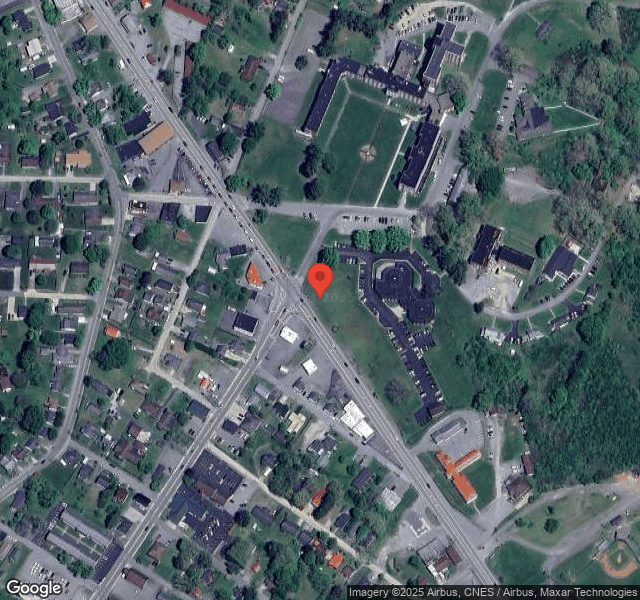
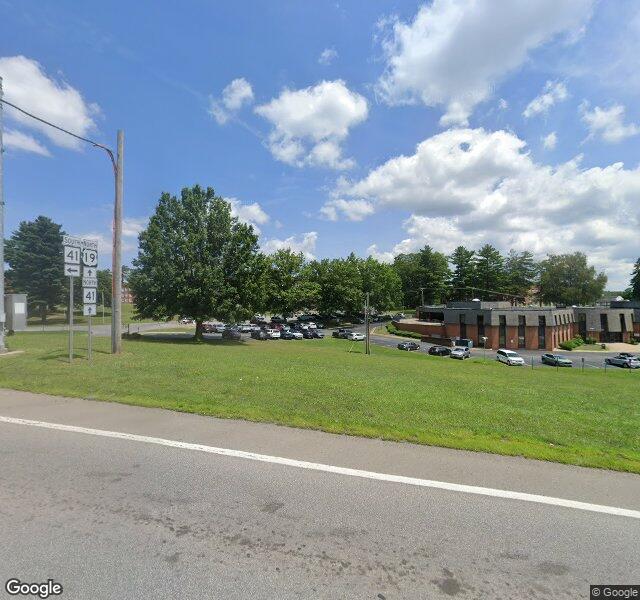
105 SOUTH EISENHOWER DRIVE, BECKLEY, WV 25801 (304) 256-6600
Government - State 199 Beds Independent Data: November 2025
Trust Grade
18/100
#107 of 122 in WV
Last Inspection: August 2024

Within standard 12-15 month inspection cycle. Federal law requires annual inspections.

Overview

Majestic Care of Beckley has received a Trust Grade of F, indicating poor performance with significant concerns. Ranking #107 out of 122 facilities in West Virginia places it in the bottom half, and it is the lowest-ranked option in Raleigh County. The facility is experiencing a worsening trend, with reported issues increasing from 2 in 2023 to 12 in 2024. Staffing is a weak point, with a rating of 1 out of 5 stars and a turnover rate of 43%, which is slightly below the state average but still concerning. Furthermore, the facility has been fined $10,033, which is average for the state, and it has less RN coverage than 87% of West Virginia facilities, potentially affecting the quality of care. Specific incidents noted in inspections include a resident being physically restrained without proper justification, which can lead to psychological harm. Additionally, some residents received unnecessary tuberculosis tests, indicating lapses in medical oversight. Food safety was also a concern, with multiple instances of spoiled food found in the kitchen, which could pose health risks to residents. Overall, while there are some strengths, such as a good quality measure rating, the weaknesses are significant and should be carefully considered by families.

Trust Score
F
18/100
In West Virginia
#107/122
Bottom 13%
Safety Record
High Risk
Review needed
Inspections
Getting Worse
2 → 12 violations
Staff Stability
○ Average
43% turnover. Near West Virginia's 48% average. Typical for the industry.
Penalties
⚠ Watch
$10,033 in fines. Higher than 97% of West Virginia facilities. Major compliance failures.
Skilled Nurses
○ Average
Each resident gets 34 minutes of Registered Nurse (RN) attention daily — about average for West Virginia. RNs are the most trained staff who monitor for health changes.
Violations
⚠ Watch
36 deficiencies on record. Higher than average. Multiple issues found across inspections.
★☆☆☆☆
1.0
Overall Rating
★☆☆☆☆
1.0
Staff Levels
★★★★☆
4.0
Care Quality
★★☆☆☆
2.0
Inspection Score
Stable
2023: 2 issues
2024: 12 issues

The Good

  • 4-Star Quality Measures · Strong clinical quality outcomes
  • Full Sprinkler Coverage · Fire safety systems throughout facility
  • No fines on record
  • Staff turnover below average (43%)

    5 points below West Virginia average of 48%

Facility shows strength in quality measures, fire safety.

The Bad

1-Star Overall Rating

Below West Virginia average (2.7)

Significant quality concerns identified by CMS

Staff Turnover: 43%

Near West Virginia avg (46%)

Typical for the industry

Federal Fines: $10,033

Below median ($33,413)

Minor penalties assessed

The Ugly 36 deficiencies on record

1 actual harm
Aug 2024 12 deficiencies 1 Harm
SERIOUS (G)

Actual Harm - a resident was hurt due to facility failures

Deficiency F0604 (Tag F0604)

A resident was harmed · This affected 1 resident

**NOTE- TERMS IN BRACKETS HAVE BEEN EDITED TO PROTECT CONFIDENTIALITY** . Based on observation, record review, and staff interview, the facility failed to ensure each resident was free from physical r...

Read full inspector narrative →
**NOTE- TERMS IN BRACKETS HAVE BEEN EDITED TO PROTECT CONFIDENTIALITY** . Based on observation, record review, and staff interview, the facility failed to ensure each resident was free from physical restraints. Resident #48 was physically restrained by the facility, causing psychosocial harm. This was true for one (1) of one (1) residents reviewed for physical restraints during the long term care survey process. Resident identifier: #48. Facility census: 51. Findings included: a) Resident #48 At approximately 12:00 PM on 08/12/24, during review of the resident matrix (resident census and conditions of residents) provided by the facility, it was determined the facility had Resident #48 marked as being in physical restraints. Upon review of Resident #48's record, it was determined the resident was in a geri chair with a hard lap tray across it, preventing the resident from standing. The order for the restraint reads as follows: When OOB (Out of Bed): GERICHAIR BILAT HIPSTERS & LAP TRAY FOR SAFETY. CHECK RES (Resident) Q30 MIN (Every 30 minutes) FOR PROPER POSITIONING OF RES & LAP TRAY Q2 HOURS & PRN FOR EXERCISE, REST, TOILETING & HYGIENE NEEDS. At approximately 1:30 PM on 08/12/24, an interview was conducted with Licensed Practical Nurse (LPN) #103 regarding the geri chair and lap tray for Resident #48. LPN #103, regarding the lap tray, stated, I've been here since he first got here. When he got here he would walk around all the time, but he had some falls so they put him in the chair and put the tray on it so he couldn't get up and walk. LPN #103 was asked if Resident #48 was able to release the lap tray from the chair on command, in the event of an emergency, to which she stated No, he can't release it. But he can probably yell out if he needs help (Multiple attempts were made to communicate with Resident #48 during the survey process, however, Resident #48 never spoke, nor yelled during the survey). At this time, Resident #48 was observed trying to stand up out of the geri chair, but was unable to due to the lap tray. Resident #48's right leg started to bounce up and down, anxiously, when he was unsuccessful in standing. Seconds later, Resident #48 attempted to stand again, which was unsuccessful. After a second unsuccessful attempt at standing up, Resident #48's right leg bounced up and down harder, and at a faster pace. This continued for approximately 30 seconds and Resident #48 fell asleep in the chair. During further record review at approximately 3:00 PM on 08/12/24, it was noted the facility entered the following note, completed by the Director of Nursing (DON) into Resident #48's record on 7/30/24: Assessment completed regarding continuing the need for lap tray. After assessing resident we will continue to utilize the lap tray due to increase in fall risk in the past. Resident did have a decline in health in [DATE] and the lap tray was discontinued on 12/6/23. The resident began walking again without assistance and having increased falls. It was decided we would re-order a soft lap buddy on 1/4/24. Resident still continued to walk and have increased falls. The lap tray was re-ordered on 1/8/24. Resident has had the following orders in the past due to increased falls. Low bed, removing mattress from the low bed with another mat beside (as resident tends to get out of bed and crawl on the floors,) helmet, hipsters, soft lap buddy. Nothing has been successful. The order will continue for the lap tray and to release q2h prn for periods of rest, activies [sic], hygeine [sic], brief changes, or to lay down in bed. MPOA is aware of the lap [NAME] [sic] and in agreement for continued use. The Pre-restraint assessment completed by the facility, attached to the progress note, revealed the facility did not assess Resident #48 for the use of a wheelchair, walker, chair alarm, cane, or many other forms of restraint alternatives, before putting him into a geri chair with a lap tray, as evidenced by the section titled Restraint Alternatives on the assessment. The options given are low bed, wheelchair, cushion, chair alarm, wedges, non-slip grip socks, walker, pillow, cane, other. Marked with an X in the section are low bed, non-slip grip socks, and other. The final section of the pre-restraint assessment titled Results have the following options: None, chemical restraint, physical restraint. The box reading None is marked with an X while chemical restraint and physical restraint are not marked. A call was placed to the wife of Resident #48, who is the Medical Power of Attorney (MPOA), to determine whether she was aware of the use of the lap tray, due to the note stating the MPOA was aware of the lap buddy, and not the lap tray, however, the call was not successful. Despite the note dated 7/30/24 stating the resident required the geri chair and lap tray as a restraint for safety due to increased falls, a preliminary viewing of the incident report provided by the facility, from December 2023, through August 2024, the resident had five (5) incidents from 12/15/23 through 7/16/24, one of which was a result of a shower chair breaking as the resident was on the way to be bathed. Of the remaining four, it was unclear which ones, if any, the resident was ambulating before falling, as all the incidents were noted as unwitnessed. At approximately 9:15 AM on 08/13/24, this surveyor entered the dining room on unit 3-C of the facility, where Resident #48 was parked in the geri chair. Resident #48 was noted to be in the geri chair, with the lap tray down, and his pants were visibly soiled/wet in the groin area. At approximately 9:21 AM, Resident #48 attempted to stand up from the geri chair but was unable to due to the lap tray. At this time, Resident #48's right leg began to bounce up and down, anxiously. The resident attempted to stand again, unsuccessfully, at which time his right leg began to bounce up and down at a faster pace. Resident #48 attempted to stand a third time and was unsuccessful, at which time his leg bounced up and down faster. At this time, Resident #48 attempted to stand up from the geri chair a fourth time, again, unsuccessfully. At this time, the resident's right leg was bouncing, furiously, up and down, along with his left hand. The resident seemed visibly agitated and anxious at this time. The resident eventually calmed down after approximately five (5) minutes and fell asleep in his chair. At approximately 9:37 AM, Nurse Aide (NA) #8 entered the dining room and began speaking with another resident was falling asleep in his wheelchair. NA #8 asked the resident if he wanted to go back to his room to go to sleep, at which time she took the resident back to his room. NA #8 did not interact with Resident #48, nor check on him for proper positioning of himself or the lap tray, nor did she notice he was visibly soiled. NA #8 entered the dining room again at approximately 9:40 AM and removed a clothing protector from breakfast from a female resident, then removed the resident from the dining room. NA #8 did not interact with Resident #48 at this time, nor did she notice he was visibly soiled. At approximately 9:46 AM, NA #8 escorted a new resident into the dining room and placed them at the table to the direct right of Resident #48. At this time, there was no interaction with Resident #48 to check positioning of him, the lap tray, or to notice he was visibly soiled. At approximately 9:47 AM, NA #57 entered the dining room with another new resident, placed the at the table next to Resident #48. NA #57 did not notice Resident #48 was soiled, nor did they check for proper positioning of the resident or lap tray. At approximately 9:49 AM, Recreation Specialist (RS) #69, entered the dining room to escort residents to an activity taking place at the time. As RS #69 approached Resident #48, she stated Oh, he's wet, at which point, she backed away from Resident #48, gathered other residents, and left the dining room. RS #69 did not ask Resident #48 if he needed assistance, nor did she check to see if the lap tray, or Resident #48, was properly positioned. At approximately 9:51 AM, NA #8 entered the dining room again. NA #8 walked over to a resident sitting beside Resident #48, spoke with resident, turned around, used the hand sanitizer dispenser, and left the dining room. NA #8 did not check on Resident #48, despite him being visibly soiled, for proper positioning of him or the lap tray. At approximately 10:06 AM, Resident #48 attempted to stand up from the geri chair, however, he was unsuccessful due to the lap tray. At this time, the resident started bouncing his legs up and down, anxiously. The resident attempted to reposition himself in the geri chair at this time. Resident's legs now are bouncing faster and harder. Resident #48 attempted to stand out of the chair one more time, unsuccessfully. At this time, the resident's legs were bouncing faster. At approximately 10:15 AM, NA #57 entered the dining room and asked two other residents if they wanted to go to the social and listen to some music. The residents stated they did, at which time, she escorted them past Resident #48, out the door and to the activity room. NA #57 did not check on Resident #48 during this trip to the dining room, leaving him still, visibly soiled, and the positioning of him and the lap tray in question. At this time, Resident #48 remained the only resident in the dining room. At approximately 10:21 AM, NA #8 and NA #57 entered the dining room. NA #8 stated He's wet. NAs began to escort resident out of the dining room, at which point, this surveyor asked them if RS #69 had come to inform them Resident #48 was soiled after she left the dining room at approximately 9:49 AM. Both NAs stated no. At approximately 10:30 AM, NA #8 and #57 were observed brining Resident #48 out into the hallway from his room, standing him up out of the chair, and assisting him with walking approximately 15 to 20 feet before sitting him back in the chair. Resident #48 was observed in the chair the rest of the day. Review of the facility's policy on physical restraints states the opportunity for motion and exercise is provided for a period of not less than ten (10) minutes during each two (2) hours in which restraints are employed. Resident #48 was exercised for approximately 30 to 40 seconds. At approximately 10:45 AM on 08/13/24, the Administrator of the facility was notified of Resident #48 being visibly soiled at approximately 9:15 AM, RS #69 entering the dining room and stating Oh, he's wet and leaving, without alerting staff, resulting in Resident #48 not being changed until approximately 10:21 AM. The administrator asked how long the resident was sitting in the dining room soiled. This surveyor stated, From about 9:15 AM until about 10:21 AM when the aides came to get him. However, he was already wet, so he may have been way for a longer period of time. At this time, the administrator stated the facility would report and investigate the claim of neglect. The facility completed its investigation and substantiated the allegation of neglect due to RS #69 stating she forgot to notify anyone of Resident #48's needs. At approximately 10:00 AM on 08/14/24, Resident #48 was observed attempting to stand up from his geri chair. The attempt was unsuccessful and the resident began to bounce his left leg up and down at a fast pace. The resident seemed anxious and agitated. At approximately 10:02 AM, Resident #48 attempted to rise out of the geri chair for a second time. Unsuccessful, the resident started to bounce his leg at a faster pace. The resident seemed more agitated and anxious. At approximately 10:04 AM, Resident #48 attempted, again, to stand from the geri chair. The resident was unsuccessful and seemed to become more agitated and anxious, bouncing his leg up and down ferociously. The resident eventually stopped trying to get up and began to stare off. A reasonable person standard was applied to this situation because Resident #48 is not able to verbalize how not being able to stand was making him feel. However, he was showing outward signs of agitation as evidenced by his leg bouncing up and down and it becoming faster after each attempt to stand up. A reasonable person would feel agitation and frustration if restrained and not able to stand and walk freely Further record review revealed Resident #48 has orders for a weighted blanket while in bed and a concave mattress, due to increased falls from bed. At approximately 12:00 PM on 08/14/24, an interview was conducted with the DON, in which she was asked to supply incident reports pertaining to the falls suffered by Resident #48 and how they led to him being physically restrained in the geri chair. The DON stated the resident had a number of falls and the facility was concerned about his safety. The DON was asked if the facility ever considered less restrictive measures before they restrained Resident #48 in the geri chair, such as a wheelchair. The DON stated We didn't believe a wheelchair was appropriate for him, so no, I don't believe we did evaluate him for one, but I would have to check to make sure. The DON stated she did not believe the resident could propel a wheelchair now, stating He probably could have before, but not now. Review of the Minimum Data Set (MDS) Assessments For Resident #48 revealed the following: For the MDS dated [DATE], Section G0300 reveals the resident was Steady at all times while walking. The resident was independently walking distances of ten (10) feet on uneven surfaces and with picking up objects. The MDS showed the resident required partial to moderate assistance, or supervision for Activities of Daily Living (ADLs) The MDS also revealed the resident received no restorative services at this time. The MDS indicated the resident exhibited wandering behaviors every day. After the initial order for the physical restraint on 06/16/24, the MDS dated [DATE] revealed the resident remained independent with the same tasks as in the MDS in May 2023. The MDS states the resident exhibits wandering behaviors daily. In a significant change MDS, dated [DATE], the resident was not noted to have any impairment of lower or upper extremity. However, walking was no longer attempted, due to a medical or safety concern, and the resident was now totally dependent for all ADLs. The resident still, according to the MDS, exhibited wandering behavior daily. Each MDS was submitted following the significant change in August 2023, up to and including the annual MDS dated [DATE], now shows the resident completely dependent for all ADLs, walking not being attempted due to a medical or safety concerning, and exhibiting wandering behavior daily, despite being restrained in the geri chair with a lap tray. At approximately 1:00 PM on 08/14/24, an interview was conducted the the MDS Coordinator and the DON. The MDS coordinator was asked about the resident exhibiting wandering behavior daily if he was in the chair. The MDS Coordinator stated When they release him from the chair he will stand up and walk. He will stand up and walk if he isn't watched. The DON was asked if the resident was able to walk if he would be able to propel a wheelchair on his own, despite her saying she did not feel he could in an earlier interview. The DON stated Some days he can walk and some days he can't. We thought he would slide out of a wheelchair if we put him in one. The DON and MDS Coordinator both stated Resident #48 was able to ambulate independently up until the point of being ordered the geri chair with the lap tray. The DON confirmed at this time the facility did not assess Resident #48 for a wheelchair due to them believing he would slide out of it. Review of the Treatment Administration Record (TAR) for Resident #48 reveals the following order: When OOB (Out of Bed): GERICHAIR BILAT HIPSTERS & LAP TRAY FOR SAFETY. CHECK RES (Resident) Q30 MIN (Every 30 minutes) FOR PROPER POSITIONING OF RES & LAP TRAY Q2 HOURS & PRN FOR EXERCISE, REST, TOILETING & HYGIENE NEEDS. Upon review of the TAR for May, June, July, and August 2024, there are no initials or signatures on the TAR to indicate the resident was ever released from the restraint every two hours. At approximately 2:19 PM on 08/14/24, the DON stated the facility did not have a signed consent from Resident #48's MPOA for the use of the restraint. The DON was asked about the progress note dated 7/30/24, in which it states the MPOA is aware of the use of the lap buddy and agrees with its usage, and if the MPOA knows of the lap buddy or the more restrictive lap tray. The DON states the MPOA is aware of the lap tray but is unable to provide any documentation to support. The DON states the MPOA is hard to get a hold of by phone and has never visited the resident since he came to the facility, and is unable to provide any proof of consent, other than the note stating the MPOA is aware. The DON was then asked about the TAR, and being unable to verify the resident was released from the restraints as ordered. The DON stated That is just on there as an FYI, no one signs off on it. There are nurses notes stating he was released from the restraints. When asked how the facility verifies the resident was released from the restraints every two hours, since no one signs off on the TAR, the DON stated I don't guess I really have a way, other than the nurses notes are in there. At this time, the DON and this surveyor reviewed the nurses notes in the system from May through August 2024. This review revealed no notes mentioning the resident was released from the restraints every two hours as required. When asked if she would confirm there were no signatures or nursing notes to indicate the resident was removed from the restraints, the DON stated I confirm there's nothing there but I don't agree with it. The DON supplied the incident reports pertaining to falls for Resident #48 from April of 2023 through August 2024. Upon review of an incident report dated 07/10/24, it was noted a bruise was observed by NA #8 while changing the resident. The bruise was noted to be on the left leg of the resident and to be the same height and size as the armrest on the geri chair. The incident reports revealed the following: 04/19/23- Presumed fall. Resident lying in floor with table overturned. 04/27/23- Resident lying on bathroom/shower floor resting his head on his hands. No injuries or redness. Resident stated he didn't fall. 04/30/23- Resident ambulating in hallway, and fell on his left arm and slid down wall to floor. Brief noted around resident's knees. Brief fell to resident's knees, may have contributed to fall. 05/06/23- Resident fell on left shoulder and hip while turning in front of a door. 06/13/23- Resident observed in floor of dining room with another resident's wheelchair flipped forward. 06/15/23- Resident found by NA, head pointing downward in the floor. Legs and feet pointing upward draped across dining room chair. Lap tray was ordered on 06/16/23. The DON stated in the interview the resident used to be in the military and would crawl underneath his roommates bed, thinking he was working on it, and that's how staff would sometimes find him. The exact number of falls of the resident falling while ambulating compared to the resident rolling out of bed are unknown.
CONCERN (D)

Potential for Harm - no one hurt, but risky conditions existed

Resident Rights (Tag F0550)

Could have caused harm · This affected 1 resident

. Based on observation, record review, and staff interview, the facility failed to ensure each resident was treated with dignity and respect. Resident #48 visibly soiled for an extended period of time...

Read full inspector narrative →
. Based on observation, record review, and staff interview, the facility failed to ensure each resident was treated with dignity and respect. Resident #48 visibly soiled for an extended period of time in the little dining room on the third floor. This was a random opportunity for discovery. Resident identifier: #48. Facility census: 51. Findings included: a) Resident #48 At approximately 9:15 AM on 08/13/24, this surveyor entered the dining room on unit 3-C of the facility, where Resident #48 was parked in the geri chair. Resident #48 was noted to be in the geri chair, with the lap tray down, and his pants visibly soiled/wet in the groin area. At approximately 9:21 AM, Resident #48 attempted to stand up from the geri chair but was unable to due to the lap tray. At this time, Resident #48's right leg began to bounce up and down, anxiously. The resident attempted to stand again, unsuccessfully, at which time his right leg began to bounce up and down at a faster pace. Resident #48 attempted to stand a third time and was unsuccessful, at which time his leg bounced up and down faster. At this time, Resident #48 attempted to stand up from the geri chair a fourth time, again, unsuccessfully. At this time, the resident's right leg was bouncing, furiously, up and down, along with his left hand. The resident seemed visibly agitated and anxious at this time. The resident eventually calmed down after approximately five (5) minutes and fell asleep in his chair. At approximately 9:37 AM, Nurse Aide (NA) #8 entered the dining room and began speaking with another resident who was falling asleep in his wheelchair. NA #8 asked the resident if he wanted to go back to his room to go to sleep, at which time she took the resident back to his room. NA #8 did not interact with Resident #48, nor check on him for proper positioning of himself or the lap tray, nor did she notice he was visibly soiled. NA #8 entered the dining room again at approximately 9:40 AM and removed a clothing protector from breakfast from a female resident, then removed the resident from the dining room. NA #8 did not interact with Resident #48 at this time, nor did she notice he was visibly soiled. At approximately 9:46 AM, NA #8 escorted a new resident into the dining room and placed them at the table to the direct right of Resident #48. At this time, there was no interaction with Resident #48 to check positioning of him, the lap tray, or to notice he was visibly soiled. At approximately 9:47 AM, NA #57 entered the dining room with another new resident, placed the resident at the table next to Resident #48. NA #57 did not notice Resident #48 was soiled, nor did they check for proper positioning of the resident or lap tray. At approximately 9:49 AM, Recreation Specialist (RS) #69, entered the dining room to escort residents to an activity taking place at the time. As RS #69 approached Resident #48, she stated Oh, he's wet, at which point, she backed away from Resident #48, gathered other residents, and left the dining room. RS #69 did not ask Resident #48 if he needed assistance, nor did she check to see if the lap tray, or Resident #48, was properly positioned. At approximately 9:51 AM, NA #8 entered the dining room again. NA #8 walked over to a resident sitting beside Resident #48, spoke with resident, turned around, used the hand sanitizer dispenser, and left the dining room. NA #8 did not check on Resident #48, despite him being visibly soiled, for proper positioning of him or the lap tray. At approximately 10:06 AM, Resident #48 attempted to stand up from the geri chair, however, he was unsuccessful due to the lap tray. At this time, the resident started bouncing his legs up and down, anxiously. The resident attempted to reposition himself in the geri chair at this time. Resident's legs now are bouncing faster and harder. Resident #48 attempted to stand out of the chair one more time, unsuccessfully. At this time, the resident's legs were bouncing faster. At approximately 10:15 AM, NA #57 entered the dining room and asked two other residents if they wanted to go to the social and listen to some music. The residents stated they did, at which time, she escorted them past Resident #48, out the door and to the activity room. NA #57 did not check on Resident #48 during this trip to the dining room, leaving him still, visibly soiled, and the positioning of him and the lap tray in question. At this time, Resident #48 remained the only resident in the dining room. At approximately 10:21 AM, NA #8 and NA #57 entered the dining room. NA #8 stated He's wet. NAs began to escort resident out of the dining room, at which point, this surveyor asked them if RS #69 had come to inform them Resident #48 was soiled after she left the dining room at approximately 9:49 AM. Both NAs stated no. At approximately 10:45 AM on 08/13/2024, the Administrator of the facility was notified of Resident #48 being visibly soiled at approximately 9:15 AM, RS #69 entering the dining room and stating Oh, he's wet and leaving, without alerting staff, resulting in Resident #48 not being changed until approximately 10:21 AM. The administrator asked how long the resident was sitting in the dining room soiled. This surveyor stated, From about 9:15 AM until about 10:21 AM when the aides came to get him. However, he was already wet, so he may have been wet for a longer period of time. At this time, the administrator stated the facility would report and investigate the claim of neglect. The facility completed its investigation and substantiated the allegation of neglect due to RS #69 stating she forgot to notify anyone of Resident #48's needs.
CONCERN (D)

Potential for Harm - no one hurt, but risky conditions existed

Safe Environment (Tag F0584)

Could have caused harm · This affected 1 resident

. Based on observation and staff interview the facility failed to ensure the residents were provided a safe, clean, comfortable and homelike environment. A wall was in poor repair in a residents room....

Read full inspector narrative →
. Based on observation and staff interview the facility failed to ensure the residents were provided a safe, clean, comfortable and homelike environment. A wall was in poor repair in a residents room. This was a random opportunity for discovery during the long term care survey process. Identifier: Room C 316. Facility census: 51. Findings included: a) Room C 316 During a tour of the facility, Room C 316 was observed to have an area on the wall under the air conditioner which was approximately two (2) feet by two (2) feet in size which was not covered by paint and exposed the white wall plaster underneath. This area was extremely rough in texture and some of the wall plaster was missing. On 08/13/24 at 12:53 PM, during an interview with Certified Nursing Assistant #8, she agreed the wall area was not a pleasant homelike environment and stated she would let maintenance know. During an interview with the Director of Nursing (DON) on 08/13/24 at 1:03 PM the DON stated she would also make maintenance aware of the wall condition.
CONCERN (D)

Potential for Harm - no one hurt, but risky conditions existed

Free from Abuse/Neglect (Tag F0600)

Could have caused harm · This affected 1 resident

. Based on observation, record review, and staff interview, the facility failed to ensure each resident was free from abuse and neglect by leaving Resident #48 visibly soiled for an extended period of...

Read full inspector narrative →
. Based on observation, record review, and staff interview, the facility failed to ensure each resident was free from abuse and neglect by leaving Resident #48 visibly soiled for an extended period of time. This was a random opportunity for discovery. Resident identifier: 48. Facility census: 51. Findings included: a) Resident #48 At approximately 9:15 AM on 08/13/24, this surveyor entered the dining room on unit 3-C of the facility, where Resident #48 was parked in a geri chair. Resident #48 was noted to be in the geri chair, with the lap tray down, and his pants visibly soiled/wet in the groin area. At approximately 9:21 AM, Resident #48 attempted to stand up from the geri chair but was unable to due to the lap tray. At this time, Resident #48's right leg began to bounce up and down, anxiously. The resident attempted to stand again, unsuccessfully, at which time his right leg began to bounce up and down at a faster pace. Resident #48 attempted to stand a third time and was unsuccessful, at which time his leg bounced up and down faster. At this time, Resident #48 attempted to stand up from the geri chair a fourth time, again, unsuccessfully. At this time, the resident's right leg was bouncing, furiously, up and down, along with his left hand. The resident seemed visibly agitated and anxious at this time. The resident eventually calmed down after approximately five (5) minutes and fell asleep in his chair. At approximately 9:37 AM, Nurse Aide (NA) #8 entered the dining room and began speaking with another resident who was falling asleep in his wheelchair. NA #8 asked the resident if he wanted to go back to his room to go to sleep, at which time she took the resident back to his room. NA #8 did not interact with Resident #48, nor check on him for proper positioning of himself or the lap tray, nor did she notice he was visibly soiled. NA #8 entered the dining room again at approximately 9:40 AM and removed a clothing protector from breakfast from a female resident, then removed the resident from the dining room. NA #8 did not interact with Resident #48 at this time, nor did she notice he was visibly soiled. At approximately 9:46 AM, NA #8 escorted a new resident into the dining room and placed them at the table to the direct right of Resident #48. At this time, there was no interaction with Resident #48 to check positioning of him, the lap tray, or to notice he was visibly soiled. At approximately 9:47 AM, NA #57 entered the dining room with another new resident, placed the resident at the table next to Resident #48. NA #57 did not notice Resident #48 was soiled, nor did they check for proper positioning of the resident or lap tray. At approximately 9:49 AM, Recreation Specialist (RS) #69, entered the dining room to escort residents to an activity taking place at the time. As RS #69 approached Resident #48, she stated Oh, he's wet, at which point, she backed away from Resident #48, gathered other residents, and left the dining room. RS #69 did not ask Resident #48 if he needed assistance, nor did she check to see if the lap tray, or Resident #48, was properly positioned. At approximately 9:51 AM, NA #8 entered the dining room again. NA #8 walked over to a resident sitting beside Resident #48, spoke with resident, turned around, used the hand sanitizer dispenser, and left the dining room. NA #8 did not check on Resident #48, despite him being visibly soiled, for proper positioning of him or the lap tray. At approximately 10:06 AM, Resident #48 attempted to stand up from the geri chair, however, he was unsuccessful due to the lap tray. At this time, the resident started bouncing his legs up and down, anxiously. The resident attempted to reposition himself in the geri chair at this time. Resident's legs now are bouncing faster and harder. Resident #48 attempted to stand out of the chair one more time, unsuccessfully. At this time, the resident's legs were bouncing faster. At approximately 10:15 AM, NA #57 entered the dining room and asked two other residents if they wanted to go to the social and listen to some music. The residents stated they did, at which time, she escorted them past Resident #48, out the door and to the activity room. NA #57 did not check on Resident #48 during this trip to the dining room, leaving him still, visibly soiled, and the positioning of him and the lap tray in question. At this time, Resident #48 remained the only resident in the dining room. At approximately 10:21 AM, NA #8 and NA #57 entered the dining room. NA #8 stated He's wet. NAs began to escort resident out of the dining room, at which point, this surveyor asked them if RS #69 had come to inform them Resident #48 was soiled after she left the dining room at approximately 9:49 AM. Both NAs stated no. At approximately 10:45 AM on 08/13/24, the Administrator of the facility was notified of Resident #48 being visibly soiled at approximately 9:15 AM, RS #69 entering the dining room and stating Oh, he's wet and leaving, without alerting staff, resulting in Resident #48 not being changed until approximately 10:21 AM. The administrator asked how long the resident was sitting in the dining room soiled. This surveyor stated, From about 9:15 AM until about 10:21 AM when the aides came to get him. However, he was already wet, so he may have been way for a longer period of time. At this time, the administrator stated the facility would report and investigate the claim of neglect. The facility completed its investigation and substantiated the allegation of neglect due to RS #69 stating she forgot to notify anyone of Resident #48's needs.
CONCERN (D) 📢 Someone Reported This

A family member, employee, or ombudsman was alarmed enough to file a formal complaint

Potential for Harm - no one hurt, but risky conditions existed

Investigate Abuse (Tag F0610)

Could have caused harm · This affected 1 resident

**NOTE- TERMS IN BRACKETS HAVE BEEN EDITED TO PROTECT CONFIDENTIALITY** . Based on record review and staff interview, the facility failed to properly investigate an allegation of injury of unknown ori...

Read full inspector narrative →
**NOTE- TERMS IN BRACKETS HAVE BEEN EDITED TO PROTECT CONFIDENTIALITY** . Based on record review and staff interview, the facility failed to properly investigate an allegation of injury of unknown origin. This was a discovered during an investigation of a facility reported incident. Resident identifier: #55. Facility census: 51. Findings include: a) Resident #55 On [DATE] 8:24 AM, a review of care plan revealed the following: -Resident exhibits behaviors of refusing showers, treatments and/or medications. Her guardian has reported this is a lifelong issue. Resident will also make false accusations against staff. Resident has stated on several occasions staff pull her up by her arms and upon further investigation will identify someone has not worked in the facility for a long period of time. Effective [DATE] -Resident is at risk for cognitive loss, alteration in thought process related to diagnosis of Affective Psychosis, Mild Cognitive Disorder, Dementia, Bipolar Disorder and recurrent depression. Effective [DATE] -Resident's community history involves surviving a rape, house fire and breast cancer. -Resident has unclear speech due to history of cerebrovascular accident (resident can nod yes or no, board or pen and paper for communication). Effective [DATE] -Resident has persistent episodes of anger manifested by not getting what she wants. Resident will pinch, slap, punch, bite, pull other's hair, make false accusations, refusing care and scratch employees and residents. Effective [DATE]. -Potential for increasing confusion secondary to dementia and schizophrenia. Effective [DATE] -Needs to be kept comfortable. Has no cardiopulmonary resuscitation (CPR) request. Do not resuscitate (DNR)/Comfort measures. No labs, no weights, no intubation, no tube feeding, no dialysis, no antibiotics, no intravenous (iv) fluid, no feeding tube. May use oxygen via non-rebreather as needed for comfort. May use suction and manual treatment of airway obstruction as needed for comfort. Do not transfer to hospital unless comfort needs can not be met in the facility. Effective [DATE]. - Resident is comfort care. Effective [DATE]. On [DATE] at 9:03 AM, a review of resident's diagnosis list at time of death: -Vascular Dementia without behavioral disturbance -Essential hypertension -Type 1 (one) diabetes mellitus without complications -Hyperlipidemia, unspecified -Schizoaffective disorder, unspecified -Bipolar Disorder, unspecified -Major depressive Disorder, recurrent, unspecified -Cerebral Infarction, unspecified -Malignant neoplasm of endometrium -Chronic Obstruction Pulmonary Disease, unspecified -Atherosclerotic Heart Disease of Native coronary artery without angina pectoris -Acute embolism and thrombosis of unspecified deep veins of unspecified lower extremity -Gastro-esophageal reflux disease with esophagitis -Personal History of other diseases of the digestive system On [DATE] at 10:00 AM, a review of incident reported for Resident #55 dated for [DATE] revealed the resident was found with an injury of unknown origin. Resident is nonverbal and communicated with nods, pointing, and a dry erase boards. Resident also has a history of making false allegations against staff. On the date of the incident, staff inquired as to how she obtained the bruise on her arm and resident nodded yes when asked if it was caused by staff trying to pull her up. Interviews were conducted with (three) 3 staff who were on shift during time who denied witnessing anyone, or they themselves, had pulled resident's arm. Resident's orders were to be lifted using a lift. She could not name or describe the alleged perpetrator. The investigation contained no statements from other residents and no body audits of other residents residing on the same hall as Resident #55. On [DATE] at 11:45 AM, an Interview with the Social Services Director #63 who reported the facilities normal process for investigating an allegation of abuse would be to interview staff involved or on shift as well as all residents and complete body audits on those who could not be interviewed. She stated no other resident's aside from the alleged victim was interviewed and only three (3) staff members. Social Services Director #63 stated, she was unsure as to why she did not interview any other residents or complete body audits for this investigation.
CONCERN (D)

Potential for Harm - no one hurt, but risky conditions existed

Deficiency F0645 (Tag F0645)

Could have caused harm · This affected 1 resident

. Based on record review and staff interview the facility failed to ensure the admission Preadmission Screening and Resident Review (PASSR) contained all pertinent diagnoses. This was true for one (1)...

Read full inspector narrative →
. Based on record review and staff interview the facility failed to ensure the admission Preadmission Screening and Resident Review (PASSR) contained all pertinent diagnoses. This was true for one (1) of seven (7) PASSRs' reviewed during the long term care survey process. Resident Identifier: #42 Facility Census: #51 Findings Include: a) Resident #42 On 08/13/24 at 8:23 AM record review shows Resident #42 has the following medical diagnosis: Schizophrenia 12/10/19 Dementia 12/10/19 Intellectual disabilities 08/28/23 The PASSR provided by the Director of Social Work #63, which was dated 10/22/19 did not contain a dementia diagnosis. The following diagnoses were on the PASSR: mental disorders delusions Schizophrenic disorder Schizophrenia Unspecified neurocognitive disorder unspecified symptoms and signs involving cognitive functions and awareness This was confirmed with the Director of Social Work on 08/23/24 at 3:30 PM, who agreed that the dementia diagnosis should have been on the PASSR dated 10/22/19.
CONCERN (D)

Potential for Harm - no one hurt, but risky conditions existed

Comprehensive Care Plan (Tag F0656)

Could have caused harm · This affected 1 resident

Based on resident interview, staff interview and observation, the facility failed to update and implement a person-centered comprehensive care plan to meet the resident preferences and goals, and addr...

Read full inspector narrative →
Based on resident interview, staff interview and observation, the facility failed to update and implement a person-centered comprehensive care plan to meet the resident preferences and goals, and address the resident's medical, physical, mental and psychosocial needs. Resident identifiers: Resident #26 and Resident #48. Facility Census: 51. Findings include: a) Resident #26 On 08/12/24 at 10:18 AM, an observation and interview was conducted with Resident #26 which revealed Resident #26 had whiskers on his face, hair was unkempt and clothing was stained. In addition, this Surveyor smelled a strong odor. Upon entering the room, Resident #26 stated I need a hair cut, shave and I shit. I need a shower too. On 08/13/24 at 11:25 AM, a record review for Resident #26 was conducted revealing a shower schedule for every Wednesday and Saturday, evening shift. In addition, Resident #26 is noted to be an assist of 1 (one) person for bathing. Upon reviewing the Nurse Assistant (NA) documentation for the month of July 2024, multiple refusals by Resident #26 were noted to be documented, the following dates are as follows: 1. 07/03/24 2. 07/17/24 3. 07/24/24 4. 07/31/24 At this time, Resident #26's care plan was reviewed, revealing no care plan or interventions for refusal of care. On 08/14/24 at 1:20 PM, a review of the policy and procedure entitled, Requesting, Refusing and/or Discontinuing Care or Treatment was conducted, which states that if a resident refuses care, it will be documented in the resident's record and appropriate changes will be made to the resident's care plan. An interview was conducted with the Director of Nursing (DON) at 1:30 PM, in which the DON acknowledged Resident #26 was not care planned for refusal of care. B) Resident #48 Upon review of Resident #48's record, it was determined the resident was in a geri chair with a hard lap tray across it, preventing the resident from standing. The resident has an intervention on his care plan which reads as follows: When OOB (Out of Bed): GERICHAIR BILAT HIPSTERS & LAP TRAY FOR SAFETY. CHECK RES (Resident) Q30 MIN (Every 30 minutes) FOR PROPER POSITIONING OF RES & LAP TRAY Q2 HOURS & PRN FOR EXERCISE, REST, TOILETING & HYGIENE NEEDS. At approximately 9:15 AM on 08/13/24, this surveyor entered the dining room on unit 3-C of the facility, where Resident #48 was parked in the geri chair. Resident #48 was noted to be in the geri chair, with the lap tray down, and his pants visibly soiled in the groin area. At approximately 9:21 AM, Resident #48 attempted to stand up from the geri chair but was unable to due to the lap tray. At this time, Resident #48's right leg began to bounce up and down, anxiously. The resident attempted to stand again, unsuccessfully, at which time his right leg began to bounce up and down at a faster pace. Resident #48 attempted to stand a third time and was unsuccessful, at which time his leg bounced up and down faster. At this time, Resident #48 attempted to stand up from the geri chair a fourth time, again, unsuccessfully. At this time, the resident's right leg was bouncing, furiously, up and down, along with his left hand. The resident seemed visibly agitated and anxious at this time. The resident eventually calmed down after approximately five (5) minutes and fell asleep in his chair. At approximately 9:37AM Nurse Aide (NA) #8 entered the dining room and began speaking with another resident which was falling asleep in his wheelchair. NA #8 asked the resident if he wanted to go back to his room to go to sleep, at which time she took the resident back to his room. NA #8 did not interact with Resident #48, nor check on him for proper positioning of himself or the lap tray, nor did she notice he was visibly soiled. NA #8 entered the dining room again at approximately 9:40 AM and removed a clothing protector from breakfast from a female resident, then removed the resident from the dining room. NA #8 did not interact with Resident #48 at this time, nor did she notice he was visibly soiled. At approximately 9:46 AM, NA #8 escorted a new resident into the dining room and placed them at the table to the direct right of Resident #48. At this time, there was no interaction with Resident #48 to check positioning of him, the lap tray, or to notice that he was visibly soiled. At approximately 9:47 AM, NA #57 entered the dining room with another new resident, placed them at the table next to Resident #48. NA #57 did not notice Resident #48 was soiled, nor did they check for proper positioning of the resident or lap tray. At approximately 9:49 AM, Recreation Specialist (RS) #69, entered the dining room to escort residents to an activity taking place at the time. As RS #69 approached Resident #48, she stated Oh, he's wet, at which point, she backed away from Resident #48, gathered other residents, and left the dining room. RS #69 did not ask Resident #48 if he needed assistance, nor did she check to see if the lap tray, or Resident #48, was properly positioned. At approximately 9:51 AM, NA #8 entered the dining room again. NA #8 walked over to a resident sitting beside Resident #48, spoke with that resident, turned around, used the hand sanitizer dispenser, and left the dining room. NA #8 did not check on Resident #48, despite him being visibly soiled, for proper positioning of him or the lap tray. At approximately 10:06 AM, Resident #48 attempted to stand up from the geri chair, however, he was unsuccessful due to the lap tray. At this time, the resident started bouncing his legs up and down, anxiously. The resident attempted to reposition himself in the geri chair at this time. Resident's legs now are bouncing faster and harder and the resident looks uncomfortable, by the look on his face. Resident #48 attempted to stand out of the chair one more time, unsuccessfully. At this time, the resident's legs were bouncing faster. At approximately 10:15 AM, NA #57 entered the dining room and asked two other residents if they wanted to go to the social and listen to some music. The residents stated they did, at which time, she escorted them past Resident #48, out the door and to the activity room. NA #57 did not check on Resident #48 during this trip to the dining room, leaving him still, visibly soiled, and the positioning of him and the lap tray in question. At this time, Resident #48 remained the only resident in the dining room. At approximately 10:21 AM, NA #8 and NA #57 entered the dining room. NA #8 stated He's wet. NAs began to escort resident out of the dining room, at which point, this surveyor asked them if RS #69 had come to inform them Resident #48 was soiled after she left the dining room at approximately 9:49 AM. Both NAs stated no. At approximately 10:45 AM on 08/13/2024, the Administrator of the facility was notified of Resident #48 being visibly soiled at approximately 9:15 AM, RS #69 entering the dining room and stating Oh, he's wet and leaving, without alerting staff, resulting in Resident #48 not being changed until approximately 10:21 AM. The administrator asked how long the resident was sitting in the dining room soiled. This surveyor stated, From about 9:15 until about 10:21 when the aides came to get him. However, he was already wet, so he may have been that way for a longer period of time. The Administrator was notified that staff did not check on the resident or lap tray, per his care plan during this timeframe. At this time, the administrator stated the facility would report and investigate the claim of neglect. The facility completed its investigation and substantiated the allegation of neglect due to RS #69 stating she forgot to notify anyone of Resident #48's needs.
CONCERN (D)

Potential for Harm - no one hurt, but risky conditions existed

Deficiency F0676 (Tag F0676)

Could have caused harm · This affected 1 resident

**NOTE- TERMS IN BRACKETS HAVE BEEN EDITED TO PROTECT CONFIDENTIALITY** . Based on record review and staff interview, the facility failed to ensure a resident did not have an Activities of Daily Livin...

Read full inspector narrative →
**NOTE- TERMS IN BRACKETS HAVE BEEN EDITED TO PROTECT CONFIDENTIALITY** . Based on record review and staff interview, the facility failed to ensure a resident did not have an Activities of Daily Living (ADL) decline unless unavoidable, due to Resident #48 being physically restrained in a geri chair with a lap tray. This was true for one (1) of one (1) residents reviewed for ADL decline during the survey process. Resident identifier: 48. Facility census: 51. Findings include: A) Resident #48 At approximately 12:00 PM on 08/12/24, during review of the resident matrix (resident census and conditions of residents) provided by the facility, it was determined the facility had Resident #48 marked as being in physical restraints. Upon review of Resident #48's record, it was determined the resident was in a geri chair with a hard lap tray across it, preventing the resident from standing. The order for the restraint reads as follows: When OOB (Out of Bed): GERICHAIR BILAT HIPSTERS & LAP TRAY FOR SAFETY. CHECK RES (Resident) Q30 MIN (Every 30 minutes) FOR PROPER POSITIONING OF RES & LAP TRAY Q2 HOURS & PRN FOR EXERCISE, REST, TOILETING & HYGIENE NEEDS. At approximately 1:30 PM on 08/12/24, an interview was conducted with Licensed Practical Nurse (LPN) #103 regarding the geri chair and lap tray for Resident #48. LPN #103, regarding the lap tray, stated, I've been here since he first got here. When he got here he would walk around all the time, but he had some falls so they put him in the chair and put the tray on it so he couldn't get up and walk. LPN #103 was asked if Resident #48 was able to release the lap tray from the chair on command, in the event of an emergency, to which she stated No, he can't release it. But he can probably yell out if he needs help. At approximately 12:00 PM on 08/14/24, an interview was conducted with the DON, in which she was asked to supply incident reports pertaining to the falls suffered by Resident #48 and how they led to him being physically restrained in the geri chair. The DON stated the resident had a number of falls and the facility was concerned about his safety. The DON was asked if the facility ever considered less restrictive measures before they restrained Resident #48 in the geri chair, such as a wheelchair. The DON stated We didn't believe a wheelchair was appropriate for him, so no, I don't believe we did evaluate him for one, but I would have to check to make sure. The DON stated she did not believe the resident could propel a wheelchair now, stating He probably could have before, but not now. Review of the Minimum Data Set (MDS) Assessments For Resident #48 revealed the following: For the MDS dated [DATE], Section G0300 reveals the resident was Steady at all times while walking. The resident was independently walking distances of ten (10) feet on uneven surfaces and with picking up objects. The MDS showed the resident required partial to moderate assistance, or supervision for Activities of Daily Living (ADLs) The MDS also revealed the resident received no restorative services at this time. The MDS indicated the resident exhibited wandering behaviors every day. After the initial order for the physical restraint on 06/16/24, the MDS dated [DATE] revealed the resident remained independent with the same tasks as in the MDS in May 2023. The MDS states the resident exhibits wandering behaviors daily. In a significant change MDS, dated [DATE], the resident was not noted to have any impairment of lower or upper extremity. However, walking was no longer attempted, due to a medical or safety concern, and the resident was now totally dependent for all ADLs. The resident still, according to the MDS, exhibited wandering behavior daily. Each MDS which was submitted following the significant change in August 2023, up to and including the annual MDS dated [DATE], now shows the resident completely dependent for all ADLs, walking not being attempted due to a medical or safety concerning, and exhibiting wandering behavior daily, despite being restrained in the geri chair with a lap tray. At approximately 1:00 PM on 08/14/24, an interview was conducted the the MDS Coordinator and the DON. The MDS coordinator was asked about the resident exhibiting wandering behavior daily if he was in the chair. The MDS Coordinator stated When they release him from the chair he will stand up and walk. He will stand up and walk if he isn't watched. The DON was asked if the resident was able to walk if he would be able to propel a wheelchair on his own, despite her saying she did not feel he could in an earlier interview. The DON stated Some days he can walk and some days he can't. We thought he would slide out of a wheelchair if we put him in one. The DON and MDS Coordinator both stated Resident #48 was able to ambulate independently up until the point of being ordered the geri chair with the lap tray. The DON confirmed at this time the facility did not assess Resident #48 for a wheelchair due to them believing he would slide out of it.
CONCERN (D)

Potential for Harm - no one hurt, but risky conditions existed

ADL Care (Tag F0677)

Could have caused harm · This affected 1 resident

. Based on observation and staff interview, the facility failed to provide Actiity of Daily Living (ADL) care for dependent residents, by leaving Resident #48 soiled for an extended period of time. Th...

Read full inspector narrative →
. Based on observation and staff interview, the facility failed to provide Actiity of Daily Living (ADL) care for dependent residents, by leaving Resident #48 soiled for an extended period of time. This was a random opportunity for discovery. Resident identifier: 48. Facility census: 51. Findings include: A) Resident #48 At approximately 9:15 AM on 08/13/2024, this surveyor entered the dining room on unit 3-C of the facility, where Resident #48 was parked in the geri chair. Resident #48 was noted to be in the geri chair, with the lap tray down, and his pants visibly soiled in the groin area. At approximately 9:21 AM, Resident #48 attempted to stand up from the geri chair but was unable to due to the lap tray. At this time, Resident #48 ' s right leg began to bounce up and down, anxiously. The resident attempted to stand again, unsuccessfully, at which time his right leg began to bounce up and down at a faster pace. Resident #48 attempted to stand a third time and was unsuccessful, at which time his leg bounced up and down faster. At this time, Resident #48 attempted to stand up from the geri chair a fourth time, again, unsuccessfully. At this time, the resident ' s right leg was bouncing, furiously, up and down, along with his left hand. The resident seemed visibly agitated and anxious at this time. The resident eventually calmed down after approximately five (5) minutes and fell asleep in his chair. At approximately 9:37 Nurse Aide (NA) #8 entered the dining room and began speaking with another resident that was falling asleep in his wheelchair. NA #8 asked the resident if he wanted to go back to his room to go to sleep, at which time she took the resident back to his room. NA #8 did not interact with Resident #48, nor check on him for proper positioning of himself or the lap tray, nor did she notice he was visibly soiled. NA #8 entered the dining room again at approximately 9:40 AM and removed a clothing protector from breakfast from a female resident, then removed the resident from the dining room. NA #8 did not interact with Resident #48 at this time, nor did she notice he was visibly soiled. At approximately 9:46 AM, NA #8 escorted a new resident into the dining room and placed them at the table to the direct right of Resident #48. At this time, there was no interaction with Resident #48 to check positioning of him, the lap tray, or to notice that he was visibly soiled. At approximately 9:47 AM, NA #57 entered the dining room with another new resident, placed the at the table next to Resident #48. NA #57 did not notice Resident #48 was soiled, nor did they check for proper positioning of the resident or lap tray. At approximately 9:49 AM, Recreation Specialist (RS) #69, entered the dining room to escort residents to an activity taking place at the time. As RS #69 approached Resident #48, she stated Oh, he ' s wet, at which point, she backed away from Resident #48, gathered other residents, and left the dining room. RS #69 did not ask Resident #48 if he needed assistance, nor did she check to see if the lap tray, or Resident #48, was properly positioned. At approximately 9:51 AM, NA #8 entered the dining room again. NA #8 walked over to a resident sitting beside Resident #48, spoke with that resident, turned around, used the hand sanitizer dispenser, and left the dining room. NA #8 did not check on Resident #48, despite him being visibly soiled, for proper positioning of him or the lap tray. At approximately 10:06 AM, Resident #48 attempted to stand up from the geri chair, however, he was unsuccessful due to the lap tray. At this time, the resident started bouncing his legs up and down, anxiously. The resident attempted to reposition himself in the geri chair at this time. Resident ' s legs now are bouncing faster and harder and the resident looks uncomfortable, by the look on his face. Resident #48 attempted to stand out of the chair one more time, unsuccessfully. At this time, the resident ' s legs were bouncing faster. At approximately 10:15 AM, NA #57 entered the dining room and asked two other residents if they wanted to go to the social and listen to some music. The residents stated they did, at which time, she escorted them past Resident #48, out the door and to the activity room. NA #57 did not check on Resident #48 during this trip to the dining room, leaving him still, visibly soiled, and the positioning of him and the lap tray in question. At this time, Resident #48 remained the only resident in the dining room. At approximately 10:21 AM, NA #8 and NA #57 entered the dining room. NA #8 stated He ' s wet. NAs began to escort resident out of the dining room, at which point, this surveyor asked them if RS #69 had come to inform them Resident #48 was soiled after she left the dining room at approximately 9:49 AM. Both NAs stated no. At approximately 10:45 AM on 08/13/2024, the Administrator of the facility was notified of Resident #48 being visibly soiled at approximately 9:15 AM, RS #69 entering the dining room and stating Oh, he ' s wet and leaving, without alerting staff, resulting in Resident #48 not being changed until approximately 10:21 AM. The administrator asked how long the resident was sitting in the dining room soiled. This surveyor stated, From about 9:15 until about 10:21 when the aides came to get him. However, he was already wet, so he may have been that way for a longer period of time. At this time, the administrator stated the facility would report and investigate the claim of neglect. The facility completed its investigation and substantiated the allegation of neglect due to RS #69 stating she forgot to notify anyone of Resident #48 ' s needs.
CONCERN (E) 📢 Someone Reported This

A family member, employee, or ombudsman was alarmed enough to file a formal complaint

Potential for Harm - no one hurt, but risky conditions existed

Quality of Care (Tag F0684)

Could have caused harm · This affected multiple residents

. Based on record review and staff interview the facility failed to ensure residents did not receive a second purified protein derivative test (PPD) when it was not warranted. This is true for five (5...

Read full inspector narrative →
. Based on record review and staff interview the facility failed to ensure residents did not receive a second purified protein derivative test (PPD) when it was not warranted. This is true for five (5) of eight (8) residents reviewed for immunizations during the survey. Resident Identifiers: #1, #4, #10, #26 and #31 Facility Census: #51 This will be cited as past non compliance because the facility identified what had happened and took immediate steps to correct the failure to ensure it does not reoccur. All components of the plan of correction were completed prior to this survey beginning. Findings Include: a) Resident #1 On 08/13/24 record review shows Resident #1 received a purified protein derivative test (PPD) 04/09/24. The PPD skin test is a method used to diagnose silent (latent) tuberculosis (TB) infection. According to the facility reported incident, after receiving this test, Nurse Manager (NM) #58 discovered that the resident had already received a PPD on 03/05/24. On 08/14/24 at 2:50 PM during an interview with NM #58 she stated the administering documentation is usually put in the CareVue charting system the facility uses. She had checked for documentation and it was not present. She then checked in a box that is a to do box where she would have had any previous immunizations that needed to be input in the CareVue system, There were none present for this resident. She continued to put the order in the system for the PPD to be administered to the resident. The following day she found documentation that the resident had indeed received a PPD on 03/05/24. She immediately called the physician and the pharmacist. The pharmacist informed her the resident would not be harmed by this. He also instructed her it could read as a false positive and not to read the results which involves watching the forearm where it was administered for a red swelling spot. The physician gave orders to watch for a localized rash. The resident was observed for 72 hours with no adverse reaction. All responsible parties were notified. The facility performed a house wide audit of all immunizations for system documentation. They provided education to all nursing staff. They have changed their process as to ensure this does not occur again. Rather than place documentation in a box, the nurse staff hand delivers the documentation to the Registered Nurse to enter into the system, as the Licensed Practical Nurse staff can not document under immunizations in the system. This was confirmed on 08/14/24 at 4:00 PM with the Director of Nursing. b) Resident #4 On 08/13/24 record review shows Resident #4 received a purified protein derivative test (PPD) 04/09/24. The PPD skin test is a method used to diagnose silent (latent) tuberculosis (TB) infection. According to the facility reported incident, after receiving this test, Nurse Manager (NM) #58 discovered that the resident had already received a PPD on 03/05/24. On 08/14/24 at 2:50 PM during an interview with NM #58 she stated the administering documentation is usually put in the CareVue charting system the facility uses. She had checked for documentation and it was not present. She then checked in a box that is a to do box where she would have had any previous immunizations that needed to be input in the CareVue system, There were none present for this resident. She continued to put the order in the system for the PPD to be administered to the resident. The following day she found documentation that the resident had indeed received a PPD on 03/05/24. She immediately called the physician and the pharmacist. The pharmacist informed her the resident would not be harmed by this. He also instructed her it could read as a false positive and not to read the results which involves watching the forearm where it was administered for a red swelling spot. The physician gave orders to watch for a localized rash. The resident was observed for 72 hours with no adverse reaction. All responsible parties were notified. The facility performed a house wide audit of all immunizations for system documentation. They provided education to all nursing staff. They have changed their process as to ensure this does not occur again. Rather than place documentation in a box, the nurse staff hand delivers the documentation to the Registered Nurse to enter into the system, as the Licensed Practical Nurse staff can not document under immunizations in the system. This was confirmed on 08/14/25 at 4:00 PM with the Director of Nursing. c) Resident #10 On 08/13/24 record review shows Resident #10 received a purified protein derivative test (PPD) 04/09/24. The PPD skin test is a method used to diagnose silent (latent) tuberculosis (TB) infection. According to the facility reported incident, after receiving this test, Nurse Manager (NM) #58 discovered that the resident had already received a PPD on 03/05/24. On 08/14/24 at 2:50 PM during an interview with NM #58 she stated the administering documentation is usually put in the CareVue charting system the facility uses. She had checked for documentation and it was not present. She then checked in a box that is a to do box where she would have had any previous immunizations that needed to be input in the CareVue system, There were none present for this resident. She continued to put the order in the system for the PPD to be administered to the resident. The following day she found documentation that the resident had indeed received a PPD on 03/05/24. She immediately called the physician and the pharmacist. The pharmacist informed her the resident would not be harmed by this. He also instructed her it could read as a false positive and not to read the results which involves watching the forearm where it was administered for a red swelling spot. The physician gave orders to watch for a localized rash. The resident was observed for 72 hours with no adverse reaction. All responsible parties were notified. The facility performed a house wide audit of all immunizations for system documentation. They provided education to all nursing staff. They have changed their process as to ensure this does not occur again. Rather than place documentation in a box, the nurse staff hand delivers the documentation to the Registered Nurse to enter into the system, as the Licensed Practical Nurse staff can not document under immunizations in the system. This was confirmed on 08/14/25 at 4:00 PM with the Director of Nursing. d) Resident #26 On 08/13/24 record review shows Resident #26 received a purified protein derivative test (PPD) 04/09/24. The PPD skin test is a method used to diagnose silent (latent) tuberculosis (TB) infection. According to the facility reported incident, after receiving this test, Nurse Manager (NM) #58 discovered that the resident had already received a PPD on 03/05/24. On 08/14/24 at 2:50 PM during an interview with NM #58 she stated the administering documentation is usually put in the CareVue charting system the facility uses. She had checked for documentation and it was not present. She then checked in a box that is a to do box where she would have had any previous immunizations that needed to be input in the CareVue system, There were none present for this resident. She continued to put the order in the system for the PPD to be administered to the resident. The following day she found documentation that the resident had indeed received a PPD on 03/05/24. She immediately called the physician and the pharmacist. The pharmacist informed her the resident would not be harmed by this. He also instructed her it could read as a false positive and not to read the results which involves watching the forearm where it was administered for a red swelling spot. The physician gave orders to watch for a localized rash. The resident was observed for 72 hours with no adverse reaction. All responsible parties were notified. The facility performed a house wide audit of all immunizations for system documentation. They provided education to all nursing staff. They have changed their process as to ensure this does not occur again. Rather than place documentation in a box, the nurse staff hand delivers the documentation to the Registered Nurse to enter into the system, as the Licensed Practical Nurse staff can not document under immunizations in the system. This was confirmed on 08/14/25 at 4:00 PM with the Director of Nursing. e) Resident #31 On 08/13/24 record review shows Resident #31 received a purified protein derivative test (PPD) 04/09/24. The PPD skin test is a method used to diagnose silent (latent) tuberculosis (TB) infection. According to the facility reported incident, after receiving this test, Nurse Manager (NM) #58 discovered that the resident had already received a PPD on 03/05/24. On 08/14/24 at 2:50 PM during an interview with NM #58 she stated the administering documentation is usually put in the CareVue charting system the facility uses. She had checked for documentation and it was not present. She then checked in a box that is a to do box where she would have had any previous immunizations that needed to be input in the CareVue system, There were none present for this resident. She continued to put the order in the system for the PPD to be administered to the resident. The following day she found documentation that the resident had indeed received a PPD on 03/05/24. She immediately called the physician and the pharmacist. The pharmacist informed her the resident would not be harmed by this. He also instructed her it could read as a false positive and not to read the results which involves watching the forearm where it was administered for a red swelling spot. The physician gave orders to watch for a localized rash. The resident was observed for 72 hours with no adverse reaction. All responsible parties were notified. The facility performed a house wide audit of all immunizations for system documentation. They provided education to all nursing staff. They have changed their process as to ensure this does not occur again. Rather than place documentation in a box, the nurse staff hand delivers the documentation to the Registered Nurse to enter into the system, as the Licensed Practical Nurse staff can not document under immunizations in the system. This was confirmed on 08/14/25 at 4:00 PM with the Director of Nursing.
CONCERN (E)

Potential for Harm - no one hurt, but risky conditions existed

Food Safety (Tag F0812)

Could have caused harm · This affected multiple residents

. Based on observation and staff interview, the facility failed to ensure the food was stored in accordance with professional standards for food service safety. This was identified during the long ter...

Read full inspector narrative →
. Based on observation and staff interview, the facility failed to ensure the food was stored in accordance with professional standards for food service safety. This was identified during the long term care survey and had the potential to affect more than a limited number of residents. Identifiers: Walk-in refrigerator, Refrigerator #1, Walk-in freezer. Facility census: 51. Findings Included: a) Walk-in refrigerator During a tour of the kitchen on 08/12/24 at 10:37 AM the walk-in refrigerator the following food storage issues were identified: * [NAME] peppers that had began to rot and the outside was watery and softened with white mold. * Watermelon that had began to rot and the outside was watery and softened. * Tomato's that had began to rot and the outside was watery and softened with white mold. * Busted egg in open carton. * Lettuce opened but not dated that had began to rot and the lettuce was watery and softened with a brownish color. * Butter that was not dated. * Open pack of cheese not dated. * Blue pack of raisins not dated. During an interview with the Hospital Supportive Services Supervisor (HSSS) on 08/12/24 at approximately 10:41 AM she agreed, the items appeared to be rotten and molding. The HSSS disposed of these items at this time. The HSSS also agreed that the items not dated should have been dated and disposed of these items also. b) Reach in refrigerator. During a tour of the kitchen on 08/12/24 at approximately 10:43 AM the following food storage issues were identified in the walk-in refrigerator: * Parmesan cheese dated 08/04/24 - 08/07/24. * Jell-O not dated. * One (1) bag of sliced ham 08/04/24 - 08/07/24. * Two (2) bags of sliced ham 08/06/24 - 08/09/24 * Two (2) packs of opened cheese not dated During an interview with the Hospital Supportive Services Supervisor (HSSS) on 08/12/24 at approximately 10:51 AM she agreed that the items dated for 08/04/24- 08/07/24 and the items dated 08/06/08/24 - 08/09/24 had expired and should have already been discarded. The HSSS did dispose of the items at this time. The HSSS also agreed that the items not dated should have been dated and disposed of these items also. c) Walk in freezer. During a tour of the kitchen on 08/12/24 at approximately 10:53 AM the walk-in freezer contained the following food storage issues: * Three (3) cod fillets five (5) pound boxes not dated. During an interview with the Hospital Supportive Services Supervisor (HSSS) on 08/12/24 at approximately 10:59 AM she agreed that the items not dated should have been dated. The HSSS disposed of the items at this time.
CONCERN (E) 📢 Someone Reported This

A family member, employee, or ombudsman was alarmed enough to file a formal complaint

Potential for Harm - no one hurt, but risky conditions existed

Infection Control (Tag F0880)

Could have caused harm · This affected multiple residents

. Based on observation and staff interview the facility failed to maintain an effective infection control program to prevent spread of disease and infections by not properly identifying Enhanced Barri...

Read full inspector narrative →
. Based on observation and staff interview the facility failed to maintain an effective infection control program to prevent spread of disease and infections by not properly identifying Enhanced Barrier Precaution (EBP) isolation rooms. This was a random opportunity of discovery. Resident Identifiers: #26, #45 and #307. Facility Census: #51 Findings Included: a) Resident #26 On 08/13/24 at 11:15 AM observation found Enhanced Barrier Precaution (EBP) isolation personal protective equipment (PPE) (provided in caddies on the door) on resident room doors that had no identifying isolation sign. The Infection Prevention Nurse #34 provided a list of residents that are in EBP. The list provided identified eighteen (18) residents that should be in EBP. While comparing the list to the room doors, it was found that three (3) of the rooms were not in compliance with the facility policy which states Signs are to be posted on the door outside the resident room indicating the type of precautions and PPE required . and . PPE is available outside the resident rooms . This information is necessary for staff know what PPE is required during care so as to not spread germs throughout the facility. Resident #26 (room B331A) is required to be in EBP due to Methicillin-resistant Staphylococcus Aureus (MRSA). There was no identifying isolation sign nor was there any personal protective equipment available outside the room. On 08/23/24 at 12:05 PM this was confirmed with the Infection Control Nurse #34 who agreed the appropriate signs nor the PPE were available as required. b) Resident #45 On 08/13/24 at 11:15 AM observation found EBP isolation PPE (provided in caddies on the door) on resident room doors that had no identifying isolation sign. The Infection Prevention Nurse #34 provided a list of residents that are in EBP. The list provided identified eighteen (18) residents that should be in EBP. While comparing the list to the room doors, it was found that three (3) of the rooms were not in compliance with the facility policy which states Signs are to be posted on the door outside the resident room indicating the type of precautions and PPE required . and . PPE is available outside the resident rooms . This information is necessary for staff know what PPE is required during care so as to now spread germs throughout the facility. Resident #45 (room C304A) is required to be in EBP due to Methicillin-resistant Staphylococcus Aureus (MRSA). There was no identifying isolation sign on the door to the room. On 08/23/24 at 12:05 PM this was confirmed with the Infection Control Nurse #34 who agreed the appropriate sign was not posted as required. c) Resident #307 On 08/13/24 at 11:15 AM observation found EBP isolation PPE (provided in caddies on the door) on resident room doors that had no identifying isolation sign. The Infection Prevention Nurse #34 provided a list of residents that are in EBP. The list provided identified eighteen (18) residents that should be in EBP. While comparing the list to the room doors, it was found that three (3) of the rooms were not in compliance with the facility policy which states Signs are to be posted on the door outside the resident room indicating the type of precautions and PPE required . and . PPE is available outside the resident rooms . This information is necessary for staff know what PPE is required during care so as to now spread germs throughout the facility. Resident #307 (room B326A) is required to be in EBP due to Vancomycin-resistant Enterococcus (VRE). There was an inappropriate identifying sign on the door stating the resident was in contact isolation while it should read as EBP. On 08/23/24 at 12:05 PM this was confirmed with the Infection Control Nurse #34 who agreed the appropriate sign were not posted as required.
Aug 2023 2 deficiencies
CONCERN (D) 📢 Someone Reported This

A family member, employee, or ombudsman was alarmed enough to file a formal complaint

Potential for Harm - no one hurt, but risky conditions existed

Resident Rights (Tag F0550)

Could have caused harm · This affected 1 resident

**NOTE- TERMS IN BRACKETS HAVE BEEN EDITED TO PROTECT CONFIDENTIALITY** Based on observation and staff interview, the facility failed to provide a dignified dining experience for four (4) of 50 reside...

Read full inspector narrative →
**NOTE- TERMS IN BRACKETS HAVE BEEN EDITED TO PROTECT CONFIDENTIALITY** Based on observation and staff interview, the facility failed to provide a dignified dining experience for four (4) of 50 residents. These were random opportunities for discovery. Resident Identifiers: #8, #1, #41, #50 and #30. Facility Census: 50. Findings Included: a) Resident #8 On 08/28/23 at 12:38 PM, an observation of lunch trays being passed in dining room [ROOM NUMBER]B was made. Resident #8 was sitting at the same table as Resident #14. Resident #14 received his lunch tray first. After approximately 10 minutes, Resident #8 received her lunch tray. The lunch trays were being passed by Nurse Aide (NA) #70 and NA #88. On 08/28/23 at 1:15 PM, the Hospital Administrator Assistant #62 was notified and stated, they have been trained .I don't know why they didn't do it correctly. b) Resident #1 On 08/28/23 at 12:38 PM, an observation of lunch trays being passed in dining room [ROOM NUMBER]B was made. Resident #1 was sitting in a wheelchair at the same table as Resident #22. Resident #22 received his lunch tray first. After approximately 10 minutes, Resident #1 received his lunch tray. The lunch trays were being passed NA #70 and NA #88. On 08/28/23 at 1:15 PM, the Hospital Administrator Assistant #62 was notified and stated, they have been trained .I don't know why they didn't do it correctly. c) Resident #41 On 08/28/23 at 12:38 PM, an observation of lunch trays being passed in dining room [ROOM NUMBER]B was made. Resident #41 was sitting at the same table as Resident #21. Resident #21 received his lunch tray first. After approximately 10 minutes, Resident #41 received her lunch tray. The lunch trays were being passed by NA #70 and NA #88. On 08/28/23 at 1:15 PM, the Hospital Administrator Assistant #62 was notified and stated, they have been trained .I don't know why they didn't do it correctly. d) Resident # 30 On 08/28/23 at 12:10 PM, observation was made by this surveyor as Health Service Assistant #12 was assisting Resident #30 with her noon meal. HSA #12 and was standing while feeding the resident. This was confirmed with the Health Service Assistant and she stated I will get a chair. e) Resident #50 On 08/28/23 at 12:14 PM observation was made by this surveyor as Recreation Specialist (RS) #34 was assisting Resident #50 with her noon meal. RS #34 was standing while feeding the resident. This was confirmed with the Recreation Specialist and she stated I forgot, at which time she went to obtain a chair. Both of these incidents were also confirmed with Nurse III (#1.)
CONCERN (D) 📢 Someone Reported This

A family member, employee, or ombudsman was alarmed enough to file a formal complaint

Potential for Harm - no one hurt, but risky conditions existed

Safe Environment (Tag F0584)

Could have caused harm · This affected 1 resident

**NOTE- TERMS IN BRACKETS HAVE BEEN EDITED TO PROTECT CONFIDENTIALITY** Based on observation and staff interview the facility failed to provide a safe and comfortable homelike environment by not compl...

Read full inspector narrative →
**NOTE- TERMS IN BRACKETS HAVE BEEN EDITED TO PROTECT CONFIDENTIALITY** Based on observation and staff interview the facility failed to provide a safe and comfortable homelike environment by not completing repairs to the physical appearance of the facility. This was a random opportunity for discovery. Facility Census: 50 Findings included: a) Unit B dining room On 08/28/23 at 1:00 PM and 08/29/23 at 9:30 AM, a walk through tour of the facility found the Unit B dining room to be clean, however there were physical repairs that are needed in order to provide a safe and comfortable homelike environment. 1) Unit B dining room has a large section of the tile missing from the middle of the floor. This is located directly in front of the television. 2) As you enter the dining room there is tile missing on the right walk way along the window. 3) There is a bolt missing from the hand rail on the left walkway along the window which causes the hand rail to be unsecured representing an unsafe environment. 4) There is a large crack in the tiles running across the dining room floor from left right. b) Unit C dining room On 08/28/23 at 1:00 PM and 08/29/23 at 9:30 AM, a walk through tour of the facility found the Unit C dining room to be clean, however there were physical repairs that are needed in order to provide a safe and comfortable homelike environment. 1) room [ROOM NUMBER]C, recreation area room has a large missing piece of tile located under the window by the air conditioner unit. 2) Unit C dining room has a large piece of tile missing on the left side of the room, under the window with the air conditioner unit in it. 3) Unit C hallway floor tile missing in various places throughout the unit. The above physical environment issues were confirmed with the Building Grounds Manager #4 on 08/2923 at 9:45 AM.
Sept 2022 15 deficiencies
CONCERN (D)

Potential for Harm - no one hurt, but risky conditions existed

Resident Rights (Tag F0550)

Could have caused harm · This affected 1 resident

. Based on observation and staff interview the facility failed to provide a dignified dining experience for Resident #28 when administering medications while the resident was eating in the dining room...

Read full inspector narrative →
. Based on observation and staff interview the facility failed to provide a dignified dining experience for Resident #28 when administering medications while the resident was eating in the dining room in the presence of two table mates. This was a random opportunity for discovery. Resident identifier: #28. Facility census: 51 Findings included: a) Resident #28 On 09/20/22 at 12:38 PM Licensed Practical Nurse (LPN) #30 entered the dining room on B hall with the medication cart. LPN #30 then walked over to the dining table where Resident #28 was sitting eating his lunch. LPN #30 stood over top of Resident #28 and came in from the Resident's right side with a spoon full of pudding containing mediation in her hand. LPN #30 waved the spoon in front of Resident #28's face startling him. LPN #30 stated to Resident #28, Here, look here, take this. and proceeded to place the spoonful of pudding with medications into the Residents mouth as he opened his mouth to take a bite of noodles he was eating. During an interview at 12:40 PM, LPN #30 stated, I gave him [Resident #30] Clonidine 0.1mg in pudding, it was due at noon. He takes off on you he is fast. During an interview on 09/20/22 at 12:46 PM unit manager Registered Nurse (RN) #15 was asked if it was normal practice to pass medications while residents were eating lunch in the dining room? RN# 15 replied, They do it, but they shouldn't. RN #15 further verified, No, they [nursing staff] should not administering medications while they [residents] are eating lunch in the dining room. Resident #21 and Resident #102 were present and eating lunch at the same dining table with Resident #28 when LPN #30 administered the medication. Record review showed on order for Clonidine 0.1 mg three times a day at 6:00 AM, 1:00 pm, and 6:00 PM. The order did not indicate the medication was to be given with meals. .
CONCERN (D)

Potential for Harm - no one hurt, but risky conditions existed

Free from Abuse/Neglect (Tag F0600)

Could have caused harm · This affected 1 resident

**NOTE- TERMS IN BRACKETS HAVE BEEN EDITED TO PROTECT CONFIDENTIALITY** . Based on record review, facility documentation review, staff interview and resident interview, the facility neglected to use a...

Read full inspector narrative →
**NOTE- TERMS IN BRACKETS HAVE BEEN EDITED TO PROTECT CONFIDENTIALITY** . Based on record review, facility documentation review, staff interview and resident interview, the facility neglected to use a lift to transfer a Resident resulting in a fractured foot. The facility also neglected to provide pain medication for a resident with a fractured foot. This was true for one (1) of three (3) Residents reviewed for abuse. Resident identifier: #18. Facility census: 51. Findings included: a) Lift Review of Resident #18's medical record showed a physician order with a start date of 01/31/22 and an end date of 07/22/22. The physician order stated, May use Sara lift for transfers if Resident tolerates if not use maxi lift. Facility documentation review showed a reportable dated 07/19/22. The investigation notes dated 07/22/22 completed by Social Worker #27 stated, It was determined that this fracture occurred during a transfer from Resident #18's bed to the shower chair. Resident #18 identified both Nurse Aides (NA) Nurse Aide #92 and Nurse Aide #73 as the two (2) that transferred her causing the injury to her right foot. Both Nurse Aide #92 and Nurse Aide #73 reported that they transferred Resident #18 from her bed to the shower chair by standing and pivoting her, both stated that they did not know that she was supposed to use a lift when being transferred and that they did not use a lift during this transfer. Both Nurse Aide #92 and Nurse Aide #73 stated that Resident #18 began complaining of pain during this transfer saying her foot was hurt and she thinks it is broken. During an interview on 09/21/22 at 10:00 AM Resident #18 stated that the two (2) Nurse Aides, Nurse Aide #92 and Nurse Aide #73, broke her heel and her heel turned black almost immediately. Resident #18 stated the two (2) NA's did not use a lift and caught her foot on something when twisting her toward the shower chair and broke her heel. b) Pain Management Review of Resident #18's medical record showed Resident #18 had capacity and had a Quarterly Minimum Data Set (MDS) dated [DATE] that showed a Brief Interview for Mental Status (BIMS) of 14. A progress note dated 07/17/22 at 3:53 PM stated, Resident thinks she broke her heel when getting into the shower chair for her shower this nurse assessed her foot before she went into the shower room and she complained of pain. The Medication Administration Record (MAR) dated 07/17/22 showed no pain medication was provided to Resident #18. A progress note dated 07/18/22 at 8:12 PM stated, Resident complained of bruising and pain to right heel regarding incident from 07/17/22. This writer contacted Physician and she can now take IBU 600 or Tylenol 600 PRN if needed. The Medication Administration Record (MAR) dated 07/18/22 showed no pain medication was provided to Resident #18. Resident #18's medical record revealed the following pain medication physician orders: A physician order for Acetaminophen Tab 650 MG Oral Q6H PRN with start date 07/19/22 and end date 07/20/22. A physician order for Ibuprofen Tab 600 MG PO TID x 5 days with start date of 07/20/22 and end date 07/25/22. A physician order for Ibuprofen Tab 600 MG as needed (PRN) with start date of 07/26/22 and end date of 07/27/22. During an interview on 09/20/22 at 4:40 PM, Administrator stated Aspirin was given as a daily scheduled medication and that could be used for pain. The nursing note dated 07/17/22 with time of 3:53 PM was discussed and noted Resident #18 complained of pain but no pain medication was administered. Administrator stated, Ok I will give you that one. A second nurse note dated 07/18/22 with time of 8:12 PM was discussed and noted Resident complained of bruising and pain to right heel regarding incident from 07/17/22. This writer contacted the Physician, stated she can take IBU 600 or Tylenol 650 PRN if needed, no other new orders. Ibuprofen and/or Tylenol pain medication was not administered to Resident #18 on 07/18/22. Administrator replied, Ok I will give you that one. Further record review of Resident #18's medical record showed a physician order for Aspirin 325 MG EC Tab scheduled at 10:00 AM daily for the reason of stroke. Aspirin was not ordered by the physician to be used as a pain medication. During an interview on 09/21/22 at 10:00 AM, Resident #18 confirmed that pain medications were not administered for the first couple days after the two (2) Nurse Aides fractured her foot. .
CONCERN (D)

Potential for Harm - no one hurt, but risky conditions existed

Report Alleged Abuse (Tag F0609)

Could have caused harm · This affected 1 resident

. Based on record review, resident interview and staff interview the facility failed to report an allegation of emotional abuse within the appropriate timeframe. The failed practice was true for one (...

Read full inspector narrative →
. Based on record review, resident interview and staff interview the facility failed to report an allegation of emotional abuse within the appropriate timeframe. The failed practice was true for one (1) of three (3) Residents reviewed for abuse. Resident identifier: #18. Facility census: 51. Findings included: a) Resident #18 During an interview on 09/21/22 at 10:00 AM, Resident #18 stated that two (2) Nurse Aides broke her heel and her heel turned black almost immediately. Resident #18 stated what bothered me the most was the Nurse Aides laughed at me when they hurt me, so I replied I was going to sue them and they replied go ahead we don't got no money. Facility documentation review showed a reportable dated 07/19/22. Included with the reportable was Resident #18's documented statement when interviewed by Social Worker #27 about the incident that occurred on 07/17/22 when her foot was fractured. Resident #18 stated to Social Worker #27 twice in the documented statement on 07/20/22, They twisted it and then laughed at me. I told them that it hurts and they just laughed at me. During an interview on 09/21/22 at 11:45 AM, Social Worker stated that she did not report or investigate the allegation of staff laughing at Resident #18 during the incident on 07/17/22 when Resident #18's foot was fractured. .
CONCERN (D)

Potential for Harm - no one hurt, but risky conditions existed

Investigate Abuse (Tag F0610)

Could have caused harm · This affected 1 resident

. Based on record review, resident interview and staff interview the facility failed to investigate an allegation of emotional abuse. The failed practice was true for one (1) of three (3) Residents re...

Read full inspector narrative →
. Based on record review, resident interview and staff interview the facility failed to investigate an allegation of emotional abuse. The failed practice was true for one (1) of three (3) Residents reviewed for abuse. Resident identifier: #18. Facility census: 51. Findings included: a) Resident #18 During an interview on 09/21/22 at 10:00 AM, Resident #18 stated that two (2) Nurse Aides broke her heel and her heel turned black almost immediately. Resident #18 stated what bothered me the most was the Nurse Aides laughed at me when they hurt me, so I replied I was going to sue them and they replied go ahead we don't got no money. Facility documentation review showed a reportable dated 07/19/22. Included with the reportable was Resident #18's documented statement when interviewed by Social Worker #27 about the incident that occurred on 07/17/22 when foot was fractured. Resident #18 stated to Social Worker #27 twice in the documented statement on 07/20/22, They twisted it and then laughed at me. I told them that it hurts and they just laughed at me. During an interview on 09/21/22 at 11:45 AM, Social Worker stated that she did not investigate the allegation of staff laughing at Resident #18 during the incident on 07/17/22 when Resident #18's foot was fractured. .
CONCERN (D)

Potential for Harm - no one hurt, but risky conditions existed

Assessment Accuracy (Tag F0641)

Could have caused harm · This affected 1 resident

. Based on medical record review and staff interview, the facility failed to ensure a complete and accurate Minimum Data Set (MDS) assessment for one (1) of 20 residents in the long-term care survey s...

Read full inspector narrative →
. Based on medical record review and staff interview, the facility failed to ensure a complete and accurate Minimum Data Set (MDS) assessment for one (1) of 20 residents in the long-term care survey sample. Resident identifier: #47. Facility census: 51. Findings included: a) Resident #47 Review of Resident #47's medical records showed the resident had experienced a fall on 08/16/22. Resident #47's Minimum Data Set (MDS) assessment with Assessment Reference Date (ARD) 08/26/22 stated the resident had no falls since the prior MDS assessment, which was on 05/18/22. During an interview on 09/21/22 at 1:30 PM, the MDS nurse confirmed Resident #47's MDS assessment with ARD 08/26/22 was incorrect and should have showed the resident had experienced a fall. .
CONCERN (D)

Potential for Harm - no one hurt, but risky conditions existed

Comprehensive Care Plan (Tag F0656)

Could have caused harm · This affected 1 resident

. Based on medical record review and staff interview, the facility failed to ensure the development of the comprehensive care plan for one (1) of one (1) residents reviewed for the care area of elopem...

Read full inspector narrative →
. Based on medical record review and staff interview, the facility failed to ensure the development of the comprehensive care plan for one (1) of one (1) residents reviewed for the care area of elopement. Resident identifier: #29. Facility census: 51. Findings included: a) Resident #29 Review of Resident #29's Minimum Data Set (MDS) assessment with Assessment Reference Date (ARD) 07/22/22 showed the resident demonstrated the behavior of wandering daily during the look back period. Upon review, Resident #29's comprehensive care plan was not found to have a focus or interventions related to the behavior of wandering. During an interview on 09/20/22 at 2:01 PM, the administrator confirmed Resident #29's care plan did not have a focus or interventions related to the behavior of wandering. The administrator stated the resident goes up and down the hallway in his wheelchair. .
CONCERN (D)

Potential for Harm - no one hurt, but risky conditions existed

Deficiency F0657 (Tag F0657)

Could have caused harm · This affected 1 resident

. Based on medical record review and staff interview the facility failed to revise a comprehensive care plan to include use of hipsters as a safety intervention for the problem area of falls for Resid...

Read full inspector narrative →
. Based on medical record review and staff interview the facility failed to revise a comprehensive care plan to include use of hipsters as a safety intervention for the problem area of falls for Resident #23. This was discovered for one (1) of three (3) residents reviewed for the care area of accidents. Resident identifier: #23 Facility census: 51 Findings included: a) Resident #23 During a medical record review on 09/21/22, it revealed Resident #23 had an order to apply hipsters when out of bed. The care plan had not been revised to include the use of hipsters while out of bed as a safety intervention for falls. In an interview with the Director of Nursing (DON) on 09/21/22 at 2:40 PM, verified the care plan had not been revised to include the order for hipsters to be applied when Resident #23 was out of bed. .
CONCERN (D)

Potential for Harm - no one hurt, but risky conditions existed

Quality of Care (Tag F0684)

Could have caused harm · This affected 1 resident

. Based on medical record review and staff interview, the facility failed to ensure residents received treatment and care in accordance with professional standards of practice. This was discovered for...

Read full inspector narrative →
. Based on medical record review and staff interview, the facility failed to ensure residents received treatment and care in accordance with professional standards of practice. This was discovered for one (1) of three (3) residents reviewed for the care area of limited range of motion. The order to apply hipsters to Resident #23 when out of bed was not being followed. Resident identifier: #23 Facility census: 51 Findings included: a) Resident #23 During a medical record review on 09/21/22, revealed Resident #23 had an order for hipsters to be applied when resident was out of bed. Observations on 09/21/22 at 2:12 PM with Health Service Workers (HSW) #86 an #99, verified hipsters had not been applied to Resident #23 while out of bed. .
CONCERN (D)

Potential for Harm - no one hurt, but risky conditions existed

Accident Prevention (Tag F0689)

Could have caused harm · This affected 1 resident

. Based on observation, resident interview and staff interview, the facility failed to ensure the resident enviroment of which the facility had control was free from accident hazards. This was a rando...

Read full inspector narrative →
. Based on observation, resident interview and staff interview, the facility failed to ensure the resident enviroment of which the facility had control was free from accident hazards. This was a random opportunity for discovery and had the potential to effect more than a limited number of residents. Resident #38. Facility Census: 51. Findings Included: a) Resident #38 On 09/19/22 at 11:56 AM, an observation was made while interviewing Resident #38. A medication cup containing pills was sitting on the over bed table by the resident's bed. There was no indication of what the pills were as well as how long the medication cup had been sitting there. On 09/19/22 at 12:00 PM, Resident #38 stated, they just left them there .I haven't taken them yet. On 09/19/22 at 12:22 PM, Licensed Practical Nurse #108 confirmed the medication should not have been left at bedside. On 09/20/22 at 3:13 PM, the Administrator was notified and confirmed the medication should not have been left at the bedside of Resident #38. On 09/20/22 at 3:18 PM, a list of wandering residents on the C hall was requested from the Administrator. The Administrator did provide the list of wandering residents on C hall on 09/20/22 at 4:00 PM. The following is a list of wandering residents who could have potentially taken the medication without any supervision or staff being aware: --Resident #31 --Resident #5 --Resident #49 --Resident #37 --Resident #33 --Resident #13. .
CONCERN (D)

Potential for Harm - no one hurt, but risky conditions existed

Respiratory Care (Tag F0695)

Could have caused harm · This affected 1 resident

. Based on observation and staff interview the facility failed to maintain appropriate storage procedures for a bilevel positive airway pressure device (BiPap) mask for Resident #43. This was a random...

Read full inspector narrative →
. Based on observation and staff interview the facility failed to maintain appropriate storage procedures for a bilevel positive airway pressure device (BiPap) mask for Resident #43. This was a random opportunity for discovery and the potential to affect only a limited number of residents. Resident identifier: #43. Facility census: 51. Findings included: On 09/19/22 at 12:00 PM, an observation was made of Resident #43's bilevel positive airway pressure (BiPap) device mask laying in the floor face down under the Resident's bed. The mask was not contained in a storage bag or any type of protective covering. On 09/19/22 at 12:12 PM Registered Nurse (RN) #66 observed the BiPap mask laying in the floor and confirmed the mask was not properly stored and should not be laying in the floor. RN #66 discarded the mask into the trash and stated a new mask would be obtained for use. .
CONCERN (D)

Potential for Harm - no one hurt, but risky conditions existed

Deficiency F0697 (Tag F0697)

Could have caused harm · This affected 1 resident

**NOTE- TERMS IN BRACKETS HAVE BEEN EDITED TO PROTECT CONFIDENTIALITY** . Based on record review, staff interview and resident interview the facility failed to provide pain management to a resident wh...

Read full inspector narrative →
**NOTE- TERMS IN BRACKETS HAVE BEEN EDITED TO PROTECT CONFIDENTIALITY** . Based on record review, staff interview and resident interview the facility failed to provide pain management to a resident when the resident complained of pain. The failed practice was true for one (1) of three (3) residents reviewed for pain. Resident identifier: #18. Facility census: 51. Findings included: a) Resident #18 Review of Resident #18's medical record showed Resident #18 had capacity and had a Quarterly Minimal Data Set (MDS) dated [DATE] that showed a Brief Interview for Mental Status (BIMS) of 14. A progress note dated 07/17/22 at 3:53 PM stated, Resident thinks she broke her heel when getting into the shower chair for her shower this nurse assessed her foot before she went into the shower room and she complained of pain. The Medication Administration Record (MAR) dated 07/17/22 showed no pain medication was provided to Resident #18. A progress note dated 07/18/22 at 8:12 PM stated, Resident complained of bruising and pain to right heel regarding incident from 07/17/22. This writer contacted Physician and she can now take IBU 600 or Tylenol 600 PRN if needed. The Medication Administration Record (MAR) dated 07/18/22 showed no pain medication was provided to Resident #18. Resident #18's medical record revealed the following pain medication physician orders: A physician order for Acetaminophen Tab 650 MG Oral Q6H PRN for pain with start date 07/19/22 and end date 07/20/22. A physician order for Ibuprofen Tab 600 MG PO TID x 5 days for pain with start date of 07/20/22 and end date 07/25/22. A physician order for Ibuprofen Tab 600 MG as needed (PRN) for avulsion fracture with start date of 07/26/22 and end date of 07/27/22. During an interview on 09/20/22 at 4:40 PM, Administrator stated Aspirin was given as a daily scheduled medication and that could be used for pain. The nursing note dated 07/17/22 with time of 3:53 PM was discussed and noted Resident #18 complained of pain but no pain medication was administered. Administrator stated, Ok I will give you that one. A second nurse note dated 07/18/22 with time of 8:12 PM was discussed and noted Resident complained of bruising and pain to right heel regarding incident from 07/17/22. This writer contacted the Physician, stated she can take IBU 600 or Tylenol 650 PRN if needed, no other new orders. Ibuprofen and/or Tylenol pain medication was not administered to Resident #18 on 07/18/22. Administrator replied, Ok I will give you that one. Further record review of Resident #18's medical record showed a physician order for Aspirin 325 MG EC Tab scheduled at 10:00 AM daily for the reason of stroke. During an interview on 09/21/22 at 10:00 AM, Resident #18 confirmed that pain medications were not administered for the first couple days after the two (2) Nurse Aides broke her foot. .
CONCERN (D)

Potential for Harm - no one hurt, but risky conditions existed

Deficiency F0804 (Tag F0804)

Could have caused harm · This affected 1 resident

. Based on observations and staff interviews the facility failed to serve foods at appetizing temperatures. Test trays temperatures revealed unacceptable temperatures for all the foods being tested. T...

Read full inspector narrative →
. Based on observations and staff interviews the facility failed to serve foods at appetizing temperatures. Test trays temperatures revealed unacceptable temperatures for all the foods being tested. This had the potential to a limited number of residents receiving nourishment from the kitchen. Facility census: 51 Findings included: a) Appetizing food temperatures During the Resident Council meeting on 09/20/22 at 11:12 AM seven (7) residents reported they were being served cold food. In an interview on 09/20/22 at 12:30 PM the Health Service Worker (HSW) #40, reported for breakfast, lunch and dinner the last meal tray on the cart was always tested for temperatures. The Dietary Manager (DM) was observed on 09/20/22 at 12:30 PM, doing test tray temperatures on C hallway. Results: chicken and noodles at 118 degrees Fahrenheit (F), coleslaw at 55 degrees F, cream corn at 109 degrees F, and green beans at 122.6 degrees F. The test tray temperatures recorded for the B Hallway at 12:48 PM were in Celsius and converted to Fahrenheit. Results: chicken and noodles at 42 degrees Celsius (C)/107 degrees F, green beans at 46 degrees C/115 degrees F, and strawberry and banana fruit cup at 15 degrees C/59 degrees F. On 09/20/22 at 12:48 PM, the DM verified the temperatures were not acceptable food temperatures for resident's consumption. .
CONCERN (D)

Potential for Harm - no one hurt, but risky conditions existed

Deficiency F0810 (Tag F0810)

Could have caused harm · This affected 1 resident

. Based on observation, record review, and staff interview the facility failed to provide appropriate assistive device to resident #21 (small maroon spoon) to maintain his ability to independently eat...

Read full inspector narrative →
. Based on observation, record review, and staff interview the facility failed to provide appropriate assistive device to resident #21 (small maroon spoon) to maintain his ability to independently eat. This is failed practice was a random opportunity for discovery. Resident identifier: #21. Facility census: 51. Findings included: a) Resident #21 During dining observation on 09/20/22 at 12:35 PM, Resident #21 was observed eating creamed corn with a regular silver spoon. Further investigation of Resident #21's meal tray showed the ordered assistive device, a maroon spoon, was unavailable for use. (Maroon spoon is an assistive device used for eating therapy with a shallow bowl that helps limit the amount of food on the spoon making sure users don't place too much food in their mouth. The flatter design of the spoon also makes it easier for users to get the food off the spoon). Resident #21 was using regular silver spoon to eat with. Nurse Aide (NA) #92 was asked to verify the type of spoon provided on the meal tray. NA #92 stated, Yea [resident #21] usually has the small maroon one [spoon], that's just a regular one. During an interview on 09/20/22 at 12:47 PM, Registered Nurse (RN) #15 verified the Resident should have been provided with the specialized maroon spoon to eat with and stated, Yes he should have one, I'll call the kitchen and tell them. Record review showed an order with start date of 06/21/19 for a small maroon spoon with all meals for smaller bites. The Resident was also on aspiration precautions as of 01/21/22. .
CONCERN (D)

Potential for Harm - no one hurt, but risky conditions existed

Food Safety (Tag F0812)

Could have caused harm · This affected 1 resident

. The facility failed to store, prepare. distribute and serve food in accordance with professional standards for food service. During the kitchen tour it was discovered food was not dated after openin...

Read full inspector narrative →
. The facility failed to store, prepare. distribute and serve food in accordance with professional standards for food service. During the kitchen tour it was discovered food was not dated after opening, and a dirty shelving unit. This had the potential to affect a limited number of residents receiving nourishment from the kitchen. Facility census: 51 Findings included: a) Kitchen tour During the kitchen tour on 09/19/22 at 11:20 AM, it was discovered the flour and sugar bags in the bins had not been dated after opening. Also baking pans, a large mixing bowl and steam table pans were stored rim down on a dirty shelving unit. In an interview with the Dietary Manager (DM) on 09/19/22 at 11:28 am, verified the flour and sugar bags in the bins had not been dated after opening and the shelving unit needed to be cleaned. .
CONCERN (D)

Potential for Harm - no one hurt, but risky conditions existed

Medical Records (Tag F0842)

Could have caused harm · This affected 1 resident

**NOTE- TERMS IN BRACKETS HAVE BEEN EDITED TO PROTECT CONFIDENTIALITY** . Based on record review and staff interview the facility failed to ensure a resident's medication administration record accurat...

Read full inspector narrative →
**NOTE- TERMS IN BRACKETS HAVE BEEN EDITED TO PROTECT CONFIDENTIALITY** . Based on record review and staff interview the facility failed to ensure a resident's medication administration record accurately reflected the nursing progress note that indicated administration of medication. The failed practice was true for one (1) of 20 sampled residents. Resident identifier: #18. Facility census: 51. Findings included: a) Resident #18 Review of Resident #18's medical record revealed the following pain medication physician order: A physician order for Acetaminophen Tab 650 MG Oral Q6H PRN for pain with start date 07/19/22 and end date 07/20/22. Review of the July 2022 Medication Administration Record (MAR) showed the following: 07/19/22- No Acetaminophen was administered to Resident #18 07/20/22- No Acetaminophen was administered to Resident #18 A nursing progress note dated 07/19/22 with time 2:27 PM stated, Assessed bruising to right heel. Bruise measures 7.0 cm X 5.0 cm X 0.0, area is not pen surrounding skin normal color and normal temperatures. Resident complained of some pain and Tylenol has been administered. A second nursing progress note dated 07/19/22 at 3:14 PM stated, This writer went to the resident's room to assess a bruised area that reported from July, 17, 2022, to check and see if the area had changed, and to check the resident's pain level with the bruise. This writer noted a moderate bruising to the right heel, resident was able to move her toes, but refused to have her right foot touched or examined, she would cry and stated, don't touch it it hurts too bad. This writer asked the resident rate her pain level on a scale from from 1-10, the resident rates it a 7. The writer got the staff nurse on the medication cart to administer a Tylenol as ordered by Dr. [NAME] and checked back with the resident one hour latter and she was resting with her eyes shut. Tylenol administered was effective. During an interview on 09/20/22 at 4:30 PM, Director of Nursing (DON) stated that there was no Tylenol administered per the July 2022 medication administration record (MAR) for Resident #18 on 07/19/22 and 07/20/22. DON stated that the nursing progress note dated 07/19/22 at 2:27 PM staff documented Tylenol was given so the Tylenol must have been administered. DON was unable to explain why the MAR did not accurately reflect the administration of the Tylenol as documented in the nursing progress note. .
Oct 2019 7 deficiencies
CONCERN (D)

Potential for Harm - no one hurt, but risky conditions existed

Deficiency F0637 (Tag F0637)

Could have caused harm · This affected 1 resident

**NOTE- TERMS IN BRACKETS HAVE BEEN EDITED TO PROTECT CONFIDENTIALITY** . Based on medical record review and staff interview, the facility failed to complete a significant change Minimum Data Set (MDS...

Read full inspector narrative →
**NOTE- TERMS IN BRACKETS HAVE BEEN EDITED TO PROTECT CONFIDENTIALITY** . Based on medical record review and staff interview, the facility failed to complete a significant change Minimum Data Set (MDS) when Resident #68 experienced a decline due to a terminal illness .Resident/family chose to not participate in a Hospice program. This was true for one (1) of one (1) reviewed for the care area of death. Resident identifier: #68. Facility census: 68. Findings included: a) Resident #68 Review of Resident #68's medical records found the resident was admitted to the hospital for treatment of hemoptysis on [DATE]. He was readmitted to the facility on [DATE] with diagnosis of lung cancer. On [DATE], the resident/family elected to make the resident a Do Not Resuscitate, comfort measures only. The decision to not participate in the Hospice care program was made on [DATE]. Review of Resident #68's MDS and found no significant change MDS after the date of admission ([DATE]). Resident #68 expired on [DATE]. Interview with the Director of Nursing (DON) on [DATE] at 2:58 PM. During this interview, a review of Resident #68's medical records found no significant change MDS had been completed after the residents' readmission to the facility with a terminal diagnosis (lung cancer), comfort measures initiated on [DATE], and resident/family elected to not participate in the hospice program. She agreed a significant change MDS should have been completed. .
CONCERN (D)

Potential for Harm - no one hurt, but risky conditions existed

Deficiency F0657 (Tag F0657)

Could have caused harm · This affected 1 resident

. Based on medical record review and staff interview, the facility failed to revise the comprehensive care plan for one (1) of 20 residents in the long-term care survey sample. Resident #55's comprehe...

Read full inspector narrative →
. Based on medical record review and staff interview, the facility failed to revise the comprehensive care plan for one (1) of 20 residents in the long-term care survey sample. Resident #55's comprehensive care plan was not revised in the area of enteral feeding and fluids when his orders changed. Resident identifier: #55. Facility census: 68. Findings included: a) Resident #55 Review of Resident #55's physician's orders revealed the following orders written on 08/14/19: - Tubefeeding: Twocal HN full strength 240 ml/daily, give 5 times a day -Additional Diet Order: Additional water flush of 125 ml tid [three times a day] between feedings Review of Resident #55's comprehensive care plan revealed the focus, Feeding tube necessary for nutritional needs due to history of aspiration. Resident is a high risk for aspiration. [Resident's first name] is NPO [nothing by mouth] with feedings/nourishment/medications given via g-tube. Interventions included the following: -Tubefeeding: Nutren 1.5 full strength 250 ml/daily, give 5 times a day -Diet order: 125 ml water flush qid [four times a day] between feedings During an interview on 10/02/19 at 11:00 AM, the Assistant Director of Nursing (ADoN) was notified Resident #55's comprehensive care plan was not revised in the area of enteral feeding and fluids when his orders changed. On 10/02/19 at 1:45 PM, the ADoN provided an updated copy of Resident #55's comprehensive care plan. The updated comprehensive care plan had the following interventions: -Twocal HN full strength 240 ml/daily, give 5 times a day -Additional water flush of 125 ml tid [three times a day' between feedings No additional information was provided through the completion of the survey. .
CONCERN (D)

Potential for Harm - no one hurt, but risky conditions existed

Quality of Care (Tag F0684)

Could have caused harm · This affected 1 resident

. Based on medical record review, staff interview, and observation, the facility failed to ensure residents receive treatment and care in accordance with professional standards of practice for two (2)...

Read full inspector narrative →
. Based on medical record review, staff interview, and observation, the facility failed to ensure residents receive treatment and care in accordance with professional standards of practice for two (2) of 20 residents reviewed during the long-term care survey. Resident #54's seizure medication, phenytoin (Dilantin), was not given at the administration time ordered by the physician on several occasions. Resident #55's tube feeding was not administered according to the physician's orders on one observed occasion. Resident Identifiers: #54, #55. Facility census: 68. Findings included: a) Resident #54 Review of Resident #54's medical records revealed an order for phenytoin (Dilantin), 100 mg, orally, three times a day, at 9:00 AM, 1:00 PM, and 9:00 PM. Review of Resident #54's Medication Administration Record (MAR) revealed his 9:00 PM dose of phenytoin had been administered before 9:00 PM on the following dates and at the following times: -09/25/19, 6:16 PM -09/26/19, 6:32 PM -09/27/19, 6:47 PM -09/28/19, 7:08 PM During an interview on 10/02/19 at 11:00 AM, the Assistant Director of Nursing confirmed Resident #54's phenytoin had been administered before the 9:00 PM administration time ordered by the physician. No further information was provided through the completion of the survey. b) Resident #55 Review of Resident #55's physician's orders revealed an order written on 08/14/19 for Tubefeeding: Twocal HN full strength 240 ml/daily, give 5 times a day. On 10/02/19 at 1:30 PM, observation of Resident #55's tube feeding performed by Licensed Practical Nurse (LPN) #135 was observed. LPN #135 administered one (1) carton, or 250 ml, of Nutren 1.5 instead of 240 ml Twocal HN ordered by the physician. One (1) carton, or 250 ml, of Nutren 1.5 contains 375 calories. One can, or 240 ml, of Twocal HN contains 475 calories. On 10/02/19 at 1:55 PM, Registered Nurse (RN) #6 was notified LPN #135 administered the wrong tube feeding formula to Resident #55. RN #6 stated LPN #135 had realized she made the error and had already reported the error to her. No further information was provided through the completion of the survey. .
CONCERN (D)

Potential for Harm - no one hurt, but risky conditions existed

Deficiency F0760 (Tag F0760)

Could have caused harm · This affected 1 resident

. Based on medical record review, staff interview, and observation, the facility failed to ensure residents were free from significant medical errors for one (1) of three (3) residents observed during...

Read full inspector narrative →
. Based on medical record review, staff interview, and observation, the facility failed to ensure residents were free from significant medical errors for one (1) of three (3) residents observed during the facility task of medication administration. Resident #10's anticoagulant medication, warfarin (Coumadin), was not given at the administration time ordered by the physician. Resident identifier: #10. Facility census: 68. Findings included: a) Resident #10 On 10/01/19 at 8:40 AM, administration of Resident #10's morning medications by Registered Nurse (RN) #6 was observed. Medications administered to Resident #10 by RN #6 at this time included warfarin (Coumadin) 5 mg. Warfarin is an anticoagulant medication used to prevent blood clots. Review of Resident #10's physician's orders revealed the following orders: -Warfarin (Coumadin) 2.5 mg, orally, every other day, administer at 5:00 PM, alternating with 5 mg every other day -Warfarin (Coumadin) 5 mg, orally, every other day, give at 5:00 PM, rotating every other day with 2.5 mg Review of Resident #10's Medication Administration Record (MAR) revealed warfarin 2.5 mg, every other day, was scheduled for administration at 5:00 PM, as ordered by the physician. However, warfarin 5 mg, every other day, was scheduled for administration at 10:00 AM, instead of 5:00 PM as ordered by the physician. During an interview on 10/01/19 at 1:00 PM, the Assistant Director of Nursing (ADoN) stated the warfarin 5 mg administration time of 10:00 AM was a glitch in the computer system used to document medication administration. The ADoN stated pharmacy had been previously been notified to change the administration time to 5:00 PM as ordered by the physician. However, the pharmacy had not done so. On 10/01/19 at 4:45 PM, the Administrator was notified of the above-described situation. No further information was provided through the completion of the survey. .
CONCERN (E)

Potential for Harm - no one hurt, but risky conditions existed

Transfer Notice (Tag F0623)

Could have caused harm · This affected multiple residents

**NOTE- TERMS IN BRACKETS HAVE BEEN EDITED TO PROTECT CONFIDENTIALITY** . Based on medical record review and staff interview, the facility failed to send a copy of the discharge notice to the ombudsma...

Read full inspector narrative →
**NOTE- TERMS IN BRACKETS HAVE BEEN EDITED TO PROTECT CONFIDENTIALITY** . Based on medical record review and staff interview, the facility failed to send a copy of the discharge notice to the ombudsman when residents were transferred to the hospital. This was true for 3 out of 4 residents reviewed for the care area of hospitalization. Resident identifiers: #46, #55, #57. Facility census: 68. Findings included: a) Resident #46 Review of Resident #46's medical records revealed he was transferred to the hospital on [DATE] and 06/20/19. During an interview on 10/02/19 at 10:25 AM, Program Services Registered Nurse #25 stated the facility did not send a copy of the discharge notice to the ombudsman when a resident is transferred to the hospital. No further information was provided through the completion of the survey. b) Resident #55 Review of Resident #55's medical records revealed he was transferred to the hospital on [DATE], 08/02/19, 08/08/19, and 09/30/19. During an interview on 10/02/19 at 10:25 AM, Program Services Registered Nurse #25 stated the facility did not send a copy of the discharge notice to the ombudsman when a resident is transferred to the hospital. No further information was provided through the completion of the survey. c) Resident #57 Review of Resident #57's medical records found the resident was transferred to the emergency room on [DATE] for the treatment of pneumonia. Resident #57 returned to the facility on [DATE]. Interview with the Director of Nursing (DON) on 10/02/19 at 11:15 am, found a copy of the transfer/discharge notice had not been sent to the Ombudsman's office as required. .
CONCERN (E)

Potential for Harm - no one hurt, but risky conditions existed

Assessment Accuracy (Tag F0641)

Could have caused harm · This affected multiple residents

**NOTE- TERMS IN BRACKETS HAVE BEEN EDITED TO PROTECT CONFIDENTIALITY** . Based on record review, review of the resident assessment instrument (RAI) manual and staff interview the facility failed to e...

Read full inspector narrative →
**NOTE- TERMS IN BRACKETS HAVE BEEN EDITED TO PROTECT CONFIDENTIALITY** . Based on record review, review of the resident assessment instrument (RAI) manual and staff interview the facility failed to ensure that the minimum data set (MDS) assessments for their residents were completed accurately regarding prognosis and height measurement. This deficient practice was found for five (5) of 20 sampled residents reviewed during the survey. Resident identifiers: #7, #41, #55, #58, #11. Facility census: 68. Findings included: a) Resident #7 Resident #7 was selected through the Long Term Care Survey Process (LTCSP) to review for hospice care. A significant change in status minimum data set (MDS) assessment with an assessment reference date (ARD) of 12/28/18 was completed for Resident #7 to reflect the start of hospice services. Section O (Special Treatments, Procedures, and Programs) of the MDS was marked to indicate that Resident #7 was receiving hospice services within the facility. However, section J (Health Conditions) of the MDS was marked No for prognosis, indicating that Resident #7 did not have a condition or chronic disease that may result in a life expectancy of less than six (6) months. Per MDS section J instructions contained in the resident assessment instrument (RAI) manual, if a resident receives hospice services, section J must be marked Yes for prognosis to indicate that the resident has a condition or chronic disease that may result in a life expectancy of less than six (6) months. During an interview on 10/02/19 at 11:01 AM, the facility's Assistant Director of Nursing (ADoN) acknowledged the discrepancy between section J and section O. No further information was provided prior to exit. b) Resident #41 Resident #41 was selected through the LTCSP to review for the care area of nutrition. Review of Resident #41's medical record during the survey found that Resident #41's most recent height measurement was recorded on 06/23/16 as 74 inches. Further review of Resident #41's medical record during the survey found that the 06/23/16 height of 74 inches had been used in coding section K (Nutritional Status) of the MDS assessments with the following ARDs: 11/15/18, 05/14/19, and 08/12/19. Per MDS section K instructions contained in the RAI manual, after the admission assessment, the height coded in subsequent assessments must not be more than one (1) year old. The above information was discussed with the facility's Administrator on 10/01/19 at 4:45 PM. The Administrator acknowledged the problem at that time and no further information was provided prior to exit. c) Resident #55 Review of Resident #55's Minimum Data Set (MDS) with Assessment Reference Date (ARD) 09/05/19, Section K, Swallowing/Nutritional Status revealed a height of 65 cm. Review of Resident #55's medical records revealed the resident's height had last been obtained on 10/15/12. During an interview on 10/01/19 at 4:45 PM, the Administrator and Assistant Director of Nursing were informed Resident #55's height had not been obtained annually as specified in the Resident Assessment Instrument (RAI) User's Manual. No further information was provided through the completion of the survey. d) Resident #58 Review of Resident #58's Minimum Data Set (MDS) with Assessment Reference Date (ARD) 09/09/19, Section K, Swallowing/Nutritional Status revealed a height of 75 cm. Review of Resident #58's medical records revealed the resident's height had last been obtained on 12/01/2017. During an interview on 10/01/19 at 4:45 PM, the Administrator and Assistant Director of Nursing were informed Resident #58's height had not been obtained annually as specified in the Resident Assessment Instrument (RAI) User's Manual. No further information was provided through the completion of the survey. e) Resident #11 Medical record review for Resident #11, found the resident was originally admitted to the facility on [DATE]. admission nursing assessment reviewed, height was obtained on 06/19/19. Review of the annual MDS with ARD of 07/2/2019 under section K lists the height as 63 inches; which was obtained on 06/19/13. Review of the Resident Assessment Instrument (RAI) found the following steps on assessment and coding instructions on the MDS regarding height: -- Steps for Assessment for K0200A, Height 1. Base height on the most recent height since the most recent admission/entry or reentry. Measure and record height in inches. 2. Measure height consistently over time in accordance with the facility policy and procedure, which should reflect current standards of practice (shoes off, etc.). 3. For subsequent assessments, check the medical record. If the last height recorded was more than one year ago, measure and record the resident's height again. Interview with the Director of Nursing (DON) on 10/01/19 at 11:00 am, confirmed Resident #11's height had not been obtained since original admission on [DATE]. She agreed the height was more than a year old and the section K was inaccurate. .
CONCERN (E)

Potential for Harm - no one hurt, but risky conditions existed

Comprehensive Care Plan (Tag F0656)

Could have caused harm · This affected multiple residents

. Based on medical record review and staff interview, the facility failed to develop a comprehensive care plan for four (4) of 20 residents in the long-term care survey sample. Resident #54's comprehe...

Read full inspector narrative →
. Based on medical record review and staff interview, the facility failed to develop a comprehensive care plan for four (4) of 20 residents in the long-term care survey sample. Resident #54's comprehensive care plan was not developed in the area of anticoagulant medication. Resident #16's comprehensive care plan was not developed in the area of falls. Resident #58 and Resident #11's comprehensive care plan were not developed in the area of fluid restrictions. Resident identifiers: #54, #16, #58, #11. Facility census: 68. Findings included: a) Resident #54 Review of Resident #54's medical records revealed an order for rivoxaban (Xarelto) for deep vein thrombosis. Rivoxaban is an anticoagulant medication used to prevent the development of blood clots. Anticoagulant medications have the potential to cause serious side-effects such as abnormal bleeding. Resident #54's comprehensive care plan did not contain a care plan focus related to the anticoagulant medication and monitoring for serious side-effects. During an interview on 10/02/19 at 2:00 PM, the Assistant Administrator stated Resident #54's comprehensive care plan had been reviewed and confirmed that a focus related to anticoagulant medication was not included. No further information was provided through the completion of the survey. b) Resident #16 Review of Resident #16's medical records revealed he had experienced falls on 09/08/19 and 08/03/19. Review of Resident #16's physician's orders revealed the following orders for fall prevention and decreasing risk of injury from falls: -Dycem (non-slip material) to wheelchair. -Mat at bedside. -Wheelchair alarm at all times. Check placement and function every shift. -Bed alarm when in bed. Check placement and function each shift. -Fall precautions. Resident #16's comprehensive care plan contained the following focus: [Resident's name] demonstrates generalized weakness and has difficulty standing, S/P [status post] hospitalization. Has been placed on comfort measures. Can benefit from physical activity/exercises in the restorative therapy program. He has a past history of right hip fracture and is a risk for falls. No specific focus related to Resident #16's risk of falls was contained in the comprehensive care plan. The physician's orders related to fall prevention and decreasing risk of injury from falls were not included in Resident #16's comprehensive care plan. During an interview on 10/02/19 at 2:00 PM, the Assistant Administrator stated Resident #16's comprehensive care plan had been reviewed and confirmed that a focus related to fall risk was not included. c) Resident #58 Review of Resident #58's physician's orders revealed on order for Resident to have 1000 cc of daily fluid restrictions. Resident #58's comprehensive care plan contained the following focus: Resident is at risk for fluid and electrolyte imbalance d/t [due to] polydipsia [excessive thirst]. Continues to be non-compliant with fluid restriction. Yells and curses if staff tell him no, and will drink water out of sink. Interventions included, [Resident's first name] to have 1000 cc po [oral] fluid restrictions. However, the interventions did not contain the specific fluid restriction plan, which would state how much fluid would be provided by dietary services each meal and how much fluid would be provided by nursing staff each shift. During an interview on10/02/19 at 11:00 AM, the Assistant Director of Nursing (ADoN) stated a fluid restriction plan had been developed for Resident #58. However, she agreed Resident #58's comprehensive care plan did not contain information regarding his fluid restriction plan. No further information was provided through the completion of the survey. d) Resident #11 Review of Resident #11's medical records found the resident was ordered Restrict fluids to 1500 milliliters (ML) daily. Resident #11's comprehensive care plan for restricted fluid found no directions for the distribution of fluids by the dietary, activity and nursing departments concerning who was to supply the liquids and how much for meals, medication and activities. Unable to determine who was responsible for the distribution of fluids. Interview with the Director of Nursing (DON) on 10/01/19 at 11:00 am, confirmed Resident #11's comprehensive care plan did not contain who and when and amount of fluids to be supplied by dietary, nursing and activities. .
Understanding Severity Codes (click to expand)
Life-Threatening (Immediate Jeopardy)
J - Isolated K - Pattern L - Widespread
Actual Harm
G - Isolated H - Pattern I - Widespread
Potential for Harm
D - Isolated E - Pattern F - Widespread
No Harm (Minor)
A - Isolated B - Pattern C - Widespread

Questions to Ask on Your Visit

  • "What safeguards are in place to prevent abuse and neglect?"
  • "Can I speak with families of current residents?"
  • "What's your RN coverage like on weekends and overnight?"

Our Honest Assessment

Strengths
  • • 43% turnover. Below West Virginia's 48% average. Good staff retention means consistent care.
Concerns
  • • Multiple safety concerns identified: Federal abuse finding, 1 harm violation(s). Review inspection reports carefully.
  • • 36 deficiencies on record, including 1 serious (caused harm) violation. Ask about corrective actions taken.
  • • $10,033 in fines. Above average for West Virginia. Some compliance problems on record.
  • • Grade F (18/100). Below average facility with significant concerns.
Bottom line: This facility has a substantiated abuse finding. Extreme caution advised. Explore alternatives.

About This Facility

What is Majestic Care Of Beckley's CMS Rating?

CMS assigns Majestic Care of Beckley an overall rating of 1 out of 5 stars, which is considered much below average nationally. Within West Virginia, this rating places the facility higher than 0% of the state's 100 nursing homes. A rating at this level reflects concerns identified through health inspections, staffing assessments, or quality measures that families should carefully consider.

How is Majestic Care Of Beckley Staffed?

CMS rates Majestic Care of Beckley's staffing level at 1 out of 5 stars, which is much below average compared to other nursing homes. Staff turnover is 43%, compared to the West Virginia average of 46%. This relatively stable workforce can support continuity of care.

What Have Inspectors Found at Majestic Care Of Beckley?

State health inspectors documented 36 deficiencies at Majestic Care of Beckley during 2019 to 2024. These included: 1 that caused actual resident harm and 35 with potential for harm. Deficiencies causing actual harm indicate documented cases where residents experienced negative health consequences.

Who Owns and Operates Majestic Care Of Beckley?

Majestic Care of Beckley is owned by a government entity. Government-operated facilities are typically run by state, county, or municipal agencies. The facility operates independently rather than as part of a larger chain. With 199 certified beds and approximately 49 residents (about 25% occupancy), it is a mid-sized facility located in BECKLEY, West Virginia.

How Does Majestic Care Of Beckley Compare to Other West Virginia Nursing Homes?

Compared to the 100 nursing homes in West Virginia, Majestic Care of Beckley's overall rating (1 stars) is below the state average of 2.7, staff turnover (43%) is near the state average of 46%, and health inspection rating (2 stars) is below the national benchmark.

What Should Families Ask When Visiting Majestic Care Of Beckley?

Based on this facility's data, families visiting should ask: "What safeguards and monitoring systems are in place to protect residents from abuse or neglect?" "Can you walk me through typical staffing levels on day, evening, and night shifts?" "Can I visit during a mealtime to observe dining assistance and food quality?" "How do you handle medical emergencies, and what is your hospital transfer rate?" These questions are particularly relevant given the substantiated abuse finding on record and the below-average staffing rating.

Is Majestic Care Of Beckley Safe?

Based on CMS inspection data, Majestic Care of Beckley has documented safety concerns. The facility has 1 substantiated abuse finding (meaning confirmed case of resident harm by staff or other residents). The facility has a 1-star overall rating and ranks #100 of 100 nursing homes in West Virginia. Families considering this facility should ask detailed questions about what corrective actions have been taken since these incidents.

Do Nurses at Majestic Care Of Beckley Stick Around?

Majestic Care of Beckley has a staff turnover rate of 43%, which is about average for West Virginia nursing homes (state average: 46%). Moderate turnover is common in nursing homes, but families should still ask about staff tenure and how the facility maintains care continuity when employees leave.

Was Majestic Care Of Beckley Ever Fined?

Majestic Care of Beckley has been fined $10,033 across 1 penalty action. This is below the West Virginia average of $33,179. While any fine indicates a compliance issue, fines under $50,000 are relatively common and typically reflect isolated problems that were subsequently corrected. Families should ask what specific issues led to these fines and confirm they've been resolved.

Is Majestic Care Of Beckley on Any Federal Watch List?

Majestic Care of Beckley is not on any federal watch list. The most significant is the Special Focus Facility (SFF) program, which identifies the bottom 1% of nursing homes nationally based on persistent, serious quality problems. Not being on this list means the facility has avoided the pattern of deficiencies that triggers enhanced federal oversight. This is a positive indicator, though families should still review the facility's inspection history directly.