UNITED TRANSITIONAL CARE CENTER
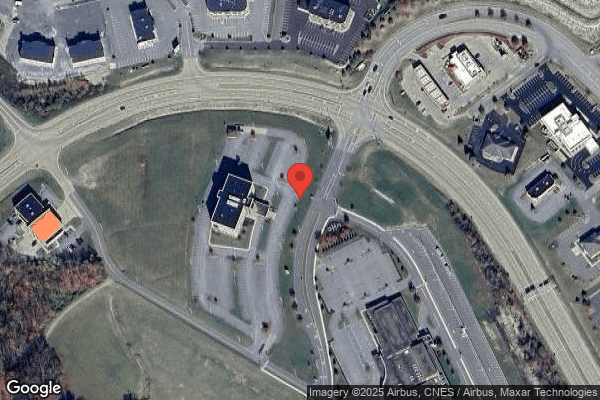
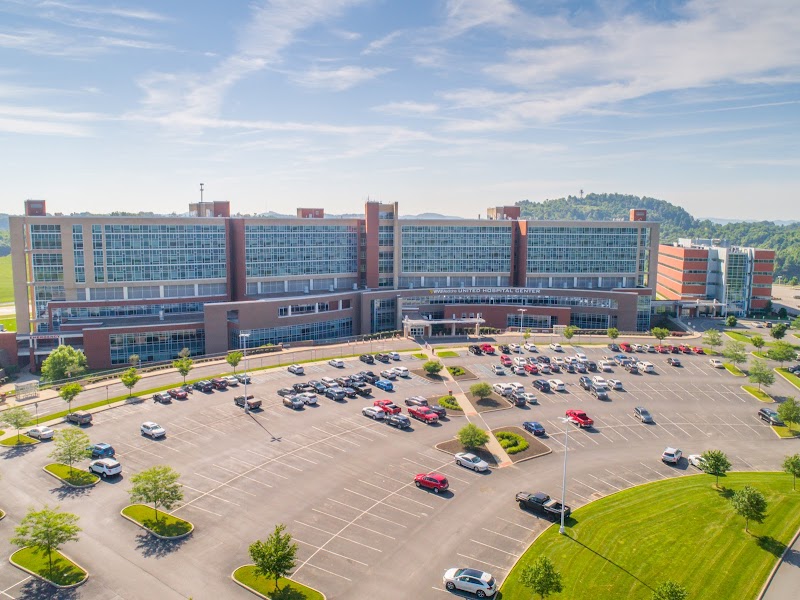
327 MEDICAL PARK DRIVE, BRIDGEPORT, WV 26330 (681) 342-5174
Non profit - Corporation 32 Beds Independent Data: November 2025
Trust Grade
90/100
#10 of 122 in WV
Last Inspection: August 2025

Inspected within the last 6 months. Data reflects current conditions.

Overview

United Transitional Care Center in Bridgeport, West Virginia has received an excellent Trust Grade of A, indicating that it is highly recommended and performing well above average. It ranks #10 out of 122 facilities in the state, placing it in the top half, and is the top facility out of 6 in Harrison County. However, the facility is experiencing a worsening trend, with the number of issues increasing from 2 in 2024 to 3 in 2025. Staffing is a strong point, as it has a perfect 5-star rating and a turnover rate of 43%, which is slightly below the state average. Notably, there have been no fines reported, and the facility boasts more registered nurse coverage than 99% of West Virginia facilities, ensuring residents receive attentive care. On the downside, there were specific concerns identified. Residents were not consistently offered the choice to eat meals in communal settings, leading to isolation during dining times. Additionally, there was a lack of ongoing group activities that catered to the interests of residents, with only one scheduled activity per week and no weekend options available, which could limit social engagement. Lastly, there were issues with pain management, as pain assessments were not consistently performed before and after medication was administered, which raises concerns about the quality of care. Overall, while the facility has strong staffing and fine ratings, families should be aware of these areas needing improvement.

Trust Score
A
90/100
In West Virginia
#10/122
Top 8%
Safety Record
Low Risk
No red flags
Inspections
Getting Worse
2 → 3 violations
Staff Stability
○ Average
43% turnover. Near West Virginia's 48% average. Typical for the industry.
Penalties
✓ Good
No fines on record. Clean compliance history, better than most West Virginia facilities.
Skilled Nurses
✓ Good
Each resident gets 149 minutes of Registered Nurse (RN) attention daily — more than 97% of West Virginia nursing homes. RNs are the most trained staff who catch health problems before they become serious.
Violations
○ Average
9 deficiencies on record. Average for a facility this size. Mostly minor or procedural issues.
★★★★★
5.0
Overall Rating
★★★★★
5.0
Staff Levels
★★★★★
5.0
Care Quality
★★★★★
5.0
Inspection Score
Stable
2024: 2 issues
2025: 3 issues

The Good

  • 5-Star Staffing Rating · Excellent nurse staffing levels
  • 5-Star Quality Measures · Strong clinical quality outcomes
  • Full Sprinkler Coverage · Fire safety systems throughout facility
  • No fines on record
  • Staff turnover below average (43%)

    5 points below West Virginia average of 48%

Facility shows strength in staffing levels, quality measures, fire safety.

The Bad

Staff Turnover: 43%

Near West Virginia avg (46%)

Typical for the industry

The Ugly 9 deficiencies on record

Aug 2025 3 deficiencies
CONCERN (D)

Potential for Harm - no one hurt, but risky conditions existed

Food Safety (Tag F0812)

Could have caused harm · This affected 1 resident

Based on observation, interview, and record review, the facility failed to ensure food items were stored and discarded in accordance with facility policy to prevent the potential for foodborne illness...

Read full inspector narrative →
Based on observation, interview, and record review, the facility failed to ensure food items were stored and discarded in accordance with facility policy to prevent the potential for foodborne illness. This deficient practice was observed for one of the food items in the kitchen and had the potential to affect all residents who consume food prepared by the facility. Facility Census: 28Findings include:On 08/04/2025 at 12:27 PM, during the initial tour of the kitchen, a tray of biscuits was observed on a rack with a discard date of 08/03/2025.Review of the facility policy titled Food Dating (Effective Date 4/08; Revised 09/24) revealed, in part: Date items for the last day to be used. Disposal should be that night after dinner or early the next morning before breakfast.During an interview on 08/04/2025 at 12:30 PM with the Dietary Manager (DM) the DM stated, Yes, they should have been thrown out this morning or last night.
CONCERN (E)

Potential for Harm - no one hurt, but risky conditions existed

Deficiency F0675 (Tag F0675)

Could have caused harm · This affected multiple residents

Based on observations, record review and staff interviews, the facility failed to ensure residents were given the choice to eat their meals in a communal setting rather than in their room all the time...

Read full inspector narrative →
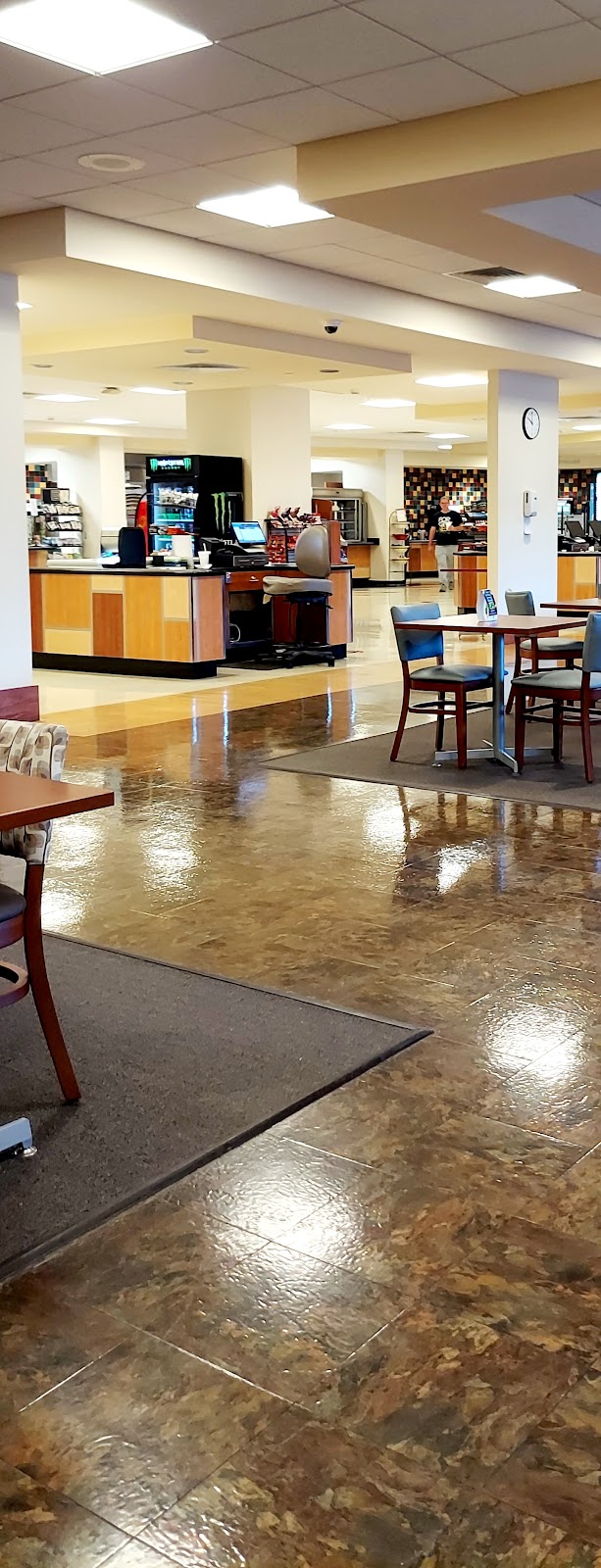
Based on observations, record review and staff interviews, the facility failed to ensure residents were given the choice to eat their meals in a communal setting rather than in their room all the time. This was a random opportunity for discovery during the Long-Term Care Survey. This deficiency can affect more than an isolated number of residents. Resident identifier: #24, #25, #72, #76, #86, and #24. Facility Census: 28 a) Findings included: Observations made during lunch on 08/05/25 revealed the residents were all eating their meal in their room. Further observations revealed an area on the unit marked as an activity room. On the blueprint (facility layout) that was submitted during construction of the unit this room was marked dining/activities. However, observation on 08/05/25 of the sign outside the door to this room revealed the sign said Activities. On 08/06/25 a review of a policy titled Meal Passage and Nutritional Intake revised on 02/2025 revealed the following statement, In order to encourage a homelike atmosphere and to promote a social interaction between our Residents, we will offer to assist them to the day room for meals if desired. During an interview on 08/05/25 the administrator stated this space was for dual purposes and could be used if needed. Interviews on 08/05/25 with Resident #25 revealed this resident did not know they had a dining area. Resident #75 said no dining options had been explained except eating in their room. Resident #76 said they had no idea there was an option to eat in a dining room. Resident #72 said they had no idea there was anywhere to eat except in their room. Resident #24 said they had never been given the option to eat anywhere except in their room. Resident #86 did not know there was a dining or activity room on the unit. On 08/06/25 an interview with Licensed Practical Nurse (LPN) #7 revealed the facility staff did not offer the option to the residents to eat in a dining room but if the resident would ask, they would accommodate them. LPN #8 also stated they do not offer this as an option but would accommodate the resident's if they asked. Clinical Supervisor (CS) #54 said residents were given the option to use the dining room if they ask, or if their family asks but this was not something that was offered to them upfront.
CONCERN (E)

Potential for Harm - no one hurt, but risky conditions existed

Deficiency F0679 (Tag F0679)

Could have caused harm · This affected multiple residents

Based on interview and record review, the facility failed to provide ongoing resident-centered group activity programming that met the expressed interests of residents, including a variety of facility...

Read full inspector narrative →
Based on interview and record review, the facility failed to provide ongoing resident-centered group activity programming that met the expressed interests of residents, including a variety of facility-sponsored activities and weekend group activities. This failed practice had the potential to affect more than an isloated number of residents in the facility. Resident identifier: #84. Facility Census: 28.Findings included:a) A review of the admission Minimum Data Set (MDS) for Residents #84, #24, #76, #25, #83, #82, #86, #85, #78, #75, #74, #4, and #72 completed on 08/05/25 at approximately 10:00 AM, revealed each had marked it was very important for them to do things with groups of people. A review of the facility's posted activity calendars for April, May, June, July, and August 2025 revealed the only scheduled group activity was Activities in the Dayroom on Thursdays at 2:00 PM. No group activities were scheduled on weekends during this review period. On 08/05/25 at 8:20 AM, Resident #84 stated the facility handed out puzzles and she watched TV, but she did not think group activities were offered. When asked if she would attend if they were offered, she replied, Yeah, if I felt like it. Residents #76, #25, #78, #75, #74, #4, and #72 stated there was an activity room/dayroom but they did not think it was used for group activities. They reported most activities offered to them occurred in their rooms (crosswords, puzzles, church on TV). During an interview on 08/05/25 at 12:00 PM, the Activity Director (AD) stated she provided activities of the residents' choice in the dayroom on Thursdays and went room-to-room during the week offering snacks and word search puzzles. She confirmed there was no activity staff coverage on weekends. When asked how many activity staff the facility employed, the AD stated, Just me.
Jul 2024 2 deficiencies
CONCERN (D)

Potential for Harm - no one hurt, but risky conditions existed

Deficiency F0582 (Tag F0582)

Could have caused harm · This affected 1 resident

. Based on staff interview and record review, the facility failed to provide the required beneficiary notification for Resident #189. This was true from one (1) of three (3) residents reviewed for ben...

Read full inspector narrative →
. Based on staff interview and record review, the facility failed to provide the required beneficiary notification for Resident #189. This was true from one (1) of three (3) residents reviewed for beneficiary notcies during the long term care survey. Finding include: On 07/02/24 the required Notice of Medicare Non Coverage was requested from the facility for Resident #189 when her most recent medicare stay was ending. On 07/02/24 at 1:30 PM an interview was completed with the Administrator who acknowledged, he could not find a copy of the Beneficiary Notification for Resident #189.
CONCERN (E)

Potential for Harm - no one hurt, but risky conditions existed

Deficiency F0697 (Tag F0697)

Could have caused harm · This affected multiple residents

. Based on record review and staff interview, the facility failed to manage pain in accordance with current professional standards of practice. Pain assessments were not consistently performed before ...

Read full inspector narrative →
. Based on record review and staff interview, the facility failed to manage pain in accordance with current professional standards of practice. Pain assessments were not consistently performed before and after as needed (PRN) pain medication was given. This deficient practice had the potential to affect one (1) of three (3) residents reviewed for the care area of pain. Resident identifier: #16. Facility census: 26. Findings include: a) Resident #16 Review of Resident #16's medical records showed a physician's order written on 06/17/24 for oxycodone (Roxicodone) 5 mg, every six (6) hours as needed for pain. Further medical record review showed three (3) occasions when oxycodone was administered for pain, but no premedication pain assessment was performed. Additionally, the resident was not assessed for effectiveness of the pain medication. These three (3) occasions were as follows: - 06/26/24 at 12:54 PM - 06/29/24 at 10:37 PM - 07/30/24 at 9:59 PM Additionally, on 06/29/24 at 3:31 AM, pain effectiveness was assessed after medication administration, but premedication pain assessment was not performed. On 07/03/24 at 9:00 AM, the Director of Nursing (DON) confirmed no premedication or postmedication pain assessments were performed on 06/26/24 at 12:54 PM, 06/29/24 at 10:37 PM, and 07/30/24 at 9:59 PM. Additionally, the DON confirmed no premedication pain assessment was performed on 06/29/24 at 3:31 AM. No further information was provided through the completion of the survey process.
Oct 2022 4 deficiencies
CONCERN (D)

Potential for Harm - no one hurt, but risky conditions existed

Transfer Notice (Tag F0623)

Could have caused harm · This affected 1 resident

**NOTE- TERMS IN BRACKETS HAVE BEEN EDITED TO PROTECT CONFIDENTIALITY** . Based on medical record review and staff interview the facility failed to provide the State Ombudsman with notification of a h...

Read full inspector narrative →
**NOTE- TERMS IN BRACKETS HAVE BEEN EDITED TO PROTECT CONFIDENTIALITY** . Based on medical record review and staff interview the facility failed to provide the State Ombudsman with notification of a hospitalization. This was discovered for one (1) of three (3) residents reviewed for hospitalizations during the Long Term Care Survey Process. Resident #13 was hospitalized and the State Ombudsman was not notified of the hospital discharge. Resident identifier: #13. Facility census: 27. Findings included: a) Resident #13 A medical record review on 10/04/22, revealed Resident #13 was discharged to the hospital on [DATE] and there was no hospitalization notice sent to the State Ombudsman. During an interview with the Director of Nursing on 10/04/22 at 10:45 AM, the DON confirmed the State Ombudsman had not been notified of the hospitalization for Resident #13 on 08/30/22. She also reported it was their procedure to send the State Ombudsman notice of hospital transfers. .
CONCERN (D)

Potential for Harm - no one hurt, but risky conditions existed

MDS Data Transmission (Tag F0640)

Could have caused harm · This affected 1 resident

**NOTE- TERMS IN BRACKETS HAVE BEEN EDITED TO PROTECT CONFIDENTIALITY** . Based on record review and staff interview the facility failed to complete a discharge assessment for Resident #1. This was tr...

Read full inspector narrative →
**NOTE- TERMS IN BRACKETS HAVE BEEN EDITED TO PROTECT CONFIDENTIALITY** . Based on record review and staff interview the facility failed to complete a discharge assessment for Resident #1. This was true for one (1) of three (3) residents reviewed for discharges. This failed practice had the opportunity to affect only a limited number of residents. Resident identifier: #1. Facility census: 27. Findings included: a) Resident #1 Record review showed a Discharge summary dated [DATE] indicating Resident #1 was to be discharged to home effective 04/28/22. A progress note dated 04/28/22 indicated that the Resident was taken off the unit and discharged home via personal vehicle at 12:17 PM. Review of Resident #1's Minimum Data Set (MDS) assessment indicated only an admission assessment was completed. The five-day scheduled assessment in section A0310 was completed on 04/28/22 for the resident's admission on [DATE]. No additional MDS assessment was completed for the discharge. Section A2000, discharge date , was blank on the MDS assessment. On 10/04/22 at 2:00 PM Registered Nurse (RN) #27 stated, You got me, I didn't do it. I'll go do it now. The RN further clarified she had missed completing the discharge assessment for Resident #1. .
CONCERN (D)

Potential for Harm - no one hurt, but risky conditions existed

Deficiency F0657 (Tag F0657)

Could have caused harm · This affected 1 resident

. Based on medical record review and staff interview the facility failed to revise an interim care plan for an indwelling Foley catheter. This was discovered for one (1) of one (1) residents reviewed ...

Read full inspector narrative →
. Based on medical record review and staff interview the facility failed to revise an interim care plan for an indwelling Foley catheter. This was discovered for one (1) of one (1) residents reviewed for the care area of urinary catheter. The interim care plan for Resident #67 was not revised for placement and care of a urinary Foley catheter. Resident identifier: #67. Facility census: 27. Findings included: a) Resident #67 A medical record review for Resident #67 on 10/04/22, revealed the interim care plan was not revised to include an order for insertion and maintenance of an indwelling Foley catheter for Resident #67. In an interview with the Director of Nursing (DON) on 10/04/22 at 3:18 PM, reported the Foley catheter was placed on 09/29/22 for Resident #67. The DON also verified the interim care plan was not revised to show placement and care of the indwelling Foley catheter for Resident #67. .
CONCERN (D)

Potential for Harm - no one hurt, but risky conditions existed

Quality of Care (Tag F0684)

Could have caused harm · This affected 1 resident

. Based on medical record review, observation, and staff interview, the facility failed to ensure residents received treatment and care in accordance with professional standards of practice. This was ...

Read full inspector narrative →
. Based on medical record review, observation, and staff interview, the facility failed to ensure residents received treatment and care in accordance with professional standards of practice. This was discovered for one (1) of two (2) residents reviewed for the care area of position and mobility. The physician's order for Resident #67 was not followed for the application of heel lift boots. Resident identifier: #67. Facility census: 27. Findings included: a) Resident #67 A medical record review for Resident #67 on 10/04/22, revealed a physician's order for heel lift boots to be worn continuously with a start date of 09/22/22. During an observation on 10/04/22 at 8:15 AM, it was discovered Resident #67 was not wearing the bilateral heel lift boots. An interview with the Director of Nursing (DON) on 0/04/22 at 8:20 AM, verified Resident #67 was not wearing the bilateral heel lift boots. .
Understanding Severity Codes (click to expand)
Life-Threatening (Immediate Jeopardy)
J - Isolated K - Pattern L - Widespread
Actual Harm
G - Isolated H - Pattern I - Widespread
Potential for Harm
D - Isolated E - Pattern F - Widespread
No Harm (Minor)
A - Isolated B - Pattern C - Widespread

Questions to Ask on Your Visit

  • "Can I speak with families of current residents?"
  • "What's your RN coverage like on weekends and overnight?"

Our Honest Assessment

Strengths
  • • Grade A (90/100). Above average facility, better than most options in West Virginia.
  • • No major safety red flags. No abuse findings, life-threatening violations, or SFF status.
  • • No fines on record. Clean compliance history, better than most West Virginia facilities.
  • • 43% turnover. Below West Virginia's 48% average. Good staff retention means consistent care.
Concerns
  • • No significant concerns identified. This facility shows no red flags across CMS ratings, staff turnover, or federal penalties.
Bottom line: Generally positive indicators. Standard due diligence and a personal visit recommended.

About This Facility

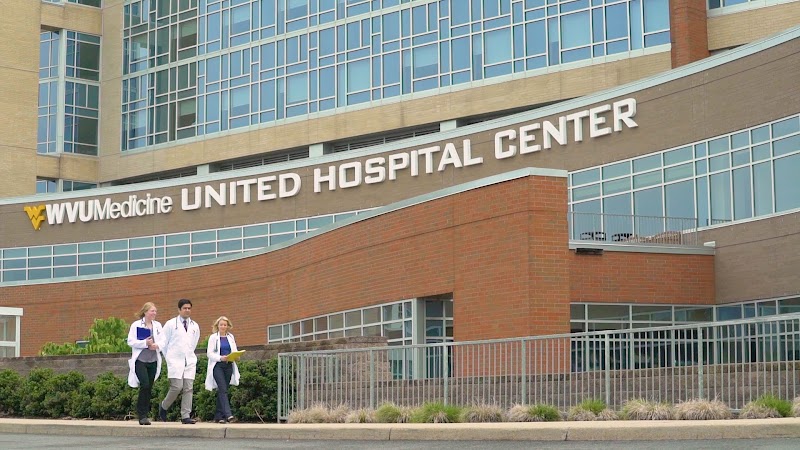
What is United Transitional's CMS Rating?

CMS assigns UNITED TRANSITIONAL CARE CENTER an overall rating of 5 out of 5 stars, which is considered much above average nationally. Within West Virginia, this rating places the facility higher than 99% of the state's 100 nursing homes. This rating reflects solid performance across the metrics CMS uses to evaluate nursing home quality.
How is United Transitional Staffed?

CMS rates UNITED TRANSITIONAL CARE CENTER's staffing level at 5 out of 5 stars, which is much above average compared to other nursing homes. Staff turnover is 43%, compared to the West Virginia average of 46%. This relatively stable workforce can support continuity of care.

What Have Inspectors Found at United Transitional?

State health inspectors documented 9 deficiencies at UNITED TRANSITIONAL CARE CENTER during 2022 to 2025. These included: 9 with potential for harm.

Who Owns and Operates United Transitional?

UNITED TRANSITIONAL CARE CENTER is owned by a non-profit organization. Non-profit facilities reinvest revenue into operations rather than distributing to shareholders. The facility operates independently rather than as part of a larger chain. With 32 certified beds and approximately 27 residents (about 84% occupancy), it is a smaller facility located in BRIDGEPORT, West Virginia.
How Does United Transitional Compare to Other West Virginia Nursing Homes?

Compared to the 100 nursing homes in West Virginia, UNITED TRANSITIONAL CARE CENTER's overall rating (5 stars) is above the state average of 2.7, staff turnover (43%) is near the state average of 46%, and health inspection rating (5 stars) is much above the national benchmark.

What Should Families Ask When Visiting United Transitional?

Based on this facility's data, families visiting should ask: "Can I visit during a mealtime to observe dining assistance and food quality?" "How do you handle medical emergencies, and what is your hospital transfer rate?" "Can I speak with family members of current residents about their experience?"

Is United Transitional Safe?

Based on CMS inspection data, UNITED TRANSITIONAL CARE CENTER has a clean safety record: no substantiated abuse findings (meaning no confirmed cases of resident harm), no Immediate Jeopardy citations (the most serious violation level indicating risk of serious injury or death), and is not on the Special Focus Facility watch list (a federal program monitoring the lowest-performing 1% of nursing homes). The facility has a 5-star overall rating and ranks #1 of 100 nursing homes in West Virginia. While no facility is perfect, families should still ask about staff-to-resident ratios and recent inspection results during their visit.

Do Nurses at United Transitional Stick Around?

UNITED TRANSITIONAL CARE CENTER has a staff turnover rate of 43%, which is about average for West Virginia nursing homes (state average: 46%). Moderate turnover is common in nursing homes, but families should still ask about staff tenure and how the facility maintains care continuity when employees leave.

Was United Transitional Ever Fined?

UNITED TRANSITIONAL CARE CENTER has no federal fines on record. CMS issues fines when nursing homes fail to meet care standards or don't correct problems found during inspections. The absence of fines suggests the facility has either maintained compliance or corrected any issues before penalties were assessed. This is a positive indicator, though families should still review recent inspection reports for the full picture.

Is United Transitional on Any Federal Watch List?

UNITED TRANSITIONAL CARE CENTER is not on any federal watch list. The most significant is the Special Focus Facility (SFF) program, which identifies the bottom 1% of nursing homes nationally based on persistent, serious quality problems. Not being on this list means the facility has avoided the pattern of deficiencies that triggers enhanced federal oversight. This is a positive indicator, though families should still review the facility's inspection history directly.