ST. JOSEPH'S HOSPITAL
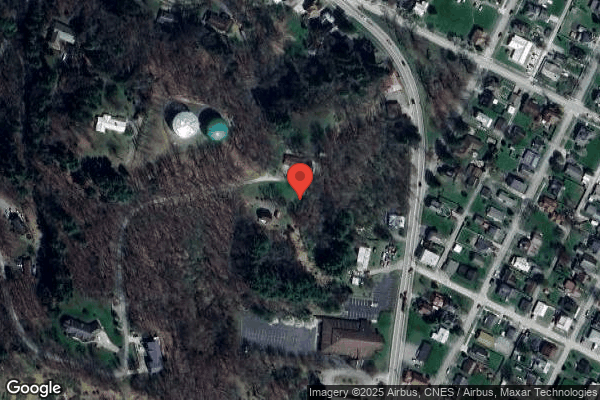
AMALIA DRIVE #1, BUCKHANNON, WV 26201 (304) 473-2000
Non profit - Corporation 16 Beds Independent Data: November 2025
Trust Grade
78/100
#39 of 122 in WV
Last Inspection: March 2025

Within standard 12-15 month inspection cycle. Federal law requires annual inspections.

Overview

St. Joseph's Hospital in Buckhannon, West Virginia has a Trust Grade of B, which means it is a good choice but not without its flaws. It ranks #39 out of 122 facilities in the state, placing it in the top half, and is the best option among the two facilities in Upshur County. Unfortunately, the facility is experiencing a worsening trend, with issues increasing from 5 in 2024 to 7 in 2025. Staffing is a concern, as it received a low rating of 1 out of 5 stars, although turnover is relatively low at 26%, which is better than the state average of 44%. There have been no fines reported, which is a positive sign, but RN coverage is average. Specific incidents include a failure to provide grievance forms to residents, meaning they were unaware of how to voice concerns. Additionally, residents reported a lack of engaging activities, particularly on weekends, indicating that their social needs are not being adequately met. Overall, while there are strengths in some areas, such as low fines and good turnover rates, significant issues in staffing and resident engagement are important to consider for families researching this nursing home.

Trust Score
B
78/100
In West Virginia
#39/122
Top 31%
Safety Record
Low Risk
No red flags
Inspections
Getting Worse
5 → 7 violations
Staff Stability
✓ Good
26% annual turnover. Excellent stability, 22 points below West Virginia's 48% average. Staff who stay learn residents' needs.
Penalties
✓ Good
No fines on record. Clean compliance history, better than most West Virginia facilities.
Skilled Nurses
✓ Good
Each resident gets 71 minutes of Registered Nurse (RN) attention daily — more than 97% of West Virginia nursing homes. RNs are the most trained staff who catch health problems before they become serious.
Violations
⚠ Watch
15 deficiencies on record. Higher than average. Multiple issues found across inspections.
★★★★☆
4.0
Overall Rating
★☆☆☆☆
1.0
Staff Levels
★★☆☆☆
2.0
Care Quality
★★★★★
5.0
Inspection Score
Stable
2024: 5 issues
2025: 7 issues

The Good

  • Low Staff Turnover (26%) · Staff stability means consistent care
  • Full Sprinkler Coverage · Fire safety systems throughout facility
  • No fines on record
  • Staff turnover is low (26%)

    22 points below West Virginia average of 48%

Facility shows strength in staff retention, fire safety.

The Bad

No Significant Concerns Identified

This facility shows no red flags. Among West Virginia's 100 nursing homes, only 1% achieve this.

The Ugly 15 deficiencies on record

Mar 2025 7 deficiencies
CONCERN (D)

Potential for Harm - no one hurt, but risky conditions existed

Accident Prevention (Tag F0689)

Could have caused harm · This affected 1 resident

Based on observation and staff interview, the facility failed to ensure a safe environment in the communal shower room. This was a random opportunity for discovery. Facility census: 15. Findings inclu...

Read full inspector narrative →
Based on observation and staff interview, the facility failed to ensure a safe environment in the communal shower room. This was a random opportunity for discovery. Facility census: 15. Findings included: a) Communal Shower Room On 03/19/25 at approximately 11:50 AM the door to the communal shower room was open. During the observation of the shower room, an unlabeled plastic bottle containing a clear liquid was found. The bottle contained a warning to keep out of the reach of children. There were check-off boxes on the bottle to be marked as to what was in the container. None of the check-off boxes were marked. There was a partial white and red sticker on the bottle which had no visible information on the sticker. During an interview, on 03/19/25 at 12:12 PM, The Registered Nurse, Nurse Manager (RNNM) #13 stated, That is Clorox 8 to 1 in that bottle. The staff use it to clean the equipment after use. No, it does not have a label on it. It should be labeled with a white and red sticker. I can see where it used to be RNNM #13 confirmed the bottle was not labeled properly and was left out in a resident area.
CONCERN (D)

Potential for Harm - no one hurt, but risky conditions existed

Deficiency F0692 (Tag F0692)

Could have caused harm · This affected 1 resident

Based on record review, and staff interview the facility failed to recognize, evaluate, and address Resident # 12's impaired nutrition and weight loss. This failed practice was found true for (1) one ...

Read full inspector narrative →
Based on record review, and staff interview the facility failed to recognize, evaluate, and address Resident # 12's impaired nutrition and weight loss. This failed practice was found true for (1) one of (1) one resident reviewed for nutrition during the Long-Term Care Survey Process. Resident identifier #12. Facility Census 15. Findings include: a) Resident #12 A record review on 03/18/25 at 2:16 PM of Resident #12's monthly weights revealed the following weights: 11/07/24- 146 pounds (Lbs.) 12/05/24- 143 Lbs. 01/02/25- 139 Lbs. 02/06/25- 135 Lbs. 03/96/25- 131 Lbs. A review of the five (5) months revealed a weight loss of 10.27 % in (5) five months. Further record review revealed that strawberry boost was ordered for weight loss. Resident #12 had been receiving strawberry boost since 04/24No other supplement had been added. A review of Resident #12's last Registered Dietician assessment, revealed that no Dietary assessment had been completed for Resident #12 since 07/2024. During an interview on 03/20/25 at 10:00 AM, The Registered Dietician (RD) stated, I track the residents weights on a monthly basis and I try to look at how it falls with their Body Mass Index (BMI). I am going to be honest with you, my Certified Dietary Manager (CDM) stepped down. I took it to my boss to tell them I needed help. They are working on it. Since she stepped down, I have been trying to keep up with the kitchen piece as well and I have fallen behind. She further stated, I thought the 5% and 10% weight loss was within a month. I did not realize that it was within 3 months and 6 months. The RD later confirmed that an RD assessment had not been done since 07/24. b) Weight Monitoring Policy A review on 03/20/25 at 10:30 AM, of the policy titled {Weight Monitoring}, under Notification of Significant Weight Change}, reads as follows: A. All significant weight gains or losses (5% in thirty days or 10% in one-hundred eight days will be reported to: * The resident and/or Medical Power of Attorney/ Legal Representative * Attending Physician * Registered Dietician/Food & Nutrition Service Director B. Discussion and interventions for weight management will be discussed. C. Notification will be made via written or verbal communication and documented in the medical record.
CONCERN (D)

Potential for Harm - no one hurt, but risky conditions existed

Infection Control (Tag F0880)

Could have caused harm · This affected 1 resident

Based on observation and staff interview, the facility failed to ensure infection control standards were followed for a resident on enhanced barrier precautions (EBP). This was true for one (1) of one...

Read full inspector narrative →
Based on observation and staff interview, the facility failed to ensure infection control standards were followed for a resident on enhanced barrier precautions (EBP). This was true for one (1) of one (1) residents observed for EBP's during the survey process. Resident identifier: #15. Facility census: 15. Findings included: a) Resident #15 An observation on 03/19/25 at 12:35 PM, revealed Nurse Aide (NA) #15 transferring Resident #15 from the bed to the recliner. Resident #15 had a sign on the door EBP's. NA #15 did not wear a gown and gloves as instructed on the signage. In an interview, on 03/19/25 at 12:42 PM, NA #15 stated that Resident #15 needed help to transfer from the bed to the recliner so that he could eat lunch. NA #15 said, Normally he can transfer with little help. In an interview with the Director of Nursing (DON) at approximately 1:10 PM, she stated that the resident had just been put on EBP's that morning for a small chronic wound that had no drainage and was covered. The DON confirmed that the NA should have donned a gown and gloves before assisting the resident to transfer.
CONCERN (E)

Potential for Harm - no one hurt, but risky conditions existed

Grievances (Tag F0585)

Could have caused harm · This affected multiple residents

Based on Resident Council interview, staff interview and policy review, the facility failed to ensure forms were readily available to residents to file grievances. This failed practice was a random op...

Read full inspector narrative →
Based on Resident Council interview, staff interview and policy review, the facility failed to ensure forms were readily available to residents to file grievances. This failed practice was a random opportunity for discovery and had the potential to affect more than a limited number of residents. Facility census: 15. Findings include: a) Grievance forms During the Resident council meeting on 03/19/25 at 11:00 AM, The Resident Council said that they did not know how to file a grievance and did not know that they could file it anonymously. They also said that they had never seen a grievance form. An observation of the nurses' station and both halls of the facility on 03/19/25 at 2:46 PM, revealed no grievance forms were present in the facility. During an interview, on 03/19/25 at 2:49 PM, The Licensed Social Worker (LSW), stated , No we do not use a form. If they have an issue, we just try to fix it then. I did not know that we had to have forms available. The LSW confirmed that an actual system was not in place to file a grievance. b) Grievance Policy A review of the policy titled Complaint/Grievance Process, revealed: It is the policy of this facility to provide a system whereby residents and/or their significant others, representatives, public or any staff member can voice concerns about the quality of care received at the facility.
CONCERN (E)

Potential for Harm - no one hurt, but risky conditions existed

Comprehensive Care Plan (Tag F0656)

Could have caused harm · This affected multiple residents

**NOTE- TERMS IN BRACKETS HAVE BEEN EDITED TO PROTECT CONFIDENTIALITY** Based on record review and staff interview the facility failed to develop person centered care plans related to activities. This...

Read full inspector narrative →
**NOTE- TERMS IN BRACKETS HAVE BEEN EDITED TO PROTECT CONFIDENTIALITY** Based on record review and staff interview the facility failed to develop person centered care plans related to activities. This failed practice was found true for (4) four of (5) five residents reviewed for activities during the Long-Term Care Survey Process. Resident identifiers #9, #5, #8, and #12. Facility census: 15. Findings include: a) Resident #9 A record review on 03/19/25 at 9:00 AM, revealed an activity care plan for Resident #9 that reads as follows: Focus: Resident at risk for isolation due to interest in select activities of her choice and prefers in room activities/socialization. Goal: Resident will maintain current level of socialization as evidenced by no complaint of isolation at monthly care plan meetings or quarterly Minimum Data Set (MDS) assessments through next evaluation. Interventions: * Greet resident by name upon approach daily. * Talk to resident during care daily. * Encourage resident to make decisions concerning care daily. * Assist resident with establishing a routine and adhering to it. * Inform of, assist to, and encourage resident to attend activities of interest daily. * Provide areas for 1:1 activities as needed. Further record review, on 03/19/25 at 9:15 AM, of Resident #9's Activity assessment dated as 03/13/23 to current revealed that residents interest includes: Art/crafts, board games, card games, cooking, current events, helping others, movies, music, religious, being outdoors and watching TV. None of which are mentioned in the Activity care plan. b) Resident #5 A record review on 03/19/25 at 9:00 AM, revealed an activity care plan for Resident #5 that reads as follows: Focus: Resident at risk for isolation due to interest in select activities of her choice and prefers in room activities/socialization. Goal: Resident will maintain current level of socialization as evidenced by no complaint of isolation at monthly care plan meetings or quarterly Minimum Data Set (MDS) assessments through next evaluation. Interventions: * Greet resident by name upon approach daily. * Talk to resident during care daily. * Encourage resident to make decisions concerning care daily. * Assist resident with establishing a routine and adhering to it. * Inform of, assist to, and encourage resident to attend activities of interest daily. * Provide areas for 1:1 activities as needed. Further record review on 03/19/25 at 9:15 AM, of Resident #5's Activity assessment dated [DATE] to current revealed that residents interest included: Cooking, exercise, music, religious, talking/conversing, and outdoors. None of which are included in the activity care plan. c) Resident #8 A record review on 03/19/25 at 9:00 AM, revealed an Activity care plan for Resident #8 that reads as follows: Focus: Resident at risk for isolation due to interest in select activities of her choice and prefers in room activities/socialization. Goal: Resident will maintain current level of socialization as evidenced by no complaint of isolation at monthly care plan meetings or quarterly Minimum Data Set (MDS) assessments through next evaluation. Interventions: * Greet resident by name upon approach daily. * Talk to resident during care daily. * Encourage resident to make decisions concerning care daily. * Assist resident with establishing a routine and adhering to it. * Inform of, assist to, and encourage resident to attend activities of interest daily. * Provide areas for 1:1 activities as needed. Further record review on 03/19/25 at 9:15 AM, of Resident #8's Activity assessment dated as 02/28/24 to current reveals that residents interest includes: art/crafts, board games, card games, cooking, current events, exercise, gardening, helping others, movies, music, parties, radio, religious, talking/conversing, trips, outdoors, and watching TV. None of the interests are mentioned in the activity care plan. d) Resident #12 A record review on 03/19/25 at 9:00 AM, revealed an activity care plan for Resident #12 that reads as follows: Focus: Resident at risk for isolation due to interest in select activities of her choice and prefers in room activities/socialization. Goal: Resident will maintain current level of socialization as evidenced by no complaint of isolation at monthly care plan meetings or quarterly Minimum Data Set (MDS) assessments through next evaluation. Interventions: * Greet resident by name upon approach daily. * Talk to resident during care daily. * Encourage resident to make decisions concerning care daily. * Assist resident with establishing a routine and adhering to it. * Inform of, assist to, and encourage resident to attend activities of interest daily. * Provide areas for 1:1 activities as needed. Further record review, on 03/19/25 at 9:15 AM, of Resident #12's Activity assessment dated as 04/20/23 to current revealed the resident's interest included: cooking, helping others, movies, religious, talking/conversing, and outdoors. None of interest are mentioned in the activity care plan. During an interview, on 03/19/25 at 10:30 AM, The Registered Nurse, Nurse Manager (RNNM) stated, I feel like our initial thought was we will get a care plan put in until we get to know the resident and then go in and change it and then we forget. She confirmed that the activity care plan is not personalized to the resident, and that all (4) four activity care plans are the same.
CONCERN (E)

Potential for Harm - no one hurt, but risky conditions existed

Deficiency F0679 (Tag F0679)

Could have caused harm · This affected multiple residents

Based on Resident Council interview, record review and staff interview the facility failed to provide a program of activities to meet the needs and interests of the residents that included holiday the...

Read full inspector narrative →
Based on Resident Council interview, record review and staff interview the facility failed to provide a program of activities to meet the needs and interests of the residents that included holiday themed and weekend activities. This failed practice was a random opportunity for discovery and had the potential to affect more than a limited number of residents during the Long-Term Care Survey Process. Facility census: 15. Findings include: a) The Activity Department During the Resident council meeting on 03/19/25 at 11:00 AM, The resident council said that the weekends are extremely boring. There are activities on the calendar, but no one does them. They will gather and eat meals and talk to each other, but other than that there is not anything to do. During an interview, on 03/20/25 at 9:47 AM, the Activity Director (AD) stated, I am the only staff in activities. I work Monday through Friday and am typically off on major holidays. Now if I am on vacation for a week The unit secretary fills in for me. She is off on weekends right now. The residents have expressed this to me. The unit secretary might start working 4 hours on a weekend. The aides on the floor are supposed to be doing the weekend activities, but the residents told me they are not doing them. The AD confirmed that the activities are not being done on weekends and that there was nothing scheduled on holidays that are holiday related. b) Activity schedule and Activity Calendar A review, on 03/20/25 at 10:00 AM, of the work schedule for the AD for the months of 12/2024, 01/2025, 02/2025, and 03/2025 revealed the AD was in fact off on major holidays and weekends. The schedule also revealed there were no other staff in the Activity Department. A review on 03/20/25 at 10:15 AM of the Activity calendars for the months of 12/2024, 01/2025, 02/2025, and 03/2025 revealed that (3) activities are scheduled for Saturday's and Sunday's and that there are no activities scheduled on holidays.
CONCERN (E)

Potential for Harm - no one hurt, but risky conditions existed

Food Safety (Tag F0812)

Could have caused harm · This affected multiple residents

Based on observation, and staff interview the facility failed to store, prepare, distribute and serve food in accordance with professional standards. This failed practice was a random opportunity for ...

Read full inspector narrative →
Based on observation, and staff interview the facility failed to store, prepare, distribute and serve food in accordance with professional standards. This failed practice was a random opportunity for discovery and had the potential to affect a limited number of residents. Facility census: 15. : Findings Include: a) Dining observation An observation of the lunch meal service starting at 03/19/25 at 12:20 PM, revealed the first tray being served off the tray cart. Seven (7) residents were served in the dining room. The State Agency (SA) walked to the other end of the dining room and then walked back to the tray cart and (2) two dirty trays had been put on the meal cart with the (4) four remaining clean meal trays for the residents. During an interview, on 03/19/25 at 12:40 PM, Nurse Aide (NA) #15 stated, No we don't normally do that. We put the dirty trays on this table back here until the cart is empty. Someone was helping us today that normally doesn't pass trays, and she accidentally put them on there. During an interview on 03/19/25 at 12:45 PM, The Registered Nurse, Nurse Manager (RNNM), confirmed that the dirty trays should not have been put on the cart with the clean trays. b) Nutritional Services Policy A review on 03/20/25 at 8:45 AM, of the policy titled (Nutritional Services), under G, reads as follows: 1. The facility must procure food from sources approved or considered satisfactory by Federal, State, or local authorities. 2. Store, prepare, distribute and serve food under sanitary conditions. 3. Dispose of garbage and refuse properly.
Apr 2024 5 deficiencies
CONCERN (D)

Potential for Harm - no one hurt, but risky conditions existed

Resident Rights (Tag F0550)

Could have caused harm · This affected 1 resident

. Based on observation and staff interview the facility failed to provide dignity for Resident #8 during care. A glucose check was obtained without providing privacy. This failed practice was a random...

Read full inspector narrative →
. Based on observation and staff interview the facility failed to provide dignity for Resident #8 during care. A glucose check was obtained without providing privacy. This failed practice was a random opportunity for discovery. Resident identifier: #8. Facility census: 15. Findings include: On 04/22/24 at 4:44 PM, an observation was made of LPN #17 performing a glucose check for Resident #8 in the day area resident lounge. No privacy was provided for the resident during the procedure. Resident #14 was present and facing Resident #8 when the finger stick was obtained. Resident #8 does not have capacity, as of 02/07/24, due to dementia. During an interview on 04/22/24 at 4:58 PM, Clinical Care Coordinator Register Nurse (RN) #7 stated, I just spoke with her [LPN #17] and she didn't realize it was a dignity issue. Education will been given to all staff. Facility failed to provide privacy during finger stick for R #8. PS and findings - BC Resident #8 FTag Initiation 04/22/24 4:44 PM Observation was made of LPN #17 performing a glucose check for Resident #8 in the Day area community lounge. No privacy was provided. Resident #14 was present and facing Resident #8 when the finger stick was obtained. Resident #8 does not have capacity, as of 02/07/24 due to dementia. BIMS score of . Clinical Care Coordinator Register Nurse (RN) #7 stated, I just spoke with her [LPN #17] and she didn't realize it was dignity issue. Education has been given to all staff.
CONCERN (D)

Potential for Harm - no one hurt, but risky conditions existed

Deficiency F0645 (Tag F0645)

Could have caused harm · This affected 1 resident

. Based on record review and staff interviews, the facility failed to ensure the resident's Pre admission Screening and Resident Review (PASARR) reflected pre-admission diagnoses for one (1) of one (1...

Read full inspector narrative →
. Based on record review and staff interviews, the facility failed to ensure the resident's Pre admission Screening and Resident Review (PASARR) reflected pre-admission diagnoses for one (1) of one (1) residents reviewed for the category of PASARR. Resident #10 had a diagnosis of Bipolar Disorder on admission The lack of pre-screening resulted in the resident's condition not being evaluated through the Level II PASRR process. Resident identifier #10. Census 15. Findings Include: a) Resident #10 During a record review on 04/22/24 at 3:50 PM, Resident #10's medical record revealed a diagnosis of bipolar disorder dated 03/13/23. Further review of the medical record revealed a PASARR dated 11/09/23, Section 30 titled Current Diagnosis, was not coded k. Affective Bipolar Disorder. During an interview on 04/23/24 at 8:04 AM, the Clinical Care Coordinator acknowledged the PASARR was not coded for the Bipolar Disorder.
CONCERN (D)

Potential for Harm - no one hurt, but risky conditions existed

Quality of Care (Tag F0684)

Could have caused harm · This affected 1 resident

. Based on medical record review and staff interview the facility failed to ensure each resident received care in a manner which promoted their highest practicable physical, mental and psychosocial we...

Read full inspector narrative →
. Based on medical record review and staff interview the facility failed to ensure each resident received care in a manner which promoted their highest practicable physical, mental and psychosocial well being. The facility failed to provide Resident #8 with a comprehensive assessment by a Registered Dietician. This was a random opportunity for discovery. This is true for one (1) resident reviewed for the Long-Term Care Survey Process. Resident Identifiers: Resident #08. Facility Census: 15 Findings Include: a) Resident #8 During a medical record review on 04/22/24 at 2:30 PM, it was identified Resident #8 did not have a comprehensive assessment completed by a Registered Dietician. In review of the facility policy and procedure it was identified that Swing bed and skilled nursing patients will be assessed by a Registered Dietician within 72 hours of admission in order to evaluate nutritional status, identify patient status for nutritional risk and provide timely interventions. Resident #8 was identified as being in the facility for 77 days. During an interview with the facility Registered Dietician (RD) #35, RD #35 acknowledged she had not completed this comprehensive assessment stating, I am behind on this, I acknowledge that.
CONCERN (D)

Potential for Harm - no one hurt, but risky conditions existed

Food Safety (Tag F0812)

Could have caused harm · This affected 1 resident

. Based on observation, record review and staff interview the facility failed to store food in accordance with professional standards for food service safety. The facility failed to monitor temperatur...

Read full inspector narrative →
. Based on observation, record review and staff interview the facility failed to store food in accordance with professional standards for food service safety. The facility failed to monitor temperatures for an ice cream freezer. This failed practice had the potential to affect a limited number of residents. Facility Census: 15. Findings Include: a) Ice Cream Freezer During the initial tour of the kitchen with the Nutrition Services Supervisor beginning on 04/22/24 at 11:52 AM, an observation was made of the ice cream cooler. There was no documentation that the temperature of the ice cream freezer was monitored. An Immediate interview the Nutrition Services Supervisor acknowledged the temperatures were not being recorded for the ice cream freezer. She stated we never have monitored the ice cream freezer. During a revisit to the kitchen on 04/23/24 at 10:47 AM, the ice cream cooler was still void of any temperature records. During an interview on 04/23/24 at 10:53 AM the Director of Nutrition #35 acknowledged the temperatures were not being monitored. And stated we will start the monitoring immediately. Facility failed to monitor temperatures for the ice cream freezer. PS and findings TB FACILITY Kitchen 812 Based on observation, record review and staff interview the facility failed to store food in accordance with professional standards for food service safety. The facility failed to monitor temperatures for a ice cream freezer. This failed practice had the potential to affect a limited number of residents. Facility Census: 15. Findings Included: a) Ice Cream Freezer An initial tour of the kitchen with the CDM beginning on 04/22/24 at 11:52 AM, observation was made of the ice cream cooler. There was no documentation the temperature of the ice cream freezer was monitored. Immediate interview the CDM acknowledge the temperatures was not being recorded for the ice cream freeze. She stated we never have monitored the ice cream freezer. During a revisit to the kitchen on 04/23/24 at 10:47 AM, the ice cream cooler was still void of any temperature record. During an interview on 04/23/24 at 10:53 AM the Director of Nutrition #35 acknowledged the temperatures were not being monitored. Temps on the serving line: 04/23/24 at 11:05 AM the following temperatures were obtained by the [NAME] with the facility thermometer -Green Beans: 190 -Meatballs: 157 Chicken Alfredo: 148 Gravy: 168 Chicken Nuggets: 207
CONCERN (D)

Potential for Harm - no one hurt, but risky conditions existed

Medical Records (Tag F0842)

Could have caused harm · This affected 1 resident

. Based on medical record review and staff interview the facility failed to ensure a complete and accurate medical record. The facility failed to ensure the Physician Orders for Scope of Treatment (PO...

Read full inspector narrative →
. Based on medical record review and staff interview the facility failed to ensure a complete and accurate medical record. The facility failed to ensure the Physician Orders for Scope of Treatment (POST) form was completed per directions specified by the [NAME] Virginia Center for End of Life Care. This is true for one (1) of 15 residents reviewed for the Long-Term Care Survey Process. Resident Identifiers: Resident #08. Facility Census: 15 Findings Include: a) Resident #8 During a medical record review on 04/23/24 at 10:30 AM, Resident #8's medical record revealed a Physician Orders for Scope of Treatment (POST) form which failed to include the date the Medical Power of Attorney (MPOA) for Resident #08 and facility Social Worker (SW) #18 signed and completed the POST form. On 04/23/24 at approximately 10:45 AM, during a reivew of the 2021 POST form guidance titled, Using the POST Form: Guidance for Health Care Professionals, 2021 edition,available on-line, stated, The patient (or incapacitated patient' s MPOA representative or health care surrogate) must sign and date this section for the form to be legally valid. During an interview on 04/23/24 at 1:18 PM, SW #18 acknowledged she and Resident #8's MPOA had not dated the POST form as specified by the 2021 POST form guidelines.
Aug 2022 3 deficiencies
CONCERN (D)

Potential for Harm - no one hurt, but risky conditions existed

Quality of Care (Tag F0684)

Could have caused harm · This affected 1 resident

. Based on record review and staff interview, the facility failed to provide care in accordance with professional standards of practice. The resident's neurological status was not reassessed after an ...

Read full inspector narrative →
. Based on record review and staff interview, the facility failed to provide care in accordance with professional standards of practice. The resident's neurological status was not reassessed after an unwitnessed fall for one (1) of two (2) residents reviewed for the care area of falls. Resident identifier: #13. Facility census: 15. Findings included: a) Resident #13 The facility's policy and procedure titled Fall Prevention Program with effective date 09/30/17 and revision date of 04/06/21 stated following a fall, After the initial assessment, the nurse will perform frequent neurological checks . The frequency of neurological checks and vital signs were not specified. Review of Resident #13's medical records showed the resident had experienced a fall on 07/18/22. The fall had not been witnessed by anyone and the resident had been found in the hallway on her hands and knees. Initial neurological checks were obtained and were within normal limits. However, no follow-up neurological assessment were done. Periodic neurological checks are important to determine after an unwitnessed fall to determine if the resident has a head injury. Signs and symptoms of a head injury may not be evident immediately after the fall. During an interview on 08/16/22 at 1:45 PM, the Administrator confirmed Resident #13 had not received follow-up neurological assessments after the unwitnessed fall on 07/18/22. The Administrator stated the facility did not routinely perform neurological assessments after an unwitnessed fall unless a head injury was suspected due to the way the resident was positioned after the fall. The Administrator acknowledged the facility policy stated frequent neurological checks were to be performed after a fall. No further information was provided prior to the completion of the survey. .
CONCERN (D)

Potential for Harm - no one hurt, but risky conditions existed

Food Safety (Tag F0812)

Could have caused harm · This affected 1 resident

. Based on observation, record review and staff interview, the facility failed to ensure food was stored in accordance with professional standards for food service safety. The milk cooler's temperatur...

Read full inspector narrative →
. Based on observation, record review and staff interview, the facility failed to ensure food was stored in accordance with professional standards for food service safety. The milk cooler's temperature was not monitored. This was a random opportunity for discovery during the initial kitchen tour that had the potential to affect a limited number of residents. Facility census: 15. Findings included: a) Initial kitchen tour During the initial tour, observation was made of a milk cooler containing individual cartons of milk, individual serving packets of salad dressing, and individual serving packages of butter. There was no documentation the temperature of the milk cooler was monitored. During an interview on 08/15/22 at 11:10 AM, the Food Services Director confirmed the temperature was not being checked for the milk cooler. She stated the kitchen would begin monitoring the temperature of the milk cooler today. .
CONCERN (E)

Potential for Harm - no one hurt, but risky conditions existed

Comprehensive Care Plan (Tag F0656)

Could have caused harm · This affected multiple residents

. Based on record review and staff interview, the facility failed to develop and/or implement the comprehensive care plan for four (4) of nine (9) residents reviewed in the long-term care survey sampl...

Read full inspector narrative →
. Based on record review and staff interview, the facility failed to develop and/or implement the comprehensive care plan for four (4) of nine (9) residents reviewed in the long-term care survey sample. Resident identifiers: #66, #5, #8, #3. Facility census: 15. Findings included: a) Resident #66 Review of Resident #66's medical records showed the resident had been receiving the medication doxepin (Sinequan) for depression since admission. The note written on 07/08/22 by the Physician Assistant (PA) stated the resident's doxepin dose had been increased due to symptoms of difficulty sleeping and crying at night. Review of Resident #66's comprehensive care plan showed the focus, Resident at risk for adverse side effects due to the daily use of psychotropic medication (antidepressant). However, the resident had not been care planned for depression with specific interventions for depression other than medications. During an interview on 08/16/22 at 10:48 AM, the Administrator confirmed Resident #66 had not been care planned for depression. No further information was provided through the completion of the survey. b) Resident #5 Review of Resident #5's medical records showed the resident was receiving the medications citalopram (Celexa) and mirtazapine (Remeron) for depression. The note written on 05/26/22 by the Physician Assistant (PA) stated the resident's citalopram dose had been increased due to symptoms of irritability, isolation, and short-temper. Review of Resident #5's comprehensive care plan showed the focus, Resident at risk for adverse side effects due to the daily use of psychotropic medication (antidepressant). However, the resident had not been care planned for depression with specific interventions for depression other than medication. During an interview on 08/16/22 at 10:48 AM, the Administrator confirmed Resident #5 had not been care planned for depression. No further information was provided through the completion of the survey. c) Resident #8 Review of Resident #8's medical records showed an order for Tramadol 25 mg every 12 hours as needed for pain. Resident #8 received Tramadol on 08/14/22 at 1:23 PM for back pain rated by the resident at a level of 5 on a scale from 1-10, with 10 being the worst pain. Resident #8 also had an order for pain assessment every four (4) hours and as needed. The resident reported a pain level of 0 on 08/14/22 at the scheduled 4:00 PM pain assessment. The resident's pain level had not been reassessed between the Tramadol administration at 1:23 PM and the pain assessment at 4:00 PM. Review of Resident #8's care plan showed an intervention to reassess the resident's pain level within 90 minutes after pain management intervention. During an interview on 08/16/22 at 2:46 PM, the Administrator confirmed Resident #8's care plan had not been implemented to reassess the resident's pain within 90 minutes of pain management intervention. No further information was provided through the completion of the survey. d) Resident #3 On 08/16/22 at 11:30 AM, a review of the current physician's orders found the following: --NCF (Nursing Care Facility): Personal Safety Alarm Check daily (function & battery). (Typed as written.) A personal safety alarm or Wanderguard is designed for dementia residents allowing them to have freedom within their resident facilities while giving them essential security to prevent elopement. An alarm will alert staff when the resident gets close to an exit. The care plan for Resident #3 was reviewed on 08/16/22 at 11:40 AM. The care plan did not have a focus area developed regarding wandering, elopement or the use of the Wanderguard. On 08/16/22 at 11:48 AM, the Administrator confirmed the focus area of elopement, wandering or the Wanderguard was not on the care plan. No further information was obtained during the survey process. .
Understanding Severity Codes (click to expand)
Life-Threatening (Immediate Jeopardy)
J - Isolated K - Pattern L - Widespread
Actual Harm
G - Isolated H - Pattern I - Widespread
Potential for Harm
D - Isolated E - Pattern F - Widespread
No Harm (Minor)
A - Isolated B - Pattern C - Widespread

Questions to Ask on Your Visit

  • "Can I speak with families of current residents?"
  • "What's your RN coverage like on weekends and overnight?"

Our Honest Assessment

Strengths
  • • No major safety red flags. No abuse findings, life-threatening violations, or SFF status.
  • • No fines on record. Clean compliance history, better than most West Virginia facilities.
  • • 26% annual turnover. Excellent stability, 22 points below West Virginia's 48% average. Staff who stay learn residents' needs.
Concerns
  • • 15 deficiencies on record. Higher than average. Multiple issues found across inspections.
Bottom line: Generally positive indicators. Standard due diligence and a personal visit recommended.

About This Facility

What is St. Joseph'S Hospital's CMS Rating?

CMS assigns ST. JOSEPH'S HOSPITAL an overall rating of 4 out of 5 stars, which is considered above average nationally. Within West Virginia, this rating places the facility higher than 99% of the state's 100 nursing homes. This rating reflects solid performance across the metrics CMS uses to evaluate nursing home quality.

How is St. Joseph'S Hospital Staffed?

CMS rates ST. JOSEPH'S HOSPITAL's staffing level at 1 out of 5 stars, which is much below average compared to other nursing homes. Staff turnover is 26%, compared to the West Virginia average of 46%. This relatively stable workforce can support continuity of care.

What Have Inspectors Found at St. Joseph'S Hospital?

State health inspectors documented 15 deficiencies at ST. JOSEPH'S HOSPITAL during 2022 to 2025. These included: 15 with potential for harm.

Who Owns and Operates St. Joseph'S Hospital?

ST. JOSEPH'S HOSPITAL is owned by a non-profit organization. Non-profit facilities reinvest revenue into operations rather than distributing to shareholders. The facility operates independently rather than as part of a larger chain. With 16 certified beds and approximately 15 residents (about 94% occupancy), it is a smaller facility located in BUCKHANNON, West Virginia.

How Does St. Joseph'S Hospital Compare to Other West Virginia Nursing Homes?

Compared to the 100 nursing homes in West Virginia, ST. JOSEPH'S HOSPITAL's overall rating (4 stars) is above the state average of 2.7, staff turnover (26%) is significantly lower than the state average of 46%, and health inspection rating (5 stars) is much above the national benchmark.

What Should Families Ask When Visiting St. Joseph'S Hospital?

Based on this facility's data, families visiting should ask: "Can you walk me through typical staffing levels on day, evening, and night shifts?" "Can I visit during a mealtime to observe dining assistance and food quality?" "How do you handle medical emergencies, and what is your hospital transfer rate?" "Can I speak with family members of current residents about their experience?" These questions are particularly relevant given the below-average staffing rating.

Is St. Joseph'S Hospital Safe?

Based on CMS inspection data, ST. JOSEPH'S HOSPITAL has a clean safety record: no substantiated abuse findings (meaning no confirmed cases of resident harm), no Immediate Jeopardy citations (the most serious violation level indicating risk of serious injury or death), and is not on the Special Focus Facility watch list (a federal program monitoring the lowest-performing 1% of nursing homes). The facility has a 4-star overall rating and ranks #1 of 100 nursing homes in West Virginia. While no facility is perfect, families should still ask about staff-to-resident ratios and recent inspection results during their visit.

Do Nurses at St. Joseph'S Hospital Stick Around?

Staff at ST. JOSEPH'S HOSPITAL tend to stick around. With a turnover rate of 26%, the facility is 20 percentage points below the West Virginia average of 46%. Low turnover is a positive sign. It means caregivers have time to learn each resident's needs, medications, and personal preferences. Consistent staff also notice subtle changes in a resident's condition more quickly.

Was St. Joseph'S Hospital Ever Fined?

ST. JOSEPH'S HOSPITAL has no federal fines on record. CMS issues fines when nursing homes fail to meet care standards or don't correct problems found during inspections. The absence of fines suggests the facility has either maintained compliance or corrected any issues before penalties were assessed. This is a positive indicator, though families should still review recent inspection reports for the full picture.

Is St. Joseph'S Hospital on Any Federal Watch List?

ST. JOSEPH'S HOSPITAL is not on any federal watch list. The most significant is the Special Focus Facility (SFF) program, which identifies the bottom 1% of nursing homes nationally based on persistent, serious quality problems. Not being on this list means the facility has avoided the pattern of deficiencies that triggers enhanced federal oversight. This is a positive indicator, though families should still review the facility's inspection history directly.