CAMERON HEALTHCARE CENTER
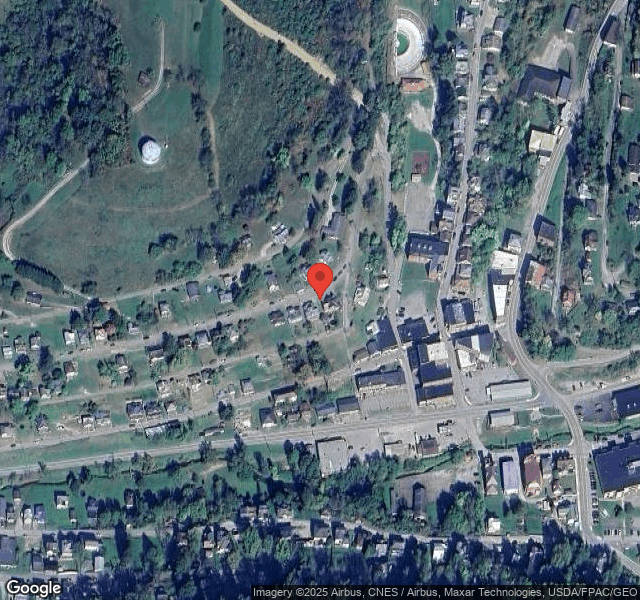
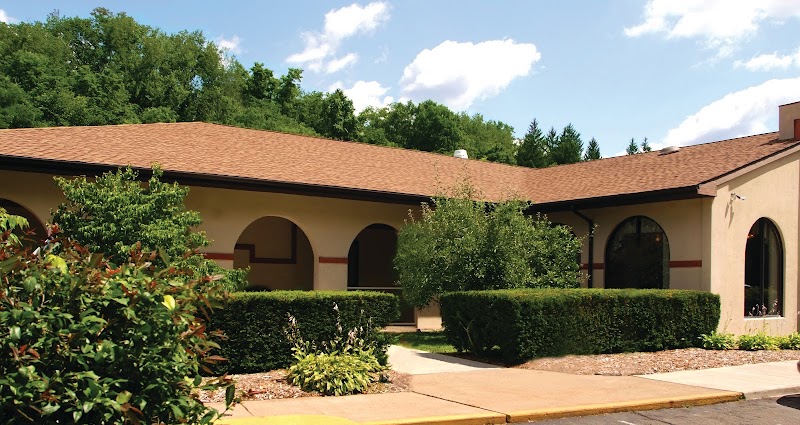
20 WILSON DRIVE, CAMERON, WV 26033 (304) 686-3318
For profit - Corporation 60 Beds COMMUNICARE HEALTH Data: November 2025 1 Immediate Jeopardy citation
Trust Grade
0/100
#65 of 122 in WV
Last Inspection: August 2024

Within standard 12-15 month inspection cycle. Federal law requires annual inspections.

Overview

Cameron Healthcare Center has received a Trust Grade of F, indicating significant concerns about its quality of care. Ranking #65 out of 122 facilities in West Virginia places it in the bottom half, while its #1 position in Marshall County suggests only one local option is slightly better. The facility is worsening, with issues increasing from 8 in 2022 to 10 in 2024. Staffing is rated average with a 3 out of 5 stars and a turnover rate of 35%, which is better than the state average. However, the facility has alarming fines totaling $131,164, higher than 96% of West Virginia facilities, indicating repeated compliance problems. There are serious incidents to note: in August 2024, the facility failed to protect residents from abuse, putting several at risk of serious harm. Another serious issue involved restricting a resident's ability to make personal decisions and have contact with family, leading to psychosocial harm. While they do have average RN coverage, the recent trends and specific incidents raise significant concerns for families considering this nursing home for their loved ones.

Trust Score
F
0/100
In West Virginia
#65/122
Bottom 47%
Safety Record
High Risk
Review needed
Inspections
Getting Worse
8 → 10 violations
Staff Stability
○ Average
35% turnover. Near West Virginia's 48% average. Typical for the industry.
Penalties
✓ Good
$131,164 in fines. Lower than most West Virginia facilities. Relatively clean record.
Skilled Nurses
○ Average
Each resident gets 33 minutes of Registered Nurse (RN) attention daily — about average for West Virginia. RNs are the most trained staff who monitor for health changes.
Violations
⚠ Watch
30 deficiencies on record. Higher than average. Multiple issues found across inspections.
★★☆☆☆
2.0
Overall Rating
★★★☆☆
3.0
Staff Levels
★★★★☆
4.0
Care Quality
★★☆☆☆
2.0
Inspection Score
Stable
2022: 8 issues
2024: 10 issues

The Good

  • 4-Star Quality Measures · Strong clinical quality outcomes
  • Full Sprinkler Coverage · Fire safety systems throughout facility
  • No fines on record
  • Staff turnover below average (35%)

    13 points below West Virginia average of 48%

Facility shows strength in quality measures, fire safety.

The Bad

2-Star Overall Rating

Below West Virginia average (2.7)

Below average - review inspection findings carefully

Staff Turnover: 35%

11pts below West Virginia avg (46%)

Typical for the industry

Federal Fines: $131,164

Well above median ($33,413)

Significant penalties indicating serious issues

Chain: COMMUNICARE HEALTH

Part of a multi-facility chain

Ask about local staffing decisions and management

The Ugly 30 deficiencies on record

1 life-threatening 2 actual harm
Aug 2024 10 deficiencies 1 IJ
CRITICAL (J) 📢 Someone Reported This

A family member, employee, or ombudsman was alarmed enough to file a formal complaint

Immediate Jeopardy (IJ) - the most serious Medicare violation

Free from Abuse/Neglect (Tag F0600)

Someone could have died · This affected 1 resident

**NOTE- TERMS IN BRACKETS HAVE BEEN EDITED TO PROTECT CONFIDENTIALITY** Based on record review, facility documentation, and staff interview, the facility failed to protect residents from resident abus...

Read full inspector narrative →
**NOTE- TERMS IN BRACKETS HAVE BEEN EDITED TO PROTECT CONFIDENTIALITY** Based on record review, facility documentation, and staff interview, the facility failed to protect residents from resident abuse. The facility failed to provide a safe environment for Residents. The deficient practice put five (5) of five (5) Residents at risk for serious injury, serious harm, serious impairment, or death. Resident Identifiers #32, #52, #14, #49, #36, and #24. Facility census: 52. The facility was notified of the Immediate Jeopardy (IJ) at 6:53 PM on 08/13/24. The facility submitted their first abatement plan of correction (POC) at 7:28 PM on 08/13/24. The POC was accepted by the state agency at 7:47 PM on 08/13/22. After observation of the implementation of the abatement POC, the IJ was abated at 3:30 PM on 08/14/24. The IJ started on 08/13/24 and ended on 08/14/24. The facility's approved abatement POC consisted of the following: Correction action for area of concern- - Education to all staff in building at current time with remaining education to all staff 8/14 - education will be on 1:1 process - Resident is 1:1 on 8/13 @ 7:1 - Monitor signs and symptoms of agitation - notify physician immediately with any increased agitation - Utilize medications appropriately - Social Services Supervisor will conduct resident interviews on all residents who are able to be interviewed - Body audits will be completed by licensed nurses to ensure no abuse or neglect - Ad hoc QAPI will be conducted on 8/14 with physician to discuss abatement plan - Additional education will be provided as needed DISCLAIMER: The preliminary findings and subsequent abatement plan are not an admission of wrongdoing, but an acknowledgement of the surveyor's preliminary findings. Findings included: a) Resident to Resident Abuse A record review during the Facility Reported Incident (FRI) surveys found Resident #32 was admitted to the facility on [DATE]. The Brief Interview for Mental Status (BIMS) score was 4 which indicates severe cognitive impairment. On 01/09/24 Resident #32 was noted to be physically aggressive, putting Resident #36 in a head lock. On 02/01/24 Resident #32 was reported to wrap his arm around another Resident #36's neck then placed his head on the back of his neck and squeezed. Continued review found Resident #32 was sent to Laurel Place for behavioral health treatment from 02/23/24 through 03/06/24. Discharge diagnoses from Laurel Place: Major Depressive Disorder, Anxiety Disorder, Dementia with Behavioral Disturbance, Inappropriate Sexual Behavior. Subsequent review found on 03/24/24 Resident #32 grabbed Resident #49 by the right arm, shaking him and stating he was going to kill him. On 4/3/24 Resident #32 grabbed Resident #24's left hand and wrist, squeezed and twisted, causing swelling, bruising and pain to the left wrist. 1:1 intervention -04/04/24 through 04/10/24. 05/16/24 Resident #32 becoming physical aggressive trying to take Resident #14's plate of food. 1:1 intervention -05/17/24 through 05/20/24. A Progress note on 7/23/24 Notified that Resident #32 has been agitated most of the day. He has been going into other residents' rooms with aggressive behaviors. He went into Resident #52's room to begin fighting when Resident #52 pushed Resident #32 to the floor. Resident #32 fell to the floor although continued with aggressive verbiage attempting to attack staff as well as residents. Police were notified to calm the situation although resident continues with outbursts. 1:1 intervention -07/08/24 through 07/12/24. 1:1 intervention -07/23/24 through 07/23/24. During an interview on 08/13/24 about 5:00 PM the Administrator verified all noted incidents. She stated that they have tried everything with Resident #32.
CONCERN (D)

Potential for Harm - no one hurt, but risky conditions existed

Resident Rights (Tag F0550)

Could have caused harm · This affected 1 resident

F Tag 550 Based on observation and staff interview, the facility failed to have the ombudsman information posted easily assessable to residents. This failed practice had the potential to affect more t...

Read full inspector narrative →
F Tag 550 Based on observation and staff interview, the facility failed to have the ombudsman information posted easily assessable to residents. This failed practice had the potential to affect more than a limited number of residents who are not tall enough or in wheel chairs Facility census: 52. Findings include: A) Resident Council Meeting During a resident council meeting on 08/14/24 at 9:30 AM, the residents stated they were aware of their rights and knew where the ombudsmen phone number was, but they did stated the board is not low enough for them to read it. They went on to state the board is too high for them to get the number with out asking for assistance. On 8/14/2024 at approximately11:35 AM, the Social Worker confirmed the Board for resident rights and ombudsman information was too high for the residents in wheel chairs to read. Based on record review, and resident and staff interviews, it was determined that the facility staff failed to treat residents with respect and dignity, and to allow the residents the right to exercise his or her rights as a resident of the facility. This finding was true for one (1) of two (2) residents reviewed for the dignity care area during the survey. Resident Identifier #4. Facility Census: 52. Findings Included: a) Resident #4 During an interview on 08/12/24 at 2:57 PM, Resident #4 stated that she prefers to use a bedpan when voiding. Resident is non-ambulatory. Her diagnoses include fibromyalgia, acute and chronic respiratory failure, muscle wasting and atrophy of right and left upper arms, generalized muscle weakness, and morbid obesity. Resident is on oxygen, and requires substantial assistance, including the use of a lift for transfers. Resident stated that when Nurse Aide (NA) #53 was on duty, he refused her request for a bedpan, stating You call for a bedpan more than anyone else in the facility. Instead, NA #53 insists that resident use the bedside commode. Resident stated that it takes time for the staff to assist her to the bedside commode, and that by then she has usually voided into her brief. She further stated that the lift causes her pain due to her fibromyalgia. A review of resident's care plan reveals a note that states Toilet transfer: Totally dependent of 2 = 2 or more helpers do all the effort. Resident does none of the effort. Date Initiated: 02/18/24. Another note in the care plan states: Resident is incontinent of urine. Resident will remain free of skin break down due to incontinence. Date Initiated: 05/30/23 Revision on: 04/24/24. During an interview with the Director of Nursing (DON) #52 on 08/13/24 at 1:52 PM she stated that NA #53 was not available for interview because he worked at the facility on a part time basis. She further stated that it was possible that NA #53's refusal to offer resident a bedpan at her request was because getting Resident #4 out of bed would allow her to more fully void her bladder. Resident #4 was not given the opportunity to exercise her right to make a choice in the provision of her care.
CONCERN (D)

Potential for Harm - no one hurt, but risky conditions existed

Deficiency F0575 (Tag F0575)

Could have caused harm · This affected 1 resident

Based on observation and staff interview, the facility failed to have the Ombudsman information posted that was easily accessible for residents. This failed practice had the potential to affect more t...

Read full inspector narrative →
Based on observation and staff interview, the facility failed to have the Ombudsman information posted that was easily accessible for residents. This failed practice had the potential to affect more than a limited number of residents who are not tall enough or in wheel chairs. Facility census: 52. Findings included: a) Resident Council Meeting During a Resident Council meeting on 08/14/24 at 9:30 AM, the residents stated they were aware of their rights and knew where the Ombudsmen phone number was located. They further stated that the board was not low enough for them to read it. They went on to state that the board is too high for them to get the number without asking for assistance. On 8/14/2024 at approximately 11:35 AM, the Social Worker confirmed the Board for resident rights and Ombudsman information was too high for the residents in wheel chairs to read.
CONCERN (D)

Potential for Harm - no one hurt, but risky conditions existed

Report Alleged Abuse (Tag F0609)

Could have caused harm · This affected 1 resident

Based on record review, and staff interview, the facility failed to report a fall with serious injury to the required agencies within the specified time period. This failed policy had the potential to...

Read full inspector narrative →
Based on record review, and staff interview, the facility failed to report a fall with serious injury to the required agencies within the specified time period. This failed policy had the potential to affect an isolated number of residents that reside in the facility. Resident Identifier: #37. Facility census:52. Findings Included: a) Resident #37 Review of records on 08/13/24 at 11:32 AM revealed a note dated 7/22/2024 at 1:33 AM by Licensed Practical Nurse (LPN) #43. The note stated: Resident fell and hit head in her bathroom large knot and laceration above the left eye. (name) MPOA notified. Telehealth called and gave orders to transfer resident to local hospital. Resident complains of neck pain and some bruising to right hand and left knee. Another note on 7/22/24 at 5:11 AM by LPN #35 stated: Nurse at (local hospital) said resident is being transferred to (area trauma center). She has a laceration to forehead, contusion to (L)chest wall, contusion to face, CT showed cervical fracture. During an interview with the Social Worker on 08/14/24 at 1:58 PM she produced a Facility Reported Incident (FRI) that had been submitted to the Office of Health Facility Licensure and Certification (OHFLAC). Review of the report revealed that the staff had become aware of the fall at 1:23 AM on 07/22/24. The Administrator had been notified of the fall at 7:00 AM on 07/22/24. Further review of the report revealed that no other agencies were notified of the fall, and that the report had been submitted to OHFLAC on 07/22/24 at 11:17 AM. The facility was not in compliance with this requirement because the fall had been reported over six (6) hours after facility had knowledge that a serious injury had occurred, and no notification had been submitted to Adult Protective Services (APS) and Ombudsman.
CONCERN (D)

Potential for Harm - no one hurt, but risky conditions existed

Deficiency F0645 (Tag F0645)

Could have caused harm · This affected 1 resident

**NOTE- TERMS IN BRACKETS HAVE BEEN EDITED TO PROTECT CONFIDENTIALITY** Based on record review and staff interview, the facility failed to ensure that the resident's Pre-admission Screening (PAS) refl...

Read full inspector narrative →
**NOTE- TERMS IN BRACKETS HAVE BEEN EDITED TO PROTECT CONFIDENTIALITY** Based on record review and staff interview, the facility failed to ensure that the resident's Pre-admission Screening (PAS) reflected pre-admission diagnoses for one (1) of one (1) residents reviewed for the category of PASARR (Pre-admission Screening and Record Review), during the Long-Term Care Survey process. Resident identifier: #39. Facility census: 52. Findings included: a) Resident #39 A record review, completed on 08/13/24 at 7:30 PM, revealed Resident #39 had been admitted to the facility on [DATE] with an admitting diagnosis of Major Depressive Disorder. The admitting PASARR, dated 12/09/21, did not identify Resident #39 had a major depressive disorder on Section III, Question 30 of the PAS. A continued record review also revealed there was never a new PAS completed that revealed resident's major depressive disorder diagnosis in order to address whether or not specialized services were needed. During an interview on 08/14/24 at 9:45 AM, the Social Worker acknowledged the admitting PAS failed to identify resident's major depressive disorder diagnosis and that there was never a new PAS completed that revealed resident's major depressive disorder diagnoses. The Social Worker then stated she would complete a new PASARR for Resident #39 to reflect the major depressive disorder diagnosis.
CONCERN (D)

Potential for Harm - no one hurt, but risky conditions existed

Deficiency F0692 (Tag F0692)

Could have caused harm · This affected 1 resident

Based on record review and staff interview, the facility failed to ensure residents who experienced weight loss of five (5) pounds or more were re-weighed to verify weight was correct. This was true f...

Read full inspector narrative →
Based on record review and staff interview, the facility failed to ensure residents who experienced weight loss of five (5) pounds or more were re-weighed to verify weight was correct. This was true for one (1) of one (1) resident's reviewed under the nutrition pathway during the Long-Term Care Survey Process. Resident Identifier: #38. Facility census: 52. Findings included: a) Resident #38 A record review, completed on 08/13/24 at 2:02 PM, revealed there was a physician order for resident to have weekly weights. The review also revealed the following weights for Resident #38: -On 02/12/2024 at 1:01 PM, Resident weighed 90.0 Lbs. -On 02/21/2024 at 2:38 PM, Resident weighed 81.4 Lbs. -On 03/01/2024 at 9:10 AM, Resident weighed 81.0 Lbs. A review of the facility's Resident Height and Weight policy, completed on 08/13/24 at 2:33 PM, revealed the following guidelines for obtaining a resident's weight: --Compare weight to previous weight obtained. If a variance of 5 pounds or more is noted, Reweigh resident to verify weight. --Documentation: In EHR (Electronic Health Record) During an interview on 08/14/24 at 11:23 AM, the Director of Nursing (DON) acknowledged a reweigh had not been recorded in the electronic medical record after staff weighed Resident #38 on 02/021/24 and there was a weight loss of 8.6 lbs. The DON stated she would review the dietician's notes and follow-up with surveyor if she found any documentation about resident being reweighed. No further information was provided prior to surveyor's exit from the building.
CONCERN (E)

Potential for Harm - no one hurt, but risky conditions existed

Safe Environment (Tag F0584)

Could have caused harm · This affected multiple residents

Based on observations and staff interview, facility staff failed to provide the housekeeping services necessary to maintain a safe, clean, comfortable, and homelike environment, by not maintaining the...

Read full inspector narrative →
Based on observations and staff interview, facility staff failed to provide the housekeeping services necessary to maintain a safe, clean, comfortable, and homelike environment, by not maintaining the water temperature at a comfortable level for residents, and not ensuring that the shower rooms, and residents bathrooms were free of any accumulated dirt, grime, or other substances, and foul odors. Resident Identifiers: #4, #10, and #13. Facility Census:52. The findings included: a) Resident #4: During an interview with Resident #4 on 08/12/24 at 1:22 PM, she stated that the water was always cold when she was given a shower. An inspection of the resident's hand sink revealed no hot water, even after the water was left running for over three minutes. NA #8 confirmed that water temperature was cold. b) Resident #10 During an inspection of Resident #10's bathroom on 08/12/24 at 1:44 PM, a black substance was noted between the floor tiles. NA #8 responded to this surveyor's request and confirmed the black substance. She stated that the floor needed to be cleaned. c) Resident #13 An interview with Resident #13 on 08/12/24 at 2:18 PM, the resident stated that the water was always cold. An inspection of the resident's bathroom revealed a foul, offensive odor. NA #8 confirmed that the bathroom smelled bad, and that it needed to be cleaned. Inspection of the resident's hand sink revealed that no hot water flowed out of the faucet, after the water had been running for at least three minutes. NA #8 confirmed that water temperatures were always cold. She stated that it was a frequent complaint from the residents. d) B-Hallway Shower Room: An inspection of the shower room on B Hallway on 08/12/24, at approximately 2:20 PM revealed two (2) shower benches with a brown substance on their legs. The whirlpool tub contained wheelchair footrests. NA #8 confirmed the observations and explained that the facility was not currently using the whirlpool bath. e) Resident Council A document review revealed a grievance log with complaints about the shower room. 1) On 03/20/24 a Resident Council attendee's complaint stated: Residents don't think shower room is clean enough, and needs to be cleaner and stocked better. 2) On 4/17/24 Residents #18 and #46 complained that the shower room needs to be cleaned better and should have air fresheners. 3) 0n 05/22/24 a Resident Council attendee's complaint stated: Complaints about the shower room not clean enough, and odor. The grievance log further states that these issues were addressed after each complaint. During an interview with the Director of Plant Maintenance (DPM) #13 on 08/12/24 at 2:52 PM, he stated that the facility attempted to maintain hot water temperatures between 105 and 109 degrees Fahrenheit (F). A request for a temperature check of the hot water in Resident #13's room revealed a temperature of 78 degrees Fahrenheit. DPM #13 confirmed that the water temperature was not within the specified range.
CONCERN (E)

Potential for Harm - no one hurt, but risky conditions existed

Staffing Information (Tag F0732)

Could have caused harm · This affected multiple residents

Based on observations and staff interviews the facility failed to ensure the facility nursing staff posting was completed for the day shift. This was a random opportunity for discovery during the revi...

Read full inspector narrative →
Based on observations and staff interviews the facility failed to ensure the facility nursing staff posting was completed for the day shift. This was a random opportunity for discovery during the revisit survey. Facility Census: 53 Findings include: On 10/02/24 at approximately 9:32 AM a surveyor observed the Nursing staffing sheet hung at the end of C - Hall was not completed for the Day shift. During an interview with Licensed Practical Nurse (LPN) #40 confirmed the staffing sheet should have been completed. The LPN stated, I'm doing it now we have been passing meds. An interview with the Director of Nursing (DON) was completed on 10/02/24 at 12:00PM. The interview confirmed the staffing sheet should have been completed at the beginning of day shift. Record review on 10/02/24 of the facility's policy #: NS 1091-01 under Procedure it stated, The facility will post the nurse staffing data daily at the beginning for each shift.
CONCERN (E)

Potential for Harm - no one hurt, but risky conditions existed

Food Safety (Tag F0812)

Could have caused harm · This affected multiple residents

Based on observation and staff interview, the facility failed to dispose of expired food items. This failed practice had the potential to affect more than a limited number of residents who were served...

Read full inspector narrative →
Based on observation and staff interview, the facility failed to dispose of expired food items. This failed practice had the potential to affect more than a limited number of residents who were served food from the kitchen. Facility census: 52. Findings included: a) Initial Tour of Kitchen During the initial tour of the kitchen, on 08/12/2024 at 11:30 AM, with the Dietary Manager revealed One (1) unopened box of muffin mix found to have an expiration date of 07/04/23, stamped on the container by the manufacturer. The Dietary Manager stated This should have been thrown out and immediately disposed of muffin mix. Based on observation and staff interview, the facility failed to dispose of expired food items. This failed practice had the potential to affect more than a limited number of residents who are served food from the kitchen. Facility census: 52. Findings included: A) Initial Tour of Kitchen with Dietary Manager My Observations during the initial tour of the kitchen, on 08/12/2024 at 11:30 AM, revealed: One unopened box of muffin mix found to have an expiration date of 07/04/2023, stamped on the container by the manufacturer. The Dietary manager stated: This should have been thrown out and immediately disposed of it
CONCERN (E)

Potential for Harm - no one hurt, but risky conditions existed

Infection Control (Tag F0880)

Could have caused harm · This affected multiple residents

Based on observation, interviews with facility staff, and a review of facility policy and procedures, it was determined that the facility failed to follow acceptable infection control practices that c...

Read full inspector narrative →
Based on observation, interviews with facility staff, and a review of facility policy and procedures, it was determined that the facility failed to follow acceptable infection control practices that controlled, or prevented, the spread of infection. This practice had the potential to affect all residents that reside in the facility. Facility Census: 52. Findings included: a) Water Management During facility record review of the water management, it was revealed that the facility did not have a Water Management Plan, or a water flow diagram which identified the facility's water systems for which Legionella control measures were needed. No documentation was maintained, or provided, describing facility's control practices to prevent growth of water borne pathogens. b) Laundry Services On 08/14/24 at 2:16 PM an inspection of the soiled laundry room, accompanied by Director of Plant Maintenance (DPM) #13 observed that the door between the soiled laundry room and clean laundry room was held open by a box of detergent. The clean laundry room contained a rack of uncovered clean clothing in close proximity to the open door. The opened door potentially caused contamination of the clean laundry. DPM #13 confirmed that the door should not have been left open. On 08/14/24 at 1:58 PM, during an interview with the DPM #13, revealed that he was unable to locate the facility's water management plan, and water system flow diagram. He mentioned that he had taken measures to control and prevent the growth of opportunistic waterborne pathogens, such as flushing unused water outlets, and shower heads. However, he admitted to having no documentation, or logs, of the measures taken. At approximately 3:48 PM on 08/14/24 DPM #13 submitted a document which stated, I typed this down word for word as I was Instructed. : TYPED AS WRITTEN Hot Water Distribution Water goes underground to main mechanical room via 6-inch water line that feeds the fire suppression sprinklers and then flows through a back flow converter, then branches into 3 hot water heaters. One (tank #3) is located in the main mechanical room that feeds laundry room and kitchen. (Washer 1, washer 2, 3 sinks. C hall sinks, showers, resident restroom, and nurses station restroom. Tank #2 does pantry, ct tub, janitor's closet dump sink, B hall sinks and med room. Cold Water Distribution Enters main mechanical room, same as above and branches to sinks, toilets, ice machines throughout facility and hose bibs outside, then drains to local sewage plant. Facilities must be able to demonstrate their measures to minimize the risk of Legionella and other opportunistic pathogens in building water systems such as by having a documented water management program. Water management must be based on nationally accepted standards (e.g., ASHRAE (formerly the American Society of Heating, Refrigerating, and Air Conditioning Engineers), CDC, U.S. Environmental Protection Agency or EPA) and include: o An assessment to identify where Legionella and other opportunistic waterborne pathogens (e.g., Pseudomonas, Acinetobacter) could grow and spread; and o Measures to prevent the growth of opportunistic waterborne pathogens (also known as control measures), and how to monitor them. Examples of an assessment include a description of the building water systems using text and flow diagrams for identification. Additionally, control measures may include visible inspections, use of disinfectant, and temperature (that may require mixing valves to prevent scalding). Monitoring such controls includes testing protocols for control measures, acceptable ranges, and documenting the results of testing. Water management should also include established ways to intervene when control limits are not met.
Oct 2022 8 deficiencies
CONCERN (D)

Potential for Harm - no one hurt, but risky conditions existed

Deficiency F0558 (Tag F0558)

Could have caused harm · This affected 1 resident

. Based on resident interview, record review, and staff interview, the facility failed to make a reasonable accommodation for a resident's room temperature preference as it related to his Chronic Obst...

Read full inspector narrative →
. Based on resident interview, record review, and staff interview, the facility failed to make a reasonable accommodation for a resident's room temperature preference as it related to his Chronic Obstructive Pulmonary Disease (COPD) and Anxiety diagnoses. Resident identifier #22. Facility census: 53. Findings included: a) Resident #22 During an interview, on 10/10/22 at 10:42 AM, Resident #22 stated he has breathing issues from his COPD diagnosis. Resident went on to say he would prefer to have his room at a cooler temperature than 71 degrees Fahrenheit. Any time he tries to address the fact that he finds it harder to breathe when the room is not cool, resident reports he is told the room must stay at 71 degrees Fahrenheit with no exceptions. Resident #22 stated he feels mistreated and unheard. When asked to explain his reasoning for a cooler temperature, Resident #22 listed the following concerns: --I feel like I can't catch my breath if the room gets too warm for me. It makes breathing harder. --I experience higher levels of anxiety. --I don't rest as well throughout the night. --I feel like my COPD and Anxiety point to the fact that I have a medical disability and a reasonable accommodation should be made for me. A medical record review was completed on 10/11/22 at 7:00 PM. Resident #206's care plan did not reflect any details about resident's preference for a cooler room, if any alternative interventions had been offered, if a roommate change had been discussed in order to pair resident with someone else who may prefer a cooler room temperature, etc. However, there was documentation reflecting resident had a roommate change on the following dates: --12/07/21 --01/26/22 --08/08/22 --08/18/22 --10/05/22 During an interview, on 10/12/22 at 1:32 PM, the Social Services Supervisor and Registered Nurse Assessment Coordinator were interviewed. The facility could provide no evidence it has attempted to work with Resident #22 to accommodate his preference for a cooler room temperature. Both employees agreed that reasonable accommodation of resident needs and preferences could mean efforts to individualize a resident's physical environment. .
CONCERN (D)

Potential for Harm - no one hurt, but risky conditions existed

Deficiency F0582 (Tag F0582)

Could have caused harm · This affected 1 resident

**NOTE- TERMS IN BRACKETS HAVE BEEN EDITED TO PROTECT CONFIDENTIALITY** . Based on record review and staff interview, the facility failed to provide evidence the required Notification of Medicare Non-...

Read full inspector narrative →
**NOTE- TERMS IN BRACKETS HAVE BEEN EDITED TO PROTECT CONFIDENTIALITY** . Based on record review and staff interview, the facility failed to provide evidence the required Notification of Medicare Non-Coverage (NOMNC) notice was issued in a timely fashion for one (1) of three (3) residents reviewed for beneficiary protection notification. This failure had the potential to place the resident at risk of not being informed of their rights prior to the end of Medicare Part A covered services. Resident identifier: #206. Facility census: 53. Findings included: a) Resident #206 The Form Instructions for the Notice of Medicare Non-Coverage (NOMNC) CMS-10123 state: The NOMNC must be delivered at least two calendar days before Medicare covered services end . The instructions also state: A NOMNC must be delivered even if the beneficiary agrees with the termination of services. a) Beneficiary Notice Review On 10/11/22 at 10:55 AM, a review was completed regarding the beneficiary protection notification liability notice given for the following resident who was discharged home. --Resident #206 - the last day billed by the facility for Part A Services was on 07/22/22. This was also Resident's date of discharge from the facility. The resident had benefit days remaining. --The facility's completion of the Skilled Nursing Facility (SNF) Beneficiary Protection Notification Review paperwork reflected the discharge was voluntary and self-initiated. --Resident #206 was NOT issued the NOMNC prior to her discharge from the facility. Subsequent review of Resident #206's electronic medical record found the resident was admitted to the facility on [DATE] for short term skilled care services with a plan to return home after the completion of skilled care. Documentation in the resident file showed: --A financial review note, dated 06/29/22 at 3:00 PM, documented, A review of [Resident #206's First and Last Name]'s eligibility for Medicaid coverage of nursing facility services was completed on this date. This admission evaluation was completed because the expected level of care and length of stay is Skilled - Short Stay. --A medical provider in the facility note, dated 07/12/22 at 3:00 PM, documented, [Attending facility's physician's Name] in facility, assessed resident and reviewed medications. New order to D/C [discharge] home when arrangements are made. Resident who has capacity notified. --A [NAME] Virginia Medicaid Coverage Worksheet, dated 07/13/22 at 9:45 AM, documented, Resident does not want to apply for Medicaid, as she will be here for short term stay and return home. --A Skilled Service Review note, dated 07/14/22 at 7:39 AM, documented, [Resident's First Name] is alert and oriented, skin warm and dry, she is improving and is doing well, plans to discharge home next week. --A System Note, dated 07/21/22 at 9:43 AM, documented, 30-Day Notice of Discharge was issued for [Resident's First and Last Name]. The health of the resident has improved and no longer meets the criteria for facility services. It was noted that in person notification was made on 7/20/22. --Resident #206 was discharged to home on [DATE]. The Registered Nursing Assessment Coordinator (RNAC) and Social Services Supervisor were interviewed on 10/11/22 at 2:50 PM. Both employees acknowledged the 30 Day Notice of Discharge stated, The health of the resident has improved and no longer meets the criteria for facility services. The facility was unable to provide evidence the resident leaving the facility was self-initiated and not as a result of the 30 Day Notice of Discharge being issued. Both employees acknowledged that Resident #206 was always considered a short-term skilled care resident with a plan to discharge home when skilled benefits were finished. .
CONCERN (D)

Potential for Harm - no one hurt, but risky conditions existed

Report Alleged Abuse (Tag F0609)

Could have caused harm · This affected 1 resident

. Based on record review, review of facility documentation of reportable occurrences , and staff interview, the facility failed to ensure that all alleged violations of abuse and neglect, including in...

Read full inspector narrative →
. Based on record review, review of facility documentation of reportable occurrences , and staff interview, the facility failed to ensure that all alleged violations of abuse and neglect, including incidents resulting in serious bodily injury, were reported immediately, and failed to ensure the results of the investigation were reported within five (5) working days of the occurrence, to other officials (including to the State Survey Agency and Adult Protective Services (APS) where state law provides for jurisdiction in long-term care facilities) in accordance with State law through established procedures. Resident #51 sustained serious bodily injury in the facility and the injury was not reported within two (2) hours of staff's knowledge of the severity of the resident's injuries sustained from a fall. This deficient practice was identified through a random opportunity for discovery and had the potential to affect a limited number of residents. Resident identifier: Resident #51. Census: 53. Findings included: a) Resident #51 Review of Operations Policy: Freedom from Abuse, Neglect and Exploitation, effective date of 07/19/21 showed all reports of resident abuse, neglect, exploitation, misappropriation of resident property, any event resulting in serious bodily injury, and injury of unknown origin shall be thoroughly and promptly investigated by the facility and reported as required by Federal and State requirements. Under Section 5: Upon receiving the allegation, the injury would be reported no later than 2 hours to the State Survey Agency and APS. Under Section 7: The findings of the investigation of the incident were to be reported within 5 days in accordance with state law. A record review showed Resident #51 had an unwitnessed fall, in the resident's bathroom, on 06/07/22 at 13:30 hours. The resident was heard yelling out from the bathroom and was found on the floor with Resident #51's head against the wall. Resident #51 was observed by facility staff to state all my bones are broken and resident complained of leg pain. Orders were obtained for x-ray of the resident's right hip, knee, and ankle. On 06/08/22 at 13:44 hours, the facility learned the results of the x-ray to include an Intertrochanteric right femoral fracture with mild superior apex angulation. On 10/12/22 at 09:45 AM, a review of facility documented reportable occurrences for June 2022, showed no evidence immediate reporting of the fall with serious bodily injury, from the time the facility was made aware of the fracture, was made. Additionally, there was no evidence the results of an investigation were reported within five (5) days to State Agencies of the occurrence. An interview, with Registered Nurse (RN), RN #4 and RN #3, on 10/12/22 at 10:22 AM, revealed the facility was aware the fall occurred on 06/07/22, involving Resident #51, and was made aware of the x-ray identifying serious bodily injury on 06/08/22 at 13:44 hours. The staff members interviewed at this time were unable to locate evidence the incident had been reported within the two (2) hour reporting requirement, and were unable to locate evidence showing the results of the investigation had been reported within the five (5) day reporting requirement to the appropriate State Agencies. An interview, with RN #74, on 10/12/22 at 11:34 AM, confirmed RN #3 and RN #4 could not find any evidence the incident was reported immediately, within two (2) hours of the incident, to the State Agency (OHFLAC) and Adult Protective Services. Additionally, RN #74 confirmed there was no evidence the results of the investigation of the incident were reported within five (5) working days, to OHFLAC and APS, when the facility learned of the serious bodily injury that had occurred during Resident #51's fall on 06/07/22. An additional interview, with RN #4 and the Social Services Supervisor, on 10/12/22 at 01:05 PM, verified there was no evidence the incident identified on 06/07/22 involving Resident #51, was reported within two (2) hours of having knowledge of the resident's serious bodily injury from the fall, or the results of the investigation reported within the five (5) day timeline, as required by law and facility policy. .
CONCERN (D)

Potential for Harm - no one hurt, but risky conditions existed

Deficiency F0657 (Tag F0657)

Could have caused harm · This affected 1 resident

. Based on medical record review and staff interview, the facility failed to revise the care plan for a resident with contractures. This is true for one of one resident reviewed for range of motion. R...

Read full inspector narrative →
. Based on medical record review and staff interview, the facility failed to revise the care plan for a resident with contractures. This is true for one of one resident reviewed for range of motion. Resident identifier: #12. Facility census: 53. Findings include: a) Resident (R) #212 Review of the medical record on 10/10/22, revealed resident #12 was admitted to the facility with contractures and muscle spasms of all extremities following an anoxic brain injury. The physician note dated 03/23/21 identifies the addition of Valium to help reduce muscle tension in the hip, leg and arm contractures. The physician order written 03/24/22 states Valium five milligrams four times a day related to contractures of the hands. The care plan notes the use of Valium for anxiety but lacks information related to it's use for R #12's contractures and muscle spasms. During an interview on 10/11/22 at 1:30 PM Registered Nurse (RN) #4 and RN #74 reviewed the medical record and confirmed the Valium was added to help R #12 with contractions and anxiety. RN #4 acknowledged the care plan was not updated to reflect the use of the Valium for the resident's contractures. .
CONCERN (D)

Potential for Harm - no one hurt, but risky conditions existed

Quality of Care (Tag F0684)

Could have caused harm · This affected 1 resident

. Based on medical record review and staff interview, the facility failed to ensure Resident #32 received medications as ordered by the physician. NovoLOG (a medication used to control blood sugar in ...

Read full inspector narrative →
. Based on medical record review and staff interview, the facility failed to ensure Resident #32 received medications as ordered by the physician. NovoLOG (a medication used to control blood sugar in people with diabetes mellitus) was not administered and documented in accordance with professional standards of practice. This affected one (1) of five (5) residents reviewed for unnecessary medications during the long-term care survey process. Resident identifier: #32. Facility census: 53. Findings included: a) Resident #32 On 10/11/22 at 6:39 PM, a medical record review displayed the following physician order with a start date of 07/20/22, NovoLOG PenFill Solution Cartridge 100 UNIT/ML (Insulin Aspart). Inject 6 units subcutaneously one time a day related to Type 2 Diabetes Mellitus. The Medication Administration Record (MAR), on 09/10/22 at 12:00 PM, was left blank. During an interview on 10/12/22 at 10:04 AM, the Registered Nurse Assessment Coordinator (RNAC) confirmed the MAR was left blank for the 09/10/22 at 12:00 PM timeframe which was not within professional standards of practice. The RNAC stated even if resident had been out of the building on an appointment, it should be reflected on the MAR. Additionally, there was no evidence in the nurse progress notes to explain why the MAR was left blank. .
CONCERN (D)

Potential for Harm - no one hurt, but risky conditions existed

Medical Records (Tag F0842)

Could have caused harm · This affected 1 resident

**NOTE- TERMS IN BRACKETS HAVE BEEN EDITED TO PROTECT CONFIDENTIALITY** . Based on record review and staff interview, the facility failed to maintain an accurate medical record for two (2) of 17 sampl...

Read full inspector narrative →
**NOTE- TERMS IN BRACKETS HAVE BEEN EDITED TO PROTECT CONFIDENTIALITY** . Based on record review and staff interview, the facility failed to maintain an accurate medical record for two (2) of 17 sampled residents reviewed during the Long-Term Care Survey process. Resident identifiers: #27 and #32. Facility census: 53. Findings included: a) Resident #27 During a brief record review, on 10/10/22 at 2:58 PM, it was determined: --Resident #57 was admitted on [DATE] with a diagnosis of paranoid schizophrenia. --Additionally, on 06/03/22, the Social Services Supervisor completed a Pre-admission Screening and Resident Review (PASARR) form which did not identify schizophrenia as a diagnosis for Resident #27. During an interview on 10/12/22 at 1:43 PM, the Social Service Supervisor stated, It was an oversight that the schizophrenia diagnosis was not listed on the PASARR and the form was not filled out correctly. b) Resident #32 A brief medical record review, completed on 10/10/22 at 2:25 PM, found the following: -- A Living Will, dated 05/31/18, signed by Resident #32 when she had capacity which directs, I give the following special directives or limitations: Feeding Tube only Temporarily. -- A POST form, dated 02/15/22, signed by Resident #32's Medical Power of Attorney, which directs: Feeding tube long-term During an interview, on 10/12/22 at 2:00 PM, the Social Services Supervisor agreed that living wills are designed to ensure that patients' preferences will be respected at the end of life should they lose capacity to make decisions. The Social Services Supervisor went on to state that she would address the discrepancy between Resident #32's Living Will directive for a feeding tube only temporarily versus the POST form's directive for a feeding tube long-term since they were in conflict with each other. .
CONCERN (E)

Potential for Harm - no one hurt, but risky conditions existed

Deficiency F0565 (Tag F0565)

Could have caused harm · This affected multiple residents

. Based on resident council minutes review, resident interviews, review of the facility's grievance log, and staff interview, the facility failed to consider the voiced concerns of residents in reside...

Read full inspector narrative →
. Based on resident council minutes review, resident interviews, review of the facility's grievance log, and staff interview, the facility failed to consider the voiced concerns of residents in resident council as grievances. The facility failed to act promptly to investigate resident grievances. This had the potential to affect an unlimited amount of residents living in the facility. Facility census: 53. Findings included: a) Resident Council Minutes A review of resident council minutes was conducted on 10/11/11/22 at 11:00 AM. The following concerns/grievances were reported: 12/21/21 Resident Council --Residents would like to know who their aide is first thing in the morning. 01/18/22 Resident Council --It was noted under Old Business, [The Administrator's First Name] is going to address resident concern of knowing who their nurse aide is at the beginning of the shift. 03/24/22 Resident Council: --Shower room is not clean. there is a black substance on the right hand side in every stall. 04/28/22 Resident Council: --Showers continue to have mold, not cleaned enough. --Water pressure and temp issues in shower room. 05/19/22 Resident Council: --Curtains in shower room have poo [feces] on them and need washed. --Water pressure issue in bathroom. 06/16/22 Resident Council: --Water pressure is still an issue - not enough pressure. 07/21/22 Resident Council: --Would like to know who Aides are for the day. b) Resident Council Meeting / Resident Interviews On 10/11/22 at 1:3O PM, a Resident Council Meeting was held. Residents stated they do not feel the facility acts promptly on concerns/grievances. There are numerous things that have been addressed previously that remain unresolved and no feedback has been shared with the residents. Items that were still unresolved were: --Residents have requested to know who their aides are with each shift change --Cleanliness of shower room has been brought up multiple times in various resident council meetings. This is still an unresolved issue. --Water pressure in the shower room sometimes ends up only being a trickle. Residents feel water may be being pulled over to washing machines or kitchen equipment. c) Review of Facility Grievance Log A review of the facility grievance log, completed on 10/11/22 at 2:40 PM, did not find the concerns/grievances listed in the resident council minutes documented. Nor was there any evidence the facility had responded to the resident concerns in a meaningful way. d) Interview with Social Services Supervisor During an interview, on 10/12/22 at 1:45 PM, the Social Services Supervisor acknowledged the residents had repeatedly reported concerns about the cleanliness facility's shower room as well as the lack of water pressure. The Social Service Supervisor confirmed being the facility's Grievance Officer. She also stated she had spoken to another surveyor who was going to cite the shower room under lack of homelike environment due to the condition it was in upon entrance to the facility for the long-term care survey process. The Social Service Supervisor also stated she knew the residents requests to be be told who their assigned aide is each shift had been a lingering issue that remains unresolved at this time. .
CONCERN (E)

Potential for Harm - no one hurt, but risky conditions existed

Safe Environment (Tag F0584)

Could have caused harm · This affected multiple residents

. Based on resident interview, observation and staff interview, the facility failed to maintain a clean and safe shower room. This is true for one of one shower room utilized by all residents. Residen...

Read full inspector narrative →
. Based on resident interview, observation and staff interview, the facility failed to maintain a clean and safe shower room. This is true for one of one shower room utilized by all residents. Resident census: 53. Findings include: a) Resident interviews On 10/10/22 at 9:40 AM Resident (R) #28 complained the facility's only shower room was moldy and unclean. R #28 stated the shower chair and walls are moldy. The shower is not cleaned between residents and stool increments are left on the floor. Staff push the wheel chair through the stool and make no attempts to clean the wheel chair afterwards. At 10:00 AM on 10/10/22 R #13 voiced concerns related to the shower room being moldy and dirty and not cleaned between residents. On 10/10/22 at 1:14 PM, R #3 reported the shower room needed repaired and was not cleaned between residents. R #3 stated her wheel chair was wheeled though stool left on the floor and dirty bed side commodes are reused for other residents in the shower room. b) Observations On 10/10/22 at 12:00 PM an observation of the facility's only shower room with Nurse Aide (NA) #18 revealed the following: --a musty odor throughout the room NA #18 confirmed the odor was present --water puddles on the floor --uneven side tables with missing legs in each shower stall. NA#18 reported they are used for toiletries --one shower chair with black dirty legs and a mold like substance on the inner side of the chair leg. --cracked tiles and missing grout on the walls in multiple areas --mold like substance on the floor and wall edges and shower corners --cracked and missing tile around the floor drain --two soiled bedside commodes one with dried stool over the seat --shower bed table with multiple cracked areas - NA#18 reported this is the only shower bed in the facility and is used for R#12 On 10/10/22 at 12:05 PM Registered Nurse (RN) #4 viewed the shower room with this surveyor and confirmed there is only one shower room in the facility. RN #4 agreed with the above findings and stated she would notify housekeeping immediately. RN #4 stated the shower room is to be cleaned between residents and soiled bedside commodes should not be sitting in the shower room. .
Jun 2021 12 deficiencies 2 Harm
SERIOUS (G)

Actual Harm - a resident was hurt due to facility failures

Resident Rights (Tag F0550)

A resident was harmed · This affected 1 resident

**NOTE- TERMS IN BRACKETS HAVE BEEN EDITED TO PROTECT CONFIDENTIALITY** . Based on interview, observation and record review, the facility failed to ensure Resident #21 had the right to to self-determi...

Read full inspector narrative →
**NOTE- TERMS IN BRACKETS HAVE BEEN EDITED TO PROTECT CONFIDENTIALITY** . Based on interview, observation and record review, the facility failed to ensure Resident #21 had the right to to self-determination, reassessment of mental capacity, make her own medical decisions and the ability to freely associate with persons of her choosing who reside outside of the facility. These failures cause Resident #21 to experience actual psychosocial harm. --The facility the Medical Power of Attorney and other family members to restrict Resident #21's visitation with a family member with whom she had previously resided and had a special bond. This desision was made based on statements that could not be corroborated that the resident was upset when the restricted family member left after a visit. There was no documentation to support this claim, however, the facility failed to protect the resident from the over reach by the MPOA. --The facility failed to ensure a physician reassessed capacity once it was clear her cognition had significantly improved. --The facility failed to ensure the resident was able to make her own decisions when she clearly showed improvement and tested as mentally and cognitively intact, while permitting the family and MPOA to inappropriately make decisions on the resident's behalf. --The facility failed to ensure legal representatives take into consideration the expressed wishes of the protected person. --The faciliy failed to protect the resident from unnecessary and invasive medical procedure when the resident's mental status results showed she had capacity. The facility used a straight catheter to drug test the resident. The results were positive only for medication prescribed and given by the facility. The resident was not told of the reason for the test and the lab order gave false reason for the order. These practices caused Resident #21 to suffer psychosocial harm. She experienced feelings of being stuck at the facility, feelings of no one listening to her, and feelings of depression related to not being able to visit with her resitricted family member. This was true for one (1) of 15 sample residents. Resident identifier: #21. Facility census: 50 Findings included: a) Resident #21 A resident interview, on [DATE] at 11:00 AM, revealed Resident #21 expressed the feelings of contiuous and extreme distress and being upset over a family member being restricted from visiting. Resident #21 stated, there was a meeting with the Administrator and her Medical Power of Attorney (MPOA) and she was told she lacked capacity and could not see her [restricted family member] anymore. Resident stated she responded to this by saying, It will make me more upset by not getting to see [the restricted family member]. Resident #21 stated the MPOA with facility agreement told me I get too upset when the restricted family member leaves, the also tell me I lack capacity, so I do not have a choice on who can visit me. Resident #21 revealed her current medications controlled her depression and she did not feel she is any more upset when the restricted family member leaves than when any other family members visits and leaves. The resident expressed this was a normal reaction to being stuck in the facility and seeing family leave after a visit. A record review, on [DATE] at 8:45 PM, revealed a Physician Determination of Capacity with a date of [DATE]. The record stated Resident #21 demonstrated incapacity for a duration long term, nature aphasia with a cause stroke. Upon further record review, on [DATE] at 10:30 PM, revealed a Mini Mental Status Exam (MMSE) and Minimum Data Set (MDS). The mental status information was as followed: -- A Minimimum Data Set (MDS) dated [DATE] revealed a Brief Interview for Mental Status (BIMS) of 00. The resident was unable to answer questions due to a recent stroke. -- A MMSE with effective date [DATE] revealed a score of 31 which indicted 100% accuracy in all areas of the test which included: Time Orientation, Place Orientation, Short Term Memory, Spatial Abstract, Memory Recall Recognition, Follow Direction-Verbal, Follow Direction- Hearing, Follow Direction- Reading, Follow Direction- Writing and Follow Directions- Copying with interlocking geometric shapes. -- A MDS dated [DATE] revealed a BIMS of 15. -- A MDS dated [DATE] revealed a BIMS of 15. The DON stated that the medical director had dismissed all the MDS BIMS scores and the Mini Mental Status Exam (MMSE) in the last six (6) months because the Doctor did not like those assessments and evaluations. The DON stated the Doctor preferred and goes by a mental exam that requires resident's ability to interlock hexagon shapes. (Mini Mental Status Exam dated [DATE] revealed Resident successfully copied a design and interlocked geometric shapes on the mini mental exam.) The DON stated the Doctor was currently away on vacation and was unavailable for interview. The DON and Administrator were unable to provide any physician notes related to the improvement of Resident #21's mental health status. The DON and Administrator were unable to provide any further assessments which were conducted based on Resident #21's significant mental status improvement. The facility could not show any evidence they attempted to get the physician to reassess the resident's capacity or that they sought a second professional to re-assess capacity. A staff interview with the MDS Coordinator, on [DATE] at 4:35 PM, revealed the BIMS was completed on Resident # 21 on [DATE] and [DATE] where Resident #21 did answer all questions appropriately. MDS coordinator confirmed Resident #21 was non-verbal when admitted on [DATE] which made her BIMS a 00 upon admission. The MDS Coordinator revealed, Resident #21 was assessed on the next MDS on [DATE] and she made a significant improvement and answered all questions appropriately. The MDS Coordinator stated, although Resident #21 answered all BIMS correctly, the family said Resident #21 is not always free from confusion and the family does not think Resident #21 can manage at home therefore cannot have capacity. The facility continued to fail the resident by discrediting the mental status assessments and the resident's observed cognitive improvements by permitting the family to have a non-clinical say in her capacity. These same family members work at the facility and have had significant influence in keeping their mother listed as incapacitated and living at the facility, despite the resident's wishes. A record review, on [DATE] at 9:00 PM, revealed several social service progress notes. The social services progress notes revealed: -- A Social Services Progress Note dated [DATE] revealed, Conference including Administrator, Director of Nursing (DON), Minimum Data Set (MDS) Coordinator, (name of Staff), Social Worker, (name of family member #1), MPOA, and via phone (name of family member #2) and (name of family member #3). Family members voiced concern the interactions between resident and the restricted family member may be causing emotional distress for resident. PR agreed that this may be causing depression and emotional anguish. PR placed restrictions on visitation for [restricted family member] and additionally for family member #4, (name of friend #1), (name of friend #2), (name of friend #3), and (name of friend #4), who may try and contact resident for (restricted family member). It should be noted the resident's medical record showed no adverse behaviors when visitors left visiting with Resident #21. -- A Social Services Progress Note dated [DATE] revealed, Spoke with a visitor of resident, (relationship of restricted visitor). Restricted family member stated that she felt the resident could return home. Educated (restricted family member) on protective health information and explained that she could not make medical decisions for the resident. Restricted family member stated that she would be contacting a lawyer and resident's doctor. -- An Addendum Progress Note dated [DATE] revealed, Spoke with Doctor regarding our concerns for the resident, staff has noticed that residents behaviors have also changed since visitation started, after talking with Doctor and obtaining order and talking to the resident MPOA we have decided to obtain a urine on the resident before visitation and 12-24 hours after visitation to rule out any type of drug use and drugs being brought into the facility for her from an outside source. -- A Social Services Progress Note dated [DATE] revealed, Received an anonymous phone call stating that this individual was asked to bring in Tic Tacs. States they wanted her to bring them from PA from resident relatives. Individual stated she would get her some at the gas station and the family members stated no that they had to be these tic tacs. POA is concerned about visitors possibly bringing resident in non-prescribed medications or substances. It should be noted the facility had no documented evidence to show the resident's behavior changed during and after visitation to suggest the use of drugs not prescribed by the facility. Further record review, on [DATE] at 9:30 PM, revealed a physician order dated [DATE] that stated, Urine drug screen one (1) time only related to other chronic pain, anxiety disorders unspecified, muscle weakness for one (1) day. No additional orders for a Urine Drug screen was available. It should be noted the order did not state the urine screening was to rule out the use of illicit drugs being given to the resident from outside the facility. A physician order dated [DATE] stated, Oxycodone 5 milligrams (mg) twice a day. As of [DATE] the order was changed to Oxycodone 5 mg at bedtime. A physician order dated [DATE] stated, Cymbalta Capsule Delayed release particles 60 mg give 60 mg by mouth one time a day for major depressive disorder. Additional record review, on [DATE] at 10:00 PM, revealed two (2) Laboratory /Diagnostic Notes. The progress notes are as followed: -- Laboratory Diagnostic Note dated [DATE] stated, Urine Drug Screen was obtained via straight catheterization resident tolerated well. No documentation available that Resident was informed as to why urine was taken. -- Laboratory Diagnostic Note dated [DATE] stated, Urine Drug Screen was obtained at this time, resident tolerated well, MPOA aware. Further record review, on [DATE] at 10:15 PM, revealed two (2) Laboratory Diagnostic Results. The progress notes are as followed: -- Laboratory Diagnostic Result note dated [DATE] stated, Summary of results received: Oxycodone. -- Laboratory Diagnostic Result noted dated [DATE] stated, Summary of results received: Oxycodone. Resident #21 had a physician order for Oxycodone 5 mg twice a day dated ([DATE]-[DATE]) during the time of drug screen. No other drugs were found in the urine drug screens. A record review of the current care plan, on [DATE] at 8:45 AM, revealed Resident #21 received antidepressant medication Cymbalta for depression with an intervention that stated, encourage family and friends to visit. A review of facility documentation, on [DATE] at 9:00 AM, revealed the Visitor Daily Monitoring Form for Covid-19 Screening. The form revealed Resident #21's restricted family member visited on [DATE] at 1:29 PM and on [DATE] at 10:05 AM. A resident interview, on [DATE] at 10:10 AM, revealed the restricted family member was a close relative of her late husband who died in [DATE]. Resident # 21 stated she and late husband lived with the restricted family member and husband twice in the past. Once the restricted family member and husband moved in with Resident #21 and husband when they needed help. Resident #21 stated, then she and her husband moved in with the restricted family member and husband to help them and lived with restricted family member for a good while before she had her stroke. Resident # 21 stated the desire was to be discharged from the facility with a plan to go back and live with the restricted family member. Resident # 21 revealed a concern, she informed the MPOA of the need to update and complete head of household paperwork on the apartment she and her restricted family member shared but MPOA replied, Mom forget that place you live here now. Resident # 21 stated she was not happy in the facility and had spoken with family member #2 who confirmed she would fight to get conservator/guardianship because Resident #21 felt as though the MPOA only wanted to keep her in the facility because the MPOA worked in the facility. Resident # 21 expressed the feeling of being stuck in the facility. Resident # 21 asked Surveyor, wouldn't you feel depressed if you felt like you were stuck, and no one listened to you. Resident # 21 stated her discharge plan was to be discharged back into the apartment where she was head of household with her restricted family member. Resident #21 stated, the use of public transportation and her late husband's electric wheelchair would allow her to go back and forth to future appointments. Resident #21 stated, I know public transportation is handicap accessible cause my late husband used public transportation and it was accommodating to wheelchairs. An additional resident interview on [DATE] at 11:30 AM revealed the concern about getting help regarding the restriction of her family member from visiting and expressed missing her restricted family member. Resident # 21 frowned inquisitively and replied, Not that I know of, that is all they told me. Surveyor asked Resident #21 when blood work or urine samples are taken if staff inform her of why the tests were being done? Resident #21 replied, No, I just figured they were routine. Further record review, on [DATE] at 12:00 PM, revealed no additional progress notes related to mental anguish or negative behavior exhibited by Resident #21. There were no behavior flow sheets available in the electronic medical record. discharged and completed physician orders related to urine drug screen was investigated with only one (1) urine drug screen physician order found with a date of [DATE] in the electronic medical record. No additional progress notes or physician notes in the electronic medical record revealed the significant change in psychosocial improvement. There was no evidence the resident exhibited symptoms or behaviors that indicated suspicious drug use. A review of an outside resource psychiatric evaluation conducted on [DATE] revealed no history of prior illicit drug use. A staff Interview with the Administrator and Director of Nursing (DON) on [DATE] at 3:15 PM, revealed no behavior sheets available for the dates when the restricted family member visited on [DATE] and [DATE] because the facility was not monitoring behaviors for Resident #21. The DON stated she did not personally see any behavior changes that would cause visitation to be discontinued for the restricted family member but the decision was based on family wishes and family observations. The DON recalled, this resident would call the MPOA and (other family member) and yell at them for keeping her in the facility but not because the restricted family member had visited. The Administrator revealed only one (1) physician order for a urine drug screen that stated one (1) time only for one (1) day however the DON stated, the drug screen occurred twice based on the Addendum Progress Note dated [DATE]. The Administrator confirmed the physician order stated, Urine Drug Screen one time only related to other chronic pain, anxiety disorder unspecified and muscle weakness for 1 day. DON confirmed, the two (2) drug screens were really conducted based on the Social Service Progress Note dated [DATE] which indicated an anonymous phone call to the facility asking about bringing tic tacs to Resident #21 but not related to the reasons given on the physician order of chronic pain, anxiety disorder unspecified and muscle weakness. A family interview with the MPOA and other family member, on [DATE] at 5:43 PM, revealed Resident #21 may not return to live with her restricted family member as they have reason to believe the person did not make Resident #21 go to a follow up doctor's appointment which caused Resident #21 to have a stroke. MPOA and another family member stated after the stroke occurred an ambulance was not called until a half hour later for Resident #21 when the restricted family member and late husband realized something was wrong. MPOA revealed Resident #21's current unrestricted visitors included: MPOA and three other family members. MPOA and another family member stated, we need to do what is best for her whether she agrees or not. These failures cause Resident #21 to experience actual psychosocial harm. --The facility the Medical Power of Attorney and other family members to restrict Resident #21's visitation with a family member with whom she had previously resided and had a special bond. This desision was made based on statements that could not be corroborated that the resident was upset when the restricted family member left after a visit. There was no documentation to support this claim, however, the facility failed to protect the resident from the over reach by the MPOA. --The facility failed to ensure a physician reassessed capacity once it was clear her cognition had significantly improved. --The facility failed to ensure the resident was able to make her own decisions when she clearly showed improvement and tested as mentally and cognitively intact, while permitting the family and MPOA to inappropriately make decisions on the resident's behalf. --The facility failed to ensure legal representatives take into consideration the expressed wishes of the protected person. --The faciliy failed to protect the resident from unnecessary and invasive medical procedure when the resident's mental status results showed she had capacity. The facility used a straight catheter to drug test the resident. The results were positive only for medication prescribed and given by the facility. The resident was not told of the reason for the test and the lab order gave false reason for the order. These practices caused Resident #21 to suffer psychosocial harm. She experienced feelings of being stuck at the facility, feelings of no one listening to her, and feelings of depression related to not being able to visit with her resitricted family member. .
SERIOUS (G)

Actual Harm - a resident was hurt due to facility failures

Deficiency F0563 (Tag F0563)

A resident was harmed · This affected 1 resident

**NOTE- TERMS IN BRACKETS HAVE BEEN EDITED TO PROTECT CONFIDENTIALITY** . Based on interview, observation and record review, the facility failed to ensure Resident #21 had the right to to self-determi...

Read full inspector narrative →
**NOTE- TERMS IN BRACKETS HAVE BEEN EDITED TO PROTECT CONFIDENTIALITY** . Based on interview, observation and record review, the facility failed to ensure Resident #21 had the right to to self-determination and the ability to freely associate with persons of her choosing who reside outside of the facility. These failures cause Resident #21 to experience actual psychosocial harm. --The facility the Medical Power of Attorney and other family members to restrict Resident #21's visitation with a family member with whom she had previously resided and had a special bond. This desision was made based on statements that could not be corroborated that the resident was upset when the restricted family member left after a visit. There was no documentation to support this claim, however, the facility failed to protect the resident from the over reach by the MPOA. --The facility failed to ensure a physician reassessed capacity once it was clear her cognition had significantly improved. --The facility failed to ensure the resident was able to make her own decisions when she clearly showed improvement and tested as mentally and cognitively intact, while permitting the family and MPOA to inappropriately make decisions on the resident's behalf. --The facility failed to ensure legal representatives take into consideration the expressed wishes of the protected person. These practices caused Resident #21 to suffer psychosocial harm. She experienced feelings of being stuck at the facility, feelings of no one listening to her, and feelings of depression related to not being able to visit with her resitricted family member. This was true for one (1) of 15 sample residents. Resident identifier: #21. Facility census: 50 Findings included: a) Resident #21 A resident interview, on [DATE] at 11:00 AM, revealed Resident #21 expressed the feelings of contiuous and extreme distress and being upset over a family member being restricted from visiting. Resident #21 stated, there was a meeting with the Administrator and her Medical Power of Attorney (MPOA) and she was told she lacked capacity and could not see her [restricted family member] anymore. Resident stated she responded to this by saying, It will make me more upset by not getting to see [the restricted family member]. Resident #21 stated the MPOA with facility agreement told me I get too upset when the restricted family member leaves, the also tell me I lack capacity, so I do not have a choice on who can visit me. Resident #21 revealed her current medications controlled her depression and she did not feel she is any more upset when the restricted family member leaves than when any other family members visits and leaves. The resident expressed this was a normal reaction to being stuck in the facility and seeing family leave after a visit. A record review, on [DATE] at 8:45 PM, revealed a Physician Determination of Capacity with a date of [DATE]. The record stated Resident #21 demonstrated incapacity for a duration long term, nature aphasia with a cause stroke. Upon further record review, on [DATE] at 10:30 PM, revealed a Mini Mental Status Exam (MMSE) and Minimum Data Set (MDS). The mental status information was as followed: -- A Minimimum Data Set (MDS) dated [DATE] revealed a Brief Interview for Mental Status (BIMS) of 00. The resident was unable to answer questions due to a recent stroke. -- A MMSE with effective date [DATE] revealed a score of 31 which indicted 100% accuracy in all areas of the test which included: Time Orientation, Place Orientation, Short Term Memory, Spatial Abstract, Memory Recall Recognition, Follow Direction-Verbal, Follow Direction- Hearing, Follow Direction- Reading, Follow Direction- Writing and Follow Directions- Copying with interlocking geometric shapes. -- A MDS dated [DATE] revealed a BIMS of 15. -- A MDS dated [DATE] revealed a BIMS of 15. The DON stated that the medical director had dismissed all the MDS BIMS scores and the Mini Mental Status Exam (MMSE) in the last six (6) months because the Doctor did not like those assessments and evaluations. The DON stated the Doctor preferred and goes by a mental exam that requires resident's ability to interlock hexagon shapes. (Mini Mental Status Exam dated [DATE] revealed Resident successfully copied a design and interlocked geometric shapes on the mini mental exam.) The DON stated the Doctor was currently away on vacation and was unavailable for interview. The DON and Administrator were unable to provide any physician notes related to the improvement of Resident #21's mental health status. The DON and Administrator were unable to provide any further assessments which were conducted based on Resident #21's significant mental status improvement. The facility could not show any evidence they attempted to get the physician to reassess the resident's capacity or that they sought a second professional to re-assess capacity. A staff interview with the MDS Coordinator, on [DATE] at 4:35 PM, revealed the BIMS was completed on Resident # 21 on [DATE] and [DATE] where Resident #21 did answer all questions appropriately. MDS coordinator confirmed Resident #21 was non-verbal when admitted on [DATE] which made her BIMS a 00 upon admission. The MDS Coordinator revealed, Resident #21 was assessed on the next MDS on [DATE] and she made a significant improvement and answered all questions appropriately. The MDS Coordinator stated, although Resident #21 answered all BIMS correctly, the family said Resident #21 is not always free from confusion and the family does not think Resident #21 can manage at home therefore cannot have capacity. The facility continued to fail the resident by discrediting the mental status assessments and the resident's observed cognitive improvements by permitting the family to have a non-clinical say in her capacity. These same family members work at the facility and have had significant influence in keeping their mother listed as incapacitated and living at the facility, despite the resident's wishes. A record review, on [DATE] at 9:00 PM, revealed several social service progress notes. The social services progress notes revealed: -- A Social Services Progress Note dated [DATE] revealed, Conference including Administrator, Director of Nursing (DON), Minimum Data Set (MDS) Coordinator, (name of Staff), Social Worker, (name of family member #1), MPOA, and via phone (name of family member #2) and (name of family member #3). Family members voiced concern the interactions between resident and the restricted family member may be causing emotional distress for resident. PR agreed that this may be causing depression and emotional anguish. PR placed restrictions on visitation for [restricted family member] and additionally for family member #4, (name of friend #1), (name of friend #2), (name of friend #3), and (name of friend #4), who may try and contact resident for (restricted family member). It should be noted the resident's medical record showed no adverse behaviors when visitors left visiting with Resident #21. -- A Social Services Progress Note dated [DATE] revealed, Spoke with a visitor of resident, (relationship of restricted visitor). Restricted family member stated that she felt the resident could return home. Educated (restricted family member) on protective health information and explained that she could not make medical decisions for the resident. Restricted family member stated that she would be contacting a lawyer and resident's doctor. A record review of the current care plan, on [DATE] at 8:45 AM, revealed Resident #21 received antidepressant medication Cymbalta for depression with an intervention that stated, encourage family and friends to visit. A review of facility documentation, on [DATE] at 9:00 AM, revealed the Visitor Daily Monitoring Form for Covid-19 Screening. The form revealed Resident #21's restricted family member visited on [DATE] at 1:29 PM and on [DATE] at 10:05 AM. A resident interview, on [DATE] at 10:10 AM, revealed the restricted family member was a close relative of her late husband who died in [DATE]. Resident # 21 stated she and late husband lived with the restricted family member and husband twice in the past. Once the restricted family member and husband moved in with Resident #21 and husband when they needed help. Resident #21 stated, then she and her husband moved in with the restricted family member and husband to help them and lived with restricted family member for a good while before she had her stroke. Resident # 21 stated the desire was to be discharged from the facility with a plan to go back and live with the restricted family member. Resident # 21 revealed a concern, she informed the MPOA of the need to update and complete head of household paperwork on the apartment she and her restricted family member shared but MPOA replied, Mom forget that place you live here now. Resident # 21 stated she was not happy in the facility and had spoken with family member #2 who confirmed she would fight to get conservator/guardianship because Resident #21 felt as though the MPOA only wanted to keep her in the facility because the MPOA worked in the facility. Resident # 21 expressed the feeling of being stuck in the facility. Resident # 21 asked Surveyor, wouldn't you feel depressed if you felt like you were stuck, and no one listened to you. Resident # 21 stated her discharge plan was to be discharged back into the apartment where she was head of household with her restricted family member. Resident #21 stated, the use of public transportation and her late husband's electric wheelchair would allow her to go back and forth to future appointments. Resident #21 stated, I know public transportation is handicap accessible cause my late husband used public transportation and it was accommodating to wheelchairs. An additional resident interview on [DATE] at 11:30 AM revealed the concern about getting help regarding the restriction of her family member from visiting and expressed missing her restricted family member. Resident # 21 frowned inquisitively and replied, Not that I know of, that is all they told me. Further record review, on [DATE] at 12:00 PM, revealed no additional progress notes related to mental anguish or negative behavior exhibited by Resident #21. There were no behavior flow sheets available in the electronic medical record. discharged and completed physician orders related to urine drug screen was investigated with only one (1) urine drug screen physician order found with a date of [DATE] in the electronic medical record. No additional progress notes or physician notes in the electronic medical record revealed the significant change in psychosocial improvement. There was no evidence the resident exhibited symptoms or behaviors that indicated suspicious drug use. A review of an outside resource psychiatric evaluation conducted on [DATE] revealed no history of prior illicit drug use. A staff Interview with the Administrator and Director of Nursing (DON) on [DATE] at 3:15 PM, revealed no behavior sheets available for the dates when the restricted family member visited on [DATE] and [DATE] because the facility was not monitoring behaviors for Resident #21. The DON stated she did not personally see any behavior changes that would cause visitation to be discontinued for the restricted family member but the decision was based on family wishes and family observations. The DON recalled, this resident would call the MPOA and (other family member) and yell at them for keeping her in the facility but not because the restricted family member had visited. A family interview with the MPOA and other family member, on [DATE] at 5:43 PM, revealed Resident #21 may not return to live with her restricted family member as they have reason to believe the person did not make Resident #21 go to a follow up doctor's appointment which caused Resident #21 to have a stroke. MPOA and another family member stated after the stroke occurred an ambulance was not called until a half hour later for Resident #21 when the restricted family member and late husband realized something was wrong. MPOA revealed Resident #21's current unrestricted visitors included: MPOA and three other family members. MPOA and another family member stated, we need to do what is best for her whether she agrees or not. These failures cause Resident #21 to experience actual psychosocial harm. --The facility the Medical Power of Attorney and other family members to restrict Resident #21's visitation with a family member with whom she had previously resided and had a special bond. This desision was made based on statements that could not be corroborated that the resident was upset when the restricted family member left after a visit. There was no documentation to support this claim, however, the facility failed to protect the resident from the over reach by the MPOA. --The facility failed to ensure a physician reassessed capacity once it was clear her cognition had significantly improved. --The facility failed to ensure the resident was able to make her own decisions when she clearly showed improvement and tested as mentally and cognitively intact, while permitting the family and MPOA to inappropriately make decisions on the resident's behalf. --The facility failed to ensure legal representatives take into consideration the expressed wishes of the protected person. These practices caused Resident #21 to suffer psychosocial harm. She experienced feelings of being stuck at the facility, feelings of no one listening to her, and feelings of depression related to not being able to visit with her resitricted family member. .
CONCERN (D)

Potential for Harm - no one hurt, but risky conditions existed

Safe Environment (Tag F0584)

Could have caused harm · This affected 1 resident

. b) Room A1 Observation in Room A1, on 06/28/21 at 10:55 AM, revealed the lower part of the wall between the bathroom and the wardrobe was scraped and gouged all the way across the length of the wall...

Read full inspector narrative →
. b) Room A1 Observation in Room A1, on 06/28/21 at 10:55 AM, revealed the lower part of the wall between the bathroom and the wardrobe was scraped and gouged all the way across the length of the wall (spanning approximately 4 to 4 1/2 feet in length). This wall was visible to both residents while in their beds or while in their chairs in the room. This wall was visible from the hallway and could readily be seen by any visitor walking by. On 06/29/21 at 9:40 AM, the Director of Nursing (DON) reported the scrapes and gouges were probably from the full body lift used for one of the residents in the room. The DON acknowledged the condition of the wall did not maintain a homelike environment. The DON stated she would speak to the Environmental Services Supervisor to get it repaired and determine if something could be installed to help protect the wall in the future. Based on observation and staff interview, the facility failed to provide a home like environment where walls and window blinds are in good repair for three (3) of thirty-one (31) resident rooms. Room Identifiers: C-3, C-8 and A-1. Facility census: 50. Findings Included: a) Facility Rooms An observation on 06/29/21 at 10:30 AM found: --Room C-3 had four (4), three (3) inch window blind slats missing, making it difficult to provide privacy for the Residents residing in this room. --Room C-8- had five (5), three (3) inch window blind slats missing, making it difficult to provide privacy for the Residents residing in this room. During an interview on 06/29/21 at 11:00 AM with Environmental Supervisor #4, he verified the slats on the window should not be missing. He stated that he would get them fixed today. .
CONCERN (D)

Potential for Harm - no one hurt, but risky conditions existed

Transfer Notice (Tag F0623)

Could have caused harm · This affected 1 resident

**NOTE- TERMS IN BRACKETS HAVE BEEN EDITED TO PROTECT CONFIDENTIALITY** . Based on medical record review and staff interview, the facility failed to provide evidence a resident/resident's representati...

Read full inspector narrative →
**NOTE- TERMS IN BRACKETS HAVE BEEN EDITED TO PROTECT CONFIDENTIALITY** . Based on medical record review and staff interview, the facility failed to provide evidence a resident/resident's representative was provided a written Notice of Transfer for an acute hospital transfer. The facility also failed to provide evidence that a copy of the Notice of Transfer was sent to the Ombudsman. This was true for one (1) of 15 sampled residents. Resident identifier: #23. Facility census: 50. Findings Included: a) Resident #23 A medical record review was completed on 06/28/21 at 11:11 AM. The record review revealed Resident #23 was transferred to the hospital on [DATE]. The record did not reflect the resident/resident's representative was provided a Notice of Transfer, nor did the record reflect the Notice of Transfer was sent to the Ombudsman. During an interview with the Director of Nursing (DON) on 06/29/21 at 3:14 PM, the DON was uncertain if a Notice of Transfer had been provided. The DON stated she would check with the Administrator, noting the facility had been dividing the duties typically performed by the social worker (who is no longer employed at the facility). On 06/29/21 at 3:45 PM, the Administrator reported the Notice of Transfer was not provided to resident upon transfer. Additionally, the Administrator reported the Ombudsman was not provided a copy of the Notice of Transfer. .
CONCERN (D)

Potential for Harm - no one hurt, but risky conditions existed

Deficiency F0625 (Tag F0625)

Could have caused harm · This affected 1 resident

**NOTE- TERMS IN BRACKETS HAVE BEEN EDITED TO PROTECT CONFIDENTIALITY** . Based on medical record review and staff interview, the facility failed to provide evidence a Bed Hold Notice was given to the...

Read full inspector narrative →
**NOTE- TERMS IN BRACKETS HAVE BEEN EDITED TO PROTECT CONFIDENTIALITY** . Based on medical record review and staff interview, the facility failed to provide evidence a Bed Hold Notice was given to the resident/resident's representative when transferred to the hospital. This was true for one (1) of 15 sampled residents. Resident identifier: #23. Facility census: 50. Findings included: a) Resident #23 A medical record review was completed on 06/28/21 at 11:11 AM. The record revealed Resident #23 was transferred to the hospital on [DATE]. The record did not reflect the resident/resident's representative was provided a Bed Hold Notice. During an interview with the Director of Nursing (DON) on 06/29/21 at 3:14 PM, the DON was uncertain if a Bed Hold Notice had been provided. The DON stated she would check with the Administrator, noting the facility had been dividing the duties typically performed by the social worker (who is no longer employed at facility). On 06/29/21 at 3:45 PM, the Administrator reported the Bed Hold Notice was not provided to resident upon transfer. .
CONCERN (D)

Potential for Harm - no one hurt, but risky conditions existed

Assessment Accuracy (Tag F0641)

Could have caused harm · This affected 1 resident

. b) Resident #52 On 06/29/21 at 11:07 AM, an electronic health record review was completed. A progress note, dated 05/07/21 at 11:00 AM, reflected Resident #52 was discharged to home with home healt...

Read full inspector narrative →
. b) Resident #52 On 06/29/21 at 11:07 AM, an electronic health record review was completed. A progress note, dated 05/07/21 at 11:00 AM, reflected Resident #52 was discharged to home with home health services. Review of the Section A of the Discharge Minimum Data Set (MDS), with an assessment reference date (ARD) date of 05/07/21, reflected Resident #52's discharge status was discharge to acute hospital. During an interview, on 06/29/21 at 12:15 PM, the MDS Coordinator reported Resident #52's discharge states to acute hospital was coded in error. The MDS Coordinator reported Resident #52 definitely went home. I know that. The MDS Coordinator stated she would correct the error. Based on record review, and staff interview, the facility failed to accurately complete the Minimum Data Set (MDS) for Resident #31 and #52. This is true for two (2) of fifteen (15) residents reviewed during the Long-Term Care Survey Process (LTCSP). Resident identifiers: #31 and #52. Facility census: 50. Findings included: a) Resident #31. An observation on 06/28/21 revealed Resident # 31 in the front lobby by the front door with a wander guard in place on the right ankle. Review of Resident #31's medical record revealed, a physician's order: --Secure care alarm to right ankle at all times to alert staff of patient attempts to elope. A review of Resident #31's care plan revealed the following: Focus: -- Patient is at risk for elopement due to Cognitive Impairment, new admission/change in environment Goals associated with this problem included: -- Patient will remain in safe and secure environment without elopement. Interventions included: -- Check alarm device every day to ensure functionality. -- Elopement Alarm to right ankle at all times to alert staff of patient attempting to elope. Report patient's removal of alarm immediately to Unit Charge Nurse. According to the Quarterly Minimum Data Set (MDS) assessment for Resident #31, with an Assessment Reference Date (ARD) of 05/17/21, Section E - (0900 Wandering-Presence &Frequency) was assessed 0. (Behavior not exhibited). 06/29/21 at 11:05 AM, the findings were discussed with the Director of Nursing (DON). The DON verified the resident does wander through out the center and needs the wander guard. She stated it was a MDS discrepancy on Wandering. .
CONCERN (D)

Potential for Harm - no one hurt, but risky conditions existed

Quality of Care (Tag F0684)

Could have caused harm · This affected 1 resident

. a) Resident #23 On 06/29/21 at 1:38 PM, an electronic medical record review was completed. A consultation report dated 06/03/21 reflected that Resident #23 was scheduled to have surgery on 06/08/21....

Read full inspector narrative →
. a) Resident #23 On 06/29/21 at 1:38 PM, an electronic medical record review was completed. A consultation report dated 06/03/21 reflected that Resident #23 was scheduled to have surgery on 06/08/21. The consulting physician instructed HOLD Lisinopril 24 hours prior to surgery. A review of the Medication Administration Record (MAR) for Resident #23 revealed Lisinopril was administered on 06/07/21 at 12:00 PM. The Director of Nursing (DON) confirmed during an interview, on 06/29/21 at 2:20 PM, Resident #23's surgery was on 06/08/21 but the DON was uncertain of the scheduled time of surgery. The DON thought Resident #23 would remember the time of her surgery. An immediate interview with Resident #23, in resident's room, was then conducted. The DON asked Resident #23 if she could recall what time she had surgery. Resident #23 stated that the surgery was scheduled for 9:30 AM and happened right around that time, more or less. On 06/29/21 at 3:40 PM, the DON produced a copy of the Ruby-WVU Hospital paperwork which noted the following surgery information: --Date: 06/08/21 --Time: 10:30 AM --Location: WVU OR [Operating Room] North --Room: OR [Operating Room] 10 --Patient class: Surgery Admit The DON acknowledged the Lisinopril medication was given in error to Resident #23 on 06/07/21 and that it should have been held. Based on record review, staff interview and resident interview, the facility failed to ensure Resident #23's medication was held in accordance with the physicians orders. This was true for one (1) of 15 sampled residents. Resident identifier: #23. Facility Census: 50 Findings included: .
CONCERN (D)

Potential for Harm - no one hurt, but risky conditions existed

Drug Regimen Review (Tag F0756)

Could have caused harm · This affected 1 resident

. Based on record review and staff interview, the attending physician failed to document in Resident #30's medical record the Medication Regimen Review (MRR), completed by the consulting pharmacist on...

Read full inspector narrative →
. Based on record review and staff interview, the attending physician failed to document in Resident #30's medical record the Medication Regimen Review (MRR), completed by the consulting pharmacist on 11/03/20, recommending a medication reduction had been reviewed and what, if any, action needed to be taken to address it. Additionally, there was no rationale documented to note the physician did not wish to change the medication. This was true for one (1) of five (5) residents reviewed for the care area of unnecessary medications during the Long Term Care Survey (LTCSP). Resident Identifier: #30. Facility Census: 50. Findings Included: a) Resident #30 An electronic medical record (EMR) review was completed on 06/29/21 at 11:10 AM. The record review revealed the consulting pharmacist completed a Medication Regimen Review (MRR) on 11/03/20 noting: Resident's Melatonin 3 mg HS (bedtime) is due for GDR [gradual dose reduction] evaluation which should be attempted unless clinically contraindicated. There was no evidence in the electronic medical record the attending physician reviewed the MRR recommendation. During an interview on 06/30/21 at 8:25 AM, the Director of Nursing (DON) acknowledged the attending physician had failed to review the 11/03/20 MRR recommendation made by the consulting pharmacist. The DON reported if the nursing department had followed-up with the attending physician regarding the lack of response, nursing staff would have documented such a contact under a Physician Contact Note. Further review of the electronic medical record revealed the attending physician was never contacted by the nursing department to address the lack of response to the 11/03/20 MRR recommendation made by the consulting pharmacist. The EMR did reflect the consulting pharmacist did complete a subsequent MRR on 02/02/21 noting Resident #23's Melatonin was due for a GDR evaluation which should be attempted unless clinically contraindicated. The attending physician did review the MRR recommendation and declined a GDR noting: Resident's targeted symptoms continue to persist at current dose and reduction is contraindicated. .
CONCERN (D)

Potential for Harm - no one hurt, but risky conditions existed

Deficiency F0773 (Tag F0773)

Could have caused harm · This affected 1 resident

. Based on record review, staff interview and resident interview the facility failed to ensure Laboratory Testing is only performed when ordered by the physician. This was true for one (1) of 15 sampl...

Read full inspector narrative →
. Based on record review, staff interview and resident interview the facility failed to ensure Laboratory Testing is only performed when ordered by the physician. This was true for one (1) of 15 sampled residents. Resident Identifier: #21. Facility Census: 50. Findings Included: a) Resident #21 A record review, on 06/28/21 at 9:00 PM, revealed the following social service progress note: -- An Addendum Progress Note dated 5/20/2021 revealed, Spoke with Doctor regarding our concerns for the resident, staff has noticed that residents behaviors have also changed since visitation started, after talking with Doctor and obtaining order and talking to the resident MPOA we have decided to obtain a urine on the resident before visitation and 12-24 hours after visitation to rule out any type of drug use and drugs being brought into the facility for her from an outside source. (Please note a Licensed Social Worker is unable to take a verbal physician order in the state of [NAME] Virginia.) Further record review, on 08/28/21 at 9:30 PM, revealed a physician order dated 05/21/21 that stated, Urine drug screen one (1) time only related to other chronic pain, anxiety disorders unspecified, muscle weakness for one (1) day. No additional orders for a Urine Drug screen was available. Additional record review, on 06/28/21 at 10:00 PM, revealed two (2) Lab /Diagnostic Notes. The progress notes are as followed: --Lab Diagnostic Note dated 05/22/21 stated, Urine Drug Screen was obtained via straight catherization resident tolerated well. No documentation available that Resident was informed as to why urine was taken. --Lab Diagnostic Note dated 05/21/21 stated, Urine Drug Screen was obtained at this time, resident tolerated well, MPOA aware. Further record review, on 06/28/21 at 10:15 PM, revealed two (2) Lab/Diagnostic Results. The progress notes are as followed: --Lab Diagnostic Result Noted dated 05/28/21 stated, Summary of results received: Oxycodone. --Lab Diagnostic Result Noted dated 05/28/21 stated, Summary of results received: Oxycodone. Resident #21 had a physician order for Oxycodone 5 mg twice a day dated (03/20/21-06/02/21) during the time of drug screen. No other drugs were found in the urine drug screens. An additional resident interview on 06/29/21 at 11:30 AM, Surveyor asked Resident #21 when blood work or urine samples are taken if staff inform her of why the tests were being done? Resident #21 replied, No, I just figured they were routine. A staff Interview with Administrator and Director of Nursing (DON) on 06/29/21 at 3:15 PM, Administrator revealed only one (1) physician order for a urine drug screen that stated one (1) time only for one (1) day however the DON stated, the drug screen occurred twice based on the Addendum Progress Note dated 5/20/2021. Administrator confirmed the physician order stated, Urine Drug Screen one time only related to other chronic pain, anxiety disorder unspecified and muscle weakness for 1 day. .
CONCERN (E)

Potential for Harm - no one hurt, but risky conditions existed

Accident Prevention (Tag F0689)

Could have caused harm · This affected multiple residents

. Based on a random opportunity for discovery, through observation and interview, the facility failed to maintain an environment free of accident hazards for which they had control by failing to secur...

Read full inspector narrative →
. Based on a random opportunity for discovery, through observation and interview, the facility failed to maintain an environment free of accident hazards for which they had control by failing to secure medications at the medication cart. This practice had the potential to affect more than a limited number of residents residing in the facility. Resident Identifiers: Resident #14, #15, #35 and #39. Census: 50 Findings included: A review of the policy and procedure, Medication Storage In The Facility , dated April 1, 2019, noted medications are to be stored safely and properly and accessible to licensed nursing personnel or staff members lawfully authorized to administer medications and noted further under Section B: medication carts and supplies are locked when not attended by persons with authorized access. On 06/29/21 at 11:30 AM, an observation of the B Hall Medication cart revealed the medication cart was outside of room B 07-B with insulin pens laying on top of the cart, unsupervised by authorized licensed staff and accessible to residents and/or unauthorized staff walking by the area. Insulin pens observed on top of the medication cart were noted to be ordered for Resident's #35, #15 and #14. Further observation of the B Hall revealed Resident #39 walking down the hall at this time. Resident #39 was identified by staff as being confused and frequently wandered about the facility. An interview, with Licensed Practical Nurse #1 (LPN #1), on 06/29/21 at 11:35 AM, verified insulin pens for Residents' #35, #14 and #15 were laying on top of the medication cart unattended. It was further stated by LPN #1, the insulin pens should have been locked in the cart before leaving the medication cart unattended while going to the front lobby area of the building. An interview, on 06/29/21 at 2:10 PM, with the Director of Nursing (DON), verified medications were never to be left unattended and staff were to place medications in the locked medication cart before leaving the area. .
CONCERN (E)

Potential for Harm - no one hurt, but risky conditions existed

Deficiency F0804 (Tag F0804)

Could have caused harm · This affected multiple residents

. Based on observation, staff interview, and record review, the facility failed to provide food at a safe and appetizing temperature. This had the potential to affect more than a limited number of res...

Read full inspector narrative →
. Based on observation, staff interview, and record review, the facility failed to provide food at a safe and appetizing temperature. This had the potential to affect more than a limited number of residents. Facility census: 50. Findings included: a) Dining Observation During observation on 06/28/21 at 12:15 PM, it was noted that one food truck was brought out of the kitchen with all resident lunch trays for residents who preferred to eat in their rooms. The food truck still held resident lunch trays yet to be served 30 minutes later. On 06/28/21 at 12:50 PM, the Dietary Manager tested the temperature of the last tray on B-Hall with the following results: --Buttered Steak Strips at 110 degrees Fahrenheit (F) The Dietary Manager also tested the temperature of the last tray on C-Hall at 12:55 PM with the following results: --Mashed Potatoes at 110 degrees (F) On 06/29/21 at 7:36 AM, the Dietary Manager tested the temperature of the last breakfast tray on C-Hall with the following results: --Ham & Egg Biscuit at 92 degrees (F) --Fried Potatoes at 110 degrees (F) --Oatmeal at 100 degrees (F) The Dietary Manager agreed, during an interview on 06/29/21 at 8:40 AM, the food temperatures obtained were below appropriate temperature maintenance at the point of service to residents. The Dietary Manager shared a blank Test Tray Evaluation form, dated 09/28/2005, that is used by the facility to evaluate food temperatures on the tray line in the kitchen and food temperatures at point of service to residents. The Test Tray Evaluation form notes: DESIRED TEMPERATURE at point of service: 120 degrees (F) for all Hot Foods. The Dietary Manager identified there is an issue with the hot food temperatures being too low at the point of service and noted that the facility is working on addressing that issue. .
CONCERN (E)

Potential for Harm - no one hurt, but risky conditions existed

Infection Control (Tag F0880)

Could have caused harm · This affected multiple residents

. Based on observations and staff interview, the facility failed to establish and maintain an infection prevention and control program designed to provide a safe, sanitary and comfortable environment ...

Read full inspector narrative →
. Based on observations and staff interview, the facility failed to establish and maintain an infection prevention and control program designed to provide a safe, sanitary and comfortable environment and to help prevent the development and transmission of communicable diseases and infections with regards to Personal Protective Equipment (PPE) and a trash receptacle for used PPE. This practice had the potential to affect more than an isolated number of resident's. Facility census: 50. Findings Included: a) C-Hall An observation on 06/28/21 at 12:50 PM found, Nursing Assistant (NA) #21 entering a room on transmission-based precautions without using proper PPE and exiting the room without washing her hands. NA #21 did not don the required gown, gloves, and face shield to enter the room. An interview on 06/28/21 at 12:55 PM with NA #21, confirmed she should have put on a gown, gloves, and a face shield in all rooms on transmission-based precautions. NA #21 also stated that she should have washed her hands prior to exiting the resident's room. On 06/29/21 at 2:11 PM, the findings were discussed with the Director of Nursing (DON). The DON verified any staff providing care to a resident in transmission-based precautions were required to wear gowns, gloves, mask, and eye protection and should wash their hands before leaving the room. b) Transmission-Based Precaution Room C-12 An observation on 06/29/21 at 8:30 AM in the Transmission-Based Precaution room C-12 was found to have no proper trash receptacle to discard used PPE (gloves, and gowns). Staff and visitors were placing used PPE in a small open and overflowing trash can. On 06/29/21 at 9:25 AM during an interview with the DON, she stated that staff would just throw used PPE in the regular trash receptacle without a lid to contain the contents, if it was not visibly soiled. She stated that she would check room C-12, the facility policy, and the CDC guidelines. On 06/29/21 at 9:37 AM the DON stated, she will place a larger closed trash receptacle in isolation rooms at this time. .
Understanding Severity Codes (click to expand)
Life-Threatening (Immediate Jeopardy)
J - Isolated K - Pattern L - Widespread
Actual Harm
G - Isolated H - Pattern I - Widespread
Potential for Harm
D - Isolated E - Pattern F - Widespread
No Harm (Minor)
A - Isolated B - Pattern C - Widespread

Questions to Ask on Your Visit

  • "What changes have you made since the serious inspection findings?"
  • "What safeguards are in place to prevent abuse and neglect?"
  • "Can I speak with families of current residents?"
  • "What's your RN coverage like on weekends and overnight?"

Our Honest Assessment

Strengths
  • • 35% turnover. Below West Virginia's 48% average. Good staff retention means consistent care.
Concerns
  • • Multiple safety concerns identified: Federal abuse finding, 1 life-threatening violation(s), 2 harm violation(s), $131,164 in fines. Review inspection reports carefully.
  • • 30 deficiencies on record, including 1 critical (life-threatening) violation. These warrant careful review before choosing this facility.
  • • $131,164 in fines. Extremely high, among the most fined facilities in West Virginia. Major compliance failures.
  • • Grade F (0/100). Below average facility with significant concerns.
Bottom line: This facility has a substantiated abuse finding. Extreme caution advised. Explore alternatives.

About This Facility

What is Cameron Healthcare Center's CMS Rating?

CMS assigns CAMERON HEALTHCARE CENTER an overall rating of 2 out of 5 stars, which is considered below average nationally. Within West Virginia, this rating places the facility higher than 0% of the state's 100 nursing homes. A rating at this level reflects concerns identified through health inspections, staffing assessments, or quality measures that families should carefully consider.

How is Cameron Healthcare Center Staffed?

CMS rates CAMERON HEALTHCARE CENTER's staffing level at 3 out of 5 stars, which is average compared to other nursing homes. Staff turnover is 35%, compared to the West Virginia average of 46%. This relatively stable workforce can support continuity of care.

What Have Inspectors Found at Cameron Healthcare Center?

State health inspectors documented 30 deficiencies at CAMERON HEALTHCARE CENTER during 2021 to 2024. These included: 1 Immediate Jeopardy (the most serious level, indicating potential for serious harm or death), 2 that caused actual resident harm, and 27 with potential for harm. Immediate Jeopardy findings are rare and represent the most serious regulatory concerns. They require immediate corrective action.

Who Owns and Operates Cameron Healthcare Center?

CAMERON HEALTHCARE CENTER is owned by a for-profit company. For-profit facilities operate as businesses with obligations to shareholders or private owners. The facility is operated by COMMUNICARE HEALTH, a chain that manages multiple nursing homes. With 60 certified beds and approximately 54 residents (about 90% occupancy), it is a smaller facility located in CAMERON, West Virginia.

How Does Cameron Healthcare Center Compare to Other West Virginia Nursing Homes?

Compared to the 100 nursing homes in West Virginia, CAMERON HEALTHCARE CENTER's overall rating (2 stars) is below the state average of 2.7, staff turnover (35%) is significantly lower than the state average of 46%, and health inspection rating (2 stars) is below the national benchmark.

What Should Families Ask When Visiting Cameron Healthcare Center?

Based on this facility's data, families visiting should ask: "What changes have been made since the serious inspection findings, and how are you preventing similar issues?" "What safeguards and monitoring systems are in place to protect residents from abuse or neglect?" "Can I visit during a mealtime to observe dining assistance and food quality?" "How do you handle medical emergencies, and what is your hospital transfer rate?" These questions are particularly relevant given the facility's Immediate Jeopardy citations and the substantiated abuse finding on record.

Is Cameron Healthcare Center Safe?

Based on CMS inspection data, CAMERON HEALTHCARE CENTER has documented safety concerns. The facility has 1 substantiated abuse finding (meaning confirmed case of resident harm by staff or other residents). Inspectors have issued 1 Immediate Jeopardy citation (the most serious violation level indicating risk of serious injury or death). The facility has a 2-star overall rating and ranks #100 of 100 nursing homes in West Virginia. Families considering this facility should ask detailed questions about what corrective actions have been taken since these incidents.

Do Nurses at Cameron Healthcare Center Stick Around?

CAMERON HEALTHCARE CENTER has a staff turnover rate of 35%, which is about average for West Virginia nursing homes (state average: 46%). Moderate turnover is common in nursing homes, but families should still ask about staff tenure and how the facility maintains care continuity when employees leave.

Was Cameron Healthcare Center Ever Fined?

CAMERON HEALTHCARE CENTER has been fined $131,164 across 1 penalty action. This is 3.8x the West Virginia average of $34,391. Fines at this level are uncommon and typically indicate a pattern of serious deficiencies, repeated violations, or failure to correct problems promptly. CMS reserves penalties of this magnitude for facilities that pose significant, documented risk to resident health or safety. Families should request specific documentation of what issues led to these fines and what systemic changes have been implemented.

Is Cameron Healthcare Center on Any Federal Watch List?

CAMERON HEALTHCARE CENTER is not on any federal watch list. The most significant is the Special Focus Facility (SFF) program, which identifies the bottom 1% of nursing homes nationally based on persistent, serious quality problems. Not being on this list means the facility has avoided the pattern of deficiencies that triggers enhanced federal oversight. This is a positive indicator, though families should still review the facility's inspection history directly.