WILLOW TREE HEALTHCARE CENTER
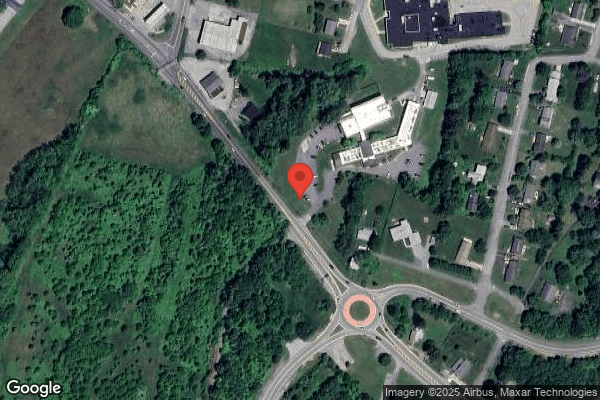
1263 SOUTH GEORGE STREET, CHARLES TOWN, WV 25414 (304) 725-6575
For profit - Corporation 104 Beds COMMUNICARE HEALTH Data: November 2025
Trust Grade
53/100
#60 of 122 in WV
Last Inspection: July 2025

Inspected within the last 6 months. Data reflects current conditions.

Overview

Willow Tree Healthcare Center has a Trust Grade of C, which means it is average compared to other facilities, sitting in the middle of the pack. It ranks #60 out of 122 nursing homes in West Virginia, placing it in the top half, and is the best option among three facilities in Jefferson County. The facility is improving as it reduced its issues from 11 in 2024 to 10 in 2025. Staffing is rated 2 out of 5 stars, which is below average, and has a turnover rate of 45%, on par with the state average. However, there are some concerning incidents: a resident suffered bruises due to improper transfer procedures, indicating neglect; maintenance issues were noted, including poor water pressure and pest control problems; and a staff member failed to practice proper hand hygiene, risking the spread of infection. While there are some strengths, such as average RN coverage, these weaknesses should be carefully considered by families looking for care.

Trust Score
C
53/100
In West Virginia
#60/122
Top 49%
Safety Record
Moderate
Needs review
Inspections
Getting Better
11 → 10 violations
Staff Stability
⚠ Watch
45% turnover. Above average. Higher turnover means staff may not know residents' routines.
Penalties
○ Average
$8,018 in fines. Higher than 64% of West Virginia facilities. Some compliance issues.
Skilled Nurses
○ Average
Each resident gets 33 minutes of Registered Nurse (RN) attention daily — about average for West Virginia. RNs are the most trained staff who monitor for health changes.
Violations
⚠ Watch
52 deficiencies on record. Higher than average. Multiple issues found across inspections.
★★★☆☆
3.0
Overall Rating
★★☆☆☆
2.0
Staff Levels
★★★☆☆
3.0
Care Quality
★★★☆☆
3.0
Inspection Score
Stable
2024: 11 issues
2025: 10 issues

The Good

  • Full Sprinkler Coverage · Fire safety systems throughout facility
  • No fines on record

Facility shows strength in fire safety.

The Bad

3-Star Overall Rating

Near West Virginia average (2.7)

Meets federal standards, typical of most facilities

Staff Turnover: 45%

Near West Virginia avg (46%)

Higher turnover may affect care consistency

Federal Fines: $8,018

Below median ($33,413)

Minor penalties assessed

Chain: COMMUNICARE HEALTH

Part of a multi-facility chain

Ask about local staffing decisions and management

The Ugly 52 deficiencies on record

1 actual harm
Jul 2025 9 deficiencies
CONCERN (D)

Potential for Harm - no one hurt, but risky conditions existed

Deficiency F0558 (Tag F0558)

Could have caused harm · This affected 1 resident

Based on observations and staff interviews, the facility failed to ensure the call system was accessible to residents while in their bed or other sleeping accommodations within the resident's room. Th...

Read full inspector narrative →
Based on observations and staff interviews, the facility failed to ensure the call system was accessible to residents while in their bed or other sleeping accommodations within the resident's room. This failed practice was a random opportunity for discovery. Resident Identifiers #23, and #50. Facility Census: 98. Findings include:a) Resident #23On 07/21/25 at 12:35 PM upon the facility entrance and interview with Resident #23, it was observed that Resident #23 was sitting on the side of his bed, and the call light was on the floor approximately 3 feet away from him. The resident walks with a walker and could not reach his call light. b) Resident #50On 07/22/25 at 2:35 PM, it was observed that Resident #50 asked surveyor to get a nurse for her roommate in bed #1 but her call light was not within reach. She was sitting on the right side of her bed, and the call button was hanging off the left side of the bed on the floor.c) Staff Interviews:Nurse Aide (NA) #48On 07/22/25 at 12:45 PM in an interview with staff member NA #48, She acknowledged the call light was not within Resident #23's reach.Licensed Practical Nurse (LPN) #17On 07/22/25 at 2:43 PM, in an interview with LPN, #17, she acknowledged the call button was not within reach of Resident #50 and stated that she was unaware the call light was not within resident's reach because a Nurse Aide had just been in the room with the resident.
CONCERN (D)

Potential for Harm - no one hurt, but risky conditions existed

Deficiency F0561 (Tag F0561)

Could have caused harm · This affected 1 resident

Based on interview and record review, the facility failed to honor and facilitate the resident's choice and right to self-determination regarding the resident's preference for showers. Resident Identi...

Read full inspector narrative →
Based on interview and record review, the facility failed to honor and facilitate the resident's choice and right to self-determination regarding the resident's preference for showers. Resident Identifier #80. Facility Census: 98.a) Resident #80During an interview on 07/22/25 at 12:09 PM, Resident #80 reported that she was scheduled for showers on Tuesdays and Fridays. She expressed a desire to have more frequent showers but noted that the staff were unable to accommodate her request. Additionally, she indicated that once she is seated on the shower chair, she can shower herself; the only assistance she required was with scrubbing her back.A review of records on 07/23/25 at approximately 10:54 AM revealed the following:Resident #80's preferences dated 02/05/25 revealed the resident's answer to the question;How important is it to you to choose between a tub bath, shower, bed bath, or sponge bath? was Very Important!Record review on 07/23/25 at approximately 1:55 PM revealed the following:06/25/25 - Bed Bath06/28/25 - Response Not Required07/02/25 - Response Not Required07/05/25 - Response Not Required07/09/25 - Response Not Required07/12/25 - Response Not Required07/16/25 - Response Not Required07/19/25 - Response Not Required b) Resident #19On 07/22/25 at approximately 10:57 AM, Resident #19 stated that he did not remember when he had last had a shower. The resident had a Brief Interview for Mental Status (BIMS) of 4. A review of shower records revealed the resident had not received showers or bed baths between 07/16/25 and 07/23/25 - a period of six (6) days, as evidenced by the record below:-06/29/25 - Shower-07/02/25 - Bed Bath-07/06/25 - Bed Bath-07/09/25 - Shower-07/13/25 - Refused-07/16/25 - Shower No additional shower records were provided by the facility for review.During an interview with the Director of Nursing (DON) on 07/23/25 at 3:15 PM, the DON reviewed the shower log and stated that she could not understand why the documentation stated, Response Not Required.DON confirmed that the documentation did not indicate showers were provided to Resident #80 and Resident #19. Additionally, there was no documentation that residents had refused showers.
CONCERN (D)

Potential for Harm - no one hurt, but risky conditions existed

Report Alleged Abuse (Tag F0609)

Could have caused harm · This affected 1 resident

Based on resident and staff interviews, the facility failed to ensure an allegation of suspected staff to resident verbal abuse was reported to the appropriate State Agencies, within a 2-hour time fra...

Read full inspector narrative →
Based on resident and staff interviews, the facility failed to ensure an allegation of suspected staff to resident verbal abuse was reported to the appropriate State Agencies, within a 2-hour time frame. This failed practice was a random opportunity for discovery. Resident identifier: #47 Facility Census: 98. Findings Include: a) Resident #47 Interview with Resident #47, on 07/22/25 at 9:35AM, she reported Licensed Practical Nurse (LPN) #35 had called her a liar two (2) nights previous when she reported she had not had a bowel movement in five (5) days and asked for a laxative. Facility Policy and Standard Procedures Policy #NS1018-03:Mental Abuse is the use of verbal or nonverbal conduct which causes or had the potential to cause the resident to experience humiliation, intimidation, fear, shame, agitation, or degradation and may be considered a type of mental abuse.During an interview with the Facility Administrator on 07/22/25 at 9:44 AM, the suspected staff to resident abuse was reported and he stated he would investigate it. In a follow up interview with the Facility Administrator on 07/24/25, H stated he had not made a report to the appropriate agencies as he had not spoken to LPN #35. She was off the date it was reported to him, but she was scheduled to work that afternoon and was waiting to talk to her regarding the report.
CONCERN (D)

Potential for Harm - no one hurt, but risky conditions existed

ADL Care (Tag F0677)

Could have caused harm · This affected 1 resident

Based on interview and record review, the facility failed to provide residents with assistance during showers. Resident Identifiers #80 and #19. Facility Census: 98.a) Resident #80 Findings Include: D...

Read full inspector narrative →
Based on interview and record review, the facility failed to provide residents with assistance during showers. Resident Identifiers #80 and #19. Facility Census: 98.a) Resident #80 Findings Include: During an interview on 07/22/25 at 12:09 PM, Resident #80 reported that she is scheduled for showers on Tuesdays and Fridays. She expressed a desire to have more frequent showers but noted that the staff were unable to accommodate her request. Additionally, she indicated that once she is seated on the shower chair, she can shower herself; the only assistance she requires is with scrubbing her back. A perusal of records on 07/23/25 at approximately 10:54 AM revealed the following: A resident #80's preferences dated 2/05/25 revealed that the resident's answer to the question; How important is it to you to choose between a tub bath, shower, bed bath, or sponge bath? was Very Important Record review on 07/23/25 at approximately 1:55 PM revealed the following:06/25/25 - Bed Bath06/28/25 - Response Not Required07/02/25 - Response Not Required07/05/25 - Response Not Required07/09/25 - Response Not Required07/12/25 - Response Not Required07/16/25 - Response Not Required07/19/25 - Response Not Required b) Resident #19On 07/22/25 at approximately 10:57 AM, Resident #19 stated that he did not remember when he had last had a shower. The resident has a Brief Interview for Mental Status (BIMS) of 4.However, a review of shower records revealed that the resident had not received showers or bed baths between 07/16/25 and 07/23/25 - a period of six (6) days, as evidenced by the record below: 06/29/25 - Shower07/02/25 - Bed Bath07/06/25 - Bed Bath07/09/25 - Shower07/13/25 - Refused07/16/25 - Shower No additional shower records were provided by the facility for review. During an interview with the Director of Nursing (DON) on 07/23/25 at 3:15 PM, the DON reviewed the shower log and stated that she couldn't understand why the documentation stated, Response Not Required''. DON confirmed the documentation did not indicate showers were provided to Resident #80 and Resident #19. Additionally, there was no documentation that any residents had refused showers.
CONCERN (D)

Potential for Harm - no one hurt, but risky conditions existed

Quality of Care (Tag F0684)

Could have caused harm · This affected 1 resident

Based on observations, interviews, and record reviews, the facility did not implement proper monitoring and assessments for a resident who had close contact with another resident diagnosed with Varice...

Read full inspector narrative →
Based on observations, interviews, and record reviews, the facility did not implement proper monitoring and assessments for a resident who had close contact with another resident diagnosed with Varicella. Additionally, the facility failed to recognize and assess the potential risks to other residents due to unrestricted access to all areas of the facility by this resident. This was a random opportunity for discovery. Resident Identifier: #63 and #38. Facility Census: 98. Findings include:a) Resident #38Findings included:On 07/23/25 at approximately 10:42 AM, Resident #38 was observed under contact isolation. Record review revealed that Resident #38 had been moved out of the room she shared with Resident #63. Further record review revealed the following:A note was entered on 07/23/25 at 9:10 AM for Valacyclovir HCl Oral Tablet 1 GM. Give 1 tablet by mouth every 8 hours for shingles for 7 Days.Valacyclovir is a prescription antiviral medication used to treat infections caused by herpes simplex virus (HSV) and varicella-zoster virus (VZV).Another note on 07/23/25 at 9:58 AM stated the resident would be on contact Isolation related to shingles.Nursing observations, evaluation, and recommendations were documented as follows: Patient presents with clusters of red rash located to right buttock. She states burning/stinging sensation that radiates to right thigh area.The primary care provider (PCP) responded with the following feedback:A. Recommendations: Serum varicella zoster igg/igm, varicella zoster PCR, ValtrexB. New Testing Orders:C. New Intervention Orders:Further record review on 07/24/25 at approximately 10:15 AM revealed that on 07/23/2025 6:02 PM Varicella PCR specimen obtained per order from right posterior thigh. The lab slip was completed and placed in specimen refrigerator.On 07/23/2025 9:03 PM Valacyclovir HCL oral table 1 gm was not given due to being unavailable. A note dated 07/24/2025 at 1:58 AM revealed the following: Resident remains on isolation d/t possible shingles per previous nurse. Resident reports no complaints of pain/discomfort at this time. VSS. Call light, bed control and hydration are within resident's reach. Valacyclovir HCL 1gm is not available at this time per 3-11 nurse.A note dated 07/24/2025 10:31 AM revealed the following: Resident remains on contact isolation for possible shingles and has been maintained. Labs are pending for confirmation. She denies any concerns or discomfort thus far.b) Resident #63 At approximately 11:05 AM on 07/23/25, during an interview with Resident #63, he stated, my wife is in isolation due to an infection and pointed to the other bed in the room, which had been stripped of its bed linen and mattress. When questioned about whether he had contracted chickenpox during his childhood, the resident stated that he had not. The resident, who was in a wheelchair, stated that he was the only artist in the facility and that he was allowed to go everywhere.Upon being asked whether anyone had checked his temperature, the resident stated that he did not have orders for temperature checks. He went on to ask, Why are you asking me these questions? During an interview with the Nurse Practitioner (NP) on 07/23/25 at 11:40 AM, the Nurse Practitioner (NP) noted there was no need to confine Resident #63 to his room, as he had not exhibited any signs of infection. However, the NP did not mention any measures that would be put in place to monitor Resident #63 for potential signs or symptoms of infection.At approximately 11:55 AM on 07/23/25, the Regional Clinical Nurse (RCN) was asked what steps were being taken to verify that Resident #63 had not contracted the infection. And since Resident #63 was mobile, what precautions were being taken to ensure that the virus did not spread. RCN stated that Resident #63 had not shown any signs of infection and could not be isolated based on the chance that he had contracted the virus. RCN further stated that the facility had implemented temperature checks and skin assessments to monitor Resident #63. During the record review on 07/24/25 at approximately 10:15 AM the following order was revealed: 07/23/25 at 3:08 PMVital Signs Q (every) shift X 72 hours for 3 DaysA review of Resident #63's Treatment Administration Record (TAR) revealed that the first temperature check was performed on 07/23/25 during the evening shift.Record review revealed that these interventions were implemented after surveyor intervention on 07/23/25 at 11:55 AM.
CONCERN (D)

Potential for Harm - no one hurt, but risky conditions existed

Accident Prevention (Tag F0689)

Could have caused harm · This affected 1 resident

Based on record review, observation, and staff interview the facility failed to ensure theresident environment over which it had control was as free from accident hazards aspossible. This failed pract...

Read full inspector narrative →
Based on record review, observation, and staff interview the facility failed to ensure theresident environment over which it had control was as free from accident hazards aspossible. This failed practice was a random opportunity for discovery, Resident Identifier #69Facility Census 98 Findings Include:a) Resident #69During the facility entrance interview on 07/22/25 at 1:45 PM an observation revealed a medicine cup of ointment creme was left on the bedside table. Resident #69 stated it was ointment the nurse aides left there for her to use on her bed sores. In an interview with LPN # 6 on 07/22/25, at 1:48 PM, she stated she did not know what the medicine cup of ointment was and stated it should not have been left in the resident's room.
CONCERN (E)

Potential for Harm - no one hurt, but risky conditions existed

Safe Environment (Tag F0584)

Could have caused harm · This affected multiple residents

**NOTE- TERMS IN BRACKETS HAVE BEEN EDITED TO PROTECT CONFIDENTIALITY** Based on observation and staff interviews, the facility failed to provide a safe, clean, comfortable, and homelike environment r...

Read full inspector narrative →
**NOTE- TERMS IN BRACKETS HAVE BEEN EDITED TO PROTECT CONFIDENTIALITY** Based on observation and staff interviews, the facility failed to provide a safe, clean, comfortable, and homelike environment relating to maintenance services necessary to maintain a comfortable interior for resident room numbers 112, 119, 121, 123, 124, and 126, pest control for room #'s 118, 121,123,124, and 126 and Low to no water pressure in rooms [ROOM NUMBERS]. These failed practices were random opportunities for discovery. Census 98. Findings include:a) Maintenance Services:Upon survey entrance on 07/21/25 at 1:30PM, the following issues were observed in room [ROOM NUMBER]-bathroom areas: - approximate1/2-inch-long chip in the wood on the bathroom door near the handle- black scuff marks on backside of bathroom door- Rust spots across the white wall heater on the wall behind the toiletUpon survey entrance on 07/21/25 at 1:35 PM, the following issues were observed in room [ROOM NUMBER]-bathroom areas:- Cracks in caulking around the sink - Black scuffmarks on the back side of bathroom door- Black scuff marks on the sink next to water faucet baseUpon survey entrance on 07/21/25 1:40 PM the following issues were observed in room [ROOM NUMBER]-bathroom areas:- Black scuffmarks on the back side of bathroom door- Bathroom floor loose with air bubbles underneath - Black scuff marks on the sink next to water faucet base - Door jamb with holes and scrapes in the woodUpon survey entrance on 07/21/25 1:40 PM the following issues were observed in room [ROOM NUMBER]-bathroom areas: - Black scuffmarks on the back side of the bathroom door and on bathroom door - Black scuff marks on the sink next to water faucet base- Baseboard trim hanging loose from bathroom wallUpon survey entrance on 07/21/25 01:48 PM the following issues were observed in room [ROOM NUMBER], room and bathroom areas:- Black scuffmarks on the back side of bathroom door- hole in the drywall right wall behind beside table near bed #3- Rust spots across the white wall heater under the window - Scuff marks on wall above the heater b) Pest Control Resident Interviews:-During an interview with Resident #23 in room [ROOM NUMBER], on 07/21/25 at 1:00 PM, Employee # 42 came into the room, picked up a package of cookies off the floor and told Resident #23 the cookies couldn't be left out or the mice would get them. The resident stated he had seen mice in his room in the past week. -During an interview with Resident #58 in room [ROOM NUMBER], on 7/21/25 at 1:20 PM, she stated she sees mice all the time and saw one last Saturday night. It was observed there were 8 traps set in her room. -During an interview with Resident #20 in room [ROOM NUMBER], on 07/21/25 at 1:15 PM, he stated he had seen mice in his room last night and pointed to a mouse trap located under the wheelchair in his room.-In an interview with Resident #77 in room [ROOM NUMBER] on 07/22/25 at 9:45AM, he stated he had seen a mouse in his room the past weekend and again one in his room the night before. During a facility walk through with the Corporate RN, on 07/23/25 at 1:45PM, she acknowledged the maintenance issues in room [ROOM NUMBER], #119, #121, #123, #124, and #126 and Mouse citing's in resident's rooms. She stated she would make a list for the Maintenance Department. Facility Administrator interview:During an interview with The Facility Administrator on 07/24/25 at 11:20AM, he stated the facility has been logging the citing's of mice and working with a pest control company, acknowledged the mice were still a problem.c) Water Pressure - room [ROOM NUMBER], and #121:During a facility walk through on 07/21/25 at 1:25 PM, It was observed in room [ROOM NUMBER] and #121, that there was low to no water pressure from the bathroom faucets in each room.In an interview with Resident #51, on 07/21/25 at 1:25 PM, she stated the maintenance crew had worked on the sink a few weeks ago and the water barely runs now.During a facility walk through with the Corporate RN, on 07/23/25 at 1:45 PM, she acknowledged the water pressure was low and stated the issue would be added to the maintenance list.
CONCERN (E)

Potential for Harm - no one hurt, but risky conditions existed

Food Safety (Tag F0812)

Could have caused harm · This affected multiple residents

Based on observation and staff interview the facility failed to store and serve food in accordance with professional standards for safe food service. This practice had the ability to affect all Reside...

Read full inspector narrative →
Based on observation and staff interview the facility failed to store and serve food in accordance with professional standards for safe food service. This practice had the ability to affect all Residents that get their nutrition from the kitchen. Facility census: 98. During a Dining Room Observation on 07/21/2025 at 12:45 PM, Nurse Aide(NA), #70 was observed touching multiple surfaces while setting up Resident #77's tray and then feeding him without washing hands or using hand sanitizer. In an interview with NA #70 on 07/21/25 at 12:55 PM, she acknowledged she did not wash or sanitize her hands after touching multiple surfaces before setting up Resident #70's tray and then feeding him. An observation on 07/24/25 at 11:30 AM, found: the walk-in freezer with sausage patties , pancakes, and Salisbury steak patties open to air. 3 ice cream cups on the floor. During an interview with the Dietary Manager 07/24/25 at 1:12 PM she verified the food was open to air. She also verified the ice cream cups on the floor and at this time placed the ice cream cups back in the box.
CONCERN (E)

Potential for Harm - no one hurt, but risky conditions existed

Infection Control (Tag F0880)

Could have caused harm · This affected multiple residents

Based on observations and staff interviews, the facility failed to establish and maintain an infection prevention and control program designed to provide a safe, sanitary, and comfortable environment ...

Read full inspector narrative →
Based on observations and staff interviews, the facility failed to establish and maintain an infection prevention and control program designed to provide a safe, sanitary, and comfortable environment and to help prevent the development and transmission of communicable diseases and infections with regards to, resident hand washing, medical equipment, and meal tray place This practice had the potential to affect all residents that reside in the facility. Facility census: 98.Findings included: a) An observation on 07/21/25 at 12:20 PM of the dining room lunch meal tray pass found the staff using three (3) trays to pass meals. Staff would pass lunch to a resident. Return to the service line and pass the tray down through the staff to the stream table to be used for the next resident without cleaning the tray. During an interview with Licensed Practical Nurse #9 she stated that this is the practice serving meals in the dining room. She verified the service tray is never cleaned between residents. b) On 07/22/25 between the hours of 7:45 AM and 7:55 AM., observation revealed Employee #89 failed to offer residents any type of hand sanitation to Resident #94 and #21 during breakfast in the main dining room. During the same observation period, observed Employee #114 failed to offer residents any type of hand sanitation to Resident #88 and #37 during breakfast in the main dining room. Interview with Employee #117 verified this deficient practice. c) Resident #72:During an interview with resident #72, on 07/22/25 at 1145AM, a wheelchair near the resident's bed, had rips and holes in the plastic cover on both arm rests, and on the top of the back rest and on the seat, exposing the inner padding. Resident #72 stated that the wheelchair belonged to her. d) Resident #77:During an interview with Resident #77 on 07/22/25 at 2:35 PM, it was observed a Geri-Chair with scratches and tears in the head rest, exposing the inner padding. During a facility walkthrough and interview with The Facility Corporate RN on 07/23/25 at 3:10 PM, she acknowledged both Resident #72's wheelchair and #77's Geri chair needed repair.
May 2025 1 deficiency
CONCERN (D) 📢 Someone Reported This

A family member, employee, or ombudsman was alarmed enough to file a formal complaint

Potential for Harm - no one hurt, but risky conditions existed

Quality of Care (Tag F0684)

Could have caused harm · This affected 1 resident

**NOTE- TERMS IN BRACKETS HAVE BEEN EDITED TO PROTECT CONFIDENTIALITY** Based on interview and record review, the facility failed to follow recognized standards of care, and in addition, failed to fol...

Read full inspector narrative →
**NOTE- TERMS IN BRACKETS HAVE BEEN EDITED TO PROTECT CONFIDENTIALITY** Based on interview and record review, the facility failed to follow recognized standards of care, and in addition, failed to follow the facility's own policy and procedures with regards to monitoring residents after a fall. This citation is cited at past non compliance. Resident identifier: #111. Facility Census 107. Findings include: a) Resident #111 Record review on [DATE] at approximately 11:15 AM revealed that the resident had an unwitnessed fall in his room on [DATE]. Record review revealed that the resident was found on the floor on [DATE] at around 9:15 AM. On [DATE] at 10:58 AM the Nurse Practitioner (NP) 171's notes stated the following: Per nurse, his spO2 on 2 liters NC. He was confused but redirectable. He had taken off his oxygen and it was replaced. Per staff, he was found on the floor near some wet towels. Patient stated he was getting back into bed when he fell. He knew it was 2024. He knew his name but could not say where he was located. A post fall evaluation nursing note by Registered Nurse (RN) #170 on [DATE] at 9:15 AM stated there were no injuries noted from this unwitnessed fall. The resident was not transferred to the hospital and the family/responsible party was notified and the resident had no complaints of pain. A review of the documentation about the neuro checks performed on Resident #111 at 9:15 AM revealed the resident was confused and did not follow commands. In addition, the assessment noted that the nurse was unable to assess pupillary reaction in both eyes due to the resident not following commands. A nursing note by RN #170 at 2:01 PM on [DATE] stated the following: Was observed on floor at approx. 09:15. Respirations 16 and Sp02 96% on 2L 02. Assessed. Transferred to bed via total lift and x3 assist. Alert with confusion. Cognition and ROM at baseline. Unable to follow commands to check pupils. Hand grips equal. Denied pain. Assessed again at approx. 0945. It was observed by CNA at around the same time. Was observed unresponsive at approx. 10am. Compressions started, 911 called and CPR continued until EMS arrived. Emergency contact made aware. A review of the facility's neuro check policy on [DATE] at 2:35 PM showed that neuro checks were to be performed on all unwitnessed falls at the following frequency: Every fifteen (15) minutes for one hour Every one (1) hour for four (4) hours Every four (4) hours for sixteen (16) hours Every twenty-four (24) hours for four (4) days. Record review on [DATE] at approximately 12:25 PM regarding the post fall documentation for Resident #111 on [DATE] revealed that neuro checks were not performed at fifteen (15) minute intervals as specified in facility protocol. The resident had been assessed at 9:15 am, and the next assessment had been performed at 9:45 AM. During an interview with the Director of Nursing (DON) at 2:50 PM on 05/07//25, DON stated that the neuro checks had to be completed. She stated that the protocol was every 15 min x4, then every hour x4, every 4 hrs. x 4, and then everyday x 4. Upon being notified that the neuro checks had not been performed on Resident #111 on [DATE]. Regional Clinical Nurse (RCN) #172 stated the facility had identified the lapse in protocol and documentation on [DATE]. RCN #172 further stated the facility had taken immediate action, implemented a QA study, performed education for all nursing staff, and performed audits going back three (3) months on all falls, to ensure that documentation and neuro checks were being performed as per protocol. A review of the documentation provided revealed that the facility had taken the following steps beginning on [DATE]: Notified the Medical Director regarding the incomplete neuro checks Suspended the nurse involved, pending the investigation. (The nurse was no longer employed at the facility during the complaint survey). as of [DATE] Facility reviewed and audited falls for post fall documentation and neuro checks. Completed [DATE] Education and questionnaires were provided to all nursing staff regarding post fall evaluations and documentation, including neuro checks. No nursing staff were allowed to work until education was completed. Completed on [DATE]. All falls audited for complete documentation 5 times a week for 4 weeks, weekly for 4 weeks, and monthly for 3 months. Completed on [DATE] Audit results were reported to QAPI monthly for 3 months, and randomly thereafter, Completed [DATE]
Jul 2024 2 deficiencies
CONCERN (D) 📢 Someone Reported This

A family member, employee, or ombudsman was alarmed enough to file a formal complaint

Potential for Harm - no one hurt, but risky conditions existed

Deficiency F0624 (Tag F0624)

Could have caused harm · This affected 1 resident

**NOTE- TERMS IN BRACKETS HAVE BEEN EDITED TO PROTECT CONFIDENTIALITY** . Based on discharge electronic medical review (EMR) and staff interviews, the facility failed to complete a safe and complete d...

Read full inspector narrative →
**NOTE- TERMS IN BRACKETS HAVE BEEN EDITED TO PROTECT CONFIDENTIALITY** . Based on discharge electronic medical review (EMR) and staff interviews, the facility failed to complete a safe and complete discharge. Resident #103 was discharged to a homeless shelter which did not have an available space and could not meet the medical needs of the resident. This failed practice had the potential to affect a limited number of residents. Resident #103. Facility census: 99. Findings included: a) Resident #103 A review of the discharge EMR on 07/23/24 at 10:59 AM found Resident #103 was admitted on [DATE]. Diagnoses included Diabetes Mellitus type 2 (insulin dependent), traumatic brain injury, major depressive disorder, bipolar disorder, and unspecified dementia. The annual Minimum Data Set (MDS) with an Assessment Reference Date (ARD) of 06/18/24 had a Brief Interview of Mental Status (BIMS) score of 12. The BIMS score of 12 denotes moderate cognitive impairment. Resident #103 had capacity to make decisions. On 07/24/24 at 12:15 PM in an interview with the Nursing Home Administrator (NHA) when asked how was the decision made for the facility to discharge Resident #103 the NHA stated that the decision was made in consultation with the corporate Risk Manager. Resident #103 was presented with a Notice of Discharge and Transfer of (resident name) dated 07/12/24. Type of discharge: 30 day discharge notice. Under the section Reason for discharge: a check mark was beside The safety of individuals in the center is endangered due to the clinical or behavioral status of the resident. The Location of discharge: (local city) Union Rescue Mission with the address. Also there was an appeal rights and process, Assistance with a list of state agencies who could provide assistance and the Bed Hold Policy. When Resident #103 was presented with the Discharge Notice, he stated that he would like to leave now (07/12/24). A review of communication notes by the NHA found the following: 7/12/2024 11:15 Communications Note Text: Resident was picked up and arrested by (name of City) Police Dept related to incident with employee on 7/4/24 and released back to facility on his own recognizance. Resident was provided a 30 day discharge notice. Physician notified of behaviors leading to notice. Resident was provided face sheet, order summary, insulin administration instructions, and medications. Provided information on follow up dental appointment. Offered to set up PCP (Primary Care Provider) appointment for resident, which he declined. Offered home health, which resident declined. Resident was provided transportation with all belongings to location of discharge. Resident is independent with all ADLs, and has capacity to make his own decisions. Resident had no questions, and voiced understanding notice was not immediate. Resident chose to leave today with facility transportation. An additional nurses note by the Director of Nursing (DON) found the following: 7/12/2024 10:59 Nurses Note Note Text: Resident alert and oriented x 4 upon return to facility. Resident notified of 30-day discharge notice. Resident declined and opted to leave facility immediately. This nurse provided education to resident regarding medication administration including oral medication and insulin administration. Resident verbalized understanding and demonstrated proper utilization of insulin pen. Resident's belongings were collected. Resident transported to (city name) Mission via facility transportation. An interview with the Maintenance Director at 11:45 AM on 07/23/24 who transported Resident #103 to the area homeless shelter stated that he observed Resident #103 enter the facility and appeared to be signing papers. The left his belongings on a couch in the back of the facility. In an interview with the NHA, DON, and the Corporate RN, at 2:00 PM on 07/24/24 found the following: When asked for a copy of the reconciliation of the residents' medication, the NHA stated that Resident #103 was given a copy of his physician orders that listed his medications and presented a copy of the orders to the surveyor. When asked if the facility had a reconciliation of the medications, the DON stated that she did not complete a reconciliation of the medications. The resident medications consisted of Depakote DR 500 mg (milligrams) twice a day for bipolar order; Fandga Oral 10 mg daily for DM; Glipiide 10 mg twice a day for DM; lactobacillus 1 capsule for probiotic; Melaton 5 mg at bedtime for insomnia; Insulin 30 units twice a day for DM; Olanzapine 5 mg at bedtime for psychotic disorder; Trazodone 50 mg at bedtime for depression and Trulicity pen-injector 3 mg daily every seven (7) days for DM2. She further stated that she instructed the resident on how to use an insulin pen and the resident completed a return demonstration. In addition the DON stated that she gave the resident 10 needles to be used with the insulin pen. She further stated that Insulin vial was given but no syringes or needles due to being discharged to the shelter and potential for syringes and needles could be used by others at the shelter. No evidence was found in the EMR to this confirm this. When the NHA was asked if the homeless shelter was notified that the resident was going to be admitted to their facility, the NHA stated that he attempted to call the shelter several times but no one answered the call. In addition he stated the facility had discharged several residents to the shelter and never had a problem. When asked if he was aware the shelter had no openings for Resident #103 nor had a refrigerator for the insulin pen or could not meet the medical needs of the resident. He again stated he tried to call the shelter several times but there was no answer.
CONCERN (D) 📢 Someone Reported This

A family member, employee, or ombudsman was alarmed enough to file a formal complaint

Potential for Harm - no one hurt, but risky conditions existed

Infection Control (Tag F0880)

Could have caused harm · This affected 1 resident

Based on record review, observation, and staff interview, the facility failed to ensure Enhanced Barrier Precautions (EBP) were followed. A Nursing Assistant (NA) was observed to not be wearing the pr...

Read full inspector narrative →
Based on record review, observation, and staff interview, the facility failed to ensure Enhanced Barrier Precautions (EBP) were followed. A Nursing Assistant (NA) was observed to not be wearing the proper personal protective equipment (PPE) when providing direct resident care to a resident in EBP due to a wound. This was a random opportunity for discovery. Resident identifier: #28. Facility census: 99. Findings included: a) Resident #28 The facilty's policy and standard procedure titled Enhanced Barrier Precautions, with no implementation date given, stated the required Personal Protective Equipment (PPE) was gowns and gloves. The policy also stated PPE would be donned when providing high contact care activities as described above. Resident #28 had an order written on 04/04/24 for Enhanced Barrier Precautions related to: sacral pressure ulcer. A sign was posted on the door to the resident's room indicating EBP were in effect. The sign stated as follows: Enhanced Barrier Precautions Everyone must: Clean their hands, including before entering and when leaving the room. Providers and staff must also: Wear gloves and a gown for the following high-contact resident care activities. Dressing Bathing/showering Transferring Changing linens Providing hygiene Changing briefs or assisting with toileting Devise care or use: central line, urinary catheter, feeding tube, tracheostomy Wound care: any skin opening requiring a dressing Do not wear the same gown and gloves for the care of more than one person. The front of the resident's door had a PPE caddy containing gloves and gowns. On 07/24/24 at 9:55 AM, Nurse Practitioner (NP) entered Resident #28's room to assess the resident's sacral pressure ulcer. However, the resident stated she was incontinent of stool. The NP exited the resident's room and stated a Nursing Assistant (NA) would provide incontinence care to the resident. On 07/24/24 at 10:10 AM, NA #106 was observed entering Resident #28's room. She donned gloves but did not don a gown. She went to Resident #28's bedside, behind the privacy curtain, and provided care to the resident. On 07/24/24 at 10:20 AM, NA #106 exited Resident #28's room with a bag of what appeared to be a soiled brief in a clear plastic bag. NA #106 confirmed she had performed stool incontinence care for Resident #28. NA #106 was shown the EPB sign on the resident's door and was asked which resident in the room was on enhanced barrier precautions. There were three (3) residents residing in the room. NA #106 stated Possibly [Resident #28]. On 07/24/24 at 10:35 AM, the Director of Nursing was notified that CNA #106 had not followed EBP when providing direct resident care to Resident #28.
May 2024 3 deficiencies 1 Harm
SERIOUS (G) 📢 Someone Reported This

A family member, employee, or ombudsman was alarmed enough to file a formal complaint

Actual Harm - a resident was hurt due to facility failures

Free from Abuse/Neglect (Tag F0600)

A resident was harmed · This affected 1 resident

**NOTE- TERMS IN BRACKETS HAVE BEEN EDITED TO PROTECT CONFIDENTIALITY** Based on record review, observation, and staff interviews, the facility failed to ensure residents were not neglected. The facil...

Read full inspector narrative →
**NOTE- TERMS IN BRACKETS HAVE BEEN EDITED TO PROTECT CONFIDENTIALITY** Based on record review, observation, and staff interviews, the facility failed to ensure residents were not neglected. The facility failed to follow physician's orders in transferring resident. This caused actual harm to the resident by causing bruises to his right elbow, right hand, right wrist, and right forearm. This was true for one (1) of one (1) resident reviewed for neglect. Resident identifier: #1. Facility census: 103. Findings included: On 03/20/24 the facility reported an incident to all required entities. According to the reportable, Resident #1 was observed to have bruising of unknown origin. Resident #1 is a [AGE] year-old male on hospice with multiple diagnoses including: dementia, muscle weakness, need for assistance with personal care, lack of coordination, right sided hemiparesis with flaccidity. The resident lacked the capacity to make medical decisions. The resident was receiving aspirin 325 milligrams of aspirin (MG) daily due to a history of stroke. A side effect of aspirin therapy is a risk for bruising. On 02/01/24 the physician entered an order for the resident to be transferred by mechanical lift with assistance of two (2) staff. Prior to the resident required extensive assistance of one (1) person. On 02/02/24 the resident's care plan was updated for the following intervention Resident requires use of mechanical lift with 2 person support. According to a progress note written on 03/19/24, the resident stated that his arm got banged while being transferred into the chair for bathing on 03/18/24. He denied pain to the extremity. Skin assessments performed on 03/19/24 show: - Right elbow, purple discoloration of 5x4.5 centimeters (cm), - Right hand, purple discoloration of 3x3 cm, - Right wrist, purple discoloration of 1x1 cm, - Right forearm, purple discoloration of 3x2.5 cm. During facility investigation of the bruising of unknown origin, Nursing Assistant (NA) #31 stated that she saw the bruise but did not report it because the nurse was busy, and then she forgot. When asked how she transferred the resident, she stated by extensive assistance. As a result of the injury, nurse practitioner evaluated resident, and reduced the daily aspirin dose to 81 milligrams. As a result of the investigation, the facility disciplined and re-educated NA #31 regarding transferring residents according to their orders and care plan. Other facility NAs were re-educated on transfer status as well. During investigation, NA #31 was on vacation and unavailable for interview. On 05/21/24 at 1:11pm NA #113 was interviewed and asked how she would determine the type of transfer required for a resident. She replied that she would check the [NAME] for any orders. Upon being asked how she would proceed if she wasn't able to transfer the resident using the specified transfer mode; NA #113 replied that if she encountered difficulty with the transfer, she would ask the nurse to assess the resident, or she would use a mechanical lift. NA #2 was interviewed on 05/21/24 at 1:56pm. She stated that she would check the [NAME] before transferring a resident. She also stated that she would notify the nurse and consult physical therapy if she encountered any difficulty with a transfer. Upon being interviewed on 05/21/24 at 1:35pm. NA #25 stated that she would check the [NAME] if the resident needed to be transferred. When asked how she would proceed if she had difficulty with transferring a resident by the prescribed means, she stated that she would notify the nurse, and use a mechanical lift. On 05/21/24 at 2:15pm. The administrator acknowledged NA#31 did not follow Resident #1's care plan and physicians orders. He stated that NA #31 had been disciplined and in-service.
CONCERN (D) 📢 Someone Reported This

A family member, employee, or ombudsman was alarmed enough to file a formal complaint

Potential for Harm - no one hurt, but risky conditions existed

Report Alleged Abuse (Tag F0609)

Could have caused harm · This affected 1 resident

**NOTE- TERMS IN BRACKETS HAVE BEEN EDITED TO PROTECT CONFIDENTIALITY** Based on record review, and staff interviews, the facility failed to ensure injuries of unknown origin were reported in a timely...

Read full inspector narrative →
**NOTE- TERMS IN BRACKETS HAVE BEEN EDITED TO PROTECT CONFIDENTIALITY** Based on record review, and staff interviews, the facility failed to ensure injuries of unknown origin were reported in a timely fashion. This was a random opportunity for discovery. Resident identifier: #1. Facility census: 103. Findings included: a) Resident #1 On 03/20/24 the facility reported an incident to all required entities. According to the reportable, Resident #1 was observed to have bruising of unknown origin. According to a progress note written on 03/19/24, the resident stated that his arm got banged while being transferred into the chair for bathing on 03/18/24. He denied pain to the extremity. Resident #1 is a [AGE] year-old male on hospice with multiple diagnoses including: dementia, muscle weakness, need for assistance with personal care, lack of coordination, right sided hemiparesis with flaccidity. The resident lacks the capacity to make medical decisions. The resident was receiving aspirin 325 milligrams (MG) daily due to a history of stroke. A side effect of aspirin therapy is a risk for bruising. On 02/01/24 the physician entered an order for the resident to be transferred by mechanical lift with assistance of two (2) staff. Prior to the resident required extensive assistance of one (1) person. On 02/02/24 the resident's care plan was updated for the following intervention Resident requires use of mechanical lift with 2 person support. Skin assessments performed on 03/19/24 show: - Right elbow, purple discoloration of 5x4.5 centimeters (cm), - Right hand, purple discoloration of 3x3 cm, - Right wrist, purple discoloration of 1x1 cm, - Right forearm, purple discoloration of 3x2.5 cm. During facility investigation of the bruising of unknown origin, Nursing Assistant (NA) #31 stated that she saw the bruise but did not report it because the nurse was busy, and then she forgot. When asked how she transferred the resident, she stated by extensive assist. As a result of the injury, nurse practitioner evaluated resident, and reduced the daily aspirin dose to 81 milligrams. As a result of the investigation, the facility disciplined and re-educated NA #31 regarding immediately reporting the incident to the nurse in charge. During investigation, NA #31 was on vacation and unavailable for interview. On 05/21/24 at 1:11 PM NA #113 was interviewed on the procedure for reporting new injuries. She stated that any new injury was to be reported immediately to the nurse for assessment. She also stated that they are required to write a written report of the circumstances under which the new injury occurred or was discovered. NA #48 was interviewed on the policy and process of reporting resident injuries. She stated that any new injury was to be reported immediately to the RN, and a report handwritten by the CNA. NA #2 was interviewed on 05/21/24 at 2:08 PM regarding the process for reporting new injuries. She stated that they were immediately required to report to the nurse and write out a report. On 05/22/24 at 10:26am the Regional Director of Clinical Operations and the Director of Nursing (DON) were interviewed about the reporting and assessment of injuries. They stated that all new injuries were to be immediately reported to the nurse on duty for assessment. In addition, they said that the facility had installed a new protocol called Stop and Watch. They explained that when NAs clicked on a resident's name in the Point of Care system, a question immediately pops up asking whether there was a change in the residents' condition or status. If Yes was clicked, an alert was sent to the Point Click Care dashboard alerting the nurse and other clinical staff to make them aware. A nurse could clear the alert after an assessment, but if it was not cleared, the DON would investigate.
CONCERN (D) 📢 Someone Reported This

A family member, employee, or ombudsman was alarmed enough to file a formal complaint

Potential for Harm - no one hurt, but risky conditions existed

Deficiency F0657 (Tag F0657)

Could have caused harm · This affected 1 resident

**NOTE- TERMS IN BRACKETS HAVE BEEN EDITED TO PROTECT CONFIDENTIALITY** Based on record review and staff interview, the facility failed to revise the comprehensive care plan when the resident's capaci...

Read full inspector narrative →
**NOTE- TERMS IN BRACKETS HAVE BEEN EDITED TO PROTECT CONFIDENTIALITY** Based on record review and staff interview, the facility failed to revise the comprehensive care plan when the resident's capacity to make medical decisions changed. This was a random opportunity for discovery. Resident identifier: #58. Facility census: 103. Findings included: a) Resident #58 Review of Resident #58's medical records showed a Physician Determination of Capacity dated [DATE] which determined the resident had the capacity to make medical decisions. Another Physician Determination of Capacity was performed on [DATE] and determined the resident lacked the capacity to make medical decisions. Resident #58's comprehensive care plan contained the following focus, Resident has a CPR code Status Ability to make health care decisions, Disease process (Focus typed as written.) The focus had been initiated on [DATE] and had not been revised since then. On [DATE] at 4:42 PM, the Administer acknowledged Resident #58's care plan needed revised to reflect the resident no longer had capacity to make medical decisions. No further information was provided through the completion of the survey process.
Jan 2024 6 deficiencies
CONCERN (D) 📢 Someone Reported This

A family member, employee, or ombudsman was alarmed enough to file a formal complaint

Potential for Harm - no one hurt, but risky conditions existed

Report Alleged Abuse (Tag F0609)

Could have caused harm · This affected 1 resident

Based on record review and staff interview, the facility failed to ensure that an alleged violation involving resident neglect was reported within 24 hours of the event / allegation being brought to t...

Read full inspector narrative →
Based on record review and staff interview, the facility failed to ensure that an alleged violation involving resident neglect was reported within 24 hours of the event / allegation being brought to the facility's attention, to appropriate state agencies as required. Resident identifier: #7. Facility census: 103. Findings included: a) Resident #7 During a record review it was noted there was a written statement from CNA #96, dated 10/30/23. The statement indicated that once CNA #96 had picked up all resident breakfast trays on the hall she checked on Resident #7. Approximately 20 minutes later, Resident #96's family member reported the resident had bowel movement all over her. CNA #96 reported she immediately changed Resident #7 and gave her a complete bed bath. Additionally, CNA #96 stated she reported the family member's concern to the Administrator. On 01/16/23 at 11:30 AM, review of the facility's Abuse and Neglect policy revealed that an event may not be perceived by staff to constitute resident neglect; however, if a resident, family member, or visitor perceived the event to be neglect, the facility must report the event. Review of the facility's reportable log, completed on 01/16/23 at 11:46 AM, revealed the allegation of abuse had not been reported to appropriate state agencies. During a telephone interview on 01/16/26 at 12:30 PM, the Administrator confirmed the allegation had not been reported to the appropriate state agencies as per the facility's policy. WV Code §9-6-11 states the report of neglect must be made to the Department of Health and Human Resources immediately, but not more than 48 hours after suspecting these circumstances. Under WV Code §9-6-9 certain persons are mandated reporters of adult abuse or neglect. Any employee of any nursing home is considered a mandated reporter of abuse and neglect.
CONCERN (D) 📢 Someone Reported This

A family member, employee, or ombudsman was alarmed enough to file a formal complaint

Potential for Harm - no one hurt, but risky conditions existed

Investigate Abuse (Tag F0610)

Could have caused harm · This affected 1 resident

Based on record review and staff interview, the facility failed to complete a thorough investigation of a family member's allegation of resident neglect, maintain documentation that the alleged violat...

Read full inspector narrative →
Based on record review and staff interview, the facility failed to complete a thorough investigation of a family member's allegation of resident neglect, maintain documentation that the alleged violation was thoroughly investigated, and report the results to Adult Protective Services and the State Survey Agency, within five (5) working days of the incident in accordance with State law. Resident Identifier: #7. Facility Census: 103. Findings included: a) Resident #7 During a record review it was noted there was a written statement from CNA #96, dated 10/30/23. The statement indicated that once CNA #96 had picked up all resident breakfast trays on the hall she checked on Resident #7. Approximately 20 minutes later, Resident #96's family member reported the resident had bowel movement all over her. CNA #96 reported she immediately changed Resident #7 and gave her a complete bed bath. Additionally, CNA #96 stated she reported the family member's concern to the Administrator. On 01/16/23 at 11:30 AM, review of the facility's Abuse and Neglect policy revealed -The accurate and timely identification of any event which would place residents at risk is a primary concern of the facility. -An event may not be perceived by staff to constitute resident neglect; however, if a resident, family member, or visitor perceived the event to be neglect, the facility must report the event. -In the event an allegation is made, the facility will take measures to protect residents from harm during an investigation. -An employee, who is alleged or accused of being a party to neglect will be immediately removed from the area(s) of resident care, interviewed by facility leadership for a written statement and not left alone. -Statements will be obtained from the resident or from the reporter of the incident, in writing whenever possible by the Executive Director or designee. -By the fifth day, the alleged neglect investigation form is completed and reviewed for completeness and accuracy by the Executive Director or designee and submitted to the state. Review of the facility's reportable log, completed on 01/16/23 at 11:46 AM, revealed the allegation of abuse had not been reported to appropriate state agencies. Additionally, a five-day follow-up was not reported to Adult Protective Services and the Office of Health Facility and Licensure (OHFLAC) in accordance with State law. During a telephone interview on 01/16/26 at 12:30 PM, the Administrator confirmed he had failed to identify the family's concern as an allegation of neglect. The Administrator said as a result this issue had never been reported and had never been investigated further. WV Code §9-6-11 states the report of neglect must be made to the Department of Health and Human Resources immediately, but not more than 48 hours after suspecting these circumstances. Under WV Code §9-6-9 certain persons are mandated reporters of adult abuse or neglect. Any employee of any nursing home is considered a mandated reporter of abuse and neglect.
CONCERN (D) 📢 Someone Reported This

A family member, employee, or ombudsman was alarmed enough to file a formal complaint

Potential for Harm - no one hurt, but risky conditions existed

Comprehensive Care Plan (Tag F0656)

Could have caused harm · This affected 1 resident

Based on record review and resident interview the facility failed to develop and implement a comprehensive person-centered care plan for each resident receiving dialysis services. This was true for tw...

Read full inspector narrative →
Based on record review and resident interview the facility failed to develop and implement a comprehensive person-centered care plan for each resident receiving dialysis services. This was true for two (2) of two (2) dialysis residents reviewed for dialysis services. Resident identifiers: #92 and #21. Facility Census: 103. Findings included: a) Resident #92 Record review on 01/15/24 at 9:00 AM of the facility matrix reflects that Resident #92 receives hemodialysis services. Upon record review, on 01/15/24 at 9:10 AM, Physicians orders reflected that Resident #92 had dialysis three (3) days per week at a local dialysis center. Upon review of the care plan in place there is no care plan developed for the dialysis center name, resident chair time for dialysis or special provisions needed to provide the resident with a morning meal prior to leaving for dialysis in the focus area for dialysis. Resident #92 has the following medical diagnosis documented which includes but are not limited to: Type 2 Diabetes Mellitus with other specified complications End Stage Renal disease Chronic Kidney disease The facility failed to implement their care plan for communication by failing to complete the required pre and post dialysis communication assessments. The facility policy for Hemodialysis Care and Monitoring states: Procedure: VIII Pre-Dialysis a. Evaluation completed within four (4) hours of transportation to dialysis to include but not limited to: i. Accurate weight ii. Blood pressure, pulse, respirations and temperature. b. Medications administered or medication(s) withheld prior to dialysis. c. Provide mea or snack prior to leaving facility for dialysis unless otherwise ordered. d. Send copy of nursing evaluation with resident to dialysis center. i. Include Medication Administration Record (MAR) ii. Emergency contact and facility contact information. IX. Post-Dialysis a. Nurse to review notes from dialysis center. i. Review resident tolerance to treatment ii. Review medications that may have been given during dialysis. iii. Review if blood transfusion was given. 1. Check labs for hemoglobin/hematocrit values iv. Post dialysis notes will be uploaded into Electronic Health Records (EHR) or placed on hard medical record. b. Nurse to complete the post-dialysis evaluation upon return from dialysis center to include but not limited to: i. Thrill absence or presence ii. Bruit absence or presence iii Pulse in access limb - record number of beats per minute and character of pulse iv. Blood pressure, pulse, respirations and temperature upon return the facility v. Visual inspection of site for bleeding, swelling, or other abnormalities. vi. Any abnormal or unusual occurrence resident reports while at dialysis center . Pre and Post dialysis communications assessments are utilized to provide an ongoing assessment of the resident's condition and monitoring for complications before and after dialysis treatments received at a certified dialysis facility. On 01/15/24 at 2:00 PM the Pre and Post Dialysis Communication Assessments were reviewed for the last four (4) months. The following discrepancies were noted: On 10/07/23 the pre dialysis assessment was not complete. The above concerns were confirmed with the administrator on 01/15/24 at 03:11 PM. b) Resident #21 Record review, on 01/15/24 at 9:00 AM, of the facility matrix reflects that Resident #21 receives hemodialysis services. Upon record review, on 01/15/24 at 9:10 AM, physicians orders reflect that Resident #21 had dialysis three (3) days per week at a local dialysis center. Upon review of the care plan in place there was no care plan developed for the residents chair time for dialysis or special provisions needed to provide the resident with a morning meal prior to leaving for dialysis in the focus area for dialysis. Resident #21 has the following medical diagnosis documented which includes but are not limited to: Type 2 Diabetes Mellitus Stage 1 through 4 chronic kidney disease End stage renal disease During an interview with Resident # 21 on 01/15/24 at 2:30 PM he stated he had no issues with his dialysis process. His transport to the center always goes smoothly. He stated his only complaint is his breakfast. He states that he does not usually get breakfast. If he does it is dry cereal. I can't even get a cup of coffee. He states the staff told him there was no one in the kitchen at that time of the morning. He stated he was at dialysis 4-6 hours including transport time and that's long time to go without eating. The facility failed to implement their care plan for communication by failing to complete the required pre and post dialysis communication assessments. The facility policy for Hemodialysis Care and Monitoring states: Procedure: VIII Pre-Dialysis a. Evaluation completed within four (4) hours of transportation to dialysis to include but not limited to: i. Accurate weight ii. Blood pressure, pulse, respirations and temperature. b. Medications administered or medication(s) withheld prior to dialysis. c. Provide mea or snack prior to leaving facility for dialysis unless otherwise ordered. d. Send copy of nursing evaluation with resident to dialysis center. i. Include Medication Administration Record (MAR) ii. Emergency contact and facility contact information. IX. Post-Dialysis a. Nurse to review notes from dialysis center. i. Review resident tolerance to treatment ii. Review medications that may have been given during dialysis. iii. Review if blood transfusion was given. 1. Check labs for hemoglobin/hematocrit values iv. Post dialysis notes will be uploaded into EHR or placed on hard medical record. b. Nurse to complete the post-dialysis evaluation upon return from dialysis center to include but not limited to: i. Thril absence or presence ii. Bruit absence or presence iii Pulse in access limb - record number of beats per minute and character of pulse iv. Blood pressure, pulse, respirations and temperature upon return the facility v. Visual inspection of site for bleeding, swelling, or other abnormalities. vi. Any abnormal or unusual occurrence resident reports while at dialysis center . Pre and Post dialysis communications assessments are utilized to provide an ongoing assessment of the resident's condition and monitoring for complications before and after dialysis treatments received at a certified dialysis facility. On 01/15/24 at 2:00 PM the Pre and Post Dialysis Communication Assessments were reviewed for the last four (4) months. The following discrepancies were noted: 10/24/23 Pre and post dialysis assessment missing 10/31/23 Pre dialysis assessment missing 12/26/23 Pre and post dialysis assessment missing 01/13/24 Post dialysis assessment missing The above concerns were confirmed with the administrator on 01/15/24 at 3:11 PM.
CONCERN (D) 📢 Someone Reported This

A family member, employee, or ombudsman was alarmed enough to file a formal complaint

Potential for Harm - no one hurt, but risky conditions existed

Quality of Care (Tag F0684)

Could have caused harm · This affected 1 resident

Based on record review and resident interview the facility failed to ensure residents receive treatment and care in accordance with professional standards of practice pertaining to dialysis orders, ca...

Read full inspector narrative →
Based on record review and resident interview the facility failed to ensure residents receive treatment and care in accordance with professional standards of practice pertaining to dialysis orders, care plans and pre and post dialysis communication assessments. This was true for two (2) of two (2) residents reviewed for dialysis services. Resident Identifiers: #92 and #21. Facility Census: 103 Findings included: a) Resident #92 Record review on 01/15/24 at 9:00 AM of the facility matrix reflected Resident #92 received hemodialysis services. Upon record review, on 01/15/24 at 9:10 AM, there were no physicians orders for the dialysis with the dialysis center name, chair time or provisions to provide the resident with his morning meal prior to leaving the facility for dialysis. Resident #92 went to a local dialysis center three (3) days per week. Review of Pre and Post dialysis communication assessments found missing assessments. Review of the care plan reflects missing focus information. The facility policy for Hemodialysis Care and Monitoring states: Procedure: VIII Pre-Dialysis a. Evaluation completed within four (4) hours of transportation to dialysis to include but not limited to: i. Accurate weight ii. Blood pressure, pulse, respirations and temperature. b. Medications administered or medication(s) withheld prior to dialysis. c. Provide mea or snack prior to leaving facility for dialysis unless otherwise ordered. d. Send copy of nursing evaluation with resident to dialysis center. i. Include Medication Administration Record (MAR) ii. Emergency contact and facility contact information. IX. Post-Dialysis a. Nurse to review notes from dialysis center. i. Review resident tolerance to treatment ii. Review medications that may have been given during dialysis. iii. Review if blood transfusion was given. 1. Check labs for hemoglobin/hematocrit values iv. Post dialysis notes will be uploaded into Electronic Health Records (EHR) or placed on hard medical record. b. Nurse to complete the post-dialysis evaluation upon return from dialysis center to include but not limited to: i. Thrill absence or presence ii. Bruit absence or presence iii Pulse in access limb - record number of beats per minute and character of pulse iv. Blood pressure, pulse, respirations and temperature upon return the facility v. Visual inspection of site for bleeding, swelling, or other abnormalities. vi. Any abnormal or unusual occurrence resident reports while at dialysis center . Pre and Post dialysis communications assessments were utilized to provide an ongoing assessment of the resident's condition and monitoring for complications before and after dialysis treatments received at a certified dialysis facility. On 01/15/24 at 2:00 PM the Pre and Post Dialysis Communication Assessments were reviewed for the last four (4) months. The following discrepancies were noted: On 10/07/23 the pre dialysis assessment was not complete. Resident #92 has the following medical diagnosis documented which includes but are not limited to: Type 2 Diabetes Mellitus with other specified complications End Stage Renal disease Chronic Kidney disease Resident #92 is a diabetic and it is important that he received his meals in a timely manner. There was no Physicians order or care plan focus to provide provisions for an early morning meal prior to Resident #92 leaving the facility for dialysis. The above concerns were confirmed with the administrator on 01/15/24 at 03:11 PM. b) Resident #21 Record review on 01/15/24 at 9:00 AM of the facility matrix reflects that Resident #21 receives hemodialysis services. Upon record review on 01/15/24 at 9:10 AM there are no Physicians orders for the dialysis with the dialysis chair time or provisions to provide the resident with his morning meal prior to leaving the facility for dialysis. Resident #21 goes to a local dialysis center three (3) days per week. Review of Pre and Post dialysis communication assessments found missing assessments. Review of the care plan reflects missing focus information. The facility policy for Hemodialysis Care and Monitoring states: Procedure: VIII Pre-Dialysis a. Evaluation completed within four (4) hours of transportation to dialysis to include but not limited to: i. Accurate weight ii. Blood pressure, pulse, respirations and temperature. b. Medications administered or medication(s) withheld prior to dialysis. c. Provide mea or snack prior to leaving facility for dialysis unless otherwise ordered. d. Send copy of nursing evaluation with resident to dialysis center. i. Include Medication Administration Record (MAR) ii. Emergency contact and facility contact information. IX. Post-Dialysis a. Nurse to review notes from dialysis center. i. Review resident tolerance to treatment ii. Review medications that may have been given during dialysis. iii. Review if blood transfusion was given. 1. Check labs for hemoglobin/hematocrit values iv. Post dialysis notes will be uploaded into Electronic Health Records (EHR) or placed on hard medical record. b. Nurse to complete the post-dialysis evaluation upon return from dialysis center to include but not limited to: i. Thrill absence or presence ii. Bruit absence or presence iii Pulse in access limb - record number of beats per minute and character of pulse iv. Blood pressure, pulse, respirations and temperature upon return the facility v. Visual inspection of site for bleeding, swelling, or other abnormalities. vi. Any abnormal or unusual occurrence resident reports while at dialysis center . Pre and Post dialysis communications assessments are utilized to provide an ongoing assessment of the resident's condition and monitoring for complications before and after dialysis treatments received at a certified dialysis facility. On 01/15/24 at 2:00 PM the Pre and Post Dialysis Communication Assessments were reviewed for the last four (4) months. The following discrepancies were noted: 10/24/23 Pre and post dialysis assessment missing 10/31/23 Pre dialysis assessment missing 12/26/23 Pre and post dialysis assessment missing 01/13/24 Post dialysis assessment missing Resident #21 has the following medical diagnosis documented which includes but are not limited to: Type 2 Diabetes Mellitus Stage 1 through 4 chronic kidney disease End stage renal disease Resident #21 is a diabetic and there was no Physicians order or care plan focus to provide provisions for an early morning meal prior to Resident #21 leaving the facility for dialysis. During an interview with Resident #21 on 01/15/24 at 2:30 PM he stated his only complaint was his breakfast. He stated that he did not usually get breakfast. If he does it is dry cereal. He said, I can't even get a cup of coffee. He stated the staff told him there was no one in the kitchen at that time of the morning. Resident #21 was a diabetic. He stated he was at dialysis 4-6 hours including transport time and that's long time to go without eating. The above concerns were confirmed with the administrator on 01/15/24 at 3:11 PM.
CONCERN (D) 📢 Someone Reported This

A family member, employee, or ombudsman was alarmed enough to file a formal complaint

Potential for Harm - no one hurt, but risky conditions existed

Accident Prevention (Tag F0689)

Could have caused harm · This affected 1 resident

Based on observation and staff interview, the facility failed to ensure the resident environment over which it had control was as free from accident hazards as possible. The medication cart was unlock...

Read full inspector narrative →
Based on observation and staff interview, the facility failed to ensure the resident environment over which it had control was as free from accident hazards as possible. The medication cart was unlocked and unattended. This was a random opportunity for discovery. This deficient practice had the potential to affect more than a limited number of residents. Facility census: 103. Findings included: a) On 01/16/24 at 8:41 AM it was observed that the medication cart on the 100 Hallway was unlocked. The nurse was not at the cart. In approximately four (4) minutes she returned from the direction of the 200 Hallway. The unlocked medication cart was confirmed on 01/16/24 at 8:45 AM with Unit Manager Registered Nurse #25 who was assigned to the cart.
CONCERN (D) 📢 Someone Reported This

A family member, employee, or ombudsman was alarmed enough to file a formal complaint

Potential for Harm - no one hurt, but risky conditions existed

Deficiency F0698 (Tag F0698)

Could have caused harm · This affected 1 resident

Based on record review and resident interview the facility failed to ensure that residents who required dialysis received services consistent with professional standards of practice. This was true for...

Read full inspector narrative →
Based on record review and resident interview the facility failed to ensure that residents who required dialysis received services consistent with professional standards of practice. This was true for two (2) of two (2) dialysis residents reviewed for dialysis services. Resident identifiers: #92 and #21. Facility census: 103. Findings included: a) Resident #92 Record review, on 01/15/24 at 9:00 AM, of the facility matrix reflects that Resident #92 receives hemodialysis services. Upon record review, on 01/15/24 at 9:10 AM, there were no Physicians orders for the dialysis center name, chair time or provisions to provide the resident with his morning meal prior to leaving the facility for dialysis. The Minimum Data Sheet (MDS) and care plan were reviewed. The facility policy for Hemodialysis Care and Monitoring states: Procedure: VIII Pre-Dialysis a. Evaluation completed within four (4) hours of transportation to dialysis to include but not limited to: i. Accurate weight ii. Blood pressure, pulse, respirations and temperature. b. Medications administered or medication(s) withheld prior to dialysis. c. Provide meal or snack prior to leaving facility for dialysis unless otherwise ordered. d. Send copy of nursing evaluation with resident to dialysis center. i. Include Medication Administration Record (MAR) ii. Emergency contact and facility contact information. IX. Post-Dialysis a. Nurse to review notes from dialysis center. i. Review resident tolerance to treatment ii. Review medications that may have been given during dialysis. iii. Review if blood transfusion was given. 1. Check labs for hemoglobin/hematocrit values iv. Post dialysis notes will be uploaded into Electronic Health Records (EHR) or placed on hard medical record. b. Nurse to complete the post-dialysis evaluation upon return from dialysis center to include but not limited to: i. Thrill absence or presence ii. Bruit absence or presence iii Pulse in access limb - record number of beats per minute and character of pulse iv. Blood pressure, pulse, respirations and temperature upon return the facility v. Visual inspection of site for bleeding, swelling, or other abnormalities. vi. Any abnormal or unusual occurrence resident reports while at dialysis center . Pre and Post dialysis communications assessments were utilized to provide an ongoing assessment of the resident's condition and monitoring for complications before and after dialysis treatments received at a certified dialysis facility. On 01/15/24 at 2:00 PM the Pre and Post Dialysis Communication Assessments were reviewed for the last four (4) months. The following discrepancies were noted: On 10/07/23 the pre dialysis assessment was not complete. Resident #92 had the following medical diagnoses documented which includes but are not limited to: Type 2 Diabetes Mellitus with other specified complications End Stage Renal disease Chronic Kidney disease The above concerns were confirmed with the administrator on 01/15/24 at 3:11 PM. b) Resident #21 Record review, on 01/15/24 at 9:00 AM, of the facility matrix reflected that Resident #21 received hemodialysis services. Upon record review on 01/15/24 at 9:10 AM there were no Physicians orders for the dialysis chair time or provisions to provide the resident with his morning meal prior to leaving the facility for dialysis. The Minimum Data Sheet (MDS) and care plan were reviewed. The facility policy for Hemodialysis Care and Monitoring states: Procedure: VIII Pre-Dialysis a. Evaluation completed within four (4) hours of transportation to dialysis to include but not limited to: i. Accurate weight ii. Blood pressure, pulse, respirations and temperature. b. Medications administered or medication(s) withheld prior to dialysis. c. Provide meal or snack prior to leaving facility for dialysis unless otherwise ordered. d. Send copy of nursing evaluation with resident to dialysis center. i. Include Medication Administration Record (MAR) ii. Emergency contact and facility contact information. IX. Post-Dialysis a. Nurse to review notes from dialysis center. i. Review resident tolerance to treatment ii. Review medications that may have been given during dialysis. iii. Review if blood transfusion was given. 1. Check labs for hemoglobin/hematocrit values iv. Post dialysis notes will be uploaded into EHR or placed on hard medical record. b. Nurse to complete the post-dialysis evaluation upon return from dialysis center to include but not limited to: i. Thril absence or presence ii. Bruit absence or presence iii Pulse in access limb - record number of beats per minute and character of pulse iv. Blood pressure, pulse, respirations and temperature upon return the facility v. Visual inspection of site for bleeding, swelling, or other abnormalities. vi. Any abnormal or unusual occurrence resident reports while at dialysis center . Pre and Post dialysis communications assessments were utilized to provide an ongoing assessment of the resident's condition and monitoring for complications before and after dialysis treatments received at a certified dialysis facility. On 01/15/24 at 2:00 PM the Pre and Post Dialysis Communication Assessments were reviewed for the last four (4) months. The following discrepancies were noted: 10/24/23 Pre and post dialysis assessment missing 10/31/23 pre dialysis assessment missing 12/26/23 pre and post dialysis assessment missing 01/13/24 post dialysis assessment missing b) Resident #21 During an interview with Resident # 21, on 01/15/24 at 2:30 PM, he stated his only complaint was breakfast. He stated that he usually did nor get breakfast. If he did it was dry cereal. He said, I can't even get a cup of coffee. He stated the staff told him there was no one in the kitchen at this time of the morning. Resident #21 was a diabetic. He states he was on dialysis 4-6 hours including transport time and that's a long time to go without eating. The above concerns were confirmed with the administrator on 01/15/24 at 3:11 PM.
Sept 2023 4 deficiencies
CONCERN (D) 📢 Someone Reported This

A family member, employee, or ombudsman was alarmed enough to file a formal complaint

Potential for Harm - no one hurt, but risky conditions existed

Infection Control (Tag F0880)

Could have caused harm · This affected 1 resident

Based on observations, staff interview and policy review the facility failed to maintain an infection prevention and control program designed to help prevent the development and transmission of commun...

Read full inspector narrative →
Based on observations, staff interview and policy review the facility failed to maintain an infection prevention and control program designed to help prevent the development and transmission of communicable diseases and infections. Infection control issues were observed on two (2) of two (2) medication carts. Observation on one medication cart revealed a glucometer that had not been cleaned and was stored in a medication cart with other medications. Observations on the second medication cart revealed an insulin pen and inhaler laid directly on a resident ' s over bed table and then was also stored in a medication cart with other resident ' s medications. Resident identifiers: #53, #82. Facility census: #98. Findings included: a) Resident #53 On 09/20/23 at 8:20 AM observation was made of Registered Nurse (RN) #8 performing the fingerstick blood glucose monitoring on Resident #53. RN #8 carried the glucometer into the resident's room and placed it on the resident's nightstand. There was no clean surface between the nightstand and the glucometer. Additionally, the glucometer was touching a urinal containing urine that was sitting on the nightstand. The RN used the glucometer to check the resident's blood glucose. The RN placed the glucometer back on the nightstand which was not a clean surface. The RN administered the resident's insulin and oral medications. The RN exited the room, taking the glucometer and insulin pen back to the medication cart. The RN placed the glucometer back into the medication cart without cleaning it after use. Observation revealed the glucometer was stored in a compartment of the medication cart by itself. As the nurse prepared the medications for the residents, observation revealed the glucometer would be taken out of the compartment and placed ontop of the medication cart. The glucometer would be stored ontop of the cart as the nurse prepared all the medications and supplies that needed to be taken into the resident room. RN #8 was informed the glucometer was not cleaned after use, and that it had been touching the urinal on the bedside nightstand. The RN stated she would clean the glucometer later. The Facility Policy for Obtaining Finger Stick Blood Glucose, Policy #NS-1052-01, revised 04/18/21 states: .Procedure: V. Obtain a clean (disinfected) glucometer on clean surface with all needed supplies including test strips specific to the glucometer used, alcohol prep pad, and lancet . VIII. Disinfect Glucometer . In addition, the manufacturer's maintenance instructions were reviewed. The instructions stated .clean and disinfect the meter between each patient use. No further information regarding the interview or observed issue was provided throughout thecompetition of the survey process. b) Resident #82 On 09/20/23 at 8:10 AM, medication administration by Licensed Practical Nurse (LPN) #113 to Resident #82 was observed. Resident #82 was ordered Lantus SoloStar (insulin) 100 units/milliliter (ml) solution pen-injector, 5 units subcutaneously every morning and Fluticasone-Salmeterol (inhaler) 500-50 micrograms (mcg), one (1) inhalation orally every morning, along with oral medications. LPN #113 entered Resident #82's room and placed the insulin pen and the inhaler on the resident's overbed table while she administered the resident's oral medications. She did not place a barrier between the overbed table and the insulin pen and inhaler. After administration of the resident's oral medications, insulin, and inhaler, LPN #113 exited the resident's room and placed the insulin pen and inhaler directly on the top of the medication cart before returning them to the medication cart drawer. LPN #113 was interviewed on 09/20/23 at 8:15 AM and informed by the survey that the pathogens could have been transmitted from the resident's overbed table to the medication cart by placing the items directly on the overbed table without a barrier and then returning them to the medication cart. LPN #113 stated she understood. No further information regarding the observed practice mentioned above was provided through the completion of the complaint investigation.
CONCERN (D) 📢 Someone Reported This

A family member, employee, or ombudsman was alarmed enough to file a formal complaint

Potential for Harm - no one hurt, but risky conditions existed

Deficiency F0883 (Tag F0883)

Could have caused harm · This affected 1 resident

**NOTE- TERMS IN BRACKETS HAVE BEEN EDITED TO PROTECT CONFIDENTIALITY** . Based on record review and staff interview, the facility failed to provide pneumococcal vaccinations in accordance with profes...

Read full inspector narrative →
**NOTE- TERMS IN BRACKETS HAVE BEEN EDITED TO PROTECT CONFIDENTIALITY** . Based on record review and staff interview, the facility failed to provide pneumococcal vaccinations in accordance with professional standards of practice. This deficient practice had the potential to affect one (1) of five (5) residents reviewed for the care area of pneumococcal vaccinations. Resident identifier: #15. Facility census: 98. Findings included: a) Resident #15 Resident #15 was a [AGE] year-old admitted [DATE]. Review of Resident #15's medical records showed the resident's representative consented for the resident to receive pneumococcal conjugate vaccine 20 (PCV20). The consent was not dated. There was no documentation the resident received PCV20 vaccination. On 09/19/23 at 10:47 A.M., the Infection Preventionist (IP) was interviewed. The IP confirmed Resident #15 had not received PCV20 vaccination. The IP stated someone else had obtained vaccination consent upon the resident's admission and she was not aware that the resident's representative had consented to pneumococcal vaccination. She acknowledged the pneumococcal consent was not dated. The IP stated she had just called Resident #15's representative to confirm PCV20 vaccination was desired. She stated she ordered the vaccination, and it would be available for administration to the resident later this week. No further information was provided through the completion of the complaint investigation. .
CONCERN (E) 📢 Someone Reported This

A family member, employee, or ombudsman was alarmed enough to file a formal complaint

Potential for Harm - no one hurt, but risky conditions existed

Quality of Care (Tag F0684)

Could have caused harm · This affected multiple residents

. Based on record review and staff interview, the facility failed to ensure residents received treatment and care in accordance with professional standards of practice. The facility failed to follow p...

Read full inspector narrative →
. Based on record review and staff interview, the facility failed to ensure residents received treatment and care in accordance with professional standards of practice. The facility failed to follow physician's orders for weekly weights for one (1) of three (3) residents reviewed for nutrition. The facility failed to ensure pain medications were administered in a timely manner for three (3) of three (3) residents reviewed for receiving pain medications. The facility failed to complete neurological checks after unwitnessed falls for two (2) of two (2) residents reviewed for falls. Resident identifiers: #64, #73, #8, #58, #76, and #98. Facility census: 98. Findings included: a) Resident #64 Resident #64 had an order written on 08/28/23 for weekly weights for four (4) weeks, on Mondays. The resident's last weight was documented on 09/06/23. A nursing progress note written on 09/11/23 at 2:33 PM stated, Weekly weights every day shift every Mon for 4 Weeks. Unable to be completed at this time. Will report to next charge nurse to attempt. A nursing progress note written on 09/18/23 at 3:03 PM stated, Weekly weights every day shift every Mon for 4 Weeks. Unable to be completed, resident to be weighed again on next shift. During an interview on 09/19/23 at 4:15 PM, Registered Nurse (RN) #48 confirmed Resident #64's weight had not been obtained weekly. b) Resident #73 Resident #73 had an order for Morphine Sulfate extended release tablet, 30 milligrams (mg) every 12 hours for severe pain at 8:00 AM and 8:00 PM. The medication administration audit report was reviewed for 08/24/23 through 09/19/20. Administration of Resident #73's pain medication was not administered on time on the following dates and at the following times: - 08/24/23, scheduled for 8:00 AM, administered at 12:38 PM - 08/26/23, scheduled for 8:00 PM, administered at 9:54 PM - 08/28/23, scheduled for 8:00 AM, administered at 12:53 PM - 08/29/23, scheduled for 8:00 AM, administered at 10:01 AM - 08/31/23, scheduled for 8:00 AM, administered at 11:14 AM - 09/01/23, scheduled for 8:00 AM, administered at 9:56 AM - 09/04/23, scheduled for 8:00 PM, administered at 9:55 PM - 09/12/23, scheduled for 8:00 AM, administered at 11:18 AM - 09/13/23, scheduled for 8:00 AM, administered at 9:53 AM - 09/14/23, scheduled for 8:00 AM, administered at 11:54 AM During an interview on 09/20/23 at 1:20 PM, the Director of Nursing (DON) stated the facility's guideline was for medications to be administered no more than an hour before or after the scheduled administration time. The DON acknowledged the medications listed above were administered beyond this timeframe. No further information was provided through the completion of the complaint investigation. c) Resident #8 On 09/20/23 at 1:00 PM a record review of Resident #8's Narcotic Medication Administration Report for the last four (4) weeks it was noted that the following scheduled narcotics were not administered per the Physicians order. Tramadol HCL 50 milligram (mg) one (1) tablet four (4) times a day for pain. 08/25/23 scheduled for 1:00 PM, administered at 2:58 PM which was fifty-eight (58) minutes late 09/16/23 scheduled for 9:00 AM, administered at 10:25 AM which was twenty-five (25) minutes late 09/16/23 scheduled for 1:00 PM, administered at 2:34 PM which was thirty-four (34) minutes late According to the Liberalized Med Pass times provided by the facility and an interview with the Director of Nursing on 09/20/23 at 1:30 PM the standard practice of care to administer medications one (1) hour prior or one (1) hour after the scheduled time. This was confirmed with the DON on 09/20/23 at 1:35 PM. d) Resident #58 On 09/20/23 at 1:00 PM a record review of Resident #8's Narcotic Medication Administration Report for the last four (4) weeks it was noted that the following scheduled narcotics were not administered per the Physicians order. Oxycontin ER 12 hour 10 mg give one (1) tablet every twelve (12) hours for pain. 08/23/23 scheduled for 8:00 AM, administered at 10:45 AM which is one (1) hour forty five (45) minutes late. 08/26/23 scheduled for 8:00 AM, administered at 9:46 AM which is forty six (46) minutes late. 08/27/23 scheduled for 8:00 AM, administered at 11:30 AM which is two (2) hours thirty (30) minutes late. 09/02/23 scheduled for 8:00 AM, administered at 9:45 AM which is forty five (45) minutes late. 09/13/23 scheduled for 8:00 AM, administered at 10:58 AM which is one (1) hour fifty eight (58) minutes late. 09/15/23 scheduled for 8:00 AM, administered at 10:12 AM which is one (1) hour twelve (12) minutes late. According to the Liberalized Med Pass times provided by the facility and an interview with the Director of Nursing on 09/20/23 at 1:30 PM the standard practice of care to administer medications one (1) hour prior or one (1) hour after the scheduled time. This was confirmed with the DON on 09/20/23 at 1:35 PM. e) Resident #76 On 09/19/23 at 10:10 AM during a random selection of three (3) falls in the facility, record review of Resident #76's unwitnessed fall on 09/04/23 and 09/07/23 found that neurological checks were note performed according to facility Policy # NS-1323-01 Neurological Checks (Neuro-checks) revision date of 06/21/18. The Neurological Checks Policy reads: Procedure: II. Frequency of Neuro-checks a. For stable or unchanging neuro-checks use the following schedule: i. Every 15 minutes times 4 ii. Every 60 minutes times 4 iii. Every 4 hours times 4 iv. Daily times 4 days. The first unwitnessed fall occurred on 09/04/23 at 8:10 PM. Neurological checks as per policy: Every 15 minutes times 4: All performed Every 60 minutes time 4: None performed Every 4 hours times 4: Three performed Daily times 4 days: All performed Therefore for the fall on 09/04/23 there were five (5) of sixteen (16) neurological checks missed. Resident #76 also had a unwitnessed fall on 09/07/23 at 9:30 PM. Neurological checks as per policy: Every 15 minutes times 4: All performed Every 60 minutes time 4: None performed Every 4 hours times 4: None performed Daily times 4 days: One performed For the fall on 09/07/23 there were eleven (11) of sixteen (16) neurological checks missed. This was confirmed with the Director of Nursing on 09/20/23 at 3:00 PM. f) Resident #98 On 09/19/23 at 12:10 PM during a random selection of three (3) falls in the facility, record review of Resident #98's unwitnessed fall on 09/12/23 at 11:06 PM found that neurological checks were note performed according to facility Policy # NS-1323-01 Neurological Checks (Neuro-checks) revision date of 06/21/18. The Neurological Checks Policy reads: Procedure: II. Frequency of Neuro-checks a. For stable or unchanging neuro-checks use the following schedule: i. Every 15 minutes times 4 ii. Every 60 minutes times 4 iii. Every 4 hours times 4 iv. Daily times 4 days. The unwitnessed fall occurred on 09/12/23 at 11:06 PM. Neurological checks as per policy: Every 15 minutes times 4: All performed Every 60 minutes time 4: All performed Every 4 hours times 4: All performed Daily times 4 days: 3 of 4 performed (second daily neurological check not performed) Therefore for the fall on 09/12/23 there was one (1) of sixteen (16) neurological checks missed. This was confirmed with the Director of Nursing on 09/20/23 at 3:00 PM.
CONCERN (E) 📢 Someone Reported This

A family member, employee, or ombudsman was alarmed enough to file a formal complaint

Potential for Harm - no one hurt, but risky conditions existed

Medical Records (Tag F0842)

Could have caused harm · This affected multiple residents

. Based on record review and staff interview, the facility failed to ensure accurate and complete medical records for two (2) of two (2) residents receiving nutritional supplements. The amount of nutr...

Read full inspector narrative →
. Based on record review and staff interview, the facility failed to ensure accurate and complete medical records for two (2) of two (2) residents receiving nutritional supplements. The amount of nutritional supplement consumed by the residents was not recorded. Resident identifiers: #64 and #98. Facility census: 98. Findings included: a) Resident #64 Resident #64 had an order written 08/23/23 for Ensure Plus oral liquid (nutritional supplement), give 237 milliliters (ml) by mouth three (3) times a day for weight loss. Supplement administration was documented on the resident's Medication Administration Record (MAR) but the amount of supplement consumed by the resident was not recorded. During an interview on 09/19/23 at 4:15 PM, Registered Nurse (RN) #48 confirmed the amount of Ensure Plus consumed by Resident #64 was not recorded. RN #48 acknowledged this could be useful information. b) Resident #98 On 08/23/23, Resident #98 had an order written for Ensure Plus oral liquid (nutritional supplement), give 237 milliliters (ml) by mouth three (3) times a day for nutritional support with meals. Supplement administration was documented on the resident's Medication Administration Record (MAR) but the amount of supplement consumed by the resident was not recorded. During an interview on 09/19/23 at 4:15 PM, Registered Nurse (RN) #48 confirmed the amount of ensure plus consumed by Resident #98 was not recorded. RN #48 acknowledged this could be useful information. .
May 2023 15 deficiencies
CONCERN (D) 📢 Someone Reported This

A family member, employee, or ombudsman was alarmed enough to file a formal complaint

Potential for Harm - no one hurt, but risky conditions existed

Notification of Changes (Tag F0580)

Could have caused harm · This affected 1 resident

. Based on record review and staff interview, the facility failed to notify the family representative of change of conditions multiple times. This was true for one (1) out of four (4) reviewed for not...

Read full inspector narrative →
. Based on record review and staff interview, the facility failed to notify the family representative of change of conditions multiple times. This was true for one (1) out of four (4) reviewed for notification of change. Resident identifier: #97. Facility census: 98. Findings included: a) Resident #97 A review of the complaint on file found the complainant said they were never notified about all of the changes in their mothers condition. A review of nursing documentation found, Resident # 97 was orders an Urinalyses and culture and sensitivity on 09/02/22. The results were received on 09/02/22. No notes found to show that the family was notified of the pseudomonas in the urine. Resident # 97 was at this time receiving Levaquin which was an antibiotic that would work for this infection. On 09/10/22 a nursing note was found that revealed Resident #97 oxygen level had dropped to 84 percent on room air and oxygen supplement was given. In addition, a chest x-ray was ordered. A facility form called eINTERACT SBAR Summary for Providers found the staff informed the family about the oxygen and the order for the chest x-ray. On 09/11/22 the results of the chest x-ray was received and discovered Resident #97 had pneumonia and the antibiotic Doxycycline was started. After farther searching the nursing notes there was not any that stated the family was contacted and informed of the new diagnosis or the new medication added. On 05/02/23 at 12:02 PM the Director of Nursing (DON) was asked if she could find any nursing notes that may have been missed about the family being notified of the medical condition changes on the above dates mentioned. On 05/02/23 at 1:15 PM the DON in room to say the Nurse Practitioner (NP) wrote in her notes that both son were aware of Resident #97's condition. DON became loud and stated the Nurse Practitioner said in her notes the family is aware, so there for the family is aware of her conditions. An attempt to explain to the DON that the NP notes stating she spoke to the sons was written prior to 09/02/22 when the urine results were in and Levaquin was started. DON became louder and appeared to be angry and was unwilling to hear about the concerns of the PN notes note being made on or when the condition changes happened, or that the notes she was speaking of were mostly recalled from a NP note wrote on 08/25/22. The first note was on 08/25/22, by the Nurse Practitioner stated she spoke with the sons of Resident # 97 about the medical history for their mother. They discussed the stroke she had 7-8 months ago, her age and it's effects on her prognosis, her dietary choices, and the need for staff to assist the patient with meals. They discussed her multiple co-morbidities and the effects on her ability to recover from recent debility. The NP note on 09/01/22 at 4:11PM went as follows: CC: I was asked to see this Resident (#97) for evaluation, due to continued poor participation in therapy, poor po (oral intake) and low urine output. She is 87 with a history of cerebral infarction and dementia. She is able to participate in conversation with me with only one (1) to two (2) word answers and is not able to give me an accurate medical history. She is wake and is able to follow direction by squeezing my hands individually, and she is able to drink from a straw better than two (2) days ago. I was able to speak with both the sons and the home caretaker today about the patient's condition. The family is concerned because the patient is not motivated to participate with therapy and is not not progressing as she did when she had her last stroke 7-8 years ago. One son stated she has always been a picky eater, and does not wake up until 9-10 am daily, so probably will not eat much breakfast. The sons reports that she did eat over half of her meals and a protein supplement yesterday for lunch and dinner. Therapy has not had success with her participating in the morning, and it is agreed that afternoon therapy sessions may be a better choice for her. I did report to the family that following the end of the therapy session, or as soon as staff leave the room after getting her up in the chair, the resident puts her call light on and tells staff that she wants to get back in bed. The Resident is not demonstrating participate in therapy so that she can progress following this CVA (stroke) The resident initially refused to get up in the chair this am for the Nurse Aides (NA), but later did agree to after the home caregiver arrived and continued to encourage her. The second set of 3000 cc of IV fluids has been administered. The next NP note was done on 09/07/22 at 4:51 PM and is typed as written: CC: I was asked to evaluate this resident for follow up on urine C&S (culture and sensitivity) results. This patient remains under evaluation, due to continued poor participation in therapy, poor po (oral intake) and low urine output. She is 87 with a history of cerebral infarction and dementia. A recent urine specimen was obtained, and now results show positive for Pseudomonas>100K bacteria count. She is already on Levaquin, for which the bacteria is sensitive, so we will continue the same antibiotic therapy. She is able to participate in conversation with me with only one (1) to two (2) word answers and not able to give me an accurate medical history. She is wake, and able to follow directions, but hesitates with verbal response and movement. The sons and the home caretaker are aware of the patient's condition, and that she is not progressing with therapy. The family is concerned because the patient is not motivated to participate with therapy and is not progressing as she did when she had her last stroke 7-8 years ago. One son stated she has always been a picky eater, and does not wake up until 9-10 am daily, so probably will not eat much breakfast. The sons reports that she did eat over half of her meals and a protein supplement yesterday for lunch and dinner. Therapy has not had success with her participating in the morning, and it is agreed that afternoon therapy sessions may be a better choice for her. I did report to the family that following the end of the therapy session, or as soon as staff leave the room after getting her up in the chair, the resident puts her call light on and tells staff that she wants to get back in bed. The Resident is not demonstrating participate in therapy so that she can progress following this CVA (stroke) The resident initially refused to get up in the chair this am for the Nurse Aides (NA), but later did agree to after the home caregiver arrived and continued to encourage her. The second set of 3000 cc of IV fluids has been administered. Per Chart review, patient is suspected of possible CVA (stroke) with expressive aphasia, dysphagia, neurogenic bladder, UTI, Metabolic encephalopathy, likely due to Atrial fibrillation. She is under treatment for Hypertension, HLD, Chronic COPD, GERD, hypothyroidism, Lumbar fracture, OA, OP, ongoing weakness and debility associated with ongoing dementia, depression, and insomnia. Review of systems was attempted but could not be completed due to dementia and metabolic encephalopathy. The note does mention the UTI and antibiotic, however, it was five (5) days after it was discovered before the family was notified. On 09/11/22 a nursing note started the Chest x-ray showing pneumonia vs pulmonary edema. No evidence of lower extremity edema. Will start Doxycycline 100 mg q12h x 5 days. Follow up with primary provider. No nursing notes were found or provided stating family has been notified of the results of the Chest x-ray or changing the antibiotic. On 9/19/2022 at 4:39 PM Communications Note Text: Called Resident's son to update about current treatment (oxygen) of his mom. unable to contact him, left a voicemail. The above note is the only one found that informed the family of a medical update, but is still eight (8) days after the chest x-ray results and antibiotic changed. .
CONCERN (D)

Potential for Harm - no one hurt, but risky conditions existed

Comprehensive Care Plan (Tag F0656)

Could have caused harm · This affected 1 resident

b) Resident #45 During an interview on 05/01/23 at 9:59 AM Resident # 45 hair appears disheveled, Resident #45 stated I had it washed last Wednesday when I had a shower. During a record review on 05/0...

Read full inspector narrative →
b) Resident #45 During an interview on 05/01/23 at 9:59 AM Resident # 45 hair appears disheveled, Resident #45 stated I had it washed last Wednesday when I had a shower. During a record review on 05/02/23 at 10:00 AM Resident #45 medical records revealed a Minimum Data Set (MDS) with the Assessment Reference Date(ARD) of 03/23/23. The MDS was coded to reflect Resident #45 required physical help in part of bathing activity and required one person physical assistance. Further review of the medical record found a care plan with an initiation date of 03/08/22 and a revision date of 04/06/23. The care plan revealed no shower preference or bathing assistance interventions. During an interview on 05/03/23 at 9:36 AM the DON acknowledged the care plan did not reflect a bathing intervention. . Based on medical record review and staff interview, the facility failed to develop comprehensive care plans that addressed residents' current medical and nursing needs. Resident (R) #149's care plan includes interventions for Enhance Barrier Precautions (EBP), which the facility is currently not practicing. R# 45's care plan fails to identify the resident's need for assistance with showers. This is true for two (2) of 34 residents reviewed during the survey process. Resident identifiers: #149 and #45. Facility census: 98. Findings include: a) Resident (R) #149 Review of the medical record on 05/02/23, revealed R# 149 was admitted to the facility after a prolonged hospitalization for treatment of respiratory failure secondary to pneumonia, bowel perforation, osteomyelitis, and wound care. The care plan dated 04/03/23, identifies an infectious disease process, including the administration of intravenous antibiotics and a peripherally inserted central catheter (PICC). Interventions include: Enhanced barrier precautions during cares. On 05/02/23 at 2:10 PM, the Director of Nursing and the Infection Preventionist (IP) #59 reported the facility is only utilizing the Enhanced Barrier Precautions procedure for residents with multidrug-resistant organisms (MDRO). On 05/03/23 at 12:30 PM, IP #59 confirmed R#149's care plan includes the intervention of EBP because of the PICC line and utilization of antibiotics. IP #59 stated the EBP should not be listed in R#149's care plan. b) Resident #45 During an interview on 05/01/23 at 9:59 AM Resident # 45 hair appears disheveled, Resident #45 stated I had it washed last Wednesday when I had a shower. During a record review on 05/02/23 at 10:00 AM Resident #45 medical records revealed a Minimum Data Set (MDS) with the Assessment Reference Date (ARD) of 03/23/23. The MDS was coded to reflect Resident #45 required physical help in part of bathing activity and required one (1) person physical assistance. Further review of the medical record found a care plan with an initiation date of 03/08/22 and a revision date of 04/06/23. The care plan revealed no shower preference or bathing assistance interventions. During an interview on 05/03/23 at 9:36 AM, the DON acknowledged the care plan did not reflect a bathing intervention. .
CONCERN (D)

Potential for Harm - no one hurt, but risky conditions existed

ADL Care (Tag F0677)

Could have caused harm · This affected 1 resident

b) Resident #45 During an interview on 05/01/23 at 9:59 AM Resident # 45 hair appears disheveled, Resident #45 stated I had it washed last Wednesday when I had a shower. During a record review on 05/0...

Read full inspector narrative →
b) Resident #45 During an interview on 05/01/23 at 9:59 AM Resident # 45 hair appears disheveled, Resident #45 stated I had it washed last Wednesday when I had a shower. During a record review on 05/02/23 at 10:00 AM Resident # 45's documentation for the bathing task was reviewed for the last 30 days (05/02/23 to 04/02/23) revealed the following: -bed bath on 04/03/23 -shower on 04/07/23 -shower on 04/17/23 -resident refused on 04/27/23 During an interview on 05/03/23 at 9:36 AM the DON acknowledged Resident #45 was not receiving the appropriate showers to maintain good hygiene. Based on observation, record review and staff interview, the facility failed to ensure residents unable to carry out activities of daily living (ADLs) received necessary services in the areas of personal hygiene. This was true for two (2) of three (3) residents reviewed under the care area of activities of daily living during the long-term care survey process. Resident identifier: #59 and #45 Facility census: 98. Findings included: a) Resident #59 On 05/01/23 at 9:10 AM, an interview with Resident #59 was conducted. The resident appeared disheveled and dirty fingernails were noted. On 05/01/23 at 11:00 AM, a record review was completed for Resident #59. The record review found on the care plan the resident was supposed to bathe twice weekly with one (1) staff member's assistance due to the resident being dependent for ADL care. On 05/02/23 at 9:00 AM, a review of the bathing and shower documentation for the last 30 days from 04/04/23 through 05/02/23 was completed. The review found no documentation of showers for Resident #59. The review also found no refusals documented throughout the last 30 days. On 05/03/23 at 9:29 AM, the Director of Nursing (DON) was notified. The DON stated let me check on her. On 05/03/23 at 9:45 AM, the DON returned and stated the resident refused a shower .she already had a bed bath today. Her nails are dirty and need cut. The nursing assistant (NA) is going to see if the resident will allow nail care. No further information was obtained during the long-term survey process. b) Resident #45 During an interview on 05/01/23 at 9:59 AM Resident #45's hair appears disheveled. Resident #45 stated I had it washed last Wednesday when I had a shower. During a record review on 05/02/23 at 10:00 AM, Resident # 45's documentation for the bathing task was reviewed for the last 30 days (05/02/23 to 04/02/23) and revealed the following: -bed bath on 04/03/23 -shower on 04/07/23 -shower on 04/17/23 -resident refused on 04/27/23 During an interview on 05/03/23 at 9:36 AM, the DON acknowledged Resident #45 was not receiving the appropriate showers to maintain good hygiene. .
CONCERN (D) 📢 Someone Reported This

A family member, employee, or ombudsman was alarmed enough to file a formal complaint

Potential for Harm - no one hurt, but risky conditions existed

Deficiency F0697 (Tag F0697)

Could have caused harm · This affected 1 resident

b) Resident #62 During a record review on 05/02/23 at 12:04 Resident # 62 medical records revealed a physician order dated 03/21/23 Oxycodone HCL Oral tablet 5 milligram (MG), Give one (1) tablet by m...

Read full inspector narrative →
b) Resident #62 During a record review on 05/02/23 at 12:04 Resident # 62 medical records revealed a physician order dated 03/21/23 Oxycodone HCL Oral tablet 5 milligram (MG), Give one (1) tablet by mouth every six (6) hours as needed for one (1) every six (6) hours for pain of five(5)-seven(7). During a record review on 05/02/23 at 2:50 PM Resident # 62 medical records revealed an April Medication Administration Record (MAR). Resident #62 received Oxycodone 5 MG, when pain level was below five (5) on the following days. -04/06/23 pain level zero (0) at 5:23 AM -04/07/23 pain level three (3) at 2:00 PM -04/10/23 pain level zero (0) at 9:01 PM -04/11/23 pain level zero (0) at 5:05 AM -04/12/23 pain level four (4) at 1:56 PM -04/15/23 pain level zero (0) at 5:15 AM -04/17/23 pain level four (4) at 5:19 AM -04/25/23 pain level zero (0) at 5:15 AM -04/25/23 pain level zero (0) at 9:18 PM -04/26/23 pain level four (4) at 1:49 PM -04/28/23 pain level four (4) at 12:52 PM -04/28/23 pain level zero (0) at 9:35 PM -04/29/23 pain level zero (0) at 10:13 PM -04/30/23 pain level four (4) at 9:33 PM. During an interview on 05/02/23 at 1:51 PM the DON and the Corporate Nurse acknowledged the zeros (0) documented meant no pain. And the Oxycodone should have not been given if the pain level was below five (5). Based on resident interview, staff interview, and medical record review, the facility failed to ensure that a resident received the treatment and care in accordance with professional standards of practice in regards to monitoring pain levels. This is true for two (2) of two (2) Residents reviewed for pain during the Long-Term Survey Process. Resident identifier: #89 and #62. Facility census: 98. Findings included: a) Resident #89 During an Interview on 05/01/23 at 10:44 AM Resident #89 stated that he asked for pain medication, and he is still waiting. A medical record review at this time revealed Resident #89's Physician orders for pain management: oxycodone HCl Oral Tablet 5 MG (Oxycodone HCl) *Controlled Drug* Give 1 tablet orally every 4 hours as needed for pain with start date 03/21/23. A continued review of Medication Administration Record (MAR) revealed: --03/19/23 at 12:11 AM pain level 0 - Oxycodone HCI tablet given. --03/20/23 at 7:48 AM pain level 0 - Oxycodone HCI tablet given. --03/27/23 at 11:31 AM pain level 0 - Oxycodone HCI tablet given. --03/27/23 at 4:01 PM pain level 0 - Oxycodone HCI tablet given. --03/29/23 at 8:29 AM pain level 0 - Oxycodone HCI tablet given. --03/30/23 at 12:52 PM pain level 0 - Oxycodone HCI tablet given. --03/30/23 at 5:44 PM pain level 0 - Oxycodone HCI tablet given. --04/13/23 at 9:48 AM pain level 0 - Oxycodone HCI tablet given. --04/15/23 at 8:47 AM pain level 0 - Oxycodone HCI tablet given. During an interview on 05/02/23 at 1:51 PM the Director of Nursing (DON) and the Corporate Nurse verified 0's were documented, meaning no pain, and the prescribed pain medications was given. b) Resident #62 During a record review on 05/02/23 at 12:04 PM Resident # 62 medical records revealed a physician order dated 03/21/23 Oxycodone HCL Oral tablet 5 milligram (MG), Give one (1) tablet by mouth every six (6) hours as needed for pain of five(5)-seven(7) (Pain scale). During a record review on 05/02/23 at 2:50 PM Resident # 62 medical records revealed an April Medication Administration Record (MAR) Resident #62 received Oxycodone 5 MG, when pain level was below five (5) on the following days: -04/06/23 pain level zero (0) at 5:23 AM -04/07/23 pain level three (3) at 2:00 PM -04/10/23 pain level zero (0) at 9:01 PM -04/11/23 pain level zero (0) at 5:05 AM -04/12/23 pain level four (4) at 1:56 PM -04/15/23 pain level zero (0) at 5:15 AM -04/17/23 pain level four (4) at 5:19 AM -04/25/23 pain level zero (0) at 5:15 AM -04/25/23 pain level zero (0) at 9:18 PM -04/26/23 pain level four (4) at 1:49 PM -04/28/23 pain level four (4) at 12:52 PM -04/28/23 pain level zero (0) at 9:35 PM -04/29/23 pain level zero (0) at 10:13 PM -04/30/23 pain level four (4) at 9:33 PM. During an interview on 05/02/23 at 1:51 PM, the DON and the Corporate Nurse acknowledged the zeros (0) documented meant no pain. And the Oxycodone should have not been given if the pain level was below five (5). .
CONCERN (E)

Potential for Harm - no one hurt, but risky conditions existed

Deficiency F0657 (Tag F0657)

Could have caused harm · This affected multiple residents

. Based on record review and staff interview, the facility failed to revise the care plan to remove the enhanced barrier precaution isolation focus. This was true for five (5) of thirty four (34) resi...

Read full inspector narrative →
. Based on record review and staff interview, the facility failed to revise the care plan to remove the enhanced barrier precaution isolation focus. This was true for five (5) of thirty four (34) residents reviewed for care plans. Resident Identifiers: #199, #36, #88, #82, #63. Facility census: 98. Findings included: a) Resident #199 On 05/01/23 at 9:00 AM, an observation found that Resident #199 had an intravenous (IV) access. On 05/02/23 at 2:00 PM, record review found the care plan showed she was on enhanced barrier precautions. On 05/02/23 at 2:10 PM, during an interview with the Director of Nursing (DON) and Infection Preventionist (IP) #59 they informed the surveyor that she was not in isolation, that having an IV does not warrant isolation and the care plan was not revised. b) Resident #36 On 05/02/23 at 2:00 PM, record review found the care plan for Resident #36 showed he was on enhanced barrier precautions. The Resident has a history of open pressure wounds but they are resolved. On 05/01/23 at 2:10 PM, during an interview with the DON and IP #59 they informed the surveyor that the care plan was not revised once the wounds were resolved. c) Resident #88 On 05/02/23 at 2:00 PM, record review found the care plan for Resident #88 showed he was on enhanced barrier precautions. The Resident has a history of an incisional surgery wound with an external tube to the right upper abdomen. On 05/01/23 at 2:10 PM, during an interview with the DON and IP #59 they informed the surveyor that the care plan was not revised when they realized he was not to be in isolation. d) Resident #82 On 05/02/23 at 2:00 PM, record review found the care plan for Resident #82 showed he was on enhanced barrier precautions. The Resident is a dialysis patient with dialysis access via a fistula. On 05/01/23 at 2:10 PM, during an interview with the DON and IP #59 they informed the surveyor that the care plan was not revised when they realized he was not to be in isolation. e) Resident #63 On 05/02/23 at 2:00 PM, record review found the care plan for Resident #63 showed he was on enhanced barrier precautions. On 05/01/23 at 2:10 PM, during an interview with the DON and IP #59 they informed the surveyor that the care plan was not revised when they realized he was not in isolation. .
CONCERN (E)

Potential for Harm - no one hurt, but risky conditions existed

Deficiency F0679 (Tag F0679)

Could have caused harm · This affected multiple residents

Based on observation, policy review, record review and staff and resident interview, the facility failed to implement an ongoing resident centered activities program designed to meet the interest of a...

Read full inspector narrative →
Based on observation, policy review, record review and staff and resident interview, the facility failed to implement an ongoing resident centered activities program designed to meet the interest of and support the physical, mental and psychosocial well-being of each resident. This was true for three (3) of three (3) Residents reviewed for the Activity Care Area during the Long Term Care Survey Process. Resident Identifier: Resident #37, Resident # 45 and Resident #53. Facility Census: 98. Findings Included: A review of a facility policy titled Activities Program with no date revealed the following. .Procedure: a. Designed to encourage restoration to self-care and maintenance of normal activity that is geared to the individual resident's needs. .iii. Activities away from the facility . .x. Community activities . .f. reflect the schedules, choices and rights of the resident i. Are offered at hours convenient to the residents, including holidays and weekends . a) Resident #37 During an interview on 05/01/23 at 9:56 AM Resident # 37 stated there is nothing to do here, especially in the evenings, there are no activities. If they had something to do I would go. During a record review on 05/02/23 at 9:53 AM Resident #37 medical records revealed an Activity Preference Interview dated 10/14/22. Section C. Activity Pursuit Patterns coded the following. -Cards/Bingo/Games -Audio books/reading/writing -Crafts/arts/hobbies -Music/watching TV watching movies/radio -Baking/Cooking -Spending time outdoors -Parties/social events/groups/organizations Subsequent review of the Monthly Activity Calendars for 01/23, 02/23, 03/23 there was no evening group activities provided, the 04/23 and 05/23, revealed there was one (1) evening activity a week, a religious service. During an interview on 05/03/23 at 11:58 PM the Activities Director (AD) acknowledged there were no scheduled or group evening activities available for three (3) months or more and only one evening activity the last two months. A further medical record review of Resident # 37 on 05/02/23 revealed the following care plan: Focus: (Resident's name) has a preference for small group activities on her own unit but will occasionally attend large group programs. This focus was initiated 01/23/17 and revised on 09/08/22. Goal: (Resident's name) will attend/participate in activities of choice three (3) times a week by the review date. This goal was initiated on 01/23/17, revised on 02/28/23 with a target date on 05/29/23. Interventions: Invite to scheduled activities, resident enjoys puzzles, and other games, spending time outdoors, cooking club, group discussions, trivia, spa day, music/food/movie socials. This intervention was initiated on 01/23/17 and revised on 01/23/19/ Provide a program of activities that is of interest and empowers the resident by encouraging/allowing choice, self-expression and responsibility. This intervention was initiated on 01/23/17. During a review of the monthly activity participation records for 02/23, 03/23 and 04/23. The resident was not coded for attending or refusal for most of her activities of interest which she was care planned to be invited to participate in. During an interview on 05/02/23 at 1:29 PM the AD stated, she refuses some of the activities we invited her to but was just not documented. Sometimes it's hard to get all the residents invited by going room to room and some of the residents on Unit 3 may not get invited to participate. b) Resident #45 During an interview on 05/01/23 at 9:59 AM Resident # 45 stated there are a few activities I like to attend but nothing to do in the evening. I go to the activities when they have them. There is nothing to do, it's so boring. During a record review on 05/02/23 at 9:53 AM Resident #45 medical records revealed an Activity Preference Interview dated 03/22/23. Section C. Activity Pursuit Patterns coded the following. -Cards/Bingo/Games -Crafts/arts/hobbies -Music/watching TV watching movies/radio -Spending time outdoors -Parties/social events/groups/organizations Subsequent review of the Monthly Activity Calendars for 01/23, 02/23, 03/23 there was no evening group activities provided, the 04/23 and 05/23, revealed there was one (1) evening activity a week, a religious service. During an interview on 05/03/23 at 11:58 PM the AD acknowledged there were no scheduled or group evening activities available for three (3) months or more and only one evening activity the last two months. A further medical record review of Resident # 37 on 05/02/23 revealed the following care plan: Focus: The resident expresses the interest in attending group activities This focus was initiated on 03/24/22 and revised on 03/24/22. Goal: Resident will participate in activities of choice through the review date. This goal was initiated on 03/24/22 and revised on 04/06/23 with a target date of 07/05/23. Interventions: Assist with transport to activities as needed. Encourage attendance to entertainment programs, large and small group activities, volunteer demonstrations and religious activities. Invite resident to scheduled activities. These interventions were initiated on 03/24/22. During a review of the monthly activity participation records for 02/23, 03/23 and 04/23. The resident was not coded for attending or refusal for most of her activities of interest which she was care planned to be invited to participate in. During an interview on 05/02/23 at 1:29 PM the AD stated, she refused some of the activities we invite her too but was just not documented. Sometimes it's hard to get all the residents invited by going room to room and some of the residents on Unit 3 may not get invited to participate. c) Resident Council During the Resident Council Meeting held on 05/01/23 beginning at 10:05 AM the Residents as a group were asked the question, Are you satisfied with your involvement in activities? The following concerns were voiced. -There are not enough activities. -There is nothing to do in the evenings. -We never go on outings. -We could go to the matinee movies where nobody will go. -We talked about doing Bingo in the evenings but it never happened. During a review of the Resident Council minutes on 05/02/23 the following Resident concerns were revealed. -03/14/23 group concerns, resident wish to go on outings -02/13/23 Residents asked about group outings in regards to the if/when the facility is out of outbreak status. During an interview on 05/02/23 at 1:29 PM the AD stated we don't have any outing, due to not having a transport person and something is going on with the title of the van and unable to use it at this time. The corporate Infection Prevention stated it still not safe for our Residents to do community outings due to COVID. We could go sightseeing but not to the Casino or other places like that. Based on observation, policy review, record review and staff and resident interview, the facility failed to implement an ongoing resident centered activities program designed to meet the interest of and support the physical, mental and psychosocial well-being of each resident. This was true for three (3) of three (3) Residents reviewed for the Activity Care Area during the Long Term Care Survey Process. Resident Identifiers: Resident #37, #45 and #53. Facility census: 98. Findings included: A review of a facility policy titled Activities Program with no date revealed the following. .Procedure: a. Designed to encourage restoration to self-care and maintenance of normal activity that is geared to the individual resident's needs. .iii. Activities away from the facility . .x. Community activities . .f. reflect the schedules, choices and rights of the resident i. Are offered at hours convenient to the residents, including holidays and weekends . a) Resident #37 During an interview on 05/01/23 at 9:56 AM Resident # 37 stated there is nothing to do here, especially in the evenings, there are no activities. If they had something to do I would go. During a record review on 05/02/23 at 9:53 AM Resident #37 medical records revealed an Activity Preference Interview dated 10/14/22. Section C. Activity Pursuit Patterns coded the following. -Cards/Bingo/Games -Audio books/reading/writing -Crafts/arts/hobbies -Music/watching TV watching movies/radio -Baking/Cooking -Spending time outdoors -Parties/social events/groups/organizations Subsequent review of the Monthly Activity Calendars for 01/23, 02/23, 03/23 there was no evening group activities provided, the 04/23 and 05/23, revealed there was one (1) evening activity a week, a religious service. During an interview on 05/03/23 at 11:58 AM, the Activities Director (AD) acknowledged there were no scheduled or group evening activities available for three (3) months or more and only one (1) evening activity the last two (2) months. A further medical record review of Resident #37 on 05/02/23 revealed the following care plan: Focus: (Resident's name) has a preference for small group activities on her own unit but will occasionally attend large group programs. The focus was initiated 01/23/17 and revised on 09/08/22. Goal: (Resident's name) will attend/participate in activities of choice three (3) times a week by the review date. The goal was initiated on 01/23/17, revised on 02/28/23 with a target date on 05/29/23. Interventions: Invite to scheduled activities, resident enjoys puzzles, and other games, spending time outdoors, cooking club, group discussions, trivia, spa day, music/food/movie socials. This intervention was initiated on 01/23/17 and revised on 01/23/19. Provide a program of activities that is of interest and empowers the resident by encouraging/allowing choice, self-expression and responsibility. This intervention was initiated on 01/23/17. During a review of the monthly activity participation records for 02/23, 03/23 and 04/23. The resident was not coded for attending or refusal for most of her activities of interest which she was care planned to be invited to participate in. During an interview on 05/02/23 at 1:29 PM the AD stated that she refuses some of the activities we invited her to but was just not documented. Sometimes it's hard to get all the residents invited by going room to room and some of the residents on Unit 3 may not get invited to participate. b) Resident #45 During an interview on 05/01/23 at 9:59 AM, Resident #45 stated that there are a few activities I like to attend but nothing to do in the evening. I go to the activities when they have them. There is nothing to do, it's so boring. During a record review on 05/02/23 at 9:53 AM Resident #45 medical records revealed an Activity Preference Interview dated 03/22/23. Section C. Activity Pursuit Patterns coded the following. -Cards/Bingo/Games -Crafts/arts/hobbies -Music/watching TV watching movies/radio -Spending time outdoors -Parties/social events/groups/organizations Subsequent review of the Monthly Activity Calendars for 01/23, 02/23, 03/23 there were no evening group activities provided, the 04/23 and 05/23, revealed there was one (1) evening activity a week, a religious service. During an interview on 05/03/23 at 11:58 AM, the AD acknowledged there were no scheduled or group evening activities available for three (3) months or more and only one (1) evening activity the last two (2) months. A further medical record review of Resident #37 on 05/02/23 revealed the following care plan: Focus: The resident expresses the interest in attending group activities. This focus was initiated on 03/24/22 and revised on 03/24/22. Goal: Resident will participate in activities of choice through the review date. This goal was initiated on 03/24/22 and revised on 04/06/23 with a target date of 07/05/23. Interventions: Assist with transport to activities as needed. Encourage attendance to entertainment programs, large and small group activities, volunteer demonstrations and religious activities. Invite resident to scheduled activities. These interventions were initiated on 03/24/22. During a review of the monthly activity participation records for 02/23, 03/23 and 04/23. The resident was not coded for attending or refusal for most of her activities of interest which she was care planned to be invited to participate in. During an interview on 05/02/23 at 1:29 PM the AD stated that, she refused some of the activities we invite her too but was just not documented. Sometimes it's hard to get all the residents invited by going room to room and some of the residents on Unit 3 may not get invited to participate. c) Resident Council During the Resident Council Meeting held on 05/01/23 beginning at 10:05 AM the Residents as a group were asked the question, Are you satisfied with your involvement in activities? The following concerns were voiced. -There are not enough activities. -There is nothing to do in the evenings. -We never go on outings. -We could go to the matinee movies where nobody will go. -We talked about doing Bingo in the evenings but it never happened. During a review of the Resident Council minutes on 05/02/23 the following Resident concerns were revealed: -03/14/23 group concerns, resident wish to go on outings -02/13/23 Residents asked about group outings in regards to the if/when the facility is out of outbreak status. During an interview on 05/02/23 at 1:29 PM, the AD stated that we don't have any outing, due to not having a transport person and something is going on with the title of the van and unable to use it at this time. The corporate Infection Prevention stated it still not safe for our Residents to do community outings due to COVID. We could go sightseeing but not to the Casino or other places like that. d) Resident #53 During an Interview with Resident #53 on 05/01/23 at 11:26 AM, she stated that there are no activities offered in the evening. She continued to say that the only thing to do in the evenings is watch television. Resident #53 stated that she would like to have or even be offered evening activities. A record review of Resident #53's participation sheets revealed she participated in scheduled group activities. A review of the four (4) months activity schedule found no evening activities were scheduled. During an Interview on 05/03/23 at 11:58 PM the Activities Director verified no scheduled or group evening activities were available for 3 months or more. .
CONCERN (E) 📢 Someone Reported This

A family member, employee, or ombudsman was alarmed enough to file a formal complaint

Potential for Harm - no one hurt, but risky conditions existed

Quality of Care (Tag F0684)

Could have caused harm · This affected multiple residents

. Based on record review and staff interview, the facility failed to follow physician orders regarding administering medication based on a pain scale for Resident #21, recording urinary catheter outpu...

Read full inspector narrative →
. Based on record review and staff interview, the facility failed to follow physician orders regarding administering medication based on a pain scale for Resident #21, recording urinary catheter output for Resident #31, and administering medication on time for Resident #199. These were random opportunities for discovery. Resident identifiers: #21, #31, and #199. Facility census: 98. Findings included: a) Resident #21 On 05/01/23 at 12:15 PM, an interview was held with the resident. The resident stated, my back hurts The resident, also, stated the nurse gave me some pain medication. On 05/02/23 at 11:00 AM, the resident's medication administration record was reviewed for April, 2023. The review found the resident had two (2) physician's orders for pain based on the pain rating by the resident. The first physician's order dated 03/29/23 was Hydrocodone-Acetaminophen 5/325 mg (milligrams) every six (6) hours as needed for a pain level of seven (7) through 10. The second physician's order dated 04/12/23 was Acetaminophen 325 mg two (2) tablets as needed for mild pain one (1) through three (3). On 05/02/23 at 11:10 AM, the April 2023 medication administration record (MAR) was reviewed. The record review found both pain medications were administered when the pain level stated by the resident did not match the pain level rating on the order. The following dates on the MAR documenting the medication administration of the Hydrocodone-Acetaminophen with the incorrect pain rating is as follows; --04/02/23 at 6:02 AM with a rating of 5 (five) --04/06/23 at 8:23 PM with a rating of 6 (six) --04/10/23 at 6:16 PM with a rating of 6 (six) --04/14/23 at 7:16 PM with a rating of 6 (six) --04/17/23 at 5:24 AM with a rating of 5 (five) --04/17/23 at 5:45 PM with a rating of 5 (five) --04/22/23 at 8:56 PM with a rating of 5 (five) --04/24/23 at 3:58 AM with a rating of 5 (five) --04/24/23 at 9:58 AM with a rating of 6 (six) The following dates on the MAR documenting the medication administration of the Acetaminophen with the incorrect pain rating is as follows: --04/24/23 at 3:46 PM with a rating of 6 (six) --04/29/23 at 11:24 PM with a rating of 6 (six) Upon further review of the MAR, the resident did not have a physician's order to cover the pain rating of four (4) through six (6). On 05/02/23 at 11:14 AM, the Director of Nursing (DON) and the Corporate Registered Nurse (RN) #133 confirmed the physician's order was not being followed and there was not an order to cover a pain rating of (4-6). b) Resident #31 On 05/03/23 at 11:30 AM, the physician's orders regarding urinary catheter care were reviewed. A physician's order dated 08/04/21 for monitoring urinary catheter output for every shift was found. The April, 2023 treatment administration record (TAR) was reviewed. The review of the TAR found dates with blank entries for recording the urinary catheter output. The following dates and shifts had no entries of urinary catheter output: --04/02/23 day shift --04/02/23 evening shift --04/06/23 day shift --04/16/23 day shift --04/17/23 day shift --04/21/23 day shift --04/21/23 night shift --04/23/23 night shift --04/27/23 night shift On 05/03/23 at 11:45 AM, the DON verified the dates on the April, 2023 TAR were blank. No further information was obtained during the long-term survey process. c) Resident #199 On 05/01/23 at 12:22 PM a review of Resident #199 current orders and medication administration audit report reflects an order for Cefazolin Sodium Injection Solution Reconstituted 2 GM (Cefazolin Sodium) Use 2 gram intravenously two (2) times a day for left hip infection until 05/11/23. According to the Administer and the Director of Nursing (DON) the facility has a Liberalized Medication Administration Policy which allows the medications to be administered within a four hour time frame. However, there are a selected list of medications that are timed and are to be administered at that time. This list includes antibiotics and the policy states .antibiotics will be scheduled and given at times per the physician orders . Resident #199's antibiotics are scheduled for 9:00 AM and 9:00 PM. The following dates and times show the facility did not follow the Physicians order and the antibiotic was not given at the appropriate times as scheduled. On 04/14/23 the scheduled time to be administered was 9:00 PM. The antibiotic was administered at 10:56 PM. This reflects being late 1 hour and 56 minutes. On 04/15/23 the scheduled time to be administered was 9:00 PM. The antibiotic was administered at 10:18 PM. This reflects being late 1 hour and 18 minutes. On 04/20/23 the scheduled time to be administered was 9:00 PM. The antibiotic was administered at 11:49 PM. This reflects being late 2 hours and 49 minutes. On 04/30/23 the scheduled time to be administered was 9:00 PM. The antibiotic was administered at 10:14 PM. This reflects being late 1 hour and 14 minutes. This was confirmed with the Director of Nursing on 05/02/23 at 11:00 AM. .
CONCERN (E)

Potential for Harm - no one hurt, but risky conditions existed

Accident Prevention (Tag F0689)

Could have caused harm · This affected multiple residents

. Based on observation, record review, policy review and staff interview the facility failed to ensure a resident who smoked had a current smoking assessment. In addition, the medication cart was foun...

Read full inspector narrative →
. Based on observation, record review, policy review and staff interview the facility failed to ensure a resident who smoked had a current smoking assessment. In addition, the medication cart was found unlocked and unattended and hazardous chemicals were stored next to silverware, plates and cups. This was a random opportunity of discovery. Resident identifier: #82. Facility census: 98. Findings included: a) Resident #82 On 05/01/23 at 12:30 PM it was observed Resident #82 smoked. A record review found the last smoking assessment documented for Resident #82 was 10/28/22. According to the facility Resident Smoking Policy Smoking assessments for those residents requesting to smoke will be completed or re-evaluated i) on admission ii) Quarterly iii) Any change in clinical condition . There were no additional smoking assessments performed in January and April 2023. This was confirmed with the Director of Nursing on 05/02/23 at 10:27 AM. b) Medication Cart On 05/02/23 at 8:04 AM during the medication pass observed Licensed Practical Nurse (LPN) #133 fail to lock the medication cart and stepped away from the cart leaving it unattended. This left the cart accessible to unauthorized staff, residents and visitors to have access to medications in the cart. This was confirmed with LPN #133 immediately and the Director of Nursing on 05/02/23 at 2:00 PM. c) Kitchen On 05/1/23 at 8:30 AM during the initial tour of the Kitchen, found a mop bucket, mop heads, 2 wet floor signs, Chemical Floor Cleaner Ecolab Oasis being stored near and against a shelf that had the clean unwrapped flatware and plastic drink cups . During an interview with the Administrator (NHA) 05/1/23 at 8:33 AM confirmed cleaning items should not be stored with clean dining wear. The NHA removed the mop bucket at this time. A review of the Safety Data Sheet for Chemical Floor Cleaner Ecolab Oasis revealed warnings: In case of eye contact: --Rinse immediately with plenty of water, also under the eyelids, for at least 15 minutes. Remove contact lenses, if present and easy to do. Continue rinsing. Get medical attention immediately. In case of skin contact: --Wash off immediately with plenty of water for at least 15 minutes. Use a mild soap if available. Wash clothing before reuse. Thoroughly clean shoes before reuse. Get medical attention immediately. If swallowed: --Rinse mouth with water. Do NOT induce vomiting. Never give anything by mouth to an unconscious person. Get medical attention immediately. During a second tour of the Kitchen on 05/02/23 at 11:43 AM, an observation of the mop heads, two (2) wet floor signs against and the Chemical Floor Cleaner Ecolab Oasis remained against the three (3) shelf rack with clean silverware, plastic glasses, and cups. The Dietary Manager (DM) verified, the items were still in close proximity and against the shelf. The DM confirmed there could be splashing of the floor cleaner when poring it in the mop bucket. On 05/03/23 at 1:20 PM the NHA verified there is potential for the chemical to get on silverware and dining ware. .
CONCERN (E) 📢 Someone Reported This

A family member, employee, or ombudsman was alarmed enough to file a formal complaint

Potential for Harm - no one hurt, but risky conditions existed

Deficiency F0726 (Tag F0726)

Could have caused harm · This affected multiple residents

. Based on record review and staff interview, the facility failed to have competent staff to administer intravenous (IV) antibiotics. This was true for one (1) of one (1) residents reviewed for IV adm...

Read full inspector narrative →
. Based on record review and staff interview, the facility failed to have competent staff to administer intravenous (IV) antibiotics. This was true for one (1) of one (1) residents reviewed for IV administration of antibiotics. Resident identifier: #199 Facility census: #98 Findings included: a) Resident #199 On 05/01/23 at 12:22 PM the Medication Review Audit Report was reviewed and compared against Licensed Practical Nurses (LPN) that have had IV administration education and training. It was found there were three (3) agency nurses that had administered the IV antibiotic for Resident #199 that have not had the appropriate education and training. On 04/10/23 at 9:00 AM LPN #135 administered the IV antibiotic. On 04/20/23 at 9:00 PM LPN #34 administered the IV antibiotic. On 04/25/23 and 04/26/23 at 9:00 AM LPN #136 administered the IV antibiotic. This was confirmed on 05/02/23 at 2:38 PM with the Director of Nursing. .
CONCERN (E)

Potential for Harm - no one hurt, but risky conditions existed

Deficiency F0730 (Tag F0730)

Could have caused harm · This affected multiple residents

. Based on facility record review and staff interview, the facility failed to complete annual performance reviews for three (3) of four (4) nurse aides reviewed. This practice has the potential to aff...

Read full inspector narrative →
. Based on facility record review and staff interview, the facility failed to complete annual performance reviews for three (3) of four (4) nurse aides reviewed. This practice has the potential to affect more than a limited number of residents. Employee identifiers: #131, #91, and #122. Facility census: 98. Findings included: a) A review of nurse aide education and personnel records was completed on 05/02/23 with the Human Resource Manager. The employee files lacked annual performance reviews for nurse aides (NA) #131, #91, and #122. Employee #131 was hired on 12/23/21. Employee #91 was hired on 02/22/22. Employee #122 was hired on 11/18/17. During an interview of 05/02/23 at 1:00 PM, the Human Resources Manager, confirmed no annual staff reviews were completed. .
CONCERN (E)

Potential for Harm - no one hurt, but risky conditions existed

Deficiency F0804 (Tag F0804)

Could have caused harm · This affected multiple residents

. Based on observations, staff interview, and record review, the facility failed to provide each resident food that was palatable. This has the potential to affect all residents that get their nutriti...

Read full inspector narrative →
. Based on observations, staff interview, and record review, the facility failed to provide each resident food that was palatable. This has the potential to affect all residents that get their nutrition from the kitchen. Facility census: 98. Findings included: a) Anonymous interviews During Initial tours during the LTCSP on 05/01/23 multiple Residents throughout the facility verbalized the dislike of the food that they receive from the kitchen. The verbalized concerns where the food was not palatable, and the poor quality of the food served. b) Resident Council During the Resident Council Meeting held on 05/01/23 beginning at 10:05 AM the Residents as a group were asked the question, Are you satisfied with the meals? The following concerns were voiced: -The food is terrible -It is always cold. -Breakfast was cold this morning. -My meals are always cold, it's not just one certain meal. c) Tray Temperature On 05/03/23 at 12:12 PM an observation of the dining room lunch meal found the tray cart door was left open during the tray pass. On 05/03/23 at 12:35 PM the last tray temperature was completed by the Dietary Manager- Meatloaf 135.3, [NAME] peas 121.2, Potatoes Au gratin 123.4, and Orange Juice 69.4. During an interview on 05/03/23 at 12:36 PM, the Dietary Manager verified the lunch meal was not at the required temperatures. .
CONCERN (E)

Potential for Harm - no one hurt, but risky conditions existed

Food Safety (Tag F0812)

Could have caused harm · This affected multiple residents

. Based on observation and staff interview, the facility failed to store flat ware and glasses in accordance with professional standards for food service safety related to storage. This has the potent...

Read full inspector narrative →
. Based on observation and staff interview, the facility failed to store flat ware and glasses in accordance with professional standards for food service safety related to storage. This has the potential to affect all Residents that get their nutrition from the kitchen. Facility census: 98. Findings included: On 05/1/23 at 8:30 AM during the initial tour of the Kitchen found a mop bucket, mop heads, 2 wet floor signs, Chemical Floor Cleaner Ecolab Oasis being stored near and against a shelf that had the clean unwrapped flatware and plastic drink cups. During an interview with the Administrator (NHA) 05/1/23 at 8:33 AM confirmed the cleaning items should not be stored with clean dining wear. The NHA removed the mop bucket at this time. A review of the Safety Data Sheet for Chemical Floor Cleaner Ecolab Oasis revealed warnings: In case of eye contact: --Rinse immediately with plenty of water, also under the eyelids, for at least 15 minutes. Remove contact lenses, if present and easy to do. Continue rinsing. Get medical attention immediately. In case of skin contact: --Wash off immediately with plenty of water for at least 15 minutes. Use a mild soap if available. Wash clothing before reuse. Thoroughly clean shoes before reuse. Get medical attention immediately. If swallowed: --Rinse mouth with water. Do NOT induce vomiting. Never give anything by mouth to an unconscious person. Get medical attention immediately. During a second tour of the Kitchen on 05/02/23 at 11:43 AM, an observation of the mop heads, two (2) wet floor signs against and the Chemical Floor Cleaner Ecolab Oasis remained against the three (3) shelf rack with clean silverware, and plastic glasses, cups. The Dietary Manager (DM) verified, the items were still in close proximity and against the shelf. The DM confirmed that it was not sanitary to store cleaning supplies with dinnerware. .
CONCERN (E)

Potential for Harm - no one hurt, but risky conditions existed

Medical Records (Tag F0842)

Could have caused harm · This affected multiple residents

. Based on observation, medical record review, staff interview and resident interview, the facility failed to ensure a complete and accurate medical record. This was true for six (6) of 34 sample resi...

Read full inspector narrative →
. Based on observation, medical record review, staff interview and resident interview, the facility failed to ensure a complete and accurate medical record. This was true for six (6) of 34 sample residents reviewed for the Long Term Care Survey Process. Resident identifiers: Resident # 37, #74, #29, #93, #11 and #2. Facility census: 98 Findings included: a) Resident #37 During a record review on 05/01/23 at 1:37 PM Resident #37's medical record revealed a Physician Orders for Scope of Treatment (POST) form showed that verbal consent was obtained from the resident's representative on 01/06/23. The consent was witnessed by two (2) staff members. However, the resident representative's actual signature was never obtained. The 2021 POST form guidance titled, Using the POST Form: Guidance for Health Care Professionals, 2021 edition, available on-line, stated, If the incapacitated patient's MPOA [medical power of attorney] representative or health care surrogate is unavailable at the time of form completion, this section can be signed by two witnesses for verbal confirmation of agreement from the patient's MPOA representative or health care surrogate. The form should be signed at the earliest available opportunity. During an interview on 05/01/23 at 2:44 PM the Director of Nursing (DON) and Corporate Nurse stated the POST form does not need mailed if two signatures witness the verbal consent. During an interview on 05/01/23 at 3:14 PM the Administrator acknowledged Resident #59's representative had not signed the POST form even though verbal consent had been obtained several months ago. During an interview on 05/02/23 10:08 AM, Social Services #45 stated we review the POST forms over the phone during the care plans meetings. Resident #59's family is here often. I assumed we did not need a signature if they had verbal consent. The Social Services acknowledged the Post forms were incorrect. b) Resident #74 During a record review on 05/01/23 at 1:32 PM Resident #74's medical record revealed a Physician Orders for Scope of Treatment (POST) form showed that verbal consent was obtained from the resident's representative on 01/25/23. The consent was witnessed by two (2) staff members. However, the resident representative's actual signature was never obtained. The 2021 POST form guidance titled, Using the POST Form: Guidance for Health Care Professionals, 2021 edition, available on-line, stated, If the incapacitated patient's MPOA [medical power of attorney] representative or health care surrogate is unavailable at the time of form completion, this section can be signed by two witnesses for verbal confirmation of agreement from the patient's MPOA representative or health care surrogate. The form should be signed at the earliest available opportunity. During an interview on 05/01/23 at 2:44 PM the Director of Nursing (DON) and Corporate Nurse stated the POST form does not need mailed if two signatures witness the verbal consent. During an interview on 05/01/23 at 3:14 PM the Administrator acknowledged Resident #74's representative had not signed the POST form even though verbal consent had been obtained several months ago. During an interview on 05/02/23 10:08 AM, Social Services #45 stated we review the POST forms over the phone during the care plans meetings. I assumed we did not need a signature if they had verbal consent. The Social Services acknowledged the Post forms were incorrect. c) Resident #29 An observation and interview on 05/01/23 at 10:45 AM revealed Resident #29 has a right hand contracture with no splint in place. She stated that the staff don't ask her to put a splint on. A medical record review found a physician order: --Apply resting (R) hand splint during the day for 6-8 hours as resident tolerates. Monitor for redness or discomfort every day shift, with a start date 02/26/22. Continued record review of the Treatment Administration log on 05/03/23 at 9:18 AM revealed that the (R) hand splint was being documented as being put in place daily. During an Interview on 05/03/23 09:29 AM, the Director of Nursing (DON) verified she didn't wear the splint and it was documented incorrect. d) Resident #93 A review of the medical record on 05/03/23, revealed a physician order dated 04/20/23 for Enhanced Barrier Precautions (EBP) related to right arm peripherally inserted central catheter (PICC). The care plan with a revision date of 05/01/23 identifies the PICC line and antibiotics for infection. The interventions include EBP. During an interview on 05/03/23 12:00 PM, the Infection Preventionist's #37 and #59, reviewed R#93's current orders and care plan. IP #59 stated the facility is not practicing EBP at this time for residents with PICC lines and reported staff failed to remove the EBP order and correct R#93's care plan. e) Resident #11 A record review was completed for Resident #11 on on 05/02/23 at 10:10 AM. The record review found the POST form had only one (1) witness signature dated 11/15/22. On 05/03/23 at 9:30 AM, Social Worker (SW) #45 was interviewed regarding the POST form. SW #45 confirmed the POST form only had one (1) witness signature dated 11/15/22. SW #45 also confirmed there had been enough time to obtain the resident's representative's signature. No further information was obtained during the long-term survey process. f) Resident #2 On 05/02/23 at 2:00 PM, a record review was completed for Resident #2. The resident had been transferred to an acute care facility on 04/16/23. Upon completion of the review, the transfer paperwork was dated for 08/04/19 not 04/16/23. On 05/02/23 at 2:16 PM, the Director of Nursing (DON) confirmed the date on the transfer form was incorrect. No further information was obtained during the long-term survey process. .
CONCERN (E) 📢 Someone Reported This

A family member, employee, or ombudsman was alarmed enough to file a formal complaint

Potential for Harm - no one hurt, but risky conditions existed

Deficiency F0919 (Tag F0919)

Could have caused harm · This affected multiple residents

**NOTE- TERMS IN BRACKETS HAVE BEEN EDITED TO PROTECT CONFIDENTIALITY** ) Call lights in Resident's bathroom During the initial tour on 05/01/23 beginning at 9:00 AM the Resident's bathroom call light...

Read full inspector narrative →
**NOTE- TERMS IN BRACKETS HAVE BEEN EDITED TO PROTECT CONFIDENTIALITY** ) Call lights in Resident's bathroom During the initial tour on 05/01/23 beginning at 9:00 AM the Resident's bathroom call lights cords were not accessible if the Resident was lying on the floor in the following rooms: -room [ROOM NUMBER] -room [ROOM NUMBER] -room [ROOM NUMBER] -room [ROOM NUMBER] -room [ROOM NUMBER] -room [ROOM NUMBER] -room [ROOM NUMBER] there was no call light cord in place. During an interview on 05/01/23 at 10:23 AM Licensed Practical Nurse (LPN) #98 stated if a resident needs assistance while in room [ROOM NUMBER]'s bathroom, there is no cord to pull for assistance. The LPN acknowledged the call system was not accessible if the resident were lying on the floor in the above bathrooms. During an interview on 05/01/23 at 10:29 AM the Maintenance Technician (MT) #111 acknowledged room [ROOM NUMBER]'s was void of a call light cord to access. He also stated he recently replaced all the call light cords in the whole facility last month and the cords are supposed to be the length of the handrails. This surveyor asked him: Is the cord accessible to a Resident lying on the floor? The MT #111 stated, I will get them replaced immediately. On 05/01/23 at 10:34 AM the Administrator was informed of the call light cords. Based on observation and staff interview, the facility failed to ensure call lights were accessible to residents in their rooms and bathrooms. Findings were random opportunities for discovery. Resident identifiers: #148. Room numbers: 301, 303, 304, 306, 308, and 309. Facility census: 98. Findings included: a) Resident (R) #148 An observation on 05/01/23 at 9:14 AM, found R#148 sitting in the wheelchair on the left side of the bed with his right arm propped up on a pillow. The call bell was attached to the bed rail on the far side of the bed out of reach. At 9:15 AM on 05/01/23, the Director of Nursing confirmed the call light was out of R #148's reach and immediately repositioned the call light in R #148's reach. b) Call lights in Resident's bathroom During the initial tour on 05/01/23 beginning at 9:00 AM the Resident's bathroom call lights cords were not accessible if the Resident was lying on the floor in the following rooms: -room [ROOM NUMBER] -room [ROOM NUMBER] -room [ROOM NUMBER] -room [ROOM NUMBER] -room [ROOM NUMBER] -room [ROOM NUMBER] -room [ROOM NUMBER] there was no call light cord in place. During an interview on 05/01/23 at 10:23 AM, Licensed Practical Nurse (LPN) #98 stated if a resident needs assistance while in room [ROOM NUMBER]'s bathroom, there is no cord to pull for assistance. The LPN acknowledged the call system was not accessible if the resident were lying on the floor in the above bathrooms. During an interview on 05/01/23 at 10:29 AM the Maintenance Technician (MT) #111 acknowledged room [ROOM NUMBER]'s was void of a call light cord to access. He also stated he recently replaced all the call light cords in the whole facility last month and the cords are supposed to be the length of the handrails. This surveyor asked him: Is the cord accessible to a Resident lying on the floor? The MT #111 stated, I will get them replaced immediately. On 05/01/23 at 10:34 AM the Administrator was informed of the call light cords. .
CONCERN (E) 📢 Someone Reported This

A family member, employee, or ombudsman was alarmed enough to file a formal complaint

Potential for Harm - no one hurt, but risky conditions existed

Deficiency F0924 (Tag F0924)

Could have caused harm · This affected multiple residents

**NOTE- TERMS IN BRACKETS HAVE BEEN EDITED TO PROTECT CONFIDENTIALITY** . Based on observations and staff interviews, the facility failed to assure handrail were firmly secured and affixed to the corr...

Read full inspector narrative →
**NOTE- TERMS IN BRACKETS HAVE BEEN EDITED TO PROTECT CONFIDENTIALITY** . Based on observations and staff interviews, the facility failed to assure handrail were firmly secured and affixed to the corridor walls. This was a random opportunity for discovery and had the potential to affect more than a limited number of residents residing on Unit three (3). Facility census: 98 Findings included: a) Handrails During a tour on 05/02/23 at 12:40 PM this surveyor discovered on Unit three (3) the following handrails were not firmly secured and affixed to the corridor walls. -The handrail between room [ROOM NUMBER] and room [ROOM NUMBER] -The handrail between the clean linen closet and the shower room -The handrail across from the stairway exit During an interview 05/02/23 at 12:52 PM, the Maintenance Technician #111 acknowledged the rails were not secure and needed repaired. .
Mar 2022 12 deficiencies
CONCERN (D)

Potential for Harm - no one hurt, but risky conditions existed

Deficiency F0561 (Tag F0561)

Could have caused harm · This affected 1 resident

. Based on record review, resident representative interview, and staff interview, the facility failed to honor a resident's preference for no meat other than chicken. This was a random opportunity for...

Read full inspector narrative →
. Based on record review, resident representative interview, and staff interview, the facility failed to honor a resident's preference for no meat other than chicken. This was a random opportunity for discovery. Resident identifier: #6. Facility Census: 93. Findings included: a) Resident #6 During an interview on 02/28/22 at 2:56 PM, Resident #6's legal guardian/family member stated, We are mostly vegetarians. We only eat chicken. [Resident's First Name] should not receive pork, sausage, or beef. She can have chicken. Today she was supposed to have cheese ravioli but the kitchen sent beef instead. Resident #6's legal guardian/family member added, This isn't the first time they have sent meat other than chicken. A brief record review, completed on 02/28/22 at 3:10 PM, found the following dietary order, Regular diet, Dysphagia Ground texture, Thin consistency, 1:1 assist, NO BREAD / BEEF / PORK / ICE CREAM / CHOCOLATE, double portion veggies, thin liquid in 5cc sips via syringe if unable to contain cup sips (no straws unless used as pipette only). During an interview on 02/28/22 at 3:15 PM, Nurse Aide (NA) #88 confirmed Resident #6 had received beef on her lunch tray. .
CONCERN (D)

Potential for Harm - no one hurt, but risky conditions existed

Deficiency F0578 (Tag F0578)

Could have caused harm · This affected 1 resident

. Based on record review and staff interview, the facility failed to ensure two (2) of 22 residents reviewed during the long-term care survey process had a Physician Orders for Scope of Treatment (POS...

Read full inspector narrative →
. Based on record review and staff interview, the facility failed to ensure two (2) of 22 residents reviewed during the long-term care survey process had a Physician Orders for Scope of Treatment (POST) form completed correctly per directions specified by the [NAME] Virginia Center for End-of-Life Care in conjunction with the [NAME] Virginia Health Care Decisions Act (16-30-1). Resident identifiers: Resident #6 and Resident #65. Facility census: 93. Findings included: a) Resident #6 A medical record review, completed on 02/28/22 at 2:43 PM, found the following: - A Physician Determination of Capacity, dated 08/29/21, indicating Resident #6 lacked capacity to make medical decisions. - Court Appointed Guardianship paperwork, dated 12/18/20, indicating Resident #6's family member was the legal decision-maker. - POST form, dated 08/27/21, 2017 edition. Section C of the POST form, entitled Medically Administered Fluids and Nutrition, directed Resident #6 should have IV (intravenous) fluids for a trial period of no longer than ______. The specified time-period was left blank and was not completed on the POST form. In 2002, the POST form was incorporated into the [NAME] Virginia Health Care Decisions Act (16-30-25.) POST forms are standardized forms used to reflect orders by a qualified physician for medical treatment of a person in accordance with that person's wishes. The directions for completing the POST form, compiled by the [NAME] Virginia Center for End of Life, require accurately documenting a patient's treatment preferences, which would include accurate documentation of the length of the trial period for IV fluids. Section D of the POST form indicated that a verbal consent was accepted by Resident #6's legal guardian but lacked signatures of the staff serving as witnesses. The directions for completed the POST form indicate if the legal representative is unavailable at the time of form completion, this section can be signed by two witnesses for verbal confirmation of agreement from the patient's representative. Additionally, the directions instruct the form should be signed at the earliest available opportunity. Section E of the POST form erroneously indicated Resident #6 did NOT have a Court Appointed Guardian. The name, address, and phone number sections were left blank. The directions for completing the POST form state in situations when the person loses or has lost decision-making capacity, the name, address, and phone number of the person legally authorized to make healthcare decisions for the incapacitated person are to be listed on the lines marked Name/Address/Phone. During an interview on 03/01/22 at 9:50 AM, the Administrator acknowledged Section C failed to include parameters for the length of the trial period for IV fluids, Section D lacked signatures of two (2) witnesses for verbal confirmation, and Section E failed to identify Resident #6 had a court appointed attorney and failed to provide the guardian's name, address, and telephone number. The Administrator stated he would address the POST form promptly. b) Resident #65 A medical record review, completed on 02/28/22 at 1:26 PM, found the following: - A Physician Determination of Capacity, dated 12/24/21, indicating Resident #65 lacked capacity to make medical decisions. - Medical Power of Attorney (MPOA) paperwork, dated 01/24/19. - POST form, dated 01/06/22, 2021 edition. Section E of the POST form was not signed by Resident #65's Medical Power of Attorney (MPOA) but was signed and dated by the physician. The directions for completing the POST form state the signature section provides a declaration on behalf of the patient (or incapacitated patient's Medical Power of Attorney (MPOA) representative or health care surrogate) related to their voluntary participation in the completion of the POST form and agreement with the orders on the form. The patient (or incapacitated patient's MPOA representative or health care surrogate) must sign and date this section for the form to be legally valid. During an interview on 03/01/22 at 9:55 AM, the Administrator acknowledged the MPOA had not signed the POST form and the POST form would be addressed promptly. .
CONCERN (D)

Potential for Harm - no one hurt, but risky conditions existed

Report Alleged Abuse (Tag F0609)

Could have caused harm · This affected 1 resident

. Based on record review and staff interview the facility failed to report in a timely manner and not to appropriate agencies. This was a random opportunity for discovery. Resident identifier- #47. Fa...

Read full inspector narrative →
. Based on record review and staff interview the facility failed to report in a timely manner and not to appropriate agencies. This was a random opportunity for discovery. Resident identifier- #47. Facility Census 93 Findings included; a) Resident #47 On 02/28/22 at 1:31 PM, when review of resident # 47 reportable of fall with major injury, found reportable to show that the fall occurred on 2/03/2022 and reportable was not completed and faxed until 2/09/22. Resident had a fracture of the C6 (spinal cord injury) and fax conformation sheet was only faxed to Office of Health Facilities and Certification (OHFLAC). Interview with the Administrator on 3/1/22 at 10:50 AM, asking what agencies was reportable faxed to. The Administrator stated, only to OHFLAC because there were no issue of abuse so Adult Protective Services (APS) was not notified. .
CONCERN (D)

Potential for Harm - no one hurt, but risky conditions existed

Quality of Care (Tag F0684)

Could have caused harm · This affected 1 resident

. treatment and care in accordance with professional standards of practice. The facility failed to ensure a dietary order was followed for Resident #6. This failed practice was true for one (1) of 22 ...

Read full inspector narrative →
. treatment and care in accordance with professional standards of practice. The facility failed to ensure a dietary order was followed for Resident #6. This failed practice was true for one (1) of 22 residents reviewed in the long-term care survey process . Resident Identifier: #6. Facility Census: 93. a) Physician Order A brief record review, completed on 02/28/22 at 3:10 PM, found the following dietary order, Regular diet, Dysphagia Ground texture, Thin consistency, 1:1 assist, NO BREAD / BEEF / PORK / ICE CREAM / CHOCOLATE, double portion veggies, thin liquid in 5cc sips via syringe if unable to contain cup sips (no straws unless used as pipette only). Additionally, there was an order directing ENCOURAGE PT. TO DRINK EXTRA 100ML OF H20 EVERY MED PASS. DO NOT USE STYROFOAM CUP, USE HARD CUP. (DUE TO PT. CHEWING). b) Observation During an observation in Resident #6's room on 03/01/21 at 12:10 PM, it was noted there was a Styrofoam cup of water with a straw present on Resident #6's over-the-bed tray table. 03/01/22 at 12:30 PM, LPN #70 confirmed the Styrofoam cup with straw was present on the over-the-bed tray table. LPN #70 stated resident's meal trays come to the floor with a hard cup. LPN #70 went on to say that staff does not usually use a Styrofoam cup and removed if from the over-the-bed tray table. c) Administration Interview During an interview on 03/02/22 at 8:25 AM, the Administrator stated it would be his expectation for staff to follow the no Styrofoam / no straw orders at all times for resident safety. .
CONCERN (D)

Potential for Harm - no one hurt, but risky conditions existed

Deficiency F0698 (Tag F0698)

Could have caused harm · This affected 1 resident

. Based on facility documentation, record review and staff interview, the facility failed to provide assessments of the resident's condition and monitoring for complications before dialysis treatments...

Read full inspector narrative →
. Based on facility documentation, record review and staff interview, the facility failed to provide assessments of the resident's condition and monitoring for complications before dialysis treatments. This was true for one (1) of two (2) residents reviewed for dialysis. Resident identifier: #189. Facility census: 93. Finding included: A record review of the facility's policy titled Hemodialysis Care and Monitoring, revised on 06/24/21, showed a pre-dialysis evaluation should be completed within four (4) hours before transport to dialysis treatment to include an accurate weight, blood pressures, pulse, respirations and temperature. a) Resident #189 Review of Resident #189's medical record showed progress notes that stated Resident #189 went out of the facility on 02/25/22 and 02/28/22. The medical record did not show any pre-dialysis evaluation or assessment prior to transport taking Resident #189 to dialysis treatment. During an interview on 03/01/22 at 12:10 PM, Licensed Practical Nurse (LPN) #41 stated that when a Resident goes out to dialysis the pre-dialysis assessment should be completed. LPN #41 stated the pre-dialysis assessment would consist of the necessary vitals needed to be documented prior to sending a Resident to dialysis treatment. During an interview on 03/01/22 at 12:35 PM, Electronic Health Records Coordinator (EHRC) #26 stated that there were no available pre-dialysis assessments for the dates of 02/25/22 and 02/28/22 prior to Resident #189 going for dialysis treatments. .
CONCERN (D)

Potential for Harm - no one hurt, but risky conditions existed

Drug Regimen Review (Tag F0756)

Could have caused harm · This affected 1 resident

. Based on record review, staff interview, and policy review, the pharmacist failed to identify irregularities for medication in excessive does related to acetaminophen. This was true for one (1) of s...

Read full inspector narrative →
. Based on record review, staff interview, and policy review, the pharmacist failed to identify irregularities for medication in excessive does related to acetaminophen. This was true for one (1) of six (6) reviewed for unnecessary medications. Resident identifier #73. Facility census: 93. Findings included: Record review of the facility's policy titled, Medication Regimen Review, with a revision date 09/23/19 showed: -- Unnecessary Drug: any drug when used in excessive dose. -- Irregularity includes, but not limited to any drug meets the definition of unnecessary drug. --The pharmacist will report any irregularities to the attending physician, the facility's medical director and director of nursing. a) Resident #73 A medical record review for Resident #73 found, Physician orders as follows: --Tylenol Tablet 325 MG (Acetaminophen) Give 2 tablet by mouth every 6 hours as needed for breakthrough pain not to exceed 3 Grams (gm)/24 hours (Alert: Resident already receiving scheduled Tylenol twice daily (BID) with start date of 08/15/21. --Tylenol Tablet 325 MG (Acetaminophen) Tylenol Tablet 325 MG (Acetaminophen) Give 650 mg by mouth four times a day for pain with a start date of 01/12/22. Continued record review revealed the Pharmacist recommendation as follows: --02/09/22 Recommendation Drug regimen review was performed and based upon the information available at the time of this review: No apparent medication irregularities noted at this time. On 03/02/22 at 11:00 AM an interview with the Director of Nursing (DON) verified the Acetaminophen was prescribed over the maximum dose and should have been found and discontinued. The DON stated there was a potential for Resident #73 to receive an excessive dose of acetaminophen. .
CONCERN (D)

Potential for Harm - no one hurt, but risky conditions existed

Deficiency F0757 (Tag F0757)

Could have caused harm · This affected 1 resident

. Based on record review, staff interview, and policy review, the facility failed to ensure resident #73 was free from unnecessary medications. This was true for one (1) of six (6) reviewed for unnece...

Read full inspector narrative →
. Based on record review, staff interview, and policy review, the facility failed to ensure resident #73 was free from unnecessary medications. This was true for one (1) of six (6) reviewed for unnecessary medications. Resident identifier #73. Facility census: 93. Finding included: A record review of the facility's policy titled, Medication Regimen Review, with a revision date of 09/23/19 showed the Director of Nursing or designee will be responsible for addressing all medication irregularity reports the attending physicians in a manner that meets the needs of the resident. a) Resident #73 A medical record review for Resident #73 found, a physician order as follows: --Singulair Tablet 10 MG (Montelukast Sodium) Give 10 mg tablet by mouth at bedtime for allergies with an order date of 04/25/21. Continued record review revealed a pharmacist recommendation made on 10/15/21 Singulair for allergies, it is noted that she is on Zoloft for depression. Singulair can cause mood changes, depression, and other mood disorders. Physician prescriber response on 10/20/21: Make Singulair as needed (PRN) and if not used for 30 days, then discontinue. A Medication Administration Record (MAR) review found Resident #73 received Singulair scheduled daily without a change in the 04/25/21 order, through 12/13/21. Subsequent record review revealed a second pharmacist recommendation on 12/09/21 as follows: -- Singulair for allergies, it is noted that she is on zoloft for depression. Singulair can cause mood changes, depression, and other mood disorders. Physician's response on 12/13/21: Discontinue Singulair. On 03/02/22 at 11:00 AM during an interview with the Director of Nursing (DON) stated that the Singulair should have changed to PRN on 10/20/21 when the physician ordered the change and discontinued within 30 days. .
CONCERN (E)

Potential for Harm - no one hurt, but risky conditions existed

Safe Environment (Tag F0584)

Could have caused harm · This affected multiple residents

**NOTE- TERMS IN BRACKETS HAVE BEEN EDITED TO PROTECT CONFIDENTIALITY** . e) Resident #45 During an interview on 02/28/22 at 11:25 AM, Resident #45 reported rodents had been an ongoing problem at the ...

Read full inspector narrative →
**NOTE- TERMS IN BRACKETS HAVE BEEN EDITED TO PROTECT CONFIDENTIALITY** . e) Resident #45 During an interview on 02/28/22 at 11:25 AM, Resident #45 reported rodents had been an ongoing problem at the facility. Resident #45 stated that several months ago she had to sit in the dining room for approximately ten (10) hours because of having rodents in her room and the room needing to be fumigated. Resident #45 said staff members have encouraged her to keep track of times she sights rodents in her room and to report the sightings to staff. Two (2) rodent traps were observed in the room. Resident #45 reported one of the rodents came out of the bathroom running along the baseboard then went in the hole of the trap and promptly came back out. Resident #45 stated she told the maintenance man, but he told her she must have been mistaken because a rodent would be unable to get back out if it entered the trap. Resident #45 reported there was another time that she called NA #88 in the room to observe a rodent trying to escape the trap/box with such force the box was moving around on the floor. The rodent eventually came back out of the box and scurried away. Resident #45 reported in the past the facility had sticky strips instead of the box traps. Resident heard the facility took those away because they felt the strips were not humane. Resident #45 further stated a previous roommate in the C bed had rodents nesting in her dresser - all three drawers. Reportedly, the rodents started in the bottom drawer and then worked up to the top drawer. Resident #45 stated residents were told they need to have plastic airtight containers to keep any food items in. Resident #45 reported she last saw a rodent in her room a few days ago. A subsequent record review found a Brief Interview for Mental Status (BIMS) on file which reflected a score of 14, indicating Resident #45 was cognitively intact. f) Resident #53 During an interview on 02/28/22 at 12:02 PM, Resident #53 reported, I think I might have had a mouse in the bed with me last night and went on to describe feeling something on his shoulder in the middle of the night and flicking it away. When asked why Resident #53 felt it was a rodent, Resident #53 stated that rodents had been an ongoing problem for quite some time. Resident #53 reported seeing up to five (5) rodents at a time in his room. That was after they snaked the drain underneath the building. I think that just stirred them all up. Resident #53 stated two (2) rodents have been successfully caught in his room indicating the area over by the door was where they had been caught in the rodent trap on the floor. A subsequent record review found a Brief Interview for Mental Status (BIMS) on file which reflected a score of 15, indicating Resident #53 was cognitively intact. g) Resident #6's Room On 02/28/22 at 2:56 PM, Resident #6's family member/legal guardian reported she had attempted to make resident's room as homelike as possible by adding some prints on the wall beside resident's bed. Resident #6's family member / legal guardian went on to point to a peach-colored section of the wall, approximately 6 tall and 30 long, saying she felt it was where the television would have been anchored to the wall with three (3) screws. She went on to say, This drives me crazy. It's been this way since she [Resident #6] moved into this room. During an interview with the Administrator on 03/01/22 at 10:00 AM, the Administrator confirmed the peach part of the wall was indeed where a television had been anchored. The Administrator stated when the room was painted beige the peach area was where the television was, and staff painted around it. The Administrator went on to report the wall needs to be painted since the television had been moved to the other wall and it would be immediately addressed. d) Resident #37 During an Interview on 02/28/22 at 11:20 AM, Resident #37 stated that there are mice / rodents all over his room. An observation on 02/28/22 at 11:25 AM, of Resident #37's room found large amounts of small brown / black pellet-shaped droppings in the dressers and wardrobes. During an interview on 02/28/22 at 11:30 AM, the Administrator verified there were rodent droppings in the dressers and in the room. He stated that he would have the droppings cleaned up and call the exterminator. On 03/01/22 at 9:00 AM during an Interview with maintenance technician #43, he stated that the facility has had vermin/rodents in the building for about a year. Based on observation, resident interview, staff interview and vendor interview, the facility failed to provide Residents with a safe, clean homelike environment. The facility failed to keep rodent feces out of multiple personal resident belongings, contained rooms with multiple rodent traps and failed to keep room walls in a homelike condition. These were random opportunities for discoveries. The practice had the potential to affect an unlimited number of residents. Resident identifiers: #52, #64, #60, #37, #45 and #6. Facility census: 93. Findings included: a) Resident #52 During an interview on 02/28/22 at 3:00 PM, Resident # 52 stated that there were rodent sightings daily and had to get a plastic container with lid to keep the rodents out of personal food. An observation on 02/28/22 at 3:01 PM, showed two (2) rodent trap boxes on the floor of room [ROOM NUMBER]. During an interview on 02/28/22 at 3:15 PM, Nurse Aide (NA) #88 stated that there are rodents all the time in rooms 120, 122 and 124. NA #88 stated that the rodents come out all the time but more at night. During an interview on 03/01/22 at 10:30 AM, Owner of American Pest Control was present in the facility. The Owner stated that American Pest Control came to the facility monthly but also three (3) to four (4) more times a month when called for problem rooms. American Pest Control took over as the exterminator for the facility in November 2021. The Owner of American Pest Control showed Surveyor a box with an alive rodent that was just caught in room [ROOM NUMBER]. b) Resident #64 During an interview on 02/28/22 at 3:20 PM, Resident #64 stated that rodents come in the room all the time and that there is a Doritos bag behind the nightstand that the rodent gets in and moves the bag around through the night. An observation on 02/28/22 at 3:20 PM, a Doritos bag was observed laying behind the nightstand near Resident #64's window. An observation on 02/28/2 at 3:21 PM showed two (2) rodent boxes on the floor of room [ROOM NUMBER]. During an interview on 02/28/22 at 3:15 PM NA #88 stated that there are rodents all the time in rooms 120, 122 and 124. NA #88 stated that the rodents come out all the time but more at night. During an interview on 03/01/22 at 10:30 AM, Owner of American Pest Control was present in the facility. The Owner stated that American Pest Control came to the facility monthly but also three (3) to four (4) more times a month when called for problem rooms. American Pest Control took over as the exterminator for the facility in November 2021. The Owner of American Pest Control showed Surveyor a box with an alive rodent that was just caught in room [ROOM NUMBER]. c) Resident #60 During an interview on 02/28/22 at 3:25 PM, Resident #60 stated that there are rodents all the time in room [ROOM NUMBER] and the rodent trap boxes do not help because it was not taking the rodents away. An observation, on 02/28/22 at 3:26 PM, showed two (2) rodent trap boxes in room [ROOM NUMBER]. During an interview on 02/28/22 at 3:15 PM, NA #88 stated that there are rodents all the time in rooms 120, 122 and 124. NA #88 stated that the rodents come out all the time but more at night. .
CONCERN (E)

Potential for Harm - no one hurt, but risky conditions existed

Accident Prevention (Tag F0689)

Could have caused harm · This affected multiple residents

. Based on observation and staff interviews, the facility failed to ensure a safe environment for residents who smoke. There was no visible fire extinguisher and an open Smoker Tower with smoldering c...

Read full inspector narrative →
. Based on observation and staff interviews, the facility failed to ensure a safe environment for residents who smoke. There was no visible fire extinguisher and an open Smoker Tower with smoldering cigarette butts. This was a random opportunity for discovery. Residents identifiers: #8, #85, #39, #2, #22, #24. Facility census: 93. Findings included: a) Observation On 03/01/22 at 2:20 PM an observation was made of six (6)residents (#8, #35, #39, #2, #22, #24)smoking outside at the front entrance of the facility. There were two (2) Smoker Towers with one (1) having the lid off with paper in the container and smoldering. The base of the container was half full of cigarette butts. There was no observable fire extinguisher. Nurse Aide (NA) #24 was asked where was the fire extinguisher. NA #24 stated that there was one on the inside of the entrance door. No fire extinguisher was found on the inside of the entrance door. Another observation was conducted with the Nursing Home Administrator (NHA) on 03/02/22 at 9:46 AM. The NHA confirmed the Smokers Tower did not have the lid in place and there was no visible fire extinguisher. He stated that he was aware of the fire extinguisher was not visible and one would be installed. On 03/03/22 at 11:00 AM a fire extinguisher had been installed on the window frame at the front entrance of the facility. .
CONCERN (E)

Potential for Harm - no one hurt, but risky conditions existed

Food Safety (Tag F0812)

Could have caused harm · This affected multiple residents

. Based on observation, staff interview and record review, the facility failed to label and date foods, store clean dishes properly, ensure the stove and drip pan were clean and the ice machine contai...

Read full inspector narrative →
. Based on observation, staff interview and record review, the facility failed to label and date foods, store clean dishes properly, ensure the stove and drip pan were clean and the ice machine contained a black and pink substance on the inside lip. This failed practice had the potential to affect all residents who receive nutrients from the kitchen and pantries. Facility Census 93. Findings included; a) Labeling and Dating On 02/28/22 at 10:00 AM, the initial tour of the kitchen with the Culinary Director (CD) #1 found in the walk in refrigerators in kitchen and in the pantry refrigerators, items not labeled or dated as follows: ~water pitcher ~large container of lemonade ~ one (1) gallon of ice tea ~one (1) package of cheese not covered not labeled or dated ~one (1) package of bologna open and not covered, labeled or dated ~seven (7) frozen entrees in pantry on 300 Hall with no name or date CD #1 immediately took care of items not label and dated. b) Storage of dishes On 02/28/22 at 10:10 AM, during initial tour with the CD #1 found 48 drinking glasses stacked one on top of the other with water remaining inside the glasses. CD #1 stated that those should not be like that and had staff wash them again. c) Stove and Drip Pan On 02/28/22 at 10:12 AM, during the initial tour with CD #1 found the stove to have debris on it and drip pans to be full of debris and grease. CD #1 stated that should be cleaned after every use and it was not. d) Ice Machine on 300 Hall On 02/28/22 at 10:30 AM, during the initial tour with the CD #1 found a black and pink substance on the inside lip of the ice machine in the pantry. CD #1 stated the ice machine needed emptied and cleaned. .
CONCERN (E)

Potential for Harm - no one hurt, but risky conditions existed

Infection Control (Tag F0880)

Could have caused harm · This affected multiple residents

**NOTE- TERMS IN BRACKETS HAVE BEEN EDITED TO PROTECT CONFIDENTIALITY** . Based on observation, medical record review, facility documentation review and staff interview, the facility failed to post si...

Read full inspector narrative →
**NOTE- TERMS IN BRACKETS HAVE BEEN EDITED TO PROTECT CONFIDENTIALITY** . Based on observation, medical record review, facility documentation review and staff interview, the facility failed to post signage on a door of a room on transmission based precautions (TBP). Staff failed to properly don personal protective equipment (PPE) upon entering rooms on TBP and did not utilize hand sanitize between medication passes. The infection control policies were not current. These were random opportunities for discovery and had the potential to affect more than a limited number of residents. Resident identifiers: #286, #192 and #188. Facility census: 93. Findings included: Record review of the facility's policy titled Standard Precautions and Transmission Based Precautions, reviewed on 06/25/21, showed that droplet precaution rooms staff would utilize the proper PPE's upon entering the room or cubical area including gloves, mask, and eye protection. A N95 mask, face shield, gown and gloves are required when caring for a resident with suspected Covid-19. a) Resident #286 An observation on 02/28/22 at 11:22 AM, showed PPEs hanging on the door of room [ROOM NUMBER] with no signage indicating the precautions to enter the room. During an interview on 02/28/22 at 11:225 AM, Assistant Director of Nursing (ADON)/Infection Preventionist (IP) stated that she was unsure if Resident # 286 was still on precautions. ADON/IP consulted with Administrator and then confirmed Resident # 286 was still on droplet isolation precautions. Review of Resident # 286's medical record showed a physician order dated 02/17/22 that stated, Place resident in droplet precautions for Covid precautions for 14 days. During an interview on 02/28/22 at 11:30 AM, the Director of Public Relations (DPR) #110 stated that a droplet precaution sign should have been posted on the door and was unsure why the sign was not on the door. b) Resident # 192 An observation on 02/28/22 at 11:00 AM, found Resident # 192 was not in the room. During an interview 02/28/22 at 11:10 AM, DPR #110 stated Resident #192 sat in front of the Nurses desk talking with other Residents without a facial mask being worn. The DPR immediately proceeded to go to Resident #192 and wheeled back to room [ROOM NUMBER] without a mask. During an interview on 02/28/22 at 11:12 AM, DPR #110 stated Resident #192 was not supposed to be in the hallway or in front of nurses' desk since droplet precautions were in place. DPR #110 stated, we can't lock Residents in their rooms. An observation on 02/28/22 at 11:35 AM, Occupational Therapy Assistant (OTA) #17 was observed in room [ROOM NUMBER] with Resident #192 without the appropriate PPE. OTA #17 was not wearing a gown or gloves. The posted signage on the door stated droplet precautions wear mask, gloves and gowns. During an interview on 02/28/22 at 11:35 AM, OTA #17 stated, Oh I see the precaution sign now. That's my bad. Review of Resident #192's medical record showed a physician order dated 02/21/22 that stated, Place resident in droplet precautions for Covid precautions for 14 days. During an interview on 03/01/22 at 10:08 AM, Licensed Practical Nurse (LPN) #41 stated that the facility does require gloves and gowns to be worn when entering droplet precaution rooms. c) Resident #188 An observation on 02/28/22 at 1:50 PM showed Nurse Aide (NA) #44 walked in Resident #188's room past the droplet precaution sign and available PPE and provided Resident #188 with a drink and care. During an interview on 02/28/22 at 1:55 PM, NA #44 stated that she should have put on PPE prior to entering Resident # 188's room to include the gown and gloves. Review of Resident #188's medical record showed a physician order dated 02/25/22 that stated, Place resident in droplet precautions for Covid precautions for 14 days. During an interview on 03/01/22 at 10:08 AM, Licensed Practical Nurse (LPN) #41 stated that the facility does require gowns to be worn when entering Droplet precaution rooms. d) Pneumococcal Policy A review of the facility policy for Pneumococcal Vaccine Administration, with a review date of 01/03/20 and a revision date of 01/14/21, found the policy not updated to match the Center of Disease Control (CDC) and the Advisory Committee on Immunization Practices (ACIP) recommendations on PCV13 (pneumococcal conjugate vaccine 13) vaccine scheduling in older adults. The current policy states under the section titled Policy .There are currently two (2) types of pneumonia vaccines that are recommended by the CDC: PCV13 and PPSV23.PCV13 should be administered routinely to all previously unvaccinated adults age [AGE] and older . CDC follows the ACIP recommendations for vaccinations and updates the vaccine schedule based on ACIP guidelines. In 2019, the ACIP updated its recommendations on PCV13 vaccine scheduling in older adults, noting the vaccine is no longer routinely recommended for all adults age >65 years. The policy was reviewed with the Administrator, Director of Nursing (DON) and Corporate Nurse consultant at 10:30 AM on 03/01/22. They called the corporate office and confirmed the policy in hand is the current policy for the pneumonia vaccine. The corporate office reported they were updating the policy and it would be completed next week. d) Handwashing during medication pass Record review of the facility's policy titled, Standard Precautions Policy #IC-1035-01, revised 04/01/17 showed staff are to wash their hands before and after contact with a resident's intact skin and after contact with inanimate objects in the immediate vicinity of the residents. During an observation of medication administration on 03/02/22 at 8:20 AM, Licensed Practical Nurse (LPN) #70 prepared morning medications for Resident (R) #41 and R #51. LPN #70 carried the meds for both residents into the room. She placed R #51's pills and water on the bedside table and applied the pulse oximeter to his right hand. LPN #70 removed the pulse oximeter, placed it in her pocket and gave R #51 his morning medications while keeping R #41's meds in her left hand. LPN #70 carried the water cup and empty medication cup to the trash can. LPN #70 exited the room with R #41's meds in her left hand and a held morning tablet (Diltiazem) from R #51 in her right hand. LPN #70 proceeded down the hall to the medication (med) room. LPN #70 obtained the keys to the med room from another nurse. Using her right hand she opened the door, opened the medication disposal jug sitting on the floor, dropped the lid, placed the tablet from R #51 into the jug, retrieved the lid from the floor and closed the jug. LPN #70 proceeded to R #41, administered his oral meds and his insulin injection into his abdomen without washing/sanitizing her hands. The above findings were reviewed with LPN #70 immediately following this observation. She stated she frequently takes medications into the room for both residents and acknowledged this is an infection control concern. LPN #70 agreed she should have washed her hands after entering the medication room and before administering R #41's medications. The Administrator confirmed LPN #70 should have washed/sanitized her hands prior to giving R #41 his medications, during an interview on 03/02/22. .
CONCERN (E)

Potential for Harm - no one hurt, but risky conditions existed

Deficiency F0925 (Tag F0925)

Could have caused harm · This affected multiple residents

**NOTE- TERMS IN BRACKETS HAVE BEEN EDITED TO PROTECT CONFIDENTIALITY** . Based on observation, resident interview, staff interview and vendor interview, the facility failed to ensure an environment f...

Read full inspector narrative →
**NOTE- TERMS IN BRACKETS HAVE BEEN EDITED TO PROTECT CONFIDENTIALITY** . Based on observation, resident interview, staff interview and vendor interview, the facility failed to ensure an environment for residents that was free of rodents. These were random opportunities for discoveries. The practice had the potential to affect more than a limited number of residents. Resident identifiers: #52, #64, #60, #73, #45 and #53. Facility census: 93. Findings included: a) Resident #52 During an interview on 02/28/22 at 3:00 PM, Resident # 52 stated that there were rodent sightings daily and had to get a plastic container with a lid to keep the rodents out of personal food. An observation on 02/28/22 at 3:01 PM, showed two (2) rodent trap boxes on the floor of room [ROOM NUMBER]. During an interview on 02/28/22 at 3:15 PM, Nurse Aide (NA) #88 stated that there are rodents all the time in rooms 120, 122 and 124. NA #88 stated that the rodents come out all the time but more at night. During an interview on 03/01/22 at 10:30 AM, Owner of American Pest Control was present in the facility. The Owner stated that American Pest Control came to the facility monthly but also three (3) to four (4) more times a month when called for problem rooms. American Pest Control took over as the exterminator for the facility in November 2021. The Owner of American Pest Control showed Surveyor a box with an alive rodent that was just caught in room [ROOM NUMBER]. b) Resident #64 During an interview on 02/28/22 at 3:20 PM, Resident #64 stated that rodents come in the room all the time and that there is a Doritos bag behind the nightstand that the rodent gets in and moves the bag around through the night. An observation on 02/28/22 at 3:20 PM, a Doritos bag was observed laying behind the nightstand near Resident #64's window. An observation on 02/28/2 at 3:21 PM showed two (2) rodent boxes on the floor of room [ROOM NUMBER]. During an interview on 02/28/22 at 3:15 PM, NA #88 stated that there are rodents all the time in rooms 120, 122 and 124. NA #88 stated that the rodents come out all the time but more at night. During an interview on 03/01/22 at 10:30 AM, Owner of American Pest Control was present in the facility. The Owner stated that American Pest Control came to the facility monthly but also three (3) to four (4) more times a month when called for problem rooms. American Pest Control took over as the exterminator for the facility in November 2021. The Owner of American Pest Control showed Surveyor a box with an alive rodent that was just caught in room [ROOM NUMBER]. c) Resident #60 During an interview on 02/28/22 at 3:25 PM, Resident #60 stated that there are rodents all the time in room [ROOM NUMBER] and the rodent trap boxes do not help because it was not taking the rodents away. An observation, on 02/28/22 at 3:26 PM, showed two (2) rodent trap boxes in room [ROOM NUMBER]. During an interview on 02/28/22 at 3:15 PM, NA #88 stated that there are rodents all the time in rooms 120, 122 and 124. NA #88 stated that the rodents come out all the time but more at night. d) Resident #37 During an interview on 02/28/22 at 11:20 AM, Resident #37 stated that there are mice/rodents all over his room. An observation on 02/28/22 at 11:25 AM of Resident #37's room, found large amounts of small brown/ black pellet-shaped droppings in the dressers and wardrobes. During an interview on 02/28/22 at 11:30 AM, the Administrator verified there were rodent droppings in the dressers and in the room. He stated that he would have the droppings cleaned up and call the exterminator. On 03/01/22 at 9:00 AM during an Interview with maintenance technician #43, he stated that the facility has had vermin/rodents in the building for about a year. e) Resident #45 During an interview on 02/28/22 at 11:25 AM, Resident #45 reported rodents had been an ongoing problem at the facility. Resident #45 stated that several months ago she had to sit in the dining room for approximately ten (10) hours because of having rodents in her room and the room needing to be fumigated. Resident #45 said staff members have encouraged her to keep track of times she sights rodents in her room and to report the sightings to staff. Two (2) rodent traps were observed in the room. Resident #45 reported one of the rodents came out of the bathroom running along the baseboard then went in the hole of the trap and promptly came back out. Resident #45 stated that she told the maintenance man, but he told her she must have been mistaken because a rodent would be unable to get back out if it entered the trap. Resident #45 reported there was another time that she called Nurse Aide (NA) #88 in the room to observe a rodent trying to escape the trap / box with such force the box was moving around on the floor. The rodent eventually came back out of the box and scurried away. Resident #45 reported in the past the facility had sticky strips instead of the box traps. Resident heard the facility took those away because they felt the strips were not humane. Resident #45 further stated a previous roommate in the C bed had rodents nesting in her dresser - all three drawers. Reportedly, the rodents started in the bottom drawer and then worked up to the top drawer. Resident #45 stated residents were told they need to have plastic airtight containers to keep any food items in. Resident #45 reported she last saw a rodent in her room a few days ago. A subsequent record review found a Brief Interview for Mental Status (BIMS) on file which reflected a score of 14, indicating Resident #45 was cognitively intact. f) Resident #53 During an interview on 02/28/22 at 12:02 PM, Resident #53 reported, I think I might have had a mouse in the bed with me last night and went on to describe feeling something on his shoulder in the middle of the night and flicking it away. When questioned why Resident #53 felt it was a rodent, Resident #53 stated rodents had been an ongoing problem for quite some time. Resident #53 reported seeing up to five (5) rodents at a time in his room. That was after they snaked the drain underneath the building. I think that just stirred them all up. Resident #53 stated two (2) rodents have been successfully caught in his room indicating the area over by the door was where they had been caught in the rodent trap on the floor. A subsequent record review found a Brief Interview for Mental Status (BIMS) on file which reflected a score of 15, indicating Resident #53 was cognitively intact. .
Understanding Severity Codes (click to expand)
Life-Threatening (Immediate Jeopardy)
J - Isolated K - Pattern L - Widespread
Actual Harm
G - Isolated H - Pattern I - Widespread
Potential for Harm
D - Isolated E - Pattern F - Widespread
No Harm (Minor)
A - Isolated B - Pattern C - Widespread

Questions to Ask on Your Visit

  • "Can I speak with families of current residents?"
  • "What's your RN coverage like on weekends and overnight?"

Our Honest Assessment

Strengths
  • • Licensed and certified facility. Meets minimum state requirements.
Concerns
  • • 52 deficiencies on record, including 1 serious (caused harm) violation. Ask about corrective actions taken.
  • • Grade C (53/100). Below average facility with significant concerns.
Bottom line: Mixed indicators with Trust Score of 53/100. Visit in person and ask pointed questions.

About This Facility

What is Willow Tree Healthcare Center's CMS Rating?

CMS assigns WILLOW TREE HEALTHCARE CENTER an overall rating of 3 out of 5 stars, which is considered average nationally. Within West Virginia, this rating places the facility higher than 99% of the state's 100 nursing homes. This mid-range rating indicates the facility meets federal standards but may have areas for improvement.

How is Willow Tree Healthcare Center Staffed?

CMS rates WILLOW TREE HEALTHCARE CENTER's staffing level at 2 out of 5 stars, which is below average compared to other nursing homes. Staff turnover is 45%, compared to the West Virginia average of 46%. This relatively stable workforce can support continuity of care.

What Have Inspectors Found at Willow Tree Healthcare Center?

State health inspectors documented 52 deficiencies at WILLOW TREE HEALTHCARE CENTER during 2022 to 2025. These included: 1 that caused actual resident harm and 51 with potential for harm. Deficiencies causing actual harm indicate documented cases where residents experienced negative health consequences.

Who Owns and Operates Willow Tree Healthcare Center?

WILLOW TREE HEALTHCARE CENTER is owned by a for-profit company. For-profit facilities operate as businesses with obligations to shareholders or private owners. The facility is operated by COMMUNICARE HEALTH, a chain that manages multiple nursing homes. With 104 certified beds and approximately 101 residents (about 97% occupancy), it is a mid-sized facility located in CHARLES TOWN, West Virginia.

How Does Willow Tree Healthcare Center Compare to Other West Virginia Nursing Homes?

Compared to the 100 nursing homes in West Virginia, WILLOW TREE HEALTHCARE CENTER's overall rating (3 stars) is above the state average of 2.7, staff turnover (45%) is near the state average of 46%, and health inspection rating (3 stars) is at the national benchmark.

What Should Families Ask When Visiting Willow Tree Healthcare Center?

Based on this facility's data, families visiting should ask: "Can you walk me through typical staffing levels on day, evening, and night shifts?" "Can I visit during a mealtime to observe dining assistance and food quality?" "How do you handle medical emergencies, and what is your hospital transfer rate?" "Can I speak with family members of current residents about their experience?" These questions are particularly relevant given the below-average staffing rating.

Is Willow Tree Healthcare Center Safe?

Based on CMS inspection data, WILLOW TREE HEALTHCARE CENTER has a clean safety record: no substantiated abuse findings (meaning no confirmed cases of resident harm), no Immediate Jeopardy citations (the most serious violation level indicating risk of serious injury or death), and is not on the Special Focus Facility watch list (a federal program monitoring the lowest-performing 1% of nursing homes). The facility has a 3-star overall rating and ranks #1 of 100 nursing homes in West Virginia. While no facility is perfect, families should still ask about staff-to-resident ratios and recent inspection results during their visit.

Do Nurses at Willow Tree Healthcare Center Stick Around?

WILLOW TREE HEALTHCARE CENTER has a staff turnover rate of 45%, which is about average for West Virginia nursing homes (state average: 46%). Moderate turnover is common in nursing homes, but families should still ask about staff tenure and how the facility maintains care continuity when employees leave.

Was Willow Tree Healthcare Center Ever Fined?

WILLOW TREE HEALTHCARE CENTER has been fined $8,018 across 1 penalty action. This is below the West Virginia average of $33,159. While any fine indicates a compliance issue, fines under $50,000 are relatively common and typically reflect isolated problems that were subsequently corrected. Families should ask what specific issues led to these fines and confirm they've been resolved.

Is Willow Tree Healthcare Center on Any Federal Watch List?

WILLOW TREE HEALTHCARE CENTER is not on any federal watch list. The most significant is the Special Focus Facility (SFF) program, which identifies the bottom 1% of nursing homes nationally based on persistent, serious quality problems. Not being on this list means the facility has avoided the pattern of deficiencies that triggers enhanced federal oversight. This is a positive indicator, though families should still review the facility's inspection history directly.