ARTHUR B HODGES CENTER, THE
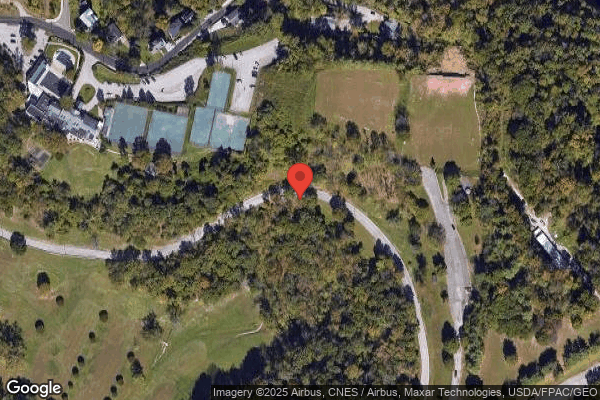
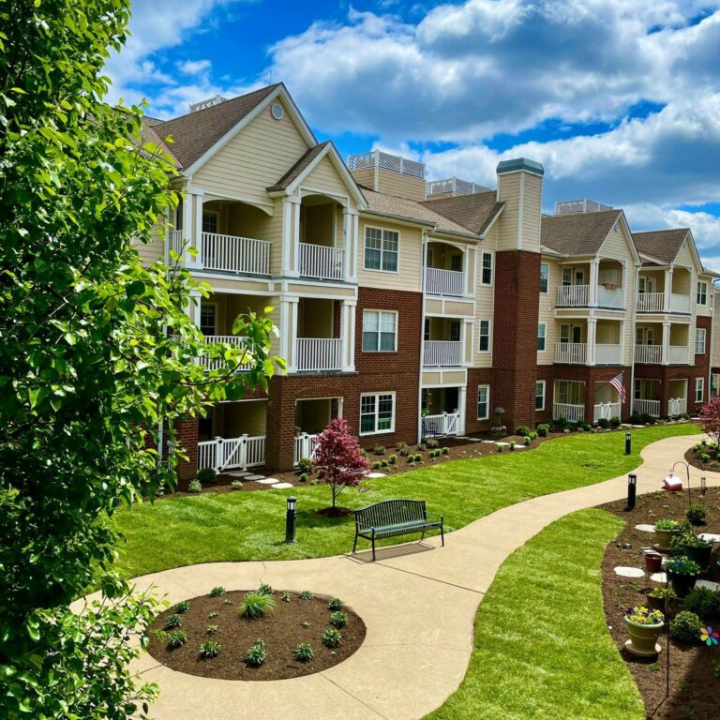
300 BAKER LANE, CHARLESTON, WV 25302 (304) 720-2740
Non profit - Corporation 20 Beds Independent Data: November 2025
Trust Grade
75/100
#17 of 122 in WV
Last Inspection: June 2025

Inspected within the last 6 months. Data reflects current conditions.

Overview

The Arthur B. Hodges Center in Charleston, West Virginia, has a Trust Grade of B, indicating it is a good choice, falling within the 70-79 range. It ranks #17 out of 122 facilities statewide, placing it in the top half of nursing homes in West Virginia, and #2 out of 11 in Kanawha County, showing that there is only one better option nearby. The facility is improving, with issues decreasing from 6 in 2023 to 5 in 2025. Staffing is a strength, rated 5 out of 5 stars, with turnover at 50%, which is average compared to the state. There have been no fines, which is a positive sign, and the facility offers more registered nurse coverage than 94% of other West Virginia facilities, ensuring better oversight of resident care. However, there are some weaknesses to consider. The facility has a low quality measure rating of 1 out of 5 stars, indicating significant concerns in this area. Recent inspections found issues with food safety, including expired food items not being disposed of and bags of frozen food left open in the freezer, which could potentially affect residents' health. Additionally, there was a documentation error regarding a resident's dialysis treatment, where it was incorrectly coded as not required, raising concerns about the accuracy of care records. Overall, while there are clear strengths in staffing and safety ratings, families should be aware of the food handling and documentation issues that need to be addressed.

Trust Score
B
75/100
In West Virginia
#17/122
Top 13%
Safety Record
Low Risk
No red flags
Inspections
Getting Better
6 → 5 violations
Staff Stability
⚠ Watch
50% turnover. Above average. Higher turnover means staff may not know residents' routines.
Penalties
✓ Good
No fines on record. Clean compliance history, better than most West Virginia facilities.
Skilled Nurses
✓ Good
Each resident gets 93 minutes of Registered Nurse (RN) attention daily — more than 97% of West Virginia nursing homes. RNs are the most trained staff who catch health problems before they become serious.
Violations
⚠ Watch
16 deficiencies on record. Higher than average. Multiple issues found across inspections.
★★★★☆
4.0
Overall Rating
★★★★★
5.0
Staff Levels
★☆☆☆☆
1.0
Care Quality
★★★★★
5.0
Inspection Score
Stable
2023: 6 issues
2025: 5 issues

The Good

  • 5-Star Staffing Rating · Excellent nurse staffing levels
  • Full Sprinkler Coverage · Fire safety systems throughout facility
  • No fines on record

Facility shows strength in staffing levels, fire safety.

The Bad

Staff Turnover: 50%

Near West Virginia avg (46%)

Higher turnover may affect care consistency

The Ugly 16 deficiencies on record

Jun 2025 5 deficiencies
CONCERN (D)

Potential for Harm - no one hurt, but risky conditions existed

Assessment Accuracy (Tag F0641)

Could have caused harm · This affected 1 resident

Based on electronic medical record review and staff interview, the facility failed to ensure the accuracy of a Minimum Data Set (MDS) for treatments for a resident with a pressure ulcer. This was true...

Read full inspector narrative →
Based on electronic medical record review and staff interview, the facility failed to ensure the accuracy of a Minimum Data Set (MDS) for treatments for a resident with a pressure ulcer. This was true for one (1) of one (1) resident reviewed for pressure ulcers. Resident identifier: #118. Facility census: 17. Findings included: a) Resident #118 A review of the Significant Change MDS with an Assessment Reference Date (ARD) of 03/09/25 found the areas of Section C, D, and E were not marked. Section C was regarding turning and repositioning Section D regarded nutrition and Section E regarded Pressure Ulcer Care Resident #118 was receiving all these treatments. On 06/04/25 at 1:20 PM in an interview with the Director of Nursing (DON) and the Nursing Home Administrator (NHA) confirmed the Significant Change MDS did not include treatments the resident was receiving regarding a pressure ulcer.
CONCERN (D)

Potential for Harm - no one hurt, but risky conditions existed

Deficiency F0657 (Tag F0657)

Could have caused harm · This affected 1 resident

Based on record review and staff interview, the facility failed to revise Resident #8 as it related to contractures. This was true for one (1) of nine (9) care plans reviewed during the survey process...

Read full inspector narrative →
Based on record review and staff interview, the facility failed to revise Resident #8 as it related to contractures. This was true for one (1) of nine (9) care plans reviewed during the survey process. Resident identifier: 8. Facility census: 17. Findings include: a) Resident #8 During a review of Resident #8's electronic health record on 6/02/25, it was noted the resident had a contracture of her right and left lower legs. A subsequent review of the resident's care plan revealed there was no mention of the contractures. Further review of Resident #8's records revealed she was diagnosed with stiffness in both the right and left knees in January of 2024, which was included in the care plan. The resident was diagnosed with contractures in both lower legs in April of 2025. During an interview with the Director of Nursing (DON) on 6/3/2025 at approximately 3:45 PM, she confirmed she did not see the contractures mentioned in the care plan. At approximately 4:00 PM on 06/3/25, during an interview with the MDS Nurse, it was confirmed the resident's care plan did not include the contractures, only the knee stiffness.
CONCERN (D)

Potential for Harm - no one hurt, but risky conditions existed

Quality of Care (Tag F0684)

Could have caused harm · This affected 1 resident

Based on record review and staff interview, the facility failed to follow physician orders as it related to sliding scale insulin administration, by failing to administer the insulin as directed. This...

Read full inspector narrative →
Based on record review and staff interview, the facility failed to follow physician orders as it related to sliding scale insulin administration, by failing to administer the insulin as directed. This was true for one (1) of five (5) residents reviewed for unnecessary medications during the survey process. Resident identifier: #2. Facility census: 17. Findings include: a) Resident #2 At approximately 9:30 AM on 06/03/25 during a review of Resident #2's Medication Administration Record (MAR) it was determined the resident had the following order for insulin administration on a sliding scale: Novolog flexpen 100 unit/ml sub-q. three times a day. accu check before meals with sliding scale coverage: 141-170- 1 unit. 171-200- 2 units, 201-230- 3 units, 231-260-4 units, 261-290- 5 units. 291-320- 6 units, 321-350- 7 units, 351-380- 8 units. 381-400- 9 units. Further review indicated, according to an entry at approximately 5:00 AM on 6/3/2025, the resident had a blood sugar of 148 which calls for the resident to receive one (1) unit of insulin, according to the physician ' s orders. The MAR reads the resident was administered zero (0) units at this time, as it was listed under the resident blood sugar reading. At approximately 2:05 PM on 06/03/25, an interview was conducted with the Director of Nursing (DON). During the interview, the DON confirmed the MAR indicated the resident had a blood sugar of 148 and was given no insulin.
CONCERN (D)

Potential for Harm - no one hurt, but risky conditions existed

Medical Records (Tag F0842)

Could have caused harm · This affected 1 resident

Based on record review and staff interview, the facility failed to accurately document the percentage of meal intake for Resident #118. This was true for one (1) of one (1) residents reviewed for weig...

Read full inspector narrative →
Based on record review and staff interview, the facility failed to accurately document the percentage of meal intake for Resident #118. This was true for one (1) of one (1) residents reviewed for weight loss during the survey process. Resident identifier: 118. Facility census: 17. Findings include: A) Resident #118 During a review of Resident #118 ' s electronic medical record on 6/4/2025, it was determined the facility did not document the percentage of meals consumed by the resident on the following days: 11/14/2024- Lunch 11/28/2024- Lunch 12/2/2024- Lunch 12/5/2024- Lunch 12/31/2024- Breakfast 1/2/2025- Breakfast and Lunch 1/28/2025- Lunch 1/29/2025- Lunch 3/12/2025- Lunch 3/14/2025- Lunch 4/10/2025- Lunch 4/26/2025- Lunch 5/13/2025- Lunch 5/19/2025- Lunch 5/25/2025- Lunch At approximately 2:05 PM on 6/4/2025, an interview was conducted with the Director of Nursing (DON). During the interview, the DON confirmed the missing meal percentages.
CONCERN (E)

Potential for Harm - no one hurt, but risky conditions existed

Food Safety (Tag F0812)

Could have caused harm · This affected multiple residents

Based on observation and staff interview, the facility failed to store, prepare, and serve food in a sanitary manner by leaving bags of frozen food open in the freezer. This was a random opportunity f...

Read full inspector narrative →
Based on observation and staff interview, the facility failed to store, prepare, and serve food in a sanitary manner by leaving bags of frozen food open in the freezer. This was a random opportunity for discovery. This had the potential to affect more than a limited number of residents residing in the facility. Facility census: 17. Findings include: a) During the initial tour of the kitchen on 06/02/25 at approximately 11:45 AM, one (1) bag of burgers and one (1) bag of carrots open, in the freezer, exposed to the elements. This was confirmed by the Dietary Manager (DM), at the same time, who was present during the tour.
Aug 2023 6 deficiencies
CONCERN (D)

Potential for Harm - no one hurt, but risky conditions existed

Resident Rights (Tag F0550)

Could have caused harm · This affected 1 resident

Based on observation and staff interview the facility failed to provide Resident #17, Resident #1, and Resident #13 with a dignified dining experience. The facility failed to serve all residents sitti...

Read full inspector narrative →
Based on observation and staff interview the facility failed to provide Resident #17, Resident #1, and Resident #13 with a dignified dining experience. The facility failed to serve all residents sitting at the same table their noon meal prior to serving others. This is true for three (3) of eight (8) residents eating the noon meal in the main dining area. Resident Identifiers: #17, #1 and #13. Facility Census:18 Findings Included: a) Resident #17 During a dining room observation on 08/21/23 starting at 12:35 PM Resident #17, was not served the noon meal while the other Resident at the same table was eating. b) Resident #1 During a dining room observation on 08/21/23 starting at 12:35 PM, Resident #1 was not served the noon meal while the other Resident at the same table was eating. c) Resident #13 During a dining room observation on 08/21/23 starting at 12:35 PM, Resident #13 was not served the noon meal while the other Resident at the same table was eating. During an interview on 08/21/23 at 12:48 PM, the Director of Nursing (DON) acknowledged Resident #17, Resident #1 and Resident #13 were not served at the same time as the other residents sitting at the same tables. She stated that is a dignity issue.
CONCERN (D)

Potential for Harm - no one hurt, but risky conditions existed

MDS Data Transmission (Tag F0640)

Could have caused harm · This affected 1 resident

Based on medical record review and staff interview, the facility failed to timely submit a discharge tracking Minimum Data Sets (MDS) for Resident #8 after the Residents death at the facility. This wa...

Read full inspector narrative →
Based on medical record review and staff interview, the facility failed to timely submit a discharge tracking Minimum Data Sets (MDS) for Resident #8 after the Residents death at the facility. This was true for one (1) of three (3) residents reviewed for the care area of Resident Assessment during the Long Term Care Survey Process. Resident identifier: #8. Facility census: 18. Findings included: a) Resident #8 During a record review on 08/22/23 at 10:16 AM, Resident #8's medical record included a nurses note dated 03/30/23 at 11:29 AM, Called to room at approximately 9:45 per assigned LPN, upon evaluation resident skin is color grey, no rise and fall of chest noted, no heart beat upon auscultation. Further record review Resident #8 MDS was not completed and/or transmitted upon death in the facility. During an interview on 08/22/23 at 12:15 PM the MDS Coordinator #28, acknowledged a death in the facility MDS was not completed or transmitted.
CONCERN (D)

Potential for Harm - no one hurt, but risky conditions existed

Comprehensive Care Plan (Tag F0656)

Could have caused harm · This affected 1 resident

Based on record review and staff interview, the facility failed to develop a comprehensive care plan in the area of anticoagulation therapy for one (1) of five (5) residents reviewed for the care area...

Read full inspector narrative →
Based on record review and staff interview, the facility failed to develop a comprehensive care plan in the area of anticoagulation therapy for one (1) of five (5) residents reviewed for the care area of unnecessary medications Resident identifier: #9. Facility census: 18. Findings included: a) Resident #9 Review of Resident #9's physician's orders showed the resident had been receiving injections of the anticoagulation medication enoxaparin (Lovenox) since 08/03/23 to prevent blood clots from a femur fracture. Review of Resident #9's comprehensive care plan did not show a focus and interventions related to anticoagulation medication. During an interview on 08/22/23 at 2:21 PM, the Minimum Data Set Coordinator confirmed Resident #9 was not care planned for anticoagulation therapy. She agreed it would be important to include anticoagulation therapy on Resident #9's care plan. No further information was provided through the completion of the survey.
CONCERN (D)

Potential for Harm - no one hurt, but risky conditions existed

Deficiency F0883 (Tag F0883)

Could have caused harm · This affected 1 resident

**NOTE- TERMS IN BRACKETS HAVE BEEN EDITED TO PROTECT CONFIDENTIALITY** Based on record review and staff interview, the facility failed to ensure the appropriate series of pneumococcal vaccines were a...

Read full inspector narrative →
**NOTE- TERMS IN BRACKETS HAVE BEEN EDITED TO PROTECT CONFIDENTIALITY** Based on record review and staff interview, the facility failed to ensure the appropriate series of pneumococcal vaccines were administered within the specified timeframe for two (2) of five (5) residents reviewed for immunizations. Resident identifiers: #13, #14. Facility census: 18. Findings included: a) Resident # 13 Record of the immunization report showed Resident #13 received 13-valent pneumococcal conjugate vaccine Prevnar13 (PCV13) vaccine on 01/03/18. Resident #13 was admitted to the facility on [DATE]. On 08/22/23 at 01:58 PM the Director of Nursing (DON) stated, Yea we should have probably given a second pneumonia shot by now. I'll let the doctor know. Plus [Resident #13's name] has since turned over [AGE] years old. The Centers for Disease Control and Prevention (CDC) guidelines for pneumococcal vaccine timing for adults, revised on 03/15/23 showed: Adults [AGE] years of age or older that had a prior vaccine of PCV13 only at any age have the following options to the complete the vaccine schedule. Option A: One year or more after the first vaccine, be administered PCV20 (20-valent pneumococcal conjugate vaccine Prevnar20). Option B: One year or more after the first vaccine, be administered PPSV23 (23-valent pneumococcal polysaccharide vaccine Pneumovax). b) Resident # 14 Record of the immunization report showed Resident #14 received Pneumococcal (PPSV23) vaccine on 01/24/22. Resident #13 was admitted to the facility on [DATE]. On 08/22/23 at 02:00 PM the DON verified the Resident should have been administered a second vaccine. The DON stated, We should probably give her the 20 [PVC20], especially with her comorbidities and age. The DON further clarified the Assistant Director of Nursing usually keeps up with all the vaccines and she will let her know that some are past due, and needs looked at. The DON verbally verified Resident #14 was over [AGE] years of age. The Centers for Disease Control and Prevention (CDC) guidelines for pneumococcal vaccine timing for adults, revised on 03/15/23 showed: Adults [AGE] years of age or older that had a prior vaccine of PPSV23 only at any age have the following options to the complete the vaccine schedule. Option A: : One year or more after the first vaccine, be administered PCV20. Option B: : One year or more after the first vaccine, be administered PCV15. (15-valent pneumococcal conjugate vaccine Vaxneuvance). c) Pneumococcal Vaccine Policy Record review of the facility's undated policy titled, Pneumococcal Vaccine, showed: All residents will be offered pneumococcal vaccines to aid in preventing pneumonia/pneumococcal infections. Prior to or upon admission Residents will be assessed and receive pneumococcal vaccine series. Administration of the pneumococcal vaccines or revaccinations will be made in accordance with current CDC's recommendations at the time of vaccination. d) Staff Interview During an interview on 08/23/23 at 10:01 AM, the DON stated she spoke to the facility's doctor about the current CDC guidelines for pneumonia vaccines. The doctor wants the PVC20 ordered and everyone over [AGE] years of age given one. The DON stated, The doctor wants it to be 'two and done' and 'one and done' after 65 [[AGE] years of age]. The DON further clarified Resident #13 and #14 should have received additional vaccinations to complete the series and will be administered the PVC20 vaccine when the supply arrives at the facility.
CONCERN (E)

Potential for Harm - no one hurt, but risky conditions existed

Assessment Accuracy (Tag F0641)

Could have caused harm · This affected multiple residents

c) Resident #11 During an interview on 08/21/23 at 12:19 PM, Resident #11's caregiver, who is at the facility 5 days a week stated Resident #11 goes to dialysis twice a week. During record review on ...

Read full inspector narrative →
c) Resident #11 During an interview on 08/21/23 at 12:19 PM, Resident #11's caregiver, who is at the facility 5 days a week stated Resident #11 goes to dialysis twice a week. During record review on 08/22/23 at 1:30 PM Resident # 11 medical records revealed a physicians' order dated 02/22/23, Dialysis at (local center), two (2) times a week. Monday and Friday. Son to transport-early breakfast at 5:00 AM due to renal failure. Further record review revealed a MDS with an Assessment Reference Dates (ARD) of 05/28/23 Section O: Special Treatment, Section O0100J2 Treatment: Dialysis-was coded no, indicating the resident does not receive dialysis. During an interview on 08/22/23 at 4:31 PM the Director of Nursing (DON) acknowledged the MDS Section O: (Special treatments) was not coded for Dialysis, which the Resident receives twice a week. d) Resident #22 During a record review on 08/22/23 at 1:50 PM Resident # 22's medical records revealed a nurse's note dated 07/07/23, which documented the Resident was discharged to independent living. Further record review revealed a Social Services note dated 07/10/23 which reads as follows: discharged back to independent living. Further record review revealed a MDS with ARD of 07/06/23, which noted the Resident was discharged to the hospital instead of the community. During an interview on 08/22/23 at 2:15 PM, the MDS Coordinator #28 acknowledged Resident #22's MDS was coded incorrectly for the discharge to the community. Based on record review and staff interview, the facility failed to ensure complete and accurate Minimum Data Set (MDS) assessments for four (4) of 11 residents reviewed in the long-term care survey sample. Resident identifiers: #11, #15, #16, #22. Facility census: 18. Findings included: a) Resident #16 Review of Resident #16's nursing progress notes showed a note for 06/30/23 that documented a stage 2 pressure ulcer to the mid-spine had resolved and the resident had developed a deep tissue injury to the right heel. Resident #16's Minimum Data Set (MDS) assessment with Assessment Reference Date (ARD) 07/06/23 documented the resident had a stage 2 pressure ulcer. Further review of Resident #16's nursing progress notes showed a note for 07/07/23 that continued to document a deep tissue injury to the right heel. During an interview on 08/22/23 at 2:00 PM, the MDS Coordinator confirmed Resident #16's MDS with ARD 07/06/23 was incorrect and should have documented the presence of one (1) deep tissue injury instead of one (1) stage 2 pressure ulcer. No further information was provided through the completion of the survey. b1) Resident #15 - pressure ulcer Review of Resident #15's nursing progress notes showed a note written on 07/07/23 that documented the resident had an unstageable pressure ulcer to the right foot. Resident #15's Minimum Data Set (MDS) assessment with ARD 07/08/23 documented the resident had a stage 3 pressure ulcer. During an interview on 08/23/23 at 10:20 AM, the MDS Coordinator confirmed Resident #15's MDS with ARD 07/08/23 was incorrect and should have documented the presence of one (1) unstageable pressure ulcer instead of one (1) stage 3 pressure ulcer. No further information was provided through the completion of the survey. b2) Resident #15 - hospice Review of Resident #15's physician's orders showed the resident had been receiving hospice services since 03/31/23. Resident #15's Minimum Data Set (MDS) assessment with ARD 07/08/23 showed the resident was not receiving hospice services. During an interview on 08/23/23 at 09:00 AM, the MDS Coordinator confirmed Resident #15's MDS with ARD 07/08/23 was incorrect and should have documented the resident was receiving hospice services. No further information was provided through the completion of the survey.
CONCERN (F)

Potential for Harm - no one hurt, but risky conditions existed

Food Safety (Tag F0812)

Could have caused harm · This affected most or all residents

Based on observation, policy review and staff interview the facility failed to store food in accordance with professional standards for food safety. The facility failed to label and date food items th...

Read full inspector narrative →
Based on observation, policy review and staff interview the facility failed to store food in accordance with professional standards for food safety. The facility failed to label and date food items that were open and failed to dispose of expired food items. The facility also failed to serve food under sanitary conditions from the 2nd floor Serving Pantry. These failed practices had the potential to affect all residents at the facility. Facility Census: 18. Findings included: A review of the facility policy titled : Food Product Dating read as follows. All food products will be labeled and dated appropriately. .1. Upon delivery, all foods will be dated/labeled-use first in, first out. 2. Can food and spices may be stored up to one year or manufacture expiration date. 3. Open/cooked food may be kept up to 72 hours. They are to be appropriately sealed, labeled and dated with the use by date. a) 2nd Floor Serving Pantry Observation on 08/21/23 starting at 12: 39 PM, on the second floor serving pantry with the Certified Dietary Manager (CDM) #21, found the following: The Dietary employee #18 had gloves on, picked up the paper meal ticket, touched a packaged loaf of bread and the hamburger bun package and then used his gloved hands to get the hamburger bun out of the bag and place it on the resident's plate. Dietary #18 used the same gloved hand, took the lid off of the hamburger serving container, got the hamburger out with the gloved hands to place on the bun. Dietary #18 then closed the hamburger container with the same gloved hands. Dietary #18 removed the cling wrap from the container containing the lettuce and tomatoes with the same gloved hands and placed a piece of lettuce and tomato on the residents plate. Dietary #18 assembled the hamburger on the Resident's plate with the severely contaminated gloved hands. Dietary #18 stated I don't have any tongs, I will just have to use my hands. The CDM #21 then requested the Dietary Aide to get some tongs for serving from the kitchen. The CDM acknowledged the meal needed to be replaced when the serving pieces arrived. b) Kitchen Area The initial tour of the kitchen on 08/21/23 starting at 11:21 AM, with the Certified Dietary Manager (CDM) #21 revealed the following issues: 1) Walk in Refrigerator -2 trays of fruit in individual bowls with no label or date -A container of salad not covered or labeled. -A container of washbowls use by date 08/15 -An open container of strawberry topping no open and/or use by date -two (2) open gallon containers of cocktail sauce dated 05/16 -an opened gallon container of cocktail sauce dated 02/14 -a container of Italian dressing with a use by date of 08/11/23 -an opened gallon container of Mayonnaise dated 04/18 -an opened carton of thickened orange juice dated 08/08 -an opened carton of thickened orange juice dated 07/31 -an opened package of white American cheese dated 08/13 -an opened package of shredded mozzarella cheese with an unidentifiable date -an opened container of chopped garlic no open and/or use by date -an opened container of pineapple juice dated 07/17 -an opened container of cranberry juice dated 08/14 -an opened container of orange juice no open and/or use by date -an opened container of egg salad use by date 08/18 -an opened carton of whipping cream use by date 08/18 -an opened package of roast beef lunches use by date 08/12 -an opened package of ham lunch meat use by 08/07 The CDM Manager acknowledged the failure to label food items with a date opened and/or use by date. The CDM also indicated the items needed to be discarded because they were out of date or not dated. 2) Walk In Freezer -two (2) opened bags of frozen meatballs, no open date -an opened bag of diced chicken, no open date -nine (9) vanilla magic cups with an manufactured expiration date of 06/23/23 The CDM acknowledged the failure to label food items with a date opened and/or use by date. The CDM also indicated the items needed to be discarded because they were out of date or not dated. 3) Dry Storage -two (2) opened bags of powdered sugar, no open and/or use by date -A big storage bin of bread crumbs, no open and/or use by date -A big storage container of sugar, no open and/or use by date -A big storage container of flour, no open and/or use by date The CDM acknowledged the failure to label food items with an open and/or use by date. The CDM also indicated the items needed to be discarded because they were not dated. 4) Spice Rack: -an opened bottle of Ground mustard no open and/or use by date -an opened bottle of Ground Oregano no open and/or use by date -an opened bottle of Garlic Powder no open and/or use by date -an opened bottle of Cayenne Pepper no open and/or use by date -an opened bottle of Spanish Paprika no open and/or use by date -an opened bottle of Onion Powder no open and/or use by date -an opened bottle of Ground black Pepper no open and/or use by date -an opened bottle of Pepper Supreme no open and/or use by date -an opened bottle of Fajita Seasoning no open and/or use by date -an opened bottle of Chick-fil-A sauce no open and/or use by date -a squirt bottle of olive oil with no label, and no open and/or use by date The CDM acknowledged the failure to label food items with a date opened and/or use by date and indicated the items needed to be discarded because they were out of date or not dated.
Apr 2022 5 deficiencies
CONCERN (D)

Potential for Harm - no one hurt, but risky conditions existed

Deficiency F0578 (Tag F0578)

Could have caused harm · This affected 1 resident

. Based on record review and staff interview, the facility failed to ensure [NAME] Virginia Physician Orders for Scope of Treatment (POST) forms were completed correctly for three (3) residents in the...

Read full inspector narrative →
. Based on record review and staff interview, the facility failed to ensure [NAME] Virginia Physician Orders for Scope of Treatment (POST) forms were completed correctly for three (3) residents in the long term care survey sample. Resident identifiers: #11, #8 and #12. Facility census: 13. Findings included: a) Resident #11 A record review of the POST form dated 02/11/20 found the following: --Do Not attempt resuscitation (DNR), comfort measures, no feeding tube and Intravenous Fluids (IVF) for a trial period of no longer than ________________ The trial period timeframe was not completed on the form, as it was left blank. On 04/19/22 at 11:35 AM, an interview with the Director of Nursing (DON) confirmed the POST form was not completed correctly due to missing information relating to the trial period of IVF to be administered. b) Resident #8 A review of a POST form for Resident #8, dated 10/22/20, noted the resident's wishes to have intravenous (IV) fluids for a trial period, however, the period of time the resident wished to receive the IV fluids was not specified. An interview, with the DON, on 04/19/22 at 02:00 PM, verified the POST form was left blank specifying the time frame IV fluids would be administered and confirmed the form should have been completed with some type of direction based on the instruction by the resident. c) Resident # 12 A review of the POST form for Resident #12, dated 08/16/19, noted the resident's wishes to include Intravenous (IV) fluids for a defined trial period, however, the time frame the resident wished to receive IV fluids was not completed on the form. An interview, with the DON, on 04/19/22 at 02:00 PM, verified the POST form was blank specifying the time frame IV fluids would be administered, and confirmed the form should have had some notation in accordance with the resident's wishes for the IV fluids to be administered for a trial period of time. .
CONCERN (D)

Potential for Harm - no one hurt, but risky conditions existed

Deficiency F0658 (Tag F0658)

Could have caused harm · This affected 1 resident

. Based on observation, record review and staff interview, the facility failed to ensure narcotics were counted in accordance with acceptable standards in relation to reconciling controlled substances...

Read full inspector narrative →
. Based on observation, record review and staff interview, the facility failed to ensure narcotics were counted in accordance with acceptable standards in relation to reconciling controlled substances at shift change. This failed practice had the potential to affect a limited number of Residents residing in the facility. Census 13. Findings included: Shift change count in the narcotic control book requires both the nurse coming on duty and the nurse going off duty to sign off on the reconciliation of the narcotics. In a time period between 10/01/21 through 04/19/22 there was twenty (20) times that one or the other did not sign off. This was confirmed with the Director of Nursing during an interview on 04/19/22 at 2:45 PM. .
CONCERN (D)

Potential for Harm - no one hurt, but risky conditions existed

Deficiency F0810 (Tag F0810)

Could have caused harm · This affected 1 resident

. Based on observation, record review and staff interview, the facility failed to provide special eating equipment for residents who needed them when consuming meals. This deficient practice was ident...

Read full inspector narrative →
. Based on observation, record review and staff interview, the facility failed to provide special eating equipment for residents who needed them when consuming meals. This deficient practice was identified for one (1) of four (4) residents reviewed for assistive devices during the Long Term Survey Process (LTSP). Resident identifier: Resident #14. Census: 13. Findings included: A record review showed a current physician's order, dated 03/22/22 for Resident #14 to be provided with a plate guard at all meals. An observation, on 04/19/22 at 12:55 PM, revealed Resident #14, eating the noon meal in the resident's room. On further observation, it was revealed Resident #14 did not have a plate guard provided. An interview, on 04/19/22 at 1:00 PM, with Nurse Aide (NA) #33, verified there had been no plate guard provided to assist Resident #14 with the meal. NA #33 confirmed the resident had orders to have a plate guard and should have received one for this meal. .
CONCERN (D)

Potential for Harm - no one hurt, but risky conditions existed

Food Safety (Tag F0812)

Could have caused harm · This affected 1 resident

. Based on observation and staff interview, the facility failed to ensure foods were stored in accordance with professional standards for food service safety. The facility failed to ensure all food it...

Read full inspector narrative →
. Based on observation and staff interview, the facility failed to ensure foods were stored in accordance with professional standards for food service safety. The facility failed to ensure all food items found in the refrigerator contained a label or date when the item was opened and being used. This failed practice was found based on a random opportunity for discovery and had the potential to affect a limited number of residents. Census: 13. Findings included: An observation, during the initial tour of the dietary department, on 04/18/22 at 11:54 AM, revealed a metal container of shredded cheese in the walk in cooler. Upon further inspection, there was no observable label or date of when the product was opened and placed in the container for use. An additional observation of the walk in cooler, on 04/18/22 at 11:59 AM, revealed two (2) blocks of butter which were opened. Upon further inspection of the (2) blocks of butter, neither products were labeled or dated when the butter was opened. An interview with the Dietary Manager, on 04/18/22 at 12:01 PM, verified all products should be labeled and dated when opened and placed in the cooler. The Dietary Manager confirmed, at this time, there was no date or label on the cheese that had been opened and placed in a metal container or the two (2) blocks of opened butter and verified it was the facility's policy to do so. .
CONCERN (D)

Potential for Harm - no one hurt, but risky conditions existed

Garbage Disposal (Tag F0814)

Could have caused harm · This affected 1 resident

. Based on observation and staff interview, the facility failed to ensure trash and debris were stored in a safe and sanitary manner to prevent harborage of pests. The facility failed to keep the dump...

Read full inspector narrative →
. Based on observation and staff interview, the facility failed to ensure trash and debris were stored in a safe and sanitary manner to prevent harborage of pests. The facility failed to keep the dumpster closed when not in use. This failed practice had the potential to affect a limited number of residents. Facility census: 13. Findings included: a) Policy review A review of the Policy, titled: Work Area, no date noted, addressed, under item #6, receptacles for garbage and trash must be kept clean and have tight fitting lids, and under item b., it was the responsibility of employees to replace the covers of garbage cans immediately after emptying the garbage and to close the door to the garbage room when leaving. b) Observation of dumpster An observation, on 04/20/22 at 8:18 AM, of the area where the dumpster was located, found the dumpster not closed to ensure sanitary storage and prevention of pests from entering the dumpster. No staff were observed in the vicinity utilizing the dumpster at this time. c) Interview An interview, on 04/20/22 at 8:18 AM, with the Dietary Manager, verified the dumpster was left open and it was the policy of the facility for the dumpster door not to be left open when not being used by staff. .
Understanding Severity Codes (click to expand)
Life-Threatening (Immediate Jeopardy)
J - Isolated K - Pattern L - Widespread
Actual Harm
G - Isolated H - Pattern I - Widespread
Potential for Harm
D - Isolated E - Pattern F - Widespread
No Harm (Minor)
A - Isolated B - Pattern C - Widespread

Questions to Ask on Your Visit

  • "Can I speak with families of current residents?"
  • "What's your RN coverage like on weekends and overnight?"

Our Honest Assessment

Strengths
  • • No major safety red flags. No abuse findings, life-threatening violations, or SFF status.
  • • No fines on record. Clean compliance history, better than most West Virginia facilities.
Concerns
  • • 16 deficiencies on record. Higher than average. Multiple issues found across inspections.
Bottom line: Generally positive indicators. Standard due diligence and a personal visit recommended.

About This Facility

What is Arthur B Hodges Center, The's CMS Rating?

CMS assigns ARTHUR B HODGES CENTER, THE an overall rating of 4 out of 5 stars, which is considered above average nationally. Within West Virginia, this rating places the facility higher than 99% of the state's 100 nursing homes. This rating reflects solid performance across the metrics CMS uses to evaluate nursing home quality.
How is Arthur B Hodges Center, The Staffed?

CMS rates ARTHUR B HODGES CENTER, THE's staffing level at 5 out of 5 stars, which is much above average compared to other nursing homes. Staff turnover is 50%, compared to the West Virginia average of 46%.

What Have Inspectors Found at Arthur B Hodges Center, The?

State health inspectors documented 16 deficiencies at ARTHUR B HODGES CENTER, THE during 2022 to 2025. These included: 16 with potential for harm.

Who Owns and Operates Arthur B Hodges Center, The?

ARTHUR B HODGES CENTER, THE is owned by a non-profit organization. Non-profit facilities reinvest revenue into operations rather than distributing to shareholders. The facility operates independently rather than as part of a larger chain. With 20 certified beds and approximately 18 residents (about 90% occupancy), it is a smaller facility located in CHARLESTON, West Virginia.

How Does Arthur B Hodges Center, The Compare to Other West Virginia Nursing Homes?

Compared to the 100 nursing homes in West Virginia, ARTHUR B HODGES CENTER, THE's overall rating (4 stars) is above the state average of 2.7, staff turnover (50%) is near the state average of 46%, and health inspection rating (5 stars) is much above the national benchmark.

What Should Families Ask When Visiting Arthur B Hodges Center, The?

Based on this facility's data, families visiting should ask: "Can I visit during a mealtime to observe dining assistance and food quality?" "How do you handle medical emergencies, and what is your hospital transfer rate?" "Can I speak with family members of current residents about their experience?"

Is Arthur B Hodges Center, The Safe?

Based on CMS inspection data, ARTHUR B HODGES CENTER, THE has a clean safety record: no substantiated abuse findings (meaning no confirmed cases of resident harm), no Immediate Jeopardy citations (the most serious violation level indicating risk of serious injury or death), and is not on the Special Focus Facility watch list (a federal program monitoring the lowest-performing 1% of nursing homes). The facility has a 4-star overall rating and ranks #1 of 100 nursing homes in West Virginia. While no facility is perfect, families should still ask about staff-to-resident ratios and recent inspection results during their visit.

Do Nurses at Arthur B Hodges Center, The Stick Around?

ARTHUR B HODGES CENTER, THE has a staff turnover rate of 50%, which is about average for West Virginia nursing homes (state average: 46%). Moderate turnover is common in nursing homes, but families should still ask about staff tenure and how the facility maintains care continuity when employees leave.

Was Arthur B Hodges Center, The Ever Fined?

ARTHUR B HODGES CENTER, THE has no federal fines on record. CMS issues fines when nursing homes fail to meet care standards or don't correct problems found during inspections. The absence of fines suggests the facility has either maintained compliance or corrected any issues before penalties were assessed. This is a positive indicator, though families should still review recent inspection reports for the full picture.

Is Arthur B Hodges Center, The on Any Federal Watch List?

ARTHUR B HODGES CENTER, THE is not on any federal watch list. The most significant is the Special Focus Facility (SFF) program, which identifies the bottom 1% of nursing homes nationally based on persistent, serious quality problems. Not being on this list means the facility has avoided the pattern of deficiencies that triggers enhanced federal oversight. This is a positive indicator, though families should still review the facility's inspection history directly.