HILLCREST HEALTHCARE CENTER
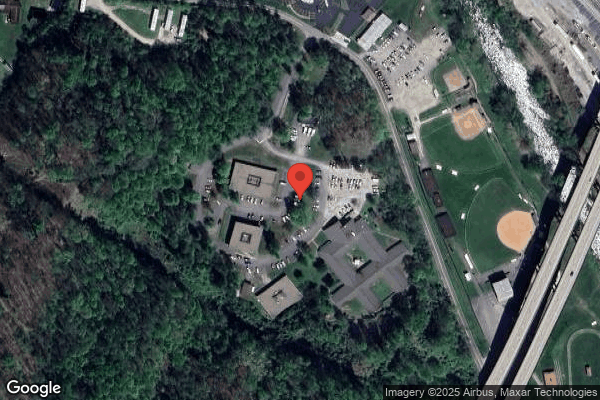
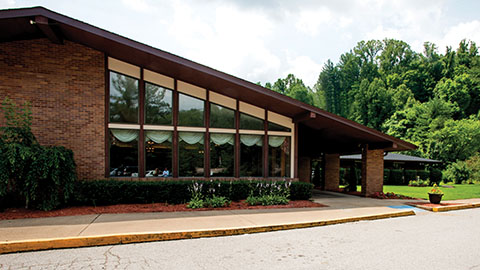
462 KENMORE DRIVE, DANVILLE, WV 25053 (304) 369-0986
For profit - Limited Liability company 90 Beds COMMUNICARE HEALTH Data: November 2025 1 Immediate Jeopardy citation
Trust Grade
48/100
#27 of 122 in WV
Last Inspection: May 2025

Inspected within the last 6 months. Data reflects current conditions.

Overview

Hillcrest Healthcare Center in Danville, West Virginia, has a Trust Grade of D, indicating below-average quality and some concerning issues. It ranks #27 out of 122 facilities in the state, placing it in the top half, and is the only nursing home option in Boone County. The facility's performance is stable, with 9 issues reported in both 2023 and 2025. Staffing is a relative strength with a 4 out of 5-star rating and a turnover rate of 33%, which is lower than the state average. However, there are significant concerns, including a critical incident where CPR was not effectively performed on a resident who later died, and a serious incident where a resident fell and sustained head injuries during a shower. Additionally, the kitchen staff served burnt food, which raises questions about meal quality. Overall, while there are strengths in staffing and ranking, the facility has serious safety issues that families should consider.

Trust Score
D
48/100
In West Virginia
#27/122
Top 22%
Safety Record
High Risk
Review needed
Inspections
Holding Steady
9 → 9 violations
Staff Stability
○ Average
33% turnover. Near West Virginia's 48% average. Typical for the industry.
Penalties
✓ Good
$25,623 in fines. Lower than most West Virginia facilities. Relatively clean record.
Skilled Nurses
○ Average
Each resident gets 41 minutes of Registered Nurse (RN) attention daily — about average for West Virginia. RNs are the most trained staff who monitor for health changes.
Violations
⚠ Watch
21 deficiencies on record. Higher than average. Multiple issues found across inspections.
★★★★☆
4.0
Overall Rating
★★★★☆
4.0
Staff Levels
★★★☆☆
3.0
Care Quality
★★★★☆
4.0
Inspection Score
Stable
2023: 9 issues
2025: 9 issues

The Good

  • 4-Star Staffing Rating · Above-average nurse staffing levels
  • Full Sprinkler Coverage · Fire safety systems throughout facility
  • No fines on record
  • Staff turnover below average (33%)

    15 points below West Virginia average of 48%

Facility shows strength in staffing levels, fire safety.

The Bad

Staff Turnover: 33%

13pts below West Virginia avg (46%)

Typical for the industry

Federal Fines: $25,623

Below median ($33,413)

Moderate penalties - review what triggered them

Chain: COMMUNICARE HEALTH

Part of a multi-facility chain

Ask about local staffing decisions and management

The Ugly 21 deficiencies on record

1 life-threatening 1 actual harm
May 2025 9 deficiencies 1 IJ
CRITICAL (J) 📢 Someone Reported This

A family member, employee, or ombudsman was alarmed enough to file a formal complaint

Immediate Jeopardy (IJ) - the most serious Medicare violation

Deficiency F0678 (Tag F0678)

Someone could have died · This affected 1 resident

**NOTE- TERMS IN BRACKETS HAVE BEEN EDITED TO PROTECT CONFIDENTIALITY** Based on record review and staff interview, the facility failed to ensure Cardio-Pulmonary Resuscitation (CPR) interventions wer...

Read full inspector narrative →
**NOTE- TERMS IN BRACKETS HAVE BEEN EDITED TO PROTECT CONFIDENTIALITY** Based on record review and staff interview, the facility failed to ensure Cardio-Pulmonary Resuscitation (CPR) interventions were initiated and continued until the arrival of emergency medical personnel for a resident observed with absence of vital signs with a Full Code status, resulting in death for one (1) of two (2) residents reviewed for death in the facility. This had the potential to affect all residents in the facility with a Full Code status. This immediate jeopardy began on [DATE] at approximately 3:00 AM when Resident #194 was observed with absence of vital signs. LPN #125 and Nurse Aide #126 reportedly initiated CPR but discontinued it prior to the arrival of EMS. The facility Administrator was informed of the Immediate Jeopardy (IJ) tag on [DATE] at 2:55 PM. The IJ tag was removed and the deficient practice corrected on [DATE], prior to the start of the survey, and was therefore Past Noncompliance. Findings included: a) Resident #194 The closed record for Resident #194 was reviewed on [DATE] at 8:30 AM. Diagnoses included, but were not limited to, Chronic Obstructive Pulmonary Disease (COPD), Type 2 Diabetes Mellitus, Essential (Primary) Hypertension, Chronic Pain Syndrome, Anemia, Major Depressive Disorder, Chronic Kidney Disease, personal history of Transient Ischemic Attack (TIA), Cerebral Infarction (Ischemic Stroke) without residual deficits, and Atrial Fibrillation. A Physician Determination of Capacity form, completed on [DATE], indicated that Resident #194 had capacity. A Physician Orders for Scope of Treatment (POST) form, signed by resident's physician on [DATE], indicated Resident #194 had checked the box stating she wished to receive CPR in the event she was found with no pulse and was not breathing. Review of the facility's Cardiopulmonary Resuscitation (CPR) policy revealed the following: - The facility will follow current American Heart Association (AHA) guidelines regarding CPR and ensure there are an adequate number of staff present who are properly trained/certified in CPR. - If a resident experiences a cardiac or respiratory arrest and the resident does not show obvious signs of irreversible death (e.g. rigor mortis, dependent lividity, decapitation, transection, or decomposition), licensed nurses will provide basic life support, including CPR, prior to the arrival of emergency medical services in accordance with the physician order and Advance Directives. The date and time of the incident was on [DATE] at approximately 3:00 AM. LPN #125 and Nurse Aide #126 entered the resident's room to complete a dressing change and found the resident to be unresponsive. CPR was reportedly started on Resident #194 but stopped prior to the arrival of EMS. The two (2) staff members were immediately suspended pending the outcome of the facility's investigation into the incident. Per the Administrator's statement, the facility had a meeting with ambulance authority in which the EMS Supervisor stated the arriving crew for the emergency call stated to him that facility staff did not initiate CPR on the resident. The EMS call from the facility was received at 3:12 AM. Per her statement, LPN #125 entered the resident's room with Nurse Aide #125 and found the resident unresponsive and without vital signs. CPR was initiated with the help of Nurse Aide #126. They allegedly did three (3) to four (4) rounds of CPR and couldn't do anymore. Per her statement, Nurse Aide #126 began CPR with LPN #125. They reportedly stopped about five (5) minutes before EMS arrived. The Nurse Aide stated she left the room to answer another resident's call light after that. Per her statement, the crash cart (used to provide healthcare professionals with immediate access to life-saving medications and equipment during a medical crisis) was obtained by LPN #22. LPN #22 called 911 at approximately 3:12 AM. Per her statement, RN #46 was on the other side of the building and was never aware Resident #194 was not doing well until resident was taken out of the building by EMS. LPN #125 reported to her that the resident was unresponsive and was a full code. RN #46 informed staff that when there is a code in the building to call / yell / page overhead for staff to come perform CPR until EMS arrives. Throughout the facility's investigation, it was determined that the LPN #125 and Nurse Aide #126 started CPR but stopped minutes before EMS arrived. It was determined that the facility's CPR policy was not followed. Written statements were obtained from staff working at that time. LPN #125 was terminated. Nurse Aide #126 was suspended and received disciplinary action for following the LPN ' s lead and stopping CPR prior to the arrival of EMS staff. Both the LPN and the Nurse Aide were reported to their respective licensing boards. During an interview on [DATE] at 12:35 PM, the Administrator confirmed the facility initiated the following abatement plan to correct the identified deficient practice: 1. The facility completed a timeline of when the initial change in condition occurred, all events/occurrences, staff assigned, actions taken, staff interactions, communication, family interaction/comments, list of all staff involved, and when EMS was called. COMPLETED [DATE]. 2. The facility performed an audit of licensed nursing staff for current CPR cards. COMPLETED [DATE]. 3. The facility completed an audit of all POST forms / advance directives to ensure they match, and the code status order is accurate. COMPLETED [DATE]. 4. All licensed nursing staff (beginning [DATE], then upon return to work, then quarterly thereafter) completed CPR education in Relias (an online learning management system). 5. The facility provided education to all direct nursing staff on [DATE] to all staff present (and thereafter upon a staff member's return to work) on the facility's CPR policy and the fact CPR should not be stopped until EMS arrives to relieve facility staff. 6. Mock codes were performed one (1) time a week for four (4) weeks. 7. Findings were reported to the Quality Assurance Committee monthly for three (3) months then as directed by the Quality Assurance Committee. On [DATE], beginning at 3:33 PM, the Surveyor interviewed ten (10) members of the nursing staff that were on duty. During each individual interview, staff were able to outline the expectations of successfully performing CPR on a resident who had a full code order. Each individual identified the need to immediately begin CPR, call out for help so the crash cart could be delivered and someone could call 911. They were able to state that it is the expectation that all available staff be available to continue CPR in the event a staff member needed to be relieved. Each staff member emphasized that CPR was to continue up until EMS arrived in the building and took over CPR efforts. During an interview on [DATE] at 4:51 PM, the Director of Nursing explained that all new hires are provided orientation on the facility ' s CPR policy and what their role would be if a code were to be called while they are in the building. Additionally, it was reported that each employee completes an electronic training course that covers the full code process. Although the facility was not in compliance with the regulatory requirement at the time the incident occurred on [DATE], there was evidence that the facility was in substantial compliance on [DATE]. Therefore, this was considered Past Noncompliance.
SERIOUS (G) 📢 Someone Reported This

A family member, employee, or ombudsman was alarmed enough to file a formal complaint

Actual Harm - a resident was hurt due to facility failures

Accident Prevention (Tag F0689)

A resident was harmed · This affected 1 resident

Based on record review and staff interview the facility failed to provide adequate supervision to prevent avoidable accidents. This failed practice caused harm to Resident #245. Resident #245 fell fro...

Read full inspector narrative →
Based on record review and staff interview the facility failed to provide adequate supervision to prevent avoidable accidents. This failed practice caused harm to Resident #245. Resident #245 fell from the shower bed and received hematoma and laceration to the head requiring sutures. The incident was corrected and will be sighted at past non-compliance. This failed practice was found true for (1) one of (6) six residents reviewed for accidents during the Long-Term Care Survey Process. Resident identifier: #245. Facility census: 90. Findings Include: a) Resident #245 A review of the facility reportable log on 04/15/25 at 11:30 AM, found a reportable for Resident #245 dated 09/29/24 at 9:45 AM, that summarized the incident as follows: Nursing Assistant (NA) #69 had Resident #245 in the shower room giving her a shower. Resident was laying on the shower bed when NA #69 put the rails down on the shower bed and then turned to place a blanket on the shower chair beside the shower bed and resident sat up and slid off of the shower bed onto the floor. Resident struck her head on the floor causing a laceration to the left temple area. Resident was sent to the emergency room (ER) for sutures. Resident had bruising and lacerations to her left temple area. Further record review of the Hospital emergency room (ER) report on 09/29/24 is summarized as follows: Resident had a scalp laceration requiring sutures and a hematoma to forehead, no other injuries related to the fall. A record review of the report on 04/16/25 at 9:00 AM, revealed that risk factors for Resident #245 included: Resident undergoing changes in medications, resident has a fall history, poor safety awareness, and impulsive movements. A record review on 04/16/25 at 9:15 AM revealed that Resident #245 had the diagnoses that included the following: Epilepsy, Early onset of Dementia, Altered mental status, and muscle weakness Further record review of Resident #245's fall care plan reads as follows: Focus: The resident has had falls and is at risk for further falls due to early onset Dementia, muscle weakness, and Epilepsy disorder. Goal: Resident will not sustain major injury related to falls through review date. Interventions: Bed in lowest position DEVICE: Bilateral Fall mats Device: hipsters on at all times. may be removed for hygiene. every shift for falls Device: Perimeter Mattress to bed to help identify edges Dycem to the left side of bed. Educate resident or resident representative, if applicable how to operate bed controls/call light/television Ensure resident is wearing appropriate non-skid footwear Ensure the resident's room is free of accident hazards. Ensure residents room is free of potential visible hazards Ensure that the bed locks are engaged Initiate neuro checks if fall is unwitnessed, or the head is involved. Lab work ordered Medication adjustment by NP NP to review medication Place call bell within reach, remind resident to call for assistance. Provide adequate lighting at night PT/OT eval and treat, as needed. Rearrange the room / personal items are within reach A review of the reportable investigation on 04/15/25 at 11:30 AM found that the incident happened on 09/29/24 at 9:45 AM in the shower room. The incident was reported on 09/29/24 at 1:30 PM. All staff working were interviewed to rule out abuse. The perpetrator, Nursing Assistant (NA) #69's statement read as follows: I was showering (Resident #245 name) around 9:45 AM. I moved her rolling chair by the shower bed. I turned around to remove blankets, and she rolled out of the shower bed onto the floor. Later in the investigation it came out that NA #69 had lowered the rail to the shower bed, before he turned around to remove blankets from another chair. All staff working that were interviewed contested to the facts that NA #69 had Resident #245 in the shower room, he lowered the rail to the shower bed, turned around to remove blankets from the shower chair and Resident #245 rolled off the shower bed, hitting her head on the floor causing the laceration. Five-day follow-up was completed on 10/02/24 and the incident was substantiated by the facility. NA #69 was immediately suspended pending the investigation All floor staff were educated on the correct procedures of showering residents and safety the in-service reads as follows: When having residents on a shower bed do not lower rails on the shower bed until you are ready to transfer with all needed supplies. Do not turn your attention away from the resident until the transfer is complete. Sign-in sheets for the in-service were reviewed and it was verified that all floor staff received the in-service. One on one education provided to NA #69 and a disciplinary notice was put in place that is marked for the following: Violation of safety rules Unsatisfactory quality The disciplinary notice narrative reads as follows: Resident fell out of shower bed due to bed rail being down while NA turned his back to grab a blanket, resulting in a laceration to the head. During an interview, on 04/17/25 at 2:30 PM, The Administrator stated, It was just one of those accidental things. He turned his back, and the resident fell out of the shower bed. We did in-service all floor staff and did one on one education with the aide. The State Agency feels that harm occurred to Resident #245 by NA #69 turning his back and allowing Resident #245 to fall off the shower bed acquiring a head laceration that required sutures. The State Agency further agrees that all corrective action has been taken by the facility to correct the situation and put plans in place to ensure an incident of this nature does not happen again.
CONCERN (D)

Potential for Harm - no one hurt, but risky conditions existed

Deficiency F0582 (Tag F0582)

Could have caused harm · This affected 1 resident

**NOTE- TERMS IN BRACKETS HAVE BEEN EDITED TO PROTECT CONFIDENTIALITY** Based on record review and staff interview, the facility failed to provide the required Skilled Nursing Facility Advanced Benefi...

Read full inspector narrative →
**NOTE- TERMS IN BRACKETS HAVE BEEN EDITED TO PROTECT CONFIDENTIALITY** Based on record review and staff interview, the facility failed to provide the required Skilled Nursing Facility Advanced Beneficiary Notice of Non-Coverage (SNF ABN) form to (2) one of three (3) residents reviewed for the facility's beneficiary protection notification practice and failed to issue the required Notification of Medicare Non-Coverage (NOMNC) in a timely fashion for two (2) of three (3) residents reviewed for beneficiary protection notification during an annual survey. Resident identifiers: #48 and #346. Facility census: 90 Findings included: a) Resident #48 On 04/16/25 at 12:00 PM, a review was completed regarding the beneficiary protection notification liability notices given for the following resident who remained at the facility following their last covered day of Medicare Part A services: - Resident #48 began Medicare Part A skilled services on 12/23/24. The last covered day of Part A service was 12/23/24 for Occupational Therapy. Medicare Part A skilled services began on 02/11/25 and the last day of 02/12/25 for Physical Therapy. There was no evidence that a Notice of Medicare Non-Coverage (NOMNC) was signed and no evidence a SNF ABN form had been provided and signed for either date. Review of discharge summaries for the following services were reviewed and revealed reasons for discharge: -Occupational Therapy: discharge date [DATE] reason for discharge- Highest Practical Level Achieved -Physical Therapy: discharge date [DATE] reason for discharge- Highest Practical Level Achieved Review of Form Instructions Skilled Nursing Facility Advanced Beneficiary Notice on Non-coverage (SNF ABN) Form CMS-10055 (2018) denoted Medicare requires Skilled Nursing Facilities to issue the SNF ABN to Medicare beneficiaries prior to providing care that Medicare usually covers, but may not pay for because the care is: - not medically reasonable and necessary; or - considered custodial. The Form Instructions for the Notice of Medicare Non-Coverage (NOMNC) CMS-10123 state: The NOMNC must be delivered at least two calendar days before Medicare covered services end . The instructions also state: A NOMNC must be delivered even if the beneficiary agrees with the termination of services. In an interview on 04/16/25 at 1:50 PM, Social Worker #99 acknowledged the facility failed to provide SNF ABN and NOMNC forms to Resident #48 prior to her last covered day of Medicare Part A skilled services. She reported that resident went home for Christmas and they had to discharge her. She stated that therapy did not make them aware that resident was at her max potential and would be completing services. In an interview with Therapy Manager #54 on 04/16/25 at 2:10 PM the resident was discharged from services due to meeting maximum potential and that residents were made aware that services would end when their goals were completed. b) Resident #346 On 04/16/25 at 12:15 PM, a review was completed regarding the beneficiary protection notice(s) given for Resident #346 who was discharged to home with a family member following his last covered day of Medicare Part A services. Resident #346's last covered day of Part A Services was on 11/21/24. There was no evidence in the electronic medical record that the required Notification of Medicare Non-Coverage (NOMNC) was issued. The Form Instructions for the Notice of Medicare Non-Coverage (NOMNC) CMS-10123 state: The NOMNC must be delivered at least two calendar days before Medicare covered services end . The instructions also state: A NOMNC must be delivered even if the beneficiary agrees with the termination of services. Review of therapy discharge summaries (physical therapy and occupational therapy), completed on 11/21/24 at 9:40 revealed the following details: -The Physical Therapy Discharge Summary stated the discharge reason was All Goals Met. -The Occupational Therapy Discharge Summary stated the discharge reason was Highest Practical Level Achieved. In an interview on 04/16/25 at 1:50 PM, Social Worker #99 acknowledged the facility failed to provide NOMNC forms to Resident #346 prior to her last covered day of Medicare Part A skilled services. She reported that she was not aware that a NOMNC had to be presented to resident due to their decision to go home. She stated that therapy did not make them aware that resident was at her max potential and would be completing services. In an interview with Therapy Manager #54 on 04/16/25 at 2:10 PM the resident was discharged from services due to meeting maximum potential and that resident was made aware that services would end when their goals were completed.
CONCERN (D)

Potential for Harm - no one hurt, but risky conditions existed

Transfer Notice (Tag F0623)

Could have caused harm · This affected 1 resident

**NOTE- TERMS IN BRACKETS HAVE BEEN EDITED TO PROTECT CONFIDENTIALITY** Based on medical record review and staff interview, the facility failed to provide evidence that a resident/resident's represent...

Read full inspector narrative →
**NOTE- TERMS IN BRACKETS HAVE BEEN EDITED TO PROTECT CONFIDENTIALITY** Based on medical record review and staff interview, the facility failed to provide evidence that a resident/resident's representative was provided with a written Notice of Transfer/Discharge for an acute hospital transfer. This was true for one (1) of three (3) residents reviewed for hospitalizations during the long-term care survey process. Resident identifier: #8. Facility census: 90. Findings included: a) Hospitalization on 12/29/24 An electronic medical record review was completed on 04/15/25 at 2:45 PM. Resident #8 was discharged to the hospital on [DATE]. There was no evidence that a written Notice of Transfer/Discharge was provided to Resident #8 or her legal representative. b) Hospitalization on 01/09/25 An electronic medical record review was completed on 04/15/25 at 2:45 PM. Resident #8 was discharged to the hospital on [DATE]. There was no evidence that a written Notice of Transfer/Discharge was provided to Resident #8 or her legal representative. During an interview on 04/16/25 at 1:00 PM, the DON stated the facility was unable to produce any evidence that a Notice of Transfer/Discharge was given for the above-mentioned hospitalizations.
CONCERN (D)

Potential for Harm - no one hurt, but risky conditions existed

Deficiency F0625 (Tag F0625)

Could have caused harm · This affected 1 resident

**NOTE- TERMS IN BRACKETS HAVE BEEN EDITED TO PROTECT CONFIDENTIALITY** Based on medical record review and staff interview, the facility failed to provide evidence that a resident/resident's represent...

Read full inspector narrative →
**NOTE- TERMS IN BRACKETS HAVE BEEN EDITED TO PROTECT CONFIDENTIALITY** Based on medical record review and staff interview, the facility failed to provide evidence that a resident/resident's representative was provided with a written Bed Hold Notice for an acute hospital transfer. This was true for one (1) of three (3) residents reviewed for hospitalizations during the long-term care survey process. Resident identifier: #8. Facility census: 90. Findings included: a) Resident #8 Hospitalization on 12/29/24 An electronic medical record review was completed on 04/15/25 at 2:45 PM. Resident #8 was discharged to the hospital on [DATE]. There was no evidence that a written Bed Hold Notice was provided to Resident #8 or her legal representative. Hospitalization on 01/09/25 An electronic medical record review was completed on 04/15/25 at 2:45 PM. Resident #8 was discharged to the hospital on [DATE]. There was no evidence that a written Bed Hold Notice was provided to Resident #8 or her legal representative. c) Interviews with the Director of Nursing (DON) and Business Office Manager (BOM) During an interview on 04/16/25 at 1:00 PM, the DON stated the BOM had not issued bed hold notices to Resident #8 because she had Medicaid Bed Hold days. During an interview on 04/16/25 at 1:20 PM, the BOM confirmed that a written bed hold notice had not given to Resident #8 or her legal representative for either of the above-mentioned hospitalizations. The BOM stated the facility only issues a written bed hold notice when Medicaid bed holds have been exhausted.
CONCERN (D)

Potential for Harm - no one hurt, but risky conditions existed

Quality of Care (Tag F0684)

Could have caused harm · This affected 1 resident

Based on record review and staff interview the facility failed to address recommendations made by the wound care service. This failed practice was found true for (1) one of (3) three residents reviewe...

Read full inspector narrative →
Based on record review and staff interview the facility failed to address recommendations made by the wound care service. This failed practice was found true for (1) one of (3) three residents reviewed for pressure ulcers during the Long-Term Care Survey Process. Resident identifier #17. Facility Census 90. Findings Include: a) Resident #17 During the initial interview on 04/14/25 at 11:51 AM, Resident #17 stated, I have a couple places on my butt. I feel like they are getting better. I am not sure how they got there. A record review on 04/15/25 at 11:35 AM, revealed a progress note dated 03/11/25 from the wound care service recommending adding modular protein and multivitamin with zinc supplements. Further record review of Resident #17's orders revealed that the modular protein and the multivitamin with zinc supplements had not been added. No information could be found as to why the supplements had not been added. During an interview on 04/16/25 at 10:54 AM, The Director of Nursing (DON) stated, I cannot find anything in the chart to indicate why he did not get the modular protein. Our doctor typically does not do the multivitamin with the Zinc and Vitamin C. During an interview on 04/16/25 at 1:07 PM, The DON stated, I did not find out anything else. I guess we just got to do better.
CONCERN (D)

Potential for Harm - no one hurt, but risky conditions existed

Dental Services (Tag F0791)

Could have caused harm · This affected 1 resident

Based on observation, staff interview and record review, the facility failed to provide dental services by failing to schedule oral surgery in a timely manner as recommended by the dentist. This is tr...

Read full inspector narrative →
Based on observation, staff interview and record review, the facility failed to provide dental services by failing to schedule oral surgery in a timely manner as recommended by the dentist. This is true for Resident #7. Facility Census 90. Findings Included: a) Resident #7 On 04/14/25 at 3:18 PM Resident #7 was observed to have broken and missing teeth. On 04/15/25 at 09:08 AM a review of resident's medical records revealed the following: Resident #7's care plan stated that the resident had a potential for oral/dental health problems affecting ADLs r/t Poor oral hygiene, has own teeth, missing, requires assist of staff with oral care. The intervention included dental consult as needed. A review of resident's last Dental exam summary on 01/04/22 stated Recommending all remaining teeth to be extracted and attached a referral to see an oral surgeon. Nursing Note dated 01/4/22 at 11:12 am revealed, Referral for resident to see an oral surgeon for further tooth extractions. Resident denies mouth or tooth pain at current time. Will notify APS of dental request/referral along with NP. Resident and nursing aware. Will send referral (specific facial surgeon) to see if they will accept resident and if not will seek out another oral surgeon for further treatment. c) On 04/14/25 at 12:03 PM during an interview with Licensed Practical Nurse (LPN) #30 the LPN reported that she recently held a position in the medical records department of this facility. She reported that she had made a note that the resident had attended a dental consultation where the dentist made a referral for resident to see an oral surgeon for further tooth extractions. She reported that generally she would make these appointments with (a specific facial surgeon) but that she could not find any further information about whether she made any appointments.
CONCERN (E)

Potential for Harm - no one hurt, but risky conditions existed

Deficiency F0804 (Tag F0804)

Could have caused harm · This affected multiple residents

Based on observation and staff interview the facility failed to provide food that was palatable by serving scorched beans. This was a random opportunity of discovery had had the potential to affect a ...

Read full inspector narrative →
Based on observation and staff interview the facility failed to provide food that was palatable by serving scorched beans. This was a random opportunity of discovery had had the potential to affect a limited number of residents residing in the facility. Facility census: 90 Findings include: 04/15/25 01:40 PM the beans had a strong smoky smell and had small bits of black burnt substance in them. When tasting them they had an overcooked burnt taste to them. 04/15/25 01:55 PM The Culinary Account Manager (CAM) #101 stated the beans were cooked today and knew they were scorched. CAM #101 stated, Yeah she (the cook serving) scrapped the bottom of the pan. This confirmed the beans had been scorched and should not have been served.
CONCERN (E)

Potential for Harm - no one hurt, but risky conditions existed

Infection Control (Tag F0880)

Could have caused harm · This affected multiple residents

Based on observation, record review, and staff interview, the facility failed to establish and maintain an infection prevention and control program designed to help prevent the development and transmi...

Read full inspector narrative →
Based on observation, record review, and staff interview, the facility failed to establish and maintain an infection prevention and control program designed to help prevent the development and transmission of communicable diseases and infections. Resident identifiers: #29, #19, #17, #28, and #43. Facility census: 90. Findings included: a) Resident #29 On 04/16/25 at 8:45 AM, medication administration by Registered Nurse (RN) #12 to Resident #29 was observed. Resident #29 was ordered fluticasone nasal spray and allergy eye ophthalmic solution. RN #25 took the fluticasone nasal spray bottle out of the medication cart. She left the box for the nasal spray in the medication cart. RN #25 also took the box of allergy eye ophthalmic solution containing the bottle of solution out of the medication cart. RN #25 placed the bottle of nasal spray and the box containing the bottle of eye solution on a tissue on the resident's overbed table. The resident self-administered the nasal spray and RN #25 administered the eye solution. RN #25 then removed the bottle of nasal spray and box containing the bottle of eye solution from the overbed table and placed them on the edge of the sink while she washed her hands. She did not use a barrier between the bottle and box and the sink. She then placed the bottle and the box on top of the medication cart before returning them to the medication cart drawer. She put the nasal spray bottle back into the box upon returning it to the medication cart. RN #25 then prepared and administered Resident #29's oral medications. She then took a box containing Resident #29's fluticasone inhaler out of the medication cart. She placed the box containing the inhaler on Resident #29's bedside table. She did not use a barrier between the box and the resident's bedside table. After administering the inhaler, RN #25 placed the box containing the inhaler on the top of the medication cart before returning the box to the medication cart drawer. RN #25 was informed that infectious agents could have been transferred from the resident's room to the medication cart due to the failure to use barriers. She stated she understood. b) Resident #19 On 04/16/25 at 9:20 AM, medication administration by Licensed Practical Nurse (LPN) #30 to Resident #19 was observed. LPN #30 prepared Resident #19's oral medications and also took a box containing the resident's fluticasone inhaler out of the medication cart drawer. She placed the box with the inhaler on top of the resident's overbed table while she administered the resident's oral medications. She did not use a barrier between the overbed table and the box containing the inhaler. Following administration of the inhaler to Resident #19, LPN #30 placed the box containing the inhaler on top of the medication cart before returning the box to the medication cart drawer. LPN #30 was informed that infectious agents could have been transferred from the resident's room to the medication cart due to the failure to use a barrier. She stated she understood. During an interview on 04/16/25 at 10:31 AM, the Director of Nursing (DON) stated it was standard practice to use a barrier between resident room surfaces and multi-dose medications to be returned to the medication cart. She stated the facility did not have a policy to reflect this policy. c) Resident #17 The facility's policy and standard procedure titled Enhanced Barrier Precautions, with no implementation given, stated Enhanced Barrier Precautions (EBP) would be used for residents with wounds without secretions or excretions that are unable to be covered or contained and are not known to be infected or colonized with any multidrug-resistant organisms. The policy also stated a sign would be posted on the resident door to indicate EBP were required. Review of Resident #17's physician's orders showed the resident had an order written on 03/11/25 for pressure ulcer dressing changes to the right buttock and sacrum. The resident did not have an order for EBP. On 04/16/25 at 11:04 AM, the resident's door did not have a sign to indicate the resident required EBP. On 04/16/25 at 11:17 AM, the Director of Nursing (DON) confirmed Resident #17 required EBP due to pressure ulcer wounds. She also confirmed the resident did not have an order for EBP or signage on his door. d) Resident #28 During an observation of Resident #28's room, on 04/15/25 12:45 PM, rips and tears on the top of the back plastic cover of his wheelchair, exposing the inner padding were observed. e) Resident #43 During an interview and observation with Resident #43 on 04/15/25 at 12:50 PM, it was observed his wheelchair had rips, and holes in the plastic coverings on the arm rest exposing the inner padding. In an interview with the Corporate Clinical Nurse, on 04/15/ 25 at 1:55 PM, she acknowledged both wheelchairs for Residents #28 and #43 had tears exposing the inner padding and agreed the chair could not be cleaned to prevent infection. She stated she understood it was an infection control issue.
Dec 2023 1 deficiency
CONCERN (D) 📢 Someone Reported This

A family member, employee, or ombudsman was alarmed enough to file a formal complaint

Potential for Harm - no one hurt, but risky conditions existed

Grievances (Tag F0585)

Could have caused harm · This affected 1 resident

Based on record review and staff interview, the facility failed to ensure a resident received a response to a formal grievance. This was a random opportunity for discovery. Resident identifier: #76. F...

Read full inspector narrative →
Based on record review and staff interview, the facility failed to ensure a resident received a response to a formal grievance. This was a random opportunity for discovery. Resident identifier: #76. Facility census: 88. Findings included: a) Resident #76 Review of the grievance concern forms found on 09/25/23, Resident #76 stated he was missing a charger and cord and stated that he was not getting showers as scheduled. He stated that shower days were moved around. The actions taken to resolve the grievance were listed as: The cord and the charger were replaced by the facility. There was no reference to his concern about showers on the grievance form. The form was signed by the facility social worker (SW) and the administrator. The date the grievance was completed was not reflected on the form. At 1:18 PM on 12/18/23, the Director of Nursing (DON) said she was not involved in follow - up discussion with the resident and did not know the outcome of the grievance. At 1:30 PM on 12/18/23, the SW said the resident's showers were just mixed up because he moved to another room. The SW said she forgot to write about how the showers were addressed . At 3:20 PM on 12/18/23, the administrator reviewed the grievance form and confirmed the resident's concern about his showers were not documented on the grievance form.
Apr 2023 8 deficiencies
CONCERN (D)

Potential for Harm - no one hurt, but risky conditions existed

Assessment Accuracy (Tag F0641)

Could have caused harm · This affected 1 resident

. Based on record review and staff interview, the facility failed to ensure complete and accurate Minimum Data Set (MDS) assessments for two (2) of 22 residents reviewed during the long-term care surv...

Read full inspector narrative →
. Based on record review and staff interview, the facility failed to ensure complete and accurate Minimum Data Set (MDS) assessments for two (2) of 22 residents reviewed during the long-term care survey process. Resident identifiers: #44, and #81. Facility census: 85. Findings included: a) Resident #44 Review of Resident #44's medical records showed a pressure ulcer assessment on 01/24/23 which documented a deep tissue injury (DTI) on the resident's right toe. A stage two (2) pressure ulcer of the dorsal foot was noted to be healed. A pressure ulcer assessment on 02/07/23 continued to document a DTI of the right toe. Resident #44's Minimum Data Set (MDS) assessment with Assessment Reference Date (ARD) 02/08/23 documented the presence of one (1) stage two (2) pressure ulcer and one (1) DTI. During an interview on 04/25/23 at 1:01 PM, the Corporate Registered Nurse (RN) confirmed a stage two (2) pressure ulcer should not have been coded on Resident #44's MDS with ARD 02/08/23. No further information was provided through the completion of the survey. b) Resident #81 During a medical record review on 04/26/23, it was discovered the Minimum Data Set (MDS) assessment with an Assessment Reference Date (ARD) of 02/09/23, was completed due to resident being discharged to another nursing home. Section A Discharge Status was coded wrong, it indicated resident was transferred to an acute care hospital. An interview with the MDS Coordinator on 04/26/23 at 9:15 AM, verified the MDS discharge status for Resident #81 was coded incorrectly. .
CONCERN (D)

Potential for Harm - no one hurt, but risky conditions existed

Incontinence Care (Tag F0690)

Could have caused harm · This affected 1 resident

. Based on observation and staff interview, the facility failed to maintain appropriate professional standards for the care of urinary catheters to prevent infections. This was a random opportunity fo...

Read full inspector narrative →
. Based on observation and staff interview, the facility failed to maintain appropriate professional standards for the care of urinary catheters to prevent infections. This was a random opportunity for discovery. Resident Identifiers: #26. Facility Census: 85. Findings Included: a) Resident #26 On 04/24/23 at 10:53 AM, Resident #26's urinary catheter bag was observed laying in the floor by the bed. On 04/24/23 at 10:56 AM, Registered Nurse (RN) #72 confirmed the catheter bag was laying in the floor by the bed. RN #72 stated, I'll fix this. On 04/24/23 at 2:00 PM, the Director of Nursing (DON) was notified and confirmed the catheter bag should not be laying in the floor. No further information was obtained during the long-term survey process. .
CONCERN (D)

Potential for Harm - no one hurt, but risky conditions existed

Respiratory Care (Tag F0695)

Could have caused harm · This affected 1 resident

. Based on observation and staff interview the facility failed to ensure respiratory care was provided according to professional standards of practice. During a random opportunity for discovery, it wa...

Read full inspector narrative →
. Based on observation and staff interview the facility failed to ensure respiratory care was provided according to professional standards of practice. During a random opportunity for discovery, it was noted Resident #41's oxygen concentrator was set on the incorrect flow rate. Resident identifier: #41. Facility census: 85. Findings included: a) Resident #41 During a random opportunity for discovery on 04/24/23 at 11:10 AM, it was noted Resident 41's oxygen concentrator was set on 1.5 liters per minute (lpm) and not the ordered three (3) lpms. On 04/24/23 at 11:15 AM, Licensed Practical (LPN) #94 verified the oxygen concentrator was not set on the correct air flow rate of three (3) liters. .
CONCERN (D)

Potential for Harm - no one hurt, but risky conditions existed

Deficiency F0698 (Tag F0698)

Could have caused harm · This affected 1 resident

. Based on record review and staff interview, the facility failed to complete hemodialysis communication records between the facility and the dialysis center. This is true for one (1) of one (1) resid...

Read full inspector narrative →
. Based on record review and staff interview, the facility failed to complete hemodialysis communication records between the facility and the dialysis center. This is true for one (1) of one (1) residents reviewed under the care area of dialysis during the long term care survey process. Resident Identifier: #69. Facility Census: 85. Findings Included: a) Resident #69 On 04/25/23 at 1:45 PM, the hemodialysis communication book was reviewed for Resident #26. The review found the following hemodialysis communication sheets were incomplete: --03/08/23 post treatment vital signs --03/03/23 post treatment vital signs --02/27/23 post treatment vital signs --02/22/23 pre-and post treatment vital signs --02/17/23 post treatment vital signs --02/13/23 post treatment vital signs --02/08/23 post treatment vital signs --01/30/23 post treatment vital signs --01/13/23 post treatment vital signs --01/11/23 post treatment vital signs --01/06/23 post treatment vital signs --01/14/23 post treatment vital signs On 04/25/23 at 1:14 PM, the Director of Nursing (DON) was notified of the missing documentation and confirmed it should be filled out. The DON stated, I'll get education out right away. No further information was obtained during the long-term survey process.
CONCERN (D)

Potential for Harm - no one hurt, but risky conditions existed

Drug Regimen Review (Tag F0756)

Could have caused harm · This affected 1 resident

. Based on record review and staff interview the facility failed to respond to pharmacy recommendations. This was true for one (1) of five (5) residents reviewed for unnecessary medications during the...

Read full inspector narrative →
. Based on record review and staff interview the facility failed to respond to pharmacy recommendations. This was true for one (1) of five (5) residents reviewed for unnecessary medications during the Long Term Care Survey Process. Resident identifier: #70. Facility census: 85. Findings included: a) Resident #70 A medical record review on 04/26/23, revealed two (2) pharmacy recommendations on 07/20/22 and 01/18/23 for a Gradual Dose Reduction for Divalproex 500 milligrams (ml) twice daily. The Medical Director (or designee) had not responded to these recommendations. In an interview with the Director of Nursing (DON) on 04/26/23 at 12:10 PM, she verified there were no responses from the physician for either of the pharmacy recommendations. .
CONCERN (D)

Potential for Harm - no one hurt, but risky conditions existed

Food Safety (Tag F0812)

Could have caused harm · This affected 1 resident

. Based on observation and staff interview, the facility failed to maintain the kitchen in a safe and sanitary manner in accordance with professional standards of practice. During the kitchen tour it ...

Read full inspector narrative →
. Based on observation and staff interview, the facility failed to maintain the kitchen in a safe and sanitary manner in accordance with professional standards of practice. During the kitchen tour it was discovered dirty floors in the walk-in cooler and freezer, the refrigerator had rusted shelves, a rubber strip for the refrigerator needed to be repaired and there was no temperature log for a resident's personal refrigerator. This practice had the potential to affect an isolated number of residents. Facility census: 85. Findings included: a) Kitchen tour During the kitchen tour on 04/24/23 at 11:20 AM, it was discovered the floors under the racks in the walk-in cooler and freezer were dirty. Also, a rubber strip had dislodged from the threshold of the walk-in cooler and the painted wire shelves in the reach-in refrigerator was missing paint and rusted. In an interview with the Dietary Manager on 04/24/23 at 11:30 AM, agreed the floors needed to be cleaned, the rubber strip needed to be repaired and the racks in the reach-in refrigerator were missing paint and rusted. b) Resident #38 On 04/24/23 at 11:20 AM, the surveyor observed a personal refrigerator at the resident's bedside. There was not a temperature log on the refrigerator. Resident interview with resident #38, on 04/24/23 at 11:20 AM, confirmed there was not a log on the personal refrigerator. Resident #38 stated she had never seen anyone check or log her refrigerator's temperature. Staff interview with Nursing Assistant (NA) #22 on 04/24/23 at 11:43 AM, confirmed there was not a temperature log on resident #38's personal refrigerator. NA #22 stated she is unsure who is responsible for making sure a temperature log is in place. Staff interview with the Administrator on 04/25/23 at 12:42 PM, he presented the company's nutrition services policy which did not address personal refrigerator temperature logs. The Administrator summarized their policy by stating personal refrigerator's are not allowed in the facility, however two (2) residents were grandfathered in, allowing their refrigerator's to remain. The Administrator stated, there is no excuse as to why there isn't a temperature log on this refrigerator, and he would educate his staff and make sure it is done from now on. .
CONCERN (E)

Potential for Harm - no one hurt, but risky conditions existed

Deficiency F0761 (Tag F0761)

Could have caused harm · This affected multiple residents

. Based on observation and staff interview, the facility failed to ensure medications were stored and labeled in accordance with currently accepted professional principles. These were random opportuni...

Read full inspector narrative →
. Based on observation and staff interview, the facility failed to ensure medications were stored and labeled in accordance with currently accepted professional principles. These were random opportunities for discovery. Resident Identifiers: #17, #59, #7, #77, #74, and #5. Facility Census: 85. Findings Included: a) [NAME] Wing Medication Cart On 04/25/23 at 8:34 AM, Licensed Practical Nurse (LPN) #95 was observed during medication administration. At this time, the medication cart on the west wing was audited. The medication cart audit found two (2) insulin kwik pens not dated upon the initial administration. The first insulin kwik pen (Lantus) not dated was for Resident #17 and the second insulin kwik pen (Novolog) was for Resident #59. On 04/25/23 at 8:38 AM, LPN #95 confirmed neither insulin kwik pen was dated upon the initial administration. On 04/25/23 at 9:15 AM, the Director of Nursing (DON) was notified and confirmed the insulin kwik pens should have been dated upon the initial administration. b) East Wing Medication Cart On 04/25/23 at 8:15 AM, inspection of the east wing medication cart was made. Licensed Practical Nurse (LPN) #86 was in attendance. In the medication cart were four (4) vials of aspart (Novolog) insulin that had been dated when first accessed more than 28 days ago. Instructions on the insulin boxes stated to dispose of the vials after they had been in use for 28 days. The aspart (Novolog) insulin vials were for the following residents: - Resident #7, dated 02/06/23 - Resident #77, dated 03/14/23 - Resident #74, dated 02/23/23 - Resident #5, dated 02/06/23 LPN #86 confirmed the vials had been in use for longer than 28 days. Review of the residents' medical records showed the residents were receiving aspart (Novolog) insulin for sliding scale coverage as needed based on their fingerstick blood glucose results. No further information was provided through the completion of the survey process.
CONCERN (E)

Potential for Harm - no one hurt, but risky conditions existed

Medical Records (Tag F0842)

Could have caused harm · This affected multiple residents

. Based on record review and staff interview, the facility failed to ensure complete and accurate medical records. Two (2) of three (3) residents reviewed for the care area of pain had incomplete pain...

Read full inspector narrative →
. Based on record review and staff interview, the facility failed to ensure complete and accurate medical records. Two (2) of three (3) residents reviewed for the care area of pain had incomplete pain assessments performed. Two (2) of 22 residents reviewed in the long-term care survey sample had incomplete Physician's Orders for Scope of Treatment (POST) forms. Additionally, one (1) of 22 residents reviewed in the long-term care survey sample had conflicting information regarding end-of-life wishes. Resident identifiers: #62, #21, #283, #1. Facility census: 85. Findings included: a) Resident #62 Review of Resident #62's medical records showed a nursing assessment completed on 04/01/23. The nursing assessment included a pain interview. Resident #62 reportedly answered yes to the question, Have you had pain at any time in the last five (5) days? The resident reported he had occasional pain in My foot that ain't there. However, no response was recorded to the question, Over the past five (5) days, what has been the worst level of pain you experienced? During an interview on 04/26/23 at 9:24 AM, the Director of Nursing (DON) confirmed Resident #62's pain level had not been assessed on the 04/01/23 nursing assessment. No further information was provided through the completion of the survey process. b1) Resident #21 - pain assessment Review of Resident #21's medical records showed a nursing assessment completed on 02/27/23. The nursing assessment included a pain interview. Resident #21 reportedly answered yes to the question, Have you had pain at any time in the last five (5) days? The resident reported he had frequent pain in his back. However, no response was recorded to the question, Over the past five (5) days, what has been the worst level of pain you experienced? During an interview on 04/26/23 at 9:24 AM, the Director of Nursing (DON) confirmed Resident #21's pain level had not been assessed on the 02/27/23 nursing assessment. No further information was provided through the completion of the survey process. b2) Resident #21 - POST form Review of Resident #21's physician's orders showed an order for intravenous fluids long-term, if indicated. Review of Resident #21's Physician's Orders for Scope of Treatment (POST) form dated 02/12/20 showed the resident wished to receive intravenous fluids for a trial period. However, the length of the intravenous fluid trial period was not indicated in the space provided for the information. During an interview on 04/25/23 at 12:31 PM, the Social Worker confirmed the length of intravenous fluid trial period was not indicated on Resident #21's POST form. No further information was provided through the completion of the survey process. c) Resident #283 On 04/25/23 at 10:03 AM the surveyor received only the front of the resident's Physician Orders for Scope of Treatment (POST) form. Surveyor requested from the Administrator, a copy of the back of the POST form, a copy of the resident's Medical Power of Attorney (MPOA), and a copy of the resident's capacity form. On 04/25/23 at 10:30 AM, the surveyor received a copy of the resident's MPOA and capacity form. Record review of these forms indicated the Capacity form states the resident is incapacitated long term due to short term memory loss, disorientation, and the inability to process information caused by dementia for the duration of long term. This form is signed by a provider but is not dated anywhere on the form. On 04/25/23 10:40 AM, the surveyor received a copy of the back of the resident's POST form. This form has a verbal consent from the resident's MPOA but only has one signature of a witness. The form reqiures two (2) witness signatures when a verbal consent is obtained. Staff interview with the Administrator on 04/25/23 at 11:05 AM, confirmed the resident's capacity form lacks a date and the POST form does not have two (2) witnesses to the verbal signature. Staff interview with Social Worker (SW) #91, on 04/25/23 at 12:32 PM, the resident's POST form had a verbal signature from the MPOA, but was only witnessed by one (1) person and the capacity form was not dated. SW #91 stated she was going to look to see if the provider documented anything about addressing resident's capacity in a progress note. On 04/25/23 at 3:55 PM, SW #91 provided documentation from Nurse Practitioner (NP) #107, visit date of 04/12/23 stating, .Pt does not have capacity-long term Determination of capacity: Pt does NOT have capacity: long term . d) Resident #1 On 04/24/23 at 1:05 PM, the POST form dated 07/22/21 for Resident #1 was reviewed. The POST form indicated the resident's choices were do not resuscitate (DNR) with limited interventions and artificial nutrition if indicated. On 04/24/23 at 1:15 PM, the electronic medical record (EMR) was reviewed and indicated the resident's choices were DNR with comfort measures and artificial nutrition if indicated. On 04/25/23 at 12:30 PM, Social Services (SS) #91 will review the information and clarify which of the resident's choices were correct. On 04/25/23 at 12:57 PM, SS #91 stated, the nurse practitioner changed the POST form to DNR comfort measures and artificial nutrition if indicated, but we cannot find the new POST form. No further information was obtained during the long-term survey process. .
Feb 2022 3 deficiencies
CONCERN (D)

Potential for Harm - no one hurt, but risky conditions existed

Assessment Accuracy (Tag F0641)

Could have caused harm · This affected 1 resident

. Based on record review and staff interview, the facility failed to ensure a correct and accurate Minimum Data Set (MDS) Assessment for one (1) of 19 residents reviewed in the long-term care survey p...

Read full inspector narrative →
. Based on record review and staff interview, the facility failed to ensure a correct and accurate Minimum Data Set (MDS) Assessment for one (1) of 19 residents reviewed in the long-term care survey process. Resident identifier: #32. Facility census: 85. Findings included: a) Resident #32 Review of Resident #32's medical records showed an order for the resident to be weighed every three (3) months and as needed for edema. Resident #32's most recent weight was 266 pounds on 11/9/2021. On 10/11/2021, the resident's weight was 280.0 pounds. On 05/10/21, the resident's weight was 295 pounds. Resident's Quarterly Minimum Data Set (MDS) Assessment with Assessment Reference Date (ARD) 12/01/21 documented Resident #32 had a weight gain of five (5) percent or more in the last month or a weight gain of ten (10) percent or more in the last six (6) months. During an interview on 02/01/22 at 2:23 PM, the Dietary Services Manager stated the MDS was incorrect. The Dietary Services Manager stated the MDS should have indicated Resident #32 had gained weight, and she had pushed the wrong button when completing the MDS. No further information was provided through the completion of the survey process. .
CONCERN (D)

Potential for Harm - no one hurt, but risky conditions existed

Quality of Care (Tag F0684)

Could have caused harm · This affected 1 resident

. Based on medical record review and staff interview, the facility failed to ensure residents received treatment and care in accordance with professional standards of practice. The physician's orders ...

Read full inspector narrative →
. Based on medical record review and staff interview, the facility failed to ensure residents received treatment and care in accordance with professional standards of practice. The physician's orders for Resident #71 were not followed for the administration of insulin. This failed practice had the potential to affect one (1) of five (5) residents reviewed for the care area of unnecessary medications during the Long-Term Care Survey Process. Resident identifier: #71 Facility census: 85 Findings included: a) Resident #71 During a medical record review on 02/01/22 for Resident #71, it was discovered the physician's orders for blood glucose levels by finger sticks four (4) times daily with sliding scale insulin coverage depending on blood glucose results were not followed. A review of the medication administration record (MAR) had no indication finger sticks had been completed to determine insulin units to be administrated for the morning dosages on 01/15/22 and 01/26/22. In an interview with the Director of Nursing (DON) on 02/02/22 at 8:25 AM, verified the MAR showed no indication of insulin to be administered via finger stick results on 01/15/22 and 01/26/22 for Resident #71. .
CONCERN (D)

Potential for Harm - no one hurt, but risky conditions existed

Food Safety (Tag F0812)

Could have caused harm · This affected 1 resident

. Based on observation and staff interview, the facility failed to maintain the kitchen in a safe and sanitary manner in accordance with professional standards of practice. During the kitchen tour it ...

Read full inspector narrative →
. Based on observation and staff interview, the facility failed to maintain the kitchen in a safe and sanitary manner in accordance with professional standards of practice. During the kitchen tour it was discovered a mixing bowl, storage containers, and pitchers were stored on dirty shelving. This deficient practice had the potential to a limited number of residents receiving nourishment from the kitchen. Facility census: 85 Findings included: a) Kitchen tour During the kitchen tour on 01/31/22 at 11:30 AM, it was discovered corrosion build up on a shelving unit, which housed a large mixing bowl, eight (8) plastic storage containers, and 10 plastic two (2) quart pitchers. In an interview with the Certified Dietary Manager (CDM) on 01/31/22 at 11:35 AM, verified the shelves had a corrosive build up and the stored items placed on the shelving with the rims down should have had a barrier between rims and shelf to prevent contamination. .
Understanding Severity Codes (click to expand)
Life-Threatening (Immediate Jeopardy)
J - Isolated K - Pattern L - Widespread
Actual Harm
G - Isolated H - Pattern I - Widespread
Potential for Harm
D - Isolated E - Pattern F - Widespread
No Harm (Minor)
A - Isolated B - Pattern C - Widespread

Questions to Ask on Your Visit

  • "What changes have you made since the serious inspection findings?"
  • "Can I speak with families of current residents?"
  • "What's your RN coverage like on weekends and overnight?"

Our Honest Assessment

Strengths
  • • 33% turnover. Below West Virginia's 48% average. Good staff retention means consistent care.
Concerns
  • • Multiple safety concerns identified: 1 life-threatening violation(s), 1 harm violation(s), $25,623 in fines. Review inspection reports carefully.
  • • 21 deficiencies on record, including 1 critical (life-threatening) violation. These warrant careful review before choosing this facility.
  • • $25,623 in fines. Higher than 94% of West Virginia facilities, suggesting repeated compliance issues.
  • • Grade D (48/100). Below average facility with significant concerns.
Bottom line: Trust Score of 48/100 indicates significant concerns. Thoroughly evaluate alternatives.

About This Facility

What is Hillcrest Healthcare Center's CMS Rating?

CMS assigns HILLCREST HEALTHCARE CENTER an overall rating of 4 out of 5 stars, which is considered above average nationally. Within West Virginia, this rating places the facility higher than 99% of the state's 100 nursing homes. This rating reflects solid performance across the metrics CMS uses to evaluate nursing home quality.

How is Hillcrest Healthcare Center Staffed?

CMS rates HILLCREST HEALTHCARE CENTER's staffing level at 4 out of 5 stars, which is above average compared to other nursing homes. Staff turnover is 33%, compared to the West Virginia average of 46%. This relatively stable workforce can support continuity of care.

What Have Inspectors Found at Hillcrest Healthcare Center?

State health inspectors documented 21 deficiencies at HILLCREST HEALTHCARE CENTER during 2022 to 2025. These included: 1 Immediate Jeopardy (the most serious level, indicating potential for serious harm or death), 1 that caused actual resident harm, and 19 with potential for harm. Immediate Jeopardy findings are rare and represent the most serious regulatory concerns. They require immediate corrective action.

Who Owns and Operates Hillcrest Healthcare Center?

HILLCREST HEALTHCARE CENTER is owned by a for-profit company. For-profit facilities operate as businesses with obligations to shareholders or private owners. The facility is operated by COMMUNICARE HEALTH, a chain that manages multiple nursing homes. With 90 certified beds and approximately 88 residents (about 98% occupancy), it is a smaller facility located in DANVILLE, West Virginia.

How Does Hillcrest Healthcare Center Compare to Other West Virginia Nursing Homes?

Compared to the 100 nursing homes in West Virginia, HILLCREST HEALTHCARE CENTER's overall rating (4 stars) is above the state average of 2.7, staff turnover (33%) is significantly lower than the state average of 46%, and health inspection rating (4 stars) is above the national benchmark.

What Should Families Ask When Visiting Hillcrest Healthcare Center?

Based on this facility's data, families visiting should ask: "What changes have been made since the serious inspection findings, and how are you preventing similar issues?" "Can I visit during a mealtime to observe dining assistance and food quality?" "How do you handle medical emergencies, and what is your hospital transfer rate?" "Can I speak with family members of current residents about their experience?" These questions are particularly relevant given the facility's Immediate Jeopardy citations.

Is Hillcrest Healthcare Center Safe?

Based on CMS inspection data, HILLCREST HEALTHCARE CENTER has documented safety concerns. Inspectors have issued 1 Immediate Jeopardy citation (the most serious violation level indicating risk of serious injury or death). The facility has a 4-star overall rating and ranks #1 of 100 nursing homes in West Virginia. Families considering this facility should ask detailed questions about what corrective actions have been taken since these incidents.

Do Nurses at Hillcrest Healthcare Center Stick Around?

HILLCREST HEALTHCARE CENTER has a staff turnover rate of 33%, which is about average for West Virginia nursing homes (state average: 46%). Moderate turnover is common in nursing homes, but families should still ask about staff tenure and how the facility maintains care continuity when employees leave.

Was Hillcrest Healthcare Center Ever Fined?

HILLCREST HEALTHCARE CENTER has been fined $25,623 across 2 penalty actions. This is below the West Virginia average of $33,335. While any fine indicates a compliance issue, fines under $50,000 are relatively common and typically reflect isolated problems that were subsequently corrected. Families should ask what specific issues led to these fines and confirm they've been resolved.

Is Hillcrest Healthcare Center on Any Federal Watch List?

HILLCREST HEALTHCARE CENTER is not on any federal watch list. The most significant is the Special Focus Facility (SFF) program, which identifies the bottom 1% of nursing homes nationally based on persistent, serious quality problems. Not being on this list means the facility has avoided the pattern of deficiencies that triggers enhanced federal oversight. This is a positive indicator, though families should still review the facility's inspection history directly.