Majestic Care of Manchin

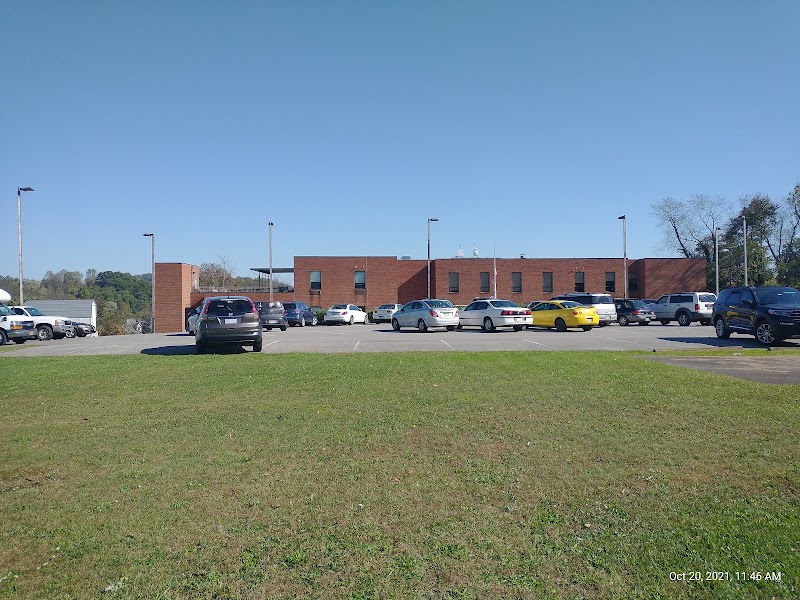
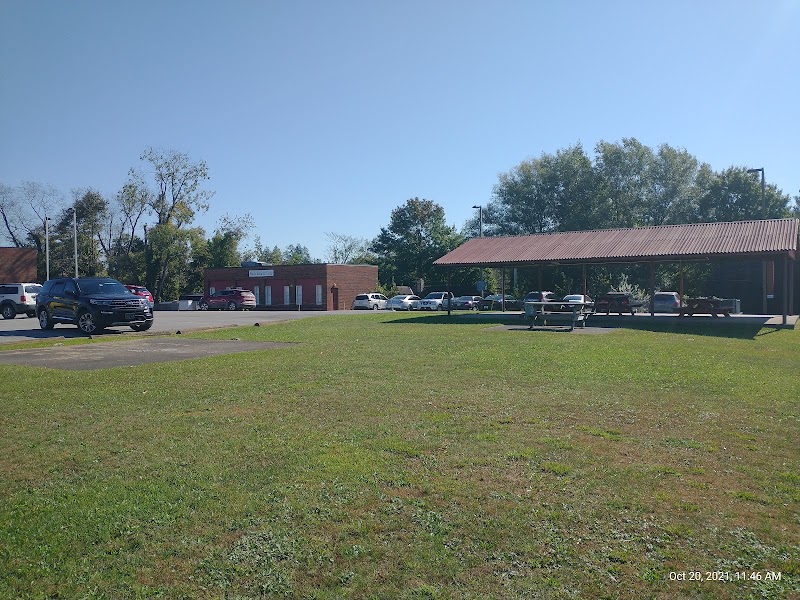
401 GUFFEY STREET, FAIRMONT, WV 26554 (304) 363-2500
Government - State 41 Beds Independent Data: November 2025
Trust Grade
63/100
#34 of 122 in WV
Last Inspection: April 2025

Within standard 12-15 month inspection cycle. Federal law requires annual inspections.

Overview

Majestic Care of Manchin has a Trust Grade of C+, which indicates a decent standing-slightly above average but not without its flaws. It ranks #34 out of 122 nursing homes in West Virginia, placing it in the top half of facilities in the state, and is #2 out of 6 in Marion County, meaning only one local option is better. Unfortunately, the facility is experiencing a worsening trend, with the number of reported issues increasing from 12 in 2023 to 13 in 2025. Staffing is rated well with a score of 4 out of 5, although the turnover rate is concerning at 69%, significantly higher than the state average of 44%. The home has incurred $5,244 in fines, which is average but suggests some compliance issues. While the nursing home has commendable RN coverage, exceeding 97% of facilities in the state, recent inspections revealed several concerning incidents. For example, staff failed to maintain a safe environment, with issues like a razor left in a resident's bathroom and inadequate supervision that could lead to accidents. Additionally, care plans for essential non-drug interventions were not developed for two residents, which could impact their well-being. Overall, while there are strengths in staffing and RN coverage, the facility must address several critical areas for improvement to ensure resident safety and care quality.
Trust Score
C+
63/100
In West Virginia
#34/122
Top 27%
Safety Record
Low Risk
No red flags
Inspections
Getting Worse
12 → 13 violations
Staff Stability
⚠ Watch
69% turnover. Above average. Higher turnover means staff may not know residents' routines.
Penalties
✓ Good
$5,244 in fines. Lower than most West Virginia facilities. Relatively clean record.
Skilled Nurses
✓ Good
Each resident gets 102 minutes of Registered Nurse (RN) attention daily — more than 97% of West Virginia nursing homes. RNs are the most trained staff who catch health problems before they become serious.
Violations
⚠ Watch
35 deficiencies on record. Higher than average. Multiple issues found across inspections.
★★★★☆
4.0
Overall Rating
★★★★☆
4.0
Staff Levels
★★★☆☆
3.0
Care Quality
★★★★☆
4.0
Inspection Score
Stable
2023: 12 issues
2025: 13 issues

The Good

  • 4-Star Staffing Rating · Above-average nurse staffing levels
  • Full Sprinkler Coverage · Fire safety systems throughout facility
  • No fines on record

Facility shows strength in staffing levels, fire safety.

The Bad

Staff Turnover: 69%

23pts above West Virginia avg (46%)

Frequent staff changes - ask about care continuity

Federal Fines: $5,244

Below median ($33,413)

Minor penalties assessed

Staff turnover is elevated (69%)

21 points above West Virginia average of 48%

The Ugly 35 deficiencies on record

Apr 2025 13 deficiencies
CONCERN (D)

Potential for Harm - no one hurt, but risky conditions existed

Deficiency F0583 (Tag F0583)

Could have caused harm · This affected 1 resident

Based on observation and staff interview, the facility failed to ensure privacy and confidentially for Resident #5 during medication administration. Resident identifier: #5. Facility Census: 25. Findi...

Read full inspector narrative →
Based on observation and staff interview, the facility failed to ensure privacy and confidentially for Resident #5 during medication administration. Resident identifier: #5. Facility Census: 25. Findings include: a) Resident #5 On 04/24/25 at 7:23 AM, an observation was made during medication administration completed by Registered Nurse (RN) #22. Upon entering Resident #5's room, RN #22 left the computer screen unlocked with access to Resident #5's medical record. On 04/24/25 at 7:27 AM, RN #22 acknowledged the computer screen was unlocked. On 04/24/25 at 7:40 AM, the Administrator was notified and confirmed the computer screen should have been locked.
CONCERN (D)

Potential for Harm - no one hurt, but risky conditions existed

Deficiency F0604 (Tag F0604)

Could have caused harm · This affected 1 resident

Based on observation, record review, and staff interview, the facility failed to ensure Resident #4 was free from restraints. This was true for one (1) of the two (2) residents reviewed under the care...

Read full inspector narrative →
Based on observation, record review, and staff interview, the facility failed to ensure Resident #4 was free from restraints. This was true for one (1) of the two (2) residents reviewed under the care area of falls. Resident Identifier: #4. Facility Census: 25. Findings Include: a) Resident #4 On 04/22/25 at 2:45 PM, a record review was completed for Resident #4 regarding multiple falls. The review found the resident had a physician's order dated 06/21/24 for a self releasing seat belt for improve safety/cues to resident upon standing attempts to help with fall prevention. However, the physician's order did not contain the information to release the restraint every two (2) hours. Upon further review, the care plan under the focus area of at risk for falls related to past history of falls, did list the self releasing seat belt as an intervention. On 04/23/25 at 2:37 PM, Resident #4 was sitting in a wheelchair in the unit lobby with the self releasing seat belt in place. Registered Nurse (RN) #22 was asked to assist with a demonstration of the resident releasing the seat belt. RN #22 asked Resident #4 multiple times to remove the seat belt. The resident was unable to remove the seat belt after multiple requests. The resident is noted to have a score of three (3) on the Brief Interview Interview for Mental Status (BIMS), which indicates severe cognitive impairment. During the observation, the resident was noted to have nonsensical speech. RN #22 stated, she cannot remove the seat belt upon request. On 04/23/25 at 3:15 PM, an interview was held with the Administrator. The Administrator was advised, after the observation of the resident, the seat belt could not be removed by the resident. The resident showed severe cognitive impairment. The Administrator stated, it will release when she stands up .it is for safety . The Administrator was asked, is there documentation the seat belt is removed every two (2) hours. The Administrator stated, the staff toilets the resident every two (2) hours. On 04/24/25 at approximately 10:00 AM, the Administrator presented a copy of a care plan team meeting summary dated 04/15/25. The Administrator stated, the seat belt was discussed with the Medical Power of Attorney (MPOA) and the MPOA requests the seat belt because the resident has had so many falls. The Administrator presented a copy of a progress note dated 04/09/25 at 3:25 PM. The progress note indicated the monthly physical therapy (PT) assessment was completed. The interview with the Administrator continued with the discussion of what the definition of 'physical restraints' and the definition of 'removes easily' per the Centers of Medicare and Medicaid Services regulation. The definition of physical restraint is as follows: --is defined as any manual method, physical or mechanical device, equipment, or material that meets the following criteria: -is attached or adjacent to the resident's body -cannot be removed easily by the resident, and -restricts the resident's freedom of movement or normal access to his/her body The definition of removes easily is: -the restraint can be easily removed by the resident in the same manner as it was applied by the staff. On 04/24/25 at 11:00 AM, the Administrator confirmed the self removing seat belt did meet the criteria for a physical restraint. The Administrator stated, we will contact the MPOA and explain the seat belt is considered a restraint. b) Facility Policy On 04/24/25 at 11:20 AM, the Administrator provided a copy of the facility's policy entitled, Use of Restraints. The policy statement includes the following: --Restraints shall only be used for the safety and well-being of the resident(s) and only after other alternatives have been tried unsuccessfully. --Restraints shall not be used to treat the resident's medical symptom(s) and never for discipline or staff convenience, or for the prevention of falls. --When the use of restraints is indicated, the least restrictive alternative will be used for the least amount of time necessary, and the ongoing re-evaluation for the need for restraints will be documented.
CONCERN (D)

Potential for Harm - no one hurt, but risky conditions existed

Assessment Accuracy (Tag F0641)

Could have caused harm · This affected 1 resident

**NOTE- TERMS IN BRACKETS HAVE BEEN EDITED TO PROTECT CONFIDENTIALITY** Based on observation, record review and staff interview, the facility failed to ensure the Minimum Data Set (MDS) assessment ind...

Read full inspector narrative →
**NOTE- TERMS IN BRACKETS HAVE BEEN EDITED TO PROTECT CONFIDENTIALITY** Based on observation, record review and staff interview, the facility failed to ensure the Minimum Data Set (MDS) assessment indicated the use of restraints. This was true for one (1) of two (2) residents reviewed under the care area of falls. Resident identifier: #4. Facility Census: 25. Findings Include: a) Resident #4 On 04/22/25 at 2:45 PM, a record review was completed for Resident #4 regarding multiple falls. The review found the resident had a physician's order dated 06/21/24 for a self-releasing seat belt for improve safety/cues to resident upon standing attempts to help with fall prevention. However, the physician's order did not contain the information to release the restraint every two (2) hours. Upon further review, the care plan under the focus area of at risk for falls related to history of falls, did list the self-releasing seat belt as an intervention. On 04/23/25 at 2:37 PM, Resident #4 was sitting in a wheelchair in the unit lobby with the self-releasing seat belt in place. Registered Nurse (RN) #22 was asked to assist with a demonstration of the resident releasing the seat belt. RN #22 asked the resident 4 multiple times to remove the seat belt. The resident was unable to remove the seat belt after multiple requests. The resident is noted with a score of zero (0) on the Brief Interview for Mental Status (BIMS), which indicates severe cognitive impairment. During the observation, the resident was noted with nonsensical speech. RN #22 stated, she cannot remove the seat belt upon request. On 04/23/25 at 3:15 PM, an interview was held with the Administrator. The Administrator was advised, after the observation of the resident, the seat belt could not be removed by the resident. The resident showed severe cognitive impairment. The Administrator stated, It will release when she stands up .it is for safety . The Administrator was asked, is there documentation the seat belt is removed every two (2) hours. The Administrator stated, the staff toilets the resident every two (2) hours. On 04/24/25 at approximately 10:00 AM, the Administrator presented a copy of a care plan team meeting summary dated 04/15/25. The Administrator stated, the seat belt was discussed the Medical Power of Attorney (MPOA) and the MPOA requests the seat belt because the resident has had so many falls. The Administrator presented a copy of a progress note dated 04/09/25 at 3:25 PM. The progress note indicated the monthly physical therapy (PT) assessment was completed. The interview with the Administrator continued with the discussion of what the definition of physical restraints and removes easily per the Centers of Medicare and Medicaid Services regulation. The definition of physical restraint is defined as any manual method, physical or mechanical device, equipment, or material that meets the following criteria: -is attached or adjacent to the resident's body -cannot be removed easily by the resident, and -restricts the resident's freedom of movement or normal access to his/her body The definition of removes easily is: -the restraint can be easily removed by the resident in the same manner as it was applied by the staff. On 04/24/25 at 11:00 AM, the Administrator confirmed the self-removing seat belt did meet the criteria for physical restraint. The Administrator stated, we will contact the MPOA and explain the seat belt is considered a restraint. On 04/24/25 at 11:15 AM, the MDS assessment dated [DATE] section P did not indicate the use of a restraint. At this time, the Administrator did confirm the MDS did indicate the use of restraint. b) Facility Policy On 04/24/25 at 11:20 AM, the Administrator provided a copy of the facility's policy entitled, Use of Restraints. The policy statement includes the following: --Restraints shall only be used for the safety and well-being of the resident(s) and only after other alternatives have been tried unsuccessfully. --Restraints shall not be used to treat the resident's medical symptom(s) and never for discipline or staff convenience, or for the prevention of falls. --When the use of restraints is indicated, the least restrictive alternative will be used for the least amount of time necessary, and the ongoing re-evaluation for the need for restraints will be documented.
CONCERN (D)

Potential for Harm - no one hurt, but risky conditions existed

Deficiency F0657 (Tag F0657)

Could have caused harm · This affected 1 resident

Based on record review and staff interview, the facility failed to revise the care plan regarding restraint use for Resident #4 and actual skin breakdown for Resident #12. This was true for two (2) of...

Read full inspector narrative →
Based on record review and staff interview, the facility failed to revise the care plan regarding restraint use for Resident #4 and actual skin breakdown for Resident #12. This was true for two (2) of 15 residents reviewed during the survey process. Resident Identifiers: #4 and #12. Facility Census: 25. Findings Include: a) Resident #4 On 04/22/25 at 2:45 PM, a record review was completed for Resident #4 regarding multiple falls. The review found the resident had a physician's order dated 06/21/24 for a self releasing seat belt for improve safety/cues to resident upon standing attempts to help with fall prevention. The care plan does indicate an intervention of the self releasing seat belt under the focus area of risk for falls due to a history of falls; however, the care plan was not revised to indicate the self releasing seat belt is a restraint. An interview was held with the Administrator on 04/23/25 at 4:15 PM. The Administrator did confirm the self releasing seat belt was not identified as a restraint on the care plan. b) Resident #12 On 04/21/25 at 4:13 PM, a record review was completed for Resident #12. The review found the resident has an unstagable pressure ulcer on the right great toe. A physician's order dated 04/15/25 stating cleanse right great toe with mild soap and water. Pat dry. Apply a thin layer of silvadene to wound bed necrotic area. Apply nitropaste around wound. Cover with gauze, kling and secure with tape to be completed daily and prn (as needed) for loose and soiled dressing. (Typed as written.) Upon further review of the care plan, a focus area was listed as risk for skin break down due to skin fragility and age. (Typed as written.) However, the care plan was not revised to indicate the resident had an actual unstagable pressure ulcer on the right great toe. An interview was held with the Administrator on 04/22/25 at approximately 11:00 AM. The Administrator did confirm the care plan had not been revised to indicate the resident had an actual pressure ulcer.
CONCERN (D)

Potential for Harm - no one hurt, but risky conditions existed

Quality of Care (Tag F0684)

Could have caused harm · This affected 1 resident

Based on record review and staff interview, the facility failed to follow physician's orders for toileting schedules for Resident #4 and Resident #20. This was true for two (2) of 15 residents reviewe...

Read full inspector narrative →
Based on record review and staff interview, the facility failed to follow physician's orders for toileting schedules for Resident #4 and Resident #20. This was true for two (2) of 15 residents reviewed during the survey process. Resident Identifiers: Resident #4 and #20. Facility Census: 25. Findings Include: a) Resident #4 On 04/22/25 at 9:20 AM, a toileting sheet was observed hanging on Resident #4's bathroom door. The toileting sheet was scheduled for every two (2) hours. The toileting sheet was noted for 04/19/25 through 04/25/25. No documentation was found from 8:00 AM through 10:00 PM. A physician's order dated 01/16/25 stated, Will ask resident if they need to void q2h (every two hours) while awake to help with toileting needs. (Typed as written.) On 04/22/25 at 9:30 AM, an interview with held with Registered Nurse (RN) #22. RN #22 stated, the resident is on a toileting program. On 04/22/25 at 11:26 AM, the Administrator confirmed the physician's order was not followed regarding the toileting schedule b) Resident #20 On 04/22/25 at 9:23 AM, a toileting sheet was observed hanging on Resident 20's bathroom door. The toileting sheet was scheduled for every two (2) hours. The toileting sheet was noted for 04/19/25 through 04/25/25. No documentation was found for 04/20/25 from 12:00 AM through 6:00 PM. A physician's order dated 04/03/25 stated, Toileting program every two (2) hours while awake and as needed. (Typed as written.) The care plan does indicate a toileting schedule for the resident. On 04/22/25 at 9:30 AM, an interview was held with Registered Nurse (RN) #22. RN #22 stated, the resident is on a toileting program. On 04/22/25 at 11:26 AM, the Administrator confirmed the physician's order regarding the toileting program schedule was not followed.
CONCERN (D)

Potential for Harm - no one hurt, but risky conditions existed

Staffing Information (Tag F0732)

Could have caused harm · This affected 1 resident

Based on observation, record review and staff interview, the facility failed to complete the daily staff posting. This was a random opportunity for discovery. Facility Census: 25. a) Daily Staff Posti...

Read full inspector narrative →
Based on observation, record review and staff interview, the facility failed to complete the daily staff posting. This was a random opportunity for discovery. Facility Census: 25. a) Daily Staff Posting On 04/22/25 at 9:00 AM, an observation of the daily staff posting which was hanging at the nurses' station was made. The staff posting dated 04/22/25 did not have the 7:00 AM to 7:00 PM shift completed with the census, nursing hours, actual nursing hours worked and staffing totals. On 04/22/25 at 9:12 AM, the Administrator was at nurses' station. The Administrator was notified the posting was not completed. The Administrator confirmed the posting was not complete.
CONCERN (D)

Potential for Harm - no one hurt, but risky conditions existed

Medical Records (Tag F0842)

Could have caused harm · This affected 1 resident

Based on record review and staff interview, the facility failed to ensure an accurate and complete record for Resident #4's hospice notes and a nursing assessment regarding contractures for Resident #...

Read full inspector narrative →
Based on record review and staff interview, the facility failed to ensure an accurate and complete record for Resident #4's hospice notes and a nursing assessment regarding contractures for Resident #12. This was true for two (2) of 15 residents reviewed during the survey process. Resident identifiers: #4 and #12. Facility Census: 25. Findings Include: a) Resident #4 On 04/22/25 at 8:45 AM, a review of the hospice notes was completed for Resident #4. During the review, Resident #9's hospice notes were found in Resident #4's medical record. On 04/22/25 at 8:50 AM, the Administrator was notified and confirmed the wrong resident's notes were scanned into Resident #4's medical record. The Administrator stated, We will get this taken care of immediately. b) Resident #12 On 04/22/25 at 4:00 PM, a record review was completed for Resident #12. The review found two (2) nursing assessments, dated 03/16/25 and 04/06/25, did not indicate the presence of bilateral hand contractures. On 04/22/25 at 4:30 PM, the Administrator was notified and confirmed the nursing assessments were incorrect.
CONCERN (E)

Potential for Harm - no one hurt, but risky conditions existed

Safe Environment (Tag F0584)

Could have caused harm · This affected multiple residents

**NOTE- TERMS IN BRACKETS HAVE BEEN EDITED TO PROTECT CONFIDENTIALITY** Based on observation and staff interviews, the facility failed to provide a safe, clean, comfortable, and homelike environment f...

Read full inspector narrative →
**NOTE- TERMS IN BRACKETS HAVE BEEN EDITED TO PROTECT CONFIDENTIALITY** Based on observation and staff interviews, the facility failed to provide a safe, clean, comfortable, and homelike environment for resident Room identifiers: #218, #212, and #205. This was a random opportunity for discovery. Census: 25. Findings include: a) Upon survey entrance on 04/21/25 at 1:05PM, the following issues were observed in room [ROOM NUMBER]-bathroom areas: -black scuff marks on backside of bathroom door, - Rips and tears in the bathroom dry in the paint on right side wall under the paper towel dispenser. b) Upon survey entrance on 04/21/25 at 1:05PM, the following issues were observed in room [ROOM NUMBER]-bathroom areas: -Tissue holder right side was missing, - Cracks in caulking around the sink, -Black scuffmarks on the back side of bathroom door. c) Upon survey entrance on 04/21/25 01:05 PM the following issues were observed in room [ROOM NUMBER]-bathroom areas: -Drywall in the bathroom to the left of the sink above soap dispenser tear approx. 2 inches wide, -Tissue holder right side was loosely hanging off the wall, -Black scuffs on the backside of the bathroom door. During a walk through and interview with the Administrator on 04/22/25 at 12:55 PM, she acknowledged the bathroom areas were not in good repair for room [ROOM NUMBER], #212, and #205, and stated she would report to maintenance.
CONCERN (E)

Potential for Harm - no one hurt, but risky conditions existed

Comprehensive Care Plan (Tag F0656)

Could have caused harm · This affected multiple residents

**NOTE- TERMS IN BRACKETS HAVE BEEN EDITED TO PROTECT CONFIDENTIALITY** Based on Electronic Medical Record review and staff interview, the facility failed to develop a care plan for non-pharmacologica...

Read full inspector narrative →
**NOTE- TERMS IN BRACKETS HAVE BEEN EDITED TO PROTECT CONFIDENTIALITY** Based on Electronic Medical Record review and staff interview, the facility failed to develop a care plan for non-pharmacological interventions and implement a toileting care plan for two (2) residents. This had the potential to affect more than a limited number of residents who were reviewed for care plans. Resident identifiers: #14, #4, #20. Facility census: 25. Findings included: a) Resident #14 Resident #14 was admitted on [DATE] with medical diagnoses of anxiety, memory impairment and bewilderment secondary to Bipolar I Disorder, substance induced mood disorder and Major Neurocognitive disorder. Brief Interview for Mental Status (BIMS) could not be assessed. A review of medications on 04/22/25 at 1:17 PM found the following: Divaproex (Depakote) for bipolar affective disorder; Sertraline for depression and Zyprexa for Bipolar disorder order. These medications were monitored through a psychiatric consultation and approved by the attending physician. The behaviors of refusing care and cussing at staff were monitored. On 04/23/25 at 9:22 AM during an interview with the Nursing Home Administrator (NHA) it was confirmed there were no non-pharmacological interventions in the care plan. b) Resident #4 On 04/22/25 at 9:20 AM, a toileting sheet was observed hanging on Resident #4's bathroom door. The toileting sheet was scheduled for every two (2) hours. The toileting sheet was noted for 04/19/25 through 04/25/25. No documentation was found from 8:00 AM through 10:00 PM. A physician's order dated 01/16/25 stated, Will ask resident if they need to void q2h (every two hours) while awake to help with toileting needs. (Typed as written.) The care plan does indicate a toileting schedule for the resident. However, the care plan was not implemented. On 04/22/25 at 9:30 AM, during an interview with Registered Nurse (RN) #22, RN #22 stated, The resident is on a toileting program. On 04/22/25 at 11:26 AM, the Administrator confirmed the care plan was not implemented regarding the toileting program schedule. c) Resident #20 On 04/22/25 at 9:23 AM, a toileting sheet was observed hanging on Resident 20's-bathroom door. The toileting sheet was scheduled for every two (2) hours. The toileting sheet was noted for 04/19/25 through 04/25/25. No documentation was found for 04/20/25 from 12:00 AM through 6:00 PM. A physician's order dated 04/03/25 stated, Toileting program every two (2) hours while awake and as needed. (Typed as written.) The care plan does indicate a toileting schedule for the resident. However, the care plan was not implemented. On 04/22/25 at 9:30 AM, an interview was held with Registered Nurse (RN) #22. RN #22 stated, The resident is on a toileting program. On 04/22/25 at 11:26 AM, the Administrator confirmed the care plan was not implemented regarding the toileting program schedule.
CONCERN (E) 📢 Someone Reported This

A family member, employee, or ombudsman was alarmed enough to file a formal complaint

Potential for Harm - no one hurt, but risky conditions existed

Accident Prevention (Tag F0689)

Could have caused harm · This affected multiple residents

Based on record review, observation, and staff interviews, the facility failed to ensure the resident environment over which it had control was as free from accident hazards as possible. Resident #22 ...

Read full inspector narrative →
Based on record review, observation, and staff interviews, the facility failed to ensure the resident environment over which it had control was as free from accident hazards as possible. Resident #22 was found to have a razor in his bathroom. For residents #25 and #27, Facility Reported Incidents (FRIs) revealed the facility failed to to ensure each resident received adequate supervision to prevent accidents and elopements. For Resident #27 the facility staff failed to respond to a wander guard alarm. During Resident #5's medication administration, the medication cart was left unlocked. These were random opportunities for discovery. Resident identifiers: #22, #25, #27, and #5. Facility Census: 25. Findings include: a) Resident #22 04/21/25 01:29 PM During facility entrance observation of Resident #22's room revealed a blue razor was found in the bathroom on top of the paper towel dispenser. On 04/21/25 at 1:30 PM, after an interview with Nurse Aide (NA) #25, the NA removed the razor and stated it was not supposed to be in the resident's room. In an interview with the Administrator on 04/22/25 at 12:55 PM, she acknowledged the razor was found in Resident #22's bathroom on top of the paper towel dispenser and stated that it should not have been there. b) Resident #25 On 09/06/24, at 8:00 PM Resident #25 attempted to elope through the fire exit door. Record review on 04/23/25 revealed staff, responding to alarms, found Resident #25 was led by the hand with Resident #27 in the stairwell and was at the top of the stairs. She was redirected and brought back into the unit 12 seconds later, with no injury. Resident #25 had dementia and impaired judgement. Record review also revealed that after the elopement Resident #25 was observed as normal as continued to wander but did not exit seek. She had no bodily injuries and no mood or behavior changes. c) Resident #27 On 09/09/2024, Resident #27 eloped with resident #25 through the fire door by pushing the fire door exit and went to the stairwell until redirected by the nurse. She was out for 12 seconds and returned with no serious bodily injury occurring and no changes to her mood or behavior. Record review revealed Resident # 27 had dementia and impaired judgement and a history of exit seeking and appeared to be anxious previous to this incident. In an interview with the facility administrator on 04/23/25 at approximately 10:30AM, She stated resident #27 had a history of elopement and exiting ideas. She would pack her bags and state she was going home daily. She has since stopped packing her bags but still many times daily gets to the exit doors and tries to exit by way of the exit doors and the elevator. The facility provided a timeline of updates and changes in medications, activities, and staff interventions to keep her busy and to deter her from attempting to exit. Resident has not had a successful elopement since 12/08/24. On 12/8/24, Resident #27 was exit seekiing multiple times. At 2:37 PM, she eloped by exiting the fire exit door and made it down the stairs to the elevator. Based on video watched by the Administrator regarding the elopement on 12/8/24 at 2:37 PM. Resident was redirected away from the exit door by staff three times: 2:32 PM, and 2:35 PM, before exiting the fire exit door and walking down the stairs at 2:37 PM. The facility put in place the following correction actions: Staff will not use the fire exit door located by the solarium. Also, interventions were emplemented including: placing an anti-slip floor STOP sign, and duct tape outlining the black floor tile in the front of the two fire exits doors. Also, a warning sign alerting the security alarm sounds if the door is open was placed on wall near the 2 exit doors. In an interview with the facility administrator on 04/23/25 at approximately 10:30 AM, she stated Resident #27 had a history of elopement and exiting ideas. She said the resident would pack her bags and say she was going home daily. The administrator said the resident has since stopped packing her bags but still many times each day she tried to elope by way of the exit doors and the elevator. The administrator stated the facilty developed a timeline of facility updates, evaluations and physician order medication changes, and staff interaction and redirection to deter her from attempting to exit after each elopment. She stated Resident #27 has not had a successful elopement since 12/08/24. On 04/23/25 approximately 2:25 PM, in an interview with the Administrator, she acknowledged that Resident #27's elopement attempts had been redirected by staff twice 2:32 PM and again at 2:35 PM Despite these efforts the resident eloped through the fire exit door and made it down to the elevator on the third attempt at 2:37 PM. On 04/23/25 2:31 PM, Resident #27 was observed at the elevators on the unit. The wander guard alarm was ringing. The elevator doors remained open. The wander guard alarm rang for approximately four (4) minutes before Maintanence staff #53 responded to the alarm. The resident moved down the hall away from the elevators prior to the response to the alarm. On 04/23/25 at 2:35 PM, Registered Nurse (RN) #22 was interviewed. The Charge Nurse stated, the staff should respond immediately. But the elevator will not move from the second floor while the wander guard alarm is sounding; and, a code must be used to get the elevator to move. RN #22 was advised no other nursing staff responded to the wander guard alarm. RN #22 stated, the other staff members must have been in rooms taking care of other residents. Resident #27 was noted with a history of elopement at the facility on 08/14/24, 09/06/24, 09/23/24 and 12/08/24. Interventions were put into place immediately. Referrals were made to other facilities which had locked memory units were declined due to the resident's diagnosis and psychiatric medication. On 04/23/25 at 3:04 PM, RN #22 demonstrated how the wander guard alarm works and the elevator will not move when the alarm is sounding. The wander guard alarm must have a code input before the elevator will move. On 04/23/25 at 3:15 PM, the Administrator, Director of Nursing (DON) were informed of the incident. Both the Administrator and the DON agreed the staff should have responded immediately. e) Resident #5 On 04/24/25 at 7:23 AM, an observation was made during medication administration completed by Registered Nurse (RN) #22. Upon entering Resident #5's room, RN #22 left the medication cart unlocked. On 04/24/25 at 7:27 AM, RN #22 acknowledged the medication cart was unlocked. On 04/24/25 at 7:40 AM, the Administrator was notified and confirmed the medication cart should have been locked.
CONCERN (E)

Potential for Harm - no one hurt, but risky conditions existed

Food Safety (Tag F0812)

Could have caused harm · This affected multiple residents

Based on observation and staff interviews, the facility failed to Store, prepare, distribute and serve food in accordance with professional standards for food service safety. This was a random opportu...

Read full inspector narrative →
Based on observation and staff interviews, the facility failed to Store, prepare, distribute and serve food in accordance with professional standards for food service safety. This was a random opportunity for discovery and had the potential to affect multiple residents of the facility. Facility census 25. Findings included: Upon initial visit to the kitchen on 04/21/25 at 12:38 PM the following was observed in the refrigerators: -Staff food items consisting of bowls of butter and a bottle of flavored coffee creamer were found stored with facility refrigerated food supply. -Cooked hamburger labeled and dated to expire 04/20/25 still in fridge on 04/21/25. -boiled eggs expiration date of 04/15/25 still in the fridge 4/21/25 -Grape jelly labeled with a label of open date of 03/31/24 with no expiration date -Large bottle of Salsa dated and labeled as Iced tea -Large bowl of coleslaw not completely covered was exposed open to air -Stacked trays of fruit bowls were unlabeled Freezer: -Hash browns opened, rewrapped and out of box unlabeled Pantries: -Opened bread loaves unlabeled -Opened clear bag of Vanilla Wafer cookies on shelf left opened to air unlabeled -Clear bag of Salsa Chips out of box unlabeled In an interview with a kitchen employee on 04/21/25, at approximately 2:00 PM, she acknowledged the list of items incorrectly stored in the refrigerators, freezers, and pantries. She stated that staff should not have stored personal items in the facility refridgerators and the expired foods should have been removed and disposed of. She also stated the unlabled fruit bowls were recently prepared but should have been labeled with dates before being placed into the refrigerators. In an interview with the Administrator on 04/21/25 at approximately 3:00PM, she acknowledged the incorrectly stored items in the kitchen pantries, refrigerators and freezers and stated the staff was working to correct the issues. On 04/22/25 at 11:00 AM an observation in the kitchen revealed the cook was wearing a ball cap and beard cover but not wearing a hairnet. On 04/22/25 at 11:00 AM the following was observed in the kitchen freezer area: -Frozen mixed vegetables left on the shelf out of box unlabeled -Whipped topping in piping decorating bag left in plastic bag on freezer shelf unlabeled On 04/22/25 at 11:00 AM the following was observed in the kitchen refrigerator area: -An onion wrapped in clear wrap had an expired date of 04/17/25 On 04/22/25 at 11:20 AM grilled cheeses made and ready to serve temp tested at 125 degrees and a second tested at 130 degrees. In an interview with the cook and the dietary manager approximately 11:30 AM on 04/22/25 they both acknowledged the temp was too low and discarded the remaining sandwiches and began making more. On 04/23/25 at approximately 9:20 AM, it was observed in the kitchen, the cook was wearing a ball cap exposing locks of uncovered hair without a hairnet. In an interview with both the cook and the Dietary Manager on 04/23/25 at 10:45 AM, they both stated they did not know a hair net was required if a hat (ball cap) was being worn. a) On 04/23/25 at approximately 11: 40 AM, during lunch preparations, a leftover breakfast tray with a plate of scrambled eggs was still sitting in the kitchen beside the food prep table, on a stack of trays close to the floor. During an interview at 11:40 AM on 04/23/2025, the Dietary Manager acknowledged the breakfast tray was still in the kitchen and stated it should have been thrown away during breakfast clean up.
CONCERN (E)

Potential for Harm - no one hurt, but risky conditions existed

Room Equipment (Tag F0908)

Could have caused harm · This affected multiple residents

Based on observation and staff interviews the facility failed to maintain kitchen equipment in safe operating condition. This was a random opportunity for discovery. Facility census: 25. Findings Incl...

Read full inspector narrative →
Based on observation and staff interviews the facility failed to maintain kitchen equipment in safe operating condition. This was a random opportunity for discovery. Facility census: 25. Findings Include: a) On 04/22/25 11:20 AM, during the kitchen food temperature testing, observation revealed the burner knobs were not on the stove. The kitchen staff was preparing lunch causing the grilled cheeses to burn. The cook stated the grill was set too high and was unable to adjust the grill temperatures until he replaced the missing knobs with control knobs from the other burners to adjust the grill temperatures. This left the other burners without control knobs. On 04/22/25 at 11:25 AM, In an interview with the facility cook he stated the knobs fell off and were probably under the stove somewhere. During an interview with the dietary manager on 04/22/25 at 11:30AM, she acknowledged the missing knobs and stated they had probably fallen off and guessed they were underneath the stove.
MINOR (C)

Minor Issue - procedural, no safety impact

Infection Control (Tag F0880)

Minor procedural issue · This affected most or all residents

Based on record review and staff interview, the facility failed to ensure the Infection Prevention Control Program (IPCP) was reviewed annually. This was discovered during the review of the IPCP. This...

Read full inspector narrative →
Based on record review and staff interview, the facility failed to ensure the Infection Prevention Control Program (IPCP) was reviewed annually. This was discovered during the review of the IPCP. This had the potential to affect all residents. Facility census: 25. Findings included: a) Infection Prevention Control Program On 04/24/25 at 8:22 AM in an interview (04/23/25) with the Infection Preventionist (IP) and the Nursing Home Administrator (NHA) stated that the IPCP policies and procedures had been reviewed but the former Director of Nursing (DON) who resigned did something with the manuals and they have no evidence that the manual had been reviewed annually. The last time there was evidence of review was 2019. The current IP produced seven (7) policies that had been reviewed in the last two (2) Quality Assurance meetings. Although the medical director is not required to sign policies, the facility must be able to show that the development, review, and approval of resident care policies included the Medical Director's input. Although the IP continued to search for the manual no additional information was provided prior to exiting the facility.
Nov 2023 12 deficiencies
CONCERN (D)

Potential for Harm - no one hurt, but risky conditions existed

Deficiency F0557 (Tag F0557)

Could have caused harm · This affected 1 resident

. Based on observation and staff interview, the facility failed to respect the Residents right to be treated with respect and dignity. This was a random opportunity for discovery. Resident Identifier:...

Read full inspector narrative →
. Based on observation and staff interview, the facility failed to respect the Residents right to be treated with respect and dignity. This was a random opportunity for discovery. Resident Identifier: #27. Facility Census: #32 Findings included: a) Resident #27 On 11/06/23 at 11:40 AM observation was made of Licensed Practical Nurse (LPN) #5 assisting Resident #27 with her noon meal and was standing while feeding her. This was confirmed immediately with LPN #5, at which time and she told a co-worker, I need a chair. This was confirmed with the Administrator on 11/06/23 at 11:45 AM who stated you are right, she should be sitting.
CONCERN (D)

Potential for Harm - no one hurt, but risky conditions existed

Comprehensive Assessments (Tag F0636)

Could have caused harm · This affected 1 resident

**NOTE- TERMS IN BRACKETS HAVE BEEN EDITED TO PROTECT CONFIDENTIALITY** . Based on medical record review and staff interview, the facility failed to conduct an accurate initial minimum data set (MDS) ...

Read full inspector narrative →
**NOTE- TERMS IN BRACKETS HAVE BEEN EDITED TO PROTECT CONFIDENTIALITY** . Based on medical record review and staff interview, the facility failed to conduct an accurate initial minimum data set (MDS) assessment. This is true for one (1) of five (5) residents reviewed for unnecessary medications. Resident identifier: #32. Facility census: 32. Findings included: a) Resident (R) #32 Review of the medical record on 11/07/23 revealed R#32 was admitted to the facility on [DATE] with a terminal diagnosis of renal cell carcinoma. The admission medications included the following psychotropic medications: Buspirone (antianxiety), Effexor (antidepressant) and Seroquel (antipsychotic). The pharmacy review dated 10/23/23 notes no recommendations. The admission minimum data set (MDS) assessment with an assessment reference date (ARD) of 10/25/23 identified the administration of an antipsychotic drug and noted a gradual dose reduction (GDR) was last attempted on 10/23/23 per physician documentation. On 11/07/23 at 9:18 AM, MDS Nurse #3 confirmed R#32's MDS was incorrectly coded under section N indicating a GDR was completed on 10/23/23. MDS Nurse #3 acknowledged a GDR has not been attempted since admission.
CONCERN (D)

Potential for Harm - no one hurt, but risky conditions existed

Deficiency F0638 (Tag F0638)

Could have caused harm · This affected 1 resident

**NOTE- TERMS IN BRACKETS HAVE BEEN EDITED TO PROTECT CONFIDENTIALITY** . Based on record review, review of the Minimum Data Set (MDS) 3.0 Resident Assessment Instrument (RAI) Manual and staff intervi...

Read full inspector narrative →
**NOTE- TERMS IN BRACKETS HAVE BEEN EDITED TO PROTECT CONFIDENTIALITY** . Based on record review, review of the Minimum Data Set (MDS) 3.0 Resident Assessment Instrument (RAI) Manual and staff interview, it was determined that the facility failed to ensure that Resident 10's Quarterly MDS was submitted during the prescribed timeframe. This was a random opportunity for discovery. Resident identifier: #10. Facility census: 32. Finding Included: a) MDS 3.0 Resident Assessment Instrument (RAI) User's Manual Review of the MDS 3.0 RAI Manual (October 2019) Chapter 5 Submission and Correction of the MDS Assessments, subsection 5.2 revealed in part the following: Assessment Schedule: An OBRA (Omnibus Budget Reconciliation Act) assessment (comprehensive or Quarterly) is due every quarter unless the resident is no longer in the facility. There must be no more than 92 days between OBRA assessments. b) Resident #10 A brief record review, completed on 11/08/23 at 12:38 PM revealed Resident #10 was admitted to the facility on [DATE]. The last submitted MDS was a Significant Change MDS which was dated 06/13/23. During an interview on 11/08/23 at 12:49 PM, the MDS Coordinator reported, I realized last week that I was late in submitting [Resident #10's First Name]'s next quarterly MDS. The MDS Coordinator reported she opened the past due quarterly MDS on 10/30/23 and closed it on 11/03/23. She went on to report the quarterly MDS had not yet been submitted because the designated IT (information technology) person who handles the submissions was off ill this week. The MDS Coordinator agreed 148 days had already passed since the last submission and stated, It was an oversight that the quarterly MDS was not completed in a timely fashion.
CONCERN (D)

Potential for Harm - no one hurt, but risky conditions existed

Assessment Accuracy (Tag F0641)

Could have caused harm · This affected 1 resident

**NOTE- TERMS IN BRACKETS HAVE BEEN EDITED TO PROTECT CONFIDENTIALITY** Based on record reviews and staff interviews, the facility failed to complete accurate Minimum Data Set (MDS) assessments. This...

Read full inspector narrative →
**NOTE- TERMS IN BRACKETS HAVE BEEN EDITED TO PROTECT CONFIDENTIALITY** Based on record reviews and staff interviews, the facility failed to complete accurate Minimum Data Set (MDS) assessments. This was true for three (3) of 15 sample residents. Resident #1 was coded for a wrong diagnosis, Resident #16's assessment indicated there was a urinary tract infection (UTI) and Resident #32 had an incorrect gradual dose reduction (GDR) date. Resident identifiers: #1, #16, and #32. Facility census: 32. Findings included: a) Resident #1 A medical record review on 11/07/23 indicated the MDS assessment with an Assesment Reference Date (ARD) of 08/02/23 had Section I coded wrong for pneumonia under Active Diagnoses. During and interview with the Director of Nursing (DON) on 11/07/23 at 9:57 AM, reported the MDS assessment had been coded wrong and Resident #1 had not had a diagnosis of pneumonia thus far this year. b) Resident (R) #32 Review of the medical record on 11/07/23 revealed R#32 was admitted to the facility on [DATE] with a terminal diagnosis of renal cell carcinoma. The admission medications included the following psychotropic medications: Buspirone (antianxiety), Effexor (antidepressant) and Seroquel (antipsychotic). The pharmacy review dated 10/23/23 notes no recommendations. The admission MDS assessment with an Assessment Reference Date (ARD) of 10/25/23 identified the administration of an antipsychotic drug and noted a gradual dose reduction (GDR) was last attempted on 10/23/23 per physician documentation. On 11/07/23 at 9:18 AM, MDS Nurse #3 confirmed R#32's MDS was incorrectly coded under section N indicating a GDR was completed on 10/23/23. MDS Nurse #3 acknowledged a GDR has not been attempted since admission. c) Resident (R) #16 Review of the medical record on 11/08/23 revealed R#16's quarterly MDS assessment with an ARD of 10/03/23 is coded as Yes under section I2300 indicating the resident has a urinary tract infection (UTI) Further review of the medical records note R#16's last UTI was noted on 03/26/23. During an interview on 11/08/23 at 10:30 AM the Director of Nursing (DON) reported R#16's last UTI was on 03/26/23. The DON confirmed R#16's MDS was coded incorrectly. R#16 did not have a UTI during the assessment period. .
CONCERN (D)

Potential for Harm - no one hurt, but risky conditions existed

Comprehensive Care Plan (Tag F0656)

Could have caused harm · This affected 1 resident

. Based on record reviews and staff interviews, the facility failed to develop comprehensive person-centered care plans. This was true for two (2) of 15 sample resident's care plans reviewed. Resident...

Read full inspector narrative →
. Based on record reviews and staff interviews, the facility failed to develop comprehensive person-centered care plans. This was true for two (2) of 15 sample resident's care plans reviewed. Resident #16's care plan was not developed for anticoagulant therapy and Resident #32's was not developed for Hospice services. Resident identifiers: #16 and #32. Facility census: 32. Findings included: a) Resident #16 A medical record review on 11/07/23 of the current physician's orders for Resident #16 had an order for Apixaban (anticoagulant) tablet five (5) milligrams (mg) twice daily for anticoagulant therapy with a start date of 09/13/23. A review of the resident's care plan indicated anticoagulant therapy had not been developed. During an interview with the Director of Nursing (DON) on 11/08/23 at 8:45 AM, verified the care plan for Resident #16 had not been developed for anticoagulant therapy. b) Resident (R) #32 Review of the medical record on 11/07/23 revealed R#32 was admitted to the facility on Hospice services with terminal renal cell carcinoma. The facility care plan identifies the need for Hospice due to a terminal condition but lacks information related to the timing of the Hospice visits and the entity and services to be provided. The Hospice care plan finalized on 10/31/23 states an aide and a nurse will visit twice a week for 12 weeks. On 11/07/23 at 10:00 AM, Nurse Aide (NA) #9 reported Hospice nurses come twice a week and the nurse aides the other three (3) days, but she does not know what days. On 11/07/23 at 10:05 AM, Licensed Practical Nurse (LPN) #5 reported the Hospice notebooks are kept downstairs in the office. LPN #5 reported she was unaware what days the Hospice staff comes to visit R#32. At 10:10 AM on 11/07/23, the MDS Nurse #3 acknowledged the Hospice notebooks are kept in her office and agreed both care plans lack information related to the timing of the Hospice staff visits as well as the entity visiting and the services the Hospice staff will provide on each visit. .
CONCERN (D)

Potential for Harm - no one hurt, but risky conditions existed

Deficiency F0657 (Tag F0657)

Could have caused harm · This affected 1 resident

. Based on record review and staff interview, the facility failed to review and revise the care plan related to skin assessment/breakdown. This was true for one (1) of fifteen (15) care plans reviewed...

Read full inspector narrative →
. Based on record review and staff interview, the facility failed to review and revise the care plan related to skin assessment/breakdown. This was true for one (1) of fifteen (15) care plans reviewed. Resident #12 Facility Census: 32 Findings Included: a) Resident #12 On 11/06/23 at 1:09 PM it was observed that Resident #12 had a small open area to the dorsum of her right foot. It was open to air. On 11/07/23 at 10:06 AM record review shows the Incident/Accident Report dated 11/04/23 at 10:00 AM, describes the injury as small open area to outer/lateral right foot measures 1.2 x 0.8, appears possible pressure from button on brown slipper socks. There was an order dated 11/04/23 which reads: Cleanse area to right outer lateral foot with wound wash, pat dry, apply thin layer of bacitracin and leave open to air twice a day (BID) until healed. The Physician documented his findings when he rounded to observe the resident on 11/07/23 at 11:35 AM. and described the wound as abrasion to the dorsum of the right foot. Upon review of the care plan on 11/07/23 at 11:55 AM, it was found that there is no care plan for risks of skin breakdown other than related to incontinence of bowel and bladder. There is no care plan for the wound reported on 11/04/23. This was confirmed with the the Administrator and Director of Nursing (DON) on 11/08/23 at 10:42 AM. The DON stated, this resident should be care planned for risk due to her age and fragile skin.
CONCERN (D)

Potential for Harm - no one hurt, but risky conditions existed

Staffing Information (Tag F0732)

Could have caused harm · This affected 1 resident

. Based on observation and staff interview, the facility failed to ensure nurse staffing information was posted and readily accessible. This was a random opportunity for discovery and had the potentia...

Read full inspector narrative →
. Based on observation and staff interview, the facility failed to ensure nurse staffing information was posted and readily accessible. This was a random opportunity for discovery and had the potential to affect all residents and visitors wishing to view the information. Facility census: 32. Findings included: a) Daily Staff Posting During a walk-thru of the facility on 11/06/23 at 10:57 AM, it was noted there was no nurse staff posting anywhere throughout the second floor of the facility where residents reside. During an interview with Licensed Practical Nurse (LPN) #5, on 11/06/23 at 11:03 AM, when inquired about the location of the nurse staffing data LPN #5 reported there was a three (3) ring binder behind the nurses' station. This had the assignment sheet for nurse staffing so staff would know their assignments. When asked for a of the assignment sheet for review, LPN #5 stated she would transfer the information over to the Daily Nurse Staffing form. LPN #5 transferred the information on to the Daily Nurse Staffing form. When asked if the staffing information was always kept behind the nurses' station, LPN #5 answered, Sometimes they will hang it [the Daily Nurse Staffing form] on the glass here. They just didn't do it this morning.
CONCERN (D)

Potential for Harm - no one hurt, but risky conditions existed

Medication Errors (Tag F0758)

Could have caused harm · This affected 1 resident

. Based on medical record review and staff interview, the facility failed to ensure a resident receiving psychotropic medications was monitored for behaviors and side effects of the medications. This ...

Read full inspector narrative →
. Based on medical record review and staff interview, the facility failed to ensure a resident receiving psychotropic medications was monitored for behaviors and side effects of the medications. This is true for one (1) of five (5) residents reviewed for unnecessary medications. Resident identifier: #5. Facility census: 32. Findings included: a) Resident (R) #5 Review of the medical record on 11/07/23, revealed R#5 was recently admitted to the facility with a diagnosis of late onset Alzheimer's disease with aggressive dysphagia. Treatment included the administration of Seroquel (antipsychotic) and Zoloft (antidepressant). The Minimum Data Set (MDS) assessment with an Assessment Reference Date (ARD) of 10/16/23 was coded for the presence of behaviors under section E0200. R#5 demonstrated physical behaviors towards others 4-6 days and verbal behaviors towards others 1-3 days. R#5 rejected care 4-6 days and wandered daily. The psychiatric consult note dated 10/18/23, notes prior to admission the resident was wandering the street, taking mail from other houses, verbally aggressive, and resistant to care. The care plan notes the diagnoses of Alzheimer's disease, dementia and depression and identifies wandering and mood swings due to depression. The interventions include administering medications as ordered and monitor for adverse effects. During an interview on 11/07/23 at 12:40 PM the behavior monitoring book was reviewed with Licensed Practical Nurse (LPN) #5. LPN #5 acknowledged the book lacked a behavior/intervention monitoring sheet for R#5. LPN #5 added the only record in the behavior book is the Treatment Administration Record (TAR) for staff to sign off checking placement of R#5's wonder guard bracelet. On 11/7/23 at 12:45 PM, the Director of Nursing (DON) confirmed the staff should be monitoring R#5 every shift for behaviors and medication side effects. The DON acknowledged the medical record and the behavior monitoring book lack documentation indicating staff were monitoring R#5 for behaviors and/or side effects of the psychotropic medications.
CONCERN (D)

Potential for Harm - no one hurt, but risky conditions existed

Deficiency F0761 (Tag F0761)

Could have caused harm · This affected 1 resident

. Based on observation and staff interview, the facility failed to provide a locked permanently affixed compartment for storage of controlled drugs and other drugs subject to abuse. This practice had ...

Read full inspector narrative →
. Based on observation and staff interview, the facility failed to provide a locked permanently affixed compartment for storage of controlled drugs and other drugs subject to abuse. This practice had the potential to affect a limited number of residents. Facility Census: 32. Findings Included: a) Medication Storage Room On 11/07/23 at 9:00 AM during the medication storage room observation in the presence of Register Nurse (RN) #45 it was found that the medication refrigerator had no permanently affixed locked box for controlled drugs (narcotic/benzodiazepines) in the medication refrigerator. There was a sealed 30 milliliter (ml) bottle of Lorazepam (a benzodiazepine) 2 milligram (mg)/ml in the refrigerator which was not secured. This was confirmed on 11/07/23 at 9:00 AM by RN #45 and then with the Director of Nursing on 11/07/23 at 9:14 AM. The DON agreed with the rational and the need for the permanently affixed compartment and will have it put into place.
CONCERN (D)

Potential for Harm - no one hurt, but risky conditions existed

Food Safety (Tag F0812)

Could have caused harm · This affected 1 resident

. Based on observation and staff interview, the facility failed to maintain the kitchen in a safe and sanitary manner in accordance with professional standards of practice. During the kitchen tour it ...

Read full inspector narrative →
. Based on observation and staff interview, the facility failed to maintain the kitchen in a safe and sanitary manner in accordance with professional standards of practice. During the kitchen tour it was discovered the trash can at the hand washing sink was not operational, and two (2) freezer floors were heavily soiled. This deficient practice had the potential to affect any resident receiving nourishment from the kitchen. Facility census: 32. Findings included: a) Kitchen tour During the kitchen tour on 11/06/23 at 10:30 AM, it was discovered the hand washing sink did not have a trash can with an operational step lid. Also, there were two (2) reach-in freezers, which required a deep cleaning of the floors. In an interview with the Dietary Manager on 11/06/23 at 10:45 AM, verified the trash can step lid was not working and both the freezers floors needed to be cleaned. .
CONCERN (D)

Potential for Harm - no one hurt, but risky conditions existed

Medical Records (Tag F0842)

Could have caused harm · This affected 1 resident

. Based on record reviews and staff interviews, the facility failed to ensure complete and accurate medical records. The facility failed to ensure the Physician's Orders for Scope of Treatment (POST) ...

Read full inspector narrative →
. Based on record reviews and staff interviews, the facility failed to ensure complete and accurate medical records. The facility failed to ensure the Physician's Orders for Scope of Treatment (POST) forms were completed per directions specified by the [NAME] Virginia Center for End-of-Life Care. This was true for two (2) of 15 residents reviewed. Resident Identifiers: #16 and #15. Facility Census: 32. Findings included The 2021 POST form guidance titled, Using the POST Form: Guidance for Health Care Professionals states, The patient (or incapacitated patient's MPOA [medical power of attorney] representative or health care surrogate) must sign and date this section for the form to be legally valid. If the incapacitated patient's MPOA [medical power of attorney] representative or health care surrogate is unavailable at the time of form completion, this section can be signed by two witnesses for verbal confirmation of agreement from the patient's MPOA representative or health care surrogate. The form should be signed at the earliest available opportunity. a) Resident #16 A medical record review on 11/07/23 revealed the POST form dated 04/06/22 had been witnessed by two (2) staff members via a verbal phone consent from the legal representative. There was no evidence an attempt was made to obtain the written consent from the resident's legal representative. During an interview with the Nursing Home Administrator (NHA) on 11/07/23 at 11:52 AM, verified the legal representative's signature had not been obtained for Resident #16's POST. b) Resident #15 Review of Resident #15's Physician Orders for Scope of Treatment (POST) form showed that verbal consent was obtained from the resident's representative on 03/23/23. However, the resident representative's actual signature was never obtained. The professional assisting the health care provider with form completion was listed as the facility's Social Worker. A brief record review, completed on 11/07/23 at 10:00 AM, revealed there was a quarterly Care Plan meeting on 06/27/23 and another on 09/19/23. There was no evidence documented in the medical record that the Social Worker had made any follow-up attempt to obtain written consent from Resident #15's legal representative. During an interview on 11/07/23 at 11:24 AM, the Social Worker acknowledged the facility had not followed up with Resident 15's legal representative to obtain an original signature. The Social Worker stated she would address the error immediately. .
CONCERN (E)

Potential for Harm - no one hurt, but risky conditions existed

Accident Prevention (Tag F0689)

Could have caused harm · This affected multiple residents

. Based on observation, policy review, and staff interview, the facility failed to ensure the environment was free from accident hazards over which it had control. This was a random opportunity for di...

Read full inspector narrative →
. Based on observation, policy review, and staff interview, the facility failed to ensure the environment was free from accident hazards over which it had control. This was a random opportunity for discovery and had the potential to affect more than a limited number of residents. Resident identifier: #5. Facility census: 32. Findings included: a) Sharps Container Overflowing with Disposable Razors in Shower Room Sharps is a term for objects with sharp points or edges that can puncture or cut skin, such as needles, syringes, lancets, and razors. Sharps disposal containers are made from rigid puncture-resistant plastic with leak-resistant sides and bottom, and a tight-fitting, puncture-resistant lid with an opening to accommodate depositing a sharp but not large enough for a hand to enter. Sharps disposal containers are marked with a line to indicate when the container is about three-fourths (3/4) full, and it is time to dispose of the container. On 11/06/23 at 12:45 PM, a random observation made during a facility tour revealed a red, five (5) quart Sharps disposable container overflowing with disposable razors in the shower room on a ledge. Approximately 10-15 disposable razors were spilling out of the Sharps container and could easily be pulled from the container. At 12:48 PM, the Administrator witnessed the presence of the Sharps container overflowing with disposable razors on the ledge. The Administrator acknowledged staff had failed to stop using the Sharps container when it was approximately three-fourths (3/4) full, and the disposable razors had met the DO NOT FILL ABOVE THIS LINE mark. The Administrator confirmed the shower door was unlocked and the room was accessible to residents at any point in the day. The Administrator stated, I will get that emptied. b) Sharps Disposal Policy Review of the facility's Sharps Disposal policy, completed on 11/07/23 at 9:21 AM, revealed: -All disposable razors will be discarded into containers that are locked in Shower rooms cabinet. -Designated individuals will be responsible for sealing and replacing containers when they are 75% to 80% full. -The Infection Preventionist is ultimately responsible for surveillance of compliance. c) Interview with the Director of Nursing (DON) During an interview on 11/07/23 at 9:30 AM, the DON acknowledged that all residents using the shower room may have been placed at risk when nursing staff failed to properly use the Sharps container leaving disposable razors accessible to residents. Additionally, the DON acknowledged Resident #5 was a well-known wandering resident who wanders in and out of rooms collecting things. Resident #5 is noted to be independent with walking and has a dementia diagnoses. The DON agreed it was a significant safety risk to leave disposable razors accessible to Resident #5 noting the resident could gain access to the shower room without staff's knowledge.
Apr 2022 10 deficiencies
CONCERN (D)

Potential for Harm - no one hurt, but risky conditions existed

Resident Rights (Tag F0550)

Could have caused harm · This affected 1 resident

. Based on observation, interview, and record review, the facility failed to ensure a resident's right to self-determination, and reassessment of mental capacity was completed once it was clear the re...

Read full inspector narrative →
. Based on observation, interview, and record review, the facility failed to ensure a resident's right to self-determination, and reassessment of mental capacity was completed once it was clear the resident's cognition had improved. This was true for one (1) of 27 residents reviewed during the long-term care process. Resident identifier: #18. Facility census: 27. Findings included: a) Resident #18 During an interview on 04/25/22 at 11:43 AM, Resident #18 reported having a cerebrovascular accident (CVA) prior to being admitted to the facility three (3) years ago. Resident reported she has come a long way since admission a few years ago. In addition Resident #18 has regained a lot of her physical abilities as well as experiencing a marked increase in cognitive abilities. Resident #18 reported the facility deferred to her appointed Medical Power of Attorney (MPOA) when she was admitted . A review of Resident #18's medical record was completed on 04/25/22 at 1:19 PM. --There was a Physician Determination of Capacity, dated 07/31/19, which reflected Resident #18 demonstrated incapacity to make medical decisions. The nature of the incapacity was listed as inability to process information. --An annual Minimum Data Set (MDS), with an Assessment Reference Date (ARD) of 06/06/21, revealed a Brief Interview for Mental Capacity (BIMS) score of 13. A score of 13 would indicate a person was cognitively intact. --A quarterly MDS, with an ARD of 11/14/21, revealed a BIMS score of 15. A score of 15 would indicate a person was cognitively intact. --A quarterly MDS, with an ARD of 02/06/22, revealed a BIMS score of 13. A score of 13 would indicate a person was cognitively intact. During an interview on 04/26/22 at 11:35 AM, Social Worker #30 explained the physician completes a Determination of Capacity for each resident upon admission. If a resident with capacity has a noted decline, the resident capacity is then re-evaluated. When asked if a resident entered the facility lacking capacity to make their own medical decisions but then showed a marked improvement in cognitive abilities if capacity is re-evaluated, Social Worker #30 stated that it would be handled on a case-by-case basis. Social Worker #30 was then asked if Social Services had brought the BIMS scores to the physician's attention and if a request had been made to reassess Resident #18's mental capacity. Social Worker #30 reported a request had not been made for the physician to reassess the resident's capacity to make medical decisions. The Social Worker noted that was probably a good idea and indicated that Resident #18 was the only resident in the facility who had expressed an interest in voting in the upcoming elections. Social Worker #30 was unable to produce a facility policy regarding protocol that should be followed when addressing resident capacity. During an interview, on 04/27/21 at 10:45 AM, the Administrator indicated the facility should have requested the physician complete another Physician Determination of Capacity to determine if Resident #18 had regained capacity to make her own medial decisions. .
CONCERN (D)

Potential for Harm - no one hurt, but risky conditions existed

Quality of Care (Tag F0684)

Could have caused harm · This affected 1 resident

. Based on observation, interview, and review of medical records, the facility failed to provide necessary treatment services, consistent with professional standards of clinical practice by not admini...

Read full inspector narrative →
. Based on observation, interview, and review of medical records, the facility failed to provide necessary treatment services, consistent with professional standards of clinical practice by not administering skin protective devices as ordered by a physician. This was true for one (1) of 27 residents reviewed in the annual long-term care survey process. Resident identifier: #5. Facility census: 27. Findings included: a) Resident #5 An observation on 04/25/21 at 1:40 PM, noted two (2) very dark colored bruises in the center of resident's left forearm. Each bruise was approximately the size of a quarter. Review of the resident's medical record found a physician's order for geri-sleeve left arm to maintain skin integrity. Additionally, there was an order for ace wraps to lower extremities for dependent edema. The order stated staff should apply the ace wraps from the base of toes to knees before getting up in chair daily and remove at bedtime daily. A second observation on 04/26/21 at 10:30 AM, found Resident #5 in the facility's day room participating in a group activity. Resident #5 did not have a geri-sleeve on the left arm, nor have bilateral ace wraps to the lower extremities. At 11:57 AM on 04/26/22, Nurse Aide (NA) #3 confirmed Resident #5 was not wearing a geri-sleeve on the left arm nor have bilateral ace wraps to the lower extremities. When referring to the absence of the geri-sleeve NA #3 stated, I don't remember her ever having one. When referring to the absence of bilateral ace wraps to lower extremities NA #3 replied, Maybe the nurse was on break when we got her up. .
CONCERN (D)

Potential for Harm - no one hurt, but risky conditions existed

Pressure Ulcer Prevention (Tag F0686)

Could have caused harm · This affected 1 resident

. Based on record review, observation and staff interview the facility failed to place heel protectors on a Resident to promote the prevention of pressure ulcer development. The failed practice was tr...

Read full inspector narrative →
. Based on record review, observation and staff interview the facility failed to place heel protectors on a Resident to promote the prevention of pressure ulcer development. The failed practice was true for one (1) of one (1) Residents reviewed for pressure ulcers. Resident identifier: #13. Facility census: 27. Findings included: a) Resident #13 A review of Resident # 13's medical record showed a physician order that stated, Heel Protectors at all times while in bed. An observation on 04/26/22 at 9:10 AM, showed Resident #13 in bed with no heel protectors in place. During an interview on 04/26/22 at 9:10 AM, Nurse Aide (NA) # 49 stated the heel protectors were supposed to be in place while Resident # 13 was in bed but was not. .
CONCERN (D)

Potential for Harm - no one hurt, but risky conditions existed

Respiratory Care (Tag F0695)

Could have caused harm · This affected 1 resident

. Based on observation and staff interview, the facility failed to provide respiratory care consistent with professional standards of practice. An oxygen humidifier bottle was not changed as ordered. ...

Read full inspector narrative →
. Based on observation and staff interview, the facility failed to provide respiratory care consistent with professional standards of practice. An oxygen humidifier bottle was not changed as ordered. This observation was a random opportunity for discovery. Resident identifier: #5. Facility census: 27. Findings included: a) Resident #5 An observation on 04/25/22 at 12:21 PM found an oxygen humidifier bottle dated 02/24/22 connected to the oxygen source on the wall in Resident #5's room. A brief record review revealed the following order: Oxygen (O2) Orders: Change 02 tubing & humidifier bottle once weekly on Sundays 11-7. During an interview, on 04/27/22 at 10:15 AM, Unit Manager #17 confirmed the humidifier bottle was dated 02/24/22 and the bottle should have been changed. Unit Manager #17 then stated, I will address it now. .
CONCERN (D)

Potential for Harm - no one hurt, but risky conditions existed

Staffing Information (Tag F0732)

Could have caused harm · This affected 1 resident

. Based on observation, record review and staff interview, the facility failed to post accurate and detailed nurse staffing information on a daily basis. This was true for eleven (11) out of 26 daily ...

Read full inspector narrative →
. Based on observation, record review and staff interview, the facility failed to post accurate and detailed nurse staffing information on a daily basis. This was true for eleven (11) out of 26 daily nurse staffing postings reviewed. The postings either were lacking the facility census, or the hours worked. This was a random opportunity for discovery. Facility census: 27. Findings included: a) Daily Nurse Staff Postings On 04/25/22 at 4:00 PM, observation found the daily nurse staff postings was incomplete and lacked hours worked by the nursing staff. Further review of the nurse staff postings in the month of April 2022 found the following: --04/02/22 Daily Nurse Staffing Posting missing the facility census --04/04/22 Daily Nurse Staffing Posting missing the facility census --04/06/22 Daily Nurse Staffing Posting missing the facility census --04/07/22 Daily Nurse Staffing Posting missing the facility census --04/09/22 Daily Nurse Staffing Posting missing the facility census --04/22/22 Daily Nurse Staffing Posting missing the facility census --04/23/22 Daily Nurse Staffing Posting missing the actual hours worked by nursing staff --04/24/22 Daily Nurse Staffing Posting missing the actual hours worked by nursing staff --04/25/22 Daily Nurse Staffing Posting missing the actual hours worked by nursing staff --04/26/22 Daily Nurse Staffing Posting missing the actual hours worked by nursing staff --04/27/22 Daily Nurse Staffing Posting missing the actual hours worked by nursing staff During an interview on 04/27/22 at 10:45 AM, the Administrator confirmed the facility failed to ensure the daily nurse staffing information was complete and was not missing information. .
CONCERN (D)

Potential for Harm - no one hurt, but risky conditions existed

Deficiency F0760 (Tag F0760)

Could have caused harm · This affected 1 resident

. Based on observation, staff interview and record review, the facility failed to ensure that a Resident w free of a significant medication error. This was done by allowing an extended release capsule...

Read full inspector narrative →
. Based on observation, staff interview and record review, the facility failed to ensure that a Resident w free of a significant medication error. This was done by allowing an extended release capsule to be opened and administered. This was true for one (1) of 28 medications reviewed during the Long Term Care Survey Process. Resident Identifier #16 Facility Census 27 Findings Included: a) Resident #16 Facility drug book named nursing 2022 Drug Handbook found the following: Page 931 .memantine hydrochloride extended-release capsules must be swallowed whole and never crushed, divided or chewed . On 04/26/22 at 8:10 AM this surveyor observed RN #12 open Resident #16 Memantine ER 28 mg capsule and place the contents of the capsule in the with the rest of the morning crushed medications. RN #12 preceded to administer the medications to Resident #16 in the hallway. 04/26/22 at 8:48 AM, the unit manager acknoaswledged Resident # 16 had a decline in condition recently and would need a different order for extended release medications. On 04/26/22 at 9:22 AM, the DON confirmed extended release medication can not be crushed or capsules and not be divided. .
CONCERN (D)

Potential for Harm - no one hurt, but risky conditions existed

Medical Records (Tag F0842)

Could have caused harm · This affected 1 resident

. Based on record review and staff interview the facility failed to accurately document nursing services in a Resident's medical record. The failed practice was true for one (1) of 12 sampled Resident...

Read full inspector narrative →
. Based on record review and staff interview the facility failed to accurately document nursing services in a Resident's medical record. The failed practice was true for one (1) of 12 sampled Residents. Resident identifier: #3. Facility census: 27. Findings included: a) Resident #3 Review of Resident #3's medical record showed a nursing note dated 02/26/22 that stated, Resident exhibited signs of confusion, hallucinations and decreased fluid intake. Doctor was notified and said send resident out to UHC by transport at 7:54 PM for further evaluation. Continued review of Resident 3's medical record showed a Nursing Assistant Flowsheet dated 02/26/22 at 10:56 PM that stated, preventive skin care services provided included reposition/turn and check/change. During an interview on 04/26/22 at 3:55 PM, Unit Manager (UM) and Director of Nursing (DON) confirmed Nursing Assistant Flowsheet should have been completed prior to Resident #3's discharge. UM stated that because the Flowsheet was not completed and dated before Resident #3's discharge the Flowsheet looked as if services were provided after Resident #3's discharge based on time and date submitted in the electronic medical record. .
CONCERN (E)

Potential for Harm - no one hurt, but risky conditions existed

Accident Prevention (Tag F0689)

Could have caused harm · This affected multiple residents

. Based on observation, policy review and staff interview, the facility failed to ensure the environment remained as free of accident hazards as possible. A medication cart was left unlocked during me...

Read full inspector narrative →
. Based on observation, policy review and staff interview, the facility failed to ensure the environment remained as free of accident hazards as possible. A medication cart was left unlocked during medication pass. Resident identifiers: #13 and #16 Facility census 27. Findings included: Facility policy named Medication Administration with no effective date or signature, found the following: .Medication Cart: The medication cart is to remain locked when not in use . a) Resident # 13 On 04/26/22 at 8:00 AM, observed Registered Nurse (RN) #12 take Resident #13's medications into the room for administration. The medication cart was left unlocked and unattended. RN #12 came out of Resident # 13's room and proceed down the hallway to the next Resident's room. On 04/26/22 at 8:48 AM, the Unit Manager acknowledged the medication cart is to be locked when staff were not in attendance. On 04/26/22 at 9:22 AM, the DON confirmed it is facility policy to keep the medication cart locked when not in sight or use. c) Resident #16 On 04/26/22 at 8:10 AM, an observation of RN #12 give Resident #16's morning medications while Resident #16 was sitting in the hallway. The medication cart was left unlocked and unattended. RN #12 was ask about the facility's policy regarding locking the medication cart when the medication cart was not in sight. RN #12 stated I am used to working in the hospital and I forget to lock it sometimes. On 04/26/22 at 8:48 AM, the Unit Manager acknowledged the medication cart is locked when staff were not in attendance. On 04/26/22 at 9:22 AM, the DON confirmed facility policy was to keep the medication cart locked when not in sight or use. .
CONCERN (E)

Potential for Harm - no one hurt, but risky conditions existed

Unnecessary Medications (Tag F0759)

Could have caused harm · This affected multiple residents

. Based on observation, staff interview and record review, the facility failed to ensure the medication error rate was not five% (5 percent) or greater. There was no order to crush medications, an ext...

Read full inspector narrative →
. Based on observation, staff interview and record review, the facility failed to ensure the medication error rate was not five% (5 percent) or greater. There was no order to crush medications, an extended release capsule was opened and administered and bare hands touched a medication. This was discovered for nine (9) of the 28 medications observed during medication pass. Resident identifiers: #21, #16 and #26. Facility census: 27. Findings Included: a) Resident # 21 On 04/26/22 at 8:00 AM Registered Nurse (RN) #12 was observed crushing the following medications for Resident #21: 1. Tramadol 50 milligrams (mgs) 2. Lisinopril 10 mgs 3. Amlodipine 5 mgs 4. Sertraline 50 mgs 5. Diclofenac 50 mgs 6. Metoprolol 25 mgs 7. Feosol 65 mgs On review of Resident #21's medical record, found no order for allowing medications to be crushed. On 04/26/22 at 9:22 AM, the Director of Nursing (DON) confirmed Resident #21 had no order to crush medications. b) Resident #16 Facility drug book titled Nursing 2022 Drug Handbook found the following: .memantine hydrochloride extended-release (ER) capsules must be swallowed whole and never crushed, divided or chewed . On 04/26/22 at 8:10 AM RN #12 was observed opening Resident #16 Memantine ER 28 mg capsule and place the contents of the capsule in the with the rest of the morning crushed medications. 04/26/22 08:48 AM, the Unit Manager (UM) acknowledged Resident #6 had a decline in condition recently and would need a different order for extended release medications. On 04/26/22 at 9:22 AM, the DON confirmed extended release medications can not be crushed or capsules can not be divided. c) Resident #26 On 04/26/22 at 8:00 AM RN #12 dropped Resident #21's Amlodipine 5 mg onto the medication cart. RN #12 proceed to pick up the Amlodipine with her fingers and placed the medication in the medication cup along with the other AM medications. RN #12 then crushed all medications and administered the crushed medications to Resident #21. On 04/26/22 at 9:22 AM, the DON acknowledged medications can not be picked up off the medication cart with bare fingers and placed in the medication cart and given to Residents. .
CONCERN (E)

Potential for Harm - no one hurt, but risky conditions existed

Food Safety (Tag F0812)

Could have caused harm · This affected multiple residents

. Based on observation and staff interview the facility failed to ensure the Dishwasher Temperature Log was completed. This was a random opportunity for discovery. The failed practice had the potentia...

Read full inspector narrative →
. Based on observation and staff interview the facility failed to ensure the Dishwasher Temperature Log was completed. This was a random opportunity for discovery. The failed practice had the potential to effect more than an unlimited number of Residents. Facility census: 27. Findings included: a) Dishwasher Temperature Log An observation on 04/25/22 at 11:00 AM, showed a Dishwasher Temperature Log that was incomplete with missing dishwasher water temperature checks. The following dates had blank spots on the log with missing temperatures: 04/08/22- Dinner time incomplete 04/09/22- Dinner time incomplete 04/10/22- Dinner time incomplete 04/11/22- Dinner time incomplete 04/12/22- Dinner time incomplete 04/13/22- Dinner time incomplete 04/14/22- Dinner time incomplete 04/15/22- Dinner time incomplete 04/16/22- Dinner time incomplete 04/24/22- Dinner time incomplete 04/25/22- Breakfast time incomplete During an interview on 04/25/22 at 11:20 AM, Dietitian stated that the dishwasher log was incomplete and should have been completed. .
Understanding Severity Codes (click to expand)
Life-Threatening (Immediate Jeopardy)
J - Isolated K - Pattern L - Widespread
Actual Harm
G - Isolated H - Pattern I - Widespread
Potential for Harm
D - Isolated E - Pattern F - Widespread
No Harm (Minor)
A - Isolated B - Pattern C - Widespread

Questions to Ask on Your Visit

  • "Why is there high staff turnover? How do you retain staff?"
  • "Can I speak with families of current residents?"
  • "What's your RN coverage like on weekends and overnight?"

Our Honest Assessment

Strengths
  • • No major safety red flags. No abuse findings, life-threatening violations, or SFF status.
Concerns
  • • 35 deficiencies on record. Higher than average. Multiple issues found across inspections.
  • • 69% turnover. Above average. Higher turnover means staff may not know residents' routines.
Bottom line: Mixed indicators with Trust Score of 63/100. Visit in person and ask pointed questions.

About This Facility

What is Majestic Care Of Manchin's CMS Rating?

CMS assigns Majestic Care of Manchin an overall rating of 4 out of 5 stars, which is considered above average nationally. Within West Virginia, this rating places the facility higher than 99% of the state's 100 nursing homes. This rating reflects solid performance across the metrics CMS uses to evaluate nursing home quality.
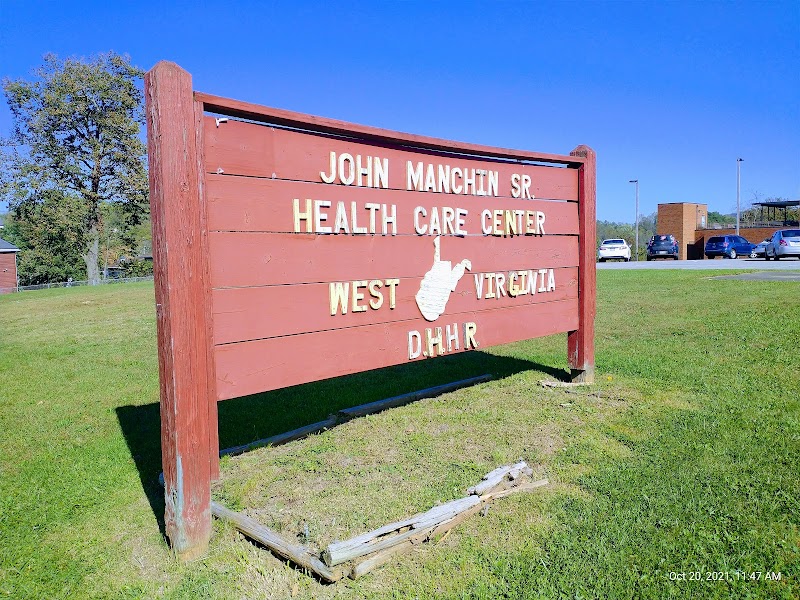
How is Majestic Care Of Manchin Staffed?

CMS rates Majestic Care of Manchin's staffing level at 4 out of 5 stars, which is above average compared to other nursing homes. Staff turnover is 69%, which is 23 percentage points above the West Virginia average of 46%. High turnover can affect care consistency as new staff learn residents' individual needs. RN turnover specifically is 71%, which is notably high. RNs provide skilled clinical oversight, so turnover in this role can affect medical care quality.

What Have Inspectors Found at Majestic Care Of Manchin?

State health inspectors documented 35 deficiencies at Majestic Care of Manchin during 2022 to 2025. These included: 34 with potential for harm and 1 minor or isolated issues.
Who Owns and Operates Majestic Care Of Manchin?

Majestic Care of Manchin is owned by a government entity. Government-operated facilities are typically run by state, county, or municipal agencies. The facility operates independently rather than as part of a larger chain. With 41 certified beds and approximately 28 residents (about 68% occupancy), it is a smaller facility located in FAIRMONT, West Virginia.

How Does Majestic Care Of Manchin Compare to Other West Virginia Nursing Homes?

Compared to the 100 nursing homes in West Virginia, Majestic Care of Manchin's overall rating (4 stars) is above the state average of 2.7, staff turnover (69%) is significantly higher than the state average of 46%, and health inspection rating (4 stars) is above the national benchmark.

What Should Families Ask When Visiting Majestic Care Of Manchin?

Based on this facility's data, families visiting should ask: "How do you ensure continuity of care given staff turnover, and what is your staff retention strategy?" "Can I visit during a mealtime to observe dining assistance and food quality?" "How do you handle medical emergencies, and what is your hospital transfer rate?" "Can I speak with family members of current residents about their experience?" These questions are particularly relevant given the facility's high staff turnover rate.

Is Majestic Care Of Manchin Safe?

Based on CMS inspection data, Majestic Care of Manchin has a clean safety record: no substantiated abuse findings (meaning no confirmed cases of resident harm), no Immediate Jeopardy citations (the most serious violation level indicating risk of serious injury or death), and is not on the Special Focus Facility watch list (a federal program monitoring the lowest-performing 1% of nursing homes). The facility has a 4-star overall rating and ranks #1 of 100 nursing homes in West Virginia. While no facility is perfect, families should still ask about staff-to-resident ratios and recent inspection results during their visit.

Do Nurses at Majestic Care Of Manchin Stick Around?

Staff turnover at Majestic Care of Manchin is high. At 69%, the facility is 23 percentage points above the West Virginia average of 46%. Registered Nurse turnover is particularly concerning at 71%. RNs handle complex medical decisions and coordinate care — frequent RN changes can directly impact care quality. High turnover means new staff may not know residents' individual needs, medications, or preferences. It can also be disorienting for residents, especially those with dementia who rely on familiar faces. Families should ask: What is causing the turnover? What retention programs are in place? How do you ensure care continuity during staff transitions?

Was Majestic Care Of Manchin Ever Fined?

Majestic Care of Manchin has been fined $5,244 across 1 penalty action. This is below the West Virginia average of $33,131. While any fine indicates a compliance issue, fines under $50,000 are relatively common and typically reflect isolated problems that were subsequently corrected. Families should ask what specific issues led to these fines and confirm they've been resolved.

Is Majestic Care Of Manchin on Any Federal Watch List?

Majestic Care of Manchin is not on any federal watch list. The most significant is the Special Focus Facility (SFF) program, which identifies the bottom 1% of nursing homes nationally based on persistent, serious quality problems. Not being on this list means the facility has avoided the pattern of deficiencies that triggers enhanced federal oversight. This is a positive indicator, though families should still review the facility's inspection history directly.