COMPLETE CARE AT DAWNVIEW LLC
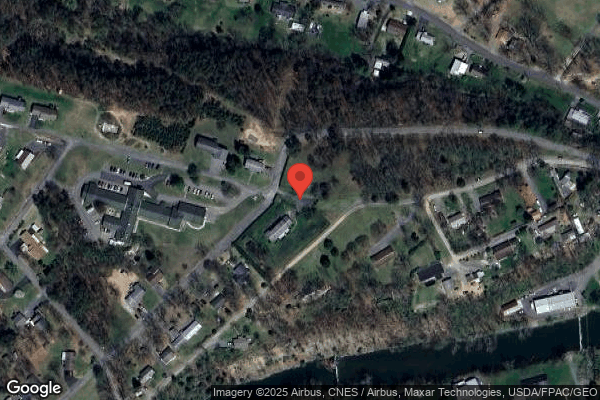
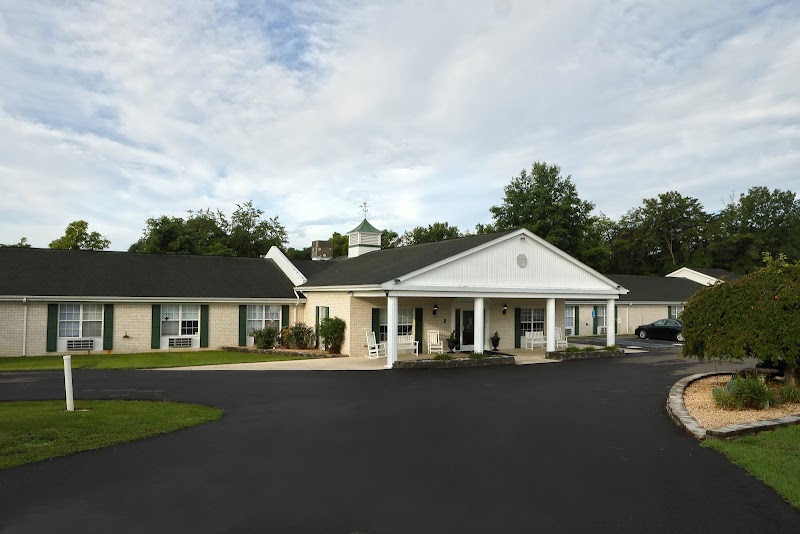
1 DIANE DRIVE, FORT ASHBY, WV 26719 (304) 298-3602
For profit - Limited Liability company 66 Beds COMPLETE CARE Data: November 2025 2 Immediate Jeopardy citations
Trust Grade
26/100
#44 of 122 in WV
Last Inspection: November 2024

Within standard 12-15 month inspection cycle. Federal law requires annual inspections.

Overview

Complete Care at Dawnview LLC in Fort Ashby, West Virginia, has received a Trust Grade of F, indicating significant concerns about the facility. They rank #44 out of 122 nursing homes in the state, which places them in the top half, and #1 out of 2 in Mineral County, meaning there is only one other local option available. While the facility is showing an improving trend, with issues decreasing from 15 in 2023 to 11 in 2024, it still has a concerning staffing rating of 2 out of 5 stars and a high turnover of 61%, exceeding the state average of 44%. The facility has faced $46,232 in fines, which is higher than 86% of West Virginia facilities, suggesting ongoing compliance issues. Specific incidents raise red flags, such as a failure to protect a non-communicative resident from sexual abuse and a delay in reporting the allegation, which could affect all residents. Additionally, there were concerns about unsanitary conditions, with unclean wheelchairs observed in a foul state, indicating a lack of attention to hygiene. Despite some strengths like a decent quality measures rating of 4 out of 5 stars, the overall picture presents both significant weaknesses and areas needing improvement.

Trust Score
F
26/100
In West Virginia
#44/122
Top 36%
Safety Record
High Risk
Review needed
Inspections
Getting Better
15 → 11 violations
Staff Stability
⚠ Watch
61% turnover. Above average. Higher turnover means staff may not know residents' routines.
Penalties
○ Average
$46,232 in fines. Higher than 67% of West Virginia facilities. Some compliance issues.
Skilled Nurses
○ Average
Each resident gets 35 minutes of Registered Nurse (RN) attention daily — about average for West Virginia. RNs are the most trained staff who monitor for health changes.
Violations
⚠ Watch
40 deficiencies on record. Higher than average. Multiple issues found across inspections.
★★★☆☆
3.0
Overall Rating
★★☆☆☆
2.0
Staff Levels
★★★★☆
4.0
Care Quality
★★★☆☆
3.0
Inspection Score
Stable
2023: 15 issues
2024: 11 issues

The Good

  • 4-Star Quality Measures · Strong clinical quality outcomes
  • Full Sprinkler Coverage · Fire safety systems throughout facility
  • No fines on record

Facility shows strength in quality measures, fire safety.

The Bad

3-Star Overall Rating

Near West Virginia average (2.7)

Meets federal standards, typical of most facilities

Staff Turnover: 61%

15pts above West Virginia avg (46%)

Frequent staff changes - ask about care continuity

Federal Fines: $46,232

Above median ($33,413)

Moderate penalties - review what triggered them

Chain: COMPLETE CARE

Part of a multi-facility chain

Ask about local staffing decisions and management

Staff turnover is elevated (61%)

13 points above West Virginia average of 48%

The Ugly 40 deficiencies on record

2 life-threatening
Nov 2024 8 deficiencies
CONCERN (D) 📢 Someone Reported This

A family member, employee, or ombudsman was alarmed enough to file a formal complaint

Potential for Harm - no one hurt, but risky conditions existed

Investigate Abuse (Tag F0610)

Could have caused harm · This affected 1 resident

b) Resident #38 -Resident Interview: On 11/04/24 at 4:07 PM an interview was conducted with Resident #38 who reported that he had $100 missing from his lock box in his room. He reported that he wears ...

Read full inspector narrative →
b) Resident #38 -Resident Interview: On 11/04/24 at 4:07 PM an interview was conducted with Resident #38 who reported that he had $100 missing from his lock box in his room. He reported that he wears the key around his neck and the only time he takes it off is when he is in the shower. He stated that he reported this incident to staff on 09/05/24. -Review of records: On 11/05/24 at 3:00 PM, a review of the initial reportable, investigation and five-day-follow-up dated for 09/05/24 revealed the following: Resident #38 reported on 09/05/24 to the Social Worker that he had $100 in his lockbox. He reported that the money was in a brown envelope. He does not recall the last time he saw the money. The resident's sister was interviewed by the Social Worker and reported that Resident #38 had money in his lock box. She stated a few months ago she gave him $100 that was wrapped in a piece of white notebook paper and placed in his lockbox. She was uncertain of the last time she saw the money in the lockbox. There were 15 (fifteen) staff interviews/questionnaires on pre-typed forms that were filled in with handwritten answers, 13 (thirteen) of these had no name documented as to the person conducting interview/nor signature of said person. There was 1 (one) form with no date/time of interview. All 15 (fifteen) forms were not signed by the people who had been interviewed. The five-day follow-up revealed that the incident was reported to Adult Protective Services and the Ombudsman. The facility did not verify the incident due to the following: There is no evidence to show any staff member stole his money. He keeps it locked in a lock box with the key around his neck. He has not noticed his lock box out of place or tampered with. Staff who work with resident have not seen or heard of any suspicious activity in his room. Resident and his sister reminded that cash should not be kept in the room. Resident account could be established where he would have access to money as needed. -Staff Interview: On 11/06/24 at 1:25 PM, during an interview the facility administrator revealed she completed the investigation of the incident that occurred on 09/05/24. She stated she only interviewed staff that had recently worked on the resident's hall despite not knowing exactly when the money first came up missing. She acknowledged that these statement interviews were handwritten by her, she had interviewed some via telephone and some face to face, they did not contain her name listed as the Person conducting interview, were not signed by her or by the staff who were interviewed and she stated that she did not know why. She acknowledged that it was unclear as to exactly when Resident #38's money came up missing. She acknowledged that the resident's sister had reported she had given the resident $100 some time ago. Staff interviewed could not recall a time when the resident had it outside of his safe or had spent it. The administrator reported that she assisted the resident in looking through his belongings and did not find the missing money. She could not recall if she had contacted the police but after looking at the five-day-follow-up, she reported that she had not contacted the police in regards to this allegation. She also stated that the money was not replaced by the facility because they did not determine that the facility was at fault. -Review of facility's policy for Abuse, Neglect, Exploitation reveals the following: The facility will report allegations of abuse/neglect/exploitation or mistreatment, including injuries of unknown sources and misappropriation of resident property immediately to the administrator of the facility and to other appropriate agencies in accordance with current state and federal regulations within prescribed timeframes. Compliance Guidelines: 5. Investigation: a. The facility will investigate all allegations and types of incidents as listed above in accordance with facility procedure for reporting/response as described below. b. The facility will perform an investigation that focuses on whether abuse or neglect occurred and to what extent. Clinical evaluation for any signs of injury, causative factors, and interventions to prevent further injury. Procedure for response and reporting allegations of Abuse/Neglect/Exploitation: When suspicion of abuse/neglect/exploitation or reports of abuse/neglect/exploitation occur, the following procedure will be initiated: 2. The Administrator or designee will: a. Notify the appropriate agencies as soon as possible but no later than 24 hours after discovery of the incident. b. Initiate and conduct a thorough investigation. Obtain statements related to the incident from victims, individual reporting incident, alleged perpetrator, and any witnesses. d. Notify local law enforcement, Licensing Boards and Registries, and any other agencies as required. Based on record review and staff interview, the facility failed to thoroughly investigate allegations of abuse and neglect, by failing to have witness statements signed by witnesses an alleged incident involving Resident #11, and failing to complete witness statements, and notify the police regarding an allegation of misappropriation of funds for Resident #38. This was true for two (2) of four (4) residents reviewed for abuse and neglect during the survey process. Resident identifiers: 11, 38. Facility census: 59 Findings include: A) Resident #11 At approximately 3:30 PM on 11/05/2024, a review was conducted of a facility reported incident concerning Resident #11 on 10/07/2024. During the review, it was noted the administrator of the facility had conducted interviews with four (4) employees regarding the incident. These interviews were typed and signed only by the administrator, with no indication of employee acknowledgement. At approximately 1:00 PM on 11/06/2024 an interview was conducted with the administrator. During the interview, the administrator stated these interviews were conducted over the phone this was the standard way she conducts interviews, and does not usually have the employees interviewed, sign the statements.
CONCERN (D)

Potential for Harm - no one hurt, but risky conditions existed

PASARR Coordination (Tag F0644)

Could have caused harm · This affected 1 resident

Based on record review and staff interview, the facility failed upon admission to identify a mental diagnosis for Resident #36 and related diagnoses of dementia and PTSD for Resident #42 on the PASARR...

Read full inspector narrative →
Based on record review and staff interview, the facility failed upon admission to identify a mental diagnosis for Resident #36 and related diagnoses of dementia and PTSD for Resident #42 on the PASARR. This was true for two (2) of three (3) resident's reviewed under the area of PASARR. Resident identifiers: #42 and #36. Facility Census: 59 Findings included: a) Resident #42 Findings were confirmed by the Social Worker and the Admission's Director on 11/06/24 12:55 PM for Resident #42 included: 1) Diagnoses for PTSD and Dementia were not indicated on the initial PASARR. Diagnosis of dementia from the hospital H&P dated 5/11/22 listed PMH: Dementia 11/2021. 2) The State Surveyor interviewed the Social Worker concerning PASARR for Resident #42 .The Social Worker reported she does not have access to the attached order summary since they had changed companies. The Social Worker stated there was no access to Genesis to attach the diagnosis list. The Social Worker stated, We will have to redo all the summaries. The Social Worker stated, I don't redo them when they get there. (from the hospital) on every resident initially. The Admission's Director stated, Now we know and we will do better. No further information was provided. 3) Record Review indicated a diagnosis of dementia from the hospital H&P dated 5/11/22 listed PMH: Dementia 11/2021. The resident's Physician Determination of Capacity was signed and dated 5/17/22- The patient lacks capacity with a diagnosis of Alzheimer's Disease. b) Resident #36 On 11/04/24 at 12:54 PM, a record review was completed for Resident #36. The review found the original Preadmission Screening and Resident Review (PASARR) dated 03/04/22 had only dementia listed. The review, also, found the resident had a diagnosis of paranoid schizophrenia. On 11/05/24 at 2:34 PM, the Admissions Director #97 stated, We are trying to get the most recent PASARR from his recent hospitalization in July, 2024. On 11/06/24 at 3:37 PM, the Admissions Director #97 stated, I have called the hospital multiple times and I haven't received the pages that list the diagnoses .I have the signature page from when the physician signed it on 07/22/24 .that's all they have sent. On 11/06/24 at 4:00 PM, the Admissions Director #97 confirmed the initial PASARR dated 03/04/22 did not list the diagnosis of paranoid schizophrenia. No further information was obtained during the survey process.
CONCERN (D)

Potential for Harm - no one hurt, but risky conditions existed

Deficiency F0745 (Tag F0745)

Could have caused harm · This affected 1 resident

**NOTE- TERMS IN BRACKETS HAVE BEEN EDITED TO PROTECT CONFIDENTIALITY** Based on record review and staff interview, the facility failed to follow the proper procedures to appoint a healthcare surrogat...

Read full inspector narrative →
**NOTE- TERMS IN BRACKETS HAVE BEEN EDITED TO PROTECT CONFIDENTIALITY** Based on record review and staff interview, the facility failed to follow the proper procedures to appoint a healthcare surrogate for Resident # 35. This was true for one (1) of four (4) residents reviewed for advance directives during the survey process. Resident Identifier: 35. Facility census: 59. Findings include: A) Resident #35 At approximately 2:30 PM on [DATE], a review of Resident #35's electronic health record was reviewed. During this review, it was noted the resident had a Physician Orders for Scope of Treatment (POST) form on file, signed by someone that was not named as her healthcare surrogate. Resident #35 was admitted to the facility on [DATE] after a hospital stay. During her hospital stay, the hospital determined Resident #35 did not have capacity to make decisions on her own due to an Acute Cerebrovascular Accident, resulting in confusion and disorientation. The duration of incapacity was determined to be long term. Due to Resident #35 demonstrating incapacity to make informed choices, the hospital completed a checklist for healthcare surrogate (HCS) selection. Resident #35's husband was determined to be the best choice and he agreed to become the HCS. This was completed on [DATE]. Resident #35 was admitted to the facility on [DATE] and was deemed incapacitated by the facility's physician, on this day, due to Multiple Infarct Dementia as evidenced by inability to understand or make medical decisions and being disoriented to person, place and time. On [DATE], Resident #35's husband signed a POST form indicating the resident was to be a full code. Resident #35 was to receive CPR, full medical interventions, feeding tubes, and IV fluids for a trial period of no longer than seven (7) days. Resident #35's husband was admitted to the facility on [DATE]. On [DATE], Resident #35's husband signed paperwork to make a family friend his Power of Attorney (POA). That same day, Resident #35, witnessed by the Secretary, the Director of Nursing (DON), and notarized by the Social Service Director (SSD), signed the same paperwork to make the same family friend her POA. At the time of signing this paperwork, Resident #35 was incapacitated and had a Brief Interview for Mental Status (BIMS) score of 3, indicating severe cognitive impairment. On [DATE], Resident #35's husband was declared incapacitated. On [DATE], the newly appointment POA filled out a new POST form, indicating Resident #35's code status was now Do Not Resuscitate (DNR) with comfort focused treatments and no artificial means of nutrition. Resident #35's husband passed away at the facility on [DATE]. At approximately 12:00 PM on [DATE], an interview was conducted with the DON and Business Office Manager (BOM) regarding the POA paperwork. During the interview, the DON and BOM both acknowledged Resident #35 did not have capacity when she signed the paperwork to appointment the family friend as her power of attorney. At approximately 1:00 PM on [DATE], the Administrator acknowledged Resident #35 did not have capacity when she signed the paperwork to appointment the family friend as her power of attorney. At approximately 1:10 PM on [DATE], an interview was conducted with the Assistant Director of Nursing (ADON), while she was working a medication cart, about Resident #35's code status. The ADON was asked, if Resident #35 was to code at that moment, how would the facility determine her code status. The ADON pulled up her computer and pointed to the Resident's code status on her chart, which was DNR. At approximately 2:30 PM on [DATE], an interview was conducted with the Administrator. During the interview, the Administrator stated after Resident #35's husband was deemed incapacitated, the facility made the decision to appointment the family friend to be Resident #35's POA. However, the paperwork was completed to appointment the family friend on [DATE], while the husband was not deemed incapacitated [DATE]. The Administrator stated the facility should have gone through an HCS selection process to appoint the family friend as the POA rather than having Resident #35 fill out the paperwork while being incapacitated with a BIMS score of 3.
CONCERN (D)

Potential for Harm - no one hurt, but risky conditions existed

Medical Records (Tag F0842)

Could have caused harm · This affected 1 resident

Based on record review and staff interview, the facility failed to maintain an accurate and complete record regarding transfer dates for Resident #28 and #36. This was true for two (2) of two (2) resi...

Read full inspector narrative →
Based on record review and staff interview, the facility failed to maintain an accurate and complete record regarding transfer dates for Resident #28 and #36. This was true for two (2) of two (2) residents reviewed under the care area of hospitalizations. Resident identifiers: #28 and #36. Facility census: 59. Findings include: a) Resident #28 On 11/05/24 at 10:10 AM, a record review was completed for Resident #28. The review found the resident had been sent to an acute care facility on 08/11/24. However, the transfer form was dated 06/29/24. On 11/05/24 at 11:30 AM, the Director of Nursing (DON) was notified. The DON confirmed the transfer date was incorrect in the medical record. b) Resident #36 On 11/05/24 at 11:00 AM, a record review was completed for Resident #36. The review found the resident had been sent to an acute care facility on 10/04/24. However, the date on the transfer form was 09/04/24. The review, also, found the resident had been sent to an acute care facility on 10/27/24. However, the date on the transfer form was 10/04/24. On 11/05/24 at 11:30 AM, the Director of Nursing (DON) was notified. The DON confirmed the transfer dates were incorrect in the medical record.
CONCERN (E)

Potential for Harm - no one hurt, but risky conditions existed

Safe Environment (Tag F0584)

Could have caused harm · This affected multiple residents

Based on observation, record review and staff interview, the facility failed to provide a safe, clean, homelike environment regarding the storage of unclean wheelchairs. This was a random opportunity ...

Read full inspector narrative →
Based on observation, record review and staff interview, the facility failed to provide a safe, clean, homelike environment regarding the storage of unclean wheelchairs. This was a random opportunity for discovery. Resident Identifiers: #17, #35, #56, #47, #37, #57 and #2. Facility Census: 59. Findings Include: a) Storage of wheelchairs On 11/04/24 at 10:30 AM, a foul odor was noticed by the Surveyors at the end of the 100-hall next to the conference room. Upon further examination, the foul odor was lingering around the wheelchairs and wheelchair cushions were noted with debris and a dried substance. The wheelchairs without cushions were noted with a foul odor and debris on the seats. Most of the wheelchairs observed had the residents' names located on the handles of the wheelchairs. On 11/05/24 at 10:15 AM, the wheel chairs were observed at the end of 100 hall next to conference room. The foul odor and debris were again observed by the Surveyors. On 11/05/24 at 10:25 AM, the Director of Nursing (DON) was asked to come to the end of the 100 halls where the wheelchairs were located. The DON was asked, do you smell a foul odor and see the debris on the wheelchair cushions and the seats of the wheelchairs? The DON agreed there was a foul odor and debris were on the wheelchair cushions and seats of the wheelchairs. The DON stated, there is a schedule for the staff on midnights to clean the wheel chairs. The DON returned with a blank schedule with room numbers and days of the week each wheelchair should be cleaned. The DON then had a staff member bring disinfectant wipes to clean the wheelchairs. The following residents had wheelchairs located in this area: --Resident #17 --Resident #35 --Resident #56 --Resident #47 --Resident #37 --Resident #57 --Resident #2 There were additional wheelchairs located in this area without names located on the handles. No further information was provided during the survey process.
CONCERN (E)

Potential for Harm - no one hurt, but risky conditions existed

Deficiency F0657 (Tag F0657)

Could have caused harm · This affected multiple residents

b) Resident #18 Findings confirmed on 11/05/2024 by the Director of Nursing for Resident #18 included: Hospice services were ordered for Resident #18 on 10/28/2024. The Director of Nursing acknowled...

Read full inspector narrative →
b) Resident #18 Findings confirmed on 11/05/2024 by the Director of Nursing for Resident #18 included: Hospice services were ordered for Resident #18 on 10/28/2024. The Director of Nursing acknowledged there was no current care plan for hospice services and stated, that's odd. Findings were confirmed 11/06/24 10:10 AM by the Director of Nursing for Resident #19 included: The resident's care plan stated the patient had a long term use of insulin. The resident's insulin was discontinued on 9/18/2024. The State Surveyor reviewed the care plan with insulin documented and matrix with the Director of Nursing. The Director of Nursing stated, I don't think it's his most recent care plan. On 11/06/24 10:26 AM, the Director of Nursing stated she was looking at the wrong care plan. The Director of Nursing confirmed the care plan stated the resident has long term use of insulin. The Director of Nursing reported she talked with the care plan nurse. The Director of Nursing stated, I changed it to 'history of' on a new care plan. Based on record review and staff interview, the facility failed to revise the care plan regarding a diagnosis of anemia, actual multiple falls with injuries, indicate the diagnosis of dehydration and the administration of intravenous fluids (IVFs), and the discontinuation of an anticoagulant for Resident #28 and Resident #18's transfer to hospice services. This was true for two (2) of 21 residents reviewed during the survey process. Resident Identifiers: #28 and #18. Facility Census: 59. Findings included: a) Resident #28 On 11/05/24 at 8:45 AM, a record review was completed for Resident #28. The review found the resident had multiple falls with actual injuries noted, laboratory results indicating elevated liver functions indicating dehydration as well as low hemocrit and hemoglobin, and the discontinuation of an anticoagulant due to the resident having multiple falls. The care plan was reviewed regarding the noted change of conditions which were found the resident record. The care did not have an indication of actual falls with injuries, abnormal laboratory results indicating dehydration or anemia, receiving IVFs and the discontinuation of an anticoagulant (Eliquis). On 11/05/24 at 10:15 AM, the DON was notified the care plan did not indicate any of the change of conditions. The DON confirmed the care plan should have been updated with the change of conditions for Resident #28. No further information was obtained during the survey process.
CONCERN (E)

Potential for Harm - no one hurt, but risky conditions existed

Accident Prevention (Tag F0689)

Could have caused harm · This affected multiple residents

Based on observation and staff interview, the facility failed to provide an accident and hazard free environment as possible by having a treatment cart which would not lock properly on three occasions...

Read full inspector narrative →
Based on observation and staff interview, the facility failed to provide an accident and hazard free environment as possible by having a treatment cart which would not lock properly on three occasions. These were random opportunities for discovery. Facility Census: 59. Findings Include: a) Treatment Cart On 11/04/24 at 11:40 AM, a treatment cart was observed unlocked behind the nurses' station which was unsecured and residents are able to ambulate in this area. On 11/04/24 at 11:43 AM, the Director of Nursing (DON) was notified of the treatment cart being unlocked and accessible to the residents. The DON stated, the lock is not working .I'll call Maintanence. At this time, the treatment cart was left in the same area behind the nurses' station. On 11/04/24 at 3:15 PM, the treatment cart was observed unlocked behind the nurses' station. At this time, observations of the unlocked treatment cart continued until 3:30 PM. No staff were observed near the unlocked treatment cart during this time. The Administrator was notified and stated, We have contacted the pharmacy and they are coming to check it. The Administrator advised the DON to move the treatment cart and lock it in the medication room. At this time, an inventory of the items in the unlocked treatment cart was completed. The following items were noted: --Microkill Germicidal Alcohol Wipes (one container) --Sani cloth with bleach (one container) --Antifungal Powder (six bottles) --Zinc Oxide (three tubes) --Ammonium Lactate 12% (two tubes) --Mupirocin 2% ointment (one tube) --Sodium Sulfaceamide 10% (one tube) --Ketoconazole Shampoo (one bottle) --Flucinolone Acetonide Cream 0.01% (one tube) --Pluragel (two tubes) --Therahoney (six small tubes) --Iodosorb Cadexomer Iodine Gel (one tube) --Hydrocortisone (one tube) --Hemorrhoid Ointment (two tubes) --Antiseptic skin cleanser (one bottle) --Hydrogel (two tubes) --Moisturize cream (one jar) --Silicone Cream (one tube) --Antifungal Cream (one tube) --A & D ointment (one tube) --Bisacodyl suppositories (1 box) --Wound cleanser (five bottles) --Providone Iodine wipes (1 box) --Alcohol wipes (1 box) --Fresh Odor Eliminator (one bottle) --Chlorhexidine Gluconate 4% --Sure prep (1 box) --Suture removal trays (four) which includes scissors --Scissors (two) --Disposable razors (four) --Nail clippers (five) --Silver Sulfadiazine cream (one jar) --Triamcinolone acetate cream (one jar) On 11/04/24 at 3:45 PM, the Administrator was asked for a list of wanderers. The Administrator provided a list of 13 wanderers; and, four (4) residents listed on the wanderers list were noted to be wandering in the hallway near the nurses' station. Two (2) residents approached the Surveyors during the time the inventory was being completed. The two (2) residents were redirected by staff. No further information was obtained during the survey process.
CONCERN (E)

Potential for Harm - no one hurt, but risky conditions existed

Food Safety (Tag F0812)

Could have caused harm · This affected multiple residents

Based on observation, record review and staff interview, the facility failed to store and label food in accordance with professional standards for food service safety. This failed practice had the pot...

Read full inspector narrative →
Based on observation, record review and staff interview, the facility failed to store and label food in accordance with professional standards for food service safety. This failed practice had the potential to affect more than a limited number of residents. Facility Census: 59. Findings included: a) A bag of elbow macaroni was found open with no dates. A bag of loose tea bags was opened with no dates. One tea bag was found loose and lying out of the bag. On 11/05/25 the Nutrition Pantry was investigated and the findings confirmed by the CDM at 9:07am included: A can of ground roast coffee with a best by date of 02/29/24 was found. No open date was found on the can. The can was rusty and dirty on the bottom. The CDM reported it was, not stocked from the kitchen. CDM to follow up with the administrator. Findings confirmed by the Certified Dietary Manager (CDM) on 11/04/24 during the kitchen investigation initiated at 10:35 am included.
Apr 2024 3 deficiencies 2 IJ
CRITICAL (J) 📢 Someone Reported This

A family member, employee, or ombudsman was alarmed enough to file a formal complaint

Immediate Jeopardy (IJ) - the most serious Medicare violation

Free from Abuse/Neglect (Tag F0600)

Someone could have died · This affected 1 resident

**NOTE- TERMS IN BRACKETS HAVE BEEN EDITED TO PROTECT CONFIDENTIALITY** An IJ at F600 was called on 04/03/24 at 1:26 PM . A Plan of Correction (POC) was approved on 04/03/24 at 4:56 PM. The IJ was aba...

Read full inspector narrative →
**NOTE- TERMS IN BRACKETS HAVE BEEN EDITED TO PROTECT CONFIDENTIALITY** An IJ at F600 was called on 04/03/24 at 1:26 PM . A Plan of Correction (POC) was approved on 04/03/24 at 4:56 PM. The IJ was abated on 04/04/24 at 10:15 AM. Based on record review, observations and staff interviews, the facility failed to protect a defenseless, non communicative resident from sexual abuse and to ensure other residents were protected from sexual abuse. This failed practice had the potential to affect all residents residing in the facility. Resident identifiers: #14 and #20. Facility census: 49. Findings included: Review of the policy and procedure titled Abuse, Neglect and Exploitation dated reviewed/revised 03/22/23 stated that reporting of all alleged violations to the Administrator, state agency, adult protective services and to all other required agencies (e.g., law enforcement when applicable) within specific time frames: immediately, but not later than 2 hours after the allegation is made . In addition Sexual abuse is non-consensual sexual contact of any type with a resident. An unannounced two (2) complaint investigations (#31427, #31733) was conducted with entrance on 04/02/24 at 11:10 AM. The facility was exited on 04/04/24 with reentrance on 04/08/24 and exited on 04/10/24. Findings included: On 03/29/24 at 11:12 AM, a Registered Nurse (RN) #36 made the following general note: Resident was caught with his hand in the shirt of an incapacitated person. Intervention occurred while hand was under the shirt, near the waist line, on the abdomen. Resident was trying to reach further at the time of incident. He continued to try and get near the targeted resident multiple times throughout the day but was unable to. Staff were aware and vigilant in redirected resident to his room and activities. The alleged perpetrator was Resident #20 and the victim was Resident #14. The State Agency did not received an Initial Reporting of Allegations until 04/01/24 at 13:53 (1:53 PM) when the incident was reported to the Nursing Home Administrator (NHA). The reporting was completed for Resident #20 and Resident #14. a) Resident #14 Resident #14 was admitted on [DATE] and readmitted on [DATE]. Diagnoses included Dementia, depression and cognitive communication deficit. A review of the annual Minimum Data Set (MDS) with an Assessment Reference Date (ARD) of 02/05/24 found a Brief Interview for Mental Status (BIMS) of 00. Which indicated a severe loss of cognition. The MDS noted there had been no behaviors noted from the last MDS. b) Resident #20 Resident #20 was admitted on [DATE]. Diagnoses included Dementia, depression and anxiety disorder. A review of the quarterly MDS with an ARD of 03/08/24 found a BIMS of 00 which indicated a severe loss of cognition. The MDS noted there had been no behaviors noted from the last MDS. Resident #20 had no verbal communication. On 04/02/24 a request was made to the Nursing Home Administrator (NHA) for all reportable's from January 2024 through March 2024. There were two (2) residents listed with dates of 01/18/24 and 02/19/24 respectfully. When the NHA was asked if there were any other reportable's, the NHA stated that she had just received an allegation and was being investigated and reported. The sexual abuse occurred on 03/29/24 and was not reported until 04/01/24. This involved an allegation of sexual abuse from resident to resident. On 04/03/24 at 9:40 AM, the NHA produced the reportable regarding the complaint. After further review of employee statements, The NHA found the Registered Nurse (RN) #36 did intervene as well as Nurse Aides (NA's) to remove the perpetrator from the victim. RN #36 failed to notify anyone until 04/01/24. The NHA was not informed of the incident until 04/01/24. The NHA stated that she was aware that the incident needed to be reported within two (2) hours. She had obtained a statement with the RN involved who was on vacation. All but one NA had provided a statement. In addition, the NHA stated that education had been started on 04/01/24 regarding what was sexual abuse for all staff but not sure if this included abuse reporting. The NHA was asked for any evidence when or how the staff monitored Resident #20 after the incident occurred. The General Note Nursing on 03/29/24 at 11:12 AM stated Resident (#20) was caught with his hand in the shirt of an incapacitated person (#14). Intervention occurred while hand was under the shift, near the waist line, on the abdomen. Resident (#20) was trying to reach further at the time of the incident. Resident (#20) was redirected from the resident (#14). He continued to try and get near the targeted resident multiple times throughout the day but was unable too. Staff were aware and vigilant in redirected resident to his room and activities. The following was the phone interview with RN #36 by the NHA on 04/02/24. The interview was as follows: Have you witnessed (resident initials) inappropriately touching residents or attempting to? Give details. Friday, 3/39 - I was at the top of the 100 hall at the med (medication) cart, heard one of the aides say (resident name redacted), stop that. I looked over and saw (female resident name redacted) wheelchair was against the wall near the bathroom and (male resident first name redacted) was in his chair facing her. His hand was under her shirt at the waistline. I came over and removed his hand from her. I told him that was inappropriate, and he could not do that. He laughed. We moved (male residents first name redacted) away from her but he continued to try to go near her. Eventually we took him to the dining room and redirected him by working on a puzzle. If so, what was done to protect the resident? Staff monitored (male resident first name redacted) and eventually had to remove him from the area of where (female first name redacted) sat. No other issues during the shift. What was done to protect other residents? Monitored (male resident first name redacted) whereabouts. No other issues during the shift. Did you report it to the supervisor? No. I documented it and passed it along in report. NA #34 stated that, on 03/29/24 at approximately 1:30 PM, Resident #20 had his arm going up Resident #14 shirt. I took him away from the situation. I told my nurse. I also told all the other aides so they would keep him away from her. Interview by the NHA conducted on 04/03/24. NA's #45 and #7 during an interview on 04/02/24 both stated that they saw Resident #20 putting his hand up the shirt of Resident #14. Both stated they moved them away from each other and into another area. Both reported the incident to their nurse. Resident #20 was placed on 1:1 starting on 04/01/24 at 4:00 PM. On 04/02/24 at 6:18 PM Resident #20 was seen and evaluated by a consulting psych PMHNP-BC and ordered Prozac 10 milligrams every day for mood and inappropriate sexual behavior (ISB). Although an additional recommendation was made to discontinue 1:1 monitoring, the facility made the decision to continue the 1:1. A review of the evidence found staff scheduled to provide 1:1 monitoring since 04/01/24 at 4:00 PM. Random observations of Resident #20 found a staff member with him at all times. Observed sleeping in his room, sitting at the Nurses Station and walking in the hall. F600 Plan of Correction 1. Resident #20 was immediately removed from the area of Resident #14. Resident #20 was monitored and redirected by nursing staff until he was placed on 1:1 observation on 4/1/24. No further contact was made between Resident #20 & Resident #14. Resident #20 was seen by psych provider on 4/2/2024 for supportive visit. Resident #14 was noted to exhibit no signs or symptoms of psychological distress or discomfort and has not had any changes to her normal behavior. 2. All current residents will be interviewed by a member of the department head team by 4/3/24 to determine if they have experienced or have witnessed any sexual abuse by another resident in the facility. All current residents with a BIMS score of 12 or less will be assessed by social work to determine their capacity to consent to sexual activity. The assessments will be completed by 4/3/24. 3. Department Managers were educated by the Regional Clinical Consultant, RN on Non-Consensual Sexual Contact, Abuse, Neglect, Exploitation Policy. Education includes the identification of sexual abuse, stopping and reporting abuse, and the expectation the resident is to remain under direct observation until determined to no longer be a risk to other residents. Nursing Home Administrator, Regional Clinical Consultant and Department Managers will immediately begin education of employees until all current employees have received education. Any employee on LOA or not available to be reached by 4/3/24 will be educated prior to working their next scheduled shift. The NHA will ensure that education has been provided to them prior to beginning their shift. 4. The NHA, DON, or designee will administer quizzes daily until all employees validate understanding of education provided. Findings will be reported by the NHA or DON at the monthly Quality Assurance Performance Improvement (QAPI) Meeting for a period of 3 months to monitor progress towards improvement and recommendations. The following staff members were interviewed regarding the education presented by the facility for abuse reporting and what constitutes sexual abuse between 8:45 AM and 9:58 AM on 04/03/24: Housekeeping #4 NA #34 Med Records/Central Supply #81 RN #69 NA #70 LPN #75 Maintenance Director #84 Maintenance Assistant #94 OTA/DOR #76 Activities Asst. #14 Cook #29 Dietary Aide #30 NA #42
CRITICAL (J) 📢 Someone Reported This

A family member, employee, or ombudsman was alarmed enough to file a formal complaint

Immediate Jeopardy (IJ) - the most serious Medicare violation

Report Alleged Abuse (Tag F0609)

Someone could have died · This affected 1 resident

**NOTE- TERMS IN BRACKETS HAVE BEEN EDITED TO PROTECT CONFIDENTIALITY** . An IJ at F609 was called on 04/03/24 at 1:26 PM . A Plan of Correction (POC) was approved on 04/03/24 at 4:56 PM. The IJ was a...

Read full inspector narrative →
**NOTE- TERMS IN BRACKETS HAVE BEEN EDITED TO PROTECT CONFIDENTIALITY** . An IJ at F609 was called on 04/03/24 at 1:26 PM . A Plan of Correction (POC) was approved on 04/03/24 at 4:56 PM. The IJ was abated on 04/04/24 at 10:15 AM. Based on record review, reportables review, staff interviews, and policy review, the facility failed to report an allegation of sexual abuse within the required two (2) hour time. Resident identifiers: #14 and #20. Facility census: 49. Findings included: Review of the policy and procedure titled Abuse, Neglect and Exploitation dated reviewed/revised 03/22/23 stated that reporting of all alleged violations to the Administrator, state agency, adult protective services and to all other required agencies (e.g., law enforcement when applicable) within specific time frames: immediately, but not later than 2 hours after the allegation is made . In addition Sexual abuse is non-consensual sexual contact of any type with a resident. An unannounced two (2) complaint investigations (#31427, #31733) was conducted with entrance on 04/02/24 at 11:10 AM. The facility was exited on 04/04/24 with reentrance on 04/08/24 and exited on 04/10/24. On 03/29/24 at 11:12 AM, a Registered Nurse (RN) #36 made the following general note: Resident was caught with his hand in the shirt of an incapacitated person. Intervention occurred while hand was under the shirt, near the waist line, on the abdomen. Resident was trying to reach further at the time of incident. He continued to try and get near the targeted resident multiple times throughout the day but was unable too. Staff were aware and vigilant in redirected resident to his room and activities. The alleged perpetrator was Resident #20 and the victim was Resident #14. On 04/02/24 a request was made to the Nursing Home Administrator (NHA) for all reportable's from January 2024 through March 2024. There were two (2) residents listed with dates of 01/18/24 and 02/19/24 respectfully. When the NHA was asked if there were any other reportable's, the NHA stated that she had just received an allegation and was being investigated and reported. The sexual abuse occurred on 03/29/24 and was not reported until 04/01/24. This involved an allegation of sexual abuse from resident to resident. On 04/03/24 at 9:40 AM, the NHA produced the reportable regarding the complaint. After further review of employee statements, The NHA found the Registered Nurse (RN) #36 did intervene as well as Nurse Aides (NA's) to remove the perpetrator from the victim. RN #36 failed to notify anyone until 04/01/24. The NHA was not informed of the incident until 04/01/24. The NHA stated that she was aware that the incident needed to be reported within two (2) hours. She had obtained a statement with the RN involved who was on vacation. All but one NA had provided a statement. In addition, the NHA stated that education had been started on 04/01/24 regarding what was sexual abuse for all staff but not sure if this included abuse reporting. The NHA was asked for any evidence when or how the staff monitored Resident #20 after the incident occurred. The State Agency did not received an Initial Reporting of Allegations until 04/01/24 at 13:53 (1:53 PM) when the incident was reported to the Nursing Home Administrator (NHA). The reporting was completed for Resident #20 and Resident #14. a) Resident #14 Resident #14 was admitted on [DATE] and readmitted on [DATE]. Diagnoses included Dementia, depression and cognitive communication deficit. A review of the annual Minimum Data Set (MDS) with an Assessment Reference Date (ARD) of 02/05/24 found a Brief Interview for Mental Status (BIMS) of 00. Which indicated a severe loss of cognition. The MDS noted there had been no behaviors noted from the last MDS. b) Resident #20 Resident #20 was admitted on [DATE]. Diagnoses included Dementia, depression and anxiety disorder. A review of the quarterly MDS with an ARD of 03/08/24 found a BIMS of 00 which indicated a severe loss of cognition. The MDS noted there had been no behaviors noted from the last MDS. Resident #20 had no verbal communication. F609 POC 1. Resident to resident incident reported to OHFLAC, Ombudsman, and APS by the facility on Monday, April 1, 2024 at 1500 3:00 PM. 2. No other residents were directly affected by this practice. 3. Department Managers were educated by the Regional Clinical Consultant, RN on Non-Consensual Sexual contact, Abuse, Neglect, Exploitation Policy. Education includes the identification of sexual abuse, stopping and reporting abuse, and the expectations the resident is to remain under direct staff observation until determined to no longer be a risk to other residents. Nursing Home Administrator, Regional Clinical Consultant and Department Heads will immediately begin education of employees until all current employees have received education. Any employees on LOA or not available to be reached by 4/3/24 will be educated prior to working their next scheduled shift. The NHA will ensure that education has been provided to them prior to beginning their shift. 4. The NHA, DON, or designee will administer quizzes daily until all employee validate understanding of education provided. Findings will be reported by the NHA or DON at the monthly Quality Assurance Performance Improvement (QAPI) Meeting for a period of 3 months to monitor progress towards improvement and recommendations.
CONCERN (D) 📢 Someone Reported This

A family member, employee, or ombudsman was alarmed enough to file a formal complaint

Potential for Harm - no one hurt, but risky conditions existed

Respiratory Care (Tag F0695)

Could have caused harm · This affected 1 resident

**NOTE- TERMS IN BRACKETS HAVE BEEN EDITED TO PROTECT CONFIDENTIALITY** Based on record review, observations and staff interviews, the facility failed to ensure a resident maintained a continuous oxyg...

Read full inspector narrative →
**NOTE- TERMS IN BRACKETS HAVE BEEN EDITED TO PROTECT CONFIDENTIALITY** Based on record review, observations and staff interviews, the facility failed to ensure a resident maintained a continuous oxygen supply. Resident #50 failed to receive oxygen therapy from a portable tank and oxygen concentrator for approximately 20 minutes. This failed practice had the potential to affect all residents receiving oxygen therapy. Resident identifier: #50. Facility census: 49. Findings included: a) Resident #50 Resident #50 was admitted on [DATE]. Diagnoses included Diabetes Mellitus, Congestive Heart Failure, Chronic Obstructive Lung Disease, Hypertension, End Stage Renal Disease, Stage 4, and Respiratory failure. The annual Minimum Data Set (MDS) with an Assessment Reference Date (ARD) of 10/21/23 had a Brief Interview of Mental Status (BIMS) score of 13. This represents the resident is cognitively intact. An addition quarterly MDS with an ARD of 01/19/24 had a BIMS score of 10 which indicated a decline in cognition. Resident #50 is currently in an acute care hospital and returned to the facility on [DATE]. Random observations of Resident #50 on found Resident #50 asleep in her room. Resident #50 had no signs of respiratory distress. Unannounced complaint investigations (#31427 and 31733) were conducted concurrently on 04/02/24 through 04/04/24 and 04/08/24 through 04/10/24. A resident's family member reported that Resident #50 called on 02/18/24 and stated that she was having trouble breathing and the family member called the facility and 911 as well as Resident #50 calling 911. Resident #50 was admitted on [DATE]. Diagnoses included Diabetes Mellitus, Congestive Heart Failure, Chronic Obstructive Lung Disease, Hypertension, End Stage Renal Disease, Stage 4, and Respiratory failure. The annual Minimum Data Set (MDS) with an Assessment Reference Date (ARD) of 10/21/23 had a Brief Interview of Mental Status (BIMS) score of 13. This represents the resident is cognitively intact. An addition quarterly MDS with an ARD of 01/19/24 had a BIMS score of 10 which indicated a decline in cognition. On 02/18/24 Resident #50 was returned to her room by Activities (NA #40) because of an incontinent episode and oxygen tank switched because of running empty. This resident was taken back to Activities but they were ending. NA #40 returned Resident #50 to her room and connected to the oxygen concentrator removed from a portable oxygen tank around 4:00 PM and placed on an oxygen. Resident #50 expressed no distress during dinner. Staff delivered dinner tray to Resident #50 between 5:00 PM-5:15 PM and picked up dinner tray between 5:45 PM-6:00 PM the resident expressed no concerns at this time. At 6:45 PM MPOA received phone calls from the resident stating that she couldn't breathe. MPOA called the facility and reported that the resident needed help. The MPOA called 911 to report Resident #50 couldn't breathe. Concurrently, NA #13 was walking past Resident #50's room and overheard the Resident say calling 911. NA#13 immediately entered the room to see what was happening. She saw the resident was having trouble breathing and ran up the hall to get the Nurse. NA#40 went into the room and saw the oxygen concentrator was off and could not get it turned back on. NA #40 removed the tubing from the oxygen concentrator and plugged into the portable tank and found it was empty. NA #13 came back to the room with the pulse oximeter and turned the concentrator on and had no issue. NA#13 plugged the oxygen tubing back into the concentrator. Resident #50 began to take deep breaths and her oxygen levels returned to baseline. Oxygen levels were in the 90's by 7:03 PM when the ambulance arrived. Resident #50 refused to go to the hospital with the ambulance. The MPOA reported the situation to the NHA on 02/19/24. The resident was interviewed and she stated she didn't know what happened, she was just sitting in her room and suddenly couldn't breathe. She denied touching her oxygen concentrator. Maintenance ran a safety check of the concentrator and found it operating at 96% flow and all safety alarms functioning. Resident #50 was also assessed by the Nurse Fractionate. The NP made the following assessment: On 02/18/24 at 8:07 PM Nursing observations, evaluation, and recommendations are: Resident family called facility and reported to another nurse that her mother was in her room and was having trouble breathing. They also called 911 and had them come and evaluate her. I was not informed at that time of what was going on, aide came down the hall after me, her O2 stat was reading in the 60's at that time. Oxygen was on and functioning properly at that time. Her oxygen was either not hooked up properly to the concentrator/or the tank was empty, her wheelchair was pushed back against the concentrator and her back was up against her oxygen tubing, possibly cutting off her oxygen supply. She was instructed to take several deep breaths. Her oxygen was up to 96% on 4 liters when the ambulance arrived at facility. A close living family member also came to facility. Resident #50 is currently in an acute care hospital and returned to the facility on [DATE]. Random observations of Resident #50 found Resident #50 asleep in her room. Resident #50 had no signs of respiratory distress. Review of pulse oxygen levels on 04/06/24 at 10:01 AM found the following: 04/06/24 at 2:28 AM 97% on room air 04/06/24 at 6:15 AM 97% on room air 04/06/24 at 6:16 AM 97% oxygen via nasal cannula 04/06/24 at 3:12 PM 100% on room air 04/07/24 at 2:57 AM 97% oxygen via nasal cannula 04/07/24 at 9:30 AM 100% oxygen via nasal cannula 04/07/24 at 9:48 AM 100% room air 04/08/24 at 4:41 AM 100% oxygen via mask 04/08/24 at 10:53 AM 96% room air 04/08/24 at 9:031 PM 92% oxygen via nasal cannula 04/09/24 at 3:26 AM 93% on room air 04/09/24 at 12:00 PM 97% oxygen via nasal cannula 04/09/24 at 12:51 PM 98% oxygen via nasal cannula 04/09/24 at 5:00 PM 93% oxygen via nasal cannula 04/09/24 at 6:36 PM 93% oxygen via nasal cannula 04/09/24 at 11:07 PM 95% oxygen via nasal cannula 04/10/24 at 5:01 PM 94% oxygen via nasal cannula 04/10/24 at 5:26 PM 96% oxygen via nasal cannula Physician ordered oxygen at 3L/m via nasal cannula continuously on 0408/24. The following residents were on oxygen therapy with no issues found of respiratory distress or oxygen therapy issues: Resident #1 Oxygen order:4L/minute. Checked on 04/03/24 at 2:24 PM MACHINE TO BE CHECKED ON 6/24. Observed set at 4.0/L. Resident has a trach. This resident discharged on 4/4/23. Resident #48 04/03/24 at 2:19 PM 3L/trach mask 02 94%. Observed on 04/04/24 at 9:54 AM. Had trach collar on with O2 via portable tank. Resident #37 On 4/3/24 at 2:24 PM ordered 2L and on 2 liters 2:30 PM. Resident #37 stated that the oxygen was to be on 2L/m and I get to go home. Resident #50 on 04/03/24 at 3:05 PM entered room was not able to determine when the concentrator was serviced. No date that was readable on concentrator. This resident in hospital Returned on 04/06/24 and ordered oxygen at 3L/m continuously. Resident #7 receiving oxygen concentrator via nasal cannula on 04/03/24 at 3:00 PM. The resident is currently asleep. This complaint was substantiated as the facility failed to ensure oxygen was available as ordered and was cited at F695.
Jan 2023 15 deficiencies
CONCERN (D)

Potential for Harm - no one hurt, but risky conditions existed

Resident Rights (Tag F0550)

Could have caused harm · This affected 1 resident

. Based on observation, and staff interview, the facility failed to ensure care was provided in a manner to promote a resident's dignity. The facility failed to ensure staff covered a Foley catheter d...

Read full inspector narrative →
. Based on observation, and staff interview, the facility failed to ensure care was provided in a manner to promote a resident's dignity. The facility failed to ensure staff covered a Foley catheter drainage bag for Resident #45. This failed practice was identified through a random opportunity for discovery and had the potential to affect a limited number of residents. Resident Identifier: Resident #45. Census: 56 Findings included: a) Resident #45 An observation, on 01/03/23 at 01:04 PM, revealed Resident #45 lying in bed with the door open to the resident's room. Further observation , from the 200 Hallway, revealed Resident #45's Foley catheter bag was not covered. A staff interview, with Nursing Assistant (NA) #30, on 01/03/23 at 01:05 PM, verified Resident #45's catheter bag was not covered and could be viewed from the hallway. NA #30, further stated, the catheter bag should have been covered for dignity concerns. .
CONCERN (D)

Potential for Harm - no one hurt, but risky conditions existed

Deficiency F0583 (Tag F0583)

Could have caused harm · This affected 1 resident

. Based on observation, resident interview and staff interview, the facility failed to secure personal and medical information in a manner that protected a resident's health related information from t...

Read full inspector narrative →
. Based on observation, resident interview and staff interview, the facility failed to secure personal and medical information in a manner that protected a resident's health related information from the public view. The facility posted personal health information, which included treatment modalities and health related information, on the wall in the resident's room in plain sight of anyone entering the resident's room. This was identified on a random opportunity for discovery and had the potential to affect a limited number of residents. Resident identifier: Resident #1. Census: 56. Findings included: a) Policy Review A review of the Policy for Protected Health Information (PHI), dated 2020, noted all protected health information would be used and disclosed in accordance with the Health Insurance Portability and Accountability Act (HIPPA) Privacy standards and other applicable laws. PHI included all oral, written, or otherwise recorded information related to a resident's physical or mental health or a health condition and would be protected in any form. b) Resident #1 An observation, on 01/03/23 at 12:59 PM, noted signs posted on the wall in Resident #1's room which included appointment reminders that listed the resident was scheduled for: a neurology appointment, a diabetic eye exam , Echocardiogram, and a Cat scan of the spine. In addition to the tests or appointments posted, there were directions for care in relation to Resident #1 requiring a splint and the Splint Wearing Schedule was posted on the wall. An interview on 01/03/23 at 01:00 PM, Resident #1 was asked if it was resident preference to have the items on the wall and the resident stated it was not. An interview with the Administrator, , on 01/10/23 at 09:41 AM, verified postings showing splint care information and appointment dates with specific medical information were displayed in the resident's room accessible to all who entered the room. Additionally, the Administrator confirmed the medical information and care directions should not have been posted in plain view and was not in accordance with the policy for keeping medical and personal information secure. .
CONCERN (D)

Potential for Harm - no one hurt, but risky conditions existed

Safe Environment (Tag F0584)

Could have caused harm · This affected 1 resident

**NOTE- TERMS IN BRACKETS HAVE BEEN EDITED TO PROTECT CONFIDENTIALITY** . c) bedside table in disrepair During an observation on 01/03/23 at 10:02 AM, Resident (R) #13 reported the trim around his bed...

Read full inspector narrative →
**NOTE- TERMS IN BRACKETS HAVE BEEN EDITED TO PROTECT CONFIDENTIALITY** . c) bedside table in disrepair During an observation on 01/03/23 at 10:02 AM, Resident (R) #13 reported the trim around his bedside table was falling off. The veneer trim covering the pressed wood edges of the bedside table was hanging off one complete side of the table. This defect created exposed pressed wood that could not be safely sanitized. On 01/04/23 at 2:00 PM, the above findings were discussed with the Administrator. She agreed the table needed to be repaired. Based on observation and staff interview, the facility failed to ensure the facility was maintained with a clean and safe environment in good repair. The facility failed to ensure carpeted resident areas were clean and free of stains or frayed areas, failed to ensure floor tiles were secured and unbroken and failed to ensure a bedside table was intact and free of loose parts. This failed practice was identified through a random opportunity for discovery and for two (2) of two (2) current residents reviewed for environment during the Long Term Care Survey Process (LTCSP). Resident identifiers: Resident #2 and Resident #13. Census: 56. Findings included: a) Hallway observation An observation on 01/03/23 at 02:45 PM, of the 100 and 200 hallways, revealed the carpet was worn and had stained areas throughout the halls. The carpet was frayed and pulled loose at the door of the clean utility room on the 200 hall and the clean linen room on the 100 hall. An interview, with the Maintenance Director, on 01/10/23 at 08:30 AM , confirmed the carpeted areas on both the 100 and 200 hallways were worn and stained with the [NAME] of the carpet on both the 100 hall clean linen room and the 200 clean utility room. The Maintenance Director , stated further, there had been a discussion previously regarding the need to replace the carpet but had not been done. b) Resident #2 An observation of Resident #2's room, on 01/03/23 at 02:35 PM , revealed missing or cracked tile left of the bathroom door. A floor tile was noted to be loose and hooved up below the receptacle. left of the bathroom door. An interview with the Maintenance Director, on 01/10/23 at 08:30 AM, verified the tile in Resident #2's room was not in good repair and needed to be replaced. .
CONCERN (D)

Potential for Harm - no one hurt, but risky conditions existed

Comprehensive Care Plan (Tag F0656)

Could have caused harm · This affected 1 resident

. Based on observation, medical record review, and staff interview, the facility failed to develop and implement comprehensive person-centered care plans for residents with mental and psychosocial nee...

Read full inspector narrative →
. Based on observation, medical record review, and staff interview, the facility failed to develop and implement comprehensive person-centered care plans for residents with mental and psychosocial needs. This was found for two of five reviewed for unnecessary medications. Resident identifiers: 48 and 17. Facility census: 56. Findings include: a) Resident (R) #48 A random observation on 01/03/23 at 09:33 AM, found R#48 sitting up in her bed and crying. When asked if she was okay, she asked the writer to sit down and talk with her. The resident continued to cry and ramble word salad about the death of a little boy for a few minutes and then said thank you for listening. A follow up observation on 01/04/23 at 8:30 AM found R #48 sitting up in bed and crying. On 01/04/23 at 2:45 PM, the Activities Director (AD) #54 reported R #48's son recently passed and she now has intermittent crying episodes that usually last one to two days. Review of the medical record on 01/04/23, revealed R #48 was admitted to the facility with a diagnosis of Non-Alzheimer's dementia. Her current diagnoses include unspecified dementia, moderate with agitation, unspecified dementia, moderate, with psychotic disturbance, unspecified dementia, moderate with mood disturbance, and adjustment disorder with depressed mood. The current medications include Seroquel (atypical antipsychotic) for late onset schizophrenia and Wellbutrin (antidepressant) for grief. On 09/22/22, The Nurse Practitioner (NP) #85 documented she was asked to see R #48 for continued grief response after the unexpected death of her son earlier in the month. R#48 was unable to participate in therapy sessions because of profound sadness and tearfulness. The NP's assessment was worsening depression. The telepsyche report dated 09/15/22, recommends not mentioning R #48's recent son's death unless she brings the topic up. The care plan with a revision date of 12/21/22, lacks information related to R #48's son's death and the recommendations to not bring up the subject. The interventions for the antidepressant and the antipsychotic are related to medication side effects and not the resident's psychotropic needs or goals. In addition, there are no person centered interventions to assist R #48 in dealing with her paranoid delusions, grief, or depression. On 01/09/23 at 11:25 AM - R# 48's care plan was reviewed with the Minimum Data Set (MDS) nurse #13. MDS nurse #13 acknowledged the care plan lacks non-pharmacological interventions related to R#48's current mental and psychosocial needs. b) Resident (R) #17 Review of the medical record on 01/09/23, revealed R #17's diagnoses include: Alzheimer's disease, Non-Alzheimer dementia, depression, and anxiety. The physician orders include Lexapro (antidepressant) daily for depression, Trazadone (antidepressant) twice a day for depression and Buspirone hydrochloride (anxiolytic) twice a day for anxiety. The care plan with a revision date of 12/13/22, focuses on the side effects of the psychotropic medications and lacks non-pharmacological interventions to assist R #17 in coping with her depression and anxiety. During an interview on 01/09/23 at 3:31 PM, the assistant director of nursing (ADON) confirmed R#17's care plan focuses on the side effects of the medications and is silent for non-pharmacological interventions related to R#17's depression and anxiety. .
CONCERN (D)

Potential for Harm - no one hurt, but risky conditions existed

Deficiency F0688 (Tag F0688)

Could have caused harm · This affected 1 resident

. Based on record review, staff and resident interview, the facility failed to provide treatment to a resident, in accordance to professional standards of practice, when the resident was assessed with...

Read full inspector narrative →
. Based on record review, staff and resident interview, the facility failed to provide treatment to a resident, in accordance to professional standards of practice, when the resident was assessed with limited range of motion (ROM) and had physician orders for treatment modalities. This deficient practice was identified for one (1) of one (1) resident reviewed for positioning/range of motion (ROM) during the Long Term Care Survey Process ( LTCSP). Resident Identifier: Resident #1. Census: 56 Findings included: a) Resident #1 A record review for Resident #1 showed a physician's order for Easy Care 2000 dark green splint to be donned to the left upper extremity hand contracture after breakfast and removed by dinner or per resident tolerance. An observation, on 1/03/23 at 12:57 PM , revealed Resident #1 was not wearing a splint on the left hand. When the resident was questioned, Resident #1 stated the staff have not put that on yet. An observation ,on 01/10/23 at 08:27 AM, revealed Resident #1 had finished breakfast, however, the splint was not in place on the left hand. Observations made, at 01/10/23 at 09:39 AM , revealed Resident #1 did not have a splint in place to the left hand. An interview, with Resident #1, at this time, revealed staff had not been in to apply the splint to the left hand. An observation made with the facility Administrator, on 01/10/23 at 09:41 AM , verified Resident #1 did not have a splint in place on the left hand. During an interview with the Administrator, on 01/10/23 at 10:08 AM , it was stated to the surveyor, the splint application was based on tolerance. During continuous observation of Resident #1 from 08:02 AM until 09:45 AM, staff had not offered to apply the splint to the left hand, when the physician's order was for the splint to be applied to the resident's left hand after breakfast. .
CONCERN (D)

Potential for Harm - no one hurt, but risky conditions existed

Respiratory Care (Tag F0695)

Could have caused harm · This affected 1 resident

. b) Resident #14 On 01/03/23 at 12:20 PM, based on staff observation, resident #14 observed with nasal cannula tubing running to her nose which had an attached tag which was dated for 11/27/22. On 01...

Read full inspector narrative →
. b) Resident #14 On 01/03/23 at 12:20 PM, based on staff observation, resident #14 observed with nasal cannula tubing running to her nose which had an attached tag which was dated for 11/27/22. On 01/03/23 at 2:00 PM, based on record review, resident #14 has the following physician's order in her chart, Change oxygen tubing and ensure to place new padding on tubing for behind the ears, label with date and initials, every night shift every Sat. The order date is 12/6/2022. On 01/03/23 at 3:35 PM, Licensed Practical Nurse (LPN) #23 interviewed as to what the date on a nasal cannula meant. She stated that they date the cannula was placed into service on the cannula. LPN #23 was notified that the nasal cannula for resident #14 had a date of 11/27/22 and she stated it would be immediately changed for the resident. Based on observation, resident interview and staff interview, the facility failed to maintain respiratory equipment consistent with professional standards of practice. Oxygen tubing was not changed, an oxygen concentrator filter was not clean, a continuous positive airway pressure (cpap) mask and an aerosol mask were uncovered and resting on the floor. Findings were random opportunities for discovery. Resident identifiers: 14 and 39. Facility census: 56. Findings include: b) Resident (R) #39 On 01/03/23 at 9:23 AM, the following were discovered in R #39's room: the filter on her oxygen concentrator was caked with dust, the oxygen tubing was undated, and her aerosol mask and cpap mask were uncovered and resting on the floor beside her bed. During this observation R#39 reported she becomes short of breath if her oxygen isn't working and acknowledged she uses the aerosol and cpap masks. The above findings were reviewed with the infection preventionist (IP) nurse #57 on 01/03/23 at 09:25 AM. IP #57 acknowledged the filter needed to be cleaned or replaced and reported staff are suppose to change the oxygen tubing on Saturday night. IP #57 stated the tubing should be dated and the aerosol and cpap mask should be covered and stored off of the floor. .
CONCERN (D)

Potential for Harm - no one hurt, but risky conditions existed

Deficiency F0744 (Tag F0744)

Could have caused harm · This affected 1 resident

. Based on observation, medical record review, family interview and staff interview, the facility failed to develop and implement comprehensive person-centered care plans for residents with dementia. ...

Read full inspector narrative →
. Based on observation, medical record review, family interview and staff interview, the facility failed to develop and implement comprehensive person-centered care plans for residents with dementia. This is true for two of five reviewed for unnecessary medications. Resident identifiers: 48 and 17. Facility census: 56. Findings include: a) Resident (R) #48 A random observation on 01/03/23 at 09:33 AM, found R#48 sitting up in her bed and crying. When asked if she was okay, she asked the writer to sit down and talk with her. The resident continued to cry and ramble word salad about the death of a little boy for a few minutes and then said thank you for listening. A follow up observation on 01/04/23 at 8:30 AM found R #48 sitting up in bed and crying. A telephone interview was completed with the husband on 01/03/23 at 11:18 AM. He reported he use to visit daily and now doesn't because his wife R #48 becomes agitated and upset with his visits. On 01/04/23 at 2:45 PM, the Activities Director (AD) #54 reported R #48's son recently passed and she now has intermittent crying episodes that usually last one to two days. Review of the medical record on 01/04/23, revealed R #48 was admitted to the facility with a diagnosis of Non-Alzheimer's dementia. Her current diagnoses include unspecified dementia, moderate with agitation, unspecified dementia, moderate, with psychotic disturbance, unspecified dementia, moderate with mood disturbance, and adjustment disorder with depressed mood. The current medications include Seroquel (atypical antipsychotic) for late onset schizophrenia and Wellbutrin (antidepressant) for grief. On 09/22/22, The Nurse Practitioner (NP) #85 documented she was asked to see R #48 for continued grief response after the unexpected death of her son earlier in the month. R#48 was unable to participate in therapy sessions because of profound sadness and tearfulness. The NP's assessment was worsening depression. The telepsyche report dated 09/15/22, recommends not mentioning R #48's recent son's death unless she brings the topic up. The care plan with a revision date of 12/21/22, lacks information related to R #48's son's death and the recommendations to not bring up the subject. The interventions for the antidepressant and the antipsychotic are related to medication side effects and not the resident's psychotropic needs or goals. In addition, there are no person centered interventions to assist R #48 in dealing with her paranoid delusions, grief, or depression. On 01/09/23 at 11:25 AM - R# 48's care plan was reviewed with the Minimum Data Set (MDS) nurse #13. MDS nurse #13 acknowledged the care plan lacks non-pharmacological interventions related to R#48's current mental and psychosocial needs. b) Resident (R) #17 Review of the medical record on 01/09/23, revealed R #17's diagnoses include: Alzheimer's disease, Non-Alzheimer dementia, depression, and anxiety. The physician orders include Lexapro (antidepressant) daily for depression, Trazadone (antidepressant) twice a day for depression and Buspirone hydrochloride (anxiolytic) twice a day for anxiety. The care plan with a revision date of 12/13/22, focuses on the side effects of the psychotropic medications and lacks non-pharmacological interventions to assist R #17 in coping with her depression and anxiety. During an interview on 01/09/23 at 3:31 PM, the assistant director of nursing (ADON) confirmed R#17's care plan focuses on the side effects of the medications and is silent for non-pharmacological interventions related to R#17's depression and anxiety. .
CONCERN (D)

Potential for Harm - no one hurt, but risky conditions existed

Drug Regimen Review (Tag F0756)

Could have caused harm · This affected 1 resident

. Based on policy review, staff interview and medical review, the facility failed to develop and maintain a policy for the monthly drug regimen review with time frames for the different steps in the p...

Read full inspector narrative →
. Based on policy review, staff interview and medical review, the facility failed to develop and maintain a policy for the monthly drug regimen review with time frames for the different steps in the process. The pharmacist failed to identify a drug irregularity for a psychotropic medication order without an adequate indication for use. This is true for one of five residents reviewed for unnecessary medications. The policy related to monthly drug review has the potential to affect a limited number of residents. Resident identifier: #16. Facility census: 56. Findings include: a) Drug regimen review policy The facility policy titled Medication Regimen Review and Reporting dated 09/18 states the pharmacist reviews the medical records of each resident at least monthly. Findings are communicated to the Director of Nursing (DON) or designee and the medical director. Resident specific recommendations are documented and acted upon by the nursing care center and/or the physician. **The policy lacks time frames for the different steps in the process and steps the pharmacist must take when he or she identifies an irregularity that requires urgent action to protect the resident. During an interview on 01/04/24 at 3:00 PM, the Director of Nursing (DON) confirmed the policy titled Medication Regimen Review and Reporting dated 09/18 is the current policy for the facility. The DON acknowledged the policy lacks time frames for the different steps in the monthly review process. b) Resident (R) #16 Review of the medical record on 01/10/23, revealed R#16's diagnoses includes hallucinations, delusions, anxiety and depression. Her current medication orders include Trazodone (antidepressant)100 milligrams at bedtime for sleep. The record is silent for a diagnosis of insomnia or sleep disorder. The monthly pharmacy review records dated 09/01/22 through 09/30/22, 10/01/22 through 10/31/22 and 12/01/22 through 12/25/22 note the medical records were reviewed and there were no recommendations identified for R#16. The recommendation dated 11/29/22, was related to the resident's sliding scale insulin. **The pharmacist failed to identify the inaccurate indication for the administration of Trazadone. On 01/10/23 at 10:24 AM, the Director of Nursing (DON) reviewed R#16's medical record and confirmed there is no diagnosis for a sleep disturbance. The DON acknowledged the medication order for R#16's Trazadone inaccurately displays a reason for use. In addition, the DON reviewed the consultant pharmacy reports for the period of 09/01/22 through 12/25/22 and confirmed the pharmacist failed to identify the drug irregularity in R#16's order for Trazodone. .
CONCERN (D)

Potential for Harm - no one hurt, but risky conditions existed

Medication Errors (Tag F0758)

Could have caused harm · This affected 1 resident

. Based on medical record review and staff interview, the facility failed to ensure a resident's psychotropic medication was prescribed with an adequate indications for use. This is true for one of fi...

Read full inspector narrative →
. Based on medical record review and staff interview, the facility failed to ensure a resident's psychotropic medication was prescribed with an adequate indications for use. This is true for one of five residents reviewed for unnecessary medications. Resident identifier: #16. Facility census: 56; Findings include: a) Resident (R) #16 Review of the medical record on 01/10/23, revealed R#16's diagnoses includes hallucinations, delusions, anxiety and depression. Her current medication orders include Trazodone (antidepressant)100 milligrams at bedtime for sleep. The record is silent for a diagnosis of insomnia or sleep disorder. On 01/10/23 at 10:24 AM, the Director of Nursing (DON) reviewed R#16's medical record and confirmed there is no diagnosis for a sleep disturbance. The DON acknowledged the medication order for R#16's Trazadone inaccurately displays a reason for use. .
CONCERN (D)

Potential for Harm - no one hurt, but risky conditions existed

Deficiency F0760 (Tag F0760)

Could have caused harm · This affected 1 resident

. b) Resident #22 On 01/04/23 at 11:40 AM Resident #22 reported to staff in the resident council meeting that she had not received one or more doses of insulin just after Christmas, saying that she ha...

Read full inspector narrative →
. b) Resident #22 On 01/04/23 at 11:40 AM Resident #22 reported to staff in the resident council meeting that she had not received one or more doses of insulin just after Christmas, saying that she had been told that it was the pharmacy's fault that it had not been delivered. On 01/04/23 at 1:30 PM Upon record review, resident did not receive Insulin Detemir Solution 100 Unit/ML at the following times as ordered in the medical record: 12/27/22 at 9:00 PM 12/28/22 at 9:00 AM 12/28/22 at 9:00 PM Nursing documentation stated that nursing director / Nurse Practitioner / Physician notified saying that medication was waiting to be delivered by the pharmacy. Additional record review showed that resident #22 blood sugar readings during this time were: 198 at 9:00 PM on 12/27/22, 221 at 6:30 AM on 12/28/22 354 at 11:30 AM on 12/28/22 220 at 4:30 PM on 12/28/22 205 at 9:00 PM on 12/28/22 Resident received her next dose of Insulin Detemir Solution on 12/29/22 at 2:57AM. Based on observation, staff interview, medical record review, and resident interview, the facility failed to assure medications were available to be administered as prescribed and scheduled. Resident (R) #22's blood sugars increased when Insulin was not available to be given as ordered. Bumetanide (a loop diuretic) was not available for a resident with heart failure and an identified risk of fluid overload. This was true for one of five residents observed during medication administration and a random opportunity of discovery. Resident identifiers: #39 and #22. Facility census: 56. Findings include: a) Resident (R) #39 During medication administration on 01/04/23 at 8:28 AM, Bumetanide 1 milligram (mg) a loop diuretic was not available for administration to R #39. Registered Nurse (RN) #62 reported the Bumetanide was ordered but not delivered by pharmacy and available for the morning dose. RN #62 noted the pharmacy delivers daily in the evening, but prescribed medications are frequently not available for the residents. Review of the medical record on 01/09/23, revealed R#39's diagnoses include congestive heart failure (CHF), hypertension, lymphedema, peripheral venous insufficiency and chronic obstructive pulmonary disease. Physician orders include daily weights for congestive heart failure and Bumetanide 1 mg twice a day for edema. On 01/06/23 R#39's weight was 461 pounds she gained 19 pounds since 12/09/22. During an interview on 01/09/23 at 12:30 PM, the Administrator and Assistant Director of Nursing (ADON) reported medications were ordered electronically and automatically sent to the corporate pharmacy. The pharmacy transports new and refilled medications twice a day. The ADON reviewed R#39's medical record and confirmed the Bumetanide was not available for administration as ordered. The ADON acknowledged R #39's diagnoses include CHF and she was prescribed the diuretic for her edema. The ADON was silent, when told this was considered a significant medication error. .
CONCERN (D)

Potential for Harm - no one hurt, but risky conditions existed

Deficiency F0761 (Tag F0761)

Could have caused harm · This affected 1 resident

**NOTE- TERMS IN BRACKETS HAVE BEEN EDITED TO PROTECT CONFIDENTIALITY** . Based on observation and staff interview, the facility failed to ensure drugs and biologicals, used in the facility, were stor...

Read full inspector narrative →
**NOTE- TERMS IN BRACKETS HAVE BEEN EDITED TO PROTECT CONFIDENTIALITY** . Based on observation and staff interview, the facility failed to ensure drugs and biologicals, used in the facility, were stored, and labeled in accordance with current accepted professional practices. The facility failed to ensure medications were dated when opened and put in to use or was expired and still being stored for use. This was true for medications stored in one (1) of two (2) medication carts and one (1) of one (1) medication storage rooms inspected. This practice had the potential to affect a limited number of residents. Facility census: 56 Findings included: a) 100 Hall Medication Cart An observation of the 100 Hall Medication Cart, on [DATE] at 08:50 AM, revealed the following medications in the medication cart that was not dated when opened and put into use: - one (1) bottle of Tylenol 325 mg was found with no date when the bottle was opened. An interview with LPN #14, on [DATE] at 08:50 AM verified the Tylenol was being used, however, there was no date when the medication was opened and put into use. - one bottle of Melatonin 3 mg was found with no date when the bottle was opened. An interview with LPN #14, on [DATE] at 08:50 AM verified the Melatonin was being used, however, there was no date when the medication was opened and put into use. - one bottle of Mucinex 400 mg was found with no date when the bottle was opened. An interview with LPN #14, on [DATE] at 08:50 AM verified the Mucinex was being used, however, there was no date when the medication was opened and put into use. - one Levemir Insulin Pen was found with no date when the medication was opened. An interview with LPN #14, on [DATE] at 08:50 AM verified the Levimir insulin pen was being used, however, there was no date when the medication was opened and put into use. LPN #14 stated further, it was facilty policy for staff to date all over the counter medications and insulin when opened and administered to residents. .
CONCERN (E)

Potential for Harm - no one hurt, but risky conditions existed

Pharmacy Services (Tag F0755)

Could have caused harm · This affected multiple residents

. b) Resident (R) #48 During an observation of medication administration on 01/04/23 at 08:10 AM, Quetiapine (Seroquel) 150 milligrams (mg) an atypical antipsychotic med used for treatment of schizoph...

Read full inspector narrative →
. b) Resident (R) #48 During an observation of medication administration on 01/04/23 at 08:10 AM, Quetiapine (Seroquel) 150 milligrams (mg) an atypical antipsychotic med used for treatment of schizophrenia and major depressive disorders was not available to be given to R#48 as scheduled. Registered Nurse (RN) #62 reported pharmacy delivers nightly and acknowledged the Seroquel was not refilled and available to be given to R#48 as prescribed. Review of the medical record on 01/04/23, revealed R #48 was admitted to the facility with a diagnosis of Non-Alzheimer's dementia. Her current diagnoses include unspecified dementia, moderate with agitation, unspecified dementia, moderate, with psychotic disturbance, unspecified dementia, moderate with mood disturbance, and adjustment disorder with depressed mood. The current medications include Seroquel (atypical antipsychotic) for late onset schizophrenia and Wellbutrin (antidepressant) for grief. On 09/22/22, The Nurse Practitioner (NP) #85 documented she was asked to see R #48 for continued grief response. The NP's assessment was worsening depression. The NP saw R#48 on 01/05/23, because of reported tearfulness witnessed by a visitor. The plan included a pending psychiatric consult and to continue the Seroquel 150 mg twice a day for late onset schizophrenia. R#48's missed dose of Seroquel was reviewed with the Director of Nursing (DON) during an interview on 01/04/23 at 10:33 AM. The DON acknowledged the prescription was not refilled. During a follow up interview at 2:00 PM on 01/04/23, the DON reported she obtained Seroquel 100 mg from the facility's stock to administer to R#48. When told the missing dose was 150 mg, the DON stated I asked the NP to change the order for today's dose. We will continue the 150 mg dose tomorrow. c) Resident (R) #39 During medication administration on 01/04/23 at 8:28 AM, Bumetanide 1 milligram (mg) a loop diuretic was not available for administration to R #39. Registered Nurse (RN) #62 reported the Bumetanide was ordered but not delivered by pharmacy and available for the morning dose. RN #62 noted the pharmacy delivers daily in the evening, but prescribed medications are frequently not available for the residents. Review of the medical record on 01/09/23, revealed R#39's diagnoses include congestive heart failure (CHF) , hypertension, lymphedema, peripheral venous insufficiency and chronic obstructive pulmonary disease. Physician orders include daily weights for congestive heart failure and Bumetanide 1 mg twice a day for edema. During an interview on 01/09/23 at 12:30 PM, the Administrator and Assistant Director of Nursing (ADON) reported medications were ordered electronically and automatically sent to the corporate pharmacy. The pharmacy transports new and refilled medications twice a day. The ADON reviewed R#39's medical record and confirmed the Bumetanide was not available for administration as ordered. Based on observation, record review, and staff interview, the facilty failed to ensure pharmaceutical services were provided to ensure routine medications were available to administer to residents in accordance with physician orders. This was true for three (3) of five (5) residents observed during the Medication Observation task of the LTCSP. Resident identifiers: Resident #5, Resident #39, and Resident #48. Census: 56 Findings included: a) Resident #5 A review of the physicians orders, for Resident #5, showed a current medication order for Bupropion ER (extended release) tablet with direction to administer 200 mg (milligram) every 12 hours. An observation, during the Medication Administration Observation task for the LTCSP, on 01/04/23 at 08:16 AM, Licensed Practical Nurse (LPN) #14, prepared medications to administer to Resident #5. The medication, Bupropion ER, was not found in the medication cart by LPN #14. When questioned, LPN #14, stated the medication was not available in the medication cart for the morning medication pass. LPN #14 also stated , after checking, the medication was not available in the facility. LPN #14 administered other medications to Resident #5, omitting the dose of Buproprion ER 200 mg ordered by the physician. An interview, with LPN #114, on 01/04/23 at 11:27 AM, confirmed the dose of Buproprion ER 200 mg ordered every 12 hours had been omitted due to the medication being unavailable in the facility at the time the medication was due to be administered. .
CONCERN (E)

Potential for Harm - no one hurt, but risky conditions existed

Unnecessary Medications (Tag F0759)

Could have caused harm · This affected multiple residents

. b) Resident (R) #48 During an observation of medication administration on 01/04/23 at 08:10 AM, Quetiapine (Seroquel) 150 milligrams (mg) an atypical antipsychotic med used for treatment of schizoph...

Read full inspector narrative →
. b) Resident (R) #48 During an observation of medication administration on 01/04/23 at 08:10 AM, Quetiapine (Seroquel) 150 milligrams (mg) an atypical antipsychotic med used for treatment of schizophrenia and major depressive disorders was not available to be given To R#48 as scheduled. Registered Nurse (RN) #62 reported pharmacy delivers nightly and acknowledged the Seroquel was not refilled and available to be given to R#48 as prescribed. Random observations on 01/03/23 at 09:33 AM and 01/04/23 at 8:30 AM, found R#48 sitting up in her bed and crying. On 01/04/23 at 2:45 PM, the Activities Director (AD) #54 reported R #48 has intermittent crying episodes that usually last one to two days. Review of the medical record on 01/04/23, revealed R #48 was admitted to the facility with a diagnosis of Non-Alzheimer's dementia. Her current diagnoses include unspecified dementia, moderate with agitation, unspecified dementia, moderate, with psychotic disturbance, unspecified dementia, moderate with mood disturbance, and adjustment disorder with depressed mood. The current medications include Seroquel (atypical antipsychotic) for late onset schizophrenia and Wellbutrin (antidepressant) for grief. On 09/22/22, The Nurse Practitioner (NP) #85 documented she was asked to see R #48 for continued grief response after the unexpected death of her son earlier in the month. R#48 was unable to participate in therapy sessions because of profound sadness and tearfulness. The NP's assessment was worsening depression. The NP saw R#48 on 01/05/23, because of reported tearfulness witnessed by a visitor. The plan included a pending psychiatric consult and to continue the Seroquel 150 mg twice a day for late onset schizophrenia. R#48's missed dose of Seroquel was reviewed with the Director of Nursing (DON) during an interview on 01/04/23 at 10:33 AM. The DON acknowledged the prescription was not refilled. During a follow up interview at 2:00 PM on 01/04/23, the DON reported she obtained Seroquel 100 mg from the facility's stock to administer to R#48. When told the missing dose was 150 mg, the DON stated she asked the NP to change the order for today's dose and added, We will continue the 150 mg dose tomorrow. c) Resident (R) #39 During medication administration on 01/04/23 at 8:28 AM, Bumetanide 1 milligram (mg) a loop diuretic was not available for administration to R #39. Registered Nurse (RN) #62 reported the Bumetanide was ordered but not delivered by pharmacy and available for the morning dose. RN #62 noted the pharmacy delivers daily in the evening, but prescribed medications are frequently not available for the residents. Review of the medical record on 01/09/23, revealed R#39's diagnoses include congestive heart failure (CHF) , hypertension, lymphedema, peripheral venous insufficiency and chronic obstructive pulmonary disease. Physician orders include daily weights for congestive heart failure and Bumetanide 1 mg twice a day for edema. On 01/06/23 R#39's weight was 461 pounds, she gained 19 pounds since 12/09/22, and was prescribed Bumetanide for edema. During an interview on 01/09/23 at 12:30 PM, the Administrator and Assistant Director of Nursing (ADON) reported medications were ordered electronically and automatically sent to the corporate pharmacy. The pharmacy transports new and refilled medications twice a day. The ADON reviewed R#39's medical record and confirmed the Bumetanide was not available for administration as ordered. Based on observation of medication administration, staff interview, and record review, the facility failed to ensure the facility's medication error rate was less than five (5) percent. Facility staff failed to administer medications, according to professional standards, for three (3) of five (5) residents during the LTCSP task of medication administration, contributing to a 6.82% medication error rate. This deficient practice was a random opportunity for discovery and had the potential to affect more than a limited number of residents. Resident identifiers: Resident #5, Resident #39 and Resident #48. Census: 56 Findings included: a) Resident #5 A review of the physicians orders, for Resident #5, showed a current medication order for Bupropion ER (extended release) tablet with direction to administer 200 mg (milligram) every 12 hours. An observation, during the Medication Administration Observation task for the LTCSP, on 01/04/23 at 08:16 AM, Licensed Practical Nurse (LPN) #14, prepared medications to administer to Resident #5. The medication, Bupropion ER, was not found in the medication cart by LPN #14. When questioned, LPN #14, stated the medication was not available in the medication cart for the morning medication pass. LPN #14 also stated , after checking, the medication was not available in the facility. LPN #14 administered other medications to Resident #5, omitting the dose of Buproprion ER 200 mg ordered by the physician, which contributed to the facility's medication error rate. An interview, with LPN #114, on 01/04/23 at 11:27 AM, confirmed the dose of Buproprion ER 200 mg ordered every 12 hours had been omitted from the medication pass observed due to the medication being unavailable in the facility. .
CONCERN (E)

Potential for Harm - no one hurt, but risky conditions existed

Infection Control (Tag F0880)

Could have caused harm · This affected multiple residents

. Based on observation, medical record review, policy review and staff interview, the facility failed to maintain an effective infection control program. Residents were not given the opportunity to sa...

Read full inspector narrative →
. Based on observation, medical record review, policy review and staff interview, the facility failed to maintain an effective infection control program. Residents were not given the opportunity to sanitize/wash their hands prior to dining. Enhanced barrier precautions were not identified and/or followed. Staff failed to sanitize hands during medication administration or administer medications in a safe and sanitary manner. A container for used personal protective equipment was broken and not hands free. Infection control monitoring lacked accurate tracking of urinary tract infections (UTI's) and plans to decrease or prevent further UTI's to the extent possible were not implemented timely. This practice has the potential to affect more than a limited number of residents residing in the facility. Resident identifiers: 32, 34, 40, 1, 37, 21, 33, 18, 25, 17, 15, 31, 41, 38, 26. Facility census: 56. Findings included: a) Dining room observation An observation of the lunch meal on 01/03/23, found 15 of 15 residents (Residents #32, 34, 40, 1, 37, 21, 33, 18, 25, 17, 15, 31, 41, 38, 26) were not given the opportunity to wash or sanitize their hands prior to eating. The Activities Director (AD) #54 confirmed all 15 residents were not given a chance to clean or sanitize their hands prior to eating during an interview at 12:57 PM on 01/03/21. On 01/03/23 at 2:00 PM, the facility Administrator acknowledged the lack of hand sanitizing before meals is an infection control concern and reported staff education was currently being performed. b) Enhanced Barrier Precautions (EBP) not followed The facility policy titled Enhanced Barrier Precautions with a revision date of 07/22/2022, states EBP will reduce the transmission of resistant organisms by employing targeted gown and glove use during high contact resident care activities. An observation on 01/04/23 at 8:08 AM, revealed EBP signage on the door of Resident (R) #2 and R #10 reminding staff to wear gloves and a gown during high-contact resident care activities. Nurse Aide (NA) #25 was assisting R#10 and NA #21 was assisting R#2 (the resident on EBP) with out a gown or gloves. NA #2 requested assistance with repositioning R#10. Registered Nurse (RN) #62 and NA#21 both assisted with reposition R#10. NA#25 and NA#21 then proceeded to R#2's bedside and repositioned her and straightened up the bed linen without applying gown or gloves. During an interview on 01/04/23 at 8:30 AM, RN #62 acknowledged there was a sign for EBP on the door of R#2 and R#10's room. RN #62 reported she was unaware what the sign meant. When asked if staff should be wearing a gown and gloves when repositioning residents she asked. Why aren't there supplies here for us to use? The above findings were reviewed with the Director of Nursing (DON) at 10:33 AM on 01/04/23. The DON reported R#2 was on enhanced barrier precautions for her wounds and stated staff should be wearing a gown and gloves when in close contact with the resident including during repositioning. c) Hand washing/sanitizing during medication administration During observations of medication administration on 01/04/23 at 8:28 AM, Registered Nurse (RN) #62 disconnected an intravenous (IV) medication from a peripherally inserted central catheter (PICC) line located in Resident (R)#205's left upper inner arm. RN #62 left the room without washing or sanitizing her hands returned to the medication cart and proceeded to gather R#39's morning medications. The above findings were reviewed with RN #62 during an interview on 01/04/23 at 8:45 AM. RN #62 acknowledges she failed to clean or sanitize her hands after disconnecting the IV from R#205's PICC line before prepping another resident's medications. d) Medications (meds) contaminated during med pass On 01/04/23 at 8:08 AM, five (5) Depakote capsules were found lying on top of medication cart without a barrier. Registered Nurse (RN) #62 picked up the capsules with her bare hands, opened and sprinkled them into the medication cup with Resident (R) #10's other pills and proceeded to administer the medications to the resident. At 8:10 AM RN #62 prepared medications for Resident #48. She popped a buspirone tablet from the punch card directly into her hand, then placed it in the medication cup. RN #62 dropped a Losartan tablet on the floor, picked it up with her bare hands and discarded it. Without cleaning or sanitizing her hands, RN #62 popped a second Losartan tablet from the punch card and placed it in the medication cup. RN #62 poured a Centrum tablet and an AREDS 2 eye vitamin directly from the community bottles into her bare hand and added them to the medication cup. RN #62 administered the medications to R#48. At 8:20 AM, RN #62 prepared R#39's medications popping the following pills/capsules from the punch cards directly into her bare hands: Buspirone, Doxycylcine, Isosorbide Monitrate ER , Gabapentin, Oxycodone, Metolazone. RN #62 poured the following from the original community bottles into her bare hands: B 12 vitamin, iron capsule, and a prenatal vitamin and added them to the other medications in the cup. RN #62 carried the medication cup into R#62's room along with a cup of Miralax, a Spiriva inhaler, a Fluticasone inhaler and a ProAir inhaler. RN #62 placed all three (3) inhalers on the bedside table without a barrier. After administering the orals medications, the Miralax and the inhalers, she returned the inhalers to the medication cart without any attempts to clean or sanitize them. During an interview on 01/04/23 at 8:45 AM, RN #62 acknowledged she contaminated the residents' medications by touching them with her bare hands, by not cleaning or sanitizing her hands after dropping a pill on the floor and by not cleaning her hands after disconnecting the R#205's IV. In addition, she agreed she did not place a barrier on the bedside table to prevent contamination of R#39's inhalers. e) Personal Protective Equipment disposal containers 1) Resident #2 An observation , on 01/03/23 at 03:41 PM , revealed Resident #2 was in isolation precautions related to an infection which required staff to use PPE when caring for the resident. Further observation of the room, revealed there was no appropriate trash receptacle in place. The trash bin in the room, had no hands free lid which forced staff to come into contact with the lid prior to and/or after disposing of soiled items. 2) Resident #104 An observation, on 01/03/23 at 01:50 PM, revealed Resident #104 was in isolation precautions related to an infection which required staff to use PPE when caring for the resident. Further observation of the room, revealed the trash receptacle in place was not in good repair. the container lid was broken and could not be hinged and there was no foot pedal to assure hands free use. An interview, with the Director of Nursing (DON), on 01/04/23 at 11:20 AM , verified both the isolation trash receptacles, used in Resident #2's and Resident #104's isolation rooms, did not have hands free capability. The DON verified the lid to the trash receptacle was broken in resident #104's room and stated they had put a work order in to get that corrected. f) Resident #45 A record review, for Resident #45, revealed physician's orders, dated 12/29/22, for enhanced barrier precautions related to a diagnosis of having a Foley catheter in place. A review of the Enhanced Barrier Precautions Policy and Procedure , dated 07/22/22, noted under the section explaining the precautions, showed staff were to use gowns and gloves for high contact care activities that included device care, in which urinary catheter was listed. Under Section 4. of the policy, showed clear signage must be posted on the door outside of the resident's room. An observation of the outside of room on 01/03/23 at 01:04 PM , revealed no sign signifying Enhanced Barrier Precautions was in place instructing providers and staff to wear gloves and a gown for high-contact resident care activities. During the observation on 01/03/23 at 01:04 PM, Resident #45 was noted to have a urinary catheter with no covering over the drainage bag. An interview with Nursing Assistant (NA) #30, on 01/03/23 at 01:05 PM, confirmed the catheter bag should have been covered and NA #30 proceeded assist resident in covering the urinary catheter bag. NA #30 failed to donn gloves or a gown prior to assisting the resident with the urinary drainage bag. An interview, with the Director of Nursing (DON), on 01/04/23 at 11:20 AM , verified there was no signage on the door or outside of Resident #45's room and there should have been. The DON, stated further, there would have to be further education provided to staff to ensure gowns and gloves were utilized when providing care in rooms where residents were ordered precautions. .
CONCERN (E) 📢 Someone Reported This

A family member, employee, or ombudsman was alarmed enough to file a formal complaint

Potential for Harm - no one hurt, but risky conditions existed

Room Equipment (Tag F0908)

Could have caused harm · This affected multiple residents

**NOTE- TERMS IN BRACKETS HAVE BEEN EDITED TO PROTECT CONFIDENTIALITY** . Based on observation, staff interview, the facility failed to ensure residents' side rails were maintained in accordance with ...

Read full inspector narrative →
**NOTE- TERMS IN BRACKETS HAVE BEEN EDITED TO PROTECT CONFIDENTIALITY** . Based on observation, staff interview, the facility failed to ensure residents' side rails were maintained in accordance with manufacturer's recommendation as evidenced by the use of zip ties to secure side rails. This was a random opportunity for discovery and found to be true during an observation of room [ROOM NUMBER]. This deficient practice had the potential to affect more than a limited number of residents. Census: 56. Findings included: A review of Policy CCG00540, pertaining to: Right to be Free from Restraints Policy and Procedure, no date, shows under procedure V. (D), if bed rail or side rail is used, the facility shall ensure correct installation, use and maintenance of bed rails and to follow the manufacturer's recommendations and specifications for installing and maintaining bed rails. An interview, with the Administrator, on 01/04/23 at 02:10 PM, revealed zip ties were used in the facilty to secure bedrails of residents with older beds so the rails could not be used and requested the Maintenance Director be involved with the interview. An interview, with the Administrator and the Maintenance Director, on 01/4/23 at 02:25 PM, revealed the facility decided to use zip ties to secure bed rails from use. It was stated it was easier to use zip ties than removing the rails , and storing the rails elsewhere. Further information obtained from the interview included using the zip ties was also due to the beds being very old and there was probably no information available for the Invacare bed. Both facility staff stated it was more convenient for staff to have the rails zip tied in case they needed them , however, both denied the use of zip ties was a directive from the manufacturer. An observation, on 01/04/23 at 03:22 PM, revealed a zip tie being used on the resident's bed in room [ROOM NUMBER] A. An interview with the Assistant Maintenance Director at this time, verified the presence of the zip tie on the resident's bed. the zip tie was secured around the bed rail and perpendicular to the frame within reach of a resident lying in bed which could pose an injury threat in case the resident. An interview with the Maintenance Director, on 01/10/23 at 08:30 AM , confirmed the facility had no evidence of a manufacturer's directive or recommendation in writing to use zip ties to secure bed rails. .
Sept 2021 14 deficiencies
CONCERN (D)

Potential for Harm - no one hurt, but risky conditions existed

Resident Rights (Tag F0550)

Could have caused harm · This affected 1 resident

Based on observation, record review, and staff interview, the facility failed to ensure resident dignity was protected. The facility failed to ensure the dignity of Resident #15, who was observed lyin...

Read full inspector narrative →
Based on observation, record review, and staff interview, the facility failed to ensure resident dignity was protected. The facility failed to ensure the dignity of Resident #15, who was observed lying in bed wearing only a brief. Additionally, Resident #11's catheter bag was uncovered. These were random opportunities for discovery. Resident Identifiers: #15 and #11. Facility Census: 53. Findings included: a) Resident #15 On 09/13/21 at 2:30 PM, Resident #15 was observed lying in bed wearing only a brief. The privacy curtain in Resident #15's room was not pulled and the door to Resident #15's room was open. Resident #15 was visible to the other resident in the room and to anyone passing their room from the hallway. A brief electronic health record review revealed Resident #15 had a history of taking clothing off while in bed: -RN #62 documented in a Health Status note on 08/28/21 at 3:13 PM, Resident #15 continues to take clothing off. -On 09/06/21 at 2:59 PM, RN #25 documented in a General Note, Resident continues to throw pillows and blankets on the floor. -RN #52 documented in a General Note on 09/10/21 at 9:55 PM, Resident continues to throw pillows and blankets on the floor. Continually unhooked brief and urinated in bed. Attempts to redirect resident were unsuccessful. Review of Resident #15's care plan revealed it did not address interventions to protect resident dignity in such situations. The Administrator, on 09/13/21 at 3:00 PM, accompanied Surveyor to Resident #15's room. Again, Resident #15 was observed to be in bed with only a brief on. The Administrator acknowledged Resident #15 was visible from the hallway and that in order to protect resident dignity the privacy curtain should be pulled. The Administrator also went on to state that the behavior should be care planned if any resident had a pattern of such behavior. b) Resident #11 On 09/07/21 at 3:35 PM Resident #11's foley bag was found to be hanging on the left side of the bed, uncovered, with the urine being visible, along with a cloth bag to place the foley bag in. The surveyor explained to the assistant director of nursing (ADON), who was in the room that the foley bag should be covered to promote resident dignity. The ADON did not respond. .
CONCERN (D)

Potential for Harm - no one hurt, but risky conditions existed

Deficiency F0558 (Tag F0558)

Could have caused harm · This affected 1 resident

. Based on observation, resident interview and staff interview, the facility failed to ensure the call bell was in reach of Resident #11. This was a random opportunity for discovery. Resident identifi...

Read full inspector narrative →
. Based on observation, resident interview and staff interview, the facility failed to ensure the call bell was in reach of Resident #11. This was a random opportunity for discovery. Resident identifier: #11. Facility census: 53. Findings included: a) Resident #11 On 09/15/21 at 2:37 PM Resident #11's call bell was laying on the left side of bed on the floor. When Resident #11 was asked if she could use the call bell the answer was Yes. This resident began looking for the call bell and stated Is it in the floor? At 2:43 PM on 09/15/21, Registered Nurse (RN) #25 entered Resident #11's room and confirmed the call bell was on the floor. RN #25 immediately moved the call bell within reach of the resident. .
CONCERN (D)

Potential for Harm - no one hurt, but risky conditions existed

Deficiency F0561 (Tag F0561)

Could have caused harm · This affected 1 resident

. Based on resident interview, record review, and staff interview, the facility failed to ensure each resident had the opportunity to exercise his or her autonomy regarding things that were important ...

Read full inspector narrative →
. Based on resident interview, record review, and staff interview, the facility failed to ensure each resident had the opportunity to exercise his or her autonomy regarding things that were important in his or her life. This affected two (2) of the 16 sampled residents during the long-term care survey process. The facility failed to honor Resident #47's request for a room change and the facility failed to honor Resident #52's request for food of choice. Resident Identifiers: #47 and #52. Facility Census: 53. Findings included: a) Resident #47 On 09/07/21 at 12:57 PM, Resident #47 reported she was reassured in May 2021 a move to the 100-hall would afford her the ability to sleep peacefully and the environment would be quiet. Unfortunately, Resident #47 did not find the statement to be accurate. Resident #47 stated her roommate keeps the television on all night long which prevents her from getting a good night's sleep. Resident #47 reported she has lived this way since the move in late May 2021 and feels herself being more short-tempered because of the lack of quality sleep. Resident #47 reported the Social Worker told her the only option was to remain in the room she was in or move back to the 200-hall where she had been very unhappy. Resident #47 reported she had a meeting in June with the new Administrator where she voiced being unhappy with her current situation. Resident #47 stated the Administrator stated, I will see what I can do, but she has heard nothing since. An electronic health record review on 09/13/21 at 1:48 PM revealed: -The Social Worker met with Resident #47 on 05/24/21 at 2:01 PM where resident reported being unhappy with the move. At that time the Social Worker gave resident two (2) options: move to 200 hall or to stay in her current room. -There was no documentation regarding the June 2021 meeting between Resident #47 and the Administrator. On 09/14/21 at 11:50 AM, the Administrator reported she began the position early in June 2021. The Administrator recalled meeting with Resident #47 who told the Administrator she was unhappy and felt she was in the loony bin. The Administrator reports Resident #47 did not specifically mention she wanted a room change. Additionally, the Administrator stated she was unaware Resident #47 had previously expressed a concern with her roommate with the Social Worker on 05/24/21. The Administrator reported the facility would be happy to discuss the possibility of a room change now that the Administrator was aware. b) Resident #52 A review of monthly resident council minutes from January 2021 thru August 2021 was completed on 09/13/21 at 3:30 PM. -01/27/21 Resident Council minutes revealed Resident #52 was still waiting on her butter beans. The facility's documented response to this request was: Butter beans are not on the menu cycle at this time. -07/27/21 Resident Council minutes: revealed Resident #52 wants butter beans on menu. The facility's documented response to this request was: Butter beans are not on the menu this cycle. During an interview on 09/14/21 at 2:00 PM, Resident #52 reported she has never been served butter beans at any point since it has been requested. Resident #52 stated, I would love to have them over bread and with a little salt and pepper. On 09/14/21 at 2:15 PM, the Dietary Manager explained the butter beans are not on the approved menu. The Dietary Manager further explained the menu does not afford the option of a resident choice meal where butter beans could be added that way. The only access to ordering food the Dietary Manager has is through one corporate food service provider, which would necessitate ordering a 10 lb. can of butter beans. The Dietary manager commented she cannot justify ordering a 10 lb. can to serve one resident and then throw the rest away. During an interview with the Administrator on 09/14/21 at 2:35 PM, the Administrator explained a resident with a particular food request could address a food request through resident council or through the food committee meetings. When informed Resident #52 had voiced a request during resident council in January and in July of this year, the Administrator stated she had a credit card that can be used for smaller food purchase items and would be sure to honor her request. .
CONCERN (D)

Potential for Harm - no one hurt, but risky conditions existed

Transfer Notice (Tag F0623)

Could have caused harm · This affected 1 resident

**NOTE- TERMS IN BRACKETS HAVE BEEN EDITED TO PROTECT CONFIDENTIALITY** . Based on medical record review and staff interview, the facility failed to ensure a written Notice of Transfer / Discharge was...

Read full inspector narrative →
**NOTE- TERMS IN BRACKETS HAVE BEEN EDITED TO PROTECT CONFIDENTIALITY** . Based on medical record review and staff interview, the facility failed to ensure a written Notice of Transfer / Discharge was provided to the long-term care Ombudsman for one (1) of four (4) residents reviewed for hospitalizations during the long-term care survey process. Resident identifier: #15. Facility census: 53. Findings included: a) Resident #15 A medical record review was completed on 09/07/21 at 4:49 PM. The record review revealed Resident #15 was transferred to the hospital on [DATE]. The record reflected the resident/resident's representative was provided with a written Notice of Transfer indicating the reason for transfer, the effective date of transfer, the location to which the resident was being transferred, and a statement of the resident's appeal rights. During an interview on 09/15/21 at 8:40 AM, the Office Manager reported there was no evidence the long-term care Ombudsman was notified of the transfer. The Office Manager reported she would start to keep faxed confirmation when notifying the long-term care Ombudsman in the future. .
CONCERN (D)

Potential for Harm - no one hurt, but risky conditions existed

Assessment Accuracy (Tag F0641)

Could have caused harm · This affected 1 resident

**NOTE- TERMS IN BRACKETS HAVE BEEN EDITED TO PROTECT CONFIDENTIALITY** . Based on record review and staff interview the facility failed to accurately assess a Resident for oxygen use on the Minimum D...

Read full inspector narrative →
**NOTE- TERMS IN BRACKETS HAVE BEEN EDITED TO PROTECT CONFIDENTIALITY** . Based on record review and staff interview the facility failed to accurately assess a Resident for oxygen use on the Minimum Data Set (MDS). This was true for one (1) of 16 sampled residents. Resident identifier #39. Facility census 53. Findings included: a) Resident #39 A review of Resident #39's medical record showed a physician order with start date 07/28/21. The physician order stated, Oxygen @ (at) 2 liters via nasal cannula, every shift. Further review of Resident #39's medical record showed an admission MDS dated [DATE]. The MDS stated, no oxygen use for the look back period. An interview with the Administrator, on 09/14/21 at 1:00 PM, confirmed Resident #39 was administered oxygen daily after 07/28/21 and the MDS marked no for oxygen use was wrong. .
CONCERN (D)

Potential for Harm - no one hurt, but risky conditions existed

Quality of Care (Tag F0684)

Could have caused harm · This affected 1 resident

. Based on record review and staff interview the facility failed to follow a physician order related to administration of a pain medication. This was true for one (1) of 16 sampled residents. Resident...

Read full inspector narrative →
. Based on record review and staff interview the facility failed to follow a physician order related to administration of a pain medication. This was true for one (1) of 16 sampled residents. Resident identifier #20. Facility census 53. Findings included: a) Resident #20 A review of Resident #20's medical records showed a physician order with start date 06/04/21. The physician order stated, Tramadol HCl Tablet 50 MG. Give 1 tablet by mouth every 6 hours as needed for pain 6-10. Further review of Resident #20's medical record showed the Medication Administration Record (MAR) for the months of June 2021, July 2021, August 2021 and September 2021. The four (4) month look back revealed Tramadol 50 milligrams (MG) was administered one (1) time at a pain level of four (4) and 12 times at a pain level of five (5). The MAR revealed the following days the physician order was not followed: 06/08/21-pain level of 5 06/11/21- pain level of 5 06/27/21- pain level of 5 07/09/21- pain level of 5 07/15/21- pain level of 5 07/17/21- pain level of 5 08/18/21- pain level of 5 08/23/21- pain level of 5 08/26/21- pain level of 5 08/31/21- pain level of 4 09/01/21- pain level of 5 09/03/21- pain level of 5 09/08/21- pain level of 5 An interview with the Administrator, on 09/14/21 at 1:05 PM, confirmed Tramadol 50 MG should not have been administered to resident at a pain level under six (6). .
CONCERN (D)

Potential for Harm - no one hurt, but risky conditions existed

Incontinence Care (Tag F0690)

Could have caused harm · This affected 1 resident

. Based on observation and staff interview the facility failed to provide incontinence care in a manner to promote comfort for the resident by failing to anchor Foley tubing to the resident's leg. Thi...

Read full inspector narrative →
. Based on observation and staff interview the facility failed to provide incontinence care in a manner to promote comfort for the resident by failing to anchor Foley tubing to the resident's leg. This is true for one (1) of two (2) residents reviewed for Foley catheter care. Resident identifier: #11. Facility census: 53. Findings include: a) Resident #11 On 09/07/21 at 3:35 PM the surveyor requested the assistant director of nursing (ADON) remove sheets from Resident #11's leg to observe if the Foley catheter tubing was anchored to the residents leg to promote comfort. The ADON removed the sheet and the tubing was anchored to Resident #11's leg. The ADON agreed the Foley tubing was not anchored to the resident's leg and it should have been. .
CONCERN (D)

Potential for Harm - no one hurt, but risky conditions existed

Respiratory Care (Tag F0695)

Could have caused harm · This affected 1 resident

. Based on observation, policy and procedure review and staff interview, the facility failed to provide tracheostomy care according to professional standards for one (1) of one (1) residents reviewed ...

Read full inspector narrative →
. Based on observation, policy and procedure review and staff interview, the facility failed to provide tracheostomy care according to professional standards for one (1) of one (1) residents reviewed for tracheostomy care. Resident identifier: #11. Facility census: 53. Findings included: a) Resident #11 A review of the Procedure titled Trachesostomy (trach) Care with a revision date of 05/2021 found the following: -- Assess patients heart rate, respiratory rate, breath sounds and cough effort. Evaluate sputum amount color and consistency. Document in the medical record. No evidence was found in the medical record of assessing the above criteria. At no time before, during or after the procedure were these parameters assessed. LPN #35 donned gown, N95 mask, goggles and gloves. Resident #11 was on contact precautions for Methicillin Resistant Staph Aureus (MRSA) and Extended Spectrum beta-lactamase (ESBL). LPN #35 ask Resident #11 permission to do trach care and the resident responded Yes. The resident refuses at times to have trach care. The split gauze pad was removed from around the trach tube by LPN #35. She then proceeded to set up the sterile trach care kit, put on sterile gloves from the kit and to clean around the external faceplate with sterile water and cotton swabs. The facility policy and procedure stated Cleanse the faceplate with a sterile swab dipped in peroxide. Saturate a second swab or 4x4 (gauze pad) with peroxide and clean areas around stoma/outer cannula, working from the stoma site outward. At no time did Licensed Practical Nurse (LPN) #39 clean around the stoma under the external trach tube with any solution. LPN #35 then applied unsterile gloves and removed the speaking valve and the disposable inner cannula which was half full of yellow mucus and threw away the disposable inner cannual. The speaking valve was placed in a sterile container. LPN #35 proceeded to open a sterile suction kit and when connecting the suction catheter to the suction tubing the suction machine would not work. After numerous tries to get the suction machine to work, LPN #35 removed her PPEs, washed her hands as explained above, and took the suction machine with her as she exited the room. Upon returning to the residents room and having on PPEs, opened a new sterile suction kit, put on sterile gloves, and then tested the suction machine and found the new suction machine to be in working order. Prior to suctioning, the suction machine is turned on and should reach to 80-120 mmhg (millimeters of mercury) by occluding the connecting tubing and verifying the vacuum pressure. This procedure was not completed prior to preparations to suction the trach tube. During the suction procedure, LPN #35 inserted the suction catheter into the trach cannula and began suctioning intermittently upon entering and exiting the cannula. Yellow mucus was again obtained. This procedure was completed three (3) times. The facility policy and procedure stated that to insert the suction catheter into the trach tube until resistance is felt and pull the catheter back slightly. At that time using a rotating movement, slowly withdraw the catheter and apply intermittent vacuum by occluding and releasing the suction port with the thumb. Only apply continuous suction when the catheter is in the tracheal tube. Four (4) times during the observation of tracheotomy care from 9:50 AM until 10:54 AM on 09/15/21, Licensed Practical Nurse (LPN) #35 after removing contaminated gloves, washed her hands, turned off the water faucet with bare hands and then used paper towels to dry her hands. During an interview with LPN #35 at 10:54 AM she stated that she didn't realize she had not completed hand hygiene properly. When asked if she had been educated on the facilities procedure for trach care she stated that she had with videos, etc. .
CONCERN (D)

Potential for Harm - no one hurt, but risky conditions existed

Drug Regimen Review (Tag F0756)

Could have caused harm · This affected 1 resident

. Based on record review, review of policy and procedure, and staff interview, the facility failed to ensure monthly medication regimen reviews were completed on each resident by a licensed pharmacist...

Read full inspector narrative →
. Based on record review, review of policy and procedure, and staff interview, the facility failed to ensure monthly medication regimen reviews were completed on each resident by a licensed pharmacist. Additionally, the attending physician failed to document in each resident's medical chart that any irregularity identified during a monthly medication review had been reviewed and what, if any, action had been taken to address it. Resident Identifiers: #7 and #11. Facility Census: 53. Findings included: a) Resident #7 On 09/14/21 at 3:22 PM, an electronic medical record review was completed. A monthly medication regimen review (MRR) was completed by the consulting pharmacist on 09/14/2020 at 12:00 PM. The consulting pharmacist documented, A medication regimen review was performed - see report for comments/recommendation(s) noted. There was no report scanned into resident's electronic medical record nor was there a documented physician response in the electronic medical record indicating that the MRR had been reviewed by the attending physician. On 09/14/21 at 5:32 PM, the DON reported she was unable to produce the consulting pharmacist's report for 09/14/20. The facility had no evidence as to what the recommendation was nor if it was reviewed by the physician. On 02/16/2021 at 8:57 AM, a MRR was performed with the following comment/recommendation: -Comment: Resident #7 receives Nuplazid which may cause involuntary movements including tardive dyskinesia (TD), but an Abnormal Involuntary Movement Scale (AIMS) or Dyskinesia Identification System: Condensed User Scale (DISCUS) assessment was not documented in the medical record in the previous 6 months. -Recommendation: Please monitor for involuntary movements now and at least every 6 months or per facility protocol. It is recommended that monitoring frequency increase during dose adjustments. If involuntary movements are present, it is recommended that a risk/benefit assessment be completed and Nuplazid be considered for discontinuation. The Director of Nursing (DON) reviewed the MRR, documented AIMS Completed, and signed on 02/20/21. There was no evidence the physician had reviewed the recommendation and agreed with the action that had been taken to address it. On 05/19/2021 at 9:28 AM, a MRR was performed with the following comment/recommendation: -Comment: Resident #7 receives an antidepressant, Sertraline HCL, concomitantly with a medication that may increase the risk of bleeding: Clopidogrel. -Recommendation: Please modify the care plan to include increased monitoring for bleeding complications (e.g., Unusual bruising, bloody or black tarry stools, red or dark brown urine, abdominal pain or swelling, bleeding from eyes, gums, or nose, sudden changes in mental status or vital signs. The MRR was signed by the DON on 05/20/21. Nothing else was written. There was no evidence the physician had reviewed the recommendation and agreed with the action that had been taken to address it. On 6/10/2021 at 9:50 PM, a MRR was performed with the following comment/recommendation: -Please separate the time of administration of these medications [Levothyroxine Sodium and Calcium with D]. Levothyroxine should be given at least 1 hour prior or 4 hours after iron/magnesium/calcium/zinc. The MRR was signed by the DON on 06/21/21. Nothing else was written. There was no evidence the physician had reviewed the recommendation and agreed with the action that had been taken to address it. During an interview on 09/15/21 at 11:00 AM, the DON and the Administrator acknowledged the MRR recommendations during the months of February 2021, May 2021, and June 2021 were not signed by the physician or nurse practitioner. When asked if the facility could provide any evidence the physician or nurse practitioner reviewed the MRR recommendations and was in agreement with the actions taken, the DON stated, I will have to look into it. No further evidence was provided prior to Surveyor exit from the building. b) Resident #11 On 09/14/21 at 2:58 PM a review of the consultant pharmacist reports found the following: 07/16/21 Quetiapine (antipsychiotic) 400 mg bid and venlafaxine (anridepressant) 37.5 mg bid (twice a day) for bipolar disorder are due for GDR (gradual dose reduction). Buspar (antianxiety) was recently decreased. Physician declined the most recent resulted in increased refusal for basic care regulating in general decline in health and worsening wound. The physician signed and dated the report on 07/20/21. The Director of Nursing (DON) signed the report on 07/21/21. On 08/16/21 the consulting pharmacist report contained no new irregularities. There were no signatures by the physician or DON. 08/23/21 review found on Electronic Medication Administration Record (EMAR) and order sheets. Duplicate order entry Travatan and Travoprost. Duration on therapy not specified Levaquin (antibiotic) IV for pneumonia. Coreg (antihypertensive) order had BP (blood pressure) and pulse parameters and is being held regularly. Please ensure physician has been notified. The DON signed the report on 08/30/21. 08/23/21 CLINICALLY URGENT RECOMMENDATION PROMPT RESPONSE REQUESTED please clarify the following items, communicating with the prescriber and pharmacy as appropriate: Orders for latanoprost (diagnosis of dry itchy eyes), Travatan Z and Travoprost. Two of these are the same product and all of these are ophthalmic prostaglandins used primarily for glaucoma. Please clarify which product she is using and the diagnosis and update/discontinue the orders. Typed as written. The report was signed by the DON with a written note to d/c (discontinue) both but no date or who wrote the note. On 09/15/21 at 8:40 AM a review of the facility Policy and Procedure titled Medication Regimen Review dated November 2016 found conflicting timeframe's for when the consultant pharmacist report was to be reviewed, signed and dated by the physician and/or Director of Nursing (DON). If an irregularity does not require urgent action but should be addressed before the pharmacist's next monthly Medication Regiment Review (MRR), the facility staff and the consultant pharmacist's will confer on the timeliness of attending physician responses to identified irregularities based on the specific resident's clinical condition. The attending physician should address the consultant pharmacist's recommendation no later than their next scheduled visit to the facility to assess the resident, either 30 or 60 days per applicable regulation. In an interview with the Corporate Consultant on 09/15/21 at 9:40 AM, she stated that she would review the policy and procedure and she was not aware the regulation had changed regarding timeframe's for reviewing the MRR. .
CONCERN (D)

Potential for Harm - no one hurt, but risky conditions existed

Room Equipment (Tag F0908)

Could have caused harm · This affected 1 resident

. Based on observation and staff interview, the facility failed to maintain a geri chair for Resident #11 in a safe and sanitary manner. The geri chair arms did not have end cap closures and were cove...

Read full inspector narrative →
. Based on observation and staff interview, the facility failed to maintain a geri chair for Resident #11 in a safe and sanitary manner. The geri chair arms did not have end cap closures and were covered with an adhesive substance that was covered in brown debris. This was a random opportunity for discovery. Resident identifier: #11. Facility census: 53. Findings included: a) Resident #11 On 09/ 13/21 at 10:45 AM found Resident #11's geri chair arms did not have end cap closures and were covered with an adhesive substance an was covered in brown debris. LPN # 39 confirmed the end closures were missing and the chair arms were covered with an adhesive substance. She stated that she would put in a work order to maintenance for the chair to be repaired. .
CONCERN (D)

Potential for Harm - no one hurt, but risky conditions existed

Safe Environment (Tag F0921)

Could have caused harm · This affected 1 resident

. Based on observation and staff interview the facility failed to provide a safe and sanitary environment. This was a random opportunity for discovery. Resident identifier: #11. Facility census: 53. F...

Read full inspector narrative →
. Based on observation and staff interview the facility failed to provide a safe and sanitary environment. This was a random opportunity for discovery. Resident identifier: #11. Facility census: 53. Findings include: a) Resident #11 On 09/07/21 at 4:00 PM the counter in Resident #11's room had a sink on the left side and numerous amounts of personal items sitting on the right side, including lotion, and mouth swaps, with the soap dispenser mounted on the wall above the personal items. When washing hands, the staff member must place a soiled hand above the personal items to obtain soap. Nursing assistant (NA) #12 explained the soap dispenser has been on the wall above the personal items for a long time. .
CONCERN (E)

Potential for Harm - no one hurt, but risky conditions existed

Deficiency F0578 (Tag F0578)

Could have caused harm · This affected multiple residents

. Based on record review and staff interview, the facility failed to ensure five (5) of 16 residents reviewed during the long-term care survey process had a Physician Orders for Scope of Treatment (PO...

Read full inspector narrative →
. Based on record review and staff interview, the facility failed to ensure five (5) of 16 residents reviewed during the long-term care survey process had a Physician Orders for Scope of Treatment (POST) form completed correctly per directions specified by the [NAME] Virginia Center for End-of-Life Care. Resident identifiers: #15, #23, #26, #44, and #46. Facility census: 53. Findings included: a) Resident #15 An electronic health record review was completed on 09/07/21 at 4:46 PM. A review of the Advance Directives on file revealed: -Resident #15 lacked decision-making capacity and a Health Care Surrogate (HCS) had been appointed as the resident's representative. -A 2020 POST form was on file. Section C outlined the following directive: If feeding tube dislodges or becomes dysfunctional - do NOT replace. Section D of the POST form was signed by the Nurse Practitioner on 03/25/21. The POST form was not signed by Resident #15's HCS until 08/09/21. Review of the Using the POST Form Guidance for Health Care Professionals, 2016 Edition, revealed the following directions, The patient or representative/surrogate and physician/APRN must sign the form in this section. These signatures are mandatory. A form lacking these signatures is NOT valid. During an interview on 09/14/21 at 12:49 PM, the Director of Nursing (DON) acknowledged the POST form should have been signed by HCS in a timely fashion or verbal consent should have been accepted. The DON acknowledged the POST form was not valid for over four (4) months. b) Resident #23 A medical record review, on 09/07/21 at 4:12 PM, found a POST form on Resident #23's chart. Section C entitled, Medically Administered Fluids and Nutrition, directed Resident #23 should have IV (intravenous) fluids for a trial period of no longer than _____. The specified time-period was left blank and was not completed on the POST form. In 2002, the POST form was incorporated into the [NAME] Virginia Health Care Decisions Act (16-30-25.) POST forms are standardized forms used to reflect orders by a qualified physician for medical treatment of a person in accordance with that person's wishes. The directions for completing the POST form, compiled by the [NAME] Virginia Center for End of Life, require accurately documenting a patient's treatment preferences, which would include accurate documentation of the length of the trial period for IV fluids. During an interview on 09/14/21 at 12:47 PM, the DON acknowledged the trial period was not defined and the form should be updated. c) Resident #26 An electronic health record review was completed on 09/07/21 at 3:10 PM. A review of the Advance Directives on file revealed: --A Physician Determination of Capacity dated 03/24/31 indicated that Resident #26 lacked capacity to make medical decisions. -There was a 2017 POST form dated 03/25/20. Section C indicated Resident #26 should be given IV fluids for a trial period. However, the trial period was not defined. Additionally, Section E of the POST Form left the name, address, and telephone number of Resident #26's decision-maker blank. Review of the Using the POST Form Guidance for Health Care Professionals, 2016 Edition, revealed the following directions for completing Section E: For situations when the person loses or has lost decision-making capacity, the name, address, and phone number of the person legally authorized to make healthcare decisions for the incapacitated person are to be listed on the lines marked Name/Address/Phone. During an interview on 09/14/21 at 1:05 PM, the DON acknowledged Section C did not define the length of time IV fluids should be given and leaving Section E blank meant there was no way identified to contact the person legally authorized to make healthcare decisions. The DON stated the POST form needed updated to reflect the missing information. d) Resident #44 A medical record review, on 09/14/21 at 1:45 PM, found Resident #44 had a Physician Determination of Capacity dated 03/17/21 stating resident had capacity to make health care decisions. There was also a POST form on Resident #44's chart. The POST form was unsigned by resident. The POST form had been signed by the Nurse Practitioner on 11/11/20. Review of the Using the POST Form Guidance for Health Care Professionals, 2016 Edition, revealed the following directions, The patient or representative/surrogate and physician/APRN must sign the form in this section. These signatures are mandatory. A form lacking these signatures is NOT valid. During an interview on 09/14/21 at 2:30 PM, the DON acknowledged the POST form should have been signed by Resident #44 in a timely fashion. The DON acknowledged the POST form was not valid for over ten (10) months. The DON went on to say the POST form would be addressed. e) Resident #46 An electronic health record review was completed on 09/07/21 at 3:29 PM. A review of the Advance Directives on file revealed: -A Health Care Surrogate (HCS) designation document dated on 09/03/20 was on file noting that Resident #46 did not have capacity to make medical decisions. -There was a POST form dated 02/05/21. A verbal consent was accepted from the HCS. The phone number for Resident #46's HCS was left blank in Section E of the POST Form. Review of the Using the POST Form Guidance for Health Care Professionals, 2016 Edition, revealed the following directions for completing Section E: For situations when the person loses or has lost decision-making capacity, the name, address, and phone number of the person legally authorized to make healthcare decisions for the incapacitated person are to be listed on the lines marked Name/Address/Phone. During an interview on 09/14/21 at 12:45 PM, the DON acknowledged Section E was blank and there was no way to contact the appointed decision-maker given, and the POST form needed updated to reflect the telephone number of Resident #44's HCS. .
CONCERN (E)

Potential for Harm - no one hurt, but risky conditions existed

Staffing Information (Tag F0732)

Could have caused harm · This affected multiple residents

. Based on observation and staff interview the facility failed to ensure staffing information was available to all residents in the facility. This was a random opportunity for discovery. The failed pr...

Read full inspector narrative →
. Based on observation and staff interview the facility failed to ensure staffing information was available to all residents in the facility. This was a random opportunity for discovery. The failed practice had the potential to affect a limited number of residents. Facility census 53. Findings included: a) Daily Staff Posting An observation, on 09/13/21 at 2:00 PM, revealed no staff postings available on 100 hall, 200 hall or 300 hall. An observation, on 09/13/21 at 2:50 PM, revealed one (1) daily staff posting with current date of 09/13/21 taped on the door of the front entrance of the facility. An interview with the Administrator, on 09/13/21 at 3:05 PM, stated, we have only been posting the staffing information to the front door. The Administrator stated, Residents who would go outside for the day could see the information but agreed that not every Resident in the facility would have availability to the staffing information being posted to the front door entrance. .
CONCERN (E)

Potential for Harm - no one hurt, but risky conditions existed

Infection Control (Tag F0880)

Could have caused harm · This affected multiple residents

**NOTE- TERMS IN BRACKETS HAVE BEEN EDITED TO PROTECT CONFIDENTIALITY** Based on observation and staff interview, the facility failed to perform proper hand hygiene during tracheotomy (trach) care; f...

Read full inspector narrative →
**NOTE- TERMS IN BRACKETS HAVE BEEN EDITED TO PROTECT CONFIDENTIALITY** Based on observation and staff interview, the facility failed to perform proper hand hygiene during tracheotomy (trach) care; failed to provide a protective barrier for medication and place oxygen therapy equipment in a protected environment. These practices were true for six (6) random opportunities for discovery. Resident identifiers: 11, 40, 52, 54. Facility census: 53. Findings included: a) Hand hygiene During an observation of trach care from 9:50 AM until 10:54 AM ON 09/15/21, Licensed Practical Nurse (LPN) #35 after removing contaminated gloves, washed her hands, turned off the water faucet with bare hands and then used paper towels to dry her hands. LPN #35 was observed doing this four (4) times during the process of performing trach care. During an interview with LPN #39 at 10:54 AM she stated that she didn't realize she had not completed hand hygiene properly. b) Medication Administration On 09/15/21 at 3:47 PM, Registered Nurse (RN) #25 was observed taking Flonase (a nasal spray) into a resident's room and placing the box and medication on the residents overbed table. After administration of the Flonase, RN #25 placed the medication back into the box and proceeded to place the box on the residents sink. RN #25 performed hand washing and proceeded to take the medication to the medication cart and place it in the drawer. When RN #25 was asked about placing the Flonase back into the medication cart, she stated she forgot to place a barrier on the overbed table. c) Respiratory Equipment An observation on 09/13/21 at 3:24 PM found a Jet Nebulizer (used for humidification for a tracheostomy uncovered and lying in a wash basin at the residents bedside. Registered Nurse (RN) #25 confirmed the Jet Nebulizer should be covered and not lying uncovered and in the wash basin. d) Resident #11 I. On 09/07/21 at 3:35 PM, upon request by the surveyor the assistant director of nursing (ADON) gowned with personal protective equipment, as required to enter room [ROOM NUMBER]. After the ADON folded back bed linens, covered with tube feed, to observe if the Foley tubing was anchored to the residents leg. The ADON removed her gown and gloves, and left the room without washing her hands before leaving the room. At 4:30 PM when asked why she did not wash her hands she explained that she used hand sanitizer upon leaving the room. Standard nursing practice is to always wash your hands after removing gloves. II. Observation of Nursing Assistant (NA) #49, completing peri-care at 4:00 PM on 09/07/21 with disposable wipes. After each use of the the soiled wipes, the wipes were placed in the left hand. This continued until all bowel movement was cleaned away. NA #49 continued to hold the soiled cloths in the left hand and began placing a clean brief under the resident. At this time the surveyor asked NA #49 if she should have removed her soiled gloves before placing the clean brief under the resident. Nursing assistant #49 stated, I don't know, was I suppose to. e) Resident #40 After removing medication from the packet, for Resident #40, licensed nurse #62 placed her hand down in the garbage can. Upon removing her hand it caught on the lid covering the top of the container. She continued to pass medication without sanitizing her hands. Upon returning to the medication cart LPN #62 then placed her hand down into the container and pressed the garbage down. She then used hand sanitizer. f) Resident # 52 While obtaining blood glucose level licensed nurse #62 placed the glucometer on top of a tissue box without laying down a barrier. She then cleaned the glucometer and placed it back down on the medication cart without placing a barrier down onto the cart. g) Resident #54 While obtaining blood glucose level for Resident #54 licensed nurse (LPN) #62 picked the glucometer up off of the medication cart entered the resident's room and laid the glucometer on the beside stand without placing a barrier between the bedside stand and the glucometer. Upon completing the testing the glucometer was again placed on the medication cart without using a barrier. On 09/07/21 at 4:45 PM the director of nursing (DON) and the Administrator were made aware of the above infection control errors. .
Understanding Severity Codes (click to expand)
Life-Threatening (Immediate Jeopardy)
J - Isolated K - Pattern L - Widespread
Actual Harm
G - Isolated H - Pattern I - Widespread
Potential for Harm
D - Isolated E - Pattern F - Widespread
No Harm (Minor)
A - Isolated B - Pattern C - Widespread

Questions to Ask on Your Visit

  • "What changes have you made since the serious inspection findings?"
  • "Why is there high staff turnover? How do you retain staff?"
  • "Can I speak with families of current residents?"
  • "What's your RN coverage like on weekends and overnight?"

Our Honest Assessment

Strengths
  • • Licensed and certified facility. Meets minimum state requirements.
Concerns
  • • Multiple safety concerns identified: 2 life-threatening violation(s), $46,232 in fines. Review inspection reports carefully.
  • • 40 deficiencies on record, including 2 critical (life-threatening) violations. These warrant careful review before choosing this facility.
  • • $46,232 in fines. Higher than 94% of West Virginia facilities, suggesting repeated compliance issues.
  • • Grade F (26/100). Below average facility with significant concerns.
Bottom line: Trust Score of 26/100 indicates significant concerns. Thoroughly evaluate alternatives.

About This Facility

What is Complete Care At Dawnview Llc's CMS Rating?

CMS assigns COMPLETE CARE AT DAWNVIEW LLC an overall rating of 3 out of 5 stars, which is considered average nationally. Within West Virginia, this rating places the facility higher than 99% of the state's 100 nursing homes. This mid-range rating indicates the facility meets federal standards but may have areas for improvement.
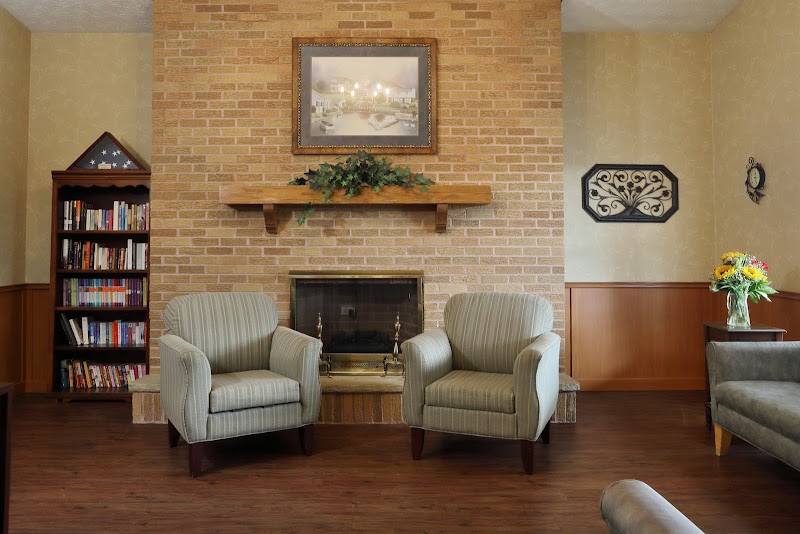
How is Complete Care At Dawnview Llc Staffed?

CMS rates COMPLETE CARE AT DAWNVIEW LLC's staffing level at 2 out of 5 stars, which is below average compared to other nursing homes. Staff turnover is 61%, which is 15 percentage points above the West Virginia average of 46%. High turnover can affect care consistency as new staff learn residents' individual needs. RN turnover specifically is 69%, which is notably high. RNs provide skilled clinical oversight, so turnover in this role can affect medical care quality.

What Have Inspectors Found at Complete Care At Dawnview Llc?

State health inspectors documented 40 deficiencies at COMPLETE CARE AT DAWNVIEW LLC during 2021 to 2024. These included: 2 Immediate Jeopardy (the most serious level, indicating potential for serious harm or death) and 38 with potential for harm. Immediate Jeopardy findings are rare and represent the most serious regulatory concerns. They require immediate corrective action.
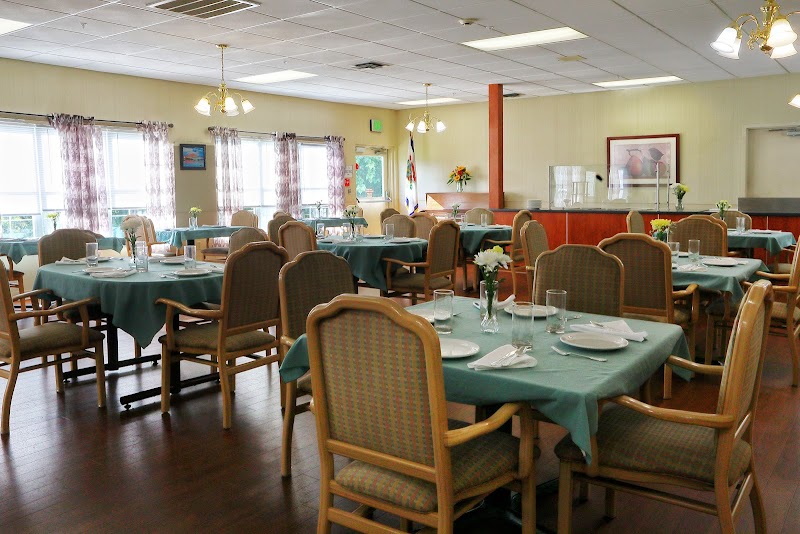
Who Owns and Operates Complete Care At Dawnview Llc?

COMPLETE CARE AT DAWNVIEW LLC is owned by a for-profit company. For-profit facilities operate as businesses with obligations to shareholders or private owners. The facility is operated by COMPLETE CARE, a chain that manages multiple nursing homes. With 66 certified beds and approximately 57 residents (about 86% occupancy), it is a smaller facility located in FORT ASHBY, West Virginia.
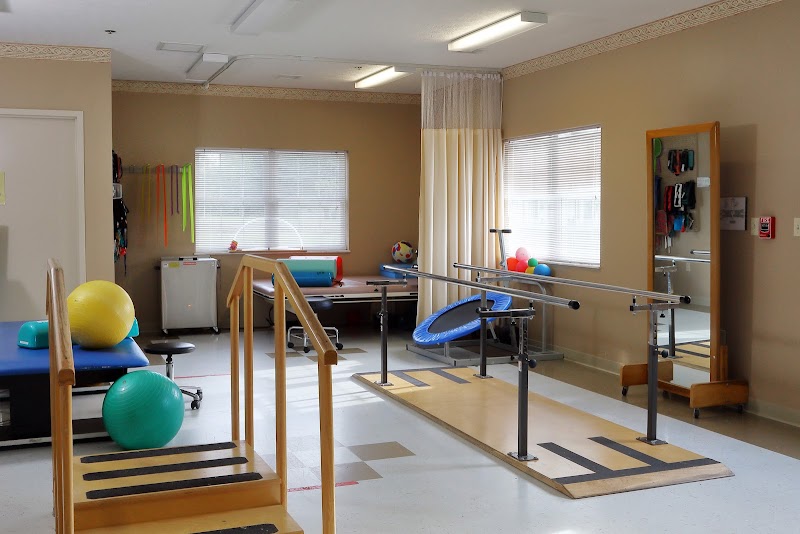
How Does Complete Care At Dawnview Llc Compare to Other West Virginia Nursing Homes?

Compared to the 100 nursing homes in West Virginia, COMPLETE CARE AT DAWNVIEW LLC's overall rating (3 stars) is above the state average of 2.7, staff turnover (61%) is significantly higher than the state average of 46%, and health inspection rating (3 stars) is at the national benchmark.

What Should Families Ask When Visiting Complete Care At Dawnview Llc?

Based on this facility's data, families visiting should ask: "What changes have been made since the serious inspection findings, and how are you preventing similar issues?" "How do you ensure continuity of care given staff turnover, and what is your staff retention strategy?" "Can you walk me through typical staffing levels on day, evening, and night shifts?" "Can I visit during a mealtime to observe dining assistance and food quality?" These questions are particularly relevant given the facility's Immediate Jeopardy citations, the facility's high staff turnover rate, and the below-average staffing rating.

Is Complete Care At Dawnview Llc Safe?

Based on CMS inspection data, COMPLETE CARE AT DAWNVIEW LLC has documented safety concerns. Inspectors have issued 2 Immediate Jeopardy citations (the most serious violation level indicating risk of serious injury or death). The facility has a 3-star overall rating and ranks #1 of 100 nursing homes in West Virginia. Families considering this facility should ask detailed questions about what corrective actions have been taken since these incidents.

Do Nurses at Complete Care At Dawnview Llc Stick Around?

Staff turnover at COMPLETE CARE AT DAWNVIEW LLC is high. At 61%, the facility is 15 percentage points above the West Virginia average of 46%. Registered Nurse turnover is particularly concerning at 69%. RNs handle complex medical decisions and coordinate care — frequent RN changes can directly impact care quality. High turnover means new staff may not know residents' individual needs, medications, or preferences. It can also be disorienting for residents, especially those with dementia who rely on familiar faces. Families should ask: What is causing the turnover? What retention programs are in place? How do you ensure care continuity during staff transitions?

Was Complete Care At Dawnview Llc Ever Fined?

COMPLETE CARE AT DAWNVIEW LLC has been fined $46,232 across 2 penalty actions. The West Virginia average is $33,541. While any fine indicates a compliance issue, fines under $50,000 are relatively common and typically reflect isolated problems that were subsequently corrected. Families should ask what specific issues led to these fines and confirm they've been resolved.

Is Complete Care At Dawnview Llc on Any Federal Watch List?

COMPLETE CARE AT DAWNVIEW LLC is not on any federal watch list. The most significant is the Special Focus Facility (SFF) program, which identifies the bottom 1% of nursing homes nationally based on persistent, serious quality problems. Not being on this list means the facility has avoided the pattern of deficiencies that triggers enhanced federal oversight. This is a positive indicator, though families should still review the facility's inspection history directly.