LINCOLN HEALTHCARE CENTER

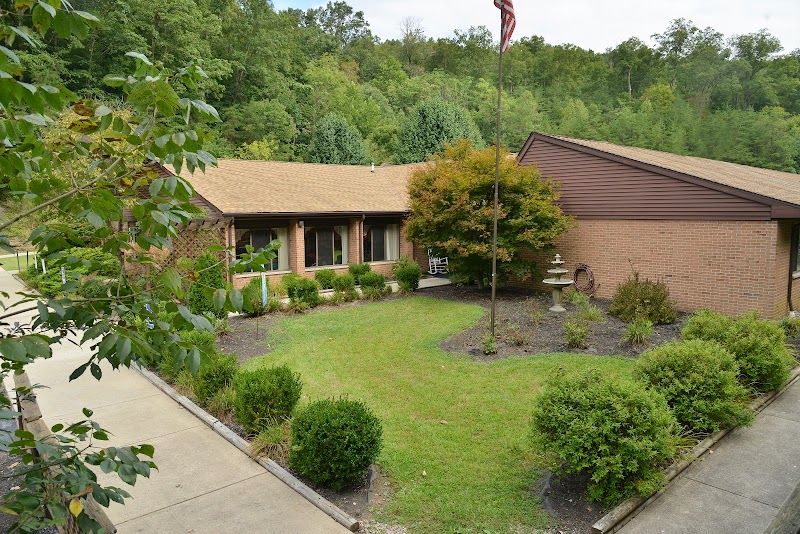
200 MONDAY DRIVE, HAMLIN, WV 25523 (304) 824-3133
For profit - Corporation 60 Beds COMMUNICARE HEALTH Data: November 2025
Trust Grade
85/100
#4 of 122 in WV
Last Inspection: June 2025

Inspected within the last 6 months. Data reflects current conditions.

Overview

Lincoln Healthcare Center in Hamlin, West Virginia, has a Trust Grade of B+, indicating it is above average and recommended for families considering care. It ranks #4 out of 122 facilities in the state, placing it in the top half, and is the only option available in Lincoln County. The facility is improving, with the number of reported issues decreasing from 8 in 2023 to 3 in 2025. However, staffing is a concern with a rating of 2 out of 5 stars and a turnover rate of 47%, which is average for the state. Despite no fines on record, which is a positive sign, there are specific areas needing attention. For instance, there were concerns about the kitchen's cleanliness, including debris in the walk-in freezer and dusty racks, which could affect food safety. Additionally, the facility did not properly maintain infection control signage, which is crucial for preventing disease transmission. Overall, while Lincoln Healthcare Center has strengths in its trust score and state ranking, families should be aware of the staffing challenges and some sanitation issues.

Trust Score
B+
85/100
In West Virginia
#4/122
Top 3%
Safety Record
Low Risk
No red flags
Inspections
Getting Better
8 → 3 violations
Staff Stability
⚠ Watch
47% turnover. Above average. Higher turnover means staff may not know residents' routines.
Penalties
✓ Good
No fines on record. Clean compliance history, better than most West Virginia facilities.
Skilled Nurses
✓ Good
Each resident gets 43 minutes of Registered Nurse (RN) attention daily — more than average for West Virginia. RNs are trained to catch health problems early.
Violations
⚠ Watch
18 deficiencies on record. Higher than average. Multiple issues found across inspections.
★★★★★
5.0
Overall Rating
★★☆☆☆
2.0
Staff Levels
★★★★☆
4.0
Care Quality
★★★★★
5.0
Inspection Score
Stable
2023: 8 issues
2025: 3 issues

The Good

  • 4-Star Quality Measures · Strong clinical quality outcomes
  • Full Sprinkler Coverage · Fire safety systems throughout facility
  • No fines on record

Facility shows strength in quality measures, fire safety.

The Bad

Staff Turnover: 47%

Near West Virginia avg (46%)

Higher turnover may affect care consistency

Chain: COMMUNICARE HEALTH

Part of a multi-facility chain

Ask about local staffing decisions and management

The Ugly 18 deficiencies on record

Jun 2025 3 deficiencies
CONCERN (D)

Potential for Harm - no one hurt, but risky conditions existed

Quality of Care (Tag F0684)

Could have caused harm · This affected 1 resident

**NOTE- TERMS IN BRACKETS HAVE BEEN EDITED TO PROTECT CONFIDENTIALITY** Based on resident interview, record review and staff interview, the facility failed to follow a physician's order for therapy sc...

Read full inspector narrative →
**NOTE- TERMS IN BRACKETS HAVE BEEN EDITED TO PROTECT CONFIDENTIALITY** Based on resident interview, record review and staff interview, the facility failed to follow a physician's order for therapy screening for one (1) of one (1) residents reviewed for the care area of position/mobility. Resident identifier: #11. Facility census: 59. Findings included: a) Resident #11 During an interview on 06/09/25 at 12:24 PM, Resident #11 stated she had a diagnosis of multiple sclerosis. She stated she had no movement of her lower extremities and limited movement of her upper extremities. Resident #11 stated she was not currently receiving physical therapy. However, she stated she independently works on moving her arms and straightening out her fingers every day. Review of Resident #11's medical records showed the resident was transferred to the hospital at approximately 3:00 AM on 03/28/25 for flu-like symptoms. The resident also reported an increased upper extremity weakness. The resident was evaluated by a neurologist whose final report on 03/28/25 at 5:01 PM stated, Arm strength bilaterally is improved today compared to yesterday - she is not at her baseline but there is definitely improvement .She would benefit from rehab directed at her UEs [upper extremities] at the facility. Resident #11 returned to the facility on [DATE]. The resident's medical records showed a physician's order for PT [physical therapy], OT [occupational therapy], ST [speech therapy] to evaluate. There was no order date, but the order was revised on 03/29/25. The order had been discontinued, with an end date of 04/03/25. During an interview on 06/11/25 at 2:10 PM, the Director of Therapy Services stated the therapy department had not received a screening request for Resident #11 around 03/29/25. She stated that an order for therapy services or therapy screening does not go directly to the therapy department. She stated when a therapy screening order is entered into the electronic medical records system, nursing needs to follow-up with the order by sending it to the therapy department. The Director of Therapy Services stated the therapy department was not aware of the order for therapy screening around 03/29/25 and was not aware of the discharging hospital's recommendation for therapy. She stated Resident #11 was scheduled for her quarterly therapy screening today (06/11/25). According to documents provided by the Director of Therapy Services, Resident #11 received occupational therapy from 01/30/25 to 02/26/25 to improve ability to reach for objects and improve ability to feed herself using adaptive aids. No further information was provided through the completion of the survey process.
CONCERN (D)

Potential for Harm - no one hurt, but risky conditions existed

Infection Control (Tag F0880)

Could have caused harm · This affected 1 resident

Based on observation, record review, and staff interview, the facility failed to establish and maintain an infection prevention and control program designed to help prevent the development and transmi...

Read full inspector narrative →
Based on observation, record review, and staff interview, the facility failed to establish and maintain an infection prevention and control program designed to help prevent the development and transmission of communicable diseases and infections. The facility failed to ensure enhanced barrier precautions for a resident with a chronic wound. This was true for one (1) of three (3) residents reviewed for the care area of transmission-based precautions. Resident Identifier: #14. Facility census: 59. a) Resident #14 The facility's policy titled, Enhanced Barrier Precautions, with effective date 04/14/22 and revision date 02/02/23 stated enhanced barrier precautions apply to residents with infection or colonization with a novel or targeted multi-drug-resistant organisms when contact precautions do not apply. According to guidance from the Centers for Disease Control and Prevention, Frequently Asked Questions (FAQs) about Enhanced Barrier Precautions in Nursing Homes, available on-line, enhanced barrier precautions generally includes residents with chronic wounds, and not those with only shorter-lasting wounds, such as skin breaks or skin tears covered with a Band-aid or similar dressing. Examples of chronic wounds include, but are not limited to, pressure ulcers, diabetic foot ulcers, and chronic venous stasis ulcers. Review of Resident #14's medical records showed the resident received daily dressing changes to diabetic ulcers to the second and third toes of her left foot. Assessments on 06/10/25 showed the wounds measured 1.3 centimeters (cm) by 1.1 cm by 0.2 cm and 0.8 cm by 1.0 cm by 0.1 cm. The resident did not have a physician's order for enhanced barrier precautions. However, the resident's comprehensive care plan had an intervention initiated 06/26/24 for, Enhanced barrier precautions when dressing/bathing/showering/ transferring/personal hygiene, changing linens, toileting, and peri-care, providing care to wound care for skin openings that require a dressing. During multiple observations on 06/09/25, 06/10/25, and 06/11/25, Resident #11 did not have signage on her door to indicate she required enhanced barrier precautions. During an interview, on 06/11/25 at 10:09 AM, the Director of Nursing (DON) confirmed Resident #11's comprehensive care plan indicated the resident was in enhanced barrier precautions. The DON stated the back of the resident's door had a caddy containing personal protective equipment. She stated the caddy indicated to staff the resident required enhanced barrier precautions. However, she stated Resident #11 should have a sign. On 06/11/25 at 10:57 AM, the Infection Preventionist stated Resident #11 did not require enhanced barrier precautions because her wounds were very small. The Infection Preventionist stated this information came from the corporate office, but she might have misunderstood. No further information was provided through the completion of the survey.
CONCERN (E)

Potential for Harm - no one hurt, but risky conditions existed

Assessment Accuracy (Tag F0641)

Could have caused harm · This affected multiple residents

Based on record review, and staff interview, the facility failed to accurately complete the Minimum Data Set (MDS) Assessment regarding discharge and dental. This is true for two (2) of (18) reviewed ...

Read full inspector narrative →
Based on record review, and staff interview, the facility failed to accurately complete the Minimum Data Set (MDS) Assessment regarding discharge and dental. This is true for two (2) of (18) reviewed during the Long-Term Care Survey Process (LTCSP). Resident identifiers: #56, #11 and #32. Facility census: 59. Findings include: a) Resident #56. A discharge medical record review of Resident #56 revealed a progress note on 05/22/25 at 12:24 PM stated that Resident #56 was discharged to the emergency room. According to the Minimum Data Set (MDS) Discharge assessment for Resident #56, with an Assessment Reference Date (ARD) May 22, 2025, Section A (Identification information) was marked Planned and was not accurately assessed for, unplanned to an acute Hospital. During an interview on 06/11/25 at 9:58 AM the Director of Nursing confirmed Resident #56's Discharge MDS was incorrect. She stated that Resident #56 discharged was unplanned to an acute hospital. b) Resident #11 During an interview on 06/09/25 at 12:19 PM, Resident #11 stated her lower dentures did not fit well and she would like to have them adjusted. The resident stated she also had upper dentures, but her upper dentures fit well. Review of Resident #11's comprehensive care plan showed the following focus, [Resident's name] is at risk for oral/dental problems d/t [due to] edentulous status, dysphagia - oral phase. Resident #11's annual minimum data set (MDS) assessment with assessment reference date (ARD) 06/02/25 answered no to the item as to whether the resident was edentulous, having no natural teeth or tooth fragments, and answered yes to the item as to whether the resident had obvious or likely cavity or broken natural teeth. On 06/11/25 at 9:32 AM, the Registered Nurse Assessment Coordinator (RNAC) confirmed Resident #11's MDS with ARD 06/02/25 was incorrect. She stated she would modify the resident's MDS to indicate the resident was edentulous. No further information was provided through the completion of the survey. c) Resident #32 During an interview of 06/09/25 at 4:09 PM, Resident #32's dentures appeared to be loose. She confirmed she had lower dentures which were loose. Review of Resident #32's medical records showed a nursing admission evaluation dated 03/18/25 that indicated the resident had her natural teeth. Review of Resident #32's comprehensive care plan showed the following focus, [Resident's name] has her own teeth with some missing/broken. Resident #32's admission MDS with ARD 10/07/24 indicated the resident was edentulous, having no natural teeth or tooth fragments. On 06/11/25 at 9:12 AM, the Director of Nursing confirmed Resident #32's admission MDS with ARD 10/07/24 was incorrect. She stated Resident #32 had some natural teeth with lower partial dentures. She stated the MDS would be modified to correct this item. No further information was provided through the completion of the survey. The facility failed to ensure a complete and accurate MDS.
Oct 2023 8 deficiencies
CONCERN (D)

Potential for Harm - no one hurt, but risky conditions existed

PASARR Coordination (Tag F0644)

Could have caused harm · This affected 1 resident

.Based on record review and staff interview, the facility failed to ensure the completion of a new Preadmission Screening and Resident Review (PASARR) for a resident with a newly added psychiatric dia...

Read full inspector narrative →
.Based on record review and staff interview, the facility failed to ensure the completion of a new Preadmission Screening and Resident Review (PASARR) for a resident with a newly added psychiatric diagnosis. This deficient practice had the potential to affect one (1) of two (2) residents reviewed for the PASARR care area. Resident identifier: #14. Facility census: 59. Findings included: a) Resident #14 Review of Resident #14's medical records showed the resident's most recent Preadmission Screening and Resident Review (PASARR) was performed on 08/29/2019. The mental illness and intellectual disability assessment in the PASARR showed current diagnoses of seizure disorder and schizophrenic disorder. Level II evaluation was determined to not be required. Review of Resident #14's diagnosis report showed on 10/10/22 a history of bipolar disorder was added to the resident's diagnosis list. During an interview on 10/03/23 at 2:09, the Social Worker confirmed that when a history of bipolar disorder was added to Resident #14's diagnosis list, a new PASARR was not completed completed to determine whether continued long-term care placement was appropriate. No further information was provided throughout the completion of the survey.
CONCERN (D)

Potential for Harm - no one hurt, but risky conditions existed

Comprehensive Care Plan (Tag F0656)

Could have caused harm · This affected 1 resident

.Based on record review and staff interview, the facility failed to ensure the development of a comprehensive care plan in the area of weight loss for one (1) of two (2) residents reviewed for the car...

Read full inspector narrative →
.Based on record review and staff interview, the facility failed to ensure the development of a comprehensive care plan in the area of weight loss for one (1) of two (2) residents reviewed for the care area of nutrition. Resident identifier: #24. Facility census: 59. Findings included: a) Resident #24 Review of Resident #24's weights showed on 03/05/2023, the resident weighed 96 pounds (lbs) and on 09/06/2023, the resident weighed 85 lbs. This was an 11% weight loss in six (6) months. Review of Resident #24's Minimum Data Set (MDS) assessment with Assessment Reference Date (ARD) 08/01/23 showed the resident had a weight loss of 5% or more in the last month or a loss of 10% or more in the last six (6) months. Resident #24's current comprehensive care plan did not contain a focus related to potential or actual weight loss. During an interview on 10/03/23 at 12:26 PM, the Clinical Care Specialist confirmed Resident #24's current comprehensive care plan did not contain a focus related to weight loss.
CONCERN (D)

Potential for Harm - no one hurt, but risky conditions existed

Quality of Care (Tag F0684)

Could have caused harm · This affected 1 resident

. Based on record review and staff interview the facility failed to ensure residents received treatment and care in accordance with professional standards of practice. This deficient practice was true...

Read full inspector narrative →
. Based on record review and staff interview the facility failed to ensure residents received treatment and care in accordance with professional standards of practice. This deficient practice was true for (1) of one (1) resident reviewed for the care area of tube feeding. Resident #2 had an order for weights to be done every Sunday and this was not done as ordered. Resident identifier: #2. Facility census: 59. Findings included: a) Resident #2 During a medical record review on 10/03/23 Resident #2 had an order for weekly weights to be done on day shift every Sunday with a start date of 05/28/23. A review of the weights recorded since 05/28/23 indicated there were no recorded weights on Sunday 06/04/23, 07/09/23 and 09/03/23. Instead, the weights were obtained on Wednesday 06/07/23, 07/12/23 and 09/06/23. An interview on 10/03/23 at 1:30 PM with the Regional Director for Clinical Operations (RDCO) verified the weights were not obtained on Sunday as ordered. .
CONCERN (D)

Potential for Harm - no one hurt, but risky conditions existed

Respiratory Care (Tag F0695)

Could have caused harm · This affected 1 resident

**NOTE- TERMS IN BRACKETS HAVE BEEN EDITED TO PROTECT CONFIDENTIALITY** . Based on observations, record reviews and staff interviews the facility failed to provide respiratory care and services in acc...

Read full inspector narrative →
**NOTE- TERMS IN BRACKETS HAVE BEEN EDITED TO PROTECT CONFIDENTIALITY** . Based on observations, record reviews and staff interviews the facility failed to provide respiratory care and services in accordance with professional standards of practice. This deficient practice affected two (2) of two (2) residents reviewed for respiratory care. Residents #158 and #29 were not receiving oxygen therapy at the correct flow rate. Resident identifiers: #158 and #29 Facility census: 59. Findings included: a) Resident #158 During an observation for Resident #158 on 10/02/23 at 11:42 AM, it was discovered the oxygen concentrator was administering oxygen at a flow rate of three (3) liters per minute (lpm) and not the prescribed two (2) lpm. A record review on 10/02/23 revealed Resident #158 had an order to receive oxygen therapy at two (2) lpm. The Regional Director for Clinical Operations ([NAME]) on 10/02/23 at 11:44 AM verified the oxygen concentrator flow rate was set on three (3) lpm and not the correct two (2) lpm as ordered. b) Resident #29 During an observation for Resident #29 on 10/02/23 at 11:46 AM, it was discovered the oxygen concentrator was administering oxygen at a flow rate of three (3) lpm and not the prescribed two (2) lpm. A record review on 10/02/23 revealed Resident #29 had an order to receive oxygen therapy at two (2) lpm. The Regional Director for Clinical Operations ([NAME]) on 10/02/23 at 11:48 AM verified the oxygen concentrator flow rate was set on three (3) lpm and not the correct two (2) lpm as ordered.
CONCERN (D)

Potential for Harm - no one hurt, but risky conditions existed

Medical Records (Tag F0842)

Could have caused harm · This affected 1 resident

. Based on medical record reviews and staff interviews the facility failed to ensure resident's Physician's Order for Scope of Treatment (POST) forms conveying their end of life wishes were complete. ...

Read full inspector narrative →
. Based on medical record reviews and staff interviews the facility failed to ensure resident's Physician's Order for Scope of Treatment (POST) forms conveying their end of life wishes were complete. The POST forms were not completed per directions specified by the [NAME] Virginia Center for End-of-Life Care. This was true for two (2) of 15 POST forms reviewed for the Long-Term Care Survey Process. Resident Identifiers: #13 and #4. Facility Census: 59. Findings included: a) Resident #13 A medical record review on 10/03/23 for Resident #13 revealed the POST form completed on 08/12/22 was incomplete. Section F did not contain the physician's phone number. In an interview on 10/03/23 at 11:30 AM with the Regional Director for Clinical Operations (RDCO) verified the POST form for Resident #13 did not include the physician's phone number. b) Resident #4 A medical record review on 10/03/23 for Resident #4 revealed the POST form completed on 12/19/22 was incomplete. Section F did not contain the physician's phone number. In an interview on 10/03/23 at 11:35 AM with RDCO verified the POST form for Resident #4 did not include the physician's phone number. .
CONCERN (E)

Potential for Harm - no one hurt, but risky conditions existed

Food Safety (Tag F0812)

Could have caused harm · This affected multiple residents

. Based on observations and staff interviews, the facility failed to maintain the kitchen in a safe and sanitary manner in accordance with professional standards of practice. During the kitchen tour i...

Read full inspector narrative →
. Based on observations and staff interviews, the facility failed to maintain the kitchen in a safe and sanitary manner in accordance with professional standards of practice. During the kitchen tour it was discovered the floor of the walk-in freezer was dirty. The racks holding the cups, bowls, and thermal warmers needed to be cleaned. This had the potential to affect all residents receiving nutrition from the kitchen. Facility census: 59. Findings included: a) Kitchen tour During the kitchen tour on 10/02/23 at 11:15 AM, it was discovered the floor of the walk-in freezer had debris along the back wall. The bowls, cups, glasses were stored rim down on racks and the thermal plate warmers were also stored on racks with a crusted dust build up. An interview with the Dietary Manager on 10/02/23 at 11:25 AM, verified the floor of the walk-in freezer was dirty and needed to be cleaned. She also agreed the racks storing the cups, bowls, glasses and thermal plate warmers were crusted with dust. .
CONCERN (E)

Potential for Harm - no one hurt, but risky conditions existed

Infection Control (Tag F0880)

Could have caused harm · This affected multiple residents

. Based on observation, record review, and staff interview, the facility failed to establish and maintain an infection prevention and control program designed to help prevent the development and trans...

Read full inspector narrative →
. Based on observation, record review, and staff interview, the facility failed to establish and maintain an infection prevention and control program designed to help prevent the development and transmission of communicable diseases and infections. Signage for Enhanced Barrier Precautions (EBP) was not placed in a location that could be viewed by everyone entering the residents' rooms. This was true for four (4) of four (4) residents reviewed for the care area of transmission-based precautions (TBP). Resident identifiers: #16, #51, #45, and #22. Facility census: 59. Findings included: a) Policy review The facility's policy regarding Enhanced Barrier Precautions (EBP) with effective date 04/14/22 and most recent revision date 02/02/23 stated, Ensure appropriate signage is placed at the entrance of the resident room. b) Resident #45 Review of Resident #45's physician's orders showed the following order written on 06/09/23: Enhanced barrier precautions related to: hx [history] of MRSA [Methicillin-resistant Staphylococcus aureus] when dressing/bathing/showering/transferring/personal hygiene, changing linens, toileting and peri-care, providing care to resident with history of or colonized multi-drug resistant organism. On 10/02/23 at 12:30 PM, the entrance to Resident #45's room was observed. There was no signage indicating the resident was on Enhanced Barrier Precautions. No Personal Protective Equipment (PPE) was noted. On 10/02/23 at 12:37 PM, the Regional Director of Clinical Operations (RDCO) confirmed the resident was on enhanced barrier precautions. He demonstrated the back of the resident's door had a sign indicating the resident was on enhanced barrier precautions and also a hanger containing PPE. He stated he would move the signage to the front of the door. On 10/02/23 at 12:44 PM, the RDCO stated he had spoken to the regional infection preventionist who had instructed for the sign and PPE to be placed on the back of the resident's door where they could be seen and accessed by staff who closed the door to provide care. c) Resident #51 Review of Resident #51's physician's orders showed the following order written on 08/21/23: Enhanced barrier precautions related to: hx of ESBL [Extended Spectrum Beta-Lactamase] when dressing/bathing/showering/transferring/personal hygiene, changing linens, toileting and peri-care, providing care to resident with history of or colonized multi-drug resistant organism. On 10/03/23 at 09:35 AM, signage for EBP and PPE were noted on the back of Resident #51's door. The entrance to the resident's door contained no signage. d) Resident #22 Review of Resident #22's physician's orders showed the following order written on 08/21/23: Enhanced barrier precautions related to: hx of ESBL [Extended Spectrum Beta-Lactamase] when dressing/bathing/showering/transferring/personal hygiene, changing linens, toileting and peri-care, providing care to resident with history of or colonized multi-drug resistant organism. On 10/03/23 at 09:38 AM, signage for EBP and PPE were noted on the back of Resident #22's door. The entrance to the resident's door contained no signage. e) Resident #16 Review of Resident #16's physician's orders showed the following order written on 06/09/23: Enhanced barrier precautions related to: hx of ESBL [Extended Spectrum Beta-Lactamase] when dressing/bathing/showering/transferring/personal hygiene, changing linens, toileting and peri-care, providing care to resident with history of or colonized multi-drug resistant organism. On 10/03/23 at 09:40 AM, signage for EBP and PPE were noted on the back of Resident #16's door. The entrance to the resident's door contained no signage. f) Interview During an interview on 10/03/23 at 09:55 AM, the RDCO confirmed the residents' EBP signage was placed on the back of the residents' doors although the facility's policy specified the signage was to be placed at the entrance to the residents' rooms. The RDCO was informed by the surveyor that there could be interaction with the resident or residents' environment that would not involve closing the resident's door, such as changing the residents' bed linens. In these cases, the signage would not be seen by those providing care. The RDCO stated he understood, and signage would be placed on the front of the residents' doors.
CONCERN (E)

Potential for Harm - no one hurt, but risky conditions existed

Deficiency F0925 (Tag F0925)

Could have caused harm · This affected multiple residents

. Based on observations and staff interview the facility failed to ensure an appropriate pest control program. This deficient practice had the potential to affect all residents dining or attending act...

Read full inspector narrative →
. Based on observations and staff interview the facility failed to ensure an appropriate pest control program. This deficient practice had the potential to affect all residents dining or attending activities in this area. A random opportunity for discovery revealed a swarm of gnats in and around the uncovered trash can located in the dining room. Facility census: 59. Findings included: a) Pest control During a random observation of the dining room on 10/02/23 at 11:35 AM, it was discovered a trash can did not have a lid and when the Director of Plant Maintenance (DPM) moved the trash can gnats swarmed from the trash can. On 10/02/23 at 11:35 AM the DPM reported he was instructed to have the trash can removed from the dining room and it was not to be used until the new replacement lid arrived. He also reported he had ordered the replacement lid last week and he had not removed the trash can timely.
May 2022 7 deficiencies
CONCERN (D)

Potential for Harm - no one hurt, but risky conditions existed

Comprehensive Care Plan (Tag F0656)

Could have caused harm · This affected 1 resident

. Based on record review and staff interview the facility failed to develop a comprehensive care plan for Resident #51 for accidents/falls. This failed practice was true for one (1) out of 13 resident...

Read full inspector narrative →
. Based on record review and staff interview the facility failed to develop a comprehensive care plan for Resident #51 for accidents/falls. This failed practice was true for one (1) out of 13 residents reviewed for care plans. Facility census 57. Findings included: a.) Resident #51 Medical record review found Resident #51 fell from the wheelchair on 03/30/22 and 04/13/22. A review of the care plan found the facility failed to develop a new care plan for actual falls and interventions to prevent further falls from occurring. The current care plan is as follows: Focus: Resident # 51 is at risk for falls related to confusion, incontinence, psychoactive drug use, Alzheimer's, Parkinson's. Goal: Patient will be free of falls through the review date: Interventions/task: Ask the patient to demonstrate operation of the call light as needed. Ensure call light is within reach and encourage patient to use it to call for assistance as needed. Respond promptly to requests for assistance. Provide a safe environment for the patient by observing the condition of his/her room every shift and correcting any identified issues PT (physical therapy) evaluate and treat as ordered or PRN (as needed.) On 05/17/22 at 1:30 PM, the Director of Nursing (DON) agreed the facility failed to update the care plan. .
CONCERN (D)

Potential for Harm - no one hurt, but risky conditions existed

Deficiency F0657 (Tag F0657)

Could have caused harm · This affected 1 resident

. Based on record review and staff interview, the facility failed to revise Resident #5's care plan when pressure ulcers resolved. This was true for one (1) of four (4) residents reviewed for the care...

Read full inspector narrative →
. Based on record review and staff interview, the facility failed to revise Resident #5's care plan when pressure ulcers resolved. This was true for one (1) of four (4) residents reviewed for the care area of pressure ulcers. Resident identifier: #5. Facility census: 57. Findings included: a) Resident #5 Review of the resident's current care plan found the focus: (Name of resident) has the potential for additional pressure ulcer development r/t (related to) impaired mobility, impaired sensation, incontinence, terminal prognosis, history of pressure ulcers and current pressure ulcers to right medial foot, right ankle, left lateral ankle. At 11:15 AM on 05/17/22, the Director of Nursing (DON) and the Clinical Care Supervisor (CCS) #17 confirmed the care plan had not been updated when two (2) of the three (3) pressure ulcers healed/resolved. CCS #17 provided documentation confirming the area on the right front ankle resolved on 03/25/22. The pressure area on the right medial foot resolved on 05/03/22. .
CONCERN (D)

Potential for Harm - no one hurt, but risky conditions existed

Deficiency F0661 (Tag F0661)

Could have caused harm · This affected 1 resident

. Based on record review, policy review, and staff interview the facility failed to communicate necessary information to the resident, continuing care provider and other authorized persons at the time...

Read full inspector narrative →
. Based on record review, policy review, and staff interview the facility failed to communicate necessary information to the resident, continuing care provider and other authorized persons at the time of discharge. The facility failed to dictate a discharge summary at the time of discharge. This had the potential to effect one (1) of one (1) Resident reviewed for discharge during the long term care survey process. Resident identifier # 54. Facility Census 57. Findings Included: a) Resident # 54 A review of a facility provided policy labeled Discharge of a Resident found the following: .a discharge summary and post-discharge plan of care will be developed to assist the resident in his/her new living environment and will be provided to the resident at or before the time of discharge . .8. When the facility discharges a resident to a health care institution or provider, documentation must include: h) All other necessary information, including a copy of the resident discharge summary . A review of Resident # 54 medical records revealed an acute care transfer note with a date of 09/04/21 that read as follows: Patient is being transferred to: (Name of a local hospital.) Reason for Transfer: increased confusion, refusing medication, and labs. Family request resident be sent to hospital. A continued review of the medical record found a general patient note with a date of 09/07/21 that read: Patient discharged home from hospital. A further review of the medical record failed to reveal a discharge summary. On 05/17/22 at 8:47 AM, the Director of Nursing (DON) acknowledged no discharged summery had been dictated for Resident #20. The DON stated We had identified this as a current issue and are working on correcting the problem. .
CONCERN (D)

Potential for Harm - no one hurt, but risky conditions existed

Accident Prevention (Tag F0689)

Could have caused harm · This affected 1 resident

. Based on record review and staff interview, the facility failed to ensure the environment remained as free of accident hazards as possible. Resident #20 was transferred with out proper staff assista...

Read full inspector narrative →
. Based on record review and staff interview, the facility failed to ensure the environment remained as free of accident hazards as possible. Resident #20 was transferred with out proper staff assistance. This was true for one (1) of three (3) residents reviewed for falls. Resident Identifier: #20. Facility Census 57. Findings Included: a) Resident # 20 A review of Resident # 20's care plan revealed a care plan focus that reads as follows: Resident # 20 has an ADL (activities of daily living) Self Care Performance Deficit r/t (related to) Quadriplegia, Spinal Cord trauma S/P (status post) MVA (motor vehicle accident) A further review of Resident # 20's care plan revealed care plan with interventions that reads as follows: Weight bearing status: Non weight bearing, Date Initiated: 05/04/2020 Bed mobility self-performance: Patient is assist of 2 (two) for bed mobility. Patient uses bilateral 1/2 (half) upper side rails. Date Initiated: 06/13/2018 Transfer: (redacted) Resident # 20 requires Mechanical lift for transfers with staff assistance X 2 (two) Date Initiated: 03/06/2018 A continued review of the medical records found a bed mobility task report which indicated Resident #20 had one (1) person physical assist on the following days and times in the month of May: 05/03/22 at 12:26 AM 05/04//22 at 2:50 AM 05/05/22 at 2:55 AM, 1:59 PM, and 9:53 PM 05/06/22 at 1:59 PM 05/07/22 at 12:37 PM 05/08/22 at 12:08 AM and 11:28 PM 05/10/22 at 2:30 AM and 9:06 AM 05/10/22 at 2:39 AM and 9:06 AM 05/11/22 at 1:18 AM and 1:46 PM 5//12/22 at 12:38 AM, 1:42 PM, 9:10 PM, and 11:58 PM 05/14/22 at 12:39 AM 05/15/22 at 2:22 AM 05/16/22 at 12:25 AM and 6:24 AM On 05/16/22 3:10 PM, the Director of Nursing (DON) confirmed Resident # 20 is care planned for bed mobility requiring two (2) person assist and had only one (1) person assist on the above mentioned days and times. .
CONCERN (D)

Potential for Harm - no one hurt, but risky conditions existed

Respiratory Care (Tag F0695)

Could have caused harm · This affected 1 resident

. Based on observation and staff interview, the facility failed to follow physician's orders consistent with professional standards of care for oxygen therapy. This was a random opportunity for discov...

Read full inspector narrative →
. Based on observation and staff interview, the facility failed to follow physician's orders consistent with professional standards of care for oxygen therapy. This was a random opportunity for discovery. Resident identifier: #2. Facility Census: 57. Findings Included: a) Resident #2 During observation on 05/17/22 at 8:45 AM, the oxygen concentrator was noted with a setting of 4 (four) liters per minute (LPM). A review of the a physician's orders found a physician's order dated 02/12/22 for oxygen at 2 LPM via nasal cannula continuously. On 05/17/22 at 8:45 AM, Licensed Practical Nurse (LPN) #55 confirmed the oxygen concentrator setting was incorrect and should be set at 2 LPM. On 05/17/22 at 9:42 AM, the Director of Nursing (DON) was notified of the incorrect oxygen setting. No further information was obtained during the survey process. .
CONCERN (E)

Potential for Harm - no one hurt, but risky conditions existed

Deficiency F0578 (Tag F0578)

Could have caused harm · This affected multiple residents

**NOTE- TERMS IN BRACKETS HAVE BEEN EDITED TO PROTECT CONFIDENTIALITY** . d) Resident #15 Medical record review on [DATE] at 1:00 PM, found a WV POST form, signed and dated [DATE], by the Resident. Th...

Read full inspector narrative →
**NOTE- TERMS IN BRACKETS HAVE BEEN EDITED TO PROTECT CONFIDENTIALITY** . d) Resident #15 Medical record review on [DATE] at 1:00 PM, found a WV POST form, signed and dated [DATE], by the Resident. The WV POST form was not signed or dated by the individual completing the form. During an interview with the Director of Nursing (DON) on [DATE] at 9:43 AM, she acknowledged the POST form was void of signature and date of the individual completing the form. The DON confirmed the POST form was not completed in its entirety. e) Resident #50 Medical record review on [DATE] at 1:52 PM found a WV POST form signed and dated by the physician on [DATE]. The Patient Information Section was void of the last 4 (four) digits of the social security number and date of birth of Resident #50. During an interview with the Director of Nursing (DON) on [DATE] at 9:15 AM, she acknowledged the POST form was void of the last of the social security number. The DON confirmed the POST form was not completed in its entirety. f) Resident #51 Review of medical records on [DATE] at 12:52 PM, found the Post form for Resident #51, did not have the signature of the Health Care Surrogate. The post form was dated, [DATE]. During an interview on [DATE] at 11:00 PM, the DON agreed the Post form was not signed by the health care surrogate. Based on record review and staff interview, the facility failed to ensure six (6) of thirteen Residents reviewed for the care area of advance directives had the [NAME] Virginia Physician Orders for Scope of Treatment (POST) form (concerning care/treatment at the end of life) completed correctly. Resident identifiers: #5, #54, #355, #15, #50, and #51. Census: 57. Findings included: a) Resident #5 Record review found the resident's responsible party completed a copy of the 2020 POST form on [DATE]. The form indicated verbal consent was obtained from the resident's health care surrogate (HCS) with 2 facility witnesses. The POST form directed: Do Not Resuscitate (DNR) with limited interventions, intravenous (IV) fluids for 3-7 days and a feeding tube-long term. On [DATE] at 10:33 AM, the Director of Nursing (DON) confirmed the POST form had not been signed by the HCS. Review of the booklet, Using The Post Form, Guidance for Healthcare Professionals, 2020 Edition, states: The patient or representative/surrogate and physician/APRN/PA must sign the form in this section. These signatures are mandatory. A form lacking these signature is NOT valid. b) Resident #54 Medical record review found the resident was admitted to the facility on [DATE]. On [DATE] the resident completed a post form saying she wanted cardiopulmonary resuscitation (CPR) with full interventions, a feeding tube and IV (intravenous) fluids for 3-7 days. The resident did not initial Section D, which states: If I lose decision making capacity and my condition significantly deteriorates, I give permission to my MPOA (Medical Power of Attorney)representative/surrogate to make decisions and to complete a new form with my MD/DO/APRN/PA (physician) in accordance with my expressed wishes for such a condition or, if these wishes are unknown or not reasonable ascertainable, my best interests. On [DATE] The resident's daughter, the health care surrogate (HCS) completed a new post form and directed the following: do not resuscitate, limited interventions, IV fluids for 3-7 days and a feeding tube. On [DATE] the resident's physician appointed a new health care surrogate. The reason for the new appointment was, the daughter was removed by DHHR (Department of Health and Human Resources) for financial exploitation. On [DATE] the resident's son who was appointed the new HCS completed a post form directing: No CPR, comfort - focused treatments, and no artificial means of nutrition desired. On [DATE] at 8:52 AM, the Director of Nursing (DON) confirmed the resident did give consent to her medical representative to change any of the advance directives. c) Resident #355 Record review found the resident was admitted to the facility on [DATE]. On [DATE] the resident's son completed a POST form for the resident. On [DATE] the physician determined the resident had capacity to make medical decisions. On [DATE] at 01:01 PM, the DON was asked why the resident's son completed the POST form when the resident has capacity. In addition, there was no indication in the medical record the son had any legal authority to make medical decisions for the resident and no indication the Resident ask the son to assist with the POST form. On [DATE] at 9:37 AM, the DON said, I don't know why his son completed the form, we are correcting the POST form now. .
CONCERN (E)

Potential for Harm - no one hurt, but risky conditions existed

Transfer Notice (Tag F0623)

Could have caused harm · This affected multiple residents

. c) Resident #9 On 05/17/22 at 9:15 AM, a medical record review was completed for Resident #9. The record review did not find a notification to the State Ombudsman for a transfer to an acute care fac...

Read full inspector narrative →
. c) Resident #9 On 05/17/22 at 9:15 AM, a medical record review was completed for Resident #9. The record review did not find a notification to the State Ombudsman for a transfer to an acute care facility on 02/08/22. On 05/18/22 at approximately 1:30 PM, the Director of Nursing (DON) stated, I can't find any information on the transfer. d) Resident #5 Record review on 05/17/22 found Resident #5 was transferred to the hospital for a low hemoglobin and hematocrit (H&H) and bleeding from abdominal wounds on 04/09/22. On 05/17/22 at 3:38 PM, the Director of Nursing (DON) confirmed the ombudsman has not been notified of the transfer. Based on record review and staff interview, the facility failed to ensure the Office of the State Long-Term Care Ombudsman was notified when four (4) of five Resident's reviewed for the care area of hospitalization were discharged to the hospital. Resident identifier: #55, #57, #9, and #5. Facility census: 57. Findings included: a) Resident #55 Review medical records for Resident #55 revealed a transfer to a local hospital for low blood pressure and labs that indicated an infection on 04/13/21. On 05/17/22 at 3:38 PM, the Director of Nursing (DON) confirmed the ombudsman has not been notified of the transfer. b) Resident #57 During a review of medical records revealed Resident # 57 was transferred to a local hospital for anemia on 08/17/21. On 05/17/22 at 3:38 PM, the Director of Nursing (DON) confirmed the ombudsman has not been notified of the transfer. .
Understanding Severity Codes (click to expand)
Life-Threatening (Immediate Jeopardy)
J - Isolated K - Pattern L - Widespread
Actual Harm
G - Isolated H - Pattern I - Widespread
Potential for Harm
D - Isolated E - Pattern F - Widespread
No Harm (Minor)
A - Isolated B - Pattern C - Widespread

Questions to Ask on Your Visit

  • "Can I speak with families of current residents?"
  • "What's your RN coverage like on weekends and overnight?"

Our Honest Assessment

Strengths
  • • Grade B+ (85/100). Above average facility, better than most options in West Virginia.
  • • No major safety red flags. No abuse findings, life-threatening violations, or SFF status.
  • • No fines on record. Clean compliance history, better than most West Virginia facilities.
Concerns
  • • 18 deficiencies on record. Higher than average. Multiple issues found across inspections.
Bottom line: Generally positive indicators. Standard due diligence and a personal visit recommended.

About This Facility

What is Lincoln Healthcare Center's CMS Rating?

CMS assigns LINCOLN HEALTHCARE CENTER an overall rating of 5 out of 5 stars, which is considered much above average nationally. Within West Virginia, this rating places the facility higher than 99% of the state's 100 nursing homes. This rating reflects solid performance across the metrics CMS uses to evaluate nursing home quality.

How is Lincoln Healthcare Center Staffed?

CMS rates LINCOLN HEALTHCARE CENTER's staffing level at 2 out of 5 stars, which is below average compared to other nursing homes. Staff turnover is 47%, compared to the West Virginia average of 46%.

What Have Inspectors Found at Lincoln Healthcare Center?

State health inspectors documented 18 deficiencies at LINCOLN HEALTHCARE CENTER during 2022 to 2025. These included: 18 with potential for harm.

Who Owns and Operates Lincoln Healthcare Center?

LINCOLN HEALTHCARE CENTER is owned by a for-profit company. For-profit facilities operate as businesses with obligations to shareholders or private owners. The facility is operated by COMMUNICARE HEALTH, a chain that manages multiple nursing homes. With 60 certified beds and approximately 58 residents (about 97% occupancy), it is a smaller facility located in HAMLIN, West Virginia.

How Does Lincoln Healthcare Center Compare to Other West Virginia Nursing Homes?

Compared to the 100 nursing homes in West Virginia, LINCOLN HEALTHCARE CENTER's overall rating (5 stars) is above the state average of 2.7, staff turnover (47%) is near the state average of 46%, and health inspection rating (5 stars) is much above the national benchmark.

What Should Families Ask When Visiting Lincoln Healthcare Center?

Based on this facility's data, families visiting should ask: "Can you walk me through typical staffing levels on day, evening, and night shifts?" "Can I visit during a mealtime to observe dining assistance and food quality?" "How do you handle medical emergencies, and what is your hospital transfer rate?" "Can I speak with family members of current residents about their experience?" These questions are particularly relevant given the below-average staffing rating.

Is Lincoln Healthcare Center Safe?

Based on CMS inspection data, LINCOLN HEALTHCARE CENTER has a clean safety record: no substantiated abuse findings (meaning no confirmed cases of resident harm), no Immediate Jeopardy citations (the most serious violation level indicating risk of serious injury or death), and is not on the Special Focus Facility watch list (a federal program monitoring the lowest-performing 1% of nursing homes). The facility has a 5-star overall rating and ranks #1 of 100 nursing homes in West Virginia. While no facility is perfect, families should still ask about staff-to-resident ratios and recent inspection results during their visit.

Do Nurses at Lincoln Healthcare Center Stick Around?

LINCOLN HEALTHCARE CENTER has a staff turnover rate of 47%, which is about average for West Virginia nursing homes (state average: 46%). Moderate turnover is common in nursing homes, but families should still ask about staff tenure and how the facility maintains care continuity when employees leave.

Was Lincoln Healthcare Center Ever Fined?

LINCOLN HEALTHCARE CENTER has no federal fines on record. CMS issues fines when nursing homes fail to meet care standards or don't correct problems found during inspections. The absence of fines suggests the facility has either maintained compliance or corrected any issues before penalties were assessed. This is a positive indicator, though families should still review recent inspection reports for the full picture.

Is Lincoln Healthcare Center on Any Federal Watch List?

LINCOLN HEALTHCARE CENTER is not on any federal watch list. The most significant is the Special Focus Facility (SFF) program, which identifies the bottom 1% of nursing homes nationally based on persistent, serious quality problems. Not being on this list means the facility has avoided the pattern of deficiencies that triggers enhanced federal oversight. This is a positive indicator, though families should still review the facility's inspection history directly.