MADISON PARK HEALTHCARE
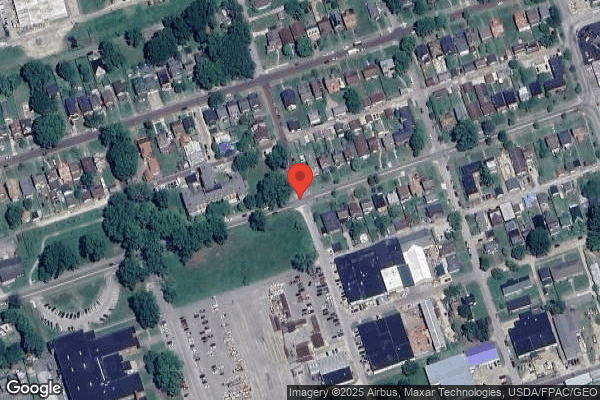
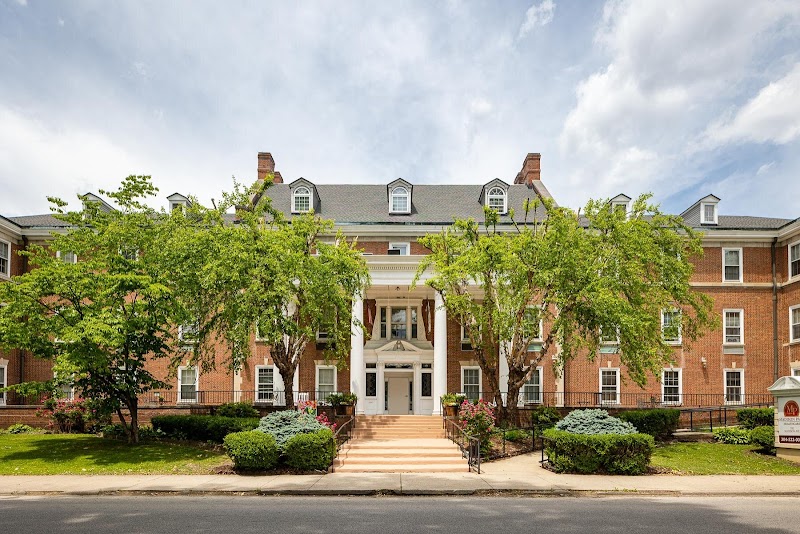
700 MADISON AVENUE, HUNTINGTON, WV 25704 (304) 522-0032
For profit - Corporation 41 Beds PROVIDENCE HEALTH GROUP Data: November 2025
Trust Grade
70/100
#29 of 122 in WV
Last Inspection: August 2024

Within standard 12-15 month inspection cycle. Federal law requires annual inspections.

Overview

Madison Park Healthcare in Huntington, West Virginia has a Trust Grade of B, indicating it is a good choice for care, though not without its flaws. It ranks #29 out of 122 facilities statewide, placing it in the top half of West Virginia nursing homes, and #3 out of 5 in Cabell County, showing that there are only two better local options. However, the facility is experiencing a concerning trend, with issues increasing from 5 in 2022 to 13 in 2024. Staffing is rated at 4 out of 5 stars, with a 46% turnover rate, which is average for the state, and there is more registered nurse coverage than 82% of facilities, suggesting adequate attention to resident care. Notably, there have been some serious shortcomings, including failures to complete transfer forms for residents sent to hospitals, and a lack of temperature checks for medication storage, which could affect the health and safety of residents.

Trust Score
B
70/100
In West Virginia
#29/122
Top 23%
Safety Record
Low Risk
No red flags
Inspections
Getting Worse
5 → 13 violations
Staff Stability
⚠ Watch
46% turnover. Above average. Higher turnover means staff may not know residents' routines.
Penalties
✓ Good
No fines on record. Clean compliance history, better than most West Virginia facilities.
Skilled Nurses
✓ Good
Each resident gets 52 minutes of Registered Nurse (RN) attention daily — more than average for West Virginia. RNs are trained to catch health problems early.
Violations
⚠ Watch
28 deficiencies on record. Higher than average. Multiple issues found across inspections.
★★★★☆
4.0
Overall Rating
★★★★☆
4.0
Staff Levels
★★★☆☆
3.0
Care Quality
★★★★☆
4.0
Inspection Score
Stable
2022: 5 issues
2024: 13 issues

The Good

  • 4-Star Staffing Rating · Above-average nurse staffing levels
  • Full Sprinkler Coverage · Fire safety systems throughout facility
  • No fines on record

Facility shows strength in staffing levels, fire safety.

The Bad

Staff Turnover: 46%

Near West Virginia avg (46%)

Higher turnover may affect care consistency

Chain: PROVIDENCE HEALTH GROUP

Part of a multi-facility chain

Ask about local staffing decisions and management

The Ugly 28 deficiencies on record

Aug 2024 13 deficiencies
CONCERN (D)

Potential for Harm - no one hurt, but risky conditions existed

Deficiency F0625 (Tag F0625)

Could have caused harm · This affected 1 resident

. Based on record review and staff interview, the facility failed to provide a bed hold policy for a transfer to an acute care setting for Resident #4. This was true for one (1) of three (3) residents...

Read full inspector narrative →
. Based on record review and staff interview, the facility failed to provide a bed hold policy for a transfer to an acute care setting for Resident #4. This was true for one (1) of three (3) residents reviewed under the care area of hospitalizations. Resident Identifier: #4. Facility Census: 40. Findings Include: a) Resident #4 On 08/06/24 at 1:30 PM, a record review was completed for Resident #4. The review found the resident had been transferred to an acute care facility on 07/23/24 for hyponatremia (low sodium). The review, also, found the resident and/or resident representative was not provided a bed hold policy by the facility. On 08/06/24 at 2:15 PM, Licensed Practical Nurse (LPN) #18 was notified. LPN #18 confirmed the bed hold policy had not been provided upon transfer to the acute care setting.
CONCERN (D)

Potential for Harm - no one hurt, but risky conditions existed

PASARR Coordination (Tag F0644)

Could have caused harm · This affected 1 resident

. Based on record review and staff interview the facility failed to update a Preadmission Screening and Resident Review(PASARR). This was found true for one (1) of one (1) residents reviewed for the P...

Read full inspector narrative →
. Based on record review and staff interview the facility failed to update a Preadmission Screening and Resident Review(PASARR). This was found true for one (1) of one (1) residents reviewed for the PASRR care area during the long term care survey process. Resident identifier: #5. Facility Census: 40. Findings include: A review of Reisdent #5's on 08/05/24, revealed Resident #5 had a diagnosis of Psychotic disturbance and Major Depressive disorder, and psychosis. Further Record review revealed the most recent and only PASRR was done on 01/17/08 and contained the following diagnosis: ~ Bipolar disorder ~Psychosis ~Constipation ~Depression ~Nutrition Continued record review found there was no current medical diagnosis for Bipolar disorder. On 08/06/24 at 03:58 PM , the Director of Nursing (DON) confirmed the PASRR should have been updated to address Major depressive disorder, and stated not sure why there was no diagnosis for Bipolar Disorder and why it would be on the PASARR.
CONCERN (D)

Potential for Harm - no one hurt, but risky conditions existed

Comprehensive Care Plan (Tag F0656)

Could have caused harm · This affected 1 resident

. Based on record review and staff interview the facility failed to implement Resident #5's Preadmission Screening and Resident Review (PASRR) care plan. This was a random opportunity for discovery. R...

Read full inspector narrative →
. Based on record review and staff interview the facility failed to implement Resident #5's Preadmission Screening and Resident Review (PASRR) care plan. This was a random opportunity for discovery. Resident Identifier: #5. Facility Census: 40. Findings include: A review of Resident #5's record on 08/06/24 found the following care plan: Focus ~PASRR I: Resident is PASRR level 1 Goal ~ Resident will remain at current level through next review target date: 08/27/24 Interventions ~ Complete/maintain Preadmission Screening/Resident Review(PASRR). ~ Observe for symptoms that would trigger a referral to PASRR for review of current level. A further review of Reisdent #5's medical record on 08/05/24, revealed Resident #5 had a diagnosis of Psychotic disturbance and Major Depressive disorder, and psychosis. Further Record review revealed the most recent and only PASRR was done on 01/17/08 and contained the following diagnosis: ~ Bipolar disorder ~Psychosis ~Constipation ~Depression ~Nutrition Continued record review found there was no current medical diagnosis for Bipolar disorder. On 08/06/24 at 03:58 PM , the Director of Nursing (DON) confirmed the PASRR should have been updated to address Major depressive disorder, and stated not sure why there was no diagnosis for Bipolar Disorder and why it would be on the PASRR. The DON confirmed the PASRR should have been updated as directed by the residents care plan and the diagnosis Major depressive disorder should have been addressed on the care plan and was not.
CONCERN (D)

Potential for Harm - no one hurt, but risky conditions existed

Quality of Care (Tag F0684)

Could have caused harm · This affected 1 resident

. Based on record review and staff interview, the facility failed to follow physician's orders for monitoring pain four (4) times a day and documenting medication given. This was true for one (1) of f...

Read full inspector narrative →
. Based on record review and staff interview, the facility failed to follow physician's orders for monitoring pain four (4) times a day and documenting medication given. This was true for one (1) of five (5) residents reviewed for Unnecessary medications during the long term care survey. Resident Identifier: #31. Facility Census: 40. Findings include: A) Resident #31. A review of Resident #31's medical record on 08/06/24 found the following: Review of the Medication Administration Record (MAR) on 08/06/24 revealed for the month of April 2024, one (1) Xanax was not administered on 04/20/24 at 9:00 AM as scheduled. and one Oxycodone on 04/21/24 at 10:00 PM hours as scheduled. For the month of June 2024 one(1) Xanax was not administered on 06/04/24 at 9:00 AM as scheduled and two (2) Oxycodone on 06/10/24 and 06/19/24 at 10:00 PM hours as scheduled. Also for the month of June 2024 the Treatment Administration Record (TAR) revealed pain monitoring was not completed on the 16th, 17th at 4:00 AM, the 19th at 12:00 PM and on the 27th at 8:00 AM and 12:00 PM. On 08/07/24 at approximately 10:00 AM the Director of nursing (DON) confirmed te aboe information.
CONCERN (D)

Potential for Harm - no one hurt, but risky conditions existed

Drug Regimen Review (Tag F0756)

Could have caused harm · This affected 1 resident

Based on record review and staff interview, the facility failed to complete a monthly medication review for Resident #9. This was true for one (1) of five (5) residents reviewed under the care area of...

Read full inspector narrative →
Based on record review and staff interview, the facility failed to complete a monthly medication review for Resident #9. This was true for one (1) of five (5) residents reviewed under the care area of unnecessary medications during the long-term care survey. Resident Identifier: #9. Facility Census: 40. Findings Include: On 08/06/24 at 3:00 PM, a record review was completed for Resident #9. The review found a pharmacy review for December 2023 was not completed and available for review. On 08/06/24 at 4:45 PM, the Director of Nursing (DON) was notified and confirmed the monthly pharmacy review was not completed. The DON stated, I don't have the pharmacy review for December 2023.
CONCERN (D)

Potential for Harm - no one hurt, but risky conditions existed

Medical Records (Tag F0842)

Could have caused harm · This affected 1 resident

**NOTE- TERMS IN BRACKETS HAVE BEEN EDITED TO PROTECT CONFIDENTIALITY** . Based on record review and staff interview, the facility failed to maintain an accurate and complete record for Resident #26's...

Read full inspector narrative →
**NOTE- TERMS IN BRACKETS HAVE BEEN EDITED TO PROTECT CONFIDENTIALITY** . Based on record review and staff interview, the facility failed to maintain an accurate and complete record for Resident #26's Physician's Scope of Treatment (POST) form and immunization documentation. This is true for one (1) of five (5) residents reviewed under the care area of infection control. Resident Identifier: #26. Facility Census: 40. Findings Include: a1) Resident #26 On [DATE] at 3:30 PM, a record review was completed for Resident #26. The review found the POST form dated [DATE] stating, CPR (cardiopulmonary resuscitation), Full Treatments and no artificial means of nutrition desired. However, the physician's order dated [DATE] stated, CPR, Selective Treatment and No Artificial Nutrition. On [DATE] at 11:00 AM, the Director of Nursing (DON) provided an order audit report for Resident #26. The report was reviewed and the DON confirmed the physician's order was incorrect from [DATE] through [DATE]. a2) Resident 26 On [DATE] at 11:30 AM, a record review was completed for Resident #26. The review found the resident had a Prevnar 13 (pneumococcal vaccination) on [DATE]. After reviewing the CDC (Center for Disease and Control and Prevention) guidelines, the resident was eligible for a PCV20 in 2023. However, the documentation found under the immunization tab, stated the resident was not eligible. On [DATE] at 1:00 PM, Licensed Practical Nurse (LPN) #18 confirmed the vaccination should have been offered to Resident #26.
CONCERN (D)

Potential for Harm - no one hurt, but risky conditions existed

Deficiency F0883 (Tag F0883)

Could have caused harm · This affected 1 resident

. Based on record review and staff interview, the facility failed to offer a pneumococcal vaccination to Resident #26. This was true for one (1) resident of five (5) residents reviewed under the infec...

Read full inspector narrative →
. Based on record review and staff interview, the facility failed to offer a pneumococcal vaccination to Resident #26. This was true for one (1) resident of five (5) residents reviewed under the infection control care area. Resident Identifier: #26. Facility Census: 40. Findings Include: a) Resident #26 On 08/07/24 at 11:30 AM, a record review was completed for Resident #26. The review found the resident had a Prevnar 13 (pneumococcal vaccination) on 10/24/18. After reviewing the CDC (Center for Disease and Control and Prevention) guidelines, the resident was eligible for a PCV20 in 2023. However, the documentation found under the immunization tab, stated the resident was not eligible. On 08/07/24 at 1:00 PM, Licensed Practical Nurse (LPN) #18 confirmed the vaccination should have been offered to Resident #26.
CONCERN (D)

Potential for Harm - no one hurt, but risky conditions existed

Deficiency F0919 (Tag F0919)

Could have caused harm · This affected 1 resident

. Based on observation and staff interview, the facility failed to provide access of a call bell with in reach of Resident #4. This was a random opportunity for discovery. Resident Identifier: #4. Fac...

Read full inspector narrative →
. Based on observation and staff interview, the facility failed to provide access of a call bell with in reach of Resident #4. This was a random opportunity for discovery. Resident Identifier: #4. Facility Census: 40. Findings Include: a) Resident #4 On 08/05/24 at 1:00 PM, an observation of the call light being not in reach of Resident #4 was made. The call bell was located across the room on top of a refrigerator. On 08/05/24 at 1:04 PM, Nurse Aide (NA) #29 entered the resident's room. NA #29 was asked, is the resident's call bell near her? NA #29 stated, oh, it's over there .let me get it. On 08/05/24 at 1:20 PM, the DON was notified the call bell was not in reach of Resident #4. The DON stated, we will make sure the call bells are accessible to the residents.
CONCERN (E)

Potential for Harm - no one hurt, but risky conditions existed

Transfer Requirements (Tag F0622)

Could have caused harm · This affected multiple residents

. Based on record review and staff interview, the facility failed to complete transfer forms to an acute care facility for Resident #4 and #30. This was true for two (2) of three (3) residents reviewe...

Read full inspector narrative →
. Based on record review and staff interview, the facility failed to complete transfer forms to an acute care facility for Resident #4 and #30. This was true for two (2) of three (3) residents reviewed under the care area of hospitalizations. Resident identifiers: #4 and #30. Facility Census: 40. Findings included: a) Resident #4 On 08/06/24 at 1:30 PM, a record review was completed for Resident #4. The review found the resident had been transferred to an acute care facility on 07/23/24 for hyponatremia (low sodium). The review, also, found there was no transfer form completed for the transfer. On 08/06/24 at 2:00 PM, Licensed Practical Nurse (LPN) #18 was notified. LPN #18 confirmed the transfer form was not completed. b) Resident #30 On 08/06/24 at 1:42 PM, a record review was completed for Resident #30. The review found the resident had been transferred to an acute care facility on 03/05/24 for acute encephalopathy and on 05/28/24 for a hip fracture. The review, also, found there was no transfer forms completed for the transfers. On 08/06/24 at 2:00 PM, Licensed Practical Nurse (LPN) #18 was notified. LPN #18 confirmed the transfer forms were not completed.
CONCERN (E)

Potential for Harm - no one hurt, but risky conditions existed

Transfer Notice (Tag F0623)

Could have caused harm · This affected multiple residents

**NOTE- TERMS IN BRACKETS HAVE BEEN EDITED TO PROTECT CONFIDENTIALITY** Based on record review and staff interview the facility failed to notify the Ombudsman of resident transfers to an acute care se...

Read full inspector narrative →
**NOTE- TERMS IN BRACKETS HAVE BEEN EDITED TO PROTECT CONFIDENTIALITY** Based on record review and staff interview the facility failed to notify the Ombudsman of resident transfers to an acute care setting. This failed practice was found true for (3) three of (3) three residents reviewed for hospitalizations during the Long Term Care Survey Process. Resident identifiers #38, #30 and #4. Facility Census 40. Findings included: a) Resident #38 A record review on 08/06/24 at 3:12 PM, revealed Resident #38 was transferred to the hospital on [DATE]. Further record review revealed no notification was sent to the ombudsman for the acute transfer on 07/22/24. During an interview on 08/06/24 at 3:46 PM, Licensed Practical Nurse Unit Manager (LPNUM) confirmed the notification was not sent to the Ombudsman. b) Resident #30 On 08/06/24 at 1:42 PM, a record review was completed for Resident #30. The review found the resident had been transferred to an acute care facility on 03/05/24 for acute encephalopathy and on 05/28/24 for a hip fracture. The review, also, found the State Ombudsman was not notified of the transfers. On 08/06/24 at 2:10 PM, Licensed Practical Nurse (LPN) #18 was notified. LPN #18 confirmed the State Ombudsman had not been notified regarding both transfers. LPN #18 stated, I'll make sure they are sent monthly. c) Resident #4 On 08/06/24 at 1:30 PM, a record review was completed for Resident #4. The review found the resident had been transferred to an acute care facility on 07/23/24 for hyponatremia (low sodium). The review, also, found the State Ombudsman was notified of the transfer. On 08/06/24 at 2:00 PM, Licensed Practical Nurse (LPN) #18 was notified. LPN #18 confirmed the State Ombudsman had not been notified regarding the transfer. LPN #18 stated, I'll make sure they are sent monthly. Surveyor: Richmond, [NAME] D.
CONCERN (E)

Potential for Harm - no one hurt, but risky conditions existed

Deficiency F0761 (Tag F0761)

Could have caused harm · This affected multiple residents

. Based on observation, record review and staff interview, the facility failed to record temperatures for the medication refrigerator on the third floor. This was a random opportunity for discovery an...

Read full inspector narrative →
. Based on observation, record review and staff interview, the facility failed to record temperatures for the medication refrigerator on the third floor. This was a random opportunity for discovery and has the potential to affect more than a limited number of residents currently residing in the facility. Facility Census: 40. Findings Include: a) Medication Refrigerator On 08/07/24 at 8:55 AM, a tour of the third floor medication room was completed. The tour found the medication refrigerator temperatures were not being checked twice daily. The following dates and times were blank for each month: 06/01/24 PM 06/02/24 PM 06/03/24 AM 06/03/24 PM 06/08/24 PM 06/09/24 PM 06/10/24 PM 06/11/24 PM 06/12/24 PM 06/15/24 PM 06/16/24 PM 06/17/24 AM 06/17/24 PM 06/18/24 PM 06/19/24 PM 06/21/24 PM 06/22/24 PM 06/23/24 PM 06/24/24 PM 06/25/24 PM 06/26/24 PM 06/27/24 PM 06/30/24 PM 07/01/24 PM 07/02/24 PM 07/03/24 PM 07/04/24 PM 07/06/24 AM 07/06/24 PM 07/07/24 PM 07/08/24 PM 07/09/24 PM 07/10/24 PM 07/13/24 PM 07/14/24 PM 07/15/24 PM 07/16/24 PM 07/17/24 PM 07/18/24 PM 07/20/24 PM 07/21/24 PM 07/22/24 PM 07/23/24 PM 07/24/24 PM 07/27/24 PM 07/28/24 AM 07/28/24 PM 07/29/24 AM 07/29/24 PM 07/30/24 PM 07/31/24 PM 08/04/24 PM 08/05/24 PM 08/06/24 PM On 08/07/24 at 9:00 AM, the Director of Nursing was notified and confirmed the refrigerator temperatures were not documented.
CONCERN (E)

Potential for Harm - no one hurt, but risky conditions existed

Food Safety (Tag F0812)

Could have caused harm · This affected multiple residents

. Based on policy review, observation and staff interview the facility failed to store food in accordance with professional standards of practice. This failed practice had the potential to affect more...

Read full inspector narrative →
. Based on policy review, observation and staff interview the facility failed to store food in accordance with professional standards of practice. This failed practice had the potential to affect more than a limited number of residents currently residing in the facility. Facility Census: 40. Findings include: a) Reach-in refrigerator During the initial tour of the kitchen on 08/05/24 at 12:05 PM, the following items was found to be out of date or not labeled at all in the reach-in refrigerator: -- Broccoli soup with an expiration date of 08/01/24 -- Boiled eggs in a plastic container which was not labeled with a use by date. -- (2) two bowls of spiral cooked noodles which was not labeled with a use by date -- Tomato soup in a plastic container which was not labeled with a use by date. During an interview on 08/05/24 at 12:30 PM, Dietary [NAME] (DC) #17 stated, Yes, they are out. I will get them out of there. I didn't realize it. I think we just put the eggs in there this morning. A review of the facilities policy on 08/06/24 at 11:00 AM, titled {Food receiving and storage} number (8) eight reads as follows: All foods stored in the refrigerator or freezer will be covered, labeled and dated ( use by date). b) Walk-in refrigerator During the initial tour of the kitchen on 08/05/24 at 12:15 PM, the following items was found to be out of date in the walk-in refrigerator: -- Lunch meat ham with a use by date of 07/27/24 -- Lunch meat bologna with a use by date of 08/02/24 During an interview on 08/05/24 at 12:30 PM, Dietary [NAME] (DC) #17 stated, I will get the lunch meat out of there as soon as I can She confirmed it was out of date.
CONCERN (E)

Potential for Harm - no one hurt, but risky conditions existed

Infection Control (Tag F0880)

Could have caused harm · This affected multiple residents

. Based on observation, record review and staff interview, the facility failed to provide an appropriate infection control program for administration of medications to Resident #34 and Resident #13, c...

Read full inspector narrative →
. Based on observation, record review and staff interview, the facility failed to provide an appropriate infection control program for administration of medications to Resident #34 and Resident #13, cleansing of glucometer for Resident #13 and catheter care for Resident #38. There were random opportunities for discovery. Resident identifiers: #34, #13, and #38. Facility Census: 40. Findings included: a1) Resident #34 On 08/07/24 at 8:55 AM, an observation was made during medication administration by Registered Nurse (RN) #59. While preparing the medication for Resident #34, RN #59 touched two pills with bare hands. The following medication was touched by RN #59: --Flecainide 150mg --Zofran 4mg On 08/07/24 at 9:30 AM, the Director of Nursing (DON) was notified and confirmed the medication should not be touched with bare hands during medication administration. a2) Resident #13 On 08/07/24 at 9:10 AM, RN #59 touched one (1) pill during medication for Resident #13. The following medication was touched with bare hands by RN #59: --Buspar 5mg On 08/07/24 at 9:30 AM, the Director of Nursing (DON) was notified and confirmed the medication should not be touched with bare hands during medication administration. b) Resident #13 On 08/07/24 at 9:15 AM, upon completion of checking the resident's glucose level, RN #59 cleaned the glucometer with alcohol. The manufacturer's guidelines state, the following products have been approved for cleaning and disinfecting (Name of Brand of the glucometer): --Dispatch Hospital Cleaner Disinfectant Towels with Bleach --Medline Micro-Kill Disinfecting, Deodorizing, Cleaning Wipes with Alcohol --Clorox Healthcare Bleach Germicidal and Disinfectant Wipes --Medline Micro-Kill Bleach Germicidal Bleach Wipes On 08/07/24 at 9:40 AM, the DON was notified and confirmed the glucometer should have been cleaned per Manufacturer's guidelines. c) Resident #38 On 08/07/24 at 2:10 PM, catheter care for Resident #38 was observed. The catheter care was provided by Nurse Aide (NA) #42. Upon completion of the catheter care and emptying the catheter storage bag at 2:25 PM, NA #42 did not remove the soiled gloves or complete hand hygiene. NA #42 began placing the blankets on the resident, touching the side rails, bedside table and privacy curtain with soiled gloves. On 08/07/24 at 2:40 PM, the DON was notified and confirmed the soiled gloves should have been removed and hand hygiene completed.
Oct 2022 5 deficiencies
CONCERN (D)

Potential for Harm - no one hurt, but risky conditions existed

Assessment Accuracy (Tag F0641)

Could have caused harm · This affected 1 resident

**NOTE- TERMS IN BRACKETS HAVE BEEN EDITED TO PROTECT CONFIDENTIALITY** . Based on record review and staff interview, the facility failed to ensure three (3) of twelve (12) minimum data sets (MDS) rev...

Read full inspector narrative →
**NOTE- TERMS IN BRACKETS HAVE BEEN EDITED TO PROTECT CONFIDENTIALITY** . Based on record review and staff interview, the facility failed to ensure three (3) of twelve (12) minimum data sets (MDS) reviewed during the Long-Term Care Survey Process (LTCSP) were accurately coded. For Resident #3, the MDS inaccurately coded her siderails as a physical restraint, for Resident #17, the MDS failed to accurately reflect her pressure ulcer stage and finally for Resident #21, the MDS failed to reflect the use of a diuretic. Resident identifiers: #3, #17, and #21. Facility census: 40. Findings include: a)Resident #3 Review of Resident #3's medical records revealed Resident #3 was admitted to the facility with a diagnosis which included Cerebral Palsy and was non- ambulatory due to contractures of all extremities. The resident requires total assistance with assistantance of two (2) for bed mobility, transfers using a total lift, locomotion on and off the unit in a wheelchair, dressing and personal hygiene. Review of Resident #3's quarterly MDS with assessment reference date (ARD) of 07/09/22, found under section P -Restraints; the MDS coded the resident's use of ¼ bilateral side rails were used daily as a restraint. Review of the Center for Medicare and Medication Services (CMS), Resident Assessment Instrument (RAI) Version 3.0 Manual CH 3: MDS Items [P] Page P-6 P0100: Physical Restraints reads: Bed rails used with residents who are immobile. If the resident is immobile and cannot voluntarily get out of bed because of a physical limitation or because proper assistive devices were not present, the bed rails do not meet the definition of a physical restraint. During an interview on 10/04/22 at 2:00 PM with the Assistant Director of Nursing (ADON) confirmed Resident #3's MDS with ARD of 07/09/22 was inaccurate related to the use of siderails as a restraint. She agreed the resident can not get out of bed on her own. b) Resident #17 A medical record review for Resident #17, revealed the resident had a facility acquired pressure ulcer on right buttocks noted on 07/22/22. Review of Resident #17's weekly pressure ulcer assessment dated [DATE], revealed the resident had a stage IV (4) pressure ulcer on the right buttocks which measured seven (7) centimeters (cm) in length, five (5) cm in width and 2 cm in depth with 75% of wound bed with a whitish/tan slough noted. Small amount of purulent drainage with no odor. Tunneling noted at 12 o'clock and 6 o'clock. Peri wound is pink in color and irregular edges. The significant change MDS with an assessment reference date (ARD) of 09/27/22, under Section M-skin conditions, indicated the resident had a facility acquired stage III (3) pressure ulcer on right buttocks. An interview with the Assistant Director of Nursing (ADON), on 10/05/22 at 11:06 am. During this interview Resident #17's medical records were reviewed, and she verified the resident had a stage IV (4) pressure ulcer on the right buttocks. She verified the MDS with ARD of 09/27/22 was inaccurate concerning the stage of right buttocks pressure ulcer. c) Resident #21 On 10/04/21 at 1:00 PM, a record review was completed under the care area of unnecessary medications. The review found a current physician's order dated 08/18/22 for Furosemide (a diuretic) tablet, also known as Lasix, 20mg (milligrams) give one (1) tablet daily for edema (swelling). A review of the Minimum Data Set (MDS) dated [DATE] of section N entitled Medications was completed. The review found no indication the resident was receiving a diuretic. On 10/04/22 at 1:47 PM, an interview was completed with the MDS nurse #25 regarding the diuretic use. The MDS nurse #25 confirmed the resident was taking a diuretic and should have been indicated on the MDS dated [DATE]. The MDS nurse #25 stated, it honestly just got missed. .
CONCERN (D)

Potential for Harm - no one hurt, but risky conditions existed

Quality of Care (Tag F0684)

Could have caused harm · This affected 1 resident

. Based on medical record review and staff interview the facility failed to ensure each resident received care and services according to physician ordered parameters. This was true for one (1) of five...

Read full inspector narrative →
. Based on medical record review and staff interview the facility failed to ensure each resident received care and services according to physician ordered parameters. This was true for one (1) of five (5) residents reviewed for unnecessary medications. Resident identifier: #17. Facility census: 40. Findings include: a) Resident #17 Review of Resident #17's medical records found a physician order for Humalog insulin; inject six (6) units subcutaneously with meals for diabetes. Hold if blood sugar less than 150. Effective date: 08/11/22. Review of Resident #17's Medication Administration Record (MAR) for August, September and October 2022, found the following dates, and times the blood sugar was less than 150 and the insulin was administered but should have been held according to the physician-ordered parameters: 8/17/22 at 5pm blood sugar 138 8/28/22 at 5 pm blood sugar 138 9/1/22 at 5 pm blood sugar 134 9/10/22 at 8 am blood sugar 134 9/11/22 at 12 noon blood sugar 143 9/18/22 at 5 pm blood sugar 115 9/23/22 at 5 pm blood sugar 134 10/01/22 at 12 noon blood sugar 128 On 10/04/22 at 12:45 pm the MAR for Resident #17 for the above-mentioned dates was reviewed with the Assistant Director of Nursing (ADON). She confirmed on the above-mentioned dates and times the insulin was administered when blood sugar was less than 150 and it should have been held. .
CONCERN (D)

Potential for Harm - no one hurt, but risky conditions existed

Pharmacy Services (Tag F0755)

Could have caused harm · This affected 1 resident

. Based on record review and staff interview, the facility failed to establish a system of records of receipt and disposition of all controlled drugs in sufficient detail to enable an accurate reconci...

Read full inspector narrative →
. Based on record review and staff interview, the facility failed to establish a system of records of receipt and disposition of all controlled drugs in sufficient detail to enable an accurate reconciliation. The facility did not ensure the controlled substance count was completed by two (2) nurses as required. This was a random opportunity for discovery and had the potential to affect an isolated number of residents. Facility Census: 40. a) Medication Administration On 10/04/22 at 8:00 AM, a review of the eight (8) hour verification of controlled substances count was completed. The following dates were not signed by two (2) nurses during shift change. --09/01/22 7:00 AM to 7:00 PM, the off-going nurse did not sign. --09/03/22 7:00 AM to 7:00 PM, the on-coming nurse did not sign. --09/03/22 7:00 PM to 7:00 AM, the off-going nurse did not sign. --09/10/22 7:00 AM to 7:00 PM, the on-going nurse did not sign. --09/10/22 7:00 AM to 7:00 PM, the off-going nurse did not sign. --09/15/22 7:00 PM to 7:00 AM, the on-going nurse did not sign. --09/23/22 7:00 AM to 7:00 PM, the on-going nurse did not sign. --09/23/22 7:00 PM to 7:00 AM, the off-going nurse did not sign. b) Facility Policy On 10/04/22 at 10:00 AM, a review of the facility policy entitled Medication Ordering and Receiving from Pharmacy was completed. Under the Procedures heading number two (2) the policy read asa follows: --After the supply is counted and justified, each nurse must record the date and his/her signature verifying the count is correct. On 10/04/22 at 11:30 AM, the Director of Nursing (DON) was notified and confirmed the above dates were missing the nurses's signatures. .
CONCERN (D)

Potential for Harm - no one hurt, but risky conditions existed

Deficiency F0761 (Tag F0761)

Could have caused harm · This affected 1 resident

. Based on observation and staff interview, the facility failed to ensure items in the medication storage room were stored in accordance with professional standards for sanitary storage. This deficien...

Read full inspector narrative →
. Based on observation and staff interview, the facility failed to ensure items in the medication storage room were stored in accordance with professional standards for sanitary storage. This deficient practice had the potential to affect a limited number of residents. Facility census: 40. Findings included: a) Second-floor medication storage room On 10/04/22 at 10:32 AM, observation of the second-floor medication room was made with the accompaniment of Registered Nurse (RN) #52. The following items were located in the cabinet under the sink: a medication crusher, a suction cannister, a plastic basin, curling irons, a blood pressure kit still in the box, and a thermometer still in the box. Under the sink is not considered a clean area for equipment storage due to the potential for drips or leaks from the pipes. RN #52 acknowledged items should not be stored under the sink in the medication room. .
CONCERN (D)

Potential for Harm - no one hurt, but risky conditions existed

Medical Records (Tag F0842)

Could have caused harm · This affected 1 resident

. Based on record review and staff interview, the facility failed to ensure Resident #21's medical record was complete and accurate. Resident #21's Physician order for scope of treatment (POST) form w...

Read full inspector narrative →
. Based on record review and staff interview, the facility failed to ensure Resident #21's medical record was complete and accurate. Resident #21's Physician order for scope of treatment (POST) form was not completed accurately. This is true for one (1) of 12 residents reviewed during the long-term survey process. Resident Identifier: #21. Facility Census: 40. Findings Included: a) Resident #21 On 10/04/21 at 11:34 AM, the medical record was reviewed for Resident #21. The review found the [NAME] Virginia Physician Orders for Scope of Treatment (POST) was completed incorrectly. The back of the POST form indicating the resident's full name was completed with an incorrect last name. On 10/04/22 at 11:41 AM, the Director of Nursing (DON) was notified and confirmed the last name on the back of the POST form was incorrect. The DON stated, We will get that corrected. .
Jun 2021 10 deficiencies
CONCERN (D)

Potential for Harm - no one hurt, but risky conditions existed

Resident Rights (Tag F0550)

Could have caused harm · This affected 1 resident

. Based on observation and staff interview, the facility failed to ensure Resident #29 has a right to a dignified existence. This was a random opportunity for discovery. Resident identifier: #29. Faci...

Read full inspector narrative →
. Based on observation and staff interview, the facility failed to ensure Resident #29 has a right to a dignified existence. This was a random opportunity for discovery. Resident identifier: #29. Facility census: 41. Findings included: a) Resident #29 Observation on 06/23/21 at 8:33 AM, Resident #29 was seen in the hallway by the nursing station in a wheelchair. His Foley catheter collection bag was full of yellow urine and no privacy cover. Registered Nurse #16 witnessed the collection bag uncovered and asked the Nurse Aide to put a privacy covered on the collection bag at the time of the observation. .
CONCERN (D)

Potential for Harm - no one hurt, but risky conditions existed

Deficiency F0558 (Tag F0558)

Could have caused harm · This affected 1 resident

. Based on observation, staff interview and records review, the facility failed to provide a safe homelike environment. This practice affected 1 of 15 residents reviewed. Resident identifier: #37. Fac...

Read full inspector narrative →
. Based on observation, staff interview and records review, the facility failed to provide a safe homelike environment. This practice affected 1 of 15 residents reviewed. Resident identifier: #37. Facility census 41. Findings included: a) Resident #37 On 6/22/21 at 8:52 AM during observation and interview found Resident #37's closet door removed and the face of dresser drawer removed with wood exposed and rough edges observed. Maintenance Assistant (MA) #58 was in residents bath room working on floor. Upon interview, (MA) #58 stated,The resident does that to them and he has to fix them frequently. .
CONCERN (D)

Potential for Harm - no one hurt, but risky conditions existed

Assessment Accuracy (Tag F0641)

Could have caused harm · This affected 1 resident

. Based on record review, and staff interview, the facility failed to accurately complete Section O (Oxygen) status of the MDS. This is true for one (1) of fifteen (15) reviewed during the Long-Term C...

Read full inspector narrative →
. Based on record review, and staff interview, the facility failed to accurately complete Section O (Oxygen) status of the MDS. This is true for one (1) of fifteen (15) reviewed during the Long-Term Care Survey Process (LTCSP). Resident identifiers: 7. Facility census: 41. Findings include: a) Resident #7. Review of Resident #7's medical record revealed, a physician's order for Oxygen Therapy: -- Oxygen at 2 liters per minute via nasal cannula continuously for dyspnea with an order date 02/19/20. A review of Resident #7's care plan revealed the following: Focus: -- Respiratory: Actual/risk for impaired gas exchange related to CHF, and heart disease. Goals associated with this problem include: -- Will demonstrate adequate ventilation and oxygenation through review date. Interventions include: -- O2 per NC at 2L per minute continuously for dyspnea. -- Observe for signs respiratory distress - shortness of breath, cyanosis, change in mental status. -- Observe for signs infection (fever, increased dyspnea, change in color/consistency of sputum.) According to the Annual Minimum Data Set (MDS) assessment for Resident #7, with an Assessment Reference Date (ARD) of 06/11/21, Section O (Special Treatments, Procedures, and Programs) was not accurately assessed for Respiratory Treatments (C. Oxygen Therapy.) An interview with Licensed Practical Nurse (LPN) #79 on 06/23/21 at 08:37 AM, verified that Resident #7 receives oxygen therapy continuously. 06/23/21 at 12:57 PM, the MDS was discussed with the Administrator and it was revealed Resident #7s MDS was updated and resubmitted. No further information was provided prior to the end of the survey on 06/23/21 at 4:00 PM. .
CONCERN (D)

Potential for Harm - no one hurt, but risky conditions existed

Deficiency F0658 (Tag F0658)

Could have caused harm · This affected 1 resident

**NOTE- TERMS IN BRACKETS HAVE BEEN EDITED TO PROTECT CONFIDENTIALITY** . Based on observation, record review and staff interview, the facility failed to meet professional standards for medication adm...

Read full inspector narrative →
**NOTE- TERMS IN BRACKETS HAVE BEEN EDITED TO PROTECT CONFIDENTIALITY** . Based on observation, record review and staff interview, the facility failed to meet professional standards for medication administration as referenced by Lippincott Nursing 11th Edition. This was a random opportunity for discovery and had the potential to affect a limited number of residents. Resident identifiers: #22 and #38. Facility census: 41. Findings included: a) [NAME] 11th edition [NAME] 11th edition states: --Defines medication errors as a preventable event that may cause inappropriate medication use or jeopardize patient safety. --Prepare medications for ONE patient at a time. --Check MAR (medication administration record) against the physician's orders. --Perform hand hygiene between patients, before and after each patient. b) Facility policy Facility Policy titled, Administerting Oral Medications Revised on 10/2010 --Verify there is a physician's medication oreder for this procedure --Do not touch the medications with your hands. --Perform hand hygiene c) Resident #22 An observation on 06/22/21 at 9:13 AM, revealed Licensed Practical Nurse (LPN) #82 placed two medication cups and a bottle of multiple use eye drops on the table without using a barrier on the table first. Observation revealed Resident # 22 was given all the medication in one cup (taken whole). This surveyor asked LPN # 82 if the other cup of pills also belonged to Resident #22. LPN #82 replied, No these are for (resident name) Resident #38. Furthermore, LPN #82 failed to wash his hands between caring for two residents, failed to use a barrier on the bedside table, failed to dispense medications to one Resident at a time. On 06/22/21 at 9:32 AM, LPN #82 was asked if he should have used a barrier to place the multi-use bottle of eyedrops on the bedside table, He said, he has never been told to do that, and he has not passed medications for 10 years. He was asked if he should have pulled medications for two sperate Residents at the same time. He said, he was just trying to cut back on the amount of times he had to go into the room. He was asked if he should have carried the medication cup with his fingers inside of the cup touching the medication. LPN # 82 stated, well now that you pointed it out probably not the best way to do that. On 06/23/21 at 8:41 AM, Registered Nurse (RN) # 16 was preparing medications for Resident # 22. RN #16 was asked why she was using two medication cups. RN #16 stated, she is going to crush the tablets, but not the capsules. She was asked if there was an order to crush the medications. RN #16 looked on the electronic chart and stated there was not an order to crush the medications, however she will contact Assistant Director of Nursing (ADON) #47 to get one. RN #61 continued to crush the following medication knowing there was not an order to do so. --Amantadine HCL100 mg tablet for Parkinson's disease. --Amlodipine Besylate tablet 10 mg for hypertension. --Carvedilol 3.125 mg tablet for hypertension. --Eliquis 5 mg tablet for AFB (Atrial Fib) --Magnesium Oxide 400 mg a supplement --Sennosides-Docusate Sodium tablet 8.6-50 mg for constipation. --Glimepiride 1 mg tablet for DM (Diabetes Mellitus) --Loratadine 10 mg tablet for seasonal allergic rhinitis --Omeprazole delayed release 40 mg tablet for GERD (Gastroesophageal reflux disease) --Oxybutynin Chloride extended release15 mg tablet for overactive bladder. --Tramadol HCL tablet100 mg for pain. --Vitamin D3 tablet 125 mcg for vitamin d deficiency. All of the above medications were observed administrated whole the day before on 06/22/21 at 9:13 AM, by Licensed Practical Nurse #82. A review of medical records revealed there was not an order to crush medication on the electronic chart and on the first page of the chart under the residents' code status stated, Give medications Whole. b) Resident # 38 During an interview with Resident #38 on 06/22/21 at 9:18 AM, Licensed Practical Nurse #82 picked up the medication cup containing medications for Resident #38, by putting his fingers inside of the cup. LPN #82 carried Residents cup of medications from the medication cart, to the bedside table of Resident #22 (roommate of Resident #38), to the bathroom to refill the water cup for the roommate, lastly to Resident # 38. LPN #82 failed to wash his hands between caring for two residents, failed to use a barrier on the bedside table, failed to dispense medications to one Resident at a time. On 06/22/21 at 9:32 AM, LPN #82 was asked if he should have used a barrier to place the multi-use bottle of eyedrops on the bedside table, He said, he has never been told to do that, and he has not passed medications for 10 years. He was asked if he should have pulled medications for two sperate Residents at the same time. He said, he was just trying to cut back on the amount of times he had to go into the room. He was asked if he should have carried the medication cup with his fingers inside of the cup touching the medication. LPN # 82 stated, well now that you pointed it out probably not the best way to do that. .
CONCERN (D)

Potential for Harm - no one hurt, but risky conditions existed

Deficiency F0675 (Tag F0675)

Could have caused harm · This affected 1 resident

. Based on observation, record review and staff interview, the facility failed to safely position residents in wheelchairs while being assisted with eating. This was a random opportunity for discovery...

Read full inspector narrative →
. Based on observation, record review and staff interview, the facility failed to safely position residents in wheelchairs while being assisted with eating. This was a random opportunity for discovery. Resident identifier: #3. Facility census: 41. Findings included: a) Resident #3 On 06/23/21 at 8 AM observed Resident #3 in reclining high back wheelchair laying flat and being assisted with breakfast. Asked the Minimum Data Set(MDS) Nurse #23 if Resident #3 was always in the back reclining position when eating. MDS Nurse #23 stated,yes. A review of electronic medical record diagnosis Resident #3 has diagnosis of dysphasia. Reviewed Resident #3's care plan states that resident is at risk for coughing, choking and aspiration when eating and drinking. Interview with Speech Therapist (ST) #88 on 06/23/21 at 9:16 AM regarding Resident #3's risk with choking and aspiration when eating in a reclined position in wheelchair. ST #88 stated Resident #3 was assessed quarterly by ST. When asking if in a reclining position when eating placed the resident at risk. ST#88 stated, Yes, it could possibly cause aspiration pneumonia. On 6/23/21 at 10:45 AM Director of Rehabilitation #87, Director of Nursing #71 and Administrator #26 wanted this surveyor to observe Resident #3 in the ordered position for eating. Director of Rehabilitation #87 stated Resident #3 has contractors in the knees and as a result is unable to sit completely up in a wheelchair or lie back completely. The position Resident #3 was in when observed with staff #87, #71 and #26 was not the position Resident #3 was in when being assisted with breakfast. At that time Resident #3 was reclined completely back. A review of Resident #3's care plan revealed no plan for Resident #3 contratures. There is also no care plan in place with high back chair and positioning of Resident #3 in high back chair when eating. In review of the care plan Resident #3 is to be up in wheelchair for all meals with no instructions stated in positioning of high back wheelchair. .
CONCERN (D)

Potential for Harm - no one hurt, but risky conditions existed

Accident Prevention (Tag F0689)

Could have caused harm · This affected 1 resident

. Based on observation and staff interview, the facility failed to ensure the resident environment remained free of accident hazards. This failed practice had the potential to affect a limited number ...

Read full inspector narrative →
. Based on observation and staff interview, the facility failed to ensure the resident environment remained free of accident hazards. This failed practice had the potential to affect a limited number of residents. Facility census: 41. Findings included: On 06/23/21 at 8:13 AM, Registered Nurse (RN) #16 walked away from her medication cart leaving it unattended and unlocked for approximately five minutes. On 06/23/21 at 8:18 AM, RN #16 returned to her cart. She was asked if she was aware that she left the medication cart unlocked and unattended. Her response was, Oh, I'm sorry. I just wasn't thinking. .
CONCERN (D)

Potential for Harm - no one hurt, but risky conditions existed

Incontinence Care (Tag F0690)

Could have caused harm · This affected 1 resident

. Based on observation, record review and staff interview, the facility failed to ensure a resident who received incontinence care in a manner consistent with professional standards of practice. This ...

Read full inspector narrative →
. Based on observation, record review and staff interview, the facility failed to ensure a resident who received incontinence care in a manner consistent with professional standards of practice. This failed practice was true for one (1) out of two (2) residents reviewed for catheter care. Resident identifier: #2. Facility census: 41. Findings included: a) Facility policy Facility Policy titled: Catheter Care, Urinary, revised on September 2014 --Avoid slashing, and prevent contact of the drainage spigot with the nonsterile container. --Ensure that the catheter remains secured with a leg strap to reduce friction and movement at the insertion site. ( Catheter tubing should be strapped to the resident's inner thigh). b) Resident #2 During an observation on 06/23/21 at 12:07 PM, Nurse Aide (NA) # 11 providing catheter care for Resident #2. It was noted there was not an anchor the sercure the Foley catheter tubing from being accidently dislogded and/or causing tissue damage to the urethra or the meatus. NA #11 failed to hold the Foley catheter tubing at the opening of the meatus. This failed practice had the potential to dislodge and/or cause tissue damage. During an observation on 06/23/21 at 12:10 PM Nurse Aide (NA) #53 emptied the Foley collection bag into a urinal without using any type of a barrier on the floor, also the drainage spout touched the inside of the urinal. During an interview with NA #11 she revealed she she was not aware of the appropriate techniques. On 06/23/21 at 1:07 PM, Assistant Director of Nursing (ADON) # 47 was notified about the care that was observed and there not being any type of anchor device on Resident #2. .
CONCERN (D)

Potential for Harm - no one hurt, but risky conditions existed

Respiratory Care (Tag F0695)

Could have caused harm · This affected 1 resident

. Based on observation, record review, and staff interview, the facility failed to deliver respiratory care services consistent with professional standards of practice. A physician's order for oxygen ...

Read full inspector narrative →
. Based on observation, record review, and staff interview, the facility failed to deliver respiratory care services consistent with professional standards of practice. A physician's order for oxygen was not followed for resident #7 reviewed during the Long-Term Care Survey Process (LTCSP). This was a random opportunity for discovery. Resident identifier #7. Facility census: #41. Findings included: A review of the facility's policy titled Oxygen Administration with revision date October 2010 revealed the following: --Verify there is a physician's order for this procedure. --Adjust the oxygen delivery device so that it is comfortable for the resident and the proper flow of oxygen is being administered. --Document: Date and time; rate of oxygen flow, route, and rational. a) Resident #7 An observation of Resident #7, on 06/22/19 at 09:16 AM, revealed the Resident was receiving oxygen at two and half (2.5) Liters via nasal cannula (an oxygen delivery device) from an oxygen concentrator. A review of the Resident #7's physician order, revealed the order: -- Oxygen Therapy - Oxygen at 2 liters per minute via nasal cannula continuously for dyspnea with an order date 02/19/20. An interview with Licensed Practical Nurse (LPN) #79 on 06/23/21 at 08:37 AM, verified the Resident was receiving oxygen at two and half (2.5) Liter Per Minute. LPN #79 confirmand that Resident #7 was ordered oxygen at two (2) Liters via nasal cannula. The LPN verified the oxygen level was wrong. (LPN) #79 changed Resident #7's oxygen to two (2) LPM on the concentrator at this time. .
CONCERN (D)

Potential for Harm - no one hurt, but risky conditions existed

Unnecessary Medications (Tag F0759)

Could have caused harm · This affected 1 resident

**NOTE- TERMS IN BRACKETS HAVE BEEN EDITED TO PROTECT CONFIDENTIALITY** . Based on observation, record review, and staff interview, the facility failed to maintain a medication error rate less than fi...

Read full inspector narrative →
**NOTE- TERMS IN BRACKETS HAVE BEEN EDITED TO PROTECT CONFIDENTIALITY** . Based on observation, record review, and staff interview, the facility failed to maintain a medication error rate less than five percent. This was a random opportunity for discovery, this failed practice had the potential to affect a limited number of residents that currently reside in the facility. Identified Residents #22. Facility census. 41 Findings included: a) Medication error rate was 45.83 percent. A total of 25 medications were observed and the number of errors were 12. b) [NAME] 11th edition [NAME] 11th edition states: --Defines medication errors as a preventable event that may cause inappropriate medication use or jeopardize patient safety. --Prepare medications for ONE patient at a time. --Check MAR (medication administration record) against the physician's orders. --Perform hand hygiene between patients, before and after each patient. c) Facility policy Facility Policy titled, Administerting Oral Medications Revised on 10/2010 --Verify there is a physician's medication oreder for this procedure --Do not touch the medications with your hands. --Perform hand hygiene d) Resident #22 An observation on 06/22/21 at 9:13 AM, revealed Licensed Practical Nurse (LPN) #82 placed two medication cups and a bottle of multiple use eye drops on the table without using a barrier on the table first. Observation revealed Resident # 22 was given all the medication in one cup (taken whole). This surveyor asked LPN # 82 if the other cup of pills also belonged to Resident #22. LPN #82 replied, No these are for (resident name) Resident #38. Furthermore, LPN #82 failed to wash his hands between caring for two residents, failed to use a barrier on the bedside table, failed to dispense medications to one Resident at a time. On 06/22/21 at 9:32 AM, LPN #82 was asked if he should have used a barrier to place the multi-use bottle of eyedrops on the bedside table, He said, he has never been told to do that, and he has not passed medications for 10 years. He was asked if he should have pulled medications for two sperate Residents at the same time. He said, he was just trying to cut back on the amount of times he had to go into the room. He was asked if he should have carried the medication cup with his fingers inside of the cup touching the medication. LPN # 82 stated, well now that you pointed it out probably not the best way to do that. On 06/23/21 at 8:41 AM, Registered Nurse (RN) # 16 was preparing medications for Resident # 22. RN #16 was asked why she was using two medication cups. RN #16 stated, she is going to crush the tablets, but not the capsules. She was asked if there was an order to crush the medications. RN #16 looked on the electronic chart and stated there was not an order to crush the medications, however she will contact Assistant Director of Nursing (ADON) #47 to get one. RN #61 continued to crush the following medication knowing there was not an order to do so. --Amantadine HCL100 mg tablet for Parkinson's disease. --Amlodipine Besylate tablet 10 mg for hypertension. --Carvedilol 3.125 mg tablet for hypertension. --Eliquis 5 mg tablet for AFB (Atrial Fib) --Magnesium Oxide 400 mg a supplement --Sennosides-Docusate Sodium tablet 8.6-50 mg for constipation. --Glimepiride 1 mg tablet for DM (Diabetes Mellitus) --Loratadine 10 mg tablet for seasonal allergic rhinitis --Omeprazole delayed release 40 mg tablet for GERD (Gastroesophageal reflux disease) --Oxybutynin Chloride extended release15 mg tablet for overactive bladder. --Tramadol HCL tablet100 mg for pain. --Vitamin D3 tablet 125 mcg for vitamin d deficiency. All of the above medications were observed administrated whole the day before on 06/22/21 at 9:13 AM, by Licensed Practical Nurse #82. A review of medical records revealed there was not an order to crush medication on the electronic chart and on the first page of the chart under the residents' code status stated, Give medications Whole.
CONCERN (D)

Potential for Harm - no one hurt, but risky conditions existed

Infection Control (Tag F0880)

Could have caused harm · This affected 1 resident

Based on observation, record review and staff interview the facility failed to establish and maintain an infection prevention and control program designed to provide a safe, sanitary and comfortable e...

Read full inspector narrative →
Based on observation, record review and staff interview the facility failed to establish and maintain an infection prevention and control program designed to provide a safe, sanitary and comfortable environment and to help prevent the development and transmission of communicable diseases and infections. This was a random opportunity for discovery. Resident identifier: #2. Findings included: a) Facility policy Facility Policy titled: Catheter Care, Urinary, revised on September 2014 --Avoid slashing, and prevent contact of the drainage spigot with the nonsterile container. --Ensure that the catheter remains secured with a leg strap to reduce friction and movement at the insertion site. ( Catheter tubing should be strapped to the resident's inner thigh). b) Resident #2 During an observation on 06/23/21 at 12:07 PM, Nurse Aide (NA) # 11 providing catheter care for Resident #2. It was noted there was not an anchor the sercure the Foley catheter tubing from being accidently dislogded and/or causing tissue damage to the urethra or the meatus. NA #11 failed to hold the Foley catheter tubing at the opening of the meatus. This failed practice had the potential to dislodge and/or cause tissue damage. During an observation on 06/23/21 at 12:10 PM Nurse Aide (NA) #53 emptied the Foley collection bag into a urinal without using any type of a barrier on the floor, also the drainage spout touched the inside of the urinal. During an interview with NA #11 she revealed she she was not aware of the appropriate techniques. On 06/23/21 at 1:07 PM, Assistant Director of Nursing (ADON) # 47 was notified about the care that was observed and the NA not using any type of a barrier on the floor, also the drainage spout touched the inside of the urinal for Resident #2. .
Understanding Severity Codes (click to expand)
Life-Threatening (Immediate Jeopardy)
J - Isolated K - Pattern L - Widespread
Actual Harm
G - Isolated H - Pattern I - Widespread
Potential for Harm
D - Isolated E - Pattern F - Widespread
No Harm (Minor)
A - Isolated B - Pattern C - Widespread

Questions to Ask on Your Visit

  • "Can I speak with families of current residents?"
  • "What's your RN coverage like on weekends and overnight?"

Our Honest Assessment

Strengths
  • • No major safety red flags. No abuse findings, life-threatening violations, or SFF status.
  • • No fines on record. Clean compliance history, better than most West Virginia facilities.
Concerns
  • • 28 deficiencies on record. Higher than average. Multiple issues found across inspections.
Bottom line: Mixed indicators with Trust Score of 70/100. Visit in person and ask pointed questions.

About This Facility

What is Madison Park Healthcare's CMS Rating?

CMS assigns MADISON PARK HEALTHCARE an overall rating of 4 out of 5 stars, which is considered above average nationally. Within West Virginia, this rating places the facility higher than 99% of the state's 100 nursing homes. This rating reflects solid performance across the metrics CMS uses to evaluate nursing home quality.
How is Madison Park Healthcare Staffed?

CMS rates MADISON PARK HEALTHCARE's staffing level at 4 out of 5 stars, which is above average compared to other nursing homes. Staff turnover is 46%, compared to the West Virginia average of 46%. This relatively stable workforce can support continuity of care.

What Have Inspectors Found at Madison Park Healthcare?

State health inspectors documented 28 deficiencies at MADISON PARK HEALTHCARE during 2021 to 2024. These included: 28 with potential for harm.
Who Owns and Operates Madison Park Healthcare?

MADISON PARK HEALTHCARE is owned by a for-profit company. For-profit facilities operate as businesses with obligations to shareholders or private owners. The facility is operated by PROVIDENCE HEALTH GROUP, a chain that manages multiple nursing homes. With 41 certified beds and approximately 39 residents (about 95% occupancy), it is a smaller facility located in HUNTINGTON, West Virginia.

How Does Madison Park Healthcare Compare to Other West Virginia Nursing Homes?

Compared to the 100 nursing homes in West Virginia, MADISON PARK HEALTHCARE's overall rating (4 stars) is above the state average of 2.7, staff turnover (46%) is near the state average of 46%, and health inspection rating (4 stars) is above the national benchmark.

What Should Families Ask When Visiting Madison Park Healthcare?

Based on this facility's data, families visiting should ask: "Can I visit during a mealtime to observe dining assistance and food quality?" "How do you handle medical emergencies, and what is your hospital transfer rate?" "Can I speak with family members of current residents about their experience?"

Is Madison Park Healthcare Safe?

Based on CMS inspection data, MADISON PARK HEALTHCARE has a clean safety record: no substantiated abuse findings (meaning no confirmed cases of resident harm), no Immediate Jeopardy citations (the most serious violation level indicating risk of serious injury or death), and is not on the Special Focus Facility watch list (a federal program monitoring the lowest-performing 1% of nursing homes). The facility has a 4-star overall rating and ranks #1 of 100 nursing homes in West Virginia. While no facility is perfect, families should still ask about staff-to-resident ratios and recent inspection results during their visit.

Do Nurses at Madison Park Healthcare Stick Around?

MADISON PARK HEALTHCARE has a staff turnover rate of 46%, which is about average for West Virginia nursing homes (state average: 46%). Moderate turnover is common in nursing homes, but families should still ask about staff tenure and how the facility maintains care continuity when employees leave.

Was Madison Park Healthcare Ever Fined?

MADISON PARK HEALTHCARE has no federal fines on record. CMS issues fines when nursing homes fail to meet care standards or don't correct problems found during inspections. The absence of fines suggests the facility has either maintained compliance or corrected any issues before penalties were assessed. This is a positive indicator, though families should still review recent inspection reports for the full picture.

Is Madison Park Healthcare on Any Federal Watch List?

MADISON PARK HEALTHCARE is not on any federal watch list. The most significant is the Special Focus Facility (SFF) program, which identifies the bottom 1% of nursing homes nationally based on persistent, serious quality problems. Not being on this list means the facility has avoided the pattern of deficiencies that triggers enhanced federal oversight. This is a positive indicator, though families should still review the facility's inspection history directly.