CLAY HEALTHCARE CENTER
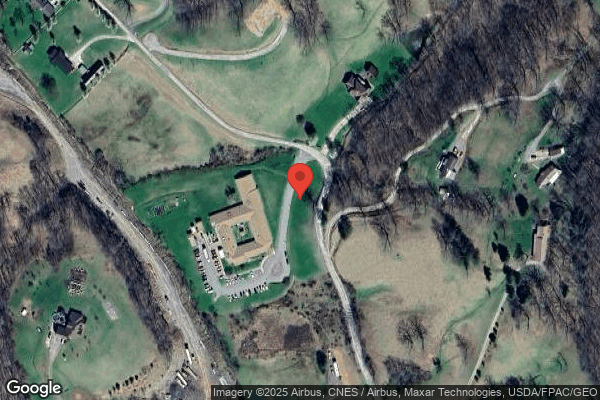
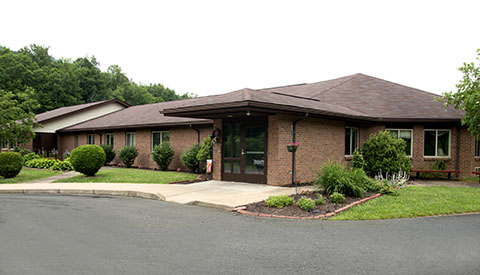
1053 CLINIC DRIVE, IVYDALE, WV 25113 (304) 286-4204
For profit - Corporation 60 Beds COMMUNICARE HEALTH Data: November 2025 1 Immediate Jeopardy citation
Trust Grade
16/100
#67 of 122 in WV
Last Inspection: May 2025

Inspected within the last 6 months. Data reflects current conditions.

Overview

Clay Healthcare Center in Ivydale, West Virginia, has received a Trust Grade of F, indicating significant concerns about the quality of care provided. Ranked #67 out of 122 facilities in the state, they are in the bottom half of nursing homes, though they are the only option in Clay County. The facility's trend is improving, with the number of issues found decreasing from 15 in 2023 to 9 in 2025, but they still face serious challenges. Staffing is a notable weakness, with a turnover rate of 63%, significantly higher than the state average, which may impact resident care. Specific incidents include a critical failure to provide adequate assistance to a resident, which led to hospitalization, and concerns about infection control practices, such as staff not performing proper hand hygiene. While the facility shows some signs of improvement, families should weigh these strengths and weaknesses carefully when considering care options.

Trust Score
F
16/100
In West Virginia
#67/122
Bottom 46%
Safety Record
High Risk
Review needed
Inspections
Getting Better
15 → 9 violations
Staff Stability
⚠ Watch
63% turnover. Above average. Higher turnover means staff may not know residents' routines.
Penalties
○ Average
$16,149 in fines. Higher than 58% of West Virginia facilities. Some compliance issues.
Skilled Nurses
○ Average
Each resident gets 31 minutes of Registered Nurse (RN) attention daily — about average for West Virginia. RNs are the most trained staff who monitor for health changes.
Violations
⚠ Watch
34 deficiencies on record. Higher than average. Multiple issues found across inspections.
★★☆☆☆
2.0
Overall Rating
★★☆☆☆
2.0
Staff Levels
★★★☆☆
3.0
Care Quality
★★☆☆☆
2.0
Inspection Score
Stable
2023: 15 issues
2025: 9 issues

The Good

  • Full Sprinkler Coverage · Fire safety systems throughout facility
  • No fines on record

Facility shows strength in fire safety.

The Bad

2-Star Overall Rating

Below West Virginia average (2.7)

Below average - review inspection findings carefully

Staff Turnover: 63%

17pts above West Virginia avg (46%)

Frequent staff changes - ask about care continuity

Federal Fines: $16,149

Below median ($33,413)

Minor penalties assessed

Chain: COMMUNICARE HEALTH

Part of a multi-facility chain

Ask about local staffing decisions and management

Staff turnover is elevated (63%)

15 points above West Virginia average of 48%

The Ugly 34 deficiencies on record

1 life-threatening
May 2025 9 deficiencies 1 IJ
CRITICAL (J) 📢 Someone Reported This

A family member, employee, or ombudsman was alarmed enough to file a formal complaint

Immediate Jeopardy (IJ) - the most serious Medicare violation

Free from Abuse/Neglect (Tag F0600)

Someone could have died · This affected 1 resident

Based on record review, and staff interviews, the facility neglected to provide the amount of assistance and supervision needed to prevent a resident from aspiration. On 05/22/25 at 6:00PM, the state...

Read full inspector narrative →
Based on record review, and staff interviews, the facility neglected to provide the amount of assistance and supervision needed to prevent a resident from aspiration. On 05/22/25 at 6:00PM, the state agency notified the facility of the finding of past-noncompliance Immediate Jeopardy (IJ) that began on 03/19/25 and ended on 03/24/25. The deficient practices caused actual harm to Resident #16. The facility's neglect of the resident created a case of physical harm. The resident required transfer to the emergency room for evaluation and had to undergo medical testing. Resident identifier: #16. Facility census: 53. Findings included: a) Resident #16 Medical Record Review (MRR) revealed Resident #16 had resided in the facility since 2018. He did not have the capacity to make medical decisions. According to the Minimum Data Set (MDS) the resident's Brief Interview for Mental Status (BIMS) score was 3, indicating cognitive impairment. The resident had diagnoses of Neurocognitive Disorder with Lewy Bodies Disease, Aphasia following cerebrovascular disease, Dysphagia , Major Depressive Disorder, Recurrent, Visual Hallucinations, Dysphagia Oral Phase, Anxiety Disorder, Need for Assistance with Personal Care, Dementia, Parkinson's Disease with Dyskinesia, with Fluctuations, and Cognitive Communication Deficit. On 03/20/25 at 12:46 AM, the facility submitted a facility reported incident (FRI) to the state agency. The report revealed the following: On 03/19/25 at 12:15 PM in the dining room, Resident #16 was found drooling, not breathing, and was cyanotic (blue). This was reportedly observed by Activities Leader (AL) #72. AL #72 immediately notified nursing staff. The Heimlich Maneuver with finger sweep was performed by Licensed Practical Nurse (LPN) #54 without success. After moving the resident to the hallway, Licensed Practical Nurse (LPN) #53 performed the Heimlich Maneuver and finger sweeps again without success, 911 was called. Resident #16 was transferred to his room where RN #88 performed another finger sweep and suctioned the resident with partial success. The resident was transferred to a local emergency department. Resident #16 was found to have aspiration pneumonia and a thoracic aortic aneurysm. The family declined any further interventions. The resident was transferred to the facility with antibiotics and hospice level of care. An investigation was initiated. The five (5) day follow-up investigation contained the following additional information: It had been determined there was a system failure for which the facility had taken immediate action to address. Witness statements were obtained and interviews were conducted with all staff involved in the serving of residents in the facility on the day of the incident. The facility's plan of correction initiated 03/20/25 was as follows: On 03/20/25, the Director of Nursing (DON) started an in service with all staff on level of assistance with meals, types of diets, ensuring the resident is receiving appropriate assistance, ensuring resident meal on tray matches ordered diet consistency and awareness that meal tickets are no longer printing highlighted or in red. On 03/20/25, the Activities Supervisor started an in service with all activities staff on requirements for resident's requiring assistance and allowing clinical staff to set these residents up with meals as they are prepared to assist them with their meal. On 03/20/24, The Certified Dietary Manager(CDM) started an in service with all dietary staff on ensuring that the food served matches diet order on meal ticket. As of 03/24/25, staff in services were completed. To prevent other residents who require assistance with full assist feeding, either the RN, LPN or NA that takes the tray to the resident, will be the person who will assist and/or feed the resident until the meal is completed. New CNA and Nursing employees orientation will include instruction upon meal delivery process to include diet texture and full assist definition by the DON or designee. Clinical staff also will receive follow up competency check off sheet through Relias training. On 03/20/25, The DON completed audits of all diets in the system to ensure they matched and reviewed with the CDM to ensure meal tickets also reflected. The CDM is monitored texture modification of food daily for two weeks. The CDM conducted tray line audits two times a week for four weeks. Starting 03/20/2025,The DON and ADON will be performing audits twice a week on the floor to ensure diet orders match the food texture served and those who require assistance with eating are receiving the appropriate level of care. On 3/20/25,The DON will be reviewing audit weekly with the CDM. A review of the Emergency Department (ED) Information/Report revealed the resident presented on 03/19/25 to the emergency department with a chief complaint of aspiration of turkey. The resident was hypoxemic and was. His oxygen saturation was 67%. The ED noted, He must have passed the bolus on down somewhere because his O2 sats picked up to 90. The resident was diagnosed as having Aspiration Pneumonia. The residents' family elected not to have aggressive measures taken to remove the turkey that was stuck in his right mainstream bronchus. He was discharged back to the nursing home with antibiotics and hospice care. The facility provided evidence of pre-incident training for Nurse Aide (NA) #72. The NA had received training on feeding assistance, tray/ticket breakdown and I information and tray pass services. On 03/24/25, a corrective action form was completed for NA #71. She was disciplined with a verbal warning for performance/policy violation for serving a tray to a full feed assist resident and not providing the correct level of assistance not validating that the resident's meal consistency matched the meal ticket. A review of the facility definition/policy of neglect revealed the following: It is the policy of this facility to provide resident centered care that meets the psychosocial, physical, and emotional needs and concerns of the residents. It is the intent of this facility to prevent the abuse, mistreatment, or neglect of residents or the misappropriation of their property, corporal punishment and/or involuntary seclusion and to provide guidance to direct staff to manage any concerns or allegations of abuse, neglect, or misappropriation of their property. In the event a situation is identified as abuse, neglect, or misappropriation, an investigation by the executive leadership will immediately follow. Neglect is the failure of the facility, its employees, or service providers to provide goods and services to a resident that necessary to avoid physical harm, pain, mental anguish, or emotional distress. WV code 9-6-1 defines neglect as the unreasonable failure by a caregiver to provide the care necessary to assure the physical safety or health of an incapacitated adult; or provide the care necessary to assure physical safety or health of and incapacitated adult; or unlawful expenditure or willful dissipation of the funds or other assets owned or paid to, or for the benefit of, an incapacitated adult or resident. The facility's updated Meals Policy Inservice dated February 2025 gave the following procedures and instructions: It is the responsibility of nursing staff when passing trays to verify that residents' meals are accurate according to what is on the meal ticket. Nursing staff must also ensure that residents are receiving the appropriate textured foods and level of assistance with meals. Trays are not to be set in front of a full feed assist resident unless a clinical staff is present and ready to feed. Clinical staff providing full feed assist are to remain with the resident from the time the tray is dropped off until the meal is completed. Clinical staff providing full assistance to residents during meals are to provide observation, cueing, and assistance to ensure appropriate bite size, rate of feeding, and use of liquid wash. On 07/02/24 Resident #16 was referred to Speech Therapy (ST) due to new onset of coughing/choking during oral intake indicating the need for ST to assess/evaluate least restrictive oral intake, analyze oral/pharyngeal function, develop and instruct in compensatory strategies, teach/instruct in environmental modifications and instruct family/staff in compensation techniques. The risk factors included Due to documented physical impairments and associated functional deficits, the resident was at risk for aspiration. It was recommended that the resident have supervision for oral intake. It was recommended that he have rate modifications and bolus size modifications upright posture during and upright posture for 30 minutes after meals. It was noted that staff and caregivers would be provided training regarding diet texture and positioning to enhance safety On 09/19/24 the resident was referred to Speech Therapy again for a dysphagia evaluation due to concerns of silent aspiration. The following risk factors were discussed Due to the documented physical impairments and associated functional deficits, the patient is at risk for aspiration, further decline in function, increased dependency upon caregiver, pneumonia and weight loss. The resident and primary caregivers were trained and instructed on safe swallowing, bolus size reduction, upright positioning and alternating solids and liquids. When the resident was given a cup to hold himself, he was described as not utilizing rate mod requiring max verbal cues. He was recommended to have close supervision for oral intake, full feeding assistance and to be in the dining room for lunch and dinner. A medical record review revealed the resident was on a speech therapy caseload at the time of the choking incident. On 03/20/25 due to the change in the resident's medical condition, he was discharged from Speech Therapy. A Speech Therapy final evaluation was on 03/20/25. Medical Record Review (MRR) revealed that on 03/20/25 Resident was discharged from Speech Therapy to Hospice. The MRR revealed on 10/04/24 the resident had an order for a regular diet dysphagia advanced texture with thin liquids and a raised lip plate with all meals. He was also supposed to have fortified foods with meals and was considered to need full feeding assistance related to his dysphagia. The resident's care plan review revealed a care plan dated 12/27/24 that said the resident was dependent in the area of eating with the helper doing all the effort. Nurse Aide (NA) # 71 was interviewed via phone on 05/22/25 at 11:00 AM. She stated she did take Resident #16 his tray and noticed the meat was not totally ground up but was in longer strips. She said she cut the turkey into smaller pieces and stated she would have fed him, if she had not been assigned to Resident #36 that day. She did not remember which staff told her to feed Resident #36. While feeding Resident #36, she stated she was not able to see Resident #16's face because his back was to her at the table. She stated she was told previously that Resident #16 was ok to eat on his own, unsupervised in the dining room where he could sit upright but was a full feed assist if he was fed in his room. NA #71 stated she did not remember full feed training before the incident but was trained 2 days afterward. She stated, We are trying so hard to feed all full feed assists. NA #71 said she felt there was not enough staff. During an interview with Activities Leader #71 on 05/22/25 at 10:00AM, she stated she did not feed the residents, and she was not the one who checked Resident #16's tray, but she did check tray tickets to make sure everything was right on the tray and to make sure the residents receive the correct meal according to their meal ticket. On the day of the incident, after she checked tray tickets, she walked around to check to see if anyone needed her help when she approached Resident #16. She said he was not breathing and was choking on a piece of turkey. She said she saw it hanging out of his mouth. His face and lips were blue. She stated that was when she screamed for help. She stated she had training to check the tickets and check the meal prior to the incident in the dining room and had since been re-trained within two (2) days after the incident. On 05/22/25 at 2:30PM, in an interview with NA #23, she explained one process of full feed assist, that she had helped Resident #16 with eating. She stated she had been in-serviced after the choking incident. The Regional Operations Coordinator (ROC) was interviewed on 5/21/25 at 3:00 PM. She stated there was a meal service system failure as Resident #16 was to have ground meat and was a full feed assist, but the turkey was not completely ground. The ROC said, Resident #16's tray was set up by the NA who cut the meat into smaller pieces, then left him to eat without supervision instead of being fed by a staff member. In an interview with Speech Therapy (ST) on 05/22/25 at approximately 2:00 PM, she stated that Resident #16 had been seen by ST at different times since admission. ST stated Resident #16 had issues with wanting to bolus (a soft , rounded mass of chewed food or liquid that is ready to be swallowed) food and drink and therefore recommended he be a full feed assist.
CONCERN (D)

Potential for Harm - no one hurt, but risky conditions existed

Deficiency F0645 (Tag F0645)

Could have caused harm · This affected 1 resident

Based upon record review and staff interview, the facility failed to update the Pre admission Screening and Resident Review (PASARR) when the resident was diagnosed with Major Depressive disorder. Thi...

Read full inspector narrative →
Based upon record review and staff interview, the facility failed to update the Pre admission Screening and Resident Review (PASARR) when the resident was diagnosed with Major Depressive disorder. This was found to be true for one (1) resident of the four (4) reviewed during the annual survey process. Resident identifier #53. Facility census: 53 Findings included: a) Resident #53 Record review revealed Resident #53 had a diagnosis of Major Depression dated 01/28/25. A new PASARR should have been updated with diagnosis of Major depressive disorder following diagnosis received on 01/28/25 Resident #53 had a Care Plan developed on 01/28/25 for major depressive disorder. The PASARR and resident diagnoses were reviewed with the Director of Social Services on 05/20/25 in the afternoon. She agreed the PASARR should have been updated.
CONCERN (D)

Potential for Harm - no one hurt, but risky conditions existed

Quality of Care (Tag F0684)

Could have caused harm · This affected 1 resident

Based on record review and staff interview, the facility failed to have a diagnosis of depression for the order of an antidepressant medication. This was true for one (1) of seventeen (17) residents r...

Read full inspector narrative →
Based on record review and staff interview, the facility failed to have a diagnosis of depression for the order of an antidepressant medication. This was true for one (1) of seventeen (17) residents reviewed during this annual survey process. Resident identifier # 258. Facility census: 53 Findings included: a) Resident #258 The medical record revealed the resident had an order for Duloxetine 60 milligrams (1 capsule by mouth at bedtime) for depression. This order was had an active date of 05/08/25. A review of the Medication Administration Record (MAR) revealed the Duloxetine 60 mg had been discontinued on 05/18/25. A review of the care plan revealed the resident used an antidepressant related to depression. This was dated 05/14/25. A pharmacy review revealed that the physician did not want to attempt a gradual dose reduction on the Duloxetine because the resident had recently started the antidepressant. This finding was reviewed with the Regional Operations Manager on 05/20/25 late in the afternoon.
CONCERN (D)

Potential for Harm - no one hurt, but risky conditions existed

Drug Regimen Review (Tag F0756)

Could have caused harm · This affected 1 resident

Based on record review and staff interview, the facility was unable to provide evidence that the attending physician reviewed any irregularities identified by the pharmacist and either accepted or rej...

Read full inspector narrative →
Based on record review and staff interview, the facility was unable to provide evidence that the attending physician reviewed any irregularities identified by the pharmacist and either accepted or rejected the recommendations. This was true for two (2) of five (5) residents reviewed under the Unnecessary Medications pathway in the Long-Term Care Survey Process. Resident identifiers: #30 and #52. Facility census: 53 Findings included: a) Resident #30: On 05/17/25 10:58 AM, during Medication Regimen Review two pharmacist reviews dated 01/24/25 and 02/04/25 were located. The facility could not provide the pharmacist consult report that contained the recommendations they made nor the Physician response to those recommendations. In an interview with the Regional Director of Operations Coordinator (RDOC) on 03/17/2025 at 11:50PM, she stated she was not able to provide the pharmacist recommendations nor the physician response for recommendations dated on 01/20/25, and 02/04/25. b) Resident #52: On 05/19/25 at 12:10PM during review of the Medication Regimen Review for 01/28/25, the facility could not provide the pharmacist consult report nor the physician response to the pharmacist recommendations. On 05/19/25 at approximately 1:35PM the RDOC stated she was unable to provide the physician response and signatures for the pharmacist recommendations.
CONCERN (D)

Potential for Harm - no one hurt, but risky conditions existed

Food Safety (Tag F0812)

Could have caused harm · This affected 1 resident

Based on observation and staff interviews, the facility failed to store food in accordance with professional standards for food service safety. This was a random opportunity for discovery with the abi...

Read full inspector narrative →
Based on observation and staff interviews, the facility failed to store food in accordance with professional standards for food service safety. This was a random opportunity for discovery with the ability to affect a multiple number of residents. Facility census: 53. Findings include: a) On 05/13/25 at 9:40AM, during the kitchen initial visit, employee personal items such a purse, keys, and a jacket were observed on a chair in the kitchen pantry room. In an interview with the Corporate District Manager at 9:50AM on 5/13/25, he acknowledged the personal staff items on the chair in the pantry, stating staff had been using this corner for personal items. On 5/14/25 at 3:35PM, during an interview with the Corporate District Manager, he stated personal items were no longer allowed to be stored in the kitchen pantry room.
CONCERN (D)

Potential for Harm - no one hurt, but risky conditions existed

Garbage Disposal (Tag F0814)

Could have caused harm · This affected 1 resident

Based on observation and staff interviews, the facility failed to ensure disposal of garbage and refuse was properly contained in the kitchen pantry and in dumpsters with lids closed or covered. This ...

Read full inspector narrative →
Based on observation and staff interviews, the facility failed to ensure disposal of garbage and refuse was properly contained in the kitchen pantry and in dumpsters with lids closed or covered. This was a random opportunity for discovery with the possibility of affecting multiple residents. Facility census: 53. Findings included: a) On 05/13/25 at 9:30 AM, it was observed in the dish room that a trash receptacle lid at the hand washing station was blocked by a box sitting on top. This blocked staff's ability to dry hands without contamination. In an interview with The Corporate District Manager on 05/13/25 at 9:32AM, he acknowledged the box sitting on the top of the trash receptacle was blocking the ability to dry hands without contamination and removed the box stating it should not have been there. On 05/13/25 at approximately 10:35 AM, it was observed that the dumpster lid was left open while not in use. During an interview on 05/13/25 at 10:40 AM, with the Assistant Director of Nursing (ADON), she acknowledged the dumpster lid was not in use but the lid was left open.
CONCERN (D)

Potential for Harm - no one hurt, but risky conditions existed

Medical Records (Tag F0842)

Could have caused harm · This affected 1 resident

Based upon record review, staff interview and resident interviews, the facility failed to maintain an accurate medical record. This was found to be true for two (2) of seventeen (17) records reviewed ...

Read full inspector narrative →
Based upon record review, staff interview and resident interviews, the facility failed to maintain an accurate medical record. This was found to be true for two (2) of seventeen (17) records reviewed during the annual survey process. Resident identifiers: #50 and #51. Facility census: 53 Findings included: a) Resident #50 A Bed safety evaluation completed on 05/02/25, marked no for floor mats. Resident #50 ' s orders and care plan have one floor mat documented on the right side of bed. A visual observation of the resident's room on 05/22/25 during the morning hours, found a floor mat on the right side of the bed. The floor mat intervention was implemented following a post fall of the resident on 04/28/25, according to the resident's care plan. This was reviewed with the Regional Operations Manager on 05/20/25 in the afternoon, who said she would check into it. b) Resident #51 West Virginia POST form was completed on 02/14/25 for Resident #51. Resident's gender was identified as a Female. MDS screening upon admission, under Section A Demographics, showed the resident was a male. This discrepancy was reviewed with the Director of Social Services on 05/20/25 in the afternoon. The Director of Social Services had no comment to make when the error was pointed out.
CONCERN (D)

Potential for Harm - no one hurt, but risky conditions existed

Deficiency F0919 (Tag F0919)

Could have caused harm · This affected 1 resident

**NOTE- TERMS IN BRACKETS HAVE BEEN EDITED TO PROTECT CONFIDENTIALITY** Based on observation and staff interviews, the facility failed to ensure the call system was accessible to residents while in th...

Read full inspector narrative →
**NOTE- TERMS IN BRACKETS HAVE BEEN EDITED TO PROTECT CONFIDENTIALITY** Based on observation and staff interviews, the facility failed to ensure the call system was accessible to residents while in their bed or other sleeping accommodations within the resident's room. This was a random opportunity for discovery. Resident identifier: #19. Facility census: 53. Findings include: a) Resident #19 During facility entrance on 05/13/25 at 2:03 PM, an observation in room [ROOM NUMBER] revealed Resident #19 was sitting up on the side of her bed. She asked for assistance to find her call button. She stated she needed to get some help for her roommate. Upon checking around, the call button was found on the floor under the bed and out of the resident's reach. On 05/13/25 at 2:13PM, in an interview with CNA #24 she acknowledged the call button was not within reach of the resident and stated that sometimes residents knock them off the bed. She then placed the call button back on the bed without securing it. On 5/13/25 at 2:30PM during an interview with the DON, she acknowledged she had been made aware of the call light not being within Resident #19's reach.
CONCERN (E)

Potential for Harm - no one hurt, but risky conditions existed

Infection Control (Tag F0880)

Could have caused harm · This affected multiple residents

Based on observation, medical record review and staff interviews, the facility failed to maintain an effective infection control program. Failed to complete hand hygiene after removing gloves and did ...

Read full inspector narrative →
Based on observation, medical record review and staff interviews, the facility failed to maintain an effective infection control program. Failed to complete hand hygiene after removing gloves and did not re-glove when providing care for a resident who was on enhanced barrier precautions (EBP). In addition, ten (10) Personnel Protection Equipment (PPE) Storage Bins were sitting directly on the hallway floor. Three (3) wheelchairs were found with cracked arm rests and could not be sanitized. A Nurse Aide (NA) did not perform hand hygiene prior to feeding a resident. These failed practices had the potential to affect more than a limited number of residents. Resident identifiers: #15, #16, and #30. Facility census: 53. Findings included: a) Resident #15 On 05/19/25 at 11:35 AM, an observation revealed NA's #64 and #24 performed Foley catheter care for Resident #15. Resident #15 was on EBP for the Foley catheter. NA #64 and #24 completed catheter care per policy and then removed gloves. They did not perform hand hygiene nor put on a new set of gloves as they pulled up the pajama bottoms, straightened linens, etc. When asked if they normally take off contaminated gloves and complete their task with no gloves both stated No. Both stated that they were nervous, and both agreed that they change gloves after catheter care and put on new gloves to finish providing care. On 05/19/25 at 2:19 PM a random opportunity for discovery found PPE Storage Bins were sitting directly on the floor outside of resident rooms who were on EBP. There were ten (10) storage boxes throughout the building. An interview with the Regional Operations Coordinator Registered Nurse (ROCRN) #87 on 05/19/25 at approximately 10:00 AM revealed the ROCRN said no when asked if the PPE storage bins were to be sitting on the floor. c) Resident #16 On 5/13/24 at 2:20PM, during an observation of Resident #16's room, it was observed that his wheelchair had cracks around the edges of arm pads exposing inner padding. After leaving Resident #16's room, observation revealed an extra wheel chair sitting at the end of the 100 hallway was discovered to have a small round hole in the seat with exposed padding. An observation of Resident #16s lunch tray delivered at 12:00 PM revealed the Assistant Director of Nursing took Resident # 16s tray to his room and asked for assistance with his positioning. She raised his bed up via buttons and assisted with repositioning him in bed then touched his bedside table to adjust height to accommodate for feeding him. She then began to feed him without changing her gloves nor washing her hands. On 05/13/25 at 12:10PM, during an interview with the ADON regarding hand hygiene, she acknowledged she did not wash her hands and change her gloves between adjusting the bedside table and bed height and positioning the resident before feeding him. d) Resident #30 During an observation of Resident # 30's room on 5/19/25 at 12:20 PM, it was observed that his wheelchair had a crack in the top of the chair back with exposed inner padding. In an interview with the ADON on 5/13/25 at 2:30PM, she acknowledged Resident #16's w/chair and stated it needed to be removed. She also acknowledged the hole in the cushion on the wheelchair in the hall and stated it was just an extra chair but did agree that it would be used for a resident when/if needed. On 5/19/25 at 12:30 PM, During an interview with The Regional Operations Coordinator. She acknowledged the crack in the top of the chair back on Resident # 30's wheelchair and stated it would be taken care of.
Nov 2023 15 deficiencies
CONCERN (D)

Potential for Harm - no one hurt, but risky conditions existed

Deficiency F0558 (Tag F0558)

Could have caused harm · This affected 1 resident

. Based on observation and staff interview, the facility failed to ensure call lights were within reach for residents who had the ability to utilize them to request help. This was true for one (1) of ...

Read full inspector narrative →
. Based on observation and staff interview, the facility failed to ensure call lights were within reach for residents who had the ability to utilize them to request help. This was true for one (1) of two (2) residents reviewed under the environment pathway. Resident identifier: #16. Facility census: 55. Findings included: a) Resident #16 a) An observation on 10/30/23 at 1:20 PM of Resident #16 revealed the call light was a touch light call pad and was not in reach of Resident #16. The resident was lying in bed. The touch pad call light was on the nightstand. During an observation, on 10/30/23 at 3:30 PM, Resident #16 revealed the call light was not in reach of resident that was lying in bed. The touch pad call light was on the nightstand. During a review, on 10/31/23 at 9:00 AM, of Resident #16's care plan revealed the resident required assistance with activities of daily living (ADLs). The care plan mentioned the resident had a Cognitive Deficit and the care plan indicated the staff needed to place the call light within reach. Observation, on 10/31/23 at 1:30 PM, revealed the call light was not in reach of the resident. The resident had just been put back in bed after lunch. The touch pad call light was on the nightstand. During an interview, on 10/31/23 at 2:30 PM, with Licensed Practical Nurse (LPN) #69, the LPN stated, She definitely can use her call light and she does. During an observation, on 11/02/23 at 10:00 AM, Resident #16 was lying in bed, the call light was not in reach. The touch pad call light was sitting on the nightstand. During an interview, on 11/02/23 at 10:30 AM, with Nurse Aide (NA) #86, the NA stated, No her call light is not in reach, she must of put it over there. Employee #86 then put touch pad call light Resident #16 bed within reach. .
CONCERN (D)

Potential for Harm - no one hurt, but risky conditions existed

Deficiency F0583 (Tag F0583)

Could have caused harm · This affected 1 resident

. Based on observation and staff interview, the facility failed to respect residents' right to personal privacy and confidentiality of the medical record. This was a random opportunity for discovery. ...

Read full inspector narrative →
. Based on observation and staff interview, the facility failed to respect residents' right to personal privacy and confidentiality of the medical record. This was a random opportunity for discovery. The failed practice was true for three (3) of 18 sample residents. Resident identifiers: #254, #38, and #34. Facility census: 55. Findings included: a) Resident #254 An in-room observation, on 11/01/23 at 12:29 PM, revealed a print pink sheet of paper pinned to Resident #254's board. The paper had writing on it in a landscape format which read, [Name of Hospice Care Agency] for body mind and spirit. The paper form went on to outline, [First Name of hospice agency staff] will visit me on: and then had a notation that Resident #254 would be visited on 11/01/23 from 11:00 AM - 1:00 PM and would receive social visit, would receive a bed bath, hair would be washed, and clothes would be organized. Additionally, it was noted that Resident #254 would be visited on 11/03/23 sometime between the hours of 11:00 - 3:00 PM. During an interview on 11/01/23 at 1:02 PM, the Administrator confirmed the posting in the room made it readily evident that Resident #254 was receiving hospice services, was a violation of resident's right to privacy, and immediately removed the form from room. b) Resident #38 An in-room observation, on 11/01/23 at 12:33 PM, revealed a print pink sheet of paper pinned to Resident #38's board. The paper had writing on it in a landscape format which read, [Name of Hospice Care Agency] for body mind and spirit. The paper form went on to outline, [First Name of hospice agency staff] will visit me on: and then had a notation that Resident #38 would be visited on 10/25/23 from 11:00 AM - 1:00 PM. Additionally, it was noted that Resident #38 would be visited on 10/27/23 sometime in the AM hours and would receive a social visit as well as a shower. During an interview on 11/01/23 at 1:04 PM, the Administrator confirmed the posting in room made it readily evident that Resident #254 was receiving hospice services, was a violation of resident's right to privacy, and immediately removed the form from room. c) Resident #34 Upon observation on 11/01/23 at 12:45 PM of Resident #34's room, a bright pink piece of paper sign said (Name of Hospice Agency) for body, mind, and spirit at the top. The middle stated the workers name and then had the schedule with initials on it below. Upon interview on 11/01/23 at 1:00 PM with the Administrator who walked into the room with the surveyor and stated, That is a Hospice form, I guess they put that up there. I will be having a talk with them. I don't know why they would put that up there. She took the signs down from the Bulletin board.
CONCERN (D)

Potential for Harm - no one hurt, but risky conditions existed

Safe Environment (Tag F0584)

Could have caused harm · This affected 1 resident

**NOTE- TERMS IN BRACKETS HAVE BEEN EDITED TO PROTECT CONFIDENTIALITY** . Based on observation and staff interview, the facility failed to honor the resident's right to a safe, clean, comfortable, and...

Read full inspector narrative →
**NOTE- TERMS IN BRACKETS HAVE BEEN EDITED TO PROTECT CONFIDENTIALITY** . Based on observation and staff interview, the facility failed to honor the resident's right to a safe, clean, comfortable, and homelike environment. The facility failed to ensure a wall in a resident room was in good repair. Room identifier: 117. Resident identifier: #255. Facility census: 55. Findings included: a) room [ROOM NUMBER] / Resident #255 On 10/30/23 at 1:21 PM observation revealed the wall behind Resident #244's bed was in disrepair. There was an approximate 4 x 2 rectangular scrape/scratch as well as an approximate 2 x 2 rectangular scrape/scratch immediately noticeable to the right of Resident #255's bed. Additionally, there was an approximate 7- 8 scrape/scratch close to the baseboard on the right side of resident's bed. The scrapes had removed the wall paint and left the white drywall exposed. To the left of Resident #255's headboard, there were four (4) round, circular scrapes/scratches approximately the size of a pencil. During an interview, on 10/31/23 at 9:15 AM, the Social Worker confirmed the wall was in disrepair and not very homelike. The Social Worker went on to state the resident residing in the room before Resident #255 was a male resident and she believed the marks were from when he had been in the room. The Social Worker said it must have been an oversight that repairs to the wall were not completed before Resident #255 moved in. .
CONCERN (D)

Potential for Harm - no one hurt, but risky conditions existed

Report Alleged Abuse (Tag F0609)

Could have caused harm · This affected 1 resident

. Based on policy review, record review, and staff interview, the facility failed to ensure that all alleged violations involving abuse were reported. This was true for one (1) of (2) residents review...

Read full inspector narrative →
. Based on policy review, record review, and staff interview, the facility failed to ensure that all alleged violations involving abuse were reported. This was true for one (1) of (2) residents reviewed under the abuse pathway. Resident identifier: #19 . Facility census: 55. Findings included: a) Resident #19 Record review, on 11/01/23 at 9:00 AM, of Resident #19's nursing progress note written on 10/06/23 by the Assistant Director of Nursing (ADON) revealed Resident #19 had filed a grievance. The note read: Resident filed a grievance stating a gray-haired nurse was rude to her. The ADON went on to question the resident further about this. When the ADON asked about the Gray-haired nurse, Resident #19 said, You leave her alone. This person is a Nurse Aide (NA) who provides her care. The ADON investigated further and talked with staff on the floor. All staff stated that the resident gets upset when they attempt to empty the catheter bag. She prefers to empty it herself into the trash. All staff stated that they are not hateful to her, but she gets agitated when anyone attempts to help her. The ADON explained this to a family member. Once explained, the family member had no further issues. Review of the Abuse and Neglect Tracking Log revealed no mention of the grievance being filed/ and no record of the suspected verbal abuse being reported. During an interview, on 11/01/23 9:00 AM, with the social worker, she was asked about the nurse's progress note. She stated, I did not know about it. This resident is this way sometimes, no it was not reported. Record review, on 11/01/23 at 9:15 AM, of the Policy titled Abuse, Neglect, and Misappropriation revealed mental abuse was defined on page 4 as the use of verbal or nonverbal conduct which causes or has the potential to cause the resident to experience humiliation, intimidation, fear, shame, agitation or degradation. Verbal abuse may be considers a type of mental abuse. The policy goes on to read on page 11 section V that An event may not be perceived by staff to constitute abuse neglect or misappropriation of resident property; however, if a resident , family member or visitor perceives an event to be abuse, neglect or misappropriation , the facility must report the event. Record review, on 11/01/23 at 9:30 AM, of Resident #19's care plan revealed no mention of Resident #19 making false allegations. Resident #19 had a BIMS of 11. On 11/01/23 at 11:00 AM the Administrator handed a grievance form to the surveyor and stated, This was found behind the nurses station. Record review, on 11/01/23 at 9:35 AM, revealed the grievance had not been signed by a grievance officer or the Administrator. The grievance had witness statements but had no mention of anybody witnessing/not witnessing the staff member being hateful to Resident #19 and some statements talked about how hateful the resident is. Upon record review on 11/01/23 at 10:00 AM of the facilities Abuse and Neglect Tracking Log for September and October had no record of the suspected abuse being reported. .
CONCERN (D)

Potential for Harm - no one hurt, but risky conditions existed

PASARR Coordination (Tag F0644)

Could have caused harm · This affected 1 resident

. Based on record review and staff interview, the facility failed to complete a new PASARR (Pre-admission Screening) with a new diagnosis. This is true for one )1) of one (1) reviewed for PASARR. Resi...

Read full inspector narrative →
. Based on record review and staff interview, the facility failed to complete a new PASARR (Pre-admission Screening) with a new diagnosis. This is true for one )1) of one (1) reviewed for PASARR. Resident identifier: #36. Facility census: 55. Findings included: a) Resident (R) #36 Review of the medical record on 10/30/23 revealed R #36 was diagnosed with schizophrenia in 2023. The annual Minimum Data Assessment with an Assessment Reference Date of 08/03/23 was coded as yes under section I 6000 acknowledging the diagnosis of schizophrenia under the psychiatric/mood disorder. The most recent PASARR dated 10/18/22 was marked as none for mental illness including schizophrenia under section 30. During an interview on 11/01/23 at 8:00 AM, Social Worker #70 confirmed R#36's most recent PASARR is dated 10/18/22. At 8:30 AM on 11/01/23, Regional Director of Clinical Services (RDCS) #100 reported R#2's diagnosis of schizophrenia was dated 1/23/23. The RDCS confirmed the PASARR should have been completed after the new diagnosis of schizophrenia. .
CONCERN (D)

Potential for Harm - no one hurt, but risky conditions existed

Comprehensive Care Plan (Tag F0656)

Could have caused harm · This affected 1 resident

. Based on record review and staff interview, the facility failed to ensure each resident had a person-centered comprehensive care plan, developed and implemented, with specific interventions of care ...

Read full inspector narrative →
. Based on record review and staff interview, the facility failed to ensure each resident had a person-centered comprehensive care plan, developed and implemented, with specific interventions of care to address the resident's medical, physical, mental, and psychosocial needs for three (3) of 18 sample residents reviewed. Resident #28's and Resident #104's care plan failed to address specific non-pharmacological approaches to anxiety. Resident #34's care plan failed to have specific Hospice approaches addressed. Resident identifiers: Resident #34, #104 and #28. Facility census: 55. Findings included: a) Resident #28 A record review, for Resident #28, on 11/01/23, revealed a care plan focus area of anxiety medications related to anxiety, with an intervention to encourage the resident to voice feelings and discuss coping skills A discussion of coping skills did not provide for specific direction for staff to assist the resident to alleviate the anxiety. An interview, with the Director of Nursing (DON), on 11/01/23 at 9:13 AM, confirmed the interventions were not written in a manner that was specific to the resident. The DON added there should have been more specific approaches to provide a distraction when the behavior was noted which should have included positioning with pillows and providing music. b) Resident #104 A record review, for Resident #104, on 11/01/23, revealed a care plan focus area of anxiety medications related to anxiety, with an intervention to encourage the resident to voice feelings and discuss coping skills. There was no specific non-pharmacological approach to assist the resident with the identified anxiety focus area. Discussion of coping skills did not provide for specific direction. An interview, with Registered Nurse (RN) #100, on 11/01/23 at 11:25 AM, verified the care plan to discuss coping skills was a generic approach and Resident #104's care plan should have reflected more resident specific modalities to assist the resident with the focus concern of anxiety. RN #100 stated further, during the interview, the care plan would have to be corrected to reflect this. c) Resident #34 Upon a record review on 10/31/23 at 7:58 AM a record review of Resident #34's Hospice care plan created on 04/11/23 had no mention of the days of the week or time when Hospice services were to occur. They only mention on the care plan for Resident #34 for when Hospice services were to occur read Nurse to visit 1 to 2 times per week and Nurse Aide (NA) to visit 2 to 3 times per week. Upon a record review on 10/31/23 at 8:00 AM of Resident #34's care plan had no mention of when Hospice services were to occur. During and interview on 10/31/23 at 9:36 AM with Licensed Practical Nurse (LPN) #84 stated, Hospice typically comes Tuesday and Friday. They just check in with us. We just know they are coming when they get here. Then stated, They don't sign in and out, that I know of. During and interview on 10/31/23 at 10:00 AM the Minimum Data Set (MDS) Coordinator stated, Times and days are not in the care plan.
CONCERN (D)

Potential for Harm - no one hurt, but risky conditions existed

Deficiency F0657 (Tag F0657)

Could have caused harm · This affected 1 resident

. Based on record review and staff interview, the facility failed to revise a resident's comprehensive care plan based on an identified change in the residents care that was no longer applicable to th...

Read full inspector narrative →
. Based on record review and staff interview, the facility failed to revise a resident's comprehensive care plan based on an identified change in the residents care that was no longer applicable to the plan of care for one (1) of 18 sampled residents reviewed. Resident #28 no longer was receiving oxygen therapy, however, the focus problem with goals and approaches were continued to be included on the the current care plan. Resident identifier: Resident #28. Census: 55. Findings included: a) Resident #28 A record review, on 11/01/23 found current orders contained no order for oxygen therapy. Further review of the record showed the resident had received oxygen therapy, however, the order for oxygen had been discontinued on 09/16/23. A review of the current care plan revision, that was dated 10/12/23, showed a focus area of oxygen therapy with oxygen to be provided at two (2) Liters per minute remained on the care care plan. An interview with the Director of Nursing ( DON), on 11/01/23 at 9:13 AM, confirmed after review of the orders, the order had been discontinued on 09/16/23 and the resident no longer was ordered oxygen. During the interview, on 11/01/23 at 9:13 AM, the DON, confined the care plan reviewed and revised on 10/12/23 did not reflect the discontinuation of the oxygen therapy and should have been revised to reflect the resident no longer having a current order for the oxygen therapy. .
CONCERN (D)

Potential for Harm - no one hurt, but risky conditions existed

Deficiency F0679 (Tag F0679)

Could have caused harm · This affected 1 resident

. Based on observations, record review, and staff interview, the facility failed to provide an activity program that meet the interests of and support the physical, mental, and psychosocial well-being...

Read full inspector narrative →
. Based on observations, record review, and staff interview, the facility failed to provide an activity program that meet the interests of and support the physical, mental, and psychosocial well-being of each resident. This was found true for two (2) of (18) residents reviewed during the long-term care survey process. Resident identifiers: #8 and #19. Facility census: 55. Findings included: a) Resident #8 An observation on 10/30/23 at 2:00 PM revealed no stimulation on in Resident #8's room. Resident #8 was fidgeting in bed and repeating staff that was in the hallway. An observation on 10/30/23 at 3:00 PM revealed no stimulation on in Resident #8's room. Resident #8 was lying in bed gripping her blanket. An observation on 10/31/23 at 7:45 AM revealed Resident #8 was in the dining room for morning activities. Resident #8 was placed with her back to everyone else in the room. An observation on 10/31/23 at 8:40 AM Resident #8 was in dining room for scheduled coffee and news activity. The resident was placed with her back to the activity and was not served a drink at this time. An observation on 10/31/23 at 9:40 AM Resident #8 was in dining room for the scheduled activity, Parachute Pop. The resident was placed with her back to the activity while others were playing the scheduled game. An observation on 10/31/23 at 10:10 AM Resident #8 was in the dining room for the scheduled activity, Coloring TV/Paper plate spider craft. The resident was not assisted to do activity or given any supplies. Resident #8's back was placed to everyone else in the room. An observation on 10/31/23 at 11:00 AM Resident #8 was in the dining room for the scheduled activity, Halloween Trivia. The resident was placed with her back to the rest of the room. Upon record review on 10/31/23 at 1:00 PM of Resident #8's Minimum Data Set (MDS) Section B revealed for vision was marked 4-Severely impaired-no vision or sees only light, color, or shapes; eyes do not appear to follow objects. Upon record review on 10/31/23 at 1:00 PM Resident #8's admission activity preference interview reveals that she enjoys the company of others in small settings, enjoys attending facility parties and events, and that resident is blind and requires assistance from staff to participate in activities and social stimulation. Upon record review on 10/31/23 at 1:50 PM of Resident #8's activity care plan has no mention of the residents blindness and interventions for blindness as related to activities. During an interview on 10/31/23 at 2:00 PM with the Activity Assistant #25 stated, I worked morning activities today. Resident #8 was in my activity? I didn't know that. During an interview on 10/31/23 at 2:15 PM with Nurse Aide (NA) #72 which was assigned to the resident today stated, The Resident has been in activities from breakfast until after lunch today. Upon record review on 10/31/23 at 10:26 AM of Activity Preference interview dated 05/19/23 reads as follows: Resident #8 requires assistance getting to and from activities. She requires assistance from staff for Activities of Daily Living (ADL)'s. Resident #8 is blind and requires assistance from staff to participate in activities and social stimulation. b) Resident #19 Upon an interview on 10/30/23 at 1:00 PM with Resident #19 who has a Brief Interview for Mental Status (BIMS) of 11 when asked if she enjoyed the activities that was offered in the facility Resident #19 stated, I do when I know what is going on, most of the time I don't know what is going on. An observation on 10/30/23 at 1:00 PM of Resident #19's room an an activity calendar for the month of October was on Resident #19's bulletin board. The calendar font looked to be standard size 12. During an interview on 10/30/23 at 1:00 PM surveyor pointed out the October Activity Calendar to Resident #19 and she stated, Well I cant see that thing.' Resident noted to have her glasses on. . Upon and observation on 10/30/23 2:00 PM of Resident #19 she was lying in bed. TV was turned on by her. She was not in attendance of the 2:00 scheduled bingo. Upon an interview on 10/30/23 at 2:00 PM with Resident #19 she stated, I did not know we was having bingo Upon and observation on 10/31/23 at 10:00 AM of Resident #19 she was lying in bed. TV was turned on by her. Upon and interview on 10/31/23 at 1:30 PM with Resident #19 surveyor asked if she was going to the Halloween party. Resident #19 stated, I didn't know we was having a Halloween party. In an interview with the Actiity Director (AD) on 10/31/23 at 1:00 PM, when asked how residents with visual problems knew what activities were offered for the day, the AD stated I give them a one page calendar for the entire month. No large print calendar was observed in Resident #19's room. Upon a record review on 10/31/23 at 2:30 PM of Resident #19 admission MDS revealed under section F that it is very important for resident to do things with groups of people. Upon a record review on 10/31/23 at 2:30 PM of Resident #19 admission Activity Preference revealed that Resident #19 is big in the church, enjoys playing bingo, enjoys arts and crafts, cooking and gardening. It also reveled that resident is a people person. Loves being around people and likes to socialize. Upon a record review on 10/31/23 at 2:30 PM of Resident #19 Activity Participation Record from 10/16/23-10/31/23 revealed that Resident #19 has only participated in one group activity. Upon a record review on 10/31/23 at 2:35 PM of Resident #19 care plan revealed that resident #19 is self directed for activities in and out of room daily. Under interventions it reads resident #19 loves being around people and in social settings.
CONCERN (D)

Potential for Harm - no one hurt, but risky conditions existed

Deficiency F0757 (Tag F0757)

Could have caused harm · This affected 1 resident

. Based on record review and staff interview, the facility failed to ensure each resident's drug regimen was free from unnecessary drugs. A resident was given an antibiotic without adequate indication...

Read full inspector narrative →
. Based on record review and staff interview, the facility failed to ensure each resident's drug regimen was free from unnecessary drugs. A resident was given an antibiotic without adequate indications for its use. This was true for one (1) of two (2) residents reviewed under the antibiotic pathway. Resident identifier: #9. Facility census: 55. Findings included: a) Resident #9 A record review, completed on 10/31/23 at 1:14 PM, revealed the following physician order: Cephalexin Oral Tablet 500 MG (Cephalexin) Give 500 mg by mouth two times a day for infection/ for 7 Days UTI Order Date: 10/24/23 Review of the Medication Administration Record indicated Resident #9 began taking the medication on 10/24/23 and finished on the 10/30/23. Further medical review revealed the following details: -LPN #37 documented, on 10/23/23 at 10:51 AM, Resident #9 was not eating, having periods of lethargy, and a mental status change. At that time the Nurse Practitioner ordered resident to be sent to the emergency room for evaluation and treatment. -On 10/23/2023 at 6:16 PM, the Assistant Director of Nursing documented she spoke with the hospital and, Resident has had CT scans of head and neck, which were negative; chest x-rays, which were negative; and a Foley catheter inserted due to a slight UTI. Per report, they should be sending her back to the facility tonight. -On 10/23/2023 9:55 PM, LPN #110 documented resident's return to the facility with new orders for antibiotics for UTI and to follow-up with the Nurse Practitioner in two (2) to four(4) days. -The record did not reflect that a urine culture and sensitivity had been completed. During an interview on 10/31/23 at 1:48 PM, the Regional Director of Operations #100 reported she would need to review Resident #9's record and report back regarding the administration of the antibiotic. On 10/31/23 at 2:35 PM, the Regional Director of Operations #100 reported she had spoken to the Corporate Infection Preventionist regarding the medication order. The Regional Director of Operations went on to state that since Resident #9 had been out to the hospital and no Urine Culture & Sensitivity test had been done, there should have been a 72-hour time out of the antibiotic medication. The Director of Operations stated after the 72- hour time the facility's physician should have been asked if he wished to continue the order or discontinue it. The Regional Director of Operations acknowledged the clinical criteria had not been met as per antibiotic stewardship policy dictates, and the issue was left dangling. She stated, The resident should not have been on the antibiotic without meeting criteria.
CONCERN (D)

Potential for Harm - no one hurt, but risky conditions existed

Medication Errors (Tag F0758)

Could have caused harm · This affected 1 resident

. Based on medical record review and staff interview, the facility failed to ensure an order for a psychotropic medication included an indication for use. This is true for one (1) of five (5) resident...

Read full inspector narrative →
. Based on medical record review and staff interview, the facility failed to ensure an order for a psychotropic medication included an indication for use. This is true for one (1) of five (5) residents reviewed for medications. Resident identifier: #36. Facility census: 55. Findings include: a) Resident #36 Review of the physician orders on 11/01/23, revealed the following order written on 01/17/23: Risperidone oral tablet 1 milligram (mg). Give 1 mg by mouth two times a day. The order lacked an indication/diagnosis for use or administration. On 11/01/23 at 11:51 AM the Regional Director of Clinical Operations (RDCO) #100 confirmed the Risperidone order for R#36 lacked a diagnosis or indication for administration.
CONCERN (D)

Potential for Harm - no one hurt, but risky conditions existed

Deficiency F0776 (Tag F0776)

Could have caused harm · This affected 1 resident

Based on contract review, record review and staff interview, the facility failed to ensure radiology services were available to meet a resident's needs. This is true for one (1) of three (3) residents...

Read full inspector narrative →
Based on contract review, record review and staff interview, the facility failed to ensure radiology services were available to meet a resident's needs. This is true for one (1) of three (3) residents reviewed for falls. Resident identifier: #2. Facility census: 55. Findings included: a) Resident #2 The (Name of company) portable services agreement dated 04/01/23 states the company agrees to provide portable x-ray services 24 hours a day, seven days a week for STAT emergency requests. A review of the medical record on 10/31/23 found Resident #2 experienced a fall on 10/07/23. A telehealth note written by the Nurse Practitioner on 10/07/23 at 4:55 PM stated resident was now complaining of right hip pain. A STAT x-ray of the hip was ordered and pending. On 10/08/23 at 9:27 AM, telehealth physician assistant wrote .X-rays were ordered however, they will not be done until tomorrow . R#2 was reporting a pain level of 9/10. The resident was sent to the emergency room per family request. The above findings were reviewed with the facility Administrator on 11/01/23 at 09:00 AM. The Administrator acknowledged R #2's order for Stat x-rays was not completed per the facility's contract agreement.
CONCERN (D)

Potential for Harm - no one hurt, but risky conditions existed

Medical Records (Tag F0842)

Could have caused harm · This affected 1 resident

. Based on record review and staff interview, the facility failed to ensure complete and accurate medical records. Physician Orders for Scope of Treatment (POST) forms were incomplete and/or inaccurat...

Read full inspector narrative →
. Based on record review and staff interview, the facility failed to ensure complete and accurate medical records. Physician Orders for Scope of Treatment (POST) forms were incomplete and/or inaccurate for one (1) of 18 records reviewed for accurate POST forms. Additionally, two (2) nurses signed off the administration of a medication which was not available in the facility. This was true for two (2) of five (5) scheduled medication times. Resident identifiers: #47 and #43. Facility census: 55 Findings included: a) Resident #47 Review of Resident #47's Physician Orders for Scope of Treatment (POST) form showed that verbal consent was obtained from the resident's representative on 07/06/23. However, the resident representative's actual signature was never obtained. The 2021 POST form guidance titled, Using the POST Form: Guidance for Health Care Professionals states, The patient (or incapacitated patient's MPOA [medical power of attorney] representative or health care surrogate) must sign and date this section for the form to be legally valid. If the incapacitated patient's MPOA [medical power of attorney] representative or health care surrogate is unavailable at the time of form completion, this section can be signed by two witnesses for verbal confirmation of agreement from the patient's MPOA representative or health care surrogate. The form should be signed at the earliest available opportunity. During an interview, on 10/31/23 at 9:40 AM, the Social Worker acknowledged the facility had not followed up with Resident #47's legal representative to obtain an original signature and stated Medical Records staff member would have been the individual who would have spearheaded that attempted. The Social Worker reported such issues were discussed in the facility's morning meeting and Medical Records POST issues that require follow-up. During an interview, on 10/31/23 at 9:50 AM, Medical Records (staff name) confirmed verbal consent had been accepted by LPN #37 and LPN #84 on 07/06/23. Medical Records then stated it was the Social Worker's responsibility to audit the POST form for compliance and follow-up on obtaining signatures when necessary. b) Resident (R) #43 Review of the medical record on 10/31/23, noted an order written on 10/27/23 for Paxlovid 300/100 oral therapy Pack 20 x 150 milligrams (mg) and 10 x 200 mg. Give one dose twice a day for Covid 19 for five administrations. Give 300 mg nirmatrelvir and 100 mg ritonavir each dose. The medication administration record (MAR) was coded with a 9 for administration on 10/27/23 at 9:00 PM and 10/28/23 at 9:00 PM. The code 9 refers the reader to the progress notes. The progress notes state the prescribed Paxlovid was unavailable. On 10/30/23 at 8:59 AM the Paxlovid order was discontinued because it was never available for administration. Further review of the MAR noted Licensed Practical Nurse (LPN) #37 marked Paxlovid as administered on 10/28/23 at 9:00 AM and LPN #24 documented giving the Paxlovid on 10/29/23 at 9:00 AM. During an interview on 10/31/23 at 12:00 PM, Regional Directors of Clinical Operations (RDCO) #100 and #105 confirmed the Paxlovid was never obtained and available for administration. RDCO #105 acknowledged LPN #37 and LPN #24 documented giving R#43 Paxlovid when it was not available.
CONCERN (D)

Potential for Harm - no one hurt, but risky conditions existed

Antibiotic Stewardship (Tag F0881)

Could have caused harm · This affected 1 resident

Based on record review and staff interview, the facility failed to ensure a resident's antibiotic was the appropriate one for the infection it was being used to treat. A resident was given an antibiot...

Read full inspector narrative →
Based on record review and staff interview, the facility failed to ensure a resident's antibiotic was the appropriate one for the infection it was being used to treat. A resident was given an antibiotic without adequate indications for its use. This was true for one (1) of two (2) residents reviewed under the antibiotic pathway. Resident identifier: #9. Facility census: 55. Findings included: a) Resident #9 A record review, completed on 10/31/23 at 1:14 PM, revealed the following physician order: Cephalexin Oral Tablet 500 MG (Cephalexin) Give 500 mg by mouth two times a day for infection/ for 7 Days UTI Order Date: 10/24/23 Review of the Medication Administration Record indicated Resident #9 began taking the medication on 10/24/23 and finished on the 10/30/23. Further medical review revealed the following details: -LPN #37 documented, on 10/23/23 at 10:51 AM, Resident #9 was not eating, having periods of lethargy, and a mental status change. At that time the Nurse Practitioner ordered resident to be sent to the emergency room for evaluation and treatment. -On 10/23/2023 at 6:16 PM, the Assistant Director of Nursing documented she spoke with the hospital and, Resident has had CT scans of head and neck, which were negative; chest x-rays, which were negative; and a Foley catheter inserted due to a slight UTI. Per report, they should be sending her back to the facility tonight. -On 10/23/2023 9:55 PM, LPN #110 documented resident's return to the facility with new orders for antibiotics for UTI and to follow-up with the Nurse Practitioner in two (2) to four(4) days. -The record did not reflect that a urine culture and sensitivity had been completed. During an interview on 10/31/23 at 1:48 PM, the Regional Director of Operations #100 reported she would need to review Resident #9's record and report back regarding the administration of the antibiotic. On 10/31/23 at 2:35 PM, the Regional Director of Operations #100 reported she had spoken to the Corporate Infection Preventionist regarding the medication order. The Regional Director of Operations went on to state that since Resident #9 had been out to the hospital and no Urine Culture & Sensitivity test had been done, there should have been a 72-hour time out of the antibiotic medication. The Director of Operations stated after the 72- hour time the facility's physician should have been asked if he wished to continue the order or discontinue it. The Regional Director of Operations acknowledged the clinical criteria had not been met as per antibiotic stewardship policy dictates, and the issue was left dangling. She stated, The resident should not have been on the antibiotic without meeting criteria.
CONCERN (E)

Potential for Harm - no one hurt, but risky conditions existed

Pharmacy Services (Tag F0755)

Could have caused harm · This affected multiple residents

. Based on the pharmacy services agreement, medical record review and staff interview, the facility failed to ensure routine and emergency medications were available to meet the residents' needs. Paxl...

Read full inspector narrative →
. Based on the pharmacy services agreement, medical record review and staff interview, the facility failed to ensure routine and emergency medications were available to meet the residents' needs. Paxlovid was not available to treat a Covid positive resident and Tylenol with Codeine was not available to treat a resident's pain after a fall. This is true for one (1) of one (1) reviewed for Covid and one (1) of three (3) residents reviewed for falls. Resident identifiers: R#43 and R#2. Facility census: 55. Findings included: a) Resident (R) #43 A review of the medical record on 10/31/23, found R #43 was Covid positive on 10/27/23. The Nurse Practitioner (NP) prescribed Paxlovid. The order written on 10/27/23 stated: Paxlovid 300/100 oral therapy Pack 20 x 150 milligrams (mg) and 10 x 200 mg. Give one dose by mouth two times a day for Covid 19 for 5 Administrations. Give 300 mg nirmatrelvir and 100 mg ritonavir with each dose. The medication administration record (MAR) is coded with a 9 for administration on 10/27/23 at 9:00 PM and 10/28/23 at 9:00 PM. The code 9 refers the reader to the progress notes. The progress notes state the prescribed Paxlovid was unavailable. On 10/29/23 at 9:00 PM the MAR is coded with a 5 indicating the medication was on hold and for the reader to review the nurse's notes. The progress note written at 8:30 PM on 10/29/23 states the Paxlovid was unavailable. On 10/30/23 at 8:59 AM the Paxlovid order was discontinued because it was never obtained from the facility pharmacy. During an interview on 10/31/23 at 12:00 PM, Regional Directors of Clinical Operations (RDCO) #100 and #105 confirmed the Paxlovid was never obtained from the facility's contracted pharmacy. RDCO #100 confirmed the facility and the contracting pharmacy did not attempt to obtain the Paxlovid from another source. b) Resident (R) #2 The facility's Pharmacy Services Agreement signed 08/21/23, states the pharmacy will deliver to the facility any prescriptions and supplies at least daily, Monday through Saturday, with additional deliveries if emergencies arise. Review of the medical record on 10/31/23, revealed an order written on 10/09/23 at 10:00 PM for Tylenol with Codeine #3 one (1) tablet three (3) times a day for pain for 15 days. The medication administration record (MAR) notes the medication was not available to be administered until 10/10/23 at 12:00 PM. The NP wrote on 10/10/2023 at 7:41 AM, the resident in visible discomfort, is restless and uncomfortable. He is struggling to sit upright. He has a new order for Tylenol with Codeine but the pharmacy did not deliver due to holiday. Ordered Tramadol 50 mg x one dose until medication can be obtained. On 11/01/23 the facility's Cubex medication tower inventory sheet was reviewed. Tylenol with Codeine #3 is not stocked and readily available for administration for resident's pain. The above findings were reviewed with Regional Directors of Clinical Operations (RDCO) #100 and #105 on 11/01/23 at 11:00 AM. RDCO #105 confirmed Tylenol with Codeine #3 is not stocked in the facility's Cubex and the prescribed pain medication was not delivered and available for administration until 10/10/23 at 12:00 PM.
CONCERN (F)

Potential for Harm - no one hurt, but risky conditions existed

Drug Regimen Review (Tag F0756)

Could have caused harm · This affected most or all residents

. Based on policy review, medical record review and staff interview, the pharmacist failed to identify an incomplete order for risperidone (atypical antipsychotic with no indication for use). In addit...

Read full inspector narrative →
. Based on policy review, medical record review and staff interview, the pharmacist failed to identify an incomplete order for risperidone (atypical antipsychotic with no indication for use). In addition the Medication Regimen Review (MRR) policy lacks specific time frames for the different steps in the review process. This is true for one (1) of five (5) reviewed for unnecessary medications. The policy has the potential to affect all residents in the facility. Resident identifier: #36. Facility census: 55. Findings included: a) MRR Policy The facility's MRR policy # NS 1218-01 lacks time frames for the different steps in the process when an irregularity is identified. The policy was reviewed with the Regional Director of Clinical Operations (RDCO) #105 during an interview on 11/01/23 at 12:34 PM. The RDCO confirmed the policy lacks time frames for the different steps in the review process. b) Resident (R) #36 Review of the physician orders on 11/01/23, revealed the following order written on 01/17/23: Risperidone oral tablet 1 milligram (mg). Give 1 mg by mouth two times a day. The order lacks an indication/diagnosis for use or administration. The MRRs were completed monthly by the pharmacist form 01/30/23 through 10/12/23. The pharmacist failed to identify the incomplete order for Risperidone during each of these reviews. On 11/01/23 at 11:51 AM the Regional Director of Clinical Operations (RDCO) #100 confirmed the Risperidone order for R#36 lacked a diagnosis or indication for administration. RDCO #100 acknowledged the pharmacist failed to identify the incompete order during monthly MRR.
Jun 2022 10 deficiencies
CONCERN (D)

Potential for Harm - no one hurt, but risky conditions existed

Resident Rights (Tag F0550)

Could have caused harm · This affected 1 resident

. Based on observation, staff and resident interview, the facility failed to provide care that promoted dignity for Resident #16. During a random opportunity for discovery, a sign was observed above a...

Read full inspector narrative →
. Based on observation, staff and resident interview, the facility failed to provide care that promoted dignity for Resident #16. During a random opportunity for discovery, a sign was observed above a resident's bed noting the resident had an incontinent appliance. Resident identifier: Resident #16. Facility census: 52 Findings included: a) Resident #16 An observation, on 06/27/22 at 12:55 PM, revealed a sign over Resident #16's bed, attached to the overhead light, that read white briefs. During an interview with Resident #16 at this time, confirmed she did not know why a sign like that would be over her bed and preferred something like that to not be there. A staff interview on 06/28/22 at 1:30 PM, with Registered Nurse #5 (RN #5) verified there was a sign above the bed of Resident #16. RN #5 stated that the sign noting the need for Resident #16 to have white briefs was a dignity issue and removed the sign from the light where the sign was located. .
CONCERN (D)

Potential for Harm - no one hurt, but risky conditions existed

Deficiency F0645 (Tag F0645)

Could have caused harm · This affected 1 resident

. Based on record review and staff interview, the facility failed to have a Preadmission Screening and Resident Review (PASARR) Level II evaluation completed on a resident living in the facility. Resi...

Read full inspector narrative →
. Based on record review and staff interview, the facility failed to have a Preadmission Screening and Resident Review (PASARR) Level II evaluation completed on a resident living in the facility. Resident identifier: #43. Facility census: 52. Preadmission Screening and Resident Review (PASARR) is a federal requirement to help ensure that individuals are not inappropriately placed in nursing homes for long term care. PASARR requires that 1) all applicants to a Medicaid-certified nursing facility be evaluated for serious mental disorder and/or intellectual disability; 2) be offered the most appropriate setting for their needs (in the community, a nursing facility, or acute care setting); and 3) receive the services they need in those settings. Regulations governing PASARR are found at 42 CFR 483.100-483.138. The PASARR process requires that all applicants to Medicaid-certified nursing facilities be screened for possible serious mental disorders (MD), intellectual disabilities (ID) and related conditions. This initial screening is referred to as Level I identification of individuals with MD or ID (483.128) and is completed prior to admission to a nursing facility. The purpose of the Level I pre-admission screening is to identity individuals who have or may have MD/ID or a related condition, who would then require PASARR Level II evaluation and determination prior to admission to the facility. Findings included: a) Resident #43 An electronic medical record review was completed on 06/27/22 at 7:20 PM. The record showed there was a scanned PASARR, dated 10/10/12, which indicated a Level II evaluation was required prior to admission to the facility. There was no evidence in the electronic medical record that the Level II evaluation had been completed. The 10/10/12 PASARR was the most recent PASARR on file. During an interview, on 06/29/22 at 1:00 PM, the Administrator reported the facility had no evidence a Level II evaluation had ever been completed. The Administrator noted the facility was under different ownership at that time and she would take steps to address it. .
CONCERN (D)

Potential for Harm - no one hurt, but risky conditions existed

Comprehensive Care Plan (Tag F0656)

Could have caused harm · This affected 1 resident

. Based on observation and staff interview, the facility failed to initiate a care plan for recent treatment with psychologist. This was a random opportunity for discovery. Resident identifier: #19. F...

Read full inspector narrative →
. Based on observation and staff interview, the facility failed to initiate a care plan for recent treatment with psychologist. This was a random opportunity for discovery. Resident identifier: #19. Facility census 52. Findings included: a) Resident #19 On 6/28/22 at 4:00 PM a review of residents consultation reports Resident #19 had been seen by (name of psychiatric group) on 06/20/22 with a diagnosis of Adjustment Disorder and made the following recommendations: - work on transferring resident to a facility closer to home - resident practices prayer at certain times of the day. These times should be posted in order to reduce interruptions. - Resident likes to be included in decision making. - See next visit. Care Plan was not initiated in regards to psychologist visit and treatment with recommendations. On 6/29/22 at 3:00 PM, an interview with Registered Nurse (RN) #71 and Registered Nurse Assessment Coordinator (RNAC) #40 were asked if a care plan was initiated for Resident #19 regarding the psychologist recommendations. After looking at the records RNAC #40 stated, I did not even know she had seen a psychologist until being asked at this moment. If I do not receive a hard copy of consultations with recommendations, I have to wait until the information is scanned (into the medical record). So, No I did not do a care plan concerning a consultation with a psychologist. .
CONCERN (D)

Potential for Harm - no one hurt, but risky conditions existed

Deficiency F0657 (Tag F0657)

Could have caused harm · This affected 1 resident

. Based on record review and staff interview, the facility failed to revise a care plan in a timely manner. This was true for one (1) of 20 sample residents. Resident identifier: #19. Facility census ...

Read full inspector narrative →
. Based on record review and staff interview, the facility failed to revise a care plan in a timely manner. This was true for one (1) of 20 sample residents. Resident identifier: #19. Facility census 52. Findings included: a) Resident #19 On 06/28/22 at 7:00 PM, a review of residents care plan and orders found resident had an anti-anxiety medication, Ativan care planned. In review of current and discontinued orders for Resident #19 found no order for Ativan. On 6/29/22 at 12:25 PM, interview with Registered Nurse (RN) #71 why resident has a care plan for Ativan that she is not currently receiving. RN #71 reviewed residents care plan and orders and stated, I do not know why there would be a care plan in place if she was not receiving Ativan. RN #71 also looked at discontinued orders as well and found no Ativan order. On 6/29/22 at 12:45 PM, an interview with the Registered Nurse Assessment Coordinator (RNAC) #40 stated I need to look under completed orders which resident was only on Ativan for 14 days when newly admitted in April 2022 . RNAC #40 stated, no, care plan was not revised because completed orders do not drop off when they are finished with date range. .
CONCERN (D)

Potential for Harm - no one hurt, but risky conditions existed

Quality of Care (Tag F0684)

Could have caused harm · This affected 1 resident

. Based on review of medical records and staff interview, the facility failed to provide necessary treatment services, consistent with professional standards of clinical practice by not administering ...

Read full inspector narrative →
. Based on review of medical records and staff interview, the facility failed to provide necessary treatment services, consistent with professional standards of clinical practice by not administering an antibiotic medication as ordered by a physician. This was true for one (1) of 20 residents reviewed in the annual long-term care survey process. Resident identifier: #28. Facility census: 52. Findings included: a) Resident #28 During an interview, on 06/27/22 at 3:09 PM, Resident #28 stated she had just gotten over a urinary tract infection (UTI). A record review was completed on 06/28/22 at 10:43 AM. The record review demonstrated that Resident #28 had a physician order, dated 06/08/22, which read, Cephalexin Tablet 250 mg. Give 500 mg by mouth two times a day for UTI for 19 Administrations. Review of the June 2022 medication administration record (MAR) revealed the facility failed to administer a dose of the antibiotic on the evening of 06/14/22. This resulted in Resident receiving the antibiotic 18 times instead of the 19 doses ordered by her attending physician. During an interview, 06/29/22 at 11:00 AM, RN #71 confirmed MAR reflected a missed dose. RN #71 stated the facility had no evidence the attending physician was contacted regarding the missed dose to clarify the order and give further directive. .
CONCERN (D)

Potential for Harm - no one hurt, but risky conditions existed

Deficiency F0692 (Tag F0692)

Could have caused harm · This affected 1 resident

. Based on record review and staff interview, the facility failed to obtain accurate weights and verify weights as needed. This was true for one (1) of 20 residents sampled during the annual long-term...

Read full inspector narrative →
. Based on record review and staff interview, the facility failed to obtain accurate weights and verify weights as needed. This was true for one (1) of 20 residents sampled during the annual long-term care survey process. Resident identifier: #49. Facility census: 52. Findings included: a) Resident #49 On 06/27/22 at 2:07 PM, a brief electronic medical record review revealed Resident #49 had experienced weight loss. Resident #49's weights were: -167.1 lbs taken on 06/07/22 via a mechanical lift (initial weight upon admission) -165.2 lbs. taken on 06/25/22 via mechanical lift -132.5 lbs. taken on 06/26/22 via mechanical lift -134.4 lbs. taken on 06/27/22 standing The facility's Nursing Policy, with an effective date of 11/18/2019, entitled: Weighing and Measuring the Resident gave the following directives: --Report any significant weight loss/weight gain. --Reweigh if the weight increases or decreases by 5 pounds During an interview on 06/28/22 at 2:47 PM, the Director of Nursing (DON) explained it was the facility's belief that the original weights taken with the mechanical lift may have been invalid due to a faulty, weak battery. It was not believed the resident had lost 32.7 lbs over the span of one (1) day. The DON stated it is believed Resident #49's accurate weight is reflected with the most recent weights taken. The facility was unable to produce any evidence staff had addressed the weight discrepancy within the resident's medical record. .
CONCERN (D)

Potential for Harm - no one hurt, but risky conditions existed

Deficiency F0742 (Tag F0742)

Could have caused harm · This affected 1 resident

**NOTE- TERMS IN BRACKETS HAVE BEEN EDITED TO PROTECT CONFIDENTIALITY** . Based on record review and staff interview, the facility failed to provide treatment / to intervene and seek psychologist cons...

Read full inspector narrative →
**NOTE- TERMS IN BRACKETS HAVE BEEN EDITED TO PROTECT CONFIDENTIALITY** . Based on record review and staff interview, the facility failed to provide treatment / to intervene and seek psychologist consult in a timely fashion. This is true for one (1) of 20 residents reviewed in sample. Resident identifier: #19. Facility Census 52. Findings included: a) Resident #19 During an interview on 06/28/22 at 9:24 AM, Resident #19 was very displeased with the facility, Resident #19 stated, Prior to coming to the facility a representative from Clay Center came to speak with me telling me that a facility would be found for her to be close to home. Resident #19 stated, I did not realize it was going to be Clay Center so far from [NAME] and not close to my home. My husband and son both work and then drive 100 miles round trip to come and visit me. Resident #19 stated, I was promised a private room and that did not happen until just recently, promised to be placed in a facility close to home and that did not happen. Resident #19 also stated, The staff at Clay Center and therapy are not always the most truthful people. Resident #19 stated, Therapy just stopped treating me and with no explanation other than I didn't need therapy services any longer. Resident #19 stated, I had been in the hospital for 54 days due to COVID and had to have tracheotomy and gastric tube placed. Prior to that happening I could walk and do all the things I wanted. Then after the 54 days I was discharged from hospital and then admitted to Clay Center, and I am weak and need to get stronger in order to go home. Resident #19 stated, The Administrator told me that my husband gave permission for me to come to Clay Center and I told the Administrator that was not true, my family would not do that because I need to see them frequently. Why does everyone not ask me what I want to do? I have my right mind. Resident#19 also stated, In the middle of May the Administrator my husband and son if I would be okay with a psychologist to come talk with me, why not just ask me? Resident #19 also stated, I feel I needed to have someone talk to me at the beginning of being admitted , instead of making me feel my concerns made me crazy. Resident #19 stated, I did talk to [Psychologist #76] on 6/20/22, when he came and spoke with me, he was pleasant, and I agreed to have another visit. Psychologist #76 from came to visit Resident #19 on 6/20/22. Consultation report: -- Work on transferring reside to facility closer to her family --She practices prayer at specific times of the day. These times should be posted on her door in order to reduce interruptions. --Resident likes to be included in decision making. Diagnosis from Psychologist #76 for Resident #19 was Adjustment Disorder. During an interview with the Administrator on 06/28/22 at 4:00 PM, it was verified Resident #19 was agreeable to seeing the psychologist. The Administrator further stated Resident #19 has had many complaints, refusals of treatment and adult protective services visits since being at facility. Resident #19 was admitted on [DATE] and has voiced concerns since being admitted . Administrator provided a list of facilities the resident has been referred to and all seven facilities denied the referral. The Administrator stated this is all we can do is make referrals. Administrator also stated during this interview, a facility social worker has made referrals for community-based supports, and someone is coming to discuss options and to initiate the application process for Resident #19 at the beginning of September 2022. No date was provided for this appointment as of the time and date of the exit conference. .
CONCERN (E)

Potential for Harm - no one hurt, but risky conditions existed

Respiratory Care (Tag F0695)

Could have caused harm · This affected multiple residents

. Based on record review and staff interview, the facility failed to ensure residents who required respiratory care, was provided that care in accordance with professional standards of practice. Order...

Read full inspector narrative →
. Based on record review and staff interview, the facility failed to ensure residents who required respiratory care, was provided that care in accordance with professional standards of practice. Orders for oxygen flow rates did not include a specific rate for providing oxygen to the resident. This was true for four (4) of five (5) residents reviewed for oxygen therapy during the Long-term survey process (LTCSP). Resident identifiers: Residents #21,#9, #101, and #8. Census: 52. Findings included: a) Resident #9 A review of the medical record for Resident #9, noted an order for oxygen and included the direction that staff may titrate oxygen from 2-4 Liters per min ( L/min )via nasal cannula (NC) to maintain an oxygen saturation (O2Sa) of 90% or greater. The order did not contain a specific flow rate of oxygen to administer to Resident #9. b) Resident #21 A review of the medical record for Resident #21, noted an order for oxygen and included the direction that staff may titrate oxygen from 2-4 L/min via NC to maintain an O2Sa of 90% or greater. The order did not contain a specific flow rate of oxygen to administer to Resident #21. c) Resident #101 A review of the medical record for Resident #101, noted an order for oxygen and included the direction that staff may titrate oxygen from 2-4 L/min via NC to maintain an O2Sa of 90% or greater. The order did not contain a specific flow rate of oxygen to administer to Resident #101. An interview on 06/28/22 at 11:35 AM, with RN #71 who confirmed the orders for the oxygen should not contain a range, because the staff would not know which flow rate to administer. An additional interview on 06/28/22 at 11:55 AM with the Director of Nursing ( DON) verified there had been some miscommunication with the way they thought the order was to be written when it came down from the main office and confirmed the orders for the residents needed to be more specific
CONCERN (E)

Potential for Harm - no one hurt, but risky conditions existed

Deficiency F0725 (Tag F0725)

Could have caused harm · This affected multiple residents

. Based on anonymous resident and family interviews, anonymous staff interviews, feedback in the Resident Council meeting, review of staffing sheets, review of the facility assessment, and staff inter...

Read full inspector narrative →
. Based on anonymous resident and family interviews, anonymous staff interviews, feedback in the Resident Council meeting, review of staffing sheets, review of the facility assessment, and staff interview, the facility failed to ensure sufficient qualified nursing staff were available at all times to provide nursing and related services to meet the residents' needs safely and in a manner that promoted resident rights and physical, mental, and psychosocial well-being. Facility census: 52 Findings included: a) Anonymous Resident and Family Interviews On 06/27/22 at 1:21 PM, an anonymous resident interview was completed. The resident stated the staff members were slow on answering lights because of low staffing. On 06/27/22 at 1:33 PM, an anonymous family interview was completed. The family member stated, There is not enough staff. One Sunday they only had 3 aides for the entire building. Staffing has gotten progressively worse over the last 6 months. Residents don't get to the bathroom in time. Some don't receive feeding assistance. Staff will say they need to find someone once answering the call bell which can take a very long time. Last week, I called the facility several times at different times of the day and received no answer. On 06/27/22 at 2:30 PM an second anonymous family interview was completed. The family member stated the facility has some outstanding nurse aides but was concerned about the aides working short all the time. The family member reported visiting their loved one at the facility, seeing only one (1) aide working the hall, and there being two (2) nurses sitting behind the nurses' station talking informally about personal things and not charting. Approximately 25-30 minutes later, the family member then heard one of the nurses yell down the hallway as the one (1) aide who was working was coming out of a resident's room looking harried to ask the aide to go get a snack for a different resident because that resident's family member had asked for it over 30-40 minutes ago. The family member stated she felt bad that the burden of retrieving the snack was delegated to the overworked nurse's aide when the two nurses were obviously not engaged in meaningful work. On 06/27/22 at 2:46 PM, an anonymous resident interview was completed. Resident reported waiting extended periods of time before the call light is answered. The red button is a problem sometimes. I've waited over 40 minutes to have help getting to the bathroom. The resident went on to explain that she gets anxious and getting someone to help her in time and is frequently worried about having an accident. The resident reported there is frequently only one aide working the hall. We're shorthanded. The aides are up and down everywhere. I feel bad for them. On 06/27/22 an anonymous resident interview was completed. The resident stated, Staffing is sometimes only one (1) aide on each unit on any shift. On 06/28/22 at 8:53 AM, an anonymous resident interview was completed. The resident stated, They are shorthanded and do not have enough CNAs (certified nursing assistants). b) Resident Council Meeting On 06/28/22 at 1:30 PM, eleven (11) residents attended the resident council meeting and brought up the following staffing concerns: -The facility is short on staffing -I don't think they have enough help -Staffing isn't good -Aides can't get everything done because they are spread so thin Residents in attendance also communicated that sometimes call bells go unanswered for extended periods of time. Two (2) residents stated they waited so long for the call light to be answered they ended up falling back asleep before help came. Residents stated at other times the call bell will be answered and staff will say they will return after getting someone to help but they don't come back. Residents state they have missed their scheduled showers (most residents are usually scheduled a minimum of two (2) showers a week). They stated they are told the staff who do showers went home at 4:00 PM or told there is no one available to shower them. They frequently are told, I'm the only one on this hall. Several residents stated when family members are calling in to the facility on evenings and weekends, there is no answer. Some family members have tried for several hours with no success in reaching their loved one. c) Anonymous Staff Interviews On 06/28/22 at 10:40 AM, an anonymous CNA (certified nursing assistant) interview was completed. The CNA reported the following concerns: -The facility is really short-staffed -There is frequently only three people working on afternoon shifts, leaving one CNA on each hall -The CNAs have to leave their assigned hall to help CNAs on other halls because there are many residents who require a two person assist -CNAs are expected to pick up shifts to cover the holes in scheduling -Residents are not getting the care they need -Resident showers go undone -Administration has told nurses to help when they are not busy, but not many do On 06/29/22 at 11:30 AM, an anonymous CNA (certified nursing assistant) interview was completed. The CNA reported the following concerns: -The facility is expecting CNAs to work short-staffed -CNAs are expected to pick up extra hours on their scheduled days off to help cover the shortage -The current CNAs are exhausted and unable to give the residents the care they deserve -CNAs are frequently one to a hall and have to go to another hall to get help if a resident requires a two person assist -Residents are not getting their showers at times -Residents' preferred bedtimes are not being honored -Resident mouth care is frequently neglected -Night clothes are being left on residents throughout the day -Residents are more frequently left in bed instead of being helped into their chairs -Residents are sometimes incontinent before their call lights can be answered because they are stretched so thin -Residents are having more falls because they attempt to do things on their own. -CNAs are told they are not to tell a resident they are working short when asked why it took so long to answer the call light -Nurses typically do not help CNAs with their direct care duties if they have completed their own responsibilities -The administration is aware of the CNAs feeling overwhelmed but continue to accept new admissions -CNAs typically find it necessary to stay AFTER their shift has ended to complete their charting/documentation because they do not have adequate time during their shift to do so without neglecting resident care needs more than they do now d) New Admissions Review of residents living in the facility revealed the following new admission dates for the month of June: -06/06/22 -06/08/22 -06/09/22 -06/14/22 -06/16/22 -06/18/22 -06/20/22 -06/26/22 Two (2) new residents were admitted on this date. -06/28/22 Three (3) new residents were admitted on this date. e) Facility Assessment A review of the facility assessment, with a revision date of June 16, 2022, was completed on 06/28/22 at 8:52 PM. The facility's average daily census was 56. Based on the resident population and their needs for care and support, the facility listed 145.97 hours as the average CNA hours that should be deployed per day to ensure it had sufficient staff to meet the needs of their residents at any given time. f) Review of Staffing Seven random days were selected for review of facility staffing. The days were 06/20/22 thru 06/26/22. The review found that the facility's goal of 145.97 CNA hours was not met seven (7) out of seven (7) days reviewed: -6/20/22 working CNA hours totaled 71 hours, 39 minutes -6/20/22 working CNA hours totaled 71 hours, 39 minutes -6/21/22 working CNA hours totaled 86 hours, 9 minutes -6/22/22 working CNA hours totaled 114 hours, 25 minutes -6/23/22 working CNA hours totaled 82 hours, 35 minutes -6/24/22 working CNA hours totaled 94 hours, 17 minutes -6/25/22 working CNA hours totaled 84 hours, 29 minutes -6/26/22 working CNA hours totaled 102 hours, 4 minutes It was further identified that CNAs were consistently working on a one per hall basis (the facility has three (3) halls in total). This was true for five (5) of seven (7) days sampled. The dates where this practice was identified were as follows: 2 CNAs and 1 TNA (training nursing assistant) were working on: -06/21/22 on the 2:00 PM - 10:00 PM shift -06/22/22 on the 2:00 PM - 10:00 PM shift -06/24/22 on the 6:00 AM - 2:00 PM shift 3 CNAs and 1 TNA were working on: -06/20/22 on the 2:00 PM - 10:00 PM shift *NOTE* 1 CNA worked 4 hours, 28 minutes before clocking out leaving only 2 CNAs and 1 TNA in the building from 6:28 PM -10:00 PM 3 CNAs were working on: -06/20/22 on the 6:00 AM - 2:00 PM Shift -06/25/22 on the 2:00 PM -10:00 PM Shift g) Interview with Administrator During an interview on 06/29/22 at 2:43 PM, the Administrator reported the facility is staffed with a deployment plan based on a calculated acuity of long-term care residents at 3.89. The Administrator confirmed 145.97 hours as the average CNA hours that should be deployed per day according to the facility's assessment. When asked what the CNA staffing levels should be for each shift to meet the facility's deployment goals, the Administrator replied each hall should have the follow CNA staffing numbers: -6 CNAs for Morning Shift -5 CNAs for Afternoon Shift -4 CNAs for Night Shift .
CONCERN (E)

Potential for Harm - no one hurt, but risky conditions existed

Deficiency F0868 (Tag F0868)

Could have caused harm · This affected multiple residents

. Based on review of facility documentation, and staff interview , the facility failed to have the required members attend the Quality Assessment and Assurance (QAA) meetings at least quarterly. The f...

Read full inspector narrative →
. Based on review of facility documentation, and staff interview , the facility failed to have the required members attend the Quality Assessment and Assurance (QAA) meetings at least quarterly. The facility failed to ensure the Medical Director or designee attended the QAA meetings at least on a quarterly basis. This practice had the potential to affect more than a limited number of residents. Facility census: 52. Findings included: Sign in sheets for QAA meetings were reviewed from July 2021 through June 2022. The sign in sheets for the meetings showed no attendance, by signature, of the Medical Director or designee for the quarter for July through September 2021 and no attendance by signature of the Medical Director or designee for the quarter of April through June 2022. An interview on 06/29/22 at 1:21 PM, with the Administrator and Registered Nurse (RN) #75, revealed after the Administrator had reviewed the minutes for the months where no signatures were found for the Medical Director attendance. There was no verification in the minutes for those meetings the Medical Director was present. The Administrator confirmed no QAA meeting was scheduled for June 30, 2022 in which the Medical Director would be attending. An additional interview, on 06/29/22 at 2:04 PM, the Administrator and RN #75 revealed the facility assessment tool was approved by the QAA/QAPI on 6/17/22 and noted the persons involved. Both verified the Medical Director was not in attendance because the facility assessment was completed in morning meeting. RN #75 stated the facility was out of compliance with the requirement for member attendance and needed to fix it. .
Understanding Severity Codes (click to expand)
Life-Threatening (Immediate Jeopardy)
J - Isolated K - Pattern L - Widespread
Actual Harm
G - Isolated H - Pattern I - Widespread
Potential for Harm
D - Isolated E - Pattern F - Widespread
No Harm (Minor)
A - Isolated B - Pattern C - Widespread

Questions to Ask on Your Visit

  • "What changes have you made since the serious inspection findings?"
  • "What safeguards are in place to prevent abuse and neglect?"
  • "Why is there high staff turnover? How do you retain staff?"
  • "Can I speak with families of current residents?"
  • "What's your RN coverage like on weekends and overnight?"

Our Honest Assessment

Strengths
  • • Licensed and certified facility. Meets minimum state requirements.
Concerns
  • • Multiple safety concerns identified: Federal abuse finding, 1 life-threatening violation(s). Review inspection reports carefully.
  • • 34 deficiencies on record, including 1 critical (life-threatening) violation. These warrant careful review before choosing this facility.
  • • $16,149 in fines. Above average for West Virginia. Some compliance problems on record.
  • • Grade F (16/100). Below average facility with significant concerns.
Bottom line: This facility has a substantiated abuse finding. Extreme caution advised. Explore alternatives.

About This Facility

What is Clay Healthcare Center's CMS Rating?

CMS assigns CLAY HEALTHCARE CENTER an overall rating of 2 out of 5 stars, which is considered below average nationally. Within West Virginia, this rating places the facility higher than 0% of the state's 100 nursing homes. A rating at this level reflects concerns identified through health inspections, staffing assessments, or quality measures that families should carefully consider.

How is Clay Healthcare Center Staffed?

CMS rates CLAY HEALTHCARE CENTER's staffing level at 2 out of 5 stars, which is below average compared to other nursing homes. Staff turnover is 63%, which is 17 percentage points above the West Virginia average of 46%. High turnover can affect care consistency as new staff learn residents' individual needs. RN turnover specifically is 77%, which is notably high. RNs provide skilled clinical oversight, so turnover in this role can affect medical care quality.

What Have Inspectors Found at Clay Healthcare Center?

State health inspectors documented 34 deficiencies at CLAY HEALTHCARE CENTER during 2022 to 2025. These included: 1 Immediate Jeopardy (the most serious level, indicating potential for serious harm or death) and 33 with potential for harm. Immediate Jeopardy findings are rare and represent the most serious regulatory concerns. They require immediate corrective action.

Who Owns and Operates Clay Healthcare Center?

CLAY HEALTHCARE CENTER is owned by a for-profit company. For-profit facilities operate as businesses with obligations to shareholders or private owners. The facility is operated by COMMUNICARE HEALTH, a chain that manages multiple nursing homes. With 60 certified beds and approximately 56 residents (about 93% occupancy), it is a smaller facility located in IVYDALE, West Virginia.

How Does Clay Healthcare Center Compare to Other West Virginia Nursing Homes?

Compared to the 100 nursing homes in West Virginia, CLAY HEALTHCARE CENTER's overall rating (2 stars) is below the state average of 2.7, staff turnover (63%) is significantly higher than the state average of 46%, and health inspection rating (2 stars) is below the national benchmark.

What Should Families Ask When Visiting Clay Healthcare Center?

Based on this facility's data, families visiting should ask: "What changes have been made since the serious inspection findings, and how are you preventing similar issues?" "What safeguards and monitoring systems are in place to protect residents from abuse or neglect?" "How do you ensure continuity of care given staff turnover, and what is your staff retention strategy?" "Can you walk me through typical staffing levels on day, evening, and night shifts?" These questions are particularly relevant given the facility's Immediate Jeopardy citations, the substantiated abuse finding on record, the facility's high staff turnover rate, and the below-average staffing rating.

Is Clay Healthcare Center Safe?

Based on CMS inspection data, CLAY HEALTHCARE CENTER has documented safety concerns. The facility has 1 substantiated abuse finding (meaning confirmed case of resident harm by staff or other residents). Inspectors have issued 1 Immediate Jeopardy citation (the most serious violation level indicating risk of serious injury or death). The facility has a 2-star overall rating and ranks #100 of 100 nursing homes in West Virginia. Families considering this facility should ask detailed questions about what corrective actions have been taken since these incidents.

Do Nurses at Clay Healthcare Center Stick Around?

Staff turnover at CLAY HEALTHCARE CENTER is high. At 63%, the facility is 17 percentage points above the West Virginia average of 46%. Registered Nurse turnover is particularly concerning at 77%. RNs handle complex medical decisions and coordinate care — frequent RN changes can directly impact care quality. High turnover means new staff may not know residents' individual needs, medications, or preferences. It can also be disorienting for residents, especially those with dementia who rely on familiar faces. Families should ask: What is causing the turnover? What retention programs are in place? How do you ensure care continuity during staff transitions?

Was Clay Healthcare Center Ever Fined?

CLAY HEALTHCARE CENTER has been fined $16,149 across 1 penalty action. This is below the West Virginia average of $33,240. While any fine indicates a compliance issue, fines under $50,000 are relatively common and typically reflect isolated problems that were subsequently corrected. Families should ask what specific issues led to these fines and confirm they've been resolved.

Is Clay Healthcare Center on Any Federal Watch List?

CLAY HEALTHCARE CENTER is not on any federal watch list. The most significant is the Special Focus Facility (SFF) program, which identifies the bottom 1% of nursing homes nationally based on persistent, serious quality problems. Not being on this list means the facility has avoided the pattern of deficiencies that triggers enhanced federal oversight. This is a positive indicator, though families should still review the facility's inspection history directly.