RAINELLE HEALTHCARE CENTER
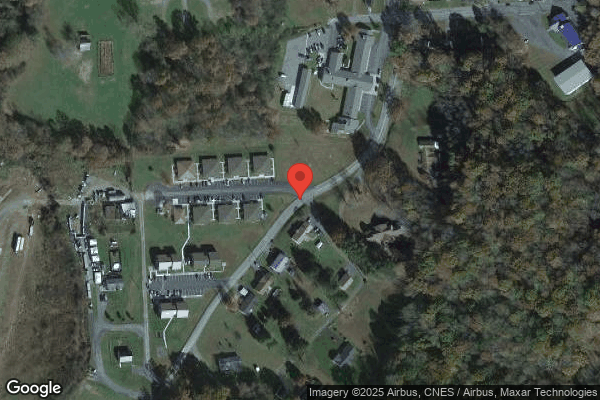
276 PENNSYLVANIA AVENUE, RAINELLE, WV 25962 (304) 438-6127
For profit - Limited Liability company 60 Beds COMMUNICARE HEALTH Data: November 2025
Trust Grade
68/100
#35 of 122 in WV
Last Inspection: December 2024

Within standard 12-15 month inspection cycle. Federal law requires annual inspections.

Overview

Rainelle Healthcare Center has a Trust Grade of C+, indicating it is slightly above average among nursing homes, but not without its issues. It ranks #35 out of 122 facilities in West Virginia, placing it in the top half, and #1 out of 4 in Greenbrier County, meaning there are few local options that surpass it. The facility is improving, as the number of issues reported decreased significantly from 18 in 2023 to just 6 in 2024. Staffing is a relative strength, with a turnover rate of 29%, which is well below the state average, although RN coverage is rated as average. While there have been no fines, there were concerning incidents, including a failure to conduct neuro checks after a resident's fall and delays in obtaining necessary medications for another resident, indicating areas for improvement in care.

Trust Score
C+
68/100
In West Virginia
#35/122
Top 28%
Safety Record
Moderate
Needs review
Inspections
Getting Better
18 → 6 violations
Staff Stability
✓ Good
29% annual turnover. Excellent stability, 19 points below West Virginia's 48% average. Staff who stay learn residents' needs.
Penalties
✓ Good
No fines on record. Clean compliance history, better than most West Virginia facilities.
Skilled Nurses
○ Average
Each resident gets 39 minutes of Registered Nurse (RN) attention daily — about average for West Virginia. RNs are the most trained staff who monitor for health changes.
Violations
⚠ Watch
28 deficiencies on record. Higher than average. Multiple issues found across inspections.
★★★★☆
4.0
Overall Rating
★★★☆☆
3.0
Staff Levels
★★★★☆
4.0
Care Quality
★★★★☆
4.0
Inspection Score
Stable
2023: 18 issues
2024: 6 issues

The Good

  • 4-Star Quality Measures · Strong clinical quality outcomes
  • Low Staff Turnover (29%) · Staff stability means consistent care
  • Full Sprinkler Coverage · Fire safety systems throughout facility
  • No fines on record
  • Staff turnover is low (29%)

    19 points below West Virginia average of 48%

Facility shows strength in quality measures, staff retention, fire safety.

The Bad

Chain: COMMUNICARE HEALTH

Part of a multi-facility chain

Ask about local staffing decisions and management

The Ugly 28 deficiencies on record

1 actual harm
Dec 2024 5 deficiencies
CONCERN (D)

Potential for Harm - no one hurt, but risky conditions existed

Deficiency F0576 (Tag F0576)

Could have caused harm · This affected 1 resident

Based on resident interview, staff interview and record review the facility failed to protect the resident's rights to communicate with individuals confidentially by opening Resident #15's package bef...

Read full inspector narrative →
Based on resident interview, staff interview and record review the facility failed to protect the resident's rights to communicate with individuals confidentially by opening Resident #15's package before giving it to her. This failed practice was a random opportunity for discovery during the Long-Term Care Survey Process. Resident identifier #15. Facility Census 52. Findings include: a) Resident #15 During an interview, on 12/11/24 at 9:40 AM, Resident #15 stated, Yesterday I got a package Resident #15 then showed me the package. It was a box that she had received through mail delivery services. Resident #15 further stated, I don't like them opening my stuff without me. A record review on 12/11/24 at 10:02 AM, of Resident #15's Brief Interview for Mental Status (BIMS) assessment revealed that Resident #15, had a BIMS score of (9) nine. During an interview on 12/11/24 at 10:13 AM, The Activity Director (AD) stated, I opened it and put it in there, because she is on a special diet, and she sometimes gets hard candy so I wanted to make sure she didn't get that.
CONCERN (D)

Potential for Harm - no one hurt, but risky conditions existed

Comprehensive Care Plan (Tag F0656)

Could have caused harm · This affected 1 resident

Based on record review and staff interview, the facility failed to implement the comprehensive care plan in the area of falls. This deficient practice had the potential to affect one (1) of six (6) re...

Read full inspector narrative →
Based on record review and staff interview, the facility failed to implement the comprehensive care plan in the area of falls. This deficient practice had the potential to affect one (1) of six (6) residents investigated for the care area of falls. Resident identifier: #12. Facility census: 52. Findings included: a) Resident #12 Review of Resident #12's comprehensive care plan showed a focus relating to potential injury from falls was initiated on 04/05/17. The following intervention was initiated on 04/07/23, Staff to ensure clothes fit properly when dressing resident. If elastic is worn out in pants notify nurse and use a different pair. Review of Resident #12's medical records showed the resident experienced a fall on 11/30/24. A nursing note written on 11/30/2024 at 7:47 PM stated, Resident was observed to have hipsters in place, only one shoe was in place (right shoe.) Resident did not have properly fitting pajama pants as they were observed to have no elastic in the waistband. Pants were observed to be around her ankles and possibly the cause of this fall. New fall intervention: staff to ensure resident's clothing fits properly. On 12/11/24 at 9:48 AM, the Director of Nursing confirmed Resident #12's care plan was not implemented in the area of properly fitting pants to prevent potential falls. No further information was provided through the completion of the survey process.
CONCERN (D)

Potential for Harm - no one hurt, but risky conditions existed

Quality of Care (Tag F0684)

Could have caused harm · This affected 1 resident

Based on record review and staff interview, the facility failed to ensure residents received treatment and care in accordance with professional standards of practice. Neurological checks were not perf...

Read full inspector narrative →
Based on record review and staff interview, the facility failed to ensure residents received treatment and care in accordance with professional standards of practice. Neurological checks were not performed according to professional standards of practice after an unwitnessed fall. This deficient practice had the potential to affect one (1) of six (6) residents reviewed for the care area of falls. Resident identifier: #12. Facility census: 52. Findings included: a) Resident #12 The facility's policy and standard procedure titled Neurological Checks, no implementation date given, stated neurological checks would be performed for falls with unknown head injury as follows: - Every 15 minutes for four (4) times - Every 60 minutes for four (4) times - Every four (4) hours for four (4) times - Daily for four (4) times Review of Resident #12's medical records showed the resident had an unwitnessed fall with a head laceration on 11/13/24. The resident was evaluated in the emergency room where the head laceration was sutured. A computed tomography showed no abnormalities. Neurological evaluations were initiated when the resident returned from the emergency room to the facility. On 11/17/24, the resident had another unwitnessed fall. A nurse's note written on 11/17/2024 at 6:50 AM stated, Resident found sitting in floor on buttocks with legs outstretched in front of her behind room door. Able to get door open enough to enter room. Resident assessed for injuries, no visible injuries, no c/o [complaint] or s/s [signs or symptoms] pain/discomfort with palpation of hips. Legs equal in length. ROM [range of motion] intact. Resident assisted to seated position in wheelchair and assisted to nurses station per her request. Resident immediately requested to return to room and get back in bed. Resident assisted back to bed and resting with eyes closed, bed low position, call light in reach. Resident #12's medical records contained no documentation that neurological evaluations were initiated after the resident's unwitnessed fall on 11/17/24. However, on-going neurological evaluations related to the resident's fall on 11/13/24 continued and were now being done daily for four (4) days. The neurological evaluations last been done on 11/16/24 at 2:00 PM. The daily neurological evaluations continued on 11/17/24 at 2:00 PM and 11/18/24 at 6:00 PM. On 12/11/24 at 10:13 AM, the Director of Nursing confirmed evaluations were not initiated after the resident's unwitnessed fall on 11/17/24. She stated this was because the resident was already receiving change in condition monitoring due to the fall on 11/13/24. However, she confirmed the neurological evaluations were only being done daily after the fall on 11/17/24. No further information was provided through the completion of the survey.
CONCERN (D) 📢 Someone Reported This

A family member, employee, or ombudsman was alarmed enough to file a formal complaint

Potential for Harm - no one hurt, but risky conditions existed

Accident Prevention (Tag F0689)

Could have caused harm · This affected 1 resident

**NOTE- TERMS IN BRACKETS HAVE BEEN EDITED TO PROTECT CONFIDENTIALITY** Based on record review and staff interview, the facility failed to ensure the resident environment over which it had control was...

Read full inspector narrative →
**NOTE- TERMS IN BRACKETS HAVE BEEN EDITED TO PROTECT CONFIDENTIALITY** Based on record review and staff interview, the facility failed to ensure the resident environment over which it had control was as free from accident hazards as possible. This deficient practice affected one (1) of six (6) residents investigated for the care area of falls. Resident #12 experienced actual harm from the fall because she experienced pain after the fall and required evaluation in the emergency room. X-ray examination showed an abnormality of the hip and further evaluation was recommended. However, the resident experienced another fall before further imaging could be obtained. After the second fall, the resident was found to have a hip fracture, requiring surgical intervention. Resident identifier: #12. Facility census: 52. Findings included: a) Resident #12 Review of Resident #12's comprehensive care plan showed a focus relating to potential for injury from falls was initiated on 04/05/2017. The focus stated, Potential for injury from falls r/t [related to] weakness, difficulty walking, hx [history] falls, Dementia with sundowning, poor safety awareness, Afib [atrial fibrillation], HTN [hypertension], CHF [congestive heart failure], Hx closed head injury, Depression, Anxiety, Behaviors, OA [osteoarthritis], allergic rhinitis, glaucoma/bilateral cataracts, Emphysema/COPD [chronic obstructive pulmonary disease], Lumbago with Sciatica, Herniated Disc, noncompliant using walker for ambulation, Cardiomegaly, Pulmonary fibrosis and nodules, Kyphosis, Hallux Valgus L/R [left and right] foot, Hammer toe L/R foot, Tinea Unguium, urinary retention, spinal stenosis lumbar, scoliosis lumbar, intervertebral disc displacement thoracic, interveterbral disc degeneration lumbar, L (left) kidney cyst, L abd (abdominal) hernia, muscle spasms to back, possible medication s/e [side-effects], CAD [coronary artery disease], incontinence, hx dislocation/fx [fracture] L humerus, ventral hernia without obstruction or gangrene. The following intervention was initiated on 04/07/23, Staff to ensure clothes fit properly when dressing resident. If elastic is worn out in pants notify nurse and use a different pair. Other interventions were as follows: - Administer Vitamin D (Ergocalciferol) per physician order. (Initiated on 07/08/2021.) - Anti-rollbacks, Anti-tippers, Dycem and extended Brakes to wheelchair. (Initiated on 10/18/2019.) - Assure that lighting is adequate and keep room and hallways free of clutter. (Initiated on 04/05/2017.) - Bed buddies while in bed as tolerated. (Initiated on 08/17/2022.) - Bed in mid to low position as tolerated (Initiated on 04/03/2018.) - Bedside commode placed next to bed per preference for resident to use, instead of attempting to walk to the bathroom. (Initiated on 03/17/2022.) - Bulb Light for ease of use, keep within reach. Check on resident frequently as she may not remember to use it. (Initiated on 04/05/2017.) - Cushion to outside of foot board of bed. (Initiated on 12/05/2024.) - Dim light on at HS [night] as resident will allow. (Initiated on 02/21/2018.) - Encourage patient to go to dining room for all meals as tolerated. (Initiated on 06/17/2021.) - Encourage patient to sleep in middle of the bed, and reposition if laying to close to edge as tolerated. (Initiated on 12/11/2021.) - Encourage resident if she allows to have door half open so staff can visibly see her when they pass by her room to check on her. (Initiated on 09/14/2019.) - Encourage resident to have rails in bathroom down so resident can use to help with stability. (Initiated on 12/08/2018.) - Encourage resident to pull up pants prior to trying to ambulate/transfer. (Initiated on 10/28/2019.) - Ensure empty isolation cart outside of room, resident uses as landmark to find room. (Initiated on 05/06/2024.) - Ensure resident is wearing double sided non-skid socks when ambulating or transferring as tolerated (resident likes to remove socks when in room) or non skid slippers. (Initiated on 04/05/2017.) - Ensure resident's cord to call light is not in the way of her walking path to transfer to her bedside commode. (Initiated on 08/09/2024.) - Ensure residents bedside table and wheelchair are within easy reach. (Initiated on 07/11/2024.) - Grab bar to wall between bathroom and sink for resident to use for steadiness while ambulating/transferring. (Initiated on 06/27/2022.) - Hand sanitizer on wall in bathroom (Initiated on 04/19/2022.) - If resident is in a carpeted areas, she must be supervised at all times as she cannot roll her wheelchair on carpet. (Initiated on 03/27/2023.) - Motion Sensor Night light in bathroom. (Initiated on12/17/2021.) - Observe for and remind resident as indicated to not place blankets in seat of the wheelchair. (Initiated on 01/15/2020.) - Observe for side effects from medication, such as dizziness or over-sedation, that may increase fall risk. (Initiated on 04/05/2017.) - Offer regular distractions that the resident enjoys (such as coloring or music) to prevent boredom. (Initiated on 10/10/2020.) - Offer to assist resident up to wheelchair and to nurses' station after last rounds in the morning. (Initiated on 11/18/2024.) - Provide AM (morning) care before breakfast ensuring all resident needs are met. (Initiated on 05/31/2024.) - Regular pressure relieving mattress with parameters to bed. (Initiated on 11/23/2021.) - Remind resident not to use bed side table for ambulation. (Initiated on 09/07/2022.) - Staff to assist resident in to wheelchair before lunch and encourage her to eat in the dining room. (Initiated on 08/19/2024.) - Staff to assist resident to call family members on handheld phone when she is having increased anxiety. (Initiated on 11/26/2024.) - Staff to bring pt to nurses station in times of increased confusion and anxiousness as res [resident] will allow. (Initiated on 10/30/2020.] - Staff to check on resident make sure her non skid socks are pulled up while in bed. (Initiated on 06/22/2020.) - Staff to check resident when up in chair to ensure proper positioning. (Initiated on 11/11/2020.) - Staff to encourage patient to use call light when in need of assistance. (Initiated on 06/18/2022.) - Staff to ensure both slippers are in place when resident is ambulating. (Initiated on 02/23/2023.) - Staff to ensure extra blanket is in her reach when she is in bed. (Initiated on 10/10/2022.) - Staff to make sure temperature in room is to residents liking before exiting room. (Initiated on 06/14/2019.) - Staff to observe resident while dining in her room in order to pick up her tray promptly when done. (Initiated on 03/23/2024.) - Staff to offer assistance with toileting prior to meals, after meals, upon rising in the morning and at bedtime. (Initiated on 07/25/2020.) - Staff to offer laying down to rest after lunch If refuses place in common area as tolerated. (Initiated on 11/25/2022.) - Staff to put long sleeve sweater on resident during AM care as requested. (Initiated on 08/15/2022.) Revision on: 07/11/2024 - Staff to stay with resident when she is observed on bedside toilet as resident tolerates. (Initiated on 09/21/2023.) - Turn heat on prior to taking resident for shower to ensure room is warm when she comes out. (Initiated on 06/11/2020.) - When staff sees resident is wheeling self down hall towards her room offer to assist her to bathroom/bed. (Initiated on 09/24/2022.) Upon observations during the investigation 12/10/24 through 12/11/24, Resident #12's fall interventions were in place. Resident #12's quarterly Minimum Data Set (MDS) assessment with Assessment Reference Date (ARD) 11/20/24 showed the resident's Brief Interview for Mental Status (BIMS) score was 3, indicating severe cognitive impairment. The resident had a diagnosis of vascular dementia. Review of Resident #12's medical records showed the resident experienced a fall on 11/30/24. A nursing note written on 11/30/2024 at 7:23 PM stated, At approximately 1845 resident observed sitting in floor on her buttocks in her doorway, tearful. Resident was stating, help me honey, help I'm hurt bad. Resident's left leg was observed to be slightly rotated outwards. Pillows were placed behind resident's back, and she was assisted to lay flat on her back on the floor. Resident continued to call out in pain and was not able to move her left lower extremity. L (left) hip observed to have a palpable knot which was tender to touch. V/S [vital signs] obtained: T [temperature]: 98.2 P [pulse]: 94 RR [respiratory rate]: 18 B/P [blood pressure]: 168/90 manual in L arm, O2 [oxygen saturation]: 96% on RA [room air]. Using nursing judgement this nurse called 911 at 1849 for emergency transfer to ER [emergency room] for evaluation of L hip/LLE [left lower extremity]. While awaiting ambulance resident was observed to begin to move LLE but continued with s/s [signs and symptoms] of pain i.e. facial grimacing. MPOA [medical power of attorney], Dr [doctor] and DON [director of nursing] made aware of situation. Resident left facility at 1904 via [ambulance service]. Called and gave report to [nurse's name] RN [Registered Nurse] at [hospital name] at 1920. A nursing note written on 11/30/2024 at 7:47 PM stated, Resident was observed to have hipsters in place, only one shoe was in place (right shoe.) Resident did not have properly fitting pajama pants as they were observed to have no elastic in the waistband. Pants were observed to be around her ankles and possibly the cause of this fall. New fall intervention: staff to ensure resident's clothing fits properly. The emergency room documentation reported the resident's hip pain had resolved prior to evaluation in the emergency room. X-ray of the left hip and leg showed a very small clinically irrelevant stress fracture. An incidental viewing of the right hip showed a potential abnormality, potentially a right femoral neck fracture but more likely a positional abnormality due to the fact that the resident had no pain in the right hip or symptoms of fracture. However, this x-ray abnormality was not discovered until the resident had left the emergency room. The emergency room contacted the facility on 12/01/24 to advise them to order an x-ray of the right hip. A nursing note written on 12/1/2024 at 6:45 AM, ER physician called and stated that when radiologist read image of left hip x-ray he saw a right Fem [femoral] neck abnormality from a small part of right side that [was] visible on image. Suggested a portable x-ray on Monday for follow up. PCP [primary care physician] notified. No new orders at this time. A nursing note written on 12/1/2024 at 8:11 AM stated, POA [power of attorney] aware of this, POA stated she would like resident to stay in facility and have portable x-ray done as resident is not having pain at this time, she does not feel it is necessary to have resident sent to ER. Dr. gave orders to obtain x-ray of right hip, R knee. A nursing note written on 12/1/2024 at 2:23 PM stated, Resident is alert and oriented to baseline this shift, observed to be in a pleasant mood. Resident has allowed staff to assist her with oral care x1 [once] this shift. No issues noted in relation to this. No s/s of pain or distress noted at this time. Resident did complain of pain to R knee earlier this shift but topical biofreeze was effective for pain management. R knee is currently elevated on pillows. All fall interventions are in place. Call light is within reach. A nursing note written on 12/01/24 at 8:05 PM stated, Called to room by CNA's [certified nursing assistants]. Observed resident to be laying on floor between bed and table on left side with head toward head of bed and legs stretched out and arms to chest. Resident alert and talking with staff. Blood noted on left cheek and ear. Lacerations to left cheek noted and partial detachment of left ear lobe observed with moderate bleeding noted. Lacerations x 2 [two] noted on left forearm with minimal bleeding. Resident c/o [complained of] pain from lacerations but no other complaints of pain voiced. PCP notified. 911 called for EMS [emergency medical services] transfer due to lacerations and bleeding. POA also notified of fall and injuries and states she will meet EMS at hospital. A computed tomography (CT) scan performed at the hospital showed a right femoral neck fracture, requiring surgical intervention. The resident returned to the facility on [DATE] at 4:00 PM. On 12/11/24 at 9:48 AM, the Director of Nursing (DON) confirmed the nursing note stated Resident #12's fall on 11/30/24 was potentially caused by improperly fitting pajama pants that did not have a waist band and were down around the resident's ankles. The DON also stated it could not be determined which fall caused the resident's hip fracture. No further information was provided through the completion of the survey process.
CONCERN (D)

Potential for Harm - no one hurt, but risky conditions existed

Medical Records (Tag F0842)

Could have caused harm · This affected 1 resident

Based on record review and staff interview, the facility failed to ensure medical records were complete and accurate regarding fall risk evaluations for one (1) of six (6) residents reviewed for the c...

Read full inspector narrative →
Based on record review and staff interview, the facility failed to ensure medical records were complete and accurate regarding fall risk evaluations for one (1) of six (6) residents reviewed for the care area of falls. Resident identifier: #54. Facility census: 52. Findings included: a) Resident #54 Review of Resident #54's medical records showed the resident had been admitted to the facility after a falling at home and fracturing her hip. A Fall Risk Observation Tool assessment was performed on 07/19/24 and documented the resident required minimum transfer assistance with gait belt. The assessment also documented the resident had a balance problem while walking and was unable to lift her head. The assessment also documented the resident had a fall history, currently took one (1) or two (2) medications that could contribute to a fall, and had one (1) or two (2) medical conditions that could contribute to falls. A Fall Risk Observation Tool assessment was repeated on 07/31/24 and documented the resident required minimum transfer assistance with gait belt. The assessment also documented the resident had a balance problem while standing. The assessment also documented the resident had a fall history, currently took one (1) or two (2) medications that could contribute to a fall, and had one (1) or two (2) medical conditions that could contribute to falls. Section E of both Fall Risk Observation Tools stated, Based on this assessment, the resident has been identified as a potential risk for falls. Proceed to care plan. Section F of both Fall Risk Observation Tools answered No to the question, After completing this assessment, is there a statement displayed in section 'E' above that identifies the resident as a potential risk for falls? Review of Resident #54's comprehensive care plan showed the resident was care planned for a risk for falls. On 12/10/24 at 3:55 PM, the Director of Nursing (DON) stated Section F of the Fall Risk Observation Tools incorrectly answered No because Section E correctly indicated Resident #54 had a potential risk for falls. No further information was provided through the completion of the survey process.
Nov 2024 1 deficiency
CONCERN (D) 📢 Someone Reported This

A family member, employee, or ombudsman was alarmed enough to file a formal complaint

Potential for Harm - no one hurt, but risky conditions existed

Investigate Abuse (Tag F0610)

Could have caused harm · This affected 1 resident

Based on record review and staff interview, the facility failed to thoroughly investigate an allegation of verbal abuse. This failed practice was found true for (1) one of (3) three residents reviewed...

Read full inspector narrative →
Based on record review and staff interview, the facility failed to thoroughly investigate an allegation of verbal abuse. This failed practice was found true for (1) one of (3) three residents reviewed for abuse during the survey process. Resident identifier: #53. Facility census: 49. Findings included: a) Resident #53 A review of the facilities reportables on 11/04/24 at 12:15 PM, revealed a reportable dated 01/25/24 made by Resident #53 that reads as follows: Resident reported to social worker that the day prior, he had finished using the restroom. He then states he asked the Certified Nursing Assistant (CNA) to assist him with getting cleaned up and the CNA told him, Do it yourself. Further review revealed that the alleged perpetrator was Nursing Assistant (NA) #8, and that the allegation was unsubstantiated. There was only one employee statement in the reportable. That statement was made by NA #8 and read as follows: I gave (Resident #53 name) a shower on Monday the 22nd. I changed his pullup for him on Tuesday the 23rd. I asked him if he could do it himself and he said, No, so I did it for him. He never asked for me to wipe him. He usually does that himself. A record review on 11/04/24 at 1:00 PM of Resident #53's Minimum Data Set (MDS) with an Assessment Reference Date (ARD) of 01/10/24, Section C, revealed that Resident #53's Brief Interview for Mental Status (BIMS) score at the time of the incident was 15. During an interview, on 11/04/24 at 1:22 PM, the Licensed Social Worker (LSW) stated, The only staff interviewed are the ones in the reportable file.LSW confirmed that more staff should have been interviewed to unsubstantiate the allegation.
Sept 2023 5 deficiencies
CONCERN (D) 📢 Someone Reported This

A family member, employee, or ombudsman was alarmed enough to file a formal complaint

Potential for Harm - no one hurt, but risky conditions existed

Notification of Changes (Tag F0580)

Could have caused harm · This affected 1 resident

**NOTE- TERMS IN BRACKETS HAVE BEEN EDITED TO PROTECT CONFIDENTIALITY** Based on record review and staff interview, the facility failed to notify the physician when the Resident's oxygen saturation d...

Read full inspector narrative →
**NOTE- TERMS IN BRACKETS HAVE BEEN EDITED TO PROTECT CONFIDENTIALITY** Based on record review and staff interview, the facility failed to notify the physician when the Resident's oxygen saturation dropped outside of the specified physician's order for notification. This was a random opportunity for discovery. Resident identifier: #54. Facility census: 53. Findings included: a) Resident #54 Record review revealed Resident #54 was admitted to the facility on [DATE] and was discharged on 09/08/23. Diagnoses included: End Stage Renal Disease, Congestive Heart Failure, Type II Diabetes, Anemia, and Dependence Renal Dialysis. Review of the medication administration record for September 2023, found an order for: Oxygen at 2L/min via nasal cannula as needed for shortness of breath or oxygen less than 88% Documentation review of Weights and Vitals Summary revealed the following information: An oxygen saturation was recorded at 5:33 AM of 82% on 09/06/23. There was no documentation available to reflect the physician had been notified of decreased oxygen saturation. The medication administration record did not reflect that oxygen had been administered to the resident at the time of the 82% oxygen saturation.) An oxygen saturation was recorded at 9:08 PM of 87% on 08/20/23. There was no documentation available to reflect the physician had been notified of decreased oxygen saturation. The medication administration record did not reflect that oxygen had been administered to the resident at the time of the 87% oxygen saturation. During an interview on 09/26/23 at approximately 10:40 AM, the Director of Nursing reviewed the surveyors findings. No further information was provided to verify the physician was made aware the Resident's oxygen Saturation was below 88% on 09/06/23 and 08/20/23.
CONCERN (D) 📢 Someone Reported This

A family member, employee, or ombudsman was alarmed enough to file a formal complaint

Potential for Harm - no one hurt, but risky conditions existed

Deficiency F0624 (Tag F0624)

Could have caused harm · This affected 1 resident

**NOTE- TERMS IN BRACKETS HAVE BEEN EDITED TO PROTECT CONFIDENTIALITY** Based on record review and staff interview, the facility failed to ensure a resident was provided a safe and orderly discharge f...

Read full inspector narrative →
**NOTE- TERMS IN BRACKETS HAVE BEEN EDITED TO PROTECT CONFIDENTIALITY** Based on record review and staff interview, the facility failed to ensure a resident was provided a safe and orderly discharge from the facility. This was found for one (1) of two (2) residents reviewed for the care area of discharges. Resident identifier #54. Facility census: 53. Findings included: a) Resident #54 Record review revealed Resident #54 was admitted to the facility on [DATE] and was discharged home on [DATE]. Diagnoses included: End Stage Renal Disease, Congestive Heart Failure, Type II Diabetes, Anemia, and Dependence Renal Dialysis. (Resident had been at the facility prior to 04/19/23, but had a hospital admission and was readmitted to the facility on [DATE].) Review of a Physician Progress Note, dated 09/05/23, found the Resident was planning to go home on peritoneal dialysis and patient feels she needs her oxygen and will have to qualify. Review of a social worker note dated 09/07/23 at 11:04 AM, revealed a referral for Home Health for evaluation. A follow-up appointment was made for Friday 09/22/23 at 3:00 PM at a medical center nearby. All medication prescriptions were being sent to the pharmacy. Review of nursing note dated 09/08/23 at 3:15 PM, revealed the resident received discharge training including, but not limited to, diabetic care, renal diet, medications, and safety awareness. All upcoming appointments were explained to the resident. Copies of, but not limited to, included all physician orders, labs, progress notes, etc, given to the resident, for discharge. The Resident voiced understanding, and questions answered to resident satisfaction. The Resident was being discharged with her daughter. Review of nursing note dated 09/08/23 at 3:57 PM, revealed the resident was leaving facility to discharge home. Resident had all of her belongings and medications were present with her. Left with daughter via car. Review of nursing note dated 09/08/23 at 4:49 PM, revealed resident was being discharged home today. Resident had occasional back pain, reported shortness of breath at rest, but had shortness of breath lying flat and on exertion. Oxygen had been discontinued after trial of oxygen weaning and oxygen saturations being completed. The Surveyor was unable to locate a physician order to discontinue PRN (as needed) oxygen prior to discharge from the facility on 09/08/23. A list of oxygen saturations were obtained, some on room air, some on oxygen, but surveyor was unable to determine what steps had been taken to ensure resident's oxygen levels did not decline with movement or ambulation. Review of a nursing assessment dated [DATE] at 11:04 AM revealed an oxygen saturation of 93% on room air. A cardiology appointment was made for 12/05/23 at 1:00 PM. Documentation review of Order Summary Report (active orders prior to discharge from facility) revealed the following information: Oxygen at 2L/min (2 liters per minute) via nasal cannula as needed for shortness of breath or oxygen saturation less than 88%. Check oxygen saturation and notify physician if less than 88%. Review of the medication administration record for September 2023, found an order for: Oxygen at 2L/min via nasal cannula as needed for shortness of breath or oxygen less than 88% Documentation review of Weights and Vitals Summary revealed the following information: An oxygen saturation was recorded at 5:30 AM of 82% on 09/06/23. There was no documentation available to reflect the physician had been notified of decreased oxygen saturation. The medication administration record did not reflect that oxygen had been administered to the resident at the time of the 82% oxygen saturation.) An oxygen saturation was recorded at 9:08 PM of 87% on 08/20/23. There was no documentation available to reflect the physician had been notified of decreased oxygen saturation. The medication administration record did not reflect that oxygen had been administered to the resident at the time of the 87% oxygen saturation. During an interview on 09/26/23 at approximately 10:40 AM, the Director of Nursing stated she believed the social worker had spoken to a customer representative at a durable medical equipment company who had informed the social worker a resident had to have consecutive oxygen saturations below 88% to qualify for oxygen. She also stated when they received a copy of the oxygen requirements guidelines, it revealed a patient may qualify on a resting room air saturation that is documented at 88% or below. She stated they had been given incorrect information, but did not specify why they did not have the guidelines available for their facility to utilize. She stated it was a new night shift nurse who had recorded the oxygen saturation of 82% at 5:30 AM on room air, and this nurse had not notified the physician of the result. In addition, it had not been recorded on the medication administration record that oxygen had been placed on the resident at the time of the 82% saturation. Per the Director of Nursing, the night shift nurse placed the oxygen back on the resident when the oxygen saturation was at 82%. During an interview on 09/26/23 at approximately 11:30 AM, the attending physician stated this resident used oxygen (as needed) only. Sometimes she would use it and sometimes she would not. Upon discharge, resident had a referral for Home Health for evaluation. Per physician, the resident had to have a low pulse oximeter for forty-eight (48) hours prior to discharge and resident did not meet that qualification. There was no documentation provided to this surveyor by the physician to verify the regulation for a low pulse oximeter forty-eight hours prior to discharge. A copy of guidelines sent by the durable medical equipment company revealed: Testing is required to be completed within two days prior to discharge. The low oxygen saturation was taken at 82% on 09/06/23 and resident was discharged on 09/08/23. During an interview on 09/26/23 at approximately 1:50 PM, the facility's social worker stated he had spoken to a representative at a durable medical equipment company that the facility used concerning the guidelines for someone to qualify to receive oxygen and he thought the resident would not qualify for oxygen. It was brought to his attention after the resident was discharged that she might have needed oxygen. He had contacted the home health agency to possibly re-evaluate the resident for the need for oxygen, but they did not have a referral for nursing services, they only had an order for physical therapy at that time.
CONCERN (D) 📢 Someone Reported This

A family member, employee, or ombudsman was alarmed enough to file a formal complaint

Potential for Harm - no one hurt, but risky conditions existed

Medical Records (Tag F0842)

Could have caused harm · This affected 1 resident

Based on record review and staff interview the facility failed to ensure the medical record was complete and accurately documented. This failed practice was true for one (1) out of four (4) residents ...

Read full inspector narrative →
Based on record review and staff interview the facility failed to ensure the medical record was complete and accurately documented. This failed practice was true for one (1) out of four (4) residents reviewed for insulin. Resident identifiers: #34. Facility census 54 Finding included: a) Resident #34 A medical record review found Resident #34 had a blood sugar (BS) (this is a test to check the level of glucose in the blood system by collecting a small amount of blood normally from a finger) of 402 on 09/23/23. The order reads contact the physician if BS is above 400. The only nursing note found by this surveyor was, BS was above 400. There was no mention of any new orders. On 09/25/23 at 12:04 PM, the Director of Nursing (DON) was informed of the above. At 1:32 PM DON stated she corrected the nursing note and added information the facility physician was made aware of the BS. The DON provided a piece of paper with the name of Resident #34 on it. The paper appeared to be a screenshot of Text messaging. The DON said this was a method the nurses use to notify the physician and called it a Secure Conversations in Point Click Care (PCC). The DON was asked if these conversations were a part of the medical record and if the surveyors have access to it. The DON stated no, but she could print it out when needed. On 09/25/23 at 2:33 PM, it was noted the nursing note that previously said the BS was 402 was changed to the following: On 09/23/23 at 11:23 AM, glucose reading 402 currently has not eaten lunch yet. On 09/26/23 at 1:23 PM, the DON stated she edited the next two (2) notes in the Residents medical record: On 09/23/23 at 2:34 PM, Glucose is now 235. Residents ate 25 percent of the lunch tray. Is asymptomatic. On 09/23/23 at 5:27 PM, (named the facility physician): Discussed.
CONCERN (E) 📢 Someone Reported This

A family member, employee, or ombudsman was alarmed enough to file a formal complaint

Potential for Harm - no one hurt, but risky conditions existed

Quality of Care (Tag F0684)

Could have caused harm · This affected multiple residents

**NOTE- TERMS IN BRACKETS HAVE BEEN EDITED TO PROTECT CONFIDENTIALITY** Based on staff interview and record review the facility failed to follow physician's orders. The facility failed to administer m...

Read full inspector narrative →
**NOTE- TERMS IN BRACKETS HAVE BEEN EDITED TO PROTECT CONFIDENTIALITY** Based on staff interview and record review the facility failed to follow physician's orders. The facility failed to administer medication as ordered, failed to complete the Neuro checks after a fall, and failed to follow physician's orders for low Blood Sugars. Resident identifiers: # 41, #19, #34, #23, #9, and #44. Facility census 53. Findings included: a) Resident #41 Resident #41 is alert and has capacity. Resident #41 has a medical history (HX) of pertinent diagnosis: Parkinson's disease, Artificial knee joint bilateral, type 2 diabetes mellitus (DM), Hypokalemia, dysphagia following cerebral infarction, Hypothyroidism, Cornea transplant, bipolar II disorder, Congestive heart failure, Major depression, Anxiety, and Atrial Fibrillation. During a review of the medical records for Resident #41 the admission medications dated 09/16/23 at 5:30 PM, found the list of admission medications are as follows: 1. Acetaminophen- Codeine oral tablet 300/30 mg continue taking as at home, for pain (fracture right foot). Ordered on 09/16/23. 2. Albuterol Sulfate HFA inhalation Aerosol continue taking as at home for shortness of breath. Ordered on 09/16/23. 3. Aspirin Adult low dose oral tablet delayed release 81 mg daily at 8 AM, for HX of cerebral infarction and Atrial Fibrillation. Ordered on 09/16/23. 4. Atorvastatin Calcium oral 80 mg tablet daily at 5 PM, for hyperlipidemia. Ordered on 09/16/23. 5. Basaglar Kwik pen Subcutaneous (insulin) give 16 units subcutaneous at bedtime for DM. Ordered on 09/16/23. 6. Buspirone HCL one tablet oral 10 mg three (3) times a day, for anxiety. Ordered on 09/16/23. 7. Carbidopa-levodopa 25-100 mg tablet three times a day, for Parkinson's disease. Ordered on 09/16/23. 8. Clonazepam oral 1 mg twice a day for Seizures. Ordered on 09/16/23. 9. Eliquis 5 mg oral twice a day for HX of cerebral infarction and Atrial Fibrillation. Ordered on 09/16/23. 10. Fenofibrate 160 mg by mouth one time a day for hyperlipidemia. Ordered on 09/16/23. 11. Trimethoprim one 100 mg tablet at bedtime for prophylaxis, ordered on 09/16/23. 12. Levothyroxine 25 mcg one time a day for hypothyroidism. Ordered on 09/16/23. 13. Potassium Chloride ER 10 mEq by mouth twice a day for hypokalemia ordered on 09/16/23. 14. Acidophilus/Pectin 100 mg by mouth three times a day for prophylaxis. 15. Omeprazole 20 mg one time a day for GERD, ordered on 09/16/23. 16. Nystatin 4 ml by mouth four times a day ordered on 09/16/23. 17. Oxybutynin 15 mg by mouth one time a day for overactive bladder. Ordered on 09/16/23. 18. Venlafaxine 150 mg by mouth one time a day for depression ordered on 09/16/23. 19. Isosorbide 30 mg by mouth one time a day for hypertension. Ordered on 09/16/23. 20. Metoprolol 25 mg by mouth one time a day for hypertension. Ordered on 09/16/23. 21. Losartan Potassium 25 mg by mouth one time a day for hypertension. Ordered on 09/16/23. 22. Fluorometholone Ophthalmic 0.1 percent 1 drop in the right eye for cornea transplant. Ordered on 09/16/23. On 09/25/23 at 2:39 PM, the Director of Nursing (DON) provided the list of medications for Resident #41 and noted the medications were not given for three (3) days after admission. On 09/25/23 at 3:02 PM, the DON said the facility got a new pharmacy and she did not know why it took so long to get the medications for Resident #41. On 09/25/23 at 2:54 PM, Resident #41 and her daughter were interviewed in her room. They were asked about not receiving medications for three (3) days when admitted on [DATE]. Resident #41 said she asked the nurses about her medication and was told they were waiting on pharmacy to bring them. The pharmacy sent DON an email with a list of medication that was packaged and delivered on 09/18/23 at 5:00 PM and to start on 09/19/23. Along with this email were pictures of the medications packaged together. The packages had the date and time to administer and the names of the medications, residents name and room number. Packet #1 to be dispensed on Tuesday 09/19/23 at 8:30 AM and contained: Eliquis, Famotidine, Buspirone, Furosemide, Fenofibrate, Packet #2 to be dispensed on Tuesday 09/19/23 at 8:30 AM and contained: Isosorbide, Levothyroxine, Losartan, Metoprolol, Omeprazole. Packet #3 to be dispensed on Tuesday 09/19/23 at 8:30 AM and contained: Potassium, Oxybutynin, Venlafaxine Packet #4 to be dispensed on Tuesday 09/19/23 at 3:30 PM and contained: Buspirone. Packet #5 to be dispensed on Tuesday 09/19/23 at 4:30 PM and contained: Furosemide. Packet #6 to be dispensed on Tuesday 09/19/23 at 9:30 PM and contained: Eliquis, Potassium, Buspirone, Trimethoprim, Atorvastatin. An additional packing slip dated 09/19/23 showed the following medications that were delivered on this day were, Basaglar Kwik pen, Nystatin, Furosemide. On 09/26/23 at 3:30 PM, the DON agreed Resident #41 should have not gone three days without her medications. b) Resident #19 A review of the medical record for Resident #19 found on 08/07/23 at 10:52 AM she had a blood sugar of 53 (a normal range is 60-119). A review of the orders reveals that if a blood sugar was less than 60. Typed as written: There was not a step one (1) in the order set. Step 2: Wait 15 minutes. Recheck BS (Blood Sugar). If still below Target, give another 15g of Glucose or Carbohydrate. Once BS in normal range for resident to have meal/snack which includes a protein, Carbohydrate, and fat (i.e sandwich) Step 3: If BS <60 and resident unable to chew/swallow-give 1mg Glucagon IM (intramuscular). Repeat BS q15 minutes until BS is in normal range x 2 readings. DO NOT repeat Glucagon. Glucose gel may be repeated every 15 minutes until resident able to chew/swallow. Arrange for resident to have a snack as needed related to TYPE 2 DIABETES MELLITUS WITH DIABETIC CHRONIC KIDNEY DISEASE (E11.22) The nursing note written on 08/07/23 reads: Finger stick blood sugar is 53, Resident alert and eating her own candy bar. On 09/25/23 at 12:23 PM, the Director of Nursing (DON) could not find any information the attending Physician was notified of the blood sugar being 53. The DON agreed the nurse did not follow protocol on 09/26/23 at 1:53 PM. c) Resident #34 A review of the medical records found Resident #34 had a blood sugar (BS) (this is a test to check the level of glucose in the blood system by collecting a small amount of blood normally from a finger) was 402. The orders state contacts the physician if BS is above 400. The only nursing note found by this surveyor was, BS was above 400. On 09/25/23 at 12:04 PM, the Director of Nursing (DON) was informed of the above. At 1:32 PM on 09/25/23, the DON stated she corrected the nursing note and added the information the facility physician was made aware. The DON provided a piece of paper with the name of Resident #34 on it. The paper appeared to be a screen shot of Text messaging. The DON said this was a method the nurses use to notify the physician and called it a Secure Conversations in Point Click Care (PCC). DON was asked if these conversations were a part on the medical record and if the surveyors have access to it. DON stated no but she could print it out if needed. On 09/25/23 at 2:33 PM, the nursing note that previously the BS was 402 was changed to the following. On 09/23/23 at 11:23 AM, glucose reading 402 currently has not eaten lunch yet. The next two notes were edited by the DON. On 09/23/23 at 2:34 PM, Glucose is now 235. Residents ate 25 percent of the lunch tray. Is asymptomatic. On 09/23/23 at 5:27 PM, (named the facility physician): Discussed. d) Resident #23 A review of the medical record for Resident #23, found this resident had many falls. A review of the facility forms called the Neurocheck Eval V 4.0-V5. were not completed on the following dates: For a fall that occurred on 08/23/23 at 1 AM. Number 14. On 08/25/23 Daily-2nd was blank. Number 15. On 08/26/23 Daily-3rd was blank. Number 16, On 08/27/23 Daily-4th was blank. For a fall that happened on 08/11/23 at midnight. Number 12. On the 4 hour-4th was blank. Number 13. Daily-1st day was blank. Number 14. Daily-2nd day was blank. Number 15. Daily-3rd day was blank, Number 16. Daily -4th day was blank. For a fall that occurred on 08/01/at 9:15 PM. The following lines were left blank. Number 6, 10, 11, 12, 14, 15, and 16. During a brief interview on 09/26/23 at 1:35 PM the Director of Nursing (DON) stated she was aware of the many unanswered questions on the forms used by the facility. At the conclusion of the survey no additional information was provided. e) Resident #9 A review of the medical record for Resident #9 found this resident had many falls. A review of the facility forms called the Neurocheck Eval V 4.0-V5. were not completed on the following dates: For a fall that occurred on 09/04/23 at 3:40 AM revealed the following numbered lines were left blank and unanswered. Number 14, 15, and 16. For a fall that happened on 09/09/23 at 11:35 AM, found the following numbered lines were left blank: Number 14. During a brief interview on 09/26/23 at 1:35 PM, the Director of Nursing (DON) stated she was aware of the many unanswered questions on the forms used by the facility. At the conclusion of the survey no additional information was provided f) Resident #44 A review of the medical record for Resident #44, found this resident had many falls. A review of the facility forms called the Neurocheck Eval V 4.0-V5. were not completed on the following dates: For a fall documented as happening on 09/04/23 at 8:15 AM questions number 1 to number 16 were left blank. On 09/26/23 at 10:39 AM, the DON agreed the form was never started and completed. For a fall that occurred on 09/05/23 at 3:45 AM, the first 15-minute checks number's 1 to 6 were left blank. For the fall that happened on 09/09/23 at 4:15 PM, the numbered lines left blank were: Number's 5, 6, 7, 8, 9, 10, 11, 12, 13, 14, 15, and 16. During a brief interview on 09/26/23 at 1:35 PM the Director of Nursing (DON) stated she was aware of the many unanswered questions on the forms used by the facility. At the conclusion of the survey no additional information was provided
CONCERN (E) 📢 Someone Reported This

A family member, employee, or ombudsman was alarmed enough to file a formal complaint

Potential for Harm - no one hurt, but risky conditions existed

Pharmacy Services (Tag F0755)

Could have caused harm · This affected multiple residents

**NOTE- TERMS IN BRACKETS HAVE BEEN EDITED TO PROTECT CONFIDENTIALITY** Based on record review, resident and family interview, and staff interview the facility failed to obtain and maintain timely and...

Read full inspector narrative →
**NOTE- TERMS IN BRACKETS HAVE BEEN EDITED TO PROTECT CONFIDENTIALITY** Based on record review, resident and family interview, and staff interview the facility failed to obtain and maintain timely and appropriate pharmaceutical services that support residents' healthcare needs, goals, and quality of life that are consistent with current standards of practice. This was true for one (1) out of four (4) reviewed for receiving medications from the pharmacy in a timely manner. Resident identifier: Resident #41. Facility census 54. Findings included: a) Resident #41 Resident #41 is alert and has capacity. Resident #41 has a medical history (HX) of pertinent diagnosis: Parkinson's disease, Artificial knee joint bilateral, type 2 diabetes mellitus (DM), Hypokalemia, dysphagia following cerebral infarction, Hypothyroidism, Cornea transplant, bipolar II disorder, Congestive heart failure, Major depression, Anxiety, and Atrial Fibrillation. A review of the medical records for Resident #41 found the resident was admitted to the facility on [DATE] at 5:30 PM. The list of admission medications were as follows: 1. Acetaminophen- Codeine oral tablet 300/30 mg continue taking as at home, for pain (fracture right foot). Ordered on 09/16/23. 2. Albuterol Sulfate HFA inhalation Aerosol continue taking as at home for shortness of breath. Ordered on 09/16/23. 3. Aspirin Adult low dose oral tablet delayed release 81 mg daily at 8 AM, for HX of cerebral infarction and Atrial Fibrillation. Ordered on 09/16/23. 4. Atorvastatin Calcium oral 80 mg tablet daily at 5 PM, for hyperlipidemia. Ordered on 09/16/23. 5. Basaglar Kwik pen Subcutaneous (insulin) give 16 units subcutaneous at bedtime for DM. Ordered on 09/16/23. 6. Buspirone HCL one tablet oral 10 mg three (3) times a day, for anxiety. Ordered on 09/16/23. 7. Carbidopa-levodopa 25-100 mg tablet three times a day, for Parkinson's disease. Ordered on 09/16/23. 8. Clonazepam oral 1 mg twice a day for Seizures. Ordered on 09/16/23. 9. Eliquis 5 mg oral twice a day for HX of cerebral infarction and Atrial Fibrillation. Ordered on 09/16/23. 10. Fenofibrate 160 mg by mouth one time a day for hyperlipidemia. Ordered on 09/16/23. 11. Trimethoprim one 100 mg tablet at bedtime for prophylaxis, ordered on 09/16/23. 12. Levothyroxine 25 mcg one time a day for hypothyroidism. Ordered on 09/16/23. 13. Potassium Chloride ER 10 mEq by mouth twice a day for hypokalemia ordered on 09/16/23. 14. Acidophilus/Pectin 100 mg by mouth three times a day for prophylaxis. 15. Omeprazole 20 mg one time a day for GERD, ordered on 09/16/23. 16. Nystatin 4 ml by mouth four times a day ordered on 09/16/23. 17. Oxybutynin 15 mg by mouth one time a day for overactive bladder. Ordered on 09/16/23. 18. Venlafaxine 150 mg by mouth one time a day for depression ordered on 09/16/23. 19. Isosorbide 30 mg by mouth one time a day for hypertension. Ordered on 09/16/23. 20. Metoprolol 25 mg by mouth one time a day for hypertension. Ordered on 09/16/23. 21. Losartan Potassium 25 mg by mouth one time a day for hypertension. Ordered on 09/16/23. 22. Fluorometholone Ophthalmic 0.1 percent 1 drop in the right eye for cornea transplant. Ordered on 09/16/23. At 2:39 PM on 09/25/23, the Director of Nursing (DON) provided a list of medications for Resident #41 that were not given for three (3) days after admission. On 09/25/23 at 3:02 PM, the DON said the facility has a new pharmacy and she did not know why it took so long to get the medications for Resident #41. On 09/25/23 at 2:54 PM, the Resident and her daughter were interviewed in her room. They were asked about not receiving medications for three (3) days after being admitted on [DATE]. Resident #41 said she asked the nurses about her medication and was told they were waiting on pharmacy to bring them. The pharmacy sent the DON an email with a list of medication that was packaged and delivered on 09/18/23 at 5:00 PM and to start on 09/19/23. Along with this email were pictures of the medications packaged together. The packages had the date and time to administer and the names of the medications, residents name and room number. Packet #1 to be dispensed on Tuesday 09/19/23 at 8:30 AM and contained: Eliquis, Famotidine, Buspirone, Furosemide, Fenofibrate, Packet #2 to be dispensed on Tuesday 09/19/23 at 8:30 AM and contained: Isosorbide, Levothyroxine, Losartan, Metoprolol, Omeprazole. Packet #3 to be dispensed on Tuesday 09/19/23 at 8:30 AM and contained: Potassium, Oxybutynin, Venlafaxine Packet #4 to be dispensed on Tuesday 09/19/23 at 3:30 PM and contained: Buspirone. Packet #5 to be dispensed on Tuesday 09/19/23 at 4:30 PM and contained: Furosemide. Packet #6 to be dispensed on Tuesday 09/19/23 at 9:30 PM and contained: Eliquis, Potassium, Buspirone, Trimethoprim, Atorvastatin. An additional packing slip dated 09/19/23 showed the following medications that were delivered on this day: Basaglar Kwik pen, Nystatin, Furosemide. On 09/26/23 at 3:30 PM, the DON agreed Resident #41 should have not gone for three days without her medications.
Jul 2023 5 deficiencies
CONCERN (D) 📢 Someone Reported This

A family member, employee, or ombudsman was alarmed enough to file a formal complaint

Potential for Harm - no one hurt, but risky conditions existed

Resident Rights (Tag F0550)

Could have caused harm · This affected 1 resident

Based on observation and staff interview the facility failed to ensure a dignified dining experience, This was a random opportunity for discovery and had the potential to affect a limited number of re...

Read full inspector narrative →
Based on observation and staff interview the facility failed to ensure a dignified dining experience, This was a random opportunity for discovery and had the potential to affect a limited number of residents who currently reside at the facility. Resident Identifier: Resident #43, #10, #15, and #16. Facility census 55. Findings included: a) Table number one (1). During an observation on 07/03/23 at 11:42 AM, Nurse Aide #53 served a lunch tray to Resident #43 seated at Table #1. Resident #10 was sharing the table with Resident #43 and did not receive a tray until six (6) minutes later. b) Table number two (2). During an observation on 07/03/23 at 11:42 AM, Nurse Aide #23 served a lunch tray to Resident #15 seated at Table #2. Resident #16 was sharing the table with Resident #15. Resident #16 did not receive a lunch tray for eight (8) minutes after her table companion. c) Interview On 07/03/23 at approximately 11:44 AM, Nurse Aide (NA) #49 was asked why Resident #10 did not receive his tray after resident #43? NA #49 said that the kitchen got the order of the trays mixed up, but agrees all residents seated at the same table should be served together.
CONCERN (D) 📢 Someone Reported This

A family member, employee, or ombudsman was alarmed enough to file a formal complaint

Potential for Harm - no one hurt, but risky conditions existed

Comprehensive Care Plan (Tag F0656)

Could have caused harm · This affected 1 resident

. b) Resident #48 During a record review on 07/03/23 at 10:15 AM Resident #48 medical records revealed a Physician order dated 07/25/23 for a Regular diet, Dysphagia pureed texture, nectar consistenc...

Read full inspector narrative →
. b) Resident #48 During a record review on 07/03/23 at 10:15 AM Resident #48 medical records revealed a Physician order dated 07/25/23 for a Regular diet, Dysphagia pureed texture, nectar consistency, liquids in nosey cup, yellow scoop plate with meals. During a dining room observation on 07/03/23 11:50 AM, Resident #48 was served thickened consistency coffee in a coffee mug, not a nosey cup. During an interview on 07/03/23 at 12:35 PM, the Director of Nursing acknowledged the use of the coffee mug, not a nosey cup being used. During a dining room observation on 07/04/23 at 7:50 AM, Resident #48 received regular 2% milk in a paper carton. Resident #48 was drinking the milk. During an interview on 07/04/23 at 7:52 AM the DON, acknowledged Resident #48 was not drinking thickened milk from a nosey cup per physician orders. Further record review on 07/04/23 at 9:30 AM, found Resident #48's medical record revealed a care plan with an initiated date 02/24/22 and a revision date 05/04/23. The care plan contained the following: Focus: (Resident's Name) is at risk of altered nutrition/hydration status related to diagnosis of congestive heart failure (CHF,) Vitamin D Deficiency, Anorexia, Anxiety, Depression, Dysphagia, Hypertension (HTN,) and gastroesophageal reflux disease (GERD,) elevated body mass index (BMI,) receives a mechanically altered diet with thickened liquids, order for no weights to be obtained. The goal associated with the focus: Will maintain comfort and dignity through progression of disease processes through the next review period. (Resident's name) will remain free of signs/symptoms of dehydration such as sunken eyes, decreased urine output, dry mucous membranes, daily through next review. Inventions: Included: Provide diet as ordered; Thickened liquids in Nosey Cup: yellow scoop plate: Resident's name prefers meals in dining room. During an interview 07/04/23 at 10:23 AM, the Speech therapist #80 stated Resident #48's has severe swallowing problems, has had aspiration pneumonia, and is on thickened liquids. She has significant oral dysphagia. I re-evaluated her in December and she was still not improved enough to discontinue the thickened liquids or the pureed foods. On the morning of 07/04/23 at approximately 11:00 AM, the DON confirmed the care plan was not implemented for the residents thickened liquids to be served in a nosey cup. Based on record review and staff interview the facility failed to implement a care plan for two (2) of nine (9) residents reviewed. Resident #43 and #48 did not have physician ordered equipment/utensils for meals. This was a random opportunity for discovery and affected a limited number of residents. Resident Identifiers: #43, and #48. Facility census 55. Findings included: a) Resident #43 Resident #43 had a physician's order to use a scoop bowl with meals. During an observation on 07/03/23 at 11:42 AM, Resident #43 was served chocolate cake on a dessert plate. An interview with Nurse Aide (NA) #49 on 07/03/23 at 12:10 PM, confirmed Resident #43 should have received the cake in a scoop bowl. Review of the current care plan found Resident #43 is to have meals served in scoop bowls. On the morning of 07/04/23 at approximately 11:00 AM, the Director of Nursing (DON) confirmed the care plan was not followed. .
CONCERN (D) 📢 Someone Reported This

A family member, employee, or ombudsman was alarmed enough to file a formal complaint

Potential for Harm - no one hurt, but risky conditions existed

Deficiency F0810 (Tag F0810)

Could have caused harm · This affected 1 resident

b) Resident #48 During a record review on 07/03/23 at 10:15 AM Resident #48 medical records revealed a Physician order dated 07/25/23 for a Regular diet, Dysphagia pureed texture, nectar consistency,...

Read full inspector narrative →
b) Resident #48 During a record review on 07/03/23 at 10:15 AM Resident #48 medical records revealed a Physician order dated 07/25/23 for a Regular diet, Dysphagia pureed texture, nectar consistency, liquids in nosey cup, yellow scoop plate with meals. During a dining room observation on 07/03/23 11:50 AM Resident #48 was served thickened consistency coffee in a coffee mug, not a nosey cup. During an interview on 07/03/23 at 12:35 PM, the Director of Nursing acknowledged the use of the coffee mug, not a nosey cup being used. During a dining room observation on 07/04/23 at 7:50 AM Resident #48 received regular 2% milk in a paper carton. Resident #48 was drinking the milk. During an interview on 07/04/23 at 7:52 AM the DON acknowledged Resident #48 was not drinking thickened milk from a nosey cup as directed by the physician orders. Further record review on 07/04/23 at 9:30 AM Resident #48 medical records revealed a care plan with an initiated date 02/24/22 and a revision date 05/04/23. The care plan contained the following: Focus: (Resident's Name) is at risk of altered nutrition/hydration status related to diagnosis of CHF, Vitamin D Deficiency, Anorexia, Anxiety, Depression, Dysphagia, HTN, GERD, Elevated BMI, receives a mechanically altered diet with thickened liquids, order for no weights to be obtained. The Goal associated with the focus: Will maintain comfort and dignity through progression of disease processes through the next review period. (Resident's name) will remain free of signs/symptoms of dehydration such as sunken eyes, decreased urine output, dry mucous membranes, daily through next review. Inventions: Included: Provide diet as ordered; Thickened liquids in Nosey Cup: yellow scoop plate: Resident's name prefers meals in dining room. During an interview 07/04/23 at 10:23 AM, the Speech therapist #80 stated Resident #48's has severe swallowing problems, has had aspiration pneumonia, she is on thickened liquids. She has significant oral dysphagia. I re-evaluated her in December and she was still not improved enough to discontinue the thickened liquids or the pureed foods. Based on observation, record review and staff interview the facility failed to provide special eating equipment/utensils for residents who need them and appropriate assistance to ensure that the resident can use the assistive devices when consuming meals and snacks. This is a random opportunity for discovery and has the potential to affect a limited number of residents who currently reside at the facility. Resident identifiers: #43, #48. Facility census 55. Findings included: a) Resident #43 On 07/03/23 at 11:42 AM, a dining observation found Resident #43's cake was not served in a scoop plate as directed. During a brief interview with Nurse Aide (NA) #49 on 07/03/23 at 12:10 PM, NA #49 confirmed the cake should have been in a scoop bowl. The care plan for Resident #43 started to serve meals in a scoop plate. On the morning of 07/04/23 the above observation was discussed with the Director of Nursing (DON.) No further information was provided. .
CONCERN (E) 📢 Someone Reported This

A family member, employee, or ombudsman was alarmed enough to file a formal complaint

Potential for Harm - no one hurt, but risky conditions existed

Menu Adequacy (Tag F0803)

Could have caused harm · This affected multiple residents

. Based on observation, record review, and staff interview the facility failed to ensure the nutritional needs of the residents were met. Portion sizes were not provided according to the menus. In add...

Read full inspector narrative →
. Based on observation, record review, and staff interview the facility failed to ensure the nutritional needs of the residents were met. Portion sizes were not provided according to the menus. In addition, the facility failed to provide menu items according to resident preference and residents were not notified of a deviation from the planned menus. This had the potential to affect more than a limited number of residents. Facility Census: 55 Findings Included: a) Inconsistent Portions A tour of the kitchen on 07/03/23 at 11:23 AM, with the Culinary Director(CD), found Culinary Aide(CA) #4 and Culinary Aide # 73 were preparing the lunch meal trays for the serving line. Observations of the serving line began at 11:23 AM on 07/03/23. CA #4 was serving broccoli which according to the menu should be served with a four (4) ounce scoop for the correct nutritional value. CA #4 was using a four (4) ounce gray handled slotted spoon. CA #4 was not measuring out a level portion of broccoli; sometimes it would be half of a spoon and then CA #4 would get a little more broccoli to fill the bowl. The portions were not consistent. CA #4 was serving scalloped potatoes which according to the menu should have been served with a four (4) ounce scoop for the correct nutritional value. CA #4 was using a 4 ounce scoop, but the serving size was not level with the scoop causing the portions to be inconsistent. The CD acknowledged the portion sizes were inconsistent. The CD and this Surveyor looked at the menu and confirmed the residents should be getting four (4) ounces of broccoli and 4 ounces of scalloped potatoes. The CD then instructed CA #73 to begin serving the correct amount of the food. At the time of this change Residents on A Hall and B Hall had already been served the broccoli and scalloped potatoes. Observation of the serving line beginning at 07/04/23 at 8:05 AM, found CA #4 was serving sausage gravy which according to the menu should have been served with a four (4) ounce scoop for the correct nutritional value. CA #4 was using a four (4) ounce gray handled slotted spoon, but CA #4 was not measuring out a level spoon,sometimes it would be half a spoon and she would get a little more to cover the biscuit. The portions were not consistent. The CD acknowledged the portion sizes were not consistent and it would not be known if the resident is receiving the appropriate nutrients needed. b) Menus During a tour of the kitchen on 07/03/23 at 11:23 AM with the CD, CA #4 and CA # 73 were preparing the lunch meal trays from the serving line. CA #73 stated the menu for today is: Pork loin Scalloped Potatoes Broccoli a slice of bread Black forest cake The residents were supposed to have rolls, but we do not have rolls. They never came on the truck, the residents are getting a slice of bread instead. An observation of the resident's lunch meal tray tickets stated the food to be served was: Country Fried steak with gravy Seasoned greens Herbed mashed potatoes Cornbread s/more pudding parfait CA #4 and the CD stated yesterday's staff used today's meal tray tickets, so we are using Sunday's meal tickets today. This surveyor asked how do you know who gets what or if they have dislikes to today's meal. CA #4 stated, I know the residents pretty well. The CD acknowledged meal tray tickets should have been re-made prior to lunch being served. During a tour of the facility on 07/03/23 at 2:35 PM, observations revealed weekly menus were posted in the Resident's room on their bulletin boards. The posted menus did not include any meal changes. During an observation on 07/04/23 at 7:50 AM, Resident #43's breakfast meal tray ticket reads as follows: Biscuit 1 (one) Rice Crunchies Cereal 1 (one)Serving Hash brown ½ cup Milk Hot Coffee Orange Juice Resident #43 breakfast tray was as follows: Biscuit with Sausage Gravy Hash browns a bowl of [NAME] Crunchies a cup of coffee a glass of orange juice Nurse Aide (NA) #25 acknowledged Resident #43 breakfast meal did not match what was on the meal tray ticket. During an interview on 07/04/23 at 8:10 AM, the CD stated Resident #43 name does not like gravy that is why the ticket says 1 biscuit. This surveyor stated he received a biscuit with sausage gravy for breakfast. The CD stated I will go speak with him and see what I can get him to replace the biscuit and gravy. .
CONCERN (E) 📢 Someone Reported This

A family member, employee, or ombudsman was alarmed enough to file a formal complaint

Potential for Harm - no one hurt, but risky conditions existed

Infection Control (Tag F0880)

Could have caused harm · This affected multiple residents

c) Hand Hygiene on B Hall During a dining observation on B Hall on 07/03/23 at 11:42 am, hand hygiene was not provided to the Residents prior to the lunch meal being served. During a interview on 07/0...

Read full inspector narrative →
c) Hand Hygiene on B Hall During a dining observation on B Hall on 07/03/23 at 11:42 am, hand hygiene was not provided to the Residents prior to the lunch meal being served. During a interview on 07/03/23 at 11:45 AM, Nurses Aide (NA) #69 stated no hand hygiene was provided to the Residents prior to meals being served. During a interview on 07/03/23 at 11:45 AM, NA #42 stated, I am not going to lie to you, I did not clean their hands before lunch. The Director of Nursing was informed of the above incident during the afternoon of 07/03/23. No further information was provided. Based on observation, staff interviews, and facility documents, the facility failed to establish and maintain an infection prevention and control program designed to provide a safe, sanitary and comfortable environment and to help prevent the development and transmission of communicable diseases and infections. The failed practices were found in the areas of monitoring and prevention of Legionella, and no hand hygiene provided for the residents prior to meals being served. These failed practices had the potential to affect more than a limited number of residents who currently reside at the facility. Facility census 55. Findings included: a) Water management A review of the facility documents found the facility failed to take measures to prevent the growth of Legionella and other opportunistic waterborne pathogens in the buildings' water systems that is based on nationally accepted standards. Which should include, description of the building water systems using text and flow diagrams) where Legionella and other opportunistic waterborne pathogens can grow and spread. Measures to prevent the growth of Legionella and other opportunistic waterborne pathogens in building water systems that is based on nationally accepted standards (e.g., American Society of Heating, Refrigerating and Air-Conditioning Engineers (ASHRAE), Centers for Disease Control (CDC), U.S. Environmental Protection Agency .) For example, control measures can include visible inspections, disinfectant, temperature control. During an interview on 07/04/23 at 9:00 AM, the Director of Plant Maintenance #32 stated he was not aware that he needed to be monitoring the cold-water temperatures and was unaware he needed a diagram and text, to show how the water flows. b) Hand hygiene During an observation of lunch being served in the dining room on 07/03/23 from 11:20 AM until 12:34 PM, it was noted there were 23 residents in the dining room, and no one was offered hand hygiene. During an interview with Nurse Aide (NA) #49 on 07/03/23 at 12:36 PM, NA #49 confirmed residents were not offered hand hygiene because, I did not know where the hand wipes were at. .
Jan 2023 8 deficiencies 1 Harm
SERIOUS (G)

Actual Harm - a resident was hurt due to facility failures

Quality of Care (Tag F0684)

A resident was harmed · This affected 1 resident

Deficiency Text Not Available

Read full inspector narrative →
Deficiency Text Not Available
CONCERN (D)

Potential for Harm - no one hurt, but risky conditions existed

Report Alleged Abuse (Tag F0609)

Could have caused harm · This affected 1 resident

. Based on medical record review, resident and staff interviews, the facility failed to report an allegation of neglect to the appropriate state entities within the timeframe's a outlined in the regul...

Read full inspector narrative →
. Based on medical record review, resident and staff interviews, the facility failed to report an allegation of neglect to the appropriate state entities within the timeframe's a outlined in the regulation and guidelines. This was true for one (1) resident reviewed for abuse/neglect. Resident identifier: #45. Facility census: 54. Findings included: a) Resident #45 In an interview with Resident #45 on 01/03/22 at 2:45 PM, the resident stated that she went home for Christmas and had a terrible experience with her blood sugar. Review of Resident #45's medical records found the following nurses notes: --On 12/24/22 at 9:30 AM, written by Employee #18, a licensed Practical Nurse (LPN) Resident out of facility at this time with daughter. --On 12/24/2022 at 1:34 PM by LPN #18,Medication Administration Note: Resident is at home with daughter on a scheduled overnight and has all medications except narcotics with her per physicians orders. -- On 12/25/2022 at 3:46 AM by LPN #24, Daughter called with concern that resident was exhibiting hypoglycemic symptoms. She did not mention what her reading was but that she had given juice with sugar, 3 pieces of pie, and peanut butter. She reported that her blood sugar reading was now 77, which is a lot higher than previous. She stated that she had administered 50 units of Lantus about PM after dinner. Nurse checked orders and observed that 17 units of Lantus was to be administered at supper. As the resident is currently alert and responsive, fluids and snacks are to be encouraged as tolerated. Informed daughter that monitoring the blood sugars regularly is important, approximately every 20-30 minutes. Reminded daughter that she can call facility and speak to nursing as needed, but should there be a significant change in resident condition to call emergency services for further assistance. Resident returned from the therapeutic leave on 12/25/22 at 5:43 PM. In an interview with Resident #45 on 01/05/23 at 8:45 AM, The resident was asked to clarify what she had meant by the interview on 01/03/23 concerning a mix up of medication during her therapeutic leave. She told this surveyor the nurse gave her and her daughter a bag of prepackaged medication with her name on it except the insulin pen given to them was her roommate's insulin pen and it said give 70 units at supper time (this was not known by her and her daughter untill after the hypoglycemic episode when her daughter had called the facility and the nurse told her she only got 17 units at supper each day. She and her daughter then realized the insulin pen they had been provided belonged to her roommate). She told her daughter to only administer 50 that 70 sounded like too much. At 2:30 am on 12/25/22 the resident woke up drenched in sweat and feeling ill. She took her blood sugar, and it was 38. and then she notified her daughter by using a Life Alert she needed assistance. Her daughter spent the rest of night trying to raise the blood sugar. She said she stayed in bed and was unable to participate in opening gifts with her grandchildren and just had her daughter to bring her back to the facility due she was feeling so bad, and she was ruining Christmas for everyone. In an interview with LPN #18, on 01/05/23 at 9:45 AM she confirmed she did give the wrong insulin pen belonging to roommate to Resident #45. In addition, LPN #18 stated that she had verbally told the resident and her daughter to give 70 units of insulin. She stated that she only verbally told them the medication and did not give them any written instructions. She said I did not know what to do for a therapeutic leave. I was busy that day with another situation and just handed them an insulin pen. An interview with the Director of Nursing (DON) and Nursing Home Administrator (NHA) on 01/05/23 at 10 AM concerning the incident the NHA provided a reportable sent on 12/30/22 and was noted to be unusual occurrence and not an allegation of neglect. Review of the unusual occurrence the facility filed on 12/30/22 read: Written by the NHA as follows: Nature of concern: resident #45 went on therapeutic leave of absence (LOA) and had a medication error. Investigation: Upon residents LOA process and family pick-up, medications were obtained from the med room and the residents roommate's insulin pen was located in the bag of medication that was given to the family. The resident received 50 units of Lantus insulin while on LOA, when resident was only supposed to receive 17 units. The family contacted the facility after the resident experienced a hypoglycemic episode to check the dosage. Education was provided for nursing staff and new processes set in place for therapeutic LOA. No further information was provided before exiting the facility. .
CONCERN (D)

Potential for Harm - no one hurt, but risky conditions existed

Pressure Ulcer Prevention (Tag F0686)

Could have caused harm · This affected 1 resident

**NOTE- TERMS IN BRACKETS HAVE BEEN EDITED TO PROTECT CONFIDENTIALITY** . Based on medical records and staff interview, the facility failed to identify and treat Resident #17's pressure ulcers present...

Read full inspector narrative →
**NOTE- TERMS IN BRACKETS HAVE BEEN EDITED TO PROTECT CONFIDENTIALITY** . Based on medical records and staff interview, the facility failed to identify and treat Resident #17's pressure ulcers present on admission. This was true for one (1) of one (1) reviewed for care area of pressure ulcers. Resident identifier: #17. Facility census: 54. Findings include: a) Resident #17 Review of Resident #17's medical records found the resident was in the hospital from [DATE] till 12/30/22 for treatment for a fracture of left femur with surgical intervention following a fall in the facility. Review of Resident #17's discharge records show on 12/25/22 a consult ordered on 12/25/22 for an advanced wound care team to assess and treat open wound, pressure ulcer on sacrum. Consult completed on 12/27/22 found as follows: --Wound #1- Stage II pressure ulcer on left buttocks, measuring 0.5 centimeters (cm) in length, 1 cm in width and 0.2 cm in depth, wound base dry and granulation, wound edges smooth and reddened, no drainage. Peri wound with blanchable erythema/discoloration. --Wound #2- Stage II pressure ulcer on medial sacrum, measuring 0.3 centimeters (cm) in length, 0.3 cm in width and 0.2 cm in depth, wound base dry and granulation, wound edges smooth and reddened, no drainage. Peri wound with blanchable erythema/discoloration. --Wound #3- Stage II pressure ulcer on right buttocks, measuring 1 centimeter (cm) in length, 0.4 cm in width and 0.2 cm in depth, wound base semi moist and granulation, wound edges smooth and reddened, no drainage. Peri wound with blanchable erythema/discoloration. --Wound #4- Stage II pressure ulcer and MASD on perineal region, measuring 3 centimeters (cm) in length, 1.5 cm in width and 0.2 cm in depth, wound base moist and granulation, wound edges smooth and reddened, no drainage. Peri wound with blanchable erythema/discoloration. Resident was readmitted on [DATE] at 3:33 pm. Skin assessment completed by Employee #81, Licensed Practical Nurse (LPN) on admission found the following areas: Bruising to: bilateral antecubital area, bilateral wrist ,back of bilateral hands, left elbow, left upper arm, left forearm, and back of left knee. Moisture-Associated Sin Damage (MASD) to scrotal area. Surgical incision to left knee with thirty-four (34) staples noted. No mention of pressure ulcers and no measurements and/or description of wounds. A 24-hour post re-admission body assessment completed, on 12/31/22 at 6:14 pm, by Employee #70, Registered Nurse (RN) found MASD areas bilateral groin, coccyx, buttocks, scrotum, lower abdominal fold and penis. Reddened blanchable areas on bilateral heels and bilateral elbows. Scabs noted on left lower leg, right second toe, left elbow, right earlobe. No mention of pressure ulcers and no measurements and/or description of wounds. Interview with the Director of Nursing (DON) on 01/05 /23 at 11:00 am. She reviewed Resident #17's medical records and she confirmed no pressure ulcers were noted upon readmission th the facility. After review of the wound care consult completed in the hospital, she confirmed the staff had not recognized and/or measured the pressure ulcers present on the residents left and right buttock , medial sacrum and perineal area.Failed to identify and assess pressure ulcers # 17 .
CONCERN (D)

Potential for Harm - no one hurt, but risky conditions existed

Accident Prevention (Tag F0689)

Could have caused harm · This affected 1 resident

. Based on observations, medical record review and staff interviews the facility failed to provide supervision to prevent accidents and a safe environment for other residents. This failed practice had...

Read full inspector narrative →
. Based on observations, medical record review and staff interviews the facility failed to provide supervision to prevent accidents and a safe environment for other residents. This failed practice had a potential to affect more than an isolated number of residents. Resident Identifiers: Resident #42. Facility Census: 54 Findings Included: A review of the facility policy titled Elopement with a revision date of 05/31/22 found the following. The Center will strive to prevent unsafe wandering while maintaining the least restrictive environment for the patients who are at risk for elopement. a) Resident #42 Several observation made throughout the Long-Term Care Survey Resident #42 was ambulating continuously aimlessly throughout the facility. During a review on 01/04/23 revealed Resident # 42 had the follow incidents: -On 12/29/22 at 9:30 AM Resident # 42 was found ingesting three (3) in one (1) foaming peri wash. Witness Statement dated 12/29/22 Nurses Aide (NA) #33 typed as written I went to her room to see if she needed changed and she did. I needed wipes and left the room for 1 minute. I came back to find that resident was squirting 3-in-1 cleanser in her mouth. I asked what she was doing and she stated eating her breakfast. She previously been eating breakfast. I took the soap from her and took it to the nurse. I then went back to finish changing resident. She was taking the lid off the shampoo at the time. I took that her and removed everything she could ingest out of reach. -On 12/15/22 at 5:00 PM was involved in a resident to resident altercation. Resident # 42 was hit in the arm when walking past another Resident sitting in the dining room. Resident # 42 assessed for injury and bruising none observed at that time. - On 11/14/22 at 12:00 PM stabbed herself in the left inner ankle with a mechanical lead pencil. The incident Report typed as written Was called to resident's room. Resident was found on the edge of bed with blood all over floor and running down her leg. Resident had a mechanical pencil laying in the bed bedside her covered in blood. Upon examination, resident had stabbed herself with the pencil. During an interview on 01/04/23 at 3:30 PM Licensed Practical Nurse (LPN) # 81 the nurse chart the behaviors in their notes, and the nurses aides document Resident # 42's name behaviors in their task. I don't chart her wandering because its her normal it's not a behavior. Something different other then her baseline like yelling, crying, etc. We try to get her involved in different activities to give her rest periods and stay out of other resident rooms like folding laundry, coloring, snacks, watching videos about kids. She has not any increase behaviors recently. The other residents are really good with her, no one really complains about her coming in their rooms and rummaging through their things. During an interview on 01/05/23 at 1:30 PM the DON stated Resident # 42 has a wander guard on, we redirect her frequently, she goes with the Nurse to do the morning medication pass. We have removed all personal hygiene items from Resident # 42 rooms after the periwash incident. All other residents personal hygiene products are kept under the sink in the cabinet. We think the family brought in the pencils that we assume she hurt herself with, nobody saw it, so we are not sure. We try to keep an eye on her, and redirect her as often as we can. We can't use the stop signs, she is in everyone's rooms. .
CONCERN (D)

Potential for Harm - no one hurt, but risky conditions existed

Deficiency F0698 (Tag F0698)

Could have caused harm · This affected 1 resident

**NOTE- TERMS IN BRACKETS HAVE BEEN EDITED TO PROTECT CONFIDENTIALITY** . Based on medical record review and staff interview, the facility failed to ensure a resident who require dialysis receive such...

Read full inspector narrative →
**NOTE- TERMS IN BRACKETS HAVE BEEN EDITED TO PROTECT CONFIDENTIALITY** . Based on medical record review and staff interview, the facility failed to ensure a resident who require dialysis receive such services, consistent with professional standards of practice, the comprehensive person-centered care plan. Facility failed to send a communication form completed by dialysis, failed to complete a pre and post assessment by licensed nurses consistently and failed to address a recommendation by dialysis facility. This was true for one (1) of one (1) resident reviewed for the care area of dialysis during the annual Long-Term Care Survey Process (LTCSP). Resident identifier: #45. Facility census: 54. Findings include: a) Resident #45 Review of Resident # 45's medical records found he was readmitted to the facility on [DATE]. She was ordered to receive hemodialysis treatment three (3) times weekly on Mondays, Wednesdays, and Fridays for diagnosis of end stage renal disease. Review of Resident #45's Dialysis Communication forms since 11/01/22 (the forms are sent from facility to the dialysis facility to communicate the vital signs, weights, medications given during dialysis, and any pertinent information and/or recommendations by the dialysis center) were not sent with the resident consistently. On the following dates a communication form could not be found: 11/04/22, 11/07/22, 11/11/22, 11/21/22, 11/25/22, 11/30/22, 12/02/22, 01/02/23, and 01/04/23. Review of Resident #45's Pre and Post Dialysis assessments since 11/01/22, documented by the facility's licensed nurses were not consistently completed. On the following dates the assessments were not completed: --11/02/22- pre and post assessments. --12/02/22- pre and post assessments. --12/05/22- pre and post assessments. --12/30/22- no pre assessment. --01/02/23- no pre assessment. --01/04/23- no pre assessment. Additionally, review of medical records found Lab testing for the Month of November 2022, unable to determine the date received by the facility. The attending physician signed the lab report on 11/22/22. Results of these labs found the phosphorus level was 6.8 (High) and a recommendation for Auryxia (is used to lower high blood phosphate levels in people who are on dialysis due to severe kidney disease) one (1) tablet with largest meal daily. No orders and/or physicians note to accept or deny this recommendation made by the dialysis center. Interview with the Director of Nursing (DON) on 01/05/23 at 1:30 pm. She verified there was missing communication forms and pre and post assessments as mentioned-above. She also verified no action had been taken to address the abnormal phosphate and the recommended medication Auryxia). .
CONCERN (D)

Potential for Harm - no one hurt, but risky conditions existed

Deficiency F0868 (Tag F0868)

Could have caused harm · This affected 1 resident

. Based on review of the Quality Assessment and Assurance (QA&A) Committee sign-in sheets and staff interview, the facility failed to ensure the required staff (Infection Preventionist (IP) and two (2...

Read full inspector narrative →
. Based on review of the Quality Assessment and Assurance (QA&A) Committee sign-in sheets and staff interview, the facility failed to ensure the required staff (Infection Preventionist (IP) and two (2) other staff members) attended the meetings as required. This had the potential to affect all residents residing at the facility. Facility census: 58. Findings include: Review of the QA&A committee sign-in sheets found the facility held meetings on the following dates: --03/30/22- Infection Preventionist and one (1) other leadership staff did not attend --05/06/22- Two (2) other leadership staff did not attend. --07/26/22- Two (2) other leadership staff did not attend. --08/30/22- Infection Preventionist did not attend. --11/29/22- Infection Preventionist and one (1) other leadership staff did not attend Interview with the Nursing Home Administrator (NHA) on 01/05/23 at 11:30 am. He confirmed the above-mentioned meeting the required number of staff did not attend the meeting. He further clarified the staff was either on the floor working and/or on leave and/or vacation. .
CONCERN (D)

Potential for Harm - no one hurt, but risky conditions existed

Deficiency F0947 (Tag F0947)

Could have caused harm · This affected 1 resident

. Based on record review and staff interview, the facility failed to ensure the continuing competence of nurse aides, must be no less than 12 hours per year. This failed practice was true for one (1) ...

Read full inspector narrative →
. Based on record review and staff interview, the facility failed to ensure the continuing competence of nurse aides, must be no less than 12 hours per year. This failed practice was true for one (1) out of five (5) staff reviewed for continuing competences of nurse aides. Facility census 54. Findings included: a) Nurse Aide #26 During a review of employee files, it was discovered, Nurse Aide #26 had completed 10 hours of the yearly competences, instead of the minimum of 12 hours. An interview on 01/05/23 at 1:33 PM, Director of Nursing (DON) reported the NA #26 is behind on her education and only completed 10 hours. DON agreed the minimum required hours has not been met. .
CONCERN (E)

Potential for Harm - no one hurt, but risky conditions existed

Staffing Information (Tag F0732)

Could have caused harm · This affected multiple residents

. Based on record review and staff interview the facility failed to ensure an accurate staff posting with the total number and the actual hours worked by licensed and unlicensed nursing staff directly...

Read full inspector narrative →
. Based on record review and staff interview the facility failed to ensure an accurate staff posting with the total number and the actual hours worked by licensed and unlicensed nursing staff directly responsible for resident care per shift. This was true for 10 out of 14 days reviewed. Facility census 54. Findings included: a) Staff Posting A review of the staff posting revealed, on following dates had less hours then what was posted: -12/24/22, posted hours-3.89. accrual hours worked 3.0. -12/26/22, posted hours-4.8, accrual hours worked 4.15. -12/27/22, posted hours 4.6, accrual hours worked 4.25. -12/28/22, posted hours 4.4, hours worked 4.2 -12/29/22, posted hours 4.8, hours worked 4.2. -12/30/22, posted hours 4.8, hours worked 3.7. -12/31/22, posted hours 4.8, hours worked 3.7. -01/02/23, posted hours 5.0, hours worked 4. -01/03/23, posted hours 4.5, hours worked 3.9. -01/04/23, posted hours 4.5, hours worked 3.9. During an interview on 01/05/23 at 1:31 PM, with Administrator, he stated the facility needed to develop a plan for corrected the postings on every shift. A brief interview with Director of Nursing (DON) confirmed the above hours posted was more then what was worked. .
Sept 2021 4 deficiencies
CONCERN (D)

Potential for Harm - no one hurt, but risky conditions existed

Report Alleged Abuse (Tag F0609)

Could have caused harm · This affected 1 resident

. Based on record review and staff interview, the facility failed to report an incident in which Resident #20 sustained a hairline fracture within appropriate time frames. This was evident for one (1)...

Read full inspector narrative →
. Based on record review and staff interview, the facility failed to report an incident in which Resident #20 sustained a hairline fracture within appropriate time frames. This was evident for one (1) of three (3) reportable's reviewed. Resident Identifier: #20. Census: 50 Findings included: a) Resident #20 A review of the immediate fax reporting form dated 07/05/21 on 09/15/21, found Resident #20 had sustained a fall on the porch of the facility on 07/03/21. Resident #20 was immediately sent to the hospital and it was discovered she sustained a hairline fracture. The immediate reporting was not completed until 07/05/21 which was not within the required 24 hours. A discussion with the Director of Nursing #25 revealed the incident occurred on Saturday and when she returned on Monday she realized it should of been reported. The reporting to the appropriate agencies was done on 07/05/21. .
CONCERN (D)

Potential for Harm - no one hurt, but risky conditions existed

Accident Prevention (Tag F0689)

Could have caused harm · This affected 1 resident

**NOTE- TERMS IN BRACKETS HAVE BEEN EDITED TO PROTECT CONFIDENTIALITY** . Based on record review and staff interview, the facility failed to ensure the residents environment was as free from accident ...

Read full inspector narrative →
**NOTE- TERMS IN BRACKETS HAVE BEEN EDITED TO PROTECT CONFIDENTIALITY** . Based on record review and staff interview, the facility failed to ensure the residents environment was as free from accident hazards as possible. After Resident #41 experienced a fall the facility failed to implement person centered interventions to enhance the Residents safety. This was true of one (1) of seven (7) residents reviewed for the care area of falls during the Long-Term Care Survey Process. Resident identifier: #41. Facility census: 50. Findings included: a) Resident #41 Review of the medical record found Resident #41 fell on [DATE]. From the nurses note dated, 8/15/2021 at 3:02 AM: (Typed as written) This nurse heard trash can fall in a room. Went room to room at check on residents. Observed this resident laying on left side in floor between wall and bed with face on bedside table base and top of head in trash can that had flipped over. Water cup in floor with water all over floor. Resident assessed for pain no signs of pain observed as resident is non-verbal. Turned resident onto back and noted 4-5cm (centimeter) laceration from left corner of mouth diagonally toward bottom of chin. Laceration was completely through tissue. Immediate pressure applied to area and ambulance called for transport. No other injuries noted at this time. Pupils equal and reactive. B/P ( Blood Pressure) 117/70 P (pulse) 70 R (respirations) 18 O2 (oxygen saturation) 98%. (name of physician) notified of fall and injury. The resident was sent to the hospital via ambulance. A nursing note indicated the resident returned to the facility on 8/16/21. Review of the medical record found a nurses note completed on 8/17/2021 at 1:24 PM, 24 HR admission Body Audit: (typed as written): 2 scabs noted to nose one on each side on top. surgical incision to left side of face, internal and external stitches. Steri-strips are in place to outside of chin and jaw. Moderate edema noted Resident has bruising noted to right inner knee that is yellowish in color, also has a purple bruise to left knee. abrasions noted to lower mid back. red blanchable area to coccyx. no treatment needed at this time. Bruising noted to upper left outer arm. Bruise to right hip. POA and Dr aware of above findings. Review of the incident report provided by the DON on 09/14/21 found the facility described the incident as: Heard trash can fall in a residents room. Went down hallway to find where trash can had fell. Observed this resident in floor between bed and was with left side of face on overbed table base and top of head in trash can. Once resident was assessed for pain and injury resident turned onto back and 4-5 cm laceration observed on residents left side of face from corner of lip diagonally toward chin completely through tissue. Resident unable to give a description. Immediate action taken: Description: Immediate pressure applied to wound d/t (due to) bleeding and ambulance called for transport. Resident transported to (initials of hospital) for treatment. The injury type was described as: No injuries observed at time of incident. (The resident experienced a serious injury-the laceration to the left side of the face requiring hospitalization, which resulted in with internal and external stitches to the left side of the face.) The incident report requires nursing staff to complete the following: Level of Consciousness Mobility Mental status Predisposing environmental factors Predisposing physiological factors Predisposing situation factors Predisposing situation factors Other information. All of the above areas were blank and not completed. Review of the current care plan found the following focus addressing falls: (Name of resident) has a history of falls and is at risk for injury related to falls due to cognitive deficit with increased confusion, unable to make needs known, dependent on staff for all ADLs, (activities of daily living) Stage 6 transitioning into stage 7 Alzheimer's Dementia, generalized weakness, hx (history)HTN (hypertension), GAD (Generalized anxiety disorder), incontinence, polyosteoarthritis, Constipation, Depression, Tremor, HLD (hypersensitivity lung disease), PVD (Peripheral vascular disease), Cognitive Communication Deficit, muscle spasms, Panacea Airmax AP mattress Date Initiated: 07/19/2012 Created on: 07/19/2012 The goal associated with the problem was: Will minimize risk for serious injury with use of interventions through next review, revised on 08/03/21. The interventions associated with the goal are as follows: Encourage and assist resident to eat in dining room and assist to meals Revision on: 12/28/2018 Encourage and assist resident with toileting needs upon rising, before and after meals, before bed and as needed. Check frequently through the night and offer/assist with toileting needs when awake. Created on: 01/22/2018 Encourage rest periods when tiring from ambulation during day. Revision on: 09/23/2015 Ensure chair is locked when assisting into shower chair. Date Initiated: 05/15/2017 Ensure that sling is in correct position prior to use of mechanical lift. Created on: 02/17/2021 Have commonly used articles within easy reach Created on: 07/19/2012 Increase observation after administration of bowel protocol. Created on: 04/03/2018 (Name of Resident ) is non-ambulatory Created on: 12/08/2020 Keep Hallways free of clutter Created on: 05/04/2018 Non skid foot wear at all times as tolerated. Created on: 12/16/2016 Revision on: 12/28/2018 Observe and encourage resident to be in common areas/redirect when wondering Created on: 03/12/2018 Revision on: 03/25/2019 Observe for side effects from medication, such as dizziness or over-sedation, that may increase fall risk. Created on: 12/16/2016 Observe resident in dining room, intervene and assist if resident is attempting to pick up items out of the floor. Date Initiated: 09/04/2017 Created on: 09/04/2017 Provide dim light in room at night so that resident can visualize surroundings. Date Initiated: 07/03/2017 Created on: 07/03/2017 Staff to make sure resident is repositioned in the center of the bed. Date Initiated: 08/15/2021 Created on: 08/15/2021 During an interview on 09/14/21 at 9:51 AM, the Director of Nursing (DON) said the IDT (interdisciplinary team ) reviewed the fall, root cause, care plan and all fall interventions. The DON confirmed the only new intervention added to the care plan after the fall was on 08/15/ 21, Staff to ensure resident is positioned in center of bed. The DON further confirmed the incident/accident report was incomplete and was incorrect when staff wrote the resident had no injuries after the fall. The resident was immediately sent to the hospital after the fall when the nurse noted a, .4-5 cm laceration from left corner of mouth diagonally toward bottom of chin. Laceration was completely through tissue. The resident returned from the hospital over 24 hours later with a, .surgical incision to left side of face, internal and external stitches . In addition, the DON confirmed some of the interventions in the current care plan are no longer applicable for fall prevention because the resident no longer ambulates in the facility: Encourage rest periods when tiring from ambulation during day , Observe resident in dining room, intervene and assist if resident is attempting to pick up items out of the floor, Observe and encourage resident to be in common areas/redirect when wondering. The intervention to keep the hallways free of clutter, should be implemented at all times for all residents. Resident #41 no longer navigates the hallway by herself as she is no longer ambulatory. (Review of the Residents Minimum Data Sets (MDS's) found the resident has not ambulated independently since at least 11/26/19. The DON confirmed she had no information to provide indicating the IDT team considered fall mats, low bed, a boarder defined mattress, or consideration of possibly moving the over- the- bed table (which caused the laceration on the resident's face when she fell) or moving the trash can from the bedside as the resident hit the trash can during the fall. The DON said, I thought a low bed was considered but I guess it wasn't. The DON reviewed the care plan and confirmed this intervention was not on the care plan. The unit manager, Registered Nurse (RN) #78 was interviewed on 09/14/21 at 10:45 AM with the DON present. When RN #78 was asked by the DON if the IDT considered a low bed, RN #78 said the bed won't go down. The surveyor, RN #78, and the DON went to the resident's room to check the bed. When RN #78 used the remote control for the bed, the bed did go down to a height of approximated 3 inches from the floor. When asked why the over the bed table and the trash can were not placed away from the resident's bed, RN #78 had no answer. The DON said the facility thought the resident's water pitcher had to be within reach of the resident at all times. The DON confirmed the resident is unable to pour a glass of water and would be unable to hold a cup or pitcher to drink independently. All fluid is encouraged and provided by staff. On 09/15/21 at 10:50 AM, the administrator stated the facility reviews the incident reports in the morning meeting. We review what happened and what we are going to do to address the accident. No further information was presented by the close of the survey. .
CONCERN (D)

Potential for Harm - no one hurt, but risky conditions existed

Medical Records (Tag F0842)

Could have caused harm · This affected 1 resident

**NOTE- TERMS IN BRACKETS HAVE BEEN EDITED TO PROTECT CONFIDENTIALITY** . Based on medical record review and staff interview it was determined the facility had failed to provide sufficient information...

Read full inspector narrative →
**NOTE- TERMS IN BRACKETS HAVE BEEN EDITED TO PROTECT CONFIDENTIALITY** . Based on medical record review and staff interview it was determined the facility had failed to provide sufficient information for appropriate staff to respond to the changing status and needs of the resident. Fall reports were not completely filled out with information which would give a complete assessment of the resident. This was evident for two (2) of seven (7) residents who were reviewed. Resident identifiers: R#49 and R#20. Census: 50 Findings included: a) R#20 A review on 09/14/21 at 9:50 a.m. of a fall incident dated 07/02/21 found several sections of the document were not completed. For example, [NAME] status, predisposing environmental factors, predisposing physiological factors were left blank. b) R#49 The review of a fall report on 09/14/21 at 9:50 a.m. dated 07/28/21 found several sections of the form which were incomplete. The areas regarding any predisposing environmental and predisposing situation factors were left blank. This issue was discussed with the Director of Nursing (DON) on 09/14/21 at 9:50 a.m. She verified the areas were incomplete and staff would be reeducated on the proper way to fill out the document to ensure a complete and accurate assessment is done to evaluate all needs of the resident . .
CONCERN (D)

Potential for Harm - no one hurt, but risky conditions existed

Infection Control (Tag F0880)

Could have caused harm · This affected 1 resident

. Based on observation, staff interview, and record review, the facility failed to maintain an infection prevention and control program designed to provide a safe, sanitary and comfortable environment...

Read full inspector narrative →
. Based on observation, staff interview, and record review, the facility failed to maintain an infection prevention and control program designed to provide a safe, sanitary and comfortable environment and to help prevent the development and transmission of communicable diseases and infections. Resident #10's catheter bag and tubing were laying on the floor. In addition, the facility failed to ensure infection control standards during catheter care. This failed practice was true for two (2) of three (3) residents reviewed for the care area of catheter care during the long-term care survey process. Resident identifiers: #10 and #28. Facility census: 50. Findings included: a) Resident #10 Observation of the resident on 09/13/21 at 11:04 AM, found the resident in her room, setting in a wheelchair beside the bed. The catheter bag was hooked to the frame of the wheelchair underneath the seat. The catheter bag was not hooked in a position to keep the bag and tubing off the floor. The observation was witnessed by Registered Nurse (RN) #38. RN #38 said the Foley catheter bag and tubing should not be on the floor. RN #38 placed the catheter bag and tubing in a position to keep them from resting on the floor. Record review found a physician's order, dated 5/27/21 for an indwelling Foley catheter for a diagnosis of Obstructive and Reflux Oropathy. On 09/14/21 at 3:35 PM, Nursing Assistant (NA) #50 said Resident #10 was unable to walk without staff assistance and she did not believe Resident #10 would have been able to maneuver the catheter bag by herself. At 3:45 PM on 09/14/21, the Director of Nursing (DON) said she was aware of the above observation and stated, They had just toileted the Resident right before you came into the room. On 09/15/21 at 10:50 AM, the above situation was discussed with the administrator. No further information was provided. b) Resident #28 On 09/14/21 at 12:35 PM, Nursing Assistant (NA) #42 was observed doing catheter care for Resident #28. After incontinence care was completed, NA #42 did not doff the gloves or complete hand hygiene. NA #42 opened a drawer and obtained a clean brief. After returning to the bedside, NA #42 doffed the gloves and completed hand hygiene. NA #42 donned a pair of gloves and completed applying the brief. On 09/14/21 at 12:46 PM, Director of Nursing (DON) was notified. No further information was obtained. .
Understanding Severity Codes (click to expand)
Life-Threatening (Immediate Jeopardy)
J - Isolated K - Pattern L - Widespread
Actual Harm
G - Isolated H - Pattern I - Widespread
Potential for Harm
D - Isolated E - Pattern F - Widespread
No Harm (Minor)
A - Isolated B - Pattern C - Widespread

Questions to Ask on Your Visit

  • "Can I speak with families of current residents?"
  • "What's your RN coverage like on weekends and overnight?"

Our Honest Assessment

Strengths
  • • No fines on record. Clean compliance history, better than most West Virginia facilities.
  • • 29% annual turnover. Excellent stability, 19 points below West Virginia's 48% average. Staff who stay learn residents' needs.
Concerns
  • • 28 deficiencies on record, including 1 serious (caused harm) violation. Ask about corrective actions taken.
Bottom line: Mixed indicators with Trust Score of 68/100. Visit in person and ask pointed questions.

About This Facility

What is Rainelle Healthcare Center's CMS Rating?

CMS assigns RAINELLE HEALTHCARE CENTER an overall rating of 4 out of 5 stars, which is considered above average nationally. Within West Virginia, this rating places the facility higher than 99% of the state's 100 nursing homes. This rating reflects solid performance across the metrics CMS uses to evaluate nursing home quality.

How is Rainelle Healthcare Center Staffed?

CMS rates RAINELLE HEALTHCARE CENTER's staffing level at 3 out of 5 stars, which is average compared to other nursing homes. Staff turnover is 29%, compared to the West Virginia average of 46%. This relatively stable workforce can support continuity of care.

What Have Inspectors Found at Rainelle Healthcare Center?

State health inspectors documented 28 deficiencies at RAINELLE HEALTHCARE CENTER during 2021 to 2024. These included: 1 that caused actual resident harm and 27 with potential for harm. Deficiencies causing actual harm indicate documented cases where residents experienced negative health consequences.

Who Owns and Operates Rainelle Healthcare Center?

RAINELLE HEALTHCARE CENTER is owned by a for-profit company. For-profit facilities operate as businesses with obligations to shareholders or private owners. The facility is operated by COMMUNICARE HEALTH, a chain that manages multiple nursing homes. With 60 certified beds and approximately 54 residents (about 90% occupancy), it is a smaller facility located in RAINELLE, West Virginia.

How Does Rainelle Healthcare Center Compare to Other West Virginia Nursing Homes?

Compared to the 100 nursing homes in West Virginia, RAINELLE HEALTHCARE CENTER's overall rating (4 stars) is above the state average of 2.7, staff turnover (29%) is significantly lower than the state average of 46%, and health inspection rating (4 stars) is above the national benchmark.

What Should Families Ask When Visiting Rainelle Healthcare Center?

Based on this facility's data, families visiting should ask: "Can I visit during a mealtime to observe dining assistance and food quality?" "How do you handle medical emergencies, and what is your hospital transfer rate?" "Can I speak with family members of current residents about their experience?"

Is Rainelle Healthcare Center Safe?

Based on CMS inspection data, RAINELLE HEALTHCARE CENTER has a clean safety record: no substantiated abuse findings (meaning no confirmed cases of resident harm), no Immediate Jeopardy citations (the most serious violation level indicating risk of serious injury or death), and is not on the Special Focus Facility watch list (a federal program monitoring the lowest-performing 1% of nursing homes). The facility has a 4-star overall rating and ranks #1 of 100 nursing homes in West Virginia. While no facility is perfect, families should still ask about staff-to-resident ratios and recent inspection results during their visit.

Do Nurses at Rainelle Healthcare Center Stick Around?

Staff at RAINELLE HEALTHCARE CENTER tend to stick around. With a turnover rate of 29%, the facility is 17 percentage points below the West Virginia average of 46%. Low turnover is a positive sign. It means caregivers have time to learn each resident's needs, medications, and personal preferences. Consistent staff also notice subtle changes in a resident's condition more quickly.

Was Rainelle Healthcare Center Ever Fined?

RAINELLE HEALTHCARE CENTER has no federal fines on record. CMS issues fines when nursing homes fail to meet care standards or don't correct problems found during inspections. The absence of fines suggests the facility has either maintained compliance or corrected any issues before penalties were assessed. This is a positive indicator, though families should still review recent inspection reports for the full picture.

Is Rainelle Healthcare Center on Any Federal Watch List?

RAINELLE HEALTHCARE CENTER is not on any federal watch list. The most significant is the Special Focus Facility (SFF) program, which identifies the bottom 1% of nursing homes nationally based on persistent, serious quality problems. Not being on this list means the facility has avoided the pattern of deficiencies that triggers enhanced federal oversight. This is a positive indicator, though families should still review the facility's inspection history directly.