RIVERSIDE VALLEY OF JOURNEY
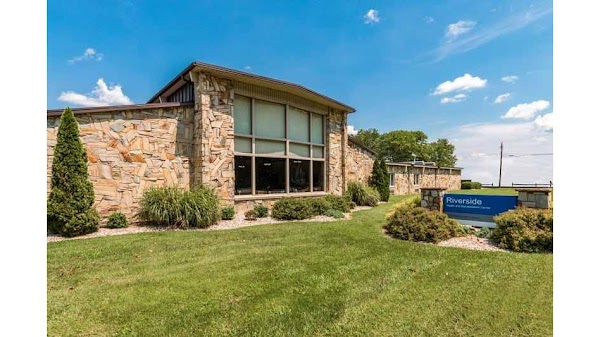
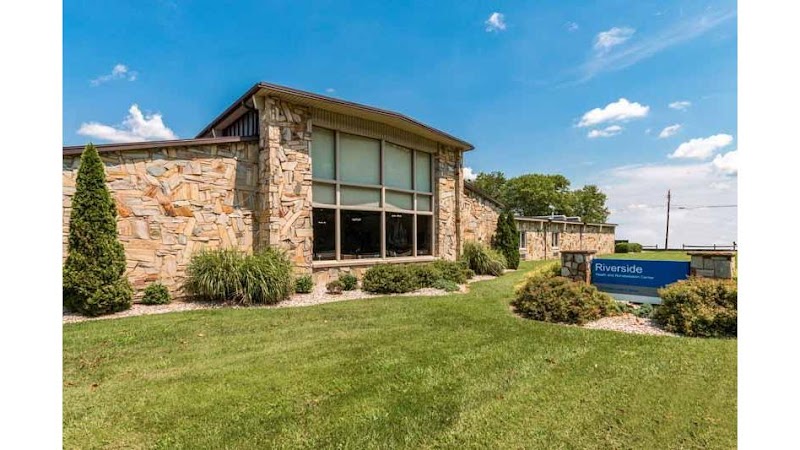
6500 MACCORKLE AVENUE SW, SAINT ALBANS, WV 25177 (304) 768-0002
For profit - Limited Liability company 90 Beds JOURNEY HEALTHCARE Data: November 2025
Trust Grade
60/100
#56 of 122 in WV
Last Inspection: July 2025

Inspected within the last 6 months. Data reflects current conditions.

Overview

Riverside Valley of Journey has a Trust Grade of C+, which means it is considered decent and slightly above average in quality. It ranks #56 out of 122 nursing homes in West Virginia, placing it in the top half, and #7 out of 11 in Kanawha County, indicating that only one local option is better. The facility is improving, reducing its issues from 12 in 2024 to 10 in 2025. Staffing is a concern, with a 2/5 star rating reflecting below-average performance, but the turnover rate is commendably low at 0%, suggesting staff stability. While there have been no fines, which is a positive sign, recent inspections revealed that several areas need attention, including a failure to provide residents with the correct meals and issues with food storage safety. Additionally, a serious incident involved a resident being sent to the hospital after using illegal drugs on the premises, raising concerns about resident safety and oversight. Overall, while there are strengths in staff retention and no fines, families should be aware of the facility's weaknesses in food service and safety practices.

Trust Score
C+
60/100
In West Virginia
#56/122
Top 45%
Safety Record
Low Risk
No red flags
Inspections
Getting Better
12 → 10 violations
Staff Stability
○ Average
Turnover data not reported for this facility.
Penalties
✓ Good
No fines on record. Clean compliance history, better than most West Virginia facilities.
Skilled Nurses
○ Average
Each resident gets 40 minutes of Registered Nurse (RN) attention daily — about average for West Virginia. RNs are the most trained staff who monitor for health changes.
Violations
⚠ Watch
38 deficiencies on record. Higher than average. Multiple issues found across inspections.
★★★☆☆
3.0
Overall Rating
★★☆☆☆
2.0
Staff Levels
★★★★☆
4.0
Care Quality
★★★☆☆
3.0
Inspection Score
Stable
2024: 12 issues
2025: 10 issues

The Good

  • 4-Star Quality Measures · Strong clinical quality outcomes
  • Full Sprinkler Coverage · Fire safety systems throughout facility
  • No fines on record

Facility shows strength in quality measures, fire safety.

The Bad

3-Star Overall Rating

Near West Virginia average (2.7)

Meets federal standards, typical of most facilities

Chain: JOURNEY HEALTHCARE

Part of a multi-facility chain

Ask about local staffing decisions and management

The Ugly 38 deficiencies on record

Jul 2025 10 deficiencies
CONCERN (D)

Potential for Harm - no one hurt, but risky conditions existed

Comprehensive Care Plan (Tag F0656)

Could have caused harm · This affected 1 resident

Based on record review and staff interview, the facility failed to ensure a complete and accurate care plan in the area of psychotropic medications. This deficient practice had the potential to affect...

Read full inspector narrative →
Based on record review and staff interview, the facility failed to ensure a complete and accurate care plan in the area of psychotropic medications. This deficient practice had the potential to affect one (1) of five (5) residents reviewed for the care area of unnecessary medications. Resident identifier: #51. Facility census: 84. Findings included: a) Resident #51 Review of Resident #51's physician orders showed an order written on 05/02/25 for Remeron oral tablet (Mirtazapine), give 7.5 mg [milligrams] by mouth one (1) time a day for appetite stimulant. Review of Resident #51's comprehensive care plan showed the following focus, The resident uses antidepressant medication (Remeron) r/t [related to] Depression. The focus was initiated on 05/02/25. Interventions were as follows: - Administer antidepressant medications as ordered by physician. Observe for side effects and effectiveness. - Educate the resident/family/caregivers about risks, benefits and the side effects and/or toxic symptoms of anti-depressant drugs. - Encourage to express feelings during interactions and observe for non verbal signs of depression, report and document if noted, notify MD [physician] if concerned, refer to psych as needed. - Monitor/document/report PRN [as needed] adverse reactions to antidepressant therapy: change in behavior/mood/cognition; hallucinations/delusions; social isolation, suicidal thoughts, withdrawal; decline in ADL [activities of daily living] ability, continence, no voiding; constipation, fecal impaction, diarrhea; gait changes, rigid muscles, balance probs [problems], movement problems, tremors, muscle cramps, falls; dizziness/vertigo; fatigue, insomnia; appetite loss, wt [weight] loss, n/v [nausea and vomiting], dry mouth, dry eyes Review of Resident #51's diagnoses did not show a diagnosis of depression. A Dietician Comprehensive Nutritional Evaluation performed on 06/12/25 documented the resident had 11.3% weight loss within the last 180 days and Remeron had been initiated the previous month to support increased appetite. On 07/07/25 at approximately 11:00 AM, the Director of Nursing confirmed Resident #51's comprehensive care plan was incorrect and should have indicated the resident was receiving the medication Remeron for appetite stimulation and not depression. No further information was provided through the completion of the survey process.
CONCERN (D) 📢 Someone Reported This

A family member, employee, or ombudsman was alarmed enough to file a formal complaint

Potential for Harm - no one hurt, but risky conditions existed

ADL Care (Tag F0677)

Could have caused harm · This affected 1 resident

Based on record review and staff interview, the facility failed to ensure Activities of Daily Living (ADL) care was provided to dependent residents. One (1) of two (2) residents reviewed for the care ...

Read full inspector narrative →
Based on record review and staff interview, the facility failed to ensure Activities of Daily Living (ADL) care was provided to dependent residents. One (1) of two (2) residents reviewed for the care area of Activities of Daily Living had not received twice weekly showers. Resident Identifier: #74. Facility Census: 84. a) Resident #74 Review of the facility's shower schedule showed Resident #74 was to receive showers on Mondays and Thursdays. Review of Resident #74's bathing task reports for May 2025 showed the resident had received a shower on 05/19/25, a full body bed bath on 05/19/25, and partial baths on the remaining Mondays and Thursdays of the month. Review of Resident #74's bathing task reports for June 2025 showed the resident had received showers on 06/19/25, 06/23/25, 06/26/25, and 06/30/25, a full body bed bath on 06/16/25, and partial baths on the remaining Mondays and Thursdays of the month. The resident was non-interviewable and dependent on staff for activities of daily living care. On 07/07/25 at approximately 11:00 AM, the Director of Nursing (DON) stated the task report documentation may have been incorrect. The DON stated Nurse Aides also complete handwritten shower sheets for bathing activities. The handwritten shower sheets were provided and showed the resident had received showers on 05/07/25, 05/14/25, 05/19/25, 05/26/25, and 06/29/25. The shower sheets also showed the resident had received a bed bath on 05/01/25. The shower sheet confirmed the resident had received bed baths on 05/08/25, 05/12/25, and 05/15/25. However, the handwritten shower sheets showed the resident received a bed bath on 05/22/25 instead of the shower indicated on the task report. The handwritten shower sheets also showed the resident had received showers on 06/05/25 and 06/14/25. The handwritten shower sheets confirmed the other showers and bed baths for June 2025 documented on the task report. The combination of task report and shower sheet documentation showed Resident #74 had not received showers from 05/08/25 through 05/13/25, which was a six (6) day period. The combination of task report and shower sheet documentation showed Resident #74 had not received showers from 06/06/25 through 06/13/25, which was an eight (8) day period. The above findings were discussed with the Director of Nursing on 07/07/25 at approximately 3:00 PM. No further information or documentation was provided through the completion of the survey process.
CONCERN (D)

Potential for Harm - no one hurt, but risky conditions existed

Accident Prevention (Tag F0689)

Could have caused harm · This affected 1 resident

b) Resident #12 The facility's policy titled Resident Self-Administration of Medication, with implementation date 02/01/24 and revision date 02/14/24 stated as follows: - A resident may only self-ad...

Read full inspector narrative →
b) Resident #12 The facility's policy titled Resident Self-Administration of Medication, with implementation date 02/01/24 and revision date 02/14/24 stated as follows: - A resident may only self-administer medications after the facility's interdisciplinary team (IDT) has determined which medications may be self-administered safely. The results of the assessment by the IDT would be recorded on the Medication Self-Administration Assessment Form. - Medications for self-administration must be stored in a manner that prevents access by other residents. - Nurses and Aides are required to report to the charge nurse on duty any medication found at the bedside not authorized for bedside storage. On 07/02/25 at 7:52 AM, medication administration to Resident #12 by Registered Nurse (RN) #9 was observed. The resident was noted to have a bottle of calcium carbonate stored in a clear plastic set of drawers by her bedside. The resident stated she had been having nausea and her daughter brought the bottle of calcium carbonate for her. RN #9 asked the resident for permission to take the medication away from her bedside and the resident consented. RN #9 reported the incident to RN #40, who stated she would give the bottle of medication to the resident's daughter and ask the physician to order medication for Resident #12's nausea. No Medication Self-Administration Assessment Form was found in Resident #12's medical records. On 07/07/25 at approximately 2:00 PM, the Administrator stated he did not think Resident #12 had been assessed for medication self-administration. He stated he would provide the medication self-administration form for Resident #12 if an assessment had been performed. No further information was provided through the completion of the survey process. Based on observation an staff interview the faiclity failed to ensure the resident enviroment over which it had control was as free from accident hazards as possible. This was a random opputunity for discovery and had the potential to effect more than a limited numbr of residents. Resident Identifiers: #2 and #12. Facility Census: 84. Findings included: A) Resident #2 On 07/01/25 at 9:51 AM, during a visit to this Resident's room, surveyor observed two disposable razors sitting on top of the air conditioner, and one disposable razor on the sink laying behind the water faucet. Resident was in a private room, with the door open. According to the Resident's MDS assessment, dated 05/23/25, the Resident is dependent on staff to provide personal hygiene, and showers. The Resident has a diagnosis of major depressive disorder and is on an anti-depressant medication. On 07/01/25, at 10:25 AM, during an interview with DON, surveyor requested the DON to accompany her to the Resident's room. Surveyor pointed out the razors, and asked what the facility policy was on having sharps in residents' rooms. The DON stated they are not to be left in the Residents' room, and then picked the disposable razors up and removed them.
CONCERN (D) 📢 Someone Reported This

A family member, employee, or ombudsman was alarmed enough to file a formal complaint

Potential for Harm - no one hurt, but risky conditions existed

Deficiency F0806 (Tag F0806)

Could have caused harm · This affected 1 resident

Based on record review and staff interview, the facility failed to ensure residents did not receive foods they were allergic to. This was true for one (1) of three (3) residents reviewed for food alle...

Read full inspector narrative →
Based on record review and staff interview, the facility failed to ensure residents did not receive foods they were allergic to. This was true for one (1) of three (3) residents reviewed for food allergies. This was found to be an issue of past non-compliance that began on 12/13/24 and ended on 12/19/24. Resident Identifier: #189. Facility census: 84. Findings included: a) Resident #189 On 12/20/24, Resident #189 reported to the Office of Health Facility Licensure and Certification (OHFLAC) that she had been served cranberry juice despite being allergic to cranberries. Review of Resident #189's electronic health records showed she had allergies to cranberry fruit extract and cranberry juice. A progress note written on 12/13/24 stated, Resident was given cranapple juice on accident by CNA [Certified Nursing Assistant]. Resident drank the entire cup and then realized it was indeed cranberry juice. Resident given rescue inhaler and benadryl per nurse pract [practitioner]. Will continue to monitor resident. Resident #189 was monitored and experienced no adverse reactions. Two (2) current residents with food allergies, Residents #34 and #32, were interviewed on 07/02/24 at approximately 10:00 AM. These residents denied receiving foods to which they were allergic. On 07/02/25 at approximately 12:00 PM, Nursing Assistant (NA) #91 was interviewed as she was passing drinks to the residents. She stated there was a list of residents with allergies located in the pantry. She also stated when the kitchen prepared the drink cart, if there were residents with allergies to anything that could be on the drink cart, the kitchen would put that information on a Post-It note on the cart. NA #91 stated there were no such residents in this hallway at this time. On 07/02/25 at approximately 12:10 PM, Nursing Assistant (NA) #29 was interviewed as she was passing drinks to the residents in another hallway. She also stated there was a list of residents with allergies located in the pantry. She also stated when the kitchen prepared the drink cart, if there were residents with allergies to anything that could be on the drink cart, the kitchen would put that information on a Post-It note on the cart. She demonstrated that there were two (2) such notes on the cart. One note indicated Resident #12 was allergic to milk and one note indicated Resident #36 was allergic to apple juice. The residents were identified by their room and bed numbers. On 07/02/25 at 2:17 PM, the Director of Nursing (DON) was interviewed about Resident #189 receiving cranberry juice. The DON stated after this event, staff education was immediately started on 12/13/24. The DON also stated the incident was discussed by the Quality Assurance and Performance Improvement committee. The education was as follows: - When serving drinks, always ask the residents what they want. This will not only give them satisfaction of being able to choose but will also held avoid allergies. - The dietary department will place a Drink Allergy List (as they occur) on the drink cart for staff to refer to. - If a resident requests a drink that the list says they are allergic to, remind them it is on the allergy list and notify the nurse of their request. Do not give them a drink that is on their allergy list. - Always check allergies before providing care, this includes medications, foods/fluids, and products used for care. - If a resident consumes or uses a substance, they are allergic to the nurse needs to perform an immediate assessment and notify the provider. An accompanying in-service sign-in sheet confirmed all staff had been educated. On 07/08/25 at 2:00 PM, the Staff Development Coordinator confirmed education for staff had been completed on 12/19/25. No further information was provided through the completion of the survey process.
CONCERN (D)

Potential for Harm - no one hurt, but risky conditions existed

Deficiency F0810 (Tag F0810)

Could have caused harm · This affected 1 resident

Based on observation, record review, and staff interview, the facility failed to provide physician-ordered adaptive eating equipment to Resident #24. This was a random opportunity for discovery. Resid...

Read full inspector narrative →
Based on observation, record review, and staff interview, the facility failed to provide physician-ordered adaptive eating equipment to Resident #24. This was a random opportunity for discovery. Resident Identifier: #24. Facility census: 84. Findings included: a) Resident #24 Review of Resident #24's physician's orders showed an order written on 06/26/25 for the resident to have a two (2) handled cup with all meals. On 07/02/25 at 1:05 PM, Resident #24 was observed eating lunch in her room. She did not have a two (2) handled cup. Her beverage was in a cup with no handles. The resident's tray ticket stated she was to have a two (2) handled cup. Registered Nurse (RN) #9 confirmed Resident #24 did not have a two (2) handled cup with her tray. She stated she would obtain one for the resident. No further information was provided through the completion of the survey process.
CONCERN (D)

Potential for Harm - no one hurt, but risky conditions existed

Infection Control (Tag F0880)

Could have caused harm · This affected 1 resident

Based on observation, record review and staff interview, the facility failed to establish and maintain an infection prevention and control program designed to provide a safe, sanitary and comfortable ...

Read full inspector narrative →
Based on observation, record review and staff interview, the facility failed to establish and maintain an infection prevention and control program designed to provide a safe, sanitary and comfortable environment and to help prevent the development and transmission of communicable diseases and infections. Contact precautions were not followed for a resident with shingles. This was a random opportunity for discovery. Resident Identifier: #46. Facility census: 84. Findings included: a) Resident #46 The facility's policy titled Transmission-based (Isolation) Precautions, with no implementation date or revision date given, stated for Herpes zoster (shingles), airborne precautions would be followed for disseminated disease, contact precautions would be followed for immunocompromised residents, and standard precautions would be followed for localized disease. The policy further stated for contact isolation the following personal protective equipment (PPE) would be utilized: - Gloves would be worn whenever touching the resident's intact skin or surfaces and articles near the resident. Gloves were to be donned upon entry into the room. - Gowns would be worn whenever anticipating that clothing would have direct contact with the resident or potentially contaminated surfaces or equipment near the resident. Gowns were to be donned upon entry into the room. On 07/01/25 at 12:48 PM, Nurse Aide (NA) #90 was observed taking a lunch tray into Resident #46's room. NA #90 had on gloves but no gown. Resident #46's room door had a Contact Precautions sign on room to his door. The sign stated as follows: Contact Precautions Everyone Must: Clean their hands, including before entering and when leaving the room. Providers and staff must also: Put on gloves before room entry. Discard gloves before room exit. Put on gowns before room entry. Discard gown before room exit. An Enhanced Barrier Precautions sign was also on the wall next to his room. The sign stated as follows: Enhanced Barrier Precautions Everyone Must: Clean their hands, including before entering and when leaving the room. Providers and staff must also: Wear gloves and a gown for the following high-contact resident care activities. Dressing Bathing/showering Transferring Changing linens Providing hygiene Changing briefs or assisting with toileting Device care or use: Central line, urinary catheter, feeding tube, tracheostomy Wound care: any skin opening requiring a dressing After she left Resident #46's room, NA #90 was asked what type of isolation precautions the resident required. NA #90 stated, I saw that up there (indicating the contact precautions sign) but I didn't see any (PPE) so I thought maybe I only had to wear gloves. PPE was in a caddy on the wall between Resident #46's room and the room next door. On 07/01/25 at 12:51 PM, NA #90 was observed sitting in a chair beside Resident #46, who was in his bed. NA #90 did not have on a gown. The surveyor brought this to the attention to the Director of Nursing, who also observed NA #90 sitting in the chair beside the resident's bed. Review of Resident #46's physician's orders showed the resident had been receiving the medication Valtrex for shingles since 06/30/25. The resident did not have an order for Contact Precautions. The resident did have an order written on 11/11/24 for Enhanced Barrier Precautions due to methicillin-resistant staphylococcus aureus. There was no evidence the resident was immunocompromised. Resident #46's comprehensive care plan showed the following focus written on 06/30/25, Contact Precautions related to shingles. An intervention was to wear gloves and gown when entering the room and remove before exit. On 07/01/25 at 2:11 PM, the Director of Nursing confirmed Resident #46 was on contact precautions due to shingles. The DON stated the resident's shingles lesions have dried and contact precautions would probably be discontinued soon. The DON agreed staff should follow contact precautions for residents with contact precaution signage at their room entrance. A physician's order for the resident to have contact precautions was written on 07/01/25. On 07/02/25 at 10:00 AM, Resident #46's lesions were assessed with Registered Nurse (RN) #40. The resident's lesions were localized to the resident's right side and trunk. The lesions appeared dry with no drainage or open areas present. On 07/03/25, the resident's order for contact precautions was discontinued. No further information was provided through the completion of the survey process.
CONCERN (E) 📢 Someone Reported This

A family member, employee, or ombudsman was alarmed enough to file a formal complaint

Potential for Harm - no one hurt, but risky conditions existed

Deficiency F0628 (Tag F0628)

Could have caused harm · This affected multiple residents

**NOTE- TERMS IN BRACKETS HAVE BEEN EDITED TO PROTECT CONFIDENTIALITY** e) Resident #139 A review of Resident #139's medical record on 07/02/25 found the resident was sent to the hospital on [DATE] a...

Read full inspector narrative →
**NOTE- TERMS IN BRACKETS HAVE BEEN EDITED TO PROTECT CONFIDENTIALITY** e) Resident #139 A review of Resident #139's medical record on 07/02/25 found the resident was sent to the hospital on [DATE] after facility staff discovered he was smoking an illegal drug in his room at his facility. The resident reported to staff that he had swallowed the drug therefore they sent him to the emergency room via ambulance. The initial review of the reportable incident found the only issue identified was the residents illegal drug use in the facility. An interview with Nursing Home Administrator (NHA) on the morning of 0702/25 confirmed the resident was sent to the hospital on [DATE] and he was not permitted to return to the facility. When asked if they issued the resident a 30 day discharge notice the facility initially was uncertain if they did or not. During this interview the NHA stated, the main reason Resident #139 was not permitted to return was because as he was on his way out the door he made a statement that he would get a gun an shoot everyone when he came back. The NHA stated, He is already proven he can get illegal substances and we felt he could probably get a gun if he wanted to. When asked why none of the statements contained in the reportable incident indicated this he stated, We probably have some more statements. When asked why the medical record was void of any nursing notes related to this incident he stated, That's when we switched companies and they are probably on paper in medical records. The surveyor requested any documentation related to this incident. At the time of exit this information from the medical record was not provided. Later in the afternoon on 07/02/25 the NHA provided two (2) staff statements which were not in the original reportable incident provided to the surveyor earlier in the day. The NHA stated he was not sure why they were not in the file with the other statements. Both statements detailed the residents threat to bring a gun and shoot everyone. The NHA was then asked to provide the 30 day notice which was issued to Resident #139. He later provided a notice dated 09/03/24. This notice indicated the resident was being discharged to the local hospital due to the safety of individuals in the facility was endangered due to clinical or behavioral status of the resident. The facility wrote in the area provided threats to life of staff and residents. In the area where the resident signature should have been the facility wrote 'Dropped off to hospital upon discharge did not receive signed copy back. The NHA was asked if this was delivered to the resident or just left at the hospital. The NHA replied, We just left it at the hospital. The NHA was then asked to provide evidence this notice was sent to the Ombudsman as required at the time it was issued. On the morning of 07/07/25 the NHA provided an email dated 10/21/24 which was sent by the regional ombudsman's to the NHA. In this email the ombudsman requested a copy of the discharge notice. The NHA stated, I'm sure we sent it in response to this email but I can't find it because that social worker no longer works here and it was in the old email system. A telephone interview with the regional long term care ombudsman on 07/07/25 at 05:31 PM confirmed they never received a copy of the Transfer/Discharge notice. She indicated she first became aware of the issue in October of 2024 when the social worker from the hospital contacted her to request assistance. She indicated she requested the notice of transfer/discharge on [DATE] and 10/21/24. She stated, they never received the notice until this morning when the NHA emailed it. The ombudsman indicated that she spoke with the resident and he confirmed he never received the notice. 07/02/25 09:38 AM Stated that this was a repeat occurrence it was probably mid 2023. I would say that it had three or four times. Since we had changed the sheets it was on the floor next to his be and in his sheets. He was leaving the facility that day he threatening to come back and shoot everybody. Not ideal. He denied consistently until the last incident on 09/01/24. He indicated to the staff that he had swallowed. The NHA confirmed they did not issue a discharge notice because he was threatening to shoot everybody. We could not let him come back because he stated he was going to bring a gun back and kill everybody. And have illegal items in the building. Based upon record review, staff interviews, and an interview with the State Long Term Care Ombudsman, the facility failed to provide documentation verifying the Ombudsman received notification of the transfer or discharge of residents. This was found to be true in five (5) out of five (5) residents reviewed for discharge and hospitalization during the long term care survey process. Resident identifiers: #79, #2, #54, #37, #139. Facility Census: 84. Findings included: a) Resident #79 Resident #79 was transferred to an acute care facility on 05/11/25, due to abnormal vital signs. The Resident returned to the long term care facility on 05/17/25 The resident does not have capacity to make own medical decisions. On 07/02/25 at 9:18 AM, the surveyor requested to see verification of an acute transfer notice being provided to the Resident's representative, and verification of a copy being sent to the State Long Term Care Ombudsman. On 07/02/25 mid afternoon, the Nursing Home Administrator (NHA) brought a fax confirmation of the notice being provided to the Ombudsman on 07/02/25 at 12:12 PM. Thus, the ombudsman was not notified until after the surveyor requested to see verification. When asked about why the notice was just now being sent, the NHA stated they could not find verification that it had been sent at the time of transfer. On 07/08/25 at approximately 1:00 PM, discussion with Staff # 110, verified the notice was not sent to the Ombudsman until 07/02/25. b) Resident #2 Resident #2 was transferred to an acute care facility on 02/11/25 for shortness of breath, and abnormal pulse. Resident was admitted to the acute care facility and returned to the long term care facility on 02/14/25. Resident has capacity to make his own medical decisions. On 07/03/25 at 10:18 AM, the surveyor requested to see verification of an acute transfer/discharge notice being provided to the Resident, as well as verification the notice was sent to the Office of the State Long Term Care Ombudsman. The Notice of Transfer form was given to resident at time of transfer to hospital. On 07/07/25 at 12:10 pm, the Nursing Home Administration provided a copy of the transfer notice, and stated there is no documentation to support that ombudsman was sent a copy of the notice of transfer. Per interview with the Regional [NAME] President of Clinical Services on 07/07/25 at 1:45 PM, there was no additional information she could provide. c) Resident # 54 Resident #54 was transferred to an acute care facility on 03/31/25 due to abnormal vital signs. The Resident was transported by EMS. Due to a diagnosis of severe sepsis, the Resident was admitted . The resident returned to the long term care facility on 04/07/25. Resident does not have capacity to make her own medical decisions. On 07/02/25 mid-morning, the surveyor requested to review the Notice of Acute Transfer or Discharge form for 04/07/25 for the Resident, as well as verification the Notice was sent to the Office of the State Long Term Care Ombudsman. On 07/03/25 mid-afternoon, the NHA provided a copy of a fax coversheet sent to the Ombudsman at 07/02/25 at 3:01 PM. Thus, the Ombudsman was not notified in a timely manner about the transfer. Notification was not provided until the surveyor asked for it. Per interview with the Regional [NAME] President of Clinical Services on 07/07/25 at 1:45 PM, there was no additional information she could provide. On 07/08/25 at approximately 12:45 PM, Staff #110, provided a copy of a Bed Reservation Approval form, which had been sent to with the Resident to the hospital, with a copy sent to the Resident's Representative, and verified the notice was not sent to the Ombudsman until 07/02/25. d) Resident #37 On 4/27/25, the family requested Resident #37 be sent to an acute care facility. Resident was admitted , returning to the long term care facility on 05/01/25. On 07/07/25 at 1:07 PM, the surveyor requested from the facility the acute transfer/discharge letter, as well as verification of the notice being sent to the Office of the State Long Term Care Ombudsman. On 07/07/25 at 4:00 PM, the DON provided a copy of a form, Bed Reservation Approval. This form had been sent with the Resident to the acute care facility, with a copy mailed to the Resident's representative. During this conversation, the DON stated the other information was not available. On 07/08/25 at approximately 1:00 PM, discussion with Staff # 110, verified she could not locate where a copy had been sent to the Ombudsman.
CONCERN (E)

Potential for Harm - no one hurt, but risky conditions existed

Quality of Care (Tag F0684)

Could have caused harm · This affected multiple residents

b) Resident #55 A review of Resident #55's medical record found she suffered an unwitnessed fall on 12/11/24 and 12/18/24. According to the incident reports neurological assessments were initiated on...

Read full inspector narrative →
b) Resident #55 A review of Resident #55's medical record found she suffered an unwitnessed fall on 12/11/24 and 12/18/24. According to the incident reports neurological assessments were initiated on both occasions. In the afternoon of 07/7/25 the Director of Nursing (DON) was asked to provide the surveyor with a copy of the neurological assessments for Resident #55 on 12/11/24 and 12/18/24. Later in the afternoon the DON confirmed there were no neurological assessments found for the fall on 12/11/24. She did provide the neurological assessments for 12/18/24. A review of the neurological assessments for 12/18/24 found they were incomplete. The assessment consists of 25 occasions were a neurological assessment should be completed beginning with the initial assessment and proceeding as follows: 1. Initial 2. 15 minute evaluation #1 3. !5 minute evaluation #2 4. 15 minute evaluation #3 5. 15 minute evaluation #4 6. 30 minute evaluation #1 7. 30 minute evaluation #2 8. 30 minute evaluation #3 9. 30 minute evaluation #4 10. 1 hour evaluation #1 11. 1 hour evaluation #2 12. 1 hour evaluation #3 13. 1 hour evaluation #4 14. 4 hour evaluation #1 15. 4 hour evaluation #2 16. 4 hour evaluation #3 17. 4 hour evaluation #4 18. 8 hour evaluation #1 19. 8 hour evaluation #2 20. 8 hour evaluation #3 21. 8 hour evaluation #4 22. 8 hour evaluation #5 23. 8 hour evaluation #6 24. 8 hour evaluation #7 25. 8 hour evaluation #8 Further review of the neurological assessments for Resident #55 which began on 12/18/24 found the following evaluations were not completed as required: 14. 4 hour evaluation #1 15. 4 hour evaluation #2 16. 4 hour evaluation #3 18. 8 hour evaluation #1 19. 8 hour evaluation #2 20. 8 hour evaluation #3 21. 8 hour evaluation #4 22. 8 hour evaluation #5 23. 8 hour evaluation #6 24. 8 hour evaluation #7 25. 8 hour evaluation #8. An interview with the DON confirmed this in the late afternoon of 07/07/25. C) Resident #140 At 2:29 PM on 07/07/25 while passing through the dining room Resident #140 was sitting on the calf rests of his wheelchair. His entire buttocks was off the wheelchair seat an was resting on the wheelchair calf support pads. A lift pad was noted in the wheelchair. He stated the wheelchair was hurting his buttocks and that is why he was trying to get out of the chair. Nurse Aide # 77 and Activities Director #72 took position on either side of the Resident. Nurse Aide #77 grabbed the resident under the arm and by his shorts and AD #72 had the resident under the arm. The surveyor was not in a position to tell what AD #72 did with her other hand. They then lifted the resident from the calf support pads to the seat of his wheelchair. At no time was a licensed nurse present to assess the resident or to give guidance to the nurse aides to ensure Resident #140 was transferred back to his seat safely. A review of the residents care plan found the following intervention related to assistance with activities of daily living: -- · Transfer Assist: Total Dependence x2 staff and a mechanical lift An interview with the Nursing Home Administrator (NHA) confirmed a license nurse did not come into the dining room to assess the resident or to assist the NA's in deciding the best way to get Resident #140 back into the wheelchair. d) Resident #51 Review of Resident #51's physician's orders showed an order written on 05/16/25 for Novolog injection solution 100 unit/ml [milliliter] (Insulin Aspart), inject 5 units subcutaneously three times a day for DM [diabetes mellitus]. Hold for blood sugar less than 140. Resident #51's Medication Administration Records (MARs) were reviewed for June and July 2025. The MARs showed numerous occasions when Resident #51's insulin was given despite the resident's blood glucose being less than 140. These occasions were as follows: - On 06/02/25, insulin was administered at 12:00 PM. The resident's blood glucose was 117 at 11:30 AM. - On 06/04/25, insulin was administered at 8:00 AM. The resident's blood glucose was 115 at 6:00 AM. - On 06/09/25, insulin was administered at 8:00 AM. The resident's blood glucose was 128 at 6:30 AM. - On 06/12/25, insulin was administered at 12:00 PM. The resident's blood glucose was 118 at 11:30 AM. - On 06/13/25, insulin was administered at 5:00 PM. The resident's blood glucose was 126 at 4:30 PM. - On 06/14/25, insulin was administered at 8:00 AM. The resident's blood glucose was 131 at 6:30 AM. - On 06/15/25, insulin was administered at 8:00 AM. The resident's blood glucose was 124 at 6:30 AM. - On 06/18/25, insulin was administered at 12:00 PM. The resident's blood glucose was 122 at 11:30 AM. - On 06/20/25, insulin was administered at 8:00 AM. The resident's blood glucose was 128 at 6:30 AM. - On 06/26/25, insulin was administered at 8:00 AM. The resident's blood glucose was 133 at 6:30 AM. - On 06/26/25, insulin was administered at 12:00 PM. The resident's blood glucose was 101 at 11:30 AM. - On 06/27/25, insulin was administered at 8:00 AM. The resident's blood glucose was 129 at 6:30 AM. - On 06/30/25, insulin was administered at 8:00 AM. The resident's blood glucose was 126 at 6:30 AM. - On 07/01/25, insulin was administered at 8:00 AM. The resident's blood glucose was 114 at 6:30 AM. - On 07/01/25, insulin was administered at 12:00 PM. The resident's blood glucose was 129 at 11:30 AM. - On 07/01/25, insulin was administered at 5:00 PM. The resident's blood glucose was 104 at 4:30 PM. - On 07/04/25, insulin was administered at 12:00 PM. The resident's blood glucose was 138 at 11:30 AM. - On 07/04/25, insulin was administered at 5:00 PM. The resident's blood glucose was 122 at 4:30 PM. - On 07/05/25, insulin was administered at 8:00 AM. The resident's blood glucose was 76 at 6:30 AM. - On 07/05/25, insulin was administered at 12:00 PM. The resident's blood glucose was 134 at 11:30 AM. - On 07/05/25, insulin was administered at 5:00 PM. The resident's blood glucose was 111 at 4:30 PM. - On 07/06/25, insulin was administered at 5:00 PM. The resident's blood glucose was 123 at 4:30 PM. On 07/07/25 at approximately 11:00 AM, the Director of Nursing confirmed the physician's order had not been followed to hold Resident #51's Novalog insulin when the blood glucose was less than 140. No further information was provided through the completion of the survey. Based on record review and staff interview, the facility failed to ensure that residents received treatment and care in accordance with professional standards of practice. This was true for four (4) out of 31 residents reviewed throughout the Long-Term Care Survey Process. The facility failed to follow physician orders regarding use of wheelchair and an order for staff to encourage Resident #26 to be up and out of bed for the lunch and dinner meals. The facility failed to follow physician orders for insulin administration for Resident #51. The facility failed to complete neurological checks for Resident #33. The facility failed to have a nurse assess Resident #140 following a fall prior to staff intervention. Resident identifiers: #26, #33, and #140 and #51. Facility census: 84 Findings included: a) Resident #26 A record review, completed on 07/07/25 at 11:50 AM, revealed the following physician orders: -Encourage resident to be in high traffic area when up in chair. Make sure leg rests are on and chair is slightly reclines. -Staff to encourage and assist resident to be up in chair and in dining room for lunch and dinner. During an observation of Resident #26 in the dining room on 07/07/25 at 12:10 PM, the Administrator confirmed there were no leg rests on resident's wheelchair and the wheelchair was not slightly reclined. The Administrator stated he believed therapy had recently evaluated the resident but it appeared that the physician order had not been updated to reflect resident's new plan of care. Review of the January 2025 - June 2025 treatment administration records (TARs) revealed the following dates and times the TAR was left blank: 01/18/25 for dinner 01/28/25 for dinner 01/30/25 for dinner 02/03/25 for dinner 03/29/25 for dinner 04/13/25 for dinner 04/24/25 for dinner 05/03/25 for dinner 06/22/25 for dinner During an interview on 07/07/25 at approximately 12:55 PM, the Director of Nursing (DON) acknowledged the dates and times the TAR had been left blank and agreed that according to professional standards of practice the lack of documentation should be interpreted as the task not being done.
CONCERN (E)

Potential for Harm - no one hurt, but risky conditions existed

Food Safety (Tag F0812)

Could have caused harm · This affected multiple residents

Based on observation and staff interview the facility failed to ensure food was stored and prepared in a safe and sanitary manner. This failed practice has the potential to effect more than an isolate...

Read full inspector narrative →
Based on observation and staff interview the facility failed to ensure food was stored and prepared in a safe and sanitary manner. This failed practice has the potential to effect more than an isolated number of residents. Facility Census: 84. Findings Include: a) Initial tour of the Kitchen An initial tour of the kitchen upon entrance of the facility on 07/01/25 at 9:00 AM found the walk-in refrigerator had one gallon of milk with best by date June 26, 2025. Certified Dietary Manager CDM #16 reported that the milk deliverer will take it back when he comes to deliver fresh milk if it was date and placed seperately from the food good for consumption. I expressed that it was not currently separate from the milk in date to be used and she marked it and separated it for pick up and set it aside. b)Tour of the nourishment rooms on the floors on 07/02/25. At 10:57 AM observed the East Nourishment room. Twelve (12) packages of individually wrapped saltine crackers with no dates inside of a plastic bag with no dates and not labeled were located in the drawer. There were 34 individual packages of saltines inside of a drawer with no expiration dates. There were also twenty two (22) packages of individually wrapped graham crackers in a plastic container that was not labeled. Licensed Practical Nurse #57 acknowledged. At 11:00 AM it was observed in the [NAME] Nourishment room that nine (9) individually wrapped, undated, graham crackers in a plastic container with no labels or dates were in the nourishment drawer along with twenty three (23) individually wrapped packs of saltines in a plastic bag with no dates and not labeled. Interviewed CDM #16 0n 07/02/25 at 11:13 AM who acknowledged that the graham crackers and saltines were not dated/labeled in the nourishment rooms or in the boxed they arrived in. They will contact the distributer and label them. c)Observation of serving line in kitchen on 07/02/25. Observed Dietary Aide #49 wrapping silverware and prepping food with no beard net 12:00 PM to 12:10 PM on 07/02/25. CDM #16 acknowledged that he was not wearing it and reported that he just got here. d) Facility Policy titled Healtcare Services Group, Inc. and its subsidiaries HCGS POLICY 018, Food Storage: Dry Goods, Procedure number 6. Storage areas will be neat, arranged for easy identification, and date marked as appropriate. e) Facility Policy titled Healthcare Service Group, Inc. and its subsidiaries HCSG Policy 024, Staff Attire, Procedure 1. All staff members will have their hair off the shoulders, confined in a hair net or cap and facial hair properly restrained.
CONCERN (E)

Potential for Harm - no one hurt, but risky conditions existed

Medical Records (Tag F0842)

Could have caused harm · This affected multiple residents

d) Resident #24 On 07/01/25 at 1:16 PM, Nursing Assistant (NA) #91 was observed removing Resident #24's tray from her room. It did not appear that the resident had eaten much of the food. The silverwa...

Read full inspector narrative →
d) Resident #24 On 07/01/25 at 1:16 PM, Nursing Assistant (NA) #91 was observed removing Resident #24's tray from her room. It did not appear that the resident had eaten much of the food. The silverware on the tray had not been unwrapped from the napkin. When questioned, NA #91 stated the resident was able to feed herself. On 07/02/25, review of Resident #24's electronic health records, specifically the task report for amount eaten/fluids consumed at meals, showed documentation the resident had eaten 76 to 100 percent (%) of lunch on 07/01/25. The medical records also confirmed the resident could feed herself after set up. The resident had a Brief Interview for Mental Status (BIMS) score of 15, indicating the resident was mentally intact. On 07/02/25 at 3:14 PM, the Director of Nursing (DON) was informed of the surveyor's observation that Resident #24 had not eaten 76 to 100% of her lunch meal on 07/01/25. The DON stated she would check to see if the resident had later eaten a different meal at lunchtime.No further information was provided through the completion of the survey process. Based on observation, record review and staff interview the facility failed to ensure the medical record was complete and accurate four (4) of 31 sampled residents reviewed during the long term care survey process. Resident Identifiers: #55, #140, #72, and #24. Facility Census: 84. The facility failed to have complete and accurate records. Findings Include: a) Resident #55 A review of Resident #55's medical record found she required neurological assessments to be completed on 01/03/25, 04/21/25, 06/24/25 and 06/28/25. The facility was asked to provide the surveyor with a copy of the neurological assessments for the aforementioned dates. A review of the neurological assessments provided found, the assessment consists of 25 occasions were a neurological assessment should be completed beginning with the initial assessment and proceeding as follows: 1. Initial 2. 15 minute evaluation #1 3. !5 minute evaluation #2 4. 15 minute evaluation #3 5. 15 minute evaluation #4 6. 30 minute evaluation #1 7. 30 minute evaluation #2 8. 30 minute evaluation #3 9. 30 minute evaluation #4 10. 1 hour evaluation #1 11. 1 hour evaluation #2 12. 1 hour evaluation #3 13. 1 hour evaluation #4 14. 4 hour evaluation #1 15. 4 hour evaluation #2 16. 4 hour evaluation #3 17. 4 hour evaluation #4 18. 8 hour evaluation #1 19. 8 hour evaluation #220. 8 hour evaluation #321. 8 hour evaluation #422. 8 hour evaluation #523. 8 hour evaluation #624. 8 hour evaluation #7 25. 8 hour evaluation #8. A review of the provided assessments found the following when a nurse other than the nurse completing the assessment entered it into the electronic medical record giving that nurse entered the assessment completed the assessment:-- Assessments began on 01/03/25 and the following sections were entered by the former Assistant Director of Nursing 03/11/25:10. 1 hour evaluation #1 11. 1 hour evaluation #2 12. 1 hour evaluation #3 13. 1 hour evaluation #4 14. 4 hour evaluation #1 15. 4 hour evaluation #2 16. 4 hour evaluation #3 17. 4 hour evaluation #4 18. 8 hour evaluation #1 19. 8 hour evaluation #220. 8 hour evaluation #321. 8 hour evaluation #422. 8 hour evaluation #523. 8 hour evaluation #624. 8 hour evaluation #7 25. 8 hour evaluation #8. -- Assessments which began on 04/21/25 found the former Assistant Director of Nursing (ADON) documented the following assessments on 04/28/25:1. Initial 2. 15 minute evaluation #1 3. !5 minute evaluation #2 4. 15 minute evaluation #3 5. 15 minute evaluation #4 6. 30 minute evaluation #1 7. 30 minute evaluation #2 8. 30 minute evaluation #3 9. 30 minute evaluation #4 10. 1 hour evaluation #1 11. 1 hour evaluation #2 12. 1 hour evaluation #3 13. 1 hour evaluation #4 14. 4 hour evaluation #1 15. 4 hour evaluation #2 16. 4 hour evaluation #3 17. 4 hour evaluation #4 18. 8 hour evaluation #1 19. 8 hour evaluation #220. 8 hour evaluation #321. 8 hour evaluation #422. 8 hour evaluation #523. 8 hour evaluation #624. 8 hour evaluation #7 25. 8 hour evaluation #8. -- Assessments which began on 06/24/25 found the current Staff Development Coordinator entered the following section on 06/27/25:19. 8 hour evaluation #220. 8 hour evaluation #321. 8 hour evaluation #422. 8 hour evaluation #523. 8 hour evaluation #624. 8 hour evaluation #7 25. 8 hour evaluation #8. -- Assessments which began on 06/28/25 found the current Staff Development Coordinator entered the following sections on 07/02/25:1. Initial 2. 15 minute evaluation #1 3. !5 minute evaluation #2 4. 15 minute evaluation #3 5. 15 minute evaluation #4 6. 30 minute evaluation #1 7. 30 minute evaluation #2 8. 30 minute evaluation #3 9. 30 minute evaluation #4 10. 1 hour evaluation #1 11. 1 hour evaluation #2 12. 1 hour evaluation #3 13. 1 hour evaluation #4 14. 4 hour evaluation #1 15. 4 hour evaluation #2 16. 4 hour evaluation #3 17. 4 hour evaluation #4 18. 8 hour evaluation #1 19. 8 hour evaluation #220. 8 hour evaluation #321. 8 hour evaluation #422. 8 hour evaluation #523. 8 hour evaluation #624. 8 hour evaluation #7 25. 8 hour evaluation #8. An interview with the Director of Nursing found, some nurses will complete the assessments on paper instead of putting them into the electronic medical record then one of the nurses in administration will enter them into the electronic medical record. She was asked if they maintained the paper copies to show which nurse actually completed the assessments and she confirmed they did not. She stated once they enter them they shred them. b) Resident #72An observation at approximately 3:00 PM of 07/02/25 found Resident #72's mighty shake unopened sitting on a tray in the dining room. This was labeled to indicate it was the residents 2:00 pm mighty shake. A review of Resident #72's medical record on 07/02/25 at approximately 4:30 PM it was discovered the nurse had documented Resident #72 consumed 50 percent of her 2:00 pm mighty shake. An observation with the Director of Nursing (DON) immediately following this discovery confirmed the might shake was still sitting on the tray in the dining room unopened. The DON took the mighty shake and asked Registered Nurse #9 why she had documented 50 percent when it was unopened. She stated, the nurse aide told me she had drank 50 percent. c) Resident #140An observation at 11:14 AM on 07/01/25 found his 10:00 AM Mighty Shake was sitting on his over the be table. The straw inserted into the mighty shake was unwrapped all except the top (where the resident would drink from) the paper was still over the top of the straw. At 11:48 AM the same mighty shake was still on the over the bed table and the paper was still on the top of the straw. A review of the Medication Administration Record (MAR) while in the resident room it was discovered Licensed Practical Nurse (LPN) #111 had documented Resident #140 had consumed 50 percent of his 10:00 AM mighty shake. LPN #111 was requested to come to the residents room. Upon entering LPN #111 was asked if this resident drank 50 percent of his mighty shake as reflected on the medication administration record (MAR) she stated, Yes. Once the paper covering the top of the straw was pointed out she picked up the mighty shake and confirmed Resident #140 had not consumed 50 percent of the drink.
Aug 2024 12 deficiencies
CONCERN (D)

Potential for Harm - no one hurt, but risky conditions existed

MDS Data Transmission (Tag F0640)

Could have caused harm · This affected 1 resident

Based on record review and staff interview, the facility failed to transmit residents assessments for a discharge. This failed practice was found true for one (1) of two (2) residents reviewed under t...

Read full inspector narrative →
Based on record review and staff interview, the facility failed to transmit residents assessments for a discharge. This failed practice was found true for one (1) of two (2) residents reviewed under the Facility Tasks during the Long Term Care Survey and hat the potential to affect a limited number of residents residing in the facility. Facility census:80. Resident Identifier: #45 Findings included: a) Resident #45 On 07/31/24 at approximately 11:20 AM record review of Resident #45's The Minimum Data Set (MDS) { standardized assessment tool that measures health status in nursing home residents} reveaeld on 03/27/24 a discharge MDS was completed, and not transmitted/accepted. During staff interview on 07/31/24 at approximately 1:00 PM the Director of Nursing confirmed the discharge MDS should have been transmitted within 14 days after a facility completes a resident's assessment.
CONCERN (D)

Potential for Harm - no one hurt, but risky conditions existed

Deficiency F0645 (Tag F0645)

Could have caused harm · This affected 1 resident

**NOTE- TERMS IN BRACKETS HAVE BEEN EDITED TO PROTECT CONFIDENTIALITY** Based on staff interview and record review the facility failed to complete a new Preadmission Screening and Resident Review (PAS...

Read full inspector narrative →
**NOTE- TERMS IN BRACKETS HAVE BEEN EDITED TO PROTECT CONFIDENTIALITY** Based on staff interview and record review the facility failed to complete a new Preadmission Screening and Resident Review (PASARR) for Resident #20 when the original PASARR had expired. This failed practice was found true for (1) one of (5) five residents reviewed for PASARR during the Long-Term Care Survey Process. Resident identifier: #20. Facility census: 80. Findings included: a) Resident #20 A record review on [DATE] at 2:51 PM, revealed that Resident #20 was admitted to the facility on [DATE] and had a PASARR completed on [DATE]. Further record review showed that Resident #20's PASARR was marked for 3 months or less. During an interview on [DATE] at 3:20 PM, The Director of Nursing (DON) stated, We do know we have a problem with PASARR'S. I just started an audit on them. DON confirmed that the PASARR for Resident #20 had expired.
CONCERN (D)

Potential for Harm - no one hurt, but risky conditions existed

Comprehensive Care Plan (Tag F0656)

Could have caused harm · This affected 1 resident

Based on record review, and staff interview, the facility failed to ensure a Resident had a person-centered comprehensive care plan developed and implemented to meet his / her other preferences and go...

Read full inspector narrative →
Based on record review, and staff interview, the facility failed to ensure a Resident had a person-centered comprehensive care plan developed and implemented to meet his / her other preferences and goals, and address the resident's medical, physical, mental, and psychosocial needs. This practice affected one (1) of (24) resident's care plans reviewed during the Long-Term Care Survey Process (LTCSP). The failure to ensure the comprehensive care plan was developed for the resident's highest practicable well-being placed the residents at risk of not receiving services that would meet their desires or wants and a decreased quality of life. Resident Identifiers: #44. Facility census: 80. Findings included: a) Resident #44 A review of the current Diagnosis List showed the diagnosis of Schizophrenia. A continued review revealed the current care plan did not contain a diagnosis of Schizophrenia or monitoring. On 07/31/24 at 2:06 PM during an Interview with the Director of Nursing (DON), she confirmed the current care plan did not reflect the resident's need.
CONCERN (D)

Potential for Harm - no one hurt, but risky conditions existed

Deficiency F0657 (Tag F0657)

Could have caused harm · This affected 1 resident

**NOTE- TERMS IN BRACKETS HAVE BEEN EDITED TO PROTECT CONFIDENTIALITY** Based on record review and staff interview, the facility failed to revise a care plan for one (1) of 24 residents. Resident #53 ...

Read full inspector narrative →
**NOTE- TERMS IN BRACKETS HAVE BEEN EDITED TO PROTECT CONFIDENTIALITY** Based on record review and staff interview, the facility failed to revise a care plan for one (1) of 24 residents. Resident #53 regarding the cardiopulmonary (CPR) status. Resident Identifiers: #53. Facility Census: 80. Findings Include: a) Resident #53 On [DATE] at 11:40 AM, a record review was completed for Resident #53. The review found a focus area of I choose to have CPR. An intervention was listed as I prefer to be left alone with my family. On [DATE] at 11:55 AM, the Director of Nursing (DON) was notified. The DON stated, I don't know why this intervention is under this focus area .we will get it corrected.
CONCERN (D)

Potential for Harm - no one hurt, but risky conditions existed

Deficiency F0661 (Tag F0661)

Could have caused harm · This affected 1 resident

Based on investigation, record review and interview, the facility failed to develop a discharge summary which included a recapitulation of the resident's stay, a final summary of the resident's status...

Read full inspector narrative →
Based on investigation, record review and interview, the facility failed to develop a discharge summary which included a recapitulation of the resident's stay, a final summary of the resident's status, reconciliation of all pre and post discharge medications, and develop a post-discharge plan of care, including discharge instructions. Resident identifier #85. Facility Census: 80. Findings included: a) Resident #85 Record review, on 07/31/24 at 09:27 AM, revealed no discharge summary, post discharge plan of care, or discharge instructions for Resident #85. Further document review revealed a nursing note on 5/1/2024 at 10:31 by RN #69, which stated: Resident discharged from facility at this time via public bus. All personal belongings taken with resident upon discharge. Discharge instructions reviewed with resident, and she verbalized understanding. Resident refused to have medication called in to her pharmacy for refill, she states I'm not going to take it. Interview with Registered Nurse (RN) #69 on 07/31/24 at 11:57 AM, revealed Resident #85 refused RN's offer to call the pharmacy for a refill, and stated that she would not take the medications. Document review also revealed a social services note dated 5/19/24 at 1:55 PM, which stated: Psychosocial Assessment completed including MDS interviews and assessment. Resident's overall goal: Discharge to the community. Source of goal setting: Resident. Is active discharge planning already occurring? No. The previous social worker was no longer at the facility and was unavailable for interview. An interview with the interim Social Worker #99 on 07/31/24, confirmed the facility had not developed a discharge summary, including a recapitulation of the resident's stay, a final summary of the resident's status, and reconciliation of all pre and post discharge medications for Resident #85. The facility had also failed to a provide a post-discharge plan of care, including discharge instructions to the resident. This surveyor interviewed Resident #85 over the phone on 08/01/24 at 8:36 AM. She stated that she was kicked out of the facility. Resident stated, they are terrible people. I was getting better, and my legs were getting stronger, but physical therapy said that it was the best I was going to get. So, the insurance refused to pay for any more therapy, and they kicked me out. When questioned about her medications, she stated that the medications she was given were unnecessary and she was not going to take them.
CONCERN (D)

Potential for Harm - no one hurt, but risky conditions existed

Medical Records (Tag F0842)

Could have caused harm · This affected 1 resident

Based on record review and staff interview, the facility failed to maintain an accurate and complete record for transfers to an acute care facility for Resident #15. This is true for two (2) of three ...

Read full inspector narrative →
Based on record review and staff interview, the facility failed to maintain an accurate and complete record for transfers to an acute care facility for Resident #15. This is true for two (2) of three (3) residents reviewed under the care area of hospitalizations. Resident identifier: #15. Facility Census: 80. Findings include: a) Resident #15 A record review was completed on 08/01/24 at 9:45 AM. The review found the resident had been transferred to an acute care facility on 06/12/24. However, the date listed on the transfer form was dated 04/14/24. On 08/01/24 at 10:25 AM, the corporate nurse and the Director of Nursing were notified. The Corporate nurse stated, I will check and see why the date is incorrect. A record review was completed on 08/01/24 at 9:45 AM. The review found the resident had been transferred to an acute care facility on 07/09/24. However, the date listed on the transfer form was dated 06/12/24. On 08/01/24 at 10:25 AM, the corporate nurse and the Director of Nursing were notified. The Corporate nurse stated, I will check and see why the date is incorrect.
CONCERN (D)

Potential for Harm - no one hurt, but risky conditions existed

Infection Control (Tag F0880)

Could have caused harm · This affected 1 resident

Based on observation, record review and staff interview, the facility failed to maintain an appropriate infection control program during meal service for Resident #15. This was a random opportunity fo...

Read full inspector narrative →
Based on observation, record review and staff interview, the facility failed to maintain an appropriate infection control program during meal service for Resident #15. This was a random opportunity for discovery. Facility Census: 80. Findings included: a) Resident #15 On 07/30/24 at 1:13 PM, the resident was observed receiving a lunch tray from Nurse Aide (NA) #30. The resident asked for assistance with setting up the tray. NA #30 was observed touching the hamburger buns with bare hands. NA #30 was asked, Do you normally wear gloves when assisting residents with their meals? NA #30 stated, I sanitize my hands between trays. On 07/30/24 at 1:40 PM, the Director of Nursing (DON) was notified of the observation. The DON stated, I'll take care of this right away.
CONCERN (D)

Potential for Harm - no one hurt, but risky conditions existed

Deficiency F0925 (Tag F0925)

Could have caused harm · This affected 1 resident

**NOTE- TERMS IN BRACKETS HAVE BEEN EDITED TO PROTECT CONFIDENTIALITY** Based on observation and staff interview the facility failed to incorporate an effective pest control program. One (1) room had ...

Read full inspector narrative →
**NOTE- TERMS IN BRACKETS HAVE BEEN EDITED TO PROTECT CONFIDENTIALITY** Based on observation and staff interview the facility failed to incorporate an effective pest control program. One (1) room had gnats. Facility census: 80. a) room [ROOM NUMBER] A On 07/29/24 12:13 PM during the initial tour there were gnats all over the over bed table including his drinks and pudding. On 07/29/24 at 12:15 PM during an interview Nurse Aide #3 verified the gnats and stated that they do have an issue with gnats in this room. She stated that she would get someone to clean the room.
CONCERN (E) 📢 Someone Reported This

A family member, employee, or ombudsman was alarmed enough to file a formal complaint

Potential for Harm - no one hurt, but risky conditions existed

Safe Environment (Tag F0584)

Could have caused harm · This affected multiple residents

**NOTE- TERMS IN BRACKETS HAVE BEEN EDITED TO PROTECT CONFIDENTIALITY** d) Resident #43 At approximately 12:22 PM on 07/30/24, an interview was conducted with Resident #43 concerning the care they re...

Read full inspector narrative →
**NOTE- TERMS IN BRACKETS HAVE BEEN EDITED TO PROTECT CONFIDENTIALITY** d) Resident #43 At approximately 12:22 PM on 07/30/24, an interview was conducted with Resident #43 concerning the care they received at the facility. With the permission of the resident, inspection of the resident's restroom revealed a bed pan in a plastic bag that was suspended from a grab bar in the restroom. The suspended bed pan was dangling in the trash can. The trash can was piled high with trash, and the bedpan was almost covered in trash. Further inspection revealed a band of black grime at the base of the commode, where the commode met the floor. Upon being brought to the attention of Registered Nurse (RN) #78, she confirmed that the bed pan wasn't supposed to be in the trash can. e) Resident #75 During an interview on 07/03/24 at 1:22 PM, Resident #75 stated that the faucet at her hand-sink did not work well. Turning on the hot water revealed a very low flow into the sink. Maintenance Director (MD) #62 confirmed that the water flow was inadequate and proceeded to work on it and replace the aerator in the faucet. The water flow was strong after the repair. Inspection of the resident's restroom revealed a band of black grime at the base of the commode. Further inspection also revealed the bucket of the bedside commode in the shower area. The bucket was observed with dried residue coating its base. LPN #40 confirmed that the bucket had not been cleaned and should not be in the shower area. She further stated that she thought the housekeeping staff were responsible for cleaning the restroom. Based on observation, policy review and staff interview the facility failed to provide a clean comfortable home like environment. These practices were found in more than a limited area of the facility. residents reviewed for environment during the Long-Term Care Survey Process. Sixteen (16) resident rooms had a black substance on the heating/cooling unit. Windowsills and doorjambs were covered in a black substance. The resident's bathroom was not maintained in a sanitray conditin. Room Numbers: #99, #100, #101, #102, #103, #104, #105, #107, #131, #132, #133, #134, #136, #138, #109, #110. Resident identifiers: #43, #75, #32, and #69. Facility census: 80. Facility census: 80. Findings included: a) Resident #32 The initial observation, on 07/30/24 at 1:00 PM, of Resident #32's room revealed a double door that went out into the courtyard. The entire door jamb of the door was covered with buildup of a black substance. The black substance was also found to be around the receptacle and the air conditioning unit. Further observation revealed dry hard food products and dust webs under the wardrobe. During an interview on 08/01/24 at 9:42 AM, The Housekeeping Supervisor (HS), went to the room with the surveyor to look at the substance. HS stated, Oh, yes that is a lot of buildup. We will work on it. A policy review on read as follows: Subject 5- step daily patient room cleaning 4. All corners and along all baseboards must be dust mopped to prevent buildup. When water pushes dust into corners, problems occur. A review of the Housekeeping cleaning schedule shows that Resident #32's room was to be cleaned daily using the 5-step daily patient room cleaning. b) Resident #69 During the initial observation on 07/30/24 at 1:00 PM of Resident #69's room revealed three big windows that joined together. The windowsill was covered in a black substance that appeared dry in some spots and wet in others. During an interview, on 08/01/24 at 9:42 AM, The Housekeeping Supervisor (HS), went to the room with the surveyor to look at the substance. HS stated, Oh, yes that is a lot of buildup. We will work on it. A policy review on 08/01/24 at 10:30 AM reads as follows: Subject 5- step daily patient room cleaning 2. As you enter the room, work clockwise around the room hitting all surfaces. Table tops, headboards, window sills, and chairs should all be done. A review of the Housekeeping cleaning schedule revealed that Resident #69's room was supposed to be cleaned daily using the 5-step daily patient room cleaning. c) Rooms Observation during the morning on 07/30/24 of room [ROOM NUMBER], #100, #101, #102, #103, #104, #105, #107, #131, #132, #133, #134, #136, #138, #109, #110 found a black spotted substance on the heating and cooling units (P-Tac) On 07/30/24 at around 11:00 AM, the Maintenance Director also confirmed the presence of debris in the heating and cooling unit. He stated that cover / vents would be clear of debris and the black substance today.
CONCERN (E)

Potential for Harm - no one hurt, but risky conditions existed

Comprehensive Assessments (Tag F0636)

Could have caused harm · This affected multiple residents

**NOTE- TERMS IN BRACKETS HAVE BEEN EDITED TO PROTECT CONFIDENTIALITY** d) Resident #71 A record review on 07/30/24 at 2:35 PM, revealed that Resident #71 Minimum Data Set (MDS) with an Assessment Ref...

Read full inspector narrative →
**NOTE- TERMS IN BRACKETS HAVE BEEN EDITED TO PROTECT CONFIDENTIALITY** d) Resident #71 A record review on 07/30/24 at 2:35 PM, revealed that Resident #71 Minimum Data Set (MDS) with an Assessment Reference Date (ARD) of 06/17/24 section C{cognitive pattern} and Section D {mood} was not filled out for the quarter and had no Brief interview for mental status (BIMS) Further record review of Physicians Determination of Capacity shows that Resident #71 had capacity. During an interview on 07/31/24 at 1:59 PM, the Corporate Nurse (CN) stated, I don't have an answer. Let me see what I can find out. The CN later confirmed that Resident #71 was not assessed properly. e) Resident #4 On 07/31/24 at 2:15 PM, a record review was completed for Resident #4. The review found the MDS dated [DATE] was incomplete. Section C entitled, Cognitive Patterns had no information regarding the BIMS, without this score the status of cognition is unknown. On 07/31/24 at approximately 3:00 PM, the Corporate Nurse was interviewed regarding section C. The Corporate Nurse stated, the MDS assessments are done remotely and maybe that is why it is incomplete. f) Resident #54 On 07/31/24 at 2:25 PM, a record review was completed for Resident #54. The review found the MDS dated [DATE] was incomplete. Section C entitled, Cognitive Patterns had no information regarding the BIMS, without this score the status of cognition is unknown. On 07/31/24 at approximately 3:00 PM, the Corporate Nurse was interviewed regarding Section C. The Corporate Nurse stated, the MDS assessments are done remotely and maybe that is why it is incomplete. Based on staff interview and record review the facility failed to complete a comprehensive assessment for mood and behavior. This was true for six (6) of 25 residents reviewed during the Long-Term Survey Process. Resident identifiers: #44, #47, #34, #71, #4 and #54. Facility Census: 80. Findings Included: a) Resident #44 On 07/31/24 during record review of Resident #44 MDS review of Quarterly Minimum Data Set (MDS) assessment 06/19/24, Section C, cognitive pattern, was not assessed and section D, Mood, was not assessed. During an Interview on 07/31/24 at 1:55 PM the Cooperate Nurse verified the section C and D was not completed for Resident #44s 06/19/24 MDS assessment. b) Resident #47 On 07/31/24 during record review of Resident #47 MDS review of Quarterly Minimum Data Set (MDS) assessment 06/30/24, Section C, cognitive pattern, was not assessed and section D, Mood, was not assessed. During an Interview on 07/31/24 at 1:55 PM the Cooperate Nurse verified the section C and D was not completed for Resident #47s 06/30/24 MDS assessment. c) Resident # 34 On 07/31/24 during record review of Resident #34 MDS review of Quarterly Minimum Data Set (MDS) assessment 06/18/24, Section C, cognitive pattern, was not assessed and section D, Mood, was not assessed. During an Interview on 07/31/24 at 1:55 PM the Cooperate Nurse verified the section C and D was not completed for Resident #34s 06/18/24 MDS assessment.
CONCERN (E)

Potential for Harm - no one hurt, but risky conditions existed

PASARR Coordination (Tag F0644)

Could have caused harm · This affected multiple residents

**NOTE- TERMS IN BRACKETS HAVE BEEN EDITED TO PROTECT CONFIDENTIALITY** Based on record review and staff interviews the facility failed to identify Major Depressive disorder on Preadmission Screening ...

Read full inspector narrative →
**NOTE- TERMS IN BRACKETS HAVE BEEN EDITED TO PROTECT CONFIDENTIALITY** Based on record review and staff interviews the facility failed to identify Major Depressive disorder on Preadmission Screening and Resident Review (PASSR). This was found true for two (2) of five(5) residents reviewed during the long term care survey process. Facility Census: 80 Resident identifiers: #22, and #26. Findings included: a) Resident #22 Record review on 07/30/24 for Resident #22 found the PASSR completed on 11/04/16 to have coded diagnosis of Cerebral infarction, Hemiplefie, adjustment disorder with disturbance, and cognitive communication deficit and ataxic gate. further record review found Resident #22 also has Major depressive disorder that was diagnosed on [DATE]. On 7/30/24 at 12:30 PM the Director of Nursing (DON) confirmed the diagnoses of Major Depressive disorder should have been identified on the PASSR. b) Resident #26 Record review for resident #26 and found the PASSR completed on 02/13/24 contained diagnosis of Schizophrenic disorder, and affective bipolar disorder. further record review found Resident #26 also has Major depressive disorder that was diagnosed on [DATE]. On 7/30/24 at 12:30 PM the Director of Nursing (DON) confirmed the diagnoses of Major Depressive disorder should have been identified on the PASSR.
CONCERN (E)

Potential for Harm - no one hurt, but risky conditions existed

Deficiency F0761 (Tag F0761)

Could have caused harm · This affected multiple residents

Based on observation, U.S. Pharmacopeia, and staff interview, the facility failed to ensure all medical supplies in the medication storage room were stored in accordance with manufacturers recommended...

Read full inspector narrative →
Based on observation, U.S. Pharmacopeia, and staff interview, the facility failed to ensure all medical supplies in the medication storage room were stored in accordance with manufacturers recommended standards. This failed practice had the potential to affect more than a limited number of residents. Facility Census: 80 Findings included: a) Inspection of Medication Storage Room East on 07/31/24 at 11:02 AM, accompanied by Registered Nurse (RN) #69. Observation of the medication storage refrigerator log revealed that the PM refrigerator for 07/30/24 had not been recorded. RN # 69 confirmed that the temperature had not been logged. b) Inspection of Medication Storage Room West, on 07/31/24 at 11:14 AM, accompanied by Licensed Practical Nurse (LPN) #40. LPN stated that this medication room was not used for storage of anything other than supplies and IV solutions. The medication room thermometer revealed a temperature of 80 degrees Fahrenheit. LPN #40 confirmed that the temperature of the room was at 80 degrees Fahrenheit. Review of the medication room temperature log revealed that the medication room temperature fluctuated between 80 to 82 degrees Fahrenheit. Inspection of the medications stored in the medication cart revealed ten (12) bags of 0.9% Normal Saline (1000) milliliters, and 8 (eight) bags of Metronidazole Injection, USP 500mg/100 mL (5mg/mL). A review of the manufacturers storage temperature recommendation revealed that these IV medications were required to be stored at 20 - 25 degrees Centigrade (60 to 77 degrees Fahrenheit). U. S. Pharmacopeia (USP) Chapter 1079 provides guidance concerning storage, distribution, and shipping of pharmacopeial preparations. It states that there is great risk associated with medication being compromised by exposure to temperatures beyond the safe temperature range determined by the manufacturer. The loss of efficacy can result in many issues compromising the health of the patient. The chapter further explains the temperature ranges for drugs stored at the following requirements: Room Temperature Storage: 20°C - 25°C Cool Storage: 8°C - 15°C Refrigerator Storage: 2°C - 8°C Freezer Storage: -25°C - 10°C
Nov 2023 5 deficiencies
CONCERN (D) 📢 Someone Reported This

A family member, employee, or ombudsman was alarmed enough to file a formal complaint

Potential for Harm - no one hurt, but risky conditions existed

Safe Environment (Tag F0584)

Could have caused harm · This affected 1 resident

. Based on observation, resident interview and staff interview, the facility failed to provide a safe, clean, and homelike environment for Resident #25 and #29. These were random opportunities of disc...

Read full inspector narrative →
. Based on observation, resident interview and staff interview, the facility failed to provide a safe, clean, and homelike environment for Resident #25 and #29. These were random opportunities of discovery. Resident identifiers: #25 and #29. Facility Census: 84. Findings Included: a) Resident #25 On 11/21/23 at 10:57 AM, an initial interview was conducted with Resident #25. Resident #25 stated, there is something on my curtain .I've told them, but they don't do anything about it .I've only been here one (1) week. An observation of a dry brown substance the length of the privacy curtain and approximately six (6) inches in width was made. On 11/21/23 at 11:24 AM, Scheduler #51 confirmed there was a dry brown substance on the privacy curtain. Scheduler #51 stated, I will put a work order in. On 11/21/23 at 11:30 AM, the Administrator was notified. The Administrator stated, we are getting this taken care of now. b) Resident #29 On 11/21/23 at 11:10 AM, an initial interview was conducted with Resident #29. Resident #29 stated, They don't hardly clean my room .maybe three (3) times a week and my bathroom maybe two (2)times weekly. At this time, an observation of the room was made. The floor in the room had dust and debris as well as a dry brown substance observed throughout the entire room. On 11/21/23 at 11:14 AM, the Director of Nursing (DON) was notified. The DON stated, I'll get housekeeping right away. On 11/21/23 at 11:30 AM, the Administrator was notified. The Administrator stated, housekeeping has been notified.
CONCERN (D) 📢 Someone Reported This

A family member, employee, or ombudsman was alarmed enough to file a formal complaint

Potential for Harm - no one hurt, but risky conditions existed

Deficiency F0808 (Tag F0808)

Could have caused harm · This affected 1 resident

Based on observation and staff interview the facility failed to provide a therapeutic diet as ordered by the physician for a resident with diagnosis of adult failure to thrive. This was a random oppor...

Read full inspector narrative →
Based on observation and staff interview the facility failed to provide a therapeutic diet as ordered by the physician for a resident with diagnosis of adult failure to thrive. This was a random opportunity for discovery. Resident identifier: #1. Facility census: 84 Findings included: a) Resident #1 On 11/21/23 at 11:50 AM, during observation of the lunch meal pass revealed Resident #1's lunch plate appeared to be smaller portions than the amount listed on his meal ticket. The meal ticket stated Encrusted Pork Loin - - 6 ounces, Roasted Brussels sprouts, 1 cup, AuGratin potatoes 0 1 cup, dinner roll/bread 2 each, margarine - 2 each, Snickerdoodle cookie - 2 each, tea of choice -12 ounces. Upon review of his current orders, it was discovered that the resident was ordered Regular texture, thin liquids consistency, no salt packet, double portions for a diagnosis of failure to thrive. On 11/21/23 at 11:55 AM the Dietary Manager and Administrator confirmed the resident did not have double portions on his noon meal tray. No further information was obtained during the long term survey process.
CONCERN (E) 📢 Someone Reported This

A family member, employee, or ombudsman was alarmed enough to file a formal complaint

Potential for Harm - no one hurt, but risky conditions existed

Quality of Care (Tag F0684)

Could have caused harm · This affected multiple residents

. Based on record review, resident interview and staff interview, the facility failed to follow Physicians orders for medication and treatment orders. This was true for five (5) of eight (8) medicatio...

Read full inspector narrative →
. Based on record review, resident interview and staff interview, the facility failed to follow Physicians orders for medication and treatment orders. This was true for five (5) of eight (8) medication administration Resident records reviewed. In addition, one (1) resident was not served the portions of food as ordered by the physician. Resident Identifiers: #17, #40, #66, #75, #79 and #1. Facility Census: #84. Findings Included: a) On 11/21/23 at 11:43 AM, Resident #17 stated she doesn't always get her medications on time. On 11/21/23 at 1:10 PM record review of Medication Administration Audit Review Reports for eight (8) residents found the following medications/treatments administered late according to the standard practice of care to administer medications/treatments one hour prior or one hour after the scheduled time. 1) Resident #17 11/09/23 Cleanse abrasion to left buttock with in house wound cleanser (IHWC), pat dry, apply zinc to area twice a day (BID) and after every incontinence episode. Scheduled time: 11/09/23 at 9:00 AM Administration Time: 11/09/23 at 12:18 PM. Two (2) hours and 18 minutes late. Cleanse deep tissue injury (DTI) to left heel with IHWC, pat dry, apply skin prep to area BID. Scheduled time: 11/09/23 at 9:00 AM Administration Time: 11/09/23 at 6:00 PM. Nine (9) hours late. Cleanse top of left thumb with IHWC, pat dry, apply dressing every day and as needed for laceration to the top of left thumb. Scheduled time: 11/09/23 at 9:00 AM Administration Time: 11/09/23 at 6:00 PM. Nine (9) hours late. 11/10/23 Cleanse abrasion to left buttock with IHWC, pat dry, apply zinc to area BID and after every incontinence episode. Scheduled time: 11/10/23 at 9:00 AM Administration Time: 11/10/23 at 12:20 PM. Two (2) hours and 20 minutes late. Cleanse DTI to left heel with IHWC, pat dry, apply skin prep to area BID. Scheduled time: 11/10/23 at 9:00 AM. Administered time: 11/10/23 at 6:07 PM. Nine (9) hours and seven (7) minutes late. Cleanse top of left thumb with IHWC, pat dry, apply dressing every day and as needed for laceration to the top of left thumb. Scheduled time: 11/10/23 at 9:00 AM. Administration Time: 11/10/23 at 6:07 PM. Nine (9) hours and seven (7) minutes late. 11/16/23 Cleanse abrasion to left buttock with IHWC, pat dry, apply zinc to area BID and after every incontinence episode. Scheduled time: 11/16/23 at 9:00 PM. Administration Time: 11/16/23 at 12:02 AM. Two (2) hours and two (2) minutes late. Cleanse DTI to left heel with IHWC, pat dry, apply skin prep to area BID. Scheduled time: 11/16/23 at 9:00 PM. Administered time: 11/16/23 at 12:03 AM. Two (2) hours and 3 minutes late. 11/17/23 Cleanse DTI to left heel with IHWC, pat dry, apply skin prep to area BID. Scheduled time: 11/17/23 at 9:00 AM. Administered time: 11/17/23 at 11:17 PM. 13 hours and 17 minutes late. Cleanse abrasion to left buttock with IHWC, pat dry, apply zinc to area BID and after every ncontinence episode. Scheduled time: 11/17/23 at 9:00 AM. Administration Time: 11/17/23 at 11:17 PM. 13 hours and 17 minutes late. Cleanse top of left thumb with IHWC, pat dry, apply dressing every day and as needed for laceration to the top of left thumb. Scheduled time: 11/17/23 at 9:00 AM. Administration Time: 11/17/23 at 2:29 PM. Five (5) hours and 29 minutes. 11/18/23 Cleanse top of left thumb with IHWC, pat dry, apply dressing every day and as needed for laceration to the top of left thumb. Scheduled time: 11/18/23 at 9:00 AM. Administration Time: 11/18/23 at 12:20 PM. Three (3) hours and 20 minutes late. Cleanse abrasion to left buttock with IHWC, pat dry, apply zinc to area BID and after every incontinence episode. Scheduled time: 11/18/23 at 9:00 AM. Administration Time: 11/18/23 at 12:20 PM. Three (3) hours and 20 minutes late. Cleanse DTI to left heel with IHWC, pat dry, apply skin prep to area BID. Scheduled time: 11/18/23 at 9:00 AM. Administered time: 11/18/23 at 12:20 PM. Three (3) hours and 20 minutes late. 11/19/23 Cleanse DTI to left heel with IHWC, pat dry, apply skin prep to area BID. Scheduled time: 11/19/23 at 9:00 AM. Administered time: 11/19/23 at 12:28 PM. Three (3) hours and 28 minutes late. Cleanse abrasion to left buttock with IHWC, pat dry, apply zinc to area BID and after every incontinence episode. Scheduled time: 11/19/23 at 9:00 AM Administration Time: 11/19/23 at 12:28 PM. Three (3) hours and 20 minutes late. Cleanse top of left thumb with IHWC, pat dry, apply dressing every day and as needed for laceration to the top of left thumb. Scheduled time: 11/19/23 at 9:00 AM. Administration Time: 11/19/23 at 5:44 PM. Eight (8) hours and 44 minutes late. 2) Resident #40 11/07/23 Acidophilus Oral Capsule (Lactobacillus) Give 1 capsule by mouth one time a day for diarrhea. Scheduled time: 11/07/23 at 9:00 AM. Administration Time: 11/07/23 at 12:20 PM. Two (2) hous and 20 minutes late. 11/16/23 Novolog FlexPen Solution Pen-injector 100 units/millimeter (Insulin Aspart) inject as per sliding scale. If 150-200 = 2 units, 201-249 = 4 units, 250-300 = 6 units, 301-349 = 8 units, 350-399 = 10 units, 400-499 = 12 units, If greater than 400, give 12 units and recheck in one (1) hour. If still > 400 notify physician. Subcutaneous before meals related to Type 2 diabetes mellitus without complications. Scheduled time: 11/16/23 at 11:30 AM. Administration Time: 11/16/23 at 1:21 PM. Was given 51 minutes late. 3) Resident #75 11/01/23 Cleanse open area on right heel with IHWC. Apply puracol to wound bed and cover with dry dressing. Change Monday/Wednesday/ Friday and as needed (PRN). Scheduled time: 11/01/23 at 7:00 AM. Administration Time: 11/01/23 at 9:05 AM. Cleanse skin tear to left forearm with IHWC, pat dry, apply Triple Antibiotic Ointment (TAO) and boarder dressing. Change every Monday, Wednesday, and Friday and PRN. Scheduled time: 11/01/23 7:00 AM Administration Time: 11/01/23 9:05 AM Insulin Aspart Subcutaneous Solution Pen-injector 100 units/millimeter (Insulin Aspart) inject as per sliding scale. If 150-199 = 2 units, 200-249 = 4 units, 250-299 = 6 units, 300-349 = 8 units, 350-399 = 10 units, 400-449 = 12 units, If greater than 494, give 12 units and recheck in one (1) hour. If still > 400 notify physician. Subcutaneous before meals related to Type 2 diabetes mellitus without complications. Scheduled time: 11/01/23 9:00 PM Administration Time: 11/01/23 11:10 PM 11/02/23 Cefdinir Oral Capsule 300 mg Give 300 mg by mouth every morning and at bedtime for urinary tract infection (UTI) for 5 days. Scheduled Time: 11/02/23 10:00 PM Administration Time: 11/03/23 12:18 AM 11/09/23 Midodrine HCL Oral Tablet 5 mg with meals for hypotension Scheduled Time: 11/09/23 7:30 PM Administration Time: 11/09/23 9:40 PM 11/13/23 Insulin Aspart Subcutaneous Solution Pen-injector 100 units/millimeter (Insulin Aspart) inject as per sliding scale. If 150-199 = 2 units, 200-249 = 4 units, 250-299 = 6 units, 300-349 = 8 units, 350-399 = 10 units, 400-449 = 12 units, If greater than 494, give 12 units and recheck in one (1) hour. If still > 400 notify physician. Subcutaneous before meals related to Type 2 diabetes mellitus without complications. Scheduled time: 11/13/23 9:00 PM Administration Time: 11/13/23 10:58 PM Donepezil HCL Oral tablet 5 mg at bedtime related to Alzheimer's disease Scheduled time: 11/13/23 9:00 PM Administration Time: 11/13/23 10:58 PM Ropinirole HCL oral tablet 0.5 mg at bedtime for restless leg Scheduled time: 11/13/23 9:00 PM Administration Time: 11/13/23 10:58 PM Apixaban oral tablet 5 mg two times a day for Chronic Atrial Fibrillation Scheduled time: 11/13/23 9:00 PM Administration Time: 11/13/23 10:58 PM Pravastatin Sodium Oral tablet 20 mg at bedtime related to hyperlipidemia Scheduled time: 11/13/23 9:00 PM Administration Time: 11/13/23 10:58 PM Lopressor Oral Tablet 50 mg two times a day related to essential hypertension Scheduled time: 11/13/23 9:00 PM Administration Time: 11/13/23 10:58 PM Miconazole Powder apply to peri area topically two times a day for rash Scheduled time: 11/13/23 9:00 PM Administration Time: 11/13/23 10:58 PM 4) Resident #79 11/13/23 Atorvastatin Calcium Tablet 20 mg at bedtime related to hyperlipidemia Scheduled time: 11/13/23 9:30 PM Administration Time: 11/13/23 11:01 PM Levetiracetam Tablet 500 mg one tablet every morning and at bedtime for seizures Scheduled time: 11/13/23 9:30 PM Administration Time: 11/13/23 11:01 PM Amlodopine Besylate Tablet 10 mg at bedtime for hypertension Scheduled time: 11/13/23 9:30 PM Administration Time: 11/13/23 11:01 PM 11/18/23 Carvedilol Tablet 3.125 mg two times a day for Hypertension Scheduled time: 11/18/23 9:30 AM Administration Time: 11/18/23 11:12 AM Famotidine Tablet 20 mg one time a day for gastroesophageal reflux disease (GERD) Scheduled time: 11/18/23 9:30 AM Administration Time: 11/18/23 11:12 AM Cholecalciferol Tablet Give 25 milligram (mg) one time a day for supplement Scheduled time: 11/18/23 9:30 AM Administration Time: 11/18/23 11:12 AM Polyethylene Glycol Powder Give 17 grams one time a day related to constipation Scheduled time: 11/18/23 9:30 AM Administration Time: 11/18/23 11:12 AM Levetiracetam Tablet 500 mg one tablet every morning and at bedtime for seizures Scheduled time: 11/18/23 9:30 AM Administration Time: 11/18/23 11:12 AM Aspirin Tablet give 81 mg one time a day related to arteriosclerotic heart disease of native coronary artery without angina pectoris Scheduled time: 11/18/23 9:30 AM Administration Time: 11/18/23 11:12 AM 5) Resident #66 11/13/23 Clean skin tear to right hand (back) with IHWC, pat dry, apply TAO and boarder dressing. Change every Mon, Wed and Friday and PRN Scheduled time: 11/13/23 7:00 AM Administration Time was recorded as: Not completed. No further information was obtained during the long term survey process. b) Resident #1 On 11/21/23 at 11:50 AM, observation of Resident #1 during the noon tray pass, Resident #1's lunch plate appeared to be smaller portions than the amount listed on his meal ticket. The meal ticket stated Encrusted Pork Loin - - 6 ounces, Roasted Brussels sprouts, 1 cup, AuGratin potatoes - 1 cup, dinner roll/bread 2 each, margarine - 2 each, Snickerdoodle cookie - 2 each, tea of choice -12 ounces. Upon review of his current orders, the resident was ordered regular texture, thin liquids consistency, no salt packet, double portions for a diagnosis of failure to thrive. On 11/21/23 at 11:55 AM the Dietary Manager and Administrator confirmed the resident did not have double portions on his noon meal tray as ordered by the physician No further information was obtained during the long term survey process.
CONCERN (F) 📢 Someone Reported This

A family member, employee, or ombudsman was alarmed enough to file a formal complaint

Potential for Harm - no one hurt, but risky conditions existed

Menu Adequacy (Tag F0803)

Could have caused harm · This affected most or all residents

Based on observation and staff interview the facility failed to notify residents of a menu change. This was a random opportunity of discovery. This failed practice has the potential to affect all resi...

Read full inspector narrative →
Based on observation and staff interview the facility failed to notify residents of a menu change. This was a random opportunity of discovery. This failed practice has the potential to affect all residents, as all residents residing in the facility currently receive a diet. Facility census: 84. Findings included: a) On 11/21/23 at 11:50 AM observation of the noon meal tray pass, revealed that residents had green beans, but the dietary meal tickets stated they received roasted Brussel sprouts. Review of the posted menu on the 100 Hall also revealed the residents would receive Brussels sprouts with an alternate of broccoli. On 11/21/23 at 11:55 AM Dietary Service Director #98 confirmed the residents should have received roasted Brussels sprouts as stated on their dietary ticket. She stated the residents were not notified of the change and she is unaware of why the change of vegetable occurred. No further information was obtained during the long-term survey process.
CONCERN (F) 📢 Someone Reported This

A family member, employee, or ombudsman was alarmed enough to file a formal complaint

Potential for Harm - no one hurt, but risky conditions existed

Food Safety (Tag F0812)

Could have caused harm · This affected most or all residents

**NOTE- TERMS IN BRACKETS HAVE BEEN EDITED TO PROTECT CONFIDENTIALITY** Based on observation and staff interview, the facility failed to store food in accordance with professional standards for food s...

Read full inspector narrative →
**NOTE- TERMS IN BRACKETS HAVE BEEN EDITED TO PROTECT CONFIDENTIALITY** Based on observation and staff interview, the facility failed to store food in accordance with professional standards for food service safety. The facility failed to label and date food items that were opened. The facility also failed to complete dishwasher temperature logs. This failed practice had the potential to affect all residents, as all residents residing in the facility at this time receive an oral diet. Facility Census: 84 Findings included: a) Kitchen Tour On the initial tour of the kitchen on 11/21/23 at 10:15 AM, the following food was found in the walk-in refrigerator with no label to determine the date they were opened or the expiration date. --Angel Food Cake --[NAME] beans --Gravy --Whipped topping --Cooked breaded fish --Chicken stock base --Minced garlic On 11/21/23 at 11:00 AM the Food Services Director #98 confirmed the above items should have been labeled and dated once they were opened. No further information was obtained during the long-term survey process. b) Dishwasher Temperature Log On 11/21/23 at 12:20 PM, observation of the kitchen found the dishwasher temperature log for November 2023 was incomplete. There are three (3) temperatures per meal that should be documented. 24 opportunities for recording temperatures were not documented during November 2023. There was no documentation for water temperatures for wash, rinse, and Manufacturer Recommendation (PPM) on the following dates: 11/07/23 Lunch and dinner 11/08/23 Breakfast, lunch, and dinner 11/09/23 Breakfast, lunch, and dinner On 11/21/23 at 3:00 PM, the Administrator confirmed the dish machine log for November 2023 was incomplete. No further information was obtained during the long-term survey process.
Feb 2023 11 deficiencies
CONCERN (D)

Potential for Harm - no one hurt, but risky conditions existed

Deficiency F0561 (Tag F0561)

Could have caused harm · This affected 1 resident

. Based on resident interview, medical record review, and staff interview, the facility failed to ensure the resident could make choices that were important to him. Resident #61's preferred to have hi...

Read full inspector narrative →
. Based on resident interview, medical record review, and staff interview, the facility failed to ensure the resident could make choices that were important to him. Resident #61's preferred to have his prosthetic leg kept in his room, but it was kept in the physical therapy department. This deficient practice had the potential to affect one (1) of seven (7) residents reviewed for the care area of choices. Resident identifier: #61. Facility census: 80. Findings included: a) Resident #61 During an interview on 02/06/23 at 11:23 AM, Resident #61 stated he wanted to be able to keep his prosthetic leg in his room. The resident stated his prosthetic leg was locked up in the physical therapy department. The resident stated he had a blister on the end of his limb stump and the therapists wanted to limit the time he was able to wear his prosthetic leg because they were concerned the blister would get worse. The resident stated that even if he decided not to wear his prosthetic leg, he wanted to be able to keep it in his room because other residents were permitted to keep their prosthetic legs in their rooms. Review of Resident #61's medical records showed the resident had capacity to make medical decision. A progress note written on 2/3/2023 at 2:14 PM, stated, This therapist was unable to attend prosthetic visit this date w/ [with] pt [patient] therefore f/u [follow-up] call was completed between this PT [physical therapist] and [prosthetist's name], certified prosthetist. [Prosthetist's name] reports that pt's blister is common from negative pressure and suction in sitting, but was glad therapy took conservative approach and did not allow pt to wear prosthetic to allow for healing. At this time, [Prosthetist's name] states pt is able to utilize prosthetic but slow progression, as he ambulated w/ him on todays visit in // [parallel] bars x 200 ft [feet] w/ skin checks and no concerns of integrity issues. However, [prosthetist's name]states pt time in standing should be limited in duration to < [less than] 5-10 min at a time, skin checks prior to and following, and therapy to cont [continue] to distribute leg as they see fit. Pt instructed to wear gel liner during the day and shrinker at night. Also, if pt will be sitting w/ prosthetic on to release a few clicks to reduce suction pressure around stump inc risk for further blistering/skin breakdown. During an interview on 02/07/23 at 10:04 AM, therapists #101 and #108 confirmed Resident #61's prosthetic leg was kept in the physical therapy department to prevent the resident from wearing the prosthetic leg against medical advice, which could worsen the resident's blister. The therapists stated they would educate the resident regarding the risks of wearing his prosthetic leg against medical advice before allowing him to keep his prosthetic leg in his room. .
CONCERN (D)

Potential for Harm - no one hurt, but risky conditions existed

Assessment Accuracy (Tag F0641)

Could have caused harm · This affected 1 resident

. Based on record review and staff interview, the facility failed to ensure a complete and accurate Minimum Data Set (MDS) assessment for one (1) of 29 residents reviewed in the long-term care survey ...

Read full inspector narrative →
. Based on record review and staff interview, the facility failed to ensure a complete and accurate Minimum Data Set (MDS) assessment for one (1) of 29 residents reviewed in the long-term care survey process. Resident identifier: #6. Facility census: 80. Findings included: a) Resident #6 Review of Resident #6's Minimum Data Set (MDS) assessment with Assessment Reference Date (ARD) 12/22/22 showed the resident had taken an antibiotic seven (7) days during the look back period. Review of Resident #6's physician's orders showed no orders for antibiotics during the look back period for the MDS assessment. During an interview on 02/08/23 at 2:44 PM, the Director of Nursing confirmed Resident #6's MDS with ARD 12/22/22 was incorrect in stating the resident had taken an antibiotic during the look back period. No further information was provided through the completion of the survey. .
CONCERN (D)

Potential for Harm - no one hurt, but risky conditions existed

Deficiency F0657 (Tag F0657)

Could have caused harm · This affected 1 resident

. Based on record review and staff interview, the facility failed to revise a care plan under the care area of hospice and end-of-life care. This was true for one (1) of 29 residents reviewed for care...

Read full inspector narrative →
. Based on record review and staff interview, the facility failed to revise a care plan under the care area of hospice and end-of-life care. This was true for one (1) of 29 residents reviewed for care planning. Resident Identifier: #325. Census: 80. Findings Included: a) Resident #325 On 02/06/23 at 2:10 PM, a record review was completed for Resident #325. The care plan interventions dated 08/19/22 listed hospice referral indicated and notify MD (medical doctor) and/or Hospice for potential changes or needs for treatment changes. (Typed as written.) The record review found no active physician's order indicating the resident was currently under hospice services. The facility matrix was also reviewed and hospice services were not indicated. An interview with Social Services (SS) #84 on 02/07/23 at 11:54 AM took place. SS #84 confirmed the resident was not under the care of hospice services. SS #84 stated the resident is not on hospice services, maybe in the community before she came here, and the care plan did need the information regarding the hospice services removed. No further information was obtained during the long-term survey process. .
CONCERN (D)

Potential for Harm - no one hurt, but risky conditions existed

Quality of Care (Tag F0684)

Could have caused harm · This affected 1 resident

. Based on record review and staff interview, the facility failed to ensure residents received treatment and care in accordance with professional standards of practice. Physician's orders for fingerst...

Read full inspector narrative →
. Based on record review and staff interview, the facility failed to ensure residents received treatment and care in accordance with professional standards of practice. Physician's orders for fingerstick blood glucose levels were not followed for one (1) of three (3) residents reviewed for the care area of insulin. Resident identifier: #61. Facility census: 80. Findings included: a) Resident #61 Review of Resident #61's physician's orders showed an order for fingerstick blood glucose checks four (4) times a day with insulin coverage. The order stated the fingerstick was to be repeated in one (1) hour if the result was over 400. Review of Resident #61's Medication Administration Records (MARs) for January 2023 and February 2023 showed the resident's fingerstick blood glucose level was over 400 on the following dates and times: - On 01/01/23 at 8:30 PM, the result was 401. - On 01/19/23 at 6:00 AM, the result was 404. - On 01/19/23 at 11:30 AM, the result was 499. - On 01/20/23 at 6:00 AM, the result was 433. - On 02/01/23 at 8:30 PM, the result was 438. For each of these fingerstick blood glucose levels, Resident #61 received 12 units of insulin as ordered. However, the medical record contained no indication the fingerstick blood glucose level was rechecked in one (1) hour as ordered. During an interview on 02/07/23 at 1:11 PM, the Director of Nursing confirmed Resident #61's fingerstick blood glucose level had not been rechecked as ordered by the physician for results over 400. No further information was provided through the completion of the survey. .
CONCERN (D)

Potential for Harm - no one hurt, but risky conditions existed

Respiratory Care (Tag F0695)

Could have caused harm · This affected 1 resident

**NOTE- TERMS IN BRACKETS HAVE BEEN EDITED TO PROTECT CONFIDENTIALITY** . Based on observation, record review, resident and staff interview the facility failed to provide respiratory care by not provi...

Read full inspector narrative →
**NOTE- TERMS IN BRACKETS HAVE BEEN EDITED TO PROTECT CONFIDENTIALITY** . Based on observation, record review, resident and staff interview the facility failed to provide respiratory care by not providing their Bi-Pap as ordered. This was true for two (2) of two (2) residents reviewed for the Respiratory Oxygen care area. Resident Identifiers: #33 and #70. Facility Census: 80. Findings Included: a) Resident #33 On 02/06/23 at 2:46 PM Resident #33 states she is to have a Bi-Pap but she doesn't know where it is. The Bi-Pap was not in her room. This was confirmed with Registered Nurse (RN) #24 on 02/06/23 at 2:47 PM. During an interview on 02/07/23 at 10:05 AM, RN Unit Manager #61 stated due to COVID needs, the Resident was moved from room [ROOM NUMBER] to her current room, #132 on 01/17/23 and is moving back to 129 today. Upon investigation the BiPap was located in the overnight drawer in her old room [ROOM NUMBER]. According the the January and February 2023 Treatment Administration Record (TAR), staff has been documenting that they are placing the BiPap every night since 01/18/23 after she changed rooms and the BiPap was not available in the Residents current room. During the interview on 02/07/23 at 10:05 AM, it was confirmed with the RN Unit Manager #61 that there is no way the Resident was having the BiPap placed as documented. According to the Physicians Determination of Capacity form dated 01/21/22 Resident #33 has capacity and the Minimum Date Sheet (MDS), Section C dated 12/02/22 reflects her Brief Interview for Mental Status (BIMS) to be 9. b) Resident #70 On 02/06/23 2:18 PM it was noted that Resident #70 had a BiPap at bedside. She states it does not work and a nurse was going to get someone to check it but she hasn't heard anything. She states it has been a while since she wore it. During an interview on 02/07/23 at 10:38 AM, RN Unit Manager #61 states she was unaware of any problems with the residents bi-pap. Upon discussion with the resident she reported to the RN Unit Manager that she hasn't worn the Bi-Pap for a long time. She feels smothered with it on and she thinks it is too strong. The RN Unit Manager stated she will make appointment with the Resident's pulmonary physician to see if the settings need to be changed. According to the Medication Administration Record (MAR) for January and February, 2023 the BiPap has been placed every night. According to the Physicians Determination of Capacity form dated 11/16/22 Resident #70 has capacity and the Minimum Date Sheet (MDS), Section C dated 1/31/23 reflects her Brief Interview for Mental Status (BIMS) to be 14. .
CONCERN (D)

Potential for Harm - no one hurt, but risky conditions existed

Deficiency F0761 (Tag F0761)

Could have caused harm · This affected 1 resident

. Based on observation, record review, and staff interview, the facility failed to provide medication administration in accordance with professional standards of practice. Resident #35. Facility Censu...

Read full inspector narrative →
. Based on observation, record review, and staff interview, the facility failed to provide medication administration in accordance with professional standards of practice. Resident #35. Facility Census: 80. Findings Included: a) Resident # 35 On 02/07/23 at 9:16 AM, a medicine cup with multiple pills with no label was found in the medicine cart. There was no way to identify pills which were opened and poured in the medicine cup. Licensed Practical Nurse (LPN) #91 stated I tried to give them to the resident but she said she was sick and couldn't take them right now. LPN #91 stated I can get rid of them and pull some more for the resident. On 02/07/23 at 9:20 AM, Unit Manager (UM) #61 was notified and confirmed the pills were poured into the medicine cup without any type of label. UM #61 stated I'll dispose of them. On 02/07/23 at 9:55 AM, the Director of Nursing (DON) #54 was notified and stated we tell them if the resident won't take them to try again in a little bit. They are in their section with their name on it. On 02/07/23 at 1:00 PM, the Medication Administration Policy was reviewed. There was no indication in the policy to store opened unlabelled pills in a medicine cup with no identifying factors in the medication cart. No further information was obtained during the long-term survey process. .
CONCERN (D)

Potential for Harm - no one hurt, but risky conditions existed

Deficiency F0887 (Tag F0887)

Could have caused harm · This affected 1 resident

. Based on record review and staff interview, the facility failed to clarify two (2) of five (5) residents reviewed for the care area of immunizations wishes to receive COVID-19 vaccinations. Resident...

Read full inspector narrative →
. Based on record review and staff interview, the facility failed to clarify two (2) of five (5) residents reviewed for the care area of immunizations wishes to receive COVID-19 vaccinations. Resident identifiers: #12, #65. Facility census: 80. Findings included: a) Resident #12 Information provided by the facility's Infection Preventionist showed Resident #12 had not received COVID-19 vaccination. Review of Resident #12's admission records showed the resident had signed a document titled COVID Risk Acknowledgement and Education Signature Page on 10/26/22. The document had the following areas: - I have been partially or fully vaccinated against COVID-19. - I have not been fully vaccinated against COVID-19 and I would like a COVID-19 vaccine made available at no cost to me. - I have not been fully vaccinated against COVID-19 and I am not interested in a COVID-19 vaccine at this time. None of these areas had been checked to indicate the resident's eligibility and interest in receiving COVID-19 vaccination. During an interview on 02/07/23 at 1:27 PM, the Infection Preventionist confirmed there was no documentation of Resident #12's eligibility and interest in receiving COVID-19 vaccination. No further information was provided through the completion of the survey. b) Resident #65 Information provided by the facility's Infection Preventionist showed Resident #65 had not received COVID-19 vaccination. Review of Resident #12's admission records showed the resident had signed a document titled COVID Risk Acknowledgement and Education Signature Page on 08/12/22. The resident had initialed an area which stated, I have not been fully vaccinated against COVID-19 and I would like a COVID-19 vaccine made available at no cost to me. During an interview on 02/07/23 at 1:27 PM, the Infection Preventionist confirmed Resident #65 had not received COVID-19 vaccination despite indicating she would like to receive the vaccine. On 02/08/23 at 1:04 PM, the Director of Nursing stated Resident #65 refused the vaccine. The resident had stated she didn't know why she had indicated on admission that she wanted to receive the vaccine, because she didn't want to take it. .
CONCERN (E)

Potential for Harm - no one hurt, but risky conditions existed

Comprehensive Care Plan (Tag F0656)

Could have caused harm · This affected multiple residents

. a) Resident #12 During an interview and observation on 02/06/23 at 2:49 PM, Resident #12 states that he don't / can't get out of bed. He stated that no activities are provided for him. Resident #12 ...

Read full inspector narrative →
. a) Resident #12 During an interview and observation on 02/06/23 at 2:49 PM, Resident #12 states that he don't / can't get out of bed. He stated that no activities are provided for him. Resident #12 does have a television available. A review of the current care plan with the initiated date of 01/13/23 showed activities care plan: Focus: --Prefers to be called ---- and is dependent for emotional, intellectual, physical, and social needs. Resident #12 has an Activities of Daily Living (ADL) self-care performance deficit related to limited mobility, generalized weakness, Atherosclerotic Heart Disease (ASHD), history of falls,Pulmonary Embolism ( PE), Congestive Heart Failure (CHF), and Epilepsy. Goal: --Resident #12 will attend or participate in activities of choice one or two times weekly by next review date. --Resident #12 will maintain involvement in cognitive stimulation, social activities as desired through review date. This showed it was not updated to reflect the resident's current status. Interventions: --All staff to converse with Resident while providing care, he enjoys conversation with staff and roommates --Establish and record Resident's prior level of activity involvement and interests by talking to him, caregivers, and family on admission and as necessary, Resident enjoys being on cell phone, visiting with family and friends. --invite resident to scheduled activities. During an interview on 02/07/23 at 9:42 AM the Activities Director #142, Training Activities Director #33 and Activities Assistant #93 verified the care plan was not person centered. b) Resident #19 During an interview and observation on 02/06/23 at 11:33 AM, Residents #19's television (TV) was unplugged. She states that she likes to listen to the TV (as she is blind) and asked to have the TV plugged back in. Resident #19 stated that no-one comes and offers her anything to do. A review of the current care plan with the initiated date of 04/20/22 showed activities care plan: Focus: --Resident is dependent on staff for meeting emotional, intellectual, physical, and social needs related to cognition deficits, immobility, and physical limitations. Goal: --Resident #19 will maintain involvement in cognitive stimulation, social activities one or two times weekly as desired through review date. Interventions: --All staff to converse with Resident while providing care, During room visits Resident is very social and enjoys conversation. It is important to announce yourself to her as she is blind. Establish who you are and in room. --Assist with arranging community activities. Arrange transportation. Resident eats in room one or 2 times a week. Activities encourage her to get out of bed, come to dining room for music, activities. -ensure that adaptive equipment that the resident needs is provided and is present and functional. During an interview on 02/07/23 at 9:42 AM the Activities Director #142, Training Activities Director #33 and Activities Assistant #93 verified the care plan was not person centered. c) Resident #225 During an interview on 02/06/23 at 1:55 PM, Resident #225 states that he wants to go outside, and they will not let me. He continued stating that he doesn't care if it's cold, he wants to go for a little bit. A review of the current care plan with the initiated date of 02/05/23 showed activities care plan: Focus: --Resident is having adjustment issues to admission affecting interest in activities. Goal: --Resident will receive daily opportunities for social contact through review date. Interventions: --Encourage resident to participate in activities of choice. Facilitate attendance as required. --Encourage the resident to participate in conversation with staff, other residents daily. --Provide the resident with as many situations as possible which give the resident control over the resident's environment care delivery. During an interview on 02/07/23 at 9:42 AM the Activities Director #142, Training Activities Director #33 and Activities Assistant #93 verified the care plan was not person centered. d) Resident #29 A medical record review completed on 02/08/23, revealed Resident #29 had orders for Humalog 100 units and Levemir 60 units of insulin to be given for diabetes mellitus. Further investigation indicated the current care plan had not been developed for diabetes mellitus. In an interview with the Director of Nursing (DON) on 02/08/23 at 11:45 AM, verified the care plan had not been developed for diabetes. The facility failed to develop a comprehensive person-centered care plans for residents. The facility failed to develop comprehensive person-centered care plans for residents. This was true for four (4) of 29 sample resident's care plans reviewed during the Long Term Care Survey Process. Resident #12, #19, and #225 care plans had not been developed for activities and Resident #29 did not not have a care plan developed for diabetes. Resident identifiers: #12, #19, #225, and #29. Facility census: 80. Findings included: .
CONCERN (E)

Potential for Harm - no one hurt, but risky conditions existed

Food Safety (Tag F0812)

Could have caused harm · This affected multiple residents

. Based on observation, policy review and staff interview the facility failed to store food in accordance with professional standards for food safety. The facility failed to label and date food items ...

Read full inspector narrative →
. Based on observation, policy review and staff interview the facility failed to store food in accordance with professional standards for food safety. The facility failed to label and date food items that were open. The facility also failed to keep kitchen equipment clean and sanitized. The facility also failed to complete the dishwasher and refrigerator temperature log. This failed practice had the potential to affect more than a limited number of residents currently receiving nourishment from the facility's kitchen. Facility Census: 80 Findings Included: A review of a facility policy titled Food Storage: Cold Foods with a revision ate on 04/18 read as following. Procedures 4. An accurate thermometer will be kept in each refrigerator and freezer. A written record of daily temperatures will be recorded. 5. All foods will be stored wrapped or in covered containers, labeled and dated and arranged in a manner to prevent cross contamination. a) Food Labeling During the initial tour of the kitchen on 02/06/23 at 11:05 AM, the Food Service Director (FSD) was not present upon entering the facility. Manager in training (MIT) #134 was in charge of the building during the above time and date. During our initial tour on 02/06/23 at 11:05 AM with the MIT #134 revealed the following items: -Reach in refrigerator #1: two (2) opened gallon of milk with no open date -Reach in refrigerator #2: two (2) opened gallon of milk with no open date. An immediate interview with the MIT #134, confirmed the milk did not have an open date. b) Unclean and Unsanitized Food Equipment During the initial tour on 02/06/23 at 11:05 AM, with the MIT #134 observation revealed the improper cleaning and sanitization of the following food contact equipment: -The hand washing station was not properly cleaned or sanitized. -The linen baskets beside the hand washing station were overflowing with unclean table clothes and unclean dish clothes lying on the floor. An immediate interview with the MIT #134 confirmed the linen basket should have been taken to the laundry. -The Tray line table had dried food residue. -The Food Professor had dried food residue. -Under the Steam Table Shelving with steam table lids had food crumbs, chucks of food and dried food particles. -Aide Preparation Table had a personal water bottle, a staff cell phone,dried food residue, and food particles crumbs. An immediate interview on 02/06/23 with MIT #134 acknowledged the improper cleaning and sanitization of the above equipment. -During the kitchen follow up on 02/07/23 at 11:49 AM, with the District Manager (DM) #143 observation found the steam table had a staff personal cell phone lying on it. Am immediate interview on 02/07/23 the DM #143 acknowledged the cell phone on the steam table. -During the kitchen follow up visit on 02/07/23 at 11:54 AM with the DM #143 observation found cook #138, dropped a bottle of french fry seasoning on the floor. [NAME] #138 picked up seasoning from the floor and seasoned the fries. After seasoning the fries, [NAME] #138 put the seasoning back on the shelving unit. c) Temperature Log An observation, on 02/06/23, revealed a refrigerator temperature log that was incomplete. Evidence revealed the temperature log was missing documented temperatures for the following dates: -02/03/23 PM temperature -02/04/23 AM temperature and PM temperature An immediate interview with MIT #134, confirmed the refrigerator log was incomplete and should have been completed daily. An observation on 02/06/23 revealed a Dish Machine temperature log that was incomplete. Evidence revealed the temperature log was missing documented temperatures for the following dates: -02/03/23 Lunch and Dinner temperature were void -02/04/23 Breakfast, Lunch and Dinner temperatures were void -02/05/23 Lunch and Dinner temperatures were void An immediate interview with MIT #134, confirmed the dish machine temperature log was incomplete and should have been completed daily. .
CONCERN (E)

Potential for Harm - no one hurt, but risky conditions existed

Medical Records (Tag F0842)

Could have caused harm · This affected multiple residents

**NOTE- TERMS IN BRACKETS HAVE BEEN EDITED TO PROTECT CONFIDENTIALITY** . d) Resident #20 During an observation during the initial interview on [DATE] at 12:50 PM Nurse Aide (NA) #68 delivered Residen...

Read full inspector narrative →
**NOTE- TERMS IN BRACKETS HAVE BEEN EDITED TO PROTECT CONFIDENTIALITY** . d) Resident #20 During an observation during the initial interview on [DATE] at 12:50 PM Nurse Aide (NA) #68 delivered Resident # 20 lunch meal tray. The resident stated he did not want it, NA #68 stated its meatloaf. Do you not even want to try it? NA #68 offered him an alternative to the lunch meal Resident # 20 stated, No I will be fine. NA #68 took the tray and left the cup of coffee and a glass of juice. During a review on [DATE] at 9:00 AM Resident #20's medical record revealed a documentation under the nutrition task of the amount eaten on [DATE] at 12:17 PM - 76-100 % consumed. During an interview on [DATE] at 9:47 AM NA #68, stated Resident # 20 did refuse his lunch meal yesterday, Not sure what I documented for his percentage consumed I would have to look. This surveyor revealed the documentation of 76-100 % eaten. NA #68 stated I probably confused him with another Resident. During an interview on [DATE] at 11:08 AM DON stated the documentation on [DATE] at 12:17 PM was the lunch meal percentage and was 76-100%. The surveyor informed her of the incident above and she acknowledged the documentation was incorrect. c) Resident #57 On [DATE] at 9:00 AM, the Physician's Orders for Scope of Treatment (POST) was reviewed. On [DATE] verbal consent was obtained by two (2) staff members from the Medical Power of Attorney (MPOA). A review of the [NAME] Virginia End-of-Life Center instructions for completing a POST form was reviewed. The review found the following: If the incapacitated patient's MPOA representative or health care surrogate is unavailable at the time of form completion, this section can be signed by two witnesses for verbal confirmation of agreement from the patient ' s MPOA representative or health care surrogate. The form should be signed at the earliest available opportunity. (Typed as written.) On [DATE] at 11:54 AM, Social Services (SS) #84 confirmed the POST form should have been signed by the MPOA. SS #84 stated it's hard to get Adult Protective Services (APS) in here but yes it should have been signed. No further information was obtained during the long-term survey process. Based on observation, medical record review, resident interview, and staff interview, the facility failed to ensure a complete and accurate medical record. Specifically, two (2) post forms were not completed accurately, one A do-not-resuscitate order (DNR) order / resuscitation (CPR) was not completed accurately, and meal intake percentages not completed accurately. This was true for (4) of 29 Residents medical records reviewed during the Long-Term Care Survey Process (LTCSP). Resident Identifiers: #39, #225, #57 and #20. Facility census 80. Findings included: a) Resident #39 Record review on [DATE], revealed: Section E (Patient/Resident, Guardian/ MPOA Representative) was not completed with a Signature on Resident #39's active Physician Order for Scope of Treatment Form (POST Form). Verbal Consent with the Medical Power of Attorney' name was written in this section with the date [DATE]. During an interview on [DATE] at 11:15 AM the Social Worker Director, confirmed Resident #39's POST form was inaccurate with section E incomplete without a Resident representative's signature. b) Resident #225 A medical record review on [DATE], revealed Resident #225's Do-Not-Resuscitate (DNR) order / Resuscitation (CPR) form was not completed with the Resident's name or second witness for the verbal consent. During an interview on [DATE] at 11:21 AM the Assistant Director of Nursing (ADON) provided the Do-Not-Resuscitate (DNR) order / Resuscitation (CPR) form filled out, including Resident #225's name and second witness for the verbal consent. When the ADON was questioned about the incomplete form on the resident's active chart, the ADON verified the incomplete information was completed prior to providing a copy to this Surveyor. The ADON Confirmed the form was incomplete on Resident #225's active chart. .
CONCERN (E)

Potential for Harm - no one hurt, but risky conditions existed

Deficiency F0883 (Tag F0883)

Could have caused harm · This affected multiple residents

**NOTE- TERMS IN BRACKETS HAVE BEEN EDITED TO PROTECT CONFIDENTIALITY** . Based on record review and staff interview, the facility failed to ensure five (5) of five (5) residents reviewed were informe...

Read full inspector narrative →
**NOTE- TERMS IN BRACKETS HAVE BEEN EDITED TO PROTECT CONFIDENTIALITY** . Based on record review and staff interview, the facility failed to ensure five (5) of five (5) residents reviewed were informed about the benefits and risks of pneumococcal vaccines and had the opportunity to receive pneumococcal vaccines unless medically contraindicated, refused, or already immunized. This deficient practice had the potential to affect more than a limited number of residents at the facility. Resident identifiers: #2, #61, #33, #65, #12. Facility census: 80. Findings included: a) Policy Review The facility's policy titled 'Vaccination of Residents' with implementation date 2001 and revision date March 2022 stated all residents would be assessed for eligibility to receive the pneumococcal vaccine series, and when indicated, would be offered the vaccine series within 30 days of admission to the facility unless medically contraindicated or the resident had already been vaccinated. Assessments of pneumococcal vaccination status would be conducted within five (5) working days of the resident's admission. b) Resident #2 Review of Resident #2's medical records showed the resident was admitted on [DATE]. There was no documentation in the medical records the resident had been informed about the benefits and risks of pneumococcal vaccines and had been given the opportunity to receive pneumococcal vaccines unless medically contraindicated, refused, or already immunized. c) Resident #61 Review of Resident #61's medical records showed the resident was admitted on [DATE]. There was no documentation in the medical records the resident had been informed about the benefits and risks of pneumococcal vaccines and had been given the opportunity to receive pneumococcal vaccines unless medically contraindicated, refused, or already immunized. d) Resident #33 Review of Resident #33's medical records showed the resident was admitted on [DATE]. There was no documentation in the medical records the resident had been informed about the benefits and risks of pneumococcal vaccines and had been given the opportunity to receive pneumococcal vaccines unless medically contraindicated, refused, or already immunized. e) Resident #65 Review of Resident #65's medical records showed the resident was admitted on [DATE]. There was no documentation in the medical records the resident had been informed about the benefits and risks of pneumococcal vaccines and had been given the opportunity to receive pneumococcal vaccines unless medically contraindicated, refused, or already immunized. f) Resident #12 Review of Resident #12's medical records showed the resident was admitted on [DATE]. There was no documentation in the medical records the resident had been informed about the benefits and risks of pneumococcal vaccines and had been given the opportunity to receive pneumococcal vaccines unless medically contraindicated, refused, or already immunized. g) Infection Preventionist Interview During an interview on 02/07/23 at 10:47 AM, the Infection Preventionist confirmed Residents #2, #61, #33, #65, and #12 had not been informed about the benefits and risks of pneumococcal vaccines and had been given the opportunity to receive pneumococcal vaccines. The Infection Preventionist stated she had not offered pneumococcal vaccines to residents since she began working as the Infection Preventionist in July 2022. No further information was provided through the completion of the survey process. .
Understanding Severity Codes (click to expand)
Life-Threatening (Immediate Jeopardy)
J - Isolated K - Pattern L - Widespread
Actual Harm
G - Isolated H - Pattern I - Widespread
Potential for Harm
D - Isolated E - Pattern F - Widespread
No Harm (Minor)
A - Isolated B - Pattern C - Widespread

Questions to Ask on Your Visit

  • "Can I speak with families of current residents?"
  • "What's your RN coverage like on weekends and overnight?"

Our Honest Assessment

Strengths
  • • No major safety red flags. No abuse findings, life-threatening violations, or SFF status.
  • • No fines on record. Clean compliance history, better than most West Virginia facilities.
Concerns
  • • 38 deficiencies on record. Higher than average. Multiple issues found across inspections.
Bottom line: Mixed indicators with Trust Score of 60/100. Visit in person and ask pointed questions.

About This Facility

What is Riverside Valley Of Journey's CMS Rating?

CMS assigns RIVERSIDE VALLEY OF JOURNEY an overall rating of 3 out of 5 stars, which is considered average nationally. Within West Virginia, this rating places the facility higher than 99% of the state's 100 nursing homes. This mid-range rating indicates the facility meets federal standards but may have areas for improvement.

How is Riverside Valley Of Journey Staffed?

CMS rates RIVERSIDE VALLEY OF JOURNEY's staffing level at 2 out of 5 stars, which is below average compared to other nursing homes.

What Have Inspectors Found at Riverside Valley Of Journey?

State health inspectors documented 38 deficiencies at RIVERSIDE VALLEY OF JOURNEY during 2023 to 2025. These included: 38 with potential for harm.

Who Owns and Operates Riverside Valley Of Journey?

RIVERSIDE VALLEY OF JOURNEY is owned by a for-profit company. For-profit facilities operate as businesses with obligations to shareholders or private owners. The facility is operated by JOURNEY HEALTHCARE, a chain that manages multiple nursing homes. With 90 certified beds and approximately 85 residents (about 94% occupancy), it is a smaller facility located in SAINT ALBANS, West Virginia.
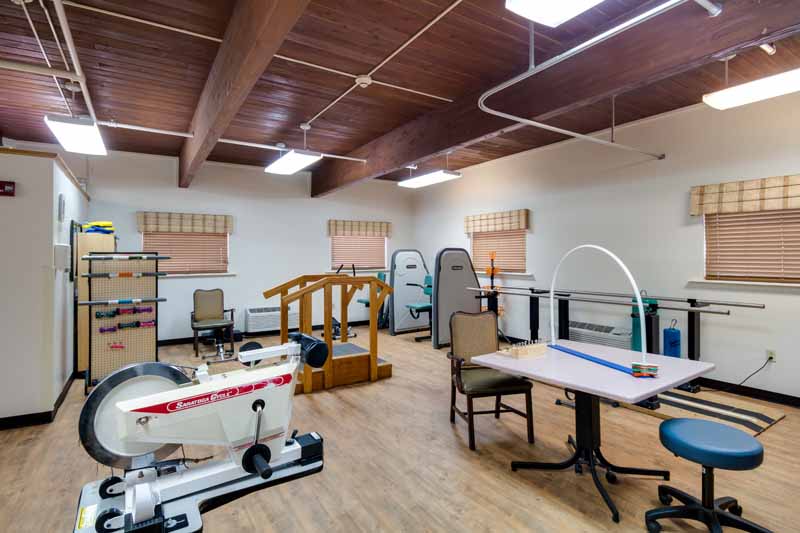
How Does Riverside Valley Of Journey Compare to Other West Virginia Nursing Homes?

Compared to the 100 nursing homes in West Virginia, RIVERSIDE VALLEY OF JOURNEY's overall rating (3 stars) is above the state average of 2.7 and health inspection rating (3 stars) is at the national benchmark.

What Should Families Ask When Visiting Riverside Valley Of Journey?

Based on this facility's data, families visiting should ask: "Can you walk me through typical staffing levels on day, evening, and night shifts?" "Can I visit during a mealtime to observe dining assistance and food quality?" "How do you handle medical emergencies, and what is your hospital transfer rate?" "Can I speak with family members of current residents about their experience?" These questions are particularly relevant given the below-average staffing rating.

Is Riverside Valley Of Journey Safe?

Based on CMS inspection data, RIVERSIDE VALLEY OF JOURNEY has a clean safety record: no substantiated abuse findings (meaning no confirmed cases of resident harm), no Immediate Jeopardy citations (the most serious violation level indicating risk of serious injury or death), and is not on the Special Focus Facility watch list (a federal program monitoring the lowest-performing 1% of nursing homes). The facility has a 3-star overall rating and ranks #1 of 100 nursing homes in West Virginia. While no facility is perfect, families should still ask about staff-to-resident ratios and recent inspection results during their visit.

Do Nurses at Riverside Valley Of Journey Stick Around?

RIVERSIDE VALLEY OF JOURNEY has not reported staff turnover data to CMS. Staff turnover matters because consistent caregivers learn residents' individual needs, medications, and preferences. When staff frequently change, this institutional knowledge is lost. Families should ask the facility directly about their staff retention rates and average employee tenure.

Was Riverside Valley Of Journey Ever Fined?

RIVERSIDE VALLEY OF JOURNEY has no federal fines on record. CMS issues fines when nursing homes fail to meet care standards or don't correct problems found during inspections. The absence of fines suggests the facility has either maintained compliance or corrected any issues before penalties were assessed. This is a positive indicator, though families should still review recent inspection reports for the full picture.

Is Riverside Valley Of Journey on Any Federal Watch List?

RIVERSIDE VALLEY OF JOURNEY is not on any federal watch list. The most significant is the Special Focus Facility (SFF) program, which identifies the bottom 1% of nursing homes nationally based on persistent, serious quality problems. Not being on this list means the facility has avoided the pattern of deficiencies that triggers enhanced federal oversight. This is a positive indicator, though families should still review the facility's inspection history directly.