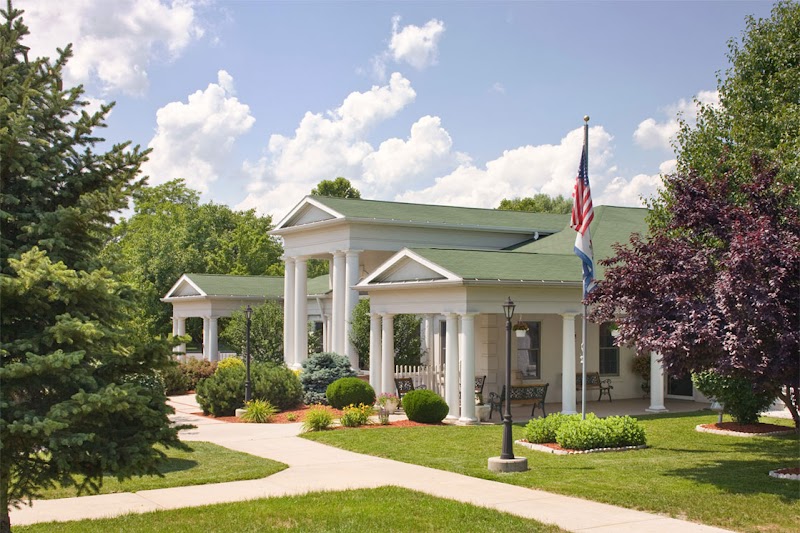
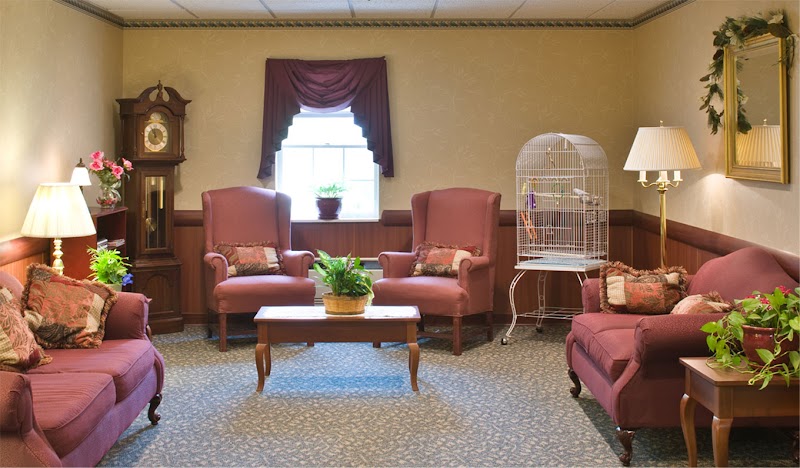

CANTERBURY CENTER

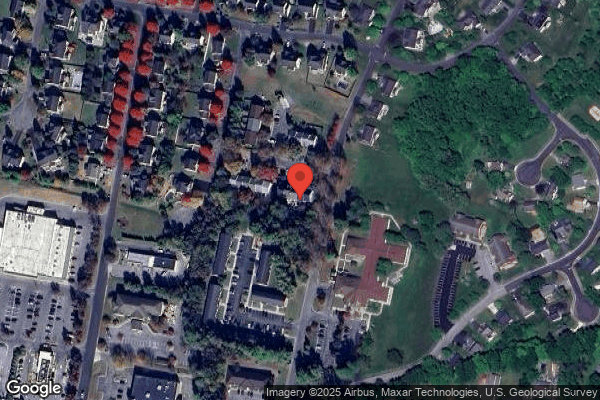
80 MADDEX DRIVE, SHEPHERDSTOWN, WV 25443 (304) 876-9422
For profit - Corporation 62 Beds GENESIS HEALTHCARE Data: November 2025 1 Immediate Jeopardy citation
Trust Grade
28/100
#66 of 122 in WV
Last Inspection: March 2025

Within standard 12-15 month inspection cycle. Federal law requires annual inspections.

Overview

Canterbury Center in Shepherdstown, West Virginia has a Trust Grade of F, indicating significant concerns about the facility's overall quality and care. They rank #66 out of 122 nursing homes in the state, placing them in the bottom half, and #2 out of 3 in Jefferson County, which suggests that there is only one local option that is better. The facility shows signs of improvement, with issues decreasing from 23 in 2024 to 22 in 2025, despite still having a concerning staffing rating of 1 out of 5 stars and a high turnover rate of 58%. While there have been no fines, which is a positive sign, serious incidents were noted, including a failure to provide necessary treatments for a resident's pressure ulcer, leading to worsening health, and a critical issue regarding resident safety that placed residents at risk for serious injuries. Overall, while there is good RN coverage, families should weigh these strengths against the significant weaknesses in care and staffing.

Trust Score
F
28/100
In West Virginia
#66/122
Bottom 46%
Safety Record
High Risk
Review needed
Inspections
Getting Better
23 → 22 violations
Staff Stability
⚠ Watch
58% turnover. Above average. Higher turnover means staff may not know residents' routines.
Penalties
✓ Good
No fines on record. Clean compliance history, better than most West Virginia facilities.
Skilled Nurses
✓ Good
Each resident gets 59 minutes of Registered Nurse (RN) attention daily — more than average for West Virginia. RNs are trained to catch health problems early.
Violations
⚠ Watch
73 deficiencies on record. Higher than average. Multiple issues found across inspections.
★★☆☆☆
2.0
Overall Rating
★☆☆☆☆
1.0
Staff Levels
★★★★★
5.0
Care Quality
★★☆☆☆
2.0
Inspection Score
Stable
2024: 23 issues
2025: 22 issues

The Good

  • 5-Star Quality Measures · Strong clinical quality outcomes
  • Full Sprinkler Coverage · Fire safety systems throughout facility
  • No fines on record

Facility shows strength in quality measures, fire safety.

The Bad

2-Star Overall Rating

Below West Virginia average (2.7)

Below average - review inspection findings carefully

Staff Turnover: 58%

12pts above West Virginia avg (46%)

Frequent staff changes - ask about care continuity

Chain: GENESIS HEALTHCARE

Part of a multi-facility chain

Ask about local staffing decisions and management

Staff turnover is elevated (58%)

10 points above West Virginia average of 48%

The Ugly 73 deficiencies on record

1 life-threatening 1 actual harm
Mar 2025 22 deficiencies
CONCERN (D) 📢 Someone Reported This

A family member, employee, or ombudsman was alarmed enough to file a formal complaint

Potential for Harm - no one hurt, but risky conditions existed

Deficiency F0557 (Tag F0557)

Could have caused harm · This affected 1 resident

b) Resident #58 On 03/10/2025 at 11:03 AM, It was observed Resident #58 in his wheelchair rolling down the hall with his catheter bag in his lap. The catheter bag did not have a bag cover. In an inter...

Read full inspector narrative →
b) Resident #58 On 03/10/2025 at 11:03 AM, It was observed Resident #58 in his wheelchair rolling down the hall with his catheter bag in his lap. The catheter bag did not have a bag cover. In an interview with Resident #58, on 03/10/2025 at 11:05 AM, he stated he has never been offered a cover for his catheter bag and would like to have one. In an interview with RN #25 on 03/10/2025, at approximately 11:10 AM, he acknowledged Resident # 58 did not have a cover for his catheter bag. Based on observation and interview, the facility failed to uphold the residents' right to be treated with dignity and respect by leaving urinary catheter bags uncovered and prominently displayed. Resident Identifiers: Residents #28 and #58. Facility Census: 59. Findings Include: a) Resident #28 On 03/10/25, at approximately 1:35 PM, Resident #28 was observed in bed. The resident's catheter bag, which was uncovered and half full of urine, was seen dangling off the foot of the bed in plain view of anyone passing by. At approximately 1:37 PM on 03/10/25, Licensed Practical Nurse (LPN) #38 confirmed that the catheter bag needed to be covered. She stated that she would cover the catheter bag immediately.
CONCERN (D) 📢 Someone Reported This

A family member, employee, or ombudsman was alarmed enough to file a formal complaint

Potential for Harm - no one hurt, but risky conditions existed

Deficiency F0561 (Tag F0561)

Could have caused harm · This affected 1 resident

Based on observation and interview, the facility failed to ensure that residents had the opportunity to exercise autonomy over important aspects of her life such as choice regarding waking time and mo...

Read full inspector narrative →
Based on observation and interview, the facility failed to ensure that residents had the opportunity to exercise autonomy over important aspects of her life such as choice regarding waking time and morning care. Resident Identifier: Residents #50 and #52 Facility Census: 59. Findings Include: a) Resident #52 During an interview with Resident #52, on 03/10/25, at 1:51 PM, she expressed her preference for waking up early and having her bed made and morning care completed before breakfast. She noted that she does not receive morning care until after 10:00 AM. A family member present during the interview stated that they have raised this issue with the nursing staff multiple times, but no action has been taken. The resident also mentioned that her roommate receives morning care around 7:45 AM each day, while she does not receive assistance until much later. Observations on 03/11/25 revealed that AM care was provided to Resident #52 at approximately 10:20 AM. During an interview with the Director of Nursing (DON) on 03/10/25, at 10:35 AM, the DON confirmed that the resident has the right to receive morning care at a time of their choosing. The DON stated that she would follow up and ensure that the staff are aware of Resident #52's request to have her bed made and morning care completed before breakfast. A review of the residents Care Plan on 03/11/25 at approximately 3:55 PM revealed the following: FOCUS Provide resident/patient with opportunities for choice Date Initiated: 02/07/25 Created on: 11/27/24 Revision on: 02/07/25 GOAL Resident requires assistance for ADL care in bathing, grooming, personal hygiene, dressing, eating, bed mobility, transfer, locomotion, toileting related to: Recent hospitalization, fall at home with fracture, Date Initiated: 02/07/25 Created on: 11/27/24 Revision on: 02/19/25 INTERVENTIONS: Resident prefers to get AM care early, around 7AM. Date Initiated: 03/11/25 Created on: 03/11/25 Created by: DON Further observations and an interview on 03/12/25 at 10:43 AM revealed that the resident had not received her morning care until approximately 10:00 AM. During an interview with Consulting Administrator (CA) #100 on 03/12/25, at approximately 11:05 AM, CA #100 stated that she would ensure the resident's wishes regarding morning care would be honored, after being notified of the resident's complaint. An interview with Resident #52 and a family member on 03/17/25 at approximately 9:00 AM, revealed that the resident's bed had been made and morning care had been completed before breakfast. b) Resident #50 During an observation and interview with Resident #50 on 03/10/25 at 10:18 AM, she was upset about the staff not making her bed. She was trying to get it made and get dressed herself. She stated that she likes getting ready for the day early and having her bed made. She continued to say that staff tell her that they are helping other residents, and no one comes to help her until later in the day. A record review revealed resident #50's preferences for her morning routine were not documented. On 03/11/25 at 10:37 AM during an interview, Resident #50 was up and dressed with her bed made. She stated that she got herself ready and made her own bed. On 03/11/24 at 12:49 PM during an interview the Administrator verified there were no morning preferences documented. She continued to state that instead of looking for her preferences, I will have activities staff go get her preferences on her daily routine now.
CONCERN (D)

Potential for Harm - no one hurt, but risky conditions existed

Deficiency F0577 (Tag F0577)

Could have caused harm · This affected 1 resident

The facility failed to post in a place readily accessible to residents, and family members and legal representatives of residents, the results of the most recent survey of the facility. Random opportu...

Read full inspector narrative →
The facility failed to post in a place readily accessible to residents, and family members and legal representatives of residents, the results of the most recent survey of the facility. Random opportunity for discovery. Census 59 Findings included: a) 03/17/25 4:50 PM first observation: A sign located at the receptionist window in the lobby stated that survey results are located on the shelf under the television. However, the state survey results were not located on the book shelf nor anywhere else in the lobby during this observation. b) 03/18/25 11:25 AM second observation: The state survey results were not located on the bookshelf nor anywhere else in the lobby during this observation. c) In an interview with the Administrator 03/18/25 at 11:30 AM she did not find the survey book on the bookshelf and went to locate it. She came back and stated she found it in the business office.
CONCERN (D)

Potential for Harm - no one hurt, but risky conditions existed

Deficiency F0583 (Tag F0583)

Could have caused harm · This affected 1 resident

**NOTE- TERMS IN BRACKETS HAVE BEEN EDITED TO PROTECT CONFIDENTIALITY** Based on observation and staff interview, the facility failed to secure and protect residents' personal and medical information....

Read full inspector narrative →
**NOTE- TERMS IN BRACKETS HAVE BEEN EDITED TO PROTECT CONFIDENTIALITY** Based on observation and staff interview, the facility failed to secure and protect residents' personal and medical information. Specifically, private information was not safeguarded and was found in a clear acrylic wall file located in the residents' hallway. This was a random opportunity for discovery. Facility Census: 59. Findings Include: On 03/18/25 at approximately 8:50 AM, a random opportunity for discovery found multiple documents with resident's identifiable health information in an acrylic wall file holder mounted on the wall outside the nursing office on the 300 wing of the facility. A review of the documents on 03/18/25 at 9:15 AM revealed the following: a) Resident names, Room numbers, Diagnoses, Code status, and Vital signs for twenty-nine (29) residents. b) Prescription information for Resident #221. A new resident admitted on [DATE]. c) Medication listings for thirty-one (31) residents d) A controlled drug administration record for Resident #52. The documents also included Shift Change Controlled Substance Inventory Count Sheets for A Wing from 03/10/25 to 03/14/24. At approximately 9:20 AM on 03/18/25, during an interview with the Director of Nursing (DON), she confirmed that the documents had been placed in the file holder. However, she noted that the documents were placed with the blank side facing up, making the information on them not readily visible to anyone. The Market Clinical Advisor (MCA) #101 was informed at 9:25 AM that documents had been left unsecured in a heavily trafficked hallway, making them accessible to anyone.
CONCERN (D) 📢 Someone Reported This

A family member, employee, or ombudsman was alarmed enough to file a formal complaint

Potential for Harm - no one hurt, but risky conditions existed

Grievances (Tag F0585)

Could have caused harm · This affected 1 resident

Based on policy review, record review, and staff interview, the facility failed to ensure that all written grievance decisions included the steps taken to investigate the grievance, a summary of the p...

Read full inspector narrative →
Based on policy review, record review, and staff interview, the facility failed to ensure that all written grievance decisions included the steps taken to investigate the grievance, a summary of the pertinent findings or conclusions regarding the resident's concerns(s), a statement as to whether the grievance was confirmed or not confirmed, any corrective action taken or to be taken by the facility as a result of the grievance, and the date the written decision was issued. This was a random opportunity for discovery. Resident identifier: #218. Facility census: 59. a) Resident #218: On 03/17/25 at 03:45 PM, during record review, a grievance form dated 4/10/2024 was not completed for Resident #218. Per the facility's Grievance Policy, the grievance officer will oversee grievances through conclusion leading any necessary investigations by the facility, issuing written decisions to the patient, and coordinating with state and federal agencies. In an interview with the Administrator on 3/17/25, at 2:44 PM, she acknowledged the grievance form for Resident #218 was not completed nor logged into the grievance log but would check for a completed copy of the grievance form. In an interview on 03/17/25, at approximately 3:40 PM, the administrator stated she has not found a completed copy of the grievance form.
CONCERN (D) 📢 Someone Reported This

A family member, employee, or ombudsman was alarmed enough to file a formal complaint

Potential for Harm - no one hurt, but risky conditions existed

Abuse Prevention Policies (Tag F0607)

Could have caused harm · This affected 1 resident

Based on observation, staff interviews, electronic medical record and Operation Policy the facility failed to follow written policy, thorough investigating and reporting to proper agencies of injury o...

Read full inspector narrative →
Based on observation, staff interviews, electronic medical record and Operation Policy the facility failed to follow written policy, thorough investigating and reporting to proper agencies of injury of unknow origin and neglect. This is true of two (2) of six (6) residents reviewed for abuse. Resident identifier: #55 and #36. Facility census: 61. Findings include: a) Resident #55 An observation and interview with Resident #55 on 03/10/25 at 8:49 AM revealed a large bruise on her left upper arm. She stated that she did not know where she got it. During an interview on 03/10/25 at 9:01 AM the Director of Nursing (DON) stated she was unaware of the bruise on Resident #55's left upper arm. She continued to state that she would get the bruise check. During an interview on 03/17/25 2:50 PM the DON stated that she had the Nurse Practitioners (NP) assess Resident #55's left upper arm. A record review revealed the Nurse Practitioners skin assessment on 03/11/25: Skin: Old bruises on her hands that were present when she arrived, likely due to previous IV insertion sites. She appears to have new bruising on her upper arms of unknown cause. She denies pain. Transcribed as written. During an interview on 03/17/25 at 3:20 PM the DON confirmed she did not report or investigate the injury of unknown origin. The DON verified that she should have investigated and reported the incident per policy. Record review of the facility's policy titled, Abuse, showed: -Injuries of unknown source- are defined as an injury with both of the following conditions. -The source of the injury was not observed by any person, or the source of the injury could not be explained by the patient; and -The Injury is suspicious because of the extent of the injury or the location of the injury. -Staff will identify events such as bruising of patients, occurrences, patterns and trends that may constitute abuse. -Injuries of unknown origin will be investigated to determine if abuse or neglect is suspected. -Report allegations to appropriate state and local authorities involving neglect, exploitation or mistreatment (including injuries of unknown source), suspected criminal activity, and misappropriation of patient property not later than two (2) hours after the allegation is made if it does result in serious bodily injury. -Report allegations to appropriate state and local authorities involving neglect, exploitation or mistreatment (including injuries of unknown source), suspected criminal activity, and misappropriation of patient property not later than (24) hours after the allegation is made if it does not result in serious bodily injury. - b) Resident #36 The facility failed to follow its abuse and neglect policy by not reporting an allegation of neglect to the Office of Health Facility Licensure and Certification (OHFLAC) timely. A review of a complaint submitted on 09/04/24 to OHFLAC by a family member stated that Resident #36 had developed pressure ulcers at the facility. During a phone interview on 03/13/25, at 9:15 AM, a family member of Resident #36 reported that she had visited the resident on September 2, 2024. During this visit, RN #52 brought to her attention the presence of new Moisture Associated Skin Damage (MASD) on Resident #36's buttocks. The family member also mentioned that Resident #36 had told her she was not receiving many baths, and that facility staff very rarely offered her a bath. Because of these concerns, the family member filed a complaint with the facility, with Adult Protective Services (APS), and the Office of Health Facility Licensure and Certification (OHFLAC) on September 4, 2024. Record review revealed that after an investigation by APS in February 2025, the facility completed a grievance/Concern form on 02/19/25 which stated that a complaint was filed over the APS hotline in September of 2024. A review of the grievance log for February 2025 on 03/17/25 at 11:25 AM, revealed no entry for Resident #36. Further review revealed that the facility had initiated an investigation into the complaint in February 2025. A review of the investigative documents on 03/12/25, at approximately 9:20 AM revealed that the facility had failed to submit reports to OHFLAC regarding the allegation of neglect and the subsequent investigation. A review of the investigative documents submitted by the facility showed an email message to APS from the facility Social Worker (SW) dated 02/20/25 at 12:51 PM which stated the following: I tried to fax all the forms, but it has been a challenge. Please view all the forms here. Further review revealed two other emails from an APS worker to the SW which stated the following: On 02/202/4 at 1:09 PM APS responded stating: Thank you, I got it. I got a very big fax. Thank you again! On 02/20/25 at 3:07 PM another email from an APS worker to the SW stated the following: Thank you! Then you are good! I will close this case out! Thanks for the help! Much appreciated! On 03/12/24 at approximately 1:15 PM, the Market Clinical Advisor (MCA) #101 requested the investigative records back, stating, We need to report this. On 03/18/25 at approximately 10:00 AM, upon requesting the investigative documents for review, it was revealed that the facility had submitted an Initial Report to OHFLAC on 03/17/25 at 6:55 PM. The facility had noted a response to the question: What was reported? During the process of looking at investigation for survey, there was a review for [Resident] regarding skin and bathing.
CONCERN (D) 📢 Someone Reported This

A family member, employee, or ombudsman was alarmed enough to file a formal complaint

Potential for Harm - no one hurt, but risky conditions existed

Report Alleged Abuse (Tag F0609)

Could have caused harm · This affected 1 resident

Based on observation, staff interview, and operation policy, the facility failed to report alleged violation related to, neglect, or abuse, and report the results of all investigation to the proper au...

Read full inspector narrative →
Based on observation, staff interview, and operation policy, the facility failed to report alleged violation related to, neglect, or abuse, and report the results of all investigation to the proper authorities within prescribe time frames. This is true for two (2) of six (6) allegations of abuse. Resident identifier: #55 and #36. Facility census: 61. Findings include: a) Resident #55 An observation and interview with Resident #55 on 03/10/25 at 8:49 AM revealed a large bruise on her left upper arm. She stated that she did not know where she got it. During an interview on 03/10/25 at 9:01 AM the Director of Nursing (DON) stated she was unaware of the bruise on Resident #55's left upper arm. She continued to state that she would get the bruise check. During an interview on 03/17/25 2:50 PM the DON stated that she had the Nurse Practitioners (NP) assess Resident #55's left upper arm. A record review revealed the Nurse Practitioners skin assessment on 03/11/25: Skin: Old bruises on her hands that were present when she arrived, likely due to previous IV insertion sites. She appears to have new bruising on her upper arms of unknown cause. She denies pain. Transcribed as written. During an interview on 03/17/25 at 3:20 PM the DON confirmed she did not report or investigate the injury of unknown origin. The DON verified that she should have investigated and reported the incident. Record review of the facility's policy titled, Abuse, showed: -Injuries of unknown source- are defined as an injury with both of the following conditions. -The source of the injury was not observed by any person, or the source of the injury could not be explained by the patient; and -The Injury is suspicious because of the extent of the injury or the location of the injury. -Staff will identify events such as bruising of patients, occurrences, patterns and trends that may constitute abuse. -Injuries of unknown origin will be investigated to determine if abuse or neglect is suspected. -Report allegations to appropriate state and local authorities involving neglect, exploitation or mistreatment (including injuries of unknown source), suspected criminal activity, and misappropriation of patient property not later than two (2) hours after the allegation is made if it does result in serious bodily injury. -Report allegations to appropriate state and local authorities involving neglect, exploitation or mistreatment (including injuries of unknown source), suspected criminal activity, and misappropriation of patient property not later than (24) hours after the allegation is made if it does not result in serious bodily injury. b) Resident #36 The facility failed to report an allegation of neglect to the Office of Health Facility Licensure and Certification within the required timeline A review of a complaint submitted on 09/04/24 to OHFLAC by a family member stated that Resident #36 had developed pressure ulcers and was not getting baths at the facility. During a phone interview on 03/13/25, at 9:15 AM, a family member of Resident #36 stated that she visited the resident on September 2, 2024. During her visit, RN #52 pointed out new Moisture-Associated Skin Damage (MASD) on the resident's buttocks. The family member also mentioned that Resident #36 reported she was not receiving many baths, indicating that facility staff very rarely offered her a bath. The family member further revealed that she filed a complaint with Adult Protective Services (APS) and the Office of Health Facility Licensure and Certification (OHFLAC) on September 4, 2024. Following an investigation by APS, the facility had performed an investigation. A record review of the investigative documents on 03/12/25 at approximately 9:20 AM revealed that the facility had not submitted reports to OHFLAC regarding the allegation of neglect and the follow-up investigation. A review of the investigative documents submitted by the facility showed an email message to APS from the facility Social Worker (SW) dated 02/20/25 at 12:51 PM which stated the following: I tried to fax all the forms, but it has been a challenge. Please view all the forms here. Further review revealed two other emails from an APS worker to the SW which stated the following: On 02/202/4 at 1:09 PM APS responded stating: Thank you, I got it. I got a very big fax. Thank you again! On 02/20/25 at 3:07 PM another email from an APS worker to the SW stated the following: Thank you! Then you are good! I will close this case out! Thanks for the help! Much appreciated! On 03/12/25 at approximately 10:55 AM Resident #36 was observed sitting in her wheelchair near the lounge area. An attempt to interview resident was unsuccessful, because resident was sleepy an mumbled responses that were unintelligible. On 03/12/24 at approximately 1:15 PM, the Market Clinical Advisor #101 requested the investigative records back, stating, We need to report this. On 03/18/25 at approximately 10:00 AM, upon requesting the investigative documents for review, it was revealed that the facility had submitted an Initial Report to OHFLAC on 03/17/25 at 6:55 PM. The facility had noted a response to the question: What was reported? During the process of looking at investigation for survey, there was a review for [Resident] regarding skin and bathing. Based on the record review, the facility failed to report the allegation to the Office of Health Facility Licensure and Certification (OHFLAC).
CONCERN (D) 📢 Someone Reported This

A family member, employee, or ombudsman was alarmed enough to file a formal complaint

Potential for Harm - no one hurt, but risky conditions existed

Investigate Abuse (Tag F0610)

Could have caused harm · This affected 1 resident

Based on observation, staff interview, and operation policy, the facility failed to take actions to investigate a large bruise of unknow origin and neglect. This was a random opportunity for discovery...

Read full inspector narrative →
Based on observation, staff interview, and operation policy, the facility failed to take actions to investigate a large bruise of unknow origin and neglect. This was a random opportunity for discovery. Resident identifier #55. Facility Census 61. Findings include: a) Resident #55: An observation and interview with Resident #55 on 03/10/25 at 8:49 AM revealed a large bruise on her left upper arm. The resident stated that she did not know where she got it. During an interview on 03/10/25, at 9:01 AM, the Director of Nursing (DON) stated she was unaware of the bruise on Resident #55's left upper arm. She continued to state that she would get the bruise checked. During an interview on 03/17/25, at 2:50 PM, the DON stated that she had the Nurse Practitioners (NP) assess Resident #55's left upper arm. A record review revealed the Nurse Practitioners skin assessment on 03/11/25: Skin: Old bruises on her hands that were present when she arrived, likely due to previous IV insertion sites. She appears to have new bruising on her upper arms of unknown cause. She denies pain. Transcribed as written. During an interview on 03/17/25 at 3:20 PM the DON confirmed she did not report or investigate the injury of unknown origin. The DON verified that she should have investigated and reported the incident per policy. Record review of the facility's policy titled, Abuse, revealed: - Injury of unknown source- are defined as an injury with both of the following conditions. - The source of the injury was not observed by any person, or the source of the injury could not be explained by the patient; and - The Injury is suspicious because of the extent of the injury or the location of the injury. - Staff will identify events such as bruising of patients, occurrences, patterns and trends that may constitute abuse. - Injuries of unknown origin will be investigated to determine if abuse or neglect is suspected. - Report allegations to appropriate state and local authorities involving neglect, exploitation or mistreatment (including injuries of unknown source), suspected criminal activity, and misappropriation of patient property not later than two (2) hours after the allegation is made if it does result in serious bodily injury. - Report allegations to appropriate state and local authorities involving neglect, exploitation or mistreatment (including injuries of unknown source), suspected criminal activity, and misappropriation of patient property not later than (24) hours after the allegation is made if it does not result in serious bodily injury.
CONCERN (D)

Potential for Harm - no one hurt, but risky conditions existed

Assessment Accuracy (Tag F0641)

Could have caused harm · This affected 1 resident

**NOTE- TERMS IN BRACKETS HAVE BEEN EDITED TO PROTECT CONFIDENTIALITY** Based on record review and staff interview the facility failed to accurately document resident's discharge status in Minimum Dat...

Read full inspector narrative →
**NOTE- TERMS IN BRACKETS HAVE BEEN EDITED TO PROTECT CONFIDENTIALITY** Based on record review and staff interview the facility failed to accurately document resident's discharge status in Minimum Data Set assessment (MDS). The assessment must represent an accurate picture of the resident's status during the observation period of the MDS. Resident #62. Findings included: a) Resident #62: An observation on 03/12/24, at 10:58 AM, revealed MDS dated [DATE], Section A, Question A2105 Discharge Status. entered code 4 (four) Short-term General hospital (acute hospital, IPPS). An observation on 03/12/25, of a Social Services Note dated 12/23/24, at 4:40PM, stated Resident's daughter arrived at facility this date and states that she is picking resident up to take him home. She reports that she has arranged for home health services and medical appointment with VA Medical Center. During an interview with MDS Coordinator #54 on 03/12/25, at approximately 12:55 PM, in regards to MDS question A2105 Discharge Status 04.Short-Term General Hospital (acute hospital, IPPS) dated 12/24/24, MDS Coordinator #54 revealed that the MDS was incorrectly marked in error as discharge to hospital and should have been appropriately marked as discharged to home.
CONCERN (D) 📢 Someone Reported This

A family member, employee, or ombudsman was alarmed enough to file a formal complaint

Potential for Harm - no one hurt, but risky conditions existed

ADL Care (Tag F0677)

Could have caused harm · This affected 1 resident

Based on observation, record review, resident, staff interview. The facility failed to assist dependent Residents with activities of daily living (ADL's) in accordance with the Residents assessed need...

Read full inspector narrative →
Based on observation, record review, resident, staff interview. The facility failed to assist dependent Residents with activities of daily living (ADL's) in accordance with the Residents assessed needs for care. This is true for one (1) of four (4) residents reviewed for ADL care. Resident Identifiers: #50. Facility census: 61. Findings Included: a) Resident #50 showers During an interview and observation on 03/10/25 at 10:20 AM Resident #50 stated that she doesn't get her showers or baths as ordered or her preference. She continued to say that I don't like not having a shower when I get visitors. Her hair was observed to be very oily during this interview. A review of Resident #50's ADL documentation found that there was only one (1) shower on 02/21/25 and two bed baths noted on 02/11/25 and 02/14/25 given in 30 days. During an Interview on 03/11/25, at 12:25AM, the Administrator verified there was no documentation that Resident #50 received showers as scheduled.
CONCERN (D) 📢 Someone Reported This

A family member, employee, or ombudsman was alarmed enough to file a formal complaint

Potential for Harm - no one hurt, but risky conditions existed

Quality of Care (Tag F0684)

Could have caused harm · This affected 1 resident

Based on observation, interview, and record review, the facility failed to implement protocols ensuring that staff conducted incontinence assessments for dependent residents and provided incontinence ...

Read full inspector narrative →
Based on observation, interview, and record review, the facility failed to implement protocols ensuring that staff conducted incontinence assessments for dependent residents and provided incontinence care at the required intervals throughout the day. Resident Identifier: #51. Facility Census: 59. Findings Include: a) Resident #51 Observation, interview and record review revealed that a dependent resident was not being provided incontinence care in a timely manner. During an interview on 03/10/25, at approximately 1:15 PM, the Medical Power of Attorney (MPOA) for Resident #51 stated that she visits the resident every day. She mentioned that Resident #51 is incontinent and noted that the facility staff has failed to assess the resident for incontinence at regular intervals. Additionally, she indicated that the resident experiences fecal incontinence, and she often has to clean him up upon her arrival at the facility. Record review revealed documentation that the resident was assessed for incontinence regularly. On 03/12/25, at approximately 11:25 AM, Nursing Assistant (NA) #17, who was assigned to care for Resident #51, was interviewed. During the interview, Market Clinical Advisor (MCA) #101, who was present, noted that the documentation for incontinence assessments was not available in Point Click Care (PCC). However, she stated that it could be accessed on the tablets used by the nursing assistants to document their tasks. MCA #101 instructed NA #17 to provide the necessary information. When questioned about the assessments for Resident #51, NA #17 stated that she had checked on the resident at 7:00 AM on 03/12/25. Documentation on the tablet confirmed that Resident #51 was assessed at that time. However, no further assessments were recorded afterward. When asked how often residents should be checked, NA #17 replied that checks should occur every 2 hours. NA #17 also confirmed that Resident #51 had not been checked again after 7:00 AM. During an interview with the DON on 03/12/25 at 12:16 PM, the DON confirmed that residents should be checked at least every two hours, and stated that the NAs would be educated.
CONCERN (D)

Potential for Harm - no one hurt, but risky conditions existed

Respiratory Care (Tag F0695)

Could have caused harm · This affected 1 resident

Based on observation, record review, and interview, the facility failed to follow a physician's order regarding a prescription for oxygen. Resident Identifier: #22. Facility Census: 59 Findings Includ...

Read full inspector narrative →
Based on observation, record review, and interview, the facility failed to follow a physician's order regarding a prescription for oxygen. Resident Identifier: #22. Facility Census: 59 Findings Include: a) Resident #22 During an interview with Resident #22 on 03/10/25, at approximately 9:43 AM, the resident indicated that she was somewhat hard of hearing. She responded to questions about her care, and expressed that she was happy and content with the facility. The resident was observed to be on oxygen therapy. Inspection of the resident's oxygen concentrator revealed that it was set to deliver 4 liters per minute. During record review performed on 03/10/25 at 1:15 PM a physicians order was revealed The physicians order prescribed oxygen at 2 liters per minute by nasal cannula for Resident #22 Ongoing observation of Resident #22 on 03/1025 at 12:55 PM revealed that the oxygen concentrator was still set at 4 liters per minute. Another observation on 03/10/25 at 2:20 PM revealed that the oxygen was still unchanged and set at 4 liters per minute. A follow-up observation on 03/11/25 at 10:08 AM revealed that oxygen was still being delivered at 4 liters per minute. During an interview with the Assistant Director of Nursing (ADON) at approximately 10:30 AM. ADON confirmed that the oxygen concentrator was set at 4 liters per minute. ADON verified the physician's order and set the oxygen concentrator to 2 liters per minute.
CONCERN (D)

Potential for Harm - no one hurt, but risky conditions existed

Staffing Information (Tag F0732)

Could have caused harm · This affected 1 resident

Based on record review and staff interview the facility failed to update nurse staff postings to reflect actual hours worked. This is true for five of five days reviewed. Findings included: Review of ...

Read full inspector narrative →
Based on record review and staff interview the facility failed to update nurse staff postings to reflect actual hours worked. This is true for five of five days reviewed. Findings included: Review of staff posting on 03/12/25 at 01:57 PM revealed the following Daily Nurse Staffing Forms were not updated to actual hours worked by the following categories of licensed and unlicensed nursing staff directly responsible for resident care per shift: registered nurses, licensed practical nurses or licensed vocational nurses, and certified nurse aides: 05/28/24 12/18/24 10/21/24 07/05/24 03/05/25 Interview with Consulting Administrator on 03/12/25 at approximately 2:30 PM who acknowledged the Daily Staff Postings were not edited to reflect actual hours worked by direct care staff.
CONCERN (D) 📢 Someone Reported This

A family member, employee, or ombudsman was alarmed enough to file a formal complaint

Potential for Harm - no one hurt, but risky conditions existed

Drug Regimen Review (Tag F0756)

Could have caused harm · This affected 1 resident

Based on record review and staff interview, the facility was unable to provide evidence that the attending physician reviewed any irregularities identified by the pharmacist and either accepted or rej...

Read full inspector narrative →
Based on record review and staff interview, the facility was unable to provide evidence that the attending physician reviewed any irregularities identified by the pharmacist and either accepted or rejected the recommendations. This was true for two (2) of five (5) residents reviewed under the Unnecessary Medications pathway in the Long-Term Care Survey Process. Resident identifiers: #24 and #2. Facility census: 59. Findings include: a) Resident #24: On 03/12/25 10:51 AM During record review: -The Pharmacist Medication Regimen Review for 12/15/24 had not been completed. - The Physician did not respond to the BP Recommendations dated 1/18/20 for taking resident's BP daily. 01/18/2025 Recomendation: - 1/18/2025 Pharmacist Medication Regimen Review (MMR) -Metoprolol directions indicate to hold if SBP < 110 please either add daily BP documentation or remove from directions. If hold direction removed from metoprolol, suggest checking blood pressure and pulse weekly (taking metoprolol, losartan, amlodipine) DON Interview: In an interview with DON on 03/17/2025 at 2:42PM, she stated she was not able to provide a physician response for recommendations for 01/18/25, nor could she provide MMR for 12/15/2024. b) Resident #2: - 11/20/2024 Pharmacist Medication Regimen Review (MMR)- Diclofenac 1% gel to hands, what amount should be used (usually 2GM to upper extremities, 4GM to lower extremities) - Physician response: NONE DON Interview: In an interview with DON on 03/17/2025 at 2:37PM, she stated she was not able to provide an MMR for 12/15/2024 for Resident #2.
CONCERN (D) 📢 Someone Reported This

A family member, employee, or ombudsman was alarmed enough to file a formal complaint

Potential for Harm - no one hurt, but risky conditions existed

Deficiency F0806 (Tag F0806)

Could have caused harm · This affected 1 resident

Based on observation, interview and record review, the facility failed to honor, and implement interventions to meet the resident's preferences, as related to the resident's request to have cereal and...

Read full inspector narrative →
Based on observation, interview and record review, the facility failed to honor, and implement interventions to meet the resident's preferences, as related to the resident's request to have cereal and oatmeal for breakfast. Resident Identifier #52. Facility Census:59. Findings Include: a) Resident #52 During an interview on 03/10/25 at 1:51 PM, resident stated that she had requested cereal and milk for breakfast, but had not received it. Resident's family member stated that she had spoken to the kitchen staff multiple times, and her mother had still not received any cereal with her breakfast. Resident's daughter stated that she would highlight the cereal on her mother's breakfast menu for the next day. On 03/11/25, at approximately 9:15 AM, when interviewed, Resident #52 stated that no cereal had been served to her. Resident #52's family member produced a picture of a bowl of oatmeal on the resident's bedside table. During an interview with Consulting Administrator (CA) #100 at 10:15 AM, CA #100 was notified that the resident had not received her requested cold cereal and milk. CA #100 stated that she would speak to the resident and ensure that the resident's preference would be honored. CA #100 further stated that she was documenting resident's complaint as a grievance, and that the kitchen staff would be educated and notified. A review of Resident #52's Care Plan showed the following notes: FOCUS [Resident] #52is at nutritional risk .[Resident] has a varied po intake and has had protein calorie malnutrition. She is underweight. She hashad a 5% unintended weight loss and is at risk for further weight loss due to her varied appetite. She feeds herself with some tray set up assistance and nursing encourages her to eat. She is on a regular diet with dysphagia advanced texture and regular liquids, house supplements TID which provides sufficient nutrients for healing and weight aintenance. Date Initiated: 02/07/2025 Created on: 12/02/2024 Revision on: 02/25/2025 GOAL Resident will consume 75-100% of meals and supplements x 90 days. Date Initiated: 02/07/2025 Created on: 12/02/2024 Revision on: 02/26/2025 Target Date: 05/26/2025 IMPLEMENTATIONS Offer/encourage fluids of choice Date Initiated: 02/07/2025 Created on: 12/02/2024 Revision on: 02/07/2025 Record review also revealed that due to the concern with weight loss, resident's physician had ordered the following on 02/07/25 at 7:14 AM: Weigh weekly X 4 and then monthly. Further observation and interview on 03/18/25 at approximately 9:18 AM revealed that resident had not received the requested corn flakes. Inspection of the residents tray ticket revealed the following: [Resident #52] Regular/Liberalized Tuesday (W2-D10) Breakfast 3/18/2025 1 Ea - Hard Cooked Egg 1 Sl - Ginger Peach Coffee Cake 1 Ea - Margarine ½ cup - Oatmeal ¾ cup - Corn Flakes ½ cup - Hash Browns The tray ticket had both the oatmeal, and corn flakes, bolded and underlined to ensure that they were easily noticed. During an interview with RN #47 at approximately 9:22 AM, RN #47 confirmed that the resident had not received the cornflakes. RN #47 stated I frequently have to go to the kitchen and get things for the residents, because the kitchen staff have forgotten to put some items on the tray
CONCERN (D)

Potential for Harm - no one hurt, but risky conditions existed

Deficiency F0809 (Tag F0809)

Could have caused harm · This affected 1 resident

Based on resident council interview and staff interview the Facility failed to provide evidence that snacks were offered to resident at bedtime. Resident identifiers #47, #30, #2, #46, #49 Findings in...

Read full inspector narrative →
Based on resident council interview and staff interview the Facility failed to provide evidence that snacks were offered to resident at bedtime. Resident identifiers #47, #30, #2, #46, #49 Findings included: a) Residents #47, #30, #2, #46, #49: On 03/11/25 a Resident council meeting was held at 11:45 AM and the following was discussed: Resident #47 reported that staff do not ask if residents want an evening snack. She stated they (staff) will get one if they are asked for but its usually a gram cracker. She reported that she can remember being offered evening snacks on one occasion and was excited to get the treat. Council members agreed that staff do not offer snacks in the evening but they will bring you an oatmeal cake if you ask for one. Cognitively Intact attendees: Resident #47 had a BIMS of 14- lacked capacity to make medical decisions. Resident #30 had a BIMS of 15- had capacity to make medical decisions. Resident #2 had a BIMS of 15- had capacity to make medical decisions. Resident #46 had a BIMS of 15-had capacity to make medical decisions. Resident #49 had a BIMS of 14- had capacity to make medical decisions. During an interview with Dietary manager (DM) on 03/12/2025 at 11:29AM. She reported that ordered snacks are prepared that day prior from list of 3 choices. For residents that do not have snacks ordered by a physician, the pantry is stocked daily with snack cakes. (rotating with one daily Oatmeal cakes, Fudge rounds, and gram crackers) If resident's request a specific snack such as a sandwich or gluten free snack, they can put it in the computer system at least one day prior and it will print out and served daily with the ordered snack. No other snacks are available after the kitchen closes at approximately 7:30 PM daily.
CONCERN (D)

Potential for Harm - no one hurt, but risky conditions existed

Garbage Disposal (Tag F0814)

Could have caused harm · This affected 1 resident

Based on observation and staff interview the facility failed to store garbage and refuse in a proper manner. The dumpster area was polluted with garbage and used medical supplies. This has the potenti...

Read full inspector narrative →
Based on observation and staff interview the facility failed to store garbage and refuse in a proper manner. The dumpster area was polluted with garbage and used medical supplies. This has the potential to affect all residents that reside in the facility. Facility census: 61. Findings included: a) Garbage dumpster area An observation on 03/12/25, at 2:57 PM, found the dumpster lids open, and the area around the dumpster was polluted with garbage and used medical supplies. On 03/12/25, at 3:16 PM, during an Interview the Maintenance Director verified the trash / medical supplies on the ground around the dumpster.
CONCERN (E) 📢 Someone Reported This

A family member, employee, or ombudsman was alarmed enough to file a formal complaint

Potential for Harm - no one hurt, but risky conditions existed

Safe Environment (Tag F0584)

Could have caused harm · This affected multiple residents

**NOTE- TERMS IN BRACKETS HAVE BEEN EDITED TO PROTECT CONFIDENTIALITY** Based on observation and interviews, the facility failed to maintain a homelike environment by not providing housekeeping and ma...

Read full inspector narrative →
**NOTE- TERMS IN BRACKETS HAVE BEEN EDITED TO PROTECT CONFIDENTIALITY** Based on observation and interviews, the facility failed to maintain a homelike environment by not providing housekeeping and maintenance services to ensure that residents' rooms were being kept in a clean and sanitary condition. Room Identifiers: #103, #104, #108, #110, #302, #304, #307B, #401, #402, #404 #408, 400 Wing hallway, and Shower Room. Resident Identifier: #47. Facility Census: 59. Findings Include: a) Observation of the facility interior upon survey entry on 03/10/25 at 5:30AM: room [ROOM NUMBER] had approximately 3 foot section of section of unfinished drywall above heads of beds The 400 hallway above the resident's room doors had rips in the wall paper borders room [ROOM NUMBER], unfinished dry wall patches on the wall above the head of both resident's beds - Bathroom between rooms [ROOM NUMBERS] had a yellowish stain around base of toilet, and over-flowing trash can. In an interview on 03/10/25 at approximately 5:45 AM, with RN employee identifier #25, he acknowledged the unfinished drywall on the wall in room room [ROOM NUMBER] above the head of both resident's beds. During an interview with RN #25 on 03/10/25 at 6:00AM, he acknowledged the trash can in the shared bathroom between rooms [ROOM NUMBERS] was overflowing with trash on the floor. He stated the trash can should have been emptied and the floor should have been cleaned. In an interview with RN #25 on 03/10/25 at 6:10 AM, he acknowledged in 408 there were unfinished patches of drywall a four (4) foot long by (3) inch wide, unfinished section of drywall behind the bathroom door - unfinishedhe stated he would report all the resident rooms in need of repair on the 400 hall. b) Further observation of the facility interior on 3/10/2025, between 8:45AM and 11:25AM: Resident room [ROOM NUMBER]: During an inspection on 03/10/25 at approximately 8:45 AM, the bathroom in room [ROOM NUMBER] revealed that the wall behind the commode was bulging, with brown substances in the drywall. Resident room [ROOM NUMBER]: During an inspection on 03/10/25 at approximately 8:49 AM, the bathroom in room [ROOM NUMBER] revealed a toilet bowl with brown spots in it, and the wall behind the commode was bulging, with brown substances in the drywall. RN #8 confirmed that the bathroom needed to be cleaned, and maintenance notified. Resident room [ROOM NUMBER]: During an inspection on 03/10/25 at approximately 8:55 AM, the bathroom in room [ROOM NUMBER] revealed cracked tile and a brown substance around the base of the commode. Resident room [ROOM NUMBER]: During an inspection on 03/10/25 at approximately 8:55 AM, the bathroom in room [ROOM NUMBER] revealed cracked tile and a brown substance around the base of the commode. Resident room [ROOM NUMBER]: During an inspection on 03/10/25 at approximately 9:09 AM, the bathroom in room [ROOM NUMBER] revealed a plastic container with a brown substance in it. In addition the wall behind the commode was bulging, with brown substances in the drywall. RN #8 confirmed that the plastic container should not have been left in the bathroom. RN #8 contacted housekeeping to remove the container. She also stated that maintenance would be notified about the bulging wall. Resident room [ROOM NUMBER]: During an inspection on 03/10/25 at approximately 9:15 AM, the bathroom in room [ROOM NUMBER] revealed that the wall behind the commode was bulging, with brown substances in the drywall. Shower Room: During an inspection of the shower room on 03/11/25 at approximately 11:25 AM, ceiling tiles with a brown substance were observed. RN # 8 confirmed that the ceiling tiles needed to be changed. During a walk-through with the Maintenance Director (MD) #56 on 03/17/25 at approximately 11:30 AM, MD # 56 created a punch list and confirmed that the bathrooms in Rooms #103. #104, #108, #110, #302, and #308 needed to be repaired. In addition, MD #56 also confirmed that the ceiling tiles in the shower room would have to be replaced. c) Resident room [ROOM NUMBER]B: Resident #47 reported their room had spots on the ceiling, and had requested that the ceiling be painted last October (2024). On 03/11/25 at 10:00 AM, a review of resident council meeting minutes dated 10/01/24- under Maintenance category revealed 307-B would like the ceiling painted. Resident council meeting minutes dated for 03/04/25 under Maintenance category revealed Resident #47 (307-B) requested her ceiling be painted. On 03/11/25 at 12:00 PM during resident council meeting, Resident # 47 reported that she has requested that her ceiling be painted due to dark spots on the ceiling. On 03/11/25 at 2:09 PM observation of residents ceiling in her room showed there were several dark spots on the ceiling. On 03/11/25 at 3:44 PM during an interview with the Maintenance Director in regards to the ceiling spots in Resident #47's room. His initial response was She's on my list. He stated that maintenance tries to keep those spots painted. He then went on to state that he was not aware that the ceiling needed painted but was aware the walls in her room did.
CONCERN (E)

Potential for Harm - no one hurt, but risky conditions existed

Accident Prevention (Tag F0689)

Could have caused harm · This affected multiple residents

**NOTE- TERMS IN BRACKETS HAVE BEEN EDITED TO PROTECT CONFIDENTIALITY** Based on observation and interviews, the facility failed to ensure the resident environment, over which they had control, was as...

Read full inspector narrative →
**NOTE- TERMS IN BRACKETS HAVE BEEN EDITED TO PROTECT CONFIDENTIALITY** Based on observation and interviews, the facility failed to ensure the resident environment, over which they had control, was as free from accident hazards as possible in regards to water temperatures. This was a random opportunity for discovery. Room Identifiers: Rooms #101, #107, #202, and #302. Facility census:59. Findings Include: a) Resident #1 During an interview on 03/10/25, at 9:13 AM, Resident #1 stated that the water is too hot for her. She stated that she has never been burnt but must ask the staff to make the water temperature cooler. During an inspection of Resident #1s sink water temperature, this surveyor had to pull my hand back from the sink water due to hot temperatures. b) Water Temperatures During an interview and inspection with the Maintenance Director (MD) #56 on 03/10/25 at approximately 10:30 AM the water temperature was found: -- room [ROOM NUMBER], the sink temperature reading was 128 degrees Fahrenheit. MD #56 stated that once the water had been left running for a while, the temperature would drop. -- room [ROOM NUMBER], MD #56 checked the temperature of the water at the sink in room [ROOM NUMBER] and confirmed a reading of 124 Degrees Fahrenheit. -- room [ROOM NUMBER]: MD #56 checked the temperature of the water at the sink in room [ROOM NUMBER] and confirmed a reading of 118 Degrees Fahrenheit. -- room [ROOM NUMBER]: MD #56 checked the temperature of the water at the sink in room [ROOM NUMBER] and confirmed a reading of 119 Degrees Fahrenheit.
CONCERN (E)

Potential for Harm - no one hurt, but risky conditions existed

Deficiency F0726 (Tag F0726)

Could have caused harm · This affected multiple residents

Based on record review and staff interview, the Facility failed ensure they had sufficient and competent nurse staffing by failing to complete competency evaluations for Nurse Aides. This is true for ...

Read full inspector narrative →
Based on record review and staff interview, the Facility failed ensure they had sufficient and competent nurse staffing by failing to complete competency evaluations for Nurse Aides. This is true for five of five Nurse Aide charts reviewed. Findings included: Review of staff files on 03/12/25 at 1:57 PM revealed no competency evaluations for the following staff: #28, #1, #2, #33, #63 Interview with Consulting Administrator on 03/12/25 at approximately 2:30 PM revealed that the facility was behind on competencies and that there were no records for competencies in the last year for the following staff: #28, #1, #2, #33, #63
CONCERN (E)

Potential for Harm - no one hurt, but risky conditions existed

Food Safety (Tag F0812)

Could have caused harm · This affected multiple residents

Based on observation, staff interview, and equipment manual review the facility failed to have a clean, sanitized kitchen, store food in the refrigerator, freezer, and dry storage store food in accord...

Read full inspector narrative →
Based on observation, staff interview, and equipment manual review the facility failed to have a clean, sanitized kitchen, store food in the refrigerator, freezer, and dry storage store food in accordance with professional standards for food service safety. The facility also failed to keep the ice machine in safe operating condition. This has the ability to affect all Residents that get their nutrition from the kitchen, also attends food related activities. Facility Census: 61 Findings included: a) Initial Kitchen tour. During the initial kitchen tour with the Kitchen Account Manager on 03/10/25 at 11:54 AM, an observation found --Walk-in refrigerator - Temperatures not documented -- Walk -in freezer - Temperatures not documented and a large box of cookie dough, open to air. b) Pantry During the resident panty tour on 3/11/25 at 1:12 PM found the drawer was dirty, littered with sugar, salt, and pepper. The upper cabinet had a box of 12 packs of oatmeal expired in April 2024. During an interview on 03/11/25 at 1:20 AM the Infection Preventionist verified that the oatmeal was expired and the drawer was dirty. c) Ice Machines Observation during the kitchen tour on 3/12/25 at 11:50AM found the ice machine did not have the required water filter as required by the manufacture's guidance On 03/12/25 at around 1:15 PM, during a tour the Maintenance Director confirmed the ice machine did not have the required water filter.
CONCERN (E)

Potential for Harm - no one hurt, but risky conditions existed

Infection Control (Tag F0880)

Could have caused harm · This affected multiple residents

**NOTE- TERMS IN BRACKETS HAVE BEEN EDITED TO PROTECT CONFIDENTIALITY** Based on observation and interview, facility staff failed to handle, store, process, or transport linens and laundry in a hygien...

Read full inspector narrative →
**NOTE- TERMS IN BRACKETS HAVE BEEN EDITED TO PROTECT CONFIDENTIALITY** Based on observation and interview, facility staff failed to handle, store, process, or transport linens and laundry in a hygienically clean manner, or clean the laundry machine filters. The facility also failed to follow infection control protocols when handling food trays, and trash. In addition, the facility failed to provide residents with hand hygiene before meals. These failed practices allowed for the potential spread of infection throughout the facility. Facility Census: 59 Findings Include: 1) Handling and storage of clean linen (100 Wing, 300 Wing and 400 Wing): a. During an observation of the 100 Wing linen cart on March 10, 2025, at approximately 7:30 AM, Account Manager (AM) #67 was seen replenishing wall boxes with trash bags. While doing this, she pushed a linen cart out of the way with her foot, causing clean linen from the lower rack of the cart to spill onto the floor. AM #67 was observed picking up the spilled linen and placing it back in the cart. However, RN #62 confirmed that the linen should not have been returned to the cart. RN #62 then removed all the linen from the bottom shelf of the cart and placed it in a used linen bag to be sent back to the laundry. At approximately 7:49 AM, the Director of Nursing (DON) approached and mentioned that staff member AM #67 was being educated on the safe and hygienic handling of clean linen. The DON also stated that she was organizing an in-service training for all staff focused on infection control. b. An inspection of the 300 Wing linen cart on 03/17/25 at approximately 12:16 PM revealed a staff person's sweater, a tube of hand lotion, and a can of air freshener placed on top of the clean linen in the cart. RN #53 was notified of the lapse in infection control, and confirmed that personal items were not supposed to be stored in the linen carts. RN #53 promptly removed the items and notified the DON. c. On 03/10/2024 at 6:17 AM During a check in the Linen Cart on 400 wing hall, there was Nystatin topical powder and a tube of Prevent Ointment found on the middle shelf with the clean linens. During a second check of the linen cart in the 400 hall on 03/17/25 at 12:06pm, personal clothing and a bottle of hand sanitizer was found on the second shelf of the linen cart in the clean linens. In an interview on 03/10/2025 at 6:30 AM, with RN #25 acknowledged the medicines were in the laundry cart and stated they were not to be left there and took them away. In an interview with The CNA # 4 on 03/17/25 at 12:20 PM, She stated the clothing was hers, but she did not have it on her body that day and she had placed the bottle of hand sanitizer on the cart so she could use it as needed. 2) Soiled Briefs Found in trash can in shared Bathroom: On 03/16/25 at 6:50 AM, soiled briefs were found in a trash can in the shared bathroom between rooms [ROOM NUMBERS]. On 03/16/2025 at 12:09PM, during a 2nd check, It was observed soiled briefs in shared bathroom between rooms [ROOM NUMBERS]. In an interview on 03/16/2025 at 12:20 PM with The DON, acknowledged the soiled briefs in the resident's bathroom trash can. She stated she would take care of it. 3) Resident hand hygiene not performed before meals: On 03/10/2025, at 9:00 AM, it was observed, on the 400 hall of the facility, while delivering the residents breakfast trays, CNA # 17 did not offer to wash or sanitize resident #24's hands. In an interview with CNA #17 on 03/10/2025 at 9:05 AM, she stated she did not remember to offer to wash or sanitize resident #24's hands before serving her tray. 4) Dinner food trays left at nurses station overnight: Upon entry to the facility at 5:30 AM on 03/10/2025, It was found that a cart of dinner trays from 03/09/2025 were left in front of the nurse's station overnight. In an interview with the DON on 03/12/2024 at approximately 2:00PM, she stated she was very aware of the dinner trays found at the nurse's station upon survey entry and that they should not have been there. 5) Trash and linen During an observation on 03/10/25 at 5:30 AM the facility had bags of trash and bags of linen on the floor in Hallway 100, 200 and 300. The linen barrels were overflowing in the soiled utility. During an interview on 03/10/25 at 5:46 AM Registered Nurse #9 verified the trash, and linens shouldn't be on the floor. She stated that they just have not had time to take out. 6) Hall 200 lunch tray pass An observation on 03/11/25 at 12:32PM of the noon meal tray pass revealed Nurse Aids placing the dirty plate covers and dirty breakfast trays back on the meal cart with resident lunch trays that were still being passed. An interview with the Infection preventionist verified the dirty items on the clean cart and stated dirty items should never be placed with clean trays. 7) Washing machine filters An observation of the laundry room on 03/18/25 at about 12:40 PM found four (4) of four (4) filters on the washing machine were not cleaned daily as required. During an interview with the laundry supervisor on 03/18/25 at about 12:44 PM, she verified the filters are not cleaned daily, she stated the maintenance men clean them when they clean the drains. .
Apr 2024 23 deficiencies
CONCERN (D)

Potential for Harm - no one hurt, but risky conditions existed

Resident Rights (Tag F0550)

Could have caused harm · This affected 1 resident

**NOTE- TERMS IN BRACKETS HAVE BEEN EDITED TO PROTECT CONFIDENTIALITY** . Based on observation, resident interview, staff interview and record review, the facility failed to treat Resident #7 with res...

Read full inspector narrative →
**NOTE- TERMS IN BRACKETS HAVE BEEN EDITED TO PROTECT CONFIDENTIALITY** . Based on observation, resident interview, staff interview and record review, the facility failed to treat Resident #7 with respect and dignity and to care for the resident in a manner that promoted maintenance or enhancement of her quality of life. Secondly, the facility failed to provide meals in the dining room to all residents at a table at the same time. Lastly, the facility failed to ensure Resident #11 was given the right to vote. These were random opportunities for discovery. Resident identifiers: #7 and #11. Facility census: 58 Findings include: a) Resident #7 During a dining room observation on 03/27/24 at 12:00 PM, Resident #7 was observed with an abundant amount of facial hair on her upper lip and chin. The facial hair on her lip had the appearance of a very light moustache. The hairs on her chin measured approximately 1/2 - 3/4. The hair was noticeable when standing approximately five (5) feet away from the resident. Resident #7 was sitting at a table by herself. When the Surveyor approached Resident #7 to inquire about the help she received with grooming, the resident stated, Wait. Wait. I am a mind reader! I would love for someone to help me shave all this off!! as she was pointing to her facial hair. The Administrator confirmed the presence of the facial hair on Resident #7, on 03/27/24 at 12:07 PM, and reported he would have staff address it. A brief medical record review was completed on 03/27/24 at 2:30 PM. The Annual Minimum Data Set (MDS), with an Assessment Reference Date (ARD) of 09/01/23, revealed the resident required supervision/personal assist of one for personal hygiene. Personal hygiene was defined as how resident maintains personal hygiene, including combing hair, brushing teeth, shaving, applying makeup, washing/drying face and hands. On 03/27/24 at 3:15 PM, Resident #7 was smiling broadly as she approached Surveyor in the hallway and exclaimed, Look!! I feel like a new woman. I am so happy! Resident was simultaneously pointing to her face to have the Surveyor recognize her facial hair had been shaven. b) Dining room On 03/25/24 at 12:25 PM it was noted there were 18 residents in the dining room waiting for lunch. There were seven (7) tables being used. Table five (5) had three (3) residents seated. The first two (2) plates were given at 12:37 PM the third resident seated at this table was not given a plate until 12:48 PM. Table four (4) had two (2) residents seated there. One (1) resident received a plate at 12:38 PM and the table companion did not get her plate until 12:43 PM. Table three (3) had four (4) residents seated at this table. The first plate was served at 12:42 PM, the second was at 12:46 PM, the third one was at 12:51 PM and the fourth one was not given until 12:57 PM. An interview on 03/25/24 at 12:50 PM, with Scheduler #61, confirmed she did not normally help with dining. During an interview on 03/25/24 at 1:15 PM, Nurse Aide (NA) #1 was asked if the meals were always served randomly. NA #1 said, not normally, however, something was happening in the kitchen today. NA #1 went on to say she understood everyone at a table should be served at the same time. The above observations were reported to the Administrator on 03/27/24 at 3:40 PM. c) Resident #11 During a Resident Council meeting on 03/27/24 at 9:48 AM, Resident #11 stated he had not been asked if he wished to vote in the upcoming election. The resident stated he had lived in the facility approximately 10 years. Resident stated, In the past, they would always ask. But they have not in the most recent elections. An offsite record review, completed on 04/02/24 at 8:49 PM, revealed: -Resident #11 had been admitted to the facility on [DATE]. -Resident #11 had stated voting was very important to him on the Recreation Comprehensive Assessment, dated 10/26/23. -Resident #11's care plan stated, It is important for me to vote. On 04/03/24 at 9:08 AM, the Activities Director produced a document which revealed Resident #11 had voted in the following elections since his admission at this facility: -05/10/16 Primary Election -11/08/16 General Election -11/06/18 General Election The Activities Director stated, the facility had no record of the resident voting in the 2020 election.
CONCERN (D)

Potential for Harm - no one hurt, but risky conditions existed

Deficiency F0558 (Tag F0558)

Could have caused harm · This affected 1 resident

. Based on resident interview, observation, and staff interview, the facility failed to ensure a call light was within reach in Resident #33's room. This was a random opportunity for discovery. Reside...

Read full inspector narrative →
. Based on resident interview, observation, and staff interview, the facility failed to ensure a call light was within reach in Resident #33's room. This was a random opportunity for discovery. Resident identifier: #33. Facility census: 58. Findings include: a) Resident #33 On 03/27/24 at 9:45 AM, Resident #33 stated in a resident council meeting he would like for his call light to be either pinned to his clothing or on the blanket beside him on the right side of his body. The Resident explained his stroke had affected the left side of his body and he has poor mobility. Many times, the nursing assistants leave the room without the call light being within his reach. Resident stated the call light is his lifeline to staff since he is not independent with mobility, and it raises his anxiety levels when he has no way to turn his call light on. A random observation, on 04/02/24 at 11:04 AM, found Resident #33's call light was placed on the left side of his bed, looped around the bed rail and had no clasp. The Resident reported it was out of his reach and expressed his concern that he often could not reach it due to limited use of his left side. At 11:12 AM, LPN #34 confirmed the call light was out of reach on resident's nondominant side and that she would place it on the right side with a clip within reach of the resident. LPN #34 also confirmed she would educate certified nursing assistants (CNAs) on duty about the need to place the call light on the right side of the resident's body.
CONCERN (D)

Potential for Harm - no one hurt, but risky conditions existed

Notification of Changes (Tag F0580)

Could have caused harm · This affected 1 resident

**NOTE- TERMS IN BRACKETS HAVE BEEN EDITED TO PROTECT CONFIDENTIALITY** . Based on record review and staff interview, the facility failed to notify the resident's legal representative after the reside...

Read full inspector narrative →
**NOTE- TERMS IN BRACKETS HAVE BEEN EDITED TO PROTECT CONFIDENTIALITY** . Based on record review and staff interview, the facility failed to notify the resident's legal representative after the resident experienced a fall. The facility's failure to notify the resident's representative was true for one (1) of four (4) residents sampled for falls in the Long-Term Care Survey Process. Resident identifier: #49. Facility census: 58 Findings included: a) Resident #49 A record review, completed on 04/26/24 at 10:00 AM, revealed the following details: -Resident #49 was admitted to the facility on [DATE]. -A physician determination of capacity, dated 08/02/23, noted the resident lacked capacity to make medical decisions. -There was Legal Guardianship paperwork, dated 08/26/22, scanned into the medical record which reflected that the [NAME] Virginia Department of Health and Human Resources (WV DHHR) had been appointed as a legal guardian for Resident #49. -The guardianship paperwork revealed the WV DHHR would be responsible for all areas of the protected person's (Resident #49's) daily life including medical and mental health decision-making. -An eINTERACT SBAR (Situation, Background, Assessment, Recommendation) Summary for Providers, completed on 12/30/23 at 10:45 AM, noted the resident had a fall and a message had been left for the physician. -On 12/30/23 at 6:52 PM, an eMar (electronic medication administration record) - Shift Level Administration Note documented, Attempted to call emergency contact [son's first name and son's telephone number] to inform him of [resident's first and last name's] fall this AM around 11:00. LVM (left voicemail) for [son's first name] to call back for additional information. Fall was without injury. Vitals were WNL (within normal limits) and have been WNL (within normal limits) throughout the day with neuro checks. -A note, dated 12/31/23 at 12:00 AM, reflected that the resident had been seen by the facility's Nurse Practitioner following her fall. - Shift Level Administration Note, dated 12/31/23 at 4:42 PM, documented, Son and son's significant other came to visit the resident. Son informed of mother's fall on 12/30/23. Advised son that at least two messages were left on his phone yesterday to inform him of the fall (one around 11:00 AM and one around 6:30 PM). There was no evidence in the medical record showing that Resident #49's Legal Guardian (WV DHHR) was notified of the resident's fall. During an interview, on 03/26/24 at 12:30 PM, the Director of Social Services confirmed WV DHHR served as Resident #49's legal guardian and should be contacted with any changes in the resident's condition. The Director of Nursing, on 03/26/24 at 12:35 PM, reported the Change in Condition report should reflect the WV DHHR had been contacted. Review of the 12/30/23 Change in Condition report, completed on 03/26/24 at 12:42 PM, reflected that two (2) voicemail messages had been left for the resident's son. There was no evidence Resident #49's legal guardian had been notified of her fall on 12/30/23.
CONCERN (D)

Potential for Harm - no one hurt, but risky conditions existed

Deficiency F0583 (Tag F0583)

Could have caused harm · This affected 1 resident

. Based on observation and staff interview the facility failed to ensure Resident #1's personal privacy was maintained during catheter care. Additionally, three (3) residents personal information was ...

Read full inspector narrative →
. Based on observation and staff interview the facility failed to ensure Resident #1's personal privacy was maintained during catheter care. Additionally, three (3) residents personal information was left unattended in the lobby and was accessible to the public and other residents . This was true for one (1) out of one (1) reviewed for catheter care and was a random opportunity for discovery. Resident identifiers: Resident # 1, #49, #23, and #50. Facility census: 58 Findings include: a) Resident # 1 While observing catheter care on 04/03/24 at 9:52 AM, it was noted Nurse Aide (NA) #50 failed to close the door and the window blinds before providing catheter care. This was reported to the Director of Nursing (DON) on 04/03/24 at 9:59 AM and no further information was provided. b) Elopement Binder in Lobby Observation, on 03/27/24 at 9:30 AM, found the facility's elopement binder in the front lobby accessible to any passerby. The elopement binder contained resident pictures and an elopement risk identification form completed for each resident who had been deemed an elopement risk. The resident picture and the elopement risk identification form were to be provided to law enforcement and search party at the time of any resident elopement. The elopement risk identification forms included resident information like date of birth , distinguishing characteristics, and last known address in the community. Additionally, there was an admission Record face sheet for each resident which provided their Medicare and Medicaid beneficiary numbers, and the last four (4) digits of their social security numbers. An elopement risk identification form which included a picture of the resident, and the admission Record face sheet were on file for the following residents: -Resident #49 -Resident #23 -Resident #50 During an interview on 03/27/24 at approximately 3:00 PM, the Administrator agreed it was a privacy issue for the elopement binder to be in the lobby. It was not supposed to be there. It should be kept in the front office.
CONCERN (D) 📢 Someone Reported This

A family member, employee, or ombudsman was alarmed enough to file a formal complaint

Potential for Harm - no one hurt, but risky conditions existed

Grievances (Tag F0585)

Could have caused harm · This affected 1 resident

. Based on record review, resident interview, and staff interview, the facility failed to identify a verbal complaint/concern as a grievance, failed to make prompt efforts to resolve grievances, and t...

Read full inspector narrative →
. Based on record review, resident interview, and staff interview, the facility failed to identify a verbal complaint/concern as a grievance, failed to make prompt efforts to resolve grievances, and to keep the resident informed of progress toward resolution. This was true for one (1) of 19 residents reviewed in the Long-Term Care Survey Process. Resident identifier: #33. Facility census: 58. Findings include: a) Interview with Social Worker During an interview on 04/02/24 at 10:16 AM, the Social Worker stated it was the social services department that was responsible for overseeing the grievance process, including receiving and tracking grievances through to their conclusions. It was explained that any resident who verbalized they had missing personal property would be assisted by staff in completing a written grievance form. b) Review of Grievance Policy A review of the Grievance Policy, completed on 04/02/24 at 10:29 AM, revealed: -Upon receipt of the grievance/concern, the grievance/concern form would be initiated by the staff member receiving the concern. -The concern/grievance would be given to the designated office and documented in the Grievance/Concern log. -When the grievance/concern is logged, the Administrator and appropriate department manager would be notified. -The department manager would contact the person filing the grievance to acknowledge receipt and notify the person filing the grievance of a resolution in a timely manner. c) Resident Council During a resident council meeting, on 03/27/24 at 9:45 AM, the residents were asked if they had reported any missing personal property and had been waiting longer than they would have for a resolution regarding a lost item. Resident #33 reported he was missing his wheelchair which had been provided to him from the veteran's administration. The resident stated it had been many months since he had last used his personal wheelchair. The resident reported he had reported the missing chair multiple times to Nurses, Activities Staff, and Aides. He relayed he had been told once by a CNA (certified nursing assistant) maybe it was in storage. He never heard from any staff member about his verbal complaint/grievance being investigated and never received a resolution. d) Follow-Up Interview with Social Worker During an interview, on 04/02/24 at approximately 10:50 AM, the Social Worker reported she was unable to provide a written grievance for Resident #33's missing wheelchair. She stated she recalled being told at one time his wheelchair was missing and more than likely it was found the same day because she doesn't keep a record of things that are found right after they are reported missing. When asked if there was a second time the resident's wheelchair had been reported missing, the Social Worker stated she never received a grievance/concern form and had no knowledge of it going missing a second time. During a follow-up interview, on 04/02/24 at 10:55 AM, Resident #33 clarified his wheelchair had been lost once, found, and returned. Then it went missing again and staff have never located it for him.
CONCERN (D)

Potential for Harm - no one hurt, but risky conditions existed

Deficiency F0645 (Tag F0645)

Could have caused harm · This affected 1 resident

. Based on medical record review and staff interview the facility failed to update Resident #10's Preadmission Screening and Resident Review (PASRR) after they were diagnosed with Major depressive dis...

Read full inspector narrative →
. Based on medical record review and staff interview the facility failed to update Resident #10's Preadmission Screening and Resident Review (PASRR) after they were diagnosed with Major depressive disorder during their stay. This was true for one (1) out of two (2) residents reviewed for Preadmission Screening and Resident Review (PASRR). Resident identifier: #10. Facility censuses 58. Findings included: a) Resident #10 A review of the medical record for Resident #10 on 03/25/24 at 3:08 PM, found the most recent PASARR was dated 01/09/2014, and had no mention of Major Depressive disorder. Resident #1 was diagnosed with major depressive disorder on 11/10/14. PASARR had not been completed since Resident #10 was diagnosed with Major Depressive Disorder. On 04/03/24 at 8:05 AM, the Director of Nursing (DON) verified the PASARR did not have the diagnosis of Major Depressive disorder and a new PASARR should have been completed.
CONCERN (D)

Potential for Harm - no one hurt, but risky conditions existed

Deficiency F0657 (Tag F0657)

Could have caused harm · This affected 1 resident

Based on record review and staff interview the facility failed to revise the comprehensive care plan in a timely manner. This was found for one (1) of nineteen residents reviewed during the long-term ...

Read full inspector narrative →
Based on record review and staff interview the facility failed to revise the comprehensive care plan in a timely manner. This was found for one (1) of nineteen residents reviewed during the long-term care survey process. Resident Identifier: #19 Facility Census: #58. Findings Include: a) Resident #19 On 03/26/24 at 01:23 PM, record review shows Resident #19 received dialysis three (3) times a week. The current order stated: Dialysis days: Monday, Wednesday, Friday. Time for pick up: 05:30. Transport to: (Name of dialysis center) Transport: PT (patient) via stretcher. She was care planned for the same. On 03/27/24 at 08:00 AM, the resident was in her room. When Registered Nurse #44 was asked why the resident did not go to dialysis, she responded, she doesn't go until 10:00 AM now, they changed her times. Further conversation on 03/27/24 at 08:30 AM with the Director of Nursing (DON), confirmed the order should state, for pick up at 10:00 AM. He states this changed at the beginning of the year. Review of Resident #19's care plan shows the care plan was not revised to reflect the correct dialysis time.
CONCERN (D) 📢 Someone Reported This

A family member, employee, or ombudsman was alarmed enough to file a formal complaint

Potential for Harm - no one hurt, but risky conditions existed

ADL Care (Tag F0677)

Could have caused harm · This affected 1 resident

Based on observation,record review, and staff interview, the facility failed to ensure a resident received the necessary care and services to maintain good grooming and personal hygiene for dependent ...

Read full inspector narrative →
Based on observation,record review, and staff interview, the facility failed to ensure a resident received the necessary care and services to maintain good grooming and personal hygiene for dependent residents. Resident #7 had unwanted facial hair. This was a random opportunity for discovery. Resident identifier: #7. Facility census:58. Findings included: a) Resident #7 During a dining room observation on 03/27/24 at 12:00 PM, Resident #7 was observed with an abundant amount of facial hair on her upper lip and chin. The facial hair on her lip had the appearance of a very light moustache. The hairs on her chin measured approximately 1/2 - 3/4. The hair was noticeable when standing approximately five (5) feet away from the resident. Resident #7 was sitting at a table by herself. When the Surveyor approached Resident #7 to inquire about the help she received with grooming, the resident stated, Wait. Wait. I am a mind reader! I would love for someone to help me shave all this off!! as she was pointing to her facial hair. The Administrator confirmed the presence of the facial hair on Resident #7, on 03/27/24 at 12:07 PM, and reported he would have staff address it. A brief medical record review was completed on 03/27/24 at 2:30 PM. The Annual Minimum Data Set (MDS),with an Assessment Reference Date (ARD) of 09/01/23, revealed that the resident required supervision/personal assist of one for personal hygiene. Personal hygiene was defined as how resident maintains personal hygiene,including combing hair, brushing teeth, shaving, applying makeup,washing/drying face and hands.
CONCERN (D)

Potential for Harm - no one hurt, but risky conditions existed

Pressure Ulcer Prevention (Tag F0686)

Could have caused harm · This affected 1 resident

Based on record review and staff interview the facility failed to ensure a resident with pressure ulcers received the necessary treatment and services, consistent with professional standards of practi...

Read full inspector narrative →
Based on record review and staff interview the facility failed to ensure a resident with pressure ulcers received the necessary treatment and services, consistent with professional standards of practice, to promote healing, prevent infection and prevent new ulcers from developing. Resident Identifier: #27 Facility Census: #58 Findings include: a) Resident #27 On 03/27/24 at 10:17 AM record review shows Resident #27 had the following orders for pressure ulcers or preventative orders with missed treatment dates provided. According to the review of the Treatment Administration Record (TAR) for February and March 2024 the following Physicians treatment orders were not completed as ordered. Apply skin prep and protective cream to right heel Deep Tissue Injury (DTI) every shift for pressure injury. Missed orders on 02/06/24 and 02/14/24 evening shifts. Apply skin prep followed by protective cream to left heel Deep Tissue Injury (DTI) every shift for pressure injury and to prevent skin breakdown. Missed orders on 02/06/24 and 02/14/24 evening shifts. Place two pillows under bilateral feet, with heels floating to promote healing and skin breakdown to areas on heels. Check every shift for elevated feet and floating heels. Missed orders on 02/06/24 evening shift and 02/09/24 day shift. Cleanse Stage III pressure wound to sacrum with wound cleanser and cover with dressing three times a week, every day shift every Monday, Wednesday and Friday for Stage III pressure wound. Missed orders on 03/06/24 and 03/08/24 day shift. Cleanse unstageable pressure injury to left heel with wound cleanser. Apply xeroform to eschar areas and cover with secondary dressing three times per week. Every day shift every Monday, Wednesday, and Friday for wound care. Missed orders on 03/06/24 and 03/08/24 day shift. Cleanse unstageable pressure injury to right heel with wound cleanser. Apply xeroform to eschar areas and cover with secondary dressing three times per week. Every day shift every Monday, Wednesday, and Friday for wound care. Missed orders on 03/06/24 and 03/08/24 day shift. Check low air loss (LAL) mattress every shift due to pressure injuries. Every shift for pressure injury. Missed orders on 03/06/24 and 03/08/24 day shift and 03/14/24 evening shift. Place two pillows under bilateral feet, with heels floating to promote healing and skin breakdown, to areas on heels. Check every shift for elevated feet and floating heels. Missed orders on 03/06/24 and 03/08/24 day shift and 03/14/24 evening shift. The above information was confirmed with the Director of Nursing on 03/27/24 at 3:05 PM.
CONCERN (D)

Potential for Harm - no one hurt, but risky conditions existed

Respiratory Care (Tag F0695)

Could have caused harm · This affected 1 resident

b) Resident #4 During an interview on 03/25/24 at 1:00 PM, Resident #4 reported she was not getting her breathing treatments as ordered and she had not had one for two days. A record review, complete...

Read full inspector narrative →
b) Resident #4 During an interview on 03/25/24 at 1:00 PM, Resident #4 reported she was not getting her breathing treatments as ordered and she had not had one for two days. A record review, completed on 04/02/24 at 1:00 PM, revealed the following details: -A physician order which stated, Albuterol Sulfate Inhalation Nebulization Solution 0.63 MG/3ML (Albuterol Sulfate). 1 dose inhale orally via nebulizer four times a day for COPD (Chronic Obstructive Pulmonary Disorder). Start Date 03/21/2024 at 1630 (4:30 PM) Review of the electronic medication administration record (MAR) for March 2023, revealed the following times the MAR was left blank, indicating the resident did not receive her ordered breathing treatment on the following dates and times: -03/21/24 at 4:30 PM -03/21/24 at 9:00 PM -03/22/24 at 6:30 AM -03/22/24 at 11:30 AM -03/22/24 at 4:30 PM -03/22/24 at 9:00 PM -03/23/24 at 6:30 AM -03/23/24 at 11:30 AM -03/23/24 at 4:30 PM -03/23/24 at 9:00 PM -03/24/24 at 6:30 AM -03/24/24 at 11:30 AM -03/24/24 at 4:30 PM -03/24/24 at 9:00 PM During an interview, on 04/03/24 at 1:40 PM, the DON confirmed that the above-mentioned times did not reflect Resident #4 had received the physician ordered treatments. Based on observation, record review, the facility policy, and staff interview the facility failed to use a sterile technique while providing tracheostomy care for Resident #41 and failed to give a breathing treatment to Resident #4 as ordered. This was found for two (2) of four (4) residents reviewed for respiratory care. Resident identifiers; #41 and #4. Facility census: 58. Findings included: a) Resident #41 Facility policy, Tracheostomy Care, revision date: 07/15/21. -Open sterile trach kit using aseptic techniques. -Remove sterile drape from trach care kit and spread on bedside table. Do not touch the inner sterile field. -Empty sterile contents of trach care kit onto the sterile drape. During an observation on Tracheostomy care on 04/02/24 at 11:25 AM with Registered Nurse (RN) #44. RN #44 failed to clear and disinfect the bedside table prior to opening the Tracheostomy kit .RN #44 then removed the sterile drape from the kit and placed it on the chest and abdomen of Resident #41. RN #44 continued to remove the contents of the kit onto the bedside table along with personal belongings such as two (2) large white Styrofoam cups, markers and a white board, and a phone. On 04/02/24 at 3:22 PM the Director of Nursing (DON) was informed of the events above.
CONCERN (D)

Potential for Harm - no one hurt, but risky conditions existed

Deficiency F0698 (Tag F0698)

Could have caused harm · This affected 1 resident

Based on record review and staff interview the facility failed to provide ongoing assessments to ensure the overall quality of care the resident received in regards to dialysis treatment. In addition,...

Read full inspector narrative →
Based on record review and staff interview the facility failed to provide ongoing assessments to ensure the overall quality of care the resident received in regards to dialysis treatment. In addition, the facility failed to follow the physician's order for fluid restriction. Resident identifier: #19. Facility Census: #58. Findings included: a-1) Resident #19 - communication between facility and dialysis center On 03/26/24 at 1:23 PM record review showed Resident #19 received dialysis three (3) times a week Review of the Hemodialysis Communication Record for the following post Hemodialysis treatment assessments were not complete or were missing. This post assessment includes access site, blood pressure, temperature, pulse, Arteriovenous fistula (AV) Shunt for bruit and thrill, any post dialysis complications, any new orders from the dialysis center. 02/02/24 incomplete 02/05/24 incomplete 02/07/24 no Hemodialysis Communication Record 02/09/24 incomplete 02/12/24 no Hemodialysis Communication Record 02/14/24 no Hemodialysis Communication Record 02/16/24 incomplete 02/21/24 incomplete 02/23/24 incomplete 02/26/24 incomplete 03/04/24 incomplete 03/08/24 no Hemodialysis Communication Record 03/11/24 incomplete 03/15/24 incomplete 03/18/24 incomplete 03/22/24 incomplete The above information was confirmed with the Director of Nursing on 03/26/24 at 2:35 PM a-2) Resident #19 - fluid restriction On 03/26/24 at 12:40 PM, observation was made of Resident #19 having her lunch meal delivered to her room. She had a sixteen (16) ounce cup of water on her over the bed table. Provided to her from the hydration cart was an additional eight (8) ounces of coffee and eight (8) ounces of fruit punch. Review of her meal ticket provided with this meal shows Resident #19 is on a fluid restriction of eight (8) ounces of fluid sugar free per meal hydration.' Resident #19 has the following orders: Order Summary: Renal diet Regular Texture texture Diet Condiments Order Summary: Fluid Restriction Reduce fluid intake to 1000 ml total/24 hours. Breakfast- 8 oz Lunch- 8 oz Dinner- 8 oz Nursing Med Pass- 240 ml with meals for Fluid Restriction Per Dialysis The above information was confirmed with Registered Nurse #44 on 03/26/24 at 12:42 PM.
CONCERN (D)

Potential for Harm - no one hurt, but risky conditions existed

Medication Errors (Tag F0758)

Could have caused harm · This affected 1 resident

Based on record review and staff interview, the facility failed to monitor for side effects and behaviors associated with an antipsychotic medication. Resident identifiers: #50 and #27. Facility Censu...

Read full inspector narrative →
Based on record review and staff interview, the facility failed to monitor for side effects and behaviors associated with an antipsychotic medication. Resident identifiers: #50 and #27. Facility Census: #58 Findings included: a) Resident #50 On 03/27/24 at 02:15 PM record review found Resident #50 had the following medical diagnoses: Alzheimer's disease Dementia with behavior disturbance Anxiety disorder There was a current physicians order for an antipsychotic medication: Olanzapine Tablet 2.5 milligrams (MG) Give 2.5 mg by mouth at bedtime every other day for dementia with paranoia. Observe for side effects like sedation, weight gain, dry mouth, blurred vision, tachycardia, Tardive dyskinesia. Record review or the Medication Administration Record and progress notes showed there was no documentation of Resident #50's behaviors or monitoring of side effects as listed above in the physician's order. This was confirmed with the Director of Nursing (DoN) on 03/27/24 at 2:50 PM. b) Resident #27 On 03/27/24 at 11:50 AM, a record review found Resident #27 had the following diagnoses: Dementia with behavioral disturbances Alzheimer's disease There were physician orders for the following: Seroquel oral tablet 25 mg (Quetiapine Fumarate) Give 0.5 tablet by mouth at bedtime for targeted behaviors - dementia. hitting. Observe for side effects like sedation, dry mouth, blurred vision, drowsiness, apathy, constipation, rigidity, drooling, weight gain, edema, hypotension, and akathisia. Record review or the Medication Administration Record and progress notes showed there was no documentation of Resident #27's behaviors or monitoring of side effects as listed above in the physician's order. This was confirmed with the Director of Nursing on 03/27/24 at 2:50 PM.
CONCERN (E) 📢 Someone Reported This

A family member, employee, or ombudsman was alarmed enough to file a formal complaint

Potential for Harm - no one hurt, but risky conditions existed

Deficiency F0561 (Tag F0561)

Could have caused harm · This affected multiple residents

Based on record review, resident interview, and staff interview, the facility failed to promote and facilitate resident self-determination through the support of resident choices related to showers. T...

Read full inspector narrative →
Based on record review, resident interview, and staff interview, the facility failed to promote and facilitate resident self-determination through the support of resident choices related to showers. This was true for seven (7) out of seven (7) residents reviewed under choices in the Long-Term Care Survey Process. Resident identifiers: #26, #4, #3, #11, #13, #36, and #1. Facility census: 58. Findings include: a) Resident #26 During an interview with Resident #26 on 3/25/24 at 3:35 PM, the resident reported his showers are every other week, but he would like to have them more often. He reports having told staff this several times. Review of Resident #26's admission minimum data set (MDS), with an Assessment Reference Date (ARD) of 11/21/23 revealed the resident needs partial assistance from staff for his showers. Review of Resident 26's bathing tasks, with a look back period of thirty days revealed the resident had a shower only once on 03/05/24. During an interview on 04/03/24 at approximately 1:00 PM, the Director of Nursing (DON) acknowledged the shower schedules had been an ongoing issue for the facility and they were making attempts to rectify the situation. b) Resident #4 During an interview with Resident #4 on 03/25/24 at 1:10 PM, the Resident stated, she does not get to shower as often as she would prefer, and she had gone two weeks without a shower. The Resident reported she had been having many recent falls and staff no longer allow her to walk anywhere without assistance. Review of Resident #4's bathing tasks, with a look back period of thirty days revealed the resident had received a shower on two occasions which were 03/24/24 and 03/28/24. During an interview on 04/03/24 at approximately 1:00 PM, DON acknowledged the shower schedules had been an ongoing issue for the facility and they were making attempts to rectify the situation. c) Resident #3 During an interview with Resident #3 on 03/25/24 at 3:25 PM, the resident reported she had only showered once in 3 weeks. She reports, she would prefer to shower two to three times per week. Review of Resident #3's admission MDS, with an ARD of 04/20/23 revealed the resident needs partial assistance from staff for her showers. Review of Resident #3's bathing tasks, with a look back period of thirty days revealed the resident had a shower on two occasions which were 03/24/24 and 03/28/24. During an interview on 04/03/24 at approximately 1:00 PM, DON acknowledged the shower schedules had been an ongoing issue for the facility and they were making attempts to rectify the situation. d) Resident #11 During a resident council meeting, on 03/27/24 at 9:45 AM, Resident #11 stated he used to get two (2) showers a week but most recently he has only been getting one shower a week. Resident #11 said his showers were scheduled in the afternoon hours and one of the shower days interfered with his desire to attend Bingo. The resident reported if he attended Bingo and missed his shower, the staff do not offer him a different shower time. The resident went on to report he would prefer his showers to be in the morning hours after waking up, but he is always told they do not have a shower aide available at that time of day. Review of Resident #11's shower schedule, completed on 04/03/24 at 8:50 AM, revealed the following details: -Resident's shower days/times were listed as Wednesday and Saturday -Resident received a shower on 03/22/24 (Friday) -Resident was asked to shower on 03/25/24 (Monday). Resident refused. The monthly activity calendar listed Bingo as the activity for the day. During an interview, on 04/03/24 at 9:45 AM, the Director of Activities reported the nursing staff did not specifically seek the times of Resident #11's preferred activities (like Bingo) to proactively assist with avoiding scheduling showers during activity events which the resident considers important. She went on to state, it was her understanding that nursing staff would speak individually to each resident regarding their preferences. e) Resident #12 On 03/25/24 at 12:10 PM, Resident #12 stated she does not get showers when she requests them. A record review found she is scheduled for showers on Tuesdays and Fridays. A review of the resident follow up task report for the last thirty (30) days found, Resident #12 had received two (2) showers. The remaining days she was given a bed bath. According to her care plan she is to be provided the opportunity for bathing preference: shower or bed bath based on resident preference. Resident #12 stated she was not given a choice. The above information was confirmed on 03/26/24 at 01:10 PM with the Director of Nursing. f) Resident #36 During an interview on 03/25/24 at 11:14 AM Resident #36 said sometimes she had a shower when she asks for one but not always. A review of the shower records found Resident # 36 had not had a shower in 14 days. During an interview on 03/26/24 at 9:00 AM with the DON, the DON stated that the facility had been educating staff about showers and documentation. When the above information was shared with the DON, he agreed no showers or refusals of showers were documented. f) Resident #36 During an interview on 03/25/24 at 11:14 AM, Resident #36 stated sometimes she got a shower when she asked for one but not always. A review of the shower records found Resident # 36 had not had a shower in 14 days. An interview on 03/26/24 at 9:00 AM with the DON confirmed the facility had been educating staff about showers and documentation. When the above information was shared with the DON, he agreed no showers or refusals of showers were documented. g) Resident #1 During an interview 03/25/24 at 4:08 PM, Resident #1 stated it took a while to get changed and she did not always get a shower when I want it. A review of the shower records for the past 30 days revealed Resident # 1 only received a shower on: *03/06/24 *03/12/24 *03/26/24 On 03/26/24 at 9:00AM, the Director of Nursing (DON) stated they (the staff) have been trying to fix the issues. The DON was asked about the Grievance forms having so many complaints about not getting showers. The DON said it was a problem and it was being worked on. However, DON agreed the problems with getting showers are currently ongoing.
CONCERN (E)

Potential for Harm - no one hurt, but risky conditions existed

Comprehensive Care Plan (Tag F0656)

Could have caused harm · This affected multiple residents

**NOTE- TERMS IN BRACKETS HAVE BEEN EDITED TO PROTECT CONFIDENTIALITY** c) Resident#33 On 03/27/24 at9:45 AM, Resident #33 stated in a resident council meeting that he would likefor his call light to ...

Read full inspector narrative →
**NOTE- TERMS IN BRACKETS HAVE BEEN EDITED TO PROTECT CONFIDENTIALITY** c) Resident#33 On 03/27/24 at9:45 AM, Resident #33 stated in a resident council meeting that he would likefor his call light to be either pinned to his clothing or on the blanket besidehim on the right side of his body. The Resident explained his stroke hadaffected the left side of his body and he has poor mobility. Many times, thenursing assistants leave the room without the call light being within hisreach. The Resident stated the call light is his lifeline to staff since he isnot independent with mobility, and it raises his anxiety levels when he has noway to turn his call light on. A randomobservation, on 04/02/24 at 11:04 AM, found that Resident #33's call light wasplaced on the left side of his bed, looped around the bed rail and had noclasp. The Resident reported that it was out of his reach and expressed hisconcern that he often could not reach it due to limited use of his left side. At 11:12 AM,LPN #34 confirmed the call light was out of reach on the resident's nondominantside and that she would place it on the right side with a clip within reach of the resident. LPN #34 also confirmed she would educate certified nursing assistants(CNAs) on duty about the need to place call light on the right side of the resident's body. A review ofResident #33's medical record, completed on 04/02/23 at 2:06 PM, revealed:-Resident [NAME] medical diagnosis of Hemiplegia and Hemiparesis following cerebralinfarction affecting left non-dominant side.-Resident's care plan didnot address the need for his call light to be placed on the right side due to th Based on record review and staff interview the facility failed to develop and implement a comprehensive resident specific care plan. This was true for five (5) of 19 sampled residents. Resident Identifiers: #19, #24, #50, and #33 Facility Census: #58. Findings include: a) Resident #19 (1) fluid restriction On 03/26/24 at 12:40 PM, observation was made of Resident #19 having her lunch meal delivered to her room. She had a sixteen (16) ounce cup of water on her over the bed table. Provided to her from the hydration cart was an additional eight (8) ounces of coffee and eight (8) ounces (oz) of fruit punch. Review of her meal ticket provided with this meal shows Resident #19 is on a fluid restriction of eight (8) ounces of fluid sugar free per meal hydration.' Resident #19 had the following orders: Order Summary: Renal diet Regular Texture Diet Condiments Order Summary: Fluid Restriction Reduce fluid intake to 1000 ml total/24 hours. Breakfast- 8 oz Lunch- 8 oz Dinner- 8 oz Nursing Med Pass- 240 ml with meals for Fluid Restriction Per Dialysis There is no comprehensive care plan in place for fluid restriction. The above information was confirmed with Licensed Registered Nurse #44 on 03/26/24 at 12:42 PM. 2) legally blind On 03/26/24 at 12:40 PM observation was made of Resident #19 having her lunch meal delivered to her room. As the Certified Nurse Aide delivered her hydration, it was overheard as he was telling the resident where her food and drink were placed in accordance with a clock. The resident felt and located each item. When Licensed Registered Nurse (LPN) #44 was questioned concerning this, she stated the resident was legally blind. There was no comprehensive care plan in place for the Resident being legally blind in relation to activities of daily living focus. The above information was confirmed with LPN #44 on 03/26/24 at 12:42 PM. b) Resident #24 On 03/26/24 at 12:03 PM, record review shows Resident #24 has the following Physicians order: Lasix Oral Tablet 20 MG (Furosemide) Give 20 mg by mouth one time a day for edema. Review of the comprehensive care plan shows there is no care plan in place for edema. This was confirmed with the Director of Nursing on 03/26/24 at 12:30 PM. d) Resident #50 On 03/26/24 at 12:10 PM, record review shows Resident #50 has the following medical diagnosis: Alzheimer disease dementia with other behavioral disturbances There is also a physician's order for: Memantine HCl Oral Tablet 10 MG (Memantine HCl) Give 1 tablet by mouth two times a day for Dementia. Olanzapine Tablet 2.5 MG Give 2.5 mg by mouth at bedtime every other day for dementia with paranoia Observe for side effects like sedation, weight gain, dry mouth, blurred vision, tachycardia, tardive dyskinesia. Review of Resident #50's care plan found there is no comprehensive care plan in place for Dementia or Alzheimer disease. The above findings were confirmed with the Director of Nursing on 03/27/24 at 10:10 AM. .
CONCERN (E) 📢 Someone Reported This

A family member, employee, or ombudsman was alarmed enough to file a formal complaint

Potential for Harm - no one hurt, but risky conditions existed

Quality of Care (Tag F0684)

Could have caused harm · This affected multiple residents

e-1) Resident #4 During an interview on 03/25/24 at 1:00 PM, Resident #4 reported that she was not getting her breathing treatments as ordered and that she had not had one for two days. A record rev...

Read full inspector narrative →
e-1) Resident #4 During an interview on 03/25/24 at 1:00 PM, Resident #4 reported that she was not getting her breathing treatments as ordered and that she had not had one for two days. A record review, completed on 04/02/24 at 1:00 PM, revealed the following details: -A physician order which stated, Albuterol Sulfate Inhalation Nebulization Solution 0.63 MG/3ML (Albuterol Sulfate). 1 dose inhale orally via nebulizer four times a day for COPD (Chronic Obstructive Pulmonary Disorder). Start Date 03/21/2024 at 1630 (4:30 PM) Review of the electronic medication administration record (MAR) for March 2023, revealed the following times the MAR was left blank, indicating the resident did not receive her ordered breathing treatment on the following dates and times: -03/21/24 at 4:30 PM -03/21/24 at 9:00 PM -03/22/24 at 6:30 AM -03/22/24 at 11:30 AM -03/22/24 at 4:30 PM -03/22/24 at 9:00 PM -03/23/24 at 6:30 AM -03/23/24 at 11:30 AM -03/23/24 at 4:30 PM -03/23/24 at 9:00 PM -03/24/24 at 6:30 AM -03/24/24 at 11:30 AM -03/24/24 at 4:30 PM -03/24/24 at 9:00 PM During an interview on 04/03/24 at 1:40 PM, the DON confirmed that the above-mentioned times did not reflect that Resident #4 had received the physician ordered treatments. e-2) Resident #4 During an interview on 03/25/24 at 1:21 PM, Resident #4 reported she had experienced several falls since being admitted to the facility. A subsequent review of the facility's fall log, medical progress notes, and neuro checks revealed the following dates and times that the facility failed to complete neuro checks according to protocol. -The Neurological Evaluation Flow Sheet for resident's fall on 10/17/23 did not reflect staff had completed the neuro check for 10/21/23 at 6:30 PM. -The Neurological Evaluation Flow Sheet for resident's fall on 02/21/24 did not reflect staff had completed the neuro check for 02/23/24 at 8:30 AM or the neuro check for 02/23/24 at 4:30 PM. During an interview on 04/03/24 at 9:35 AM, the DON confirmed the above-mentioned neuro checks had not been done. f) Resident #12 On 03/27/24 at 2:10 PM, record review shows Resident #12 did not receive ordered medications in a timely manner. According to the facility policy for medication Administration Times Procedure: . 2) Facility should commence medication administration within sixty (60) minutes before the designated times of administration and should be completed by sixty (60) minutes after the designated times of administration Review of the Medication Administration Audit Report for the last three (3) months the following medications were administered late according to the facility policy and standard practice of care. 01/02/24 Metformin HCL oral tablet 500 milligrams (mg) Give 2 tablets by mouth two times a day for diabetes. Scheduled for 10:00 AM, administered at 11:46 AM. 01/20/24 Metformin HCL oral tablet 500 milligrams (mg) Give 2 tablets by mouth two times a day for diabetes. Scheduled for 10:00 AM, administered at 12:09 PM. 01/20/24 Apixaban 5 mg Give one tablet two times a day for Paroxysmal A-Fib. Scheduled for 10:30 AM, administered at 12:09 PM. 01/20/24 Amiodarone HCL 200 mg. Give one tablet by mouth one time a day for A-Fib. Scheduled for 10:30 AM, administered at 12:11 PM. 1/20/24 Cholecalciferol Tablet 1000 units, Give 1 tablet one time a day for low Vitamin D. Scheduled for 10:30 AM, administered at 12:11 PM. 01/20/24 Esomeprazole Magnesium oral Capsule delayed release. Give 20 mg one times a day for GERD. Scheduled for 10:30 AM, administered at 12:09 PM. 1/20/24 Potassium Chloride ER tablet Extended release 20 milliequivalent (MEQ) Give 20 meq by mouth one time a day for hypokalemia. Scheduled for 10:30 AM, administered at 12:11 PM. 01/20/24 Metoprolol tartrate oral tablet 50 mg. Give 50 mg by mouth two times a day for hypertension (HTN) and A-Fib. Scheduled for 10:30 AM, administered at 12:11 PM 01/20/24 Januvia Oral tablet 100 mg. Give 1 tablet by mouth one times a day for diabetes. Scheduled for 10:30 AM, administered at 12:11 PM. 01/20/24 Multivitamin Oral tablet, Give 1 tablet by mouth one time a day for supplement. Scheduled for 10:30 AM, administered at 12:11 PM. 01/21/24 Metformin HCL oral tablet 500 milligrams (mg) Give 2 tablets by mouth two times a day for diabetes. Scheduled for 10:00 AM, administered at 11:39 AM. 01/21/24 Multivitamin Oral tablet, Give 1 tablet by mouth one time a day for supplement. Scheduled for 10:30 AM, administered at 11:42 AM. 01/24/24 Metformin HCL oral tablet 500 milligrams (mg) Give 2 tablets by mouth two times a day for diabetes. Scheduled for 10:00 AM, administered at 12:16 PM. 01/24/24 Apixaban 5 mg Give one tablet two times a day for Paroxysmal A-Fib. Scheduled for 10:30 AM, administered at 12:16 PM. 01/24/24 Amiodarone HCL 200 mg. Give one tablet by mouth one time a day for A-Fib. Scheduled for 10:30 AM, administered at 12:16 PM. 1/24/24 Cholecalciferol Tablet 1000 units, Give 1 tablet one time a day for low Vitamin D. Scheduled for 10:30 AM, administered at 12:17 PM. 01/24/24 Esomeprazole Magnesium oral Capsule delayed release. Give 20 mg one times a day for GERD. Scheduled for 10:30 AM, administered at 12:16 PM. 1/24/24 Potassium Chloride ER tablet Extended release 20 milliequivalent (MEQ) Give 20 meq by mouth one time a day for hypokalemia. Scheduled for 10:30 AM, administered at 12:17 PM. 01/24/24 Metoprolol tartrate oral tablet 50 mg. Give 50 mg by mouth two times a day for hypertension (HTN) and A-Fib. Scheduled for 10:30 AM, administered at 12:17 PM 01/24/24 Januvia Oral tablet 100 mg. Give 1 tablet by mouth one times a day for diabetes. Scheduled for 10:30 AM, administered at 12:16 PM. 01/24/24 Multivitamin Oral tablet, Give 1 tablet by mouth one time a day for supplement. Scheduled for 10:30 AM, administered at 12:17 PM. 01/26/24 Metformin HCL oral tablet 500 milligrams (mg) Give 2 tablets by mouth two times a day for diabetes. Scheduled for 10:00 AM, administered at 11:53 AM. 01/26/24 Apixaban 5 mg Give one tablet two times a day for Paroxysmal A-Fib. Scheduled for 10:30 AM, administered at 11:54 AM 01/26/24 Multivitamin Oral tablet, Give 1 tablet by mouth one time a day for supplement. Scheduled for 10:30 AM, administered at 11:54 AM. 01/26/24 Januvia Oral tablet 100 mg. Give 1 tablet by mouth one times a day for diabetes. Scheduled for 10:30 AM, administered at 11:54 AM. 01/26/24 Metoprolol tartrate oral tablet 50 mg. Give 50 mg by mouth two times a day for hypertension (HTN) and A-Fib. Scheduled for 10:30 AM, administered at 11:54 AM. 1/26/24 Potassium Chloride ER tablet Extended release 20 milliequivalent (MEQ) Give 20 meq by mouth one time a day for hypokalemia. Scheduled for 10:30 AM, administered at 11:55 AM. 01/26/24 Esomeprazole Magnesium oral Capsule delayed release. Give 20 mg one times a day for GERD. Scheduled for 10:30 AM, administered at 11:54 AM. 1/26/24 Cholecalciferol Tablet 1000 units, Give 1 tablet one time a day for low Vitamin D. Scheduled for 10:30 AM, administered at 11:55: AM. 01/26/24 Amiodarone HCL 200 mg. Give one tablet by mouth one time a day for A-Fib. Scheduled for 10:30 AM, administered at 12:53 PM. 01/27/24 Keflex Oral Capsule 500 mg (Cephalexin) Give 500 mg by mouth two times a day for urinary tract infection (UTI) for 7 days Scheduled at 9:00 AM, administered at 10:52 AM. 01/29/24 Keflex Oral Capsule 500 mg (Cephalexin) Give 500 mg by mouth two times a day for UTI for 7 days Scheduled at 9:00 AM, administered at 10:52 AM. 01/31/24 Keflex Oral Capsule 500 mg (Cephalexin) Give 500 mg by mouth two times a day for UTI for 7 days Scheduled at 9:00 AM, administered at 10:57 AM. 02/02/24 Keflex Oral Capsule 500 mg (Cephalexin) Give 500 mg by mouth two times a day for UTI for 7 days Scheduled at 9:00 AM, administered at 10:52 AM. 02/02/24 Metformin HCL oral tablet 500 milligrams (mg) Give 2 tablets by mouth two times a day for diabetes. Scheduled for 10:00 AM, administered at 12:18 PM. 02/02/24 Apixaban 5 mg Give one tablet two times a day for Paroxysmal A-Fib. Scheduled for 10:30 AM, administered at 12:19 PM. 02/02/24 Amiodarone HCL 200 mg. Give one tablet by mouth one time a day for A-Fib. Scheduled for 10:30 AM, administered at 12:18 PM. 02/02/24 Furosemide Oral Tablet 20 mg. Give 20 mg by mouth one time a day every other day for edema. Scheduled for 10:30 AM, administered at 12:19 PM. 02/02/24 Cholecalciferol Tablet 1000 units, Give 1 tablet one time a day for low Vitamin D. Scheduled for 10:30 AM, administered at 12:20 PM. 02/02/24 Esomeprazole Magnesium oral Capsule delayed release. Give 20 mg one times a day for GERD. Scheduled for 10:30 AM, administered at 12:19 PM. 02/02/24 Potassium Chloride ER tablet Extended release 20 milliequivalent (MEQ) Give 20 meq by mouth one time a day for hypokalemia. Scheduled for 10:30 AM, administered at 12:20 PM. 02/02/24 Metoprolol tartrate oral tablet 50 mg. Give 50 mg by mouth two times a day for hypertension (HTN) and A-Fib. Scheduled for 10:30 AM, administered at 12:20 PM 02/02/24 Januvia Oral tablet 100 mg. Give 1 tablet by mouth one times a day for diabetes. Scheduled for 10:30 AM, administered at 12:19 PM. 02/02/24 Multivitamin Oral tablet, Give 1 tablet by mouth one time a day for supplement. Scheduled for 10:30 AM, administered at 12:20 PM. 02/16/24 Metformin HCL oral tablet 500 milligrams (mg) Give 2 tablets by mouth two times a day for diabetes. Scheduled for 10:00 AM, administered at 11:58 AM. 02/16/24 Apixaban 5 mg Give one tablet two times a day for Paroxysmal A-Fib. Scheduled for 10:30 AM, administered at 11:59 AM. 02/16/24 Amiodarone HCL 200 mg. Give one tablet by mouth one time a day for A-Fib. Scheduled for 10:30 AM, administered at 11:59 AM. 02/16/24 Furosemide Oral Tablet 20 mg, Give 20 mg by mouth one time a day for edema. Scheduled for 10:30 AM, administered at 11:59 AM. 02/16/24 Cholecalciferol Tablet 1000 units, Give 1 tablet one time a day for low Vitamin D. Scheduled for 10:30 AM, administered at 12:00 PM. 02/16/24 Esomeprazole Magnesium oral Capsule delayed release. Give 20 mg one times a day for GERD. Scheduled for 10:30 AM, administered at 11:59 AM. 02/16/24 Potassium Chloride ER tablet Extended release 20 milliequivalent (MEQ) Give 20 meq by mouth one time a day for hypokalemia. Scheduled for 10:30 AM, administered at 12:00 PM. 02/16/24 Metoprolol tartrate oral tablet 50 mg. Give 50 mg by mouth two times a day for hypertension (HTN) and A-Fib. Scheduled for 10:30 AM, administered at 12:00 PM 02/16/24 Januvia Oral tablet 100 mg. Give 1 tablet by mouth one times a day for diabetes. Scheduled for 10:30 AM, administered at 11:59 AM. 02/16/24 Multivitamin Oral tablet, Give 1 tablet by mouth one time a day for supplement. Scheduled for 10:30 AM, administered at 12:00 PM. 02/25/24 Metformin HCL oral tablet 500 milligrams (mg) Give 2 tablets by mouth two times a day for diabetes. Scheduled for 10:00 AM, administered at 12:09 PM. 02/25/24 Apixaban 5 mg Give one tablet two times a day for Paroxysmal A-Fib. Scheduled for 10:30 AM, administered at 12:10 PM. 02/25/24 Amiodarone HCL 200 mg. Give one tablet by mouth one time a day for A-Fib. Scheduled for 10:30 AM, administered at 12:09 PM. 02/25/24 Potassium Chloride ER tablet Extended release 20 milliequivalent (MEQ) Give 20 meq by mouth one time a day for hypokalemia. Scheduled for 10:30 AM, administered at 12:11 PM. 02/25/24 Metoprolol tartrate oral tablet 50 mg. Give 50 mg by mouth two times a day for hypertension (HTN) and A-Fib. Scheduled for 10:30 AM, administered at 12:10 PM 02/25/24 Januvia Oral tablet 100 mg. Give 1 tablet by mouth one times a day for diabetes. Scheduled for 10:30 AM, administered at 12:10 PM. 02/25/24 Multivitamin Oral tablet, Give 1 tablet by mouth one time a day for supplement. Scheduled for 10:30 AM, administered at 12:12 PM. 02/25/24 Cholecalciferol Tablet 1000 units, Give 1 tablet one time a day for low Vitamin D. Scheduled for 10:30 AM, administered at 12:13 PM. 02/25/24 Esomeprazole Magnesium oral Capsule delayed release. Give 20 mg one times a day for GERD. Scheduled for 10:30 AM, administered at 12:14 PM. 03/05/24 Metformin HCL oral tablet 500 milligrams (mg) Give 2 tablets by mouth two times a day for diabetes. Scheduled for 10:00 AM, administered at 11:50 AM. 03/11/24 Metformin HCL oral tablet 500 milligrams (mg) Give 2 tablets by mouth two times a day for diabetes. Scheduled for 10:00 AM, administered at 12:35 PM. 03/11/24 Apixaban 5 mg Give one tablet two times a day for Paroxysmal A-Fib. Scheduled for 10:30 AM, administered at 12:36 PM. 03/11/24 Esomeprazole Magnesium oral Capsule delayed release. Give 20 mg one times a day for GERD. Scheduled for 10:30 AM, administered at 12:37 PM. 03/11/24 Cholecalciferol Tablet 1000 units, Give 1 tablet one time a day for low Vitamin D. Scheduled for 10:30 AM, administered at 12:38 PM. 03/11/24 Amiodarone HCL 200 mg. Give one tablet by mouth one time a day for A-Fib. Scheduled for 10:30 AM, administered at 12:36 PM. 03/11/24 Furosemide Oral Tablet 20 mg, Give 20 mg by mouth one time a day for edema. Scheduled for 10:30 AM, administered at 12:27 PM. 03/11/24 Potassium Chloride ER tablet Extended release 20 milliequivalent (MEQ) Give 20 meq by mouth one time a day for hypokalemia. Scheduled for 10:30 AM, administered at 12:38 PM. 03/11/24 Metoprolol tartrate oral tablet 50 mg. Give 50 mg by mouth two times a day for hypertension (HTN) and A-Fib. Scheduled for 10:30 AM, administered at 12:37 PM 03/11/24 Januvia Oral tablet 100 mg. Give 1 tablet by mouth one times a day for diabetes. Scheduled for 10:30 AM, administered at 12:37 PM. 03/11/24 Multivitamin Oral tablet, Give 1 tablet by mouth one time a day for supplement. Scheduled for 10:30 AM, administered at 12:38 PM. 03/15/24 Metformin HCL oral tablet 500 milligrams (mg) Give 2 tablets by mouth two times a day for diabetes. Scheduled for 10:00 AM, administered at 11:49 AM. 03/15/24 Apixaban 5 mg Give one tablet two times a day for Paroxysmal A-Fib. Scheduled for 10:30 AM, administered at 11:49 AM 03/15/24 Esomeprazole Magnesium oral Capsule delayed release. Give 20 mg one times a day for GERD. Scheduled for 10:30 AM, administered at 11:49 AM 03/15/24 Januvia Oral tablet 100 mg. Give 1 tablet by mouth one times a day for diabetes. Scheduled for 10:30 AM, administered at 12:00 PM. 03/15/24 Multivitamin Oral tablet, Give 1 tablet by mouth one time a day for supplement. Scheduled for 10:30 AM, administered at 12:01 PM. 03/15/24 Cholecalciferol Tablet 1000 units, Give 1 tablet one time a day for low Vitamin D. Scheduled for 10:30 AM, administered at 11:59M. 03/15/24 Amiodarone HCL 200 mg. Give one tablet by mouth one time a day for A-Fib. Scheduled for 10:30 AM, administered at 11:59 AM. 03/15/24 Furosemide Oral Tablet 20 mg, Give 20 mg by mouth one time a day for edema. Scheduled for 10:30 AM, administered at 12:00 PM. 03/15/24 Potassium Chloride ER tablet Extended release 20 milliequivalent (MEQ) Give 20 meq by mouth one time a day for hypokalemia. Scheduled for 10:30 AM, administered at 12:01 PM. 03/15/24 Metoprolol tartrate oral tablet 50 mg. Give 50 mg by mouth two times a day for hypertension (HTN) and A-Fib. Scheduled for 10:30 AM, administered at 12:00 PM 03/16/24 Metformin HCL oral tablet 500 milligrams (mg) Give 2 tablets by mouth two times a day for diabetes. Scheduled for 10:00 AM, administered at 11:49 AM. 03/16/24 Apixaban 5 mg Give one tablet two times a day for Paroxysmal A-Fib. Scheduled for 10:30 AM, administered at 11:49 PM 03/16/24 Esomeprazole Magnesium oral Capsule delayed release. Give 20 mg one times a day for GERD. Scheduled for 10:30 AM, administered at 11:49 AM. 03/16/24 Cholecalciferol Tablet 1000 units, Give 1 tablet one time a day for low Vitamin D. Scheduled for 10:30 AM, administered at 11:50 AM. 03/16/24 Amiodarone HCL 200 mg. Give one tablet by mouth one time a day for A-Fib. Scheduled for 10:30 AM, administered at 11:49 AM. 03/16/24 Januvia Oral tablet 100 mg. Give 1 tablet by mouth one times a day for diabetes. Scheduled for 10:30 AM, administered at 11:49 AM. 03/16/24 Multivitamin Oral tablet, Give 1 tablet by mouth one time a day for supplement. Scheduled for 10:30 AM, administered at 11:50 AM. 03/16/24 Potassium Chloride ER tablet Extended release 20 milliequivalent (MEQ) Give 20 meq by mouth one time a day for hypokalemia. Scheduled for 10:30 AM, administered at 11:50 AM. 03/16/24 Metoprolol tartrate oral tablet 50 mg. Give 50 mg by mouth two times a day for hypertension (HTN) and A-Fib. Scheduled for 10:30 AM, administered at 11:49 AM 03/19/24 Metformin HCL oral tablet 500 milligrams (mg) Give 2 tablets by mouth two times a day for diabetes. Scheduled for 10:00 AM, administered at 11:44 AM. 03/19/24 Apixaban 5 mg Give one tablet two times a day for Paroxysmal A-Fib. Scheduled for 10:30 AM, administered at 11:44 AM 03/19/24 Multivitamin Oral tablet, Give 1 tablet by mouth one time a day for supplement. Scheduled for 10:30 AM, administered at 11:46 AM. 03/19/24 Januvia Oral tablet 100 mg. Give 1 tablet by mouth one times a day for diabetes. Scheduled for 10:30 AM, administered at 11:45 AM. 03/19/24 Metoprolol tartrate oral tablet 50 mg. Give 50 mg by mouth two times a day for hypertension (HTN) and A-Fib. Scheduled for 10:30 AM, administered at 11:46 AM 03/19/24 Potassium Chloride ER tablet Extended release 20 milliequivalent (MEQ) Give 20 meq by mouth one time a day for hypokalemia. Scheduled for 10:30 AM, administered at 11:46 AM. 03/19/24 Amiodarone HCL 200 mg. Give one tablet by mouth one time a day for A-Fib. Scheduled for 10:30 AM, administered at 11:44 AM. 03/19/24 Furosemide Oral Tablet 20 mg, Give 20 mg by mouth one time a day for edema. Scheduled for 10:30 AM, administered at 11:45 AM. 03/19/24 Esomeprazole Magnesium oral Capsule delayed release. Give 20 mg one times a day for GERD. Scheduled for 10:30 AM, administered at 11:51 AM. 03/19/24 Cholecalciferol Tablet 1000 units, Give 1 tablet one time a day for low Vitamin D. Scheduled for 10:30 AM, administered at 11:51 AM. 03/20/24 Metformin HCL oral tablet 500 milligrams (mg) Give 2 tablets by mouth two times a day for diabetes. Scheduled for 10:00 AM, administered at 11:39 AM. 03/22/24 Metformin HCL oral tablet 500 milligrams (mg) Give 2 tablets by mouth two times a day for diabetes. Scheduled for 10:00 AM, administered at 11:47 AM. 03/25/24 Metformin HCL oral tablet 500 milligrams (mg) Give 2 tablets by mouth two times a day for diabetes. Scheduled for 10:00 AM, administered at 12:12 PM. 03/25/24 Apixaban 5 mg Give one tablet two times a day for Paroxysmal A-Fib. Scheduled for 10:30 AM, administered at 12:12 PM. 03/25/24 Multivitamin Oral tablet, Give 1 tablet by mouth one time a day for supplement. Scheduled for 10:30 AM, administered at 12:14 PM. 03/25/24 Januvia Oral tablet 100 mg. Give 1 tablet by mouth one times a day for diabetes. Scheduled for 10:30 AM, administered at 12:13 PM. 03/25/24 Metoprolol tartrate oral tablet 50 mg. Give 50 mg by mouth two times a day for hypertension (HTN) and A-Fib. Scheduled for 10:30 AM, administered at 12:13 PM 03/25/24 Potassium Chloride ER tablet Extended release 20 milliequivalent (MEQ) Give 20 meq by mouth one time a day for hypokalemia. Scheduled for 10:30 AM, administered at 12:14 PM. 03/25/24 Amiodarone HCL 200 mg. Give one tablet by mouth one time a day for A-Fib. Scheduled for 10:30 AM, administered at 12:12 PM. 03/25/24 Furosemide Oral Tablet 20 mg, Give 20 mg by mouth one time a day for edema. Scheduled for 10:30 AM, administered at 12:13 PM. 03/25/24 Esomeprazole Magnesium oral Capsule delayed release. Give 20 mg one times a day for GERD. Scheduled for 10:30 AM, administered at 12:13 PM. 03/25/24 Cholecalciferol Tablet 1000 units, Give 1 tablet one time a day for low Vitamin D. Scheduled for 10:30 AM, administered at 12:14 PM. Evening shift: 01/04/24 Apixaban 5 mg Give one tablet two times a day for Paroxysmal A-Fib. Scheduled for 10:30 PM, administered at 12:57 AM. 01/04/24 Metoprolol tartrate oral tablet 50 mg. Give 50 mg by mouth two times a day for hypertension (HTN) and A-Fib. Scheduled for 10:30 PM, administered at 12:57 AM. 01/04/24 Atorvastatin Calcium Oral Tablet 40 mg Give one tablet by mouth in the evening for hyperlipidemia. Scheduled for 10:30 PM, administered at 12:57 AM. 01/22/24 Metformin HCL oral tablet 500 milligrams (mg) Give 2 tablets by mouth two times a day for diabetes. Scheduled for 05:00 PM, administered at 07:06 PM. 02/22/24 Metoprolol tartrate oral tablet 50 mg. Give 50 mg by mouth two times a day for hypertension (HTN) and A-Fib. Scheduled for 10:30 PM, administered at 12:36 AM. 02/22/24 Atorvastatin Calcium Oral Tablet 40 mg Give one tablet by mouth in the evening for hyperlipidemia. Scheduled for 10:30 PM, administered at 12:36 AM. 02/22/24 Apixaban 5 mg Give one tablet two times a day for Paroxysmal A-Fib. Scheduled for 10:30 PM, administered at 12:36 AM. The late administration of medications was confirmed with the Director of Nursing on 03/27/24 at 3:15 PM. g) Resident #27 On 03/27/24 at 2:30 PM record review shows Resident #27 did not receive ordered medications in a timely manner. According to the facility policy for medication Administration Times Procedure: . 2) Facility should commence medication administration within sixty (60) minutes before the designated times of administration and should be completed by sixty (60) minutes after the designated times of administration Review of the Medication Administration Audit Report for the last three (3) months the following medications were administered late according to the facility policy and standard practice of care. 01/01/24 Depakote Sprinkles oral Capsule Delayed Release 125 mg. Give 1 capsule by mouth three times a day for dementia with behaviors. Scheduled for 08:00 AM, administered at 10:07 AM. 01/01/24 Miralax Powder (Polyethylene Gylcol 3350) Give 17 grams by mouth one time a day for constipation. Give with 4-6 ounces of fluids. Scheduled for 08:00 AM, administered at 10:08 AM. 01/01/24 Veniafaxine HCL oral Tablet 75 mg, Give 1 tablet by mouth one time a day for depression. Scheduled for 08:00 AM, administered at 10:08 AM. 01/01/24 Gabapentin Give 300 my by mouth two times a day for neuropathy. Scheduled for 08:00 AM, administered at 10:12 AM. 01/06/24 Multiple Vitamin Tablet Give 1 tablet by mouth one time a day for supplement, Scheduled for 10:00 AM, administered at 03:58 PM. 01/06/24 Amiodarone HCL oral Tablet 200 mg. Give 1 tablet by mouth one time a day for A-Fib. Scheduled for 10:00 AM, administered at 03:58 PM. 01/06/24 Depakote Sprinkles oral Capsule Delayed Release 125 mg. Give 1 capsule by mouth three times a day for dementia with behaviors. Scheduled for 02:00 PM, administered at 03:58 PM. 01/10/24 Multiple Vitamin Tablet Give 1 tablet by mouth one time a day for supplement, Scheduled for 10:00 AM, administered at 11:53 AM. 01/06/24 Amiodarone HCL oral Tablet 200 mg. Give 1 tablet by mouth one time a day for A-Fib. Scheduled for 10:00 AM, administered at 11:53 AM. 01/11/24 Depakote Sprinkles oral Capsule Delayed Release 125 mg. Give 1 capsule by mouth three times a day for dementia with behaviors. Scheduled for 08:00 AM, administered at 09:38 AM. 01/11/24 Miralax Powder (Polyethylene Gylcol 3350) Give 17 grams by mouth one time a day for constipation. Give with 4-6 ounces of fluids. Scheduled for 08:00 AM, administered at 09:46 AM. 01/11/24 Veniafaxine HCL oral Tablet 75 mg, Give 1 tablet by mouth one time a day for depression. Scheduled for 08:00 AM, administered at 09:47 AM. 01/11/24 Gabapentin Give 300 my by mouth two times a day for neuropathy. Scheduled for 08:00 AM, administered at 09:47 AM. 01/12/24 Veniafaxine HCL oral Tablet 75 mg, Give 1 tablet by mouth one time a day for depression. Scheduled for 08:00 AM, administered at 10:15 AM 01/12/24 Miralax Powder (Polyethylene Gylcol 3350) Give 17 grams by mouth one time a day for constipation. Give with 4-6 ounces of fluids. Scheduled for 08:00 AM, administered at 10:15 AM. 01/12/24 Depakote Sprinkles oral Capsule Delayed Release 125 mg. Give 1 capsule by mouth three times a day for dementia with behaviors. Scheduled for 08:00 AM, administered at 10:15 AM. 01/12/24 Gabapentin Give 300 my by mouth two times a day for neuropathy. Scheduled for 08:00 AM, administered at 09:19 AM. 01/19/24 Depakote Sprinkles oral Capsule Delayed Release 125 mg. Give 1 capsule by mouth three times a day for dementia with behaviors. Scheduled for 08:00 AM, administered at 09:44 AM. 01/19/24 Miralax Powder (Polyethylene Gylcol 3350) Give 17 grams by mouth one time a day for constipation. Give with 4-6 ounces of fluids. Scheduled for 08:00 AM, administered at 09:42 AM. 01/19/24 Veniafaxine HCL oral Tablet 75 mg, Give 1 tablet by mouth one time a day for depression. Scheduled for 08:00 AM, administered at 09:44 AM. 01/19/24 Gabapentin Give 300 my by mouth two times a day for neuropathy. Scheduled for 08:00 AM, administered at 09:42 AM. 01/24/24 Multiple Vitamin Tablet Give 1 tablet by mouth one time a day for supplement, Scheduled for 10:00 AM, administered at 12:37 PM. 01/24/24 Amiodarone HCL oral Tablet 200 mg. Give 1 tablet by mouth one time a day for A-Fib. Scheduled for 10:00 AM, administered at 12:37 PM. 01/25/24 Amiodarone HCL oral Tablet 200 mg. Give 1 tablet by mouth one time a day for A-Fib. Scheduled for 10:00 AM, administered at 11:56 AM. 01/25/24 Multiple Vitamin Tablet Give 1 tablet by mouth one time a day for supplement, Scheduled for 10:00 AM, administered at 11:56 AM. 01/27/24 Depakote Sprinkles oral Capsule Delayed Release 125 mg. Give 1 capsule by mouth three times a day for dementia with behaviors. Scheduled for 08:00 AM, administered at 10:40 AM. 01/27/24 Miralax Powder (Polyethylene Gylcol 3350) Give 17 grams by mouth one time a day for constipation. Give with 4-6 ounces of fluids. Scheduled for 08:00 AM, administered at 10:40 AM. 01/27/24 Veniafaxine HCL oral Tablet 75 mg, Give 1 tablet by mouth one time a day for depression. Scheduled for 08:00 AM, administered at 10:40 AM. 01/27/24 Gabapentin Give 300 my by mouth two times a day for neuropathy. Scheduled for 08:00 AM, administered at 10:41 AM 01/27/24 Sennosides Tablet 8.6 mg Give 2 tablets by mouth two times a day for constipation. Scheduled for 09:00 AM, administered at 10:40 AM. Protein Liquid 30 ml two times a day for supplement. Scheduled for 09:00 AM, administered at 10:40 AM. 01/28/24 Depakote Sprinkles oral Capsule Delayed Release 125 mg. Give 1 capsule by mouth three times a day for dementia with behaviors. Scheduled for 08:00 AM, administered at 10:35 AM. 01/27/24 Miralax Powder (Polyethylene Gylcol 3350) Give 17 grams by mouth one time a day for constipation. Give with 4-6 ounces of fluids. Scheduled for 08:00 AM, administered at 10:34 AM. 01/27/24 Veniafaxine HCL oral Tablet 75 mg, Give 1 tablet by mouth one time a day for depression. Scheduled for 08:00 AM, administered at 10:35 AM. 01/27/24 Gabapentin Give 300 my by mouth two times a day for neuropathy. Scheduled for 08:00 AM, administered at 10:39 AM 01/27/24 Sennosides Tablet 8.6 mg Give 2 tablets by mouth two times a day for constipation. Scheduled for 09:00 AM, administered at 10:34 AM. 01/27/24 Protein Liquid 30 ml two times a day for supplement. Scheduled for 09:00 AM, administered at 10:34 AM. 02/02/24 Amiodarone HCL oral Tablet 200 mg. Give 1 tablet by mouth one time a day for A-Fib. Scheduled for 10:00 AM, administered at 12:28 PM. 02/02/24 Multiple Vitamin Tablet Give 1 tablet by mouth one time a day for supplement, Scheduled for 10:00 AM, administered at 12:28 PM. 02/04/24 Depakote Sprinkles oral Capsule Delayed Release 125 mg. Give 1 capsule by mouth three times a day for dementia with behaviors. Scheduled for 08:00 AM, administered at 03:49 PM. 02/08/24 Multiple Vitamin Tablet Give 1 tablet by mouth one time a day for supplement, Scheduled for 10:00 AM, administered at 12:45 PM. 02/08/24 Amiodarone HCL oral Tablet 200 mg. Give 1 tablet by mouth one time a day for A-Fib. Scheduled for 10:00 AM, administered at 12:45 PM. 02/09/24 Depakote Sprinkles oral Capsule Delayed Release 125 mg. Give 1 capsule by mouth three times a day for dementia with behaviors. Scheduled for 08:00 AM, administered at 09:37 AM. 02/09/24 Miralax Powder (Polyethylene Gylcol 3350) Give 17 grams by mouth one time a day for constipation. Give with 4-6 ounces of fluids. Scheduled for 08:00 AM, administered at 09:33 AM. 02/09/24 Veniafaxine HCL oral Tablet 75 mg, Give 1 tablet by mouth one time a day for depression. Scheduled for 08:00 AM, administered at 09:37 AM. 02/09/24 Gabapentin Give 300 my by mouth two times a day for neuropathy. Scheduled for 08:00 AM, administered at 09:44 AM. 02/10/24 Depakote Sprinkles oral Capsule Delayed Release 125 mg. Give 1 capsule by mouth three times a day for dementia with behaviors. Scheduled for 08:00 AM, administered at 09:39 AM. 02/10/24 Miralax Powder (Polyethylene Gylcol 3350) Give 17 grams by mouth one time a day for constipation. Give with 4-6 ounces of fluids. Scheduled for 08:00 AM, administered at 09:40 AM. 02/10/24 Veniafaxine HCL oral Tablet 75 mg, Give 1 tablet by mouth one time a day for depression. Scheduled for 08:00 AM, administered at 09:40 AM. 02/10/24 Gabapentin Give 300 my by mouth two times a day for neuropathy. Scheduled for 08:00 AM, administered at 09:40 AM. 02/17/24 Depakote Sprinkles oral Capsule Delayed Release 125 mg. Give 1 capsule by mouth three times a day for dementia with behaviors. Scheduled for 02:00 PM, administered at 03:53 PM. 03/10/24 Veniafaxine HCL oral Tablet 75 mg, Give 1 tablet by mouth one time a day for depression. Scheduled for 08:00 AM, administered at 11:24 AM. 03/10/24 Gabapentin Give 300 my by mouth two times a day for neuropathy. Scheduled for 08:00 AM, administered at 11:24 AM. 03/10/24 Sennosides Tablet 8.6 mg Give 2 tablets by mouth two times a day for constipation. Scheduled for 09:00 AM, administered at 11:24 AM. 03/10/24 Amiodarone HCL oral Tablet 200 mg. Give 1 tablet by mouth one time a day for A-Fib. Scheduled for 08:30 AM, administered at 11:22 AM. 03/10/24 Depakote Sprinkles oral Capsule Delayed Release 125 mg. Give 1 capsule by mouth three times a day for dementia with behaviors. Scheduled for 08:30 AM, administered at 11:22 AM. 03/10/24 Miralax Powder (Polyethylene Gylcol 3350) Give 17 grams by mouth one time a day for constipation. Give with 4-6 ounces of fluids. Scheduled for 08:30 AM, administered at 11:24 AM. 03/10/24 Protein Liquid 30 ml two times a day for supplement. Scheduled for 09:00 AM, administered at 11:22 AM. 03/13/24 Veniafaxine HCL oral Tablet 75 mg, Give 1 tablet by mouth one time a day for depression. Scheduled for 08:30 AM, administered at 10:26 AM. 03/13/24 Gabapentin Give 300 my by mouth two times a day for neuropathy. Scheduled for 08:30 AM, administered at 10:26 AM. 03/13/24 Sennosides Tablet 8.6 mg Give 2 tablets by mouth two times a day for constipation. Scheduled for 08:30 AM, administered at 10:26 AM. 03/13/24 Amiodarone HCL oral Tablet 200 mg. Give 1 tablet by mouth one time a day for A-Fib. Scheduled for 08:30 AM, administered at 10:26 AM. 03/13/24 Depakote Sprinkles oral Capsule Delayed Release 125 mg. Give 1 capsule
CONCERN (E)

Potential for Harm - no one hurt, but risky conditions existed

Accident Prevention (Tag F0689)

Could have caused harm · This affected multiple residents

Based on observation, staff Interview, and record review the facility failed to ensure the facility was free from accident hazards over which it had control. One (1) medication (med) cart was left unl...

Read full inspector narrative →
Based on observation, staff Interview, and record review the facility failed to ensure the facility was free from accident hazards over which it had control. One (1) medication (med) cart was left unlocked and unattended, allowing access to medications by residents and unauthorized persons. This was a random opportunity for discovery. This deficient practice had the potential to affect more than a limited number of residents. Facility Census: 58. Findings included: a) Unlocked Med Cart On 03/27/24 at 12:20 PM, the Surveyor observed that a med cart on the 400 Hall was unlocked and unattended. The Surveyor remained with the unlocked cart until the Director of Nursing (DON) confirmed medications were in the med cart and that the cart should be locked when unattended. The DON immediately locked the cart. LPN #34 then approached Surveyor and questioned, Was the cart unlocked? I've mentioned in the past that the lock on this cart doesn't always work. You can push it in and think it's locked, but it's not. She then went on to demonstrate what she meant. Review of the facility policy, on 03/27/24 at 1:00 PM, entitled, General Dose Preparation and Medication Administration with a revision date of 01/01/22, directed that the facility should ensure medications carts are always locked when out of sight or unattended.
CONCERN (E)

Potential for Harm - no one hurt, but risky conditions existed

Deficiency F0757 (Tag F0757)

Could have caused harm · This affected multiple residents

. Based on record review and staff interview, the facility failed to monitor for side effects and behaviors associated with an antianxiety (anxiolytic) and antidepressant medication. Resident identifi...

Read full inspector narrative →
. Based on record review and staff interview, the facility failed to monitor for side effects and behaviors associated with an antianxiety (anxiolytic) and antidepressant medication. Resident identifiers: #50, #24 and #10. Facility Census: #58 Findings included: a) Resident #50 On 03/27/24 at 2:15 PM, a record review found Resident #50 had the following medical diagnoses: Alzheimer's disease Dementia with behavior disturbance Anxiety disorder There was a current physician order for buspirone HCL oral tablet five (5) milligrams (mg) (an anxiolytic medication). Give five (5) mg by mouth three times a day for anxiety and restlessness. Observe for side effects: sedation, morning hangover, ataxia, nausea. Record review of the Medication Administration Record and progress notes shows there is no documentation of Resident #50's behaviors or monitoring of side effects as listed above in the physician's order. This was confirmed with the Director of Nursing (DON)on 03/27/24 at 02:50 PM. b) Resident #24 On 03/27/24 at 10:50 AM, a record review found Resident #24 had the following diagnosis: Recurrent Depressive Disorder Dementia Alzheimer's disease with late onset Psychotic Disturbance Mood disturbance Anxiety disorder There were physician orders for the following: Duloxetine HCL capsule delayed release particles 20 mg. Give one (1) capsule by mouth one time a day for depression as evidence by (AEB): hopelessness, crying, feeling down. Monitor for sedation, dry mouth, blurred vision, constipation, postural HTN, urinary retention, tachycardia, muscle tremors, agitation, headache, skin rash, photo sensitivity, excessive weight gain. Lorazepam Oral Tablet 0.5 milligram (mg). Give one (1) tablet by mouth two times a day for anxiety. Monitor for sedation, morning hangover, ataxia, nausea. Record review of the Medication Administration Record and progress notes shows there is no documentation of Resident #50's behaviors or monitoring of side effects as listed above in the physician's order. This was confirmed with the Director of Nursing on 03/27/24 at 02:50 PM. c) Resident #10 On 04/02/24 at 10:58 AM the Director of Nursing (DON) was asked if the nursing staff monitored Resident #10 for behaviors and if so what type of behaviors do they monitor for. The DON was also asked what side effects the staff were monitoring for. The DON said it was answered on the Medication Administration Record (MAR) with a Y for yes and N for no. The DON agreed a simple yes or no does not say what the behavior was like crying, yelling, and so forth. The DON agreed the same was for the monitoring for side effects. According to the MDS assessment, the resident received Antianxiety Medication. Ativan Oral Tablet 1 MG (Lorazepam) *Controlled Drug* Give 1 mg by mouth three times a day for seizures Monitor for: Sedation, morning hangover, ataxia, nausea, hold for excess sedation.
CONCERN (E)

Potential for Harm - no one hurt, but risky conditions existed

Deficiency F0809 (Tag F0809)

Could have caused harm · This affected multiple residents

. Based on resident council meeting, and staff interview, the facility failed to ensure a substantial/nourishing snack was provided between the evening meal and breakfast. This had the ability to affe...

Read full inspector narrative →
. Based on resident council meeting, and staff interview, the facility failed to ensure a substantial/nourishing snack was provided between the evening meal and breakfast. This had the ability to affect all residents who did not have a dietary order to receive an evening snack or the cognitive and/or physical ability to make their way to the nurse's station to request something to eat from the nourishment room. Facility Census: 58. Findings included: a) Resident Council Meeting During the resident council meeting with Surveyor on 03/27/24 at 9:48 AM, the six (6) residents in attendance stated the facility did not offer an evening snack to residents. They went on to say they felt most facility residents would enjoy a bedtime snack. Several residents explained if they were hungry before bedtime, they knew they could make their way to the nurse's station and ask for something. When asked if all residents in the facility knew how to acquire a snack from the nursing staff, resident council members were not sure everyone understood. b) Staff interview On 04/02/24 at 3:08 PM, Licensed Practical Nurse (LPN) #34 reported she is usually scheduled to work during the evening shift and states that any resident with a diagnosed need (i.e. diabetes) and a physician's dietary order did receive one. However, LPN #34 did not recall any time that snacks were offered to every resident. She stated residents who come to the nurse's station asking for snacks are given one. A tour of the nutrition room, on 04/02/24 at 3:18 PM, revealed only a plastic, transparent tub on top of the refrigerator that contained pre-packaged honey graham crackers.
CONCERN (E)

Potential for Harm - no one hurt, but risky conditions existed

Infection Control (Tag F0880)

Could have caused harm · This affected multiple residents

Based on observation, and staff interview the facility failed to establish and maintain an infection prevention and control program designed to provide a safe, sanitary, and comfortable environment an...

Read full inspector narrative →
Based on observation, and staff interview the facility failed to establish and maintain an infection prevention and control program designed to provide a safe, sanitary, and comfortable environment and to help prevent the development and transmission of communicable diseases and infection by not following isolation precautions. This was a random opportunity for discovery and had the potential to affect more than a limited number of residents currently residing in the facility. Resident identifiers: #15 and Resident #209. Facility census: 58. Findings include: a) Resident #15 On 03/27/24 at 1:05 PM it was observed Resident #15 had gauze and tape around the left front of the wheelchair. This was pointed out to Registered Nurse (RN) #62. RN #62 stated it was on there to protect the residents' leg from rubbing on the wheelchair. It was explained gauze and tape cannot be cleaned. On 03/27/24 at 3:10 PM, the Director of Nursing (DON) was informed of the above and no further information was provided. b) Resident #209 On 03/27/24 at 1:30 PM, Physical Therapist Assistant (PTA) #83 was observed performing therapy on Resident #209. There was a sign on the door to the room for Transmission Based Precautions for Contact Precautions (for Clostridioides difficile (CDiff)). The sign stated the appropriate personal protective equipment (PPE) was needed as well as in black permanent color it stated, No sanitizer, soap and water only. The appropriate PPE was available at the doorway as well. PTA #83 was observed with no PPE in place while she performed therapy and as she left the room. She used hand sanitizer provided at the exit of the room. This was confirmed by the PTA on 03/27/24 at 1:30 PM and the Director of Nursing on 03/27/24 at 1:40 PM and no further information was provided.
CONCERN (F)

Potential for Harm - no one hurt, but risky conditions existed

Employment Screening (Tag F0606)

Could have caused harm · This affected most or all residents

Based on record review and staff interview the facility failed to ensure all staff had thorough background checks. The state of [NAME] Virginia uses the [NAME] Virginia CARES (Clearance for Access: Re...

Read full inspector narrative →
Based on record review and staff interview the facility failed to ensure all staff had thorough background checks. The state of [NAME] Virginia uses the [NAME] Virginia CARES (Clearance for Access: Registry & Employment Screening) system to determine eligibility to work in a nursing home. Nurse Aide (NA) #17 did not have WV CARES determination on file and had been working at the facility. This was true for one (1) out of five (5) staff reviewed for Nurse Aides reviewed. Staff Identifier: NA #17. Facility census: 58. a) Nurse Aide # 17 A review of the employee file for Nurse Aide (NA) #17 found they do not have a WV Cares eligibility letter on file. NA #17's hire date was 05/08/06. WV CARES became required for all new and current employees beginning in the year 2016. On 04/02/24 at 2:32 PM the Director of Nursing (DON) stated NA #17 had worked at this facility for twenty some years and is now out for an illness. However, he agreed she was working prior to getting ill and there were not any documents to show a WV Cares eligibility screening was completed. At the end of this survey no additional information was provided.
CONCERN (F)

Potential for Harm - no one hurt, but risky conditions existed

Deficiency F0727 (Tag F0727)

Could have caused harm · This affected most or all residents

Based on record review and staff interview, the facility failed to ensure a Registered Nurse was available 8 consecutive hours a day, 7 days a week. This had the potential to affect all residents at t...

Read full inspector narrative →
Based on record review and staff interview, the facility failed to ensure a Registered Nurse was available 8 consecutive hours a day, 7 days a week. This had the potential to affect all residents at the facility. Facility census: 58. Findings included: a) Eight (8) consecutive hours of RN coverage. A review of the facility staff postings revealed that on 11/19/23 and 12/03/23 no Registered Nurse (RN) was scheduled to work on the above dates. A review of timecards for all staff working on 11/19/23 and 12/03/24 found no RN coverage. During an interview, on 04/03/24 at 8:05 AM, the Director of Nursing reviewed the timecards and stated they were very short staffed.
CONCERN (F)

Potential for Harm - no one hurt, but risky conditions existed

Staffing Information (Tag F0732)

Could have caused harm · This affected most or all residents

. Based on observation and staff interview the facility failed to retain the original staff postings for a minimum of 18 months as required. This had the potential to affect all residents currently re...

Read full inspector narrative →
. Based on observation and staff interview the facility failed to retain the original staff postings for a minimum of 18 months as required. This had the potential to affect all residents currently residing at the facility. Facility census 58. Findings include: a) Staff postings On 03/26/24 at 3:45 PM, the Director of Nursing (DON) was asked for the original Staff Posting Sheets for the first quarter of 2024. On 03/27/24 at 9:10 AM, the DON stated the facility is unable to provide the original Staff Posting Sheets because they cannot find them.
CONCERN (F)

Potential for Harm - no one hurt, but risky conditions existed

Garbage Disposal (Tag F0814)

Could have caused harm · This affected most or all residents

Based on observation and staff interview the facility failed to contain waste properly in the dumpster. This had the practice affect more than an isolated number of residents. Facility Census: 58. Fin...

Read full inspector narrative →
Based on observation and staff interview the facility failed to contain waste properly in the dumpster. This had the practice affect more than an isolated number of residents. Facility Census: 58. Findings included: a) On three different observation occasions there was found to be trash around the dumpster and in the community yard between the dumpster and the city road. This consisted of used gloves, masks, and cigarette packages as well as cigarette butts. On 03/25/24 at 1:05 PM there were used gloves, masks, and cigarette packages as well as cigarette butts around the dumpster and behind the dumpster from the fence to the city road. On 03/26/24 at 11:10 AM a second observation of the dumpster found used gloves, masks, and cigarette packages as well as cigarette butts around the dumpster and behind the dumpster from the fence to the city road. On 03/27/24 at 10:45 AM the third observation, with the Administrator, of the dumpster area found trash around the dumpster. Used gloves, masks, cigarette packages and cigarette butts were observed. These items were also found from the fence to the city road.
Sept 2023 1 deficiency
CONCERN (D) 📢 Someone Reported This

A family member, employee, or ombudsman was alarmed enough to file a formal complaint

Potential for Harm - no one hurt, but risky conditions existed

Comprehensive Care Plan (Tag F0656)

Could have caused harm · This affected 1 resident

. Based on staff interviews and medical record review, the facility failed to develop a discharge plan for a resident. This was true for one (1) of one (1) residents who were reviewed for discharge. R...

Read full inspector narrative →
. Based on staff interviews and medical record review, the facility failed to develop a discharge plan for a resident. This was true for one (1) of one (1) residents who were reviewed for discharge. Resident identifier: # 17. Facility census: 59. Findings included: a) Resident #17 A review of the discharge record for Resident #17 found the resient was discharged on 08/26/23. A review of the care plan found no discharge plan was completed for this resident In an interview with the Director of Nursing on 09/21/23 at 11:51 AM, the Director of Nursing stated, We missed it and there was no discharge plan on the care plan.
Jul 2023 2 deficiencies
CONCERN (D) 📢 Someone Reported This

A family member, employee, or ombudsman was alarmed enough to file a formal complaint

Potential for Harm - no one hurt, but risky conditions existed

Quality of Care (Tag F0684)

Could have caused harm · This affected 1 resident

. Based on resident interview and staff interviews the facility failed to provide quality of care and treatment in accordance with professional standards of practice. It was discovered during the comp...

Read full inspector narrative →
. Based on resident interview and staff interviews the facility failed to provide quality of care and treatment in accordance with professional standards of practice. It was discovered during the complaint survey that Resident #22 was not transported to a scheduled medical appointment. This had the potential to affect a limited number of residents. Resident identifier: #22 Facility census: 59. Findings included: a) Resident #22 During an interview for Resident #22 on 07/10/23 at 12:10 AM, reported she had an appointment with her kidney doctor on 07/10/23 at 11:15 AM, and she was not taken to it. She further explained staff told her they could not transport her in the facility van, due to no van driver being available. A phone call to the local Nephrologist office on 07/10/23 at 1:15 PM confirmed Resident #22 did have an appointment scheduled for 07/10/23 at 11:15 AM. The office also reported the facility did not call to cancel or reschedule the resident's appointment. During an interview with the Director of Nursing (DON) and the Nursing Home Administrator (NHA) on 07/10/23 at 2:01 PM, they reported the Unit Clerk (UC) #26 was responsible for scheduling medical appointments and was off sick, the Van Driver #10 called off and the substitute Van Driver was the Maintenance Supervisor and he left their employment last week. The DON verified Resident #22 had missed her scheduled appointment on 07/10/23 at 11:15 AM with her nephrologist. The NHA reported the area ambulance service requires several days advance notice to pick up a resident using a wheelchair. The NHA confirmed there was a problem with transportation, when transporting residents in the facility van for their medical appointments.
CONCERN (F) 📢 Someone Reported This

A family member, employee, or ombudsman was alarmed enough to file a formal complaint

Potential for Harm - no one hurt, but risky conditions existed

Deficiency F0725 (Tag F0725)

Could have caused harm · This affected most or all residents

Based on facility record review and staff interview, the facility failed to ensure there was sufficient qualified staff available at all times to meet the needs of the residents. This practice had the...

Read full inspector narrative →
Based on facility record review and staff interview, the facility failed to ensure there was sufficient qualified staff available at all times to meet the needs of the residents. This practice had the potential to affect all residents. Facility census: 59. Findings included: a) The Payroll-Based Journal (PBJ) Report The PBJ staffing data for Quarter #2 (January 1 through March 31,2023) noted excessively low weekend staffing. b) Daily Nurse Staffing reports Review of the daily nurse staffing reports for 06/26/23 through 07/10/23 noted staffing hours below the state minimum for three of the days reviewed. -07/02/23/Sunday - staffing 1.82 hours per resident day (HPRD) -07/03/23/Monday - staffing 1.58 HPRD -07/08/23/Saturday - staffing 2.025 HPRD c) Resident (R) #54 On 07/10/23 at 2:00 PM, the resident council minutes were reviewed with the Resident Council President/ R#54. R#54 confirmed the minutes for the meeting in June noted staff were complaining to the residents they were short staffed. R#54 acknowledged the minutes stated baths were not completed on the 200 hall because of the staffing shortage. d) Staff interviews 1. During an interview on 07/10/23 at 11:30 AM, the Infection Preventionist/Registered Nurse (RN) #25 acknowledged staff levels have been low since January. RN #25 stated they are improving but are still low at times. 2. Staffing logs were reviewed with the facility administrator on 07/11/23 at 1:45 PM. The Administrator confirmed the facility was addressing the low staffing issues. Current plans included addressing staff call offs, offering incentives for additional work hours and contacting sister facilities for assistance. The Administrator reported a recent large staff turnover with the changes in upper management and several new employees starting soon. In addition, the Director of Nursing worked the low staffed weekend but was not counted in the staffing numbers.
Jul 2022 25 deficiencies 1 IJ (1 affecting multiple)
CRITICAL (K)

Immediate Jeopardy (IJ) - the most serious Medicare violation

Accident Prevention (Tag F0689)

Someone could have died · This affected multiple residents

**NOTE- TERMS IN BRACKETS HAVE BEEN EDITED TO PROTECT CONFIDENTIALITY** . Based on record review, staff interview and observation, the facility failed to ensure the resident environment over which it ...

Read full inspector narrative →
**NOTE- TERMS IN BRACKETS HAVE BEEN EDITED TO PROTECT CONFIDENTIALITY** . Based on record review, staff interview and observation, the facility failed to ensure the resident environment over which it had control was as free from accident hazards as possible. The state agency determined these failures placed Resident #39's access to smoking supplies and other residents in an immediate jeopardy situation due to potential of serious injury and/or death as a result of burns or fire-related injuries. The state agency notified the Nursing Home Administrator of the immediate jeopardy at 2:59 PM on 07/13/22. The facility submitted a plan of correction (POC) at 4:48 PM. At 5:00 PM the POC was accepted by the state agency. The state agency verified the POC was implemented by conducting staff interviews and the immediate jeopardy was abated at 9:15 AM on 07/14/22. Upon abatement of the immediate jeopardy at 9:15 AM on 07/14/22, the scope and severity of the deficient practice was reduced to an E. The facility abatement plan of correction included the following: The Nursing Home Administrator(NHA) obtained the lighter from Resident # 39 on 07/13/22 at 2:30pm. The Director of Nursing (DON)/designee conducted a search of all residents including resident rooms on 07/13/22 at 2:45 PM for cigarettes and lighters with no additional corrective action indicated. Reeducation will be provided by the Director of Nurses (DON)/designee to all facility staff on 07/13/22 at 3:59 PM to ensure residents smoking supplies are secured at all times, including lighters. Posttest completed to validate understanding. Any facility staff not available during this time frame will be provided education, including posttest by the DON/designee upon the beginning of next shift to work. New facility staff will be provided education, including posttest during orientation by the DON/designee. The Director of Nursing (DON)/designee will monitor starting on 07/13/22 at 5:00 PM to ensure residents smoking supplies are secured at all times, including lighters daily across all shifts for 2 weeks including weekends and holidays, then 3 times a week for 2 weeks then randomly thereafter. Results of monitors will be reported by the DON/designee monthly to the Quality Improvement Committee (QIC) for any additional follow-up and or in-servicing until the issue is resolved, then randomly thereafter as determined by the QIC committee. (Typed as written.) Additionally, the facility was found to have an unlocked housekeeping cabinet and an unlocked cabinet in the supply closet as well as an unlocked, unattended medication cart. Resident identifier: #39. Facility Census: 60. Findings included: a) Resident #39 Resident #39, a resident who has not been assessed for smoking, was noted with a pack of cigarettes containing one cigarette and a lighter in the pocket of his pants. The resident was also observed wearing a nicotine patch on his right arm. The facility's policy verified for Centers that allow smoking, patients will be assessed on admission, quarterly, and with change of condition for the ability to smoke safely and, if necessary, will be supervised. The admitting nurse will perform a Smoking Evaluation on each patient who chooses to smoke. The patient will be allowed to smoke only with direct supervision until the interdisciplinary team has evaluated him/her. Smoking supplies will be labeled with the patient's name, room number, and bed number, maintained by staff, and stored in a suitable cabinet kept at the nursing station. The facility's failure to implement their smoking policy and their non-compliance to ensure the resident environment was free from accident hazards placed the resident in an immediate jeopardy situation where serious injury and/or death was likely occur without intervention. In addition, wearing a nicotine patch while smoking puts this resident at risk for nicotine toxicity. On 07/13/22 at 1:50 PM, during observation of catheter care for Resident #39, Nurse Aide (NA) #11 removed Resident's #39's pants and pulled out a pack of cigarettes containing one (1) cigarette and a lighter from the pants pocket. NA #11 was able to obtain the cigarette pack but the resident refused to give her the lighter. The resident was also observed wearing a nicotine patch on his right arm. Wearing a nicotine patch while smoking puts the resident at risk for nicotine toxicity. Record review found the resident has a Brief Interview for Mental Status (BIMs) score of 2 (two) as of 06/10/22 which indicates severe cognitive impairment. However, the Nurse Practitioner (NP) determined the resident has capacity to make medical decisions on 06/17/22. The resident was admitted to the facility on [DATE] and was ordered a nicotine patch on 06/08/22 for smoking cessation. The Medication Administration Record documents a nicotine patch was administered 16 times on the following dates: --06/08/22 --06/09/22 --06/10/22 --06/11/22 --06/12/22 --06/13/22 --06/14/22 --06/15/22 --06/16/22 --06/17/22 --06/18/22 --06/19/22 --06/20/22 --06/21/22 --07/12/22 --07/13/22 Upon entering the facility, the surveyors were notified this was a non-smoking facility and no residents smoke here. The resident is non-verbal and communicates with head nods and gestures. A review of the discharge summary from (name of the acute care facility) dated 06/07/22 prior to admission to the facility found evidence stating the resident did have a history of tobacco dependence as well as an admission note dated 05/13/22 stating the resident has a past medical history for tobacco abuse. The care plan was reviewed on 07/13/22 and there was no focus area relating to smoking cessation or smoking status. After reviewing the electronic medical record (EMR) and the paper chart, there was no smoking assessment completed by the facility. Without a smoking assessment, the facility had no way of knowing whether the resident would be safe maintining a lighter on his person. The Admissions Welcome Packet was reviewed on 07/13/22. Under the heading of Smoking, the packet states, Some Centers are smoke free while others allow smoking per the following guidelines. You will be informed if the center is smoke free prior to your admission and will be asked to sign an acknowledgement form. If you refuse to sign the form, your admission to the center may be denied. If you are admitted to a center that allows smoking, you will be assessed for smoking safety. Smoking will be permitted only in designated areas. If you are deemed unsafe based on your assessment, smoking supplies will be maintained by staff; and families and visitors are prohibited from giving smoking materials to you. Staff will assist you at specified times throughout the day. On 07/13/22 at 1:59 PM, the Administrator was notified. The Administrator stated, We didn't know he smoked .we are a non-smoking facility .we didn't know he had a nicotine patch .he must have came back from the hospital with it. It should be noted again, the facility had placed a nicotine patch on the resident from 06/08/22 - 06/21/22 and 07/12/22 - 07/13/22. On 07/13/22 at 2:03PM, the Administrator obtained the lighter from the resident. The Administrator stated, We will call the physician, obtain statements and do a smoking assessment. If he can smoke independently then he can smoke. The Administrator was asked about the non-smoking policy? The Administrator states (Name of nursing home corporation) will allow smoking if the resident is able to smoke independently. The resident says he found the cigarettes. On 07/13/22 at 2:12 PM, the Administrator stated, the physician will not permit the resident to smoke until his capacity and BIMS score has been reviewed .if he goes outside he will be escorted 1:1 (one on one). On 07/13/22 at 2:41 PM, the Administrator stated, every room will be searched for cigarettes and lighters .the whole building. On 07/14/22 at 8:42 AM, interviews were completed with a sample of staff: NA #32, NA #34, Licensed Practical Nurse (LPN) #79 and Unit Assistant (UA) #49. The interviews and sign in sheets for the education concluded education was completed regarding smoking supplies. The facility's failure to implement their smoking policy and their non-compliance to ensure the resident environment was free from accident hazards placed more than a limited number of residents in a situation where serious injury and/or death was likely as a result of burns or fire-related injuries. Also, Resident #39 was wearing a nicotine patch while smoking puts the resident at risk for nicotine toxicity. b) Unlocked closet and cabinet On 07/11/22 at 1:00 PM, the clean utility room located in the 400 rooms hallway was opened by the surveyor. The clean utility room did not have a lock on the door. The room contained the emergency eye wash station. On top of the counter were bottles of DBK non-acid disinfectant cleaner and instant hand sanitizer. The DBK non-acid disinfectant cleaner bottle stated to contact poison control if swallowed. The instant hand sanitizer bottle, which did not have a brand name label, stated to contact the physician immediately if the product was ingested. Above the counter was a cabinet with a sign stating, These doors must be kept locked. Inside the cabinet were shampoo, lotion, and mouthwash. These bottles had no emergency treatment instructions. On 07/11/22 at 1:05 PM, Registered Nurse (RN) #76 stated the clean utility room was not locked because it contained the emergency eye wash station. RN #76 stated the non-acid disinfectant cleaner and instant hand sanitizer were housekeeping product, and should not be kept in the unlocked clean utility room. RN #76 also stated the cabinet containing shampoo, lotion, and mouthwash should be locked. On 07/11/22 at 1:12 PM, the housekeeping supply closet was opened by the surveyor. The inside doorknob did have a lock that could be locked. The housekeeping supply closet contained True Kleen Multienzyme Cleaner, Purell soap, and antibacterial hand soap. The True Kleen Multienzyme bottle stated to rinse if on skin or in eyes. The Purell soap container stated to contact the physician or poison control if swallowed. The antibacterial hand soap container, which did not have a brand name, stated to contact the physician or poison control if swallowed. On 07/11/22 at 1:15 PM, the Administrator stated the housekeeping supply closet should be locked. According to the Resident Census and Conditions of Residents provided by the facility on 07/12/22, seven (7) residents were able to ambulate independently, and nine (9) residents were able to ambulate with assistance or assistive devices. According to the DBK non-acid disinfectant cleaner material safety data sheet (MSDS) provided by the facility, after skin contact, all exposed skin area should be rinsed with mild soap and water. After eye contact, the eyes should be immediately rinsed with plenty of water. After ingestion, the mouth should be rinsed, and emergency medical attention should be obtained. According to the True Kleen Multienzyme Cleaner material safety data sheet (MSDS) provided by the facility, the product could cause severe eye damage and skin corrosion or irritation. If ingestion occurred, large quantities of mild or water should be consumed and a physician should be called. According to the Purell soap MSDS provided by the facility, the product could cause eye irritation. In case of contact, the eyes should immediately be flushed with plenty of water for at least 15 minutes and medical advice should be sought. Additionally, if the product was swallowed, the mouth should be rinsed with water and medical attention should be obtained. No further information was provided through the completion of the survey. c) Medication cart On 07/12/22 at 8:40 AM it was observed that the medication cart on the 200 hall was left unattended and unlocked. This was confirmed with Nurse Practitioner (NP) #90 on 07/12/22 at 8:41 AM. 07/12/22 08:40 AM It was observed while walking down the 200 hall the medication cart was unlocked and unattended. This was confirmed with the NP# 90 who was at the nurses station on 07/12/22 at 8:41 AM and she locked the cart. .
SERIOUS (G)

Actual Harm - a resident was hurt due to facility failures

Pressure Ulcer Prevention (Tag F0686)

A resident was harmed · This affected 1 resident

**NOTE- TERMS IN BRACKETS HAVE BEEN EDITED TO PROTECT CONFIDENTIALITY** . Based on record review and staff interview, the facility failed to ensure two (2) of three (3) residents with a pressure ulcer...

Read full inspector narrative →
**NOTE- TERMS IN BRACKETS HAVE BEEN EDITED TO PROTECT CONFIDENTIALITY** . Based on record review and staff interview, the facility failed to ensure two (2) of three (3) residents with a pressure ulcer received treatments per the there need and physician order. Resident #46 did not receive treatments and a wound culture as ordered by the physician. As a result, the wound worsened. The lack of treatment caused physical harm to Resident #46 whose death certificate stated the cause of death was a Stage IV Sacral Decubitis Ulcer. Resident identifiers: #46 and #33. Resident identifier: #33. Facility census: 60. Findings included: a) Resident #46 Resident #46 was admitted to the facility on [DATE]. The resident expired at the facility on [DATE]. Her cause of death according to the Physician's/Medical Examiner's Certificate of Death, was a Stage IV Sacral Decubitis Ulcer. On [DATE], Resident #46 was admitted to the facility with, according to the admission Nursing Documentation dated [DATE]. One page 17 of 18, a Stage 2 wound to the sacrum was noted on the admission documentation. According to the Skin Integrity Report upon admission the wound to the sacrum was a Stage 3. It was documented on [DATE] as being intact/deep purple 75%, slough 25%, Length 11 centimeters (cm), Width 11 cm, Depth 0.2 cm, no undermining, no tunneling, light serosanguineous drainage, deep purple/maroon, wound edges macerated and no odor, no pain. The next Skin integrity Report over three months later on [DATE] documented as a Stage IV (worsening), Granulation 25%, Necrotic 75%, Length 11.3 cm, Width 11.5 cm, Depth 3.8 cm, undermining 4.7 cm at 8-12 o'clock on the wound, moderate serosanguineous drainage, macerated surrounding tissue, wound edges macerated, no odor and she has pain. According to the physicians orders dated [DATE] wound care to the sacral wound consisted of the following (this was the order in place at the time of Resident #46's death: --Cleanse sacral wound with wound cleanser, pat dry, apply Santyl ointment on eschar tissue, apply hydrogel on granulation tissue, cover with Allevyn dressing every day. Wound treatment orders to the sacral wound that were discontinued and in effect from [DATE] to [DATE] included: -Cleanse sacrum deep tissue injury (DTI) to open area with wound cleanser, apply hydrogel and optifoam every day, every day shift for DTI with open area. Wound treatment orders to the sacral wound and in effect from [DATE] to [DATE]: -Clean stage 4 pressure ulcer on sacrum with wound cleanser, pat dry, apply santyl ointment and cover with optifoam every day shift for stage 4 AND every 24 hours as needed for stage 4. Wound treatment orders to the sacral wound and in effect from [DATE] to [DATE]: -Sacral wound: Irrigate gently sacral wound with Wound Cleanser. Apply Non Irritating Skin Prep Barrier Wipe X 2 to wound edges. Apply Silvadene Cream to wound bed cover with cut to size of wound bed hydrofera blue (soak with saline and wring out moisture) Cover with adhesive foam dressing of choice, every other day and as needed (prn) soiling. Wound care is very painful medicate prior to wound care. Every day shift, every other day for Sacral Wound Care related to pressure ulcer of sacral region, stage 4 and as needed for Sacral Wound Care related to pressure ulcer of sacral region, stage 4. Wound treatment orders to the sacral wound and in effect from [DATE] to [DATE]. -Wound vacuum (W Vac) to sacral wound setting at 125 millimeters of mercury (mmHg) Change Monday, Wednesday, Friday, one time a day every Mon, Wed, Fri for Sacral wound. Wound treatment orders to the sacral wound and in effect from [DATE] to [DATE]: -Sacral wound: Irrigate gently sacral wound with Wound Cleanser. Apply Non Irritating Skin Prep Barrier Wipe X 2 to wound edges. Apply Silvadene Cream to wound bed cover with cut to size of wound bed hydrofera blue (soak with saline and wring out moisture) Cover with adhesive foam dressing of choice every other day and prn for soiling. Wound care is very painful, medicate prior to wound care. May reinforce with transparent dressing to prevent fecal soiling and contamination every day shift every other day for wound care until W Vac arrives, discontinue when W Vac arrives and as needed for prn soiling, discontinue when W Vac (wound vac) arrives. Wound treatment orders to the sacral wound and in effect from [DATE] to [DATE]. -Wound vac to sacral wound 125mmHg, Change Monday and Thursday and prn for dislodgement every day shift every Mon, Thu for Sacral wound and as needed for dislodgement of the wound vac. Review of the Skin/Wound evaluations to be done weekly found only three (3) of four (4) evaluations were completed in May ([DATE], [DATE] and [DATE]). Only 1 (one) of 4 (four) evaluations was completed in June ([DATE].) According to documentation on the Treatment Administration Record (TAR): the following wound care treatments were not completed as ordered: [DATE] Sacrum [DATE], [DATE] and [DATE]. [DATE] Sacrum [DATE] [DATE] Sacrum [DATE], [DATE], [DATE], [DATE], [DATE], [DATE], [DATE] and [DATE]. Sacrum ointment [DATE], [DATE] and [DATE]. [DATE] Sacrum Wound Vac change [DATE] [DATE] Treatments were completed until death on [DATE] A urine culture and a wound culture were ordered on [DATE] for an elevated white blood count (WBC) of 38. According to Registered Nurse #76 and the Director of Nursing, the wound culture was never completed. This was confirmed by RN #76 and the DON on [DATE] at 1:15 PM. The DON acknowledged the documentation of treatments to the wound did not indicated treatments to promote wound healing were consistently provided as ordered by the physician. Review of the resident's Minimum Data Set (MDS) a quarterly with an Assessment Reference Date (ARD) of [DATE] found the resident was not on a turning and repositioning program, and had no pressure relieving devices for her bed or chair. Resident #46 died on [DATE] at the facility, and according to the Death Certificate the immediate cause of death was the Stage IV Sacral Decubitis Ulcer. b) Resident #33 Review of the residents current medical record found orders for treatment to one (1) pressure ulcer: Cleanse stage III to right ischium with wound cleanser, pat dry, cover with calcium alginate, and optifoam dressing every day. Review of the most recent Minimum Data Set (MDS), a quarterly, with an Assessment Reference Date (ARD) of [DATE] found the resident was not on a turning and repositioning program. Review of the current care plan found the pressure ulcer treatment was care planned: Resident re-admitted with abrasion to RUE (right upper extremity) and DTI (deep tissue injury) with open areas to right ischium, remains at risk for additional skin breakdown due to frail fragile skin, history of pressure ulcer, impaired sensation, incontinence, limited mobility, moisture/excessive perspiration, Interventions included: Turn and/or Reposition and check skin every 2 hours as determined by tissue tolerance. Shows on [NAME]. assist resident in turning and reposition every 2 hrs. Shows on [NAME]. On [DATE] at 8:49 AM, the Registered Nurse (RN) coordinator, RN #53 said she did not code the resident as being on a turning an repositioning program. She said no one documents he is turned and repositioned. If they don't document it anywhere, I can't count it. RN #53 provided the surveyor with the requirements required to code a turning and repositioning program: M1200C Turning/repositioning Program, the turning/repositioning program is specific as to the approaches for changing the resident's position and realigning the body. The program should specify the intervention (e.g. reposition on side, pillows between knees) and frequency (e.g. every 2 hours). Progress notes, assessments, and other documentation (as dictated by facility policy) should support that the turning/repositioning program is monitored and reassessed to determine the effectiveness of the intervention. Review of the treatment administration record (TAR) for [DATE] found treatments for: Cleanse stage II located above primary ischium wound with wound cleanser pat dry, Apply Skin Prep Wipe to wound edges X 2 allow to dry fill cavity Calcium Alginate with Ag cover with Allevyn Adhesive dressing QOD (every other day) and prn soiling. Reassess in 2 weeks. Every day shift every other day. The order was written on [DATE]. The treatment was only provided on [DATE]. Six treatment: [DATE], [DATE], [DATE], [DATE], [DATE] and [DATE] were not provided as directed. The order was discontinued on [DATE]. (The ischium forms the lower and back region of the hip bone.) Cleanse stage III to right ischium with wound cleanser, pat dry, Apply Skin Prep Wipe to wound edges X 2 allow to dry fill cavity with FLEXI GEL Strands cover with Allevyn Adhesive dressing QOD (every other day) and prn (as needed) soiling. Reassess in 2 weeks. This order was in effect from [DATE] to [DATE]. The treatment was provided on [DATE] only. Cleanse stage III to right ischium with wound cleanser pat dry, Apply Skin Prep Wipe to wound edges X 2 allow to dry fill cavity Calcium Alginate with Ag cover with Allevyn Adhesive dressing QOD and prn ( as needed) soiling. Reassess in 2 weeks. This order was in effect from [DATE] to [DATE]. The treatment was provided on [DATE] and held from [DATE] to [DATE]. Cleanse Stage III to right ischium with wound cleanser, pat dry, Apply Skin Prep Wipe to wound edges X 2 allow to dry fill cavity Calcium Alginate with Ag cover with Allevyn Adhesive dressing QOD and prn ( as needed) soiling. Reassess in 2 weeks. This order was in effect from [DATE] to [DATE]. No treatment was provided. Cleanse stage III to right ischium with wound cleanser pat dry, Apply Skin Prep Wipe to wound edges X 2 allow to dry fill cavity with Flexi Gel. Stands cover with Allevyn Adhesive dressing QOD (every other day) and prn ( as needed) soiling. Reassess in 2 weeks. As needed for right ischium wound PRN for 2 weeks. This order was written on [DATE] and discontinued on [DATE]. No treatment was provided. On [DATE] a new order was written to treat the Stage III pressure to right ischium with wound cleanser, pat dry, cover with calcium Alginate and optifoam dressing every day. This treatment has been provided as ordered since [DATE] with no treatment missed. On [DATE] at 8:20 AM, the Director of Nursing said the Stage II pressure ulcer had healed on [DATE]. The DON was asked why treatments were not provided as ordered. The DON said there was some confusion during this time as new staff were hired. The DON reviewed the TAR and said she could not explain all the orders and she didn't know why all the treatments were not provided. According to the TAR for June, the resident only received 4 treatments to the pressure ulcer (ulcers) to the right ischium: [DATE], [DATE], [DATE] and [DATE]. Treatments to the right ischium were ordered every other day, for the Stage II and Stage III pressure ulcers. The resident should have had 15 treatments from [DATE] to [DATE]. On [DATE] at 11:11 AM, Registered Nurse (RN) #76 said the resident never had a Stage II pressure ulcer to the ischium. There was only 1 pressure ulcer the whole time - a Stage III pressure ulcer to the right ischium. They were both just one big pressure ulcer. RN #76 was asked why would nursing staff initial two (2) separate treatments if the resident only had 1 pressure ulcer. RN #76 had no answer. RN #76 could not explain all the changing orders and treatments. At the time of discovery on [DATE], the resident had been sent to the hospital for an unrelated condition and the wound/wounds could not be observed for clarification. .
CONCERN (D)

Potential for Harm - no one hurt, but risky conditions existed

Deficiency F0561 (Tag F0561)

Could have caused harm · This affected 1 resident

. Based on observation, resident interview, and staff interview, the resident failed to receive his food choice preferences. This failed practice had the potential to affect a limited number of reside...

Read full inspector narrative →
. Based on observation, resident interview, and staff interview, the resident failed to receive his food choice preferences. This failed practice had the potential to affect a limited number of residents. Resident identifier: #33. Facility census: 60. Findings included: a) Resident #33 Observation on 07/11/22 at 1:00 PM, found the resident eating in the dining room of the facility. The resident had an egg salad sandwich, soup, and beets. The resident had not touched the soup or the sandwich, but had eaten the beets. The resident said he did not like egg salad. The resident's tray ticket was laying on the table beside his plate. The tray ticket indicated the resident was to have a grilled cheese sandwich instead of the egg salad sandwich. At 1:06 PM on 07/11/22, the dietary manager (DM) was asked why the resident did not receive the grilled cheese sandwich listed on the tray ticket? The DM said, the resident did not get what's on his ticket because we have a borrowed cook from another facility, and she didn't make any grilled cheese sandwiches. .
CONCERN (D)

Potential for Harm - no one hurt, but risky conditions existed

Free from Abuse/Neglect (Tag F0600)

Could have caused harm · This affected 1 resident

. Based on observation, staff interview, and record review, the facility failed to ensure a resident, dependent upon staff for transfers, received the required assistance of two (2) staff members for ...

Read full inspector narrative →
. Based on observation, staff interview, and record review, the facility failed to ensure a resident, dependent upon staff for transfers, received the required assistance of two (2) staff members for transfers. In addition, the staff member did not have the means to check the information established by the facility regarding the amount of staff assistance required to transfer the resident. This failed practice had the potential to affect more than an isolated number of residents. Resident identifier: #28. Facility census: 60. Findings included: a) Resident #28 On 7/11/22 at 9:20, the residents call light was on. The resident was setting in the doorway of her room. The Nurse Practioner (NP) passed by the resident, stopped and asked what she needed. The resident said she wanted to go to the bathroom. The NP told the resident she would get her some help. On 07/11/22 at 9:35 AM, Nurse Aide (NA) #37 was observed taking the resident to the bathroom by herself. After review of the resident's medical record, on 07/11/22 at 12:37 PM, the surveyor asked NA #37 with the director of nursing (DON) present, how the resident was assisted to the bathroom? NA #37 said she took the resident to the bathroom and used a gait belt during the transfer. The surveyor then asked NA #37 how she knew the resident required only one (1) staff member for transfers? She said the information was in the tablet. NA #37 was asked to access the tablet and check the amount of staff assistance required for a transfer. NA #37 said she couldn't log into the tablet because she couldn't remember the password. She said, I think the password is in my car. A second NA #43 accessed the tablet with her own password and showed the DON, surveyor, and NA #37 the resident required the assistance of two (2) staff members and a gait belt for transfers. The DON confirmed the resident requires the assistance of two (2) staff members and a gait belt for transfers. The DON provided a copy of the resident detail report in the tablet which directed: Two assist using gait belt for all transfers, bed mobility and toileting, bathing. The DON said NA #37 is an agency employee and may not have understood what was expected. In addition, the DON confirmed the facility had three (3) NA's working to care for 60 residents present in the building. NA #37 would have been responsible for approximately 20 residents on her shift. At 3:45 PM on 7/11/22, the Administrator said the NA was being reported to the proper State authorities, and the NA was education. .
CONCERN (D)

Potential for Harm - no one hurt, but risky conditions existed

Transfer Notice (Tag F0623)

Could have caused harm · This affected 1 resident

**NOTE- TERMS IN BRACKETS HAVE BEEN EDITED TO PROTECT CONFIDENTIALITY** . Based on record review and staff interview, the facility failed to notify the ombudsman of discharge to the hospital for one (...

Read full inspector narrative →
**NOTE- TERMS IN BRACKETS HAVE BEEN EDITED TO PROTECT CONFIDENTIALITY** . Based on record review and staff interview, the facility failed to notify the ombudsman of discharge to the hospital for one (1) of two (2) residents reviewed for the care area of hospitalizations. This failed practice has the potential to affect a limited number of residents. Resident identifier: #28. Facility census: 60. Findings included: a) Resident #28 Record review on 07/11/22 at 10:39 AM, found the resident was sent to the hospital on [DATE] for rectal bleeding. The resident returned to the facility on [DATE]. On 07/13/22 at 11:45 AM, the administrator said, we tell the ombudsman as soon as a resident goes out, it's on a form. The administrator was asked to provide a copy. On 07/13/22 at 12:19 PM, Registered Nurse (RN) #76 provided a copy of notification of discharge for Resident #28 that was sent to the ombudsman; however, the form was not for the 05/16/22 discharge. RN #76 said this was all she could find and confirmed she was unable to locate the information for the 05/16/22 discharge. On 07/13/22 at 12:22 PM, the administrator was informed the notification could not be found. At the close of the survey no further information was provided. .
CONCERN (D)

Potential for Harm - no one hurt, but risky conditions existed

Deficiency F0657 (Tag F0657)

Could have caused harm · This affected 1 resident

. Based on record review and staff interview the facility failed to review and revise the care plan when restorative therapy orders were discontinued or changed. This was true for 3 (three) of 21 (twe...

Read full inspector narrative →
. Based on record review and staff interview the facility failed to review and revise the care plan when restorative therapy orders were discontinued or changed. This was true for 3 (three) of 21 (twenty one) care plan records reviewed during the survey process. Resident Identifiers: #36, #55, and #37 Facility Census 60. Findings included: a) Resident #36 On 7/11/22 at 11:15 AM during the initial survey interview, Resident #36 stated she is not getting therapy. Upon record review, there are no current orders for Physical, Occupational or Restorative therapy. The care plan states she is to get restorative nursing programs 3 (three) times a week every week for ambulation/stairs for 15 minutes. Resident is weight bearing as tolerated (WBAT) but does not get out of bed. The facility failed to revise the care plan when restorative therapy was discontinued. This was confirmed with the Director of Nursing on 7/11/22 at 1:10 PM. b) Resident #55 Review of Resident #55's comprehensive care plan showed an intervention to implement and deliver restorative program(s) as indicated: RNP [restorative nursing program] 3x per week x 15 min. [minutes] for BUE [bilateral upper extremity] strengthening to increase overall tolerance for functional activity. Goal 12x/month. Review of Resident #55's physician's orders showed no current order for restorative nursing program services. The restorative nursing program services for Resident #55 had been discontinued on 3/31/2021. During an interview on 07/12/22 at 11:24 AM, Coordinator for Clinical Reimbursement Registered Nurse #53 confirmed Resident #55 was no longer receiving RNP services. No further information was provided through the completion of the survey. c) Resident #37 A physician's order dated 03/21/22 states RNP (restorative nursing program) BUE (bilateral upper extremities) AAROM (active assisted range of motion) and LUE (left upper extremity) PROM (passive range of motion) 3x a week The Restorative Nursing Record for July 2022 reflected the goals as BUE AAROM and LUE PROM 3x/week. The care plan was not revised for the focus area of Restorative Range of Motion. The care plan indicates the range of motion for BLE functional deterioration, recent illness/injury D/T CVA not the current orders for BUE AAROM and LUE PROM. Interview on 07/13/22 12:15 PM the DON was stated, we need to change the care plan. .
CONCERN (D)

Potential for Harm - no one hurt, but risky conditions existed

Drug Regimen Review (Tag F0756)

Could have caused harm · This affected 1 resident

. Based on record review and staff interview, the facility failed to ensure the attending physician documented the review of identified pharmacy irregularities, the actions taken, and rationales if no...

Read full inspector narrative →
. Based on record review and staff interview, the facility failed to ensure the attending physician documented the review of identified pharmacy irregularities, the actions taken, and rationales if no actions were taken. This failed practice had the potential to affect two (2) of five (5) residents reviewed for the care area of unnecessary medications. Resident identifiers: #55, #12. Facility census: 60. Findings included: a) Resident #55 Review of Resident #55's medical records showed two (2) consultation reports with recommendations from the pharmacy that did not have a physician or Director of Nursing's signature. Additionally, the actions to be taken in response to the recommendations were not identified. The two (2) consultation reports were as follows: 01/04/22: The pharmacist stated the resident was at a moderate to high risk of falls and received two (2) psychotropic medications that may increase the risk of falls. The medications were quetiapine (Seroquel) 25 mg twice a day and escitalopram (Lexapro) 20 mg daily. The pharmacy stated the quetiapine was due for a gradual dose reduction (GDR). The pharmacist's recommendation was to consider a gradual dose reduction of quetiapine. A GDR for quetiapine was subsequently declined on 04/11/22. However, the physician did not respond to the pharmacist recommendation for a GDR on 01/04/22 05/11/22: The pharmacist stated the resident's order for bisacodyl (Dulcolax) suppositories as needed for constipation did not contain a specific frequency for administration. The pharmacist's recommendation was for a specific frequency, such as every four (4) hours or every six (6) hours, to be documented. The physician did not respond to this recommendation. During an interview on 07/12/22 at 2:42 PM, the Director of Nursing confirmed the pharmacist consultations reports for Resident #55 on 01/04/22 and 05/11/22 were not signed by the physician or Director of Nursing. Additionally, the actions to be taken were not documented, nor was a rationale documented if no action was to be taken. No further information was provided through the completion of the survey. b) Resident #12 On 01/04/22 the pharmacist reviewed the resident's monthly medications and made the following report to the physician and Director of Nursing (DON): (Name of Resident) fluoxetine 20 mg daily / mitazapine 15 mg HS are due for GDR (gradual dose reduction) review. Recommendation: If the mirtazapine is being used for appetite, consider changing the fluoxetine to alternative SSRI (selective serotonin reuptake inhibitor) therapy. Please attempt a gradual dose reduction of one of the medications while concurrently monitoring for reemergence of depressive and/or withdrawal symptoms. If this therapy is to continue, it is recommended that a) the prescriber document an assessment of risk versus benefit, indicating that it continues to be a valid therapeutic intervention for this individual b) the record contains documentation of the dose reduction history, specific target behavior desired outcomes and the effectiveness of individualized nonpharmacological intervention and c) the facility interdisciplinary team ensures ongoing monitoring for effectiveness and potential adverse consequences. This consultation report was not signed or addressed by the physician or the DON. Review of the resident's current medications found the resident continues to receive the following: Prozac Capsule (Fluoxetine HCl) Give 20 mg by mouth one time a day for depression AEB (as evidence by) restlessness/sleeplessness monitor for SE sedation, dry mouth, blurred vision, constipation, postural HTN (hypertension), urinary retention, tachycardia, muscle tremors, agitation, skin rash, photo sensitivity, excessive WT (weight) gain. -Start Date 07/29/21 Remeron Tablet (Mirtazapine) Give 15 mg by mouth at bedtime for depression AEB poor appetite monitor for SE sedation, dry mouth, blurred vision, constipation, postural HTN, urinary retention, tachycardia, muscle tremors, agitation, HA, skin rash, photo sensitivity, excessive WT gain -Start Date 07/28/21 On 07/12/22 at 2:36 PM, the DON confirmed the pharmacist recommendations were not addressed or acted upon. The DON said, this was during our transition period when the former doctor and the DON left the facility and a new doctor and DON had just arrived. .
CONCERN (D)

Potential for Harm - no one hurt, but risky conditions existed

Medication Errors (Tag F0758)

Could have caused harm · This affected 1 resident

. Based on record review and staff interview, the facility failed to ensure a gradual dose reduction (GDR) for psychotropic medications or a documented rationale if the GDR was not to be attempted. Th...

Read full inspector narrative →
. Based on record review and staff interview, the facility failed to ensure a gradual dose reduction (GDR) for psychotropic medications or a documented rationale if the GDR was not to be attempted. This deficient practice had the potential to affect two (2) of five (5) residents reviewed for the care area of unnecessary medications. Resident identifiers: #55, #12. Facility census: 60. Findings included: a) Resident #55 Review of Resident #55's medical records showed an order for escitalopram (Lexapro) 20 mg daily for depression. Further review of Resident #55's medical records showed a gradual dose reduction (GDR) for Lexapro was attempted on 06/16/20. No further GDR for Resident #55's Lexapro could be located in the records. During an interview on 07/12/22 at 2:53 PM, the Director of Nursing (DON) confirmed Resident #55's most recent Lexapro GDR was on 06/06/20. The DON stated she was unable to locate a GDR or GDR decline since that time. No further information was provided through the completion of the survey. b) Resident #12 Review of the medical record found the resident has been receiving the following two (2) antidepressants since July 2021: Prozac Capsule (Fluoxetine HCl) Give 20 mg by mouth one time a day for depression AEB (as evidence by) restlessness/sleeplessness monitor for SE sedation, dry mouth, blurred vision, constipation, postural HTN (hypertension), urinary retention, tachycardia, muscle tremors, agitation, skin rash, photo sensitivity, excessive WT (weight) gain. -Start Date 07/29/21 Remeron Tablet (Mirtazapine) Give 15 mg by mouth at bedtime for depression AEB poor appetite monitor for SE sedation, dry mouth, blurred vision, constipation, postural HTN, urinary retention, tachycardia, muscle tremors, agitation, HA, skin rash, photo sensitivity, excessive WT gain -Start Date 07/28/21 On 01/04/22 the pharmacist reviewed the resident's monthly medications and made the following report to the physician and Director of Nursing (DON): (Name of Resident) fluoxetine 20 mg daily / mitazapine 15 mg HS (hour of sleep) are due for GDR (gradual dose reduction) review. Recommendation: If the mirtazapine is being used for appetite, consider changing the fluoxetine to alternative SSRI (selective serotonin reuptake inhibitor) therapy. Please attempt a gradual dose reduction of one of the medications while concurrently monitoring for reemergence of depressive and/or withdrawal symptoms. If this therapy is to continue, it is recommended that: a) the prescriber document an assessment of risk versus benefit, indicating that it continues to be a valid therapeutic intervention for this individual b) the record contains documentation of the dose reduction history, specific target behavior desired outcomes and the effectiveness of individualized nonpharmacological intervention and c) the facility interdisciplinary team ensures ongoing monitoring for effectiveness and potential adverse consequences. This consultation report was not signed or addressed by the physician or the DON. On 07/12/22 at 2:36 PM, the DON confirmed the pharmacist recommendations were not addressed or acted upon. The DON said, this was during our transition period when the doctor and the DON left the facility. .
CONCERN (D)

Potential for Harm - no one hurt, but risky conditions existed

Deficiency F0761 (Tag F0761)

Could have caused harm · This affected 1 resident

. Based on record review and staff interview, the facility failed to ensure medications were kept in proper temperature controls in accordance with accepted professional standards of practice. This fa...

Read full inspector narrative →
. Based on record review and staff interview, the facility failed to ensure medications were kept in proper temperature controls in accordance with accepted professional standards of practice. This failed practice had the potential to affect a limited number of residents. Facility Census: 60. Findings Included: a) Medication Room On 07/13/22 at 9:00 AM, the policy entitled Medication and Vaccine Refrigerator/Freezer Temperatures was reviewed. The policy states, Refrigerators and freezers used to store medications and vaccines will operate within acceptable temperature range and will be checked twice a day for proper temperatures . On 07/12/22 at 8:05 AM, the medication room was reviewed. There were two (2) refrigerators located in the medication room. Licensed Practical Nurse (LPN) #72 provided the temperature log book. The temperature logs were reviewed. The following dates had no temperatures recorded on the June and July 2022 logs: --07/06/22 PM --07/09/22 AM & PM --07/10/22 PM --07/11/22 PM On 07/12/22 at 8:15 AM, the Director of Nursing (DON) was notified of the incomplete temperature logs. No further information was obtained during the survey process. .
CONCERN (D)

Potential for Harm - no one hurt, but risky conditions existed

Dental Services (Tag F0791)

Could have caused harm · This affected 1 resident

. Based on resident interview, record review, and staff interview, the facility failed to schedule a dental appointment for one (1) resident reviewed for dental care. Resident identifier: #3. Facility...

Read full inspector narrative →
. Based on resident interview, record review, and staff interview, the facility failed to schedule a dental appointment for one (1) resident reviewed for dental care. Resident identifier: #3. Facility census: 60. Findings included: a) Resident #3 On 07/11/22 at 8:50 AM, the said he thought he might need to see a dentist to get some teeth pulled. He said it was scaring him to think about it. Review of the last full Minimum Data Set (MDS) an annual, with a assessment reference date (ARD) of 07/13/21 found the facility was aware of broken teeth and obvious cavities. The assessment noted dental care would be addressed in the care plan. Review of the care plan found the following focus: Resident is at risk for oral health or dental care problems as evidenced by potential caries teeth. Resident is missing dentition to upper and lower jaw. The goal is: Resident will not have any discomfort or chewing problems related to broken, loose or carious teeth over next review as evidence by (abbreviation unknown.) Interventions included: Obtain dental consult as ordered On 07/12/22 at 2:53 PM, the Director of Nursing (DON) was asked if the resident had received a dental consult? At 1:09 PM on 07/13/22, the DON said the resident saw a dentist who visited him at the facility. The dentist provided a report which states: Patient needs to have remaining teeth extracted by oral surgeon. Patient is asymptomatic at this time but would like to have full upper and lower dentures made. The report was dated 04/20/22. The DON confirmed no appointment has been scheduled for the resident at this time. She said the Nurse Practioner would schedule an appointment for the resident. .
CONCERN (D)

Potential for Harm - no one hurt, but risky conditions existed

Food Safety (Tag F0812)

Could have caused harm · This affected 1 resident

. Based on observations and staff interview the facility failed to store food in accordance with professional standards for food service safety. It was discovered during the kitchen tour several food ...

Read full inspector narrative →
. Based on observations and staff interview the facility failed to store food in accordance with professional standards for food service safety. It was discovered during the kitchen tour several food items were not dated after opening. Also the walk-in cooler/freezer was in poor operational condition. This failed practice had the potential to a limited number of residents. Facility census: 60. Findings included: a) Kitchen tour During the kitchen tour on 07/11/22 at 11:30 AM, it was discovered two (2) ten (10) pound packages of noodles, and a large container of sliced cheese were not dated after opening. The side-by-side cooler and freezer outside thermometers were not operating properly and the floor was rusted and needed to be painted. The doors to the side-by-side cooler/freezer did not seal tightly when closed. The Dietary Manager was present during the tour and verified the food items were not dated after opening and the cooler/freezer unit needed to be replaced. .
CONCERN (D)

Potential for Harm - no one hurt, but risky conditions existed

Medical Records (Tag F0842)

Could have caused harm · This affected 1 resident

. Based on medical record review and staff interview the facility failed to maintain correct medical records in accordance with accepted professional standards and practices when documenting weights. ...

Read full inspector narrative →
. Based on medical record review and staff interview the facility failed to maintain correct medical records in accordance with accepted professional standards and practices when documenting weights. This was true for 1 (one) of 10 (ten) records reviewed for nutrition. Resident identifier: #36 Facility census 60. Findings included: a) Resident #36 On 07/12/22 at 9:29 AM, while reviewing the Residents nutrition records it was noted that there was a potential incorrect entry of the residents weight on 01/12/22. This was confirmed with the Director of Nursing on 07/12/22 at 2:45 PM. She confirmed that 1) the resident does not stand and the entry on 01/12/22 was documented as standing and 2) she didn't think the weights were correct based on the three entries documented. The following weights are shown as documented: --02/3/2022 - 12:09 - 116.8 lbs - Wheelchair --01/12/2022 - 16:5 - 122.3 lbs - Standing --012/1/2021 - 14:54 - 117.4 lbs - Wheelchair .
CONCERN (D)

Potential for Harm - no one hurt, but risky conditions existed

Infection Control (Tag F0880)

Could have caused harm · This affected 1 resident

**NOTE- TERMS IN BRACKETS HAVE BEEN EDITED TO PROTECT CONFIDENTIALITY** . Based on observation, record review and interview, the facility failed to maintain appropriate infection control standards for...

Read full inspector narrative →
**NOTE- TERMS IN BRACKETS HAVE BEEN EDITED TO PROTECT CONFIDENTIALITY** . Based on observation, record review and interview, the facility failed to maintain appropriate infection control standards for transmission-based precautions and wound care. This failed practice had the potential to affect more than an isolated number of residents. This was true for two (2) of two (2) residents reviewed under the care area of infection control during the long-term survey process. Resident Identifiers: #37 and #56. Facility Census: 60. Findings Included: a) Policy On 07/11/22 the policy entitled Contact Precautions was reviewed. The policy states, In addition to Standard Precautions, Contact Precautions will be used for diseases transmitted by direct and indirect contact with the patient or the patient's environment. State regulations will be followed when applicable. Section 2. Place a STOP. Please see nurse before entering room. sign on door. Section 3. Instruct staff, patient and his/her representative, visitors regarding Precautions and the use of personal protective equipment (PPE). Section 4. Staff must use barrier precautions when entering the room. Section 4.1 Wear gown and gloves. b) Resident #37 On 07/11/22 at 9:14 AM, the staff on 400 hall was observed passing breakfast trays. Resident #37's door (room [ROOM NUMBER]) had signage stating contact precautions-gown and gloves upon entering and exiting for any reason. During observation, Physical Therapist Assistant (PTA) #108, Nurse Aide (NA) #34 and Assistant Director of Nursing (ADON) #55 were in a transmission-based precaution room (contact precautions) without wearing proper PPE. On 07/11/22 at 9:15 AM the PTA #108 stated, my boss said I just need gloves. On 07/11/22 at 9:18 AM, NA #34 and ADON #55 stated, we only gown up when providing care. ADON #55 stated (Name of Nurse Practice Educator) #70 is coming to talk to you. On 07/11/22 at 9:25 AM, NPE #70 confirmed the staff should be wearing gowns and gloves .I'll get some education out. On 07/11/22 at 10:38 AM, the Director of Nursing (DON) provided documentation of the completed education. c) Wound care During an observation of wound care on 07/13/22 at 08:15 AM, Licensed Practical Nurse (LPN) #72 dropped the wound cleaner bottle on the floor while cleaning the wound with the cleaner and dry sponges. LPN #72 picked the bottle up off the floor and placed it on the clean field with the other clean supplies. Without changing gloves LPN #72 continued to pat the wound with the dry sponges, retrieved the wound care bottle and squirted the wound a second time. LPN #72 packed the wound, applied the new dressing and placed a clean brief on the resident with the assistance of Registered Nurse (RN) #62. Without changing their gloves and washing/sanitizing their hands, LPN #72 and RN #62 repositioned Resident #56 on her side, pulled the covers up to her chin, and repositioned the pillows under her head and arms. On 07/13/22 at 8:30 AM, the above findings were reviewed with LPN #72 and RN #62. LPN #72 acknowledged she contaminated her clean field and gloves by picking the wound care bottle up off the floor and placing it on her clean field. Both nurses agreed they should have changed their gloves after applying the clean brief before repositioning the resident. .
CONCERN (D)

Potential for Harm - no one hurt, but risky conditions existed

Antibiotic Stewardship (Tag F0881)

Could have caused harm · This affected 1 resident

. Based on record review and staff interview the facility failed to follow their Antibiotic Stewardship program that includes antibiotic use protocols and a system to monitor antibiotic use. This was ...

Read full inspector narrative →
. Based on record review and staff interview the facility failed to follow their Antibiotic Stewardship program that includes antibiotic use protocols and a system to monitor antibiotic use. This was true for 1 (one) of 1 (one) resident reviewed for skin conditions unrelated to pressure ulcers. Resident identifier: 36 Facility Census 60. Findings Included: a) Resident #36 On 07/11/22 at 11:10 AM, Resident #36 stated she has an old surgical scar on her right hip that is opening back up and draining. She stated she is waiting on a surgery date to remove the hardware from her right hip. Record review reflects a culture was performed on the wound and a sensitivity for the correct antibiotic. She has been on the antibiotic Clindamycin since 5-18-22 with no stop date. There is no documentation that a stop date has been readdressed nor has the pharmacy called it to the attention of the Physician with a Medical Regimen Review (MRR). On 7/13/22 at 3:45 PM, the Director of Nursing states she has to be on it until her surgery per her Physician. There is currently no surgery scheduled. She does see a Orthopedic Physician but there is no documentation from this physician regarding antibiotics. .
CONCERN (D)

Potential for Harm - no one hurt, but risky conditions existed

Deficiency F0883 (Tag F0883)

Could have caused harm · This affected 1 resident

. Based on medical record review and staff interview, the facility failed to ensure the resident or resident's representative was provided current education from the Centers for Disease Control and Pr...

Read full inspector narrative →
. Based on medical record review and staff interview, the facility failed to ensure the resident or resident's representative was provided current education from the Centers for Disease Control and Prevention (CDC) regarding the benefits and potential side effects of influenza immunization prior to administering the vaccine. This is true for one (1) of five (5) reviewed for immunizations. Resident identifier: #44. Facility census: 60. Findings include: a) Resident #44 Review of the medical record on 07/12/2022, revealed Resident (R) #44's Health Care Decision Maker signed a consent on 09/10/2020 giving the facility permission to administer the annual influenza vaccine. R #44 received the high dose influenza vaccine on 09/29/2021. The vaccine information statement (VIS) from CDC located in the chart is dated 08/15/2019. ***CDC's current VIS for the Influenza vaccine is dated 08/06/2021. During an interview on 07/12/22 the Director of Nursing (DON) and the Infection Preventionist (IP) confirmed R #44 received the influenza vaccine on 09/29/21. The DON acknowledged the medical record lacks information indicating the resident's Health Care Decision Maker received an up to date copy of CDC's influenza VIS prior to administering the annual flu shot in 2021. .
CONCERN (E)

Potential for Harm - no one hurt, but risky conditions existed

Comprehensive Care Plan (Tag F0656)

Could have caused harm · This affected multiple residents

**NOTE- TERMS IN BRACKETS HAVE BEEN EDITED TO PROTECT CONFIDENTIALITY** . f) Resident #54 Findings included: Resident #54 has orders for Restorative Nursing Programs (RNP) three times per week for 15 ...

Read full inspector narrative →
**NOTE- TERMS IN BRACKETS HAVE BEEN EDITED TO PROTECT CONFIDENTIALITY** . f) Resident #54 Findings included: Resident #54 has orders for Restorative Nursing Programs (RNP) three times per week for 15 (fifteen) minutes for Range of Motion (ROM) to bilateral lower extremities (BLE) to prevent contractures. RNP three times per week for 15 (fifteen) minutes for bilateral upper extremities (BUE) for strengthening. Her care plan states: Focus: Restorative range of motion as resident is at risk for falls, impaired skin integrity, loss of muscle mass, spends majority of time in bed, contractures. Goal: Resident will participate in RNP at least three times per week as evidence by restorative flow sheet. Interventions: RNP 3 times per week x 15 minutes for ROM to BLE to prevent contractures. RNP 3 times per week for 15 minutes for BUE strengthening exercises. Implement and deliver Restorative Program(s) as indicated: RNP 3 times per week for 15 minutes for BUE strengthening Records show Resident #54 only received RNP for 10 days in June, 2022. She did not received any therapy from 06/09/22 until 06/22/22. On 07/13/22 at 1:05 PM, the DON confirmed restorative staff were pulled to work on the floor as a Nurse Aide. g) Resident #10 On 7/11/22 at 10:57 AM during the initial phase of the annual survey Resident #10 states she is not getting the therapy she should be getting. Records show she has Restorative Nursing Programs (RNP) ordered. The order states: 2/08/22 RNP three times per week for ambulation for 15 (fifteen) minutes with a walker 2/18/2022 RNP three times every week for right heel stretch for 15 (fifteen) minutes 2/25/2022 RNP-increase Range of Motion (ROM) of proximal interphalangeal (PIP) of right hand index finger. On 7/13/22 at 9:15 AM Physical Therapy (PT) and Occupational Therapy (OT) performed an evaluation of the residents' needs. In June the resident received therapy 8 (eight) times and refused 3 (three) times. She did not received any therapy from 06/09/22 until 06/22/22. On 07/13/22 at 1:05 PM, the DON confirmed restorative staff was pulled to work on the floor as a Nurse Aide. Review of the care plan found: Restorative Ambulation: Resident demonstrates a deficit in ambulation related to a Cerebrovascular Accident (CVA) with right side deficit. Resident will participate in RNP 3 (three) times every week for right heel stretch for 15 (fifteen) minutes and ambulation for 15 (fifteen) minutes with walker. e) Resident #27 Medical record review on 07/13/22 for Resident #27, revealed an order for restorative nursing program three (3) times a week for strengthening exercises and ambulation with a walker. Review of the Restorative Nursing Record, indicated Resident #27 had not received any restorative nursing services from 06/09/22 to 06/21/22. The resident's care plan intervention was not implemented for restorative nursing services three (3) times a week for strengthening exercises and ambulation with a walker. In an interview with the Director of Nursing (DON) on 07/13/22 at 4:13 PM, she reported the restorative nursing assistants were pulled to the units to provide activities of daily living care for residents from 06/09/22 to 06/21/22. Based on observation, record review, and staff interview, the facility failed to develop and/or implement the comprehensive care plans for seven (7) of 21 residents reviewed in the long-term care survey sample. This had the potential to affect more than an isolated number of residents. Resident identifiers: #5, #39, #28, #56, #27, #54, #10. Facility census: 60. Findings included: a) Resident #5 Review of Resident #5's physician's orders showed an order written on 04/28/22 for restorative nursing program services for passive range of motion to bilateral upper extremities for 15 minutes, three (3) times a week. Resident #5's comprehensive care plan did not contain a focus or intervention related to restorative nursing program services. During an interview on 07/13/22 at 9:30 AM, Coordinator for Clinical Reimbursement Registered Nurse (RN) #53 confirmed Resident #5 was not care planned for receiving restorative nursing program services. No further information was provided through the completion of the survey. b) Resident #39 On 07/13/22 at 1:50 PM, during observation of catheter care, Nurse Aide (NA) #11 removed Resident's #39's pants and pulled out a pack of cigarettes containing one (1) cigarette and a lighter from the pants pocket. NA #11 was able to obtain the cigarettes but the resident refused to give her the lighter. Record review found the resident has a Brief Interview for Mental Status (BIMs) score of 02 (two) as of 06/10/22 which indicates severe cognitive impairment. However, the Nurse Practitioner (NP) determined the resident has capacity to make medical decisions on 06/17/22. The resident was admitted to the facility on [DATE] and was ordered a Nicotine Patch on 06/08/22 for smoking cessation. The Medication Administration Record documents a Nicotine patch was administered 16 times on the following dates: --06/08/22 --06/09/22 --06/10/22 --06/11/22 --06/12/22 --06/13/22 --06/14/22 --06/15/22 --06/16/22 --06/17/22 --06/18/22 --06/19/22 --06/20/22 --06/21/22 --07/12/22 --07/13/22 Upon entering the facility, the surveyors were notified this was a non-smoking facility and no residents smoke here. The resident is non-verbal and communicates with head nods and gestures. A review of the discharge summary from (name of the acute care facility) dated 06/07/22 prior to admission to the facility found evidence stating the resident did have a history of tobacco dependence as well as an admission note dated 05/13/22 stating the resident has a past medical history for tobacco abuse. The care plan was reviewed on 07/13/22 and there was no focus area relating to smoking status or smoking cessation. On 07/13/22 at 1:59 PM, the Administrator was notified of the above observations. The Administrator stated, We didn't know he smoked .We are a non-smoking facility .We didn't know he had a nicotine patch .he must have came back from the hospital with it. c) Resident #28 Review of the current care plan found the following focus: Resident requires assist for all care and bathing secondary to late effects of CVA with Right side neglect. Unable to stand on own without extensive assist. Date Initiated: 09/15/2021 The goal associated with the focus: Resident's ADL care needs will be anticipated and met in order to maintain the highest practicable level of functioning and physical well-being every day through review Date Initiated: 09/15/2021 Interventions included: Shower per shower schedule. If resident refuses shower, attempt at later time and/ or try another caregiver. Offer bed bath prn (as needed). Alert charge nurse and/or DON/ADON of refusal. Date Initiated: 09/15/2021 Review of the shower documented as provided for the past 30 days found the resident was showered on Tuesday and Saturday on the afternoon shift. The resident had the opportunity to receive ten showers. The resident only received five (5) showers: 06/12/22, 06/17/22, 06/20/22 06/27/22, and 07/04/22. There was no documentation on the bathing schedule of the resident refusing showers. On 7/11/22 at 3:04 PM the DON reviewed the resident's shower schedule and confirmed the resident did not receive showers as scheduled. d) Resident #56 Review of the resident's current care plan found the following focus: Restorative range of motion: Patient demonstrates loss of range of motion secondary to late affects of MS (multiple sclerosis.) Bilateral hand contracture involving fingers, hand and wrist, contracture to bilateral lower extremities. The goal associated with this focus: Resident will participate in each restorative program at least 12 times per week as evidence by restorative flow sheet. Interventions included: Restorative nursing program 3 x week for BUE (bilateral upper extremities) and cervical exercises for muscle strengthening. On 07/11/22 at 9:23 AM, the resident said she thought she should be getting hand splints on her hands because they are drawling up. Review of the resident's restorative nursing record found orders for: Restorative 3 times a week for BUE bilateral upper extremities and cervical exercises for muscle strengthening and, RNP (restorative nursing program) 3 weeks for PROM BLE to prevent contractures. Further review found the resident did not receive restorative therapy from 06/10/22 through 06/21/22. On 07/13/22 at 8:34 AM, the Director of Nursing (DON) confirmed therapy was not provided as ordered. When asked why, the DON said restorative staff had to be pulled to work the floor because of low staffing. .
CONCERN (E)

Potential for Harm - no one hurt, but risky conditions existed

ADL Care (Tag F0677)

Could have caused harm · This affected multiple residents

. Based on observation, record review, and staff interview, the facility failed to ensure six (6) of ten residents, dependent upon staff for showers, received showers as requested and/or received show...

Read full inspector narrative →
. Based on observation, record review, and staff interview, the facility failed to ensure six (6) of ten residents, dependent upon staff for showers, received showers as requested and/or received showers per the shower schedule. Resident identifiers: #3, #12, #28, #56, #37 and #15. Facility census: 60. Findings included: a) Resident #3 Observation of the resident on 07/11/22 at 8:49 AM, found his hair was oily and his shirt was stained with food particles. Review of the showers documented as provided for the past 30 days found the resident was showered on Wednesdays and Saturdays. The resident had the opportunity to receive eight (8) showers. The resident only received four (4) showers on: 06/22/22, 06/25/22, 06/29/22, and 07/4/22. On 07/12/22 at 2:52 PM, the Director of Nursing (DON) reviewed the shower documentation and confirmed the above findings. In addition, the DON acknowledged the resident did not refuse any showers. b) Resident #12 Observation of the resident on 07/11/22 at 9:15 AM, found his hair was disheveled and appeared to be unwashed. Review of the shower documented as provided for the past 30 days (06/12/22- 07/11/22) found the resident was scheduled to receive showers on Tuesday and Friday. The resident had the opportunity to receive eight (8) showers. The resident did not receive any showers. On 07/12/22 at 12:43 PM, the DON confirmed the documentation revealed the resident did not receive any showers in the past 30 days, and the resident did not refuse any showers. c) Resident #28 Review of the shower documented as provided for the past 30 days found the resident was showered on Tuesday and Saturday on the afternoon shift. The resident had the opportunity to receive ten showers. The resident only received five (5) showers: 06/12/22, 06/17/22, 06/20/22 06/27/22, and 07/04/22. There was no documentation on the bathing schedule of the resident refusing showers. On 7/11/22 at 3:04 PM the DON reviewed the resident's shower schedule and confirmed the resident did not receive showers as scheduled. d) Resident #56 On 07/11/22 at 9:20 AM, the resident said she would like to have more showers. She said she wasn't sure when she was showered or how many showers were scheduled for the week. Review of the shower schedule found the resident is to receive showers on Wednesday and Sunday. For the past 30 days the resident had eight opportunities to receive a shower. The resident was only showered on two (2) occasions: 06/27/22 and 07/4/22. On 07/12/22 at 12:29 PM, the DON said the resident did not refuse showers and confirmed the resident received only 2 showers in the past 30 days. e) Resident #37 During observation on 07/11/22 at 9:10 AM, the resident appeared disheveled and unshaven. On 07/12/22 at approximately 11:00 AM, the Director of Nursing (DON) verified Resident #37's shower days were scheduled on Wednesdays and Saturdays from 7:00 AM to 3:00 PM. After reviewing the documentation under the tasks heading, there were two (2) showers documented from 06/12/22 through 07/11/22. There were eight (8) opportunities to give showers throughout this time frame. There was no documentation of refusals throughout this time frame. The care plan was reviewed and the focus area states, Resident requires assistance for ADL (activities of daily living) care in bathing, grooming, personal hygiene, dressing, set up for eating, bed mobility, transfer, locomotion, toileting, related to: Vascular dementia, requires help with transferring, mobility, left side weakness secondary to late affects of CVA (cerebrovasuclar accident). (Typed as written.) A progress note dated 05/09/22 written by Social Services (SS) #58 states, Resident currently not noted to refuse care, however remains at risk secondary to history. (Typed as written.) On 07/12/22 at 12:40 PM, the Director of Nursing (DON) was notified. On 07/13/22 at 10:00 AM, the resident still appears disheveled and unshaven. This was confirmed by the Licensed Practical Nurse (LPN) #72 and Registered Nurse (RN) #62. No further information was obtained during the survey process. f) Resident #15 On 07/11/22 at 9:14 AM, during observation the resident appeared disheveled and unshaven. On 07/12/22 at approximately 11:00 AM, the Director of Nursing (DON) verified Resident #15's shower days were scheduled on Tuesdays and Fridays from 7:00 AM to 3:00 PM. After reviewing the documentation under the tasks heading, there were zero (0) showers documented from 06/12/22 through 07/11/22. There were eight (8) opportunities to give showers throughout this time frame. There was no documentation of refusals throughout this time frame. The care plan was reviewed and the focus are states, Resident requires assistance/is dependent for ADL care in bathing, grooming, personal hygiene, dressing, eating, bed mobility, transfer, locomotion, toileting related to: Recent hospitalization for epilepsy, history of CVA affecting the left non dominant side, dysphasia, aphasia, multiple contractures. (Typed as written.) An intervention noted under this focus are states, Provide resident with total assist of one for incontinence care, personal hygiene, dressing, bathing. (Typed as written.) On 07/12/22 at 12:40 PM, the DON was notified. On 07/13/22 at 10:00 AM, the resident still appears disheveled and unshaven. This was confirmed by the Licensed Practical Nurse (LPN) #72 and Registered Nurse (RN) #62. No further information was obtained during the survey process. .
CONCERN (E)

Potential for Harm - no one hurt, but risky conditions existed

Quality of Care (Tag F0684)

Could have caused harm · This affected multiple residents

**NOTE- TERMS IN BRACKETS HAVE BEEN EDITED TO PROTECT CONFIDENTIALITY** . b) Resident #39 On 07/12/22 at 3:23 PM, a review of the Treatment Administration Record (TAR) for June and July 2022 was compl...

Read full inspector narrative →
**NOTE- TERMS IN BRACKETS HAVE BEEN EDITED TO PROTECT CONFIDENTIALITY** . b) Resident #39 On 07/12/22 at 3:23 PM, a review of the Treatment Administration Record (TAR) for June and July 2022 was completed. The review found a physician's order dated 06/07/22 was not being followed. The physician's order states Empty catheter drainage bag at least once every eight hours to when it becomes ½ (half) to 2/3 (two-thirds) full. (Typed as written.) The following dates and times had no documentation to indicate the physician's orders were followed: --06/10/22 2:00 PM --06/10/22 10:00 PM --06/11/22 2:00 PM --06/15/22 6:00 AM --06/16/22 2:00 PM --06/16/22 10:00 PM --06/18/22 2:00 PM --06/19/22 6:00 AM --06/19/22 2:00 PM --06/22/22 2:00 PM --06/23/22 10:00 PM On 06/24/22, the physician's order was changed to Empty catheter drainage bag at least once every eight hours to when it becomes ½ to 2/3 full every shift. (Typed as written.) The following dates had no documentation: --06/26/22 night shift --06/27/22 evening shift --07/08/22 night shift On 07/13/22 at 9:10 AM, the Director of Nursing (DON) confirmed there was no documentation for the above dates. No further information was obtained during the survey process. c1) Resident #7 - laboratory testing Review of Resident #7's physician's orders showed several orders for laboratory testing. Laboratory results for an order written on 02/24/22 for a basic metabolic panel to be obtained at the next blood draw on 03/01/22 could not be located in the medical records. During an interview on 07/14/22 at 9:04 AM, the Director of Nursing (DON) confirmed Resident #7 had laboratory testing ordered to be done on 03/01/22. The DON stated she had called the laboratory, who was unable to provide any laboratory testing results for 03/01/22. No further information was provided through the completion of the survey. c2) Resident #7 - hospice Review of Resident #7's medical records showed the resident had started receiving hospice services on 04/08/22. Review of Resident #7's comprehensive care plan showed the following focus: Resident is now under the services of [hospice] with the ultimate plan of returning home with hospice. The care plan did not have any specific information regarding when hospice workers would visit and what specific services hospice workers would provide. On 07/13/22 at 10:10 AM, the Director of Nursing (DON) stated hospice notes and care plan were kept in a notebook at the nursing desk. However, the only item in the notebook was a sign-in sheet for hospice aides who visited. The DON stated she could obtain the hospice care plan and hospice notes. However, she confirmed hospice notes and the hospice care plans were not currently at the facility for review by facility staff. She also confirmed the facility's care plan did not contain specific information regarding when hospice workers would visit and what specific services hospice workers would provide. Based on record review and staff interview the facility failed to provide care for residents' as identified on the resident's care plan and physician's orders. This was true for three (3) of 21 (twenty one) records reviewed. Resident Identifiers: #19, #39, #7 Facility Census: 60. Findings included: a) Resident (R) #19 Resident #19 reported missing scheduled doctor appointments outside the facility since her admission, during an interview on 07/11/22. at 11:11 AM. Review of the medical record on 07/12/22, revealed R #19 was readmitted to the facility on [DATE]. The acute care center's discharge instructions include a visit with Dr. (name) a cardiovascular disease cardiologist in ten (10) days. The medical record lacks any information related to this visit. During an interview on 07/13/22 at 11:00 AM, the Director of Nursing confirmed R #19 has not seen the cardiologist as recommended. .
CONCERN (E)

Potential for Harm - no one hurt, but risky conditions existed

Deficiency F0688 (Tag F0688)

Could have caused harm · This affected multiple residents

. e) Resident #5 Review of Resident #5's physician's orders showed an order written on 04/28/22 for restorative nursing program services for passive range of motion to bilateral upper extremities for ...

Read full inspector narrative →
. e) Resident #5 Review of Resident #5's physician's orders showed an order written on 04/28/22 for restorative nursing program services for passive range of motion to bilateral upper extremities for 15 minutes, three (3) times a week. Review of Resident #5's restorative nursing record showed the resident had not received restorative nursing services from 06/09/22 through 06/20/22. During an interview on 07/12/22 at 2:37 PM, the Director of Nursing (DON) confirmed Resident #5's restorative nursing record documented no services from 06/09/22 through 06/20/22. The DON stated Resident #5 may have refused restorative nursing services but acknowledged refusals should have been documented in the record. No further information was provided through the completion of the survey. d) Resident #27 During a medical record review for on 07/13/22 for Resident #27, revealed an order for restorative nursing program three (3) times a week for strengthening exercises and ambulation with a walker. Also reviewed the Restorative Nursing Record, which indicated Resident #27 had not received any restorative nursing services from 06/09/22 to 06/21/22. In an interview with the Director of Nursing (DON) on 07/13/22 at 4:13 PM, reported the restorative nursing assistants were pulled to the units to provide care for residents from 06/09/22 to 06/21/22. Based on resident interview, staff interview and record review, the facility failed to ensure five (5) of five (5) residents review for the care area of position/mobility received appropriate treatment and services to increase range of motion and/or to prevent further decrease in range of motion. Resident identifiers: #56, #10, #54, #27, #5. Facility census: 60. Findings included: a) Resident #56 On 07/11/22 at 9:23 AM, the resident said she thought she should be getting hand splints on her hands because they are drawling up. Review of the resident's restorative nursing record found orders for: Restorative 3 times a week for BUE bilateral upper extremities and cervical exercises for muscle strengthening and, RNP (restorative nursing program) 3 weeks for PROM BLE to prevent contractures. Further review found the resident did not receive restorative therapy from 06/10/22 until 06/21/22. On 07/13/22 at 8:34 AM, the Director of Nursing (DON) confirmed therapy was not provided as ordered. When asked why, the DON said restorative staff had to be pulled to work the floor because of low staffing. b) Resident #10 On 07/11/22 at 10:57 AM during the initial phase of the annual survey Resident #10 states she is not getting the therapy she should be getting. Records show she has Restorative Nursing Programs (RNP) ordered. The order states: 02/08/22 RNP three times per week for ambulation for 15 (fifteen) minutes with a walker 02/18/22 RNP three times every week for right heel stretch for 15 (fifteen) minutes 02/25/22 RNP-increase Range of Motion (ROM) of proximal interphalangeal (PIP) of right hand index finger. On 07/13/22 at 9:15 AM Physical Therapy (PT) and Occupational Therapy (OT) performed an evaluation of the residents' needs. In June the resident received therapy 8 (eight) times and refused 3 (three) times. She did not received any therapy from 06/09/22 until 06/21/22 due to the facility being short staffed and the Restorative staff was pulled to provide Activities of Daily Living (ADL) care to Residents. This confirmed with the Director of Nursing on 07/13/22 at 1:05 PM. Her care plan states: Restorative Ambulation: Resident demonstrates a deficit in ambulation related to a Cerebrovascular Accident (CVA) with right side deficit. Resident will participate in RNP 3 (three) times every week for right heel stretch for 15 (fifteen) minutes and ambulation for 15 (fifteen) minutes with walker. c) Resident #54 Resident #54 has orders for Restorative Nursing Programs (RNP) three times per week for 15 (fifteen) minutes for Range of Motion (ROM) to bilateral lower extremities (BLE) to prevent contractures. RNP three times per week for 15 (fifteen) minutes for bilateral upper extremities (BUE) for strengthening. Her care plan states: Focus: Restorative range of motion as resident is at risk for falls, impaired skin integrity, loss of muscle mass, spends majority of time in bed, contractures. Goal: Resident will participate in RNP at least three times per week as evidence by restorative flow sheet. Interventions: RNP 3 times per week x 15 minutes for ROM to BLE to prevent contractures. RNP 3 times per week for 15 minutes for BUE strengthening exercises. Implement and deliver Restorative Program(s) as indicated: RNP 3 times per week for 15 minutes for BUE strengthening Records show Resident #54 only received RNP for 10 days in June, 2022. She did not received any therapy from 06/09/22 until 06/21/22 due to the facility being short staffed and the Restorative staff was pulled to provide Activities of Daily Living (ADL) care to Residents. This was confirmed with the Director of Nursing (DON) on 07/13/22 at 1:05 PM. .
CONCERN (E)

Potential for Harm - no one hurt, but risky conditions existed

Deficiency F0692 (Tag F0692)

Could have caused harm · This affected multiple residents

. Based on resident interview, staff interview, and record review the facility failed to ensure a resident with weight loss had meal percentages recorded in the medical record indicating the resident ...

Read full inspector narrative →
. Based on resident interview, staff interview, and record review the facility failed to ensure a resident with weight loss had meal percentages recorded in the medical record indicating the resident received 3 meals a day. This was found for one (1) of ten (10) residents reviewed for the care area of nutrition. Resident identifier: #56. Facility census: 60. Findings included: a) Resident #56 On 07/11/22 at 09:41 AM, the resident said her food was usually served late and no one would help her eat. On 07/07/22 at 11:59 AM, the registered dietician (RD) wrote the following note: Resident receives a therapeutic-texture modified diet to manage IDDM (insulin dependant diabetes mellitus) and ease chewing related to several missing teeth and swallowing deficit. She has had recent noted pocketing, coughing/choking on solid foods/liquids. SLP (speech) has been referred for a swallowing evaluation. 7.5% weight loss trend over the past 3 months appears r/t (related to) inadequate oral intakes. She has increased protein and calorie needs related to a stage 4 pressure injury and wound infection. She is receiving antibiotics. She receives assistance with meals r/t functional deficit. BMI (body mass index) is normal. See goals and interventions. 07/13/22 10:10 AM, the Director of Nursing (DON) reviewed the residents meal intake recordings for the past 30 days. On the following days the percentages of 3 meals a day was not documented, indicating the resident may not have received or been assisted by staff as needed to eat 3 meals a day: 06/14/22- only 1 meal percentage was recorded 06/15/22 - 1 meal recorded 06/22/22 - 1 meal recorded 06/26/22 - 2 meals recorded 06/27/22 - 1 meal recorded 06/29/22 - 1 meal recorded 07/01/22 - 1 meal recorded 07/02/22 - 1 meal recorded 07/04/22 - 1 meal recorded 07/05/22 - 1 meal recorded 07/07/22 - 2 meals recorded 07/08/22 -1 meal recorded 07/09/22 - 2 meals recorded 07/11/22 - 1 meal recorded 07/12/22 - 2 meals recorded No further information was received by the close of the survey. .
CONCERN (E)

Potential for Harm - no one hurt, but risky conditions existed

Deficiency F0698 (Tag F0698)

Could have caused harm · This affected multiple residents

. Based on medical record review and staff interview the facility failed to complete the post dialysis communication book once a resident returned from dialysis. This was discovered for one (1) of one...

Read full inspector narrative →
. Based on medical record review and staff interview the facility failed to complete the post dialysis communication book once a resident returned from dialysis. This was discovered for one (1) of one (1) residents reviewed for dialysis during the Long Term Care Services Program. Resident identifier: #21 Facility census: 60 Findings included: a) Resident #21 A review of Resident #21's Dialysis Communication Book, revealed eleven (11) post dialysis communication sheets were incomplete on June 3, 8, 10, 13,15, 20, 22, 24, 27, 2022 and July 01 and 08, 2022. An interview with the Director of Nursing (DON) on 07/12/22 at 2:45 PM, verified the dialysis communication post dialysis sheets were incomplete on June 3, 8, 10, 13,15, 20, 22, 24, 27, 2022 and July 01 and 08, 2022. .
CONCERN (E)

Potential for Harm - no one hurt, but risky conditions existed

Deficiency F0726 (Tag F0726)

Could have caused harm · This affected multiple residents

. Based on observation, record review and staff interview, the facility failed to ensure nursing staff had the appropriate competencies and skill sets to provide resident care. This was a random oppor...

Read full inspector narrative →
. Based on observation, record review and staff interview, the facility failed to ensure nursing staff had the appropriate competencies and skill sets to provide resident care. This was a random opportunity for discovery and had the potential to affect more than an isolated number of residents. Resident identifier: #28. Facility census: 60. Findings include: a) Resident #28 On 7/11/22 at 9:20 AM, the residents call light was on. The resident was setting in the doorway of her room in her wheelchair. The Nurse Practioner (NP) passed by the resident, stopped and asked what she needed. The resident said she wanted to go to the bathroom. The NP told the resident she would get her some help. On 07/11/22 at 9:35 AM, Nurse Aide (NA) #37 was observed taking the resident to the bathroom by herself. After review of the resident's medical record, on 07/11/22 at 12:37 PM, the surveyor asked NA #37 with the director of nursing (DON) present how the resident was assisted to the bathroom? NA #37 said she took the resident to the bathroom and used a gait belt during the transfer from the residents wheelchair to the toilet. The surveyor then asked NA #37 how she knew the resident required only one (1) staff member for transfers? She said the information was in the tablet. NA #37 was asked to access the tablet and check the amount of staff assistance required for a transfer. NA #37 said she couldn't log into the tablet because her password was written on a piece of paper in her car and she couldn't remember the password. A second NA #43 accessed the tablet with her own password and showed the DON, surveyor, and NA #37 the resident required the assistance of two (2) staff members and a gait belt for transfers. The DON confirmed the resident requires the assistance of two (2) staff members and a gait belt for transfers. The DON provided a copy of the resident detail report in the tablet which said: Two assist using gait belt for all transfers, bed mobility and toileting, bathing. The DON said NA #37 is an agency employee and may not have understood what was expected. In addition, the DON confirmed the facility had three (3) NA's working to care for 60 residents present in the building. NA #37 would have been responsible for approximately 20 residents on her shift. At 3:45 PM on 7/11/22, the Administrator said the NA was being reported to the proper State authorities, and the NA was education. .
CONCERN (E)

Potential for Harm - no one hurt, but risky conditions existed

QAPI Program (Tag F0867)

Could have caused harm · This affected multiple residents

. Based on record review and interview, the Quality Assessment and Assurance (QAA) committee failed to identify quality deficiencies of which it should have been aware. This deficient practice had the...

Read full inspector narrative →
. Based on record review and interview, the Quality Assessment and Assurance (QAA) committee failed to identify quality deficiencies of which it should have been aware. This deficient practice had the potential to affect more than a limited number of residents residing in the facility. Facility census: 60. Findings included: 1. Interview On 07/14/22 at 8:28 AM, the Administrator was interviewed on behalf of the Quality Assessment and Assurance (QAA) committee. The Administrator stated the QAA Committee was aware that the Restorative Nursing Program (RNP) aides were sometimes pulled to the floor to perform resident care, rather than being able to perform RNP services. The Administrator stated the QAA Committee has focused extensively on staffing. The Administrator stated the QAA Committee had a project related to documentation of bathing activities. 2. Restorative care a) Resident #56 On 07/11/22 at 9:23 AM, the resident said she thought she should be getting hand splints on her hands because they are drawling up. Review of the resident's restorative nursing record found orders for: Restorative 3 times a week for BUE bilateral upper extremities and cervical exercises for muscle strengthening and, RNP (restorative nursing program) 3 weeks for PROM BLE to prevent contractures. Further review found the resident did not receive restorative therapy from 06/10/22 until 06/21/22. On 07/13/22 at 8:34 AM, the Director of Nursing (DON) confirmed therapy was not provided as ordered. When asked why, the DON said restorative staff had to be pulled to work the floor because of low staffing. b) Resident #10 On 07/11/22 at 10:57 AM during the initial phase of the annual survey Resident #10 states she is not getting the therapy she should be getting. Records show she has Restorative Nursing Programs (RNP) ordered. The order states: 02/08/22 RNP three times per week for ambulation for 15 (fifteen) minutes with a walker 02/18/22 RNP three times every week for right heel stretch for 15 (fifteen) minutes 02/25/22 RNP-increase Range of Motion (ROM) of proximal interphalangeal (PIP) of right hand index finger. On 07/13/22 at 9:15 AM Physical Therapy (PT) and Occupational Therapy (OT) performed an evaluation of the residents' needs. In June the resident received therapy 8 (eight) times and refused 3 (three) times. She did not received any therapy from 06/09/22 until 06/21/22 due to the facility being short staffed and the Restorative staff was pulled to provide Activities of Daily Living (ADL) care to Residents. This confirmed with the Director of Nursing on 07/13/22 at 1:05 PM. Her care plan states: Restorative Ambulation: Resident demonstrates a deficit in ambulation related to a Cerebrovascular Accident (CVA) with right side deficit. Resident will participate in RNP 3 (three) times every week for right heel stretch for 15 (fifteen) minutes and ambulation for 15 (fifteen) minutes with walker. c) Resident #54 Resident #54 has orders for Restorative Nursing Programs (RNP) three times per week for 15 (fifteen) minutes for Range of Motion (ROM) to bilateral lower extremities (BLE) to prevent contractures. RNP three times per week for 15 (fifteen) minutes for bilateral upper extremities (BUE) for strengthening. Her care plan states: Focus: Restorative range of motion as resident is at risk for falls, impaired skin integrity, loss of muscle mass, spends majority of time in bed, contractures. Goal: Resident will participate in RNP at least three times per week as evidence by restorative flow sheet. Interventions: RNP 3 times per week x 15 minutes for ROM to BLE to prevent contractures. RNP 3 times per week for 15 minutes for BUE strengthening exercises. Implement and deliver Restorative Program(s) as indicated: RNP 3 times per week for 15 minutes for BUE strengthening Records show Resident #54 only received RNP for 10 days in June, 2022. She did not received any therapy from 06/09/22 until 06/21/22 due to the facility being short staffed and the Restorative staff was pulled to provide Activities of Daily Living (ADL) care to Residents. This was confirmed with the Director of Nursing (DON) on 07/13/22 at 1:05 PM. d) Resident #27 During a medical record review for on 07/13/22 for Resident #27, revealed an order for restorative nursing program three (3) times a week for strengthening exercises and ambulation with a walker. Also reviewed the Restorative Nursing Record, which indicated Resident #27 had not received any restorative nursing services from 06/09/22 to 06/21/22. In an interview with the Director of Nursing (DON) on 07/13/22 at 4:13 PM, reported the restorative nursing assistants were pulled to the units to provide care for residents from 06/09/22 to 06/21/22. e) Resident #5 Review of Resident #5's physician's orders showed an order written on 04/28/22 for restorative nursing program services for passive range of motion to bilateral upper extremities for 15 minutes, three (3) times a week. Review of Resident #5's restorative nursing record showed the resident had not received restorative nursing services from 06/09/22 through 06/20/22. During an interview on 07/12/22 at 2:37 PM, the Director of Nursing (DON) confirmed Resident #5's restorative nursing record documented no services from 06/09/22 through 06/20/22. The DON stated Resident #5 may have refused restorative nursing services but acknowledged refusals should have been documented in the record. No further information was provided through the completion of the survey. 3. ADL care- showers a) Resident #3 Observation of the resident on 07/11/22 at 8:49 AM, found his hair was oily and his shirt was stained with food particles. Review of the showers documented as provided for the past 30 days found the resident was showered on Wednesdays and Saturdays. The resident had the opportunity to receive eight (8) showers. The resident only received four (4) showers on: 06/22/22, 06/25/22, 06/29/22, and 07/4/22 On 07/12/22 at 2:52 PM, the Director of Nursing (DON) reviewed the shower documentation and confirmed the above findings. In addition, the DON acknowledged the resident did not refuse any showers. b) Resident #12 Observation of the resident on 07/11/22 at 9:15 AM, found his hair was disheveled and appeared to be unwashed. Review of the shower documented as provided for the past 30 days (06/12/22- 07/11/22) found the resident was scheduled to receive showers on Tuesday and Friday. The resident had the opportunity to receive eight (8) showers. The resident did not receive any showers. On 07/12/22 at 12:43 PM, the DON confirmed the documentation revealed the resident did not receive any showers in the past 30 days, and the resident did not refuse any showers. c) Resident #28 Review of the shower documented as provided for the past 30 days found the resident was showered on Tuesday and Saturday on the afternoon shift. The resident had the opportunity to receive ten showers. The resident only received five (5) showers: 06/12/22, 06/17/22, 06/20/22 06/27/22, and 07/04/22. There was no documentation on the bathing schedule of the resident refusing showers. On 7/11/22 at 3:04 PM the DON reviewed the resident's shower schedule and confirmed the resident did not receive showers as scheduled. d) Resident #56 On 07/11/22 at 9:20 AM, the resident said she would like to have more showers. She said she wasn't sure when she was showered or how many showers were scheduled for the week. Review of the shower schedule found the resident is to receive showers on Wednesday and Sunday. For the past 30 days the resident had eight opportunities to receive a shower. The resident was only showered on two (2) occasions: 06/27/22 and 07/4/22. On 07/12/22 at 12:29 PM, the DON said the resident did not refuse showers and confirmed the resident received only 2 showers in the past 30 days. e) Resident #37 During observation on 07/11/22 at 9:10 AM, the resident appeared disheveled and unshaven. On 07/12/22 at approximately 11:00 AM, the Director of Nursing (DON) verified Resident #37's shower days were scheduled on Wednesdays and Saturdays from 7:00 AM to 3:00 PM. After reviewing the documentation under the tasks heading, there were two (2) showers documented from 06/12/22 through 07/11/22. There were eight (8) opportunities to give showers throughout this time frame. There was no documentation of refusals throughout this time frame. The care plan was reviewed and the focus area states, Resident requires assistance for ADL (activities of daily living) care in bathing, grooming, personal hygiene, dressing, set up for eating, bed mobility, transfer, locomotion, toileting, related to: Vascular dementia, requires help with transferring, mobility, left side weakness secondary to late affects of CVA (cerebrovasuclar accident). (Typed as written.) A progress note dated 05/09/22 written by Social Services (SS) #58 states, Resident currently not noted to refuse care, however remains at risk secondary to history. (Typed as written.) On 07/12/22 at 12:40 PM, the Director of Nursing (DON) was notified. On 07/13/22 at 10:00 AM, the resident still appears disheveled and unshaven. This was confirmed by the Licensed Practical Nurse (LPN) #72 and Registered Nurse (RN) #62. No further information was obtained during the survey process. f) Resident #15 On 07/11/22 at 9:14 AM, during observation the resident appeared disheveled and unshaven. On 07/12/22 at approximately 11:00 AM, the Director of Nursing (DON) verified Resident #15's shower days were scheduled on Tuesdays and Fridays from 7:00 AM to 3:00 PM. After reviewing the documentation under the tasks heading, there were zero (0) showers documented from 06/12/22 through 07/11/22. There were eight (8) opportunities to give showers throughout this time frame. There was no documentation of refusals throughout this time frame. The care plan was reviewed and the focus are states, Resident requires assistance/is dependent for ADL care in bathing, grooming, personal hygiene, dressing, eating, bed mobility, transfer, locomotion, toileting related to: Recent hospitalization for epilepsy, history of CVA affecting the left non dominant side, dysphasia, aphasia, multiple contractures. (Typed as written.) An intervention noted under this focus are states, Provide resident with total assist of one for incontinence care, personal hygiene, dressing, bathing. (Typed as written.) On 07/12/22 at 12:40 PM, the DON was notified. On 07/13/22 at 10:00 AM, the resident still appears disheveled and unshaven. This was confirmed by the Licensed Practical Nurse (LPN) #72 and Registered Nurse (RN) #62. No further information was obtained during the survey process. .
CONCERN (F)

Potential for Harm - no one hurt, but risky conditions existed

Deficiency F0725 (Tag F0725)

Could have caused harm · This affected most or all residents

. Based on resident interview, observation, record review, and staff interview, the facility failed to ensure sufficient nursing staff with the appropriative competencies and skill set were available ...

Read full inspector narrative →
. Based on resident interview, observation, record review, and staff interview, the facility failed to ensure sufficient nursing staff with the appropriative competencies and skill set were available to provide services to meet resident's needs. Residents did not receive restorative therapy services and showers. This had the potential to affect more than a limited number of residents at the facility. Facility census: 60. Finding included: 1. Restorative Services a) Resident #56 On 07/11/22 at 9:23 AM, the resident said she thought she should be getting hand splints on her hands because they are drawling up. Review of the resident's restorative nursing record found orders for: Restorative 3 times a week for BUE bilateral upper extremities and cervical exercises for muscle strengthening and, RNP (restorative nursing program) 3 weeks for PROM BLE to prevent contractures. Further review found the resident did not receive restorative therapy from 06/10/22 until 06/21/22. On 07/13/22 at 8:34 AM, the Director of Nursing (DON) confirmed therapy was not provided as ordered. When asked why, the DON said restorative staff had to be pulled to work the floor because of low staffing. b) Resident #10 On 07/11/22 at 10:57 AM during the initial phase of the annual survey Resident #10 states she is not getting the therapy she should be getting. Records show she has Restorative Nursing Programs (RNP) ordered. The order states: 02/08/22 RNP three times per week for ambulation for 15 (fifteen) minutes with a walker 02/18/22 RNP three times every week for right heel stretch for 15 (fifteen) minutes 02/25/22 RNP-increase Range of Motion (ROM) of proximal interphalangeal (PIP) of right hand index finger. On 07/13/22 at 9:15 AM Physical Therapy (PT) and Occupational Therapy (OT) performed an evaluation of the residents' needs. In June the resident received therapy 8 (eight) times and refused 3 (three) times. She did not received any therapy from 06/09/22 until 06/21/22 due to the facility being short staffed and the Restorative staff was pulled to provide Activities of Daily Living (ADL) care to Residents. This confirmed with the Director of Nursing on 07/13/22 at 1:05 PM. Her care plan states: Restorative Ambulation: Resident demonstrates a deficit in ambulation related to a Cerebrovascular Accident (CVA) with right side deficit. Resident will participate in RNP 3 (three) times every week for right heel stretch for 15 (fifteen) minutes and ambulation for 15 (fifteen) minutes with walker. c) Resident #54 Resident #54 has orders for Restorative Nursing Programs (RNP) three times per week for 15 (fifteen) minutes for Range of Motion (ROM) to bilateral lower extremities (BLE) to prevent contractures. RNP three times per week for 15 (fifteen) minutes for bilateral upper extremities (BUE) for strengthening. Her care plan states: Focus: Restorative range of motion as resident is at risk for falls, impaired skin integrity, loss of muscle mass, spends majority of time in bed, contractures. Goal: Resident will participate in RNP at least three times per week as evidence by restorative flow sheet. Interventions: RNP 3 times per week x 15 minutes for ROM to BLE to prevent contractures. RNP 3 times per week for 15 minutes for BUE strengthening exercises. Implement and deliver Restorative Program(s) as indicated: RNP 3 times per week for 15 minutes for BUE strengthening Records show Resident #54 only received RNP for 10 days in June, 2022. She did not received any therapy from 06/09/22 until 06/21/22 due to the facility being short staffed and the Restorative staff was pulled to provide Activities of Daily Living (ADL) care to Residents. This was confirmed with the Director of Nursing (DON) on 07/13/22 at 1:05 PM. d) Resident #27 During a medical record review for on 07/13/22 for Resident #27, revealed an order for restorative nursing program three (3) times a week for strengthening exercises and ambulation with a walker. Also reviewed the Restorative Nursing Record, which indicated Resident #27 had not received any restorative nursing services from 06/09/22 to 06/21/22. In an interview with the Director of Nursing (DON) on 07/13/22 at 4:13 PM, reported the restorative nursing assistants were pulled to the units to provide care for residents from 06/09/22 to 06/21/22. e) Resident #5 Review of Resident #5's physician's orders showed an order written on 04/28/22 for restorative nursing program services for passive range of motion to bilateral upper extremities for 15 minutes, three (3) times a week. Review of Resident #5's restorative nursing record showed the resident had not received restorative nursing services from 06/09/22 through 06/20/22. During an interview on 07/12/22 at 2:37 PM, the Director of Nursing (DON) confirmed Resident #5's restorative nursing record documented no services from 06/09/22 through 06/20/22. The DON stated Resident #5 may have refused restorative nursing services but acknowledged refusals should have been documented in the record. No further information was provided through the completion of the survey. 2. Activities of Daily Living (ADL) care (showers) a) Resident #3 Observation of the resident on 07/11/22 at 8:49 AM, found his hair was oily and his shirt was stained with food particles. Review of the showers documented as provided for the past 30 days found the resident was showered on Wednesdays and Saturdays. The resident had the opportunity to receive eight (8) showers. The resident only received four (4) showers on: 06/22/22, 06/25/22, 06/29/22, and 07/4/22 On 07/12/22 at 2:52 PM, the Director of Nursing (DON) reviewed the shower documentation and confirmed the above findings. In addition, the DON acknowledged the resident did not refuse any showers. b) Resident #12 Observation of the resident on 07/11/22 at 9:15 AM, found his hair was disheveled and appeared to be unwashed. Review of the shower documented as provided for the past 30 days (06/12/22- 07/11/22) found the resident was scheduled to receive showers on Tuesday and Friday. The resident had the opportunity to receive eight (8) showers. The resident did not receive any showers. On 07/12/22 at 12:43 PM, the DON confirmed the documentation revealed the resident did not receive any showers in the past 30 days, and the resident did not refuse any showers. c) Resident #28 Review of the shower documented as provided for the past 30 days found the resident was showered on Tuesday and Saturday on the afternoon shift. The resident had the opportunity to receive ten showers. The resident only received five (5) showers: 06/12/22, 06/17/22, 06/20/22 06/27/22, and 07/04/22. There was no documentation on the bathing schedule of the resident refusing showers. On 7/11/22 at 3:04 PM the DON reviewed the resident's shower schedule and confirmed the resident did not receive showers as scheduled. d) Resident #56 On 07/11/22 at 9:20 AM, the resident said she would like to have more showers. She said she wasn't sure when she was showered or how many showers were scheduled for the week. Review of the shower schedule found the resident is to receive showers on Wednesday and Sunday. For the past 30 days the resident had eight opportunities to receive a shower. The resident was only showered on two (2) occasions: 06/27/22 and 07/4/22. On 07/12/22 at 12:29 PM, the DON said the resident did not refuse showers and confirmed the resident received only 2 showers in the past 30 days. e) Resident #37 During observation on 07/11/22 at 9:10 AM, the resident appeared disheveled and unshaven. On 07/12/22 at approximately 11:00 AM, the Director of Nursing (DON) verified Resident #37's shower days were scheduled on Wednesdays and Saturdays from 7:00 AM to 3:00 PM. After reviewing the documentation under the tasks heading, there were two (2) showers documented from 06/12/22 through 07/11/22. There were eight (8) opportunities to give showers throughout this time frame. There was no documentation of refusals throughout this time frame. The care plan was reviewed and the focus area states, Resident requires assistance for ADL (activities of daily living) care in bathing, grooming, personal hygiene, dressing, set up for eating, bed mobility, transfer, locomotion, toileting, related to: Vascular dementia, requires help with transferring, mobility, left side weakness secondary to late affects of CVA (cerebrovasuclar accident). (Typed as written.) A progress note dated 05/09/22 written by Social Services (SS) #58 states, Resident currently not noted to refuse care, however remains at risk secondary to history. (Typed as written.) On 07/12/22 at 12:40 PM, the Director of Nursing (DON) was notified. On 07/13/22 at 10:00 AM, the resident still appears disheveled and unshaven. This was confirmed by the Licensed Practical Nurse (LPN) #72 and Registered Nurse (RN) #62. No further information was obtained during the survey process. f) Resident #15 On 07/11/22 at 9:14 AM, during observation the resident appeared disheveled and unshaven. On 07/12/22 at approximately 11:00 AM, the Director of Nursing (DON) verified Resident #15's shower days were scheduled on Tuesdays and Fridays from 7:00 AM to 3:00 PM. After reviewing the documentation under the tasks heading, there were zero (0) showers documented from 06/12/22 through 07/11/22. There were eight (8) opportunities to give showers throughout this time frame. There was no documentation of refusals throughout this time frame. The care plan was reviewed and the focus are states, Resident requires assistance/is dependent for ADL care in bathing, grooming, personal hygiene, dressing, eating, bed mobility, transfer, locomotion, toileting related to: Recent hospitalization for epilepsy, history of CVA affecting the left non dominant side, dysphasia, aphasia, multiple contractures. (Typed as written.) An intervention noted under this focus are states, Provide resident with total assist of one for incontinence care, personal hygiene, dressing, bathing. (Typed as written.) On 07/12/22 at 12:40 PM, the DON was notified. On 07/13/22 at 10:00 AM, the resident still appears disheveled and unshaven. This was confirmed by the Licensed Practical Nurse (LPN) #72 and Registered Nurse (RN) #62. No further information was obtained during the survey process. .
MINOR (C)

Minor Issue - procedural, no safety impact

Staffing Information (Tag F0732)

Minor procedural issue · This affected most or all residents

. Based on observation and staff interview the facility failed to ensure the staff posting was accurate on the day of entrance to the facility. The was a random opportunity for discovery and had the p...

Read full inspector narrative →
. Based on observation and staff interview the facility failed to ensure the staff posting was accurate on the day of entrance to the facility. The was a random opportunity for discovery and had the potential to affect all residents at the facility. Facility census: 60. Findings included: a) Posted staffing On 07/11/22 at 9:30 AM, the staff posting noted the facility census was 59. Staff working on days shift were listed as: Four (4) certified Nurse Aides (NA's) were noted to be working from 6:30 Am to 2:30 PM. Four (4) licensed practical nurses were working form 7:00 AM to 3:30 PM. Observation of the facility staff found only the following staff working on the day shift: Two (2) LPN's Employees: (#72 and #79.) Three (3) NA's (#43, #37 and #34.) The above staffing present was verified with LPN #79. LPN #79 said there never were 4 LPN's scheduled for day shift, that was a mistake. Four (4) NA's were originally scheduled but one (1) called off. At 3:45 PM on 07/11/22, the administrator said she was aware of the staff posting. She said the facility census was 60. The administrator said a NA called in and the staff posting was not corrected to reflect 3 NA's instead of 4 NA's. The administrator verified 4 LPN's were not working day shift on 07/11/22 for the 7:00 AM to 3:30 PM shift as the posting indicated. .
Understanding Severity Codes (click to expand)
Life-Threatening (Immediate Jeopardy)
J - Isolated K - Pattern L - Widespread
Actual Harm
G - Isolated H - Pattern I - Widespread
Potential for Harm
D - Isolated E - Pattern F - Widespread
No Harm (Minor)
A - Isolated B - Pattern C - Widespread

Questions to Ask on Your Visit

  • "What changes have you made since the serious inspection findings?"
  • "Why is there high staff turnover? How do you retain staff?"
  • "Can I speak with families of current residents?"
  • "What's your RN coverage like on weekends and overnight?"

Our Honest Assessment

Strengths
  • • No fines on record. Clean compliance history, better than most West Virginia facilities.
Concerns
  • • Multiple safety concerns identified: 1 life-threatening violation(s), 1 harm violation(s). Review inspection reports carefully.
  • • 73 deficiencies on record, including 1 critical (life-threatening) violation. These warrant careful review before choosing this facility.
  • • Grade F (28/100). Below average facility with significant concerns.
  • • 58% turnover. Above average. Higher turnover means staff may not know residents' routines.
Bottom line: Trust Score of 28/100 indicates significant concerns. Thoroughly evaluate alternatives.

About This Facility

What is Canterbury Center's CMS Rating?

CMS assigns CANTERBURY CENTER an overall rating of 2 out of 5 stars, which is considered below average nationally. Within West Virginia, this rating places the facility higher than 0% of the state's 100 nursing homes. A rating at this level reflects concerns identified through health inspections, staffing assessments, or quality measures that families should carefully consider.

How is Canterbury Center Staffed?

CMS rates CANTERBURY CENTER's staffing level at 1 out of 5 stars, which is much below average compared to other nursing homes. Staff turnover is 58%, which is 12 percentage points above the West Virginia average of 46%. High turnover can affect care consistency as new staff learn residents' individual needs. RN turnover specifically is 65%, which is notably high. RNs provide skilled clinical oversight, so turnover in this role can affect medical care quality.

What Have Inspectors Found at Canterbury Center?

State health inspectors documented 73 deficiencies at CANTERBURY CENTER during 2022 to 2025. These included: 1 Immediate Jeopardy (the most serious level, indicating potential for serious harm or death), 1 that caused actual resident harm, 70 with potential for harm, and 1 minor or isolated issues. Immediate Jeopardy findings are rare and represent the most serious regulatory concerns. They require immediate corrective action.

Who Owns and Operates Canterbury Center?

CANTERBURY CENTER is owned by a for-profit company. For-profit facilities operate as businesses with obligations to shareholders or private owners. The facility is operated by GENESIS HEALTHCARE, a chain that manages multiple nursing homes. With 62 certified beds and approximately 58 residents (about 94% occupancy), it is a smaller facility located in SHEPHERDSTOWN, West Virginia.

How Does Canterbury Center Compare to Other West Virginia Nursing Homes?

Compared to the 100 nursing homes in West Virginia, CANTERBURY CENTER's overall rating (2 stars) is below the state average of 2.7, staff turnover (58%) is significantly higher than the state average of 46%, and health inspection rating (2 stars) is below the national benchmark.

What Should Families Ask When Visiting Canterbury Center?

Based on this facility's data, families visiting should ask: "What changes have been made since the serious inspection findings, and how are you preventing similar issues?" "How do you ensure continuity of care given staff turnover, and what is your staff retention strategy?" "Can you walk me through typical staffing levels on day, evening, and night shifts?" "Can I visit during a mealtime to observe dining assistance and food quality?" These questions are particularly relevant given the facility's Immediate Jeopardy citations, the facility's high staff turnover rate, and the below-average staffing rating.

Is Canterbury Center Safe?

Based on CMS inspection data, CANTERBURY CENTER has documented safety concerns. Inspectors have issued 1 Immediate Jeopardy citation (the most serious violation level indicating risk of serious injury or death). The facility has a 2-star overall rating and ranks #100 of 100 nursing homes in West Virginia. Families considering this facility should ask detailed questions about what corrective actions have been taken since these incidents.

Do Nurses at Canterbury Center Stick Around?

Staff turnover at CANTERBURY CENTER is high. At 58%, the facility is 12 percentage points above the West Virginia average of 46%. Registered Nurse turnover is particularly concerning at 65%. RNs handle complex medical decisions and coordinate care — frequent RN changes can directly impact care quality. High turnover means new staff may not know residents' individual needs, medications, or preferences. It can also be disorienting for residents, especially those with dementia who rely on familiar faces. Families should ask: What is causing the turnover? What retention programs are in place? How do you ensure care continuity during staff transitions?

Was Canterbury Center Ever Fined?

CANTERBURY CENTER has no federal fines on record. CMS issues fines when nursing homes fail to meet care standards or don't correct problems found during inspections. The absence of fines suggests the facility has either maintained compliance or corrected any issues before penalties were assessed. This is a positive indicator, though families should still review recent inspection reports for the full picture.

Is Canterbury Center on Any Federal Watch List?

CANTERBURY CENTER is not on any federal watch list. The most significant is the Special Focus Facility (SFF) program, which identifies the bottom 1% of nursing homes nationally based on persistent, serious quality problems. Not being on this list means the facility has avoided the pattern of deficiencies that triggers enhanced federal oversight. This is a positive indicator, though families should still review the facility's inspection history directly.