BRAXTON HEALTHCARE CENTER
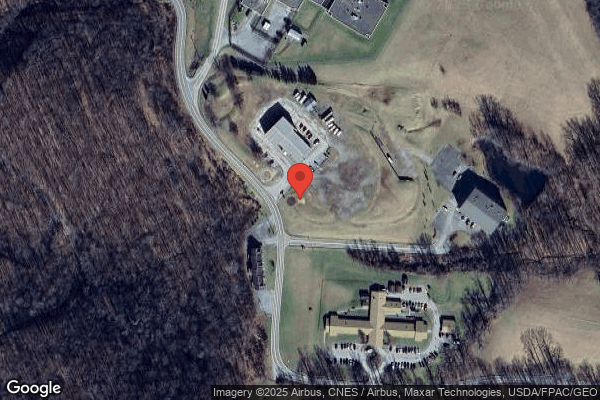
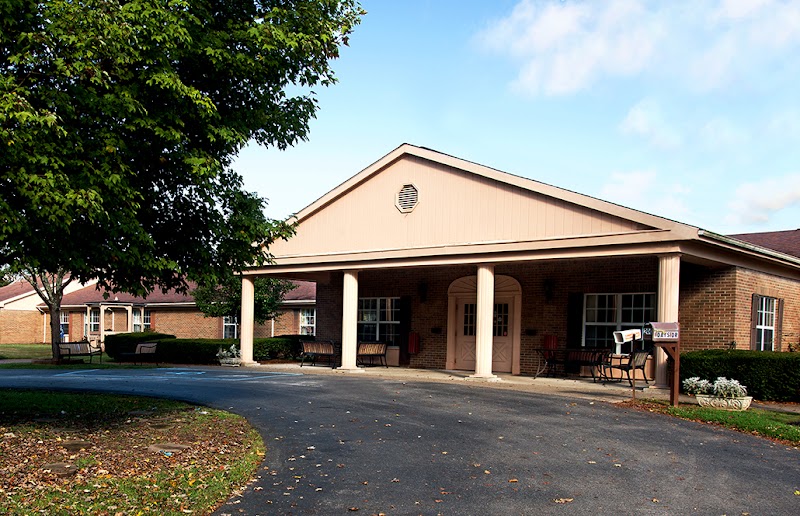
859 DAYS DRIVE, SUTTON, WV 26601 (304) 765-2861
For profit - Corporation 65 Beds COMMUNICARE HEALTH Data: November 2025
Trust Grade
80/100
#1 of 122 in WV
Last Inspection: April 2025

Within standard 12-15 month inspection cycle. Federal law requires annual inspections.

Overview

Braxton Healthcare Center has a Trust Grade of B+, which means it is above average and generally recommended for families considering care options. It ranks #1 out of 122 facilities in West Virginia, placing it among the best in the state, and is the only option in Braxton County. The facility's trend is improving, with issues decreasing from 12 in 2023 to 5 in 2025, indicating progress in care quality. Staffing is average with a 3/5 star rating and a turnover rate of 39%, which is better than the state average, suggesting that employees tend to stay longer. There are no fines on record, which is a positive sign, and the facility has good RN coverage; however, it lacks a certified Infection Preventionist, which raises concerns about infection control practices. Specific incidents include residents not receiving meals during mealtime and failing to provide proper discharge notices to families when residents were transferred to hospitals, highlighting areas that need improvement. Overall, while there are strengths in staff retention and compliance with regulations, families should be aware of the gaps in meal service and communication regarding resident care.

Trust Score
B+
80/100
In West Virginia
#1/122
Top 1%
Safety Record
Low Risk
No red flags
Inspections
Getting Better
12 → 5 violations
Staff Stability
○ Average
39% turnover. Near West Virginia's 48% average. Typical for the industry.
Penalties
✓ Good
No fines on record. Clean compliance history, better than most West Virginia facilities.
Skilled Nurses
○ Average
Each resident gets 31 minutes of Registered Nurse (RN) attention daily — about average for West Virginia. RNs are the most trained staff who monitor for health changes.
Violations
⚠ Watch
25 deficiencies on record. Higher than average. Multiple issues found across inspections.
★★★★★
5.0
Overall Rating
★★★☆☆
3.0
Staff Levels
★★★★★
5.0
Care Quality
★★★★★
5.0
Inspection Score
Stable
2023: 12 issues
2025: 5 issues

The Good

  • 5-Star Quality Measures · Strong clinical quality outcomes
  • Full Sprinkler Coverage · Fire safety systems throughout facility
  • No fines on record
  • Staff turnover below average (39%)

    9 points below West Virginia average of 48%

Facility shows strength in quality measures, fire safety.

The Bad

Staff Turnover: 39%

Near West Virginia avg (46%)

Typical for the industry

Chain: COMMUNICARE HEALTH

Part of a multi-facility chain

Ask about local staffing decisions and management

The Ugly 25 deficiencies on record

Apr 2025 5 deficiencies
CONCERN (D)

Potential for Harm - no one hurt, but risky conditions existed

Deficiency F0582 (Tag F0582)

Could have caused harm · This affected 1 resident

Based upon record review and staff interview, the facility failed to complete SNF ABN, Form CMS-10055 and send to the resident or resident's representative in a timely manner. This was true for 1 (one...

Read full inspector narrative →
Based upon record review and staff interview, the facility failed to complete SNF ABN, Form CMS-10055 and send to the resident or resident's representative in a timely manner. This was true for 1 (one) of 3 (three) residents reviewed during the annual survey process. Resident identifier: #20. Facility census: 65 Findings included: a) Resident #20 Upon entering the survey on 04/21/25, the facility completed the Beneficiary Notices of residents discharged within the last six months form. From this, three(3) residents were selected to review for required notifications. Resident #20, who was discharged on 03/12/25, but remained in the facility. SNF-ABN Form was not completed until the surveyor requested the SNF Beneficiary Notification Review form be completed during the annual survey process. Notice was not provided to the resident or resident's representative until 04/21/25. On 04/23/25, at approximately 1:35 PM, in discussion with the NHA, NHA stated the facility had discovered this failure during, an audit of ABNs.
CONCERN (D)

Potential for Harm - no one hurt, but risky conditions existed

PASARR Coordination (Tag F0644)

Could have caused harm · This affected 1 resident

Based upon record review and staff interview, the Facility failed to ensure preadmission screening and resident review (PASARR) was updated and completed with new diagnoses of Dementia (Non-Alzheimer'...

Read full inspector narrative →
Based upon record review and staff interview, the Facility failed to ensure preadmission screening and resident review (PASARR) was updated and completed with new diagnoses of Dementia (Non-Alzheimer's) and Alzheimer's . This was true for one (1) of five (5) residents reviewed. Resident identifier: #38. Facility censes: 65. Findings included: a) Resident #38 The resident's PASARR was initially completed on 10/07/24 by the facility. In Section III, MI/MR Assessment, the current diagnoses was marked for major depression. No other selections were marked in this section. The Resident had current diagnoses of: Major Depressive Disorder Anxiety Disorder Vascular Dementia with mood disturbance The last MDS Assessment was completed on 04/18/25. A review of Section I, Active Diagnoses documented: Alzheimer's Disease Non-Alzheimer's Dementia Anxiety Disorder Depression (other than Bi-polar) The PASARR should have been updated when the diagnoses of dementia and Alzheimer's were added for the resident. The resident's record was reviewed with the NHA on 04/23/25 at approximately 12:10 PM. When asked why the PASARR had not been updated, NHA asked if it had to be updated for a diagnosis of anxiety. Surveyor responded that some facilities will include anxiety disorder under other, but the diagnoses of Dementia and Alzaheimer's should have triggered a new PASARR to be completed.
CONCERN (D)

Potential for Harm - no one hurt, but risky conditions existed

Comprehensive Care Plan (Tag F0656)

Could have caused harm · This affected 1 resident

**NOTE- TERMS IN BRACKETS HAVE BEEN EDITED TO PROTECT CONFIDENTIALITY** Based on record review and staff interview, the facility failed to ensure Residents #24 and #53's care plans included sensory an...

Read full inspector narrative →
**NOTE- TERMS IN BRACKETS HAVE BEEN EDITED TO PROTECT CONFIDENTIALITY** Based on record review and staff interview, the facility failed to ensure Residents #24 and #53's care plans included sensory and one (1) on one (1) activities, even though the residents were receiving them. This was true for two (2) of 21 resident care plans reviewed during the survey process. Resident identifiers: #24, #53. Facility census: 65. Findings include: a) Resident #24 During review of Resident #24's activity participation records on 04/22/25, it was noted during the last 30 days, the resident had received one (1) on one (1) activities six (6) times during this period. The resident received one (1) on one (1) activities for the following days: -03/27/25 -03/28/25 -04/09/25 -04/12/25 -04/16/25 -04/18/25 During review of the same activities records, it was noted the resident received sensory activities 12 times. Resident #24 received sensory activities on the following days: -03/26/25 -03/30/25 -03/31/25 -04/01/25 -04/07/25 -04/08/25 -04/10/25 -04/11/25 -04/14/25 -04/20/25 -04/21/25 -04/22/25 During review of Resident #24's care plan, it was determined the care plan did not include one (1) on one (1) or sensory activities. Resident #24's care plan reads as follows: Goal- (Resident #24's name) is dependent on staff for activities, cognitive stimulation or social interaction, due to cardiac disease. Date initiated: 04/20/24. Revision: 04/20/24 Focus- Resident will participate activities of choice through review date. Date initiated: 04/20/24. Revision on: 04/16/25. Target date: 07/04/25. Interventions/Tasks (All initiated on 4/20/2024) -Assist with transport to activities as needed. -Assure that the activities are compatible with the resident's physical and cognitive capabilities. -Encourage attendance to entertainment programs, large and small group activities, volunteer demonstrations and religious activities. -Interview to determine resident's activity preferences. -Invite resident to scheduled activities. -Offer technology of interest i.e. laptop, internet access, tablets, etc. -Provide schedule of activities available. During an interview with the Activities Director (AD) on 4/23/2025 at approximately 9:45 AM, she confirmed Resident #24 was on the schedule for one (1) on one (1) and sensory activities for the department. The AD also confirmed the omission of the two from his care plan. b) Resident #53 Record review completed on 04/22/25 at 9:01 AM on Resident #53's activities revealed the following; Care Plan Focus · [NAME] is self-directed for activities in and out of room daily. Date Initiated: 04/03/2024 Revision on: 07/17/2024 Goal · Resident will participate in activities of choice through review date. Date Initiated: 04/03/2024 Revision on: 04/15/2025 Target Date: 07/03/2025 Interventions · Assist with transport to activities as needed Date Initiated: 04/03/2024 · Assure that the activities are compatible with resident's physical and cognitive capabilities. Date Initiated: 04/03/2024 · Encourage attendance to entertainment programs, small group acclivities, volunteer demonstrations and religious activities Date Initiated: 04/03/2024 Revision on: 04/03/2024 · Interview to determine residents activity preferences Date Initiated: 04/03/2024 · Invite resident to scheduled activities. Date Initiated: 04/03/2024 · Provide a schedule of activities available. Date Initiated: 04/03/2024 · Provide activity materials of interest, i.e. library books, word puzzles, magazines Date Initiated: 04/03/2024 Further record review revealed the activity preference state weekly one (1) on ones (1), however was not in the careplan to receive one (1) on one (1) activities. During an interview on 04/22/25 at 1:30 PM with the Administrator and Activity Director (AD) who confirmed residents receiving one (1) on one (1) activities should be in Resident #54's care plan.
CONCERN (D)

Potential for Harm - no one hurt, but risky conditions existed

Medical Records (Tag F0842)

Could have caused harm · This affected 1 resident

Based on record review and staff interview, the facility failed to accurately document the completion of behavior monitoring for Resident #18. This was true for one (1) of five (5) residents reviewed ...

Read full inspector narrative →
Based on record review and staff interview, the facility failed to accurately document the completion of behavior monitoring for Resident #18. This was true for one (1) of five (5) residents reviewed for unnecessary medications during the survey process. Resident identifier: 18. Facility census: 65. Findings include: A) Resident #18 During a review of Resident #18's behavior monitoring record for the last 90 days, on 04/22/25, it was determined no behavior monitoring was conducted on March 29th, 2025 on day shift, April 8th, 2025 on day shift, and April 14th, 2025 on day shift. On 4/23/2025 at approximately 11:30 AM, an interview was conducted with the Director of Nursing (DON), she confirmed the behavior monitoring was missing. However, the DON was able to supply CNA documentation with behavior monitoring taking place on the aforementioned days. The DON stated It's expected the nurses will complete their documentation appropriately when referring to the missing dates on the Behavior Monitoring record.
CONCERN (E)

Potential for Harm - no one hurt, but risky conditions existed

Resident Rights (Tag F0550)

Could have caused harm · This affected multiple residents

Based on observation and staff interview the facility failed to promote a dignified dining experience. These were random opportunities for discovery. Resident identifiers: #1, #3, #6, #8, #9, #14, #20...

Read full inspector narrative →
Based on observation and staff interview the facility failed to promote a dignified dining experience. These were random opportunities for discovery. Resident identifiers: #1, #3, #6, #8, #9, #14, #20, #24, #26, #38, #61 and #62. Facility Census: #65 Findings Include a) Resident #8 and #62 On 04/21/25 beginning at 11:15 AM during observation of the noon meal in the dining room it was observed that staff were not distributing meals to all residents seated together at an individual table. Resident #8 and #62 were sitting together at a table in the dining room. Resident #62 was served their meal at 11:25 AM. Resident #8 did not received a meal. Staff continued serving meals at various tables throughout the dining room. At 11:50 AM Resident #8 left the dining room. At 11:58 AM it was confirmed with Licensed Practical Nurse #82 that Resident #8 had left without a meal. b) Resident #6, #26 and #61 On 04/21/25 beginning at 11:15 AM during observation of the noon meal in the dining room it was observed that staff were not distributing meals to all residents seated together at an individual table. Resident #6, #26 and #61 were sitting together at a table in the dining room. Resident #26 received their meal at 11:27 AM. Resident #61 received their meal at 11:46 AM (nineteen (19) minutes later). Resident #6 received their meal at 11:50 AM (twenty three (23) minutes later). Staff continued serving meals at various tables throughout the dining room before returning to their table to serve each resident. c) Resident #14 and #20 On 04/21/25 beginning at 11:15 AM during observation of the noon meal in the dining room it was observed that staff were not distributing meals to all residents seated together at an individual table. Resident #14 and #20 were sitting together at a table in the dining room. Resident #20 received their meal at 11:30 AM. Staff continued serving meals at various tables throughout the dining room during this time. Resident #14 received their meal at 11:40 AM (ten (10) minutes later). The above observations was confirmed with the Administrator on 04/21/25 at 11:58 AM. d) Resident #3 On 04/21/25 at 1:18 PM it was observed that Licensed Practical Nurse #85 was standing to assist Resident #3 with their noon meal while the resident was in her bed. The nurse was notified that she could not stand to assist the resident. She replied she was not aware. On 04/21/25 at 1:35 PM the findings were confirmed with the Administrator. e) Resident #24 and #9 At approximately 12:20 PM on 04/22/2025, Licensed Practical Nurse (LPN) #82 was observed going into the room where Residents #24 and #9 reside, to check on Resident #24. Upon entering the room, LPN #82 did not knock on the door or announce himself. When he entered the room, he started to shut the door. As the door was almost shut, LPN #82 reached back around to the outside of the door and then knocked, after he was already in the room, conversing with the Resident #24. At approximately 12:40 PM on 4/22/2025, LPN #82 was observed going back into the same room, both residents present, and did not knock again. LPN #82 entered the room, went to the bedside of Resident #24 and, upon realizing he did not knock, reached outside and knocked on the doorframe. LPN #82 was interviewed after leaving the room at approximately 12:45 PM and confirmed he did not knock before entering the room either time. f) Resident #38 and Resident #1 On 04/21/25 at 11:35AM Residnet #1 was observed setting at the dining room table with Resident #38. Further observation showed Resident #1 was served their tray at 11:40 AM. At approximatly 11:45 AM the table beside Resident #1 and #38 were served their trays. On 04/21/25 11:50 PM Resident #38 was served 10 minutes after Resident #1 An interview with the Administrator on 04/21/25 at 12:10 PM Confirmed Resident #38 should have been served before serving another table.
Jul 2023 12 deficiencies
CONCERN (D)

Potential for Harm - no one hurt, but risky conditions existed

Resident Rights (Tag F0550)

Could have caused harm · This affected 1 resident

. Based on observation and staff interview, the facility failed to preserve the resident's dignity by not changing his clothing when it was soiled with food. Resident Identifier: #19. Facility census:...

Read full inspector narrative →
. Based on observation and staff interview, the facility failed to preserve the resident's dignity by not changing his clothing when it was soiled with food. Resident Identifier: #19. Facility census: 54. Findings included: a) Resident #19 On 07/11/23 at 12:20 PM, Resident #19 was observed being fed by a staff member. On 07/11/23 at 12:55 PM, Resident #19 was observed sitting in a wheelchair in the hallway outside of his room. The resident's shirt was soiled with food. On 07/11/23 at 2:15 PM, Resident #19 was observed to still be sitting in a wheelchair in the hallway outside of his room. The resident was wearing the same shirt soiled with food. On 07/11/23 at 2:18 PM, the Director of Nursing acknowledged Resident #19 had food spilled on his shirt. She stated she would change the resident's shirt. No further information was provided through the completion of the survey process.
CONCERN (D)

Potential for Harm - no one hurt, but risky conditions existed

Safe Environment (Tag F0584)

Could have caused harm · This affected 1 resident

**NOTE- TERMS IN BRACKETS HAVE BEEN EDITED TO PROTECT CONFIDENTIALITY** . Based on observation and staff interview, the facility failed to provide a safe, clean, comfortable, and homelike environment ...

Read full inspector narrative →
**NOTE- TERMS IN BRACKETS HAVE BEEN EDITED TO PROTECT CONFIDENTIALITY** . Based on observation and staff interview, the facility failed to provide a safe, clean, comfortable, and homelike environment for one (1) of 18 resident rooms observed during the long-term care survey process. Resident identifier: #39. Facility census: 54. Findings included: a) Resident #39 During the initial tour of the facility on 07/10/23 at 1:33 PM, the following issue was identified: -The left side of Resident #39's bed was against the wall. It was immediately visible that the wall was in poor repair. There were many, multiple long scratches approximately 12 inches in length and spanning approximately 16 inches across the wall that was just above where the mattress on the bed was positioned. These scratches had removed the paint from the wall. Additionally, there was a circular hole with the approximate circumference size of a racquetball that was below the scratches. The Director of Nursing at 1:30 PM on 07/11/23 observed the above-mentioned concerns and stated the damage to the wall was from the bed scraping against the wall and that she believed a work order may have been put in to correct the issue. The Administrator produced a Wall Repair/Painting Action Plan dated 05/17/23 that addressed all needed repairs throughout the facility. The Administrator acknowledged that Resident #39 had returned from the hospital on [DATE] at which time the left side of her bed was placed against the wall at the request of resident's Medical Power of Attorney. The wall repair list was made the next week. The Administrator confirmed the above issues failed to provide a homelike environment to Resident #39. The Administrator also confirmed she was unaware of the hole in the wall. The Administrator stated the facility should have prioritized that particular repair and she would make sure it got done promptly.
CONCERN (D)

Potential for Harm - no one hurt, but risky conditions existed

MDS Data Transmission (Tag F0640)

Could have caused harm · This affected 1 resident

**NOTE- TERMS IN BRACKETS HAVE BEEN EDITED TO PROTECT CONFIDENTIALITY** . Based on medical record review and staff interview, the facility failed to accurately complete a discharge tracking form for R...

Read full inspector narrative →
**NOTE- TERMS IN BRACKETS HAVE BEEN EDITED TO PROTECT CONFIDENTIALITY** . Based on medical record review and staff interview, the facility failed to accurately complete a discharge tracking form for Resident #59, when he was discharged home on [DATE]. Resident identifier: #59. Facility census: 54. Findings include: a) Resident #59 Review of Resident #59's medical records show he was admitted to the facility on [DATE]. On 06/21/23 at 10:59 AM nurses' notes reads: Resident will be discharging home today based on resident's request. Review of the Minimum Data Set (MDS) with Assessment Reference Date (ARD) of 06/21/23- Under Section A02100- Discharge status was indicated as 03- which is acute hospital when in fact it should be coded 01- Community (private home, apt., board/care, assisted living, and group home. During an interview with the Director of Nursing, on 07/12/23 at 10:15 AM, she confirmed the discharge tracking form completed on 06/21/23 for a transfer to an acute care hospital was inaccurate. She confirmed it should have been coded discharge to home. .
CONCERN (D)

Potential for Harm - no one hurt, but risky conditions existed

PASARR Coordination (Tag F0644)

Could have caused harm · This affected 1 resident

**NOTE- TERMS IN BRACKETS HAVE BEEN EDITED TO PROTECT CONFIDENTIALITY** . Based on record review and staff interview, the facility failed to complete a new Pre-admission Screening (PAS) for one (1) of...

Read full inspector narrative →
**NOTE- TERMS IN BRACKETS HAVE BEEN EDITED TO PROTECT CONFIDENTIALITY** . Based on record review and staff interview, the facility failed to complete a new Pre-admission Screening (PAS) for one (1) of one (1) residents reviewed for the category of PASARR (Pre-admission Screening Resident Review), during the long-term care survey process. Resident identifier: #16. Facility census 54. Findings included: a) Resident #16 A record review, completed on 07/12/23 at 9:44 AM, found the following details: -Resident #16 was admitted to the facility on [DATE] with the following diagnoses: Hemiplegia, unspecified affecting left nondominant side, Tinea Unguium (toenail fungus), Gastro-Esophageal Reflux Disease, Post Traumatic Seizures, and Traumatic Brain Injury. -There was a Pre-admission Screen (PAS) dated 07/28/14. This PAS was completed by the hospital for admission to the facility and did not include any mental health diagnosis under Section III, Question #30. -There was a Pre-admission Screen (PAS) dated 03/0/23. This PAS was completed by the facility and did not include any mental health diagnosis under Section III, Question #30. -There was a new medical diagnosis of Major Depressive Disorder given on 10/15/14 during the resident's stay in the facility. -There was a new medical diagnosis of Bipolar Disorder given 01/15/18 during the resident's stay in the facility. During an interview on 07/12/23 at 10:00 AM, the Minimum Data Set (MDS) Coordinator confirmed the facility had failed to complete a new Pre-admission Screening (PAS) following the new diagnoses of Major Depressive Disorder and Bipolar Disorder. The MDS Coordinator stated a new PAS should have been done by the facility's Social Worker and that the failure to do so must have been an oversight. .
CONCERN (D)

Potential for Harm - no one hurt, but risky conditions existed

Deficiency F0697 (Tag F0697)

Could have caused harm · This affected 1 resident

. Based on record review and staff interview, the facility failed to monitor the resident's pain in accordance with current professional standards of practice. This deficient practice had the potentia...

Read full inspector narrative →
. Based on record review and staff interview, the facility failed to monitor the resident's pain in accordance with current professional standards of practice. This deficient practice had the potential to affect one (1) of one (1) residents reviewed for the care area of pain. Resident identifier: #27. Facility census: 54. Findings included: a) Resident #27 The facility's policy titled Pain Management and Assessment, with no implementation date given, stated pain relief and response to medication would be documented. No time frame for monitoring pain relief and response to pain medication was given in the facility's policy. According to an education program by John Hopkins Medicine titled Pain Management, available on-line, If pain medication is administered, the patient is reassessed within 60 minutes. Review of Resident #27's progress notes showed a note written on 07/03/23 at 2:31 PM that stated, Resident has c/o [complaint of] of increased pain in hands, shoulders, and arms. [Nurse practitioner] notified. New order for Tramadol 25 mg one time only now. [Power of attorney] notified and in agreement with new orders. Resident #27's Medication Administration Record (MAR) for 07/03/23 showed Tramadol 25 mg was given at 2:33 PM. The resident's pain level was recorded as a 10 on a scale from 1-10 at that time. Further review of the Resident #27's progress notes and MAR showed no documentation the resident's pain level was reassessed until 07/03/23 at 8:00 PM. Prior to administration of the resident's scheduled Tramadol dose at 8:00 PM, the resident's pain level was assessed as 0. During an interview on 07/12/23 at 1:20 PM, the Director of Nursing confirmed she was unable to locate documentation Resident #27's pain level had been reassessed on 07/03/23 after receiving pain medication for a pain level of 10. No further information was provided through the completion of the survey process. .
CONCERN (D)

Potential for Harm - no one hurt, but risky conditions existed

Menu Adequacy (Tag F0803)

Could have caused harm · This affected 1 resident

. Based on observation, record review and staff interview, the facility failed to ensure menus were developed and prepared to meet resident choices including their nutritional needs and preferences fo...

Read full inspector narrative →
. Based on observation, record review and staff interview, the facility failed to ensure menus were developed and prepared to meet resident choices including their nutritional needs and preferences for one (1) of five (5) reviewed under the food care area. Resident #53 did not receive an entree when there was a known dislike to the item on the menu. Resident identifier: #53. Facility census: 54. Findings included: An observation, during the noon meal on 07/10/23 at 11:40 AM, revealed Resident #53 was served rice, green beans, a dinner roll and chocolate cake. No entree was observed on the tray. When questioned at this time, Resident #53 stated she did receive an entree. The menu item served during the noon meal on 07/10/23, was chicken spaghetti with a pork chop as a substitute. A record review, revealed progress notes dated, 6/23/2023 at 12:12 PM, showing the resident had expressed a food preference dislike of chicken and pork chops. The progress note further indicated changes would be made into effect as soon as possible to help aid in higher meal/snack intakes and documentation noted of the the kitchen being notified. An interview, with the Registered Dietitian (RD) #100 and the Culinary Director, on 07/12/23 at 9:30 AM, revealed Resident #53 should have received an entree substitute due to the dislikes noted and the omission was an error. It was learned from the Culinary Manager and RD #100, during the interview, the error happened because the resident had both dislikes to chicken and pork chops which caused the meal system program, Meal Tracker, to cancel out the entree and verified an entree substitute was not provided during the noon meal on 07/10/23 to Resident #53. .
CONCERN (D)

Potential for Harm - no one hurt, but risky conditions existed

Deficiency F0804 (Tag F0804)

Could have caused harm · This affected 1 resident

. Based on observation and staff interview, the facility failed to provide food at a safe and appetizing temperature. This had the potential to affect more than a limited number of residents. Resident...

Read full inspector narrative →
. Based on observation and staff interview, the facility failed to provide food at a safe and appetizing temperature. This had the potential to affect more than a limited number of residents. Resident identifier: #42. Facility census: 54. Findings included: a) 200 Hall Lunch Time Meal Observation During an observation on 07/11/23 at 12:29 AM, it was noted that a food truck was brought out of the kitchen with all resident lunch trays for residents on the 200 hall who preferred to eat in their rooms. On 07/11/23 at 12:29 PM, Registered Dietician #101 tested the temperature of Resident #42's lunch tray, the last tray to be served on the 200 Hall, with the following results: -Puree Ham: 109.0 degrees Fahrenheit (F) -Puree Sweet Potatoes: 118.0 degrees F -Puree Peas: 109.0 degrees F -Watermelon: 58.0 degrees F Registered Dietician #101 agreed the food temperatures obtained were not considered to be the appropriate desired temperature for the point of service. The dietician stated in order for food to be considered at a palatable temperature, hot foods should be served at 120 degrees F or higher and cold foods should be served at 40 degrees F or below. The dietician identified there was an issue with the hot food temperatures being too low and the cold foods being too warm at the point of service. .
CONCERN (D)

Potential for Harm - no one hurt, but risky conditions existed

Deficiency F0887 (Tag F0887)

Could have caused harm · This affected 1 resident

. Based on record review and staff interview, the facility failed to provide COVID-19 immunization booster to a resident who consented to the immunization. This deficient practice had the potential to...

Read full inspector narrative →
. Based on record review and staff interview, the facility failed to provide COVID-19 immunization booster to a resident who consented to the immunization. This deficient practice had the potential to affect one (1) of five (5) residents reviewed for the care area of immunizations. Resident identifier: #48. Facility census: 54. Findings included: a) Resident #48 Review of Resident #48's medical records showed on 06/02/23 the resident's representative consented for the resident to receive the COVID-19 bivalent booster. The resident's medical records contained no evidence the resident had received the COVID-19 bivalent booster after consent. During an interview on 07/12/23 at 8:32 AM, the Administrator confirmed Resident #48 had not been given the COVID-19 bivalent booster even though the resident's representative consented for the resident to receive. No further information was provided through the completion of the survey. .
CONCERN (E)

Potential for Harm - no one hurt, but risky conditions existed

Transfer Notice (Tag F0623)

Could have caused harm · This affected multiple residents

**NOTE- TERMS IN BRACKETS HAVE BEEN EDITED TO PROTECT CONFIDENTIALITY** . Based on medical record review and staff interview, the facility failed to provide evidence a resident's representative was pr...

Read full inspector narrative →
**NOTE- TERMS IN BRACKETS HAVE BEEN EDITED TO PROTECT CONFIDENTIALITY** . Based on medical record review and staff interview, the facility failed to provide evidence a resident's representative was provided a written Notice of Transfer/Discharge when a resident was discharged from the facility. This was true for five (5) of five (5) residents reviewed for hospitalizations in the long-term care survey process. Resident identifiers: #1, #39, #48, #23, and #52. Facility census: 54. Findings included: a) Resident #1 A medical record review completed on 07/11/23 at 8:56 AM, identified the following details: -Resident #1 was transferred to the hospital on 4/26/23. -There was no evidence of a Notice of Transfer/Discharge being provided to resident and/or resident's representative. During an interview on 07/11/23 at 12:02 PM, the Administrator reported the facility had no evidence a Notice of Transfer/Discharge had been issued. The Administrator went on to explain the notice had been part of the old form and the facility had not identified the fact that it did not carry over to the new form the facility was using since switching ownership. b) Resident #39 A medical record review completed on 07/11/23 at 8:36 AM, identified Resident #39 had experienced two (2) hospitalizations. The first hospitalization was on 04/28/23. The second hospitalization was on 05/07/23. -When Resident #39 was transferred to the hospital on [DATE] there was no evidence of a Notice of Transfer/Discharge being provided to resident and/or resident's representative. -When Resident #39 was transferred to the hospital on [DATE] there was no evidence of a Notice of Transfer/Discharge being provided to resident and /or resident's representative. During an interview on 07/11/23 at 12:02 PM, the Administrator reported the facility had no evidence a Notice of Transfer/Discharge had been issued. The Administrator went on to explain the notice had been part of the old form and the facility had not identified the fact that it did not carry over to the new form the facility was using since switching ownership. c) Resident #48 A medical record review completed on 07/11/23 at 8:36 AM, identified the following details: -Resident #48 was transferred to the hospital on [DATE]. -There was no evidence of a Notice of Transfer/Discharge being provided to resident and/or resident's representative. During an interview, on 07/11/23 at 12:02 PM, the Administrator reported the facility had no evidence a Notice of Transfer/Discharge had been issued. The Administrator went on to explain the notice had been part of the old form and the facility had not identified the fact that it did not carry over to the new form the facility was using since switching ownership. d) Resident #52 Review of Resident #52's medical record showed the resident was transferred to the hospital on 5/25/23 due to mental status changes. The medical record did not contain a transfer notice to notify the resident's representative in writing of the reason for the transfer and how to appeal the decision if desired. During an interview on 07/11/23 at 12:02 PM, the Administrator confirmed a transfer notice had not been provided to Resident #52's representative on 05/25/23. No further information was provided through the completion of the survey process. e) Resident #23 Review of Resident #23's medical record showed the resident was transferred to the hospital on 5/13/23 due to mental status changes and low oxygen saturation. The medical record did not contain a transfer notice to notify the resident's representative in writing of the reason for the transfer and how to appeal the decision if desired. During an interview on 07/11/23 at 12:02 PM, the Administrator confirmed a transfer notice had not been provided to Resident #23's representative on 05/13/23. No further information was provided through the completion of the survey process. .
CONCERN (E)

Potential for Harm - no one hurt, but risky conditions existed

Deficiency F0625 (Tag F0625)

Could have caused harm · This affected multiple residents

**NOTE- TERMS IN BRACKETS HAVE BEEN EDITED TO PROTECT CONFIDENTIALITY** . Based on medical record review and staff interview, the facility failed to provide evidence residents and/or resident represen...

Read full inspector narrative →
**NOTE- TERMS IN BRACKETS HAVE BEEN EDITED TO PROTECT CONFIDENTIALITY** . Based on medical record review and staff interview, the facility failed to provide evidence residents and/or resident representatives were provided written Bed Hold Notice when transferred from the facility to the hospital. Additionally, the facility had no evidence a written notice of bed hold was reviewed with residents / resident representatives upon admission. This was true for five (5) of five (5) residents reviewed for hospitalizations in the long-term care survey process. Resident identifiers: #1, #39, #48, #23, and #52. Facility census: 54. Findings Included: a) Resident #1 A medical record review completed on 07/11/23 at 8:56 AM, identified the following details: -Resident #1 was transferred to the hospital on 4/26/23. -There was no evidence of a written bed hold notice being provided to resident and/or resident's representative. -Additionally, there was no evidence the bed hold policy had been discussed and shared with resident and/or resident's representative upon admission to the facility. During an interview on 07/11/23 at 11:33 AM, the Administrator reported, We don't issue a written bed hold notice if our census is below 62 because we're not able to charge for the bed hold. The Administrator acknowledged the practice failed to address in writing if the resident's bed was going to be held or not. During a second interview on 07/12/23 at 8:03 AM, the Administrator explained, We verbally explain upon admission that if our census is high enough, we will charge for a bed hold. The Administrator went on to say the facility does not provide a written copy of the facility's bed hold when a resident is admitted to the facility. b) Resident #39 A medical record review completed on 07/11/23 at 8:36 AM, identified Resident #39 had experienced two (2) hospitalizations. The first hospitalization was on 04/28/23. The second hospitalization was on 05/07/23. -When Resident #39 was transferred to the hospital on [DATE] there was no evidence of a written bed hold notice being provided to resident and/or resident's representative. -When Resident #39 was transferred to the hospital on [DATE] there was no evidence of a written bed hold notice being provided to resident and/or resident's representative. -Additionally, there was no evidence the bed hold policy had been discussed and shared with resident and/or resident's representative upon admission to the facility. During an interview on 07/11/23 at 11:33 AM, the Administrator reported, We don't issue a written bed hold notice if our census is below 62 because we're not able to charge for the bed hold. The Administrator acknowledged the practice failed to address in writing if the resident's bed was going to be held or not. During a second interview on 07/12/23 at 8:03 AM, the Administrator explained, We verbally explain upon admission that if our census is high enough, we will charge for a bed hold. The Administrator went on to say the facility does not provide a written copy of the facility's bed hold when a resident is admitted to the facility. c) Resident #48 A medical record review completed on 07/11/23 at 8:36 AM, identified the following details: -Resident #48 was transferred to the hospital on [DATE]. -There was no evidence of a written bed hold notice being provided to resident and/or resident's representative. -Additionally, there was no evidence the bed hold policy had been discussed and shared with resident and/or resident's representative upon admission to the facility. During an interview on 07/11/23 at 11:33 AM, the Administrator reported, We don't issue a written bed hold notice if our census is below 62 because we're not able to charge for the bed hold. The Administrator acknowledged the practice failed to address in writing if the resident's bed was going to be held or not. During a second interview on 07/12/23 at 8:03 AM, the Administrator explained, We verbally explain upon admission that if our census is high enough, we will charge for a bed hold. The Administrator went on to say the facility does not provide a written copy of the facility's bed hold when a resident is admitted to the facility. d) Resident #52 Review of Resident #52's medical record showed the resident was transferred to the hospital on 5/25/23 due to mental status changes. The medical record did not contain a bed hold notice given to the resident's representative upon hospital transfer. During an interview on 07/11/23 at 11:35 AM, the Administrator stated the resident received an automatic bed hold due to the facility's census and a bed hold notice had not been provided to Resident #52's representative on 05/25/23. e) Resident #23 Review of Resident #23's medical record showed the resident was transferred to the hospital on 5/13/23 due to mental status changes and low oxygen saturation. The medical record did not contain a bed hold notice given to the resident's representative upon hospital transfer. During an interview on 07/11/23 at 11:35 AM, the Administrator stated the resident received an automatic bed hold due to the facility's census and a bed hold notice had not been provided to Resident #23's representative on 05/13/23. No further information was provided through the completion of the survey process. .
CONCERN (E)

Potential for Harm - no one hurt, but risky conditions existed

Deficiency F0761 (Tag F0761)

Could have caused harm · This affected multiple residents

. Based on observation and staff interview, the facility failed to ensure medications were stored under proper temperatures, in accordance with current accepted professional practices and manufacturer...

Read full inspector narrative →
. Based on observation and staff interview, the facility failed to ensure medications were stored under proper temperatures, in accordance with current accepted professional practices and manufacturer's instruction for storage. This was true for one (1) of one (1) medication storage rooms inspected. Facility census: 54. Findings included: a) Policy Review A review of the policy, titled: Storage of Medications, effective date of 09/01/2020, under Section J., noted the medication storage conditions were to be monitored on a monthly basis by the consultant pharmacist, pharmacy designee, or facility staff and corrective action taken if problems were identified. Under the section, labeled; Temperature, under sub-section C. showed Medications requiring refrigeration were to be kept in a refrigerator at temperatures between 36 degrees Fahrenheit (F) and 46 degrees F. b) Medication Storage Room Inspection An observation of the Medication Room, on 07/11/23 at 10:30 AM , revealed a medication refrigerator temperature log showing a temperature recorded for 07/05/23 to be 51.9 degrees Fahrenheit (F). The medication refrigerator contained two (2) Bivalent Covid 19 vaccines with the label to store between 38-46 degrees F. One(1) of the Bivalent Covid 19 vaccines was dated as delivered from pharmacy on 05/16/23 and the second Bivalent Covid 19 vaccine was dated as delivered on 06/22/23. The dates on the packages were verified, through interview with Licensed Practical Nurse (LPN) #66. LPN #66, at this time stated both vaccines should have been discarded, per policy, when staff noted the temperature had dropped below the temperature ranges for storage of those vaccines. LPN stated further, the vaccines remained in the refrigerator and would be available for use. Further review of the medication refrigerator logs showed additional dates in which the vaccines were being stored in the refrigerator and the temperatures exceeded the temperature storage requirement of 38-46 degrees F: On 06/23/23, the medication refrigerator temperature was recorded at 48.6 degrees F. On 06/25/23, the medication refrigerator temperature was recorded at 54.8 degrees F. On 07/07/23, the medication refrigerator temperature was recorded at 47.4 degrees F. An interview, with the Assistant Director of Nursing (ADON), on 07/11/23 at 11:50 AM, revealed the medication storage should have been maintained in accordance to Centers for Disease Control (CDC) and manufacturers guidelines of Pfizer bivalent vaccine of storing the vaccine between 2°C and 8°C (36°F and 46°F) and verified the faciility had failed to do so. An interview with the Administrator, on 07/12/23 at 11:16 AM, revealed prior to the change of ownership, the Smart Sense program would email temperatures outside the limits to the Director of Nursing (DON) and Infection Preventionist, however, since 04/15/23, Smart Sense has not emailed the DON. Additionally, there was no evidence, the designated person, as noted in the policy, took corrective action when problems were identified with temperature ranges being identified outside the accepted guidelines. .
CONCERN (E)

Potential for Harm - no one hurt, but risky conditions existed

Infection Control (Tag F0880)

Could have caused harm · This affected multiple residents

**NOTE- TERMS IN BRACKETS HAVE BEEN EDITED TO PROTECT CONFIDENTIALITY** . Based on observation, record review, and staff interview, the facility failed to establish and maintain an infection preventio...

Read full inspector narrative →
**NOTE- TERMS IN BRACKETS HAVE BEEN EDITED TO PROTECT CONFIDENTIALITY** . Based on observation, record review, and staff interview, the facility failed to establish and maintain an infection prevention and control program designed to help prevent the development and transmission of communicable diseases and infections. The facility did not properly dispose of personal protective equipment (PPE) after use. This deficient had the potential to affect more than a limited number of residents. Additionally, the facility failed to ensure the infection surveillance line listing was accurate and complete for two (2) of three (3) residents reviewed for antibiotics. Resident identifiers: #212 and #24. Facility census: 54. Findings included: a1) Resident #212 - personal protective equipment disposal Review of Resident #212's physician's orders showed the resident was on Enhanced Barrier Precautions due to a history of multi-drug resistant organisms. During observation of Resident #212's room on 07/11/23 at 11:48 AM, used isolation gowns were noted to be overflowing from the trash can and onto the floor. This practice could contaminate the floor, which could potentially allow anyone who walked through the room or the resident who used a wheelchair in the room to transfer infectious agents to other areas of the facility. During an interview on 07/11/23 at 11:50 AM, the Corporate Registered Nurse confirmed used isolation gowns were overflowing from the trash can onto the floor in Resident #212's room. She stated she would have the gowns picked up. a2) Resident #212 - infection surveillance Review of Resident #212's physicians orders showed the resident was currently on the antibiotic Cefazolin intravenously for a septic knee. The resident had been receiving this medication since admission on [DATE]. The facility's infection surveillance line listing reported Resident #212 developed an upper respiratory tract infection on 07/10/23 and the resident was on enhanced barrier precautions. The line listing did not report the resident was receiving intravenous antibiotics for a septic knee. During an interview on 07/12/23 at 1:04 PM, the Director of Nursing (DON) confirmed the facility's surveillance line listing did not document Resident #212 was receiving intravenous antibiotics for a septic knee. b) Resident #24 Review of Resident #24's physicians orders showed the resident received the antibiotic Augmentin for pneumonia for five (5) days beginning on his admission on [DATE]. The facility's infection surveillance line listing did not document Resident #24's antibiotic treatment for pneumonia. During an interview on 07/12/23 at 1:04 PM, the DON confirmed the facility's surveillance line listing did not document Resident #24 had received antibiotic treatment for pneumonia.
Apr 2022 8 deficiencies
CONCERN (D)

Potential for Harm - no one hurt, but risky conditions existed

Resident Rights (Tag F0550)

Could have caused harm · This affected 1 resident

. Based on observation, resident interview, staff interview and facility documentation, the facility failed to remove a sign of personal care from a previous resident's room when discharged and failed...

Read full inspector narrative →
. Based on observation, resident interview, staff interview and facility documentation, the facility failed to remove a sign of personal care from a previous resident's room when discharged and failed to ensure staff were seated when feeding assistance was provided. These were random opportunities for discovery. Resident identifiers: Residents #207 and #15. Facility census: 58. Findings included: a) Resident #207 An observation on 04/11/22 at 11:30 AM, showed a sign that was taped to the light above Resident #207's head of bed (HOB) that read HOB>30 degrees at all times During an interview on 04/11/22 at 11:30 AM, Resident #207 stated that the sign was not meant for her plan of care and was displayed when Resident #207 was placed in the room. Resident #207 stated, I am new here and that sign was there when I came. During an interview on 04/11/22 at 11:33 AM, Nurse Aide (NA) #44 stated that Resident #207's bed was not at 30 degrees but believed the sign above Resident #207's head of the bed was not ordered or part of Resident #207's care. During an interview on 04/11/22 at 11:35 AM, Licensed Practical Nurse (LPN) #39 stated that Resident #207 should not have bed at 30 degrees and the sign was not removed when the previous resident was transferred to another facility. LPN #39 stated that the sign would be removed immediately. b) Resident #15 A record review of the facility's procedure titled Assisting a Resident with Meals Procedure, revised on 02/17/20, showed to position a chair where it will be convenient for staff and Resident. The procedure stated that it was recommended to be at or near the eye level of the resident while providing feeding assistance. An observation into Resident #15's room on 04/11/22 at 12:10 PM, showed Nurse Aide (NA) #80 stood over Resident #15 in a wheelchair and provided feeding assistance. During an interview on 04/11/22 at 12:21 PM, NA #80 stated that staff were suppose to sit when providing feeding assistance but I prefer to stand today when feeding Resident # 15 as it is a hectic day and the folding chairs are hard to find sometimes. .
CONCERN (D)

Potential for Harm - no one hurt, but risky conditions existed

Deficiency F0578 (Tag F0578)

Could have caused harm · This affected 1 resident

. Based on record review and staff interview, the facility failed to ensure one (1) of 25 residents reviewed during the long-term care survey process had a Physician Orders for Scope of Treatment (POS...

Read full inspector narrative →
. Based on record review and staff interview, the facility failed to ensure one (1) of 25 residents reviewed during the long-term care survey process had a Physician Orders for Scope of Treatment (POST) form completed per directions specified by the [NAME] Virginia Center for End-of-Life Care in conjunction with the [NAME] Virginia Health Care Decisions Act (16-30-1). The POST forms were unsigned by the Resident or Medical Power of Attorney (MPOA). Resident identifier: Resident #24. Facility census: 58. Findings Included: a) Resident #24 Record review on 04/11/22 at 2:16 PM found, a POST Form on Resident #24's chart was unsigned by the Resident or MPOA. The POST form was dated 09/10/18. During an interview on 04/12/22 at 8:53 AM with the Administrator, confirmed Resident #24's POST form was incomplete without a Resident or MPOA signature. .
CONCERN (D)

Potential for Harm - no one hurt, but risky conditions existed

Report Alleged Abuse (Tag F0609)

Could have caused harm · This affected 1 resident

. Based on review of facility documentation, and staff interview, the facility failed to ensure all allegations involving abuse, neglect, exploitation, or mistreatment, including injuries of unknown s...

Read full inspector narrative →
. Based on review of facility documentation, and staff interview, the facility failed to ensure all allegations involving abuse, neglect, exploitation, or mistreatment, including injuries of unknown source and misappropriation of resident property, were reported immediately to all officials in accordance with State law and failed to report the results of all investigations in accordance with State law. The facility failed to report the allegation immediately and results of the investigation within five (5) working days to Law Enforcement related to misappropriation of resident medications. This failed practice was identified through a random opportunity for discovery and had the potential to affect more than a limited number of residents in the facility. Employee identifier: LPN #100. Census: 58. Findings included: A review of the facility's policy and procedure, titled: Freedom from Abuse, Neglect and Exploitation, dated 12/05/19, showed the following: --Under Section 5 of the policy, noted upon receiving an allegation of abuse, neglect, exploitation or misappropriation of resident property would be reported in accordance with reporting requirements. --Under Section 7, the policy noted the facility would ensure to submit a report with the findings of the investigation within five (5) working days of the incident in accordance with State law. Review of facility documentation for reportable incidents, noted an incident, occurring on 12/09/21, where facility staff identified an empty container which contained random medications belonging to residents residing on the 100 hall of the facility. Upon further investigation, Licensed Practical Nurse (LPN #100) had been responsible for the medication pass at that time and there was a suspicion LPN #100 had not completed the medication pass in accordance with facility procedure. The documentation of the investigation, of 12/10/21 noted LPN #100 failed to administer medications to 15 residents residing on the 100 hall and those medications were found in an empty supplement bottle. Review of the facility's reporting procedure for the incident, did not show Law enforcement had been notified of the allegation or the results of the investigation substantiating the medications being misappropriated for 15 residents residing in the facility. An interview with the Administrator, on 04/12/22 at 09:45 AM, verified the facility did determine misappropriation of medications and confirmed law enforcement were not notified of the allegation or findings of the investigation within the guidelines for reporting to the appropriate officials in accordance with State law. An additional interview, with the Administrator, on 04/12/22 at 1:22 PM, revealed the bottle containing the pills had been identified as being in a cleaned-out supplement container, in which medications could be identified for the 15 residents. The Administrator confirmed the incident should have been reported to law enforcement. .
CONCERN (D)

Potential for Harm - no one hurt, but risky conditions existed

Comprehensive Care Plan (Tag F0656)

Could have caused harm · This affected 1 resident

. Based on staff interview and medical record review, the facility failed to develop comprehensive person-centered care plans to meet the psychosocial needs of the residents. Resident (R) #8 and R #31...

Read full inspector narrative →
. Based on staff interview and medical record review, the facility failed to develop comprehensive person-centered care plans to meet the psychosocial needs of the residents. Resident (R) #8 and R #31's care plans lacked measurable goals and non-pharmacological interventions to assist in dealing with anxiety and depression. This is true for two (2) of five (5) residents reviewed for unnecessary medications. Resident identifiers: Residents #8 and #31. Facility census: 58. Findings included: a) Resident (R) #8 Review of the medical record showed R #8's current diagnoses included acute respiratory failure with hypoxia, anxiety and depression. R #8 receives Buspirone hydrochloride/Buspar (anxiolytic) 10 milligrams (mg) three (3) times a day, Zoloft (antidepressant) 100 mg twice a day, and has an order for Ativan (benzodiazepine used for calming) 1 mg every 12 hours as needed for anxiety. R #8's care plan notes she is receiving the antidepressant Zoloft and the anti-anxiety medication Buspar. The goals were related to side effects or discomfort from the medications. The interventions were related to the medication use, effectiveness and side effects with the exception of the following: encourage family and friends to visit and encourage resident to vent feelings. The care plan lacks measurable goals and non-pharmacological interventions to assist the resident in managing or coping with anxiety and depression. b) Resident (R) #31 Review of the medical record noted R #31's diagnoses included Parkinson's disease, chronic pain, a history of falls, restlessness and agitation. Current medications included: Klonopin (benzodiazipine used to treat panic attacks) 0.5 milligrams (mg) at bedtime for anxiety and to help with sleep, Buspirone hydrochloride/Buspar (anti-anxiety) 15 mg twice a day for anxiety, Cymbalta (used to treat pain and depression) 60 mg twice a day for pain and depression, and Vistaril (antihistamine) 25 mg twice a day for restlessness and agitation. The current care plan identifies R #31's diagnoses of depression and anxiety and the administration of anti-anxiety and antidepressant medications. The interventions are related to the medication use, effectiveness and side effects with the exception of the following: encourage family and friends to visit and encourage resident to vent feelings. The care plan lacks measurable goals and non-pharmacological interventions to assist the resident in managing or coping with anxiety and depression. On 04/12/22 at 12:42 PM, the Registered Nurse Assessment Coordinator (RNAC) #10 reviewed R #8's and R #31's care plans and confirmed there were no measurable goals or non-pharmacological interventions in place for the residents anxiety and depression. .
CONCERN (D)

Potential for Harm - no one hurt, but risky conditions existed

ADL Care (Tag F0677)

Could have caused harm · This affected 1 resident

**NOTE- TERMS IN BRACKETS HAVE BEEN EDITED TO PROTECT CONFIDENTIALITY** . Based on observation and staff interview, the facility failed to provide assistance with eating for a dependent resident. This...

Read full inspector narrative →
**NOTE- TERMS IN BRACKETS HAVE BEEN EDITED TO PROTECT CONFIDENTIALITY** . Based on observation and staff interview, the facility failed to provide assistance with eating for a dependent resident. This was a random opportunity for discovery. Resident identifier: #19. Facility census: 58. Findings included: a) Resident #19 On 04/11/22 at 11:50 AM, observation of the dining room found Resident #19 sitting alone at a table for over 15 minutes. When Resident #19 was asked if he or she could feed themselves the resident stated No. At 12:10 PM on 04/11/22, during an interview with the Director of Nursing (DON) they were asked why Resident #19 had not been assisted with lunch, the DON stated, We assist residents as needed. Resident #19 is unable to feed [him or herself] for over a year. The DON immediately sat down and started assisting Resident #19 lunch. On 04/12/22 at 9:35 AM, an interview with the DON verified the [NAME] dated 04/12/22 inaccurately reflected Resident #19 supervision with set up and at times required one (1) staff assist. DON statement from 04/11/22 at 12:10 PM, that Resident #19 can not feed self and hasn't for over a year. DON did agreed the [NAME] does not match Resident #19 needs. The DON stated that the [NAME] had not been updated and was incorrect. .
CONCERN (D)

Potential for Harm - no one hurt, but risky conditions existed

Deficiency F0688 (Tag F0688)

Could have caused harm · This affected 1 resident

. Based on observation and staff interview, the facility failed to provide the services, care and equipment to assure a resident's maintains and/or improves to their highest level of range of motion (...

Read full inspector narrative →
. Based on observation and staff interview, the facility failed to provide the services, care and equipment to assure a resident's maintains and/or improves to their highest level of range of motion (ROM) and mobility. This was a random opportunity for discovery. Resident identifier: Resident #9. Facility census: 58. Findings included: a) Resident #9 An observation on 04/11/22 at 12:09 PM found Resident #9 had a right-hand contracture with no palm/hand protector in place. A review of Resident #9's medical record revealed, two (2) Physicians orders for: -- Resident to utilize Left palm protector with finger separators during the day, and off at night dated 07/29/20. --Resident to tolerate Left Hand Therapy Carrot x four (4) Hours to Reduce Risk of Further Contracture Development with an order date of 10/03/18. A second observation on 04/12/22 at 10:20 AM found Resident #9 did not have a left-hand palm protector in place. On 04/12/22 at 10:27 AM during an interview with License Practical Nurse (LPN) #17 confirmed Resident #9 did not have palm protectors in place. LPN #17 stated that he was unaware of any order for palm protection. .
CONCERN (E)

Potential for Harm - no one hurt, but risky conditions existed

Infection Control (Tag F0880)

Could have caused harm · This affected multiple residents

. Based on observations and staff interview, the facility failed to ensure a negative air flow in the laundry to prevent contamination of clean linens. This practice had the potential to affect more t...

Read full inspector narrative →
. Based on observations and staff interview, the facility failed to ensure a negative air flow in the laundry to prevent contamination of clean linens. This practice had the potential to affect more than a limited number of residents residing in the facility. Facility census: 58. Findings included: a) Laundry Services An observation on 04/14/22 at 2:15 PM found the laundry room did not have separation from soiled laundry area to the clean laundry area. There was also no negative air flow pulling from the clean area to the soiled area, failing to maintain a functional and safe laundry area to avoid contamination. The laundry was in progress in both areas, with clean, folded laundry exposed on the laundry room table. During an interview with the Environmental Supervisor #81, on 04/12/22 at 2:20 PM, confirmed there was no separation from soiled laundry area to the clean laundry area. .
CONCERN (F)

Potential for Harm - no one hurt, but risky conditions existed

Deficiency F0882 (Tag F0882)

Could have caused harm · This affected most or all residents

. Based on facility documentation and staff interview, the facility failed to have a certified Infection Preventionist. This failed practice had the potential to affect all residents residing at the f...

Read full inspector narrative →
. Based on facility documentation and staff interview, the facility failed to have a certified Infection Preventionist. This failed practice had the potential to affect all residents residing at the facility. Facility census: 58. Findings included: a) Infection Preventionist Record review of the facility's documentation of infection control practices found the facility was unable to provide the required Infection Control Preventionist Certification or documentation. During an interview on 04/12/22 at 1:05 PM the Director of Nursing stated that there was no staff at the facility that has completed specialized training in infection prevention and control at this time. No other information was provided prior to the end of survey on 04/13/22 at 10:00 AM. .
Understanding Severity Codes (click to expand)
Life-Threatening (Immediate Jeopardy)
J - Isolated K - Pattern L - Widespread
Actual Harm
G - Isolated H - Pattern I - Widespread
Potential for Harm
D - Isolated E - Pattern F - Widespread
No Harm (Minor)
A - Isolated B - Pattern C - Widespread

Questions to Ask on Your Visit

  • "Can I speak with families of current residents?"
  • "What's your RN coverage like on weekends and overnight?"

Our Honest Assessment

Strengths
  • • Grade B+ (80/100). Above average facility, better than most options in West Virginia.
  • • No major safety red flags. No abuse findings, life-threatening violations, or SFF status.
  • • No fines on record. Clean compliance history, better than most West Virginia facilities.
  • • 39% turnover. Below West Virginia's 48% average. Good staff retention means consistent care.
Concerns
  • • 25 deficiencies on record. Higher than average. Multiple issues found across inspections.
Bottom line: Generally positive indicators. Standard due diligence and a personal visit recommended.

About This Facility

What is Braxton Healthcare Center's CMS Rating?

CMS assigns BRAXTON HEALTHCARE CENTER an overall rating of 5 out of 5 stars, which is considered much above average nationally. Within West Virginia, this rating places the facility higher than 99% of the state's 100 nursing homes. This rating reflects solid performance across the metrics CMS uses to evaluate nursing home quality.

How is Braxton Healthcare Center Staffed?

CMS rates BRAXTON HEALTHCARE CENTER's staffing level at 3 out of 5 stars, which is average compared to other nursing homes. Staff turnover is 39%, compared to the West Virginia average of 46%. This relatively stable workforce can support continuity of care.

What Have Inspectors Found at Braxton Healthcare Center?

State health inspectors documented 25 deficiencies at BRAXTON HEALTHCARE CENTER during 2022 to 2025. These included: 25 with potential for harm.

Who Owns and Operates Braxton Healthcare Center?

BRAXTON HEALTHCARE CENTER is owned by a for-profit company. For-profit facilities operate as businesses with obligations to shareholders or private owners. The facility is operated by COMMUNICARE HEALTH, a chain that manages multiple nursing homes. With 65 certified beds and approximately 63 residents (about 97% occupancy), it is a smaller facility located in SUTTON, West Virginia.

How Does Braxton Healthcare Center Compare to Other West Virginia Nursing Homes?

Compared to the 100 nursing homes in West Virginia, BRAXTON HEALTHCARE CENTER's overall rating (5 stars) is above the state average of 2.7, staff turnover (39%) is near the state average of 46%, and health inspection rating (5 stars) is much above the national benchmark.

What Should Families Ask When Visiting Braxton Healthcare Center?

Based on this facility's data, families visiting should ask: "Can I visit during a mealtime to observe dining assistance and food quality?" "How do you handle medical emergencies, and what is your hospital transfer rate?" "Can I speak with family members of current residents about their experience?"

Is Braxton Healthcare Center Safe?

Based on CMS inspection data, BRAXTON HEALTHCARE CENTER has a clean safety record: no substantiated abuse findings (meaning no confirmed cases of resident harm), no Immediate Jeopardy citations (the most serious violation level indicating risk of serious injury or death), and is not on the Special Focus Facility watch list (a federal program monitoring the lowest-performing 1% of nursing homes). The facility has a 5-star overall rating and ranks #1 of 100 nursing homes in West Virginia. While no facility is perfect, families should still ask about staff-to-resident ratios and recent inspection results during their visit.

Do Nurses at Braxton Healthcare Center Stick Around?

BRAXTON HEALTHCARE CENTER has a staff turnover rate of 39%, which is about average for West Virginia nursing homes (state average: 46%). Moderate turnover is common in nursing homes, but families should still ask about staff tenure and how the facility maintains care continuity when employees leave.

Was Braxton Healthcare Center Ever Fined?

BRAXTON HEALTHCARE CENTER has no federal fines on record. CMS issues fines when nursing homes fail to meet care standards or don't correct problems found during inspections. The absence of fines suggests the facility has either maintained compliance or corrected any issues before penalties were assessed. This is a positive indicator, though families should still review recent inspection reports for the full picture.

Is Braxton Healthcare Center on Any Federal Watch List?

BRAXTON HEALTHCARE CENTER is not on any federal watch list. The most significant is the Special Focus Facility (SFF) program, which identifies the bottom 1% of nursing homes nationally based on persistent, serious quality problems. Not being on this list means the facility has avoided the pattern of deficiencies that triggers enhanced federal oversight. This is a positive indicator, though families should still review the facility's inspection history directly.