Majestic Care of Hopemont
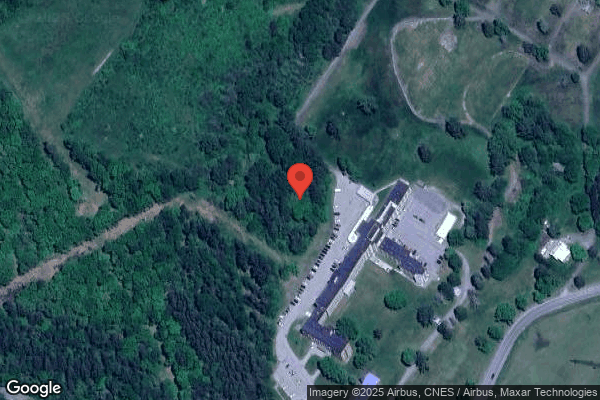
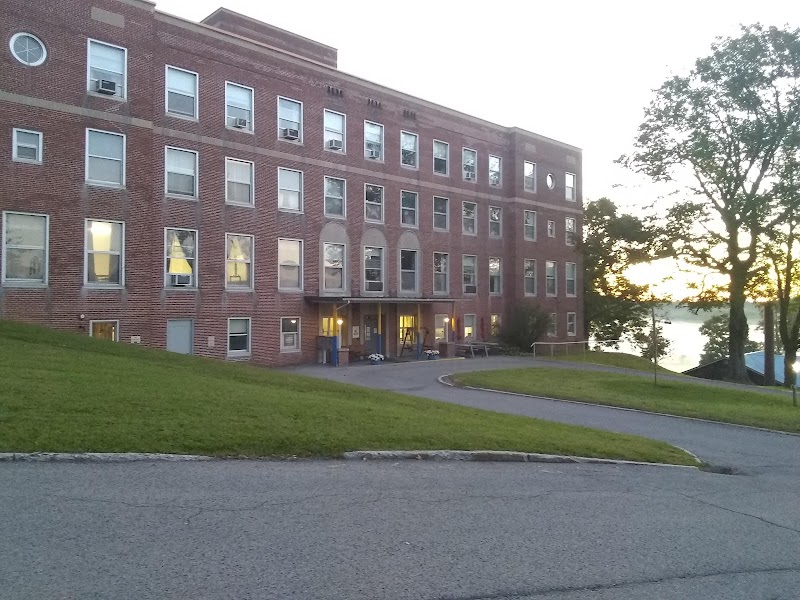
150 HOPEMONT DRIVE, TERRA ALTA, WV 26764 (304) 789-2411
Government - State 98 Beds Independent Data: November 2025 5 Immediate Jeopardy citations
Trust Grade
0/100
#79 of 122 in WV
Last Inspection: June 2024

Within standard 12-15 month inspection cycle. Federal law requires annual inspections.

Overview

Majestic Care of Hopemont has received a Trust Grade of F, indicating significant concerns about the quality of care provided. Ranked #79 out of 122 facilities in West Virginia, they fall into the bottom half, but are the top option in Preston County. Unfortunately, the facility is worsening, with reported issues increasing from 6 in 2022 to 28 in 2024. On a positive note, staffing is rated 4 out of 5 stars, suggesting that staff generally stay and are familiar with residents, though the turnover rate is average at 46%. However, the facility has faced serious problems, including a critical incident where a resident suffered second-degree burns from exposure to water heated to 134 degrees Fahrenheit due to inadequate monitoring, raising concerns about the safety and competency of care staff. Additionally, fines totaling $57,116 indicate compliance issues that are higher than 81% of similar facilities in the state.

Trust Score
F
0/100
In West Virginia
#79/122
Bottom 36%
Safety Record
High Risk
Review needed
Inspections
Getting Worse
6 → 28 violations
Staff Stability
⚠ Watch
46% turnover. Above average. Higher turnover means staff may not know residents' routines.
Penalties
⚠ Watch
$57,116 in fines. Higher than 98% of West Virginia facilities. Major compliance failures.
Skilled Nurses
✓ Good
Each resident gets 43 minutes of Registered Nurse (RN) attention daily — more than average for West Virginia. RNs are trained to catch health problems early.
Violations
⚠ Watch
43 deficiencies on record. Higher than average. Multiple issues found across inspections.
★★☆☆☆
2.0
Overall Rating
★★★★☆
4.0
Staff Levels
★★★★★
5.0
Care Quality
★☆☆☆☆
1.0
Inspection Score
Stable
2022: 6 issues
2024: 28 issues

The Good

  • 4-Star Staffing Rating · Above-average nurse staffing levels
  • 5-Star Quality Measures · Strong clinical quality outcomes
  • Full Sprinkler Coverage · Fire safety systems throughout facility
  • No fines on record

Facility shows strength in staffing levels, quality measures, fire safety.

The Bad

2-Star Overall Rating

Below West Virginia average (2.7)

Below average - review inspection findings carefully

Staff Turnover: 46%

Near West Virginia avg (46%)

Higher turnover may affect care consistency

Federal Fines: $57,116

Above median ($33,413)

Moderate penalties - review what triggered them

The Ugly 43 deficiencies on record

5 life-threatening
Nov 2024 3 deficiencies
CONCERN (D) 📢 Someone Reported This

A family member, employee, or ombudsman was alarmed enough to file a formal complaint

Potential for Harm - no one hurt, but risky conditions existed

Report Alleged Abuse (Tag F0609)

Could have caused harm · This affected 1 resident

Based on record review and staff interview, the facility failed to ensure that an alleged violation involving resident-to-resident sexual abuse was reported within two (2) hours of the event/allegatio...

Read full inspector narrative →
Based on record review and staff interview, the facility failed to ensure that an alleged violation involving resident-to-resident sexual abuse was reported within two (2) hours of the event/allegation being brought to the facility's attention, to appropriate state agencies as required. This was a random opportunity for discovery throughout the facility reportable incident (FRI) investigative process. Resident identifier: #48. Facility census: 51. Findings included: a) Resident #48 During a record review, on 11/19/24 at 7:30 PM, it was noted there was a written reporting form outlining a resident-to-resident sexual altercation between Resident #48 and Resident #8. There was no evidence that the Office of Health Facility Licensure and Certification (OHFLAC) had been notified of this incident within the required two (2) hour time frame. On 11/20/24 at 8:30 AM, a review of the facility's Abuse and Neglect policy revealed that an allegation must be reported within (2) hours if it involved abuse During an interview on 11/20/24 at approximately 9:00 AM, the Chief Operating Officer confirmed the allegation had not been reported to the appropriate state agencies as per the facility's policy. The allegation of resident-to-resident sexual abuse had not been reported until the following day to the OHFLAC office.
CONCERN (E) 📢 Someone Reported This

A family member, employee, or ombudsman was alarmed enough to file a formal complaint

Potential for Harm - no one hurt, but risky conditions existed

Deficiency F0804 (Tag F0804)

Could have caused harm · This affected multiple residents

Based on observation, and staff interview, the facility failed to provide food at a palatable and appetizing temperature as determined by the type of food to ensure resident satisfaction. This failed ...

Read full inspector narrative →
Based on observation, and staff interview, the facility failed to provide food at a palatable and appetizing temperature as determined by the type of food to ensure resident satisfaction. This failed practice had the potential to affect more than a limited number of residents. Facility Census: 51. Findingd included: a) A tray on A-Hall was tested by DM #100 and temperatures were as follows: Pureed Pork - 122 degrees Mashed Potatoes - 126 degrees Pureed Peas - 102 degrees Pureed Bread - 100 degrees b) Temperatures were confirmed by DM #100. DM #100 reported pork should have been at 130 degrees and the vegetable's temperature was low. DM #100 stated the bread could be served hot or cold. The facility's Policy and Procedure stated, Hot foods will be served at a temperature 120 degrees F or higher. These findings confirmed by Dietary Manager (DM) #100 on 11/19/24 at 12:25 PM.
CONCERN (E) 📢 Someone Reported This

A family member, employee, or ombudsman was alarmed enough to file a formal complaint

Potential for Harm - no one hurt, but risky conditions existed

Food Safety (Tag F0812)

Could have caused harm · This affected multiple residents

Based on observation, record review and staff interview, the facility failed to store and label food in accordance with professional standards for food service safety. This failed practice had the pot...

Read full inspector narrative →
Based on observation, record review and staff interview, the facility failed to store and label food in accordance with professional standards for food service safety. This failed practice had the potential to affect more than a limited number of residents. Facility Census: 51. Findings included: Findings confirmed by the Dietary Manager (DM) #100 and the Chief Operating Officer (COO) #35 on 11/18/24 during the investigation initiated at 11:42 AM included the following items in the pantry: a) An opened can of Shasta. b) Undated sandwiches in fold over bags. c) Unlabeled and undated drink in a cup -tea. d) Undated bowl of broth. e) Opened and used container of Boost in the freezer. f) Undated hamburger in the freezer. g) Undated package of lasagna in freezer. DM #100 asked, Is that me? and stated, I'm going to throw it away. COO #35 stated the refrigerators were the dietary department's responsibility. According to the 2013 US Publilc Health Service Food and Durg Administration Food Code: 3-202.15 Package Integrity: Food packages shall be in good condition and protect the integrity of the contents so that the food is not exposed to adulteration or potential contaminants. 3-501.17 Ready-to-Eat, Time/Temperature Control for Safety Food, Date Marking. Except when packagaing food using a reduced oxygen packaging method as specified under § 3-502.12, and except as specified in ¶¶ (E) and (F) of this section, refrigerated, Ready-to -eat, time/temperature control for safety food prepared and held in a food establishment for more than 24 hours shall be clearly marked to indicate the date or day by which the food shall be consumed on the PREMISES, sold, or discarded when held at a temperature of 5ºC (41ºF) or less for a maximum of 7 days. The day of preparation shall be counted as Day 1.
Jun 2024 16 deficiencies
CONCERN (D)

Potential for Harm - no one hurt, but risky conditions existed

Resident Rights (Tag F0550)

Could have caused harm · This affected 1 resident

Based on staff interviews and observation the facility failed to provide a dignified dining service. This failed practice was found true for (1) one random resident observed during the lunch dining in...

Read full inspector narrative →
Based on staff interviews and observation the facility failed to provide a dignified dining service. This failed practice was found true for (1) one random resident observed during the lunch dining in the Long-Term Care Survey Process. Resident identifier #44. Facility Census 49. Findings Include: a) Resident #44 During an observation on 05/29/24 at 12:15 PM, Resident #44 was sitting at a table with (3) three other residents. The other (3) three residents got their lunch tray at 12:15PM. (9) nine other residents at different tables were served before Resident #44 received her lunch tray at 12:25 PM. Further observation showed that (1) one of the residents seated at the table with Resident #44 was finished eating when Resident # 44 got her lunch tray. During an interview, on 05/29/24 at 12:25 PM, with Nurse aide (NA) #87 she stated, We are supposed to pass them out in order, but they don't come out in order. We must find them. We have not come to [Resident # 44 name} tray yet.
CONCERN (D)

Potential for Harm - no one hurt, but risky conditions existed

Deficiency F0558 (Tag F0558)

Could have caused harm · This affected 1 resident

Based on staff interview and facility documentation, the facility failed to provide reasonable accommodation in regard to activities of daily living (ADLs). This was true for one (1) of eighteen (18) ...

Read full inspector narrative →
Based on staff interview and facility documentation, the facility failed to provide reasonable accommodation in regard to activities of daily living (ADLs). This was true for one (1) of eighteen (18) residents reviewed under the ADL pathway. Resident identifier: #43. Facility Census: 49 Findings included: a) Gas Leak Resulting in No Hot Water Facility staff had reported signs of a gas leak on 05/26/24. The gas company technician had noted a positive test for gas in the kitchen area, and, as a precaution, recommended turning off the gas supply to the facility. As a result, no hot water had been available for the residents since 05/26/24. a) Resident #43 During staff interviews on 05/30/24 at 11:03 AM, with Nurse Aide (NA) #29, Registered Nurse (RN) #83 and Licensed Practical Nurse (LPN) #73, stated the bath wipes used for bed baths were to be warmed for 20 seconds in a microwave before being used on residents. However, staff were unable to warm the bath wipes because the microwave ovens had been removed due to safety concerns. This resulted in residents being wiped down with cold bath wipes. NA #39 stated that residents who had capacity were refusing the bed baths. During a review of Bath/Shower Temperature Logs at the nursing station on 05/30/24 at 11:17 AM, RN #83 and LPN #73 showed a shower being completed for Resident #43 on the evening of 05/26/24. During an interview with Resident #43 on 05/30/24 at 11:47 AM, the resident, in the presence of NA #10, stated that he did not take cold showers. Submission of a request for Bath/Shower Temperature Logs completed on 05/30/24 at 11:17 AM. These logs revealed no completed sheets. Upon interview with the Director of Nursing (DON) - on 05/30/24 at 12:47 PM, DON stated there were no log sheets available because no showers were offered due to the non-availability of hot water. Record review of Health Services Worker (HSW) intervention logs produced by the DON revealed documentation of a shower for Resident #43 on 05/26/24. The HSW Interventions logs required entries specifying which type of bath was offered to the resident. (W) for whirlpool, (S) for shower, and (BB) for bed bath. The MDS Coordinator provided the logs for Resident #43. The logs had a single letter entered for each day. When questioned about what the letters denoted, the MDS Coordinator stated that she would ask the DON. She returned, and stated the DON had informed her they were the initials of the staff person performing the bath. When questioned further as to why there was only one letter, and why there was no information to identify who the initials belonged to, the MDS coordinator stated that she didn't have any further information.
CONCERN (D)

Potential for Harm - no one hurt, but risky conditions existed

Safe Environment (Tag F0584)

Could have caused harm · This affected 1 resident

Based on observation, staff interview, and resident interview the facility failed to provide a homelike environment by not allowing Resident # 29 access to his personal belongings by his own freewill....

Read full inspector narrative →
Based on observation, staff interview, and resident interview the facility failed to provide a homelike environment by not allowing Resident # 29 access to his personal belongings by his own freewill. Resident #33's room had personal health information taped on the bed and had cosmetic imperfections that could pose a safety hazzard in the bathroom. This failed practice was found true for two (2) of two (2) residents reviewed for environment during the Long-Term Care Survey Process. Resident identifiers: #29, #33. Facility Census: 49. Findings Include: a) Resident # 29 During the initial interview on 05/28/24 at 1:46 PM, Resident # 29 stated, I want stuff out of my closet, and I can't get to it because there is a lock on it. When surveyor asked if he had a key to it Resident #29 stated, No, the nurse or NA has it and I have to have them come and unlock. It takes them a long time. A record review on 05/28/24 at 2:00 PM revealed that Resident # 29 has a Brief Interview of Mental Status (BIMS) score of 14. During an interview, on 05/28/24 at 3:30 PM, the Administrator stated, I'm sure there is a reason that the locks are on the closets, someone was probably getting into his closet, or something. It should be care planned. A record review on 05/28/24 at 4:00PM, revealed Resident #29 does not have a care plan to have his closet pad locked. There is also no nurses' notes in the medical record to indicate why his closet would be pad locked. During an interview, on 05/28/24 at 4:50 PM, the Administrator stated, I know why his closet is locked, I feel like he was defecating in it. When the surveyor asked if there were notes to attest to that. The administrator said, I don't know. 05/29/24 10:00 AM Observation of resident rooms revealed locks are off closet. 05/29/24 10:15 AM Resident stated, Hey I was able to get in my closet today. b) Resident #33 05/28/24 12:55 PM an observation revealed tape noted to bed on foam around head/foot board (says the foam is to protect my head). In the bathroom towel rack was observed off the wall, hardware present. 05/30/24 02:55 PM during a staff interview the staff member said, Oh God. The staff member confirmed the hardware on wall posed safety hazard and said a request would be sent to maintenance to fix it.
CONCERN (D) 📢 Someone Reported This

A family member, employee, or ombudsman was alarmed enough to file a formal complaint

Potential for Harm - no one hurt, but risky conditions existed

Investigate Abuse (Tag F0610)

Could have caused harm · This affected 1 resident

Based on record review and staff interview, in response to allegations of abuse, the facility failed to have evidence that all alleged violations are thoroughly investigated. This was true for 1 (one)...

Read full inspector narrative →
Based on record review and staff interview, in response to allegations of abuse, the facility failed to have evidence that all alleged violations are thoroughly investigated. This was true for 1 (one) of 7 (seven) residents reviewed in the Long Term Care Survey Process. Resident identifier: Resident #25. Facility census: 49. Findings include: Resident #25 On 05/29/24 at 09:00 PM, a review of Facility Reported Incident (FRI) dated 05/16/24, was conducted. It was reported on 05/16/24 that on 05/15/24 at 10:00 PM, while facility staff was providing care to Resident #25, a 10cm x 5cm bruise, right upper thigh was noted and that it was estimated to be approximately 2-3 days old. A review of the facility ' s investigation noted that statements were obtained from 12 from staff members. However upon reviewing the statements obtained it was noted that 7 (seven) of the 12 statements were from employees not working on the unit at the time of the occurrence. At that time this Surveyor requested a copy of the schedule from the date and time of the occurrence. It was then noted that statements were not obtained from 3 (three) staff members working the date of the incident on the hallway of Resident #25. Further review of the schedules 4 (four) days prior to the date of the occurrence, also reveals statements were not obtained from the staff working on the hallway of Resident #25. On 05/30/24 at approximately 12:00 PM, a review of the facility policy entitled, Abuse, Neglect, Reporting/Investigation was reviewed and was noted to state the following: Investigation: The Resident Advocate/Grievance Official shall have access to all records and employees. The Resident Advocate/Grievance Official will gather all facts, conduct interviews of all involved persons, including the alleged victim, alleged perpetrator, witnesses, and others who might have knowledge of the allegations. Failure to do so will result in disciplinary action and/or reporting to the employees licensing entity. 5. There will be a complete and thorough documentation of the investigation. On 05/30/24 at 12:55 PM, an interview was conducted with the facility Social Worker who acknowledged the above referenced policy, and that she failed to interview 8 (eight) employees who could have had knowledge of the occurrence. The facility Social Worker also acknowledged at that time she had not performed a thorough investigation.
CONCERN (D)

Potential for Harm - no one hurt, but risky conditions existed

Deficiency F0645 (Tag F0645)

Could have caused harm · This affected 1 resident

**NOTE- TERMS IN BRACKETS HAVE BEEN EDITED TO PROTECT CONFIDENTIALITY** Facility failed to ensure a complete an accurate admission PASSAR, and an expired PASSAR TN-PS 2 of 2 residents looked at for PA...

Read full inspector narrative →
**NOTE- TERMS IN BRACKETS HAVE BEEN EDITED TO PROTECT CONFIDENTIALITY** Facility failed to ensure a complete an accurate admission PASSAR, and an expired PASSAR TN-PS 2 of 2 residents looked at for PASSAR a) Resident # 27 TN B) Resident # 41 CR Resident #41 PASARR F-645 Facility failed to ensure residents PASSAR was accurate and correct. Resident # 41 [DATE] 03:25 PM Interview with Director of Social Services, We are in the process of trying to get her out of the facility per her family. They want her in the [NAME] area near them, but nooone has accepted her yet. Do you think I should do a new one. Based on record review and staff interview, the facility failed to ensure a complete and accurate Preadmission Screening and Resident Review (PASRR) and failed to complete a new PASRR when a PASRR expired. This deficient practice had the potential to affect two (2) of two (2) residents reviewed for the care area of PASRR. Resident identifiers: #27 and #41. Facility census: 49. Findings included: a) Resident #27 Review of Resident 27's medical records showed the resident was admitted on [DATE]. The resident had a diagnosis of unspecified psychosis not due to a substance or known physiological condition at the time of admission to the facility. Resident #27 had been transferred from another long-term care facility who documented that the resident had a diagnosis of psychosis. Further review of Resident #27's medical records showed a PASSR completed [DATE]. The PASSR did not indicate the resident had a diagnosis of psychotic disorder. On [DATE] at 2:00 PM, Social Worker #65 confirmed Resident #27's admission PASSR was incorrect and did not indicate the resident had a diagnosis of psychosis. No further information was provided through the completion of the survey process. Facility failed to ensure a complete an accurate admission PASSAR, and an expired PASSAR TN-PS 2 of 2 residents looked at for PASSAR a) Resident # 27 TN B) Resident # 41 CR Resident #27 PASARR [DATE] 04:39 PM unable to find PASSAR in file PASSAR dated [DATE] did indicate psychotic disorder - when was diagnosed? had diagnoses from transferring LTC [DATE] of unspecified psychosis not due to a substance or known physiological condition SW #65 confirmed admission MDS was incorrect; psychosis was not identified
CONCERN (D)

Potential for Harm - no one hurt, but risky conditions existed

Medical Records (Tag F0842)

Could have caused harm · This affected 1 resident

Based on staff interview and facility documentation, the facility failed to provide accurate and complete medical records in regard to activities of daily living (ADLs). This was true for one (1) of e...

Read full inspector narrative →
Based on staff interview and facility documentation, the facility failed to provide accurate and complete medical records in regard to activities of daily living (ADLs). This was true for one (1) of eighteen (18) residents reviewed under the ADL pathway. Resident identifier: #43. Facility Census: 49 Findings included: a) Gas Leak Resulting in No Hot Water Facility staff had reported signs of a gas leak on 05/26/24. The gas company technician had noted a positive test for gas in the kitchen area, and, as a precaution, recommended turning off the gas supply to the facility. As a result, no hot water had been available for the residents since 05/26/24. a) Resident #43 During a review of Bath/Shower Temperature Logs at the nursing station on 05/30/24 at 11:17 AM, RN #83 and LPN #73 showed a shower being completed for Resident #43 on the evening of 05/26/24. Submission of a request for Bath/Shower Temperature Logs completed on 05/30/24 at 11:17 AM. These logs revealed no completed sheets. Upon interview with the Director of Nursing (DON) - on 05/30/24 at 12:47 PM, DON stated there were no log sheets available because no showers were offered due to the non-availability of hot water. Record review of Health Services Worker (HSW) intervention logs produced by the DON revealed documentation of a shower for Resident #43 on 05/26/24. The HSW Interventions logs required entries specifying which type of bath was offered to the resident. (W) for whirlpool, (S) for shower, and (BB) for bed bath. The MDS Coordinator provided the logs for Resident #43. The logs had a single letter entered for each day. When questioned about what the letters denoted, the MDS Coordinator stated that she would ask the DON. She returned, and stated the DON had informed her they were the initials of the staff person performing the bath. When questioned further as to why there was only one letter, and why there was no information to identify who the initials belonged to, the MDS coordinator stated that she didn't have any further information.
CONCERN (E)

Potential for Harm - no one hurt, but risky conditions existed

Deficiency F0552 (Tag F0552)

Could have caused harm · This affected multiple residents

Based on resident observation, record review and staff interview, the facility failed to ensure the resident and or representative was informed in advance by the physician, other practitioner or healt...

Read full inspector narrative →
Based on resident observation, record review and staff interview, the facility failed to ensure the resident and or representative was informed in advance by the physician, other practitioner or health professional of the risks and benefits of proposed care, of treatment alternatives or treatment options and to choose the alternative option preferred. This was true for 1 (one) of 18 residents reviewed in the Long-Term Care Survey Process. Resident identifier: #36. Facility census: 49. Findings include: a) Resident #36 On 05/28/24 at 12:30 AM, a review of Resident #36's medical record was conducted. A fall care plan was noted with interventions stating, Encourage resident to wear hipsters at all times for safety. and Encourage resident to wear soft helmet while ambulating for safety. On 05/28/24 at 01:07 PM an observation of Resident #36 was conducted. Resident #36 was noted to be in bed, no hipsters were noted to be on Resident #36 and no helmet was noted to be present. On 5/29/24 at 11:25 AM an interview with Employee #72 was conducted. Employee #72 stated, He refuses to wear the hipsters. Further review of Resident #36's medical record on 5/29/24 at 08:00 PM was conducted. Resident #36's capacity form, fall care plan and the Interdisciplinary Team recommended interventions. It was then noted that several of the Interdisciplinary Team recommended interventions were continue educating on fall interventions and encourage resident to use them, as he always refuses. The documented dates for this intervention included the following: 04/04/24, 04/17/24, 04/19/24, 04/23/24 and 05/19/24. Review of Resident #36's capacity form indicated that Resident #36 had been examined and found to be mentally incapable of granting informed consent or to have the capacity to consent to treatment and that Resident #36's brother had been named as Health Care Surrogate. On 5/30/24 at approx. 9:00 AM an interview with Employee #73 was conducted. Employee #73 stated, He refuses to wear his helmet and hipsters. They are in his closet. Further review of Resident #36's medical record on 5/29/24 at 08:00 PM noted a behavior care plan with an intervention stating, Nurse may disguise medication in his food in the attempt to make sure he takes it due to sexual behaviors. On 5/30/24 at approximately 9:30 AM, an interview was conducted with the Director of Nursing (DON). This Surveyor reviewed, with the DON, the behavior and fall care plan including the interventions. This Surveyor then asked the DON if Resident #36 had the right to refuse treatment or if education related to the risks of refusing treatment was provided to Resident #36 or his MPOA. The DON stated, You are contradicting what you said yesterday about him not being able to be educated if you are saying he can refuse his medications. His MPOA says we can disguise it in his food and so does the doctor. This Surveyor then requested a copy of the facility resident rights and a copy of education provided to Resident #36 or his MPOA related to risks of refusal of his medications, helmet, and hipsters. This Surveyor also requested the DON provide education that was provided to Resident #36 or his MPOA related to alternative options of his refusal of medication, helmet, and hipsters. On 5/30/24 at approximately 11:30 AM a copy of Policy and Procedure entitled, Resident Rights Guidelines for all Nursing Procedures was provided to this Surveyor which stated, Prior to having direct care responsibilities, staff must have appropriate in-service training on resident rights, including, Resident right of refusal (medications and treatments). The DON did not provide further documentation related to the request for education provided to Resident #36 or his MPOA related to the risks of refusing medication, helmet and hipsters or alternative options related to the refusal of his medications, helmet, or hipsters.
CONCERN (E)

Potential for Harm - no one hurt, but risky conditions existed

Grievances (Tag F0585)

Could have caused harm · This affected multiple residents

Based on resident council meeting interviews, observation and staff interview the facility failed to ensure residents were able to submit grievances anonymously. This had the potential to affect more ...

Read full inspector narrative →
Based on resident council meeting interviews, observation and staff interview the facility failed to ensure residents were able to submit grievances anonymously. This had the potential to affect more than an isolated number of residents. Facility census: 49. Findings included: a) 05/28/24 12:30 PM, Observed a sign in the front lobby stating there were grievance forms available at the front desk. 05/29/24 10:45 AM, During resident council meeting, Resident #24 stated in order to file a grievance residents and family must ask for a form at the front desk. She stated that staff will assist residents in filing out the paper. Resident #24 stated there was no place to get the forms anonymously or to submit them anonymously. 05/29/24 11:12 AM during an interview with Social Worker (SW) #9 the SW explained that the process of completing a grievance was to ask a staff member for a form and that she or other staff would assist in completing the form if asked. She stated there was no place to get a form anonymously and/or submit it anonymously.
CONCERN (E)

Potential for Harm - no one hurt, but risky conditions existed

Deficiency F0657 (Tag F0657)

Could have caused harm · This affected multiple residents

Based on record review, resident observation and staff interview the facility failed to ensure that the comprehensive care plan is reviewed and revised by an interdisciplinary team composed of individ...

Read full inspector narrative →
Based on record review, resident observation and staff interview the facility failed to ensure that the comprehensive care plan is reviewed and revised by an interdisciplinary team composed of individuals who have knowledge of the resident and his/her needs.This was true for 3 (three) of 18 residents reviewed during the Long Term Care Survey Process. Resident identifiers: Resident #36, Resident #25 and Resident #45. Facility census: 49. Findings Include: Resident #36 On 05/28/24 at 12:30 AM, a review of Resident #36 ' s medical record was conducted. A fall care plan was noted with interventions stating, Encourage resident to wear hipsters at all times for safety. and Encourage resident to wear soft helmet while ambulating for safety. On 05/28/24 at 01:07 PM an observation of Resident #36 was conducted. Resident #36 was noted to be in bed, no hipsters were noted to be on Resident #36 and no helmet was noted to be present. A further review of Resident #36 ' s medical record was conducted on 05/28/24 at approximately 01:25 PM, which noted Resident #36 had 19 documented falls from 01/01/24 through 05/26/24. The falls were as follows: 01/15/24, 01/22/24, 01/28/24, 02/13/24, 03/6/24, 03/0/247, 03/11/24, 03/14/24, 03/23/24, 04/01/24, 04/08/24, 04/09/24, 04/17/24, 04/19/24, 04/23/24, 05/19/24, 05/20/24, 05/21/24 and 05/26/24. It was also noted during this review that after a fall on 04/01/24 at 08:15 PM, Resident #36 was sent to the emergency room due to sustaining a laceration to the left elbow that was documented to be deeper than first appeared. Then on 05/16/24, Resident #36 was sent to the hospital related to this laceration of the left elbow. During a review of Resident #36 ' s hospital record it was noted Resident #36 was diagnosed with septic left olecranon bursitis after a failed outpatient antibiotic series. On 05/29/24 at 11:20 AM a copy of the facility fall policy was requested from the Director of Nursing (DON). On 05/29/24 at 11:25 AM an interview with Employee #72 was conducted. Employee #72 states He refuses to wear the hipsters. On 05/29/24 at approximately 12:30 PM, a review of the provided facility policy titled, Falls Risk Assessment and Management Program was conducted and noted the following text: A multi-disciplinary team will meet monthly to review the resident ' s identified as being high risk for falls, to evaluate the interventions in place and to modify the Resident ' s Care Plan as needed. At these meetings, individual falls and/or residents are discussed and analyzed *Possible intrinsic and extrinsic factors *Evaluation of present interventions in place *Current or newly prescribed medications *Further preventative measures and interventions *Additional equipment/supply needs Therapy or Restorative Nursing evaluations/treatment - for decline in function, adaptive needs, seating assessment, etc. Special attention is paid to residents with any repeat occurrences. Following the Fall Management meeting, the DON, ADON and Unit Managers or charge nurse will implement individual changes recommended by the team; modify the resident ' s fall risk assessment plan of care and mini-in-service staff on the units of changes/updates. A copy of any Interdisciplinary Team notes, related to Resident #36 ' s falls that have occurred during the year of 2024 were requested. 5/29/24 at 01:30 PM the Interdisciplinary Team notes were provided. The months provided were from 03/21/24 through 05/21/24. This Surveyor then requested a copy of Resident #36 ' s capacity form from the DON. Further review of Resident #36 ' s medical record on 5/29/24 at 08:00 PM was conducted. Resident #36 ' s capacity form, fall care plan and the Interdisciplinary Team recommended interventions. It was then noted that several of the Interdisciplinary Team recommended interventions were continue educating on fall interventions and encourage resident to use them, as he always refuses. These dates this intervention was documented included the following: 04/04/24, 04/17/24, 04/19/24, 04/23/24 and 05/19/24. Review of Resident #36 ' s capacity for indicated that Resident #36 had been examined and found to be mentally incapable of granting informed consent or to have the capacity to consent to treatment and that Resident #36 ' s brother had been named as Health Care Surrogate. On 5/30/24 at approximately 09:00 AM an interview with Employee #73 was conducted. Employee #73 states, He refuses to wear his helmet and hipsters. They are in his closet. On 5/30/24 at approximately 09:33 AM, an interview was conducted with the Director of Nursing (DON). This Surveyor reviewed, with the DON, Resident #36 ' s fall care plan.The DON acknowledged that from 12/19/23 until 04/02/24 Resident #36 ' s fall care plan had not been revised or updated with Interdisciplinary Team intervention recommendations then states, I don ' t know why it wasn ' t updated with new interventions after each fall. Resident #25 On 05/28/24 at 02:49 PM an observation of Resident #25 was made. Resident #25 was noted to be at the end of A Hall at the exit door attempting to open it when the alarm sounded. Resident #25 was then approached by a member of the facility staff. who was coming out of another resident room, easily redirected Resident #25. At this time, Resident #25, was observed to have a wander guard to his right ankle, was seated in a back wheelchair with a chair alarm attached to it. On 05/29/24 at 07:50 AM a review of Resident #25 medical record was performed. It was noted that in Resident #25 ' s behavior care plan focus that Resident #25 had a history of wandering and attempting to enter unsupervised areas. An intervention in this care plan was as follows: 15 minute checks for safety was entered. This Surveyor then asked the Director of Nursing (DON) for documentation of the care planned 15 minute checks. On 5/29/24 at approx 12:30 PM a record review of the facility 15 minute check worksheet for Resident #25 noted that multiple areas of documentation were missing. On 5/29/24 at 01:15 PM an interview with the DON was conducted. The DON acknowledged the missing documentation should be present. c) Resident #45 During a record review on 05/28/24 at 3:47 PM, of Resident #45 ' s fall care plan created on 12/08/23 reads as follows: Focus: {Effective date of 03/21/24} FALL- (Resident #45 name) has the risk for injury related to falls, fragile skin, balance issues, and poor safety awareness secondary to impaired cognition from a number of factors that include : aging process, side effects from psychotropic medications, behavior issues, and Alzheimer ' s disease. Goals: {Effective date of 02/28/24} - Areas of impaired skin will show no signs or symptoms of infection and resolve within 30 days. (Resident #45 name) will not have a significant injury from falls within the next 90 days. Interventions: -Provide assistance with transfer, ambulation and locomotion as needed. -Ensure that the call bell is within reach at all times. -Provide a safe, clutter free environment. -Ensure resident wears appropriate, well-fitting footwear to minimize the risk of slipping -Pad alarm to bed and wheelchair at all times for safety. -May use a wheelchair as needed due to weakness and unsteady gait. -15 minute checks for resident safety. -1:1 at all times due to resident safety. -Encourage periods of rest. -When staff witness (Resident #45 name) is sitting on the floor, stay with her and offer a chair to sit on. -Hipsters on at all times. Further record review of Resident #45 ' s orders showed that 1:1 at all times had been discontinued on 03/08/24. During an interview on 05/29/24 at 11:13 AM, The Director of Nursing (DON) stated, The one to one ' s were discontinued in March. I don't know why it is still on her care plan, it should not be. That care plan is a social worker care plan and I guess she did not take it out.
CONCERN (E)

Potential for Harm - no one hurt, but risky conditions existed

Quality of Care (Tag F0684)

Could have caused harm · This affected multiple residents

Based on record review and staff interview, the facility failed to ensure residents received treatment and care in accordance with professional standards of practice which would allow the residents to...

Read full inspector narrative →
Based on record review and staff interview, the facility failed to ensure residents received treatment and care in accordance with professional standards of practice which would allow the residents to achieve their highest practicable physical, mental, and psychosocial well-being. This was true for two (2) out of four (4) residents reviewed for restorative nursing services. Resident identifiers: #5 and #37. Facility census: 49. Findings included: a) Resident #5 Record review on 05/30/24 at 11:51 AM, revealed that Resident #5's physician had prescribed Range of Motion (ROM)/stretching protocol global 1 (one) time daily, up to 5 (five) times a week for contracture management on 12/15/21. During an interview on 05/30/24 at 10:46 AM, Physical Therapist (PT) #15 and PT # 22 , and also confirmed by record review, revealed the resident received twelve (12) treatments out of a prescribed twenty-five (25) treatments, during the period 04/01/24 to 04/31/24. b) Resident #37 Record review for Resident #37 revealed that his physician had prescribed Moist Heat to L LE (Left Lower Extremity) and low back 1x/daily for up to 5x a week for 20 minutes or less per treatment for pain management. Treatment record review, and interview with PT #15 and PT #22 revealed that application of the moist heat pad required a nurse to be in attendance. Treatments were frequently canceled because the nurse was busy and unable to come to physical therapy. Treatment record review for Resident #5 revealed that resident received five (5) moist heat treatments out of the prescribed twenty-three (23) treatments, during the period 05/01/24 to 05/30/24.
CONCERN (E)

Potential for Harm - no one hurt, but risky conditions existed

Accident Prevention (Tag F0689)

Could have caused harm · This affected multiple residents

Based on record review, staff interview and resident observation the facility failed to provide supervision, implementation, monitoring and modifying of interventions to prevent avoidable accidents. T...

Read full inspector narrative →
Based on record review, staff interview and resident observation the facility failed to provide supervision, implementation, monitoring and modifying of interventions to prevent avoidable accidents. This was true for 2 (two) of 7 (seven) residents reviewed during the Long-Term Care Survey Process. Resident identifiers: Resident #36 and Resident #25. Facility census: 49. Findings include: a) Resident #36 On 05/28/24 at 12:30 PM, a review of Resident #36 ' s medical record was conducted. A fall care plan was noted with interventions stating, Encourage resident to wear hipsters at all times for safety. Encourage resident to wear soft helmet while ambulating for safety. On 05/28/24 at 1:07 PM an observation of Resident #36 was conducted. Resident #36 was noted to be in bed, no hipsters were noted to be on Resident #36 and no helmet was noted to be present. A further review of Resident #36's medical record was conducted on 05/28/24 at approximately 1:25 PM, which noted Resident #36 had 19 documented falls from 01/01/24 through 05/26/24. The falls occurred on: 01/15/24, 01/22/24, 01/28/24, 02/13/24, 03/6/24, 03/0/247, 03/11/24, 03/14/24, 03/23/24, 04/01/24, 04/08/24, 04/09/24, 04/17/24, 04/19/24, 04/23/24, 05/19/24, 05/20/24, 05/21/24 and 05/26/24. It was also noted during this review that after a fall on 04/01/24 at 8:15 PM, Resident #36 was sent to the emergency room due to sustaining a laceration to the left elbow that was documented to be deeper than first appeared. Then on 05/16/24, Resident #36 was sent to the hospital related to this laceration of the left elbow. During a review of Resident #36 ' s hospital record it was noted Resident #36 was diagnosed with septic left olecranon bursitis after a failed outpatient antibiotic series. On 05/29/24 at 11:20 AM a copy of the facility fall policy was requested from the Director of Nursing (DON). On 05/29/24 at 11:25 AM an interview with Employee #72 was conducted. Employee #72 stated, He refuses to wear the hipsters. On 05/29/24 at approximately 12:30 PM, a review of the provided facility policy titled, Falls Risk Assessment and Management Program was conducted and noted the following text: A multi-disciplinary team will meet monthly to review the resident's identified as being high risk for falls, to evaluate the interventions in place and to modify the Resident's Care Plan as needed. At these meetings, individual falls and/or residents are discussed and analyzed *Possible intrinsic and extrinsic factors *Evaluation of present interventions in place *Current or newly prescribed medications *Further preventative measures and interventions *Additional equipment/supply needs Therapy or Restorative Nursing evaluations/treatment - for decline in function, adaptive needs, seating assessment, etc. Special attention is paid to residents with any repeat occurrences. Following the Fall Management meeting, the DON, ADON and Unit Managers or charge nurse will implement individual changes recommended by the team; modify the resident's fall risk assessment plan of care and mini-in-service staff on the units of changes/updates. A copy of any Interdisciplinary Team notes, related to Resident #36's falls that have occurred during the year of 2024 were requested. On 05/29/24 at 01:30 PM the Interdisciplinary Team notes were provided. The months provided were from 03/21/24 through 05/21/24. This Surveyor then requested a copy of Resident #36's capacity form from the DON. Further review of Resident #36 ' s medical record on 5/29/24 at 08:00 PM was conducted. Resident #36 ' s capacity form, fall care plan and the Interdisciplinary Team recommended interventions. It was then noted that several of the Interdisciplinary Team recommended interventions were continue educating on fall interventions and encourage resident to use them, as he always refuses. The dates this intervention was documented included the following: 04/04/24, 04/17/24, 04/19/24, 04/23/24 and 05/19/24. Review of Resident #36 ' s capacity for indicated that Resident #36 had been examined and found to be mentally incapable of granting informed consent or to have the capacity to consent to treatment and that Resident #36 ' s brother had been named as Health Care Surrogate. On 05/30/24 at approximately 9:00 AM an interview with Employee #73 was conducted. Employee #73 stated, He refuses to wear his helmet and hipsters. They are in his closet. On 05/30/24 at approximately 9:33 AM, an interview was conducted with the Director of Nursing (DON). This Surveyor reviewed, with the DON, Resident #36's fall care plan. The DON acknowledged that from 12/19/23 until 04/02/24 Resident #36's fall care plan had not been revised or updated with Interdisciplinary Team intervention recommendations then states, I don't know why it wasn't updated with new interventions after each fall. Resident #25 On 05/28/24 at 2:49 PM an observation of Resident #25 was made. Resident #25 was noted to be at the end of A Hall at the exit door attempting to open it when the alarm sounded. Resident #25 was then approached by a member of the facility staff who was coming out of another resident room. This staff member easily redirected Resident #25. At this time, Resident #25, was observed to have a wander guard to his right ankle. The resident was seated in a back wheelchair with a chair alarm attached to it. On 05/29/24 at 07:50 AM a review of Resident #25's medical record was performed. It was noted that in Resident #25's behavior care plan focus that Resident #25 had a history of wandering and attempting to enter unsupervised areas. An intervention in this care plan was 15-minute checks for safety. This Surveyor asked the Director of Nursing (DON) for documentation of the care planned 15-minute checks. It was also noted that in a separate social work care plan focus that Resident #25 was on a one to one as he wandered into rooms of others and was an elopement risk. On 5/29/24 at 12:30 PM a record review of the facility 15-minute check worksheet for Resident #25 noted that multiple areas of documentation were missing. On 5/29/24 at 01:15 PM, an interview with the DON was conducted. The DON acknowledged the missing documentation should be present. On 5/30/34 at 11:18 AM, an interview with the Assistant Director of Nursing (ADON) was conducted. The ADON acknowledged that the care plan was incorrect and should have been updated.
CONCERN (E)

Potential for Harm - no one hurt, but risky conditions existed

Staffing Information (Tag F0732)

Could have caused harm · This affected multiple residents

Based on facility record review and staff interview the facility failed to provide the accurate data on the nurse staffing information form. The daily census was not accurate for 4 of 5 daily of the n...

Read full inspector narrative →
Based on facility record review and staff interview the facility failed to provide the accurate data on the nurse staffing information form. The daily census was not accurate for 4 of 5 daily of the nurse staffing information forms reviewed during the long-term care process. This issue had the ability to affect more than a limited number of residents. Census: 49. Findings included: The facilities available and occupied beds report review on 05/29/24 at 11:00 AM revealed the following: a) 05/28/23 On 05/28/23 the daily census was identified to be 46 and the staffing posting form was a handwritten census of 49. b) 07/05/23 On 07/05/23 the daily census was identified to be 47 and the staffing posting form was a handwritten census of 48. c) 01/01/24 On 01/01/24 the daily census was identified to be 43 and the staffing posting form was a handwritten census of 44. d) 05/27/24 On 05/27/24 the daily census was identified to be 49 and the staffing posting form was a handwritten census of 50. During an interview with the Director of Nursing (DON) on 05/29/24 at approximately 12:20 PM, he acknowledged that the forms were not accurate and stated that he could not explain why the census was not accurately documented on the nursing staffing information form. No further information was provided.
CONCERN (E)

Potential for Harm - no one hurt, but risky conditions existed

Medication Errors (Tag F0758)

Could have caused harm · This affected multiple residents

**NOTE- TERMS IN BRACKETS HAVE BEEN EDITED TO PROTECT CONFIDENTIALITY** Based on record review and staff interview, the facility failed to ensure behavior monitoring and medication side effect monitor...

Read full inspector narrative →
**NOTE- TERMS IN BRACKETS HAVE BEEN EDITED TO PROTECT CONFIDENTIALITY** Based on record review and staff interview, the facility failed to ensure behavior monitoring and medication side effect monitoring was documented for a resident receiving psychotropic meds. This deficient practice affected one (1) of five (5) residents reviewed for the care area of unnecessary medications. Resident identifier: #12. Facility census: 49. Resident identifier: a) Resident #12 Review of the facility's policy titled Behavioral Assessment, Intervention, and Monitoring with no implementation date specified, stated the following: - If a resident was being treated for altered behavior and mood, the Interdisciplinary Team (IDT) would document any improvements or worsening in the resident's behavior, mood, and function. - The IDT would monitor for side-effects related to psychoactive medications. Review of Resident #12's medical records showed the resident had been admitted to the facility on [DATE]. Resident #12 had diagnoses of anxiety, depression, and mood disorder. The resident was prescribed the psychotropic medications Buspar (buspirone) for anxiety, Zoloft (sertraline) for depression, and Seroquel (quetiapine) for mood disorder. The resident had a physician order written on 05/09/24 to monitor for side effects of medication during administration and every shift. Further review of Resident #12's medical records did not show any monitoring of the resident's symptoms of anxiety, depression, or mood disorder. Furthermore, review of Resident #12's medical records did not show any monitoring of medication side-effects for the resident. The Director of Nursing (DON) and Minimum Data Set (MDS) Nurse #4 were interviewed on 05/30/24 at 11:20 AM. MDS Nurse #4 stated residents taking psychotropic medications (medications that affect the mind, emotions, and behavior) have their behaviors and side-effects monitored every shift on a handwritten documentation sheet. The DON stated Resident #12 had no behaviors or side-effects but confirmed this had not been documented on a behavior monitoring sheet. No further information was provided through the completion of the survey.
CONCERN (E)

Potential for Harm - no one hurt, but risky conditions existed

Infection Control (Tag F0880)

Could have caused harm · This affected multiple residents

b) Resident #33 05/29/24 at 1:38 PM during a tour of resident room the black pipe foam that resembled a pool noodle was seen to be tapped with black tape along the headboard and the foot board of the ...

Read full inspector narrative →
b) Resident #33 05/29/24 at 1:38 PM during a tour of resident room the black pipe foam that resembled a pool noodle was seen to be tapped with black tape along the headboard and the foot board of the bed. Some of the tape was coming lose and the foam was tearing apart in several areas. Licensed Practical Nurse (LPN) #50 stated the cleaning and disinfecting of the foam was not the nursing responsibility and that the housekeepers clean it. During an interview on 05/29/24 at 1:39 PM with Housekeeper #41 the housekeeper stated she would spray her disinfectant to the top surface and let is set on the pipe foam for about 30 seconds and then wipe it down. During an interview at on 05/29/24 1:41 PM with the DON and Material Data Set RN #05, the DON acknowledged the foam was torn in areas and the foam material was not able to be fully disinfectant. He stated it should had been changed out. Based on observation and staff interview the facility failed to provide hand washing to residents on B hall before their lunch meal. Resident #33 had a pool noodle type piped foam taped around the head and foot board of the bed. This foam could not be effectively cleaned. These practices were random opportunities for discovery during the Long-Term Care Survey Process. Facility Census: 49. Findings included: a) B-hall An observation on 05/29/24 at 12:35 PM, revealed (7) seven lunch trays were passed on B hall with no hand hygiene provided. During an interview on 05/29/24 at 12:35 PM, with Nurse Aide (NA) #29 she stated, I'll be honest, we normally don't do it on the hallway. We do in the dining room but not on the hallway During an interview on 05/29/24 at 1:30 PM, with The Director of Nursing (DON) he confirmed that handwashing should be completed with residents before they receive their tray.
CONCERN (F)

Potential for Harm - no one hurt, but risky conditions existed

Deficiency F0727 (Tag F0727)

Could have caused harm · This affected most or all residents

Based on facility record review and staff interview the facility failed to use the services of a registered nurse for at least 8 consecutive hours a day, 7 days a week. This was true for two (2) of fi...

Read full inspector narrative →
Based on facility record review and staff interview the facility failed to use the services of a registered nurse for at least 8 consecutive hours a day, 7 days a week. This was true for two (2) of five (5) days identified during the long-term care survey process. This had the ability to affect all the residents. Facility census: 49. Findings included: a) 05/28/23 On 05/29/24 at approximately 11:00 AM during a review of the facilities payroll transaction report of all direct care hours for 05/28/23, no direct care Registered Nurse (RN) hours were identified for 05/28/23. On 05/29/24 at approximately 11:05 AM during a further review of the facility Nursing Staff Information Sheet (also known as the Nursing Staffing Posting form), the total number of Registered Nurse staff for 05/28/23 was handwritten in at one (1) and the total number of hours for the Registered Nurse Staff hours was also handwritten in at eight (8). During an interview with the Director of Nursing (DON) on 05/29/24 at approximately 12:15 PM, he stated he had found an agency Timesheet for Agency RN #95 and that he had hours marked for 05/28/23. The DON was asked to provide documentation of the facility or the agency payroll documentation to identify the hours marked and that they had actually been worked. No further information was provided by the DON. b) 07/05/23 On 05/29/24 at approximately 11:00 AM during a review of the facilities payroll transaction report of all direct care hours for 07/05/23 revealed no direct care Registered Nurse (RN) hours were identified for 07/05/23. On 05/29/24 at approximately 11:05 AM during a further review of the facility Nursing Staff Information Sheet (also known as the Nursing Staffing Posting form), the total number of Registered Nurse staff for 07/05/23 was handwritten in at zero (0) and the total number of hours for the Registered Nurse Staff hours was also handwritten in at zero (0). During an interview with the Director of Nursing (DON) on 05/29/24 at approximately 12:15 PM, he stated they had numerous Registered Nurses (RN) with administrative duties in the facility that day and that he did not have to have an RN on duty. During a review of the RN requirements in accordance with the Payroll Based Journal for direct care and administrative duties, the DON said he would have to read that information for himself. The information was then provided for the DON electronically on the computer screen and the DON stated he would have to check into who else was in the building at this time. The DON acknowledged that no RN's were listed on the Nursing Staff Information for 07/05/24 and that there were no RNs with non-administrative duties payroll time captured in the facility transaction report for direct care hours on 07/05/24. No further information was provided by the DON.
CONCERN (F)

Potential for Harm - no one hurt, but risky conditions existed

Deficiency F0838 (Tag F0838)

Could have caused harm · This affected most or all residents

Based on facility record review and staff interview the facility failed to conduct and document a complete facility-wide assessment to determine what resources were necessary to care for its residents...

Read full inspector narrative →
Based on facility record review and staff interview the facility failed to conduct and document a complete facility-wide assessment to determine what resources were necessary to care for its residents competently during both day-to-day operations and emergencies. The facility did not assess the physical environment, equipment, services, and other physical plant considerations that are necessary to care for the resident population. This was a random opportunity for discovery during the long-term care survey. Census: 49. Findings included: a) Gas leak On 05/29/24 at approximately 11:30 AM during a review of the facility assessment revealed on Page 14 under number 3.12 to provide your facility-based and community-based risk assessment, utilizing an all-hazards approach (an integrated approach focusing on capacities and capabilities critical to preparedness for a full spectrum of emergencies and natural disasters). It was further identified on Page 24 of the facility assessment that the following were the identified facility risks and or community risks/disasters listed that have the potential to affect the facility: 1. Fire 2. High wind/ tornado 3. Flood 4. Pandemic communicable diseases such as influenza, Ebola 5. Workplace security issue such as bomb threat, terrorism, active shooter 6. Loss of electrical power or water service 7. Hazardous material release 8. Loss of facility computer system 9. Severe Weather 10. Missing/ eloped resident. During an interview with the Administrator on 05/30/24 at approximately 11:36 AM the Administrator explained the recent events of the gas services loss due to a gas leak and the potential evacuation of the residents and staff that the facility had faced. The Administrator agreed that the facility assessment, when completed correctly, should identify the individual facility vulnerabilities to enable the facility to thoroughly assess the needs of its resident population and the required resources to provide the care and services the residents need. The Administrator further agreed that the facility failed to complete the facility-based risk assessment, utilizing an all-hazards approach with the main source of hot water for residents bathing being the gas service and the ability to prepare the residents meals being solely dependent on the gas service. The Administrator further commented since he has experienced this gas leak with an initial threat of a potential explosion and the possible need for an emergency evacuation of the residents and staff. And with the ongoing complete loss of their gas services which is affecting the means of providing the residents their baths and preparing their meals, it would be a definite vulnerability of the facility that was not identified in the facility assessment.
Mar 2024 4 deficiencies
CONCERN (D) 📢 Someone Reported This

A family member, employee, or ombudsman was alarmed enough to file a formal complaint

Potential for Harm - no one hurt, but risky conditions existed

Abuse Prevention Policies (Tag F0607)

Could have caused harm · This affected 1 resident

Based on reportable allegation review, staff interview and policy review the facility failed to ensure they implemented their abuse/neglect policy as it relates to thoroughly investigating allegations...

Read full inspector narrative →
Based on reportable allegation review, staff interview and policy review the facility failed to ensure they implemented their abuse/neglect policy as it relates to thoroughly investigating allegations of abuse. Resident identifier: #34, #28. Facility census: 48. Findings included: a) Resident #34 The facility received allegations through a social media account that alleged that on night shift on hallway B1 the nurse aides were telling an obese patient that she needs to come to the desk to get water because she's too fat. The facility investigated an allegation of abuse/neglect involving Resident #34 on 01/08/24. During this investigation Social Worker #22 and Social Worker #40 both interviewed Resident #34. They both asked the resident how she got access to water for drinking. When Social Worker #40 asked this question the resident responded, They don't bring me water in my bedroom. They tell me that I need to go to the bathroom and then get my water. When Social Worker #22 asked the question the resident said, I ask for it and they bring it. The social workers did not interview staff only residents. b) Resident #28 During the investigation of the allegations regarding Resident #34 the social workers interviewed Resident #28. During that interview the resident was asked, Has anyone ever called you any names? The resident responded, They call me little brat but they only tease me. I just ignore them. The social workers did not interview any staff regarding the comments made by Resident #28. A review of the abuse and neglect reporting, investigation policy dated 02/22/24 revealed the following regarding abuse/neglect investigations: 1. The Resident Advocate/Grievance Official shall have access to all records and employees. The Resident Advocate/Grievance Official will gather all facts, conduct interviews of all involved persons including the alleged victim, alleged perpetrator, witnesses, and others who might have knowledge of the allegation, and review medical records as necessary to determine the circumstances surrounding the allegation(s). 5. There will be a complete and thorough documentation of the investigation. On 03/26/24 at 6:15 PM the Director of Nursing (DoN) was asked about the investigation into the allegations above. He had no comments regarding the investigation. On 03/27/24 at 12:06 PM both social workers agreed they did not interview any staff during this investigation. They both said they normally let the assistant director of nursing interview staff. During the facility exit on 03/27/24 at 3:30 PM the Assistant Director of Nursing #8 said she did not interview any staff related to these allegations.
CONCERN (D) 📢 Someone Reported This

A family member, employee, or ombudsman was alarmed enough to file a formal complaint

Potential for Harm - no one hurt, but risky conditions existed

Investigate Abuse (Tag F0610)

Could have caused harm · This affected 1 resident

Based on reportable allegation review, staff interview and policy review the facility failed to ensure they thoroughly investigated allegations of abuse. Resident identifier: #34, #28. These were rand...

Read full inspector narrative →
Based on reportable allegation review, staff interview and policy review the facility failed to ensure they thoroughly investigated allegations of abuse. Resident identifier: #34, #28. These were random opportunities for discovery. Facility census: 48. Findings included: a) Resident #34 The facility received allegations through a social media account that alleged that on night shift on hallway B1 the nurse aides were telling an obese patient that she needs to come to the desk to get water because she's too fat. The facility investigated an allegation of abuse/neglect involving Resident #34 on 01/08/24. During this investigation Social Worker #22 and Social Worker #40 both interviewed Resident #34. They both asked the resident how she got access to water for drinking. When Social Worker #40 asked this question the resident responded, They don't bring me water in my bedroom. They tell me that I need to go to the bathroom and then get my water. When Social Worker #22 asked the question the resident said, I ask for it and they bring it. The social workers did not interview staff only residents. b) Resident #28 During the investigation of the allegations regarding Resident #34 the social workers interviewed Resident #28. During that interview the resident was asked, Has anyone ever called you any names? The resident responded, They call me little brat but they only tease me. I just ignore them. The social workers did not interview any staff regarding the comments made by Resident #28. A review of the abuse and neglect reporting, investigation policy dated 02/22/24 revealed the following regarding abuse/neglect investigations: 1. The Resident Advocate/Grievance Official shall have access to all records and employees. The Resident Advocate/Grievance Official will gather all facts, conduct interviews of all involved persons including the alleged victim, alleged perpetrator, witnesses, and others who might have knowledge of the allegation, and review medical records as necessary to determine the circumstances surrounding the allegation(s). 5. There will be a complete and thorough documentation of the investigation. On 03/26/24 at 6:15 PM the Director of Nursing (DoN) was asked about the investigation into the allegations above. He had no comments regarding the investigation. On 03/27/24 at 12:06 PM both social workers agreed they did not interview any staff during this investigation. They both said they normally let the assistant director of nursing interview staff. During the facility exit on 03/27/24 at 3:30 PM the Assistant Director of Nursing #8 said she did not interview any staff related to these allegations.
CONCERN (D) 📢 Someone Reported This

A family member, employee, or ombudsman was alarmed enough to file a formal complaint

Potential for Harm - no one hurt, but risky conditions existed

Deficiency F0760 (Tag F0760)

Could have caused harm · This affected 1 resident

Based on medical record review and staff interview the facility failed to ensure one (1) of three (3) residents were free from significant medication errors. Resident #54 received two (2) medications ...

Read full inspector narrative →
Based on medical record review and staff interview the facility failed to ensure one (1) of three (3) residents were free from significant medication errors. Resident #54 received two (2) medications that were intended for his roommate. Resident #54 received a sulfonylureas (Glipizide) and an anticonvulsant (Dilantin). The resident did not have diagnoses that supported the need for these two (2) classes of medications. Resident identifier: #54. Facility census: 48. Findings included: a) Resident #54 A medication error report dated 12/27/23 regarding Resident #54 revealed the facility administered Glipizide 10 mg (milligram) po (by mouth) and Diazepam 5 mg po. These medications were both administered on 12/19/24 at 10:00 PM. The medication error report revealed the medication belonged to Resident #54's roommate. Registered Nurse (RN) #29 administered the medication. The report revealed the physician was contacted and the resident was to be monitored, a snack given and glucose monitored every 3-4 hours. Further medical record review revealed this did not happen. There was no documentation to support that the resident received a snack, that glucose was monitored and that the residents ability to be aroused easily was monitored. There was also no evidence of a physician order requiring these things to be done. The medical record did not identify when the physician was notified. On 03/27/24 at approximately 12:50 p.m., during an interview with Assistant Director of Nursing (ADON) #8 she was asked to provide documentation regarding the monitoring that was completed for Resident #54, and any subsequent orders that resulted form the call to the physician. Employee # 8 was unable to locate the information.
CONCERN (D) 📢 Someone Reported This

A family member, employee, or ombudsman was alarmed enough to file a formal complaint

Potential for Harm - no one hurt, but risky conditions existed

Deficiency F0865 (Tag F0865)

Could have caused harm · This affected 1 resident

Based on medication error report review, policy review, medical record review and staff interview the facility failed to ensure their quality assurance committee analyses a significant medication erro...

Read full inspector narrative →
Based on medication error report review, policy review, medical record review and staff interview the facility failed to ensure their quality assurance committee analyses a significant medication errors to determine a root cause analysis and prevent the possible recurrence. Resident #54 received two (2) medications that were intended for his roommate. Resident #54 was one (1) of three (3) residents who were reviewed for significant medication errors. Resident #54 received a sulfonylureas (Glipizide) and an anticonvulsant (Dilantin). Resident identifier: #54. Facility census: 48. Findings included: a) Resident #54 On 03/27/24 at approximately 9:10 a.m., interview with Registered Nurse (RN)/QAPI (Quality Assurance and Performance Improvement) #47 she was asked to describe how medication administration errors are reported to the QAPI committee. RN/QAPI #47 replied I get the med error numbers and report them out in the meeting. RN/QAPI #47 was asked if a root cause analysis of medication administration errors are performed with each error. RN/QAPI #47 replied, No, I do not do one each time. Review of the facility policy titled, Adverse Reactions and Medication Errors dated 02/20/24 revealed on page (3) of (5) the following: The following information is documented in an incident report and in the resident's clinical record: Factual description of the error, name of physician and time notified, physician's subsequent orders, resident's condition for 24 to 72 hours or as directed. Each incident report is forwarded to: Director of Nursing, Quality Assurance Nurse, Medical Director and Consultant Pharmacist. The QAPI Committee will conduct a root cause analysis of the medication administration errors to determine the source of errors, implements process improvement steps, and compare results over time to determine that system improvements are effective in reduction errors.
Feb 2024 5 deficiencies 5 IJ (5 facility-wide)
CRITICAL (L) 📢 Someone Reported This

A family member, employee, or ombudsman was alarmed enough to file a formal complaint

Immediate Jeopardy (IJ) - the most serious Medicare violation

Free from Abuse/Neglect (Tag F0600)

Someone could have died · This affected most or all residents

⚠️ Facility-wide issue

**NOTE- TERMS IN BRACKETS HAVE BEEN EDITED TO PROTECT CONFIDENTIALITY** Based on observation, staff interviews, medical record review, temperature log review, and facility reportable incident (FRI) re...

Read full inspector narrative →
**NOTE- TERMS IN BRACKETS HAVE BEEN EDITED TO PROTECT CONFIDENTIALITY** Based on observation, staff interviews, medical record review, temperature log review, and facility reportable incident (FRI) review, and hospital record review the facility neglected to ensure one (1) of six (6) residents was not subjected to hot water temperatures of 134 degrees Fahrenheit (F). This failure resulted in physical harm to Resident #19. Resident #19 sustained second degree burns to left hand, bilateral lower extremities and feet, bilateral buttocks and scrotum. This created an immediate jeopardy situation that began on 01/04/24 at 7:12 PM when the resident was placed in the tub and ended on 01/07/24 at 6:54 PM when all hot water was shut off in the facility. All residents had the potential to be affected by the hot water temperatures. Resident identifier: #19. Facility census: 44. Findings included: a) Facility Reportable Incident (FRI) A facility reported incident was received at the state agency on 01/04/24. The report stated Nurse Aide (NA) #99 put Resident #19 into a whirlpool tub. She filled the tub to the knee level. The nurse aide realized the water was too warm. She had another aide try to adjust the water. The nurse aide admitted to not looking at the water temperature and this resulted in Resident #19 receiving severe burns to lower legs, feet, thighs, and left hand. The facility reported the immediate action taken was to suspend the nurse aide, take all tubs out of service and check for malfunction. Adult protective services were notified, as well as, the ombudsman, the local sheriff's department, and the nurse aide registry. A second facility reported incident dated 01/04/24 related to Resident #19 was also received by the state agency. This incident stated the registered nurse did not assess or treat a resident with severe burns timely. The immediate action taken was a suspension of the registered nurse in addition to the nurse aide and a shutdown of the bathtubs. A third facility reported incident dated 01/04/24 was sent to the state agency. This incident stated Maintenance Supervisor (MS) #76 had been monitoring water temperatures for over six (6) months which did not meet regulatory guidelines. MS #76 failed to report the temperatures or attempt to make any changes to meet regulatory compliance. The report revealed MS #76 said he was aware of the guidelines for water temperature and chose to keep it warmer per staff request. The five (5) day follow up report obtained on 01/09/24 revealed the following: After reviewing camera and interviewing staff (Registered Nurse #100) was asked by CNA (certified nurse assistant) that was giving (Resident #19) his bath to assess him. Another CNA asked nurse to assess him. Finally at 7:36 she went to shower room and left at 7:37. At 8:44 she got order to send to ER (emergency room). No 1st aide administered by unit nurse until 9:05. Nurse (Registered Nurse #100) sent home until investigation over. (Registered Nurse #100) failed to assess (Resident #19) when asked 3 times by CNAs. Did not administer treatment in a timely manner. I find this report to be substantiated for neglect of resident. (Registered Nurse #100) will be removed from schedule and her agency will be notified of decision. Excessive delay in treatment. This report was completed by social service supervisor. A five day follow up to the immediate report for Certified Nurse Aide (NA) #41 revealed: After reviewing camera and interviewing NA #41 who was called to shower room and found the water too hot and adjusted water temperature. She was seen on camera leaving the shower room and going to nurses station but camera has no sound. I find this to be substantiated. NA #41 did adjust water but failed to assist in maintaining safety of resident. NA #41 sent home until investigation is done. I find this report to be substantiated for neglect of resident. NA #41 will be removed from schedule and her agency will be notified of decision. This report was completed by the social service supervisor. b) Facility Entrance During the entrance conference with the Assistant Nursing Home Administrator (ANHA) and the DON, on 01/09/24 at 12:25 PM, the DON stated Resident (#19) had received third degree burns to both lower extremities during a tub bath on the evening of 01/04/24. Resident #19 had been transferred to a local hospital and then transferred to an out of state burn unit. c) Resident #19 Resident #19 was admitted to the facility 10/12/17. Medical diagnoses included dementia with behavioral disturbances, unspecified psychosis not due to a substance or known physiological condition, peripheral vascular disease (PVD), alcohol dependence in remission, Fabry's disease, and high blood pressure. No Brief Interview for Mental Status (BIMS) was able to be obtained as the only verbal response was grunting. The resident was incontinent of bowel and bladder and required total care. The state of [NAME] Virginia served as health care surrogate for this resident. d) Timeline A timeline provided by the facility revealed Resident #19 was taken to the tub room on 01/04/24 at 7:12 PM by Nurse Aide (NA) #99. The following information is a review of the videotape of the hallway activity conducted by the Social Worker (SW) and the Minimum Data Set (MDS) Coordinator. This video was on 01/04/24 and reviewed on 01/05/24. 7:12 PM Resident #19 was taken to the tub room by Nurse Aide (NA) #99. 7:16 PM NA #99 out in the hall times two (2) and back to the tub room. 7:17 PM NA #99 out of the tub room-went to Resident #19's room and returned to the tub room. 7:20 PM NA #99 to Nurses Station (NS) then part way up hall got NA #41 and together they went to the tub room. 7:21 PM NA #41 leaves the tub room and goes to the NS back to the tub room and back to NS. 7:23 PM NA #41 in NS and leaves the NS at 7:24 PM. 7:26 PM NA #41 in the tub room then to NS at 7:27 PM. 7:29 PM NA #99 out in the hall to the linen cart and returns to the tub room. 7:33 PM NA #99 to NS and appears to be returning to the tub room. NA #99 gets NA #59 who is coming down the hall and they both go to the tub room together at 7:34. 7:35 PM NA #59 to NS. 7:36 PM NA #59 and RN #100 to tub room 7:36 PM NA #41 at NS 7:37 PM RN #100 returns to NS 7:52 PM NA #99 to NS and back to tub room 7:54 PM NA #99 to NS and back to tub room 8:00 PM RN #100 to tub room 8:02 PM RN #100 to NS 8:04 PM NA #63 arrives from Unit A1 to assist. 8:08 PM NA #41 leaves NS and goes to the tub room. 8:12 PM Resident #19 is taken back to his room. 8:15 PM NA #59 to NS and back to Resident #19's room 8:22 PM NA #41 to NS and then back to Resident #19's room 8:25 PM NA #63 leaves Resident #19's room, goes to the linen cart and returns to Resident #19's room. 8:28 PM NA #63 leaves Resident #19's room and returns with more linens. 8:33 PM NA #63 leaves Resident #19's room and returns with more linens. 8:38 PM NA #63 to NS and then to tub room 8:40 PM NA #59 to the tub room and then NS 8:41 PM NA #63 and #59 return to Resident #19's room. 8:42 PM NA #59 goes down B1 hall then returns to Resident #19's room. 8:43 PM NHA (nursing home administrator) on the unit and immediately goes to the tub room then NS and then to Resident #19's room. A review of a nursing progress note by RN #100 revealed the resident was transferred on 01/04/24 at 9:15 PM to the local hospital. Resident #19 was documented to have blistering and peeling skin to bilateral feet and calves. Vitals were documented from three (3) hours prior to transfer: Temperature: 97.7 (36.5 C) (01/04/2024 17:53 (5:53 PM) Pulse 55 (01/04/2024 17:53 (5:53 PM) Respiration: 18 (01/04/2024 17:53 (5:53 PM) Blood Pressure: 127/66 (01/04/2024 17:53 (5:53 PM) e) Investigation Statements -HSW (health service worker) #99 Statement dated 01/04/24 as follows: I was giving resident B110b (#19) a bath, as the last bit of water was draining out I noticed he had a blister on the back of his foot. I then went to the nurses station to tell the nurse (RN #100). she said she would come look at it shortly. I waited a few minutes and noticed more blisters were showing up so I went to get the other aide on the hall (name of aide) (HSW #59). She looked at it and also went to tell the nurse she needs to come look at it now. The nurse came to look at it and said she'd call the on call nurse to see what to do next. (see whether he'd need to be sent out or not.) HSW #99, #59 and #63 (identifiers used instead of names) transferred him to his wheelchair after letting some time go by to see what the nurse wanted us to do, then took him to his room, got him in bed, and laid cold compresses on his feet and legs to stop further blistering. Typed as written. -HSW #41 Statement dated 01/04/24 as follows: I am floating unit to unit. I came over to B. As I was walking down the unit HSW #99 waved me down and asked me to lower the water temp. I walked in and put my hand in the water and said that's hot. the [sic] looked at the temp gauge and it was 134. The water was past his knees but not running. I immediately turned the temp down and ran cold water in the bath. It cooled down and went out of the bath back to my task I was doing. Then when I walked back up the hall. I overheard he had blisters and recalled what happened. 1/4/24 9:01 pm I knew the bathtub would go to 140 but I didn't report it because the other staff told me it was normal and how to fix it. Typed as written. -HSW #59 Statement (first name of HSW #59) came to get me to see if I could get the nurse to look at Resident #19 because she thought his feet looked bad and the nurse to her she would look at them when he got back into bed. So I went to the tub room to look at them and seen they were badly blistered on the top and sides and a blister on his shin (left). After I seen them I went to the nurses station to tell the nurse she needed to come look at him. She said Why do they look bad? I told her no you want to come now. The nurse finally came into the tub room to see his feet when she saw the she asked if Resident #19 had edema? I told her yes, but that ' not the problem. The nurse then said she will go check the computer to see if day shift reported it. I told her it was from the water and those were burns because it looked like his skin was melting off. Resident #19 was left in the empty tub for awhile after and I decided he needed to be moved to his room via w/c (wheel chair) because he was ripping his skin off his legs by rubbing them together and ripping the skin off his feet by rubbing them on the drain. We put him to be and placed wet rags on his burns and stayed with him trying to keep him comfortable waiting to see what was going to happen. Stayed with him until EMS came. Signed by HSW #59 with date of 01/05/24. -Nursing Home Administrator (NHA) statement on 01/09/24 at 10:04 AM. I arrived at Hopemont once being made aware of this issue of the burn. I went to the resident floor. Nurse (last name) RN #100 was at the nurses station. She said to me (Resident first name) #19 is in his room. I went to his room and CNA staff advised they repeatedly told (RN first name) RN #100 that resident (resident first name) #19 was burned and she needed to look at him. They said she only momentarily observed him while in the tub and left the bathroom. They got him out of the tub and took him to his room. I observed Resident #19 and stated he is in obvious discomfort and pain that needs to be addressed. They stated the nurse never came to his room. My involvement and goal was to see that appropriate steps regarding addressing this issue were implemented to identify, correct, process, and investigate the matter fully and thoroughly. I went to the nurses station after watching the resident writhing in pain. I advised RN #100 he needs pain management now. I asked if she had been to his room. She said no and asked if she should call the doctor. I told her something needs to be done now. Further I learned that the doctor ordered the resident sent out and that it was almost 30 minutes before RN #100 even called 911. She in no way assessed the resident and his care needs. I helped interview her with the social worker. She excused her action on training and orientation. I explained as a long term RN and having worked here before she was well aware of the process, care responsibility, appropriate reaction to resident need and that emergency care is immediate paperwork second. She was removed from the schedule -RN #100 Statement This nurse was at nurses desk when first CNA came out to desk from shower room and asked if resident's (Resident #19) feet normally peel. Told CNA I would check on it. Other CNA approached several minutes later and asked nurse to come and assess residents feet. This nurse went to assess feet. Lower part of legs about 1 inch red and feet were red, blistering and starting to peel. Attempted to contact A! to get phone numbers to try and contact on call. There was no answer. Attempted to message on call but reply not immediate. Got on call number from another staff and (unable to determine this word). Informed of situation. On call supposed to re-contact. Contacted MD for order to send out after second assessment with blisters large and redness moving up his legs. Delay in call back from on call. MD gave permission to send out. Contacted back by phone and several minutes later contacted by ADON. Started process to send out. Called 911 and gave report. Contacted MD back as ADON arrived and went to see resident to get order for pain med. Paper work put together and EMS arrived after giving pain med. Signed by RN #100. There was no date nor times when this statement was to when it was written and no times when calls were made or resident assessments completed. A review of of nursing progress notes titled Nursing transfer/Discharge Note dated 01/04/24 at 20:27 (8:37 PM) found the following: The resident left the faciity on [DATE] at 9:00 PM. The transfer note described the resident as having blistering and peeling skin to bilateral feet and calves. The transfer note was electronically signed by Registered Nurse (RN) #100 on 01/04/24 at 8:49 PM. Vitals at Time of Transfer: Temperature: 97.7 (36.5 C) (01/04/2024 17:53 (5:53 PM) Pulse: 55 (01/04/2024 17:53 (5:53 PM) Respirations: 18 (01/04/2024 17:53 (5:53 PM) Blood Pressure: 127/66 (01/04/2024 17:53 (5:53 PM) These vitals were not taken at the time of transfer but approximately three (3) hours prior to transfer. At the time of transfer the resident was marked as confused. A nursing note dated 01/05/24 at 1:02 AM stated that Resident (#19) was sent to (initials of local hospital) by MD order for evaluation and treatment for burns to bilateral lower extremities (BLE). The note stated the resident was in the bath and when water was let out it was reported that he had red skin and blisters to BLE. The note stated that the on call nurse was notified at 7:59 PM and the Medical Director (MD) was contacted and an order to send the resident out was obtained at 8:44 PM. Morphine 10 milligram (mg) was given by mouth previous to EMT arriving at 9:05 pm. The Emergency Medical Technicians (EMTs) left with the resident at 9:15 PM by ambulance on a stretcher. Electronic signature by RN #100 on 01/05/24 at 1:07 AM. The resident's general condition was marked as confused, required total care and required total assistance for feeding. The resident moved all extremities. He had blisters on both lower extremities. He was incontinent of bowel and bladder with impairments of speech. RN #100 electronically signed the note on 01/04/24 at 8:40 PM. In an interview with the Nursing Home Administrator (NHA), on 01/12/24 at 3:40 PM by phone, the NHA stated when he arrived in Resident #19's room, the resident was moving all over the bed and flailing his arms and legs. When the NHA went to the NS he said he told RN #100 that Resident #19 needed something for pain immediately. A report from the local hospital where the resident was transferred revealed the resident had second degree burns to bilateral lower extremities and feet, left hand, bilateral buttocks and scrotum. The estimated surface area of the burns was 35%. At the local hospital the resident was given medications for pain including Morphine (injection 4 milligram) and Fentanyl (injection 100 microgram/2 milliliter). The resident was transported to a neighboring state burn center on 01/04/24 at 11:30 PM.
CRITICAL (L) 📢 Someone Reported This

A family member, employee, or ombudsman was alarmed enough to file a formal complaint

Immediate Jeopardy (IJ) - the most serious Medicare violation

Accident Prevention (Tag F0689)

Someone could have died · This affected most or all residents

⚠️ Facility-wide issue

**NOTE- TERMS IN BRACKETS HAVE BEEN EDITED TO PROTECT CONFIDENTIALITY** Based on observation, staff interviews, medical record review, temperature log review, facility reportable incident (FRI) review...

Read full inspector narrative →
**NOTE- TERMS IN BRACKETS HAVE BEEN EDITED TO PROTECT CONFIDENTIALITY** Based on observation, staff interviews, medical record review, temperature log review, facility reportable incident (FRI) review, and hospital record review, the facility failed to ensure one (1) of six (6) residents had an environment which was as free of accident hazards as was possible. Nurse Aide (NA) #99 failed to monitor the water temperature when filling the tub. In addition NA #99 failed to supervise this resident during the bathing process. After Resident #19 was placed in the tub, water at 134 degrees (F) was used to fill the tub. Resident #19 sustained second degree burns to the left hand, bilateral lower extremities and feet, bilateral buttocks and scrotum. This created an immediate jeopardy situation that began on 01/04/24 at 7:12 PM when the resident was placed in the water and it ended on 01/07/24 at 6:54 PM when the hot water in the facility was turned off. When the immediate jeopardy was removed the result was harm to Resident #19. Resident identifier: #19. Facility census: 44. Findings included: a) Facility Reportable Incident (FRI) A facility reported incident was received at the state agency on 01/04/24. The report stated Nurse Aide (NA) #99 put Resident #19 into a whirlpool tub. She filled the tub to the knee level. The nurse aide realized the water was too warm. She had another aide try to adjust the water. The nurse aide admitted to not looking at the water temperature and this resulted in Resident #19 receiving severe burns to lower legs, feet, thighs, and left hand. The facility reported the immediate action taken was to suspend the nurse aide, take all tubs out of service and check for malfunction. Adult protective services were notified, as well as, the ombudsman, the local sheriff's department, and the nurse aide registry. A second facility reported incident dated 01/04/24 related to Resident #19 was also received by the state agency. This incident stated the registered nurse did not assess or treat a resident with severe burns timely. The immediate action taken was a suspension of the registered nurse in addition to the nurse aide and a shutdown of the bathtubs. A third facility reported incident dated 01/04/24 was sent to the state agency. This incident stated MS #76 had been monitoring water temperatures for over six (6) months which did not meet regulatory guidelines. MS #76 failed to report the temperatures or attempt to make any changes to meet regulatory compliance. The report revealed MS #76 said he was aware of the guidelines for water temperature and chose to keep it warmer per staff request. The five (5) day follow up report obtained on 01/09/24 revealed the following: After reviewing camera and interviewing staff (Registered Nurse #100) was asked by CNA (ceritfied nurse assistant) that was giving (Resident #19) his bath to assess him. Another CNA asked nurse to assess him. Finally at 7:36 she went to shower room and left at 7:37. At 8:44 she got order to send to ER (emergency room). No 1st aide administered by unit nurse until 9:05. Nurse (Registered Nurse #100) sent home until investigation over. (Registered Nurse #100) failed to assess (Resident #19) when asked 3 times by CNAs. Did not administer treatment in a timely manner. I find this report to be substantiated for neglect of resident. (Registered Nurse #100) will be removed from schedule and her agency will be notified of decision. Excessive delay in treatment. This report was completed by the social service supervisor. A five day follow up to the immediate report for Certified Nurse Aide (NA) #41 revealed: After reviewing camera and interviewing NA #41 who was called to shower room and found the water too hot and adjusted water temperature. She was seen on camera leaving the shower room and going to nurses station but camera has no sound. I find this to be substantiated. NA #41 did adjust water but failed to assist in maintaining safety of resident. NA #41 sent home until investigation is done. I find this report to be substantiated for neglect of resident. NA #41 will be removed from schedule and her agency will be notified of decision. This report was completed by the social service supervisor. b) Facility Entrance During the entrance conference with the Assistant Nursing Home Administrator (ANHA) and the DON, on 01/09/24 at 12:25 PM, the DON stated Resident (#19) had received third degree burns to both lower extremities during a tub bath on the evening of 01/04/24. Resident #19 had been transferred to a local hospital and then transferred to an out of state burn unit. c) Resident #19 Resident #19 was admitted to the facility 10/12/17. Medical diagnoses included dementia with behavioral disturbances, unspecified psychosis not due to a substance or known physiological condition, peripheral vascular disease (PVD), alcohol dependence in remission, Fabry's disease, and high blood pressure. No Brief Interview for Mental Status (BIMS) was able to be obtained as the only verbal response was grunting. The resident was incontinent of bowel and bladder and required total care. The state of [NAME] Virginia served as health care surrogate for this resident. d) Timeline A timeline provided by the facility revealed Resident #19 was taken to the tub room on 01/04/24 at 7:12 PM by Nurse Aide (NA) #99. The following information is a review of the videotape of the hallway activity conducted by the Social Worker (SW) and the Minimum Data Set (MDS) Coordinator. This video was on 01/04/24 and reviewed on 01/05/24. 7:12 PM Resident #19 was taken to the tub room by Nurse Aide (NA) #99. 7:16 PM NA #99 out in the hall times two (2) and back to the tub room. 7:17 PM NA #99 out of the tub room-went to Resident #19's room and returned to the tub room. 7:20 PM NA #99 to Nurses Station (NS) then part way up hall got NA #41 and together they went to the tub room. 7:21 PM NA #41 leaves the tub room and goes to the NS back to the tub room and back to NS. 7:23 PM NA #41 in NS and leaves the NS (nurses station) at 7:24 PM. 7:26 PM NA #41 in the tub room then to NS at 7:27 PM. 7:29 PM NA #99 out in the hall to the linen cart and returns to the tub room. 7:33 PM NA #99 to NS and appears to be returning to the tub room. NA #99 gets NA #59 who is coming down the hall and they both go to the tub room together at 7:34. 7:35 PM NA #59 to NS. 7:36 PM NA #59 and RN #100 to tub room 7:36 PM NA #41 at NS 7:37 PM RN #100 returns to NS 7:52 PM NA #99 to NS and back to tub room 7:54 PM NA #99 to NS and back to tub room 8:00 PM RN #100 to tub room 8:02 PM RN #100 to NS 8:04 PM NA #63 arrives from Unit A1 to assist. 8:08 PM NA #41 leaves NS and goes to the tub room. 8:12 PM Resident #19 is taken back to his room. 8:15 PM NA #59 to NS and back to Resident #19's room 8:22 PM NA #41 to NS and then back to Resident #19's room 8:25 PM NA #63 leaves Resident #19's room, goes to the linen cart and returns to Resident #19's room. 8:28 PM NA #63 leaves Resident #19's room and returns with more linens. 8:33 PM NA #63 leaves Resident #19's room and returns with more linens. 8:38 PM NA #63 to NS and then to tub room 8:40 PM NA #59 to the tub room and then NS 8:41 PM NA #63 and #59 return to Resident #19's room. 8:42 PM NA #59 goes down B1 hall then returns to Resident #19's room. 8:43 PM NHA (nursing home administrator) on the unit and immediately goes to the tub room then NS and then to Resident #19's room. A review of a nursing progress note by RN #100 revealed the resident was transferred on 01/04/24 at 9:15 PM to the local hospital. Resident #19 was documented to have blistering and peeling skin to bilateral feet and calves. Vitals were documented from three (3) hours prior to transfer: Temperature: 97.7 (36.5 C) (01/04/24 17:53 (5:53 PM) Pulse 55 (01/04/24 17:53 (5:53 PM) Respiration: 18 (01/04/24 17:53 (5:53 PM) Blood Pressure: 127/66 (01/04/24 17:53 (5:53 PM) e) Investigation Statements -HSW (health service worker) #99 Statement dated 01/04/24 as follows: I was giving resident B110b (#19) a bath, as the last bit of water was draining out I noticed he had a blister on the back of his foot. I then went to the nurses station to tell the nurse (RN #100). she said she would come look at it shortly. I waited a few minutes and noticed more blisters were showing up so I went to get the other aide on the hall (name of aide) (HSW #59). She looked at it and also went to tell the nurse she needs to come look at it now. The nurse came to look at it and said she'd call the on call nurse to see what to do next. (see whether he'd need to be sent out or not.) HSW #99, #59 and #63 (identifiers used instead of names) transferred him to his wheelchair after letting some time go by to see what the nurse wanted us to do, then took him to his room, got him in bed, and laid cold compresses on his feet and legs to stop further blistering. Typed as written. -HSW #41 Statement dated 01/04/24 as follows: I am floating unit to unit. I came over to B. As I was walking down the unit HSW #99 waved me down and asked me to lower the water temp. I walked in and put my hand in the water and said that's hot. the [sic] looked at the temp gauge and it was 134. The water was past his knees but not running. I immediately turned the temp down and ran cold water in the bath. It cooled down and went out of the bath back to my task I was doing. Then when I walked back up the hall. I overheard he had blisters and recalled what happened. 1/4/24 9:01 pm I knew the bathtub would go to 140 but I didn't report it because the other staff told me it was normal and how to fix it. Typed as written. -HSW #59 Statement (first name of HSW #59) came to get me to see if I could get the nurse to look at Resident #19 because she thought his feet looked bad and the nurse to her she would look at them when he got back into bed. So I went to the tub room to look at them and seen they were badly blistered on the top and sides and a blister on his shin (left). After I seen them I went to the nurses station to tell the nurse she needed to come look at him. She said Why do they look bad? I told her no you want to come now. The nurse finally came into the tub room to see his feet when she saw the she asked if Resident #19 had edema? I told her yes, but that ' not the problem. The nurse then said she will go check the computer to see if day shift reported it. I told her it was from the water and those were burns because it looked like his skin was melting off. Resident #19 was left in the empty tub for awhile after and I decided he needed to be moved to his room via w/c (wheel chair) because he was ripping his skin off his legs by rubbing them together and ripping the skin off his feet by rubbing them on the drain. We put him to be and placed wet rags on his burns and stayed with him trying to keep him comfortable waiting to see what was going to happen. Stayed with him until EMS came. Signed by HSW #59 with date of 01/05/24. -Nursing Home Administrator (NHA) statement on 01/09/24 at 10:04 AM. I arrived at Hopemont once being made aware of this issue of the burn. I went to the resident floor. Nurse (last name) RN #100 was at the nurses station. She said to me (Resident first name) #19 is in his room. I went to his room and CNA staff advised they repeatedly told (RN first name) RN #100 that resident (resident first name) #19 was burned and she needed to look at him. They said she only momentarily observed him while in the tub and left the bathroom. They got him out of the tub and took him to his room. I observed Resident #19 and stated he is in obvious discomfort and pain that needs to be addressed. They stated the nurse never came to his room. My involvement and goal was to see that appropriate steps regarding addressing this issue were implemented to identify, correct, process, and investigate the matter fully and thoroughly. I went to the nurses station after watching the resident writhing in pain. I advised RN #100 he needs pain management now. I asked if she had been to his room. She said no and asked if she should call the doctor. I told her something needs to be done now. Further I learned that the doctor ordered the resident sent out and that it was almost 30 minutes before RN #100 even called 911. She in no way assessed the resident and his care needs. I helped interview her with the social worker. She excused her action on training and orientation. I explained as a long term RN and having worked here before she was well aware of the process, care responsibility, appropriate reaction to resident need and that emergency care is immediate paperwork second. She was removed from the schedule -RN #100 Statement This nurse was at nurses desk when first CNA came out to desk from shower room and asked if resident's (Resident #19) feet normally peel. Told CNA I would check on it. Other CNA approached several minutes later and asked nurse to come and assess residents feet. This nurse went to assess feet. Lower part of legs about 1 inch red and feet were red, blistering and starting to peel. Attempted to contact A! to get phone numbers to try and contact on call. There was no answer. Attempted to message on call but reply not immediate. Got on call number from another staff and (unable to determine this word). Informed of situation. On call supposed to re-contact. Contacted MD for order to send out after second assessment with blisters large and redness moving up his legs. Delay in call back from on call. MD gave permission to send out. Contacted back by phone and several minutes later contacted by ADON. Started process to send out. Called 911 and gave report. Contacted MD back as ADON arrived and went to see resident to get order for pain med. Paper work put together and EMS arrived after giving pain med. Signed by RN #100. There was no date nor times when this statement was to when it was written and no times when calls were made or resident assessments completed. A review of of nursing progress notes titled Nursing transfer/Discharge Note dated 01/04/24 at 20:27 (8:37 PM) found the following: The resident left the faciity on [DATE] at 9:00 PM. The transfer note described the resident as having blistering and peeling skin to bilateral feet and calves. The transfer note was electronically signed by Registered Nurse (RN) #100 on 01/04/24 at 8:49 PM. The order from the physician to send the resident out of the facility was obtained by the RN at 8:44 PM. The reportable record showed the nurse aides (#41 and #99) first began asking RN #100 for assistance and to assess Resident #19 due to blisters from the hot water on 01/04/24 at 7:36 PM. f) A review of the water temperature logs revealed the following: Water Temperature Leaving Mixing Valve, located in the Potato Room i.e., boiler room, which supplies hot water to resident care areas as follows: Water Temperatures: January 2023 01/03/23 122 degrees (F), 01/04/23 120 degrees (F), 01/05/23 118 degrees (F), 01/06/23 124 degrees (F), 01/09/23 120 degrees (F), 01/10/23 126 degrees (F), 01/11/23 122 degrees (F), 01/12/23 120 degrees (F), 01/15/23 120 degrees 126 degrees (F), 01/18/23 124 degrees (F), 01/19/23 122 degrees (F), 01/20/23 120 degrees (F), , 01/24/23 126 degrees (F), 01/25/23 122 degrees (F), 01/26/23 126 degrees (F), 01/27/23 124 degrees (F), 01/30/23 126 degrees (F), 01/31/23 126 degrees (F), February 2023 02/02/23 124 degrees (F), 02/03/23 124 degrees (F), 02/06/23 126 degrees (F), 02/07/23 124 degrees (F), 02/08/23 130 degrees (F),02/13/23 126 degrees (F), 02/14/23 124 degrees (F), 02/15/23 128 degrees (F), 02/16/23 126 degrees (F), 02/17/23 128 degrees (F), 02/21/23 124 degrees (F), 02/22/23 128 degrees (F), 02/23/23 126 degrees (F), 02/24/23 128 degrees (F), 02/27/23 120 degrees (F) March 2023 03/01/23 126 degrees (F), 03/02/23 120 degrees (F), 03/03/23 124 degrees (F), 03/06/23 130 degrees (F), 03/07/23 124 degrees (F), 03/08/23 126 degrees (F), 03/09/23 126 degrees (F), 03/10/23 130 degrees (F), 03/16/23 120 degrees (F), 03/20/23 130 degrees (F), 03/21/23 130 degrees (F), 03/22/23 119 degrees (F), 03/23/23 124 degrees (F) 03/27/23 124 degrees (F), 03/28/23 128 degrees (F) April 2023 04/03/23 120 degrees (F), 04/04/23 126 degrees (F), 04/05/23 124 degrees (F), 04/06/23 119 degrees (F), 04/07/23 121 degrees (F), 04/10/23 120 degrees (F), 04/11/23 124 degrees (F), 04/12/23 123 degrees (F), 04/13/23 121 degrees (F), 04/14/23 115 degrees (F), 04/17/23 125 degrees (F), 04/18/23 120 degrees (F), 04/19/23 119 degrees (F), 04/20/23 121 degrees (F), 04/21/21 122 degrees (F), 04/24/23 130 degrees (F), 04/25/23 128 degrees (F), 04/26/23 115 degrees (F), 04/28/23 120 degrees (F) May 2023 05/01/23 120 degrees (F), 05/02/23 124 degrees (F), 05/03/23 122 degrees (F), 05/04/23 122 degrees (F), 05/05/23 118 degrees (F), 05/10/23 116 degrees (F), 05/11/23 124 degrees (F), 05/15/23 120 degrees (F), 05/16/23 126 degrees (F), 05/17/23 130 degrees (F), 05/18/23 120 degrees (F), 05/19/23 118 degrees (F), 05/22/23 122 degrees (F), 05/23/23 120 degrees (F), 05/24/23 116 degrees (F), 05/26/23 130 degrees (F), 05/29/23 130 degrees (F), 05/30/23 120 degrees (F), 05/31/23 124 degrees (F) June 2023 06/01/23 120 degrees (F), 06/02/23 112 degrees (F), 06/05/23 120 degrees (F), 06/06/23 116 degrees (F), 06/07/23 120 degrees (F), 06/08/23 130 degrees (F), 06/09/23 130 degrees (F), 06/12/23 118 degrees (F), 06/13/23 126 degrees (F), 06/14/23 122 degrees (F), 06/15/23 124 degrees (F), 06/16/23 118 degrees (F), 06/19/23 121 degrees (F), 06/20/23 114 degrees (F), 06/21/23 120 degrees (F), 06/22/23 122 degrees (F), 06/23/24 116 degrees (F), 06/26/23 131 degrees (F), 06/27/23 122 degrees (F), 06/28/23 124 degrees (F), 06/29/23 120 degrees (F), 06/30/23 124 degrees (F) July 2023 07/05/23 121 degrees (F), 07/06/23 120 degrees (F), 07/07/23 120 degrees (F), 07/10/23 121 degrees (F), 07/11/23 116 degrees (F), 07/14/23 120 degrees (F), 07/17/23 122 degrees (F), 07/18/23 132 degrees (F), 07/19/23 124 degrees (F), 07/20/23 114 degrees (F), 07/21/23 128 degrees (F),07/26/23 120 degrees (F), 07/27/23 118 degrees (F), 07/28/23 122 degrees (F), 07/31/23 120 degrees (F) August 2023 08/01/23 120 degrees (F), 08/02/23 118 degrees (F), 08/03/23 120 degrees (F), 08/04/23 124 degrees (F), 08/07/23 120 degrees (F), 08/08/23 121 degrees (F), 08/09/23 118 degrees (F), 08/10/23 122 degrees (F), 08/11/23 130 degrees (F), 08/14/23 121 degrees (F), 08/15/23 129 degrees (F), 08/16/23 118 degrees (F), 08/18/23 136 degrees (F), 08/21/23 120 degrees (F), 08/22/23 124 degrees (F), 08/23/23 133 degrees (F), 08/24/23 114 degrees (F), 08/25/23 126 degrees (F), 08/28/23 130 degrees (F), 08/29/23 140 degrees (F), 08/30/23 128 degrees (F), September 2023 09/01/23 125 degrees (F), 09/05/23 128 degrees (F), 09/06/23 130 degrees (F), 09/07/23 126 degrees (F), 09/08/23 130 degrees (F), 09/11/23 126 degrees (F), 09/12/23 124 degrees (F), 09/13/23 121 degrees (F) , 09/18/23 130 degrees (F), 09/19/23 126 degrees (F), 09/20/23 124 degrees (F), 09/21/23 120 degrees (F), 09/29/23 130 degrees (F) October 2023 10/02/23 125 degrees (F), 10/03/23 130 degrees (F), 10/04/23 132 degrees (F), 10/05/23 130 degrees (F) 10/09/23 140 degrees (F), 10/10/23 138 degrees (F), 10/11/23 10/13/23 130 degrees (F), 10/16/23 120 degrees (F), 10/17/23 130 degrees (F), 10/18/23 124 degrees (F), 10/19/23 124 degrees (F),10/20/23 128 degrees (F), 10/24/23 132 degrees (F), 10/25/23 128 degrees (F), 10/26/23 130 degrees (F), 10/27/23 142 degrees (F), 10/30/23 140 degrees (F), 10/31/23 132 degrees (F) November 2023 11/01/23 128 degrees (F), 11/02/23 132 degrees (F), 11/03/23 141 degrees (F), 11/06/23 140 degrees (F), 11/07/23 128 degrees (F), 11/08/23 130 degrees (F), 11/09/23 134 degrees (F), 11/13/23 130 degrees (F), 11/14/23 126 degrees (F), December 2023 12/01/23 130 degrees (F), 12/04/23 130 degrees (F), 12/05/23 132 degrees (F), 12/06/23 140 degrees (F), 12/07/23 128 degrees (F), 12/08/23 132 degrees (F), 12/11/23 130 degrees (F), 12/12/23 126 degrees (F), 12/13/23 140 degrees (F), 12/14/23 140 degrees (F), 12/15/23 138 degrees (F), 12/20/23 130 degrees (F), 12/21/23 126 degrees (F), 12/22/23 140 degrees (F), 12/26/23 128 degrees (F), 12/28/23 132 degrees (F), 12/29/23 130 degrees (F) January 2023 There were no temperatures avaialble prior to 01/04/24 when a temperature of 140 degrees (F) was recorded after the incident. Record review revealed water temperatures continued to be above 110 degrees (F) on 01/05/24, 01/06/24, and on 01/07/24. These temperatures logs revealed temperateurs were taken at four (4) sinks, and in the shower room. There were no temperatures recorded on weekends and holidays. Record review on 01/09/24 at 2:18 PM, revealed no evidence was provided during the survey to show the corrective action or adjustments to the resident hot water system when water temperatures were routinely recorded above 110 degrees Fahrenheit (F) monthly from January 2023 through December 2023. Approximately 121 days had temperatures logged above 110 degrees Fahrenheit. These temperatures were logged by the Maintenance Department Staff for resident corridors A1, B1, and resident areas ([NAME]) and Dining Room ([NAME]). An interview on 01/09/24 at 2:20 PM. with the Assistant Administrator verified this finding. Nurse Educator (NE) #78 An email from the nurse educator to administrative staff dated 01/07/24 at 9:54 AM revealed NE #78 was still concerned about the hot water in the sinks. In the email the nurse educator explained that the staff had been told not to use the hot water because it had been registering over 110 degrees (F). The nurse educator stated she was concerned that residents would use the sink and nursing could not monitor the situaiton. In her email the Nurse Educator said that Licensed Practical Nurse (LPN) #46 had asked about shutting the hot water off and was told it could not be done. On 01/11/24 the administrator gave a statement to the surveyor indicating he ordered access to all hot water be shut down in the resident care areas on 01/07/24 at 6:54 PM. g) The Quality Assurance and Performance Improvement Committee (QAPI) met on 01/09/24 at approximately 10:00 a.m. to discuss the current situation of water temps for resident care. Documentation revealed that water temps were being checked every hour since 01/05/24 at the four (4) main sinks on Resident corridors of A1 and B1 and the resident showers on the corridors of A1 and [NAME] 1, with this documentation forwarded to Administration for review. The showers had not been used since 01/04/24. Repairs were initiated on the hot water system on 01/08/24 to isolate the hot water distributed to the resident care areas and residents currently have no access to hot water until the final repairs are made. Prior to the time of survey, potential mechanical issues with an isolation valve, hot water tank thermostat, and a water system distribution mixing valve and gauge were discovered. The isolation valve, thermostat, and mixing valve gauge had been replaced prior to survey. The water system distribution mixing valve was being investigated further with parts being ordered for repair during survey. Nursing staff were notified that they would be using wipes and no rinse shampoo and body wash until further notice. Per the QAPI meeting minutes, reeducation was provided to staff reiterating appropriate hot water temperatures and completing maintenance work orders if issues are suspected with the temperature of the water system. Phone interview on 01/09/24 at approximately 11:36 AM., with the Director of Facilities and Plant Operations #97 revealed the perceived issue with the hot water system was a faulty thermostat on the hot water tank serving resident corridors A1 and B1 of the Nursing Building. The issue with the thermostat was believed to have failed in the close position and was discovered mid-morning on Friday, January 5th. The hot water system was drained and refilled with 55-degree city water. An isolation valve was added on Monday, January 8th. Interview also noted that hot water temperatures were not supposed to be above 110 degrees (F). Observation on 01/09/24 at approximately 12:14 PM. revealed the only hot water being provided was to the Dining Areas. The temperature of hot water at a hand sink in the Dining area was noted as 109.1 degrees (F). Hot water to the other resident areas such as Corridor A1, B1, and corridor [NAME] 1 was isolated off in the basement and handles removed form faucets and fixtures to prevent residents from accidentally turning on the hot water while repairs and adjustments were made to the system. Interview on 01/09/24 at approximately 1:03 PM., with Building Maintenance Mechanic #95 revealed that an issue with a thermostat on a hot water tank in the basement (Potato Room) was discovered and replaced. A ball valve was also replaced as a suspected back-feed elimination. A gauge for the mixing valve for the water leaving this area to the resident areas was also replaced. Interview noted that a daily log of the water temperatures was maintained in each mechanical room. Interview noted that he was not aware that temperatures above 110 degrees (F) needed to be reported and only recorded what the gauges read and was not previously aware of what the water temperatures were supposed to be maintained at. Phone interview on 01/10/24 at approximately 9:43 AM, with the Maintenance Supervisor #76 noted that he had been the Maintenance Supervisor for approximately 5 years. The interview revealed he recorded the temperatures of the hot water system as noted on the gauges and was aware that the temperatures were supposed to be maintained at 110 degrees (F). He also noted he tried to keep temperatures warm enough on the floors. He said nursing would let him know if the temperatures seemed too cold. Interview noted that he did not report the daily/monthly temperature logs to any committee or had not been asked for them. The Office of Health Facilities Policy (Policy OHF.LS.0002) for Preventive Maintenance and Casualty Prevention Plan was updated to include an effective date based upon the date of approval on the signature page. This policy outlined the testing and preventative maintenance procedures and documentation requirements for the Plant Operations, Maintenance, and Engineering Staff. Documentation from the Preventative Maintenance and Casualty Prevention Plan is monitored through safety surveillance, which is conducted hospital wide monthly by members of the Safety Committee. These inspection reports are to be given to the Safety Officer, who will then assign corrective action from the appropriate department. This policy outlines that all boiler room equipment gauges are to be visually monitored daily and that patient hot water is not to exceed 110 degrees Fahrenheit with any deviations reported the Maintenance Department immediately. In a conversation between the local plumber and NHA, on 01/11/24 at 3:45 PM, the plumber stated the mixing value was defective and would have to be replaced as well as relocating the mixing valve. There were no mixing valves available locally and would have to be ordered. The plumber also suggested that filters be built into the water system to collect dirt. The NHA comment was Whatever it takes.
CRITICAL (L) 📢 Someone Reported This

A family member, employee, or ombudsman was alarmed enough to file a formal complaint

Immediate Jeopardy (IJ) - the most serious Medicare violation

Deficiency F0726 (Tag F0726)

Someone could have died · This affected most or all residents

⚠️ Facility-wide issue

Based on a review of the orientation records, and staff interviews, the facility failed to ensure licensed staff and nurse aides were able to demonstrate competency skills and techniques necessary to ...

Read full inspector narrative →
Based on a review of the orientation records, and staff interviews, the facility failed to ensure licensed staff and nurse aides were able to demonstrate competency skills and techniques necessary to care for resident needs. Registered Nurse #100 (RN) failed to render aid timely to Resident #19 who sustained third degree burns. A nurse aide (NA) failed to ensure one (1) of six (6) resident's safety during a bath. The nurse aide exposed the resident to water at 134 degrees Fahrenheit (F). This caused third degree burns to the resident. Resident identifier: #19. Staff identifiers: Registered Nurse (RN) #100, Nurse Aide #99. This failed practice created an immediate jeopardy situation that began on 01/04/24 when the resident was place in the bath and ended on 01/22/24 when all staff completed competencies on safe bathing. Water temperatures more than 110 degrees (F) were recorded from January 3, 2024, until the hot water access to resident care areas was shut down on 01/07/24 at 6:54 PM. This had the potential to affect all residents residing in the facility. Facility census: 44. Findings included: a) Facility Reportable Incident (FRI) A facility reported incident was received at the state agency on 01/05/24. The report stated Nurse Aide #99 put Resident #19 into a whirlpool tub. She filled the tub to the knee level. The nurse aide realized the water was too warm. She had another aide try to adjust the water. The nurse aide admitted to not looking at the water temperature and this resulted in Resident #19 receiving severe burns to lower legs, feet, thighs, and left hand. The facility reported the immediate action taken was to suspend the nurse aide, take all tubs out of service and check for malfunction. Adult protective services were notified, the ombudsman, the local sheriff's department, and the nurse aide registry. A second facility reported incident dated 01/04/24 related to Resident #19 was also received by the state agency. This incident stated the registered nurse did not assess or treat a resident with severe burns timely. The immediate action taken was a suspension of the registered nurse in addition to the nurse aide and a shutdown of the bathtubs. A third facility reported incident dated 01/05/24 was sent to the state agency. This incident stated MS #76 had been monitoring water temperatures for over six (6) months that did not meet regulatory guidelines. MS #76 failed to report the temperatures or attempt to make any changes to meet regulatory compliance. The report revealed MS #76 said he was aware of the guidelines for water temperature and chose to keep it warmer per staff request. The five (5) day follow up report obtained on 01/09/24 revealed the following: After reviewing camera and interviewing staff (Registered Nurse #100) was asked by CNA (ceritfied nurse assistant) that was giving (Resident #19) his bath to assess him. Another CNA asked nurse to assess him. Finally at 7:36 she went to shower room and left at 7:37. At 8:44 she got order to send to ER (emergency room). No 1st aide administered by unit nurse until 9:05. Nurse (Registered Nurse #100) sent home until investigation over. (Registered Nurse #100) failed to assess (Resident #19) when asked 3 times by CNAs. Did not administer treatment in a timely manner. I find this report to be substantiated for neglect of resident. (Registered Nurse #100) will be removed from schedule and her agency will be notified of decision. Excessive delay in treatment. This report was completed by the social service supervisor. A five day follow up to the immediate report for Certified Nurse Aide (NA) #41 revealed: After reviewing camera and interviewing NA #41 who was called to shower room and found the water too hot and adjusted water temperature. She was seen on camera leaving the shower room and going to nurses station but camera has no sound. I find this to be substantiated. NA #41 did adjust water but failed to assist in maintaining safety of resident. NA #41 sent home until investigation is done. I find this report to be substantiated for neglect of resident. NA #41 will be removed from schedule and her agency will be notified of decision. This report was completed by the social service supervisor. Resident #19 was admitted to the facility 10/12/2017. Medical diagnoses included dementia with behavioral disturbances, unspecified psychosis not due to a substance or known physiological condition, peripheral vascular disease (PVD), alcohol dependence in remission, Fabry's disease, and high blood pressure. No Brief Interview for Mental Status (BIMS) was able to be obtained as the only verbal response was grunting. A review of nursing progress note revealed the resident was transferred on 01/04/24 at 9:00 PM. Resident #19 was documented to have blistering and peeling skin to bilateral feet and calves. Medical Record Review revealed the resident's general condition was marked as confused, required total care, and required total assistance for feeding. The resident moved all extremities. He had blistering to both lower extremities. He was incontinent of bowel and bladder with impairments of speech. RN #100 electronically signed her note on 01/04/24 at 8:40 PM. A nursing note dated 01/05/24 at 1:02 AM stated that Resident (#19) sent to (initials of local hospital) by MD order for eval and treat for burns to BLE (both lower extremities). The resident was in bath and when water was let out it was reported that he had red skin and blisters BLE. The note stated Contacted on call at 7:59 pm. MD notified and order for send out obtained and put in 9:10pm. Morphine 10 mg given P.O. before EMT arriving at 9:05pm. EMT left with resident at 9:15PM by ambulance on a stretcher. RN #100 electronically signed this note on 01/05/24 at 1:07 AM. b) A video review with statements was provided to the surveyor by the facility The following was a review of the video tape of the hallway activity conducted by the Social Worker (SW) and the Minimum Data Set (MDS) Coordinator. This video was on 01/04/24 and reviewed on 01/05/24. 7:12 PM Resident #19 was taken to the tub room by Nurse Aide (NA) #99. 7:16 PM NA #99 out in the hall times two (2) and back to tub room. 7:17 PM NA #99 out of tub room-went to Resident #19's room and returned to tub room. 7:20 PM NA #99 to Nurses Station (NS) then part way up hall got CNA #41 and together they went to tub room. 7:21 PM NA #41 leaves the tub room and goes to the NS back to tub room and back to NS. 7:23 PM NA #41 in NS and leaves the NS at 7:24 PM. 7:26 PM NA #41 in tub room then to NS at 7:27 PM. 7:29 PM NA #99 out in hall to linen cart and returns to tub room. 7:33 PM NA #99 to NS and appears to be returning to the tub room. CNA #99 gets CNA #59 who is coming down the hall and they both go to the tub room together at 7:34. 7:35 PM NA #59 to NS. 7:36 PM NA #59 and RN #100 to tub room 7:36 PM NA #41 at NS 7:37 PM RN #100 returns to NS 7:52 PM NA #99 to NS and back to tub room 7:54 PM NA #99 to NS and back to tub room 8:00 PM RN #100 to tub room 8:02 PM RN #100 to NS 8:04 PM NA #63 arrives from Unit A1 to assist. 8:08 PM NA #41 leaves NS and goes to tub room. 8:12 PM Resident #19 is taken back to his room. 8:15 PM NA #59 to NS and back to Resident #19's room 8:22 PM NA #41 to NS and then back to Resident #19's room 8:25 PM NA #63 leaves Resident #19's room, goes to linen cart and returns to Resident #19's room. 8:28 PM NA #63 leaves Resident #19's room and returns with more linens. 8:33 PM NA #63 leaves Resident #19's room and returns with more linens. 8:38 PM NA #63 to NS and then to tub room 8:40 PM NA #59 to tub room and then NS 8:41 PM NA #63 and #59 return to Resident #19's room. 8:42 PM NA #59 goes down B1 hall then returns to Resident #19's room. 8:43 PM NHA (nursing home administrator) on unit and immediately goes to tub room then NS and then to Resident #19's room. 8:44 PM ADON (assistant director of nursing) was on the unit and immediately went to Resident #19's room. 8:45 PM ADON running from unit to get supplies. 8:45 PM Building and Grounds Manager (BGM) #76 on unit and goes to tub room. 8:47 PM NHA and BGM #76 in tub room 8:49 PM BGM #76 checking water in hall 8:50 PM CNA #63 to NS and returns to Resident #19's room. 8:56 PM NHA goes to the Nursing Station. 8:57 PM Social Service Supervisor (SSS) #70-Advocate arrives on the unit. 8:57 PM CNA #63 running down hall for more supplies. 9:00 PM CNA #63 returning with supplies. 9:03 PM SSS #70 leaves unit 9:04 PM NHA goes to tub room. 9:05 PM CNA #63 rushing off unit. 9:05 PM RN (registered nurse) #100 leaves NS and goes to Resident #19's room. 9:06 PM RN #100 returns to NS 9:17 PM EMS leaves unit with Resident #19 9:18 PM NHA and ADON on unit at NS 9:19 PM NHA and ADON along with NA #99 walking off unit 9:21 PM RN #100 pushes med cart into hall 1:20 AM RN #100 clocked out and was escorted out of building by ADON. c) Assistant Director of Nursing (ADON) In a statement by the Assistant Director of Nursing (ADON) stated (first name of RN #100) was called to the bathroom for reported blisters of Resident #19 more than once. Eventually RN #100 went to observe, then left the room after 1.5 minutes at 7:36 pm. RN #100 did not render first aid or pain management. RN #100 went back to desk at 7:36 pm and did not call appropriate help (Doctor, On call nurse, 911, EMS, other unit nurse) until 8:25 pm when she contacted the RN on call. Between 8pm and 8:25 pm she did get the doctor's order to send out. 8:26 pm doctors order to send out written. EMS records show she did not call them until 8:54 pm. d) The Nursing Home Administrator's (NHA) statement dated 01/09/24 at 10:04 AM The NHA said he arrived at the facility once he was made aware of this issue of the burn. NHA said he went to the resident floor. RN #100 was at the nurse's station. She said to me (Resident first name) #19 was in his room. NHA said he went to Resident #19's room and nurse aide staff advised they repeatedly told RN #100 that Resident #19 was burned and she needed to look at him. They said she only momentarily observed him while in the tub and left the bathroom. They got him out of the tub and took him to his room. NHA said he observed Resident #19 and stated he was in obvious discomfort and pain that needed addressed. The nurse aides stated the nurse never came to his room. The NHA said his involvement and goal was to see that appropriate steps regarding addressing this issue were implemented to identify, correct, process, and investigate the matter fully and thoroughly. NHA said he went to the nurses' station after watching the resident writhing in pain. He advised RN #100 that he needed pain management now. He asked if she had been to his room. She said no and asked if she should call the doctor. NHA said he told her something needed done now. Further he said he learned the doctor ordered the resident sent out and that after receiving the order 30 minutes passed before RN #100 called 911. NHA said in no way did RN #100 assess the resident and his care needs. The NHA said RN #100 excused her action on training and orientation. NHA said he explained as a long-term RN and having worked here before she was well aware of the process, care responsibility, appropriate reaction to resident need and that emergency care was immediate and paperwork was second. NHA said he told RN #100 in his opinion her actions clearly were a delay in treatment and neglect. NHA said he told RN #100 until the investigation was completed; she was removed from the schedule. On 01/10/24 at 10:24 AM a review of employee records for skills competencies was conducted for Registered Nurse (RN) #100. No evidence was found of a skills competency being completed during orientation dated 11/14/23. RN #100 scored on a scenario-based testing 86% on pain evaluation and management, and 67% on resident evaluation. No evidence was provided regarding skills demonstration or evaluation of returned demonstrations. e) Nurse Aide #99 On 01/10/24 at 10:24 AM a review of employee records for skills competencies was conducted for HSW #99. No evidence was found of a skills competency being completed during orientation dated 11/13/23. The New Staff Orientation Competency with a start date of 11/13/23 and a completion date of 11/14/23 found in the area titled Legend (How Met) under Section F. Other (Specify: Return Demonstration) handwritten Discussion, Verbalized Understanding. The areas found on the New Staff Orientation Competency included major topics of Initial Employee Orientation, Tour of Department and Facility, HIPPA Officer, Safety, Social Services, Ethics and Compliance, Quality Assurance, Infection Control, and Departmental Expectations/Tasks and Responsibilities. The Safety section included the following: Emergency Codes Emergency Preparedness Shelter in Place Water Management Plan Active Shooter Training Interim Life Safety Infection Control Fire Watch Plan Resident Safety Fire Safety Fire Drills Fire Watch Fire Extinguisher Pull Stations Emergency Exits Workplace Security Preventative Maintenance Requirements Maintenance Work Orders Resident Environment Resident Equipment General Environment Location of MSDS Manuals Labeling and Storing of Chemicals and other hazardous materials. Elopement Procedure f) On 01/11/24 at 10:40 AM in the presence of the Director of Nursing (DON), CNA #66 was interviewed. NA #66 stated that she showed new employees how to operate the tub and then has the new employee complete a return demonstration. When asked how this was documented, CNA #66 stated We used to have one (skills competency check off sheet) but I don't have one now. During the night of 01/04/24 into 01/05/24 the ADON educated the night shift staff that temperatures that exceed 110 degrees were not within regulation and should not be used on any resident. The staff included RN #100, HSW's (health service worker) #99, # 41, #59, #63, #60 and #85. g) Nurse Educator (NE) #78 An email from the nurse educator to administrative staff dated 01/07/24 at 9:54 AM revealed NE #78 was still concerned about the hot water in the sinks. In the email the nurse educator explains that the staff had been told not to use the hot water because it had been registering over 110 degrees (F). The nurse educator stated she was concerned that residents would use the sink and nursing could not monitor the situaiton. In her email the Nurse Educator said that Licensed Practical Nurse (LPN) #46 had asked about shutting the hot water off and was told it could not be done. NE #78 had a written statement dated 1/11/24. NE #78 statement reflected she worked on 01/05/24 on B -1 from 6:30 PM - 10:30 PM. She worked with Nurse Aide #63, #59, #87 on safe bathing, burns and maintenance orders. She also spoke with RN #62, and #22 on the subject as well. An in-service was held on bathing, burns and safe temperatures. This in-service had a post test. On 01/07/24 10 staff members attended; on 01/08/24 13 attended on 01/09/24 one (1) attended and on 01/10/24 one (1) attended. Other discussions were held by the Staff Development Educator which included Bathing and burns with handouts that included a copy of the chain of command, flow chart for reporting process, assisting with a tub bath or shower, various bathing techniques, CMS chart Time and Temperature Relationship to Serious Burns, and a copy of the Maintenance Work Order. 11 staff attended on 01/07/24, 10 staff attended on 01/08/24, 1 attended on 01/09/24 and 01/10/24 respectively and 8 attended on 01/11/24. h) Maintenance Director and Maintenance Staff On 01/06/24 at 12:20 PM the Maintenance Director and maintenance staff was in -serviced. The in-services included the following information: Anytime the water Temp is Above 110 you must notify the charge nurse that the hot water is not to be used in that specific area and make corrections. You must document when notification was made and to whom. Typed as written.
CRITICAL (L) 📢 Someone Reported This

A family member, employee, or ombudsman was alarmed enough to file a formal complaint

Immediate Jeopardy (IJ) - the most serious Medicare violation

Room Equipment (Tag F0908)

Someone could have died · This affected most or all residents

⚠️ Facility-wide issue

**NOTE- TERMS IN BRACKETS HAVE BEEN EDITED TO PROTECT CONFIDENTIALITY** Based on observation, record review, and staff interview the licensee failed to maintain hot water mechanical equipment in safe ...

Read full inspector narrative →
**NOTE- TERMS IN BRACKETS HAVE BEEN EDITED TO PROTECT CONFIDENTIALITY** Based on observation, record review, and staff interview the licensee failed to maintain hot water mechanical equipment in safe operating condition. According to CMS guidelines exposure at water temperature of 133 degrees Fahrenheit can lead to third degree burns in 15 seconds. Resident #19 was bathed in 134 degrees Fahrenheit water. Resident #19 sustained second degree burns to his feet, legs, thigh, and hand. The staff responsible for monitoring water temperatures and maintaining equipment knew the hot water had measured more than 110 degrees Fahrenheit (F) since January 2023. This caused an immediate jeopardy situation that began on 01/03/23 and ended on 01/07/24. This practice had the potential to affect all facility residents. Resident identifier: #19. Facility census 44. Findings included: a) Facility Reported Incident A facility reported incident was received at the state agency on 01/05/24. The report stated Nurse Aide #99 put Resident #19 into a whirlpool tub. She filled the tub to the knee level. The nurse aide realized the water was too warm. She had another aide try to adjust the water. The nurse aide admitted to not looking at the water temperature and this resulted in Resident #19 receiving severe burns to lower legs, feet, thighs, and left hand. The facility reported the immediate action taken was to suspend the nurse aide, take all tubs out of service and check for malfunction. Adult protective services were notified, the ombudsman, the local sheriff's department, and the nurse aide registry. A second facility reported incident dated 01/04/24 related to Resident #19 was also received by the state agency. This incident stated the registered nurse did not assess or treat a resident with severe burns timely. The immediate action taken was a suspension of the registered nurse in addition to the nurse aide and a shutdown of the bathtubs. A third facility reported incident dated 01/05/24 was sent to the state agency. This incident stated Maintenance Supervisor (MS) #76 had been monitoring water temperatures for over six (6) months that did not meet regulatory guidelines. MS #76 failed to report the temperatures or attempt to make any changes to meet regulatory compliance. The report revealed MS #76 said he was aware of the guidelines for water temperature and chose to keep it warmer per staff request. The five (5) day follow up report obtained on 01/09/24 revealed the following: After reviewing camera and interviewing staff (Registered Nurse #100) was asked by CNA (ceritfied nurse assistant) that was giving (Resident #19) his bath to assess him. Another CNA asked nurse to assess him. Finally at 7:36 she went to shower room and left at 7:37. At 8:44 she got order to send to ER (emergency room). No 1st aide administered by unit nurse until 9:05. Nurse (Registered Nurse #100) sent home until investigation over. (Registered Nurse #100) failed to assess (Resident #19) when asked 3 times by CNAs. Did not administer treatment in a timely manner. I find this report to be substantiated for neglect of resident. (Registered Nurse #100) will be removed from schedule and her agency will be notified of decision. Excessive delay in treatment. This report was completed by the social service supervisor. A five day follow up to the immediate report for Certified Nurse Aide (NA) #41 revealed: After reviewing camera and interviewing NA #41 who was called to shower room and found the water too hot and adjusted water temperature. She was seen on camera leaving the shower room and going to nurses station but camera has no sound. I find this to be substantiated. NA #41 did adjust water but failed to assist in maintaining safety of resident. NA #41 sent home until investigation is done. I find this report to be substantiated for neglect of resident. NA #41 will be removed from schedule and her agency will be notified of decision. This report was completed by the social service supervisor. b) Facility Entrance During the entrance conference with the Assistant Nursing Home Administrator (ANHA) and the DON, on 01/09/24 at 12:25 PM, the DON stated Resident (#19) had received third degree burns to both lower extremities during a tub bath on the evening of 01/04/24. They said had been transferred to a local hospital and then transferred to an out of state burn unit. b) Record Review Record review on 01/09/24 2:18 PM, revealed no documentation was provided during the survey to show the corrective action or adjustments to the resident hot water system when water temperatures were routinely recorded above 110 degrees (F) monthly from August 2023 through December 2023 by the Maintenance Department Staff for resident corridors A1, B1, and resident areas Shower Room ([NAME]) and Dining Room ([NAME]). Interview on 01/09/24 at approximately 2:20 p.m. with the Assistant Administrator verified this finding. c) Maintenance Supervisor (MS) #76 A phone interview on 01/10/24 at approximately 9:43 a.m., with MS #76 noted he had been the Maintenance Supervisor for approximately 5 years. Interview revealed he recorded the temperatures of the hot water system as noted on the gauges and seemed to be aware that the temperatures were supposed to be maintained at 110 degrees Fahrenheit. He also noted that he tried to keep temperatures warm enough on the floors as Nursing would let him know if the temperatures seemed too cold. Interview noted that he did not report the daily/monthly temperature logs to any committee or had not been asked for them by any of the reporting committees, such as the Safety Committee or the Quality and Performance Improvement (QAPI) Committee. d) Preventative Maintenance and Casualty Prevention Plan Notes Record review on 01/10/24 at 12:37 p.m., revealed Preventative Maintenance and Casualty Prevention Plan notes state that Safety Surveillance is conducted hospital wide monthly by members of the Safety Committee. Reports of inspection are given to the Safety Officer who will then assign the deficiency correction to the proper department for action. Per the Preventative Maintenance and Casualty Prevention Plan these reports and corrective action documents are then also attached to the master copy of the Quality Committee minutes. Record review revealed no documentation provided during the survey to show that Safety Surveillance was reported to the Quality and Performance Improvement (QAPI) Committee from July 2023 through December 2023, as outlined in the Preventative Maintenance and Casualty Prevention Plan. e) Administrator and Assistant Administrator Interview On 01/10/24 at 1:10 PM during an interview the assistant administrator and the administrator agreed they had not looked at the hot water temperatures being recorded by the maintenance employee, nor had they checked to see if any preventative maintenance was being done to the hot water equipment. f) Resident #19 Record review revealed Resident #19 was admitted to the facility 10/12/17. Medical diagnoses included dementia with behavioral disturbances, unspecified psychosis not due to a substance or known physiological condition, peripheral vascular disease (PVD), alcohol dependence in remission, Fabry's disease, and high blood pressure. No Brief Interview for Mental Status (BIMS) was able to be obtained as the only verbal response was grunting. g) Water Temperature Log Review of temperatures taken at the mixing valve are as follows: January 2023 01/03/23 122 degrees (F), 01/04/23 120 degrees (F), 01/05/23 118 degrees (F), 01/06/23 124 degrees (F), 01/09/23 120 degrees (F), 01/10/23 126 degrees (F), 01/11/23 122 degrees (F), 01/12/23 120 degrees (F), 01/15/23 120 degrees 126 degrees (F), 01/18/23 124 degrees (F), 01/19/23 122 degrees (F), 01/20/23 120 degrees (F), , 01/24/23 126 degrees (F), 01/25/23 122 degrees (F), 01/26/23 126 degrees (F), 01/27/23 124 degrees (F), 01/30/23 126 degrees (F), 01/31/23 126 degrees (F), February 2023 02/02/23 124 degrees (F), 02/03/23 124 degrees (F), 02/06/23 126 degrees (F), 02/07/23 124 degrees (F), 02/08/23 130 degrees (F),02/13/23 126 degrees (F), 02/14/23 124 degrees (F), 02/15/23 128 degrees (F), 02/16/23 126 degrees (F), 02/17/23 128 degrees (F), 02/21/23 124 degrees (F), 02/22/23 128 degrees (F), 02/23/23 126 degrees (F), 02/24/23 128 degrees (F), 02/27/23 120 degrees (F) March 2023 03/01/23 126 degrees (F), 03/02/23 120 degrees (F), 03/03/23 124 degrees (F), 03/06/23 130 degrees (F), 03/07/23 124 degrees (F), 03/08/23 126 degrees (F), 03/09/23 126 degrees (F), 03/10/23 130 degrees (F), 03/16/23 120 degrees (F), 03/20/23 130 degrees (F), 03/21/23 130 degrees (F), 03/22/23 119 degrees (F), 03/23/23 124 degrees (F) 03/27/23 124 degrees (F), 03/28/23 128 degrees (F) April 2023 04/03/23 120 degrees (F), 04/04/23 126 degrees (F), 04/05/23 124 degrees (F), 04/06/23 119 degrees (F), 04/07/23 121 degrees (F), 04/10/23 120 degrees (F), 04/11/23 124 degrees (F), 04/12/23 123 degrees (F), 04/13/23 121 degrees (F), 04/14/23 115 degrees (F), 04/17/23 125 degrees (F), 04/18/23 120 degrees (F), 04/19/23 119 degrees (F), 04/20/23 121 degrees (F), 04/21/21 122 degrees (F), 04/24/23 130 degrees (F), 04/25/23 128 degrees (F), 04/26/23 115 degrees (F), 04/28/23 120 degrees (F) May 2023 05/01/23 120 degrees (F), 05/02/23 124 degrees (F), 05/03/23 122 degrees (F), 05/04/23 122 degrees (F), 05/05/23 118 degrees (F), 05/10/23 116 degrees (F), 05/11/23 124 degrees (F), 05/15/23 120 degrees (F), 05/16/23 126 degrees (F), 05/17/23 130 degrees (F), 05/18/23 120 degrees (F), 05/19/23 118 degrees (F), 05/22/23 122 degrees (F), 05/23/23 120 degrees (F), 05/24/23 116 degrees (F)< 05/26/23 130 degrees (F), 05/29/23 130 degrees (F), 05/30/23 120 degrees (F), 05/31/23 124 degrees (F) June 2023 06/01/23 120 degrees (F), 06/02/23 112 degrees (F), 06/05/23 120 degrees (F), 06/06/23 116 degrees (F), 06/07/23 120 degrees (F), 06/08/23 130 degrees (F), 06/09/23 130 degrees (F), 06/12/23 118 degrees (F), 06/13/23 126 degrees (F), 06/14/23 122 degrees (F), 06/15/23 124 degrees (F), 06/16/23 118 degrees (F), 06/19/23 121 degrees (F), 06/20/23 114 degrees (F), 06/21/23 120 degrees (F), 06/22/23 122 degrees (F), 06/23/24 116 degrees (F), 06/26/23 131 degrees (F), 06/27/23 122 degrees (F), 06/28/23 124 degrees (F), 06/29/23 120 degrees (F), 06/30/23 124 degrees (F) July 2023 07/05/23 121 degrees (F), 07/06/23 120 degrees (F), 07/07/23 120 degrees (F), 07/10/23 121 degrees (F), 07/11/23 116 degrees (F), 07/14/23 120 degrees (F), 07/17/23 122 degrees (F), 07/18/23 132 degrees (F), 07/19/23 124 degrees (F), 07/20/23 114 degrees (F), 07/21/23 128 degrees (F),07/26/23 120 degrees (F), 07/27/23 118 degrees (F), 07/28/23 122 degrees (F), 07/31/23 120 degrees (F) August 2023 08/01/23 120 degrees (F), 08/02/23 118 degrees (F), 08/03/23 120 degrees (F), 08/04/23 124 degrees (F), 08/07/23 120 degrees (F), 08/08/23 121 degrees (F), 08/09/23 118 degrees (F), 08/10/23 122 degrees (F), 08/11/23 130 degrees (F), 08/14/23 121 degrees (F), 08/15/23 129 degrees (F), 08/16/23 118 degrees (F), 08/18/23 136 degrees (F), 08/21/23 120 degrees (F), 08/22/23 124 degrees (F), 08/23/23 133 degrees (F), 08/24/23 114 degrees (F), 08/25/23 126 degrees (F), 08/28/23 130 degrees (F), 08/29/23 140 degrees (F), 08/30/23 128 degrees (F), September 2023 09/01/23 125 degrees (F), 09/05/23 128 degrees (F), 09/06/23 130 degrees (F), 09/07/23 126 degrees (F), 09/08/23 130 degrees (F), 09/11/23 126 degrees (F), 09/12/23 124 degrees (F), 09/13/23 121 degrees (F) , 09/18/23 130 degrees (F), 09/19/23 126 degrees (F), 09/20/23 124 degrees (F), 09/21/23 120 degrees (F), 09/29/23 130 degrees (F) October 2023 10/02/23 125 degrees (F), 10/03/23 130 degrees (F), 10/04/23 132 degrees (F), 10/05/23 130 degrees (F) 10/09/23 140 degrees (F), 10/10/23 138 degrees (F), 10/11/23 10/13/23 130 degrees (F), 10/16/23 120 degrees (F), 10/17/23 130 degrees (F), 10/18/23 124 degrees (F), 10/19/23 124 degrees (F),10/20/23 128 degrees (F), 10/24/23 132 degrees (F), 10/25/23 128 degrees (F), 10/26/23 130 degrees (F), 10/27/23 142 degrees (F), 10/30/23 140 degrees (F), 10/31/23 132 degrees (F) November 2023 11/01/23 128 degrees (F), 11/02/23 132 degrees (F), 11/03/23 141 degrees (F), 11/06/23 140 degrees (F), 11/07/23 128 degrees (F), 11/08/23 130 degrees (F), 11/09/23 134 degrees (F), 11/13/23 130 degrees (F), 11/14/23 126 degrees (F), December 2023 12/01/23 130 degrees (F), 12/04/23 130 degrees (F), 12/05/23 132 degrees (F), 12/06/23 140 degrees (F), 12/07/23 128 degrees (F), 12/08/23 132 degrees (F), 12/11/23 130 degrees (F), 12/12/23 126 degrees (F), 12/13/23 140 degrees (F), 12/14/23 140 degrees (F), 12/15/23 138 degrees (F), 12/20/23 130 degrees (F), 12/21/23 126 degrees (F), 12/22/23 140 degrees (F), 12/26/23 128 degrees (F), 12/28/23 132 degrees (F), 12/29/23 130 degrees (F) January 2024 Record review revealed water temperatures continued to be above 110 degrees (F) on 01/05/24, 01/06/24, and on 01/07/24. These temperatures logs revealed temperateurs were taken at four (4) sinks, and in the shower room. h) Education of staff During the night of 01/04/24 into 01/05/24 the ADON educated the night shift staff that temperatures that exceed 110 degrees were not within regulation and should not be used on any resident. The staff included RN #100, Nurse Aid #99, # 41, #59, #63, #60 and #85. i) Maintenance Director Inservice On 01/06/24 at 12:20 PM the Maintenance Director and maintenance staff was in -serviced the Maintenance staff as follows: Anytime the water Temp is Above 110 you must notify the charge nurse that the hot water is not to be used in that specific area and make corrections. You must document when notification was made and to whom. Typed as written. j) Nurse Educator (NE) #78 An email from the nurse educator to administrative staff dated 01/07/24 at 9:54 AM revealed NE #78 was still concerned about the hot water in the sinks. In the email the nurse educator explains that the staff had been told not to use the hot water because it had been registering over 110 degrees (F). The nurse educator stated she was concerned that residents would use the sink and nursing could not monitor the situaiton. In her email the Nurse Educator said that Licensed Practical Nurse (LPN) #46 had asked about shutting the hot water off and was told it could not be done. Record review revealed the nursing home administartor gave an order and the hot water was shut off at 6:54 PM on 01/07/24. k) Quality Assurance and Performance Improvement (QAPI) Evidence provided by the QA-QAPI RN on 01/09/24 stated that this was the first rough draft of events involving hot water that resulted in third degree burns to Resident #19. Resident #19 was transferred to the emergency room and is currently not residing in (name of facility). All residents have the potential to be affected. On 01/05/24, DON conducted a skin assessment of all residents which revealed no other residents to have evidence of burns. On 01/04/24 the maintenance director placed the identified whirlpool (tub) out of service and investigated what may have caused the increased hot water temperature in the tub during the incident. The investigation revealed a malfunctioning hot water tank thermostat, which was immediately replaced by the maintenance director/maintenance staff on 01/04/24. On 01/05/24, the QAPI team instituted a more frequent monitoring of hot water temperatures, every hour and to prevent resident use of hot water above 110 degrees. Additionally, on 01/05/24, the QAPI stopped all showers and tub baths until hot water could be restored to no higher than 110 degrees. The administrator on 01/07/24 directed maintenance staff to physically shut off all hot water access by residents as an added precaution pending further maintenance evaluation/repairs to the hot water system. On 01/05/24, the QAPI team instituted temperature checks of hot water outlets on the resident units, to be completed each hour. Temperatures found to be greater than 110 degrees, were to be reported immediately to the administrator, residents were to be prevented from using the identified outlet(S), and mechanical adjustments made to the hot water system in order to bring temperatures below 110 Fahrenheit. On 01/08/24, due to residents no longer having access/exposure to hot water outlets, the QAPI team modified the monitoring of hot water temperatures to an as needed basis due to repairs actively being made to the hot water system, until further. The Quality Assurance and Performance Improvement Committee (QAPI) met on 01/09/24 at 10:00 AM to discuss the current situation of water temps for resident care. Documentation revealed that water temps were being checked every hour since 01/05/24 at the four (4) main sinks on Resident corridors of A1 and B1 and the resident showers on the corridors of A1 and [NAME] 1, with this documentation forwarded to Administration for review. The showers have not been used since 01/04/24. Repairs were initiated on the hot water system on 01/08/24 to isolate the hot water distributed to the resident care areas and residents currently have no access to hot water until the final repairs are made. Prior to the time of survey, potential mechanical issues with an isolation valve, hot water tank thermostat, and a water system distribution mixing valve and gauge were discovered. The isolation valve, thermostat, and mixing valve gauge had been replaced prior to the survey. The water system distribution mixing valve was being investigated further with parts being ordered for repair during the survey. Nursing staff were notified that they would be using wipes and no rinse shampoo and body wash until further notice. Per the QAPI meeting minutes, reeducation was provided to staff reiterating appropriate hot water temperatures and completing maintenance work orders if issues are suspected with the temperature of the water system. l) Phone interview on 01/09/24 at 11:36 AM., with the Director of Facilities and Plant Operations #97 revealed that the perceived issue with the hot water system was a faulty thermostat on the hot water tank serving resident corridors A1 and B1 of the Nursing Building. The issue with the thermostat was believed to have failed in the close position and was discovered mid-morning on Friday, January 5th. The hot water system was drained and refilled with 55-degree city water. An isolation valve was added on Monday, January 8th. Employee #97 also noted that hot water temperatures were not supposed to be above 110 degrees. m) An observation on 01/09/24 at 12:14 PM, revealed that the only hot water being provided to the resident areas was to the Dining Area. The temperature of the hot water as recorded at a hand sink in the Dining area was noted as 109.1. Hot water to the other resident areas such as Corridor A1, B1, and [NAME] 1 was isolated off in the basement and handles removed from faucets and fixtures to prevent residents from accidentally turning on the hot water while repairs and adjustments were made to the system. n) Building Maintenance Mechanic (BMM)#95 An interview on 01/09/24 at 1:03 PM, with BMM #95 revealed that an issue with a thermostat on a hot water tank in the basement (Potato Room) was discovered and replaced. A ball valve was also replaced as a suspected back-feed elimination. A gauge for the mixing valve for the water leaving this area to the resident areas was also replaced. Employee #95 noted that a daily log of the water temperatures was maintained in each mechanical room. In addition, Employee #95 stated that he was not aware that temperatures above 110 degrees needed to be reported and only recorded what the gauges read and was not previously aware of what the water temperatures were supposed to be maintained at. o) Building Maintenance Mechanic (BMM) #14An interview on 01/09/24 at 1:15 PM, with Building Maintenance Mechanic #14 revealed that he was off work during the time of noted issues with the water system and had just returned to work on the morning of Monday, January 8th. Employee #14 noted that he was not aware that any issues with the noted water temperatures needed to be reported to anyone. p) Maintenance Supervisor (MS) #76 During a phone interview on 01/10/24 at 9:43 AM, the Maintenance Supervisor (MA) #76 noted that he had been the Maintenance Supervisor for approximately five (5) years.MS #76 noted that he recorded the temperatures of the hot water system as noted on the gauges and seemed to be aware that the temperatures were supposed to be maintained at 110 degrees. He also noted that he tried to keep temperatures warm enough on the floors as Nursing would let him know if the temperatures s#76 noted that he did not report the daily/monthly temperature logs to any committee or had not been asked for them. q) Preventive Maintenance and Caualty Prevention Plan The Office of Health Facilities Policy (Policy OHF.LS.0002) for Preventive Maintenance and Casualty Prevention Plan has been updated to include an effective date based upon the date of approval on the signature page. This policy outlines the testing and preventative maintenance procedures and documentation requirements for the Plant Operations, Maintenance, and Engineering Staff. Documentation from the Preventative Maintenance and Casualty Prevention Plan is monitored through safety surveillance, which is conducted hospital wide monthly by members of the Safety Committee. These inspection reports are to be given to the Safety Officer, who will then assign corrective action from the appropriate department. This policy outlines that all boiler room equipment gauges are to be visually monitored daily and that patient hot water is not to exceed 110 degrees (F) with any deviations reported to the Maintenance Department immediately.
CRITICAL (L) 📢 Someone Reported This

A family member, employee, or ombudsman was alarmed enough to file a formal complaint

Immediate Jeopardy (IJ) - the most serious Medicare violation

Safe Environment (Tag F0921)

Someone could have died · This affected most or all residents

⚠️ Facility-wide issue

**NOTE- TERMS IN BRACKETS HAVE BEEN EDITED TO PROTECT CONFIDENTIALITY** Based on observation, record review, and staff interview the licensee failed to maintain hot water mechanical equipment in safe ...

Read full inspector narrative →
**NOTE- TERMS IN BRACKETS HAVE BEEN EDITED TO PROTECT CONFIDENTIALITY** Based on observation, record review, and staff interview the licensee failed to maintain hot water mechanical equipment in safe operating condition. According to CMS guidelines exposure at water temperature of 133 degrees Fahrenheit (F) can lead to third degree burns in 15 seconds. Resident #19 was bathed in 134 degrees (F) water. Resident #19 sustained second degree burns to the left hand, bilateral lower extremeties, bilateral buttocks, and scrotum. The staff responsible for monitoring water temperatures and maintaining equipment knew the hot water had measured more than 110 degrees (F) since January 2023. This caused an immediate jeopardy situation that began on 01/03/23 and ended on 01/07/24. This practice had the potential to affect all facility residents. Resident identifier: #19. Facility census 44. Findings included: a) Facility Reported Incident A facility reported incident was received at the state agency on 01/05/24. The report stated Nurse Aide #99 put Resident #19 into a whirlpool tub. She filled the tub to the knee level. The nurse aide realized the water was too warm. She had another aide try to adjust the water. The nurse aide admitted to not looking at the water temperature and this resulted in Resident #19 receiving severe burns to lower legs, feet, thigh, and left hand. The facility reported the immediate action taken was to suspend the nurse aide, take all tubs out of service and check for malfunction. Adult protective services were notified, the ombudsman, the local sheriff's department, and the nurse aide registry. A second facility reported incident dated 01/04/24 related to Resident #19 was also received by the state agency. This incident stated the registered nurse (RN #100) did not assess or treat a resident with severe burns timely. The immediate action taken was a suspension of the registered nurse in addition to the nurse aide and a shutdown of the bathtubs. A third facility reported incident dated 01/05/24 was sent to the state agency. This incident stated Maintenance Supervisor (MS) #76 had been monitoring water temperatures for over six (6) months that did not meet regulatory guidelines. MS #76 failed to report the temperatures or attempt to make any changes to meet regulatory compliance. The report revealed MS #76 said he was aware of the guidelines for water temperature and chose to keep it warmer per staff request. The five (5) day follow up report obtained on 01/09/24 revealed the following: After reviewing camera and interviewing staff (Registered Nurse #100) was asked by CNA (ceritfied nurse assistant) that was giving (Resident #19) his bath to assess him. Another CNA asked nurse to assess him. Finally at 7:36 she went to shower room and left at 7:37. At 8:44 she got order to send to ER (emergency room). No 1st aide administered by unit nurse until 9:05. Nurse (Registered Nurse #100) sent home until investigation over. (Registered Nurse #100) failed to assess (Resident #19) when asked 3 times by CNAs. Did not administer treatment in a timely manner. I find this report to be substantiated for neglect of resident. (Registered Nurse #100) will be removed from schedule and her agency will be notified of decision. Excessive delay in treatment. This report was completed by the social service supervisor. A five day follow up to the immediate report for Certified Nurse Aide (NA) #41 revealed: After reviewing camera and interviewing NA #41 who was called to shower room and found the water too hot and adjusted water temperature. She was seen on camera leaving the shower room and going to nurses station but camera has no sound. I find this to be substantiated. NA #41 did adjust water but failed to assist in maintaining safety of resident. NA #41 sent home until investigation is done. I find this report to be substantiated for neglect of resident. NA #41 will be removed from schedule and her agency will be notified of decision. This report was completed by the social service supervisor. b) Entrance by State Agency During the entrance conference with the Assistant Nursing Home Administrator (ANHA) and the DON, on 01/09/24 at 12:25 PM, the DON stated Resident (#19) had received third degree burns to both lower extremities during a tub bath on the evening of 01/04/24. They said the resident had been transferred to a local hospital and then transferred to an out of state burn unit. Hospital records revealed the resident had second degree burns to bilateral lower extremities, the left hand, bilateral buttocks, and scrotum. The hospital report reflected the resident was burned an estimated 35% of his body. c) Facility provided hot water temperature logs from the mixing valve January 2023 01/03/23 122 degrees (F), 01/04/23 120 degrees (F), 01/05/23 118 degrees (F), 01/06/23 124 degrees (F), 01/09/23 120 degrees (F), 01/10/23 126 degrees (F), 01/11/23 122 degrees (F), 01/12/23 120 degrees (F), 01/15/23 120 degrees 126 degrees (F), 01/18/23 124 degrees (F), 01/19/23 122 degrees (F), 01/20/23 120 degrees (F), , 01/24/23 126 degrees (F), 01/25/23 122 degrees (F), 01/26/23 126 degrees (F), 01/27/23 124 degrees (F), 01/30/23 126 degrees (F), 01/31/23 126 degrees (F), February 2023 02/02/23 124 degrees (F), 02/03/23 124 degrees (F), 02/06/23 126 degrees (F), 02/07/23 124 degrees (F), 02/08/23 130 degrees (F),02/13/23 126 degrees (F), 02/14/23 124 degrees (F), 02/15/23 128 degrees (F), 02/16/23 126 degrees (F), 02/17/23 128 degrees (F), 02/21/23 124 degrees (F), 02/22/23 128 degrees (F), 02/23/23 126 degrees (F), 02/24/23 128 degrees (F), 02/27/23 120 degrees (F) March 2023 03/01/23 126 degrees (F), 03/02/23 120 degrees (F), 03/03/23 124 degrees (F), 03/06/23 130 degrees (F), 03/07/23 124 degrees (F), 03/08/23 126 degrees (F), 03/09/23 126 degrees (F), 03/10/23 130 degrees (F), 03/16/23 120 degrees (F), 03/20/23 130 degrees (F), 03/21/23 130 degrees (F), 03/22/23 119 degrees (F), 03/23/23 124 degrees (F) 03/27/23 124 degrees (F), 03/28/23 128 degrees (F) April 2023 04/03/23 120 degrees (F), 04/04/23 126 degrees (F), 04/05/23 124 degrees (F), 04/06/23 119 degrees (F), 04/07/23 121 degrees (F), 04/10/23 120 degrees (F), 04/11/23 124 degrees (F), 04/12/23 123 degrees (F), 04/13/23 121 degrees (F), 04/14/23 115 degrees (F), 04/17/23 125 degrees (F), 04/18/23 120 degrees (F), 04/19/23 119 degrees (F), 04/20/23 121 degrees (F), 04/21/21 122 degrees (F), 04/24/23 130 degrees (F), 04/25/23 128 degrees (F), 04/26/23 115 degrees (F), 04/28/23 120 degrees (F) May 2023 05/01/23 120 degrees (F), 05/02/23 124 degrees (F), 05/03/23 122 degrees (F), 05/04/23 122 degrees (F), 05/05/23 118 degrees (F), 05/10/23 116 degrees (F), 05/11/23 124 degrees (F), 05/15/23 120 degrees (F), 05/16/23 126 degrees (F), 05/17/23 130 degrees (F), 05/18/23 120 degrees (F), 05/19/23 118 degrees (F), 05/22/23 122 degrees (F), 05/23/23 120 degrees (F), 05/24/23 116 degrees (F), 05/26/23 130 degrees (F), 05/29/23 130 degrees (F), 05/30/23 120 degrees (F), 05/31/23 124 degrees (F) June 2023 06/01/23 120 degrees (F), 06/02/23 112 degrees (F), 06/05/23 120 degrees (F), 06/06/23 116 degrees (F), 06/07/23 120 degrees (F), 06/08/23 130 degrees (F), 06/09/23 130 degrees (F), 06/12/23 118 degrees (F), 06/13/23 126 degrees (F), 06/14/23 122 degrees (F), 06/15/23 124 degrees (F), 06/16/23 118 degrees (F), 06/19/23 121 degrees (F), 06/20/23 114 degrees (F), 06/21/23 120 degrees (F), 06/22/23 122 degrees (F), 06/23/24 116 degrees (F), 06/26/23 131 degrees (F), 06/27/23 122 degrees (F), 06/28/23 124 degrees (F), 06/29/23 120 degrees (F), 06/30/23 124 degrees (F) July 2023 07/05/23 121 degrees (F), 07/06/23 120 degrees (F), 07/07/23 120 degrees (F), 07/10/23 121 degrees (F), 07/11/23 116 degrees (F), 07/14/23 120 degrees (F), 07/17/23 122 degrees (F), 07/18/23 132 degrees (F), 07/19/23 124 degrees (F), 07/20/23 114 degrees (F), 07/21/23 128 degrees (F),07/26/23 120 degrees (F), 07/27/23 118 degrees (F), 07/28/23 122 degrees (F), 07/31/23 120 degrees (F) August 2023 08/01/23 120 degrees (F), 08/02/23 118 degrees (F), 08/03/23 120 degrees (F), 08/04/23 124 degrees (F), 08/07/23 120 degrees (F), 08/08/23 121 degrees (F), 08/09/23 118 degrees (F), 08/10/23 122 degrees (F), 08/11/23 130 degrees (F), 08/14/23 121 degrees (F), 08/15/23 129 degrees (F), 08/16/23 118 degrees (F), 08/18/23 136 degrees (F), 08/21/23 120 degrees (F), 08/22/23 124 degrees (F), 08/23/23 133 degrees (F), 08/24/23 114 degrees (F), 08/25/23 126 degrees (F), 08/28/23 130 degrees (F), 08/29/23 140 degrees (F), 08/30/23 128 degrees (F), September 2023 09/01/23 125 degrees (F), 09/05/23 128 degrees (F), 09/06/23 130 degrees (F), 09/07/23 126 degrees (F), 09/08/23 130 degrees (F), 09/11/23 126 degrees (F), 09/12/23 124 degrees (F), 09/13/23 121 degrees (F) , 09/18/23 130 degrees (F), 09/19/23 126 degrees (F), 09/20/23 124 degrees (F), 09/21/23 120 degrees (F), 09/29/23 130 degrees (F) October 2023 10/02/23 125 degrees (F), 10/03/23 130 degrees (F), 10/04/23 132 degrees (F), 10/05/23 130 degrees (F) 10/09/23 140 degrees (F), 10/10/23 138 degrees (F), 10/11/23 10/13/23 130 degrees (F), 10/16/23 120 degrees (F), 10/17/23 130 degrees (F), 10/18/23 124 degrees (F), 10/19/23 124 degrees (F),10/20/23 128 degrees (F), 10/24/23 132 degrees (F), 10/25/23 128 degrees (F), 10/26/23 130 (F) degrees (F), 10/27/23 142 degrees (F), 10/30/23 140 degrees (F), 10/31/23 132 degrees (F) November 2023 11/01/23 128 degrees (F), 11/02/23 132 degrees (F), 11/03/23 141 degrees (F), 11/06/23 140 degrees (F), 11/07/23 128 degrees (F), 11/08/23 130 degrees (F), 11/09/23 134 degrees (F), 11/13/23 130 degrees (F), 11/14/23 126 degrees (F), December 2023 12/01/23 130 degrees (F), 12/04/23 130 degrees (F), 12/05/23 132 degrees (F), 12/06/23 140 degrees (F), 12/07/23 128 degrees (F), 12/08/23 132 degrees (F), 12/11/23 130 degrees (F), 12/12/23 126 degrees (F), 12/13/23 140 degrees (F), 12/14/23 140 degrees (F), 12/15/23 138 degrees (F), 12/20/23 130 degrees (F), 12/21/23 126 degrees (F), 12/22/23 140 degrees (F), 12/26/23 128 degrees (F), 12/28/23 132 degrees (F), 12/29/23 130 degrees (F) January 2024 Record review revealed water temperatures continued to be above 110 degrees (F) on 01/05/24, 01/06/24, and on 01/07/24. These temperatures logs revealed temperatures were taken at four (4) sinks, and in the shower room. Record review on 01/09/24 at approximately 2:18 PM, revealed no documentation to show the corrective action or adjustments to the resident hot water system when water temperatures were routinely recorded above 110 degrees Fahrenheit from January 2023 through December 2023 by the Maintenance Department Staff. The water supplied resident corridors A1, B1, and Shower Room ([NAME]) and Dining Room ([NAME]). An interview on 01/09/24 at approximately 2:20 p.m. with the Assistant Administrator verified this finding. d) Maintenance Supervisor (MS) #76 Phone interview on 01/10/24 at approximately 9:43 AM, with MS #76 noted he had been the MS for approximately five (5) years. Interview revealed he recorded the temperatures of the hot water system as noted on the gauges and seemed aware the temperatures were supposed to be maintained at 110 degrees (F). He also said he tried to keep temperatures warm enough on the floors. He said nursing would let him know if the temperatures seemed too cold. The interview with MS #76 noted that he did not report the daily/monthly temperature logs to any committee. Furthermore, he said he had not been asked for these records by any of the reporting committees, such as the Safety Committee or the Quality and Performance Improvement (QAPI) Committee. Record review, on 01/10/24 at 12:37 PM, of Preventative Maintenance and Casualty Prevention Plan revealed that Safety Surveillance was conducted hospital wide monthly by members of the Safety Committee. Reports of inspection are given to the Safety Officer who will then assign the deficiency correction to the proper department for action. Per the Preventative Maintenance and Casualty Prevention Plan these reports and corrective action documents are also attached to the master copy of the Quality Committee minutes. Record review revealed no documentation provided during the survey to show that Safety Surveillance was reported to the Quality and Performance Improvement (QAPI) Committee from July 2023 through December 2023, as outlined in the Preventative Maintenance and Casualty Prevention Plan. On 01/10/24 at 1:10 PM during an interview the assistant administrator and the administrator confirmed they had not looked at the hot water temperatures being recorded by the maintenance employee, nor had they checked to see if any preventative maintenance was being done to the hot water equipment. e) Resident #19 Record review revealed Resident #19 was admitted to the facility 10/12/17. Medical diagnoses included dementia with behavioral disturbances, unspecified psychosis not due to a substance or known physiological condition, peripheral vascular disease (PVD), alcohol dependence in remission, Fabry's disease, and high blood pressure. No Brief Interview for Mental Status (BIMS) was able to be obtained as the only verbal response was grunting. f) Nurse Educator (NE) #78 An email from the nurse educator to administrative staff dated 01/07/24 at 9:54 AM revealed NE #78 was still concerned about the hot water in the sinks. In the email the nurse educator explains that the staff had been told not to use the hot water because it had been registering over 110 degrees (F). The nurse educator stated she was concerned that residents would use the sink and nursing could not monitor the situation. In her email the Nurse Educator said that Licensed Practical Nurse (LPN) #46 had asked about shutting the hot water off and was told it could not be done. Rercord review revealed the Nursing Home Administrator gave an order for the hot water to be shut off at 6:54 PM on 01/07/24. g) Maintenance Director In service On 01/06/24 at 12:20 PM the Maintenance Director and maintenance staff was in -serviced. The in-service included: Anytime the water Temp is Above 110 you must notify the charge nurse that the hot water is not to be used in that specific area and make corrections. You must document when notification was made and to whom. Typed as written. On 01/11/24 at 10:40 AM, in the presence of the Director of Nursing (DON), NA #66 was interviewed. NA #66 stated she showed new employees how to operate the tub and then had the new employee complete a return demonstration. When asked how this was documented, CNA #66 stated, We used to have one (skills competency check off sheet) but I don't have one now. h) Quality Assurance and Performance Improvement (QAPI) Evidence provided by the QA-QAPI RN on 01/09/24 stated that this was the first rough draft of events involving hot water that resulted in third degree burns to Resident #19. Resident #19 was transferred to the emergency room and is currently not residing in (name of facility). All residents have the potential to be affected. On 01/05/24, DON conducted a skin assessment of all residents which revealed no other residents to have evidence of burns. On 01/04/24 the maintenance director placed the identified whirlpool (tub) out of service and investigated what may have caused the increased hot water temperature in the tub during the incident. The investigation revealed a malfunctioning hot water tank thermostat, which was immediately replaced by the maintenance director/maintenance staff on 01/04/24. On 01/05/24, the QAPI team instituted a more frequent monitoring of hot water temperatures, every hour and to prevent resident use of hot water above 110 degrees. Additionally, on 01/05/24, the QAPI stopped all showers and tub baths until hot water could be restored to no higher than 110 degrees. The administrator on 01/07/24 directed maintenance staff to physically shut off all hot water access by residents as an added precaution pending further maintenance evaluation/repairs to the hot water system. The plan of correction supported this. On 01/05/24, the QAPI team instituted temperature checks of hot water outlets on the resident units, to be completed each hour. Temperatures found to be greater than 110 degrees, were to be reported immediately to the administrator, residents were to be prevented from using the water. The facility's hot water temperatures were recorded above 110 degrees Fahrenheit monthly from January 2023 through December 2023. However, the facility had established procedures and monitoring processes to address the self-reported issues with the hot water system. i) The Quality Assurance and Performance Improvement Committee (QAPI) met on 01/09/24 at 10:00 AM to discuss the current situation of water temps for resident care. Documentation revealed that water temps were being checked every hour since 01/05/24 at the four (4) main sinks on Resident corridors of A1 and B1 and the resident showers on the corridors of A1 and [NAME] 1, with this documentation forwarded to Administration for review. The showers have not been used since 01/04/24. Repairs were initiated on the hot water system on 01/08/24 to isolate the hot water distributed to the resident care areas and residents currently have no access to hot water until the final repairs are made. Prior to the time of survey, potential mechanical issues with an isolation valve, hot water tank thermostat, and a water system distribution mixing valve and gauge were discovered. The isolation valve, thermostat, and mixing valve gauge had been replaced prior to the survey. The water system distribution mixing valve was being investigated further with parts being ordered for repair during the survey. Nursing staff were notified that they would be using wipes and no rinse shampoo and body wash until further notice. Per the QAPI meeting minutes, reeducation was provided to staff reiterating appropriate hot water temperatures and completing maintenance work orders if issues are suspected with the temperature of the water system. Phone interview on 01/09/24 at 11:36 AM., with the Director of Facilities and Plant Operations (Employee #97) revealed that the perceived issue with the hot water system was a faulty thermostat on the hot water tank serving resident corridors A1 and B1 of the Nursing Building. The issue with the thermostat was believed to have failed in the close position and was discovered mid-morning on Friday, January 5th. The hot water system was drained and refilled with 55-degree city water. An isolation valve was added on Monday, January 8th. Employee #97 also noted that hot water temperatures were not supposed to be above 110 degrees. An observation on 01/09/24 at 12:14 PM revealed that the only hot water being provided to the resident areas was to the Dining Area. The temperature of the hot water recorded at a hand sink in the Dining area was noted as 109.1. Hot water to the other resident areas such as Corridor A1, B1, and [NAME] 1 was isolated in the basement and handles removed from faucets and fixtures to prevent residents from accidentally turning on the hot water while repairs and adjustments were made to the system. An interview on 01/09/24 at 1:03 PM, with the Building Maintenance Mechanic (BMM) #95 revealed that an issue with a thermostat on a hot water tank in the basement (Potato Room) was discovered and replaced. A ball valve was also replaced as a suspected back-feed elimination. A gauge for the mixing valve for the water leaving this area to the resident areas was also replaced. BMM #95 noted that a daily log of the water temperatures was maintained in each mechanical room. In addition, BMM #95 stated he was not aware that temperatures above 110 degrees needed to be reported and only recorded what the gauges read and was not previously aware of what the water temperatures were supposed to be maintained at. An interview on 01/09/24 at 1:15 PM, with Building Maintenance Mechanic (BMM) #14 revealed that he was off from work during the time of noted issues with the water system and had just returned to work on the morning of Monday, January 8th. BMM#14 noted that he was not aware that any issues with the noted water temperatures needed to be reported to anyone. During a phone interview on 01/10/24 at 9:43 AM, the Maintenance Supervisor (MS) #76 said he had been the MS for approximately five (5) years. MS #76 noted that he recorded the temperatures of the hot water system as noted on the gauges and seemed to be aware that the temperatures were supposed to be maintained at 110 degrees. He also noted that he tried to keep temperatures warm enough on the floors as Nursing would let him know if the temperatures seemed too cold. Employee #76 noted that he did not report the daily/monthly temperature logs to any committee or had not been asked for them.
Aug 2022 6 deficiencies
CONCERN (D)

Potential for Harm - no one hurt, but risky conditions existed

Assessment Accuracy (Tag F0641)

Could have caused harm · This affected 1 resident

. Based on medical record review and staff interview, the facility failed to ensure a complete and accurate Minimum Data Set (MDS) assessment in the area of psychiatric/mood disorders for one (1) of f...

Read full inspector narrative →
. Based on medical record review and staff interview, the facility failed to ensure a complete and accurate Minimum Data Set (MDS) assessment in the area of psychiatric/mood disorders for one (1) of five (5) residents reviewed for the care area of unnecessary medications. Resident identifier: #23. Facility census: 44. Findings included: a) Resident #23 Review of Resident #23's medical records showed a diagnosis of schizoaffective disorder. The resident was taking the medication iloperidone for schizoaffective disorder. Review of Resident #23's Minimum Data Set (MDS) assessment with Assessment Reference Date (ARD) 06/23/22 showed the resident was not coded as having schizophrenia, which included schizoaffective disorder. During an interview on 08/24/22 at 11:01 AM, the Minimum Data Set Coordinator confirmed Resident #23 had a diagnosis of schizoaffective disorder and the MDS with ARD 06/23/22 was incorrect. No further information was provided through the completion of the survey. .
CONCERN (D)

Potential for Harm - no one hurt, but risky conditions existed

Pressure Ulcer Prevention (Tag F0686)

Could have caused harm · This affected 1 resident

. Based on record review staff interview, the facility failed to ensure pressure ulcer care was provided in accordance with professional standards of practice. Resident #4's pressure ulcer treatment t...

Read full inspector narrative →
. Based on record review staff interview, the facility failed to ensure pressure ulcer care was provided in accordance with professional standards of practice. Resident #4's pressure ulcer treatment to the coccyx was not on the treatment administration record. This deficient practice had the potential to affect one (1) of two (2) residents reviewed for the care area of pressure ulcers. Resident identifier: #4. Facility census: 44. Findings included: a) Resident #4 Review of Resident #4's physician's orders showed the following orders written on 06/01/22 for pressure ulcer care: --Cleanse left hip with mild soap and water, pat dry. Apply daikon's to the fluffed tip of 2x2 gauze and gently insert into the tunneled area on side of the wound going approximately 1 cm, pack gently and loosely, do not force 2x2 gauze into area, cover with 2x2 gauze into area, cover with 2x2 gauze and paper tape. Change daily and PRN (as needed). --Cleanse coccyx with mild soap and water, pat dry. Apply fluffed dry 2x2 gauze in the coccyx area, tape not needed. Change every day and PRN. On 08/24/22 at 9:13 AM, Licensed Practical Nurse (LPN) #49 was observed performing Resident #4's pressure ulcer dressing changes. Prior to the dressing changes, LPN #49 reviewed Resident #4's Treatment Administration Record (TAR) to determine the current treatment of the resident's pressure ulcers. The left hip pressure ulcer care treatment was on the TAR. The coccyx pressure ulcer care treatment was not on the TAR. LPN #49 obtained a copy of Resident #4's current physician's order for the coccyx pressure ulcer before preceding to the dressing change. During an interview on 08/24/22 at 10:26 AM, the Director of Nursing (DON) verified Resident #4's coccyx pressure treatment was not on the resident's current TAR. The treatment was on the June 2002 and July 2022 TARs but had not been carried over to the August TAR. There were nursing notes referring to the coccyx pressure ulcer assessment and dressing change. However, it could not be shown that the coccyx pressure ulcer dressing change was performed every day as ordered. No further treatment was provided through the completion of the survey. .
CONCERN (D)

Potential for Harm - no one hurt, but risky conditions existed

Deficiency F0761 (Tag F0761)

Could have caused harm · This affected 1 resident

. Based on observation, record review and staff interview, the facility failed to ensure temperature checks were completed daily for one (1) of the two (2) refrigerators used for medication storage. T...

Read full inspector narrative →
. Based on observation, record review and staff interview, the facility failed to ensure temperature checks were completed daily for one (1) of the two (2) refrigerators used for medication storage. This failed practice had the potential to affect a limited number of residents. Facility census:44. Findings included: a) Medication Temperatures During an observation of the A1 medication storage room (located on A Hall) on 08/23/22 at 9:15 AM, the temperature log for the medication refrigerator was found to incomplete for August 2022. The following dates were blank on the temperature log: 08/04/22, 08/09/22, 08/13/22, 08/17/22, and 08/18/22. Licensed Practical Nurse (LPN) #80 verified the temperature log was incomplete and stated that night shift usually completes the temperature log and stated, We've hired so many new people on nights they probably forgot. LPN #80 further stated that the medications routinely kept in the refrigerator were vaccines, insulin, suppositories, eye drops in addition to a vial Ativan for intramuscular injections at that moment. Record review of the facility's policy titled, Medication Administration, effective date 02/24/21, showed that it is the responsibility of the Medication Nurse to keep the refrigerator at the recommended temperature. The medication refrigerator temperature is to be checked daily and logged to maintain temperature range of 36° Fahrenheit - 46° Fahrenheit. .
CONCERN (E)

Potential for Harm - no one hurt, but risky conditions existed

Deficiency F0680 (Tag F0680)

Could have caused harm · This affected multiple residents

. Based on observation and staff interviews, the facility failed to ensure the activities program is directed by a qualified professional. This had a potential to affect more than a limited number of ...

Read full inspector narrative →
. Based on observation and staff interviews, the facility failed to ensure the activities program is directed by a qualified professional. This had a potential to affect more than a limited number of residents residing in the facility. Facility census: 44. Findings Included: a) Qualified Activity Professional During an observation on 08/22/22 at 12:05 PM the Activity Department was void of a certificate for a qualified activity professional. During an interview on 08/23/22 at 9:10 AM, the Social Worker #82 stated, We don't have an activity director we have not had one in months, I have told them we needed one, I am doing the best I can but I am not certified and really don't know what I am doing. During an interview on 08/23/22 at 10:39 AM, the Administrator stated, The Activity Director has been gone since August 2021. The Division of Personnel will not let us hire due to not knowing if its a Supervisor 2 or 1 position. I have been telling them we were going to get a tag for not having an Activity Director. .
CONCERN (E)

Potential for Harm - no one hurt, but risky conditions existed

Deficiency F0730 (Tag F0730)

Could have caused harm · This affected multiple residents

. Based on employee record reviews and staff interview, the facility failed to complete the annual performance evaluations for nurse aides. This was true for five (5) of five (5) agency nurse aides re...

Read full inspector narrative →
. Based on employee record reviews and staff interview, the facility failed to complete the annual performance evaluations for nurse aides. This was true for five (5) of five (5) agency nurse aides reviewed during the sufficient and competent nurse staffing. Employee #23, #32, #46, #57, and #61 had not received their annual nurse aide performance reviews. Facility census: 44 Findings included: a) Performance reviews for agency nurse aides During a review of employee records on 08/24/22, it was discovered Employee #23, #32, #46, #57, and #61 agency nurse aides (NA) had not had their annual performance reviews completed on or before their annual date of hire. In an interview with the interim Director of Nursing (DON) on 08/23/22 at 1:00 PM, reported he had never completed annual performance reviews for any agency NA staff. .
CONCERN (E)

Potential for Harm - no one hurt, but risky conditions existed

Food Safety (Tag F0812)

Could have caused harm · This affected multiple residents

. Based on observation and staff interviews, the facility failed to store food in sanitary conditions by not labeling foods appropriately and not discarding when foods expired in the kitchen. The faci...

Read full inspector narrative →
. Based on observation and staff interviews, the facility failed to store food in sanitary conditions by not labeling foods appropriately and not discarding when foods expired in the kitchen. The facility also failed to correctly document temperatures for all the dietary equipment requiring temperature logs. This deficient practice had the potential to affect more than a limited number of residents that receive nutrients from the kitchen. Facility Census:44 Findings Included: A facility policy titled Food Storage Labeling with a revision date of 04/2018 stated (Typed as written) .Procedures 4. An accurate thermometer will be kept in each refrigerator and freezer. A written record or daily temperatures will be recorded. 5. All foods will be stored wrapped or in covered containers, labeled and dated and arranged in a manner to prevent cross contamination. a) Reach In Freezer An initial tour of the kitchen with the Food Service Worker (FSW)#209 beginning on 08/22/22 at 11:17 AM, the reach in freezer found the following items : -An opened box of Hamburger Patties: no opened date -An opened bag of cheese omelet: no opened date -An opened box of pizza dough: no opened date -An opened box of fish filets: no opened date -An opened box of biscuit dough: no opened date -An opened box of chocolate chip cookie dough: no opened date -An opened box of Beef steak sandwich: no opened date -An opened box of dinner roll dough: no opened date -Four (4) opened bags of chicken: no opened date -An opened box of frozen strawberries: no opened date -Two (2) opened boxes of sugar cookie dough: no opened date -An opened box of peanut butter cookie dough: no opened date b) Meat Cooler An initial tour of the kitchen with the Food Service Worker (FSW)#209 beginning on 08/22/22 at 11:17 AM, found the following in the meat cooler: -A container of corned beef: 08/16 use by date 08/21 -A container of corned beef hash: not dated -A container of scrambled eggs: not dated -A container of pureed chicken patty: 07/24 use by date 08/01 -A container of salad: not dated -A container of diced tomatoes: 08/06 use by date 08/13 -A container of BBQ chicken: 07/26 use by date 08/02 -A container of ground BBQ chicken: 07/26 use by date 08/02 -A container of opened Sour Cream: no opened date -A container of diced chicken: not dated -Deli Turkey sliced: dated 08/09 use by date 08/18/22 -A container of Mustard: 11/04/21 use by date 02/04/22 -A carton of parmesan cheese: not dated -A container of V-8 Juice: not dated -A opened package of hot dogs: not dated -A container of BBQ sauce: not dated -A container of pureed eggs: 07/27 use by date 08/04 -A container of diced tomatoes: 07/16 use by date 07/23 -3 opened packages of sliced cheese not dated c) Cooks Cooler An initial tour of the kitchen with the Food Service Worker (FSW) #209 beginning on 08/22/22 at 11:17 AM, the Cooks Cooler the following items were found: -A container of cream of mushroom soup: 08/14 use by date 08/21 -A container of marinated bean salad: 08/13 use by date 08/20 -A container of cream corn: 08/14 use by date 08/21 -A container of cream of potato soup: not dated -A container of corn: 08/14 use by date 08/21 -A unopened bag of boiled egg: not dated -A container of rice: not dated FSW #209, indicated the food need to be discarded because it was either out of date or not date when opened. d) Dish Machine temperature Log Dish Machine temperature log the month of July was posted was void of all temperatures e) Three compartment sink temperature log Three compartment sink temperature log the month of July was posted with 07/04/22 and 07/05/22 temperatures filled in. f) Three door freezer temperature log Freezer three door temperature log were void of the following PM temperatures on the following dates: -08/08/22 -08/09/22 -08/11/22 -08/14/22 -08/21/22 g) Walk-in Refrigerator temperature log -The Walk-In Refrigerator temperature log was void of temperatures on the following dates: -08/04/22 AM -08/05/22 AM -08/06/22 AM & PM -08/07/22 AM & PM -08/08/22 AM & PM -08/09/22 AM & PM -08/10/22 AM & PM -08/11/22 PM -08/12/22 AM -08/15/22 AM & PM -08/16/22 AM & PM -08/17/22 AM -08/18/22 AM -08/19/22 AM -08/20/22 AM & PM -08/21/22 AM & PM h) Meat Cooler temperature log The Meat Cooler temperature log were void of temperatures on the following dates: -08/20/22 AM -08/21/22 PM i) Cooks Cooler #1 temperature log The Cooks Cooler #1 temperature log were void of temperatures on the following dates: -08/05/22 PM -08/06/22 PM -08/07/22 AM & PM -08/08/22 AM & PM -08/09/22 AM & PM -08/10/22 AM -08/11/22 AM & PM -08/12/22 AM -08/14/22 PM -08/20/22 AM --08/21/22 AM j) Cooks Cooler #2 temperature log The Cooks Cooler #2 temperature log was void of temperatures on the following dates: -08/05/22 PM -08/06/22 PM -08/07/22 AM & PM -08/08/22 AM & PM -08/09/22 AM & PM -08/10/22 AM -08/11/22 AM & PM -08/12/22 AM -08/20/22 AM -08/21/22 AM k) Tray line temperature log The Tray line refrigerator temperature log was void temperatures on the following dates: --08/04/22 AM -08/05/22 AM & PM -08/06/22 AM & PM -08/07/22 AM & PM -08/08/22 AM & PM -08/09/22 AM & PM -08/10/22 AM -08/11/22 AM & PM -08/12/22 AM -08/15/22 AM -08/16/22 AM -08/17/22 AM -08/18/22 AM -08/19/22 AM -08/20/22 AM -08/21/22 AM & PM l) Serving line temperature log During the tour of the kitchen with the Food Service Worker (FSW)#209 on 08/22/22 at 12:00 PM, this surveyor asked the FSW #209 to test the temperatures on the steam table. The kitchen staff were unable to find the temperature log for the serving line steam table. The FSW stated its not were they normal keep it and no one can find it. The following kitchen staff were present at the time and unable to locate the temperature log FSW #210 and [NAME] # 212 and #203. All staff present can not remember the last time they wrote down the temperatures. The FSW #209 acknowledged the temperature logs were incomplete for all kitchen equipment. During an interview on 08/22/22 at 1:39 PM, the District Manager #201 was informed of all dietary concerns. She stated that I did an in-service on Friday about temperature log on the serving line, I can't believe they can't find it. .
Apr 2021 9 deficiencies
CONCERN (D)

Potential for Harm - no one hurt, but risky conditions existed

Deficiency F0565 (Tag F0565)

Could have caused harm · This affected 1 resident

. Based on observation, record review, resident interview and staff interview, the facility failed to ensure resident's concerns were addressed in a timely manner. The facility failed to ensure a resi...

Read full inspector narrative →
. Based on observation, record review, resident interview and staff interview, the facility failed to ensure resident's concerns were addressed in a timely manner. The facility failed to ensure a resident Hoyer lift and televisions (TV) were assessable to residents after concerns were addressed through Resident Council. The failed practice was true for three (3) of 15 sample residents. Resident identifiers: #4, #22 and #11. Facility census: 47. Findings included: a) Resident #4 After reviewing the Resident Council minutes, a concern was identified regarding the Hoyer lift. An interview with the Nursing Home Administrator (NHA), on 04/28/21 at 9:25 AM, revealed staff had been educated to do a work order when anything breaks in the facility and to notify maintenance. The NHA stated that this procedure is common knowledge in the facility and work orders are placed at all nurses stations. The NHA stated that staff have been educated and re-educated about completing work orders when something breaks. An interview with the Maintenance Supervisor (MS), on 04/28/21 at 10:15 AM, said that Hoyer lifts and sit to stand equipment very rarely break. MS stated that there was a time the Hoyer lift lost a pin and was not working properly. The MS stated that he was unsure of the exact time the Hoyer lift was broken. The MS provided and reviewed work orders for the month of December 2020 with the surveyor. No work order was available related to a Hoyer lift malfunction for December 2020. An interview with Resident #4, on 04/28/21 at 11:45 AM, revealed I was stuck in bed on Christmas Day because one (1) staff hid the loose piece of the Hoyer lift for safe keeping and no one knew where it was. I was disappointed because I wanted to get up Christmas morning and get dressed up for Christmas. Resident #4 reported, the Hoyer lift piece was not found until the day after Christmas when the (1) one staff who hid the Hoyer lift piece came back to work. Resident #4 stated that the concern of not being able to get up because the Hoyer lift was not working properly was reported to the nurse on duty Christmas Day. A record review, on 04/28/21 at 12:00 PM, revealed a nurses note dated 12/25/20 at 1:03 PM, which stated Resident upset earlier this morning because Health Service Worker's unable to get resident out of bed to wheelchair due to lift malfunctioning. Resident requesting to speak to the nurse. The nurse went into speak with resident and resident was calm after I spoke to resident. Resident has been resting in bed with eyes closed most of the shift. Resident did consume breakfast and lunch. Medications taken without difficulty. No further behaviors noted thus far this shift. Safety & comfort maintained. An interview with the NHA, on 04/28/21 at 12:40 PM, stated that the Licensed Practical Nurse (LPN) who worked with Resident #4 on 12/25/20 no longer works for the facility. b) Resident #22 A review of Resident Council minutes for the months of February 2021, March 2021 and April 2021, on 04/27/21 at 3:18 PM, revealed Resident #22 complained no remote for the TV in the B-1 dining room for all (3) three resident council meetings held on 02/02/21, 03/03/21 and 04/06/21. An observation, on 04/27/21 at 3:20 PM, revealed the television (TV) in B Hall dining room was not plugged into the electrical outlet. The B Hall dining room was searched and no remote control for the TV was available in the area. An interview with Resident # 22, on 04/27/21 at 3:50 PM, revealed I continue to ask for the remote because I enjoy listening to county music while in the dining room. Resident #22 stated this concern had been addressed in Resident Council meetings. An observation, on 04/27/21 at 3:51 PM, revealed Resident #22 did not have an assessable TV located in the resident's room. Resident #22 utilized the TV in the B hall dining room. An interview with the Activities Supervisor (AS), on 04/27/21 at 4:15 PM, revealed the remote for the B hall dining hall had been located once and was again missing. The AS was unable to provide evidence as to when the remote was replaced. The AS confirmed a remote for the TV in the B hall dining room was not available but was to be assessable for all residents at all times. c) Resident #11 During an interview on 04/26/21 at 1:30 PM, Resident #11 pointed to her TV and stated, My TV's not working. The TV was observed to be mounted high on the wall in front of Resident #11's bed. In addition, the TV was observed to be unplugged and the power cord wrapped around the back of the TV. When questioned, Resident #11 stated, It hasn't worked for a while. The Social Worker (SW) #11 was asked to come into Resident #11's room on 4/26/21 at 1:32 PM. The SW #11 acknowledged the TV was not plugged in and briefly attempted to get the cord unwrapped. The SW #11 was unsuccessful in getting the cord unwrapped. She stated that Maintenance staff would need to find out if there was a problem with the TV or it just needed to be plugged in. Observation of Resident #11's room, on 04/27/21 at 8:00 AM, revealed the TV was still unplugged and the power cord was still wrapped around the back of the TV. On 04/27/21 at 12:30 PM, an additional observation revealed Resident #11's TV was still unplugged. The Nursing Home Administrator (NHA) was asked to come into Resident #11's room, on 04/27/21 at 1:40 PM, to view the TV that remained unplugged 24 hours after being brought to the facility's attention. The NHA acknowledged the need to address Resident #11 not having a working TV in her room. The NHA then immediately made contact with a maintenance employee and requested the TV in Resident #11's room be plugged in and inspected to be sure it was in working order. The NHA also stated that if the TV was not in working order, a replacement TV would be taken to the room. .
CONCERN (D)

Potential for Harm - no one hurt, but risky conditions existed

Deficiency F0578 (Tag F0578)

Could have caused harm · This affected 1 resident

. Based on record review and staff interview, the facility failed to ensure two (2) of 15 residents reviewed during the long-term care survey process had a Physician Orders for Scope of Treatment (POS...

Read full inspector narrative →
. Based on record review and staff interview, the facility failed to ensure two (2) of 15 residents reviewed during the long-term care survey process had a Physician Orders for Scope of Treatment (POST) form completed per directions specified by the [NAME] Virginia Center for End-of-Life Care in conjunction with the [NAME] Virginia Health Care Decisions Act (16-30-1). Resident identifiers: #5 and #38. Facility census: 47. Findings included: a) Resident #5 A medical record review was completed on 04/27/21 at 9:28 AM. A [NAME] Virginia Physician Orders for Scope of Treatment (POST) form was signed and dated on 08/18/19. Section A of the POST form directed Resident #5 wanted to receive cardiopulmonary resuscitation in the event Resident #5 had no pulse and was not breathing. The POST form also stated: When not in cardiopulmonary arrest, follow orders in B, C, and D. Section B directed Resident #5 should receive Full Interventions. Section C, entitled Medically Administered Fluids and Nutrition, stated: IV fluids for a trial period of no longer than ______. The specified time period was blank and was not completed on the POST form. In 2002, the POST form was incorporated into the [NAME] Virginia Health Care Decisions Act (16-30-25.) POST forms are standardized forms used to reflect orders by a qualified physician for medical treatment of a person in accordance with that person's wishes. The directions for completing the POST form, compiled by the [NAME] Virginia Center for End of Life, require accurately documenting a patient's treatment preferences, which would include accurate documentation of the length of the trial period for IV fluids. During an interview on 04/27/21 at 1:40 PM, the Administrator confirmed the POST form was not completed in its entirety and the form needed to be updated. b) Resident #38 A medical record review was completed on 04/27/21 at 9:40 AM. An Evaluation Report of Licensed Physician/Psychologist, signed 08/25/20, revealed that Resident #38 lacked capacity to make medical decisions. A Health Care Surrogate (HCS) was appointed on 09/01/20, giving the HCS the authority to make all medical decisions for Resident #38. A [NAME] Virginia Physician Orders for Scope of Treatment (POST) form was signed and dated by Resident #38's physician on 10/13/20. The POST form was not signed by Resident #38's HCS. The signature line for resident/representative was blank. In 2002, the POST form was incorporated into the [NAME] Virginia Health Care Decisions Act (16-30-25.) POST forms are standardized forms used to reflect orders by a qualified physician for medical treatment of a person in accordance with that person's wishes. The directions for completing the POST form, compiled by the [NAME] Virginia Center for End-of-Life state the patient or patient's representative must sign the form. The guidance further clarifies the signature is mandatory and a form lacking the signature is NOT valid. During an interview on 04/27/21 at 1:44 PM, the Administrator acknowledged Resident #38's POST form was not signed, thereby making the form invalid. .
CONCERN (D)

Potential for Harm - no one hurt, but risky conditions existed

Safe Environment (Tag F0584)

Could have caused harm · This affected 1 resident

. Based on resident interview, observation, and staff interview, the facility failed to provide one (1) of 15 sample residents a safe, clean, comfortable and homelike environment. The facility failed ...

Read full inspector narrative →
. Based on resident interview, observation, and staff interview, the facility failed to provide one (1) of 15 sample residents a safe, clean, comfortable and homelike environment. The facility failed to address a leaking shower head in Resident #5's room. Resident identifier: #5. Facility census: 47. Findings included: a) Resident #5 During an interview with Resident #5, on 04/26/21 at 1:30 PM, a surveyor could hear a steady steam of dripping water coming from the bathroom. Resident #5 clarified the sound was the shower head leaking. Resident #5 stated it had been that way for a while and that he could hear it especially at night when it's quiet. When questioned, Resident #5 stated he required staff assistance when he is showering. With Resident #5's permission, a surveyor stepped inside the bathroom to witness the shower head had a continuous steady stream of flowing water. The Administrator was asked to come into Resident #5's room, on 04/27/21 at 1:45 PM, to view the leaking shower head. The Administrator stated, No one must have put in a work order. I will have this addressed immediately. .
CONCERN (D)

Potential for Harm - no one hurt, but risky conditions existed

Assessment Accuracy (Tag F0641)

Could have caused harm · This affected 1 resident

. Based on medical record review and staff interview, the facility failed to ensure the accuracy of the comprehensive assessment for one (1) of 15 sample residents. Resident identifiers: #42. Facility...

Read full inspector narrative →
. Based on medical record review and staff interview, the facility failed to ensure the accuracy of the comprehensive assessment for one (1) of 15 sample residents. Resident identifiers: #42. Facility census: 47. Findings included: a) Resident #42 A review of the Minimum Data Set (MDS) with an Assessment Reference Date of 03/11/21 found Resident #43 coded as having a fall with major injury. During an interview on 04/27/21 at 5:07 PM, the MDS Coordinator clarified Resident #42 had experienced a fall on 02/23/21 with no injury. The resident was subsequently sent to the hospital but not due to the fall. The MDS Coordinator stated that the MDS coding reflecting major injury was in error and was not accurate. .
CONCERN (D)

Potential for Harm - no one hurt, but risky conditions existed

Pressure Ulcer Prevention (Tag F0686)

Could have caused harm · This affected 1 resident

. Based on observation, record review, and staff interview, the facility failed to ensure a resident received necessary treatment and services, consistent with professional standards of practice, to p...

Read full inspector narrative →
. Based on observation, record review, and staff interview, the facility failed to ensure a resident received necessary treatment and services, consistent with professional standards of practice, to prevent pressure ulcers and promote healing. This was a random opportunity for discovery. Resident Identifier: #38. Facility Census: 47. Findings included: a) Resident #38 An observation on 04/26/21 at 1:09 PM, found Resident #38 to be up in a chair. Heel protectors/quilted boots were on Resident #38's bed. A medical record review on 04/27/21 at 8:45 AM revealed a physician order, dated 06/01/20, directing: Skin prep bilateral heels AM and PM as a protectant. She is to wear bilateral quilted boots. An observation on 04/27/21 at 10:30 AM, revealed Resident #38 was in bed. Resident # 38's heel protectors/quilted boots were in a chair. Licensed Practical Nurse (LPN) #5 was asked to come to Resident #38's room at 10:36 AM. LPN #5 acknowledged the heel protectors/quilted boots were in a chair and stated: Those should be on her. LPN #5 immediately addressed the concern with Resident #38 and proceeded to put on the quilted boots. During an interview with the Director of Nursing (DON), on 04/27/21 at 1:15 PM, the DON stated: I would argue that residents with a specialty mattress probably don't need heel protectors in addition to the specialty mattress. The DON did acknowledge that there was a physician's order for Resident #38 to wear quilted boots that was not being consistently followed. .
CONCERN (D)

Potential for Harm - no one hurt, but risky conditions existed

Deficiency F0883 (Tag F0883)

Could have caused harm · This affected 1 resident

**NOTE- TERMS IN BRACKETS HAVE BEEN EDITED TO PROTECT CONFIDENTIALITY** . Based on record review, and staff interview, the facility failed to provide immunizations and vaccines in accordance with prof...

Read full inspector narrative →
**NOTE- TERMS IN BRACKETS HAVE BEEN EDITED TO PROTECT CONFIDENTIALITY** . Based on record review, and staff interview, the facility failed to provide immunizations and vaccines in accordance with professional standards and guidelines for one (1) of five (5) residents reviewed for vaccination status. Resident identifier: Resident #18 Census: 47 Findings included: a) Centers for Disease Control Guidelines A review of the Centers of Disease Control (CDC) guidelines for immunizations and vaccines noted Pneumovax 23 ( PPSV23 ) is recommended to be given greater or equal to eight (8) weeks after a pneumococcal conjugate vaccine (PCV13) for children and adults aged greater or equal to 19 years with certain underlying medical conditions (including adults aged greater or equal to 65 years with immunocompromising conditions, and COVID 19 vaccinations are not to be given with other vaccinations and at least 14 days apart. Adults [AGE] years of age or older who previously received one or more doses of PPSV23 should receive a dose of PCV13 at least one (1) year after administration of the most recent PPSV23 dose. b) Resident #18 A record review for Resident #18 revealed the resident is less than [AGE] years of age. Further review of the medical record showed the resident received a pneumonia vaccine (PPSV23) on 01/25/21 and was also administered a COVID-19 vaccine (Moderna) on the same date. CDC guidelines recommend a 14-day spacing time frame, so the COVID 19 vaccine is not administered with other vaccinations. Additionally, Resident #18 was administered pneumonia vaccine (PPVS23) on 01/25/21 and Prevnar 13 on 03/02/21 when guidelines recommended the dose of Prevnar 13 to be given at least one (1) year after the administration of the PPVS23. An interview on 04/27/21 at 1:29 PM, the DON verified the vaccines were not administered in compliance with CDC guidelines. .
CONCERN (E)

Potential for Harm - no one hurt, but risky conditions existed

Resident Rights (Tag F0550)

Could have caused harm · This affected multiple residents

. Based on observation and staff interview, the facility failed to ensure residents were treated with dignity and respect. Resident's #26 and #11 had signage regarding care posted that were visible to...

Read full inspector narrative →
. Based on observation and staff interview, the facility failed to ensure residents were treated with dignity and respect. Resident's #26 and #11 had signage regarding care posted that were visible to anyone in the room and from the hallway. Resident #32 was dressed in clothing which needed repaired. This was a random opportunity for discovery. Residents identifiers: #26, #32 and #11. Facility census: 47. Findings included: a) Resident #26 An observation, on 04/26/21 at 12:37 PM, revealed a sign on the wall over Resident # 26's bed stated do not feed (resident name) without asking a nurse An interview with Resident # 26, on 04/26/21 at 12:38 PM, revealed the sign had been hanging over the bed for a a few days. An additional observation, on 04/27/21 8:00 AM, revealed a sign on the wall over Resident # 26's bed stated, do not feed (resident name) without asking a nurse An interview with Licensed Practical Nurse (LPN) #3, on 04/27/21 at 8:03 AM, confirmed the sign should not have been there. An observation, 04/27/21 at 3:00 PM, revealed a sign on wall over Resident # 26's bed stated, This resident is to only have Dove soap for their skin care dated 2017. An interview with Nursing Home Administrator (NHA), on 04/27/21 at 3:47 PM, confirmed resident care signs should not be used as a cheat sheet and should not be posted on the resident walls. The NHA confirmed the sign was dated from 2017 and agreed posting signs were a dignity issue. b) Resident #11 On 04/27/21 at 9:15 AM, a review of Resident #11's medical record was completed. The most recent care plan listed the following intervention which was dated 10/12/20: Will assess [Resident's First Name]'s needs for clothing and personal items on a monthly basis or as needed. The quarterly Minimum Data Set (MDS) with an Assessment Reference Date (ARD) of 01/14/21 noted Resident #11 required extensive assist of one (1) person for dressing - how a resident puts on, fastens, and takes off all items of clothing. During an interview with Resident #11 on 04/26/21 at 1:21 PM, Resident #11 held up her right arm to show the surveyor a hole in the sleeve of the jacket. The resident's hand moved down to the cuff of the jacket and said, It's ripped apart. Resident #11 then indicated the cuff of the left sleeve was ripping apart. Social Worker (SW) #11 was asked to come to Resident #11's room on 4/26/21 at 1:32 PM. SW #11 acknowledged the hole in the arm of the jacket and the cuffs were separating from both arms. SW #11 went on to state It's one of her favorites. SW #11 acknowledged the jacket needed mending. SW #11 confirmed this was a dignity issue and Resident #11 should not be dressed in clothing that was not in good repair. c) Resident #32 An observation on 04/26/21 at 1:03 PM, revealed signage on the outside of Resident #32's closet door noting: (Resident #32's Name] Brief X. Pull-Up XL. The signage was visible to anyone visiting the resident's room, as well as anyone walking down the hallway. The Nursing Home Administrator (NHA) came to Resident #32's room, on 04/27/21 at 1:30 PM, to view the sign. The NHA acknowledged he was not aware the sign was there, considered it a dignity issue, and stated, The Certified Nursing Assistant (CNA's) probably put it there as a cheat sheet. It's not acceptable and I will address it right now. .
CONCERN (E)

Potential for Harm - no one hurt, but risky conditions existed

Food Safety (Tag F0812)

Could have caused harm · This affected multiple residents

. Based on observation and staff interview, the facility failed to store food in accordance with professional standards for food service safety. The facility failed to label and date food items in bot...

Read full inspector narrative →
. Based on observation and staff interview, the facility failed to store food in accordance with professional standards for food service safety. The facility failed to label and date food items in both the refrigerator and dry storage areas. This failed practice had the potential to affect a limited number of residents who were served food from the kitchen. Facility census: 47. Findings included: a) Initial Tour of Kitchen Observations during the initial tour of the kitchen, on 04/26/21 at 12:07 PM, revealed: Approximately six (6) slices of cheese were wrapped in plastic and stored in the refrigerator. The wrapped cheese had no label identifying the product nor the date it had been opened. In the dry storage room three (3) plastic bags of cereal, identified by the facility as corn flakes, bran flakes and frosted flakes respectively. Each bag had been opened and stored without a label identifying the product nor the date the bag had been opened. During an interview on 04/26/21 at 12:20 PM, the Dietary Supervisor acknowledged the practice does not allow the staff to ensure the food is still safe for consumption when the items were opened or when to be discarded. .
CONCERN (F)

Potential for Harm - no one hurt, but risky conditions existed

Infection Control (Tag F0880)

Could have caused harm · This affected most or all residents

. Based on observation, record review, and staff interview, the facility failed to ensure infection control practices were in accordance with professional standards. The facility failed to maintain so...

Read full inspector narrative →
. Based on observation, record review, and staff interview, the facility failed to ensure infection control practices were in accordance with professional standards. The facility failed to maintain source control and social distancing measures while transporting residents on the elevator to the third-floor dining room. The facility also failed to clean multiple patient use glucometers according to professional standards of practice. In addition, the facility failed to maintain a separation between the clean and soiled side of the laundry room. Resident Identifiers: #44, #27, #10, and #7. Facility Census: 47. Findings included: a) Failure to Maintain Source Control and Social Distancing The Communal Activities and Dining section of the updated Center for Medicare and Medicaid Service (CMS) visitation guidance in QSO-20-39 REVISED, dated March 10, 2021, notes that residents may eat in the same room with social distancing (limited number of people spaced at least six (6) feet apart). Additionally, per the Center for Disease Control (CDC's) guidance Preparing for COVID-19 in Nursing Homes, dated March 29, 2021, aggressive social distancing measures (remaining at least six (6) feet apart from others) remain unchanged. The CDC guidance notes as activities are occurring in communal spaces and could involve individuals who have not been fully vaccinated, residents should practice physical distancing and wear face coverings. An observation on 04/27/21 at 11:48 AM, revealed Nursing Assistant (NA) #15 riding the elevator to the third-floor dining room with Resident #44, Resident #27, Resident #10, and Resident #7. Three (3) of the residents were in wheelchairs. The elevator dimensions are 5' x 8'. Only NA #15 was wearing an N95 mask. The residents were not wearing face coverings. Social distancing of at least six (6) feet could not be maintained given the size of the elevator and the number of people present. During an interview on 04/27/21 at 1:51 PM, was held with the Administrator regarding the lack of social distancing and residents not wearing face coverings while on the elevator to the third-floor dining room. The Administrator acknowledged, Staff got ahead of themselves and were rushing to get everyone there. The Administrator acknowledged the practice did not meet the intent of CMS and CDC guidance and stated the issue would be addressed. b) Glucometer On 04/27/21 at 3:30 PM the Assistant Director of Nursing (ADON) explained that approximately two (2) years ago the facility was trained to use a HemoCue Glucose 201 system, for professional use only. The manufacturer instructions are to clean the HemoCue Glucose 201 system with alcohol swabs between use with each resident. In addition, there is a HemoCue Cleaning swab in which the glucometer should be cleaned internally one (1) time a day. The HemoCue Glucose 201 manual also stated that the internal parts of the machine may be cleaned with, lent free cotton swab, non-pretreated, moistened with alcohol (20-70% without additive) or water may also be used. The most recent date for reference information in the HemoCue Glucose 201 manual was 2001. The Food and Drug Administration (FDA) released guidance for manufacturers regarding appropriate products and procedures for cleaning and disinfection of blood glucose meters. An excerpt from the guidance reads:The disinfection solvent you choose should be effective against HIV, Hepatitis C, and Hepatitis B virus. Outbreak episodes have been largely due to transmission of Hepatitis B and C viruses. However, of the two, Hepatitis B virus is the most difficult to kill. Please note that 70% ethanol solutions are not effective against viral bloodborne pathogens and the use of 10% bleach solutions may lead to physical degradation of your device. March 2, 2011. Content source: Centers for Disease Control and Prevention, National Center for Emerging and Zoonotic Infectious Diseases (NCEZID), Division of Healthcare Quality Promotion (DHQP) c) Laundry observation An observation of the laundry area, on 04/27/21 at 2:20 PM , revealed no separation between the soiled utility area and the clean area where clothes and linens were being dried, folded and were observed to be folded or hung in the clean side of the laundry area. An exhaust fan was observed in the soiled area, but the exhaust fan was not operating at the time of the observation. The soiled area of the laundry area contained a container of soiled housekeeping items. An interview, on 04/27/21 at 2:20 PM, with the Laundry Aide (LA) #9, confirmed the exhaust fan was not running at the time of the observation. LA #9 stated the fan was not working properly and had not been used for a few days. LA #9 explained staff were not supposed to turn the fan on, and verified laundry staff had been washing and drying linens and resident's personal items without the exhaust fan running. An interview with the Administrator, on 04/27/21 at 4:48 PM, revealed staff had been noted to unplug the exhaust fan and had been instructed to keep the exhaust fan plugged in and running. An interview and observation of the laundry room, with the Maintenance Supervisor on 04/27/21 at 4:51 PM, verified the exhaust fan was not running and had been unplugged. At this time, a sign was observed on the cord, showing the exhaust fan was not in working order. The Maintenance Supervisor plugged in the fan and a loud grating noise was heard and the fan was unplugged. The Maintenance Supervisor explained no one had turned in a work order for the fan to be fixed. The Administrator was unaware the exhaust fan had not been working properly. An interview with the Administrator, on 04/28/21 at 9:25 AM, verified staff had been instructed to leave the exhaust fan running at all times because he was aware staff would unplug the exhaust fan. It was further stated, staff were supposed to submit a work order if equipment needed repaired or was broken. During the interview, the Administrator confirmed the exhaust fan is to run at all times and understood not running the fan would allow for cross-contamination of linens and resident's personal clothes items to occur and contribute to the development and transmission of infection and communicable diseases. .
Understanding Severity Codes (click to expand)
Life-Threatening (Immediate Jeopardy)
J - Isolated K - Pattern L - Widespread
Actual Harm
G - Isolated H - Pattern I - Widespread
Potential for Harm
D - Isolated E - Pattern F - Widespread
No Harm (Minor)
A - Isolated B - Pattern C - Widespread

Questions to Ask on Your Visit

  • "What changes have you made since the serious inspection findings?"
  • "Can I speak with families of current residents?"
  • "What's your RN coverage like on weekends and overnight?"

Our Honest Assessment

Strengths
  • • Licensed and certified facility. Meets minimum state requirements.
Concerns
  • • Multiple safety concerns identified: 5 life-threatening violation(s), $57,116 in fines. Review inspection reports carefully.
  • • 43 deficiencies on record, including 5 critical (life-threatening) violations. These warrant careful review before choosing this facility.
  • • $57,116 in fines. Extremely high, among the most fined facilities in West Virginia. Major compliance failures.
  • • Grade F (0/100). Below average facility with significant concerns.
Bottom line: This facility has 5 Immediate Jeopardy findings. Serious concerns require careful evaluation.

About This Facility

What is Majestic Care Of Hopemont's CMS Rating?

CMS assigns Majestic Care of Hopemont an overall rating of 2 out of 5 stars, which is considered below average nationally. Within West Virginia, this rating places the facility higher than 0% of the state's 100 nursing homes. A rating at this level reflects concerns identified through health inspections, staffing assessments, or quality measures that families should carefully consider.

How is Majestic Care Of Hopemont Staffed?

CMS rates Majestic Care of Hopemont's staffing level at 4 out of 5 stars, which is above average compared to other nursing homes. Staff turnover is 46%, compared to the West Virginia average of 46%.

What Have Inspectors Found at Majestic Care Of Hopemont?

State health inspectors documented 43 deficiencies at Majestic Care of Hopemont during 2021 to 2024. These included: 5 Immediate Jeopardy (the most serious level, indicating potential for serious harm or death) and 38 with potential for harm. Immediate Jeopardy findings are rare and represent the most serious regulatory concerns. They require immediate corrective action.

Who Owns and Operates Majestic Care Of Hopemont?

Majestic Care of Hopemont is owned by a government entity. Government-operated facilities are typically run by state, county, or municipal agencies. The facility operates independently rather than as part of a larger chain. With 98 certified beds and approximately 50 residents (about 51% occupancy), it is a smaller facility located in TERRA ALTA, West Virginia.

How Does Majestic Care Of Hopemont Compare to Other West Virginia Nursing Homes?

Compared to the 100 nursing homes in West Virginia, Majestic Care of Hopemont's overall rating (2 stars) is below the state average of 2.7, staff turnover (46%) is near the state average of 46%, and health inspection rating (1 stars) is much below the national benchmark.

What Should Families Ask When Visiting Majestic Care Of Hopemont?

Based on this facility's data, families visiting should ask: "What changes have been made since the serious inspection findings, and how are you preventing similar issues?" "Can I visit during a mealtime to observe dining assistance and food quality?" "How do you handle medical emergencies, and what is your hospital transfer rate?" "Can I speak with family members of current residents about their experience?" These questions are particularly relevant given the facility's Immediate Jeopardy citations.

Is Majestic Care Of Hopemont Safe?

Based on CMS inspection data, Majestic Care of Hopemont has documented safety concerns. Inspectors have issued 5 Immediate Jeopardy citations (the most serious violation level indicating risk of serious injury or death). The facility has a 2-star overall rating and ranks #100 of 100 nursing homes in West Virginia. Families considering this facility should ask detailed questions about what corrective actions have been taken since these incidents.

Do Nurses at Majestic Care Of Hopemont Stick Around?

Majestic Care of Hopemont has a staff turnover rate of 46%, which is about average for West Virginia nursing homes (state average: 46%). Moderate turnover is common in nursing homes, but families should still ask about staff tenure and how the facility maintains care continuity when employees leave.

Was Majestic Care Of Hopemont Ever Fined?

Majestic Care of Hopemont has been fined $57,116 across 1 penalty action. This is above the West Virginia average of $33,650. Fines in this range indicate compliance issues significant enough for CMS to impose meaningful financial consequences. Common causes include delayed correction of deficiencies, repeat violations, or care failures affecting resident safety. Families should ask facility leadership what changes have been made since these penalties.

Is Majestic Care Of Hopemont on Any Federal Watch List?

Majestic Care of Hopemont is not on any federal watch list. The most significant is the Special Focus Facility (SFF) program, which identifies the bottom 1% of nursing homes nationally based on persistent, serious quality problems. Not being on this list means the facility has avoided the pattern of deficiencies that triggers enhanced federal oversight. This is a positive indicator, though families should still review the facility's inspection history directly.