Cortland Acres Health and Rehabilitation
39 CORTLAND ACRES LANE, THOMAS, WV 26292 (304) 463-4181
For profit - Corporation 94 Beds Independent Data: November 2025 2 Immediate Jeopardy citations
Trust Grade
6/100
#94 of 122 in WV
Last Inspection: March 2025

Within standard 12-15 month inspection cycle. Federal law requires annual inspections.

Overview

Cortland Acres Health and Rehabilitation in Thomas, West Virginia has a Trust Grade of F, indicating significant concerns about the care provided. They rank #94 out of 122 facilities in the state, placing them in the bottom half of West Virginia nursing homes, and they are the only option in Tucker County. The facility is worsening, with issues increasing from 5 in 2023 to 18 in 2025, and they have a concerning staffing turnover rate of 76%, far above the state average. Although they have not incurred any fines, the low overall star rating of 1 out of 5 reflects serious deficiencies, including critical failures to provide appropriate food for residents with swallowing difficulties and not administering CPR as requested by a resident. While there are no fines and no staff turnover issues reported, the facility's numerous serious concerns and poor ratings suggest families should proceed with caution.
Trust Score
F
6/100
In West Virginia
#94/122
Bottom 23%
Safety Record
High Risk
Review needed
Inspections
Getting Worse
5 → 18 violations
Staff Stability
⚠ Watch
76% turnover. Very high, 28 points above average. Constant new faces learning your loved one's needs.
Penalties
✓ Good
No fines on record. Clean compliance history, better than most West Virginia facilities.
Skilled Nurses
○ Average
RN staffing data not reported for this facility.
Violations
⚠ Watch
28 deficiencies on record. Higher than average. Multiple issues found across inspections.
★☆☆☆☆
1.0
Overall Rating
☆☆☆☆☆
0.0
Staff Levels
★★★☆☆
3.0
Care Quality
★☆☆☆☆
1.0
Inspection Score
Stable
2023: 5 issues
2025: 18 issues

The Good

  • Full Sprinkler Coverage · Fire safety systems throughout facility
  • No fines on record

Facility shows strength in fire safety.

The Bad

1-Star Overall Rating

Below West Virginia average (2.7)

Significant quality concerns identified by CMS

Staff Turnover: 76%

30pts above West Virginia avg (46%)

Frequent staff changes - ask about care continuity

Staff turnover is very high (76%)

28 points above West Virginia average of 48%

The Ugly 28 deficiencies on record

2 life-threatening
Jun 2025 1 deficiency
CONCERN (D) 📢 Someone Reported This

A family member, employee, or ombudsman was alarmed enough to file a formal complaint

Potential for Harm - no one hurt, but risky conditions existed

Infection Control (Tag F0880)

Could have caused harm · This affected 1 resident

Based on observation and staff interview, staff failed to change contaminated gloves after performing perineal care and before touching clean resident gown and linens. This was true for one (1) of one...

Read full inspector narrative →
Based on observation and staff interview, staff failed to change contaminated gloves after performing perineal care and before touching clean resident gown and linens. This was true for one (1) of one (1) residents observed during perineal care. Resident identifier: # 70. Facility census: 90. Based on observation and staff interview, staff failed to change contaminated gloves after performing perineal care and before touching clean resident gown and linens. This was true for one (1) of one (1) residents observed during perineal care. Resident identifier: # 70. Facility census: 90.Findings included:a) Resident #70On 06/24/25 at 11:05 AM an observation of perineal care for Resident #70 found that Nurse Aide (NA) #14 completed perineal care with no issues observed with the procedure. Upon completion of the perineal care, NA #14 failed to change the contaminated gloves and assisted the resident to put on a clean gown. The surveyor intervened and stopped the continued use of the contaminated gloves. NA #14 confirmed she should have changed her gloves after completed perineal care. NA #14 immediately removed the contaminated gloves, performed hand hygiene, and donned new gloves.
Mar 2025 17 deficiencies 2 IJ (1 affecting multiple)
CRITICAL (J)

Immediate Jeopardy (IJ) - the most serious Medicare violation

Deficiency F0678 (Tag F0678)

Someone could have died · This affected 1 resident

**NOTE- TERMS IN BRACKETS HAVE BEEN EDITED TO PROTECT CONFIDENTIALITY** Based on closed record review, policy review, review of facility investigation and staff interview, the facility failed to ensur...

Read full inspector narrative →
**NOTE- TERMS IN BRACKETS HAVE BEEN EDITED TO PROTECT CONFIDENTIALITY** Based on closed record review, policy review, review of facility investigation and staff interview, the facility failed to ensure Resident #89 received Cardiopulmonary resuscitation (CPR) as resident requested and physician ordered when found pulseless, not breathing and skin pale and warm to the touch. The State Agency (SA) found this failure rose to the level of an Immediate Jeopardy This failed practice was true for Resident #89 but had the potential to affect 32 residents who requested CPR and had a physician order for CPR. Resident identifier: #89. Facility Census: 91. Findings included: a) Resident #89 Resident #89 was admitted on [DATE] with diagnoses of Diabetes, dementia, seizure disorder, coronary artery disease and high blood pressure. The Brief Interview for Mental Status (BIMS) was 99 which means the resident could not answer any questions and had severe cognitive impairment. A physician order was written on [DATE] at 10:44 AM CODE STATUS: Full Code. Record review revealed that on [DATE] at 5:56 AM a Nurse Aide called the Licensed Practical Nurse (LPN) #135 to Resident #89's room. LPN #135 observed Resident #89 with absence of a heart rate and respirations, skin pale and warm to touch and was confirmed by the Registered Nurse (RN) #55 on duty. Postmortem care was performed by Nurse Aides. Medical Power of Attorney (MPOA) and Nurse Practitioner were notified. Time of death was at 5:43 AM on [DATE]. A review of the investigative statement by RN #55 for the question, When resident was found to be deceased , did we check code status? RN #55 stated that she was asked to check and confirm death. Went to check on resident she was not breathing, tongue gray/blue, pupils fixed and dilated, no respirations, no carotid pulse times 60 seconds, no sign of life. When I went to pull up the face sheet, I saw that she was a full code, it was 12 minutes later, too long. An additional telephone interview was conducted on [DATE] at approximately 5:00 PM. RN #55 stated that to check a resident's code status she had to go to the nurses' station to retrieve the face sheet. An additional nurse's note was provided by the Corporate Officer #171 stating there was a late entry note made by RN #55 at 3:44 AM on [DATE] (Typed as entered) Late Entry for: [DATE] 5:52 am Notified by CNA that resident had passed away. asked to assess. Upon entering resident's room, noted color was pale, eyes closed, pupils fixed and dilated, no response to verbal stimuli, no respirations, no carotid pulse x60 seconds, no movement, no presence of life. Pronounced at 5:53am. On [DATE] at approximately 4:30 PM all licensed staff currently working were interviewed regarding the education regarding code status. Staff interviews consisted of what do you do when you find a resident unresponsive, not breathing, has no pulse and skin is pale and warm? RN #165, LPN #135, RN #18, LPN #88 and LPN #91 stated they would start CPR and then have someone check the resident's code status on the MAR, POC or EMR profile immediately. CPR Policy The facility policy titled Emergency Procedure - Cardiopulmonary Resuscitation (CPR) original date of [DATE] stated the following: If an individual (resident, visitor, or staff member) is found unresponsive and not breathing normally, a staff member who is certified in CPR/BLS (basic life support) shall initiate CPR unless: a. it is known that a Do Not Resuscitate (DNR) order that specifically prohibits CPR and/or external defibrillation exists for that individual; or b. there are obvious signs of irreversible death (e.g., rigor mortis). Rigor mortis is defined as stiffing of the joints and muscles of a body a few hours after death, usually lasting from one to four days. Usually appears two (2) hours after death. If the resident's DNR status is unclear, CPR will be initiated until it is determined that there is DNR or a physician's order not to administer CPR. The facility policy titled Emergency Procedure - Cardiopulmonary Resuscitation (CPR) original date of [DATE] stated the following: If an individual (resident, visitor, or staff member) is found unresponsive and not breathing normally, a staff member who is certified in CPR/BLS (basic life support) shall initiate CPR unless: a. It is known that a Do Not Resuscitate (DNR) order that specifically prohibits CPR and/or external defibrillation exists for that individual; or b. there are obvious signs of irreversible death (e.g., rigor mortis). Rigor mortis is defined as stiffing of the joints and muscles of a body a few hours after death, usually lasting from one to four days. Usually appears two (2) hours after death. If the resident's DNR status is unclear, CPR will be initiated until it is determined that there is DNR or a physician's order not to administer CPR. The Interim Nursing Home Administrator (INHA) and Director of Nursing (DON) were notified of the IJ on [DATE] at 7:25 PM. The SA accepted the plan of correction (POC) at 10:25 PM on [DATE] Immediate Jeopardy (IJ) Plan of Correction Facility Name: Cortland Acres Issue: Failure to ensure immediate identification and response to residents' code status, creating the potential for serious injury, harm, or death. Immediate Corrective Actions Taken: Immediate Staff Education: -All licensed nursing staff, CNAs, and relevant personnel were immediately re-educated on the importance of identifying and verifying resident code status. -Education included proper use of the electronic medical record (EMR) system, Medication Administration Record (MAR), and Point of Care (POC) record to confirm code status before initiating emergency interventions. -Training was completed on [DATE] by Assistant Director of Nursing or designee (ADON) with documentation of attendance appropriate staff will be educated either immediately or upon arrival for their next shift. Electronic Record Review & Accuracy Validation: - A facility-wide audit was conducted on [DATE] by Director of nursing or designee to validate the accuracy of code status documentation in the electronic medical record profile, medic and Point of Care system. - Any discrepancies were immediately corrected, and responsible personnel were re-educated. Implementation of a Code Status Verification Protocol: - Ensure staff follow Policy Emergency Procedure Cardiopulmonary Resuscitation - Staff must verify code status using one (1) method of verification: - The electronic medical record profile - The MAR - The Point of Care record Ongoing Monitoring & Compliance Assurance: -The Director of Nursing (DON) or designee will conduct daily audits of resident code status documentation for 7 days, followed by weekly audits for 4 weeks, ensuring accuracy and adherence to protocol. - Any identified concerns will result in immediate staff re-education. - QAPI Committee will review compliance data and discuss any identified trends or issues. - Administrator and Medical Director notified of all corrective actions and ongoing monitoring efforts. After verification of the steps of the POC being Implemented the IJ was abated at 5:03 PM on [DATE]. On [DATE] at 10:00 AM in an interview with the INHA when asked about the late entry having been dated [DATE] when Resident #89 had died on the [DATE], the INHA had no comment.
CRITICAL (K)

Immediate Jeopardy (IJ) - the most serious Medicare violation

Deficiency F0805 (Tag F0805)

Someone could have died · This affected multiple residents

Based on observation, record review, resident interview, and staff interview, the facility failed to provide each resident food prpared in the form to meet their individual needs for Resident's #12, #...

Read full inspector narrative →
Based on observation, record review, resident interview, and staff interview, the facility failed to provide each resident food prpared in the form to meet their individual needs for Resident's #12, #191, #32, #19, #62, #49, #71, #34, #87, and #46. This created an immediate jeopardy situation due to the risk of choking and aspiration. Resident Identifiers: #12, #191, #32, #19, #62, #49, #71, #34, #87, and #46. Facility census: 91. Findings included: a) Resident #12 On 03/03/25 at 3:18 PM, Resident #12 stated she had difficulty eating the food, especially meats, at the facility sometimes. She stated she had difficulty swallowing and sometimes the food makes her cough. On 03/04/25 at 12:32 PM, Resident #12 was observed eating lunch in her room. Her tray ticket stated her food consistency was to be chopped. She had breaded chicken cut into pieces of various sizes. Review of Resident #12's diet order showed the resident had an order for Heart Healthy CCD [carbohydrate controlled diet] diet, Minced & Moist (MM5) Meats Only texture, Regular/Thin consistency. The facility's policy on therapeutic diets stated as follows: - Diet order should match the terminology used by the food and nutrition services department. - If a mechanically altered diet is ordered, the provider will specify the texture modification. The facility's document titled Crosswalk of DMO [dietary modification orders] diets and textures, the facility used the following texture terminology: chopped, mechanical soft, and pureed. The facility provided the following diet level descriptions: - Chopped diet emphasizes chopped or cut-up meats alongside soft-textured or chopped starches and vegetables. - Mechanical soft, or ground, diet is recommended to have a consistency similar to applesauce. All meats were to be ground, with the addition of extra broth, sauce or gravy to prevent dryness. Sandwiches were to feature ground fillings and bread that are ground. - Pureed diet was to resemble that of mashed potatoes or applesauce. Resident's diet orders on the Order Listing Report were reviewed by the State Surveyor. Diet Levels included: a) Dysphagia Advanced texture - with all food chopped, with all chopped meat and with all food chopped except sandwiches. b) Soft and Bite-Sized (SB6) texture. c) Soft and Bite-Sized (SB6) texture with ground meat. d) Soft and Bite-Sized (SB6) with puree corn. e) Soft and Bite-Sized (SB6) texture with meats only. f) Minced and Moist (MM5). g) Minced and Moist (MM5) with meats only. h) Minced and Moist with Meats Only and Soft and Bite-Sized. I) Regular texture with all food cut into bite-sized pieces. j) Regular texture. k) Puree texture. On 03/04/25 at 1:10 PM, Dietary Aide #16 and Dietary Aide # 34 reported they did not know about Dysphagia Advanced diets, Soft and Bite-Size (SB6) and Minced and Moist (MM5) diet levels. Dietary Aide #16 stated, she had never heard of it They confirmed diet levels used in the kitchen were Regular, Chopped, Mechanical Soft and Puree. Dietary Aide #16 stated,Some cards are wrote up different. Normally they just know it when they see who it is. On 03/04/25 at 1:13 PM, the Certified Dietary Manager (CDM) was asked about the different diet levels on the Diet Order Listing Report. The CDM stated, Not sure I know how to answer. The CDM stated she usually goes by the extension manual. The CDM reported they had just switched over and were in the process of getting our consistency soft to bite-sized. On 03/04/25 at 3:54, the Registered Dietician (RD) was interviewed via phone concerning the facility diet levels. The RD reported she did not recommend the textures of the diets and sometimes they come on a different diets from the hospital. She reported the Speech-Language Pathologist (SLP)recommended the textures. The RD stated, the Minced and Moist texture was closer to Mechanical Soft and the Soft and Bite Size texture and Advanced texture was closer to chopped. The facility SLP was unavailable on this date for an interview per the Director of Rehab. Resident #191 On 03/04/25 at 4:28 PM, Resident #191 was observed eating dinner in her room. She had a hamburger on a bun, coleslaw, baked beans, and a cookie. The food was not altered. The resident's tray ticket stated the food consistency was to be chopped. The resident ate approximately half of the hamburger. The resident ' s diet order was Heart Healthy CCD diet, Soft & Bite-Sized (SB6) texture, Regular/Thin consistency with special directions for ground meat. Resident #32 On 03/04/25 at 5:16 PM, Resident #32 was served dinner in his room. The resident's tray ticket stated the food consistency was to be chopped. The resident had a whole slice with ground meat and cheese, baked beans, carrots, and ice cream. The baked beans and carrots were not altered. The resident stated he only wanted ice cream. The resident 's diet order was CCD diet, Minced & Moist (MM5) Meats Only texture, Regular/Thin consistency. Resident #19 On 03/04/25 at 5:44 PM, Resident #19 was served dinner in the dining room. The resident's tray ticket stated the food consistency was to be chopped. The resident's tray had a whole slice of bread with ground meat and cheese, whole baked beans, and carrot slices. The resident's diet order was CCD diet, Minced & Moist (MM5) Meats Only texture, Regular/Thin consistency. Resident #62 On 03/04/25 at 5:47 PM, Resident #62 was served dinner in the dining room. The resident ' s tray ticket stated the food consistency was to be chopped. The resident had a hamburger on bun cut into quarters. The resident's diet order was Regular diet, Soft & Bite-Sized (SB6) texture, Regular/Thin consistency. Resident #49 On 03/04/25 at 5:49 PM, Resident #49 was served dinner in the dining room. The resident's tray ticket stated the food consistency was to be chopped. The resident had a burger on a bun cut in half. The resident's diet order was Regular diet, Soft & Bite-Sized (SB6) texture, Regular/Thin consistency. Resident #71 On 03/04/25 at 5:50 PM, Resident #71 was served dinner in the dining room. The resident's tray ticket stated the food consistency was to be chopped. The resident's tray had an unaltered burger on a bun and whole baked beans. The resident's diet order was Heart Healthy CCD diet, Minced & Moist (MM5) texture, Regular/Thin consistency. Resident #34 On 03/04/25 at 5:55 PM, Resident #34 was served dinner in the dining room. The resident's tray ticket stated the food consistency was to be chopped. The resident's tray had a burger on a bun cut into quarters. The resident's diet order was Regular diet, Soft & Bite-Sized (SB6) texture, Regular/Thin consistency. Resident #12 On 03/04/25 at 5:59 PM, Resident #12 was served dinner in the dining room. The resident's tray ticket stated the food consistency was to be chopped. The resident's tray had a burger on a bun cut into quarters. The resident's diet order was Heart Healthy CCD diet, Minced & Moist (MM5) Meats Only texture, Regular/Thin consistency. Resident #87 On 03/04/25 at 6:20 PM, Resident #87 was served dinner in the B hallway dining area. The resident's tray ticket stated the resident was to have mechanical soft meat. The resident was served a whole burger on a bun. The resident 's diet order was Regular diet, Regular texture, Regular/Thin consistency with mechanical soft meat. Resident #46 On 03/04/25 at 6:28 PM, Resident #46 was served dinner in the B hallway dining area. The resident 's tray ticket showed the resident was to have ground meat. Instructions were given to puree meat. The ticket stated she was to have cheeseburger on a bun (ground fill/pureed bread), ground baked beans, and ground carrots. The resident was served ground meat, whole baked beans, and chopped carrots. The resident's diet order was Regular diet, Puree texture, Nectar liquids consistency. Resident #2 On 03/05/25 at 1:16 PM, Resident #2 received her lunch meal. The meal ticket was for Mech Soft/Dysphagia. She received Ziti (chopped) with meat sauce, California Blend Vegetables (Chopped), garlic bread (Pureed) and pudding. When her plate was delivered the resident and the resident's daughter (present at the table) were upset because the resident did not want this tray. She refused the tray and told the Dietary Aide (DA) to take it away, that all she wanted was a plain hamburger. The Dietary Aide #21 took the tray away and returned with a whole plain hamburger. The surveyor immediately (03/05/25 at 1:20 PM) went toCorporate Registered Nurse (CRN) #172 and made her aware the resident had received a whole hamburger. CRN #172 immediately went over and explained the hamburger was not on the Resident's diet and she would return with the correctly cooked hamburger. The resident had not eaten the burger. According to the consistency spreadsheet provided by the facility, residents on a chopped diet should have received cheeseburger on a bun (chop fill/soft bread), baked beans, carrots, oatmeal cookie, and milk. According to the consistency spreadsheet provided by the facility, residents on a mechanical diet should have received cheeseburger on a bun (chop fill/soft bread), baked beans (ground), carrots (ground), ice cream, and milk. Receiving food in the wrong consistency could result in choking, aspiration pneumonia which can lead to serious harm and/or death. An Immediate Jepardy was called and a written copy was reviewed and signed by the Administrator on 03/04/25 at 8:17 PM. A plan of correction was received and accepted on 03/04/25 at 10:22 PM. The plan of correction/abatement plan included: Immediate Jeopardy (IJ) Abatement Plan for F805 Facility Name: Cortland Acres Health and Rehab Date of Correction Plan: 3/4/2025 Immediate Actions Taken to Remove the Immediate Jeopardy 1. Resident Safety and Corrective Actions: As of 03/04/25, all residents on physician-ordered mechanical altered diets were immediately assessed by the assigned nurse for adverse effects related to improper texture-modified meals. 2. On 03/4/25, in conjunction with the resident's physician, Director of Nursing, and Speech Therapist, resident diet orders were update as appropriated to mechanical soft diet or chopped diet. 3. Staff Education and Re-Training: Dietary Staff: Immediately or upon arrival to their next worked shift received in- service training conducted on 03/4/25 by the Dietary Manager and/or designee on: Proper preparation and delivery of chopped diet, puree diet and mechanical soft diets Nursing Staff and CNAs: Re-educated on proper meal modifications and verifying consistency of food before serving. In-service was provided by the DON/designee either immediately or upon arrival for their next shift. 4.Monitoring and Quality Assurance Measures: Daily Meal Audits: Beginning 03/4/25, the Dietary Manager and Nursing Supervisor conduct meal service audits at every meal to ensure proper diet consistency compliance. Any discrepancies in meal preparation are immediately corrected, documented, and reviewed in daily safety huddles.Weekly audits of meal service by the Dietary Manager and Director of Nursing (DON) for four weeks, then ongoing monthly audits. QAPI Committee will review compliance data and discuss any identified trends or issues. Administrator and Medical Director notified of all corrective actions and ongoing monitoring efforts. On 03/05/25, the surveyor consulted with the facility's corporate team concerning diet cross walks with differing diets per crosswalk from previously ordered diets. Some diets were upgraded and some diets were downgraded. Diets were changed with nursing input, speech therapy input and physician input. Diets were physician ordered. On 03/05/25 at 3:15 PM, Corporate Registered Nurse #172 gave this surveyor a revised diet list with upgraded diets changed and reported the Speech-Language Pathologist will evaluate residents for the safest and most appropriate diet level. On 03/05/25 at 6:25 PM, the Abatement was completed.
CONCERN (D)

Potential for Harm - no one hurt, but risky conditions existed

Deficiency F0657 (Tag F0657)

Could have caused harm · This affected 1 resident

Based on record review and staff interview the facility failed to revise the resident's person-centered, comprehensive care plan, and ensure that the transfer status was care planned correctly. This w...

Read full inspector narrative →
Based on record review and staff interview the facility failed to revise the resident's person-centered, comprehensive care plan, and ensure that the transfer status was care planned correctly. This was an issue for one (1) of 32 residents whose care plan was reviewed. Resident Identifier: #52 Facility Census: #91 Findings include: a) Resident #57 On 03/11/25 02:30 PM record review shows that Resident #52 was care planned for a Hoyer lift for all transfers X 2 staff. The Activities of Daily Living Task report shows he was best care stander for transfers. The Resident had been observed in a power wheelchair throughout the survey. On 03/11/25 at 02:45 PM during an interview with Resident #52 (BIMS 15) he stated, They use a people mover with one staff member, gets me up in the morning and back in bed at bedtime. On 03/11/25 at 02:50 PM during an interview with the Assistant Director of Nursing (ADON) #165, the ADON stated the facility called it a best care stander and confirmed that it was the same thing as a people mover. The ADON said the resident did not require a Hoyer lift. She also confirmed the care plan was incorrect.
CONCERN (D)

Potential for Harm - no one hurt, but risky conditions existed

Deficiency F0679 (Tag F0679)

Could have caused harm · This affected 1 resident

Based on Record Review and Staff Interview, the facility failed to ensure activities were individualized and patient-centered for Residents #40, #19, #191, #32, #12, and #49. This was a random opportu...

Read full inspector narrative →
Based on Record Review and Staff Interview, the facility failed to ensure activities were individualized and patient-centered for Residents #40, #19, #191, #32, #12, and #49. This was a random opportunity for discovery and had the potential to affect more than a limited number of residents. Resident identifiers: #40, #19, #191, #32, #12, and #49. Facility census: 91. Findings included: a) Residents #40, #19, #191, #32, #12, and #49 had the exact same care plan listed for the Activities Section in the residents' care plans. The facility's care plans stated the following: ACTIVITIES: the resident prefers to participate in activities such as H the resident will report satisfaction with their activities of choice thru review period H Assist resident to activities functions as needed [ACTD,ACTA] H Interview the resident and family as needed to determine the resident's prior level of activity involvement and interests [ACTD,ACTA] H Provide activities calendar [ACTD,ACTA] H b) On 03/11/25 at 08:40 AM, the interim Assistant Director of Nursing (ADON), Registered Nurse #165 confirmed the resident's care plans were the same for the Activities Section of the care plans.
CONCERN (D)

Potential for Harm - no one hurt, but risky conditions existed

Quality of Care (Tag F0684)

Could have caused harm · This affected 1 resident

Based on observation, record review and staff interview the facility failed to follow Physicians orders in relation to a peripherally inserted central catheter (PICC) dressing and a Advanced Directive...

Read full inspector narrative →
Based on observation, record review and staff interview the facility failed to follow Physicians orders in relation to a peripherally inserted central catheter (PICC) dressing and a Advanced Directive order. Resident identifier: #74 and #89. Facility census: #91 Finding Include: a) Resident #74 On 03/11/25 at 9:16 AM observation of an Intravenous (IV) dressing indicated it was changed on 03/03/25 in the PM. Review of the Physicians order dated 03/03/25 reads Change PICC/Mid Line dressing to Right Upper Extremity (RUE) every evening shift every 7 days for PICC maintenance. This would indicate the dressing should have been changed on 03/10/25 on the evening shift. A PICC line is an IV where the catheter's tip is positioned in a large vein near the heart, allowing for easier and more reliable access to the bloodstream On 03/11/25 at 9:17 AM an interview with Licensed Practical Nurse (LPN) #28 on duty as to why the dressing had not been changed. She stated I should have changed it yesterday evening but I could not find the dressings, I will look again. On 03/11/25 at 09:17 AM it was confirmed with this LPN and the Assistant Director of Nursing #165(ADON) that the dressing should have been changed on 03/10/25 on the evening shift. All agreed. The ADON stated, we have the dressings.
CONCERN (D)

Potential for Harm - no one hurt, but risky conditions existed

Pressure Ulcer Prevention (Tag F0686)

Could have caused harm · This affected 1 resident

Based on record review and staff interview, the facility failed to assess and treat pressure ulcers in accordance with professional standards of practice. This was true for one (1) of four (4) residen...

Read full inspector narrative →
Based on record review and staff interview, the facility failed to assess and treat pressure ulcers in accordance with professional standards of practice. This was true for one (1) of four (4) residents reviewed for the care area of pressure ulcers. Resident identifier: #4. Facility census: 91. Findings included: a) Resident #4 Review of the policy titled, Pressure Injury Prevention Management, with original date 10/01/21 and revision date 10/19/22, showed evaluation and assessment of pressure ulcers would be completed weekly and documented in the resident's medical record. On 12/06/24, Resident #4 was noted to have an open area to the right and left buttock, measuring 0.3-0.6 centimeters (cm) with a depth of 0.1 cm. The area was assessed as a pressure ulcer stage II. An order was written to cleanse the open areas to both buttocks and apply silicone dressings, three (3) times a week on Monday, Wednesday, and Friday. On 12/12/24, a weekly skin assessment recorded open areas to the bilateral lower buttocks measuring 0.5 cm by 0.5 cm by 0.1 cm. The area was assessed as stage II. On 12/20/24, a weekly skin assessment recorded open areas to bilateral buttocks. The measurement and staging of the areas were not recorded. Three (3) times a week dressing changes continued through 01/13/25. No further pressure ulcer assessments were documented through this time. On 01/13/25, a new electronic health record system was obtained by the facility. Pressure ulcer dressing changes were not ordered in the new system. A weekly skin observation assessment performed on 03/01/25 documented no bruises, open wounds, surgical incisions, skin tears, reddened areas of other skin conditions were noted. A weekly skin observation assessment performed on 03/03/25 documented no bruises, open wounds, surgical incisions, skin tears, reddened areas of other skin conditions were noted. A weekly wound evaluation performed on 03/05/25 documented a stage II pressure ulcer to the right buttock, measuring 0.5 cm by 0.5 cm by 0 cm. An order was written to cleanse the wound and apply Duoderm every three (3) days and as needed. On 03/11/25 at 8:46 AM, Assistant Director of Nursing (ADON) #165 confirmed the resident's pressure ulcers had not been assessed weekly. She was unable to determine if the pressure ulcer had healed and reoccurred, or if the pressure ulcer had been present since identified on 12/06/24. She stated she was not aware the resident had a pressure ulcer develop in December 2024.
CONCERN (D)

Potential for Harm - no one hurt, but risky conditions existed

Respiratory Care (Tag F0695)

Could have caused harm · This affected 1 resident

Based on observation, record review, resident interview, and staff interview, the facility failed to provide oxygen services in accordance with accepted standards of care. This was true for one (1) of...

Read full inspector narrative →
Based on observation, record review, resident interview, and staff interview, the facility failed to provide oxygen services in accordance with accepted standards of care. This was true for one (1) of one (1) residents reviewed for the care area of respiratory care. Resident identifier: #16. Facility census: 91. Findings included: a) Resident #16 Review of the facility's undated policy titled, Oxygen Administration, stated to verify that there was a physician's order for this procedure. Review the physician's orders or facility protocol for oxygen administration. On 03/03/25 at 1:34 PM, Resident #16 was observed using supplemental oxygen via nasal cannula, three (3) liters/minute. The resident stated she always utilized supplemental oxygen. Review of Resident #16's diagnoses showed she had diagnoses of chronic obstructive pulmonary disorder (COPD) and chronic respiratory failure with hypoxia and hypercapnia. On 03/04/25 at 2:16 PM, Regional Nurse #168 confirmed Resident #16 was utilizing supplemental oxygen but did not have an order. The resident stated she had been using oxygen a long time. It was noted that the oxygen tubing had been dated 03/03/25.
CONCERN (D)

Potential for Harm - no one hurt, but risky conditions existed

Medical Records (Tag F0842)

Could have caused harm · This affected 1 resident

Based on record review and staff interview, the facility failed to ensure complete and accurate medical records. This was true for one (1) of 31 residents in the long-term care survey sample. Resident...

Read full inspector narrative →
Based on record review and staff interview, the facility failed to ensure complete and accurate medical records. This was true for one (1) of 31 residents in the long-term care survey sample. Resident identifier: #32. Facility census: 91. Findings included: a) Resident #32 Review of Resident #32's physician's orders showed an order for gabapentin (Neurontin) 600 milligrams (mg), give one (1) tablet orally, three (3) times a day for seizures. Resident #32's diagnoses list did not contain a diagnosis of seizures. On 03/11/25 at 9:28 AM, Assistant Director of Nursing (ADON) #165 stated Resident #32's gabapentin order was incorrect. She confirmed Resident #32 did not have a diagnosis of seizures. ADON #165 stated Resident #32 had started receiving gabapentin in 2020 for diabetic neuropathy. She stated she did not know why the order now showed the medication was given for seizures.
CONCERN (E)

Potential for Harm - no one hurt, but risky conditions existed

Resident Rights (Tag F0550)

Could have caused harm · This affected multiple residents

Based on observation and record review, the facility failed to ensure a dignified exsistance took place during dining. The staaff did not ask the residents in the dining room if they wanted to wear cl...

Read full inspector narrative →
Based on observation and record review, the facility failed to ensure a dignified exsistance took place during dining. The staaff did not ask the residents in the dining room if they wanted to wear clothing protectors. The staff served Resident #23 and #68 meals in large vegetable serving bowls. Residents were not served meals together when they were sitting together at the same table. This failure was a random opportunity for discovery and had the potential to affect more than a limited number of resdients. Resident identifiers: #23 and #68. Facility Census: 91. Findings included: a) On 03/03/25 at 11:55 AM during the Dining Observation, the residents were not asked if they would like to wear a clothing protector. The clothing protectors were placed on the residents in the main dining room by nursing staff. b) On 03/03/25 at 12:10 PM, Resident #23 was served his lunch meal in a large vegetable serving bowl. No adaptive equipment for a bowl/plate was documented on the resident's tray card or found in the resident's orders. c) On 03/03/25 at 12:15 PM, Resident #68 was served his lunch in a large vegetable serving bowl. No adaptive equipment for a bowl/plate was documented on the resident's tray card or found in the resident's orders. Nursing Assistant #4 stated it was, easier for him to eat out of. d) According to the facility's policy titled, Policy and Procedure Manual for The Dining Experience: Staff Responsibilities, Individuals at the same table will be served and assisted at the same time. On 03/03/25, Resident #68 was not served a tray with his table mate until surveyor intervention after five minutes.
CONCERN (E)

Potential for Harm - no one hurt, but risky conditions existed

Safe Environment (Tag F0584)

Could have caused harm · This affected multiple residents

Based on observation and staff interview, the facility failed to provide a clean and home like environment for all residents in the facility. Facility census 91. Findings included: a) On 03/04/25 at a...

Read full inspector narrative →
Based on observation and staff interview, the facility failed to provide a clean and home like environment for all residents in the facility. Facility census 91. Findings included: a) On 03/04/25 at approximately 9:30 a.m., observed a stained ceiling located in the main hallway near the main entrance. b) On 03/04/25 at approximately 9:41 a.m., observed a stained ceiling located in the C Hall soiled utility room. c) On 03/04/25 at approximately 9:54 a.m., observed a stained ceiling located in the main hallway near the main entrance. e) Interview with the facility's staff at the time of discovery verified these findings. These findings were acknowledged by the Interiem Administrator upon the exit interview on 03/12/25 at approximately 2:45 p.m.
CONCERN (E)

Potential for Harm - no one hurt, but risky conditions existed

Comprehensive Care Plan (Tag F0656)

Could have caused harm · This affected multiple residents

**NOTE- TERMS IN BRACKETS HAVE BEEN EDITED TO PROTECT CONFIDENTIALITY** e) Resident #60 Activities Based upon record review and staff interview, the facility failed to complete a Care Plan personalize...

Read full inspector narrative →
**NOTE- TERMS IN BRACKETS HAVE BEEN EDITED TO PROTECT CONFIDENTIALITY** e) Resident #60 Activities Based upon record review and staff interview, the facility failed to complete a Care Plan personalized for Resident #60's preferred activities. The Care plan stated, ACTIVITIES: the resident prefers to participate in activities such as The sentence in the Care Plan was incomplete. The care plan is not personalized with any resident preferences, or examples. On 03/11/25 at 1:47 PM, an interview with the Director of Nursing (DON) was held, and the Care Plan for Resident #60 was reviewed. When asked about personal preferences for activities for Resident #60, DON responded, Yes, we seem to have a problem with these. (These, referring to Care Plans.) f) Resident #64 A review of Resident #64's comprehensive care plan found the care plan to be void of person-centered activities. On 03/11/25 at 8:40 AM the Interim Assistant Director of Nursing (IADON) confirmed there were no activities care planned for Resident #64. She stated, I'll let her know. G) Resident #85 A review of Resident #85's comprehensive care plan found the care plan to be void of person-centered activities. On 03/11/25 at 8:40 AM the IADON confirmed there were no activities were care planned for Resident #85. She stated, I'll let her know. h) Resident #342 A review of Resident #342's comprehensive care plan found the care plan to be void of person-centered activities. On 03/11/25 at 8:40 AM the Interim Assistant Director of Nursing (IADON) confirmed there were no activities care planned for Resident #342. She stated, I'll let her know. Based on record review and staff interviews, the facility failed to develop and implement a person-centered comprehensive care plan to meet his or her preferences and goals, and address the resident's medical, physical, mental and psychosocial needs. This was an issue for one (1) of 32 residents whose care plans were reviewed. Resident Identifiers: #52, #293, #74, #43, #60, #64, #16. Facility Census: #91 Findings Include: a) Resident #52 On 03/03/25 at 11: 50 AM observation was made of Resident #52 on a power wheelchair. Throughout the two-week survey he has been observed numerous times on the power wheelchair. On 03/10/25 at 10:45 AM a review of Resident #52's care plan found the following Focus areas were not resident centered. Activities: Focus states the resident prefers to participate in activities such as (left blank) Interventions: interview resident and family as needed to determine the resident's prior level of activity involvement and interest. Provide activities calendar, assist resident to activities functions as needed. Risk for falls: FOCUS states the resident is at risk for falls related to (left blank) Interventions: bed locked and in lowered position, beside table within reach, encourage the resident to wear their glasses when out of bed, lab or diagnostics per physician, placed common items within reach of the resident, refer to therapy for screening, remind the resident to use their call light to ask for assistance with ADLS. Resident #52 is required a best care stander for transfers to and from his power wheelchair. There are no interventions relating to these items. The resident was admitted on [DATE]. The care plan should have been updated to be resident centered. An interview with the Director of Nursing (DON) on 03/11/25 at 4:08 PM confirmed Resident #52's care plan should have been updated. b) Resident #293 On 03/03/25 at 1:30 PM the record review showed Resident #293 had a medical diagnosis of Post Traumatic Stress Disorder (PTSD) and was on Venlafaxine HCL 225 mg (milligram) one time a day for PTSD. On 03/10/25 at 10:50 AM review of Resident #293's care plan found the following Focus areas were not resident centered. Risk for falls: Focus states the resident is at risk for falls related to: . (left blank) Interventions: are generic and not resident centered. Footwear to prevent slipping, gripper socks, therapy for screening, use their call light for assistance, bedside table within reach. Activities: FOCUS The resident prefers to participate in activities such as . (left blank) Interventions: Interview the resident and family as needed to determine the resident's prior level of activity involvement and interest. Provide activities calendar, assist resident to activities functions as needed. History of trauma: Focus the resident reported trauma during their trauma screening related to a history of military combat, PTSD. Interventions: Attempt to determine any triggers that the resident may have related to their past trauma and work with staff to avoid those when possible, trauma screen as indicated. HOSPICE Resident is admitted to hospice services with expected decline in condition due to terminal progressive disease related to protein calorie malnutrition. There are no specific interventions relating to hospice visits, assessments, care, etc. It is not resident centered, only states see hospice POC. The resident was admitted on [DATE]. He is on medication for PTSD, which is not addressed on the care plan, triggers have not been identified. The care plan should have been updated to be resident centered. An interview with the DON on 03/11/25 at 4:08 PM confirmed Resident #293's care plan needed to be updated. c) Resident #74 On 03/04/25 at 1:35 PM record review of Resident #74s care plan found the following areas were not resident centered. Risk for falls: Focus the resident is at risk for falls related to: (left blank) Interventions: lab or diagnostics per physician, refer to therapy for screening Nutritional status: Focus: The resident is at risk for weight loss, malnutrition or poor hydration status related to hemiplegia and hemiparesis following cerebral infarction affecting right dominant side, dysphagia, PI injury to left heel, PI stage 2, a-fib, anemia, hypokalemia, gastrointestinal hemorrhage, and GERD w/o esophagitis. Intervention: two cal supplement 90 ml BID (Resident has an additional order for Two Cal two times a day for supplement 90 ml which is missing under this focus) Activities: Focus the resident prefers to participate in activities that are individual or with 1-1 other. Interventions, interview the resident and family as needed to determine the resident's prior level of activity involvement and interest, Assist resident to activities as needed and provide 1-1 visits utilizing cats and reading, and pet therapy dogs. Assist to spend time outdoors. Risk for pain: Focus the resident has a risk for pain or pain related to chronic conditions. Interventions, administer pain medication as ordered, administer pain interview as indicated, attempt nonpharmacological interventions for pain such as repositioning, comfort therapy or passive ROM as tolerated, pain assessment as needed. (no mention of pain due to wound vac dressing changes) Enteral Feeding: Focus the resident is at risk for complications related to the need for an enteral tube feeding. Interventions: Osmolite 1.5 cal 237 ml after each meal with speficics listed, however resident was also on Two cal 90 ml twice a day which is not listed on this focus of the care plan. Feeding is according to the amount of her meals she eats and this was also not care planned. Skin impairment Focus: the resident has a skin impairment of pressure ulcer to coccyx. Interventions are not resident specific as they do not mention the wound vacuum nor the specifics related to that, no intervention to PICC IV, PEG tube, turn and reposition schedule, Resident #74 has an order for: Adaptive Equipment: Dayshift: [NAME] at beginning of shift and doff at end of shift. Edema glove on RUE and Resting hand splints on both hand with skin integrity check. Store splints and edema glove on in top drawer of dresser. No care plan in place for these pieces of equipment. An interview with the DON on 03/11/25 at 4:08 PM confirmed Resident #74's care plan needed to be updated. d) Resident #43 On 03/03/25 at 12:35 PM observation found Resident #43 to have apraxia causing him to be unable to verbally communicate. He can understand questions and shakes his head yes or no. He has a white dry erase board on his nightstand. On 03/10/25 at 10:25 AM review of Resident #43's care plan found the following Focus areas were not resident centered. Activities: Focus states the resident prefers to participate in activities such as individual and with one other person. Interventions: are generic and not resident centered. Assist resident to activities functions as needed providing direction to the location, interview the resident and family as needed to determine the resident's prior level of activity involvement and interest, Provide activities calendar and check to see about puzzle needs. Communication: the resident has risk for complications related to impairment of communication due to a history of cerebrovascular disease (CVA) the resident is rarely to never understood. Interventions: anticipate needs as able, ask the resident yes no questions, observe resident for nonverbal clues that may indicate a care need as able. The resident was admitted on [DATE]. There were no interventions specific for his whiteboard for communicating. The care plan should have been updated to be resident centered. An interview with the DON on 03/11/25 at 4:08 PM confirmed Resident #43's care plan needed to be updated. E) Resident #60 Activities Based upon record review and staff interview, the facility failed to complete a Care Plan personalized for Resident #60's preferred activities. The Care plan stated, ACTIVITIES: the resident prefers to participate in activities such as The sentence in the Care Plan was incomplete. The care plan is not personalized with any resident preferences, or examples. On 03/11/25 at 1:47 PM, an interview with the Director of Nursing (DON) was held, and the Care Plan for Resident #60 was reviewed. When asked about personal preferences for activities for Resident #60, DON responded, Yes, we seem to have a problem with these. (These, referring to Care Plans.) f) Resident #64 A review of Resident #64's comprehensive care plan found the care plan to be void of person-centered activities. On 03/11/25 at 8:40 AM the Interim Assistant Director of Nursing (IADON) confirmed there were no activities care planned for Resident #64. She stated, I'll let her know. G) Resident #85 A review of Resident #85's comprehensive care plan found the care plan to be void of person-centered activities. On 03/11/25 at 8:40 AM the IADON confirmed there were no activities were care planned for Resident #85. She stated, I'll let her know. h) Resident #342 A review of Resident #342's comprehensive care plan found the care plan to be void of person-centered activities. On 03/11/25 at 8:40 AM the Interim Assistant Director of Nursing (IADON) confirmed there were no activities care planned for Resident #342. She stated, I'll let her know. i) Resident #16 Review of Resident #16's diagnoses list showed the resident had diagnoses of depression and anxiety disorder. Review of Resident #16's physician's orders showed the resident had an order for the following medications: buspirone for anxiety disorder, trazodone for depression, and duloxetine for depression. Resident #16 also had the following physician's orders: - Anti-Depressant - Monitor behavior of: (1) Sadness; (2) Tearfulness; (3) Withdrawn. Non-Pharmacological Intervention Codes: (1) Encourage Activities; (2) 1:1; (3) Encourage to verbalize feelings; (4) other-chart in progress notes. Document A) Behavior Code; B) Non-Pharmacological Intervention Code; C) Non-Pharmacological Outcome Code. - Anti-Anxiety - Monitor behavior of: (1) Restless; (2) Agitated; (3) uncontrollable feeling of worry. Non-Pharmacological Intervention Codes: (1) redirect; (2) 1:1; (3) activities; (4) toilet; (5) give food or fluids; (6) reposition; (7) back rub; (8) other-chart in progress notes. - Monitor for side effects of Anti-Depressant medication: sedation, drowsiness, dry mouth, blurred vision, urinary retention, tachycardia, muscle tremor, agitation, headache, skin rash, photosensitivity(skin), excess weight gain If side effects observed, enter a progress note, every shift. - Monitor side effects of antianxiety medication: sedation, drowsiness, ataxia (drunk walk), dizziness, nausea, vomiting, confusion, headache, blurred vision, and skin rash. If side effect observed, enter a progress note, behaviors and side-effects monitored every shift. Resident #16's comprehensive care plan had the following focus initiated on 02/18/25, Psychoactive medications: the resident is at risk for complications related to psychoactive (antidepressant, anxiolytic) medications use secondary to diagnoses of: anxiety disorder, depressive disorder. The goal was, The resident will not have adverse reactions to psychoactive medication thru [sic] review period. The interventions were as follows: - Administer medications as ordered - Monitor for behaviors related to medication use - Observe for signs and symptoms of adverse side effects related to medication use and notify MD as indicated On 03/11/25 at 8:40 AM, Assistant Director of Nursing #165 confirmed Resident #16's comprehensive care plan did not contain information regarding the resident's specific signs and symptoms of anxiety and depression nor specific non-pharmacological interventions effective for managing the resident's symptoms. No further information was provided through the completion of the survey. i) Resident #16 Review of Resident #16's diagnoses list showed the resident had diagnoses of depression and anxiety disorder. Review of Resident #16's physician's orders showed the resident had an order for the following medications: buspirone for anxiety disorder, trazodone for depression, and duloxetine for depression. Resident #16 also had the following physician's orders: - Anti-Depressant - Monitor behavior of: (1) Sadness; (2) Tearfulness; (3) Withdrawn. Non-Pharmacological Intervention Codes: (1) Encourage Activities; (2) 1:1; (3) Encourage to verbalize feelings; (4) other-chart in progress notes. Document A) Behavior Code; B) Non-Pharmacological Intervention Code; C) Non-Pharmacological Outcome Code. - Anti-Anxiety - Monitor behavior of: (1) Restless; (2) Agitated; (3) uncontrollable feeling of worry. Non-Pharmacological Intervention Codes: (1) redirect; (2) 1:1; (3) activities; (4) toilet; (5) give food or fluids; (6) reposition; (7) back rub; (8) other-chart in progress notes. - Monitor for side effects of Anti-Depressant medication: sedation, drowsiness, dry mouth, blurred vision, urinary retention, tachycardia, muscle tremor, agitation, headache, skin rash, photosensitivity(skin), excess weight gain If side effects observed, enter a progress note, every shift. - Monitor side effects of antianxiety medication: sedation, drowsiness, ataxia (drunk walk), dizziness, nausea, vomiting, confusion, headache, blurred vision, and skin rash. If side effect observed, enter a progress note, behaviors and side-effects monitored every shift. Resident #16's comprehensive care plan had the following focus initiated on 02/18/25, Psychoactive medications: the resident is at risk for complications related to psychoactive (antidepressant, anxiolytic) medications use secondary to diagnoses of: anxiety disorder, depressive disorder. The goal was, The resident will not have adverse reactions to psychoactive medication thru [sic] review period. The interventions were as follows: - Administer medications as ordered - Monitor for behaviors related to medication use - Observe for signs and symptoms of adverse side effects related to medication use and notify MD as indicated On 03/11/25 at 8:40 AM, Assistant Director of Nursing #165 confirmed Resident #16's comprehensive care plan did not contain information regarding the resident's specific signs and symptoms of anxiety and depression nor specific non-pharmacological interventions effective for managing the resident's symptoms. No further information was provided through the completion of the survey.
CONCERN (E) 📢 Someone Reported This

A family member, employee, or ombudsman was alarmed enough to file a formal complaint

Potential for Harm - no one hurt, but risky conditions existed

ADL Care (Tag F0677)

Could have caused harm · This affected multiple residents

Based on resident interview, record review, and staff interview, the facility failed to ensure a resident who was unable to carry out activities of daily living received the necessary services to main...

Read full inspector narrative →
Based on resident interview, record review, and staff interview, the facility failed to ensure a resident who was unable to carry out activities of daily living received the necessary services to maintain good nutrition, grooming, and personal and oral hygiene. This was true for six (6) of 10 residents reviewed for the care area of activities of daily living. Resident identifiers: #12, #45, #16, #58, #40, and #47. Facility census: 91. Findings included: a) Resident #12 During an interview, on 03/03/25 at 3:18 PM, Resident #12 stated, I don't get showers like I am supposed to. They are too short-staffed. Review of the shower schedule showed the resident was scheduled to receive showers on Tuesdays and Fridays. Review of Resident #12's bathing/showering task reports for 30 days, from 02/11/25 to 03/11/25 showed the resident had received tub baths on 02/25/25, 02/28/25, 03/03/25, 03/04/25, 03/05/25, 03/07/25, and 03/11/25. No bathing activities were documented from 02/11/25-02/24/25. The above findings were confirmed by the Director of Nursing on 03/12/25 at 12:07 PM. b) Resident #45 During an interview on 03/03/25 at 12:32 PM, Resident #45 stated she does not get showers twice a week as scheduled. She stated she would like to have a shower at least once a week but she had gone over a week without having a shower before. Review of the shower schedule showed the resident was scheduled to receive showers on Wednesdays and Saturdays. Review of Resident #45's bathing/showering task reports for 30 days, from 02/04/25 to 03/03/25 showed the resident had received a shower on 02/06/25 and a tub bath on 03/01/25. No other bathing activities were documented during this time period. Resident #45's care plan showed the resident required assistance with her activities of daily living related to advanced age. On 03/05/25 at 3:24 PM, the Director of Nursing (DON) confirmed Resident #45's bathing/showering task reports showed one (1) shower and one (1) tub bath for 30 days. On 03/05/25 at 4:09 PM, the DON stated she had spoken to the Nursing Assistant who stated the resident had received more showers than documented and the resident also refused showers at times. The DON acknowledged this was not documented. c) Resident #16 On 03/03/25 at 12:50 PM, Resident #16 stated she only got one (1) shower a week because, they're too short-staffed. She stated she would like more frequent showers. Review of the shower schedule showed the resident was scheduled to receive showers on Mondays and Thursdays. Review of Resident #16's bathing/showering task reports for 30 days, from 02/04/25 to 03/03/25 showed the resident had received bathing activities on 02/06/25, 02/08/25, 02/25/25, 02/27/25, 02/28/25, 03/01/25, 03/03/25, and 03/04/25. The report did not specify whether showers, tub baths, or bed baths were given, only how much assistance the resident required. On Thursday 02/06/25, Monday 02/10/25, Thursday 02/13/25, Monday 02/17/25, and Monday 02/24/25, not applicable was marked for bathing activities. On Thursday 02/20/25, there was no documentation of bathing activities for the day. Resident #45's care plan showed the resident required assistance with her activities of daily living related to advanced age. On 03/05/25 at 3:37 PM, the Director of Nursing confirmed bathing activities had not been documented twice weekly for Resident #16. She also confirmed the specific bathing activity had not been documented. She stated this was an error in how the task had been set up in the electronic health record and is being corrected. d) Resident #47 Based upon record review and staff interview, the facility failed to provide showers or baths on a routine basis for Resident #47. A review of the Care Plan for Resident #47 stated, PERSONAL HYGIENE/DENTAL: the resident requires assistance with their dental care and personal hygiene, and Maintenance: requires assistance with their ADL's related to advanced age and chronic health conditions. ·the resident's personal hygiene needs will be met thru the review period ·observe resident for complaints of oral pain, discomfort or difficulty with chewing diet and refer to therapy as needed [LPN,RN] provide dependent assistance for personal hygiene and grooming [CNA,LPN,RN] ·provide oral care for the resident as they are not able to perform it for themselves [CNA,LPN,RN,RT] A review of the ADL (Assisted Daily Living) tasks for bathing/showering for last 30 days, the findings were: No showering/bathing reported for: 02/15/25 02/16/25 02/17/25 02/18/25 02/19/25 02/20/25 02/21/25 02/22/25 02/23/25 02/24/25 02/25/25 02/27/25 02/28/25 03/01/25 03/02/25 03/03/25 In summary, the Longest stretch between showers/bath was1 (eleven) days straight. On 03/11/25 at 11:54 AM, an interview was conducted with Director of Nursing (DON) and RN #168. When asked about the period of time between 02/15/25 and 02/25/25, where no showers or baths were documented for Resident #47, their response was,Tis was during the time that we were training the staff on Point of Care system and they did not know how to document in the new system. We may have a paper copy of showering schedule. We will look. At the time of exit, no additional documentation was provided to verify the resident was bathed during the above listed dates. On 03/11/25 at 1:48 PM, on A hallway nursing assistants were interviewed regarding showers not being given twice weekly as scheduled. A confidential Interview with two (2) Nursing Assistants (NAs) #30 and #50 03/11/25 1:55 PM revealed They stated they are unable to give residents twice weekly showers because they do not have enough staff. They stated that between serving lunch and dinner and getting residents up for therapy, they do not have enough time to perform residents' showers. They stated it is difficult enough when there are two (2) NAs scheduled for the hallway but sometimes there is only one scheduled for the hallway. e) Resident #58 On 03/03/25 at 01:33 PM Resident #58 voiced her concerns on not getting her showers as scheduled. On 03/04/25 at 11:34 AM record review showed she was scheduled for a shower on Monday and Thursday day shift and as needed. The care plan stated .required assistance with their activities of daily living (ADL) related to advanced age, one assist. Record review of showers received for the last thirty (30) days showed Resident #58 had received two (2) baths out of nine (9) that were scheduled. Showers due: Showers received: 02/03/25 02/27/25 (bath) 02/06/25 03/03/25 (bath) 02/10/25 02/13/25 02/17/25 02/20/25 02/24/25 02/27/25 03/03/25 On 03/04/25 at 12:10 PM it was confirmed with the Director of Nursing that Resident #58 had not received her showers as scheduled. f) Resident #40 During the initial interview process, Resident #40 stated, I need a shave. A follow-up observation by the state surveyor on 03/10/25 at 2:20 PM was completed. Resident #40 reported she had not been shaved. The resident stated, Does it look like it? Licensed Practical Nurse (LPN) #88 confirmed Resident #40 still had facial hair and had not been shaved. LPN #88 reported she would make sure the resident's facial hair was removed.
CONCERN (E)

Potential for Harm - no one hurt, but risky conditions existed

Accident Prevention (Tag F0689)

Could have caused harm · This affected multiple residents

Based on observation and staff interview, the facility failed to ensure the resident environment over which it had control was as free from accident hazards as possible. Sharp objects were in unlocked...

Read full inspector narrative →
Based on observation and staff interview, the facility failed to ensure the resident environment over which it had control was as free from accident hazards as possible. Sharp objects were in unlocked rooms accessible to residents. This was a random opportunity for discovery that had the potential to affect more than a limited number of residents. Facility census: 91. Findings included: a) Biohazard room On 03/03/25 at 11:08 AM, a door in A hallway labeled biohazard, authorized personnel only was found to be unlocked. Behind the door was a series of three (3) rooms. The first room contained locked cabinets. The second room contained a linen cart. The third room contained a small shower. In the shower was a sharps container, a puncture-resistant container for safely disposing of sharp objects. The sharps container was overflowing with razor blades. This finding was confirmed by Unit Secretary #148. She stated the door was not kept locked because hazardous items were locked in cabinets. She confirmed the sharps container overflowing with razor blades posed a potential risk to residents and stated she would have it emptied. b) Storage room On 03/03/25 at 1:54 PM, a door in A hallway labeled storage, no admittance, nurses and ward clerks only was found to be unlocked. Behind the door was a supply room containing hygiene products including razor blades. The Administrator confirmed the room was unlocked and contained items potentially hazardous to residents. On 03/03/25 at 2:06 PM, the Administrator stated the storage room was supposed to be locked but the locked had malfunctioned.
CONCERN (E) 📢 Someone Reported This

A family member, employee, or ombudsman was alarmed enough to file a formal complaint

Potential for Harm - no one hurt, but risky conditions existed

Deficiency F0804 (Tag F0804)

Could have caused harm · This affected multiple residents

**NOTE- TERMS IN BRACKETS HAVE BEEN EDITED TO PROTECT CONFIDENTIALITY** Based on observation, record review, staff interview and resident interview, the facility failed to ensure the food served was...

Read full inspector narrative →
**NOTE- TERMS IN BRACKETS HAVE BEEN EDITED TO PROTECT CONFIDENTIALITY** Based on observation, record review, staff interview and resident interview, the facility failed to ensure the food served was attractive, palatable and at a safe and appetizing temperature for Residents #21, #23, #33, #66, #85, #17 and #40. This failed practice had the potential to affect more than a limited number of residents. Resident Identifiers: #21, #23, #33, #66, #17, and #40. Facility Census: 91. Findings included: a) Policy Review According to the facility's Policy and Procedure Manual for The Dining Experience: Staff Responsibilities, the dining experience will enhance each individual's quality of life through person-entered dining: providing nourishing, palatable and attractive meals that meet the individuals daily nutritional needs and food and beverage preferences. Food will be served at the proper temperature, texture and/or consistency to meet each individual's needs and desires. b) Resident Council Meeting Minutes Resident Council Meeting Minutes were reviewed for the previous six months. Multiple dietary and food issues/complaints were expressed by the residents. A Food Committee was to be formed. On 03/04/25 at 10:30 AM, during the Resident Council meeting with the State Surveyor, the residents reported the food was cold and awful. The residents reported the food comes out cold. One resident stated, I'm tired of eating cold food. Minutes of the Resident Council for December 27, 2024, stated (First name, last name of discharged resident) the food she has received on [NAME] has been cold, the meal served on Christmas Eve she would be embarrassed to serve, and the portions are too small.(First Name, Last Name Resident # 10) stated that her meals are always cold. c) Dining Observations On 03/03/25 at 12:21 PM, during the Dining Observation, the residents were served pork chops at the lunch meal. The pork chops were observed to be hard to chew and difficult to cut. d) Resident Interviews On 03/03/25 at 3:04 PM, during the resident interview process, Resident #66 stated, the food was cold and It's awful .not edible. She reported, breakfast so bad, so cold .toast is white bread cut in two. On 03/04/25 at 5:51 PM, Resident #33 and Resident #21 were observed eating in the dining room. They both reported that their hamburgers were hard. The hamburgers appeared dark in color, hard, and dry. Resident #33 stated she could eat one end of the burger. Neither one of the residents wanted alternate food because Bingo was starting soon. On 03/04/25 at 5:56 PM, Resident #23 reported the hamburger was too hard and dry to eat. The resident's hamburger was chopped into bite-sized pieces. The patient requested a potted meat' sandwich. The Dietary Staff was notified the resident wanted an alternate. On 03/03/25 at 1:20 PM , during the resident interview process, Resident #85 reported, beginning food was good, then it changed hands. The resident stated, It's always cold . I eat cheerios because they can't mess it up. Resident #85 stated, Just to have a hot meal again. On 03/03/25, during the resident interview process, Resident #17 reported some of the food was good and some of the food wasn't. No temperature problems were reported by this resident. On 03/03/25, during the resident interview process, Resident #40 stated, I don't like it. I don't like what they're having. On 03/10/25 at 3:30 PM, the resident stated, I didn't eat. The resident reported it doesn't taste good. During an interview with Resident #78 on 03/03/25 01:37 PM Interview with Resident #78 stated, Food is bland and cold. During an interview with Resident #58 on 03/03/25 at 04:14 PM, the resident stated, food is not good and it is cold. During an interview with Resident #15 on 03/03/25 at 12:45 PM, the resident stated, new food menu is crap. During an interview with Resident #65 on 03/03/25 at 3:46 PM, the resident stated, food not hot enough. e) Temperatures On 03/04/25 at 12:35 PM, the Surveyor observed lunch service to residents on C Hall. Plates were covered with a plastic lid, but lids were not insulated. There were no plate warmers. The surveyor requested the Regional Dietary Director #167 to perform the temperature readings on the last tray served on C Hall. Results were: Mashed potatoes with gravy: 165 degrees Breaded chicken: 173 degrees Cauliflower: 171.9 degrees Fruit Cocktail: 71.9 degrees Grape juice: 39.5 degrees The surveyor asked Director #167 if the temperatures were within acceptable standards. He responded, No, the fruit cocktail is a little warm. On 03/04/25 at 5:10 PM, the surveyor began observing food being served in [NAME] Hall dining room. The surveyor observed Diet Aide #21 while she performed temperature testing of food on the steam table. Results were: Burger patties 160 degrees (Appearance was dry and hard) Baked beans 140 degrees Coleslaw 38 degrees Mashed potatoes 161 degrees Baked beans puree 150 degrees Gravy 150 degrees Sliced carrots 170 degrees Ground beef pieces 160 degrees Meat puree 120 degrees When asked if these were within range, Diet Aide #21 said no. I will need to call (first name, Dietary Manager #44). She went to the phone and called her. She removed the container from the steam table. DM #44 arrived approximately 10 minutes later and wrapped the puree with plastic wrap and took it back to the kitchen. At 6:40 PM, the meat puree is returned to the B dining hall steam table. The temperature was taken as 180 degrees by Diet Aide #21. On 03/05/25, the Surveyor observed lunch service in [NAME] dining hall around midday. Temperatures were taken of the food on steam table by [NAME] #3 while surveyor observed. All temperatures except pureed vegetables were within range. Puree vegetables were at 120. These were sent back to the kitchen and new packages were brought out. These registered a temperature of 160. On 03/11/25 at 12:05 PM, the Survey team tasted a sample lunch tray. The food was warm. The squash and zucchini mixture were overcooked, mushy in appearance and taste, not seasoned. One surveyor said it tasted gritty. Ham was prepared well. Sweet potatoes were sliced, without seasoning. On 03/12/25 at 11:38 AM, the Surveyor observed while Dietary Manager #44 performed temperatures on the last resident lunch tray on A Hall. Temperatures were as follows: Green Beans 90 degrees Lasagna 110 degrees Pudding 50 degrees The Dietary Manager agreed these temperatures were not within a suitable range.
CONCERN (E)

Potential for Harm - no one hurt, but risky conditions existed

Food Safety (Tag F0812)

Could have caused harm · This affected multiple residents

**NOTE- TERMS IN BRACKETS HAVE BEEN EDITED TO PROTECT CONFIDENTIALITY** Based upon record review, observation, testing, resident interviews and staff interviews, the facility failed to store, and serv...

Read full inspector narrative →
**NOTE- TERMS IN BRACKETS HAVE BEEN EDITED TO PROTECT CONFIDENTIALITY** Based upon record review, observation, testing, resident interviews and staff interviews, the facility failed to store, and serve food in accordance with professional standards for food service safety. This has the potential to affect all residents currently residing in the facility. Facility census 91. Findings included: a) Expired product: On 03/03/25 at 10:50 AM during an Initial walk through of dry storage area with Dietary Manager #44, a box of Quaker grits, with expiration date of 01/31/25, was found. When surveyor pointed it out, Dietary Manager said thank you, and she threw the box into the trash. B) Improper Food Holding temperatures On 03/04/25 at 5:10 PM, surveyor began observing serving of food in [NAME] Hall dining room. Surveyor observed Diet Aide #21 while she performed temperature testing of food on the steam table. Results were: Burger patties 160 degrees (Appearance was dry and hard) Baked beans 140 degrees Coleslaw 38 degrees Mashed potatoes 161 degrees Baked beans puree 150 degrees Gravy 150 degrees Sliced carrots 170 degrees Ground beef pieces 160 degrees Meat puree 120 degrees When asked if these were within range, Diet Aide #21 said no. I will need to call (first name, Dietary Manager #44). She went to the phone and called her. She removed the container from the steam table. DM #44 arrived approximately 10 minutes later, and wrapped the puree with plastic wrap and took it back to the kitchen. At 6:40 PM, the meat puree is returned to the B dining hall steam table. Temperature was taken as 180 degrees by Diet Aide #21. On 03/05/25, surveyor observed lunch service in [NAME] dining hall around mid-day. Temperatures were taken of the food on steam table by [NAME] #3 while surveyor observed. All temperatures except pureed vegetables were within range. Puree vegetables were at 120. These were sent back to the kitchen and new packages were brought out. These registered a temperature of 160. c) Hygiene On 03/05/25 around mid-day, surveyor observation of the lunch service in [NAME] dining hall. NA#6 was assisting the cook on the serving line. First tray was prepared and checked by NHA. Male NA #6 has longish hair which appeared as oily and unclean (about inch below the ear level). He did not don a hair net before stepping into the serving line. When surveyor pointed out the need for a hair net, he did not know where these were kept. [NAME] #3 reached up and got him one from the shelf above the sink. NHA reminded NA #6 to change his gloves before going back to serving. d) Facility Policy: According to the facility's Policy and Procedure Manual for The Dining Experience: Staff Responsibilities, The dining experience will enhance each individual's quality of life through person-entered dining: providing nourishing, palatable and attractive meals that meet the individuals daily nutritional needs and food and beverage preferences. Food will be served at the proper temperature, texture and/or consistency to meet each individual's needs and desires.
CONCERN (E)

Potential for Harm - no one hurt, but risky conditions existed

Infection Control (Tag F0880)

Could have caused harm · This affected multiple residents

Based on observation, record review and staff interview the facility failed to implement an ongoing infection prevention and control program (IPCP) to prevent, recognize, and control the onset and spr...

Read full inspector narrative →
Based on observation, record review and staff interview the facility failed to implement an ongoing infection prevention and control program (IPCP) to prevent, recognize, and control the onset and spread of infection to the extent possible. The practices described below had the potential to affect more than an isolated number of residents. Resident identifiers: #74. Facility census: #91 Findings include: a) On 03/04/25 at 8:48 AM medication administration observation with Register Nurse (RN) #43 revealed the nurse broke Resident #73's Atorvastatin 40 milligram pill in half with no gloves in place. She then placed the broken pill in the medication cup and proceeded to administer it to the Resident. On 03/04/25 at 8:50 AM it was confirmed with the RN that she was required to use gloves when touching residents medications. It was also confirmed with the Administrator on 03/04/25 at 9:00 AM. b) Resident #74 On 03/10/25 at 1:24 PM observation of a pressure ulcer dressing change (wound vacuum) was performed. Licensed Practical Nurse (LPN) #117, LPN #28 and Nurse Aide (CNA) #20 were performing or assisting in this procedure. None of the three (3) staff members were wearing isolation gowns. Resident #74 was on Enhanced Barrier Precautions (EBP) which required everyone must clean their hands before entering and when leaving the room. EBP also required providers wear gloves and a gown for the following resident care activities: Dressing Bathing/showering Transferring Changing Linens Providing Hygiene Changing Briefs or assisting with toileting Devise care or use: central line, urinary catheter, feeding tube, tracheostomy Wound care: any skin opening requiring a dressing Resident #74 had an active order that stated EBP related to wounds/peripherally inserted central catheter (PICC)/Percutaneous endoscopic gastrostomy (PEG) feeding tube. (A PICC line is when the IV catheter's tip is positioned in a large vein near the heart, allowing for easier and more reliable access to the bloodstream). Resident #74 was care planned for skin impairment related to a pressure ulcer to the coccyx. The care plan interventions included: enhanced barrier precautions.The appropriate signage from the Centers for Disease Control and Prevention (CDC) was posted above the residents bed. The appropriate PPE was available outside the residents door. The facility Enhanced Barrier Precautions (EBP) policy states: Specific Procedures/Guidance 4. High-contact Resident Care Activities Requiring EBP: Dressing Bathing/showering Transferring Changing Linens Providing Hygiene Changing Briefs or assisting with toileting Devise care or use: central line, urinary catheter, feeding tube, tracheostomy Wound care: any skin opening requiring a dressing On 03/10/25 at 02:01 PM it was confirmed with the three (3) staff members they should have had the required PPE in placed. Their response was Oh yea. It was confirmed with the Director of Nursing on 03/10/25 at 02:03 PM. c) On 03/03/25 at 12:07 PM during the Dining Observation at lunch, hand hygiene was not completed by staff for the residents in the main dining room. The Interim Nursing Home Administrator (NHA) confirmed hand hygiene should be completed prior to meals. The NHA stated, hand hygiene was, usually before the meal. The NHA reported hand wipes used to be on the resident's trays, but they were implementing a new system of delivering the plate only from the serving/holding station located in the dining room.
CONCERN (E)

Potential for Harm - no one hurt, but risky conditions existed

Deficiency F0947 (Tag F0947)

Could have caused harm · This affected multiple residents

Based upon record review and staff interview, the facility failed to complete a minimum of 12 (twelve) hours training during 2024 for nurse aides, including training in caring for residents with demen...

Read full inspector narrative →
Based upon record review and staff interview, the facility failed to complete a minimum of 12 (twelve) hours training during 2024 for nurse aides, including training in caring for residents with dementia and Alzheimer's. This was true for four (4) of five (5) Nurse Aide (NA) personnel files reviewed during this recertification survey. Facility census: 91 Findings included: a) NA #5, #13 and #15 Record review revealed that NA #5, #13, and #15 did not have a minimum of 12 hours of training, and there was no training on dementia or Alzheimer's. NA # 110 was a new hire in 2025. NA #57 - no dementia or Alzheimer's training On 03/12/25 around mid-morning, during an interview with HR Manager #170, surveyor reviewed the lack of reaching the 12 hours of annual training required for Nurses' Aides during 2024. The files contained several posttests where education on various subjects appeared to have taken place. However, no one had scored the post test to determine the knowledge level of the student. There was also no indication of the amount of time spent educating on the subject prior to administering the posttest. HR Manager #170 stated their nursing educator had resigned several months ago.
Aug 2023 5 deficiencies
CONCERN (D)

Potential for Harm - no one hurt, but risky conditions existed

Quality of Care (Tag F0684)

Could have caused harm · This affected 1 resident

. Based on record review and staff interview, the facility failed to ensure that residents received treatment and care in accordance with professional standards of practice. This was true for one (1) ...

Read full inspector narrative →
. Based on record review and staff interview, the facility failed to ensure that residents received treatment and care in accordance with professional standards of practice. This was true for one (1) of one (1) residents reviewed under the Respiratory Pathway in the annual Long-Term Care Survey Process. The facility failed to document the reason why blood glucose levels were not obtained on two (2) dates for Resident #64. Resident identifier: #64. Facility census: 85. Findings included: a) Resident #64 A medical record review, completed on 08/01/23 at 7:49 PM, revealed the following orders: -[Lantus] Insulin Glargine 100 Unit/ML Solution sub-Q 16 units 8:00 PM. -[HumaLOG KwikPen] Insulin Lispro (1 unit dial) 100 Unit/ML Solution Pen-Injector Lispro sub-Q 5 daily 8:00 AM. -Blood Glucose Checks pattern: 1st, 2nd, 3rd, 4th, 5th, 6th, and 7th at 5:00 AM. -Blood Glucose Checks pattern: 8th, 9th, 10th, 11th, 12th, 13th, and 14th at 10:30 AM. -Blood Glucose Checks pattern: 15th, 16th, 17th 18th, 19th, 20th, 21st, at 2:00 PM. -Blood Glucose Checks pattern: 22nd, 23rd, 24th, 25th, 26th, 27th, and 28th at 9:00 PM. A review of the June 2023 and July 2023 Medication Administration Records (MAR) was completed on 08/02/23 at 11:32 AM. The following issues were identified: -The 06/03/23 blood glucose was not taken as ordered. The MAR was left blank for that date. -The 07/16/23 blood glucose was not taken as ordered. The MAR was left blank for that date. During an interview, on 08/02/23 at 12:20 PM, the Director of Nursing (DON) confirmed the above dates were left blank on the June 2023 MAR and the July 2023 MAR. The DON agreed the professional standard would be for the nurse on duty at the time to note the reason why Resident #64's blood glucose check was not completed. The DON agreed there was no explanation on MAR or in the Nursing Notes for either of the two (2) days.
CONCERN (D)

Potential for Harm - no one hurt, but risky conditions existed

Respiratory Care (Tag F0695)

Could have caused harm · This affected 1 resident

**NOTE- TERMS IN BRACKETS HAVE BEEN EDITED TO PROTECT CONFIDENTIALITY** . Based on observation, resident interview, family member interview, policy review, and staff interview, the facility failed to ...

Read full inspector narrative →
**NOTE- TERMS IN BRACKETS HAVE BEEN EDITED TO PROTECT CONFIDENTIALITY** . Based on observation, resident interview, family member interview, policy review, and staff interview, the facility failed to ensure that a resident who needed supplemental oxygen was provided such care, consistent with professional standards of practice. The facility failed to change the oxygen tubing for Resident #59. This was true for one (1) of one (1) residents reviewed under the respiratory pathway in the annual Long-Term Care Survey Process. Resident identifier: #59. Facility census: 85. Findings included: a) Resident #59 During an interview on 07/31/23 at 1:25 PM, Resident #59 and her family member stated they were not sure resident's oxygen tubing had ever been changed since the resident's admission to the facility on [DATE]. They stated they would like to know more about when the oxygen tubing should be changed. Surveyor, Resident, and Resident's family member, looked and did not locate any label on the tubing with the date it was last changed. During a follow-up visit to Resident #59's room on 08/01/23 at 3:15 PM, the oxygen tubing was labeled with a sticky label dated 07/15/23. Resident #59 reported there was a female staff member going around earlier in the day putting stickers on tubing. Resident was not sure if her tubing was actually replaced or if the dated sticky label was just added to her current tubing. A review of the Oxygen Auxiliary Equipment policy, completed on 08/01/23 at 8:03 PM, revealed the following directives: -All oxygen tubing will be changed on the 15th of each month. -The 11-7 shift will label the tubing on the 15th, and check for the label daily. -A sticky label will be placed on the tubing with the date. -Any time tubing is found not to have a label, the tubing will be changed and labeled. -The label must be placed so that it is not easily removed. Additional record review revealed: -The admission five (5)-Day Minimum Data Set (MDS), with an Assessment Reference Date (ARD) of 06/30/23, reflected Resident #59 had a Brief Interview for Mental Status (BIMS) score of 15, reflecting the resident was cognitively intact. -The Physician Determination of Capacity, dated 07/02/23, reflected the resident had capacity. During an interview, on 08/02/23 at 12:42 PM, the Director of Nursing (DON) acknowledged that Surveyor, resident, and resident's family member all witnessed there was no label on resident's oxygen tubing on 07/31/23 and conceded there was not a label on the oxygen tubing at that point in time.
CONCERN (D)

Potential for Harm - no one hurt, but risky conditions existed

Medical Records (Tag F0842)

Could have caused harm · This affected 1 resident

. Based on record review, and staff interview, the facility failed to ensure a complete and accurate medical record. The facility failed to ensure the Physician's Orders for Scope of Treatment (POST) ...

Read full inspector narrative →
. Based on record review, and staff interview, the facility failed to ensure a complete and accurate medical record. The facility failed to ensure the Physician's Orders for Scope of Treatment (POST) form was completed per directions specified by the [NAME] Virginia Center for End-of-Life Care. This was true for one (1) of 21 sample residents reviewed for the Long-Term Care Survey Process. Resident identifier: #60. Facility census: 85. Findings included: a) Resident #60 During a medical record review on 08/01/23 at 11:50 AM, it was discovered the POST form for Resident #60 on 04/07/22 had no contact phone number for the physician. In an interview with the Nursing Home Administrator (NHA) on 08/01/23 at 1:39 PM, verified the contact phone number for the physician had not been completed for the POST form for Resident #60 on 04/07/22.
CONCERN (E)

Potential for Harm - no one hurt, but risky conditions existed

Food Safety (Tag F0812)

Could have caused harm · This affected multiple residents

. Based on observation and staff interview, the facility failed to maintain the kitchen in a safe and sanitary manner in accordance with professional standards of practice. During the kitchen tour it ...

Read full inspector narrative →
. Based on observation and staff interview, the facility failed to maintain the kitchen in a safe and sanitary manner in accordance with professional standards of practice. During the kitchen tour it was discovered debris in the walk-in freezer and the ice machine was not draining properly. This deficient practice had the potential to affect all residents receiving nourishment from the kitchen. Facility census: 85. Findings included: a) Kitchen tour During the kitchen tour on 07/31/23 at 11:45 AM, it was discovered the floor in the walk-in freezer had debris under the shelves along the back wall. The drain pipes from the ice machine were in direct physical contact with the drain. There was no gap between the drip lines and the drain to prevent backflow from back siphonage or back pressure. The Dietary Manager was present for the kitchen tour on 07/31/23 at 11:45 AM, and verified the floor in the walk-in freezer needed to be cleaned and the ice machine was not draining properly.
CONCERN (E)

Potential for Harm - no one hurt, but risky conditions existed

Infection Control (Tag F0880)

Could have caused harm · This affected multiple residents

. Based on observation, staff interview and policy review, the facility failed to maintain an infection prevention program to help prevent the development and transmission of communicable diseases and...

Read full inspector narrative →
. Based on observation, staff interview and policy review, the facility failed to maintain an infection prevention program to help prevent the development and transmission of communicable diseases and infections when the nurse administrating medications handled the medications with bare hands. This had the potential to affect more than a limited number of residents. Resident identifiers: #14 and #23. Facility census: 85. Findings included: a) On 08/01/23 at 8:15 AM Registered Nurse (RN) #139 was observed popping the medications from the medication punch cards for Resident #14 and #23 with bare hands while passing medications on B Hall. When brought to her attention she stated well the pills are hard to get out of the cards sometimes. The Administering Medications policy for the facility dated November 2020 states . Staff follows established facility infection control procedures (e.g., handwashing, antiseptic technique, gloves, isolation precautions, etc.) for the administration of medications, as applicable. On 8/01/23 at 8:40 AM the above findings were reviewed with the Administrator and she stated the nurses are not to touch medications with their bare hands.
Mar 2022 5 deficiencies
CONCERN (D)

Potential for Harm - no one hurt, but risky conditions existed

Resident Rights (Tag F0550)

Could have caused harm · This affected 1 resident

. Based on observation and staff interview, the facility failed to ensure residents were treated in a dignified manner. Resident #5's indwelling urinary catheter bedside urine collection bag did not h...

Read full inspector narrative →
. Based on observation and staff interview, the facility failed to ensure residents were treated in a dignified manner. Resident #5's indwelling urinary catheter bedside urine collection bag did not have a privacy cover to hide the urine. This was a random opportunity for discovery. Resident identifier: #5. Facility census: 69. Findings included: During observation on 03/28/22 at 9:59 AM, Resident #5 was noted to be sitting up in the chair in her room. The resident's indwelling urinary catheter bedside urine collection bag was hanging from the resident's walker. The urine collection bag was visible from the hallway and did not have a privacy cover to hide the urine. On 03/28/22 at 10:20 AM, Nursing Assistant (NA) #111 confirmed Resident #5's urine collection bag did not have a privacy cover. NA #111 stated she would obtain a cover. No further information was provided through the completion of the survey. .
CONCERN (D)

Potential for Harm - no one hurt, but risky conditions existed

Deficiency F0577 (Tag F0577)

Could have caused harm · This affected 1 resident

. Based on observation and staff interview, the facility failed to post the most recent state survey results in a place readily accessible to all residents, family members and legal representatives of...

Read full inspector narrative →
. Based on observation and staff interview, the facility failed to post the most recent state survey results in a place readily accessible to all residents, family members and legal representatives of residents. The recent survey was attached to a chain and unable to be reached from a sitting position. This was a random opportunity for discovery. Facility Census 69 Findings Included: On 03/28/22 at 12:15 PM, observation of the most recent state survey revealed the survey was chained to a column at the nurses station desk. The chain would not allow the survey book to be taken below the desk top level. On 03/28/22 at 12:40 PM, when Receptionist # 13 was asked if a Resident or visitor in a wheelchair would be able to reach the survey book; Receptionist # 13 stated, sometimes the chain gets tangled. When the chain was untangled the survey book was still unable to reach below countertop level of the nurses station. On 03/28/22 at 12:58 PM, the Administrator acknowledged the most recent state survey needed to be accessible at a level that all Residents and visitors could reach. .
CONCERN (D)

Potential for Harm - no one hurt, but risky conditions existed

Deficiency F0578 (Tag F0578)

Could have caused harm · This affected 1 resident

. Based on medical record review and staff interview, the facility failed to ensure a resident's Physician's Order for Scope of Treatment (POST) form, conveying end-of-life wishes was complete. One (1...

Read full inspector narrative →
. Based on medical record review and staff interview, the facility failed to ensure a resident's Physician's Order for Scope of Treatment (POST) form, conveying end-of-life wishes was complete. One (1) of 18 POST forms reviewed during the Long-Term Care Survey Process (LTCSP) was not dated by the professional assisting with completion of the POST form. Resident identifier: #40 Facility census: 69. Findings included: a) Resident #40 During a medical record review on 03/29/22, it was discovered the POST form completed on 02/14/22 was not dated by the professional assisting with the completion of the form. An interview on 03/29/22 at 10:04 AM with Business Office Manager #24, verified she had not dated the POST form when assisting the family with completion of the POST form for Resident #40 on 02/14/22. .
CONCERN (D)

Potential for Harm - no one hurt, but risky conditions existed

Food Safety (Tag F0812)

Could have caused harm · This affected 1 resident

. Based on observation and staff interview, the facility failed to maintain the kitchen in a safe and sanitary manner in accordance with professional standards of practice. During the kitchen tour it ...

Read full inspector narrative →
. Based on observation and staff interview, the facility failed to maintain the kitchen in a safe and sanitary manner in accordance with professional standards of practice. During the kitchen tour it was discovered the drip pan for the stove was dirty from a large amount of grease build up and temperatures were not recorded for two (2) days for the refrigerators and freezers. This deficient practice had the potential to affect a limited number of residents receiving nourishment from the kitchen. Facility census: 69. Findings included: a) Kitchen tour During the kitchen tour on 03/27/22 at 11:25 AM, it was discovered the drip pan for the stove was dirty from a large amount of grease build up. A review of the temperature logs revealed no temperatures were recorded on 03/26/22 and 03/27/22 for the six (6) refrigerators and the three (3) freezers. An interview with the Dietary Manager on 03/27/22 at 11:28 AM, confirmed the drip pan for the stove was dirty and needed to be cleaned and also verified there were no temperatures recorded on 03/26/22 and 03/27/22 for the refrigerators and freezers. .
CONCERN (E)

Potential for Harm - no one hurt, but risky conditions existed

Deficiency F0883 (Tag F0883)

Could have caused harm · This affected multiple residents

**NOTE- TERMS IN BRACKETS HAVE BEEN EDITED TO PROTECT CONFIDENTIALITY** . Based on policy review, medical record review and staff interview, the facility failed to ensure the resident's medical record...

Read full inspector narrative →
**NOTE- TERMS IN BRACKETS HAVE BEEN EDITED TO PROTECT CONFIDENTIALITY** . Based on policy review, medical record review and staff interview, the facility failed to ensure the resident's medical record includes documentation for the influenza and pneumococcal vaccines and failed to update their immunization acknowledgement form and provide current vaccine information statement (VIS) sheets for the pneumococcal series. This is true for two (2) of five (5) residents reviewed for the influenza vaccine and three (3) of five (5) reviewed for the pneumonia vaccines. This practice has the potential to affect more than a limited number of residents eligible for the vaccines. Resident identifiers: #44, #12, and #47. Facility census: 69. Findings included: a) Influenza vaccine 1. The facility policy titled Influenza Vaccine revised December 2017, states the resident or resident's legal representative will be educated on the risks and benefits of the flu vaccine and given the current VIS sheet from the Centers for Disease Control (CDC), prior to annual vaccination. The signed informed consent or refusal will be placed in the resident's medical record. 2. Review of the medical records on 03/29/22, revealed no evidence R #12 and R #44 or their legal representatives were educated and/or given the opportunity to accept or refuse the influenza vaccine for the period of 10/01/21 through 03/31/22. 3. During an interview on 03/29/22 at 1:35 PM, the Infection Preventionist (IP) #85 confirmed the medical record lacks information for R #12 and R #44 indicating education on the risk and benefits of the flu vaccine was given to the resident or their legal representative for the current influenza season. IP #85 also confirmed the medical records for both residents lacks a signed consent/refusal for the influenza vaccine for the period of 10/01/21 through 03/31/22. b) Pneumonia Vaccine The facility policy titled Pneumococcal Vaccine (Series) dated February 2022, states the facility's policy is to offer the residents immunizations against pneumococcal disease in accordance with the current CDC guidelines. The type of pneumococcal vaccine (PCV15, PCV20, or PPSV23/PPSV) offered will depend on the resident's age, susceptibility to pneumonia, and in accordance with the current CDC guidelines. Prior to administration of the vaccine, the resident or legal representative will receive education regarding the risks and benefits of the vaccine. The resident or legal representative's signed acceptance or decline of the vaccine will be documented in the medical record. The Immunization acknowledgement form the staff currently utilizes to obtain consents prior to the administration of the pneumonia vaccine fails to identify the PCV15 and PCV20 pneumonia vaccines. The Vaccine Information Statement (VIS) sheets currently utilized by the facility were given to the survey team by IP #85 on 03/29/22. The forms are for the PPSV23 dated 04/24/15 and for the PCV13 dated 11/05/2015. **The staff was unaware there were updated VIS forms on the CDC website. Review of the immunization records on 03/29/22, revealed the following: a. R #44's medical record lacks any information on this [AGE] year olds pneumococcal vaccine history. The record does not identify education provided on the pneumococcal vaccine series and an immunization acknowledgement form indicating he accepted or declined the vaccine. b. R #12's medical record notes she received a pneumovax vaccine on 01/23/20. The record fails to identify the type of pneumonia vaccine given to this [AGE] year old. In addition, there is no consent or proof of education on the vaccine in the medical record. c. R #47's medical record notes he received the Prevnar 13 vaccine on 11/05/18. The record lacks information indicating this [AGE] year old was offered any other pneumonia vaccines, proof of education prior to administration and a consent for the vaccine. IP #85 reviewed the medical records during an interview on 03/30/22 at 9:30 AM, and confirmed the Cortland Acres Association Immunization Acknowledgement form is not updated to match the facility's current pneumococcal vaccine policy and does not include the PCV15 and PCV20. IP #85 confirmed the medical records for R #44, R #12 and R #47 lacks complete information regarding regarding the pneumococcal vaccine series, education of the pneumococcal vaccine series and consents or refusals for the pneumonia vaccines. .
Understanding Severity Codes (click to expand)
Life-Threatening (Immediate Jeopardy)
J - Isolated K - Pattern L - Widespread
Actual Harm
G - Isolated H - Pattern I - Widespread
Potential for Harm
D - Isolated E - Pattern F - Widespread
No Harm (Minor)
A - Isolated B - Pattern C - Widespread

Questions to Ask on Your Visit

  • "What changes have you made since the serious inspection findings?"
  • "Why is there high staff turnover? How do you retain staff?"
  • "Can I speak with families of current residents?"
  • "What's your RN coverage like on weekends and overnight?"

Our Honest Assessment

Strengths
  • • No fines on record. Clean compliance history, better than most West Virginia facilities.
Concerns
  • • Multiple safety concerns identified: 2 life-threatening violation(s). Review inspection reports carefully.
  • • 28 deficiencies on record, including 2 critical (life-threatening) violations. These warrant careful review before choosing this facility.
  • • Grade F (6/100). Below average facility with significant concerns.
  • • 76% turnover. Very high, 28 points above average. Constant new faces learning your loved one's needs.
Bottom line: Trust Score of 6/100 indicates significant concerns. Thoroughly evaluate alternatives.

About This Facility

What is Cortland Acres Health And Rehabilitation's CMS Rating?

CMS assigns Cortland Acres Health and Rehabilitation an overall rating of 1 out of 5 stars, which is considered much below average nationally. Within West Virginia, this rating places the facility higher than 0% of the state's 100 nursing homes. A rating at this level reflects concerns identified through health inspections, staffing assessments, or quality measures that families should carefully consider.

How is Cortland Acres Health And Rehabilitation Staffed?

Staff turnover is 76%, which is 30 percentage points above the West Virginia average of 46%. High turnover can affect care consistency as new staff learn residents' individual needs. RN turnover specifically is 88%, which is notably high. RNs provide skilled clinical oversight, so turnover in this role can affect medical care quality.

What Have Inspectors Found at Cortland Acres Health And Rehabilitation?

State health inspectors documented 28 deficiencies at Cortland Acres Health and Rehabilitation during 2022 to 2025. These included: 2 Immediate Jeopardy (the most serious level, indicating potential for serious harm or death) and 26 with potential for harm. Immediate Jeopardy findings are rare and represent the most serious regulatory concerns. They require immediate corrective action.
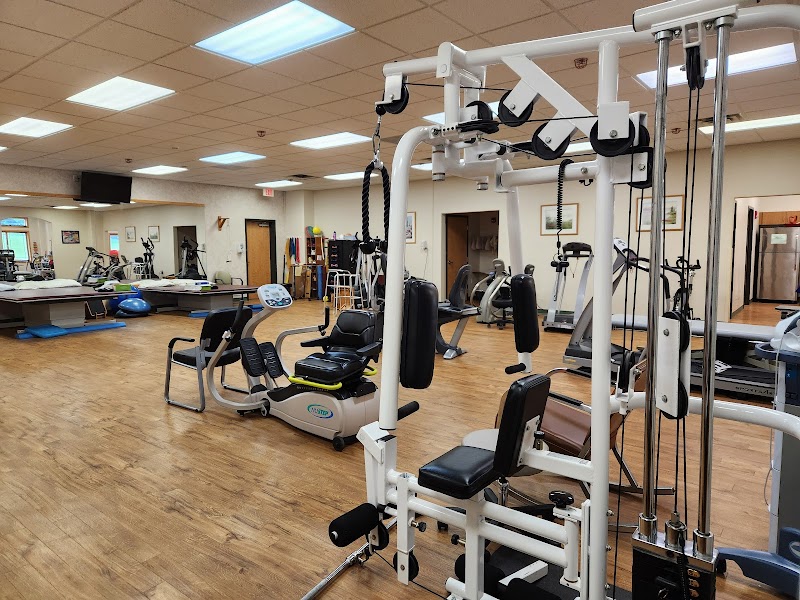
Who Owns and Operates Cortland Acres Health And Rehabilitation?

Cortland Acres Health and Rehabilitation is owned by a for-profit company. For-profit facilities operate as businesses with obligations to shareholders or private owners. The facility operates independently rather than as part of a larger chain. With 94 certified beds and approximately 0 residents (about 0% occupancy), it is a smaller facility located in THOMAS, West Virginia.

How Does Cortland Acres Health And Rehabilitation Compare to Other West Virginia Nursing Homes?

Compared to the 100 nursing homes in West Virginia, Cortland Acres Health and Rehabilitation's overall rating (1 stars) is below the state average of 2.7, staff turnover (76%) is significantly higher than the state average of 46%, and health inspection rating (1 stars) is much below the national benchmark.

What Should Families Ask When Visiting Cortland Acres Health And Rehabilitation?

Based on this facility's data, families visiting should ask: "What changes have been made since the serious inspection findings, and how are you preventing similar issues?" "How do you ensure continuity of care given staff turnover, and what is your staff retention strategy?" "Can I visit during a mealtime to observe dining assistance and food quality?" "How do you handle medical emergencies, and what is your hospital transfer rate?" These questions are particularly relevant given the facility's Immediate Jeopardy citations and the facility's high staff turnover rate.

Is Cortland Acres Health And Rehabilitation Safe?

Based on CMS inspection data, Cortland Acres Health and Rehabilitation has documented safety concerns. Inspectors have issued 2 Immediate Jeopardy citations (the most serious violation level indicating risk of serious injury or death). The facility has a 1-star overall rating and ranks #100 of 100 nursing homes in West Virginia. Families considering this facility should ask detailed questions about what corrective actions have been taken since these incidents.

Do Nurses at Cortland Acres Health And Rehabilitation Stick Around?

Staff turnover at Cortland Acres Health and Rehabilitation is high. At 76%, the facility is 30 percentage points above the West Virginia average of 46%. Registered Nurse turnover is particularly concerning at 88%. RNs handle complex medical decisions and coordinate care — frequent RN changes can directly impact care quality. High turnover means new staff may not know residents' individual needs, medications, or preferences. It can also be disorienting for residents, especially those with dementia who rely on familiar faces. Families should ask: What is causing the turnover? What retention programs are in place? How do you ensure care continuity during staff transitions?

Was Cortland Acres Health And Rehabilitation Ever Fined?

Cortland Acres Health and Rehabilitation has no federal fines on record. CMS issues fines when nursing homes fail to meet care standards or don't correct problems found during inspections. The absence of fines suggests the facility has either maintained compliance or corrected any issues before penalties were assessed. This is a positive indicator, though families should still review recent inspection reports for the full picture.

Is Cortland Acres Health And Rehabilitation on Any Federal Watch List?

Cortland Acres Health and Rehabilitation is not on any federal watch list. The most significant is the Special Focus Facility (SFF) program, which identifies the bottom 1% of nursing homes nationally based on persistent, serious quality problems. Not being on this list means the facility has avoided the pattern of deficiencies that triggers enhanced federal oversight. This is a positive indicator, though families should still review the facility's inspection history directly.