GOOD SHEPHERD NURSING HOME
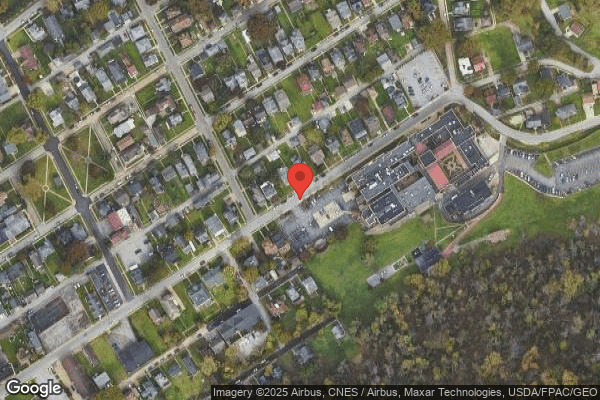

159 EDGINGTON LANE, WHEELING, WV 26003 (304) 242-1093
Non profit - Church related 192 Beds Independent Data: November 2025
Trust Grade
70/100
#26 of 122 in WV
Last Inspection: June 2023

Over 2 years since last inspection. Current conditions may differ from available data.

Overview

Good Shepherd Nursing Home in Wheeling, West Virginia, has a Trust Grade of B, which indicates it is considered a good choice for care. It ranks #26 out of 122 facilities in the state, placing it in the top half, and #2 out of 3 in its county, meaning there is only one local option that is better. Unfortunately, the facility is experiencing a worsening trend, with issues increasing from 9 in 2022 to 10 in 2023. Staffing is a concern, receiving only 2 out of 5 stars, with a turnover rate of 45%, which is average for the state. However, the facility has not incurred any fines, which is a positive indicator of compliance. Specific incidents noted by inspectors include a failure to involve residents in their care plan development, meaning four residents were not given the opportunity to participate in their own care decisions. Additionally, the facility did not adequately implement a resident-centered activities program, leaving residents without engaging activities that reflect their interests and preferences. There were also issues managing pain medication for at least one resident, where pain medication was administered even when the resident reported lower pain levels than prescribed. While Good Shepherd has some strengths, such as its good trust grade and lack of fines, these concerns highlight areas that need attention for improving resident care.

Trust Score
B
70/100
In West Virginia
#26/122
Top 21%
Safety Record
Low Risk
No red flags
Inspections
Getting Worse
9 → 10 violations
Staff Stability
⚠ Watch
45% turnover. Above average. Higher turnover means staff may not know residents' routines.
Penalties
✓ Good
No fines on record. Clean compliance history, better than most West Virginia facilities.
Skilled Nurses
⚠ Watch
Each resident gets only 28 minutes of Registered Nurse (RN) attention daily — below average for West Virginia. Fewer RN minutes means fewer trained eyes watching for problems.
Violations
⚠ Watch
24 deficiencies on record. Higher than average. Multiple issues found across inspections.
★★★★☆
4.0
Overall Rating
★★☆☆☆
2.0
Staff Levels
★★★★☆
4.0
Care Quality
★★★★☆
4.0
Inspection Score
Stable
2022: 9 issues
2023: 10 issues

The Good

  • 4-Star Quality Measures · Strong clinical quality outcomes
  • Full Sprinkler Coverage · Fire safety systems throughout facility
  • No fines on record

Facility shows strength in quality measures, fire safety.

The Bad

Staff Turnover: 45%

Near West Virginia avg (46%)

Higher turnover may affect care consistency

The Ugly 24 deficiencies on record

Jun 2023 10 deficiencies
CONCERN (D)

Potential for Harm - no one hurt, but risky conditions existed

Transfer Notice (Tag F0623)

Could have caused harm · This affected 1 resident

**NOTE- TERMS IN BRACKETS HAVE BEEN EDITED TO PROTECT CONFIDENTIALITY** . Based on record review and staff interview, the facility failed to provide Notice of Discharge to the Office of the State Long...

Read full inspector narrative →
**NOTE- TERMS IN BRACKETS HAVE BEEN EDITED TO PROTECT CONFIDENTIALITY** . Based on record review and staff interview, the facility failed to provide Notice of Discharge to the Office of the State Long Term Care (LTC) Ombudsman during a discharge/transfer. This was true for one (1) of one (1) residents reviewed for hospitalization. Resident identifier #178. Facility census 181. Findings included: a) Resident #178 Record review on 06/28/23 at 10:27 AM, revealed Resident #178 was discharged to the hospital on [DATE]. Subsequent review of the Resident #178's medical record showed it did not contain evidence the Notice of Transfer or Discharge was provided to the Ombudsman upon discharge on [DATE]. On 06/28/22 at 10:04 AM during an interview the Director of Nursing (DON) confirmed the Ombudsmen was not notified of the discharge on [DATE].
CONCERN (D)

Potential for Harm - no one hurt, but risky conditions existed

Deficiency F0645 (Tag F0645)

Could have caused harm · This affected 1 resident

. Based on record review and staff interview, the facility failed to ensure the residents Preadmission Screening and Resident Review (PASRR) reflected the admission diagnosis. This was true for three ...

Read full inspector narrative →
. Based on record review and staff interview, the facility failed to ensure the residents Preadmission Screening and Resident Review (PASRR) reflected the admission diagnosis. This was true for three (3) of five (5) reviewed for the PASRR care area during the Long-Term Care Survey. Resident identifiers: Resident #30, Resident #76, Resident #8. Facility census: 181. Findings included: a) Resident #30 During a record review on 06/27/23 at 10:37 AM, Resident #30's medical record revealed admitting diagnoses of anxiety disorder and bipolar disorder. Further review of the medical record revealed a PASRR dated 09/15/22, Section 30 Current Diagnosis, was coded None. During an interview on 06/27/23 at 2:48 PM with Social Services #155 stated I do not complete the PASRR, I just send it to the state for approval. The physician and a nurse complete them. During an interview on 06/27/23 at 3:09 PM, the DON acknowledged the PASRR was not completed with the diagnosis of bipolar disorder. b) Resident #76 A medical record review on 06/27/23, of the list of admission diagnoses for Resident #76 indicated a diagnosis of a schizoaffective disorder since 03/13/17. The schizoaffective disorder had not been added as a mental illness (MI) for question 30 of the PASRR dated 04/19/23. In an interview with the DON on 06/28/23 at 11:32 AM, acknowledged the schizoaffective disorder was not included as a mental illness on the PASRR for Resident #76. c) Resident #8 A medical record review on 06/27/23, of the list of admission diagnoses for Resident #8 had a diagnosis of affective bipolar disorder since 03/13/17. The affective bipolar disorder had not been added as a mental illness (MI) for question 30 of the PASRR dated 08/02/22. In an interview with the DON on 06/27/23 at 3:08 PM, acknowledged the affective bipolar disorder was not included as a mental illness on the PASRR for Resident #8. .
CONCERN (D)

Potential for Harm - no one hurt, but risky conditions existed

Quality of Care (Tag F0684)

Could have caused harm · This affected 1 resident

Based on record review and staff interview, the facility failed to ensure residents received treatment and care in accordance with professional standards of practice by failing to comply with physicia...

Read full inspector narrative →
Based on record review and staff interview, the facility failed to ensure residents received treatment and care in accordance with professional standards of practice by failing to comply with physician's orders. This deficient practice had the potential to affect three (3) of 36 residents reviewed in the long-term care survey sample. Resident identifiers: #60, #43, and #158. Facility census: 181. Findings included: a) Resident #60 Review of Resident #60's physician's orders showed an order written on 07/10/22 for the following laboratory testing every January and July: complete blood count, comprehensive metabolic panel, ferritin, iron, and lipid panel. Review of Resident #60's laboratory results for January 2023 showed results for the complete blood count and comprehensive metabolic panel. No results for the ferritin, iron, and lipid panel were in the resident's medical file. During an interview on 06/27/23 at 4:04 PM, Registered Nurse (RN) #8 confirmed the ferritin, iron, and lipid panel laboratory testing had not been performed in January 2023 as ordered by the physician. b) Resident #43 Review of Resident #43's physician's orders showed the following order written on 04/24/19, Meds must be given within a 10 minute window. During an interview on 06/28/23 at 11:16 AM, the Director of Nursing (DON) stated this order was for the resident's medication for Parkinson's Disease, Sinemet, which was ordered four (4) times a day, at 7:30 AM, 10:30 AM, 2:30 PM, and 7:30 PM. If Sinemet is not administered on time, symptoms of Parkinson's Disease, such as tremor, muscle stiffness, and impaired balance and coordination, may occur. Resident #43's Medication Administration Audit Report was reviewed for one (1) week. On the following dates, Sinemet was administered to Resident #43 outside the physician-ordered 10 minute window for medication administration: - 06/21/23, the 7:30 AM dose was administered at 8:30 AM. - 06/21/23, the 10:30 AM dose was administered at 10:06 AM. - 06/21/23, the 2:30 PM dose was administered at 2:06 PM. - 06/21/23, the 7:30 PM dose was administered at 8:29 PM. - 06/22/23, the 7:30 AM dose was administered at 8:32 AM. - 06/22/23, the 2:30 PM dose was administered at 2:58 PM. - 06/22/23, the 7:30 PM dose was administered at 7:02 PM. - 06/23/23, the 7:30 AM dose was administered at 8:55 AM. - 06/23/23, the 10:30 AM dose was administered at 4:14 PM. - 06/23/23, the 2:30 PM dose was administered at 4:14 PM. - 06/23/23, the 7:30 PM dose was administered at 8:11 PM. - 06/24/23, the 7:30 AM dose was administered at 8:17 AM. - 06/24/23, the 10:30 AM dose was administered at 10:06 AM. - 06/24/23, the 7:30 PM dose was administered at 6:56 PM. - 06/25/23, the 7:30 AM dose was administered at 8:51 AM. - 06/25/23, the 10:30 AM dose was administered at 2:35 PM. (The 2:30 PM dose was also given at 2:35 PM.) - 06/26/23, the 7:30 PM dose was administered at 8:30 PM. During an interview on 04/24/23 at 1:45 PM, the DON confirmed Resident #43's Sinemet was given outside the physician-ordered medication window of ten minutes. c) Resident #158 During a record review on 06/26/23 at 6:35 PM, Resident #158 medical records revealed a physician order dated 06/16/23 typed as written Chopped texture, Regular (Thin) consistency, for Diet UNTIL SEEN BY ST [Speech Therapy]. Further review of the medical records revealed no evidence in the electronic medical record or on the chart that the speech evaluation was completed. During a record review on 06/28/23 at 8:57 AM Resident # 158 medical records revealed a nurses note on 06/16/23 typed as written Speech therapy attempted to see resident. Resident lethargic, confused. Will try again tomorrow. During a interview on 06/28/23 at 9:20 AM Speech Therapist (ST) #10 stated, I receive a form when an evaluation is needed, then I schedule an evaluation. I remember (Resident's name), I saw her on that day she was very lethargic and very confused. I told the nurse I would come back, I did not say it would be the next day because that would be a Saturday and I don't work the weekends. And if the resident is not complaining about the diet change when they have been downgraded then I don't go reevaluate them. This surveyor stated but you never evaluated the resident to begin with, and if the resident is confused, how will the resident tell you about the diet. The ST stated don't worry, they do tell us if they don't like the diet change, even if they are confused. I can complete an evaluation today but it's a little late. During an interview on 06/28/23 at 9:22 AM the ST #10 acknowledged she did not follow the physician order for the speech evaluation. On 06/28/23 at 3:30 PM the DON was informed of the Speech Therapist not following a physician order for a speech evaluation.
CONCERN (D)

Potential for Harm - no one hurt, but risky conditions existed

Accident Prevention (Tag F0689)

Could have caused harm · This affected 1 resident

**NOTE- TERMS IN BRACKETS HAVE BEEN EDITED TO PROTECT CONFIDENTIALITY** . Based on observation, record review and staff interview, the facility failed to ensure wander guard devices were properly main...

Read full inspector narrative →
**NOTE- TERMS IN BRACKETS HAVE BEEN EDITED TO PROTECT CONFIDENTIALITY** . Based on observation, record review and staff interview, the facility failed to ensure wander guard devices were properly maintained to prevent elopement hazards. This failed practice was true for one (1) of two (2) Residents reviewed for elopement. Resident identifier: #151. Facility census: 181. Findings included: a) Resident #151 On 06/26/23 at 11:37 AM Resident #151 was observed ambulating throughout the hallway, near the 3 central elevator on 3rd floor. Resident #151 was noted to have a wander guard bracelet in place on the left lower extremity. Record review showed an order dated 02/11/23 to apply accutech [wander guard] bracelet for safety and check every shift for safety. Record review of the facility's policy titled, Safety/Accident Prevention, Accu Check System, not dated, showed that functioning of the transmitters was to be checked weekly. The policy's use statement showed wander guards were to be used to guarantee that residents with cognitive impairment were safe from exiting the building while wandering though the facility. Review of Resident #151's Minimum Data Set (MDS) with an Assessment Reference Date (ARD) of 05/15/23 Section C (Cognitive Patterns) showed a Brief Interview of Mental Score (BIMS) score of 2. A score of two (2) indicates sever cognitive impairment. Section P (Restraints and Alarms) indicated the Resident used a wander/elopement guard daily. A record review of diagnoses showed Resident #151 to have unspecified dementia and wandering in disease classified elsewhere. A Neurological Evaluation completed on 06/28/23 showed the following: Resident is disoriented. Resident is confused. Resident experiencing signs of short-term memory loss. Resident requires queues. Oriented to person. Current disorientation is considered baseline for Resident. Current state of confusion is considered baseline for Resident. Level of cognitive impairment: Severe impairment (affecting all areas of judgement). Speech is coherent. Speech is clear. Resident sometimes displays the capability of understanding verbal communication. Resident is sometimes able to make self-understood. On 06/28/23 at 8:53 AM the Director of Nursing (DON) verified Resident #151 wanders throughout the 3rd floor and is utilizing the wander guard (accutech). The DON stated they are checked off daily on the Treatment Administration Record (TAR) that it is in place on the resident. The DON stated the [NAME] Clerk on 2nd floor keeps the wander guard checklists that documents the wander guard is working. On 06/28/23 at 9:03 AM, the DON obtained the Accutech Checklist from [NAME] Clerk (WC) #160 in the presence of a Surveyor. The WC #160 stated, This is the last one I got, that's the last one I done. The DON verified the date of the last AccuTech check to be 04/18/23 and 04/19/23. During an interview on 06/28/23 at 12:15 PM the Maintenance Director (MD) #25 stated that Maintenance worker #30 performs the AccuTech Wander guard audits every Friday at each exit point of units. MD #25 stated that they have wander guard they keep in the office to check to the door latches with but they do not check any individual resident alarms. The 3rd floor where Resident #151 resided was noted to have the following potential exit points: 3rd floor [NAME] 3 center stairwell 3rd floor dietary hall 3 center stairwell 3 center elevator 3rd floor small elevator 3rd floor service elevator 3rd floor north stairwell On 06/29/23 at 09:29 AM, the DON was asked for additional accutech (wander guard) maintenance records. The DON provided functionality audits dated 01/09/23. The DON stated, That's all I can come up with, that was all I could find in her [WC #160] drawer. The DON further stated, They [staff] are not doing them [wander guard functionality audits] enough, it needs addressed. The DON verified policy dictates the wander guard functionality should be tested weekly for each resident.
CONCERN (D)

Potential for Harm - no one hurt, but risky conditions existed

Medical Records (Tag F0842)

Could have caused harm · This affected 1 resident

. Based on record review and staff interview, the facility failed to maintain an accurate and correct medical record. This was discovered for one (1) of 36 residents reviewed for the area of advance d...

Read full inspector narrative →
. Based on record review and staff interview, the facility failed to maintain an accurate and correct medical record. This was discovered for one (1) of 36 residents reviewed for the area of advance directives. Resident #175 did not have an order for hospice services and the Do Not Resuscitate (DNR) order was incomplete. Resident identifier: #175 Facility census: 181. Findings included: a) Resident #175 a1) During a medical record review on 06/28/23, revealed no diagnosis for hospice services on the current physician's orders. Further review indicated the care plan had been updated on 06/26/23 for hospice services. In an interview with Registered Nurse (RN) #164 on 06/28/23 at 12:16 PM, the RN verified there were no current orders for hospice services for Resident #175. a2) A review of the DNR order was found to be incomplete. There was no physician's signature and date, and the Medical Power Attorney (MPOA) signature was not dated. In an interview with Registered Nurse (RN) #100 on 06/27/23 at 8:22 AM, the RN verified the DNR order did not have a physician's signature and there were no dates for the physician or the (MPOA) signature.
CONCERN (D)

Potential for Harm - no one hurt, but risky conditions existed

Infection Control (Tag F0880)

Could have caused harm · This affected 1 resident

. Based on observation, record review, and staff interview, the facility failed to establish and maintain an infection prevention and control program designed to help prevent the development and trans...

Read full inspector narrative →
. Based on observation, record review, and staff interview, the facility failed to establish and maintain an infection prevention and control program designed to help prevent the development and transmission of communicable diseases and infections. Appropriate hand hygiene was not performed during the pressure ulcer dressing change for one (1) of one (1) pressure ulcer dressing change observations. Resident identifier: #60. Facility census: 181. Findings included: a) Resident #60 Review of the facility's policy statement titled Wound Care indicated the facility's policy for removing the soiled dressing before wound treatment was as follows: - Put on exam glove. Loosen tape and remove dressing. Place dressing in plastic bag. Pull glove over dressing from one hand and then the other. - Remove gloves and place in plastic bag. The policy did not identify that hand hygiene must be performed between removing the soiled gloves and applying clean gloves and before proceeding with the wound treatment. On 06/28/23 at 10:07 AM, observation of Resident #60's left Achilles heel pressure ulcer dressing was observed. The dressing change was performed by Licensed Practical Nurse (LPN) #168 with assistance of LPN #167. LPN #168 performed hand hygiene and donned gloves before removing the soiled dressing on Resident # 60's left Achilles heel wound. LPN #168 proceeded to clean Resident #60's heel with soap on gauze. LPN #168 did not remove her potentially soiled gloves, perform hand hygiene, and don new gloves before beginning to clean the resident's pressure ulcer. Following the procedure, LPN #168 was informed the proper infection control practice following removal of a soiled dressing was to remove her gloves, perform hand hygiene, and don new gloves before beginning to clean the wound. LPN #168 stated she understood. No further information was provided through the completion of the survey.
CONCERN (D)

Potential for Harm - no one hurt, but risky conditions existed

Deficiency F0883 (Tag F0883)

Could have caused harm · This affected 1 resident

. Based on record review and staff interview, the facility failed to document that vaccination education was provided to residents receiving influenza vaccination. This failed practice had the potenti...

Read full inspector narrative →
. Based on record review and staff interview, the facility failed to document that vaccination education was provided to residents receiving influenza vaccination. This failed practice had the potential to affect three (3) of five (5) residents reviewed for the care area of immunizations. Resident identifiers: #60, #97, and #30. Facility census: 181. Findings included: a) Policy Review Review of the facility's policy titled Prevention and Control of Influenza with a review date of March 2023 stated that residents with capacity or their Medical Power of Attorneys would be given information regarding the benefits and potential side-effects of the immunization. No policy implementation date was given. The policy contained no guidance regarding documentation of that information was provided to the resident. b) Resident #30 Review of Resident #30's progress note showed a note written by Social Worker (SW) #155 on 09/09/22 that stated, 9/7/22. Spoke with [resident's first name]. She would like to receive the flu vaccine. The resident's medical records contained no evidence was found that vaccine education information, including the benefits and potential side-effects of the immunization, was given to the resident. c) Resident #97 Review of Resident #97's progress note showed a note written by SW #156 on 09/09/22 that stated, Spoke with MPOA [Medical Power of Attorney] regarding resident receiving the flu shot and the Bivalent COVID 19 booster vaccine. She wants her mom to receive the flu shot but requests that it not be administered until November due to her mother having just recovered from COVID. She does not want her to receive the COVID booster, again because of her recently having COVID. The resident's medical records contained no evidence that vaccine education information, including the benefits and potential side-effects of the immunization, was given to the resident. d) Resident #60 Review of Resident #60's progress note showed a note written by SW #157 on 09/06/22 that stated, [Resident name] is agreeable to receiving flu vaccine. The resident's medical records contained no evidence that vaccine education information, including the benefits and potential side-effects of the immunization, was given to the resident. e) Infection Preventionist Interview During an interview, on 06/29/23 at 9:52 AM, the Infection Preventionist stated Vaccine Information Sheets were provided to the residents or mailed to the resident representatives, but there was no evidence this was done for Residents #30, #97, and #60. The Infection Preventionist stated that if the staff member obtaining vaccine consent had completed a consent form rather than documenting verbal consent in the progress notes, provision of education would have been documented. No further information was provided through the completion of the survey process.
CONCERN (E)

Potential for Harm - no one hurt, but risky conditions existed

Deficiency F0657 (Tag F0657)

Could have caused harm · This affected multiple residents

. Based on medical record review, policy review, resident interview and staff interview, the facility failed to ensure the residents had the right to participate and must be given the opportunity to p...

Read full inspector narrative →
. Based on medical record review, policy review, resident interview and staff interview, the facility failed to ensure the residents had the right to participate and must be given the opportunity to participate in development, review and revision of his/her care plan. This was true for four (4) of 36 reviewed for care plans during the Long-Term Care Survey Process. Resident identifiers: Resident #6, Resident #158, Resident #116 and Resident #43. Facility census: 118. Findings included: A review of the facility policy titled Care Planning-Interdisciplinary Team with a revision date of 04/13/23 read as follows: .3. The resident, the resident's family and/or the resident's legal representative/guardian or surrogate are encouraged to participate in the development of and revisions to the resident's care plan a) Resident #6 During an interview on 06/26/23 at 3:06 PM Resident #6 stated that I have never attended a care meeting or been invited. During an interview on 06/26/23 at 2:48 PM Social Services (SS) #155 stated the care plan meetings are held two (2) weeks after the Minimum Data Set (MDS) is completed. We send a letter to the Medical Power of Attorney (MPOA). The team consists of the Social Worker, Nursing, Nurse Aide (NA), Care plan nurse, Dietary and Activity Director. During a record review on 06/26/23 at 3:15 PM, Resident #6 medical records revealed a plan of care note,dated 04/14/2023 at 10:33 AM Typed as written: 4/11/23 Quarterly care plan meeting for (resident name) who is alert and independent with decision making. (Resident name) had no concerns to discuss in the meeting. Her daughter attended via conference call. An update was provided and questions were addressed. (Resident's name) has made a successful adjustment to her new room on 3 North. Daughter offered that (Resident's name) reports to her that her room is too hot. I will address with Maintenance. SS {Social Services} will continue to monitor and assist as needed. SS goals reviewed and updated as needed. Maintenance informed after the meeting that (Resident's name) feels her room is too warm. They are to address. During a record review on 06/27/23 at 10:30 AM , Resident # 6 medical records revealed a Physician Determination of Capacity dated 01/24/23 was coded Resident demonstrates capacity to make decisions. Further review of the medical record reviewed revealed an MDS with Assessment Reference Date (ARD) of 03/27/23 Section titled C-Cognitive Patterns, C0500 Brief Interview of Mental Status (BIMS) Summary Score of 14 which indicates intact cognition. Further record review of the care plan meeting summary dated 04/11/23, the section titled: Persons attending: was void of Resident attendance coded yes or no. On 06/27/23 at 3:30 PM SS #155 provided a copy of the care plan meeting letter invitation address to the family member dated 03/28/23. During an interview on 06/28/23 at 11:22 AM SS #155 stated that two (2) days prior to the meeting asked the Resident do you have concerns you need me to bring to the care plan meeting. She verified there was no evidence of inviting the Resident to the care plan meeting. b) Resident #158 During a interview on 06/26/23 at 12:31 PM, Resident # 158 stated that I am not invited to attend care meetings. During an interview on 06/26/23 at 2:48 PM SS #155 stated that the care plan meetings are held two (2) weeks after the MDS is completed. We send a letter to the MPOA. The team consists of the Social Worker, Nursing, NA, Care plan nurse, Dietary and Activity Director. During a medical record review on 06/26/23 at 3:17 PM, Resident #158 medical records revealed a Plan of Care note dated 3/31/2023 at 11:38 AM Typed as written 3/28/23 Quarterly care plan meeting for (Resident's name) who is alert and independent with decision making. (Resident's name) had no concerns to discuss at the meeting. Her daughter/MPOA was in attendance via conference call. An update was provided and questions were addressed. (Resident's name) continues to spend her time as she chooses. She is always very pleasant and cooperative with this worker. No SS concerns have been reported. SS will continue to monitor and assist as needed. SS goals reviewed and updated as needed. During a record review on 06/27/23 at 10:30 AM, Resident #158's medical record revealed a Physician Determination of Capacity dated 06/24/23 was coded Resident demonstrates capacity to make decisions. Further review of the medical record revealed an MDS with an ARD 03/13/23 Section titled C-Cognitive Patterns, C0500 BIMS Summary Score 10 which indicates moderately impaired cognition. Further record review of the care plan meeting summary dated 03/28/23, the section titled: Persons attending: was void of Resident attendance coded yes or no. On 06/27/23 at 3:30 PM the SS #155 provided a copy of the care plan meeting letter invitation address to the family member dated 03/14/23. During an interview on 06/28/23 at 11:22 AM the SS #155 stated two (2) days prior to the meeting I asked the Resident do you have concerns you need me to bring to the care plan meeting. She verified there was no evidence for inviting the Resident to the care plan meeting. c) Resident # 116 During an interview on 06/26/23 at 12:18 PM Resident # 116 stated that I am not sure about care plan meetings, don't think I have ever been to one or invited to attend. During an interview on 06/26/23 at 2:48 PM SS #155 stated that the care plan meetings are held two (2) weeks after the MDS is completed. We send a letter to the MPOA and the team consists of the Social Worker, Nursing, NA, care plan nurse, Dietary and Activity Director. During a medical record review on 06/26/23 at 3:23 PM, Resident #116's medical record revealed a Plan of Care note dated 4/6/2023 at 8:27 AM typed as written 4/4/23 Quarterly care plan meeting for (Resident's name) who is alert and independent with decision making. (Resident's name) had no concerns to be addressed in the meeting. Daughter and son in attendance via conference call. An update was provided and questions were addressed. No SS concerns reported. (Resident's name) seems to have successfully adjusted to her room on the 3 north unit. She is always very pleasant and cooperative with this worker. SS will continue to monitor and assist as needed. Continued assistance offered. SS goals reviewed and updated as needed. During a record review on 06/27/23 at 10:30 AM, Resident #116's medical record revealed a Physician Determination of Capacity dated 12/17/22 was coded Resident demonstrates capacity to make decisions. Further review of the medical record revealed an MDS with an ARD of 03/20/23 Section titled C-Cognitive Patterns, C0500 BIMS Summary Score 13 which indicates cognitively intact Further record review care plan meeting summary dated 04/04/23, the section titled: Persons attending: was void Resident attendance coded yes or no. On 06/27/23 at 3:30 PM SS #155 provided a copy of the care plan meeting letter invitation address to the family member dated 03/21/23. During an interview on 06/28/23 at 11:22 AM, SS #155 stated two (2) days prior to the meeting I asked the Resident do you have concerns you need me to bring to the care plan meeting. She verified there was no evidence of inviting the resident to the care plan meeting. d) Resident #43 A review of Resident #43's comprehensive care plan showed the focus, [Resident's name] is ordered opioid medication. Review of Resident #43's medication orders showed no current orders for opioid medication. Further review of Resident #43's medication orders showed the resident's opioid medication, Percocet, had been discontinued on 02/28/23. During an interview on 06/28/23 at 1:45 PM, the Director of Nursing (DON) confirmed the comprehensive care plan needed revision because Resident #43 was no longer receiving opioid medication. .
CONCERN (E)

Potential for Harm - no one hurt, but risky conditions existed

Deficiency F0679 (Tag F0679)

Could have caused harm · This affected multiple residents

**NOTE- TERMS IN BRACKETS HAVE BEEN EDITED TO PROTECT CONFIDENTIALITY** . Based on observation, policy review, medical record review, resident interview and staff interview, the facility failed to imp...

Read full inspector narrative →
**NOTE- TERMS IN BRACKETS HAVE BEEN EDITED TO PROTECT CONFIDENTIALITY** . Based on observation, policy review, medical record review, resident interview and staff interview, the facility failed to implement an ongoing resident centered activities program designed to meet the interest of and support the physical, mental and psychosocial well-being of each resident. This practice was found for four (4) of four (4) Residents reviewed for the Activity Care Area during the Long term care survey process. Resident identifiers: #6, #36, #1 and #72. Facility census: 181. Findings included: A review of the facility policy titled Activity Policy with a revision date of 04/13/23 read as follows: .Individualized and group activities are provided that reflect the schedules, choices and rights of the residents. They are offered at hours convenient to the resident, including evenings, holidays and weekends. They reflect the cultural and religious interests, hobbies, life experiences, and personal preferences of the residents. Activities appeal to men and women as well as those of various age groups residing in the facility. a) Resident #6 During a interview on 06/26/23 at 3:06 PM, Resident # 6 stated that there is not enough activities and I don't like Bingo and that's all we do. During a record review on 06/27/23 at 6:30 PM Resident # 6 medical record revealed an activity assessment dated [DATE] read as follows: Section titled: K. Activity Settings Resident Preferred activity setting coded as follows: -1:1 -activity room -small group Section titled: L Activity Preference Time coded as follows: 3. Afternoon 4. Evening Section titled: M. Activity Interest coded as follows: -cards and games -crafts/art -current events -helping others -music -spiritual/religious -time outdoors A further review of the medical records revealed the following care plan: Focus Statement: Resident name is dependent on staff etc. for meeting emotional, intellectual, physical and social needs related to (r/t) physical limitations. The focus statement was initiated on 12/27/22 and revised on 2/27/23. Goal: Resident's name will attend/participate in activities of choice and have one on one visits with activity aides 1-2 times weekly by next review date. inventions included: Past Volunteered for meals on wheels, past knitting/cross-stitch/painting. Lutheran, Enjoyed sewing, baking/crafts. The residents' preferred activities are: word search, current events, music, reading the newspaper, church service, talking and conversing, watching TV/movies, pet visits. Further record review of the activity participation records for the last 30 days revealed the following: -Intellectual-Games was void of any record of participation -Intellectual Activities was void record of participation on the following days: -06/27/23 -06/26/23 -06/25/23 -06/24/23 -06/23/23 -06/22/23 -06/21/23 -06/20/23 -06/19/23 -06/18/23 -06/17/23 -06/16/23 -06/14/23 -06/13/23 -06/12/23 -06/11/23 -06/10/23 -06/08/23 -06/05/23 -06/03/23 -06/02/23 -06/01/23 -Spiritual Domain was void of any record of participation. During an review of the monthly activity calendar found the following group scheduled activities during the Long Term Care Survey Process: -On Monday 06/26/23 -11:55 AM Mass -2:30 PM Bingo -On Tuesday 06/27/23: -11:55 AM Mass -2:30 PM Dice it up Game -On Wednesday 06/28/23 -11:55 AM Mass -2:30 PM Pretty Nails -On Thursday 06/29/23 -11:55 AM Mass -2:30 PM Resident Council Meeting -On Friday 06/30/23 -11:55 AM Mass -2:30 PM Auction There was only one other group activity every day other than Mass at 11:55 AM, for the months of June, May and April. No further information was provided at the close of the survey. b) Resident #36 During an interview on 06/26/23 at 1:11 PM, Resident #36 stated there were no activities. Resident #36 said, only thing I like is bingo and they don't have it very often weekly I think. During a record review on 06/27/23 at 6:39 PM Resident # 36 medical record revealed an activity assessment dated [DATE] read as follows: Section titled: K. Activity Settings Resident Preferred activity setting coded as follows: -1:1 -small group Section titled: L Activity Preference Time coded as follows: -3. Afternoon -4. Evening Section titled: M. Activity Interest coded as follows: -cards and games -crafts/art -current events -helping others -music -spiritual/religious -conversing -watching movies A further review of the medical record revealed the following care plan: Focus Statement: Resident name is dependent on staff etc. for meeting emotional, intellectual, physical and social needs r/t cognitive deficits, physical limitations. This focus statement was initiated on 11/02/22 and revised on 11/02/22. Goal: Resident's name will attend/participate in activities of choice and have one on one visits with activity aides 1-2 times weekly by next review date. Inventions included: Past worked as a bookkeeper and housewife. Presbyterian/past hobbies was traveling, bowling. tennis, deer hunting. Still plays the organ. The residents' preferred activities are: bingo, current events, music, church service, talking and conversing, watching TV/movies, pet visits, nail care bunco and dice it up. Further record review of the activity participation records for the last 30 days revealed the following: -Intellectual-Games was void record of participation on the following days: -06/24/23 -06/23/23 -06/22/23 -06/21/23 -06/18/23 -06/15/23 -06/13/23 -06/11/23 -06/10/23 -06/09/23 -06/08/23 -06/07/23 -06/06/23 -06/03/23 -06/02/23 -06/01/23 -05/31/23 -Intellectual Activities was void record of participation on the following days: -06/27/23 -06/26/23 -06/24/23 -06/23/23 -06/21/23 -06/19/23 -06/18/23 -06/17/23 -06/16/23 -06/15/23 -06/13/23 -06/12/23 -06/11/23 -06/10/23 -06/09/23 -06/07/23 -06/05/23 -06/04/23 -06/02/23 -06/01/23 -05/31/23 -05/30/23 -Spiritual Domain was void of any record of participation. c) Resident #1 During an observation on 06/26/23 at 3:16 PM, Resident #1 sitting in wheelchair in dayroom holding baby, not playing bingo. During an observation on 06/27/23 at 1:46 PM Resident #1 sitting in the day room asleep in her wheelchair, holding her baby. During an observation on 06/28/23 at 1:15 PM Resident #1 was sitting in her wheelchair asleep at the Nurses Station, holding her baby. During a record review on 06/27/23 at 6:48 PM, Resident #1 medical record revealed an activity assessment dated [DATE] read as follows: Section titled: K. Activity Settings Resident Preferred activity setting coded as follows: -activity room -1:1 -small group Section titled: L Activity Preference Time coded as follows: -3. Afternoon Section titled: M. Activity Interest coded as follows: -cards and games -music -spiritual/religious -parties/social events -spiritual/religious -time outdoors A further review of the medical record revealed the following care plan: Focus Statement: Resident name is dependent on staff etc. for meeting emotional, intellectual, physical and social needs r/t cognitive deficits, physical limitations. This focus statement was initiated on 04/10/22 and revised on 03/18/22. Goal: Resident's name will attend/participate in activities of choice and have one on one visits with activity aides 1-2 times weekly by next review date. Inventions included: Past worked as a telephone operator. Helped out at church club (homemakers enjoys flowers Methodist. The residents' preferred activities are: music, socials, church service, talking and conversing, time outdoors wheel chair (w/c) rides, holding baby, bible read to her. Further record review of the activity participation records for the last 30 days revealed the following: ~Intellectual-Games was void of any record of participation for 30 days. -Intellectual Activities was void record of participation on the following days: 06/27/23 -06/26/23 -06/25/23 -06/24/23 -06/23/23 -06/22/23 -06/21/23 -06/20/23 -06/19/23 -06/18/23 -06/16/23 -06/15/23 -06/14/23 -06/13/23 -06/12/23 -06/11/23 -06/09/23 -06/07/23 -06/06/23 -06/05/23 -06/04/23 -06/03/23 -06/02/23 -06/01/23 -05/31/23 -05/30/23 -Spiritual Domain was void of any record of participation for 30 days. d) Resident #72 Observation throughout the Long-term survey revealed Resident #72 sitting alone with no activities being provided. --06/26/23 at 12:23 PM sitting in hallway by her room door, sleeping. --06/26/23 at 1:31 PM sitting in activities room by herself-sleeping. --06/26/23 at 3:24 PM sitting in activities room by herself-sleeping. --06/27/23 at 8:25 AM sitting in activities room by herself-sleeping with a people magazine placed in her lap. --06/27/23 at 9:53 AM sitting in activities room by herself-sleeping. --06/27/23 at 11:44 AM sitting in hallway by her room door. --06/28/23 at 9:14 AM sitting in activities room by herself-sleeping. A review of Resident #72's current care plan revised 06/09/22 found the following: Focus: Resident #72 is dependent on staff for meeting emotional, intellectual, physical and social needs related to physical limitations and cognitive deficits. Goal: Resident #72 will attend and participate in activities of choice and receive one on one with activities 1 or 2 times weekly. Interventions: -- Invite the resident to scheduled activities. -- Prefers country music, crafts, wheelchair rides, prayers, special events A medical record review of Resident #72's Activities participation sheets revealed she participated in one (1) scheduled group activity on 06/16/23 and no evidence of one-on-one activities provided in the last 30 days. No evidence documented refusals or declining activities programing. Resident #72's MDS with an ARD of 05/08/23 noted the resident had a score of four (4) on the BIMS. A BIMS score of 04 indicated the resident is severely impaired cognitively. Section G for question H. (locomotion) was assessed for: - 1. Self-Performance 4. (Total Dependent.) - 2. Support 2. (One-person physical support.) During an interview on 06/27/23 at 2:43 PM the Activity Aide #142 stated, We only provide the group activities that are scheduled on the calendar, Mass daily at 11:55 AM and then another group activity at 2:30 PM. We do 1:1 visits to every resident every day. During an interview on 06/28/23 at 10:45 AM, the Activity Director stated, What is on the monthly calendar is the group activities that are provided. We do 1:1 with all the Residents. If the Resident wants to do something we can provide it, but they need to tell us if it's not scheduled. The staff work 11:00 AM -7:00 PM, and only one activity person is here from 9:00 AM to 11:00 AM. I have six (6) people here at 11:00. They do room visits all day, 11:00-11:55 AM they transport residents to Mass, 12:00-1:30 pass the lunch trays. From 2:00 to 3:30 a group activity, 4:00 to 4:45 Break for staff. At 4:45 staff start serving trays for dinner. Three (3) of the staff help in the dining room and three (3)help with trays and do 1:1's. There is not a specific 1:1 visit schedule, everyone is visited daily. The activity participation documentation is marked for active but not for refusal. The staff have assigned rooms and they must ask each resident to attend and document if they attended. We do 1:1 with all our residents, not a lot of group activities. On 06/28/23 at 10:14 AM, the above issues were discussed with Administrator, Regulatory Compliance Office #37 and the Activity Director, they acknowledged the above issues were not meeting the needs of the Residents for a person centered activity program. The Activity Director stated that I am still stuck in COVID mode with the 1:1 room visits, and less group activities. During an interview, on 06/28/23 at 10:45 AM, the Activities Director stated Resident #72 should not be placed alone in the activities room. On 06/29/23 at 10:25 AM, during an interview with the Administrator, Assistant Administrator and Activities Director, it was confirmed the facility did not have evidence of activities provided to the resident or refusals of activities documented. During an interview on 06/27/23 at 2:43 PM the Activity Aide #142 stated, We only provide the group activities that are scheduled on the calendar, Mass daily at 11:55 AM and then another group activity at 2:30 PM. We do 1:1 visits to every resident every day. During an interview on 06/28/23 at 10:45 AM, the Activity Director stated what was on the monthly calendar was the group activities that were provided. The Activity Director said, We do 1:1 with all the Residents. If the Resident wants to do something we can provide it, but they need to tell us if it's not scheduled. The staff work 11:00 AM -7:00 PM, and only one activity person is here from 9:00 AM to 11:00 AM. I have six (6) people here at 11:00. They do room visits all day, 11:00-11:55 AM they transport residents to Mass, 12:00-1:30 pass the lunch trays. From 2:00 to 3:30 a group activity, 4:00 to 4:45 Break for staff. At 4:45 staff start serving trays for dinner. Three (3) of the staff help in the dining room and three (3)help with trays and do 1:1's. There is not a specific 1:1 visit schedule, everyone is visited daily. The activity participation documentation is marked for active but not for refusal. The staff have assigned rooms and they must ask each resident to attend and document if they attended. We do 1:1 with all our residents, not a lot of group activities. On 06/28/23 at 10:14 AM, the above issues were discussed with Administrator, Regulatory Compliance Office #37 and the Activity Director, they acknowledged the above issues were not meeting the needs of the Residents for a person centered activity program. The Activity Director stated, I am still stuck in COVID mode with the 1:1 room visits, and less group activities.
CONCERN (E)

Potential for Harm - no one hurt, but risky conditions existed

Deficiency F0697 (Tag F0697)

Could have caused harm · This affected multiple residents

. Based on record review and staff interview, the facility failed to manage pain in accordance with professional standards of practice for one (1) of six (6) residents reviewed for the care area of pa...

Read full inspector narrative →
. Based on record review and staff interview, the facility failed to manage pain in accordance with professional standards of practice for one (1) of six (6) residents reviewed for the care area of pain. Resident identifier: #51. Facility census: 181. Findings included: a) Resident #51 Review of Resident #51's medical records showed an order written on 05/30/23 for hydrocodone-acetaminophen every four (4) hours as needed for severe pain [rated] 6-10. The resident had no other pain medication ordered. On the following dates, at the following times, hydrocodone-acetaminophen was given even though the Resident reported her pain level was less than six (6): - 05/31/23 at 6:04 AM, pain level was rated five (5). - 06/04/23 at 3:50 AM, pain level was rated one (1). - 06/08/23 at 6:07 AM, pain level was rated four (4). - 06/13/23 at 2:49 PM, pain level was rated four (4). During an interview on 06/28/23 at 2:22 PM, the Director of Nursing (DON) confirmed Resident #51 had received hydrocodone-acetaminophen when her pain level was less than the physician-ordered pain level parameters for the medication. The DON also confirmed Resident #51 had no pain medication ordered for pain levels of 1-5. No further information was provided through the completion of the survey.
Mar 2022 9 deficiencies
CONCERN (D)

Potential for Harm - no one hurt, but risky conditions existed

Deficiency F0657 (Tag F0657)

Could have caused harm · This affected 1 resident

**NOTE- TERMS IN BRACKETS HAVE BEEN EDITED TO PROTECT CONFIDENTIALITY** . Based on record review and staff interview, the facility failed to revise a care plan when the resident required increased ass...

Read full inspector narrative →
**NOTE- TERMS IN BRACKETS HAVE BEEN EDITED TO PROTECT CONFIDENTIALITY** . Based on record review and staff interview, the facility failed to revise a care plan when the resident required increased assistance with meals. Resident identifier: #21. Facility census: 178. Findings included: a) Resident #21 On 03/28/22 at 1:20 PM, observation of resident #21 who did not have a lunch tray. On 03/28/22 at 1:25 PM, interview with Nurse Aide #83 when resident #21 would receive lunch tray and Nurse Aide #83 replied, in a few minutes she requires assistance with meals. On 03/29/22 at 1:00 PM, review of Resident #21 care plan showed resident was able to feed self once the tray was set up. On 03/29/22 at 2:04 PM interview with Administrative Nurse #3 to show Resident # 21 [NAME] to this surveyor and resident # 21 is to have a one (1) person assist for all meals. Resident #21 care plan states Resident #21 is to feed her self once tray is set up. No revision occurred with Care Plan. Administrative Nurse #3 agreed the Care Plan was not updated. On 03/29/22 at 4:20 PM, interview with Director of Nursing (DON) reviewed current care plan and [NAME] for Resident #21 and showed they were conflicting. DON agreed that [NAME] and care plan did not match. Care Plan was not revised for Resident #21. .
CONCERN (D)

Potential for Harm - no one hurt, but risky conditions existed

Deficiency F0658 (Tag F0658)

Could have caused harm · This affected 1 resident

. Based on observations and staff interview, the facility failed to meet professional standards of quality when a non-crushable medication was crushed and administered to Resident #142. In addition, t...

Read full inspector narrative →
. Based on observations and staff interview, the facility failed to meet professional standards of quality when a non-crushable medication was crushed and administered to Resident #142. In addition, the facility failed to ensure Resident #89 had been assessed and approved by the physician to self administer two (2) inhalers. This was a random opportunity for discovery. Resident identifiers: #89 and #142. Facility census: 178. Findings included: a) Resident #89 During an observation of a medication pass for Resident #89 on 03/29/22 at 9:18 AM with Licensed Nurse (LPN) #47 found the two (2) inhalers were placed on the overbed table. This resident removed the inhaler (Combivent a bronchodilator), from the box, shook the inhaler and proceeded to self-administer one (1) puff. Resident #89 wiped out the mouth piece with a tissue and put the inhaler back in the box. Resident #89 then removed the second inhaler (Symbicort a steroid) and proceeded to self-administer two (2) puffs. Again, this resident wiped the mouth piece with a tissue and put the inhaler back in the box. LPN #89 took both boxes of inhalers and placed then in the medication cart. In an interview with the Regulatory Compliance Officer (RCO) #249 on 03/29/22 at 1:05 PM stated that the facility had no resident who had been assessed and/or approved to self administer medications. When asked if this included inhalers and she stated Yes b) Resident #142 A review of the form titled Medications Not To Be Crushed with a revision date of 07/19 revealed Aspirin EC (enteric coated) was not to be crushed. On 03/29/22 at 9:30 AM, observed Licensed Practical Nurse (LPN) #47 during a medication pass crush an enteric coated Aspirin and administer to Resident #142. LPN #47 stated She (Resident #142) likes her medications crushed. In an interview with the RCO on 03/29/22 at 1:05 PM stated that the enteric coated Aspirin EC should not have been crushed. .
CONCERN (D)

Potential for Harm - no one hurt, but risky conditions existed

Quality of Care (Tag F0684)

Could have caused harm · This affected 1 resident

. Based on observation, record review, and staff interview, the facility failed to ensure one (1) of 35 sampled residents reviewed, received treatment and care in accordance with physician's orders. T...

Read full inspector narrative →
. Based on observation, record review, and staff interview, the facility failed to ensure one (1) of 35 sampled residents reviewed, received treatment and care in accordance with physician's orders. The facility failed to ensure physician's orders were implemented for Resident # 217. Resident identifier: Resident #217. Facility census: 178. Findings included: a) Resident #217 A review of the electronic medical record, on 03/28/22 showed a current physician's order, with a start date of 03/09/22, for Resident #217 to have heels floated at all times when in bed every shift. An observation on 03/29/22, at 8:00 AM, with Licensed Practical Nurse #44 (LPN #44), Resident #217 was lying in bed and had her heels directly on the bed and had not been floated. An interview on 03/29/22 at 8:00 AM, with LPN #44, verified Resident #217 did not have her heels floated as required by the physician's order. .
CONCERN (D)

Potential for Harm - no one hurt, but risky conditions existed

Pressure Ulcer Prevention (Tag F0686)

Could have caused harm · This affected 1 resident

**NOTE- TERMS IN BRACKETS HAVE BEEN EDITED TO PROTECT CONFIDENTIALITY** . Based on observation, staff interview, and record review, the facility failed to provide necessary treatment and services to p...

Read full inspector narrative →
**NOTE- TERMS IN BRACKETS HAVE BEEN EDITED TO PROTECT CONFIDENTIALITY** . Based on observation, staff interview, and record review, the facility failed to provide necessary treatment and services to promote healing of pressure ulcers. This was true for one (1) of six (6) residents reviewed for pressure ulcers. Resident identifier: #103. Facility census 178. Findings included: a) Resident #103 An observation on 03/30/22 at 9:30 AM of dressing changes to Resident #103 right and left heel found there was no dressing on the left heel when Registered Nurse (RN) #32 removed the resident's sock to perform the dressing change. A review of the medical record found Resident #103 had a Physician's order dated 03/16/22 {typed as written} Collagenase Ointment 250 unit/gram Apply to left heel topically every day shift for wound Cover with dry dressing. The treatment administration record (TAR) showed the treatment order date (03/16/22) there was no documentation the dressing was changed on 03/25/22 or 03/26/22 per physician order. A dressing change was documented on 03/29/22, but there was no documentation supporting when Resident#103's dressing came off to know how long the resident had been without a dressing on the left heel. In an interview on 03/30/22 at 9:30 AM with RN #32 stated she thought the dressing may have come off when the nursing assistants did care this morning. When asked if the Nursing Assistant should inform her if the dressing came off with care or was missing during care, RN #32 stated that would be the expectation. A further review of the medical record found Resident #103 was admitted to the facility 02/10/22. The admission wounds assessment documented deep tissue injuries (DTI) left heel, left outer ankle, and left outer heel . Wound assessments for Resident #103's left heel were completed 02/10/22, 02/27/22, and 03/24/22. Resident #103 was admitted to a local hospital on [DATE] through 03/24/22. No wound assessment was completed to include the residents heels or ankles when Resident #103 returned to the facility on [DATE]. A progress note was written on 03/15/22 {typed as written} Note Text: admission skin assessment completed. Head, behind ears, neck, chest, axilla, abdomen, back, legs, and arms clear of any rashes, bruises, excoriations or open areas. PICC in right upper arm. Wound to coccyx, current treatment of prisma [pressure ulcer dressing] and foam dressing in place. A physician progress note dated 03/17/22 states . returned from (hospital name) admitted for sepsis secondary to heel ulcer infection . Resident #103 went nine (9) days without a wound assessment before being sent to the hospital and nine (9) days without a wound assessment upon returning from the hospital. Wound assessment detail reports found the DTI to Resident #103's left heel measured using the Pressure Ulcer Scale for Healing (PUSH) as follows: --02/27/22 Length 4.40 cm x Width 3.00 cm x Depth unknown (L x W x D) with an area of 13.20 cm2. --03/24/22 L 6.00 cm x W 3.00 cm x D unknown with an area of 18 2 cm2. The facility failed to provide assessments and treatments to Resident #103's left heel to prevent the DTI from healing and/or worsening. In an interview with the Director of Nursing (DON) on 03/30/22 at 11:00 AM confirmed the nurse caring for Resident #103 should be alerted if a dressing comes off a resident so the nurse can place another dressing on the wound. The DON verified the missing dressing change documentation on the TAR and could not provide additional evidence that a dressing change was performed on 03/25/22 or 03/26/22. The DON verified the only two (2) wound assessments for the last 30 days were the Wound Assessment Details Report dated 02/27/2022 and 03/24/22. The DON she stated that the expectation of the facility was wound assessments be completed weekly and they were not completed. .
CONCERN (D)

Potential for Harm - no one hurt, but risky conditions existed

Respiratory Care (Tag F0695)

Could have caused harm · This affected 1 resident

. Based on observation, medical record review, and interview, the facility failed to deliver respiratory care services consistent with professional standards of practice. Oxygen supplies were not stor...

Read full inspector narrative →
. Based on observation, medical record review, and interview, the facility failed to deliver respiratory care services consistent with professional standards of practice. Oxygen supplies were not stored safely or properly for residents reviewed during the Long-Term Care Survey Process (LTCSP). This was a random opportunity for discovery. Resident identifier: #376. Facility census: 178. Findings included: a) Resident #376 An observation of Resident #376 at 1:00 PM on 03/28/22 found a nebulizer machine on a stand beside the resident. Resident #376 was not using the nebulizer and the tubing and mouthpiece were sitting uncovered on the stand. Another observation on 03/29/2022 at 8:30 AM found Resident #376's a nebulizer mouthpiece and tubing were laying uncovered on top of the nebulizer machine. Licensed Practical Nurse (LPN) #47 was in Resident #376's room. In an interview on 03/29/22 at 8:30 AM, LPN #47 verified the nebulizer mouthpiece and tubing were sitting on the stand and should be placed in a bag to be stored when not in use. In an interview on 03/30/22 at 11:00 AM the Director of Nursing confirmed the nebulizer mouthpiece and tubing should be stored in a plastic bag. .
CONCERN (D)

Potential for Harm - no one hurt, but risky conditions existed

Deficiency F0757 (Tag F0757)

Could have caused harm · This affected 1 resident

. Based on record review, staff interview, and policy review, the pharmacist failed to identify irregularities for medications in excessive doses related to Acetaminophen (Tylenol). This was true for ...

Read full inspector narrative →
. Based on record review, staff interview, and policy review, the pharmacist failed to identify irregularities for medications in excessive doses related to Acetaminophen (Tylenol). This was true for one (1) of five (5) residents reviewed for unnecessary medications. Resident identifier: #16. Facility census: 178. Findings included: a) Resident #16 A medical record review for Resident #16 found, physician orders as follows for Resident #16: --Tylenol Tablet 325 MG (Acetaminophen) Give 650 mg by mouth every 4 hours as needed for pain with a start date of 12/19/21. --Acetaminophen Elixir Give 10 cc by mouth every 4 hours as needed for general discomfort with a start date of 12/21/21. It's possible for Resident #16 to receive 5850 milligrams of Acetaminophen in one day. On 03/30/22 at 9:58 AM an interview with the Director of Nursing (DON) verified there was a potential for Resident #16 to receive an excessive dose of Acetaminophen. She stated that they changed the Acetaminophen order to liquid and didn't discontinue the pill form. .
CONCERN (E)

Potential for Harm - no one hurt, but risky conditions existed

Staffing Information (Tag F0732)

Could have caused harm · This affected multiple residents

. Based on observation and staff interview, the facility failed to display the staffing posting in a prominent place readily accessible to residents and visitors. This was a random opportunity for dis...

Read full inspector narrative →
. Based on observation and staff interview, the facility failed to display the staffing posting in a prominent place readily accessible to residents and visitors. This was a random opportunity for discovery. Facility census: 178. Findings included: a) Staff Posting On 03/30/22 at 8:37 AM, an observation found no staff postings on the second or third floor of the facility. Review of the facility found there are three (3) floors with seven (7) units where resident reside. The staff posting is unavailable for residents and visitors to readily view on six (6) of seven (7) units. During an interview on 03/30/22 at 8:47 AM, the Human Resources Director #268 revealed the staff posting could only be seen at the main entrance of the building and on One South. On 03/30/22 at 9:38 AM during an interview with the Regulatory Compliance Officer, she verified the staff postings are only located at the main entrance of the building and on One South. .
CONCERN (E)

Potential for Harm - no one hurt, but risky conditions existed

Unnecessary Medications (Tag F0759)

Could have caused harm · This affected multiple residents

. Based on observation of medication administration, staff interview, and record review, the facility failed to ensure the facility's medication error rate was less than five (5) percent. Facility sta...

Read full inspector narrative →
. Based on observation of medication administration, staff interview, and record review, the facility failed to ensure the facility's medication error rate was less than five (5) percent. Facility staff failed to administer medications according to professional standards for two (2) residents during medication administration contributing to a 10.53 % medication error rate. This deficient practice was a random opportunity for discovery and had the potential to affect more than a limited number of residents. Resident identifiers: Resident # 123 and #89 Census: 178 Findings included: a) Policy review On 03/29/22 the facility policy, titled, Drug Therapy Oral Administration of Medication, no revision date, was reviewed. Under Key Procedural Points, the policy addressed under item 3: Not all tablets or capsules can be crushed. Crushing enteric-coated tablets of time- release capsules destroy their intended effect. If resident has problems swallowing whole tablets or capsules, obtain an order for medications to be given in immediate release liquid or form, if available. Under Section 3 of the policy states: Some medications should not be crushed. If in doubt, call the consultant pharmacist or pharmacy. b) Resident #123 During medication administration pass observation on 03/29/22 at 9:24 AM, Licensed Practical Nurse (LPN) #44 prepared medications to administer to the resident in whole form. During the administration pass, Resident #123 indicated she was having difficulty swallowing Aspirin 81 mg delayed release tablet and Potassium 10 milliequivalent Extended Release (ER). LPN #44 returned to the medication cart, at 9:30 AM, and stated she would crush the medications. LPN #44 crushed the Potassium extended-release medication and the Aspirin delayed release tablet. When questioned, on 03/29/22 at 9:30 AM, LPN #44 confirmed she was giving the crushed medication to Resident #123. Due to both medications being non crushable medications and no order was found to crush those specific medications, surveyor intervened to stop the administration of the Aspirin and Potassium. At this time, LPN #44 verified she would have administered the medications to the resident and could not locate any information regarding non- crushable medications or the protocol to respond in this type of situation. c) Resident #89 During an observation of a medication pass for Resident #89 on 03/29/22 at 9:18 AM with Licensed Nurse (LPN) #47 found two (2) inhalers were placed on the overbed table. This resident removed the inhaler (Combivent a bronchodilator), from the box, shook the inhaler and proceeded to self-administer one (1) puff. Resident #89 wiped out the mouth piece with a tissue and put the inhaler back in the box. Resident #89 then removed the second inhaler (Symbicort a steroid) and proceeded to self-administer two (2) puffs. Again, this resident wiped the mouth piece with a tissue and put the inhaler back in the box. LPN #89 took both boxes of inhalers and placed then in the medication cart. In an interview with the Regulatory Compliance Officer (RCO) #249 on 03/29/22 at 1:05 PM had no response when informed of the lack of use of a barrier when the inhalers were taken into Resident #89 room and then placed back in the medication cart. .
CONCERN (E)

Potential for Harm - no one hurt, but risky conditions existed

Infection Control (Tag F0880)

Could have caused harm · This affected multiple residents

**NOTE- TERMS IN BRACKETS HAVE BEEN EDITED TO PROTECT CONFIDENTIALITY** . Based on policy review, observation, medical record review, and staff interview, the facility failed to establish and maintain...

Read full inspector narrative →
**NOTE- TERMS IN BRACKETS HAVE BEEN EDITED TO PROTECT CONFIDENTIALITY** . Based on policy review, observation, medical record review, and staff interview, the facility failed to establish and maintain an infection prevention program to help prevent the development and transmission of communicable diseases and infections including Covid-19 and influenza in regard to precaution signage at resident doors, medication pass, and dietary services. These practices had the potential to affect more than a limited number of residents residing in the facility. Resident identifiers: Resident identifiers: #128, #105, #35 and #84. Room identifier: #224. Facility census: 178. Findings included: Record review of the facility's policy titled, Infection Control, with a revision date of June 2021, showed that signs will be placed on the door to indicate precautions needed prior to entering a residents room. a) Resident #128 An observation on 03/28/22 at 11:14 AM found no signage on Resident #128's door to indicate precautions. On 03/28/22 at 11:14 AM completed the initial tour and interview with Resident #128. b) Resident #105 On 03/28/22 at 11:46 AM during an interview with Resident #105 it was revealed Resident #105 was on infection precautions. An observation on 03/28/22 at 11:48 AM found no signage on Resident #105's door to indicate precautions. On 03/28/22 at 11:53 AM an interview with Registered Nurse (RN) #14 revealed, there should be a box on the door and an orange dot to indicate the resident was on precautions. She stated that the only resident's on precautions on this hall were Resident #105 and #128. During an interview on 03/28/22 at 11:58 AM with UR Nurse #169 stated that the box on the door would indicate that the resident would be on isolation precautions. UR #169 verified that there would be no way for a guest/visitor to know what rooms were on precautions. c) Resident #35 On 03/29/22 at 11:30 AM, during the initial tour on 200 Hall for rooms 248-258 and interviewing Resident #35 in his room, observed a large cart full of personal protective (PPE) in front of the nuses station. In addition, staff were observed wearing PPE's. On 03/29/22 at 12:15 PM, an interview with the Administrative Nurse #3 about why PPE cart is on 200 Hall and Administrative Nurse #3 stated, there is positive A influenza residents on the Hall so all staff working on 200 Hall has to use PPE prior to going in residents rooms. Explained to Administrative Nurse #3 that this surveyor had been in and out of several room and did not see signage anywhere. Administrative Nurse apologized to this surveyor for not letting this surveyor know about the influenza A being on 200 Hall. This surveyor asked what residents in 248 to 258 rooms tested positive. Administrative Nurse #3 stated, resident #35 was positive for influenza A. On 03/29/22 at 12:45 PM, when asking Administrative Nurse #3 how visitors know who was positive for anything. Administrative Nurse #3 stated, staff try and catch visitors prior to going into a positive room. Administrative Nurse # 3 did agree there was no identifier to let someone know a resident is positive for anything and that there was no signage on resident #35 room door. d) room [ROOM NUMBER] An observation of the 200 hallway on 03/28/22 at 1:15 PM and 03/29/22 at 8:30 AM found Room # 224 across from the elevator had a box with gloves above it attached to the door. There was no sign on the door to indicate why the box was on the door. In an interview on 03/28/22 at 1:15 PM with the Administrative Registered Nurse (ARN) #3 stated the box was on the door because the resident in the room was not fully vaccinated. When asked what personal protective equipment (PPE) was needed to enter the room, ARN #3 stated gown, gloves, and a surgical mask over the mask being worn. When asked how a provider or visitor would know what was needed before they entered the room, ARN #3 stated that she needed to ask someone to be sure, she returned and stated that they would just tell them before they entered the room. In an interview with the Administrator on 03/29/22 at 4:45 PM he confirmed there should be a sign on the door to alert visitors, including the survey team, that PPE's were required prior to entering the room. e) Lack of a barrier On 03/29/22 at 4:24 PM, during medication pass, two (2) inhalers in the box for Resident #89 were placed on the overbed table in the residents room. Resident #89 took each inhaler out of the box, inhaled the medications and placed the inhalers back in the box. Licensed Practical Nurse (LPN) #47 picked up the boxes and placed them back in the medication cart. This contaminated the medication cart. Informed #249 of issues. f) Resident #84 On 03/30/22 at 8:50 AM, during the observation of breakfast, Nurse Aide (NA) #45 cut up Resident #84's food with ungloved hands. Also, NA #67 poured Resident #84's drinks into cups which were placed lip down on the contaminated surface of the table with no barrier. NA #67 also picked the cups up by the lip with ungloved hands. On 03/30/22 at 8:54 AM, NA #45 and NA #67 confirmed the food was served and cut up without gloves. NA #67 confirmed the lip of the cups were directly on the table and picked up by the lip of the cup with bare hands. On 03/30/22 at 8:56 AM, Registered Nurse (RN) #16 was notified. We will get her [Resident #84] a new breakfast tray. On 03/30/22 at 9:24 AM, the Director of Nursing was notified of the infection control breach during breakfast. No further information was received by the end of the long term care survey. .
May 2019 5 deficiencies
CONCERN (D)

Potential for Harm - no one hurt, but risky conditions existed

Comprehensive Care Plan (Tag F0656)

Could have caused harm · This affected 1 resident

. c) Resident #78 An observation, on 05/13/19 at 11:40 AM, revealed Resident #78 had a visible bloody wound on forehead. The wound was open to air and was not covered. A second observation, on 05/13/...

Read full inspector narrative →
. c) Resident #78 An observation, on 05/13/19 at 11:40 AM, revealed Resident #78 had a visible bloody wound on forehead. The wound was open to air and was not covered. A second observation, on 05/13/19 at 1:30 PM, revealed Resident #78 continued to have an uncovered wound on forehead that remained uncovered. A record review of the physician orders and care plan, on 05/13/19, revealed the wound should be covered. The physician order stated, Clean right forehead with NS (cleanser to clean wounds), apply bandaid daily until healed. The care plan stated, 3/21/19- clean right side of forehead with NS, apply band aid daily. An interview with Licensed Practical Nurse (LPN) #152, on 05/13/19 at 1:35 PM, confirmed Resident #78's wound on forehead should be covered per care plan and physician order. LPN #152 stated that Resident #78 has been known to take off the bandaid. A record review of care plan, on 05/14/19, revealed the behavior of removal of bandaid from forehead wound by Resident #78 had not been care planned. Care plan had not been revised to reflect Resident #78's behavior. b) Resident #158 During observation on 05/13/19 at 2:56 PM, Resident #158 sat in her chair. She wore oxygen per nasal cannula at 3 liters per minute as delivered from an oxygen concentrator. The record reviewed on 05/14/19 revealed a the current care with a revision date of 04/17/19 for an oxygen setting of 4 liters (continuous) per minute via nasal cannula. Observation on 05/14/19 at 10:49 AM found her using her oxygen at 3 liters per minute, rather than at 4 liters per minute as the care plan directed. An interview conducted with registered nurse supervisor #41 (RN #41) on 05/14/19 at 11:00 AM verified the resident's oxygen concentrator was delivering oxygen at 3 liters per minute per nasal prongs, rather than at 4 liters per minute as the care plan directed. Upon inquiry, she said this resident does not reset the oxygen settings by herself. Rather, nursing sets the flow rate for oxygen delivery. RN #41 then adjusted the flow rate to four (4) liters per minute at this time. This failure to implement and/or follow the care plan was relayed to the director of nursing (DON) on 05/15/19 at approximately 9:30 AM. No further information was provided prior to exit. Based on observation, record review and staff interview, the facility failed to implement a comprehensive person-centered care plan for three of 35 residents reviewed . The facility failed to provide pressure relieving devices, failed to provide the correct oxygen administration flow rate and failed a cover a wound as outlined in the comprehensive person-centered care plan. Resident identifiers: # 147, #158 and #78. Facility census 180. Findings included: a) Resident #147 (R#147) Record review on 05/14/19 at 7:49 AM, noted the comprehensive person-centered care plan for R#147 had a problem identified for a potential risk for impairment in skin integrity. As an intervention, R#147 was to receive pressure relieving devices while in bed and in the chair. A wedge was ordered to be placed under the left leg to float the heel while in bed. An observation made with RN#63, on 05/14/19 at 7:54 AM, verified there was no wedge under the left leg of R#147. RN#63 retrieved a wedge on the TV stand and stated, we will correct that. An interview, on 05/14/19 at 2:20 PM, with the Assistant Director of Nursing (ADON) verified the wedge should have been in place. .
CONCERN (D)

Potential for Harm - no one hurt, but risky conditions existed

Deficiency F0657 (Tag F0657)

Could have caused harm · This affected 1 resident

. Based on observation, record review and staff interview, the facility failed to revise the resident's person-centered comprehensive care plan to meet the resident's medical and physical needs. The f...

Read full inspector narrative →
. Based on observation, record review and staff interview, the facility failed to revise the resident's person-centered comprehensive care plan to meet the resident's medical and physical needs. The facility failed to revise the care plan to reflect the resident's behavior of band-aid removal that exposed wound on forehead. The failed practice affected one (1) of 35 residents. Resident identifier: #78. Facility census: 180. Findings included: a) Resident #78 An observation, on 05/13/19 at 11:40 AM, revealed Resident #78 had a visible bloody wound on forehead. The wound was open to air and was not covered. A second observation, on 05/13/19 at 1:30 PM, revealed Resident #78 continued to have an uncovered wound on forehead that remained uncovered. A record review of the physician orders and care plan, on 05/13/19, revealed the wound should be covered. The physician order stated, Clean right forehead with NS, apply band-aid daily until healed. The care plan stated, 3/21/19-clean right side of forehead with NS, apply band aid daily. An interview with Licensed Practical Nurse (LPN) #152, on 05/13/19 at 1:35 PM, confirmed Resident #78's wound on forehead should be covered per care plan and physician order. LPN #152 stated that Resident #78 has been known to take off the band-aid. A record review of care plan, on 05/14/19, revealed the behavior of removal of band-aid from forehead wound by Resident #78 had not been care planned. Care plan had not been revised to reflect Resident #78's behavior. .
CONCERN (D)

Potential for Harm - no one hurt, but risky conditions existed

Deficiency F0697 (Tag F0697)

Could have caused harm · This affected 1 resident

. Based on resident interview, staff interview, and medical record review, the facility failed to ensure pain management was provided to a Resident consistent with professional standards of practice. ...

Read full inspector narrative →
. Based on resident interview, staff interview, and medical record review, the facility failed to ensure pain management was provided to a Resident consistent with professional standards of practice. Non-pharmacological interventions were not provided for a resident experiencing pain. This practice affected one (1) of thirty-five (35) residents reviewed for pain management during the Long Term Care Survey Process (LTCSP). Resident identifier: #153 Facility census: 180. Findings included: a) Resident #153 An interview with the Resident, on 05/14/19 at 10:15 AM, revealed the staff does not attempt any non-pharmacological interventions for pain. The Resident stated they just give me medication. An interview with LPN #350, on 05/14/19 at 10:25 AM, revealed she does not attempt any non-pharmacological interventions before giving the Resident her pain medications. A review of the Resident's Care Plan was conducted on 05/14/19 at 10:55 AM. The Care Plan, with an initiation date of 04/05/19, had a focus of Resident is on pain medication therapy with the goal of Resident will be free of any discomfort or adverse side effects from pain medication. The Care Plan did not include any non-pharmacological interventions for pain. Further review of the Resident's medical record, on 05/14/19 at 11:20 AM, revealed no documentation the Resident was receiving non-pharmacological interventions before pain medication was administered. An interview with the Director of Nursing (DON), on 05/14/19 at 12:55 PM, revealed the nursing staff should be offering and implementing non-pharmacological interventions for pain before administering any pain medications. The DON stated she could not find where any non-pharmacological interventions for the Resident were in place. .
CONCERN (E)

Potential for Harm - no one hurt, but risky conditions existed

Quality of Care (Tag F0684)

Could have caused harm · This affected multiple residents

. c) Wound care 1. Resident #78 An observation, on 05/13/19 at 11:40 AM, revealed Resident #78 had a visible bloody wound on forehead. The wound was open to air and was not covered. A second observat...

Read full inspector narrative →
. c) Wound care 1. Resident #78 An observation, on 05/13/19 at 11:40 AM, revealed Resident #78 had a visible bloody wound on forehead. The wound was open to air and was not covered. A second observation, on 05/13/19 at 1:30 PM, revealed Resident # 78 continued to have an uncovered wound on forehead that remained uncovered. A record review of the physician orders and care plan, on 05/13/19, revealed the wound should be covered. The physician order stated, Clean right forehead with NS, apply bandaid daily until healed. The care plan stated, 3/21/19-clean right side of forehead with NS, apply band aid daily. An interview with Licensed Practical Nurse (LPN) #152, on 05/13/19 at 1:35 PM, confirmed Resident #78's wound on forehead should be covered per care plan and physician order. LPN #152 stated that Resident #78 has been known to take off the bandaid. A record review of care plan, on 05/14/19, revealed the behavior of removal of bandaid from forehead wound by Resident #78 had not been care planned. Care plan had not been revised to reflect Resident # 78's behavior. Based on observation, medical record review and staff interview, the facility failed to follow or clarify physician's orders for residents receiving respiratory care services, pressure relieving devices, and wound care. These practices affected eleven (11) of thirty-five (35) residents reviewed during the Long Term Care Survey Process (LTCSP). Resident identifiers: #153, #150, #372, #2, #119, #171, #77, #147, #158, #274, and #78. Facility census: 180. Findings included: a) Respiratory services 1. Resident #153 A review of the Resident's physician orders, on 05/14/19 at 8:50 AM, revealed the order May titrate oxygen to keep oxygen saturation above or equal to 92%. An interview with the Director of Nursing (DON), on 05/14/19 at 1:30 PM, revealed she understood that clear parameters are needed for the titration of oxygen. The DON stated she would get the oxygen order clarified by the physician. 2. Resident #150 A review of the Resident's physician orders, on 05/14/19 at 9:15 AM, revealed the orders Oxygen at 3 Liters via nasal cannula continuously-may titrate to keep oxygen saturation above 90%. and May titrate oxygen to keep oxygen saturation at or above 92%. An interview with the DON, on 03/05/19 at 1:30 PM, revealed there were two different orders for oxygen The DON stated clear parameters are needed for the titration of oxygen. The DON stated she would get the oxygen order clarified by the physician. 3. Resident #372 A review of the Resident's physician orders, on 05/14/19 at 9:30 AM, revealed the order May titrate oxygen to keep oxygen saturation at or above 92%. An interview with the Director of Nursing (DON), on 05/14/19 at 1:30 PM, revealed she understood that clear parameters are needed for the titration of oxygen. The DON stated she would get the oxygen order clarified by the physician. 4. Resident #119 Record review on 05/14/19 at 08:54 AM , for Resident #119 , showed a current physician's order noting: may titrate O2 to keep saturation levels greater or equal to 92%. The order was not specific as to the flow rate the oxygen was to be administered. An interview, on 05/14/19, at 1:05 PM , with the Director of Nursing (DON), verified the order was not specific and titration orders were not acceptable practice. 5. Resident #2 Record review on 05/13/19 01:48 PM, for Resident #2, showed a current physician's order noting: may titrate O2 to keep saturations above 90% as needed for low oxygen saturation. The order was not specific as to the flow rate the oxygen was to be administered. An interview, on 05/14/19, at 1:05 PM , with the Director of Nursing (DON), verified the order was not specific and titration orders were not acceptable practice. 6. Resident #77 Record review on 05/13/19 03:03 PM, for Resident #77, showed a current physician's order noting : may titrate O2 to keep saturation greater or equal to 92%. The order was not specific as to flow rate the oxygen was to be administered. An interview, on 05/14/19, at 1:05 PM , with the Director of Nursing (DON), verified the order was not specific and titration orders were not acceptable practice. 7. Resident #171 Record review on 05/14/19 09:36 AM, for Resident #171, showed a current physician's order:, noting: may titrate O2 to keep saturation greater or equal to 92% . The order was not specific as to the flow rate the oxygen was to be administered. An interview, on 05/14/19, at 1:05 PM , with the Director of Nursing (DON), verified the order was not specific and titration orders were not acceptable practice. i) Resident #158 During observation on 05/13/19 at 2:56 PM, Resident #158 sat in her chair. She wore oxygen per nasal canulla at three (3) liters per minute as delivered from an oxygen concentrator. The humidifier bottle was empty and was dated 05/05/19. The oxygen tubing was dated 04/28/19. An interview was conducted with licensed practical nurse #219 (LPN #219) on 05/13/19 at 3:12 PM. She said they typically change residents' oxygen tubings once weekly she thought on Saturdays or Sundays. She observed the resident's oxygen tubing at this time and agreed it was dated 04/28/19. She said it was overdue to be changed. She also observed the resident's humidifier bottle which was empty and was dated 05/05/19. She said they generally replace the humidifier bottles every few days and this one was overdue to be changed. She said she would see that both the oxygen tubing and the humidifier bottle were changed right away. The medical record was reviewed on 05/14/19. Current physician's orders directed to change the oxygen tubing weekly on Sunday night shifts. Review of the medication administration record (MAR) found it also directed to change the oxygen tubing weekly every Sunday night shift. Nursing documented that it was changed on 04/28/19, 05/05/19 and on 05/12/19. However, the resident's oxygen tubing contained the date of 04/28/19 when observed on 05/13/19. Current physician orders directed to change the humidification bottle every three (3) days on the night shift. Review of the MAR directed to change the humidification bottle every three (3) days on the night shift. Nurses documented that it was changed on 05/04/19, 05/07/19, 05/10/19, and 05/13/19. However, the resident's humidification bottle contained the date of 05/05/19 when observed on 05/13/19. Further review of the medical record on 05/14/19 revealed current physician's orders to administer oxygen at four (4) liters per nasal canulla continuously every shift related to chronic obstructive pulmonary disease. The current medication administration record (MAR) directed to administer oxygen at four (4) liters per nasal canulla continuous every shift related to chronic obstructive pulmonary disease. Observation on 05/14/19 at 10:49 AM found her using her oxygen at three (3) liters per minute, rather than at four (4) liters per minute as the care plan and as the physician's orders directed. An interview was conducted with registered nurse supervisor #41 (RN #41) on 05/14/19 at 11:00 AM. She checked the resident's oxygen concentrator and agreed that it was delivering oxygen at three (3) liters per minute, rather than at four (4) liters per minute as the physician ordered. Upon inquiry, she said this resident does not reset the oxygen settings by herself. Rather, nursing sets the flow rate for oxygen delivery. RN #41 then adjusted the flow rate to four (4) liters per minute. Review of nurse progress notes found that nursing at times ran the oxygen at three (3), rather than four (4) liters, as follows: 04/24/2019 21:30 Health Status Note Note Text: Resident lethargic, CNA (nursing assistant) assist her to eat supper. PO (pulse oximetry) 97% at 3L (three liters). 04/14/2019 20:45 Health Status Note Note Text: Resident had unsteady episode during transfers, and complain of SOB (shortness of breath). PO (pulse oximetry) 96% at 3 (three) liters. Supervisor notified. These findings of not following physician's orders to administer oxygen at four (4) liters per minute, to change the oxygen tubing weekly on Sunday nights, and to change the humidification bottles every three (3) days on the nights shift were relayed to the director of nursing (DON) on 05/15/19 at approximately 9:30 AM. No further information was provided prior to exit. 8. Resident #274 Observations on 05/13/19, 05/14/19, and 05/15/19 found this resident used oxygen per nasal cannula at 2 liters per minute. Review of the medical record on 05/15/19 found physician orders to administer oxygen at two (2) liters per minute. Further review of the medical record found another physician's order which stated: May titrate O2 (oxygen)to keep sats > or = 92% (greater than or equal to 92 per cent) as needed. An interview was conducted with the director of nursing (DON) on 05/15/19 at 8 AM. She said the order to titrate oxygen to keep the resident's oxygen saturation level greater than or equal to 92 percent as needed was built into the Point Click Care computer system batches. She said that if a resident gets into respiratory trouble they can put oxygen on them until they can get physician's orders for oxygen. She said they are planning to change that physician's order for oxygen titration to ensure better clarification of oxygen delivery parameters. b) Pressure relieving devices 1. Resident #147 Record review on 05/14/19 at 07:49 AM, noted a current physician's order for Resident #147( R#147) to have a wedge placed under the left leg to float the heel while in bed every shift. An observation made with RN#63, on 05/14/19 at 07:54 AM, verified there was no wedge under the left leg of R#147. RN#63 retrieved a wedge on the TV stand and stated, we will correct that. An interview, on 05/14/19 at 02:20 PM, the Assistant Director of Nursing, (ADON )verified the wedge should have been in place .
CONCERN (E)

Potential for Harm - no one hurt, but risky conditions existed

Respiratory Care (Tag F0695)

Could have caused harm · This affected multiple residents

. Based on observation, record review and staff interview, the facility failed to deliver respiratory care services consistent with professional standards of practice. Physician orders were not follow...

Read full inspector narrative →
. Based on observation, record review and staff interview, the facility failed to deliver respiratory care services consistent with professional standards of practice. Physician orders were not followed and clarified for residents receiving oxygen therapy. Humidifier bottles and oxygen tubing were also not changed timely. This practice affected nine (9) of twelve (12) residents reviewed for respiratory care services during the Long Term Care Survey Process (LTCSP). Resident identifiers: #153, #150, #372, #2, #119, #171, #77, #158, and #274. Facility census: 180. Findings included: a) Resident #153 A review of the Resident's physician orders, on 05/14/19 at 8:50 AM, revealed the order May titrate oxygen to keep oxygen saturation above or equal to 92%. An interview with the Director of Nursing (DON), on 05/14/19 at 1:30 PM, revealed she understood that parameters are needed for the titration of oxygen. The DON stated she would get the oxygen order clarified by the physician. b) Resident #150 A review of the Resident's physician orders, on 05/14/19 at 9:15 AM, revealed the orders Oxygen at 3 Liters via Nasal Cannula continuously-may titrate to keep oxygen saturation above 90%. and May titrate oxygen to keep oxygen saturation at or above 92%. An interview with the DON, on 03/05/19 at 1:30 PM, revealed there were two different orders for oxygen The DON stated parameters are needed for the titration of oxygen. The DON stated she would get the oxygen order clarified by the physician. c) Resident #372 A review of the Resident's physician orders, on 05/14/19 at 9:30 AM, revealed the order May titrate oxygen to keep oxygen saturation at or above 92%. An interview with the Director of Nursing (DON), on 05/14/19 at 1:30 PM, revealed she understood that parameters are needed for the titration of oxygen. The DON stated she would get the oxygen order clarified by the physician. h) Resident #158 During observation on 05/13/19 at 2:56 PM, Resident #158 sat in her chair. She wore oxygen per nasal canulla at three (3) liters per minute as delivered from an oxygen concentrator. The humidifier bottle was empty and was dated 05/05/19. The oxygen tubing was dated 04/28/19. An interview was conducted with licensed practical nurse #219 (LPN #219) on 05/13/19 at 3:12 PM. She said they typically change residents' oxygen tubings once weekly she thought on Saturdays or Sundays. She observed the resident's oxygen tubing at this time and agreed it was dated 04/28/19. She said it was overdue to be changed. She also observed the resident's humidifier bottle which was empty and was dated 05/05/19. She said they generally replace the humidifier bottles every few days and this one was overdue to be changed. She said she would see that both the oxygen tubing and the humidifier bottle were changed right away. The medical record was reviewed on 05/14/19. Current physician orders directed to change the oxygen tubing weekly on Sunday night shifts. Review of the medication administration record (MAR) found it also directed to change the oxygen tubing weekly every Sunday night shift. Nursing documented that it was changed on 04/28/19, 05/05/19 and on 05/12/19. However, the resident's current oxygen tubing contained the date of 04/28/19 when observed on 05/13/19. Current physician orders directed to change the humidification bottle every three (3) days on the night shift. Review of the MAR found it directed to change the humidification bottle every three (3) days on the night shift. Nurses documented that it was changed on 05/04/19, 05/07/19, 05/10/19, and 05/13/19. However, the resident's current humidification bottle contained the date of 05/05/19 when observed on 05/13/19. Further review of the medical record on 05/14/19 revealed current physician's orders directed to administer oxygen at four (4) liters per nasal cannula continuously every shift related to chronic obstructive pulmonary disease. The resident's current care plan stated the following: OXYGEN SETTINGS: O2 (oxygen) via nasal prongs @ (symbol for at) 4L (liters) Continuous. The revision date was 04/17/19. The current medication administration record (MAR) directed to administer oxygen at four (4) liters per nasal canulla continuous every shift related to chronic obstructive pulmonary disease. Observation on 05/14/19 at 10:49 AM found her using her oxygen at three (3) liters per minute, rather than at four (4) liters per minute as the care plan and as the physician's orders directed. An interview was conducted with registered nurse supervisor #41 (RN #41) on 05/14/19 at 11:00 AM. She checked the resident's oxygen concentrator and agreed that it was delivering oxygen at three (3) liters per minute, rather than at four (4) liters per minute as the physician ordered. Upon inquiry, she said this resident does not reset the oxygen settings by herself. Rather, nursing sets the flow rate for oxygen delivery. RN #41 then adjusted the flow rate to four (4) liters per minute. These findings of not changing the oxygen tubing weekly and of not changing the humidification bottle every three (3) days were relayed to the director of nursing (DON) on 05/15/19 at approximately 9:30 AM. The finding of not administering the oxygen at the prescribed flow rate of four (4) liters per minute was also relayed to the DON. No further information was provided prior to exit. j) Resident #274 Observations on 05/13/19, 05/14/19, and 05/15/19 found this resident used oxygen per nasal canulla at 2 liters per minute. Review of the medical record on 05/15/19 found physician orders to administer oxygen at two (2) liters per minute. Further review of the medical record found another physician's order which stated: May titrate O2 (oxygen)to keep sats > or = 92% (greater than or equal to 92 per cent) as needed. An interview was conducted with the director of nursing (DON) on 05/15/19 at 8 AM. She said the order to titrate oxygen to keep the resident's oxygen saturation level greater than or equal to 92 percent as needed was built into the Point Click Care computer system batches. She said that if a resident gets into respiratory trouble they can put oxygen on them until they can get physician's orders for oxygen. She said they are planning to change the physician's order for oxygen titration to ensure better clarification of oxygen delivery parameters. d) Resident #119 Record review on 05/14/19 at 08:54 AM noted a current physician's order for Resident #119, : may titrate O2 to keep saturation levels greater or equal to 92%. The order was not specific as to flow rate the oxygen was to be administered. e) Resident #2 Record review on 05/13/19 01:48 PM noted a current physician's order for Resident #2, May titrate O2 to keep saturations above 90% as needed for low oxygen saturation. The order was not specific as to the flow rate the oxygen was to be administered. f) Resident #171 Record review on 05/14/19 09:36 AM noted a current physician's order: for Resident #171, may titrate O2 to keep saturation greater or equal to 92%. The order was not specific as to flow rate the oxygen was to be administered. g) Resident #77 Record review on 05/13/19 03:03 PM, noted a current physician's order for Resident #77, : may titrate O2 to keep saturation greater or equal to 92%. The order was not specific as to flow rate the oxygen was to be administered. An interview, on 05/14/19, at 1:05 PM , with the Director of Nursing (DON), verified the orders were not specific and that titration orders were not acceptable practice for Residents #119, #2, #171, and #77. .
Understanding Severity Codes (click to expand)
Life-Threatening (Immediate Jeopardy)
J - Isolated K - Pattern L - Widespread
Actual Harm
G - Isolated H - Pattern I - Widespread
Potential for Harm
D - Isolated E - Pattern F - Widespread
No Harm (Minor)
A - Isolated B - Pattern C - Widespread

Questions to Ask on Your Visit

  • "Can I speak with families of current residents?"
  • "What's your RN coverage like on weekends and overnight?"

Our Honest Assessment

Strengths
  • • No major safety red flags. No abuse findings, life-threatening violations, or SFF status.
  • • No fines on record. Clean compliance history, better than most West Virginia facilities.
Concerns
  • • 24 deficiencies on record. Higher than average. Multiple issues found across inspections.
Bottom line: Mixed indicators with Trust Score of 70/100. Visit in person and ask pointed questions.

About This Facility

What is Good Shepherd's CMS Rating?

CMS assigns GOOD SHEPHERD NURSING HOME an overall rating of 4 out of 5 stars, which is considered above average nationally. Within West Virginia, this rating places the facility higher than 99% of the state's 100 nursing homes. This rating reflects solid performance across the metrics CMS uses to evaluate nursing home quality.

How is Good Shepherd Staffed?

CMS rates GOOD SHEPHERD NURSING HOME's staffing level at 2 out of 5 stars, which is below average compared to other nursing homes. Staff turnover is 45%, compared to the West Virginia average of 46%. This relatively stable workforce can support continuity of care.

What Have Inspectors Found at Good Shepherd?

State health inspectors documented 24 deficiencies at GOOD SHEPHERD NURSING HOME during 2019 to 2023. These included: 24 with potential for harm.
Who Owns and Operates Good Shepherd?

GOOD SHEPHERD NURSING HOME is owned by a non-profit organization. Non-profit facilities reinvest revenue into operations rather than distributing to shareholders. The facility operates independently rather than as part of a larger chain. With 192 certified beds and approximately 177 residents (about 92% occupancy), it is a mid-sized facility located in WHEELING, West Virginia.
How Does Good Shepherd Compare to Other West Virginia Nursing Homes?

Compared to the 100 nursing homes in West Virginia, GOOD SHEPHERD NURSING HOME's overall rating (4 stars) is above the state average of 2.7, staff turnover (45%) is near the state average of 46%, and health inspection rating (4 stars) is above the national benchmark.

What Should Families Ask When Visiting Good Shepherd?

Based on this facility's data, families visiting should ask: "Can you walk me through typical staffing levels on day, evening, and night shifts?" "Can I visit during a mealtime to observe dining assistance and food quality?" "How do you handle medical emergencies, and what is your hospital transfer rate?" "Can I speak with family members of current residents about their experience?" These questions are particularly relevant given the below-average staffing rating.

Is Good Shepherd Safe?

Based on CMS inspection data, GOOD SHEPHERD NURSING HOME has a clean safety record: no substantiated abuse findings (meaning no confirmed cases of resident harm), no Immediate Jeopardy citations (the most serious violation level indicating risk of serious injury or death), and is not on the Special Focus Facility watch list (a federal program monitoring the lowest-performing 1% of nursing homes). The facility has a 4-star overall rating and ranks #1 of 100 nursing homes in West Virginia. While no facility is perfect, families should still ask about staff-to-resident ratios and recent inspection results during their visit.

Do Nurses at Good Shepherd Stick Around?

GOOD SHEPHERD NURSING HOME has a staff turnover rate of 45%, which is about average for West Virginia nursing homes (state average: 46%). Moderate turnover is common in nursing homes, but families should still ask about staff tenure and how the facility maintains care continuity when employees leave.

Was Good Shepherd Ever Fined?

GOOD SHEPHERD NURSING HOME has no federal fines on record. CMS issues fines when nursing homes fail to meet care standards or don't correct problems found during inspections. The absence of fines suggests the facility has either maintained compliance or corrected any issues before penalties were assessed. This is a positive indicator, though families should still review recent inspection reports for the full picture.

Is Good Shepherd on Any Federal Watch List?

GOOD SHEPHERD NURSING HOME is not on any federal watch list. The most significant is the Special Focus Facility (SFF) program, which identifies the bottom 1% of nursing homes nationally based on persistent, serious quality problems. Not being on this list means the facility has avoided the pattern of deficiencies that triggers enhanced federal oversight. This is a positive indicator, though families should still review the facility's inspection history directly.