AMETHYST HEALTH OF ALGOMA
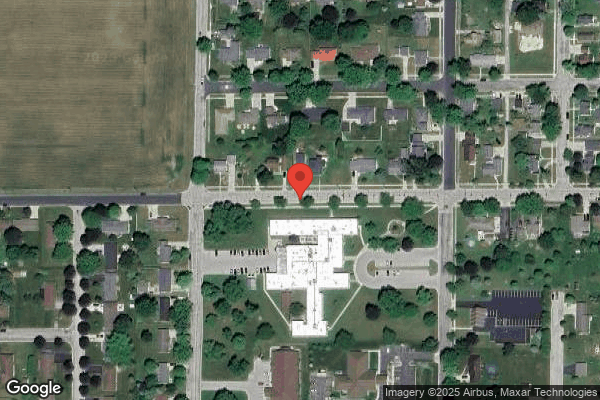

1510 FREMONT ST, ALGOMA, WI 54201 (920) 487-5511
For profit - Corporation 50 Beds Independent Data: November 2025 1 Immediate Jeopardy citation
Trust Grade
51/100
#131 of 321 in WI
Last Inspection: January 2025

Within standard 12-15 month inspection cycle. Federal law requires annual inspections.

Overview

Amethyst Health of Algoma has a Trust Grade of C, which means it is average and ranks in the middle of the pack. It is ranked #131 out of 321 facilities in Wisconsin, placing it in the top half, but it is the second and last facility in Kewaunee County. Unfortunately, the facility's trend is worsening, having increased from 2 issues in 2024 to 3 in 2025. Staffing is rated 3 out of 5 stars, with a 51% turnover rate that is close to the state average, but it has good RN coverage, surpassing 88% of Wisconsin facilities. However, there are concerns, including a critical finding where a resident was able to exit the building unsupervised, and issues with food safety practices that could potentially affect all residents. Additionally, there are concerns about the management's failure to ensure timely payments to vendors and staff, which may impact the quality of care and services provided.

Trust Score
C
51/100
In Wisconsin
#131/321
Top 40%
Safety Record
High Risk
Review needed
Inspections
Getting Worse
2 → 3 violations
Staff Stability
⚠ Watch
51% turnover. Above average. Higher turnover means staff may not know residents' routines.
Penalties
○ Average
$8,152 in fines. Higher than 58% of Wisconsin facilities. Some compliance issues.
Skilled Nurses
✓ Good
Each resident gets 61 minutes of Registered Nurse (RN) attention daily — more than 97% of Wisconsin nursing homes. RNs are the most trained staff who catch health problems before they become serious.
Violations
⚠ Watch
15 deficiencies on record. Higher than average. Multiple issues found across inspections.
★★★☆☆
3.0
Overall Rating
★★★☆☆
3.0
Staff Levels
★★★★☆
4.0
Care Quality
★★★☆☆
3.0
Inspection Score
Stable
2024: 2 issues
2025: 3 issues

The Good

  • 4-Star Quality Measures · Strong clinical quality outcomes
  • Full Sprinkler Coverage · Fire safety systems throughout facility
  • No fines on record

Facility shows strength in quality measures, fire safety.

The Bad

3-Star Overall Rating

Near Wisconsin average (3.0)

Meets federal standards, typical of most facilities

Staff Turnover: 51%

Near Wisconsin avg (46%)

Higher turnover may affect care consistency

Federal Fines: $8,152

Below median ($33,413)

Minor penalties assessed

The Ugly 15 deficiencies on record

1 life-threatening
Jan 2025 3 deficiencies
CONCERN (D)

Potential for Harm - no one hurt, but risky conditions existed

Incontinence Care (Tag F0690)

Could have caused harm · This affected 1 resident

Based on observation, staff and resident interview, and record review, the facility did not ensure 1 resident (R) (R87) of 2 sampled residents received appropriate care and services to prevent urinary...

Read full inspector narrative →
Based on observation, staff and resident interview, and record review, the facility did not ensure 1 resident (R) (R87) of 2 sampled residents received appropriate care and services to prevent urinary tract infections (UTIs). The facility did not ensure R87 received catheter care in a manner that decreased the risk of infection. On 1/7/25, R87's uncovered catheter drainage bag was observed on the floor of R87's room. Findings include: The facility's Catheter Care, Urinary policy, dated 11/2023, indicates: The purpose of this procedure is to prevent urinary catheter-associated complications, including urinary tract infections .Infection Control: .2. Be sure the catheter tubing and drainage bag are kept off the floor . On 1/6/25, Surveyor reviewed R87's medical record. R87 had diagnoses including pneumonia, diabetes mellitus type 2, and urinary catheter with benign prostatic hyperplasia. R87's Minimum Data Set (MDS) assessment, dated 1/3/25, had a Brief Interview for Mental Status (BIMS) score of 13 out of 15 which indicated R87 was not cognitively impaired. On 1/7/25 at 9:15 AM, Surveyor observed R87 in a recliner. Surveyor noted R87's catheter bag was not covered with a dignity bag and was in contact with the floor under the recliner. On 1/7/25 at 9:24 AM, Surveyor observed Certified Nursing Assistant (CNA)-C provide catheter care for R87. Following the observation, Surveyor interviewed R87 who indicated staff assisted with transferring R87's catheter bag from the other side of the bed so R87 could transfer from the bed to the recliner. R87 indicated an unknown staff placed R87's catheter bag on the floor. Surveyor interviewed CNA-C who indicated R87's catheter bag should not be on the floor and should be placed in a dignity bag and hung below the level of R87's bladder. CNA-C indicated CNA-C did not know who assisted R87 with the transfer. On 1/8/25 at 11:05 AM, Surveyor interviewed Director of Nursing (DON)-B who confirmed catheter bags should be hung below the level of the bladder and should not touch the floor.
CONCERN (E)

Potential for Harm - no one hurt, but risky conditions existed

Deficiency F0804 (Tag F0804)

Could have caused harm · This affected multiple residents

**NOTE- TERMS IN BRACKETS HAVE BEEN EDITED TO PROTECT CONFIDENTIALITY** Based on observation, staff and resident interview, and record review, the facility did not ensure food was served at a palatabl...

Read full inspector narrative →
**NOTE- TERMS IN BRACKETS HAVE BEEN EDITED TO PROTECT CONFIDENTIALITY** Based on observation, staff and resident interview, and record review, the facility did not ensure food was served at a palatable temperature for 4 residents (R) (R24, R32, R87, and R239) of 14 sampled residents. R24, R32, R87, and R239 indicated hot food was not always served hot. During the breakfast meal on 1/7/25, food items were not served at a palatable temperature. Findings include: The facility served residents in the dining room as well as on individual room trays. Surveyor twice requested the facility's policy on meal serving/food temperatures. A policy was not provided. The U.S. Food and Drug Administration (FDA) provides guidelines for cooking and serving temperatures to ensure food safety. According to the 2022 FDA Food Code, the following minimum internal temperatures should be achieved when cooking various foods: ~ Poultry (whole, pieces, or ground): 165° Fahrenheit (F) (74° Celsius (C)) for at least 15 seconds ~ Ground meats (beef, pork, other than poultry): 155° F (68° C) for at least 15 seconds ~ Seafood (fish, shellfish, and crustaceans): 145° F (63° C) for at least 15 seconds ~ Eggs: For immediate service: 145° F (63° C) for at least 15 seconds; Hot-held for service: 155° F (68° C) for at least 15 seconds. ~ Roasts (beef, pork, veal, lamb): 145° F (63° C) for at least 4 minutes ~ Fruits and vegetables cooked for hot holding: 135° F (57° C) The temperatures are designed to reduce the risk of foodborne illnesses by ensuring harmful pathogens are destroyed during cooking. 1. From 1/6/25 to 1/7/25, Surveyor reviewed R24's medical record. R24 was admitted to the facility on [DATE]. R24's Minimum Data Set (MDS) assessment, dated 1/3/25, had a Brief Interview for Mental Status (BIMS) score of 5 out of 15 which indicated R24 was severely cognitively impaired. On 1/7/25 at 8:23 AM, Surveyor interviewed R24 who indicated R24's breakfast and coffee were cold. R24 also stated breakfast was served late. R24 indicated breakfast isn't always hot and reported the cold meal and coffee to staff. R24 told staff that morning time was R24's best time of day and R24's best time was ruined because of the cold food. 2. From 1/6/25 to 1/7/25, Surveyor reviewed R32's medical record. R32 was admitted to the facility on [DATE]. R24's MDS assessment, dated 11/14/24, had a BIMS score of 2 out of 15 which indicated R32 was severely cognitively impaired. On 1/7/25 at 8:36 AM, Surveyor observed staff serve meal trays and noted the trays were not in a heated serving cart. Surveyor asked staff to temp a tray designated for R32 and noted the following temperatures: ~ Eggs: 98.2 degrees F ~ Sausage: 93.5 degrees F ~ Waffle: 89.9 degrees F 3. From 1/6/25 to 1/7/25, Surveyor reviewed R87's medical record. R87 was admitted to the facility on [DATE]. R87's MDS assessment, dated 1/3/25, had a BIMS score of 13 out of 15 which indicated R87 was not cognitively impaired. On 1/7/25 at 8:48 AM, Surveyor interviewed R87 who indicated R87's breakfast was served cool and indicated hot food was not served hot. 4. From 1/6/25 to 1/7/25, Surveyor reviewed R239's medical record. R239 was admitted to the facility on [DATE]. R239's MDS assessment, dated 1/3/25, had a BIMS score of 13 out of 15 which indicated R239 was not cognitively impaired. On 1/7/25 at 8:36 AM, Surveyor observed staff serve meal trays and noted the trays were not in a heated serving cart. At 8:38 AM, Surveyor asked staff to temp a tray designated for R239 and noted the following temperatures: ~ Eggs: 94.1 degrees F ~ Sausage: 91.5 degrees F ~ Waffle: 93.9 degrees F ~ Milk: 56.8 degrees F ~ Coffee: 134 degrees F On 1/7/25 at 8:41 AM, Surveyor interviewed R239 who indicated R239's breakfast was cold. R239 indicated breakfast was usually served cold, but it was exceptionally cold that day. R239 indicated R239's waffle was tough and inedible because it was so cold. R239 indicated it was harder for elderly people to chew cold food. On 1/7/25 at 8:29 AM, Surveyor interviewed Dietary Manager (DM)-D who indicated breakfast was usually served at 7:30 AM, however, kitchen staff were running late because the dining room was reopened that morning without appropriate communication with the kitchen. DM-D stated room trays were delivered at 7:55 AM. When asked why the trays had not yet been delivered to all residents, DM-D indicated kitchen staff brought the food out on a cart and Certified Nursing Assistants (CNAs) and nurses were responsible for delivering residents' trays. DM-D indicated DM-D did not know why it took the CNAs and nurses so long to deliver food trays but it happened often. DM-D indicated food was temped in the kitchen before it was delivered to ensure the food was hot and within an acceptable temperature range. DM-D stated there was a resident concern that meal trays got cool while waiting too long to be served/delivered the day prior. DM-D confirmed residents' food should be served at a palatable temperature. On 1/7/25 at 8:33 AM, Surveyor interviewed Director of Nursing (DON)-B who stated DON-B did not know why breakfast trays were still being delivered and indicated the process usually went quicker. DON-B stated meal delivery took longer because staff had to don and doff gowns, gloves, and masks to deliver food trays due to illness. When asked if the food was still hot, DON-B was not sure. On 1/7/25 at 4:07 PM, Surveyor interviewed Nursing Home Administrator (NHA)-A who indicated NHA-A expects kitchen staff to follow the kitchen's policies regarding preparing, temping, and serving food.
CONCERN (F)

Potential for Harm - no one hurt, but risky conditions existed

Food Safety (Tag F0812)

Could have caused harm · This affected most or all residents

Based on observation, staff interview, and record review, the facility did not ensure food was stored and prepared in a sanitary manner. This practice had the potential to affect all 34 residents resi...

Read full inspector narrative →
Based on observation, staff interview, and record review, the facility did not ensure food was stored and prepared in a sanitary manner. This practice had the potential to affect all 34 residents residing in the facility. The facility did not store food in a manner to ensure food safety and did not use proper food dating practices. The facility did not follow safe food cooling protocols. Findings include: On 1/6/25 at 8:44 AM, Surveyor interviewed Dietary Manager (DM)-D who was unsure which food code the facility followed. DM-D conferred with the facility's Registered Dietician (RD) and then indicated to Surveyor that the facility followed the Federal Food and Drug Administration (FDA) Food Code. Food Labeling/Storage: The facility's Food Receiving and Storage policy, revised November 2024, indicates: Food shall be received and stored in a manner that complies with safe food handling practices .Dry Storage: .4. Dry foods that are stored in bins and removed from the original packaging, labeled and dated (use by date) .Refrigerated/Frozen Storage: 1. All foods in the refrigerator or freezer are covered, labeled, and dated (use by date). The 2022 FDA Food Code documents at 3-501.17 Ready-to-Eat, Time/Temperature Control for Safety Food (TCS), Date Marking: (A) Except when packaging food using a reduced oxygen packaging method as specified under § 3-502.12, and except as specified in (E) and (F) of this section, refrigerated, ready-to-eat, time/temperature control for safety food prepared and held in a food establishment for more than 24 hours shall be clearly marked to indicate the date or day by which the food shall be consumed on the premises, sold, or discarded when held at a temperature of 5ºC (Celsius) (41ºF) (Fahrenheit) or less for a maximum of 7 days. The day of preparation shall be counted as day 1. The 2022 FDA Food Code documents at 3-501.18 Ready-to-Eat, Time/Temperature Control for Safety Food, Disposition: (A) A food specified in 3-501.17(A) or (B) shall be discarded if it: (1) Exceeds the temperature and time combination specified in 3-501.17(A), except time that the product is frozen; (2) Is in a container or package that does not bear a date or day; or (3) Is inappropriately marked with a date or day that exceeds a temperature and time combination as specified in 3-501.17(A). During an initial kitchen tour that began at 8:44 AM on 1/6/25, Surveyor and DM-D observed the following items in the cooler, freezer, and dry storage areas: Cooler: ~ Various half sandwiches dated 1/4/25 with no use by dates ~ A tray of individual servings of pears dated 1/5/25 with no use by dates ~ Four sour cream cups dated 12/23/24 with no use by dates ~ A one half-full 5-pound bag of shredded cheddar cheese dated 1/3/25 with no use by date ~ A one third-full 5-pound bag of shredded parmesan cheese with no open or use by dates Freezer: ~ Cooked cheese pizza slices individually wrapped and dated 1/1/24 with no use by dates ~ A pan of brownies dated 12/31/24 with no use by date ~ A container of stroganoff dated 12/20/24 with no use by date ~ A container of pizza sauce dated 1/1/25 with no use by date ~ A container of cooked ground beef dated 12/15 with no use by date ~ A container of cooked ground beef dated 12/19/24 with no use by date ~ A container of cooked Italian sausage dated 12/26/24 with no use by date ~ Cooked pork cutlets dated 12/19/24 with no use by date Dry Storage: ~ A container of bulk sugar dated 11/8/24 with no use by date ~ A container of bulk flour dated 10/24/24 with no use by date ~ A one third-full bag of penne pasta with a received date (per DM-D) of 10/24/24 and no open or use by dates ~ A one third-full bag of elbow pasta with a received date (per DM-D) of 12/10/24 and no open or use by dates ~ A three quarters-full bag of rotini pasta with a received date (per DM-D) of 12/27/24 and no open or use by dates ~ A container of Corn Flakes with a received date (per DM-D) of 10/18/24 and no open or use by dates ~ A container of Raisin Bran with an open date (per DM-D) of 1/5/25 and no use by date ~ A container of crisp rice cereal with a received date (per DM-D) of 11/5/24 and no open or use by dates ~ A package of dry powder identified as brown gravy mix (per DM-D) with an open date (per DM-D) of 12/30/24 and no use by date ~ A package of bread crumbs with a received date (per DM-D) of 11/27/24 and no open or use by dates Surveyor interviewed DM-D who indicated DM-D was unaware of a food dating policy and indicated DM-D did not know specific dates of how long food could be stored in the refrigerator, freezer, or dry storage. DM-D was unaware that open and/or cooked food should contain use by dates. DM-D stated DM-D was not aware of the facility's policy for how long to store cooked and open food. DM-D asked Surveyor how long to store food, how to date food, how to write a policy for storing food, and where someone finds food storage information. On 1/7/25 at 3:32 PM, Surveyor interviewed [NAME] (CK)-E who was unclear on how long items should be stored. CK-E stated many items in the refrigerator were kept for three days, however, CK-E could not specify how long open dry goods and freezer items should be stored. CK-E was not aware of a policy that contained specifics on food storage, but thought CK-E may have received training after CK-E was hired. On 1/7/25 at 3:40 PM, Surveyor interviewed Dietary Aide (DA)-F who was unclear on the facility's dating policy for food storage. DA-F indicated DA-F dated foods when they were received but did not know the use by dates. DA-F was unaware of a food dating policy. Cooling Temperatures: The facility's Food Receiving and Storage policy, revised November 2024, indicates: Food shall be received and stored in a manner that complies with safe food handling practices .Danger Zone means temperatures above 41 degrees Fahrenheit (F) and below 135 degrees F that allow the rapid growth of pathogenic microorganisms that cause foodborne illness. Potentially Hazardous Food (PHF) or Time/Temperature Control for Safety (TCS) Foods held in the danger zone for more than 4 hours (if being prepared from ingredients at ambient temperature) or six hours (if cooked and cooled) may cause foodborne illness outbreak if consumed . The 2022 FDA Food Code documents at 3-501.14 Cooling: (A) Cooked time/temperature control for safety food shall be cooled: (1) Within 2 hours from 57°Celsius (C) (135°Fahrenheit (F)) to 21°C (70°F); and (2) Within a total of 6 hours from 57°C (135°F) to 5°C (41°F) or less. (B) Time/temperature control for safety food shall be cooled within 4 hours to 5°C (41°F) or less. The 2022 FDA Food Code documents at section 3-501.15 Cooling Methods: (A) Cooling shall be accomplished in accordance with the time and temperature criteria specified under § 3-501.14 by using one or more of the following methods based on the type of food being cooled: (1) Placing the food in shallow pans; (2) Separating the food into smaller or thinner portions; (3) Using rapid cooling equipment; (4) Stirring the food in a container placed in an ice water bath; (5) Using containers that facilitate heat transfer; (6) Adding ice as an ingredient; or (7) Other effective methods. During an initial kitchen tour that began at 8:44 AM on 1/6/25, Surveyor observed the facility's food cooling logs with DM-D. The cooling logs contained food items and dates. There was a column for the final cooking temperature and a header column that stated 135 degrees to 70 degrees in 2 hours. Under the header column were three additional columns to record cooling temperatures and times which stated cool start, 1 hour, and 2 hour. A second header column stated 70 degrees to 41 degrees F in 4 hours under which there were 4 columns marked 3 hour, 4 hour, 5 hour, and 6 hour for staff to record times and cooling temperatures at those markers. Surveyor reviewed 6 pages of cooling log entries with DM-D. There were 50 food entries on the logs. Of the 50 entries, 6 items were cooled to 41 degrees or less within the 6-hour time frame. The other 44 entries were either not completed, contained blank spots, or contained temperatures on each entry that were well above 70 degrees in two hours and/or above 41 degrees in 6 hours. Surveyor interviewed DM-D who indicated food should be between 135 and 70 degrees F in the first two hours. DM-D was not aware food items should be 60 degrees F or less in the first two hours and 41 degrees F or less in a 6-hour time frame. DM-D indicated DM-D must have misunderstood the cooling log directions. DM-D indicated DM-D and others should have filled out the cooling logs via the proper cool down to 41 degrees within 6 hours. On 1/7/25 at 3:32 PM, Surveyor interviewed CK-E who was unable to correctly identify food cooling steps or appropriate food cooling temperatures. CK-E indicated food should cool on the counter for a couple of hours with the lid ajar and be refrigerated when it is under 100 degrees. CK-E indicated CK-E was aware of and had used food cooling logs. On 1/7/25 at 4:07 PM, Nursing Home Administrator (NHA)-A indicated NHA-A expects kitchen staff to know appropriate food storage and food cooling procedures.
Jun 2024 2 deficiencies 1 IJ
CRITICAL (J) 📢 Someone Reported This

A family member, employee, or ombudsman was alarmed enough to file a formal complaint

Immediate Jeopardy (IJ) - the most serious Medicare violation

Accident Prevention (Tag F0689)

Someone could have died · This affected 1 resident

**NOTE- TERMS IN BRACKETS HAVE BEEN EDITED TO PROTECT CONFIDENTIALITY** Based on staff interview and record review, the facility did not ensure adequate supervision was provided for 1 resident (R) (R1...

Read full inspector narrative →
**NOTE- TERMS IN BRACKETS HAVE BEEN EDITED TO PROTECT CONFIDENTIALITY** Based on staff interview and record review, the facility did not ensure adequate supervision was provided for 1 resident (R) (R1) of 3 residents reviewed for elopement. R1 was assessed to be at risk for elopement after exiting the building without supervision on 3/5/24. A Wanderguard (a security device that triggers an alarm if the wearer exits the facility) was placed on R1's right ankle. On 4/27/24 at 1:35 PM, Housekeeper (HK)-C observed R1 outside the facility near the staff parking lot. Staff were unaware R1 had left the facility and redirected R1 back into the facility. An assessment indicated R1 had no injuries. An investigation determined R1 had exited the facility through a door that did not have a Wanderguard sensor installed. The door through which R1 exited had a door alarm that was not functioning and did not alarm and alert staff when R1 exited the building. The failure to provide adequate supervision for a resident created a finding of immediate jeopardy (IJ) which began on 4/27/24. Surveyor notified Nursing Home Administrator (NHA)-A of the immediate jeopardy on 5/31/24 at 3:00 PM. The immediate jeopardy was removed and corrected on 4/27/24. This deficiency is being cited as past non-compliance. Findings include: The facility's Elopement/Unsafe Wandering policy, with a review date of 3/5/24, indicates: This facility ensures that residents who exhibit wandering behavior and/or are at risk for elopement receive adequate supervision to prevent accidents and receive care in accordance with their person-centered plan of care addressing the unique factors contributing to wandering or elopement risk. On 5/31/24, Surveyor reviewed R1's medical record. R1 was admitted to the facility on [DATE] with diagnoses including history of stroke, vascular dementia, weakness, and dysphasia (difficulty swallowing). R1's Minimum Data Set (MDS) assessment, dated 2/19/24, contained a Brief Interview for Mental Status (BIMS) score of 1 out of 15 which indicated R1 had severely impaired cognition. R1's medical record indicated R1 had an activated Power of Attorney for Healthcare (POAHC). A fall risk assessment, dated 2/12/24, indicated R1 was at high risk for falls due to intermittent confusion, decreased muscular coordination, and predisposing medication and diagnoses. R1 required the use of assistive devices. A community survival skills assessment, dated 2/6/24, indicated R1 did not know the facility's address, location, or how to contact the facility in an emergency. R1's care plan, revised on 3/5/24, indicated R1 was at risk for elopement due to attempts to leave the facility unattended. A Wanderguard was placed on R1's right ankle. The care plan also stated R1 had poor impulse control and impaired safety awareness. A skilled nursing note, dated 2/22/24, indicated R1 required extensive assistance from one staff for activities of daily living (ADLs). R1 was impulsive while ambulating and needed frequent reminders to slow down and take time between steps. R1 required cues and reminders to use R1's walker correctly and was able to self-propel throughout the facility in a wheelchair. A skilled nursing note, dated 2/14/24, indicated R1 walked in the hall with the assistance of one staff, a walker, and a gait belt. R1 had a tendency to drag R1's right foot. On 5/31/24, Surveyor reviewed the facility's investigation which indicated on 4/27/24 at 1:35 PM, HK-C visualized R1 outside the facility unsupervised and without R1's wheelchair. R1 was standing three feet from the west exit door. HK-C redirected R1 back into the facility without difficulty. HK-C called Housekeeping and Laundry Supervisor (HLS)-F who brought R1's wheelchair to the door. An assessment was completed. R1 sustained no injuries. R1's physician and POAHC were notified. Prior to the elopement, R1 was last seen in R1's room by Licensed Practical Nurse (LPN)-E at approximately 1:10 PM. According to weatherunderground.com, the temperature at the time was approximately 53 degrees with wind gusts near twenty miles per hour. On 5/31/24, Surveyor reviewed a map of Algoma and noted Lake Michigan was approximately one mile from the facility. A major highway with a speed limit of 45 miles per hour was approximately a quarter of a mile from the facility. The investigation summary indicated staff completed a head count of residents and notified Director of Maintenance (DM)-D and NHA-A of R1's elopement and the failure of the door system to alarm. Staff were assigned to each of the facility's exits to ensure no other residents exited the building. DM-D determined the door system was disarmed and immediately installed motion sensor alarms on each of the exit doors. The company who serviced the door alarm system provided same-day onsite troubleshooting and education to all staff. As of 6:15 PM, both alarm systems (Wanderguard and motion sensor) were armed and working appropriately. The investigation included statements from staff as well as daily audits to ensure functioning of the alarm systems. Although R1 was not injured, a reasonable likelihood for serious harm from falling and from environmental hazards exists when a severely confused resident who is at high risk for falls is outside unsupervised. This created a finding of immediate jeopardy. The facility removed and corrected the jeopardy on 4/27/24 when it completed the following: 1. Initiated 1:1 supervision for R1 2. Posted staff at each doorway to ensure no other residents left unsupervised 2. Interviewed and assessed other residents for elopement risk 3. Educated all staff on the alarm system and elopement 4. Completed an elopement drill and tested both alarm systems daily On 5/31/24, Surveyor observed R1 at 9:25 AM, 11:47 AM, and 1:14 PM. R1's Wanderguard was in place and functioning. Surveyor also noted the Wanderguard system was armed and functioning. On 5/31/24 at 9:55 AM, Surveyor opened the north door and activated the motion sensor alarm. Surveyor observed staff respond immediately to the alarm and conduct a head count of residents to ensure safety.
CONCERN (F) 📢 Someone Reported This

A family member, employee, or ombudsman was alarmed enough to file a formal complaint

Potential for Harm - no one hurt, but risky conditions existed

Deficiency F0837 (Tag F0837)

Could have caused harm · This affected most or all residents

**NOTE- TERMS IN BRACKETS HAVE BEEN EDITED TO PROTECT CONFIDENTIALITY** Based on staff interview and record review, the facility's governing body did not ensure safe and efficient management of the fa...

Read full inspector narrative →
**NOTE- TERMS IN BRACKETS HAVE BEEN EDITED TO PROTECT CONFIDENTIALITY** Based on staff interview and record review, the facility's governing body did not ensure safe and efficient management of the facility by ensuring adequate funds were provided to pay vendors who supplied services to the facility. In addition, the facility did not ensure staff received their health insurance benefits and paychecks on a timely basis. This practice had the potential to affect all 34 residents residing in the facility. The governing body did not maintain current payment status with multiple vendors which resulted in past due balances, account holds, disconnection notices, or lapses in service for supplies, food, staff, medical record management, waste removal, lawn maintenance, and the emergency generator. The corporation's failure to keep service vendor contracts in good standing had the potential to negatively impact residents' quality of care and quality of life. In addition, the corporation did not pay employees or their insurance premiums in a timely manner which resulted in overdraft fees and a lapse in coverage. Findings include: The facility's Governing Body Duties and Responsibilities policy, dated December 2019, indicates: The company must have a Governing Body that assumes full legal responsibility for establishing and implementing policies regarding the management and operation of the facility .The Governing Body, in conjunction with regular reporting by the Administrator, should assess on a regular basis that services are being provided in accordance with facility policies .and that there is an efficient use of resources .C. Appointment of Administrator: The Governing Body is responsible for appointing an Administrator who shall: .c. Report to and be accountable to the Governing Body .ii. The Administrator and Governing Body will determine which types of problems and information, including compliance concerns, overpayments and underpayments, and other risk areas should be reported to the Governing Body and the method of communication .g. Have a thorough working knowledge of the overall operation of the facility, including the scope of services provided, policies governing these services, and budgetary and fiscal matters. On 5/31/24, Surveyor toured the facility after receiving financial concerns with the potential to affect day-to-day operations and resident care. On 5/31/24 at 9:55 AM and 1:05 PM, Surveyor interviewed Housekeeping and Laundry Supervisor (HLS)-F who verified HLS-F ordered supplies for the facility, including janitorial supplies, medical supplies, and Wanderguards. HLS-F confirmed the facility's account with Janitorial Supply (JS)-G was on hold due to nonpayment. HLS-F stated HLS-F ordered janitorial supplies from other companies, including Medical Supply (MS)-H. HLS-F confirmed the facility had an account with MS-H, but owed $29,871.65. HLS-F stated the facility bought biohazard bags and rented underpads (used as a barrier for incontinence) from Supply Company (SC)-I and confirmed their account was on hold due to nonpayment and a balance of $4,518.55. HLS-F stated for the last month, SC-I did not deliver, pick up, or launder underpads. HLS-F stated the facility had a supply of underpads that SC-I did not pick up which the facility laundered and reused. HLS-F stated HLS-F ordered dietary, housekeeping and laundry chemicals from SC-K. HLS-F confirmed the account was on hold in the past; however, HLS-F ordered supplies on 5/28/24 and received them on 5/29/24. HLS-F stated HLS-F ordered Wanderguards through SC-L and confirmed the account was on hold. HLS-F confirmed a resident's Wanderguard stopped working in January of 2024 and the facility didn't have a replacement. HLS-F stated staff completed 15 minute checks for twenty four hours until an overnight shipment of Wanderguards arrived. HLS-F confirmed there were approximately three Wanderguards left as of 5/31/24 and two residents' Wanderguards were due to be changed next week. In order to receive a shipment of Wanderguards, HLS-F used a credit card on 5/31/24 to pay past due invoices from February that totaled $339.20. When asked if HLS-F received paychecks timely, HLS-F confirmed staff were supposed to be paid on 5/30/24, but paychecks were not deposited until 5/31/24 which caused staff to incur overdraft fees for automatic withdrawals. HLS-F stated the last time paychecks were late (the first pay period in May), Corporate Manager (CM)-M posted a notice by the time clock that stated staff would be reimbursed for overdraft fees. HLS-F confirmed the facility didn't have a working lawn [NAME] and the grass was overgrown until a Certified Nursing Assistant (CNA) cut the grass with their own lawn [NAME] on 5/23/24. HLS-F confirmed staff were begging people to plow the parking lot in the winter because the man who previously plowed wasn't paid. On 5/31/24 at 10:15 AM, Surveyor interviewed Director of Maintenance (DM)-D who verified the facility did not have a working lawnmower. When asked if DM-D was able to order parts and supplies, DM-D stated if DM-D had a concern, DM-D notified the corporate office and they took care of it. DM-D verified DM-D had to use a company credit card for payment or pay upfront at times. On 5/31/24 at 10:20 AM, Surveyor interviewed Dietary Manager (DM)-N who verified the facility had accounts with Food Supply (FS)-O and FS-P. DM-N confirmed the account with FS-O was on hold and estimated the facility owed over $12,000. DM-N confirmed the account with FS-P was in pending status last week and an order placed on 5/28/24 was on hold until FS-P received a credit card payment of $14,000. DM-N confirmed part of the order (what the facility needed for the weekend) was delivered on 5/30/24 and the rest was scheduled to arrive on 6/3/24. DM-N verified residents were served three meals and snacks. When asked if kitchen equipment was in working order, DM-N confirmed the facility couldn't get contractors to service items in the kitchen, including ovens and air conditioners. DM-N confirmed the oven vendor wouldn't return because he wasn't paid for previous service calls. DM-N stated DM-D recently fixed the cooler and convection oven, but it was likely the facility would switch to pre-made cookies and baked goods in case the oven went out again. DM-N confirmed the convention ovens were old and didn't work efficiently and the air conditioners over the dish room, dry goods area, and kitchen needed service. On 5/31/24 at 10:40 AM, Surveyor interviewed Nursing Home Administrator (NHA)-A and Director of Nursing (DON-B). NHA-A and DON-B stated they were focused on resident care and staff retention. In addition to concerns from staff, NHA-A confirmed NHA-A received approximately five to six calls per day from angry vendors and contractors. When asked about the facility's account with Pharmaceutical Supply (PS)-Q, NHA-A confirmed the account wasn't on hold but had an outstanding balance of approximately $48,000. When asked about the facility's account with Medical Record Company (MRC)-R, NHA-A confirmed NHA-A was notified by the corporate office that the facility had an outstanding balance and a partial payment was made on 5/30/24. NHA-A was unsure how much was owed and indicated if the account was put on hold or terminated, the facility wouldn't have electronic access to residents' medical records. When asked about the facility's account with Staffing Agency (SA)-S, NHA-A confirmed the facility needed to make a payment on 5/31/24 or the account would switch to pending status (which would be the fourth time since October of 2023) which meant SA-S would honor already scheduled shifts but wouldn't allow the facility to schedule more shifts. NHA-A and DON-B verified the facility used agency staff regularly. DON-B confirmed the facility used to use SA-T but could not longer use them due to nonpayment. When asked if the facility could get by without agency staff, NHA-A and DON-B stated they could but they feared staff burnout. When asked about the building rent, NHA-A stated NHA-A hadn't received calls regarding past due rent and was told the rent was paid. A court filing, dated 4/9/24, documented the amount owed the [NAME] for 2023 was $120,000. No rent payments were made in 2023. The amount owed the [NAME] for 2024 was also projected at $120,000. The amount currently owed the [NAME] for January to May of 2024 was $50,000. When asked about the facility's bed tax status, NHA-A stated NHA-A wasn't sure if the bed tax was paid and was unsure how much was owed. According to information obtained from the State of Wisconsin, the facility owed approximately $75,015 in bed taxes as of 6/1/24. NHA-A confirmed the facility rented a generator for emergency power, received a disconnection notice for nonpayment, and was told the generator would be repossessed the following week if payment wasn't made. NHA-A confirmed the facility was charged $2600 per month for the generator and owed approximately $16,000 on the account. When asked about gas, water, and electric, NHA-A confirmed the facility received disconnection notices in the past from Public Service Company (PSC)-U; however, payments were made at the last minute and service wasn't shut off. When asked about garbage pickup, NHA-A confirmed the facility didn't receive garbage pickup for two to three weeks due to nonpayment. NHA-A stated a payment was made and service was resumed; however, the facility received a notice that the account would be suspended again if another payment wasn't made. NHA-A verified there were account concerns with FS-O and FS-P who were the facility's main food suppliers. NHA-A and DON-B stated they tried to prioritize food, payroll and medical record access and indicated the facility frequently changed vendors and contractors which made it difficult. NHA-A and DON-B stated they were concerned if the facility kept taking admissions they wouldn't be able to care for them. When asked if CM-M was active in the building's operation, NHA-A and DON-B indicated CM-M's support and presence in the building had decreased. When asked about payroll, DON-B confirmed paychecks were late multiple times in the last twelve weeks. On 5/31/24 at 2:55 PM, Surveyor interviewed Supply Company I Staff (SCIS)-V who verified the facility had outstanding invoices and indicated their account was on hold. SCIS-V confirmed the facility needed to pay invoices that were at 90 days or more to regain service. On 5/31/24 at 3:31 PM, Surveyor interviewed Garbage and Recycling Staff (GRS)-X who confirmed the facility's garbage and recycling pickup was suspended on 3/28/24 due to nonpayment. GRS-X confirmed a partial payment was received on 4/19/24 and service was restored. GRS-X confirmed a payment of $1,562.70 was needed as of 5/28/24 or the account would be suspended again in fourteen days. On 5/31/24 at 3:35 PM, Surveyor interviewed Food Service O Staff (FSOS)-Y who confirmed the facility's account was on hold with a balance of approximately $12,500 from January of 2024 to the present. FSOS-Y confirmed the facility's last delivery was on 4/4/24 and the facility's last payment was on 3/26/24. On 6/3/24 at 10:17 AM, Surveyor interviewed Food Service P Staff (FSPS)-W who stated the facility's account was not on hold but may be in the future due to nonpayment. FSPS-W was unsure of the amount owed. On 6/5/24 at 10:19 AM, Surveyor interviewed NHA-A and DON-B via telephone. NHA-A confirmed NHA-A was informed that morning that employees' health insurance was canceled at the end of April due to nonpayment of the premium. NHA-A notified CM-M who stated CM-M was working on a payment on 6/4/24 and hoped to have the issue resolved by the end of the day. NHA-A confirmed NHA-A became aware of the cancellation after an employee picked up a prescription at the pharmacy and had to pay full price. NHA-A was notified four other employees had insurance issues in May but did not report them to NHA-A until 6/5/24. NHA-A confirmed staff were not given notice that their insurance was canceled and confirmed insurance premiums were still being deducted from their paychecks. NHA-A and DON-B confirmed Medical Director (MD)-J had not been paid since MD-J started in January of 2023. NHA-A and DON-B indicated MD-J was issued a check in November of 2023, but the check bounced. NHA-A confirmed NHA-A sent the corporate office an email on 6/3/24 which was the third or fourth email sent regarding the nonpayment. NHA-A confirmed the facility's weekly food order with FS-P was in pending status due to nonpayment. NHA-A was told by corporate staff that a payment was made on 6/4/24; however, NHA-A was waiting to hear from FSPS-W if the facility's order would arrive on 6/6/24. NHA-A confirmed the facility's account with FS-O was still on hold due to nonpayment. NHA-A stated the invoice for the generator was paid and the generator would not be repossessed. On 6/5/24 at 3:45 PM, Surveyor interviewed NHA-A via phone. NHA-A confirmed a payment of $3,000 was made to FS-P and the facility's food order should arrive on 6/6/24. NHA-A also confirmed NHA-A was told by corporate staff that a spreadsheet of outstanding accounts payable and a plan for payment would be provided to NHA-A by the end of the day. On 6/6/24 at 4:55 PM, Surveyor interviewed NHA-A via phone. NHA-A confirmed the facility's food order did not arrive on 6/6/24 because the facility missed their loading and shipping windows when payment was not received in time. NHA-A stated NHA-A and DM-N purchased enough food with a credit card at FS-P's local store to last until 6/13/24. NHA-A confirmed employees' health insurance was reinstated on 6/6/24 and backdated to 4/30/24. NHA-A also verified NHA-A received a payment plan spreadsheet that included MD-J. NHA-A confirmed MD-J was in the facility on 6/6/24 and NHA-A informed MD-J of the payment plan. On 6/11/24 at 9:55 AM, Surveyor interviewed NHA-A who stated employees' health insurance was not reinstated on 6/6/24 as previously indicated by corporate staff. NHA-A stated employees are still paying out of pocket for medical expenses and were told to save their receipts for reimbursement.
Nov 2023 7 deficiencies
CONCERN (D) 📢 Someone Reported This

A family member, employee, or ombudsman was alarmed enough to file a formal complaint

Potential for Harm - no one hurt, but risky conditions existed

Report Alleged Abuse (Tag F0609)

Could have caused harm · This affected 1 resident

Based on staff interview and record review, the facility failed to develop and/or implement policies and procedures for ensuring the reporting of a reasonable suspicion of a crime in accordance with s...

Read full inspector narrative →
Based on staff interview and record review, the facility failed to develop and/or implement policies and procedures for ensuring the reporting of a reasonable suspicion of a crime in accordance with section 1150B of the Act for 2 Residents (R) (R21 and R15) of 2 residents reviewed. The facility did not report a resident-to-resident physical altercation involving R21 and R15 to the State Agency (SA). Findings include: The facility's Facility Responsibility for Reporting Allegations policy, revised September 2022, indicated: The following addresses facility responsibilities for reporting allegations/occurrences involving staff-to-resident abuse, resident-to-resident altercations, injuries of unknown source, and misappropriation of resident property/exploitation .Reporting Resident-to-Resident Altercations: Resident-to-resident altercations that must be reported in accordance with the regulations include any willful action that results in physical injury, mental anguish, or pain .The list below includes examples of resident-to-resident altercations and whether they are required to be reported .Resident-to- resident physical altercations .Resident-to-resident physical altercations that must be reported include any willful action that results in physical injury, mental anguish, or pain (the action itself was deliberate or non-accidental, not that the individual intended to inflict injury or harm. Having a mental disorder or cognitive impairment does not automatically preclude a resident from engaging in deliberate or non-accidental actions.) .Willful actions include, but are not limited to, the following: hitting, slapping, punching, choking, pinching, biting, kicking, throwing objects, grabbing, shoving .pain resulting from the willful action including, but not limited to, the following: complaints of pain related to the altercation The facility's Abuse, Neglect, Exploitation and Misappropriation Prevention Program policy, revised April 2021, indicated: Residents have the right to be free from abuse, neglect, misappropriation of resident property and exploitation. This includes, but is not limited to freedom from corporal punishment, involuntary seclusion, verbal, mental, sexual or physical abuse, and physical or chemical restraint not required to treat the resident's symptoms .Policy Interpretation and Implementation: The resident abuse, neglect and exploitation prevention program consists of a facility-wide commitment and resource allocation to support the following objectives: .9. Investigate and report any allegations within timeframes required by federal requirements. The facility's Resident to Resident Altercations policy, revised September 2022, indicated: All altercations, including those that may represent resident-to-resident abuse, are investigated and reported to the nursing supervisor, the director of nursing and to the administrator .4. If residents are involved in an altercation staff: .I. complete a Report of Incident/Accident form and document the incident, findings, and any corrective measures taken in the resident's medical/clinical record and j. Report incidents, findings and corrective measures to appropriate agencies . On 11/6/23, Surveyor reviewed R21's medical record. R21 was admitted to the facility with diagnoses including Alzheimer's disease, vascular dementia, and depression. R21's medical record indicated R21 had moderate cognitive impairment and had an activated decision maker for all health care decisions. R21's care plan, initiated 10/13/23, included behavior monitoring and indicated R21 had the potential to be verbally aggressive related to poor impulse control. A progress note, dated 9/6/23, indicated the following: R21 indicated R21's roommate (R15) slammed the bedroom door on R21. R21 yelled obscenities at R15, threatened violence, grabbed R15 by the shirt collar, and threatened to punch R15 in the face. Staff separated R15 and R21. R15 was assessed and had pain from scratches and a reddened area near R15's shirt collar. R15 also reported pain to the thumb where R21 pulled on R15's thumb and bent it backward during the altercation. Documentation indicated R15 was in the middle of the room when the altercation occurred, was not near the bedroom door, and did not slam the door on R21. R15 was removed from the room and chose to move to another room. On 11/6/23, Surveyor reviewed the facility's grievance and self-report files and noted a self-report was not submitted to the SA regarding the incident. On 11/7/23 at 8:56 AM, Surveyor interviewed Nursing Home Administrator (NHA)-A and Director of Nursing(DON)-B regarding the altercation between R21 and R15. DON-B indicated DON-B was present during the altercation and verified R21 was aggressive toward R15. DON-B stated the facility did an internal investigation, but did not report the incident to the SA because there was no intent or injury to R15. DON-B stated the marks on R15's neck went away quickly and there was no further pain to R15 because R15 changed rooms and no longer lived with R21. DON-B confirmed DON-B was responsible for submitting reports of resident-to-resident altercations, suspected abuse, and neglect a few times to the SA and believed the altercation between R21 and R15 was not a reportable incident. DON-B stated the facility's investigation included all the required components and there was no need to report the incident. NHA-A indicated the previous NHA completed an investigation and there was no intent or injury to either resident. NHA-A stated the facility immediately resolved the problem and believed the incident was not reportable. Surveyor requested the internal investigation for the 9/6/23 altercation. On 11/7/23 at 2:35 PM, NHA-A gave Surveyor the facility's investigation of the 9/6/23 altercation between R21 and R15. Surveyor reviewed the investigation and noted R15's physician was notified that R21 was physically and verbally aggressive toward R15. R15 incurred scratches and redness to the upper chest which was resolved, and complained of right thumb discomfort with no redness or swelling. R15 was seen by the physician the following day with no new orders.
CONCERN (D) 📢 Someone Reported This

A family member, employee, or ombudsman was alarmed enough to file a formal complaint

Potential for Harm - no one hurt, but risky conditions existed

Investigate Abuse (Tag F0610)

Could have caused harm · This affected 1 resident

Based on staff interview and record review, the facility did not ensure a resident-to-resident altercation was thoroughly investigated for 2 Residents (R) (R21 and R15) of 2 residents reviewed. The f...

Read full inspector narrative →
Based on staff interview and record review, the facility did not ensure a resident-to-resident altercation was thoroughly investigated for 2 Residents (R) (R21 and R15) of 2 residents reviewed. The facility did not thoroughly investigate a resident-to-resident altercation involving R21 and R15. Findings include: The facility's Resident to Resident Altercations policy, revised September 2022, indicated: All altercations, including those that may represent resident-to-resident abuse, are investigated and reported to the nursing supervisor, the director of nursing and to the administrator .4. If residents are involved in an altercation staff .F. make any necessary changes in the care plan approaches to any or all of the involved individuals; G. document in the resident's clinical record all interventions and their effectiveness; I. complete a Report of Incident/Accident form and document the incident, findings, and any corrective measures taken in the resident's medical/clinical record; and J. report incidents, findings and corrective measures to appropriate agencies . The facility's Abuse, Neglect, Exploitation and Misappropriation Prevention Program policy, revised April 2021, indicated: Residents have the right to be free from abuse, neglect, misappropriation of resident property and exploitation. This includes, but is not limited to freedom from corporal punishment, involuntary seclusion, verbal, mental, sexual or physical abuse, and physical or chemical restraint not required to treat the resident's symptoms .Policy Interpretation and Implementation: the resident abuse, neglect and exploitation prevention program consists of a facility-wide commitment and resource allocation to support the following objectives .8. Identify and investigate all possible incidents of abuse, neglect, mistreatment, or misappropriation of resident property. 9. Investigate and report any allegations within timeframes required by federal requirements. 10. Protect residents from any further harm during investigations. The facility's Protection of Residents During Abuse Investigations policy, revised April 2021, indicated: Residents are protected from harm, retaliation, reprisal, discrimination, or coercion during investigations of abuse, neglect, exploitation and misappropriation of resident property .3. If the alleged abuse involves another resident, there may be restrictions on the accused resident's freedom to visit other resident rooms unattended. On 11/6/23, Surveyor reviewed R21's medical record. R21 was admitted to the facility with diagnoses including Alzheimer's disease, vascular dementia, and depression. R21's medical record indicated R21 had moderate cognitive impairment and had an activated decision maker for all health care decision. R21's care plan, initiated 10/13/23, indicated R21 had the potential to be verbally aggressive related to poor impulse control and included behavior monitoring. A progress note, dated 9/6/23, indicated: R21 indicated R21's roommate (R15) slammed the bedroom door on R21. R21 yelled obscenities at R15, grabbed R15 by the shirt collar, and threatened to punch R15 in the face. Nursing staff separated R21 and R15 who reported pain from scratches and a reddened area near R15's shirt collar. R15 also reported pain to R15's thumb where R21 pulled on R15's thumb and bent it backward during the altercation. Documentation indicated R15 was in the middle of the room when the altercation occurred, was not near the bedroom door, and did not slam the door on R21. R15 was removed from the room and chose to move to another room. On 11/7/23 at 8:56 AM, Surveyor interviewed Nursing Home Administrator (NHA)-A and Director of Nursing(DON)-B regarding the resident-to-resident altercation between R21 and R15. DON-B indicated DON-B was present during the altercation. DON-B indicated R21 was aggressive toward R15, and stated the facility did an internal investigation. DON-B confirmed DON-B was responsible for submitting reports of resident-to-resident altercations, suspected abuse, and neglect a few times to the State Agency. DON-B stated DON-B believed the altercation was not a reportable incident and the internal investigation was completed thoroughly and included all investigation components. NHA-A indicated the previous NHA completed an investigation, there was no intent or injury to either resident, and the facility immediately resolved the problem. Surveyor requested the internal investigation for the resident-to-resident altercation. On 11/7/23 at 2:35 PM, NHA-A provided the facility's investigation of the altercation and indicated NHA-A was confident the facility completed a thorough investigation and made appropriate revisions to R21's care plan. When Surveyor asked NHA-A what care plan updates were initiated after the altercation, NHA-A confirmed R21's care plan was not revised until after 10/20/23 when behavioral care plans for all residents were reviewed and revised. On 11/6/23 Surveyor reviewed the facility's grievance and self-report files and noted an investigation was not submitted to the State Agency for the resident-to-resident altercation. Surveyor reviewed the facility's investigation and noted the investigation did not contain resident or staff interviews, witness statements, or staff education. R15 was no longer a resident of the facility and was unable to be interviewed during Surveyor's investigation. Surveyor reviewed R21's care plan and noted there was no behavioral monitoring or changes to R21's care plan after the altercation on 9/6/23. Surveyor reviewed R21's progress notes and noted R21 had verbal altercations with R15 on the following dates: 10/8/23, 10/7/23, and 10/11/23. Surveyor noted there were no changes to R21's care plan following the incidents. Surveyor noted behavioral interventions for R21 were not added or changed until 10/20/23 following a physical altercation with R15 on 10/18/23.
CONCERN (D)

Potential for Harm - no one hurt, but risky conditions existed

Accident Prevention (Tag F0689)

Could have caused harm · This affected 1 resident

**NOTE- TERMS IN BRACKETS HAVE BEEN EDITED TO PROTECT CONFIDENTIALITY** Based on staff interview and record review, the facility did not ensure neurological checks were completed per policy for 2 Resi...

Read full inspector narrative →
**NOTE- TERMS IN BRACKETS HAVE BEEN EDITED TO PROTECT CONFIDENTIALITY** Based on staff interview and record review, the facility did not ensure neurological checks were completed per policy for 2 Residents (R) (R24 and R9) of 5 residents reviewed for falls. Staff did not complete neurological checks after R24 fell on 9/14/23 and 9/22/23. Staff did not consistently complete neurological checks after R9 fell on 9/12/23. Findings include: The National Library of Medicine (https://www.ncbi.nlm.nih.gov/) contains the following information: The neurological examination in the setting of trauma is a systematic evaluation of important clinical signs that provide evidence to help determine further management and investigation of the patient's condition .In the setting of trauma, a neurologic examination is focused on identifying and assessing the functions of vital portions of the central nervous system. The facility's Neurological Assessment document contained the following information: General Guidelines 1. Neurological assessments are indicated: b. Following an unwitnessed fall. The facility's Fall Management Program, dated 10/21/22, contained the following information: Neurochecks - every 15 minutes x 4, then every hour x 4, then each shift until 72 hours after the fall. 1. From 11/6/23 through 11/8/23, Surveyor reviewed R24's medical record. R24 was admitted to the facility on [DATE] with diagnoses including hip fractures, atrial fibrillation, diabetes mellitus, and anxiety disorder. R24's medical record indicated R24 had intact cognition. R24 had unwitnessed falls on 9/14/23 and 9/22/23. R24's medical record did not indicate neurological checks were completed post fall. On 11/8/23 at 10:58 AM, Surveyor interviewed Director of Nursing (DON)-B regarding R24's neurochecks. DON-B verified neurochecks were not completed following R24's unwitnessed falls on 9/14/23 and 9/22/23 because R24 was alert and oriented and able to state that R24 did not hit R24's head. 2. From 11/6/23 through 11/8/23, Surveyor reviewed R9's medical record. R9 was admitted to the facility on [DATE] with diagnoses including muscle weakness, polyosteoarthritis, repeated falls, and difficulty walking. R9's medical record indicated R9 had intact cognition. R9 had an unwitnessed fall on 9/12/23. R9's medical record did not indicate neurological checks were consistently completed post fall. R9's medical record contained an initial neurological check at the time of the fall on 9/12/23 at 8:45 PM, and neurological checks on 9/13/23 at 7:00 AM and 4:17 PM. On 11/8/23 at 11:33 AM, Surveyor interviewed Licensed Practical Nurse (LPN)-F regarding the expectation for neurochecks for a resident who had an unwitnessed fall. LPN-F stated LPN-F would complete neurochecks if a fall was unwitnessed, even if the resident was cognitively intact. On 11/8/23 at 11:38 AM, Surveyor interviewed Registered Nurse (RN)-G regarding the expectation for neurochecks for a resident who had an unwitnessed fall. RN-G stated even if the resident was cognitively intact, RN-G would still complete neurochecks. On 11/8/23 at 12:07 PM, Surveyor interviewed Nursing Home Administrator (NHA)-A who indicated NHA-A, based on policy, would only do neurochecks if the resident hit their head or if the resident was not alert and oriented and could not tell staff whether or not they hit their head. When Surveyor indicated the facility's policy stated neurochecks should be completed following an unwitnessed fall, NHA-A stated the facility's policy can be interpreted differently.
CONCERN (D)

Potential for Harm - no one hurt, but risky conditions existed

Deficiency F0883 (Tag F0883)

Could have caused harm · This affected 1 resident

**NOTE- TERMS IN BRACKETS HAVE BEEN EDITED TO PROTECT CONFIDENTIALITY** Based on staff interview and record review, the facility did not ensure 1 Resident (R) (R21) of 5 sampled residents was offered ...

Read full inspector narrative →
**NOTE- TERMS IN BRACKETS HAVE BEEN EDITED TO PROTECT CONFIDENTIALITY** Based on staff interview and record review, the facility did not ensure 1 Resident (R) (R21) of 5 sampled residents was offered a pneumococcal vaccine as indicated. R21 was eligible for pneumococcal vaccination, but was not offered a pneumococcal vaccine. Findings include: The facility's Pneumococcal Vaccine policy, with a revised date of 3/2022, contained the following information: All residents are offered pneumococcal vaccines to aid in preventing pneumonia/pneumococcal infections. 1. Prior to or upon admission, residents are assessed for eligibility to receive the pneumococcal vaccine series, and when indicated, are offered the vaccine series within thirty days of admission to the facility unless medically contraindicated or the resident has already been vaccinated. 2. Assessment of pneumococcal vaccination status are conducted within five working days of the resident's admission if not conducted prior to admission. The Centers for Disease Control and Prevention (CDC) publication found at https://www.cdc.gov/vaccines/vpd/pneumo/hcp/who-when-to-vaccinate.html titled Pneumococcal Vaccination: Summary of Who and When to Vaccinate indicates: CDC recommends pneumococcal vaccination for adults 19 through [AGE] years old who have certain chronic medical conditions or other risk factors chronic lung disease, including chronic obstructive pulmonary disease, emphysema, and asthma . From 11/6/23 through 11/8/23, Surveyor reviewed R21's medical record. R21 was admitted to the facility on [DATE] with diagnoses including heart failure, diabetes mellitus, Alzheimer's disease, and chronic obstructive pulmonary disease. R21's medical record indicated R21 had moderate cognitive impairment. R21's medical record did not indicate R21 was offered or received a pneumococcal vaccine. On 11/8/23 at 2:03 PM, Surveyor interviewed Director of Nursing (DON)-B who verified the facility's policy was not followed and R21 was not offered a pneumococcal vaccine.
CONCERN (E)

Potential for Harm - no one hurt, but risky conditions existed

Menu Adequacy (Tag F0803)

Could have caused harm · This affected multiple residents

Based on observation, staff and resident interview, and record review, the facility did not ensure nutritional needs were met for 6 Residents (R) (R4,R5, R7, R21, R24 and R79) of 6 residents reviewed ...

Read full inspector narrative →
Based on observation, staff and resident interview, and record review, the facility did not ensure nutritional needs were met for 6 Residents (R) (R4,R5, R7, R21, R24 and R79) of 6 residents reviewed who had an order for a carbohydrate-controlled diet. The facility did not follow physician ordered therapeutic carbohydrate-controlled diets when residents were served full carbohydrate meals, including full servings of dessert. Findings include: The facility's Therapeutic Diets document, revised October 2017, indicated: A therapeutic diet is considered a diet ordered by a physician, practitioner or dietitian as part of treatment for a disease or clinical condition, to modify specific nutrients in the diet, or to alter the texture of a diet, for example: a. diabetic/calorie controlled diet . On 11/6/23 at 9:48 AM, Surveyor interviewed R4 who indicated R4 watched carbohydrates served to R4 because R4 was diagnosed with type 2 diabetes and had an order for a low carbohydrate diet. R4 indicated the facility did not provide R4 with a low carbohydrate diet as indicated by the types of food and portions served. On 11/6/23 at 10:20 AM, Surveyor interviewed R5 who was unsure if R5 was ordered a special diet. R5 indicated R5 was diabetic, did not know how to count carbohydrates, and relied on the facility to make R5's meals. R5 indicated a desire to lose weight, but did not recall meeting with kitchen staff or a dietician. During an observation that began at 11:25 AM on 11/6/23, Surveyor observed [NAME] (CK)-E begin lunch meal service at the steam table. Surveyor noted the lunch meal consisted of beef pepper steak, steamed rice, buttered carrots, and apple fruit crisp with whipped cream for dessert. Surveyor interviewed CK-E regarding carbohydrate-controlled or low concentrated sweets diets and what the facility provided to residents to ensure the diet was adhered to. CK-E indicated residents are given either a smaller portion of carbohydrates or a smaller dessert. Surveyor noted meal tickets located on meal trays for R4, R5, R7, R21, R24 and R79 indicated: Diet: Low Concentrated Sweets (LCS)/Carbohydrate Controlled. Surveyor observed CK-E serve lunch trays to R4, R5, R7, R21, R24 and R79 that contained a full #8 scoop of beef pepper steak, a full #8 scoop of steamed rice, a full #8 scoop of buttered carrots, and a full dessert cup of apple fruit crisp with whipped topping. During an observation that began at 9:41 AM on 11/7/23, Surveyor requested from Dietary Manager (DM)-D the 11/6/23 and 11/7/23 recipe spreadsheets with the serving sizes for all diets. Surveyor reviewed the recipe spreadsheet for 11/6/23 and noted the LCS diet indicated the following: Beef pepper steak (#8 scoop=2 ounces of protein) Steamed rice (#8 scoop=1/2 cup) Buttered carrots (#8 scoop=1/2 cup) Diet fruit gel (#6 scoop) Surveyor did not observe diet fruit gel served to residents on an LCS diet during the 11/6/23 lunch meal and noted the residents were served a dessert cup full of apple crisp with whipped topping. Surveyor did not note a serving size for apple crisp on the recipe spreadsheet. Surveyor reviewed the recipe spreadsheet and serving sizes for LCS diets for the 11/7/23 lunch meal and noted the following: Skillet lasagna (facility menu stated Skillet Spaghetti, ground beef, spaghetti sauce and noodles) (#8 scoop=2 ounces protein) Seasoned zucchini ((#8 scoop=1/2 cup) Garlic Texas toast (1/2 slice) Chilled peaches (#8 scoop=1/2 cup) Surveyor noted the recipe spreadsheets and serving sizes for 11/6/23 and 11/7/23 did not contain serving sizes for alternative menu items. Finger foods was listed on the recipe spreadsheet and indicated the following for both 11/6/23 and 11/7/23: Hot sandwich (1 sandwich=2 ounces protein) Drain vegetable (1/2 cup) Drain fruit (1/2 cup) Surveyor also noted the 11/6/23 dinner recipe spreadsheet contained rice krispy treat as the dessert item and noted the serving size for LCS diets was a half bar. During an observation that began at 11:20 AM on 11/7/23, Surveyor observed CK-E begin lunch service at the steam table. Surveyor observed the following meal trays served: R4: Full serving of spaghetti skillet (#8 scoop=2 ounces protein), seasoned zucchini (#8 scoop=1/2 cup) garlic Texas toast (1/2 slice), and a full serving size rice krispy treat. R5: Full serving of spaghetti skillet (#8 scoop=2 ounces protein), seasoned zucchini (#8 scoop=1/2 cup) garlic Texas toast (1 full slice), and one oatmeal crème pie cookie (two oatmeal cookies with marshmallow cream sandwiched between the cookies). R7: Alternative menu meal: One hamburger patty on a bun, seasoned zucchini (#8 scoop=1/2 cup), one kitchen tong of french fries, and a full serving size rice krispy treat. R21: Full serving of spaghetti skillet (#8 scoop=2 ounces protein), seasoned zucchini (#8 scoop=1/2 cup), garlic Texas toast (1 full slice), and one full serving size rice krispy treat. R24: Alternative menu meal: One hamburger patty on a bun, seasoned zucchini (#8 scoop=1/2 cup), and one kitchen tong of french fries R79: Full serving of spaghetti skillet (#8 scoop=2 ounces protein), seasoned zucchini (#8 scoop=1/2 cup), garlic Texas toast (1 full slice), one dessert cup of mandarin orange slices, and one oatmeal crème pie cookie. On 11/7/23 at 1:00 PM, Surveyor requested diet orders for R4, R5, R7, R21, R24, and R79 from Nursing Home Administrator (NHA)-A and noted the following physician ordered diets: R4: Carbohydrate-controlled diet, dated 1/3/23 R5: Carbohydrate-controlled diet, dated 4/4/23 R7: Carbohydrate-controlled diet, dated 1/3/23 R21: Carbohydrate-controlled diet, dated 7/21/23 R24: Carbohydrate-controlled diet, dated 10/4/23 R79: Carbohydrate-controlled diet, dated 10/31/23 On 11/7/23 at 2:00 PM, Surveyor interviewed DM-D regarding carbohydrate-controlled diets. DM-D confirmed the desserts served to the residents on carbohydrate-controlled diets (LCS) were the same desserts and same portion sizes served to residents on a general diet. DM-D also confirmed desserts and serving sizes served to residents on carbohydrate-controlled diets (LCS) did not match the recipe spreadsheet for the type of dessert and serving size of carbohydrates.
CONCERN (F)

Potential for Harm - no one hurt, but risky conditions existed

Food Safety (Tag F0812)

Could have caused harm · This affected most or all residents

Based on observation, staff interview, and record review, the facility did not ensure food was stored and prepared in a sanitary manner. This practice had the potential to affect all 38 residents resi...

Read full inspector narrative →
Based on observation, staff interview, and record review, the facility did not ensure food was stored and prepared in a sanitary manner. This practice had the potential to affect all 38 residents residing in the facility. The facility did not monitor and document food cooling or cooked temperatures. Findings include: The facility's Food Preparation and Service policy, revised November 2022, indicated: Food and nutrition services employees prepare, distribute and serve food in a manner that complies with safe food handling practices .General guidelines: Identification of potential hazards in the food preparation process and adhering to critical control points can reduce the risk of food contamination and thereby minimize the risk of foodborne illness .the danger zone for food temperatures is above 41 degrees Fahrenheit (F) and below 135 degrees F. This temperature range promotes the rapid growth of pathogenic microorganisms that cause foodborne illness. Potentially hazardous food includes meats, poultry, seafood, cut melon, eggs, milk, yogurt, and cottage cheese. The longer foods remain in the danger zone the greater the risk for growth of harmful pathogens. Therefore, potentially hazardous foods must be maintained at or below 41 degrees F or at or above 135 degrees F. Potentially hazardous foods held in the danger zone for more than four hours (if being prepared at room temperature of six hours if cooked and then cooled) may cause foodborne illness .Previously cooked food is reheated to an internal temperature of 165 degrees F for at least 15 seconds before holding for hot service. Reheated foods that are not consumed within two hours are discarded .Mechanically altered foods prepared for a modified consistency diet remain above 135 degrees F during preparation or they are reheated to 165 degrees F for at least 15 seconds if holding for hot service .Potentially hazardous foods are cooled rapidly. This is defined as cooling from 135 degrees F to 70 degrees F within two hours and then to a temperature of 41 degrees F or below within four hours. The total cooling time between 135 degrees F and 41 degrees F is not to exceed six hours .The temperatures of foods held in steam tables are monitored throughout the meal service by food and nutrition staff .Food that has been served to residents without temperature controls will be discarded if not eaten within two hours. Cooling Temperatures: The Food and Drug Administration (FDA) Food Code 2022 documents at 3-501.14 Cooling. (A) Cooked time/temperature control for safety food shall be cooled: (1) Within 2 hours from 57°Celcius (C) (135°Fahrenheit (F)) to 21°C (70°F); and (2) Within a total of 6 hours from 57°C (135°F) to 5°C (41°F) or less. (B) Time/temperature control for safety food shall be cooled within 4 hours to 5°C (41°F) or less. The FDA Food Code 2022 section 3-501.15 documents Cooling Methods. (A) Cooling shall be accomplished in accordance with the time and temperature criteria specified under § 3-501.14 by using one or more of the following methods based on the type of food being cooled: (1) Placing the food in shallow pans; (2) Separating the food into smaller or thinner portions; (3) Using rapid cooling equipment; (4) Stirring the food in a container placed in an ice water bath; (5) Using containers that facilitate heat transfer; (6) Adding ice as an ingredient; or (7) Other effective methods. On 11/6/23 at 8:18 AM, Surveyor conducted an initial kitchen tour with Dietary Manager (DM)-D. Surveyor observed the freezer and noted the following items: ~One large Ziplock bag labeled Precooked Hamburger Patties dated 10/31/23 ~One container labeled Roast beef dated 10/22/23 ~One container labeled Beef Stew dated 10/17/23 ~One container labeled Biscuits dated 10/10/23 ~One container labeled Spaghetti Sauce dated 9/30/23 ~One container labeled Chicken dated 10/23/23 ~One container labeled Turkey Burgers dated 10/28/23 ~Two containers labeled Ham; one container dated 10/21/23, and the other container dated 11/5/23 ~One container labeled Chicken Filet dated 10/20/23 ~Two containers labeled Sloppy Joes dated 10/26/23 ~One container labeled Meatloaf dated 11/2/23 During an initial kitchen tour that began at 8:18 AM on 11/6/23, Surveyor and DM-D observed the following items in the reach-in cooler: ~One container labeled Mashed Potatoes dated 11/4/23 ~One container labeled Broccoli Slaw dated 11/4/23 ~One container labeled Sausage Tuesday AM dated 11/5/23 Surveyor interviewed DM-D following the observations in the freezer and cooler. DM-D indicated staff save leftovers from the steam table and put them in the cooler or freezer. DM-D verified the food observed in the freezer and cooler and was pre-made food to be used for residents who ordered alternative menu items, or leftover food to be used for future resident meals. When Surveyor inquired about a cooling log for pre-made foods and leftovers that are cooled and stored in the cooler or freezer for future use, DM-D indicated the facility did not have a cooling log or cooling system to monitor the temperatures of pre-made and leftover food. DM-D indicated DM-D received education from the facility's consultant the previous week regarding cooling logs and obtaining cooling temperatures to ensure food is cooled properly to prevent the spread of bacteria. DM-D stated the consultant provided education last week Friday and DM-D did not get to starting the cooling log yet. On 11/7/23 at 9:41 AM, Surveyor observed [NAME] (CK)-E finish cooking spaghetti casserole (which contained ground beef), place the casserole in the steam table, obtain the temperature of the casserole, and document the temperature on the facility's cooling temperature log. DM-D indicated the facility started using a cooling log yesterday afternoon. DM-D confirmed the labeled and dated pre-made and leftover food Surveyor observed in the freezer and cooler were still in the freezer and cooler. DM-D indicated staff probably should throw away the food since the food was not monitored with an appropriate cooling method and temperature. DM-D also indicated DM-D was unsure what temperature to document on the cooling log as the starting temperature, and stated the facility documented the temperature when the food was ready to be placed in the freezer or cooler. Cooked Temperatures: The FDA Food Code 2022 indicates at section 3-401.11 Raw Animal Foods. (A) Except as specified under (B) and in (C) and (D) of this section, raw animal foods such as eggs, fish, meat, poultry, and food containing these raw animal foods, shall be cooked to heat all parts of the food to a temperature and for a time that complies with one of the following methods based on the food that is being cooked .Internal Cooking Temperature Specifications for Raw Animal Foods .Raw eggs cooked for immediate service, Fish, Intact Meat, except whole meat roasts and whole muscle intact beef steak at 145° F for 15 seconds .Commercially raised game animals, rabbits at 155° F for 17 seconds .Non-Intact Meats and raw eggs not for immediate service, wild game animals, poultry, stuffed fish, meat, pork, pasta, ratites, or stuffing containing fish, meat, poultry or ratites at 165° F for greater than 1 second . The FDA Food Code 2022 indicates at section 3-403.11 .(C) and (D) Food that is taken from a commercially processed, hermetically sealed container or intact package cooked to a temperature of 135° F. During an observation that began at 11:25 AM on 11/6/23, Surveyor observed CK-E obtain temperatures of food placed in the steam table prior to the start of the lunch meal. Surveyor interviewed CK-E regarding the temperatures that were obtained and documented on the cooking temperature log. CK-E indicated temperatures are obtained 10 minutes before line service begins. CK-E stated the procedure is to take items out of the oven after they are cooked or reheated, obtain the temperature, and place the items in the steam table. CK-E confirmed staff do not take temperatures prior to meal service and stated, I guess we should be doing a temperature to ensure there is a cooked temperature and a holding temperature. Surveyor observed the following temperatures obtained at the steam table for the lunch meal: ~Beef pepper steak -180 degrees F ~Rice - 175 degrees F ~Carrots - 138 degrees F ~Mechanical soft pepper steak - 180 degrees F ~Pureed pepper steak - 145 degrees F ~Pureed rice - 145 degrees F ~Pureed carrots - 137 degrees F Surveyor noted the temperature of the pureed pepper steak was under the appropriate temperature for food reheated in a microwave. Surveyor noted CK-E did not reheat the food prior to service. During an observation that began at 11:30 AM on 11/7/23, Surveyor noted food temperatures on the steam table were already obtained by CK-E. Surveyor noted the temperature log did not contain cooked temperatures for foods on the steam table. CK-E confirmed the temperatures documented on the temperature log were temperatures obtained before staff placed the food in the steam table for service and were holding temperatures. CK-E confirmed no other temperatures were taken for food contained in the steam table besides a cooling temperature.
MINOR (C)

Minor Issue - procedural, no safety impact

Deficiency F0922 (Tag F0922)

Minor procedural issue · This affected most or all residents

Based on observation, staff interview, and record review, the facility did not establish procedures to ensure the availability of water in the event of a loss of its normal water supply. This had the ...

Read full inspector narrative →
Based on observation, staff interview, and record review, the facility did not establish procedures to ensure the availability of water in the event of a loss of its normal water supply. This had the potential to affect all 24 residents residing in the facility. The facility did not have an emergency water plan that included a contract with a vendor to provide water to the facility in case of an emergency. In addition, the facility did not maintain the appropriate amount of drinking water on hand in case of an emergency. Findings include: Surveyor reviewed the facility's Utility Emergency-Water policy and procedure, dated 3/26/22, which indicated: In order to maintain daily operations and patient care services, health care facilities need to develop an Emergency Water Supply Plan (EWSP) to prepare for, respond to, and recover from a total or partial interruption of the facility's normal water supply. Water supply interruption can be caused by several types of events .Because water supplies can and do fail, it is imperative to understand and address how resident safety, quality of care, and the operations of our facility will be impacted .In order to properly prepare for a possible water outage, our Facility Safety Committee has completed the following .D. Develop the plan. E. Determined the facility will have a 72 hour supply of drinking water (one gallon per resident per day) for drinking purposes stored on site, and rotated per expiration date on the container (76 gallons) .Water Supply Loss of 12 hours or less .Use bottled water for drinking and cooking .Nursing Department .bottled water or juice for medication pass and prepare meals during the time that the larger water supply is being set up .Residents will receive bottled water or juice for hydration during the outage .It is estimated the facility will need four gallons of water per day per resident for sanitation purposes .Dietary Department .Potable water will be used for preparation of resident meals and drinking water .A normally active person requires at least one half gallon of water daily just for drinking water. Allow residents to drink according to their needs. Because needs will vary according to age, physical condition, diet and climate, two gallons per day will be available per person. Surveyor noted the EWSP contained a Water Outage Back-Up Plan and Emergency Water Suppliers sections that contained the following information: A. (Named supplier) - NO LONGER AN OPTION B. Other bottled water sources? (Named supplier), our food vendors C. Tankers - (Local Fire Department) D. Does City have potable water treatment units? Drinkable water supply .Three gallons per day during and after a disaster, which is defined as 72 hours .1 gallon per staff member per day during and after a disaster, which is defined as 72 hours .However, it is recommended that we secure a 7-10 day supply because of disrupted supply chains .Dietary Services Manager purchases back up drinkable water supply and rotates inventory on an ongoing basis, per expiration date on container. On 11/6/23 at 8:18 AM, Surveyor conducted an initial tour of the kitchen with Dietary Manager (DM)-D who indicated DM-D ordered emergency drinking water, maintained the supply, and stored the drinking water in the kitchen's storage area. Surveyor observed the emergency water supply and noted eleven packs that contained six one-gallon jugs which totaled 66 gallons of drinking water. On 11/6/23 at 9:22 AM, Surveyor interviewed Nursing Home Administrator (NHA)-A who indicated NHA-A was unsure who the facility contracted with for emergency water supply. On 11/6/23 at 12:35 PM, NHA-A indicated NHA-A could not locate a signed vendor contract for emergency water and thought the water stored in the kitchen was the only water stored for emergency purposes. NHA-A indicated NHA-A would continue to look for a signed contract, but believed the facility had verbal contracts with vendors. On 11/6/23 at 1:15 PM, NHA-A approached Surveyor and indicated the facility did not have a signed contract with a vendor to provide drinkable or potable water during an emergency, but assumed there were verbal agreements with the facility's food vendor and the City of Algoma. NHA-A indicated NHA-A would continue to look for any signed contracts. On 11/6/23 at 3:00 PM, Surveyor received a signed contract from the City of Algoma to provide the facility potable water during an emergency. On 11/7/23, Surveyor reviewed a document provided by NHA-A for supply of non-potable water in the event of loss of the municipal water supply. Surveyor noted a signed contract with the City of Algoma to provide water to the facility in the event the municipal water supply was unavailable to the facility. The contract indicated the City of Algoma would replenish water each morning and evening to ensure adequate supply for the facility. The contract was signed by the City of Algoma Administrator on 11/6/23. On 11/8/23 at 11:05 AM, Surveyor interviewed NHA-A and Consultant (CN)-C regarding emergency drinking water on hand as well as the facility's Emergency Water Plan policy and procedure. Surveyor reviewed the policy with CN-C and NHA-A and verified the policy indicated two gallons of water per resident should be available for 72 hours. With the current census of 24 residents, Surveyor noted 144 gallons of water was required per the policy, but the facility currently had 66 gallons on hand. CN-C stated the facility had prior issues with obtaining a signed contract for potable water, but confirmed a contract was obtained on 11/6/23 (after the start of the survey). CN-C confirmed the facility's Emergency Water Plan policy and procedure contained question marks in the Water Outage Back-Up Plan and Emergency Water Suppliers sections and stated the policy and procedure was a work in progress and not complete. NHA-A indicated DM-D was responsible for ordering, storing, and maintaining emergency drinking water.
Oct 2022 3 deficiencies
CONCERN (D)

Potential for Harm - no one hurt, but risky conditions existed

Grievances (Tag F0585)

Could have caused harm · This affected 1 resident

Based on Resident (R) interview, Resident Representative (RR) interview, staff interviews, and record review, the facility did not ensure a grievance was documented and resolved for 1 (R37) of 4 resid...

Read full inspector narrative →
Based on Resident (R) interview, Resident Representative (RR) interview, staff interviews, and record review, the facility did not ensure a grievance was documented and resolved for 1 (R37) of 4 residents with reviewed grievances. The facility did not document R37's missing eyeglasses grievance or steps taken to investigate R37's grievance. Findings include: Facility grievance policy, revision dated 12/12/21, documented The intent of the grievance process is to support each resident's right to voice grievances (e.g. those about treatment, care, management of funds, lost clothing or violation of rights) and to assure that after receiving a complaint/grievance, the facility actively seeks a resolution and keeps the resident appropriately appraised of its progress toward resolution . The Grievance Official will complete a written response to the resident or resident representative which includes: a. Date of grievance/concern b. Summary of grievance c. Investigation steps d. Findings e. Resolution outcome and actions taken and date decision was issued. On 10/10/22 at 10:13 AM, Surveyor interviewed R37 who complained R37's eyeglasses missing for a period of time. R37 voiced feeling upset R37's family spent $460 to replace the missing eyeglasses which later turned up in another resident's room. R37 indicated two pairs of eyeglasses were in R37's possession at time of interview. On 10/11/22, Surveyor reviewed facility grievance file and noted R37's grievance was not in file. On 10/12/22 at 10:29 AM, Nursing Home Administrator (NHA)-A facilitated telephone interview with Social Worker (SW)-C via Speakerphone. SW-C confirmed recalling R37's missing eyeglasses. SW-C indicated R37's eyeglasses went missing in the past month to month and a half. SW-C denied documenting the grievance. SW-C verified missing eyeglasses would typically be documented as a grievance along with documentation of investigative steps taken. SW-C thought the facility replaced R37's eyeglasses. NHA-A joined the conversation by recalling the facility investigation determined R37 passed eyeglasses off to another resident on the patio during an outdoor group activity where sunglasses were used. NHA-A recalled a full search happened to try to locate R37's eyeglasses and R37's spouse purchased two new pairs of eyeglasses because R37 experienced forgetfulness. On 10/12/22 at 11:04 AM, Surveyor contacted R37's spouse, Resident Representative (RR)-G, via telephone. RR-G explained to Surveyor that RR-G purchased the original pair of R37's eyeglasses in November 2021 and the replacement was an exact duplicate for R37 which cost $461. RR-G indicated only one pair was purchased. RR-G was not sure if the facility would reimburse or if RR-G would have to see if R37's insurance would cover the cost. RR-G indicated the eyeglasses receipt was submitted to the facility during summer months but the facility did not communicate their replacement policy or respond to submission of the receipt in any way.
CONCERN (D)

Potential for Harm - no one hurt, but risky conditions existed

PASARR Coordination (Tag F0644)

Could have caused harm · This affected 1 resident

Based on staff interview and record review, the facility did not ensure a Pre-admission Screening and Resident Review (PASRR) level two referral was completed when significant behavioral changes promp...

Read full inspector narrative →
Based on staff interview and record review, the facility did not ensure a Pre-admission Screening and Resident Review (PASRR) level two referral was completed when significant behavioral changes prompted use of new psychotropic medications, including an anti-psychotic medication, for 1 (R9) of 16 sampled residents. The facility identified R9's new behavioral diagnosis of trichotillomania (pulling hair out) and R9 was prescribed an anti-psychotic medication and an anti-anxiety medication; the facility did not submit a PASRR level two referral when these changes occurred. Findings include: From 10/10/22 through 10/12/22, Surveyor reviewed R9's medical record which documented R9 was admitted to the facility in 2018. A PASRR level two was completed 4/18/18 related to antidepressant use. Later, (exact date unknown due to electronic health record system change) R9 was diagnosed with trichotillomania R9's most recent anti-anxiety medication prescription was dated 9/15/21. R9's most recent anti-psychotic medication change was dated 6/30/22. No new PASRR level two referral was in R9's medical record. On 10/12/22 at 10:29 AM, Surveyor interviewed Nursing Home Administrator (NHA)-A together with Social Worker (SW)-C via Speakerphone. SW-C could not recall completing a PASRR level two referral. NHA-A indicated R9's previous referral was completed under a previous SW. NHA-A verified R9 was no longer on anti-depressant medications as reflected on PASRR level two 2018 referral. NHA-A confirmed a new PASRR level two referral should have been made when R9 had psychotropic medication changes.
CONCERN (F)

Potential for Harm - no one hurt, but risky conditions existed

Food Safety (Tag F0812)

Could have caused harm · This affected most or all residents

Based on observations, staff interviews, and record review, the facility did not ensure food was stored, prepared, and served under sanitary conditions. The practices had the potential to affect all 3...

Read full inspector narrative →
Based on observations, staff interviews, and record review, the facility did not ensure food was stored, prepared, and served under sanitary conditions. The practices had the potential to affect all 35 residents. Staff did not follow manufacturer instructions for testing Parts Per Million (PPM) of sanitizing solution. Staff did not ensure food was stored a minimum of six inches off the floor in the walk-in freezer. Staff did not wait two minutes for temperature equilibrium after microwave heating before taking temperature. Dietary Aide (DA)-F did not remove gloves and wash hands after adjusting hairnet or removing placement from floor into garbage receptacle prior to continuing to work with food and food utensils. Dietary [NAME] (DC)-E did not don a hair restraint prior to entering kitchen where food preparation and service was underway. Findings include: On 10/10/22 at 8:56 AM, Dietary Manager (DM)-D indicated to Surveyor that facility used Food and Drug Administration (FDA) Food Code as its standard of practice. Testing Sanitizing Solution Manufacturer package insert instructions documented required temperature of sanitizing solution for testing must be between 65 and 75 degrees Fahrenheit (F). On 10/11/22 at 11:25 AM, Surveyor observed three compartment sink sent up for use with dishes including, basting brush, knife, baking sheet, and meal tray set in put sanitation drying area. At the time of observation, DM-D began processing a dish through three compartment sink. Surveyor reviewed sanitizing solution testing log and noted no temperatures were documented and no thermometer was stored near testing strips. DM-D confirmed staff did not test temperature of sanitizing solution prior to testing. When DM-D refilled the sanitizing sink at 12:06 PM, DM-D tested the sanitizing solution temperature, which was 80 degrees F. DM-D verified it was the kitchen's practice to immediately test the sanitizing solution once sink was filled with solution. Food Stored of Floor FDA Food Code 2017 documented at 3-305.11 Food Storage. (A) Except as specified in ¶¶ (B) and (C) of this section, FOOD shall be protected from contamination by storing the FOOD: .(3) At least 15 cm (6 inches) above the floor On 10/10/22, during initial kitchen tour beginning at 8:56 AM, Surveyor observed and DM-D verified eleven boxes of food were stored on floor in walk-in freezer. DM-D explained the previous DM, who retired in July 2022, had the habit of putting boxes under the freezer shelving and process had not yet been addressed. Microwave Temperature Taking FDA Food Code 2017 documented at 3-403.11 Reheating for Hot Holding . (B) Except as specified under ¶ (C) of this section, TIME/TEMPERATURE CONTROL FOR SAFETY FOOD reheated in a microwave oven for hot holding shall be reheated so that all parts of the FOOD reach a temperature of at least 74oC (165oF) and the FOOD is rotated or stirred, covered, and allowed to stand covered for 2 minutes after reheating. On 10/11/22 at 10:54 AM, Surveyor observed DM-D reheating three bowls of noodle soup in microwave for individual meal requests. DM-D immediately took temperature of soup upon microwave's audible alert cooking cycle finished. DM-D then transported soup to hold holding. At 10/11/22 at 11:07 AM, Surveyor interviewed DM-D who denied awareness of Food Code requirement to wait two minutes for temperature to equalize before temperature monitoring. Handwashing FDA Food Code 2017 documents at 2-301.14 When to Wash. FOOD EMPLOYEES shall clean their hands and exposed portions of their arms as specified under § 2-301.12 immediately before engaging in FOOD preparation including working with exposed FOOD, clean EQUIPMENT and UTENSILS, and unwrapped SINGLE-SERVICE and SINGLE-USE ARTICLESP and: (A) After touching bare human body parts other than clean hands and clean, exposed portions of arms; .(E) After handling soiled EQUIPMENT or UTENSILS; (F) During FOOD preparation, as often as necessary to remove soil and contamination and to prevent cross contamination when changing tasks; .(H) Before donning gloves to initiate a task that involves working with FOOD; and (I) After engaging in other activities that contaminate the hands On 10/11/22 at 10:54 AM, DA-F was preparing bowls of fruit for meal service. DA-F used gloved hands to adjust hairnet and without removing gloves and washing hands, DA-F continued working with fruit preparation. at 11:37 AM, DA-F was assisting with meal tray service when a paper placement fell onto floor. DA-F picked paper placement up off floor, crumpled it up, did not wash hands and continued handling resident silverware and beverages. Hair Restraint Use FDA Food Code 2017 documented at 2-402.11 (A) Except as provided in ¶ (B) of this section, FOOD EMPLOYEES shall wear hair restraints such as hats, hair coverings or nets, beard restraints, and clothing that covers body hair, that are designed and worn to effectively keep their hair from contacting exposed FOOD; clean EQUIPMENT, UTENSILS, and LINENS; and unwrapped SINGLE SERVICE and SINGLE-USE ARTICLES. On 10/11/22 at 11:13 AM, Surveyor observed DC-E walk into kitchen where lunch meal preparation was taking place with no hair restraint. Surveyor immediately interviewed DC-E who confirmed hair restraint was not on. DM-D, who was nearby, confirmed DC-E should not be in kitchen without a hairnet on.
Understanding Severity Codes (click to expand)
Life-Threatening (Immediate Jeopardy)
J - Isolated K - Pattern L - Widespread
Actual Harm
G - Isolated H - Pattern I - Widespread
Potential for Harm
D - Isolated E - Pattern F - Widespread
No Harm (Minor)
A - Isolated B - Pattern C - Widespread

Questions to Ask on Your Visit

  • "What changes have you made since the serious inspection findings?"
  • "Can I speak with families of current residents?"
  • "What's your RN coverage like on weekends and overnight?"

Our Honest Assessment

Strengths
  • • Licensed and certified facility. Meets minimum state requirements.
Concerns
  • • Multiple safety concerns identified: 1 life-threatening violation(s). Review inspection reports carefully.
  • • 15 deficiencies on record, including 1 critical (life-threatening) violation. These warrant careful review before choosing this facility.
  • • Grade C (51/100). Below average facility with significant concerns.
Bottom line: Mixed indicators with Trust Score of 51/100. Visit in person and ask pointed questions.

About This Facility

What is Amethyst Health Of Algoma's CMS Rating?

CMS assigns AMETHYST HEALTH OF ALGOMA an overall rating of 3 out of 5 stars, which is considered average nationally. Within Wisconsin, this rating places the facility higher than 0% of the state's 100 nursing homes. This mid-range rating indicates the facility meets federal standards but may have areas for improvement.

How is Amethyst Health Of Algoma Staffed?

CMS rates AMETHYST HEALTH OF ALGOMA's staffing level at 3 out of 5 stars, which is average compared to other nursing homes. Staff turnover is 51%, compared to the Wisconsin average of 46%. RN turnover specifically is 56%, which is notably high. RNs provide skilled clinical oversight, so turnover in this role can affect medical care quality.

What Have Inspectors Found at Amethyst Health Of Algoma?

State health inspectors documented 15 deficiencies at AMETHYST HEALTH OF ALGOMA during 2022 to 2025. These included: 1 Immediate Jeopardy (the most serious level, indicating potential for serious harm or death), 13 with potential for harm, and 1 minor or isolated issues. Immediate Jeopardy findings are rare and represent the most serious regulatory concerns. They require immediate corrective action.

Who Owns and Operates Amethyst Health Of Algoma?

AMETHYST HEALTH OF ALGOMA is owned by a for-profit company. For-profit facilities operate as businesses with obligations to shareholders or private owners. The facility operates independently rather than as part of a larger chain. With 50 certified beds and approximately 36 residents (about 72% occupancy), it is a smaller facility located in ALGOMA, Wisconsin.

How Does Amethyst Health Of Algoma Compare to Other Wisconsin Nursing Homes?

Compared to the 100 nursing homes in Wisconsin, AMETHYST HEALTH OF ALGOMA's overall rating (3 stars) matches the state average, staff turnover (51%) is near the state average of 46%, and health inspection rating (3 stars) is at the national benchmark.

What Should Families Ask When Visiting Amethyst Health Of Algoma?

Based on this facility's data, families visiting should ask: "What changes have been made since the serious inspection findings, and how are you preventing similar issues?" "Can I visit during a mealtime to observe dining assistance and food quality?" "How do you handle medical emergencies, and what is your hospital transfer rate?" "Can I speak with family members of current residents about their experience?" These questions are particularly relevant given the facility's Immediate Jeopardy citations.

Is Amethyst Health Of Algoma Safe?

Based on CMS inspection data, AMETHYST HEALTH OF ALGOMA has documented safety concerns. Inspectors have issued 1 Immediate Jeopardy citation (the most serious violation level indicating risk of serious injury or death). The facility has a 3-star overall rating and ranks #1 of 100 nursing homes in Wisconsin. Families considering this facility should ask detailed questions about what corrective actions have been taken since these incidents.

Do Nurses at Amethyst Health Of Algoma Stick Around?

AMETHYST HEALTH OF ALGOMA has a staff turnover rate of 51%, which is 5 percentage points above the Wisconsin average of 46%. Moderate turnover is common in nursing homes, but families should still ask about staff tenure and how the facility maintains care continuity when employees leave.

Was Amethyst Health Of Algoma Ever Fined?

AMETHYST HEALTH OF ALGOMA has been fined $8,152 across 1 penalty action. This is below the Wisconsin average of $33,160. While any fine indicates a compliance issue, fines under $50,000 are relatively common and typically reflect isolated problems that were subsequently corrected. Families should ask what specific issues led to these fines and confirm they've been resolved.

Is Amethyst Health Of Algoma on Any Federal Watch List?

AMETHYST HEALTH OF ALGOMA is not on any federal watch list. The most significant is the Special Focus Facility (SFF) program, which identifies the bottom 1% of nursing homes nationally based on persistent, serious quality problems. Not being on this list means the facility has avoided the pattern of deficiencies that triggers enhanced federal oversight. This is a positive indicator, though families should still review the facility's inspection history directly.