OAKWOOD HEALTH SERVICES
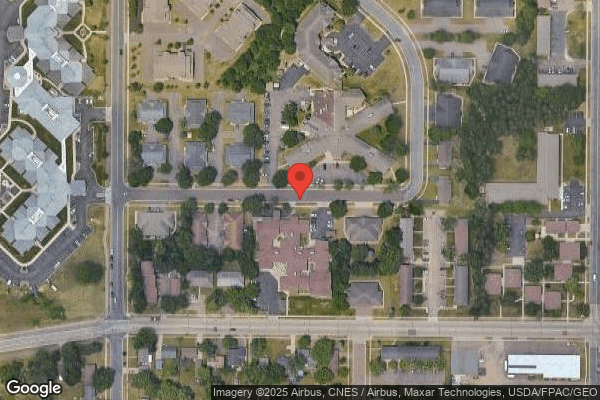
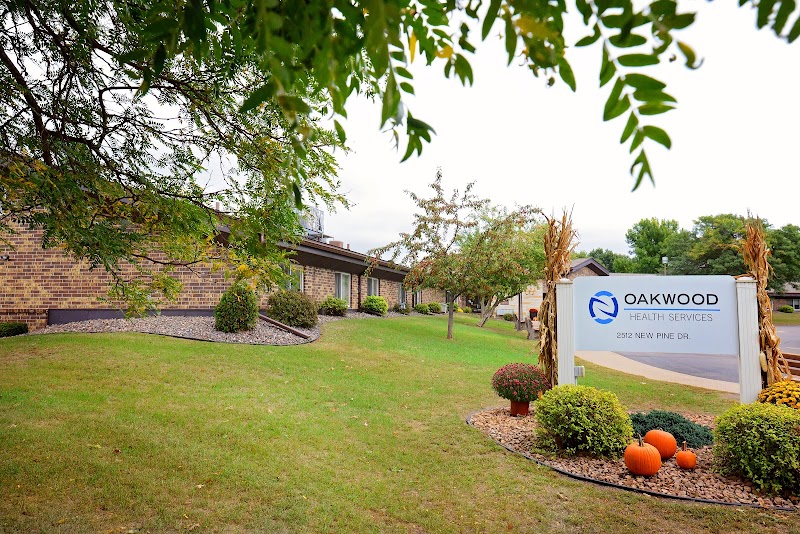
2512 NEW PINE DR, ALTOONA, WI 54720 (715) 833-0400
For profit - Corporation 80 Beds NORTH SHORE HEALTHCARE Data: November 2025 2 Immediate Jeopardy citations
Trust Grade
6/100
#229 of 321 in WI
Last Inspection: December 2024

Within standard 12-15 month inspection cycle. Federal law requires annual inspections.

Overview

Oakwood Health Services has received a Trust Grade of F, indicating poor quality and significant concerns about care. It ranks #229 out of 321 nursing homes in Wisconsin, placing it in the bottom half of facilities statewide and #5 out of 5 in Eau Claire County, meaning there are no better options nearby. While the facility is showing signs of improvement, as the number of issues has decreased from 9 in 2024 to 2 in 2025, serious incidents remain concerning. Staffing is a relative strength, with a rating of 4 out of 5 stars and RN coverage that exceeds 91% of state facilities, but the turnover rate is average at 54%. However, the facility has been fined a total of $46,302, and there have been critical findings, including incidents of mental abuse and failure to prevent pressure injuries, which resulted in serious harm to residents.

Trust Score
F
6/100
In Wisconsin
#229/321
Bottom 29%
Safety Record
High Risk
Review needed
Inspections
Getting Better
9 → 2 violations
Staff Stability
⚠ Watch
54% turnover. Above average. Higher turnover means staff may not know residents' routines.
Penalties
✓ Good
$46,302 in fines. Lower than most Wisconsin facilities. Relatively clean record.
Skilled Nurses
✓ Good
Each resident gets 70 minutes of Registered Nurse (RN) attention daily — more than 97% of Wisconsin nursing homes. RNs are the most trained staff who catch health problems before they become serious.
Violations
⚠ Watch
23 deficiencies on record. Higher than average. Multiple issues found across inspections.
★★☆☆☆
2.0
Overall Rating
★★★★☆
4.0
Staff Levels
★★★☆☆
3.0
Care Quality
★★☆☆☆
2.0
Inspection Score
Stable
2024: 9 issues
2025: 2 issues

The Good

  • 4-Star Staffing Rating · Above-average nurse staffing levels
  • Full Sprinkler Coverage · Fire safety systems throughout facility
  • No fines on record

Facility shows strength in staffing levels, fire safety.

The Bad

2-Star Overall Rating

Below Wisconsin average (3.0)

Below average - review inspection findings carefully

Staff Turnover: 54%

Near Wisconsin avg (46%)

Higher turnover may affect care consistency

Federal Fines: $46,302

Above median ($33,413)

Moderate penalties - review what triggered them

Chain: NORTH SHORE HEALTHCARE

Part of a multi-facility chain

Ask about local staffing decisions and management

The Ugly 23 deficiencies on record

2 life-threatening
Jun 2025 1 deficiency
CONCERN (D) 📢 Someone Reported This

A family member, employee, or ombudsman was alarmed enough to file a formal complaint

Potential for Harm - no one hurt, but risky conditions existed

Accident Prevention (Tag F0689)

Could have caused harm · This affected 1 resident

**NOTE- TERMS IN BRACKETS HAVE BEEN EDITED TO PROTECT CONFIDENTIALITY** Based on record review, observation and interview, the facility did not ensure the residents remain free of possible accidental ...

Read full inspector narrative →
**NOTE- TERMS IN BRACKETS HAVE BEEN EDITED TO PROTECT CONFIDENTIALITY** Based on record review, observation and interview, the facility did not ensure the residents remain free of possible accidental hazards. Facility did not ensure staff were applying the correct size Hoyer (mechanical full body lift) sling to prevent accidents for 1 of 10 residents (R) reviewed. (R3). Certified Nursing Assistants (CNA) used a size large instead of the care planned size medium Hoyer sling for R3. This occurred after nursing staff received education and skill checks within the last month. Findings include: Facility policy titled, NSG-Save Resident Handling and Transfers, dated 08/05/22, states: It is the policy of this facility to ensure that residents are handled and transferred safely to prevent or minimize risks for injury and provide and promote a safe, secure, and comfortable experience for the resident while keeping the employees safe in accordance with current standards and guidelines. Resident lifting and transferring will be performed according to the resident's individual plan of care. R3 was admitted to the facility on [DATE] with diagnoses including right sided paralysis following a stroke, right hand contracture, neglect syndrome, and dementia. R3's care plan, dated 04/28/25, indicates that R3 is cognitively impaired and is rarely/never understood. R3 requires the use of a purple (medium) sized sling for all Hoyer transfers. R3 is dependent on staff for all position changes and transfers. R3's medical record, dated 06/02/25, indicates R3's weight was 134.4. R3's weight according to manufacturer's guidelines identifies that only a purple (medium) sling should be used. On 06/03/25 at 12:16 PM, Surveyor observed R3 sitting in the dining room in a broda chair with a green sling under him. Surveyor asked CNA C to identify R3. Survey asked if CNA C were training, where would a new staff member go for directions on how to care for R3. Surveyor followed CNA C down to R3's room and opened the closet to show Surveyor the plan in the closet. Surveyor asked CNA C to read how to transfer R3. CNA read from the plan, Assist of 2, Full body mechanical lift, size medium Purple full body or divided split leg sling. CNA C also stated another place to look is on the computer in the hallway where the CNAs chart. CNA C demonstrated the plan there also stated the same as mentioned above. Surveyor asked CNA C to follow her to the dining room, look at R3, and asked if there were any concerns. CNA C stated, Oh no! It's green! Surveyor asked CNA C if education and skill checks were done. CNA C stated they were just done in the last month or so and did not know how this could have happened. At 12:32 PM, Surveyor interviewed Nursing Home Administrator (NHA) A. Surveyor asked NHA A how they ensure staff are competent and follow the plan of care. NHA stated they just educated and completed skill checks on the nursing staff. Surveyor then informed Nursing Home Administrator (NHA) A on the finding noted above. On 06/03/25 at 1:12 PM, NHA A informed Surveyor that all residents that require Hoyer lifts were checked for correct sling size, and all but R3's sling were correct.
Feb 2025 1 deficiency 1 IJ
CRITICAL (J) 📢 Someone Reported This

A family member, employee, or ombudsman was alarmed enough to file a formal complaint

Immediate Jeopardy (IJ) - the most serious Medicare violation

Free from Abuse/Neglect (Tag F0600)

Someone could have died · This affected 1 resident

**NOTE- TERMS IN BRACKETS HAVE BEEN EDITED TO PROTECT CONFIDENTIALITY** Based on interview and record review, the facility failed to protect the resident's right to be free from mental abuse by staff....

Read full inspector narrative →
**NOTE- TERMS IN BRACKETS HAVE BEEN EDITED TO PROTECT CONFIDENTIALITY** Based on interview and record review, the facility failed to protect the resident's right to be free from mental abuse by staff. This affected 1 of 3 residents (R1) reviewed for mental abuse. Staff held R1 down and forced R1 to be catherized against her wishes. As a result, R1 experienced severe trauma and fear, stating she did not feel safe in the facility and requested to be removed from the facility. The facility's failure to ensure R1 was free from abuse created a finding of immediate jeopardy that began on 2/01/25. Nursing Home Administrator (NHA) A, Director of Nursing (DON) B and [NAME] President of Success (VPS) G were notified of the immediate jeopardy on 2/12/25 at 3:32 PM. The immediate jeopardy was removed 02/01/25 and corrected on 02/03/25. Based on this determination, this citation is being cited as past noncompliance. This is evidenced by: Surveyor requested and received the facility policy titled Abuse, Neglect and Exploitation dated 7/15/2022. The facility policy states in part, Policy: It is the policy of this facility to provide protections for the health, welfare and rights of each resident by developing and implementing written policies and procedures that prohibit and prevent abuse. Abuse means the willful infliction of injury, unreasonable confinement. Resulting in .pain or mental anguish .Instances of abuse for all residents, irrespective of any mental or physical condition, cause physical harm, pain or mental anguish. Willful means the individual must have acted deliberately, not that the individual must have intended to inflict harm. Mistreatment means inappropriate treatment .of a resident. Policy Explanation and Compliance Guidelines: The facility will develop and implement policies and procedures that: ~Prohibit and prevent abuse . Identification of abuse . ~The facility will have written procedures to assist staff in identifying abuse . ~Possible indictors of abuse include .physical abuse of a resident observed .psychological abuse of a resident observed .sudden unexplained changes in behavior and/or activities such as a fear of a person or place . R1 was admitted to the facility on [DATE] with primary diagnosis of Parkinson's disease. R1 was her own decision maker. R1's most recent significant change in status Minimum Data Set (MDS) conducted 1/21/25, noted resident understands, is understood and has unclear speech. R1 is cognitively intact with indicators of depressed mood. R1 had no behavioral symptoms, no hallucinations and no delusions. R1 required substantial assistance for bed mobility, transfers and hygiene. R1's care plan noted focus areas as follows: ~Resistive/non-compliant with treatments/care (refusing to reposition self while in recliner) r/t (related to) belief treatment is not needed. Interventions: Provide education about risks of not complying with therapeutic regimen. Initiated: 9/23/24. ~Difficulty communicating r/t Parkinson's disease. Goal: Needs will be met with comfort and dignity. Initiated: 8/09/24 Interventions: Provide reassurance and patience communicating with resident, repeat information as needed. ~At risk for changes in mood r/t situational depression. Goal: Will maintain involvement with adl (activities of daily living) performance and social activities. Initiated: 8/09/24 Interventions: Mood assessment is indicating 5/mild depression. Resident does not have a diagnosis of mental health condition . Assess for physical/environmental changes that may precipitate change in mood. Offer choices to enhance sense of control. ~Added on 2/03/25: At risk for re-traumatization of past event or experience where reminders/triggers of event may cause behavioral changes or emotional distress. Other: having a medical procedure done to her that she did not want done. Initiated 2/03/2025. Goal: Reminders/triggering events will be avoided with minimal impact during her stay within the facility. Approaches: Provide a safe environment. Remove/avoid situations that may trigger re-traumatization. R1's Psychosocial/Trauma Informed Care Assessments/Observations since R1's admission note the following in part, 8/09/24: Prior Trauma or hx/dx (history/diagnosis) pstd (post-traumatic stress disease)? None of the above. Other concerns: none. 10/28/24: Prior Trauma or hx/dx (history/diagnosis) pstd (post-traumatic stress disease)? None of the above. Other concerns: none. R1's trauma screen, dated 1/20/25, states in part, (check all those that apply) Does resident have any of the following that may affect her approach to care? Dx or Hx (diagnosis or history) of PTSD: unchecked Prior trauma: unchecked Newly identified trauma: unchecked None of the above: checked. Surveyor reviewed the Facility Reported Incident (FRI) with the following noted: Date occurred: 2/01/2025 Time occurred: 2:00 PM Briefly Describe the Incident: On 2/01/2025 it was reported [RN C] allegedly performed a straight catheterization on resident [R1], who was not in agreement. [RN C] directed two CNA's to assist her in the procedure [CNA D and CNA E]. An investigation was immediately begun. The accused employees have been suspended pending investigation. [R1] has a BIMS (brief interview of mental status) of 15 (cognitively intact) and is her own healthcare decision maker. [R1] is currently safe in the center and free from injury. Police department was contacted at 3:21 PM. Re-education of staff regarding abuse began on 2/01/2025. R1's trauma screen, dated 2/03/25, states in part, (check all that apply) Description: [R1] had a medical procedure done to her Saturday February 1, that she did not want done. [R1] reported that the nurse did that to me and those 2 girls held me down. [R1] reported she does not feel safe. Writer suggested a move to another hall and [R1] stated, That would probably help. Experience: Did any of these events bother you? Yes Comment on events resident was bothered by: [R1] is currently feeling unsafe due to the recent event that happened to her. Treatment: [R1] was happy with the idea of a room move. She feels that will help her feel safer. Additional comments: This is a new event for [R1], she will have her mood monitored for any significant changes . R1's nurse's notes from 1/29/25 at 12:42 PM state in part, Resident questioning if meds (medications) were given after given, repeatedly asking for duloxetine (antidepressant) and calling staff liars when 1:1 provided and reassured medications were given. Asking for pain meds for right arm pain. Offered Tylenol-refused. Voltaren gel applied, resident wiped off volteran gel with Kleenex. Weepy at times. Repositioned for comfort. Added to MD list of residents to be seen at next visit regarding right arm pain. Trying to use communication board. Several nurses offering meds-making suspicious comments 'no you didn't you are lying.' Nurse's note from 1/30/25 at 5:37 AM state in part, Resident assisted to the bathroom and after toileting said something inaudible, so writer asked resident to use communication board and she pin pointed HURTPEE, asked how she rates her pain and pin pointed. Tylenol given Voided a good amount and has not been frequenting the bathroom this shift .Encouraged to drink cranberry juice did not show any behavior such as crying or anger .AM nurse will be made aware . Nurse's note from 1/30/25 at 8:43 AM states in part, Provider contact: Reporting dysuria (discomfort when urinating), weepy with bathroom use/transfer this am, VSS (vital signs stable). Incontinent of urine. Provider response: Call back to request order to check for UTI. Physician Order dated 1/30/25: U/A (urinalysis), UC (urine culture) if positive due to dysuria for possible UTI (urinary tract infection) (may cath (catheter) if unable to do a clean catch) Situation/Change in condition: BP (blood pressure): 116/58, Pulse: 81, RR: 16.0, Temp: 98.8, increased confusion, other behavioral symptoms, painful urination Nurse's note from 1/30/25 at 7:00 PM states in part, On follow up for resident complaint of burning with urination. Status: VSS afebrile (vital signs stable without fever) has been pleasant and cooperative with staff this shift, no frequency, urgency or foul odor with urination. Attempt at urine catch was contaminated. No noted discomfort with void. Nurse's note form 1/31/25 at 6:54 PM states in part, Awaiting UA cultures, WBC (white blood cells) present, negative for bacteria and nitrates .refused dinner .trying to stand by self .witnessed fall . Nurse's note from 1/31/25 at 10:57 PM states in part, UA results received .nitrates negative, no bacteria, WBC's 21-50 awaiting culture Nurse's note from 2/01/25 at 7:20 AM states in part, UA sent and positive for WBC, no bacteria or nitrates, awaiting culture results. No urinary complaints noted on noc (night) shift. Nurse's note from 2/01/25 at 1:55 PM states in part, Tele-Health Visit (physician visit): RN reporting urine culture grew 10-15,000 mixed genital flora likely contamination and this was culture result report. Patient was having some dysuria on Thursday not on antibiotics. Spoke with patient on the phone today having some dysuria but no urgency/frequency, no fever, chills or abdominal pain. Discussed with RN to get another UA with urine culture, no need antibiotics in the meantime. Surveyor reviewed the facility Criteria for Infection Form-Urinary Tract Infections which notes: Residents without an indwelling Catheter: Resident Exhibits: Fever greater than 100.0 of 2.4 degrees over baseline for 2 instances in past 12 hours And 1 or more: Dysuria, urgency, frequency, suprapubic pain, gross hematuria, flank pain, urinary incontinence, shaking/chills Resident meets criteria to order urine culture or does not meet Criteria. Of note, nurse's notes show no evidence R1 had a fever thus she did not meet criteria to order a urine culture and have the need for a straight catheterization procedure. Surveyor noted no nurse's note for the event that occurred on 2/01/24 at 2:00 p.m., that was described in the facility self report. Nurse's note from 2/01/24 at 8:59 PM states in part, Behavior as usual, no increased pain levels noted. Nurse's note from 2/02/25 at 1:08 AM states in part, Vital signs stable, rates pain at a 4 per communication board but did not want Tylenol, resting in recliner. Nurse's note from 2/02/25 at 6:06 PM states in part, Toilet without complaints of burning .no increased pain. UA returned from lab-final report says negative . Nurse's note from 2/03/25 at 11:18 PM states in part, Follow up to room change, VSS moved to a new room today with a new roommate, adjusting well to change. Nurse's note from 2/04/25 at 4:44 AM states in part, Has been sleeping well so far tonight in her new room . no complaints of pain or discomfort noted . Nurse's note from 2/04/25 at 9:53 PM states in part, Resident crying that she doesn't like room and does not want to be in it. Late entry nurse's note written by Director of Nursing (DON) B: Effective 2/05/25 at 5:26 PM states in part, Writer informed by [VPS (Vice President of Success) G]: resident stated she desired to go to the hospital to be in a place she felt safe. Resident told writer and MSW (Social Worker) earlier in the day that she feels safe in the facility, however this evening she wishes to be removed and be sent to the hospital. I did speak with resident before call to EMS (emergency medical services), I asked her again if she wished to go, to which she said yes. I asked if ok to accompany her to ED (emergency department) for continuity of care .resident clearly indicated it was ok with her transferred via a stretcher and EMS . Surveyor received and reviewed R1's skin assessments post incident which noted no new skin impairments. Surveyor reviewed R1's Hospital Internal Medicine admission Note which states in part, On 2/05/25 at 7:34 PM: Chief Complaint: Generalized pain all over, patient has dementia that has worsened over past few months. History of present illness: patient having dementia with progressive delirium, starting to have intermittent hallucinations, but is still technically her own person. Patient accompanied by nurse at the nursing home, she is extremely familiar with the patient, they have a very good relationship, however, there has been increasing behaviors and increasing paranoia recently. Because of this they did a UA the mid-stream was unfortunately contaminated, so the doctor ordered a clean cath (catheter) sample, this was performed, and patient is alleging that she tried to refuse this, and it was forced on her anyway. Because of this APS (Adult Protective Services) was involved, they have completed in this investigation, they state patient states she feels uncomfortable and needs to be removed from the nursing home as soon as possible. Patient states that she feels comfortable in the nursing home as long as the nurse is there, however when the nurse goes home for the day she makes multiple statements about feeling uncomfortable, which triggered APS to advise removal from the nursing home today, which prompted her visit here .Nurse states that they did attempt to modify the patients living situation including moving contact with staff members she has poorly interacted with, changing to different room, however patient continues to make statements about feeling unsafe .Patient does have slurred speech but is intermittently able to be understood .she is refusing repeat urine. Nurse states patient with intermittently had hallucinations over last week, including children tickling her feet underneath her wheelchair and hearing giggling . Assessment/Plan: Patient presents for further evaluation of concerns about her safety at her home, patient having increased hallucinations and delusions over past week but not currently. Head CT (computed tomography) and basic labs .No explanation for symptoms identified, patient admitted for placement . On 2/05/25 at 7:53 PM: Hospital Internal Medicine admission Note states in part, Chief Complaint: Feels unsafe at the [facility] History of present illness: .presented to hospital today with complaints she was being mistreated, apparently patient has had worsening progressive dementia thought to be secondary to her Parkinson's and there were concerns that patient may have a UTI. A midstream clean catch urine was tested and was abnormal. A cathed urinalysis was ordered and patient had reported that when this was obtained, she refused but staff obtained it despite her refusal. Patient had complained to the director and reported this to Adult Protective Services. Adult Protective Services documented that the patient felt uncomfortable and unsafe at the nursing home. General Physical exam: no acute distress. Plan: admit for observation. Surveyor reviewed the police report for R1 which states the following in part, Incident Nature: Assault Date: 2/01/2025 at 3:22 PM Disposition: Arrest Brief Summary of Activity: Officer responded to an information case from a local assisting [sic] living. DHS (Department of Health) was contacted and informed of a possible elder abuse case. Details: On Saturday February 1, 2025, at approximately 3:30 PM officer was requested by dispatch to make contact with director from [facility name] . [NHA A] told me a nurse was ordered to collect a urine sample from a resident. She stated that the resident did not want to be subjected to a catheter. The nurse requested help from CNA's who held the residents' legs down and used the catheter. [NHA A] stated the resident [R1] was crying and asking them to stop. I arrived at [facility name] to speak with [R1] about what had occurred. I was greeted by another director at the building [DON B] .[DON B] stated that multiple other staff members could hear yelling and crying from [R1's] room when the incident took place .[DON B] told me she received the report and returned to work, she found [R1] in her room with her pants still around her lower legs. I met with [R1] in her room to speak with her about what happened. [R1] said that she was in bed when a nurse came in to take a urine sample. [R1] said that during the urine sample she asked them to stop several times and never consented for the sample to be taken. [R1] stated she tried to fight but her hands and legs were held down and out of the way of the procedure. [R1] stated she was in pain during the procedure and was still in pain. I called and spoke with [CNA E] to speak with her about what happened. [CNA E] stated .around 1:55 PM she was asked by [RN C] to assist with getting a urine sample. When she entered the room, [RN C] was going over the procedure with [R1]. [RN C] began cleaning [R1's] vaginal area and [R1] was saying no several times .was instructed to assist holding one of [R1's] legs to open the vaginal area. [R1] began resisting and crying. [RN C] then told [CNA E] to get help to hold [R1]. [CNA E] went into the hallway .and asked [CNA D] to come into the room. [CNA E] said her and [CNA D] each took a side of [R1] and held her down while [RN C] inserted the catheter. When both [CNA D] and [CNA E] held her down [R1] began to cry and yell louder. [CNA E] said she felt bad and quickly realized it was wrong. However, she felt she was in a tough spot because she was instructed to do so from the nurse. I then called [CNA D] to speak about what happened. [CNA D] said she was just starting her shift when [CNA E] came and asked her to help with [R1]. When [CNA D] entered the room, she stated [R1] was very worked up and crying. [CNA D] did what she was told by [RN C] and held one of [R1's] legs down .[R1] was yelling leave me alone, let me go . I called [RN C] asked her to provide accounts of what happened. [RN C] stated she received an order from a doctor to collect a urine sample. The previous sample was contaminated therefore the doctor ordered a new sample. The new sample was to be straight catheter. [RN C] went into [R1's] room and explained the procedure to her. I asked if [R1] said anything about the procedure and [RN C] said no. I asked if she appeared upset at all and [RN C] stated she did not think so. [RN C] told me [R1] is often upset and paranoid. [RN C] stated she only requested help to hold [R1's] legs down so she could administer the catheter. [RN C] said she never heard [R1] say anything and did not notice her face being upset. I asked [RN C] why she never heard [R1], and she said she was only focused on what she was doing and did not realize anything was wrong until she was notified of the report. Findings: Through my investigation, I learned two individuals held a resident down while a nurse used a catheter to get a urine sample. The resident appeared to be resisting and telling the nurse to stop according to the CNAs in the room. On 2/11/25 at 12:39 PM, Surveyor spoke with CNA D via phone about the facility reported incident. CNA D reported being on staff since 7/27/23 and familiar with R1. CNA D reported being a certified nursing assistant for almost 10 years. CNA D reported she had been asked by CNA E to come to R1's room. R1 was in bed when she entered the room with her pants and brief pulled down. In the room was RN C with catheter supplies prepared at bedside. Upon entering R1's room, R1 appeared distressed. CNA D reported R1 was physically upset with red face and starting to cry. RN C instructed CNA D and CNA E to hold R1's legs open with the CNAs on both sides of R1's bed. With CNA D and CNA E holding R1's legs open, R1 started to vocalize louder, yelling and trying to prevent nurse from doing procedure. CNA D used one hand to stop R1 from hitting RN C and grabbing catheter supplies as she held her leg with her other hand. CNA D reported R1 was in obvious distress as CNA D tried to console her. R1 started saying, Leave me alone, Don't touch me. R1 continued yelling until RN C finished procedure. R1 was yelling, crying, pushing at staff and the supplies. After the procedure the CNAs tried pulling R1's pants up and she did not want anyone to touch her. Surveyor asked CNA D why she did not stop RN C from doing the procedure when R1 was objecting and crying. CNA D responded she had just come on shift; she was told what to do and she thought the nurse would stop/quit the procedure and she did not. CNA D stated, I should have stopped the nurse, resident did not want the procedure, resident was refusing. It did not feel right and needed to report the incident to the director of nursing. On 2/11/25 at 12:59 PM, Surveyor spoke with CNA E about the facility reported incident. CNA E indicated she has been on staff since 10/04/24 and is familiar with R1. CNA E reported being a certified nursing assistant about 3 years. CNA E reported just before 2:00 PM she was asked by RN C to assist her in getting a urine sample from R1. R1 was in bed as she had laid her down 20-30 minutes before. RN C was already in the room at bedside with catheter supplies prepared when CNA E entered the room. CNA E assisted RN C with pulling R1's pants and brief down. RN C was explaining the procedure to R1 and R1 said no, consistently no. CNA E said she was thinking RN C would stop. CNA E stated she even offered to come back another time, but RN C either didn't hear or ignored the comment. RN C directed CNA E to place her hands on R1's inner thighs. R1 was not resisting until RN C started swabbing, then R1 started to squeeze her legs shut, using her muscles against CNA E's hands and stating No. RN C directed CNA E to get help. CNA E stepped out of the room and asked CNA D to come help. Both CNA E and CNA D went to each side of R1's bed to hold R1's legs open with RN C at end of the bed. R1 was resisting RN C at bottom of the bed, grabbing at the nurse and supplies and stating No. RN C pushed R1's arms up and the CNAs blocked her arms and held her arms up to keep her from grabbing at the nurse and catheter supplies. R1 stated, Let go, let go of my hands, get off me, as nurse was inserting the catheter. Surveyor asked CNA E why she did not stop the nurse and the procedure. CNA E responded, Honestly, I walked off. I was emotional and told my co-workers I needed to self-report myself as resident was refusing and we continued anyways. It was emotional. It felt wrong. CNA E indicated CNA D was also very uncomfortable with the incident. CNA E expressed looking back she didn't expect it; she felt stuck after the comment to try again another day was ignored by RN C. CNA E expressed she recognized R1 did not want it. The incident was reported to DON immediately and an investigation was started within a few minutes. On 2/11/25 at 3:39 PM, Surveyor spoke with Family Member (FM) H via the phone. FM H reported she had been in to visit R1 earlier the day of the incident. Later that day, R1 called. R1 was hard to understand, more so than usual, she was upset. R1 reported to FM H she was held down by staff for a catheter. The DON called FM H after talking with R1. DON B told her R1 had been straight cathed (catheterized) by a nurse and 2 CNAs. R1 said no and it hurts, and R1 could be heard from people down the hall. R1 had told DON B what had happened. DON B reported that the police were called, and staff were suspended. FM H explained R1 had been slowly declining since her admission to the nursing home. R1 had some pain issues, was more paranoid with behavioral concerns and a progressive cognitive decline. All thought to be related to her Parkinson's. FM H stated after the incident, she could see changes in R1. The facility tried room changes in the facility a few times but R1 still reported she felt unsafe and wanted to go to the hospital. Once at the hospital, a total decline began and R1 spiraled down. FM H indicated she was not sure if the decline was from all the quality-of-life changes in the past year, but the incident was part of it. FM H stated the incident was traumatic, and R1 can't communicate. FM H stated the plan was for R1 to return to the facility; however, R1 has not eaten for 5 days and family has made the decision for comfort cares. FM H reports it is not realistic for R1 to return, and she expects she will soon expire. On 2/11/25 at 3:58 PM, Surveyor spoke with CNA F. CNA F indicated she had worked for the nursing home many years and works the PM shift. CNA F expressed she works R1's hall and is familiar with R1. CNA F indicated on the day of the incident she entered the facility by the back door by the timeclock for her PM shift. Upon entering she could hear R1 screaming from her room (108) which is up the hall from timeclock, around the nurse's station and halfway up hall A. CNA F indicated R1 was very loud but the words could not be understood. CNA F asked CNA D and CNA E what was going on as they exited R1's room. CNA F expressed the CNAs said R1 was upset with catheter procedure she did not want. CNA F told CNA E and CNA D to report the situation. It was obvious R1 was very upset and continued to be upset until about 3:30-4:00 PM, when she settled down. CNA F reported the next day R1 transferred to another hall. CNA F expressed she did not hear R1 say she felt unsafe after the incident. On 2/12/25 at 8:15 AM, Surveyor spoke with RN C via the phone. RN C reported working at the facility 28 years. RN C reported working the AM shift and the wing where R1 resided. RN C reported R1 had an overall decline in the past few months. R1 was not as active, lowering herself to the floor, had increased complaints of discomfort and behavioral changes. RN C reported R1 had urinary incontinence at end of January which was unusual and R1 reported it hurt with urination. R1's physician was contacted and gave an order for a urine sample. Surveyor asked RN C if R1 had any fever with her complaints. RN C indicated R1 did not have a fever. Surveyor discussed the facility's criteria for obtaining a urine culture included reports of a fever. RN C indicated she was not aware the criteria specified a fever as part of the criteria. RN C indicated a clean catch urine was obtained for R1 by another staff nurse. On Saturday 2/01/25 the culture results showed contamination with WBCs and the on-call MD (physician) was called and discussed resident symptoms. MD spoke with resident who said burns. MD explained the 1st clean catch specimen was contaminated and the need to collect another one. RN C gathered supplies for a straight catheter to obtain the specimen, entered R1's room and assisted with lowering R1's blankets and pants. RN C explained she assisted R1 with peri care with wipes and saw no issues. R1 was calm. With swabbing, R1 became kind of rigid and RN C instructed CNA E to spread her legs. RN C said she knew it was not going to be easy due to R1's rigidness and asked CNA D to get help. CNA D got CNA E. The two CNAs were on each side of R1's bed with RN C at the foot of bed. RN C instructed the CNAs to spread R1's legs. RN C said it was quiet in the room and she had an issue with the first catheter and had another kit there to try. RN C said she has cathed many people and the second one filled, was removed and the CNAs were trying to re-dress R1 when she noticed she was weepy. RN C expressed she did not notice any objection from R1, did not see resident moving away and did not see any non-verbal cues resident was upset. RN C expressed, The CNAs are there to watch the patient and their comfort. The CNAs did not alert her to any issues. RN C expressed she did not know there was an issue until contacted later that day by DON B. RN C stated she would have stopped had she known R1 was objecting. On 2/12/25 at 11:37 AM, Surveyor spoke with Adult Protective Services (APS) I who indicated she received a report of incident on 2/03/25 by law enforcement. APS I reported to the facility on 2/05/25 and spoke with R1. R1 indicated she told staff she did not want straight catheter procedure when the nurse was explaining the procedure, as in the past it hurt. The nurse (RN C) had 2 CNA staff (CNA D and CNA E) hold her down by her arms and legs to do the catheter even though she said no several times. R1 said it hurt very bad and she did not consent to the procedure. R1 said she wanted to press charges as she doesn't want it to happen to another resident. R1 requested to move, as she did not feel safe. The facility moved her to another room but R1 requested a move as she continued to not to feel safe at the facility regardless of the change in room and the fact that the alleged staff had been suspended. APS I expressed she informed R1's managed care organization coach about the request to move; as well as facility administrator for R1's safety and wellbeing. R1 was transferred to the hospital that day. On 2/12/2025 at 1:13 PM, Surveyor spoke with DON B about the incident on 2/01/25 with R1. DON B indicated she was called by CNA E just after 2:00 PM stating she was uncomfortable with R1's straight catheter procedure. CNA E reported R1 did not want the procedure, and the procedure was done anyway. DON B said she came into the facility immediately and called NHA A when in route. Once at the facility she asked RN C about the straight catheter procedure and if R1 consented to the procedure. RN C said she did not decipher R1 did not want it done and she did not hear no but R1 was tearful. RN C was asked to leave the building and informed an investigation would be conducted. RN C did not note the incident in the nurse's notes. DON B stated she talked to CNA D next. CNA D explained she was asked to assist with the procedure. R1 was tearful and did not want the procedure done. CNA D said she was told to hold R1 in a position to obtain catheter urine. R1 was tearful. CNA D was asked to leave the facility was and informed of investigation. DON B said she then went to speak with R1. R1 said she wanted a clean catch and questioned why a straight catheter was done. DON B explained the specimen was contaminated and the provider gave an order for straight catheter. R1 did not want it done and did not give consent. R1 said no and no means no. Resident rights were violated by not being allowed to refuse treatment. Based on facility policies abuse occurred. DON B stated the facility immediately began training staff on resident rights and provided training to all staff before they reported to work. On 2/12/25 at 1:59 PM, Surveyor spoke with NHA A about the incident with R1 on 2/01/2025. NHA A indicated she was called by DON B around 2:15 PM on 2/01/2025 reporting CNA E said she was part of getting a urine sample from R1 when R1 said no and that R1 was upset. NHA A indicated she called law enforcement right away and started reporting to the state of Wisconsin Department of Health Services. NHA A reported DON B talked with RN C. NHA A indicated APS came in on 2/05/25 and reported to her R1 did not feel safe in the building, R1 wanted to press charges and APS I was going to contact the MCO regarding placement. VPS G spoke with R1 who stated she did not feel safe because staff were putting toys in pillowcases and on her bed making her lay on them. R1 was saying a little girl was under her wheelchair which was new for her. R1 was transferred to the hospital 2/05/25 around 5:30 PM and has not returned to the facility. On Monday 2/03/25 the facility continued staff education related to abuse, definitions, who to contact, allegations, reporting and resident rights. Specifically, what to do when someone says no. Surveyor asked NHA A if R1's rights were violated. NHA A responded R1's right to refuse treatment was violated as the CNAs held her legs down to obtain [TRUNCATED]
Dec 2024 4 deficiencies
CONCERN (D)

Potential for Harm - no one hurt, but risky conditions existed

Comprehensive Care Plan (Tag F0656)

Could have caused harm · This affected 1 resident

**NOTE- TERMS IN BRACKETS HAVE BEEN EDITED TO PROTECT CONFIDENTIALITY** Based on observation, interview and record review, the facility did not develop a person-centered care plan for 1 of 12 sampled ...

Read full inspector narrative →
**NOTE- TERMS IN BRACKETS HAVE BEEN EDITED TO PROTECT CONFIDENTIALITY** Based on observation, interview and record review, the facility did not develop a person-centered care plan for 1 of 12 sampled residents (R35). The facility did not identify R35's individual choices and daily routines, which had the potential to negatively impact R35's quality of care and quality of life. During the comprehensive assessment, R35 indicated a desire to smoke. R35's comprehensive care plan did not address R35's preferences for smoking, which resulted in R35 complaining of not being able to smoke, feeling frustrated with staff, and expressing negative behaviors. Findings include: Review of the facility's policy titled Smoking Policy read, .Any resident who is deemed safe to smoke, with to without supervision, will be allowed to smoke in designated smoking areas (weather permitting), at designated times, and in accordance with his/her care plan . Review of the facility's policy titled Comprehensive Care Plan read, .It is the policy of this facility to develop and implement a comprehensive person-centered care plan for each resident, consistent with resident rights, that include measurable objectives and timeframes to meet a resident's medical, nursing, and mental and psychosocial needs that are identified in the resident's comprehensive assessment . Person-centered means to focus on the resident as the locus of control and support the resident in making their own choices and having control over their daily lives .The comprehensive care plan will be prepared by an interdisciplinary team, that includes, but is not limited to: e. The resident and the resident's representative, to the extent practicable. R35 was admitted to the facility on [DATE]. Diagnoses included dementia, anxiety, and depression. R35's Minimum Data Set (MDS) assessment, dated 11/07/24, indicated R35 scored 15/15 during Brief Interview for Mental Status (BIMS), indicating intact cognition. R35's care plan included a focus are for: Verbal/physical agitation/aggression with yelling out at staff and swearing at staff when educated on leaving the medication cart alone related to cognitive impairment, dated 07/01/24. Interventions included: -Administer medications per physician orders. -May be verbally abusive. -Give R35 clean, concise explanation of anything about to occur. R35's smoking care plan identified R35 is at risk for smoking related injury related to impaired cognition, dated 10/08/24. Interventions included: -Assist to and from designated smoking area, remain with R35 while he is smoking. -Assure smoking material is extinguished prior to resident leaving smoking area. -Complete nicotine assessment per facility policy. -Observe resident for unsafe smoking behaviors or attempts to obtain smoking material from outside sources. Immediately inform facility management of concerns. -R35 is not to have cigarettes or smoking material on person. -Storage of smoking materials per facility policy. On 12/16/24 at 11:04 AM, Surveyor interviewed R35. R35 reported he does smoke cigarettes and he does not desire to quit or seek nicotine alternatives. R35 stated, I would like to go out to have a cigarette whenever I want, but I'm lucky if I go once a week. Someone has to go with me. There are certain staff that I ask but most of them give me tough time about it or pretend they don't know what I am talking about. R35 expressed this is frustrating for him and he feels staff don't listen to him. R35 reported staff are aware of his desire to smoke but was unable to report if his smoking preferences had been discussed with him, stating, They don't care. R35 reported he would be satisfied with designated smoking times and going out to smoke 3-4 times per day. During interviews with certified nursing assistants (CNAs), CNAs reported R35 requests smoking materials from licensed nursing staff, as his cigarettes are locked in the medication cart. On 12/16/24 at 11:53 AM, Surveyor interviewed Registered Nurse (RN) E. RN E stated R35's cigarettes are locked in the medication cart and R35 requests cigarettes from staff. RN E stated, He asks all the time to smoke, but he requires supervision, and we don't have the time to watch him. He is a smoker, but he only has one every couple of months. On 12/16/24 at 12:08 PM, Surveyor observed R35 ask another Surveyor if he could go outside to smoke. Surveyor told R35 she did not work at the facility and was not able to take him outside. This Surveyor observed R35 propel himself to his room and did not ask any other staff to take him outside to smoke. Surveyor asked R35 why he did not ask staff to take him outside to smoke. R35 raised his arm waving and pointing towards the hallway in an angry manner and did not respond to this Surveyor's question. On 12/16/24, Surveyor did not observe R35 go outside to have a cigarette. On 12/17/25 at 9:45 AM, Surveyor interviewed RN F. RN F stated when R35 requests his cigarettes, the staff accommodate R35's request as soon as they can. Surveyor asked RN F if she could be more specific as to what that means, and RN F stated, They just get to him as soon as they can. On 12/17/24 at 12:30 PM, Surveyor interviewed [NAME] President of Success (VPS) C and Social Worker (SW) G. SW G reported R35 would go outside to smoke every 15 minutes if he was allowed. Surveyor asked VPS C if the facility had scheduled smoking times per the facility policy. VPS C stated when a resident requests to smoke staff will accommodate that time to smoke as best they can, and scheduled smoking times are only applied when there is a concern. On 12/17/24, Surveyor observed staff assist R35 outside to smoke, on one occasion. Surveyor noted on 07/01/24, R35's care plan was updated to reflect R35's behaviors of trying to get into the medication cart where his smoking materials are stored. There were no new interventions added to indicate R35's smoking preferences. Surveyor noted on 10/08/24, R35's care plan was updated to reflect R35's risk for a smoking related injury. There were no new interventions added to indicate R35's smoking preferences.
CONCERN (D)

Potential for Harm - no one hurt, but risky conditions existed

Deficiency F0688 (Tag F0688)

Could have caused harm · This affected 1 resident

**NOTE- TERMS IN BRACKETS HAVE BEEN EDITED TO PROTECT CONFIDENTIALITY** Based on interview and record review, the facility did not ensure a resident with limited range of motion receives appropriate t...

Read full inspector narrative →
**NOTE- TERMS IN BRACKETS HAVE BEEN EDITED TO PROTECT CONFIDENTIALITY** Based on interview and record review, the facility did not ensure a resident with limited range of motion receives appropriate treatment and services to increase range of motion and/or to prevent further decrease in range of motion for 1 of 2 residents (R28) reviewed. The facility did not implement R28's Range of Motion (ROM) developed plan of care. This is evidenced by: R28 was admitted to the facility on [DATE]. R28's diagnoses, that include but are not limited to, are hemiplegia affecting right dominant side, rheumatoid arthritis, and right shoulder contracture. R28's Minimum Data Set (MDS) annual assessment dated [DATE] and quarterly assessment dated [DATE] were reviewed. R28's Brief Interview of Mental Status (BIMS) score is 15 out of 15, indicating cognition is intact. R28 requires the assist of 1 staff member with transfers and bed mobility. R28's ROM is impaired on one side of upper extremity and both sides of lower extremities. R28 requires substantial/maximal assistance with activities of daily living (ADLs), bathing, and dressing upper extremities. R28 is dependent on staff for dressing lower extremities, toilet transfer, and toileting hygiene. Surveyor reviewed R28's care plan with revision date of 02/21/22, which documented nursing restorative program should include ROM exercises to include but not limited to yellow therapy band exercises, shoulder extensions, elbow flexions, and rowing 20 reps x 2 for upper body extremities and heel slides, ankle pumps for lower extremities. Surveyor reviewed R28's electronic medical record for evidence of care plan completion related to ROM exercises. No documentation was found in R28's electronic medical record regarding ROM exercise to either upper or lower extremities as outlined in plan of care were completed. Surveyor reviewed documentation of therapy's restorative plan for R28. R28's therapy's plan matches R28's current care plan. On 12/18/24 at 9:00 AM, Surveyor interviewed Certified Nursing Assistant (CNA) K regarding ROM exercises with R28. CNA K reported she does ROM with R28 during morning cares. Especially since they did away with restorative. Surveyor asked if there is enough staff to do the restorative. CNA K stated, It is easier right now when [R28] has COVID. I can do it while I am in there waiting. CNA K knows what needs to be done because it is on the care plan. CNA K stated she documents in computer. Surveyor could not find documentation of exercise completion. Surveyor asked for copy of documentation and did not receive a copy. On 12/18/24 at 10:42 AM, Surveyor interviewed Nursing Home Administrator (NHA) A and Director of Nursing (DON) B about documentation of evidence ROM exercises were completed and assessed for needed changes to the plan. DON B stated, Restorative binder is only care plans, there is no documentation. NHA A indicated the facility had a change in leadership and in process realized there were holes in the restorative programs. They are working on changes. Surveyor asked for clarification on expectations for the ROM plan of care. DON B stated, That they be done and documented every day, daily.
CONCERN (D)

Potential for Harm - no one hurt, but risky conditions existed

Accident Prevention (Tag F0689)

Could have caused harm · This affected 1 resident

**NOTE- TERMS IN BRACKETS HAVE BEEN EDITED TO PROTECT CONFIDENTIALITY** Based on observation, interview and record review, the facility did not use a gait belt to promote safe transfer for 1 of 2 resi...

Read full inspector narrative →
**NOTE- TERMS IN BRACKETS HAVE BEEN EDITED TO PROTECT CONFIDENTIALITY** Based on observation, interview and record review, the facility did not use a gait belt to promote safe transfer for 1 of 2 residents. (R9) This is evidenced by: Surveyor reviewed the facility's policy titled, NSG-Safe Resident Handling and Transfers. Policy: It is the policy of this facility to ensure that residents are handled and transferred safely to prevent or minimize risk for injury and provide and promote a safe, secure, and comfortable experience .in accordance with standards and guidelines. The following numbers of sections relate to the numbered section in the policy. 1. The interdisciplinary team or designee will evaluate and assess each resident's individual mobility needs, taking into account other facts as well, such as weight and cognitive status. 2. The resident's mobility needs will be addressed on admission and reviewed quarterly, after a significant change in condition or based on direct care staff observations or recommendations. 4. Handling aids may include gait belts, transfer boards, and other devices. 11. Staff will be educated on the use of safe handling/transfer practices to include use of mechanical lift devices upon hire. R9 was admitted to the facility on [DATE]. Current diagnoses include but not limited to anxiety disorders, (osteo)arthritis, a right artificial knee, abnormalities of gait and mobility, and generalized muscle weakness. R9's Minimum Data Set (MDS) assessment date is 11/22/24. R9's Brief Interview of Mental Status (BIMS) scored an 11 out of 15, indicating moderate cognitive impairment. R9 requires the assist of 1 staff member with transfers and change of position. R9 requires partial/moderate assist of staff to dress self, complete ADL, and roll in bed, or complete any position changes. R9's care plan dated 09/06/24 includes two related sections. One is the need for assistance with ADLs and self-care due to weakness and the second area planned is R9's risk for falls due to history of falls. The interventions outlined in these two areas include but are not limited to, assist of one staff when completion of ADLs, and when transferring or moving. R9 is to be encouraged to move slowly and have appropriate footwear on when transferring. On 12/17/24 at 10:27 AM, Surveyor observed Certified Nursing Assistant (CNA) K provide cares to R9. CNA K assisted R9 to a sitting position on the bed. CNA K raised bed and adjusted wheelchair so that the wheelchair was closer to bed on R9's left side. CNA K assisted R9 to stand. CNA K held R9's pant waist band to assist to stand. R9 pivoted into her wheelchair. R9 was assisted to the bathroom where R9 was kindly instructed to grab the handrail and again assisted to stand. CNA K's hands were on R9's back/under arm while assisting up and with stabilization. While R9 was standing and holding bar, CNA K pulled down R9's pants and brief. R9 finished pivoting to toilet and sat down onto the toilet. CNA K kindly instructed R9 again to grab hold of bar. CNA K assisted R9 to stand again using the grab bar. CNA K's hands were placed under R9's arms. While R9 was standing, CNA K provided appropriate toilet hygiene followed by hand hygiene. CNA K assisted R9 to pivot to sit in wheelchair. CNA K did not use a gait belt on R9 for the entire encounter. On 12/17/24 at 10:45 AM, Surveyor interviewed CNA K about gait belt use. CNA K indicated she does not use a gait belt normally with R9. CNA K stated, I wasn't told to. We use a gait belt when she walks? CNA K indicated she uses a gait belt when it is care planned. Surveyor's review of R9's care plan states transfer with assist of 1 (staff member), with no documentation to use or not use a gait belt. On 12/18/24 at 9:00 AM, Surveyor interviewed CNA K. CNA K indicated she should have used a gait belt for transfers without prompting. CNA K expressed she has now corrected her practice. 12/18/24 at 9:05 AM, Surveyor interviewed Occupational Therapy (OT) L regarding transfers and gait belt use. OT L indicated assessments are completed as part of MDS process quarterly and annually. The outcome, including the transfer process, is documented in the care plan. OT L specified that the cna(s) and staff are to follow the care plan. A copy is posted in patient's room on inside door of closet. OT L expressed that gait belts are to be used with any assistive transfers, unless the resident signs risk benefit and declines the use of the gait belt. On 12/18/24 at 10:24 AM, Physical Therapy (PT) M brought paper copy of therapy recommended plan of care to Surveyors. During discussion with PT M, she indicated the expectation is that staff follow care plan and use gait belt with any transfer or assist. On 12/18/24 at 10:42 AM, Surveyor interviewed Director of Nursing (DON) B regarding transfers and gait belt use. DON B indicated that transfer assessment would be completed and found in the MDS and transferred into the care plan. Expectation is to use a gait belt with any transfer assist.
CONCERN (F)

Potential for Harm - no one hurt, but risky conditions existed

Infection Control (Tag F0880)

Could have caused harm · This affected most or all residents

**NOTE- TERMS IN BRACKETS HAVE BEEN EDITED TO PROTECT CONFIDENTIALITY** Example 5 On 12/17/24 at 8:15 AM, Surveyor observed a sign on R4's door indicating Transmission Based Precautions. R4 was admitt...

Read full inspector narrative →
**NOTE- TERMS IN BRACKETS HAVE BEEN EDITED TO PROTECT CONFIDENTIALITY** Example 5 On 12/17/24 at 8:15 AM, Surveyor observed a sign on R4's door indicating Transmission Based Precautions. R4 was admitted on [DATE] with multiple medical diagnoses, including hypertensive chronic kidney disease with stage 5 (or end stage) chronic kidney disease. On 12/17/24 at 8:16 AM, Surveyor observed personal cares for R4. CNA I donned gloves and using a wet washcloth, provided bathing cares for R4, including peri area cleaning where visible drainage and soiling was noted. CNA I did not remove/change gloves or perform hand hygiene throughout R4's cares. CNA I continued with same gloves by assisting Registered Nurse (RN) F with peri area treatment, holding skin folds, wiping, and touching skin area around R4's stoma opening while RN F replaced ostomy/stoma ring. CNA I continued providing cares with same contaminated gloves and without washing or sanitizing her hands, placing R4's oxygen tubing back in nose, brushing R4's hair, handled oxygen concentrator, moving motorized wheelchair, and transferring R4 via mechanical lift into wheelchair. After R4 was in her wheelchair and before leaving the room, CNA I then removed her gloves and washed her hands. On 12/17/24 at 8:47 AM, Surveyor interviewed CNA I about facility's infection control training and appropriate hand hygiene with R4's cares. CNA I admitted she did not change her gloves, wash or sanitize her hands and states she should have done so. On 12/17/24 at 1:47 PM, Surveyor interviewed Assistant Director of Nursing (ADON) H. ADON H reported hand hygiene education is provided monthly to CNAs. ADON H reported the expectation is that gloves are changed, and hand hygiene is to be performed after peri area or ostomy cares are performed. Based on observation, interview and record review, the facility did not establish an Infection Control Program under which it investigates, controls, and prevents infections in the facility, or a system for recording incidents identified under the facility's Infection Control Program, including corrective action in a timely manner, for both residents and staff. This has the potential to affect all 39 residents in the facility. The facility did not have an adequate surveillance in place for tracking and monitoring infection and communicable disease for staff and residents. The facility did not ensure proper fitting N95 mask for staff with facial hair of a full beard. Facility staff did not dispose of contaminated Personal Protective Equipment (PPE) before exiting COVID positive rooms. The facility did not initiate Enhanced Barrier Precautions (EBP) upon R91's admission to the facility with an indwelling urinary catheter. R35 was placed on contact precautions after having one incident of vomiting. Staff did not practice proper hand hygiene during cares for R4. This is evidenced by: Example 1 Facility policy titled, Infection Surveillance, with a most recent reviewed date of 03/08/23 stated in part: Its purpose is to identify infections and to monitor adherence to recommended infection prevention and control practices in order to reduce infections and prevent the spread of infections . Infection surveillance refers to an ongoing systematic collection, analysis, interpretations, and dissemination of infection-related data .6. The facility will collect data to properly identify possible communicable diseases or infections before they spread by identifying: a. Data to be collected, including how often and the type of data to be documented, including: i. summary and analysis of the number of residents (and staff, if applicable) who developed infections; ii. Observations of staff including the identification of ineffective practices, if any; and iii. The identification of unusual or unexpected outcomes, infection trends and patterns .9. Resident infections will be tracked . Surveyor reviewed the facility's infection control program. The facility did not utilize a data collection tool for surveillance for early detection of symptomatic residents and staff that will identify, track, and monitor for possible communicable disease and outbreaks. Surveyor reviewed the facility's monthly infection control logs from 12/23 - 12/24. The infection control logs were not completely filled out to include symptom date of onset and resolution, map identifying trends and patterns, start or end date of cautionary measures, diagnostic results including organism, summary of analysis of infections, all residents being monitored for infection, and observations of staff. On 12/18/24 at 10:00 AM, Surveyor interviewed Director of Nursing (DON) B regarding infection surveillance. DON B stated that new leadership took over a couple of months ago and recognized that the facility's infection surveillance was not being logged and monitored appropriately. DON B stated that prior to 11/24, no procedure had been in place for consistent documentation of infection surveillance. DON B stated she has been involved in extensive training in how to properly log and monitor infection surveillance data and has since been attempting to fix the process of tracking and monitoring infections for staff and residents. DON B stated there is currently no written process of improvement plan in place but is actively working to correct this issue as it has the potential for harm for all the residents and staff. Example 2 On 12/17/24, Surveyor reviewed R35's progress notes and noted the following: On 10/04/24, R35 had a single episode of vomiting and was placed on TBP. From 10/05/24-10/09/24, progress notes indicated R35 had no further vomiting and no other signs of illness. Two rapid Covid tests determined R35 was negative for the virus. On 10/27/24, R35's progress notes indicated he was removed from TBP. On 12/17/24, Surveyor reviewed the facility's surveillance and infection line list. Surveyor noted the facility was not in outbreak status for gastrointestinal related infections during the month of October. On 12/17/24 at 9:13 AM, Surveyor interviewed R35. R35 was not able to recall if he was placed on precautions and did not have concerns related to being isolated to his room. Surveyor interviewed nursing staff; however, staff were not able to recall the duration of R35's precautions. On 12/18/24 at 9:37 AM, Surveyor interviewed [NAME] President of Success (VPS) C and DON B. VPS C and DON B reviewed R35's record and agreed R35 was placed on contact precautions for an undetermined amount of time and exceeded the 48-hour recommended time for gastrointestinal symptoms. VPS C and DON B acknowledged the facility's surveillance data was not completed accurately. VPS C stated R35 would not have been involuntarily secluded to his room during this time, as the facility policy is to encourage residents on TBP to isolate or wear appropriate PPE. However. a resident has the right to leave their room if they choose to do so. Example 3 The facility's policy titled, COVID-19 Prevention, Response and Reporting, dated 05/18/23, documented, in part. 15. HCP (Healthcare Personnel) who enter the room of a resident with suspected or confirmed SARS-CoV-2 infection should adhere to transmission-based precautions and use a NIOSH-approved particulate respirator with N95 filters or higher, gown, gloves, and eye protection. R16 has current diagnoses of COVID-19 as of 12/14/24, Alzheimer's disease, type 2 diabetes mellitus, anxiety disorders, and major depression disorder. Surveyor observed at the entrance of R16's room a sign from the Centers for Disease Control and Prevention (CDC) stating, Stop droplet Precautions, Everyone must: Clean their hands, including before entering and when leaving the room. Make sure their eyes, nose and mouth are fully covered before entry. Remove face protection before room exit. Surveyor observed outside of R16's door a bin with PPE supplies of gowns, gloves, N95 masks and surgical masks. On 12/16/24 at 10:06 AM, Surveyor observed Certified Nursing Assistant (CNA) D apply PPE of a gown, gloves, goggles, and N95 mask and entered R16's room to assist with a Hoyer lift transfer. Surveyor observed CNA D having a full beard with the facial hair being over an inch long and the N95 not having a tight seal to CNA D's facial skin. At 10:12 AM, CNA D exited R16's room wearing the contaminated PPE of the gown, gloves, and N95 mask. In the hallway CNA D removed the contaminated PPE and brought the contaminated PPE across the hall to R31's room and placed the contaminated PPE into R31's garbage can. R31 is not COVID positive and is not on any precautions. R28 has current diagnoses of COVID-19 as of 12/12/24 and hemiplegia affecting right dominant side, cerebrovascular disease, and major depression. Surveyor observed at the entrance of R28's room a sign from the CDC stating, Stop droplet Precautions, Everyone must: Clean their hands, including before entering and when leaving the room. Make sure their eyes, nose and mouth are fully covered before entry. Remove face protection before room exit. Surveyor observed outside of R28's door a bin with PPE supplies of gowns, gloves, N95 masks and surgical masks. On 12/16/24 at 12:44 PM, Surveyor observed CNA D apply PPE of gloves, gown, and applied N95 and entered R28's room to deliver R28's meal tray. Surveyor observed CNA D's N95 mask not having a tight seal on CNA D's facial skin. CNA D exited R28's room wearing the contaminated PPE. CNA D removed the contaminated PPE in the hallway. CNA D brought the contaminated PPE across the hall and disposed of the contaminated PPE into R191's garbage can. R191 is not COVID-19 positive and is not on precautions. R15 has current diagnoses of COVID-19 as of 12/13/24, dementia, anxiety, and chronic kidney disease. Surveyor observed at the entrance of R15's room a sign from the CDC stating, Stop droplet Precautions, Everyone must: Clean their hands, including before entering and when leaving the room. Make sure their eyes, nose and mouth are fully covered before entry. Remove face protection before room exit. Surveyor observed outside of R15's door a bin with PPE supplies of gowns, gloves, N95 masks and surgical masks. On 12/16/24 at 12:51 PM, Surveyor observed CNA D bring R15's meal tray into R15's room. CNA D wore PPE of a surgical mask. CNA D did not apply the required COVID-19 PPE of a gown, gloves, eye protection, and an N95 mask. On 12/18/24 at 8:07 AM, Surveyor interviewed CNA D about resident units CNA D worked on 12/16/24. CNA D indicated working all units and will work as transport and maintenance. Surveyor asked how often he is fit tested for the N95 and training for COVID-19 personal protective equipment. CNA D indicated training is completed in the computer system and receives fit testing for N95 yearly. CNA D indicated he was fit tested with a beard and had passed but the beard was shorter at that time. CNA D indicated no current fit testing was completed with the length of his beard currently and it is now longer. Surveyor reviewed with CNA D of Surveyor's observation of exiting positive COVID-19 resident's room with contaminated PPE and disposing of the PPE in a non-COVID positive resident room and entering R15's room to delivery meal tray with only a surgical mask. CNA D indicated he did not know where the garbage was in the room and prior they had the garbage right outside of the resident's room. CNA D indicated the PPE should not have been disposed in another resident's room. CNA D indicated PPE should have been worn when delivering meal tray to a COVID positive resident's room. On 12/18/24 at 10: 42 AM, Surveyor interviewed DON B about proper personal protective equipment to be used in COVID-19 positive room, and when staff fit testing is to be completed. DON B indicated fit testing should be completed annually and if there are changes to their body size. Surveyor asked if appropriate for staff to wear N95 with facial hair that is a full beard. DON B indicated facial hair should be shaved to appropriately fit an N95. Surveyor reviewed with DON B of CNA D having large amount of facial hair. Surveyor reviewed with DON B the observation of CNA D exiting R16 and R28's rooms with PPE and disposing of the PPE across the hall into a resident room that is not COVID positive. Surveyor reviewed with DON B of CNA D entering R15's room with a surgical mask and no N95, gown, gloves, goggles to deliver a meal tray. DON B indicated PPE should be disposed of inside the resident's room before exiting and the appropriate PPE needs to be used to enter a COVID positive room. Example 4 The facility's policy titled, Enhanced Barrier Precautions, dated 08/08/24, documented, in part. 1. Prompt recognition of need: .2. b. An order for enhanced barrier precautions .will be initiated for residents with any of the following: i .and/or indwelling medical devices (e.g., .urinary catheters .) .even if the resident is not known to be infected or colonized with a MDRO .3. a. Make gowns and gloves available immediately near or outside of the resident's room. R91 was admitted to the facility on [DATE] with diagnoses of enlarged prostate with lower urinary tract symptoms, acute cholecystitis, and retention of urine. R91 has an indwelling catheter for urinary retention. Review of R91's care plans did not document to use EBP related to R91's indwelling urinary catheter. On 12/16/24 at 10:31 AM, Surveyor observed R91 having a urinary catheter and no sign or bin of PPE at the entrance of R91's room for the use of EBP. On 12/18/24 at 10:45 AM, Surveyor interviewed DON B about R91 having an indwelling catheter and if EBP should be in place on admission. DON B indicated R91 should have been put on EBP at the time of admission and was not completed until 12/16/24.
Aug 2024 2 deficiencies 1 IJ
CRITICAL (J) 📢 Someone Reported This

A family member, employee, or ombudsman was alarmed enough to file a formal complaint

Immediate Jeopardy (IJ) - the most serious Medicare violation

Pressure Ulcer Prevention (Tag F0686)

Someone could have died · This affected 1 resident

**NOTE- TERMS IN BRACKETS HAVE BEEN EDITED TO PROTECT CONFIDENTIALITY** Based on observation, interview, and record review, the facility did not ensure each resident receives cares consistent with pro...

Read full inspector narrative →
**NOTE- TERMS IN BRACKETS HAVE BEEN EDITED TO PROTECT CONFIDENTIALITY** Based on observation, interview, and record review, the facility did not ensure each resident receives cares consistent with professional standards of practice to prevent pressure injuries (PIs) for 2 of 4 sampled residents (R)1 and R3. On admission 5/20/24, staff identified R1 had a suspected deep tissue injury (DTI) from the coccyx to the peri area. Physician, Director of Nursing, or wound nurse were not notified of this suspected DTI. No care plan or interventions were put in place for the pressure injury. Pressure injury assessments were not completed after the identification of the DTI on 5/20/24. As a result, R1 developed an unstageable pressure injury and sepsis. R1 required hospitalization and surgical debridement of the PI. The PI was staged as a stage 4 pressure injury. The facility's failure to implement pressure injury interventions and assess R1's pressure injury, created a finding of immediate jeopardy that began on 05/27/24. Nursing Home Administrator (NHA) A, Director of Nursing (DON) B and [NAME] President of Success (VPS) J were notified of the immediate jeopardy on 08/21/24 at 12:16 PM. The immediate jeopardy was removed on 8/21/24; however, the deficient practice continues at a scope/severity level of D (potential for more than minimal harm/isolated) as the facility continues to implement its action plan and as evidenced by the following example: R3 was admitted to the facility 08/09/24 with a PI on the left heel. R3's care plan included float heels as able; use pillows and/or positioning devices as needed. R3's heels were not being floated during numerous observations by survey team. Example 1: Based on the National Pressure Injury Advisory Panel (NPIAP), Pressure Injury Prevention Points dated April 2016, stated in part, RISK ASSESSMENT .5 Develop a plan of care based on the areas of risk, rather than on the total risk assessment score .SKIN CARE 1 Inspect all of the skin upon admission as soon as possible 2 Inspect the skin at least daily for signs of pressure injury, especially nonblanchable erythema. 3 Assess pressure points, such as the sacrum, coccyx, buttocks, heels, ischium, trochanters, elbows, and beneath medical devices. 4 When inspecting darkly pigmented skin, look for changes in skin tone, skin temperature and tissue consistency compared to adjacent skin . 8 Avoid positioning an individual on an area of erythema or pressure injury .REPOSITIONING AND MOBILIZATION . 5 Avoid positioning the individual on body areas with pressure injury. R1 was admitted to the facility on [DATE] from an acute care hospital. R1 had a documented Brief Interview of Mental Status (BIMS) score of 11 which indicated moderately impaired cognition. R1 has diagnoses of malnutrition, multiple myeloma (also known as Kahler's disease, an uncommon blood cancer that affects the bone marrow, the body's blood-forming system), left hip fracture of iliac wing (to heal with conservative measures), pain control, and therapy for non-weight bearing to the left lower extremity (NWBLLE). R1's Minimum Data Sets (MDS) assessment, dated 05/27/24, included the following: Mobility: Partial/moderate assistance with roll left and right, sit to lying, lying to sitting on side of bed, sit to stand, chair/bed to chair transfer, tub/shower transfer. Substantial/maximal assistance with toilet transfer. Skin: Does resident have a pressure injury: No Is resident at risk of a pressure injury: Yes Pressure reducing device for chair and bed: Yes Turning/Repositioning: No Pressure ulcer care: No Application of nonsurgical dressing: No On 8/20/24 at 11:00 AM, Surveyor reviewed R1's CNA [NAME] (patient care summary). The [NAME] indicated R1 was assist of 1 with bed mobility, personal hygiene, toileting bathing and showering. Transfer assist of one with gait belt. Record review identified a Braden Scale (a standardized, evidence-based assessment tool commonly used in health care to assess and document a client's risk for developing pressure injuries) was completed on 05/20/24 at 4:53 PM, with a score of 21, which meant R1 was not at risk for skin breakdown. Of note, R1 needs assistance to roll left and right, and partial to moderate assistance for all transfers. A weekly skin assessment completed on 05/20/24, at 9:09 PM, indicated R1 had a pressure injury to coccyx, From coccyx to peri area is dark purple and appears to be a DTI. No open area noted. Surveyor was unable to find any documentation in R1's medical record showing a physician, the wound care nurse or the DON was notified of this suspected DTI. Further review of R1's medical record identified there was no care plan for actual skin breakdown. R1 had a care plan focus, stating, At risk for alteration in skin integrity related to: impaired mobility. Interventions for this care plan included: Barrier cream to peri area/buttocks as needed, diet and supplements per Medical Doctor (MD) orders, observe skin condition with Activities of Daily Living (ADL) care daily and report abnormalities. The skin integrity care plan did not include any individualized pressure interventions for R1's coccyx DTI. There was no turning schedule despite R1 needing partial/moderate assistance with turning. Doctor's orders: NWB LLE started 05/20/24. Complete initial skin assessment and document in point click care every shift. Weekly skin review every Wednesday start 05/22/24 revision date 05/20/24. On 5/26/24, there was a weekly skin review in the medical chart, with a box checked for bruises under the skin conditions section. Nothing is documented under the site or description sections of the document. This weekly skin review has no documentation on the coccyx DTI. On 5/27/24 at 5:29 PM, the next progress note states in part: .Daughter came up to desk at shift change and stated that [R1] was admitted to the hospital for surgical procedure on her buttock. Surveyor was unable to identify information about how or why R1 was sent to the hospital in the medical record. Surveyor requested documentation. Director of Nursing (DON) B provided Surveyor with the Situation, Background, Assessment, and Recommendation (SBAR) and transfer to hospital form. The SBAR communication form reads in part on 05/27/24 at 7:32 AM: .BP 122/65, Pulse 148, RR 18, temp, 98.1, Skin evaluation: Pressure ulcer Does the patient have pain: Yes the pain is new Description of pain/location: New wound measuring at 3.7 x 2.2 x 0.7 with foul smelling purulent drainage noted coccyx. Intensity: 6 Called on call physician for acute care hospital and spoke with Medical Doctor (MD) G who gave orders to send to ER for evaluation and treatment. R1's Daughter notified 05/27/24 at 7:32 AM. Surveyor reviewed the ambulance report. On 05/27/24 at 8:15 AM, the ambulance record states the staff report that R1 had been feeling unwell, complaining of fatigue, lower back pain and fevers for the past two days. Staff checked a pressure ulcer located on the patient's coccyx and stated that it was black and oozing. Staff report the patient had a low-grade fever yesterday of 100 degrees Fahrenheit. Ambulance record indicates temperature of 99.5, HR of 136, 120, BP stable. On 08/20/24 at 9:48 AM, Surveyor phone interviewed R1's family member for any new or pertinent information. R1's daughter informed Surveyor that R1 required surgery for the wound on the butt, and the acute care facility that did the surgery staged the wound as a stage 4 pressure injury. R1 was still in another nursing home. R1 has not been home for 3 months now and her cancer treatments were put on hold until the wound could heal. On 08/20/24 at 12:45 PM, Surveyor interviewed Certified Nursing Assistant (CNA) D regarding cares for R1. CNA D did recall caring for R1. CNA D did not recall being informed that R1 had any skin issue or wounds at the time of admission to the facility. CNA D did not recall that R1 had any special turning or repositioning plan. CNA D did recall that R1 had a standard bed mattress and a cushion in the wheelchair. CNA D remembered one day, but was unsure of which day, when caring for R1 there was drainage from R1's bottom and on R1's depends. CNA D noted redness on R1's bottom and called Registered Nurse (RN) E to assess R1's skin. CNA D does not remember what or if any new interventions were started after this observation of redness and drainage. On 08/20/24 at 2:27 PM, Surveyor asked Assistant Director of Nursing (ADON) C (the facility's wound nurse), about the process of being notified if a resident has a PI. ADON C indicated on admission to the facility, if a resident has a PI, staff open up a wound tracker and that triggers ADON C to look at it on wound rounds on Wednesdays. On 08/20/24 at 2:40 PM, Surveyor interviewed Registered Nurse (RN) E. Surveyor asked RN E about being called in to assess an open wound on R1. RN E indicated the original wound was red and wasn't open, so barrier cream was applied and no dressings were in place at that time. RN E did not think that it needed any further treatment because it was red and not open. RN E indicates she would have notified the wound nurse if the area was open. Surveyor could not find any documentation in R1's medical record identifying RN E's assessment of the redness and drainage that was reported by CNA D. On 08/20/24 at 3:59 PM, Surveyor interviewed RN F regarding pressure relieving devices for R1. RN F indicated that R1 had a pressure relieving chair cushion in the wheelchair, and the facility provides those for all residents' wheelchairs. R1's mattress was a standard mattress. RN F also indicated that R1 was not started on a turning or repositioning schedule. RN F informed Surveyor that every time R1 went to the bathroom skin barrier cream was applied to the purple area and this area remained intact until R1 went to the hospital. RN F was asked about assessments that were performed on this area. RN F informed Surveyor that CNAs saw R1's bottom every time they took R1 to the bathroom and they never reported any open areas. On 08/21/24 at 8:50 AM, Surveyor interviewed via phone Medical Doctor (MD) G regarding care for R1's pressure injury. MD G informed Surveyor there was a hospital follow up visit completed on May 23, 2024, and there was no mention of or complaints of any skin issues. MD G informed Surveyor R1 did not complain of skin issues at the time of admission. Surveyor asked MD G if MD G was informed of the DTI to R1's bottom. MD G indicated, the first time I was notified was when the facility was sending R1 to the emergency room on [DATE]. On 08/21/24 at 10:21 AM, Surveyor interviewed ADON C about the suspected DTI to R1's bottom on admission. ADON C denied knowing anything about it. ADON C informed Surveyor that ADON C was never notified of the DTI. On 08/21/24 at 10:32 AM, Surveyor asked DON B about the suspected DTI to R1's bottom on admission. DON B informed Surveyor that DON B was never made aware of the DTI on 5/20/24. The failure to ensure each resident receives cares consistent with professional standards of practice to prevent pressure injuries created a reasonable likelihood for serious harm, thus leading to a finding of immediate jeopardy that began on 05/27/24. On 08/21/24, the facility took steps to correct the deficient practice and ensure compliance. The immediate jeopardy was removed on 08/21/24 when the facility implemented the following: 1. Facility in-house residents had their skin inspected by RN on 08/21/24 and no unidentified pressure injuries were discovered, current interventions were reviewed and verified in place as per care plan, and treatment orders are in place, accurate, and completed as ordered as of 08/21/24. 2. Re-education to licensed nursing staff (RNs and LPNs) was initiated on 08/21/24 for aggressive pressure injury prevention including visually inspecting resident's skin upon admission or readmission to identify skin impairments, notifying physician to obtain orders for treatment, notifying responsible party of resident, and interdisciplinary team (IDT) re-educated on pressure injury and non-pressure injury, need to review new or worsening skin impairments to ensure interventions are reviewed and care plan updated. 3. Re-education to nursing staff on 08/21/24 to monitor skin for injuries or changes with cares to ensure current he nurse if noted. 4. DON or designee to review facility charting for 2 weeks to ensure new admissions, readmissions, and current residents have skin impairments properly documented, orders implemented, and notifications completed and documented. This review will then be completed 5 days per week for 6 weeks or until substantial compliance maintained. 5. Audits will be completed for 8 weeks by DON or IDT to ensure in house residents with pressure injuries have established wound process in place including care plan review and evaluation. 6. Quality Assurance Performance Improvement (QAPI) meeting held on 08/21/24 to review pressure injury incident, discuss implementation of actions items as stated above.Example 2: R3 was admitted to the facility on [DATE] after an acute care hospital stay with the following diagnoses, in part, Parkinson's disease, polyosteoarthritis, and long term use of antibiotics. R3's admission assessment, dated 08/09/24, identified R3 had a Braden risk assessment score of 18, which indicated R3 was at risk for the development of a pressure injury. The admission assessment also identified R3 had a pressure injury on the left heel. The assessment did not identify the stage of the pressure injury or any measurements or description of the wound condition. R3's Minimum Data Set (MDS) assessment, dated 08/16/24, identified R3 was at risk for development of a pressure injury and had one unhealed stage 1 pressure injury. All of the subsequent Weekly Skin Review documents identified R3 had no skin impairments. Surveyor was unable to identify any other documentation of assessment of the left heel pressure injury, or documentation stating the left heel pressure injury was resolved. R3's care plan included the following focus areas, in part: The resident has a pressure ulcer (left heel) r/t [related to] recent hospitalization. Date initiated: 08/09/2024. Goal: The resident's Pressure ulcer will show signs of healing and remain free from infection by/through review date. Date initiated: 08/09/2024. Interventions/Tasks: Administer treatments as ordered and monitor for effectiveness. Date initiated: 08/09/2024. Follow facility policies/protocols for the prevention/treatment of skin breakdown. Date initiated: 08/09/2024 .Actual pressure wound at left heel r/t recent hospitalization/immobility. Date initiated: 08/09/2024. Goal: Show no signs of infection. Interventions/Tasks: Encourage and assist as needed to turn and reposition; use assistive devices as needed. Float heels as able. Follow up care with MD as ordered. Use pillows and/or positioning devices as needed. R3's order summary did not contain any treatment orders for care or treatment of the left heel pressure injury. On 08/20/24 at 11:40 AM, Surveyor observed R3 seated in a wheelchair in R3's room. R3 was dressed and had gripper socks on both feet. R3's heels were resting directly on the floor. R3 stated they thought they had a sore on their heel. On 08/20/24 at 12:38 PM, Surveyor observed R3 seated in a recliner in R3's room. The footrest on the recliner was elevated and R3's heels were resting directly on the foot rest. R3 had gripper socks on both feet and her heels were not floated. On 08/20/24 at 12:45 PM, Surveyor interviewed Certified Nursing Assistant (CNA) D and asked if R3 had any wounds or skin issues. CNA D was not aware of any wounds or skin issues for R3. Surveyor asked CNA D if they had any interventions for positioning or pressure relief for R3. CNA D stated they tried to encourage R3 to reposition every 2 hours. Surveyor asked if they were supposed to float R3's heels. CNA D was not aware of any interventions to float R3's heels. On 08/20/24 at 12:56 PM, Surveyor interviewed Registered Nurse (RN) H, who was caring for the residents on R3's hall, and asked if R3 had any wounds or pressure injuries. RN H stated they were not aware of any skin issues for R3. On 08/20/24 at 2:30 PM, Surveyor interviewed Assistant Director of Nursing (ADON) C, who stated they were the facility's wound nurse. Surveyor asked if there was additional documentation of assessments of R3's left heel pressure injury that was identified on admission to the facility. ADON C stated they were not aware of R3's pressure injury. ADON C stated when a staff member identifies a new wound on a resident, they are supposed to inform ADON C. ADON C will then assess the wound and open a weekly wound tracker and do weekly wound assessments and documentation until the wound is healed. On 08/20/24 at 2:40 PM, Surveyor interviewed RN I, who stated R3 did have a previous pressure injury to the left heel when admitted from the hospital, but it had subsequently healed. RN I stated R3 did not have a current pressure injury to the left heel, but they neglected to update the care plan to reflect this. Surveyor asked RN I if there was documentation of an assessment of the left heel that showed the pressure injury had resolved. RN I stated they did not document an assessment of R3's heel showing the pressure injury had resolved. Surveyor asked if R3 was still at risk for development of pressure injuries. RN I stated R3 was still at risk for pressure injuries and staff should still follow the care plan and float R3's heels to prevent the recurrence of pressure injuries to R3's heels. Surveyor informed RN I of two observations of R3 seated without heels floated. RN I stated staff would be reeducated.
CONCERN (D) 📢 Someone Reported This

A family member, employee, or ombudsman was alarmed enough to file a formal complaint

Potential for Harm - no one hurt, but risky conditions existed

Notification of Changes (Tag F0580)

Could have caused harm · This affected 1 resident

**NOTE- TERMS IN BRACKETS HAVE BEEN EDITED TO PROTECT CONFIDENTIALITY** Based on interview and record review, the facility failed to notify resident's physician about a change in condition for 1 of 4 ...

Read full inspector narrative →
**NOTE- TERMS IN BRACKETS HAVE BEEN EDITED TO PROTECT CONFIDENTIALITY** Based on interview and record review, the facility failed to notify resident's physician about a change in condition for 1 of 4 sampled residents (R)1. The facility did not inform physician about a deep tissue injury and change in vital signs for R1. Findings: The facility's policy titled, Change in Condition of the Resident, revised 09/20/2022, states in part: . When a resident presents with a possible change of condition, after a fall or other possible trauma, or noted changes in mental or physical functioning: 1. Assess the resident's need for immediate care/medical attention. Provide emergency care as needed. 2. Assess/evaluate the resident. This assessment/evaluation could include, but is not limited to the following: a. Vital signs . R1 was admitted to the facility on [DATE] with a Brief Interview of Mental Status (BIMS) of 11 which indicated a moderate impaired cognition, from an acute care hospital with diagnoses of malnutrition, multiple myeloma (also known as Kahler's disease, is an uncommon blood cancer that affects the bone marrow, the body's blood-forming system), left hip fracture of iliac wing (to heal with conservative measures), pain control, and therapy for a resident that was Non Weight Bear to the Left Lower Extremity (NWBLLE). Record review identified a Braden Scale (a standardized, evidence-based assessment tool commonly used in health care to assess and document a client's risk for developing pressure injuries) was completed on 05/20/24 at 4:53 PM, with a score of 21, which meant R1 was not at risk for skin breakdown. A weekly skin assessment was completed on 05/20/24 at 9:09 PM, which indicated R1 had a pressure injury to coccyx - from coccyx to peri area is dark purple and appears to be a Deep Tissue Injury (DTI). No open area noted. Surveyor was unable to find any documentation in R1's medical record showing a physician was notified of this suspected DTI. R1 developed tachycardia (a rapid heart rate) starting on 05/25/24 at 5:43 PM with a reading of 100 beats per minute. On 05/26/24 at 2:07 AM, R1 had a heart rate of 105, at 7:08 AM, 124, at 6:30 PM, 100. On 05/27/24 at 3:55 AM, R1's heart rate was 122, and at 6:44 AM, 148. R1's blood pressure dropped to 92/58 on 05/26/24. There was no documentation of physician notification when abnormal blood pressure and heart rates were noted. Both of the changes are possible signs of sepsis. A daily skilled note, dated 05/26/24 at 6:02 PM, identified the following statement in part, .Resident reported concern about her heart and on auscultation she is regular despite tachycardia. Surveyor unable to identify information about how or why R1 was sent to the hospital and requested documentation. DON B provided Surveyor with the Situation, Background, Assessment, and Recommendation (SBAR) and transfer to hospital form. On 05/27/24 at 7:32 AM, the SBAR communication form reads in part: . BP 122/65, Pulse 148, RR 18, temp, 98.1, Skin evaluation: Pressure ulcer Does the patient have pain: Yes the pain is new Description of pain/location: New wound measuring at 3.7 x 2.2 x 0.7 with foul smelling purulent drainage noted coccyx. Intensity: 6 Called on call for [hospital] and spoke with [Medical Doctor (MD) G] who gave orders to send to ER for evaluation and treatment. R1's Daughter notified 05/27/24 at 7:32 AM. On 05/27/24 at 8:15 AM, the ambulance record states the staff reports that R1 had been feeling unwell, complaining of fatigue, lower back pain and fevers for the past two days. Staff checked a pressure ulcer located on the patient's coccyx and stated that it was black and oozing. Staff report the patient had a low-grade fever yesterday of 100 degrees F. Ambulance record indicates temperature of 99.5, HR of 136, 120, BP stable. On 08/21/24 at 8:50 AM, Surveyor interviewed via phone MD G regarding R1's care to the pressure injury. On 08/21/24 at 9:08 AM, Surveyor asked MD G via phone if MD G was informed of the DTI to R1's bottom. MD G indicated the first time MD G was notified was when the facility requested to send R1 to the emergency room on [DATE]. Surveyor asked MD G if staff notified MD G with any change of condition related to elevated heart rate on 05/25/24 and noted decreased blood pressures. MD G indicated did not see anything documented for notification of this.
Jul 2024 3 deficiencies
CONCERN (D) 📢 Someone Reported This

A family member, employee, or ombudsman was alarmed enough to file a formal complaint

Potential for Harm - no one hurt, but risky conditions existed

Quality of Care (Tag F0684)

Could have caused harm · This affected 1 resident

**NOTE- TERMS IN BRACKETS HAVE BEEN EDITED TO PROTECT CONFIDENTIALITY** Based on interviews and record review, the facility did not ensure 1 of 3 residents (R2) were provided care and services to prom...

Read full inspector narrative →
**NOTE- TERMS IN BRACKETS HAVE BEEN EDITED TO PROTECT CONFIDENTIALITY** Based on interviews and record review, the facility did not ensure 1 of 3 residents (R2) were provided care and services to promote regular bowel movements (BM) that are in accordance with the resident's preferences, goals for care and professional standards of practice that will meet each resident's physical, mental, and psychosocial needs. Findings include: The facility stated they did not have a policy or procedure on bowel management. R2 was admitted to facility from a hospital 06/18/24 to 06/22/24, with a diagnosis of compression fracture of T9-T10 vertebra and history of constipation. R2's last known BM was 06/16/24 and did not have a BM during admission to facility. R2's Minimum Data Set (MDS), dated [DATE], indicated that R2 had a BIMS of 13 (cognitively intact), dependent on staff for toileting and chair/bed transfer. MDS was marked not applicable for toilet transfers. R2 was ordered and received MiraLAX 17 grams mixed with 8 ounces of water daily for constipation. R2 was ordered and received Senna Plus 2 tablets at bedtime for constipation. R2 was ordered and received Furosemide 40 mg one time daily (a diuretic that helps body get rid of extra fluid). R2 was ordered and received 4 doses of Oxycodone HCL 5mg as needed for pain (an opioid which slows down the movement of stool) during admission to facility. R2's base line care plan, dated 06/18/24, indicated last known BM was on 06/16/24. R2's care plan, dated 06/19/24, stated: Opioid use r/t vertebral compression fracture with a goal to not experience prolonged constipation, ileus, or impaction while taking opioids. Interventions include to monitor bowel habits and implement bowel regimen as ordered. On 06/20/24, standing orders were signed by provider that include: Milk of Magnesia (MOM) 30 cc 1x every other day for constipation. Bisacodyl 10mg suppository rectally 2x daily as needed for constipation. Fleets enema 2x weekly rectally as needed for constipation. On 06/19/24 at 1:20 PM, nurses notes state in part .Bowel patterns: regular elimination - 1 BM every 1-2 days On 06/21/24 at 11:12 AM, nurses notes state in part .[R2] explained that he felt constipated, like he had not had a decent BM in weeks. An enema was ordered but R2 was concerned about not being able to stand and move to the restroom or commode. R2 was offered a bed pan and refused this option. RN offered another dose of MOM and a suppository. R2 stated would rather try those options. On 06/22/24 at 1:41 PM, nurses notes state in part .Bowel incontinence: No bowel activity. Bowel patterns: subject to constipation-BM every 2-3 days, uses laxatives, suppositories, enema. On 06/22/24 at 4:22 PM, nurses notes state that R2's daughter requested transfer to hospital due to not having a BM for 4 days. On 07/08/24, Surveyor reviewed R2's medical record which shows no documentation of R2 having a bowel movement during admission from 06/18/24 to transfer to hospital on [DATE]. On 07/08/24, Surveyor reviewed R2's medical record and was unable to locate a bowel assessment completed by facility to gather information of last bowel movement, usual elimination pattern, bowel sounds, palpation for distention, hydration status or recommendations and medications. On 07/08/24 at 11:30 AM, Surveyor reviewed R2's medication administration record which shows no documentation of R2 receiving MOM, enema, or suppository during the entire stay at facility from 06/18/24 to transfer to hospital on [DATE]. On 07/08/24 at 2:32 PM, Surveyor interviewed Director of Nursing (DON) B and Registered Nurse (RN) C, who confirmed there was no policy, assessment or documentation to support that R2 received the as needed MOM, enema or a suppository and the expectation would be for nurses to provide MOM and/or prune juice and if no BM by next day to give a suppository. On 07/08/24, DON B and RN C confirmed there was no formal bowel assessment completed by facility. On 07/09/24 at 7:59 AM, Surveyor interviewed MD E who stated the expectation would be to call if complications of pain, nausea or vomiting or fever and would have expected facility would have provided MOM and suppository as documented or offered other laxatives for the constipation.
CONCERN (D) 📢 Someone Reported This

A family member, employee, or ombudsman was alarmed enough to file a formal complaint

Potential for Harm - no one hurt, but risky conditions existed

Deficiency F0692 (Tag F0692)

Could have caused harm · This affected 1 resident

**NOTE- TERMS IN BRACKETS HAVE BEEN EDITED TO PROTECT CONFIDENTIALITY** Based on interviews and record reviews, the facility did not calculate 1 of 3 sampled residents' (R2) fluid intakes who are at h...

Read full inspector narrative →
**NOTE- TERMS IN BRACKETS HAVE BEEN EDITED TO PROTECT CONFIDENTIALITY** Based on interviews and record reviews, the facility did not calculate 1 of 3 sampled residents' (R2) fluid intakes who are at high risk for dehydration, in order to determine if meeting a sufficient fluid intake to maintain or improve proper hydration and health. This is evidenced by: The facility policy, entitled Hydration, dated 07/26/22 states, The facility offers each resident sufficient fluid, including water and other liquids, consistent with resident needs and preferences to maintain proper hydration and health. Sufficient fluid means the amount of fluid needed to prevent dehydration (output of fluids far exceeds fluid intake: and maintain health. The amount needed is specific for each resident and fluctuates as the resident's condition fluctuates (i.e., increase fluids if resident has fever or diarrhea). Both the American Medical Director Association and the American Dietary Association Guidelines recommend a minimum fluid intake of 1500 cc's (cubic centiliters)/day for adults regardless of body weight. This is based on a healthy adult. Some individuals may need additional fluids based on health conditions. These minimum calculations are taken by calculating 30 ml/kg (milliliters/kilogram) of the resident's weight. 30 ml is equal to one ounce. R2 was admitted to facility 06/18/24 to 06/22/24, with a diagnosis of compression fracture of T9-T10 vertebra and history of constipation. R2 was ordered and received Furosemide 40 mg one time daily (a diuretic that helps body get rid of extra fluid). R2's Minimum Data Set (MDS), dated [DATE], indicated that R2 had a BIMS of 13 (cognitively intact), dependent on staff for toileting and chair/bed transfer. MDS was marked not applicable for toilet transfers. R2'2 MDS dated [DATE] section J1550 indicates no dehydration. R2's care plan, dated 06/19/24, indicated at risk for nutritional status related to pain but does not address fluid needs. R2's dehydration risk assessment completed by facility, dated 06/29/24, indicated R2 had predisposing factors of medical history and medication that would place at risk for hydration. The assessment did not include fluid intake recommendations. A hydration risk care plan was not developed. On 07/08/24, Surveyor reviewed R2's documentation of R2 receiving daily fluid intakes of: 06/18/24 = 480 cc 06/19/24 = 1060 cc 06/20/24 = 520 cc 06/21/24 = 700 cc 06/22/24 = 240 cc On 07/08/24 at 1:43 PM, Surveyor interviewed Director of Nursing (DON) B and Registered Nurse (RN) C requested documentation to support facility assessed fluid intake to assure R2 was taking at a minimum the recommended 1500 cc of fluids daily to prevent dehydration. Both DON B and RN C confirmed not having assessments completed to monitor for dehydration and recommended fluid intakes. On 07/09/24 at 9:29 AM, Surveyor interviewed Dietary Manager (DM) D, who stated assessments are usually completed within 7 days but has up to 14 days to complete. DM D stated an assessment was not completed on R2's nutritional /fluid needs but reviewing chart would have recommended 2100 - 2500 cc of fluids daily.
CONCERN (F) 📢 Someone Reported This

A family member, employee, or ombudsman was alarmed enough to file a formal complaint

Potential for Harm - no one hurt, but risky conditions existed

Infection Control (Tag F0880)

Could have caused harm · This affected most or all residents

**NOTE- TERMS IN BRACKETS HAVE BEEN EDITED TO PROTECT CONFIDENTIALITY** Based on interview and record review, the facility did not establish an Infection Control Program under which it investigates, c...

Read full inspector narrative →
**NOTE- TERMS IN BRACKETS HAVE BEEN EDITED TO PROTECT CONFIDENTIALITY** Based on interview and record review, the facility did not establish an Infection Control Program under which it investigates, controls, and prevents infections in the facility, and a system for recording incidents identified under the facility's Infection Control Program, including corrective action in a timely manner, for both residents and staff. This has the potential to affect all 51 residents in the facility. The facility did not have a tracking program in place for the early detection of infected and exposed residents (R) and staff for scabies. Multiple nursing staff members worked when they had scabies and were being treated, then worked on multiple other resident units, thus exposing other residents to scabies. The facility did not have a tracking program in place for the early detection of exposed residents on these other units. This is evidenced by: According to the Centers for Disease Control and Prevention (CDC) standard of practice, .suggestions for developing guidelines for preventing, detecting, and responding to multiple cases of non-crusted scabies in an institution. Surveillance .Have an active program for early detection of infested patients and staff. Maintain a high index of suspicion that scabies may be the cause of undiagnosed skin rash; suspected cases should be evaluated and confirmed by obtaining skin scrapings . Control [and] Treatment .Maintain records with patient name, age, sex, room number, roommate(s) name(s), skin scraping status and result(s), and name(s) of all staff who provided hands-on care to the patient before implementation of infection control measures: symptoms can take up to 2 months to appear in exposed persons and staff .Identify and treat all persons (e.g. staff .patients, etc.) having prolonged, direct skin-to-skin contact with an infected person before he/she was treated CDC (2023, December 23) Single Case. Retrieved from https://www.cdc.gov/scabies/php/public-health-strategy-crusted/index.html On 07/08/24, the following number of residents resided on each facility units and halls: -Aspen unit: A hall-twenty-three residents -[NAME] unit: B hall-six residents -Cedar unit: C hall-twenty-two residents On 07/08/24 at 9:47 a.m., Surveyor received and reviewed the facility timeline for a current scabies (a condition caused by tiny insects, or mites, which infest and irritate the skin) outbreak amongst staff and residents. The timeline indicates: -Certified Nursing Assistant (CNA) F had symptoms of abdominal rash with no onset date documented of when the symptoms occurred but then was evaluated on 06/07/24 and started scabicide (Permethrin cream) on 06/12/24. CNA F worked on Aspen Hall. -Resident (R) R8 located on Cedar Hall had symptoms of right upper quadrant rash with onset date of 06/09/24. R8 was not placed on contact precautions until 06/23/24 and then began scabicide (Permethrin cream) on 06/25/24. -CNA G had onset symptoms of abdominal rash on 06/08/24 and was evaluated by a physician in urgent care which then CNA G was prescribed to start scabicide (Permethrin cream) on 06/11/24. CNA G worked on Aspen Hall. - CNA H had onset symptoms of arms and chest rash on 05/15/24 approximately and was evaluated by a physician in urgent care which then CNA H was prescribed to start scabicide (Permethrin cream) on 06/19/24 and 06/26/24. CNA H worked on Aspen Hall. - Registered Nurse (RN) I had onset symptoms of arm rash bilaterally on 06/12/24 and was evaluated by a physician which then RN I was prescribed to start scabicide (Permethrin cream) on 06/12/24. RN I worked on Aspen Hall. - CNA J had onset symptoms of abdominal rash on 06/16/24 and was evaluated by a physician on 06/16/24 in which then CNA J was prescribed to start scabicide (Permethrin cream) on 06/16/24. CNA J worked on Aspen, [NAME], and Cedar Hall. -R9 located on Aspen Hall had symptoms of a rash on hands with onset date of 06/17/24, scrapings were ordered that resulted in a positive result for scabies placed on contact precautions, and then began scabicide (Permethrin cream) on 06/17/24. -From 06/17/24-06/26/24, 14 more residents R3, R4, R5, R10, R11, R12, R13, R14, R15, R16, R17, R18, R19, and R20 became infected with scabies and was placed on contact precautions and scabicide (Permethrin cream). Review of the outbreak timeline did not indicate when any of the staff or residents' contact precautions ended. There is no documentation of skin scraping to test for scabies and why the test was not completed. Surveyor reviewed a note from MDS (Minimum Data Set) Coordinator C dated 06/12/24 that indicated that staff brought concerns to administration's attention in regard to rashes on Aspen Hall. Director of Nursing (DON) B and Assistant Director of Nursing (ADON) K began a full body review on 06/12/24 at 10:00 a.m. of all current residents on Aspen Hall. There was no documentation that [NAME] and Cedar Hall were assessed for skin rashes. On 07/08/24 at 12:51 p.m., Surveyor interviewed Nursing Home Administrator (NHA) A and Director of Nursing (DON) B and asked about CNA F and CNA G reporting to DON B that CNA F and CNA G had scabies. DON B indicated that CNA F and CNA G came forward and reported to DON B that they had scabies. DON B indicated that DON B didn't think the staff members were positive for scabies as it was not brought to DON B's attention until after the fact, so DON B did not do anything about the staff members reporting the scabies infection amongst the two staff members. DON B indicated that DON B only knew about 2 of the 6 staff members on the line list that possibly had scabies until after it was too late. Surveyor asked NHA A and DON B when NHA A and DON B calculated that start of the scabies outbreak. DON B indicated the outbreak started on 06/20/24. NHA A indicated that NHA A started calling employee list to surveillance the scabies outbreak on 06/21/24. DON B indicated that through calling down the employee list four more staff members came forward and reported staff members had a scabies outbreak. DON B indicated that the four staff members had worked on all three halls throughout the facility but it was too late to try and mitigate scabies from spreading as it was after the outbreak was deemed active that the staff members came forward. On 07/08/24 at 2:52 p.m., Surveyor interviewed DON B and asked about scrapings category on the line list and why some of the residents were not tested for scraping results. DON B indicated that it was the choice of the physicians, and they did not want scrapings completed and to treat residents as rash presents. Surveyor asked DON B why skin assessments were not completed for [NAME] Hall and Cedar Hall after a resident down Cedar Hall had symptomatic rash down Cedar Hall and staff members that became symptomatic shortly after. DON B indicated the first 3 staff members only worked down Aspen Hall and the facility didn't think the facility needed to assess other halls. DON B indicated that staff should have performed skin sweeps on [NAME] and Cedar Hall along with Aspen Hall. Surveyor asked if the 3 staff members also float to dining room and help with feeding and delivery of trays. DON B indicated that yes, all staff members float to dining room, and activities area. On 07/09/24 at 8:16 a.m., Surveyor interviewed DON B and asked what conditions/diseases staff are required to report to DON B and Infection Preventionist (IP) once staff members become ill. DON B handed Surveyor the Employees Notice of Reportable Conditions. Surveyor reviewed and the list included: -#7 Scabies, - #9 Skin rashes, poison ivy/oak, impetigo, or staph. DON B indicated that all staff are trained on hire at orientation about the proper conditions and diseases that are reportable to administration to mitigate the spread of infections. DON B indicated that 4 of the 6 staff members did not report the staff's rashes until it was too late. .Concurrent treatment of contacts [i.e. staff] and individuals diagnosed with scabies is important, as the onset of symptoms is often delayed and therefore contacts may have active scabies while they are asymptomatic of pruritus. Family members that co-habit, including domestic workers, nurses, social workers, volunteers, therapists, assistants .and visitors .Identified contacts should be treated with the same regimen used for classic scabies .Restriction of staff rotation in the care facility has been identified as one of the steps of the successful control of outbreaks .Nurses who are caring for symptomatic patients and residents in the same ward are required to examine themselves regularly . Ong, C. & Fakhrudin, F. (2018) Infected with Scabies Again? Focus in Management in Long-Term Care Facilities. doi: 10.3390/diseases7010003. There were no resident line lists, to monitor for rashes or signs and symptoms of scabies, for the [NAME] and Cedar Halls, who were potentially exposed to scabies by nursing staff. There were no skin assessments to identify if rashes were present for the residents on [NAME] and Cedar Halls, after R8 who resides on Cedar Hall was found to have a rash on upper quadrant began, on or after 06/09/24. The facility did not actively treat all exposed residents on Aspen Hall, [NAME] Hall, and or on Cedar Hall when the facility knew they had scabies in staff members on 06/11/24. There were three residents (R8, R18, and R19) on Cedar Hall who became infected with scabies after the initial outbreak began. Facility had staff that did not report scabies infection to proper administration to mitigate the spread of scabies infection.
Oct 2023 4 deficiencies
CONCERN (D)

Potential for Harm - no one hurt, but risky conditions existed

Quality of Care (Tag F0684)

Could have caused harm · This affected 1 resident

**NOTE- TERMS IN BRACKETS HAVE BEEN EDITED TO PROTECT CONFIDENTIALITY** Based on interview and record review, the facility did not ensure that residents receive treatment and care in accordance with p...

Read full inspector narrative →
**NOTE- TERMS IN BRACKETS HAVE BEEN EDITED TO PROTECT CONFIDENTIALITY** Based on interview and record review, the facility did not ensure that residents receive treatment and care in accordance with professional standards of practice for 1 of 4 residents (R26) reviewed for skin concerns. R26 had a left hip surgery on 6/22/23 requiring daily dressing changes along with comprehensive assessments after the removal of the wound vac on 6/27/23. The facility did not complete the ordered daily dressing changes and did not complete weekly comprehensive assessments of the incision site. This was evidenced by: The facility policy, entitled Pressure Injuries and Non-Pressure Injuries, dated 7/20/22, states: .For those residents with impaired skin integrity, they will receive care, treatment and services that seek to promote healing, prevent infection, and prevent further development of impaired skin integrity .Examples of impaired skin integrity include .surgical wounds . .If non-pressure: initiate the Non-Pressure Injury Tracker .Ensure appropriate treatment orders for each wound area, as needed . .Assess current wounds at least every seven days, or more frequently as needed (e.g., decline in wound, presence of infection, wound healed) . On 10/24/23 and 10/25/23, Surveyor reviewed R26's record to find the following: R26 was admitted to the facility on [DATE] and had diagnoses that include in part infection following surgical site due to bilateral internal hip prosthesis and MRSA (Methicillin-resistant Staphylococcus aureus). On 6/22/23, R26 had left Total Hip Arthroplasty (THA) surgery. A wound vac was placed on the surgical incision at the hospital. R26 returned to the facility on 6/23/23. The orders from this hospital discharge summary indicated to remove the wound vac in one week, then apply dry gauze and paper tape over the incision, change daily. The facility nurse removed the wound vac for R26 on the evening of 6/27/23. This date was the start of daily dressing changes. R26 had no orders in place at the facility to have daily dressing changes completed to the left hip incision site as instructed on the discharge instructions 6/23/23. There was no consistent documentation of dressing change being done daily for R26's left hip incision site. Based on nursing notes, the following dates indicated R26's left hip incision dressing was changed: 6/28/23, 6/29/23, 6/30/23, 7/02/23, 7/07/23, 7/13/23, and 7/19/23. The daily dressing changes to the left hip incision site were not completed for 15 days. R26's only comprehensive non-pressure weekly tracker assessments for the left hip incision site was completed on 7/19/23. These assessments should have been completed on 6/28/23, 7/05/23, and 7/12/23. On 7/20/23, R26 was admitted to the hospital for an infection of her left hip incision. The incision had been assessed by a physician assistant on 7/13/23 and treated with an antibiotic. On 7/20/23 it showed no improvement. R26's Care Plan, dated 4/03/23 with revision on 4/18/23, with a target date of 12/13/23, states: .Actual infection chronic hip infection MRSA. o Will have no further complication related to infection through review date. o Administer medications as ordered. o Monitor for side effects from antibiotic, update MD (Medical Doctor) as indicated. Interviews: On 10/24/23 at 1:58 PM, Surveyor interviewed R26 who stated she did not have daily dressing changes to the left hip incision site during end of June and July while at the facility. R26 said there was no set schedule to change the dressing. It was only changed when she would tell the nurses that it needed to be changed. R26 said at most the dressing was changed once a week. R26 said a few nurses would assess it. One of the aides noticed it was infected and told the Assistant Director of Nursing (ADON) D and that was when he came in to check on the incision site. R26 said the hospital instructions was for dressing change daily. On 10/25/23 at 8:41 AM, Surveyor interviewed Registered Nurse (RN) L concerning R26's left hip incision from end of June until sent out on 7/20/23. RN L said she changed the dressing each day when she worked and assessed the site. On 10/25/23 at 10:14 AM, Surveyor interviewed ADON D concerning R26's left hip incision from end of June until R26 was sent out on 7/20/23. ADON D stated the dressings were ordered to be changed daily and monitor the incision for infection. R26 was at risk for infection. On 10/25/23 at 1:53 PM, ADON D provided a note typed up by RN L, dated today (10/25/23), that stated, From 7/14/23 to 7/18/23 I did daily dressing changes for [R26]. During that timeframe the wound appeared to be healthy and healing. I had no cause for concern to call the physician. Surveyor asked ADON D why this was not documented in R26's medical record. ADON D stated RN L was entering the documentation as a late entry now. This information was created after Surveyor interviewed about lacking assessments and treatments.
CONCERN (D)

Potential for Harm - no one hurt, but risky conditions existed

Accident Prevention (Tag F0689)

Could have caused harm · This affected 1 resident

**NOTE- TERMS IN BRACKETS HAVE BEEN EDITED TO PROTECT CONFIDENTIALITY** Based on interview and record review, the facility did not ensure the resident environment remains as free of accident hazards a...

Read full inspector narrative →
**NOTE- TERMS IN BRACKETS HAVE BEEN EDITED TO PROTECT CONFIDENTIALITY** Based on interview and record review, the facility did not ensure the resident environment remains as free of accident hazards as is possible and each resident receives adequate supervision to prevent accidents for 1 of 1 residents (R26). R26, who is her own person, left the facility without letting staff know she was leaving. The facility was not aware R26 was missing until they received a call from R26's daughter. No interventions were put in place after the incident that would bring awareness of this behavior and prevent future unsafe behaviors. This was evidenced by: The facility policy, entitled Elopement/Unsafe Wandering, dated 8/09/22, states: .The facility shall establish and utilize a systematic approach to monitoring and managing residents at risk for elopement or unsafe wandering, including identification and assessment of risk, evaluation and analysis of hazards and risks, implementing interventions to reduce hazards and risks, and monitoring for effectiveness and modifying interventions when necessary . .Interventions to increase staff awareness of the resident's risk, modify the resident's behavior, or to minimize risks associated with hazards will be added to the resident's plan of care and communicated to appropriate staff . On 10/24/23 and 10/25/23, Surveyor reviewed R26's record to find the following: R26 was admitted to the facility on [DATE] and had diagnoses that include in part infection following surgical site due to internal bilateral hip prosthesis, anxiety, and depression. R26's Minimum Data Set (MDS) assessment, dated 7/02/23, indicated Brief Interview of Mental Status (BIMS) was 15, meaning cognitively intact. R26's locomotion on and off the unit was supervision with 1-person physical assist with the use of a walker. R26 is her own person. R26's MDS assessment, dated 9/20/23, indicated BIMS was 15. R26's locomotion on and off the unit was independent with the use of a walker. R26's Care Plan, dated 7/12/23 with revision on 9/22/23, with a target date of 12/13/23, states: .Attention seeking behavior as evidence by unrealistic expectations and reports unfounded conditions/ailments/allergies/food. Example: multiple claims of PO [mouth] sores, redness and inflammation. Multiple requests for Epi pen with no medical noted signs/symptoms of anaphylaxes. Goal: o Be able to verbalize her concerns to staff, and except rationale from staff. Interventions: o Dietary and nursing follow up on concerns as they arise. o Educate [R26] on Dietary processes. o [R26] is aware of her own needs and preferences. o Offered Psych services and declined. [Date initiated 9/22/23] o Will except SW [Social Worker] here for counseling/talking through anxiety and concerns and journaling. [Date initiated 9/22/23] . Note: There were no new intervention in place, only copied to a new location for R26's care plan. Even though the interventions of Offered Psych services and declined and Will except SW here for counseling/talking through anxiety and concerns and journaling were both initiated on 9/22/23 for the above portion of the care plan, both these interventions were already in place starting 7/12/23 with revision on 9/22/23 intervention: One on one talks with SW and journaling. The intervention: Offer Psych services and declined. Will talk with SW here and Journaling date initiated was 6/20/23, as seen in the care plan entry below. R26's Care Plan, dated 4/18/23 with revision on 6/20/23, with a target date of 12/13/23, states: .Episodes of anxiety/depression/suicidal ideations as evidenced by becoming frustrated, crying related to relocation, loss of home, estranged family dynamics. Goal: o Assist with [Managed Care] to help find a less restrictive environment for [R26] to live. Interventions: o One on one talks with social worker and journaling. [Date initiated 7/12/23, Revision 9/22/23] o Administer medications as ordered. o Engage in relaxation techniques such as breathing, journaling technics and visualization. [Date initiated 4/18/23, revision 7/10/23] o Has frequent complaints and concerns with food and allergies, medications, roommates and [Managed Care]. o Offer choices to enhance sense of control. o Offer Psych services and declined. Will talk with SW here and Journaling. [Date initiated 6/20/23] o Report to MD increased behaviors. [Date initiated 4/18/23] R26's Care Plan and [NAME] did not mention anything about R26 becoming upset and left the facility without telling anyone. R26 did not have any orders to monitor for behaviors that could cause her to leave the facility without telling anyone. R26's wandering risk assessments completed: 4/03/23, showed score of 4, which indicated low risk for wandering. 6/27/23, showed score of 4, which indicated low risk for wandering. 7/10/23, showed score of 4, which indicated low risk for wandering. 7/25/23, showed score of 5, which indicated moderate risk for wandering. 9/14/23, showed score of 5, which indicated moderate risk for wandering. R26's Progress Notes: On 9/01/23 at 1:51 PM Writer was requested by [R26] to discuss a medication that was d/c'd [stopped] by [provider]: Singulair. [R26] wants to know why med was d/c'd. Writer will discuss with provider. Then [R26] stated, my other issue is the food I'm allergic too being given to me. Writer asked for an example but [R26] could not give one, offering it's a cross contamination from using the same pan for my food. Writer left to bring [Dietary Manager (DM)] from dietary into room. [DM] assured [R26] the pans are washed/sanitized prior to preparing her meal. [R26] said it's still cross contaminating my food!. [DM] then offered to order 2 new pans today that will arrive Monday. [DM] then asked if she had written down meals/foods she likes to have an alternative list. [R26] became belligerent and yelled Do you have another shoulder for me to write with? I'm tired of these damn games! Writer asked [R26] to lower her voice/stop yelling. She would not stop yelling at us. [DM] and writer left the room. [DM] is ordering pans and will reapproach later. Written by nurse manager Registered Nurse (RN) I. On 9/01/23 at 3:31 PM [R26] left facility without checking out. Her daughter called from [her work] and said My mom hitchhiked here. Facility bus left immediately to pick her up. [R26] is back at facility. Written by RN I. On 10/24/23 at 4:38 PM IDT [Interdisciplinary Team] review of resident's moderate risk for wandering as indicated in UDA. At this time, interventions are not necessary as resident is not exit seeking and is cognitively intact, their own decision maker and able to verbally demonstrate safety measures. Written by Corporate Consultant (CC) M. Interviews: On 10/23/23 at 1:34 PM, Surveyor interviewed R26 who stated she left the facility AWOL (absent from where one should be, missing). R26 said she became very upset after talking with the dietary manager (who is no longer working at the facility) and the nurse manager RN I concerning her food allergies. R26 said after the conversation, she was so upset that she left the facility without telling anyone. R26 said she walked outside until she came to a hill and was deciding if it was a good idea to go down that hill with her walker. A stranger picked her up and drove her to where her daughter worked. R26 said she was not going back to this place (the facility). R26 showed up at her daughter's work and her daughter called the facility. The facility did not know R26 was missing. The facility sent the facility bus to pick up R26 from her daughter's work and bring her back to the facility. On 10/24/23 at 8:36 AM, Surveyor interviewed Certified Nursing Assistant (CNA) J asking if R26 had ever left the facility without telling staff she was leaving. CNA J said she had not seen R26 leave her room as R26 likes to stay in her room. CNA J said she was not aware that R26 had left the facility without telling anyone. Surveyor asked CNA J if R26 was at risk for leaving the facility without telling anyone. CNA J said she was not aware R26 was at risk for this. On 10/24/23 at 8:39 AM, Surveyor interviewed CNA H asking if R26 had ever left the facility without telling staff she was leaving. CNA H was not aware of R26 leaving without telling staff or that R26 was at risk for this. On 10/24/23 at 8:45 AM, Surveyor interviewed RN L asking if R26 had ever left the facility without telling staff she was leaving. RN L said R26 had not left the facility without telling staff that she was aware of. Surveyor asked RN L what the process was for a resident to sign out of the facility. RN L said when a resident leaves the facility, they need to sign out in the sign out book located at the nurse's station and notify staff that they are leaving. Surveyor asked RN L what happens if a resident leaves the facility without notifying the staff they are leaving. RN L said if they did leave and not notify staff, then we need to notify administration. On 10/24/23 at 8:49 AM, Surveyor looked at the resident sign out book located at the nurse's station. The only day listed for R26 as signed out was on 5/12/23. R26 was not listed as signed out on 9/01/23, the day she left the facility without telling anyone. On 10/24/23 at 8:50 AM, Surveyor interviewed Social Worker (SW) K asking what she knew about R26 leaving the facility on 9/01/23 without telling anyone. SW K said she did not know R26 left the facility until she was reviewing the progress notes. No staff had told SW K that R26 became upset, left the facility without telling anyone, and hitchhiked to her daughter's work. SW K said when she did find this out, she contacted R26's managed care team and set up a meeting with them and R26. The managed care team and SW K both spoke with R26 about the risks of leaving the facility without telling anyone and hitchhiking with a stranger and that R26 needed to sign the book when leaving and let staff know that she was leaving. SW K said the managed care team discussed maybe doing a behavior plan if R26 continues to leave the facility without telling anyone/signing out. Surveyor asked SW K if this had ever happened before. SW K said this had never been an issue with R26. SW K said R26 was fully cognitively intact and could make her own decisions. R26 was her own person. Surveyor asked SW K why R26 left the facility that day. SW K said R26 did not say why she left that day. Surveyor asked SW K how staff would know that R26 can become upset and be at risk to leave the facility without telling staff. SW K said there needs to be this information in R26's care plan. On 10/24/23 at 8:59 AM, Surveyor interviewed unit manager RN I concerning what he knew about R26 leaving the facility on 9/01/23 without telling anyone. RN I said the kitchen manager (who is no longer working at the facility) and I went to talk to R26 about concerns with foods due to her allergies. R26 became upset. RN I said we talked about getting new pans just for her. She became upset, so RN I waited to let her calm down and went back to his office. RN I said he answered the call from R26's daughter who said R26 was at her work. Surveyor asked when this occurred. RN I said about 2:30-4pm the same day after talking with her with the kitchen manger about the food allergies. Surveyor asked if R26 signed out or told anyone she was leaving. RN I said R26 did not sign out or tell anyone she was leaving the facility. Surveyor asked what the process was when residents leave the facility. RN I said they would sign out and let staff know they were leaving. R26 had never left the faciity on own before this. RN I said when he received the call he went to R26's room to see what she left with and talked with R26's roommate who said this was a full break down. The facility van picked up R26 and brought her back to the facility. Surveyor asked RN I what did you do when R26 came back. RN I said I believe SW K talked with R26 the same day that she came back from being out. I know the nurse was going to check on R26 during her shift and that it was passed on in report to check on R26. RN I said there would be documentation about this assessment in the electronic medical records. Surveyor asked for this documentation as there was no documentation that this surveyor could see about R26 when she returned. Surveyor asked RN I what interventions were put in place after this incident. RN I said we did not do anything because R26 was allowed to leave on her own and was her own person. Surveyor asked how would staff know that R26 was a risk for becoming upset and leaving without telling anyone. RN I said he told everyone at the nurses station that day what happened, the 24 hour reporting book would have documentation that this happened, and staff would pass on in report. Our entire staff was aware that this happened. Surveyor asked RN I if they knew R26 was leaving the facility upset. RN I said we would not stop her, but try to resolve what the issue was or provide a ride for her to go somewhere. Surveyor asked RN I what behavioral interventions were placed for R26 after becoming upset. RN I said he had to check R26's care plan to see if we had anything for behaviors in there. RN I said behavioral care plan changes were done by SW K. On 10/24/23 at 9:54 AM, RN I provided the following paperwork for R26: Care plan, [NAME] which both have nothing in place for risk of leaving the facility without telling anyone. RN I provided a copy of the 24 hour nursing report book dated 9/01/23 which had nothing about R26 leaving the facility. RN I did not provide any documentation regarding when R26 came back from leaving the facility. On 10/24/23 at 9:56 AM, SW K provided a handwritten note dated 9/06/23 at 2:45 PM that stated, [Managed Care] and [SW K] met after each independently speaking with [R26] in regard to her behavior of leaving facility and hitchhiking to daughter's workplace. [SW K] educated [R26] on the importance of using the sign out book and letting staff know the plan. [R26] reported being upset and wanting to leave that day. [SW K] reminded [R26] about talking to her and / or journaling when upset instead of acting on impulse. [Managed Care] discussed behavior plan with [R26] if risky behavior happens again. On 10/24/23 at 1:48 PM, Surveyor interviewed R26 to discuss what the facility did when she returned from leaving the facility without telling anyone on 9/01/23. R26 said no one had ever told her that she needed to do anything if she wanted to leave the facility. R26 said she just walked out, no one paid attention to her. If there was another procedure for what to do when leaving the facility, no one ever told her about it. R26 said when she was back in the facility, no one told her what I should have done. No one mentioned it, no one assessed her to make sure she was ok. R26 said she did not know about a sign out book, did not know it existed. R26 said even if there was a book to sign out, she would just leave and not tell anyone if she was that upset again. On 10/25/23 at 10:39 AM, Surveyor spoke with the Nursing Home Administrator (NHA) A and Corporate Consultant (CC) M concerning the process for when residents leave the facility. NHA A said the residents need to sign out and let us know they are leaving and when to expect them back. NHA A said we can provide assistance such as a ride if they have a desire to leave and educate them on what to do. CC M said when R26 came back, SW K and the Managed Care team talked with R26 to reiterate importance of letting us know when leaving the facility. This intervention was effective as R26 was aware what to do now. SW K touches base with R26 to provide emotional support. CC M said there were no warning signs that R26 would leave the facility, there was no deviation from R26's normal routine on that day she left the facility. CC M then looked in R26's medical record and stated the CNAs were monitoring R26's behavior. Surveyor asked for this documentation. The facility did not implement new interventions to provide increased supervision for R26 to ensure another unsafe situation does not occur.
CONCERN (E)

Potential for Harm - no one hurt, but risky conditions existed

Infection Control (Tag F0880)

Could have caused harm · This affected multiple residents

**NOTE- TERMS IN BRACKETS HAVE BEEN EDITED TO PROTECT CONFIDENTIALITY** Example 2 On 10/24/23 at 8:20 AM, Surveyor did not observe hand hygiene offered to R14, R252 and R102 when they were served thei...

Read full inspector narrative →
**NOTE- TERMS IN BRACKETS HAVE BEEN EDITED TO PROTECT CONFIDENTIALITY** Example 2 On 10/24/23 at 8:20 AM, Surveyor did not observe hand hygiene offered to R14, R252 and R102 when they were served their breakfast meal in the small dining room. On 10/24/23 at 9:00 AM, Surveyor interviewed CNA N about the facility process for hand hygiene in the dining area. CNA N indicated that she normally would offer hand hygiene to everyone but missed offering hand hygiene to R14, R252 and R102. On 10/24/23 at 10:02 AM, Surveyor interviewed ADON D on what process is for hand hygiene in the dining room for residents. ADON D indicated that all staff is to offer hand hygiene and encourage hand hygiene between staff and residents. Example 3 On 10/24/23 at 9:19 AM, Surveyor observed R15 in dining room by herself after eating breakfast. Concierge P approached R15 asking if she was ready to leave the dining room. R15 grabbed Concierge P's arm and proceeded to pull arm towards her mouth. Concierge P stated out loud that she doesn't need a kiss but thank you. R15 proceeded with pulling Concierge P's arm to mouth and began licking right arm. Concierge P let R15 continue licking her arm for about 20 seconds and then suggested that R15 head to her room. Concierge P took her arm from R15 and proceeded with pushing R15 to room. Surveyor observed Concierge P leave R15's room and pull her sleeves down then used sanitizer on hands. On 10/24/23 at 9:44 am, Surveyor interviewed Concierge P on what process is for when residents want to kiss or lick staff. Concierge P indicated that R15 does that sometimes and we just let R15 do this as it is R15's way of showing affection and letting us know R15 loves us to our staff. Surveyor questioned if Concierge P was concerned about infection control measures and Concierge P indicated that she was not worried about infection and Concierge P sanitized hands after leaving R15's room. On 10/24/23 at 10:02 AM, Surveyor interviewed ADON D about expectations from staff on when a resident wants to kiss or lick staff. ADON D indicated that we highly discourage activity in this manner. Immediately ADON D indicated that he knew which resident this pertained to and all staff know to discourage this behavior. ADON D stated that more education will need to be completed with staff. Example 4 On 10/24/23 at 12:55 PM, Surveyor observed CNA C complete hand hygiene when entering R10's room to deliver room tray. CNA C adjusted bedside table and took tray off top of room tray. CNA C exited R10's room and placed room tray top on top of tray cart in hallway and proceeded into R102's room to answer call light. CNA exited R102's room without performing hand hygiene. On 10/24/23 at 1:00 PM, Surveyor observed CNA C grab room tray off hallway cart and enter R1-A's room to deliver lunch tray. Surveyor did not observe hand hygiene before or after delivering lunch tray. CNA C exited around 1:05 PM and placed top of lunch tray on top of hallway meal cart. On 10/24/23 at 1:07 PM, CNA C entered R20's room, performed hand hygiene then closed the door. On 10/24/23 at 1:17 PM, CNA C exited R20's room with trash bags in hands. CNA C headed down the hallway to the soiled room on hall A and dropped trash off. CNA C exited the soiled room and did not perform hand hygiene. On 10/24/23 at 1:20 PM, CNA C grabbed room tray off hallway cart and entered R102's room to deliver lunch tray. Surveyor did not observe hand hygiene before or after delivering lunch tray. CNA C exited around 1:22 PM and placed top of lunch tray on top of hallway meal cart. On 10/24/23 at 1:23 PM, Surveyor observed CNA C grab next lunch tray off cart and proceeded to R103 to deliver lunch tray. CNA C adjusted bedside table and removed top to lunch tray and exited R103's room. Surveyor did not observe hand hygiene being performed. On 10/24/23 at 1:26 PM, Surveyor heard R25 screaming out loud, so CNA C entered R25's room and readjusted her wheelchair. Surveyor did not observe any hand hygiene prior to entering R25's room. CNA C exited room at 1:28 PM, and headed to the clean linen room, grabbed keys out of pocket, and entered the door. CNA C exited clean linen room and headed back to R25's room and shut the door. Surveyor did not observe hand hygiene being performed before entering R25's room. On 10/24/23 at 1:37 PM, CNA C exited R25's room with soiled linen and entered in the soiled room to drop bags off on hall A. CNA C exited soiled room and sanitized hands. On 10/24/23 at 1:48 PM, laundry services entered clean linen room to deliver clean linens and touched contaminated surface on knob from in proper hand hygiene from CNA C earlier. Example 5 On 10/24/23 at 12:57 PM, Surveyor observed NHA A complete hand hygiene and go into R102's room. NHA A announced coming in and started adjusting bedside table asking R102 if R102 was ready for lunch. R102 declined eating at this time. NHA A walked out of R102's room went straight to hallway meal cart and grabbed room tray. On 10/24/23 at 12:59 PM, Surveyor observed NHA A go into R24's room and deliver food tray. NHA A adjusted bedside table, head of bed, and rearranged the call light near R24's bedside. On 10/24/23 at 1:07 PM, NHA A exited R24's room and walked down hallway without performing hand hygiene. On 10/24/23 at 1:11 PM, NHA A opened R103's door and entered and closed the door shut. NHA A exited at 1:14 PM and walked down the hallway to R24's room. Surveyor did not observe any hand hygiene preformed. On 10/24/23 at 1:15 PM, NHA A re-entered into R24's room and started adjusting call light cord again on bedside. Surveyor did not observe hand hygiene before entering or exiting R24's room. NHA A proceeded down hallway to his office after exiting R24's room. On 10/24/23 at 1:45 PM, Surveyor interviewed ADON D on what process is for hand hygiene when delivering room trays to residents. ADON D indicated that all staff is to perform hand hygiene before entering resident's rooms and exiting residents' rooms. Example 6 Facility policy, entitled, Hand Hygiene, dated 11/02/2022 reads in part The use of gloves does not replace hand hygiene. If your task requires gloves, perform hand hygiene prior to donning gloves and immediately after removing gloves. R152 was admitted to the facility on [DATE] with diagnoses that include severe protein calorie malnutrition, adult failure to thrive, anxiety disorder, cancer of the stomach and absence of stomach. On 10/25/23 at 7:56 AM, Surveyor observed Registered Nurse (RN) E flushing R152's feeding tube. RN E put on gloves to flush feeding tube. No hand hygiene was done prior to donning gloves, while flushing feeding tube. The tube feeding started leaking gastric contents. RN E stopped flushing, tried it again and the tube started leaking again by the pump. RN E removed the feeding bag, disposed of gloves then put on new gloves. RN E performed no hand hygiene before putting on new gloves. RN E then started a new feeding bag, removed gloves, put on new gloves again with no hand hygiene. RN E then removed the garbage bag from the garbage can, removed gloves then used hand sanitizer after all cares. Surveyor interviewed RN E and asked if in between changing of gloves RN E should have done anything different. RN E indicated since RN E was in the same room it was not required. On 10/25/23 around 8:30 AM, Surveyor interviewed Assistant Director of Nursing (ADON) D and asked what they expect staff to do in between glove changes. ADON D indicated to either wash your hands with soap and water or use hand sanitizer. Based on observation, interview and record review, the facility did not maintain an infection prevention and control program designed to provide a safe, sanitary, and comfortable environment to help prevent the development and transmission of communicable diseases and infections. Staff observed not wearing proper Personal Protective Equipment (PPE) in a Resident (R) room on contact precautions for 1 of 1 resident on transmission based precautions. (R36) Staff did not offer hand hygiene in small dining room for breakfast served to 3 out of 8 sampled residents (R). (R14, R252, R102) Staff did not perform appropriate hygiene after allowing a resident to kiss and lick their arm. Staff did not perform hand hygiene during room tray delivery and between patient care areas for 6 out of 7 sampled residents. (R1-A, R20, R102, R103, R25, R24) R152 had personal cares perfromed where no hand hygiene was completed before donning gloves or after removing gloves. Findings include: According to the Centers for Disease Control and Prevention (CDC) Guideline for Isolation Precautions: Preventing Transmission of Infectious Agents in Healthcare Settings, last updated July 2023, Contact Precautions are recommended for residents infected or colonized with Multidrug-resistant organisms (MDROs) such as methicillin-resistant Staphylococcus aureus (MRSA). This means healthcare personnel should wear a gown and gloves for all interactions that may involve contact with potentially contaminated areas. Record review identified R36 was admitted to the facility on [DATE] with an indwelling urinary catheter due to urine retention from benign prostatic hyperplasia. R36 also had a history of MRSA infection. On 10/23/23 at 10:19 AM, Surveyor observed a sign on the wall outside R36's door that said Contact Precautions. Surveyor also noted a 3-drawer cart outside the door which contained masks, gowns, gloves, and hand sanitizer. On 10/24/23 at 7:12 AM, Surveyor observed Certified Nursing Assistant (CNA) C enter R36's room to empty the urine drainage bag. CNA C used hand sanitizer prior to entering the room. CNA C applied gloves and gathered supplies from the bathroom. CNA C placed a waterproof barrier on the floor beside the bed under the drainage bag and placed a graduate on the barrier. CNA C pulled the drain port out and wiped it with an alcohol wipe. CNA C unclamped the port and drained urine into the graduate. CNA C clamped the drain port, wiped it with an alcohol wipe, and placed it back in the holder on the urine drainage bag. CNA C carried the graduate, barrier, and used alcohol wipes to the bathroom. CNA C threw the barrier and wipes in the waste basket, measured the urine, and emptied the graduate in the toilet. CNA C placed the graduate on the back of the toilet, removed the gloves, used hand sanitizer, and put on clean gloves. CNA C took a second graduate from a shelf in the bathroom and filled it with water from the faucet. CNA C poured the water into the urine graduate to rinse and emptied into the toilet. CNA C placed the graduates on a shelf in the bathroom. CNA C removed the gloves, used hand sanitizer, put on a clean glove, and flushed the toilet with the gloved hand. CNA C removed the glove and used hand sanitizer. CNA C did not have a gown on when performing the procedure. Immediately following the procedure, Surveyor asked CNA C what the sign outside the door that said Contact Precautions meant. CNA C stated R36 was on contact precautions due to MRSA in the urine and they were supposed to wear a gown and gloves when doing anything with the catheter. CNA C stated they forgot to put a gown on before emptying R36's urine bag. On 10/24/23 at 3:33 PM, Surveyor interviewed Director of Nursing (DON) B and explained the observation of CNA C emptying R36's urine bag without a gown on. Surveyor asked if CNA C followed the proper procedure. DON B stated due to a history of MRSA in R36's urine, all staff should follow contact precautions anytime they are doing anything with R36's catheter or urine drainage bag. DON B stated CNA C should have worn a gown and gloves when emptying R36's urine bag.
CONCERN (F)

Potential for Harm - no one hurt, but risky conditions existed

Food Safety (Tag F0812)

Could have caused harm · This affected most or all residents

Based on observations and interviews, the facility did not ensure food is not stored and or prepared under sanitary conditions. This has the potential to affect all 57 residents. Thermometer not clean...

Read full inspector narrative →
Based on observations and interviews, the facility did not ensure food is not stored and or prepared under sanitary conditions. This has the potential to affect all 57 residents. Thermometer not cleaned before taking temperature of food. Gloved hands used to touch meat that has touched other surfaces. Gloves used to prepare food not changed between tasks. Cake cooled in front of an open window. Findings include: On 10/24/23 at about 11:38 AM, Surveyor observed [NAME] G grab thermometer from the shelf to take the temperature of beef tips. After [NAME] G took the temperature, they cleaned the thermometer with an alcohol wipe and put the thermometer back on the shelf. Surveyor interviewed Dietary District Manager (DDM) F and asked what their procedure was for taking temperatures of food. DDM F indicated that staff should clean thermometer with an alcohol wipe prior to taking the temperature of food and in between each use. On 10/24/23, Surveyor observed [NAME] G grind up beef tips in the food processor. [NAME] G washed hands, put on gloves, grabbed a spoon out of a drawer and scooped the beef tips into the food processor, with same gloved hands that were holding the handle of the food processor. Some meat fell down the side of the food processor. [NAME] G grabbed the meat with the same gloved hands that had touched other surfaces and put the meat in the food processor to grind it up. Surveyor then observed [NAME] G remove gloves, go to the sink and wash hands with soap and water. [NAME] G put on new gloves, grabbed 2 sheet pans, with the same gloved hands opened a bread bag, grabbed 2 pieces of bread, closed the bread bag, then opened a cheese container, got cheese out of the container with the same gloved hands and placed the cheese on the bread without changing gloves in between touching other surfaces and food. Surveyor interviewed DDM F and asked what the procedure was for glove use in the kitchen. DDM F indicated that any time staff touch food they are to wear gloves. Staff should switch gloves in between tasks and wash hands between glove change. On 10/24/23, Surveyor observed a baked cake sitting on top of one side of a two compartment sink in front of an open window. In the other compartment of the sink was a bucket with soap and water. [NAME] G told Surveyor they were cooling down the cake for lunch so they could frost it for lunch service. The cake could easily be contaminated from the water or contaminants coming in through the window. Surveyor interviewed DDM F and asked if this was the proper way to cool a cake. DDM F indicated no that they should be prepping the day before and that they will be implementing that right away.
Aug 2023 1 deficiency
CONCERN (D) 📢 Someone Reported This

A family member, employee, or ombudsman was alarmed enough to file a formal complaint

Potential for Harm - no one hurt, but risky conditions existed

Deficiency F0657 (Tag F0657)

Could have caused harm · This affected 1 resident

**NOTE- TERMS IN BRACKETS HAVE BEEN EDITED TO PROTECT CONFIDENTIALITY** Based on interview and record review, the facility did not revise care plans to reflect the current toileting status was being p...

Read full inspector narrative →
**NOTE- TERMS IN BRACKETS HAVE BEEN EDITED TO PROTECT CONFIDENTIALITY** Based on interview and record review, the facility did not revise care plans to reflect the current toileting status was being performed for 1 or 1 resident (R2) reviewed for care plans. R2's care plan was not updated in the resident's closet to guide staff to place urinal slowly and ask what leg position is most comfortable. Findings include: R2 was admitted to the facility on [DATE] with diagnoses that include severe obesity and hydronephrosis with ureteropelvic junction obstruction. (The obstruction in this area impedes the flow of urine down to the bladder, causing the urine to back up in the kidney and dilate it.) R2's Minimum Data Set (MDS) assessment, dated 08/02/23, indicated that R2 required extensive assistance with toileting, personal hygiene, dressing and bed mobility. On 08/10/23 at 11:09 AM, Surveyor was reviewing R2's medical record regarding an allegation that CNAs were rough with cares. The investigation determined that no abuse had occurred, but R2 needed more care with placing the urinal due to having discomfort due to medical diagnoses. The intervention was to add special care with placing the urinal to the care plan. Surveyor did not locate updates to R2's care plan for comfort when offering toileting cares. Surveyor asked Certified Nursing Assistant (CNA) E how do you know if a resident has special instructions about the cares they receive regarding how slowly you would place the urinal or how you would position a resident's leg. CNA E replied, If a resident has special instructions like place the urinal slowly, they will tell you, but it is on their care plan in their closet. On 08/10/23 at 11:14 AM, Surveyor asked CNA F if a resident has special toileting needs where would you look to find this information. CNA F replied it is on their care plan in their closet. Surveyor asked CNA F could you show me where in the care plan it guides the staff for toileting needs. CNA F showed Surveyor the care plan, but it has nothing regarding using the urinal slowly on R2. The current care plan indicates R2 has a catheter, which is inaccurate. CNA F replied, This care plan must not have been updated. On 08/10/23 at 11:23 AM, Surveyor asked Registered Nurse (RN) C how do you know if there is a change to a resident's care plan regarding placing a urinal slowly or lifting a particular leg, RN C replied, The care plan is in their rooms in the closet they have the most up to date care plan to direct staff. At the desk there is a binder and if you haven't been here for a while this has all the resident cares updated. Surveyor asked RN C to show Surveyor the cares binder for the B hall. The care plan in the binder did not indicate place the urinal slowly, nor did it inform staff to ask R2 what leg position is comfortable. It did indicate R2 had a Foley. On 08/10/23 at 11:35 AM, Surveyor showed RN D the cares binder showing that R2 had a catheter. RN D replied, That is an old care plan let's just print a new one out and stick it in there. Surveyor asked RN D how do staff know that you are to place the urinal slowly. RN D replied, They should have been taught that in their CNA classes, but I will put the new one in R2's closet.
Mar 2023 4 deficiencies
CONCERN (D) 📢 Someone Reported This

A family member, employee, or ombudsman was alarmed enough to file a formal complaint

Potential for Harm - no one hurt, but risky conditions existed

Report Alleged Abuse (Tag F0609)

Could have caused harm · This affected 1 resident

**NOTE- TERMS IN BRACKETS HAVE BEEN EDITED TO PROTECT CONFIDENTIALITY** Based on interview and record review, the facility did not ensure that the state agency and law enforcement were notified of a r...

Read full inspector narrative →
**NOTE- TERMS IN BRACKETS HAVE BEEN EDITED TO PROTECT CONFIDENTIALITY** Based on interview and record review, the facility did not ensure that the state agency and law enforcement were notified of a reasonable suspicion of a crime against individuals residing at or receiving care from the facility for 3 of 3 residents (R2, R3, and R6) reviewed for misappropriation of property. The facility did not report R2, R3 or R6's alleged missing money to the State Agency or Law Enforcement. Findings include: The facility policy entitled Abuse, Neglect, and Exploitation, dated 3/2018 and revised 7/15/22 states, Misappropriation of Resident property means the deliberate misplacement, exploitation, or wrongful, temporary, or permanent, use of a resident's belongings or money without the resident's consent .VII. Reporting/Response A. The facility will have procedures that include: 1. Reporting of all alleged violations to the Administrator, state agency, adult protective services, and to all other required agencies (e.g., law enforcement when applicable) within specified timeframes: . b. No later than 24 hours if the events that cause the allegation do not involve abuse and do not result in serious bodily injury. Example #1: R2 was admitted to the facility on [DATE], and has diagnoses that include, in part, ministrokes, heart failure, type 2 diabetes, COPD (chronic obstructive pulmonary disease) and muscle weakness. R2's Minimum Data Set (MDS) assessment, dated 12/26/22, indicated that R2 has a Brief Interview for Mental status score of 9 out of 15 which indicates moderate cognitive impairment. R2's speech is clear, can understand and is understood. R2's current Care Plan, with a review date of 04/03/23, notes to support resident, family, and/or representative as needed. Nothing in R2's Care Plan indicates behaviors of false accusations. Surveyor reviewed documentation on incident for R2's missing money, which was reported on 02/03/23. According to the incident report, R2 thinks he is missing $77. According to R2's family member, they did not know how much money he had. The conclusion stated that the facility was unable to determine what happened to the alleged missing money or whether R2 ever had the money that they believe is missing. During the facility investigation, the facility found another resident, R3, that claimed to be missing money. Surveyor interviewed R2 on 03/14/23 at 11:18 AM. R2 told Surveyor that he reported his missing money to staff, and they said they would look into it. R2 said there was about $90 missing, denies seeing any suspicious activity, denies any other items missing, and reported that the facility did not follow up with him. Surveyor observed that R2 does have a locked drawer on his nightstand with the key in it and resident lays in bed facing the nightstand. Example #2: R3 was admitted to the facility on [DATE], and has diagnosis that includes, in part, adult failure to thrive, diabetes, malnutrition, anxiety, and depression. R3's Minimum Data Set (MDS) assessment, dated 03/06/23, indicated that R3 has a Brief Interview for Mental status score of 15 out of 15 which indicates little to no cognitive impairment. Surveyor reviewed R3's most recent care plan and it does not identify any behavioral concerns or making of false allegations. Surveyor reviewed documentation of R3's reporting that she thinks she is missing $100. The conclusion stated that the facility was unable to determine what happened to the alleged missing money or whether R3 ever had the money that they believe is missing. Surveyor interviewed R3 on 03/14/23 at 1:50 PM, and R3 stated she got her money back and it was in the safety deposit box. R3 said the head guy gave it to me. R3 denied any other missing or stolen items. Example #3: Surveyor reviewed resident council minutes from October 2022 to current and found R6 reported missing money on 12/13/22. Surveyor requested, received, and reviewed the grievance log. The Grievance/Complaint Report dated 12/13/23 identified R6 is missing $20. The resolution was noted that the facility spoke with R6's family member and family member was not concerned. R6 was admitted to the facility on [DATE], and has diagnosis that includes, in part, dementia, anxiety, epilepsy, stroke, schizoaffective disorder, and history of traumatic brain injury. R6's Minimum Data Set (MDS) assessment, dated 12/13/22, indicated that R6 has a Brief Interview for Mental status score of 14 out of 15 which indicates little to no cognitive impairment. Surveyor reviewed R6's most recent care plan and it identifies Cognitive loss but did not identify behaviors of false allegations. Surveyor interviewed R6 on 03/14/23 at 3:05 PM, and Surveyor asked R6 about missing money which R6 replied yes but did not offer additional information. Surveyor asked R6 if there is a locked drawer for R6 to use and R6 stated, No. I wish I did. However, Surveyor observed a locked drawer in R6's room on her nightstand. Surveyor interviewed (Licensed Practical Nurse) LPN M on 03/14/23 at 3:09 PM, and LPN M stated she is not sure how or when anyone could take R2's money because the bed faces the drawer, and he almost never leaves his room. LPN M stated that R3 had her hair done before the money was reported missing which led LPN M to think R3 spent it at the beauty shop. LPN M stated that R6 is very confused because R6 has dementia, epilepsy, stroke, schizoaffective disorder, and history of brain injury. Surveyor interviewed Business Office N on 03/14/23 at 3:15 PM and verified R3 did have hair done at the beauty shop. The money was taken out of her account and was not paid with cash R3 would have had on hand. On 03/14/23 at 3:25 p.m., Surveyor interviewed Social Worker (SW) O. Surveyor asked about law enforcement notification regarding the incidents of missing money for R2, R3 or R6. SW O stated the police were not notified. SW O explained R6's mental health history and that R6 hides her teeth, hearing aids, and hoards.
CONCERN (D) 📢 Someone Reported This

A family member, employee, or ombudsman was alarmed enough to file a formal complaint

Potential for Harm - no one hurt, but risky conditions existed

Infection Control (Tag F0880)

Could have caused harm · This affected 1 resident

**NOTE- TERMS IN BRACKETS HAVE BEEN EDITED TO PROTECT CONFIDENTIALITY** Based on observation, interview and record review, the facility did not maintain an infection prevention and control program des...

Read full inspector narrative →
**NOTE- TERMS IN BRACKETS HAVE BEEN EDITED TO PROTECT CONFIDENTIALITY** Based on observation, interview and record review, the facility did not maintain an infection prevention and control program designed to provide a safe and sanitary environment and to help prevent the development and transmission of communicable diseases and infections for 1 of 3 residents (R)5 reviewed. Facility did not ensure staff provided a barrier between the graduate and floor while emptying foley catheter bags or ensure staff sanitized the drainage port on the foley catheter bag for R5. Findings include: According to CDC guidance for Catheter Associated Urinary tract infections: Staff should . Keep the collecting bag below the level of the bladder at all times. Do not rest the bag on the floor. According to Agency for Healthcare Research and Quality: Clean Equipment and Environment Promotes Safe Resident Care: . Disinfect port with alcohol swab for 15 seconds . Indwelling urinary catheters are important medical devices that can be essential to providing quality resident care; however, improper care and maintenance can introduce infections in residents. R5 was admitted to the facility on [DATE], and diagnoses include, in part, multiple sclerosis, type 2 diabetes, cerebral palsy, enlarged prostate with urinary symptoms, infection and inflammation due to indwelling urethral catheter, retention of urine, urinary tract infection, and acute pyelonephritis. R5's Care Plan, dated 09/15/22, states, in part: Use of indwelling urinary catheter needed due to : urinary retention. Interventions include, Indwelling Foley 16 Fr 10cc balloon, catheter collection bag place din dignity bag holder on bed/wheelchair, maintain drainage bag below bladder level. R5's Physical orders state, in part: Dated 11/02/22, OK for indwelling catheter, size 16 FR/10cc catheter Dated 09/08/22 Refer to Clinic Dated 01/09/23 Myrbetriq tablet Extended release 24 hour 50mg by mouth one time a day for bladder spasms. Dated 01/09/23 Tamulosin HCL 0.4mg once by mouth one time a day for enlarged prostate. R5's labs reviewed and states, in part: 01/25/23 Urine culture >100,000 CFU/ml Pseudomonas Aeruginosa 02/19/23 Urine culture >100,000 CFU/ml Pseudomonas Aeruginosa On 03/14/23 at 11:00 AM, Surveyor observed R5 sitting in recliner with foley catheter bag sitting flat on the floor. Surveyor interviewed R5, and R5 stated that he had a catheter for about 6 months due to prostate trouble. R5 follows up with a urologist every 4 weeks and reports that he gets infections very easily. On 03/14/23 at 11:05 AM, while Surveyor was interviewing R5, Certified Nursing Assistant (CNA) G entered the room to assist roommate and did not address the catheter on the floor for R5 prior to leaving the room. On 03/14/23 at 11:20 AM, Surveyor observed Housekeeper P mop R5's room and wet mop wiped against the edges of the foley catheter bag that continued to be lying uncovered on the floor. On 03/14/23 at 11:35 AM, Surveyor observed CNA G empty R5's foley catheter. R5 sanitized hands, donned gloves, picked foley catheter bag off of floor, showed R5 the urine in the bag, went to bathroom and obtained graduate, set the graduate on floor without a barrier, picked up catheter bag, removed drainage hose, unclipped hose clamp, emptied all urine into graduate, clipped drainage hose, wiped drainage hose with wipe (identified as a Cardinal Health personal cleansing cloth and that was verified with CNA G), not an alcohol wipe. Surveyor then asked what he may have done incorrectly, and he was not sure. Surveyor educated that the foley bags should be off the floor and alcohol should be used to clean the foley drainage hoses. CNA G stated that R5's catheter has trouble draining, and the nurses are aware it is kept like that on the floor because it works better that way. On 03/14/23 at 1:10 PM, Surveyor interviewed Director of Nursing (DON) B and asked what the responsibility of the CNAs are as it relates to indwelling foley catheter care. DON B replied that CNAs should provide catheter care twice a day, empty catheters every shift or more often if needed, monitor output, clean ports with alcohol only, if residents use a leg bag, it is to be kept in another bag in drawer in residents' room, catheter bags should be kept below the bladder level and attached to a nonmoving part of the bed when in bed. Surveyor asked if she was aware of any problems with CNAs providing catheter maintenance which she said no. Surveyor informed her of the above observation with CNA G. DON B stated that CNA G is new, and they have a CNA Skills Fair scheduled for 03/28/23 and catheter care is on the list.
CONCERN (E) 📢 Someone Reported This

A family member, employee, or ombudsman was alarmed enough to file a formal complaint

Potential for Harm - no one hurt, but risky conditions existed

Deficiency F0883 (Tag F0883)

Could have caused harm · This affected multiple residents

**NOTE- TERMS IN BRACKETS HAVE BEEN EDITED TO PROTECT CONFIDENTIALITY** Based on record reviews and interviews, the facility did not ensure 4 (R8, R9, R11, R12) residents reviewed for immunizations we...

Read full inspector narrative →
**NOTE- TERMS IN BRACKETS HAVE BEEN EDITED TO PROTECT CONFIDENTIALITY** Based on record reviews and interviews, the facility did not ensure 4 (R8, R9, R11, R12) residents reviewed for immunizations were provided education regarding the benefits and potential side effects of the pneumococcal vaccines, and that the residents either received the vaccine or did not receive the vaccine due to medical contraindications or refusal. *R8 had not received the Pneumococcal vaccines. There was no evidence the facility had provided education regarding the benefits and potential side effects of the vaccines, or that R8 did not receive the vaccines due to medical contraindications or refusal. *R9 had not received the Pneumococcal vaccines. There was no evidence the facility had provided education regarding the benefits and potential side effects of the vaccine, or that R9 did not receive the vaccine due to medical contraindications or refusal. *R11 had not received the Pneumococcal vaccines. There was no evidence the facility had provided education regarding the benefits and potential side effects of the vaccine, or that R11 did not receive the vaccine due to medical contraindications or refusal. *R12 had not received the Pneumococcal vaccines. There was no evidence the facility had provided education regarding the benefits and potential side effects of the vaccines, or that R12 did not receive the vaccines due to medical contraindications or refusal. Findings include: Facility policy titled Pneumococcal Vaccine dated 02/20/23 states, in part: .Policy: It is our policy to offer our residents and staff immunization against pneumococcal disease in accordance with current CDC guidelines and recommendations. Policy Explanation and Compliance Guidelines: 1. Each resident will be assessed for pneumococcal immunization upon admission. Self-report of immunization shall be accepted. Any additional efforts to obtain information shall be documented, including efforts to determine date of immunization or type of vaccine received, and 12. The resident's electronic medical record shall include documentation that indicates at a minimum, the following: a. The resident or resident's representative was provided education regarding the benefits and potential side effects of pneumococcal immunization. B. That consent was received, or immunization was declined. C. The resident received the pneumococcal immunization or did not receive the immunization due to medical contraindication or refusal . R8 was admitted to the facility on [DATE]. No documentation in medical record on immunizations. R8 was diagnosed with Clostridium Difficile (C-Diff) on 03/01/23 in the hospital, prior to hospital admission. R8 remains on isolation precautions due to C-Diff has not cleared and due to immocompromised state. R8 should have recieved 1 dose PCV 15 followed by PPSV 23 or 1 dose PCV20. R9 was admitted to the facility on [DATE]. No documentation in medical record on immunizations. R9 has diagnoses, which include but not limited to hypertension, presence of cardiac pacemaker, cerebrovascular accident, anemia, and malnutriton. R9 should have recieved 1 dose PCV 15 followed by PPSV 23 or 1 dose PCV20. R11 was admitted to the facility on [DATE]. No documentation in medical record on immunizations. R11 has diagnoses, which include but not linited to Wernicke's encephalopathy, anemia, hypertension, and elevated liver triaminase levels. R11 should have recieved 1 dose PCV 15 followed by PPSV 23 or 1 dose PCV20. R12 was admitted to the facility on [DATE]. No documentation in medical record on immunizations. R12 has diagnoses, which include but are not limited to atrial fibrillation, hypertension, renal failure, diabetes mellitus, and alcohol abuse. R12 should have recieved 1 dose PCV 15 followed by PPSV 23 or 1 dose PCV20. On 03/15/23 at 11:30 a.m., Surveyor asked the Director of Nursing (DON) B for immunization information for 5 residents. DON B provided a Wisconsin Immunization Registry (WIR) print out on the immunizations for the residents. The WIR information confirmed that 4 out of the 5 residents had not received immunizations. Surveyor asked DON B if the facility had written documentation as to the residents being asked if they wanted the immunizations or if there was a declination on the immunizations. DON B stated the facility does not have a declination form. DON B stated she would find out if the residents had been asked about the vaccines. On 03/15/23 at 12:14 p.m., Registered Nurse (RN) C came to Surveyor and stated that he had gone around to the 5 residents to ask about the vaccines and all the residents declined. Surveyor asked when the residents were asked about the vaccines. RN C stated he had just asked them prior to talking to Surveyor.
CONCERN (E) 📢 Someone Reported This

A family member, employee, or ombudsman was alarmed enough to file a formal complaint

Potential for Harm - no one hurt, but risky conditions existed

Deficiency F0887 (Tag F0887)

Could have caused harm · This affected multiple residents

**NOTE- TERMS IN BRACKETS HAVE BEEN EDITED TO PROTECT CONFIDENTIALITY** Based on record reviews and interviews, the facility did not ensure 4 (R8, R9, R11, R12) residents reviewed for immunizations we...

Read full inspector narrative →
**NOTE- TERMS IN BRACKETS HAVE BEEN EDITED TO PROTECT CONFIDENTIALITY** Based on record reviews and interviews, the facility did not ensure 4 (R8, R9, R11, R12) residents reviewed for immunizations were provided education regarding the benefits and potential side effects of the COVID-19(Coronavirus) immunization and that the residents either received the immunization or did not receive the immunization due to medical contraindications or refusal. *R8 had not received the COVID-19 immunization. There was no evidence that the facility had provided education regarding the benefits and potential side effects of the immunization, or that R8 did not receive the immunization due to medical contraindications or refusal. *R9 had not received the COVID-19 immunization. There was no evidence that the facility had provided education regarding the benefits and potential side effects of the immunization, or that R9 did not receive the immunization due to medical contraindications or refusal. *R11 had not recieved the COVID-19 immunization. There was no evidence that the facility had provided education regarding the benefits and potential side effects of the immunization, or that R11 did not receive the immunization due to medical contraindications or refusal. *R12 had not received the COVID-19 immunization. There was no evidence that the facility had provided education regarding the benefits and potential side effects of the immunization, or that R12 did not receive the immunization due to medical contraindications or refusal. Findings include: Facility policy titled Coronavirus Prevention and Response dated 10/11/22 states, in part: .The facility should offer resources/education to healthcare personnel, residents, and visitors on the importance of receiving the COVID-19 vaccine . R8 was admitted to the facility on [DATE]. No documentation in medical record on COVID-19 immunization. R9 was admitted to the facility on [DATE]. No documentation in medical record on COVID-19 immunization. R11 was admitted to the facility on [DATE]. No documentation in medical record on COVID-19 immunization. R12 was admitted to the facility on [DATE]. No documentation in medical record on COVID-19 immunization. On 03/15/23 at 11:30 a.m., Surveyor asked the Director of Nursing (DON) B for immunization information for 5 residents. DON B provided a Wisconsin Immunization Registry (WIR) print out on the immunizations for the residents. The WIR information confirmed that 4 out of the 5 residents had not received immunizations. Surveyor asked DON B if the facility had written documentation as to the residents being asked if they wanted the immunizations or if there was a declination on the immunizations. DON B stated the facility does not have a declination form. DON B stated she would find out if the residents had been asked about the vaccines. On 03/15/23 at 12:14 p.m., Registered Nurse (RN) C came to Surveyor and stated that he had gone around to the 5 residents to ask about the immunizations and all the residents declined. Surveyor asked when the residents were asked about the immunizations. RN C stated he had just asked them prior to talking to Surveyor.
Oct 2022 3 deficiencies
CONCERN (D)

Potential for Harm - no one hurt, but risky conditions existed

Incontinence Care (Tag F0690)

Could have caused harm · This affected 1 resident

**NOTE- TERMS IN BRACKETS HAVE BEEN EDITED TO PROTECT CONFIDENTIALITY** Based on interview and record review, the facility did not ensure the resident was assessed for removal of the catheter, and had...

Read full inspector narrative →
**NOTE- TERMS IN BRACKETS HAVE BEEN EDITED TO PROTECT CONFIDENTIALITY** Based on interview and record review, the facility did not ensure the resident was assessed for removal of the catheter, and had no orders in place for a foley catheter. For 1 of 2 residents (R) R40 reviewed with urinary catheters. R40 has an indwelling foley catheter without a physician order to direct the care and treatment for the catheter, or urology follow up to determine the clinical indication for the use of the catheter. Findings include: R40 was admitted to the facility on [DATE], and has diagnoses that include myocardial infarction, orthostatic hypertension, obstructive and reflux uropathy On 09/14/22, R40 returned to the facility from the hospital. While in the hospital R40 had urinary retention which required placement of foley catheter. Discharge instructions from the hospital included a follow up appointment with urology on 09/20/22. R40 was never brought to the follow up appointment after R40's hospital stay. Surveyor reviewed R40's medical record and found no orders for what type of care or drainage system is to be used for the catheter. Surveyor reviewed the file for follow up notes from R40's urology appointment and was not able to find it. On 10/05/22 at 9:52 AM, Surveyor interviewed Director of Nursing (DON) B, and asked if the foley was on the doctor's order. DON B indicated no. On 10/05/22 at 10:40 AM, Surveyor interviewed Registered Nurse (RN) I and asked if R40 had a follow up appointment with urology. RN I indicated there was no follow up appointment made in EPIC for R40 on 09/20/22.
CONCERN (D)

Potential for Harm - no one hurt, but risky conditions existed

Medication Errors (Tag F0758)

Could have caused harm · This affected 1 resident

**NOTE- TERMS IN BRACKETS HAVE BEEN EDITED TO PROTECT CONFIDENTIALITY** Based on interview and record review, the facility did not ensure that 1 (R19) of 3 residents who received as needed (PRN) psych...

Read full inspector narrative →
**NOTE- TERMS IN BRACKETS HAVE BEEN EDITED TO PROTECT CONFIDENTIALITY** Based on interview and record review, the facility did not ensure that 1 (R19) of 3 residents who received as needed (PRN) psychotropic medications reviewed were free from unnecessary drugs. R19's PRN Lorazepam (antianxiety medication) does not have a physician's rationale to extend the use of this medication past 14 days. Finding include: The 14-day PRN Psychotropic Medication Guideline indicate: PRN orders for psychotropic drugs are limited to 14 days. Except as provided if the attending physician or prescribing practitioner believes that it is appropriate for the PRN order to be extended beyond 14 days, he or she should document their rationale in the resident's medical record and indicate the duration for the PRN order. R19 was admitted to the facility on [DATE] with diagnoses which include: acute and subacute infective endocarditis, hemiplegia and hemiparesis following cerebral infarction affecting left dominant side, acute hypoxic respiratory failure, status post cardiac arrest, mood disorder. This resident was on Hospice for end of life care. On 10/4/22 at 10:30 a.m. Surveyor reviewed R19's medical record and noted an order on 4/29/22 for Lorazepam concentrate, give 0.25 milliliter (ml) by mouth every 4 hours as needed. The order had no end date. A second order was identified dated 8/31/22 Lorazepam concentrate give 0.25 ml by mouth every 4 hours as needed for anxiety. This order had no end date On 10/5/22 at 11:40 a.m., Surveyor interviewed Registered Nurse (RN) D. Surveyor asked RN D if there was a prescriber's rationale to extend R19's Lorazepam beyond 14 days. No documentation was provided to show a rationale to extend the PRN lorazepam beyond the 14 days from the initial order date. On 10/5/22 at 12:37 p.m., Surveyor interviewed Director of Nursing (DON) B. Surveyor asked DON B to locate rationale to continue Lorazepam from R19's admission date plus 14 days. DON B advised this Surveyor nothing was available for the rationale to continue the Lorazepam beyond the 14 days.
CONCERN (E)

Potential for Harm - no one hurt, but risky conditions existed

Infection Control (Tag F0880)

Could have caused harm · This affected multiple residents

**NOTE- TERMS IN BRACKETS HAVE BEEN EDITED TO PROTECT CONFIDENTIALITY** Findings include: R40 was admitted to the facility on [DATE], and has diagnoses that include myocardial infarction, orthostatic ...

Read full inspector narrative →
**NOTE- TERMS IN BRACKETS HAVE BEEN EDITED TO PROTECT CONFIDENTIALITY** Findings include: R40 was admitted to the facility on [DATE], and has diagnoses that include myocardial infarction, orthostatic hypertension, obstructive and reflux uropathy. On 10/04/22 at 2:15 PM, Surveyor observed Certified Nursing Assistant (CNA) K empty R40's catheter bag. CNA K put on gloves, got the graduate from the bathroom, put a barrier on the floor, uncovered the catheter bag emptied the urine into the graduate and then wiped the port with an alcohol swab, closed the port and covered the catheter bag back up. CNA K then took the graduate with urine into the shared bathroom and dumped it into the toilet. She then went to the hand sanitizer hanging on the wall, put hand sanitizer in the graduate, went to the sink turned on the sink with the same contaminated gloves that were used to empty the catheter. CNA K put water in the graduate from the sink, swished it around and emptied it in the toilet. CNA K then put the graduate in the basin on the back of the toilet next to the roommate's graduate who is currently on precautions for MRSA. CNA K then removed gloves and was finished. Surveyor then asked CNA K what step was missed after removing their gloves. CNA K said, Oh wash my hands. Surveyor followed CNA K back into the resident's room and observed CNA K wash hands with soap and water, dried their hands with paper towel, then turn the faucet off with paper towel. On 10/05/22 at 9:39 AM, Surveyor interviewed CNA J and asked if R40 used the shared bathroom where the graduates are placed on the back of the toilet. CNA J indicated yes, R40 is continent of bowels. Surveyor asked CNA J if R40 uses the sink in the room to wash hands and do cares for himself, CNA J indicated yes, R40 is independent. The facility policy titled, Catheter Care, Indwelling Catheter, with a revision date of 02/22/21 reads in part remove gloves and perform hand hygiene after care is complete. Staff touched faucet handle and toilet handle with contaminated gloves after emptying urinary drainage bags for 2 of 2 Residents (R28 and R40) in a room under Transmission Based Precautions (TBP) for a resident with Methicillin-resistant Staphylococcus aureus (MRSA) in the urine. This also affected R21, who shared a bathroom with R28 and R40. Findings include: R28 was admitted to the facility on [DATE], with diagnoses including, in part: benign prostatic hyperplasia with lower urinary tract symptoms, urinary retention, and urinary tract infection (UTI). R28 was admitted with an indwelling urinary catheter. On 10/03/22 at 10:20 AM, Surveyor observed Registered Nurse (RN) E place an isolation cart and sign stating Contact Precautions outside of R28's room. Surveyor interviewed RN E, who stated they just received a call from the lab reporting that R28 had MRSA in the urine. RN E stated staff will use contact precautions for any catheter cares or emptying of the urine drainage bag. Review of R28's medical record identified the following nursing progress note, dated 10/03/22: Called [Physician's] office again at 1100 to discuss final U/C [urine culture]. MRSA in urine. MD aware and noted. No new treatment needed. Has had in the past. Will remain on contact precautions. On 10/04/22 at 1:53 PM, Surveyor observed Certified Nursing Assistant (CNA) F empty R28's urinary drainage bag. CNA F used hand sanitizer and put on a gown and gloves prior to entering R28's room. CNA F obtained paper towels, an alcohol wipe, and a graduate from the bathroom. CNA F placed the paper towels on the floor under urinary drainage bag and placed the graduate on the paper towels. CNA F exposed the drain port on the urine bag, unclamped the port and drained the urine into the graduate. CNA F clamped the port, opened the alcohol wipe and wiped the end of the drain port. CNA F placed the drain port back in the holder, covered the drainage bag with the dignity cover, and picked up the graduate, paper towels and alcohol wipe. CNA F threw away the paper towels and alcohol wipe, measured the urine and poured it into the toilet. CNA F placed the graduate on the floor in the bathroom and picked up a second graduate labeled rinse. CNA F carried the rinse graduate to the sink in the resident's room. With the same gloves used to handle the urine drainage port, CNA F turned on the faucet, filled the rinse graduate with water and turned off the faucet. CNA F carried the rinse graduate to the bathroom, poured the water into the urine graduate to rinse and then poured the water into the toilet. With the same gloves used to handle the urine drainage port, CNA F flushed the toilet. CNA F placed the graduates in a basin in the bathroom. CNA F removed the gloves, threw them in the trash in R28's room. CNA F did not use hand sanitizer or wash hands after removing the gloves. CNA F opened the door, removed the gown and placed it in a hamper in the hall. Immediately following the observation, Surveyor interviewed CNA F. Surveyor asked if CNA F should have touched the handle to the faucet or the flush handle on the toilet with the same gloves that had touched the urine drainage port for a resident with MRSA in the urine. CNA F stated they should change gloves before touching the faucet or flush the toilet. CNA F stated they should use hand sanitizer or wash hands after removing dirty gloves. On 10/04/22 at 2:35 PM, Surveyor observed the graduate used to empty R28's urine bag sitting on the back of the toilet in the bathroom. Surveyor noted R28's roommate, R40, and R21 in the adjacent room both use that bathroom. On 10/04/22 at 2:53 PM, Surveyor interviewed Director of Nursing (DON) B about the observations made when CNA F emptied R28's urinary drainage bag. DON B stated staff should not touch the faucet handles or toilet flush handle with the same gloves used to touch the urine drainage bag. DON B stated staff should wash hands or use hand sanitizer after removing soiled gloves, before applying clean gloves or touching anything else. On 10/05/22 at 8:59 AM, Surveyor interviewed RN G, who stated R21 was very independent and did use the same bathroom, that adjoined R28's room, independently. On 10/05/22 at 10:01 AM, Surveyor interviewed Housekeeper H. Housekeeper H stated they clean the TBP rooms one time per day, usually the last rooms of the day. Housekeeper H stated they did not use any different cleaning products, cleaning frequency, or cleaning protocols for rooms on contact isolation for MRSA. Based on observation and interview, the facility did not maintain an infection prevention and control program designed to provide a safe, sanitary, and comfortable environment and to help prevent the development and transmission of communicable diseases and infections for 3 residents (R8) of 3 residents reviewed for infection control. Facility staff did not perform hand hygiene after removing gloves during R8's incontinence cares. Staff with contaminated gloved hands applied barrier cream to R8's skin. Staff did not practice proper infection control by emptying the wash basin into sink with an uncovered glass of orange juice near the sink faucet. Staff touched faucet handle and toilet handle with contaminated gloves after emptying urinary drainage bags for 2 of 2 residents (R28 and R40) in a room under Transmission Based Precautions (TBP) for a resident with Methicillin-resistant Staphylococcus aureus (MRSA) in the urine. This also affected R21, who shared a bathroom with R28 and R40. Staff did not perform hand hygiene after emptying R40's catheter, before touching other items. This is evidenced by: Review of facility's policy titled, Handwashing/Hand Hygiene with the revised date of August 2019, read in part: .7. Use an alcohol-based hand rub containing at least 62% alcohol; or, alternatively, soap (antimicrobial or non-antimicrobial) and water for the following situations: .h. Before moving from a contaminated body site to a clean body site during resident care; .j. After contact with blood or bodily fluids; .m. After removing gloves; . On 10/04/22 at 8:17 a.m., Surveyor observed Certified Nursing Assistants (CNA) C and D provide cares for R8. CNA C and D sanitized hands and applied gloves. CNA C and D removed pillows and positioned R8. CNA C gave a wet washcloth to R8 to wash face and upper body. R8 was unable to wash upper body and CNA D assisted. CNA D washed and rinsed upper body and dried all areas and applied a sweatshirt. CNA D got a garbage bag for dirty linens and then removed gloves and sanitized hands and applied clean gloves. CNA C cleansed abdominal fold and rinsed and dried area. CNA C then cleansed the peri area and rinsed and dried. CNA C removed gloves and applied clean gloves without sanitizing hands. CNA C and D rolled R8 to their left side. CNA C removed gloves and without cleansing hands applied clean gloves. CNA C used wipes to cleanse the bowel movement from R8's buttocks. CNA C removed gloves and without cleansing hands applied clean gloves. CNA C washed the buttocks and peri area and dried area. With the same contaminated gloves, applied barrier cream to the excoriated area on the buttocks. CNA C removed gloves and without cleansing hands applied clean gloves. CNA C and D applied the clean brief. CNA C removed gloves and without cleansing hands positioned R8 and floated heels with pillows. CNA C emptied basin of water into the sink and rinsed the basin in the sink and dried the basin. Near the sink by the faucet was an uncovered cup of orange juice that was brought in before cares were being provided. CNA C did not cleanse hands and placed the cup of orange juice on R8's bedside tray table. CNA C sanitized hands and walked out of R8's room. At 8:46 a.m., Surveyor interviewed CNA C asking about hand hygiene after peri care and applying barrier cream. CNA C indicated she did not sanitize her hands after removing gloves. CNA C indicated should sanitize hands after every gloved change. Surveyor asked when applying barrier cream if clean gloves should be used. CNA C indicated that clean gloves should have been used. Surveyor asked CNA C if emptying the basin in the sink is appropriate. CNA C said yes, then said no the basin should be emptied into the toilet. At 1:47 p.m., Surveyor interviewed Director of Nursing (DON) B asking about hand hygiene and emptying of basin in the resident's sink. DON B indicated hand hygiene should be completed with glove change and basins should be emptied into the toilet and rinsed by using a graduate then emptied into the toilet. Staff training was completed a couple of weeks ago. Surveyor reviewed with DON B the observation.
Understanding Severity Codes (click to expand)
Life-Threatening (Immediate Jeopardy)
J - Isolated K - Pattern L - Widespread
Actual Harm
G - Isolated H - Pattern I - Widespread
Potential for Harm
D - Isolated E - Pattern F - Widespread
No Harm (Minor)
A - Isolated B - Pattern C - Widespread

Questions to Ask on Your Visit

  • "What changes have you made since the serious inspection findings?"
  • "What safeguards are in place to prevent abuse and neglect?"
  • "Can I speak with families of current residents?"
  • "What's your RN coverage like on weekends and overnight?"

Our Honest Assessment

Strengths
  • • Licensed and certified facility. Meets minimum state requirements.
Concerns
  • • Multiple safety concerns identified: Federal abuse finding, 2 life-threatening violation(s), $46,302 in fines. Review inspection reports carefully.
  • • 23 deficiencies on record, including 2 critical (life-threatening) violations. These warrant careful review before choosing this facility.
  • • $46,302 in fines. Higher than 94% of Wisconsin facilities, suggesting repeated compliance issues.
  • • Grade F (6/100). Below average facility with significant concerns.
Bottom line: This facility has a substantiated abuse finding. Extreme caution advised. Explore alternatives.

About This Facility

What is Oakwood Health Services's CMS Rating?

CMS assigns OAKWOOD HEALTH SERVICES an overall rating of 2 out of 5 stars, which is considered below average nationally. Within Wisconsin, this rating places the facility higher than 0% of the state's 100 nursing homes. A rating at this level reflects concerns identified through health inspections, staffing assessments, or quality measures that families should carefully consider.
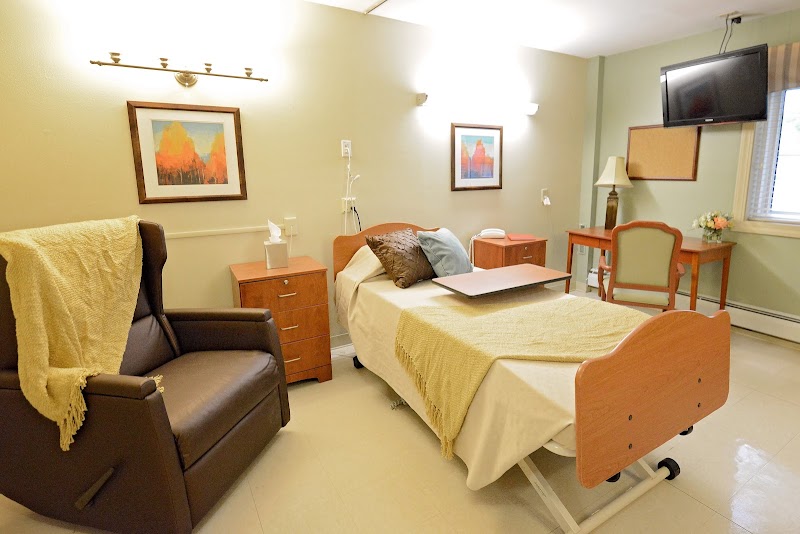
How is Oakwood Health Services Staffed?

CMS rates OAKWOOD HEALTH SERVICES's staffing level at 4 out of 5 stars, which is above average compared to other nursing homes. Staff turnover is 54%, compared to the Wisconsin average of 46%. RN turnover specifically is 59%, which is notably high. RNs provide skilled clinical oversight, so turnover in this role can affect medical care quality.

What Have Inspectors Found at Oakwood Health Services?

State health inspectors documented 23 deficiencies at OAKWOOD HEALTH SERVICES during 2022 to 2025. These included: 2 Immediate Jeopardy (the most serious level, indicating potential for serious harm or death) and 21 with potential for harm. Immediate Jeopardy findings are rare and represent the most serious regulatory concerns. They require immediate corrective action.
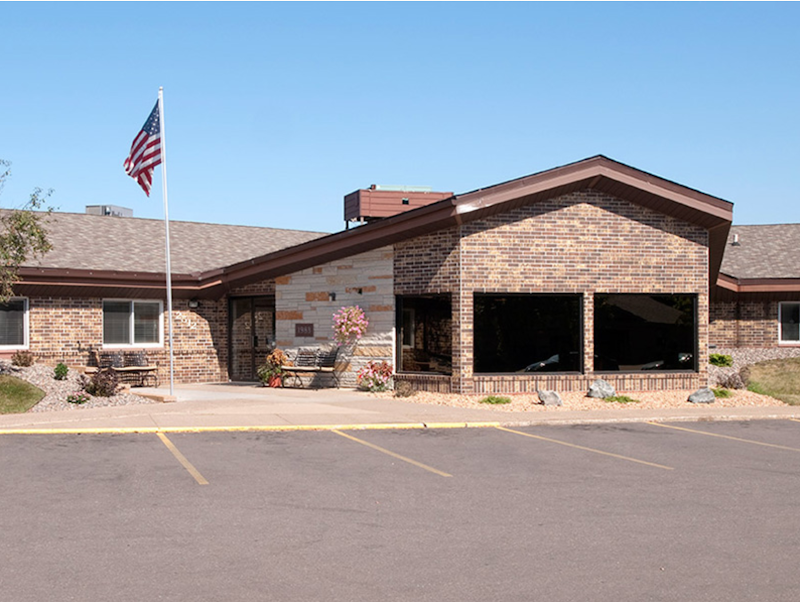
Who Owns and Operates Oakwood Health Services?

OAKWOOD HEALTH SERVICES is owned by a for-profit company. For-profit facilities operate as businesses with obligations to shareholders or private owners. The facility is operated by NORTH SHORE HEALTHCARE, a chain that manages multiple nursing homes. With 80 certified beds and approximately 43 residents (about 54% occupancy), it is a smaller facility located in ALTOONA, Wisconsin.
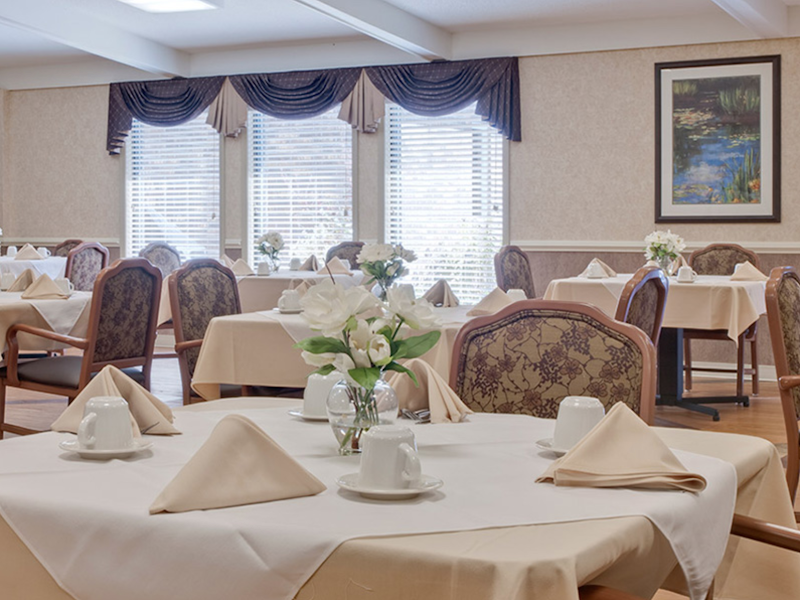
How Does Oakwood Health Services Compare to Other Wisconsin Nursing Homes?

Compared to the 100 nursing homes in Wisconsin, OAKWOOD HEALTH SERVICES's overall rating (2 stars) is below the state average of 3.0, staff turnover (54%) is near the state average of 46%, and health inspection rating (2 stars) is below the national benchmark.

What Should Families Ask When Visiting Oakwood Health Services?

Based on this facility's data, families visiting should ask: "What changes have been made since the serious inspection findings, and how are you preventing similar issues?" "What safeguards and monitoring systems are in place to protect residents from abuse or neglect?" "Can I visit during a mealtime to observe dining assistance and food quality?" "How do you handle medical emergencies, and what is your hospital transfer rate?" These questions are particularly relevant given the facility's Immediate Jeopardy citations and the substantiated abuse finding on record.

Is Oakwood Health Services Safe?

Based on CMS inspection data, OAKWOOD HEALTH SERVICES has documented safety concerns. The facility has 1 substantiated abuse finding (meaning confirmed case of resident harm by staff or other residents). Inspectors have issued 2 Immediate Jeopardy citations (the most serious violation level indicating risk of serious injury or death). The facility has a 2-star overall rating and ranks #100 of 100 nursing homes in Wisconsin. Families considering this facility should ask detailed questions about what corrective actions have been taken since these incidents.

Do Nurses at Oakwood Health Services Stick Around?

OAKWOOD HEALTH SERVICES has a staff turnover rate of 54%, which is 8 percentage points above the Wisconsin average of 46%. Moderate turnover is common in nursing homes, but families should still ask about staff tenure and how the facility maintains care continuity when employees leave.

Was Oakwood Health Services Ever Fined?

OAKWOOD HEALTH SERVICES has been fined $46,302 across 3 penalty actions. The Wisconsin average is $33,542. While any fine indicates a compliance issue, fines under $50,000 are relatively common and typically reflect isolated problems that were subsequently corrected. Families should ask what specific issues led to these fines and confirm they've been resolved.

Is Oakwood Health Services on Any Federal Watch List?

OAKWOOD HEALTH SERVICES is not on any federal watch list. The most significant is the Special Focus Facility (SFF) program, which identifies the bottom 1% of nursing homes nationally based on persistent, serious quality problems. Not being on this list means the facility has avoided the pattern of deficiencies that triggers enhanced federal oversight. This is a positive indicator, though families should still review the facility's inspection history directly.