AUGUSTA HEALTH AND REHABILITATION
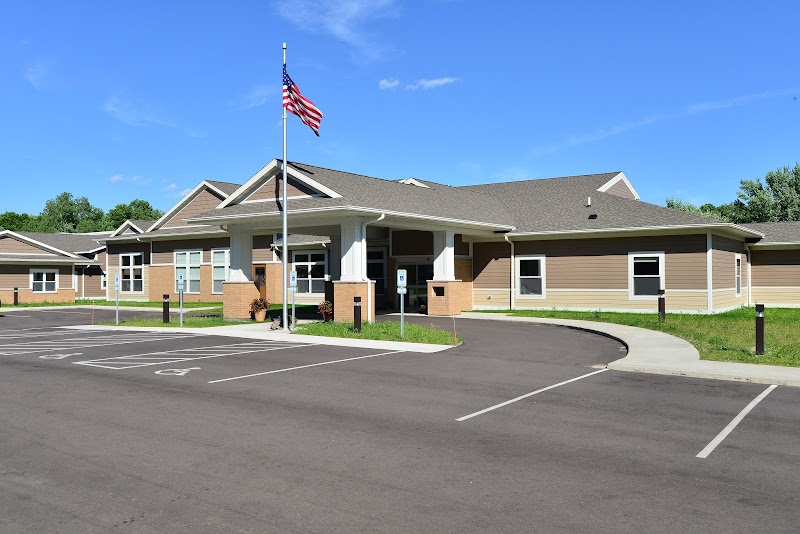
901 BRIDGE CREEK LANE, AUGUSTA, WI 54722 (715) 286-2266
Non profit - Corporation 50 Beds Independent Data: November 2025
Trust Grade
45/100
#189 of 321 in WI
Last Inspection: February 2025

Within standard 12-15 month inspection cycle. Federal law requires annual inspections.

Overview

Augusta Health and Rehabilitation currently has a Trust Grade of D, indicating below-average performance with some concerns about care quality. Ranked #189 out of 321 nursing homes in Wisconsin, they are in the bottom half of facilities in the state, and #4 out of 5 in Eau Claire County, meaning only one local option is better. Unfortunately, the facility is worsening, with issues increasing from 1 in 2024 to 10 in 2025. Staffing is a relative strength, rated 4 out of 5 stars with a turnover rate of 36%, which is better than the state average, suggesting staff stability and familiarity with residents. Although there have been no fines reported, there are serious concerns, such as a failure to properly manage garbage storage that could lead to pest issues and inadequate food preparation practices that risk foodborne illness for residents.

Trust Score
D
45/100
In Wisconsin
#189/321
Bottom 42%
Safety Record
Moderate
Needs review
Inspections
Getting Worse
1 → 10 violations
Staff Stability
○ Average
36% turnover. Near Wisconsin's 48% average. Typical for the industry.
Penalties
✓ Good
No fines on record. Clean compliance history, better than most Wisconsin facilities.
Skilled Nurses
✓ Good
Each resident gets 48 minutes of Registered Nurse (RN) attention daily — more than average for Wisconsin. RNs are trained to catch health problems early.
Violations
⚠ Watch
24 deficiencies on record. Higher than average. Multiple issues found across inspections.
★★☆☆☆
2.0
Overall Rating
★★★★☆
4.0
Staff Levels
★★★★☆
4.0
Care Quality
★★☆☆☆
2.0
Inspection Score
Stable
2024: 1 issues
2025: 10 issues

The Good

  • 4-Star Staffing Rating · Above-average nurse staffing levels
  • 4-Star Quality Measures · Strong clinical quality outcomes
  • Full Sprinkler Coverage · Fire safety systems throughout facility
  • No fines on record
  • Staff turnover below average (36%)

    12 points below Wisconsin average of 48%

Facility shows strength in staffing levels, quality measures, fire safety.

The Bad

2-Star Overall Rating

Below Wisconsin average (3.0)

Below average - review inspection findings carefully

Staff Turnover: 36%

10pts below Wisconsin avg (46%)

Typical for the industry

The Ugly 24 deficiencies on record

1 actual harm
Feb 2025 10 deficiencies 1 Harm
SERIOUS (G) 📢 Someone Reported This

A family member, employee, or ombudsman was alarmed enough to file a formal complaint

Actual Harm - a resident was hurt due to facility failures

Accident Prevention (Tag F0689)

A resident was harmed · This affected 1 resident

**NOTE- TERMS IN BRACKETS HAVE BEEN EDITED TO PROTECT CONFIDENTIALITY** Example 2 R4 was admitted on [DATE] and current diagnoses included, in part, type 2 diabetes mellitus with diabetic nephropathy,...

Read full inspector narrative →
**NOTE- TERMS IN BRACKETS HAVE BEEN EDITED TO PROTECT CONFIDENTIALITY** Example 2 R4 was admitted on [DATE] and current diagnoses included, in part, type 2 diabetes mellitus with diabetic nephropathy, epilepsy, age-related osteoporosis, peripheral vascular disease, congestive heart failure, malignant neuroendocrine tumors, malignant neoplasm of liver, chronic kidney disease stage 3b and depression. Review of MDS dated [DATE] an annual assessment documented Brief Interview of Mental Status (BIMS) score of 15 out of 15, indicating R4 is cognitively intact. R4 has no impairments to upper or lower extremities, R4 requires staff to setup assistance for upper and lower dressing, and personal hygiene. R4 requires maximum staff assistance to apply footwear. The MDS documented R4 having 1 fall with no injury, 1 fall with injury not major and 2 or more with major injury. Review of R4's care plan documented in part: R4 is High, risk for falls r/t Confusion , Gait/balance problems, Incontinence, Vision/hearing problems R4 does not always recall to lock her brakes which has resulted in falls. R4 requires re-educated for using call light for staff assist during transfers. 1/30/25 Lost balance while getting into lounge chair. Date Initiated: 04/08/2024 Revision on: 01/30/2025 Approaches in part: -12/20/23 Educate R4 on locking brakes before transfers. Date Initiated: 07/15/2024 Revision on: 07/16/2024 -12/20/23 Educate R4 on locking w/c brakes prior to transferring to the toilet. Date Initiated: 04/08/2024 Revision on: 07/16/2024 -1/26/24 Staff to check w/c brakes are on when R4 is sitting in recliner Date Initiated: 07/15/2024 Revision on: 07/15/2024 -1/27/24 Gripper socks on resident feet to help prevent her from slipping Date Initiated: 07/15/2024 Revision on: 01/31/2025 -1/30/25 Reeducated on necessity of wearing gripper socks. Date Initiated: 01/31/2025 -1/31/24 Educated on safe transfers, R4 was able to teach back safe transfers Date Initiated: 07/15/2024 Revision on: 07/16/2024 -1/31/24 OT reeducated R4 that her wheelchair brakes are working, R4 provided teach back. Date Initiated: 07/15/2024 Revision on: 07/16/2024 -2/5/24 Offer R4 to rest in recliner at approx. 2100 to prevent her from falling asleep in wheelchair causing her to fall to floor Date Initiated: 07/15/2024 Revision on: 07/15/2024 -3/22/24 PT to eval and treat due to recent falling. Date Initiated: 07/15/2024 Revision on: 07/16/2024 -4/18/24 Staff to check on R4 at start of NOC shift to assist with getting R4 into recliner safely. Date Initiated: 07/15/2024 Revision on: 07/15/2024 -4/6/24 Check brakes for proper functioning when locking. Date Initiated: 07/15/2024 -4/7/24 Brake extensions added to wheelchair brakes. Date Initiated: 07/15/2024 Revision on: 07/16/2024 -6/30/24 Dycem in recliner and wheelchair. Date Initiated: 07/15/2024 -6/4/24 Staff to check on R4 hourly when in recliner to assure w/c is locked and in proper placement next to recliner Date Initiated: 07/15/2024 Revision on: 07/15/2024 -9/10/24 Encourage R4 to leave door open for better visualization when not on isolation precautions. Date Initiated: 02/05/2025 -Be sure R4's call light is within reach and encourage her to use it for assistance as needed. R4 needs prompt response to all requests for assistance. 1/30/25 Call light placed closer to resident for calling for staff assistance. Date Initiated: 07/16/2024 Revision on: 01/30/2025 -Make sure R4 has both socks on prior to transfers and to call for assistance if she notices that she is missing her sock. Date Initiated: 09/25/2024 -Non-Skid strips applied to floor in front of recliner to aid in prevention of fall. Date Initiated: 07/16/2024 Revision on: 07/16/2024 On 01/30/25, a post fall investigation fall risk assessment score of 75 meaning at high risk for falls. Review of R4's fall investigations: On 01/26/24 at 1:15 a.m., R4 fell in room was found sitting on the floor with no injuries. R4 stated transferring from recliner to wheelchair and missed the wheelchair and sat on the floor. R4 was barefoot and her wheelchair brakes were not locked. Care plan was updated for staff to ensure wheelchair brakes are on when resident is sitting in recliner. On 01/27/24 at 10:36 p.m., R4 fell in room from wheelchair with no injuries. R4 took socks off and wheelchair was not locked. The care plan intervention from 1/26/24 was not followed. On 01/31/24 at 12:05 a.m., R4 fell in room and found sitting on the floor in front of her recliner with no injuries. Wheelchair in front of resident and brakes were on. R4 stated she was just trying to transfer from recliner to wheelchair but she stood up and slid out and she sat on the floor. R4 was wearing grippy socks at the time. R4 then demonstrated how she transfers from recliner to wheelchair on her own and did correctly. Care plan was updated on 01/31/24 to include educated on safe transfers. The facility did not determine a root cause of the fall as to why R4 was self transferring. On 03/21/24 at 9:48 p.m., R4 fell in room sitting upright on the floor next to her recliner with no injuries. On 03/22/24, physical therapy to evaluate and treat due to recent falling. The facility did not determine a root cause of the fall, no new interventions were initiated and no documented therapy recommendations. On 04/6/24 at 9:40 p.m., R4 fell in room found between her recliner and her wheelchair with no injuries. Wheelchair right brake was locked and left brake partially locked. Facility determined wheelchair brakes were not fully engaged. Interventions to check brakes for proper functioning when locking. On 04/7/24 at 10:25 p.m., R4 fell in room while transferring from recliner to bathroom. R4 hit the back of her head. R4 had one sock on right foot and no sock on the left and wheelchair was not locked and brakes were not tight enough. Brake extensions added to wheelchair brakes. This fall has the same issue with functioning of wheelchair brakes. On 04/18/24 at 11:05 p.m., R4 fell in room while transferring from recliner to wheelchair with no injuries R4 was wearing gripper socks and wheelchair brakes were locked. Care plan update Staff to check on resident at start of NOC shift to assist with getting resident into recliner safely. The facility did not determine the root cause of the fall. On 06/4/24 at 12:10 a.m., R4 fell in room out of recliner and wheelchair was not locked. R4 had no injuries. Care plan was updated with Staff to check on R4 hourly when in recliner to assure wheelchair is locked and in proper placement next to recliner. Care plan intervention of locking w/c brakes was not followed. On 06/30/24 at 11:25 p.m., R4 fell in room in front of her recliner with no injuries. R4 was not wearing nonslip footwear. R4 was wearing one regular sock on right foot and left foot bare as resident had removed her leg wrap and socks prior to self-transfer. R4 did not use walker for transfer. R4 stated that she did try to grab onto her wheelchair, but the brakes were not on the wheelchair and it moved with her as she slid to the floor. Care plan updated to have dycem non-slip into seat of resident recliner chair and wheelchair to help prevent resident from slipping off of surfaces. The facility did not investigate to determine if staff followed the care plan of hourly checks of wheelchair placement and locked, and proper footwear. On 09/10/24 at 9:15 p.m., R4 fell in room was found lying next to recliner with no injuries. A small bump to the top of R4's head. Intervention was to keep track of hours of sleep. The facility did not identify a root cause of the fall and did not evaluate hours of sleep to determine further interventions. On 09/23/24 at 8:45 p.m., R4 fell in room and was found lying in front of recliner with no injuries. The root cause was R4 not wearing shoes or socks at the time of fall, wheelchair brakes were locked and R4 uses many blankets when sitting in her recliner. Therapy assessed and R4 is independent to transfer. Resident education on importance of making sure that she had both socks on prior to transfers and to call for assistance. On 01/30/25 at 10:00 p.m., R4 fell in room was found sitting in front of recliner with no injuries. Facility's intervention was to re-educate R4 on the importance of wearing her gripper socks for safety when transferring. The facility did not identify a root cause of the fall and did not assess the repeated intervention of wearing socks to be appropriate. Surveyor's review of R4's falls identified the facility did not complete a full investigation of when staff last observed the resident, determine if staff followed plan of care, determine root cause of the fall, review for patterns/trends, and re-assess the plan of care. On 02/05/25 at 2:15 PM, Surveyor interviewed Director of Nursing (DON) B about the fall root cause. The consulting company came in to assist in September and found where to document in risk management. The root cause is noted at the bottom of the incident report. Surveyor reviewed with DON B, R4's incident reports from 09/10/24 documented on 09/16/24 Nursing to follow up on the bump on top of her head. Resident denied pain over the weekend. Nursing is also keeping track of the hours of sleep that she is getting on every shift since resident has been known to fall asleep frequently while in wheelchair. Resident has previously refused sleep studies. Surveyor asked when you collected the data of hours of sleep did you assess the data and what was the response and any changes. DON B said she will get that information. On 02/06/25 at 8:50 AM, Surveyor interviewed Assistant Director of Nursing (ADON) D about fall investigations with root cause and interventions. ADON D indicated the root cause is talked about in morning meetings on every fall and they go over the interventions and will update the care plan. The care plan should be updated when staff put interventions in place and this has been missed. The consulting company is in the facility reviewing and putting things in place and showing where to document in risk management. When a fall occurs, the nurse will put the note into risk management with the intervention. The nurse will call the manager on call or DON B and will discuss what intervention to put into place and then the team will review the fall in the morning. On 02/06/25 at 12: 25 p.m., Surveyor interviewed DON B about the fall investigation, root cause, and intervention of R4. Surveyor reviewed with DON B the fall investigations are not complete and did not determine if staff are following care plan, root cause of falls, assessing interventions. DON B indicated the facility does have a plan going forward for documenting and assessing the falls. Based on interview and record review, the facility did not ensure the resident environment remained as free of accidents as possible for 2 of 4 residents (R29, R4) reviewed for accidents. The facility did not complete a thorough investigation of falls for root cause and implement interventions to prevent further falls. R29 had a fall on 12/19/24 that resulted in a left femur fracture and surgical repair. This example is cited at actual harm. The facility did not complete a thorough investigation of falls to determine staff following plan of care, root cause, monitor for trends, and re-assess interventions to prevent further accidents for R4. This is evidenced by: The facility Fall Evaluation, Intervention, and Reporting policy updated/reviewed 10/10/24 states: All residents will be evaluated for fall risk within 24 hours of admission, with ongoing monitoring as needed, and per CMS guidelines. Residents who sustain a fall will be evaluated at time of event and the following 72 hours. Procedure: A. All residents will be evaluated for fall risk upon admission. B. Care plan to be developed with appropriate approach and interventions for all admits. C. A fall evaluation will be completed quarterly by the MDS coordinator/Nurse, with resident falls and as needed. D. Care plans are reviewed to assure appropriate interventions are in place quarterly, with every fall, and as needed. a. In the event of a resident fall: 5. Update RN/DON or designee to discuss and implement intervention. 6. Complete fall packet and update care plan. 8. Complete detailed progress note to include time of fall, location of fall, root cause of fall, residents range of motion, pain, injury, how you assisted off of floor, RN notification, MD notification, POA notification, and new intervention. 10. Open and complete fall evaluation and pain evaluation. 11. All falls will have an interdisciplinary team (IDT) root cause analysis to assure comprehensive care plan is appropriate and is up-to-date. Example 1 R29 was admitted to the facility on [DATE] with pertinent diagnoses of dementia, polyosteoarthritis, and macular degeneration. R29's most recent Minimum Data Set (MDS) dated [DATE] noted a Brief Interview for Mental Status (BIMS) score of 00 indicating severe cognitive impairment, is usually understood by others, and usually understands others. R29 was noted to have lower range of motion impairment on one side, used assistive devices of a walker and wheelchair, and was a dependent assist with walking 10 feet. R29 had 2 or more falls since admission with no injury and no falls with minor or major injury. R29 had a recent surgery repair of fractures of the hip. R29's care plan dated 11/10/24 included the following: PROBLEM: Activity of daily living (ADL) self-care performance deficit related to dementia. GOAL: R29 will maintain current level of function in cares through review date (01/21/25). INTERVENTIONS: Assist of 1 and front wheel walker for stand pivot transfer and ambulation, use cues for each step of turning sequence, and check on resident frequently. PROBLEM: R29 has had an actual fall with minor injury due to unsteady gait. GOAL: R29 will resume usual activities without further incident through review date. INTERVENTIONS: - 02/12/24: Offer toileting approx. q2hr (every 2 hours). - 04/29/24: Keep bed at mid to low height as R29 likes to sit on the edge of it. - 05/11/24: Wear gripper socks to bed at night to prevent slipping when getting up. - 08/18/24: Educate resident to ensure that she can feel the bed on the back of her legs prior to sitting. - 08/29/24: PM (evening)- Non-skid strips added to floor by bed where R29 stands to get out of bed. - 08/29/24: AM (morning)- Signage hung on wall to remind staff to make sure R29 has gripper socks on, as R29 sometimes dresses herself and does not remember to put on gripper socks. - 09/4/24: Use NH (nursing home) gripper socks at all times when in bed as they have better grip than one resident had on. - 09/9/24: Discuss with family potential of moving resident's room closer to staff for more frequent visualization. (Family declines change of room as they feel it would increase confusion and it is further for her to walk to the dining room. - 10/1/24: Staff to ensure that R29's walker is next to her bed when resident is in bed. - 10/2/2024: Hourly Checks initiated. - Fall on 10/13/24: Sleep study to start at midnight tonight (10/14) so staff can schedule NOC (night) toileting. - 10/24/24: Re-educate staff on new toileting schedule. - 12/28/24: Leave bathroom door cracked and light now at nighttime so resident can locate bathroom easily. - Provide activities that promote exercise and strength building where possible. Provide 1:1 activities if bedbound. - Sleep study initiated to establish toileting program. - Staff to check on R29 hourly and document. Surveyor reviewed R29's falls documentation and noted the following: The facility utilized a falls documentation system that included incident location, incident description, immediate action taken, injuries, pain, level of consciousness, predisposing environmental factors, physiological factors, situation factors, witness statements, and notifications. R29's falls are documented as follows in part . 09/19/24 at 11:12 PM; fall without injury. MD (Medical Doctor)/POA (Power of Attorney) notified. Investigation determined poor lighting as possible cause. Of note: No intervention was put into place and care plan was not updated. 10/02/24 at 7:01 AM; fall with swelling noted on back of head; MD/POA notified and declined evaluation at hospital. No other injuries noted. Care plan updated to include hourly checks. Of note: No investigation completed to determine root cause. Surveyor was unable to verify hourly checks were completed as noted being initiated on care plan on 10/02/24 or thereafter. 10/13/24 at 5:50 AM; fall with complaint of bilateral leg pain. MD/POA notified. No other injuries noted. Sleep study ordered with plan to implement overnight toileting schedule. Of note: No investigation completed to determine root cause of fall. Care plan not updated. No documentation provided of results of sleep study. 10/24/24 at 2:00 AM; fall without injury. MD/POA notified. Care plan stated to educate staff on new toileting schedule, but no schedule noted. Of note: No investigation completed to determine root cause. No new/revised intervention implemented to prevent further falls. Care plan not updated. 10/30/24 at 2:45 PM; fall without injury. MD/POA notified. Of note: No investigation completed to determine root cause of fall. No new/revised intervention implemented to prevent further falls. Care plan was not updated. 11/24/24 at 9:49 PM; fall without injury. MD/POA notified. Determined walker and wheelchair were not in reach. Implemented every 2 hour toileting schedule. Of note: Toileting schedule was already in place on 02/12/24. No new/revised interventions implemented to prevent further falls. Care plan was not updated. 12/05/24 at 1:41 PM; fall without injury. MD/POA notified. Of note: No investigation completed to determine root cause of fall. No new/revised interventions implemented to prevent further falls. 12/10/24 at 8:31 AM; fall without injury. MD/POA notified. Of note: No investigation completed to determine root cause of fall. No new/revised interventions implemented to prevent further falls. 12/19/24 at 10:54 PM; fall with major injury. R29 was found on floor in dining room. Sent to ER for evaluation and found left femur fracture. admitted to hospital for surgical repair. MD/POA notified. R29's hospital record for emergency room visit, states in part . On 12/20/24 at 6:04 a.m. History of present illness: Her workup in the emergency room .remarkable for findings of left femoral neck base fracture on one view x-ray . Surgical report dated 12/21/24 states in part . Open Reduction Internal Fixation (ORIF) left hip Of note: R29 had 8 falls prior to the fall on 12/19/24 with no investigation of root cause and/or new/revised interventions to prevent falls. This resulted in R29's fall on 12/19/24 causing a femoral neck fracture. R29 returned to the facility on [DATE]. 12/27/24 at 9:47 PM; fall without injury. MD/POA notified. Of note: No investigation completed to determine root cause of fall. Care plan updated to leave bathroom door cracked and light now at nighttime so resident can locate bathroom easily. 01/02/25 at 2:00 PM; fall without injury. MD/POA notified. Of note: No investigation completed to determine root cause of fall. No new/revised interventions implemented to prevent further falls. 01/15/25 at 5:00 PM; fall without injury. MD/POA notified. Of note: No investigation completed to determine root cause of fall. No new/revised interventions implemented to prevent further falls. On 02/06/25 at 2:21 PM, Surveyor interviewed Director of Nursing (DON) B regarding falls documentation. DON B stated that prior to the start of survey on 02/04/25, the facility did not have a procedure in place for investigating resident falls to determine root cause and implement appropriate interventions. DON B stated she recognized that not having a fall investigation process in place likely contributed to R29's repeated falls. DON B stated that a new plan of correction was being worked on and would be discussed with Quality Assurance Performance Improvement (QAPI) team to ensure falls are investigated to include root cause analysis, interventions, and follow-up for efficacy.
CONCERN (D)

Potential for Harm - no one hurt, but risky conditions existed

Notification of Changes (Tag F0580)

Could have caused harm · This affected 1 resident

**NOTE- TERMS IN BRACKETS HAVE BEEN EDITED TO PROTECT CONFIDENTIALITY** Based on interviews and record reviews, the facility did not consult with a physician as indicated by ordered parameters with a ...

Read full inspector narrative →
**NOTE- TERMS IN BRACKETS HAVE BEEN EDITED TO PROTECT CONFIDENTIALITY** Based on interviews and record reviews, the facility did not consult with a physician as indicated by ordered parameters with a significant weight change for 2 of 2 residents (R) R4 and R14. This is evidenced by: The facility policy titled, Notification of Changes Policy, last updated on 01/10/25, states: It is the policy of this facility that changes in a resident's condition or treatment, are immediately shared with the resident and or the resident representative, according to their authority, and reported to the attending or delegate. Example 1 R4 was admitted to the facility on [DATE] with diagnoses of congestive heart failure, chronic kidney disease and diabetes mellitus type 2. R4's annual Minimum Data Set (MDS), dated [DATE], Section K, indicated R4's weight of 193# and no indication of a physician-prescribed weight loss or weight gain regimen. R4's orders, dated 12/14/2023, state to obtain weight daily and notify physician if more than 3 lbs in 1 day or 5 lbs in 1 week. R4 has an order dated 12/12/23 for Spironolactone 25mg every morning for edema. On 02/05/25 at 11:58 AM, Surveyor reviewed R4's weight record and noted the following: 01/28/25 = 205.8 pounds 01/29/25= 213.4 pounds (a gain of over 7 pounds) 01/30/25 = 217.4 pounds (a gain of 4 pounds) On 02/05/25 at 12:21 PM, Surveyor interviewed Certified Nursing Assistant (CNA) L regarding expectation of when to obtain R4's weights. CNA L stated R4 is a daily weight. On 02/05/25 at 12:31 PM, Surveyor interviewed Registered Nurse (RN) M regarding process of obtaining weights, following physician orders of notifying weight outside of parameters. RN M stated that a CNA obtains the weights and places in a notebook. The nurse will then transfer the information into the resident record. When this is done, the system shows the last weight recorded for comparison. If a resident has an order for notifying the MD for specific parameters, then a fax will be sent to the MD for further instructions. RN M was not aware of MD notified of weight gain of R4 outside the parameters or any new orders. On 02/05/25 at 3:33 PM, Director of Nursing (DON) B provided Surveyor with 2 fax documents dated 01/12/25 and 02/5/25 to R4's MD with a report of past month weights. The fax face sheet or weight report identified the significant weight loss above parameters as ordered but the facility did not provide any information pointing out the weight gain per MD order. Surveyor interviewed DON B regarding expectation of following MD orders of notifying the MD if more than 3lbs in 1 day or 5 lbs in 1 week. DON B stated the expectation would be to follow the orders and contact the MD. Example 2 R14 was admitted to facility on 12/03/24 and has a Brief Interview for Mental Status (BIMS) of 11 out of 15, indicating mildly impaired cognitive level. R14's admission MDS with target date of 12/09/24, Section K: weight 149# (note: this was an incorrect entry into MDS). R14's care plan, dated 12/12/14, stated R14 is at nutritional risk due to diagnosis of hypertensive heart disease chronic kidney disease, congested heart failure, obesity, and chronic obstructive pulmonary disease. With a goal of not have significant weight gain or weight loss through the next review period of 03/10/25. On 02/04/25 at 10:11 AM, Surveyor reviewed R14's weight record which showed on 12/05/24 R14 weighed 250.2# and on 02/04/24 R14 weighed 227.8#, giving a total weight loss of 22.4# in 2 months. On 02/06/25 at 10:25 AM, Surveyor interviewed DON B regarding concerns of weight loss of R14 without documentation, assessments or notification to identify the significant weight loss. DON B stated there is no documentation related to identifying weight loss and there has not been any notification to physician or dietician. DON B confirmed the physician or dietician was not notified of weight change.
CONCERN (D) 📢 Someone Reported This

A family member, employee, or ombudsman was alarmed enough to file a formal complaint

Potential for Harm - no one hurt, but risky conditions existed

Assessment Accuracy (Tag F0641)

Could have caused harm · This affected 1 resident

**NOTE- TERMS IN BRACKETS HAVE BEEN EDITED TO PROTECT CONFIDENTIALITY** Based on record review and interview, the facility did not accurately code the Minimum Data Set (MDS) assessments for 3 of 12 re...

Read full inspector narrative →
**NOTE- TERMS IN BRACKETS HAVE BEEN EDITED TO PROTECT CONFIDENTIALITY** Based on record review and interview, the facility did not accurately code the Minimum Data Set (MDS) assessments for 3 of 12 residents (R) reviewed. (R4, R29 and R32). The facility did not accurately code R4, R29 and R32's MDS assessment with correct number of falls that occurred during the referenced time frame. This is evidenced by: Example 1 R4 was admitted on [DATE] and current diagnoses included, in part, type 2 diabetes mellitus with diabetic nephropathy, epilepsy, age-related osteoporosis, peripheral vascular disease, congestive heart failure, malignant neuroendocrine tumors, malignant neoplasm of liver, chronic kidney disease stage 3b and depression. Review of MDS dated [DATE] an annual assessment documented Brief Interview of Mental Status (BIMS) score of 15, indicating R4 is cognitively intact. Section J documented R4 having 1 fall with no injury, 1 fall with injury not major and 2 or more with major injury. The previous MDS was completed on 08/31/24. Review of fall history during the period between 08/31/24 the previous MDS to 11/27/24 MDS. On 09/23/24, R4 had a fall with no injury. On 09/10/24, R4 had a fall with a small bump to the top of head. No further falls were documented during this time frame. MDS Section J1900 requires documentation of the number of falls since admission or prior assessment, whichever is more recent. Between prior MDS on 08/31/24 and 11/27/24 R4 only had 1 fall with no injury and 1 fall with injury not major. The MDS dated [DATE] was incorrectly coded of R4 having 2 or more falls with major injury. Example 2 R32 was admitted to the facility on [DATE] and current diagnoses included, in part, malignant neoplasm of bladder, atherosclerotic heart disease of coronary artery, anxiety disorder, chronic obstructive pulmonary disease, and restlessness and agitation. Review of MDS dated [DATE] a quarterly assessment documented a BIMS of 15 and 1 fall with no injury. The previous MDS was completed on 08/24/24. Review of fall history documented R32 having no falls during the period between 08/24/24 the previous MDS to 11/20/24 MDS. On 02/05/25 at 1:25 PM, Surveyor interviewed Director of Nursing (DON) B about R32's falls between 08/24/24 and 11/20/24. DON B indicated R32 did not have any falls between those dates. On 02/05/25 at 3:40 PM, Surveyor interviewed DON B about R4 and R32's MDS being coded incorrectly. DON B indicated the MDS was coded incorrectly and starting the month of October the facility had a consulting company in the facility to assist with MDS coding and training the new MDS staff. Example 3 R29 was admitted to the facility on [DATE] with pertinent diagnoses of dementia, polyosteoarthritis, and macular degeneration. R29's most recent Minimum Data Set (MDS) significant change assessment dated [DATE] noted R29 had 2 or more falls since admission with no injury and no falls with minor or major injury. R29 had a recent surgery repair of fractures of the pelvis, hip, leg, knee, or ankle. Surveyor reviewed R29's electronic medical record and noted the following: On 12/19/24, R29 had a fall in the facility resulting in a left femur fracture and sent to the hospital for surgical repair of fracture. R29 readmitted to the facility on [DATE]. On 02/06/25 at 2:12 PM, Surveyor interviewed Director of Nursing (DON) B regarding MDS assessment. Surveyor asked DON B if R29 had a fall in the facility on 12/19/24 that resulted in a left femur fracture and surgical repair. DON B stated yes. Surveyor asked DON B why the MDS did not reflect this fall with major injury. DON B stated she was unable to state reason why MDS was coded incorrectly as the MDS Coordinator is currently on vacation. DON B had no explanation for why R29 was not coded correctly for having a fall with a major injury on the most recent MDS.
CONCERN (D)

Potential for Harm - no one hurt, but risky conditions existed

Incontinence Care (Tag F0690)

Could have caused harm · This affected 1 resident

**NOTE- TERMS IN BRACKETS HAVE BEEN EDITED TO PROTECT CONFIDENTIALITY** Based on interview and record review, the facility did not ensure residents (R) with indwelling Foley catheters received care an...

Read full inspector narrative →
**NOTE- TERMS IN BRACKETS HAVE BEEN EDITED TO PROTECT CONFIDENTIALITY** Based on interview and record review, the facility did not ensure residents (R) with indwelling Foley catheters received care and treatment consistent with professional standards of practice to prevent complications or urinary tract infections from the catheter. For 1 of 1 resident (R32) reviewed with a Foley catheter. R32's Foley catheter was changed on a routine monthly basis without clinical indications and not following professional standards of practice. This is evidenced by: The Centers for Disease Control and Prevention (CDC), Healthcare Infection Control Practices Advisory Committee (HICPAC), Guideline for prevention of catheter-associated urinary tract infections 2009, read in part, E. Changing indwelling catheters or drainage bags at routine, fixed intervals is not recommended. Rather, it is suggested to change catheters and drainage bags based on clinical indications such as infection, obstruction, or when the closed system is compromised. Facility's policy titled, Catheter Care, Urinary with the revised date of 09/24, documented in part, Changing Catheters, 1. Changing indwelling catheter every 30 days, PRN, or as ordered by physician. It is suggested to change catheters and drainage bags based on clinical indications such as infection, obstruction, or when the closed system is compromised. Noted references of HICPAC, Guideline for Prevention of Catheter-Associated Urinary Tract Infections 2009. R32 was admitted to the facility on [DATE] and current diagnoses included, in part, malignant neoplasm of bladder, atherosclerotic heart disease of coronary artery, anxiety disorder, chronic obstructive pulmonary disease, and restlessness and agitation. 02/04/25 12:05 PM has a catheter with no concerns or infections, has a leg bag. Physician orders documented on 10/22/24: Change 22 french 30 cc balloon catheter per N home protocol every 30-90 days our protocol is (30 days) and prn if becomes occluded one time a day starting on the 22nd and ending on the 22nd every month for permanent Foley placement for bladder cancer change monthly and prn if becomes occluded hospice provide supplies. Original order from hospice dated 03/13/24 documented, Change Foley catheter 22 French with 30 ml balloon change as needed. Record review did not identify physician rationale or clinical indications for the need to change the Foley catheter every 30 days. On 02/06/25 at 11:13 AM, Surveyor interviewed Director of Nursing (DON) B about the rationale or clinical indication for the change of R32's Foley catheter on a monthly basis. DON B indicated the only note to change the catheter was from hospice order to follow facility protocol. DON B understands a needed medical rationale or clinical indications to change the catheter every 30 days and there was not a medical rationale found to change R32's Foley catheter monthly. DON B indicated the Medical Director will be doing her own research before the policy would be changed.
CONCERN (D)

Potential for Harm - no one hurt, but risky conditions existed

Deficiency F0692 (Tag F0692)

Could have caused harm · This affected 1 resident

Based on record review and interviews, the facility did not ensure acceptable parameters of nutritional status, such as usual body weight or desirable body weight range by recognizing or assessing a s...

Read full inspector narrative →
Based on record review and interviews, the facility did not ensure acceptable parameters of nutritional status, such as usual body weight or desirable body weight range by recognizing or assessing a significant weight loss for 1 of 1 resident (R14) reviewed. This is evidenced by: The facility policy titled: Notification of Changes Policy, last updated on 01/10/25, states in part, Nurses and other care staff are educated to identify changes in a resident's status and define changes that require notification of the resident and/or their representative, and their resident's physician, to ensure best outcomes of care for the resident. R14 was admitted to facility on 12/03/24 and has a Brief Interview for Mental Status (BIMS) of 11 out of 15, indicating mildly impaired cognitive level. R14's admission assessment Minimum Data Set (MDS) with target date of 12/09/24, Section K: weight 149# (note: this was an incorrect entry into MDS). R14's care plan, dated 12/12/14, stated R14 is at nutritional risk due to diagnoses of hypertensive heart disease chronic kidney disease, congested heart failure, obesity, and chronic obstructive pulmonary disease. With a goal of not have significant weight gain or weight loss through the next review period of 03/10/25 On 02/04/24 at 10:11 AM, Surveyor reviewed R14's weight record which showed on 12/05/24 R14 weighed 250.2# and on 02/04/24 R14 weighed 227.8#, giving a total weight loss of 22.4# in 2 months. On 02/05/25 at 2:47 PM, Surveyor interviewed R14 regarding weight loss. R14 stated being happy about the weight loss and stated appetite is good and is not concerned with weight loss. On 02/06/25 at 10:25 AM, Surveyor interviewed Director of Nursing (DON) B regarding concerns of weight loss of R14 without documentation, assessments or notification to identify the significant weight loss. DON B stated there is no documentation related to identifying weight loss and there has not been any notification to physician or dietician. DON B confirmed the physician or dietician was not notified of weight change.
CONCERN (D)

Potential for Harm - no one hurt, but risky conditions existed

Pharmacy Services (Tag F0755)

Could have caused harm · This affected 1 resident

Based on observation and interview, the facility did not ensure staff followed procedures for the accurate administration of medication for 1 of 1 resident (R25). Staff administered multiple medicatio...

Read full inspector narrative →
Based on observation and interview, the facility did not ensure staff followed procedures for the accurate administration of medication for 1 of 1 resident (R25). Staff administered multiple medications at once via gastrostomy tube. This is evidenced by: Facility policy titled, Gastrostomy Intermittent Tube Feeding/Medication, with no date states in part: Policy: Licensed nursing staff will feed/provide medication through a resident's gastrostomy tube following orders of the physician. Procedure: 12. Pour 1 ounce (30 cc) of room temperature water into the syringe barrel to check for patency. If water flows freely, the gastrostomy tube is patent. 13. Administer medications at this time, as ordered by the physician. - Administer one medication at a time. - After each medication, flush the gastrostomy tube with a small amount of water. On 02/05/25 at 7:14 AM, Surveyor observed Licensed Practical Nurse (LPN) F training LPN G on medication administration. Surveyor observed LPN F instruct LPN G to remove R25's 6 ordered medications from the blister packs, crush them per order, and place all 6 medications into cup together. LPN F told LPN G to add approximately 50 ml of water to the cup with the crushed medications. LPN F then connected the syringe to R25's gastrostomy tube, checked for residual, and flushed the tube with 200 ml of water. LPN F then administered the 6 crushed medications through the gastrostomy tube, followed with an additional 50 ml of water. On 02/05/25 at 7:32 AM, Surveyor interviewed LPN F regarding medication administration. Surveyor asked LPN F if it was standard practice to administer all medications at once through the gastrostomy tube. LPN F stated yes, because it gets flushed with the 200 ml of water it is ok. On 02/06/25 at 2:25 PM, Surveyor interviewed Director of Nursing (DON) B regarding medication administration observation. Surveyor asked DON B what the expectation is for administering medications via gastrostomy tube. DON B stated that each medication should be administered one at a time and the tube flushed between each medication. Surveyor informed DON B of observation of all medications being administered at one time. DON B stated this was not the expected practice as it could potentially cause harm to the resident. DON B stated that follow-up education would be completed with staff on the safe administration of medications via gastrostomy tube.
CONCERN (D)

Potential for Harm - no one hurt, but risky conditions existed

Deficiency F0761 (Tag F0761)

Could have caused harm · This affected 1 resident

Based on observation and interview, the facility did not ensure controlled drugs were stored in separately locked, permanently affixed compartments for 1 of 2 med storage units. Observation of a cont...

Read full inspector narrative →
Based on observation and interview, the facility did not ensure controlled drugs were stored in separately locked, permanently affixed compartments for 1 of 2 med storage units. Observation of a controlled medication stored in the unlocked refrigerator located in the medication room. Findings include: The facility policy, titled Controlled Substances, dated 04/24, states: .3. Controlled substances are stored in the medication room in a locked container, separate from containers for any con-controlled medications. On 02/05/25 at 9:01 AM, Surveyor observed medication storage area near E dining room with Licensed Practical Nurse (LPN) F. Surveyor observed the medication room door was locked; however, the refrigerator was unlocked with an open 30ml bottle of Lorazepam for R11. LPN F stated the refrigerator should have a lock, but not that long ago we got a new refrigerator, and they never replaced the lock. On 02/05/25 at 12:00 PM, Surveyor interviewed Doirector of Nursing (DON) B regarding finding of a bottle of opened Lorazepam in refrigerator which was not locked in med room. DON B stated she was made aware of the findings, and stated they recently got a new refrigerator and had ordered a lock, but it hadn't been installed, and maintenance is working on that at this moment.
CONCERN (D)

Potential for Harm - no one hurt, but risky conditions existed

Dental Services (Tag F0791)

Could have caused harm · This affected 1 resident

**NOTE- TERMS IN BRACKETS HAVE BEEN EDITED TO PROTECT CONFIDENTIALITY** Based on interview and record review, the facility did not ensure residents received routine dental services for 1 of 1 resident...

Read full inspector narrative →
**NOTE- TERMS IN BRACKETS HAVE BEEN EDITED TO PROTECT CONFIDENTIALITY** Based on interview and record review, the facility did not ensure residents received routine dental services for 1 of 1 resident (R25) reviewed. This is evidenced by: State Operations Manual Appendix PP states in part: The facility must assist residents in obtaining routine and 24-hour emergency dental care. The facility must provide or obtain from an outside resource, in accordance with §483.70(f) of this part, the following dental services to meet the needs of each resident: (i) Routine dental services (to the extent covered under the State plan. R25 was admitted to the facility 04/07/23 with pertinent diagnoses of hemiplegia and hemiparesis (immobility/weakness) following cerebral vascular accident (stroke), malignant neoplasm of brain (tumor), dementia, dysphagia, and depression. R25's most recent Minimum Data Set (MDS) quarterly assessment dated [DATE] noted a Brief Interview for Mental Status (BIMS) score of 00 indicating severe cognitive impairment, is sometimes understood, and sometimes understands. R25 has impaired range of motion on both side of upper and lower extremities and is dependent assist for oral hygiene. Surveyor reviewed R25's medical record and did not locate any dental service notes. On 02/04/25 at 12:46 PM, Surveyor interviewed R25's Activated Power of Attorney (APOA) regarding dental care and services. APOA stated that facility staff have not provided dental care since R25 was admitted . On 02/06/25 at 2:43 PM, Surveyor interviewed Medical Records (MR) E regarding dental services. Surveyor asked if R25 had received any dental services since admission. MR E stated no. Surveyor asked MR E why these services had not been provided. MR E stated she had asked R25's APOA if he would like R25 to see a dentist and R25's APOA declined. Surveyor asked if MR E had documentation of this declination of dental services. MR E stated no.
CONCERN (D)

Potential for Harm - no one hurt, but risky conditions existed

Infection Control (Tag F0880)

Could have caused harm · This affected 1 resident

**NOTE- TERMS IN BRACKETS HAVE BEEN EDITED TO PROTECT CONFIDENTIALITY** Example 3 On 02/05/25 at 6:35 AM, Surveyor observed wound care on R6's left lower leg by Licensed Practical Nurse (LPN) F. LPN F...

Read full inspector narrative →
**NOTE- TERMS IN BRACKETS HAVE BEEN EDITED TO PROTECT CONFIDENTIALITY** Example 3 On 02/05/25 at 6:35 AM, Surveyor observed wound care on R6's left lower leg by Licensed Practical Nurse (LPN) F. LPN F performed proper hand hygiene and put on a gown and single use gloves for this procedure. LPN F then removed a pair of bandage scissors from a box of dressings. LPN F then used that scissors to cut and remove the bandage from R6's left lower leg. LPN F then removed the dirty gloves, performed hand hygiene then put on a clean pair of gloves. LPN F took a stack of sterile 4x4 dressings and soaked them with normal saline and wiped R6's posterior left leg. LPN F used the same dirty 4x4's and cleaned the open and draining wound on the back of R6's left lower leg. LPN F then took the dirty bandage scissors used to cut off the dressing and cut the zeroform gauze and aquacel dressing that LPN F placed onto the open wound. LPN F secured the dressing with an abdominal dressing and covered with 4-inch kling wrap and secured this with tape. On 02/05/25 at 6:59 AM, Surveyor informed LPN F that the bandage scissors were not sanitized before or after procedure. LPN F replied, I should have sanitized after I cut off the bandage and before I cut the sterile dressings. Surveyor then replied, Also, I noticed that you wiped the front of the left leg where there was no open area and wiped with the same saline soaked gauze the open area on the back or side of the left calf. LPN F replied, I should have used a clean gauze for the open area. Example 2 On 02/06/25 at 8:09 AM, Surveyor observed CNA C conduct morning cares on R192. CNA C placed wash basin in sink, turned on hot water to run, put on a pair of clean gloves (no hand hygiene conducted prior) and assisted R192 to sit on edge of bed. CNA C applied a gait belt around R192's waist, picked up walker, placed in front of R192 and assisted R192 to stand and pivot to wheelchair. CNA C wheeled R192 to bathroom and assisted using gait belt with transfer from wheelchair to toilet. On 02/06/25 at 8:15 AM, Surveyor observed CNA C remove contaminated gloves, and without hand hygiene, put on clean gloves and removed gait belt from around R192's waist, removed pajamas and urine-soaked incontinent products CNA C removed the gait belt from around R192's waist, removed pajama top and urine-soaked incontinent product. CNA C removed gloves and changed to clean gloves. No hand hygiene was completed in between glove change. On 02/06/25 at 8:17 AM, Surveyor observed CNA C add water and clean washcloths to wash basin and handed washcloth to resident to wash own. On 02/06/25 at 8:19 AM, Surveyor observed CNA C continue cares without conducting hand hygiene or changing gloves. CNA C washed R192's back and upper torso, washing under breasts, rinsed and dried with towel, grabbed a bottle of powder, placed on gloves, applied powder under R192's breast, applied deodorant and applied shirt. On 02/06/25 at 8:22 AM, Surveyor observed CNA C continue cares, remove contaminated gloves, and without conducting hand hygiene, place on a clean pair of gloves and wash and dry R192's legs. CNA C applied lotion to R192's legs, removed contaminated gloves, placed on a clean pair without conducting hand hygiene and applied clean incontinent product, socks, shoes and pulled clean pair of pants to R192's knees. On 02/06/25 at 8:26 AM, Surveyor observed CNA C, without removing gloves or conducting hand hygiene, apply gait belt around R192's waist, move wheelchair close to R192, and assist R192 to stand while CNA C held onto gait belt and conducted peri care on R192. On 02/06/25 at 8:28 AM, CNA C stated to Surveyor, R192 is prone to urinary tract infections, while pulling up clean incontinent product and pants. CNA C assisted R192 to turn and sit in wheelchair, removed gait belt, removed contaminated gloves, and used hand sanitizer to assist with grooming R192 for the day. On 02/06/25 at 8:35 AM, Surveyor interviewed CNA C regarding expectation of facility of when to conduct hand hygiene during cares. CNA C stated after removing gloves. Surveyor shared observation of no hand hygiene conducted after glove changes during cares. CNA C confirmed she had not conducted hand washing or used sanitizer. Based on observation and interview, the facility did not maintain an infection prevention and control program designed to provide a safe, sanitary, and comfortable environment to help prevent the development and transmission of communicable diseases and infections for 3 of 5 care observations for residents (R) (R13, R192, R6). Staff did not complete appropriate hand hygiene while providing care for R13's personal cares. Staff did not complete appropriate hand hygiene while providing care for R192. Staff used a contaminated scissors and used dirty gauze to complete wound care for R6. This is evidenced by: Facility policy titled, Handwashing/Hand Hygiene, with a revised date of 10/23 stated in part: This facility considers hand hygiene the primary means to prevent the spread of healthcare-associated infections. Indications for Hand Hygiene 1. Hand hygiene is indicated: f. before moving from work on a soiled body site to a clean body site on the same resident; Example 1 R13 was admitted to the facility on [DATE] with pertinent diagnoses of cerebral vascular accident (stroke), hemiplegia and hemiparesis (impaired movement) affecting left non-dominant side, obesity, and dementia. R13's most recent Minimum Data Set (MDS) annual assessment dated [DATE] noted a Brief Interview for Mental Status (BIMS) score of 15 indicating cognition intact, is dependent assist with toileting hygiene and personal cares, and always incontinent of bowel and bladder. R13's care plan dated 06/27/24 included: ADL self-care performance deficit with interventions of providing incontinence cares in bed with assist of 1-2. On 02/05/25 at 8:24 AM, Surveyor observed Certified Nursing Assistant (CNA) C provide R13 with incontinence care. CNA C gathered supplies at bedside, completed hand hygiene, and donned gloves. CNA C positioned R13 on left side and cleaned peri-area after bowel movement. CNA C then completed the remainder of R13's personal cares, transferred R13 with hoyer lift to recliner, placed blanket and personal items in reach of R13 without removing gloves and completing hand hygiene. On 02/05/25 at 10:30 AM, Surveyor interviewed CNA C regarding observation during cares. Surveyor asked CNA C why she didn't change her gloves after completing peri-cares after a bowel movement. CNA C shrugged and stated she didn't know. Surveyor asked if she should have changed her gloves before moving on to other cares for the resident. CNA C stated yes, she should have. On 02/06/25 at 2:21 PM, Surveyor interviewed Director of Nursing (DON) B regarding observation of cares. Surveyor asked DON B what the expectation would be for hand hygiene during personal cares. DON B stated that staff are expected to remove gloves, wash or disinfect hands, and don new gloves after completing peri-cares before moving on to the next body part. Surveyor informed DON B of observation of CNA C not completing hand hygiene during cares. DON B stated disappointment as staff are frequently educated on infection control. DON B stated recognition of the risk of infection by not completing appropriate hand hygiene and stated re-education with staff would be completed.
CONCERN (F)

Potential for Harm - no one hurt, but risky conditions existed

Garbage Disposal (Tag F0814)

Could have caused harm · This affected most or all residents

Based on observations and interviews, the facility failed to ensure the facility's garbage was properly stored in the dumpster. The failure had the potential to promote a breeding ground for pests and...

Read full inspector narrative →
Based on observations and interviews, the facility failed to ensure the facility's garbage was properly stored in the dumpster. The failure had the potential to promote a breeding ground for pests and rodents affecting all 39 residents within the facility. Findings: On 02/04/25 at 8:15 AM, during initial tour of the kitchen, Surveyor asked [NAME] (I) to show surveyor where the dumpsters were located. [NAME] I led Surveyor out the back of the facility where the dumpster was. The dumpster was overflowing with black garbage bags, and black garbage bags were piled against the dumpster all over the ground in front of and around the dumpster. Surveyor asked [NAME] I about this, and [NAME] I indicated the facility is in outbreak. The facility has always used Styrofoam containers during an outbreak. On 02/04/25 at 11:45 AM, Surveyor asked Dietary Director (DD) H about the dumpsters overflowing and garbage on the ground. DD H indicated the garbage gets picked up twice a week on Tuesday and Thursday. The facility is in outbreak right now and we are using Styrofoam containers instead of plates. Surveyor asked, If there was an outbreak that occurred on Friday and the dumpster filled up over the weekend and you noticed this when you came in Monday morning, could you call and have the dumpster emptied right away Monday? DD H replied, I don't know about that I will have to talk to our Nursing Home Administrator (NHA) and get back to you. On 02/04/25 at 11:50 AM, Surveyor asked Director of Nursing (DON) B about the dumpsters being full of garbage on the ground. DON B indicated the garbage gets picked up once a week on either Tuesday or Wednesday. Surveyor asked, If there was an outbreak that occurred on Friday and the dumpster filled up over the weekend and you noticed this when you came in Monday morning, could you call and have the dumpster emptied right away Monday? DON B replied, I don't know about that I will have to talk to our Nursing Home Administrator (NHA) A and get back to you. On 02/04/25 at 3:18 PM, Surveyor went to ask NHA A about the dumpsters and found DD H was also in NHA A's office. NHA A replied, Look, I can get another dumpster. It will cost us an extra $700 to do it. But, look, we are trying to keep our residents safe and so we give them their meals in the Styrofoam to keep them safe. Surveyor informed NHA A that as we review the kitchen we also look for pest control practices and we make sure that the dumpster area is clean. The facility cannot have garbage lying outside of the dumpster and the dumpster so full that you cannot close the lid.
Jun 2024 1 deficiency
CONCERN (D) 📢 Someone Reported This

A family member, employee, or ombudsman was alarmed enough to file a formal complaint

Potential for Harm - no one hurt, but risky conditions existed

Comprehensive Care Plan (Tag F0656)

Could have caused harm · This affected 1 resident

**NOTE- TERMS IN BRACKETS HAVE BEEN EDITED TO PROTECT CONFIDENTIALITY** Based on observation, staff interview and record review, the facility did not ensure the comprehensive plan of care was implemen...

Read full inspector narrative →
**NOTE- TERMS IN BRACKETS HAVE BEEN EDITED TO PROTECT CONFIDENTIALITY** Based on observation, staff interview and record review, the facility did not ensure the comprehensive plan of care was implemented by staff for 2 of the 5 residents (R5 and R4) reviewed. R5's care plan was not followed to receive ambulation assistance to meals. R4's care plan was not followed to lie down for 1-2 hours between meals. This is evidenced by: Example 1: R5 was admitted to the facility on [DATE], with diagnoses including malignant neoplasm of bladder, hypertension, anemia, and anxiety disorder. R5's minimum data set (MDS) assessment, completed on 06/01/24, confirmed R5 scored 15 during a brief interview for mental status (BIMS), indicating impaired cognition. R5 requires set-up assistance with eating and oral hygiene. R5 requires moderate assistance from staff for personal hygiene, showering/bathing, toileting, transferring, dressing lower body, and putting on/taking off footwear. R5's care plan was initiated on 03/13/24, and included the following interventions: AMBULATION care plan: -Three times daily to meals with stand by assist, gait belt, and wheelchair to follow. As he becomes stronger, he may walk back to room as needed. R5's physician orders indicate: -Per Hospice: Please ambulate R5 three times daily to meals with stand by assist, walker, gait belt and wheelchair behind R5 when needed. On 06/25/24 at 9:42 AM, Surveyor interviewed R5 and asked about cares and staff help. R5 indicated that no one provides him with ambulation assistance. R5 stated, I haven't walked in over 10 days, and it is ordered that staff ambulate me to meals. I feel staff are sitting around instead of helping me. R5 indicated that when he asks staff for assistance to walk, staff just disregard him, and he feels the staff wants him to stay stuck and not improve. On 06/25/24 at 11:55 AM, Surveyor observed R5 self-propel with wheelchair into dining room for lunch. On 06/25/24 at 12:39 PM, Surveyor observed R5 self-propel from dining room and wheel down the hall. On 06/25/24 at 12:43 PM, Surveyor observed R5 arrive in R5's room. On 06/25/24 at 12:59 PM, Surveyor interviewed Certified Nursing Assistant (CNA) D and asked CNA D if R5 is supposed to be ambulated to meals to keep R5's strength intact. CNA D indicated that R5 is a standby assist, and CNA D believes that R5 does ambulate to meals. CNA D indicated CNA D would have to look at the CNA care plan located in the bathroom on the door to know what exact care plan states. Surveyor asked if R5 has ambulated to breakfast and lunch today on 06/25/24. CNA D indicated that R5 has not walked today at all. CNA D suggested to R5 that after CNA D was draining the catheter bag that CNA D could ambulate R5 to the front corridor. Surveyor observed R5 smile and state, Finally someone can ambulate me, I have not been ambulated in over 10 days. On 06/25/24 at 1:11 PM, Surveyor interviewed CNA D and asked when R5 is ambulated do the staff document this in the Electronic Health Record (EHR). CNA D indicated that it would be documented in the EHR if ambulation is completed. Surveyor asked CNA D to see the documentation in R5's EHR of ambulation before meals. CNA D indicated that it has not been completed today on 06/25/24 so there is no documentation to be found. On 06/25/24 at 2:24 PM, Surveyor interviewed CNA F and asked when R5 is ambulated do the staff document this in the EHR. CNA F indicated that it would be documented in the EHR if it is completed. Surveyor asked if CNA F could show Surveyor documentation in R5's EHR of ambulation before meals. CNA F indicated there is no documentation on R5's ambulation for the day. On 06/25/24 at 2:35 PM, Surveyor interviewed Director of Nursing (DON) B and asked if R5 is supposed to be ambulated to meals to keep R5's strength intact. DON B indicated that R5 is to be ambulated to meals and ambulate at least three times a day as care planned. DON B indicated that CNA D should have ambulated R5 to breakfast and lunch today on 06/25/24. Example 2: R4 was admitted to the facility on [DATE] with diagnoses of dementia, insomnia, and osteoarthritis of the hip. R4's Comprehensive Care Plan, states in part; .get [R4] up in the morning and in the bathroom to do Activities of Daily Living (ADLs), lie [R4] down between meals for 1-2 hours so [R4] is not sitting all day . On 06/25/24 at 9:32 AM, Surveyor observed R4 sitting in a wheelchair holding a stuffed animal in the commons room/TV room. On 06/25/24 at 10:45 AM, Surveyor observed R4 in a wheelchair in the hallway near room [ROOM NUMBER]. On 06/25/24 at 11:10 AM, Surveyor observed CNA C come up behind resident and talk to resident and then walked away. On 06/25/24 at 11:12 AM, Surveyor observed a staff nurse push resident slowly down the hallway to the TV room. On 06/25/24 at 11:49 AM, CNA C removed R4 from the TV room and pushed R4 back to room. Surveyor asked CNA C, Why is [R4] in the room? CNA C replied, [R4] likes to listen to old country music and cats. CNA C handed resident a stuffed cat. On 06/25/24 at 12:04 PM, CNA D and CNA C transferred R4 the bathroom. At 12:12 PM, CNA D and CNA C transferred R4 from the bathroom to the wheelchair and taken to the dining room On 06/25/24 at 1:18 PM, R4 was being assisted with lunch by CNA C. CNA C then took R4 back to R4's room and was toileted again. At 1:30 PM, R4 was transferred from bathroom to the TV room. On 06/25/24 at 1:40 PM, Surveyor observed R4 sleeping in R4's wheelchair in the TV room. On 06/25/24 at 2:20 PM, Surveyor interviewed CNA C and asked if R4 is to lie down after breakfast. CNA C replied, After breakfast if [R4] is humming and holding the pet cat we leave [R4] up. Surveyor asked, Has [R4] laid down? CNA C replied, [R4] has not laid down at all today. Surveyor asked CNA C, If the resident's care plan states resident is to lay down for 1-2 hours between meals then what should you do if this resident is humming and holding the cat? CNA C replied, Then I would go to my charge nurse and asked her what I should do. Surveyor asked CNA C if the charge nurse was asked. CNA C replied, Yes. Surveyor asked what the charge nurse stated. CNA C replied, Take the resident back to [R4's] room and turn on some music to see if [R4] will get tired enough to lay down or try toileting [R4]. Charge nurse was not available for Surveyor to interview. On 06/25/24 at 2:54 PM, Surveyor interviewed DON B and asked why R4 was not laid down for 1-2 hours in between meals as per the comprehensive care plan. DON B replied, I can't tell you off hand. I know that [R4] is not supposed to lay down before 8 PM. If the resident is not able to lie down in between meals, then the CNA should tell the nurse and the nurse should document the reason why the care plan was not followed for the resident. Surveyor informed DON B there was no documentation today for R4. DON B did not know the reason for not following the care plan.
Dec 2023 9 deficiencies
CONCERN (D)

Potential for Harm - no one hurt, but risky conditions existed

Report Alleged Abuse (Tag F0609)

Could have caused harm · This affected 1 resident

**NOTE- TERMS IN BRACKETS HAVE BEEN EDITED TO PROTECT CONFIDENTIALITY** Based on interview and record review, the facility failed to or ensure the reporting of a reasonable suspicion of a crime in acc...

Read full inspector narrative →
**NOTE- TERMS IN BRACKETS HAVE BEEN EDITED TO PROTECT CONFIDENTIALITY** Based on interview and record review, the facility failed to or ensure the reporting of a reasonable suspicion of a crime in accordance with section 1105B of the Act to law enforcement, or report an allegation of abuse immediately but not later than 2 hours after the allegation is made, to the state agency when a family member to resident abuse allegation was made. This occurred for 1 of 1 incidents (R) R8 reviewed. Findings: The facility's policy titled, Mistreatment, Neglect, Exploitation, Abuse and Misappropriation Prevention and Protection reads, in part . Abuse is any of the following acts committed by any person in contact with the resident: .Abuse also refers to verbal abuse, sexual abuse (non-consensual sexual contact of any type with a resident) .Willful, as used in this definition of abuse, means the individual must have acted deliberately, not that the individual must have intended to inflict injury or harm Sexual abuse is defined at §483.5 as 'non-consensual contact of any type with a resident.' Allegations of Visitor to Resident Sexual Abuse: The nursing home must ensure that a visitor is not subjecting any resident to sexual abuse. In addition, the nursing home staff must immediately act on any allegation or suspicion that a visitor is engaging in improper sexual activity with a resident .Required to report, Unwanted touching of the breasts or perineal area, Sexual activity or fondling where one of the resident's capacity to consent is unknown. F. Initial Reporting-The Administrator, Director of Nursing, Director of Social Services or designee must immediately (if the events that cause the allegation involve abuse or result in serious bodily injury, nursing homes must report the violation to the administrator of the facility and the DQA no later than 2 hours after the allegation is made and as soon as possible but not to exceed 24 hours if the events that cause the suspicion do not result in serious bodily injury or abuse) report all incidents of alleged mistreatment, abuse, exploitation, and neglect of resident(s), misappropriation of resident property, and injuries of unknown source if the allegation meets the federal definitions of misconduct as listed above in the DQA reporting system. G. Final Report-The Director of Social Services will document all actions taken and other corroborating or disproving evidence in a final summary reported on the Misconduct Incident Report Form, and will assume the responsibility for submitting a copy of the Misconduct Incident Report and all other relevant investigative report vial mail or fax to the DQA within 5 working days of the incident, or the date the facility became aware of the incident. R8 was admitted to the facility on [DATE]. Diagnoses include chronic pain, anxiety, and depression. R8 receives hospice services for end-of-life care. Minimum Data Set (MDS) was assessment completed on 09/16/23. Staff assessment for mental status was completed and indicated R8 has a memory problem, severely impaired skills for decision making, and inattentiveness. R8's power of attorney has not been activated. R8 requires staff assistance with all Activities of Daily Living (ADLs). R8 is incontinent of bowel and bladder and dependent on staff for assistance. On 12/18/23 at 10:11 AM, Surveyor observed R8 was seated in a positioning chair, she was alert and Visitor G was present. R8 was not able to answer questions accurately or audibly. Surveyor interviewed Visitor G. Visitor G stated on 12/01/23, a CNA reported that Visitor G had touched R8 inappropriately. Visitor G indicated he was not aware of this report until he returned home from his visit and received a phone call from the facility reporting an incident had occurred involving R8, and Visitor G was asked to not enter the facility until 12/04/23, when a meeting would be held. Visitor G stated on 12/01/23 CNA J came into R8's room and asked Visitor G if R8 needed anything. Visitor G stated maybe R8 needs to be changed. Visitor G reported he checked R8 by touching the edge of her brief. Visitor G stated not being allowed visitation on 12/02/23 and 12/03/23 was violation of his and R8's rights. On 12/18/23, Surveyor reviewed the facility's self-reported incidents and noted there was not a report of this incident. On 12/18/23 at 2:46 PM, Surveyor interviewed Social Worker (SW) C. SW C stated she is responsible for reporting and investigating of incidents and grievances. SW C stated she had a soft file of the incident. SW C reported she interviewed staff regarding the incident but did not interview residents. SW C reported the facility met as a team on 12/04/23 and determined the incident was not of malicious intent, and that is why it was not reported to the State Agency. Surveyor reviewed SW C's soft file of the incident, which included: Statement from Certified Nursing Assistant (CNA) J. CNA J's statement read .On [12/01/23] around 3:00 PM, I walked into [R8's] room to see her sleeping. She looked completely out of it as I said her name, and she would not answer. [Visitor G] walked up to us both. I asked if she just fell asleep or not. He said she just fell asleep. I stated maybe I would let her sleep some more, and then I would come in and change her. [Visitor G] said he would check and then stick his underneath her pad. [Visitor G's] hand touched [R8's] vagina and then said nope, she is dry. During that time, [R8] woke up, and I asked if we could check to see if she was wet, and she said yes. The only people in her room then were [Visitor G], [R8], and myself. Email from SW C to Nursing Home Administrator (NHA) A, dated 12/01/23 at 5:01 PM, which read .[R8] was hard to rouse when I went into her room. I said I wanted to talk about [Visitor G] and she opened her eyes. I asked: Do you feel safe when [Visitor G] is here? Does [Visitor G] ever hurt you? Does [Visitor G] ever touch you where you don't want to be touched? She did not respond. Her eyes remained barely open . On 12/19/23 at 1:42 PM, Surveyor interviewed NHA A. NHA A stated the incident did not include Visitor G touching R8's vagina, otherwise it would have been reported. Surveyor stated CNA J's statement specified Visitor G touched R8's vagina. NHA A stated Visitor G was not able to come over on the weekend. NHA A reported SW C met with R8 right away and R8 did not respond. NHA A stated, We made sure there was no immediate harm. NHA A acknowledged a self report had not been completed, nor police notified of reasonable suspicion of a crime.
CONCERN (D)

Potential for Harm - no one hurt, but risky conditions existed

Investigate Abuse (Tag F0610)

Could have caused harm · This affected 1 resident

**NOTE- TERMS IN BRACKETS HAVE BEEN EDITED TO PROTECT CONFIDENTIALITY** Based on record review and interview, the facility did not complete a thorough investigation of an allegation of sexual abuse fo...

Read full inspector narrative →
**NOTE- TERMS IN BRACKETS HAVE BEEN EDITED TO PROTECT CONFIDENTIALITY** Based on record review and interview, the facility did not complete a thorough investigation of an allegation of sexual abuse for 1 of 1 resident (R8). Findings: The facility's policy titled, Mistreatment, Neglect, Exploitation, Abuse and Misappropriation Prevention and Protection reads, in part . Abuse is any of the following acts committed by any person in contact with the resident: .Abuse also sexual abuse (non-consensual sexual contact of any type with a resident .Sexual abuse is defined at §483.5 as 'non-consensual contact of any type with a resident.' In the event in which any of the above is suspected or identified, staff will immediately stop the situation from continuing, will ensure that the resident is protected facility. 1. The immediate supervisor will contact the Department Director, facility administrator . If the incident is considered an alleged resident rights violation, the investigation begins immediately. 3. If the allegation is of physical or sexual abuse-all non-emergent personal cares are to be STOPPED IMMEDIATELY to prevent evidence contamination and to prevent any additional physical or emotional harm personal cares may cause. 2. An interdisciplinary staff meeting will be held to discuss the alleged incident immediately following the date the facility became aware of the alleged incident. 3. The social services department and/or facility supervisory staff are responsible to interview all parties with knowledge of the alleged incident including: a. Residents b. Staff of all relevant shifts or departments c. responsible party d. other persons of knowledge as necessary e. each person will be asked to complete and sign a written statement of knowledge regarding the incident . R8 was admitted to the facility on [DATE]. Diagnoses include chronic pain, anxiety, and depression. R8 receives hospice services for end-of-life care. Minimum Data Set (MDS) assessment was completed on 09/16/23. Staff assessment for mental status was completed and indicated R8 has a memory problem, severely impaired skills for decision making, and inattentiveness. R8's power of attorney has not been activated. R8 requires staff assistance with all Activities of Daily Living (ADLs). R8 is incontinent of bowel and bladder and dependent on staff for assistance. On 12/18/23 at 10:11 AM, Surveyor interviewed Visitor G, who was visiting R8. Visitor G stated on 12/01/23, a CNA reported that Visitor G had touched R8 inappropriately. Visitor G indicated he was not aware of this report until he returned home from his visit and received a phone call from the facility reporting an incident had occurred involving R8, and Visitor G was asked to not enter the facility until 12/04/23, when a meeting would be held. Visitor G stated not being allowed visitation on 12/02/23 and 12/03/23 was violation of his and R8's rights. On 12/18/23, Surveyor reviewed the facility's self-reported incidents and noted there was not a report or a thorough investigation for this incident. On 12/18/23 at 2:46 PM, Surveyor interviewed Social Worker (SW) C. SW C stated she is responsible for reporting and investigating of incidents and grievances. SW C stated she had a soft file of the incident. SW C reported she interviewed staff but did not interview residents. SW C reported the facility met as a team on 12/04/23 and determined the incident was not of malicious intent. Surveyor reviewed SW C's soft file of the incident, which included: Statement from Certified Nursing Assistant (CNA) J. CNA J's statement read . On [12/01/23] around 3:00 PM, I walked into [R8's] room to see her sleeping. She looked completely out of it as I said her name, and she would not answer. [Visitor G] walked up to us both. I asked if she just fell asleep or not. He said she just fell asleep. I stated maybe I would let her sleep some more, and then I would come in and change her. [Visitor G] said he would check and then stick his underneath her pad. [Visitor G's] hand touched [R8's] vagina and then said nope, she is dry. During that time, [R8] woke up, and I asked if we could check to see if she was wet, and she said yes. The only people in her room then were [Visitor G], [R8], and myself. Email from SW C to Nursing Home Administrator (NHA) A, dated 12/01/23 at 5:01 PM, which read . [R8] was hard to rouse when I went into her room. I said I wanted to talk about [Visitor G] and she opened her eyes. I asked: Do you feel safe when [Visitor G] is here? Does [Visitor G] ever hurt you? Does [Visitor G] ever touch you where you don't want to be touched? She did not respond. Her eyes remained barely open . Surveyor reviewed R8's medical record and did not find on 12/01/23 nurse assessment of R8's vaginal area for physical signs of abuse. On 12/04/23, the facility conducted an interdisciplinary staff meeting. Documentation from meeting read as follows: 12/01/23: Investigation: Writer phoned [Visitor G] to inform of situation and to request he remain out of the building while facility investigates. The facility did not complete interviews with other staff, residents and Visitor G to ensure a thorough investigation was completed.
CONCERN (D)

Potential for Harm - no one hurt, but risky conditions existed

Comprehensive Care Plan (Tag F0656)

Could have caused harm · This affected 1 resident

**NOTE- TERMS IN BRACKETS HAVE BEEN EDITED TO PROTECT CONFIDENTIALITY** Based on interview and record review, the facility did not develop and implement a comprehensive person-centered care plan addre...

Read full inspector narrative →
**NOTE- TERMS IN BRACKETS HAVE BEEN EDITED TO PROTECT CONFIDENTIALITY** Based on interview and record review, the facility did not develop and implement a comprehensive person-centered care plan addressing medical and nursing needs for residents with pressure wounds and non-pressure related skin disturbances. This occurred for 1 of 4 residents (R) reviewed. (R17). Findings include: The facility policy titled, Policy and procedure for the prevention and treatment of skin breakdown, states in part, Prevention of pressure injuries: b- The care plan for the skin integrity is to be evaluated and revised based on response, outcomes, and needs of the resident. B. Lower extremity ulcers: III. Treatment of pressure injury- Update the care plan for skin integrity listing appropriate risk factors, turning intervals, and interventions as appropriate . Record review identified that R17 was admitted to the facility on [DATE]. R17's diagnoses included, in part, type 2 diabetes mellitus, and heart failure. R17's Brief Interview for Mental Status score (BIMS) was 14, indicating cognitive intactness. The Minimum Data Set (MDS) assessment dated [DATE] indicated R17's functional status needs limited assistance and one-person physical assistance with bed mobility and transfers and at risk for the development of pressure injuries. Record review identified physician orders continued on 12/11/23, 12/13/23, and 12/14/23 included, in part, removing the footboard on the bed, continuing to offloading, and santyl to yellow wound open areas daily with aquacell, gauze, kerlix wrap with podus boot on at night and off in the morning for heel protection. Surveyor interviewed Director of Nursing (DON) B asking about R17's wound care plans. DON B stated R17 did have a history of multiple blisters and open wounds that started back in October and was at risk of developing pressure injuries. DON B stated R17 did have a pressure injury to the left foot. DON B stated there is no skin or wound care plan on R17's medical record, but there should be one. Surveyor reviewed R17's comprehensive care plan and did not identify any problems, goals, or interventions related to skincare, prevention of pressure injuries, or care of an open wound.
CONCERN (D)

Potential for Harm - no one hurt, but risky conditions existed

Quality of Care (Tag F0684)

Could have caused harm · This affected 1 resident

**NOTE- TERMS IN BRACKETS HAVE BEEN EDITED TO PROTECT CONFIDENTIALITY** Based on observations, interviews and record reviews, the facility did not provide wound care and treatment by professional stan...

Read full inspector narrative →
**NOTE- TERMS IN BRACKETS HAVE BEEN EDITED TO PROTECT CONFIDENTIALITY** Based on observations, interviews and record reviews, the facility did not provide wound care and treatment by professional standards of practice to maintain a resident's highest practicable level of physical well-being for 1 of 3 residents (R187) reviewed. Findings include: Record review identified R187 was re-admitted to the facility on [DATE] with diagnoses including, in part, pressure ulcer of left heel and peripheral vascular disease. As of 07/25/23, R187's Brief Interview for Mental Status score was 11, which indicated moderate cognitive impairment. A review of the admission skin assessment progress note dated 12/12/23 stated in part, Open sore on lower left leg front, dried, blackened scabbed. Residents heels purplish and could early breakdown from pressure areas, dried, sore, painful when blanched, wraps bilaterally . A review of the order summary report on 12/15/23 identified that R187 had an order for wrap Bilateral Lower Extremities (BLE) with black compression socks knee-high and wraps for edema management. Wrap legs with ace wraps on in the morning and off at night. A review of R187's care plan initiated on 12/11/23 with revision on 12/14/23 indicates interventions for activities of daily living (ADL) self-care performance states, in part wrap BLE on during the day, off at night (tubigrip and comprilan), encourage shoes on, and offloading bilateral heels to avoid deep tissue injury. On 12/18/23 at 11:45 AM, Surveyor observed R187's lower legs unwrapped. Surveyor interviewed R187 about R187's unwrapped lower legs. R187 stated that the wraps were taken off when R187 had an accident in the bathroom and that the nurse would be coming back in 30 minutes to rewrap the lower legs. On 12/18/23 at 1:50 PM, Surveyor observed R187 self-propelling in a wheelchair through the halls. No wraps on R187 were observed, and no foot pedals on the wheelchair noted. Surveyor interviewed R187 about R187's continued unwrapped lower legs. R187 stated that the nurse never returned to wrap the lower legs. On 12/19/23 at 7:45 AM, Surveyor interviewed R187 and asked about wheelchair comfort and pedals. R187 indicated that the wheelchair R187 currently uses does not fit, but the facility is going to be ordering a new one. R187 indicated it has been a week since the facility ordered wheelchair. On 12/20/23 at 7:20 AM, Surveyor observed R187 sitting in a wheelchair, slouched with heels directly on the ground rocking the wheelchair back and forth and wraps were not observed on. Surveyor interviewed R187 who indicated that the nurse just took them off because the wraps were on all night and R187 wanted a break as the wraps were very painful. R187 readjusted in the wheelchair and began to propel down the hallway away from R187's room. On 12/20/23 at 7:25 AM, Surveyor interviewed Licensed Practical Nurse (LPN) I and asked about R187's wraps to BLEs and wheelchair. LPN I indicated that the night shift did not take wraps off as ordered by a physician, so LPN I removed them this morning because R187 was complaining that the wraps were hurting R187's legs. LPN I indicated R187's wheelchair does not fit and is unsure if the facility ordered a new wheelchair. On 12/20/23 at 9:45 AM, Surveyor observed R187 resting in the recliner. Surveyor observed LPN I wrap R187's legs bilaterally. LPN I visualized skin and noted there to be a scabbed abrasion-like spot on the right outer leg and a blackened area on the left lower shin area. LPN I indicated that R187 has lots of weeping edema and wraps are ordered to be placed in the morning. R187 wears the wraps all day and is taken off at night. During the treatment, Surveyor interviewed R187 about R187's comfort level with the treatment of legs being wrapped. R187 indicated lower legs are very sore. During treatment observation, the LPN I indicated again that unsure why the wraps were not taken off last night to relieve the resident of the compression. On 12/20/23 at 11:45 AM, Surveyor interviewed Director of Nursing (DON) B who stated R187 did have a history of severe edema in lower extremities that require chronic wraps, a history of left heel wound, and was at risk of developing pressure injuries. DON B stated that R187 did have some superficial openings to the lower legs. DON B stated that the wraps should have been applied as ordered to promote healing of R187's legs.
CONCERN (D)

Potential for Harm - no one hurt, but risky conditions existed

Pharmacy Services (Tag F0755)

Could have caused harm · This affected 1 resident

**NOTE- TERMS IN BRACKETS HAVE BEEN EDITED TO PROTECT CONFIDENTIALITY** Based on observation, interview and record review, the facility did not ensure pharmaceutical services (including procedures tha...

Read full inspector narrative →
**NOTE- TERMS IN BRACKETS HAVE BEEN EDITED TO PROTECT CONFIDENTIALITY** Based on observation, interview and record review, the facility did not ensure pharmaceutical services (including procedures that assure the accurate administering of all drugs and biologicals) to meet the needs of each resident, for 1 of 1 resident (R) observed receiving insulin. (R17) Findings include: According to [NAME] Lily manufacturing use for Humulin R insulin, states in part, Inject Humulin R U-500 subcutaneously approximately 30 minutes before meals into the thigh, upper arm, abdomen, or buttocks. Factors that may increase hypoglycemia include changes in meal pattern, the timing of meals, changes in level of physical condition . Surveyor reviewed R17's medical record and review of the physician orders states to give Humulin R U-500 subcutaneous inject 265 units in the morning for diabetes, give Humulin R U-500 subcutaneous inject 280 units in the afternoon for diabetes, give Humulin R U-500 subcutaneous inject 280 units in the afternoon for diabetes. On 12/19/23 at 11:08 AM, Surveyor observed Registered Nurse (RN) L check R17's blood sugar (BS) with the result of 373. RN L walked out to medication cart and drew up Humulin R U-500 280 units in pen. On 12/19/23 at 11:18 AM, Surveyor interviewed RN L and asked what the normal range time for RN L was to administer insulin before a meal. RN L indicated that insulin usually is given within 15-30 minutes before a meal but that R17 is tough, so RN L is going to give it now. On 12/19/23 at 11:21 AM, Surveyor observed RN L administer Humulin R U-500 280 units in R17's left arm. On 12/19/23 at 12:31 PM, Surveyor observed R17 receive a lunch tray in the dining room. On 12/19/23 at 3:45 PM, Surveyor interviewed Director of Nursing (DON) B asking about the expectation for the time frame for administering insulin to insulin-dependent residents. DON B indicated that the expectation is always 15-30 minutes before a meal, no earlier. DON B indicated that R17 has had so many unstable blood sugars that R17 should have never received insulin an hour before a meal.
CONCERN (D)

Potential for Harm - no one hurt, but risky conditions existed

Deficiency F0804 (Tag F0804)

Could have caused harm · This affected 1 resident

**NOTE- TERMS IN BRACKETS HAVE BEEN EDITED TO PROTECT CONFIDENTIALITY** Based on observation, interview and record review, the facility did not always serve food that was palatable and served at the r...

Read full inspector narrative →
**NOTE- TERMS IN BRACKETS HAVE BEEN EDITED TO PROTECT CONFIDENTIALITY** Based on observation, interview and record review, the facility did not always serve food that was palatable and served at the right temperature for 1 of 6 sampled residents (R), R26. This is evidenced by: R26 was admitted to the facility on [DATE] with diagnoses that include, in part, hypertension, pain, and a history of falls. On 12/18/23 at 11:00 AM, Surveyor interviewed R26 who stated she is very unhappy with the food. R26 stated the food at the facility tastes bland, and it is always cold. The facility seems to have to take my food back and reheat it often. R26 stated she has complained to staff about this, but it has not improved. Record review indicates R26 has an order for a regular diet. R26's Minimum Data Set (MDS) assessment dated [DATE] showed R26 had a Brief Interview for Mental Status (BIMS) score of 15 out of 15 possible points. This indicates R26 is cognitively intact. The MDS assessment also indicated R26 was independent with eating. On 12/18/23 at 12:17 PM, Surveyor observed the room tray cart pushed down to wing C by Dietary Aide (DA) Q and left for the Certified Nurse Aide (CNA) M to pass the trays out. On 12/18/23 at 12:23 PM, Surveyor observed CNA M passing out room trays. On 12/18/23 at 12:24 PM, Surveyor observed R26 receive her lunch tray. Surveyor observed goulash, chicken, peas, and coffee to drink on R26's room tray. Surveyor interviewed R26 about food and R26 indicated that the food was room temperature and not warm enough to her liking. On 12/18/23 at 1:07 PM, Surveyor interviewed R26 after meal was observed finished. R26 indicated that the food was too many portions and at room temperature. R26 indicated the goulash needed more salt as it was too bland. On 12/19/23, a test tray was delivered to the conference room by CNA M at 1:25 PM from the cart that delivered trays to resident rooms. Surveyors tested the temperatures of the food immediately. The meat (chicken fried steak) was 101 degrees. The meat, when tasted, was moist and flavorful, but lukewarm. The blended vegetables were 98 degrees and tasted cold and bland. The mashed potatoes were 100 degrees, lukewarm, but flavorful. On 12/19/23 at 2:30 PM, Surveyor interviewed Dietary Manager (DM) N. Surveyor informed DM N of the food temperatures on the test tray delivered to the conference room at 1:25 PM. Surveyor informed DM N the food temperatures were measured by this Surveyor immediately with two Surveyors as witnesses. DM N stated those food temperatures were not okay. DM N stated the foods were measured at appropriate temperatures before serving in the kitchen. Surveyor informed DM N that R26 had reported food was often cold and unpalatable when delivered to R26's room.
CONCERN (F)

Potential for Harm - no one hurt, but risky conditions existed

Food Safety (Tag F0812)

Could have caused harm · This affected most or all residents

**NOTE- TERMS IN BRACKETS HAVE BEEN EDITED TO PROTECT CONFIDENTIALITY** Based on observation, interview and record review, the facility did not prepare, distribute, and serve food in a manner that pre...

Read full inspector narrative →
**NOTE- TERMS IN BRACKETS HAVE BEEN EDITED TO PROTECT CONFIDENTIALITY** Based on observation, interview and record review, the facility did not prepare, distribute, and serve food in a manner that prevents foodborne illness to all 38 residents (R) in the facility. Findings include: Facility policy entitled Dishwashing sanitization protocol, stated in part, . Before each use, staff must verify that the dishwasher is operating at the recommended high temperature for effective sanitization, sanitization color changing stickers must be used to verify that the dishwasher is achieving the required high temperature for proper sanitization, apply the color changing stickers to designated areas within the dishwasher before each cycle . Facility policy entitled Food storage policy, stated in part, .Food storage procedures for refrigerated storage are followed to diminished environmental and cross-contamination, working containers holding dry food that are removed from their original packages must be dated with the manufactured on or expiration date . Example 1 On 12/19/23 at 8:07 AM, Surveyor observed [NAME] O cough while serving food from the hot steam table. Surveyor did not observe [NAME] O turn her head or cover her mouth. On 12/19/23 at 8:50 AM, Surveyor observed [NAME] O cough while serving food from the hot steam table. Surveyor did not observe [NAME] O turn her head or cover her mouth. On 12/19/23 at 3:55 PM, Surveyor interviewed Dietary Manager (DM) N and asked what the correct process was for cough etiquette while serving meals. DM N indicated that expectations are if anyone is sick, they do not come to work, if they must cough cover mouth with elbow and face away from food and wash hands appropriately. Example 2 On 12/18/23 at 9:30 AM, DM N indicated that through the process of washing dishes in the prepping kitchen and serving kitchen the facility uses a hot water system to sanitize dishes. DM N noted that an internal temperature is checked before each use of dishes to make sure that dishes are being sanitized at the correct temperature per the facility sanitization policy. On 12/19/23 at 8:37 AM, Surveyor observed Dietary Aide (DA) P wash dishes in the serving kitchen without checking the initial temperature for correct sanitization temperatures. On 12/19/23 at 8:45 AM, Surveyor interviewed DA P and DA Q and asked about checking temperatures when washing dishes. DA Q indicated DA Q usually just checks the external temperature. DA P indicated if the external temperature says P2 for example, DA P just gives it a little tap and the machine usually works great afterwards. DA Q and DA P indicated no external temperatures were checked. Example 3 On 12/18/23 at 9:50 AM, during the initial tour of the serving kitchen, Surveyor observed opened cheese wrapped in saran wrap in the fridge labeled opened 12/11/23 but no use-by date was noted. Surveyor observed in the fridge margarine in a tub labeled 12/10/23 with no use-by date noted. Surveyor observed another margarine container located on the counter as the same opened on 12/10/23 but no use-by date was noted. Surveyor observed in the dry storage area cereal found in clear plastic containers with no use-by date noted. One cereal container of honey nut Cheerios with an open date of 12/14/20 with no use-by date noted. On 12/18/23 at 9:55 AM, Surveyor interviewed DM N and asked about the use-by dates for items found without and how staff would know when to use and to discard. DM N stated that the margarine and cheese do not have use-by dates on them currently, but the margarine is good for a while, and we use it up fast. DM N also indicated that the cereal is good for up to a year and we use that up fast as well. On 12/19/23 at 8:42 AM, Surveyor observed margarine on the counter with no use-by date. Surveyor interviewed [NAME] O and asked when she would not use the margarine. [NAME] O indicated that she was unsure when it would expire and that she would need to ask DM N. Example 4 On 12/19/23 at 7:54 AM, Surveyor observed a fan on a high setting on the floor blowing air throughout the serving kitchen from the dirty dish room during the serving of breakfast. On 12/19/23 at 8:25 AM, Surveyor interviewed [NAME] O and asked about the fan. [NAME] O indicated that we use the fan when it's hot in the kitchen as we get hot working around all the food. The fan blowing from the dirty dish room and across the floor has the potential of contaminates to be blown on to the food that is being served. Example 5 On 12/19/23 at 7:55 AM, Surveyor observed DA Q pass room tray drink setups across the uncovered hot steam food table throughout the entire breakfast serving time frame while the [NAME] O was serving other residents' food. On 12/19/23 at 8:45 AM, Surveyor interviewed DA Q and asked what the correct process was for handling trays near the hot steam table. DA Q indicated we typically walk around and hand the other DA the trays, so we don't contaminate the uncovered food on hot steam table. On 12/19/23 at 3:55 PM, Surveyor interviewed DM N and asked what the correct process was for handling trays near the hot steam table during serving time. DM N indicated expectation is to walk around and hand the other employee the trays to not contaminate the uncovered food on the hot steam table. Example 6 Surveyor reviewed facility's policy titled, PROPER FOOD HANDLING POLICY revised August 16, 2012, which states in part, .Gloves are used in handling food to prevent any bare hand contact. If an employee is wearing gloves to perform a task, it can only be of that one task: example, buttering bread. If handling more than 1 item you must use tongs or spoons, because of handling things in between . R29 was admitted to the facility on [DATE] with a Brief Interview of Mental Status (BIMS) score of 6 (cognitively impaired) with diagnoses that include dementia, depression, and anxiety. On 12/19/23 at 12:30 PM, Surveyor observed Certified Nursing Assistant (CNA) E touch ready to eat foods with contaminated single use gloves by picking up buttered bread after touching R29's fork, tray, cup of liquid, left arm sleeve and R29's left hand and putting the bread into resident's hand and helping R29 put the bread into R29's mouth. On 12/19/23 at 12:59 PM, Surveyor interviewed CNA E asking what is the process for touching ready to eat foods with gloved hands. CNA E replied, I probably shouldn't have. I probably should have used his fork and not my gloved hands. On 12/20/23 at 7:09 AM, Surveyor interviewed Registered Nurse (RN) D asking what is the expectation when you assist a resident with feeding referring to touching ready to eat foods like buttered bread. RN D replied, I would just use a fork. Surveyor asked, Is there any time that you can just pick up the bread? RN D replied, Yes, if I am wearing gloves and not touching anything else. On 12/20/23 at 8:03 AM, Surveyor interviewed Director of Nursing (DON) B. Surveyor asked, What is your process when feeding a resident with contaminated gloves? DON B replied, I would expect that staff person to take off their gloves and wash their hands. I would expect them to use silverware when feeding ready to eat foods like buttered bread to residents.
CONCERN (F)

Potential for Harm - no one hurt, but risky conditions existed

Infection Control (Tag F0880)

Could have caused harm · This affected most or all residents

**NOTE- TERMS IN BRACKETS HAVE BEEN EDITED TO PROTECT CONFIDENTIALITY** Example 3 The facility policy titled, Policy and procedure for the prevention and treatment of skin breakdown, states in part, D...

Read full inspector narrative →
**NOTE- TERMS IN BRACKETS HAVE BEEN EDITED TO PROTECT CONFIDENTIALITY** Example 3 The facility policy titled, Policy and procedure for the prevention and treatment of skin breakdown, states in part, Dressing change: 7. Put on clean gloves. Loosen the tape and remove the soiled dressing. 8. Put the glove over the dressing and discard it into a plastic or biohazard bag. 9. Wash and dry hands thoroughly. 10. Open dry, clean dressings by pulling corners of the exterior wrapping outward, touching only the exterior surface. 11. Place on a clean field. 12. Using a clean technique, open other products. 13. Wash and dry hands thoroughly. 14. Put on clean gloves . Record review identified that R17 was admitted to the facility on [DATE]. R17's diagnoses included, in part, type 2 diabetes mellitus and heart failure. R17's Brief Interview for Mental Status score (BIMS) was 14, indicating cognitive intactness. On 12/19/23 at 11:08 AM, Surveyor observed R17's wound care performed by Registered Nurse (RN) L. RN L entered R17's room and wiped down the side table with alcohol wipes. RN L went into the bathroom, washed hands and applied gloves. RN L removed foot brace and used scissors to cut old dressing off. Kerlix was removed and RN L discarded the dressing into the trash. RN L removed gloves, washed hands and then reapplied gloves. RN L proceeded to use saline cleanser and pads to wash the wound bed. RN L then threw the dirty pads away in the trash. RN L proceeded to apply Sanytl cream with a Q-tip to the wound. RN L grabbed clean dressing from the package with dirty gloves and cut Aquacel dressing touching the whole Aquacel pad to the length RN L measured the wound. RN L applied the dressing with the same contaminated gloves to the wound. RN L replaced the rest of the Aquacel pad with the package. RN L applied an ABD pad on the dressing and then wrapped the foot in Kerlix. RN L then removed gloves, applied tape, took supplies, and walked out the door to the nurse's cart and applied hand sanitizer. On 12/19/23 at 3:45 PM, Surveyor interviewed DON B about proper infection control measures for wound dressing changes. DON B indicated that the expectations for all nurses during wound dressing changes are to follow the facility policy and protocols and change gloves often. DON B indicated that RN L should have changed gloves and washed hands after cleansing the wound before redressing the wound with a clean dressing. Example 4 On 12/19/23 at 8:21 AM, Surveyor observed the food cart arrive in the dining room. No hand hygiene given or offered to any residents (R33, R30, R5, R8, R22, R12, R6) prior to their food given to them. On 12/19/23 at 11:56 AM, Surveyor observed residents brought into the dining room for lunch. Surveyor did not see any hand hygiene offered to residents (R33, R5, R8, R22, R12, R6, R29) as they were brought into the dining room. Example 5 On 12/19/23 at 6:46 AM, Surveyor observed medication pass with Licensed Practical Nurse (LPN) H. Surveyor observed LPN H enter R24's room and put on single use gloves without performing any hand hygiene. LPN H then explained to R24 that LPN H has medications for R24 and proceeded to administer medications to R24. On 12/19/23 at 6:59 AM, Surveyor observed LPN H remove medications from the medication cart for R35, touching the computer mouse, drawers on the med cart, medication cup and medication cards. Surveyor observed LPN H deliver the medications to R35's bedside without performing hand hygiene prior to administering R35's medications. On 12/19/23 at 7:02 AM, Surveyor observed LPN H remove medications from the medications cart for R2, touching the computer mouse, drawers, medication cards and medication cups. Surveyor observed LPN H deliver the medications to R2's bedside without performing hand hygiene prior to medications administration. LPN left R2's room and used the ABHR at the medication cart. On 12/19/23 at 7:04 AM, Surveyor asked LPN H, What is the process of hand hygiene with glove use and medication administration? LPN H replied, Hands should be cleaned prior to putting on gloves or giving medications. Example 6 On 12/19/23 at 11:47 AM, Surveyor observed Certified Nursing Assistant (CNA) K empty catheter bag in resident's bathroom. CNA K put on gloves without performing hand hygiene per the facility policy and standards of practice. The remainder of the observation with CNA K was according to the standards of practice. On 12/19/23 at 12:00 PM, Surveyor interviewed CNA K regarding hand hygiene observations made. Surveyor asked CNA K, What is the expectation with hand hygiene associated with glove use. CNA K replied, I should have performed hand hygiene before putting on the gloves. On 12/20/23 at 8:06 AM, Surveyor interviewed DON B. Surveyor asked, What is expected of staff regarding hand hygiene with glove use? DON B replied, I would expect hand hygiene prior to entering resident's rooms and prior to glove use. Based on observation, interview and record review, the facility did not maintain an infection prevention and control program to prevent Legionella, or provide hand hygiene to provide a safe, sanitary, and comfortable environment to help prevent the development and transmission of communicable diseases and infections. This had the potential to affect 38 of 38 residents (R) residing in the facility. Findings: Example 1 Water Management Plan The facility's policy titled, Legionella Surveillance, Detection and Management states, in part .The facility, has a water management program that is overseen by the Water Management Team. 1. The Water Management Team will consist of at least the following personnel: The Infection Preventionist, Facility Administrator, Medical Director, and Maintenance Director. 2. The purposes of the water management program are to identify areas in the water system where Legionella bacteria can grow and spread, and to reduce the risk of Legionnaire's disease. 3. The water management program is based on the Centers for Disease Control and Prevention and American Society of Heating and Refrigerating and Air-Conditioning Engineers (ASHRAE) recommendations for developing a Legionella water management program. 4. The Water Management Program will be reviewed at least once a year, or sooner if any of the following occur: a. The control limits are consistently not met; b. There is a major maintenance or water service change; c. There are any disease cases associated with the water system, or d. There are changes in laws, regulations, standards, or guidelines. The policy was signed by Nursing Home Administrator (NHA) A on 11/17/23, Maintenance Director on 11/17/23, and Infection Preventionist on 12/17/23. On 12/19/23 at 7:00 a.m., Surveyor reviewed the facility water management policy. The policy did not include descriptions of the building's water system using text and flow diagrams, identify where areas of Legionella could grow and spread, did not specify control measures or where they would be implemented, and did not indicate how to monitor control measures. On 12/19/23 at 7:34 AM, Surveyor interviewed Maintenance Director F. Maintenance Director F reported the facility does not have a water management program only a policy. Maintenance Director F reported weekly checks are performed on vacant rooms but could not provide supporting documentation. Surveyor requested Maintenance Director F provide additional information related to the facility's water management program; no additional information was provided. Hand Hygiene Example 2 On 12/18/23 at 12:23 PM, Surveyor observed staff serve lunch to R2, R4, R11, R14, R20, R24, R34, R35, R187, and R188. No hand hygiene was offered prior to meal being served. On 12/19/23 at 8:16 AM, Surveyor observed staff serve breakfast to R2, R4, R11, R14, R20, R23, R24, R35, R187, and R188. No hand hygiene was offered prior to meal being served. On 12/19/23 at 2:37 PM, Surveyor interviewed Director of Nursing (DON) B. DON B reported staff had been offering hand hygiene to residents prior to meals. DON B was unsure why staff were not offering hand hygiene to residents prior to meals. DON B reported hand hygiene audits were being completed on staff for the previous six weeks.
MINOR (B)

Minor Issue - procedural, no safety impact

Transfer Notice (Tag F0623)

Minor procedural issue · This affected multiple residents

**NOTE- TERMS IN BRACKETS HAVE BEEN EDITED TO PROTECT CONFIDENTIALITY** Based on staff interview and record review, the facility did not notify the resident and the resident's representative(s) of the...

Read full inspector narrative →
**NOTE- TERMS IN BRACKETS HAVE BEEN EDITED TO PROTECT CONFIDENTIALITY** Based on staff interview and record review, the facility did not notify the resident and the resident's representative(s) of the transfer or discharge and the reasons for the move in writing for 2 of 4 residents (R) (R9 and R33) reviewed. Findings include: R9 was admitted to the facility on [DATE] with a Brief Interview for Mental Status (BIMS) of 15. Diagnoses included venous insufficiency (poor circulation) and diabetes. On 02/01/23, R9 was sent to the hospital due to a change in condition. R9 was admitted to the hospital with diagnoses that include sepsis related to bilateral lower extremity cellulitis. On 02/17/23, R9 returned to the facility following this hospitalization. On 12/19/23 at 9:30 AM, Surveyor reviewed R9's medical record and was unable to find a written notice of transfer provided to R9. R33 was admitted to the facility on [DATE] with a diagnosis of hemorrhagic stroke. On 10/17/23, R33 was sent to the hospital due to a change in condition. R33 was admitted to the hospital with diagnoses that include pneumonia and respiratory failure. On 10/20/23, R33 returned to the facility following this hospitalization. On 12/19/23 at 9:35 AM, Surveyor reviewed R33's medical record and was unable to find a written notice of transfer that was provided to R33. On 12/19/23 at 9:48 AM, Surveyor interviewed Social Worker (SW) C. Surveyor asked, Where do you keep the notifications given to residents and their representative when they are transferred to the hospital? SW C replied, We do not send out a written letter to resident and the representatives we notify them verbally. On 12/19/23 at 10:10 AM, Surveyor interviewed Nursing Home Administrator (NHA) A regarding resident and representative notification. Surveyor informed NHA A that the resident and representative needs to be notified in writing of reason for transfer or discharge in simple language. NHA A did not provide any further information.
Nov 2022 4 deficiencies
CONCERN (D)

Potential for Harm - no one hurt, but risky conditions existed

Medication Errors (Tag F0758)

Could have caused harm · This affected 1 resident

**NOTE- TERMS IN BRACKETS HAVE BEEN EDITED TO PROTECT CONFIDENTIALITY** Example 3 R2 was admitted on [DATE]. Review of R2's medical record documented current diagnoses of major depressive disorder, st...

Read full inspector narrative →
**NOTE- TERMS IN BRACKETS HAVE BEEN EDITED TO PROTECT CONFIDENTIALITY** Example 3 R2 was admitted on [DATE]. Review of R2's medical record documented current diagnoses of major depressive disorder, stroke, dementia, psychotic disturbance, mood disturbance, and anxiety. Review of Physican's orders, include in part: Inititated 09/16/22 LORazepam Concentrate 2 MG/ML Give 0.25 ml by mouth every 4 hours as needed for anxiety, agitation related to hallucinations, Active 9/16/2022 18:00 End date: Indefinite. R2's most recent Minimum Data Set (MDS) was a Significant Change dated 9/20/22. The MDS indicates that R2 is usually understood and understands others. Shows little interest in activities, feeling down, poor sleep habits, tired, and poor appetite. On 11/03/22 at 8:25 a.m., Surveyor spoke with Director of Nursing (DON) B regarding R2's PRN psychotropic medication. DON B provided Hospice orders that indicates the physician updated the orders on 09/20/22 and 10/04/22; however, DON B was unable to present any hospice or primary physician notes with specific rationale for extending prn (as needed) lorazepam use beyond 14 days. The as needed Lorazepam medication has no end date for re-evaluation and rationale to continue the medication. Based on record review and interview, the facility did not ensure PRN (as needed) orders for psychotropic drugs are limited to 14 days or have a physician's rationale to extend the medication for an indicated duration for 3 of 5 residents (R) reviewed (R13, R26, R2). PRN Lorazepam (antianxiety medication) does not have a physician's rationale to extend the use of this medication past 14 days for R13, R26 and R2. This is evidenced by: Example 1 R13 was admitted to the facility on [DATE] and has diagnoses that include cerebral infarction due to unspecified occlusion or stenosis of unspecified vertebral artery, dysphagia, COPD, major depressive disorder, anxiety disorder. R13's Minimum Data Set (MDS) assessment indicated that R13 has a Brief Interview for Mental Status (BIMS) of 06 which indicates R13 has severe impairment. R13 was prescribed Lorazepam .25 ml by mouth every 4 hours as needed for seizure/agitation with no end date or rationale for continued use. Example 2 Surveyor reviewed R26's medical record with current diagnoses of dementia without behavioral disturbance, and anxiety disorder. Review of physician orders document in part: 06/28/22 Lorazepam Concentrate 2 MG/ML *Controlled Drug* Give 0.25 ml by mouth every 4 hours as needed for agitation/ restless/anxiety q 4 hours prn per hospice The as needed Lorazepam medication has no end date for re-evaluation and rationale to continue the medication. Review of the Medication Administration Record (MAR) documented R26 used the as needed medication Lorazepam: August 8 times, September 6 times, and October 11 times. On 11/03/22 at 3:45 p.m., Surveyor interviewed Director of Nursing (DON) B asking about the continued use of the as needed Lorazepam past the 14 days without a physician's rationale to continue and no end date to evaluate for the continued use. DON B indicated R26 is on hospice and is restless and understands the need for the physician's medical rationale with an end date to continue the medication.
CONCERN (D)

Potential for Harm - no one hurt, but risky conditions existed

Infection Control (Tag F0880)

Could have caused harm · This affected 1 resident

On 11/02/22 at 11:27 AM, Surveyor observed Certified Nursing Assistants (CNA) E use a sit to stand to transfer resident (R) 22 from their wheelchair to bathroom and back to their wheelchair. When fini...

Read full inspector narrative →
On 11/02/22 at 11:27 AM, Surveyor observed Certified Nursing Assistants (CNA) E use a sit to stand to transfer resident (R) 22 from their wheelchair to bathroom and back to their wheelchair. When finished, CNA E pushed the sit to stand out in the hall and left it there without sanitizing it. On 11/02/22 at 11:35 AM, Surveyor interviewed CNA E and asked if the sit to stand is used for more than R22. CNA E indicated they push it in the hall and it is used for R22 and the neighboring room. CNA E then indicated he should have wiped down the sit to stand and it was used. Surveyor asked if the next person goes to use it do they wipe it down, CNA E indicated they should. CNA E then went and got some sanitizing wipes, put gloves on and wiped the sit to stand down. After CNA E was finished, CNA E came to Surveyor and indicated there was no bag hanging from the lift with sanitizing wipes in. If it was there he would have remembered to wipe it down. Based on observation and interview, the facility did not maintain an infection prevention and control program to provide a safe, sanitary and comfortable environment and to help prevent the development and transmission of communicable disease and infections for 1 of 1 observation of sanitizing a mechanical lift and 1 of 1 hand washing observations following the care of the facility's pet. Activity Aide (AA) G cleaned the cage of the facility's pet rabbit and did not wash hands appropriately. CNA E did not sanitize the lift after transferring R22. This is evidenced by: Review of facility's policy titled 8.2 Handy Hygiene, read in part: 8.2.2 Procedure .d. Vigorously rub hands together for 20 seconds generating friction on all surfaces including under the fingernails. e. Rinse thoroughly with arms extended downward. f. Pat dry thoroughly with paper towels. g. If sink has hand controls, use a paper towel to shut off the faucet . On 11/02/22 at 11:31 a.m., Surveyor observed AA G cleaning the facility's pet rabbit cage. AA G washed hands in hall sink and after washing hands AA G turned off the faucet with clean hands and tapped fingers on the inside of the sink and then dried hands with a paper towel. On 11/03/22 at 3:45 p.m., Surveyor interviewed Registered Nurse (RN) H about hand hygiene after cleaning the facility's pet rabbit cage. RN indicated this would not be proper hand hygiene after resident care or cleaning of the rabbit. Director of Nursing (DON) B indicated education on infection control and hand hygiene is reviewed at monthly staff meetings.
CONCERN (E)

Potential for Harm - no one hurt, but risky conditions existed

Pressure Ulcer Prevention (Tag F0686)

Could have caused harm · This affected multiple residents

**NOTE- TERMS IN BRACKETS HAVE BEEN EDITED TO PROTECT CONFIDENTIALITY** Example 4 R136 was admitted to the facility on [DATE], and has diagnosis that include cellulitis of left and right lower limbs, ...

Read full inspector narrative →
**NOTE- TERMS IN BRACKETS HAVE BEEN EDITED TO PROTECT CONFIDENTIALITY** Example 4 R136 was admitted to the facility on [DATE], and has diagnosis that include cellulitis of left and right lower limbs, lymphedema, osteomyelitis left ankle and foot, anemia, type 3 diabetes, alcoholic cirrhosis of liver and hypertension. R136 is their own person and decision maker. R136 would not let Surveyor interview him. On 11/01/22, Surveyor requested to watch wound care that was going to be done on 11/02/22. When Surveyor asked about R136's wound care on 11/02/22, the nurse indicated they completed wound care without Surveyor present. R136 is demanding and wants it done when he is ready. R136 has history of poor hygiene prior to admission and at times, refuses to clean appropriately. Staff educate R136 on importance of hygiene, staff also offer to provide other means of bathing, such as sponge bath or whirlpool. Staff to encourage R136 to change clothes when soiled from food, and encourage him to allow staff to change socks. Surveyor reviewed wound notes received from facility and found no weekly wound measurements have been completed or description of the wounds. Surveyor reviewed wound center notes from 10/26/22 that indicated R136 has these wounds: Right heel, wound bed assessment - granulation tissue, red, full thickness. Wound dry intact. Wound length 0.6 cm, wound width 0.6 cm, wound depth 0.1 cm, drainage amount moderate. Right foot into toes, wound bed assessment -partial thickness, granulation tissue, pink. Wound maceration, excoriated, moderate amount of drainage. Left lower leg, wound bed assessment full thickness, yellow slough, brown and blanchable, erythema, edema, hemosiderin staining. Wound length 1.9 cm, width 1.7 cm, depth 0.1 cm. Moderate amount of drainage. Left foot, left plantar foot, wound bed assessment full thickness, adipose tissue, muscle, yellow, slough, pink granulation tissue. Assessment maceration. Wound length 4.8 cm, width 3.6 cm, depth 1.3 cm, moderate amount of drainage. On 11/03/22 at 1:49 pm, Surveyor interviewed RN D who is also the wound care nurse. Surveyor asked about the documentation received for R136. RN D indicated that Surveyor received notes from recent readmission from the hospital to present. Surveyor asked RN D if there would be any other weekly wound documentation. RN D indicated no. Based on record review and interview, the facility did not ensure Residents (R) with pressure ulcers receives necessary treatment and services, consistent with professional standards of practice to promote healing, prevent infection and prevent new ulcers from developing for 4 of 5 residents reviewed (R18, 28, 29 and R136). R18 developed a pressure injury on 10/17/22 and the facility did not update the physician and did not initiate pressure relieving interventions to prevent further injury. R28, R29 and R136 did not have wounds assessed and documented weekly to ensure healing. This is evidenced by: Example 1 Surveyor reviewed R18's medical record with current diagnoses of diabetes mellitus 2, morbid obesity, hepatic failure, chronic respiratory failure, congestive heart failure, chronic kidney disease, lymphedema, anemia, and peripheral vascular disease. Review of R18's nursing progress notes documented on 10/17/22, read in part: .Note Text: Intact 4cm x 3cm unblanchable deep red spot found by resident on her medial heel. Bilateral feet also showing pitting edema; 1+ on right and 2+ on left. No report of discomfort or pain when palpated. The facility did not update the physician and no interventions to prevent further pressure injury to the skin. 10/18/2022 12:50 p.m., Note Text: Weekly skin assessment shows that the Resident has a red area to the left heel, heel is firm to touch and doesn't blanche WNL. DON updated and staff talked to Resident about applying air mattress to the bed. 10/20/2022 3:45 p.m., .Received phone call from PCP office regarding resident .Also discussed resident requesting ted hose to lower extremity. Informed other RN that resident had ted hose previously and chose not to wear them and that resident sits will legs in dependent position most of day and elevating them in bed. Resident requestingair (sic) mattress for heels. Heels observed before supper with no redness observed. OT notified of ted hose request. 10/21/2022 4:20 p.m., R18 has pressure area on medial L heel which measures 2 cm x 6.5 and is blanchable except in center has intact blistered area 0.8 cm x 1 cm with yellow exudate under intact skin. 4 in x 4 in Sterile gauze wound dressing with adhesive border placed over blister. May have order for 4x4 Sterile gauze with adhesive border to cover blister for protection to be changed every 3 days and as needed. 10/24/2022 6:17 p.m., R18 has pressure area on medial L heel which measures 4.4 cm x 3.3 cm which is blanchable except in center has intact blistered over 1)black and 2) yellowish areas 1) 1.5 cm x 2.7cm and 2) 1.1 cm x 0.6 cm. yellow exudate under intact skin. two (2.5 x7.2 cm) dressings applied after cleansing wound and patting dry. Sterile gauze wound dressing with adhesive border applied to protect. Podus boot applied to L foot to be worn at all times. Air mattress put in place today. Will contact Dr. [Name] regarding pressure area on 10/25/22. 11/2/2022 11:34 a.m., Dressing of foam border dressing removed very carefully to prevent adhesive from tearing blistered skin off. blister is reddish purple with skin looking yellowish over top. No redness noted around 0.8 x 3 cm reddish purple area that remain unbleachable. R18 reported that she will be seeing Dr tomorrow. BMI boot on to prevent pressure to area. Resident c/o of pain in heel overnight but stated she had podus boot on not BMI boot. Educated resident on reasoning for BMI boot was to keep pressure of wound showing how open is it around heel and then showed how podus boot is right up against wound. Review of R18's care plan identified no skin pressure relieving interventions until updated on 11/02/22 to float heels when in bed, after the deep tissue injury developed. Example 2 Review of R28's medical record documented current diagnoses of non-pressure chronic ulcer of other part of right foot, diabetes mellitus 2, congenital stenosis of aortic valve, respiratory failure, cellulitis of right lower limb, anemia, atherosclerotic heart disease, and peripheral vascular disease. Review of nursing progress notes documented in part: 7/8/2022 8:06 a.m., SKIN Writer assist resident with getting TED on this morning and noted that there was an open sore on the top of his L toe above the toenail. Resident stated that it has been there for 2 weeks, Wrtier stated that she knew that it was not there last week, that resident stated that it was a bruise yesterday. Aide informed writer that she noted it yesterday and resident refused to cover area with a bandage. Denied pain. Area measured 1cm x 1cm. Small amount of clear drainage noted. [Name] was informed and looked at it with resident and than [Name] was notified when she got on the floor and stated that she would look at it today. Writer covered it with 2x2 gauze and secured with gauze wrap and tape before applying TED. The facility did not update the physician with the new open area. 07/9/2022 10:10 p.m., Weekly Summary . Right second toe dressing notes measurements of 1 x 1 x0.2 cm with moist wound bed. New dressing applied. Left great toe open area notes 1.0 x 0.5 cm intact scabbed site with pink edges. propels wheelchair independently around facility . 07/10/2022 1:14 p.m., Note Text: R28 asked this writer to look at his left great toe. 2 band-aides are removed, underneath is a crater, measures 1 x 1 cm. There is a small amount of thick, yellowish exudate. The surrounding tissue is not red, or warm to the touch. He is afebrile. He complains of pain, associated with the band-aides. Dressing is applied with silver-cel to wound bed, with kerlix wrapped over to secure in place. He denied any further pain with the new dressing. He has an appointment with podiatry on Tuesday July 12. 07/12/2022 11:47 a.m., Note Text: MD orders To Dr [Name] at 0815 and retd at 1130. His niece took him. New orders for Levaquin 750mg qd x 14 days. He has a toe ulcer on his L gr toe and to change qd with hydrofera blue with saline applied to ulceration secured with non bordered foam and coban R 2nd digit stump continue the same tx keep tissue around ulcer dry and report any new concerns to him. F/U in 1 week with [Name] RN and ortho PA. The facility did not complete weekly assessments with the next documented wound assessments completed on 07/13/22, 07/23/22, 08/13/22, and 08/26/22. Example 3 Review of R29's medical record documented current diagnoses of Alzheimer's disease, pressure ulcer of right heel, anemia, dementia, and chronic kidney disease. R29 was re-admitted to the facility on [DATE] with pressure injuries. Review of nursing progress notes document in part: 06/06/2022 10:49 p.m., Nursing Note Text: Re-Admit Assessment Lungs clear throughout bilaterally. Apical, pedal, and radial pulses present. Lower extremities wrapped with ace wraps with tubi grips underneath. Elevates when sitting in lounge chair. Abdomen soft and non tender. Nephrostomy output 275 cc. On Macrobid prophylactic for recurrent UTIs. Skin assessment noted the following: 1) between buttocks- 2.7 cm x 1.4 cm open area with defined edges and moist red wound bed., 2) right heel- 2 cm x 2 cm circular area moist red center. 3) right shin-10 cm x 1 cm x 0.5 cm, 4) left shin 10 x 0.8 cm , and 5) nephrostomy insertion site pink/ red peri wound. Transfers with assist of two and mechanical lift from chair into bed. Chair alarm alerts staff to self transfer attempts. No complaints of discomfort. 06/17/2022 8:22 p.m., Note Text: .The following measurements noted: 1) right upperbuttock has 0.5 cm x 0.5 cm circular moist area, 2) between bilateral buttocks has 2.8 cm x 1.5 cm with 0.2 cm edges. Moist red wound base, and 3) 0.2 cm x 0.2 cm circular area on left upper buttock. Areas cleansed and patted dry with 2 x 2 cm foam border dressings applied to areas Surveyor was unable to identify wound assessment documentation of when the areas of the buttocks have healed. Assessment documentation of the heel was not completed weekly. 8/13/2022 1:54 p.m., Skin/Wound Note Late Entry: Note Text: Wound on R heel: Dressing changed completed on Saturday and wound measures 1.7 cm x 3.2 cm x 0.1. Eschar noted in middle of wound brown in color measuring 0.4 cm diameter with yellowish green soft eschar 0.3 -0.2 cm surrounding brown eschar. Remainder of the wound bed is approximately 15% pink tissue with remainder being yellow slough. Peri wound is normal skin color. Dressing removed noted to have moderate amount of yellowish green to serosanguineous drainage that had mild odor. Wound cleansed with soap and water and patted dry before being redressed. Resident denied having pain with dressing change. On 08/18/22, R29 was started on an antibiotic for the heel wound infection and was seen by a wound clinic. Surveyor was unable to identify further wound assessment documentation. On 11/03/22 at 2:30 p.m., Surveyor interviewed Registered Nurse (RN) D asking if weekly wound documentation is being completed. RN D indicated no full weekly assessments have been completed and is working on a tool to ensure they get completed. Surveyor asked RN D if she is the nurse that is to complete the wound assessments. RN D indicated she does the wound assessments and will be having other staff doing the assessments also as she does not work full time. On 11/03/22 at 3:50 p.m., Surveyor interviewed Director of Nursing (DON) B asking about weekly wound assessments and documentation. DON B indicated the facility understands there have been missing documentation and have been working to improve.
CONCERN (F)

Potential for Harm - no one hurt, but risky conditions existed

Food Safety (Tag F0812)

Could have caused harm · This affected most or all residents

Based on observation and staff interview, the facility did not ensure food was served in a safe and sanitary manner, which had the potential to affect all 34 residents (R) at the facility. Staff did ...

Read full inspector narrative →
Based on observation and staff interview, the facility did not ensure food was served in a safe and sanitary manner, which had the potential to affect all 34 residents (R) at the facility. Staff did not complete proper hand hygiene and wore contaminated gloves to cut up food. Findings include: On 11/02/22 at about 12:00 PM, [NAME] F arrived in the kitchenette, took lids off of steam table, did not wash hands, put on gloves, removed food from hot cart, touched fan around his neck with same gloved hands, touched mask and pulled shirt down in the back with same gloved hands, removed tinfoil from food in the steam table, opened drawers with same gloved hands, touched mask with same gloved hands, then held a piece of sausage with his right hand with the same gloves on and cut it up with a knife. [NAME] F was touching tray cards and touching his mask with same gloves, then got a sausage with tongs and used a tongs and knife to cut up the sausage, touched tray cards, got another sausage from the steam table with a tongs, grabbed the sausage with his left gloved hand to turn the sausage then used the tongs and knife to cut up the sausage with the same gloved hands. [NAME] F was touching the tray cards, used the microwave and touched his mask again with the same gloved hands. On 11/02/22 at about 1:30 PM, Surveyor went over observations with Dietary Director (DD) C. DD C shook their head and said I guess I have to do some more training. Surveyor asked DD C what kind of training and audits were done with kitchen staff. DD C provided Surveyor with a training titled, Food Handling Basics that read in part, thoroughly wash hands before putting on gloves change gloves when changing tasks or if gloves become contaminated.
Understanding Severity Codes (click to expand)
Life-Threatening (Immediate Jeopardy)
J - Isolated K - Pattern L - Widespread
Actual Harm
G - Isolated H - Pattern I - Widespread
Potential for Harm
D - Isolated E - Pattern F - Widespread
No Harm (Minor)
A - Isolated B - Pattern C - Widespread

Questions to Ask on Your Visit

  • "Can I speak with families of current residents?"
  • "What's your RN coverage like on weekends and overnight?"

Our Honest Assessment

Strengths
  • • No fines on record. Clean compliance history, better than most Wisconsin facilities.
  • • 36% turnover. Below Wisconsin's 48% average. Good staff retention means consistent care.
Concerns
  • • 24 deficiencies on record, including 1 serious (caused harm) violation. Ask about corrective actions taken.
  • • Grade D (45/100). Below average facility with significant concerns.
Bottom line: Trust Score of 45/100 indicates significant concerns. Thoroughly evaluate alternatives.

About This Facility

What is Augusta's CMS Rating?

CMS assigns AUGUSTA HEALTH AND REHABILITATION an overall rating of 2 out of 5 stars, which is considered below average nationally. Within Wisconsin, this rating places the facility higher than 0% of the state's 100 nursing homes. A rating at this level reflects concerns identified through health inspections, staffing assessments, or quality measures that families should carefully consider.
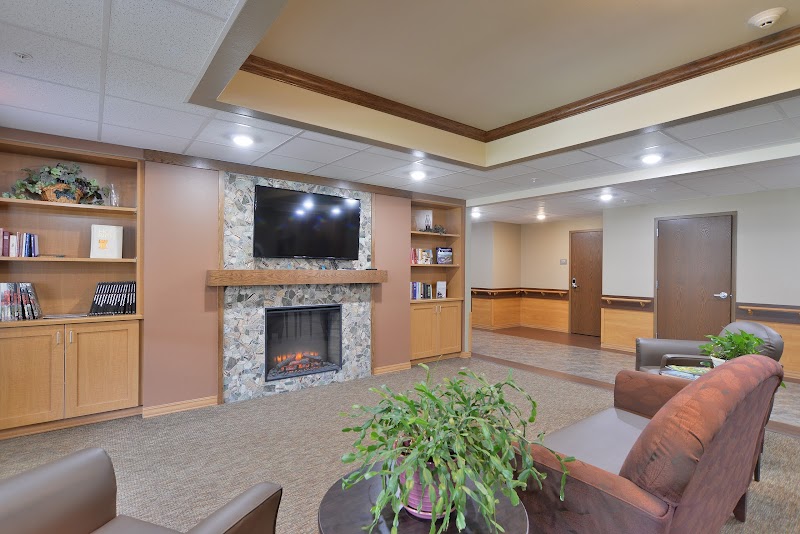
How is Augusta Staffed?

CMS rates AUGUSTA HEALTH AND REHABILITATION's staffing level at 4 out of 5 stars, which is above average compared to other nursing homes. Staff turnover is 36%, compared to the Wisconsin average of 46%. This relatively stable workforce can support continuity of care.

What Have Inspectors Found at Augusta?

State health inspectors documented 24 deficiencies at AUGUSTA HEALTH AND REHABILITATION during 2022 to 2025. These included: 1 that caused actual resident harm, 22 with potential for harm, and 1 minor or isolated issues. Deficiencies causing actual harm indicate documented cases where residents experienced negative health consequences.
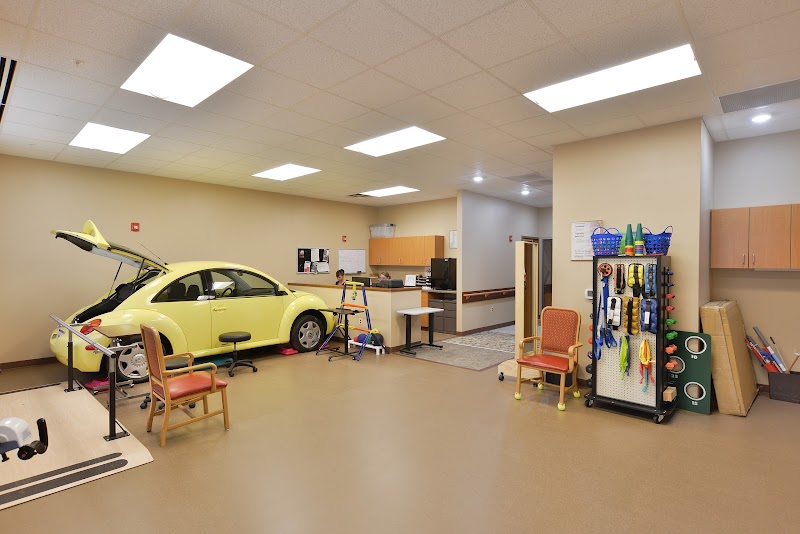
Who Owns and Operates Augusta?

AUGUSTA HEALTH AND REHABILITATION is owned by a non-profit organization. Non-profit facilities reinvest revenue into operations rather than distributing to shareholders. The facility operates independently rather than as part of a larger chain. With 50 certified beds and approximately 39 residents (about 78% occupancy), it is a smaller facility located in AUGUSTA, Wisconsin.
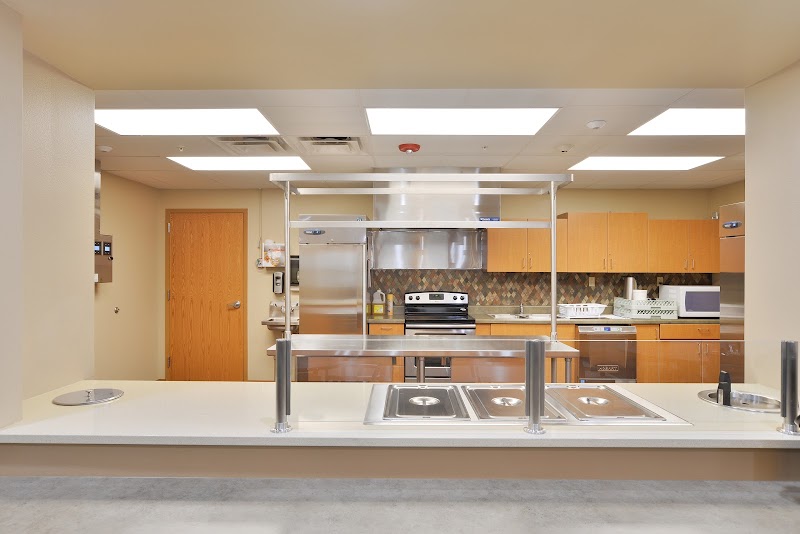
How Does Augusta Compare to Other Wisconsin Nursing Homes?

Compared to the 100 nursing homes in Wisconsin, AUGUSTA HEALTH AND REHABILITATION's overall rating (2 stars) is below the state average of 3.0, staff turnover (36%) is significantly lower than the state average of 46%, and health inspection rating (2 stars) is below the national benchmark.

What Should Families Ask When Visiting Augusta?

Based on this facility's data, families visiting should ask: "Can I visit during a mealtime to observe dining assistance and food quality?" "How do you handle medical emergencies, and what is your hospital transfer rate?" "Can I speak with family members of current residents about their experience?"

Is Augusta Safe?

Based on CMS inspection data, AUGUSTA HEALTH AND REHABILITATION has a clean safety record: no substantiated abuse findings (meaning no confirmed cases of resident harm), no Immediate Jeopardy citations (the most serious violation level indicating risk of serious injury or death), and is not on the Special Focus Facility watch list (a federal program monitoring the lowest-performing 1% of nursing homes). The facility has a 2-star overall rating and ranks #100 of 100 nursing homes in Wisconsin. While no facility is perfect, families should still ask about staff-to-resident ratios and recent inspection results during their visit.

Do Nurses at Augusta Stick Around?

AUGUSTA HEALTH AND REHABILITATION has a staff turnover rate of 36%, which is about average for Wisconsin nursing homes (state average: 46%). Moderate turnover is common in nursing homes, but families should still ask about staff tenure and how the facility maintains care continuity when employees leave.

Was Augusta Ever Fined?

AUGUSTA HEALTH AND REHABILITATION has no federal fines on record. CMS issues fines when nursing homes fail to meet care standards or don't correct problems found during inspections. The absence of fines suggests the facility has either maintained compliance or corrected any issues before penalties were assessed. This is a positive indicator, though families should still review recent inspection reports for the full picture.

Is Augusta on Any Federal Watch List?

AUGUSTA HEALTH AND REHABILITATION is not on any federal watch list. The most significant is the Special Focus Facility (SFF) program, which identifies the bottom 1% of nursing homes nationally based on persistent, serious quality problems. Not being on this list means the facility has avoided the pattern of deficiencies that triggers enhanced federal oversight. This is a positive indicator, though families should still review the facility's inspection history directly.