HILLSIDE MANOR

803 S UNIVERSITY AVE, BEAVER DAM, WI 53916 (920) 887-5901
Non profit - Corporation 115 Beds SANFORD HEALTH GOOD SAMARITAN (PROSPERA) Data: November 2025 1 Immediate Jeopardy citation
Trust Grade
53/100
#95 of 321 in WI
Last Inspection: November 2024

Within standard 12-15 month inspection cycle. Federal law requires annual inspections.

Overview

Hillside Manor in Beaver Dam, Wisconsin has received a Trust Grade of C, meaning it is average and falls in the middle of the pack among similar facilities. It ranks #95 out of 321 in Wisconsin, placing it in the top half of nursing homes, and #5 out of 10 in Dodge County, indicating that only a few local options are better. The facility is improving overall, with the number of issues dropping from 12 in 2024 to 5 in 2025. Staffing is a notable strength with a 5/5 star rating and a turnover rate of 35%, which is significantly lower than the state average, ensuring continuity of care. However, there were critical incidents reported, including a resident who choked and did not receive timely first aid or the correct diet afterwards, leading to a tragic outcome. Additionally, some residents have expressed concerns about food being served at improper temperatures, which could affect their safety and comfort.

Trust Score
C
53/100
In Wisconsin
#95/321
Top 29%
Safety Record
High Risk
Review needed
Inspections
Getting Better
12 → 5 violations
Staff Stability
○ Average
35% turnover. Near Wisconsin's 48% average. Typical for the industry.
Penalties
✓ Good
No fines on record. Clean compliance history, better than most Wisconsin facilities.
Skilled Nurses
✓ Good
Each resident gets 69 minutes of Registered Nurse (RN) attention daily — more than 97% of Wisconsin nursing homes. RNs are the most trained staff who catch health problems before they become serious.
Violations
⚠ Watch
21 deficiencies on record. Higher than average. Multiple issues found across inspections.
★★★★☆
4.0
Overall Rating
★★★★★
5.0
Staff Levels
★★★★★
5.0
Care Quality
★★☆☆☆
2.0
Inspection Score
Stable
2024: 12 issues
2025: 5 issues

The Good

  • 5-Star Staffing Rating · Excellent nurse staffing levels
  • 5-Star Quality Measures · Strong clinical quality outcomes
  • Full Sprinkler Coverage · Fire safety systems throughout facility
  • No fines on record
  • Staff turnover below average (35%)

    13 points below Wisconsin average of 48%

Facility shows strength in staffing levels, quality measures, fire safety.

The Bad

Staff Turnover: 35%

11pts below Wisconsin avg (46%)

Typical for the industry

Chain: SANFORD HEALTH GOOD SAMARITAN (PROS

Part of a multi-facility chain

Ask about local staffing decisions and management

The Ugly 21 deficiencies on record

1 life-threatening 1 actual harm
Jul 2025 3 deficiencies 1 IJ
CRITICAL (J) 📢 Someone Reported This

A family member, employee, or ombudsman was alarmed enough to file a formal complaint

Immediate Jeopardy (IJ) - the most serious Medicare violation

Quality of Care (Tag F0684)

Someone could have died · This affected 1 resident

**NOTE- TERMS IN BRACKETS HAVE BEEN EDITED TO PROTECT CONFIDENTIALITY** Based on interview and record review, the facility failed to ensure that each resident received treatment and care in accordance...

Read full inspector narrative →
**NOTE- TERMS IN BRACKETS HAVE BEEN EDITED TO PROTECT CONFIDENTIALITY** Based on interview and record review, the facility failed to ensure that each resident received treatment and care in accordance with professional standards of practice (N6, Wisconsin Nurse Practice Act) for 1 out of 4 sampled residents (R1) by failing to serve R1 the correct diet and failing to administer first aid (Heimlich Maneuver) timely when R1 experienced a choking episode. R1 experienced a choking episode that required the Heimlich maneuver to clear R1's airway. The facility did not complete all assessments of Vital Signs (VS) and respirations over the next 24 hours. At supper the following day, the facility did not ensure that R1 received the proper downgraded diet of bite sized and soft food items. R1's meal card indicated R1 could be served a dinner roll, which was served. R1's new downgraded diet does not allow dinner rolls. R1 experienced another choking episode prior to leaving the dining room from supper. First aid (Heimlich maneuver) was not administered immediately and R1 expired. The facility's failure to complete frequent and thorough assessments, failure to provide the proper diet, and failure to administer first aid immediately created a finding of immediate jeopardy that began on 6/24/25. INHA A (Interim Nursing Home Administrator) and INHA B were notified of the immediate jeopardy on 7/9/25 at 3:35 PM. The immediate jeopardy was removed on 7/21/25, however, the deficient practice continues at a scope severity of a D (Potential for more than minimal harm/isolated) as the facility continues to implement its action plan.Findings include: According to the Wisconsin Nurse Practice Act, N6.03(1), An R.N. (Registered Nurse) shall utilize the nursing process in the execution of general nursing procedures in the maintenance of health, prevention of illness or care of the ill. The nursing process consists of the steps of assessment, planning, intervention, and evaluation. This standard is met through performance of each of the following steps of the nursing process: (a) Assessment. Assessment is the systematic and continual collection and analysis of data about the health status of a patient culminating in the formulation of a nursing diagnosis. (b) Planning. Planning is developing a nursing plan of care for a patient which includes goals and priorities derived from the nursing diagnosis. (c) Intervention. Intervention is the nursing action to implement the plan of care by directly administering care or by directing and supervising nursing acts delegated to L.P.N.s (Licensed Practical Nurse) or less skilled assistants. (d) Evaluation. Evaluation is the determination of a patient's progress or lack of progress toward goal achievement which may lead to modification of the nursing diagnosis.The International Dysphagia Diet Standardization Initiative (IDDSI) website's (https://www.iddsi.org/) IDDSI Framework and Detailed Level Definitions, dated July 2019, states, in part: 6 Soft and Bite-Sized Description/characteristics.soft, tender and moist throughout but with no separate thin liquid.Food Specific or Other Examples: .Bread No regular dry bread, sandwiches, or toast of any kind. The website's Frequently Asked Questions page, (USIRGFAQExceptionsBreadsMixedConsistencyJan2025.pdf), dated January 2025, states, in part: . Part 1: Bread.Soft and Bite-Size, Level 6 and Minced and Moist, Level 5 do not include regular dry bread, sandwiches, or toast of any kind, even if they are cut-up to the appropriate size indicated for each diet level. Use pre-gelled soaked breads that are very moist and gelled through the entire product. The facility's Life Support Certifications and Course Requirements policy, dated 2/17/25, states, in part: .The purpose of this document is to establish and outline standards for facility's American Heart Association (AHA) Training Center and facility life support requirement. This policy is complimentary to the AHA Center standards. 3.1 Managing Certifications a. Certifications in BLS (Basic Life Support) .are recognized solely from the AHA.The facility's first aid training, Basic Life Support Provider Manual eBook, undated, states, in part: Choking Relief in a Responsive Adult or Child: Abdominal Thrusts Use abdominal thrusts to relieve choking in a responsive adult or child.Choking Relief in an Unresponsive Adult or Child. A choking victim's condition may worsen, and the victim may become unresponsive. If you are aware that a foreign-body airway obstruction is causing the victim's condition, you will know to look for a foreign body in the throat. To relieve choking in an unresponsive adult or child, follow these steps: 1. Shout for help. If someone is available, send that person to activate the emergency response system. 2. Gently lower the victim to the ground if you see that they are becoming unresponsive. 3. Being CPR, starting with chest compressions. Do not check for a pulse. Each time you open the airway to give breaths, open the victim's mouth wide. Look for the object. A. if you see an object that looks easy to remove, remove it with your fingers. B. If you do not see an object, continue CPR. 4. After about 5 cycles or 2 minutes of CPR, activate the emergency response system if someone has not already done so.Heimlich Maneuver works by using the air in the lungs to push an object out of the airway, when performing abdominal thrusts, to restore normal breathing when an individual is choking. R1 was admitted to the facility on [DATE] with diagnoses that include, in part: unspecified dementia, severe, with mood disturbance (a condition with a decline in mental ability severe enough to interfere with daily life); unspecified dementia, severe, with anxiety; other persistent atrial fibrillation (a heart rhythm disorder which leads to the heart beating irregularly and rapidly); muscle weakness generalized.R1's admission Minimum Data Set (MDS), dated [DATE], indicates Self-Care Eating ability score of 5, indicating need for set up or clean up assist.R1's quarterly Minimum Data Set (MDS), dated [DATE], indicates a Brief Interview for Mental Status (BIMS) score of 11, indicating moderate cognitive impairment. R1's physician orders include:*DNR (Do Not Resuscitate)*General Level 7 foods-regular-easy to chewR1's care plan includes:*3/20/25.Problem: Cognition: I am alert and oriented to self and family. I am able to communicate some of my needs and wants to staff.*3/21/25.nurse aide.transfer me with 1 assist with EZ stand*3/31/25.nurse aide.monitor me for an increased difficulty with my chewing and/or swallowing abilityR1's progress notes include:*6/23/25 9:54am choking on whole fruit with Heimlich maneuver performed for removal.call received from hall indicating resident actively choking with Heimlich being performed. Upon arrival, writer confirmed code status and observed staff still actively and unsuccessfully attempting Heimlich maneuver. At that time, writer phoned 911 for assist and instructed staff to continue with firm Heimlich application. While on the phone with 911 operator, staff achieved successful removal of food item and resident breathing improved.*6/23/25 11:43 AM call received from ER (emergency room), ready for discharge; CXR (chest x-ray) completed and negative, VS (vital signs) have remained stable. Stay and work up unremarkable.*6/23/25 12:54 PM RN (Registered Nurse) was sitting at nurses' station helping another nurse when CNA (Certified Nursing Assistant) called out. Other nurse went to see what CNA needed in patient's room. CNA yelled that patient was choking. This nurse ran in room to assist. Nurse noted that patient was sitting in recliner, pallor was gray, lips and around eyes was turning blue and unable to speak. Patient was not breathing. When nurse asked CNA what happened CNA stated, her husband brought her fruit, and she was actively eating it when I walked into the room. She is choking on a piece of fruit. CNA was instructed to get behind patient to do the Heimlich maneuver. Instructed another nurse to call to upstairs unit to have other RN come down to assist. After approximately 10 thrusts, patient coughed out a piece of cantaloupe and was able to breathe. Patient started to respond and speak when EMS (Emergency Medical Services) arrived. Prepared transfer. Patient was sent to the ER for evaluation.R1's Emergency Department Provider Note, dated 6/23/25, states, in part: Patient presenting with complaints of choking episode that has since resolved after Heimlich. She does not have any signs of trauma. Nontender abdomen, lung sounds clear bilaterally. Plan for x-ray to rule out aspiration. Vitals normal. Low suspicion for rib fracture. Plan for DC (Discharge).Patient Instructions: You were seen in the ER after an aspiration event (the accidental inhalation of foreign material, like food, into the airway and lungs). You received an x-ray that did not show any signs of pneumonia or damage to the lung itself. Follow up with your primary care doctor within 1 week.On 7/7/25 at 10:33 AM, Surveyor interviewed FM Q (family member) and asked about events of 6/23/25. FM Q stated that while visiting R1, R1 was eating cantaloupe in R1's room and then R1 didn't talk. FM Q noted that R1 was digging in R1's mouth with R1's fingers and when FM Q asked what was wrong, R1 didn't say anything, but kept digging. FM Q stated FM Q went to alert staff as FM Q noted R1 was getting paler. FM Q stated 3 staff responded, they called 911 and were tapping resident on R1's back, but R1 didn't respond. FM Q stated that one of the aides crawled up in the resident's chair and got arms around R1 and performed thrusts. FM Q stated that one of the staff opened R1's mouth and pulled out a piece of cantaloupe. FM Q stated that when the EMTs arrived, R1 was breathing and had eyes open. FM Q stated they took R1 to the ER.On 7/7/25 at 11:11 AM, Surveyor interviewed CNA F regarding the incident on 6/23/25. CNA F stated that when walking down the hall, CNA F noted FM Q come into the hall and check the call light. CNA F indicated a feeling that something was needed by R1, and CNA F went into R1's room to ask. CNA F stated that FM Q stated, I think R1 is choking. CNA F stated that R1 was not breathing and was very gray in color. CNA F stated that CNA F started hitting R1 on the back with an open hand and yelled for the nurse. CNA F stated that LPN E (Licensed Practical Nurse) came to the door and LPN E yelled for RN R (Registered Nurse). CNA F stated that RN R arrived and instructed to start the Heimlich. CNA F stated that CNA F positioned self behind R1 in R1's recliner and started the Heimlich. CNA F stated that CNA F would do the Heimlich a couple times, then look to see if R1 would respond, then RN R would do back blows, then alternate. CNA F stated there were about 2 cycles of this alternation before RN U arrived and stated to just continue the Heimlich. Surveyor asked if R1 had a history of swallowing issues. CNA F stated no.On 7/7/25 at 12:56 PM, Surveyor interviewed RN U and asked about the 6/23/25 incident. RN U stated that LPN E called about a dire situation. RN U stated that on arrival, RN U noted R1 slumped over in recliner, color pale, with staff performing Heimlich. RN U indicated verifying R1's code status in the chart and calling 911. Surveyor asked about treatment for choking. RN U stated perform the Heimlich immediately. RN U stated that back blows are not typically performed on an adult.On 7/8/25 at 10:56 AM, Surveyor interviewed RN R. RN R indicated being at nurses' station with LPN E and hearing CNA F yell from R1's room. RN R stated that LPN E went to R1's room and RN R heard CNA F yell that R1 was choking. RN R stated that RN R ran to R1's room and saw R1 blue around lips, drooling, and R1's eyes were fixed. RN R stated R1 was choking and unresponsive. RN R indicated instructing CNA F to perform the Heimlich and RN R did alternating back blows. RN R indicated instructing LPN E to contact RN U to call EMS. RN R stated that R1 coughed up a piece of cantaloupe and her skin started to pink and R1 was coming back around. RN R stated that when R1 left for the ER, RN R requested that R1 be in a common room or with staff for eating until a swallowing evaluation was done. Surveyor asked RN R about treatment for choking. RN R indicated that if person is responsive the Heimlich is performed, if unresponsive back blows and Heimlich. R1's Therapy Screen notes include:*6/23/25 1:39 PM Therapy Screen request: please screen episode of choking on piece of fruit provided by family required Heimlich intervention. Currently on regular diet.*6/24/25 10:12 AM Therapy Screen response: 6/24/25-Requested orders. Thank you. Diet downgrade to IDDSI-Level 6. Soft and bite sized solids.R1's Physician Orders state:*6/23/25.Nutritional Problem.Diet Order: General Level 6 foods- soft and bite sized. An (International Dysphagia Diet Standardization Initiative) (IDDSI) framework provides a standardized system for describing food and drink consistencies for individuals with swallowing difficulties (dysphagia). (Soft Bite-sized level 6 - soft bite sized food which is a level 6 on IDDSI framework).*6/23/25.meal assist: Partial assistOn 7/8/25 at 9:19 AM, Surveyor interviewed SLP I (Speech Language Pathologist) who indicated R1 was independent with eating, ate meals in the dining room, and was on a general diet until R1's episode on 6/23/25. SLP I indicated after the first choking episode SLP I conducted a screen on R1. SLP I indicated R1's screen showed R1 needed to have a swallow study completed so SLP I contacted R1's Medical Doctor to obtain an order for a swallow study. While waiting for the swallow study, SLP I downgraded R1's diet to an IDDSI level 6 diet.R1's meal ticket, undated, is printed with the following:*Starter: 1 chocolate milk 240cc (cubic centimeters); 1 2% milk; 2 Skim Milk 240cc*Hot Prep: blank*Cold Prep: 1 Dinner Roll ea (each)*HSM (Hillside Manor) IDDSI SB6R1's progress notes include:6/23/25 3:14 PM spoke with POA (Power of Attorney) regarding patient's visit to ER. Informed POA that it would be preferred for patient to be in the common area/dining room for meals and snacks for precautions. POA also informed that patient was placed on 24-hour monitoring for VS (vital signs) and respirations.6/23/25 5:27 PM respirations normal lung sounds clear diminished.Important to note: there are no vital signs documented with 6/23/25 5:27 PM respiratory assessment.6/24/25 4:36 AM respirations: normal lung sounds: upon auscultation clear Blood Pressure 116/56 Pulse 71 temperature 95.9 respirations 16 O2 (oxygen) saturation 98% on room airImportant to note: there are no vital signs or respiratory assessment documented for 6/24/25 morning shift.6/24/25 6:51 PM This writer was paged to go to the 1st floor dining room to assist with resident. Upon arrival to dining room this writer observed several CNAs assisting resident, performing the Heimlich maneuver, resident pale, nonresponsive, without respirations, CNA G on phone with 911. Resident taken out of dining area, away from other residents, continuing Heimlich maneuver. Once in hallway this writer continued speaking with 911 operator, providing operator with pertinent resident information as CNAs transferred resident out of wheelchair onto floor as Heimlich maneuver not effective, chest compressions initiated at this time. NHA A (Nursing Home Administrator) and ADON D (Assistant Director of Nurse) arrived to assist, noted that resident had an active DNR (Do not Resuscitate) order, DNR bracelet on resident's left wrist, compressions stopped. ADON D and NHA A remained with resident and staff until EMTs (Emergency Medical Technicians) arrived.6/24/25 6:02 PM call placed to (POA) notified of resident passing due to witnessed choking episode-Heimlich unsuccessful and resident became unresponsive; resident is DNR (Do Not Resuscitate)-CPR (Cardiopulmonary Resuscitation) ceased per resident wishes. EMTs (Emergency Medical Technicians) arrived and verified DNR (Do Not Resuscitate) status and absence of VS (Vital Signs) at 1739 (5:30 PM) .On 7/7/25 at 1:29 PM, Surveyor interviewed CNA L about 6/24/25 incident. CNA L stated that CNA L was seated at the corner of the dining room table assisting residents to each side of CNA L to eat their supper. CNA L stated that R1 was next to one of those residents and R1 was self-feeding. CNA L stated that the resident between CNA L and R1 had finished with supper and left the dining room and that CNA L's partner, CNA J, was also gone from the dining room, leaving CNA L alone with the residents. CNA L indicated seeing little glimpses of R1 eating but concentrating attention on the resident that CNA L was feeding on the opposite side. CNA L indicated that R1 started to wheel away from the table, but CNA L wasn't observing her. CNA L stated that R1 wheeled behind CNA L. CNA L stated, I am only one person, and it is stressful in the dining room as there are quite a few feeders (residents that need to be assisted). CNA L stated that CNA J returned to the dining room and noted that R1 was blue. CNA L stated that the emergency was radioed (call for assistance), and other CNAs came to assist and one of them started the Heimlich. Surveyor asked if there was any intervention for R1 prior to the other CNAs arrival and starting the Heimlich. CNA L stated, I took the palm of my hand and patted her neck lightly, when we were waiting for help; it was just CNA J and me and R1 was bigger than us; we waited for help.On 7/7/25 at 1:50 PM, Surveyor interviewed RN M about 6/24/25 incident. RN M indicated hearing an alert regarding assist being needed in the dining room and went to assist. RN M stated R1 was slumped over and discolored, with a nurse checking pulse and a CNA on phone with 911. RN M stated an additional CNA was performing the Heimlich. RN M stated R1 was not breathing, and someone stated there was no pulse. RN M stated that RN M advised staff to move R1 into the hallway, away from the residents in the dining room. RN M stated that after moving R1 into hall, someone indicated to get ADON D and RN M went to do so. Surveyor asked about treatment for choking. RN M stated if they can talk/cough, call for help, no action; if they cannot talk/cough, call 911 and begin Heimlich and back blows. RN M stated continue until they clear, or they become unconscious. Surveyor asked what happens when they become unconscious. RN M stated check for pulse and make another decision; hopefully the RN is making the decision, it is not the CNAs call to make. I would keep doing the Heimlich until told by EMS not to.On 7/7/25 at 2:54 PM, Surveyor interviewed CNA G about 6/24/25 incident. CNA G indicated being on a resident unit when CNA J came to the unit and said R1 was purple and possibly choking. CNA G stated on arrival in the dining room, R1 was slumped over, purple, unresponsive and didn't appear to be breathing. CNA G stated, assuming R1 choked, CNA J got behind her, started doing the Heimlich, and said someone should call 911. CNA G stated CNA J dialed 911, then handed the phone to CNA G. CNA G stated CNA J said they should move R1 out of the dining room, away from the other residents. CNA G stated RN S arrived at some point while R1 was getting out of the dining room and took the phone from CNA G. When in the hall, R1 was transferred to the floor and CNA H started to do compressions. CNA G indicated being told to go downstairs to direct EMS to the correct location and on return with EMS, CPR had been stopped. Surveyor asked CNA G about treatment for choking. CNA G stated Heimlich maneuver, uncertain of any difference with unresponsive resident. Surveyor asked if R1 had previous concerns with swallowing. CNA G stated no problems until 6/23/25 when R1 choked on fruit.On 7/7/25 at 3:19 PM, Surveyor interviewed CNA H about 6/24/25 incident. CNA H stated the event was so traumatizing that only pieces are remembered. CNA H stated that someone radioed on the walkie talkie, but CNA H was unable to determine what was said. CNA H stated that CNA J came running to the unit and said that R1 was choking and turning blue. CNA H and CNA G ran to the dining room and attempted the Heimlich but didn't see anything come from her mouth. CNA H stated that someone said to remove R1 from the dining room and onto the floor and someone called 911. CNA H stated that 911 said to start CPR. CNA H stated that CNA H did one set of compressions, asked about a pulse, and was told that there was no pulse. Surveyor asked CNA H about treatment for choking. CNA H stated Heimlich maneuver, uncertain of any difference with unresponsive resident. On 7/8/25 at 9:30 AM, Surveyor interviewed CNA J about 6/24/25 incident. CNA J stated that CNA J had taken a resident away from the dining room and returned to the dining room in less than 5 minutes. Upon return to the dining room, CNA J noted R1 sitting behind CNA L with her head down further than normal and color appearing pale to purple. CNA J stated CNA J called R1's name and placed a hand on R1's shoulder to straighten R1 in the chair. CNA J stated there was mucous coming from R1's mouth and R1 was unresponsive. CNA J stated, I think R1 is choking. CNA J indicated leaving the dining room and running to the resident unit to find assist. CNA J indicated that CNA G and CNA H were at the nurses' station and the 2 CNAs started back to the dining room. CNA J stated that on the return to the dining room, CNA J used the walkie talkie to contact RN S to come assist with R1. CNA J stated that on return to the dining room, CNA L was standing next to R1, calling R1's name, CNA G started the Heimlich and said to call 911, and CNA J dialed the phone. Surveyor asked CNA J about length of time between finding R1 unresponsive and when CNA G started the Heimlich. CNA J said approximately 3 minutes. CNA J stated that CNA G did about 3 thrusts before CNA J gave CNA G the phone to speak with 911. CNA J reports starting to do the Heimlich. CNA J stated that RN M arrived and instructed to take R1 to the hallway. CNA J stated that in the hallway, R1 was moved to the floor and CNA H started compressions. CNA J stated that at some point RN S arrived and spoke with 911, then ADON D arrived and stated to stop compressions due to DNR status. On 7/8/25 at 1:27 PM during interview, CNA P (Certified Nursing Assistant) indicated CNA P was not sure what to do if CNA P suspected a resident had choked but is now unconscious. CNA P asked RN Educator M what to do. RN/Educator M indicated CNA P should keep trying to get more help while getting resident to the ground where she can begin abdominal thrusts and/or chest compressions on the unconscious person.On 7/8/25 at 2:27 PM, Surveyor interviewed ADON D (Assistant Director of Nursing) and asked if R1 had any swallowing concerns. ADON D indicated no recollection of R1 working with speech therapy prior to 6/24/25. Surveyor asked about care plan entry from 3/31/25 indicating need to monitor for difficulty with chewing and/or swallowing. ADON D stated this entry was made by the registered dietician (RD). Important to note: RD was out of office and unavailable for interview. Surveyor asked about interventions put into place for R1 following the choking incident on 6/23/25. ADON D stated that R1's diet was downgraded to IDDSI level 6, a speech screen was requested, R1 was changed to partial assist for meals (monitor from a distance-no need for 1 on 1), and respirations and vital signs were monitored for 24 hours. Surveyor asked how often vital signs and respirations were to be assessed. ADON D stated every shift. Surveyor reviewed documentation following 6/23/25 incident. ADON D indicated that there were no vital signs documented for the 6/23/25 5:27 PM assessment and there were no vital signs or respiratory assessment for 6/24/25 AM shift. ADON D stated that ADON D would have expected those assessments to be completed and documented. Surveyor asked ADON D about treatment for choking. ADON D stated all staff are trained in BLS (basic life support). The standard is to encourage coughing, summon assist, and if necessary, begin the Heimlich. Resident is removed from a common area for their dignity and to protect other residents from a traumatic event. Heimlich is performed until the object is expelled and the resident is breathing, or, if they become pulseless/non-breathing and they have a DNR, we stop; if they are a full code, we'd perform CPR. Surveyor asked if there was an investigation following the 6/24/25 incident. ADON D stated yes, all the CNAs and nurses were asked for statements. ADON D indicated that ADON D went to food/nutrition services to validate the meal served. Surveyor asked who served R1's meal. ADON D indicated no knowledge of who had served the meal. Surveyor asked how staff summon help in an emergency. ADON D stated via walkie talkie, phone, or voice/yelling. Surveyor asked when the CNA is expected to summons help. ADON stated immediately.On 7/8/25 at 3:21 PM during interview, SLP I indicated residents on a IDDSI level 6 diet cannot have a dinner roll. SLP I indicated there are exceptions made for certain residents on IDDSI level 6 diets. SLP I stated, I had not completed a formal evaluation for R1. Her order was for a level 6 diet with no exceptions. She could not eat bread.On 7/8/25 at 4:03 PM, Surveyor interviewed DME V (Deputy Medical Examiner) and asked about R1's autopsy. DME V stated there was evidence of choking; substance was hard to determine 100%, but it seemed to be a starchy substance, potentially mashed potato. Surveyor asked if DME V was aware that R1 had been served a dinner roll. DME V stated no, DME V had been told cod and mashed potatoes.On 7/8/25 at 4:34 PM, Surveyor interviewed ADON D and asked if residents receiving an IDDSI level 6 diet are to receive bread products. ADON D stated there is an allowance at times. Surveyor asked if R1 had an allowance and was to be served bread. ADON D stated no. On 7/8/25 at 5:10 PM, Surveyor interviewed NHA A and asked about the 6/23/25 incident. NHA A stated that all nursing staff present were asked to write a statement. Surveyor asked if CNA H, who performed compressions, was asked for a statement. NHA A indicated that NHA A did not realize that CNA H was present, and no statement had been requested. On 7/8/25 at 2:40 PM, DA K (Dietary Aide) stated to Surveyor, R1's meal ticket only had drinks and a dinner roll on it, but no food was ordered for her. It was blank. DA K also stated, I put butter on her roll and cut it into bite sized pieces. I had to go upstairs to get a tray that was mistakenly delivered up there. In the meantime, I don't know what happened. I came back and saw staff around R1 who looked pale. On 7/8/25 at 6:03 PM, Surveyor interviewed DA K (Dietary Aide) and asked if residents on IDDSI level 6 can have bread products. DA K indicated yes, they can with a waiver. Surveyor asked DA K if R1 had a waiver in place. DA K stated, No, I didn't make up the tray. I just served it. I was in dining room already when the trays came up. I gave R1 the tray. I cut cod up. I buttered the roll and cut it up. I only work there once a week and the week prior R1 was a general diet. I normally read the ticket and this time there was nothing on the meal ticket except for drinks and dinner roll. DA K indicated using the ticket to verify the food on the plate matches the food listed on the ticket, but DK A was unable to do that this time.On 7/9/25 at 9:16 AM, RN N (Registered Nurse) stated to Surveyor, When we get an order for a diet change, it gets changed in the care plan and in the orders. Then the system prints off a sheet that states the change. We fax this to dietary staff at the hospital. We are all responsible for making sure the cards are correct. We have diet sheets printed off in the dining room with all the diets on it and all staff, including dietary have access to these sheets.On 7/9/25 at 9:20 AM during interview, ADON D (Assistant Director of Nursing) indicated it is all staffs' responsibility to make sure the meal tickets and the meal are accurate prior to serving the resident.On 7/9/25 at 9:36 AM during interview, Nutrition Services District Manager O indicated hospital staff realized there was a mistake made and began putting together a response plan. Nutrition Services District Manager O stated, We needed to make immediate changes and acted right away. Nutrition Services District Manager O indicated the hospital staff received training on IDDSI levels for food and drinks. They ordered red placemats for all high-risk meal trays and began using them right away when they arrived. Nutrition Services District Manager O indicated she does not know why the Nursing Home Administration team was not made aware of the mistake and she now plans to include the nursing home staff in the education regarding IDDSI levels and on the new system for making sure residents are served the correct food items.On 7/9/25, Surveyor asked NHA A (Nursing Home Administrator) if dietary staff were asked to give statements. NHA A indicated being unaware that dietary staff were passing meal trays and therefore dietary staff were not asked about the incident and should have been. Surveyor asked NHA A if R1 should have received the correct diet. NHA A stated that the correct diet is expected to be served.During the partial extended survey conducted on 7/21/25, facility staff were not able to identify food items that are appropriate in accordance with the International Dysphagia Diet Standardization Initiative despite receiving education as part of the facility's initial removal plan. Additionally, staff in the facility were working with residents without knowledge of emergency procedures for choking despite recent education provided as part of the facility's initial removal plan.On 7/21/25 at 9:19 AM, CNA W (Certified Nursing Assistant) indicated to Surveyor residents on IDDSI level 5, 6, and 7 diets can have bread products.On 7/21/25 at 9:31 AM, CNA Y indicated to Surveyor residents on level 6 and 7 diets can have bread products.On 7/21/25 at 9:55 AM, CNA P indicated to Surveyor she was unsure which diet levels can have bread products and which ones cannot.On 7/21/25 at 10:28 AM, CNA X indicated to Surveyor if she saw a resident actively choking in the dining room she would run and go get the nurse. CNA X indicated she would leave the resident while she retrieved a nurse.On 7/21/25 at 10:41 AM, LPN E (Licensed Practical Nurse) indicated to Surveyor she would expect a CNA who observes a resident to be choking to call a nurse for help, then she expects the nurse to perform an RN assessment, to call 911, and then to start the Heimlich maneuver. LPN E indicated an RN has to assess before a CNA initiates the Heimlich maneuver.On 7/21/25 at 11:21 AM, INHA B (Interim Nursing Home Administrator) and RN M (Registered Nurse) indicated to Surveyor all staff were educated related to providing emergency care to a choking resident and how to identify foods within all levels of the International Dysphagia Diet Standardization Initiative. INHA B and RN M indicated all staff are basic life support certified and should know what to do in the event of a resident choking and they should know who can and who can't have bread products according to their ordered diet.The failure to serve the correct diet to a resident, failure to complete frequent and thorough assessments, and failure to administer first aid (Heimlich Maneuver) immediately created a reasonable likelihood for serious harm which created a finding of immediate jeopardy. The facility removed the immediate jeopardy on 7/21/25, however the deficient practice continues at a scope severity of a D (Potential for more than minimal harm/isolated) as the facility continues to implement the following action plan.All nursing and dietary staff will be educated prior to start of their next shift regarding the facility policy and procedure on diet changes and location of diet lists. New staff to be educated regarding this process during orientation. The IDT and dietary staff are to ensure all new orders and dietary changes are communicated to the dietary department by the nurse entering the dietary order. Nursing staff to relay new dietary orders during huddle and changes to the diet are posted in each wing daily. This process and education began on 7/21/2025 and ongoing.Dietary cards were
CONCERN (D) 📢 Someone Reported This

A family member, employee, or ombudsman was alarmed enough to file a formal complaint

Potential for Harm - no one hurt, but risky conditions existed

Accident Prevention (Tag F0689)

Could have caused harm · This affected 1 resident

**NOTE- TERMS IN BRACKETS HAVE BEEN EDITED TO PROTECT CONFIDENTIALITY** Based on observation, interview, and record review, the facility did not ensure that each resident receives adequate supervision...

Read full inspector narrative →
**NOTE- TERMS IN BRACKETS HAVE BEEN EDITED TO PROTECT CONFIDENTIALITY** Based on observation, interview, and record review, the facility did not ensure that each resident receives adequate supervision to prevent accidents for 1 of 2 Residents (R3) reviewed for dining supervision.R3 is care planned for feeding assistance and direct supervision with meals and was observed eating in dining room with no staff seated at table.Evidenced by:Surveyor requested dining / meal supervision policy. NHA A (Nursing Home Administrator) indicated that the facility does not have a separate policy, but follows state and federal regulations for adequate supervision for residents as denoted on the individual care plan.R3 was admitted to the facility on [DATE] and has diagnoses that include Parkinson's disease with dyskinesia (a progressive neurological disorder that primarily affects movement, causing symptoms like tremors); dementia in other diseases classified elsewhere, unspecified severity, with mood disturbance (a decline in mental ability severe enough to interfere with daily life); dysphagia, unspecified (difficulty swallowing foods or liquids, ranging from mild difficulty to complete and painful blockage); essential tremor (a neurological condition causing involuntary rhythmic shaking, most commonly in the hands).R3's most recent quarterly Minimum Data Set (MDS) indicates a Brief Interview of Mental Status (BIMS) score of 4, indicating moderate to severe cognitive impairment.R3's care plan states, in part; *4/10/25 Nutritional Problem: I have a significant tremor which is now worsening which places limitations on my ability to feed myself independently. I now require feeding assistance by staff.general set up assistance as well as direct supervision and cuing and feeding assistance.*4/20/25 Nurse aide-monitor me for any increase difficulty with my chewing and/or swallowing abilityR3's Speech Therapy Discharge summary, dated [DATE], states, in part: Pt (patient) and care staff will utilize safety of swallow guidelines including upright positioning, slow rate, small bites, alternating liquids and solids, clearing mouth before next bite, cues to remain on task, continue with meal; assistance in drinking and eating if patient demonstrates weakness or difficulty. Discharge 1/30/25.with support from care staff for safety of swallow guidelines.On 7/8/25 at 8:48 PM, Surveyor observed R3, seated at dining room table alone, feeding himself mandarin oranges and drinking Glucerna (liquid supplement). CNA J (Certified Nursing Assistant) was seated with her back towards R3, at another table, assisting 2 residents with their meals. CNA T entered the dining room at 9:03 AM with another resident and served that resident their meal.On 7/8/25 at 9:03 AM, Surveyor interviewed CNA T and asked if R3 needed assistance with meals. CNA T stated, I don't think so. CNA T then left the dining room.On 7/8/25 at 9:12 AM, CNA J approach Surveyor indicating her departure from the dining room. Surveyor asked CNA J if CNA J was allowed to leave the dining room as no staff members would be in the room and 2 residents were still eating. CNA J stated that the residents in the dining room were from another hall and that hall's staff should be returning to the dining room. Surveyor asked CNA J to remain in dining room. Surveyor asked CNA J if any residents in the dining room needed assistance with meals. CNA J stated that R3 needed assistance when his blood sugar was low. CNA J stated that CNA J would assist R3 if working on his hall. Surveyor asked CNA J how a CNA is aware that someone needs assistance with meals. CNA J stated when a resident is sluggish or not awake/not feeding themselves; a CNA can see that they need help. Surveyor asked if there is any documentation that tells the CNA that a resident needs assist. CNA J stated that in the computer charting it would say assistance with meals. Surveyor asked if there was anything in R3's charting stating that R3 needed assistance. CNA J stated not in the CNA charting, as far as I know.On 7/8/25 at 4:34 PM, Surveyor reviewed R3's care plan with ADON D (Assistant Director of Nursing) and asked about the meaning of direct supervision, cuing, and feeding assistance. ADON D stated that it meant that someone should be sitting at the table with R3 and assisting R3 with eating.
CONCERN (D) 📢 Someone Reported This

A family member, employee, or ombudsman was alarmed enough to file a formal complaint

Potential for Harm - no one hurt, but risky conditions existed

Deficiency F0712 (Tag F0712)

Could have caused harm · This affected 1 resident

**NOTE- TERMS IN BRACKETS HAVE BEEN EDITED TO PROTECT CONFIDENTIALITY** Based on interview and record review, the facility did not ensure residents were seen by a physician every 30 days for the first...

Read full inspector narrative →
**NOTE- TERMS IN BRACKETS HAVE BEEN EDITED TO PROTECT CONFIDENTIALITY** Based on interview and record review, the facility did not ensure residents were seen by a physician every 30 days for the first 90 days after admission and every 60 days thereafter for 1 of 1 residents (R1) reviewed for physician visits. R1 was not seen by a provider at least once every 30 days for the first 90 days after admission.This is evidenced by:Facility policy, titled Physician Visits Policy, reviewed 12/31/24, includes: The physician needs to see a newly admitted resident at a minimum of once every 30 days for the first 90 days and then at least every 60 days thereafter.R1 was admitted to the facility on [DATE] with diagnoses that include, in part: unspecified dementia, severe, with mood disturbance (a condition with a decline in mental ability severe enough to interfere with daily life); unspecified dementia, severe, with anxiety; other persistent atrial fibrillation (a heart rhythm disorder which leads to the heart beating irregularly and rapidly); muscle weakness-generalized.R1 was seen by his physician on 3/12/25.There is no evidence of R1 being seen by a physician in April, therefore missing a 60-day visit after admission.On 7/21/25 at 10:00 AM, ADON D (Assistant Director of Nursing) stated, There should be a physician's visit and signed orders for April, but they were missed.On 7/21/25 at 11:21 AM, INHA B (Interim Nursing Home Administrator) indicated R1 should have had a physician visit at 30 days, 60 days, and 90 days from her admission, but the 60 days visit was missed.
Jun 2025 2 deficiencies
CONCERN (D) 📢 Someone Reported This

A family member, employee, or ombudsman was alarmed enough to file a formal complaint

Potential for Harm - no one hurt, but risky conditions existed

Grievances (Tag F0585)

Could have caused harm · This affected 1 resident

**NOTE- TERMS IN BRACKETS HAVE BEEN EDITED TO PROTECT CONFIDENTIALITY** Based on observation, interview and record review, the facility did not ensure prompt resolution of all grievances for 2 of 3 re...

Read full inspector narrative →
**NOTE- TERMS IN BRACKETS HAVE BEEN EDITED TO PROTECT CONFIDENTIALITY** Based on observation, interview and record review, the facility did not ensure prompt resolution of all grievances for 2 of 3 residents (R1 and R2) reviewed for grievances. R1's Representative voiced concerns related to R1 sitting wrong in a shower and rushing R1 with meals not allowing her to finish. The facility failed to follow up on these concerns using their grievance policy and procedure. R2's Resident Representatives voiced concerns during a meeting and these concerns were documented in R2's medical record. The facility failed to follow up on concerns using the facility's policy and procedure for grievances. Evidenced by: Facility policy, titled Resident Rights/Organizational Ethics Policy, reviewed 12/31/24, includes: A grievance is a formal or informal written or verbal complaint that is made by a resident or the resident's representative about care and treatment furnished as well as that which has not been furnished, the behavior of staff and other residents and other concerns regarding the stay. Grievances include but are not limited to complaints about treatment furnished as well as that which has not been furnished, care, management of funds, any suspected violation of state or federal nursing facility regulations ., lost clothing, violation of resident rights, and complaints related to behavior of other residents . It is the policy of the facility that each resident and/or resident representative has the right to voice grievances to the facility or other agency or entity that hears grievances without discrimination or reprisal and without fear of discrimination or reprisal . the facility will designate a Grievance Official who is responsible for oversight of the grievance process . the grievance process includes receiving and tracking grievances through to their conclusions, leading any necessary investigations by the facility, work with facility staff utilizing root cause analysis process for resolution of the grievance or concern . The grievance official, administrator and his or her designee will be forwarded all . grievances electronically within one working day of receiving the grievance. The grievance official, administrator, and his or her designee will acknowledge receipt of the grievance to the resident or resident representative that submitted the grievance . the grievance official, administrator, or his or her designee will thoroughly investigate the grievance . Some grievances may require more extensive investigation. If the grievance cannot be resolved . the grievance official, administrator, or his or her designee will inform the resident or resident representative that the facility is still working to resolve the grievance . All documentation and evidence demonstrating the result of all grievances shall be retained for a period of no less than 18 months from the issuance of the grievance decision. All residents and our resident representative will provide a notice of rights at the time of admission both orally and in writing in a format and a language he or she understands and that includes how to file grievance. This will include . the right to obtain a conclusion regarding his or her grievance . grievances may be submitted verbally or in writing as well as anonymously . Example 1 R2 admitted to the facility on [DATE]. R2's most recent MDS (Minimum Data Set), with ARD (Assessment Reference Date) of 6/12/25, indicates R2's cognition is severely impaired with a BIMS (Brief Interview for Mental Status) score of 6 out of 15. R2's Hospice Note, dated 6/19/25, includes: Resident Representative . did share some concerns including late breakfast, patient needing help completing menus, using a different lift . Facility grievance log, from 5/1/25 to 6/23/25, does not contain any grievances related to R2's representatives concerns. On 6/23/25 at 11:27 AM during an interview RN E (Registered Nurse) indicated there are no grievances recorded for R2. On 6/23/25 at 2:36 PM, SW F (Social Worker) indicated NHA A (Nursing Home Administrator) is the facility's Grievance Official. SW F indicated she was unaware of R2's concerns and if she had been she would have looked into them. SW F indicated all concerns voiced should be followed up on using the facility's grievance process unless they meet the definition of abuse. SW F indicated the facility can not track and trend concerns if they are not recorded on one log. On 6/23/25 at 3:23 PM, SW F indicated Hospice workers should report all grievances, concerns, complaints to the facility and/or fill out a grievance form for the resident and turn it in. SW F indicated she is unsure which facility staff member is responsible for following up on grievances recording in hospice notes. On 6/24/25 at 9:45 AM Hospice Services Interim Manager G indicated concerns related to a resident's meals being late, needing a different lift, or needing assistance with a task are grievances and she was not familiar with the facility's grievance process. Hospice Services Interim Manager G indicated she was not sure who from the facility is responsible for following up on grievances recorded by hospice staff. On 6/24/25 at 10:00 AM Hospice Services RN H (Registered Nurse) indicated she has never filled out a grievance for a resident who voiced concerns to her and she is unfamiliar with the facility's grievance process. On 6/24/25 at 10:37 AM, NHA A indicated she is the facility's Grievance Official. NHA A indicated she was unaware of concerns recorded in R2's hospice notes, but they are grievances and the facility should follow their grievance process. NHA A indicated hospice staff who receive concerns should tell the floor nurse and fill out a grievance form for/with the resident. NHA A indicated all grievances should be recorded in one spot, on the grievance log and there is no grievance for R2 on the log. On 6/24/25 at 2:45 PM RN I indicated she has never filled out a grievance form and she just tells one of the social workers concerns that are voiced to her. RN I indicated a family member voicing concerns related to a late meal is a grievance. RN I indicated a family member voicing concerns about needing a different lift is a grievance. RN I indicated a family member voicing concerns related to a patient needing additional help is a grievance. On 6/24/25 at 4:33 PM during a phone interview, DON B (Director of Nursing) indicated she expects when a resident or a resident representative voices a grievance to staff and hospice staff, they go directly to the floor nurse to report it. DON B indicated they can record it in (Electronic Charting System), but they should also follow the facility's grievance process. Example RR D voiced concern for R1 which was not added to the facility grievance log to be investigated. R1 admitted to the facility on [DATE] and had diagnoses that include: age related osteoporosis (a disease that weakens bones, making them more susceptible to fracture); hemiplegia and hemiparesis following cerebral infarction affecting right dominant side (paralysis and weakness following a stroke); vascular dementia (a type of dementia caused by reduced blood flow to the brain, which damages brain tissue and impairs cognitive function). R1's Minimum Data Set (MDS) dated [DATE], indicates a Brief Interview of Mental Status (BIMS) score of 99, meaning R1 was unable to complete the interview due to not being able to respond to the questions and/or R1 was unable to understand the questions. A facility self-report indicates that on 5/31/25, RR D expressed concerns to the facility, including; * .RR D was a little frustrated with CNA C because RR D was trying to feed R1 and RR D felt like the CNA was in a rush. This happened on 2 occasions. * .RR D felt like the CNA had not positioned R1 correctly on the shower chair On 6/23/25 at 1:40 PM, Surveyor interviewed RR D, who stated CNA C had come to give R1 a bath, but the meal had come late, so RR D was still feeding R1. RR D stated CNA C threw hands in the air and stated, oh no, what am I going to do and was upset. RR D stated CNA C left the room to take care of another resident and came back a bit later. RR D stated that when CNA C returned, RR D pushed R1's meal aside and told CNA C to give the bath, as CNA C was upset. RR D stated feeling rushed. RR D stated that when CNA C returned to the room following the bath, R1 was not sitting properly on the bath chair. On 6/24/25 at 3:44 PM, Surveyor interviewed DON B and asked RR D concerns. DON B stated that CNA C had come to give R1 a bath while RR D was feeding R1 breakfast and that RR D felt rushed by the CNA's attitude. DON B stated that RR D told CNA C to go ahead with the bath, but that RR D felt uncomfortable with CNA C. DON B stated that RR D said RR D felt it was possible that CNA C transferred R1 solo with the mechanical lift. Important to note: RR D's concern regarding CNA C was not entered onto the facility grievance log. Facility grievance log, from 5/1/25 to 6/23/25, does not contain any grievances related to R2. On 6/23/25 at 11:27 AM during an interview RN E (Registered Nurse) indicated there are no grievances recorded for R2 or R1. On 6/23/25 at 2:36 PM SW F (Social Worker) indicate NHA A (Nursing Home Administrator) is the facility's Grievance Official. On 6/24/25 at 10:00 AM Hospice Services RN H indicated she has never filled out a grievance for a resident who voiced concerns to her and she is unfamiliar with the facility's grievance process. On 6/24/25 at 10:37 AM NHA A (Nursing Home Administrator) indicated she is the facility's Grievance Official. NHA A indicated all grievances should be recorded in one spot, on the grievance log and there is no grievance for R1 or R2 on the log. NHA A indicated the facility does not have follow up or an investigation on the grievances voiced by RR D related to her positioning in the shower chair or of hospice staff rushing her with her meals. NHA A indicated she has ideas on how to improve the facility's grievance process and she will start today educating on the process, where to find forms, and how to fill out the forms. NHA A indicated the facility retains all information related to grievances for 18 months and they use the grievance log to track grievances and identify trends throughout the home. On 6/24/25 at 2:45 PM RN I indicated she has never filled out a grievance form and she just tells one of the social workers concerns that are voiced to her. RN I indicated a family member voicing concerns related to staff rushing a resident during meal time could be a grievance and concerns related to a resident's positioning in the shower chair could be a grievance. On 6/24/25 at 4:33 PM during a phone interview, DON B (Director of Nursing) indicated she expects when a resident or a resident representative voices a grievance to staff and hospice staff, they go directly to the floor nurse to report it. DON B indicated other concerns that are voiced while conducting interviews for a facility self report should be recorded and followed up on using the facility's grievance process.
CONCERN (D) 📢 Someone Reported This

A family member, employee, or ombudsman was alarmed enough to file a formal complaint

Potential for Harm - no one hurt, but risky conditions existed

Investigate Abuse (Tag F0610)

Could have caused harm · This affected 1 resident

**NOTE- TERMS IN BRACKETS HAVE BEEN EDITED TO PROTECT CONFIDENTIALITY** Based on interview and record review, the facility did not complete a thorough investigation in response to a potential allegati...

Read full inspector narrative →
**NOTE- TERMS IN BRACKETS HAVE BEEN EDITED TO PROTECT CONFIDENTIALITY** Based on interview and record review, the facility did not complete a thorough investigation in response to a potential allegation of abuse for 1 of 3 residents (R1) reviewed for abuse. On 5/31/25, the facility became aware of an alleged injury of unknown origin due to discolored (yellow) areas on R1's right knee and left ankle. The facility did not interview other like residents as part of the investigation. Evidenced by: The facility's Reporting of Caregiver Misconduct in the Skilled Nursing Facility policy, dated 12/31/24, states, in part: .c. Investigation of injuries of Unknown Origin or Suspicious injuries: must be immediately investigated to rule out potential abuse . e. The investigation will consist of at least the following: a review of the completed complaint report an interview with the person or persons reporting the incident interviews with any witnesses to the incident a review of the resident medical record if indicated a search of the resident room (with resident permission) an interview with staff members having contact with the resident during the relevant periods or shifts of the alleged incident interviews with the resident's roommate, family members, and visitors a root-cause analysis of all circumstances surrounding the incident R1 admitted to the facility on [DATE] and had diagnoses that include: age related osteoporosis (a disease that weakens bones, making them more susceptible to fracture); hemiplegia and hemiparesis following cerebral infarction affecting right dominant side (paralysis and weakness following a stroke); vascular dementia (a type of dementia caused by reduced blood flow to the brain, which damages brain tissue and impairs cognitive function). R1's Minimum Data Set (MDS) dated [DATE], indicates a Brief Interview of Mental Status (BIMS) score of 99, meaning R1 was unable to complete the interview due to not being able to respond to the questions and/or R1 was unable to understand the questions. A facility self-report indicates that on 5/31/25, RR D (Resident Representative) expressed concerns about discolored (yellow) areas on R1's right knee and left ankle; felt like a Certified Nursing Assistant (CNA) had not positioned R1 correctly in the shower chair recently .R1's legs seemed to be in different directions and positioned differently than usual . On 6/23/25 at 1:40 PM, Surveyor interviewed RR D about yellow discoloration on R1. RR D stated there was bruising to R1's right foot, side of right calf, and toward the right hip. RR D stated, unsure of date, CNA C had given R1 a bath and upon return R1 was sitting on the bath chair, on her right hip, with leg stretched way out. RR D stated that R1 looked uncomfortable. RR D stated the positioning may have caused R1's bruises. On 6/24/25 at 3:44 PM, Surveyor interviewed DON B and asked about the investigation for R1. DON B stated that upon learning of R1's bruising, DON B spoke with RR D, who indicated that CNA C had given R1 a shower and that R1 was positioned differently in the shower chair. DON B stated that RR D voiced feeling uncomfortable with CNA C and thought it was possible that CNA C had transferred R1 solo with the mechanical lift. Surveyor asked if CNA C took care of other residents in the facility. DON B stated yes. Surveyor asked if other residents were interviewed about transfers and interactions with CNA C. DON B stated no. Surveyor asked if like-residents should be interviewed in an investigation. DON B stated yes. The facility became aware of an alleged injury of unknown origin due to discolored (yellow) areas on R1's right knee and left ankle. The facility did not interview other residents who CNA C took care of as part of their investigation.
Nov 2024 12 deficiencies 1 Harm
SERIOUS (G) 📢 Someone Reported This

A family member, employee, or ombudsman was alarmed enough to file a formal complaint

Actual Harm - a resident was hurt due to facility failures

Accident Prevention (Tag F0689)

A resident was harmed · This affected 1 resident

**NOTE- TERMS IN BRACKETS HAVE BEEN EDITED TO PROTECT CONFIDENTIALITY** Example 2 R12 was admitted to the facility on [DATE] with diagnoses that include, in part: repeated falls, pain in left hip, age...

Read full inspector narrative →
**NOTE- TERMS IN BRACKETS HAVE BEEN EDITED TO PROTECT CONFIDENTIALITY** Example 2 R12 was admitted to the facility on [DATE] with diagnoses that include, in part: repeated falls, pain in left hip, age-related osteoporosis, overactive bladder, chronic pain syndrome, depression unspecified, mild cognitive impairment of uncertain or unknow etiology, age related cataract, sensorineural hearing loss, and nausea. R12's most recent MDS (Minimum Data Set), with an ARD (Assessment Reference Date) of 11/5/24, indicates R12 has a BIMS (Brief Interview of Mental Status) of 5 out of 15, indicating R12 has severe cognitive impairment. R12's fall care plan, includes, in part: --Problem: I have a history of falls due to my choice to transfer/ambulate without staff assistance. I am aware that I require assistance to maintain my safety, but often do not ask for help. I have weakness and impaired judgement. My son has requested Posey alarm placement due to continued self-transfer attempts. We do not see eye to eye on this subject, and I frequently turn off my alarms prior to self-transfers. My son has been educated on the risk of falls, along with potential for major injury . January 2023: frequent falls, resident failing to call and await staff assistance. Resident fall and behavior pattern does not demonstrate a patter of effectiveness of alarms - does not halt nor stop her attempts at independent ability. POA (Power of Attorney) has been educated on multiple occasions as to the risk of injury with resident behaviors and circumstances regarding falls and resident refusal to participate in therapy services. Recommendations continue to require assistance with all mobility. POA agrees with removal of alarms at this time as they are not altering resident pattern of behaviors and falls . Date: 1/30/24. --Goal: I will maintain the ability to transfer and the ability to ambulate with 1 assist. Date 8/11/21. --Goal: I will be free of injury from falls. Date 2/28/25. --Interventions include, in part: Low bed (Date 3/15/22). Right body pillow (Date 1/31/24). Do not leave alone in bathroom when using toilet (Date: 1/23/22). Keep wheelchair placed on bathroom side of bed when resident is in bed (Date 6/5/24). On 9/10/23 at 9:40 AM, R12 had an unwitnessed fall in her room. Root cause of fall: resident states walked from chair to nightstand across room to adjust radio. Measures to prevent reoccurrence: continue interventions as per comprehensive CP (care plan). No injuries. On 9/22/23 at 7:50 PM, R12 had a witnessed fall in her room. Root cause of fall: poor decision making. Measures to prevent reoccurrence: Continue with reminders and reinforcement of the need for staff to assist with needs. No injuries. Of note, R12 has severe cognitive impairment. On 10/9/23 at 1:15 AM, R12 had an unwitnessed fall in her bathroom. Root cause of fall: Resident reports transferring self from toilet to wheelchair in front of toilet that was placed there and locked by staff who had to exit room to attend another resident in safety situation. Measures to prevent reoccurrence: none listed. Injuries: hit head, neurological checks initiated per protocol. On 11/6/23 at 5:15 PM, R12 had an unwitnessed fall in her room. Root cause of fall: Resident reports was walking self with walker and reported feeling dizzy. Measures to prevent reoccurrence: none listed. Noted no ongoing safety concerns, resident choosing to not call nor wait for staff assistance with mobility needs. No injuries. On 11/10/23 at 10:15 PM, R12 had an unwitnessed fall in her room. Root cause of fall: Resident slid out of wheelchair while attempting to self-transfer back to bed. Staff had not previously assisted resident into wheelchair, so resident had transferred self into wheelchair prior (which is parked in bathroom). Measures to prevent reoccurrence: none listed. No injuries. On 11/16/23 at 2:15 PM, R12 had an unwitnessed fall in her room. Root cause of fall: Resident reports taking self from bathroom with walker and bent over to reach for slippers on floor. Resident had taken self from recliner to bathroom. Measures to prevent reoccurrence: Refer to mobility CP for full list of interventions. No injuries. On 12/1/23 at (no time listed), R12 had an unwitnessed fall in her bathroom. Root cause of fall: Poor safety awareness. Measures to prevent reoccurrence: none listed. No injuries. On 12/5/23 at (no time listed), R12 had an unwitnessed fall in her room. Root cause of fall: Poor decision making - consistently is getting up without asking for assistance and losing her balance. Measures to prevent reoccurrence: Multiple attempts at education along with therapy and restorative programs are in place in an attempt to keep the resident safe. No injuries. On 12/12/23 at 11:10 PM, R12 had an unwitnessed fall in her room. Root cause of fall: Resident self-transferred from bed to wheelchair - transferring without staff assistance or assistive device. Measures to prevent reoccurrence: Multiple attempts at education along with therapy and restorative programs are in place in an attempt to keep the resident safe. No injuries. On 12/14/24 at 7:00 PM, R12 had a witnessed fall in her room. Root cause of fall: Resident was sitting at edge of bed looking for TV remote leaning back and forth and slid off bed. Measures to prevent reoccurrence: none listed. No injuries. On 12/19/24 at 10:00 AM, R12 had an unwitnessed fall in her room. Root cause of fall: Resident self-transferred from bed to wheelchair - transferring without staff assistance or assistive device. Measures to prevent reoccurrence: none listed. No injuries. On 12/20/23 at 3:30 PM, R12 had an unwitnessed fall in her room. Root cause of fall: Resident ambulating in room without assist or assistive device. Measures to prevent reoccurrence: none listed. No injuries. Noted no ongoing safety concerns with poor judgement and disregard for need for staff assistance. On 12/21/23 at 8:30 PM, R12 had an unwitnessed fall in her room. Root cause of fall: Resident attempted to get out of low bed independently resulting in slide out of bed onto floor. Measures to prevent reoccurrence: none listed. No injuries. On 1/31/24 at 7:30 PM, R12 had an unwitnessed fall in her room. Root cause of fall: Resident attempted to crawl over body pillow to attempt to get out of low bed to either turn light off or get bed control (resident inconsistent with reports). Measures to prevent reoccurrence: Removed body pillow from bathroom side of bed as resident continues to climb over this which may increase risk of fall trying to overcome obstacle. Injuries: bump on head, neurological checks initiated. On 2/6/24 at 9:30 AM, resident had an unwitnessed fall in her room. Root cause of fall: Resident was reaching for TV remote while sitting on walker resulting in fall. Measures to prevent reoccurrence: none listed. No injuries. On 2/6/24 at 7:30 PM, R12 had a witnessed fall in her room. Root cause of fall: Resident had taken self from bed to the bathroom, using wheelchair upon completion of using bathroom, left wheelchair in bathroom and walked back into room using furniture as a support. Staff walked by room to find resident using bed and recliner as support as knees appeared to be buckling and staff assisted resident to be lowered to floor. Measures to prevent reoccurrence: Continue with toileting schedule, anticipating resident needs, rounding, keep items within reach. Resident continues to get up by self even after these interventions without staff assistance and/or appropriate AD (Assistive Device). No injuries. On 2/20/24 at 1:00 PM, R12 an unwitnessed fall in her room. Root cause of fall: Resident was reaching from wheelchair/slide off wheelchair. Measures to prevent reoccurrence: Refer to prior investigations/current mobility/ADL (Activities of Daily Living)/urinary CP. Injuries: Bruise to elbow. On 2/22/24 at 5:00 AM, R12 had an unwitnessed fall in her bathroom. Root cause of fall: Poor decision making related to safety needs. Measures to prevent reoccurrence: All measures have been attempted without success. No injuries. On 3/26/24 at 1:35 AM, R12 had an unwitnessed fall in her room. Root cause of fall: Resident attempted to transfer self from low bed to w/c (wheelchair). Measures to prevent reoccurrence: Reinforcement of need for assistance with ADL's/toileting. No injuries. On 3/31/24 at 8:15 AM, R12 had an unwitnessed fall in her room. Root cause of fall: Resident was in bed reaching for bed controller causing resident to roll OOB (out of bed). Measures to prevent reoccurrence: Please refer to comprehensive mobility, ADL, and toileting CP for all interventions. Injuries: bruising (location not listed). On 4/11/24 at 11:00 AM, R12 had an unwitnessed fall in her room. Root cause of fall: Resident was reaching from chair for oxygen. Measures to prevent reoccurrence: As per comprehensive care plan. No injuries. On 6/8/24 at 2:00 PM, resident had an unwitnessed fall in her room. Root cause of fall: Resident was standing to close bathroom door and stepped back for clearance and foot caught on walker wheel causing fall. Measures to prevent reoccurrence: Continue interventions as per comprehensive care plan. Resident is now in single occupancy room which allows her more space - this may be contributing to decreased number of falls recently. No injuries. On 7/11/24 at (time not listed), R12 had an unwitnessed fall in her room. Root cause of fall: Poor safety awareness. Resident and family member have been educated on the potential for injury with continued poor decision making related to safety. Measures to prevent reoccurrence: Continue with reminders, rounding. No injuries. On 7/22/24 at 11:02 AM, R12 had an unwitnessed fall in her room. Root cause of fall: Poor safety decision. Measures to prevent reoccurrence: Multiple interventions attempted in the past. PT (physical therapy) evaluation placed. No injuries. On 7/24/24 at (no time listed), R12 had an unwitnessed fall in her room. Description of event: Resident was pulling her bathroom door open and lost her balance. Resident was transferred to the hospital for further evaluation. Result of ER (emergency room) visit noted to be laceration of face and fracture of maxillary sinus. Root cause of fall: Poor safety decisions and awareness. Resident continues to put self at risk of injury with independent transfers and ambulation. Measures to prevent reoccurrence: Continue with reminders and interventions per care plan. Injuries: laceration and fracture of maxillary sinus. Son/POA was updated with the transfer and is aware of resident's poor safety awareness and risk for injury. R12's ER notes on 7/24/24 state in part: Patient presents to ER for unwitnessed fall earlier today. Patient has laceration to left lateral forehead. Four sutures placed. CT (computed tomography) scan completed of head and neck. Diagnostic details: Left inferior anterior maxillary wall fracture with hematoma in the left maxillary sinus. On 8/23/24 at 1:00 PM, Resident had an unwitnessed fall in her room. Root cause of fall: Resident standing on own and used overbed table for assistance which is on wheels and it rolled away. Measures to prevent reoccurrence: Reminders to resident combined with all previous interventions - refer to fall CP and previous fall assessments. No injuries. On 11/13/24 at 9:02 AM, Surveyor observed R12 sitting in her recliner with a sign placed on the wall in front of her hanging under the TV that states, Please call for assistance. No other fall interventions observed in room. On 11/13/24 at 4:30 PM, Surveyor interviewed DON B (Director of Nursing) regarding R12's multiple falls. DON B indicated that prior to the fall with fracture on 7/24/24, the facility had been encouraging R12 to undergo a therapy evaluation for recommendations on preventing falls, but both R12 and her son/POA Power of Attorney) did not want to have therapy. DON B stated that they had also tried alarms, but they were ineffective. DON B stated the staff have put items closer within reach for R12, ensure she is wearing appropriate footwear while awake, anticipate her needs, offer her snacks and a sweater, and put her on a toileting schedule. DON B acknowledged that many of R12's falls revolved around her desire to maintain her independence and self-transfer. DON B stated that it was her expectation that staff follow the care planned interventions to prevent R12 from having repeated falls and injuries. DON B indicated that the care plan interventions would be on the CNA (Certified Nursing Assistant) Kardex/Group List. Of note: the only fall interventions listed on R12's Kardex/Group List are: Low bed, Transfer with 1 assist and walker, and right body pillow. Toileting schedule is listed every two hours. On 11/14/24 at 12:38 PM, Surveyor asked CNA M, (Certified Nursing Assistant) who stated that she was a new employee. CNA M showed Surveyor the Kardex/Group List. Surveyor asked CNA M if she knew anything about keeping items within reach, anticipating needs, offering snacks or a sweater, or appropriate footwear, as these are not listed on the CNA Kardex/Group List. CNA M stated she was not aware of these interventions. On 11/14/24 at 12:41 PM, Surveyor interviewed RN N (Registered Nurse) what fall interventions were in place for R12. RN N replied that R12 has a low bed, body pillows, wearing shoes or slippers while awake, and to keep her walker or wheelchair close by. RN N stated that R12 still self-transfers at least daily. On 11/14/24 at 12:47 PM, Surveyor interviewed LPN K (Licensed Practical Nurse) who stated that R12 transfers without assistance multiple times per day. LPN K stated that fall interventions for R12 included anticipating her needs. On 11/14/24 at 12:55 PM, Surveyor interviewed CNA O who stated that R12 self-transfers daily, and that she will see her walking unassisted in her room when she walks by. CNA O stated that the sign to call for assistance in R12's room was a fall intervention, as well as repeatedly reminding R12 verbally to wait for assistance. The facility failed to create a robust fall care plan that included appropriate fall interventions and to ensure that the fall interventions were adequately communicated to the frontline care staff. R12 had multiple falls, one which resulted in a fracture and head laceration requiring sutures. Based on observation, interview, and record review, the facility did not ensure adequate supervision and safety to prevent accidents from occurring for 3 of 4 residents reviewed (R37, R12, and R36) for accidents. R37 and R12 are being cited at severity level 3 (actual harm) R36 is being cited at severity level 2 (potential for more than minimal harm). R37 has a history of multiple falls, primarily from her lift chair. Facility staff did not implement fall interventions. R37 had one fall that resulted in a fracture of her right elbow and a laceration to forehead requiring staples, and another fall that resulted in fracture of her clavicle and a laceration to her head requiring staples. R12 had a history of falls, 26 falls in the past year, one of which resulted in a laceration and fracture of maxillary sinus. The facility did not complete a thorough root cause analysis on several of the falls or ensure that appropriate interventions were in place and included in R12's care plan. R12 had a fall with laceration and fracture. R36 is edentulous and wears an upper denture. R36 has not had a lower denture since admission to the facility. On 11/10/24 R36's upper denture was missing. On 11/11/24 ST C (Speech Therapist) recommended R36's diet order be changed (from Level 6) to International Dysphagia Diet Standardisation Initiative (IDDSI) Level 4 (pureed). On 11/13/24 Surveyor observed R36 eating a whole banana at breakfast that was slightly green and firm. Surveyor observed R36 coughing while eating the banana. PSM G (Patient Services Manager) stated R36 should not be served banana on a Level 4 diet. PSM G stated, it is important for R36 to receive the correct Level 4 to avoid a health hazard, safety hazard, and choking hazard. PSM G stated, the Dietary Department has not received R36's updated diet recommendation from the facility or from ST C. Subsequently, R36's meal ticket and IDDSI level was not updated. Evidenced by: The facility's policy titled Fall Prevention and Management Procedure last reviewed on 5/6/24 states in part .3.2 Prevention Interventions/ Strategies: a. Environment Safety: All staff will work together to create a safe environment. b. Medications will be reviewed by Pharmacists as necessary. c. Recommendations will be provided as appropriate. d. Interdisciplinary care plans will provide interventions for each resident to assist with keeping resident safe. e. Therapy screens will be sent with potential for therapy and review of interventions .f. All residents will have: Nonslip footwear during transfers and ambulation .Assess elimination need, assist as needed .3.5 Fall Prevention and Management Interventions: a. Low bed b. Restorative program for ambulation c. Reminder signs in room d. Toileting schedule .i. Activities j. Hip protectors k. Elbow/ knee pads .m. Dycem . Example 1 R37 was admitted to the facility on [DATE] with diagnoses that include dysphasia (difficulty swallowing) following a cerebral infarction (stroke), congestive heart failure (chronic condition where the heart doesn't pump blood as well as it should), major depressive disorder, history of falls, and vascular dementia. R37's most recent Minimum Data Set (MDS) dated [DATE] states that R37 has a Brief Interview of Mental Status (BIMS) of 14 out of 15, indicating that R37 is cognitively intact. R37's Minimum Data Set (MDS) also stated that she is dependent on staff for bed mobility and all transfers. R37's care plan states in part: .3/26/24: Problem: I am independent with the use of remote for recliner to assist in adjusting my position due to chronic phlegm/emesis. I have been observed raising my chair too high my family is aware of this activity and potential for injury associate with this, but I request I continue to have control of remote .9/23/24: Problem: I have suspected clavical [sic] fracture s/p (status post) fall. I have ortho consult pending for further evaluation .Interventions: 9/28/23: posey alarm to wheelchair, recliner, bed. 8/9/24: wedge to right side under right body pillow . Documentation is as follows: 9/27/23 at 5:15 PM: .At 17:15 (5:15 PM) writer called to unit due to unwitnessed fall. Resident laying on the floor on right side in front of lounge chair (remote controlled lift recliner). Small amount of blood noted on the floor next to resident. Upon assessment, resident with scrape/ skin tear to right temple, quarter sized bump. Hematoma open and bleeding above right eye, golf- ball sized bump to forehead. Complaints of pain to head. Right elbow skin tear approx. (approximately) 0.5 in (inches). Resident had several stories regarding how she fell including picking up a watch, something about witch craft and other nonsensical sentences .Orders received to send to ER (Emergency Room) .Footwear worn: Barefoot/socks .To prevent future falls: Discussed with POA (Power of Attorney), will think about further and will decide if posey alarms would be effective and to discuss resident using lounge chair while having increased confusion .PT (Physical Therapy) screen placed, OT (Occupational Therapy) screen placed .Morse Fall Risk Assessment: Risk Score 90 . emergency room documentation dated 9/27/23 at 8:43 PM states in part: .No acute intracranial hemorrhage .Skin tears are not able to be closed with suture. Bacitracin and steri- strips applied by the nurse . 9/29/23 at 7:47 AM: Measures to reduce reoccurrence: Posey alarm to chairs and bed. 10/20/23 at 6:05 PM: .Alarm activated- staff at nurses [sic] station responded to find resident lying face down on floor perpendicular to lounge chair with head towards the window and feet towards bed; pillow under right leg (as was on footrest of recliner). Recliner in semi raised position. Writer summoned- writer observed moderate active bleeding from head. Writer directed another RN (Registered Nurse) to call 911 due to bleeding and body placement limiting ability to assess extent of injury. Appears resident hit head on floor .While awaiting EMS (Emergency Medical Services) arrival, blood pool tripled in size with blood clots noted .Writer observed skin tear to right elbow medial to previously noted skin tear- also moderately bleeding at time of incident .Footwear worn by resident: Barefoot/ socks- barefoot at time of incident .To prevent future falls: to be assessed upon return from ER . emergency room documentation dated 10/21/23 at 1:19 PM states in part: .XR (X-ray) Elbow Complete Right Findings: Mildly displaced fracture of the proximal ulna, involving the olecranon process (pointed tip of the elbow) .Procedure: Laceration repair .Location: Side of forehead at the scalp line. Total length of repair: 1 cm (centimeter). Anesthesia: 2 ml (milliliters) of 1% lidocaine with epinephrine. Description: Was thoroughly cleaned and irrigated. The wound was closed with 2 staples with good wound approximation. Emergency Department Splint Procedure Note: Injury: Olecranon fracture on the right .Splint was placed to ensure immobilization and adequate pain control. Adequate gauze padding was placed, and the splint was secured with ACE bandage . 10/23/23 at 8:14 AM: Measures to reduce reoccurrence: pending PT eval given new elbow fracture . 1/30/24 at 7:00 AM: .Resident with confusion and was acting on belief that she needed to ready for a trip. Resident was observed sitting on her legs on right side of bed. Back resting on bed .Interventions in place: low bed, posey alarm, body pillow bilaterally .To prevent future falls: Resident has posey alarm in place. She has increased confusion with disease progression and goal is to prevent injuries from fall . It is important to note that the facility did not implement a new fall intervention. 3/25/24 at 8:15 PM: .CNA (Certified Nursing Assistant) staff members assisting other residents in their bathrooms. Resident must have elevated chair. Another alert resident going past room, heard alarm going off and seen that the resident was on the floor. She told another resident and other resident yelled for help. CNA staff heard yelling of resident and immediately went to room of fallen resident. Alerted charge RN. Writer also noted at that time. Entered room. Lounge chair in complete upright position. Resident lying on her right-side facing chair with her head towards entry door. Charge RN already assessing, Resident noted to have right side head injury. Moderate amount of blood noted to shirt and floor. Noted to have a small bump with skin tear to right side of forehead. Skin tear measures 3cm x 3cm .No external rotation or shortening. Resident placed back in lounge chair via med-lift per agency protocol. Area to forehead cleansed by writer and 4 large steri- strips applied to area .Footwear worn by resident: barefoot/ socks .To prevent future falls: family continues to want resident to have lounge chair controller . It is important to note that the facility did not implement a new fall intervention. 9/6/24 at 6:18 PM: .Resident was in her recliner and was walking/ standing when she fell .Posey alarm was sounding but was very soft and this writer could not hear it until almost in the room .Resident was found on the floor by CNA and alerted this writer that she was on the floor, and she was bleeding. Resident laying on her right side with her head almost underneath the bed. Noted she has a large laceration to the right side of her head with bruising already appearing. Held pressure to area. Resident laying on right side almost in a perpendicular position from her bed. Laying on her right shoulder and right hip. Denies pain, however, does state that right shoulder is sore' with attempts to move. 911 called to transport resident to ER for further evaluation . emergency room documentation dated 9/6/24 at 7:05 PM states in part: .Procedure: laceration repair note. Location: right temple. Anesthesia: 1% lidocaine with epinephrine. Laceration length/ type: 2.5cm. Suture type/ size: Surgical staples. Number of sutures: 3 . After repeated complaints of pain by R37, the facility obtained an order for an x-ray to R37's right shoulder on 9/16/24. The x-ray results states in part: .Impression: 1. Probable distal clavicle fracture . It is important to note that the facility did not implement a new fall intervention. On 11/13/24 at 2:34 PM, Surveyor interviewed CNA R (Certified Nursing Assistant). Surveyor asked CNA R how she knows what fall interventions are in place for each resident, CNA R reported that they have a binder with each resident's care plan and interventions. Surveyor asked CNA R what interventions are in place for R37, CNA R stated that she did not know. Surveyor asked CNA R how she would find out what interventions are in place, CNA R stated that she would ask the nurse and other CNAs. On 11/14/24 at 1:30 PM, Surveyor interviewed DON B (Director of Nursing). Surveyor asked DON B what fall interventions were put in place for each of R37's falls, DON B reported that for 9/27/24 the posey alarms were implemented. Surveyor asked if R37 should have been wearing gripper socks at the time of the fall, DON B stated that there is no way to know what she was wearing. Surveyor asked about the interventions for the fall on 10/27/23 and if the PT screen was for R37's fractured elbow or falls, DON B reported that it was potentially for both. Surveyor asked about the intervention related to R37's fall on 1/30/24, DON B stated the intervention was to reinforce the previous interventions. Surveyor asked DON B about the intervention related to the fall on 3/25/24, DON B reported that there was no new intervention. Surveyor asked DON B what the intervention implemented after R37's fall on 9/6/24, DON B reported that they reiterated the family's preference to allow R37 to have the remote to the recliner. Surveyor asked DON B with the facility's documented increased confusion with R37, did they increase supervision, DON B stated that she could not find that they did. Surveyor asked DON B if she would have expected that staff check on R37 more often, DON B stated yes. Surveyor asked DON B if the facility has completed a safety assessment for R37's ability to use a remote-controlled recliner, DON B reported that they have been looking for evidenced based practice related to screening for recliner safety. Surveyor asked DON B if R37 was ever placed on a toileting schedule, DON B reported that on 10/16/24, she was placed on last round toileting. Surveyor asked DON B if they have documentation regarding the risks vs. benefits related to R37's recliner use indicating the potential poor outcomes that was signed by the family, DON B stated no. It is important to note that R37 has been on warfarin (blood thinner) since admission to the facility. Example 3 The facility follows IDDSI (International Dysphagia Diet Standardisation Initiative). IDDSI Level 4 Pureed Food for Adults: What is this food texture level. Level 4 - Pureed Foods - Area usually eaten with a spoon - Do not require chewing - Have a smooth texture with no lumps - Hold shape on a spoon - Fall off a spoon in a single spoonful when tilted - Are not sticky - Liquid (like sauces) must not separate from solids Why is this food texture level used for adults: Level 4 - Pureed Food may be used if you are not able to bite or chew food or if your tongue control is reduced. Pureed foods need the tongue to be able to move forward and back to bring the food to the back of the mouth for swallowing. It is important that puree foods are not too sticky because this can cause the food to stick to the cheeks, teeth, roof of the mouth or in the throat. Pureed foods are best eaten using a spoon. How do I test my food to make sure it is Level 4 Pureed: It is safest to test Pureed Food using the IDDSI Fork Drip Test and the IDDSI Spoon Tilt Test. IDDSI Fork Drip Test: Liquid dos does not dollop, or drip continuously through the fork prongs. A small amount may flow through and form a tail below the fork. IDDSI Spoon Tilt Test: Sample holds its shape on the spoon and falls of fairly easily if the spoon is tilted or lightly flicked. Sample should not be firm or sticky. R36 was admitted to the facility on [DATE] with diagnoses including, but not limited to, dysphagia, cerebral infarction (stroke), diabetes mellitus type 2, and vascular dementia. R36 has an APOAHC (Activated Power of Attorney for Health Care). R36's comprehensive care plan, dated 5/24/21, indicates, in part, as follows: Monitor me for any increased difficulty with my chewing and/or swallowing ability. R36 care plan documents he receives a Level 6 Diet. On 11/8/24 R36's Dietary Assessment documents the following: Resident is currently on a General with IDDSI Diet: Level 6 foods - Soft & bite sized with bread products allowed, and Level 0 liquids-Thin. Divided plate with Dycem mat and No straws. Supplements: 240 ml Ensure Plus High Protein BID (Twice Daily) Involuntary weight loss of 10% in 6 months. Nutrition Interventions: Medical food supplements added Ensure Plus BID at 1000 and 1900 to help stop weight loss. Writer is also monitoring food intake, fluid intake, weights, skin integrity, tolerance to mechanically altered diet, tolerance of nutritional supplement (Ensure Plus). Will proceed. The plan is to revise/update care plan long term placement so we will Continue with current nutritional interventions, with the addition of Scheduled nutritional supplement. Ensure Plus at 1000 and 1900 to help stop weight loss, and we will Encourage fluids with each encounter, and MDS (Minimum Data Set) completed. On 11/10/24 R36's top denture went missing. Of note, R36 is edentulous and does not have a bottom denture. On 11/10/24 at 4:29 PM, staff entered the following note: Therapy Screen Request: Please Screen: Upper denture is missing, please screen for safety with chewing swallowing with current diet. On 11/11/24 at 10:30 AM, Surveyor spoke to R36 and his APOAHC (Activated Power of Attorney). R36 and his APOAHC stated that R36's denture was lost on 11/10/24. On 11/11/24 at 12:07 PM, Surveyor observed R36 eating ranch chicken (bite size pieces), mashed sweet potatoes, and milk. R36 started coughing while eating the chicken and then vomited. Staff took him out of the dining room and back to his room. On 11/11/24 at 12:09 PM, Surveyor observed R36 with no signs of coughing or watering eyes. R36 stated he was not having any difficulty breathing and was feeling fine. On 11/11/24 at 12:16 PM, Surveyor spoke with DON B (Director of Nursing). Surveyor relayed that while R36 was eating lunch that he coughed on ranch chicken and vomited the chicken back up. Surveyor shared with DON B possible concern for aspiration. The facility assessed and monitored R36 for the next 24 hours. On 11/11/24 at 12:31 PM, Surveyor spoke with LPN K (Licensed Practical Nurse). LPN K stated that R36 has occasional nausea induced by coughing, and swallowing problems. LPN K stated, R36 takes Reglan (to treat gastroesophageal reflux disease) and omeprazole (to treat heartburn and damaged esophagus). LPN K stated, it doesn't happen all the time but if he eats really fast food will come back up. Surveyor asked LPN K, has this been worse over the last day. LPN K stated, no. LPN K stated, we completed an incident report for R36's missing dentures and SW J (Social Worker) is working on it. LPN K added, she updated R36's APOAHC on 11/10/24. LPN K stated, R36's APOAHC will talk with SW J about getting the dentures replaced. S[TRUNCATED]
CONCERN (D)

Potential for Harm - no one hurt, but risky conditions existed

Deficiency F0557 (Tag F0557)

Could have caused harm · This affected 1 resident

**NOTE- TERMS IN BRACKETS HAVE BEEN EDITED TO PROTECT CONFIDENTIALITY** Example 3 R41 was observed with urinary drainage bag uncovered. R41 was admitted to facility on 2/16/22 with foley catheter for ...

Read full inspector narrative →
**NOTE- TERMS IN BRACKETS HAVE BEEN EDITED TO PROTECT CONFIDENTIALITY** Example 3 R41 was observed with urinary drainage bag uncovered. R41 was admitted to facility on 2/16/22 with foley catheter for urinary retention. On 11/11/24 at 2:14 PM, Surveyor observed R41's urinary drainage bag hanging from the side of his garbage can, uncovered. On 11/14/24 at 4:22 PM, Surveyor observed R41's urinary drainage bag hanging from the side of his garbage can. At this time, the urinary drainage bag was covered by a dignity bag. Surveyor asked R41 if his urinary drainage bag was normally covered. R41 replied no, it was not normally covered. On 11/14/24 at 1:30 PM, Surveyor interviewed DON B (Director of Nursing). Surveyor asked DON B if she would expect residents with catheter bags to have the bags covered, DON B reported that the facility's policy is that if a resident is out of their room, the bag should be covered. Surveyor asked DON B if a resident is sitting in their room with the door open, should their catheter bag be covered, DON B stated that it is general practice that they should be covered. Example 2 R26 was observed with urinary drainage bag uncovered. R26 was admitted to facility on 8/30/24 with foley catheter for assist in wound healing. On 11/12/24 at 7:52 AM, Surveyor observed R26's urinary drainage bag hanging from the side of the bed nearest the door. The drainage bag was not covered and was visible from the hallway. Based on observation, interview, and record review, the facility did not ensure 3 of 3 residents (R16, R26, R41) with an indwelling catheter received appropriate treatment and services to prevent urinary tract infections and provide dignity for residents. R16, R26, and R41 were observed with their catheter drainage bag uncovered. Evidenced by: The facility's policy titled Resident Rights Policy last reviewed on 2/28/24, states in part .Dignity and Respect: a. This facility will care for each of its residents in a manner and in an environment that promotes maintenance or enhancement of each resident's quality of life. b. We will promote their right to receive care and treatment in a manner and in an environment that maintains or enhances their dignity and respect in full recognition of their individuality . Example 1 R16 was admitted to the facility on [DATE] with diagnoses that include Parkinson's Disease, benign prostatic hyperplasia with lower urinary tract symptoms (a prostate gland enlargement that can cause problems with urination), depression, anxiety, and type 2 diabetes mellitus. R16 has a urinary catheter drainage system. On 11/11/24 at 9:29 AM, Surveyor observed R16 sitting in his wheelchair, in his room with his catheter bag uncovered and the door open. On 11/11/24 at 11:48 AM, Surveyor observed R16 sitting in his wheelchair in the hallway with his catheter bag uncovered. On 11/14/24 at 4:13 PM, Surveyor interviewed R16 and FM W (Family Member). Surveyor asked R16 if he would prefer to have his catheter bag covered, R16 stated yes. FM W reported that R16's catheter bag is uncovered most of the time and that they would prefer for it to be covered when R16 is taken out of the facility. On 11/12/14 at 2:29 PM, Surveyor interviewed CNA U (Certified Nursing Assistant). Surveyor asked CNA U if they typically put a dignity bag over catheter bags, CNA U stated that if they have them available and that sometimes they don't have them. On 11/12/24 at 2:33 PM, Surveyor interviewed CNA V. Surveyor asked CNA V if she got R16 up for the day, CNA V reported that she did get R16 up. Surveyor asked CNA V if she put a dignity bag over his catheter bag, CNA V reported that they never put them on and that she was unaware that the facility had them.
CONCERN (D) 📢 Someone Reported This

A family member, employee, or ombudsman was alarmed enough to file a formal complaint

Potential for Harm - no one hurt, but risky conditions existed

Notification of Changes (Tag F0580)

Could have caused harm · This affected 1 resident

**NOTE- TERMS IN BRACKETS HAVE BEEN EDITED TO PROTECT CONFIDENTIALITY** Based on interview and record review the facility failed to immediately consult with physician when needing to alter treatment f...

Read full inspector narrative →
**NOTE- TERMS IN BRACKETS HAVE BEEN EDITED TO PROTECT CONFIDENTIALITY** Based on interview and record review the facility failed to immediately consult with physician when needing to alter treatment for 1 (R37) of 3 residents reviewed for physician notification. R37 had an unwitnessed fall on 9/6/24. The facility did not call the on-call physician when R37 reported increased complaints of pain. R37 was found to have a distal clavicle fracture. Evidenced by: The facility's policy titled Resident Change in Condition Policy last reviewed on 12/12/23, states in part .The Nursing Staff will update the resident's attending physician when: .c. There is a need to alter the resident's treatment .f. Deemed necessary or appropriate in the best interest of the resident . R37 was admitted to the facility on [DATE] with diagnoses that include dysphasia (difficulty swallowing) following a cerebral infarction (stroke), congestive heart failure (chronic condition where the heart doesn't pump blood as well as it should), major depressive disorder, history of falls, and vascular dementia. R37's most recent Minimum Data Set (MDS) dated [DATE] states that R37 has a Brief Interview of Mental Status (BIMS) of 14 out of 15, indicating that R37 is cognitively intact. R37's Minimum Data Set (MDS) also stated that she is dependent on staff for bed mobility and all transfers. Fall documentation states: 9/6/24 at 6:18 PM: .Resident was in her recliner and was walking/ standing when she fell .Posey alarm was sounding but was very soft and this writer could not hear it until almost in the room .Resident was found on the floor by CNA (Certified Nursing Assistant) and alerted this writer that she was on the floor, and she was bleeding. Resident laying on her right side with her head almost underneath the bed. Noted she has a large laceration to the right side of her head with bruising already appearing. Held pressure to area. Resident laying on right side almost in a perpendicular position from her bed. Laying on her right shoulder and right hip. Denies pain, however, does state that right shoulder is sore' with attempts to move. 911 called to transport resident to ER (Emergency Room) for further evaluation . emergency room documentation dated 9/6/24 at 7:05 PM states in part: .Procedure: laceration repair note. Location: right temple. Anesthesia: 1% lidocaine with epinephrine. Laceration length/ type: 2.5cm. Suture type/ size: Surgical staples. Number of sutures: 3 . It is important to note that the emergency room did not x-ray R37's shoulder. Nurse's notes state the following: 9/7/24 at 2:02 AM: PRN (as needed) Med Given: Acetaminophen 325mg tablet given for pain/ discomfort. Pain level before med: 5. Location: head. 9/7/24 at 3:49 PM: PRN Med Given: Acetaminophen 325mg tablet given for pain/ discomfort. Pain level before med: 3. Location: head. 9/9/24 at 5:38 PM: PRN Med Given: Acetaminophen 325mg tablet given for pain/ discomfort. Pain level before med: 6. Location: right shoulder, right hip. 9/13/24 at 9:39 PM: Resident complained of right shoulder pain, ice applied and scheduled Tylenol given. Bruising noted from most recent fall. Winces with movement of arm toward midline. Action: Continue to observe. Fax sent to: [Nurse Practitioner] regarding continued complaints of pain to right shoulder since fall. It is important to note that 9/13/24 was a Friday. 9/14/24 at 6:14 AM: Complaints of right shoulder pain when asked. 9/15/24 at 4:54 AM: Complaints of pain to right shoulder, ice pack applied. NP (Nurse Practitioner) updated via fax. 9/15/24 at 5:55 AM: Fax sent to: 9/15/24 [Nurse Practitioner] regarding update on right shoulder pain. 9/15/24 at 7:39 AM: Right shoulder discomfort after returning from outing with family. Action: Continue to observe. 9/16/24 at 7:24 AM: Orders received: Obtain x-ray of right shoulder (3 views): dx (diagnosis): recent fall; right shoulder pain. 9/17/24 at 8:19 AM: X-ray impression showed probable distal clavicle fracture. On 11/14/24 at 1:30 PM, Surveyor interviewed DON B (Director of Nursing). Surveyor asked DON B if a resident is experiencing an increase in pain, would she expect nurses to call the on-call physician, DON B stated yes. Surveyor discussed with DON B that nurses sent 2 faxes during the weekend of 9/13/24- 9/15/24 regarding R37's pain. Surveyor asked DON B if she would expect staff to call the on-call physician when a resident has an increase in pain over a weekend after a recent fall; DON B stated yes, they should be calling.
CONCERN (D)

Potential for Harm - no one hurt, but risky conditions existed

Comprehensive Care Plan (Tag F0656)

Could have caused harm · This affected 1 resident

**NOTE- TERMS IN BRACKETS HAVE BEEN EDITED TO PROTECT CONFIDENTIALITY** Based on interview and record review, the facility did not develop a comprehensive, person-centered care plan for 1 (R26) of 15 ...

Read full inspector narrative →
**NOTE- TERMS IN BRACKETS HAVE BEEN EDITED TO PROTECT CONFIDENTIALITY** Based on interview and record review, the facility did not develop a comprehensive, person-centered care plan for 1 (R26) of 15 residents reviewed for care plans. R26's care plan does not include a problem, goal, and interventions for pain or anxiety. Evidenced by: The facility's Psychotropic Medication Use/Chemical Restraints policy, dated 12/14/23, states, in part: . 3.1 Physicians / providers must order psychotropic medications only when all other attempts at redirection and non-pharmacological interventions have failed and are documented.3.7 The Care Plan will be developed with assistance of the interdisciplinary team, resident, and family members. The Care Plan will define the behavior as well as the goals for the resident. 3.8 Each care plan will also provide specific and individualized instructions for staff to follow to assist with behavior concerns. The facility's Comprehensive Person-Centered Care Planning and Interdisciplinary Care Plan Conference policy, dated 12/20/23, states, in part: .2.2 Definitions .Care Plan: outlines the care to be provided to a resident to ensure that the resident reaches the highest physical, mental, and psychosocial well-being. Purpose Statement: To define the purpose and use of an individualized Person-Centered Care Plan. An interdisciplinary Care Plan Conference exists to identify resident needs and establish obtainable goals. An appropriate plan of action is designed to ensure optimal levels of activity and independence for all residents. 3.1 Each resident will have a Care Plan that is current, individualized, and consistent with the medical / nursing regimen. R26 was admitted to the facility on [DATE] with diagnoses that include, in part: Non-pressure chronic ulcer of back with unspecified severity; Major depressive disorder; adult failure to thrive; contusion of left lower leg; gout due to renal impairment (a type of inflammatory arthritis that causes pain and swelling in the joints); other chronic pain; low back pain, unspecified; pressure ulcer of right buttock; pressure ulcer of left buttock; unilateral primary osteoarthritis, left knee; primary osteoarthritis, right shoulder. R26's physician orders include, in part: -Allopurinol 300 mg daily for gout -Colchicine 0.6 mg daily as needed for gout -Diclofenac sodium 1% gel 2-gram dose apply to left knee and right shoulder four times daily for osteoarthritis -Acetaminophen 325 mg (2) three times daily as needed for pain -Hydrocodone-acetaminophen 10mg-325 mg tablet three times daily for pain -Hydrocodone-acetaminophen 10mg-325mg tablet daily as needed at 2:00 AM for pain -Fentanyl 12 mcg/hr. 72 hour transdermal (pain medication absorbing through the skin into the bloodstream) every 3 days for chronic pain -Lorazepam 2mg/ml -1mg dose=0.5mg every 4 hours as needed for anxiety R26's care plan does not include a problem, goal, and interventions for pain. R26's care plan does not include a problem, goal, and interventions for anxiety. On 11/14/24 at 11:02 AM, Surveyor interviewed DON B (Director of Nursing) and asked if residents receiving fentanyl and hydrocodone-acetaminophen should have a care plan regarding pain. DON B stated yes. Surveyor asked if residents receiving lorazepam should have a care plan for anxiety. DON B stated yes. Surveyor asked if R26 had care plans for pain and anxiety which list non-pharmacological interventions for staff to perform. DON B stated no. Surveyor asked if R26 should have care plans for pain and anxiety which list non-pharmacological interventions. DON B stated yes.
CONCERN (D)

Potential for Harm - no one hurt, but risky conditions existed

Drug Regimen Review (Tag F0756)

Could have caused harm · This affected 1 resident

**NOTE- TERMS IN BRACKETS HAVE BEEN EDITED TO PROTECT CONFIDENTIALITY** Based on interview and record review, the facility did not ensure the medication regimen of each resident was reviewed at least ...

Read full inspector narrative →
**NOTE- TERMS IN BRACKETS HAVE BEEN EDITED TO PROTECT CONFIDENTIALITY** Based on interview and record review, the facility did not ensure the medication regimen of each resident was reviewed at least once a month by a licensed pharmacist for 1 of 5 residents reviewed for unnecessary medications (R26). R26 did not have a monthly medication review conducted by a pharmacist. This is evidenced by: The facility's Role of the Pharmacist in Long Term Care Procedure policy, dated 7/8/24, states, in part: .2.2 Definitions . Monthly Medication Regimen Review: The process by which a consultant pharmacist analyzes a LTC (long term care) resident's medical chart, medication administration record, and pharmacy software on a monthly basis in order to prevent, identity, report, and resolve medication-related problems, medication errors, and other irregularities.3.1 The consultant pharmacist will perform the following: a. The consultant pharmacist will perform a drug regimen review for each HSM (Hillside Manor) resident by the end of each calendar month and as needed. 3.2 The consultant pharmacist will create a separate, written report with the resident's name, relevant drug, and irregularity. If no irregularities are found, the consultant pharmacist will note this in the resident's chart on the medication regimen review form. R26 was admitted to the facility on [DATE]. R26's Monthly Medication Regimen Review form indicates pharmacist review occurred on 9/26/24. Surveyor requested monthly pharmacy review for R26 for October 2024 and the facility was unable to provide any documentation that R26's medications and medical chart had been reviewed by a pharmacist for October 2024. On 11/14/24 at 11:02 AM, Surveyor interviewed DON B (Director of Nursing) regarding monthly medication regimen reviews. DON B indicated that reviews are completed monthly by the hospital's pharmacist with documentation completed in the resident's hard chart on the Medication Regimen Review form. Surveyor informed DON B of documentation for 9/26/24 with no subsequent review documented. DON B stated she would look for additional documentation. On 11/14/24 at 1:53 PM, DON B stated that there was no additional documentation, and she would have expected the review to be completed monthly.
CONCERN (D)

Potential for Harm - no one hurt, but risky conditions existed

Medication Errors (Tag F0758)

Could have caused harm · This affected 1 resident

**NOTE- TERMS IN BRACKETS HAVE BEEN EDITED TO PROTECT CONFIDENTIALITY** Based on interview and record review the facility did not ensure Residents (R) receiving a psychotropic medication, were free fr...

Read full inspector narrative →
**NOTE- TERMS IN BRACKETS HAVE BEEN EDITED TO PROTECT CONFIDENTIALITY** Based on interview and record review the facility did not ensure Residents (R) receiving a psychotropic medication, were free from unnecessary medications for 1 of 15 Residents (R52). R52 receives antidepressant and antipsychotic medications. The facility is not monitoring for side effects of antidepressant and antipsychotic medications. This is evidenced by: Facility policy titled Mood/Behavior Policy dated 11/28/22 with last revision date 12/14/23, states in part: .The (Facility Name) Behavioral Program will include a systemic care process to assure that assessments are accurate and timely; interventions are implemented, monitored, and revised as appropriate. (Facility Name) will provide appropriate care and services . Facility policy titled Comprehensive Person-Centered Care Planning and Interdisciplinary Care Plan Conference Policy, dated 1/3/22 with last revision date 12/20/23, states in part: . Each resident will have a Care Plan that is current, individualized, and consistent with the medical/nursing regimen . R52 was admitted on [DATE] with diagnosis that include Anxiety Disorder, Depression unspecified, Major depressive disorder, single episode with severe psychotic features, and Insomnia unspecified. R52's most recent MDS (Minimum Data Set) with an ARD (Assessment Reference Date) of 10/23/24 indicates R52 is cognitively intact with a BIMS (Brief Interview of Mental Status) score of 15 out of 15. R52's Care Plan states in part: --Problem: Mood and coping related to recent hospitalization for CABGx3 (Coronary Artery Bypass Grafting: a surgical procedure that improves blood flow to the heart by rerouting blood around blocked arteries) and need for rehab stay. I am able to communicate my feelings freely to staff and family. I am generally pleasant and cooperative. However, I can get upset if I cannot leave. I like to socialize with others. MD (Medical Doctor) indicates I have a longstanding mood disorder characterized by paranoia, depression, and insomnia. I have a long history of paranoia and occasional hallucinations. Date: 10/22/24. --Goal: My depression will be controlled by current medications/interventions. Goal 9/6/24. --Intervention: Assess for reason for behavior/confusion, e.g. infection, pain. Date 9/13/24. --Intervention: Monitor me for side effects and update provider as needed. Date 9/6/24. R52's November 2024 Physician orders include: *Sertraline HCI 100 mg tablet by mouth ***200 mg dose*** at bedtime (8:00 pm) for depression. Therapeutic Goal: See Behavior Monitoring or Care Plan (Resident Specific). Start Date: 10/4/24. *Seroquel (Quetiapine Fumarate) 25 mg tablet by mouth daily at bedtime (8:00 pm) for psychosis and agitation. Therapeutic Goal See Behavior Monitoring or Care Plan (Resident Specific). Start Date 10/26/24. R52's November MAR (Medication Administration Record) indicates in part: *Drug: Sertraline HCI 100 mg tablet by mouth *200 mg dose* daily 8:00 pm for depression. Side effects: (blank). Therapeutic Goal: See Behavior Monitoring or Care Plan (Resident Specific). *Drug: Quetiapine Fumarate 25 mg tablet at 8:00 pm for anxiety and agitation due to dementia. Side effects: (blank). Therapeutic Goal: See Behavior Monitoring or Care Plan (Resident Specific). (Of note: R52 does not have a dementia diagnosis listed in his diagnosis list). R52's CNA [NAME]/Group List does not have any side effect monitoring listed. R52's MAR/TAR (Medication Administration Record/Treatment Administration Record) does not have any side effect monitoring or what side effects R52 should be monitored for. R52's Mood and Behavior monitoring does not list side effects or indicate what side effects should be monitored for R52. On 11/13/24 at 3:53 PM, Surveyor interviewed CNA Q (Certified Nursing Assistant) about R52's behaviors and monitoring of side effects with antipsychotic and antidepressant medications. CNA Q was not able to tell Surveyor what side effects they would monitor for. On 11/14/24 at 10:41 AM, Surveyor interviewed CNA R. Surveyor asked CNA R what side effects of medication R52 would be monitored for. CNA R stated she did not know. On 11/14/23 at 11:13 AM, Surveyor interviewed CNA/Med Tech S (Medication Technician) what side effects of the antipsychotic and antidepressant medications she would be monitoring R52 for. CNA/Med Tech S answered Surveyor with a list of R52's behaviors, not medication side effects. Surveyor asked CNA/Med Tech S again about the medication side effects. CNA/Med Tech S replied that she would ask the nurse. On 11/14/24 at 3:39 PM, Surveyor interviewed DON B (Director of Nursing). Surveyor asked DON B if she expected her staff to be monitoring side effects for residents who take antipsychotic or antidepressant medications. DON B answered yes. Surveyor reviewed with DON B the care plan and documentation of R52 and asked what side effects the staff would be monitoring for. DON B answered they are listed on the medication consents that are stored in the paper charts in the nurse station cupboard, as well as all the nurses have access to medication drug books, which list side effects. R52's comprehensive care plan and documentation did not indicate what side effects of antipsychotic or antidepressive medication R52 should be monitored for, nor was there any documentation to indicate that R52's side effects were being monitored by staff.
CONCERN (D)

Potential for Harm - no one hurt, but risky conditions existed

Unnecessary Medications (Tag F0759)

Could have caused harm · This affected 1 resident

Based on observation, interview, and record review, the facility did not ensure it was free of medication error rates of 5% or greater. There were 8 errors in 25 opportunities that affected 1 resident...

Read full inspector narrative →
Based on observation, interview, and record review, the facility did not ensure it was free of medication error rates of 5% or greater. There were 8 errors in 25 opportunities that affected 1 resident (R39) out of a sample of 6 residents observed for medication administration. This results in an error rate of 32%. R39's medications were scheduled for 8:00 AM and R39 received her medications at 10:02 AM. Evidenced by: The facility's policy titled Basic Medication Administration Policy last reviewed on 12/11/24, states in part: .3.4 General Medication Administration: .c. All medications must be given within 1 hour before or 1 hour after scheduled time . On 11/11/24 at 10:02 AM, Surveyor observed RN I (Registered Nurse) during medication administration. Surveyor observed RN I give the following medications to R39: Systane eye drops- 1 drop into both eyes QID (four times a day), Senna- s 50/8.6mg (milligrams) 2 tablets daily, Vitamin C 500mg daily, Miralax 17 g (grams) 3 times a week, Calcium + Vitamin D 1 tablet daily, and Eliquis 2.5 mg. On 11/13/24 at 8:52 AM, Surveyor interviewed RN I. Surveyor asked RN I what time the medications for R39 were administered on 11/11/24, RN I stated that she did not know. Surveyor reported that the observation was made at 10:02 AM. Surveyor asked RN I what the facility's policy is for medication administration, RN I stated that medications should be administered within1 hour before and 1 hour after their scheduled times. Surveyor asked RN I if she notified R39's provider that the medications were administered late, RN I stated no. On 11/13/24 at 8:58 AM, Surveyor interviewed DON B (Director of Nursing). Surveyor asked DON B what the facility's policy was for administering medication, DON B stated medications should be administered within 1 hour before and 1 hour after their scheduled times. Surveyor asked DON B what steps staff should take if medications are administered late, DON B stated that nurses should be contacting the provider to notify them and documenting the actual administration time in the MAR (Medication Administration Record).
CONCERN (D)

Potential for Harm - no one hurt, but risky conditions existed

Deficiency F0761 (Tag F0761)

Could have caused harm · This affected 1 resident

Based on observation, interview, and record review the facility did not ensure drugs and biologicals are labeled in accordance with currently accepted professional standards for 2 of 2 medication cart...

Read full inspector narrative →
Based on observation, interview, and record review the facility did not ensure drugs and biologicals are labeled in accordance with currently accepted professional standards for 2 of 2 medication carts reviewed for medication storage. The medication cart on Swan hall contained an expired bottle of Atropine 1% eye drops for R40. The medication cart on Monarch hall contained a Combivent Respimat inhaler that was not labeled or dated. As evidenced by: Facility policy entitled, Basic Medication Administration Policy dated 3/4/2024 states, in part .3.4 Medication Storage .c. All medication not contained in an automated dispensing cabinet (ADC) or carousel: Medications for individual resident use will be labeled and stored in resident specific bins or drawers and labeled with a room number .f. Expiration dates of all medications and vaccines will be checked one [sic] a month .3.5 General Medication Administration .u. A revised expiration date will be written on the inhaler once opened from the foil package, using the common medication expiration list provided by pharmacy . Example 1 On 11/12/24 at 9:07 AM, Surveyor conducted medication storage observation of the medication cart on Swan hall with RN H (Registered Nurse). Surveyor observed R40's bottle of Atropine 1% eye drops with an expiration date of 11/3/24. On 11/12/24 at 9:07 AM, Surveyor interviewed RN H about expired medications. RN H indicated expired medication should not remain on the medication cart and removed R40's expired Atropine 1% eye drop bottle from the cart. Example 2 On 11/12/24 at 9:29 AM, Surveyor observed the medication cart on Monarch hall with RN I. Surveyor observed a Combivent Respimat inhaler which was not labeled or dated. There was no resident name or room number on it. On 11/12/24 at 9:29 AM, Surveyor interviewed RN I about the unlabeled Combivent inhaler. RN I indicated she does not know which resident the inhaler belonged to since it was not labeled. RN I indicated the inhaler should be labeled. On 11/12/24 at 12:37 PM, Surveyor interviewed DON B (Director of Nursing) regarding medication storage and expiration dates. DON B indicated medication in storage should be dated when opened, labeled with a resident's name, and expiration date, DON B stated expired medications should not be in use once expired.
CONCERN (D)

Potential for Harm - no one hurt, but risky conditions existed

Deficiency F0806 (Tag F0806)

Could have caused harm · This affected 1 resident

**NOTE- TERMS IN BRACKETS HAVE BEEN EDITED TO PROTECT CONFIDENTIALITY** Based on observation, interview, and record review the facility did not provide food that accommodates resident preferences; app...

Read full inspector narrative →
**NOTE- TERMS IN BRACKETS HAVE BEEN EDITED TO PROTECT CONFIDENTIALITY** Based on observation, interview, and record review the facility did not provide food that accommodates resident preferences; appealing options of similar nutritive value to residents who choose not to eat food that is initially served or who request a different meal choice for 1 of 1 sampled resident's (R36). R36 was not being served the menu items of their preferences or offered appealing options of similar nutritive value. As evidenced by The facility policy, Food and Nutrition-Patient Menus Selections Procedure, revised 10/15/24, documents in part, as follows: Purpose statement: Patient food preferences are respected, and appropriate dietary substitutions are made. Develops an alternative menu, which is a list of standard options which the Food Service Associate can offer within the limits of the diet order. Contact Food and Nutrition Services upon receiving patient request for alternate/additional food or when patient has refused food served. R36 was admitted to the facility on [DATE] with diagnoses including, but not limited to, dysphagia, cerebral infarction (stroke), diabetes mellitus type 2, and vascular dementia. R36 has an APOAHC (Activated Power of Attorney for Health Care). R36's comprehensive care plan, dated 5/24/21, indicates, in part, as follows: Monitor me for any increased difficulty with my chewing and/or swallowing ability. R36 care plan documents he receives a Level 6 Diet. On 11/8/24 R36's Dietary Assessment documents the following: Resident is currently on a General with IDDSI (International Dysphagia Diet Standardization Initiative): Diet: Level 6 foods - Soft & bite sized with bread products allowed, and Level 0 liquids-Thin. Divided plate with Dycem mat and No straws. Supplements: 240 ml Ensure Plus High Protein BID (Twice a day) Involuntary weight loss of 10% in 6 months. Nutrition Interventions: Medical food supplements added Ensure Plus BID at 1000 and 1900 to help stop weight loss. Writer is also monitoring food intake, fluid intake, weights, skin integrity, tolerance to mechanically altered diet, tolerance of nutritional supplement (Ensure Plus). Will proceed. The plan is to revise/update care plan long term placement so we will Continue with current nutritional interventions, with the addition of Scheduled nutritional supplement. Ensure Plus at 1000 and 1900 to help stop weight loss, and we will Encourage fluids with each encounter, and MDS (Minimum Data Set) completed. On 11/11/24 at breakfast ST C (Speech Therapist) screened R36 and made the following recommendation that was entered into ECS (Electronic Charting System) at 12:15 PM: Would suggest diet downgrade to IDDSI level 4 pureed solids. Oatmeal is ok. If resident continues to request more solid foods with absent dietician, ST intervention is warranted to address safe texture/solids in a case-by-case basis. On 11/13/24 at 12:06 PM, Activity Lead-Patient Care Support D, asked R36 if he would like mashed potatoes and gravy to eat as his tray was not delivered. R36 stated, yes. Activity Lead-Patient Care Support D asked R36 if he would like shepherd's pie. R36 stated, no. Activity Lead-Patient Care Support D, did not offer any other main meal or protein options to R36. On 11/13/24 at 12:18 PM, Surveyor observed Dietary staff bring a tray to the dining room for R36 with 1 scoop of mashed potatoes with gravy, lemon pudding, pureed pineapple, and milk. R36 ate 100% of the mashed potatoes with gravy and lemon pudding. R36 did not eat the pureed pineapple. On 11/14/24 Surveyor attempted to speak with Activity Lead-Patient Care Support D, however, she was not available. On 11/14/24 at 11:50 AM, Surveyor spoke with DON B (Director of Nursing) Surveyor asked DON B, if a resident declines the main meal being served what should staff do. DON B stated, they should offer the resident the always available menu for other options available. Surveyor shared the observation above with DON B. Surveyor asked DON B, what is your expectation for Activity Lead-Patient Care Support D's next steps. DON B stated, she should have offered the always available menu to R36 for additional options available.
CONCERN (F)

Potential for Harm - no one hurt, but risky conditions existed

Deficiency F0804 (Tag F0804)

Could have caused harm · This affected most or all residents

**NOTE- TERMS IN BRACKETS HAVE BEEN EDITED TO PROTECT CONFIDENTIALITY** Based on observation, interview and record review, the facility did not ensure that each resident receives food and drink that i...

Read full inspector narrative →
**NOTE- TERMS IN BRACKETS HAVE BEEN EDITED TO PROTECT CONFIDENTIALITY** Based on observation, interview and record review, the facility did not ensure that each resident receives food and drink that is palatable and at a safe and appetizing temperature. This has the potential to affect the total census of 52 residents. Residents (R) voiced concerns of food not being served at a desirable temperature (R32, R41, R46, and R28). 2 of 2 test trays were observed to not be served at desirable temperatures. Evidenced by: The facility policy, titled Food and Nutrition - Trayline Taste and Temperature Log Procedure, dated 10/15/24, includes in part: . The purpose of Menu Works Daily Service Patient/Resident Taste and Temperature Log is to monitor taste and temperatures on the service line for Patient/Resident food service . Standard Temperatures . Hot Entrees >= 140 degrees Fahrenheit . Hot Vegetables >= 140 degrees Fahrenheit . Hot soup, sauces, gravies, hot beverage and cereal >= 140 degrees Fahrenheit . Cold items <= 41 degrees Fahrenheit or less . Example 1 R32 admitted to the facility on [DATE]. Her most recent MDS (Minimum Data Set) with an ARD (Assessment Reference Date) of 9/17/24 indicates R32 has a moderate cognitive impairment with a BIMS (Brief Interview of Mental Status) score of 11 out of 15. On 11/11/24 at 10:40 AM, Surveyor interviewed R32 who indicated that she usually eats in her room, and that the food is not hot enough. R32 stated that this morning breakfast was practically cold. Example 2 R41 admitted to the facility on [DATE]. His most recent MDS with an ARD of 10/8/24 indicates his cognition is intact with a BIMS score of 15 out of 15. On 11/11/24 at 2:16 PM, Surveyor interviewed R41 who indicated that he usually eats in his room and that the food is often not hot and needs to be warmed up by staff. Example 3 R46 admitted to the facility on [DATE]. Her most recent MDS with an ARD of 10/30/24 indicates her cognition is intact with a BIMS score of 13 out of 15. On 11/11/24 at 2:33 PM, Surveyor interviewed R46 who indicated that she usually eats in the dining room. R46 stated that this morning the eggs were cold, and the bacon was so hard she couldn't bite into it. R46 stated that the food comes with covers on, but it doesn't keep the food warm. Example 4 R28 admitted to the facility on [DATE]. Her most recent MDS with an ARD of 10/1/24 indicates her cognition is intact with a BIMS score of 15 out of 15. On 11/11/24 at 2:47 PM, Surveyor interviewed R28 who indicated that she usually eats in her room. R28 indicated that the food is not always hot, especially breakfast, which is typically not as hot as it should be. R28 stated that breakfast is the first meal of the day and it's important to have something hot to give you the energy you need to get going. Example 5 On 11/12/24 at 9:29 AM, Surveyor received a test tray most of the dining room trays had been served, (there were 6 trays remaining on the dining room cart). Of note, the plates for the room trays and dining room are set on plate warmers and are covered by either a thin plastic cover that has a hole in the top center of it, or a solid plastic cover. Surveyor took the temperatures of the food that was served, including a breakfast sandwich with poached egg, ham slice and provolone cheese on a croissant, oatmeal, hashbrowns, diced peaches, and orange juice. Surveyor noted that all the items were in the temperature danger zone. The temperatures were as follows: poached egg 107.8 degrees Fahrenheit (F), ham slice 107.4 degrees F, hashbrowns 100.9 degrees F, oatmeal 114.6 degrees F, diced peaches 60.8 degrees F, orange juice 61.9 degrees F. The provolone cheese on the breakfast sandwich appeared to have melted and then hardened again, the croissant was soggy in the middle and hard on the outside, the oatmeal was congealed in the center with a ring of water around it in the bowl and the orange juice appeared to have separated in the glass. This test tray was not palatable. Example 6 On 11/14/24 at 11:40 AM, Surveyor received a test tray after all the hall trays had been delivered. Surveyor took the temperatures of the food that was served, including rice with tomatoes and spinach, peas, roast pork with gravy, mixed fruit, milk, coffee, and peach crisp. Surveyor noted that many of the items were not at the appropriate temperatures, including rice with tomatoes and spinach at 130.6 degrees F, peas at 112.3 degrees F, roast pork with gravy at 117.5 degrees F, mixed fruit at 58.6 degrees F and milk at 43.3 degrees F. This test tray was not palatable. On 11/14/24 at 11:48 AM, Surveyor interviewed ADFN E (Associate Director of Food and Nutrition). ADFN E stated that the inpatient rooms at the hospital are served first, then the residents in the community. ADFN E stated that she has noticed that the trays will sit on the carts waiting for the residents to come into the dining room, which can sometimes be a long time. Surveyor asked ADFN E if she would expect the food that is served, even at the end of meal service, to be at the desired temperatures. ADFN E replied yes, that would be her expectation. ADFN stated that she knew that cold food was a concern.
CONCERN (F)

Potential for Harm - no one hurt, but risky conditions existed

Food Safety (Tag F0812)

Could have caused harm · This affected most or all residents

Based on observation, interview and record review, the facility did not store and prepare food in accordance with professional standards for food service safety. This has the potential to affect all 5...

Read full inspector narrative →
Based on observation, interview and record review, the facility did not store and prepare food in accordance with professional standards for food service safety. This has the potential to affect all 52 residents. Surveyor observed items opened and undated in the refrigerators and coolers. Surveyor observed food items unsealed and/or unmarked in the freezers. Surveyor observed boxes stored on the floor of the freezer. Surveyor observed the facility's meat slicer to be stored uncovered and mixer to be unclean. Surveyor observed a scoop in the powdered sugar container in the food preparation area. Surveyor observed dietary staff touch dirty dishes and then ready to eat food items without performing hand hygiene. Evidenced by: Example: Opened and undated items Facility policy, entitled Food and Nutrition - Food Handling Guidelines dated 6/20/22 states in part, . Food is handled using Hazard Analysis and Critical Control Point (HACCP) process in accordance with regulatory guidelines. Proper handling procedures and techniques are visually monitored on an ongoing basis . On 11/11/24 at 9:03 AM, during initial tour of the kitchen, Surveyor observed items opened and not dated in the facility's refrigerators and coolers, including lettuce, breadcrumbs, grapes, cucumbers, blueberries, and cartons of milk. Surveyor interviewed ADFN E (Associate Director of Food and Nutrition) who indicated that the produce was undated because it would be used next. Surveyor asked ADFN E if those items would be used within the next 24 hours. ADFN E stated that she wasn't sure. Surveyor asked ADFN E how long milk was good for after it was opened. ADFN E replied that milk was good until the expiration date on the carton. Example: Unsealed and unmarked items On 11/11/24 during initial tour of the kitchen, Surveyor observed items opened and not sealed in the facility's freezer, including pound cake, angel food cake, green beans, peas, hamburger patties, chicken strips and chicken patties. Surveyor interviewed ADFN E and asked if items should be properly sealed or tied closed once they are opened in the freezer. ADFN E agreed that they should be closed properly to prevent freezer burn. Example: Food improperly stored On 11/11/24 during initial tour of the kitchen, Surveyor observed several boxes of food sitting on the freezer floor. Surveyor interviewed ADFN E who stated they were not supposed to be sitting on the floor but that they were working with a skeleton crew over the weekend. Example: Meat slicer and mixer On 11/11/24 during initial tour of the kitchen, Surveyor observed the facility's meat slicer stored uncovered in the kitchen, with the blades and other parts stored on a rolling cart, also uncovered. Surveyor interviewed ADFN E who stated she was unaware that it needed to be covered. On 11/11/24 during initial tour of the kitchen, Surveyor observed the facility's mixer to have dried food on various parts of the mixer. ADFN E stated she had not noticed that and thanked Surveyor for helping her see areas of the kitchen that needed improvement. Example: Scoop in the food On 11/11/24 during initial tour of the kitchen, Surveyor observed a scoop in the powdered sugar bin in the food preparation area. ADFN E indicated that the scoop should not be stored in the food. Example: Unclean hands/Hand hygiene Facility policy, entitled Hand Hygiene Policy, dated 9/23/24, includes in part: . The purpose of this policy is to ensure . staff is aware of the principles and practice of good hand hygiene. Transmission of microorganisms can easily occur via the contaminated hands of HCWs (Healthcare Workers) . On 11/12/24 at 9:05 AM, Surveyor observed CNA T (Certified Nursing Assistant) bring a resident into the dining room and begin feeding him without putting on gloves or performing hand hygiene. On 11/12/24 at 9:39 AM, Surveyor interviewed CNA T and asked her if she would have done anything differently regarding hand hygiene during dining service. CNA T replied that she should have performed hand hygiene, using the wipes provided on the table, before starting to assist the resident with feeding. On 11/12/24 at 9:13 AM, Surveyor observed DA P (Dietary Aide) picking up dirty trays and dishes in the dining room. Surveyor observed DA P then go to the kitchenette and touch the bread to make a resident some toast without washing hands or performing hand hygiene. On 11/12/24 at 9:17 AM, Surveyor interviewed DA P and asked him if he would have done anything differently regarding hand hygiene during dining service. DA P stated that he would not. Surveyor asked DA P if he performed hand hygiene after he touched the dirty plates and before he touched the bread. DA P replied that he had done hand hygiene and that he always does hand hygiene. (Of note, two Surveyors observed DA P picking up dirty dishes and then touching the bread without performing hand hygiene.)
CONCERN (F)

Potential for Harm - no one hurt, but risky conditions existed

Staffing Data (Tag F0851)

Could have caused harm · This affected most or all residents

Based on interview and record review, the facility did not ensure accurate reporting of the mandatory submission of staffing information based on payroll data to the Centers for Medicare & Medicaid Se...

Read full inspector narrative →
Based on interview and record review, the facility did not ensure accurate reporting of the mandatory submission of staffing information based on payroll data to the Centers for Medicare & Medicaid Services (CMS). This has the potential to affect all 52 residents residing within the facility. The facility failed to enter accurate data in their Payroll Based Journal (PBJ) reporting and triggered for one fiscal year quarter for one star staffing rating, excessively low weekend staffing, no RN hours, and failure to have licensed nursing coverage 24 hours a day. Evidenced by: The facility's Payroll Based Journal Entry Procedure policy, dated 11/15/24, states, in part: . 3.6 Data submission will be verified for accuracy prior to the reporting deadline by the designated HSM (Hillside Manor) scheduler/employee. a. Prior to the deadline for quarterly submission, the administrator will verify the data uploaded into the PBJ is accurate and complete. The CMS PBJ Staffing Data Report for fiscal year quarter 3 2024 (April 1-June 30), includes: No RN Hours. Infraction dates: 4/6, 4/7, 4/17, 5/4, 5/5, 5/16, 5/18, 5/19, 5/25, 5/26, 5/27. The CMS PBJ Staffing Data Report for fiscal year quarter 3 2024 (April 1-June 30), includes: Failed to have Licensed Nursing Coverage 24 Hours/Day. Infraction dates: 4/1, 4/2, 4/3, 4/4, 4/5, 4/6, 4/7, 4/8, 4/9, 4/10, 4/11, 4/12, 4/13, 4/14, 4/15, 4/16, 4/17, 4/18, 4/19, 4/20, 4/21, 4/22, 4/23, 4/24, 4/25, 4/26, 4/27, 4/28, 4/29, 4/30, 5/1, 5/2, 5/3, 5/4, 5/5, 5/6, 5/7, 5/8, 5/9, 5/10, 5/11, 5/12, 5/13, 5/14, 5/15, 5/16, 5/17, 5/18, 5/19, 5/20, 5/21, 5/22, 5/23, 5/24, 5/25, 5/26, 5/27, 5/28, 5/29, 5/30, 5/31. On 11/14/24 at 11:59 AM, Surveyor observed the facility staffing postings and nursing schedules for April and May 2024. Each day had at least 8 hours of RN coverage and 24 hours/day licensed nursing coverage. On 11/14/24 at 12:34 PM, Surveyor interviewed NS L (Nurse Scheduler) and DON B (Director of Nursing). NS L indicated she is responsible for completing the PBJ reporting. NS L indicated that the process for gathering and transmitting data had not been changed for April and May. NS L indicated that CMS was contacted when the error was noted, and facility was told that CMS had received a file, but the data was invalid. DON B indicated the data may have been encrypted or sent with the wrong file type. DON B indicated that the cause of the issue was still unknown to the facility, but facility was working on processes to ensure proper reporting. DON B stated she did expect facility to submit accurate data.
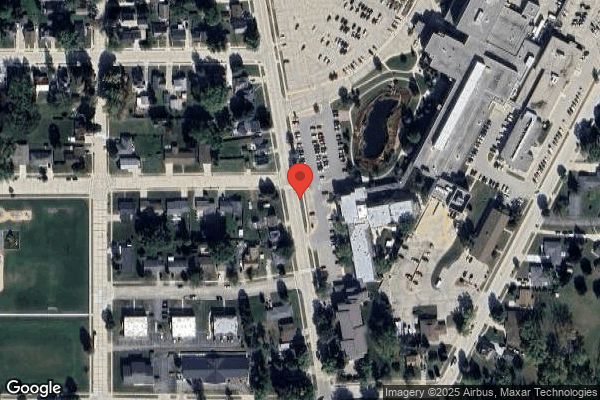
Sept 2023 3 deficiencies
CONCERN (D)

Potential for Harm - no one hurt, but risky conditions existed

Report Alleged Abuse (Tag F0609)

Could have caused harm · This affected 1 resident

**NOTE- TERMS IN BRACKETS HAVE BEEN EDITED TO PROTECT CONFIDENTIALITY** Based on staff interview and record review, the facility failed to develop and/or implement policies and procedures for ensuring...

Read full inspector narrative →
**NOTE- TERMS IN BRACKETS HAVE BEEN EDITED TO PROTECT CONFIDENTIALITY** Based on staff interview and record review, the facility failed to develop and/or implement policies and procedures for ensuring the reporting of a reasonable suspicion of a crime in accordance with section 1150B of the Act for 1 Resident (R) (R32) of 17 residents. On 7/21/23, R32's family reported R32's wallet and purse were missing. The facility did not report the allegation of misappropriation to the State Agency (SA) or local law enforcement. Findings include: The facility's Reporting of Caregiver Misconduct Policy, last reviewed/revised in quarter 4 of 2022, contains the following information: It is the policy of (the facility) that abuse allegations (abuse, neglect, exploitation, or mistreatment, including injuries of unknown source and misappropriation of resident property) are reported per Federal and State Law. (The facility) will ensure that all alleged violations involving .misappropriation of resident property, are reported immediately .not later than 24 hours if the events that cause the allegation do not involve abuse or result in serious bodily injury, to the administrator of the facility and DQA (Division of Quality Assurance) in accordance with State law through established procedures. In addition, local law enforcement will be notified of any reasonable suspicion of a crime against a resident in the facility. On 9/6/23, Surveyor reviewed the facility's grievance file. A grievance, dated 7/21/23, indicated R32's family member reported to a nurse that R32's purse and wallet were missing. The grievance report included STOLEN ITEM in its description. On 9/6/23, Surveyor reviewed R32's medical record. R32 was admitted to the facility on [DATE]. R32's Minimum Data Set (MDS) assessment (MDS), dated [DATE], contained a Brief Interview for Mental Status (BIMS) score of 9 out of 15 which indicated R32 had moderate cognitive impairment. On 9/6/23, Surveyor noted documentation in R32's medical record, dated 7/24/23 at 4:16 PM, that indicated R32's family attempted to locate the missing items, but were unsuccessful. Staff completed a room search on 7/24/23 at 1:41 PM, but R32's purse and wallet were not found. Per investigation documentation, R32 indicated the wallet contained approximately $30.00, a social security card, a credit card, a Medicare card, a Medicare supplement card, and R32's driver's license. On 7/24/23 at 4:15 PM, R32's family stated they last saw R32's purse and wallet several months ago. R32 reported to family that R32 kept the wallet in R32's locked top dresser drawer with the key hidden in the second drawer. R32 also reported R32 stored the purse on the floor in the back of R32's closet. The grievance conclusion, dated 7/31/23 at 7:40 AM by Nursing Home Administrator (NHA-A), stated there was no evidence the concern was recent, and R32's missing items were last seen potentially 6 months prior. The conclusion stated it was not appropriate for a police investigation due to the time frame along with the staff investigation. On 9/7/23 at 10:36 AM, Surveyor interviewed NHA-A who acknowledged NHA-A was made aware of the missing purse and wallet on 7/21/23. NHA-A verified NHA-A did not file a report with the SA or local law enforcement. NHA-A stated NHA-A's process for reporting missing items to the SA depends on what the item is. NHA-A agreed the items R32 indicated were in R32's purse were valuable. NHA-A stated NHA-A's previous experience with law enforcement lead NHA-A to decide not to file a report. NHA indicated NHA-A believed there was nothing the police would do about the missing items since the facility's investigation did not show anything concrete or that R32 even had a purse or wallet.
CONCERN (D)

Potential for Harm - no one hurt, but risky conditions existed

Infection Control (Tag F0880)

Could have caused harm · This affected 1 resident

Based on observation, staff interview, and record review, the facility did not establish and maintain an infection control program designed to provide a safe and sanitary environment to help prevent t...

Read full inspector narrative →
Based on observation, staff interview, and record review, the facility did not establish and maintain an infection control program designed to provide a safe and sanitary environment to help prevent the development and transmission of disease and infection for 1 Resident (R) (R2) of 3 residents observed during the provision of cares. Certified Nursing Assistant (CNA)-C did not appropriately cleanse hands during the provision of perineal care for R2. Findings include: The facility's Hand Hygiene policy, last reviewed 10/24/22, contains the following information: Purpose: To ensure staff is aware of the principles and practice of good hand hygiene. Transmission microorganisms can easily occur via the contaminated hands of Health Care Workers (HCWCs). Hand hygiene is considered to be the most important and effective means to reduce the risk of infections to patients and staff. 3.2 Wearing gloves does NOT exclude staff from hand hygiene. 3.3 Hands MUST be washed with soap and water: a. When hands are visibly dirty or contaminated with blood, body fluids. d. After having contact with a patient with a diarrheal illness. Hands MUST be washed with soap and water before leaving the room of any patient in Isolation for Clostridium Difficile (C. difficile). 3.7 Glove use: a. Gloves must be worn when contact with blood or other potentially infectious body fluids, excretions .and non-intact skin could occur. This is a component of Standard Precautions. c. Change gloves and cleanse hands during patient care when moving from a contaminated body site to a clean body site. According to the facility's Clostridioides difficile (formerly Clostridium difficile) policy: .C. difficile spores can remain on surfaces for months. R2's medical record indicated R2 was recently diagnosed with C. difficile and was on Enhanced Barrier Precautions (EBP). R2 was incontinent of bowel and bladder and had a coccygeal wound that required dressing changes. On 9/6/23 at 1:03 PM, Surveyor observed CNA-C and CNA-D perform hand hygiene and don personal protective equipment (PPE) (gown, mask, and gloves) prior to providing perineal care for R2. R2 was incontinent of a moderate amount of loose mustard-colored stool. CNA-C cleansed R2's perineal and buttocks area while CNA-D assisted with positioning R2 on R2's left side. Both CNA-C and CNA-D were aware of R2's history of C. difficile and the need to perform hand hygiene with soap and water. While holding R2 on the left side, CNA-D removed R2's soiled dressing and was about to don new gloves before completing hand hygiene when stopped by Surveyor. When asked about the proper procedure for hand hygiene, CNA-D verified CNA-D needed to wash hands before donning gloves. Registered Nurse (RN)-E entered the room and applied a Mepilex border dressing to R2's coccygeal wound while CNA-D continued to assist with positioning R2 on R2's left side. Following the dressing change, CNA-D removed CNA-D's PPE and exited R2's room to wash CNA-D's hands in the bathroom down the hall. Surveyor observed CNA-D touched R2's door handle and the faucet handle in the bathroom down the hall prior to completing hand hygiene. When Surveyor asked CNA-D and RN-E if CNA-D should have washed hands prior to exiting R2's room, CNA-D verified CNA-D should have washed hands prior to leaving R2's room and RN-E nodded yes in affirmation. On 9/6/23 at 1:31 PM, RN-E verbally verified CNA-D should have completed hand hygiene prior to exiting R2's room. On 9/7/23 at 11:50 AM, Surveyor interviewed Director of Nursing (DON)-B who verified CNA-D should have completed hand hygiene prior to exiting R2's room. DON-B indicated sometimes CNAs get confused and don't remember why a resident is on EBP. DON-B indicated DON-B needed to do re-education regarding the use of alcohol-based hand sanitizer versus soap and water when completing hand hygiene for residents who have C. difficile.
CONCERN (E)

Potential for Harm - no one hurt, but risky conditions existed

Food Safety (Tag F0812)

Could have caused harm · This affected multiple residents

Based on observation, staff interview and record review, the facility did not ensure food was stored and served in a safe and sanitary manner. This practice had the potential to affect 56 of 56 reside...

Read full inspector narrative →
Based on observation, staff interview and record review, the facility did not ensure food was stored and served in a safe and sanitary manner. This practice had the potential to affect 56 of 56 residents residing in the facility. Staff did not complete appropriate hand hygiene during two meal service observations. A juice machine and multiple microwaves were not in clean condition. Food holding temperatures were not monitored or documented. Findings include: On 9/5/23 at 9:55 AM, Surveyor began an initial tour of the kitchen with the Dietary Manager (DM)-F who indicated the facility followed the Wisconsin Food Code. 1. Hand Hygiene The Wisconsin Food Code at 3-304.15 Gloves, Use Limitation indicates: If used, single-use gloves shall be used for only one task such as working with ready-to-eat food or with raw animal food, used for no other purpose, and discarded when damaged or soiled, or when interruptions occur in the operation. The Wisconsin Food Code at Chapter 2 Personal Cleanliness at 2-301.14 titled When to Wash states: Food employees shall clean their hands and exposed portions of their arms as specified under 2-301.12 immediately before engaging in food preparation including working with exposed food, clean equipment and utensils, and unwrapped single-service and single-use articles and: (A) After touching bare human body parts other than clean hands and clean, exposed portions of arms; .(E) After handling soiled equipment or utensils; (F) During food preparation, as often as necessary to remove soil and contamination and to prevent cross contamination when changing tasks; (G) When switching between working with raw food and working with ready-to-eat food; (H) Before putting on gloves to initiate a task that involves working with food; and (I) After engaging in other activities that contaminate the hands. On 9/5/23 at 12:01 PM, Surveyor observed Dietary Aid (DA)-G serve residents lunch in the main dining room. During the observation, Surveyor noted the following: ~On 4 occasions, DA-G touched a door handle with gloved hands. ~On 4 occasions, DA-G touched bread with gloved hands. ~On 14 occasions, DA-G wiped DA-G's gloved hands on DA-G's pants. ~Surveyor observed DA-G serve 10 resident meal trays with gloved hands. ~During Surveyor's 31 minute observation, DA-G completed the above tasks with the same pair of gloves and did not change gloves or complete hand hygiene. On 9/5/23 at 12:32 PM, Surveyor interviewed DA-G who indicated DA-G usually changes gloves more often and washes hands with soap and water for 20 seconds, but stated I didn't today and it was my fault. DA-G stated there is a sheet posted next to the sink about hand hygiene. DA-G worked at the facility for a year, and indicated DA-G did not receive any other hand hygiene education. On 9/6/23 at 9:15 AM, Surveyor completed a second dining observation with [NAME] (CK)-H. During the observation, Surveyor noted the following: ~On 2 occasions, CK-H touched CK-H's pants with gloved hands. ~On 3 occasions, CK-H wiped CK-H's gloved hands on CK-H's apron. ~On 3 occasions, CK-H touched tray line surfaces with gloved hands. ~On 2 occasions, CK-H touched bread with gloved hands. ~Surveyor observed CK-H serve 3 resident meal trays without changing gloves or performing hand hygiene. ~During Surveyor's 24 minute observation, CK-H completed the above tasks with the same pair of gloves and did not change gloves or complete hand hygiene. On 9/6/23 at 9:39 AM, Surveyor interview CK-H who acknowledged CK-H does not usually serve food to residents. CK-H stated that's a lot of hand washing when Surveyor and CK-H discussed appropriate hand hygiene during food preparation and meal service. CK-H indicated CK-H worked at the facility for four years and stated hand hygiene education is usually done on the computer, but CK-H has not completed the education in awhile. On 9/5/23 at 12:56 PM, Surveyor interviewed DM-F regarding hand hygiene education for staff. DM-F stated education was done with dietary staff on several occasions. DM-F stated hand hygiene education is also completed during huddles, but not all staff attend huddles. DM-F indicated DM-F expects staff to wash hands and don clean gloves any time staff touch a contaminated surface. 2. Cleanliness The Wisconsin State Food Code at 4-601.11, Contact Surfaces, Nonfood-Contact Surfaces, and Utensils indicates: (A) equipment food-contact surfaces and utensils shall be clean to sight and touch .(C) nonfood-contact surfaces of equipment shall be kept free of an accumulation of dust, dirt, food residue, and other debris. On 9/6/23 at 11:28 AM, Surveyor observed microwaves located in the kitchenettes on two units. Surveyor noted the top interior and sides of the microwaves contained dried food debris. Surveyor noted a cleaning log inside a cupboard with no documentation. Surveyor also noted the juice machine in the dining room contained a dried sticky substance on the interior and exterior. On 9/6/23 at 1:14 PM, Surveyor interviewed Nursing Home Administrator (NHA)-A who stated it is the activity department's responsibility to clean the microwaves. NHA-A stated NHA-A expects the microwaves to be cleaned daily. 3. Holding Temperatures The Wisconsin Food Code 2022 documents at 3-501.16 Time/Temperature Control for Safety Food, Hot and Cold Holding .Time/Temperature Control for Safety Food shall be maintained: (1) At 57° Celsius (C) (135° Fahrenheit (F) or above, except that roast cooked to a temperature and for a time specified in 3-401.11 (B) or reheated as specified in 3-403.11 (E) may be held at a temperature of 54° C (130° F) or above; (2) At 5° C (41° F) or less. The facility's Resident Meal, Therapeutic Diets and Nourishment Service policy states the designated food and nutritional aid takes and records the temperature of each hot and cold item prior to serving to any resident. During an initial kitchen tour on 9/5/23 at 12:56 PM, Surveyor asked when lunch holding temperatures are completed. DM-F indicated staff in the dining room do not complete or document holding temperatures prior to serving meals. DM-F stated DM-F expects staff to complete and monitor holding temperatures for all trays served to residents.
Jun 2022 1 deficiency
CONCERN (F)

Potential for Harm - no one hurt, but risky conditions existed

Deficiency F0700 (Tag F0700)

Could have caused harm · This affected most or all residents

Based on observation, resident interview, staff interview, and record review, the facility did not ensure Residents (R) were assessed for entrapment with bed rail use, given a review of the risks and ...

Read full inspector narrative →
Based on observation, resident interview, staff interview, and record review, the facility did not ensure Residents (R) were assessed for entrapment with bed rail use, given a review of the risks and benefits, and consented to informed use prior to bed rail installation. This had the potential to affect all 62 Residents with the exception of R51. The facility did not assess for entrapment risk, provide a risks and benefits review, and obtain informed consent prior to the installation of bed rails for 62 Residents with the exception of R51. Findings include: The facility policy titled Physical Restraints, with a revision date of 6/22/22, states: Bed rails - Adjustable metal or rigid plastic bars that attach to the bed. They are available in a variety of types, shapes, and sizes ranging from full to one-half, one-quarter, or one-eighth lengths. 3.8. Physical Restraint: a. Obtain physician order which states the type of device, reason for use, and the period during which the restraint is to be applied. b. Explain the risk and benefits to the resident/agent and obtain informed consent. If consent is not obtained, the restraint may not be placed. On 6/20/22 at 11:56 AM, during the initial tour of the facility, the Surveyor observed bed rails in use for R20. On 6/22/22 at 8:34 AM, Surveyor interviewed R20 regarding the bed rails. R20 revealed R20 used the bed rails since admission. Surveyor asked R20 if a bed rail assessment was completed, if the facility reviewed the risks and benefits of bed rails, and if R20 signed consent for bed rail use. R20 confirmed R20 was not assessed for bed rails, risks and benefits were not provided and R20 did not sign consent for bed rail use. On 6/22/22 at 9:11 AM, Surveyor interviewed Nursing Home Administrator (NHA)-A regarding if R20 was assessed for entrapment risk with bed rails, given a review of the risks and benefits, and if R20 provided consent for informed use. NHA-A verified R20 was not assessed for the use of bed rails, the risk and benefits were not provided by the facility, and informed consent was not obtained. NHA-A stated the bed rails were called pivoting assist bars by the manufacturer and did not consider them bed rails. On 6/22/22, Surveyor observed rooms 141 through 156 and observed bed rails in place for all residents residing in beds. On 6/22/22, Surveyor asked NHA-A to provide a list of residents who currently used a pivoting assist bar and/or bed rail. A list of all 62 residents was provided with the exception of R51. Surveyor verified with NHA-A that 61 residents currently used a pivot assist bar. On 6/22/22 at 1:45 PM, Surveyor interviewed NHA-A regarding if residents who used bed rails were assessed for entrapment risk, given a review of the risks and benefits, and consented to informed use. NHA-A verified 61 residents did not have a bed rail use assessment, were not given a review of the risks and benefits, and did not consent to informed use.
Understanding Severity Codes (click to expand)
Life-Threatening (Immediate Jeopardy)
J - Isolated K - Pattern L - Widespread
Actual Harm
G - Isolated H - Pattern I - Widespread
Potential for Harm
D - Isolated E - Pattern F - Widespread
No Harm (Minor)
A - Isolated B - Pattern C - Widespread

Questions to Ask on Your Visit

  • "What changes have you made since the serious inspection findings?"
  • "Can I speak with families of current residents?"
  • "What's your RN coverage like on weekends and overnight?"

Our Honest Assessment

Strengths
  • • No fines on record. Clean compliance history, better than most Wisconsin facilities.
  • • 35% turnover. Below Wisconsin's 48% average. Good staff retention means consistent care.
Concerns
  • • Multiple safety concerns identified: 1 life-threatening violation(s), 1 harm violation(s), Payment denial on record. Review inspection reports carefully.
  • • 21 deficiencies on record, including 1 critical (life-threatening) violation. These warrant careful review before choosing this facility.
  • • Grade C (53/100). Below average facility with significant concerns.
Bottom line: Mixed indicators with Trust Score of 53/100. Visit in person and ask pointed questions.

About This Facility

What is Hillside Manor's CMS Rating?

CMS assigns HILLSIDE MANOR an overall rating of 4 out of 5 stars, which is considered above average nationally. Within Wisconsin, this rating places the facility higher than 99% of the state's 100 nursing homes. This rating reflects solid performance across the metrics CMS uses to evaluate nursing home quality.

How is Hillside Manor Staffed?

CMS rates HILLSIDE MANOR's staffing level at 5 out of 5 stars, which is much above average compared to other nursing homes. Staff turnover is 35%, compared to the Wisconsin average of 46%. This relatively stable workforce can support continuity of care.

What Have Inspectors Found at Hillside Manor?

State health inspectors documented 21 deficiencies at HILLSIDE MANOR during 2022 to 2025. These included: 1 Immediate Jeopardy (the most serious level, indicating potential for serious harm or death), 1 that caused actual resident harm, and 19 with potential for harm. Immediate Jeopardy findings are rare and represent the most serious regulatory concerns. They require immediate corrective action.

Who Owns and Operates Hillside Manor?

HILLSIDE MANOR is owned by a non-profit organization. Non-profit facilities reinvest revenue into operations rather than distributing to shareholders. The facility is operated by SANFORD HEALTH GOOD SAMARITAN (PROSPERA), a chain that manages multiple nursing homes. With 115 certified beds and approximately 54 residents (about 47% occupancy), it is a mid-sized facility located in BEAVER DAM, Wisconsin.

How Does Hillside Manor Compare to Other Wisconsin Nursing Homes?

Compared to the 100 nursing homes in Wisconsin, HILLSIDE MANOR's overall rating (4 stars) is above the state average of 3.0, staff turnover (35%) is significantly lower than the state average of 46%, and health inspection rating (2 stars) is below the national benchmark.

What Should Families Ask When Visiting Hillside Manor?

Based on this facility's data, families visiting should ask: "What changes have been made since the serious inspection findings, and how are you preventing similar issues?" "Can I visit during a mealtime to observe dining assistance and food quality?" "How do you handle medical emergencies, and what is your hospital transfer rate?" "Can I speak with family members of current residents about their experience?" These questions are particularly relevant given the facility's Immediate Jeopardy citations.

Is Hillside Manor Safe?

Based on CMS inspection data, HILLSIDE MANOR has documented safety concerns. Inspectors have issued 1 Immediate Jeopardy citation (the most serious violation level indicating risk of serious injury or death). The facility has a 4-star overall rating and ranks #1 of 100 nursing homes in Wisconsin. Families considering this facility should ask detailed questions about what corrective actions have been taken since these incidents.

Do Nurses at Hillside Manor Stick Around?

HILLSIDE MANOR has a staff turnover rate of 35%, which is about average for Wisconsin nursing homes (state average: 46%). Moderate turnover is common in nursing homes, but families should still ask about staff tenure and how the facility maintains care continuity when employees leave.

Was Hillside Manor Ever Fined?

HILLSIDE MANOR has no federal fines on record. CMS issues fines when nursing homes fail to meet care standards or don't correct problems found during inspections. The absence of fines suggests the facility has either maintained compliance or corrected any issues before penalties were assessed. This is a positive indicator, though families should still review recent inspection reports for the full picture.

Is Hillside Manor on Any Federal Watch List?

HILLSIDE MANOR is not on any federal watch list. The most significant is the Special Focus Facility (SFF) program, which identifies the bottom 1% of nursing homes nationally based on persistent, serious quality problems. Not being on this list means the facility has avoided the pattern of deficiencies that triggers enhanced federal oversight. This is a positive indicator, though families should still review the facility's inspection history directly.