MEADOWBROOK AT BLACK RIVER FALLS
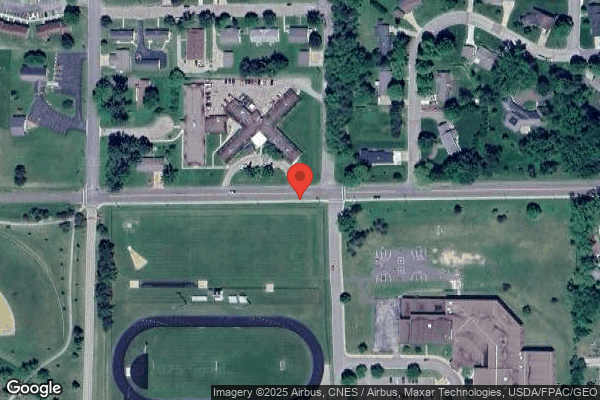
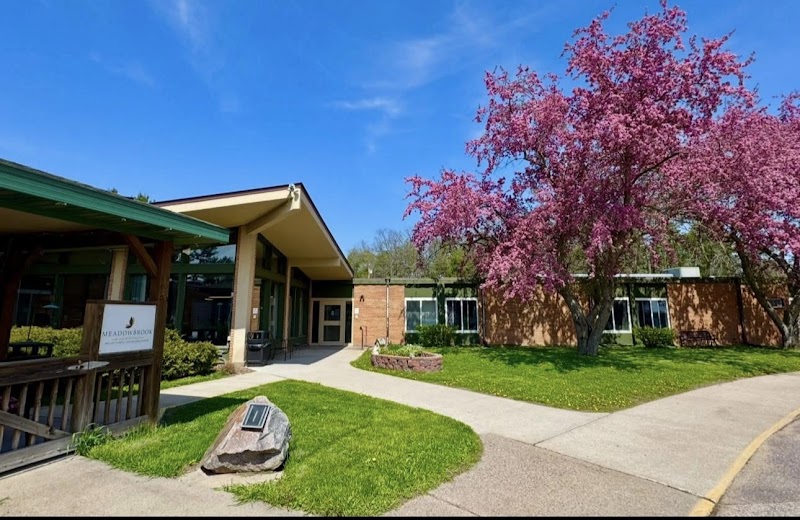
1311 TYLER ST, BLACK RIVER FALLS, WI 54615 (715) 284-4396
For profit - Corporation 45 Beds SYNERGY SENIOR CARE Data: November 2025 2 Immediate Jeopardy citations
Trust Grade
0/100
#296 of 321 in WI
Last Inspection: October 2024

Within standard 12-15 month inspection cycle. Federal law requires annual inspections.

Overview

Meadowbrook at Black River Falls has received a Trust Grade of F, indicating significant concerns about the facility's care and operations. With a state rank of #296 out of 321 in Wisconsin, it is positioned in the bottom half of nursing homes, and it ranks #2 out of 2 in Jackson County, meaning there is only one local option that performs better. While the facility is showing signs of improvement, having reduced issues from 23 in 2024 to 4 in 2025, the staffing turnover rate is concerning at 65%, which is much higher than the state average of 47%. Additionally, the facility has incurred $138,975 in fines, which is higher than 95% of Wisconsin facilities, indicating ongoing compliance issues. On the positive side, the nursing home has good RN coverage, exceeding 94% of state facilities, meaning that registered nurses are more present to catch potential problems. However, serious incidents have been reported, including one resident who eloped from the facility multiple times, leading to a police search, and another resident who developed severe pressure injuries due to a lack of proper skin assessments. These findings highlight both strengths and weaknesses, underscoring the need for careful consideration by families researching this home for their loved ones.

Trust Score
F
0/100
In Wisconsin
#296/321
Bottom 8%
Safety Record
High Risk
Review needed
Inspections
Getting Better
23 → 4 violations
Staff Stability
⚠ Watch
65% turnover. Above average. Higher turnover means staff may not know residents' routines.
Penalties
✓ Good
$138,975 in fines. Lower than most Wisconsin facilities. Relatively clean record.
Skilled Nurses
✓ Good
Each resident gets 84 minutes of Registered Nurse (RN) attention daily — more than 97% of Wisconsin nursing homes. RNs are the most trained staff who catch health problems before they become serious.
Violations
⚠ Watch
48 deficiencies on record. Higher than average. Multiple issues found across inspections.
★☆☆☆☆
1.0
Overall Rating
★★★☆☆
3.0
Staff Levels
★☆☆☆☆
1.0
Care Quality
★★☆☆☆
2.0
Inspection Score
Stable
2024: 23 issues
2025: 4 issues

The Good

  • Full Sprinkler Coverage · Fire safety systems throughout facility
  • No fines on record

Facility shows strength in fire safety.

The Bad

1-Star Overall Rating

Below Wisconsin average (3.0)

Significant quality concerns identified by CMS

Staff Turnover: 65%

19pts above Wisconsin avg (46%)

Frequent staff changes - ask about care continuity

Federal Fines: $138,975

Well above median ($33,413)

Significant penalties indicating serious issues

Chain: SYNERGY SENIOR CARE

Part of a multi-facility chain

Ask about local staffing decisions and management

Staff turnover is elevated (65%)

17 points above Wisconsin average of 48%

The Ugly 48 deficiencies on record

2 life-threatening 2 actual harm
Apr 2025 1 deficiency
CONCERN (D) 📢 Someone Reported This

A family member, employee, or ombudsman was alarmed enough to file a formal complaint

Potential for Harm - no one hurt, but risky conditions existed

Deficiency F0740 (Tag F0740)

Could have caused harm · This affected 1 resident

**NOTE- TERMS IN BRACKETS HAVE BEEN EDITED TO PROTECT CONFIDENTIALITY** Based on interview and record review, the facility did not provide behavioral health services to ensure a resident received the ...

Read full inspector narrative →
**NOTE- TERMS IN BRACKETS HAVE BEEN EDITED TO PROTECT CONFIDENTIALITY** Based on interview and record review, the facility did not provide behavioral health services to ensure a resident received the highest practicable mental and psychosocial well-being. The facility did not create a comprehensive assessment and plan of care to address substance use disorder (SUD) for 1 of 1 resident (R5) reviewed for SUDs. Findings: The facility's policy, titled: Safety for Residents with Substance Use Disorder, undated, states: It is the policy of this facility to create an environment that is as free of accident hazards as possible, for residents with a history of substance use disorder. The facility policy further states under the section Policy Explanation and Compliance Guidelines, in part: -Residents with a history of SUD but will be assessed for risks including the potential use of illegal/prescription drugs. Care plan interventions will be implemented to include increased monitoring and supervision of the resident and their visitors. -Residents with SUD may try to continue using substances during their stay in the nursing home. Facility staff will assess the resident for the risk for substance use in the facility and have knowledge of signs and symptoms of possible substance that include, but are not limited to: a. Frequent leaves of absence with or without facility knowledge. b. Odors. c. New needle marks. d. Change in resident behaviors, especially after interaction with visitors of absences from facility such as unexplained drowsiness, slurred speech, lack of coordination, mood changes. -The facility will make an effort to prevent substance use, which may include providing substance use treatment services, such as behavioral health services, medication assisted treatments, Alcohol/Narcotics Anonymous meetings, working with the resident and the family, if appropriate, to address goals related to their stay at the nursing home, and increase monitoring and supervision. R5 was admitted to the facility on [DATE] with diagnoses that included methamphetamine use disorder, moderate, in early remission, alcohol use disorder in remission, major depressive disorder, recurrent episode, cerebrovascular disease and brain aneurysm. R5's Brief Interview for Mental Status (BIMS), dated [DATE], has a score of 14/15, indicating R5 is cognitively intact. R5's care plan, dated [DATE] with a resolved date of [DATE], for having adjustment issues to the admission did not include concerns/monitoring of SUD use. R5's behavior management care plan, dated [DATE] and a cancelled date of [DATE], did not include concerns/monitoring of SUD use. On [DATE], the facility initiated a care for impaired coping care plan related to cerebral infarction, substance abuse, recurrent substance abuse with a goal of Resident will demonstrate effective coping mechanisms. The care plan did not include concerns or what to monitor for that would indicate substance use. R5's physician orders since admission indicated no monitoring/assessing for the risk for substance use in the facility per policy. On [DATE], Surveyor reviewed the facility's investigation of incident that occurred on [DATE]. On this date R5 was found to have used methamphetamine. The facility conducted education to R5 and staff on methamphetamine use which did not include assessing, monitoring and ways to identify substance use. On [DATE] at 11:53 AM, Surveyor interviewed Licensed Practical Nurse (LPN) D who stated she received education regarding opioid use and behaviors of agitation and outburst, and to make sure residents are safe, call management, start CPR if needed, and indicated the facility has Narcan available if needed as well. On [DATE] at 12:01 PM, Surveyor interviewed Certified Nursing Assistant (CNA) C who stated she received education for change in behaviors related to drug use after incident and staff conducted 15-minute checks for several weeks after the incident. CNA C could not identify specific things to look for to identify methamphetamine use. On [DATE] at 1:16 PM, Surveyor interviewed Nursing Home Administrator A and Director of Nursing (DON) B regarding education provided to staff. They were unable to provide documentation to support identifying, assessing and monitoring for potential substance abuse of residents with current or history of SUD.
Jan 2025 3 deficiencies 1 Harm
SERIOUS (G) 📢 Someone Reported This

A family member, employee, or ombudsman was alarmed enough to file a formal complaint

Actual Harm - a resident was hurt due to facility failures

Deficiency F0760 (Tag F0760)

A resident was harmed · This affected 1 resident

**NOTE- TERMS IN BRACKETS HAVE BEEN EDITED TO PROTECT CONFIDENTIALITY** Based on observations, interviews, and record reviews, the facility did not provide anticoagulation therapy for 2 of 3 residents...

Read full inspector narrative →
**NOTE- TERMS IN BRACKETS HAVE BEEN EDITED TO PROTECT CONFIDENTIALITY** Based on observations, interviews, and record reviews, the facility did not provide anticoagulation therapy for 2 of 3 residents (R) (R1 and R8) reviewed. -Facility failed to verify and transcribe new physician orders with increased Warfarin dose which resulted in R1 not receiving the correct Warfarin dose. This resulted in R1 being sent to the Emergency Department (ED) needing an intravenous (IV) drip of heparin for adequate warfarin anticoagulation, and lovenox bridging until the international normalized ratio (INR) was back in therapeutic range. This example is cited at actual harm. -Facility failed to verify and transcribe R8's new physician orders with increased Warfarin dose changes. Findings include: The facility policy titled Anticoagulant Therapy, revised May 2020, states: .Effectively monitor residents receiving anticoagulant therapy and reduce the risk of bleeding by maintaining therapeutic blood levels in accordance with physician orders. #3. Confirm with the physician the desired INR and/or PT testing schedule and therapeutic range at the time of the anticoagulant therapy order. #4. Initiate and order anticoagulant therapy labs per physician's order. #6. Upon receipt of lab results, review INR and/or PT lab results for abnormal values. #8. Report lab results and current medication order to physician. #9. Throughout anticoagulant therapy monitor the resident for signs and symptoms of bleeding. #11. Document lab results, current dosage, and physician orders on the anticoagulant therapy flow sheet. Documentation: #1. Physician order #2. Nurses' notes. #3. Anticoagulant therapy flow sheet #4. Medication administration record. #5. Resident Care plan. #6. Key documentation elements: c. Pertinent lab results . On 01/22/25, Surveyor reviewed R1's medical record. R1 was admitted to facility on 09/27/24 with diagnoses including in part: Heart failure unspecified, presence of prosthetic heart valve, long term current use of anticoagulants, history of transient ischemic attacks (TIA) and cerebral infarction without residual effects, weakness, hyperlipidemia, chronic kidney disease, and bradycardia. R1's Minimum Data Set (MDS) assessment, dated 10/03/24, had a Brief Interview for Mental Status (BIMS) score of 15 out of 15, which indicated R1 had intact cognition. MDS section GG for functional ability indicated R1 had impairment to one side upper extremity: impairment to both lower extremities. R1 needed setup for eating, setup for oral hygiene, partial/moderate assistance for dressing, partial/moderate assistance for rolling, sitting to lying, toilet transfer, and sit to stand. Surveyor reviewed R1's care plan initiated on 09/03/24. Surveyor did not find an anticoagulant care plan in place. Surveyor reviewed R1's physician orders, which stated in part: -On 10/01/24 Warfarin Sodium 2mg tablet, give 1 tablet by mouth one time a day related to presence of prosthetic heart valve. -On 10/29/24 draw INR. Surveyor reviewed clinic lab result, dated 10/29/24, which indicated R1's INR result 1.3; goal is 2.0-3.0; Order to increase warfarin dosing to 4mg Tuesdays (starting today) and 2mg all other days; recheck INR in 2 weeks. Surveyor observed that the new order for R1 with warfarin increase to 4mg was not transcribed into physician orders or the Medication Administration Record (MAR). Surveyor reviewed R1's October 2024 MAR which stated in part: -On 10/29/24, 10/30/24, 10/31/24, 11/01/24, and 11/02/24, R1's medication order of Warfarin 2mg give 1 tablet by mouth one time a day was blank and not signed out on R1's MAR. Surveyor did not find that R1's Warfarin medication was given on 10/29/24, 10/30/24, 10/31/24, 11/01/24, or 11/02/24. Surveyor reviewed R1's Treatment Administration Record (TAR) and did not find that anticoagulant therapy was being monitored for side effects of bleeding or adverse reactions to medication administration of anticoagulants. Surveyor reviewed progress notes which stated in part: On 11/03/24 at 7:59 PM, Writer noticed R1 did not have warfarin on MAR. Order stated he was to have INR on 10/29/24. Writer than found INR results and new orders under the document tab. MD on call notified of the doses of warfarin missed. MD gave new warfarin orders, recheck INR on 11/05/24. DON notified. R1 updated. -On 11/05/24 at 12:37 PM, nursing progress note states R1 was at lunch and nurse noted R1 couldn't open left eye, was asked to smile and R1 couldn't, and R1 was not able to squeeze nurse's hands tightly. Facility called an ambulance and R1 sent to ED for evaluation. -On 11/05/24 at 9:48 PM, writer called rural hospital for an update on resident. ER staff stated resident was being transferred to higher level of care hospital with diagnosis of TIA. -On 11/05/24 at 10:13 p.m., R1 was admitted to the hospital. CT showed Carotid Terminus Aneurism (a bulge or dilation in the wall of the internal carotid artery at its termination point) and high-grade stenosis of distal right M1 (a narrowing of the right side of the brain's main blood vessel near its furthest point of origin, potentially impacting blood flow to the brain tissue supplied by that artery). CT showed no acute intracranial findings but chronic infarcts of both cerebellar hemispheres and right occipital lobe noted. R1 required IV administration of heparin 50 units/ml in 1/2 normal saline (NS) continuous because of the mechanical valve without adequate warfarin anticoagulation, and lovenox bridging of 0.8 ml under the skin every 12 hours until the international normalized ratio (INR) was back in therapeutic range. Following discharge on [DATE] at 9:42 a.m., R1's orders included: follow-up with neurology, schedule consult to neurosurgery for right carotid aneurysm and distal M1 stenosis, lovenox injections until INR is therapeutic, Warfarin dose on discharge-4mg Tuesday and 2 mg all other days, recheck INR on 11/11/24, repeat echocardiogram in 1 month and primary care provider (PCP) follow-up. R1's speech was mildly slurred upon admission and at discharge. Hospital documentation stated speech is mildly slurred but could be R1's baseline, no obvious aphasia noted, and patient moves all four extremities. -On 11/08/24 at 3:32 PM, R1's admission orders included: Lovenox twice a day, Warfarin 2mg a day except for 4 mg on Tuesdays. Lab is to draw INR on 11/11/24. Surveyor requested facility's investigation of R1's missed anticoagulation therapy medication on 10/29/24, 10/30/24, 10/31/24, 11/01/24, and 11/02/24, which stated in part: . In conclusion a medication error occurred, resident missed doses of Warfarin on 10/29/24, 10/30/24, 10/31/24, 11/01/24, and 11/02/24. [LPN D] failed to process new warfarin orders on 10/29/24 when received from Clinic. [LPN D] noted on 11/03/24 that she had made the error. MD updated with new orders obtained. [R1] assessed for adverse effects of missed doses on 11/03/24 with no findings . On 01/22/25 at 1:06 PM, Surveyor interviewed Director of Nursing (DON) B and asked DON B to explain the event on 11/05/24 that happened to R1 when Warfarin medication was not given on 10/29/24, 10/30/24, 10/31/24, 11/01/24, and 11/02/24. DON B indicated that Licensed Practical Nurse (LPN) D had missed the new order for Warfarin dose change on 10/29/24 and did not transcribe the order in the computer before leaving evening shift. DON B indicated that R1 did not receive 5 doses of Warfarin. DON B indicated that R1 had to be transferred out to emergency room (ER) on 11/05/24. Surveyor asked DON B what DON B's expectation of timeframe is when nurses process INR results and any new physician orders related to Warfarin dose changes. DON B indicated that nurses are to process the INR results and physician orders right away on their shift. DON B indicated that DON B's expectation is that two nurses are always reviewing the INR results and processing new physician orders pertaining to Warfarin. DON B indicated the second nurse has to sign off in the Warfarin binder. On 01/23/24 at 9:32 AM, Surveyor interviewed Nurse Practitioner (NP) H and asked if NP H has knowledge of R1 missing Warfarin doses on 10/29/24, 10/30/24, 10/31/24, 11/01/24, and 11/02/24. NP H indicated NP H was not aware when the missed doses were happening, but facility made NP H aware on 11/03/24. NP H said that missing Warfarin doses was not ok and could have contributed to R1's TIAs. R1 has a mechanical valve in place and needed to be anticoagulated appropriately. Example 2 On 01/22/25, Surveyor reviewed R8's medical record. R8 was admitted to facility on 05/26/2021 with diagnoses including in part: Chronic atrial fibrillation, type 2 diabetes mellitus, and atherosclerotic heart disease. Surveyor reviewed R8's physician orders, which stated in part: -On 01/21/25 Check INR one time. -Warfarin Sodium oral tablet 6mg, Give 6mg by mouth one time a day every Monday, Tuesday, Wednesday, Friday, Saturday, and Sunday with end date 01/21/24. Surveyor reviewed R8's January MAR which stated in part: .Warfarin Sodium give 6mg by mouth one time a day every Monday, Tuesday, Wednesday, Friday, Saturday, and Sunday. End date 01/21/24. Surveyor did not find any additional Warfarin orders on R8's MAR. On 01/22/24 at 12:15 PM, Surveyor observed Anticoagulant Binder at the nurses' station. Surveyor opened the book to find R8's communication sheet in the binder not fully completed. Surveyor observed communication sheet to be missing two nurse signatures for validation of processing new physician orders on 1/05/24, 11/26/24, 12/24/24, and 01/21/25. Surveyor reviewed Warfarin communication sheet which stated in part: .On 01/21/25, Hold coumadin today 01/21/25 and then continue 4mg every Thursday and 6mg every other day. Next INR draw is 02/04/25 . On 01/22/25 at 12:20 PM, Surveyor observed only one nurse signature that verified new physician orders of Warfarin. Surveyor reviewed MAR and physician orders and found no documentation of the new orders from the Warfarin communication sheet from the day before. On 01/22/25 at 12:41 PM, Surveyor interviewed DON B and asked what DON B's process is for receiving, verifying, and transcribing new Warfarin orders and lab INR results. DON B indicated that when INR results come in from the lab, two nurses verify lab results, notify appropriate provider, and receive new physician orders. One nurse is to write this down on the Warfarin communication sheet and transcribe in the Electronic Health Record (EHR), then the second nurse verifies the accuracy and signs the Warfarin communication sheet. Surveyor asked DON B if there have been two nurses reviewing Warfarin dose changes and INR results for R8 as the Warfarin communication binder shows that there have not been two nurses signing off on INR results or physician orders on the anticoagulant flow sheet located in binder at nurses' station since November 5, 2024. DON B indicated that two nurses are supposed to be, but DON B can see this is not being done appropriately. Surveyor indicated to DON B that Surveyor did not find the new Warfarin orders in the MAR for R8 in R8's EHR. Surveyor also noted that Surveyor could not find the new Warfarin order in the physician orders in the EHR that is due this evening 01/22/25 with the Warfarin dose change. DON B indicated the new Warfarin order is not transcribed in R8's EHR. DON B indicated that DON B would have gotten to the order later today after auditing the Warfarin communication binder. Surveyor asked DON B when does DON B audit the Warfarin communication binder. DON B indicated that DON B reviews it daily Monday through Friday. Surveyor asked why DON B has not caught that R8's Warfarin communication sheet in the binder does not have two nurses' signatures verifying the accuracy of the medication changes since November 5, 2024. DON B indicated that DON B did not realize there have not been two nurses verifying and that DON B will need to audit that better going forward.
CONCERN (D) 📢 Someone Reported This

A family member, employee, or ombudsman was alarmed enough to file a formal complaint

Potential for Harm - no one hurt, but risky conditions existed

Pharmacy Services (Tag F0755)

Could have caused harm · This affected 1 resident

Based on observation, interview and record review, the facility did not ensure medications were administered in a safe and effective manner for 1 out of 6 residents (R2). RN set down Resident (R) 2's...

Read full inspector narrative →
Based on observation, interview and record review, the facility did not ensure medications were administered in a safe and effective manner for 1 out of 6 residents (R2). RN set down Resident (R) 2's medications on tray table and left the room. There is a Self-Administration Assessment by the facility stating R2 is incapable of self-administering medications. When RN came back to the room resident had to tell her she took medications already when RN attempted to administer. This is evidenced by: The facility policy, titled Self-Administration of Medications dated May 2020, states: Each resident as the right to self-administer medication if he or she can do so. 2. If a resident desire to participate in self-administration, the interdisciplinary team will assess the competence of the resident to participate by completing a Medication Self Administration Assessment UDA. 6. The nurse will obtain a physician's order for each resident self-administering medication. The facility policy, titled Medication Storage dated January 2023, states: It is the policy of this facility to ensure all medications housed on our premised will be stored in the pharmacy and/or medication rooms according to the manufacturer's recommendations and sufficient to ensure . security. 1. General Guidelines: . C. During a medication pass, medications must be under the direct observation of the person administering medication or locked in the medication storage area/cart. R2 was admitted to the facility 12/11/24 and has diagnoses that include, but not limited to, paranoid schizophrenia; major depressive disorder, single episode; unspecified, anxiety disorder; chronic kidney disease, stage 4 (severe); chronic respiratory failure with hypercapnia, other specified disorders of nose and nasal sinuses. R2's Minimum Data Set (MDS) assessment, dated 12/18/24, indicated R2 has a Brief Interview of Mental Status (BIMS) score of 15 out of 15, indicating R2 was cognitively intact. R2's Self-Administration of Medication Assessment, completed 12/11/24, showed that R2 is capable with assistance to administer her own medication. R2 was scored as not capable opening/closing, accurately telling time to take medication, administering nasal sprays or drops, administering inhalants or inhalers and other areas of the assessment. On 01/22/25 at 10:26 AM, Surveyor observed Director of Nursing (DON) B pass medications to R2. At this time R2 was to receive Deep Sea Nasal Spray (saline) 1 spray each nares (nostril) and ProAir Albuterol Inhaler 2 puffs inhalation orally every 4 hours DON B obtained and took medications to R2 in her room. DON B was called by another staff member. DON B set the nasal spray and inhaler on the tray table in front of R2 and left the room. Surveyor observed R2 administer 4 saline sprays to each nostril and self-administer 2 puffs of her Albuterol. When DON B came back to the room, she picked up the spray and started to take cap off when R2 informed her she already took it. DON B stated oh, well let's get your inhaler. R2 informed DON B she took that also. DON B took both meds back to the medication cart, and came back with a glass of water so R2 could rinse her mouth. On 01/22/25 at 3:03 PM, Surveyor interviewed DON B regarding self-administration of medications. DON B stated self-medication assessments and mini-mental assessments are completed on residents interested in self-administering medications. DON B stated her expectation would be to not leave medication with someone who did not pass self-administration assessment.
CONCERN (D) 📢 Someone Reported This

A family member, employee, or ombudsman was alarmed enough to file a formal complaint

Potential for Harm - no one hurt, but risky conditions existed

Deficiency F0761 (Tag F0761)

Could have caused harm · This affected 1 resident

Based on observation, interview and record review, the facility did not ensure medications were stored securely and in accordance with currently accepted professional practice. The medication cart was...

Read full inspector narrative →
Based on observation, interview and record review, the facility did not ensure medications were stored securely and in accordance with currently accepted professional practice. The medication cart was left unlocked in 1 out of 2 medication carts. This is evidenced by: The facility policy, titled Medication Storage dated January 2023, states: It is the policy of this facility to ensure all medications housed on our premised will be stored in the pharmacy and/or medication rooms according to the manufacturer's recommendations and sufficient to ensure . security. 1. General Guidelines: a. All drugs and biologicals will be stored in locked compartments (i.e., medication carts, . On 01/22/25 at 10:03 AM, Surveyor observed an unattended medication cart unlocked outside R5's room on 300 hall. On 01/22/25 at 10:06 AM, Surveyor observed 5 different staff members walk by the unlocked, unattended medication cart. On 01/22/25 at 10:10 AM, Surveyor observed Licensed Practical Nurse (LPN) C walk out of R5's room and grab the unlocked medication cart and walk down the hallway. On 01/22/25 at 10:12 AM, Surveyor interviewed LPN C and asked what LPN C's normal process is when leaving the medication cart unattended outside a resident's room. LPN C indicated that the medication cart is usually locked when it is unattended. LPN C indicated that LPN did not lock the medication cart before entering R5's room and shutting the door. On 01/22/24 at 3:00 PM, Surveyor interviewed Director of Nursing (DON) B and asked expectation for medication carts unattended and unlocked. DON B indicated that DON B's expectation is that all medication carts are not to be left unattended and unlocked for any reason. DON B indicated that LPN C should have locked the medication cart before going into R5's room and shutting the door.
Dec 2024 4 deficiencies
CONCERN (D) 📢 Someone Reported This

A family member, employee, or ombudsman was alarmed enough to file a formal complaint

Potential for Harm - no one hurt, but risky conditions existed

Infection Control (Tag F0880)

Could have caused harm · This affected 1 resident

Based on observation, interview and record review, the facility did not maintain an infection prevention and control program designed to help prevent the development and transmission of communicable d...

Read full inspector narrative →
Based on observation, interview and record review, the facility did not maintain an infection prevention and control program designed to help prevent the development and transmission of communicable diseases and infections. Staff did not follow proper personal protective equipment (PPE) procedures when doing wound care for a resident (R) on enhanced barrier precautions (EBP) and did not sanitize bandage scissors and marking pen prior to and after use. This affected 1 of 2 residents (R) observed for wound care. (R3) Findings include: According to CDC's Core Infection Prevention and Control Practices for Safe Healthcare Delivery in All Settings, last revised April 12, 2024, to prevent cross-contamination ensure all wound care equipment is properly cleaned and disinfected between patients. On 12/17/24 at 1:22 PM, Surveyor observed Registered Nurse (RN) H provide wound care for R3. Surveyor observed a sign on R3's door identifying that R3 was on Enhanced Barrier Precautions. The sign indicated all staff must wear a gown and gloves for high-contact resident cares. RN H used hand sanitizer and put on a gown and gloves in the hall before entering R3's room. RN H placed packages of supplies on the bedside table, removed gloves, washed hands and put on clean gloves. RN H opened a barrier pad and placed it on the bed under R3's hips. RN H opened another barrier drape and placed it on the bedside table. RN H opened dressing packages and placed them on the barrier. RN H reached under the gown and reached inside uniform pocket with the same gloves on, took out a bandage scissors and placed it on the barrier. Surveyor did not observe RN H clean or sanitize the scissors. RN H used the scissors to cute strips of tape and placed them back on the barrier. After cleansing the wound per proper procedure, RN H removed gloves, used hand sanitizer and put on clean gloves. RN H wet a piece of collagen prisma dressing with normal saline and placed it on the open wound. RN H then picked up the scissors and cut a piece of aquacel dressing and placed it on the wound. Surveyor did not observe RN H sanitize the scissors before or after use, and placed them back on the drape. RN H applied zinc oxide to surrounding skin, removed gloves, used hand sanitizer, and put on clean gloves. RN H placed folded gauze pads in wound bed, covered with an ABD pad and taped it in place. With gloves on, RN H reached under gown into uniform pocket, took out a marker and dated the tape on the dressing. RN H put the marker on the barrier on the table and removed gown and gloves and washed hands. RN H put dressing supplies away and picked up scissors and marker and placed them back in uniform pocket. Surveyor interviewed RN H immediately following observation and asked if RN H cleaned or sanitized the scissors or marker before or after use. RN H stated they did not, but should have. Surveyor asked if RN H should have reached into uniform pocket to retrieve items when wearing gloves that were used for wound care. RN H stated they should have removed gloves and washed hands before reaching into uniform pocket to avoid potentially contaminating uniform. On 12/18/24 at 9:51 AM, Surveyor interviewed Director of Nursing (DON) B and Assistant Director of Nursing (ADON) C. Surveyor explained the observation of RN H providing wound care for R3. Surveyor asked DON B and ADON C if RN H followed correct infection control procedures during the wound care observation. DON B stated RN H should not have reached into uniform pocket with gloves on and should have sanitized the scissors and marker before and after use for wound care.
CONCERN (F) 📢 Someone Reported This

A family member, employee, or ombudsman was alarmed enough to file a formal complaint

Potential for Harm - no one hurt, but risky conditions existed

Deficiency F0801 (Tag F0801)

Could have caused harm · This affected most or all residents

Based on interview and record review, the facility did not designate a person to serve as the director of food and nutrition services who had completed the minimum qualification requirements for the p...

Read full inspector narrative →
Based on interview and record review, the facility did not designate a person to serve as the director of food and nutrition services who had completed the minimum qualification requirements for the position. This practice could potentially affect all 31 residents residing in the facility. The facility's Dietary Manager (DM) is currently enrolled but has not started classes to be a Certified Dietary Manager. The Dietary Manager has been in the position for approximately two weeks. The facility does not have a full-time Registered Dietician at the facility. Findings include: On 12/17/24 at 9:40 AM, Surveyor toured the kitchen with DM D and asked what qualifications they held that allowed them to assume the role of Dietary Manager. DM D stated they had just started in the position approximately two weeks ago and did not hold any certifications to be a dietary manager. DM D stated they were supposed to be enrolled in a training program but did not think that had happened yet. On 12/17/24 at 2:33 PM, Surveyor interviewed Nursing Home Administrator (NHA) A and asked if DM D was qualified to serve as the director of food and nutrition services. NHA A stated they thought DM D was enrolled in a Certified Dietary Manager program. Surveyor asked if the Registered Dietician was full time and provided oversight of the kitchen. NHA A indicated the dietician was there 1 day a week and they were available by phone. NHA A stated DM D also had the assistance from a Certified Dietary Manager from a sister facility one day per week. NHA A later provided documentation that DM D had been enrolled in a Certified Dietary Manager program. The enrollment documentation was dated 12/17/24. The facility's Dietary Manager is not a Certified Dietary Manager or a Certified Food Service Manager.
CONCERN (F) 📢 Someone Reported This

A family member, employee, or ombudsman was alarmed enough to file a formal complaint

Potential for Harm - no one hurt, but risky conditions existed

Food Safety (Tag F0812)

Could have caused harm · This affected most or all residents

Based on observation, interview and record review, the facility did not ensure the preparation of food in a clean and sanitary environment. This has the potential to affect all 31 residents in the fac...

Read full inspector narrative →
Based on observation, interview and record review, the facility did not ensure the preparation of food in a clean and sanitary environment. This has the potential to affect all 31 residents in the facility. Staff did not consistently date or label food items when opened. Staff did not consistently test or document parts per million (PPM) of the quaternary sanitizing solution. Staff did not consistently document refrigerator and freezer temperatures. Staff did not consistently test or document dish machine temperatures. Staff observed touching ready to eat food with contaminated gloves. Staff observed delivering trays to resident rooms with uncovered food items on the tray. Findings include: Labeling open foods: According to facility policy and procedure entitled, Labeling Food and Date Marking, .Foods from processing plants are marked at the time the original container is opened and if the food is held for more than 24 hours, the date or day by which the food is to be consumed or discarded is indicated . On 12/17/24 at 9:40 AM, Surveyor conducted a tour of the kitchen with Dietary Manager (DM) D. During the tour Surveyor observed three containers of juice in the refrigerator with no date prepared or opened, and no discard date on the containers. Surveyor asked DM D if the containers should be labeled with dates. DM D replied the containers should be labeled with dates so the staff knows when they should be discarded. Surveyor also observed an opened gallon of milk on the shelf in the walk-in cooler. The carton was approximately ¾ full. There was no opened date marked on the container. Surveyor asked DM D if the opened milk container should be labeled with the date opened. DM D replied the container should be labeled with the date opened so staff knows when to discard the contents if not consumed by the recommended discard date. Testing and documenting chemical levels in sanitization buckets: According to facility policy and procedure entitled, Chemical Cleaning and Sanitization, .To ensure that .sanitizing solution in buckets and spray bottles is at a level of 200-400 ppm, as per product guidelines and State of Wisconsin regulations .Dip test strip in solution. Hold for a minimum of 10 seconds. Remove and read strip according to guide on package. Test sanitizing solution in Kleen-pails by the same method throughout the day. Change solution as needed if below 200 ppm. Record results in designated area on Sink Temperature and Sanitizer Log . During the kitchen tour on 12/17/24, Surveyor observed a bucket of sanitizing solution sitting in a sink. Surveyor asked DM D if staff tested the solution to ensure it was at the correct PPM. DM D stated staff was supposed to check the chemical in the sanitizing buckets with a test strip each time they filled the bucket and record it on the log. DM D showed Surveyor the test log. The log was blank for December 1, 2, and 11. No tests were recorded for those dates. The log had an entry for only the AM column on December 3, 13, and 16. No tests were recorded for the PM column on those dates. The log had no tests recorded on the AM column for December 4, 5, 6, 10, 14, and 15. DM D stated the staff has not been following the facility policy for testing and logging the chemical in the sanitization buckets. Refrigerator and Freezer temperatures: According to facility policy and procedure entitled, Refrigerator/Freezer Temperature Log, To ensure all foods, but especially potentially hazardous foods, are stored at appropriate temperatures to prevent food borne illness. Refrigerator/Freezer temperatures shall be recorded by the A.M. [NAME] or designee at the beginning of the morning shift .All temperatures must be initialed by A.M. [NAME] or designee on the Refrigerator/Freezer Temperature Log. The following guidelines shall be used: a. Refrigerator: At or below 41 degrees F. b. Freezer: At or below 0 degrees F. During the kitchen tour on 12/17/24, Surveyor observed the Refrigerator/Freezer temperature Logs for December had many blanks. There were no temperatures logged for any refrigerators or freezers on December 1, 2, 11, 13, 14, and 15. There were no temperatures logged for refrigerator 2 and freezer 2 on December 3, 4, 5, 6, 7, and 8. Surveyor asked DM D about the missing entries on the log. DM D stated the staff was not following the facility policy for checking and logging refrigerator and freezer temperatures. Dish Machine Temperatures: According to facility policy and procedure entitled, Dishwashing Procedure, To ensure that dishes and utensils are properly washed and sanitized to prevent spread of food borne illness .Check temperature prior to first rack. Wash and rinse temperatures must reach required temperatures (see FS-2) prior to running any loaded racks through . Facility policy and procedure entitled, Dishwashing Temperature Log, states in part, .Wash and rinse temperatures shall be documented for each meal on the Dish Machine Temperature Form . During the kitchen tour on 12/17/24, Surveyor observed the December Dish machine Temperature Log had many blanks. There were no wash and rinse temperatures recorded for December 1, 2, and 4. The log had only the wash temperature recorded for supper on December 3. All other columns for that date were blank. Every other date from December 4th through December 16th were missing entries. Surveyor asked DM D about the facility expectation for checking dish machine wash and rinse temperatures prior to washing and sanitizing dishes and utensils. DM D stated the staff was not following facility policy and they should be checking and logging the wash and rinse temperatures for each meal. Touching ready to eat foods: Facility policy and procedure entitled, Glove Usage, states in part, Gloves used for handling food and eating surfaces are changed whenever an un-sanitized item or surface is touched, such as a refrigerator door handle, when they become soiled or torn or before beginning a different task . On 12/17/24 at 11:56 AM, Surveyor observed kitchen staff set up and serve the lunch meal. During the set-up for serving, Surveyor observed [NAME] E carry a large roaster and place it on the steam table. [NAME] E was wearing disposable gloves when carrying the roaster. [NAME] E took the cover off the roaster and picked up a knife. [NAME] E cut a piece of the roast and picked up the cut piece with the gloved hand that had carried the roaster and removed the lid of the roaster. [NAME] E said the roast was too hot, opened a drawer and took out a serving tongs. [NAME] E returned and placed food on a resident's plate with serving utensils. [NAME] E then took the cover off a silver container on the table and reached in with the same gloves on, picked up a piece of buttered bread and placed it on top of the resident's plate. [NAME] E continued to dish up residents' food and pick up the bread for each plate with the same contaminated gloves. During the observation, Dietary Aide (DA) G was wearing disposable gloves and touching multiple surfaces with those gloves. DA G stated a resident was served a plate without bread. [NAME] E picked up a piece of bread with the same contaminated gloves and handed it to DA G. DA G carried the slice of bread to the resident in the gloved hands that had touched multiple surfaces. Following the observation of meal service, Surveyor interviewed DM D and explained the observation of staff touching the ready to eat food with potentially contaminated gloves. DM D stated staff should only touch ready to eat foods with clean gloves or should use a utensil to handle food. Uncovered foods delivered to rooms: Facility policy and procedure entitled, Tray Service and Transport, states in part, .Foods, beverages and eating utensils are covered with lids, plastic wrap or other suitable covering if trays are carried through patient care and public areas . During observation of lunch service on 12/17/24, Surveyor observed DA F placing dessert bowls on the meal trays that were to be delivered to resident rooms. The dessert bowls were not covered when placed on the trays and delivered to resident rooms. Following the observation of meal service, Surveyor interviewed DM D and asked if the dessert bowls on the trays delivered to residents' rooms should have been covered. DM D stated they did not have covers for that size bowl and were in the process of ordering new items. DM D stated until they had covers that fit, the dessert bowls should be covered with plastic wrap when they are delivered to residents' rooms.
MINOR (C) 📢 Someone Reported This

A family member, employee, or ombudsman was alarmed enough to file a formal complaint

Minor Issue - procedural, no safety impact

Staffing Information (Tag F0732)

Minor procedural issue · This affected most or all residents

Based on observations and interview, the facility did not ensure the daily nurse staffing information was posted at the beginning of each shift. This has the potential to affect all 31 residents in th...

Read full inspector narrative →
Based on observations and interview, the facility did not ensure the daily nurse staffing information was posted at the beginning of each shift. This has the potential to affect all 31 residents in the building. The facility's nurse staffing sheets were not posted daily. Evidenced by: According to federal regulations, the facility must post the nurse staffing data on a daily basis at the beginning of each shift. Data must be posted as follows: Clear and readable format. In a prominent place readily accessible to residents and visitors. On 12/17/24, Surveyor was not able to locate the daily nurse staffing posting. At 12:22 PM, Surveyor asked Nursing Home Administrator (NHA) A where to find the daily staffing posting. NHA A stated it was their second day on the job and they did not know where it was located but would find out. Surveyor never received further information about the staff posting that day. On 12/18/24 at 7:30 AM, Surveyor was unable to locate the daily nurse staffing posting. Surveyor asked Assistant Director of Nursing (ADON) C for the daily nurse staffing postings from yesterday and today, and evidence of the postings saved since the last survey. At 7:50 AM, ADON C came back to Surveyor with a binder of old staff postings. ADON C stated they had just identified their previous NHA was responsible for doing the daily staff posting, and when they left, they never communicated that duty to anyone else. ADON C stated they had not been posting the daily nurse staffing data since October of this year. ADON C stated they will begin implementing this process today.
Oct 2024 16 deficiencies 1 IJ
CRITICAL (J) 📢 Someone Reported This

A family member, employee, or ombudsman was alarmed enough to file a formal complaint

Immediate Jeopardy (IJ) - the most serious Medicare violation

Accident Prevention (Tag F0689)

Someone could have died · This affected 1 resident

**NOTE- TERMS IN BRACKETS HAVE BEEN EDITED TO PROTECT CONFIDENTIALITY** Based on record review and interview, the facility did not ensure each resident received adequate supervision to prevent acciden...

Read full inspector narrative →
**NOTE- TERMS IN BRACKETS HAVE BEEN EDITED TO PROTECT CONFIDENTIALITY** Based on record review and interview, the facility did not ensure each resident received adequate supervision to prevent accidents for 1 of 5 residents (R187) reviewed for accidents. R187 had an elopement from the hospital prior to admission and, following admission here, eloped from the building on 3 separate occasions. On the second elopement, R187 was missing for 2.5 hours, which required police and a K9 search to find R187. On the third elopement, R187 traveled 1.4 miles to a bridge, running through busy traffic, and attempted to jump off the bridge. Facility failure to provide adequate supervision created a finding of immediate jeopardy that began on 08/23/24. Nursing Home Administrator (NHA) A was notified of the immediate jeopardy on 10/09/24 at 1:00 PM. The immediate jeopardy was removed on 08/26/24 and corrected on 08/27/24. This is being cited as past noncompliance. Findings: The facility policy titled Elopement dated June 2023, states, It is the policy of this facility that all residents are afforded adequate supervision to provide the safest environment possible. All residents will be assessed for behaviors or conditions that put them at risk for wandering/elopement. All residents so identified will have these issues addressed in their individual care plan. The facility policy titled Elopement Management dated June 2023, states, Each resident is assisted in attaining or maintaining his or her highest practicable level of function by providing the resident with adequate supervision, activity/functional programs as appropriate, and safety interventions to minimize elopement risk. Signaling devices may be used if able and determined to be an appropriate intervention. The goal of the elopement management system is to identify residents with potential exit seeking behavior to assure the care plan and [NAME] reflect effective and consistent interventions and safety measures and to assure staff are educated regarding the elopement management system and the resident's specific interventions. Practice guidelines: -Residents assessed on admission with the risk for elopement will have a. Interventions implemented to promote safety; and preventative measures implemented to mitigate elopement risk. R187 was admitted to the facility on [DATE] at 5:30 P.M. escorted by Adult Protective Service (APS), after being placed into Emergency Protective Placement on 08/21/24 at 3:57 PM while at the hospital. While waiting for treatment at the hospital, R187 had eloped. On 10/08/24 at 1:47 PM, Surveyor reviewed hospital emergency room documentation dated 08/21/24 which states in part, At 1453 the patient has eloped from the ER. Police called at 1554. Adult protective serves will be re-contacted. Per police report for hospital elopement, resident was located on [NAME] Street and complied with return to hospital. R187 had diagnoses of encephalopathy, unspecified amnesia, disorientation, acute abdomen, calculus of gallbladder without cholecystitis, alcohol use, unspecified in remission following elopement from hospital. Facility was unable to obtain a Brief Interview for Mental Status (BIMS) on admission as R187 refused to answer questions. Hospital records, dated 8/22/24, indicate the Montreal Cognitive Assessment (MoCA) (screening test for cognitive impairment) was given and R817 scored a 4. Less than 10: Indicates severe impairment. On 8/22/2024 at 11:40 PM, the facility documented a clinical admission note for R187 that states in part: -admission Details: Arrived by - Other: Protective Services -admission mode: walker. -Mental Status: Resident is experiencing signs of short-term memory loss. Oriented to person. Oriented to place. -Short-term memory loss: Unknown. -Level of cognitive impairment: Mild impairment (some confusion). Resident is coherent. Speech is clear. Language barrier: No. Resident makes self-understood. Resident understands others. -Mood and Behavior: Mood is pleasant, no unwanted behaviors witnessed. -Safety: Call light is within reach. -Physical restraints - none. -Able to move all extremities. Upper extremity ROM: No impairment. Lower extremity ROM: No impairment. -Gait is steady. -Balance is WNL (within normal limits). -Screening: Does the Resident currently or have a history of a substance use or been diagnosed with substance use disorder: No. -Education/Notification: Safety concerns - note: Elopement attempts while in hospital. On 8/22/2024 at 11:40 PM, the facility entered a nursing progress note that states in part: Screening: Resident has not faced a traumatic event or experience in the past. On 08/23/2024 at 12:04 AM, the facility completed an Elopement Evaluation, which showed a score of 5.0 (score above a 1 is at risk) based on answering Yes to the following questions: -Does the resident have a history of elopement or an attempted elopement while at home? -Does the resident have a history of elopement or attempted leaving the facility without informing staff? -Is the wandering behavior a pattern, goal directed i.e. specific designation in mind, going home, etc.? -Is the residence wandering behavior likely to affect the safety or well-being of self or other? -Has the resident been recently admitted or readmitted within the past 30 days and is not accepting the situation? Of note, the elopement assessment and wanderguard were not placed until over 6 hours after admission, putting R187 at risk of successful elopement during this time. Surveyor reviewed a nursing progress note from 8/23/2024 at 9:00 AM. Note Text: NEW admission: Res was awake all night. He couldn't rest early on the night shift and was coming to the window of the nurses station and asking questions with difficulty word finding, and word salad. One time wondered about sugar and diabetes. Another time said I am just going to my room, and I will die. Writer redirected res with conversation and a snack. Given a sandwich, and a soda and bag of chips. Res sat in lobby area, eating his snack. No further mention of death or dying. Res was concerned that he was not eating food away from staff or any others. Both staff left resident in lobby area eating, as he was content at approximately 0425. On 10/08/24 at 10:38 AM, Surveyor interviewed Dietary Manager (DM) F about R187's time at the facility and his elopements. DM F indicated on 08/23/24 at 4:30 AM, R187 was observed by DM F walking out the employee entrance which is off a hallway with administrative offices. Certified Nursing Assistant (CNA) N responded immediately and was able to convince R187 to return into facility and the incident was reported to NHA A at 4:43 a.m. On 10/08/24 at 1:47 PM, Surveyor requested from NHA A the facility's investigation for R187's elopements on 08/23/24. NHA A, provided a soft file investigation/conclusion summary dated 08/23/24 - 08/26/24 and signed by NHA A, regarding the second elopement, that states under the sections Conclusion/Root cause Summary: [R187] was admitted on [DATE] at approximately 4:30 PM. [R187] placed in room mid hallway from either exit door. On 08/23/24 at 4:30 AM, [R187] exited the employee door and an alarm sounded. [CNA N] responded and [CNA N] exited building with [R187]. [DM F] outside in parking lot when [R187] exited. [R187] aggressive and agitated. [CNA N] redirected and was able to escort [R187] into center after approximately 5 minutes. [R187] escorted to lobby for close supervision and wanderguard placed [CNA N] contacted [NHA A] via telephone. Television was on for [R187]. [R187] went to room stating was tired. [RN X] witnessed [R187] ambulating in hallway to room on hall 200. [R187] bypassed room and attempted to push open door at end of hall 200; however, it alarmed and [R187] closed door and retreated. [RN X] was in a resident's room and observed [R187] ambulating quickly toward hall 300. Hall 300 door sounded at approximately 5:30 AM. Staff responded to door. [CNA N] went out the door at end of hall 300 and began search for [R187]. [CNA N] on phone with [NHA A] during this time. Police contact immediately. [LPN K] updated resides local [DM F] took vehicle to begin neighborhood search for [R187]. Other managers contacted to come to center to assist. Police came to center within two minutes of calling. Police suspected [R187] was hiding in bushes as they responded within minutes. [R187] located two blocks from center near the church/courthouse. [R187] was sitting on the steps of the church police brought [R187] to the center. [R187] assessed by nurse. No injuries noted. [R187] taken to hospital by maintenance supervisor for further evaluation. [R187] returned to center approximately 1-1.5 hours later at approximately 10:30 AM. hospital emergency room for evaluation following elopement. Surveyor did not find any documentation in R187's medical record regarding the first and second elopements or evidence of increased supervision or additional interventions after the first and second elopement. Surveyor received and reviewed a written statement and signed event dated 8/23/24 by Registered Nurse (RN) X. RN X only worked this one shift for the facility. RN X's statement read: Approximately 4:30 AM, heard wanderguard alarm go off. [CNA N] and [RN X] both on Aspen wing ran to get alarm when [R187] exited the building and came back with [CNA N]. [RN X] was looking out windows and doors to see if [CNA N] needed help returning [R187] to facility. [RN X] was unable to see well, so opened emergency wing door at the end of Birch Hall. [CNA N] came to help [RN X] to shut off alarm as were looking for a key to silence the loud alarm. At opposite end of wing staff heard [R187] yelling out something about a fire but alarm was so loud not really able to hear [R187] who was walking very fast as [R187] went by the wing from [NAME] way toward lobby. Staff not sure when [R187] exited second time as the alarms were so loud and we were trying to silence them. We are also not sure what door [R187] exited. [CNA N] called NHA A at 4:43 AM to inform of inability to find resident [R187]. At this time [RN X], [CNA N] and [DM F] involved looking for resident soon another staff member [LPN K] came from other building to help look. [Assistant Director of Nursing (ADON) G] was phoned at 5:04 AM and asked for help. Maintenance man arrived and shut off alarm at 5:19 AM. Staff and police continually searching for [R187] outside of building as it was confirmed [R187] was not inside the building. At 7:10 AM by police staff noted when returned [R187] did not have the wanderguard on left wrist. [R187] did have wanderguard on left wrist when [R187] was eating sandwiches at 4:25 AM. Surveyor interviewed DM F regarding R187's second elopement. DM F indicated that at approximately 4:44 AM on 08/23/24, R187 attempted to elope out of 200-wing setting off emergency door alarm. R187 walked back toward nurses' station and DM F was asked by CNA N to assist RN X to shut off the 200-wing emergency door alarm as CNA N went to conduct morning cares on another resident. DM F returned to the nurses' station as was unable to assist shutting off 200 wing emergency alarm. RN X continued to attempt shutting off alarm. DM F then heard the 300-wing emergency door alarm activate and responded along with CNA N. Both quickly conducted a search inside the building and were unable to locate R187. Both DM F and CNA N notified RN X who called the police and then started looking outside and around the building to locate resident. CNA N contacted NHA A via telephone at 4:43 AM. Police were contacted at 4:49 AM by RN X. Maintenance was contacted and was able to shut off door emergency alarm at 5:19 AM. Of note, the nurse on duty was an agency nurse who was working her first shift and was not knowledgeable in how to operate the alarms. DM F indicated she got into car and drove around neighborhood on 08/23/24 from 4:45 AM to 7:18 AM but was unable to locate R187. On 08/23/24 at approximately 7:30 AM, police department brought R187 back to facility as R187 was found approximately 0.7 miles from facility sitting on church steps. R187 would need to cross several roads to get to the church. Weather was low of 63 degrees and R187 was dressed in hospital gown, underwear, and shoes. On 10/08/24 at 12:14 PM, Surveyor interviewed CNA O, who stated on 08/23/24 she came on shift at 6:00 AM. CNA O was told that a new admission came in on 08/22/24 and was missing for hours and around breakfast time police brought R187 back to facility. CNA O stated R187 did not have a wanderguard on nor was he on 15-minute checks. On 10/09/24 at 6:49 AM, Surveyor interviewed CNA N who indicated RN X was overwhelmed as it was the first time RN X has worked for facility. CNA N indicated R187 was a little restless during the shift and he heard the wanderguard alarm by employee entrance so CNA N went out and redirected R187 back into facility. CNA N indicated while that was happening RN X went down the 200 hall, as RN X thought R187 went out the emergency door which set off the emergency alarm. R187 became agitated and freaking out there was going to be a fire. We got R187 to remain calm. CNA N indicated he went to see if the emergency alarm would stop, but it needed a key. R187 then went out 300 hall door, setting off another emergency alarm which made the noise louder while CNA N was on the phone with NHA A and RN X was freaking out. The police arrived and searched for R187. CNA N indicated prior to R187 arriving to facility, staff were informed he was an elopement risk and stated there was definitely not enough staff, normally we have 2 CNAs. Surveyor received and reviewed a written statement and signed event dated 8/23/24 by CNA N, who wrote a statement of the two elopements on the morning of 8/23/24. Surveyor reviewed the facility soft file which included the written statement of CNA N which stated, statement taken via phone: 4:30 AM [CNA N] heard the wander alarm go off. [CNA N] went to check the front door and saw [R187] walking down the management hallway. [CNA N] turned to follow [R187] out the employee exit. [R187] was very upset agitated and almost combative. [CNA N] was able to deescalate [R187] into coming back to the facility. Upon entering the building [CNA N] asked [R187] to sit in the lobby in a recliner while [CNA N] silenced the wander alarm. [CNA N], then saw [R187] get up and walking go towards [R187's] room. At 5:30 AM [CNA N] heard the door emergency alarm go off on the 200 hall. [CNA N] went to look down that hall then heard the 300-door emergency alarm go off [CNA N] walked out those doors and did a search around the building . On 10/08/24 at 11:08 AM, Surveyor interviewed Licensed Practical Nurse (LPN) K, regarding R187's 2nd elopement attempt. LPN K indicated they were called in by NHA A on 08/23/24 at approximately 5:00 AM, as a department head to come to facility to assist with a missing resident. LPN K indicated that during search for R187, LPN K ran into 2 deputies from the [NAME] County Police station who were also looking for resident and were able to locate R187 and brought R187 to facility. LPN K indicated hearing that R187 had another elopement episode but was not involved in that event. On 10/14/24 at 12:45 PM, Surveyor interviewed Police Officer Q, via telephone, who returned R187 through the front door of the nursing home after 2nd elopement from facility on 8/23/24. Surveyor asked if officer was aware of R187 wearing a wanderguard bracelet or if alarms sounded when going through the front. Police Officer Q stated there was no alarm sounding when they brought R187 back into the facility at 7:30 AM. R187 was missing from facility for 2.75 hours. Surveyor reviewed the police report for the second elopement that included in part: On Friday, August 23, 2024, Reported 4:49 AM. The notes were as follows: [R187], PATIENT ABSCONDED, LOOKING FOR ASSIST WITH LOCATING [R187]. UNKNOWN WHICH DOOR LEFT OUT OF FACILITY WEARING A PATIENT GOWN, 6'. [Deputy T] indicated the subject, [R187], had dementia, was possibly placed at the nursing home through social services and left agitated thinking the building was going to blow up. The information from August 21, 2024, indicated [R187] was supposed to be at the Black River Memorial Hospital under the care of Adult Protective Services. [Deputy U] Supplemental Report: K9 report: It should be noted that while enroute to the call, I came upon the missing person. This report is a summary of those events. Initial: On Friday, August 23, 2024, at approximately 6:43 AM, I, [Deputy V]. While enroute to the call, I noted a person matching [R187's] clothing description near the intersection of [NAME] Street and N 5th Street, in the City of Black River Falls, [NAME] County, Wisconsin. I notified dispatch and made contact with the party who verbally identified self as [R187]. [R187] began to repeatedly ask me about a wallet that was lost. [R187] initially appeared agitated, so I began to ask [R187] about the wallet to calm [R187] down. Eventually [R187] calmed down at sat by the curb. I explained to [R187] that we were looking for [R187] and asked [R187] if we could give [R187] a ride back to the nursing home. [R187] agreed to this. [R187] eventually was picked back up by [Officer L], which ended my contact. At this time R187 was taken to the emergency room for evaluation. Emergency notes states: -Discharge Disposition: Patient will return to Meadowbrook facility where has been placed under and adult protective hold by adult protective services for [NAME] County. Patient has been medically cleared to return to that facility. Electronically signed 08/23/24 at 9:08 AM. On 08/23/24 at 9:48 AM, the facility entered a nurse's note that states in part, Wanderguard applied to resident's right wrist after returning from ER for eval. On 08/23/24, (no time stamp), a care plan was initiated which states, Focus: The resident is an elopement risk/wanderer. Disoriented to place, has a history of attempts to leave facility unattended, and has impaired safety awareness. Resident is protectively placed through [NAME] County due to emergency incapacitation from hospital. Adult protective services involved. Goal: the resident will not leave facility unattended through the review date. On 08/23/24 at 3:00 PM, treatment order for monitoring wanderguard was placed into chart for monitoring every shift of placement. Intervention/Tasks: Wander Alert - Wanderguard. Wanderguard will be checked every shift per MAR/TAR. On 08/23/24, the facility initiated 15-minute checks on R187 signed and time stamped by facility staff from 10:30 AM to 6:45 PM. Of note, R187's second elopement took place within 9 minutes from returning to building after the first elopement. The 15-minute check intervention had already proven to be an ineffective intervention for increased supervision to prevent R187 from eloping. 3rd elopement: On 8/24/2024 at 1:50 AM, a nurse's note was entered stating, Approximately 7:00 PM, [R187] walked out of room door; turned right; and walked through the alarmed door at the end of the 200 wing. Staff [CNA N] ran out the door following [R187] down the street. Another staff [DM F] got in car and followed [R187]. [NHA A] was called, as well as law enforcement since [R187] was not willing to come back with staff. Law enforcement took to Hospital ER on a 72-hour hold. Protective Services was updated by law enforcement. Of note, ER states R187 presented to ER following event at 8:30 PM. On 10/08/24 at 12:14 PM, Surveyor interviewed CNA O regarding the third elopement. CNA O indicated later that evening on 8/23/24, she received a phone call at home from CNA P who was following R187 on foot. CNA P informed CNA O that R187 eloped and is really fast. CNA O got in car to assist in locating R187. CNA O stated R187 was observed weaving in and out of traffic on Main Street and was found at bottom of the Black River bridge. CNA O stated Civilian Z happened to be driving on the bridge and got out of car as well as CNA O. They approached R187 who was hanging onto bridge rails looking over into water and stated, If I jump here, I will survive, and making other comments about wanting to jump over bridge. Civilian Z scooped R187 up and moved R187 away from railing. Civilian Z and CNA O were able to calm R187 down and have him sit. Police arrived and took R187 to hospital. On 10/08/24 at 12:55 PM, Surveyor interviewed CNA P regarding the elopement event on the evening of 08/23/24. CNA P stated R187 was on 15-minute checks, not on 1:1 or line of sight that evening. CNA P stated she had clocked out of 12-hour shift (6:00 AM to 6:30 PM) but clocked back in because replacement CNA I, scheduled for 2:00 PM, had not yet shown up yet. When CNA I arrived at facility, CNA P saw R187 exit 200 wing emergency door and she followed R187 from the nursing home to the bridge on foot, while CNA I followed in car. R187 was running ahead of staff, dodging in front of cars, trying to get into parked cars, and walking down the middle of the road. On 10/15/24 at 1:54 PM, Surveyor interviewed CNA P via telephone regarding following R187 from facility to bridge. CNA P stated she was approximately a half block away from R187 and she was unable to prevent R187 from dodging between cars, attempting to get into cars or stop R187 from getting to the bridge. Police report for third elopement: On Friday, August 23, 2024, at approximately 7:08 PM, I, [Deputy V], was dispatched .for a report of a male party who had walked away from the nursing home. This male party was later identified as [R187]. It should be noted that I had previously dealt with [R187] earlier in the day when I was requested to come in and attempt a K9 track on [R187] as had left Meadowbrook Nursing Home but was later found. Dispatch advised Meadowbrook had called again stating had walked away from the building While enroute to the call, I heard [Trooper Y] advised was out with the [R187] near the intersection of Main Street and North Water where [R187] had attempted to jump off the bridge. Contact with [CNA O] and [CNA P]: Arrived at the above location and observed [R187] being held on to by [Trooper Y] and [Civilian Z]. During this time several unidentified individuals were on scene as well. I then asked to speak with [CNA P] who worked at the nursing home. [CNA P] explained to me that earlier in the day, [R187] had absconded from the nursing home which I was aware of. [CNA P] stated that evening, she went to go take care of another patient and saw [R187] just got up and took off. [CNA P] further stated that she then followed [R187] to where we currently were. I asked [CNA P] about [R187] jumping off the bridge to which she told me that [R187] kept saying that was going to do that and had attempted to do so. I asked [CNA O] if there were any locked doors or if [R187] could just walk out to which she told me [R187] could just walk out. I later learned [R187] had an alert bracelet that would alert staff if [R187] left the facility however, they would not physically stop a patient. [CNA O] stated that the facility did not have the manpower to deal with [R187] constantly running away. I asked [CNA O] where [R187] was before their facility to which she told me the hospital and [R187] had left there twice. Contact with [Civilian Z] I then spoke with retired officer [Civilian Z] who followed [R187] all the way from Falls Florists near South 7th Street and followed [R187]. [Civilian Z] stated as [R187] came near the intersection of Main and Water, [R187] then went into the oncoming lane and started making statements was going to jump off the bridge. [Civilian Z] stated since the nursing home staff was not close enough to stop [R187], [Civilian Z] intervened and stopped [R187] before [R187] made it over to the railing. [Civilian Z] stated once grabbed a hold of [R187] who stayed still. R187 was taken to the hospital at this time and did not return to the facility. On 10/09/24 at 6:43 AM, Surveyor toured the route as given per staff interviews and made these observations on what route R187 would have taken: R187 ran from the facility towards the bridge that overlooks the local river, approximately 1.4 miles from the facility. R187 would have been subject to traffic dangers as well, as this is a busy intersection with a three way stop and no stop-sign for vehicles leaving the downtown area. R187 made it to the bridge. The road is called I-94 alternative (intersection for state road 54 and 12 and is 40mph over the bridge and 25mph in the downtown area). The bridge overlooks the Black River and is over three stories high. The ground under the bridge is very rocky with a shallow river that comes from the Black River dam. The railing for the bridge is about 3' high and can easily be climbed over. There are no safety nets or high fences to prevent jumping. On 10/09/24 at 8:22 AM, Surveyor interviewed Chief Nursing Officer (CNO) M who first stated that facility was not aware that R187 eloped at the hospital prior to admission. At 9:10 AM, CNO M clarified the hospital referral paperwork indicated R187's elopement from the hospital. CNO M stated she had no idea why they accepted this resident. It was the job of DON AA to look at the acceptance paperwork, and DON AA left three days later; CNO M's assumption was that the acceptance paperwork was not looked at well. Surveyor asked CNO M if R187 had a wanderguard in place during the first and second elopements. CNO M stated that RN X referenced a wanderguard in written statement. Surveyor reviewed RN X's written statement. RN X's statement located in the facility soft file stated: Resident returned to facility at 7:10 AM, by police. Staff noted when returning to facility at 710 AM, by police, staff noted when returning he did not have the wanderguard on L wrist. [R187] did have wanderguard on L wrist when [R187] was eating sandwich at 4:25 AM. CNO M further indicated that RN X was new to the facility and when RN X heard the wanderguard, RN X was not aware where to look. CNO M indicated the facility should not have taken R187, as they did not have the staff to do 1:1 observations, which is why they did implement the 15-minute checks after the second elopement. On 10/16/24 at 2:44 PM, Surveyor interviewed Medical Director (MD) S, who has been the facility's medical director for the past 10 years. MD S stated has not been made aware of any resident elopements within the past few months. MD S stated would anticipate that the facility would work with the resident's primary physician to determine interventions in order to keep a resident safe. On 10/14/24 at 4:01 PM, Surveyor interviewed DON B regarding expectations of process to be completed upon becoming aware a resident is an elopement risk. DON B stated that when the facility is made aware of an elopement risk, especially when the Director of Nursing at the time was aware of R187's elopement attempts prior to admission, would expect an assessment would immediately be completed, a wanderguard placed on resident, documented in resident's chart, treatment record updated for every shift monitoring, physician made aware along with resident and/or representative, and would expect a baseline care plan developed that includes triggers and interventions. The facility's failure to ensure a resident with a known history of elopements had the supervision to prevent accidents created a reasonable likelihood for serious harm, thus leading to a finding of immediate jeopardy that began on 08/23/24. On 08/26/24, the facility identified the deficient practice that occurred when the facility staff did not provide increased supervision after a resident eloped from the building. The facility took steps to correct the deficient practice and ensure compliance starting on 08/26/24. The immediate jeopardy was removed on 08/26/24 and corrected on 08/27/24 when the facility completed the following: The immediacy was removed on 8/26/24 when all staff education was provided that included the following: When a resident displays exit seeking behavior, supervision should be provided. Supervision includes: -resident being assisted to a common area. -resident engaged in activities of interest. -resident provided psychosocial support. -resident family contacted and included if able. -increased visits from facility managers. -staff coordination on who will be providing the increased supervision and for how long and when to provide relief. -if resident behaviors continue increased 1:1 support may be needed per staff discussion which includes DON/NHA/designee. Wanderguard does not replace supervision. Staff should be proactive and increase supervision as needed when resident displays exit seeking behavior. Staff should contact DON/NHA/designee for additional support and guidance. All elopement risk assessments were updated. All elopement residents' care plans were updated. Based on this determination, the citation is being issued as past non-compliance
CONCERN (D)

Potential for Harm - no one hurt, but risky conditions existed

Deficiency F0578 (Tag F0578)

Could have caused harm · This affected 1 resident

**NOTE- TERMS IN BRACKETS HAVE BEEN EDITED TO PROTECT CONFIDENTIALITY** Based on interview and record review, the facility did not formulate an advance directive for the resident. Resident (R) 236 did...

Read full inspector narrative →
**NOTE- TERMS IN BRACKETS HAVE BEEN EDITED TO PROTECT CONFIDENTIALITY** Based on interview and record review, the facility did not formulate an advance directive for the resident. Resident (R) 236 did not have orders for the advanced directive they elected for on file, or in a place for emergency personnel to retrieve the information if needed. This had the ability to effect 1 of 12 residents surveyed (R236). Findings include: The facility policy, entitled Advanced Directives, dated [DATE], states: Documentation . 1. Copied of any advanced directives are maintained in the residents clinical record. 2. The facility must document in a prominent part of the residents clinical record whether the resident has issues an advanced directive R236 was admitted on [DATE] to the facility and is able to be understood by peers and understands. On [DATE] at 1:39 PM, record review of R236's hard charts and electronic record could not produce an order for a Cardiopulmonary Resuscitation (CPR) or Do - Not - Resuscitate (DNR). Surveyor could not find a provider order related to advanced directives. On [DATE] at 1:40 PM, Surveyor interviewed Licensed Practical Nurse (LPN) L regarding the process for determining a resident's advanced directives. LPN L stated they would first look at the electronic record; below the resident's picture there should be a gray area that states Do Not Resuscitate or Full Code. The other place they look is in the Post Book which has advanced directive documentation organized by room location. On [DATE] at 1:50 PM, Surveyor reviewed the hard charts again and did not find any advanced directive designations. Surveyor did not find the advanced directive documentation in the books by the nurses station either. On [DATE] at 2:00 PM, Surveyor asked LPN H to look and see if Surveyor had missed the advanced directive documentation in the books at the nurses station. LPN H did not see documentation and directed the Surveyor to another staff member whose role was to put the directives in the book. On [DATE] at 2:07 PM, Surveyor interviewed Medical Records (MR) C regarding hard copies of advanced directive notification. MR C said they could not initially find the yellow form, but normally they would expect the form to be placed in the advanced directive book at the nurses station immediately. On [DATE] at 2:35 PM, Surveyor interviewed Chief Nursing Officer (CNO) M regarding procedure for advanced directives. CNO M stated they would expect there to be doctor orders, face sheet documentation in the electronic medical record, and a Physician Orders for Scope of Treatment (POST) sheet located at the nurses station. CNO M further mentioned they also looked and could not find the items required for R236's advanced directives in the proper places.
CONCERN (D)

Potential for Harm - no one hurt, but risky conditions existed

Notification of Changes (Tag F0580)

Could have caused harm · This affected 1 resident

Based on observations, interviews, and record reviews, the facility did not consult with a physician for 1 of 3 residents (R) R26 who had experienced a significant weight gain. This is evidenced by: ...

Read full inspector narrative →
Based on observations, interviews, and record reviews, the facility did not consult with a physician for 1 of 3 residents (R) R26 who had experienced a significant weight gain. This is evidenced by: The facility policy entitled Change in Condition Policy: dated August 2024 states: The purpose of this policy is to ensure the facility promptly consults the physician when there is a change requiring notification. Procedure - .The physician will be notified when there has been a change that is marked a difference in usual sign/symptoms. Specific information that requires prompt notification include . significant weight change gain or loss of 5% or more in the past 30 days, 7.5% or more in past three months, or 10% or more in the past six months. R26 was admitted to facility on 11/15/23, and has diagnoses that include Alzheimer's disease, hypertension, and chronic pain. R26 has a BIMS of 7, indicating moderately impaired cognitive level. R26's Quarterly Minimum Data Set (MDS) with target date of 05/23/24, Section K: weight 178#. R26's MDS with target date of 08/23/24, Section K: weight 189#. indicating a weight gain not on a physician prescribed weight gain regimen. R26's care plan dated 09/22/24, with a target date of 11/15/24, states: Resident has nutritional problem or potential nutritional problem d/t risk for variable intakes r/t Alzheimer's disease and chronic pain. Goal: Resident will maintain adequate nutritional status as evidenced by no significant weight changes. R26's physician orders dated 07/10/24 states: Weights weekly on shower day, every Sunday. On 10/07/24 at 12:40 PM, Surveyor reviewed R26's weight record which showed on 08/02/2024, the resident weighed 178.6 lbs and on 09/04/2024, the resident weighed 191.4., indicating R26 had a weight gain of 7.2% in one month. The facility was aware of the weight changes, as the record provides information of the percentage of weight changes as weights are entered into facility computer system. On 08/22/24 at 1:14 PM, R26's weight was recorded as166.6#, but was stricken out on 08/26/24 at 3:30 AM, by Nursing Home Administrator (NHA) A due to Data Entry Error. On 8/22/2024 at 1:17 PM, facility entered a Nursing Progress New order resident to have daily weights x 5 days to get an accurate weight. Resident showing weight loss. Primary Care Provider (PCP) updated with findings and to be updated after the 5 days of weight. Of note, R26's previous weight prior to PCP being updated was documented on 08/02/24 at 178.6#. R26's weights for the 5 days recorded shows: 8/23/2024 - 189.2 lbs 8/24/2024 - 190.4 lbs 8/25/2024 - 190.2 lbs 8/26/2024 - 191.8 lbs 8/27/2024 - 191.4 lbs On 10/07/24 at 12:40 PM, Surveyor reviewed R26's medical record and was unable to locate documentation to support PCP was updated of weight results. On 10/07/24 at 2:53 PM, Surveyor interviewed Assistant Director of Nursing (ADON) G regarding R26's significant change in weights from 09/08/24 - 09/20/24. ADON G, stated, I know, - the physician order to obtain weights for 5 days, was obtained due to weight discrepancies between 08/22/24 to 08/25/24. ADON G stated the PCP was not updated regarding weight gain after the 5 days per order. On 10/08/24 at 6:25 AM, ADON G reported to Surveyor that PCP was updated on 10/07/24 regarding R26's weight gain and is awaiting response.
CONCERN (D)

Potential for Harm - no one hurt, but risky conditions existed

Deficiency F0604 (Tag F0604)

Could have caused harm · This affected 1 resident

**NOTE- TERMS IN BRACKETS HAVE BEEN EDITED TO PROTECT CONFIDENTIALITY** Based on observations, interviews and record review, the facility failed to ensure each resident is free from physical restraint...

Read full inspector narrative →
**NOTE- TERMS IN BRACKETS HAVE BEEN EDITED TO PROTECT CONFIDENTIALITY** Based on observations, interviews and record review, the facility failed to ensure each resident is free from physical restraints that are not required to treat the resident's medical symptoms for 1 of 1 resident reviewed for restraints (R3). R3 had a lap belt in his wheelchair without a physician order for use, the medical symptom the lap belt was being used to treat, or an assessment to determine appropriateness of its use. The device was not indicated in R3's care plan. This is evidenced by: The facility's policy titled Restraint Management, read in part .If indicated, the least restrictive restraint is used for the least amount of time. In cases where restraints are implemented based on the resident's assessment, the facility will make reasonable efforts to reduce their use systematically and gradually. Physical restraints include, but are not limited to, leg restraints, arm restraints, soft ties, lap cushions, and lap trays the resident cannot remove easily. Also included as restraints are facility practices that meet the definition of restraint, such as .Using devices in conjunction with a chair, such as trays, table, bars or belts, that the resident cannot remove easily that prevent the resident from rising. Use of restraint upon admission. If the resident is admitted with orders for a restraint, the staff may accept the order for up to 72 hours pending completion of the Pre-Physical Restraint and Reduction Evaluation in the electronic medical record, provided that: the licensed nurse has consulted with the physician and documented the resident's history and the appropriateness of the restraint. The resident and/or his or her representative's authorization was received and documented, and the risks associated with restraint usage were reviewed. The reason for the restraint use was documented on the Nursing Initial Plan of Care. R3 was admitted to the facility on [DATE]; diagnoses included paralysis of left side of body following a stroke, inability to speak following a stroke, and dependence on wheelchair. The most recent Minimum Data Set (MDS) assessment competed on 07/15/24, confirmed R3 was unable to complete Brief Interview for Mental Status (BIMS), as he is rarely understood by others. Staff assessment for mental status was completed indicating R3's cognition was severely impaired. R3's Family Member (FM) E, is his activated Power of Attorney (POA). R3's MDS assessment indicated restraints were not used. R3 was dependent on staff for all activities of daily living (ADLs). R3's physician orders did not include an order to use a restraint. R3's care plan did not include use for a restraint. R3's electronic record did not include an assessment for indication for use of a restraint. On 10/06/24 at 1:41 PM, Surveyor interviewed R3 and FM E. Surveyor observed R3 sitting in a positioning wheelchair and wearing a seatbelt or lap belt across his waist. The belt was secured into a latch plate, similar to a seatbelt in a vehicle. FM E stated R3 received his wheelchair prior to being admitted to the nursing home. FM E stated the seatbelt was used, Because it came with the wheelchair, we just got in the habit of using it. I don't think he really needs it. Surveyor asked R3 and FM E if he was able to remove the seatbelt on his own. FM E prompted R3 to unlock the seatbelt. R3 moved his right hand towards the seatbelt but did not attempt to unlock or remove the device. On 10/07/24 at 12:12 PM, Surveyor interviewed Certified Nursing Assistants (CNA) I and CNA J. CNA I and CNA J reported they do use the seatbelt when placing R3 in his wheelchair. CNA I and CNA J were unable to report why R3 needed a seatbelt in his wheelchair. CNA I and CNA J stated R3 was able to release the seatbelt at one time, but R3 had not been able to do this for a while. On 10/07/24 at 1:26 PM, Surveyor interviewed Assistant Director of Nursing (ADON) G. ADON G reported the facility should be restraint free. If a resident did require a restraint, the resident should be assessed for use of the restraint, daily monitoring should be completed in the resident's treatment administration record, and re-assessments should be completed at least quarterly. ADON confirmed there was no documentation in R3's record to support the use of a restraint. ADON stated she assessed R3 and removed the restraint from his wheelchair, as R3 did not require the use of the restraint.
CONCERN (D) 📢 Someone Reported This

A family member, employee, or ombudsman was alarmed enough to file a formal complaint

Potential for Harm - no one hurt, but risky conditions existed

Report Alleged Abuse (Tag F0609)

Could have caused harm · This affected 1 resident

Based on interview and record review, the facility did not report an incident of potential misconduct to the state agency immediately upon learning of the incident and did not submit the 5-day investi...

Read full inspector narrative →
Based on interview and record review, the facility did not report an incident of potential misconduct to the state agency immediately upon learning of the incident and did not submit the 5-day investigation within 5 days as required. The facility practice had the potential to affect 1 of 2 residents (R) reviewed for abuse (R187). This is evidenced by: The facility police entitled Abuse prevention Facility Procedures Training Program and Staff Materials defines Neglect: Means the failure to provide goods and services to a resident that are necessary to avoid physical harm, pain, or mental anguish. Neglect is the intentional carelessness, negligence, or disregard of policy or care plan which could cause or could be reasonably expected to cause pain injury or death. Section VII. External Reporting. 1. Initial Reporting of Allegations. When an allegation of abuse exploitation neglect, mistreatment or misappropriation of resident property has been made the administrator or designee shall complete a submit and submit a DQA form (F-62617), notifying DQA that an occurrence of potential abuse neglect exploitation, mistreatment or misappropriation of resident property has been reported to the administrator and is being investigated. This report shall be made immediately. The term immediately as it is used in this policy in relationship to reporting abuse, neglect, exploitation, mistreatment, misappropriation of resident property, and suspicion of a crime shall be defined as following management of the immediate risk to the resident or residents, including the administration of necessary medical attention, and establishing the safety of the resident or residents involved or not later than two hours after forming the suspicion, if the events that caused the suspicion result in seriously bodily injury, or not later than 24 hours if the events that caused suspicion do not result in serious bodily injury. 2. Five-day Final Investigation Report. Within 5 working days after the report of the occurrence, the administrator or designee shall complete and submit a misconduct incident report form (F-62447) notifying the Regulatory agency of the conclusion of the investigation.: R187 was admitted to facility on 08/22/24 at 5:30 P.M. escorted by Adult Protective Service (APS) following being placed into Emergency Protective Placement on 08/21/4 at 3:57 PM while at hospital. R187 had diagnosis' of: encephalopathy, unspecified amnesia, disorientation, acute abdomen, calculus of gallbladder without cholecystitis, alcohol use, unspecified in remission following elopement from hospital. On 10/08/24 at 1:47 PM, Surveyor requested investigation of reported incidents of R187's elopements from facility. The facility provided a soft file investigation of R187's elopements from the facility on 08/23/24, documented that for 2 of the 3 elopements, R187 was away from the facility for a considerable amount of time, involved several law enforcement personnel including a K-9 unit, numerous staff members, a trip to the hospital emergency room, and R187 was physically stopped from jumping off a bridge that was approximately 1.7 miles from the facility. Summary of elopement events from facility: 1st elopement: On 08/23/24 at 4:30 AM, R187 exited the employee door, alarm sounded and Certified Nursing Assistant (CNA) N responded. CNA N exited building with R187. Resident was aggressive and agitated. CNA N redirected and was able to escort R187 into center after approximately 5 minutes. 2nd elopement: On 8/23/24 at 4:44 AM, R187 exited an emergency alarmed door (less than 9 minutes after 1st elopement) and was unable to be located. Staff and law enforcement were involved in the search. R187 was found 2 blocks from facility by law enforcement who brought R187 back to facility at 7:30 AM. On 08/23/24, R187 was seen in emergency room from 8:37 AM to 9:08 AM for evaluation. 3rd elopement: On 08/23/24 at 7:00 PM, R187 exited an emergency alarmed door and several staff chased after R187 to a bridge where a civilian stopped R187 from jumping off bridge. R187 was taken to emergency room at 8:30 PM. On 10/08/24 at 3:18 PM, Surveyor interviewed with Chief Nursing Officer (CNO) M regarding lack of reporting of elopements of R187. CNO M confirmed events were not reported and is unaware of the reason why it wasn't reported. On 10/08/24 at 3:27 PM, Surveyor interviewed Nursing Home Administrator (NHA) A who stated the elopements were not submitted to DQA, as NHA A talked with corporate office and was told to keep a soft file.
CONCERN (D)

Potential for Harm - no one hurt, but risky conditions existed

Transfer Notice (Tag F0623)

Could have caused harm · This affected 1 resident

**NOTE- TERMS IN BRACKETS HAVE BEEN EDITED TO PROTECT CONFIDENTIALITY** Example 2 On 10/08/24, Surveyor reviewed R20's record. Record review identified R20 had a change in condition on 08/05/24. R20 w...

Read full inspector narrative →
**NOTE- TERMS IN BRACKETS HAVE BEEN EDITED TO PROTECT CONFIDENTIALITY** Example 2 On 10/08/24, Surveyor reviewed R20's record. Record review identified R20 had a change in condition on 08/05/24. R20 was transferred to the emergency room and later admitted to the hospital with a diagnosis of a complicated urinary tract infection (UTI) with chronic indwelling Foley catheter. R20 remained in the hospital until 08/08/24. On 10/08/24, Surveyor requested written notice of transfer from facility administration and no notice of transfer was received. Surveyor was unable to find evidence that a written notice of transfer was provided to R20's representative. On 10/09/24 at 2:15 PM, Surveyor interviewed Medical Records C. Medical Records C reported the facility does not have a process for providing a written notice of transfer when a resident is hospitalized . Based on record review and staff interview, the facility did not ensure 3 of 12 sampled residents (R11, R28, R20) reviewed for hospitalizations, received the proper notice of transfer, reason for transfer and location of transfer. Findings: Example 1 and 2 R11 was hospitalized on [DATE] and was not provided with a written notice of transfer. R28 was hospitalized on [DATE] and was not provided with a written notice of the transfer. R28 was hospitalized on [DATE] and was not provided with a written notice of transfer.
CONCERN (D)

Potential for Harm - no one hurt, but risky conditions existed

Deficiency F0625 (Tag F0625)

Could have caused harm · This affected 1 resident

**NOTE- TERMS IN BRACKETS HAVE BEEN EDITED TO PROTECT CONFIDENTIALITY** Example 2 On 10/08/24, Surveyor reviewed R20's record. Record review identified R20 had a change in condition on 08/05/24. R20 w...

Read full inspector narrative →
**NOTE- TERMS IN BRACKETS HAVE BEEN EDITED TO PROTECT CONFIDENTIALITY** Example 2 On 10/08/24, Surveyor reviewed R20's record. Record review identified R20 had a change in condition on 08/05/24. R20 was transferred to the emergency room and later admitted to the hospital with a diagnosis of a complicated urinary tract infection (UTI) with chronic indwelling Foley catheter. R20 remained in the hospital until 08/08/24. On 10/08/24, Surveyor requested written notice of facility's bed hold from facility administration and no bed hold was received. Surveyor was unable to find evidence R20's representative was notified of the facility's bed hold policy at the time of the hospitalization. On 10/07/24 at 1:00 PM, Surveyors requested bed hold notifications for R20 and R28. Surveyor interviewed Social Services Director (SSD) D. SSD D reported she was unable to locate bed hold notifications for the hospitalizations requested. Based on staff interview and record review, the facility did not ensure 2 of 12 sampled residents (R28 and R20) reviewed for hospitalization, received notification of the facility's bed hold policy when they were transferred to the hospital. Findings include: The facility's policy titled, Bedhold Notification, read in part, When a resident is transferred to a hospital or requests a therapeutic leave, the center will provide written notice to the resident and/or resident representative regarding the resident's bed hold rights and the centers bed hold policy. When hospitalization or a therapeutic leave is necessary, the Resident's bed will be held automatically for 15 days at a rate of 100% of the Resident's current daily rate, unless the Resident or Resident Representative notifies the Facility's Business Office or Social Work Department or unless a condition of involuntary removal has been met. A statement will be given to the Resident outlining the Facility's bed hold policy at the time of transfer to the hospital or at the beginning of a leave. Example 1 R28 was admitted to the facility on [DATE]. R28 was his own decision maker. R28 was admitted to the hospital on [DATE] for acute kidney injury, dehydration, and urine retention. R28 was admitted to the hospital on [DATE] for inflammation of the gall bladder. On 10/07/24, Surveyor was unable to find evidence R28 was notified of the facility's bed hold policy at the time of his hospitalizations.
CONCERN (D) 📢 Someone Reported This

A family member, employee, or ombudsman was alarmed enough to file a formal complaint

Potential for Harm - no one hurt, but risky conditions existed

Deficiency F0637 (Tag F0637)

Could have caused harm · This affected 1 resident

**NOTE- TERMS IN BRACKETS HAVE BEEN EDITED TO PROTECT CONFIDENTIALITY** Based on record review and interview, the facility did not complete a Significant Change in Status Assessment (SCSA) for 1 resid...

Read full inspector narrative →
**NOTE- TERMS IN BRACKETS HAVE BEEN EDITED TO PROTECT CONFIDENTIALITY** Based on record review and interview, the facility did not complete a Significant Change in Status Assessment (SCSA) for 1 resident (R11) of 12 sampled residents. R11 experienced a significant change in physical condition and cognition, identified on 09/12/24; the facility did not complete a SCSA for R11. This is evidenced by: According to the Resident Assessment Instrument (RAI) manual, a significant change is defined as: -A decline or improvement that will not resolve itself without staff intervention or standard clinical interventions. -A change that affects more than one area of the resident's health. -A change that requires a revision or interdisciplinary review of the care plan. Examples of a significant change in the resident's status include, in part: -A decline in two or more areas. -A decline in an Activities of Daily Living (ADLs) physical functioning. -A new pressure ulcer at Stage II or higher. -The resident's condition deteriorates overall. -The resident receives more support. -The resident develops a condition or disease that makes them unstable. The facility policy titled Change in Condition Policy, states in part, Changes in condition will be evaluated for the need to complete a Significant Change in Condition MDS 3.0/RAI Assessment. The care plan will be updated as necessary. R11 was admitted to the facility on [DATE]; diagnoses included history of a heart attack, Chronic Obstructive Pulmonary Disease (COPD), type 2 diabetes mellitus, obesity, and chronic kidney disease. R11's Minimum Data Set (MDS) Assessment, completed on 07/29/24, confirmed R11 scored 15/15 during Brief Interview for Mental Status (BIMS), indicating intact cognition. R11 was able to make his own decisions. R11's MDS assessment confirmed R11 required substantial assistance with toileting, bathing, dressing, repositioning, and transferring. On 08/24/24, R11's progress notes indicated he began hallucinating. On 08/26/24, R11 was hospitalized for respiratory failure, exacerbation of COPD, and urinary tract infection. On 08/28/24, R11 was re-admitted to the facility, and progress notes indicated he continued with delusions. On 09/03/24, R11's progress notes indicated he continued with hallucinations. On 09/06/24, R11's PCP was updated R11 was experiencing increased carbon dioxide levels and continued with hallucinations. On 09/12/24, R11's progress notes reported the following: IDT reviewed resident during At Risk. IDT discussed resident's recent change of condition. Resident's cognition has declined and will be evaluated for incapacity. Resident has been seeing other individuals in his room, talking non sensical, and overall, not being able to follow a conversation. Resident does not feel safe getting up or attempting to walk with staff assistance. Resident's overall physical condition has declined since being transferred from the CBRF to the SNF. Resident has also had several physical health setbacks since the transfer. IDT will continue to monitor resident and his well-being. On 09/25/24, the facility requested an order for R11 to have a psychiatric evaluation related to continued hallucinations. On 09/26/24, R11's progress notes read . Being followed r/t hallucinations, has referral for neuro psych. Has pressure ulcer Left upper buttock and right upper thigh stage II. Currently on-air mattress. New order for PT, Treatment order. On 10/07/24 at 8:53 AM, Surveyor observed R11 was covered with a sheet up to mid-chest, with no upper clothing on. R11 stated this is his preference, since he does not get out of bed. Surveyor interviewed R11. R11 answered questions appropriately, reporting he requires staff assistance with repositioning in bed, transfers, toileting, bathing, and dressing. R11 states he prefers to stay in bed, stating he used to sit on the edge of the bed, but he can no longer do that. R11 stated he gets out of bed for his appointments. R11 confirmed he does not complete twice daily lymphedema treatments as ordered. During interview, Surveyor asked R11 questions to determine when he began refusing treatments and cares, and to determine his prior level of functioning. R11 refused to answer most questions stating, I am not going to tell you about that. It's done and over. On 10/07/24 at 10:01 AM, Surveyor observed Licensed Practical Nurse (LPN) H and Certified Nursing Assistant (CNA) I complete incontinence care for R11. LPN H and CNA I reported R11 has been refusing to reposition in bed, sit on the edge of the bed, get out of bed, or complete twice daily lymphedema treatments. On 10/07/24 at 10:13 AM, Surveyor interviewed Nursing Home Administrator (NHA) A. NHA A reported the Assistant Director of Nursing (ADON) G and the Director of Nursing (DON) B were recently hired approximately two weeks ago. NHA A stated because of their new positions it is likely they were unaware of R11's change in condition. NHA A reported Medical Records (MR) C was working on scheduling psychiatric evaluation for R11. NHA A confirmed R11 met the criteria to complete a SCSA, and this had not been completed timely. On 10/07/24 at 10:59 AM, Surveyor interviewed MR C. MR C reported the facility was attempting to obtain two physician signatures for a determination of R11's capacity to make health care decisions. MR C verified R11's provider had evaluated and signed, confirming R11 lacked capacity to make decisions. MR C reported R11 would be having a psychiatric evaluation, and a determination for capacity would be confirmed at this appointment.
CONCERN (D) 📢 Someone Reported This

A family member, employee, or ombudsman was alarmed enough to file a formal complaint

Potential for Harm - no one hurt, but risky conditions existed

Quality of Care (Tag F0684)

Could have caused harm · This affected 1 resident

**NOTE- TERMS IN BRACKETS HAVE BEEN EDITED TO PROTECT CONFIDENTIALITY** Based on interview and record review, the facility did not ensure residents received treatment and care in accordance with profe...

Read full inspector narrative →
**NOTE- TERMS IN BRACKETS HAVE BEEN EDITED TO PROTECT CONFIDENTIALITY** Based on interview and record review, the facility did not ensure residents received treatment and care in accordance with professional standards of practice for 1 of 12 sampled residents (R11). The facility did not follow hospital discharge orders to complete laboratory testing five days after R11 discharged from the hospital. The facility did not follow hospital discharge orders to complete a sleep medicine evaluation to determine possible interventions related to R11 refusing to wear continuous positive airway pressure (CPAP) device. Findings: R11 was admitted to the facility on [DATE]. Diagnoses included dependence on supplemental oxygen, shortness of breath, obstructive sleep apnea, history of nicotine dependence, chronic obstructive pulmonary disease (COPD), respiratory failure with hypercapnia (elevated carbon dioxide levels), and respiratory failure with hypoxia (low levels of oxygen in the body's tissues). R11's Minimum Data Set (MDS) assessment, completed on 07/29/24, confirmed R11 scored 15/15 during Brief Interview for Mental Status (BIMS), indicating intact cognition. On 08/24/24, R11's progress notes indicated he began hallucinating. R11 was admitted to the hospital from [DATE]-[DATE] with diagnoses of respiratory failure. During his hospitalization, R11's diagnostic testing revealed the following, confirming R11 was experiencing respiratory failure and required non-invasive ventilation (BiPap): -Elevated arterial blood gases (ABG), indicating lung or kidney dysfunction, and/or metabolic disorders. -Elevated carbon dioxide (CO2), indicating lung or kidney dysfunction or electrolyte imbalances. -Decreased oxygen (O2) saturation, indicating chronic lung disease, acute lung disease, or sleep apnea. During R11's hospitalization, laboratory testing revealed the following: -Elevated white blood count (WBC), indicating an infection or inflammation. -Decreased hemoglobin levels, indicating anemia. -Decreased platelets, indicating difficulty for the blood to clot. -Elevated sodium level, indicating electrolyte imbalance. -Decreased potassium, indicating electrolyte imbalance. -Elevated bicarbonate level, indicating electrolyte imbalance. -Increased creatinine, indicating kidney dysfunction. R11's hospital records confirmed diagnoses of obesity hypoventilation syndrome ([NAME]), indicating high CO2 levels in the blood, and obstructive sleep apnea (OSA). Hospital records report it was noted R11 was confused. During R11's hospitalization, he reported he does not tolerate his continuous positive airway pressure (CPAP) device and does not wear it when he is at the nursing home. R11 reported he preferred the BiPap. On 08/28/24, R11's discharge instructions included: repeat laboratory evaluation in five days including creatinine and electrolytes, and sleep medicine evaluation for possible interventions related to OSA. On 09/12/24, the facility determined R11 had a change in condition related to continued hallucinations, resident does not feel safe getting up or attempting to walk, and overall physical decline. The facility did not complete a comprehensive assessment of R11's change in condition. Note, R11 is being referred for a psychiatric evaluation and determination of capacity to make daily decisions, related to continued hallucinations. His current BIMS of 15/15 may not be accurate. On 10/06/24 at 3:12 PM, Surveyor interviewed R11. R11 confirmed he was recently hospitalized but was unable to provide details related to when or why. On 10/07/24 at 10:59 AM, Surveyor interviewed Medical Records (MR) C. MR C is responsible for scheduling appointments. MR C stated when a resident admits, re-admits, or returns from an appointment, the nurse working at the time the resident enters the facility is responsible to review any instructions, enter orders, and place follow-up appointment documentation in a designated location. MR C collects the documentation and schedules any follow-up appointments. MR C was not aware if R11's labs or sleep evaluation were scheduled. On 10/08/24 at 10:27 AM, Surveyor interviewed MR C. MR C reported R11's labs were completed on 09/19/24, 22 days after he was discharged from the hospital. MR C provided Surveyor with email correspondence on 10/08/24, indicating a sleep study would be scheduled for R11 on 10/21/24.
CONCERN (D)

Potential for Harm - no one hurt, but risky conditions existed

Deficiency F0692 (Tag F0692)

Could have caused harm · This affected 1 resident

Based on record review and interviews, the facility did not ensure acceptable parameters of nutritional status, such as usual body weight or desirable body weight range by obtaining routine weights ro...

Read full inspector narrative →
Based on record review and interviews, the facility did not ensure acceptable parameters of nutritional status, such as usual body weight or desirable body weight range by obtaining routine weights routinely for 1 resident (R26) who had a significant weight gain. This is evidenced by: The facility policy entitled Weight Management dated September 2024 states: Resident's nutritional status will be monitored on a regular basis to aid in the maintenance of acceptable parameters, such as body weight, unless the resident's clinical condition demonstrates that this is not possible. Accurate weights are obtained by having staff follow a consistent approach to weighing and by using an appropriately serviced and functional scale. Weight can be a useful indicator of nutritional status when in evaluated within the context of the individual's personal history and overall condition. Significant unintended changes in weight loss or gain, may indicate a nutritional problem. Practice Guidelines: Weights will be obtained by nursing staff using the following process: Identify a consistent day for obtaining weekly weights. as residents are weighed, staff can compare current weight to previous weight. Significant weight variance is defined as: 5% in one month or 30 days; 7.5% in three months or 90 days;10% in six months or 180 days. The director of nursing or designee will notify the attending physician of significant weight changes and document in the resident progress notes. The attending physician will be notified of recommendations of the Interdisciplinary Team (IDT) and orders obtained if indicated. The assigned IDT member will communicate with the resident, resident's representative, and staff regarding interventions to be implemented. R26 was admitted to facility on 11/15/23, and has diagnoses that include Alzheimer's disease, hypertension, and chronic pain. R26 has a BIMS of 7, indicating moderately impaired cognitive level. R26's Quarterly Minimum Data Set (MDS) with target date of 05/23/24, Section K: weight 178#. R26's MDS with target date of 08/23/24, Section K: weight 189#, indicating a weight gain not on a physician prescribed weight gain regimen. R26's care plan, dated 09/22/24, with a target date of 11/15/24, states: Resident has nutritional problem or potential nutritional problem d/t risk for variable intakes r/t Alzheimer's disease and chronic pain. Goal: Resident will maintain adequate nutritional status as evidenced by no significant weight changes. R26's physician orders dated 07/10/24 states: Weights weekly on shower day, every Sunday. On 10/07/24 at 12:40 PM, Surveyor reviewed R26's weight record which showed on 08/02/2024, the resident weighed 178.6 lbs and on 09/04/2024, the resident weighed 191.4., indicating R26 had a weight gain of 7.2% in one month. The facility was made aware of the weight changes, as the record provides information of the percentage of weight changes immediately as weights are entered into facility computer system. On 08/22/24 at 1:14 PM, R26's weight was recorded of 166.6# but was stricken out on 08/26/24 at 3:30 AM, by Nursing Home Administrator (NHA) A due to Data Entry Error. On 8/22/2024 at 1:17 PM, facility entered a Nursing Progress New order resident to have daily weights x 5 days to get an accurate weight. Resident showing weight loss. Primary Care Provider (PCP) updated with findings and to be updated after the 5 days of weight. Of note, R26's previous weight prior to PCP being updated on was documented on 08/02/24 at 178.6#. R26's weights for the 5 days recorded shows: 8/23/2024 - 189.2 lbs 8/24/2024 - 190.4 lbs 8/25/2024 - 190.2 lbs 8/26/2024 - 191.8 lbs 8/27/2024 - 191.4 lbs On 10/07/24 at 2:53 PM, Surveyor interviewed Assistant Director of Nursing (ADON) G regarding R26's significant change in weights from 09/08/24 - 09/20/24. ADON G stated the Medical Doctor was not updated regarding weight gain after the 5 days per order.
CONCERN (D)

Potential for Harm - no one hurt, but risky conditions existed

Tube Feeding (Tag F0693)

Could have caused harm · This affected 1 resident

**NOTE- TERMS IN BRACKETS HAVE BEEN EDITED TO PROTECT CONFIDENTIALITY** Example 2 R13 was admitted to the facility on [DATE] with the following diagnoses, in part, moderate protein-calorie malnutritio...

Read full inspector narrative →
**NOTE- TERMS IN BRACKETS HAVE BEEN EDITED TO PROTECT CONFIDENTIALITY** Example 2 R13 was admitted to the facility on [DATE] with the following diagnoses, in part, moderate protein-calorie malnutrition, traumatic subarachnoid hemorrhage, epilepsy, alcoholic cirrhosis of the liver with ascites, dysphagia, oropharyngeal. R13's orders include enteral feed, one time a day pump feeding bag system, regular diet, mechanical soft texture, regular (thin) liquid consistency, mechanical soft solids with bite sized meat. Swallowing impairment requires R13 to receive 26-50% of cal. /501cc or more average intake of fluids per tube feeding. On 10/07/24 at 8:37 AM, Surveyor observed Licensed Practical Nurse (LPN) H administer medications to R13. After appropriate hand hygiene and donning of PPE, LPN H used a stethoscope to check for placement by listening for air. LPN H did not check for residual fluid or inquire if R13 was experiencing any gastric discomfort prior to administering medications and flushing with water. On 10/07/24 at 8:41 AM, Surveyor asked LPN H how she checked for placement of R13's G-tube and LPN H replied, By listening for air. On 10/09/24 at 7:30 AM, Surveyor interviewed LPN H, who reports she has not received any training on tube feeding from the facility since starting in her position as an LPN. Based on interview, observation and record review, the facility did not ensure that a resident who is fed by enteral means receives the appropriate treatment and services to restore, if possible, oral eating skills and to prevent complications of enteral feeding. The facility did not follow current standards when checking feeding tube placement for 2 of 3 residents (R) investigated for feeding tube use (R24, R13). Findings Include: Example 1 The facility policy, entitled Care and Treatment of Feeding Tubes, dated April 2024, states: 6. In accordance with facility protocol, licensed nurses will monitor and check that the feeding tube is in the right location (e.g., stomach or small intestine, depending on the tube): . a. Tube placement will be verified before beginning a feeding and before administering medications. Of note: Nowhere in facility policy does it note that auscultation is no longer recommended for checking placement of the feeding tube. Movement of air would likely be heard whether the tube was in the correct or incorrect location. R24 was admitted to the facility on [DATE] and had diagnoses that include hypo-osmolality and hyponatremia, cervical disc disorder at c4-c5 level with myelopathy, type 2 diabetes, insomnia, gastro-esophageal reflux disease without esophagitis, unspecified symptoms and signs involving cognitive functions and awareness. R24's Minimum Data Set (MDS) assessment, dated 09/06/24, indicates that R24 has a Brief Interview for Mental Stats (BIMS) score of 03 indicating cognitive impairment. On 10/08/24 at 11:01 AM, Surveyor observed R24's tube feeding start up with Registered Nurse (RN) R. RN R moved the bed into an upright position for the feeding and then proceeded to check placement of feeding tube using auscultation method. RN R used a sterile syringe and pushed a small amount of air into the feeding tube and used a stethoscope to listen and confirm placement. On 10/08/24 at 11:13 AM Surveyor interviewed RN R regarding proper procedure for checking feeding tube placement. When asked if the facility expects them to use the auscultation method, RN R said yes. RN R has checked placement using residual in other facilities they have worked, but at this facility they are told to use the auscultation method. On 10/09/24 at 11:25 AM, Surveyor interviewed Chief Nursing Officer (CNO) M and Director of Nursing (DON) B regarding expectations for checking G-Tube placement prior to residents starting tube feeding. DON B was under the understanding the checking for tube placement using the auscultation method was still ok, but CNO M corrected DON B and said it was a more recent policy change and the facility should be using the residual method to check for feeding tube placement.
CONCERN (D)

Potential for Harm - no one hurt, but risky conditions existed

Respiratory Care (Tag F0695)

Could have caused harm · This affected 1 resident

**NOTE- TERMS IN BRACKETS HAVE BEEN EDITED TO PROTECT CONFIDENTIALITY** Example 2 On 10/07/24 at 11:02 AM, Surveyor entered R29's room to check the labeling on the oxygen tubing that R29 used regular...

Read full inspector narrative →
**NOTE- TERMS IN BRACKETS HAVE BEEN EDITED TO PROTECT CONFIDENTIALITY** Example 2 On 10/07/24 at 11:02 AM, Surveyor entered R29's room to check the labeling on the oxygen tubing that R29 used regularly. Upon entering, Surveyor encountered Assistant Director of Nursing (ADON) G with new oxygen tubing in hand and R29 still using the original tubing. Surveyor asked ADON G if the tubing that R29 was currently using was labeled to which ADON G stated no it was not, this is why I decided to change the tubing. Surveyor then asked if they would expect there to be a label on R29's oxygen tubing to which ADON G said yes, they would expect that to be completed every time there is an oxygen tubing change. Based on observation, interview and record review, the facility did not ensure that 2 of 2 residents (R11 and R29) reviewed for respiratory care were provided care consistent with professional standards of practice. R11 and 29 require oxygen and have a physician's orders to change oxygen tubing weekly. These were not changed as ordered. This is evidenced by: Example 1 The facility's policy titled Liquid Oxygen Use, read in part, Residents are to be provided with an oxygen concentrator whenever possible for the purpose of maximizing mobility and overall consistency in regulation of oxygen administration. Tubing should be changed weekly. Nasal cannula tubing may need to be changed more frequently. R11 was admitted to the facility on [DATE]. Diagnoses included dependence on supplemental oxygen, shortness of breath, obstructive sleep apnea, history of nicotine dependence, chronic obstructive pulmonary disease (COPD), respiratory failure with hypercapnia (elevated carbon dioxide levels), and respiratory failure with hypoxia (low levels of oxygen in the body's tissues). R11's Minimum Data Set (MDS) assessment, completed on 07/29/24, confirmed R11 scored 15/15 during Brief Interview for Mental Status (BIMS), indicating intact cognition. R11's physician orders included: -Keep oxygen saturation levels between 89-92% -Oxygen for portability 3-4 liters/min. 24 hours per day. -Change oxygen tubing and all other oxygen set up every Friday. -Head of bed elevated: Resident is unable to lay flat due to COPD. Head of bed elevated or elevated with two pillows to alleviate shortness of breath or difficulty breathing when lying flat. -Incentive spirometer for patient to use twice per shift as needed. -Albuterol Sulfate Inhalation. Two puffs inhale every six hours, as needed for COPD. R11's care plan included the following: -Self-care deficit. Fatigue and respiratory impairment. Interventions: ½ side rail for repositioning. Bariatric shower chair. Prefers shower. Check nail length and trim. Assist one for dressing. Independent with personal hygiene. Therapy evaluations per orders. -Potential for altered respiratory status related to difficulty breathing, anxiety, sleep apnea, and COPD. Interventions: Administer medications as ordered. Head of bed elevated. Monitor changes in condition. Monitor for signs and symptoms of respiratory distress. Oxygen via nasal cannula 3-4 liters continuous. On 08/26/24, R11 was hospitalized for respiratory failure. On 09/12/24, the facility determined R11 had a change in condition requiring evaluation of his capacity to make his own medical decisions. On 10/07/24 at 7:28 AM, Surveyor observed R11's oxygen tubing was initialed and dated 06/09/24. Surveyor reviewed R11's treatment administration record and noted licensed nursing staff were documenting weekly changes of R11's oxygen tubing. On 10/07/24 at 10:01 AM, Surveyor interviewed Licensed Practical Nurse (LPN) H. LPN H stated oxygen tubing is changed once weekly, on Fridays. Surveyor asked LPN H to verify the date on R11's oxygen tubing. LPN H confirmed R11's oxygen tubing was dated 06/09/24. LPN H stated she would change R11's oxygen tubing right away.
CONCERN (D)

Potential for Harm - no one hurt, but risky conditions existed

Pharmacy Services (Tag F0755)

Could have caused harm · This affected 1 resident

Based on interview and record review, the facility did not have a reliable system to account for the receipt, usage, disposition, and reconciliation of controlled medications for 4 out of 4 residents ...

Read full inspector narrative →
Based on interview and record review, the facility did not have a reliable system to account for the receipt, usage, disposition, and reconciliation of controlled medications for 4 out of 4 residents (R) reviewed and receiving controlled medications (R29, R1, R31, R286). Record review of the Controlled Substance Logs identified the logs were not accurate, as the quantity remaining of controlled medications was not accurately recorded. Sufficiently detailed records of receipt and disposition of controlled medications were not maintained to enable accurate reconciliation. Findings include: The facility's policy titled, Controlled Substance Management, dated January 2023, that states in part, It is the policy of this facility to promote safe, high quality patient care, compliant with state and federal regulations regarding monitoring the use of controlled substances. The facility will have safeguards in place in order to prevent loss, diversion or accidental exposure F. ii. All controlled substances obtained from a non-automated medication cart or cabinet are recorded on the designated usage form. Written documentation must be clearly legible with all applicable information provided. On 10/09/24 at 9:55 AM, record review of the facility's Controlled Substance Logs identified the following inaccuracies: On 7/31/24 at 9:00 PM, R286 was given MSSL 0.25 ml. Prior to administration, the quantity was 3.0 ml left and after providing 0.25 ml, it was documented that 2.5 ml remain. On 10/1/24 at 1:15 AM, R1 was given morphine 0.25 ml. Prior to administration, the quantity was 29.5 ml left and after providing 0.25 ml, it documented that 29 ml remain. On 10/4/24 at 9:00 PM, R31 was given morphine 0.25 ml. Prior to administration, the quantity was 10.5 ml left and after providing 0.25 ml, it documented that 10 ml remain. On 10/4/24 at 9:40 PM, R31 was given morphine 0.25 ml. Prior to administration, the quantity was 10 ml left and after providing 0.25 ml, it documented that 9.5 ml remain. On 10/5/24 at 2:00 AM, R31 was given morphine 0.25 ml. Prior to administration, the quantity was 9.5 ml left and after providing 0.25 ml, it documented that 9 ml remain. On 10/5/24 at 6:00 AM, R29 was given morphine 0.5 milliliters (ml). Prior to administration, the quantity was 12 ml left and after providing 0.5ml, it documented that 11 ml remain. On 10/5/24 at 6:00 AM, R31 was given morphine 0.25 ml. Prior to administration, the quantity was 9 ml left and after providing 0.25 ml, it documented that 8.5 ml remain. On 10/09/24 at 9:59 AM, Surveyor interviewed Licensed Practical Nurse (LPN) H and requested clarification of narcotic count sheet. LPN H reported narcotic count book is kept on the medication cart and at the beginning and end of a shift two Licensed Nurses do a count of narcotics to verify accuracy. Surveyor showed LPN H the inaccuracies found. LPN H stated she does not know why they have incorrect counts. LPN H was not able to identify the initials where the mistakes were made. On 10/09/24 at 11:01 AM, Surveyor interviewed Director of Nursing (DON) B, who understood the concerns and agreed the entries shown to her in the Controlled Substance Logs were incorrect and did not add up correctly. DON B stated, Those books are one of the things I plan on changing and getting rid of these types of narcotic books.
CONCERN (D)

Potential for Harm - no one hurt, but risky conditions existed

Deficiency F0761 (Tag F0761)

Could have caused harm · This affected 1 resident

Based on observation, interview and record review, the facility did not ensure all drugs and biologicals were stored and labeled in accordance with currently accepted professional principles and did n...

Read full inspector narrative →
Based on observation, interview and record review, the facility did not ensure all drugs and biologicals were stored and labeled in accordance with currently accepted professional principles and did not ensure expired medications and biologics were removed from stock supply in the medication storage room. This occurred for 1 of 3 medication carts/storage rooms observed. An opened multidose medication/solution in the medication storage room refrigerator was not labeled with an opened date and stocked biologics located in the medication storage room were expired. Findings include: The facility's policy entitled Medication Storage dated January 2023, states in part, .all medications housed on our premises will be stored in the pharmacy and /or medication rooms according to the manufacturers' recommendations . The facility's guidelines entitled Medication Storage Guidance dated 2021, states in part, Tuberculin Tests: Aplisol Injection; Tubersol Injection- Store in refrigerator at 36 degrees to 46 degrees. Protect from light. Do not freeze. Date when opened and discard unused portion after 30 days. On 10/09/24 at 8:55 AM during the tour of the medication storage room with Licensed Practical Nurse (LPN) K, Surveyor observed two bottles, stamped with expiration dates of 9/22, of Breeza (a beverage used for neutral abdominal imaging) in general stock. On 10/09/24 at 9:03 AM, Surveyor observed an opened multidose vial of Tuberculin Test, Tubersol Injection without an opened date written on the vial or the box it was kept in. On 10/09/24 at 8:57 AM, Surveyor interviewed LPN K regarding expectations for the expired biologic. LPN K stated, Those are really old and should be thrown out. LPN K removed the two bottles of Breeza from the medication stock shelf. On 10/09/24 at 9:04 AM, Surveyor interviewed LPN K regarding expectations when opening multidose vial of Tuberculin Test. LPN K stated, It doesn't have a date on it and it should have been written on it when it was opened. On 10/09/24 at 11:01 AM, Surveyor interviewed Director of Nursing (DON) B who agreed the expired biologics should have been thrown out and the opened vial of Tuberculin Test should have been marked with a date when it was opened.
CONCERN (D)

Potential for Harm - no one hurt, but risky conditions existed

Infection Control (Tag F0880)

Could have caused harm · This affected 1 resident

**NOTE- TERMS IN BRACKETS HAVE BEEN EDITED TO PROTECT CONFIDENTIALITY** Example 2 Resident (R) 27 was admitted to the facility on [DATE] with a diagnosis including, in part, type 2 diabetes mellitus w...

Read full inspector narrative →
**NOTE- TERMS IN BRACKETS HAVE BEEN EDITED TO PROTECT CONFIDENTIALITY** Example 2 Resident (R) 27 was admitted to the facility on [DATE] with a diagnosis including, in part, type 2 diabetes mellitus with foot ulcer. On 10/06/24 at 2:55 PM, Surveyor observed R27 was wearing a protective boot with bandage underneath on left foot and had two adhesive bandages on top of his right foot. Progress note dated 10/5/24 - Received fax back from Provider, Dressing and ace wrap is to remain in place until next appointment. R27 is on an antibiotic for osteomyelitis. Doxycycline Hyclate Oral Tablet 100 MG (Doxycycline Hyclate) Give 1 tablet by mouth two times a day related to OSTEOMYELITIS, UNSPECIFIED (M86.9) until 10/16/2024 23:59 Give 1 tab BID x's 2 weeks. On 10/07/24 at 7:42 AM, interviewed Licensed Practical Nurse (LPN) H and asked why a bandage was placed on right outer foot. LPN H showed Surveyor wound under bandage (square 3x3 white bandage). Surveyor noted an approximately .2 cm sized skin lesion; skin was red surrounding the area and slightly raised. LPN H stated in part, I'm sure it's from pressure from the boot, and reported a plan to call podiatry. On 10/07/24 at 7:50 AM, Surveyor observed Certified Nursing Assistant (CNA) I assist R27 with cares. CNA I put on R27's socks, assisted him to a sitting and then standing position with use of gait belt to sit in a wheelchair. CNA I did not use protective personal equipment (PPE) and there was no EBP signage on the door or entry of R27's room. On 10/09/24 at 10:00 AM, Surveyor interviewed LPN H, who reported it would be the nurse's responsibility to place R27 on EBP, and that R27 has not been on EBP because they had not been doing dressing changes on his foot. Surveyor asked about the open skin area and dressing changes on the right foot, his diagnosis, and antibiotic use. LPN H stated that R27 should be on EBP and, I will put him on it today, as soon as I'm done with this. On 10/09/24 at 11:01 AM, Surveyor interviewed Director of Nursing (DON) B, who reported the staff responsible to place a resident on EBP would be the nurses. DON B stated it would be the expectation that a resident on an antibiotic with open wounds would be on EBP. Based on observation, interview and record review, the facility did not maintain an infection prevention and control program designed to provide a safe, sanitary and comfortable environment to help prevent the development and transmission of communicable diseases and infections. Staff did not wear proper personal protective equipment for enhanced barrier precautions (EBP) when providing care. This had the potential to affect 2 of 12 residents (R) observed for infection control practices (R24, R27). Findings include: Example 1 The facility policy, entitled Enhanced Barrier Precautions, dated September 2024, states: 3. Implementation of Enhanced Barrier Precautions . b. PPE for enhanced barrier precautions is only necessary when performing high-contact care activities . 4. High-contact resident care activities include: a. Dressing b. Bathing c. Transferring d. Providing hygiene e. Changing linens f. Changing briefs or assisting with toileting g Device care or use: central lines, urinary catheters, feeding tubes, tracheostomy/ventilator tubes h. wound care: any skin opening requiring dressing On 10/08/24 at 10:59 AM, Surveyor observed that R24's room had a sign on the door indicating that residents residing in the room would be on Enhanced Barrier Precautions. The sign indicated that staff interacting with residents would be required to wear gown and gloves. On 10/08/24 at 11:01 AM, Surveyor observed R24's tube feeding start with Registered Nurse (RN) R. RN R moved the bed into an upright position for the feeding and then proceed to check placement of feeding tube. At no time during the tube feeding process did RN R wear a gown. On 10/08/24 at 11:13 AM, Surveyor interviewed RN R regarding proper procedure for EBP when accessing R24's G-tube for feeding purposes. Surveyor asked if they have been told to utilize a gown as well for a resident who is on enhanced barrier precautions. RN R said that they have trained and they realize now they should have worn more than just gloves. RN R also knew that the signs on the doors would indicate the proper PPE to wear; they just missed it this time. On 10/09/24 at 11:25 AM, Surveyor interviewed Chief Nursing Officer (CNO) M and Director of Nursing (DON) B regarding expectations for PPE for residents who are on EBP. Both CNO M and DON B would expect staff to wear both gown and gloves when starting tube feeding for a resident.
CONCERN (F)

Potential for Harm - no one hurt, but risky conditions existed

Food Safety (Tag F0812)

Could have caused harm · This affected most or all residents

Based on observation, interview and record review, the facility did not ensure the safety of food handling in accordance with professional standards for food service safety. Milk and juice, placed in ...

Read full inspector narrative →
Based on observation, interview and record review, the facility did not ensure the safety of food handling in accordance with professional standards for food service safety. Milk and juice, placed in the walk-in-cooler, had been opened but were not labeled with an opened date or use by date. Daily temperature logs for recording refrigerator and freezer temperatures had missing entries, resulting in the potential for foodborne illness to spread. This had the potential to affect 31 out of 32 residents that eat orally. Findings include: The facility's policy entitled Storage, Prepare, Distribute and Serve Food dated April 2020, states in part, 1. Temperatures a. Refrigerator/Freezer Temperature Log (FS-04/A) must be completed and reviewed on a daily basis . 3. Storage (Refrigerated) .c. All refrigerated and prepared food must be covered, labeled, and dated with a use-by date that is the maximum of 7 days from date of preparation. Label must include the name of the food and the date by which it should be used. On 10/06/24 at 10:33 AM during initial kitchen tour with Dietary Manager (DM) F, Surveyor observed two, gallon containers of opened milk and two, gallon containers of opened juice on a serving cart in the walk-in cooler. The milk and juice containers had not been labeled with an opened on or use by date by kitchen staff. On 10/06/24 at 10:42 AM, Surveyor requested to see the refrigerator/freezer logs. Upon review Surveyor noted that freezer entries for the dates of 10/05/24 were missing for freezer #1 and freezer #2. On 10/06/24 at 10:38 AM, Surveyor interviewed DM F regarding expectations for the opened milk and juice in the walk-in cooler. DM F said they would expect that milk and juice to be labeled with the used by date when it was opened, and the facility has stickers which they use to write used by dates on and stick on food when it is opened. On 10/06/24 at 10:45 AM, Surveyor interviewed DM F regarding temperature log expectations. DM F stated the expectation is that the temperatures of the refrigerators and freezers are recorded twice a day and that was not being done.
Jul 2024 2 deficiencies 1 IJ
CRITICAL (J) 📢 Someone Reported This

A family member, employee, or ombudsman was alarmed enough to file a formal complaint

Immediate Jeopardy (IJ) - the most serious Medicare violation

Pressure Ulcer Prevention (Tag F0686)

Someone could have died · This affected 1 resident

**NOTE- TERMS IN BRACKETS HAVE BEEN EDITED TO PROTECT CONFIDENTIALITY** Based on interview and record review, the facility did not ensure that 2 of 3 residents (R1 and R6) at high risk for pressure ul...

Read full inspector narrative →
**NOTE- TERMS IN BRACKETS HAVE BEEN EDITED TO PROTECT CONFIDENTIALITY** Based on interview and record review, the facility did not ensure that 2 of 3 residents (R1 and R6) at high risk for pressure ulcer development, received the necessary treatment and services needed to prevent the development of a pressure injury. R1 was admitted to the facility with a brace and ace bandage on her leg. R1 was identified as being at risk for pressure injuries and a care plan was not developed. The facility did not assess the skin under the brace/ace bandage routinely, which lead to multiple pressure injuries. The pressure injuries became infected, which required R1 to be hospitalized and have a surgical procedure and antibiotics. Facility failure to assess R1's skin under her brace/ace bandage routinely led to the development of multiple pressure injuries which created a finding of immediate jeopardy that began on 05/15/24. Surveyor notified Nursing Home Administrator of the immediate jeopardy on 07/03/24 at 1:20 p.m. The immediate jeopardy was removed on 07/05/24. However, the deficient practice continues at a scope/severity level of D (potential for more than minimal harm/isolated) as the facility continues to implement its action plan and as evidenced by: The facility did not follow R6's plan of care of placement of a right heel cup to prevent the redevelopment of a pressure injury. This is evidenced by: Example 1: The facility policy entitled, Pressure injury Prevention Guidelines, dated 2022, states in part: Inspect skin underneath medical devices at least twice daily. Keep skin clean and dry underneath. Adjust the device as needed for proper fit. The National Pressure Injury Advisory Panel prevention and treatment of pressure ulcers/injuries quick reference guide 2019 recommendations for device related pressure injuries: Assess the skin under and around medical devices for signs of pressure related injury as part of routine skin assessment. Reduce and/or redistribute pressure at the skin-device interface by regularly rotating or repositioning the medical device and/or the individual. Providing physical support for medical devices in order to minimize pressure and shear. Removing medical devices as soon as medically feasible. Provide high-calorie, high-protein, arginine, zinc and antioxidant oral nutritional supplements or enteral formula for adults with a category/Stage II or greater pressure injury who are malnourished or at risk of malnutrition. R1 was admitted to the facility on [DATE] and has diagnoses that include displaced fracture of the right ulna, fracture right tibia, right tibial plateau fracture repair, falls, subdural hematoma, weakness, atrial fibrillation, and lymphedema. Hospital discharge instructions included tibial plateau fracture repair. Keep cast/splint clean and dry. Weight bearing instructions right lower extremity: toe touch weight bearing. Follow up in 2 weeks for wound check, staple removal. The facility did not clarify discharge instructions for removal of leg brace. 04/18/24 Braden states - bedfast resident is completely immobile does not make even slight changes in body or extremity position without assistance .Braden score 12 High Risk. Additional clinical suggestions: is left blank. Minimum Data Set (MDS) 5 day admission assessment, dated 04/24/24, documented a brief interview of mental status score of 13, cognitively intact. The MDS documents R1 as being dependent on staff for bed mobility and transfers, at risk for pressure injuries and no current pressure injuries. The MDS did not document pressure reducing devices, no turning repositioning program, and no nutritional or hydration interventions were utilized. R1's care plan on admission does not mention skin. No interventions are listed or put into place on the plan of care in relation to skin or prevention of pressure injuries throughout the resident's stay. The initial and final care plans for R1 read the same. Resident has limited physical mobility. Goal: Resident will increase level of mobility through next review, approaches approach resident offer assistance to the bathroom every 2-3 hours around the clock. Per resident please wake up every 2-3 hours to offer bathroom assistance - 2 assist with full body lift. Resident experiences isolation due to being non weight bearing and fear of the hoyer resident will express feelings of around loneliness and isolation when she feels them. Encourage resident to express feelings. R1's treatment administration record (TAR) for April states, Keep cast/splint dry three times a day - this is initialed three times daily, beginning on April 19. Weight bearing instructions: RLE [Right lower extremity], to [should be toe] touch weight bearing, every shift - this is initialed three times a day beginning on April 18. R1's progress notes state in part: 04/18/24 - pain lower Right lower leg: 1 aching, daily Clinical admission details: dated 04/18/24 - right lower leg skin issue: Brace in place . (Surveyor was unable to locate admission skin assessment of the right lower leg.) 04/19/24 - pain in lower legs 7/10 and received scheduled Tylenol - effective 04/21/24 Resident remained in bed all shift complaint of lower legs hurting her a little bit per her usual PM complaint. Pain Continues Low level relieved by Tylenol. 04/21/24 Skin only evaluation -external device removable - yes- External device removed and skin inspected - no. 04/25/24 Progress notes, Resident is bed fast all or most of the time, pain in right lower leg, resident position changed. Non medication interventions provided relief. 04/30/24 Progress notes, Right lower leg brace in place. 05/01/24 Resident seen at [clinic name] Ortho advance to toe touch weight bearing. (This was actually in place on initial admission information.) Nursing progress notes state 05/03/24, Call to Ortho for clarifications for removal of brace. Per Ortho MD brace can be removed while in bed. Brace must be on for all transfers in the unlocked position. 05/10/24 Right lower leg: Brace in place. 05/12/24 Right lower leg: Brace in place. 5/12/24 Resident stayed in bed. Resident refused to have brace removed from right lower extremity. The facility did not document skin assessments for under the right leg brace between 05/03/24 when confirmation to be able to remove brace and 05/14/24. Pressure Injury Tools, dated 05/15/24, read in part: Right inner thigh, 3 areas, this is most superior. Pressure injury 1, length 11.3 cm by width 1.4 cm depth 0 - Deep tissue Pressure injury - skin closed deep purple, almost black necrotic area - plan/treatment - monitor on TAR until healed. Assess for signs and symptoms of infection. Interventions - nutrition or hydration intervention to manage skin problems. Pressure injury 2, Right inner thigh, middle area, length 6.5 cm by width 7.8 cm depth 0 - deep tissue Pressure injury - skin closed, necrotic tissue present 100% deep purple, almost black necrotic tissue noted, almost like blood blister, no open areas. plan/treatment - monitor on TAR until healed. Assess for signs and symptoms of infection. Interventions - nutrition or hydration intervention to manage skin problems. Pressure injury 3, Right inner thigh, most inferior of three areas, length 1.5 cm by width 9 cm depth 0 Deep Tissue Pressure Injury- skin closed necrotic tissue present - dark purple, almost black, appears to be blood blister or necrotic area from improperly applied ace bandage no open areas. plan/treatment - monitor on TAR until healed. Assess for signs and symptoms of infection. Interventions - nutrition or hydration intervention to manage skin problems. Physician notification form dated 05/15/24 notes 3 areas of concern on her inner right thigh. 1. Measures 11.3 cm x 1.4 cm 2. Measures 6.5 cm x 7.8 cm 3. Measures 9 cm x 1.5 cm All areas are dark purple/black, appear to be necrotic areas from ace bandage. Peri-wound area is red, but blanchable. Resident reports burning and pain when touching area. Lotion was applied and ace wrap re-wrapped. MD responded to notification on 05/30/24: Evaluated today will likely need debridement but recommend eval and treat by wound care center and nursing. Keep ace wrap/tubi grips off wound area, Finish ABX last day today. (This antibiotic began on 05/24/24) Continue Tylenol prn for pain. Clinic note, dated 05/16/24, a fax message from the facility to clinic: 3 areas of concern on her inner thigh measuring 11.3 x 1.4 cm, 6.5 cm x 7.8 cm, 9 cm x 1.5 cm. All areas are dark purple/black appear to be necrotic areas from Ace bandage. Physician Assistant (PA) I requested more information about the areas from the facility. 05/16/24 Progress Notes - Right lower leg: Brace in place Clinic note, dated 05/17/24, telephone message from License Practical Nurse (LPN) D to the clinic. Discolored spot update. Right leg looks more like a bruise behind right knee. Area is not open, just bruised, no blisters, not necrotic. Painful to touch .looks like the brace was rubbing causing pressure in this area. Patient wanting to stay in bed due to the hoyer lift straps rub/sit on the sore, bruised area. PA I responded to continue with efforts to offload pressure at the site. Clinic note, dated 05/23/24, message from Medical Doctor (MD) J to facility: Possible cellulitis. She had an abrasion to her right upper leg and developed some surrounding redness, tenderness, induration. Appears to be a cellulitis. Empiric antibiotic recommended. Escalate therapy to clinic or emergency department visit if worsening. MD J ordered to start Cephalexin Capsule 500 mg every 6 hours for 7 days. Physician notification form dated 05/29/24 had no information from the facility only had a physician's response. The response documented to consult wound clinic for medial knee wound and wound care to medial knee with ABD, gauze and bacitracin as needed. Pressure injury tools dated 05/30/24 read in part: Pressure injury 1, Right medial anterior thigh, length 3.5 cm width 8 cm depth .1 cm unstageable pressure injury - necrotic tissue present - 100% black Eschar, summary of findings - worsening - md notified, plan/treatment monitor in TAR until healed, assess for signs and symptoms of infection, heel protectors, float heels off bed, specialty mattress, roho cushion, leg protector, pressure reduction device for chair, pressure reduction device for bed, pad equipment, lie down after meals, maintain wheelchair position, nutrition hydration intervention to manage skin problems. Pressure injury 2, Right medial posterior thigh, length 1.5 cm width 2 cm depth 0 cm - unstageable - necrotic tissue present 100% eschar /black initial documentation was entered as a DTI but is not due to thick layer of eschar with charcoal appearance of skin. Infection suspected, yes, remains on antibiotic for cellulitis unchanged plan/treatment monitor in TAR until healed assess for signs and symptoms of infection, heel protectors, float heels off bed, specialty mattress, roho cushion, leg protector, pressure reduction device for chair, pressure reduction device for bed, pad equipment, lie down after meals, maintain wheelchair position, nutrition hydration intervention to manage skin problems. Pressure injury 3, Right posterior thigh fold, length .7cm width .4 cm depth .1 cm stage 3 pressure injury granulation tissue present slough tissue present 20% slough 80% granulation. Pressure injury 4, Right calf, length .2 cm width 2.5 cm depth 0 Deep tissue pressure injury closed 100% dark purple maroon discoloration non blanchable skin- unchanged - plan/treatment monitor in tar until healed assess for signs and symptoms of infection , heel protectors, float heels off bed, specialty mattress, roho cushion, leg protector, pressure reduction device for chair, pressure reduction device for bed , pad equipment, lie down after meals, maintain wheelchair position, nutrition hydration intervention to manage skin problems (none of these listed interventions were added to the plan of care). Doctor notified. A fax from MD F on 05/31/24 with orders to coordinate surgical consult for right upper leg wound needing a surgical debridement. Physician notification form sent to doctor on 05/31/24, medical device related pressure injuries. 1. Right thigh x 2 - unstageable 1. Medial anterior: 3.5 x 8 cm total area of 100% eschar. Small area where eschar is peeling back had depth of 0.1 cm 2. Medial posterior: 1.5 cm x 2 cm total area black 100% eschar. 2. Right posterior thigh fold - Stage 3 Area measures 0.7 cm x 0.4 cm x 0.1 cm, wound bed 80% granulation / 20% slough. Light serosanguineous drainage noted. 3. Right lower calf - DTI (Deep tissue injury), Area measures 0.2 cm x 2.5 cm. No drainage dark purple/maroon no blanchable. Requested: Can we start Juven oral packet 1 packet po BID (two times a day) for wound healing. Can we get orders for right calf DTI to apply skin prep and cover with bordered foam every Monday/ Wednesday/ Friday. Right thigh unstageable Pressure Injury x 2 cleanse with normal saline pat dry apply bacitracin to any open areas cover with ABD pad and secure with tape BID and PRN until wound clinic appointment? Right posterior thigh fold - cleanse with normal saline, pat dry, calcium alginate ag to wound bed, zinc to surrounding tissue and cover with ABD pad daily and prn. MD F gave orders for referral to general surgery. Agreed with wound care nurse recommendations. The facility's physician notification form, dated 06/03/24, documented PA I gave new order for right lower extremity to cleanse and cover with nonadherent pad daily prn with gauze and bacitracin until seen at wound clinic. Initial wound care consult dated 06/04/24: Right anterior lateral shin: Patient noted to have approximate 3+ lymphedema without active lymphorrhea. Unstable eschar, this was removed revealing an ulceration that is full thickness. No evidence of clinical infection at this time. Wound: Right anterior lateral shin 1.2 cm x 0.5 cm x 0.1 cm - debridement, wound culture obtained. Medial posterior right proximal calf: Full thickness ulceration covered with approximate 40% non-adherent and non-stable eschar with surrounding slough and bioburden. Removed eschar, bioburden and slough exposure of subcutaneous fat, no evidence of muscle, tendon, nor bone exposure. Mild odor. Wound: 7.4 cm x 9.2 cm x 1.2 max depth - varying. Wound culture obtained. The furthest posterior extent there is a satellite ulcer that is separated by a small skin island between the primary ulcer and this satellite ulceration. Covered in 100% eschar. Removed eschar, no evidence of muscle, tendon, nor bone exposure. No evidence of granulation tissue, but the base appears viable. Right proximal medial calf - posterior satellite ulcer wound: 2.5 cm x 3.5 cm x 1.0 cm Mild odor. Visit diagnoses: Primary: Pressure injury of right posterior calf, stage 3. 06/04/24 Juven nutritional supplement was ordered and began 20 days after the pressure injury was first noted. Pressure Injury Tools dated 06/06/24 read in part: Pressure injury 2, Right Medial posterior thigh push tool merged into right medial anterior thigh after debridement at wound care clinic. Both wounds now charted on PUSH tool 1. Length 0 width 0 and depth 0 unstageable pressure injury, obscured full thickness skin and tissue loss, The facility was unable to locate or provide Surveyor with a push tool for pressure injury #1 on this date. Pressure injury 3, Right posterior thigh fold, length .3 width 2 cm depth .1 cm stage 3 pressure injury: Full thickness skin loss. Granulation tissue present, slough tissue present, 10% slough 90 % granulation, moderate, serosanguineous drainage - worsening - antibiotic started- new wound care orders obtained. Peri wound tissue improved but total size larger than last week. Pressure injury 4, Right calf, length .2 width 1.5 depth 0 Deep tissue injury: persistent non-blanchable deep red, maroon or purple discoloration, closed 100% dark purple/maroon. Non blanchable. Improving. Improvement noted with current treatment orders. Will continue to monitor. Physician notification form, dated 06/10/24, MD F responded with a referral made to [Name] wound center follow-up there within the next week. Clinic note, dated 06/11/24, telephone message from facility staff LPN L to the clinic requesting more pain medication. MD F provided orders for tramadol 50 mg every 8 hours prn, 1000 mg Tylenol every 6 hours scheduled. Clinic note, dated 06/12/24, telephone message from facility staff to the clinic requesting pain medication for wound care and scraping. MD K provided orders of Hydrocodone-Acetaminophen 5-325 mg every 6 hours for 5 days. Pressure Injury Tools dated 06/13/24 states in part: Pressure injury number 1, Right medial thigh, length 7.4 cm width 13 cm depth 1 cm - unstageable pressure injury: obscured full thickness skin and tissue loss. Adipose tissue, granulation tissue present, slough tissue present. 10% gran, 90% slough/adipose tissue/eschar. Purulent heavy drainage, odor present- new onset of erythema, induration, warm to touch increased tenderness and odor with purulent drainage. Resident sent out to Hospital due to acute wound decline. MD updated and aware and gave orders to send out. Pressure injury number 3, Right posterior thigh fold, length .3 cm width 1.5 cm depth .1 cm - Stage 3 pressure injury: Full thickness skin loss, granulation slough tissue present. 10% slough, 90% granulation, moderate serosanguinous drainage present, improving. Sent out to hospital d/t acute change in wound with decline. Pressure injury number 4, Right calf, length .2 cm width 1 cm depth 0 cm. Deep tissue injury, closed, faded discoloration noted with improvement. Sent out to hospital d/t acute change in wound with decline. Pressure injury number 5, date acquired 06/13/24 Left medial thigh length 1 cm, width 2 cm, depth 0, unstageable pressure injury: obstructed full thickness skin and tissue loss. Necrotic tissue present 100% obscured due to eschar. First observation, sent out to hospital d/t acute change in wound with decline. 06/13/24 progress note: discharged - to hospital, doctor aware due to wound decline. Right medial thigh wound larger, strong foul odor, increased pain tenderness, increased drainage. Chills and sweating. 06/14/24 clinic communication - Resident admitted to hospital for wound that is not healing. Hospital documentation: 06/13/24 Hospital diagnosis: Infected wound right thigh .right thigh wound culture growing E.coli and Pseudomonas. Patient taken to the Operating Room (OR) on 06/14/24 for wound debridement. History of present illness: .Her wound originated apparently secondary to bracing after treatment to surgically repair a tibial plateau fracture after a fall . Physical exam: There is a large lesion on the right medial thigh approximately 10 x 18 cm, deep down to the subcutaneous fat and some areas in through the subcutaneous fat near the layer of the muscle and other areas. There is eschar present inferiorly and there is odor present. There is a second lesion in the left medial thigh a 1.5 cm diameter eschar with a little surrounding erythema . Medical decision making: The wound appears significantly deeper than was 3 days ago .A culture from 3 days ago revealed that the wound grew polymicrobial flora .a repeat culture was ordered . Assessment/Plan: Patient started on cefepime and vancomycin. 06/14/24 Surgical progress note in part: Resident has a large necrotic wound of the right thigh .the wound was several centimeters deep . I then used a 15 blade to debride black eschar .There was necrosis of the subcutaneous fat which was debrided out with a 15 blade . On 07/02/24 at 4:15 PM, Surveyor interviewed LPN D and Registered Nurse (RN) E. LPN D stated that staff was not looking at skin underneath the brace/ace bandage and did not remove the brace or ace bandage until after receiving an order that the brace could be removed on 05/03/24. LPN D stated that she was not shown or taught how to remove the immobilizer brace. RN E stated that the last two weeks of May the brace was off. LPN D stated the resident would refuse to have the brace removed. Surveyor's review of documentation revealed this was rarely documented. Surveyor asked what interventions were put into place to prevent R1's pressure injuries. RN E indicated R1 had a full pressure reduction bariatric air mattress in place and used pillows for repositioning. LPN D stated at times she used a rolled-up towel between R1's legs. They indicated R1 had a Roho cushion in her wheelchair, but she rarely got out of bed. RN E stated they started the Juven supplement (a nutritional supplement used to aid in healing) on 06/04/24. On 07/02/24 at 6:50 PM, Surveyor interviewed Nursing Home Administrator (NHA) B who stated a skin assessment should have been done on admission, including looking at the skin underneath the brace and ace bandage. When asked if skin under braces and ace bandages should be inspected routinely, NHA B stated, Yes. On 07/03/24 at 12:55 PM, Surveyor interviewed MD F who stated she first saw R1's wounds on 05/30/24, to the best of her recollection. Surveyor asked if she was aware the facility had not been inspecting R1's skin under the brace and ace bandage. MD F stated she was not aware one way or the other. Surveyor asked if R1's wounds would have been preventable if facility staff were removing the ace bandage and brace and assessing R1's skin. MD F stated probably. The failure to put measures in place to prevent the development of a pressure injury and to promote the healing of pressure injuries created a reasonable likelihood of serious harm which led to a finding of immediate jeopardy that began on 05/15/24. The facility removed the immediate jeopardy on 07/05/24 when it had completed the following: 1. Provide education to all nursing staff on skin policies and procedures, including admission [NAME] assessments, and implementing orders to check skin under medical devices daily for signs of pressure related injuries, and timely updates with new skin issues/breakdown with orders obtained and care plans updated. 2. Provide education to the Interdisciplinary Team (IDT) on new admission review to ensure skin assessments are completed and schedule is in place in the treatment administration record (TAR) to check under any medical device daily for signs of pressure related injuries. 3. Provide education to all nursing staff, minimum data set (MDS) coordinator, and IDT on ensuring care plans with specific interventions are implemented for all residents at risk of developing pressure injuries. Education including review of care plans, evaluations of effectiveness of interventions, and addition of new interventions if needed. 4. Perform a facility-wide skin sweep by 07/05/24 to ensure all residents at risk for pressure injuries have care planned interventions, all current skin conditions are documented and on the weekly wound tracking document, and any new skin concerns are identified, and the physician and resident's power of attorney (POA) if applicable are updated with orders obtained and care plan updates are made. 5. Director of Nursing (DON)/designee will conduct new admission audits daily to ensure orders are in place to check under medical devices for those utilizing x 4 weeks, then weekly x 4 weeks. 6. DON designee will conduct weekly audits x 4 weeks, then bi-weekly x 4 weeks, of resident care plans to endure interventions are in place and effective for those at risk for pressure injuries. 7. Medical devices added to IDT daily clinical board to ensure orders in place for skin monitoring. 8. The results of all audits will be brought to monthly quality assurance performance improvement (QAPI) meeting to determine effectiveness and if additional audits or education are needed. Example 2: R6 was admitted to the facility on [DATE] with unspecified dementia, type 2 diabetes, and failure to thrive. R6's care plan dated 01/12/24 states, The resident is at risk for pressure injury r/t (related to) decreased mobility, muscle weakness, and presents of pressure ulcer. On 04/05/24, R6 received an order for R (right) Heel cup to right heel at all times for pressure relief. Check for placement each shift. On 07/05/24, facility updated order to continue R heel cup to right heel at all times for pressure relief. Check placement each shift. On 07/10/24, Surveyor reviewed Treatment Administration Record (TAR) which was signed off each shift during the month of July 2024 of having R heel cup in place. On 07/10/24 at 1:15 PM, Surveyor was unable to visualize R heel cup as resident was wearing shoes. On 07/10/24 at 1:30 PM, Surveyor interviewed Certified Nursing Assistant (CNA) G regarding the R heel cup for R6. CNA G stated not recalling the last time she had seen the heel cup as the area is healed. On 07/10/24 at 1:45 PM, Surveyor interviewed LPN D regarding the R heel cup. LPN D stated R6 has been getting out of bed more lately and has not been wearing the heel cup as he is wearing shoes. LPN D stated would contact hospice to have discontinued. On 07/10/24 at 1:50 PM, Surveyor interviewed RN H, who indicated the order for heel cup has been discontinued. On 07/11/24 at 5:56 AM, Surveyor received further information from RN H, indicating R heel wasn't a true DTI, but a discolored area. The order for the heel cup was put in place, and then three weeks ago R6 started getting up more, going outside more and wearing shoes. The heel cup needed to be taken off when wearing shoes. The facility failed to adjust the order to read wear the heel cup when in bed with his heel boots.
CONCERN (D) 📢 Someone Reported This

A family member, employee, or ombudsman was alarmed enough to file a formal complaint

Potential for Harm - no one hurt, but risky conditions existed

Deficiency F0726 (Tag F0726)

Could have caused harm · This affected 1 resident

**NOTE- TERMS IN BRACKETS HAVE BEEN EDITED TO PROTECT CONFIDENTIALITY** Based on interview, facility procedure and documentation review, facility did not have the appropriate competencies and skill se...

Read full inspector narrative →
**NOTE- TERMS IN BRACKETS HAVE BEEN EDITED TO PROTECT CONFIDENTIALITY** Based on interview, facility procedure and documentation review, facility did not have the appropriate competencies and skill sets to provide care for 1 of 1 resident, out of a sample of 3, who had PI management (R2). Facility failed to have a qualified staff member trained in wound care management and wound vac experience onsite during R2's wound care. Findings: R2 was re-admitted to the facility on [DATE] with diagnoses including, in part, hemiplegia and hemiparesis following cerebral infarction affecting the left non-dominant side, pressure ulcer stage 4, type 2 diabetes mellitus, and osteomyelitis of vertebrae, sacral, and sacrococcygeal region. Surveyor reviewed R2's physician orders include: .-08/10/24 Wound vac dressing changes on Monday. Wednesday, and then Fridays at wound clinic. Remove old dressing and foam. Cleanse thoroughly with anapest or vashe topical solution. Apply wound vac drape and foam to wound and track pad to right anterior thigh or abdomen. No over bony prominence. Set to 125mmHg. If foul odor or drainage develops, stop vac. Pack with Dakin's ½ strength. Gauze packing twice a day. Cover with ABD/tape. Notify wound clinic. Drape on skin prior to track pad one time a day every Monday, Wednesday, and Friday. -08/15/24 Coccyx wound: Cleanse with NS, pack with Dakin's ½ solution gauze, cover with ABD pad and tape two times a day . Surveyor reviewed wound care clinic notes and nurse progress notes. Wound clinic note: -On 07/26/24-SNF did not send the motor to the wound vac, wound clinic unable to attach wound vac, clinic instructed SNF to re-apply the wound vac to R2 starting on Monday. Wound clinic note: -On 08/02/24- SNF did not restart the wound vac on last Monday as ordered. Today wound clinic was able to re-apply the wound vac. -Wound vac restarted today. Orders to change 3x week (2xweek at SNF and 1x/week at wound clinic). -If foul odor present or abnormal drainage, orders to remove vac, restart Dakin's dampened gauze dressing changes BID and notify our wound center. Facility failed to follow wound clinic orders to start wound vac on R2 on 07/29/24. Wound clinic note: -On 08/09/24- The wound didn't make much progress this last week. Although there is no foul odor, there is some peri-wound breakdown as the SNF did not place drape on the skin prior to the Modela foam. There was maceration of the skin edge. No purulence. The facility failed to follow wound vac orders by applying Modela drape over the Modela foam to the skin before applying Modela wound vac. This caused deterioration of the wound in size and new maceration of the skin edges in the peri wound bed. On 08/21/24 at 1:19 PM, Surveyor interviewed Licensed Practical Nurse (LPN) C and asked LPN C if LPN C has completed R2's wound care before. LPN C indicated that LPN C has performed wound care for R2 before. Surveyor asked LPN C if LPN C has received any general wound care training or any training with R2's wound vac. LPN C indicated that LPN C does not have any wound care training. LPN C indicated that LPN C has not had any training from the facility since LPN C started little over a month ago. LPN C indicated that LPN C does not know how to run a wound vac. On 08/21/24 at 1:25 PM, Surveyor interviewed Registered Nurse (RN) D and asked if RN D performs wound care for R2. RN D indicated that RN D has performed wound care on R2 before. Surveyor asked RN D if RN D has received any general wound care training on PIs or any training with R2's wound vac. RN D indicated that RN D is not that familiar with wound vac management. RN D indicated that RN D has not had any training from the facility pertaining to wound care and PIs. On 08/21/24 at 1:37 PM, Surveyor interviewed DON B and asked who the wound care nurse at the facility is. DON B indicated there is not a wound care nurse at this time. DON B indicated that DON B completes the weekly measurements and weekly rounds then keeps in a log. Surveyor asked DON B if nurses have been educated on wound management and wound vac management. DON B indicated that DON B would have to look to see if any nurses have been trained. DON B indicated that DON B could not find any training that has taken place regarding wound management care for dressing changes nor any wound vac training. DON B indicated that an outside company will be coming in to train nursing staff on wound care with PIs soon.
Apr 2024 1 deficiency
CONCERN (D) 📢 Someone Reported This

A family member, employee, or ombudsman was alarmed enough to file a formal complaint

Potential for Harm - no one hurt, but risky conditions existed

Notification of Changes (Tag F0580)

Could have caused harm · This affected 1 resident

**NOTE- TERMS IN BRACKETS HAVE BEEN EDITED TO PROTECT CONFIDENTIALITY** Based on record review and interview, the facility did not consult with and notify the resident's (R) physician when the residen...

Read full inspector narrative →
**NOTE- TERMS IN BRACKETS HAVE BEEN EDITED TO PROTECT CONFIDENTIALITY** Based on record review and interview, the facility did not consult with and notify the resident's (R) physician when the resident had a significant weight loss. This had the potential to affect 1 of 3 residents reviewed for weight loss (R4). Findings include: The facility policy entitled, Weight Management, with a revision date of November 2021 reads in part, The director of nursing or designee will notify the attending physician of significant weight changes and document in the resident progress notes. Significant weight variance is defined as 5% in one month (30 days); 7.5% in three months (90 days); 10% in six months (180 days). R4 was admitted to the facility on [DATE] and has diagnoses that include type 2 diabetes, moderate protein - calorie malnutrition, and pressure ulcer of right elbow stage 4. On admission R4 weighed 258.2 pounds (lbs). 07/31/23 ~ 237.6 lbs 08/04/23 ~ 218 lbs. 08/11/23 ~ 205.6 lbs 08/28/23 ~ 200 lbs. 09/02/23 ~ 196 lbs. 09/08/23 ~ 187.2 lbs. 09/25/23 ~ 196.8 lbs. 10/12/23 ~ 196.6 lbs. 10/27/23 ~ 185.6 lbs. 11/16/23 ~ 188.9 lbs. 11/26/23 ~ 188.9 lbs. 12/01/23 ~ 187.9 lbs. 12/08/23 ~ 180 lbs. 12/16/23 ~ 180.6 lbs 12/30/23 ~ 182 lbs. 01/27/24 ~ 181.8 lbs. 02/03/24 ~ 180.4 lbs. 02/10/24 ~ 178.6 lbs. 02/17/24 ~ 171 lbs. 03/02/24 ~ 171 lbs. 03/09/24 ~ 183.4 lbs. 03/16/24 ~ 180 lbs. 03/23/24 ~ 183 lbs. 03/30/24 ~ 180.4 lbs. From 07/19/23 to 08/28/23, R4 had a -22.54 % difference in weight. From 07/19/23 to 10/13/23, R4 had a -23.86% difference in weight. From 07/19/23 to 01/27/24, R4 had a -29.59% difference in weight. Surveyor reviewed R4's medical chart and was unable to locate any notifications made to R4's physician in regards to R4's significant weight variance. On 04/02/24, Surveyor requested from Nursing Home Administrator (NHA) A any medical doctor (MD) notifications that were made to R4's doctor in reference to R4's weight loss. On 04/02/24 at 2:03 PM, Corporate Registered Nurse (RN) C told Surveyor RN C was not seeing anything indicating the MD had been notified about the weight loss.
Oct 2023 5 deficiencies
CONCERN (D) 📢 Someone Reported This

A family member, employee, or ombudsman was alarmed enough to file a formal complaint

Potential for Harm - no one hurt, but risky conditions existed

Report Alleged Abuse (Tag F0609)

Could have caused harm · This affected 1 resident

**NOTE- TERMS IN BRACKETS HAVE BEEN EDITED TO PROTECT CONFIDENTIALITY** Based on interview and record review, the facility did not ensure that alleged violations involving abuse and misappropriation o...

Read full inspector narrative →
**NOTE- TERMS IN BRACKETS HAVE BEEN EDITED TO PROTECT CONFIDENTIALITY** Based on interview and record review, the facility did not ensure that alleged violations involving abuse and misappropriation of property are reported immediately to the appropriate agencies for 1 of 2 residents reviewed (R14). An incident regarding R14 occurred on 10/01/23 and was reported to Social Worker (SW) O by R14 on 10/02/23. The incident of alleged abuse was not reported to State Agency (SA) within 2 hours. The abuse was not reported to the state agency until 10/05/23. This is evidenced by: The facility policy entitled, Abuse Prevention Program, states: Any allegation of abuse or any incident that results in serious bodily injury will be reported to the required regulatory agencies immediately, but not more than two hours of the allegation of abuse. Any incident that does not involve abuse and does not result in serious bodily injury shall be reported within 24 hours. R14 was admitted to the facility on [DATE] and has diagnoses that include Parkinson's disease, bipolar disorder, and traumatic brain injury. The 10/02/23 incident report states that on 10/02/23, R14 reported to SW O that Certified Nursing Assistant (CNA) N hit R14, open handed, on the left cheek. Report states that no marks were noted to R14's face. SW O did report this immediately to Nursing Home Administrator (NHA) A who conducted this investigation and signed report with date of 10/02/23. On 10/18/23 at 11:30 AM, Surveyor interviewed NHA A regarding the late submission of the self-report. NHA A stated that she thought she submitted the initial report during the 24-hour requirement, but when she looked in the system, NHA A is unable to discern what happened with the submission. Surveyor informed NHA A that any allegation of abuse needs to be reported within 2 hours. This facility self-report of alleged abuse was not received by SA until 10/05/23.
CONCERN (D)

Potential for Harm - no one hurt, but risky conditions existed

Deficiency F0761 (Tag F0761)

Could have caused harm · This affected 1 resident

Based on observation, record review and interview, the facility did not ensure drugs and biologicals used in the facility are labeled in accordance with current accepted professional principles and in...

Read full inspector narrative →
Based on observation, record review and interview, the facility did not ensure drugs and biologicals used in the facility are labeled in accordance with current accepted professional principles and include the appropriate accessory and cautionary instructions and the expiration date when applicable. This occurred for 3 of 4 residents, Residents (R) R28, R1, and R29. R28, R1, and R29 have in-use insulin pens that were not dated at the time the insulin pen was first opened. This was evidenced by: On 10/17/23 at 9:00 AM, Surveyor observed medication pass with Licensed Practical Nurse (LPN) H and observed R28's Lantus insulin pen had a use by sticker on it, but it was not filled out. There was no date when the pen needed to be discarded. Surveyor asked LPN H if there were any other insulin vials or pens in the medication cart that could be checked for the date opened sticker. LPN H provided R1's insulin pen Degludec that did not have a use by sticker on it. There was no date when the pen needed to be discarded. Surveyor asked LPN H what the process to date insulin when first opened was. LPN H said I place a sticker on the insulin and date when it is due to be discarded based on the date it was opened per the insulin manufacturer's recommendations. This was the same process for the insulin vials. LPN H said there should be a sticker with the date to discard on all opened insulin pens and vials. On 10/17/23 at 9:05 AM, Surveyor spoke with LPN J at the other medication cart and asked to see the insulin pens and vials. Surveyor observed R29's Basaglar insulin pen with no use by sticker on it. There was no date when the pen needed to be discarded. Surveyor asked LPN J what the process to date insulin when first opened was. LPN J said she would place a sticker on the insulin pen or vial and enter the date when the insulin would expire based on the open date. Insulin Orders: R28: Lantus Subcutaneous Solution 100 unit/ml (milliliter) (Insulin Glargine) Inject 24 unit subcutaneously one time a day for blood sugar control related to type 2 diabetes mellitus with hyperglycemia. Started 06/01/23. Lantus (insulin glargine) manufacturer's instructions for storage for a single-patient-use SoloStar prefilled pen when in-use (opened), can be used for 28 days at room temperature. R1: Insulin Degludec Subcutaneous Solution 100 unit/ml (Insulin Degludec) Inject 45 unit subcutaneously in the morning related to type 2 diabetes mellitus with mild no proliferative diabetic retinopathy with macular edema, left eye. Started 10/03/23. Degludec manufacturer's instructions for pen in use to be thrown away after 56 days at room temperature or refrigerated. R29: Insulin Glargine Subcutaneous Solution 100 unit/ml (Insulin Glargine) Inject 15 unit subcutaneously one time a day for Diabetes. Started 07/29/23. On 10/18/23 at 11:06 AM, Surveyor interviewed Director of Nursing (DON) B about the opened insulins with no dated use by stickers on them. DON B informed Surveyor education was given to the nurses about dating the insulin upon opening. Surveyor notified DON B of the observations with no date when due to discard the insulins. DON B indicated she will educate the nurses and assist with getting new insulin for the residents.
CONCERN (D)

Potential for Harm - no one hurt, but risky conditions existed

Infection Control (Tag F0880)

Could have caused harm · This affected 1 resident

Based on observation and interview, the facility did not establish and maintain an infection prevention and control program designed to provide a safe, sanitary and comfortable environment and to help...

Read full inspector narrative →
Based on observation and interview, the facility did not establish and maintain an infection prevention and control program designed to provide a safe, sanitary and comfortable environment and to help prevent the development and transmission of communicable diseases and infections. Staff did not sanitize shared equipment for 2 of 7 residents (R) R24, R13. Staff observed not sanitizing the mechanical lift between use for R24 and R13. This was evidenced by: The facility's policy, entitled Cleaning and Disinfection of Resident Care Equipment, dated March 2020, states: .Reusable equipment will be cleaned and disinfected after use of one resident and before use of another resident . On 10/17/23 at 3:05 PM, Surveyor observed Certified Nursing Assistant (CNA) C and CNA D move R24 from the Broda chair to bed using the Hoyer lift. Neither CNA wiped down the Hoyer lift after use and placed it in the hall. An empty bag was hanging from the Hoyer lift. There were no disinfectant containers in the bag hanging from the lift. On 10/17/23 at 3:22 PM, Surveyor observed 2 Hoyer lifts and 2 sit to stand lifts in the halls at the facility. All lifts had black bags hanging from them. All the bags were empty. No disinfectant containers were on the lifts. On 10/18/23 at 7:25 AM, Surveyor observed CNA E and Licensed Practical Nurse (LPN) F come out of R13's room with the Hoyer lift and placed it in the hall. Neither the CNA, nor LPN sanitized the lift after use. There were no disinfectant containers in the bag hanging from the Hoyer lift. On 10/18/23 at 9:57 AM, Surveyor spoke with CNA E and LPN F about the policy/practice of using lift equipment after resident use. Both stated that the equipment is cleaned immediately after use. Surveyor noticed each mechanical lift had a cloth bag hanging from it that was empty and brought that to the attention of CNA E and LPN F. They stated that practice does not allow cleaning wipes to be stored on equipment as it may cause unintentional harm if residents were to get a hold of cleaning products. CNA E and LPN F stated that wipes are stored in the utility or linen closet in each hallway. Surveyor asked CNA E to show where the wipes were kept. CNA E opened the utility closet and had to move 4 caution when wet signs in front of the cabinet to open and access the disinfectant wipes. On 10/18/23 at 10:05 AM, Surveyor asked CNA G what the process was when done with lifts. CNA G said she wipes down the lifts with disinfectant wipes after each use. Surveyor asked CNA G where the wipes were, as there were none in the bags hanging from the lifts. CNA G said she was wondering that too as they normally are in the bags. CNA G said the wipes were in the storeroom and housekeeping room. CNA G said the disinfectant wipes are not stored in resident rooms. On 10/18/23 at 10:30 AM, Surveyor interviewed LPN H, asking if the lifts should have disinfectant wipes in the bags that are hanging on the lifts or was there a policy that they should not have the wipes on the lifts. LPN H said the lifts should have the disinfectant wipes in the bags, that was why there are bags on the lifts. While talking with LPN H, Surveyor observed Director of Nursing (DON) B with 3 containers of disinfectant containers in her hands and then gave them to the CNAs to place in the bags hanging from the lifts. On 10/18/23 at 10:35 AM, Surveyor observed CNA I place the disinfectant containers in the bag hanging from the Hoyer lift on the 200 hall. On 10/18/23 at 11:33 AM, Surveyor interviewed DON B concerning disinfecting the mechanical lifts after use. DON B said staff need to clean the lifts after each use. We have placed the disinfectant containers in the bags hanging from the lifts and have started education to the staff to include: Purple top wipes can be used on all shared equipment including lifts, vital machines, stethoscopes, pulse ox, etc. Each item is to be cleaned with the wipes after each use. Purple top wipes can be stored on the equipment for easy and quick access.
CONCERN (F)

Potential for Harm - no one hurt, but risky conditions existed

Food Safety (Tag F0812)

Could have caused harm · This affected most or all residents

Based on observation, staff interview and record review, the facility did not follow proper food handling practice. This practice had the potential to affect all 35 of 39 residents residing in the fac...

Read full inspector narrative →
Based on observation, staff interview and record review, the facility did not follow proper food handling practice. This practice had the potential to affect all 35 of 39 residents residing in the facility. Staff are not documenting all temperatures on refrigerator/freezer temperature logs. Staff are not documenting all dishwasher temperatures on monthly temperature logs. Staff are not documenting all sanitization levels on the sanitization logs. Kitchen staff apply single use gloves without hand hygiene in the kitchen, touch ready to eat foods with bare hands and touch ready to eat foods with contaminated gloves Findings include: Example 1 The facility policy, entitled Storage, Prepare, Distribute and Serve Food, revised April 2020, which states in part, .1. Temperatures .a. Refrigerator/Freezer Temperature Log (FS-04/A) must be completed and reviewed on a daily basis. On 10/16/23 at 8:00 AM, Surveyor reviewed Refrigerator/Freezer Temperature Log, Month: October, Year: 2023. There were temperatures missing on the following dates and times in October: 1st PM shift for refrigerators #1, #2, #3 and freezers #1 and #2. 2nd PM shift for refrigerators #1, #2, #3 and freezers #1 and #2. 13th PM shift for refrigerators #1, #2, #3 and freezers #1 and #2. 14th PM shift for refrigerators #1, #2, #3 and freezers #1 and #2. On 10/16/23 at 9:00 AM, Surveyor asked Dietary Manager (DM) M for the months of August and September to review. Surveyor followed DM M to the DM's office. Review of August 2023 revealed two missing temperatures for the AM shift refrigerator #3 on August 22nd and August 31st. The September Refrigerator/Freezer Log temperatures had 106 temperatures missing. Example 2 The facility policy, entitled, Dishwasher Temperature Log, revised February 2020, which states in part, .1. Wash and rinse temperatures shall be documented for each meal on the Dish Machine Temperature Log Form . On 10/16/23 at 8:00 AM, Surveyor reviewed Monthly Dishwasher Log, Date: October 2023. The facility had 12 missing initials. On 10/16/23 at 9:00 AM, Surveyor asked DM M for the months of August and September to review. Surveyor review of August 2023, Monthly Dishwasher Log, revealed 57 missing test strips, 26 missing wash water temperatures, and 33 missing initials documented. Review of September 2023, Monthly Dishwasher Log, revealed 29 missing test strips, 29 missing wash water temperatures, and 40 missing initials documented. Example 3 The facility policy, entitled, Chemical Cleaning and Sanitizing, revised February 2020, which states in part, .3. To test concentration of sanitizer, fill a small container with sanitizing solution from filled sink. Allow solution to cool to room temperature. Dip test strip in solution. Hold for a minimum of 10 seconds. Remove and read strip according to guide on package .4. Record results in designated area on Sink Temperature and Sanitizer Log (FS 20/A) . On 10/16/23 at 8:00 AM, Surveyor reviewed Sanitizer Log, Date: October 2023. The facility had 2 missing documentations for 2 test strips and 7 initials missing. On 10/16/23 at 9:00 AM, Surveyor asked DM M for the months of August and September to review. Surveyor followed DM M to the DM office. Review of August 2023 the facility was in compliance. Review of September 2023 revealed 5 test strips and 7 initials missing. Example 4 The facility policy, entitled, Hand Washing, revised January 2021, which states in part, . 1. The following list includes, but is not limited to, when hands are washed: . before applying gloves .after touching skin other than clean exposed portions of arms .during food preparation as often as necessary to remove soil and to prevent cross contamination when changing tasks .after removing gloves .after engaging in any other activities that contaminate the hands . On 10/17/23 at 11:21 AM, Surveyor observed [NAME] L touch [NAME] L's right cheek with [NAME] L's bare left thumb. [NAME] L then took cake over by the hot table and began cutting the cake with a knife used with bare hands. [NAME] L then put on gloves without any hand hygiene. Surveyor then observed [NAME] L, with gloved hands, touch the refrigerator door, went inside, and grabbed another pan of cake and began cutting the cake. [NAME] L, with the same gloved hands, began plating hot food and Surveyor observed [NAME] L push cake off the spatula with contaminated gloves. On 10/17/23 at 11:42 AM, Surveyor observed [NAME] L lean on hot service table with gloved hands. [NAME] L, with the contaminated gloves, was touching plates, tongs, and spatulas. Surveyor observed [NAME] L wipe food off the side of a plate with the same gloved hands. The green ladle for the rice fell into the rice and [NAME] L reached into the rice with the same gloved hands and removed the ladle from the rice. [NAME] L then picked up a chicken breast, placed in on the hot service counter that [NAME] L was leaning on, and while holding the chicken breast with [NAME] L's left contaminated gloved hand, cut the chicken. On 10/17/23 at 11:53 AM, Surveyor observed [NAME] K take broccoli out of a bag bare handed and placed it on a plate. On 10/17/23 at 11:54 AM, Surveyor observed [NAME] L carrying celery sticks in same gloved hands to hot service area and placed one on a resident's plate. On 10/17/23 at 11:57 AM, Surveyor observed [NAME] L place rice onto a plate with a ladle then pushed the rice flat with gloved finger. On 10/17/23 at 12:01 PM, Surveyor noticed the tongs for chicken had fallen into the chicken pan. [NAME] L reached into the chicken pan with same gloved hands, grabbed the tongs, picked up a piece of chicken with the tongs, set the piece of chicken on the counter and began cutting up the chicken while holding the piece of chicken with left gloved hand and cutting with the right hand. On 10/17/23 at 12:59 PM, Surveyor interviewed DM M, [NAME] L and [NAME] K in the DM M's office about the kitchen service observations made. DM M will be meeting with the food service staff regarding observations noted by Surveyor. On 10/17/23 at 1:19 PM, Surveyor interviewed Director of Nursing (DON) B about observations made in the kitchen. DON B replied, We will be having some training in these areas.
MINOR (C)

Minor Issue - procedural, no safety impact

Garbage Disposal (Tag F0814)

Minor procedural issue · This affected most or all residents

Based on observation, interview and record review, the facility did not ensure garbage and refuse were properly disposed in the outside garbage storage receptacles. This deficient practice had the pot...

Read full inspector narrative →
Based on observation, interview and record review, the facility did not ensure garbage and refuse were properly disposed in the outside garbage storage receptacles. This deficient practice had the potential to affect all 39 residents at the facility during the onsite visit. Cardboard boxes on the ground outside of the kitchen door. A garbage bag was sitting on top of dumpster. Findings include: The facility policy, entitled Disposal of Garbage and Refuse, revised February 2023, which states in part, .7. Refuse containers and dumpsters kept outside the facility shall be designed and constructed to have tightly fitting lids, doors or covers. Containers and dumpsters shall be kept covered when not being loaded. Surrounding area shall be kept clean so that accumulation of debris and insect/rodent attractions are minimized . On 10/16/23 at 8:00 AM, during initial tour of the kitchen with [NAME] L, Surveyor observed empty cardboard boxes lying on the ground outside of the kitchen doors. Surveyor asked [NAME] L why the boxes were lying on the ground and [NAME] L replied, I don't know, I didn't put them there. Surveyor asked [NAME] L to show Surveyor the dumpster location. [NAME] L took Surveyor out to the dumpsters. Surveyor observed a closed full garbage bag sitting on top of the closed dumpster lid. On 10/17/23 at 1:19 PM, Surveyor interviewed Director or Nursing (DON) B about observations made in area around the dumpsters. DON B replied, We will be having some training in these areas.
Feb 2023 1 deficiency
CONCERN (D) 📢 Someone Reported This

A family member, employee, or ombudsman was alarmed enough to file a formal complaint

Potential for Harm - no one hurt, but risky conditions existed

Quality of Care (Tag F0684)

Could have caused harm · This affected 1 resident

**NOTE- TERMS IN BRACKETS HAVE BEEN EDITED TO PROTECT CONFIDENTIALITY** Based on record review and interview, the facility did not provide the needed care and service that is resident-centered, in acc...

Read full inspector narrative →
**NOTE- TERMS IN BRACKETS HAVE BEEN EDITED TO PROTECT CONFIDENTIALITY** Based on record review and interview, the facility did not provide the needed care and service that is resident-centered, in accordance with the resident's preferences, goals for care and professional standards of practice that meet the resident's physical., mental, and psychosocial needs for 1 of 5 residents reviewed (R2). Facility did not schedule an eye appointment for R2 from 10/04/22, when a referral was made, until 02/15/23. Findings: Facility policy titled, Referrals to Outside Agencies revised date of May 2020, states, in part: .Referrals may be made to outside agencies to meet the physical or psychosocial needs of the resident. These outside agencies may include, but are not limited to: vision, dental, or hearing consults; specialty physician consults (psychiatric or specialty medical); outside services (x-ray, ultrasound, procedural), etc . Policy states information regarding the scheduled appointment and transportation arrangements is indicated on the 24-hour report. R2 was admitted to the facility on [DATE] with diagnoses not limited to chronic atrial fibrillation, type 2 Diabetes Mellitus without complications, unspecified diastolic (congestive) heart failure, atherosclerotic cardiovascular disease, gastroesophageal reflux disorder, unilateral osteoarthritis-right knee, bilateral hearing loss, history of falling, Obstructive sleep apnea, age-related physical debility, major depressive disorder, long-term use of anticoagulants. R1's Minimum Data Set (MDS) assessment dated [DATE] documents R1 requires extensive assist with 1 person assist for bed mobility, transfers, dressing, toileting, and personal hygiene. R1 is independent after set-up for locomotion on and off unit and eating. Care Plan: Date initiated: 05/27/21 The resident has impaired visual function related to advanced aging as evidenced by delayed reaction from not seeing objects in time. Goals: Date initiated: 05/27/21 The resident wil show no decline in visual function Interventions: Date initiated: 05/27/21 Ensure appropriate visual aids reading glasses are available to support resident's participation in activities. On 02/14/23 at 2:10 p.m., Surveyor interviewed Complainant (Family Member FM) D, who is R2's niece. FM D stated to Surveyor R2 needs to see an eye doctor and the facility has stated for months they will take care of scheduling an appointment and has failed to do so. Surveyor reviewed R2's medical record. No documentation of eye appointment in record. A referral was sent to the eye clinic for an appointment on 10/04/22, but no follow-up documentation found in R2's medical record. On 02/14/23 at 2:45 p.m., Surveyor interviewed Director of Social Services (DSS) C and asked if an eye appointment had been scheduled for R2. DSS C stated there has been no appointment scheduled. DSS C stated it, Slipped her mind. DSS C stated normally medical records makes the appointments, but they hadn't had a medical record person for awhile and the duties of the job were split up among staff. On 02/14/23 at 3:45 p.m., DSS C came to Surveyor and stated an eye appointment is now scheduled for R2 on March 23/23 at 9:00 a.m. The appointment was made after the surveyor interviewed staff about having no eye appointment made. On 02/15/23 at 10:20 a.m., Surveyor interviewed Director of Nursing (DON) B about eye appointment. DON B was unaware of request for eye appointment.
Aug 2022 15 deficiencies 1 Harm
SERIOUS (G)

Actual Harm - a resident was hurt due to facility failures

Quality of Care (Tag F0684)

A resident was harmed · This affected 1 resident

**NOTE- TERMS IN BRACKETS HAVE BEEN EDITED TO PROTECT CONFIDENTIALITY** Example 2 R283 was admitted to the facility on [DATE] with diagnoses including Multiple Sclerosis, (MS) Osteomyelitis of Vertebr...

Read full inspector narrative →
**NOTE- TERMS IN BRACKETS HAVE BEEN EDITED TO PROTECT CONFIDENTIALITY** Example 2 R283 was admitted to the facility on [DATE] with diagnoses including Multiple Sclerosis, (MS) Osteomyelitis of Vertebra, Pressure Ulcer of Sacral Region stage 4, unspecified severe protein-calorie malnutrition, hereditary spastic paraplegia, cognitive communication deficit, hypomagnesemia, contracture of right knee, constipation, neurogenic bowel, and a history of bowel obstructions. R283's most recent Minimum Data Set (MDS) assessment, with ARD (Assessment Reference Date) of 7/1/2022, indicates R283 requires 1-person physical assist with bed mobility, 2-person physical assist for transfers, and 2-person physical assist for toileting. R283 is always incontinent of bowel movements, is not using a toileting program, and no constipation was present. R283's Brief Interview for Mental Status (BIMS) was a score of 15 out of 15 indicating R283 is cognitively intact. R283's Managed Care Organization (MCO)'s discharge paperwork, dated 4/6/22, includes, in part: . Steps to Support Long Term Care Outcome - Diagnoses of constipation, neurogenic bowel, and gas; Managed with scheduled and as needed medication. Currently stable. Care overseen by PCP (Personal Care Provider). R283 was hospitalized [DATE] with a bowel obstruction and again on 2/25/22 with a Sigmoid Volvulus. R283 had an open Sigmoidoscopy on 2/28/22. She has scheduled stool softeners and as needed medications for bowel management. R283's Bowel Bladder Evaluation, dated 6/28/22, includes, in part: does resident have a history of fecal impactions: unknown . bowel continence: always incontinent . perception of need to defecate unable to determine . toilet use: total dependence . elimination assistance: stool softeners . usual elimination pattern: no apparent pattern . taking medications that might affect bowel continence: narcotics or alpha-adrenergic agonists . R283's Baseline Care Plan, dated 4/6/2022, does not include interventions or goals related to R283's diagnosis of constipation or history of bowel obstructions. R283's Care Plan, initiated 4/6/22, does not include personalized bowel movement monitoring, does not have any goals or interventions for R283's constipation and bowel movements. (It is important to note even after R283 had surgery for bowel obstruction on 8/4/22, her care plan was not updated to reflect this or include interventions to prevent reoccurrences). R283's CNA (Certified Nursing Assistant) care card, dated 8/23/2022, does not include any interventions for bowel movement monitoring. (It is important to note even after R283 had surgery for bowel obstruction on 8/4/22 her care card was not updated to reflect this or interventions to prevent reoccurrences.) R283's Physician orders include: Bisacodyl Suppository 10 MG insert 1 suppository rectally every 24 hours as needed for constipation; start date 6/24/22 Lactulose Solution 20 GM/30ML give 15ml by mouth every 8 hours as needed for constipation; start date 6/24/22 Milk of Magnesia Suspension 400 MG/5ML (Magnesium Hydroxide) give 30ml by mouth as needed for constipation; start date 6/24/22 Senokot S Tablet 8.6-50 MG (Sennosides-Docusate Sodium) give 2 tablets by mouth every 12 hours as needed for constipation; start date 6/24/22 Simethicone Tablet 80MG give 1 tablet by mouth every 6 hours as needed for flatulence; start date 6/24/22 Lactulose Solution 20GM/30ML give 15ml by mouth three times a day for bowel movements give until bowel movements are clear, then decrease to three times a day as needed; start date 7/14/22 Acetaminophen Tablet 325MG give 2 tablets by mouth every 4 hours as needed for pain; start date 6/24/22 Baclofen Tablet 10MG give 1 tablet by mouth three times a day for pain management; start date 6/24/22 Fentanyl Patch 72-hour 12 MCG/HR apply 1 patch transdermal every 72 hours for chronic pain management and remove per schedule; start date 6/24/22 Oxybutynin Chloride Tablet 5 MG give 1 tablet by mouth three times a day for neurogenic bladder; start date 6/24/22 (Please note the following medications have the ability to cause constipation: Acetaminophen, Baclofen, Fentanyl Patch, and Oxybutynin Chloride. In addition, R283's diagnosis of MS puts R283 at significant risk for constipation.) R283's Medical Record, includes the following: 7/26/22 AM shift: received scheduled dose of Lactulose Solution for constipation and received as needed dose of Bisacodyl suppository for constipation PM shift: refused scheduled dose of Lactulose Solution for constipation (It is important to note there is no documentation as to why R283 refused this medication.) HS shift: refused scheduled dose of Lactulose Solution for constipation (It is important to note there is no documentation as to why R283 refused this medication.) 8:30 PM incontinent bowel movement recorded. (It is important to note there is no description as to the consistency or size of R283's bowel movement.) 7/27/22 AM shift: received scheduled dose of Lactulose Solution for constipation PM shift: received scheduled dose of Lactulose Solution for constipation HS shift: received scheduled dose of Lactulose Solution for constipation No bowel movements recorded. 7/28/22 AM shift: received scheduled dose of Lactulose Solution for constipation PM shift: refused scheduled dose of Lactulose Solution for constipation (It is important to note there is no documentation as to why R283 refused this medication.) HS shift: refused scheduled dose of Lactulose Solution for constipation (It is important to note there is no documentation as to why R283 refused this medication.) No bowel movements recorded. 7/29/22 AM shift: received scheduled dose of Lactulose Solution for constipation PM shift: received scheduled dose of Lactulose Solution for constipation HS shift: received scheduled dose of Lactulose Solution for constipation No bowel movements recorded. 7/30/22 AM shift: received scheduled dose of Lactulose Solution for constipation PM shift: refused scheduled dose of Lactulose Solution for constipation (It is important to note there is no documentation as to why R283 refused this medication.) HS shift: refused scheduled dose of Lactulose Solution for constipation (It is important to note there is no documentation as to why R283 refused this medication.) 9:05 PM incontinent bowel movement recorded. 7/31/22 AM shift: received scheduled dose of Lactulose Solution for constipation PM shift: received scheduled dose of Lactulose Solution for constipation and received as needed dose of Bisacodyl Suppository HS shift: received scheduled dose of Lactulose Solution for constipation 1:44 PM incontinent bowel movement recorded under Progress Notes. Medium bowel movement . (It is important to note there is no description, size or consistency for R283's bowel movement.) 8/1/22 AM shift: received scheduled dose of Lactulose Solution for constipation PM shift: refused scheduled dose of Lactulose Solution for constipation (It is important to note there is no documentation as to why R283 refused this medication.) HS shift: refused scheduled dose of Lactulose Solution for constipation (It is important to note there is no documentation as to why R283 refused this medication.) No BM recorded. 8/2/22 AM shift: received scheduled dose of Lactulose Solution for constipation PM shift: received scheduled dose of Lactulose Solution for constipation HS shift: received scheduled dose of Lactulose Solution for constipation No BM recorded 8/3/22 AM shift: received scheduled dose of Lactulose Solution for constipation PM shift: received scheduled dose of Lactulose Solution for constipation HS shift: received scheduled dose of Lactulose Solution for constipation and received as needed dose of Bisacodyl Suppository No BM recorded (It is important to note, R283's MD was not notified of her bowel regime being ineffective. This is day 3 without a BM recorded.) 8/4/22 AM shift: received scheduled dose of Lactulose Solution for constipation Progress Note from 8/4/22 4:51 AM includes, in part: . PRN administration was ineffective and R283 had a small, hard bowel movement . Progress Note from 8/4/22 10:18 AM states, Resident complained of abdominal pain and constipation. Received suppository last evening with no results. Soft bowel movement felt with rectal exam. Abdomen distended. Small emesis of soft brown material after taking her am meds. Medical Doctor (MD) notified, and orders received to send to emergency room for assessment. On 8/4/22 at 11:20 AM, R283 was sent to the emergency room and then admitted to the hospital until 8/16/22. Hospital face sheet states, dated 8/4/22, includes, in part: Chief Complaint: abdominal pain, distention, vomiting, last known BM (bowel movement) was approx. 5 days ago. History of Present Illness: History of MS and chronic wounds who presents from the nursing home by EMS (Emergency Medical Services) with abdominal pain and vomiting. History is somewhat limited from the patient, but nursing home staff note that she has not had a bowel movement in over 5 days. Patient states she usually has bowel movements daily. She notes she has pain all over but pain is worse in the abdomen. Abdomen has been distended. She has not had any fevers. She has been nauseous for the past few days and started vomiting today. Denies urinary symptoms. No chest pain or shortness of breath. She does note a history of bowel obstructions in the past and does note a history of surgeries although is unable to elaborate on which surgery she has had. Emergency Department Note, 8/4/22, includes, in part: . Physician states, High-grade small bowel obstruction with viscus perforation as evidenced by free intraperitoneal air. Transition point identified near level of a small bowel anastomosis in the left lower quadrant and there is some associated for leaking o the mesenteric this level. Emergent surgical consultation suggested as I am concerned there is a component of torsion or internal hernia resulting in the bowel obstruction. Indeterminant 1.9 cm left adrenal nodule. Discharge Summary Notes dated 8/16/22 at 7:26 AM, Principal Diagnosis: Small bowel obstruction s/p exploratory laparotomy with lysis of adhesions. On 8/23/22 at 8:31 AM, during an interview, R283 shared concerns regarding her bowel movements and pressure sores on her bottom. R283 indicated she has been having problems with having regular bowel movements because she no longer can move around, and the facility has not been assisting her as they should. R283 indicated she has a history of bowel issues including an obstruction and worried about it happening again and it did. R283 stated she felt sick prior to the bowel obstruction on 8/4/22 and that previous to admission she would have a bowel movement once a day. R283 indicated she still worries about having another bowel obstruction. On 8/23/22 at 6:40 PM CNA (Certified Nursing Assistant) D indicated she is unaware of what interventions are in place for R283's bowel movements. On 8/23/22 at 6:45 PM RN (Registered Nurse) E indicated R283 has regular bowel movements about every two to three days and standard practice is if a resident doesn't have a bowel movement for three days, then a as needed medication is given. RN E indicated it is the CNA's job to let the Nurse on the unit know if a resident has not had a bowel movement for three days. On 8/24/22 at 9:20 AM RN F indicated charting is completed on the computer and they have a binder at the nurse's station to monitor residents' bowel movements. RN F indicated the binder at the nurse's station is not always filled out and that CNAs often need reminders and that it is a constant work in progress. RN F indicated the facility does not track bowel movement consistency. RN F indicated that the night shift nurse reviews bowel movement tracking for residents and determines if the resident needs any as needed medications to have a bowel movement. RN F indicated she will then double check to ensure as needed medications are provided if a resident did not have a bowel movement. On 8/24/22 at 12:14 PM, DON B (Director of Nursing) indicated she was unaware of the binder at the nurse station used for tracking residents' bowel movements. DON B indicated the facility was not tracking the consistency of R283's bowel movements before the bowel obstruction and they should have been. DON B indicated R283's care plan should include interventions and goals related to R283's history of bowel obstruction, diagnosis of constipation, and/or indicate what R283's routine is regarding her bowel movements. DON B and Surveyor reviewed R283's care plan and did not find interventions and goals related to bowel management or her history of constipation/bowel obstruction. DON B indicated there is no facility standing order for bowel movement managing and each resident has their own specific orders. DON B indicated R283's orders do not specify to use on day 2 or day 3 of no movement and it is up to the nurse to decide when R283 needs the as needed medications. DON B indicated nurses should call when R283 when her bowel medication is ineffective but was not sure what ineffective meant. DON B indicated she was unaware R283's bowel movement routine was to have a bowel movement daily. On 8/24/22 at 5:45 PM NHA (Nursing Home Administer) A indicated R283 does have an individualized care plan related to bowel monitoring, including as needed medications specific to R283's constipation. NHA A indicated R283 refuses her medication at times and dictates her own care. NHA A indicated nurses should give R283 her as needed medication when she is in need of them and call R283's MD when her medications are ineffective. NHA A indicated she was unsure if nurses should give as needed medication or call MD on day 2, 3, or 4 of no bowel movement and the facility did not have standing orders. NHA A indicated she was unsure what R283's bowel pattern was prior to admission. It is important to note the facility was aware of R283's history of bowel obstruction upon admission and were not proactive in preventing further occurrences as R283's physician orders did not have specific instructions for as needed medications, R283's MD was not notified when R283's bowel movement medication regime was ineffective, a personalized care plan related to bowel movement monitoring and R283's usual routine was not developed, the consistency of R283's bowel movements were not documented and tracked, the facility failed to document why R283 refused medications for constipation, and no risks and benefits were given to R283 related to refusing medications. This all resulted in R283 having to undergo surgery for a bowel obstruction on 8/4/22. Based on interview and record review, the facility did not ensure each resident received the necessary care and services in accordance with professional standards of practice to meet each resident's physical needs for 2 of 15 residents reviewed (R20 and R283) out of a total sample of 15 residents. R20 experienced a change in condition with increased diarrhea which led to fluid volume deficit. The facility did not assess nor implement aggressive interventions to prevent dehydration. R20 was hospitalized requiring intravenous (IV) fluids. R283 was a risk for constipation. The facility was aware R283 had a history of constipation and bowel obstruction. The facility failed to put aggressive measures in place to prevent constipation. The facility failed to develop a personalized Care Plan related to bowel movement monitoring and a tracking system that included the consistency of R283's bowel movements. The facility failed to notify R283's Medical Doctor (MD) when R283's bowel medication regime was ineffective; resulting in R283 having to undergo surgery for a small bowel obstruction s/p exploratory laparotomy with lysis of adhesions. Evidenced by: According to N6, Wisconsin Nurse Practice Act, An R.N. shall utilize the nursing process in the execution of general nursing procedures in the maintenance of health, prevention of illness or care of the ill. The nursing process consists of the steps of assessment, planning, intervention, and evaluation. This standard is met through performance of each of the following steps of the nursing process: (a) Assessment. Assessment is the systematic and continual collection and analysis of data about the health status of a patient culminating in the formulation of a nursing diagnosis. (b) Planning. Planning is developing a nursing plan of care for a patient which includes goals and priorities derived from the nursing diagnosis. (c) Intervention. Intervention is the nursing action to implement the plan of care by directly administering care or by directing and supervising nursing acts delegated to L.P.N.'s or less skilled assistants. (d) Evaluation. Evaluation is the determination of a patient's progress or lack of progress toward goal achievement which may lead to modification of the nursing diagnosis. The facility policy, Change in Condition, revised October 2020, states in part, as follows: Purpose: To ensure prompt notification of the resident, the attending Physician, and Durable Power of Attorney/Responsible Party of changes in the resident's physical, psychosocial and/or mental condition and/or status. Procedure: 2. Specific information that requires prompt notification include, but is not limited to: b. Prolonged/unresolved emesis/diarrhea o. A need to transfer the resident to a hospital/treatment center 3. Nurse will complete an assessment and document findings in resident record including but not limited to vital signs, pain, respiratory status as applicable, cardiac status as applicable, etc. Notification of medical professional .will be documented in medical record. Facility policy entitled .Bowel and Bladder Management, dated 7/2020, does not include bowel movement monitoring, care planning, and/or standing orders for constipation relief. Example 1 R20 was admitted to the facility on [DATE] with diagnoses including, but not limited to, hemiplegia and hemiparesis following cerebral infarction, cognitive communication deficit, coronary artery disease, need for assistance with personal care, weakness. R20's Annual Minimum Data Set (MDS) indicated R20's Brief Interview for Mental Status (BIMS) is 15/15 indicating she is cognitively intact. R20 requires extensive 1 staff assist for transferring, toileting and limited assist of 1 for hygiene. R20 is her own person. R20 does not have a care plan for dehydration or fluid monitoring. R20's Physician's Order for Loperamide (initial order date 5/11/20) 2 mg (milligrams) by mouth every 6 hours as needed for diarrhea related to diarrhea, unspecified. After every loose stool max 8 mg in 24 hours and max (maximum) of 3 continuous days in a row. R20's most recent Nutritional Assessment/Screening, dated 2/25/21, documents the following: Estimated fluid needs: 1,636 ml (milliliters) Average fluid intake >1,800 ml Does resident receive nutritional supplements and/or fortified foods: Yes, Banatrol r/t (related to) loose stools Bowel/Bladder/GI (Gastrointestinal) concerns: Yes Explain treatment for constipation, diarrhea, nausea/vomiting: Loose stools Banatrol R20's MAR (Medication Administration Record) indicates Loperamide tablet 2 mg - Give 2 mg by mouth every 6 hours as needed for diarrhea related to diarrhea unspecified. After every loose stool max 8 mg in 24 hours and max of 3 continuous days in a row. Start Date: 6/11/20. R20 received Loperamide 2 mg at the following times in April 2022: 4/10/22: 1:34 PM 4/18/22: 10:47 AM 4/20/22: 5:13 AM R20's fluid intakes are as follows: 4/19/22: 1,440 4/20/22: 1,380 On 4/21/2022 at 10:05 AM, R20's Progress Notes indicate the following: Called the clinic to update Physician about Resident (R20) has had diarrhea for 2 days. Resident has been refusing her banatrel [sic] and the MA (Medication Assistant) stated she will run this by the Physician, waiting for return call as to what to do. Note, there is no documentation of a return phone call, or any follow up with the Physician until 4/27/22 (6 days later). R20's fluid intake on 4/21 was 780 milliliters (mls) R20 received Loperamide 2 mg on: 4/22/22: 11:23 PM 4/23/22: 9:33 AM 4/24/22: 8:36 AM and 8:22 PM R20's fluid intake was documented as: 4/22/22: 1,200 mls 4/23/22: 560 mls 4/24/22: 300 mls 4/25/22: 650 mls 4/26/22: 960 mls Of note, R20 is significantly below her assessed fluid intake needs. The facility did not recognize R20 had increased fluid volume deficit from diarrhea and poor oral intake. The facility failed to monitor R20's fluid intake. On 4/27/22 at 9:41 AM, R20's Progress Notes indicate the following: Resident has had diarrhea and nausea on and off for the last week. On 4/26/22 she did not get out of bed. She did get up this AM and is in her wc (wheelchair) at this time. Writer discussed the possibility of Cranberry supplement causing symptoms as she hasn't had any other medication changes. Resident agrees to discontinue as a trial to see if symptoms improve. Writer contacted Physician office and left voicemail with update on condition. R20 received Loperamide 2 mg on 4/27/22 at 9:35 AM On 4/27/22 at 12:37 PM, R20's Progress Notes indicate the following: Writer received call from the Physician's Medical Assistant and new order received: Discontinue cranberry supplement effective 4/27/22. Resident notified of MD decision. R20's fluid intake on 4/27/22 was documented as 340 mls. R20 received Loperamide 2 mg on 4/28/22 at 8:05 AM. On 4/28/22 at 2:22 PM, R20's Progress Notes indicate the following: Writer contacted the Physician's office to update on continued diarrhea and resident not getting out of bed again today. She did eat breakfast but declined lunch. She is also not drinking her prescribed Banatrol supplement for diarrhea prevention. Writer also updated on the use of Loperamide for 3+ days and inquired if the Physician wants to continue with PRN (as needed) Loperamide. Writer spoke with Medical Assistant; she will speak with the Physician and call the facility back. On 4/28/22 at 5:24 PM, R20's Progress Notes indicate the following: Spoke with Physician regarding resident's current status. MD (Medical Doctor) would like resident to be seen on 4/28/22 to evaluate and determine hydration status. Resident aware, family aware. Will call and schedule with on-call provider in the a.m. on 4/29/22. R20's fluid intake on 4/28/22 was documented as: None On 4/29/22 at 8:47 AM, R20's Progress Notes indicate the following: Resident is to be seen by on-call at 10:15 at clinic. Family member will meet resident at clinic. Wheelchair taxi to pick up at 10:00 AM. R20's fluid intake on 4/29/22 was documented as: 160 mls - R20 was transferred to the clinic then hospitalized on the morning of 4/29/22. On 4/29/22 at 2:41 PM, R20's Progress Notes indicate the following: Resident has been admitted to the hospital per family member On 4/29/22, the Physician did not document a summary of R20's clinic visit. R20 was sent from the clinic to the ED (Emergency Department). On 4/29/22, the hospital documents the following: Date of admission: [DATE] Date of discharge: [DATE] admission Diagnoses and Discharge Diagnoses: 1. Acute diarrhea 2. AKI (Acute Kidney Injury) related to dehydration 3. Hypokalemia 4. Hypomagnesemia 5. Acute UTI (urinary tract infection) R20 is an [AGE] year-old female who resides at (facility name) with past medical history remarkable for CVA (cerebrovascular accident) with right hemiparesis, CAD (coronary artery disease), non-oxygen dependent COPD (Chronic Obstructive Pulmonary Disease), hypertension, hyperlipidemia who was admitted to our hospital directly from (clinic name) on 4/29/22 with 3-week duration of non-bloody diarrhea and dehydration. The patient was extremely weak upon admission. She was in acute kidney injury with a creatinine of 1.6, BUN 41. She was hypokalemic with a potassium of 2.5. She had some mild crampy abdominal pain. There was no known recent exposure to ill contacts at the nursing home. Hospital Course: R20 was admitted to the medical floor and started on IV (intravenous) hydration. She continued to have loose diarrheal stools without blood.A urinalysis grew out pan sensitive E. coli and Klebsiella. She was initially treated with 3 doses of IV Rocephin. This was transitioned to oral cefuroxime 500 mg (milligrams) p.o (orally) twice daily on 5/3. She had a small bump in her white blood cell count on 5/2 to 11.0. This normalized on 5/4 to 8.6. When the GIP (Gastrointestinal Pathogen) panel returned negative, she was started on scheduled Imodium. She did continue to have frequent loose stools through 5/2. Overnight on 5/4 the patient had 2 stools that were more formed. Her kidney function improved with IV fluids and creatinine improved to normal by 5/1. On day of discharge her creatinine was 0.8. Initially her magnesium level was low at 1.6 and she had received magnesium oxide which coincided with increased loose stools on 5/2. This was stopped on 5/3 as this likely contributed to increased loose stools. Dietary was consulted and high-fiber foods were introduced to her diet. She was initially requiring potassium supplementation, however this normalized when her diarrhea improved. Vitals signs remained stable while hospitalized She was tolerating her diet without nausea and vomiting. She was getting into a chair with assistance. By 5/4 patient was stable for discharge back to the facility. On 8/24/22 at 3:46 PM and 4:22 PM, Surveyor spoke with DON B (Director of Nursing) and Regional Nurse Consultant C. Surveyor asked on 4/21/22 when the RN (Registered Nurse) reached out to the Physician was there any documentation that the Physician called back or that staff followed up with the Physician. Regional Nurse Consultant C stated, if it's not in the notes, I don't know. Regional Nurse Consultant C added, If it's not noted then no. DON B stated, no, there was no follow up with the Physician. Surveyor asked DON B, if a resident is having increased diarrhea, what do you expect staff to do. DON B stated, she expects staff to increase fluids and contact the Physician if it's going on for more than 3 days. Surveyor asked DON B, is there documentation that staff pushed fluids and contacted the Physician timely. DON B stated, I don't see anything in R20's Nurses Notes or medical record to substantiate that anybody followed up on her not meeting fluid intakes. Surveyor asked DON B, would you have expected staff to follow up with R20's Physician. DON B stated, Absolutely. Regional Nurse Consultant C stated, There should have been more monitoring, assessments and documentation and I do agree we should have been monitoring the fluids. Surveyor asked DON B, what assessments should the nurses have completed. DON B stated, A GI (gastrointestinal) assessment, intakes, outputs. Surveyor asked DON B should there be an individualized care plan in place for hydration and bowel management. DON B stated, I would hope so. DON B stated, R20 didn't like the Banatrol and would refuse it most of the time. DON B stated, this wasn't just an acute issue, it was chronic. DON B stated, if she had to guess, it's probably some dietary issue. There is no documentation the facility staff notified the Physician of R20's refusals of Banatrol. DON B stated, when R20 has a choice between drinking this stuff (Banatrol) or taking loperamide, she would choose the loperamide. The facility failed to take immediate action to assess, monitor, and evaluate R20's condition and to seek prompt medical intervention to prevent R20's condition from worsening. Staff did not monitor the resident's condition and did not thoroughly assess her, did not develop plans and interventions for caring for her. When staff left a message for the Physician on 4/21/22, staff did not follow up when there was no response. On 4/29/22, R20 was transferred from the facility to a clinic appointment via taxi before being transferred to the ED where she was diagnosed with acute diarrhea, acute kidney injury related to dehydration, hypokalemia, hypomagnesemia, and acute urinary tract infection.
CONCERN (D)

Potential for Harm - no one hurt, but risky conditions existed

Deficiency F0559 (Tag F0559)

Could have caused harm · This affected 1 resident

Based on interview and record review, the facility did not ensure proper notice was given to a resident that was going to receive a roommate. This affected 1 of 17 sampled residents (R131). R131's rep...

Read full inspector narrative →
Based on interview and record review, the facility did not ensure proper notice was given to a resident that was going to receive a roommate. This affected 1 of 17 sampled residents (R131). R131's representative was not given notice that he would be receiving a roommate. This is evidenced by: R131 was admitted to the facility and to Hospice Services on 7/26/22. R131 was admitted to a double occupancy room without a roommate. On 8/2/22, R131 received a roommate, R30. The room that R131 and R30 shared did not have a privacy track for a privacy curtain in the room. R131 passed away on 8/3/22. On 8/24/22 at 12:13 PM, Surveyor interviewed DSS G (Director of Social Services). Surveyor asked DSS G if she updates residents and/or their representative of getting a roommate, DSS G said she updates on room changes, not getting roommates. Surveyor asked DSS G if R131's representative was aware that he would be getting a roommate, DSS G said they know that it's a possibility. Surveyor asked DSS G if she felt that R131 receiving a roommate was an appropriate choice given his condition; DSS G replied that admissions are looked at with the IDT (Interdisciplinary Team) and what rooms are available, residents' vaccination status, and payor source are taken into consideration. Surveyor asked DSS G if there were any other rooms available for R30 to admit to, DSS G stated she was not sure. On 8/24/22 at 4:55 PM, Surveyor interviewed NHA A (Nursing Home Administrator). Surveyor asked NHA A if residents and/or their representatives should be made aware of receiving roommates, NHA A stated yes.
CONCERN (D)

Potential for Harm - no one hurt, but risky conditions existed

Deficiency F0604 (Tag F0604)

Could have caused harm · This affected 1 resident

**NOTE- TERMS IN BRACKETS HAVE BEEN EDITED TO PROTECT CONFIDENTIALITY** Based on interview, and record review, the facility did not ensure 1 out of 1 residents reviewed for restraints was properly ass...

Read full inspector narrative →
**NOTE- TERMS IN BRACKETS HAVE BEEN EDITED TO PROTECT CONFIDENTIALITY** Based on interview, and record review, the facility did not ensure 1 out of 1 residents reviewed for restraints was properly assessed and care planned for the use of physical restraints from a total sample of 15 Residents (R8). R8 has a pummel cushion that was ordered by therapy to prevent R8's hips from sliding forward in the wheelchair due to decreased motor control. The facility did not assess R8's pummel cushion quarterly for being used as a potential restraint. Findings include: The facility policy entitled Restraint Management, revised July 2020, states, in part Restraints are implemented in accordance with State and federal regulations. If indicated, the least restrictive restraint is used for the least amount of time In cases where restraints are implemented based on the resident's assessment, the facility will make reasonable efforts to reduce their use systematically and gradually. Post admission Restraint Use: 9. A quarterly review is completed and documented on the Pre-Physical Restraint and Reduction Evaluation. R8 was admitted to the facility on [DATE] and has diagnoses that include: Huntington's Disease, schizophrenia, abnormal posture, abnormalities of gait and mobility, cognitive communication deficit, and weakness. R8's most recent Restraint Assessment Restraint Elimination Eval (Evaluation) was completed 2/11/20. (Restraints are to be assessed quarterly.) R8's care plan indicates R8 has a Pommel cushion in chair, does not interfere with transfers, continues to self transfer at times. Therapy initiated the use of the pummel cushion on 6/17/21. On 6/17/21 Therapy documented the following: The patient exhibits hips sliding forward in chair and decreased motor control while seated in wheelchair for 60 minutes utilizing a pummel cushion and dycem. On 8/24/22 at 4:48 PM, Surveyor spoke with DON B (Director of Nursing). Surveyor asked DON B, how often are restraints to be assessed. DON B stated, Quarterly. Surveyor stated R8's most recent assessment for her pummel cushion is dated 2/11/20. Surveyor asked DON B, would you expect R8's restraint assessment to be completed quarterly. DON B stated, I would. DON B stated, she will notify MDS (Minimum Data Set) nurse to put a recurring alert for this assessment.
CONCERN (D)

Potential for Harm - no one hurt, but risky conditions existed

Comprehensive Care Plan (Tag F0656)

Could have caused harm · This affected 1 resident

**NOTE- TERMS IN BRACKETS HAVE BEEN EDITED TO PROTECT CONFIDENTIALITY** Example 3: R283 was admitted to the facility on [DATE] with a diagnoses including, but not limited to, multiple sclerosis, press...

Read full inspector narrative →
**NOTE- TERMS IN BRACKETS HAVE BEEN EDITED TO PROTECT CONFIDENTIALITY** Example 3: R283 was admitted to the facility on [DATE] with a diagnoses including, but not limited to, multiple sclerosis, pressure ulcer of sacral region stage 4, unspecified severe protein-calorie malnutrition, hereditary spastic paraplegia, cognitive communication deficit, neuromuscular dysfunction of bladder, and congenital malformations of intestinal fixation. R283 MDS (minimum data set), with ARD (assessment reference data) of 7/1/2022, indicated R283's BIMS (brief interview for mental status) is 15 out of 15 indicating R283 is cognitively intact. R283 did not have a bowel movement for multiple days which lead to a small bowel obstruction. The facility did not implement aggressive interventions to prevent constipation and R283 was hospitalized . R283 returned from the hospital on 8/16/2022 and does not have a care plan in place for constipation. On 8/24/22 at 12:14 PM, DON B (Director of Nursing) indicated R283's care plan should include interventions and goals related to R283's history of bowel obstruction, diagnosis of constipation, and/or indicate what R283's routine is regarding her bowel movements. DON B and Surveyor reviewed R283's care plan and did not find interventions and goals related to bowel management or her history of constipation/bowel obstruction. R283 was hospitalized for 12 days due to a small bowel obstruction. The facility continues to not have a care plan in place to address constipation. Based on record review, and interviews the facility did not implement a Comprehensive Resident-Centered Care Plan for 3 of 17 total sampled residents (R20, R24 and R283). R20 was hospitalized for six days due to increased diarrhea which lead to fluid volume depletion. The facility continues to not have a care plan in place for dehydration or fluid monitoring. R24 receives apixaban (Eliquis) 7 days per week. R24 does not have a care plan for this anticoagulant. R283 was hospitalized for 12 days due to a small bowel obstruction. The facility continues to not have a care plan in place to address constipation. Example 1 R20 was admitted to the facility on [DATE] with diagnoses including, but not limited to, hemiplegia and hemiparesis following a cerebral infarction, cognitive communication deficit, coronary artery disease, need for assistance with personal care and weakness. R20's Annual MDS (Minimum Data Set) indicated R20's BIMS (Brief Interview for Mental Status) is 15/15 indicating she is cognitively intact. R20 is her own person. R20 experienced a change in condition with increased diarrhea which lead to fluid volume depletion. The facility did not assess nor implement aggressive interventions to prevent dehydration and R20 was hospitalized . R20 returned from the hospital on 5/4/22 and does not have a care plan in place for dehydration or fluid monitoring. On 8/24/22 at 3:46 PM and 4:22 PM, Surveyor spoke with DON B (Director of Nursing) and Regional Nurse Consultant C. Surveyor asked DON B should there be an individualized care plan in place for hydration and bowel management. DON B stated, I would hope so. Example 2 R24's was admitted to the facility 7/19/22 with diagnoses including, but not limited to, atrial flutter, history of venous thrombosis and embolism, chronic respiratory failure with hypoxia and Chronic Obstructive Pulmonary Disease. R24's admission MDS (Minimum Data Set) with an ARD (Assessment Reference Date) of 7/26/22 indicates R24 is cognitively intact and receives an anticoagulant 7 days per week. R24's current Physician Orders indicate the following order: Apixaban Tablet 5 mg (milligrams) - Take 1 tablet by mouth two times a day for chronic A-fib (Atrial Fibrillation). R24's Medication Administration Record (MAR) indicates R24 receives Apixaban (Eliquis) 5 mg (milligrams) by mouth two times a day for chronic A-fib (atrial fibrillation). R24 does not have an anticoagulant Care Plan for apixaban. On 8/24/22 at 3:43 PM, Surveyor spoke with DON B (Director of Nursing). Surveyor asked DON B, would you expect R24 to have an anticoagulant care plan in place for apixaban. DON B stated, Yes. Surveyor asked DON B, why is this important. DON B stated, because it's a high risk drug.
CONCERN (D)

Potential for Harm - no one hurt, but risky conditions existed

ADL Care (Tag F0677)

Could have caused harm · This affected 1 resident

**NOTE- TERMS IN BRACKETS HAVE BEEN EDITED TO PROTECT CONFIDENTIALITY** Based on observation and interview the facility did not ensure that residents who are unable to carry out the tasks of personal ...

Read full inspector narrative →
**NOTE- TERMS IN BRACKETS HAVE BEEN EDITED TO PROTECT CONFIDENTIALITY** Based on observation and interview the facility did not ensure that residents who are unable to carry out the tasks of personal hygiene independently receive the necessary services to maintain good grooming and personal hygiene for 2 of 17 total sampled residents ( R9, R283) and 1 of 6 supplemental residents (R17). Surveyor observed R17, R9, and R283 to have long, jagged fingernails with a blackish-brown substance under their fingernails. Example 1 R17 was admitted to the facility on [DATE]. R17's most recent Minimum Data Set (MDS) with Assessment Reference Date (ARD) of 6/26/22, indicates R17 is cognitively impaired with a Brief Interview for Mental Status (BIMS) score of 00 out of 15. R17's MDS indicates she needs 1 person physical assistance with locomotion on unit, dressing, personal hygiene, and bathing. On 8/23/22 at 5:20 PM, surveyor observed R17's fingernails to be long and jagged. Surveyor observed R17 to have a blackish-brown substance under her fingernails. Surveyor asked R17 if she would like to get her fingernails done and she indicated that she would. Example 2 R9 was admitted to the facility on [DATE]. R9's most recent MDS (minimum data set) with ARD (assessment reference date) of 6/26/22, indicates R9 is cognitively impaired with a BIMS score of 00 out of 15. R9's MDS indicates she needs 1 person physical assist for transfers, locomotion on unit, dressing, personal hygiene, and bathing. On 8/23/22 at 9:10 AM, surveyor observed R9's fingernails long and jagged. Surveyor observed R9 to have a blackish-brown substance under her fingernails. Example 3 R283 was admitted to the facility on [DATE]. R283's most recent MDS with ARD of 8/18/22, indicates R283 is cognitively intact with a BIMS score of 14 out of 15. R283's MDS indicates she needs 1 person physical assistance for locomotion on unit, dressing, personal hygiene, and bathing. R283's MDS indicates she needs 2 person physical assist for transfers. On 8/23/22 at 8:31 AM, surveyor observed R283's fingernails long and jagged. Surveyor observed R283 to have a blackish-brown substance under her fingernails. Surveyor asked R283 if she would like her nails cut and cleaned. R283 indicated that she would by nodding her head yes. On 8/24/22 at 9:24 AM, NHA (Nursing Home Administrator) A indicated it is the nurse's responsibility to clip nails on the resident's bath/shower days and it is the CNAs (Certified Nursing Assistant) and nurses responsibility to make sure residents' hands are clean, including under their fingernails.
CONCERN (D)

Potential for Harm - no one hurt, but risky conditions existed

Pressure Ulcer Prevention (Tag F0686)

Could have caused harm · This affected 1 resident

**NOTE- TERMS IN BRACKETS HAVE BEEN EDITED TO PROTECT CONFIDENTIALITY** Based on observation, interview and record review, the facility did not ensure that 1 of 3 of 17 total sampled residents (R283) ...

Read full inspector narrative →
**NOTE- TERMS IN BRACKETS HAVE BEEN EDITED TO PROTECT CONFIDENTIALITY** Based on observation, interview and record review, the facility did not ensure that 1 of 3 of 17 total sampled residents (R283) at risk of developing pressure injuries received consistent measures to prevent further development of pressure injuries. R283 was observed to have a Panacea Foam Mattress. R283 has pressure injuries at stages III and IV. R283's mattress is not intended for stage III or IV pressure injuries. This is evidenced by: Manufacture recommendations entitled, .Panacea Foam Mattress Owner's Manual, includes, in part: .WARNING: This mattress is not intended for stage III or IV pressure ulcers. Mattress wound stage ratings are general usage guidelines. A user-specific assessment performed by a medical professional could alter your particular usage of this mattress. R283 was re-admitted to the facility on [DATE] with a diagnoses, including: Multiple Sclerosis, Osteomyelitis of Vertebra, Pressure Ulcer of Sacral Region stage 4, Unspecified severe protein-calorie malnutrition, hereditary spastic paraplegia, cognitive communication deficit, hypomagnesemia, contracture of right knee, and encounter for surgical aftercare following surgery on the digestive system. R283's most recent Minimum Data Set (MDS) assessment, with Assessment Reference Date (ARD) of 8/18/22, documents a Brief Interview for Mental Status (BIMS) score of 14 out of 15 indicating R283 is cognitively intact. Section G (Functional Status) documents that R283 requires extensive assistance and a one person physical assist for bed mobility needs. Section G documents that R283 has total dependence and requires a two person physical assist for transfer needs. Section M (Skin Conditions) documents that R283 has unhealed pressure ulcers. Stage 3: full thickness tissue loss. Subcutaneous fat may be visible but bone, tendon or muscle is not exposed. Slough may be present but does not obscure the depth of tissue loss. May include undermining and tunneling. Number of stage 3 pressure ulcers, 2. R283's Comprehensive Care Plan documents under Focus: The resident has potential for pressure injury development r/t (related to) muscle weakness, need of assist with ADL's (activities of daily living), incontinence of bowel and disease process. Stage 2 pressure ulcer right #2 ischium (on admit), stage 2 pressure ulcer left ischium (on admit), stage 3 pressure ulcer coccyx (on admit), and stage 3 pressure ulcer right #1 ischium (on admit). Goal: The resident's pressure injury will show signs of healing and remain free from infection by/through review date. R283's CNA care card has under Skin Management, SKIN-Pressure reducing CUSHION. On 8/23/22 at 8:31 AM, Surveyor observed R283 laying in her bed. Surveyor asked R283 if she was on a specialized mattress due to her pressure injuries. R283 indicated she was on a regular mattress and had been since her re-admission to the facility. Surveyor asked R283 if she could look at the name of her mattress. R283 indicated that was fine with her and surveyor noted R283 was on a Panacea Foam Mattress. On 8/23/22 at 6:45 PM, RN E (Registered Nurse) indicated he was told that the mattress R283 has is in fact a specialized mattress. RN E indicated he didn't think there was anything special about the mattress and typically residents with pressure injuries do have pressure relieving mattresses. On 8/24/22 at 4:53 PM, NHA (Nursing Home Administrator) A indicated the mattress was currently being changed out now. NHA A indicated it was an oversight when R283 was re-admitted to the facility following a hospital stay. R283's mattress was not appropriate for pressure reduction/redistribution for an individual with a Stage III or IV pressure injury.
CONCERN (E)

Potential for Harm - no one hurt, but risky conditions existed

Antibiotic Stewardship (Tag F0881)

Could have caused harm · This affected multiple residents

Based on interview and record review the facility's infection prevention and control program (IPCP) does not include an antibiotic stewardship program that includes antibiotic use protocols and a syst...

Read full inspector narrative →
Based on interview and record review the facility's infection prevention and control program (IPCP) does not include an antibiotic stewardship program that includes antibiotic use protocols and a system to monitor antibiotic use. This affected 5 of 15 sampled residents (R3, R7, R32, R19, R24) and 4 of 6 supplemental residents (R4, R14, R23, R82). R3 had one S/Sx (sign/symptoms) and was treated with antibiotic therapy. R4 had no S/Sx and was treated with antibiotic therapy. R14 had one S/Sx, a negative C/S (culture and sensitivity) and was treated with antibiotic therapy. R32 had no S/Sx and was treated with antibiotic therapy. R7 had no S/Sx and was treated with antibiotic therapy. R23 had no S/Sx and was treated with antibiotic therapy. R19 had no S/Sx and was treated with antibiotic therapy. R24 had 2 unrelated S/Sx's and was treated with antibiotic therapy. R82 had no S/Sx and was treated with antibiotic therapy. This is evidenced by: The facility's Antibiotic Stewardship Policy and Procedure dated March 2020, documents, in part: Purpose: To promote appropriate use of antibiotics for quality of care, successful resident outcomes and reduction of potential adverse consequences related to antibiotic use .1. When the nurse suspects that the resident has an infection, the nurse will perform an evaluation of the resident that includes Complete set of vital signs, Interview of resident for symptoms, and Assessment. 2. The Nurse will utilize the McGeers Minimum Criteria protocol (may use LOEBS tool per facility's medical director preference), to determine if it is necessary to treat with antibiotics or if adjustments in therapy need to be made. 3. The nurse will notify the physician/practitioner of resident change of condition and evaluation information and will communicate to the provider the infection criteria protocol to treat the respective infection. If antibiotics are ordered prior to any diagnostic testing or outside of the parameters for eh McGeer (or LOEBS) Minimum Criteria, then nurse will request a written note from the physician/practitioner as to the rationale and will document such request. The medical director will be contacted for further direction. 4. The nurse will notify the physician/practitioner of the results of any diagnostic tests that have been ordered. 5. If indicated, based upon McGeers (LOEBS) criteria, an antibiotic is ordered, the practitioner will identify the diagnosis/indication, the appropriate antibiotic, proper dose, duration and route .6. If the resident was admitted to the facility with an antibiotic ordered, the nurse is to identify Indication for use (diagnosis, lab/radiology results, symptoms, etc.), Documentation for dose, route, and duration (ensure stop date) . It is important to note that the facility must choose which Standard of Practice they are going to follow, McGeers or LOEBS, it is not consistent to use both. The following months had the following concerns on the line list: May: R3's S/Sx documented on the line list was facial lesions and she was treated with mupirocin 2% ointment. The facility did not provide any supporting documentation. R4 had no S/Sx documented on the line list, and she was treated with cefuroxime 500 mg (milligrams). The facility did not provide R4's UA (urinalysis) C/S or any other supporting documentation. R14's S/Sx documented on the line list was wound drainage and her C/S came back with no growth yet, she was treated with Doxycycline 100 mg. The facility did not provide any supporting documentation. R32 had no S/Sx documented on the line list, and she was treated with amoxicillin/clavulanate potassium acid 875-125 mg. The facility did not provide any supporting documentation. June: R7 had no S/Sx documented on the line list and infection was listed as prophylactic and she was treated with xifaxan 500 mg. In notes section of the line list, it says GERD (gastroesophageal reflux disease). The facility did not provide any supporting documentation. July: R23 had no S/Sx documented on the line list and was treated with amoxicillin/clavulanate potassium acid 875-125 mg. The facility did not provide any supporting documentation. August: R19 had no S/Sx documented on the line list, and he was treated with cefdinir 300 mg. The facility did not provide R19's UA C/S. Hospital paperwork documented organism of Enterobacter cloacae but no diagnostic results. R24 had sputum and frequent urination documented on the line list as S/Sx (which are unrelated) and she was treated with azithromycin 250 mg. The facility did not provide UA C/S and could not verify that it was collected. R82 had no S/Sx documented on the line list and was treated with cipro 500 mg. The facility did not provide the UA C/S or any other supporting documentation. Line list documents pending results from . It is important to note that the date of onset documented is 8/16/22 and the facility does not yet have the results of R82's UA C/S. It is also important to note that the duration of treatment is not listed on the line list. On 8/24/22 at 10:56 AM, Surveyor interviewed DON B, IP with RNC C (Regional Nurse Consultant) present. Surveyor asked DON B, IP how the facility determines if an infection meets the criteria for the Standard of Practice (McGeer's) that they use. DON B, IP said they go through the S/Sx. Surveyor asked DON B, IP if they use any of McGeer's forms. DON B, IP stated yes. Surveyor asked DON B, IP if those could be reviewed. DON B, IP said they are just tools. It is important to note that Surveyor was not given any McGeer's forms to review. Surveyor asked DON B, IP if the Infection Control Program is conducted daily. DON B, IP said yes, however August documentation was being typed up on 8/23/22 and all information was from 8/4/22-8/16/22. Surveyor asked DON B, IP how the facility tracks if infections are HAI (healthcare associated infections) or CAI (community associated infections). DON B, IP said on the monthly log. It is important to note that this column on the line lists for May-July were blank. Surveyor asked DON B, IP for numerous residents supporting documentation (i.e., UA C/S, chest x-ray, wound C/S, documentation from Provider or hospital, etc.). DON B, IP provided some of this documentation but not all. Note- above listed residents regarding line list did not have supporting documentation. Surveyor asked DON B, IP if the facility is documenting surveillance for residents that includes symptoms, organism, and colony count if applicable; DON B, IP replied some of those UTI's (Urinary Tract Infections) were residents that were sent out to the ER (Emergency Room) and came back with that Dx (diagnosis). Surveyor asked DON B, IP if they then followed up to ensure the documentation supported that and that they had all diagnostic reports. DON B, IP stated they try. Surveyor asked DON B, IP how they ensure that new admissions that are coming in on an antibiotic are on the correct antibiotic. DON B, IP said the floor nurses doing the admission look for that and if they don't have it, they reach out to the hospital. Surveyor asked DON B, IP if the hospital then sends the documentation requested. DON B, IP stated not typically, the follow up is left out for the next shift to try or they verbally tell me, and I reach out for paperwork.
CONCERN (E)

Potential for Harm - no one hurt, but risky conditions existed

Deficiency F0883 (Tag F0883)

Could have caused harm · This affected multiple residents

Based on interview and record review the facility did not ensure that each resident or the resident's representative received education regarding the benefits and potential side effects of the immuniz...

Read full inspector narrative →
Based on interview and record review the facility did not ensure that each resident or the resident's representative received education regarding the benefits and potential side effects of the immunization (influenza and pneumococcal and were offered the vaccine or declined the vaccines for 4 of 5 residents (R18, R3, R283, and R28) reviewed for immunizations. R18 had no immunizations or declinations recorded in her medical record. R3 had no influenza vaccine or declination of vaccine recorded in her medical record. R283 had no immunizations or declinations recorded in her medical record. Documentation of refused 4/6/22 by influenza but no declination provided. R28 no immunizations or declinations recorded in her medical record. This is evidenced by: The facility's Seasonal Influenza Vaccine Policy and Procedure dated October of 2020 documents, in part: .1. Residents admitted to the facility shall receive a screening of vaccine history, including but not limited to the seasonal influenza vaccine .3. The Current CDC (Centers for Disease Control and Prevention) Influenza Vaccine Information Statement will be provided to the resident and/or legal representative to educate on the benefits and risks of receiving the influenza vaccine. 4. Upon review of the CDC Influenza Vaccine Information Statement, the resident and/or legal representative shall sign the Influenza Informed Consent. 5. For residents and/or legal representatives consenting to receiving the seasonal influenza vaccine, the facility shall obtain a physician's order for the administration of the vaccine. 6. Administration of the vaccine will be done upon a signed consent and valid physician's orders and shall be recorded in the medical record . The facility's Pneumococcal Vaccine Policy Policy and Procedure dated July 2020 documents, in part: .1. Each resident's pneumococcal immunization status will be determined upon admission or soon afterwards and will be documented in the resident's medical record. Current residents will have their immunization status determined by reviewing available past and present medical records and by requesting vaccination information from the resident and/or family members. 2. Informed consent in the form of a discussion regarding risks and benefits of vaccination will occur prior to vaccination utilizing the appropriate VIS (Vaccine Information Statement) .3. Residents, staff, and volunteers may refuse vaccination. Vaccination refusal and reasons why (e.g., allergic, contraindicated, did not want vaccine, etc ) should be documented by the facility . Example 1 R18 had no immunizations or declinations recorded in her medical record. Example 2 R3 had no influenza vaccine or declination of vaccine recorded in her medical record. Example 3 R283 had no immunizations or declinations recorded in her medical record. Documentation of refused 4/6/22 by influenza but no declination provided or proof that VIS was given. Example 4 R28 no immunizations or declinations recorded in her medical record. It is important to note that the facility could not provide documentation of whether influenza vaccines were offered last influenza season or not ('21-'22) and they were not sure who if anyone was reviewing vaccine records. On 8/24/22 at 10:56 AM, Surveyor interviewed DON B, IP (Director of Nursing, Infection Preventionist). Surveyor asked DON B, IP if residents had been offered influenza and pneumococcal vaccines. DON B, IP said she was not sure as she was not employed here then.
CONCERN (E)

Potential for Harm - no one hurt, but risky conditions existed

Deficiency F0887 (Tag F0887)

Could have caused harm · This affected multiple residents

Based on interview and record review the facility did not ensure that each resident or the resident's representative received education regarding the benefits and potential side effects of the COVID-1...

Read full inspector narrative →
Based on interview and record review the facility did not ensure that each resident or the resident's representative received education regarding the benefits and potential side effects of the COVID-19 vaccine and that each resident received or declined the vaccine for 5 of 5 residents (R18, R6 R3, R283 and R28) reviewed for immunizations. R18 had no immunizations or declinations recorded in her medical record. R6 had no declinations recorded in medical record for COVID-19. R3 had no declinations recorded in her medical record for COVID-19. R283 had no immunizations or declinations recorded in her medical record. R28 no immunizations or declinations recorded in her medical record. By COVID-19 it is documented says vaccinated x 4, unable to locate dates. This is evidenced by: The facility's Immunizations: SARS-CoV-2 (COVID-19) Vaccination of Residents Policy and Procedure dated October 2021, documents, in part: .F. The center will maintain appropriate documentation in the resident's medical record to reflect that the resident was provided the required COVID-19 vaccine education, and whether the resident received the vaccine .1. Current and newly admitted residents will be offered the COVID-19 vaccine unless the resident has already received the vaccine or refuses vaccination .2. The Emergency Use Authorization (EUA) Fact Sheet or Vaccination Information Statement (VIS) for the available COVID-19 vaccine will be used to discuss the risks and benefits of the vaccine with residents and/or resident representative. 3. Residents may refuse vaccination. Vaccination refusal and reasons why (e.g., allergic, medically contraindicated, did not want vaccine, previously vaccinated, etc.) should be documented by the center . Example 1 R18 had no immunizations or declinations recorded in her medical record. Example 2 R6 had no declination of vaccine recorded in her medical record. Example 3 R3 had no declination of vaccine recorded in her medical record. Example 4 R283 had no immunizations or declinations recorded in her medical record. Example 5 R28 no immunizations or declinations recorded in her medical record. On 8/24/22 at 10:56 AM, Surveyor interviewed DON B, IP (Director of Nursing, Infection Preventionist). Surveyor asked DON B, IP if they had resident declinations for COVID-19 vaccine somewhere other than in medical record, as Surveyor could not locate them, DON B, IP said she would check and bring what she had. It is important to note that no further documentation was provided while onsite. On 8/24/22 at 4:55 PM, Surveyor interviewed NHA A (Nursing Home Administrator). Surveyor asked NHA A if there should be declinations for COVID-19 vaccines. NHA A stated yes and that she thought they had at least some of them. NHA A provided additional documentation to Surveyor on 8/22/22. Additional information was provided for R3 that was part of the sampled residents and two other residents that were not part of this sample. Form entitled COVID-19 Vaccine Intake Form with R3's name on it and a sticky note dated 6/21/22 with No! documented on it. This documentation does not meet the criteria for documentation per regulation.
CONCERN (E)

Potential for Harm - no one hurt, but risky conditions existed

Deficiency F0925 (Tag F0925)

Could have caused harm · This affected multiple residents

**NOTE- TERMS IN BRACKETS HAVE BEEN EDITED TO PROTECT CONFIDENTIALITY** Based on observation, interview, and record review, the facility did not ensure effective pest control in the facility kitchen, ...

Read full inspector narrative →
**NOTE- TERMS IN BRACKETS HAVE BEEN EDITED TO PROTECT CONFIDENTIALITY** Based on observation, interview, and record review, the facility did not ensure effective pest control in the facility kitchen, hallways and resident rooms for 4 of 15 sampled residents and 2 of 6 supplemental residents. (R15, R283, R9, R11, R17, R7) Residents voiced concerns with flies in the facility. Surveyors made observations of flies in the kitchen, hallways, and resident rooms. This is evidenced by: Facility policy, entitled Pest Control, date 2/2020, includes, in part: early detection and prevention is critical in controlling pests . Tracking instances of sightings and giving details about the time of the sighting, the exact area and specifics about what sighted help the pest control contractor identify the problem and take appropriate actions . Special attention with cleaning and sanitation is paid to all areas . The dietary director or designee interacts on a regular basis with the exterminator to pinpoint problems with pest sightings . Access into the kitchen through the windows and vents around pumps and drains is restricted and checked for sightings . Example 1 On 8/22/22 at 10:25 AM, during the initial tour of the kitchen, surveyor observed several flies in the kitchen area. [NAME] M indicated she felt they were most likely coming from the facilities dumpsters since the dumpsters are right outside the back door of the kitchen. Surveyor observed [NAME] M swatting away the flies. At 10:40 AM surveyor observed flies swarming around the dumpsters. On 8/22/22 at 11:00 AM, Maintenance Director (MD) K Indicated facility has a contract for pest control. MD K indicated they come out monthly and as needed. On 8/23/22 at 8:06 AM, MD K indicated the facility was sprayed for flies two weeks ago. MD K indicated the dumpsters are being emptied today. MD K indicated he has not seen or heard of an issue with flies in the facility. On 8/23/22 at 10:00 AM, Dietary Aide (DA) L indicated that the flies have been bad in the kitchen recently. Example 2 R15 was admitted to the facility on [DATE]. His most recent MDS (minimum data set) with ARD (assessment reference date) of 6/20/22, indicates R15 is cognitively intact with a BIMS (brief interview of mental status) score of 14 out of 15. On 8/22/22 at 1:00 PM, Surveyor asked R15 if he had flies in his bedroom. R15 stated, sure there are, I don't like them buzzing around my head. If you could look into that Surveyor observed flies on R15 as he was trying to nap. Example 3 R283 was admitted to the facility on [DATE]. Her most recent MDS with ARD of 8/18/22, indicates R283 is cognitively intact with a BIMS score of 14 out of 15. On 8/23/22 at 8:31 AM, Surveyor observed several flies on R283. R283 was attempting to eat breakfast and was swatting away flies. R283 stated, flies are very annoying too many flies. Example 4 R9 was admitted to the facility on [DATE]. Her most recent MDS with ARD of 6/26/22, indicates R9 is cognitively impaired with a BIMS score of 00 out of 15. R9's MDS indicates she needs 1 person physical assist for transfers, dressing, locomotion on unit, and personal hygiene. On 8/23/22 at 9:36 AM, Surveyor observed R9 sitting in her wheelchair near the dining room. R9 had dried food on the cushion of her wheelchair and was swatting away two flies. Surveyor asked Director of Nursing (DON) B what she thought of R9's wheelchair. DON B stated, it's absolutely disgusting. DON B indicated she would get R9's wheelchair cleaned. DON B indicated staff are expected to wash wheelchairs on the person's shower day. DON B indicated she was not aware that flies were an issue in the building but sees them now on R9. Example 5 R11 was admitted to the facility on [DATE]. His most recent MDS with ARD of 6/26/22, indicates R11 is cognitively intact with a BIMS score of 15 out of 15. On 8/23/22 at 2:30 PM, R11 stated, seems like there are a lot more flies recently. Surveyor observed several flies around R11. Example 6 R17 was admitted to the facility on [DATE]. Her most recent MDS with ARD of 6/26/22, indicates R17 is cognitively impaired with a BIMS score of 00 out of 15. R17's MDS indicates she needs 1 person physical assistance with locomotion on unit. On 8/23/22 at 5:20 PM, surveyor observed several flies on R17. R17 was swatting away the flies and indicated she was frustrated by making a grimacing facial expression. Example 7 R7 was admitted to the facility on [DATE]. Her most recent MDS with ARD of 4/20/22, indicates R7 is cognitively intact with a BIMS score of 15 out of 15. On 8/23/22 at 11:30 AM R7 indicated she has flies in her room and they just sit on her. R7 indicated the flies ride around on her wherever she goes and are a nuisance. On 8/24/22 at 5:45 PM, NHA (Nursing Home Administrator) A indicated recently there has been more residents who smoke and they access the back door near the kitchen. NHA A indicated they were actively working on the problem and that it just recently started.
CONCERN (F)

Potential for Harm - no one hurt, but risky conditions existed

Deficiency F0726 (Tag F0726)

Could have caused harm · This affected most or all residents

Based on interview and record review the facility did not ensure it had sufficient nursing staff with the appropriate competencies and skills to provide medication administration to its residents. Thi...

Read full inspector narrative →
Based on interview and record review the facility did not ensure it had sufficient nursing staff with the appropriate competencies and skills to provide medication administration to its residents. This has the potential to affect the census of 29. CNA H (Certified Nursing Assistant) was hired as a MT (Medication Technician); however, she does not hold the required credentials for this. This is evidenced by: The facility does not have a Policy and Procedure for MT's. The facility's Certified Medication Aide job description, undated, documents, in part: .Experience- Must be a licensed Certified Medication Aide having successfully completed a state approved training program and any necessary examination(s) in accordance with laws of this State . CNA H was hired on 8/2/22. CNA H completed a CNA clinical skill competency on 8/9/22. CNA H was chosen for the background check and NA (Nursing Assistant) registry task because she was reported to be the only MT the facility had. Upon reviewing her documentation for this task when the Surveyor noted that CNA H's print out from the NA registry did not include the medication aide (medication technician) verbiage of completion. CNA H had a document in her records that documents, in part: Certificate of Training, This certifies that CNA H has completed the course of training for AFH Medications Administration . The acronym AFH stands for Adult Family Home. Per the nursing schedule, CNA H was trained by another nurse in the facility on the following dates: 8/3/22, 8/4/22, 8/6/22, 8/7/22, 8/9/22, and 8/10/22. The facility did not have any medication errors reported in August. CNA H worked independently as a MT on the following dates and had the following resources in the facility to assist her: 8/11/22 AM- with RN (Registered Nurse), 8/12/22 AM- with LPN (Licensed Practical Nurse), 8/15/22 AM- with RN and LPN, 8/16/22 AM- with RN and LPN, 8/18/22 AM- with LPN, 8/18/22 PM- with RN, 8/19/22 AM- with LPN, 8/20/22 AM- with LPN, 8/21/22 AM- with LPN, and 8/22/22 AM- with RN and LPN. CNA H worked 10 shifts independently outside of her scope of practice. On 8/24/22 at 10:25 AM, Surveyor interviewed DON B (Director of Nursing). Surveyor asked DON B how the facility verified that CNA H was a MT and had the appropriate/acceptable training; DON B stated HR (Human Resources) verified. Surveyor asked DON B if CNA H was ever working alone in the facility, DON B said no, she would be on one hall and another nurse would be on the other hall. On 8/24/22 at 10:32 AM, Surveyor interviewed HR J (Human Resources). Surveyor asked HR J how the facility verified that CNA H was a MT and had the appropriate/acceptable training; HR J stated that she ran CNA registry. Surveyor showed HR J the print off of the CNA registry and asked her how that document gave her the information that CNA H was a MT; HR J replied that CNA H gave her the Certificate of Training (documented above) upon hire. Surveyor asked HR J if CNA H always worked as a MT, HR J stated yes, if her name is on the MT line that is the role she was in; if she would work as a CNA her name would be on that line on the schedule. On 8/24/22 at 5:15 PM, Surveyor interviewed NHA A (Nursing Home Administrator). Surveyor asked NHA A how the facility verified that CNA H was a MT and had the appropriate/acceptable training; NHA A said HR thought she had verified that and didn't realize what she didn't know. Surveyor asked NHA A if she was that CNA H is not a MT, NHA A stated was not aware until today.
CONCERN (F)

Potential for Harm - no one hurt, but risky conditions existed

Deficiency F0801 (Tag F0801)

Could have caused harm · This affected most or all residents

Based on interview, the facility failed to employ a full time Director of Food and Nutrition Services with the appropriate certifications. This has the potential to affect all 29 residents in the faci...

Read full inspector narrative →
Based on interview, the facility failed to employ a full time Director of Food and Nutrition Services with the appropriate certifications. This has the potential to affect all 29 residents in the facility. The facility's Dietary Manager I (DM) is currently completing classes to be a Certified Dietary Manager. The Dietary Manager has been in the position for two months. The facility does not have a full-time Registered Dietician at the facility. Findings include: On 8/22/22 at 10:26 AM, during the initial tour of the kitchen, DM I, who has been the designated dietary manager for two months, indicated she has been receiving a lot of training. DM I indicated she is currently taking classes to be certified, but she is not completed. DM I was unsure of who the facility's Registered Dietician was, but knew she saw the Registered Dietician a couple times. On 8/23/22 at 9:50 AM, NHA A (Nursing Home Administrator) indicated the facility's Registered Dietician is shared between five other facilities and that the Registered Dietician is available by phone. NHA A indicated the Registered Dietician comes to the facility around once or twice a month. NHA A indicated DM I is currently working on certificate. The facility's Dietary Manager is not a Certified Dietary Manager or a Certified Food Service Manager.
CONCERN (F)

Potential for Harm - no one hurt, but risky conditions existed

Menu Adequacy (Tag F0803)

Could have caused harm · This affected most or all residents

Based on observation, interview, and record review, the facility failed to follow its menu when providing meals. This practice created the potential for all 29 residents residing in the facility to no...

Read full inspector narrative →
Based on observation, interview, and record review, the facility failed to follow its menu when providing meals. This practice created the potential for all 29 residents residing in the facility to not receive adequate nutrition. Meals were not provided as listed on the menu. The facility failed to consult with the facility Registered Dietician when changes were made to the menu to ensure nutritional value was upheld. This is evidenced by: Facility policy entitled Menu Changes, Revision Date 2/2020, includes, in part; .Purpose: The menus may be changed to accommodate patient requests for favorite or regional foods, or to omit food that are not familiar or disliked. While an excessive number of daily changes to the menu may result in lack of variety, repetitiveness or nutritional concerns, inclusion of patients' favorite meals in the daily menus being served as well as theme meals and holiday celebrations will contribute to positive quality of life. Guidelines: Identify the item being removed from the menu, and the item that will be replacing it. Check that the replacement item is nutritionally equivalent .2. Many ready prepared or convenience items may not give an adequate amount of protein in the stated portion size. Adding cheese, cottage cheese or hard cooked eggs can supplement the protein if necessary. The registered/licensed dietician can check for nutritional adequacy. 4. The registered/licensed dietician approves the changes and signs the Diet Spreadsheet where changes were made. The Dietary Manager may make changes on the following menu components: week at a glance, diet spreadsheet, production worksheet, order worksheet. On 8/22/22 at 10:26 AM, during the initial tour of the kitchen, DM I (Dietary Manager) indicated there are times DM I has to change items on the menus. DM I she had to make a change for this Friday because they do not have Tilapia. Surveyor asked who does DM I notify and discuss this change with? DM I indicated she lets the kitchen staff know and then will change it on the menu that is posted. On 8/23/22 at 8:06 AM, Surveyor observed sausage gravy biscuits were on the menu. Surveyor observed waffles being served. There was not any documentation on the menu with this change. On 8/24/22 at 5:45 PM, NHA A (Nursing Home Administrator) indicated DM I should be consulting with the Regional Dietician as well as NHA A when changes need to be made. NHA A indicated she didn't realize there were changes being made.
CONCERN (F)

Potential for Harm - no one hurt, but risky conditions existed

Food Safety (Tag F0812)

Could have caused harm · This affected most or all residents

Based on observation, interview and record review, the facility did not store, prepare, distribute, and serve food in accordance with professional standards for food service safety. This has the poten...

Read full inspector narrative →
Based on observation, interview and record review, the facility did not store, prepare, distribute, and serve food in accordance with professional standards for food service safety. This has the potential to affect all 29 Residents residing in the facility. Surveyor observed the following: - Undated food items - 1 gallon of expired milk - Scoop left in the sugar container - 2 garbage cans without lids This is evidenced by: Facility policy entitled Labeling Food and Date Marking, Revision Date 2/2020, includes, in part; .Policy: Foods are labeled following delivery, preparation or opening to identify the item and to provide date, time, and, or temperature information. The identification of the date of preparation and the date by which the food is to be used or consumed is often referred to as date marking. Requirements for date marking may vary by state, county or other jurisdiction regulating food safety. Check with the local regulatory agency for specific regulations. Labeling Guidelines for Dietary: 1. Dry, shelf stable items can be dated with the month and year to assist with rotating stock and using the FIFO or first in, first out method. The manufacturer's expiration or use-by date on shelf-stable food is not an indicator of food safety but is an indicator of time frames for optimal quality of the product. 2. The following are labeling guidelines for refrigerated, ready to eat, TCS food-time/temperature control for safety. While the 2017 Food Code states that foods held for more than 24 hours are marked, it is recommended that all items placed in refrigeration units be labeled with the name of the item, the date the item is placed in the refrigerator and/or the date it is to be used.6. Refrigerators and storage areas are routinely checked for temperatures, labeling, and dating of food items with food being discarded when beyond the use-by date. On 8/22/22 at 10:26 AM, during the initial tour of the kitchen, Surveyor observed 10 loaves of wheat bread undated. DM (Dietary Manager) I indicated that they go by the use by date that is on the product. DM I was unable to find the use by date on the bread. Surveyor observed a package of waffles in the freezer with no date. Surveyor observed 1 gallon of chocolate milk that had an expiration date of 8/21/22. DM I indicated she must have forgotten to take it out and that she would dump it out. On 8/22/22 at 11:00 AM, Surveyor observed 2 garbage cans without lids in the kitchen area. Surveyor observed a scoop in the sugar container. DM I indicated garbage cans should have lids and the scoop should not have been left in the sugar container. On 8/24/22 at 5:45 PM, NHA (Nursing Home Administrator) A indicated they just went over labeling food items and scoops left in containers. NHA A indicated that food should be dated, and expired food should be thrown away.
CONCERN (F)

Potential for Harm - no one hurt, but risky conditions existed

Infection Control (Tag F0880)

Could have caused harm · This affected most or all residents

Based on interview and record review the facility has not esBased tablished and maintained an infection prevention and control program designed to provide a safe, sanitary and comfortable environment ...

Read full inspector narrative →
Based on interview and record review the facility has not esBased tablished and maintained an infection prevention and control program designed to provide a safe, sanitary and comfortable environment and to help prevent the development and transmission of communicable diseases and infections This has the potential to affect the census of 29. Infection Control Policies and Procedures have not been reviewed annually. Resident line lists do not include pertinent data (organism, colony count, date of diagnostics, met criteria, community or facility acquired, etc.). Staff line lists do not all include symptoms or return to work dates. The facility does not have Infection Control rates for past year. This is evidenced by: Example 1 The following facility Policy and Procedures were not reviewed annually (facility did not have documentation to show that they were reviewed annually): Infection Control Program dated March 2020 Antibiotic Stewardship dated March 2020 Pneumococcal Vaccine Policy dated July 2020 Seasonal Influenza Vaccine dated October 2020 Injury or Illness at Work undated Return to Work Criteria for Staff with Suspected or Confirmed COVID-19 from COVID-19 Toolkit, undated Handwashing undated Suspected or Confirmed Positive Covid 19 Management Policy August 2020 Legionella Prevention undated COVID-19 Testing Policy and Procedure dated August 2020 It is important to note that the facility does not have a Policy and Procedure for Infection Control Surveillance. Example 2 The following concerns are noted with the facility's Resident Infection Control line lists for the following months: May: The following columns on line list are empty: admit date (1 has date), unit (where resident resides), criteria met (McGeer's), culture, date, results/organism, precautions, treatment appropriate, and date infection resolved. Each resident on line list has one sign/symptom listed or none at all and supporting documentation was not provided. The following residents were included: R3, R4, R14, and R32. June: The following columns on line list are empty: unit, criteria met, culture, date, results/organism, precautions, treatment appropriate, and date infection resolved (1 has date). Each resident on line list has one sign/symptom listed or none at all and supporting documentation was not provided. R9 was not listed on the line list at all and was receiving an antibiotic directly into her wound during her wound treatment. R9 was included on this line list. July: The following columns on line list are empty: date of onset, culture, date, results/organism, precautions, treatment appropriate, and date infection resolved (2 have dates). Each resident on line list has one sign/symptom listed or none at all and supporting documentation was not provided. R23 was included on this line list. August: DON B, IP (Director of Nursing, Infection Preventionist) was noted to be typing up that data for August on 8/23/22, thus Infection Control is not being done daily and in real time to ensure the best possible outcome for the residents. Each resident on line list has one sign/symptom listed or none at all. The following residents were included: R19 with an onset date of 8/4/22, R24 with an onset date of 8/13/22, and R82 with an onset date of 8/16/22. It is important to note that the facility does not have a Policy and Procedure for Infection Control Surveillance and there are no residents on line list that just have S/Sx that are being monitored, all are on antibiotics. Example 3 The following concerns are noted with the facility's Staff Infection Control line lists for the following months: May: There were 23 of 51 shifts that staff called in for with no S/Sx (signs/symptoms) list but instead vague sick or not feeling well. 51 of 51 shifts called in for do not have return to work dates or title of staff calling in. June: There were 30 of 56 shifts that staff called in for with no S/Sx listed but instead vague sick or not feeling well. 56 of 56 shifts called in for do not have return to work dates or title of staff calling in. July: There were 11 of 46 shifts that called in for with no S/Sx listed but instead vague sick or not feeling well. 46 of 46 shifts called in for do not have return to work dates or title of staff calling in. August: Survey was conducted 8/22/22 through 8/24/22. It is important to note that there is only 1 staff listed on line list for August. Example 4 The facility does not have Infection Control rates for the past year. On 8/23/22 at 4:00 PM, Surveyor asked DON B, IP if the facility has the Infection Control rates for the past year, DON B, IP responded no, none of them. On 8/24/22 at 10:56 AM, Surveyor interviewed DON B, IP with RNC C (Regional Nurse Consultant) present. Surveyor asked DON B, IP how the facility determines if an infection meets the criteria for the Standard of Practice (McGeer's) that they use, DON B, IP said they go through the S/Sx. When Surveyor asked DON B, IP if they use any of McGeer's forms, DON B, IP stated yes. Surveyor asked DON B, IP if those could be reviewed. DON B, IP said they are just tools. It is important to note that Surveyor was not given any McGeer's forms to review. When Surveyor asked DON B, IP if the Infection Control Program is conducted daily, DON B, IP said yes, however August documentation was being typed up on 8/23/22 and all information was from 8/4/22-8/16/22. Surveyor asked DON B, IP how the facility tracks if infections are HAI (healthcare associated infections) or CAI (community associated infections). DON B, IP said on the monthly log. It is important to note that this column on the line lists for May-July were blank. Surveyor asked DON B, IP for numerous residents supporting documentation (i.e., UA C/S (urinalysis, culture and sensitivity), chest x-ray, wound C/S, documentation from Provider or hospital, etc.). DON B, IP provided some of this documentation but not all. Note- above listed residents regarding line list did not have supporting documentation. Surveyor asked DON B, IP how often the facility's Infection Control Policies and Procedures are reviewed. DON B, IP was unsure. RNC C said all the polices are reviewed by the Corporation through DHS (Department of Health Services). Surveyor asked DON B, IP if the facility is documenting surveillance for residents that includes symptoms, organism, and colony count if applicable; DON B, IP replied some of those UTI's (Urinary Tract Infections) were residents that were sent out to the ER (Emergency Room) and came back with that Dx (diagnosis). Surveyor asked DON B, IP if they then followed up to ensure the documentation supported that and that they had all diagnostic reports. DON B, IP stated they try. Surveyor asked DON B, IP how they ensure that new admissions that are coming in on an antibiotic are on the correct antibiotic, DON B, IP said the floor nurses doing the admission look for that and if they don't have it, they reach out to the hospital. Surveyor asked DON B, IP if the hospital then sends the documentation requested. DON B, IP stated not typically, the follow up is left out for the next shift to try or they verbally tell me, and I reach out for paperwork. Surveyor asked DON B, IP how the staff surveillance is monitored. DON B, IP explained that staff calls in to whomever answers the phone; 9 out of 10 times they are called back to get more specific symptoms and then can decide on return-to-work dates. Surveyor asked DON B, IP where that information is documented. DON B, IP said on the log. It is important to note that Staff line list from May through July did not have many specific symptoms documented and no return-to-work dates at all. Surveyor asked DON B, IP how the facility keeps track of MDRO's (Multi-Drug Resistant Organisms). DON B, IP said there's a list.
Understanding Severity Codes (click to expand)
Life-Threatening (Immediate Jeopardy)
J - Isolated K - Pattern L - Widespread
Actual Harm
G - Isolated H - Pattern I - Widespread
Potential for Harm
D - Isolated E - Pattern F - Widespread
No Harm (Minor)
A - Isolated B - Pattern C - Widespread

Questions to Ask on Your Visit

  • "What changes have you made since the serious inspection findings?"
  • "Why is there high staff turnover? How do you retain staff?"
  • "Can I speak with families of current residents?"
  • "What's your RN coverage like on weekends and overnight?"

Our Honest Assessment

Strengths
  • • Licensed and certified facility. Meets minimum state requirements.
Concerns
  • • Multiple safety concerns identified: 2 life-threatening violation(s), 2 harm violation(s), $138,975 in fines, Payment denial on record. Review inspection reports carefully.
  • • 48 deficiencies on record, including 2 critical (life-threatening) violations. These warrant careful review before choosing this facility.
  • • $138,975 in fines. Extremely high, among the most fined facilities in Wisconsin. Major compliance failures.
  • • Grade F (0/100). Below average facility with significant concerns.
Bottom line: Trust Score of 0/100 indicates significant concerns. Thoroughly evaluate alternatives.

About This Facility

What is Meadowbrook At Black River Falls's CMS Rating?

CMS assigns MEADOWBROOK AT BLACK RIVER FALLS an overall rating of 1 out of 5 stars, which is considered much below average nationally. Within Wisconsin, this rating places the facility higher than 0% of the state's 100 nursing homes. A rating at this level reflects concerns identified through health inspections, staffing assessments, or quality measures that families should carefully consider.

How is Meadowbrook At Black River Falls Staffed?

CMS rates MEADOWBROOK AT BLACK RIVER FALLS's staffing level at 3 out of 5 stars, which is average compared to other nursing homes. Staff turnover is 65%, which is 19 percentage points above the Wisconsin average of 46%. High turnover can affect care consistency as new staff learn residents' individual needs. RN turnover specifically is 76%, which is notably high. RNs provide skilled clinical oversight, so turnover in this role can affect medical care quality.

What Have Inspectors Found at Meadowbrook At Black River Falls?

State health inspectors documented 48 deficiencies at MEADOWBROOK AT BLACK RIVER FALLS during 2022 to 2025. These included: 2 Immediate Jeopardy (the most serious level, indicating potential for serious harm or death), 2 that caused actual resident harm, 42 with potential for harm, and 2 minor or isolated issues. Immediate Jeopardy findings are rare and represent the most serious regulatory concerns. They require immediate corrective action.
Who Owns and Operates Meadowbrook At Black River Falls?

MEADOWBROOK AT BLACK RIVER FALLS is owned by a for-profit company. For-profit facilities operate as businesses with obligations to shareholders or private owners. The facility is operated by SYNERGY SENIOR CARE, a chain that manages multiple nursing homes. With 45 certified beds and approximately 29 residents (about 64% occupancy), it is a smaller facility located in BLACK RIVER FALLS, Wisconsin.
How Does Meadowbrook At Black River Falls Compare to Other Wisconsin Nursing Homes?

Compared to the 100 nursing homes in Wisconsin, MEADOWBROOK AT BLACK RIVER FALLS's overall rating (1 stars) is below the state average of 3.0, staff turnover (65%) is significantly higher than the state average of 46%, and health inspection rating (2 stars) is below the national benchmark.

What Should Families Ask When Visiting Meadowbrook At Black River Falls?

Based on this facility's data, families visiting should ask: "What changes have been made since the serious inspection findings, and how are you preventing similar issues?" "How do you ensure continuity of care given staff turnover, and what is your staff retention strategy?" "Can I visit during a mealtime to observe dining assistance and food quality?" "How do you handle medical emergencies, and what is your hospital transfer rate?" These questions are particularly relevant given the facility's Immediate Jeopardy citations and the facility's high staff turnover rate.

Is Meadowbrook At Black River Falls Safe?

Based on CMS inspection data, MEADOWBROOK AT BLACK RIVER FALLS has documented safety concerns. Inspectors have issued 2 Immediate Jeopardy citations (the most serious violation level indicating risk of serious injury or death). The facility has a 1-star overall rating and ranks #100 of 100 nursing homes in Wisconsin. Families considering this facility should ask detailed questions about what corrective actions have been taken since these incidents.

Do Nurses at Meadowbrook At Black River Falls Stick Around?

Staff turnover at MEADOWBROOK AT BLACK RIVER FALLS is high. At 65%, the facility is 19 percentage points above the Wisconsin average of 46%. Registered Nurse turnover is particularly concerning at 76%. RNs handle complex medical decisions and coordinate care — frequent RN changes can directly impact care quality. High turnover means new staff may not know residents' individual needs, medications, or preferences. It can also be disorienting for residents, especially those with dementia who rely on familiar faces. Families should ask: What is causing the turnover? What retention programs are in place? How do you ensure care continuity during staff transitions?

Was Meadowbrook At Black River Falls Ever Fined?

MEADOWBROOK AT BLACK RIVER FALLS has been fined $138,975 across 3 penalty actions. This is 4.0x the Wisconsin average of $34,469. Fines at this level are uncommon and typically indicate a pattern of serious deficiencies, repeated violations, or failure to correct problems promptly. CMS reserves penalties of this magnitude for facilities that pose significant, documented risk to resident health or safety. Families should request specific documentation of what issues led to these fines and what systemic changes have been implemented.

Is Meadowbrook At Black River Falls on Any Federal Watch List?

MEADOWBROOK AT BLACK RIVER FALLS is not on any federal watch list. The most significant is the Special Focus Facility (SFF) program, which identifies the bottom 1% of nursing homes nationally based on persistent, serious quality problems. Not being on this list means the facility has avoided the pattern of deficiencies that triggers enhanced federal oversight. This is a positive indicator, though families should still review the facility's inspection history directly.