DOVE HEALTHCARE - BLOOMER
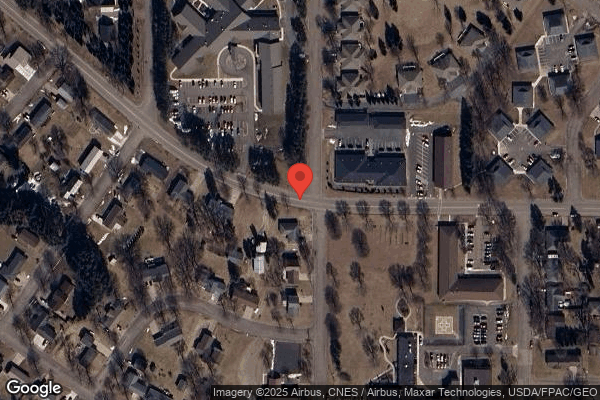
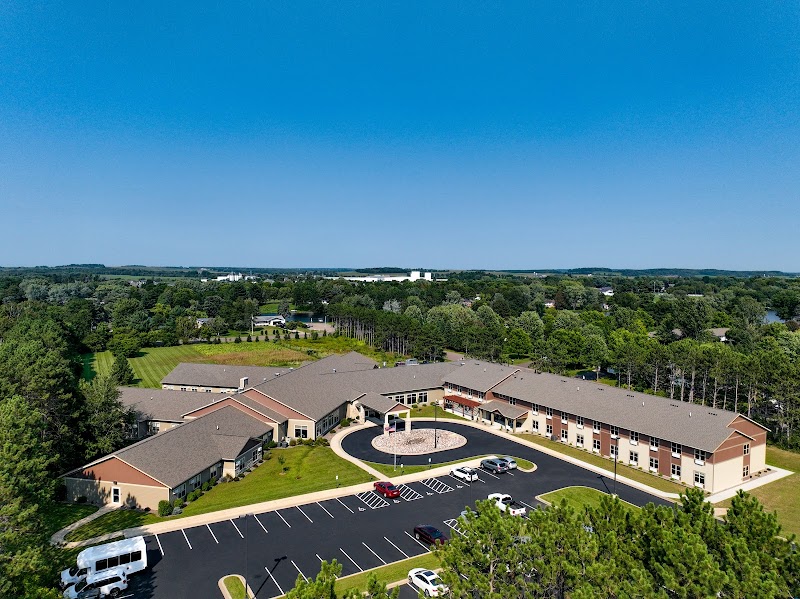
2217 DUNCAN ROAD, BLOOMER, WI 54724 (715) 568-9770
For profit - Limited Liability company 50 Beds DOVE HEALTHCARE Data: November 2025
Trust Grade
91/100
#26 of 321 in WI
Last Inspection: April 2025

Within standard 12-15 month inspection cycle. Federal law requires annual inspections.

Overview

Dove Healthcare - Bloomer has received an impressive Trust Grade of A, indicating excellent quality and a strong recommendation for families considering this nursing home. It ranks #26 out of 321 facilities in Wisconsin, placing it in the top half of all nursing homes in the state, and #2 of 6 in Chippewa County, meaning only one local option ranks higher. The facility is improving in quality, as the number of issues reported decreased from 3 in 2024 to 2 in 2025. Staffing is a notable strength, with a perfect rating of 5 out of 5 stars and a turnover rate of 30%, which is below the state average of 47%, suggesting a stable workforce that knows the residents well. However, the facility has faced some concerns, including food preparation safety violations where staff did not follow proper sanitary procedures, and there is less RN coverage compared to 76% of Wisconsin facilities, which could impact the quality of care. Overall, while Dove Healthcare - Bloomer has solid strengths, potential residents should also be aware of these weaknesses.

Trust Score
A
91/100
In Wisconsin
#26/321
Top 8%
Safety Record
Low Risk
No red flags
Inspections
Getting Better
3 → 2 violations
Staff Stability
✓ Good
30% annual turnover. Excellent stability, 18 points below Wisconsin's 48% average. Staff who stay learn residents' needs.
Penalties
✓ Good
$5,282 in fines. Lower than most Wisconsin facilities. Relatively clean record.
Skilled Nurses
✓ Good
Each resident gets 49 minutes of Registered Nurse (RN) attention daily — more than average for Wisconsin. RNs are trained to catch health problems early.
Violations
○ Average
10 deficiencies on record. Average for a facility this size. Mostly minor or procedural issues.
★★★★★
5.0
Overall Rating
★★★★★
5.0
Staff Levels
★★★★☆
4.0
Care Quality
★★★★☆
4.0
Inspection Score
Stable
2024: 3 issues
2025: 2 issues

The Good

  • 5-Star Staffing Rating · Excellent nurse staffing levels
  • 4-Star Quality Measures · Strong clinical quality outcomes
  • Low Staff Turnover (30%) · Staff stability means consistent care
  • Full Sprinkler Coverage · Fire safety systems throughout facility
  • No fines on record
  • Staff turnover is low (30%)

    18 points below Wisconsin average of 48%

Facility shows strength in staffing levels, quality measures, staff retention, fire safety.

The Bad

Federal Fines: $5,282

Below median ($33,413)

Minor penalties assessed

Chain: DOVE HEALTHCARE

Part of a multi-facility chain

Ask about local staffing decisions and management

The Ugly 10 deficiencies on record

Apr 2025 2 deficiencies
CONCERN (F)

Potential for Harm - no one hurt, but risky conditions existed

Food Safety (Tag F0812)

Could have caused harm · This affected most or all residents

Based on observations, interviews and record review, the facility did not prepare and distribute food in a sanitary manner. This has the potential to affect all 49 residents. Surveyor observed [NAME] ...

Read full inspector narrative →
Based on observations, interviews and record review, the facility did not prepare and distribute food in a sanitary manner. This has the potential to affect all 49 residents. Surveyor observed [NAME] D wearing a beard cover that did not cover a full moustache. Surveyor observed [NAME] E not wearing a beard cover despite having facial hair. Findings include: It is the policy of the facility that all staff and entrants to the kitchen shall wear hair nets on exposed hair. Facility policy titled Hair Restraints, dated 1/7/2020 states the expectations that all dietary staff and staff entering the kitchen will wear a hair net in restricted area while in the kitchen. Policy also states that Hair needs to be restrained or covered. The policy further states, Hats may be wore [sic] with hair net. On 04/09/25 at 10:23 AM, Surveyor observed [NAME] D wearing a hair net and a beard cover, but the beard cover did not extend over a moustache. [NAME] D was working at the counter preparing apple crisp for dessert. Surveyor observed [NAME] E wearing a hair net, but no beard cover. [NAME] E was at the counter preparing individual side salads according to resident request tickets. On 04/09/25 at 10:25 AM, Surveyor interviewed [NAME] D and asked about proper hair net and beard covering procedure. [NAME] D reported surprise that moustaches must be covered. Surveyor interviewed [NAME] E and asked about proper hair net and beard covering procedure. [NAME] E stated belief that a beard under 2 centimeters long did not require a cover. In surveyor's presence, Nutritional Services Director (NSD) C informed [NAME] D that a beard cover must also cover a moustache and informed [NAME] E of requirement to wear a beard cover.
MINOR (C)

Minor Issue - procedural, no safety impact

Staffing Information (Tag F0732)

Minor procedural issue · This affected most or all residents

Based on interview and record review, the facility did not ensure staff postings were accurate which has the potential to affect 49 out of 49 residents. Review of staffing schedules and required staff...

Read full inspector narrative →
Based on interview and record review, the facility did not ensure staff postings were accurate which has the potential to affect 49 out of 49 residents. Review of staffing schedules and required staff postings revealed discrepancies between the documents. This resulted in inaccuracies with the total number and the actual hours worked for licensed and non-licensed staff directly responsible for resident care each shift. This is evidenced by: Surveyor reviewed the schedules and staff postings from 03/10/25-04/09/25 with the following inaccuracies: 03/10/25 AM SHIFT: STAFF POSTING-0 Medication Technician (MT). STAFF SCHEDULE:1 MT. PM SHIFT: STAFF POSTING-1 Registered Nurse (RN). STAFF SCHEDULE-0 RN. NOC SHIFT: STAFF POSTING-3 CNA for a total of 10 hours. STAFF SCHEDULE-3 CNA for 8 hour shift. 03/11/25 AM SHIFT: STAFF POSTING-1 Licensed Practical Nurse (LPN), 0 MT, 9 CNA. STAFF SCHEDULE-0 LPN, 2 MT, 8 CNA. PM SHIFT: STAFF POSTING-0 MT. STAFF SCHEDULE- 2 MT. NOC SHIFT: STAFF POSTING-1 CNA. STAFF SCHEDULE-4 CNA. 03/12/25 AM SHIFT: STAFF POSTING-0 MT, 9 CNA. STAFF SCHEDULE-1 MT, 7 CNA. NOC SHIFT: STAFF POSTING- 2 CNA. STAFF SCHEDULE-3 CNA. 03/13/25 AM SHIFT: STAFF POSTING-2 RN, 0 MT, 9 CNA. STAFF SCHEDULE-1 RN, 1 MT, 7 CNA. NOC SHIFT: STAFF POSTING: 0 CNA. STAFF SCHEDULE-4 CNA. 03/14/25 AM SHIFT: STAFF POSTING-1 LPN, 0 MT, 7 CNA. STAFF SCHEDULE-0 LPN, 1 MT, 8 CNA. 03/15/25 AM SHIFT: STAFF POSTING-1 RN. STAFF SCHEDULE-0 RN. PM SHIFT: STAFF POSTING-1 LPN, 0 MT, 14 CNA. STAFF SCHEDULE-0 LPN, 1 MT, 11 CNA. 03/16/25 AM SHIFT: STAFF POSTING-1 RN, 0 MT. STAFF SCHEDULE-0 RN, 1 MT. PM SHIFT: STAFF POSTING-2 LPN, 14 CNA. STAFF SCHEDULE-0 LPN, 12 CNA. NOC SHIFT: STAFF POSTING-1 CNA. STAFF SCHEDULE-3 CNA. 03/17/25 AM SHIFT: STAFF POSTING-0 MT. STAFF SCHEDULE-1 MT. NOC SHIFT: STAFF POSTING-1 CNA. STAFF SCHEDULE-3 CNA. 03/18/25 AM SHIFT: STAFF POSTING-1 LPN, 0 MT, 7 CNA. STAFF SCHEDULE-0 LPN, 1 MT, 8 CNA. PM SHIFT: STAFF POSTING-6 CNA. STAFF SCHEDULE-11 CNA. NOC SHIFT: STAFF POSTING-0 CNA. STAFF SCHEDULE-3 CNA. 03/19/25 AM SHIFT: STAFF POSTING-0 MT. STAFF SCHEDULE-1 MT. PM SHIFT: STAFF POSTING-1 RN, 1 LPN, 8 CNA. STAFF SCHEDULE-2 RN, 2 LPN, 10 CNA NOC SHIFT: STAFF POSTING 3 CNA. STAFF SCHEDULE-4 CNA. 03/20/25 NOC SHIFT: STAFF POSTING-1 CNA. STAFF SCHEDULE-3 CNA. 03/21/25 NOC SHIFT: STAFF POSTING-1 CNA. STAFF SCHEDULE-4 CNA. 03/22/25 AM SHIFT: STAFF POSTING-1 RN, 0 MT. STAFF SCHEDULE-0 RN, 1 MT. PM SHIFT: STAFF POSTING-0 MT, 13 CNA. STAFF SCHEDEULE-1 MT, 11 CNA. NOC SHIFT: STAFF POSTING-0 CNA. STAFF SCHEDULE-3 CNA. 03/23/25 AM SHIFT: STAFF POSTING-1 RN. STAFF SCHEDULE-0 RN. NOC SHIFT: STAFF POSTING-0 CNA. STAFF SCHEDULE-3 CNA. 03/24/25-NO RN 8 HOURS AM SHIFT: STAFF POSTING-0 MT, 6 CNA. STAFF SCHEDULE-1 MT, 8 CNA. PM SHIFT: STAFF POSTING-10 CNA. STAFF SCHEDULE-9 CNA 03/25/25 AM SHIFT: STAFF POSTING-0 MT. STAFF SCHEDULE-1 MT. NOC SHIFT: STAFF POSTING 1 CNA. STAFF SCHEDULE-3 CNA. 03/26/25 AM SHIFT: STAFF POSTING-0 MT. STAFF SCHEDULE-1 MT. NOC SHIFT: STAFF POSTING-1 CNA. STAFF SCHEDULE-3 CNA. 03/27/25 AM SHIFT: STAFF POSTING-1 LPN, 0 MT, 10 CNA. STAFF SCHEDULE-0 LPN, 1 MT, 7 CNA. NOC SHIFT: STAFF POSTING-0 CNA. STAFF SCHEDULE-4 CNA. 03/28/25 AM SHIFT: STAFF POSTING-0 MT, 6 CNA. STAFF SCHEDULE-1 MT, 8 CNA. PM SHIFT: STAFF POSTING-1 LPN, 0 MT. STAFF SCHEDULE-0 LPN, 2 MT. NOC SHIFT: STAFF POSTING-1 CNA. STAFF SCHEDULE-3 CNA. 03/29/25 AM SHIFT: STAFF POSTING-1 RN, 0 MT, 10 CNA. STAFF SCHEDULE-0 RN, 1 MT. 7 CNA. PM SHIFT: STAFF POSTING-1 LPN, 0 MT, 13 CNA. STAFF SCHEDULE-0 LPN, 1 MT, 11 CNA. NOC SHIFT: STAFF POSTING-1 CNA. STAFF SCHEDULE-4 CNA. 03/30/25 AM SHIFT: STAFF POSTING-1 RN. STAFF SCHEDULE-0 RN. PM SHIFT: STAFF POSTING-2 LPN, 0 MT, 10 CNA. STAFF SCHEDULE-0 LPN, 1 MT, 12 CNA. NOC SHIFT: STAFF POSTING-1 CNA. STAFF SCHEDULE-3 CNA. 03/31/25 AM SHIFT: STAFF POSTING-0 MT. STAFF SCHEDULE-1 MT. PM SHIFT: STAFF POSTING-1 RN. STAFF SCHEDEULE-0 RN. NOC SHIFT: STAFF POSTING-1 CNA. STAFF SCHEDULE-3 CNA. 04/01/25 AM SHIFT: STAFF POSTING-3 RN, 0 MT, 9 CNA. STAFF SCHEDULE-2 RN, 1 MT, 7 CNA. NOC SHIFT: STAFF POSTING-0 CNA. STAFF SCHEDULE-3 CNA. 04/02/25 AM SHIFT: STAFF POSTING-1 LPN, 0 MT. STAFF SCHEDULE-0 LPN, 1 MT. PM SHIFT: STAFF POSTING-0 LPN. STAFF SCHEDULE-1 LPN. NOC SHIFT: STAFF POSTING-1 CNA. STAFF SCHEDULE-3 CNA. 04/03/25 PM SHIFT: STAFF POSTING- 0 MT. STAFF SCHEDULE-2 MT. NOC SHIFT: STAFF POSTING-2 CNA. STAFF SCHEDULE-3 CNA. 04/04/25 AM SHIFT: STAFF POSTING: 0 MT. STAFF SCHEDULE-1 MT. NOC SHIFT: STAFF POSTING-1 CNA. STAFF SCHEDULE-3 CNA. 04/05/25 AM SHIFT: STAFF POSTING-0 MT, 10 CNA. STAFF SCHEDULE-1 MT, 8 CNA. PM SHIFT: STAFF POSTING-0 MT, 15 CNA. STAFF SCHEDULE-2 MT, 12 CNA. NOC SHIFT: STAFF POSTING-0 CNA. STAFF SCHDEULE-3 CNA. 04/06/25 AM SHIFT: STAFF POSTING- 1 RN. STAFF SCHEDULE-0 RN. NOC SHIFT: STAFF POSTING-0 CNA. STAFF SCHEDULE-3 CNA. 04/07/25 AM SHIFT: STAFF POSTING-0 MT, 8 CNA. STAFF SCHEDULE-2 MT, 9 CNA. 04/08/25 AM SHIFT: STAFF POSTING-0 MT, 10 CNA. STAFF SCHEDULE-1 MT, 8 CNA. PM SHIFT: STAFF POSTING-0 MT, 11 CNA. STAFF SCHEDULE-2 MT, 13 CNA. NOC SHIFT: STAFF POSTING-1 CNA. STAFF SHCEDULE-3 CNA. 04/09/25 NOC SHIFT: STAFF POSTING-1 CNA. STAFF SCHEDULE-3 CNA. The staffing total hours for all the dates indicated above are also inaccurate due to the discrepancies in the schedules and staff postings. On 04/10/25 at 7:58 AM, Surveyor interviewed Director of Nursing (DON) B. DON B reviewed and acknowledged the staff posting and the staff schedules were not matching. DON B stated the facility had noticed this about 3-4 months ago and thought it had been corrected. DON B stated the daily posting information is pulled from a computer software program and the staff schedules are pulled directly from timecard punches. DON B reported she would call Human Resources department to see if this could be corrected.
Mar 2024 3 deficiencies
CONCERN (D)

Potential for Harm - no one hurt, but risky conditions existed

Deficiency F0760 (Tag F0760)

Could have caused harm · This affected 1 resident

**NOTE- TERMS IN BRACKETS HAVE BEEN EDITED TO PROTECT CONFIDENTIALITY** Based on observation, record review and interview, the facility did not ensure that residents are free of significant medication...

Read full inspector narrative →
**NOTE- TERMS IN BRACKETS HAVE BEEN EDITED TO PROTECT CONFIDENTIALITY** Based on observation, record review and interview, the facility did not ensure that residents are free of significant medication errors for 1 of 7 residents (R6) observed for medication pass. R6 was given 8 units of Insulin Aspart (Novolog) short-acting insulin an hour before breakfast. R6 was to have received 8 units of Insulin Aspart (Novolog) 15-30 minutes before breakfast, to prevent hypoglycemia (low blood sugar). This is evidenced by: Surveyor reviewed the policy Insulin administration dated 03/13/24 which states in part, Please ensure that all residents receive a meal within 30 minutes of receiving insulin . Surveyor reviewed the policy Protocol for Diabetes Management last reviewed 06/2023 which states in part, .Hypoglycemia signs and symptoms (remember that some residents may not experience symptoms or may only experience confusion or lethargy making their symptoms harder to recognize) #1-17: Confusion, lethargy poor concentration, hallucinations, generalized weakness, aggression, blurred vision, nausea, falling, hunger, seizures, shakiness, sweating, tachycardia, tingling in extremities, numbness around kips, and/or dizziness . R6 was admitted on [DATE] with a diagnosis in part, of pressure-induced deep tissue injury to the right heel, chronic kidney disease stage 3, and type 2 Diabetes Mellitus (DM) with foot ulcer, kidney complication, and diabetic neuropathy associated. R6's minimum data set (MDS) assessment completed on 01/23/24, confirmed R6 scored 15 during the Brief Interview for Mental Status (BIMS), indicating R6 is cognitively intact. Surveyor reviewed physician orders printed on 03/14/23 that included: -On 02/01/24 Blood sugar check as needed -On 02/09/24 Insulin Aspart (Novolog) 8 units of subcutaneous injection twice a day before meal for DM2. -On 02/23/24 Insulin Aspart (Novolog) units per sliding scale four times a day before meals. 200-249=1 unit 250-299=2 units 300-349=3 units 350-399=4 units greater than 400=5 units and notify MD Surveyor reviewed the physician progress notes stated in part, .On 07/31/23 glucose range from 07/21/23-07/28/23 BG's 68-330 mg/dl less than 100mg/dl 10 times over one week, reduce insulin glargine and aspart, update labs in November. On 09/13/23 reviewed glucose levels and no changes. On 10/04/23 reviewed glucose levels and noted [R6] has had some relative hypoglycemia with recent changes, and we need to reduce [R6's] dose of insulin glargine. Reduce insulin glargine to 24 units subcutaneously every night. On 11/07/23 reviewed glucose levels and no changes. On 02/29/24 reviewed glucose levels were low 100s before breakfast, 200 range at lunch, 300-500 at supper, and 192-493 at bedtime. If it is covered, [R6] might be a good candidate for Farxiga to manage BG's . Surveyor reviewed blood sugar results for morning (AM) and bedtime (HS) results in the past week stated in part, -03/07/24 AM result at 8:29 AM 89 -03/07/24 HS result at 8:27 PM 296 -03/08/24 AM result at 8:05 AM 85 -03/08/24 HS result at 9:03 PM 167 -03/09/24 HS result at 9:06 PM 67 -03/10/24 AM result at 9:34 AM 62 -03/10/24 HS result at 10:03 PM 66 -03/11/24 AM result at 9:48 AM 80 -03/11/24 HS result at 10:57 PM 266 -03/12/24 AM result at 9:39 AM 90 -03/12/24 HS result at 9:09 PM 250 Surveyor noted during review of recent blood sugars, R6 had low morning blood sugars. Observations: On 03/13/24 at 8:27 AM, Surveyor observed Medication Aide (MA) G enter R6's room and gather Blood Sugar (BG) monitoring supplies. R6's BG result was 108. R6 stated, I am not feeling well this morning, and am extra tired. MA G indicated to R6 that maybe R6 was just tired. On 03/13/24 at 8:58 AM, Surveyor observed MA G enter R6's room, grab the Novolog insulin pen and administer 8 units in the upper left quadrant of R6's abdomen. Surveyor asked R6 if R6 had breakfast yet. R6 indicated that R6 had not had breakfast yet but R6 was super sleepy. R6 stated, I am seeing things and not feeling well, what is today's date. MA G indicated to R6 that MA G would relay this information to the charge nurse as that did seem odd that R6 was seeing things that were not there. On 03/13/24 at 9:01 AM, Surveyor interviewed MA G and asked if it was a normal process to give insulin before breakfast was delivered. MA G indicated that R6 will get R6's breakfast tray shortly after giving insulin. MA G indicated that R6 usually receives meals right after giving insulin. On 03/13/24 at 9:05 AM, Surveyor observed MA G go to Licensed Practical Nurse (LPN) C and state that R6 was acting kind of weird and seeing things that were not there. LPN C indicated that LPN C would go in and check on R6 in a little while. On 03/13/24 between 8:58 AM to 9:52 AM, Surveyor observed R6 did not have breakfast nor had been offered breakfast. Surveyor did not observe anyone go into R6's room to re-check on R6 for the possible symptoms of hallucinations and tiredness. On 03/13/24 at 9:52 AM, Surveyor did not observe R6 eating or a breakfast tray in R6's room. Surveyor interviewed LPN C and asked if R6 had received breakfast yet as R6 received R6's 8 units of Novolog insulin at 8:58 AM. LPN C indicated that LPN C would ask R6. Surveyor observed LPN C enter R6's room and ask R6 if R6 had eaten breakfast and R6 stated, Not yet I am not very hungry, but I will take a banana as I don't feel good. LPN C exited R6's room to grab a banana. LPN C asked R6 about R6 seeing things that were not there. R6 indicated that she doesn't feel good and doesn't know why she is seeing things. LPN C stated to R6 that maybe anxiety medication needed to be adjusted. LPN C also indicated to Surveyor that R6 should not have had insulins before R6's breakfast meal if R6 was not eating breakfast. On 03/13/24 at 9:54 AM, LPN C exited R6's room to grab a banana for R6. On 03/13/24 at 9:57 AM, Surveyor observed LPN C enter R6's room and handed R6 a banana. LPN C exited R6's room and approached MA G explaining that insulin is to not be given unless food is given to R6 first. LPN C instructed MA G to recheck R6's BG in 15-20 minutes. Surveyor did not observe a BG check immediately performed once LPN C knew R6 did not have breakfast after administering short-acting insulin and was symptomatic. On 03/13/24 at 10:15 AM, Surveyor observed MA G enter R6's room and recheck BG. R6's BG result was 108, 18 minutes after R6 ate the banana. On 03/13/24 at 11:48 AM, Surveyor interviewed Director of Nursing (DON) B and asked what expectations are for nursing staff administering fast-acting insulins to residents before meals. DON B indicated that nursing staff is to follow physician orders for any special orders about insulin administration, but that the standard of practice is that fast-acting insulin be given no earlier than 15-30 minutes before meals. Surveyor informed DON B that R6 received R6's Novolog an hour before R6 was offered food. DON B indicated that R6 has special orders regarding R6's insulins as R6's BG's have been fluctuating. R6 has had low blood sugars at times. DON B indicated that R6 visits an endocrinologist and since R6 does sleep in a lot she receives long-acting insulin in a more scheduled controlled environment but R6 should not be receiving R6's short-acting any earlier than 30 minutes before R6's meals.
CONCERN (E)

Potential for Harm - no one hurt, but risky conditions existed

Infection Control (Tag F0880)

Could have caused harm · This affected multiple residents

Example 3 On 03/13/24 at 8:27 AM, Surveyor observed Medication Aide (MA) G prep R6's medications. MA G primed the Novolog pen and then drew a total of 8 units. MA G primed the Glargine pen and then dr...

Read full inspector narrative →
Example 3 On 03/13/24 at 8:27 AM, Surveyor observed Medication Aide (MA) G prep R6's medications. MA G primed the Novolog pen and then drew a total of 8 units. MA G primed the Glargine pen and then drew a total of 10 units. MA G set insulin pens on top of medication cart. On 03/13/24 at 8:37 AM, Surveyor observed MA G grab R6's two insulin pens off the medication cart and place them in MA G's scrub pockets on MA G's shirt. On 03/13/24 at 8:58 AM, Surveyor observed MA G enter R6's room, grab R6's Novolog insulin pen out of MA G's scrub pocket, and administer 8 units in the upper left quadrant of R6's abdomen. MA G placed R6's Novolog insulin pen on R6's bedside table. MA G grabbed R6's Glargine insulin pen out of MA G's scrub pocket and administered 10 units in the lower left quadrant of R6's abdomen. MA G placed R6's Glargine insulin pen on R6's bedside table. MA G recapped both insulin pens and placed insulin pens in MA G's scrub pocket. On 03/13/24 at 9:01 AM, Surveyor interviewed MA G and asked if it was a normal process to place resident medications in personal pockets when walking into residents' rooms to administer medications. MA G indicated that MA G shouldn't have placed R6's insulin pens in pockets and this is not the best practice. On 03/13/24 at 11:55 AM, Surveyor interviewed IP D and asked about expectations for infection control practices during medication administration such as insulin pens and how staff carry insulin pens to and from resident rooms. IP D indicated the expectation is that all nursing staff use standards of practice for hand hygiene and glove use. IP D indicated that most staff utilize pushing medication carts close to where their medications are being dispersed. IP D indicated that MA G should not have placed R6's insulin pens in MA G's scrub pocket. Based on observation, interview and record review, the facility did not establish and maintain an infection prevention and control program designed to provide a safe, sanitary, and comfortable environment and to help prevent the development and transmission of communicable diseases and infections. The facility did not properly wipe down lifts after use (R35, R13), did not perform proper hand hygiene (R35, R95) when performing wound care, and did not ensure proper infection control techniques during medication pass (R6). This has the potential to affect 4 residents. Findings include: Example 1 The facility policy, entitled, Durable Medical Equipment Cleaning Procedure dated March 2021, states: 2. Device parts that come in contact with resident's intact skin should be cleaned after contact made/or prior to use with the next resident. a. This equipment may include but not limited to . lift equipment, slings and other items identified as common use equipment On 03/13/24 at 8:50 AM, Surveyor observed Certified Nursing Assistant (CNA) F complete morning cares for R35 who was on contact precautions for Clostridioides Difficile (C.Diff). After transferring R35 with a Hoyer lift, CNA F pushed the Hoyer lift down the hall to a designated resting spot. CNA F then left the Hoyer lift and did not wipe it down. CNA F moved on to help with the next resident who required help. Surveyor did stop CNA F and ask what they were planning to do after not wiping down the Hoyer lift. CNA F said they were going to help with the next resident. Surveyor asked CNA F when would they wipe down lifts. CNA F said after each use especially when leaving a room where someone is on contact precautions. CNA F said they had just forgotten to wipe down the lift in their rush to get to the next resident in need. On 03/13/24 at 9:27 AM, Surveyor observed CNA E transfer R13 into their wheelchair before heading to an appointment. During the transfer, R13 did place their hands on the sit-to-stand lift. CNA E had touched other items in the room and did have contaminated hands. After the transfer, CNA E pushed the lift down the hallway and placed it in the designed lift area. CNA E left the lift and walked down the hallway to help the next resident. Surveyor did stop CNA E and ask if they had sanitized the lift after use. CNA E said they did not because they did not do anything with R13 that was dirty like incontinence care, they were simply moving R13 into their wheelchair. On 03/13/24 at 12:02 PM, Surveyor interviewed Director of Nursing (DON) B regarding expectations of sanitizing lifts after use. DON B would expect that lifts be sanitized after each use. Example 2 Findings include: Facility policy entitled, Dressing Change Procedure, last reviewed 09/23, stated in part: .13. Remove gloves. 14. Sanitize hands and put on a new pair of gloves . On 03/13/24 at 8:03 AM, Surveyor observed wound care performed for R35 by Licensed Practical Nurse (LPN) C. Surveyor observed a sign outside R35's door stating contact precautions. LPN C stated R35 had wound cultures in the past showing Methicillin-Resistant Staphylococcus aureus (MRSA), so R35 was on contact precautions for cares. LPN C used alcohol-based hand rub (ABHR) and donned a gown and gloves prior to entering R35's room. Certified Nursing Assistant (CNA) F was already in the room with gown and gloves on when Surveyor entered the room. CNA F assisted R35 to turn on left side toward the wall. LPN C pulled down R35's pajama bottoms and unfastened brief. LPN C removed the old wound dressing and incontinent brief and threw in the trash. LPN C removed gloves, used ABHR and went to bathroom to obtain saline out of a bin in the bathroom. LPN C placed the saline container on the over bed table and put on clean gloves. LPN C did not use ABHR after touching multiple surfaces in the bathroom before putting on clean gloves. LPN C cleansed wounds and packed left wound with gauze per orders. LPN C removed gloves and put on clean gloves. LPN C did not sanitize hands before putting on clean gloves. LPN C cut a piece of calcium alginate with scissors and dabbed santyl ointment on right buttocks wound with the finger of one glove and then covered with the calcium alginate. LPN C removed gloves and applied clean gloves. LPN did not sanitize hands after removing old gloves and putting on clean gloves. LPN C completed the cares without further concern for infection control and washed hands with soap and water after the procedure. Surveyor interviewed LPN C immediately after the procedure. LPN C stated they should have washed hands or used ABHR between each glove change but did not do that with each glove change during this procedure. On 03/13/24 at 8:22 AM, Surveyor observed CNA E and LPN C enter R95's room to transfer R95 to the recliner to perform wound care. Surveyor observed a sign outside R95's room that stated contact precautions. Both CNA E and LPN C had put on proper PPE for contact precautions prior to entering R95's room. After LPN C had removed the gripper sock, ace wrap, tubigrip and old gauze dressing from R95's right leg, LPN C removed gloves, used ABHR and called on walkie talkie for pain medication. LPN C put on clean gloves after touching the walkie talkie without sanitizing hands. LPN C removed sock, ace wrap, tubigrip and old gauze dressing from R95's left leg. LPN C removed gloves, used ABHR, and called on walkie talkie again for pain medication and supplies. LPN C put clean gloves on without sanitizing hands after touching walkie talkie. LPN C continued wound care to legs with proper infection control procedures. LPN C was working on the back of R95's left leg, LPN C placed R95's bare left heel on LPN C's knee. R95's heel was directly on LPN C's uniform, as the isolation gown was hanging between LPN C's knees. LPN C continued wound care to legs with proper infection control procedures. LPN C removed gloves, used ABHR, cut tubigrip for left leg, and called on walkie talkie again. LPN C did not use ABHR after touching walkie talkie. LPN C got more roll gauze from a drawer in the bathroom, and put on clean gloves without sanitizing hands prior to putting on clean gloves. LPN C placed xeroform dressings on R95's left leg and removed gloves. LPN C did not use ABHR and opened more xeroform dressing packages. LPN C put on clean gloves without sanitizing hands and completed wound care procedure without further infection control concerns. On 03/13/24 at 2:14 PM, Surveyor interviewed DON B and Infection Preventionist (IP) D. Surveyor informed DON B and IP D of observations of no hand hygiene between glove changes during wound care observation for R35 and R95. They stated all staff should perform hand hygiene every time they change their gloves during wound care.
CONCERN (F)

Potential for Harm - no one hurt, but risky conditions existed

Food Safety (Tag F0812)

Could have caused harm · This affected most or all residents

Example 3 On 03/12/24 at 12:03 PM, Surveyor observed [NAME] K grab a plate with [NAME] K's left gloved hand, and then [NAME] K grabbed buns with [NAME] K's left gloved hand. [NAME] K separated buns w...

Read full inspector narrative →
Example 3 On 03/12/24 at 12:03 PM, Surveyor observed [NAME] K grab a plate with [NAME] K's left gloved hand, and then [NAME] K grabbed buns with [NAME] K's left gloved hand. [NAME] K separated buns with both gloved hands and used a spoon to place sloppy joe mix on the bottom side of the bun, then grabbed the top bun and placed it on the sandwich with both gloved hands. [NAME] K handed the tray to the staff who delivered the lunch tray to R2. On 03/12/24 at 12:05 PM, Surveyor observed [NAME] K grab a plate with [NAME] K's left gloved hand, and then [NAME] K grabbed buns with [NAME] K's left gloved hand. [NAME] K separated buns with both gloved hands and used a spoon to place sloppy joe mix on the bottom side of the bun, then grabbed the top bun and placed it on the sandwich with both gloved hands. [NAME] K handed the tray to the staff who delivered the lunch tray to R245. On 03/12/24 at 12:07 PM, Surveyor observed [NAME] K grab a plate with [NAME] K's left gloved hand, and then [NAME] K grabbed buns with [NAME] K's left gloved hand. [NAME] K separated buns with both gloved hands and used a spoon to place sloppy joe mix on the bottom side of the bun, then grabbed the top bun and placed it on the sandwich with both gloved hands. [NAME] K handed the tray to the staff who delivered the lunch tray to R18. On 03/12/24 at 12:09 PM, Surveyor observed [NAME] K grab a plate with [NAME] K's left gloved hand, and then [NAME] K grabbed buns with [NAME] K's left gloved hand. [NAME] K separated buns with both gloved hands and used a spoon to place sloppy joe mix on the bottom side of the bun, then grabbed the top bun and placed it on the sandwich with both gloved hands. [NAME] K handed the tray to the staff who delivered the lunch tray to R5. On 03/13/24 at 1:33 PM, Surveyor interviewed Dietary Manager (DM) H and asked about hand hygiene with serving food to residents such as touching buns with the same gloved hands that have touched utensils, plates, and other equipment. DM H indicated that staff are to change gloves in between touching utensils, plates, or any surfaces before touching buns or ready-to-eat foods. Example 1 Based on observations and interview, the facility did not ensure dietary staff prepared and distributed food in accordance with professional standards of practice. This has that potential to affect all 44 residents. The facility did not ensure that the hot water dishwashing machine was reaching adequate temperatures to prevent the spread of disease. Dietary staff observed not washing hands in between glove use. Dietary staff touching food with contaminated gloves. Findings include: On 03/13/24 at 11:43 AM, Surveyor reviewed the dishwashing temperature log and noted that for the month of March, there were four rinse cycle temperatures recorded below 180 degrees +/- 2 degrees. The dates of the low temperatures were 03/05/34, 03/06/34, 03/08/24, and 03/12/24. On 03/13/24, Surveyor reviewed the manual for dishwasher CMA-180VL which recommends that the rinse cycle for the hot water dishwasher be between 180 degrees Fahrenheit and 195 degrees Fahrenheit. On 03/13/24, Surveyor reviewed the dishwashing temperature log for the month of February. In February there were 46 instances out of 96 opportunities where temperatures recorded were lower than the recommended 180 degrees. On the February log, it documents the Dietary Manager (DM) H does a weekly check of the proper rinse cycle temperature. On 03/13/24 at 1:30 PM, Surveyor interviewed Dietary Aide (DA) L regarding dishwashing. DA L stated the rinse cycle is running at about 180 degrees and if it is lower they will tell DM H. DA L was not sure how low the temperature would need to be to alert DM H. On 03/13/24 at 1:33 PM, Surveyor interviewed DA M regarding dishwashing. DA M said staff do record the temperatures for the rinse and wash cycle and when. Surveyor asked what temperature staff would need to record to alert DM H of a concern. DM H stated, probably around 140 degrees Fahrenheit. On 03/13/24 at 1:39 PM, Surveyor interviewed DM H regarding the dishwasher temperatures. DM H said the rinse cycle should be above 180 degrees. Surveyor asked why they had many recorded temperatures that did not reach the 180-degree threshold. DM H said staff are not recording the proper temperatures. DM H said they do weekly checks to make sure the machine is working properly. DM H expects that any temperature below 180 degrees be reported, so they can make sure the dishwasher is working properly. Example 2 The facility policy, entitled Nutritional Services Procedure General Food Handling Guidelines, with an effective date of January 2017, reads in part 1. Single-use gloves, tongs, deli paper or another barrier will be utilized when handling food directly. 4. Hands are to be washed when entering the kitchen and before putting on single-use gloves. The facility policy, entitled Nutritional Services Procedure General Food Handling Guidelines, with an effective date of January 2017, reads in part 1. Single-use gloves, tongs, deli paper or another barrier will be utilized when handling food directly. 4. Hands are to be washed when entering the kitchen and before putting on single-use gloves. On 03/12/24 at 11:40 AM, Surveyor entered kitchen to observe lunch preparation. Surveyor observed [NAME] I put on gloves, open a drawer, grab a knife, open the butter dish then buttered 4 pieces of bread with the same contaminated gloved hands that had just touched other contaminated surfaces. At 11:50 AM, Surveyor observed [NAME] I with gloved hands grab a metal container off the shelf, with same gloved hands opened the sealed plastic on a rack of buns and picked up the buns with the same gloved hands that just touched other contaminated surfaces. [NAME] I picked up each bun and put them into the metal container. [NAME] I removed gloves, went and got a second container to put the remaining buns in the container. [NAME] I put on a new pair of gloves without washing her hands and picked up the rest of the buns in the package and moved them to a metal container. On 03/12/24 at 12:00 PM, Surveyor observed [NAME] J wash hands, put on gloves, open up the steam table lids to start serving lunch, then open a loaf of bread. [NAME] J grabbed 2 slices of bread from the package with her same gloved hands that had just touched other surfaces. [NAME] J continued dishing up the rest of the meal with the same contaminated gloves. [NAME] J took a meal ticket, then a bun with the contaminated gloved hands. [NAME] J then went to the warmer, opened the door grabbed a bowl out, then with the same contaminated gloved hands grabbed a bun from the container, tore up the bun into bite size pieces and continued serving lunch. [NAME] J did not change gloves, wash hands or put on new pair of gloves.
Jan 2023 5 deficiencies
CONCERN (D)

Potential for Harm - no one hurt, but risky conditions existed

Resident Rights (Tag F0550)

Could have caused harm · This affected 1 resident

Based on observation, interview and record review, the facility did not ensure each resident is treated with dignity in a manner and in an environment that promotes enhancement of his or her quality o...

Read full inspector narrative →
Based on observation, interview and record review, the facility did not ensure each resident is treated with dignity in a manner and in an environment that promotes enhancement of his or her quality of life. This occurred for 2 of 3 residents (R) observed being fed by staff. (R13 and R10) Staff stood next to the table while feeding R13 and R10. Findings include: On 01/24/23 at 10:00 AM, Surveyor observed Care Assistant (CA) C standing beside the table while feeding breakfast to R13 in the dining room. The breakfast meal appeared to be ground or mechanically altered. On 01/24/23 at 12:05 PM, Surveyor observed CA C standing beside a table in the dining room while feeding R13 and R10. CA C walked back and forth beside the table between R13 and R10 while offering each resident bites of food. R13 had a ground or mechanically altered meal. R10 had a pureed meal. On 01/24/23 at 12:34 PM, Surveyor interviewed CA C who stated she was not a Certified Nursing Assistant (CNA) and had not taken a CNA training class. CA C stated she had only worked in the facility for approximately two weeks and was shown how to feed residents as part of orientation. CA C did not remember if anyone told them they should not stand over a resident when feeding them. CA C did not know they should sit beside the residents when assisting them with eating. Review of R13's medical record identified R13 had a diagnosis of dementia with behavioral disturbances and dysphagia (difficulty swallowing). R13's Minimum Data Set (MDS) assessment, dated 11/23/22, identified R13 required extensive assistance of one for eating. R13's diet orders were Dysphagia II-fork mashable. Review of R10's medical record identified R10 had a diagnosis of Alzheimer's dementia and abnormal weight loss. R10's MDS assessment, dated 11/15/22, identified R10 required extensive assistance of one person for eating. R10's diet orders were Dysphagia I-pureed. On 01/24/23 at 3:20 PM, Surveyor informed Director of Nursing (DON) B of the two observations of CA C standing over two residents while feeding them in the dining room. DON B stated staff should not stand over residents when feeding them. DON B stated CA C should have been seated beside the residents to assist them with eating.
CONCERN (D)

Potential for Harm - no one hurt, but risky conditions existed

Accident Prevention (Tag F0689)

Could have caused harm · This affected 1 resident

**NOTE- TERMS IN BRACKETS HAVE BEEN EDITED TO PROTECT CONFIDENTIALITY** Based on record review and interview, facility staff failed to ensure residents are as free of accident hazards as possible for ...

Read full inspector narrative →
**NOTE- TERMS IN BRACKETS HAVE BEEN EDITED TO PROTECT CONFIDENTIALITY** Based on record review and interview, facility staff failed to ensure residents are as free of accident hazards as possible for 1 of 3 residents reviewed with falls. R16 was transferred with a Mechanical lift (sit to stand) with one staff instead of two staff as her care plan requires. During the transfer a loop that was not fully attached on the machine came unhooked and the resident was lowered to the floor. This is evidenced by R16 was admitted to the facility on [DATE] with diagnoses including, Parkinson's disease, Chronic obstructive pulmonary disease, hypertensive heart disease with heart failure, atrial fibrillation, chronic diastolic (congestive) heart failure, obstructive sleep apnea, type 2 diabetes, dementia, rheumatoid arthritis, essential tremor, presence of bilateral artificial knee joints, and weakness. Review of progress notes revealed that on 01/14/23 at 1747, R16 had a fall. Certified Nursing Assistant (CNA) G was attempting to assist R16 to the bathroom, and was transferring R16 in a mechanical lift, sit to stand. The notes state; Human error occurred during transfer. The lift's sling loop was not pushed all the way down. When lift was raised up the loop popped off and resident leaned to the right and was caught by staff and lowered to the ground. Resident did not hit her head. Minor injury occurred, 1.5 cm by 1 cm bruise on the left shin. Review of R16's care plan revealed that R16 required the assistance of 2 staff for safety when using the sit to stand. At the time of the fall, the plan of care was not followed as one staff was used and not two. Interview with Director of Nursing (DON) B on 01/25/23 at 12:39 PM revealed that following the incident, education was done immediately with CNA G who stated that she wasn't aware that R16 was to be assisted by two staff when using the sit to stand. CNA G was also educated on making sure that the loops on the sling go completely over the pegs so they will not become detached. DON B stated that she has plans to do education with all staff at the next CNA meeting in February, but all staff training has not been completed as of yet.
CONCERN (D)

Potential for Harm - no one hurt, but risky conditions existed

Deficiency F0811 (Tag F0811)

Could have caused harm · This affected 1 resident

Based on observation, interview and record review, the facility did not ensure staff had successfully completed a State-approved training course that meets requirements before feeding residents. This ...

Read full inspector narrative →
Based on observation, interview and record review, the facility did not ensure staff had successfully completed a State-approved training course that meets requirements before feeding residents. This occurred for 2 of 3 residents (R) observed being fed by staff. (R13 and R10) Care Assistant (CA) staff, who was not an approved feeding assistant, was observed feeding R13 breakfast and lunch in the dining room. CA staff were observed feeding R10 lunch in the dining room. Findings include: On 01/24/23 at 10:00 AM, Surveyor observed CA C standing beside the table while feeding breakfast to R13 in the dining room. The breakfast meal appeared to be ground or mechanically altered. On 01/24/23 at 12:05 PM, Surveyor observed CA C standing beside a table in the dining room while feeding R13 and R10. CA C walked back and forth beside the table between R13 and R10 while offering each resident bites of food. R13 had a ground or mechanically altered meal. R10 had a pureed meal. On 01/24/23 at 12:34 PM, Surveyor interviewed CA C who stated she was not a Certified Nursing Assistant (CNA) and had not taken a CNA training class. Surveyor asked if CA C was a paid feeding assistant. CA C stated she was a Care Assistant. Surveyor asked if CA C had received any training on how to feed residents. CA C stated she had only worked in the facility for approximately two weeks and was shown how to feed residents as part of orientation. Review of R13's medical record identified R13 had a diagnosis of dementia with behavioral disturbances and dysphagia (difficulty swallowing). R13's Minimum Data Set (MDS) assessment, dated 11/23/22, identified R13 required extensive assistance of one for eating. R13's diet orders were Dysphagia II-fork mashable. Review of R10's medical record identified R10 had a diagnosis of Alzheimer's dementia and abnormal weight loss. R10's MDS assessment, dated 11/15/22, identified R10 required extensive assistance of one person for eating. R10's diet orders were Dysphagia I-pureed. On 01/24/23 at 2:56 PM, Surveyor interviewed Director of Nursing (DON) B, who stated they did not employ paid feeding assistants, but did have Care Assistants on staff. DON B stated the CAs were basically just helper staff who were waiting to take the CNA training class. Surveyor asked DON B if the CAs had received training to feed residents. DON B stated they train them a little on how to feed residents during orientation and did allow CAs to feed residents in the dining room. Surveyor asked for a job description for the Care Assistants. On 01/24/23 at 3:20 PM, DON B provided the job description for the Care Assistants and clarified that they were mistaken and the CAs should not feed the residents. DON B stated CA C had not received proper training to feed residents safely.
CONCERN (D)

Potential for Harm - no one hurt, but risky conditions existed

Infection Control (Tag F0880)

Could have caused harm · This affected 1 resident

Based on observation and interview, the facility did not maintain an infection prevention and control program designed to provide a safe, sanitary, and comfortable environment and to help prevent the ...

Read full inspector narrative →
Based on observation and interview, the facility did not maintain an infection prevention and control program designed to provide a safe, sanitary, and comfortable environment and to help prevent the development and transmission of communicable diseases and infections during 2 of 2 observations of water pass. Care Assistant (CA) C and Certified Nursing Assistant (CNA) F removed resident's used water mugs and did not perform hand hygiene before touching the next resident's clean water mug. Care Assistant (CA) C, without the required Personal Protective Equipment (PPE), entered a resident's room that is on droplet precautions to deliver a clean water mug. This is evidenced by: Review of the facility's policy Hand Hygiene with the last reviewed date of 03/21, read in part: 2. Indications for hand washing and hand antisepsis, Before: having contact with residents .handling food .Right After .Having contact with resident items, such as dressings, dirty laundry, dishes or trash. On 01/25/23 at 8:15 a.m., Surveyor observed CA C without a gown, gloves or face shield or goggles enter Resident (R) 17's room that is on droplet precautions to bring in a clean mug of water and returned with dirty mug. CA C sanitized hands and then touched R17's dirty mug again to check amount drank and did not sanitize hands. CA C picked up the pen and clipboard to write down the intake. CA C, without sanitizing hands, picked up a clean water mug and brought to R10's room and exited room with a dirty mug and did not sanitize hands. CA C entered R37's room and touched R37's TV remote control, then gave the remote to the housekeeper to assist with programing the TV. Housekeeper left room and sanitized hands. CA C left R37's room without sanitizing hands and brought into R37's room a glass of water touching the upper part of the glass. On 01/25/23 at 8:30 a.m., CA C walked out of R32's room with dirty mug of water, and without sanitizing hands, brought a clean mug of water to R6's room and brought out dirty mug then sanitized hands. CA C went to the second hallway to R13's room and brought out dirty water mug and did not sanitize hands and brought a clean mug of water to R27's when exited with dirty mug and placed on cart then sanitized hands. Entered R1's with a clean mug of water and returned with dirty and did not sanitize hands and brought clean mug into R193's and exited with dirty mug and did not sanitize hands. CA C continued the same process of exiting with dirty water mugs, and with no hand hygiene, delivered clean water mugs for R4, R18, R11, R7 and R36. On 01/25/23 at 2:17 p.m., Surveyor observed CNA F taking out dirty water mugs out of resident's rooms and without hand hygiene passing clean water mugs for the rooms on the first part of the 200 hall. On 01/26/23 at 12:00 p.m., Surveyor interviewed Director of Nursing (DON) B asking about training and infection control. DON B indicated staff have yearly infection control training on the computer and before new hires work the floor are to complete the training. Surveyor asked when passing water to R17 who is on droplet precautions, are staff to wear full PPE. DON B indicated 100% they are to wear all PPE of gown, gloves, mask, and goggles. Surveyor asked who does the water pass training for the Care Assistants. DON B indicated the care assistants are trained with the seasoned Certified Nursing Assistant. Surveyor reviewed observations with CA C and CNA F passing water and no hand hygiene after touching dirty water mugs and CA C passing water without wearing gown, gloves and goggles to R17 who is on droplet precautions. DON B indicated education will be provided.
CONCERN (D)

Potential for Harm - no one hurt, but risky conditions existed

Deficiency F0883 (Tag F0883)

Could have caused harm · This affected 1 resident

**NOTE- TERMS IN BRACKETS HAVE BEEN EDITED TO PROTECT CONFIDENTIALITY** Based on interviews and record review, the facility did not offer pneumococcal immunization as required for 1 resident (R8) of 5...

Read full inspector narrative →
**NOTE- TERMS IN BRACKETS HAVE BEEN EDITED TO PROTECT CONFIDENTIALITY** Based on interviews and record review, the facility did not offer pneumococcal immunization as required for 1 resident (R8) of 5 residents reviewed for immunizations. R8's medical record did not contain documentation indicating the facility offered or administered the pneumococcal immunization. Findings include: The facility's policy titled Resident Immunization Program .1. The facility's medical director provides a standing order for recommended vaccines according to the CDC guidelines .3. To avoid duplication of immunization information the admission investigation process may take 5-7 days .4. If the resident requires an immunization the resident will be informed, given the facts sheet for the planned immunization, and asked to give consent to administer the vaccination .8. The facility's vaccination program will include the recommended pneumococcal vaccinations with PSVC23 and PCV13 . R8 was admitted on [DATE] with a BIMS of 14. Diagnoses: Personal history of pneumonia on 6/16/22, Pleural effusion 5/9/22, Hypoxia 5/9/22, Chronic systolic and diastolic heart failure. On 1/25/23 at 9:00 AM, Surveyor reviewed R8's immunizations in medical record. Influenza declination on 9/28/22. Covid declination 9/23/22. Pneumococcal no declination form noted in medical record or evidence the vaccine had been offered or given. On 1/25/23 at 9:15 AM, Surveyor reviewed R8's Pharmacy monthly notes since admission on [DATE] and no notation noted to pneumococcal vaccine. On 1/25/23 at 2:00 PM, Surveyor interviewed Infection Preventionist (IP) E, asking what the process is to ensure all residents receive their vaccinations. IP E replied upon admission, we look up their immunizations and if any are missing, we educate and update them unless they decline. Then we have them sign a declination form. On 1/25/23 at 2:08 PM, Surveyor interviewed Case Manager (CM) D about the process to ensure all residents receive their vaccinations. CM D replied upon admission, we look up their vaccination history in the Wisconsin Immunization Record and if they are missing something I then forward that to IP E and they then get their updated immunizations unless they decline. On 1/25/23 at 2:45 AM, Surveyor interviewed R8 about whether she was offered a pneumococcal vaccine upon admission and R8 replied I do not remember back a year ago, but I don't usually take the immunization shots. I know that they did ask me today and I told them no.
Understanding Severity Codes (click to expand)
Life-Threatening (Immediate Jeopardy)
J - Isolated K - Pattern L - Widespread
Actual Harm
G - Isolated H - Pattern I - Widespread
Potential for Harm
D - Isolated E - Pattern F - Widespread
No Harm (Minor)
A - Isolated B - Pattern C - Widespread

Questions to Ask on Your Visit

  • "Can I speak with families of current residents?"
  • "What's your RN coverage like on weekends and overnight?"

Our Honest Assessment

Strengths
  • • Grade A (91/100). Above average facility, better than most options in Wisconsin.
  • • No major safety red flags. No abuse findings, life-threatening violations, or SFF status.
  • • 30% annual turnover. Excellent stability, 18 points below Wisconsin's 48% average. Staff who stay learn residents' needs.
Concerns
  • • No significant concerns identified. This facility shows no red flags across CMS ratings, staff turnover, or federal penalties.
Bottom line: Generally positive indicators. Standard due diligence and a personal visit recommended.

About This Facility

What is Dove Healthcare - Bloomer's CMS Rating?

CMS assigns DOVE HEALTHCARE - BLOOMER an overall rating of 5 out of 5 stars, which is considered much above average nationally. Within Wisconsin, this rating places the facility higher than 99% of the state's 100 nursing homes. This rating reflects solid performance across the metrics CMS uses to evaluate nursing home quality.
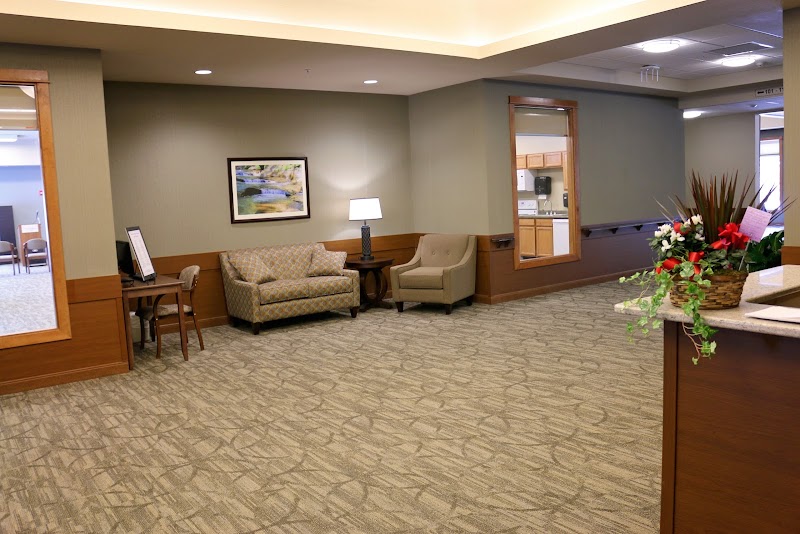
How is Dove Healthcare - Bloomer Staffed?

CMS rates DOVE HEALTHCARE - BLOOMER's staffing level at 5 out of 5 stars, which is much above average compared to other nursing homes. Staff turnover is 30%, compared to the Wisconsin average of 46%. This relatively stable workforce can support continuity of care.

What Have Inspectors Found at Dove Healthcare - Bloomer?

State health inspectors documented 10 deficiencies at DOVE HEALTHCARE - BLOOMER during 2023 to 2025. These included: 9 with potential for harm and 1 minor or isolated issues.
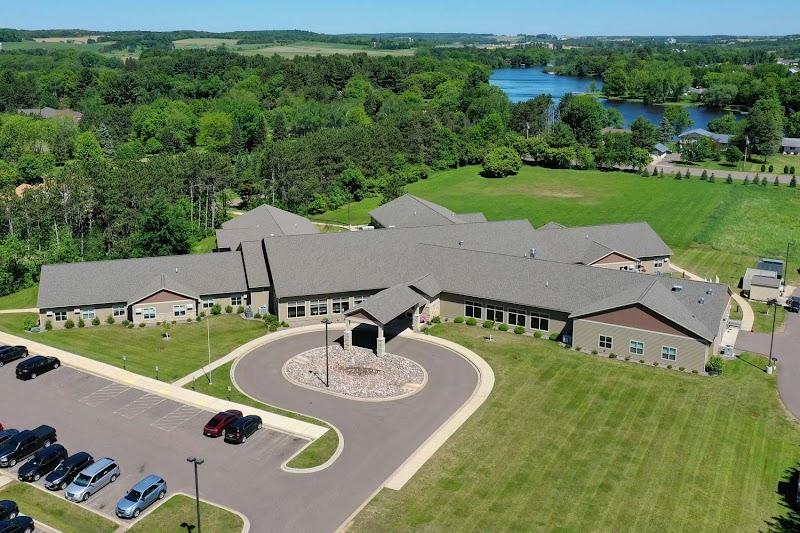
Who Owns and Operates Dove Healthcare - Bloomer?

DOVE HEALTHCARE - BLOOMER is owned by a for-profit company. For-profit facilities operate as businesses with obligations to shareholders or private owners. The facility is operated by DOVE HEALTHCARE, a chain that manages multiple nursing homes. With 50 certified beds and approximately 47 residents (about 94% occupancy), it is a smaller facility located in BLOOMER, Wisconsin.
How Does Dove Healthcare - Bloomer Compare to Other Wisconsin Nursing Homes?

Compared to the 100 nursing homes in Wisconsin, DOVE HEALTHCARE - BLOOMER's overall rating (5 stars) is above the state average of 3.0, staff turnover (30%) is significantly lower than the state average of 46%, and health inspection rating (4 stars) is above the national benchmark.

What Should Families Ask When Visiting Dove Healthcare - Bloomer?

Based on this facility's data, families visiting should ask: "Can I visit during a mealtime to observe dining assistance and food quality?" "How do you handle medical emergencies, and what is your hospital transfer rate?" "Can I speak with family members of current residents about their experience?"

Is Dove Healthcare - Bloomer Safe?

Based on CMS inspection data, DOVE HEALTHCARE - BLOOMER has a clean safety record: no substantiated abuse findings (meaning no confirmed cases of resident harm), no Immediate Jeopardy citations (the most serious violation level indicating risk of serious injury or death), and is not on the Special Focus Facility watch list (a federal program monitoring the lowest-performing 1% of nursing homes). The facility has a 5-star overall rating and ranks #1 of 100 nursing homes in Wisconsin. While no facility is perfect, families should still ask about staff-to-resident ratios and recent inspection results during their visit.

Do Nurses at Dove Healthcare - Bloomer Stick Around?

Staff at DOVE HEALTHCARE - BLOOMER tend to stick around. With a turnover rate of 30%, the facility is 16 percentage points below the Wisconsin average of 46%. Low turnover is a positive sign. It means caregivers have time to learn each resident's needs, medications, and personal preferences. Consistent staff also notice subtle changes in a resident's condition more quickly. Registered Nurse turnover is also low at 20%, meaning experienced RNs are available to handle complex medical needs.

Was Dove Healthcare - Bloomer Ever Fined?

DOVE HEALTHCARE - BLOOMER has been fined $5,282 across 1 penalty action. This is below the Wisconsin average of $33,132. While any fine indicates a compliance issue, fines under $50,000 are relatively common and typically reflect isolated problems that were subsequently corrected. Families should ask what specific issues led to these fines and confirm they've been resolved.

Is Dove Healthcare - Bloomer on Any Federal Watch List?

DOVE HEALTHCARE - BLOOMER is not on any federal watch list. The most significant is the Special Focus Facility (SFF) program, which identifies the bottom 1% of nursing homes nationally based on persistent, serious quality problems. Not being on this list means the facility has avoided the pattern of deficiencies that triggers enhanced federal oversight. This is a positive indicator, though families should still review the facility's inspection history directly.