ALDEN MEADOW PARK HCC
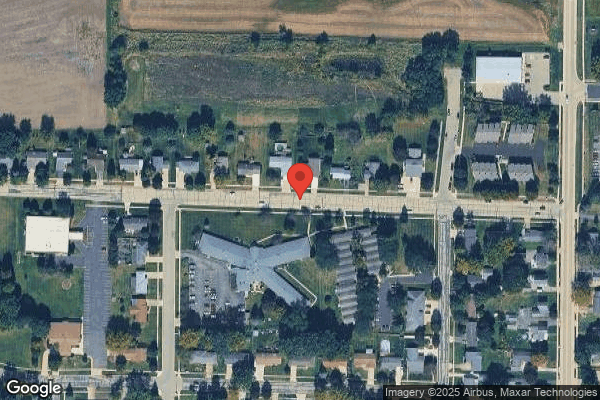
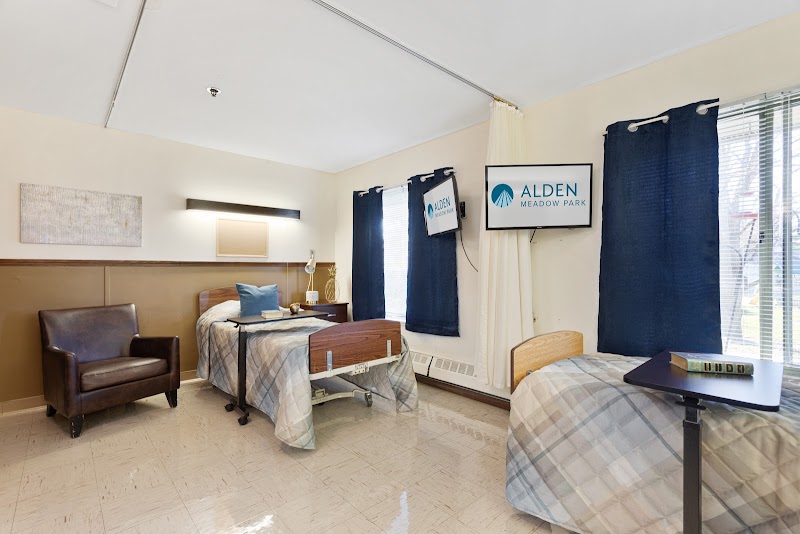
709 MEADOW PARK DR, CLINTON, WI 53525 (608) 676-2202
For profit - Limited Liability company 94 Beds THE ALDEN NETWORK Data: November 2025
Trust Grade
55/100
#186 of 321 in WI
Last Inspection: January 2025

Within standard 12-15 month inspection cycle. Federal law requires annual inspections.

Overview

Alden Meadow Park HCC has a Trust Grade of C, meaning it is average and sits in the middle of the pack compared to other facilities. It ranks #186 out of 321 in Wisconsin, placing it in the bottom half of all nursing homes in the state, and #5 out of 10 in Rock County, indicating that only four local options are better. Unfortunately, the facility is getting worse, with reported issues increasing from 3 in 2024 to 6 in 2025. Staffing is a significant concern here, with a low rating of 1 out of 5 stars and RN coverage worse than 75% of Wisconsin facilities, though staff turnover is impressively low at 0%. Recent inspector findings raised several issues, including inadequate pest control which left residents dealing with flies and beetles, and problems with accurately maintaining residents' advance directives in medical records. While the absence of fines is a positive sign, the overall care quality is concerning.

Trust Score
C
55/100
In Wisconsin
#186/321
Bottom 43%
Safety Record
Low Risk
No red flags
Inspections
Getting Worse
3 → 6 violations
Staff Stability
○ Average
Turnover data not reported for this facility.
Penalties
✓ Good
No fines on record. Clean compliance history, better than most Wisconsin facilities.
Skilled Nurses
○ Average
Each resident gets 33 minutes of Registered Nurse (RN) attention daily — about average for Wisconsin. RNs are the most trained staff who monitor for health changes.
Violations
⚠ Watch
16 deficiencies on record. Higher than average. Multiple issues found across inspections.
★★☆☆☆
2.0
Overall Rating
★☆☆☆☆
1.0
Staff Levels
★★★★☆
4.0
Care Quality
★★★☆☆
3.0
Inspection Score
Stable
2024: 3 issues
2025: 6 issues

The Good

  • 4-Star Quality Measures · Strong clinical quality outcomes
  • Full Sprinkler Coverage · Fire safety systems throughout facility
  • No fines on record

Facility shows strength in quality measures, fire safety.

The Bad

2-Star Overall Rating

Below Wisconsin average (3.0)

Below average - review inspection findings carefully

Chain: THE ALDEN NETWORK

Part of a multi-facility chain

Ask about local staffing decisions and management

The Ugly 16 deficiencies on record

Jan 2025 6 deficiencies
CONCERN (D)

Potential for Harm - no one hurt, but risky conditions existed

Deficiency F0578 (Tag F0578)

Could have caused harm · This affected 1 resident

**NOTE- TERMS IN BRACKETS HAVE BEEN EDITED TO PROTECT CONFIDENTIALITY** Based on observation, interview, and record review, the facility failed to ensure that the current copy of a resident's advance ...

Read full inspector narrative →
**NOTE- TERMS IN BRACKETS HAVE BEEN EDITED TO PROTECT CONFIDENTIALITY** Based on observation, interview, and record review, the facility failed to ensure that the current copy of a resident's advance directive was reflected accurately in the resident's medical record, for 1 of 17 sampled residents (R312) reviewed for advance directives. The facility had an incorrect advanced directive order in R312's medical record. Evidenced by: The facility policy, entitled Advance Directives, dated 11/22, states, in part: . A. Policy: The Social Service Director and/or designee will assess, care plan and implement Advance Directives. B. Procedure: . 7. All advanced directive preferences will be documented in the resident's care plan and updated quarterly, annually and upon any significant changes in cognition. 8. If the resident or resident representative chooses to initiate/change any advance directives, the Social Service Director/designee will document changes and update the plan of care. 9. The resident will have a code status order entered in their physician orders in accordance with advance directives on file . R312 was admitted to the facility on [DATE], with diagnoses that include Chronic Kidney Disease (a long term condition where the kidneys gradually lose their ability to filter waste products from the blood), Type 2 Diabetes Mellitus (a long term condition where the body does not produce enough insulin or does not use insulin effectively), and Congestive Heart Failure (a condition where the heart muscle is weakened and cannot pump blood effectively). R312's admission Minimum Data Set (MDS) Assessment, with Assessment Reference Date (ARD) of [DATE], shows R312 had a Brief Interview of Mental Status (BIMS) score of 12 indicating R312 has moderate cognitive impairment. On [DATE], an order was entered into R312's Electronic Health Record (EHR) indicating: YES CPR: Attempt Cardiopulmonary Resuscitation (CPR) Utilize all indicated modalities per standard medical protocol . Of note, Full Code is a medical term used to indicate a patient's preference for receiving all possible life-saving measures in the event of a cardiac or respiratory arrest. Specifically, full code means that healthcare providers will: Perform Cardiopulmonary Resuscitation (CPR), use a defibrillator, Intubate the patient (insert a breathing tube), and administer medications and other treatments necessary to maintain life. On [DATE], a Do Not Resuscitate (DNR) order was signed by R312 and the Attending Health Care Professional. The DNR form was scanned into R312's EHR. Of note, a DNR indicates the person has chosen not to receive CPR in an emergency. The DNR order informs healthcare providers not to perform CPR if a person's heart stops beating or their breathing stops. On [DATE], surveyor observed the banner listed at the top of R312's EHR banner states Code Status: Attempt Resuscitation/CPR (Full Code). On [DATE] at 11:40 AM, Surveyor interviewed LPN C (Licensed Practical Nurse) and asked what she would do if she found a resident to be pulseless and non-breathing. LPN C stated she would check for pulse, respirations and code status. Surveyor asked LPN C where she would find a resident's code status. LPN C stated she would look on the resident's banner in the EHR, and that if the banner stated DNR, she would check the paperwork on file to prove it was a signed DNR. Together Surveyor and LPN C reviewed R312's banner in the EHR, which stated Full Code. On [DATE] at 11:43 AM, Surveyor interviewed RN D (Registered Nurse) and asked what she would do if she found a resident to be pulseless and non-breathing. RN D stated she would initiate CPR and call for a rapid response. Surveyor asked RN D where she would find a resident's code status. RN D replied that she would look on the resident's banner in the EHR. Together Surveyor and RN D reviewed R312's banner in the EHR, which stated Full Code. On [DATE] at 11:48 AM, Surveyor interviewed RN E and asked what she would do if she found a resident to be pulseless and non-breathing. RN E stated she would check the resident's breathing and start CPR. Surveyor asked RN E where she would find a resident's code status. RN E replied that she would look in the resident's chart in the EHR or at the nurse's desk. Together Surveyor and RN E reviewed R312's banner in the EHR, which stated Full Code. Surveyor asked RN E if she found R312 to be pulseless and non-breathing, would she provide CPR. RN E stated yes, she would provide R312 with CPR. On [DATE] at 12:01 PM, Surveyor interviewed DON B (Director of Nursing) and asked her if she expected the nursing staff to check a resident's code status before starting CPR. DON B replied yes, that was her expectation. Surveyor asked DON B if R312 was CPR or DNR. DON B reviewed the EHR and stated R312 was a Full Code and would receive CPR in the event of an emergency. Surveyor reviewed with DON B the copy of the DNR form signed by R312 on [DATE] that had been scanned into his EHR. DON B stated that R312 would be a DNR as of today. On [DATE] at 12:12 PM, Surveyor interviewed DSS F (Director of Social Services) and asked her if R312 was a Full Code or a DNR. DSS checked in R312's EHR and stated he was a Full Code. Surveyor asked DSS F if the EHR banner, physician orders, signed DNR form, and EHR code status should all match. DSS F stated they should all be the same. Surveyor asked DSS F if all of them should accurately reflect the resident's advance directive wishes. DSS F stated yes, everything in the resident's EHR should be accurate. Surveyor reviewed R312's DNR form signed on [DATE] by R312 and scanned into the resident's EHR, as well as the banner that indicated Full Code. DSS F indicated she would change that immediately. On [DATE] at 1:49 PM, NHA A (Nursing Home Administrator) supplied a copy of R312's revised order, which states in part: .NO CPR: Do Not Attempt Resuscitation (DNAR) . as well as a screen shot of R312's banner in the EHR, which now indicated: (Advance Directives): NO CPR. Do Not Attempt Resuscitation (DNAR). The electronic health record (EHR) did not accurately reflect R312's wishes to be a DNR.
CONCERN (D)

Potential for Harm - no one hurt, but risky conditions existed

Safe Environment (Tag F0584)

Could have caused harm · This affected 1 resident

**NOTE- TERMS IN BRACKETS HAVE BEEN EDITED TO PROTECT CONFIDENTIALITY** Based on observation, interview, and record review, the facility did not ensure that each resident has a safe, clean, comfortabl...

Read full inspector narrative →
**NOTE- TERMS IN BRACKETS HAVE BEEN EDITED TO PROTECT CONFIDENTIALITY** Based on observation, interview, and record review, the facility did not ensure that each resident has a safe, clean, comfortable, and homelike environment, including, but not limited to receiving treatment and supports for daily living for 1 (R33) of 17 resident rooms observed. R33's room had both breakfast and lunch trays containing food and dirty dishes for hours after the meals had been served. This is evidenced by: The State of Operations Manual Appendix PP states in part: . Environment refers to any environment in the facility that is frequented by residents, including (but not limited to) the residents' rooms, bathrooms, hallways, dining areas, lobby, outdoor patios, therapy areas and activity areas. A homelike environment is one that de-emphasizes the institutional character of the setting, to the extent possible, and allows the resident to use those personal belongings that support a homelike environment. A determination of homelike should include the resident's opinion of the living environment. Orderly is defined as an uncluttered physical environment that is neat and well-kept. Sanitary includes, but is not limited to, preventing the spread of disease-causing organisms by keeping resident care equipment clean and properly stored. Resident care equipment includes, but is not limited to, equipment used in the completion of the activities of daily living . R33 was admitted to the facility on [DATE] with diagnoses that include need for assistance with personal cares, unspecified abnormalities of gait and mobility, generalized muscle weakness, and repeated falls. R33's most recent Minimum Data Set (MDS) Assessment, with an Assessment Reference Date (ARD) of 1/16/25 documented that R33 had a Brief Interview for Mental Status (BIMS) score of 14, indicating R33 is cognitively intact. Section GG0130 indicates that R33 needs setup and cleanup assistance with eating, but that resident is able to feed herself independently. On 1/29/25 at 1:41 PM, Surveyor observed R33 sitting in her wheelchair in her room, asleep, with her untouched lunch tray sitting before and her half-eaten breakfast tray sitting on the chair next to her. On 1/29/25 at 1:54 PM, Surveyor interviewed CNA G (Certified Nursing Assistant) and asked her if she had been in R33's room and noticed her breakfast and lunch trays still sitting in her room. CNA G stated she had not been in R33's room since this morning. Surveyor asked CNA G if she would consider it a homelike environment for R33 if her breakfast and lunch trays with dirty dishes and old food were still sitting in her room. CNA G replied no, she did not consider that a homelike environment. On 1/29/25 at 1:56 PM, Surveyor interviewed LPN C (Licensed Practical Nurse) and asked her if she had been in R33's room and noticed her breakfast and lunch trays still sitting in her room. LPN C stated that she had been in R33's room to administer medications but had not noticed her trays. Surveyor asked LPN C if she would consider it a homelike environment for R33 if her breakfast and lunch trays with dirty dishes and old food were still sitting in her room. LPN C replied no, she did not consider that a homelike environment. On 1/29/25 at 1:59 PM, Surveyor interviewed CNA H and asked her if she would consider it a homelike environment if a resident had breakfast and lunch trays still sitting in their room with dirty dishes and food on them. CNA H stated no, she did consider it homelike, and she didn't let dirty dishes sit around in her own home. CNA H stated she had been in R33's room but had not noticed the trays sitting there. On 1/29/25 at 2:09 PM, Surveyor observed LPN C remove R33's breakfast tray and CNA H remove R33's lunch tray. On 1/29/25 at 3:00 PM, Surveyor interviewed R33 and asked her if she considered it a homelike environment to have her breakfast and lunch trays sitting in her room with dirty dishes and food on them. R33 indicated that she did not think that was a homelike environment and stated that it upsets her when they do that. R33 stated she would be embarrassed if visitors came to see her and there was nowhere to sit because the chair had a tray with dirty dishes on it. On 1/30/25 at 3:19 PM, Surveyor interviewed ADON I (Assistant Director of Nursing) and asked what her expectations would be for removing trays from resident rooms after meals. ADON I replied that R33 takes a long time to eat, and requests that her meal trays be kept in her room for longer. Surveyor asked ADON I if she would expect a breakfast tray to still be in the room after 2:00 PM. ADON I replied no, that was too long for the breakfast tray to still be in her room. Surveyor asked ADON I if she expected the residents to have a homelike environment, including free of clutter and dirty dishes. ADON I indicated yes, that was her expectation.
CONCERN (D)

Potential for Harm - no one hurt, but risky conditions existed

ADL Care (Tag F0677)

Could have caused harm · This affected 1 resident

**NOTE- TERMS IN BRACKETS HAVE BEEN EDITED TO PROTECT CONFIDENTIALITY** Based on observation, interview, and record review, the facility did not provide repositioning for dependent residents for 1 of ...

Read full inspector narrative →
**NOTE- TERMS IN BRACKETS HAVE BEEN EDITED TO PROTECT CONFIDENTIALITY** Based on observation, interview, and record review, the facility did not provide repositioning for dependent residents for 1 of 1 residents (R) reviewed for Activities of Daily Living (ADLs) assistance (R33). Staff did not assist R33 with repositioning in her wheelchair per her plan of care. Evidenced by: Facility policy, entitled Activities of Daily Living, dated 3/10/22, states in part: .assist resident to perform ADL's (grooming, dressing, oral hygiene, transfer, ambulation, toileting, etc.) and encourage resident to participate as much as the resident is able . R33 was admitted to the facility on [DATE] with diagnoses that include need for assistance with personal cares, transient ischemic deafness, unspecified abnormalities of gait and mobility, generalized muscle weakness, repeated falls, rheumatoid arthritis (a chronic autoimmune disease that primarily affects the joints causing inflammation, pain, stiffness, and damage to the joints), bilateral primary osteoarthritis of the knee (a common type of joint disease that causes pain, stiffness, and swelling in the joints that occurs when the cartilage that cushions the ends of bones in the joints wears down over time), primary generalized osteoarthritis, and ankylosing spondylitis of the spine (a chronic inflammatory disease that primarily affects the spine. It causes inflammation of the joints between the vertebrae, leading to pain, stiffness, and fusion of the spine over time). R33's most recent Minimum Data Set (MDS) Assessment, with an Assessment Reference Date (ARD) of 1/16/25 documented that R33 had a Brief Interview for Mental Status (BIMS) score of 14, indicating R33 is cognitively intact. Section GG0130 indicates that R33 needs assistance or setup with bed and chair mobility and turning. R33's Care Plan, initiated on 7/7/22, includes, in part: Focus: [Resident Name] has an ADL self-care performance deficit related to having weakness and inability to care for self. Intervention: Encourage use of positioning device for bed mobility as needed. Date Initiated 7/20/22 . Focus: Potential for alteration in skin integrity related to having weakness which may impact ability to always offload enough to avoid friction or shearing . Intervention: Position body with pillows/support devices. Date initiated 7/20/22 . Focus: Potential for pain related to diagnosis of Rheumatoid Arthritis, Bilateral Arthritis to knees . Intervention: Position resident for comfort. Date initiated 7/22/22 . Reposition resident as necessary. Date initiated 7/20/22 . January, 2025 Certified Nursing Assistant (CNA) Point of Care (POC) charting indicates in part: Turned and Repositioned at no greater than every 2 hours based on resident need . Repositioning was documented as follows: -One time per shift on 4 days -Twice per shift on 12 days -Three times per shift on 13 days Of note: no days in January were documented as repositioning every 2 hours. On 1/28/25 at 9:06 AM, Surveyor interviewed R33 who was sitting in her room in her wheelchair. R33 indicated that she is in pain when she sits for a long period of time due to her arthritis in her knees. R33 stated she feels like the staff are ignoring her. On 1/30/25 at 8:34 AM, Surveyor observed R33 in her wheelchair in her room, with her head forward on her chest. R33 appeared to be sleeping. On 1/30/25 at 9:42 AM, Surveyor observed R33 in her wheelchair in her room, with her head forward on her chest. R33 appeared to be sleeping. On 1/30/25 at 10:05 AM, Surveyor observed R33 in her wheelchair in her room, with her head forward on her chest. R33 appeared to be sleeping. On 1/30/25 at 11:02 AM, Surveyor observed R33 in her wheelchair in her room, with her head forward on her chest. R33 appeared to be sleeping. On 1/30/25 at 12:00 PM, Surveyor observed R33 in her wheelchair in her room, with her head forward on her chest. R33 appeared to be sleeping. On 1/30/25 at 12:53 PM, Surveyor observed R33 in her wheelchair in her room, with her head forward on her chest. R33 appeared to be sleeping. On 1/30/25 at 12:57 PM, Surveyor interviewed CNA J (Certified Nursing Assistant) and asked if R33 was able to reposition herself in her wheelchair. CNA J stated that sometimes R33 can reposition herself and if she needs help, she will ask. On 1/30/25 at 2:50 PM, Surveyor observed R33 in her wheelchair in her room, with her head forward on her chest. R33 appeared to be sleeping. Of note, at no time throughout the day did R33 appear to have been moved or repositioned in her wheelchair. Surveyor did not observe staff interacting with R33, nor were there any pillows or repositioning devices used to assist R33 with offloading. On 1/30/25 at 2:56 PM, Surveyor interviewed RN K (Registered Nurse) and asked if R33 was able to reposition herself in her wheelchair. RN K stated that at times R33 needs help and that the aides help her. On 1/30/25 at 3:09 PM, Surveyor interviewed CNA L and asked if R33 was able to reposition herself in her wheelchair. CNA L stated no, R33 could not reposition herself and that she needs help because of her bad knees. On 1/30/25 at 3:19 PM, Surveyor interviewed ADON I (Assistant Director of Nursing) and asked what her expectation was for staff for repositioning with R33. ADON I indicated she expected the staff to help turn R33 and help her get off her bottom by putting pillows under her and making sure she is comfortable. Surveyor asked ADON I how often the staff should be assisting R33 with repositioning. ADON I stated she expected the staff would do rounds every 2 hours, that included checking on R33 and all the residents and making sure their needs were met. Surveyor asked ADON I if it was acceptable for R33 to be sitting in the same position in her wheelchair for 6 hours. ADON I indicated no, that would not be acceptable. Cross Reference: F688, F697
CONCERN (D)

Potential for Harm - no one hurt, but risky conditions existed

Deficiency F0688 (Tag F0688)

Could have caused harm · This affected 1 resident

**NOTE- TERMS IN BRACKETS HAVE BEEN EDITED TO PROTECT CONFIDENTIALITY** Based on interview and record review, the facility did not ensure that a resident with limited mobility receives appropriate ser...

Read full inspector narrative →
**NOTE- TERMS IN BRACKETS HAVE BEEN EDITED TO PROTECT CONFIDENTIALITY** Based on interview and record review, the facility did not ensure that a resident with limited mobility receives appropriate services, equipment, and assistance to maintain or improve mobility for 1 of 1 residents reviewed for mobility (R33). The facility was not walking R33 in accordance with her plan of care. This is evidenced by: Facility policy titled Restorative Nursing Program, dated 3/10/22 states, in part: Policy: It is the policy of this facility that a resident is given the appropriate treatment and services to enable residents to maintain or improve his or her abilities and to promote the resident's ability to adapt and adjust to living as independently and safely as possible . 1. The purpose of the Restorative Nursing Program is to: a. Restore to original status or improve level of independence after a decline in Activities of Daily Living (ADLs), and/or . d. Maintain or improve functional abilities in ADLs, and/or . e. Promote ability and wellness and where possible, prevent decline or loss of independence, and/or . f. Enable residents to attain or maintain their highest practicable level of functioning . 2. A Restorative Nursing Program may be established: . b. When restorative needs arise during the course of a longer-term stay . 3. Activities provided by restorative nursing staff include: c. Bed mobility . e. Walking . Facility policy titled Walking/Ambulation, dated 3/10/22 states, in part: Definition: Ambulation refers to activities provided to improve or maintain the resident's self-performance in walking, with or without assistive devices. RNP (Restorative Nursing Program) walking programs are individualized to the resident's needs, planned, monitored, evaluated, and documented in the resident's medical record . Considerations: 1. The purpose of RNP walking programs is to: a. Promote increased independence . b. Promote circulation, stimulation, and muscle strengthening . c. Reduce potential for falls . d. Increase self-esteem . R33 was admitted to the facility on [DATE] with diagnoses that include need for assistance with personal cares, transient ischemic deafness, unspecified abnormalities of gait and mobility, generalized muscle weakness, repeated falls, rheumatoid arthritis (a chronic autoimmune disease that primarily affects the joints causing inflammation, pain, stiffness, and damage to the joints), bilateral primary osteoarthritis of the knee (a common type of joint disease that causes pain, stiffness, and swelling in the joints that occurs when the cartilage that cushions the ends of bones in the joints wears down over time), primary generalized osteoarthritis, and ankylosing spondylitis of the spine (a chronic inflammatory disease that primarily affects the spine. It causes inflammation of the joints between the vertebrae, leading to pain, stiffness, and fusion of the spine over time). R33's most recent Minimum Data Set (MDS) Assessment, with an Assessment Reference Date (ARD) of 1/16/25 documented that R33 had a Brief Interview for Mental Status (BIMS) score of 14, indicating R33 is cognitively intact. Section GG0120 indicates that R33 uses a walker and a wheelchair as assistive devices for ambulation. Section GG0170 indicates that R33 requires supervision and/or touch assistance for sitting to lying and lying to sitting in the bed, for moving from sitting to standing, for all transfers and for walking. R33's Care Plan, initiated on 7/7/22, includes, in part: Focus: [Resident Name] has an ADL (Activities of Daily Living) self-care performance deficit related to having weakness and inability to care for self . Intervention: Provide walker as needed for ambulation. Date initiated 7/20/22 . Intervention: Provide wheelchair as needed for mobility. Date initiated 7/20/22 . Intervention: Transfer with assist of 1 with gait belt and walker. Date initiated 7/20/22 . Focus: Potential for alteration in skin integrity related to having weakness which may impact ability to always offload enough to avoid friction or shearing . Intervention: Encourage mobility and/or ambulation. Date initiated 7/20/22 . Focus: [Resident Name] requires assistance with ambulation. Resident requires task segmented directions to participate in ambulation activities with staff. Decreased ability to walk, Risk for falls, Weakness . Goal: [Resident Name] will ambulate with gait belt and walker and 1 person assist from her room to the nurse's station daily as tolerated . Intervention: Provide 1 assist with gait belt and walker to ambulate from bed to bathroom daily as tolerated. Date initiated 7/20/22 . Intervention: Set up assistive device to aid in assisting resident to a standing position. Date initiated 7/20/22 . Intervention: Stand along side of resident to provide verbal cues/guidance/assist while ambulating. Date initiated 7/20/22 . R33's Physician Orders state, in part: Ambulate with staff using walker and gait belt 1x daily every evening shift for restorative care ambulate with patient with appropriate DME (Durable Medical Equipment) . Order Date: 1/22/25. Start Date: 1/23/25. R33's Documentation Survey Report states, in part: A Nursing Rehab: Walking [Resident Name] will ambulate with gait belt and 4-wheeled walker from her room to the nurse's station . Frequency Q-shift (once per shift) . R33's Restorative Nursing Assessment, dated 1/16/25, states, in part: Based on the assessment the Residents priority programs will be: . c. Bed Mobility/Walking . Goal: Walking [Resident Name] will ambulate with gait belt and 4-wheeled walker from her room to the nurse's station . In November, 2024, the Documentation Survey report indicates: -27 shifts left blank for walking R33, and -27 shifts documented N/A (Not Applicable) In December, 2024, the Documentation Survey report indicates: -20 shifts left blank for walking R33, and -41 shifts documented N/A In January, 2025, the Point of Care (POC) charting by the CNAs (Certified Nursing Assistants) indicates: -21 shifts left blank for walking R33 On 1/28/25 3:42 PM, Surveyor interviewed R33 who stated that she has arthritis in her legs, and that the pain at times is a 10 out of 10. Surveyor asked R33 if staff knew she was in so much pain. R33 states yes, staff knew about her pain. R33 indicated that walking would help with her pain, but that it wasn't happening because there wasn't enough staff. R33 stated that the pain was so bad that at times she wanted to sit and cry. On 1/28/25 at 3:57 PM, Surveyor interviewed CNA/Med Tech M (Certified Nursing Assistant/Medication Technician) who stated that R33 does have pain in her knees before she gets the cortisone shots. Surveyor asked CNA M if the staff were assisting R33 with walking. CNA M stated they will walk her back and forth to the bathroom once per shift. Surveyor notified CNA/Med Tech M that R33 was endorsing 10 out of 10 pain. CNA M stated she would look into it. On 1/28/25 at 4:00 PM, Surveyor interviewed CNA H who stated that R33 does have ongoing pain. Surveyor asked CNA H if the staff were assisting R33 with walking. CNA H replied that they have not been walking R33 in the hall lately, but at bedtime they walk her from the bathroom to bed. On 1/28/25 at 4:04 PM, Surveyor interviewed PTA O (Physical Therapy Assistant) who stated that R33 does have a restorative program and that she loves to walk. PTA O indicated that ADON I (Assistant Director of Nursing) was in charge of the restorative program. On 1/29/25 at 8:36 AM, Surveyor interviewed LPN C (Licensed Practical Nurse) who stated that she didn't know about the aides walking with R33 in the hall but that she has seen her walk with physical therapy. On 1/29/25 at 3:00 PM, Surveyor interviewed R33 and asked if any of the staff had assisted her with walking in the hallway today. R33 replied no. Surveyor asked R33 if she ever refused to walk due to pain. R33 replied no, that she never refuses. R33 again stated that therapy wants her to walk. R33 said she felt like the staff did not want to walk with her because they didn't have time. On 1/29/25 at 3:28 PM, Surveyor interviewed CNA H and asked her what N/A in the charting meant. CNA H replied that it was not a refusal, as that would be marked as R. Surveyor asked specifically about walking with R33. CNA H stated that for this resident N/A meant they didn't have enough time or an opportunity to get her out of her room to walk. On 1/30/25 at 12:57 PM, Surveyor interviewed CNA J about walking with R33. CNA J stated that she walks R33 to the bathroom and back once per shift, but that if she is sitting in her wheelchair, she will just wheel her to the bathroom. CNA J stated that R33 will walk in the hallway with therapy, but that it doesn't happen very frequently. Surveyor asked CNA J what N/A on the chart meant. CNA J replied that if N/A was documented, that meant they couldn't get to walking her. Surveyor asked CNA J what a blank meant in the documentation. CNA J stated it either wasn't done or staff forgot to document it. On 1/30/25 at 3:19 PM, Surveyor interviewed ADON I (Assistant Director of Nursing) about R33's restorative walking program. Surveyor asked ADON I what her expectation was for someone on the walking program. ADON I indicated it was her expectation for staff to walk with them to meet their goal, and for the aides to walk them at least once a day if the resident wants to. Surveyor asked ADON I if someone was requesting to walk, would she expect staff to meet that need. ADON I replied yes, depending on the staffing situation. Surveyor asked ADON I what N/A meant in the CNA charting. ADON I stated that the restorative program was new to the facility and she planned to educate staff on how to chart appropriately. Surveyor asked ADON I what a blank meant in the documentation. ADON I indicated that a blank could mean staff forgot to go back and chart something. Surveyor asked ADON I if she would expect the care plan interventions and physician orders to be followed in walking R33. ADON I replied yes, she would expect the care plan and physician orders to walk with R33 to be followed. Cross Reference F677 and F697
CONCERN (D)

Potential for Harm - no one hurt, but risky conditions existed

Deficiency F0697 (Tag F0697)

Could have caused harm · This affected 1 resident

**NOTE- TERMS IN BRACKETS HAVE BEEN EDITED TO PROTECT CONFIDENTIALITY** Based on observation, interview, and record review, facility staff did not adequately assess and treat pain and provide necessar...

Read full inspector narrative →
**NOTE- TERMS IN BRACKETS HAVE BEEN EDITED TO PROTECT CONFIDENTIALITY** Based on observation, interview, and record review, facility staff did not adequately assess and treat pain and provide necessary care and services to attain or maintain the highest practicable physical well-being for 1 of 2 Residents (R) reviewed for pain (R33). The facility failed to adequately assess R33's pain or provide non-pharmacologic interventions to treat her pain. This is evidenced by: The facility policy titled, Pain Management, dated 4/19/12 states, in part: Policy: Our mission is to facilitate resident independence, promote resident comfort and preserve resident dignity. Procedure: 1. Residents shall be assessed for pain and his or her manner of expressing pain upon admission, re-admission, and annually . 3. Residents will be assessed for chronic pain or persistent pain (a pain state that continues for a prolonged period of time or recurs more than intermittently for months) when the symptoms present themselves . Plan of Care: For any resident with orders for scheduled pain management, staff will initiate an interdisciplinary plan of care based on the initial assessment and the development of pain relieving strategies. The plan will include both pharmacological and complementary interventions. Documentation: Document interventions and responses to pain management in the medical record as appropriate (i.e. medication administration record, treatment record, nursing progress notes, etc.) . R33 was admitted to the facility on [DATE] with diagnoses that include need for assistance with personal cares, transient ischemic deafness, unspecified abnormalities of gait and mobility, generalized muscle weakness, repeated falls, rheumatoid arthritis (a chronic autoimmune disease that primarily affects the joints causing inflammation, pain, stiffness, and damage to the joints), bilateral primary osteoarthritis of the knee (a common type of joint disease that causes pain, stiffness, and swelling in the joints that occurs when the cartilage that cushions the ends of bones in the joints wears down over time), primary generalized osteoarthritis, and ankylosing spondylitis of the spine (a chronic inflammatory disease that primarily affects the spine. It causes inflammation of the joints between the vertebrae, leading to pain, stiffness, and fusion of the spine over time). R33's most recent Minimum Data Set (MDS) Assessment, with an Assessment Reference Date (ARD) of 1/16/25 documented that R33 had a Brief Interview for Mental Status (BIMS) score of 14, indicating R33 is cognitively intact. Section J: Health Conditions indicates that R33 is on a pain medication regimen and received non-pharmacological interventions for pain. Section J0300 indicates pain is present. Section J0410 indicates pain is rarely or not at all present. Section J0600 indicates mild pain, with a numeric rating of 3. R33's Care Plan, initiated on 7/7/22, includes, in part: Focus: [Resident Name] has an ADL (Activities of Daily Living) self-care performance deficit related to having weakness and inability to care for self . Intervention: Monitor for any signs and symptoms of pain/discomfort during ADLs. Date Initiated 7/20/22 . Intervention: Offer PRN (as needed) analgesics (pain relieving medication) prior to ADL activities and/or rehab if indicated. Date initiated 7/20/22. Focus: Potential for pain related to diagnosis of Rheumatoid Arthritis, Bilateral Arthritis to knees . Intervention: Administer pain strategies according to MAR (Medication Administration Record)/TAR (Treatment Administration Record). Date initiated 7/7/22 . Intervention: Assess pain every shift. Date initiated 7/20/22 . Intervention: Complete pain assessment. Date initiated 7/20/22 . Intervention: Monitor for non-verbal indicators of pain daily with care tasks and activities. Date initiated: 7/20/22 . Intervention: Observe resident for effectiveness of pain relief. Date initiated 7/20/22 . Intervention: Offer PRN analgesics prior to ADL activities and/or rehab if indicated. Date initiated 7/20/22 . Position resident for comfort. Date initiated 7/20/22 . Reposition resident as necessary. Date initiated 7/20/22 . R33's Physician Orders Include: Pain eval (evaluation) Q-shift (every shift). Start date: 6/30/22. No end date. Acetaminophen 500 mg (milligram) tablet. Give 2 tablets by mouth every 6 hours as needed for fever/pain management. Start date: 12/15/22. No end date. Acetaminophen 500 mg tablet. Give 2 tablets by mouth two times a day for pain management. Start date: 12/15/22. No end date. Voltaren Gel 1% (Diclofenac Sodium). Apply 2 gram transdermally every 6 hours as needed for pain management. Apply to bilateral hands. Start date: 8/14/24. No end date. Voltaren Gel 1% (Diclofenac Sodium). Apply 2 gram transdermally every 6 hours as needed for pain management. Apply to bilateral knees. Start date: 8/14/24. No end date. Lidocaine External Patch 4% (Lidocaine). Apply to lower back topically as needed for pain management. Apply one patch on 12 hours daily. Start date: 12/30/24. No end date. Gabapentin 100 mg capsule. Give 1 capsule by mouth at bedtime for neuropathic pain. Start Date: 1/15/25. No end date. R33's Medical Record includes, in part: On 10/21/24 a Pain Management Evaluation states in part: . Pain Level: 0. Diagnosis: Does the resident have any diagnosis which would give you reason to believe he/she would be in pain? Yes. If yes, list: Rheumatoid Arthritis, Spondylitis of spine, Osteoarthritis of knee. What is your acceptable level of pain: 0 . On 10/28/24, a MD (Medical Director) Progress Note states in part: . Patient admitted to the SNF (Skilled Nursing Facility) on 7/7/22 for skilled nursing and rehab. Patient asked to be seen by therapy to optimize therapy, pain control . Assessment/Plan: Previously noted to likely be someone who would need every 3 months of knee injection for pain management. Received injections 10/9/24 and 7/9/24. Previous to that was March 2024. She reports effectiveness and success with pain control post injections . Pain, unspecified. Patient is high risk for functional impairment without therapy and adequate pain control .No apparent distress . No new concerns . Of note, MD Progress Notes dated 10/31/24, 11/8/24, 11/12/24, 11/21/24 state word for word the same as MD Progress Note on 10/28/24. No personalized or new interventions to address resident's pain. On 1/9/25, a Nurse Progress Note states in part: . Resident has rheumatoid arthritis and spine is kyphotic (excessive outward curvature of the spine); gets knee injections regularly per Dr. Lynch for this; that is effective for functional decline. Resident has chronic joint pain and takes scheduled Tylenol for this which has been effective . On 1/11/25, a Nurse Progress Note states in part: . Resident . has osteo and rheumatoid arthritis that primarily affect her knees and at times needs more assistance with ADLs. Sees Dr. Lynch regularly for knee injections that greatly improved her function . On 1/16/25, a Pain Management Evaluation states in part: . Pain Level: 0. Diagnosis: Does the resident have any diagnosis which would give you reason to believe he/she would be in pain? No . On 1/28/25 at 3:42 PM, Surveyor interviewed R33 in her room. R33 indicated that she has sharp pains in her feet and toes, and that she has told the nurses, but they don't believe her. R33 stated that she tells the nurse that she wants to see the nurse about her pain, but that the nurses never come in and ask her about her pain. R33 stated that this pain has been going on for over a month, and she feels ignored by staff. R33 stated that she also has arthritis in her legs, and that the pain at times is a 10 out of 10. R33 indicated that walking would help with her pain, but that it wasn't happening because there wasn't enough staff. R33 stated that the pain was so bad that at times she wanted to sit and cry. On 1/28/25 at 3:57 PM, Surveyor interviewed CNA/Med Tech M (Certified Nursing Assistant/Medication Technician) who stated that R33 does have pain in her knees before she gets the cortisone shots. Surveyor notified CNA/Med Tech M that R33 was endorsing 10 out of 10 pain. CNA M stated she would look into it. On 1/28/25 at 4:00 PM, Surveyor interviewed CNA H who stated that R33 does have ongoing pain. CNA H stated that R33's pain has been so bad in her knees lately that the staff have not been walking with her much. On 1/28/25 at 4:04 PM, Surveyor interviewed PTA O (Physical Therapy Assistant) who stated that R33 does have knee pain and gets cortisone shots that does help with the pain and her mobility. On 1/29/25 at 8:36 AM, Surveyor observed LPN C (Licensed Practical Nurse) administering morning medications to R33. LPN C went into R33's room and gave her a medication cup with her medications, then waited at the doorway to R33's room while she waited for R33 to take them. Surveyor asked LPN C if she had assessed R33 for pain before giving her medications. LPN C stated that she had not completed a pain assessment yet. Surveyor asked LPN C if she had marked anything in R33's EHR (Electronic Health Record) for pain. LPN C stated she had marked a zero for pain. Surveyor observed LPN C then go into R33's room and utilize the whiteboard to communicate with R33. (R33 is deaf and reads lips or reads the white board for communication). LPN C returned from R33's room and said that R33 had indicated that her legs hurt bad today and she had rated her pain 9 out of 10. LPN C stated she had just given R33 her scheduled acetaminophen for pain. Surveyor asked LPN C if R33 had any PRN (as needed) medications for breakthrough pain. LPN C stated R33 only had acetaminophen ordered, as R33's pain comes and goes. LPN C stated that R33 does get injections in her knees that help with her pain, mobility, and transfers, but then it wears off and R33 experiences more pain again. Surveyor asked LPN C if there were any non-pharmacological interventions for R33's pain, such as walking. LPN C stated she was unsure but had seen R33 walking with physical therapy. At 1/29/25 at 9:09 AM, Surveyor interviewed DON B (Director of Nursing) about R33's pain. DON B indicated that R33 had had previous orders for stronger narcotic medications for pain, but that R33 had refused to take them. Surveyor reviewed the NP (Nurse Practitioner) progress notes in R33's EHR (Electronic Health Record) with DON B. DON B stated that the NP tends to just copy and paste without reading the resident's chart, and that is a process they need to work on. Surveyor asked DON B what her expectation was for assessing resident's pain. DON B stated that she would expect the nurses to assess pain prior to giving medications. Surveyor shared with DON B her observation of LPN C not assessing R33's pain, and entering a zero for pain before assessing her, only to realize she had 9 out of 10 pain. DON B replied that sometimes R33 will tell you she has 10 out of 10 pain, but when the nurses do a pain assessment she will tell them 0 out of 10. 01/29/25 at 11:06 AM, Surveyor interviewed CNA O. Surveyor asked CNA O if R33 had ever complained of pain. CNA O replied yes, that R33 has pain when they get her up in the morning. Surveyor asked CNA O if R33 rated her pain when they were getting her up. CNA O stated no, but that she will scrunch up her face in pain and ask them to move slow because of her pain. Surveyor asked CNA O if she ever notifies the nurse of R33's pain. CNA O stated no, they just move slower and give R33 time to rest. Surveyor asked CNA O if she should stop and tell the nurse if R33 is exhibiting pain. CNA O stated yes, she should probably get the nurse. On 1/29/25 at 1:16 PM, Surveyor interviewed FM Q (Family Member) of R33. FM Q indicated that R33 has rheumatoid arthritis that is bone on bone, and very painful. FM Q stated that the steroid shots help but when they wear off the pain is really bad. FM Q said that facility staff tell her that R33 is getting old and imagining things but that R33's mind is actually very sharp. FM Q stated that she feels that the facility looks at R33 and her age and that she is deaf and they don't treat her like she knows what she is talking about. FM Q indicated that she thinks the facility could be doing more to address R33's pain. On 1/29/25 at 3:00 PM, Surveyor interviewed R33 and asked her if anyone had come in and assessed her pain today. R33 replied, no, that is part of the problem. Surveyor asked R33 if she had walked in the hall today with staff. R33 replied no, that no one had offered to walk with her. Surveyor asked R33 if she ever refused to walk due to pain. R33 replied no, that she never refuses. R33 again stated that therapy wants her to walk and that it helps with the pain in her legs. R33 said she felt like the staff did not want to walk with her because they didn't have time. On 1/30/25 at 2:56 PM, Surveyor interviewed RN K. Surveyor asked RN K how she assesses R33's pain. RN K replied she usually asks her, and that R33 can read her lips. Surveyor asked RN K if R33 ever endorsed pain greater than a 1. RN K said no, not to her. Of note, R33's documented pain ratings in the EHR have consistently been documented as 1's and 0's. In December 2024, R33's MAR (Medication Administration Record) indicates six pain evaluations documented as 1 and the rest are documented as 0. In January 2025, R33's MAR indicates ten pain evaluations documented as 1 and the rest are documented as 0. On 1/30/25 at 3:19 PM, Surveyor interviewed ADON I (Assistant Director of Nursing) about R33's pain. Surveyor asked ADON I what her expectation was for assessing a resident's pain. ADON I stated she would expect the staff to complete a pain assessment when the resident has signs or symptoms of pain or is reporting any pain or if they are asking for a pain medication. Surveyor asked ADON I if R33 had concerns with pain. ADON I stated no, she had never heard that R33 complained of pain. Surveyor reviewed R33's pain assessment with ADON I and asked if the information in it was correct. ADON I replied no, that R33 does have a diagnosis that would indicate pain ADON I reviewed R33's EHR and confirmed that R33 has rheumatoid arthritis which would indicate pain. The facility failed to recognize and evaluate R33's ongoing pain, and failed to treat her pain with appropriate pain management interventions and strategies. R33's has diagnoses that indicate pain. Staff are aware that R33 has unrelieved pain, and that walking can help the pain, however documentation shows that staff are often not walking with her. R33 indicates that she has pain daily and that staff are not assessing or treating her pain. Cross Reference F677 and F688
CONCERN (F)

Potential for Harm - no one hurt, but risky conditions existed

Staffing Data (Tag F0851)

Could have caused harm · This affected most or all residents

Based on interview and record review, the facility did not ensure accurate reporting of the mandatory submission of staffing information based on payroll data to the Centers for Medicare & Medicaid Se...

Read full inspector narrative →
Based on interview and record review, the facility did not ensure accurate reporting of the mandatory submission of staffing information based on payroll data to the Centers for Medicare & Medicaid Services (CMS.) This has the potential to affect all 65 residents residing within the facility. The facility failed to enter accurate data in their Payroll Based Journal (PBJ) reporting and triggered for four fiscal year quarters for excessively low weekend staffing, triggered one fiscal year quarter for failure to have licensed nursing coverage 24 hours a day, and triggered for one fiscal year quarter for failure to have RN (registered nurse) hours each day Evidenced by: According to https://www.cms.gov/medicare/quality/nursing-home-improvement/staffing-data-submissionExample the Centers for Medicare & Medicaid Services (CMS) has long identified staffing as one of the vital components of a nursing home's ability to provide quality care. CMS has utilized staffing data for a myriad of purposes in an effort to more accurately and effectively gauge its impact on quality of care in nursing homes . Therefore, CMS has developed a system for facilities to submit staffing information - Payroll Based Journal (PBJ). This system allows staffing information to be collected on a regular and more frequent basis than previously collected. It is auditable to ensure accuracy . The first mandatory reporting period began July 1,2016 . The deadlines for each reporting period are as follows: Fiscal Quarter 1-October 1- December 31 due February 14, Fiscal Quarter 2- January 1- March 31 due May 15, Fiscal Quarter 3- April 1 - June 30 due August 14, Fiscal Quarter 4- July- September 30 due November 14 . November 1, 2017, CMS began posting a public use file containing PBJ staffing data submitted by long term care facilities. The file includes the hours nursing staff are paid to work each day, for each facility. The categories of nursing staff include director of nursing, registered nurses with administrative duties, registered nurses, licensed practical nurses with administrative duties, licensed practical nurses, certified nurse aides, medication aides, and nurse aides in training. The file also includes a facility's census for each day within the quarter as calculated using the minimum data set (MDS) submission. Example 1: CMS's PBJ Staffing Data Report, for fiscal year quarter 1 2024 (October 1 - December 31), includes: This Staffing Report identifies areas of concern that will be triggered . requires follow-up during survey . Excessively Low Weekend Staffing: Triggered - Submitted Weekend Staffing data is excessively low . Possible reasons for suppressed metrics: Invalid data, Facility is too new to rate, Special Focus Facility . Facility failed to provide Surveyor a copy of CASPER Report 1702D, Individual Daily Staffing Report from 10/1/2024-12/31/24. (It is important to note this report would have showed the hours that were reported to CMS.) Example 2: CMS's PBJ Staffing Data Report, for fiscal year quarter 3 2024 (April 1 - June 30), includes: This Staffing Report identifies areas of concern that will be triggered . requires follow-up during survey . One Star Staffing Rating: Triggered-Star Staffing Rating Equals 1 . Excessively Low Weekend Staffing: Triggered - Submitted Weekend Staffing data is excessively low . Possible reasons for suppressed metrics: Invalid data, Facility is too new to rate, Special Focus Facility . Facility failed to provide Surveyor a copy of CASPER Report 1702D, Individual Daily Staffing Report from 4/1/24-6/30/24. (It is important to note this report would have showed the hours that were reported to CMS.) Example 3: CMS's PBJ Staffing Data Report, for fiscal year quarter 2 2024 (January 1 - March 31), includes: This Staffing Report identifies areas of concern that will be triggered . requires follow-up during survey . Excessively Low Weekend Staffing: Triggered - Submitted Weekend Staffing data is excessively low . Possible reasons for suppressed metrics: Invalid data, Facility is too new to rate, Special Focus Facility . Facility failed to provide Surveyor a copy of CASPER Report 1702D, Individual Daily Staffing Report from 1/1/24-3/31/24. (It is important to note this report would have showed the hours that were reported to CMS.) Example 4: CMS's PBJ Staffing Data Report, for fiscal year quarter 4 2024 (July 1 - September 30), includes: This Staffing Report identifies areas of concern that will be triggered . requires follow-up during survey . One Star Staffing Rating: Triggered-Star Staffing Rating Equals 1 . Excessively Low Weekend Staffing: Triggered-Submitted Weekend Staffing data is excessively low . Failed to have Licensed Nursing Coverage 24 Hours/Day: Triggered-Four or More Days Within the Quarter with less than 24 Hours/Day Licensed Nursing Coverage. See Infraction Dates . Possible reasons for suppressed metrics: Invalid data, Facility is too new to rate, Special Focus Facility . Infraction Dates: No RN (Registered Nurse) Hours: 07/01 (MO); 07/02 (TU); 07/03 (WE); 07/04 (TH); 07/05 (FR); 07/06 (SA); 07/07 (SU); 07/08 (MO); 07/09 (TU); 07/10 (WE); 07/11 (TH); 07/12 (FR); 07/13 (SA); 07/14 (SU); 07/15 (MO); 07/16 (TU); 07/17 (WE); 07/18 (TH); 07/19 (FR); 07/20 (SA); 07/21 (SU); 07/22 (MO); 07/23 (TU); 07/24 (WE); 07/25 (TH); 07/26 (FR); 07/27 (SA); 07/28 (SU); 07/29 (MO); 07/30 (TU); 07/31 (WE) 08/01 (TH); 08/02 (FR); 08/03 (SA); 08/04 (SU); 08/05 (MO); 08/06 (TU); 08/07 (WE); 08/08 (TH); 08/09 (FR); 08/10 (SA); 08/11 (SU); 08/12 (MO); 08/13 (TU); 08/14 (WE); 08/15 (TH); 08/16 (FR); 08/17 (SA); 08/18 (SU); 08/19 (MO); 08/20 (TU); 08/21 (WE); 08/22 (TH); 08/23 (FR); 08/24 (SA); 08/25 (SU); 08/26 (MO); 08/27 (TU); 08/28 (WE); 08/29 (TH); 08/30 (FR); 08/31 (SA) 09/01 (SU); 09/02 (MO); 09/03 (TU); 09/04 (WE); 09/05 (TH); 09/06 (FR); 09/07 (SA); 09/08 (SU); 09/09 (MO); 09/10 (TU); 09/11 (WE); 09/12 (TH); 09/13 (FR); 09/14 (SA); 09/15 (SU); 09/16 (MO); 09/17 (TU); 09/18 (WE); 09/19 (TH); 09/20 (FR); 09/21 (SA); 09/22 (SU); 09/23 (MO); 09/24 (TU); 09/25 (WE); 09/26 (TH); 09/27 (FR); 09/28 (SA); 09/29 (SU); 09/30 (MO) Failed to have Licensed Nursing Coverage 24 Hours/Day: 07/01 (MO); 07/02 (TU); 07/03 (WE); 07/04 (TH); 07/05 (FR); 07/06 (SA); 07/07 (SU); 07/08 (MO); 07/09 (TU); 07/10 (WE); 07/11 (TH); 07/12 (FR); 07/13 (SA); 07/14 (SU); 07/15 (MO); 07/16 (TU); 07/17 (WE); 07/18 (TH); 07/19 (FR); 07/20 (SA); 07/21 (SU); 07/22 (MO); 07/23 (TU); 07/24 (WE); 07/25 (TH); 07/26 (FR); 07/27 (SA); 07/28 (SU); 07/29 (MO); 07/30 (TU); 07/31 (WE) 08/01 (TH); 08/02 (FR); 08/03 (SA); 08/04 (SU); 08/05 (MO); 08/06 (TU); 08/07 (WE); 08/08 (TH); 08/09 (FR); 08/10 (SA); 08/11 (SU); 08/12 (MO); 08/13 (TU); 08/14 (WE); 08/15 (TH); 08/16 (FR); 08/17 (SA); 08/18 (SU); 08/19 (MO); 08/20 (TU); 08/21 (WE); 08/22 (TH); 08/23 (FR); 08/24 (SA); 08/25 (SU); 08/26 (MO); 08/27 (TU); 08/28 (WE); 08/29 (TH); 08/30 (FR); 08/31 (SA) 09/01 (SU); 09/02 (MO); 09/03 (TU); 09/04 (WE); 09/05 (TH); 09/06 (FR); 09/07 (SA); 09/08 (SU); 09/09 (MO); 09/10 (TU); 09/11 (WE); 09/12 (TH); 09/13 (FR); 09/14 (SA); 09/15 (SU); 09/16 (MO); 09/17 (TU); 09/18 (WE); 09/19 (TH); 09/20 (FR); 09/21 (SA); 09/22 (SU); 09/23 (MO); 09/24 (TU); 09/25 (WE); 09/26 (TH); 09/27 (FR); 09/28 (SA); 09/29 (SU); 09/30 (MO) Facility failed to provide Surveyor a copy of CASPER Report 1702D, Individual Daily Staffing Report from 1/1/24-3/31/24. (It is important to note this report would have showed the hours that were reported to CMS.) On 1/28/25 at 11:00 AM, NHA A (Nursing Home Administrator) indicated the Corporate Office staff submit the PBJ data to CMS. NHA A indicated the data was submitted inaccurately and because of this the facility's star rating dropped to a 1 out of 5. NHA A indicated the facility used a computer system to store PBJ data and the company went under. Then the Corporate Office staff had to manually enter the data into the CMS website. NHA A explained the Corporate Office staff entered page one data and clicked to page two. She did not press the save button. Then page two data was entered, and the Corporate Office Staff clicked to page 3 without pressing save. After page three data was entered the Corporate Office staff pressed submit thinking all three pages would be submitted, but only page three was submitted. NHA A indicated page one and page two populated with all zeroes while page three data read correctly. NHA A indicated after submitting the data the page locks and there is no way to correct or add an addendum. NHA A indicated she understands the requirements set by CMS and the information was not reported accurately.
Dec 2024 2 deficiencies
CONCERN (D) 📢 Someone Reported This

A family member, employee, or ombudsman was alarmed enough to file a formal complaint

Potential for Harm - no one hurt, but risky conditions existed

Report Alleged Abuse (Tag F0609)

Could have caused harm · This affected 1 resident

Based on interview, record review, and facility policy review, the facility failed to ensure an allegation of abuse was submitted to the State Survey Agency within two hours after the allegation was m...

Read full inspector narrative →
Based on interview, record review, and facility policy review, the facility failed to ensure an allegation of abuse was submitted to the State Survey Agency within two hours after the allegation was made and failed to submit the results of the investigation to the State Survey Agency within five working days of the incident for 2 (Resident #1 and Resident #2) of 4 residents reviewed for resident-to-resident abuse. Findings included: A facility policy titled, Abuse Policy, dated 09/2020, revealed, This facility affirms the right of our residents to be free from abuse, neglect, misappropriation of resident property, corporal punishment and involuntary seclusion. The facility will report reasonable suspicion of a crime. This facility therefore prohibits mistreatment, neglect or abuse of its residents and has attempted to establish a resident sensitive and resident secure environment. The purpose of this policy is to assure that the facility is doing all that is within its control to prevent occurrences of mistreatment, neglect or abuse of our residents. The policy revealed, Initial Reporting of Allegations are reported immediately. CMS [Centers for Medicare and Medicaid Services] defines 'immediately' as not later than 2 hours after forming the suspicion of abuse which results in serious body injury or not later than 24 hours if no bodily injury. The policy revealed, c. Five Day Final Investigation Report. Within five working days after the report of the occurrence, a complete written report of the conclusion of the investigation, including steps the facility has taken in response to the allegation will be sent to the Wisconsin Division of Quality Assurance. An admission Record indicated the facility admitted Resident #1 on 07/16/2021 and most recently admitted the resident on 10/22/2024. According to the admission Record, the resident had a medical history that included diagnoses of depression and adjustment disorder with mixed anxiety and depressed mood. An admission Minimum Data Set (MDS), with an Assessment Reference Date (ARD) of 10/29/2024, revealed Resident #1 had a Brief Interview for Mental Status (BIMS) score of 15, which indicated the resident had intact cognition. The MDS indicated the resident did not exhibit physical, verbal, or other behavioral symptoms directed toward others during that assessment period. Resident #1's care plan included a focus area initiated 12/03/2024, that indicated Resident #1 was at risk for abuse related to a history of repetitive verbalizations/yelling out and a history of socially inappropriate behavior. Interventions directed staff to redirect the resident calmly and firmly to more socially acceptable behaviors; respond with reassurance; not to argue with the resident; and to remind others to ignore or move away from repetitive noises or comments. An admission Record indicated the facility admitted Resident #2 on 06/22/2022. According to the admission Record, the resident had a medical history that included diagnoses of senile degeneration of the brain, dementia, mild cognitive impairment, hemiplegia, anxiety disorder, and major depressive disorder. A quarterly MDS, with an ARD of 09/20/2024, revealed Resident #2 had a BIMS (Brief Interview of Mental Status) score of 14, which indicated the resident had intact cognition. The MDS indicated the resident had verbal behaviors directed toward others for one to three days during the assessment period. Resident #2's care plan included a focus area initiated 08/26/2024, that indicated Resident #2 was at risk for abuse related to a diagnosis of dementia. Interventions directed staff to redirect the resident calmly and firmly to more socially acceptable behaviors; respond with reassurance and not argue; and to monitor and report signs and symptoms of abuse. A Concern Form, dated 11/14/2024, revealed that Resident #1 stated that they were walking down the hall when Resident #2 stuck their foot out as they were passing Resident #2 and caught the back of their leg. The section of the form labeled Time, date and person notified of outcome of concern: revealed 11/14/2024 4:45 PM. An Alleged Nursing Home Resident Mistreatment, Neglect, and Abuse Report, dated 11/14/2024, revealed that Resident #1 stated that Resident #2 attempted to trip them when they walked by. The report revealed Resident #1 used explicit language when confronting Resident #2. The report revealed the Maintenance Director redirected Resident #1 and the residents were separated. Further review revealed that the report was submitted to the State Survey Agency on 11/14/2024 at 8:00 PM, which was not compliant with the required timeframe. A Misconduct Incident Report, dated 11/21/2024, revealed the incident between Resident #1 and Resident #2 occurred on 11/14/2024 at 2:00 PM. According to the Summary of Incident, section of the Misconduct Report, Resident #2 was sitting in their wheelchair in the hallway when Resident #1 was walking down the hallway. The summary revealed Resident #2 moved toward Resident #1 and Resident #1 yelled out that Resident #2 was trying to trip them. The summary revealed, Resident #1 then started being verbally aggressive towards Resident #2. The summary revealed the Maintenance Director witnessed the incident, intervened, and did not observe contact between the residents. Further review revealed that the report was submitted to the State Survey Agency on 11/22/2024 at 9:19 PM, which was not compliant with the required timeframe. During an interview on 12/07/2024 at 7:48 AM, the Administrator stated she did not know why the report was not submitted on time. She stated she signed the report on 11/21/2024, but it was not submitted until 11/22/2024.
CONCERN (D) 📢 Someone Reported This

A family member, employee, or ombudsman was alarmed enough to file a formal complaint

Potential for Harm - no one hurt, but risky conditions existed

Infection Control (Tag F0880)

Could have caused harm · This affected 1 resident

Based on observation, interview, record review, and facility clinical guideline review, the facility failed to ensure staff used proper hand hygiene during wound care, which affected 1 (Resident #6) o...

Read full inspector narrative →
Based on observation, interview, record review, and facility clinical guideline review, the facility failed to ensure staff used proper hand hygiene during wound care, which affected 1 (Resident #6) of 2 residents observed for wound care. Findings included: The facility's Clinical Practice Guidelines included a guideline titled, Non-Sterile Dressing Change, dated 03/2021, that revealed, 6. Perform hand hygiene and apply gloves. 7. Prepare/open dressing items on the work area. If dressings need to be cut to size, use clean or sterile scissors. Open packages and cut the tape. 8. Reposition resident to expose area to be dressed. 9. May place the linen saver or towel under the resident. 10. Remove soiled dressing and place in a trash bag after observing soiled dressing and peri-wound for any drainage, checking for amount, color, consistency and odor. Document all observations on Skin Progress Notes (S.P.N.) in E.H.R. (Electronic Health Record) or Treatment Administration Records (T.A.R.) when using paper documentation. 11. Remove gloves, perform hand hygiene, and apply new gloves. The guideline revealed, 15. Upon completion remove gloves, perform hand hygiene and apply new gloves. 16. Apply liquid barrier film or moisture barrier to periwound (if applicable). 17. Apply prescribed topical agent to the wound bed. 18. Apply wound dressing. The guideline revealed, 21. Discard gloves and all supplies in trash bag and remove equipment. 22. Perform hand hygiene. An admission Record indicated the facility admitted Resident #6 on 11/22/2024. According to the admission Record, the resident had a medical history that included diagnoses of type 2 diabetes, congestive heart failure, chronic kidney disease, and anemia. An admission Minimum Data Set (MDS), with an Assessment Reference Date (ARD) of 11/29/2024, revealed Resident #6 had a Brief Interview for Mental Status (BIMS) score of 15, which indicated the resident had intact cognition. The MDS indicated the resident had diabetic foot ulcers and surgical wounds. Per the MDS, the resident received treatment that included application of nonsurgical dressings and dressings to their feet. Resident #6's care plan included a focus area initiated 11/22/2024, that indicated the resident had amputated toes to their right foot, surgical/arterial wound to their right foot, abrasion to the right knee, and scattered areas to the right lower leg with drainage secondary to edema. Interventions directed staff to use enhanced barrier precautions during high contact resident care activities for chronic wounds (initiated 11/22/2024), and to provide Treatment as ordered (initiated 11/22/2024). Resident #6's Order Summary Report, dated 12/06/2024, revealed an order dated 12/06/2024 for povidone-iodine swab 10% to be applied to the right great toe each day shift, with directions to cleanse the area with normal saline, Paint the wound, and then wrap the lower leg and foot with Kerlix (gauze) and cover with Tubigrip (support bandage). The Order Summary Report also revealed an order dated 12/05/2024 for Optifoam Gentle Ex 4x4 External (foam dressing), to be applied to the right knee topically each day shift, with directions to cleanse the knee with normal saline, pat dry, then apply the dressing. The Order Summary Report revealed an order dated 12/06/2024 for Xeroform (medicated dressing) to the right leg, with directions to cleanse the area with normal saline, apply and cover with abdominal Kerlix and Tubigrip or ACE wrap (compression wrap). During an observation of Resident #6's wound care on 12/06/2024 at 10:44 AM, Registered Nurse J (RN) performed hand hygiene and applied new gloves, a gown, and a mask. She cleaned and used a barrier on the bedside table for wound dressing supplies. She placed a barrier under Resident #6's feet and removed the resident's right stocking. RN J removed the Kerlix wrap from Resident #6's leg and foot and the soiled dressings from the resident's right leg and right knee, performed hand hygiene, and applied clean gloves. RN J held gauze under Resident #6's open knee wound and dripped normal saline on the wound, and patted the knee dry with the gauze. At 10:49 AM, RN J dripped normal saline on the scattered open areas on Resident #6's right leg and patted the areas dry. RN J proceeded to clean the resident's right third toe with normal saline and patted it dry. RN J cleaned the resident's wound areas without performing hand hygiene or applying new gloves between the wounds. RN J applied clean gloves without performing hand hygiene and placed a clean barrier under Resident #6's leg. She opened and applied the povidone-iodine swab, did not clean her hands or change gloves, and applied an Optifoam dressing to Resident #6's right knee. RN J applied new gloves but did not perform hand hygiene and dressed Resident #6's right mid-leg wound with Xeroform dressings, applied abdominal pads, and wrapped the resident's leg and foot with Kerlix wrap. During an interview on 12/06/2024 at 11:12 AM, RN J stated she had been trained on infection control related to wound care. She stated she was supposed to perform hand hygiene after every change of gloves. She stated for wound care with more than one wound, she should have changed gloves between cleaning the wounds and dressing the wounds. She stated she was trained to clean and dress one wound at a time to prevent cross contamination between wounds. She stated that she did not realize she had not done that. During an interview on 12/06/2024 at 11:26 AM, the Director of Nursing (DON) stated that after removing the soiled dressings, the nurse should have removed her gloves, changed the barrier, performed hand hygiene, and put on clean gloves. The DON stated the nurse should have performed hand hygiene and changed gloves between wounds and should have cleaned and dressed each wound separately to prevent cross contamination of the wounds. She stated that there was a risk that an infection could be transferred from one wound to the next. The DON stated the nurse should start and finish one wound at a time. She stated that hand hygiene should be performed between each time the nurse's gloves were taken off. During an interview on 12/07/2024 at 9:37 AM, the Administrator stated she expected staff to follow the policy for hand hygiene and to complete a clean procedure.
Sept 2024 1 deficiency
CONCERN (D) 📢 Someone Reported This

A family member, employee, or ombudsman was alarmed enough to file a formal complaint

Potential for Harm - no one hurt, but risky conditions existed

Transfer Requirements (Tag F0622)

Could have caused harm · This affected 1 resident

**NOTE- TERMS IN BRACKETS HAVE BEEN EDITED TO PROTECT CONFIDENTIALITY** Based on interview and record review, the facility did not permit a resident to remain in the facility and not discharge the res...

Read full inspector narrative →
**NOTE- TERMS IN BRACKETS HAVE BEEN EDITED TO PROTECT CONFIDENTIALITY** Based on interview and record review, the facility did not permit a resident to remain in the facility and not discharge the resident from the facility when R1 was pending Medicaid eligibility. On 8/7/24, R1 was given a Discharge Notice indicating R1 was going to be discharged on 9/7/24 to a hotel or apartment due to nonpayment. R1 was actively applying for Medicaid and a decision was pending. The facility discharged R1 despite pending Medicaid eligibility. Evidenced by: The facility's Discharge Planning policy, dated 11/17, includes, in part, the following: A. Policy: The resident's potential to discharge will be assessed with the resident/their representative initially, quarterly, annually and with significant changes. Once the Interdisciplinary Team (IDT) determines the resident is a candidate for discharge or the resident/resident representative expresses a desire to discharge that is feasible, under the supervision of the Social Service Director of designee, active discharge planning will ensure. B. Procedure: 2. The Social Services Director or designee will formulate a plan of care addressing the potentiality for discharge, resident's/representative's discharge goals and any discharge needs and preferences based on the assessment completed with the resident/representative and IDT. 3. Discharge to the community is determined to not be feasible, it should be documented in an assessment, plan of care, and/or progress note. 4. Upon the knowledge of a discharge date , the IDT shall develop a plan and coordinate services needed. 5. The Social Services Director or designee will be responsible for making referrals to a home health agency, durable medical equipment company, and other care agencies (i.e. Local Contact Agency) of the resident's choosing, as appropriate. 6. The Nursing Department will obtain a discharge order including orders for referrals to home health, and for durable medical equipment, as appropriate, from the resident's physician. 7. The Social Service Director or designee will be responsible for coordinating care with other agencies as appropriate. 10. The IDT shall complete the Discharge Summary Transition and Recapitulation Form for residents who are candidates for discharge. 11. The Discharge Summary Transition and Recapitulation Form will include input (i.e. preferences and needs) from the resident and/or resident's representative, and the resident and/or representative will be informed about the final plan. The document will be signed and dated by the nurse, resident, and/or resident's representative. Supporting documentation will be provided. 12. After the resident or resident's representative has signed the form indicating understanding of the discharge plan, the original will be provided to the resident/resident representative and a copy remains in the resident's medical record. The facility Notice Before Discharge policy, undated, includes, in part, the following: The written notice must state the location to which the resident is to be discharged . The resident may not be involuntarily discharged unless an alternate living arrangement has accepted the resident, and the alternate placement is arranged. A facility to which the resident is to be discharged must have accepted the resident for and in advance of the transfer, except in a medical emergency. R1 was admitted on [DATE]. R1's diagnosis include lung cancer, congestive heart failure, acute kidney failure, alcoholic cirrhosis of liver with ascites, depression, and anemia. R1's most recent Minimum Data Set (MDS) with an Assessment Reference Date (ARD) of 6/26/24 includes, in part, the following: R1 is understood and understands and R1 is cognitively intact. R1 has no behaviors and is independent with his own cares and toileting. R1 is currently receiving chemotherapy. R1's Care Plan Focus, Resident's discharge plans are undecided currently. Date Initiated: 10/5/23. Interventions include, in part, the following: Complete the Discharge Summary, Transfer and Recapitulation form as before discharge. Involve the resident/family in the discharge process. Will reassess discharge plans quarterly and/or as needed. R1's Care Plan Focus, (R1) is at risk for falls related to history of muscle weakness, abnormal gait, history of falls prior to admit. Use of antidepressant medication with potential side effects that may impact balance or coordination. Currently undergoing chemo therapy dx (diagnosis) of Lung cancer. Takes diuretic daily, independent with toileting. Date Initiated: 7/16/21. Interventions: Encourage and offer rest periods when walking long distances. Encourage resident to call, don't fall. Encourage resident to keep room free of obstacles. Monitor for changes in ability to navigate the environment. Monitor for changes in gait or ability to ambulate. Provide an environment clear of clutter. Provide proper, well-maintained footwear. R1's Care Plan Focus, Potential for alteration in skin integrity, admitted with vascular wounds to bilateral lower front ext. (extremity) (have healed. Alert and oriented times three. At risk for skin breakdown related to diagnosis of venous insuff (insufficiency), and weakness which may impair his ability to always offload enough to avoid friction or shearing. DX of Kidney and Liver disease. Power Port Clearvue implantable port (chemo access) implant site - RT (right) IJ (intrajugular) cath length 24 cm (centimeter). (Oncology physician name and phone number) (ref # (reference number) lot number (number) located to right chest. Power Port Clearvue implantable port. Check power port right IJ site every shift. Date Initiated: 8/7/24. Interventions include in part, the following: Absorbent to wick up moisture. Bathe with mild soap. Check power port right IJ site every shift. Engage resident and/or family in risk reduction interventions. Monitor for s/s (signs and symptoms) of infection. Monitor labs, weight, and/or intake. Monitor nutritional status. Pressure reduction foam mattress or pressure redistribution support (low air or alternation air) in bed. Pressure reduction support on wheelchair. Treatment as ordered. Venous insufficiency interventions: Compression therapy, leg elevation, lubricate dry skin and ambulate as tolerated, if able. R1's Care Plan Focus: Potential for pain related to Dx of Stage 1 Bronchogenic Carcinoma Alert and oriented times three and able to utilize verbal pain scale indicator. Currently undergoing chemotherapy. Date Initiated: 7/16/21. Interventions include, in part, the following: Administer pain strategies according to MAR/TAR (Medication Administration Record/Treatment Administration Record). Allow for rest periods. Assess pain every shift. Monitor for nonverbal indicators of pain daily with care tasks and activities. Observe resident for effectiveness of pain relief. Offer PRN (as needed) analgesics prior to ADL (Activity of Daily Living) activities and/or rehab if indicated. Provide support and reassurance. R1's Care Plan Focus Receiving mirtazapine psychotropic medication. To manage behavior or mood issues of low appetite. Related to diagnosis of Appetite Stimulant. Date Initiated: 4/28/24. Interventions include, in part, the following: Assess nutritional and sleep patterns for disturbances and address accordingly. The facility's Discharge Notice, dated 8/7/24, includes, in part, the following: Dear (R1), This letter serves as a letter of discharge from (facility name). The reason for your being discharged is that: You've failed to pay, after having been given a reasonable notice and opportunity to pay, for your care at this facility. The anticipated date of your discharge is 9/7/24. The location to which you'll be moving is Hotel or apartment in Beloit, WI. You have a right to relocation assistance and to be prepared for and oriented to being discharged . A separate notice will be provided inviting you and others to a discharge planning conference. You have the right to contact an advocate to discuss this notice and seek assistance. You may call or write an Ombudsman (for persons over age [AGE]) or a representative from Disability Rights Wisconsin (for persons under age [AGE]). This notice is signed by R1 and NHA A (Nursing Home Administrator) and dated 8/7/24. R1's Discharge Summary, Transition and Recapitulation Form 10.2023 -V2, includes, in part, the following: Effective Date 9/11/2024, 14:07 (2:07 PM), 2. Transition Information. a. Transition Time and Date: 9/12/24, 03:00 (PM). b. Transition to 5. Other. C. LTC (Long Term Care) or other: Motel 6. Transition with d. Alone. Transition Via: h. Car. l. Reason for discharge: 2. Financial Reasons/Insurance Non-Coverage. m. Discharge Initiated by 2. Facility. Pharmacy: a. Name, contact person and phone number: (Name of Pharmacy, Town Pharmacy is in) 2 months prescriptions sent. Signed by: RN C (Registered Nurse). Signed Date: 09/27/2024. R1's Progress Notes include, in part, the following: 8/7/2024 11:49 (AM) Type: Interdisciplinary Team Note: Note Text: Admissions Director and SSD (Social Services Director) had a conversation with resident regarding non-payment and involuntary discharge. Social Services presented notice of involuntary transfer and indicated that resident had failed, after reasonable and appropriate notice, to pay for his stay at the facility. Explained to resident that IVD (Involuntary Discharge) process can be stopped by agreeing to payment plan, applying for public aid, and/or bringing their account current. Offered to make referrals to alternate facilities of choice. If no alternate site is identified/secured, informed resident that he would be discharged to a local Hotel on September 6, 2024, as he stated that he cannot go live with family. SSD provided resident with list of alternative placement options and will assist with and supervise transfer. Admissions and SSD explained resident's right to appeal the involuntary transfer and provided resident with a stamped, addressed envelope along with the request for hearing. Resident stated he understood what Social Services had explained and stated he had no questions. Admissions placed a copy of the notice of involuntary transfer in resident's chart. Author: SSD D. 9/10/2024 12:36 (PM) Type: Interdisciplinary Team Note: Note Text: Spoke with (R1) regarding his discharge and that would take place on Thursday. He stated that he called his Medicare insurance, and they suggest appealing his discharge. It was explained to him that an appeal cannot be done as he has not had a Medicare stay to appeal. Writer called the appeal company and left a message for a return call to discuss the appeal that was filed. (R1) also is not willing to turn over his income to help pay for his stay here at the facility. Author: SSD D. 9/12/2024 17:16 (5:16 PM) Type: Orders Note for eMAR (electronic Medication Administration Record) Note Text: . Resident discharged from facility. Author: RN E (Registered Nurse) 9/23/2024 15:57 (3:57 PM) Type: Social Services Note Text: Writer received a call from Human Services regarding (R1) and if he could return to the facility as his Medicaid had now been approved and should show up in the portal in the next couple days. Writer explained to him that he was issued an IVD for non-payment to the facility and that we tried to work with (R1) on several accounts to make payment arrangements with him and he refused to turn over his income as his part of the Medicaid requirements. Also explained to him that we had been trying to work with him since February to do his Medicaid renewal and he wanted no help from the facility that he would take care of it and tried to help him with apartment hunting, and he denied help with that as well. Writer also got the administrator on the phone call, and she told him the same things. Human Services understood once we explained everything as (R1) is not telling whole story to them. We also let him know that (R1) has not reached out to us at the facility to see if a return is possible. Author: SSD D. 9/24/2024 12:08 (PM) Type: Interdisciplinary Team Note Note Text: This writer received a call from (AMS F) (Anthem Medicare Staff) to talk about (R1's) stay and the possibility of returning. This writer let her know that the facility had multiple times since March tried to work with (R1) both on Medicaid and setting up a payment plan for the amount owed due to resident liability. (R1) refused each time and refused to pay his part of the liability refused to pay his part of the liability going forward as he needed the money for an apartment. (AMS F) asked about medications, as (R1) stated that he had none. This writer let her know that all information was sent with (R1), including 2 months of medications to be picked up at Walmart. (AMS F) looked at (R1) insurance program and asked why he had not picked them up as he is on a low-income program, so all meds have no copay. This writer stated she was not sure, as all medications were sent to the Walmart across the street from his hotel for easy access. (AMS F) stated it seemed like he was purposely being difficult as he had yelled at her because the Medicare would not pay for his stay of the amount owed. (AMS F) stated she tried to explain, but he refused to listen. This writer let (AMS F) know that (R1) had told us that he could stay with his son or friends and that he would have enough money to get an apartment. This writer explained that (R1) refused to assist us with further discharge planning, but we are willing to help with what he may need. (AMS F) mentioned she was hoping Elcho [sic] (ECHO is an emergency service for low-income families) would call back so they could help set him up. This writer let (AMS F) know to call back if needed and that at this time (R1) had not contacted the facility. Author: NHA A (Nursing Home Administrator) 9/24/2024 14:32 (2:32 PM) Type: Social Services Note Text: Writer received a call from APS (Adult Protective Services) regarding (R1). (APS G) stated that she received a referral on R1 that he is unable to care for himself and that we only gave him 1 night at a hotel he made it seem that he was just discharged within the last day. Explained to her that he was discharged on 9/12/24 with 2 weeks of a hotel stay paid for by the facility and that he is fully independent with all cares and all we did for him was give him his medications and deliver his food and that he refused for us to do any cares on him, clean the room or help with anything and that he walked inside and outside independently. Writer let her know that he was served an IVD due to nonpayment of approximately $50 K ($50,000) and that (R1) has not been cooperating since February to renew his Medicaid and refused to turn over his income according to Medicaid requirement and would not tell us his income either. (APS G) stated that (R1) is telling a different story but the information I was providing made more sense. (APS G) was appreciative of the information. Author: SSD D NHA A provided Surveyor with a timeline as follows: 8/7/2024 - IVD served, explained to both (R1) and his son including payment plans and appeal rights. 8/12/2024 - Social Services and Administrator offered payment plan to (R1), (R1) denied stating that he needs his money. 8/20/2024 - Social Services and Administrator asked (R1) about his discharge plans, offered a discharge planning conference and brought up payment plan again. (R1) walked away stating that he did not need help. 8/30/2024 - Social Services and Administrator tried to speak with (R1). (R1) walked away without saying a word. 9/3/2024 - Social Services and Administrator spoke to (R1) about his discharge plans, where he would like to go, appeal rights, payment plans, etc. (R1) stated that he would go with his son but was avoidant with other questions. Administrator asked (R1) if he would like a hotel in Beloit or Janesville, (R1) stated he would take care of himself. 9/6/2024 - Social Services and Administrator attempted to speak with (R1) about the above stating that his discharge date would be 9/12/2024. (R1) refused further conversation, just said ok. Administrator let (R1) know she would get him a hotel in Janesville to be close to appointments and Walmart. 9/10/2024 - Reinterated (sic) conversation on 9/6/2024, offered payment plan again. (R1) stated he needed his money and could not turn over income. (R1) stated he was working on Medicaid. Administrator let (R1) know, that is a great start, but we would still need his patient liability. 9/12/2024 - Hotel information given to (R1), appointments, transportation information all given to (R1). Offered to help pack, (R1) denied, but got him boxes. Offered transportation to the hotel, (R1) stated that his son would take him. Spoke again of payment plan and staying, (R1) stated he would be fine and stay with his son. Administrator let (R1) know hotel was paid for so he had the option to use that as well. 2 months of medications was called into the Walmart across the street from his hotel as well. (R1) said OK. Signed by NHA A and SSD D. On 9/24/24 at 10:50 AM, Surveyor interviewed R1 via telephone. R1 stated he was discharged from the facility and the facility had paid for a 10-day stay at Motel 6 from 9/12/24 through 9/22/24. R1 stated he was told he had to leave due to no payment source. R1 stated he had applied for Medicaid and was awaiting approval. R1 stated he has nowhere to go; R1 stated he could not live with his son. R1 stated he was discharged with no medications and no food. R1 stated someone had delivered food to the motel for him - it was spoiled, and the front desk staff threw it away. R1 did not know where it came from. R1 stated the motel front desk staff had given him some food. R1 stated he was informed his medications could be picked up at Walmart, but he could not find a ride to get to Walmart. R1 stated he has an appointment on 9/26/24 to have a chemotherapy treatment for lung cancer but was unsure if he would be able to find a ride to the clinic, which was downtown and not within walking distance. On 9/27/24 at 11:55 AM, Surveyor interviewed R1 via telephone. R1 stated he needed to have blood work done prior to his chemotherapy treatment. R1 stated he called the physician's office and was told to go to the hospital for the blood work. R1 called 911 to go to the hospital and was discharged back to the motel. R1 stated he had missed his chemotherapy treatment on 9/26/24 due to not having a ride. Surveyor asked if R1 had picked up his medications at Walmart. R1 stated he could not find a ride and did not feel safe walking to Walmart as he needed to cross a six-lane highway and it was a longer distance than he could walk. R1 stated he had an appointment on 9/30/24 with ECHO to receive assistance to get into a men's homeless shelter. R1 stated he had called the ADRC, APS, and Ombudsman for assistance and was assisted with staying at the hotel until 10/1/24. On 9/30/24 at 9:35 AM, Surveyor interviewed SSD D. Surveyor asked about R1. SSD D stated R1 was a very private man and would not cooperate with filling out his Medicaid renewal and refused to turn over his income/liability to the facility. R1 had Medicaid since his initial admission in 2021, his Medicaid was up for renewal in March 2024. SSD D stated she offered to assist R1 with filling out his Medicaid application and he refused, stating he wanted to do it himself. SSD D stated that R1 did not cooperate and R1's Medicaid was no longer effective in March. Surveyor asked SSD D how and when did R1 receive his Involuntary Discharge Notice. SSD D stated R1 was given an involuntary discharge due to non-payment of his liability. SSD D stated she read the entire notice to R1. SSD D stated she felt R1 understood the notice, including how to appeal. SSD D stated she did not send any referrals to other facilities, nursing homes, or assisted livings since R1 did not have a payor source. SSD D stated R1 did file an appeal through Lavanta, but that was denied since he did not have a Medicare stay. R1 had no private funds, he would not disclose his income. Surveyor asked SSD D where R1 was discharged to. SSD D stated the facility paid for two weeks at a motel for R1. R1's medications were called into Walmart. SSD D stated she was unsure if R1 picked up his medications and was unsure if R1 could sustain paying for the motel since he refused to disclose his income to the facility. SSD D stated she thought R1 could take public transport to and from any doctor appointments, SSD D was unsure of how close public transport was to the motel R1 was discharged to. On 9/30/24 at 9:45 AM, Surveyor interviewed AD H (Admissions Director). Surveyor asked AD H if she delivered R1's monthly statements from the facility. AD H stated R1 owed between $40,000 - $50,000 and would not talk about his finances. AD H stated she personally handed R1 his monthly statements and felt that R1 understood he owed the facility money. AD H stated she offered to assist R1 in filling out his Medicaid application. R1 refused assistance from AD H. On 9/30/24 at 9:53 AM, Surveyor interviewed NHA A (Nursing Home Administrator). Surveyor asked NHA A to explain R1's discharge. NHA A stated R1 refused to talk to NHA A about his discharge. NHA A stated she asked R1 about whether he wanted to live in an apartment or if he would like referrals made to other nursing homes or assisted livings, R1 refused to talk about anything. NHA A stated R1 told her that he could live with his son when he was not living with his mother. NHA A stated that R1 finally filled out the Medicaid application after he was given his bill at the end of June. NHA A stated she was aware that R1 now has Medicaid, however he would not tell the facility about his finances or liability. NHA A stated she thought R1 received about $2000 a month from Social Security. NHA A stated R1 had offered to pay $200 a month and refused to talk about anything else. NHA A stated R1's son gave R1 a ride to the motel. R1 had not been in contact with the facility since he left. NHA A stated she was contacted by staff from both ADRC (Aging and Disability Resource Center) and APS (Adult Protective Services). On 9/30/24 at 11:55 AM, Surveyor interviewed R1. R1 stated he still did not have any ride services set up for his physician's appointments or chemotherapy treatment, which was rescheduled for later in the week. R1 stated he needs to take a steroid medication the day before his chemotherapy treatment, or the treatment will be canceled. Surveyor asked R1 about the day he discharged , 9/12/24. R1 stated he returned from a physician's appointment and was told he had to leave. R1 stated no one offered to assist R1 with transportation to the motel. R1 said he called FM I to help him. FM I came to the facility after he was done with work, assisted R1 to pack and drove R1 to the motel. R1 stated on 9/14/24, FM I gave R1 a ride back to the facility to pick up the rest of his belongings. R1 stated he asked staff if he could have his medications as he was unable to pick them up from Walmart. Staff stated no, they were unable to give him his medications. Surveyor asked R1 if the facility allowed him to return would he return to the facility. R1 stated yes, he would return as he had lived there for three years. On 9/30/24 at 1:20 PM, Surveyor asked NHA A if she had informed the Ombudsman prior to R1's discharge. NHA A stated she had spoken with Ombudsman J on the phone and Ombudsman J was in the facility after R1 discharged . Surveyor asked NHA A if she would allow R1 to return to the facility. NHA A stated she would allow R1 back if financial payment would be prearranged. On 9/30/24 at 2:14 PM, Surveyor interviewed FM I via telephone. FM I stated he was made aware of R1's discharge when R1 called him on 9/12/24 to arrange for a ride to the motel. FM I stated he assisted R1 with packing his belongings and drove R1 to the motel. R1 had no money and the voucher for the room was for 10 days. FM I stated he bought some food for R1 to get through a couple of days as he had no food and no medications. FM I stated he had no idea how R1 got any more food as there was nothing close to the motel to buy food and R1 did not have any money. Surveyor asked FM I if he thought R1 could walk to Walmart. FM I stated no, R1 could walk but not that far due to his lung cancer. Surveyor asked FM I if R1 could live with him. FM I stated no. Surveyor asked FM I if he knew where R1 would go after his motel stay. FM I stated the only place he knew of was a men's homeless shelter. FM I stated he thought R1 would return to the facility if they allowed him to. On 10/1/24 at 10:30 AM, Surveyor interviewed Ombudsman J. Surveyor asked Ombudsman J when she was made aware of R1's discharge from the facility. Ombudsman J stated she was not notified of R1's involuntary discharge from the facility until 2 days after his discharge when R1 called her. Ombudsman J stated on 9/16/24 she emailed NHA A regarding not being notified of the involuntary discharge. Ombudsman J received an email from NHA A on 9/18/24 stating that a care conference was offered to R1 to work through options, but he refused. NHA A stated she did not know she had to contact the Ombudsman when giving an involuntary discharge notice. On 10/4/24 at 9:45 AM, Surveyor interviewed APS K (Adult Protective Services). Surveyor asked APS K if she had made contact with R1. APS K stated she had made contact with R1, R1 was working on getting into the men's homeless shelter, he had an interview to see if he was an appropriate candidate. On 8/7/24, the facility gave R1 an Involuntary Discharge Notice. R1 had filled out a Medicaid application, which the facility was aware of, and awaiting approval. On 9/12/24, R1 was discharged to a motel in which the facility paid for a 10-night stay for R1. R1 had no transportation to Walmart, which was 0.6 mile from the motel, across a 6-lane highway, to be able to pick up his medications. R1 missed a chemotherapy treatment due to no transportation to the clinic. R1 was not provided a safe and sustainable discharge from the facility.
Dec 2023 2 deficiencies
CONCERN (D)

Potential for Harm - no one hurt, but risky conditions existed

ADL Care (Tag F0677)

Could have caused harm · This affected 1 resident

**NOTE- TERMS IN BRACKETS HAVE BEEN EDITED TO PROTECT CONFIDENTIALITY** Based on observation, interview and record review the facility did not ensure that 1 of 16 residents reviewed for ADL care (Acti...

Read full inspector narrative →
**NOTE- TERMS IN BRACKETS HAVE BEEN EDITED TO PROTECT CONFIDENTIALITY** Based on observation, interview and record review the facility did not ensure that 1 of 16 residents reviewed for ADL care (Activities of Daily Living) received the necessary services to maintain good nutrition grooming, personal and oral hygiene. R18 voiced concern of not receiving oral care. This is evidenced by: The facility policy, entitled Morning Care, General Guideline, dated 9/20, states in part: .5. Encourage resident to perform ADL's (grooming, dressing, oral hygiene, transfer, ambulation, toileting, etc.) or to participate as much as the resident is able . R18 was admitted on [DATE] with diagnoses which include assistance with personal care, unspecified lack of coordination, cerebellar ataxia in diseases classified elsewhere (damage to the part of the brain that control muscle coordination). R18's Care Plan, initiated: 12/3/22, states, .Focus: .has an ADL Self Care Performance Deficit related to having weakness and need for assist with personal cares . Assist resident with oral care daily as needed. (Natural teeth) .Provide needed level of assistance and support to complete Activities of Daily Living . On 12/13/23 at 11:19 AM, Nurse notes documents, The resident did get out of bed. No undesired behavior this shift. On 12/12/23 at 11:09 AM, Surveyor interviewed R18 during initial screening. R18 indicated his teeth have not been brushed since he has been here, stating my teeth feel nasty. R18 further indicated that he should not have to ask to have his teeth brushed and it is a part of washing up every day. R18 stated to the Surveyor, They don't even offer to brush my teeth. Surveyor observed R18's teeth and noted the teeth surfaces are rough with thick white material noted along the gum lines. On 12/13/23 at 9:12 AM, Surveyor interviewed R18 and indicated his teeth had not been brushed and no morning cares yet. Surveyor observed R18's teeth without changes from yesterday's observation of white substances along the gum lines. Surveyor asked staff to observe cares for R18. On 12/13/23 at 10:10 AM, Surveyor was advised by staff that they were finished with R18's care and that he has an appointment to go to at 10:30 AM. On 10/12/23 at 10:12 AM, Surveyor interviewed R18. R18 was in his wheelchair in his room. R18 indicated he did not get his teeth brushed and showed the Surveyor his teeth. Surveyor observed R18's teeth with white thick material noted along the gum lines. On 12/13/23 at 1:29 PM, Surveyor interviewed CNA E (Certified Nursing Assistant). CNA E indicated that his morning cares consisting of oral care that was completed and that his teeth were brushed. On 12/13/23 at 1:42 PM, Surveyor interviewed CNA F. CNA F indicated she performed cares with CNA E and did not observe R18's oral care. CNA F indicated that she did leave the room to get the hoyer lift for R18. Surveyor asked CNA F if R18 refused any care this morning, she indicated no. On 12/13/23 at 1:51 PM, Surveyor interviewed DON B (Director of Nursing). Surveyor explained R18's concern of teeth not being brushed and the observations. DON B indicated that a resident's teeth should be brushed daily. Surveyor and DON B went together to R18's room and observed R18's teeth. DON B asked R18 if his teeth were brushed today, he stated, No, how can I? DON B asked R18 if he was offered to have his teeth brushed, he indicated no. Surveyor and DON B left R18's room together. Surveyor asked DON B the appearance of R18's teeth, she stated, They need to be brushed and indicated that his teeth should have been brushed.
CONCERN (D)

Potential for Harm - no one hurt, but risky conditions existed

Tube Feeding (Tag F0693)

Could have caused harm · This affected 1 resident

**NOTE- TERMS IN BRACKETS HAVE BEEN EDITED TO PROTECT CONFIDENTIALITY** Based on observation, interview and record review the facility did not ensure that a resident who is fed by enteral means receiv...

Read full inspector narrative →
**NOTE- TERMS IN BRACKETS HAVE BEEN EDITED TO PROTECT CONFIDENTIALITY** Based on observation, interview and record review the facility did not ensure that a resident who is fed by enteral means receives the appropriate treatment and services 1 resident (R32) of 1 of 2 sampled residents reviewed for G/T (gastrostomy tube) care. Facility staff did not check placement of R32's G/T by residual prior to medication administration. This is evidenced by: The facility policy entitled, Enteral Nutritional Feeding dated 9/20, states in part: .Procedure: .8. Check position of tube for proper placement .a. Check residual by placing barrel of syringe into tube and pulling back on syringe. If contents less than 100 ml (milliliters), return aspirate contents to the resident. Proceed with feeding. If content is greater than 100 ml, replace contents, turn off feeding and call MD (medical doctor)/NP (nurse practitioner) . R32 was admitted to the facility on [DATE] and has the following diagnoses of dysphagia (difficulty swallowing) following cerebral infarction, intestinal bypass and anastomosis (a surgical connection between parts of the intestine) status and acquired absence of other specified parts of digestive tract. Physician's order states: Enteral Feed Order every shift for G tube protocol, check enteral tube placement prior to administering feeding, medications, and flushes. Start date, 10/3/2019. On 12/13/23 at 11:28 AM, Surveyor observed RN C (Registered Nurse) administer medication to R32 by G/T route. RN C unclamped the G/T, attached the barrel of the syringe, poured approximately 50cc of water into the barrel of the syringe, the water did not flow into the stomach by gravity, applied the plunger into the syringe and pushed the water and air into the tube, and continued with medication administration. RN C did not check placement by residual prior to administering medications. On 12/13/23 at 2:51 PM, Surveyor interviewed LPN D (Licensed Practical Nurse). Surveyor asked LPN D the process for administering medication through a G/T, she indicated she would check placement by checking residual prior to administration of medication. On 12/13/23 at 2:54 PM, Surveyor interviewed RN C. Surveyor asked RN C if she checked R32's G/T placement prior to administering medication, she indicated she did not and should have checked before pouring water into the barrel of the syringe. Surveyor asked RN C how she would have checked for placement, she indicated they do not check placement and they check by x-ray. Surveyor asked RN C if there was another method she would use to check placement, she indicated she would listen for auscultation with her stethoscope on the abdomen. On 12/13/23 at 3:38 PM, Surveyor interviewed DON B (Director of Nursing). Surveyor asked DON B the process for administering medication by G/T, she indicated that she would check the site, unclamp the G/T, apply a piston syringe, pull back on the syringe for residual and if there was more than 100 ml to contact the physician. Surveyor explained the process of R32's medication administration observation to DON B and she indicated that the residual should have been checked prior to medication administration.
Jul 2023 3 deficiencies
CONCERN (D) 📢 Someone Reported This

A family member, employee, or ombudsman was alarmed enough to file a formal complaint

Potential for Harm - no one hurt, but risky conditions existed

Deficiency F0553 (Tag F0553)

Could have caused harm · This affected 1 resident

**NOTE- TERMS IN BRACKETS HAVE BEEN EDITED TO PROTECT CONFIDENTIALITY** Based on observation, interview, and record review, the facility did not ensure that residents were provided with the opportunit...

Read full inspector narrative →
**NOTE- TERMS IN BRACKETS HAVE BEEN EDITED TO PROTECT CONFIDENTIALITY** Based on observation, interview, and record review, the facility did not ensure that residents were provided with the opportunity to participate in the development and implementation of his or her person-centered plan of care for 2 residents (R8 and R10) of 10 residents reviewed for care planning. The facility did not invite or hold a care conference for R8 and R10 from February 2023 to July 27, 2023. This is evidenced by: Example 1 R8 was admitted to the facility on [DATE]. R8's Minimum Data Set (MDS) assessment dated [DATE] indicated that R8's Brief Interview for Mental Status (BIMS) score is 15, indicating that R8 is cognitively intact. On 7/27/23 at 10:50 AM, Surveyor interviewed R8 who indicated that he does not go to care conferences. Example 2 R10 was admitted to the facility on [DATE]. R10's MDS assessment dated [DATE] indicated that R10's BIMS score is 14, indicating that R10 is cognitively intact. On 7/27/23 at 11:05 AM, Surveyor interviewed R10 who indicated that she does not recall attending a care conference. On 7/27/25, Surveyor requested care conference documentation for R8 and R10 from February 2023 to July 27, 2023. The facility failed to provide evidence that R8 and R10 were provided the opportunity to participate in the development and implementation of his or her person-centered plan of care. On 7/27/23 at 5:50 PM, Surveyor interviewed SW C (Social Worker) who indicated that care conferences are being held when family request one or if the interdisciplinary team determines a care conference is needed. SW C indicated that the facility is working on a plan to hold care conferences more frequently, adding that the facility is trying to hold them two weeks after admission. On 7/27/23 at 6:25 PM, Surveyor interviewed NHA A (Nursing Home Administrator). Surveyor asked NHA A how often should care conferences be held? NHA A stated, I admit this is a project. NHA A indicated that a care conference for each resident should be held within 48 hours after admission, a two week check-in, and then quarterly for long term residents and every two weeks for short term residents.
CONCERN (D) 📢 Someone Reported This

A family member, employee, or ombudsman was alarmed enough to file a formal complaint

Potential for Harm - no one hurt, but risky conditions existed

Grievances (Tag F0585)

Could have caused harm · This affected 1 resident

**NOTE- TERMS IN BRACKETS HAVE BEEN EDITED TO PROTECT CONFIDENTIALITY** Based on interview, record review, and observation, the facility did not document grievances, conduct thorough investigations of...

Read full inspector narrative →
**NOTE- TERMS IN BRACKETS HAVE BEEN EDITED TO PROTECT CONFIDENTIALITY** Based on interview, record review, and observation, the facility did not document grievances, conduct thorough investigations of the issues identified, or provide resolution of the concerns brought to the attention of facility staff for 3 residents (R5, R6, and R7) of 10 residents reviewed for grievances. R5 voiced concerns with facility staff regarding pest issues. The facility did not file a grievance. R5 voiced concerns with facility staff regarding missing items. The facility did not file a grievance and failed to follow the facility grievance policy. R6 voiced concerns with facility staff regarding missing clothing. The facility did not file a grievance and failed to follow the facility grievance policy. R7 voiced concerns with facility staff regarding pest issues. The facility did not file a grievance and failed to follow the facility grievance policy. This is evidenced by: The facility policy, entitled Grievance/Complaints, dated 1/17, states in part, The facility assist residents, their legal representatives, other interested family members, or a resident advocate in filing grievances or complaints when such requests are made . Any resident, his or her legal representative, family member or appointed advocate make file a grievance or complaint without fear of reprisal in any form. if preferred, grievances can be filed anonymously. Grievances and/or complaints can be submitted verbally or in writing and signed by the resident or the person filing the grievance or complaint on behalf of the resident. The grievance/or complaint can be written on the concern form. The grievance official will be the administrator of the facility and will be responsible for overseeing the grievance process, receiving, and tracking grievances through to their conclusion, leading any necessary investigations, and maintaining the confidentiality of all information associated with grievances . Upon receipt of achievements and/or complaint, the administrator and/or designee will investigate the allegations. As necessary, immediate action will be taken to prevent further potential violations of resident rights while the alleged violation is being investigated. The administrator will review the findings with the appropriate department head to determine what corrective actions, if any, need to be taken. The resident or person filing the grievance/and or complaint, will be informed of the findings of the investigation and the actions that will be taken to correct any identified problems. Such report will be made orally by the Administrator, or his or her designee, in a timely fashion of the filing of their grievance or complaint. A written summary of the report well then be completed and also be provided to the resident if requested . Grievance reports will be kept for 3 years. Example 1 R5 was admitted to the facility on [DATE]. R5's Minimum Data Set (MDS) assessment dated [DATE] indicated that R5's Brief Interview for Mental Status (BIMS) score is 13, indicating that R5 is cognitively intact. On 7/27/23 at 9:45 AM, Surveyor interviewed R5 who indicated that he had addressed a concern with staff regarding the flies months ago, and that the facility staff did not follow-up with him. R5 indicated stuff has been stolen from him while at the facility, and that he had reported missing items to staff a month ago and that the facility staff did not follow-up with him. R5 indicated that he had brought a safe to prevent his personal items from being stolen. At 9:50 AM, Surveyor observed a safe sitting on a table top in R5's room. Example 2 R6 was admitted to the facility on [DATE]. R6's MDS assessment dated [DATE] indicated that R6's BIMS score is 13, indicating that R6 is cognitively intact. On 7/27/23 at 9:54 AM, Surveyor interviewed R6 who indicated that he had a bunch of missing clothing that was labeled with his name. R6 indicated that he had reported missing clothing items to staff three weeks ago, and facility did not provide R6 with follow-up. Example 3 R7 was admitted to the facility on [DATE]. R7's MDS assessment dated [DATE] indicated that R7's BIMS score is 11, indicating that R7 has moderate cognitive impairment. On 7/27/23 at 10:05 AM, Surveyor interviewed R7 who indicated that he had indicated that he had reported his concern with flies bothering him and waking him up at night to facility staff. R7 indicated that the facility staff did not follow up with him, stating staff tell me nothing and don't follow-up. On 7/27/23, Surveyor requested grievances from the facility from 4/19/23 to present. Surveyor reviewed the grievances provided. The facility failed to provide grievances and follow-up documentation for R5's pest concern, R5's missing items, R6's missing clothing items, and R7's pest concern. On 7/27/23 at 5:39 PM, Surveyor interviewed DOM D (Director of Maintenance) who indicated he has received complaints from residents regarding bugs, including ants and earwigs in the facility. DOM D indicated that he did not file a grievance on behalf of the resident who have brought forth concerns regarding bugs in the facility to him. DOM D indicated that he follows up with residents verbally. Surveyor asked DOM D who was the facilities grievance official, DOM D stated, possibly, SW C (Social Worker). On 7/27/23 at 6:25 PM, Surveyor interviewed NHA A (Nursing Home Administrator) indicated that the process for a grievance is that managers are empowered to try to fix what they can regarding grievances and then inform me (NHA A) of the grievance and what has been done to resolve the issue. NHA A indicated that she would educate staff on resolutions as needed. NHA A indicated that some grievances end up as a progress note. Surveyor asked NHA A if follow up is provided to the resident or person filing grievance on behalf of resident of the grievance resolution, NHA A stated ideally, yes. I really try to. NHA A indicated that follow up for grievances are not always provided. Surveyor asked NHA A if a grievance should be filed when a resident addresses an issue with pest to staff, NHA A indicated that she does not expect a grievance to be filed for all bug concerns residents come to facility staff with. NHA A added that the facility is in proximity to farmland and pest control is part of daily maintenance at the facility, and that grievances are filed for bug concerns dependent on the type of bug and the level (of infestation).
CONCERN (F) 📢 Someone Reported This

A family member, employee, or ombudsman was alarmed enough to file a formal complaint

Potential for Harm - no one hurt, but risky conditions existed

Deficiency F0925 (Tag F0925)

Could have caused harm · This affected most or all residents

**NOTE- TERMS IN BRACKETS HAVE BEEN EDITED TO PROTECT CONFIDENTIALITY** Based on observation, interview, and record review, the facility did not ensure effective pest control for 3 of 3 wings. This ha...

Read full inspector narrative →
**NOTE- TERMS IN BRACKETS HAVE BEEN EDITED TO PROTECT CONFIDENTIALITY** Based on observation, interview, and record review, the facility did not ensure effective pest control for 3 of 3 wings. This has the potential to affect all 66 residents residing in the facility. Residents voiced concerns of being bitten and awakened by pests and having pests, including flies and beetles, crawling on them. Residents indicated they have had to purchase and use pest control supplies including Raid (pesticide) for pest relief. Surveyor observed a variety of pest species including flies, wasps, and moths, as well as spider webs throughout the building. Residents on all three wings (east, west, and south) of the facility voiced concerns of pest issues at the facility. This is evidenced by: The facility policy entitled Pest Control, dated 1/25, states: All employees will maintain the pest control program by communicating and documenting pest sightings, maintaining a clean environment, and eliminating conditions conductive to pest harborage . Employees will not apply any pesticides. Pesticides will not be stored in the facility. Example 1: R5 was admitted to the facility on [DATE]. R5's Minimum Data Set (MDS) assessment dated [DATE] shows that R5's Brief Interview for Mental Status (BIMS) score is 13, indicating that R5 is cognitively intact. On 7/27/23 at 9:45 AM, during an interview with R5, Surveyor observed a fly swatter laying on R5's bed, within R5's reach. R5 indicated that he had provided the fly swatter for pest relief. R5 indicated that the flies at the facility were bothering him. R5 indicated that multiple flies crawl on him throughout the day and wake him up at night. R5 stated, They (flies) land on my face and on my straw. At 9:50 AM, Surveyor observed a fly flying around R5's room. R5 indicated that facility staff had sprayed for the flies, but they continue to be a bother. Example 2: R7 was admitted to the facility on [DATE] and has diagnoses that include hemiparesis (weakness or the inability to move on one side of the body) following cerebral infraction (stroke) affecting left non-dominant side. R7's MDS assessment dated [DATE] shows that R7's BIMS score is 11, indicating that R7 has moderate cognitive impairment. On 7/27/23 at 10:05 AM, Surveyor observed a fly crawling on R7's clothing. R7 stated, Too many of them (flies) around here, they bother me, they are all over me, they are waking me up every night. At 10:18 AM, Surveyor observed a fly land on R7's right arm. R7 indicated that he can't move to swat the fly away and they are a nuisance. Example 3: R8 was admitted to the facility on [DATE]. R8's MDS assessment dated [DATE] shows that R8's BIMS score is 15, indicating that R8 is cognitively intact. On 7/27/23 at 10:50 AM, Surveyor interviewed R8 who indicated there was a bug problem at the facility. R8 stated, I just killed a moth in the window. Surveyor observed the smell of mothballs in R8's room. R8 indicated that he has mothballs in his room and he does not like the smell of mothballs. R8 stated, You got to do what you got to do. Surveyor observed two fly swatters hanging from above R8's bed. R8 indicated that he purchased the two fly swatters along with an electric fly swatter and a can of Raid that R8 used for pest control. R8 indicated that he is probably not supposed to have Raid (pesticide) at the facility. Surveyor observed the can of Raid and the electric fly swatter in R8's room. R8 stated, The bugs keep me awake at night. Example 4: R10 was admitted to the facility on [DATE]. R10's MDS assessment dated [DATE] shows that R10's BIMS score is 14, indicating that R10 is cognitively intact. On 7/27/23 at 11:05 AM, Surveyor interviewed R10 who indicated that she has seen flies, spiders, lots of spiders, and earwigs in her room. R10 indicated that she has told staff that she is getting bitten by bugs. R10 indicated that maintenance staff sprayed for bugs a couple of days ago and earlier in the season. At 11:20 AM, Surveyor observed a fly on the wall, and a spider web with a bug in it between the doorway and the wardrobe in R10's room. R10 indicated that she is getting bitten at night by bugs and the bugs are making it hard for her to sleep. Example 5: R4 was admitted to the facility on [DATE] and has diagnoses to include: posterior subcapsular polar age-related cataract (fast-growing opacity in the rear of the natural lens) right eye, unspecified visual loss, and palmar fascial fibromatosis dupuytren (disorder characterized by decreased hand function.) R4 has not had a MDS submitted during this stay. During a previous stay, R4's MDS assessment dated [DATE] showed that R4's BIMS score was 15, indicating that R4 is cognitively intact. On 7/27/23 at 11:50 AM, Surveyor interviewed R4 who indicated that flies/bugs crawling on her woke her up at 5:00 AM. Later in the morning, she thought she felt something crawling on her, and a CNA (Certified Nursing Assistant) told her there was a beetle crawling on her. R4 indicated that the CNA killed the beetle. R4 stated that the beetle crawling on her was creepy. (It is important to note that due to R4's diagnoses, R4 is unable to see and swat away flies and/or other bugs that are crawling on her.) On 7/27/23, Surveyor completed rounds of the facility. Surveyor saw an unusually large numbers of flies in the facility on all wings, throughout the building, and in resident rooms. Numerous residents complained of flying insects and concerns regarding the nuisance of flies within the facility. On 7/27/23 at 11:08 AM, Surveyor observed a moth in resident room (305). On 7/27/23 at 10:29 AM, Surveyor observed a fly flying above the three compartment sink in the facility kitchen. On 7/27/23 at 11:44 AM, Surveyor observed a wasp in resident room (107). On 7/27/23 at 5:39 PM, Surveyor interviewed DOM D (Director of Maintenance) who indicated that currently the facility is preventing and treating for the following pests: mice, rats, spiders, and ants. DOM D indicated that he has not seen any pests inside the facility, but the residents have reported seeing earwigs and ants. DOM D indicated that he has sprayed Raid inside residents' room as needed. DOM D indicated that he was unaware of flies in the facility. Surveyor asked DOM D if residents should have their own pesticides/Raid stored in their rooms? DOM D stated, They generally do not. DOM D indicated that a pest control contractor comes to the facility once a month and for pest issues as needed. On 7/27/23, Surveyor requested all pest exterminator contractor documentation from the facility for the last year. Pest control contractor treated the outside perimeter of the facility for the prevention of spiders and boxelder bugs on 8/30/22. Pest control contractor treated outside perimeter for prevention of rodents on 11/12/22, 12/20/22, and 1/11/23. Pest control contractor treated rooms 202, 207, 215, 217, and neighboring rooms for prevention of ants on 2/11/23. Pest control contractor treated all residents' rooms for the prevention of spiders and ants on 2/23/23. Pest control contractor treated all residents' rooms for the prevention of ants on 3/8/23. Pest control contractor treated room [ROOM NUMBER] and neighboring rooms for the prevention of ants on 4/7/23. Pest control contractor treated the outside perimeter of the facility for the prevention of ants, spiders, and boxelder bugs on 6/27/23 and 7/27/23. It is important to note that despite pest control coming to the facility, the facility had an unusually large number of flies in the facility. Multiple residents complained of the number of flies in the facility. On 7/27/23 at 6:25 PM, Surveyor interviewed NHA A (Nursing Home Administrator) who indicated that depending on the type of bug the facility staff will spray for pests or call a pest control contractor to spray. NHA A stated residents should not have pesticides at the bedside. NHA A stated she was not aware residents had concerns of pests in the home.
Apr 2023 2 deficiencies
CONCERN (D) 📢 Someone Reported This

A family member, employee, or ombudsman was alarmed enough to file a formal complaint

Potential for Harm - no one hurt, but risky conditions existed

Deficiency F0698 (Tag F0698)

Could have caused harm · This affected 1 resident

**NOTE- TERMS IN BRACKETS HAVE BEEN EDITED TO PROTECT CONFIDENTIALITY** Based on interview and record review the facility did not ensure that residents who require dialysis receive such services, cons...

Read full inspector narrative →
**NOTE- TERMS IN BRACKETS HAVE BEEN EDITED TO PROTECT CONFIDENTIALITY** Based on interview and record review the facility did not ensure that residents who require dialysis receive such services, consistent with professional standards of practice, the comprehensive person-centered care plan, and the residents' goals and preferences for 1 of 3 sampled residents (R1). R1 has a communication book/log/binder between the facility and the dialysis center. The facility does not obtain R1's dialysis notes. R1 missed dialysis on 2/15/23 and 2/20/23, due to the facility not ensuring R1 was clean and free from feces on his person, sling, and wheelchair and that his colostomy bag was emptied before leaving the facility. In addition, the facility did not ensure the transport driver was available to transport R1 to scheduled dialysis appointments. This is evidenced by: R1 is scheduled for dialysis Monday, Wednesday, and Friday. R1's care plan documents the following: Grooming: On Mon-Wed-Friday offer to get R1 up by 8:00 AM (for dialysis). Elimination: Empty pouch when half full; Offer to empty colostomy bag throughout shift 2/15/23 at 10:06 AM, Dialysis Clinic documented the following: Pt. (Patient) arrived to dialysis tx (treatment) covered in feces. RN (Registered Nurse) called facility and informed them that he was unable to complete tx (treatment) today due to being covered in feces and that his transportation would need to come pick him up. On 2/15/23 at 10:26 AM, Dialysis Clinic documented the following: RN called the facility and let them know that pt. can come back to run dialysis tx after the facility is able to clean him. Receptionist G said that she would call back and let us know if he will return today for treatment. On 2/15/23 at 12:00 PM, Dialysis Clinic documented the following: Pt arrived for the second time to dialysis unit. The R (right) side of his sling and wheelchair were covered in feces. The Director contacted the facility and informed them that we would be sending the pt. back again to be cleaned. A later chair was offered for today, but the facility stated they did not have transportation to bring the pt back again. Subsequently, R1 missed his dialysis treatment. Of note, on 4/18/23 at 4:15 PM, DON B (Director of Nursing) provided Surveyor with the following: On 2/17/23 the facility documented the following: QAPI (Quality Assurance and Performance Improvement) Performance Improvement Topic: Dialysis Transport/Communication How did you decide this is important? Different dialysis centers have different staff abilities. Working with dialysis to discuss best communication. Establish criteria for asking for alternative chair time/day if missed. Establish contact with dialysis management to collaborate on best practices for their facility. Specific Aim or Purpose: Reduce hospitalizations from the dialysis center. Increase communication to establish best practices. Desired Outcome or Improvement Target: Improved communication with dialysis centers and reduce hospitalizations. What will be done? Ensure the facility has transport available. Coordinate with other facilities and other staff to ensure transport can be completed as scheduled. Coordinate with sister facility in [NAME] and [NAME] to borrow transport van and/or transport staff to help with transport if needed. NHA A (Nursing Home Administrator) signed Completed 2/17/23. On 2/16/23 the facility's Inservice / Meeting Attendance Record for Topic: Appointments is signed by only four (4) staff members: NHA A (Nursing Home Administrator), DON B (Director of Nursing), SS F (Social Services), and Receptionist G. There is no documentation that other staff were educated. It is important to note, there was no mention of this incident being QAPI prior to the Surveyors being in the facility for 2 days at the time. On 2/20/23 at 11:13 AM, Dialysis Clinic documented the following: Pt. arrived at dialysis unit and colostomy bag was full. RN went to storage room to grab a urinal to empty bag and bag exploded in the meantime. Pt. was cleaned as much as possible. The facility was called and informed of incident. Pt. was sent back to facility. He was offered a chair time for this afternoon and driver (TM D - Transporter/Maintenance) was informed of chair time for this afternoon but the driver (TM D) stated that he could not bring the pt back. It is important to note, R1 did not receive his schedule dialysis on 2/20/23, three (3) days after NHA A documented the QAPI as Complete. This demonstrates current non-compliance. On 4/17/23 at 2:15 PM, Surveyor interviewed R1. Surveyor asked R1 if he missed any dialysis appointments during the month of February. R1 stated, I don't know. Surveyor asked R1 how he gets to his dialysis appointments. R1 stated the facility's transport van. Surveyor asked R1 if he has expressed concerns to the facility regarding getting to dialysis appointments. R1 stated, You never know. Surveyor asked R1 if staff is good about getting him ready to leave for dialysis. R1 stated, Sometimes I'm late, either very late or a little late. Surveyor asked R1 if staff empty his colostomy bag prior to dialysis appointment. R1 put his thumb up and smiled. Surveyor asked R1 what is the cause of him arriving late to dialysis appointments. R1 stated, You never know. Note, R1 answered, You never know. to many questions asked during the interview indicating confusion. On 4/17/23 at 9:22 AM, Surveyor interviewed NM E (Dialysis Nurse Manager). Surveyor asked NM E what appointments R1 missed during the month of February. NM E stated, on 2/15/23 R1 arrived at dialysis covered in feces and dialysis was unable to do his treatment. NM E added, the Hoyer sling was full of feces. Dialysis contacted the facility. When TM D (Transporter/Maintenance) brought R1 back to dialysis he looked the same as when he left dialysis earlier that morning. NM E stated, our Director called the facility to discuss the situation. NM E stated the transport driver (TM D) stated he was unable to bring R1 back to the dialysis unit for a third time that day. Subsequently, R1 missed his dialysis treatment on 2/15/23. NM E stated on 2/20/23 R1 arrived at Noon with his colostomy bag full. NM E stated the Nurse went to change the bag and it exploded. R1 was offered a chair for a later time that day and the driver (TM D) stated he can't bring R1 back that day. Subsequently, R1 missed his dialysis treatment. Surveyor requested NM E forward R1's Dialysis Clinic notes for the second half of February. R1's notes are referenced above. On 4/18/23 at 12:42 PM and 4/19/23 at approximately 3:00 PM, Surveyor spoke with DON B (Director of Nursing). Surveyor asked DON B how the facility communicates with the Dialysis Clinic. DON B stated with the binder that R1 takes to the Dialysis Clinic. Surveyor asked DON B if the facility obtains R1's dialysis notes (typed) from the Dialysis Clinic. DON B stated, no. Surveyor read the Dialysis Clinic's notes to DON B. DON B stated, I'm embarrassed. DON B stated, we are going to start getting these notes from the Dialysis Clinic. Surveyor asked DON B, how does R1 get to his dialysis appointments. DON B stated the facility van. DON B stated, we would never deny R1 dialysis. DON B added, R1 would never be sent out of here with feces on him. DON B stated, R1 demands that it's (colostomy bag) emptied before leaving. DON B stated that R1 requests two (2) breakfast trays before he leaves for dialysis because he's hungry. DON B stated the facility ensures R1's colostomy is emptied prior to leaving for the Dialysis Clinic; however, they cannot control if he has a bowel movement while in the van on the way to the Dialysis Clinic (30-minute ride). DON B stated she has had prior discussions with dialysis (2018) that they're nurses too and if R1 has a bowel movement and needs to be changed or cleaned up to do so. DON B stated, she spoke with TM D (Transporter/Maintenance), and he wouldn't transport R1 if he was soiled. DON B stated, the Dialysis Clinic does not like colostomies. DON B stated she had previously offered to send supplies for them to have on hand if R1's colostomy bag needs to be changed (2018). DON B stated, Dialysis does not have supplies on hand. DON B stated ADON C (Assistant Director of Nursing) assisted to get R1 cleaned up on 2/15/23 and indicated he was not soiled. DON B added, R1 has a lot of flatulence (gas). Surveyor asked DON B, do you expect residents on dialysis to be transported to and from appointments on schedule. DON B stated, yes. Surveyor asked DON B, why is this important. DON B stated, because they have a chair time and there's other people that receive dialysis after them. DON B added, with any appointment, she expects residents to arrive and be picked up timely. Surveyor asked DON B, do you expect residents to be clean when going out to appointments. DON B stated, yes. On 4/18/23 at approximately 1:00 PM, Surveyor spoke with ADON C (Assistant Director of Nursing). ADON C stated on 2/15/23 when R1 returned to the facility after his first trip to dialysis, there was no feces on R1's sling or wheelchair. It is likely that the feces was not observed by facility staff and, therefore, not cleaned up prior to sending R1 back to the Dialysis Clinic. ADON C stated, on 2/20/23 when R1 returned from Dialysis he was not soiled, and his colostomy was empty. On 4/18/23 at 2:41 PM, Surveyor spoke with TM D (Transporter/Maintenance). Surveyor asked TM D if he recalls R1's multiple trips to the Dialysis Unit on 2/15/23. TM D stated, he does not recall what transpired on this date. Surveyor asked TM D, what occurred on 2/20/23. TM D stated on 2/20/23 he transported R1 to the Dialysis Unit two (2) times. TM D stated, the facility called him to go back to the Dialysis Unit and pick up R1 because his bag (colostomy) broke. TM D stated when he went to pick up R1 his colostomy bag was empty, and he brought R1 back to the facility. Surveyor asked TM D, did facility staff change his colostomy bag. TM D stated, yes, facility staff changed his colostomy bag (TM D is unsure who). TM D stated, the Dialysis Unit would not take him the first time because his sling was soiled, and he was soiled. TM D stated R1 was sitting down (in his wheelchair) so he could not see any feces. TM D stated, he would never take anybody soiled to any appointment. TM D stated, he was going to take R1 back to the Dialysis Unit again and R1 refused to go. (Note, Dialysis Clinic documented the Driver declined to bring R1 back and there was no mention of R1 refusing dialysis.) Surveyor asked TM D, did you observe any odor while transporting R1 to the Dialysis Clinic. TM D stated, you can smell R1 all the time and the gas that comes out of it (his colostomy). On 4/19/23 at 3:04 PM, Surveyor spoke with NHA A (Nursing Home Administrator). Surveyor asked NHA A, when did he initiate the QAPI regarding appointments. NHA A stated, 2/17/23. NHA A indicated the QAPI is ongoing. Note, the documentation demonstrates only four (4) staff received education and that it was Completed 2/17/23. Surveyor asked NHA A, does the facility obtain Dialysis Clinic notes. NHA A stated, We didn't know any of this. NHA A stated TM D has too much professional integrity to transport a resident to an appointment when they are soiled. Surveyor asked NHA A, should staff be at their scheduled appointments on time. NHA A stated, Of course. Surveyor asked NHA A, should residents be clean and well-groomed before being transported to appointments. NHA A stated, yes. Surveyor asked NHA A, should R1 be clean and well-groomed before being transported to Dialysis Clinic appointments. NHA A stated, yes. Of note, the facility recognized a concern with dialysis and transportation for R1 however after the facility completed a process for improvement another incident occurred with R1 and dialysis/transportation. The facility did not revise or revisit their QAPI plan thus the facility has current noncompliance.
CONCERN (D) 📢 Someone Reported This

A family member, employee, or ombudsman was alarmed enough to file a formal complaint

Potential for Harm - no one hurt, but risky conditions existed

Deficiency F0742 (Tag F0742)

Could have caused harm · This affected 1 resident

**NOTE- TERMS IN BRACKETS HAVE BEEN EDITED TO PROTECT CONFIDENTIALITY** Based on interview and record review, based on the comprehensive assessment of a resident, the facility must ensure that a resid...

Read full inspector narrative →
**NOTE- TERMS IN BRACKETS HAVE BEEN EDITED TO PROTECT CONFIDENTIALITY** Based on interview and record review, based on the comprehensive assessment of a resident, the facility must ensure that a resident, who displays or is diagnosed with mental disorder or psychosocial adjustment difficulty, receives appropriate treatment and services to correct the assessed problem or to attain the highest practicable mental and psychosocial well-being. This affected 1 of 7 sampled residents (R3). The facility failed to ensure that R3 had an individualized care plan for behavior interventions/triggers for his assessed needs related to a history of PTSD (Post Traumatic Stress Disorder) from being sexually assaulted as a child. This is evidenced by: The facility policy, entitled Social Service Care Planning, dated 11/17, states, in part: . A. POLICY- Individualized, person-centered social service care plans will be developed based on focus areas assessed and preferences/needs of the residents. B. PROCEDURE- 1. An interim care plan will be developed after admission with any Advanced Directives choices, known high-risk social service areas (e.g., known history of elopement, AMA (Against Medical Advice), abuse, substance abuse, suicidality. Homicidally, or aggression), discharge planning needs and preferences known, and any PASARR (Preadmission Screening and Resident Review) recommendations, if applicable, will be care planned as part of the baseline care planning process . 3. Care plans will be individualized and person-centered. 4. Care plans will be reviewed quarterly, annually and upon any significant changes, or as needed . The facility policy entitled, Social Service Functions, dated 1/09, states, in part: This facility is dedicated to treating all its residents as total individual. We recognize every resident as a unique person with an entire complex of needs, rooted in a lifetime of experiences. Social Service staff is specially trained to focus on the individual's emotional needs, and to make sure they enhance the resident's life. Overall, the Social Service Director and the Social Service Department, accomplish this through: 1. Periodic and ongoing assessments, including the gathering of important background information that may significantly aid staff in providing effective care . 7. Recording significant information and maintaining records as appropriate and required . To carry out these goals, Social Service staff offers residents and their families a range of services. Some services include, but are not necessarily limited to, the following: . 5. Working as an IDT (Interdisciplinary Team) member, by performing or assisting with these services, but are not necessarily limited to conducting assessments, developing individualized plans of care, and implementing, reviewing, and updating these care plans . 12. Identifying and seeking ways to support the resident's individual needs . 13. Building relationships between residents and staff, and teaching staff to understand and support resident's individual needs . R3 was admitted to the facility on [DATE], and has diagnoses that include Alzheimer's Disease, Dementia in other diseases classified elsewhere, severe, without behavioral disturbance, psychotic disturbance, mood disturbance, and anxiety, and adjustment disorder with Anxiety. R3's MDS (Minimum Data Set) admission Assessment, dated 1/17/23, shows R3 has a BIMS (Brief Interview of Mental Status) score of 10 indicating severe cognitive impairment. R3's care plan, dated 1/11/23, has no mention of R3's history of PTSD or interventions/triggers for PTSD. CNA's (Certified Nursing Assistant) care [NAME] for R3 has no mention of R3's history of PTSD or interventions/triggers for PTSD. R3's Resident Safety/Abuse Screening assessment dated [DATE], states, in part: . 13a. Is there a history of trauma, other than abuse (e.g., natural disasters, combat, exposed to media involving traumatic experiences, parental disengagement or violence, poverty, etc.)? Box checked for YES 13b. If yes in 13a, please explain . history of molestation by stepfather, entered box. 14. Is there a current diagnosis of a severe mental illness (e.g., Schizophrenia, Schizoaffective, Bipolar, Major Depression, etc.), intellectual/developmental deficit, dementia (e.g., Alzheimer's, Vascular, etc.), and/or substance use disorder or similar (see Medical Diagnosis list)? Box checked for YES RESULTS: If any questions are answered yes, resident is At Risk for Abuse. 15. Additional comments, if needed (explain indicators further if needed). History of PTSD from childhood, dementia- wrote in the box Who provided this information/where was this information collected? (Check all that apply) . Family- checked Resident Representative- checked Medical Record- checked Staff Interview/Observation- checked R3's document entitled, Behavior Management Program, dated 1/11/23, states, in part: . Mood(s)/Behavior(s)/Incident(s) (check all that apply) The following are checked: Resists Care . Other- Aggressive with staff DESCRIBE ABOVE MOOD(S)/BEHAVIOR(S) BRIEFLY: Resistive with cares, confused and emotional . Altercations with other resident and/or staff (Specify): Resistive to staff . R3's progress note, dated 1/23/23, from Aging & Disability Resource Center (ADRC) states, in part: . Writer met with NHA A (Nursing Home Administrator) . NHA A reports . R3 has been combative with staff, and they try to calm him down . Writer spoke with registered nurse (Nurse's Name) . Registered nurse helped R3 with his shower yesterday. R3 required a lot of redirecting and did not want to take his underwear off . R3's wife told the facility that R3 had been molested and they need to be careful with personal cares. They need to anticipate R3's needs and he is unable to report. They have now been informed that R3 does not like to be touched a lot . R3's Interdisciplinary Team Note dated 2/7/23, at 5:24 PM, states, While providing cares to resident he began exhibiting anxiousness and restless striking out at staff, while doing cares if resident becomes anxious staff will reapproach and provide quiet atmosphere until he is calm then will complete tasks. On 4/17/23, at 1:44 PM, Surveyor interviewed Adult Protective Services H (APS). APS H indicated R3 is combative with staff and gets agitated with staff. APS H indicated staff need to step away until R3 calms down. APS H indicated R3 was molested as a child, so staff must be careful with cares. APS H indicated R3 does not like to be touched. APS H indicated the facility is aware. On 4/17/23, at 2:15 PM, Surveyor interviewed Certified Nursing Assistant (CNA) K. CNA K indicated R3 would hit staff and get aggressive during showers and CNA K would take R3 back to his room until would calm down. Surveyor handed CNA K R3's CNA [NAME] and asked CNA K if there was anything on R3's CNA [NAME] to indicate reasons for aggressive behaviors with cares and what to do for R3 at those times. CNA K indicated no. Surveyor asked CNA K how one would know how to care for R3, and CNA K indicated by word of mouth. On 4/17/23, at 3:40 PM, Surveyor interviewed CNA J. CNA J indicated R3 would get aggressive with staff with cares. CNA J indicated R3 would grab staff, squeeze, and hit staff. Surveyor asked CNA J if R3 refused showers/cares and CNA J indicated yes at times. Surveyor handed CNA J R3's CNA [NAME] and asked if there was anything in it to indicate reasons for aggressive behaviors with cares and what to do for R3 at those times. CNA J indicated no. On 4/17/23, at 4:30 PM, Surveyor interviewed Adult Protective Services Caseworker I (APSC). APSC I indicated she had spoken with ADRC Dementia Care Specialist and asked for recommendations for R3 for the facility. APSC I indicated recommendations shared with facility was R3 had trauma in past and staff should have a sensitive approach by making self-known and explain to R3 what staff would be doing with R3. APSC I indicated it was considered R3 was refusing cares such as a shower and being aggressive due to sexual assault in his past. APSC I indicated she informed Social Services (SS) F of R3's history of sexual assault. On 4/18/23, at 11:48 AM, Surveyor interviewed DON B (Director of Nursing) and asked if she was aware of R3 having a history of being sexually assaulted. DON B indicated R3's wife had informed NHA A (Nursing Home Administrator). Surveyor asked if a history of sexual assault/trauma should be on R3's care plan. DON B indicated R3's wife did not want it broadcasted. Surveyor asked DON B how would staff know how to approach and care for R3 if it was affecting R3's cares if it was not on the care plan. DON B indicated yes it should be on the care plan. On 4/19/23, at 8:31 AM, Surveyor interviewed Minimum Data Set Nurse L (MDS) regarding trauma informed care of R3's care plan. MDS L indicated she did not put information in R3's care plan due to not wanting the information blasted all over. MDS L indicated that information was private, personal, and not HIPPA (Health Insurance Portability and Accountability Act) compliant. On 4/19/23, at 11:10 AM, Surveyor interviewed SS F and asked if SS F was aware of R3's history of being sexually assaulted. SS F indicated yes; it was in the initial history assessment she obtained. SS F indicated it was a childhood trauma for R3. Surveyor asked SS F if a history of being sexually assaulted would be considered a form of trauma and SS F indicated it would depend on the length of history. Surveyor asked SS F what the length of history would be to consider it a form of trauma. SS F had no answer. On 4/19/23, at 11:45 AM, Surveyor interviewed DON B and MDS L and asked both if a history of being sexually assaulted a form of trauma. DON B and MDS L both indicated yes. Surveyor asked DON B and MDS L if R3 should have an individual care plan regarding this trauma and DON B and MDS L both indicated yes. MDS L indicated R3's history assessment identified the abuse and triggers/interventions should have been care planned.
Understanding Severity Codes (click to expand)
Life-Threatening (Immediate Jeopardy)
J - Isolated K - Pattern L - Widespread
Actual Harm
G - Isolated H - Pattern I - Widespread
Potential for Harm
D - Isolated E - Pattern F - Widespread
No Harm (Minor)
A - Isolated B - Pattern C - Widespread

Questions to Ask on Your Visit

  • "Can I speak with families of current residents?"
  • "What's your RN coverage like on weekends and overnight?"

Our Honest Assessment

Strengths
  • • No major safety red flags. No abuse findings, life-threatening violations, or SFF status.
  • • No fines on record. Clean compliance history, better than most Wisconsin facilities.
Concerns
  • • 16 deficiencies on record. Higher than average. Multiple issues found across inspections.
  • • Grade C (55/100). Below average facility with significant concerns.
Bottom line: Mixed indicators with Trust Score of 55/100. Visit in person and ask pointed questions.

About This Facility

What is Alden Meadow Park Hcc's CMS Rating?

CMS assigns ALDEN MEADOW PARK HCC an overall rating of 2 out of 5 stars, which is considered below average nationally. Within Wisconsin, this rating places the facility higher than 0% of the state's 100 nursing homes. A rating at this level reflects concerns identified through health inspections, staffing assessments, or quality measures that families should carefully consider.
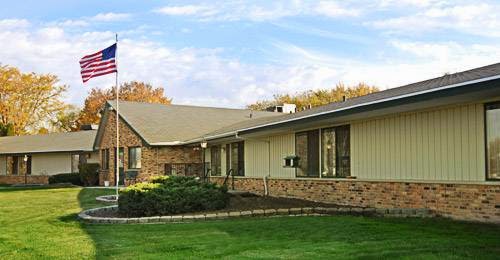
How is Alden Meadow Park Hcc Staffed?

CMS rates ALDEN MEADOW PARK HCC's staffing level at 1 out of 5 stars, which is much below average compared to other nursing homes.

What Have Inspectors Found at Alden Meadow Park Hcc?

State health inspectors documented 16 deficiencies at ALDEN MEADOW PARK HCC during 2023 to 2025. These included: 16 with potential for harm.
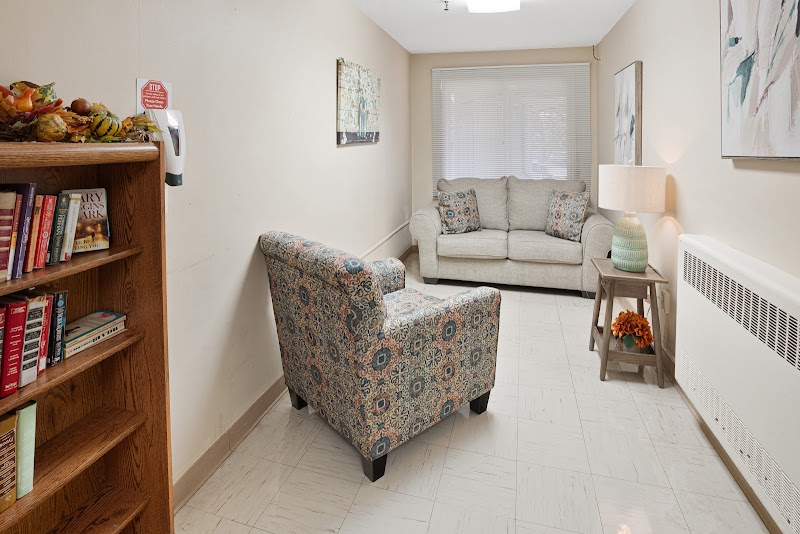
Who Owns and Operates Alden Meadow Park Hcc?

ALDEN MEADOW PARK HCC is owned by a for-profit company. For-profit facilities operate as businesses with obligations to shareholders or private owners. The facility is operated by THE ALDEN NETWORK, a chain that manages multiple nursing homes. With 94 certified beds and approximately 62 residents (about 66% occupancy), it is a smaller facility located in CLINTON, Wisconsin.
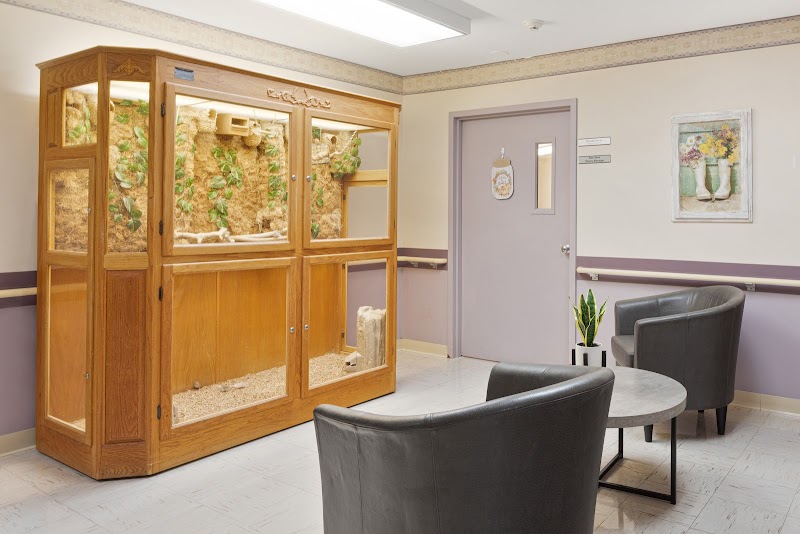
How Does Alden Meadow Park Hcc Compare to Other Wisconsin Nursing Homes?

Compared to the 100 nursing homes in Wisconsin, ALDEN MEADOW PARK HCC's overall rating (2 stars) is below the state average of 3.0 and health inspection rating (3 stars) is at the national benchmark.

What Should Families Ask When Visiting Alden Meadow Park Hcc?

Based on this facility's data, families visiting should ask: "Can you walk me through typical staffing levels on day, evening, and night shifts?" "Can I visit during a mealtime to observe dining assistance and food quality?" "How do you handle medical emergencies, and what is your hospital transfer rate?" "Can I speak with family members of current residents about their experience?" These questions are particularly relevant given the below-average staffing rating.

Is Alden Meadow Park Hcc Safe?

Based on CMS inspection data, ALDEN MEADOW PARK HCC has a clean safety record: no substantiated abuse findings (meaning no confirmed cases of resident harm), no Immediate Jeopardy citations (the most serious violation level indicating risk of serious injury or death), and is not on the Special Focus Facility watch list (a federal program monitoring the lowest-performing 1% of nursing homes). The facility has a 2-star overall rating and ranks #100 of 100 nursing homes in Wisconsin. While no facility is perfect, families should still ask about staff-to-resident ratios and recent inspection results during their visit.

Do Nurses at Alden Meadow Park Hcc Stick Around?

ALDEN MEADOW PARK HCC has not reported staff turnover data to CMS. Staff turnover matters because consistent caregivers learn residents' individual needs, medications, and preferences. When staff frequently change, this institutional knowledge is lost. Families should ask the facility directly about their staff retention rates and average employee tenure.

Was Alden Meadow Park Hcc Ever Fined?

ALDEN MEADOW PARK HCC has no federal fines on record. CMS issues fines when nursing homes fail to meet care standards or don't correct problems found during inspections. The absence of fines suggests the facility has either maintained compliance or corrected any issues before penalties were assessed. This is a positive indicator, though families should still review recent inspection reports for the full picture.

Is Alden Meadow Park Hcc on Any Federal Watch List?

ALDEN MEADOW PARK HCC is not on any federal watch list. The most significant is the Special Focus Facility (SFF) program, which identifies the bottom 1% of nursing homes nationally based on persistent, serious quality problems. Not being on this list means the facility has avoided the pattern of deficiencies that triggers enhanced federal oversight. This is a positive indicator, though families should still review the facility's inspection history directly.