RENNES HEALTH AND REHAB CENTER-DEPERE
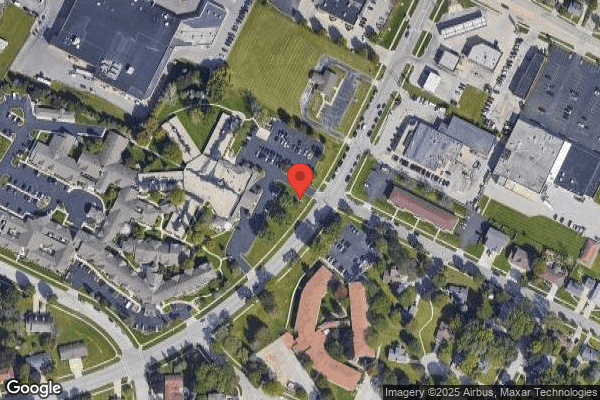
200 S NINTH ST, DE PERE, WI 54115 (920) 336-5680
For profit - Corporation 137 Beds RENNES GROUP Data: November 2025
Trust Grade
75/100
#119 of 321 in WI
Last Inspection: September 2024

Within standard 12-15 month inspection cycle. Federal law requires annual inspections.

Overview

Rennes Health and Rehab Center in De Pere, Wisconsin, has a Trust Grade of B, indicating it is a good choice for families seeking care, though not the very best option. It ranks #119 out of 321 facilities in Wisconsin, placing it in the top half, and #5 out of 8 in Brown County, meaning only a few local facilities are rated higher. The facility is improving, with issues decreasing from 4 in 2024 to just 1 in 2025. Staffing is rated 4 out of 5 stars, which is good, but with a turnover rate of 48%, it is average compared to the state. Although the center has not incurred any fines, which is a positive sign, there have been concerning incidents related to food safety and medication management, such as not properly storing food or ensuring that medications were labeled and dated correctly. Overall, while there are strengths in its trust grade and staffing quality, families should be aware of the specific concerns raised in inspections.

Trust Score
B
75/100
In Wisconsin
#119/321
Top 37%
Safety Record
Low Risk
No red flags
Inspections
Getting Better
4 → 1 violations
Staff Stability
⚠ Watch
48% turnover. Above average. Higher turnover means staff may not know residents' routines.
Penalties
✓ Good
No fines on record. Clean compliance history, better than most Wisconsin facilities.
Skilled Nurses
✓ Good
Each resident gets 67 minutes of Registered Nurse (RN) attention daily — more than 97% of Wisconsin nursing homes. RNs are the most trained staff who catch health problems before they become serious.
Violations
⚠ Watch
13 deficiencies on record. Higher than average. Multiple issues found across inspections.
★★★★☆
4.0
Overall Rating
★★★★☆
4.0
Staff Levels
★★★☆☆
3.0
Care Quality
★★★★☆
4.0
Inspection Score
Stable
2024: 4 issues
2025: 1 issues

The Good

  • 4-Star Staffing Rating · Above-average nurse staffing levels
  • Full Sprinkler Coverage · Fire safety systems throughout facility
  • No fines on record

Facility shows strength in staffing levels, fire safety.

The Bad

Staff Turnover: 48%

Near Wisconsin avg (46%)

Higher turnover may affect care consistency

Chain: RENNES GROUP

Part of a multi-facility chain

Ask about local staffing decisions and management

The Ugly 13 deficiencies on record

Jan 2025 1 deficiency
CONCERN (D) 📢 Someone Reported This

A family member, employee, or ombudsman was alarmed enough to file a formal complaint

Potential for Harm - no one hurt, but risky conditions existed

Grievances (Tag F0585)

Could have caused harm · This affected 1 resident

**NOTE- TERMS IN BRACKETS HAVE BEEN EDITED TO PROTECT CONFIDENTIALITY** Based on staff interview and record review, the facility did not ensure a grievance was documented, thoroughly investigated, or ...

Read full inspector narrative →
**NOTE- TERMS IN BRACKETS HAVE BEEN EDITED TO PROTECT CONFIDENTIALITY** Based on staff interview and record review, the facility did not ensure a grievance was documented, thoroughly investigated, or resolved for 1 resident (R) (R1) of 5 sampled residents. R1 and R1's activated Power of Attorney for Healthcare ((POAHC)-C) reported a grievance involving staff. The facility did not document, investigate, resolve, or provide follow-up for the grievance. Findings include: The facility's Grievances/Complaints, Recording and Investigating policy, revised April 2017, indicates all grievances and complaints filed with the facility will be investigated and corrective actions will be taken to resolve the grievance .2. Upon receiving a grievance and complaint report, the Grievance Officer (Administrator) will begin an investigation into the allegations .5. The Resident Grievance/Complaint Investigation Report Form will be filed with the Administrator within 5 working days of the incident .6. The resident, or person acting on behalf of the resident, will be informed of the findings of the investigation, as well as any corrective actions recommended, within 5 working days of the filing of the grievance or complaint .8. A summary of all grievances must be signed and will be made available to the resident or person acting on behalf of the resident upon his/her request. On 1/22/25, Surveyor reviewed R1's medical record. R1 was admitted to the facility on [DATE] and had diagnoses including hypertensive chronic kidney disease with stage 5 chronic kidney disease or end stage renal disease, dependence on renal dialysis, depression, anxiety disorder, and unspecified hearing loss. R1's Minimum Data Set (MDS) assessment, dated 8/16/24, had a Brief Interview for Mental Status (BIMS) score of 11 out of 15 which indicated R1's cognition was moderately impaired. R1's medical record indicated R1 had an activated POAHC to assist with healthcare decision making. R1 discharged from the facility on 10/20/24. On 1/22/25 at 9:17 AM, Surveyor interviewed POAHC-C who indicated R1 told POAHC-C that Certified Nursing Assistant (CNA)-E was rude and physically rough with R1 and requested that CNA-E not provide care for R1. POAHC-C stated Director of Nursing (DON)-B was aware of the concern and indicated DON-B would take care of it, however, R1 told POAHC-C that CNA-E continued to enter R1's room. POAHC-C indicated POAHC-C was in R1's room on one occasion when CNA-E responded to R1's call light and asked, What do you want? POAHC-C asked nursing staff why CNA-E was caring for R1 and was told the facility was short-staffed. POAHC-C stated POAHC-C was not informed of the results of the grievance and did not know if a grievance form was completed on POAHC-C or R1's behalf. On 1/22/25 at 12:28 PM, Surveyor interviewed Nursing Home Administrator (NHA)-A and DON-B. NHA-A stated after POAHC-C's first few grievances, DON-B and POAHC-C agreed that DON-B would be the point person for POAHC-C to contact with questions and concerns. DON-B indicated DON-B was aware of a concern with a CNA who POAHC-C and R1 did not care for. DON-B indicated POAHC-C originally told Unit Manager (UM)-H that the concern was with CNA-E, however, POAHC-C's description of the CNA and the reported statements made by the CNA did not match CNA-E. Based on the information, DON-B and UN-H assumed the CNA was CNA-D. DON-B stated CNA-D was educated on appropriate and professional communication and was instructed only to enter R1's room if necessary and with another staff. DON-B denied that physical roughness was reported. DON-B stated DON-B and POAHC-C verbally discussed the concerns which were resolved immediately, therefore, a grievance form was not completed. NHA-A stated POAHC-C did not request to file a formal grievance. On 1/22/25 at 12:53 PM, Surveyor interviewed CNA-D who confirmed CNA-D received education regarding interactions with R1 and was instructed not to go into R1's room. CNA-D stated CNA-D did not provide care to R1 following the education. On 1/22/25 at 1:19 PM, Surveyor interviewed CNA-E who denied any knowledge regarding R1 and concerns with CNAs. On 1/22/25 at 2:18 PM, Surveyor interviewed UN-H who denied any knowledge regarding R1 having concerns with a specific CNA. On 1/22/25 at 2:52 PM, Surveyor again interviewed POAHC-C who provided an accurate description of CNA-E and provided Surveyor with CNA-E's name.
Sept 2024 4 deficiencies
CONCERN (D)

Potential for Harm - no one hurt, but risky conditions existed

Infection Control (Tag F0880)

Could have caused harm · This affected 1 resident

**NOTE- TERMS IN BRACKETS HAVE BEEN EDITED TO PROTECT CONFIDENTIALITY** Based on observation, staff interview, and record review, the facility did not establish and maintain an infection control progr...

Read full inspector narrative →
**NOTE- TERMS IN BRACKETS HAVE BEEN EDITED TO PROTECT CONFIDENTIALITY** Based on observation, staff interview, and record review, the facility did not establish and maintain an infection control program designed to provide a safe and sanitary environment to help prevent the development and transmission of disease and infection for 2 residents (R) (R54 and R317) of 7 sampled residents observed during the provision of cares. During an observation on 9/18/24, Certified Nursing Assistant (CNA)-F and CNA-G did not don gowns prior to the provision of care for R54 who was on enhanced-barrier precautions (EBP). During an observation on 9/16/24, CNA-H and CNA-I did not ensure R317's catheter bag was not in contact with the floor and was below the level of R317's bladder. Findings include: The Centers for Disease Control and Prevention (CDC) states: Use EBP when performing high-contact resident care activities .Includes the use of gown and gloves. The CDC EBP sign states: Providers and staff .wear gloves and a gown for the following high-contact resident care activities: changing briefs or assisting with toileting .Wound Care: any skin opening requiring a dressing The facility's Catheter Care, Urinary policy, revised September 2005, indicates: .4. The urinary drainage bag must be held or positioned lower than the bladder at all times to prevent the urine in the tubing and drainage bag from flowing back into the urinary bladder .11. Be sure the catheter tubing and drainage bag are kept off the floor. 1. On 9/18/24, Surveyor reviewed R54's medical record. R54 was hospitalized on [DATE] for gallbladder perforation with intrahepatic abscess status post cholecystostomy tube (Jackson Pratt (JP) drain) placement on 5/29/24. The abscess culture grew Klebsiella oxytoca. R54 also had diagnoses including chronic ulcer to the left lower leg and a stage 3 sacral pressure injury. R54's care plan, dated 4/18/24, indicated R54 was on EBP due to wounds and an indwelling medical device. On 9/18/24 at 9:33 AM, Surveyor observed a personal protective equipment (PPE) bin and EBP sign outside R54's room. Surveyor observed CNA-F and CNA-G approach R54 in R54's room to check R54's incontinence pad. CNA-F and CNA-G were wearing gloves but no gowns. As CNA-F and CNA-G approached R54 in bed, Surveyor asked CNA-F and CNA-G if they should be wearing gowns. CNA-F and CNA-G then donned gowns before providing care. On 9/18/24 at 9:40 AM, Surveyor interviewed CNA-F who verified CNA-F and CNA-G should have donned gowns prior to approaching R54 to provide incontinence care. On 9/18/24 at 2:47 PM, Surveyor interviewed Director of Nursing (DON)-B who indicated DON-B expects staff to don PPE prior to providing direct care for a resident on EBP. 2. On 9/16/24 at 11:15 AM, Surveyor observed CNA-H and CNA-I provide assistance to R317. Surveyor observed CNA-H assist R17 with putting on pants. R317 sat on the edge of the bed while CNA-H threaded R317's catheter tubing down R317's left pant leg. Surveyor noted R317's catheter bag was in contact with the floor. CNA-H and CNA-I then assisted R317 into R317's wheelchair via mechanical lift. During the transfer, Surveyor noted R317's catheter bag was hung on a bar of the mechanical lift that was above the level of R317's bladder. On 9/16/24 at 11:23 AM, Surveyor interviewed CNA-H who verified R317's catheter bag was on the floor when CNA-H put the catheter tubing through R317's pant leg. CNA-H also verified R317's catheter bag was hung on the bar when the bag should have been below the level of R317's bladder. On 9/18/24 at 2:47 PM, Surveyor interviewed DON-B who indicated DON-B expects staff to keep catheter bags off the floor.
CONCERN (D)

Potential for Harm - no one hurt, but risky conditions existed

Deficiency F0883 (Tag F0883)

Could have caused harm · This affected 1 resident

**NOTE- TERMS IN BRACKETS HAVE BEEN EDITED TO PROTECT CONFIDENTIALITY** Based on staff interview and record review, the facility did not ensure a vaccination was re-offered for 1 resident (R) (R18) of...

Read full inspector narrative →
**NOTE- TERMS IN BRACKETS HAVE BEEN EDITED TO PROTECT CONFIDENTIALITY** Based on staff interview and record review, the facility did not ensure a vaccination was re-offered for 1 resident (R) (R18) of 5 sampled residents. R18 was not offered the 20-valent pneumococcal conjugate vaccine (PCV20) since R18 refused the vaccine upon admission on [DATE]. Findings include: Abbreviations (www.cdc.gov): PCV13: 13-valent pneumococcal conjugate vaccine (Prevnar13®) PCV20: 20-valent pneumococcal conjugate vaccine (Prevnar 20®) PPSV23: 23-valent pneumococcal polysaccharide vaccine (Pneumovax23®) The most recent Centers for Disease Control and Prevention (CDC) recommendations for pneumococcal vaccinations indicate: For adults 65 years or older who have only received PPSV23, the CDC recommends: Give 1 dose of PCV15 or PCV20. The PCV20 dose should be administered at least 1 year after the most recent PPSV23 vaccination. Regardless of if PCV20 is given, an additional dose of PPSV23 is not recommended since they already received it. For those who have received PCV13 and 1 dose of PPSV23, the CDC recommends you give 1 dose of PCV20 at least 5 years after the last pneumococcal vaccine. For adults 65 years or older who have received PCV13, give 1 dose of PCV20 or PPSV23 at least 1 year after PCV13. Regardless of vaccine used, their vaccines are then complete. The facility's Pneumococcal Vaccine policy, revised 3/4/22, indicates: All residents will be offered the pneumococcal vaccine, in accordance with current CDC and Advisory Committee on Immunization Practices (ACIP) recommendations, to aid in preventing pneumococcal infections .Pneumococcal vaccinations will be administered to residents per our facility's physician-approved pneumococcal vaccination protocol. From 9/16/24 to 9/18/24, Surveyor reviewed R18's medical record. R18 was admitted to the facility on [DATE] with diagnoses including Alzheimer's disease, chronic kidney disease stage 3, and dementia. R18's Minimum Data Set (MDS) assessment, dated 8/31/24, indicated R18 had severely impaired cognition. R18 had an activated Power of Attorney (POA). R18's medical record indicated R18 received the PCV13 vaccine on 9/23/15 and the PPSV23 vaccine on 6/11/86 (at [AGE] years old). R18's medical record indicated R1's POA declined a pneumococcal immunization for R18 on 10/20/21. On 9/18/24 at 11:21 AM, Surveyor interviewed Infection Preventionist (IP)-E who indicated IP-E was unsure if the PCV20 vaccine was offered to R18 since admission. Per IP-E, the PCV20 vaccine should have been re-offered. On 9/18/24 at 1:14 PM, Surveyor interviewed IP-E regarding the time frame in which staff should re-offer a pneumococcal vaccine if a resident refuses. Per IP-E, the facility follows up with residents within a year if they refuse a vaccine. On 9/18/24 at 2:00 PM, Surveyor interviewed Director of Nursing (DON)-B who indicated the facility follows the CDC guidelines of when to re-offer immunizations. DON-B indicated the facility needs to develop a more clear-cut policy regarding vaccination re-offer guidelines. DON-B indicated R18 should have been re-offered the most appropriate pneumococcal vaccine since R18's declination upon admission.
CONCERN (E)

Potential for Harm - no one hurt, but risky conditions existed

Deficiency F0761 (Tag F0761)

Could have caused harm · This affected multiple residents

**NOTE- TERMS IN BRACKETS HAVE BEEN EDITED TO PROTECT CONFIDENTIALITY** Based on observation, staff interview, and record review, the facility did not ensure medications for 11 residents (R) (R36, R55...

Read full inspector narrative →
**NOTE- TERMS IN BRACKETS HAVE BEEN EDITED TO PROTECT CONFIDENTIALITY** Based on observation, staff interview, and record review, the facility did not ensure medications for 11 residents (R) (R36, R55, R51, R69, R52, R20, R75, R22, R213, R57, and R88) of 16 residents in 2 of 3 medication carts were stored, labeled, or dated appropriately. The facility also did not ensure expired medications and medical supplies were discarded in 2 of 2 medication storage rooms. Medication carts and storage rooms contained open, undated, and expired medications and medical supplies. Findings include: The facility's Medication Labeling and Storage policy, revised February 2023, indicates: Medication Storage: .3) If the facility has discontinued, outdated, or deteriorated medications or biologicals, the dispensing pharmacy is contacted for instructions regarding returning or destroying these items .Medication Labeling: 1) Labeling of medications and biologicals dispensed by the pharmacy is consistent with applicable federal and state requirements and currently accepted pharmaceutical practices. 2) The medication label includes, at a minimum: .d) expiration date, when applicable; e) resident's name; .4) For over-the-counter (OTC) medications in bulk containers, the label contains: .f) expiration date. 5) Multi-dose vials that have been opened or accessed are dated and discarded within 28 days unless the manufacturer specifies a shorter or longer date for the open vial. 6) Multi-dose vials that are not opened or accessed are discarded according to the manufacturer's expiration date .8) If medication containers have missing, incomplete, improper or incorrect labels, contact the dispensing pharmacy for instructions regarding returning or destroying these items. The facility's Discarding and Destroying Medications policy, revised November 2023, indicates: Medications that cannot be returned to the dispensing pharmacy (e.g., non unit-dose medications, medications refused by the resident, and/or medications left by residents upon discharge) are disposed of in accordance with federal, state, and local regulations governing management of non-hazardous pharmaceuticals. Insulin glargine manufacturer's ([NAME] Lilly) instructions at 16.2 Storage indicate: Store unused insulin glargine in a refrigerator between 36°F (Fahrenheit) and 46°F (2°C (Celsius) and 8°C). Do not freeze. Discard insulin glargine if it has been frozen. Protect insulin glargine from direct heat and light. The insert also indicates that an in-use vial or open SoloStar (insulin pen) is good for 28 days refrigerated or at room temperature. Ipratropium bromide and albuterol nebulizer packaging indicates: Storage Conditions: Protect from light. Unit-dose vials should remain stored in the protective foil pouch at all times. Once removed from the foil pouch, the individual vials should be used within two weeks. Discard if the solution is not colorless. During an observation of medication administration with Licensed Practical Nurse (LPN)-J on 9/16/24 at 11:20 AM, Surveyor observed an open bottle of floor stock acetaminophen 500 mg (milligram) tablets without a visible expiration date. LPN-J confirmed the bottle did not contain an expiration date. On 9/16/24 at 11:27 AM, LPN-J indicated if there is not a visible expiration date on the bottle, the medication should be disposed of and not used. LPN-J also indicated insulin, eye drops, and nebulizers should be labeled with open dates. On 9/17/24 at 10:41 AM, Surveyor observed the 200 unit medication cart and noted the following: ~ An open bottle of Geri Care multi-vitamin dietary supplement 100 tablets with an open date of 9/16/24. The bottle contained a best-by date of 8/2024. ~ An open and undated Breo Ellipta 200 mcg (microgram)/25 mcg inhaler, fluticasone propionate nasal spray, and a fluticasone furoate vilanterol 200 mcg/25 mcg inhaler for R36. ~ An open and undated Touejo Max Solostar insulin glargine 300 units/milliliter (ml) 3 ml prefilled pen for R55. The label indicated the pen expired 56 days after opening. ~ An open and undated vial of insulin lispro 100 unit/ml for R51. ~ An open and undated box of 48 Restasis vials. ~ Two open and undated bottles of 6.5% Murine ear drops for R69. ~ An open and undated 0.5 fluid ounce bottle of Refresh Tears for R52. The packaging indicated to discard 90 days after opening. ~ An open and undated fluticasone vilanterol 200 mcg/25 mcg inhaler for R20. The packaging indicated to discard 6 weeks after opening. ~ An open and undated ventolin HFA 90 mcg/1 actuation inhaler for R75. ~ An open and undated bottle of 50 mcg fluticasone spray for R22. On 9/17/24 at 11:50 AM, Surveyor confirmed with LPN-K that the above medications were open and undated. LPN-K indicated the medications should contain open dates. On 9/17/24 at 11:58 AM, Surveyor observed the 300 unit medication cart and noted the following: ~ An open and undated Basaglar KwikPen 100 units/ml 3 ml insulin pen for R213. ~ An open and undated bottle of 0.4-0.3% Systane gel drops for R57. The package indicated the medication expired 28 days after opening. ~ An open bottle of 0.03% 30 ml 21 mcg/spray ipratropium bromide nasal solution for R57 that was dated 3/7. ~ Three open and undated 3 mg vials of albuterol sulfate inhalation solution for R57. ~ An open and undated albuterol HFA 90 mcg per actuation inhaler for R88. On 9/17/24 at 12:12 PM, Surveyor confirmed with Registered Nurse (RN)-L that nasal sprays should be discarded 90 days after opening. RN-L also confirmed there were no open dates on the insulin and eye drops. At 12:32 PM, Surveyor confirmed with RN-L the albuterol sulfate inhalers were open and undated. On 9/17/24 at 12:48 PM, Surveyor observed the 500 unit medication storage room and noted the following: ~ An Inteliswab COVID-19 rapid test with an expiration date of 11/30/23. ~ An open, undated, and unlabeled bottle of Benefiber. ~ Three 2 ml Vacuette blue top test tubes with expiration dates of 5/4/24. ~ Two 6 ml Vacuette red top test tubes with expiration dates of 11/13/23. ~ Four 6 ml Vacuette red top test tubes with expiration dates of 8/30/24. ~ Two 6 ml BD Vacutainer red top test tubes with expiration dates of 2/29/24. ~ Five 1.8 ml BD Vacutainer blue top test tubes with expiration dates of 5/31/24 ~ One 1.8 ml BD Vacutainer blue top test tube with an expiration date of 4/30/24. On 9/17/24 at 12:52 PM, Surveyor confirmed with RN-L the medication storage room contained an open, undated, and unlabeled bottle of Benefiber. RN-L indicated bottle was not in use and disposed of the bottle. At 1:20 PM, Surveyor interviewed RN-L who confirmed the COVID-19 test and test tubes were expired. RN-L indicated expired items should be removed and discarded. On 9/17/24 at 1:26 PM, Surveyor observed the 600 unit medication storage room and noted the following: ~ Six 1.8 ml BD Vacutainer blue top test tubes with expiration dates of 5/31/24. ~ Nine 6 ml Vacuette red top test tubes with expiration dates of 8/30/24. ~ One 2 ml Vacuette blue top test tube with an expiration date of 5/4/24. ~ One 15 ml culture and sensitivity stool transport orange top test tube with an expiration date of 7/26/24. ~ Twenty one 10 mg bisacodyl suppositories with expiration dates of 7/31/24. On 9/17/24 at 1:51 PM, Surveyor confirmed with RN-M the medical supplies and suppositories were expired and should have been discarded. On 9/17/24 at 2:53 PM, Surveyor interviewed Director of Nursing (DON)-B who indicated inhalers, insulins, eye drops, ear drops, and nebulizers should have open dates. DON-B also indicated the expired test tubes and suppositories should have been discarded.
CONCERN (E)

Potential for Harm - no one hurt, but risky conditions existed

Food Safety (Tag F0812)

Could have caused harm · This affected multiple residents

Based on observation, staff interview, and record review, the facility did not ensure food was stored and prepared in a sanitary manner. This practice had the potential to affect more than 4 of the 10...

Read full inspector narrative →
Based on observation, staff interview, and record review, the facility did not ensure food was stored and prepared in a sanitary manner. This practice had the potential to affect more than 4 of the 109 residents residing in the facility. The facility did not ensure time/temperature control foods were labeled with open or use-by dates. Findings include: On 9/16/24, Registered Dietician (RD)-D indicated the facility followed the Wisconsin Food Code as their standard of practice. Open/Undated Foods: The Wisconsin Food Code documents at 3-501.17 Ready-to-Eat, Time/Temperature Control for Safety Food, Date Marking: (A) Except when packaging food using a reduced oxygen packaging method as specified under §3-502.12, and except as specified in (E), (F), and (H) of this section, refrigerated, ready to eat, time/temperature control for safety food, prepared and held in a food establishment for more than 24 hours shall be clearly marked to indicate the date or day by which the food shall be consumed on the premises, sold, or discarded when held at a temperature and time combination of 5 degrees C (Celsius) (41 degrees F (Fahrenheit)) or less for a maximum of 7 days. The day of preparation shall be counted as Day 1 .(2) The day or date marked by the food establishment may not exceed a manufacturer's use-by date if the manufacturer determined the use-by date based on food safety .(D) A date marking system that meets the criteria stated in (A) and (B) of this section may include: .(3) Marking the date or day the original container is opened in a food establishment, with a procedure to discard the food on or before the last date or day by which the food must be consumed on the premises, sold, or discarded as specified under (B) of this section .Disposition: (A) A food specified under 3-501.17 (A) or (B) shall be discarded if it: (1) Exceeds the temperature and time combination specified in 3-501.17 (A), except time that the product is frozen; (2) Is in a container or package that does not bear a date or day. The facility's Food Receiving and Storage policy, revised July 2014, includes the following: .6. All foods stored in the refrigerator or freezer will be covered, labeled, and dated (use-by date). During an initial kitchen tour that began at 8:28 AM on 9/16/24, Surveyor observed food storage areas with Assistant Dietary Manager (ADM)-C and noted the following: Coolers: ~ A 2 quart plastic container of tuna salad dated 9/11/24 with no use-by date ~ An open container of whipped topping with a use-by date of 9/12/24 ~ A container of sliced Swiss cheese with a use-by date of 9/13/24 ~ Two trays of undated food items for lunch and dinner (per ADM-C) ~ An undated pan of sliced tomatoes ~ An undated pan of sliced onions Freezers: ~ Corn dogs dated 9/8/24 (open date per ADM-C) with no use-by date ~ An undated half of a chocolate roll cake Dry Storage: ~ Powdered sugar dated 9/18/24 (open date per ADM-C) with no use-by date During the initial kitchen tour that began at 8:28 AM on 9/16/24, Surveyor interviewed ADM-C regarding the food observed in storage. ADM-C disposed of the tuna salad and stated the tuna salad should have been used within 3 days. ADM-C stated ADM-C expects staff to label food items with use-by dates and dispose of food that is past the use-by date. ADM-C indicated the whipped topping and Swiss cheese were past their use-by dates and should have been disposed. ADM-C indicated the trays of food in the cooler should contain use-by dates. ADM-D indicated the pans of tomatoes and onions were from a recent celebration and should contain use-by dates. ADM-C disposed of the powdered sugar, corn dogs, and chocolate cake and indicated the items should have use-by dates. ADM-C stated ADM-C expects staff to label all open and prepared food with an open, made, and/or use-by date.
Oct 2023 1 deficiency
CONCERN (D) 📢 Someone Reported This

A family member, employee, or ombudsman was alarmed enough to file a formal complaint

Potential for Harm - no one hurt, but risky conditions existed

Accident Prevention (Tag F0689)

Could have caused harm · This affected 1 resident

**NOTE- TERMS IN BRACKETS HAVE BEEN EDITED TO PROTECT CONFIDENTIALITY** Based on observation, staff and resident interview, and record review, the facility did not ensure fall prevention interventions...

Read full inspector narrative →
**NOTE- TERMS IN BRACKETS HAVE BEEN EDITED TO PROTECT CONFIDENTIALITY** Based on observation, staff and resident interview, and record review, the facility did not ensure fall prevention interventions were implemented for 1 Resident (R) (R5) of 1 resident. R5 had a history of falls with injury at home and in the facility. R5's plan of care contained interventions for a body pillow while in bed and to place R5's wheelchair in an angled position at the foot of the bed. Those interventions were not consistently followed. Finding include: R5 was admitted to the facility with diagnoses including fracture of unspecified carpal bone, right wrist, encounter for fracture with routine healing, fracture of nasal bones, hemiplegia (paralysis of one side of the body) following cerebral infarction, vascular dementia, and history of falling. R5's Minimum Data Set (MDS) assessment, dated 9/26/23, indicated R5 had a Brief Interview for Mental Status (BIMS) score of 13 out of 15 which indicated R5 had intact cognition. R5's MDS also indicated R5 required the assistance of one staff with bed mobility, and transfers. R5 had a restorative walking program with the assistance of one staff with a gait belt following with R5's wheelchair. On 10/24/23, Surveyor reviewed a care plan that contained a problem area of falls and a goal that R5 would remain free from significant injury with falls. The care plan contained the following interventions: Room layout adjustment by Physical Therapy (PT) - wheelchair at the foot of the bed angled at 90 degrees facing the pillow to allow for greater success with self-transferring (dated, 6/26/23); Body pillow in bed (dated, 7/23/22). On 10/24/23 at 8:49 AM, Surveyor interviewed R5 who indicated R5 had falls at home and while at the facility. R5 stated R5 hurt R5's arm and wrist during a fall at home, and reinjured the wrist during a fall a few months ago. R5 stated R5 received therapy, had tape on the floor, and pointed to a body pillow and an alarm on R5's wheelchair. On 10/24/23 at 11:57 AM, Surveyor observed R5 in bed without a body pillow in bed or a wheelchair at the foot of the bed. Surveyor noted the body pillow was on a chair in the room and R5's wheelchair was on the other side of the room. On 10/24/23 at 12:15 PM, Surveyor interviewed Certified Nursing Assistant (CNA)-D who indicated R5 had falls at the facility and was admitted to the facility following a fall at home. CNA-D indicated R5 had a fall a couple months ago and broke (R5's) wrist. CNA-D indicated R5's care plan included bed and chair alarms, grip tape on the floor next to the bed, a body pillow in bed while sleeping, and anti-roll back bars, anti-tip bars and auto lock brakes on R5's wheelchair. During the interview, CNA-D indicated CNA-D was not aware how R5's wheelchair should be positioned while R5 was in bed and showed Surveyor the [NAME] (an abbreviated care plan) used by nursing staff. CNA-D reviewed R5's fall preventions and indicated R5's wheelchair should be placed at the foot of the bed, angled at 90 degrees, and facing the pillow to allow for greater success with self-transferring. CNA-D confirmed R5 fell out of the bed and fell while self-transferring. CNA-D indicated CNA-D would check to ensure R5 had the appropriate fall interventions in place. Surveyor observed CNA-D enter R5's room, place the body pillow in bed with R5, and move R5's wheelchair from across the room to a 90-degree angle next to R5's bed facing the pillow. CNA-D stated CNA-D did not position R5 in bed prior to Surveyor's observation, but verified the body pillow was not in bed, and the wheelchair was not positioned at the foot of R5's bed. CNA-D confirmed the fall preventions on R5's care plan were not followed. CNA-D indicated CNA-D received recent education on fall preventions and care plans. On 10/24/23 at 1:15 PM, Surveyor interviewed Director of Nursing (DON)-B who confirmed R5 had falls with injuries while in the facility, most recently on 6/23/23 when R5 refractured R5's wrist. DON-B indicated R5's care plan was updated by physical therapy to include a room layout adjustment with R5's wheelchair next to the bed because R5 self-transferred at times. DON-B also indicated R5 should have a body pillow while in bed. DON-B verified staff received training regarding fall preventions and following care plans and stated DON-B expected staff to follow residents' fall preventions.
Aug 2023 4 deficiencies
CONCERN (D)

Potential for Harm - no one hurt, but risky conditions existed

Medication Errors (Tag F0758)

Could have caused harm · This affected 1 resident

**NOTE- TERMS IN BRACKETS HAVE BEEN EDITED TO PROTECT CONFIDENTIALITY** Based on staff interview and record review, the facility did not ensure an as needed (PRN) psychotropic medication was not utili...

Read full inspector narrative →
**NOTE- TERMS IN BRACKETS HAVE BEEN EDITED TO PROTECT CONFIDENTIALITY** Based on staff interview and record review, the facility did not ensure an as needed (PRN) psychotropic medication was not utilized more than 14 days unless an alternate duration with rationale was provided for 1 Resident (R) (R29) of 5 residents reviewed for unnecessary medications. The facility did not discontinue R29's PRN alprazolam (an anti-anxiety medication) order after 14 days or obtain an alternate duration with rationale. Findings include: The facility's Antipsychotic Medication Use policy, with a revised date of 2016, indicated: The need to continue PRN orders for psychotropic medications beyond 14 days requires that the practitioner document the rationale for the extended order. The duration of the PRN order will be indicated in the order. From 8/14/23 through 8/16/23, Surveyor reviewed R29's medical record. R29 was admitted to the facility on [DATE] with diagnoses including late-onset Alzheimer's disease, dementia with mood disturbance, and insomnia. R29's most recent Minimum Data Set (MDS) assessment contained a Brief Interview for Mental Status (BIMS) score of 15 out of 15 which indicated R29 did not have impaired cognition. R29 required minimal to extensive assistance of staff with activities of daily living (ADLs). R29 had an order for alprazolam 0.25 mg (milligrams) at bedtime as needed, dated 6/9/23, with an Open Ended end date. The provider did not provide a rationale for extending the use of alprazolam or provide a specific duration. R29's alprazolam was administered five times from 8/1/23 through 8/15/23. On 8/16/23 at 12:33 PM, Surveyor interviewed Director of Nursing (DON)-B who indicated DON-B received a report from the pharmacist in July 2023 that requested a provider rationale to continue the PRN alprazolam and an end date. DON-B indicated the pharmacist request was missed in July 2023; however, a request was sent to the provider on 8/16/23 requesting a rationale and end date. DON-B verified residents require both a rationale to continue a PRN psychotropic medication beyond fourteen days and a documented duration.
CONCERN (E)

Potential for Harm - no one hurt, but risky conditions existed

Deficiency F0554 (Tag F0554)

Could have caused harm · This affected multiple residents

**NOTE- TERMS IN BRACKETS HAVE BEEN EDITED TO PROTECT CONFIDENTIALITY** Based on observation, staff and resident interview, and record review, the facility did not ensure 5 Residents (R) (R84, R6, R18...

Read full inspector narrative →
**NOTE- TERMS IN BRACKETS HAVE BEEN EDITED TO PROTECT CONFIDENTIALITY** Based on observation, staff and resident interview, and record review, the facility did not ensure 5 Residents (R) (R84, R6, R18, R65, and R56) of 24 sampled residents were assessed to safely and accurately self-administer medication. R84 did not have a self-administration of medication assessment or physician order to self-administer Vitamin D 800 units which was observed at R84's bedside. R6 did not have a self-administration of medication assessment or physician order to self-administer Tucks pads and Preparation H ointment which were observed at R6's bedside. R18 did not have a self-administration of medication assessment or physician order to self-administer Vitamin B-12 1000 milligrams (mg) which was observed at R18's bedside. R65 did not have a self-administration of medication assessment or physician order to self-administer Systane eye drops which were observed at R65's bedside. R56 did not have a self-administration of medication assessment or physician order to self-administer Refresh eye drops or VapoCOOL severe cherry cough drops which were observed at R56's bedside. Findings include: The facility's Self-Administration of Drugs, Med-Pass, Inc. Revised August 2006 policy contained the following information: As part of their overall evaluation, the staff and practitioner will assess each resident's mental and physical abilities, to determine whether a resident is capable of self-administering medications. 1. R84 was admitted to the facility on [DATE] with diagnoses including hypertension (HTN) and heart disease. R84's Minimum Data Set (MDS) assessment, dated 6/20/23, contained a Brief Interview for Mental Status (BIMS) score of 15 out of 15 which indicated R84 did not have impaired cognition. On 8/14/23 at 10:21 AM, Surveyor observed a bottle of Vitamin D on R84's bedside table. R84 stated R84 took Vitamin D daily. From 8/14/23 through 8/16/23, Surveyor reviewed R84's medical record which did not contain a physician order for Vitamin D. R84's medical record also did not contain a physician order or self-administration of medication assessment that indicated R84 could self-administer medication or have medication at bedside. 2. R6 was admitted to the facility on [DATE] with diagnoses including HTN, type 2 diabetes mellitus with diabetic chronic kidney disease and hemorrhoids. R6's MDS assessment, dated 5/22/23, contained a BIMS score of 15 out of 15 which indicated R6 did not have impaired cognition. On 8/14/23 at 1:36 PM, Surveyor observed a container of Tucks pads and Preparation H ointment on R6's bedside table. R6 indicated R6 used both products on a regular basis for discomfort. From 8/14/23 through 8/16/23, Surveyor reviewed R6's medical record and noted physician orders to use Tucks pads every shift as needed and Preparation H four times daily as needed. R6's medical record did not contain a physician order or self-administration of medication assessment that indicated R6 could self-administer medication or have medication at bedside. 3. R18 was admitted to the facility on [DATE] with diagnoses including chronic obstructive pulmonary disease (COPD), osteoporosis and anemia. R18's MDS assessment, dated 5/15/23, contained a BIMS score of 15 out of 15 which indicated R18 did not have impaired cognition. On 8/14/23 at 12:49 PM, Surveyor observed a bottle of Vitamin B-12 1000 mg and a bottle of Refresh eye drops on R18's bedside table. From 8/14/23 through 8/16/23, Surveyor reviewed R18's medical record and noted a physician order for Refresh eye drops twice daily that could be self-administered at bedside. R18's medical record did not contain a physician order or self-administration assessment that indicated R18 could self-administer Vitamin B-12. On 8/15/23 at 2:50 PM, Surveyor interviewed R18 who indicated R18's physician recommended R18 start taking Vitamin B-12 so R18 took Vitamin B-12 every morning. 5. R56 was admitted to the facility on [DATE] with diagnoses including congestive heart failure (CHF) and type 2 diabetes mellitus with diabetic chronic kidney disease. R56's Quarterly MDS assessment, dated 4/20/23, contained a BIMS score of 15 out of 15 which indicated R56 did not have impaired cognition. On 8/14/23 at 9:35 AM, Surveyor observed two boxes of Refresh eye drops, nasal spray, an albuterol inhaler, and VapoCOOL severe cherry cough drops on R56's nightstand. Surveyor interviewed R56 who stated R56 used the medications, had understanding of the medications, and knew how to use the medications properly. On 8/15/23, Surveyor reviewed R56's medical record which included medication orders for the two of the four medications observed in R56's room: ~Albuterol sulfate HFA aerosol inhaler; 90 mcg (micrograms)/actuation; amt: 2 puffs; inhalation; Special Instructions: Wait one minute between puffs. Rinse mouth after use. Okay to keep at bedside Every 6 hours PRN (as needed) ~Saline Nasal Mist (sodium chloride) OTC (over the counter) aerosol, spray; 0.65%; amt (amount): 1-2 sprays; Special Instructions: May keep at bedside. Surveyor also noted a self-medication administration assessment, dated 4/11/23, that indicated R56 could self-administer the albuterol inhaler and a self-administration of medication assessment, dated 5/31/23, that indicated R56 could self-administer the nasal spray. R56's medical record did not contain physician orders that indicated R56 could self-administer Refresh eye drops and VapoCOOL severe cherry cough drops. On 8/15/23 at 11:17 AM, Surveyor interviewed Registered Nurse (RN)-C who stated residents can self-administer medication if they are assessed as able to accurately do so. On 8/15/23 at 11:15 AM, Surveyor interviewed Director of Nursing (DON)-B who stated residents who indicate they would like to self-administer medication need an assessment to ensure they can safely and accurately administer the prescribed medication. DON-B stated staff will obtain a physician order and ensure the medication can be locked/secured in the resident's room. If the medication is not kept in the resident's room, the medication is locked in the medication cart and given to the resident to self-administer. DON-B toured the above residents' rooms with medication at bedside and verified the residents did not have self-administration of medication assessments or physician orders to self-administer the identified medications. 4. R65 was admitted to the facility on [DATE] with diagnoses including type 2 diabetes mellitus with diabetic cataract and dry eye syndrome of bilateral lacrimal glands. R65's most recent MDS assessment contained a BIMS score of 15 out of 15 which indicated R65 did not have impaired cognition. The MDS also indicated R65 required limited to extensive assistance of staff for activities of daily living (ADLs). On 8/14/23 at 10:57 AM, Surveyor observed a bottle of Systane eye drops and an albuterol inhaler on R65's bedside table. R65 indicated R65 self-administered both medications when I need them. On 8/15/23, Surveyor reviewed R65's medical record and noted a physician order for an albuterol inhaler every four hours as needed. Surveyor also noted a self-administration of medication assessment, dated 6/21/23, for use of the inhaler. R65's medical record also contained a physician order for Systane eye drops one drop in each eye three times daily as needed, dated 9/19/22. R65's medical record did not contain a physician order to self-administer the eye drops or a self-administration of medication assessment for the eye drops. On 8/15/23 at 9:17 AM, Surveyor interviewed R65 who was sitting in a recliner in R65's room. R65's Systane eye drops were at bedside. R65 indicated R65 self-administered the eye drops that morning and used the eye drops almost every day.
CONCERN (E)

Potential for Harm - no one hurt, but risky conditions existed

Deficiency F0761 (Tag F0761)

Could have caused harm · This affected multiple residents

**NOTE- TERMS IN BRACKETS HAVE BEEN EDITED TO PROTECT CONFIDENTIALITY** Based on observation, staff and resident interview, and record review, the facility did not ensure all drugs and biologicals wer...

Read full inspector narrative →
**NOTE- TERMS IN BRACKETS HAVE BEEN EDITED TO PROTECT CONFIDENTIALITY** Based on observation, staff and resident interview, and record review, the facility did not ensure all drugs and biologicals were stored in accordance with facility policy for 8 Residents (R) (R84, R6, R18, R14, R31, R60, R65, and R56) of 24 sampled residents. On 8/14/23, Surveyor observed unsecured oral medication at R84's bedside. On 8/14/23, Surveyor observed unsecured and unlabeled non-oral medication at R6's bedside. On 8/14/23, Surveyor observed unsecured and unlabeled oral and non-oral medication at R18's bedside. On 8/14/23, Surveyor observed unsecured non-oral medication with an illegible label at R14's bedside. On 8/14/23, Surveyor observed an unsecured non-oral medication labeled with another resident's name at R31's bedside. On 8/14/23, Surveyor observed unsecured and unlabeled non-oral medications at R60's at bedside. On 8/14/23, Surveyor observed unsecured and unlabeled oral and non-oral medications at R65's bedside. On 8/14/23, Surveyor observed unsecured and unlabeled oral and non-oral medications at R56's bedside. Findings include: The facility's Storage of Medications policy, revised August 2006, contained the following information: The facility stores all drugs and biologicals in a safe, secure, and orderly manner . 1. Drugs and biologicals used in the facility are stored in locked compartments under proper temperature, light and humidity controls. Only persons authorized to prepare and administer medications have access to locked medications. 2. Drugs and biologicals are stored in the packaging, containers or other dispensing systems in which they are received. Only the issuing pharmacy is authorized to transfer medications between containers. 3. The nursing staff is responsible for maintaining medication storage and preparation areas in a clean, safe, and sanitary manner. 4. Drug containers that have missing, incomplete, improper, or incorrect labels are returned to the pharmacy for proper labeling before storing. Discontinued, outdated, or deteriorated drugs or biologicals are returned to the dispensing pharmacy or destroyed . 6. Compartments (including, but not limited to, drawers, cabinets, rooms, refrigerators, carts, and boxes) containing drugs and biologicals are locked when not in use . 1. R84 was admitted to the facility on [DATE] with diagnoses including hypertension (HTN) and heart disease. R84's Minimum Data Set (MDS) assessment, dated 6/20/23, contained a Brief interview for Mental Status (BIMS) score of 15 out of 15 which indicated R84 did not have impaired cognition. On 8/14/23 at 10:21 AM, Surveyor observed a bottle of Vitamin D on R84's bedside table. 2. R6 was admitted to the facility on [DATE] with diagnoses including HTN, type 2 diabetes mellitus with diabetic chronic kidney disease and hemorrhoids. R6's MDS assessment, dated 5/22/23, contained a BIMS score of 15 out of 15 which indicated R6 did not have impaired cognition. On 8/14/23 at 1:36 PM, Surveyor observed an unlabeled container of Tucks pads (medicated cooling pads used to treat hemorrhoid discomfort), a tube of Preparation H with an expiration date of 5/2021, a bottle of AmLactin cream (a medicated moisturizer), and triamcinolone acetonide cream (a combination antifungal/steroid used to treat skin infections) on R6's bedside table. The items were unlocked and unattended in R6's room. 3. R18 was admitted to the facility on [DATE] with diagnoses including chronic obstructive pulmonary disease (COPD), osteoporosis and anemia. R18's MDS assessment, dated 5/15/23, contained a BIMS score of 15 out of 15 which indicated R18 did not have impaired cognition. On 8/14/23 at 12:49 PM, Surveyor observed a bottle of Vitamin B-12 1000 mg (milligrams) and a bottle of Refresh eye drops on R18's bedside table. The bottle of Vitamin B-12 did not contain a label. Both items were unlocked and unattended in R18's room. 4. R14 was admitted to the facility on [DATE] with diagnoses including Alzheimer's dementia, Parkinson's disease and chronic kidney disease. R14's MDS assessment, dated 8/3/23, contained a BIMS score of 1 out of 15 which indicated R14 had severely impaired cognition. On 8/14/23 at 10:37 AM, Surveyor observed an empty bottle of miconazole nitrate powder (an antifungal medication) with an illegible label in a basket on R14's bedside table. R14's medical record contained a physician order for miconazole powder twice daily. 5. R31 was admitted to the facility on [DATE] with diagnoses including COPD, osteoporosis and anemia. R31's MDS assessment, dated 6/15/23, contained a BIMS score of 15 out of 15 which indicated R31 did not have impaired cognition. On 8/15/23 at 12:57 PM, Surveyor observed a bottle of Hibiclens (an antimicrobial and antiseptic skin cleanser) labeled with R31's roommate's name in a bucket with other non-medicated wound care supplies on R31's bedside table. 6. R60 was admitted to the facility on [DATE] with diagnoses including atrial fibrillation, HTN, and psoriasis. R60's MDS assessment, dated 5/25/23, contained a BIMS score of 15 out of 15 which indicated R60 did not have impaired cognition. On 8/14/23 at 1:59 PM, Surveyor observed two buckets with wound care supplies on R60's bedside table. Medicated items included: diclofenac sodium (a nonsteroidal anti-inflammatory drug used to treat mild-to-moderate pain) with an illegible label, a bottle of nystatin powder (an antifungal medication) and a tube of hydrocortisone cream (a topical steroid commonly used to treat skin conditions). 8. R56 was admitted to the facility on [DATE] with diagnoses including congestive heart failure (CHF) and type 2 diabetes mellitus with diabetic chronic kidney disease. R56's Quarterly MDS, dated [DATE], contained a BIMS score of 15 out of 15 which indicated R56 did not have impaired cognition. cognition. On 8/14/23 at 9:35 AM, Surveyor observed two boxes of Refresh eye drops, nasal spray, an albuterol inhaler, and VapoCOOL severe cherry cough drops on R56's nightstand. Surveyor interviewed R56 who stated R56 used the medications, had understanding of each medication, and knew to how self-administer the medications properly. On 8/15/23, Surveyor reviewed R56's medical record which included the following orders for two of the four unsecured medications observed in R56's room: ~Saline Nasal Mist (sodium chloride) OTC (over the counter) aerosol, spray; 0.65%; amt (amount): 1-2 sprays; nasal Special Instructions: may keep at bedside. ~Albuterol sulfate HFA aerosol inhaler (used to treat asthma); 90 mcg (micrograms)/actuation; amt: 2 puffs; inhalation Special Instructions: Wait one minute between puffs. Rinse mouth after use. Okay to keep at bedside Every 6 Hours PRN (as needed). R56's medical record did not contain orders for Refresh eye drops or VapoCOOL severe cherry cough drops and did not indicate the medications could be kept at bedside. On 8/15/23 at 11:15 AM, Surveyor interviewed Director of Nursing (DON)-B who stated staff obtain a physician order for residents who wish to self-administer medication and provide a safe area to lock/secure medication in the resident's room. If the medication is not kept in the resident's room, the medication is stored in the medication cart and given to the resident to self-administer. DON-B stated all medications should contain a legible label and can be sent back to pharmacy to replace worn labels. DON-B indicated pharmacy checks the medication carts for expired medications monthly and nurses check medications stored in resident rooms. DON-B again indicated all medications left in resident rooms should be locked and secured. DON-B toured the above residents' rooms with medications at bedside and verified the identified medications were not appropriately stored and/or labeled. On 8/15/23 at 11:17 AM, Surveyor interviewed Registered Nurse (RN)-C who stated medications must be stored in a locked drawer in the resident's room. RN-C verified pharmacy inspects the medication carts monthly and nurses are responsible for ensuring medications stored in resident rooms are not expired. On 8/15/23 at 4:10 PM, Surveyor interviewed RN-D who indicated nurses should date medications with the opened date to ensure they are not used past the use-by date. On 8/16/23 at 11:28 AM, Surveyor interviewed Infection Preventionist (IP)-E who stated nurses should date medications when they are opened. 7. R65 was admitted to the facility on [DATE] with diagnoses including type 2 diabetes mellitus with diabetic cataract and dry eye syndrome of bilateral lacrimal glands. R65's most recent MDS assessment contained a BIMS score of 15 out of 15 which indicated R65 did not have impaired cognition. The MDS also indicated R65 required limited to extensive assistance of staff for activities of daily living (ADLs). On 8/14/23 at 10:57 AM, Surveyor observed a bottle of Systane eye drops and an albuterol inhaler on R65's bedside table. On 8/15/23, Surveyor reviewed R65's medical record and noted a physician order for an albuterol inhaler every four hours as needed and an order that R65 could keep the inhaler at bedside. A self-administration of medication assessment indicated R65's inhaler would be kept in the medication cart. R65's medical record also contained a physician order for Systane eye drops one drop in each eye three times daily as needed, dated 9/19/22. R65's medical record did not contain a physician order that indicated the Systane eye drops could be kept at bedside. On 8/15/23 at 9:17 AM, Surveyor interviewed R65 who was sitting in a recliner in R65's room. R65's Systane eye drops and inhaler were at bedside. R65 indicated R65 self-administered the eye drops and inhaler that morning. R65 also indicated the eye drops and inhaler were kept in R65's room.
CONCERN (F)

Potential for Harm - no one hurt, but risky conditions existed

Food Safety (Tag F0812)

Could have caused harm · This affected most or all residents

**NOTE- TERMS IN BRACKETS HAVE BEEN EDITED TO PROTECT CONFIDENTIALITY** Based on observation, staff interview, and record review, the facility did not ensure food was stored and prepared in a sanitary...

Read full inspector narrative →
**NOTE- TERMS IN BRACKETS HAVE BEEN EDITED TO PROTECT CONFIDENTIALITY** Based on observation, staff interview, and record review, the facility did not ensure food was stored and prepared in a sanitary manner. This practice had the potential to affect all 103 residents residing in the facility. The facility did not monitor and document food cooling temperatures. The facility did not ensure time/temperature control foods were labeled with opened or use-by dates. Findings include: On 8/14/23, Registered Dietician (RD)-F indicated the facility follows the Wisconsin Food Code as their standard of practice. Food Cooling Temperatures: The Wisconsin Food Code 2022 documents at section 3-501.14 Cooling. (A) Cooked time/temperature control for safety food shall be cooled: (1) Within 2 hours from 57°Celsius (C) (135°Fahrenheit (F)) to 21°C (70°F); and (2) Within a total of 6 hours from 57°C (135°F) to 5°C (41°F) or less. (B) Time/temperature control for safety food shall be cooled within 4 hours to 5°C (41°F) or less. The Wisconsin Food Code 2022 section 3-501.15 documents Cooling Methods. (A) Cooling shall be accomplished in accordance with the time and temperature criteria specified under § 3-501.14 by using one or more of the following methods based on the type of food being cooled: (1) Placing the food in shallow pans; (2) Separating the food into smaller or thinner portions; (3) Using rapid cooling equipment; (4) Stirring the food in a container placed in an ice water bath; (5) Using containers that facilitate heat transfer; (6) Adding ice as an ingredient; or (7) Other effective methods. During an initial kitchen tour beginning at 8:11 AM on 8/14/23, Surveyor noted the reach-in cooler contained steam table containers; one container was labeled Pork Chop 8/13 and three containers were dated 8/14. [NAME] (CK)-I indicated the unlabeled containers dated 8/14 contained pureed turkey, ground Philly cheesesteak meat (regular consistency) and ground Philly cheesesteak meat (pureed consistency). CK-I indicated the meats were for the 8/14/23 lunch meal and were made probably earlier in the morning. During a continuous kitchen observation beginning at 7:55 AM on 8/15/23, Surveyor interviewed Dietary Manager (DM)-G regarding leftovers kept in the reach-in cooler, and the food cooling process. DM-G indicated the facility does not keep leftovers and does not have a process for cooling foods. Surveyor interviewed DM-G about foods observed in the reach-in cooler on 8/14/23. At that time, RD-F indicated to Surveyor instruction was provided to CK-I to throw away the container of turkey because it was not cooled correctly. Surveyor interviewed RD-F regarding the pre-made ground Philly cheesesteak meat that Surveyor observed on 8/14/23 pre-made for lunch and served to residents during the 8/14/23 lunch meal as well as the container of pork chops that Surveyor observed in the reach-in cooler. RD-F indicated, Oh you are right indicating all meat that was observed during the intial kitchen tour on 8/14/23 was not cooled properly and should have been discarded and was not. DM-G further confirmed the facility does not have a process for monitoring the temperature of foods made ahead of time for meal service, does not use an approved cooling method and does not have cooling temperature logs. Open, Undated Foods: The Wisconsin Food Code 2020 documents at 3-501.17 Ready-to-Eat, Time/Temperature Control for Safety Food, Date Marking. (A) Except when packaging food using a reduced oxygen packaging method as specified under §3-502.12, and except as specified in (E), (F), and (H) of this section, refrigerated, ready to eat, time/temperature control for food safety, prepared and held in a food establishment for more than 24 hours shall be clearly marked to indicate the date or day by which the food shall be consumed on the premises, sold, or discarded when held at a temperature and time combination of 5C (41F) or less for a maximum of 7 days. The day of preparation shall be counted as Day 1 .(2) The day or date marked by the food establishment may not exceed a manufacturer's use-by date if the manufacturer determined the use-by date based on food safety .(D) A date marking system that meets the criteria stated in (A) and (B) of this section may include: .(3) Marking the date or day the original container is opened in a food establishment, with a procedure to discard the food on or before the last date or day by which the food must be consumed on the premises, sold, or discarded as specified under (B) of this section .Disposition. (A) A food specified under 3-501.17 (A) or (B) shall be discarded if it: (1) Exceeds the temperature and time combination specified in 3-501.17 (A), except time that the product is frozen; (2) Is in a container or package that does not bear a date or day. During an initial kitchen tour beginning at 8:11 AM on 8/14/23, Surveyor observed the dry storage area and noted the following undated items: -A bag of [NAME] walnuts with no opened date and a manufacturer use-by date of 3/10/23. -Six Nutty Buddy snack bar boxes with no received by, use-by, or opened dates. -Six oatmeal cream pie snack cake boxes with no received by, use-by or opened dates. During an initial kitchen tour beginning at 8:11 AM on 8/14/23, Surveyor interviewed Assistant Dietary Manager (ADM)-H regarding the process for rotating stock and ensuring foods received first are used first, and foods that are expired are removed from the rotation and not used. ADM-H indicated staff used the first in, first out process for foods, manufacturer use-by date indicated on the food box or item, as well as stickers on items that label the food Use First. ADM-H indicated the stock is rotated quickly due to the large resident census. Continouing with the initial kitchen tour beginning at 8:11 AM on 8/14/23, Surveyor toured the walk-in cooler. Surveyor observed and RD-F confirmed one large unlabeled and undated container of peaches, one previously opened bag that contained three stalks of celery, closed with a twist tie, one opened bag of shredded lettuce, one box that contained five bags of grapes, one opened bag of grapes, one large opened box of oranges, one large opened box of sweet potatoes, one large opened box of onions and one large open box of tomatoes without received, opened, or use-by dates. Surveyor observed and RD-F confirmed three Ziploc bags of bagels without opened or use-by dates and three boxes of cream pies without received, use-by, or manufacturer use-by dates in the walk-in freezer. During a continuous kitchen observation beginning at 7:55 AM on 8/15/23, Surveyor toured the walk-in cooler. Surveyor observed and RD-F confirmed one bag with three stalks of celery closed with a twist tie, one opened bag of shredded lettuce, one box that contained five bags of grapes, one opened bag of grapes, one large opened box of oranges, one large opened box of sweet potatoes, one large opened box of onions and one large opened box of tomatoes without received, opened, or use-by dates. DM-G indicated the peaches were used on 8/14/23 during the lunch meal. During a continuous kitchen observation beginning at 7:55 AM on 8/15/23, Surveyor toured the dry food storage area. Surveyor observed and RD-F confirmed six Nutty Buddy snack bar boxes without received, use-by, or opened dates and six boxes of oatmeal cream pie snack cakes without received, use-by or opened dates. RD-F verified the [NAME] walnuts were discarded by staff on 8/14/23 after Surveyor noted they were expired. Surveyor and DM-G also observed three Ziploc bags of bagels without opened or use-by dates and three boxes of cream pies without received, use-by or manufacturer use-by dates in the walk-in freezer.
Sept 2022 3 deficiencies
CONCERN (D)

Potential for Harm - no one hurt, but risky conditions existed

Pressure Ulcer Prevention (Tag F0686)

Could have caused harm · This affected 1 resident

**NOTE- TERMS IN BRACKETS HAVE BEEN EDITED TO PROTECT CONFIDENTIALITY** Based on observation, interview and record review, the facility did not ensure one resident (R) (R90) of five residents reviewed...

Read full inspector narrative →
**NOTE- TERMS IN BRACKETS HAVE BEEN EDITED TO PROTECT CONFIDENTIALITY** Based on observation, interview and record review, the facility did not ensure one resident (R) (R90) of five residents reviewed for pressure injury prevention received care to prevent pressure injuries. R90 was assessed to be at risk for pressure injury. R90 did not have interventions in place as indicated on R90's care plan to prevent pressure injuries from developing. Findings: R90 was admitted to the facility on [DATE] with diagnoses to include (but not limited to) monoplegia (paralysis of one limb) of upper limb following cerebral infarction (disrupted flow to the brain) affecting left non-dominate side, vitamin D deficiency and dementia. On 9/13/22 at 11:38 AM, Surveyor interviewed R90 who was sitting up in a wheelchair in R90's room. R90 indicated having a sore heel and toes stating, I am going to have a nurse look at it (pointing to right heel). Surveyor observed two blue pressure injury relief boots in the seat of R90's recliner. On 9/13/22, Surveyor reviewed R90's medical record which included a skin risk assessment dated 8/22 which indicated R90's risk score to be 13-14; moderate risk for development of pressure injury. Subsequent skin risk assessments for R90 conducted on 8/29/22, 9/5/22 and 9/12/22 indicated R90's risk score to be 15-18; at risk for development of pressure injury. R90's skin careplan indicated at risk for impaired skin integrity. Care plan goal indicated, Resident will remain free from pressure injuries with adherence to plan of care. Care plan interventions included (but not limited to), heel boots in bed (initiated 9/9/22) and free float heels when in bed with use of heels off cushion (initiated 8/22/22). Progress note dated 9/9/22 2:03 PM read, Pt (patient) c/o (complaint of) R (right) heel pain. At assessment bilateral heels are in tact, red and blanching. Requesting to pad/protect with a foam bordered dressing change QOD (every other day). Heel boots in bed. The progress note was entered by facility's wound care certified (WCC) nurse, Registered Nurse (RN)-G. R90's physician orders indicated, check heels once a day (initiated 8/22/22). Bilateral heels: pad and protect with a foam bordered dressing change QOD - (Every Other Day,) (initiated 9/9/22). On 9/14/22 at 10:30 AM, Surveyor observed R90 lying in bed partially on back and partially on the left side of R90's body. Neither foot had a pressure relief boot on. Surveyor noted a bandage centered over R90's entire right heel. R90's feet were directly placed on the mattress (not floated). Surveyor observed the blue heel boots placed on R90's recliner. On 9/15/22 at 8:21 AM, Surveyor interviewed Certified Nursing Assistant (CNA)-I who confirmed R90 could not get in and out of bed independently. On 9/15/22 at 11:43 AM, Surveyor observed R90 lying in bed on R90's left side with the right leg crossed over the left leg near the ankle area; both feet were touching the mattress (not floated). There was a rolled blanket below R90's feet which where exposed. Between the blanket and the foot board of the bed, were two blue heel boots standing upright, not placed on R90. Surveyor requested Registered Nurse (RN)-C to observe R90 who confirmed heels were not floated in bed and the heels up cushion was not present. RN-C indicated the heel boots took the place of the heels up cushion. RN-C stated they did not like the boots. Surveyor and RN-C observed the bandage to be present on R90's right heel, however now slipped off to the side of heel. Surveyor observed a reddish-purple area with circular border (approximately the size of a quarter) on the outer edge of R90's heel which was not covered by the bandage. RN-C removed the current bandage. RN-C pushed on R90's heel and when touching the round red/purple circular area, R90 flinched and said ouch. The Surveyor observed the circular area to not return to original color immediately after RN-C pushed on it like the areas outside the discoloration did. RN-C indicated that RN-C would go get the RN-G to look at the heel. On 9/15/22 at 11:45 AM, RN-G assessed R90's heel. RN-G indicated since admission, R90 complained of right heel pain, an x-ray showed a heel spur. RN-G, while pushing on R90's heel, indicated sometimes when pushing on the middle (of the red/purple circular area) it will blanch and return blood flow after a while. RN-G confirmed the area outside the discolored circular area returned to normal color immediately after release of pushing on the area. On 9/15/22 at 11:53 AM, RN-G, RN-H, and an RN Surveyor observed R90's right heel. Surveyors observed the discolored circular area to return to normal color slower than the area around the circular area (indicating color/blood flow is not returning promptly to the area). On 9/15/22 at 12:17 PM, Surveyor again reviewed R90's care plan, the heels up cushion was removed. A new intervention, 15 minute checks for heel boot use was initiated 9/15/22. On 9/15/22 at 1:00 PM, Surveyor interviewed Nursing Home Administrator (NHA)-A who confirmed the interventions of heel boots as well as heels up cushion were interventions on R90's care plan to prevent pressure injury. NHA-A provided Surveyor documentation by RN-G and RN-H following their 9/15 assessment of R90's right heel, which indicated R90's right heel ruddy and slowly blanches.
CONCERN (E)

Potential for Harm - no one hurt, but risky conditions existed

Pharmacy Services (Tag F0755)

Could have caused harm · This affected multiple residents

**NOTE- TERMS IN BRACKETS HAVE BEEN EDITED TO PROTECT CONFIDENTIALITY** 4. R72 was admitted to the facility on [DATE]. R72's cognitive screen dated 8/15/22 scored 14/15 indicating cognitively intact. ...

Read full inspector narrative →
**NOTE- TERMS IN BRACKETS HAVE BEEN EDITED TO PROTECT CONFIDENTIALITY** 4. R72 was admitted to the facility on [DATE]. R72's cognitive screen dated 8/15/22 scored 14/15 indicating cognitively intact. On 9/13/22 at 9:50 AM, Surveyor observed R72 sitting up in bed in R72's room with a breakfast meal tray set on top of a portable bedside table placed in front of R72. On the meal tray was a small clear plastic cup containing multiple pills. R72 confirmed they were morning medications left by the nurse. R72 indicated the nurses left the pills for R72 to take independently On 9/13/22 at 12:51 PM, Surveyor observed R72 sitting up in bed in R72's room and on top of a portable bedside table was a small clear plastic cup containing 3 round white pills. R72 confirmed they were noon medications which were left by the nurse. R72 indicated the nurses left the pills for R72 to take on R72's own. On 9/13/22 at 1:15 PM, Surveyor interviewed Licensed Practical Nurse (LPN)-F who verified leaving R72's morning and noon medications at bedside due to R72 wanting to take medications with meals. LPN-F also confirmed R72 does not have an order to self-administer medications. On 9/13/22 at 1:30 PM, Surveyor reviewed R72's medical record which did not contain a physician order to self-administer medication(s) nor a self-administration of medication assessment. On 9/14/22 at 10:43 AM, Surveyor reviewed R72's medical record and noted a new order for self-administered medication and a self-administer medication assessment documented on 9/13/22 at 5:28 PM. These were documented after Surveyor discussed medications left at the bedside with LPN-F on 9/13/22 at 1:15 PM. Based on observation, interview, and record review, the facility did not provide pharmaceutical services to assure accurate and safe administration of medications for 5 Residents (R) (R2, R26, R59, R72 and R248) of 24 sampled residents. R2 had an Albuterol inhaler (a device with a medicated solution breathed in to open up air passages) on a bedside table in R2's room for which R2 indicated would self-administer. R2's medical record did not contain an order to self-administer medication(s) nor an assessment for self-administration of medication. R26 had a small plastic cup containing multiple pills on a bedside table in R26's room. R26 indicated nurses leave the pills for R26 to take on own. R26's medical record did not contain an order to self-administer medication(s) nor an assessment for self-administration of medication. Facility did not assess R59's ability to self-administer medications every quarter per policy. R59's cognition declined since previous assessment 12/2/21. Open container of antacid (calcium carbonate/Tums) was observed at R59's bedside. R72 had a small plastic cup of multiple pills on meal tray during breakfast and had a small plastic cup of three round white pills during lunch on a beside table in R72's room. R72 indicated nurses leave the pills for R72 to take on own. R72's medical record did not contain an order to self-administer medication(s) nor an assessment for self-administration of medication. R248 had Refresh eye drops at a bed-side table in R248's room. R248's medical record did not contain and order to self-administer medication(s) nor an assessment for self-administration of medication. Findings: Facility policy titled Self-Administration of Drugs, revision dated August 2006, read as follows: 1. As part of their overall evaluation, the staff and practitioner will assess each resident's mental and physical abilities, to determine whether a resident is capable of self-administering medications. 2. In addition to general evaluation of decision-making capacity, the staff and practitioner will perform a more specific skill assessment including (but not limited to) the resident's: a. Ability to read and understand medication labels, b. Comprehension of the purpose and proper dosage and administration time for his or her medications, c. Ability to remove medications from a container and to ingest and swallow (or otherwise administer) them, and d. Ability to recognize risks and major adverse consequences of his or her medications 12. Nursing staff will review the bedside medication record on each nursing shift, and they will transfer pertinent information to the medication administration record (MAR) kept at the nursing station,appropriately noting that the doses were self-administered. 13. The staff and practitioner will periodically (for example, during quarterly MDS (minimum data set) reevaluate a resident's ability to continue to self-administer medications. 1. R2 was admitted to the facility on [DATE]. R2's cognitive screen dated 9/2/22 scored 12/15 indicating moderate cognitive impairment. On 9/13/22 at 12:00 PM, Surveyor observed R2 seated in R2's room with a portable bedside table placed in front of R2. On the bedside table was an Albuterol inhaler. Surveyor interviewed R2, who indicated they used the inhaler when feeling stuffy. On 9/13/22, Surveyor reviewed R2's medical record which contained a physician order with a start date of 4/4/22 for Albuterol Sulfate aerosol inhaler, 2 puffs inhalation, every 4 hours PRN (as needed). Special instructions: Wait one minute between puffs. Rinse mouth out after use. R2's medical record did not contain a physician order to self-administer medication(s) nor a self-administration of medication assessment. On 9/14/22 at 2:31 PM, Surveyor observed the Albuterol inhaler to be on R2's bedside table in R2's room. On 9/15/22 at 8:12 AM, Surveyor observed the Albuterol inhaler to be on R2's bedside table in R2's room. Surveyor interviewed R2 who indicated R2 used the inhaler once in the morning as it has been stuffy and dry in their room. R2 indicated having utilized the inhaler daily for at least the past week. On 9/15/22 at 9:00 AM. Surveyor reviewed R2's September MAR which had no entries for the month of September to reflect R2 used Albuterol. On 9/15/22 at 9:13 AM, Surveyor interviewed Nursing Home Administrator (NHA)-A who confirmed R2 did not have an order to self-administered medication or a self-administration of medication assessment. On 9/15/22 at 9:34 AM, Surveyor interviewed Registered Nurse (RN)-C who confirmed being aware of R2's Albuterol inhaler in R2's room. RN-C indicated R2 tells us when they take the medication, which is once in a while. RN-C confirmed R2 had not informed RN-C that R2 used the inhaler that morning. 2. R26 was admitted to the facility on [DATE]. R26's cognitive screen dated 6/30/22 scored 10/15 indicating moderate cognitive impairment. On 0/13/22 at 11:09 AM, Surveyor observed R26 seated in their room with a portable bedside table placed in front of them. On the table was a small clear plastic cup containing multiple pills. R26 confirmed they were morning medications which were left by the nurse. R26 stated that it was typical for the nurses to leave the pills for R26 to take independently. On 9/13/22, Surveyor reviewed R26's medical record which contained physician orders for medications including (but not limited to), cholecalfiferol (treatment for vitamin D deficiency), doxazosin (normalizes blood pressures), Entresto (used to improve heart's ability to pump blood to the body), escitalopram (for depression), furosemide (treats fluid build-up), nortripyline (treatment for depression), carvedilol (a heart medication). R26's medical record did not contain a physician order to self-administer medication(s) nor a self-administration of medication assessment. On 9/15/22 at 9:13 AM, Surveyor interviewed Nursing Home Administrator (NHA)-A who confirmed R26 did not have an order to self-administer medication or a self-administration of medication assessment. 5. R248 was admitted on [DATE] for orthopedic aftercare with additional diagnoses of but not limited to unspecified injury of muscle in right arm, chronic obstructive pulmonary disease (COPD), chronic kidney disease, chronic pain, and history of falling. R248 was R248's own decision maker. On 9/14/22 at 8:26 AM, Surveyor observed Registered Nurse (RN)-D enter R248's room to administer medications. R248's bedside table contained Refresh eye drops. R248 self administered the Refresh eye drops. On 9/14/22 at approximately 8:35 AM, Surveyor interviewed RN-D who verified Refresh eye drops were in R248's room and that RN-D did take the eye drops from R248's room. RN-D verified R248 did not have a self-administration of medication assessment for Refresh eye drops, only nebulizers. On 9/15/22 at 11:34 AM, Surveyor interviewed RN-E, who verified R248's medical record did not contain a self-administration of medication assessment for refresh eye drops until 9/14/22. On 9/15/22 at 12:28 PM, Surveyor interviewed DON-B who stated the expectation for a resident to be allowed to self-administer medications was to be assessed prior to the resident being allowed to do so to ensure the resident's safety. 3. On 9/13/22 at 9:52 AM, Surveyor observed an open container of antacid medication on R59's nightstand next to bed. R59 explained to Surveyor that R59's family brought the medication into the facility. R59 could not say where the lid for the container was but indicated the lid was missing for some time. From 9/13/22 through 9/15/22, Surveyor reviewed R59's medical record which documented R59's order for Tums (antacid) as ok at the bedside. R59's most recent self-administration of medication assessment, dated 12/2/21, indicated R59 was safe to self-administer antacid kept at bedside. R59's Minimum Data Set (MDS), dated [DATE], documented a Brief Interview for Mental Status (BIMS) assessment score of 12 (cognitively intact). Surveyor noted this score was the most recent score prior to self-administration assessment dated [DATE]. R59's most recent MDS, dated [DATE], documented a BIMS score of 9 (moderately impaired). On 9/15/22 at 12:27 PM, Director of Nursing (DON)-B disclosed to Surveyor that the facility required self-administration of medication assessments to be completed at a frequency of every three months. On 9/15/22 at 12:51 PM, NHA-A verified to Surveyor that R59's was not assessed for self-administration of medication since 12/2/21.
CONCERN (F)

Potential for Harm - no one hurt, but risky conditions existed

Food Safety (Tag F0812)

Could have caused harm · This affected most or all residents

Based on observation, staff interviews, and record review, the facility did not ensure food was stored and served under sanitary conditions. The practices had the potential to affect all 99 residents....

Read full inspector narrative →
Based on observation, staff interviews, and record review, the facility did not ensure food was stored and served under sanitary conditions. The practices had the potential to affect all 99 residents. Dietary Aide (DA)-J did not wash hands after touching facemask before touching plate cover, trays, and food service cart. Staff did not ensure cooks' refrigerator, sandwich station, and oven handles were clean. Findings include: On 9/13/22 at 8:31 AM, Registered Dietician (RD)-K indicated the facility used the Wisconsin (WI) Food Code as its standard of practice. Hand Washing WI Food Code 2020 documents at 2-301.14 When to Wash. FOOD EMPLOYEES shall clean their hands and exposed portions of their arms as specified under § 2-301.12 immediately before engaging in FOOD preparation including working with exposed FOOD, clean EQUIPMENT and UTENSILS, and unwrapped SINGLE-SERVICE and SINGLE- USE ARTICLES, and: (A) After touching bare human body parts other than clean hands and . (I) After engaging in other activities that contaminate the hands On 9/13/22 at 11:55 AM, Surveyor observed DA-J assisting with meal tray service. DA-J adjusted mask and wiped face and without washing hands or changing gloves, DA-J continued receiving trays to place plate dome on before placing meals in the food service cart. Surveyor interrupted DA-J to inquire when hands should be washed. DA-J removed gloves and washed hands at that time. DA-J then returned to continue receiving lunch meal trays. DA-J paused receiving trays, removed a cloth from pocket, wiped face under mask, returned cloth to pocket, adjusted mask, removed one glove, continued loading the meal tray cart, then removed the other glove. No hand hygiene happened after glove removal. DA-J closed food service cart and pushed food to 500 unit. On 9/15/22 at 11:08 AM, Dietary Manager (DM)-L and RD-K confirmed DA-J should have removed gloves and washed hands after touching mask and face during meal service. Equipment Cleanliness WI Food Code 2020 documents at 4-601.11(C) NONFOOD-CONTACT SURFACES of EQUIPMENT shall be kept free of an accumulation of dust, dirt, FOOD residue, and other debris. On 9/13/22, during initial kitchen tour beginning at 8:31 AM, Surveyor observed and RD-K verified the cooks' refrigerator had crumbs on the interior floor, food residue smears inside and out, and dried finger prints on the exterior of the door concentrated near the handles. Assistant Dietary Manager (ADM)-M indicated the cooks' refrigerator was supposed to be cleaned daily. ADM-M indicated cleaning documentation for the cooks refrigerator did not exist. Surveyor observed and RD-K verified the sandwich station (refrigerated unit with top access and workspace for sandwich assembly) had tomato soup splash at the top access point, cheese shreds and lettuce shreds on the interior bottom, and a visibly soiled door handle which was sticky to Surveyor's touch. RD-K touched tomato splash and indicated it was partly dried. ADM-M identified the tomato soup splash occurred the previous day (9/12/22). Surveyor observed and RD-K verified the conventional oven was soiled on the interior floor, the exterior handle was sticky and knobs for the stovetop were visibly soiled. DM-L indicated facility ovens were cleaned daily. On 9/13/22, facility provided Surveyor with daily cleaning list documentation. Surveyor observed most recent cleaning signed off was dated 9/10/22. Daily cleaning list did not include refrigeration equipment or sandwich station. On 9/14/22 at 2:44 PM, DM-L provided revised daily cleaning list to Surveyor and explained the list now included refrigerators and the sandwich station now. DM-L verified 9/10/22 was the most recent cleaning documentation available.
Understanding Severity Codes (click to expand)
Life-Threatening (Immediate Jeopardy)
J - Isolated K - Pattern L - Widespread
Actual Harm
G - Isolated H - Pattern I - Widespread
Potential for Harm
D - Isolated E - Pattern F - Widespread
No Harm (Minor)
A - Isolated B - Pattern C - Widespread

Questions to Ask on Your Visit

  • "Can I speak with families of current residents?"
  • "What's your RN coverage like on weekends and overnight?"

Our Honest Assessment

Strengths
  • • No major safety red flags. No abuse findings, life-threatening violations, or SFF status.
  • • No fines on record. Clean compliance history, better than most Wisconsin facilities.
Concerns
  • • 13 deficiencies on record. Higher than average. Multiple issues found across inspections.
Bottom line: Generally positive indicators. Standard due diligence and a personal visit recommended.

About This Facility

What is Rennes Health And Rehab Center-Depere's CMS Rating?

CMS assigns RENNES HEALTH AND REHAB CENTER-DEPERE an overall rating of 4 out of 5 stars, which is considered above average nationally. Within Wisconsin, this rating places the facility higher than 99% of the state's 100 nursing homes. This rating reflects solid performance across the metrics CMS uses to evaluate nursing home quality.

How is Rennes Health And Rehab Center-Depere Staffed?

CMS rates RENNES HEALTH AND REHAB CENTER-DEPERE's staffing level at 4 out of 5 stars, which is above average compared to other nursing homes. Staff turnover is 48%, compared to the Wisconsin average of 46%.

What Have Inspectors Found at Rennes Health And Rehab Center-Depere?

State health inspectors documented 13 deficiencies at RENNES HEALTH AND REHAB CENTER-DEPERE during 2022 to 2025. These included: 13 with potential for harm.

Who Owns and Operates Rennes Health And Rehab Center-Depere?

RENNES HEALTH AND REHAB CENTER-DEPERE is owned by a for-profit company. For-profit facilities operate as businesses with obligations to shareholders or private owners. The facility is operated by RENNES GROUP, a chain that manages multiple nursing homes. With 137 certified beds and approximately 108 residents (about 79% occupancy), it is a mid-sized facility located in DE PERE, Wisconsin.

How Does Rennes Health And Rehab Center-Depere Compare to Other Wisconsin Nursing Homes?

Compared to the 100 nursing homes in Wisconsin, RENNES HEALTH AND REHAB CENTER-DEPERE's overall rating (4 stars) is above the state average of 3.0, staff turnover (48%) is near the state average of 46%, and health inspection rating (4 stars) is above the national benchmark.

What Should Families Ask When Visiting Rennes Health And Rehab Center-Depere?

Based on this facility's data, families visiting should ask: "Can I visit during a mealtime to observe dining assistance and food quality?" "How do you handle medical emergencies, and what is your hospital transfer rate?" "Can I speak with family members of current residents about their experience?"

Is Rennes Health And Rehab Center-Depere Safe?

Based on CMS inspection data, RENNES HEALTH AND REHAB CENTER-DEPERE has a clean safety record: no substantiated abuse findings (meaning no confirmed cases of resident harm), no Immediate Jeopardy citations (the most serious violation level indicating risk of serious injury or death), and is not on the Special Focus Facility watch list (a federal program monitoring the lowest-performing 1% of nursing homes). The facility has a 4-star overall rating and ranks #1 of 100 nursing homes in Wisconsin. While no facility is perfect, families should still ask about staff-to-resident ratios and recent inspection results during their visit.

Do Nurses at Rennes Health And Rehab Center-Depere Stick Around?

RENNES HEALTH AND REHAB CENTER-DEPERE has a staff turnover rate of 48%, which is about average for Wisconsin nursing homes (state average: 46%). Moderate turnover is common in nursing homes, but families should still ask about staff tenure and how the facility maintains care continuity when employees leave.

Was Rennes Health And Rehab Center-Depere Ever Fined?

RENNES HEALTH AND REHAB CENTER-DEPERE has no federal fines on record. CMS issues fines when nursing homes fail to meet care standards or don't correct problems found during inspections. The absence of fines suggests the facility has either maintained compliance or corrected any issues before penalties were assessed. This is a positive indicator, though families should still review recent inspection reports for the full picture.

Is Rennes Health And Rehab Center-Depere on Any Federal Watch List?

RENNES HEALTH AND REHAB CENTER-DEPERE is not on any federal watch list. The most significant is the Special Focus Facility (SFF) program, which identifies the bottom 1% of nursing homes nationally based on persistent, serious quality problems. Not being on this list means the facility has avoided the pattern of deficiencies that triggers enhanced federal oversight. This is a positive indicator, though families should still review the facility's inspection history directly.