EVANSVILLE MANOR NURSING AND REHAB, LLC
470 GARFIELD AVE, EVANSVILLE, WI 53536 (608) 882-5700
For profit - Limited Liability company 71 Beds EDEN SENIOR CARE Data: November 2025 2 Immediate Jeopardy citations
Trust Grade
0/100
#276 of 321 in WI
Last Inspection: October 2024

Within standard 12-15 month inspection cycle. Federal law requires annual inspections.

Overview

Evansville Manor Nursing and Rehab, LLC has received a Trust Grade of F, indicating poor performance with significant concerns about care and safety. They rank #276 out of 321 facilities in Wisconsin, placing them in the bottom half, and #9 out of 10 in Rock County, meaning there is only one local option that performs better. Although the facility is showing an improving trend, reducing issues from 21 in 2024 to 7 in 2025, it still faces critical concerns such as a lack of adequate supervision, which allowed a resident to elope from the facility. Staffing is a weak point, with a below-average rating of 2 out of 5 stars and a high turnover rate of 64%, suggesting instability among caregivers. Additionally, the facility has incurred $66,915 in fines, which is more than 79% of Wisconsin facilities, indicating ongoing compliance issues that families should consider carefully.

Trust Score
F
0/100
In Wisconsin
#276/321
Bottom 15%
Safety Record
High Risk
Review needed
Inspections
Getting Better
21 → 7 violations
Staff Stability
⚠ Watch
64% turnover. Above average. Higher turnover means staff may not know residents' routines.
Penalties
✓ Good
$66,915 in fines. Lower than most Wisconsin facilities. Relatively clean record.
Skilled Nurses
✓ Good
Each resident gets 46 minutes of Registered Nurse (RN) attention daily — more than average for Wisconsin. RNs are trained to catch health problems early.
Violations
⚠ Watch
51 deficiencies on record. Higher than average. Multiple issues found across inspections.
★☆☆☆☆
1.0
Overall Rating
★★☆☆☆
2.0
Staff Levels
★★★☆☆
3.0
Care Quality
★☆☆☆☆
1.0
Inspection Score
Stable
2024: 21 issues
2025: 7 issues

The Good

  • Full Sprinkler Coverage · Fire safety systems throughout facility
  • No fines on record

Facility shows strength in fire safety.

The Bad

1-Star Overall Rating

Below Wisconsin average (3.0)

Significant quality concerns identified by CMS

Staff Turnover: 64%

18pts above Wisconsin avg (46%)

Frequent staff changes - ask about care continuity

Federal Fines: $66,915

Well above median ($33,413)

Moderate penalties - review what triggered them

Chain: EDEN SENIOR CARE

Part of a multi-facility chain

Ask about local staffing decisions and management

Staff turnover is elevated (64%)

16 points above Wisconsin average of 48%

The Ugly 51 deficiencies on record

2 life-threatening 5 actual harm
Sept 2025 1 deficiency 1 Harm
SERIOUS (G) 📢 Someone Reported This

A family member, employee, or ombudsman was alarmed enough to file a formal complaint

Actual Harm - a resident was hurt due to facility failures

Quality of Care (Tag F0684)

A resident was harmed · This affected 1 resident

**NOTE- TERMS IN BRACKETS HAVE BEEN EDITED TO PROTECT CONFIDENTIALITY** Based on interview and record review, the facility did not ensure that residents received treatment and care in accordance with ...

Read full inspector narrative →
**NOTE- TERMS IN BRACKETS HAVE BEEN EDITED TO PROTECT CONFIDENTIALITY** Based on interview and record review, the facility did not ensure that residents received treatment and care in accordance with professional standards of practice for 1 of 3 residents (R2) reviewed for medication errors.R2 received the wrong dose of a medication, and the facility failed to increase registered nurse (RN) assessments and update the provider timely when R2 had a change in condition.Evidenced by:The facility's policy titled Change in Condition last revised on 11/13/24, states in part .Procedure: 1. The physician and Durable Power of Attorney/responsible party will be notified when there has been a change that is sudden in onset, change that is a marked difference in usual sign/symptoms and/or the signs/symptoms are unrelieved by measures already prescribed: 2. Specific information that requires prompt notification include, but is not limited to: a. Significant change or instability of vital signs; .g. Change in level of consciousness; .k. A medication error or adverse reaction to medication; l. A significant change in the resident's physical/psychosocial/mental condition; .o. A need to transfer the resident to a hospital or treatment center; .3. Nurse will complete assessment and document findings in resident record including but not limited to vital signs, pain, respiratory status as applicable, cardiac status as applicable, etc. Notification of medical professional and resident representative will be documented in medical record. 4. If the physician cannot be reached, the Medical Director will be notified to report the change in condition until the physician can be reached.According to Drugs.com, .The most commonly reported signs and symptoms associated with clozapine overdose are: sedation, delirium, coma, tachycardia, hypotension, respiratory depression or failure; and hypersalivation. There are reports of aspiration pneumonia, cardiac arrhythmias, and seizure. Clozaril: Package Insert / Prescribing Information.According to the Wisconsin Nurse Practice Act, N6.03(1), An R.N. (Registered Nurse) shall utilize the nursing process in the execution of general nursing procedures in the maintenance of health, prevention of illness or care of the ill. The nursing process consists of the steps of assessment, planning, intervention, and evaluation. This standard is met through performance of each of the following steps of the nursing process:(a) Assessment. Assessment is the systematic and continual collection and analysis of data about the health status of a patient culminating in the formulation of a nursing diagnosis.(b) Planning. Planning is developing a nursing plan of care for a patient which includes goals and priorities derived from the nursing diagnosis.(c) Intervention. Intervention is the nursing action to implement the plan of care by directly administering care or by directing and supervising nursing acts delegated to L.P.N.s (Licensed Practical Nurse) or less skilled assistants.(d) Evaluation. Evaluation is the determination of a patient's progress or lack of progress toward goal achievement which may lead to modification of the nursing diagnosis.R2 admitted to the facility on [DATE] with diagnoses that include urinary tract infection, chronic obstructive pulmonary disease (a group of lung diseases that block airflow and make it difficult to breathe), schizoaffective disorder (a mental health condition that includes schizophrenia (a disorder that affects a person's ability to think, feel, and behave clearly) and mood disorder symptoms), and chronic pain syndrome.R2‘s most recent Minimum Data Set (MDS) stated that R2 has a Brief Interview of Mental Status (BIMS) of 14 out of 15, indicating that R2 is cognitively intact.R2's hospital discharge orders dated 8/25/25 included:Clozapine 100mg oral tablet 1 tab(s) oral once a day (in the morning).Clozapine 200mg oral tablet 1 tab(s) oral once a day (at bedtime).8/25/25 at 4:31 PM nurse's note: NP (Nurse Practitioner) questioning clozapine dose due to hospital notes stating it wasn't in their formulary. Admissions director clarified with hospital that resident was not taking in the hospital. Writer called residents outside social worker to discuss. She gave writer [Nurse Name] who works with [Physician Name] who manages her psychotropic medications. Writer then spoke with [Nurse Name] who will send orders to [Pharmacy Name] to titrate dose of clozapine back up to home dose. This will start on 8/27.R2's new orders for clozapine (entered on 8/26/25 at 12:53 PM) is as follows: Clozapine oral tablet 25mg. Give 12.5 mg by mouth in the morning related to schizoaffective disorder for 2 days. Use pre- dosed pill packs supplied by resident psych MD (Medical Doctor), then give 25mg by mouth in the morning related to schizoaffective disorder for 2 days. Use pre- dosed pill packs supplied by resident psych MD. Then give 50mg by mouth in the morning related to schizoaffective disorder for 2 days. Use pre- dosed pill packs supplied by resident psych MD. Then give 75mg by mouth in the morning related to schizoaffective disorder for 2 days. Use pre- dosed pill packs supplied by resident psych MD. Then give 100mg by mouth in the morning related to schizoaffective disorder for 5 days. Use pre- dosed pill packs supplied by resident psych MD.Clozapine oral tablet 25mg. Give 12.5mg by mouth at bedtime related to schizoaffective disorder for 1 day. Use pre- dosed pill packs supplied by resident psych MD. Then give 25mg by mouth at bedtime related to schizoaffective disorder for 2 days. Use pre- dosed pill packs supplied by resident psych MD. Then give 50mg at bedtime related to schizoaffective disorder for 2 days. Use pre- dosed pill packs supplied by resident psych MD. Then give 75mg at bedtime related to schizoaffective disorder for 2 days. Use pre- dosed pill packs supplied by resident psych MD. Then give 100mg at bedtime related to schizoaffective disorder for 2 days. Use pre- dosed pill packs supplied by resident psych MD. Then give 125mg at bedtime related to schizoaffective disorder for 1 day. Use pre- dosed pill packs supplied by resident psych MD.8/26/25 at 9:47 AM nurse's note: Patient was up this am, had shower and medication that included Clozapine 100mg. Patient was in dining room asleep and was assessed and laid back down after eating some cream of wheat as she was unable to stay awake. Staff was informed of situation as well as the nurse for psychiatry and the case worker and they stated they would call back.Of note, despite the medication error the facility did not complete a comprehensive assessment of R2 despite R2 showing signs of sleepiness. The note indicates R2 was assessed but the medical record does not specify findings for R2 and what staff assessed.8/26/25 at 10:47 AM, NP C note states: SNF (Skilled Nursing Facility) nurse reports med error this am (morning) regarding clozapine. Nurse reports she gave dose of 100mg this am. Unsure of what order from community psychiatry team is as it was held in the hospital, and they were issuing new titration orders. Nurse reports [resident's name] was up and had a shower, she ate breakfast but is sleeping now. VSS (vital signs stable). She is sleeping comfortably but easily arouses per nurse. I req (requested) [sic] nursing alert her psychiatry team who rx (prescribe) and manages the clozapine for directions as I am unable to see what dose they rx for her (prior to hospital stay it sounds like it was 100mg in morning and 200mg at hs (bedtime). Nurse reports she did not get a dose yesterday at SNF (skilled nursing facility) from what she can see. Nursing to closely monitor and alert the psychiatry/ prescribing provider for directions on clozapine and following dose given this am. Nurse verbalizes understanding and reports she will closely monitor and update if any changes or new orders from psychiatry team.Of note, NP C directed close monitoring of R2.8/26/25 at 11:31 AM nurse's note: Resident here after fall at home and stay in hospital. The resident took a shower and got dressed well. Resident has stable vital signs and took medications whole with water. The resident had 100mg of Clozapine and staff was informed as well as her psych team. Resident continues to rest comfortably has 0ml (milliliters) of fluid with bladder scan and has had a large incontinent episode.There is no indication of RN assessment of R2 despite R2 displaying a change in level of alertness.Medication Administration note:8/26/25 at 1:27 PM: Combivent Respimat Inhalation Aerosol Solution 20-100mcg (micrograms)/ACT. 1 puff inhale orally 4 times a day for related to chronic obstructive pulmonary disease, unspecified- Patient resting comfortably can be aroused but not enough to take inhaler.Despite R2's inability to use the inhaler and decreased level of alertness the facility did not complete a comprehensive assessment or contact R2's MD.8/26/25 at 9:17 PM nurse's note: Resident continues to sleep this shift, hard to wake drowsy. Resident would say a few words but return back to sleep. Declined dinner and just wanted to sleep. Vitals done BP (Blood Pressure) 166/89 HR (Heart Rate) 116, Temp 97.5, SPO2 (Oxygen level) 88 on RA (Room Air), Resp (Respirations) 18. Writer was able to wake resident at about 21 (9 PM) for med pass with snacks.It is important to note despite R2's change of condition there was no physician notification when resident had an elevated blood pressure and heart rate, and decreased oxygen saturation level.8/27/25 at 5:22 AM nurse's note: Writer was called to resident room, upon arrival, resident was found on the floor in front of her bed face down. Resident had socks on, call light was off. Resident's brief was soaked at the time of fall. Resident stated that she was trying to get up, and the rest of her speech was confused. Writer immediately called DON B (Director of Nursing), and she completed an over the phone assessment. Head to toe assessment completed, no injuries noted, no sign of head injury, no hematomas (bruise), resident unable to effectively communicate her pain, some facial grimacing laying on the floor but looked more comfortable when transferred to bed using Hoyer. Message left for on call [MD name]. Neuro checks (neurological checks) initiated, and vitals checked. Cares completed on resident. Resident was reminded to use call light and wait for help.Of note, Surveyor was unable to locate and did not receive any documented vital signs since 8/26/25 at 9:17 PM.Documentation from answering service for MD dated 8/27/25 at 5:30 AM states: Nursing home personnel updating a non- injury fall for this patient. Nursing home staff informed this will be documented in the patient chart.It is important to note that there is no documentation indicating that facility staff reported R2's increased BP and heart rate, and decreased oxygen saturation levels from earlier, confusion and confused speech noted at the time of the fall. Additionally, there was no follow up with the MD after staff did not receive a return call back from the on-call doctor.8/27/25 at 3:58 PM, SW (Social Worker) note states: Another attempt was made to review baseline care plan with resident. Upon waking around 10am, she had a difficult time eating her food. She appeared very lethargic and had difficulty staying awake. It was then determined that resident should be sent to the hospital.8/27/25 at 12:31 PM nurse's note: Resident lethargic staff notified writer of low blood pressure and resident speech was garbled. This writer went down to assess resident, and she was asleep. I went ahead and reassessed blood pressure to find that her blood pressure was lower than staff reported. I attempted to wake resident but was unable to wake her up. Call placed to [NP name] updated her on resident's change of condition. New order received to send to send [sic] resident out via 911 due to altered mental status, hypotension, and fall. As resident had fell previously around 0400 (4:00 AM). After 911 was called writer went in to monitor resident and yet again attempt to awaken resident. This time I was able to arouse resident and she was talking and stated, I am just tired I am okay. Resident transferred to [Hospital Name] for evaluation.8/27/25 at 12:34 PM NP C's note: Call to voicemail 12:15 to report [R2's name] has been sleeping all morning, she was up for breakfast but at this time she is lethargic, BP 77/44 p (pulse) 89 R 19 po2 (oxygen level) 91%. I returned call and spoke with her nurse who reports speech was reported by another staff as garbled, but she is not waking up or speaking for nurse now. Nurse advised to send [R2's name] to ER (Emergency Room) via 911 for AMS (Altered Mental Status), garbled speech, fall, and hotn (hypotension/ low blood pressure). Order given to and read back by [Nurse's name] at [Facility's name]. Of note [R2's name] had a fall from bed this am, per telephone encounter non injury fall at 5:30 am. SNF chart shows she had confused speech at time and later req (required) Tylenol for headache shortly before 7 am.R2's History and Physical (H&P) dated 8/27/25 states in part: .History limited from patient due to incoherent speech. Patient concerns limited to headache and butt pain. When asked why she is here she reports that she fell. Discussed with RN (Registered Nurse) at [Facility Name] who reports an unwitnessed fall the day prior without hitting her head or loss of consciousness. RN expressed concern for hypotension to 83/40, incoherent speech, lethargy, holding food in mouth, liquid coming out of mouth while chin was positioned to chest. Onset was sudden and occurred this afternoon prior to arrival. Baseline presentation of patient is limited to RN due to admission to [Facility's name] the day prior upon discharge from [Hospital Name]. RN does report medication changes upon discharge including instructions to gradually titrate dose of clozapine. However, due to medication administration error, the patient was given clozapine 100mg instead of 12.5mg.ED (Emergency Department) Course: Vitals: BP 108/54, RR 18, Temp 98.2, SpO2 95%, HR 88 thirty minutes after arrival.Treatment: Aspirin 324mg, Tylenol 650mg, NS (Normal Saline) 1L(liter), Zosyn 4.5g. R2's Physician Discharge Summary dated 8/29/25 states in part .Principal/ Final Diagnoses: Accidental overdose of clozapine.Patient Course & Care: [R2's name] was admitted to [Hospital Team Name] for further evaluation and treatment of Accidental overdose of clozapine.Patient altered on arrival. Discussed with RN (Registered Nurse) at [Facility Name] who reports unwitnessed fall the day prior without hitting her head or loss of consciousness. RN expressed concern for hypotension 83/40, incoherent speech, lethargy, holding food in mouth, liquid coming out of mouth while chin was positioned to chest. Reported administration error of clozapine by [Facility Name] staff of a dose of 100mg that should have been 12.5mg at the start of a gradual titration regimen.On 9/17/25 at 1:19 PM, Surveyor interviewed DON B (Director of Nursing). Surveyor asked DON B to explain the medication error that occurred with R2. DON B explained that herself and NP C were reviewing R2's admission orders and NP C requested staff to get clarification of R2's clozapine order. DON B stated that the facility reached out to R2's psych team and obtained new orders to start on 8/27/25, and that the new orders were passed on to the next shift. DON B reported that the next morning, R2 was noted to be very sleepy, and it was discovered that she was given 100mg of clozapine. Surveyor asked DON B if on 8/26/25 when R2 had increased blood pressure and heart rate, decreased oxygen level, and was hard to wake would be considered a change in condition, DON B stated yes. Surveyor asked if the provider should have been updated, DON B stated yes. Surveyor asked DON B if staff should have spoken with a provider, as opposed to leaving a message, after R2's fall when notes stated that she had confused speech, DON B stated staff left a message with the answering service. Surveyor asked DON B what type of increased monitoring/assessment was implemented for R2 after the medication error, DON B stated that she was unable to find anything in R2's EHR (electronic health record).On 9/17/25 at 1:42 PM, Surveyor interviewed NP C. Surveyor asked NP C regarding R2's clozapine orders, NP C stated that on 8/25/25, she had instructed facility staff to clarify orders with R2's outside psychiatric provider because she does not prescribe clozapine. Surveyor asked NP C if she was made aware of R2's medication error, NP C stated yes and that she instructed staff to reach out to R2's psychiatric team with any changes in mentation and vital signs. Surveyor asked NP C if she would expect facility staff to update the provider when R2 had a change in condition on 8/26/25 including increased blood pressure and heart rate, decreased oxygen level, and was hard to wake, NP C stated that she had no idea that situation had occurred and she would have expected facility staff to report it, and that she would have sent her to the ER.R2 had a change of condition after receiving the incorrect dose of Clozapine. NP C requested close monitoring the facility failed to do complete ongoing comprehensive assessments of R2 despite changes in level of alertness and vital signs. R2 was sent to the hospital due to accidental overdose of Clozapine.
Jun 2025 1 deficiency
CONCERN (D) 📢 Someone Reported This

A family member, employee, or ombudsman was alarmed enough to file a formal complaint

Potential for Harm - no one hurt, but risky conditions existed

Quality of Care (Tag F0684)

Could have caused harm · This affected 1 resident

**NOTE- TERMS IN BRACKETS HAVE BEEN EDITED TO PROTECT CONFIDENTIALITY** Based on observation, interview, and record review, the facility failed to ensure that residents (R) receive treatment and care ...

Read full inspector narrative →
**NOTE- TERMS IN BRACKETS HAVE BEEN EDITED TO PROTECT CONFIDENTIALITY** Based on observation, interview, and record review, the facility failed to ensure that residents (R) receive treatment and care in accordance with professional standards of practice or the comprehensive person-centered care plan for 1 of 1 residents (R3) reviewed. R3 voiced concern that her bottom was getting sore from sitting on the Hoyer sling. The Registered Nurse (RN) did not complete an assessment and delayed in notifying the provider of R3's potential skin breakdown. R3 has a diagnosis of Congestive Heart Failure (CHF) that was not being adequately monitored. The facility did not follow physician's orders for bi-weekly weights and did not notify the provider when there were weight fluctuations. Findings include: Example 1: Facility policy entitled, Pressure Injury Prevention and Wound Care Management, dated 8/26/18 with last revision date of 3/4/24, states, in part: Purpose: The purpose of the policy is to provide healthcare staff with the standards of care, and processes to be followed for all residents . To promote a systematic approach and monitoring process for the care of residents with existing wounds and for those who are at risk for skin breakdown . Policy: It is the policy of this facility that each resident receives the necessary care and services to attain or maintain the highest practicable physical, mental, and psychosocial wellbeing, in accordance with the comprehensive assessment and plan of care . Procedure: Risk Identification and Assessment: A complete assessment is essential to an effective pressure injury prevention and treatment program . 3. Risk factors include: b. Impaired or decreased mobility and functional ability; d. Comorbid conditions (e.g. diabetes mellitus); h. Increase in friction or shear . 4. The clinician responsible for the residents' care will review risk factors and identify whether and to what extent those risks can be modified, stabilized, or removed. 5. Resident's skin will be monitored daily during cares by nursing assistant and skin check will be completed weekly by licensed nurse . 9. Nursing staff should update the attending physician immediate of wounds that have developed . Facility policy entitled, Change in Condition, dated 8/1/15 with last revision date of 11/13/24, states, in part: Purpose: To ensure prompt notification of the resident, the attending physician . of changes in the resident's physical, psychosocial and/or mental condition and/or status . Procedure: 1. The physician . will be notified when there has been a change that is sudden in onset .2. Specific information that requires prompt notification include, but is not limited to: . h. Onset of pressure ulcer . 3. Nurse will complete assessment and document findings in resident record including but not limited to vital signs, pain . Notification of medical professional . will be documented in medical record . R3 was admitted to the facility on [DATE] with diagnoses that include, in part: Chronic Diastolic (Congestive) Heart Failure, Chronic Respiratory Failure, Morbid (Severe) Obesity, Schizoaffective Disorder unspecified (a mental health condition that is marked by a mix of symptoms including hallucinations, delusions, depression and mania), and Adjustment Disorder unspecified. R3's most recent Minimum Data Set (MDS) with an Assessment Reference Date (ARD) of 5/21/25 indicates Brief Interview of Mental Status (BIMS) score of 15 out of 15, indicating R3 is cognitively intact. R3's Comprehensive Care Plan states, in part: . Focus: The resident has limited physical mobility r/t (related to) lymphedema (a chronic condition that causes swelling in the body's tissues), fibromyalgia (a chronic condition that involves widespread body pain), chronic pain and morbid obesity. Date Initiated: 12/15/24. Revision on: 12/26/24 . Intervention: Transfer Assist - Full body lift - Assist Two. Date Initiated: 6/2/25. Revision on: 6/4/25 . Focus: I am at risk for alteration in skin integrity related to immobility. Date Initiated: 12/15/23. Revision on: 1/6/25. Goal: I will be free from skin breakdown through the review date. Date Initiated: 12/15/23. Revision on: 5/6/25 . On 6/18/25 at 10:49 AM, Surveyor interviewed R3 in her room. R3 stated that she was getting sores on her bottom from the sling thing. R3 indicated that she had been using the Hoyer lift for transfers since 6/2/25 but that her bottom had only been bothering her for the past couple of days. Surveyor observed that R3 was seated in her recliner with the Hoyer sling under her. On 6/18/25 at 12:12 PM, Surveyor interviewed RN C (Registered Nurse) who stated that R3 was starting to get skin breakdown from the Hoyer sling. RN C stated that she had left a message for the NP (Nurse Practitioner) because the sling was starting to negatively affect R3. Surveyor asked RN C when she first noticed that R3 was experiencing skin breakdown from the Hoyer sling. RN C replied, just yesterday was when I first noticed her skin breakdown from the Hoyer sling. R3's Health Status Note, dated 6/18/25 at 12:48 PM, states, in part: Resident has new area of concern on buttocks that appears to be from the hoyer sling. Staff called NP (Nurse Practitioner) and left a message asking if we should do any wound care to the area. Staff is using pillowcases to help keep sling from rubbing directly against skin . On 6/18/25 at 2:33 PM, Surveyor interviewed CNA F (Certified Nursing Assistant) who stated that the Hoyer sling is always under R3 whenever she is up in her chair. On 6/18/25 at 2:38 PM, Surveyor interviewed CNA D who stated that R3 feels that she is getting sores on her bottom from the friction and shearing when using the Hoyer sling. Surveyor asked CNA D when R3 first told her of the sores on her bottom. CNA D stated that R3 had never complained to her directly, but that one of the day shift CNAs had told her about it last week. On 6/18/25 at 2:44 PM, Surveyor interviewed R3, who stated that she used to be a nurse, and she knows that a Hoyer sling should not be kept under a person because that will cause skin breakdown or make it worse. R3 stated that the Hoyer sling is always under her and that the staff never offer to take it out from under her. R3 indicated that she asked staff to remove the sling, but they told her they didn't have time to take it out and put it under her all the time. Surveyor asked R3 if she could observe the skin breakdown on her bottom and R3 replied no, as she didn't want to be Hoyer lifted into bed at this time. On 6/18/25 at 3:15 PM, Surveyor interviewed CNA D and asked to see the type of Hoyer sling that was being used with R3. CNA D showed Surveyor the mesh sling with a large hole cut out of it. CNA D indicated that the cutout hole allowed R3 to use the commode with the sling remaining under her. CNA D stated that R3 had a red rim on her bottom the same size and shape as the cutout hole of the sling. Surveyor asked CNA D if the sling was ever removed from under R3 when she was up in her chair. CNA D stated that it hadn't been discussed until today, but that it really wasn't possible to remove the sling from under R3 while she was sitting up, due to her size and inability to sufficiently move side to side to remove or apply the sling while seated. On 6/18/25 at 4:27 PM, Surveyor interviewed DON B (Director of Nursing) about the skin breakdown R3 was experiencing due to the Hoyer sling. DON B stated that to her knowledge the skin breakdown just occurred today. Surveyor let DON B know of RN C's statement that she first noticed the skin breakdown yesterday. Surveyor asked DON B if that would be considered a delay in notifying the physician. DON B stated yes, that would be considered a delay in notification. There is no indication that facility staff completed a full assessment in regards to R3's change of condition in her skin, and they delayed in notifying the attending provider of potential skin breakdown. Example 2: Facility policy, entitled Resident Height and Weight, dated 6/16/22 with a last revision date of 1/7/25 states, in part: Policy: All residents will be weighed upon admission and subsequently as the policy directs to provide a baseline and ongoing record for monitoring stability of weight as an indicator of nutritional status and medical condition over a period of time. Nursing department staff and Dietician will cooperate to prevent, monitor and provide intervention for undesirable weight variances for our residents and patients . Purpose: The purpose of this policy is to provide consistency in the method heights and weights are obtained and recorded and to provide guidelines for the frequency of monitoring heights and weights. It is also to provide guidelines for MD notification and documentation of significant weight changes . Procedure: . 3. Frequency of subsequent weights will be determined by the Dietician in cooperation with the Interdisciplinary team or by the Physician, based on resident's medical condition. Weight frequency will be scheduled in Taks in the EMR (Electronic Medical Record) and documented in the Nutrition Care plan . 5. All heights and weights will be documented in the EMR under Weights and Vitals. 6. Weekly or daily weights are recommended if any of the following are present: . e. Unstable CHF or significant edema . 12. The Dietician or designee will review individual weights recorded in the EMR monthly PRN (as needed) to identify trends over time. Unplanned weight trends will be assessed and addressed by the Dietician and MD notification will be made by nursing staff if applicable . R3's Comprehensive Care plan includes, in part: Focus: The resident has Congestive Heart Failure. Will refuse to have weight obtained per orders. Date Initiated: 2/21/24. Revision on: 11/18/24 . Interventions: Monitor Vital Signs as ordered. Notify MD of significant abnormalities. Date Initiated: 2/21/24. Revision on: 2/21/24 . Monitor/document/report PRN and s/sx (signs/symptoms) of Congestive Heart Failure: . weight gain unrelated to intake. Date initiated: 2/21/24 . Weights and parameters as ordered. Date initiated: 2/21/24. Revision on: 2/27/24 . Focus: The resident has potential for fluid deficit d/t (due to) diuretic use for CHF/HTN (Congestive Heart Failure/Hypertension). Date Initiated: 2/26/25. Revision on: 2/27/24 . Interventions: Monitor weights and parameters as ordered. Date Initiated: 2/27/24. Monitor/document vital signs per protocol/as ordered. Notify MD of significant abnormalities. Date Initiated: 2/26/24 . R3's Treatment Administration Record (TAR) states, in part: Weights on T & F (Tuesday and Friday) - Monitor for weight gain > than 3 lbs (pounds). Update NP every day shift every Tuesday, Friday related to Acute on Chronic Diastolic (Congestive) Heart Failure. Order Date: 3/10/25 . R3's weight documentation includes, in part: April 2025: no weights documented On 5/2/25: 309 pounds On 5/5/25: 309 pounds Of note: no other weights were documented in May On 6/6/25: 319.2 pounds (of note, R3 has a 10 pound weight gain.) On 6/9/25: 319.2 pounds On 6/13/25: 319 pounds On 6/16/25: 307.8 pounds On 6/18/25: 321 pounds Of note: no other weights were documented in June. Of note: Monitoring weight is an indicative measure to assess CHF exacerbation. A sudden weight gain can mean that more fluid is building up and your heart failure is getting worse. Standard of practice indicates that a weight gain of greater than 3 pounds in a day or 5 pounds in a week would warrant prompt MD notification. On 6/18/25 at 12:23 PM, Surveyor interviewed CNA E (Certified Nursing Assistant) and asked her if R3 ever refused to have her weight taken. CNA E stated no, she doesn't refuse that, and even if she did, they have a Hoyer lift that automatically weighs the resident during transfer. CNA E stated that if R3 ever did refuse to have her weight taken, she would tell the nurse who would put a note in (electronic health record). On 6/18/25 at 2:33 PM, Surveyor interviewed CNA F and asked her if R3 ever refused to have her weight taken. CNA F stated no, not to her knowledge does R3 refuse to have her weight taken. On 6/18/25 at 2:38 PM, Surveyor interviewed CNA D and asked her if R3 ever refused to have her weight taken. CNA D stated no, R3 has never refused to have her weight taken when she has cared for her. On 6/18/25 at 4:27 PM, Surveyor interviewed DON B (Director of Nursing) and asked her if the staff should be monitoring and documenting R3's weight per physician orders. DON B stated that she would have to look into it but they were probably refusals. Surveyor asked DON B if the facility has a Hoyer lift that automatically obtains the resident's weight when used. DON B stated yes, they do have a Hoyer lift with that capability. Surveyor asked DON B if she would expect the staff to follow physician orders of obtaining R3's bi-weekly weights and notifying the NP per standards of practice. DON B stated yes, that would be her expectation. The facility failed to ensure that R3 received treatment and care in accordance with professional standards of practice, as they did not do an assessment with potential skin breakdown, did not obtain bi-weekly weights per physician orders, did not notify the attending physician in a timely manner, and failed to monitor symptoms of CHF exacerbation adequately.
May 2025 5 deficiencies 1 Harm
SERIOUS (G) 📢 Someone Reported This

A family member, employee, or ombudsman was alarmed enough to file a formal complaint

Actual Harm - a resident was hurt due to facility failures

Accident Prevention (Tag F0689)

A resident was harmed · This affected 1 resident

**NOTE- TERMS IN BRACKETS HAVE BEEN EDITED TO PROTECT CONFIDENTIALITY** Based on observation, interview, and record review, the facility did not ensure adequate supervision and safety to prevent accid...

Read full inspector narrative →
**NOTE- TERMS IN BRACKETS HAVE BEEN EDITED TO PROTECT CONFIDENTIALITY** Based on observation, interview, and record review, the facility did not ensure adequate supervision and safety to prevent accidents from occurring for 2 of 3 residents (R6 and R15) reviewed for falls and 4 of 5 residents (R12, R18, R19, and R20) reviewed for Hoyer transfers. R6 is being cited at severity level 3 (actual harm). R15, R12, R18, R19, and R20 are being cited at severity level 2 (potential for more than minimal harm). R6 was left in her bed with the bed in the high position. R6 fell out of bed landing face down resulting in a nasal fracture and lacerations to her forehead and lip that required sutures. R12, R18, R19, and R20 were being transferred with a Hoyer lift and only one staff present, resulting in R12 sustaining a skin tear to his toe. R15's care planned interventions were not being followed, resulting in a possible hand fracture. This is evidenced by: Facility policy titled, Fall Reduction Policy dated 8/1/15 with last revision date of 10/13/23, states in part: Purpose: To provide an environment that remains as free of accident hazards as possible .To promote a systematic approach and monitoring process for the care of residents who have fallen and/or those who are determined to be at risk . Risk Identification and Assessment: 1. A systematic approach data collection to evaluate and identify the presence if risk factors, related causes, and complications . Prevention and Treatment Guidelines: 1. These risk factors include, but are not limited to: a. Mental status . c. Ambulation and elimination status . Example 1: R6 was admitted to the facility on [DATE] with diagnoses that include Anxiety Disorder, unspecified, Posttraumatic Stress Disorder, unspecified, Unspecified Symptoms and Signs Involving Cognitive Function and Awareness, Unspecified Intellectual Disabilities, Mild Cognitive Impairment of Uncertain or Unknown Etiology, Bipolar Disorder, and Unspecified Dementia. R6's most recent Minimum Data Set (MDS) dated [DATE] states that R6 has a Brief Interview of Mental Status (BIMS) of 8 out of 15, indicating that R6 has moderate cognitive impairment. Section GG of the MDS, states that R6 requires total dependence on staff for all Activities of Daily Living (ADLs) including toileting, hygiene, dressing, showering, transfers, and bed mobility. R6's Comprehensive Care Plan states, in part: -Focus: The resident is at risk for falls R/T (related to) immobility, use of psychotropic medications- 1/19/23-Fall with injury - sent to ER 2/20/25 UWF (Unwitnessed Fall) Date Initiated: 01/13/23 Revision on: 02/20/25. -Goals: Resident will be free from further serious injury related to falls through the next review date. Date Initiated: 01/21/24 Revision on: 02/28/25 Target Date: 05/29/25. Interventions: 2/20/25 Ensure Resident's bed is lowered when leaving room. Date Initiated: 02/24/25 . 2/20/25 UWF Fall mat by bed and soft touch call light. Date Initiated: 02/20/25 Revision on: 02/24/25 . 2/21/25 Bari bed with a Bari air mattress. Date Initiated: 02/24/25 . CANCELLED: For fall on 1/19/23 - Ensure that she is positioned in middle of bed (air mattress) Resolved: 1/23/24. -Focus: The resident has limited physical mobility R/T (related to) low back pain, poor balance and gait -GG task items removed from POC (Point of Care) charting for walking: Resident not ambulatory, Sitting edge of bed: Resident not able to sit at edge of bed, Toileting: resident does not use toilet or commode, Wheelchair: Resident does not use standard w/c (wheelchair)- uses a Broda. Date Initiated: 01/13/23 Revision on: 02/18/24. -Goal: The resident will remain free of complications related to immobility, including contractures, thrombus formation, skin-breakdown, fall related injury through the next review date. Date Initiated: 07/05/23 Revision on: 02/17/25 Target Date: 05/29/25. -Interventions: Ambulation/Locomotion- Broda Chair - Manual -one assist-use pedals. Date Initiated: 01/13/23 Revision on: 12/22/23 . Bed Mobility Assist - One. Date Initiated: 01/23/23 . Resolved: Bed mobility assist of two. Resolved: 1/23/23 . Transfer Assist - Full body lift - Assist Two -Hoyer. Date Initiated: 01/13/23 Revision on: 01/13/23. R6's Certified Nursing Assistant (CNA) [NAME] states, in part: Bed Mobility: *2/20/25 Ensure Resident's bed is lowered when leaving room * Bed Mobility Assist - One Mobility/Transfer: *Ambulation/Locomotion - Broda Chair - Manual * Transfer Assist - Full Body Assist - Assist Two -Hoyer Safety/Monitor: * 1/19/24 slightly recline Broda chair for comfort and positioning * 2/20/25 UWF Fall mat by bed and soft touch call light * 2/21/25 Bari bed with a Bari air mattress R6's Fall Report dated 2/20/25 at 7:30 AM, states, Writer called to resident's room by NOC (overnight) shift nurse. 200 LPN (Licensed Practical Nurse) in with resident. Resident lying face down on floor perpendicular to bed. Substantial amount of blood on floor, laceration noted to right forehead and upper lip, nose bleeding. 911 had been called. An addendum to this fall incident entered by DON B (Director of Nursing), States, IDT met to review fall from 2/20. Staff were in room a few minutes prior getting resident cleaned up for the day. Resident was found laying face down on the floor. Resident was assessed by the nurse and was decided to send out due to lacerations and bloody nose. Provider, hospice, and POA (Power of Attorney) updated. Resident provided a soft touch call light and fall mat next to bed. R6's emergency room (ER) After Visit Summary, dated 4/20/25, states, in part: Dx (Diagnosis): Fall, initial encounter, Facial laceration, initial encounter, Bilateral hand pain, Closed fracture of nasal bone, initial encounter, Hospice care patient, Epistaxis (nosebleed). Chief Complaint: Fall. Pt (patient) was reaching for call light when she fell out of bed unwitnessed. Pt is on C-Collar (cervical collar to support and stabilize the neck). Pt has a bloody nose and hematoma (a pool of mostly clotted blood that forms in the tissues) to forehead . Procedure: Laceration Repair to Forehead (2.6 cm X 7.5 cm X 3 cm). One layer suture closure. 6 sutures placed. Procedure: Lip Laceration (less than 2.5 cm X 3.5 cm). One layer suture closure. 7 sutures placed Progress Note: Resident presented after fall out of bed. Noted to have a large lip laceration as well as a laceration above her right eye which are bleeding. Significant blood in bilateral nostrils and nasal bridge swelling. Also question a laceration to the nasal septum on the right side. She is in a cervical collar and will maintain C-spine precautions Laceration repair needed to her face. Will place Afrin and cotton into her nostrils in order to try to obtain hemostasis (cessation of bleeding) . On 5/12/25 at 10:25 AM, Surveyor interviewed CNA I (Certified Nursing Assistant) and asked her what R6's current fall interventions were. CNA I stated that R6's bed was to be all the way to the ground, a fall mat in place next to the bed, don't leave her unattended when the bed is in high position, make sure call light is within reach, and make sure she has everything she needs before you leave the room. Surveyor asked CNA I if R6 ever attempted to self-transfer or get out of bed on her own. CNA I stated that R6 does not self-transfer or attempt to get out of bed on her own. Surveyor asked CNA I to accompany her to R6's room. Surveyor asked CNA I where R6's call light was. CNA I retrieved the call light from behind R6's bed and placed it next to her on the bed. On 5/13/25 at 10:30 AM, Surveyor interviewed LPN E (Licensed Practical Nurse) and asked her what time the incident involving R6. LPN E stated the incident happened at approximately 7:00 AM. LPN E stated that it had to have happened pretty early, since NOC (overnight) shift was still there. LPN E stated she was in the process of preparing her medication cart when RN H (Registered Nurse) told her that R6 had fallen. LPN E said she went to R6's room and saw that she was laying on the floor facedown. LPN E stated that she didn't want to move her. LPN E stated that she thought that LPN G was the one that called 911. LPN E stated that she asked R6 what happened and R6 indicated that she had been reaching for her call light. LPN E stated that R6 was crying but consolable. LPN E stated that she noted that the bed was up at waist high level and that she was able to lean her hip into it when she bent down to get closer to R6. On 5/13/25 at 12:49 PM, Surveyor interviewed CNA F about the incident involving R6. CNA F stated that she got R6 dressed and put the Hoyer sling under her, then went to another room to get clothes for someone else when she heard R6 yelling for help. CNA F indicated that when she returned to R6's room she was on the floor face down and bleeding. CNA F stated that she ran and got the nurses for help, and they helped her roll R6 onto her back. CNA F indicated that they all stayed with R6 until the ambulance arrived. Surveyor asked CNA F what time the fall took place. CNA F stated that it happened around 7:10 AM. CNA F stated that R6 was crying and in a lot of pain. CNA F stated that R6 doesn't even roll by herself, so it was a freak accident, and she wasn't even sure how it happened. (Of note, R6's bed was at waist height per LPN E's interview, CNA F indicated she left R6 to attend to another resident.) On 5/13/25 at 1:03 PM, Surveyor interviewed RN H about the incident involving R6. RN H stated that he thought it happened around the change of shift, sometime between 6:30 AM and 7:00 AM. RN H stated that he worked the NOC shift and was giving report to the nurse who had come in that morning. RN H stated that he saw CNA F come down the hall saying that R6 had fallen out of bed. RN H stated he went to R6's room and noted her on the floor laying on her back with a gash in her face. On 5/14/25 at 7:59 AM, Surveyor interviewed LPN M and asked her if R6 was able to roll over by herself. LPN M stated no, she had never seen R6 roll over by herself. On 5/14/25 at 8:38 AM, Surveyor interviewed CNA L and asked her if R6 was able to roll over by herself. CNA L stated no, she had never seen R6 roll over by herself. On 5/14/25 at 8:40 AM, Surveyor interviewed CNA J and asked if R6 was able to roll over by herself. CNA J stated no, that R6 was a full heavy assist. CNA J stated that maybe if R6 were propped up on her side then maybe she could roll over the rest of the way, but she could not completely roll over by herself. On 5/14/25 at 8:47 AM, Surveyor interviewed CNA K and asked if R6 was able to roll over by herself. CNA K stated no, that R6 was a full assist for transfers and turning in bed. On 5/14/25 at 8:52 AM, Surveyor interviewed MD N (Maintenance Director). Surveyor asked MD N to measure a bed which was at waist high position. MD N measured this to be approximately 35 inches from the floor. MD N stated that beds should only be that high for the staff to perform cares on the residents and they should not be left in that position. On 5/14/25 at 9:56 AM, Surveyor interviewed RN C and asked her if R6 was able to roll over by herself. RN C stated no, she had never seen R6 roll over by herself. On 5/14/25 at 10:01 AM, Surveyor interviewed LPN G about the incident involving R6. LPN G stated that she heard CNA F yelling for assistance. LPN G indicated that when she entered R6's room she saw she had fallen and was lying face down. LPN G stated that with the assistance of two other nurses, they stabilized R6's neck, holding her head in place, and log rolled her over onto her back to see where the blood was coming from. LPN G stated that she applied pressure to R6's forehead and lip and tried to wipe her nose to clear the clots that were coming out of her nose. LPN G stated that she couldn't remember the exact time of the incident, but that it was early and around shift change. Surveyor asked LPN G if R6 was able to roll over by herself. LPN G replied no, that R6 cannot roll by herself. On 5/14/25 at 12:11 PM, Surveyor interviewed DON B (Director of Nursing) about the incident involving R6. DON B stated that CNA F had been doing cares with her and she's a Hoyer, so CNA F left the room to start cares on another two-assist person and heard R6 yelling for help. CNA F went into R6's room and she was laying on her face. CNA F called the nurses to the room for help. The nurses called 911 because R6 was bleeding from her face. Surveyor asked DON B if she would expect that the CNAs would not leave residents unattended with the bed in high position. DON B stated yes, that was her expectation. R6 was left in bed in the high position resulting in a fall with a nasal fracture and laceration(s) requiring sutures. Example 2: Facility policy titled, Total Mechanical Transfer dated 8/1/15 with a revision date of 8/22/23, states, in part: Purpose: To safely transfer residents who have been assessed per the Safe Patient Handling program to require the use of a total mechanical lift . Procedure: . 2. The total mechanical lift must have two staff members present. Staff members include nurses, aides, PT (Physical Therapy) and OT (Occupational Therapy) . R12 was admitted to the facility on [DATE] with diagnoses that include Hemiplegia (paralysis that affects one side of the body) and Hemiparesis (one sided muscle weakness) following Cerebral Infarction (a stroke resulting from disrupted blood flow to the brain) affecting Right Dominant side and Type 2 Diabetes Mellitus with Diabetic Polyneuropathy (malfunction of many peripheral nerves throughout the body). R12's most recent BIMS dated 5/7/25 states that R12 has a BIMS of 15 out of 15, indicating that R12 is cognitively intact. R12's Comprehensive Care Plan states, in part: -Focus: [Resident Name] is at risk for falls R/T (related to) DM (Diabetes Mellitus), non-ambulatory status. Date Initiated: 05/09/22 Revision on: 12/18/23. Goal: [Resident Name] will be free from incident/ falls though the review date. Date Initiated: 05/09/22 Revision on: 04/21/25 Target Date: 07/29/25. Interventions: Assist of 2 with Hoyer (For incident on 6/9/22) Date Initiated: 06/10/22. -Focus: I am at risk for alteration in skin integrity R/T decreased mobility due to right sided weakness after a Stroke; risk for fluid volume overload due to CHF (Congestive Heart Failure) . history of previous skin integrity issues . structural foot changes . 12/16 Skin abrasion noted to left superior first toe and third toe. Date Initiated: 05/09/22 Revision on: 12/17/24 Goal: I will be free from further skin breakdown through the review date. Date Initiated: 05/09/22 Revision on: 04/21/25 Target Date: 07/29/25 Interventions: 12/16 Skin abrasion noted to left superior first toe and third toe. Intervention: Ensure proper foot positioning when transferring patient. Date Initiated: 12/17/24. R12's CNA [NAME] states, in part: Mobility/Transfer: *Resident is non ambulatory and unable to transfer without a Hoyer and 2 assist. Walking will be removed from POC charting as this is not applicable. He is a right hemi from a previous CVA (Cerebral Vascular Accident). * Transfer Assist - Assist of 2 with Hoyer Watch placement of feet with transfers and when sitting in the recliner Safety/Monitor: *Assist of 2 with Hoyer (For incident on 6/9/22) * 12/16 Skin abrasion noted to left superior first toe and third toe. Intervention: Ensure proper foot positioning when transferring patient. R12's Clinical Progress Notes, state, in part: On 12/16/24 at 4:14 PM, CNA reports while transferring resident from bed to shower chair clipped resident's toes/feet on Hoyer lift. On 12/16/24 at 4:35 PM, Skin abrasion noted to left superior first toe and third toe less than 1 CM in length and width not actively bleeding at this time. Res. (Resident) reports abrasion occurred during transfer. Res. states he feels safe at this time, and it was an accident. Education reinforced on transfer safety to assisting CNA. NP (Nurse Practitioner), POA (Power of Attorney) and ADON (Assisted Director of Nursing) updated. NP instructed to cont. (continue) to monitor update with any changes. On 5/12/24 at 10:31 AM, Surveyor interviewed R12 who stated that usually the staff are pretty good about getting two staff members to use the Hoyer lift and that he thought that the CNA did not mean any harm when she transferred him alone. On 5/13/25 at 12:09 PM, Surveyor interviewed DON B and asked her if she expected the staff to follow the safe mechanical transfer policy. DON B stated yes, she expected the staff to follow the facility policy for safe transfers using the Hoyer with two staff members. On 5/14/25 at 4:42 PM, Surveyor interviewed CNA Q about the incident with R12. CNA Q stated that it was a PM shift, before dinner, and she was planning on giving R12 a shower. CNA Q stated that she radioed for help three times in the span of 20 minutes and did not receive any reply. CNA Q stated she then went out into the hallway looking for someone to help her transfer R12 but couldn't find anyone. CNA Q stated that with the stress of trying to get R12's shower done before dinner, she took it upon herself to transfer R12 by herself and he sustained a cut on his toe. On 5/14/25 at 3:00 PM, Surveyor interviewed NHA A (Nursing Home Administrator) and asked her if she expected staff to follow facility policies regarding safe transfers. NHA A stated yes, she expected the policy to be followed for Hoyer transfers and that they would always have two staff members to assist when using the Hoyer. Example 3: R18 was admitted to the facility on [DATE] with diagnoses that include Hereditary Spastic Paraplegia (weakness, stiffness, and paralysis in the leg muscles), Generalized Anxiety Disorder, Depression, unspecified, and Cognitive Communication Deficit. R18's most recent MDS dated [DATE] states that R18 has a BIMS of 8 out of 15, indicating that R18 is moderately impaired. R6's Comprehensive Care Plan states, in part: -Focus: The resident has limited physical mobility R/T paraplegia . Sit to stand, toilet transfer, steps, stairs, ambulation and picking up objects not applicable and will be removed from POC (Point of Care) charting. Date Initiated: 9/6/24. Revision on 3/23/25. -Goal: The resident will improve current level of mobility through next review date. Date Initiated: 9/6/24 Revision on: 9/12/24 Target Date: 6/5/25. -Intervention: Ambulation: The resident is non-ambulatory. Date Initiated: 9/6/24. Bed Mobility Assist - Two. Date Initiated: 9/6/24 . Transfer Assist - Full Body Lift - Assist Two. Date Initiated: 9/6/24. On 5/14/25 at 8:15 AM, Surveyor interviewed R18 who stated that they use the lift to hoist me out of bed. R18 stated there is usually two people using the Hoyer lift to transfer him, but occasionally they will only have one staff. Example 4: R19 was admitted to the facility on [DATE] with diagnoses that include Depression, unspecified, Permanent Atrial Fibrillation (an irregular and chaotic heartbeat), Chronic Respiratory Failure with Hypoxia (insufficient oxygen to the tissues), and Chronic Kidney Disease. R19 had not had a BIMS completed yet at time of survey. R19's Comprehensive Care Plan states, in part: -Focus The resident has limited physical mobility R/T obesity, metatarsal fxs (foot fractures). Date Initiated: 5/12/25. Revision on 5/12/25. -Goal: The resident will improve current level of function in transferring through next review date. Date Initiated: 5/12/25 Target Date: 8/7/25. -Intervention: Ambulation/Locomotion - Wheelchair - manual. Date Initiated: 5/12/25. Bed Mobility Assist - Two. Date Initiated: 5/12/25 . Transfer Assist - Full Body Lift - Assist Two. Date Initiated: 5/12/25. Revision on 5/13 /25. On 5/14/25 at 8:39 AM, Surveyor interviewed R19 who stated that the facility is using the Hoyer lift to transfer her. R19 stated that they use one to two staff members to assist her when using the Hoyer lift. Example 5: R20 was admitted to the facility on [DATE] with diagnoses that include Hemiplegia and Hemiparesis following Cerebral Infarction affection left non-dominant side, Unspecified Dementia without behavioral disturbance, Depression, unspecified, and Other Symptoms and Signs involving Cognitive Functions and Awareness. R20's most recent MDS dated [DATE] states that R20 has a BIMS of 10 out of 15, indicating that R20 is moderately impaired. R20's Comprehensive Care Plan states, in part: -Focus The resident has limited physical mobility R/T (related to) weakness/deconditioning, personal hx (history) of CVA (Cereberal Vascular Accident) with left sided weakness. Date Initiated: 11/1/24. Revision on 11/15/24. -Goal: The resident will remain free of complications related to immobility, including contractures, thrombus formation, skin breakdown, fall related injury through next review date. Date Initiated: 4/17/25 Target Date: 7/2/25. -Intervention: Ambulation/Locomotion - Wheelchair - manual one assist as needed. Date Initiated: 11/1/24. Bed Mobility Assist - Two. Date Initiated: 1/3/25. Transfer Assist - Full Body Lift - Assist Two. Date Initiated: 11/1/24. Revision on: 1/3/25. On 5/14/25 at 8:34 AM, Surveyor interviewed R20 who stated that they put me on this machine and lift me up. R20 indicated that mainly they use two staff members when using the Hoyer but that they don't always have enough workers so sometimes they just use one. On 5/14/25 at 3:00 PM, Surveyor interviewed NHA about her expectation for staff using the Hoyer lift for resident transfers. NHA stated that it was her expectation that staff would always have two people assisting when using the Hoyer lift. Example 6: R15 was admitted to the facility on [DATE] with diagnoses that include, in part: Type 2 Diabetes Mellitus, Peripheral Vascular Disease (a progressive circulation disorder caused by narrowing and blockage in the blood vessels), Congestive Heart Failure, Chronic Pain, Uncomplicated Anxiety disorder, Acquired Absence of Right Leg Below Knee amputation, Gangrene Left Leg, Chronic Kidney Disease, and Adult Failure to Thrive. R15's most recent MDS dated [DATE] states that R15 has a BIMS of 3 out of 15, indicating that R15 has severe cognitive impairment. Section GG of R15's MDS indicates that R15 is totally dependent upon staff for bed mobility, toileting, and transfers. R15's Comprehensive Care Plan states, in part: -Focus: The resident is low risk for falls 4/26/25 Unwitnessed fall Date Initiated: 03/18/25 Revision on: 04/28/25. -Goal: I will be free from further incident/ falls though the review date. Date Initiated: 03/18/25 Target Date: 06/15/25 -Interventions: 4/26/25 Unwitnessed fall--Lay resident down after all meals. Date Initiated: 04/28/25. -Focus: The resident has limited physical mobility r/t Atherosclerosis of Native Arteries of Extremities with Gangrene, Left Leg. Date Initiated: 03/18/25 Revision on: 03/18/25 -Goal: The resident will improve current level of function in transferring through next review date. Date Initiated: 03/18/25 Target Date: 06/15/25. -Interventions: Ambulation/Locomotion - Wheelchair - Manual -dependent Date Initiated: 03/18/25. Bed Mobility Assist - Two. Date Initiated: 03/18/25. Transfer Assist - Full Body Lift - Assist Two. Date Initiated: 03/18/25. R20's CNA [NAME], states, in part: Bed Mobility: *Bed Mobility Assist - Two Mobility/Transfer: *Ambulation/Locomotion - Wheelchair- Manual -dependent *Transfer Assist - Full Body Lift - Assist Two Safety/Monitor: * 4/26/25 Unwitnessed fall--Lay resident down after all meals. *Assist resident to meet needs and maintain safety: keep call light within reach. keep personal effects in easy reach, remind to avoid sudden position changes that may cause increased pain. R15's Incident Report for Unwitnessed Fall states the following: On 4/26/25 at 7:00 PM, At about 1900 hrs. (7:00 PM), writer was called to resident's room by CNA stating that resident was on the floor. Upon arrival, writer found resident on the floor on her left side. resident did not appear to be in pain. resident was conversing with staff in her normal tone, moving both upper extremities. Resident was on the floor left side facing bed, wheelchair behind her. Call light was not on at this moment. Resident stated that she might have been sleeping and declined having pain at this moment No injuries sustained from this fall; resident declined having pain. Full ROM (Range of Motion) noted to all extremities . R15's Incident Report for Injury of Unknown Origin states the following: On 4/29/25 at 12:00 PM, Res (resident) right hand swollen placed call to primary at UW [NAME] left message called POA . update given decision made to send to Mertier for eval (evaluation) transported via stretcher van .Sent to ER for x-ray. Results have conflicting information about chronic or new fracture in hand. DON and NHA (Nursing Home Administrator) notified . R15's ER Note dated 4/28/25 states, in part: Chief complaint: Hand pain History: Presents to the ER for right wrist pain and swelling. Here by private ambulance from SNF. Patient states that on Friday, she tripped and fell in doorway. Since then she has had some pain in the dorsum of her right hand. Staff only noted the swelling today. X-ray imaging results: 3 view Findings: No displaced fracture or dislocation. Alignment anatomic. Joint spaces maintained. Findings of remoted healed fracture of the base of the 5th metacarpal. Diagnosis: Fall from standing, initial encounter. Closed displaced fracture of shaft of fifth metacarpal bone of right hand, initial encounter. Likely acute or chronic fracture. Splint application. Refer to orthopedics. Please note, there is disagreement in the ER encounter, with the radiologist stating that there was no new fracture to the hand, while the ER doctor was undecided if it was an acute or chronic fracture. On 5/1/25 the Interdisciplinary Team (IDT) review states: Unwitnessed fall. Root cause: Asleep in w/c (wheelchair). Intervention: Lay dawn after meals. Intervention is effective. Signed by NHA on 5/1/25 On 5/12/25 at 10:40 AM, Surveyor observed R15 in her room asleep in her wheelchair. On 5/15/25 at 9:16 AM, Surveyor observed R15 in her room asleep in her wheelchair. On 5/15/25 at 9:33 AM, Surveyor interviewed CNA Y and asked her about laying R15 down after meals. CNA Y stated that she asked R15 that morning and that she refused. Surveyor asked CNA Y where she documents R15's refusals. CNA Y indicated that there was no place to document refusals. CNA Y stated that she didn't think that R15 had much of a fall plan because she has only had the one fall, during which she was grabbing for something, and they gave her a grabber. CNA Y stated that she had asked R15 twice to lay down after breakfast and she had refused. CNA Y indicated that she had reported the refusal to RN C. On 5/15/25 at 9:36 AM, Surveyor interviewed RN C about laying R15 down after meals. RN C stated that R15 does refuse to lay down about 50% of the time, but that CNA Y had not reported any refusals to her that morning. Surveyor asked RN C where the refusals are documented. RN C stated that she would normally enter a progress note. On 5/15/25 at 9:40 AM, Surveyor interviewed CNA Z about laying R15 down after meals. CNA Z stated that R15 will refuse to lay down after breakfast a lot, so she really encourages R15 to lay down after lunch because there is such a long time between lunch and dinner. Surveyor asked what she would do if R15 refuses to lay down. CNA Z stated that she would tell the floor nurse and the DON. On 5/15/25 at 9:45 AM, Surveyor interviewed R15 who was sitting in her room in her wheelchair. R15 stated that the staff do ask her to lie down and sometimes she does, and sometimes she doesn't. R15 indicated that staff had talked to her about the importance of laying down and that she shouldn't spend so much time sleeping in her wheelchair, but that she doesn't want to spend all day in bed. On 5/15/25 at 11:03 AM, Surveyor reviewed the Treatment Administration Record (TAR) with RN C and asked her how she knew that R15 refused to lay down 50% of the time, since it was not being documented as such. RN C stated it was just what she had heard. RN C indicated that today was the first time that the CNAs told her that R15 had refused to lay down after breakfast. Surveyor asked how she would find out if R15 refused. RN C indicated that she would rely on the CNAs to report that information to her. On 5/15/25 at 11:21 AM, Surveyor interviewed RN X about laying down R15 after meals. RN X stated that R15 will refuse to lay down about 50% of the time, especially after breakfast. Surveyor asked RN X if those refusals are documented anywhere. RN X stated that she was not sure she had ever documented a refusal. Surveyor asked RN X if refusals should be documented. RN X stated that yes, refusals should be documented either in the MAR (Medication Administration Record) or TAR or put in a progress note. On 5/15/25 at 2:22 PM, Surveyor interviewed DON B about laying down R15 after meals. DON B stated it should be on her care plan. DON B indicated that she didn't think that they triggered it for the CNAs to be able to chart on it, so she would expect the nurses to enter a progress note into the electronic health record. DON B stated that she would expect the nurse and CNA to collaborate, either the nurse to check or the CNA to tell the nurse that she refused to lay down. DON B stated that she did complete a risk versus benefits with R15 today about her being up in her chair more than an hour at a time, but that she was unaware that she was refusing to lay down after meals. Surveyor asked DON B if repeated refusals was something that she would expect the staff to communicate to her. DON B stated yes, she would have expected the staff to communicate that with her before today. Surveyor asked DON B how they are keeping R15 safe if she is asleep in her wheelchair. DON B stated that the CNAs do rounds and are checking on her throughout the day. Surveyor asked DON B if laying down after meals was an effective intervention for falling asleep in the wheelchair if she continues to refuse. DON B indicated no, that would not be an effective intervention and that they would have to talk to the staff and meet as an IDT team to revise the intervention. The facility failed to protect Residents from being transferred unsafely, failed to ensure staff are following care planned interventions or reviewing and revising the care plan to ensure interventions are appropriate.
CONCERN (D) 📢 Someone Reported This

A family member, employee, or ombudsman was alarmed enough to file a formal complaint

Potential for Harm - no one hurt, but risky conditions existed

Report Alleged Abuse (Tag F0609)

Could have caused harm · This affected 1 resident

Based on interview and record review, the facility failed to ensure that all alleged violations involving abuse, neglect, exploitation, or mistreatment are reported to the administrator and other offi...

Read full inspector narrative →
Based on interview and record review, the facility failed to ensure that all alleged violations involving abuse, neglect, exploitation, or mistreatment are reported to the administrator and other officials in accordance with State law through established procedures for 1 of 9 residents (R8 and R9) reviewed for abuse. A friend of MR O (Medical Records) observed DA P (Dietary Aide) post a photo of R8 and R9 on her personal Snapchat account with text indicating Hanging with my homies. The friend of MR O forwarded the photo to MR O, who is employed at the facility. MR O did not immediately report this allegation of abuse to the facility. This is evidenced by: The Facility's Vulnerable Adult Abuse and Neglect Prevention Policy and Procedure, revised 3/25/25, documents in part: .It is the policy of the facility to provide professional care and services in an environment that is free from any type of abuse, neglect, mistreatment or exploitation. The facility will follow the federal guidelines dedicated to the prevention of abuse .Additionally, residents and staff will be protected from abuse, neglect, and harm while they are residing at the facility. There is zero tolerance for abuse or harm of any type. Residents and staff will be monitored for protection. The facility will strive to educate all participants in techniques to protect all parties. Vulnerable Adult is generally defined as an individual who is at increased risk of harm, abuse, neglect, or exploitation due to physical, cognitive, or emotional limitations. Adults with Cognitive Impairments - Individuals who have conditions like dementia, Alzheimer's disease, or other cognitive disorders that make it difficult for them to understand or respond appropriately to their environment. Alleged Abuse: is a situation or occurrence that is observed or reported by staff, resident, relative, visitor, another health care provider, or others but has not yet been investigated and, if verified, could be non compliance with the Federal requirements related to mistreatment, exploitation, neglect or abuse . Reporting of Incidents: All allegations and/or suspicions of abuse must be reported to the Administrator immediately. If the Administrator is not present, the report must be made to the Administrator's designee. The facility must report to the State Agency immediately, but no later than 2 hours after the allegation is made, if the events that cause the allegation involve abuse or result in serious bodily injury, or not later than 24 hours if the alleged violation involves, neglect, misappropriation of resident property, or exploitation and involves not serious bodily injury. Per Facility's Self-Report the following was documented: Date Occurred: 1/7/25 Time Occurred: 3:30 PM Is occurred date and time estimated: Yes Date discovered 1/7/25 Brief Summary of Incident: DA P posted picture of R8 and R9 on her personal Snapchat account. DA P suspended pending investigation. Management and Interim Nursing Home Administrator updated. DON (Director of Nursing) updated. Police Department contacted. Investigation initiated. AHCPOA (Activated Health Care Power of Attorney) for R9 and Guardian for R8 updated. Explain what steps the entity took upon learning of the incident to protect the affected person(s) and other from further potential misconduct. DA P (Dietary Aide) suspended and ultimately terminated due to not following company policy. On 5/14/25 at 10:20 AM and 1:45 PM, Surveyor spoke with NHA A (Nursing Home Administrator). Surveyor asked NHA A, who reported R8 and R9's photo on Snapchat to you. NHA A stated, MR O. NHA A added, she looked at this as an isolated incident when DA P used poor judgement. NHA A stated, the facility has no tolerance for staff taking photos of residents so DA P was terminated immediately. Surveyor asked NHA A, when did MR O see the photo. NHA A stated, she does not know. NHA A added, she was made aware in the morning (Note, MR O did not notify the facility until the following day.) NHA A stated, she though MR O contacted the facility right away vs waiting. NHA A stated, she was not aware of the timeline she just reported it. On 5/14/25 at 10:35 AM, Surveyor spoke with MR O. Surveyor asked MR O, when did you become aware of the photo of R8 and R9 posted on DA P's personal Snapchat account. MR O stated, she became aware of the photo when she was at home (evening). MR O stated, a friend of hers forward the photo posted by DA P to her personal Snapchat account to MR O. Surveyor asked MR O, when did you report this to NHA A (Nursing Home Administrator). MR O stated, she thinks it might have been the next day because she was deciding what to do with it. Surveyor asked MR O, how soon should you have reported this to NHA A. MR O stated, Right away.
CONCERN (D) 📢 Someone Reported This

A family member, employee, or ombudsman was alarmed enough to file a formal complaint

Potential for Harm - no one hurt, but risky conditions existed

Investigate Abuse (Tag F0610)

Could have caused harm · This affected 1 resident

Based on interview and record review, the facility failed to ensure that all alleged violations involving abuse, neglect, exploitation, or mistreatment are reported to the administrator and other offi...

Read full inspector narrative →
Based on interview and record review, the facility failed to ensure that all alleged violations involving abuse, neglect, exploitation, or mistreatment are reported to the administrator and other officials in accordance with State law through established procedures for 1 of 9 residents (R8 and R9) reviewed for abuse. A friend of MR O (Medical Records) observed DA P (Dietary Aide) post a photo of R8 and R9 on her personal Snapchat account with text indicating Hanging with my homies. The friend of MR O forwarded the photo to MR O, who is employed at the facility. The facility did not interview other residents to determine the scope of the concern or educate staff regarding timely reporting. This is evidenced by: The Facility's Vulnerable Adult Abuse and Neglect Prevention Policy and Procedure, revised 3/25/25, documents in part: .It is the policy of the facility to provide professional care and services in an environment that is free from any type of abuse, neglect, mistreatment or exploitation. The facility will follow the federal guidelines dedicated to the prevention of abuse and timely and thorough investigations of allegations Additionally, residents and staff will be protected from abuse, neglect, and harm while they are residing at the facility. There is zero tolerance for abuse or harm of any type. Residents and staff will be monitored for protection. The facility will strive to educate all participants in techniques to protect all parties. Vulnerable Adult is generally defined as an individual who is at increased risk of harm, abuse, neglect, or exploitation due to physical, cognitive, or emotional limitations. Adults with Cognitive Impairments - Individuals who have conditions like dementia, Alzheimer's disease, or other cognitive disorders that make it difficult for them to understand or respond appropriately to their environment. Alleged Abuse: is a situation or occurrence that is observed or reported by staff, resident, relative, visitor, another health care provider, or others but has not yet been investigated and, if verified, could be non compliance with the Federal requirements related to mistreatment, exploitation, neglect or abuse . Investigation: Upon receiving a complaint of alleged maltreatment, the Administrator must be notified immediately and they, the Director of Nursing, or assigned designee, will coordinate an investigation, which will include completion of witness statements. All parties involved including two of the following - staff, residents or visitors who were potentially involved, or observed the alleged incident are to be interviewed by the DON, Director of Social Services, or their designees .If it appears that maltreatment .Education will be provided as needed to all parties involved. Per Facility's Self-Report the following was documented: Date Occurred: 1/7/25 Time Occurred: 3:30 PM Is occurred date and time estimated: Yes Date discovered 1/7/25 Brief Summary of Incident: DA P posted picture of R8 and R9 on her personal Snapchat account. DA P suspended pending investigation. Management and Interim Nursing Home Administrator updated. DON (Director of Nursing) updated. Police Department contacted. Investigation initiated. AHCPOA (Activated Health Care Power of Attorney) for R9 and Guardian for R8 updated. Explain what steps the entity took upon learning of the incident to protect the affected person(s) and other from further potential misconduct. DA P suspended and ultimately terminated due to not following company policy. On 5/14/25 at 10:20 AM and 1:45 PM, Surveyor spoke with NHA A (Nursing Home Administrator). Surveyor asked NHA A, who reported R8 and R9's photo on Snapchat to you. NHA A stated, MR O. Surveyor asked NHA A, did you interview other residents regarding staff taking potos of them. NHA A stated, no. NHA A stated, she thought it was an isolated incident. Surveyor asked NHA A, should you have interviewed other residents to determine the scope of the concern. NHA A stated, yes, we could have. NHA A added, she looked at this as an isolated incident when DA P used poor judgement. NHA A stated, the facility has no tolerance for staff taking photos of residents so DA P was terminated immediately. Surveyor asked NHA A, when did MR O see the photo. NHA A stated, she does not know. NHA A added, she was made aware in the morning (Note, MR O did not notify the facility until the following day.) Surveyor asked NHA A stated, she though MR O contacted the facility right away vs waiting. NHA A stated, she was not aware of the timeline she just reported it. Surveyor asked NHA A, if you would have been aware that MR O was made aware of the photo the evening before would have educated all staff regarding timely reporting. NHA A stated, yes. On 5/14/25 at 10:35 AM, Surveyor spoke with MR O. Surveyor asked MR O, when did you become aware of the photo of R8 and R9 posted on DA P's personal Snapchat account. MR O stated, she became aware of the photo when she was at home (evening). MR O stated, a friend of hers forward the photo posted by DA P to her personal Snapchat account to MR O. Surveyor asked MR O, when did you report this to NHA A. MR O stated, she thinks it might have been the next day because she was deciding what to do with it. MR O stated, she is not friends with DA P on Snapchat. Surveyor asked MR O, how soon should you have reported this to NHA A. MR O stated, Right away. The facility did not interview other residents to determine the scope of the concern or educate staff.
CONCERN (D) 📢 Someone Reported This

A family member, employee, or ombudsman was alarmed enough to file a formal complaint

Potential for Harm - no one hurt, but risky conditions existed

Deficiency F0757 (Tag F0757)

Could have caused harm · This affected 1 resident

**NOTE- TERMS IN BRACKETS HAVE BEEN EDITED TO PROTECT CONFIDENTIALITY** Based on interview and record review, the facility did not ensure adequate monitoring for medications for 1 of 4 Residents (R3) ...

Read full inspector narrative →
**NOTE- TERMS IN BRACKETS HAVE BEEN EDITED TO PROTECT CONFIDENTIALITY** Based on interview and record review, the facility did not ensure adequate monitoring for medications for 1 of 4 Residents (R3) reviewed for unnecessary medications. R3 was receiving Metoprolol (blood pressure medication) without evidence of R3's blood pressure being monitored per physician orders. Evidenced by: The facility policy, entitled Administering Medications, dated 1/22/24, states, in part: . Purpose: To ensure safe and effective administration of medication in accordance with physician orders and state/federal regulations. Procedure: . 4. Medications shall be administered per provider's (Medical Doctor, Nurse Practitioner. Physician Assistant) written/verbal orders upon verification of the right medication, dose, route, time . R3 was admitted to the facility on [DATE] and discharged on 4/30/25. R3 has diagnoses that include hypertension (high blood pressure, a condition in which the force of the blood against the artery walls is too high) and paroxysmal atrial fibrillation (a type of irregular heartbeat where episodes of AFIB (an irregular, often rapid heart rate that commonly causes poor blood flow) occur intermittently and usually stop on their own within a week.) R3's Quarterly Minimum Data Set (MDS) Assessment, dated 3/28/25, shows R3 has a Brief Interview of Mental Status (BIMS) score of 15 indicating R3 is cognitively intact. R3's Physicians Orders for January, February, March and April of 2025, states, in part: . Metoprolol Succinate ER Oral Tablet Extended Release 24 hour 25 milligrams (mg)- Give 1 tablet by mouth one time a day for HTN (hypertension) hold for systolic less than 110 . R3's January, February, March, and April Medication Administration Records (MAR) state, in part: . Metoprolol Succinate ER Oral Tablet Extended Release 24-hour 25 mg- Give 1 tablet by mouth one time a day for HTN hold for systolic less than 110. Order Date: 12/30/24 . D/C (discontinue) Date: 5/01/25 . Note: The MARs show the medication was administered but does not indicate a blood pressure was checked prior to administration to know systolic pressure was above 110. R3's blood pressures in R3's electronic health record (EHR) shows R3 did not have a blood pressure check daily. Blood Pressure readings recorded on 4/29, 4/22, 4/15, 4/08, 4/01, 3/31, 3/18, 3/11, 3/04, 2/25, 2/22, 2/18, 2/11, 2/04, 1/26, 1/25, 1/24, 1/23, 1/21, 1/19, 1/13, 1/12, 1/11, 1/10, 1/07, 1/02, 12/31/24, 12/30/24, 12/29/24, 12/28/24, 12/26/24, 12/25/24, 12/24/24 and 12/20/24. On 5/13/25 at 12:09 PM, Surveyor interviewed DON B (Director of Nursing) and asked, looking at R3's order for Metoprolol Succinate ER 25 mg- 1 tablet by mouth daily for hypertension- hold for systolic less than 110 would you expect blood pressure to be checked before administering the Metoprolol and DON B indicated yes. Surveyor showed DON B R3's MAR and asked if blood pressure was being checked prior administration and DON B indicated no. DON B indicated blood pressure should have been checked daily prior administration. Surveyor reviewed R3's blood pressures recorded in EHR with DON B and DON B verified R3 was not getting his blood pressures checked daily as ordered.
CONCERN (E) 📢 Someone Reported This

A family member, employee, or ombudsman was alarmed enough to file a formal complaint

Potential for Harm - no one hurt, but risky conditions existed

Deficiency F0804 (Tag F0804)

Could have caused harm · This affected multiple residents

**NOTE- TERMS IN BRACKETS HAVE BEEN EDITED TO PROTECT CONFIDENTIALITY** Based on observation, interview, and record review, the facility did not ensure residents received food that is palatable and at...

Read full inspector narrative →
**NOTE- TERMS IN BRACKETS HAVE BEEN EDITED TO PROTECT CONFIDENTIALITY** Based on observation, interview, and record review, the facility did not ensure residents received food that is palatable and at a safe and appetizing temperature for 1 of 1 test tray on the 100 hallway affecting 9 out of 10 residents and 1 of 4 residents (R16) interviewed on food. R16 voiced concerns regarding cold food. Surveyor received a test tray, and the food was cool and not palatable. Evidenced by: The facility policy, entitled Food Temperature Record, dated 6/28/22, states, in part: .Policy: To ensure that foods and beverages are held and served at temperatures which comply with State and Federal Regulations. F804: Each resident receives, and the facility provides food that is palatable and at the proper temperature . Procedure: . 2. TCF (Time/Temperature Control for Safety Food) foods such as meat, poultry, fish and eggs should be cooked to the minimum internal temperature specified below: Pork, Beef, or Veal (Steaks or Chops)- 145* F for 15 seconds (Roasts)- 145* F for 4 minutes Poultry- 165* F for 15 seconds Fish- 145* F for 15 seconds Ground meats (except poultry)- 160* F for 15 seconds Ground chicken or turkey- 165* F for 15 seconds Casseroles- 165* F for 15 seconds Egg dishes- 160* F for 15 seconds 3. Foods not listed above must be cooked to a minimum of 135* F and transferred to holding equipment. 4. Hot foods must be held at a minimum of 135* F . Example 1: R16's Minimum Data Set (MDS) dated [DATE] indicates R16 has a Brief Interview of Mental Status (BIMS) of 15 out of 15, indicating R16 is cognitively intact. On 5/13/25 at 4:10 PM, Surveyor interviewed R16. R16 reported her only concern was about cold food. R16 stated that the food would be good if it wasn't always cold. Surveyor asked R16 how often she gets cold food. R16 replied it is pretty much always cold. Example 2: On 5/13/25 at 8:15 AM, Surveyor received a test tray and recorded the following temperatures: Scrambled eggs- 88.3* F Bacon- 77.5 * F Toast with butter not melted- 74.8* F Oatmeal- 124* F Milk- 34.5 * F Surveyor found the scrambled eggs were cold and tasteless, the bacon was cold and chewy, the toast was cold, and the butter was not melted, and the oatmeal was lukewarm. On 5/13/25 at 8:19 AM, Surveyor interviewed RN C (Registered Nurse) and asked if it is the expectation the residents are served hot, palatable food and RN C indicated yes. RN C looked at the toast on the test tray with unmelted butter and indicated that does not look good. On 5/13/25 at 12:23 PM, Surveyor interviewed DM D (Dietary Manager) and asked what his expectation is for food temperatures for hot food being served. DM D indicated meats should be 165* F, vegetables- 149* F, and eggs -150*-160* F. Surveyor informed DM D of the test tray temperatures. DM D indicated the foods are not at the temperature they should be. DM D indicated there are no warmers in the carts and the food is served on heated plates with insulated bottoms and tops. DM D indicated he is aware of the issue with cold food. DM D indicated the facility got new carts in December that are insulated. DM D indicated he feels the problem is the nursing staff need to pass the trays out faster. DM D indicated it is expected residents receive hot food and has offered to the residents who have voiced concerns with cold food that they can eat in dining room so the meals reach them faster or they can send the trays back to the kitchen for a new tray.
Oct 2024 16 deficiencies 1 IJ
CRITICAL (J) 📢 Someone Reported This

A family member, employee, or ombudsman was alarmed enough to file a formal complaint

Immediate Jeopardy (IJ) - the most serious Medicare violation

Accident Prevention (Tag F0689)

Someone could have died · This affected 1 resident

**NOTE- TERMS IN BRACKETS HAVE BEEN EDITED TO PROTECT CONFIDENTIALITY** Based on observation, interview, and record review, the facility did not ensure each resident received adequate supervision to p...

Read full inspector narrative →
**NOTE- TERMS IN BRACKETS HAVE BEEN EDITED TO PROTECT CONFIDENTIALITY** Based on observation, interview, and record review, the facility did not ensure each resident received adequate supervision to prevent accidents for 1 of 1 resident (R56) reviewed for wandering and elopement potential. R56 has dementia and mild intellectual disabilities and has an Activated Power of Attorney for Health Care (APOAHC). R56 eloped from the facility on 8/5/24. The facility did not have adequate supervision to ensure they were aware of R56's whereabouts and did not have security measures and monitoring in place to ensure R56 could not access various locations in the building. R56 exited a door at the rear of the facility; the door alarm was disengaged allowing R56 to exit a door into a fenced-in courtyard and out through a gate without sounding an alarm and alerting staff R56 had exited the facility. The facility's failure to provide adequate supervision for R56 and to ensure R56 did not have a means of exiting the facility created a finding of immediate jeopardy that began on 8/5/24. NHA A (Nursing Home Administrator) was notified of the immediate jeopardy on 9/25/24 at 10:55 PM. The immediate jeopardy was removed on 8/5/24, however, the deficient practice continues at a scope/severity of D (potential for harm/isolated) as the facility implements its removal plan. Findings include: The facility's policy titled, Policy & Procedure Elopement Risk and Prevention, last revised 7/15/23, states in part . Policy: It is the policy of this facility that all residents are afforded adequate supervision to provide the safest environment possible. All residents will be assessed for behaviors or conditions that put them at risk for wandering/elopement. All residents so identified will have these issues addressed in their individual care plan. Procedure: 1. Residents who have been assessed at risk for elopement shall have interventions in place in their plan of care. 2. As part of the facility's Preventative Maintenance Program, all secured doors and elevator keypads (if applicable) will be checked for proper function on a weekly basis by the Maintenance department. These checks will be documented with date and time completed. 3. The Administrator and Director of Nursing will be notified immediately of any concerns with secured doors or keypads. 4. Resident's arm/leg monitor bracelet will be checked every shift for placement and daily to ensure device is functioning properly. 5. At no time shall a door alarm be turned off, without the continual supervision of the exit. In the event that the door locks/alarms of a secure unit become disabled (ex. (example) Power failure/fire alarm) the facility must ensure a temporary protective system is in place (ex. Battery activated alarm; staff monitored exits, etc.). Routine Procedure for Wandering Residents and Prevention of Missing Residents/Elopement: 1. All residents shall be reviewed for safety awareness, cognitive impairment (i.e. Dementia diagnosis, BIMS <7 (less than), and history or current risk of elopement/wandering/exit seeking upon admission, readmission, quarterly and as needed. 3. Residents who are at risk for possible elopement shall be accompanied by staff, or responsible party, when outside of the facility this would include on and off facility grounds. The facility employs a Wanderguard system attached to approximately 3 doors within the facility. The Wanderguard system will alarm when a resident with a Wanderguard tab (either on their person or wheelchair) passes through a doorway with a compatible installed alarm system. The facility uses a model of Wanderguard that is good for 1 year once activated. At the end of 1 year, a new Wanderguard tab must be placed on the resident. The Wanderguard tab has an activation date printed on it, much like an expiration date, that the Wanderguard must be activated to start the 1-year clock. Residents in the facility that are deemed elopement risks have Wanderguards. All other doors leading outside are armed with a tab alarm (a string with a magnet is attached to the door frame and a box that the magnet attaches to is connected to the door itself). When a door is opened, the magnet releases from the box causing it to alarm. R56 was originally admitted to the facility on [DATE] and has diagnoses that include dementia, alcohol abuse, mild intellectual disabilities, unspecified symptoms, and signs involving cognitive functions and awareness, unspecified fall, muscle wasting and atrophy, unsteadiness on feet, congestive heart failure (CHF), cardiomyopathy, and paroxysmal atrial fibrillation. R56's most recent Minimum Data Set (MDS), dated [DATE], indicates that R56 has a Brief Interview for Mental Status (BIMS) of 13. R56 has an activated power of attorney for healthcare. R56's MDS indicates he has no behaviors and does not wander. R56 is independent with oral hygiene, toileting hygiene, upper and lower body dressing, personal hygiene, roll left to right, sit to lying, lying to sitting, sit to stand, chair to bed transfers, toilet transfers, and walking. R56 requires setup or clean up assistance with personal hygiene and is occasionally incontinent of bowel and bladder. R56's care plan states in part . Care Plan Focus: The resident has limited physical mobility r/t (related to) CHF and deconditioning. Interventions: Ambulation/Locomotion Assist - Independent, may ambulate with no AD (assistive device) distances to tolerance WBAT (weight bear as tolerated). Date Initiated: 7/21/24. R56's Elopement Risk Assessments are documented as follows . 6/12/2024 Elopement Risk - 1 Month Low Risk 4.0 6/15/2024 Elopement Risk - admission Low Risk 2.0 6/20/2024 Elopement Risk - Quarterly Low Risk 6.0 Progress Note from 6/18/2024 at 16:30 (4:30 PM) states, Health Status Note. Note Text: Nursing updated this writer that resident is trying to leave. Writer found resident sitting in his room in his recliner. Two adults present in res (resident) room who were introduced to this writer as old friends. The male friend explained res has been living next to them, renting from them for 40 years. Writer asked resident if we could talk. He agreed. Writer reiterated with resident the concern of him wanting to leave the SNF (Skilled Nursing Facility) today. He shook his head yes. Writer explained that if he were to leave today, it would be against medical advice which could follow up w/negative outcome financially and for his health. His friends agreed with this writer and also attempted to explain negative effects of leaving AMA (Against Medical Advice). Writer suggested a care conference to discuss with his care team the future plans for him. Writer explained he would be able to voice his thoughts and concerns and the team could collaborate to get him a safe and correct discharge. Resident shook his head in agreement the entire conversation as writer empathized with him regarding his current SNF stay. Writer assured him that follow-up with the social worker regarding a care conference would be done, and that writer will update him with further information when able. Writer contacted SNF SW (Social Worker) to update and request care conference. SW replied stating she would see resident tomorrow a.m. and get it scheduled. Writer updated nursing on conversation and instructed to continue to monitor. Progress Note from 6/19/2024 at 20:23 (8:23 PM). Health Status Note. Note Text: Resident more confused this shift. Calling the bar and requesting pizzas and cases of beer to be delivered. Thinks leaving tomorrow and wants to have party. Family came in and did bring small pizza and sodas. Resident relaxing in room with family. Progress Note from 6/20/2024 at 11:06 (11:06 AM). Health Status Note. Note Text: Nursing called this writer this a.m. (morning) to report resident increased agitation. Nursing reports resident has belongings packed in a bag and with him as he is demanding to leave facility. Writer instructed nursing to attempt to redirect resident and distract resident until IDT (Interdisciplinary Team) arrives. Writer instructed nursing to call resident sister as she is involved in his care. Writer arrived at facility and resident brother and sister present speaking with NP (Nurse Practitioner). DON (Director of Nursing) reported to this writer that brother and sister are requesting to have a care conference. Writer updated SW (Social Worker). SW, this writer, res (resident), his brother, and his sister present w/ (with) Physical Therapist met to discuss resident's mood, concerns, and possible activation of POA (Power of Attorney). Conversation included resident not making safe decisions and not understanding his medical conditions and his increased confusion/irritability/agitation. Sister suggested PO (by mouth) Lorazepam for increased agitation and states she believes he took this medication some time back. Sister also requested to have UA (urinalysis) done as she believes his behaviors are exacerbated. Brother and sister are in agreement that resident is not making safe decisions as far as wanting to leave. Sister is POA listed and is agreeable to activation. Therapy discussed home visit planned to happen next week and determined Wednesday would be the day that worked for everyone. Staff to make resident a calendar with dates listed of upcoming appointments, therapies, and home visit so he can see plan himself. Resident appeared calmer and more cooperative after meeting. SW asked resident if he'd be willing to have a medication as needed for anxiety and he was agreeable. Writer contacted NP and rec'd (received) new orders: 1) Lorazepam 1mg tab PO q (every) 6H (hours) PRN (as needed), anxiety; 2) UA clean catch for increased agitation and anxiety; 3) CBC w/diff (complete blood count), CMP (complete metabolic panel), Lipase, Amylase, TIBC (total iron binding capacity), B12, & TSH (thyroid-stimulating hormone), orders noted. Progress Note from 6/20/2024 at 21:21 (9:21 PM). Health Status Note. Note Text: Resident kept wanting to go outside. Writer spoke with NP and obtained order for Wanderguard. Wanderguard placed on resident left wrist. Progress Note from 6/21/2024 at 22:24 (10:24 PM). Daily Skilled Charting. Note Text: resident wandering in the hallways frequently, no exit seeking at this time, WG (Wanderguard) on arm, orient to self, seeks nurse out for tums for complains of (c/o) gas with relief, vss (vital signs stable). Progress Note from 6/22/2024 at 22:19 (10:19 PM.) Daily Skilled Charting. Note Text: Wanders halls in wheel chair [sic], calls [name of bar] nightly to order beer and pizza. Delusional, thinks he has billions of dollars coming on Friday. Receiving skilled nursing care for CHF and fluid volume overload. A&Ox3-4 (Alert and Oriented) with mild confusion r/t (Related to) hx (history) of ETOH (alcohol) use. Denies SOB (shortness of breath), trace edema to BLEs (bilateral lower extremities), no change in mental status. 1 A (assist) ADLs (activities of daily living) and transfers, no acute change in condition noted, cont (continue) plan of care. Progress Note from 6/26/2024 at 16:37 (4:37 PM). Health Status Note. Note Text: MD (medical doctor) in facility this afternoon and provided signature to POA activation form. This writer called sister [sister's name] who is listed as POA in his paperwork. Writer informed her resident is now activated. She asked, So what does this mean now? Writer informed her that resident is no longer able to make his final decisions regarding his healthcare. Writer explained that moving forward, staff will be calling her with updates and anything medically involving resident. She stated understanding and call was ended. Writer updated NP that MD was in and signed form in agreeance of activation. Progress Note from 6/30/2024 at 23:28 (11:28 PM). Incident Note. Note Text: RN [initials] witnessed resident exiting second set of doors in the front of the facility. RN [initials] immediately and quickly went out to speak with the resident. Resident stood up, RN [initials] asked resident to sit down and redirected. RN [initials] wheeled resident back into facility. A facility document titled, Elopement, dated 6/30/24 at 23:09 (11:09 PM), states in part . Incident Description: Nursing Description: RN witnessed resident outside 2nd set of front doors. Resident was in his wheelchair. Resident stood up. RN asked resident to sit and walked him in. Resident was compliant. Immediate Action Taken: RN redirected and brought resident back inside. Injuries Observed at Time of Incident: No injuries observed at time of incident. Mental Status: Oriented to Place and Oriented to Person. Predisposing Physiological Factors: Confused. Other Info: Resident unaware of situation. Habitual bar person. Talks about beer often. Plans on returning to bar ASAP (as soon as possible). Statements: RN witnessed resident outside 2nd set of front doors. RN went outside and brought resident back in. Notes: IDT (Interdisciplinary Team) reviewed event from 6/30. Resident does have activated POA however is able to make decisions. He wanted to go sit outside. This event would not be considered an elopement. Resident was in WC (wheelchair) and exited the front door, staff followed him outside with no time unsupervised. No concerns noted and was easily redirected back into the building. Resident able to state he just wanted some fresh air. Note: Facility did not complete an Elopement Risk Assessment following R56 leaving the building without staff knowledge on 6/30/24. Progress Note from 7/2/2024 at 01:15 (1:15 AM). Health Status Note. Note Text: Up wandering about the facility searching for food and soda, asks visitors, residents, and staff for beer. States waiting for the bar to fax over papers to order beer. Redirected from resident refrigerator several times. Sleeping in bed without behaviors noted since 10pm. Progress Note from 7/4/2024 at 23:20 (11:20 PM). Daily Skilled Charting. Note Text: Noted with inappropriate behavior redirected. Resident has not had any behaviors this shift. Progress Note from 7/10/2024 at 12:43 (12:43 PM). Health Status Note. Note Text: Patient discharged home this AM shift. Transported by POA/sister. Note: R56 discharged home on 7/10/24 and returned to the facility on 7/19/24 due to increased dementia symptoms and poor medication/health management. R56's Elopement Risk Assessment was documented as follows . 7/19/2024 Elopement Risk - readmission Low Risk 4.0 Progress Note from 7/23/2024 at 22:53 (10:53 PM). Daily Skilled Charting. Note Text: Resident admitted to facility on 7/19/24 from home d/t an increase in dementia symptoms & poor medication/health mgmt. He is A/Ox3 with periods of confusion/agitation. Not always pleasant or cooperative. Can be non-compliant at times. Sees therapy as scheduled. Transfers 1A. WC (wheelchair) for mobility & can self-propel but is often found standing or walking. 1A w/bathing, drsg (dressing), bed mobility, PO (oral)/hygiene cares, & toileting. Continent of b&b (bowel and bladder). Skid resistant shoes on when up. Wanderguard present to L. (left) wrist. Care Plan Focus: Wander Risk Assessment per facility policy. Reassess risk periodically according to policy, initiated 7/19/24. Wanderguard placement and checks per facility policy: LEFT ANKLE, revised 7/29/24. WANDER/ ELOPEMENT RISK- Add to at risk books and lists, initiated 7/19/24. Distract resident from wandering by offering pleasant diversions, structured activities, food, conversation, television, book, initiated 7/19/24. Progress Note from 8/5/2024 at 20:01 (8:01 PM). Health Status Note. Note Text: Received call from resident's family stating that resident made it back home, Writer asked if family is able to return resident to facility and family agreed, Resident was brought back to facility in 20 minutes. Resident walked back in facility, had confused speech, refers to staff members using made up names and sticks to them. Resident has Wanderguard to left wrist. Front door alarm sounded when resident returned into facility. No alarm sounded when resident left, and no staff noticed him leave. According to DON (Director of Nursing) some residents saw the resident leave the premises from the back. Resident gets comfortable walking around the facility wandering all hallways usually during the day. Resident stated that the Judge told him that he could go out of the building . The facility document titled, Elopement, dated, 8/5/24 at 15:00 (3:00 PM), states in part . Incident Description: Nursing Description: Received call from resident's family stating that resident made it back home. Writer asked if family is able to return resident to facility, and family agreed. Resident was brought back to facility in 20 mins (minutes). Resident walked back in the facility. Had confused speech. Refers to staff members using made up names and stick [sic] to them. Resident had wonder [sic] guard to left right [sic]. Front door alarm sounded when resident returned into the facility. No alarms sounded when resident left, and no staff noticed him leave. According to the DON, some residents saw resident leaving the premises from the back. Resident gets comfortable walking around in the facility wandering all hallways usually during the day. Resident stated that the judge had told him that he can go out the building. Immediate Action Taken: DON and ADON (Assistant Director of Nursing) notified immediately. NP notified as well. POA called, no answer but voicemail left. Injuries Observed at Time of Incident: No injuries observed at time of incident. Mental Status: Oriented to person. Statements: No statements found. Notes: 8/6/24, IDT team met to discuss resident elopement yesterday. He walked to his nephew's house here in town with the intent to get snacks and return. SW met with resident upon his return to facility and reeducated him that he cannot leave facility. Intervention is to have Activities offer resident to join monthly shopping trip to buy more snacks. 8/9/24, Current alarm system and Wanderguard system being reviewed. Audits in place to ensure resident informs staff if he would like to go on a leave or have family bring snacks. Investigation to root cause initiated and audits/education implemented. 8/13/24, Self-report submitted. Conclusion is that magnet on 300 door, a secondary magnet was engaged by another resident. Other resident [resident initials] admitted to using the magnet to disengage alarm. Resident [resident initials] was educated on not tampering with any alarms or security systems. Resident had an updated elopement assessment which indicated high risk. R56 Wanderguard still in place. Audits are continuing at least daily to ensure that alarms are engaged and working on all doors. Will continue to review at QAPI (Quality Assurance and Performance Improvement) to see if additional audits are needed. A new Wanderguard system is being pursued. The facility documented and reported to the state agency the incident that occurred on 8/5/24, stating, On August 5th, 2024, resident's nephew called facility and told staff that resident was at his house to visit and was wanting snacks. Resident was interviewed as to why he left. He stated that the judge (this is what he calls the Social Worker at the facility) told him he could leave facility and he went to get snacks from his family member's house. Social Services reeducated resident that he cannot leave the facility without someone accompanying him and that he must tell nursing staff where he is going and sign out. Upon investigation it was discovered that resident had exited the 300-wing lounge door into the courtyard. The alarm that was on the door was disengaged and a separate magnet was placed on the alarm so it would not sound. The magnet was taken away so it could not be used to shut off the alarm moving forward. The alarm is now re-engaged so it cannot be shut off without intervention. Separate magnet was taken away on 300 wing door so the alarm cannot be shut off without alarming and intervention. Additional details included in the report: * Skin assessment was conducted, and resident sustained no injuries and had no skin alterations. *Police were not notified due to resident being safe in facility and no evidence of a crime being committed. *Facility is continuing to investigate to ensure no other processes or protocols were violated. *Resident's last elopement assessment on 7/19/24 was low risk. *An updated elopement assessment will be conducted. *R56 had updated SLUMS (St. Louis University Mental Status), MOCA (Montreal Cognitive Assessment), and MMSE (Mini-Mental State Examination) (Cognitive tests) and overall, functionally, a moderate cognitive-linguistic impairment is identified. Specific difficulties are noted in executive functioning and reasoning/judgement, problem solving, attention, and delayed recall/memory. *Staff educated on not disengaging alarm. *Daily audits are being conducted to ensure all the exit door Wanderguard and alarm systems are working properly. Note: R56 left the facility and went to his brother's home which is approximately 0.7 miles from the facility in a residential area. The facility was unaware that R56 was not in the building until R56's brother called to report that he was at his home. R56's Elopement Risk Assessment was documented as follows . 8/12/2024 Elopement Risk - Significant Change High Risk 11.0 The care plan for R56 was updated. Care Plan Focus: The resident is an elopement risk/wanderer/at risk to leave facility without notice. 8/5/24 Purposefully left building to walk to nephews' home to get snacks and return. Date Initiated: 8/12/24. Interventions: 8/5/24 Purposefully left building to walk to nephews' home to get snacks and return. SW (Social Worker) met with resident upon his return to facility and reeducated him that he cannot leave facility. Intervention is to have Activities offer resident to join monthly shopping trip to buy more snacks, initiated 8/6/24. Monitor for exit seeking and document episodes. Interventions for exit seeking behaviors: 1) provide 1:1 and reassurance, 2) offer distraction such as activity or snack, revised 7/22/24. On 9/24/24 at 1:05 PM, Surveyor interviewed SW C (Social Worker). Surveyor asked SW C if she could tell Surveyor what she knows about R56's elopement on 8/5/24. SW C stated, I was made aware of the elopement when R56 returned. When R56 came back I did tell him he needed to let someone know if he was going to leave and sign out at the front. Surveyor asked SW C if R56 was able to leave the facility unsupervised. SW C stated, R1 does have POA - I don't believe when he left, he was able to leave on his own. Surveyor asked SW C what R56 told her during her interview with him. SW C stated, R56 and I took a walk, and he showed me how he left. He left through the courtyard. Surveyor asked SW C if there was always an alarm on the door going out to the courtyard. SW C stated, at that time don't know if there was an alarm on that door or not. There was a gate that he was able to open. Gate is locked now but was not at that time. Surveyor asked SW C if R56 had a Wanderguard at the time of his elopement. SW C stated, R56 had Wanderguard I believe at the time. Surveyor asked SW C what doors leading outside of the facility have Wanderguard alarms. SW C stated, Wanderguard doors are by the kitchen, front and lounge/TV/common area, those are the ones that I can think of. Surveyor asked SW C if she ever witnessed the 300-wing door alarm disengaged. SW C stated, they used to put a magnet up on the door to silence the alarm. Education was done after R56 eloped with staff to no longer use a magnet to disarm the alarm. Surveyor asked SW C if she knew what R56 was wearing the day he eloped. SW C stated, I am unsure what resident was wearing. On 9/23/24 at 5:40 PM, Surveyor spoke with R24 and asked if he ever used a magnet to get out the door on the 300 wing. R24 stated he had a magnet for a while that he could put on the outside door alarm to disarm it. R48 had one as well. We were trustworthy to go outside unattended. The magnets were taken away after R56 got outside into the courtyard and through the gate. On 9/24/24 at 3:10 PM, Surveyor interviewed R48. Surveyor asked R48 if he remembers an incident where he saw another resident leave the facility. R48 stated, I remember it. I was out in gazebo with a friend. They had a red magnet attached to the doorframe so if you wanted to go in or out you could use it to silence the alarm. We were on the honor system. Anyone who went out the door knew it was there to use. It was hot that day. Surveyor asked R48 if he remembers what time this occurred. R48 stated, my friend comes at 1:00 PM and leaves around 3:00 PM. We had been out there a half hour to an hour before R56 came out. I have seen him out there multiple times. R56 used to be in wheelchair, would wheel over to the gate, stand up take his shirt off and wave it over his head, sit back down and come back in. R48 stated, this day, R56 went to the gate let himself out, walked along the edge of the property along the fence till out of view. Then 45 minutes to an hour later the DON came out looking for him and asked if we had seen him. R56 had a Wanderguard placed because he would exit the building frequently and we were short staffed then. R56 would be at the end of the lot before someone got out there to bring him back. We are all being penalized now. We can't go out without setting the alarm off and before we could go out on our own recognizance. On 9/24/24 at 11:50 AM, Surveyor interviewed Activity Aide K. Surveyor asked Activity Aide K if she uses or has seen anyone use the magnet on the 300-wing door. Activity Aide K stated, I use a red magnet when I take residents out to the gazebo area for organized activities. This makes it so I can open the door from outside and inside without the alarm going off. The magnet is now kept in the front office. It was on the door frame before. On 9/24/24 at 11:55 AM, Activity Aide K came back to speak with Surveyor stating, I was wrong, we no longer use the red magnet. On 9/24/24 at 1:32 PM, DON B (Director of Nursing) and NHA A came into the conference room to report to Surveyor that they believe that R56 returned about 3:00 PM. R56 was last seen by R48 and his family. R48 saw the resident leave but they did not report this to anyone, but they saw R56 leave through the courtyard gate. Surveyor asked DON B if the gate was open or closed. NHA A states, we were unable to establish if the gate was open but normally it is closed so we assumed R56 opened it. We also have a new Wanderguard system being installed as we speak, they started working on it yesterday. All doors will have Wanderguard alarms. Surveyor asked NHA A if there were any other doors that she was aware of that had magnets on them to silence the alarm. NHA A stated, that was the only door with a magnet. The gate on the fenced in area is now locked and we will also be getting, at some point, new fencing that I believe will also be alarmed if someone tries to exit it. Additional Progress Notes for R56: Progress Note from 8/10/2024 at 10:14. Daily Skilled Note. Note Text: Resident has been pleasant this shift, has confused speech. Resident wanders the hallways. Progress Note from 8/10/2024 at 19:38 (7:38 PM). Health Status Note. Note Text: Resident attempted to get out of the building a few times. Was redirected by staff and resident was able to turn his focus on something else and behavior stopped. Wanderguard on left wrist. Progress Note from 8/27/2024 at 12:37. Daily Skilled Note. Note Text: Patient at baseline able to make needs known. Minimal wandering this shift redirectable. On 9/23/24 at 2:15 PM, Surveyor observed R56 in his room, lying in bed. R56 sat up independently. R56 is noted to have a Wanderguard on his left wrist. On 9/23/24 at 7:15 PM, Surveyor interviewed FM/POA F (Family Member/Power of Attorney). FM/POA F stated, R56 is a bachelor and always lived alone with his dog. R56 has lived in the community all his life and has a history of walking all over town with his dog. R56 has some intellectual deficits and sometimes needs help, has been this way his entire life. R56 had been at the facility in June and discharged early July, he lives in an upper apartment, 21 steps, and he did not do well at home by himself; he did not take his meds and ended up back at the hospital. R56 then readmitted to the facility from the hospital due to weakness and needing more therapy. R56 was in a wheelchair when he first returned to the facility. R56 would go throughout the facility, sometimes he sat out front of the building and the staff would bring R56 back in. In August R56 left the facility and walked to his brother's home, it is about 3 - 4 blocks from the facility. I think he probably cut through yards to get there. He showed up at the house looking for snacks and his brother called the facility to say he was there and were taking him to get snacks and would bring him back. On 9/24/24 at 8:35 AM, Surveyor interviewed LPN G (Licensed Practical Nurse). Surveyor asked LPN G if R56 was known to wander. LPN G stated, initially there was no wandering then once R56 cleared and became clearer he attempted to elope and a Wanderguard was placed as an intervention. During his first stay R56 would sit out front. He went home then and then came back as he did not do well at home. R56 was readmitted to the 400 unit. R56 absolutely has cognitive issues. Prior to admission was very active in the community, would walk around town with his dog all day long. On 9/24/24 at 8:45 AM, Surveyor interviewed CNA H (Certified Nursing Assistant). Surveyor asked CNA H if R56 wanders in the facility or attempts to leave the facility. CNA H stated, in the morning R56 is usually out walking around. R56 spends a decent amount of time in his room. I have never heard that he was at risk for elopement. I am also not aware of R56 ever eloping from the facility. Surveyor asked CNA H where she would locate the information that a resident was at risk for wandering. CNA H stated, I would look for that information on the CNA sheets. It should say the resident has a Wanderguard or that they are a wanderer. On 9/24/24 at 1:32 PM, Surveyor asked NHA A if facility has a way for monitoring Wanderguard expiration dates. NHA A stated, it is not in MAR/TAR (Medication Administration record/Treatment Administration Record) to check the Wanderguard expiration date but would expect that to be done. Surveyor asked NHA A if the facility completed any education with staff on the gate. NHA A stated, no, not specifically the gate. Surveyor asked NHA A if any education was completed with residents on the magnet or exit doors. NHA A stated, no, we did not specifically educate residents on magnet or door, at least nothing formally. NHA brought in copies of audits completed on doors, audits started 8/9/24 and continue. On 9/24/24 at 2:30 PM, Surveyor went into front office to ask NHA A to check doors with Surveyor. RDC D (Regional Director of Clinical Services) stated, we are now adding the Wanderguard expiration dates to the MAR/TAR as an extra check. Medical Records has been keeping track of the expiration dates as she is the one that orders them. Wanderguards used are good for 1 year. On 9/24/24 at 2:45PM, NHA A and Surveyor checked all doors. All alarms in place and [TRUNCATED]
SERIOUS (G)

Actual Harm - a resident was hurt due to facility failures

Pressure Ulcer Prevention (Tag F0686)

A resident was harmed · This affected 1 resident

**NOTE- TERMS IN BRACKETS HAVE BEEN EDITED TO PROTECT CONFIDENTIALITY** Based on observation, interview and record review the facility did not ensure that residents admitted without a pressure injury ...

Read full inspector narrative →
**NOTE- TERMS IN BRACKETS HAVE BEEN EDITED TO PROTECT CONFIDENTIALITY** Based on observation, interview and record review the facility did not ensure that residents admitted without a pressure injury (PI) did not develop pressure injuries unless clinically unavoidable and did not ensure residents are provided cares and services consistent with professional standards of practice to prevent the development of PI for 1 of 5 residents (R14) reviewed for pressure injuries. R14 developed a stage 3 PI behind his left ear. The facility failed to implement pressure relieving interventions prior to R14 developing a PI. Evidenced by: The AMDA (American Medical Directors Association) clinical practice guideline entitled, 'Pressure Ulcers and Other Wounds,' dated 2017, states in part: .A pressure ulcer (Injury) is localized damage to the skin or underlying soft tissue, usually over a bony prominence or related to a medical or other device. The ulcer may present as intact skin or as an open ulcer and may be painful. The ulcer occurs as a result of intense or prolonged pressure or pressure in combination with shear .Recognition: Early recognition of pressure ulcers and of any risk associated with the development of pressure ulcers and other wounds is critical to their successful prevention and management .Assessment: The purpose of the assessment is to collect enough information to evaluate the patient's general condition, characterize a pressure ulcer; and identify related causes and complications. The National Pressure Injury Advisory Panel (NPIAP) at www.NPIAP.com defines PIs in the following categories: Category/Stage II: Partial thickness loss - Partial thickness loss of dermis presenting as a shallow open ulcer with a red pink wound bed, without slough. May also present as an intact or open/ruptured serum-filled or serosanguinous filled blister. Category/Stage III: Full thickness skin loss - Full thickness tissue loss. Subcutaneous fat may be visible but bone, tendon or muscles are not exposed. Slough may be present but does not obscure the depth of tissue loss. May include undermining and tunneling. The depth of a Category/Stage III pressure ulcer varies by anatomical location. Category/Stage IV: Full thickness tissue loss - Full thickness tissue loss with exposed bone, tendon or muscle. Slough or eschar may be present. Often includes undermining and tunneling. Unstageable/Unclassified: Full thickness skin or tissue loss - depth unknown. Full thickness tissue loss in which actual depth of the ulcer is completely obscured by slough (yellow, tan, gray, green or brown) and/or eschar (tan, brown or black) in the wound bed. Until enough slough and/or eschar are removed to expose the base of the wound, the true depth cannot be determined; but it will be either a Category/Stage III or IV. Suspected Deep Tissue Injury (DTI) - depth unknown. Purple or maroon localized area of discolored intact skin or blood-filled blister due to damage of underlying soft tissue from pressure and/or shear. The area may be preceded by tissue that is painful, firm, mushy, boggy, warmer or cooler as compared to adjacent tissue. Deep tissue injury may be difficult to detect in individuals with dark skin tones. Evolution may include a thin blister over a dark wound bed. The wound may further evolve and become covered by thin eschar. Evolution may be rapid exposing additional layers of tissue even with optimal treatment. The facility's policy titled Pressure Injury Prevention and Wound Care Management last revised on 3/4/24 states in part, .A complete assessment is essential to an effective pressure injury preventions and treatment program. A comprehensive assessment helps the facility to identify residents at risk of developing pressure ulcers, as well as the level and nature of their risks .4. The clinicians responsible for the residents' care will review risk factors and identify whether and to what extent those risks can be modified, stabilized, or removed .9. Daily, the clinicians responsible for caring for the Resident will assess the status of the dressing if present (intact, soiled, leaking) and evaluate for complications such as infection and/ or uncontrolled pain . It is important to note that the facility's policy does not address device related pressure injuries. R14 was admitted to the facility on [DATE] with diagnoses that include acute and chronic respiratory failure, chronic obstructive pulmonary disease (COPD), and congestive heart failure (CHF). R14's most recent MDS (Minimum Data Set) dated 9/11/24 states that R14 has a BIMS (Brief Interview of Mental Status) of 15 out of 15, indicating that R14 is cognitively intact. R14's physician orders for left ear wound care are as follows: 9/14/24: Apply skin prep to affected area on left ear q (every) shift and padding to oxygen tubbing until healed. Every shift for skin sore. 9/19/24: Wound care L ear: cleanse with wound cleanser, pat dry, apply hydrocolloid sheet (thin) every day shift every 3 day(s) for skin sore. (a hydrocolloid sheet is a thin dressing that is waterproof and provides a moist environment to promote wound healing.) R14's care plan initiated on 7/28/22 and revised on 9/22/24 states in part: .I am at risk for alteration in skin integrity related to: hx (history) of previous amputation, immobility secondary to spina bifida, obesity, and CHF, risk for altered gas exchange due to COPD, risk for loss of sensation in lower extremity due to DM, bladder incontinence, refusals to reposition, risk for bleeding due to chronic anticoagulant medication use, lower extremity edema due to lymphedema, risk for MASD (Moisture Associated Skin Damage) due to colostomy, risk for pressure injury due to oxygen tubing, sedentary lifestyle .Goal: I will be free from skin breakdown through the next review date .Interventions: * 9/14/24 padding to oxygen tubing. * 9/14/24 tx (treatment) as ordered . It is important to note that prior to 9/14/24, R14's care plan did not include any interventions to prevent a device related pressure injury due to R14's continuous oxygen use. Nurse's notes state the following: 9/14/24 at 2:15 PM: New skin concern noted behind pt. (patient) left ear. Pt. reports from oxygen tubing. On-call MD (Medical Doctor) notified. New orders obtained, apply skin prep & oxygen tube padding until healed. On-call RN (Registered Nurse) updated, risk management completed. Risk Management documentation is as follows: 9/14/24 at 2:18 PM: Incident description: Nursing description: CNA (Certified Nursing Assistant) reported sore behind pt. left ear. This writer evaluated pt ears and noticed breakdown present behind left ear. Resident description: Pt. reports sore is from oxygen tubing .Immediate Action Taken: Description: Applied barrier between oxygen tubing and pt. left ear, notified on-call MD [MD name], obtained order for skin prep q (each) shift and padding to oxygen tube . It is important to note that there was no documentation of wound characteristics, measurements, or drainage consistency/ amount in neither the nurse's notes nor the Risk Management documentation. Additionally, there was no documentation on the wound from 9/14/24 when it was discovered, until 9/16/24. Skin and Wound Evaluation documentation is as follows: 9/16/24: A. Describe 1. Type: 15. Pressure 15a. Stage: 3. Stage 3: Full- thickness skin loss. 22. Location: Rear Left Ear 23. Acquired: 1. In- House Acquired. 24. How long has the wound been present .24a. Exact Date: 9/14/24 .Wound Measurements: 1. Area: 0.3 cm2 (centimeters) 2. Length: 1.6 cm 3. Width: 0.3 cm 4. Depth: 0.1 cm .C. Wound Bed: .2. Granulation 2a. % of granulation: 1. 100% of wound filled .D. Exudate (drainage): 1. Amount: 2. Light .H. Treatment: .2. Cleansing Solution: 11. Generic wound cleanser .4. Primary Dressing: 8. Film/ Membrane . 9/19/24: A. Describe 1. Type: 15. Pressure 15a. Stage: 3. Stage 3: Full- thickness skin loss. 22. Location: Rear Left Ear 23. Acquired: 1. In- House Acquired. 24. How long has the wound been present .24a. Exact Date: 9/14/24 .Wound Measurements: 1. Area: < 0.1 cm2 (centimeters) 2. Length: 0.5 cm 3. Width: 0.1 cm 4. Depth: 0.1 cm .C. Wound Bed: .2. Granulation 2a. % of granulation: 1. 100% of wound filled .D. Exudate (drainage): 1. Amount: 2. Light 2. Type: Serosanguineous (both blood and serum drainage) .H. Treatment: .2. Cleansing Solution: 11. Generic wound cleanser .4. Primary Dressing: 8. Hydrocolloid . On 9/23/24 at 11:20 AM, Surveyor observed R14 without padding to his oxygen tubing. On 9/24/24 at 2:10 PM, Surveyor observed R14 without padding to his oxygen tubing. On 9/25/24 at 8:41 AM, Surveyor observed R14 without padding to his oxygen tubing. On 9/24/24 at 2:10 PM, Surveyor observed wound care with DON B (Director of Nursing). Wound care was completed as ordered, but no padding was noted on R14's oxygen tubing. After wound care was completed, Surveyor asked DON B if she would have expected nurses to documents assessments of the area once it was identified, DON B stated yes. Surveyor asked DON B if she was able to find any documentation or assessments, DON B stated no. Surveyor asked DON B when the wound was identified as a stage 3, DON B stated that when she looked at it on 9/16/24, it was a stage 3. Surveyor asked DON B if R14 should have padding on his oxygen tubing, DON B stated yes and that there was not any on there currently. On 9/25/24 at 8:41 AM, Surveyor interviewed R14. Surveyor asked R14 when he started to have pain behind his ear, R14 stated that his ear started hurting months ago. Surveyor asked R14 if he currently has padding on his oxygen tubing, R14 stated no and reported that the padding does not stay on very well. Surveyor asked R14 if nurses check his skin on shower days, R14 stated yes, but they don't always check behind my ears. On 9/26/24 at 9:19 AM, Surveyor interviewed LPN N (Licensed Practical Nurse). Surveyor asked LPN N how she was made aware of the wound behind R14's ear, LPN N stated that she didn't remember. Surveyor asked LPN N what the wound looked like and if the area was open, LPN N stated that it was pressure from the oxygen tubing but was unable to recall if the area was open. Surveyor asked LPN N what the wound area looked like; LPN N stated that there was an indentation from where the tubing was. Surveyor asked LPN N if she documented any characteristics of the wound, LPN N stated that she did not think so. Surveyor asked LPN N what color the area was, LPN N stated that she would not give a definite color. Surveyor asked LPN N if she measured the wound, LPN N stated that she couldn't remember. The facility failed to implement interventions to prevent device related pressure injuries and failed to implement interventions once R14 acquired a pressure injury. Additionally, the facility failed to gather data according to standards of practice when a resident obtains a new pressure injury.
CONCERN (D)

Potential for Harm - no one hurt, but risky conditions existed

Safe Environment (Tag F0584)

Could have caused harm · This affected 1 resident

Based on observation, interview, and record review, the facility did not ensure each resident has a safe, clean, comfortable, and homelike environment for 1 (R32) of 28 residents reviewed. Surveyor o...

Read full inspector narrative →
Based on observation, interview, and record review, the facility did not ensure each resident has a safe, clean, comfortable, and homelike environment for 1 (R32) of 28 residents reviewed. Surveyor observed R32's room to smell like urine, a brown substance on floor, garbage can full of garbage, and white debris under R32's bed and on floor on 9/23/24 and 9/24/24. Evidence by The facility policy, Cleaning Resident Room, revision date 5/8/24, states, in part; .To ensure appropriate cleaning procedures using an EPA (Environmental Protection Agency)- approved cleaning agent for disinfection of room surfaces and equipment .10. Thoroughly mop entire floor with approved cleaning solution (under furniture, behind doors, along baseboards. Mop your way out the door and place wet floor sign in doorway. 11. Discard all disposable items . On 9/23/24 at 10:20 AM, Surveyor observed resident bedroom to smell like urine, a brown substance on floor, garbage can full of garbage, and white debris under resident bed and on floor. On 9/24/24 at 3:17 PM, Surveyor observed R32's room to still have brown substance and white debris (observed to be cotton pieces of a Depend) under bed and on floor. Surveyor observed R32's room to smell like urine. HK W (Housekeeper) indicated she is full time at the facility. HK W indicated she tries to clean everyone's rooms every day. HK W indicated they have been without a second housekeeper because the 2nd housekeeper had been out sick and now quit. HK W indicated it gets difficult for one housekeeper to clean all resident rooms and common areas. Surveyor asked if there was a back up plan while the facility was down a housekeeper? HK W indicated HK W did not know of any extra help or back up plan. HK W, Surveyor and MD Y (Maintenance Director) observed R32's room. HK W indicated the resident in this room can be difficult. MD Y indicated since R32 is out of her room, it can get cleaned now. On 9/24/24 at 4:25 PM, MD Y indicated he over sees housekeeping at the facility. MD Y indicated he can come up with a back up plan while they are down a housekeeper. MD Y indicated he is actively hiring for the housekeeper position. MD Y provided the cleaning checklist for resident rooms for 9/15/24-9/21/24 .Surveyor observed no sign off for R32's room for 9/19, 9/20, and 9/21. On 9/26/24 at 11:36AM, HK W indicated CNA's (Certified Nursing Assistants) will ask HK W to clean certain rooms and HK W tells them she will get to them as soon as she can. HK W indicated there wasn't a back up plan until Surveyor started questioning the process. The facility failed to ensure all residents have a clean and homelike like environment.
CONCERN (D) 📢 Someone Reported This

A family member, employee, or ombudsman was alarmed enough to file a formal complaint

Potential for Harm - no one hurt, but risky conditions existed

Free from Abuse/Neglect (Tag F0600)

Could have caused harm · This affected 1 resident

Based on interview and record review, the facility did not ensure that each resident was free from misappropriation for 1 of 8 abuse investigations reviewed (R24). On 9/22/24, R24 filled out a grievan...

Read full inspector narrative →
Based on interview and record review, the facility did not ensure that each resident was free from misappropriation for 1 of 8 abuse investigations reviewed (R24). On 9/22/24, R24 filled out a grievance indicating he gave a Norro foot massager to RN L (Registered Nurse) to borrow and did not see it again. R24 further documents, he asked RN L for it back on 9/21/24, and was ignored. R24 threatened to call the police on RN L before RN L provided R24 with his belonging. This is evidenced by: The facility's policy and procedure, Abuse and Neglect Prevention, revised, 10/4/23, documents in part, the following: Purpose: To provide residents a safe environment that is free from harm. Policy: It is the policy of the facility to provide professional care and services in an environment that is free from any type of abuse, neglect, mistreatment, or exploitation. The facility will follow the federal guidelines dedicated to the prevention of abuse and timely and thorough investigations of allegations. All residents are susceptible to maltreatment and exploitation due to their need for nursing home care. Due to physical, emotional, and mental inabilities, residents may be dependent upon us to meet their needs. It is the policy to enhance the life of all residents through strong programming an appropriate care and treatment. Additionally, residents and staff will be protected from abuse, neglect, and harm while they are residing at the facility. No abuse or harm of any type will be tolerated, and residents and staff will be monitored for protection. The facility will strive to educate all participants in techniques to protect all parties Any nursing home employee or volunteer who becomes aware of abuse, mistreatment, neglect, or misappropriation shall intervene to safeguard the resident and then immediately report to the Nursing Home Administrator or designee. Misappropriation of Property: The intentional taking, misplacement, carrying away, using, transferring, concealing, or retaining possessions of a resident's moveable property without the vulnerable adult's consent. The SOM (State Operations Manual) defines Misappropriation: Misappropriation of resident property means the deliberate misplacement, exploitation, or wrongful, temporary, or permanent use of a resident's belongings or money without the resident's consent. On 9/22/24, R24 completed a Grievance Form indicating the following: Reported by: LPN N (Licensed Practical Nurse) Relationship to Resident: My nurse Grievance (Include Approximate Date/Time): Guesstimation [sic] RN L and I were discussing sore legs, feet, etc. I told her about my Norro massager (Norro foot massager) - one thing leads to another, she received the Norro to borrow thinking short span to borrow, I don't see it again. Asked for it back on 9/21/24, I got just plain ignored, when she wasn't busy, she did not get it from her car, no less than 5 times did I ask her for my property. Finally threatening with police, it took this to get it back! [sic] On 9/23/24 at 2:15 PM, Surveyor spoke with R24. R24 stated he had, A terrible run in with RN L (Registered Nurse). R24 stated, he told RN L about a foot massager and said it may help her. R24 stated, he lost track of the foot massager and RN L had it for 2-3 weeks. R24 stated, he filled out a grievance on 9/22/24 and gave it to LPN N (Licensed Practical Nurse). R24 stated, LPN N told RN L to give the foot massager back to R24. R24 stated it took threatening RN L that he was going to call the police before she returned the foot massager to him. R24 stated, he offered for RN L to just try the foot massager. R24 stated, I don't like RN L because of the way she treated me. R24 stated, I loaned her something to see if it would help her and here, she is stressing me to death. R24 stated, he filled out a grievance himself on 9/22/24. R24 stated, he has no need to lie as he was just trying to help RN L. R24 stated he spent over $100.00 on the foot massager. Surveyor asked R24, how does this situation make you feel. R24 stated, I'm heartbroken. and I turned beet red, and my chest starts hurting. R24 stated, he had a widowmaker heart attack last year (a blockage in the heart that prevents blood from flowing to the heart muscle, which can lead to cardiac arrest and death within minutes.) R24 stated, he does not need this added stress. R24 stated, he reported this to SW C, too. R24 stated he finally got the foot massager back from R24 and showed Surveyor the foot massager. On 9/26/24 at 12:47 PM, Surveyor spoke with SW C (Social Worker). Surveyor asked SW C, over the last month has R24 reported any concerns. SW C stated, not that she can recall specifically. Surveyor asked SW C, has R24 brought up anything about a foot massager. SW C stated, yes, R24 has the unit back now. SW C stated, I believe there was a grievance started but not completed. Surveyor requested to see the grievance. SW C stated, I just got the grievance on 9/23/24 (3 days prior) so I haven't had time to follow up on it yet. Surveyor asked SW C, did the facility notify the police. SW C stated, No. SW C added, she did talk with R24 a little bit about it. SW C added, it wasn't until R24 threatened to call the police that she gave it back to him. SW C stated, R24 didn't say RN L took it but he was going to call the police for her to return it. Surveyor asked SW C, what is your plan moving forward. SW C stated, we'll have to talk with RN L and remind her that our policy states not to accept things from residents even if they're insistent or doing so in a genuine manner. SW C stated, she thinks R24 was just trying to help RN L out. SW C added, RN L took R24's possession when she shouldn't have. Surveyor asked SW C, did R24 specify a time he gave the foot massager to RN L to use. SW C stated, That I don't know. On 9/26/24 at 1:19 PM, Surveyor spoke with LPN N (Licensed Practical Nurse). Surveyor asked LPN N, did R24 report any concerns over the weekend when you worked. LPN N stated, Yes, he did. and R24 reported a concern regarding RN L having his foot massager. LPN N stated, RN L borrowed some foot massager, and she was going to give it back on Sunday (9/22/24). LPN N stated, she asked R24 if he would like to fill out a grievance and he did. LPN N stated she notified DON B (Director of Nursing) and gave grievance to BOM M (Business Office Manager) who was the Manager on Duty. LPN N stated, DON B is aware of R24's grievance. LPN N stated, R24 stated he gave the foot massager to RN L to borrow. Surveyor asked LPN N, did you observe R24 ask RN L to give the foot massager back. LPN N stated, R24 told me he asked RN L to give it back. Surveyor asked LPN N, is it OK to take or borrow something from a resident? LPN N stated, Absolutely not. Surveyor asked LPN N, are you aware of RN L taking or borrowing things from residents before. LPN N stated, no, this is the first time I've ever heard this before. Surveyor asked LPN N, what would this be considered? LPN N stated, If she has his belonging and she's withholding it from him it would be considered misappropriation. On 9/26/24 at 1:52 PM, Surveyor spoke with BOM M (Business Manager). BOM M stated the facility rotates Manager on Duty and she was on this last weekend. Surveyor asked BOM M, did you receive any grievances over the weekend. BOM M stated, she received one (1) grievance from R24, and she wasn't able to read it fully. BOM M added, The only part I could read is she's pathetic and a disgrace. Surveyor asked BOM M, what did you do. BOM M stated, she gave it to SW C (Social Worker) on 9/23/24. Surveyor asked BOM M, what would R24's allegation be considered. BOM M stated, it would be a form of abuse - withholding. Surveyor asked BOM M, is this considered misappropriation. BOM M stated, yes. BOM M stated, R24 was upset with her. BOM M stated, she tried reading the allegation but could only read she's pathetic and a disgrace. On 9/26/24 at 2:13 PM, Surveyor spoke with RN L (Registered Nurse). Surveyor asked RN L, is it acceptable to accept gifts or borrow belongings from residents. RN L stated, No. Surveyor asked RN L, what would that be considered. RN L stated, Misappropriation. Surveyor asked RN L, did R24 offer something to you that belonged to him. RN L stated, he had a foot massager that he wanted me to look at and try out on my feet. Surveyor asked RN L, when did he want you to try this. RN L stated, A couple weeks back or something. Surveyor asked RN L, did you take the foot massager home with you. RN L stated, no, we had it in the lounge area on the 100 unit. Surveyor asked RN L, was it left in the lounge. RN L stated she and another nurse were looking at it. Surveyor asked RN L, how long was it in the lounge. RN L stated, I don't really know. and Maybe 20-30 minutes. Surveyor asked RN L, when did R24 asked for the foot massager back. RN L stated, I don't really recall. Surveyor asked RN L, did R24 ask you repeatedly for you to return his belonging. RN L stated, Maybe once or twice. Surveyor asked RN L, when did R24 ask for his belonging to be returned. RN L stated, Within the last week maybe it was. Surveyor asked RN L, how long did it take for you to return his foot massager. RN L stated, Maybe 20 minutes. Surveyor asked RN L, did R24 know the foot massager was in the lounge. RN L stated, I don't know. Surveyor asked RN L, did you take the foot massager home with you. RN L stated, No. Surveyor asked RN L, is it acceptable to take a resident's personal belonging even if it is offered to you to borrow. RN L stated, No. Surveyor asked RN L, has anybody followed up with you regarding this. RN L stated, No. Surveyor asked RN L, if this situation presented itself again would you do anything differently. RN L stated, I would decline to look at it. Surveyor asked RN L, was R24 upset that the foot massager wasn't being returned. RN L stated, No, I don't recall that, I'm not sure about that. Surveyor asked RN L, was this something you should have taken when he offered it. RN L stated, No, he was just pushy about it. On 9/26/24 at 2:56 PM, Surveyors spoke with DON B (Director of Nursing). Surveyor asked DON B, is it acceptable for staff to take or borrow belongings from residents. DON B stated No. Surveyor asked DON B, what would this be considered. DON B stated, Misappropriation. Surveyor shared the grievance (allegation) with DON B. Surveyor asked DON B, would this be considered misappropriation. DON B stated, Based off what I'm reading, yes. Surveyor asked DON B, is it acceptable for a staff member to borrow any resident's belonging. DON B stated, No. Surveyor asked DON B, is it acceptable for a staff member to borrow a resident's belonging and not return it when asked repeatedly. DON B stated, No. It is important to note, R24 gave RN L his foot massager to borrow, however, when he asked for the foot massager back repeatedly, RN L was withholding R24's property. RN L did not return the foot massager until R24 threatened to call the police. After threatening RN L with calling the police, RN L returned the foot massager to R24, the rightful owner.
CONCERN (D) 📢 Someone Reported This

A family member, employee, or ombudsman was alarmed enough to file a formal complaint

Potential for Harm - no one hurt, but risky conditions existed

Report Alleged Abuse (Tag F0609)

Could have caused harm · This affected 1 resident

Based on the interview and record review, the facility did not ensure alleged violations involving misappropriation were reported to the State Agency immediately, but no later than 2 hours after the a...

Read full inspector narrative →
Based on the interview and record review, the facility did not ensure alleged violations involving misappropriation were reported to the State Agency immediately, but no later than 2 hours after the allegation is made, if the events that cause the allegation involve abuse or result in serious bodily injury, or not later than 24 hours if the events that cause the allegation do not involve abuse and do not result in serious bodily injury, to the administrator of the facility and to other officials, for 1 of 8 (R24) allegations reviewed. On 9/22/24 R24 filled out a grievance/allegation indicating he gave a Norro foot massager to RN L (Registered Nurse) to borrow and did not see it again. R24's grievance (an allegation of misappropriation) was forwarded to BOM M (Business Officer Manager), who is the Manger on Duty. BOM M did not read the allegation in its entirety nor did she report this allegation of abuse to DON B (Director of Nursing) or NHA A (Nursing Home Administrator). BOM M left the grievance (allegation of abuse) for SW C (Social Worker) to receive the following day. Subsequently, DON B (Director of Nursing) and NHA A (Nursing Home Administrator) did not report the allegation of abuse to the State Agency nor notify the police. This is evidenced by: The facility's policy and procedure, Abuse and Neglect Prevention, revised, 10/4/23, documents in part, the following: Purpose: To provide residents a safe environment that is free from harm. An owner, licensee, Administrator, Licensed Nurse, employee or volunteer of a nursing home shall not physically, mentally or emotionally abuse, mistreat or harmfully neglect a resident. Any nursing home employee or volunteer who becomes aware of abuse, mistreatment, neglect or misappropriation shall intervene to safeguard the resident and then immediately report to the Nursing Home Administrator or designee. The Nursing Home Administrator or designee will report abuse to the state agency per State and Federal requirements. Every resident has the right to be free from verbal, sexual, physical, and mental abuse (including .misappropriation of property .) Abuse: The willful infliction of exploitation, or punishment with resulting physical harm, pain or mental anguish. Crime: Section 1150B(b)(1) of the Act provides that a crime is defined by law of the applicable political subdivision where the facility is located. A political subdivision would be a city, county, township or village, or any local unit of government created by or pursuant to State law. Examples of reportable crimes, but not limited to: .Theft Misappropriation of Property: The intentional taking, misplacement, carrying away, using, transferring, concealing, or retaining possessions of a resident's moveable property without the vulnerable adult's consent. The State Operations Manual (SOM) defines Misappropriation: Misappropriation of resident property means the deliberate misplacement, exploitation, or wrongful, temporary, or permanent use of a resident's belongings or money without the resident' s consent. On 9/22/24 R24 complete a Grievance Form indicating the following: Reported by: LPN N (Licensed Practical Nurse) Relationship to Resident: My nurse Grievance (Include Approximate Date/Time): Guesstimation RN L and I were discussing sore legs, feet, etc. I told her about my Norro massager (Norro foot massager) - one thing leads to another, she received the Norro to borrow thinking short span to borrow, I don't see it again. Asked for it back on 9/21/24, I got just plain ignored, when she wasn't busy she did not get it from her car, no less than 5 times did I ask her for my property. Finally threatening with police, it took this to get it back! [sic] On 9/23/24 at 2:15 PM, Surveyor spoke with R24. R24 stated, he told RN L about a foot massager and said it may help her. RN L had it for 2-3 weeks. R24 stated, he filled out a grievance on 9/22/24 and gave it to LPN N (Licensed Practical Nurse). R24 stated it took threatening RN L that he was going to call the police before she returned the foot massager to him. On 9/26/24 at 12:47 PM, Surveyor spoke with SW C (Social Worker). Surveyor asked SW C, over the last month has R24 reported an concerns. SW C stated, I believe there was a grievance started but not completed. SW C stated, I just got the grievance on 9/23/24 (3 days prior) so I haven't had time to follow up on it yet. Surveyor asked SW C, did the facility notify the police. SW C stated, No. SW C added, she did talk with R24 a little bit about it. SW C added, It wasn't until R24 threatened to call the policy that she gave it back to him. On 9/26/24 at 1:19 PM, Surveyor spoke with LPN N (Licensed Practical Nurse). Surveyor asked LPN N, did R24 report any concerns over the weekend when you worked. LPN N stated, Yes, he did. and R24 reported a concern regarding RN L having his foot massager. LPN N stated, RN L borrowed some foot massager and she was going to give it back on Sunday (9/22/24). LPN N stated she notified DON B (Director of Nursing) and gave grievance to BOM M (Business Office Manager) who was the Manager on Duty. LPN N stated, DON B is aware of R24's grievance. LPN N stated, R24 stated he gave the foot massager to RN L to borrow. On 9/26/24 at 1:52 PM, Surveyor spoke with BOM M (Business Manager). Surveyor asked BOM M, did you receive any grievances/allegations over the weekend. BOM M stated, she received one (1) grievance/allegation from R24 and she wasn't able to read it fully. Surveyor asked BOM M, what did you do. BOM M stated, she gave it to SW C (Social Worker) on 9/23/24. Surveyor asked BOM M, if you received a grievance regarding misappropriation what would you do. BOM M stated, I would notify DON B (Director of Nursing) and NHA A (Nursing Home Administrator). Surveyor asked BOM M, did you notify DON B or NHA A regarding R24's grievance/allegation of misappropriation. BOM M stated, No, not at the time. BOM M stated, the grievance/allegation came in on 9/22/24 she left it for SW C (Social Worker). Surveyor asked BOM M, what would R24's allegation be considered. BOM M stated, it would be a form of abuse - withholding. Surveyor asked BOM M, is this considered misappropriation. BOM M stated, yes. Surveyor asked BOM M, if you receive an allegation of abuse on a weekend what should you do. BOM M stated, notify DON B, NHA A. On 9/26/24 at 2:56 PM, Surveyors spoke with DON B (Director of Nursing). Surveyor asked DON B, is it acceptable for staff to take or borrow belongings from residents. DON B stated No. Surveyor asked DON B, what would this be considered. DON B stated, Misappropriation. DON B stated, allegations of misappropriation should be self-reported. DON B stated, she heard about this allegation this week. Surveyor shared the grievance (allegation) with DON B. Surveyor asked DON B, would this be considered misappropriation. DON B stated, Based off what I'm reading, yes. Surveyor asked DON B, when were you notified. DON B stated, she does not recall if she heard about it 9/23/24. DON B stated, she spoke with LPN N many times over the weekend but does not recall LPN N telling her about this. DON B stated, this should have been reported to NHA A right away because it's an allegation of abuse and it should also have been self reported. Surveyor asked DON B, is this considered Suspicion of a crime. DON B stated, Yes, if it's theft that's a crime and we would call the police.
CONCERN (D) 📢 Someone Reported This

A family member, employee, or ombudsman was alarmed enough to file a formal complaint

Potential for Harm - no one hurt, but risky conditions existed

Investigate Abuse (Tag F0610)

Could have caused harm · This affected 1 resident

Based on interview and record review the facility failed to thoroughly investigate an allegation of misappropriation for 1 of 8 abuse allegations (R24). On 9/22/24 R24 filled out a grievance indicatin...

Read full inspector narrative →
Based on interview and record review the facility failed to thoroughly investigate an allegation of misappropriation for 1 of 8 abuse allegations (R24). On 9/22/24 R24 filled out a grievance indicating he gave a Norro foot massager to RN L (Registered Nurse) to borrow and did not see it again. DON B (Director of Nursing) and NHA A (Nursing Home Administrator) have not investigated this allegation of misappropriation. This is evidenced by: The facility's policy and procedure, Abuse and Neglect Prevention, revised, 10/4/23, documents in part, the following: Purpose: To provide residents a safe environment that is free from harm. Policy: It is the policy of the facility to provide professional care and services in an environment that is free from any type of abuse, neglect, mistreatment, or exploitation. The facility will follow the federal guidelines dedicated to the prevention of abuse and timely and thorough investigations of allegations. The guidelines include compliance with the seven (7) federal components of prevention and investigation. All residents are susceptible to maltreatment and exploitation due to their need for nursing home care. Due to physical, emotional, and mental inabilities, residents may be dependent upon us to meet their needs. It is the policy to enhance the life of all residents through strong programming an appropriate care and treatment. Additionally, residents and staff will be protected from abuse, neglect, and harm while they are residing at the facility. No abuse or harm of any type will be tolerated, and residents and staff will be monitored for protection. The facility will strive to educate all participants in techniques to protect all parties Any nursing home employee or volunteer who becomes aware of abuse, mistreatment, neglect, or misappropriation shall intervene to safeguard the resident and then immediately report to the Nursing Home Administrator or designee. Misappropriation of Property: The intentional taking, misplacement, carrying away, using, transferring, concealing, or retaining possessions of a resident's moveable property without the vulnerable adult's consent. The SOM (State Operations Manual) defines Misappropriation: Misappropriation of resident property means the deliberate misplacement, exploitation, or wrongful, temporary, or permanent use of a resident ' s belongings or money without the resident' s consent. On 9/22/24 R24 complete a Grievance Form indicating the following: Reported by: LPN N (Licensed Practical Nurse) Relationship to Resident: My nurse Grievance (Include Approximate Date/Time): Guesstimation RN L and I were discussing sore legs, feet, etc. I told her about my Norro massager (Norro foot massager) - one thing leads to another, she received the Norro to borrow thinking short span to borrow, I don't see it again. Asked for it back on 9/21/24, I got just plain ignored, when she wasn't busy, she did not get it from her car, no less than 5 times did I ask her for my property. Finally threatening with police, it took this to get it back! On 9/23/24 at 2:15 PM, Surveyor spoke with R24. R24 stated he had, A terrible run in with RN L (Registered Nurse). R24 stated, he told RN L about a foot massager and said it may help her. R24 stated, he lost track of the foot massager and RN L had it for 2-3 weeks. R24 stated, he filled out a grievance on 9/22/24 and gave it to LPN N (Licensed Practical Nurse). R24 stated, LPN N told RN L to give the foot massager back to him. R24 stated it took threatening RN L that he was going to call the police before she returned the foot massager to him. On 9/26/24 at 1:52 PM, Surveyor spoke with BOM M (Business Manager). Surveyor asked BOM M, did you receive any grievances/allegations over the weekend. BOM M stated, she received one (1) grievance from R24, and she wasn't able to read it fully. Surveyor asked BOM M if you received a grievance regarding abuse what would you do. BOM M stated, I would notify DON B (Director of Nursing) and NHA A (Nursing Home Administrator). Surveyor asked BOM M, did you notify DON B or NHA A regarding R24's grievance. BOM M stated, No, not at the time. BOM M stated, the grievance came in on 9/22/24 she left it for SW C (Social Worker). Surveyor asked BOM M, if you receive an allegation of abuse/misappropriation on a weekend what should you do. BOM M stated, notify DON B, NHA A and at that moment take action me. BOM M stated, remove staff, protect residents, and call appropriate people. On 9/26/24 at 2:56 PM, Surveyors spoke with DON B (Director of Nursing). DON B stated, allegations of misappropriation should be self-reported and investigated. DON B stated, the accused staff member should be suspended pending investigation. Surveyor asked DON B, should all staff be educated following an incident like this. DON B stated, Yes. Surveyor asked DON B, is this considered Suspicion of a crime. DON B stated, yes, staff should also be educated regarding suspicion of a crime.
CONCERN (D)

Potential for Harm - no one hurt, but risky conditions existed

Comprehensive Care Plan (Tag F0656)

Could have caused harm · This affected 1 resident

**NOTE- TERMS IN BRACKETS HAVE BEEN EDITED TO PROTECT CONFIDENTIALITY** Based on observation, interview, and record review, the facility did not develop and implement a comprehensive person-centered c...

Read full inspector narrative →
**NOTE- TERMS IN BRACKETS HAVE BEEN EDITED TO PROTECT CONFIDENTIALITY** Based on observation, interview, and record review, the facility did not develop and implement a comprehensive person-centered care plan for 1 of 29 sampled residents (R32) to meet a resident's medical, nursing, and psychosocial needs that are identified. R32's Comprehensive Care Plan does not reflect person-centered interventions to best support R32. Evidenced by: The facility policy, Care Plan- Baseline and Comprehensive, dated 6/20/23, states, in part; .Purpose: To ensure that each resident receives care individualized to him or herself and that goals and approaches for care are communicated to all parties including caregivers, the resident, and the resident's representative .Policy: The Interdisciplinary Team will develop an individualized, comprehensive care plan for each resident based on their medical condition, medical history, assessments from different members of the interdisciplinary team, lifestyle, and current resident goals R32 was admitted to the facility on [DATE] with a diagnoses including Alzheimer's disease with late onset, dementia with behavioral disturbance, major depressive disorder, dementia with psychotic disturbances, protein-calorie malnutrition, diabetes, muscle wasting, unsteadiness on feet, and cognitive communication deficit. R32's most recent MDS (Minimum Data Set) with ARD (Assessment Reference Date) of 7/24/24, indicates R32 has a BIMS (Brief Interview for Mental Status) score of 00 indicating R32 is severely cognitively impaired. R32 has an activated power of attorney. On 9/23/24 at 12:20PM, Surveyor observed R32 in bed sleeping with pajamas on. CNA H (Certified Nursing Assistant) indicated R32 has been refusing cares and meals. At 2:35PM and 5:00PM, Surveyor observed R32 wearing same pajamas, sleeping, and laying in the same position as earlier in the day. On 9/23/24 at 3:42PM, R32's POA X (Power of Attorney) indicated POA X will visit R32 often. POA X indicated R32 isn't the most cooperative and will resist cares and meals. POA X indicated R32 is resistive to cares and meals more often in the mornings. POA X indicated he doesn't know if R32 is getting the best care because when POA X comes to visit around 11:30AM R32 is often in bed soaking wet. POA X indicated R32 has never eaten much for breakfast but will usually eat other meals and snacks. POA X indicated R32 needs verbal reminders to eat. On 9/25/24 at 7:45AM, CNA H indicated approach is very important for R32. R32 is not a morning person and prefers to sleep in. CNA H indicated R32 will scream, swear, and refuse cares if she doesn't want assistance. CNA H indicated you have better luck later in the day with R32. CNA H indicated R32 usually refuses breakfast, but that CNA H will offer her snacks. CNA H indicated R32 likes snacks like cookies once she wakes up. CNA H indicated R32 will refuse showers, but that CNA H is able to support her in washing up a little later in the day and that CNA H will hand R32 a wash cloth. R32 will then wash herself up a little bit and CNA H will ask if she can then assist her. CNA H indicated approach is very important for R32. CNA H indicated R32 is more likely to get up and ready for the day if her husband is here visiting as well, he is motivation for R32 to get dressed so she can visit and spend time with him. Surveyor asked CNA H if these things are not care planned, how do new staff know these approaches? CNA H indicated she is not sure and that R32's hallway often has agency staff, and that hallway gets whoever is here that day. CNA H indicated she was not sure if these things are care planned for R32. R32's Comprehensive Care Plan states, in part; .Resident has an ADL (Activities of Daily Living) self-care performance deficit .BATHING/SHOWERING ASSIST- ONE PERSONAL HYGIENE/ORAL CARE ASSIST- ONE extensive assist with upper body, dependent lower body .Toilet every 2-3 hours- SPT and grab bar in bathroom- 1 assist .exhibit behavior symptoms related to delusion/hallucinations; seeing people, grabbing at things that aren't there, smearing bodily waste. Swearing at staff, threatening to kick/hit staff. Refusing cares/medications, noncompliant with splint .identify behavior triggers and attempt non-pharmacological interventions .monitor behavior episodes .has potential for altered nutritional status r/t high BMI/overweight; significant weight loss r/t (related to) poor food and fluid intake .EATING- Provide assistance; total assist at this time . R32's September 2024 MAR (Medication Administration Record), states, in part; .ADL Bathing (Prefers: Monday AM) .Monday (Mon) 9/2 blank, Mon 9/16 and Mon 9/23 8 indicates activity did not occur .It is important to note there is no documentation that R32 received a shower for the month of September. On 9/25/24 at 11:15AM, SW C (Social Worker) indicated care plans will get updated quarterly and as needed. Surveyor asked who is responsible for making updates to care plans? SW C indicated each department will make the updates that they are responsible for. SW C indicated updates to a care plan should be made as soon as We are made aware of a need for a change in a care plan. Surveyor asked if a resident is refusing showers, who is responsible for looking at the reason why? SW C indicated she gets the concerns if a resident voices concern that they didn't receive a shower, SW C indicated she doesn't think there is any trigger in their computer system or anyone who looks at if residents refuse showers and why. On 9/26/24 at 8:56AM, NHA A (Nursing Home Administrator) indicated she would expect care plans to be person centered and reflect current needs and supports for the resident. NHA A indicated she believes that R32 refuses showers. ADON V (Assistant Director of Nursing) indicated R32 is not a morning person. Surveyor asked if it is appropriate for R32 to then have a scheduled morning shower? ADON V and NHA A indicated it was not. Surveyor asked if it would be important for staff to know specific approaches to best support R32 such as letting R32 sleep in and offering showers/ADL's/snacks a little later in the day? ADON V and NHA A indicated person-centered approaches should be care planned. The facility failed to ensure R32's care plan reflected person-centered approaches and preferences to best set R32 and staff up for success.
CONCERN (D)

Potential for Harm - no one hurt, but risky conditions existed

Quality of Care (Tag F0684)

Could have caused harm · This affected 1 resident

**NOTE- TERMS IN BRACKETS HAVE BEEN EDITED TO PROTECT CONFIDENTIALITY** Based on interview and record review, the facility did not ensure that residents receive treatment and care in accordance with p...

Read full inspector narrative →
**NOTE- TERMS IN BRACKETS HAVE BEEN EDITED TO PROTECT CONFIDENTIALITY** Based on interview and record review, the facility did not ensure that residents receive treatment and care in accordance with professional standards of practice and the comprehensive person-centered care plan for 1 of 1 resident reviewed for change of condition (R56). R56 has congestive heart failure and did not have his weight monitored and reported to the physician in accordance with orders and standards of practice. Findings include The AHA (American Heart Association) states that daily weights is one of the most important symptoms to track for those with heart failure. The AHA notes, Many people are first alerted to worsening heart failure when they notice a weight gain of more than two or three pounds in a 24-hour period or more than five pounds in a week. This weight gain may be due to retaining fluids since the heart is not functioning properly. It's a good idea to track your weight and check in with your health care professional if you notice sudden changes (https://www.heart.org/en/health-topics/heart-failure/warning-signs-of-heart-failure/managing-heart-failure-symptoms). The facility's policy, Clinical Protocol for Heart Failure states, .the nurse will assess and document/report the following: Daily weights or as ordered by provider; Call for weight gain 3 pounds or greater in 24 hours or 5 pounds in one week or as directed by provider. R56 was admitted to the facility on [DATE] and has diagnoses that include CHF (Congestive Heart Failure). A physician's order, dated 7/19/24, states R56 is to have daily weights related to CHF, and any weight gain or loss of 3 pounds in a day or 5 pounds in a week are to be reported to the physician. R56's care plan states, The resident has potential for altered nutrition status related to therapeutic diet related to CHF .Weigh resident per facility policy or as ordered. Notify MD/NP (Medical Doctor/Nurse Practitioner) per order or with significant changes (initiated 7/28/24) R56's weight on 9/16/24 was 197.2 lbs. R56 was not weighed on 9/17, 9/18 and 9/19. On 9/20, R56 was weighed and was 203 lbs. On 9/25/24 at 11:50 AM, Surveyor interviewed RD FF (Registered Dietician) who stated that she reviews resident weights daily and notifies the facility nurses (via email) if there are any significant weight gains, losses or any other weights that meet the parameters to notify the resident's physician. RD FF stated it is then the responsibility of the nurse to contact the physician. RD FF stated that due to R56's diagnoses of heart failure, his physician should have been notified regarding his weight fluctuation in accordance with his orders. RD FF stated she sent emails to facility staff on the days R56 was not weighed, indicating he had not been weighed and a weight was needed. On 9/25/24 at 2:01 PM, Surveyor interviewed DON B (Director of Nursing) who stated that R56 should be weighed according to physician's orders and an increase in weight should have been reported to the doctor. The facility was unable to provide any documentation indicating a physician was contacted regarding R56's weight gain, or any additional documentation indicating R56 had been weighed between 9/16/24 and 9/21/24.
CONCERN (D)

Potential for Harm - no one hurt, but risky conditions existed

Deficiency F0692 (Tag F0692)

Could have caused harm · This affected 1 resident

**NOTE- TERMS IN BRACKETS HAVE BEEN EDITED TO PROTECT CONFIDENTIALITY** Based on interview and record review, the facility did not ensure that residents maintain acceptable parameters of nutritional s...

Read full inspector narrative →
**NOTE- TERMS IN BRACKETS HAVE BEEN EDITED TO PROTECT CONFIDENTIALITY** Based on interview and record review, the facility did not ensure that residents maintain acceptable parameters of nutritional status, such as usual body weight or desirable body weight range and electrolyte balance, unless the resident's clinical condition demonstrates that this is not possible or resident preferences indicate otherwise for 1 of 1 resident (R39) reviewed for hydration. R39 had an order for a fluid restriction that was not monitored by staff, as well as a significant weight gain that was not reported to R39's medical provider. Evidenced by: The facility's policy titled Hydration revised on 2/4/24 states in part .3. Fluid breakdown for residents on fluid restrictions will be placed on the MAR (Medication Administration Record), on the POC (Point of Care) task list, and in the resident care plan .14. Intake and Output monitoring will be assessed by licensed nursing staff at least weekly, and physicians will be contacted regarding continuous monitoring as needed . The facility's policy titled Resident Height and Weight revised on 7/7/23 states in part .8. Any weight change of 5lbs. (pounds) or greater within 30 days will be retaken within 24 hrs. (hours) for verification, and re-weight will be documented in the EMR (Electronic Medical Record) .9. If re-weight verifies a significant, unplanned weight change, this is communicated to the resident's Physician, POA (Power of Attorney), Dietician and any others deemed necessary by the Interdisciplinary team. This weight change will be assessed and reviewed by the dietician in cooperation with the Interdisciplinary Team and appropriate interventions will be implemented, reviewed, and revised as needed . R39 was admitted to the facility on [DATE] with diagnoses that include congestive heart failure (CHF), hypertension, morbid obesity, major depressive disorder, and anxiety disorder. R39's most recent MDS (Minimum Data Set) dated 9/5/24 states that R39 has a BIMS (Brief Interview of Mental Status) of 14 out of 15, indicating that R39 is cognitively intact. R39's physician's orders state in part: Fluid Restriction: 2000ml/24hrs (milliliters per 24 hours) Dietary: 240cc (cubic centimeters) TID (720cc) Med Pass: 120cc TID (360cc) Between meals: 920cc; divide as needed every shift for Heart Failure. Start date 2/2/24. admission weight procedure. Update dietitian and MD/NP (Medical Doctor/Nurse Practitioner) with any significant weight changes. Every day shift every 1 month(s) starting on the 4th for 1 day(s). Start date: 10/2/23. R39's Care Plan states in part: Focus: The resident has Congestive Heart Failure. 2/6/24 - risk vs. benefit added due to resident free drinking water with a fluid restriction. Discussed with resident, POA, and NP (Nurse Practitioner). Date initiated: 4/20/22. Revision on: 2/7/24. Goal: *The resident will have clear lung sounds, heart rate and rhythm within normal limits through the review date. *The resident will verbalize less difficulty breathing (Dyspnea) and be more comfortable through the review date. Interventions: *Check breath sounds and monitor/document for labored breathing, as needed .* Give cardiac medications as ordered. * Monitor intake and output. * Monitor vital signs per facility protocol. Notify MD of significant abnormalities. *Monitor/document in progress notes/report to provider PRN (as needed) any changes in lung sounds on auscultation (i.e. crackles), edema, changes in weight, cognition changes. *Monitor/document/report PRN any s/sx (signs/ symptoms) of Congestive Heart Failure: dependent edema of legs and feet, periorbital edema, SOB (shortness of breath) upon exertion, cool skin, dry cough, distended neck veins, weakness, weight gain unrelated to intake, crackles and wheezes upon auscultation of the lungs, Orthopnea, weakness and/or fatigue, increased heart rate (Tachycardia) lethargy and disorientation . *Weights & parameters, vitals, edema monitoring per provider orders, and PRN . R39's weights are as follows: 4/4/24: 257 lbs. 5/2/24: 271 lbs. 6/4/24: 272 lbs. 9/4/24: 277.5 lbs. From 4/4/24- 5/2/24, R39 had a 14 lb. weight gain, which equals a 5.4% weight gain; this is considered a significant weight gain. From 4/4/24- 9/4/24 R39 had a 20 lb. weight gain in 6 months, which equals 7.78% weight gain. It is important to note that facility staff did not obtain R39's weight for the months of July and August. R39's fluid intake monitoring for September is documented as follows; documentation is in milliliters: 1: 8:00 AM- no documentation, 12:00 PM- no documentation, 5:00 PM- 600. 2: no documentation. 3: 8:00 AM- 600, 12:00 PM: 600. 5:00 PM: 360. 4: 8:00 AM- 400, 12:00 PM- 600, 5:00 PM- 400. 5: 8:00 AM- 500, 12:00 PM-600, 5:00 PM-600. 6: no documentation. 7: 8:00 AM- no documentation, 12:00 PM- no documentation, 5:00 PM- 600. 8: no documentation. 9: 8:00 AM- 375, 12:00 PM- 500, 5:00 PM-no documentation. 10: 8:00 AM- no documentation, 12:00 PM- no documentation, 5:00 PM- 130. 11: 8:00 AM- no documentation, 12:00 PM- no documentation, 5:00 PM- 400. 12: 8:00 AM- no documentation, 12:00 PM- no documentation, 5:00 PM- 200. 13: 8:00 AM- 505, 12:00 PM- 130, 5:00 PM- 360. 14: 8:00 AM- 605, 12:00 PM- 350, 5:00 PM- 300. 15: 8:00 AM- no documentation, 12:00 PM- no documentation, 5:00 PM- 360. 16: 8:00 AM- 450, 12:00 PM- 475, 5:00 PM- 550. 17: 8:00 AM- 240, 12:00 PM- 240, 5:00 PM- 240. 18: no documentation. 19: 8:00 AM- no documentation, 12:00 PM-no documentation, 5:00 PM-240. 20: 8:00 AM- no documentation, 12:00 PM- no documentation, 5:00 PM- 400. 21: 8:00 AM- 250, 12:00 PM- 1000, 5:00 PM- no documentation. 22: 8:00 AM- 200, 12:00 PM- 600, 5:00 PM- 240. 23: 8:00 AM- 150, 12:00 PM-1250, 5:00 PM- 140. 24: 8:00 AM- 450, 12:00 PM- 450, 5:00 PM- NA (Not Applicable). 25: 8:00 AM- 700, 12:00 PM- 650, 5:00 PM- 180. Surveyor reviewed R39's MAR/ TAR (Medication Administration Record/ Treatment Administration Record) which showed that facility nurses were signing off on the fluid restriction order, but there was no documentation of staff calculating R39's daily totals. Dietician notes are as follows: 5/11/24 at 2:03 PM: Weight Change Note .Comments: [R39] has experienced a significant weight gain of 14#/ 5.4% in 30 days .Nursing was notified of significant weight gain . 6/11/24 at 10:34 PM: Nutrition/ Dietary Note: Discussed [R39's] increase in weight during care conference meeting today with R39 and her sister. Current weight is 272#. This is a 15# weight gain since 4/4/24. Not a significant weight gain, but is concerning being that she has a dx (diagnosis) of CHF and on a 2L (Liter) fluid restriction . She had been weighed more frequently in the past .Nursing will notify NP of weight gain & see if weights should be obtained more frequently . It is important to note that Surveyor requested copies of documentation that R39's provider was updated; no documentation was provided. On 9/26/24 at 10:51 AM, Surveyor interviewed CNA T (Certified Nursing Assistant). Surveyor asked CNA T how she knows what residents are on fluid restrictions, CNA T stated that she asks during change of shift report and will also check with the nurse. Surveyor asked CNA T where she documents fluid intakes CNA T reported that she has a screen that comes up in the resident's electronic health record. On 9/26/24 at 10:56 AM, Surveyor interviewed LPN U (Licensed Practical Nurse). Surveyor asked LPN U what kind of monitoring they do for residents with congestive heart failure, LPN U stated that she checks respiratory status, breathing, edema, weights, and update the physician as needed. Surveyor asked LPN U what a significant weight change is, LPN U stated that if a resident gains more than 3 lbs. then she would notify the physician. Surveyor asked LPN U if a resident is on a fluid restriction, who monitors the daily totals, LPN U stated that she was unsure and would have to check. Surveyor asked LPN U who is responsible for updating the provider when a resident has a significant weight change, LPN U stated that it was the nurses. Surveyor asked LPN U if that would be documented, LPN U stated yes. On 9/26/24 at 1:47 PM, Surveyor interviewed NP S. Surveyor asked NP S if facility staff updated her regarding R39's weight gain in June, NP S reported that she couldn't say if they did or if they didn't. Surveyor asked NP S if the facility updated her that they did not obtain R39's weight in July or August, NP S stated no. Surveyor asked NP S if facility staff updated her regarding R39's 20 lb. weight gain in the last 6 months, NP S stated that most of the time they do, but she was unsure. Surveyor asked NP S if she would expect staff to monitor R39's fluid intake since she is on a fluid restriction, NP S stated that she believes that they are giving the fluids that are recommended for her but is unsure if they are monitoring her other fluids. On 9/26/24 at 2:47 PM, Surveyor interviewed DON B (Director of Nursing). Surveyor asked DON B what is considered a significant weight gain, DON B stated that it was a percentage and that they get alerts from [electronic health record]. Surveyor asked DON B who is responsible for monitoring and totaling the fluid intake on residents on a fluid restriction, DON B stated that there are orders for the nurses to do it daily. Surveyor asked DON B who is responsible for reviewing the Dietician's notes and recommendations, DON B stated that herself and the ADON (Assistant Director of Nursing) look at them and update the provider. Surveyor asked DON B if the provider was updated regarding the Dietician's recommendations and R39's weight gain, DON B stated that she was unsure. Surveyor asked DON B if she would expect someone to follow up on those recommendations, DON B stated yes. Surveyor asked DON B if despite having the risks vs (versus) benefits for R39's non-compliance with the fluid restriction, should staff be monitoring and documenting all R39's fluids, DON B stated yes. Surveyor asked DON B if staff should have obtained R39's weights in July and August, DON B stated yes.
CONCERN (D) 📢 Someone Reported This

A family member, employee, or ombudsman was alarmed enough to file a formal complaint

Potential for Harm - no one hurt, but risky conditions existed

Deficiency F0697 (Tag F0697)

Could have caused harm · This affected 1 resident

**NOTE- TERMS IN BRACKETS HAVE BEEN EDITED TO PROTECT CONFIDENTIALITY** Based on interview and record review, facility staff did not adequately assess and treat pain and provide necessary care and ser...

Read full inspector narrative →
**NOTE- TERMS IN BRACKETS HAVE BEEN EDITED TO PROTECT CONFIDENTIALITY** Based on interview and record review, facility staff did not adequately assess and treat pain and provide necessary care and services to attain or maintain the highest practicable physical well-being for 1 of 3 Residents reviewed for pain (R45). The facility failed to provide R45 with his ordered PRN pain medication when reporting 8 out of 10 pain, in consecutive shift assessments. The facility also failed to reassess the resident's pain after non-pharmacologic interventions had been administered. This is evidenced by: The facility policy entitled, Pain Management and Assessment, dated 4/27/22 states, in part: . Procedure: 1. Nursing staff will identify individuals who have pain or who are at risk for having pain .7. Non-pharmacological interventions (i.e. repositioning resident, turning lights off, warm cloth, etc.) will be attempted prior to the use of PRN (as needed) analgesics whenever appropriate. Use of interventions and effectiveness will be documented. 8. Evaluation of the effectiveness of analgesic pain medication will be conducted post-administration .10. The resident's care plan will reflect the individualized pain management plan and individualized resident goals, including both pharmacological and non-pharmacological interventions. The facility policy entitled, Emergency Medication Supply, dated 1/22/14 states, in part: Purpose: To maintain an emergency supply of medications in accordance with state and federal regulations. Procedure: . 2. The facility will ensure proper storage of the emergency drug supply in accordance with state and federal regulations . 5. The facility will notify the pharmacy when medications are used from the emergency drug supply following pharmacy protocol. 6. In accordance with regulation, no controlled substance will be removed from the emergency drug supply without authorization from the pharmacist . R45 admitted to the facility on [DATE] with diagnoses that include, in part: Multiple Sclerosis, Chronic Pain Syndrome, neuralgia and neuritis (nerve pain and inflammation), muscle spasm, pain in left shoulder, and hemiplegia (one-sided paralysis or weakness) affecting left nondominant side. R45's admission Minimum Data Set (MDS), with a target date of 9/4/24, indicates R45 has a BIMS score of 15 out of 15, indicating R45 is cognitively intact. R45's Comprehensive Care Plan states, in part: Focus: The resident has chronic pain r/t (related to) MS (Multiple Sclerosis) and generalized chronic pain. (back, lower extremity and left shoulder.) Interventions: Administer Medication per MD (Medical Doctor) order for pain management. Administer medication per physician order for breakthrough pain. Anticipate the resident's need for pain relief and respond immediately to any complaint of pain. Assist resident to meet needs and maintain safety: keep call light within reach, keep personal effects in easy reach, remind to avoid sudden position changes that may cause increased pain. Date initiated: 8/30/24. Date Cancelled: 9/16/24. R45's Hospital Discharge Paperwork, dated 8/28/24 states, in part, that R45 received Morphine extended release and Morphine immediate release while admitted to the hospital. R45's Physician Orders: Pain level 0-10 scale or PAINAD scale, Acceptable level of pain (resident response). Every shift for 7 days. Start date: 8/29/24. End date: 9/5/24. Pain level 0-10 scale or PAINAD scale, Acceptable level of pain (resident response). Every day shift. Start date: 9/5/24. No end date. Pain level 0-10 scale or PAINAD scale, Acceptable level of pain 5. Every day shift. Start date: 9/6/24. No end date. Pain level 0-10 scale or PAINAD scale, Acceptable level of pain 5. Every shift until 9/05/2024 23:59 (11:59 PM). Start date: 8/30/24. End date: 9/5/24. Ibuprofen Oral Tablet 200 MG (milligram) (Ibuprofen) Give 1 tablet by mouth as needed for pain TID (Three Times a Day). Start date: 9/3/24. No end date. Morphine Sulfate ER Oral Tablet Extended Release (ER) 15 MG (Morphine Sulfate). Give 1 tablet by mouth every 12 hours for Chronic Pain. Start date: 8/29/24. No end date. Morphine Sulfate ER Oral Tablet 15 MG (Morphine Sulfate). Give 1 tablet by mouth every 6 hours as needed for Pain. Morphine Sulfate IR (Immediate Release). Start date: 8/29/24. No end date. R45's Medical Record includes, in part: On 8/30/24, R45 reported a pain scale of 8 out of 10 to the Day shift. According to the MAR, at 08:00 AM R45 was administered his scheduled Morphine ER (extended release). On the evening shift, R45 once again reported 8 out of 10 pain. R45 was administered his scheduled Morphine ER at 8:00 PM. On 9/26/24 at 9:53 AM, Surveyor interviewed LPN U (Licensed Practical Nurse). Surveyor asked LPN U what the process is for treating a resident who reports a pain level of 8 out of 10. LPN U states she would assess the resident's pain and check the resident's orders for any PRN pain medications and administer those if available. Surveyor asked LPN U what she would do if there were none of the ordered PRN pain medications available in her medication cart. LPN U states that she would pull the medication from contingency. Surveyor asked LPN U what the process is for pulling medications from contingency. LPN U states she calls the pharmacy to inform them and make sure they have a script for the controlled substance, notify the DON (Director of Nursing), fill out the contingency slip, and make a progress note. Surveyor asked LPN U if a note must be written if a medication is pulled from contingency. LPN U states yes. On 9/26/24 at 9:56 AM, Surveyor interviewed LPN GG. Surveyor asked LPN GG what the process is for treating a resident who reports a pain level of 8 out of 10. LPN GG states she would ask about the resident's pain, assess their pain, check the resident's orders for PRN medications, and give the PRN medications as ordered. Surveyor asked LPN GG what she would do if the ordered PRN medications were not available in her medication cart. LPN GG states she would get them from contingency. Surveyor asked LPN what the process is to get medications from contingency. LPN GG states she would call the pharmacy to make sure there is a valid script for the pain medication, notify the physician, fill out a contingency slip, and make a progress note. Surveyor asked LPN GG if a note must be written if a medication is pulled from contingency. LPN GG states yes. On 9/26/24 at 3:04 PM, Surveyor interviewed DON B (Director of Nursing). Surveyor asked DON B what the process is for how medications are ordered and provided to the facility. DON B states that their medical records staff enters the medication orders into the computer, the DON or ADON (Assistant Director of Nursing) checks the medication orders, medical records fax the orders to the pharmacy, and the pharmacy sends the medications. DON B also states that whatever medication is due should be pulled form contingency stock. Surveyor asked DON B how long this process usually takes. DON B states, depends on the day it is sent, but usually medications are delivered the same day the fax is sent. Surveyor asked DON B if the facility maintains a contingency stock. DON B states, yes. Surveyor asked DON B how staff go about retrieving medications from the contingency stock. DON B states, if it is not a controlled substance, staff need to look to see if they have it in contingency, fill out a contingency slip and remove the medication. DON B also states, if it is a narcotic, staff call the pharmacy first to make sure there is a script, fill out a contingency script, and make a progress note. Surveyor asked DON B if a medication was unavailable, would she expect a provider to be contacted. DON B states, yes. Surveyor asked DON B what she would expect the process to be if a resident reports pain above their pain goal. DON B states, staff should assess the resident's pain, look in their chart for any pain interventions, provide interventions as necessary, reassess pain within 45 to 60 minutes after medication administration. Surveyor asked DON B what she would expect if a resident reports 8 out of 10 pain. DON B states, with severe pain, it would be appropriate to start with pharmacological pain relief such as PRN pain medications, but also try non-pharmacological interventions as well. Surveyor asked DON B if she would expect staff to reassess pain after all pain interventions. DON B states, yes. DON B also states that if pharmacy did not have a script for the patient's ordered medication, staff should have called a provider to obtain one and made a note of the issue. R45's pain level is above R45's pain goal of a 5 out of 10. There is no documentation of reassessment of R45's pain to know if R45's pain was relieved or reduced to R45's goal of 5. There is no evidence of administration of R45's ordered Immediate release PRN Morphine when R45 was reporting an 8 out of 10 pain. The facility had immediate release morphine in their contingency, but it was not utilize for R45's 8 out of 10 pain.
CONCERN (D) 📢 Someone Reported This

A family member, employee, or ombudsman was alarmed enough to file a formal complaint

Potential for Harm - no one hurt, but risky conditions existed

Unnecessary Medications (Tag F0759)

Could have caused harm · This affected 1 resident

**NOTE- TERMS IN BRACKETS HAVE BEEN EDITED TO PROTECT CONFIDENTIALITY** Example 2 R15 was admitted to the facility on [DATE] with diagnoses that include, in part: Alcoholic cirrhosis of liver with asc...

Read full inspector narrative →
**NOTE- TERMS IN BRACKETS HAVE BEEN EDITED TO PROTECT CONFIDENTIALITY** Example 2 R15 was admitted to the facility on [DATE] with diagnoses that include, in part: Alcoholic cirrhosis of liver with ascites, Portal Hypertension (high blood pressure in the portal vein that runs through your liver). R15's Physician Orders include, in part: 1) Lactulose Oral Solution 10GM/15ML (grams per milliliter)-- Give 30ml by mouth three times a day for . [sic]. R15's MAR indicates administration times of 8:00 AM, 12:00 PM, and 5:00 PM. 2) Xifaxan Oral Tablet 550MG (milligram)-- Give 0.5 tablet by mouth with meals for liver failure. R15's MAR indicates administration times of 8:00AM, 12:00PM, and 5:00PM. On 9/24/24 at 2:02 PM, Surveyor observed RN R (Registered Nurse) prepare and administer, in part, the following medications to R15. Xifaxan 550mg tablet - one half tablet and Lactulose 10gm/15ml - 30ml. On 9/24/24 at 3:10 PM Surveyor interviewed RN R who indicated if a medication is ordered for a specific time it should be given within one hour before up to one hour after the scheduled time. RN R indicated that R15's Xifaxan and Lactulose should have been given between 11:00 AM and 1:00 PM and that she was late administering both of these medications. Surveyor asked RN R what should be done if a medication is going to be given late. RN R indicated a progress note should be entered and she should have called the provider prior to giving the medications for guidance. On 9/25/24 at 4:49 PM, Surveyor interviewed DON B (Director of Nursing) who indicated if a medication is ordered for a specific time then staff would have an hour before and an hour after to administer. Surveyor asked DON B what the process is if a medication can't be given at the ordered time. DON B indicated the provider should be updated prior to giving the medication with why the medication wasn't given and if it should still be given. Example 3 Medication Administration Observation: On 9/24/24 at 4:59 PM, Surveyor observed LPN E (Licensed Practical Nurse) prepare R43's PM medications. This included the following: Lasix 20 mg (milligrams) 2 tabs BID (twice a day), Atorvastatin 20 mg QD (every day), Metoprolol Tartrate 25 mg BID, and Mucus relief 400mg BID (broke in half). LPN E verified who R43 was and took her blood pressure as one of her medications has parameters. Blood pressure was 143/64. LPN E then explained to R43 what medications were in the cup and R43 took them without issue. R43's Physician Orders document the following order: Guaifenesin oral tablet (Guaifenesin) Give 600 mg by mouth two times a day for congestion. R43 was administered the wrong dose of Guaifenesin on 9/24/24. On 9/26/24 at 2:40 PM, Surveyor interviewed DON B (Director of Nursing). Surveyor asked DON B do you expect medications to be administered per physician orders, DON B stated yes. Surveyor asked DON B if the correct dose of a medication is not what is on hand, what would you expect the nurse to do; DON B explained the nurse should update the Provider, contact the pharmacy- if they bring it timely, administer it or if the Provider gives order to administer when it arrives; Provider could give a temporary order until the correct dose is obtained or the Provider could give an order to hold the medication. Surveyor asked DON B why are some medications scheduled for 8:00 AM (or a specific time) and others are scheduled for time ranges; DON B replied that sometimes the order is written for a specific time by the Provider and other times, it is just the way the nurse transcribes the order(s). Surveyor asked DON B if a medication is ordered for 8:00 AM when would you expect staff to administer the medication, DON B stated between 7:00-9:00 AM. Surveyor asked DON B for R513, he has Sodium Bicarb, Lamotrigine, Ziprasidone, and Semglee Insulin scheduled at 8:00 AM; when would you expect R513 to have those medications administered; DON B said between 7:00-9:00 AM. Surveyor asked DON B if there is a medication ordered that is not available, would you expect it to be available and administered as ordered; DON B said yes, I would expect the nurse to update the Provider and contact the pharmacy. Surveyor asked DON B if they've received anything from the Pharmacy regarding R513's Entresto medication, DON B stated not that I can think of. Surveyor asked DON B if it is acceptable to take a stock medication (Aspirin) from one cart, put some into a cup, label the cup with the medication name and dose, and place on another cart; DON B stated no. Based on observation, interview, and record review, the facility did not ensure that it was free of medication error rates of 5% or greater. There were 8 errors out of 27 opportunities that affected 1 of 1 sampled residents (R43) and 2 of 9 supplemental residents (R513 & R15) included in the medication pass task, which resulted in an error rate of 29.63%. The facility's medication error rate was 29.63% with medication errors observed for R513, R43, and R15. This is evidenced by: The facility policy, Administering Medications, dated 8/1/2015, states in part, as follows: Purpose: To ensure safe and effective administration of medication in accordance with physician orders and state/federal regulations. Medications shall be administered per provider's (MD, NP, PA) written/verbal orders upon verification of the right medication, dose, route, time and positive verification of the resident's identity when no contraindications are identified, and the medication is labeled according to accepted standards. Medications should be administered within one (1) hour of the prescribed times. Medications that are scheduled with liberalized administration times will be administered during the documented time. The Facilities Medication Administration Competency, undated, documents the following, in part: Steps of Medication Administration .Right Medication/Dose: Compare medication label to MAR (Medication Administration Record) order: Check 1; Understand indication, side effects, adverse reactions of the medication; check resident allergies; check expiration date; Right Medication/Dose: Compare medication label to MAR order: Check 2; Right Route: Dispense medication without touching the medication or contaminating the dispensing container (as applicable): *if crushing- insure manufacturer instructions allow and MD/NP (Medical Doctor/Nurse Practitioner) order, *poor liquids while the cup is on a flat surface and check at eye level, *SL: instruct the resident to hold under tongue and to not drink until dissolved; Right Medication/Dose: Compare medication label to MAR order: Check 3, Right Time: Medication administered at correct time per MAR .Right Documentation: Immediately documents the administration on the MAR, (Or) Documents the reason for not administering the medication .Missing medications requested from pharmacy as applicable . [SIC] Example 1 R513's current Physician Orders, include, in part, the following medications: 1. Sodium Bicarbonate 650 mg (milligrams) (Antacid) Give 1 tablet by mouth three times a day. The facility's MAR (Medication Administration Record) has Sodium Bicarbonate scheduled at 8:00 AM. 2. Lamotrigine (Lamictal) 200 mg (Lamotrigine) Give 200 mg Give 1 tablet by mouth two times a day for seizure activity. The facility's MAR (Medication Administration Record) has Lamotrigine scheduled at 8:00 AM. 3. Ziprasidone HCL (hydrochloride) oral capsule 40 mg Give 1 capsule by mouth one time a day for bipolar disorder. The facility's MAR (Medication Administration Record) has Ziprasidone HCL scheduled at 8:00 AM. 4. Semglee insulin 25 units subcutaneously one time a day related to type 1 diabetes mellitus with diabetic chronic kidney disease The facility's MAR (Medication Administration Record) has Semglee scheduled at 8:00 AM. 5. Entresto Oral Tablet 24-26 mg (Sacubitril-Valsartan) Give 0.5 tablet by mouth two times a day for HBP (high blood pressure). Hold if SBP (systolic blood pressure) is less than 110. On 9/23/24 at 10:24 AM, Surveyor observed RN R (Registered Nurse) administer medications 1-4 to R513. This resulted in four (4) medication timing errors, as the medications were not administered with 1 hour of the medication time on the MAR. RN R did not administer R513's Entresto as it was not available. This resulted in 1 medication omission error.
CONCERN (D) 📢 Someone Reported This

A family member, employee, or ombudsman was alarmed enough to file a formal complaint

Potential for Harm - no one hurt, but risky conditions existed

Deficiency F0760 (Tag F0760)

Could have caused harm · This affected 1 resident

On 9/26/24 at 2:40 PM, Surveyor interviewed DON B (Director of Nursing). Surveyor asked DON B do you expect medications to administered per physician orders, DON B stated yes. Surveyor asked DON B if ...

Read full inspector narrative →
On 9/26/24 at 2:40 PM, Surveyor interviewed DON B (Director of Nursing). Surveyor asked DON B do you expect medications to administered per physician orders, DON B stated yes. Surveyor asked DON B if there is a medication ordered that is not available, would you expect it to be available and administered as ordered; DON B said yes, I would expect the nurse to update the Provider and contact the pharmacy. Surveyor asked DON B if they've received anything from the Pharmacy regarding R513's Entresto medication, DON B stated not that I can think of. Based on observation, interview and record review, the facility did not ensure residents are free of significant medication errors for 1 of 1 total sampled residents (R513). Surveyor observed R513's medication pass on 9/23/24. RN R (Registered Nurse) stated, R513's Entresto (combination medication to treat heart failure) is not available. R513's order for Entresto for high blood pressure is dated 8/30/24. R513 has not received Entresto since it was ordered. This is evidenced by: The facility policy, Administering Medications, dated 8/1/2015, states in part, as follows: Purpose: To ensure safe and effective administration of medication in accordance with physician orders and state/federal regulations. Medications shall be administered per provider's (MD, NP, PA) written/verbal orders upon verification of the right medication, dose, route, time and positive verification of the resident's identity when no contraindications are identified, and the medication is labeled according to accepted standards. Medications should be administered within one (1) hour of the prescribed times. Medications that are scheduled with liberalized administration times will be administered during the documented time. The Facilities Medication Administration Competency, undated, documents the following, in part: Steps of Medication Administration .Right Documentation: Immediately documents the administration on the MAR, (Or) Documents the reason for not administering the medication .Missing medications requested from pharmacy as applicable . [SIC] R513's current Physician Orders include, in part, the following medication: Entresto Oral Tablet 24-26 mg (Sacubitril-Valsartan) Give 0.5 (half) tablet by mouth two times a day for HBP (high blood pressure). Hold if SBP (systolic blood pressure) is less than 110. On 9/23/24 at 10:24 AM, Surveyor observed RN R (Registered Nurse) during R513's medication pass. RN R stated, R513's Entresto is not available. This resulted in 1 significant medication omission error. In addition, Surveyor reviewed R513's MAR (Medication Administration Record); R513 has not received ordered Entresto since 8/30/24, the date the order was entered.
CONCERN (E) 📢 Someone Reported This

A family member, employee, or ombudsman was alarmed enough to file a formal complaint

Potential for Harm - no one hurt, but risky conditions existed

Deficiency F0725 (Tag F0725)

Could have caused harm · This affected multiple residents

**NOTE- TERMS IN BRACKETS HAVE BEEN EDITED TO PROTECT CONFIDENTIALITY** Example 8 R9 admitted to the facility on [DATE] with diagnoses that include, in part: Displaced Dens (C2 Neck Vertebrae) Fractur...

Read full inspector narrative →
**NOTE- TERMS IN BRACKETS HAVE BEEN EDITED TO PROTECT CONFIDENTIALITY** Example 8 R9 admitted to the facility on [DATE] with diagnoses that include, in part: Displaced Dens (C2 Neck Vertebrae) Fracture, Pulmonary Embolism, Depression, Chronic Obstructive Pulmonary Disease, muscle wasting and atrophy, chronic pain, and atherosclerotic heart disease. R9's most recent Minimum Data Set (MDS), with a target date of 8/13/24, indicates R9 has a BIMS score of 14 out of 15, indicating R9 is cognitively intact. Section GG indicates R9 is dependent on staff for showers and bathing. R9's Care Plan states, in part: Focus: The resident has an ADL self-care deficit . Interventions: Bathing/showering assist - one . R9's Shower Documentation indicates her preferred shower schedule was Thursday PM shift. R9's documentation shows she did not receive showers on the following dates: 8/22/24, 8/29/24, and 9/5/24. On 9/23/24 at 11:42 AM, Surveyor interviewed R9 about staffing. R9 states that the facility does not have enough staff. She states that sometimes she doesn't get showers like she is supposed to and that sometimes she pees her pants because she waits so long for her call light to be answered. Example 9 R45 admitted to the facility on [DATE] with diagnoses that include, in part: Multiple Sclerosis, Chronic Pain Syndrome, neuralgia and neuritis (nerve pain and inflammation), muscle spasm, and hemiplegia (one-sided paralysis or weakness) affecting left non-dominant side. R45's admission Minimum Data Set (MDS), with a target date of 9/04/24, indicates R45 has a BIMS score of 15 out of 15, indicating R45 is cognitively intact. Section GG indicates R45 requires supervision or touching assistance from staff for showers and bathing. R45's Shower Documentation indicates his preferred shower schedule was Monday PM shift. R45's documentation shows he did not receive showers on 8/30/24 and 9/2/24 and the resident refused a shower on 9/9/24. The facility failed to ensure sufficient nursing staff was provided to attain or maintain the highest practicable physical, mental, and psychosocial well-being of all residents residing at the facility. On 9/26/24 at 8:56 AM, NHA A (Nursing Home Administrator) indicated they base facility staffing pattern on resident acuity. NHA A indicated current census is around 60 so they try to have six CNA's on for AM/PM shifts. NHA A indicated in a perfect world we have six . NHA A indicated the facility tries to have one CNA for each hallway and two floats. NHA A indicated NHA A is relatively new to the facility, and they are now starting to hold staff accountable for call in's. NHA A indicated this is slowly starting to help issue with call in's. NHA A indicated they are also starting to offer bonuses and other incentives for staff if they don't call in. NHA A indicated this is starting in the month of October. NHA A indicated they have also started discussing if the float staff should have an assigned hallway because certain hallways have more residents that need two staff assist. NHA A indicated understanding on the concerns with staffing and indicated the facility is working on decreasing the number of agency staff as well. Based on interview and record review, the facility did not ensure that sufficient nursing staff was provided to attain or maintain the highest practicable physical, mental, and psychosocial well-being of each resident for 5 of 29 sampled residents (R7, R36, R27, R9 & R45) and 2 of 10 (R17 and R13) supplemental residents reviewed for staffing. R17 voiced concerns of long call light wait times due to not having enough staff. R13 voiced concerns of not getting showers and not enough staff. Residents in Resident Council voiced concerns of showers not being done and safety concerns due to not having enough staff per shift. Record review and interviews show residents not receiving scheduled showers. Staff voiced concerns regarding not being able to get tasks done such as showers, treatments, making beds, taking out garbage, charting, and providing timely care, due to not having enough staff per shift. R9 and R45 did not receive weekly showers. R36, R7 & R27 did not receive weekly showers. Evidenced by: The facility, Facility Assessment, dated 7/23/24, states, in part; .licensed nurses 2-3 am/pm (days/evening) and 1-2 noc (night) shift .nurse aids 5-6 am/pm and 2-3 noc shift . Facility policy entitled, Activities of Daily Living (ADLs), dated 3/15/21 states, in part: Policy: Based on the comprehensive assessment of a resident and consistent with the resident's needs and choices, the facility must provide the necessary care and services to ensure that a resident's abilities in activities of daily living do not diminish unless circumstances of the individual's clinical condition demonstrate that such diminution was unavoidable .Procedure: 1. A resident will be given the appropriate treatment and services to maintain or improve his or her ability to carry out activities of daily living. 2. The facility will provide care and services for the following activities of daily living: Hygiene - bathing, dressing, grooming, and oral care . 5. ADLs will be provided per the resident's individualized plan of care. 6. ADL cares will be provided based on the resident preferences. 7. If a resident refuses care, this shall be reported to the nurse and the resident reapproached. Documentation of refusal shall be completed in the electronic medical record. Example 1 R17 was admitted to the facility on [DATE] with a diagnoses including respiratory failure, heart failure, bipolar disorder, chronic pain, and anxiety disorder. R17's most recent MDS (Minimum Data Set) with ARD (Assessment Reference Date) of 6/20/24, indicates R17 has a BIMS (Brief Interview for Mental Status) score of 15 indicating R17 is cognitively intact. R17 is their own person. On 9/25/24 at 1:51 PM, R17 indicated the facility is very short staffed. R17 indicated it seems like there has been a decline since March. R17 indicated it takes staff a long time to answer call lights. R17 indicated it's been over an hour and it's typically in the evenings. R17 indicated showers don't always get done due to staffing and that it is common for one CNA (Certified Nursing Assistant) to be down a hallway alone. R17 indicated she has seen CNA's crying because they are frustrated and not able to get to all their tasks completed. R17 indicated the weekends are the worst and she dreads agency staff. R17 indicated the long wait times make her really pissed off and that she has wet herself due to having to wait for a long time. R17 indicated there is a lot of management turn over and this has been difficult. R17 indicated all in all it's terrible. Example 2 On 9/24/24 at 1:33 PM, during Resident Council meeting, residents voiced concerns regarding the staffing and staffing pattern at the facility. Residents stated it is a lot of pressure on staff and they feel the facility is experimenting with the staffing pattern to the point of someone getting hurt. Residents stated using the agency staff has stopped being the last resort and is now the norm. Residents indicated there are residents who do not get their showers due to staffing. Residents stated they do not feel like the agency staff always treat them with respect, agency staff are not as invested in the facility as the seasoned staff are. Example 3 On 9/24/24 at 8:34 AM, CNA H (Certified Nursing Assistant) indicated staffing is bad at the facility. CNA H indicated she has been working at the facility for a few years now and recently came back to help. CNA H indicated there are things that can't get done due to not having enough staff. CNA H indicated showers do not always get done due to staffing. CNA H indicated they are always rushed and that she knows what the issue is at the facility, it is staffing. CNA H indicated there is always new staff, agency staff and many don't come back because of how short staffed they are. CNA H indicated it smells often like urine and garbage doesn't always get taken out either, because of not having enough staff. It feels like the care and compassion is gone. On 9/24/24 at 11:17 AM, CNA Z indicated there is not enough staff to meet resident needs. CNA Z indicated there are two CNA's to care for 67 residents. CNA Z indicated she does not have any more information to share. On 9/25/24 at 5:15 AM, LPN AA (Licensed Practical Nurse) indicated there is not enough staff to meet resident needs. LPN AA indicated showers and treatment do not always get done due to staffing. LPN AA indicated there is a lot of call in's and agency staff are often no call no shows. LPN AA indicated staffing is an issue all of the time. On 9/25/24 at 5:30 AM, CNA CC indicated there is not enough staff working on any of the shifts. CNA CC indicated there are times that there is only 2 CNA's working NOC's. CNA CC indicated it is a struggle .we don't get to spend as much time with residents as we should because we have to keep running. CNA CC indicated if there are only two CNA's working on a noc shift then they are not able to get anyone up in the morning until the next shift comes in. On 9/25/24 at 5:35 AM, CNA J indicated agency staff are no call no shows a lot. CNA J indicated there are times that things do not get done due to staffing. CNA J indicated beds don't always get made and garbage doesn't always get taken out due to staffing. CNA J indicated residents do not get enough time with their cares because we have to rush. On 9/25/24 at 5:48 AM, CNA BB indicated there is never enough staff working. There is often only two CNA's working on NOC shifts and this is for 60 plus residents. CNA BB indicated it takes forever to get help for transfers. CNA BB indicated there are times CNA is not able to get charting completed because of not having enough staff. CNA BB indicated the issues with staffing is how the facility schedules staff and the amount of call in's. CNA BB indicated there are plenty of times that staff do not get a break, CNA indicated this matters because I start to get frustrated, and this is not fair to the residents! CNA BB indicated it is a chronic issue of staff just not showing up for their shifts. CNA BB indicated management typically doesn't help but they are now because state is here. On 9/25/24 at 4:00 PM, S DD (Scheduler/CNA) indicated there are issues with staffing. S DD indicated the staff just don't stick around. S DD indicated agency staff will run an hour or two late and that throws off everything. Surveyor asked how does S DD create the schedule and come up with the number of CNA's and nurses per shift? S DD indicated no one has told me how to staff it, it's always been done this way one CNA per hallway and a float for entire building .it's been two floats too .but they want to minimize the agency staff so it's usually one. On 9/29/24 at 8:45 AM, Anonymous Staff member EE indicated the feedback that Anonymous staff member EE receives is there is not enough staff scheduled per shift. Anonymous staff member EE indicated the facility has started having meetings to discuss staffing and that there has been talk of the number of CNA's per shift, but there is also a budget that needs to be followed. Example 4 R13 was admitted to the facility on [DATE] with a diagnoses including multiple sclerosis, major depressive disorder, and muscle spasm. R13's most recent MDS (minimum data set) with ARD (assessment reference date) of 7/12/24, indicated R13 has a BIMS score of 14 indicating R13 is cognitively intact. On 9/26/24 at 2:20 PM, R13 indicated R13 gets scheduled showers sometimes, but not always. R13 indicated there are times she gets bed baths too. Surveyor asked if R13 prefers bed baths. R13 indicated no, I prefer a bath. There's not enough staff. R13 indicated R13 prefers a shower so she can get her hair washed. R13 indicated the staff that are here are good. But, that there is not enough staff working. Surveyor reviewed R13's shower documentation for the month of August and September 2024. Documentation states, in part; .August ADL bathing (prefers Monday AM shift) .Mon 5 .total dependence .Mon 12 .NA (not applicable) .Mon 19 blank .Mon 26 .total dependence. It is important to note R13 received 2 out of 4 scheduled showers for the month of August. September .ADL bathing (prefers Monday AM shift .) Mon 2 .blank .Mon 9 .blank .Mon 16 .NA (not applicable) .Mon 23 .total dependence. It is important to note R13 received 1 out of the 4 scheduled showers for September. Example 5 R7's shower day is Friday. R7 did not receive a shower three times from August 1, 2024, through September 26, 2024. R7 did not have showers on 8/9/24, 8/30/24, and 9/13/24. R7's shower documentation for the dates of missed showers, documents: 8, 8 NA which indicates 8- Activity itself did not occur or family and/or non-facility staff provided care 100% of the time for that activity, Not Applicable. Of note, these dates were not noted to be resident refusals. Example 6 R27's shower day is Thursday. R27 did not receive a shower in August at all and had not received a shower in September as of September 26, 2024. R27 did not have showers on 8/1/24, 8/8/24, 8/15/24, 8/22/24, 8/29/24, 9/5/24, 9/12/24, and 9/19/24. R27's shower documentation for the dates of missed showers, documents: 8, 8 NA which indicates 8- Activity itself did not occur or family and/or non-facility staff provided care 100% of the time for that activity, Not Applicable. Of note, these dates were not noted to be resident refusals. Example 7 R36's shower day is Thursday. R36 did not receive a shower five times from August 1, 2024, through September 26, 2024. R36 did not receive showers on 8/15/24, 8/29/24, 9/5/24, 9/12/24, and 9/19/24. R36's shower documentation for the dates of missed showers, documents: 8, 8 NA which indicates 8- Activity itself did not occur or family and/or non-facility staff provided care 100% of the time for that activity, Not Applicable. Of note, these dates were not noted to be resident refusals.
CONCERN (E) 📢 Someone Reported This

A family member, employee, or ombudsman was alarmed enough to file a formal complaint

Potential for Harm - no one hurt, but risky conditions existed

Deficiency F0761 (Tag F0761)

Could have caused harm · This affected multiple residents

Based on observation, interview, and record review the facility did not ensure drugs and biological's are labeled in accordance with currently accepted professional standards for 2 of 2 Medication car...

Read full inspector narrative →
Based on observation, interview, and record review the facility did not ensure drugs and biological's are labeled in accordance with currently accepted professional standards for 2 of 2 Medication carts reviewed for medication storage. The 300 Hall medication cart had an undated open insulin pen for R26, R512, and R33. The 200 Hall medication cart had an undated open insulin pen for R40. RN R (Registered Nurse) repackaged Aspirin 81 milligrams for her residents at the beginning of her shift and stored them in a medication cup in the top drawer of the medication cart. As evidenced by: The facility policy entitled, Medication Storage, dated 2/12/24 states in part, Purpose: To ensure that medications and biologicals [sic] are stored in a safe, secure storage and safe handling. Procedure: General Guidelines . 3. No discontinued, outdated, or deteriorated medications should be available for use in the facility. All such medications are destroyed per policy. 4. Expired medications are to be removed from areas medication carts prior to or at the time of expiration . Multi-Dose vials: 1. Vials must be dated upon opening and discarded within 30 days unless otherwise specified by the [sic] manufacturer . Example 1 On 9/25/24 at 10:36 AM, Surveyor observed the 300 Hall medication cart with LPN U (Licensed Practical Nurse). Surveyor found three insulin pens in the cart that were not properly dated with an open date. LPN U opened the pens and identified that the pens were not new. The pens were labeled with R26's, R512's, and R33's patient identifiers. Surveyor asked LPN U if all insulin pens should have an open date. LPN U confirms that all insulin pens should have an open date marked on the pen to know if they are expired or not. On 9/25/24 at 10:40 AM, Surveyor observed the 200 Hall medication cart with LPN G. Surveyor found one insulin pen in the cart that was not properly dated with an open date. LPN G opened the pen and confirmed it was not new. The pen was labeled with R40's patient identifiers. Surveyor asked LPN G if all insulin pens should have an open date. LPN G confirms that all insulin pens should have an open date marked on the pen to know if they are expired or not. On 9/26/24 at 3:04 PM, Surveyor interviewed DON B (Director of Nursing) regarding medication storage and expiration dates. Surveyor asked DON B what the expectation is for the labeling of insulin pens. DON B states insulin pens should have the date it was open written on the pen along with the resident's information. Example 2 The facility policy, Administering Medications, dated 8/1/2015, states in part, as follows: Purpose: To ensure safe and effective administration of medication in accordance with physician orders and state/federal regulations. Medications may not be prepared in advance. Medications that are removed from their original packaging and not immediately administered must be destroyed in accordance with facility policy. On 9/23/24 at 10:30 AM, RN R (Registered Nurse) stated she repackaged Aspirin 81 milligrams at the beginning of her shift for use during medication pass. RN R stated, she took Aspirin 81 milligrams from the 200 hall and put them in a medication cup on the 300 hall cart to use for medication pass as there were no bottles of Aspirin to utilize. When Surveyor began asking RN R questions regarding the repackaged Aspirin, RN R obtained the bottle of Aspirin to use for medication pass. RN R stated she has repeatedly told Management she frequently runs out of aspirin as the bottles are 36 count. RN R stated, the facility has not addressed her concern. On 9/26/24 at 2:40 PM, Surveyor interviewed DON B (Director of Nursing). Surveyor asked DON B if it is acceptable to take a stock medication (Aspirin) from one cart, put some into a cup, label the cup with the medication name and dose, and place on another cart; DON B stated no.
CONCERN (E) 📢 Someone Reported This

A family member, employee, or ombudsman was alarmed enough to file a formal complaint

Potential for Harm - no one hurt, but risky conditions existed

Deficiency F0804 (Tag F0804)

Could have caused harm · This affected multiple residents

**NOTE- TERMS IN BRACKETS HAVE BEEN EDITED TO PROTECT CONFIDENTIALITY** Based on observation and interview, the facility did not ensure that each resident receives food and drink that is palatable and...

Read full inspector narrative →
**NOTE- TERMS IN BRACKETS HAVE BEEN EDITED TO PROTECT CONFIDENTIALITY** Based on observation and interview, the facility did not ensure that each resident receives food and drink that is palatable and at a safe and appetizing temperature, for 4 of 4 hallways and one of one dining room This has the potential to affect the total census of 59 residents (4 of 4 hallways, 1 of 1 dining room, and 1 of 1 test tray). Residents voiced concerns with receiving hot foods cold. Test tray was observed to have hot foods served cold and beverages served warm. R2 indicated that hot food is not served hot. R38 and R31 indicated hot food is served cold and cold foods are served warm often. R38 and R31 indicated this has been discussed previously at monthly Resident Council meetings. R17 & R9 voiced concerns with receiving cold food. Findings include: Facility policy entitled Food Temperature Record, dated 6/28/22, states, in part: Policy: To ensure that foods and beverages are held and served at temperatures which comply with State and Federal Regulations. Example 1 On 9/24/24 at 8:19 AM, Surveyor observed the food cart leave the kitchen and requested a test tray from the cart. Surveyor stayed with cart as staff delivered the trays to rooms and Surveyor was given the last tray from the cart. Sausage was temped at 101.8 degrees F (fahrenheit), pancakes at 117 degrees F, chocolate milk at 64 degrees F, and white milk at 63.9 degrees F. On 9/25/24 at 9:38 AM, Surveyor interviewed DM O (Dietary Manager) and asked if the facility expected hot foods to be served hot and cold foods to be served cold. DM O stated yes, absolutely. Surveyor reported the temperatures of the test tray and asked what temperature the milk should be when served. DM O stated it should have been below 40 degrees F. Example 5 R17 admitted to the facility on [DATE] with diagnoses that include, in part, Congestive Heart Failure, Chronic Respiratory Failure, Obstructive Sleep Apnea, and Type 2 Diabetes Mellitus. R17's most recent Minimum Data Set (MDS), with a target date of 6/20/24, indicates R17 has a BIMS (Brief Interview for Mental Status) score of 15 out of 15, indicating R17 is cognitively intact. Section GG indicates R17 is independent with eating, indicating the resident completes the activity by themselves without assistance. On 9/24/24 at 3:49 PM, Surveyor interviewed R17 and asked about food served by the facility. R17 states that any food that is supposed to be hot is always cold. She also states that she refuses the hot items and requests different items because she has grown accustomed to her food always being cold. Example 6 R9 admitted to the facility on [DATE] with diagnoses that include, in part, Displaced Dens (C2 Vertebrae) Fracture, Pulmonary Embolism, Depression, Chronic Obstructive Pulmonary Disease, muscle wasting and atrophy, chronic pain, and atherosclerotic heart disease. R9's most recent Minimum Data Set (MDS), with a target date of 8/13/24, indicates R9 has a BIMS score of 14 out of 15, indicating R9 is cognitively intact. Section GG indicates R9 requires setup and clean-up assistance with eating, otherwise the resident completes the activity without assistance. On 09/23/24 at 11:42 AM, Surveyor interviewed R9 and asked about food served by the facility. R9 states that the food is always cold. Example 3 R38's most recent MDS (Minimum Data Set) with ARD (Assessment Reference Date) of 7/31/24, indicates R38 has a BIMS (Brief Interview for Mental Status) score of 15 indicating R38 is cognitively intact. On 9/24/24 at 1:33 PM, R38 indicated food is often served cold. R38 eats meals in R38's bedroom. R38 indicated R38 has to take meal to activity room and warm up meals in microwave. R38 indicated when ice cream is served it is melted by the time it is delivered. R38 indicated this has been discussed previously at monthly Resident Council meetings. Example 4 R31's most recent MDS with ARD of 8/4/24, indicates R31 has a BIMS score of 13 indicating R31 is cognitively intact. On 9/24/24 at 1:33PM, R31 indicated there are times that hot foods are served cold and cold foods served warm. R31 indicated R31 eats meals in the dining room. R31 indicated milk and drinks are often warm. R31 indicated foods and drinks should be served at the acceptable temperatures. R31 indicated this has been discussed previously at monthly Resident Council meetings. Example 2 R2 was admitted to the facility on [DATE]. R2's Most Recent MDS (Minimum Data Set) with a target date 7/19/24, indicates R2 has a BIMS (Brief Interview for Mental Status) of 15, indicating R2 is cognitively intact. On 9/23/24 at 2:16PM, Surveyor interviewed R2 who indicated that his food comes luke warm around 3 to 4 times per week. R2 indicated staff will microwave the food, however, some foods, like chicken, he doesn't want to heat up because it gets rubbery.
CONCERN (F)

Potential for Harm - no one hurt, but risky conditions existed

Food Safety (Tag F0812)

Could have caused harm · This affected most or all residents

Based on observation, interview, and record review the facility did not ensure food was stored or labeled in accordance with professional standards. This has the potential to affect the census of 59 r...

Read full inspector narrative →
Based on observation, interview, and record review the facility did not ensure food was stored or labeled in accordance with professional standards. This has the potential to affect the census of 59 residents. Multiple food and beverage items for resident consumption stored in the facility's kitchen refrigerator and dry storage room were not labeled with open or expiration dates and/or were beyond the labeled discard date. Dish washing was completed without testing the dishwasher temperature and concentration of the sanitizer. Sanitizer buckets were utilized without testing for temperature and concentration of sanitizer. Findings include: Facility policy entitled Sanitation and Cleaning Schedule, dated revised on 8/15/23, states, in part: Procedure .5. Sink Sanitizer Log must be completed per policy for both three and four compartment manual ware washing sink and buckets or spray bottles filled with quat sanitizer and reviewed daily.Storage (Dry) .5. All food items must be dated upon receiving and dated and sealed when opened.Storage (Refrigerated) . 3. All refrigerated and prepared food must be covered, labeled and dated with a use-by date . 4. After seven days, prepared food must be frozen (if applicable) or discarded to prevent bacteria from growing to unsafe levels. Facility policy entitled FS-1 Dishwashing Procedure, states, in part: Water temperature is critical to sanitization in warewashing operations.The policy is pertinent to all kitchen staff and has the potential to affect all residents.4.Wash and rinse temperatures and sanitizer concentration (if using a chemical sanitizing machine) must be checked and within correct ranges (see FS-2) prior to sending first rack through.13. If dish machine is not operating according to above, including temperature, concentration of sanitizer, correct chemicals or rinse pressure, process must be stopped immediately and Dietary Manager and/or Maintenance Director must be notified. Facility policy entitled FS-2 Dishwashing Temperature Log, states, in part: . 5. Wash and rinse temperatures and/or sanitizer levels must reach target guidelines before any racks or dishes or utensils are run through machine. Facility policy entitled Chemical Cleaning and Sanitation, dated 1/1/2018, states, in part: Purpose: To ensure that wash and rinse are at the proper temperature and concentration of the sanitizer in the sanitizing compartment of the three compartment sink and sanitizing solution in buckets and spray bottles is at a level of 150-400 ppm (parts per million) . Procedure: . Many factors influence the effectiveness and safety of sanitizers. Some of these factors are: Concentration: If concentration is too low, it won't effectively sanitize and if it is too high it can be toxic. Water temperature: .most sanitizers are most effective between 65 and 120 degrees F (Fahrenheit). When and How to Sanitize food contact surfaces: .Test concentration of sanitizing solution (bucket) as noted above and document on log. Spray or use rag to sanitize the surface and allow to air dry.When and how to sanitize stationary equipment: .Test concentration of sanitizing solution (bucket) as noted above and document on log. Sanitize equipment surfaces and allow them to air dry. Example 1 On 9/23/24 at 9:52 AM, Surveyor observed the kitchen refrigerator with the Dietary Manager (DM O) and noted the following items: -A peanut butter and jelly sandwich labeled with use by date of 9/22/24 -A cheese sandwich labeled with use by date of 9/22/24 -A container of ham labeled with use by date of 9/20/24 -A container of meatballs labeled with use by date of 9/21/24 -A container with a portion of a sliced tomato labeled with use by date of 8/31/24 -A container of pudding labeled with use by date of 9/19/24. -10 single serving cartons of orange juice with no label of expiration or use by date. -2 single serving cartons of cranberry juice with no label of expiration or use by date. -A container of potato salad with no labeling of open or use by date. During the observation, DM O indicated that the items could not be served as they were past their use by date or their use by date was unknown. On 9/23/24 at 10:04 AM, Surveyor observed the dry food storage room with DM O and noted the following items: -A bag of breadcrumbs, open, with no label of use by date. -A container of flour with no label of use by date. During the observation, DM O indicated that the items could not be used as their use by date was unknown. On 9/23/24 at 10:15 AM, DM O indicated that dietary staff should be checking use by dates daily and disposing of items as necessary. Example 2 On 9/24/24 at 10:15 AM, Surveyor observed DA Q (Dietary Aide) wiping dietary carts with a cloth from a sanitizing bucket. DA Q indicated that the sanitizing bucket is not tested for temperature or concentration of sanitizer. DA Q indicated that there had not been training to do testing. On 9/24/24 at 10:20 AM, Surveyor interviewed DM O and asked if the sanitizing bucket needed to be tested. DM O stated yes. On 9/24/24 at 10:33 AM, Surveyor observed DA P perform dishwashing with the dishwashing machine in the kitchen. DA P ran all the trays of dishes through one cycle in the machine, then ran the utensils through three cycles in the machine. DA P performed testing of the machine following completion of all dishes and utensils. DA P indicated that testing is done three times a day (following each meal) after all dishes and utensils have been washed. DA P indicated that sanitizer buckets are not tested. On 9/25/24 at 9:38 AM, Surveyor interviewed DM O and asked if staff were expected to complete testing of the dishwasher prior to running the dishes through the machine. DM O stated, I'm not sure that running the test prior to doing the dishes would allow the machine to be up to temperature. Surveyor asked if the facility would know if dishes had been cleaned / sanitized properly if the testing hadn't been run prior to washing. DM O stated no. Surveyor asked if staff should be running the test prior to doing the dishes / according to policy. DM O stated yes.
Feb 2024 5 deficiencies 1 IJ
CRITICAL (J) 📢 Someone Reported This

A family member, employee, or ombudsman was alarmed enough to file a formal complaint

Immediate Jeopardy (IJ) - the most serious Medicare violation

Accident Prevention (Tag F0689)

Someone could have died · This affected 1 resident

**NOTE- TERMS IN BRACKETS HAVE BEEN EDITED TO PROTECT CONFIDENTIALITY** Based on interview and record review, the facility did not ensure that each staff implemented proper safety interventions as dir...

Read full inspector narrative →
**NOTE- TERMS IN BRACKETS HAVE BEEN EDITED TO PROTECT CONFIDENTIALITY** Based on interview and record review, the facility did not ensure that each staff implemented proper safety interventions as directed by a resident's plan of care and did not ensure residents were free from accidents and hazards for 1 of 3 residents (R1) reviewed for falls. On [DATE], a Certified Nursing Assistant (CNA) attempted to provide care to R1 without maintaining the proper safety interventions as directed in R1's care plan. R1 rolled off the bed, falling approximately 2 feet and hitting his head. Facility staff picked up R1 off the floor and placed him in bed before the Registered Nurse (RN) could arrive on the scene to assess R1 for possible injuries. R1 was sent to the hospital where he was found to have suffered a fractured neck, resulting in his death. This created a finding of immediate jeopardy that began on [DATE]. The facility's failure to ensure staff follow proper safety interventions to prevent accidents created a finding of Immediate Jeopardy that began on [DATE]. Surveyor notified INHA C (Interim Nursing Home Administrator) of the Immediate Jeopardy on [DATE] at 3:20 PM. The Immediate Jeopardy was removed on [DATE]; however, the deficient practice continues at a scope/severity of a D (potential for more than minimal harm/isolated) as the facility continues to implement its action plan. R1 was admitted to the facility with diagnoses that include: hemiplegia and hemiparesis following cerebral infarction, aphasia, convulsions, dysphagia, right ankle and foot contractures, and tremors. R1 is not ambulatory, is nothing per oral (NPO), and is nonverbal. R1's care plan states he is dependent on two staff for dressing (dated [DATE]), toilet use (dated [DATE]), personal and oral hygiene (dated [DATE]), and transfers (dated [DATE]). R1's comprehensive care plan and [NAME] (CNA care plan), dated [DATE], state, Bed mobility/Assist-Dependent on 2 staff. Bed to be positioned in lowest possible position with fall mat in place when resident in bed. Ensure resident is positioned in the middle of the bed for comfort and safety. Additionally, R1's care plan states, Is at risk for falls .Bed to be positioned in lowest possible position with fall mat in place when resident in bed ([DATE]) .body pillows and/or support device (pillow wedges) bilaterally in place when resident is in bed to assist with proper body position and comfort. ([DATE]) The facility uses the Morse fall scale to determine if a resident is at risk for falls. A [DATE] Morse fall scale assessment for R1 shows a score of 30, indicating R1 is at moderate risk for falling. On [DATE] at approximately 4:00 PM, R1 experienced a fall from his bed. The fall report, documented by LPN D (Licensed Practical Nurse), states, 2 CNAs were putting resident to bed using the Hoyer lift, after he was in bed the second CNA had left. The first CNA (CNA E) turned to get the fall mat and resident crossed his legs quickly and rolled out of the bed to the floor . The facility contacted EMS (Emergency Management Services) emergently. According to EMS records, EMS arrived at the facility at 4:12 PM, then arrived at the hospital at 5:17 PM. Of note, the EMS report for the transfer states that R1's bed was at a height of approximately 2 feet off the ground when they arrived to R1's room. At the hospital, R1 was found to have a fractured C7 lamina (cervical, base of the neck). Hospital notes indicate R1 had a witnessed aspiration event (at the hospital) with significant respiratory compromise. According to hospital records, R1 expired on [DATE] due to hypoxemic respiratory failure due to 1) massive aspiration with complete left lung opacification 2) septic shock and 3) right C7 lamina/facet fracture from fall at skilled nursing facility prior to transfer (which required rigid c-spine collar). Following the fall, the facility's interdisciplinary team (IDT) met and documented the following dated [DATE]: IDT team met to review the witnessed fall that occurred on [DATE] when resident rolled himself out of bed when the CNA turned his back to reach for the fall mat. Resident's bed was low, call light clipped near him on the bed, two CNAs had gotten him into bed when the second CNA left, the first CNA turned to reach for the fall mat and resident crossed his legs and flipped himself to the floor. The CNA called for the nurse and then 911 and was left on the floor for the EMT to assess and get onto the gurney. Root cause of the fall was the inability to stop the motion once started when he crossed his legs his body followed. Intervention both CNAs to complete all cares together. The facility did not provide any other investigation notes, statements, vitals, or assessments of R1 regarding the fall. Surveyors conducted the following interviews on [DATE]: *At 11:40 AM, LPN D stated that on [DATE] she was called to the room by CNA E and then saw R1 on the floor on his stomach. LPN D then called RN F. LPN D stated she, CNA E, and CNA G lifted R1 off the floor before RN F arrived because he was moving in a way that she had never seen before and that he appeared to be in pain. *At 1:40 PM, CNA G stated that on [DATE], CNA E came out into the hall and requested help. When she got to R1's room she saw R1 on the floor on his stomach and then LPN D came to the room. CNA G stated she, LPN D, and CNA E then picked R1 up and put him back into bed. CNA G stated she and CNA E held the shoulders and LPN D held the legs and they lifted him into bed. According to CNA G, shortly after R1 was put back into bed, RN F came into the room and stated that they should not have gotten R1 off the floor until an appropriate assessment was made. CNA G stated that when they rolled R1 over, there was blood gushing from his head. Additionally, CNA G stated the bed was at about knee height when she got to the room and was not all the way to the floor and R1's wedges were not positioned in his bed. CNA G stated the wedges may have been on his chair or at the foot of the bed, but were not in place. CNA G also stated that she would normally provide cares for R1 by herself. The only time she needed help is with transfers. *At 2:39 PM, CNA H stated she had worked with R1 in the past and he frequently kicks his one leg over the other, so he could fall off the bed if left unattended. CNA H also stated that she has provided cares to R1 by herself in the past but would ask for assistance if R1 would clench his legs or be swinging them. *At 3:37 PM, CNA I stated that R1 would frequently lean toward 1 side of the bed and the wedges helped position him correctly and that the wedges were to go under his bed sheet. Surveyors conducted the following interviews on [DATE]: *At 3:00 PM, CNA J stated that 4 wedges were used for R1's positioning to keep him in the middle of the bed. Additionally, CNA J stated R1 would frequently [NAME] one leg over the other and she was concerned he would fall out of bed. *At 3:04 PM, RN F stated that on [DATE] when she responded to R1's room, he was already in bed and she was concerned that staff had moved him. RN F stated that she got there as quick as she could and they hurried before she could respond. RN F stated that she did do vitals and an assessment and usually puts those into the computer, but did not do so on this night. Surveyors interviewed all nursing staff who worked during the time of the incident - LPN D, RN F, LPN K, CNA G, CNA H, CNA I, and CNA J. All stated they had not assisted CNA E with transferring R1 into bed before he had fallen out, nor were any of these staff aware of who assisted CNA E. Surveyor was unable to speak with CNA E. None of the staff who were interviewed by Surveyor had been questioned by the facility about the incident or provided statements and did not receive any education regarding the event. CNA G, CNA H, CNA I, and CNA J all stated that the wedges for R1 were used to help keep him positioned in the middle of the bed. On [DATE] at 8:34 AM, DON B (Director of Nursing) and INHA C (Interim Nursing Home Administrator) stated to surveyors that they had spoken to CNA E late the previous day ([DATE]) and CNA E stated that he was sticking to his story that he had turned his back briefly to R1 and that is when R1 rolled out of bed. Additionally, CNA E had told DON B and INHA C that he does not recall who it was that assisted him with initially getting R1 into bed, nor what the person looked like. INHA C stated that the incident should have been reported as potential abuse as it is unknown how R1 got to the floor and CNA E was the only one in the room. DON B stated that she did not gather any statements other than CNA E's because she considered it a witnessed event. DON B stated that she did not know the details of the fall, such as what the height of the bed was at the time, if other interventions were in place, such as R1's wedges, but an investigation probably would have revealed such information. DON B stated that it is her expectation that if there is an RN in the building, residents should not be moved off the floor until they are assessed by the RN for any signs of injuries. DON B stated that the new intervention of both CNAs to complete all cares together was different than R1's care plan for two (2) staff needed for bed mobility and assist. When asked if she considered bed mobility and the placement of the wedges for proper positioning as cares, DON B stated, Yes. The failure to ensure staff follow proper safety interventions to prevent accidents created a finding of Immediate Jeopardy that began on [DATE]. The facility removed the immediate jeopardy on [DATE] when it had completed the following: ~The facility initiated an investigation and submitted to the state agency. The local police department was notified of suspected neglect and/or abuse. ~A house sweep was conducted to ensure all fall interventions, as indicated on the written plan of care, were in place. Any adverse findings were immediately addressed. ~Risk Management was reviewed to identify residents that had experienced a fall between [DATE] and [DATE] to ensure a thorough investigation was completed to determine root cause and implement new interventions appropriate to prevent reoccurrence. Any adverse findings were immediately addressed. ~On [DATE], education began each shift with nursing personnel regarding Risk Management (Falls) Policies and Procedures; this education included, but was not limited to review of the following: *Not turning ones back to a resident until resident has all care planned interventions in place. *Following residents written plan of care; ensuring interventions established to reduce risk for fall and/or significant injury are in place as indicated on written plan of care. *Per Post Fall Policy, a resident should not be moved from current position, post fall, until licensed nurse collects necessary data to ensure resident is safe to move. *Residents who are deemed safe to move post fall, per a licensed nurse, should be transferred via Hoyer Lift. Staff should not arm/leg lift a resident into bed. *Residents are to be transferred per their written plan of care. *The Interdisciplinary Team was educated on Risk Management (Falls); specifically, as it pertains to the expectation for the team to complete thorough investigations post fall. The purpose of this investigation is to determine root cause and implement new interventions appropriate to prevent reoccurrence. ~ Administrator and/or designee will audit the compliance of this plan via random staff/resident interviews, environmental observation(s), and examination of Risk Management Reports. Findings and trends will be reported to QAPI Committee and Corporate Compliance for further review and consideration.
SERIOUS (G) 📢 Someone Reported This

A family member, employee, or ombudsman was alarmed enough to file a formal complaint

Actual Harm - a resident was hurt due to facility failures

Quality of Care (Tag F0684)

A resident was harmed · This affected 1 resident

**NOTE- TERMS IN BRACKETS HAVE BEEN EDITED TO PROTECT CONFIDENTIALITY** Based on interview and record review, the facility did not ensure each resident received the necessary care and services in acco...

Read full inspector narrative →
**NOTE- TERMS IN BRACKETS HAVE BEEN EDITED TO PROTECT CONFIDENTIALITY** Based on interview and record review, the facility did not ensure each resident received the necessary care and services in accordance with professional standards of practice to meet each resident's physical needs for 1 of 3 (R3) sampled residents. R3 had a diagnosis of CHF (Congestive Heart Failure). The facility failed to complete comprehensive assessments for R3 including daily weights and monitoring edema, resulting in repeated hospitalizations. Evidenced by: According to an article from The National Library of Medicine titled Congestive Heart Failure (Nursing) last updated 11/5/23, .Monitoring: Patients with HF require frequent monitoring of vital signs, including oxygen saturation .Frequent assessment and monitoring for symptoms is also indicated. All patients with HF require daily weight monitoring . Congestive Heart Failure (Nursing) - StatPearls - NCBI Bookshelf (nih.gov) According to the article by Harvard Medical School, Fluid buildup indicates worsening heart failure .The buildup of excess fluid in your body can take a variety of forms from belly bloating and swollen ankles to nausea, persistent coughing and fatigue. You may be tempted initially to dismiss this hodgepodge of problems as having little to do with your heart. However, they all signal water retention, which can mean trouble for people with a history of heart failure .Fluid buildup can quickly escalate into a life-threatening situation . https://www.health.harvard.edu/heart-health/fluid-retention-what-it-can-mean-for-your-heart The facility's policy Resident Height and Weight last reviewed on 7/7/23 states in part: .6. Weekly or daily weights are recommended if any of the following are present: .e. Unstable CHF or significant edema . Example 1: R3 was initially admitted to the facility on [DATE] with diagnoses that included acute on chronic respiratory failure with hypoxia, anxiety, depression, COPD (Chronic Obstructive Pulmonary Disease), and CHF. R3's physician orders included Bumetanide (a diuretic) 2mg (milligrams) Give one tablet by mouth daily. Start date: 6/13/23, End date: 6/21/23. R3's physician orders for weights are as follows: ~7/17/23: Weight daily in the morning after going to the bathroom and before breakfast - if you gain 3 or more pounds in one day or 5 pounds in a week, call Heart Failure Clinic. One time a day. ~8/17/23- admission weight procedure - weigh upon admission and for 2 days after admission, then weekly for 3 weeks, then monthly unless otherwise ordered. Update dietician and MD (Medical Doctor)/ NP (Nurse Practitioner) with any significant weight changes. R3's care plan dated 8/29/23 states in part: Focus: The resident has Congestive Heart Failure, HTN (hypertension), A-Fib (Atrial Fibrillation), anemia. Interventions: .Monitor/document/report PRN (as needed) and s/sx (signs/symptoms) of Congestive Heart Failure: dependent edema of legs and feet, periorbital edema, SOB (Shortness of Breath) upon exertion, cool skin, dry cough, distended neck veins, weakness, weight gain unrelated to nutrition, crackles and wheezes upon auscultation of the lungs, Orthopnea (shortness of breath when laying flat), weakness and/or fatigue, increased heart rate (Tachycardia), lethargy and disorientation . On 6/27/23 and 7/14/23, R3 had a visit with the Cardiology NP. R3's After Visit Summary included the following orders: .1. Weigh yourself daily in the morning after going to the bathroom and before breakfast - if you gain 3 or more pounds in one day or 5 pounds in a week, call Heart Failure Clinic. 2. Check for swelling in your feet, legs, and abdomen. Call Heart Failure Clinic if you notice increase in swelling. 3. Are you experiencing shortness in breath? Call Heart Failure Clinic if you notice worsening shortness of breath with activity or shortness of breath when you are lying down . Additionally written on R3's After Visit Summary on 7/14/23 was a handwritten note indicating that R3's next appointment was scheduled for 8/8/23 at 1:30 PM. On 8/11/23, R3 was sent to the hospital and was diagnosed with acute on chronic respiratory failure with hypoxia, dyspnea, fatigue, and rhinovirus. R3 was discharged from the hospital on 8/17/23 and returned to the facility. It is important to note that the facility did not reinstate R3's daily weights when readmitted to the facility. R3's weights are as follows: 8/17/23: 167 lbs. (pounds) 8/18/23: 165 lbs. 8/19/23: no weight 8/20/23: no weight 8/21/23: 166 lbs. 8/22/23: 166 lbs. 9/1/23: 165.5 lbs. On 9/1/23, R3 was sent to the hospital. The hospital H&P (History and Physical) states in part: .He reports about 1-2 days ago he developed worsening productive cough, SOB (shortness of breath), and chest pain with coughing .R3 was noted to have a BNP (Brain natriuretic peptide (blood test that measures heart failure) of 2778 (Reference Range for BNP is <=450 pg/mland); 1+ edema in BLE (Bilateral Lower Extremities) and his weight was 170 lbs. During this hospitalization, R3 was diagnosed with COPD exacerbation and was additionally treated for chronic HFpEF (Heart Failure with preserved Ejection Fraction; the hospital was treating R3 with Bumex 2 mg daily, Potassium 20mEq (milliequivalents), Dapagliflozin 10 mg daily, I&Os (Intake and Outputs) and daily weights. R3 returned to the facility on 9/3/23. The facility had not obtained R3's weight upon readmission on [DATE] or 9/4/23. R3's weight were as follows: 9/5/23: 165 lbs. 9/12/23: 169.5 lbs. 10/1/23: 168.2 lbs. 11/1/23: 173 lbs. 12/1/23: 171 lbs. 1/11/24: 175 lbs. There is no documentation indicating that the physician, nurse practitioner and/or the Heart Failure clinic were updated that R3 had a 4.5 lb. weight gain between 9/5/23 and 9/12/23, a 4.8 lb. weight gain between 10/1/23 and 11/1/23, and a 4 lb. weight gain between 12/1/23 and 1/11/24. On 11/29/23, R3 had a fall and was found sitting on the floor next to his bed. Nurse's notes indicate that R3 had removed his oxygen and his oxygen level was at 77%, blood pressure 117/64, respiratory rate 20, temperature 97.7, and pulse was 118. On 11/30/23, Nurse's note states .Resident has edema noted. Resident has diminished pedal pulses . On 12/7/23, Nurse's note states .Resident has edema noted. Resident has peripheral edema . On 12/10/23, Nurse's note states pt (patient) up in w/c (wheelchair), in no acute distress, c/o (complaining of) sudden sub-sternal non-specific CP (chest pain) described as sharp, no radiation. Pain increases with deep breathing no significant SOB, increased anxiety noted, 101/63, HR (heart rate) 86, sat 94%, RR (respiratory rate) 22, O2 (oxygen) at 3L (liters), neb (nebulizer) treatment given along with scheduled loraz (lorazepam) and digoxin. Lung sounds clear throughout, continue to closely monitor pt at this time for any increase/change in pain or other symptoms. Pts primary nurse for this shift will follow up as needed. There is no documentation indicating R3's physician or nurse practitioner were updated on R3's condition, nor is there any follow up documentation until 12/14/23. Additionally, there is no documentation on R3's edema status or a weight being taken since 12/1/23. On 12/14/23, Nurse's note states .Resident has edema noted . The vital signs listed in this same note were not obtained as follows: Temperature 97.0 dated 12/12/23, Pulse 104 dated 12/13/23, Respirations 18 dated 12/12/23 Blood Pressure 122/82 dated 12/7/23, O2 91% dated 12/12/23. On 12/29/23, Nurse's note states .resident c/o no [sic] feeling well by the therapy department. Resident complaint of headache. Writer noted resident had increased fatigue and SP2 [sic] (oxygen level) 89 on 2.5 L O2. Writer increased O2 to 3.5 L with good effect. Rapid COVID test administered and resident positive for COVID . There was no respiratory or cardiovascular assessment completed. On 12/31/23, COVID-19 note states Vital signs: BP: 120/78 (dated 12/29/23), Temp 97.9 Pulse: 60 bpm (beats per minute), Weight 171 lbs. (dated 12/1/23), Resp: 18, BS (blood sugar) 102mg/dl (dated 11/12/23), O2: 96% .Active COVID Symptoms .cough. Current interventions and effectiveness: Slept in recliner through NOC (night), denies SOB or pain, cough remains, Isolation maintained. It is important to note that in the initial COVID note on 12/29/23, it is not documented that R3 had a cough. On 1/1/24, COVID-19 note states, Vital signs: BP: 132/70, Temp: 98.2, Pulse: 90, Resp: 18, O2: 93% .Active COVID symptoms .cough, agitation . On 1/2/24, COVID-19 note states, Vital Signs: VSS (Vital Signs Stable) .Active COVID Symptoms .none .Current interventions and effectiveness: vss monitoring and isolation precautions. On 1/2/24 at 2:42 PM, Health Status note states, Resident called writer to room with complaints of not being able to breathe. Writer checked O2 sat - 71%. Writer gave resident nebulizer treatment and 2 puff albuterol. Rechecked O2 sat - 76%. Spoke with [NP] and decided to send resident to hospital. Sent resident 911 . There is no documentation indicating that facility staff assessed R3's respiratory status or cardiovascular status since being diagnosed with COVID-19. R3's weight had not been obtained since 12/1/23. R3's hospital notes dated 1/2/24 state in part: [R3] presents to the emergency department for evaluation of shortness of breath. The patient reports that his symptoms have been present for the past week. Currently lives at a nursing facility. Was recently diagnosed with COVID-19. Sent to emergency department for evaluation of shortness of breath. No chest pain. Does have intermittent cough. Also notes lower extremity edema .BNP 4,536 R3 returned from the hospital on 1/2/23 with diagnosis of acute on chronic congestive heart failure. There is no documentation indicating that the facility performed an assessment on R3 when he returned from the hospital. No weight was obtained. On 1/3/24, COVID-19 note states, .VSS, afebrile. Active COVID Symptoms .Lungs clear, diminished in bases. SOB. In [sic] 3L O2, O2 sats 96% .Current interventions and effectiveness: Monitor VS and lung sounds. Maintain isolation precautions. On 1/3/24, COVID-19 note states, Vital Signs: 98/60 (dated 1/2/24), Temp: 97.5, Pulse: 75 bpm, Weight: 171 lbs. (dated 12/1/23) Resp: 18 .O2: 99% .Active COVID Symptoms .asymptomatic . On 1/4/24, Health Status note states, At about 9:30 AM, writer was called to resident's room by another nurse and notified that resident just had a fall and was still on the floor. Writer rushed to resident's room, found resident on the floor with DON (Director of Nursing) right next to resident. Pt was actively bleeding as he was lying on his left side on the floor. Vitals taken .Resident was transported to the hospital. VS taken; resident is on 2L nasal cannula . It is important to note that between R3's hospitalization on 1/2/24 and 1/4/24, facility staff did not assess R3's edema, obtain a weight, or complete a comprehensive assessment of R3's respiratory or cardiovascular status. R3's ED (Emergency Department) note dated 1/4/24, states in part: .Medical Decision-Making/ED Course/Plan .[R3] with acute hypoxic respiratory failure with hypercarbia (increase in carbon dioxide in the bloodstream). Decision to put patient on BiPAP (a machine used to help push air into your lungs) to help with gas exchange. COVID negative which is contrary to triage note .Chest x-ray does show some degree of vascular congestion as well as left-sided pleural effusion and patient does have a BNP greater than 500. Suspect some degree of slight volume overload. Gentle diuresis .Should improve with BiPAP . In addition to being placed on BiPAP, R3 received Lasix (diuretic) 20mg IV (intravenously) in the ED. R3's hospital Discharge summary dated [DATE] states in part: .Principal Diagnosis: 1. Acute exacerbation of HFpEF (Heart Failure with Preserved Ejection Fraction) 2. Acute on chronic (2L) Chronic Hypoxic Respiratory Failure 3. Aspiration Pneumonia 4. AECOPD (Acute Exacerbation of Chronic Obstructive Pulmonary Disease) .in the ED, [R3] O2 sat was 84% and improved to 98% on 4L O2. Labs were notable for a BUN (measures the amount of urea nitrogen found in your blood) 29, Cr (creatinine) 1.5 (baseline 0.8), BNP 593, and lactic acid 3 .Repeat COVID test was negative. [R3] CXR (Chest x-ray) revealed cardiomegaly (enlarged heart) with moderate pulmonary vascular congestion and a left lung base opacity .[R3] was given IV Lasix 20mg . On 1/11/24, Health Status note states, Resident returned via ambulance from [hospital] after being treated for hypoxia and asp. (aspiration) pneumonia and post covid; vss; O2 on at 2L per n/c (nasal canula), able to make needs known, eating snacks at nurses desk. R3 returned to the facility on 1/11/24. Documentation provided to Surveyor by the facility indicates that there was no comprehensive assessment completed on R3 upon his return. Additionally, the Health Status note does not identify that R3 was in the hospital for an exacerbation of HFpEF. On 1/12/24, nurse's note states, .VSS, LSC (lung sounds clear) with occasional productive cough .Cont. (Continue) o2 at 2 liters, SPO2 stable, no SOB observed . On 1/13/24, nurse's note states, Resident with sob and fatigue at times when o2 tank depleted, desats to 68% and then sats increase to 88% on 2L per n/c; often resident takes o2 off and propels down the hallway needing frequent redirection from staff. VSS. On 1/14/24, nurse's note states in part, A&O (alert and orientated) x 2-3 with periods of confusion and forgetfulness, able to make needs known .VSS, LSCTA (lung sounds clear to auscultation) after cough and deep breathe . On 1/15/24, R3 had another fall after tripping on his oxygen tubing and was sent to the ED for further evaluation of the hematoma on the top of his head. R3 did not return to the facility. It is important to note that there is no documentation indicating that facility staff assessed R3's edema after his return from the hospital on 1/11/24 and had not obtained a weight since 1/11/24. On 1/30/24 at 11:59 AM, Surveyor interviewed CNA M (Certified Nursing Assistant). Surveyor asked CNA M how she knows what weights are due for the day? CNA M stated that the nurses print out a list for them, or they will tell them. On 1/30/24 at 12:00 PM, Surveyor interviewed LPN D (Licensed Practical Nurse). Surveyor asked LPN D how the nurses know what weights are due for the day? LPN D stated that the night shift typically puts together the list. Surveyor asked LPN D if the weights show up on the MAR (Medication Administration Record) or the TAR (Treatment Administration Record), LPN D stated yes. Surveyor asked LPN D if the system flags the staff when there is a weight discrepancy, LPN D stated yes. On 1/30/24 at 1:51 PM, Surveyor interviewed DON B (Director of Nursing) and ADON L (Assistant Director of Nursing). Surveyor asked what the facility's policy was for weighing new admissions, DON B stated they are weighed on admission for 2 days, then weekly for 3 weeks, and then monthly. Surveyor asked if the policy changes for residents with CHF. DON B stated that it depends on what the order says. Surveyor asked DON B to look at R3's order for weights. DON B stated that R3 was to be weighed monthly. Surveyor asked DON B to review R3's notes from the Cardiology NP (Nurse Practitioner) from 6/27/23 and 7/14/23. After reviewing the notes, Surveyor asked if R3 should have been receiving daily weights? ADON L and DON B stated yes. Surveyor asked when R3's daily weight orders were discontinued. DON B stated that when a resident is admitted to the hospital, all of their orders are discontinued, and we start with all new orders. Surveyor asked if anyone consulted with R3's cardiologist to see if the daily weights should be reinstated? DON B stated that they do not consult the cardiologist unless the resident has an appointment and comes back with new orders. Surveyor asked if R3 went to his scheduled cardiology appointment on 8/8/23. ADON L reported that R3's daughter had canceled the appointment, was going to change providers, and would reschedule the appointment. Surveyor asked ADON L if R3's daughter ever rescheduled the appointment. ADON L stated that she didn't know. Surveyor asked if anyone from the facility followed up with R3's daughter about the appointment? ADON L stated no. Surveyor asked DON B if she would expect the nurses to increase their monitoring of R3's edema, cardiovascular/respiratory assessments, and obtaining weights after being diagnosed with acute on chronic congestive heart failure on 1/2/24. DON B stated yes. Surveyor asked DON B if there was documentation that the nurses assessed those areas. DON B stated no. Surveyor asked DON B if the nurses assessed those areas on 1/3/24, DON B stated no. Surveyor asked DON B if any of the above assessments were completed prior to R3 going to the hospital on 1/4/24, DON B stated no. Surveyor asked DON B if the nurses increased monitoring of R3 after he returned from the hospital on 1/11/24, DON B stated they were doing daily skilled charting. Surveyor asked if the daily skilled charting included an assessment of R3's edema or cardiovascular assessment, DON B stated no. On 1/30/24 at 3:24 PM, Surveyor spoke with MD P (Medical Doctor). Surveyor asked MD P if he would expect the facility to obtain daily weights for R3 after his recent hospitalizations and exacerbations of CHF. MD P stated that it would certainly have been reasonable to obtain daily weights and it could have been beneficial. Surveyor asked MD P if he would expect facility staff to be completing cardiovascular and respiratory assessments on R3; MD P stated yes.
CONCERN (D) 📢 Someone Reported This

A family member, employee, or ombudsman was alarmed enough to file a formal complaint

Potential for Harm - no one hurt, but risky conditions existed

Report Alleged Abuse (Tag F0609)

Could have caused harm · This affected 1 resident

**NOTE- TERMS IN BRACKETS HAVE BEEN EDITED TO PROTECT CONFIDENTIALITY** Based on record review and interview, the facility did not ensure that an allegation of abuse, neglect, exploitation or mistreat...

Read full inspector narrative →
**NOTE- TERMS IN BRACKETS HAVE BEEN EDITED TO PROTECT CONFIDENTIALITY** Based on record review and interview, the facility did not ensure that an allegation of abuse, neglect, exploitation or mistreatment was reported immediately, for 1 of 5 sampled residents (R1). Findings include The facility's abuse policy states the following: *All residents are susceptible to male treatment and exploitation due to their need for nursing home care. *Serious bodily injury means an injury involving extreme physical pain; involving substantial risk of death; Involving protected loss or impairment of the function of a bodily member, organ, or mental faculty; requiring medical intervention such as surgery, hospitalization, or physical rehabilitation; Or an injury resulting from criminal sexual abuse . *Accident means a sudden, unforeseen, and unexpected occurrence or event which: (a) is not likely to occur and which could not have been prevented by exercise of due care; and (b) if occurring while a vulnerable adult is receiving services from a facility, happens when the facility and the employee or person providing services in the facility are in compliance with the laws and rules relevant to the occurrence or event. *Upon receiving a complaint of alleged maltreatment the administrator must be notified immediately and they, the director of nursing, or assigned designee, will coordinate an investigation, which will include completion of witness statements. All parties involved including two of the following-staff, residents or visitors, who were potentially involved, or observed the alleged incident are to be interviewed by the DON, director of social services or their designees. *All allegations and or suspicions of abuse must be reported to the administrator immediately. If the administrator is not present, the report must be made to the administrator's designee. The facility must report to the state agency immediately, but no later than two hours after the allegation is made, if the events that cause the allegation involve abuse or result in serious bodily injury, or not later than 24 hours if the alleged violation involves neglect, misappropriation of resident property, or exploitation and involves not serious bodily injury. R1 was admitted to the facility with diagnoses that include. Hemiplegia (weakness of one side of the body) and hemiparesis following cerebral infarction (stroke), aphasia (unable to comprehend or unable to formulate language because of damage to specific brain regions), convulsions, dysphagia (difficulty swallowing), right ankle and foot contractures, and tremors. R1 is not ambulatory, is NPO (nothing per oral), and is nonverbal. R1's care plan states he is dependent on two staff for dressing (dated 6/27/23), toilet use (dated 6/25/21), personal and oral hygiene (dated 6/25/21), and transfers (dated 6/25/21). R1's comprehensive care plan and [NAME] (CNA care plan), dated 6/25/21, states, Bed mobility/Assist-Dependent on 2 staff. Bed to be positioned in lowest possible position with fall mat in place when resident in bed. Ensure resident is positioned in the middle of the bed for comfort and safety. Additionally, R1's care plan states, Is at risk for falls .Bed to be positioned in lowest possible position with fall mat in place when resident in bed (6/25/21) .body pillows and/or support device (pillow wedges) bilaterally in place when resident is in bed to assist with proper body positioner and comfort. (2/11/22) On 12/31/2023 at approximately 4:00 PM, R1 experienced a fall from his bed. The fall report, documented by LPN D (Licensed Practical Nurse) states, 2 CNAs were putting resident to bed using the Hoyer lift, after he was in bed the second CNA had left. The first CNA (CNA E) turned to get the fall mat and resident crossed his legs quickly and rolled out of the bed to the floor . R1 was emergently transferred to the hospital where it was discovered that he had suffered a C7 lamina fracture (cervical, lower neck). The facility did not provide any other investigation notes, statements, or corrective action regarding the alleged fall of R1. On 1/30/24 at 8:34 AM, DON B (Director of Nursing) and INHA C (Interim Nursing Home Administrator) stated to Surveyors that they had spoken to CNA E late the previous day (1/29/24) and CNA E stated that he was sticking to his story that he had turned his back briefly to R1 and that is when R1 rolled out of bed. Additionally, CNA E had told DON B and INHA C that he does not recall who it was that assisted him with initially getting R1 into bed prior to the fall, nor what the person looked like. INHA C stated that the incident should have been reported as potential abuse as it is unknown how R1 got to the floor and CNA E was the only one in the room. INHA C and DON B stated the event was not reported to the state.
CONCERN (D) 📢 Someone Reported This

A family member, employee, or ombudsman was alarmed enough to file a formal complaint

Potential for Harm - no one hurt, but risky conditions existed

Investigate Abuse (Tag F0610)

Could have caused harm · This affected 1 resident

**NOTE- TERMS IN BRACKETS HAVE BEEN EDITED TO PROTECT CONFIDENTIALITY** Based on interview and record review, the facility failed to thoroughly investigate an incident and did not take action to preve...

Read full inspector narrative →
**NOTE- TERMS IN BRACKETS HAVE BEEN EDITED TO PROTECT CONFIDENTIALITY** Based on interview and record review, the facility failed to thoroughly investigate an incident and did not take action to prevent further potential abuse for 1 of 5 sampled residents (R1). Incident occurred with a CNA where R1 fell out of bed and sustained an injury. This incident was not investigated and the results of the investigation were not reported. Findings include The facility's abuse policy states the following: *Upon receiving a complaint of alleged maltreatment the administrator must be notified immediately and they, the director of nursing, or assigned designee, will coordinate an investigation, which will include completion of witness statements. All parties involved including two of the following-staff, residents or visitors, who were potentially involved, or observed the alleged incident are to be interviewed by the DON, director of social services or their designees. R1 was admitted to the facility with diagnoses that include. Hemiplegia and hemiparesis following cerebral infarction, aphasia, convulsions, dysphagia, right ankle and foot contractures, and tremors. R1 is not ambulatory, is NPO (nothing per oral), and is nonverbal. R1's care plan states he is dependent on two staff for dressing (dated 6/27/23), toilet use (dated 6/25/21), personal and oral hygiene (dated 6/25/21), and transfers (dated 6/25/21). R1's comprehensive care plan and [NAME] (CNA care plan), dated 6/25/21, states, Bed mobility/Assist-Dependent on 2 staff. Bed to be positioned in lowest possible position with fall mat in place when resident in bed. Ensure resident is positioned in the middle of the bed for comfort and safety. Additionally, R1's care plan states, Is at risk for falls .Bed to be positioned in lowest possible position with fall mat in place when resident in bed (6/25/21) .body pillows and/or support device (pillow wedges) bilaterally in place when resident is in bed to assist with proper body positioner and comfort. (2/11/22) On 12/31/2023 at approximately 4:00 PM, R1 experienced a fall from his bed. The fall report, documented by LPN D (Licensed Practical Nurse) states, 2 CNAs were putting resident to bed using the Hoyer lift, after he was in bed the second CNA had left. The first CNA (CNA E) turned to get the fall mat and resident crossed his legs quickly and rolled out of the bed to the floor . R1 was emergently transferred to the hospital where it was discovered that he had suffered a C7 lamina fracture (cervical, lower neck). The facility did not provide any other investigation notes, statements, or corrective action regarding R1's fall. On 1/30/24 at 8:34 AM, DON B (Director of Nursing) and INHA C (Interim Nursing Home Administrator) stated to Surveyors that they had spoken to CNA E late the previous day (1/29/24) and CNA E stated that he was sticking to his story that he had turned his back briefly to R1 and that is when R1 rolled out of bed. Additionally, CNA E had told DON B and INHA C that he does not recall who it was that assisted him with initially getting R1 into bed, nor what the person looked like. DON B stated that she did not gather any statements other than CNA E's because she considered it a witnessed event. DON B stated that she did not know the details of the fall, such as what the height of the bed was at the time, if other interventions were in place, such as R1's wedges but an investigation probably would have revealed such information.
CONCERN (D) 📢 Someone Reported This

A family member, employee, or ombudsman was alarmed enough to file a formal complaint

Potential for Harm - no one hurt, but risky conditions existed

Deficiency F0947 (Tag F0947)

Could have caused harm · This affected 1 resident

Based on interview and record review, the facility did not ensure 2 Certified Nursing Assistants (CNAs; CNA N and CNA O) of 5 CNA's employed by the facility received 12 hours per year of in-service tr...

Read full inspector narrative →
Based on interview and record review, the facility did not ensure 2 Certified Nursing Assistants (CNAs; CNA N and CNA O) of 5 CNA's employed by the facility received 12 hours per year of in-service training. This practice had the potential to affect multiple residents in the facility. CNA N was hired on 9/13/22 and did not have 12 hours of in-service training during the most recent anniversary of hire year. CNA O was hired on 12/22/22 and did not have 12 hours of in-service training during the most recent anniversary of hire year. Evidenced by: The Facility Assessment with a date completed/updated of 1/23/24, indicates, in part: .Yearly education requirements are managed by Relias. Annual education includes training in dementia, depression, PTSD (Post-Traumatic Stress Disorder), schizophrenia, adjustment disorder and anxiety. This training will include basic information in de-escalation techniques, appropriate verbal and non-verbal communication and safety awareness including but not limited to the listed diagnosis .Education/Inservices .Resident's rights and facility responsibilities .All Staff and volunteers are trained by Human Resources, Nurse Managers, and/or the Social Services Director at new hire orientation and annually through Relias and/or the skills fair .Abuse, neglect, and exploitation .All Staff and volunteers are trained by Human Resources, Nurse Managers, and/or the Social Services Director at new hire orientation and annually through Relias and/or the skills fair .Infection Control .All new employees are educated at orientation on the policies and procedures for infection control and prevention .In-services are conducted annually and as needed through Relias and at the annual skills fair . On 2/5/24, Surveyor reviewed documents that indicated the following: - CNA N received 2.5 of the required 12 hours of in-service training. - CNA O received 1.0 of the required 12 hours of in-service training. Surveyor conducted the following interviews on 2/5/24: *At 2:20 PM, NHA A (Nursing Home Administrator) indicated the expectation for CNA training is 12 hours per year with the year being based on hire date. NHA A indicated that HR is responsible for ensuring education is completed and to notify supervisors when something isn't done. NHA A indicated that the facility assessment contains the information on what training the CNAs should have as they could not locate any other document or policy with the information. Surveyor reviewed CNA N and CNA O's Relias Training print out with NHA A. NHA A indicated she is in agreement that the hours do not meet the 12-hour requirement. *At 2:29 PM, HR Q (Human Resources) indicated she runs a monthly report for full-time and part-time CNA's from Relias. HR Q indicated if the total hours are not met the CNA is called or emailed and the supervisor is updated. HR Q indicated reports are run from January to December and not based on anniversary of hire date. HR Q indicated she was not aware she was to use anniversary of hire date until today when NHA A informed her. HR Q indicated that as needed employees were not in the Relias system and that the facility maintains paper copies of the modules for them to use. HR Q indicated there is no record of as needed staff completion of these.
Jun 2023 8 deficiencies
CONCERN (D)

Potential for Harm - no one hurt, but risky conditions existed

Safe Environment (Tag F0584)

Could have caused harm · This affected 1 resident

Based on observation and interview, the facility did not provide a safe, clean, comfortable, and homelike environment for 1 of 19 residents (R35). R35's bed linens were not replaced, nor was her bed m...

Read full inspector narrative →
Based on observation and interview, the facility did not provide a safe, clean, comfortable, and homelike environment for 1 of 19 residents (R35). R35's bed linens were not replaced, nor was her bed made after having been incontinent. Findings include: On 6/26/23 at 10:33 AM, Surveyor observed R35 sitting in her wheelchair in her room. R35 stated to Surveyor that she had just been assisted out of bed just before 10:30 AM. R35 stated that staff are slow to get beds changed. R35 stated that she understands and that she was recently a CNA (Certified Nursing Assistant) at a nearby facility before she had a stroke. Surveyor noted R35's bed was not made. At 3:20 PM, Surveyor again observed R35 sitting in her room in her wheelchair. Her bed was not made; covers untucked and rolled all the way to the foot of the bed with a bed pad visible on top of the sheets. R35 stated to Surveyor that she had not been back in bed since 10:00 AM. R35 stated that she had been incontinent twice between 6:30 AM and when she was first assisted out of bed and into the bathroom at 10:00 AM and had told this to the CNAs that had gotten her out of bed on the AM shift. At this time, while Surveyor was speaking with R35, a CNA entered the room and removed the bed pad on the unmade bed and replaced it with a new bed pad. The CNA then left the room to go assist another resident without making the bed. R35 went on to state that when the beds are made, the room just feels a little cleaner. At 3:49 PM, Surveyor interviewed LPN R (Licensed Practical Nurse) who stated that resident beds should be made as soon as possible when residents are gotten out of bed in the morning. LPN R stated he would ensure the bed was made immediately. On 6/29/23 at 4:46 PM, Surveyor interviewed DON B (Director of Nursing). When asked if bed should be made after residents are out of bed in the morning, DON B stated yes and stated R35's bed should have been made before it was observed.
CONCERN (D)

Potential for Harm - no one hurt, but risky conditions existed

Deficiency F0645 (Tag F0645)

Could have caused harm · This affected 1 resident

Based on interview and record review the facility did not ensure that preadmission screening for individuals with a mental disorder were followed through with for 1 of 5 residents (R26) reviewed for u...

Read full inspector narrative →
Based on interview and record review the facility did not ensure that preadmission screening for individuals with a mental disorder were followed through with for 1 of 5 residents (R26) reviewed for unnecessary medications. R26 did not have a Preadmission Screening and Resident Review (PASRR) II completed. This is evidenced by: R26 admitted to the facility in 2019 with the following diagnoses: major depressive disorder- recurrent severe without psychotic features, chronic PTSD (post-traumatic stress disorder), and personality disorder. At the time of admission, the facility completed a PASRR I with a 30-day exemption (meaning they thought he would be discharged back into the community within 30 days). The facility's Policy and Procedure entitled admission Criteria dated 2/25/22, documents in part: .8. Nursing and medical needs of individuals with mental disorders or intellectual disabilities will be determined by coordination with the Medicaid Pre-admission Screening and Resident Review program (PASARR) to the extent practicable. 8. Potential residents with mental disorders or intellectual disabilities will only be admitted if the State mental health agency has determined (through the preadmission screening program) that the individual has a physical or mental condition that requires the level of services provided by the facility . (3) the Attending Physician has certified (prior to admission) that the individual will likely need less than 30 days of care at the facility . R26's PASRR I is dated for his admission date in 2019. It documents that R26 has a major mental disorder and receives antidepressant and antipsychotic medications for. This document also has checked yes for Hospital Discharge Exemption- 30 day Maximum. Based on this document the facility was required to follow up with a PASRR II if R26 remained in the facility past the 30 days. The facility failed to ensure R26's PASRR II was completed when he did not discharge back into the community in 30 days. On 6/29/23 at 8:56 AM, Surveyor interviewed AD C (admission Director). Surveyor asked AD C to explain her responsibility with the PASRRs, AD C stated she completes the PASRR I prior to a resident's admission and then passes that off to the Director of Social Services (DSS). Surveyor asked AD C who is the process keeper for the PASRRs, AD C said the DSS. On 6/29/23 at 2:43 PM, Surveyor interviewed DSS D. Surveyor asked DSS D if a PASRR II had been completed for R26 in 2019, DSS D said no, she could not locate one. Surveyor asked DSS D what the process is for this type of situation, DSS D explained that once AD C completes the PASRR I she turns that over to me and I monitor the date of 30 days out; if the resident has not discharged and doesn't plan to before those 30 days is up, then I complete the PASRR II. Surveyor asked DSS D if R26 should have had a PASRR II completed, DSS D stated yes.
CONCERN (D) 📢 Someone Reported This

A family member, employee, or ombudsman was alarmed enough to file a formal complaint

Potential for Harm - no one hurt, but risky conditions existed

ADL Care (Tag F0677)

Could have caused harm · This affected 1 resident

**NOTE- TERMS IN BRACKETS HAVE BEEN EDITED TO PROTECT CONFIDENTIALITY** Example 2 R25 was admitted to the facility on [DATE] and has diagnoses that include hemiplegia (paralysis of one side of the bod...

Read full inspector narrative →
**NOTE- TERMS IN BRACKETS HAVE BEEN EDITED TO PROTECT CONFIDENTIALITY** Example 2 R25 was admitted to the facility on [DATE] and has diagnoses that include hemiplegia (paralysis of one side of the body), hemiparesis (weakness on one side of the body due to brain or spinal cord damage), type 2 diabetes mellitus with hyperglycemia, and a contracture (a permanent tightening of the muscles, tendons, skin, and surrounding tissues that causes the joints to shorten and stiffen) in the right hand. R25 has a Brief Interview for Mental Status (BIMS) of 00 indicating a severe cognitive impairment. R25's Care Plan, dated 3/16/2023, with a target date of 6/22/23, states: The resident has an ADL (Activities of Daily Living) self-care performance deficit r/t (related to) hemiplegia (paralysis of one side of the body), history of stroke. Interventions include Personal hygiene/oral care assist-two (two staff members are to assist). R25's Treatment Administration Record (TAR) for 5/1/23 to 5/31/23 states in part: Nail care to be done by nurse on bath day in the evening every Mon. (Monday). R25's TAR nail care treatment box for 5/1/23 is coded 2, indicating that nail care was refused. R25's TAR nail care treatment box for 6/8/23 is coded with a 9, indicating other/see progress note; R25 did not receive nail care treatment. (It is important to know for the full weeks in May of 2023, R25 did not receive nail care for three out of four weeks.) R25's TAR nail care treatment box for 6/22/23 is empty, indicating that R25 did not receive nail care on 6/22/23. On 6/27/23 at 2:20 PM, Surveyor observed R25's left hand nails to be dirty and extending past the fingertips. On 6/28/23 at 2:53 PM, Surveyor observed R25's to have dirt underneath the nails of both hands. On 6/27/23 at 11:16 AM, Surveyor interviewed FM N (Family Member), R25's activated power of attorney health care. FM N indicated that staff is not providing R25 with nail care and she is having to clean and trim R25's nails. FM N indicated that R25's nails need to be kept short to prevent R25's from scratching himself, adding that R25 digs at himself. On 6/29/23 at 9:20 AM, Surveyor interviewed CNA O (Certified Nursing Assistant) who indicated that R25's nails were dirty, and nails long, extending past the fingertip. CNA O indicated that R25 digs at himself. On 6/29/23 at 10:40 AM, Surveyor interviewed ADON F (Assistant Director of Nursing) who indicted that R25's nails are long and extend past the fingertip, especially R25's right thumb nail, and R25's nails were dirty. ADON F indicated that due to R25's contracture in the right hand there is potential for R25's nails to dig into his palm and break R25's skin. ADON F indicated that R25's nails should be trimmed on Tuesdays by nurses due to R25 being diabetic. On 6/29/23 at 10:40 AM, Surveyor interviewed DON B (Director of Nursing) who stated that the expectation for R25's nail care is that nails are trimmed and cleaned on shower days. Based on observation, interview, and record review the facility did not ensure that residents who are unable to carry out activities of daily living (ADLs) receive the necessary services to maintain good nutrition, grooming, and personal and oral hygiene for 2 of 19 sampled residents (R22 and R25) that were reviewed for ADLs. R22 voiced of not receiving a shower for 22 days. R25 nails were observed to be dirty and extending past fingertips. This is evidenced by: The facility policy, entitled Activities of Daily Living (ADLs), dated 3/15/21, states in part: . 2. The facility will provide care and services for the following activities of daily living: Hygiene- bathing, dressing, grooming, and oral care . Elimination- toileting . 4. Resident's abilities to perform ADLs will be monitored for evidence of any decline and appropriate interventions put in place as applicable . 7. If a resident refuses care, this shall be reported to the nurse and the resident reapproached. Documentation of refusal shall be completed in the electronic medical record. Example 1 R22 was admitted to the facility on [DATE]. R22 has the following diagnoses: Parkinson's Disease (a brain disorder that causes unintended or uncontrollable movements, such as shaking, stiffness, and difficulty with balance and coordination), orthostatic hypotension (a condition in which your blood pressure suddenly drops when you stand up from a seated or lying position), and repeated falls. R22's quarterly Minimum Data Set (MDS) dated [DATE], indicated R22 has a Brief Interview of Mental Status (BIMS) of 12 out of 15, indicating R22 is moderately impaired. R22's Functional Assessment: Limited assistance with the support of one-person physical assistance with bed mobility, dressing, transfers, toileting, and personal hygiene. R22's bowel and bladder assessment indicate R22 is always continent of bowel and bladder. R22's Care Plan dated 10/29/21, The resident has an ADL self-care performance deficit r/t (related to) Parkinson's disease and a recent decline in his functional status., documents in part: Bathing/Showering assist-one . Bathing/Showering: Provide sponge bath when a full bath or shower cannot be tolerated . Resident should be approached daily for assist with self-cares and ADLs . R22's Record Review of his showers were provided: March 7, 14, and 28. (Note: March 21st documents a code 8 that indicates the activity did not occur). April 4, 11, 18 and 25 May 2, 9, 16 and 23 (Note: May 30th documents a code 8 that indicates the activity did not occur). June 6, 13, 20 and 27 Note: R22 did not receive 2 showers in the reviewed months of March, April, May, and June. No evidence found of a shower occurring on the next shift or any ADL assistance was provided. The facility provided shower schedule indicates R22 is scheduled for a shower every Tuesday. On 6/27/23 at 3:14 PM, Surveyor interviewed R22 during initial screening. R22 reported to the Surveyor that he gets a shower occasionally; it was 22 days before he got a shower, and it should be on Tuesdays. R22 further voiced that his roommate received a shower when R22 was due for his and the roommate received a shower and R22 did not receive a shower. R22 stated to the Surveyor, this is ridiculous, it's not right to do it that way. On 6/28/23 at 2:08 PM, Surveyor interviewed CNA K (Certified Nursing Assistant). Surveyor asked CNA K if there are days when residents do not get their showers, she indicated yes and that the shower would get passed onto the next shift and that it never gets done. CNA K further indicated that if the staff is severely short, there is not enough time to get the showers done. Surveyor asked CNA K how the information is passed to other staff of a shower that needs to be done, she indicated through report, sometimes the resident will ask, and the nurse is informed if we cannot get the shower done. Surveyor asked where the showers are documented, CNA K indicated in the electronic health record. Surveyor asked CNA K if R22 has refused a shower, she indicated that he has not refused for her. On 6/29/23 at 9:27 AM, Surveyor interviewed LPN I (Licensed Practical Nurse). Surveyor asked LPN I how she knows if a resident does not get a shower, she indicated the CNAs are supposed to report it to the nurse which does not always happen, then the CNAs are to attempt on the next shift or when the resident wants to take a shower. LPN I further indicated that the missed shower would appear on the dashboard of the electronic medical record unless a bed bath was completed. On 6/29/23 at 11:26 AM, Surveyor interviewed DON B (Director of Nursing). Surveyor asked DON B how often a resident receives a shower, he indicated twice per week. Surveyor asked DON B the process if a shower is missed, he indicated the shower is made up by leaving it to the resident, it is the resident's choice. Surveyor reviewed R22's showers and asked if R22 should have had a shower, he indicated yes that it should have been offered.
CONCERN (D)

Potential for Harm - no one hurt, but risky conditions existed

Deficiency F0760 (Tag F0760)

Could have caused harm · This affected 1 resident

**NOTE- TERMS IN BRACKETS HAVE BEEN EDITED TO PROTECT CONFIDENTIALITY** Based on interview and record review the facility did not ensure residents are free of any significant medication errors for 2 o...

Read full inspector narrative →
**NOTE- TERMS IN BRACKETS HAVE BEEN EDITED TO PROTECT CONFIDENTIALITY** Based on interview and record review the facility did not ensure residents are free of any significant medication errors for 2 out of 18 residents (R22 & R32). R22 did not receive his ordered Carbidopa-Levodopa in the correct time parameters of the medication order 42 times out of 360 opportunities. R32 did not receive her ordered Lantus in the correct time parameters as ordered 9 times out of 59 opportunities. R32 did not receive her ordered Novolog Insulin in the correct time parameters as ordered 24 times out of 177 opportunities. This is evidenced by: The facility policy, entitled Administering Medications, dated 8/15/22, states, in part: . Purpose: To ensure safe and effective administration of medication in accordance with physician orders and state/federal regulations. Procedure: . 3. Medications shall be administered in physician's written/verbal orders upon verification of the right medication, dose, route, time, and positive verification of the resident's identity when no contraindications are identified, and the medication is labeled according to accepted standards . 6. Medications should be administered within one (1) hour of the prescribed times . 8. The individual administering the medication shall sign the resident's Medication Administration Record (MAR) for the specific time and day the medication was administered. 9. Should a drug be withheld, refused, or otherwise not given as ordered the appropriate code shall be entered into the EMAR (electronic medication administration record) to indicate why it was noy given. 10. If it is discovered the person administering medications has forgot sign in the EMAR, the supervisor or designee shall notify that person to investigate if the medication/treatment has been administered/performed. *If the response indicates the medication/treatment was administered the staff member shall return to the facility to complete appropriate documentation. *A late entry note will be documented indicating the administration of the medication. *If the medication was not administered the missed dose/medication error protocol shall be followed . The facility policy, entitled Liberalized Medication Administration, dated 1/2/20, states, in part: . Policy: (Corporation Name) has implemented liberalized medication administration times to improve the quality of life and respect the individual preferences of the residents. Liberalized medication times will be implemented following physician orders and pharmacy recommendations as applicable . Procedure: . The following schedule shall be used in the administration of medications to residents. A physician's order for specific times supersedes any routine schedule. The facility liberalized medication pass timelines are as follows: AM 1 - 0600-1000 AM 2 - 1100-1500 PM 1 - 1600-2000 PM 2 - 2100-2300 Example 1 R22 was admitted to the facility on [DATE] and has diagnoses that include Parkinson's Disease (a brain disorder that causes unintended or uncontrollable movements, such as shaking, stiffness, and difficulty with balance and coordination), Unspecified Convulsions, and Type 2 Diabetes Mellitus. R22's Minimum Data Set (MDS) Quarterly Assessment, dated 5/5/23, shows R22 has a Brief Interview of Mental Status (BIMS) score of 12 indicating R22 has moderate cognitive impairment. R22's physician orders, dated 6/29/23, states, in part: . -Carbidopa-Levodopa ER (extended release) Tablet 50-200 MG (milligrams)- Give 1 tablet by mouth at bedtime related to PARKINSON'S DISEASE . Order Date: 5/8/23 Start Date: 5/8/23 - Carbidopa-Levodopa Oral Tablet 25-100 MG- Give 3 tablets by mouth four times a day related to PARKINSON'S DISEASE . Order Date: 5/8/23 Start Date:5/8/23 . R22's Care Plan, dated 11/10/21, states, in part: . FOCUS- The resident has Parkinson's Date Initiated: 11/10/21 Goal: The resident will remain free of further s/sx (signs and symptoms), discomfort or complications related to Parkinson's disease through review date. Date Initiated: 11/10/21 . Interventions: . Give medications as ordered by the physician. Monitor/document side effects and effectiveness. Date Initiated: 11/10/21 . R22's Medication Administration Audit Report, dated 5/1/23 - 6/28/23, shows -Carbidopa-Levodopa Oral Tablet 25-100 MG . Give 3 tablets by mouth four times a day related to Parkinson's Disease fluctuating from 8:00 AM, 12:00 PM, 5:00 PM and 8:00 PM for May to 6:00 AM, 10:00 AM, 2:00 PM, 6:00PM and 9:00 PM in June. R22's Medication Administration Audit Report shows R22 received his Carbidopa-Levodopa outside the ordered parameters as follows: May 2023: 08:00 Dose- 2 times out of 31 opportunities 10:00 AM Dose- 7 times out of 31 opportunities 12:00PM Dose- 1 time out of 31 opportunities 2:00 PM Dose- 3 times out of 31 opportunities 6:00 PM Dose- 3 times out of 31 opportunities 5:00 PM Dose- 1 time out of 31 opportunities 8:00 PM Dose- 2 times out of 31 opportunities 9:00 PM Dose- 2 times out of 31 opportunities June 2023: 6:00 AM Dose- 1 time out of 31 opportunities 10:00 AM Dose- 12 times out of 31 opportunities 2:00 PM Dose- 3 times out of 31 opportunities 6:00 PM Dose- 4 times out of 31 opportunities 9:00 PM Doses- 1 time out of 31 opportunities Example 2 R32 was admitted to the facility on [DATE] and has diagnoses that include Type 2 Diabetes Mellitus (a long-term medical condition in which your body doesn't use insulin properly, resulting in unusual blood sugar levels) with Diabetic Neuropathy (type of nerve damage that can injure nerves throughout the body), Acquired Absence of Right Leg above Knee, and Major Depressive Disorder. R32's Quarterly MDS assessment dated [DATE] shows that R32 has a BIMS score of 13 indicating she is moderately cognitively impaired. R32's physician orders, dated 6/29/23, states, in part: . Novolog Solution 100 unit/ML (milliliters) (insulin aspart) Inject 16 unit subcutaneously with meals for Type 2 Diabetes Hold if BG (blood glucose) less than 110. Update Endocrinologist (MD Name) in 1 to 2 weeks with blood glucose levels . Order Date: 11/30/22 Start Date: 11/30/22 . Lantus Solution (insulin glargine) Inject 54 units subcutaneously at bedtime for Type 2 Diabetes Hold if BG less than 110 . Order Date: 12/13/22 Start Date: 12/13/22 . R32's Medication Administration Audit Report, dated 6/28/23, shows Novolog Solution 100 unit/ML (milliliters) (insulin Aspart) Inject 16 unit subcutaneously with meals for Type 2 Diabetes Hold if BG (blood glucose) less than 110 at 8:00 AM, 12:00 PM, and 5:00 PM. R32's Medication Administration Audit Report, dated 6/28/23, shows Lantus Solution (insulin glargine) Inject 54 units subcutaneously at bedtime for Type 2 Diabetes Hold if BG less than 110. Give at 8:00 PM. R32's Medication Administration Audit Report shows R32 received her Novolog Insulin and Lantus Insulin outside the ordered parameters as follows: May Novolog: 8:00 AM Dose- 8 times out of 31 opportunities 12:00 PM Dose- 5 times out of 31 opportunities May Lantus: 8:00 PM Dose- 6 times out of 31 opportunities June Novolog: 8:00 AM Dose- 4 times out of 28 opportunities 12:00 PM Dose- 4 times out of 28 opportunities 5:00 PM Dose- 3 times out of 28 opportunities June Lantus: 8:00 PM Dose- 3 times out of 28 opportunities On 6/26/23 at 11:42 AM, Surveyor interviewed R22 during initial screening. Surveyor asked R22 if he receives his medication on time, he indicated he needed it on time for Parkinson's disease, and when he does not get it on time, he gets shaky. On 6/27/23 at 2:04 PM, Surveyor interviewed R32 during initial screening. Surveyor asked R32 if she receives her medications on time, she indicated not always, we get them way after the time we are supposed to. R32 further indicated that she was supposed to get her insulin before breakfast; she had breakfast and received her insulin late today. On 6/29/23 at 9:00 AM, Surveyor interviewed R32. Surveyor asked if she received her insulin on time, she indicated she did yesterday, but today she has not received it and did not have her blood sugar taken yet. Surveyor asked R32 if she had breakfast today, she indicated yes. Surveyor asked R32 if she receives a snack with her insulin if the administration is not with a meal, she indicated she does not. R32 further indicated she does receive a snack at night around 8:00 PM-8:30 PM. Surveyor asked R32 how this makes her feel, she stated, kind of left out. On 6/29/23 at 9:27 AM, Surveyor interviewed LPN I (Licensed Practical Nurse). Surveyor asked LPN I when a time a medication would be administered if the MAR states 8:00 AM, she indicated between 7:00 AM-9:00 AM, an hour before and an hour after. Surveyor asked LPN I when a short acting insulin should be administered, she indicated within 15 minutes of the meal tray. Surveyor asked LPN I the mealtimes, she indicated 8:00 AM, 12:00 PM, and 5:00 PM. Surveyor asked LPN I the procedure if the insulin is late, she indicated she would call the provider, ask the provider what to do and further monitor the blood sugars every hour. On 6/29/23 at 11:36 AM, Surveyor interviewed DON B (Director of Nursing). Surveyor asked DON B the timeframe of medication administration for PM 2, he indicated 9:00 PM-11:00 PM. Surveyor asked DON B when the MAR has a specific time, such as 8:00 AM, 12:00 PM, 4:00 PM, 6:00 PM, the time a medication should be administered, he indicated one hour before and one hour after the time. Surveyor asked DON B the procedure for a late medication, he indicated the physician should be contacted and is documented in the progress notes. Surveyor asked DON B the insulin administration times, he indicated 15 minutes before the meal and if it is late, they would need to notify the physician and document in the progress notes. Surveyor asked DON B if Carbidopa-Levodopa (a medication used for Parkinson's Disease) should be administered as ordered, he indicated the medication should be administered on time due to multiple doses. Surveyor asked DON B if medication physician orders should be followed, he indicated yes. On 6/29/23 at 3:00 PM, Surveyor interviewed RN G (Registered Nurse) of medication time frames. Surveyor asked RN G of when a medication should be administered when the MAR states a specific time, such as 8:00 AM, 12:00 PM, 4:00 PM, she indicated one hour before and one hour after the medication time to be administered. On 6/29/23 at 4:55 PM, Surveyor interviewed RN M. Surveyor asked RN M how to verify if a resident has eaten when administering insulin, she indicated she would look at their tray or ask the resident. RN M further indicated that if the resident is unable to inform her, she will speak with dietary to confirm the resident's intake. Of note: There is no documentation of actual times meals were served to know if short acting insulin was administered within 15 minutes of receiving meals for above late administrations. No documentation was found in the progress notes indicating physician was notified of late administrations.
CONCERN (D)

Potential for Harm - no one hurt, but risky conditions existed

Deficiency F0883 (Tag F0883)

Could have caused harm · This affected 1 resident

Based on interview and record review, the facility did not ensure that before offering the influenza and/or pneumococcal immunizations, each resident or the resident's representative receives educatio...

Read full inspector narrative →
Based on interview and record review, the facility did not ensure that before offering the influenza and/or pneumococcal immunizations, each resident or the resident's representative receives education regarding the benefits and potential side effects of the immunization, and the resident's medical record includes documentation that indicates, at a minimum, the following: that the resident or resident's representative was provided education regarding the benefits and potential side effects of influenza and/or pneumococcal immunizations; and that the resident either received the influenza and/or pneumococcal immunizations or did not receive the influenza and/or pneumococcal immunizations due to medical contraindications or refusal. This affected 2 of 5 residents (R26 and R34) reviewed for immunizations. R26 did not have a consent or declination in his medical record for the influenza vaccine for 2022. R34 consented to receive the pneumococcal vaccine and did not get it. This is evidenced by: The facilities Policy and Procedure entitled Seasonal Influenza Vaccine dated 6/28/23 documents in part: .2. Influenza vaccines shall be offered to all residents of the facility unless medically contraindicated .7. If a resident and/or legal representative refuse the influenza vaccine, the risk vs benefit of the vaccine will be reviewed . The facilities Policy and Procedure entitled Pneumococcal Vaccination dated 6/28/23 documents in part: .3. Consent form to receive the vaccines will be signed by the resident or responsible party after reviewing the vaccine information sheet .1. The vaccine will be offered and provided at any time throughout the year . Example 1 R26's medical record for influenza documents refused. R26's medical record did not contain an influenza declination form for 2022 vaccine offering. The facility was unable to produce documentation that R26 had received the influenza information sheet. Example 2 R34's POA (Power of Attorney) consented to PCV15, PCV20, and Pneumovax 23 on 4/13/23. R34's immunization record only has Prevnar 13 documented as administered on 11/10/15. The facility did not administer this vaccine as consented. On 6/29/23 at 1:47 PM, Surveyor interviewed RN, ADON F (Registered Nurse, Assistant Director of Nursing) and RDCS E (Regional Director of Clinical Services). Surveyor asked RN, ADON F and RDCS E if a resident should have a consent or declination for each vaccine, RDCS E said yes, some of them are combined on the same form. Surveyor asked RN, ADON F and RDCS E if a resident consented to a vaccine, should they have had that vaccine administered; RDCS E stated yes.
CONCERN (D)

Potential for Harm - no one hurt, but risky conditions existed

Deficiency F0887 (Tag F0887)

Could have caused harm · This affected 1 resident

Based on interview and record review, the facility did not ensure that before offering COVID-19 vaccine, each resident or the resident representative receives education regarding the benefits and risk...

Read full inspector narrative →
Based on interview and record review, the facility did not ensure that before offering COVID-19 vaccine, each resident or the resident representative receives education regarding the benefits and risks and potential side effects associated with the COVID-19 vaccine, and the resident's medical record includes documentation that indicates, at a minimum, the following: that the resident or resident representative was provided education regarding the benefits and potential risks associated with COVID-19 vaccine; and if the resident did not receive the COVID-19 vaccine due to medical contraindications or refusal. This affected 1 of 5 residents reviewed for immunizations (R52). R52 was not offered the COVID-19 vaccine(s). This is evidenced by: The facilities Policy and Procedure entitled COVID-19 Vaccine dated 5/3/23 documents in part: .2. COVID-19 vaccine will be offered, and education provided to all residents of the facility unless medically contraindicated. a. The resident's medical record will include documentation that indicates, at a minimum, the following: i. That the resident or resident representative was provided education regarding the benefits and potential risks associated with COVID-19 vaccine; and ii. Each dose of COVID-19 vaccine administered to the resident, or iii. If the resident did not receive the COVID-19 vaccine due to medical contraindications or refusal . R52's medical record did not contain any information about the COVID-19 vaccine being offered, educated on, or declined. On 6/29/23 at 1:47 PM, Surveyor interviewed RN, ADON F (Registered Nurse, Assistant Director of Nursing) and RDCS E (Regional Director of Clinical Services). Surveyor asked RN, ADON F and RDCS E if R52 was offered the COVID-19 vaccine, RN, ADON F shook her head from left to right (indicating no); RDCS E said we were supposed to have a meeting with a company that is going to come in and do these vaccines for us this week, but no, she wasn't offered and should've been.
CONCERN (E)

Potential for Harm - no one hurt, but risky conditions existed

Quality of Care (Tag F0684)

Could have caused harm · This affected multiple residents

**NOTE- TERMS IN BRACKETS HAVE BEEN EDITED TO PROTECT CONFIDENTIALITY** Example 5 R25 was admitted to the facility on [DATE], has diagnoses that include hemiplegia (paralysis of one side of the body) ...

Read full inspector narrative →
**NOTE- TERMS IN BRACKETS HAVE BEEN EDITED TO PROTECT CONFIDENTIALITY** Example 5 R25 was admitted to the facility on [DATE], has diagnoses that include hemiplegia (paralysis of one side of the body) and hemiparesis (weakness on one side of the body due to brain or spinal cord damage), R25 has a BIMS (Brief Interview for Mental Status) of 00 indicating a severe cognitive impairment. R25's Care Plan, revised on 3/16/23, with a target date of 6/22/23, states: Weigh at the same time of day and record: Monthly. Report significant changes to MD (Doctor). On 1/4/23, at 5:18 PM, a progress note was entered into R25's eMAR by Diet. P (Dietician) that states in part: R25 has experienced a significant weight loss of 9.5 lbs./5.8% in less than 90 days. Current weight is 153.5 lbs.Will continue current plan and monitor for further weight loss. On 2/27/23, at 12:27 PM, a progress note was entered into R25's eMAR by Diet. P that states in part: .Will continue to monitor weights . On 2/27/23, an order for R25 was given for the facility to provide weekly weights r/t (related to) tube feeding one time a day every Tue (Tuesday). On 3/20/23, an order for R25 was given for the facility to provide weekly weights r/t (related to) tube feeding one time a day every Tue (Tuesday) between 6:00 AM and 10:00 AM. On 6/13/23 facility staff entered the order into R25's eMAR. On 3/21/23, at 10:25 AM, a progress note was entered into R25's eMAR by Diet. P that states in part: .current weight is 156 lbs. which is up 7 lbs. in the past week. He had experienced a significant weight loss as of 3/21/23 with his weight of 149 lbs. He was down 17 lbs./10.4% in less than 180 days . On 3/28/23, at 10:13 AM, a progress note was entered into R25's eMAR by Diet. P that states in part: .R25 has experienced a significant weight loss of 17.2 lbs./10.4 in less than 180 days. Weight was 148.8 lbs. on 3/21/23 .Request has been made to obtain a weight for this week. He is to be weighed weekly on Tuesdays per MD order. Will see where he is with his weight this week & follow-up. On 4/5/23, at 10:27 AM, a progress note was entered into R25's eMAR by Diet. P that states in part: .Weight is 154.8 lbs. as of 4/4/23 and down 1.5 lbs. since 3/28/23. On 6/27/23, at 3:50 PM, a progress note was entered into R25's eMAR by Diet. P that states in part: . Current weight is 162 lbs. He has experienced a significant weight gain of 13.2 lbs. 8.9% in 90 days. On 6/28/23, at 10:25 AM, Surveyor requested R25's weight documentation from 1/1/23 to present (6/28/23). R25's weight summary documentation includes the following data: 6/16/2023 14:53 162 lbs. (Wheelchair scale) 5/23/2023 13:10 161.2 lbs. (Hoyer Scale) 5/02/2023 11:54 159.2 lbs. (Hoyer Scale) 4/25/2023 11:00 156 lbs. (Hoyer Scale) 4/18/2023 11:43 154.8 lbs. (Hoyer Scale) 4/11/2023 11:52 156 lbs. (Hoyer Scale) 4/04/2023 10:48 154.8 lbs. (Hoyer Scale) 3/28/2023 11:25 156 lbs. (Wheelchair scale) 3/28/2023 11:15 156 lbs. (Hoyer Scale) 3/21/2023 15:25 148.8 lbs. (Hoyer Scale) 1/11/2023 12:02 157.8 lbs. (Hoyer Scale) 1/4/2023 14:01 153.5 lbs. (Wheelchair scale) (It is important to note, the facility did not follow physicians' orders and failed to enter R25's weight for the following dates: 2/28/23, 3/7/23, 3/14/23, 5/9/23, 5/16/23, 5/30/23, 6/6/23, 6/13/23, 6/20/23, and 6/27/23.) (It is important to note, the facility did not follow recommendations of their Resident Heights and Weights policy, dated 11/28/22, Weekly or daily weights are recommended if any of the following are present: Sudden, unplanned weight loss, significant unplanned weight loss in 30 days, 90 days, or 180 days.) On 06/29/23 at 9:45 AM, Surveyor interviewed CNA O (Certified Nursing Assistant) who indicated that the nurses provide CNAs with a list of residents who need to be weighed, and without this list CNAs are unsure of what residents need to have weights taken. On 6/29/23, at 9:57 AM, Surveyor and ADON F (Assistant Director of Nursing) reviewed R25's eMAR, who indicated that R25 was missing weights. On 6/29/23 Surveyor observed CNA O weigh R25. R25 weighed 162.2 lbs. On 6/29/23 at 10:49 AM, Surveyor interviewed DON B (Director of Nursing) who indicated that residents' weights are to be taken by CNA's following the physicians order and that missed weight are to be taken and documented when missed. DON B indicated that R25's eMAR was missing weights. On 6/29/23 at 12:09 PM, Surveyor interviewed DON B who stated I don't know when Surveyor asked if nurses are expected to look for weight changes when entering weights. Based on interview and record review the facility did not ensure that residents received treatment and care in accordance with professional standards of practice for 5 of 19 sampled residents (R28, R32, R111, R361, and R25). R28 had blood in his stools and was not monitored by a Registered Nurse (RN), no documentation of complete assessments and ongoing monitoring prior to going to the ER (Emergency Room) and returning from the ER on [DATE] and 5/31/23. R32 did not receive dressing changes per physician orders. R111's treatment was not completed in accordance with her physician's orders. R361 was admitted on [DATE] with wounds to her left foot, no initial assessment, measurements, or physician notification was completed until 6/28/23. The facility did not follow R25's physicians orders for weights. This is evidenced by: The facility policy, entitled Change of Condition, dated 7/6/21, states in part: . 2. o. A need to transfer the resident to a hospital/treatment center . r. Instructions to notify the physician of changes in the resident's condition. 3. Nurse will complete assessment and document findings in resident record including but not limited to vital signs, pain, respiratory status as applicable, cardiac status as applicable, etc. Notification of medical professional and resident representative will be documented in medical record . Facility Policy entitled 'Care of the Diabetic Resident,' revision date 8/12/21, states in part: .6. Diabetic foot care: a. provide foot care or inspection as needed for foot health. Report abnormalities or concerns to licensed nurse and/or practitioner as applicable. b. provide treatments to feet as ordered . The facility policy, entitled Resident Heights and Weights, dated 11/28/22, states in part: All heights and weights will be documented in the EMR (eMAR Electronic Medication Administration Record) under weights and vitals .Weekly or daily weights are recommended if any of the following are present: Sudden, unplanned weight loss, significant unplanned weight loss in 30 days, 90 days, or 180 days . Any weight change of 5 lbs. (pounds) or greater within 30 days will be retaken within 24 hrs. (hours) for verification, and re-weight will be documented in the EMR (eMAR). Once and accurate weight is verified, the inaccurate weight should be struck out with the appropriate explanation. If re-weight verifies a significant, unplanned weight change, this is communicated to the resident's physician, POA, Dietician and any others deemed necessary by the interdisciplinary team. This weight change will be addressed and reviewed by the Dietician in corporation with the interdisciplinary team and appropriate interventions will be implemented, reviewed, and revised as needed. Care plan to be updated with interventions provided. Example 1 R28 was readmitted to the facility on [DATE]. R28 has the following diagnosis: ulcerative colitis with rectal bleeding (a condition that causes small ulcerations in the lining of the large intestine, which then leads to blood appearing in the stools), atrial fibrillation (an irregular and often very rapid heart rhythm (arrhythmia) that can lead to blood clots in the heart), peripheral vascular disease (is a slow and progressive circulation disorder), nutritional anemia (a lack of healthy red blood cells caused by lower than usual amounts of vitamin B-12 and folate), and enterocolitis due to clostridium difficile (a bacterium that causes an infection of the large intestine (colon). Symptoms can range from diarrhea to life-threatening damage to the colon). R28's quarterly MDS (Minimum Data Set) dated 3/20/23, indicated R28 has a BIMS (Brief Interview of Mental Status) of 12 out of 15, indicating R28 is moderately impaired. R28's Functional Assessment: Limited assistance with the support of one-person physical assistance with bed mobility, transfers, dressing, toileting, and personal hygiene. R28's bladder assessment is occasionally incontinent of urine and bowel assessment indicates frequently incontinent of bowel. R28's Care Plan dated 6/27/23, The resident has an alteration in gastrointestinal status related to history of and recurrent ulcerative colitis with rectal bleeding . Interventions- Obtain and monitor lab/diagnostic work as ordered. Report results to MD and follow up as indicated . (Note: 6/27 is the date the Surveyor requested a copy of this care plan.) R28's Care Plan dated 2/14/23, Resident is at risk for bleeding and excessive bruising related to anticoagulant therapy related to Atrial Fibrillation . Interventions- Educate and remind resident to report any signs of bleeding or bruising to nurse. Monitor for bruising/bleeding with cares-report any bruising, blood in urine, stool, or gums immediately to nurse . R28's Physician Orders: + Vitals BID (twice daily) two times a day. Order date: 3/20/23, stop date: 6/10/23. + Vitals BID every day and evening shift. Order date: 6/10/23. (Note: The facility Treatment Administration Record was reviewed for May and June and found 29 missed opportunities out of 62 for May and 28 missed opportunities out of 58 for June of vital signs.) + Draw H&H (hemoglobin and hematocrit on 6/2 as directed from ED (Emergency Department) visit one time only for monitor due to bleeding for 1 day. Order date: 6/1/23. (Note: This was not completed on 6/2.) R28's Record Review of progress notes document the following: On 5/20/23 at 3:48 PM, CNA updated writer of blood in stool, streak of scant blood noted in pt. (patient) stool/brief, pt. (patient) denies feeling tired, denies SOB (shortness of breath), VSS (vital signs stable) passed on to PM (evening) nurse to monitor. Progress note was written by LPN I (Licensed Practical Nurse). (Note: No documentation of monitoring or complete assessment on PM shift.) On 5/20/23 at 3:48 AM, CNA reported to writer that pt. had blood in stool ., MD (Medical Doctor) notified and advised to recheck vital sign, call back if abnormal, advised to send pt. to ED for further evaluation if there are any more blood clots. On 5/21/23 at 2:54 PM, CNA notified writer of blood in stool, multiple clots found in brief of dark red blood, pt. denies pain, denies SOB, however reports being very tired . NP (Nurse Practitioner) was contacted for an order received for evaluation due to chronic gastrointestinal bleed, and the need for blood transfusion. Progress note was written by LPN I. (Note: No documentation of monitoring or a complete RN assessment.) On 5/21/23 at 7:23 PM, resident returned from [hospital name] via stretcher . vss, given hs (hour of sleep) snack and scheduled meds, held bp (blood pressure) med due to below parameters. Progress note was written by RN G. (Note: No documentation of ongoing monitoring or complete assessments of an RN from 5/21-5/31). On 5/25/23 at 3:49 PM, CNA notified writer of blood in stool, scant amount of blood noted in brief . pt. denies feeling overly tired, VSS, passed on the PM nurse. Progress note was written by LPN I. (Note: No documentation of monitoring or complete assessment on PM shift.) On 5/31/23 at 11:58 AM, Pt found to be fatigued and weak, BP 84/42, heart rate 61 . skin color pale compared to baseline, NOC (night) nurse reported blood in his stool throughout the night, NP J (Nurse Practitioner) updated and instructed writer to re-check vitals and call her back. Progress note was written by LPN I. On 5/31/23 at 12:00 PM, Vitals re-checked; BP 98/58, . heart rate 61, CNA notified writer of blood in brief, large amount of dark red blood noted. NP J called back at 3:28 PM and order received to send out to ED. Progress note author is LPN I. (Note: No documentation of monitoring or complete assessment by an RN.) On 5/31/23 at 10:15 PM, resident returned from [hospital name] at 6:00 pm via stretcher, vss, denies discomfort, no bleeding at present time, labs drawn at hospital and returned, stable hgb (hemoglobin) per report, recommend repeat hgb in next 24-48 hrs (hours), provided meal with good appetite, held Eliquis per nsg (nursing) judgment. Progress note was written by RN G. (Note: No documentation of monitoring or complete assessment on the night shift. According to the National Institute of Health, Hemoglobin is the protein contained in red blood cells that is responsible for delivery of oxygen to the tissues. To ensure adequate tissue oxygenation, a sufficient hemoglobin level must be maintained.) On 6/1/23 at 10:47 AM, f/u (follow up) return from ED yesterday, BP this morning was 65/38, rechecked and BP 78/48, losartan and metoprolol held, apixaban held, NP updated, and order obtained to hold apixaban x3 days and draw H&H (hemoglobin and hematocrit) in the morning on 6/2. (Note: No documentation of monitoring, a complete assessment or communication with an RN. The lab ordered for 6/2 for H&H was not found to be documented as completed. The facility called provider on 6/3 for an order to draw the lab work on 6/3 and was completed on 6/3.) On 6/29/23 at 9:44 AM, Surveyor interviewed LPN I (Licensed Practical Nurse). Surveyor asked LPN I on 5/21/23 when R28 went to the ER (Emergency Room) was R28 assessed by an RN (Registered Nurse), LPN I indicated she did not remember which time he went to the ER and may have had an RN assess. Surveyor asked LPN I on 5/31/23 was R28 assessed by an RN, she indicated that the NP was in the building. Surveyor read LPN I's progress note that indicates she called the NP. LPN I indicated to the Surveyor she was getting confused on which visit to the ER. Surveyor asked LPN I on 5/31 when receiving report from the night shift nurse that R28 had bloody stool all night, who the night shift nurse was, she indicated she did not recall. Surveyor asked LPN I if she called the ER with reports of R28's condition, she indicated she called both times. Surveyor asked LPN I if she spoke with EMS (Emergency Medical Services) to provide reports, she indicated she provided reports to EMS both times. (Note: There is no evidence of a RN assessments prior to R28 going to the ER on 5/21 and 5/31. There is no documentation on 5/31-night shift of bloody stool, notifying a physician, no vital signs, or a RN complete assessment.) On 6/29/23 at 10:46 AM, Surveyor interviewed NP J (Nurse Practitioner). Surveyor asked NP J who called for an order for both ER visits on 5/21 and 5/31, she indicated after reviewing the notes and other providers, LPN I had called at both occasions. Surveyor asked NP J if a call was received from the facility to report blood in the stools over the night shift from a nurse on 5/31, NP J reviewed progress notes and stated she did not see anything in the chart by the night nurse. Surveyor asked NP J if she would expect to be notified, she indicated that R28 is a tough situation, if R28's hemoglobin level drops I would send him to the ER. Surveyor asked NP J how the facility would know if R28's hemoglobin is dropping, she indicated she would check the hemoglobin if there was bleeding. Surveyor asked NP J what she would expect the staff to be monitoring, she indicated vital signs, signs and symptoms of anemia, paleness, tachycardia, shortness of breath, weakness, dizziness, and regular hemoglobin checks. Surveyor asked NP J if a lab order for H&H was drawn on 6/2, she indicated she did not see a lab completed for 6/2 but does see documentation of the facility calling another provider for an order to have the lab drawn on 6/3 as the lab was not done on 6/2. On 6/29/23 at 4:55 PM, Surveyor interviewed RN M. Surveyor asked RN M the process of receiving a resident back from the ER, she indicated she would look at the orders, do vital signs, perform a head-to-toe assessment that includes listening to the lungs, abdomen, checking the last bowel movement, recheck for any old or new medication, and call the doctor or NP if needed. RN M further indicated she would do a good progress note of all assessments when a resident is either going to or from the ER. On 6/29/23 at 1:49 PM, Surveyor interviewed DON B (Director of Nursing) Surveyor went through the timeline of events with DON B. Surveyor asked DON B what is expected of staff when there is a change of condition, he indicated to notify the doctor, notify himself or the nurse on call. Surveyor asked DON B the procedure when a resident is sent to the ER and upon return from the ER, he indicated he would do a head-to-toe assessment and expect an in-depth documentation. Surveyor asked DON B if any RN complete assessments were done on 5/21 and 5/31 prior to R28 going to the ER, DON B indicated he did not see any documentation. Surveyor asked DON B if he would expect monitoring or a complete assessment if there is documentation regarding blood in R28's stool DON B indicated he would expect monitoring and an assessment and does not see any documentation on that shift. Surveyor asked DON B when the R28 returned from the infusion clinic on 5/26 if there are any assessments, documentation or monitoring upon his return, he indicated he did not see an infusion being done, unaware of the communication with the clinic and no RN assessments done from 5/26-5/31. Surveyor asked DON B if he would expect an RN complete assessment and monitoring after return from the infusion clinic, he indicated yes. Surveyor asked DON B regarding R28's blood pressure of 65/38 and then rechecked 78/48 if an RN had assessed the resident, he indicated there was not an RN assessment and that there should have been an assessment. Surveyor discussed with DON B the lab order on 6/2, he indicated it was not completed and the lab order was done the following day. DON B further indicated the physician order should have been followed. Example 2: The facility did not follow R32's physician orders for wound care treatment. The facility policy entitled Care of the Diabetic Resident, dated 8/12/21, states in part: . 6. Diabetic foot care: a. Provide foot care or inspection as needed for foot health. Report abnormalities or concerns to licensed nurse and/or practitioner as applicable. b. Provide treatments to feet as ordered . The facility policy, entitled Physician Orders, dated 7/6/21, states in part: Purpose: To provide guidance to ensure physician orders are transcribed and implemented in accordance with professional standards . R32 was admitted to the facility on [DATE]. R32 has the following diagnoses: type 2 diabetes mellitus with diabetic neuropathy (a common and troublesome complication in patients with type 2 diabetes mellitus, contributes to a higher risk of diabetic foot ulcer and lower limb amputation), peripheral vascular disease (a slow and progressive circulation disorder), muscle wasting and atrophy, pressure ulcer of the left heel stage 3 (an injury that breaks down the skin and underlying tissue. They are caused when an area of skin is placed under pressure. They are sometimes known as bedsores or pressure sores) and acquired absence of the right leg above knee. R32's quarterly MDS (Minimum Data Set) dated 3/31/23, indicated R32 has a BIMS (Brief Interview of Mental Status) of 13 out of 15, indicating R32 is cognitively intact. R32's Functional Assessment: Extensive assistance with 1 person for physical assistance for bed mobility, dressing, toileting, and personal hygiene. Total dependence with 2 plus people for transfers. R32's bladder assessment is always incontinent and bowel assessment is frequently incontinent. R32's Care Plan dated 1/18/21, I am at risk for alteration in skin integrity related to diabetes, history of alteration, healed surgical wound to right above knee amputation site . Interventions . Complete L (left) heel treatment as ordered . Focus- The resident has potential for altered nutritional status related to increased protein needs r/t (related to) pressure injury; therapeutic diet r/t HTN (hypertension)/edema and h/o (history of) weight fluctuation . 5/11/22: 1 pkt (packet) Arginaid BID (twice daily) for wound healing . Interventions- Provide supplements with med pass as ordered: Arginine 1 pkt BID for promotion of wound healing. Document and monitor acceptance . Focus- I have a Pressure Ulcer 3/19/21 Left heel stage 3 [NAME] (in house acquired) initiated 6/8/23 . Interventions- Administer my treatments as ordered and monitor for effectiveness . Monitor my dressing Lt (left) heel to ensure it is intact and adhering. Report lose dressing to Treatment nurse . R32's visit note documentation on 6/5/23 from NP J (Nurse Practitioner) state, chronic heel ulcer . per nursing and wound MD (Medical Doctor) notes the ulcer is showing improvements . dressing to the left heel in place . R32's record review of physician orders: + Wound Care Left heel wound: Cleanse with wound cleanser, pat dry. Apply skin prep to peri wound and let dry. Apply Hydrofera Blue to wound and cover with silicone foam border gauze QD (every day) one time a day for left heel wound. Order Date: 4/16/23, Stop Date 5/8/23. + Wound: Cleanse left heel with wound cleanser. Apply alginate dressing to wound bed f/b (Followed By) gauze island with bdr (border) and ace wrap 3 BID (twice daily). Skin prep peri wound with each dressing change every day and evening shift for wound, skin prep peri wound. Order Date: 6/23/23. + Wrap L (left) leg toes to knee with 3 ACE wrap for compression. On in the AM and off in the PM two times a day for edema. Order Date 4/20/23, Stop Date 6/10/23. + Wrap L leg toes to knee . Order Date: 6/10/23 R32's did not have wound care completed on 2 of 8 opportunities from 5/1/23-5/8/23. R32's missed wound care dates reviewed from 6/23-6/29/23, missed 3 of 10 opportunities. (Note: Surveyor unable to locate wound order documentation or treatments from 5/9-6/22. NP J visit documentation on 6/5/23 indicates the dressing to left heel is in place.) R32's missed leg wrap dates reviewed from 5/1/23-6/29/23, missed 8 out of 60 opportunities. On 6/27/23 at 2:04 PM, Surveyor interviewed R32 during initial screening. Surveyor asked R32 how her dressing changes were going, she stated they don't do wound care. On 6/27/23 at 4:26 PM, Surveyor interviewed R32 again. Surveyor asked R32 if wound care has been completed, she indicated it was not done today. (Note: Surveyor was not provided the opportunity to observe wound care.) On 6/28/23 at 8:30 AM, Surveyor reviewed R32's TAR (Treatment Administration Record) and no documentation on 6/27/23 dressing changes were completed per physician order. On 6/29/23 at 8:33 AM, Surveyor asked DON B (Director of Nursing) to observe wound care on R32. On 6/29/23 at 9:00 AM, Surveyor interviewed R32 again. Surveyor asked R32 if wound care has been completed, she indicated it was done twice yesterday but not yet today. Surveyor asked R32 how she feels when the dressing change is not done, she stated, kind of mad, because I know they are supposed to do it. On 6/29/23 at 4:53 PM, Surveyor interviewed R32 again. Surveyor asked R32 if wound care has been completed today, she indicated no dressing change was performed today. On 6/29/23 at 4:59 PM, Surveyor interviewed RN, NM L (Registered Nurse, Nurse Manager) to see R32's wound. RN, NM L brought R32 from the dining room to her room. RN, NM L removed R32's boot and pulled up R32's pant leg. RN, NM L indicated to R32 that her leg appears to be more swollen than usual. R32 stated to RN, NM L they haven't put the wrap on the last few days. RN, NM L indicated to R32 she would call the doctor to get an order for Lasix. Surveyor observed the dressing on R32's left heel that had a date of 6/28. Surveyor was able to read the hour on the dressing at 8:00 PM. RN, NM L then reapplied R32's boot and did not complete the dressing change. RN, NM L stated to R32, any day you are not seeing your dressing change done, call for me the next day, that is not looking as good as it was. On 6/29/23 at 9:27 AM Surveyor interviewed LPN I (Licensed Practical Nurse). Surveyor asked LPN I regarding R32's wound care she indicated there have been times when she has not been able to complete wound care for R32 and she will pass the wound care on to the next shift by shift report. LPN I further indicated she will stay late to get the wound care done if it is ordered twice per day, the once per day wound care can be passed on. Surveyor asked LPN I where the missed wound care is documented, she indicated she will leave the TAR box blank. Surveyor asked LPN I if the MD is notified for a missed wound care, she indicated she does notify the MD because it is like a medication error. On 6/29/23 at 11:36 AM, Surveyor interviewed DON B. Surveyor asked DON B what the facility process is if wound care is not completed, he indicated the staff would ask another staff to do or pass it on to the next shift. Surveyor asked DON B where the staff document if they were unable to complete wound care, he indicated in the TAR (Treatment Administration Record) or in the progress notes. Surveyor asked DON B if the TAR box is left blank does this indicate the wound is not completed, DON B indicated yes. Surveyor asked DON B if the TAR box is marked with a code of 9 that states Other/See Progress Notes does that indicate the wound care is not completed, he indicated it was questionable if there is not a progress note. Surveyor discussed R32's wound care with DON B. Surveyor asked DON B if he was aware of R32 not receiving ordered wound care, he indicated he did not know. Surveyor asked DON B if wound care should have been completed per MD order, he indicated yes. Example 3 R111 was admitted to the facility on [DATE] and has diagnoses that include chronic venous hypertension with ulcer of bilateral lower extremity and chronic peripheral venous insufficiency. R111 has a signed physician's order, dated 6/10/23, that states, Clean wound with saline and apply Hydrofera blue as contact layer. Hydrofera and primary dressing with ABD Kerlix and wrap the elastic wrap 3x/week and PRN (as needed) if soaked. Waffle boot for pressure sore prevention of the heel. every evening shift every Mon, Wed, Fri for heel wound and as needed for heel wound. On 6/27/23 at 1:46 PM, R111 stated to Surveyor that she has ulcers on her legs and the facility didn't change the dressing on her legs yesterday (Monday). R111 stated, It's my fault because I didn't tell them about the treatment. They are trying to find time to do it today. R111's TAR (Treatment Administration Record) notes that her treatment for Monday, 6/26/23 was held and to see progress note. A progress note on 6/26/23 states, Clean wound with saline and apply Hydrofera blue as contact layer. Hydrofera and primary dressing with ABD Kerlix and wrap the elastic wrap 3x/week and PRN if soaked .Unable to complete treatment during this shift. On 6/29/23 at 3:54 PM, Surveyor interviewed DON B (Director of Nursing) who stated that he did not have any documentation, nor could he find a reason why the treatment was not done. DON B stated the treatment should have been done in accordance with orders. Example 4 R361 was admitted on [DATE], with diagnosis that include Sepsis (bodies extreme response to an infections) unsteadiness on feet, restless leg syndrome, Morbid obesity, ESRD (end stage renal disease, requiring dialysis), Chronic Grout, Diabetes mellitus type 2 (diabetic) & congestive heart failure (heart cannot pump blood enough to meet your body's needs). On 6/23/23 at 7:48 PM, R361's admission screener form indicates impaired skin integrity of bruising to face. (No indication of R361 having wounds on her feet) R361's progress notes from 6/23/23 - 6/26/23, do not indicate skin impairments being present upon admission. On 6/27/23 at 10:00 AM Surveyor observed R361 in her room sitting in her recliner with a bare her feet directly on the floor. Surveyor observed R361's left (L) foot to have small black eschar like areas to the last toe and second to last toe. R361 had several callouses and a red bunion. R361 is missing her great big toe on her right foot, and her 2nd toe has an area to the tip of toe that appears dark in color in the center of a calloused area. Surveyor asked R361 if she had any other skin issues, R361 indicated she had a wound on her bottom which she's had before admitting on Friday 6/23/23. R361 also indicated she has had foot problems before coming to the facility also and that she sees a podiatrist. On 6/27/23 Surveyor was provided a copy of R361's weekly skin check completed on 6/27/23 at 03:30 (3:30 AM) R361's skin check indicates left gluteal fold pressure injury. Indicates no new skin issues were identified. (Please note no further skin issues were noted on this skin check for R361.) R361's TAR (Treatment administration record) for June 2023 indicates: ~ Diabetic foot checks - notify provider if any concerns noted every evening shift - start date 6/23/23. R361's diabetic foot checks are signed out 6/23, 6/24. 6/25, 6/26, 6/27 and 6/28/23. ~ Skin prep to bilateral feet, including heels, twice daily every day and evening shift for diabetic ulcers - start date - 6/28/23 1:39 PM. (R361 has had diabetic foot checks done each night since admission, no nurse has assessed or measured R361's wounds to her toes per facility documentation.) On 6/28/23 at 8:54 AM, Surveyor observed R361 finishing up her breakfast while sitting in the recliner. R361 had a pair of slip-on shoes that were like crocs. Surveyor asked RN Q (Registered Nurse) to observe R361's feet with Surveyor. RN Q indicated that R361's left heel felt a little mushy. Surveyor asked RN Q about R361's right heel, and RN Q indicated that R361's right heel was also little mushy. RN Q indicated that R361 has diabetic ulcers present on the last 2 toes of her left foot (on toe tips). RN Q asked R361 how she is checking her feet at home, R361 indicated that if she's able to get her feet up, she can look, RN Q encouraged R361 to use a mirror to check feet. RN Q educated R361 on her shoes and pressure related to her bunions being red on both feet. On 6/28/23 at 9:08 AM, Surveyor interviewed RN Q regarding R361's wounds. RN Q indicated that she did not personally know that R361 had wounds on her feet. Surveyor asked about diabetic foot checks, RN Q replied foot checks are done on PMs (evening shift). RN Q indicated wounds are expected to be monitored/assessed and measured. RN Q checked R361's EHR (electronic Health Record) and stated, I can't see anything under skin either, indicating that R361's wounds have not been measured or assessed to date. RN Q indicated that skin checks are done with admission, through admission screener which entails a head-to-toe assessment. On 6/28/23 at 1:48 PM, Surveyor interviewed DON B (Director of Nursing) regarding R361's wounds. [TRUNCATED]
CONCERN (E)

Potential for Harm - no one hurt, but risky conditions existed

Pressure Ulcer Prevention (Tag F0686)

Could have caused harm · This affected multiple residents

**NOTE- TERMS IN BRACKETS HAVE BEEN EDITED TO PROTECT CONFIDENTIALITY** Example 4 R25 was admitted to the facility on [DATE] and has diagnoses that include hemiplegia (paralysis of one side of the bod...

Read full inspector narrative →
**NOTE- TERMS IN BRACKETS HAVE BEEN EDITED TO PROTECT CONFIDENTIALITY** Example 4 R25 was admitted to the facility on [DATE] and has diagnoses that include hemiplegia (paralysis of one side of the body) and hemiparesis (weakness on one side of the body due to brain or spinal cord damage), R25 has a BIMS (Brief Interview for Mental Status) of 00 indicating a severe cognitive impairment. R25's Care Plan, dated 3/16/2023, with a target date of 6/22/23, states I am at risk for alteration in skin integrity related to history of unstageable pressure injury on R (right) elbow due to poor sensory awareness, incontinence, and immobility. Interventions include air mattress set to 180 to 210, The resident needs pressure relieving mattress (air), pillows, sheepskin padding, etc. (et cetera) to protect the skin while in bed, and When resident is restless in bed, check air mattress setting and ensure it is set to correct weight. R25's [NAME], dated 6/28/23, states: 'Skin .Air Mattress set to 180 to 210. On 6/26/23, at 11:14 AM, Surveyor observed R25 sleeping in bed, R25's air mattress setting was at 280. On 6/28/23, at 9:04 AM, Surveyor observed R25 sleeping in bed, R25's air mattress setting was at 280. On 6/29/23, at 9:35 AM, Surveyor observed R25's air mattress setting at 280. On 6/29/23, at 10:30 AM, Surveyor interviewed CNA O (Certified Nursing Assistant). Surveyor asked CNA O what R25's air mattress was set at, CNA O stated 280, way to high. CNA O indicated she was unaware of the exact settings for R25's air mattress. On 6/29/23, at 10:40 AM, Surveyor interviewed ADON F (Assistant Director of Nursing) who stated that R25's air mattress is for pressure injury prevention. On 6/29/23, at 10:49 AM, Surveyor interviewed DON B (Director of Nursing) who indicated that he would not expect R25's air mattress to be set at 280 but should follow R25's plan of care. Example 3 R23 was admitted to the facility on [DATE]. R23 has the following diagnoses: malignant neoplasm of the breast (a malignant tumor that grows in or around the breast tissue, mainly in the milk ducts and glands), Parkinson's disease (a brain disorder that causes unintended or uncontrollable movements, such as shaking, stiffness, and difficulty with balance and coordination), major depressive disorder, chronic kidney disease (a disease characterized by progressive damage and loss of function in the kidneys), pressure ulcer of sacral region, stage 4 (an injury that breaks down the skin and underlying tissue. They are caused when an area of skin is placed under pressure. They are sometimes known as bedsores or pressure sores). R23's quarterly MDS (Minimum Data Set) dated 5/2/23, indicated R23 has a BIMS (Brief Interview of Mental Status) of 10 out of 15, indicating R23 is moderately impaired. R23's Functional Assessment: Extensive assistance with 2 plus people for physical assistance for bed mobility and toileting. Total dependence with 2 plus people for transfers. Extensive assistance with one-person physical assistance for dressing and personal hygiene. R23's bladder assessment is always incontinent and bowel assessment is frequently incontinent. R23's Care Plan dated 3/25/20, I am risk for alteration in skin integrity related to limited mobility . Interventions Air mattress in place on bed. Setting at 100. Complete wound treatment per MD (Medical Doctor) order . I have a Pressure Ulcer #1- Unstageable Coccyx #6- Stage 3- Proximal to Coccyx . Administer my treatments as ordered and monitor for effectiveness . R23's record review of physician orders: Physician Order: Wound Care: Cleanse coccyx wound with wound cleanser and pat dry. Apply Medihoney-Alginate to wound bed and cover with silicone foam border gauze (6x6) once daily and PRN (as needed). One time a day for pressure injury. Order date 4/28/23, stop date: 6/8/23. (Note: The facility Treatment Administration Record for June indicates 4 missed opportunities for wound care out of 8 opportunities.) Wound Care: Cleanse coccyx wound with wound cleanser and pat dry. Pack wound with alginate rope followed by border gauze once daily and as needed one time a day for pressure injury. Start date: 6/8/23, stop date: 6/10/23. Wound care: Cleanse coccyx wound with wound cleanser and pat dry. Pack wound with alginate rope followed by border gauze once daily and as needed every evening shift for pressure injury. Start date: 6/10/23, stop date: 6/13/23. (Note The facility Treatment Administration Record for June indicates 1 missed opportunity for wound care out of 3 opportunities.) Wound Care: Cleanse coccyx wound with wound cleanser and pat dry. Pack wound with alginate rope followed by border gauze twice daily and as needed every day and evening shift for pressure injury. Start date: 6/13/23, stop date: 6/23/23. (Note: The facility Treatment Administration Record for June indicates 5 missed opportunities for wound care out of 20 opportunities.) Wound: Clean and dry coccyx area thoroughly. Pack wound lightly with alginate rope followed by gauze island with border BID and as needed. Report any changes to site. Every day and evening shift for wound care. Order date: 6/24/23, stop date: 6/28/23. (Note: The facility Treatment Administration Record for June indicates 4 missed opportunities for wound care out of 9 opportunities.) R23's hospice documentation reviewed, wound care was completed on 6/15/23 and 6/19/23 and has been added to the documentation of completed wound care. On 6/29/23 at 9:27 AM Surveyor interviewed LPN I (Licensed Practical Nurse). Surveyor asked LPN I if wound care has not been completed, she indicated there have been times when she has not been able to complete and will pass the wound care on to the next shift by shift report. LPN I further indicated she will stay late to get the wound care done if it is ordered twice per day, the once per day wound care can be passed on. Surveyor asked LPN I where the missed wound care is documented, she indicated she will leave the TAR box blank. Surveyor asked LPN I if the MD (Medical Doctor) is notified for a missed wound care, she indicated she does notify the MD because it is like a medication error. On 6/29/23 at 11:36 AM, Surveyor interviewed DON B (Director of Nursing). Surveyor asked DON B the procedure if wound care is not completed, he indicated the staff would ask another staff to do or pass it on to the next shift. Surveyor asked DON B where the staff document if they were unable to complete wound care, he indicated in the TAR or in the progress notes. Surveyor asked DON B if the TAR box is left blank does that indicate the wound is not completed, he indicated yes. Surveyor asked DON B if the TAR box is marked with a code of 9 that states Other/See Progress Notes does that indicate the wound care is not completed, he indicated it was questionable if there is not a progress note. Surveyor discussed R23's wound care with DON B. Surveyor asked DON B if he was aware of R23 not receiving ordered wound care, he indicated he did not know. Surveyor asked DON B if wound care should have been completed per MD order, he indicated yes. R23 was observed during wound care, where the RN (Registered Nurse) did not consistently follow correct infection control techniques. The facility policy, entitled Hand Hygiene, dated 9/17/18, states in part: . Procedure: . 2. The use of gloves does not replace hand hygiene . Using Alcohol-Based Hand Gel . 1 . c. Before applying gloves and after removing gloves or other PPE (Personal Protective Equipment) . R23 was admitted to the facility on [DATE]. On 6/27/23 at 10:29 AM, Surveyor observed R23's wound care with RN H (Registered Nurse). Surveyor observed 2 wound cares on R23's coccyx and sacrum with RN H. RN H performed hand hygiene prior to starting wound care, prior to starting the second wound care and when finished with wound care. RN H removed her gloves and immediately applied clean gloves without performing hand hygiene 10 times missed out of 12 opportunities. On 6/27/23 at 10:48 AM, Surveyor interviewed RN H. Surveyor asked RN H when hand hygiene should be performed, she indicated before starting wound care, in between and at the end of wound care. Surveyor asked RN H if hands should be sanitized after removing gloves, she indicated yes, at the end of wound care. Surveyor asked RN H if hand hygiene should be performed after removing gloves, she indicated yes. On 6/29/23 at 9:27 AM, Surveyor interviewed LPN I (Licensed Practical Nurse). Surveyor asked LPN I when hand hygiene should be performed, she indicated all the time, before and after patient care, anytime hands are soiled and when changing gloves. On 6/29/23 at 11:36 AM, Surveyor interviewed DON B. Surveyor asked DON B when hand hygiene should be performed, he indicated all the time, after removing gloves and prior to applying gloves, and when going from clean to dirty. Surveyor discussed observation of R23's wound care performed by RN H. Surveyor asked DON B if RN H should perform hand hygiene after removing gloves, he indicated yes. Example 4 R28 was readmitted to the facility on [DATE]. R28 has the following diagnosis: ulcerative colitis with rectal bleeding (a condition that causes small ulcerations in the lining of the large intestine, which then leads to blood appearing in the stools), atrial fibrillation (an irregular and often very rapid heart rhythm (arrhythmia) that can lead to blood clots in the heart), peripheral vascular disease (is a slow and progressive circulation disorder), nutritional anemia (a lack of healthy red blood cells caused by lower than usual amounts of vitamin B-12 and folate), and enterocolitis due to clostridium difficile (a bacterium that causes an infection of the large intestine (colon). Symptoms can range from diarrhea to life-threatening damage to the colon). R28's quarterly MDS (Minimum Data Set) dated 3/20/23, indicated R28 has a BIMS (Brief Interview of Mental Status) of 12 out of 15, indicating R28 is moderately impaired. R28's Functional Assessment: Limited assistance with the support of one-person physical assistance with bed mobility, transfers, dressing, toileting, and personal hygiene. R28's bladder assessment is occasionally incontinent of urine and bowel assessment indicates frequently incontinent of bowel. R28's Care Plan dated, 6/27/23, Infection: Resident has red areas to sacral/coccyx/peri area with anti-fungal treatment . Interventions- Administer antifungal as ordered by provider. Monitor infected site daily and report changes to provider . (Note: This care plan was initiated the same day the Surveyor asked for a copy.) R28's Care Plan dated, 12/23/22, I am at risk for alteration in skin integrity-decreased mobility, hemiplegia, GI/colitis (gastrointestinal), Not always motivated for participating in activities (such as when he was on therapy caseload) . Interventions-Keep my skin clean and dry. Manage my clinical conditions and contributing factors to decrease my risk of skin breakdown. Observe for s/s (signs and symptoms) of infection. Provide treatments as ordered by my physician or wound care team . R28's Physician orders indicate: +Wound Care to Right Heel-cleanse with generic wound cleanser, pat dry, apply lodoform to wound bed and cover with silicone foam border gauze (4X4) once daily. One time a day for right heel wound. Order date: 4/28/23, stop date 5/10/23. (Note: The facility May Treatment Administration Record (TAR) indicates 5 missed wound care treatment opportunities out of 10 opportunities.) +Wound to bilat R/L (right and left) buttock; MASD (Moisture Associated Skin Damage), Cleanse with gentle cleanser, apply leptospermum honey, cover with silicone border once daily. One time a day for open area related to MASD bilat (bilateral) buttocks. Order date: 4/20/23, stop date: 5/3/23. (Note: The facility May Treatment Administration Record indicates 3 missed wound care treatment opportunities out of 3.) +Cleanse sacral/coccyx/peri area with gentle cleanser. Apply Nystatin antifungal powder and house stock zinc oxide cream to areas BID every day and evening shift for reddened sacral/coccyx/peri. Order date: 3/31/23, stop date: 6/10/23. Renewed order on 6/10/23, stop date: 7/5/23. (Note: The facility June Treatment Administration Record indicates 9 missed treatment opportunities out of 58.) R28's progress notes indicate: On 5/8/23 at 2:07 PM, Wound care to right heel- cleanse with generic wound cleanser, pat dry, apply lodoform to wound bed and cover with silicone foam border gauze (4X4) once daily. One time a day for right heel wound. Unable to get to treatment. On 6/28/23 and 6/29/23 Surveyor requested to nursing staff the opportunity to observe wound care and was not provided. On 6/29/23 at 9:27 AM Surveyor interviewed LPN I (Licensed Practical Nurse). Surveyor asked LPN I if wound care has not been completed, she indicated there have been times when she has not been able to complete and will pass the wound care on to the next shift by shift report. LPN I further indicated she will stay late to get the wound care done if it is ordered twice per day, the once per day wound care can be passed on. Surveyor asked LPN I where the missed wound care is documented, she indicated she will leave the TAR box blank. Surveyor asked LPN I if the MD (Medical Doctor) is notified for a missed wound care, she indicated she does notify the MD because it is like a medication error. On 6/29/23 at 11:36 AM, Surveyor interviewed DON B (Director of Nursing). Surveyor asked DON B the procedure if wound care is not completed, he indicated the staff would ask another staff to do or pass it on to the next shift. Surveyor asked DON B where the staff document if they were unable to complete wound care, he indicated in the TAR or in the progress notes. Surveyor asked DON B if the TAR box is left blank does that indicate the wound is not completed, he indicated yes. Surveyor asked DON B if the TAR box is marked with a code of 9 that states Other/See Progress Notes does that indicate the wound care is not completed, he indicated it was questionable if there is not a progress note. Surveyor discussed R28's wound care with DON B. Surveyor asked DON B if he was aware of R28 not receiving ordered wound care, he indicated he did not know. Surveyor asked DON B if wound care should have been completed per MD order, he indicated yes. Example 2 R43 is a long-term resident of the facility. R43 has the following diagnoses: hemiplegia and hemiparesis following cerebral infarction affection tight dominant side, type 2 diabetes mellitus with diabetic polyneuropathy, morbid (severe) obesity due to excess calories, and localized edema. R43's Physician Orders include the following: - Prevalon boot to left foot when in bed and up in chair for offloading every shift for offloading [SIC] - Wound: Apply Alginate calcium w/ (with) silver f/b (followed by) Gauze Island w/ bdr (border) once daily every day shift for wound care [SIC] R43's Weekly Skin Checks document the following: 2/16/23- skin intact 2/23/23- left heel= blister ----------------------------- 6/8/23- right toe= vascular 1x0.7 cm 6/13/23- left heel= blister It is important to note that the blister was noted by an LPN (Licensed Practical Nurse), there is no documentation that an RN was notified or assessed wound upon discovery. There were no measurements documented on date of discovery (6/13/23). R43's Progress notes document: 6/14/2023 at 11:43 AM Note Text: Writer received in report from NOC (third shift, 10 PM- 6 AM) nurse that pt. (patient) had open area to left heel, new tx (treatment) orders in place, pt. denies pain, wound is 5 cm in circumference, top layer of skin macerated, flap remains attached, wound nurse updated, wound care completed as ordered, heel boot protector in place. [SIC] R43's Wound measurements of left heel document: 3/29/23= 3.15 x 1.37 cm (centimeters), no depth, 90% granulation tissue, 10% slough tissue; New wound to resolved DTI (Deep Tissue Injury) site. Wound Physician notified, treatment orders in place and patient will be seen tomorrow 3/30/23 by wound specialist. [SIC] 4/5/23= 0.77 x 0.64 cm, no depth, 50% epithelial tissue, 50% granulation tissue 4/12/23= Resolved It is important to note that this initial area resolved. 6/13/23= discovery of intact fluid filled blister, no measurements, no RN assessment, no Provider update 6/14/23= 3.76 x 1.99 cm, no depth, ruptured blister, 100% granulation tissue 6/15/23= 4.16 x 2.06 cm, no depth, 100% pink/red wound bed 6/22/23= 2.99 x 2.09 cm, no depth, characteristics not charted R43's Care plan documents the following: - 2/16/23: I am at risk for alteration in skin integrity. 2/23/23: 3 DTI's to Left Foot. RCA (Root Cause Analysis): Swelling of legs and feet while wearing shoes. DTI's on 2/23/23: Do Not Wear Shoes at this time. For DTI's on 2/23: Heel Protection, foam boots at all times. I use a PRESSURE REDUCING MATTRESS. Turn and re-position me at least every 2-3 hours, per my particular tolerance and schedule - 5/17/23: I am at risk for alteration in skin integrity r/t (related to) decreased mobility, history of previous skin integrity issues. Compression stockings to assist with circulation. Do not wear left shoe at this time. Heel Protection, foam boot on left foot at all times. I use a low air loss mattress. Turn and re-position me at least every 2-3 hours, per my particular tolerance and schedule. R43's Braden tool scores were: 1/13/23= 15 mild risk 2/13/23= 14 moderate risk 2/23/23= 13 moderate risk 3/23/23= 13 moderate risk* 4/23/23= 13 moderate risk 5/12/23= 18 mild risk 6/12/23= 15 mild risk* * Indicates this was the Braden score that was completed prior to development of wounds. It is important to note that the facility did not complete another Braden after R43's left heel re-developed 6/13/23. The score for his Braden would have changed due to him now having impaired skin integrity. Wound care observation: On 6/28/23 at 10:22 AM Left heel: R43 was sitting up in recliner in room for wound care. Left heel noted to have round open area, light pink in color, all blistered skin has come off. Wound was cleansed with wound cleanser, patted dry, calcium alginate Ag applied to wound bed, covered by bordered gauze, then sock, and offloading boot applied. On 6/28/23 at 2:40 PM, Surveyor interviewed RN, NM L (Registered Nurse, Nurse Manager). Surveyor had requested documentation of Provider notification from date of discovery (6/13/23). RN, NM L showed Surveyor communication with the facility's Wound Physician dated 6/14/23 where she updated him on wound, received treatment orders, and he was then added to their weekly wound round list. Surveyor asked RN, NM L if a Provider should have been updated on 6/13/23 upon discovery; RN, NM L stated yes, a Provider should have been updated upon discovery on 6/13/23. On 6/29/23 at 7:50 AM, Surveyor interviewed RN, NM L. Surveyor asked RN, NM L would you expect a new Braden to be completed when a pressure injury develops; RN, NM L stated yes. Surveyor asked RN, NM L if a RN should have been alerted to discovery of wound so that it could be assessed to include but not limited to measurements; RN, NM L said yes. Surveyor asked RN, NM L when a pressure injury develops should a new intervention be put into place; RN, NM L replied if there is something new to add or at the very least a discussion about what we have in place to show that we looked at this area. RN, NM L went on to say that herself and the Wound Physician discussed interventions and felt that he had the correct interventions in place and that the root cause of this area was fluctuation in his chronic LE's (lower extremity) edema. On 6/29/23 at 8:02 AM, Surveyor interviewed DON B (Director of Nursing). Surveyor asked DON B if a Provider should have been updated when R43's wound was discovered, DON B stated yes. Surveyor asked DON B if a RN should have been alerted to discovery of the wound so that an assessment could have been done, DON B said yes. Surveyor asked DON B if he would have expected a new Braden to have been completed, DON B replied not necessarily due to this area being a re-current area. Based on observation, interview, and record review the facility failed to ensure Residents (R) receive care, consistent with professional standards of practice to promote healing, prevent infection, and prevent new ulcers from developing for 5 of 5 Residents reviewed for Pressure Injuries out of a total sample of 22 Residents (R361, R43, R23, R28, & R25). R361 was admitted to the facility with a pressure injury to her bottom, that was not assessed or measured until several days after her admission. R43 developed a pressure injury (PI) to left heel on 6/13/23 there was no Registered Nurse (RN) assessment, Braden tool was not re-done, and Provider (Physician or Nurse Practitioner) was not updated. The facility did not follow R23's physician orders for wound care treatment. The facility did not follow R28's physician orders for wound care treatment. Surveyor observed the settings for R25's air mattress outside the range of care planned settings. This is evidenced by: Facility policy entitled 'Pressure Injury Prevention and Wound Care Management,' Revision date 2/24/23, states in part: .Policy . A Resident who has a pressure injury will receive care and services to promote healing and to prevent additional ulcers. Procedure: Risk identification and assessment: a complete assessment is essential to an effective pressure injury prevention and treatment program. A comprehensive assessment helps the facility to identify residents at risk of developing pressure ulcers, as well as the level and nature of their risks. 1. Braden scale should be completed for all residents upon admission/readmission for a total of four consecutive weeks, quarterly with each MDS (Minimum Data Set) assessment and when a significant change of condition occurs. 2. Residents with a Braden Scale score of 12 or less should be considered to be at high risk for pressure injury development.5. Residents skin will be monitored daily during cares by nursing assistant and skin check will be completed weekly by licensed nurse. 6. Residents at risk for the development of a pressure injury will have their individualized care interventions and approaches documented in the resident care plan. 7. Skin impairments, including pressure injuries, non-pressure injury wounds, surgical wounds, skin tears, abrasions, etc., should be assessed and documented weekly by the wound nurse, or designee, using the PCC (Point Click Care -electronic charting system) weekly wound assessment. a. weekly documentation will include pertinent characteristics of existing ulcers, including location, size, depth, maceration, color of the ulcer and surrounding tissues, and a description of any drainage, eschar, necrosis, odor, tunneling, or undermining. 8. Documentation of the wound characteristics will be completed in PCC using the PCC Skin and wound assessment. This assessment is started in the mobile application. if a device is not available or in need of service, the documentation will be completed in the resident's electronic medical record. Consent for photography will be obtained in the admission packet. 9. Daily, the clinicians responsible for caring for the Resident will assess the status of the dressing if present (intact, soiled, leaking), and evaluate for complications such as infection and/or uncontrolled pain.11. Refer to dressing change policy for detailed policy and procedure for dressing changes. Clean technique for wound and dressing changes are indicated unless recently surgically debrided.Prevention and Treatment Guidelines: .2. Air mattress settings will be set per manufacturer guidelines and communicated to staff via care plan and [NAME].9. Nursing staff should update the attending physician immediately of wounds that have developed complications and/or not healing as anticipated. The attending physician will also be updated upon assessment if a wound has not improved in 2 weeks . National Pressure Injury Advisory Panel defines a stage 3 as Full-thickness skin loss Full-thickness loss of skin, in which adipose (fat) is visible in the ulcer and granulation tissue and epibole (rolled wound edges) are often present. Slough and/or eschar may be visible. The facility policy, entitled Pressure Injury Prevention and Wound Care Management dated 2/24/23, states: Prevention and Treatment Guidelines . Air mattress settings will be set per manufacturer guidelines and communicated to staff via care plan and [NAME] The facility policy, entitled Physician Orders, dated 7/6/21, states in part: Purpose: To provide guidance to ensure physician orders are transcribed and implemented in accordance with professional standards . Example 1 R361 was admitted on [DATE], with diagnosis that include Sepsis (bodies extreme response to an infections) unsteadiness on feet, restless leg syndrome, Morbid obesity, ESRD (end stage renal disease, requiring dialysis), Chronic Gout, Diabetes mellitus type 2 (diabetic) & congestive heart failure (heart cannot pump blood enough to meet your body's needs). On 6/23/23 at 7:48 PM, R361's admission screener form indicates impaired skin integrity of bruising to face. (No indication of R361 having a pressure injury to her gluteal area) R361's progress notes from 6/23/23 - 6/26/23, do not indicate skin impairments being present upon admission. On 6/27/23 at 10:00 AM, Surveyor interviewed R361. R361 indicated her wound on her bottom has been there for a few weeks, R361 indicated the wound to her bottom was present before coming to the facility. On 6/27/23 at 12:07 PM Surveyor observed RN Q complete wound care to R361's left (L) gluteal wound. Surveyor observed a circular open area with slough present in the wound bed. RN Q indicated that R361's wound measures 1 centimeter (cm) in length by 1.3 centimeters in width and is superficial. RN Q did not identify the tissue type present in the wound bed when asked. RN Q indicated she has an order to cleanse the area and put a dressing over it until the wound Doctor can see it on Thursday (6/29/23) per the Nurse Practitioner. R361's TAR (Treatment administration record) for June 2023 indicates: Left gluteal fold: Cleanse area. Apply bordered foam. Change every other day until healed, every evening shift - start date 6/27/23 1:59 PM. On 6/27/23 Surveyor was provided a copy of R361's weekly skin check completed on 6/27/23 at 03:30 (3:30 AM) R361's skin check indicates left gluteal fold pressure injury measuring 1.3 cm x 1.2 cm by 0.1 cm, staged at a stage II. Indicates no new skin issues were identified. Updated: the (L) gluteal fold is superficial. This is a chronic problem. The area has no odor or drainage and is pink and clean. No symptoms of infection, DON B (Director of nursing). (Please note no further skin issues were noted on this skin check for R361.) On 6/28/23 at 1:41 PM, Surveyor interviewed DON B (Director of Nursing) regarding R361's pressure injury. DON B indicated that he found out about her bottom yesterday (6/27/23) that the nurse cleansed it and put a dressing on it. Surveyor asked if DON B knew if she came in with the wound, DON B replied yes and that R361 told him that she's had it for a long time, and that it's chronic. DON B indicated that R361 told him she had nothing new. Surveyor asked DON B if R361 admitted on [DATE], DON B replied yes. DON B indicated the wound is to be measured and assessed upon admission. DON B indicated he has a call out to the nurse to clarify as he does not see anything documented in R361's chart. DON B indicated the admission skin check was done, but the wounds were not noted. DON B indicated the physician or NP (Nurse Practitioner) should have been notified. On 6/28/23 at 1:48 PM, Surveyor interviewed DON B (Director of Nursing) regarding R361's pressure injuries (PI). DON B indicated pressure injuries are to be remeasured and assessed weekly. DON B indicated that she has been placed on the skin team rounds for Thursday. On 6/29/23, Surveyor was provided a weekly skin check for R361 dated 6/29/23 at 07:20 (7:20 AM) documents 9 total areas of skin concern, 1 of which is pressure. R361's pressure injury is staged as a stage II, measuring 1.3 cm x 1.1 cm, no depth indicated. Summary indicates Resident alert and oriented. Able to identify each wound. Resident states it is gout and reports toes are not pressure. Writer referred resident to wound Doctor and will be seen on wound rounds today. R361 was admitted to the facility with wounds, these wounds were not assessed or measured upon admission. Provider was not notified of R361's wound. R361's wounds were not addressed until after Surveyors began asking questions related to R361 on 6/27/23.
May 2023 9 deficiencies 1 Harm
SERIOUS (G) 📢 Someone Reported This

A family member, employee, or ombudsman was alarmed enough to file a formal complaint

Actual Harm - a resident was hurt due to facility failures

Quality of Care (Tag F0684)

A resident was harmed · This affected 1 resident

**NOTE- TERMS IN BRACKETS HAVE BEEN EDITED TO PROTECT CONFIDENTIALITY** Based on observation, interview, and record review, the facility did not ensure that residents received treatment and care in ac...

Read full inspector narrative →
**NOTE- TERMS IN BRACKETS HAVE BEEN EDITED TO PROTECT CONFIDENTIALITY** Based on observation, interview, and record review, the facility did not ensure that residents received treatment and care in accordance with professional standards of practice for 1 of 1 residents (R10). R10 had complained to the facility's nurse that she was having a skin concern that was causing R10 pain. The nurse failed to assess R10's pain and failed to complete a skin assessment. R10 developed a non-pressure wound which required surgical debridement. Facility staff failed to implement treatment orders for multiple days. Evidenced by: The facility's policy titled Pressure Injury Prevention and Wound Care Management, last revised on 2/24/23, states in part: .Policy: It is the policy of this facility that each resident receives the necessary care and services to attain or maintain the highest practicable physical, mental, and psychosocial wellbeing, in accordance with the comprehensive assessment and plan of care .5. Resident's skin will be monitored daily during cares by nursing assistant and skin check will be completed weekly by licensed nurse .9. Daily, the clinicians responsible for caring for the Resident will assess the status of the dressing if present, (intact, soiled, leaking), and evaluate for complications such as infection and/or uncontrolled pain . R10 was admitted to the facility on [DATE] with diagnoses that include: venous insufficiency, type 2 diabetes mellitus, chronic pain syndrome, atrial fibrillation, and hypertension. R10's most recent Minimum Data Set (MDS) dated [DATE] states that R10 has a Brief Interview of Mental Status (BIMS) of 15 out of 15, indicating that R10 is cognitively intact. R10's MDS also indicates that R10 requires extensive assistance from staff with bed mobility, transfers, and toilet use. Nurse's note dated 4/23/23 at 1:31 AM: Resident yelling out, Resident stated that she was having pain between her thighs. Nurse went to look at the site of pain, resident started cussing at nurse and continued to be belligerent. Nurse told cnas [sic] (Certified Nursing Assistant) to continue with cream on the site. Will continue to monitor. Surveyor reviewed R10's Medication Administration Record (MAR) and there is no documentation indicating that R10 received pain medication at that time. Additionally, there is no documentation of a pain assessment, or a skin assessment having been completed. R10's MAR indicates that R10 received Hydrocodone-Acetaminophen 5/325mg (narcotic pain medication) on 4/23 at 8:01 PM with a pain rating of 7/10, on 4/25 at 5:19 PM with a pain rating of 6/10, and 4/26 at 9:19 PM with a pain rating of 5/10; Surveyor requested documentation indicating where R10 was having pain, none was provided. R10 was seen by the wound doctor on 4/27/23. Wound documentation is as follows: Focused Wound Exam (Site 9) Non-Pressure Wound of the Left Ischium Full Thickness Wound size (L x W x D): 8.5 x 4.5 x 0.1 cm (centimeters) Surface area: 38.25 cm² .Exudate: Moderate Serosanguinous [sic] (thin watery fluid, pink in color) Slough (yellow/ white material in wound bed): 20% Granulation tissue: 60% Skin 20%. Additional wound detail believed to be 2/2 (secondary to) brief shearing skin .Dressing Treatment plan Primary dressing(s) Leptospermum honey apply once daily for 30 days Secondary dressing(s) Foam silicone border apply once daily for 30 days .Site 9: Surgical Excisional Debridement Procedure Indication for procedure: Remove necrotic tissue and establish the margins of viable tissue .Procedure note: The wound was cleansed with normal saline and anesthesia was achieved using topical benzocaine. Then with clean surgical technique, 15 blade was used to surgical excise 7.65 cm² of devitalized tissue including slough, biofilm, and non-viable subcutaneous level tissues were removed at a depth of 0.1 cm and healthy bleeding tissue was observed. As a result of this procedure, the nonviable tissue in the wound bed decreased from 20 percent to 0 percent . Surveyor reviewed R10's MAR and Treatment Administration Record (TAR) for April and May 2023. No order was put into R10's Electronic Health Record (EHR) for the orders that the wound doctor wrote on 4/27/23, Treatment plan Primary dressing(s) Leptospermum honey apply once daily for 30 days Secondary dressing(s) Foam silicone border apply once daily for 30 days, until 5/8/23. MD orders: Wound care to left ischium: cleanse wound with soap and water, pat dry, apply Medi-honey to wound bed and cover with silicone foam border gauze QD (every day). One time a day for non-pressure wound to left ischium. Order date: 5/8/23 Start date: 5/8/23. It is important to note that this treatment was ordered on 4/27/23. Location: R (right) posterior thigh. Cleanse with wound cleanser and pat dry. Apply calazime lotion to area with incontinence care. Every 2 hours as needed for incontinence care. Order date: 5/8/23 Start date: 5/8/23 On 5/4/23 at 8:20 AM, Surveyor interviewed R10. R10 reported to Surveyor that 2 weeks ago on a Saturday night, she was complaining of pain; R10 states that she was calling out ow, ow, ow. R10 reported that 2 CNAs and a nurse came into her room; per R10, the nurse stated, I don't like your attitude, I'm going to write you up in your chart. R10 also reported that the nurse said, There is an open area there, but I'm not going to help you, and then left the room. Surveyor asked R10 if she reported the interaction to anyone? R10 stated that she told DON B (Director of Nursing.) Surveyor asked R10 how having the nurse walk out on her made her feel? R10 stated that she was surprised because she didn't know that a nurse could refuse treatment, and it also made her angry. On 5/4/23 at 2:38 PM, Surveyor interviewed CNA L. Surveyor asked CNA L if he could recall the events that took place between R10 and the nurse? CNA L stated that during the overnight shift, R10 was screaming and crying, which is unusual for her. CNA L reported that the nurse caught an attitude, R10 flipped her off, and then the nurse walked out of the room. Surveyor asked CNA L if the nurse assessed R10's pain or skin? CNA L stated no, she documented her behavior and hasn't been in there since. Surveyor asked CNA L if R10 had any open areas? CNA L stated that R10 had 2 open areas, one on each thigh. Surveyor asked CNA L what type of cream they put on R10? CNA L reported that they applied a barrier cream. Surveyor asked CNA L if there were any other nurses working that night? CNA L stated yes. Surveyor asked CNA L if the other nurse was asked to assess R10? CNA L stated not that he was aware. On 5/4/23 at 3:03 PM, Surveyor interviewed DON B. Surveyor asked DON B if she would have expected the nurse to complete a pain assessment? DON B stated that she would expect that the nurse would have talked to R10 about her pain. Surveyor asked DON B if she would have expected the nurse to complete a skin assessment? DON B stated that the nurse should have looked at it. Surveyor asked DON B if CNAs should put cream on open areas? DON B stated no, the nurse should have assessed it to determine what cream to put on. On 5/8/23 at 9:30 AM, Surveyor met with LPN P (Licensed Practical Nurse). Surveyor requested to observe wound care. R10 declined wound care until after she was cleaned up, but agreed to allow Surveyor to observe her wound. LPN P assisted R10 to roll onto her left side. Surveyor observed a foam dressing on R10's posterior thigh. Surveyor asked LPN P how often they change R10's dressing? LPN P reported that it is changed usually every other day. It is important to note that at the time of the observation and interview, there were no orders in the computer for wound care to R10's left ischium/posterior thigh area. Surveyor reviewed R10's Weekly Skin Check dated 4/26/23, completed by LPN O. The document states that there were no new skin alterations identified. On 5/8/23 at 2:06 PM, Surveyor interviewed LPN O. Surveyor asked LPN O what her process was for completing R10's weekly skin check? LPN O stated that she asks the aides if there are any changes in condition and asks the resident if there are any changes in condition. They said there weren't any new changes. Surveyor asked LPN O if she physically looked at R10's skin? LPN O stated that she looked at it when she was sitting in her chair. Surveyor asked LPN O if she looked at R10's bottom? LPN O stated that she was sitting in her chair before she went to bed, and that she looked at her skin before she went to bed. On 5/8/23 at 2:08 PM, Surveyor interviewed RN M (Registered Nurse,) who is also the wound nurse. Surveyor asked RN M who is responsible for reviewing the notes from the wound doctor? RN M stated that herself and another nurse are responsible for reviewing the notes. Surveyor asked RN M if she would expect that the orders given by the wound MD (Medical Doctor) would be put into the computer? RN M stated yes. Surveyor asked RN M if wound care should have been provided to R10 from 4/27-5/8? RN M stated yes. RN M stated she accompanied the wound MD on 5/3/23 and completed wound care. Surveyor asked RN M how the floor nurses would know what R10's wound care orders would be if they weren't in the computer? RN M stated that they wouldn't. On 5/9/23 at 8:50 AM, Surveyor asked LPN H to observe wound care on R10; LPN H stated that she did not have any orders for wound care. On 5/9/23 at 9:24 AM, Surveyor met with R10. Surveyor observed that R10 was not using an air mattress. Surveyor asked R10 if she had ever had an air mattress on her bed? R10 reported that she did have an air mattress when she was first admitted to the facility, but it would not stay inflated. Surveyor asked R10 if the facility had tried a different air mattress? R10 stated that she was not sure. Surveyor asked R10 if the facility discussed risks vs. benefits of not using an air mattress with her, R10 stated no. On 5/9/23 at 9:29 AM, Surveyor observed R10's left posterior thigh and ischium area with the assistance of CNA F. Surveyor observed the wound area that still had some open areas with what appeared to be yellow slough. On 5/9/23 at 9:49 AM, Surveyor interviewed RN M. Surveyor asked RN M what they determined the etiology of R10's wound was? RN M stated that R10 reported that her brief was scratching her. RN M stated that the area is healed over now, so she obtained new orders. Surveyor asked RN M if the new order was to be scheduled or PRN (as needed?) RN M stated that it should be applied with incontinence cares and as needed. Surveyor discussed the order with RN M as it was entered into the computer. Order entered states: Location: R (right) posterior thigh. Cleanse with wound cleanser and pat dry. Apply calazime lotion to area with incontinence care. Every 2 hours as needed for incontinence care. Surveyor asked RN M if the order was meant for the left posterior thigh or the right posterior thigh? RN M stated that she must have put the order in wrong. Surveyor asked RN M if the order should have been scheduled vs. PRN? RN M stated that it should be completed with incontinence cares. Surveyor asked RN M how nurses would know to do the treatment if it was not scheduled? RN M stated that she would have to change it. Surveyor asked RN M what the expectation is for staff when completing the weekly skin assessment? RN M stated that if they find anything, it should be reported to the MD, POA (Power of Attorney,) ADON (Assistant Director of Nursing,) and for them to do an evaluation. Surveyor asked RN M if she would expect the nurse to look at all of the resident's skin? RN M stated yes, it should be done once a week or if something comes up or if they report that something hurts. Surveyor asked RN M if she would expect that the nurse looks at the entire body? RN M stated yes. Surveyor asked RN M if the facility had discussed risks vs. benefits of not using an air mattress with R10? RN M stated yes and that she would provide Surveyor with the documentation. It is important to note that Surveyor was not provided any documentation regarding risks vs. benefits of not using an air mattress. On 5/9/23 at 1:44 PM, Surveyor interviewed MD N. Surveyor asked MD N once he was alerted about R10's ischial wound, if he could determine how long she had the wound? MD N stated that it was hard to tell how long it had been there, but that R10 reported that it was there for a while, she had mentioned it in passing while we were working on her legs. Surveyor asked MD N if he would expect that when he writes orders, the facility implements them? MD N stated yes. Surveyor told MD N that the facility staff never entered the orders into the computer from 4/27/23 - 5/8/23 and asked if he would expect to have been updated that the treatment was not being completed; MD N stated yes. The facility failed to properly address R10's pain and provide an accurate and complete skin assessment resulting in a non-pressure wound that required surgical debridement to facilitate healing.
CONCERN (D) 📢 Someone Reported This

A family member, employee, or ombudsman was alarmed enough to file a formal complaint

Potential for Harm - no one hurt, but risky conditions existed

Notification of Changes (Tag F0580)

Could have caused harm · This affected 1 resident

**NOTE- TERMS IN BRACKETS HAVE BEEN EDITED TO PROTECT CONFIDENTIALITY** Example 3 R8 was admitted on [DATE] with diagnoses that include vascular parkinsonism, type 2 diabetes mellitus, atrial fibrilla...

Read full inspector narrative →
**NOTE- TERMS IN BRACKETS HAVE BEEN EDITED TO PROTECT CONFIDENTIALITY** Example 3 R8 was admitted on [DATE] with diagnoses that include vascular parkinsonism, type 2 diabetes mellitus, atrial fibrillation, transient ischemic attack, urinary tract infection, hemiplegia and hemiparesis following a cerebral vascular accident, and long-term use of insulin. R8's September 2022 MAR (Medication Administration Record) indicates the following medication as being administered late on September 21, 2022: - Lactobacillus Extra Strength Capsule (Lactobacillus) give 1 capsule by mouth at bedtime for Supplement, order date 9/2/22. The MAR scheduled time to be administered is at 8:00 PM. This medication was administered at 10:33 PM. - Rosuvastatin Calcium Tablet 10 MG (milligrams) give 1 table by mouth at bedtime related to hyperlipidemia, order date 9/2/22. The MAR scheduled time to be administered is at 8:00 PM. This medication was administered at 10:33 PM. - Latanoprost Solution 0.005% Instill 1 drop in the right eye at bedtime for glaucoma, order date 9/2/22. The MAR scheduled time to be administered is at 8:00 PM. This medication was administered at 10:33 PM. - Insulin Glargine Solution Pen-Injector 100 Unit/ML (milliliter) inject 14 unit subcutaneously at bedtime related to type 2 diabetes mellitus without complications. Prime the injector with 2 units prior to each use, order date 9/2/22. The MAR scheduled time to be administered is at 8:00 PM. This medication was administered at 10:33 PM. - Pantoprazole Sodium Tablet Delayed Release 20mg give 1 tablet by mouth at bedtime related to gastroesophageal reflux disease without esophagitis, order date 9/2/22. The MAR scheduled time to be administered is at 8:00 PM. This medication was administered at 10:33 PM. - Lidocaine Patch 4% apply to left lower back topically one time a day for pain and remove per schedule, order date 9/7/22. The TAR (Treatment Administration Record) time to be administered is at 6:00 PM to remove the Lidocaine patch. This medication patch was removed at 11:04 PM. Note: The facility MAR directed staff to apply the lidocaine patch for the 12-hour period of apply time at 6:00 AM and the removal time at 6:00 PM. This would allow for the patch to be applied for 12 hours and then removed for 12 hours. The documentation in the facility MAR indicates a lidocaine patch was removed on 9/21/22 at 11:04 PM and then applied in the morning 9/22/22 at 5:21 AM. This is 6 hours and 25 minutes between doses, less than the required 12 hours and will result in the resident wearing a patch for 17 hours and 35 minutes in a 24-hour period. R8's September 2022 MAR indicates the following medications as being administered late on September 22, 2022: - Metformin tablet 1000 mg give 1 tablet by mouth two times a day related to type 2 diabetes mellitus without complications with morning and evening meals, order date 9/2/22. The MAR scheduled time to be administered is at 8:00 AM. This medication was administered at 9:38 AM. - Multivitamin tablet give 1 tablet by mouth one time a day for supplement, order date 9/2/22. The MAR scheduled time to be administered is from 6:00 AM- 10:00 AM. This medication was administered at 10:52 AM. - Magnesium Oxide tablet 500 mg give 1 tablet by mouth one time a day for disorder with low magnesium levels, order date 9/2/22. The MAR scheduled time to be administered is at 6:00 AM- 10:00 AM. This medication was administered at 10:52 AM. - Methenamine Hippurate tablet 1gm (gram) give 1 tablet by mouth two times a day for recurrent UTI (urinary tract infection) related to personal history of urinary tract infections, order date 9/2/22. The MAR scheduled time to be administered is at AM 1 (6:00 AM- 10:00 AM). This medication was administered at 10:51 AM. - Clopidogrel Bisulfate tablet 75 mg give 1 tablet by mouth one time a day related to atherosclerotic heart disease of native coronary artery without angina pectoris, order date 9/2/22. The MAR scheduled time to be administered is at 6:00 AM- 10:00 AM. This medication was administered at 10:51 AM. - Vitamin C tablet 500 mg (ascorbic acid) give 2 tablets by mouth two times a day for supplement with morning and evening meal, order date 9/2/22. The MAR scheduled time to be administered is at AM 1 (6:00 AM- 10:00 AM). This medication was administered at 10:52 AM. - Sodium Chloride tablet 1 gm give 1 tablet by mouth one time a day for hyponatremia dissolve 1 tab (tablet) in 4 oz (ounce) water, order date 9/2/22. The MAR scheduled time to be administered is from 6:00 AM - 10:00 AM. This medication was administered at 10:52 AM. - MiraLAX Powder 17 gm/scoop (polyethylene Glycol 3350) give one scoop by mouth in the morning for constipation, order date 9/11/22. The MAR scheduled time to be administered is at AM 1 (6:00 AM- 10:00 AM). This medication was administered at 11:16 AM. R8 is not listed on the listed on the facility's medication error report from 9/1/22-5/23/23. On 5/4/23 at 4:06 PM, Surveyor interviewed LPN P (Licensed Practical Nurse). Surveyor asked LPN P if a physician would be notified of a medication that was late after the administration window was closed. LPN P indicated she would call the physician prior to administering the late medication. On 5/8/23 at 12:42 PM, Surveyor interviewed LPN G. Surveyor asked LPN G how late he would wait to administer a medication past the window time frame. LPN G indicated he would call the doctor if the medication was an hour late, notify the charge nurse and the Power of Attorney if necessary. Surveyor asked LPN G if the notifications are documented, he indicated in the progress notes. On 5/9/23 at 9:34 AM, Surveyor interviewed DON B (Director of Nursing). Surveyor asked the expectation of when to notify the physician of a medication error. DON B indicated the physician would be called immediately when the error is found and obtain orders if needed. Surveyor reviewed R8's medication errors with DON B and asked the expectation for documentation, DON B indicated the documentation would be in the progress notes. Surveyor asked DON B if the physician should have been notified for the medication errors, she indicated yes. Note: Surveyor was unable to be provided proof of documentation the physician had been contacted prior to exit. Based on interview and record review, the facility failed to immediately consult with a physician when needed to alter treatment for 3 residents (R5, R3, & R8) of 3 sampled residents. R3 did not receive her ordered lorazepam on 1/28/23 at 8:00AM, 12:00PM, and 4:00PM, and on 1/29/23 at 8:00AM and 12:00PM. The facility did not notify physician of missed doses. R5 did not receive ordered Lisdexamfetamine Dimesylate on 1/29/23 and the physician was not notified. R8 has no evidence that the physician has been notified of medication errors from 9/21/22 and 9/22/22. This is evidenced by: The facility policy, entitled Change in Condition, with a revision date of 7/6/21, states, in part: . Purpose: To ensure prompt notification of the resident, the attending physician, and Durable Power of Attorney/Responsible Party of changes in the resident's physical, psychosocial and/or mental condition and/or status. Procedure: . 2. Specific information that requires prompt notification include, but is not limited to: .k. A medication error or adverse reaction to medication . 3. Notification of medical professional and resident representative will be documented in medical record . Example 1 R3 was admitted to the facility on [DATE], and has diagnoses that include Anxiety Disorder, Chronic Pain, and Chronic Obstructive Pulmonary Disease. R3's Minimum Data Set (MDS) admission Assessment, dated 1/26/23, shows that R3 has a Brief Interview of Mental Status (BIMS) score of 14 indicating R3 is cognitively intact. R3's physician orders dated 1/6/23, states, in part: . Lorazepam Tablet 0.5 milligram (MG) Give 0.5 mg by mouth four times a day for Anxiety/SOB (shortness of breath) Order date: 12/19/22 Start Date: 12/19/22 . R3's electronic Medication Administration Record (eMAR) for January 2023 states, in part: . Lorazepam Tablet 0.5 MG Give 0.5mg by mouth four times a day for Anxiety/SOB Order Date- 12/19/22 09:10 Discontinue (D/C)- 2/10/23 . On 1/28/23 8:00 AM box is marked with 18 (Med not available from pharmacy). On 1/28/23 12:00 PM box is marked with 5 (Hold/See Progress Notes). On 1/28/23 4:00 PM box is marked with 18 (Med not available from pharmacy). On 1/29/23 8:00 AM box is marked with 9 (Other/See Progress Notes). On 1/29/23 12:00 PM box is marked with 5 (Hold/See Progress Notes). R3's Progress Notes dated, 1/28/23, at 2:12 PM states, Type: Orders- Administration Note Note Text: Lorazepam Tablet 0.5mg Give 0.5mg by mouth four times a day for Anxiety/SOB Medication not found. R3's Progress Notes dated, 1/28/23, at 5:19 PM states, Type: Orders- Administration Note Note Text: Lorazepam Tablet 0.5mg Give 0.5mg by mouth four times a day for Anxiety/SOB To be delivered tonight on drop. R3's Progress Notes dated, 1/29/23, at 9:27 AM states, Type: Orders- Administration Note Note Text: Lorazepam Tablet 0.5mg Give 0.5mg by mouth four times a day for Anxiety/SOB Medication not found. R3's Progress Notes dated, 1/29/23, at 11:21 AM states, Type: Orders- Administration Note Note Text: Lorazepam Tablet 0.5mg Give 0.5mg by mouth four times a day for Anxiety/SOB Medication not found. Important to note there is no documentation in R3's Progress Notes indicating physician was notified of missed doses of Lorazepam. On 5/4/23, at 2:45 PM, Surveyor interviewed DON B (Director of Nursing). Surveyor reviewed R3's Electronic Medication Administration Record (EMAR) for January 2023 with DON B. Surveyor and DON B reviewed: 1/28/23 08:00 box is marked with 18 (Med not available from pharmacy), 1/28/23 12:00PM box is marked with 5 (Hold/See Progress Notes), 1/28/23 4:00PM box is marked with 18 (Med not available from pharmacy), 1/29/23 8:00AM box is marked with 9 (Other/See Progress Notes), 1/29/23 12:00PM box is marked with 5 (Hold/See Progress Notes). Surveyor asked DON B if these would be considered medication errors and DON B indicated yes. Surveyor asked if she would expect the physician to be notified and DON B indicated yes. Surveyor asked DON B if she would expect a medication error report to have been completed on these medications that were not administered and DON B indicated yes. Surveyor reviewed with DON B the list of all medication errors in the facility in the date range of 9/1/22-5/3/23 that was provided to Surveyor. Surveyor asked DON B while reviewing the medication error list if there had been medication error reports with physician notifications completed for R3 and DON B indicated no. Example 2 R5 was admitted to the facility on [DATE] and has diagnoses that include Attention-Deficit Hyperactivity Disorder and Cognitive Communication Deficit. R5's Quarterly MDS assessment dated [DATE], shows that R5 has BIMS score of 11 indicating R5 has a moderate cognitive impairment. R5's physician orders dated 1/11/23, states, in part: .Lisdexamfetamine Dimesylate Capsule 20 MG Give 1 capsule by mouth in the morning for related to Attention-Deficit Hyperactivity Disorder, Unspecified Type . Order Date: 12/21/22 Start Date: 12/22/22 . R5's eMAR for January 2023 states, in part: . Lisdexamfetamine Dimesylate Capsule 20 MG Give 1 capsule by mouth in the morning for related to Attention-Deficit Hyperactivity Disorder, Unspecified Type . Order Date: 12/21/22 8:43AM . On 1/29/23 AM1 0 box is marked 5 (Hold/See Progress Notes). R5's Progress Notes dated 1/29/23, at 11:38 AM, states Type: Orders- Administration Note Note Text: Lisdexamfetamine Dimesylate Capsule 20 MG Give 1 capsule by mouth in the morning for related to Attention-Deficit Hyperactivity Disorder, Unspecified Type Medication not found. Important to note there is no documentation in R5's Progress Notes indicating physician was notified of the missed dose of Lisdexamfetamine Dimesylate. On 5/4/23, at 2:45 PM, Surveyor interviewed DON B. Surveyor reviewed R5's EMAR for January 2023 with DON B. Surveyor and DON B reviewed: 1/29/23 AM1 0 box is marked 5 (Hold/See Progress Notes). Surveyor asked DON B if this would be considered a medication error and DON B indicated yes. Surveyor asked if she would expect the physician to be notified and DON B indicated yes. Surveyor asked DON B if she would expect a medication error report to have been completed on this medication that was not administered and DON B indicated yes. Surveyor reviewed with DON B the list of all medication errors in the facility in the date range of 9/1/22-5/3/23 that was provided to Surveyor. Surveyor asked DON B while reviewing the medication error list if there had been a medication error report with physician notification completed for R5 and DON B indicated no.
CONCERN (D) 📢 Someone Reported This

A family member, employee, or ombudsman was alarmed enough to file a formal complaint

Potential for Harm - no one hurt, but risky conditions existed

Safe Environment (Tag F0584)

Could have caused harm · This affected 1 resident

**NOTE- TERMS IN BRACKETS HAVE BEEN EDITED TO PROTECT CONFIDENTIALITY** Based on observation, interview, and record review the facility did not ensure a safe, clean, comfortable, and homelike environm...

Read full inspector narrative →
**NOTE- TERMS IN BRACKETS HAVE BEEN EDITED TO PROTECT CONFIDENTIALITY** Based on observation, interview, and record review the facility did not ensure a safe, clean, comfortable, and homelike environment for 1 of 8 sampled residents (R9). R9 was observed in a soiled wheelchair. This is evidenced by: R9 was admitted to the facility on [DATE]. R9 has the following diagnoses: Vascular Dementia with unspecified severity with other behavioral disturbance, acquired absence of the right leg below the knee, and acquired absence of the left leg below the knee. R9's quarterly Minimum Data Set (MDS) dated [DATE], indicated R9 has a Brief Interview of Mental Status (BIMS) of 2 out of 15, indicating R9 is severely impaired. On 5/3/23 at 3:02 PM, Surveyor observed R9 at the nurse's station in a soiled wheelchair. On 5/3/23 at 3:07 PM, Surveyor interviewed CNA D (Certified Nursing Assistant). Surveyor asked CNA D the procedure of the wheelchair cleaning, CNA D stated I thought they were on shower day, I could be wrong. CNA D further indicated he was not sure if the wheelchair cleaning gets documented anywhere and he has not had any recent education of wheelchair cleaning. CNA D described R9's wheelchair and indicated that the wheelchair definitely needs to be cleaned, there is food and dirt on the wheelchair it needs to be cleaned. Surveyor asked CNA D if the wheelchair should have been cleaned, and he indicated it should have been cleaned. Of note, R9's shower day is on Friday. On 5/3 at 2:47 PM, Surveyor interviewed RA E (Resident Assistant). Surveyor asked the RA E the procedure of when and how the wheelchairs get cleaned, RA E indicated the wheelchairs are done when she has spare time. RA E provided the Surveyor with a wheelchair sign in sheet and explained the sheet indicates which wheelchairs get washed on the designated dates. Note: The March wheelchair sign in sheet has one check mark on March 3 and no other documentation. The April wheelchair sign in sheet has no checkmarks and no other documentation. On 5/4/23 at 10:58 AM, Surveyor interviewed CNA F. Surveyor asked CNA F the procedure of when and how the wheelchairs get cleaned, CNA F indicated the wheelchairs get washed on the residents' shower day on the day shift or evening shift, and the wheelchair cleaning is not documented. On 5/9/23 at 9:34 AM, Surveyor interviewed DON B (Director of Nursing). Surveyor explained the findings of R9's wheelchair and asked DON B the expectation of when the wheelchairs should be cleaned. DON B indicated the wheelchairs are to be cleaned on the resident's shower day so after the shower they can be placed back into a clean wheelchair. Surveyor asked DON B if R9's wheelchair should have been cleaned, she indicated the wheelchair should have been cleaned.
CONCERN (D) 📢 Someone Reported This

A family member, employee, or ombudsman was alarmed enough to file a formal complaint

Potential for Harm - no one hurt, but risky conditions existed

Report Alleged Abuse (Tag F0609)

Could have caused harm · This affected 1 resident

Based on interview and record review the facility did not ensure that all alleged violations involving abuse are reported immediately to the State Survey Agency for 2 of 6 self-report investigations r...

Read full inspector narrative →
Based on interview and record review the facility did not ensure that all alleged violations involving abuse are reported immediately to the State Survey Agency for 2 of 6 self-report investigations reviewed. The facility filed a self-report on 1/1/23 regarding a verbal resident to resident altercation between R11 and R13. The facility failed to include R12's part in this altercation. As part of this investigation, the Police were notified and came out the facility to assist with the situation. Surveyor read the Police report, it was noted that one of the Police Officers on scene interviewed R22 and documented that R12 made a sexual remark to R11 - this was not reported to the State Agency. The facility filed a self-report on 2/21/23 regarding a physical resident to resident altercation between R15 and R16. During the investigation, R15 voiced that R16 had attempted to touch her breast and told her he wanted to touch her breast. This was not reported to the State Agency. This is evidenced by: The facility's policy and procedure entitled Vulnerable Adult Abuse and Neglect Prevention dated 10/3/22, documents, in part: .9. Resident to Resident Abuse: (a) The resident has the right to be free from verbal, sexual, physical, and mental abuse, corporal punishment, exploitation, and involuntary seclusion. Residents must not be subjected to abuse by anyone, including, but not limited to facility staff, other residents, consultants, or volunteers, staff of other agencies serving the resident, family members or legal guardians, friends, or other individuals.6. Reporting of Incidents .b. The facility must report to the State agency immediately, but no later than 2 hours after the allegation is made, if the events that cause the allegation involve abuse . Example 1 The facility's self-report regarding a verbal resident to resident altercation between R11 and R13 did not include any mention of R12's part in this altercation. Police report dated 12/31/22 documents, in part: .LPN P (Licensed Practical Nurse) stated one of the residents, R11, was sitting in his wheelchair in the hub (center of the facility where there is a round desk) when a fellow resident R13 attempted to walk behind him and accidentally bumped into his wheelchair with her walker .While R11 and R13 were exchanging words with one another, another resident, R12 came into the hub area and began arguing with R11 due to the way he was talking with R13 .The nursing staff made multiple attempts during the altercation, and after, to split up R11, R12, and R13 and take them back to their rooms. However, the three continued to come back to the hub and argue with one another .Before completing my initial contact with R11, I collected R22's information at which time he also informed me that R12 told R11 to get on his knees and go over and give him a BJ . The facility did not report R12's involvement in the self-report they filed to the State Agency. The facility did not report R12's sexual remark to the State Agency. Example 2 R15's statement dated 2/21/23 at 1300 (1:00 PM) documents, in part: .he (R16) said to me I want to touch your breast, on way to dining room at lunch, I was scared he might do it. R16 was waiting in line for the podiatrist. Statement further documents: R15 was wheeling by him. Did he touch you- no, states that he says that to many other people . A second page labeled R15's statement dated 2/21/23 at 1300: R15 stated R16 either tried to touch or tickle her breast during noon meal. It is important to note that there are two pages labeled for R15's statement on 2/21/23 at 1300 (1:00 PM). The facility's self-report regarding a physical resident to resident altercation between R15 and R16 was being conducted when R15 reported attempted sexual contact and a sexual remark from R16 to R15 - the sexual allegation was not reported to the State Agency.
CONCERN (D) 📢 Someone Reported This

A family member, employee, or ombudsman was alarmed enough to file a formal complaint

Potential for Harm - no one hurt, but risky conditions existed

Investigate Abuse (Tag F0610)

Could have caused harm · This affected 1 resident

**NOTE- TERMS IN BRACKETS HAVE BEEN EDITED TO PROTECT CONFIDENTIALITY** Based on interview and record review the must ensure that all allegations of abuse have evidence that all alleged violations are...

Read full inspector narrative →
**NOTE- TERMS IN BRACKETS HAVE BEEN EDITED TO PROTECT CONFIDENTIALITY** Based on interview and record review the must ensure that all allegations of abuse have evidence that all alleged violations are thoroughly investigated for 2 of 6 self-report investigations reviewed. The facility filed a self-report on 1/1/23 regarding a verbal resident to resident altercation between R11 and R13. The facility failed to include R12's part in this altercation. As part of this investigation, the police were notified and came out the facility to assist with the situation. The facility failed to obtain this police report until Surveyor requested it on 5/4/23. Surveyor read the police report, it was noted that one of the police officers on scene interviewed R22 and documented that R12 made a sexual remark to R11 - this was not investigated. The facility filed a self-report on 2/21/23 regarding a physical resident to resident altercation between R15 and R16. During the investigation, R15 voiced that R16 had attempted to touch her breast and told her he wanted to touch her breast. This was not thoroughly investigated. This is evidenced by: The facility's policy and procedure entitled Vulnerable Adult Abuse and Neglect Prevention dated 10/3/22, documents, in part: .9. Resident to Resident Abuse: (a) The resident has the right to be free from verbal, sexual, physical, and mental abuse, corporal punishment, exploitation, and involuntary seclusion. Residents must not be subjected to abuse by anyone, including, but not limited to facility staff, other residents, consultants, or volunteers, staff of other agencies serving the resident, family members or legal guardians, friends, or other individuals.4. Investigation .All parties involved including two of the following- staff, residents, or visitors, who were potentially involved, or observed the alleged incident are to be interviewed by the DON (Director of Nursing), Director of Social Services, or their designees .h. Identify and implement appropriate interventions . Example 1 R11 is a long-term resident of the facility. R22's most recent Minimum Data Set (MDS) dated [DATE], documents a score of 11 on his Brief Interview for Mental Status (BIMS), which indicates he is moderately cognitively impaired. R12 was a short-term resident of the facility. R12's most recent MDS dated [DATE], documents a score of 15 on his BIMS, which indicates he is cognitively intact. R13 is a long-term resident of the facility. R13's most recent MDS dated [DATE], documents a score of 13 on her BIMS, which indicates she is cognitively intact. R22 is a long-term resident of the facility. R22's most recent MDS dated [DATE], documents a score of 13 on his BIMS, which indicates he is cognitively intact. The following was contained in the facility's self-report: Resident interview questions were- 1. Do you feel safe here .?, 2. Do you know who to report concerns if you see questionable behavior that could be considered abuse? No residents were questioned regarding anything sexual in nature. Staff interview questions were- 1. Have you witnessed residents making derogatory statements to other residents? If so, please explain., 2. If you were reported such or witnessed such what would be the first thing you do? a. Ensure safety of residents and separate them if need be., b. Leave the residents to argue and seek help., c. Nothing, if the residents weren't on my hall., 3. If a resident reported to you OR you were witness to behavior that was potentially negligent or abusive in nature, who would you immediately report this to? Staff were not questioned regarding anything sexual in nature. The facility's self-report regarding a resident-to-resident altercation between R11 and R13 did not include any mention of R12's part in this incident. It is important to note that this investigation did not include any questions to residents or staff about sexual remarks. Police Report dated 12/31/22 documents, in part: .LPN P (Licensed Practical Nurse) stated one of the residents, R11, was sitting in his wheelchair in the hub (center of the facility where there is a round desk) when a fellow resident R13 attempted to walk behind him and accidentally bumped into his wheelchair with her walker .While R11 and R13 were exchanging words with one another, another resident, R12 came into the hub area and began arguing with R11 due to the way he was talking with R13 .The nursing staff made multiple attempts during the altercation, and after, to split up R11, R12, and R13 and take them back to their rooms. However, the three continued to come back to the hub and argue with one another .Before completing my initial contact with R11, I collected R22's information at which time he also informed me that R12 told R11 to get on his knees and go over and give him a BJ . Per R12's care plan entitled Focus: I have experienced events and/or circumstances which have been emotionally harmful, which have adverse effects on my individual functioning and/or well-being .12/31/22: I insert myself into other residents' interactions which is evidenced by yelling and arguing with other residents of which I had no prior interaction .Interventions .1/1/23 Redirect or remove R12 from area if verbal altercations are taking place with other residents; lesson likelihood for him to engage in arguments .1/1/23 When resident is verbally aggressive and difficult or unable to redirect, call the Police Department for de-escalation, as this is an effective intervention . On 5/4/23 at 10:26 AM, Surveyor interviewed LPN P. Surveyor asked LPN P to explain what the situation was on 12/31/22 with the resident-to-resident altercation involving R11 and R13; LPN P explained that R11 was at the entrance of 200 hall, R13 was coming from behind and bumped into R11, R11 hollered at R13, and they began to argue, at this time, R12 was facing this event and started yelling as well, not sure who started yelling first. On 5/4/23 at 10:38 AM, Surveyor interviewed CNA Q (Certified Nursing Assistant). Surveyor asked CNA Q if R11 and R13 have any current issues, CNA Q said no, they are smoking buddies now and haven't had any issues at all since R12 discharged . On 5/4/23 at 10:48 AM, Surveyor interviewed LPN R. Surveyor asked LPN R if she knew how R12 had gotten involved in the situation with R11 and R13; LPN R stated that R12 and R13 were a couple so R12 kept trying to stick up for her. Surveyor asked LPN R if there were any further issues, LPN R said no issues after this incident. On 5/8/23 at 3:24 PM, Surveyor interviewed CNA C. Surveyor asked CNA C to explain what the situation was on 12/31/22 with the resident-to-resident altercation involving R11 and R13; CNA C explained that R12 and R13 were dating, and she was coming off the 200 hall and tried to separate R11 and R12 from each other, but they kept coming back to the core. On 5/9/23 at 8:34 AM, Surveyor interviewed DON B (Director of Nursing). Surveyor asked DON B who would be responsible to obtain the Police Report if Police were involved in an incident, DON B stated the NHA (Nursing Home Administrator) unless it was delegated to someone else. Surveyor asked DON B should someone read the police report once it is obtained, DON B said yes. Surveyor asked DON B should there be an investigation into the sexual remark from R12 to R11 that was documented in the police report during this investigation of R11 and R13's verbal altercation, DON B stated yes. On 5/9/23 at 8:43 AM, Surveyor interviewed RDCS S (Regional Director of Clinical Services). Surveyor asked RDCS S if she knew when the police report was obtained, RDCS S said I'm not sure. Surveyor asked RDCS S if someone should read the police report once it is obtained, RDCS S stated I assume so. On 5/9/23 at 8:56 AM, Surveyor interviewed NHA A (Nursing Home Administrator). Surveyor asked NHA A when you received the police report, NHA A said I picked it up myself on Friday 5/5/23. It is important to note that the police report was not in the possession of the facility until after the Surveyor requested it. On 5/9/23 at 9:33 AM, Surveyor interviewed RDCS S. Surveyor asked RDCS S if someone should have retrieved the police report, RDCS S explained that they have difficulty getting them and sometimes they don't get them at all. Surveyor asked RDCS S whose responsibility would it be to get the police report, RDCS S said the NHA. Surveyor asked RDCS S if the sexual remark that is documented in the police report should have been investigated, RDCS S stated that the remark was not heard by staff, nor did the police officer report the remark to the facility, how would we have investigated it if we didn't know. Surveyor asked RDCS S if by reading the report and seeing the remark, would have prompted an investigation, RDCS S stated I would not have done a separate investigation, as part of the action that occurred during the initial investigation, the interventions wouldn't have changed. On 5/9/23 at 2:06 PM, Surveyor interviewed NHA A. Surveyor asked NHA A who would be responsible for obtaining the police report, NHA A stated she would, the NHA. Surveyor asked NHA A if someone should read the police report once obtained, NHA A said yes. Surveyor asked NHA A if there should be an investigation into the sexual remark from R12 to R11 that occurred during the resident-to-resident altercation investigation of R11 and R13, NHA A said yes. Example 2 R15 is a long-term resident of the facility. R15's most recent MDS dated , 3/17/23 documents a score of 12 on her BIMS, which indicates that she is cognitively intact. R16 is a long-term resident of the facility. R16's most recent MDS dated , 1/30/23 documents a score of 11 on his BIMS, which indicates he is moderately cognitively impaired. R21 is a long-term resident of the facility. R21's most recent MDS dated , 3/31/23 documents a score of 13 on her BIMS, which indicates she is cognitively intact. The following was contained in the facility's self-report: Resident interview questions were- 1. Do you feel safe here .?, 2. Do you know who to report concerns if you see questionable behavior that could be considered abuse? Another form used for resident interview questions were- 1. Has anyone harmed you at Facility?, 2. Have you witnessed anyone being physically harmed at Facility?, 3. Do you feel safe here?, 4. Do you know who to report suspected abuse to? No residents were questioned regarding anything sexual in nature. Staff interview questions were- 1. Are you aware, or can you identify any triggers that may cause R16 to act out inappropriately, verbally or physically to residents?, 2. What approaches or interventions would you suggest we try with R16 to decrease or prevent inappropriate, verbal or physical behaviors. Staff were not questioned regarding anything sexual in nature, but they did bring up his sexually inappropriate behavior. There were three staff interviews that contained the following information: LPN P's responses to interview questions were: 1. no trigger- just happens, 2. tell him it not appropriate, remove from area, does not retain information, typical behavior is sexual comments towards staff. [SIC] HLS K's (Housekeeping/Laundry Supervisor) responses to interview questions were: 1. Never say issues with him- but have witnessed sexual comment- not directed at anyone in particular- but will say things like nice butt or nice breasts . [SIC] CNA J's responses to interview questions were: 1. No, he makes inappropriate sexual comments all the time- things like nice butt or nice breasts., 2. No you can tell him it's not appropriate- you can ask him to stop- it does not help . R15's statement dated 2/21/23 at 1300 (1:00 PM) documents, in part: .he (R16) said to me I want to touch your breast, on way to dining room at lunch, I was scared he might do it. R16 was waiting in line for the podiatrist. Statement further documents: R15 was wheeling by him. Did he touch you- no, states that he says that to many other people . A second page labeled R15's statement dated 2/21/23 at 1300: R15 stated R16 either tried to touch or tickle her breast during noon meal. It is important to note that there are two pages labeled for R15's statement on 2/21/23 at 1300. Per R16's care plan entitled Focus: I exhibit Behavior Symptoms related to IMPULSE DISORDER, UNSPECIFIED I tend to make sexual comments or attempt to touch staff's behinds . There are no interventions put into place regarding his sexual statement or attempt to touch R15's breast present on this care plan or any other. On 5/4/23 at 3:02 PM, Surveyor interviewed LPN P. Surveyor asked LPN P to explain the events of the altercation, LPN P explained they were on the 300 hall, coming back from noon meal, R16 was in front of R15 and R21 behind R15, R15 said he just hit me and R21 nodded her head yes; I assessed R15, other staff took R16 to his room, I reported to IDON (Interim Director of Nursing), R15 and R16 were next door neighbors, R16 was moved, no injury noted to R15 and she feels safe here. On 5/9/23 at 8:39 AM, Surveyor interviewed DON B. Surveyor asked DON B if she knew if there was an investigation into the sexual remark/attempt to touch from R16 to R15; DON B said she was not sure. Surveyor asked DON B if there should be an investigation, DON B said yes. On 5/9/23 at 9:38 AM, Surveyor interviewed RDCS S. Surveyor asked RDCS S if there should be an investigation into the sexual remark/attempt to touch R15, RDCS S stated not a separate investigation, it would be part of this one, the interventions wouldn't have changed; they were to not keep R16 halls for extended periods of time and assist to room as needed. On 5/9/23 at 2:06 PM, Surveyor interviewed NHA A. Surveyor asked NHA A if there should be an investigation into the sexual remark/attempt to touch R15, NHA A said yes.
CONCERN (D) 📢 Someone Reported This

A family member, employee, or ombudsman was alarmed enough to file a formal complaint

Potential for Harm - no one hurt, but risky conditions existed

ADL Care (Tag F0677)

Could have caused harm · This affected 1 resident

**NOTE- TERMS IN BRACKETS HAVE BEEN EDITED TO PROTECT CONFIDENTIALITY** Based on observation, interview, and record review, the facility did not ensure that residents who are unable to carry out activ...

Read full inspector narrative →
**NOTE- TERMS IN BRACKETS HAVE BEEN EDITED TO PROTECT CONFIDENTIALITY** Based on observation, interview, and record review, the facility did not ensure that residents who are unable to carry out activities of daily living (ADLs) receive the necessary services to maintain good nutrition, grooming, and personal and oral hygiene for 2 of 14 sampled residents (R9 and R16) that were reviewed for ADLs. R9 observed to not have fingernail care completed; fingernails were noted to be long and sharp, and food particles were present on his face and soiled in his wheelchair. R16 was observed with unshaven facial hair and long and dirty fingernails. This is evidenced by: The facility policy, entitled Activities of Daily Living (ADLs), dated 3/15/21, states in part: . 2. The facility will provide care and services for the following activities of daily living: Hygiene- bathing, dressing, grooming, and oral care . Elimination- toileting . 4. Resident's abilities to perform ADLs will be monitored for evidence of any decline and appropriate interventions put in place as applicable . 7. If a resident refuses care, this shall be reported to the nurse and the resident reapproached. Documentation of refusal shall be completed in the electronic medical record. Example 1 R9 was admitted to the facility on [DATE]. R9 has the following diagnoses: vascular dementia with unspecified severity with other behavioral disturbance, type 2 diabetes mellitus, acquired absence of the right leg below the knee, and acquired absence of the left leg below the knee. R9's quarterly Minimum Data Set (MDS) dated [DATE], indicated R9 has a Brief Interview of Mental Status (BIMS) of 2 out of 15, indicating R9 is severely cognitively impaired. R9's Functional Assessment: extensive assistance with the support of one-person physical assistance with bed mobility, dressing and personal hygiene. Toileting indicates extensive assistance with the support of two plus person physical assistance. R9's bowel and bladder assessment indicate R9 is always incontinent of bowel and bladder. R9's Care Plan 6/4/20, The resident has an ADL self-care performance deficit r/t (related to) bilateral amputation of lower extremities, documents in part: Hygiene/oral care: one assist, Toilet use: Dependent for toileting hygiene, he is a check and change . is at risk for alteration in skin integrity related to DM (Diabetes Mellitus) and fragile skin . Manage my clinical conditions and contributing factors to decrease my risk of skin breakdown . I have risk for Pressure Ulcers related to history of skin alterations. Ensure that I am turned and repositioned at least every 2 to 3 hours and upon my request Keep my linen clean, dry and wrinkle free. Keep my skin clean and dry . If I refuse any treatment that are for the prevention or healing of my condition-educate me on the consequences of refusal of treatment. Discuss with my POA (Power of Attorney)/family and MD (Medical Doctor) and attempt to identify ALTERNATIVE methods to gain compliance. Document alternative methods. On 5/3/23 at 3:02 PM, Surveyor observed R9 sitting at the nurses' station with substances of various particles on his face, shirt, lap, brown substance under his fingernails; the Hoyer sling soiled; and shadowing of dark gray on R9's light gray pants. On 5/3/23 at 3:07 PM. Surveyor interviewed CNA D (Certified Nursing Assistant). Surveyor asked CNA D when residents get checked and changed, CNA D replied every 2 hours. Surveyor asked CNA D when was R9 was last checked and changed, and he indicated he did not know. Surveyor asked CNA D the shift change procedure, he indicated we do each room and talk about what happened for the day and today was a shorter version. Surveyor asked CNA D when does a resident's face get cleaned, he indicated after meals, when they go to bed and when they wake up. Surveyor asked CNA D when does a resident's nails get checked and clipped, he indicated he did not know. Surveyor asked CNA D to describe R9's appearance, he indicated the food on the face is from earlier and did not know when the last time R9 was cleaned. Surveyor asked CNA D to describe the Hoyer sling, he indicated it maybe mayonnaise, and that it was wet. Surveyor asked CNA D the procedure for changing Hoyer slings. CNA D replied he usually washes them on the resident's shower day or in a case like this when it is visibly soiled. Surveyor asked CNA D the appearance of R9's hair and nails. CNA D indicated the hair is dirty, greasy and has dandruff. CNA D further indicated the fingernails look jagged and he had no idea of what was on them, it could be anything. Surveyor asked R9 if he would like to be washed up and replied, should be. Surveyor observed peri-care performed by CNA D. During cares, CNA D indicated he needed to leave the room to get soap to wash R9 as there was not any soap in the room. Surveyor noted redness and wrinkles to R9's buttocks and scrotum. Surveyor asked CNA D when the last time R9 was checked and changed noting the redness on R9's buttocks and scrotum. CNA D indicated he was last checked before lunch and R9 should have been changed before it was brought to his attention by the Surveyor. Surveyor asked CNA D if R9 was soiled while pointing to the dark gray color on R9's pants, he indicated he was soiled. On 5/4/23 at 3:34 PM, Surveyor observed R9 with particles of various consistency on his clothes and face. Surveyor brought this to the attention of CNA D. CNA D indicated to the Surveyor that R9 needs to be cleaned, his face has food on it and his pants needing to be changed. On 5/8/23 at 12:08 PM, Surveyor observed R9's nails continue to be long, jagged, and brown substances under the nails. Of note, R9's shower day is on Fridays. On 5/8/23 at 12:42 PM, Surveyor interviewed LPN G (Licensed Practical Nurse). Surveyor asked LPN G the procedure for residents' nail care. LPN G indicated the nurses do the weekly nail checks and cut the nails if needed for those that are diabetic. LPN G further indicated that if a resident was not diabetic, the CNAs are allowed to clean and cut those nails. On 5/8/23 at 2:56 PM, Surveyor interviewed CNA C. Surveyor asked CNA C the procedure for nail care. CNA C indicated she does not usually cut nails with every shower day and will ask the resident if they want their nails cut. On 5/8/23 at 3:07 PM, Surveyor interviewed CNA I. Surveyor asked CNA I the procedure for nail care. CNA I indicated on the resident's shower day she will look at the nails and see if they are bad or if they are visibly soiled; the nails will get cut or filed when the residents are straight out of the shower, so the nails are soft. Surveyor asked CNA I if she has cut R9's nails, she indicated she does not and lets the nurse know. CNA I further indicated it is rare if R9 refuses care if you sweat talk him. On 5/4 at 2:35 PM, Surveyor interviewed DON B (Director of Nursing). Surveyor asked DON B the expectation of residents having their face cleaned, nail care, Hoyer sling washing and ADL cares. DON B indicated when the residents get up in the morning, throughout the day, after meals, getting ready for bed, any extra secretions. DON B further indicated the resident's nails are checked on their bath day, and it is not documented. The nurses will check the nails if the residents are diabetic. DON B reported a resident should not be sitting in a soiled Hoyer sling. Note: R9's nails were not cut or cleaned prior to exit after being brought to the attention of CNA D. Example 2 R16 is a long-term resident of the facility. R16's most recent MDS (Minimum Data Set) dated 1/30/23, documents R16 scored an 11 on his BIMS (Brief Interview of Mental Status). Which indicates that he is moderately impaired cognitively. R16 has the following diagnoses that contribute to his need for assistance with ADL's (Activities of Daily Living): ataxia following non-traumatic subarachnoid hemorrhage, impulse disorder, monoplegia of upper limb following cerebral infarction affecting left dominant side, mood [affective] disorder, subjective visual disturbances, mild cognitive impairment of uncertain or unknown etiology, and type 2 diabetes mellitus without complications. On 5/8/23 at 9:57 AM, Surveyor interviewed R16. Surveyor noted R16's fingernails to be long and have a brown substance underneath of his nails and that he had not been shaven (facial hair). Surveyor asked R16 if he likes to keep a beard, R16 said no. Surveyor asked R16 if the staff cut and clean his fingernails on shower days, R16 said no. Of note, R16's shower day is Thursday. On 5/8/23 at 3:24 PM, Surveyor interviewed CNA C (Certified Nursing Assistant). Surveyor asked CNA C when residents receive fingernail care and shaving, CNA C said if they ask, I will do it if they aren't Diabetic, so I check with the nurse first for nails, otherwise, on shower day. On 5/9/23 at 11:30 AM, Surveyor interviewed R16. Surveyor observed that R16's facial hair had not been shaved and fingernails were still long and dirty with a brown substance underneath of his nails. Surveyor asked R16 how often he would like to be shaved, R16 stated every day. Surveyor asked R16 why he isn't shaved if he wants to be, R16 stated God damned if I know.
CONCERN (D) 📢 Someone Reported This

A family member, employee, or ombudsman was alarmed enough to file a formal complaint

Potential for Harm - no one hurt, but risky conditions existed

Pharmacy Services (Tag F0755)

Could have caused harm · This affected 1 resident

**NOTE- TERMS IN BRACKETS HAVE BEEN EDITED TO PROTECT CONFIDENTIALITY** Example 3 R8 was admitted on [DATE] with diagnoses that include: vascular parkinsonism, type 2 diabetes mellitus, atrial fibrill...

Read full inspector narrative →
**NOTE- TERMS IN BRACKETS HAVE BEEN EDITED TO PROTECT CONFIDENTIALITY** Example 3 R8 was admitted on [DATE] with diagnoses that include: vascular parkinsonism, type 2 diabetes mellitus, atrial fibrillation, transient ischemic attack, urinary tract infection, hemiplegia and hemiparesis following a cerebral vascular accident, and long-term use of insulin. R8's September 2022 Medication Administration Record (MAR) indicates the following medication as being administered late on September 21, 2022: - Lactobacillus Extra Strength Capsule (Lactobacillus) give 1 capsule by mouth at bedtime for Supplement, order date 9/2/22. The MAR scheduled time to be administered is at 8:00 PM. This medication was administered at 10:33 PM. - Rosuvastatin Calcium Tablet 10 MG (milligrams) give 1 table by mouth at bedtime related to hyperlipidemia, order date 9/2/22. The MAR scheduled time to be administered is at 8:00 PM. This medication was administered at 10:33 PM. - Latanoprost Solution 0.005% Instill 1 drop in the right eye at bedtime for glaucoma, order date 9/2/22. The MAR scheduled time to be administered is at 8:00 PM. This medication was administered at 10:33 PM. - Insulin Glargine Solution Pen-Injector 100 Unit/ML (milliliter) inject 14 unit subcutaneously at bedtime related to type 2 diabetes mellitus without complications. Prime the injector with 2 units prior to each use, order date 9/2/22. The MAR scheduled time to be administered is at 8:00 PM. This medication was administered at 10:33 PM. - Pantoprazole Sodium Tablet Delayed Release 20mg give 1 tablet by mouth at bedtime related to gastroesophageal reflux disease without esophagitis, order date 9/2/22. The MAR scheduled time to be administered is at 8:00 PM. This medication was administered at 10:33 PM. - Lidocaine Patch 4% apply to left lower back topically one time a day for pain and remove per schedule, order date 9/7/22. The Treatment Administration Record (TAR) time to be administered is at 6:00 PM to remove the Lidocaine patch. This medication patch was removed at 11:04 PM. Note: The facility MAR directed staff to apply the lidocaine patch for the 12-hour period of apply time at 6:00 AM and the removal time at 6:00 PM. This would allow for the patch to be applied for 12 hours and then removed for 12 hours. The documentation in the facility MAR indicates a lidocaine patch was removed on 9/21/22 at 11:04 PM and then applied in the morning 9/22/22 at 5:21 AM. This is 6 hours and 25 minutes between doses, less than the required 12 hours and will result in the resident wearing a patch for 17 hours and 35 minutes in a 24-hour period. R8's September 2022 MAR indicates the following medications as being administered late on September 22, 2022: - Metformin tablet 1000 mg give 1 tablet by mouth two times a day related to type 2 diabetes mellitus without complications with morning and evening meals, order date 9/2/22. The MAR scheduled time to be administered is at 8:00 AM. This medication was administered at 9:38 AM. - Multivitamin tablet give 1 tablet by mouth one time a day for supplement, order date 9/2/22. The MAR scheduled time to be administered is from 6:00 AM- 10:00 AM. This medication was administered at 10:52 AM. - Magnesium Oxide tablet 500 mg give 1 tablet by mouth one time a day for disorder with low magnesium levels, order date 9/2/22. The MAR scheduled time to be administered is at 6:00 AM- 10:00 AM. This medication was administered at 10:52 AM. - Methenamine Hippurate tablet 1gm (gram) give 1 tablet by mouth two times a day for recurrent UTI (urinary tract infection) related to personal history of urinary tract infections, order date 9/2/22. The MAR scheduled time to be administered is at AM 1 (6:00 AM- 10:00 AM). This medication was administered at 10:51 AM. - Clopidogrel Bisulfate tablet 75 mg give 1 tablet by mouth one time a day related to atherosclerotic heart disease of native coronary artery without angina pectoris, order date 9/2/22. The MAR scheduled time to be administered is at 6:00 AM- 10:00 AM. This medication was administered at 10:51 AM. - Vitamin C tablet 500 mg (ascorbic acid) give 2 tablets by mouth two times a day for supplement with morning and evening meal, order date 9/2/22. The MAR scheduled time to be administered is at AM 1 (6:00 AM- 10:00 AM). This medication was administered at 10:52 AM. - Sodium Chloride tablet 1 gm give 1 tablet by mouth one time a day for hyponatremia dissolve 1 tab (tablet) in 4 oz (ounce) water, order date 9/2/22. The MAR scheduled time to be administered is from 6:00 AM - 10:00 AM. This medication was administered at 10:52 AM. - MiraLAX Powder 17 gm/scoop (polyethylene Glycol 3350) give one scoop by mouth in the morning for constipation, order date 9/11/22. The MAR scheduled time to be administered is at AM 1 (6:00 AM- 10:00 AM). This medication was administered at 11:16 AM. R8 is not listed on the facility's medication error report from 9/1/22-5/23/23. On 5/4/23 at 4:06 PM, Surveyor interviewed LPN P (Licensed Practical Nurse). Surveyor asked to explain the policy of the medication pass window time frame. LPN P indicated if there is an exact time, there is a 2-hour window the medication can be given; one hour before and up to one hour after. LPN P further indicated that if there was a window schedule of a PM 1 (from 4:00 PM - 8:00 PM) for example, the medication window opens at 4:00 PM and closes at 8:00 PM. On 5/8/23 at 12:42 PM, Surveyor interviewed LPN G. Surveyor asked to explain the policy of the medication pass window time frame. LPN G indicated if the medication is ordered for a specific time, there is a 30-minute time frame before and after the scheduled time. On 5/9.23 at 9:34 AM, Surveyor interviewed DON B (Director of Nursing). Surveyor asked DON B what is considered a medication error, DON B indicated any of the 5 rights that would not have been followed. Surveyor asked DON B the window time of a medication with a prescribed time, she indicated an hour before or after the time. DON B reviewed R8's MAR and TAR (Treatment Administration Record). Surveyor asked DON B if she would expect the medication errors to be documented, she indicated yes, and the medication errors would be in the progress notes. Based on interview and record review, the facility did not ensure the provision of pharmaceutical services (including procedures that assure that accurate acquiring, receiving, dispensing, and administering of all drugs and biologicals) to meet the needs of each resident for 3 out of 3 sampled residents (R5, R3, & R8). R3 did not receive her ordered lorazepam on 1/28/23 at 8:00AM, 12:00PM, 4:00PM, and on 1/29/23 at 8:00AM and 12:00PM. R5 did not receive ordered Lisdexamfetamine Dimesylate on 1/29/23. R8 had multiple medication errors related to not receiving medication timely. This is evidenced by: The facility policy entitled Administering Medications, with a revision date of 8/15/22, states, in part: . Purpose: To ensure safe and effective administration of medication in accordance with physician orders and state/federal regulations. Procedure: . 3. Medications shall be administered in physician's written/verbal orders .6. Medications should be administered within one (1) hour of the prescribed times . 13. Should a medication be withheld or refused, the physician will be notified when three (3) consecutive doses or a pattern of frequent withholding or refusal is noted . The facility's policy, entitled Liberalized Medication Administration, dated 1/20/20, states in part: . Liberalized medication times will only apply to medication that are ordered daily or twice per day. Medications are to be administered at appropriate times per pharmacy regulation. Medications ordered at prescribed times will be given as ordered. Procedure . The following schedule shall be used in the administration of medications to residents. A physician's order for specific times supersedes any routine schedule. The facility liberalized medication pass timelines are as follows: AM 1 . 6:00 AM-10:00AM . PM 1 . 4:00 PM- 8:00 PM . Example 1 R3 was admitted to the facility on [DATE], and has diagnoses that include Anxiety Disorder, Chronic Pain, and Chronic Obstructive Pulmonary Disease. R3's Minimum Data Set (MDS) admission Assessment, dated 1/26/23, shows that R3 has a Brief Interview of Mental Status (BIMS) score of 14 indicating R3 is cognitively intact. R3's physician orders dated 1/6/23, states, in part: . Lorazepam Tablet 0.5 milligram (MG) Give 0.5 mg by mouth four times a day for Anxiety/SOB (shortness of breath) Order date: 12/19/22 Start Date: 12/19/22 . R3's electronic Medication Administration Record (eMAR) for January 2023 states, in part: . Lorazepam Tablet 0.5 MG Give 0.5mg by mouth four times a day for Anxiety/SOB Order Date- 12/19/22 09:10 Discontinue (D/C)- 2/10/23 . On 1/28/23 8:00 AM box is marked with 18 (Med not available from pharmacy). On 1/28/23 12:00 PM box is marked with 5 (Hold/See Progress Notes). On 1/28/23 4:00 PM box is marked with 18 (Med not available from pharmacy). On 1/29/23 8:00 AM box is marked with 9 (Other/See Progress Notes). On 1/29/23 12:00 PM box is marked with 5 (Hold/See Progress Notes). R3's Progress Notes dated, 1/28/23, at 2:12 PM states, Type: Orders- Administration Note Note Text: Lorazepam Tablet 0.5mg Give 0.5mg by mouth four times a day for Anxiety/SOB Medication not found. R3's Progress Notes dated, 1/28/23, at 5:19 PM states, Type: Orders- Administration Note Note Text: Lorazepam Tablet 0.5mg Give 0.5mg by mouth four times a day for Anxiety/SOB To be delivered tonight on drop. R3's Progress Notes dated, 1/29/23, at 9:27 AM states, Type: Orders- Administration Note Note Text: Lorazepam Tablet 0.5mg Give 0.5mg by mouth four times a day for Anxiety/SOB Medication not found. R3's Progress Notes dated, 1/29/23, at 11:21 AM states, Type: Orders- Administration Note Note Text: Lorazepam Tablet 0.5mg Give 0.5mg by mouth four times a day for Anxiety/SOB Medication not found. On 5/4/23, at 2:45 PM, Surveyor interviewed DON B (Director of Nursing). Surveyor reviewed R3's EMAR for January 2023 with DON B. Surveyor and DON B reviewed: 1/28/23 08:00 box is marked with 18 (Med not available from pharmacy), 1/28/23 12:00PM box is marked with 5 (Hold/See Progress Notes), 1/28/23 4:00PM box is marked with 18 (Med not available from pharmacy), 1/29/23 8:00AM box is marked with 9 (Other/See Progress Notes), 1/29/23 12:00PM box is marked with 5 (Hold/See Progress Notes). Surveyor asked DON B if these would be considered medication errors and DON B indicated yes. Surveyor asked if she would expect the physician to be notified and DON B indicated yes. Surveyor asked DON B if she would expect a medication error report to have been completed on these medications that were not administered and DON B indicated yes. Surveyor reviewed with DON B the list of all medication errors in the facility in the date range of 9/1/22-5/3/23 that was provided to Surveyor. Surveyor asked DON B while reviewing the medication error list if there had been medication error reports with physician notifications completed for R3 and DON B indicated no. Example 2 R5 was admitted to the facility on [DATE] and has diagnoses that include Attention-Deficit Hyperactivity Disorder and Cognitive Communication Deficit. R5's Quarterly MDS assessment dated [DATE], shows that R5 has BIMS score of 11 indicating R5 has a moderate cognitive impairment. R5's physician orders dated 1/11/23, states, in part: .Lisdexamfetamine Dimesylate Capsule 20 MG Give 1 capsule by mouth in the morning for related to Attention-Deficit Hyperactivity Disorder, Unspecified Type . Order Date: 12/21/22 Start Date: 12/22/22 . R5's eMAR for January 2023 states, in part: . Lisdexamfetamine Dimesylate Capsule 20 MG Give 1 capsule by mouth in the morning for related to Attention-Deficit Hyperactivity Disorder, Unspecified Type . Order Date: 12/21/22 8:43AM . On 1/29/23 AM1 0 box is marked 5 (Hold/See Progress Notes). R5's Progress Notes dated 1/29/23, at 11:38 AM, states Type: Orders- Administration Note Note Text: Lisdexamfetamine Dimesylate Capsule 20 MG Give 1 capsule by mouth in the morning for related to Attention-Deficit Hyperactivity Disorder, Unspecified Type Medication not found. On 5/4/23, at 2:45 PM, Surveyor interviewed DON B. Surveyor reviewed R5's EMAR for January 2023 with DON B. Surveyor and DON B reviewed: 1/29/23 AM1 0 box is marked 5 (Hold/See Progress Notes). Surveyor asked DON B if this would be considered a medication error and DON B indicated yes. Surveyor asked if she would expect the physician to be notified and DON B indicated yes. Surveyor asked DON B if she would expect a medication error report to have been completed on this medication that was not administered and DON B indicated yes. Surveyor reviewed with DON B the list of all medication errors in the facility in the date range of 9/1/22-5/3/23 that was provided to Surveyor. Surveyor asked DON B while reviewing the medication error list if there had been a medication error report with physician notification completed for R5 and DON B indicated no.
CONCERN (D) 📢 Someone Reported This

A family member, employee, or ombudsman was alarmed enough to file a formal complaint

Potential for Harm - no one hurt, but risky conditions existed

Infection Control (Tag F0880)

Could have caused harm · This affected 1 resident

**NOTE- TERMS IN BRACKETS HAVE BEEN EDITED TO PROTECT CONFIDENTIALITY** Example 2 R9 was admitted to the facility on [DATE]. R9 has the following diagnoses: vascular dementia with unspecified severit...

Read full inspector narrative →
**NOTE- TERMS IN BRACKETS HAVE BEEN EDITED TO PROTECT CONFIDENTIALITY** Example 2 R9 was admitted to the facility on [DATE]. R9 has the following diagnoses: vascular dementia with unspecified severity with other behavioral disturbance, acquired absence of the right leg below the knee, and acquired absence of the left leg below the knee. R9's quarterly Minimum Data Set (MDS) dated [DATE], indicated R9 has a Brief Interview of Mental Status (BIMS) of 2 out of 15, indicating R9 is severely impaired. On 5/3/23 at 3:07 PM, Surveyor observed R9's peri-care with CNA D (Certified Nursing Assistant). After R9's peri-care was completed, Surveyor observed CNA D use R9's bed remote with his gloved hands. Surveyor asked CNA D if he should have washed his hands after performing peri-care and prior to using R9's bed remote, he indicated he should have. On 5/4/23 at 2:35 PM, Surveyor interviewed DON B (Director of Nursing). Surveyor explained the findings to DON B of using R9's bed remote after performing peri-care with the same gloves. Surveyor asked DON B the expectations of hand hygiene, she indicated that the gloves should have been taken off, hands to be washed, and then use the bed remote. Based on interview and record review, the facility did not establish and maintain an infection prevention and control program designed to provide safe, sanitary, and comfortable environment and to help prevent the development and transmission of communicable diseases and infections for 2 of 5 sampled residents (R19 & R9). Surveyor observed multiple breaks in appropriate infection control practice in handwashing and catheter care for R19. Observation was made of no hand hygiene after performing peri-care for R9. This is evidenced by: The facility policy entitled Hand Hygiene, with a revision date of 1/16/23, states, in part: . Purpose: To provide guidelines to staff for proper and appropriate hand washing and hygiene techniques that will aide in the prevention of the transmission of infections . Washing Hands with Soap and Water 1. Staff will perform hand hygiene by washing hands for at least twenty (20) seconds with antimicrobial or non-antimicrobial soap and water should be performed under the following conditions: a. When hands are visibly dirty or soiled with blood or other body substances; b. Before applying gloves and after removing gloves or other Personal Protective Equipment (PPE); c. After contact with blood, body fluids, secretions, mucous membranes, or non-intact skin; d. After handling items potentially contaminated with blood, body fluids, or secretions; e. Before moving from a contaminated body site to a clean body site during resident care; example: after providing peri-care, before applying moisture barrier or other treatments; f. After providing direct resident care . Using Alcohol-Based Hand Gel 1. If hands are not visibly soiled, use an alcohol-based hand rub for all the following situations: a. When hands are not visibly soiled . d. Before applying gloves and after removing gloves or other PPE; e. After handling items potentially contaminated with blood, body fluids, or secretions . f. Before moving from a contaminated body site to a clean body site during resident care; example: after providing peri-care, before applying moisture barrier or other treatments; g. After providing direct resident care . l. Before moving from a contaminated body site to a clean body site during resident care . Example 1 R19 was admitted to the facility on [DATE], and has diagnoses that include: Obstructive and Reflux Uropathy, Infection and Inflammatory Reaction due to Indwelling Urethral Catheter, and Other Artificial Openings of Urinary Tract Status. On 5/4/23, at 9:30 AM, Surveyor observed CNA J (Certified Nursing Assistant) during catheter and peri cares on R19. CNA J hand sanitized hands and applied gloves. CNA J had two wash cloths and wet both with warm water and added soap to one wash cloth. CNA J brought the two wash cloths to bedside table and set both down on table with no barrier between the two wash cloths and the bedside table. CNA J set a towel on the bedside table next to the two wash cloths. CNA J then grabbed the bed remote with gloves on and lowered R19's head of bed down and raised the bed. CNA J then pulled back R19's blankets and removed a pillow out from under R19's feet with the same gloves on. CNA J unfastened R19's dirty brief. CNA J grabbed soapy wash cloth and provided catheter care and then set dirty wash cloth in garbage bag used for soiled linens. CNA J then grabbed the second wet wash cloth to rinse R19's peri area without removing gloves and performing hand hygiene. CNA J disposed wet wash cloth into garbage bag. CNA J then opened nightstand drawer and reached in and grabbed pack of cleansing wipes with same dirty gloves on. CNA J then entered R19's bathroom and grabbed clean gloves out of the boxed gloves with dirty gloves on and set the new gloves on the bedside table. CNA J wet two new wash cloths with warm water with same dirty gloves on. CNA J added soap to one of the wet washcloths; then set both wet washcloths on the bedside table. CNA J assisted R19 onto his left side and used side of dirty brief to wipe some feces from R19's bottom. CNA J then removed the soiled brief and tossed into the garbage. CNA J then reached into the pack of cleansing wipes with dirty gloves on and removed several wipes and set onto bed. CNA J then began removing the feces from R19's bottom. When the wipes CNA J had pulled were used CNA J then reached into the pack of cleansing wipes again with same dirty gloves on and removed more clean wipes and set onto bed. CNA J used those wipes and reached once again into the pack of cleansing wipes for more wipes. CNA J used those wipes to continue to remove the feces from R19's bottom. CNA J then removed her right dirty glove with her left dirty glove and put on a new glove to right hand with left dirty gloved hand. No hand hygiene. CNA J grabbed the wet soapy washcloth from the bedside table and cleansed R19's bottom. CNA J then grabbed the second wet wash cloth to rinse R19's bottom followed by the towel and dried the area. No hand hygiene performed in between, or new gloves applied. CNA J removed gloves, hand sanitized and applied new gloves. CNA J rolled soaker that had feces on under R19 and grabbed new brief and placed under R19. CNA J then removed left dirty glove and put a new glove on left hand with the dirty gloved right hand. CNA J opened nightstand drawer and reached into drawer and grabbed a tube of barrier cream. CNA J applied barrier cream to R19's bottom. CNA J then removed dirty left-hand glove and left right glove on and rolled R19 over onto right side and adjusted clean brief and fastened tabs. CNA J removed the soiled soaker off R19's bed. CNA J left the right glove on and hand sanitized left hand by using the hand sanitizer wall dispenser and rubbed fingers together. CNA J grabbed the garbage with right hand and disposed outside the room and then removed right glove and washed hands. On 5/4/23, at 9:52 AM, Surveyor interviewed CNA J and asked when hand hygiene should be performed during peri cares. CNA J indicated in between changing gloves. Surveyor asked CNA J when gloves should be changed, and CNA J indicated when visibly soiled or BM (bowel movement) on them. Surveyor asked CNA J if hand hygiene should be performed between going from dirty area to clean area and CNA J indicated yes. Surveyor asked if CNA J had performed hand hygiene going from dirty area to clean areas during peri care and CNA J indicated no. Surveyor asked CNA J if hand hygiene should be performed after cleansing BM and before grabbing new wipes from cleansing wipe pack and CNA J indicated yes and she did not. Surveyor asked CNA J if it is appropriate to remove just one glove and perform hand hygiene on the one hand and apply a new glove with the dirty gloved hand and CNA J indicated no and she should have removed both gloves and performed hand hygiene to both hands. Surveyor asked CNA J if there should be a barrier placed on bedside table and between supplies for peri cares and CNA J indicated yes and she did not have a barrier placed. On 5/4/23, at 2:45 PM, Surveyor interviewed DON B (Director of Nursing) and asked when she would expect hand hygiene to be performed with resident cares. DON B indicated before beginning cares, going from dirty areas to clean areas and when gloves are removed. Surveyor asked DON B if it is acceptable to remove one dirty glove and perform hand hygiene on that one hand then apply a new glove with the dirty gloved hand and DON B indicated no. Surveyor asked DON B if it is acceptable to go from cleansing BM and then reaching into pack of cleansing wipes with dirty gloved hand and DON B indicated no. Surveyor asked if DON B would expect a barrier to be placed between the bedside table and supplies needed for peri cares. DON B indicated yes, and she would expect a basin to be used.
MINOR (C) 📢 Someone Reported This

A family member, employee, or ombudsman was alarmed enough to file a formal complaint

Minor Issue - procedural, no safety impact

Staffing Information (Tag F0732)

Minor procedural issue · This affected most or all residents

Based on observation, interview, and record review, the facility did not ensure that nursing staffing information was accurate and current. This has the potential to affect all 61 residents in the fac...

Read full inspector narrative →
Based on observation, interview, and record review, the facility did not ensure that nursing staffing information was accurate and current. This has the potential to affect all 61 residents in the facility. The facility's nursing staff information postings were not updated daily and do not reflect the actual hours worked by licensed and unlicensed nursing staff. This is evidenced by: Division of Quality Assurance (DQA) memo 12-020 titled Clarification Concerning Posting Requirements for Nurse Staffing documents: Required Staffing Information .Nursing homes must post information about the number of staff directly responsible for resident care on each shift. This information must be posted in a prominent place, readily accessible to residents and visitors at the start of each shift . The information that is posted must include the following . 1. Facility name. 2. The current date. 3. The total number of staff directly responsible for resident care per shift for each of the following categories: licensed (RNs (Registered Nurse), LPNs (Licensed Practical Nurse), and unlicensed (CNAs (Certified Nursing Assistant)). (For example, 1 RN, 2 LPNs, and 4.5 CNAs.) The number of RNs must be separate from the number of LPNs. 4. The actual hours worked per shift for each of the following categories: licensed (RNs, LPNs), and unlicensed (CNAs). 5. Resident census. Timing: Information is to be posted daily and must be present at the start of each shift. Nursing homes can choose to post staffing information for the entire day or for the current shift. Nursing homes are required to update the posted staffing if any changes arise, for example, if a nursing assistant calls in sick or goes home sick and is not replaced. The facility policy, entitled Policy and Procedure Staff Posting dated 4/10/22, states . 1. The facility shall post, for each shift, on a daily basis the actual hours and total number of hours worked by licensed and unlicensed nursing staff who are directly responsible for resident care on each shift in the facility . 2. On a daily basis, at the beginning of each shift the facility must post, in a clear and readable format: a. the name of the facility b. the date c. facility census for nursing home residents d. facility specific shifts for the 24-hour period e. total number of licensed nursing staff worked per shift f. total number of unlicensed nursing staff worked per shift g. actual time worked for the specific categories of nursing staff including split shifts . Example 1 On 5/3/23 at 12:13 PM Surveyor observed the nursing staff information posting dated 4/15/23. On 5/4/23 at 3:18 PM Surveyor observed the nursing staff information posting dated 4/15/23. On 5/8/23 at 12:08 PM Surveyor observed the nursing staff information posting dated 4/15/23. It is important to note that between 5/3/23 at 12:13 PM and 5/8/23 at 12:08 PM the facility did not post updated nursing staff information postings; nursing staff information posted during this time frame was dated 4/15/23. Example 2 On 5/8/23 at 3:30 PM Surveyor observed the nursing staff information posting dated 5/8/23. On 5/8/23 at 3:44 PM Surveyor interviewed NHA A (Nursing Home Administrator). Surveyor asked NHA A to show Surveyor the location of the nursing staff information postings. NHA A took Surveyor to two different locations and then stated, I don't know if the ones are done for today. We are super busy. It's not there right now because we have been tied up all day. On 5/8/23, at 3:52 PM Surveyor interviewed HR T (Human Resources) regarding nursing staff information postings. HR T showed Surveyor the location of the nursing staff information postings. HR T indicated as of today (5/8/23) nursing staff information postings are her responsibility. HR T also indicated prior to herself, nursing staff information postings at the facility were the responsibility of the Scheduler whose employment at the facility was terminated on 4/16/23. (It is important to note that from 4/16/23 to 5/7/23 that facility did not assign the nursing staff information postings to an employee.) On 5/8/23 Surveyor and HR T reviewed the postings and schedule, from 4/19/23 to 5/8/23, noting they do not reflect each other. HR T stated that information on the staff postings and schedules should match. On 5/9/23 at 9:31 AM, Surveyor observed the staff posting dated 5/8/23. (It is important to note 5/9/23 staff posting was not up to date as it was dated 5/8/23.)
Apr 2022 6 deficiencies
CONCERN (D)

Potential for Harm - no one hurt, but risky conditions existed

Resident Rights (Tag F0550)

Could have caused harm · This affected 1 resident

**NOTE- TERMS IN BRACKETS HAVE BEEN EDITED TO PROTECT CONFIDENTIALITY** Based on interview and record review, the facility failed to ensure care for each resident in a manner and in an environment tha...

Read full inspector narrative →
**NOTE- TERMS IN BRACKETS HAVE BEEN EDITED TO PROTECT CONFIDENTIALITY** Based on interview and record review, the facility failed to ensure care for each resident in a manner and in an environment that promotes maintenance or enhancement of his or her quality of life for 1 of 15 residents (R36). The facility did not allow R36 to smoke despite knowing he was a smoker and allowing others in the building to smoke. Findings include: The facility's smoking policy states, The objective of this policy is to complete an assessment when a resident requests to smoke, to determine the level of supervision, assistance and individualized approaches required for safety. In addition, the Smoking Policy outlines the designated areas, notices, duration and requirements for smoking on the facility property to ensure precautions are taken for the resident's individual safety as well as the safety of others in the facility. The policy goes on to state the following: *Smoking will only be permitted by residents after safety assessment by interdisciplinary team. *Any resident choosing to smoke will be assessed by a member of the interdisciplinary team utilizing the Smoking Assessment UDA in Point Click Care. The assessment will be completed upon admission, quarterly, with a change of condition and as needed. *Education about the smoking policy will be provided to the resident/resident representative *Residents will sign an acknowledgement or the smoking policy (titled Smoking Contract) R36 was admitted to the facility on [DATE]. His most recent MDS (Minimum Data Set), dated 3/24/22, shows a BIMS (Brief Interview for Mental Status) score of 14, indicating R36 is cognitively intact. R36's admission paperwork from the hospital states he smokes and is not interested in quitting smoking. R36's care plan, dated 3/18/22, states, Focus: The resident is at risk to leave the facility without notice .Goal: The resident's safety will be maintained .Interventions: The resident has history of wandering/eloping looking for alcohol and cigarettes. The resident's behaviors are de-escalated by redirection, distraction, conversation with staff (per previous stay in facility). On 4/18/22 at 11:31 AM, R36 stated to Surveyor that he wanted to smoke but he was told he was not allowed because the facility was a smoke-free campus. R36 did not recall who stated this. R36 stated there was 3 smokers in the building, all of whom live on his hall. R36 stated he watches these 3 go out to smoke multiple times a day but he is not allowed to. R36 went on to say that he has been smoking for many years and gets anxiety and smoking greatly reduces this anxiety and stress for him. R36 also stated he was caught by ADON E (Assistant Director of Nursing) on one occasion when he had tried to smoke in his room. R36 stated he was smoking in his bathroom and admitted this to ADON E when she came to his room after smelling smoke. R36 stated he was stressed out and needed to smoke. Additionally, R36 stated he has had many urges to smoke in his room again, but he did not want to break the rules or get kicked out of the facility. The following should be noted: *There is no documentation, including in the facility's smoking policy, stating the facility is or will be a smoke-free campus. *The facility does, in fact, have 3 residents who regularly smoke three times per day, all of whom reside on the same wing as R36. *No evidence was provided that R36 ever signed the Smoking Contract as part of the facility's smoking policy. A facility progress note, dated 4/7/22, states, Staff notified writer and ADON that room had an odor of smoke. Writer and ADON went to room (of R36) and was able to smell smoke, however resident not observed to be smoking at this time. Window of room was closed. No smoking materials were visible. Writer inquired if resident had any smoking materials in his room and resident did hand over smoking materials at this time. The note also states R36 told staff he was stressed out. The facility confiscated R36's smoking materials at this time and provided education to resident that it is unsafe for resident to smoke in facility. On 4/20/22 at 9:20 AM, Surveyor interviewed DON B (Director of Nursing), CN D (Corporate Nurse) and ADON E regarding the incident regarding R36 smoking in his room on 4/7/22. ADON E stated she and DON B went down to R36's room as a staff (unable to recall who), told them there was an odor of smoke coming from R36's room. ADON E and DON B responded to R36's room. ADON E stated she did not see R36 smoking but R36 admitted to her that he had been smoking in his room. When asked why a smoking assessment had not been completed on R36 when he was admitted or when he had been caught in his room smoking, CN D stated, that's a good question. DON B, CN D and ADON E all stated they did not know why R36 was not assessed to smoke. On 4/20/22 9:20 AM, Surveyor interviewed NHA A (Nursing Home Administrator). NHA A stated that the facility was not a smoke-free campus but had talked about becoming one in the future. NHA A stated R36 never said he wanted to smoke. When asked why R36 was not allowed to smoke or assessed to smoke despite his care plan stating he was seeking cigarettes, his admission paperwork stating he (R36) had no intention to quit smoking, and he had admitted to smoking in his room on 4/7/22, NHA A stated there was some miscommunication with R36. The facility was aware R36 wanted to smoke as evident by his admission paperwork, his care plan, and his recent attempt to smoke in his room on 4/7/22. Despite this, the facility did not assess R36 to give him the opportunity exercise his right to smoke as the facility had to other residents in the building.
CONCERN (D)

Potential for Harm - no one hurt, but risky conditions existed

Accident Prevention (Tag F0689)

Could have caused harm · This affected 1 resident

**NOTE- TERMS IN BRACKETS HAVE BEEN EDITED TO PROTECT CONFIDENTIALITY** Based on interview and record review, the facility failed to ensure each resident receives adequate supervision and assistance d...

Read full inspector narrative →
**NOTE- TERMS IN BRACKETS HAVE BEEN EDITED TO PROTECT CONFIDENTIALITY** Based on interview and record review, the facility failed to ensure each resident receives adequate supervision and assistance devices to prevent accidents for 1 of 5 residents (R36) out of a total sample of 15. R36 smoked cigarettes in his room and the facility did not put measures into place to prevent further potential accidents. Findings include: The facility's smoking policy states, The objective of this policy is to complete an assessment when a resident requests to smoke, to determine the level of supervision, assistance and individualized approaches required for safety. In addition, the Smoking Policy outlines the designated areas, notices, duration and requirements for smoking on the facility property to ensure precautions are taken for the resident's individual safety as well as the safety of others in the facility. The policy goes on to state the following: *Smoking will only be permitted by residents after safety assessment by interdisciplinary team. *Any resident choosing to smoke will be assessed by a member of the interdisciplinary team utilizing the Smoking Assessment UDA in Point Click Care. The assessment will be completed upon admission, quarterly, with a change of condition and as needed. *Education about the smoking policy will be provided to the resident/resident representative *Residents will sign an acknowledgement or the smoking policy (titled Smoking Contract) R36 was admitted to the facility on [DATE]. His most recent MDS (Minimum Data Set), dated 3/24/22, shows a BIMS (Brief Interview for Mental Status) score of 14, indicating R36 is cognitively intact. R36's admission paperwork from the hospital states he smokes and is not interested in quitting smoking. R36's care plan, dated 3/18/22, states, Focus: The resident is at risk to leave the facility without notice .Goal: The resident's safety will be maintained .Interventions: The resident has history of wandering/eloping looking for alcohol and cigarettes. The resident's behaviors are de-escalated by redirection, distraction, conversation with staff (per previous stay in facility). On 4/18/22 at 11:31 AM, R36 stated to Surveyor that he wanted to smoke but he was told he was not allowed because the facility was a smoke-free campus. R36 did not recall who stated this. R36 stated there was 3 smokers in the building, all of whom live on his hall. R36 stated he watches these 3 go out to smoke multiple times a day but he is not allowed to. R36 went on to say that he has been smoking for many years and gets anxiety and smoking greatly reduces this anxiety and stress for him. R36 also stated he was caught by ADON E (Assistant Director of Nursing) on one occasion when he had tried to smoke in his room. R36 stated he was smoking in his bathroom and admitted this to ADON E when she came to his room after smelling smoke. R36 stated he was stressed out and needed to smoke. Additionally, R36 stated he has had many urges to smoke in his room again, but he did not want to break the rules or get kicked out of the facility. The following should be noted: *There is no documentation, including in the facility's smoking policy, stating the facility is or will be a smoke-free campus. *The facility does, in fact, have 3 residents who regularly smoke three times per day, all of whom reside on the same wing as R36. *No evidence was provided that R36 ever signed the Smoking Contract as part of the facility's smoking policy. A facility progress note, dated 4/7/22, states, Staff notified writer and ADON that room had an odor of smoke. Writer and ADON went to room (of R36) and was able to smell smoke, however resident not observed to be smoking at this time. Window of room was closed. No smoking materials were visible. Writer inquired if resident had any smoking materials in his room and resident did hand over smoking materials at this time. The note also states R36 told staff he was stressed out. The facility confiscated R36's smoking materials at this time and provided education to resident that it is unsafe for resident to smoke in facility. On 4/20/22 at 9:20 AM, Surveyor interviewed DON B (Director of Nursing), CN D (Corporate Nurse) and ADON E regarding the incident regarding R36 smoking in his room on 4/7/22. ADON E stated she and DON B went down to R36's room as a staff (unable to recall who), told them there was an odor of smoke coming from R36's room. ADON E and DON B responded to R36's room. ADON E stated she did not see R36 smoking but R36 admitted to her that he had been smoking in his room. When asked why a smoking assessment had not been completed on R36 when he was admitted or when he had been caught in his room smoking, CN D stated, that's a good question. DON B, CN D and ADON E all stated they did not know why R36 was not assessed to smoke. On 4/20/22 9:20 AM, Surveyor interviewed NHA A (Nursing Home Administrator). NHA A stated that the facility was not a smoke-free campus but had talked about becoming one in the future. NHA A stated R36 never said he wanted to smoke. When asked why R36 was not allowed to smoke or assessed to smoke despite his care plan stating he was seeking cigarettes, his admission paperwork stating he (R36) had no intention to quit smoking, and he had admitted to smoking in his room on 4/7/22, NHA A stated there was some miscommunication with R36. The facility was aware that R36 sought out cigarettes, had no intention to stop smoking and had admitted to smoking in his room on 4/7/22 and did not assess or care plan R36's smoking to ensure R36 smoked safely and did not continue to feel the need to smoke in his room or seek out cigarettes, potentially causing injury to himself and others.
CONCERN (D)

Potential for Harm - no one hurt, but risky conditions existed

Deficiency F0883 (Tag F0883)

Could have caused harm · This affected 1 resident

**NOTE- TERMS IN BRACKETS HAVE BEEN EDITED TO PROTECT CONFIDENTIALITY** Based on interview and record review that facility did not ensure that each resident was offered the influenza vaccine and pneum...

Read full inspector narrative →
**NOTE- TERMS IN BRACKETS HAVE BEEN EDITED TO PROTECT CONFIDENTIALITY** Based on interview and record review that facility did not ensure that each resident was offered the influenza vaccine and pneumococcal vaccines for 1 of 5 residents (R48) reviewed for immunizations. R48's POA (Power of Attorney) consented to the influenza vaccine, PCV 13 (Pneumococcal conjugate) vaccine and Pneumovax 23 vaccine upon admission on [DATE]; however he did not receive any of the vaccinations. This is evidenced by: The facility's Seasonal Influenza Vaccine policy and procedure dated 1/25/21, documents in part: .1. Residents admitted to the facility shall receive a screening of vaccine history, including but not limited to the seasonal influenza vaccine .5. The Influenza Informed Consent shall be signed one time and remains in effect for the extend of a resident's stay .6. For residents and/or legal representatives consenting to receiving the seasonal influenza vaccine, the facility shall obtain a physician's order for the administration of the vaccine .8. Administration of the vaccine will be done upon a signed consent and valid physician's orders and shall be recorded in the medical record . The facility's Pneumococcal Vaccination policy and procedure dated 2/16/22, documents in part: 3. Consent form to receive the vaccines will be signed by the resident or responsible party after reviewing the vaccine information statement .4. All immunizations must be transcribed into .under the immunization tab. All consents for immunization will be scanned .1. The vaccine will be offered and provided at any time throughout the year . R48 was admitted on [DATE]. R48's POA (Power of Attorney) consented to the influenza vaccine, PCV 13 (Pneumococcal conjugate) vaccine and Pneumovax 23 vaccine upon admission on [DATE]. These were never given. On 4/20/22 at 7:42 AM, Surveyor interviewed DON B (Director of Nursing). Surveyor asked DON B when should R48 have received the influenza, PCV 13 and Pneumovax 23 vaccines, DON B stated they should have been given on admission on ce consent was signed.
CONCERN (E)

Potential for Harm - no one hurt, but risky conditions existed

Antibiotic Stewardship (Tag F0881)

Could have caused harm · This affected multiple residents

**NOTE- TERMS IN BRACKETS HAVE BEEN EDITED TO PROTECT CONFIDENTIALITY** Based on interview and record review the facility did not ensure an antibiotic stewardship program that includes antibiotic use ...

Read full inspector narrative →
**NOTE- TERMS IN BRACKETS HAVE BEEN EDITED TO PROTECT CONFIDENTIALITY** Based on interview and record review the facility did not ensure an antibiotic stewardship program that includes antibiotic use protocols and a system to monitor antibiotic use. This affected 2 of 19 sampled residents (R24 and R9) and 2 of 2 supplemental residents (R21 and R53). R24 had a final urine C/S (culture and sensitivity) that grew 10,000-100,000 colonies mixed flora. No recollection of urine. R24 received antibiotic therapy. R9 had a final urine C/S that grew 10,000 colonies of three different bacteria. No recollection of urine. R9 received antibiotic therapy. R21 antibiotic given did not cover both organisms that grew out in the culture and sensitivity (C/S). R53 had a final urine C/S that grew 10,000-50,000 colonies mixed normal urogenital flora. R53 received antibiotic therapy. This is evidenced by: The facility's Antibiotic Stewardship policy and procedure dated 12/20/19, documents in part: .4. The nurse will notify the physician/practitioner of the results of any diagnostic tests that have been ordered .6. If the resident was admitted to the facility with an antibiotic ordered, the nurse is to identify: Indication for use (diagnosis, lab/radiology results, symptoms, etc.) .9. The Infection Preventionist will track antibiotic use and monitor adherence to evidence-based criteria, including Documentation related to antibiotic selection use . Example 1 R24 is a long-term resident of the facility. On 1/28/22 R24 had the following urine culture results reported: >100,000 CFU/mL (colony forming units per milliliter) Gram negative organism (Abnormal) Referred to .Hospital .for further evaluation; 10,000-50,000 CFU/mL Gram positive organism (Abnormal) Referred to .Hospital .for further evaluation . R24's final C/S dated 1/29/22 documents: >100,000 CFU/mL mixed flora **Cultures that show greater than three different species including potential uropathogens are suggestive of contamination or colonizations. No further workup. Recommend repeat specimen to determine significance.** R24 had no documentation in her medical record showing that the facility had a conversation with the physician. On 4/21/22 at 1:28 PM, Surveyor interviewed DON B (Director of Nursing) who is the IP (Infection Preventionist). Surveyor asked DON B/IP if they typically treat when a urine C/S comes back with mixed flora, DON B said they have a conversation with the physician. Surveyor asked DON B/IP what should have been done in this instance, DON B/IP stated recollect the urine. Example 2 R9 is a long-term resident of the facility. On 2/19/22 R9 had the following urine culture results reported: >10,000 CFU/mL of Klebsiella pneumoniae, >10,000 CFU/mL ESBL (Escherichia coli extended-spectrum beta-lactamase) and >10,000 CFU/mL Aerococcus species (Presumptive Identification), **Cultures that show greater than three different species including potential uropathogens are suggestive of contamination or colonizations. No further workup. Recommend repeat specimen to determine significance.** R9's Nurses Note from 2/20/22 documents: Writer received call from Dr .Dr stated that resident's UA (urinalysis) showed positive for bacterium and ordered Nitrofurantoin 100 mg (milligrams) 1 tab (tablet) BID (twice a day) x 7 days. On 4/21/22 at 1:28 PM, Surveyor interviewed DON B/IP. Surveyor asked DON B/IP what should have been done in this instance. DON B said a discussion with physician about recollection of urine. Example 3 R21 was a new admission at the time of this infection. R21's Discharge summary dated [DATE] documents the following urine culture results: >100,00 Citrobacter koseri and 100,000 Klebsiella pneumoniae ESBL. It is important to note that there was no sensitivity report included for the facility to ensure R21 was receiving the correct antibiotic. R21 came in on the antibiotic Bactrim DS (double strength). R21's susceptibility results dated 2/14/22 document the following: Citrobacter koseri is susceptible to Bactrim DS and Klebsiella pneumoniae ESBL is resistant to Bactrim DS. R21 had no documentation in her medical record showing that the facility had a conversation with the physician about these culture results. On 4/21/22 at 1:28 PM, Surveyor interviewed DON B/IP. When Surveyor asked DON B/IP if the antibiotic ordered should cover both organisms that grew, DON B/IP stated, Ideally I assume the physician would treat both. Example 4 R53 is a more recent admission to the facility. On 3/15/22 R53 had the following urinalysis results reported: .Bacteria Urine- positive Comment: Presence of bacteria is not indicative or a UTI (urinary tract infection) . On 3/15/22 R53 had the following urine culture results reported: 10,000-50,000 CFU/mL Mixed normal urogenital flora. It is important to note the culture results were faxed to the facility on 4/21/22. Upon review of R53's medical record, it is clear based off other lab results that R53 did indeed have other abnormal lab results; however, the facility failed to consult with the physician regarding the urine culture results to discuss if antibiotic therapy was still warranted. On 4/21/22 at 1:28 PM, Surveyor interviewed DON B/IP. Surveyor asked DON B/IP if they typically treat when a urine C/S comes back with normal urogenital flora, DON B/IP stated no, they would not treat.
CONCERN (E)

Potential for Harm - no one hurt, but risky conditions existed

Deficiency F0887 (Tag F0887)

Could have caused harm · This affected multiple residents

Based on interview and record review the facility did not ensure the resident's medical record includes documentation indicating, at a minimum, that the resident or resident representative was provide...

Read full inspector narrative →
Based on interview and record review the facility did not ensure the resident's medical record includes documentation indicating, at a minimum, that the resident or resident representative was provided education regarding the benefits and potential risks associated with COVID-19 vaccine for 4 of 5 residents (R44, R10, R48, and R6) reviewed for immunizations. R44, R10, R48 and R6 did not have documentaion in their medical record indicating COVID-19 vaccination was discussed. This is evidenced by: The facility's policy and procedure about the COVID-19 resident vaccination does not speak to documentation surrounding declining. Example 1 R44 did not have documentation in her medical record indicating COVID 19 vaccination benefits and risks were discussed. A declination form was completed on 4/19/22 after surveyor inquired about documentation for COVID. Example 2 R10 did not have documentation in his medical record indicating COVID 19 vaccination benefits and risks were discussed. A declination form was completed on 4/19/22 after surveyor inquired about documentation for COVID. Example 3 R48 did not have documentation in his medical record indicating COVID 19 vaccination benefits and risks were discussed. A declination form was completed on 4/19/22 after surveyor inquired about documentation for COVID. Example 4 R6 did not have documentation in his medical record indicating COVID 19 vaccination benefits and risks were discussed. A declination form was completed on 4/19/22 after surveyor inquired about documentation for COVID. On 4/20/22 at 2:20 PM, Surveyor interviewed DON B (Director of Nursing). Surveyor asked DON B if the residents should have had COVID vaccination discussed with them and information of their decision documented in the medical record. DON B stated, yes. Surveyor asked if the declination form should have been completed. DON B stated yes, they should have been done upon offer of the COVID vaccination.
MINOR (C)

Minor Issue - procedural, no safety impact

Deficiency F0888 (Tag F0888)

Minor procedural issue · This affected most or all residents

Based on interview and record review the facility did not ensure a process for implementation of additional precautions intended to mitigate the transmission and spread of COVID-19, for all staff who ...

Read full inspector narrative →
Based on interview and record review the facility did not ensure a process for implementation of additional precautions intended to mitigate the transmission and spread of COVID-19, for all staff who are not fully vaccinated for COVID-19. This has the potential to affect the total census of 57. CNA C (Certified Nursing Assistant) is unvaccinated and was not being tested per the facility's additional precautions policy. This is evidenced by: The facility's policy and procedure entitled COVID Vaccine Mandate dated 12/30/21, documents in part: .Exemptions .6. Exempt, non-vaccinated employees will continue to be tested for COVID-19 consistent with current CMS (Center for Medicaid Services) requirements or at a minimum of weekly regardless of county positivity rate . The facility had no testing for CNA C for the past six months. CNA C worked in the facility on 4/16/22. That is the only date that CNA C worked in the past four weeks. On 4/19/22 at 3:00 PM, Surveyor interviewed DON B (Director of Nursing). Surveyor asked if there is any testing for CNA C, DON B said no, there is no testing for her, she is very PRN (as needed), and last worked 4/16/22. When Surveyor asked DON B if there should be testing for CNA C, DON B said yes.
Understanding Severity Codes (click to expand)
Life-Threatening (Immediate Jeopardy)
J - Isolated K - Pattern L - Widespread
Actual Harm
G - Isolated H - Pattern I - Widespread
Potential for Harm
D - Isolated E - Pattern F - Widespread
No Harm (Minor)
A - Isolated B - Pattern C - Widespread

Questions to Ask on Your Visit

  • "What changes have you made since the serious inspection findings?"
  • "Why is there high staff turnover? How do you retain staff?"
  • "Can I speak with families of current residents?"
  • "What's your RN coverage like on weekends and overnight?"

Our Honest Assessment

Strengths
  • • Licensed and certified facility. Meets minimum state requirements.
Concerns
  • • Multiple safety concerns identified: 2 life-threatening violation(s), 5 harm violation(s), $66,915 in fines. Review inspection reports carefully.
  • • 51 deficiencies on record, including 2 critical (life-threatening) violations. These warrant careful review before choosing this facility.
  • • $66,915 in fines. Extremely high, among the most fined facilities in Wisconsin. Major compliance failures.
  • • Grade F (0/100). Below average facility with significant concerns.
Bottom line: Trust Score of 0/100 indicates significant concerns. Thoroughly evaluate alternatives.

About This Facility

What is Evansville Manor Nursing And Rehab, Llc's CMS Rating?

CMS assigns EVANSVILLE MANOR NURSING AND REHAB, LLC an overall rating of 1 out of 5 stars, which is considered much below average nationally. Within Wisconsin, this rating places the facility higher than 0% of the state's 100 nursing homes. A rating at this level reflects concerns identified through health inspections, staffing assessments, or quality measures that families should carefully consider.
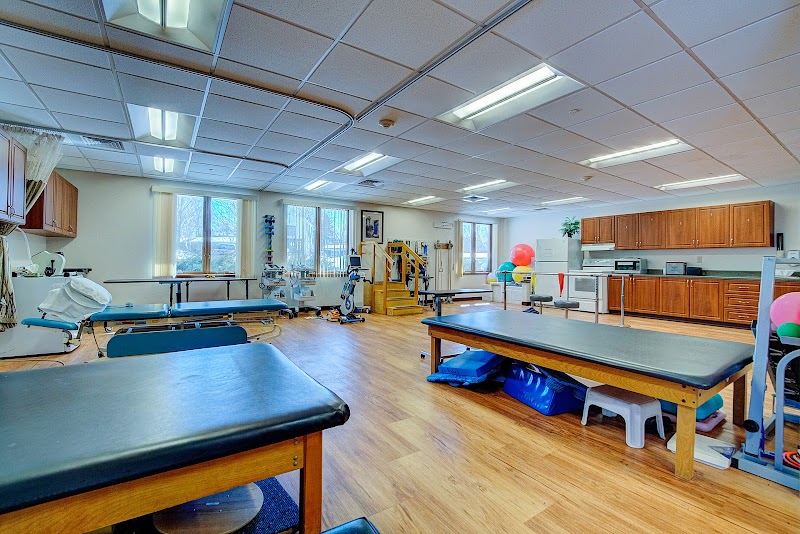
How is Evansville Manor Nursing And Rehab, Llc Staffed?

CMS rates EVANSVILLE MANOR NURSING AND REHAB, LLC's staffing level at 2 out of 5 stars, which is below average compared to other nursing homes. Staff turnover is 64%, which is 18 percentage points above the Wisconsin average of 46%. High turnover can affect care consistency as new staff learn residents' individual needs. RN turnover specifically is 62%, which is notably high. RNs provide skilled clinical oversight, so turnover in this role can affect medical care quality.

What Have Inspectors Found at Evansville Manor Nursing And Rehab, Llc?

State health inspectors documented 51 deficiencies at EVANSVILLE MANOR NURSING AND REHAB, LLC during 2022 to 2025. These included: 2 Immediate Jeopardy (the most serious level, indicating potential for serious harm or death), 5 that caused actual resident harm, 42 with potential for harm, and 2 minor or isolated issues. Immediate Jeopardy findings are rare and represent the most serious regulatory concerns. They require immediate corrective action.
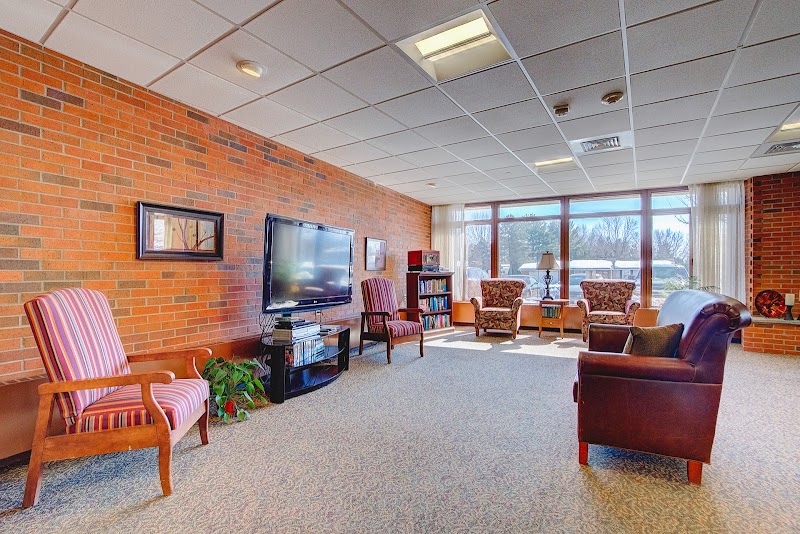
Who Owns and Operates Evansville Manor Nursing And Rehab, Llc?

EVANSVILLE MANOR NURSING AND REHAB, LLC is owned by a for-profit company. For-profit facilities operate as businesses with obligations to shareholders or private owners. The facility is operated by EDEN SENIOR CARE, a chain that manages multiple nursing homes. With 71 certified beds and approximately 58 residents (about 82% occupancy), it is a smaller facility located in EVANSVILLE, Wisconsin.

How Does Evansville Manor Nursing And Rehab, Llc Compare to Other Wisconsin Nursing Homes?

Compared to the 100 nursing homes in Wisconsin, EVANSVILLE MANOR NURSING AND REHAB, LLC's overall rating (1 stars) is below the state average of 3.0, staff turnover (64%) is significantly higher than the state average of 46%, and health inspection rating (1 stars) is much below the national benchmark.

What Should Families Ask When Visiting Evansville Manor Nursing And Rehab, Llc?

Based on this facility's data, families visiting should ask: "What changes have been made since the serious inspection findings, and how are you preventing similar issues?" "How do you ensure continuity of care given staff turnover, and what is your staff retention strategy?" "Can you walk me through typical staffing levels on day, evening, and night shifts?" "Can I visit during a mealtime to observe dining assistance and food quality?" These questions are particularly relevant given the facility's Immediate Jeopardy citations, the facility's high staff turnover rate, and the below-average staffing rating.

Is Evansville Manor Nursing And Rehab, Llc Safe?

Based on CMS inspection data, EVANSVILLE MANOR NURSING AND REHAB, LLC has documented safety concerns. Inspectors have issued 2 Immediate Jeopardy citations (the most serious violation level indicating risk of serious injury or death). The facility has a 1-star overall rating and ranks #100 of 100 nursing homes in Wisconsin. Families considering this facility should ask detailed questions about what corrective actions have been taken since these incidents.

Do Nurses at Evansville Manor Nursing And Rehab, Llc Stick Around?

Staff turnover at EVANSVILLE MANOR NURSING AND REHAB, LLC is high. At 64%, the facility is 18 percentage points above the Wisconsin average of 46%. Registered Nurse turnover is particularly concerning at 62%. RNs handle complex medical decisions and coordinate care — frequent RN changes can directly impact care quality. High turnover means new staff may not know residents' individual needs, medications, or preferences. It can also be disorienting for residents, especially those with dementia who rely on familiar faces. Families should ask: What is causing the turnover? What retention programs are in place? How do you ensure care continuity during staff transitions?

Was Evansville Manor Nursing And Rehab, Llc Ever Fined?

EVANSVILLE MANOR NURSING AND REHAB, LLC has been fined $66,915 across 4 penalty actions. This is above the Wisconsin average of $33,748. Fines in this range indicate compliance issues significant enough for CMS to impose meaningful financial consequences. Common causes include delayed correction of deficiencies, repeat violations, or care failures affecting resident safety. Families should ask facility leadership what changes have been made since these penalties.

Is Evansville Manor Nursing And Rehab, Llc on Any Federal Watch List?

EVANSVILLE MANOR NURSING AND REHAB, LLC is not on any federal watch list. The most significant is the Special Focus Facility (SFF) program, which identifies the bottom 1% of nursing homes nationally based on persistent, serious quality problems. Not being on this list means the facility has avoided the pattern of deficiencies that triggers enhanced federal oversight. This is a positive indicator, though families should still review the facility's inspection history directly.