BURNETT MEDICAL CENTER
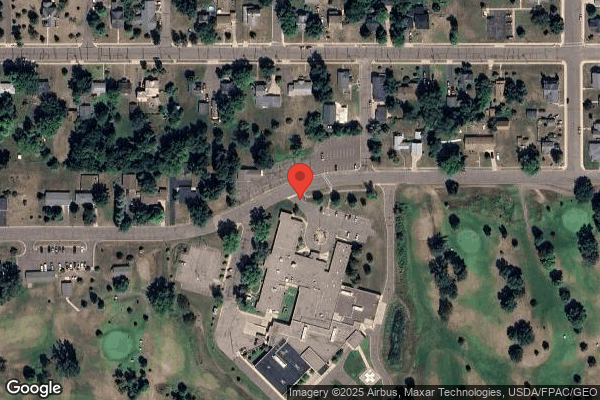
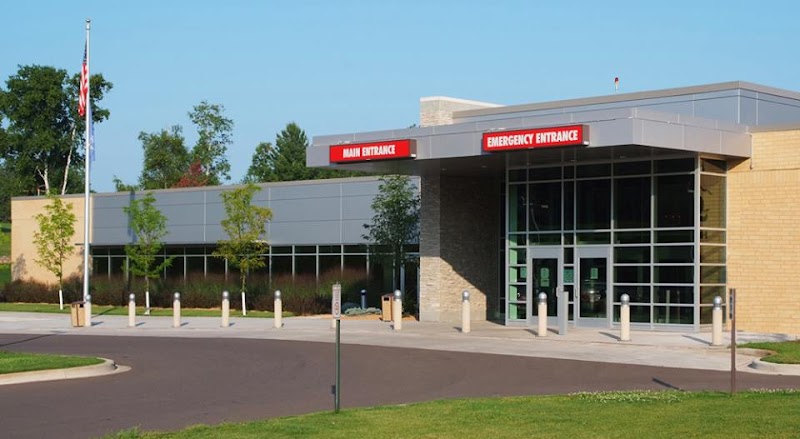
257 W ST GEORGE AVE, GRANTSBURG, WI 54840 (715) 463-5353
Non profit - Corporation 50 Beds Independent Data: November 2025
Trust Grade
60/100
#138 of 321 in WI
Last Inspection: October 2024

Within standard 12-15 month inspection cycle. Federal law requires annual inspections.

Overview

Burnett Medical Center in Grantsburg, Wisconsin has a Trust Grade of C+, which means it is decent and slightly above average compared to other facilities. It ranks #138 out of 321 in the state, placing it in the top half, and is the only option in Burnett County. The facility is improving, with the number of issues reported decreasing from 10 in 2023 to 9 in 2024, although it still has a concerning trend with 26 total issues found, including serious concerns with infection control and food safety practices. Staffing is a major strength, rated 5 out of 5 stars with a turnover rate of 37%, which is below the state average, indicating that staff are experienced and familiar with the residents. However, there is less RN coverage than 87% of Wisconsin facilities, which could impact the quality of care, and recent inspections revealed issues such as improper hand hygiene during wound care and failure to label medications correctly, raising potential safety concerns.

Trust Score
C+
60/100
In Wisconsin
#138/321
Top 42%
Safety Record
Low Risk
No red flags
Inspections
Getting Better
10 → 9 violations
Staff Stability
○ Average
37% turnover. Near Wisconsin's 48% average. Typical for the industry.
Penalties
✓ Good
No fines on record. Clean compliance history, better than most Wisconsin facilities.
Skilled Nurses
✓ Good
Each resident gets 43 minutes of Registered Nurse (RN) attention daily — more than average for Wisconsin. RNs are trained to catch health problems early.
Violations
⚠ Watch
26 deficiencies on record. Higher than average. Multiple issues found across inspections.
★★★☆☆
3.0
Overall Rating
★★★★★
5.0
Staff Levels
★☆☆☆☆
1.0
Care Quality
★★★☆☆
3.0
Inspection Score
Stable
2023: 10 issues
2024: 9 issues

The Good

  • 5-Star Staffing Rating · Excellent nurse staffing levels
  • Full Sprinkler Coverage · Fire safety systems throughout facility
  • No fines on record
  • Staff turnover below average (37%)

    11 points below Wisconsin average of 48%

Facility shows strength in staffing levels, fire safety.

The Bad

3-Star Overall Rating

Near Wisconsin average (3.0)

Meets federal standards, typical of most facilities

Staff Turnover: 37%

Near Wisconsin avg (46%)

Typical for the industry

The Ugly 26 deficiencies on record

Oct 2024 9 deficiencies
CONCERN (D)

Potential for Harm - no one hurt, but risky conditions existed

Resident Rights (Tag F0550)

Could have caused harm · This affected 1 resident

**NOTE- TERMS IN BRACKETS HAVE BEEN EDITED TO PROTECT CONFIDENTIALITY** Based on observation, interview and record review, the facility did not ensure residents (R) were treated with respect and digni...

Read full inspector narrative →
**NOTE- TERMS IN BRACKETS HAVE BEEN EDITED TO PROTECT CONFIDENTIALITY** Based on observation, interview and record review, the facility did not ensure residents (R) were treated with respect and dignity and cared for in a manner to enhance their quality of life. Facility staff used clothing protector to wipe resident's face while assisting to eat. This affected 3 of 3 residents observed. (R17, R22, and R7) Findings include: Facility document titled Know Your Rights under Federal Nursing Home Regulations states in part, .You have the right to be treated with respect and dignity . Example 1: R17 was admitted to the facility on [DATE] with a diagnosis of unspecified dementia and stroke. R17's Minimum Data Set (MDS) assessment dated [DATE] identified R17 had moderate cognitive impairment and required assistance with eating. On 10/21/24 at 12:30 PM, Surveyor observed Registered Nurse (RN) D assist R17 to eat lunch in the dining room. During the observation, RN D used the clothing protector multiple times to wipe R17's mouth and face rather than a napkin. Example 2: R22 was admitted to the facility on [DATE] with a diagnosis of cerebral palsy. R22's MDS assessment dated [DATE] identified R22 was completely dependent on staff for eating. On 10/22/24 at 8:49 AM, Surveyor observed Licensed Practical Nurse (LPN) C assist R22 eat breakfast in the dining room. Surveyor observed LPN C use the clothing protector multiple times to wipe around R22's mouth and face while eating and drinking instead of a napkin. LPN C held the clothing protector over R22's nose and mouth several times when R22 coughed and then used the clothing protector to wipe R22's nose and mouth instead of a tissue or napkin. At 9:06 AM, Surveyor observed Certified Nursing Assistant (CNA) F sit beside R22 to help R22 finish drinking the beverages. CNA F used the clothing protector to wipe R22's mouth after each drink instead of a napkin. Example 3: R7 was admitted to the facility on [DATE] with a diagnosis of stroke. R7's MDS assessment dated [DATE] identified R7 had moderate cognitive impairment, limited range of motion of one upper extremity, and required assistance from staff for eating. On 10/22/24 at 9:02 AM, Surveyor observed CNA F finish feeding breakfast to R7 in the dining room. CNA F asked R7 if they were done eating and then wiped R7's mouth and around R7's chin with the clothing protector instead of a napkin. On 10/22/24 at 12:55 PM, Surveyor interviewed Director of Nursing (DON) B and explained observations of staff using the clothing protectors to wipe residents' faces when assisting residents to eat. Surveyor asked DON B if this was an acceptable practice. DON B stated that was not respectful of resident's dignity. DON B stated the staff should use a napkin to wipe residents' faces. DON B stated education would be provided.
CONCERN (D)

Potential for Harm - no one hurt, but risky conditions existed

Grievances (Tag F0585)

Could have caused harm · This affected 1 resident

**NOTE- TERMS IN BRACKETS HAVE BEEN EDITED TO PROTECT CONFIDENTIALITY** Based on interviews and record review, the facility did not investigate, resolve, and record resolution of grievance for 1 of 13...

Read full inspector narrative →
**NOTE- TERMS IN BRACKETS HAVE BEEN EDITED TO PROTECT CONFIDENTIALITY** Based on interviews and record review, the facility did not investigate, resolve, and record resolution of grievance for 1 of 13 residents (R) R28. R28's Activated Power of Attorney (APOA) K reported a personal item missing and a grievance was not completed. Findings include: Facility policy titled: Grievance Policy with a most recent review date of 03/28/22 stated, in part: The facility grievance process will be overseen by Social Services and the DON, who will be responsible for receiving and tracking grievances through their conclusion, lead necessary investigations, communicate with residents throughout the process to resolution .facility will provide a mechanism for filing a grievance/complaint, will provide residents, resident representatives and others a planned, systematic mechanism for receiving and promptly acting upon issues expressed and provide an ongoing system for monitoring and trending grievances and complaints. R28 was admitted to the facility on [DATE] with a diagnosis of vascular dementia. R28's admission Minimum Data Set (MDS) dated [DATE] stated R28 is rarely/never understood, and no Brief Interview of Mental Status (BIMS) was completed. Surveyor requested to view facility's grievance log. No grievance log was provided. On 10/21/24 at 12:15 PM, Surveyor interviewed APOA K regarding resident rights. APOA K stated that shortly after admission he reported R28's blue luggage bag was missing. Surveyor asked APOA K if he remembered the date this was reported. APOA K stated no. Surveyor asked APOA K if he remembered who this was reported to. APOA K stated reporting it to numerous staff. APOA K stated that after reporting the missing item, he was told a couple times that they were looking for the item, but haven't been able to find it. Surveyor asked APOA K if the facility provided any written documentation for him fill out. APOA K stated no. Surveyor asked APOA K if he was provided any written documentation of investigation findings or offered a resolution to the grievance. APOA K stated no. On 10/22/24 at 2:23 PM, Surveyor interviewed Social Services Manager (SSM) H and Registered Nurse (RN) D regarding R28's missing item. RN D stated remembering APOA K stating that a blue bag was missing. RN D stated that staff attempted to find the item, but staff couldn't recall if the luggage was present on admission and that APOA K appeared to be showing some signs of dementia as well, so they figured the item was likely never brought in to begin with since no staff was able to find it. SSM H stated also remembering hearing about the missing item, but could not recall the outcome. Surveyor asked SSM H why this was not documented on the grievance log. SSM H stated only being in current role for about 3 months and it happened before that, but that this wouldn't be considered a grievance. Surveyor asked SSM H what would be considered a grievance. SSM H stated a grievance would be a complaint or concern voiced by a resident or resident representative. Surveyor asked SSM H if a missing item would be considered a complaint or concern. SSM H stated yes, but the current practice when a resident has a missing item it is reported to the unit nurse and a missing item form is completed. Unit staff keep the form on the unit, notify other staff to look for the item, and then once resolved by either finding it or reimbursing for the item, it is scanned into the resident's chart. Surveyor asked SSM H to see the missing item form for R28's bag. SSM H stated inability to find it. Surveyor asked SSM H if these missing item forms were reviewed by her to include on grievance log. SSM H stated no. Surveyor asked SSM H to see grievance log. SSM H stated no grievances had been filed since December 2023. SSM H stated the facility does not consider lost or missing items to be a grievance and are not included on the grievance log. Surveyor asked SSM H if this practice followed the facility grievance policy of reporting, documenting, investigating, and concluding a grievance or complaint from a resident. SSM H stated no and that she was currently in the process of improving the grievance procedure and policy. SSM H stated recognition of poor practice for grievance reporting and investigating and stated understanding how this practice negatively affects residents' rights.
CONCERN (D)

Potential for Harm - no one hurt, but risky conditions existed

Comprehensive Care Plan (Tag F0656)

Could have caused harm · This affected 1 resident

**NOTE- TERMS IN BRACKETS HAVE BEEN EDITED TO PROTECT CONFIDENTIALITY** Based on record review and interview, the facility did not develop a comprehensive care plan for 1 of 1 resident (R) R12 reviewe...

Read full inspector narrative →
**NOTE- TERMS IN BRACKETS HAVE BEEN EDITED TO PROTECT CONFIDENTIALITY** Based on record review and interview, the facility did not develop a comprehensive care plan for 1 of 1 resident (R) R12 reviewed for indwelling catheter. R12 had an indwelling catheter in place. The facility did not develop a care plan to direct care for indwelling catheter. Findings include: R12 was admitted to the facility on [DATE] with pertinent diagnoses of syncope, orthostatic hypertension, atrial fibrillation, and repeated falls. R12's most recent quarterly Minimum Data Set (MDS) dated [DATE] stated a Brief Interview of Mental Status (BIMS) score of 15 indicating R12 is cognitively intact. R12 had no impairment to range of motion in upper and lower extremities and uses a mechanical wheelchair for ambulation. R12 did not have an indwelling catheter and is always continent. Surveyor reviewed R12's care plan. No indication of having an indwelling catheter was noted. Surveyor reviewed R12's nursing progress notes. No documentation of cares provided for catheter noted. Surveyor reviewed R12's urology clinic visit summaries and noted the following: -On 10/07/24 seen in urology clinic - 16french urinary catheter placed for urinary retention. Follow-up appointment scheduled for 11/07/24 for voiding trial. Please continue catheter cares until follow-up appointment. Surveyor reviewed R12's Interdisciplinary Team notes and noted the following: 10/22/24 - has temporary foley cath due to incontinence, has appointment 10/23 for removal On 10/21/24 at 1:35 PM, Surveyor interviewed R12 about his indwelling catheter. R12 stated that it was placed approximately a month ago at the urology clinic. R12 stated having some retention issues and a procedure done, but couldn't remember specifics. R12 stated the catheter was temporary and is scheduled to have it removed on 10/23/24. Surveyor asked R12 who completed cares for the catheter. R12 stated nursing staff does it 3 or 4 times a day. On 10/22/24 at 10:43 AM, Surveyor interviewed Director of Nursing (DON) B regarding R12's care plan. DON B stated the nursing staff were aware of his catheter and were providing cares appropriately. Surveyor asked why this was not added to R12's care plan. DON B stated it must have been missed because it was only expected to be in for a short time. DON B did not provide any further explanation.
CONCERN (D)

Potential for Harm - no one hurt, but risky conditions existed

Deficiency F0657 (Tag F0657)

Could have caused harm · This affected 1 resident

**NOTE- TERMS IN BRACKETS HAVE BEEN EDITED TO PROTECT CONFIDENTIALITY** Based on observation, interview and record review, the facility did not ensure care plans were revised and implemented to reflec...

Read full inspector narrative →
**NOTE- TERMS IN BRACKETS HAVE BEEN EDITED TO PROTECT CONFIDENTIALITY** Based on observation, interview and record review, the facility did not ensure care plans were revised and implemented to reflect changes in care for 2 of 5 residents (R) R12 and R22. R12 had a recent fall and care plan was updated with intervention to include 30 minute - 1 hour safety checks to be completed. This intervention was not completed. Facility did not follow fall care plan interventions for 15-minute checks for R22. Findings include: According to the Resident Assessment Instrument, The comprehensive care plan is an interdisciplinary communication tool. It must include measurable objectives and time frames and must describe the services that are to be furnished to attain or maintain the resident's highest practicable physical, mental and psychosocial well-being. The care plan should be revised on an ongoing basis to reflect changes in the resident and the care that the resident is receiving. Example 1 R12 was admitted to the facility on [DATE] with pertinent diagnoses of syncope, orthostatic hypertension, atrial fibrillation, and repeated falls. R12's most recent quarterly Minimum Data Set (MDS) dated [DATE] stated a Brief Interview of Mental Status (BIMS) score of 15 indicating R12 is cognitively intact. R12 had no impairment to range of motion in upper and lower extremities and uses a mechanical wheelchair for ambulation. Surveyor reviewed R12's care plan initiated on 06/14/21 and revised on 10/06/24, which states in part: PROBLEM: Fall risk, found sitting on floor next to bed. GOAL: Resident will have no further falls. APPROACHES: -Remind to ask for assist before transfer during the night. -Room check every ½ hour. -Encourage to lock wheelchair before transferring. Surveyor reviewed R12's falls documentation: -On 2/19/24 had a fall: Interventions: Educate resident on using call light for assistance to stand/transfer. -On 04/23/24 had a fall: Interventions: Monitor. -On 05/24/24 had a fall: Interventions: Check on resident during the night. Offer assistance to the bathroom once during the night. -On 09/14/24 had a fall: Interventions: Use a sensitive call light on outer side of bed. -On 09/23/24 had a fall: Interventions: Room checks every 30 minutes - 1 hour. Encourage to use call light. Offer assistance before leaving room. -On 09/24/24 had a fall: Interventions: Remind and encourage resident to use call light for standby assist before transferring. Room checks every 30 minutes - 1 hour during the night. Surveyor found no documentation or verification that 30 minute - 1 hours checks were completed. On 10/22/24 at 12:23 PM, Surveyor interviewed DON B and asked if DON B could provide Surveyor with R12's 30 minute - 1 hour documentation from previous falls. DON B indicated that the old DON did not actually have these interventions charted for R12's falls. DON B indicated that staff did not document this information anywhere and DON B is starting the documentation process now. Example 2 R22 was admitted to the facility on [DATE] with diagnoses including in part, spinal stenosis cervical region, repeated falls, other specified paralytic syndromes, and unspecified osteoarthritis. R22's Minimum Data Set (MDS) assessment, dated 08/14/24, identified R22 had a Brief Interview for Mental Status (BIMS) score of 15. This indicated R22 has intact cognition. The MDS assessment also identified R22 required substanial to maximal assistance of two people for transfers, bed mobility, chair to bed, and toileting. Surveyor reviewed R22's fall care plan initiated on 12/11/23 and revised on 08/27/24 stated, in part: -Maintain a clear pathway. -Keep bed locked and low position. -Keep needed items in reach. -Avoid repositioning furniture. -Room checks hourly. -Call light in reach . Surveyor reviewed R22's nurse progress notes that indicate R22 had a fall dated: -On 01/08/24 had a fall: Interventions: To ring the bell on the supper/meal table to ask for help. -On 01/14/24 had a fall: Interventions: 15-minute checks and encourage to use recliner control appropriately. -On 01/18/24 had a fall: Interventions: 2 assists with ambulation. Staff may have to not give privacy completely to prevent falls on toilet. -On 01/25/24 had a fall: Interventions: Monitor for fatigue when assisting ambulation. Two assists with walking to meals. -On 07/04/24 had a fall: Interventions: Neuro's every shift, Vital signs, 15-minute checks, encourage to stay put until caregiver comes, and monitor for pain. Surveyor found no documentation or verification that 15-minute checks were completed. On 10/22/24 at 12:23 PM, Surveyor interviewed DON B and asked if DON B could provide Surveyor with evidence of R22's 15-minute checks to prevent falls. DON B indicated the old DON did not actually have these interventions charted for R22's falls. DON B indicated that even though staff were checking on R22 every 15-minutes, there is no evidence in the charting that it was completed.
CONCERN (D)

Potential for Harm - no one hurt, but risky conditions existed

Drug Regimen Review (Tag F0756)

Could have caused harm · This affected 1 resident

**NOTE- TERMS IN BRACKETS HAVE BEEN EDITED TO PROTECT CONFIDENTIALITY** Based on interview and record review, facility did not ensure pharmacy recommendation reports were acknowledged by a physician f...

Read full inspector narrative →
**NOTE- TERMS IN BRACKETS HAVE BEEN EDITED TO PROTECT CONFIDENTIALITY** Based on interview and record review, facility did not ensure pharmacy recommendation reports were acknowledged by a physician for 1 of 5 residents, (R) R12, reviewed. R12 had a pharmacy recommendation that was not acknowledged or acted upon by a physician. Findings include: R12 was admitted to the facility on [DATE] with pertinent diagnoses of syncope, orthostatic hypertension, atrial fibrillation, mood disorder, and repeated falls. Surveyor reviewed R12's orders and noted the following: Quetiapine fumarate (Seroquel) 200mg tab; give 1 tab by mouth at bedtime for insomnia. Start date: 02/04/22. Surveyor reviewed R12's Monthly Medication Review (MMR) reports and noted the following: 06/19/24 - recommend lowering Seroquel dose. Still continues pending from 01/21/23 no response from provider. On 10/22/24 at 10:42 AM, Surveyor asked Registered Nurse (RN) D for documentation of provider response for the MMR recommendation on 06/19/24. RN D stated not having one, that the provider is from the Veteran Affairs (VA) hospital and they take forever to respond. Surveyor asked whose responsibility it is to follow-up on pharmacy recommendations. RN D stated the Director of Nursing (DON). On 10/22/24 at 10:45 AM, Surveyor interviewed DON B regarding MMR recommendation for R12. Surveyor asked DON B for documentation of physician follow-up for R12's pharmacist recommendation on 06/19/24. DON B stated not having it. Surveyor asked why this wasn't followed-up on. DON B stated the VA often takes a long time responding even if they repeatedly request a response. DON B stated being unable to provide an appropriate response as to why this was not addressed and stated being new in the DON role while trying to get all of the facility's processes in order, including pharmacist's recommendations.
CONCERN (D)

Potential for Harm - no one hurt, but risky conditions existed

Deficiency F0757 (Tag F0757)

Could have caused harm · This affected 1 resident

**NOTE- TERMS IN BRACKETS HAVE BEEN EDITED TO PROTECT CONFIDENTIALITY** Based on interview and record review, the facility did not ensure each resident's drug regimen was free from unnecessary drugs f...

Read full inspector narrative →
**NOTE- TERMS IN BRACKETS HAVE BEEN EDITED TO PROTECT CONFIDENTIALITY** Based on interview and record review, the facility did not ensure each resident's drug regimen was free from unnecessary drugs for 1 of 2 residents (R25) reviewed for antibiotic use without adequate indication for its use. R25 was ordered and administered cefuroxime avetil (antibiotic) for Urinary Tract Infection (UTI). No documented symptoms to indicate antibiotic. No laboratory results indicating necessity for prescribed antibiotic. Findings include: Facility policy entitled: Antimicrobial Stewardship Program with a most recent reviewed date of 06/23/22 states in part: All prescribers at [NAME] Medical Center are expected to prescribe antimicrobial therapy according to the following key principles: dosage, route, frequency and diagnosis of prescribed antimicrobials will be appropriate for the individual, as well as the site and type of infection. According to Loeb criteria, the criteria used by facility to assess and monitor infections, the minimum set of signs and symptoms which indicate an infection is likely and may indicate need for antibiotics related to Urinary Tract Infection (UTI) without a catheter include: acute dysuria (pain with urination) OR a temperature greater than 37.9 degrees Celsius AND one or more of the following new or worsening symptoms: urgency, suprapubic pain, urinary incontinence, frequency, gross hematuria, costovertebral angle tenderness (discomfort over kidneys). R25 was admitted to the facility on [DATE] with pertinent diagnoses including chronic obstructive pulmonary disorder (COPD), heart failure, atrial fibrillation, diabetes mellitus, and hospice care. R25's most recent quarterly Minimum Data Set (MDS) dated [DATE] stated a Brief Interview of Mental Status (BIMS) score of 13 indicating cognition is intact. R25 is occasionally incontinent of bladder and bowel. Surveyor reviewed R25's care plan initiated 04/16/24 and most recent review on 07/16/24 and noted the following: PROBLEM: Prompted toileting plan for urinary/bowel incontinence. GOALS: Will reduce incontinency to 1-2 times per day by 90 days. APPROACHES: Encourage fluids during the day. Limit in evenings. Use incontinent pads daily. Check skin for signs of redness, breakdown and tell charge nurse. Take or prompt to bathroom every 2 hours and as needed. Offer urinal. Surveyor reviewed R25's orders and noted the following: 10/21/24 - obtain clean catch urine sample for UA/UC (urinalysis and urine culture) 10/21/24 - start cefuroxime avetil 500mg tab; 1 tab by once daily for 7 days for UTI. First dose administered 10/21/24 at 6:00 PM. Surveyor reviewed R25's nursing progress notes and noted, in part, the following: 10/21/24 10:35 AM: resident has been alert and oriented so far this shift. Urine continues to be thick and cloud. Temperature 97.8. Also noted some weight gain with no shortness of breath. Hospice here, and has updated their provider. We will be obtaining a UA/UC. 10/21/24 11:20 AM: Hospice came back with an order for a UA/UC and will start an antibiotic. Care plan updated. Sister and resident in agreement. Surveyor noted no urinalysis results received prior to starting antibiotic. No symptoms present to indicate use of antibiotics for UTI. 10/21/24 4:06 PM: Lab called with critical glucose +4. Results reported to Hospice nurse, she will report to her doctor. Patient is on antibiotics. Awaiting culture results. Surveyor noted no urinalysis or culture and sensitivity results available as of last day of survey on 10/23/24 to confirm appropriate indication of use for the antibiotic used. Surveyor noted no documented fever or other urinary assessment or urinary symptoms to indicate likely infection. Surveyor reviewed facility's infection surveillance log. R25 is not listed for monitoring for UTI. On 10/23/24 at 9:03 AM, Surveyor interviewed Infection Preventionist (IP) J via phone. IP J was not available onsite during survey but was able to complete a short phone interview. Surveyor asked IP J the facility's policy on prescribing antibiotics. IP J stated the facility uses Loeb criteria for monitoring infections and determining appropriateness of antibiotic use. Surveyor asked IP J if antibiotics would typically be prescribed prior to receiving urine analysis and culture results. IP J stated no that the expectation would be to wait until at least receiving the urinalysis results and potentially start antibiotic until culture results are received. Surveyor asked IP J if physicians are expected to follow facility policy on prescribing antibiotics when Loeb criteria does indicate treatment. IP J stated yes, but the physicians sometimes prescribe the antibiotic anyway. Surveyor asked IP J what happens when the provider does this. IP J stated they attempt to re-educate the provider on current evidence-based practice on waiting for urinalysis results before prescribing antibiotics, but the provider will do what they feel is in the best interest of the resident's health and care, which includes starting antibiotics before receiving lab results. IP J stated recognition that this is in conflict with the facility's policy on prescribing antibiotics and is continually trying to improve this process as it may have a negative outcome on resident safety and health with misuse of antibiotics.
CONCERN (D)

Potential for Harm - no one hurt, but risky conditions existed

Unnecessary Medications (Tag F0759)

Could have caused harm · This affected 1 resident

Based on observation, record review and interview, the facility did not ensure a medication error rate of 5% or less for 2 of 8 residents (R), R12 and R15, observed for medication pass. The facility h...

Read full inspector narrative →
Based on observation, record review and interview, the facility did not ensure a medication error rate of 5% or less for 2 of 8 residents (R), R12 and R15, observed for medication pass. The facility had 26 opportunities and 3 medication errors resulting in an 11.54% error rate. Registered Nurse (RN) D administered insulin medication without checking the expiration date and without holding the insulin injection in the abdomen for at least 10 seconds for R12. Licensed Practical Nurse (LPN) C administered Morphine sulfate oral medication without checking the expiration date for R15. This is evidenced by: According to the Food and Drug Administration (FDA), insulin pens should be discarded 28 days after opening the pen to ensure effectiveness of the medication. Surveyor reviewed policy titled, Administering oral medications dated on September 4, 2024, stated in part: -Steps in the procedure: -#7. Check expiration date on the medication . Surveyor reviewed policy titled, Subcutaneous Injections dated on March 2011, which stated in part: -Steps in the procedure: 11. After needle enters the site, grasp the lower end of syringe barrel with nondominant hand. Move dominant hand to end of plunger. Avoid moving the syringe. -#12. Slowly inject medication . Example 1 On 10/22/24 at 11:45 AM, Surveyor observed RN D administer unlabeled Novolog insulin pen 3 units into R12's right lower abdomen. RN D prepped R12's skin and then injected the Novolog 3 units into R12's abdomen and pulled back right away. Surveyor observed Novolog insulin dribble down R12's abdomen. Surveyor did not observe RN D hold Novolog insulin pen in for 5-10 seconds. On 10/22/24 at 11:48 PM, Surveyor interviewed RN D and asked how long RN D is supposed to hold Novolog insulin once administered in R12's abdomen subcutaneous (SUB-Q) . RN D indicated that since it's not over 50 units that there was no need to hold the Novolog insulin pen SUB-Q in R12's abdomen as it was only 3 units. Example 2 On 10/22/24 at 11:52 AM, Surveyor observed LPN C prep and administer Morphine Sulfate oral 0.25ml to R15. Surveyor did not observe an open date label on bottle and observed pharmacy label covering the manufacturing expiration date. Surveyor interviewed LPN C and asked what the common practice is for administering medications and checking expiration dates. LPN C indicated that expiration dates should be checked for all medications before administering medications to residents. LPN C indicated the Morphine Sulfate oral concentration for R15 does not have an open label date and the pharmacy label is covering the manufacturing label. LPN C indicated that LPN C probably should have checked the expiration date before administering to R15. On 10/22/24 at 12:20 PM, Surveyor interviewed Director of Nursing (DON) B and asked what expectation is for labeling open medications for individual resident use. DON B indicated that all medications that are opened should have a label with open date so staff know when medications expire. Surveyor requested labeling and storage policy along with expired medications. DON B indicated that if medication is found with no expiration date or open date then staff need to dispose of the medication and prepare a new medication and apply the open dates. Surveyor asked DON B what expectation is for injecting insulin SUB-Q and how long to hold pen into SUB-Q area. DON B indicated that when insulin is given the pen should be held SUB-Q for at least 10 seconds so that all the medication is delivered accurately. On 10/22/24 at 2:56 PM, Surveyor interviewed DON B who gathered the medication labeling storage policy. DON B indicated that DON B did not have an expiration of medication policy. DON B indicated that DON B did not have an insulin administration policy that specifies how long to hold subcutaneous injection into abdomen but expectation again is hold insulin while injecting for at least 10 seconds.
CONCERN (E)

Potential for Harm - no one hurt, but risky conditions existed

Deficiency F0761 (Tag F0761)

Could have caused harm · This affected multiple residents

**NOTE- TERMS IN BRACKETS HAVE BEEN EDITED TO PROTECT CONFIDENTIALITY** Based on observation, record review and interview, the facility did not ensure drugs and biologicals were labeled in accordance ...

Read full inspector narrative →
**NOTE- TERMS IN BRACKETS HAVE BEEN EDITED TO PROTECT CONFIDENTIALITY** Based on observation, record review and interview, the facility did not ensure drugs and biologicals were labeled in accordance with currently accepted professional principles and did not ensure medication was labeled to determine the expiration date of opened medications for 7 of 13 residents (R) (R2, R12, R25, R3, R20, R14, and R18). Findings include: According to the Food and Drug Administration (FDA), insulin pens should be discarded 28 days after opening the pen to ensure effectiveness of the medication. Surveyor reviewed policy titled, Medication Labeling and Storage dated [DATE], which stated in part: -Medication Storage: #2: The nursing staff is responsible for maintaining medication storage and preparation areas in clean, safe, and sanitary manner. -Medication Labeling: #1: Labeling of medications and biologicals dispensed by the pharmacy is consistent with applicable federal and state requirements and currently accepted pharmaceutical practices. -#2: The medication label includes, at a minimum: d. expiration date, when applicable . Surveyor reviewed policy titled, Administering oral medications dated September 4, 2024, which stated in part: -Steps in the procedure: -#7. Check expiration date on the medication . Surveyor reviewed an open medication need date chart titled, These medications need date when open/expiration stickers dated November 2022, stated in part: -All Insulin pens (expires once opened 28-56 days depending on insulins). -Morphine oral solution (expires 90 days). -Opthalmic drops (expires 28 days) . On 10/22/24 at 8:05 AM, Surveyor observed south hall's medication cart with Registered Nurse (RN) D. Surveyor observed 2 orange glucose tab containers located in the first drawer labeled use for R2 with labels covering the expiration dates on bottles. Surveyor observed 2 Humalog insulin pens for use for R12 and R25 with no open date label. Surveyor observed pharmacy label covering both insulin pens' manufacturing expiration date. Surveyor observed Timolol drops opened with no open date with labeled use for R3. Surveyor interviewed RN D and asked if Timolol drops were used this morning as ordered and how RN D would know when certain medications are expired or had been opened. RN D indicated that all medications that are opened should be labeled with open date. RN D indicated that RN D did give the Timolol drops. RN D viewed the bottle and noted the pharmacy label was covering the manufacturing expiration label but regardless all medications should have an opened date on the bottle so RN D does not administer expired medications on accident. Surveyor observed a bottle of Levetiracetam labeled for use for R20 with no open date label, and pharmacy label covering the manufacturing expiration date. RN D indicated that all medications except orange glucose tabs for R2 have been opened and used for all other residents. RN D indicated all opened medications are supposed to be labeled with the open date to make sure medications aren't expired. On 10/22/24 at 11:58 AM, Surveyor observed north hall's medication cart with Licensed Practical Nurse (LPN) C. Surveyor observed 2 Lantus insulin pens labeled for use for R14 and R18 with no open date label. Surveyor observed pharmacy label covering both pens' manufacturing expiration date. Surveyor observed Tresiba Insulin pen labeled for use for R2 with no open date label. Surveyor observed the pharmacy label covering both pens' manufacturing expiration dates. Surveyor observed 2 Admelog insulin pens labeled for use for R2 with no open date label. Surveyor observed the pharmacy labels covering both pens' manufacturing expiration dates. On 10/22/24 at 11:59 AM, Surveyor interviewed LPN C and asked if all insulin pens observed for R14, R18, and R2 were opened and used recently. LPN C indicated that all pens for R14, R18, and R2 have been used and should have open dates but do not. LPN C indicated that since R14, R18, and R2 use the insulin pens so much that LPN C feels like the insulin pens are used before they even expire, so administering to R14, R18, and R2 should be ok. On 10/22/24 at 12:18 PM, Surveyor toured med storage room with Director of Nursing (DON) B. Surveyor observed Lorazepam 2mg/ml oral concentration bottle labeled for use for R25 with no open date label. Surveyor observed the pharmacy label covering the Lorazepam bottle's manufacturing expiration date. On 10/22/24 at 12:20 PM, Surveyor interviewed DON B and asked what expectation is for labeling open medications for individual resident use. DON B indicated that all medications that are opened should have a label with open date so staff know when medications expire. DON B indicated the Lorazepam bottle has been used for R25, which is located in the med storage refrigeration room, but does not have an open date label located on the Lorazepam bottle. DON B indicated this Lorazepam bottle should be discarded and a new one opened with an open date label before administering.
CONCERN (F)

Potential for Harm - no one hurt, but risky conditions existed

Infection Control (Tag F0880)

Could have caused harm · This affected most or all residents

**NOTE- TERMS IN BRACKETS HAVE BEEN EDITED TO PROTECT CONFIDENTIALITY** Based on observation, interview and record review, the facility did not maintain an infection prevention and control program des...

Read full inspector narrative →
**NOTE- TERMS IN BRACKETS HAVE BEEN EDITED TO PROTECT CONFIDENTIALITY** Based on observation, interview and record review, the facility did not maintain an infection prevention and control program designed to provide a safe, sanitary, and comfortable environment to help prevent the development and transmission of communicable diseases and infections. The facility did not keep a complete surveillance line list which affects all residents (R), did not perform hand hygiene with glove changes during wound cares for 1 of 2 residents (R4), touched medications to be administer with bare hands for 2 of 8 (R6, R7) observations, and did not dispose of PPE properly when caring for residents on enhanced barrier precaution for 2 of 5 residents (R1, R17). This had the potential to affect all residents in the facility. Findings include: Example 1 Facility policy titled: Infection Prevention and Control Program, with a last revised date of 05/14/24, states in part: .Active Surveillance: Conducting surveillance activities that include infection detection, data collection and analysis, monitoring, and evaluation of interventions .monitoring patients, residents, and healthcare workers for acquisition of infections. On 10/22/24, Surveyor reviewed the facility's infection surveillance log for staff and residents and noted the following: The dates included on the log were 01/01/24-10/10/24. No documentation was provided for the dates of 10/11/24-10/21/24 and 10/21/23-12/31/23 for the surveyor to review for a complete year of documentation. All residents listed do not include the date symptoms resolved. All residents listed do not include the date isolation precautions were implemented and discontinued. All residents listed do not include the start and end date of antibiotic, if applicable. On 10/21/24, R12's record review indicated being prescribed an antibiotic for Urinary Tract Infection (UTI). This is not documented on the infection surveillance log. On 10/21/24, R25's record review indicated being prescribed an antibiotic for UTI. This is not documented on the infection surveillance log. On 10/23/24 at 10:03 AM, Surveyor interviewed the Minimum Data Set (MDS) Coordinator G, who was filling in for the Infection Preventionist (IP) being on vacation during the time of survey regarding the infection surveillance log. Surveyor asked MDS Coordinator G who was responsible for completing documentation on the infection surveillance log. MDS Coordinator G stated the IP. Surveyor asked why the infection surveillance log did not include the dates 10/11/24-10/21/24 and 10/21/23-12/31/24. MDS Coordinator G stated that there was no documentation for those dates. Surveyor asked MDS Coordinator why this was not documented. MDS Coordinator G stated the current IP started in January 2024 and began the documentation in 2024, so there was no data available for 2023. MDS Coordinator G stated IP has been on vacation as was to why there is no documentation for 10/11/24-10/21/24. Surveyor asked why laboratory data, isolation precaution dates, and symptom dates were not included on the surveillance log. MDS Coordinator G stated she did not know why. Surveyor asked MDS Coordinator G if she understood the importance of keeping accurate, complete, and ongoing surveillance of infections. MDS Coordinator G stated yes, that she recognizes this prevents potential outbreaks of infection and identifies potential areas of concern in infection control practices. MDS Coordinator G stated that she would speak with IP to improve this practice. Example 3 Surveyor reviewed policy titled, Hand hygiene Policy and Procedure dated May 2022, which stated in part: -Hand hygiene includes the use of either an alcohol-based antiseptic hand rub or washing with soap and water for routinely decontaminating hands in the following clinical situations: -Before having direct contact with patients or residents. -After contact with bodily fluids or excretion's, mucous membranes, non-intact skin, and wound dressings, even if hands are not visibly soiled. -After removing gloves. -After removing personal protective equipment. -When leaving an isolation area . On 10/22/24 at 7:41 AM, Surveyor observed CNA E exit R12's room who is on EBP with CNA E's PPE on. CNA E walked down hallway with dirty linens and dropped them off in trash can in hallway. CNA E walked into R17's room with CNA E's PPE on. CNA E doffed contaminated PPE and placed in R17's linen bin. CNA E then walked to R17's sink and began to wash hands. CNA E exited R17's room. On 10/22/24 at 7:43 AM, Surveyor interviewed CNA E and asked what CNA E's process is for PPE doffing in EBP rooms. CNA E indicated that CNA E will usually doff PPE in the EBP room but R12 was not finished at the sink so CNA E just quickly went into R17's room. CNA E indicated that CNA E should not have exited R12's room without doffing PPE nor should CNA E go into another resident's room with contaminated PPE on. On 10/22/24 at 10:31 AM, Surveyor interviewed DON B regarding appropriate usage of personnel protective equipment (PPE). When asked what the expectations are for donning and doffing PPE, DON B said they would expect that staff don PPE outside of the room and then doff the PPE inside of the room. There should be bins in the room for the dirty PPE; staff should not be taking dirty gown and gloves outside of the room. Example 4 Surveyor reviewed policy titled, Administering oral medications dated on September 04, 2024, which stated in part: -Steps in the procedure: -#1: Wash your hands . On 10/22/24 at 7:21 AM, Surveyor observed Licensed Practical Nurse (LPN) C prepping R6's medications for breakfast. Surveyor observed LPN C drop antacids on the top of medication cart. LPN C grabbed the antacids with bare hands and placed back into medication cup. LPN C administered the contaminated antacids to R6. Surveyor did not observe hand hygiene performed before or after prepping R6's medications. On 10/22/24 at 7:45 AM, Surveyor observed LPN C prepping R7's medications into cup. LPN C popped 3 pills into R7's medication cup but noticed there was a piece of paper from the backing of the pop packs in the medication cup. LPN C took bare index finger and stuck LPN C's finger into R7's medication cup that had all medications inside, to pull out the paper packaging inside medication cup. Surveyor did not observe LPN C perform hand hygiene or wear gloves to grab piece of packaging out of the medication cup. Surveyor observed LPN C administer the medication cup to R7. On 10/22/24 at 12:13 PM, Surveyor observed LPN C prepping R5's medications for lunch. Surveyor observed LPN C drop CO-Q10 medication on the top of medication cart. LPN C grabbed the CO-Q10 medication with gloved hands and placed back into medication cup. LPN C administered the CO-Q10 contaminated medication to R5. Surveyor did not observe hand hygiene performed before gloving or LPN C grab a new medication in place of the contaminated medication. On 10/22/24 at 12:15 PM, Surveyor interviewed LPN C and asked about hand hygiene during medication administration with bare hand touching of medications for R6 and R7's medications. Surveyor also asked about dropping medications on the med cart and placing them back in the medication cup. LPN C indicated that LPN C should not have picked the medications up off the medication cart with bare hands for R6 and should have gotten a new medication in place. LPN C indicated that LPN C should have prepped a new medication for R7's medication. LPN C indicated that when LPN C noticed the bubble wrap of the pill pack inside medication cup, LPN C just stuck finger into the medication cup to retrieve the bubble pack. LPN C indicated that LPN C should have put gloves on to retrieve the bubble pack piece out of medication cup. On 10/22/24 at 2:56 PM, Surveyor interviewed DON B and asked expectation for hand hygiene during medication administration. DON B indicated that expectation is washing hands before and after prepping medications and before and after entering residents' rooms. Surveyor indicated to DON B that Surveyor observed LPN C bare hand touch R7's medications. Surveyor indicated to DON B that Surveyor observed LPN C drop R6 and R5's medications on the medication cart and then LPN C picked the medications up and placed them back in medication cup and administered medications to R6 and R5. DON B indicated that expectation would be that LPN C dispose of dropped medications and prepare new medications to prevent infection. Example 2 Facility policy and procedure titled, Standard Precautions, dated 05/29/24, states in part, Purpose: To provide guidelines of interactions between patients or residents and healthcare providers to prevent the transmission of infectious agents associated with healthcare delivery . Personal protective Equipment (PPE): (PPE) is used to protect staff from contact with infectious agents and to prevent staff from carrying these infectious agents from patient to patient or resident to resident . Gowns: . Gowns are to be removed before leaving the patient or resident's environment On 10/22/24 at 7:17 AM Surveyor observed that R1 was on enhanced barrier precautions due to history of organisms in urine. A sign on R1's door includes enhanced barrier precautions and indicated that providers should wear gown and gloves during high-contact care activities with R1. On 10/22/24 at 8:10 AM, Surveyor observed Certified Nursing Assistant (CNA) I performing morning cares for R1. CNA I used hand hygiene and then donned gown and gloves. CNA I was getting R1 ready for breakfast. CNA I explained R1 was very independent and typically was not wet. They always put on the PPE as they are direct care staff, and it is just easier in the case they need to do direct care. CNA I left the room wearing their PPE and took off all PPE and put in the bottom bin of the PPE container that was located outside of R1's room. The PPE container did not have any labeling indicating which drawer held the clean gowns. Both drawers had gowns that were crumpled up; only one drawer had gowns that were also folded. On 10/22/24 at 9:46 AM, Surveyor interviewed CNA I. CNA I stated she was mistaken and that gowns should have gone into the bin designated for gowns in the room that is labeled gowns. CNA I then said they confirmed where gowns should go with the nurses. They plan to clean out the dirty gowns and make sure there are no more dirty gowns in the PPE storage bin that is located outside of R1's room. On 10/22/24 at 10:31 AM, Surveyor interviewed Director of Nursing (DON) B regarding appropriate usage of personal protective equipment. When asked what the expectations are for donning and doffing PPE, DON B said they would expect that staff don PPE outside of the room and then doff the PPE inside of the room. There should be bins in the room for the dirty PPE; staff should not be taking dirty gown and gloves outside of the room. DON B said we are currently working on infection control processes. Dirty gowns should never go into the enhanced barrier bins, and it is not our expectation to have the bottom drawer of PPE containers to be used for dirty gowns. Example 5 R4 was admitted to the facility on [DATE] and had diagnoses including, in part, acute kidney failure, anemia, type 2 diabetes, and pressure ulcer of right heel. On 10/21/24 at 1:32 PM, Surveyor observed a sign on R4's door that said Enhanced Barrier Precautions (EBP). Surveyor observed a three-drawer bin outside R4's door with Personal Protective Equipment inside. Surveyor interviewed Registered Nurse (RN) D who stated R4 was on EBP for a chronic wound to the heel. On 10/22/24 at 11:23 AM, Surveyor observed LPN C and RN D provide wound care for R4's right heel pressure injury. Both LPN C and RN D used hand sanitizer and put on a gown and gloves prior to entering R4's room. LPN C placed the dressing supplies on a clean towel on a rolling table. LPN C took the boot off R4's foot. LPN C removed the gloves and put on clean gloves without washing hands or using hand sanitizer. RN D held R4's leg up while LPN C provided wound care. LPN C picked up the scissors from table and cut the old bandage and removed the dressing. Part of the bandage was adhered to the wound bed, so LPN C picked up a folded gauze pad, wet it with saline from a bottle and used it to moisten the bandage that was adhering to the wound. LPN C threw old bandage away, removed gloves, and put on clean gloves without washing hands or using hand sanitizer. LPN C picked up a folded gauze, wet it with the bottle of saline, and cleansed the wound bed. After cleansing the wound, LPN C removed gloves, washed hands with soap and water at the sink, and put on clean gloves. LPN C picked up a pre-cut piece of aquacel dressing, a folded gauze pad, and a roll gauze from the rolling table. LPN C placed the aquacel and gauze pad over the wound and wrapped R4's foot and heel with the roll gauze to hold the bandages in place. LPN C removed gloves and did not use hand sanitizer or wash hands. LPN C picked up pre-cut tape from the table and taped the roll gauze in place with bare hands. LPN C then picked up a marker from the table with bare hands and labeled the tape with date and initials. RN D pulled the tubigrip stocking down over the roll gauze dressing and put R4's boot back on. LPN C cleaned up the dressing supplies and put away in a container. LPN C and RN D both removed gowns and gloves, and washed hands prior to leaving room. On 10/22/24 at 12:53 PM, Surveyor interviewed DON B and explained the observation of LPN C changing gloves during wound care for R4 without sanitizing or washing hands between glove changes. DON B stated that was not an appropriate infection control practice. DON B stated LPN C was not following the facility policy and procedure for infection control and hand hygiene.
Dec 2023 2 deficiencies
CONCERN (D) 📢 Someone Reported This

A family member, employee, or ombudsman was alarmed enough to file a formal complaint

Potential for Harm - no one hurt, but risky conditions existed

Deficiency F0657 (Tag F0657)

Could have caused harm · This affected 1 resident

**NOTE- TERMS IN BRACKETS HAVE BEEN EDITED TO PROTECT CONFIDENTIALITY** Based on record review and interview, the facility did not review and revise the comprehensive care plan for 1 of 3 sampled resi...

Read full inspector narrative →
**NOTE- TERMS IN BRACKETS HAVE BEEN EDITED TO PROTECT CONFIDENTIALITY** Based on record review and interview, the facility did not review and revise the comprehensive care plan for 1 of 3 sampled residents, Resident (R)3. Findings include: Record review identified that R3 was admitted to the facility on [DATE]. R3's diagnoses included, in part, Alzheimer's, aphasia, unspecified dementia, type 2 diabetes mellitus, epilepsy, pressure ulcer of the heel, and long-term use of insulin. R3's Brief Interview for Mental Status score (BIMS) was deemed 00 as a staff interview could not be performed, indicating severe cognitive impairment. The Minimum Data Set (MDS) assessment dated [DATE] indicated R3's functional status needs total assistance and assistance of two with bed mobility and transfers. Review of R3's record identified the following transfer care plan: Transfers: The resident is total care-dependent, transfer EZ-stand must use leg straps, harness size medium on 08/23/23, and EZ-Lift . On 12/27/23 at 11:15 AM, Surveyor observed inside R3's closet door and identified the transfer care plan: Transfer EZ-stand with medium harness . Surveyor also observed the harness coding system sheet and noted, Large burgundy color harness to be used during transfers . On 12/27/23 at 11:20 AM, Surveyor interviewed Certified Nurse Assistant (CNA) G and asked how CNA G knows how to transfer R3 and what harness to use. CNA G indicated all CNAs follow the care plans that are located on the inside of residents' closet doors in the rooms. CNA G indicated that CNA G looks at the care plan and follows the harness coding system sheet located behind each care plan. CNA G confirmed that R3's care plan stated medium harness but it did not match the harness color coding system to use the large harness fitted for R3. CNA G indicated if CNA G was unsure of harness size use, that CNA G would go check with the nurse to find out the correct harness. On 12/27/23 at 11:28 AM, Surveyor interviewed Registered Nurse (RN) E and asked how CNAs would know how to transfer R3 and what harness to use. RN E indicated that if care plans and harness color code system did not match up on the closet door the CNA would check with the nurse to find out the transfer process and weight measurement to confirm the proper harness size. On 112/27/23 at 11:35 AM, Surveyor interviewed Licensed Practical Nurse (LPN) D, who is the MDS coordinator, and asked how the harness color coding system works on residents' closets that are transfer lifts. LPN D indicated that back in September every resident was measured by weight for the correct harness and the sheet was added to all lift transfer residents' closets. LPN D stated that care plans should have been updated to correspond with the change.
CONCERN (D) 📢 Someone Reported This

A family member, employee, or ombudsman was alarmed enough to file a formal complaint

Potential for Harm - no one hurt, but risky conditions existed

Accident Prevention (Tag F0689)

Could have caused harm · This affected 1 resident

**NOTE- TERMS IN BRACKETS HAVE BEEN EDITED TO PROTECT CONFIDENTIALITY** Based on observation, interview and record review, the facility did not ensure that 2 of the 3 residents reviewed for transfers ...

Read full inspector narrative →
**NOTE- TERMS IN BRACKETS HAVE BEEN EDITED TO PROTECT CONFIDENTIALITY** Based on observation, interview and record review, the facility did not ensure that 2 of the 3 residents reviewed for transfers (R3, R2), received adequate supervision and assistance to prevent accidents. This is evidenced by: The policy titled, Low lift program/safety with Mechanical lifts, including in part, .facility uses EZ Way, INC equipment and follow their operating instructions, accuracy care/replacement guidelines, and safety/maintenance checklist as found in the EZ Way manual attached to each machine, or online at http://www.ezlifts.com/downloads/ . The manufacturing instructions for the EZ stand titled, EZ way smart stand operating instructions, included in part, .As patients vary in size, shape, and weight, these conditions must be taken into consideration when deciding EZ way harness; the weight of patient and circumference of patients torso where the harness is applied . Example 1 Record review identified that R3 was admitted to the facility on [DATE]. R3's diagnoses included, in part, Alzheimer's, aphasia, unspecified dementia, type 2 diabetes mellitus, epilepsy, pressure ulcer of the heel, and long-term use of insulin. R3's Brief Interview for Mental Status score (BIMS) was deemed 00 as a staff interview could not be performed, indicating severe cognitive impairment. The Minimum Data Set (MDS) assessment dated [DATE] indicated R3's functional status needs total assistance and assistance of two with bed mobility and transfers. Review of R3's record identified the following transfer care plan: Transfers: The resident is total care-dependent, transfer EZ-stand must use leg straps, harness size medium on 08/23/23, and EZ-Lift . On 12/27/23 at 11:15 AM, Surveyor observed inside R3's closet door and identified the transfer care plan: Transfer EZ-stand with medium harness . Surveyor also observed the harness coding system sheet: Large burgundy color harness to be used during transfers . On 12/27/23 at 11:15 AM, Surveyor observed Certified Nurse Assistant (CNA) G transfer R3 from recliner to wheelchair using the beige-colored medium harness instead of the large burgundy color harness noted on the harness color coding system put into place for R3 on 08/23/23. On 12/27/23 at 11: 20 AM, Surveyor interviewed CNA G and asked CNA G what color harness to use for R3. CNA G indicated that CNA G looks at the care plan and follows the harness coding system sheet located behind each care plan. CNA G confirmed that R3's care plan stated medium harness but it did not match the harness color coding system to use the large burgundy harness fitted for R3. CNA G indicated that CNA G should have checked with the nurse before transferring R3 to the wheelchair. Example 2 Record review identified that R2 was admitted on [DATE]. R2's diagnoses included, in part, Alzheimer's, unspecified dementia, atrial fibrillation, and hypertension. R2's Brief Interview for Mental Status score (BIMS) was deemed 00 as a staff interview could not be performed, indicating severe cognitive impairment. The Minimum Data Set (MDS) assessment dated [DATE] indicated R2's functional status needs maximal for transfers. Review of R2's record identified the following transfer care plan: Transfers: The resident is assisted one, transfer EZ-stand must use leg straps, harness size medium . On 12/27/23 at 9:20 AM, Surveyor observed inside R2's closet door and identified the transfer care plan: Transfer EZ-stand, one assist with medium harness, must use leg straps . Surveyor did not observe the harness coding system sheet behind the care plan. On 12/27/23 at 9:20 AM, Surveyor observed CNA F transfer R2 from the wheelchair to the toilet using an EZ-stand and medium beige harness. On 12/27/23 at 9:23 AM, Surveyor interviewed CNA F and asked what color harness to use for R2. CNA F indicated that CNA F looks at the care plan and follows the harness coding system sheet located behind the care plan on R2's closet door. CNA F indicated that R2's harness color coding system sheet was missing. CNA F indicated she would need to go find the sheet and replace it. On 12/27/23 at 11:35 AM, Surveyor interviewed Licensed Practical Nurse (LPN) D and asked what CNA G and CNA F should have done when there was confusion with the care plan and harness size. LPN D indicated CNA G and CNA F should have confirmed with the nurse what the correct harness size was to be used for R3 and R2 before transferring R3 and R2 with EZ-stand. On 12/27/23 at 11:40 AM, Surveyor interviewed LPN D, who is the MDS coordinator and Activity Director (AD) C and asked about the process of the harness color coding system and how CNAs identify which harness to use. AD C indicated that harnesses are decided by weight and CNAs can follow the shower/bath weight list or ask the nurse. LPN D indicated that both she and AD C were instructed to gather weights for all transfer lift residents and place the correct chosen harness color coding sheet on the inside of closet doors behind care plans. Surveyor asked LPN D and AD C about the manufacturing instructions indicating that harnesses are to be measured by the size of the torso along with the weight of the resident. AD C indicated that the facility did not do that. LPN D indicated it was only done by CNAs for some residents but none of this is documented.
Sept 2023 1 deficiency
CONCERN (D) 📢 Someone Reported This

A family member, employee, or ombudsman was alarmed enough to file a formal complaint

Potential for Harm - no one hurt, but risky conditions existed

Accident Prevention (Tag F0689)

Could have caused harm · This affected 1 resident

**NOTE- TERMS IN BRACKETS HAVE BEEN EDITED TO PROTECT CONFIDENTIALITY** Based on interview and record review, the facility did not ensure a system was in place to adequately assess and supervise resid...

Read full inspector narrative →
**NOTE- TERMS IN BRACKETS HAVE BEEN EDITED TO PROTECT CONFIDENTIALITY** Based on interview and record review, the facility did not ensure a system was in place to adequately assess and supervise residents more closely to prevent elopement for 2 of 3 residents (R) who were reviewed for wandering/elopement (R1, R3). R1, upon admission to the facility on [DATE], was not assessed for wandering/elopement. R3 was admitted to the facility on [DATE]. R3 has never had an assessment conducted for wandering/elopement. Findings include: Example 1 The facility's policy titled Wandering and Elopements dated 2001 MED-PASS, revised March 2019, states, in part: .Policy Statement: The facility will identify residents who are at risk of unsafe wandering and strive to prevent harm while maintaining the least restrictive environment for residents. 1. If identified as at risk for wandering, elopement, or other safety issues, the resident's care plan will include strategies and interventions to maintain the resident's safety . The facility policy titled, Continuing Care Center Policy [CCC] and Procedure dated 05/21/14 states, in part: .Subject: Wandering/Unsafe Mobility (potential fallers) Residents Safety Assurance Plan. Policy: The residents in CCC who because of settling into a new/unfamiliar environment, have diagnoses affecting cognition/mental functioning, show inquisitive restlessness, or any other reason show potential to wander into unsafe/inappropriate places will be identified and protected by the following procedure. It is our goal to provide a safe environment using the least restrictive measures possible in caring for our residents. Procedure: 1. Upon admission, at care conferences, and as indicated, all residents will be assessed by the care team for potential and actual wandering/unsafe mobility behaviors . On 09/18/23, Surveyor reviewed facility self-report. On 08/24/23, R1 was sitting unsupervised outside of the facility on the patio. When staff checked the patio for R1 to ensure R1 came into the facility for supper at 5:30 p.m., R1 was missing from the patio. Facility conducted a search and R1 was found on the golf course sitting in a golf cart with a community member. R1 had gone through the gate of the facility and went onto the golf course where a cross country high school event was taking place on the golf course. R1 was not upset, fearful, or injured. R1 was happy to see people R1 knew. R1 was escorted back to the facility. Wander guard placed on R1's left ankle. Of note the facility is located in very close proximity to the golf course. On 09/18/23, Surveyor reviewed R1's medical record. R1 was admitted to the facility on [DATE] with diagnoses including but not limited to cancer with metastasis, anxiety, malignant neoplasm of right and left lung, and weight loss. R1's Minimum Data Set (MDS) assessment dated [DATE] indicates supervision with bathing, set-up only with bed mobility, transfers, walking, eating, dressing, and toileting. R1 uses a walker and wheelchair for mobility. R1's Brief Interview for Mental Status (BIMS) score is 10 out of 15 indicating moderate cognitive impairment. R1's medical record documentation states R1 is alert, cognitively intact at times, confused at times, needs redirection, and reassurance related to confusion. R1's initial assessment on 08/21/23 had the word wander checked and in black bold letters written next to it was the word wander, again. R1's medical record did not document what history R1 had with wandering and no wandering assessment was completed. Example 2 On 09/18/23, Surveyor reviewed R3's medical record. R3 was admitted to the facility on [DATE] with diagnoses including but not limited to dementia, anxiety, and depression. R3's most recent MDS dated [DATE] indicates R3 requires extensive assist with transfers, walking, dressing, toilet use, personal hygiene, limited assist with bed mobility, and supervision with locomotion on and off unit. R3's BIMS score is 5 out 15 indicating severe cognitive impairment. Section E of MDS for behaviors indicates delusions, and no behaviors of wandering exhibited. R3's medical record did not document any assessment for wandering/elopement as per facility policy for assessing residents with diagnoses that affect cognitive function and who may have potential for wandering/elopement to provide a safe environment. On 9/18/23 at 11:05 a.m., Surveyor interviewed Certified Nursing Assistant (CNA) C and asked how staff is informed of residents who may wander/elope. CNA C stated the resident care plan has the information on it, and the nurses inform the staff of new occurrences or residents who may be more up and about than they used to be. CNA C stated there is a wander book with residents' pictures in them to let staff know who the wanderers are. Surveyor asked CNA C who the current wanderers are. CNA C stated R1 and R2. On 09/18/23 at 11:13 a.m., Surveyor interviewed CNA D and asked how staff is informed of residents who may wander/elope. CNA D stated that the aides' assignment list has the wanderers listed on it and the nurses let the aides know if something changes. CNA D stated there is also a binder that has the residents in it who wander along with their pictures. On 09/18/23 at 1:12 p.m., Surveyor interviewed Registered Nurse (RN) E and asked about wandering/elopement assessments. RN E stated on admission residents are monitored to see if they wander or exit seek and then if so, there is a wander guard placed on the resident and a care plan is started. RN E stated only if something is documented for certain on admission then the section of the initial assessment, which has the word wander, is then checked. RN E stated then at that time an initial care conference is scheduled and the issue of wandering is brought up at that time. On 09/18/23 at 11:15 a.m., Surveyor interviewed Director of Nursing (DON) B about R1's incident of elopement on 08/24/23. DON B stated R1 was not a wanderer on admission. DON B stated there was no history of wandering per R1's wife. DON B stated R1's wife stated R1 just sat outside at home. Surveyor asked about the initial assessment form of R1 in which the word wander is checked, and next to that word the word wander written in black bold letters. DON B stated it wasn't because R1 wandered, it was only because R1 was known to go outside at home and sit. Surveyor informed DON B R1's record does not document explanation of the word wander nor what information the wife told the facility. DON B stated the facility didn't question wandering because R1 was admitted to hospice for terminal cancer. Upon admission DON B recalled speaking with R1's wife who indicated R1 had never wandered when sitting outside at home. DON B stated once facility staff noticed R1 was missing, the staff followed facility procedure for elopement, resident was assessed upon return to the facility, police notified, family notified, physician notified, care plan was updated, and a wander guard was placed on R1. DON B stated there is a binder at the nurse's station, which has the names of the residents who are known wanderers. On 09/18/23 at 12:10 p.m., DON B came to Surveyor and stated that normally the policy is to just observe a resident and if behaviors of the resident change, where they act like they don't want to be in the facility or start exit seeking, a care plan is then developed, and a Wander guard bracelet is placed on the resident. Surveyor asked about a wander/elopement assessment on admission. DON B stated there is no formal assessment completed. Facility staff just observe a resident until something changes and then it is acted upon. Surveyor asked about assessing residents who may have a potential for wandering based on diagnoses and mobility as per the facility Continuing Care Center Policy [CCC] and Procedure. DON B agreed the facility should have an assessment completed on admission for residents regarding wandering/elopement.
Jul 2023 7 deficiencies
CONCERN (D)

Potential for Harm - no one hurt, but risky conditions existed

Report Alleged Abuse (Tag F0609)

Could have caused harm · This affected 1 resident

**NOTE- TERMS IN BRACKETS HAVE BEEN EDITED TO PROTECT CONFIDENTIALITY** Based on observations, interviews and record review, the facility did not report injuries of unknown source to the proper author...

Read full inspector narrative →
**NOTE- TERMS IN BRACKETS HAVE BEEN EDITED TO PROTECT CONFIDENTIALITY** Based on observations, interviews and record review, the facility did not report injuries of unknown source to the proper authorities and failed to develop and/or implement policies and procedures for ensuring the reporting of a reasonable suspicion of a crime in accordance with section 1150B of the Act for resident (R). (R15) R15 had an injury to right wrist on 05/25/23 with unknown origin. This serious injury was not reported to the state agency or reported as a reasonable suspician of a crime. Findings include: Facility policy entitled Abuse, neglect, mistreatment and misappropriation of resident property, last revised 05/22/23, stated in part, .The facility will ensure that all alleged violations including injuries of unknown source are reported immediately, but not later than 2 hours after the allegation is made to the administrator of the facility and the Division of Quality Assurance (DQA) in accordance with state law through established procedures . R15 was admitted on [DATE]. R15 had the following diagnoses, in part, dementia, glaucoma, depression with anxiety, bradycardia, and hypothyroidism. On 07/24/23 at 11:59 AM, Surveyor observed R15 wearing a splint on the right wrist. R15's representative indicated the brace for R15's wrist was due to unknown reasons. Review of the medical record identified no documentation of falls or incidents just prior to identification of the injury of unknown source to the right wrist. A follow-up note from Nurse Practitioner (NP) G, dated 05/26/23, stated in part: I saw [R15] for a brief second yesterday and ordered an X-ray and it did show relatively nondisplaced fracture involving the lunate of the right wrist. Sugar tone splint would be appropriate till [R15] has orthopedic appointment . On 07/25/23 at 11:05 AM, Surveyor interviewed Director of Nursing (DON) B, Certified Nursing Assistant (CNA) H, and Licensed Practical Nurse (LPN) D and asked why R15's injury of unknown origin was not reported as an incident. DON B, LPN D, and CNA H indicated that on 05/25/23 daughter notified facility that R15's right wrist was red, swollen, and sore. CNA H indicated she did not remember seeing the swelling or anything wrong in the morning when getting her up. DON B indicated right away they called NP G and received an order for right wrist x-ray. DON B indicated that notes were documented of the finding, but a proper investigation and reporting was missed. LPN D indicated that she was on that morning passing medications and she did not observe any redness or swelling with R15's wrist. On 07/26/23 at 11:25 AM, Surveyor interviewed DON B about R15's injury with unknown origin on 05/25/23. DON B indicated expectations for the facility was they should follow their facility policy, and we should have reported to state right away. DON B indicated this was not done.
CONCERN (D)

Potential for Harm - no one hurt, but risky conditions existed

Investigate Abuse (Tag F0610)

Could have caused harm · This affected 1 resident

**NOTE- TERMS IN BRACKETS HAVE BEEN EDITED TO PROTECT CONFIDENTIALITY** Based on interview and record review, the facility did not ensure a thorough investigation was completed to identify the cause o...

Read full inspector narrative →
**NOTE- TERMS IN BRACKETS HAVE BEEN EDITED TO PROTECT CONFIDENTIALITY** Based on interview and record review, the facility did not ensure a thorough investigation was completed to identify the cause of the injury to rule out abuse. Findings include: Facility policy entitled Abuse, neglect, mistreatment and misappropriation of resident property, last revised 05/22/23, stated in part, .It is the policy of this facility that reports of abuse (injuries of unknown source) are promptly and thoroughly investigated. Investigations of injuries of unknown origin or suspicious injuries must be immediately investigated to rule out potential abuse. The facility will immediately begin a thorough investigation, collect information that corroborates the incident, document the findings, and process the investigation. R15 was admitted on [DATE]. R15 had the following diagnoses, in part, dementia, glaucoma, depression with anxiety, bradycardia, and hypothyroidism. On 07/24/23 at 11:59 AM, Surveyor observed R15 wearing a splint on the right wrist. R15's representative indicated that R15 had broken her wrist. On 07/24/23 at 12:15 PM, Surveyor interviewed Director of Nursing (DON) B and asked if there were any investigation notes and documentation about R15's injury of unknown origin for possible cause. DON B indicated R15's incident was not investigated and unsure if there was any documentation. DON B had nothing further to provide. Review of the medical record identified no documentation of falls or incidents just prior to identification of the injury of unknown source. A follow-up note from Nurse Practitioner (NP) G, dated 05/26/23, stated in part: I saw [R15] for a brief second yesterday and ordered an X-ray and it did show relatively nondisplaced fracture involving the lunate of the right wrist. Sugar tone splint would be appropriate till [R15] has orthopedic appointment . On 07/25/23 at 11:05 AM, Surveyor interviewed DON B, Certified Nursing Assistant (CNA) H, and Licensed Practical Nurse (LPN) D and asked why R15's injury of unknown origin was not reported as an incident. DON B, LPN D, and CNA H indicated that on 05/25/23 daughter notified facility that R15's right wrist was red, swollen, and sore. CNA H indicated she did not remember seeing the swelling or anything wrong in the morning when getting her up. DON B indicated that right away they called NP G and received an order for right wrist x-ray. DON B indicated that notes were documented of the finding, but a proper investigation and reporting was missed. LPN D indicated that she was on that morning passing medications and she did not observe any redness or swelling with R15's wrist. On 07/26/23 at 11:25 AM, Surveyor interviewed DON B about fully investigating an injury with unknown origin. DON B indicated she missed a step in investigating and reporting R15's injury to the right wrist. DON B stated that we had two longevity aides on and immediately just wanted to make sure that R15 was ok, so we had an X-ray ordered right away. DON B's expectations for the facility is to follow our facility policy, and we should have investigated thoroughly for an injury with unknown origin.
CONCERN (D)

Potential for Harm - no one hurt, but risky conditions existed

Deficiency F0638 (Tag F0638)

Could have caused harm · This affected 1 resident

**NOTE- TERMS IN BRACKETS HAVE BEEN EDITED TO PROTECT CONFIDENTIALITY** Based on interview and record review, the facility did not complete the quarterly Minimum Data Set (MDS) assessments within the ...

Read full inspector narrative →
**NOTE- TERMS IN BRACKETS HAVE BEEN EDITED TO PROTECT CONFIDENTIALITY** Based on interview and record review, the facility did not complete the quarterly Minimum Data Set (MDS) assessments within the required timeframe for 1 of 13 residents (R) reviewed. (R27) R27's quarterly Minimum Data Set was not completed timely. Findings include: R27 was admitted to the facility on [DATE]. On 07/25/23 at 11:18 AM, Surveyor reviewed R27's medical record. The most recent quarterly MDS assessment found on R27's medical record had an Assessment Reference Date (ARD) of 03/01/23. Surveyor was unable to find another MDS assessment completed or in process after that date on R27's medical record. This was greater than the required timeframe of every three months for quarterly MDS assessments. On 07/25/23 at 11:25 AM, Surveyor interviewed Licensed Practical Nurse (LPN) D, who was responsible for completion of MDS assessments for the facility. Surveyor asked LPN D if there was an MDS assessment completed for R27 since the quarterly assessment dated [DATE]. LPN D reviewed R27's medical record and did not find an MDS assessment completed after the assessment dated [DATE]. LPN D confirmed R27 was overdue for an MDS assessment. LPN D stated they had a system to flag when MDS assessments were due, but somehow R27's next quarterly assessment was missed. LPN D stated they would begin R27's MDS assessment right away.
CONCERN (D)

Potential for Harm - no one hurt, but risky conditions existed

Deficiency F0657 (Tag F0657)

Could have caused harm · This affected 1 resident

**NOTE- TERMS IN BRACKETS HAVE BEEN EDITED TO PROTECT CONFIDENTIALITY** Based on interview and record review, the facility did not revise care plans to reflect the current transfer and repositioning s...

Read full inspector narrative →
**NOTE- TERMS IN BRACKETS HAVE BEEN EDITED TO PROTECT CONFIDENTIALITY** Based on interview and record review, the facility did not revise care plans to reflect the current transfer and repositioning status being performed for 2 of 12 sampled residents (R) (R15, R32). R15's care plan was not updated to identify how often repositioning was to occur. R32's care plan was not updated to identify the current transfer status being performed with transfers. This is evidenced by: Example 1 R15 was admitted on [DATE] with diagnoses including, in part, dementia, glaucoma, depression with anxiety, bradycardia, and hypothyroidism. Surveyor reviewed R15's care plan which, stated in part, .for prompted toileting plan: take to bathroom every two hours; for risk/fall prevention: toilet every two hours; for Risk/alteration in skin integrity: reposition in chair every hour and every two hours when in bed . On 07/26/23 at 9:30 AM, Surveyor observed nurse aide care plan located on inside of closet doors in R15's room. The nurse aide care plan stated in part, .up to three times a day in wheelchair for 1-2 hours max . This was not reflected on R15's comprehensive care plan. On 07/26/23 at 10:42 AM, Surveyor interviewed Director of Nursing (DON) B and asked what expectations are for repositioning and toileting residents. DON B indicated that all residents who have limited mobility and dependent with cares need to be repositioned every two hours and following the care plan toilet program to their individual plan. Surveyor asked DON B about the inconsistencies with R15's nurse aide care plan and the nurse care plan. DON B indicated that R15's care plan was in fact not updated and needed to be. Example 2 R32 was admitted on [DATE]. R32's Minimum Data Set (MDS) dated [DATE] indicated a Brief Interview for Mental Status (BIMS) score of 8, which means R32 had moderate cognitive impairment. R32 had the following diagnoses, in part, decreased level of consciousness, cerebral vascular accident, dementia, and frequent falls. R32's MDS, dated [DATE], indicated R32 required extensive support with bed mobility, transfer status, toilet use, and personal hygiene. R32's care plan, dated 07/02/23, indicated R32 was transferred via pivot assist of 1 person. On 07/25/23 at 2:20 PM, Surveyor interviewed Licensed Practical Nurse (LPN) D and asked what R32's ambulation/transfer status was. LPN D indicated R32's transfer status was a two-person pivot transfer. LPN D further stated because R32 had recently been resistant to cares, they were currently using the EZ stand lift for R32's transfers. LPN D stated R32's care plan was not updated to reflect the current use of the EZ stand lift for transfers. No further information was provided. On 07/25/23 at 2:40 PM, Surveyor interviewed DON B about R32's care plan. DON B indicated the care plan for R32 was not revised to meet the individual interventions related to transferring with a mechanical lift. On 07/26/23 at 9:49 AM, Surveyor interviewed Registered Nurse (RN) C and asked what the process was of repositioning and toileting residents and the expectations. RN C indicated that the expectation is that all Certified Nurse Assistants (CNA)s follow the care plans located behind the closet door of each resident. Surveyor reviewed all findings with DON B, who had no further information to provide.
CONCERN (D)

Potential for Harm - no one hurt, but risky conditions existed

ADL Care (Tag F0677)

Could have caused harm · This affected 1 resident

**NOTE- TERMS IN BRACKETS HAVE BEEN EDITED TO PROTECT CONFIDENTIALITY** Based on observation, record review and interviews, the facility did not ensure that 1 of 3 sampled residents (R) who are unable...

Read full inspector narrative →
**NOTE- TERMS IN BRACKETS HAVE BEEN EDITED TO PROTECT CONFIDENTIALITY** Based on observation, record review and interviews, the facility did not ensure that 1 of 3 sampled residents (R) who are unable to carry out activities of daily living received the necessary services to maintain good nutrition, grooming and personal and oral hygiene. (R15) R15 did not receive repositioning or toileting every two hours as care plan stated. Findings include: R15 was admitted on [DATE]. R15 had the following diagnoses, in part, dementia, glaucoma, depression with anxiety, bradycardia, and hypothyroidism. R15's nursing care plan, stated in part, for toileting plan: .take or prompt to bathroom every two hours . Intervention under falls care plan stated in part: .toilet every two hours . Intervention under risk/alteration in skin integrity care plan to prevent skin breakdown stated in part: .reposition in chair every hour and every two hours when in bed . R15's nurse aide care plan located on inside of closet door in resident's rooms stated in part, .up to three times a day in wheelchair for 1-2 hours max . On 07/25/23 at 7:36 AM, Surveyor observed R15 in wheelchair in dining room ready for breakfast. On 07/25/23 at 9:19 AM, Surveyor observed R15 still in dining room after breakfast sitting in wheelchair alone at table. R15 had not been repositioned or taken to the bathroom. On 07/25/23 at 9:47 AM, Surveyor observed Certified Nursing Assistant (CNA) H with R15 wheeling down to room in wheelchair. CNA H tried transferring R15 to toilet. R15 did not hold the handles of EZ stand and CNA H went to get assistance. CNA H had Director of Nursing (DON) B attempt EZ stand transfer but R15 did not hold on to handles. DON B deemed it unsafe to transfer without R15 holding unto handles. On 07/25/23 at 10:00 AM, Surveyor interviewed DON B and asked what the process was for repositioning residents when they have been sitting for a while in wheelchair who are refusing to transfer to toilet. DON B indicated that we usually use soaker pad and lift on sides to boost up or around for repositioning. R15 was repositioned and taken out to the nurse's station to sit in wheelchair. R15 was observed seated in wheelchair for 2 ½ hours without being repositioned or toileted. On 07/25/23 at 11:16 AM, Surveyor observed R15 sitting in wheelchair out at the nurse's station. On 07/25/23 at 11:30 AM, Surveyor interviewed DON B who indicated R15 was toileted, and they forgot to grab the surveyor to observe. On 07/25/23 at 11:45 AM, Surveyor observed daughter pushing R15 in wheelchair in the hallway visiting. On 07/25/23 at 12:15 PM, Surveyor observed R15 in room in wheelchair in her room eating lunch with daughter. R15 was observed seated in wheelchair from 7:36 AM until 12:15 PM when care plan stated R15 was to be in wheelchair a maximum of 1 to 2 hours. On 07/26/23 at 7:00 AM, Surveyor observed R15 in dining room up in wheelchair. On 07/26/23 at 8:02 AM, Surveyor observed R15 in dining room up in wheelchair. On 07/26/23 at 9:00 AM, Surveyor observed R15 complete breakfast and sitting in wheelchair in dining room. On 07/26/23 at 9:25 AM, Surveyor interviewed CNA F and asked the timeframe when R15 was transferred up into wheelchair that morning. CNA F indicated it was around 7:00 AM. On 07/26/23 at 9:30 AM, Surveyor observed CNA F wheeling R15 from dining room into room. Surveyor followed CNA F and observed CNA F transfer R15 to the bathroom. Surveyor observed CNA F transfer R15 into wheelchair and pushed back to dining room. R15 was observed seated in her wheelchair without repositioning or toileting for 2 1/2 hours. On 07/26/23 at 9:42 AM, Surveyor interviewed CNA F and asked process for toileting and repositioning residents. CNA F indicated that usually R15 would state the need to use the bathroom then would take R15 to the bathroom. Surveyor asked if there was a care plan that CNA F followed or how did she know when to reposition residents to prevent skin breakdown. CNA F indicated that there was a care plan somewhere but unsure where this was kept. On 07/26/23 at 9:49 AM, Surveyor interviewed Registered Nurse (RN) C and asked process of repositioning and toileting residents and the expectations. RN C indicated the expectation was all CNAs follow the care plans located behind the closet door of each resident. On 07/26/23 at 10:42 AM, Surveyor interviewed DON B and asked what expectations were for repositioning and toileting residents. DON B indicated all residents who have limited mobility and dependent with cares need to be repositioned every two hours and following the care plan toilet program per each resident specific.
CONCERN (D)

Potential for Harm - no one hurt, but risky conditions existed

Pressure Ulcer Prevention (Tag F0686)

Could have caused harm · This affected 1 resident

**NOTE- TERMS IN BRACKETS HAVE BEEN EDITED TO PROTECT CONFIDENTIALITY** Based on interviews and record review, the facility did not ensure residents received care consistent with professional standard...

Read full inspector narrative →
**NOTE- TERMS IN BRACKETS HAVE BEEN EDITED TO PROTECT CONFIDENTIALITY** Based on interviews and record review, the facility did not ensure residents received care consistent with professional standards of practice for 1 of 1 resident (R36) sampled for pressure injury (PI). The weekly wound assessment documentation did not include measurements or descriptions to show the weekly progression of R36's PIs. This is evidenced by: The Resident Assessment Instrument (RAI) manual classifies a stage 2 PI as, Partial thickness loss of dermis presenting as a shallow open ulcer with a red or pink wound bed, without slough. May also present as an intact or open/ruptured serum-filled blister. The facility's policy titled Pressure Injury Risk Assessment, states, The risk assessment should be conducted as soon as possible after admission .Repeat the risk assessment weekly for the first four weeks .The following information should be recorded in the resident's medical record utilizing facility forms: the condition of the resident's skin (i.e., the size and location of any red or tender areas), if identified. The facility's policy titled Hospice Program, states, In general, it is the responsibility of the facility to meet the resident's personal care and nursing needs in coordination with the hospice representative and ensure that the level of care provided is appropriately based on the individual resident's needs. R36 was a [AGE] year-old admitted to hospice care on 06/12/23, prior to her admission to the facility on [DATE]. Diagnoses include stage 2 PI to both heels, diabetes mellitus type 1, dementia, seizures, history of stroke, and inability to express speech. Minimum Data Set (MDS) completed on 06/28/22 confirmed that R36 had severely impaired cognition, was dependent for all activities of daily living (ADLs) and had two unhealed stage 2 PIs. R36's hospice care plan, dated 06/12/23, included observations of multiple callouses to bottoms of R36's feet. R36's hospice orders included a physician order, dated 06/16/23, for left foot: paint, apply 10% iodine to blistered area of left heel twice daily, allow to dry, cover with non-adhesive foam heel dressing, secure with loose fitting sock and place heel protective boot, caregiver to complete, hospice nurse to assess weekly. The facility base-line care plan, dated 06/22/23, included an area for R36's skin concerns related to current PI to bilateral heels with an intervention for wound care per hospice. The facility long term care plan, dated 07/04/23, included problem/need area for alteration in skin integrity related to left and right heel PIs. Care plan approaches included, but not limited to: heel exam in AM and PM by nurse and Wound Care nurse referral. On 07/25/23 at 10:47 AM, Surveyor observed Registered Nurse (RN) C complete R36's wound care. Surveyor observed RN C completed wound care as ordered but noted she did not measure R36's wounds. RN C confirmed that R36's wound care is completed twice daily and stated that wounds are improving. RN C stated upon R36's admission, area to left heel was larger and necrotic, and area to right heel was four times larger than it is now. Sureyor observed a scab, very dry and still connected in the middle, looking as though it will fall off soon. Skin underneath was pale, pink. No redness around the area, no signs of infection, no slough observed by Surveyor. Surveyor asked RN C if the facility had a wound care nurse. RN C stated the facility has a wound care nurse that works in a different department in the building. Surveyor asked RN C if wound care nurse comes to the facility weekly to conduct wound assessments, and RN C stated, She comes when we call her. RN C reported that hospice monitors R36's wound. On 07/25/23, Surveyor reviewed R36's treatment record from 06/22/23-07/25/23 and confirmed that facility nursing staff was completing wound treatment as ordered. On 07/25/23, Surveyor reviewed R36's risks assessments. Risk assessments did not include the size of R36's PIs. On 07/25/23, Surveyor reviewed the following facility departmental notes from 06/22/23-07/25/23, in relation to R36's PIs: -06/22/23 .it was noted per admission she has a blackened left heel, stage II measuring 7.3 x 4.3. Right heel outer heel has 2.5 x 2.5 black area. -06/23/23 . she has wound care to her heels. She is under hospice care. -07/01/23 .she has boots to protect her heels. On 07/25/23 at 12:05 PM, Surveyor asked Licensed Practical Nurse (LPN) D if the facility had weekly wound assessments for R36. LPN D stated the facility does not have weekly wound documentation, as hospice does weekly wound monitoring of R36's wounds. LPN D stated hospice provides orders for wound treatment and facility staff follow hospice orders. On 07/25/23, Surveyor reviewed weekly documentation by hospice nursing staff from 06/22/23-07/25/23. Documentation in relation to R36's PIs included the following handwritten notes: -07/03/23 .wounds healing per SNF staff. -07/06/23 . left heel [illegible] care. -07/10/23 .dressing on heels are dry and intact. -07/13/23 .wound dressed and reportedly improving. On 07/25/23 at 12:49 PM, Surveyor interviewed Hospice Nurse J, as she was present in facility. Hospice Nurse J reported she completes new hospice admissions and not weekly visits. Hospice Nurse J was unable to find weekly documentation of R36's PIs and stated she would request documentation to be faxed to the facility. Surveyor asked Hospice Nurse J who was responsible for completing weekly wound assessments, and Hospice Nurse J stated it would be the responsibility of hospice and facility staff to ensure this was completed. On 07/26/23 at 7:00 AM, Surveyor reviewed documentation provided by hospice. Documentation included the same handwritten notes that were previously reviewed. Documentation also included two typed notes as follows, in relation to R36's PIs: -07/03/23-Routine visit .Patient sitting in recliner with her legs elevated both feet in cushioned booties. SNF staff state they are doing dressing changes as prescribed and that appears to be getting mildly better . -07/10/23-Routine visit .Patient sitting in recliner with legs elevated. Patient has protective boots on both legs. Dressings are dry and intact to both heels. Dressings changed by SN ALF staff . On 07/26/23 at 8:36 AM, Surveyor interviewed Hospice Nurse K. Hospice Nurse K completes weekly visits to the facility. Hospice Nurse K stated there is good communication between the facility and hospice staff. Hospice Nurse K reported R26 is a hospice patient and wound care is a service hospice provides, so hospice should have been doing weekly monitoring and documenting of R36's PIs. Hospice Nurse K stated that monitoring was completed weekly, but hospice staff should have done a better job of including weekly monitoring in the documentation. Hospice Nurse K reported understanding it is difficult to show improvement without measurements. On 07/26/23 at 8:42 AM, Surveyor interviewed Director of Nursing (DON) B. Surveyor asked what the facility procedure is for monitoring a resident with a PI that is not a hospice patient. DON B stated, If a resident is not on hospice, we do weekly monitoring of wound with measurements. It shouldn't be different for a hospice patient. DON B stated in agreement with Surveyor, it is difficult to monitor wound improvement if documentation is not completed. On 07/26/23 at 9:00 AM, DON B provided Surveyor with departmental note completed by RN C, regarding R36's PIs: - 07/26/23 at 8:36 AM .Left heel 1.5 x 2 intact, area is still dark, no S&S of infection. Right heel 4 x 3.5 eschar sloughing and formation of pink new skin present, tx as written, wound care nurse emailed for consult. RN C's documentation does not reflect observation of Surveyor, as no slough was observed, only pink new skin, with a dry scab.
CONCERN (E)

Potential for Harm - no one hurt, but risky conditions existed

Infection Control (Tag F0880)

Could have caused harm · This affected multiple residents

Based on observation and interview, the facility did not maintain an infection prevention and control program designed to provide a safe, sanitary and comfortable environment to help prevent the devel...

Read full inspector narrative →
Based on observation and interview, the facility did not maintain an infection prevention and control program designed to provide a safe, sanitary and comfortable environment to help prevent the development and transmission of communicable diseases and infections. Staff did not assist residents (R) with hand hygiene prior to meals in the dining room during observations of breakfast meal on 07/25/23 and breakfast meal on 07/26/23. This affected 13 of 37 residents. (R28, R1, R4, R3, R17, R9, R6, R32, R12, R13, R10, R23, and R18.) Findings include: Surveyor reviewed policy for hand washing/hand hygiene which stated in part, .residents will be encouraged to practice hand hygiene through the use of alcohol-based hand rub or alternatively, soap and water before and after eating or handling food . On 07/25/23 at 8:10 AM, Surveyor observed R1 brought to the dining room by Certified Nursing Assistant (CNA) I. No staff offered or assisted R1 with hand hygiene. On 07/25/23 at 8:18 AM, Surveyor observed the following residents brought to the dining room for breakfast: R6, R28, R9, R10, R23, and R18. None of the residents were assisted with or offered hand hygiene before being served breakfast and feeding themselves breakfast. On 07/26/23 at 8:35 AM, Surveyor did not observe hand hygiene being offered to R28, R1, R4, R3, R17, R9, R6, R32, R12, and R13 before receiving their breakfast tray and eating. Staff did not offer hand hygiene to the residents prior to eating breakfast. On 07/26/23 at 10:30 AM, Surveyor interviewed CNA F about assisting residents with hand hygiene. CNA F was unsure if she needed to provide hand hygiene to residents before meals. On 07/26/23 at 10:42 AM, Surveyor interviewed Director of Nursing (DON) B about expectations of staff offering hand hygiene to residents before meals. DON B stated the expectations for hand hygiene during mealtimes was that all residents are to be offered hand washing or sanitizer before their meal was delivered. DON B stated she was unsure why this was not offered during mealtimes observed. DON B stated staff were expected to follow the hand washing/hand hygiene policy.
Jun 2022 7 deficiencies
CONCERN (D)

Potential for Harm - no one hurt, but risky conditions existed

Unnecessary Medications (Tag F0759)

Could have caused harm · This affected 1 resident

Based on observation, record review, and interview, the facility did not ensure a medication error rate of 5% or less. During the medication administration task, Surveyor observed 2 errors out of 34 m...

Read full inspector narrative →
Based on observation, record review, and interview, the facility did not ensure a medication error rate of 5% or less. During the medication administration task, Surveyor observed 2 errors out of 34 medication opportunities, resulting in an error rate of 5.88%. This affected 2 of 6 Residents (R19 and R35) observed for medication administration. Staff did not follow current standard of practice of priming the insulin pen prior to setting the dose to be administered to ensure the insulin pen and needle are working and the air was removed to ensure the correct amount of insulin would be administered. Staff crushed a delayed release medication prior to administering, thus potentially allowing a more rapid absorption of a dose that was intended to be released slowly over many hours. This is evidenced by: Example 1: Review of the Novolog insulin manufacturer's instructions with the revised date of March 2021, read in part: .Giving the airshot before each injection. Before each injection small amounts of air may collect in the cartridge during normal use. To avoid injecting air and to ensure proper dosing: E. Turn the dose selector to select 2 units (see diagram E). F. Hold your NovoLog® FlexPen® with the needle pointing up. Tap the cartridge gently with your finger a few times to make any air bubbles collect at the top of the cartridge (see diagram F). G. Keep the needle pointing upwards, press the push-button all the way in (see diagram G). The dose selector returns to 0. A drop of insulin should appear at the needle tip. If not, change the needle and repeat the procedure no more than 6 times. If you do not see a drop of insulin after 6 times, do not use . On 6/14/2022 at 11:32 AM, Surveyor observed Registered Nurse (RN) D prepare and administer insulin to R19. RN D took R19's Novolog insulin pen out of the medication cart, dialed the dose to 4 units, then applied the needle to the pen. RN D did not prime the pen with 2 units and observe to see if the air pockets were removed and insulin was at the tip of the needle. RN D administered insulin to R19. Example 2: On 6/15/2022 at 7:18 AM, Surveyor observed Licensed Practical Nurse (LPN) G prepare and administer medications to R35. LPN G crushed R35's scheduled medications together and administered them in pudding to R35. Medications crushed and administered included a 40mg tablet of Pantoprazole DR (delayed release). On 6/16/2022 at 11:05 AM, Surveyor interviewed Director of Nursing (DON) B regarding concerns with medication administration observations. DON B stated nursing staff should be aware of the need to prime the insulin pens with two units prior to administering the dose. DON B also stated the expectation would be that extended or delayed release medications would not be crushed.
CONCERN (D)

Potential for Harm - no one hurt, but risky conditions existed

Deficiency F0883 (Tag F0883)

Could have caused harm · This affected 1 resident

Based on record review and interview, the facility did not ensure the medical record included documentation that the resident or resident representative was offered the vaccine when recommended, provi...

Read full inspector narrative →
Based on record review and interview, the facility did not ensure the medical record included documentation that the resident or resident representative was offered the vaccine when recommended, provided education regarding the risks and benefits associated with the Influenza and Pneumococcal vaccines, and the reason the resident did not receive the vaccines whether for medical contraindications or refusal for 1 of 5 residents (R1) reviewed for immunizations. There was no documentation in the medical record to indicate whether the vaccines had been offered or refused by R1 for the seasonal Influenza (flu) vaccine or the Pneumococcal polysaccharide vaccine (PPSV23). Findings Include: Surveyor reviewed five medical records for immunizations received including up to date Flu and PPSV23. R1 admitted to facility 02/23/2022 and did not have any notes or forms specific to being offered, educated about, and resident/representative refusal of the flu or PPSV23 vaccines. On 06/14/2022, Surveyor requested documentation of administration or declination of R1's flu and PPSV23 vaccines from Registered Nurse (RN) I. On 6/15/2022 at 10:03 AM, RN I informed Surveyor there are no declinations for R1's flu or PPSV23 vaccinations. RN I stated this was a process that needed some work, and they would be working at improving it. Going forward, RN I planned to include all the recommended vaccinations in the admission paperwork to ensure it was addressed right from the start and they could then get the appropriate declinations and educational information right away.
CONCERN (E)

Potential for Harm - no one hurt, but risky conditions existed

Deficiency F0700 (Tag F0700)

Could have caused harm · This affected multiple residents

**NOTE- TERMS IN BRACKETS HAVE BEEN EDITED TO PROTECT CONFIDENTIALITY** Example 4: R2 was admitted to the facility on [DATE] with diagnoses including, in part: .Macular degeneration, Type 2 Diabetes M...

Read full inspector narrative →
**NOTE- TERMS IN BRACKETS HAVE BEEN EDITED TO PROTECT CONFIDENTIALITY** Example 4: R2 was admitted to the facility on [DATE] with diagnoses including, in part: .Macular degeneration, Type 2 Diabetes Mellitus without complications, Muscle weakness, and chronic pain . R2's MDS assessment stated R2 had BIMS score of 15. This score indicates intact cognition. The MDS identified limited assisted with bed mobility and transfers. On 06/14/22 at 10:03 a.m., Surveyor observed two half-rails on the upper half of R2's bed. Surveyor reviewed R2's electronic medical record and paper medical record. No safety assessment for bedrails with assessment for risk of entrapment was found. No informed consent for bedrail use with discussion of risks and benefits for use of the bedrails was found. The use of the bedrails was not addressed on R2's care plan. Example 5: R29 was admitted to the facility on [DATE] with diagnoses including, in part: .Cerebral atherosclerosis, Vascular dementia with behavioral disturbance, Type 2 Diabetes Mellitus with diabetic polyneuropathy, Type 2 Diabetes Mellitus with unspecified diabetic retinopathy without macular edema, Other specified depressive episodes, Weakness, Chronic obstructive pulmonary disease, and weight loss . R29's MDS assessment stated R29 had a BIMS score of 99, which indicates severe cognitive impairment. R29's MDS indicated R29 requires extensive assist for bed mobility and transfers. On 06/15/22 at 2:15 p.m., Surveyor observed R29's bed with the left side of the bed up against the wall and a half-rail on the right side of the bed. Surveyor reviewed R29's electronic medical record and paper medical record. No safety assessment for bedrails with assessment for risk of entrapment was found. No informed consent for bedrail use with discussion of risks and benefits for use of the bedrails was found. The use of the bedrails was not addressed on R29's care plan. Example 6: R11 was admitted to the facility on [DATE] with diagnoses including, in part: .Primary lateral sclerosis, Anxiety, History of other disease of the circulatory system, and Atrial fibrillation . R11's MDS assessment stated R11 had a BIMS score of 11, which indicates moderate cognitive impairment. R11's MDS indicates R11 requires extensive assist with bed mobility and transfers. On 06/14/22 at 12:59 p.m., Surveyor observed R11's bed. R11 has two half-rails on the upper half of his bed. Surveyor reviewed R11's electronic medical record and paper medical record. No safety assessment for bedrails with assessment for risk of entrapment was found. No informed consent for bedrail use with discussion of risks and benefits for use of the bedrails was found. The use of the bedrails was not addressed on R11's care plan. Example 7: R20 was admitted to the facility on [DATE] with diagnoses including, in part: . Alzheimer's disease, Dementia in other diseases classified elsewhere without behavioral disturbance, Type 2 Diabetes Mellitus without complications, Essential (primary) hypertension, Weakness, Low back pain, and Spondylosis without myelopathy or radiculopathy, lumbar and thoracic region. R20's MDS assessment states R20 has a BIMS score of 6, which indicates severe cognitive impairment. R20's MDS states limited assist with bed mobility. On 06/14/22 at 10:27 a.m., Surveyor observed R20's bed. The bed had two half-rails on the upper portion of the bed. Surveyor reviewed R20's electronic medical record and paper medical record. No safety assessment for bedrails with assessment for risk of entrapment was found. No informed consent for bedrail use with discussion of risks and benefits for use of the bedrails was found. The use of the bedrails was not addressed on R20's care plan. Example 8: R12 was admitted to the facility on [DATE] with diagnoses including, in part: .Alzheimer's disease, Dementia in other diseases classified elsewhere without behavioral disturbance, Major depressive disorder, Unspecified osteoarthritis . R12's MDS assessment states R12 has a BIMS score of 99, which indicates severe cognitive impairment. R12's MDS states R12 requires extensive assist with bed mobility and transfers. On 06/15/22 at 1:30 p.m., Surveyor observed R12's bed. The bed had two half-rails on the upper portion of the bed. R12's right side of the bed was up against the wall and on the left side of the bed was a half-rail. On 06/14/22 at 10:27 a.m., Surveyor reviewed R12's electronic medical record and paper medical record. No safety assessment for bedrails with assessment for risk of entrapment was found. No informed consent for bedrail use with discussion of risks and benefits for use of the bedrails was found. The use of the bedrails was not addressed on R12's care plan. Based on observation, interview, and record review, the facility did not ensure correct use of bedrails by not ensuring correct installation, use, and maintenance of bedrails for 11 of 11 residents (R) utilizing bedrails (R7, R10, R16, R2, R29, R11, R20, R12, R31, R14, & R1) *The facility did not assess residents for risk of entrapment when utilizing bedrails. *The facility did not review the risks and benefits of bedrails and obtain informed consent prior to the installation of bedrails. Findings include: Facility policy entitled, Proper Use of Side Rails, included, in part, .3. An assessment will be made to determine the resident's symptoms, risk of entrapment and reason for using side rails. When used for mobility or transfer, an assessment will include a review of the resident's: a. Bed mobility; b. Ability to change positions, transfer to and from bed or chair, and to stand and toilet; c. Risk of entrapment from the use of side rails; and d. That the bed's dimensions are appropriate for the resident's size and weight. 4. The use of side rails as an assistive device will be addressed in the resident care plan .8. The risks and benefits of side rails will be considered for each resident. 9. Consent for side rail use will be obtained from the resident or legal representative, after presenting potential benefits and risks .11. The resident will be checked periodically for safety relative to side rail use .13. When side rail usage is appropriate, the facility will assess the space between the mattress and side rails to reduce the risk for entrapment . Example 1: R7 was admitted to the facility on [DATE], with diagnoses including in part, dementia with Lewy bodies, Alzheimer's disease, Parkinson's disease, and weakness. The Significant Change Minimum Data Set (MDS) assessment, dated 03/23/22, identified R7 had a Brief Interview for Mental Status Score (BIMS) of 7. This score indicated R7 had moderate cognitive impairment. The MDS assessment also identified R7 required extensive assist with bed mobility, and had two or more falls since admission. On 06/14/22, at 10:54 AM, Surveyor observed two half-rails on the upper half of R7's bed. Surveyor reviewed R7's paper and electronic medical record. No bedrail safety assessment with assessment for risk of entrapment was found. No informed consent with discussion of risks and benefits with use of the bedrails was found. The use of bedrails was not addressed on R7's plan of care. On 06/15/22, at 9:51 AM, Surveyor interviewed Registered Nurse (RN) D, who stated nursing staff did not do any bedrail safety assessments for residents who had bedrails. RN D thought Director of Nursing (DON) B filled out some type of assessment at the time of a resident's admission that would be on the paper chart. On 06/15/22, at 8:28 AM, Surveyor interviewed DON B about bedrail safety assessments for residents who have rails on their beds. DON B reported they recently did safety rounds and looked at resident mobility bars (bedrails) for safety. DON B stated they did not do any measurements or assessment for risk of entrapment with use of the bedrails. DON B stated there was no form on which they documented the safety rounds. DON B provided Surveyor with a document titled Initial Nursing Assessment. DON B stated the admitting nurse completed this document when a resident was admitted to the facility. The form had a section titled SIDE RAIL ASSESSMENT. The side rail assessment section of the document did not address assessment for risk of entrapment with use of the side rails. DON B stated they had not been doing any assessments with measurements, or assessments for risk of entrapment with use of bedrails. DON B stated they had not been reviewing risks and benefits with use of side rails, or obtaining informed consent from the resident or resident representative prior to the use of the side rails. On 06/16/22, at 8:53 AM, Surveyor interviewed Maintenance Manager (MM) C, who stated they had many beds in the facility with rails, but they were never removed and reapplied. MM C stated the rails were left on the bed as set up by the manufacturer. If the resident did not require the use of the rails, they were left in the down position. MM C stated he had never been involved with measurements for risk of entrapment or risk zones. MM C stated if a resident had a different mattress placed on the bed, such as an alternating pressure air mattress, he had never been involved to check the manufacturer's recommendations for compatibility of the mattress with the rails. Example 2: R10 was admitted to the facility on [DATE] with diagnoses including in part, malignant melanoma of lower limb including hip, unspecified dislocation of left hip, weakness, fatigue, disorientation, unspecified dementia without behavioral disturbances, displaced intertrochanteric fracture of left femur, and osteoarthritis. The quarterly MDS assessment, dated 4/6/22, indicated R10 required limited assistance for bed mobility, and supervision for transfers. The assessment also identified R10 had a history of a fall with a fracture since admission to facility. On 06/14/22, at 12:12 PM, Surveyor observed four half side rails on R10's bed. The lower two rails were in the down position, below the mattress level. The upper two rails were up. Surveyor reviewed R10's paper and electronic medical record. No bedrail safety assessment with assessment for risk of entrapment was found. No informed consent with discussion of risks and benefits with use of the bedrails was found. The use of bedrails was not addressed on R10's plan of care. Example 3: R16 was admitted to the facility on [DATE] with diagnoses including in part, vascular dementia, generalized anxiety disorder, displaced intertrochanteric fracture of right femur, and history of falls. R16's MDS assessment, dated 04/26/22, indicated R16 had significant cognitive impairment, a history of falls prior to admission, and a fall since admission with a major injury. On 06/15/22, at 10:08 AM, Surveyor observed a half bedrail on the upper half, outer side of R16's bed. Surveyor reviewed R16's paper and electronic medical record. No bedrail safety assessment with assessment for risk of entrapment was found. No informed consent with discussion of risks and benefits with use of the bedrails was found. Example 9: R31 was admitted to the facility on [DATE], with diagnoses including, in part, dementia, vascular dementia, knee pain, and hemiplagia. R31's quarterly MDS assessment, indicates R31 has a BIMS score of 9. This score indicated R31 has moderately impaired cognition. On 06/15/22, at 01:18 PM, Surveyor observed R31's bed. R31 has 1/4 side rails on both sides of his bed in an upright position. Surveyor reviewed R31's paper and electronic medical record. No bedrail safety assessment with assessment for the risk of entrapment was found. No informed consent with discussion of risks and benefits of the use of bedrails was found. The use of bedrails was not addressed on R31's plan of care. Example 10: R14 was admitted to the facility on [DATE], with diagnoses including, in part, hemiplageia, cerebral infarction affecting the right dominant side, dysphagia, and hypertension. R14's quarterly MDS dated [DATE], indicates R14 has a BIMS score of 12. This score indicates R14 has mild cognitive impairment. On 06/14/22, at 11 AM, Surveyor observed R14 laying on an air mattress in bed with both side rails up on the top half of the bed. Surveyor reviewed R14's paper and electronic medical record. No bedrail safety assessment with assessment for the risk of entrapment was found. No informed consent with discussion of risks and benefits of the use of bedrails was found. The use of bedrails was not addressed on R14's plan of care. Example 11: R1 was admitted to the facility on [DATE] with diagnosis including, DM type 2, hypertension, A fib, anemia, Vitamin D deficiency, Lymphodemia, PVD, osteoarthritis, hyponatremia, hypomagnesemia, GERD, obesity, past COVID, UTI on admission. The quarterly MDS assessment, dated 05/25/22, identified R1 had a BIMS score of 10. This score indicated R1 has moderately impaired cognition. On 06/14/22, at 11:05 AM, Surveyor observed bedrails on both sides of R1's bed. Surveyor reviewed R1's paper and electronic medical record. No bedrail safety assessment with assessment for the risk of entrapment was found. No informed consent with discussion of risks and benefits of the use of bedrails was found. The use of bedrails was not addressed on R1's plan of care.
CONCERN (E)

Potential for Harm - no one hurt, but risky conditions existed

Infection Control (Tag F0880)

Could have caused harm · This affected multiple residents

Based on observation and interview, the facility did not maintain an infection prevention and control program designed to provide a safe, sanitary, and comfortable environment, and to help prevent the...

Read full inspector narrative →
Based on observation and interview, the facility did not maintain an infection prevention and control program designed to provide a safe, sanitary, and comfortable environment, and to help prevent the development and transmission of communicable diseases and infections. Licensed Practical Nurse (LPN) G did not follow procedures for safe injection techniques during observation of subcutaneous medication administration. This affected in 1 of 2 residents (R2) observed for insulin administration. Staff did not perform hand hygiene in accordance with current standards of practice during 3 of 3 observations of hand washing. This is evidenced by: Example 1: On 06/15/22 at approximately 8:00 AM, Surveyor observed LPN G administer insulin to R2. LPN G prepared the insulin pen at the medication cart and entered R2's room. LPN G administered the insulin into R2's right upper abdomen without cleaning the skin with alcohol prior to subcutaneous injection. On 6/16/22 at 10:50 AM, Surveyor interviewed LPN G specifically about best practice for insulin administration. LPN G stated that with all other types of injections she is to first wipe the skin with alcohol prior to administration but not with insulin; LPN G stated it was the facility policy to not cleanse the skin prior to insulin injection. On 6/16/22 at 11:05 AM, Surveyor interviewed Director of Nursing (DON) B regarding concerns with insulin administration. DON B stated staff are to rub the skin first with an alcohol wipe before giving all injections. DON B said she will be talking to LPN G about this specifically. Example 2: On 6/14/2022 and 6/15/2022, Surveyor observed Registered Nurse (RN) D and LPN G administer medications. On 6/14/2022 at 11:32 AM and 11:39 AM, Surveyor observed RN D wash hands with soap and water. RN D only washed hands for approximately 10 seconds each time. Example 3: On 6/15/2022 at 7:37 AM, Surveyor observed LPN G wash hands with soap and water. LPN G washed hands for less than 15 seconds; after washing hands, LPN G used bare hand to shut off the water, then used paper towel to dry hands. On 6/16/22 at 10:41, Surveyor interviewed RN I, who serves as the facility's Infection Preventionist, regarding best practice for hand washing for infection control concerns and offered concerns noted during observations made during medication administration. RN I stated all staff had received education related to proper donning of Personal Protective Equipment (PPE) and hand washing. RN I stated auditing was conducted to ensure PPE was worn correctly and hand washing was performed correctly. On 6/16/22 at 10:50 AM, Surveyor interviewed LPN G and asked what best practice for hand hygiene was. LPN G stated that you are to turn on the water, apply soap to your hands, sing 'row row row the boat' or 'happy birthday' song while washing, then dry your hands with paper towel, and using paper towel shut of the water and dispose of the paper towel. Surveyor discussed concerns with observations of not using proper hand hygiene after medication administration and LPN G just nodded and said that she felt a little nervous during the procedure and probably hurried through it. Example 4: On 06/15/22, at 08:56 AM, Surveyor observed LPN G assisting residents in the dining room. LPN G was observed to clean up spilled milk from the table and floor and carry the garbage can back and forth to it's spot. LPN G then washed her hands with soap and water for approximately 10 seconds. LPN G then she shut off the water with her right hand, (thereby recontaminating it,) and grabbed paper towels with her left hand and dried her hands. LPN G then sat at the table and returned to feeding R13.
CONCERN (E)

Potential for Harm - no one hurt, but risky conditions existed

Deficiency F0887 (Tag F0887)

Could have caused harm · This affected multiple residents

Based on interview and record review, the facility did not ensure a resident's medical record included documentation that indicates, at a minimum, the resident or resident representative was provided ...

Read full inspector narrative →
Based on interview and record review, the facility did not ensure a resident's medical record included documentation that indicates, at a minimum, the resident or resident representative was provided education regarding the benefits and potential side effects of the COVID-19 vaccine, and the resident/representative either accepted and received the COVID-19 vaccine or did not receive the vaccine due to medical contraindications, prior vaccination, or refusal for 5 of 5 residents (R8, R9, R11, R1, and R27) reviewed for COVID-19 vaccinations. This is evidenced by: The Centers for Medicare and Medicaid Services (CMS) Quality, Safety, & Oversight Group (QSO) Memo (Ref: QSO-21-19-NH) released on May 11, 2021, addresses the Interim Final Rule related to COVID-19 Vaccine Immunization Requirements for Residents and Staff, which includes requirements for educating residents or resident representatives and staff regarding the benefits and potential side effects associated with the COVID-19 vaccine, and offering the vaccine. Additionally, the facility must maintain appropriate documentation to reflect that the facility provided the required COVID-19 vaccine education, and whether the resident and staff member received the vaccine. On 6/14/2022, Surveyor requested documentation of education including risks, benefits, and potential side effects of the COVID-19 vaccination for R8, R9, R11, R1, and R27, who had declined the immunization from Registered Nurse (RN) I, who served as the facility Infection Preventionist. On 6/15/2022 at 10:03 AM, RN I informed Surveyor there was no documentation to support residents had been offered, educated, and declined COVID-19 vaccination. RN I stated this was a process that needed some work, and they would be working at improving it. Going forward, RN I planned to include all the recommended vaccinations in the admission paperwork to ensure it was addressed right from the start and they could then get the appropriate declinations and educational information right away.
CONCERN (E)

Potential for Harm - no one hurt, but risky conditions existed

Deficiency F0909 (Tag F0909)

Could have caused harm · This affected multiple residents

**NOTE- TERMS IN BRACKETS HAVE BEEN EDITED TO PROTECT CONFIDENTIALITY** Example 4: R2 was admitted to the facility on [DATE] with diagnoses including, in part: .Macular degeneration, Type 2 Diabetes M...

Read full inspector narrative →
**NOTE- TERMS IN BRACKETS HAVE BEEN EDITED TO PROTECT CONFIDENTIALITY** Example 4: R2 was admitted to the facility on [DATE] with diagnoses including, in part: .Macular degeneration, Type 2 Diabetes Mellitus without complications, Muscle weakness, and chronic pain . On 06/14/22 at 10:03 a.m., Surveyor observed two half-rails on the upper half of R2's bed. R2 was sitting in recliner and right rail near wall was up, and the left rail was down below level of mattress. Surveyor reviewed R2's electronic medical record and paper medical record. No documentation of routine safety assessment or maintenance of bed or bedrails was found. Example 5: R29 was admitted to the facility on [DATE] with diagnoses including, in part: .Cerebral atherosclerosis, Vascular dementia with behavioral disturbance, Type 2 Diabetes Mellitus with diabetic polyneuropathy, Type 2 Diabetes Mellitus with unspecified diabetic retinopathy without macular edema, Other specified depressive episodes, Weakness, Chronic obstructive pulmonary disease, and weight loss . On 06/15/22 at 2:15 p.m., Surveyor observed R29's bed with the left side of the bed up against the wall and a half-rail on the right side of the bed. Surveyor reviewed R29's electronic medical record and paper medical record. No documentation of routine safety assessment or maintenance of bed or bedrails was found. Example 6: R11 was admitted to the facility on [DATE] with diagnoses including, in part: .Primary lateral sclerosis, Anxiety, History of other disease of the circulatory system, and Atrial fibrillation . On 06/14/22 at 12:59 p.m., Surveyor observed R11's bed. R11 has two half-rails on the upper half of his bed. Surveyor reviewed R11's electronic medical record and paper medical record. No documentation of routine safety assessment or maintenance of bed or bedrails was found. Example 7: R20 was admitted to the facility on [DATE] with diagnoses including, in part: . Alzheimer's disease, Dementia in other diseases classified elsewhere without behavioral disturbance, Type 2 Diabetes Mellitus without complications, Essential (primary) hypertension, Weakness, Low back pain, and Spondylosis without myelopathy or radiculopathy, lumbar and thoracic region. On 06/14/22 at 10:27 a.m., Surveyor observed R20's bed. The bed had two half-rails on the upper portion of the bed. No documentation of routine safety assessment or maintenance of bed or bedrails was found. Example 8: R12 was admitted to the facility on [DATE] with diagnoses including, in part: .Alzheimer's disease, Dementia in other diseases classified elsewhere without behavioral disturbance, Major depressive disorder, Unspecified osteoarthritis . On 06/15/22 at 1:30 p.m., Surveyor observed R12's bed. R12's right side of the bed was up against the wall and on the left side of the bed was a half-rail, which was up with R12 resting in bed. On 06/14/22 at 10:27 a.m., Surveyor reviewed R12's electronic medical record and paper medical record. No documentation of routine safety assessment or maintenance of bed or bedrails was found Based on observation, interview, and record review, the facility did not provide routine maintenance of bedrails, mattresses, and bed frames for 11 of 11 residents (R) with bedrails (R7, R10, R16, R2, R29, R11, R20, R12, R31, R14, & R1) Findings include: Facility policy entitled Bed Safety stated in part, .2. To try to prevent deaths/injuries from the bed and related equipment (including the frame, mattress, side rails, headboard, footboard, and bed accessories), the facility shall promote the following approaches: a. Inspection by maintenance staff of all beds and related equipment as part of our regular bed safety program to identify risks and problems including potential entrapment risks; b. Review that gaps within the bed system are within the dimensions established by the FDA (Note: The review shall consider situations that could be caused by the resident's weight, movement or bed position.); .e. Identify additional safety measures for residents who have been identified as having a higher than usual risk for injury including entrapment (e.g. altered mental status, restlessness, etc.) . Example 1: R7 was admitted to the facility on [DATE], with diagnoses including in part, dementia with Lewy bodies, Alzheimer's disease, Parkinson's disease, and weakness. On 06/14/22, at 10:54 AM, Surveyor observed two half-rails on the upper half of R7's bed. Surveyor reviewed R7's paper and electronic medical record. No documentation of routine safety assessment or maintenance of bed or bedrails was found. On 06/15/22, at 8:28 AM, Surveyor interviewed DON B about bedrail safety assessments for residents who have rails on their beds. DON B reported they recently did safety rounds and looked at resident mobility bars (bedrails) for safety. DON B did not know if the maintenance department kept any documentation of routine bed or bedrail inspections or maintenance. On 06/16/22, at 8:53 AM, Surveyor interviewed Maintenance Manager (MM) C, who reported they recently did a walk through to do a safety check on all beds with DON B. MM C stated they did not document this walk through, or which beds were reviewed. MM C stated they did not have a schedule for routine maintenance or safety checks for beds, mattresses, or bedrails. MM C stated they had not been doing routine safety checks. Example 2: R10 was admitted to the facility on [DATE] with diagnoses including, in part, malignant melanoma of lower limb including hip, unspecified dislocation of left hip, weakness, fatigue, disorientation, unspecified dementia without behavioral disturbances, displaced intertrochanteric fracture of left femur, and osteoarthritis. On 06/14/22, at 12:12 PM, Surveyor observed four half side rails on R10's bed. The lower two rails were in the down position, below the mattress level. The upper two rails were up. Surveyor reviewed R10's paper and electronic medical record. No documentation of routine safety assessment or maintenance of bed or bedrails was found. Example 3: R16 was admitted to the facility on [DATE] with diagnoses including, in part, vascular dementia, generalized anxiety disorder, displaced intertrochanteric fracture of right femur, and history of falls. On 06/15/22, at 10:08 AM, Surveyor observed a half bedrail on the upper half, outer side of R16's bed. Surveyor reviewed R16's paper and electronic medical record. No documentation of routine safety assessment or maintenance of bed or bedrails was found. Example 9: R31 was admitted to the facility on [DATE], with diagnoses including in part, dementia, vascular dementia, knee pain, and hemiplagia. R31's quarterly MDS assessment, indicates R31 has a BIMS score of 9. This score indicated R31 has moderately impaired cognition. On 06/15/22, at 01:18 PM, Surveyor observed R31's bed; R31 has 1/4 side rails on both sides of his bed in an upright position. Surveyor reviewed R31's paper and electronic medical record. No documentation of individualized routine safety assessment of the bed system, including the frame, mattress type, and rails or maintenance of bed or bedrails was found. Example 10: R14 was admitted to the facility on [DATE], with diagnoses including in part, hemiplageia, cerebral infarction affecting the right dominant side, dysphagia, and hypertension. R14's quarterly MDS dated [DATE], indicates R14 has a BIMS score of 12. This score indicates R14 has mild cognitive impairment. On 06/14/22, at 11:00 AM, Surveyor observed R14 laying on an air mattress in bed with both side rails up on the top half of the bed. Surveyor reviewed R14's paper and electronic medical record. No documentation of individualized routine safety assessment of the bed system, including the frame, mattress type, and rails or maintenance of bed or bedrails was found. Example 11: R1 was admitted to the facility on [DATE] with diagnoses including, DM type 2, hypertension, A fib, anemia, Vitamin D deficiency, Lymphodemia, PVD, osteoarthritis, hyponatremia, hypomagnesemia, GERD, obesity, past COVID, UTI on admission. The quarterly MDS assessment, dated 05/25/22, identified R1 had a BIMS score of 10. This score indicated R1 has moderately impaired cognition. On 06/14/22, at 11:05 AM, Surveyor observed bedrails on both sides of R1's bed. Surveyor reviewed R1's paper and electronic medical record. No documentation of individualized routine safety assessment of the bed system, including the frame, mattress type, and rails or maintenance of bed or bedrails was found.
CONCERN (F)

Potential for Harm - no one hurt, but risky conditions existed

Food Safety (Tag F0812)

Could have caused harm · This affected most or all residents

Based on observations and interview, the facility did not prepare and serve foods under sanitary conditions in accordance with professional standards for food service safety. The deficient practices h...

Read full inspector narrative →
Based on observations and interview, the facility did not prepare and serve foods under sanitary conditions in accordance with professional standards for food service safety. The deficient practices have the potential to affect 37 of 37 residents. Kitchen staff wore single use disposable gloves to touch ready to eat foods which does not adhere to professional standards of practice for infection control while preparing food for service to residents. This is evidence by: The facility policy, entitled Use of Gloves, stated: .3) Gloves are changed when they become soiled or torn, when changing from one task to another, or after two hours of continuous use Disposable gloves are a single use item and should be discarded after each use . On 6/15/22 at 9:45 AM, Surveyor observed [NAME] E plating meals in kitchen on the steam table. [NAME] E was wearing disposable single use gloves. [NAME] E used gloves to serve all of the hot items consisting of meatloaf, mashed potatoes, carrots, gravy, and pureed foods using appropriate serving utensils. [NAME] E wore the same pair of gloves throughout the entire observation, touching multiple surfaces and items in the serving area in between touching food items; surfaces included toaster, serving utensils, plates, serving carts, plate warmer, meal tickets, and positioning his mask. At one point he got mashed potatoes on his right gloved thumb and then wiped the thumb off with the side of the mashed potato pan. On 6/15/22 at 1430, Interview with Dietary Manager H regarding observations made earlier on the steam table. Surveyor asked DM H what the proper use of single use disposable gloves was. DM H stated that the gloves were to be used for a single task only. Gloves were to be thrown and hands washed and a new pair of gloves for each individual task was expected.
Understanding Severity Codes (click to expand)
Life-Threatening (Immediate Jeopardy)
J - Isolated K - Pattern L - Widespread
Actual Harm
G - Isolated H - Pattern I - Widespread
Potential for Harm
D - Isolated E - Pattern F - Widespread
No Harm (Minor)
A - Isolated B - Pattern C - Widespread

Questions to Ask on Your Visit

  • "Can I speak with families of current residents?"
  • "What's your RN coverage like on weekends and overnight?"

Our Honest Assessment

Strengths
  • • No major safety red flags. No abuse findings, life-threatening violations, or SFF status.
  • • No fines on record. Clean compliance history, better than most Wisconsin facilities.
  • • 37% turnover. Below Wisconsin's 48% average. Good staff retention means consistent care.
Concerns
  • • 26 deficiencies on record. Higher than average. Multiple issues found across inspections.
Bottom line: Mixed indicators with Trust Score of 60/100. Visit in person and ask pointed questions.

About This Facility

What is Burnett Medical Center's CMS Rating?

CMS assigns BURNETT MEDICAL CENTER an overall rating of 3 out of 5 stars, which is considered average nationally. Within Wisconsin, this rating places the facility higher than 0% of the state's 100 nursing homes. This mid-range rating indicates the facility meets federal standards but may have areas for improvement.
How is Burnett Medical Center Staffed?

CMS rates BURNETT MEDICAL CENTER's staffing level at 5 out of 5 stars, which is much above average compared to other nursing homes. Staff turnover is 37%, compared to the Wisconsin average of 46%. This relatively stable workforce can support continuity of care. RN turnover specifically is 57%, which is notably high. RNs provide skilled clinical oversight, so turnover in this role can affect medical care quality.

What Have Inspectors Found at Burnett Medical Center?

State health inspectors documented 26 deficiencies at BURNETT MEDICAL CENTER during 2022 to 2024. These included: 26 with potential for harm.
Who Owns and Operates Burnett Medical Center?

BURNETT MEDICAL CENTER is owned by a non-profit organization. Non-profit facilities reinvest revenue into operations rather than distributing to shareholders. The facility operates independently rather than as part of a larger chain. With 50 certified beds and approximately 23 residents (about 46% occupancy), it is a smaller facility located in GRANTSBURG, Wisconsin.
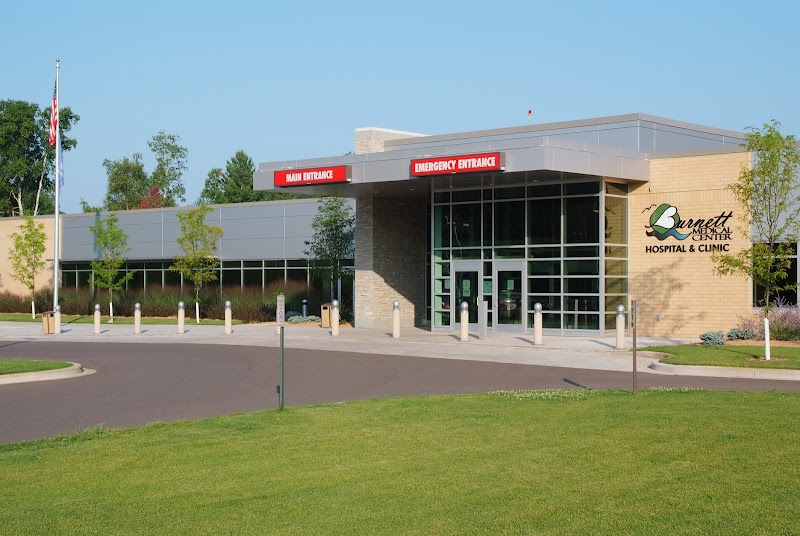
How Does Burnett Medical Center Compare to Other Wisconsin Nursing Homes?

Compared to the 100 nursing homes in Wisconsin, BURNETT MEDICAL CENTER's overall rating (3 stars) matches the state average, staff turnover (37%) is near the state average of 46%, and health inspection rating (3 stars) is at the national benchmark.

What Should Families Ask When Visiting Burnett Medical Center?

Based on this facility's data, families visiting should ask: "Can I visit during a mealtime to observe dining assistance and food quality?" "How do you handle medical emergencies, and what is your hospital transfer rate?" "Can I speak with family members of current residents about their experience?"

Is Burnett Medical Center Safe?

Based on CMS inspection data, BURNETT MEDICAL CENTER has a clean safety record: no substantiated abuse findings (meaning no confirmed cases of resident harm), no Immediate Jeopardy citations (the most serious violation level indicating risk of serious injury or death), and is not on the Special Focus Facility watch list (a federal program monitoring the lowest-performing 1% of nursing homes). The facility has a 3-star overall rating and ranks #1 of 100 nursing homes in Wisconsin. While no facility is perfect, families should still ask about staff-to-resident ratios and recent inspection results during their visit.

Do Nurses at Burnett Medical Center Stick Around?

BURNETT MEDICAL CENTER has a staff turnover rate of 37%, which is about average for Wisconsin nursing homes (state average: 46%). Moderate turnover is common in nursing homes, but families should still ask about staff tenure and how the facility maintains care continuity when employees leave.

Was Burnett Medical Center Ever Fined?

BURNETT MEDICAL CENTER has no federal fines on record. CMS issues fines when nursing homes fail to meet care standards or don't correct problems found during inspections. The absence of fines suggests the facility has either maintained compliance or corrected any issues before penalties were assessed. This is a positive indicator, though families should still review recent inspection reports for the full picture.

Is Burnett Medical Center on Any Federal Watch List?

BURNETT MEDICAL CENTER is not on any federal watch list. The most significant is the Special Focus Facility (SFF) program, which identifies the bottom 1% of nursing homes nationally based on persistent, serious quality problems. Not being on this list means the facility has avoided the pattern of deficiencies that triggers enhanced federal oversight. This is a positive indicator, though families should still review the facility's inspection history directly.