EDENBROOK OF GREEN BAY
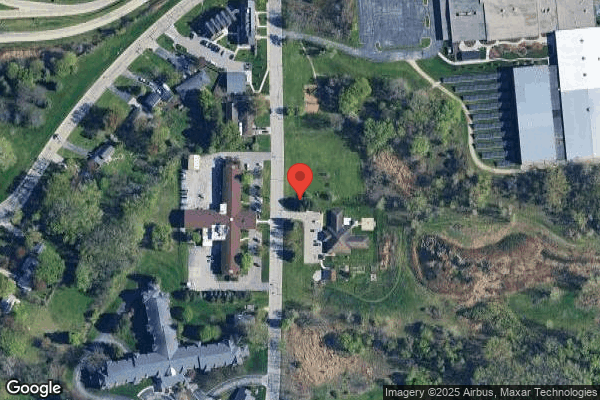
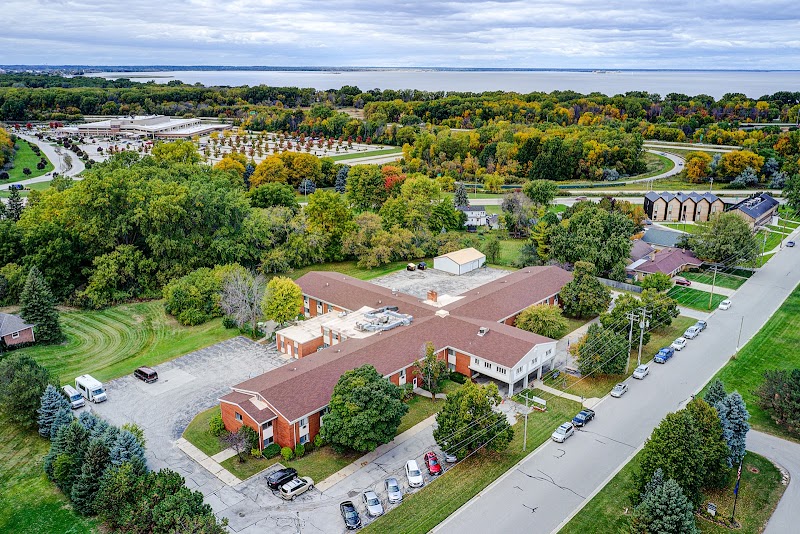
2961 ST ANTHONY DR, GREEN BAY, WI 54311 (920) 468-0861
For profit - Limited Liability company 90 Beds EDEN SENIOR CARE Data: November 2025
Trust Grade
45/100
#207 of 321 in WI
Last Inspection: July 2024

Within standard 12-15 month inspection cycle. Federal law requires annual inspections.

Overview

Edenbrook of Green Bay has a Trust Grade of D, indicating below-average performance with some concerning issues. It ranks #207 out of 321 nursing homes in Wisconsin, placing it in the bottom half of facilities statewide, and #6 out of 8 in Brown County, meaning only two local options are worse. The facility's trend is improving, as it has reduced its issues from 12 in 2024 to 8 in 2025, but it still reported 26 deficiencies overall. Staffing is a relative strength, with a turnover rate of 46%, which is slightly below the state average, but the facility only has average RN coverage. Notably, there have been serious concerns such as a resident needing emergency treatment for low blood sugar due to improper care, unsafe food handling practices potentially affecting all residents, and issues with medication management that could compromise resident safety. Overall, while there are some improvements and strengths like low fines, the home has significant weaknesses that families should consider carefully.

Trust Score
D
45/100
In Wisconsin
#207/321
Bottom 36%
Safety Record
Moderate
Needs review
Inspections
Getting Better
12 → 8 violations
Staff Stability
⚠ Watch
46% turnover. Above average. Higher turnover means staff may not know residents' routines.
Penalties
✓ Good
No fines on record. Clean compliance history, better than most Wisconsin facilities.
Skilled Nurses
✓ Good
Each resident gets 42 minutes of Registered Nurse (RN) attention daily — more than average for Wisconsin. RNs are trained to catch health problems early.
Violations
⚠ Watch
26 deficiencies on record. Higher than average. Multiple issues found across inspections.
★★☆☆☆
2.0
Overall Rating
★★☆☆☆
2.0
Staff Levels
★★★☆☆
3.0
Care Quality
★★☆☆☆
2.0
Inspection Score
Stable
2024: 12 issues
2025: 8 issues

The Good

  • Full Sprinkler Coverage · Fire safety systems throughout facility
  • No fines on record

Facility shows strength in fire safety.

The Bad

2-Star Overall Rating

Below Wisconsin average (3.0)

Below average - review inspection findings carefully

Staff Turnover: 46%

Near Wisconsin avg (46%)

Higher turnover may affect care consistency

Chain: EDEN SENIOR CARE

Part of a multi-facility chain

Ask about local staffing decisions and management

The Ugly 26 deficiencies on record

1 actual harm
Aug 2025 1 deficiency
CONCERN (D) 📢 Someone Reported This

A family member, employee, or ombudsman was alarmed enough to file a formal complaint

Potential for Harm - no one hurt, but risky conditions existed

Deficiency F0697 (Tag F0697)

Could have caused harm · This affected 1 resident

**NOTE- TERMS IN BRACKETS HAVE BEEN EDITED TO PROTECT CONFIDENTIALITY** Based on staff and resident interview and record review, the facility did not ensure pain medication was provided timely for 1 r...

Read full inspector narrative →
**NOTE- TERMS IN BRACKETS HAVE BEEN EDITED TO PROTECT CONFIDENTIALITY** Based on staff and resident interview and record review, the facility did not ensure pain medication was provided timely for 1 resident (R) (R4) of 3 sampled residents.R4 received Hospice services and had an order for as needed (PRN) morphine for pain. On either 7/8/25 or 7/20/25, R4 requested PRN pain medication. R4 did not receive the medication timely. Findings include:The facility's Pain Management and Assessment policy, revised 4/25/25, indicates: The purpose of this policy is to develop a standardized method for assessing, monitoring, evaluating, managing, and documenting pain in both cognitively intact and impaired residents. Residents will receive necessary comfort, exercise greater independence, and enhance dignity through optimizing their ability to perform activities of daily living. On 8/18/25, Surveyor reviewed R4's medical record. R4 was admitted to the facility on [DATE] and had diagnoses including lung cancer, brain cancer, encounter for palliative care, chronic obstructive pulmonary disease (COPD), and generalized anxiety disorder. R4's Minimum Data Set (MDS) assessment, dated 6/20/25, had a Brief Interview for Mental Status (BIMS) score of 15 out of 15 which indicated R4 had intact cognition. R4 received Hospice services. R4 had the following orders: ~ 0.5 milliliters (ml) of morphine sulfate (concentrate) oral solution 20 mg/milliliter (ml) by mouth every hour as needed for pain or shortness of breath. ~ 0.25 ml of morphine sulfate oral solution 20 mg/ml every hour as needed for pain or shortness of breath.On 8/18/25 at 10:45 AM, Surveyor interviewed R4 who indicated sometimes R4 did not get pain medication timely. R4 indicated it took staff 2 hours to provide R4's as needed (PRN) morphine approximately 1 month ago. R4 indicated R4 told staff that R4 was upset that it had taken so long to receive the medication. R4 could not recall the date or the nurse who administered the medication. In a subsequent interview at 3:55 PM, R4 indicated R4's stomach was bothering R4 and R4's ass was on fire the day R4 had to wait 2 hours to receive morphine. R4 indicated R4 was not a drug user and only asked for morphine when it was needed. A progress note, dated 7/20/25, indicated R4 had constipation issues. R4 received Miralax at 12:06 PM which was documented as ineffective at 3:57 PM. The facility contacted R4's Hospice provider who prescribed a one time dose of Senna which was effective.On 8/18/25 at 1:00 PM, Surveyor interviewed Licensed Practical Nurse (LPN)-D who indicated approximately 1 month ago it took the nurse a long time to administer R4's pain medication. LPN-D indicated 2 nurses worked the floor and usually split R4's wing. LPN-D indicated the Certified Nursing Assistants (CNAs) used walkie talkies to notify the nurses that R4 had requested pain medication. LPN-D indicated R4 was not LPN-D's resident and LPN-D thought the other nurse administered the medication. LPN-D indicated a CNA approached LPN-D a while later and indicated R4 was still waiting for medication. LPN-D assessed R4 who indicated R4 had been waiting 2 hours for pain medication. LPN-D notified the other nurse who provided R4's pain medication.On 8/18/25 at 2:00 PM, Surveyor interviewed Assistant Director of Nursing (ADON)-C who was not aware that R4 did not receive pain medication timely. ADON-C indicated the nurse should have reported the information to ADON-C.On 8/18/25 at 2:42 PM, Nursing Home Administrator (NHA)-A and ADON-C indicated to Surveyor that a grievance was started for the concern that R4 had not received PRN pain medication timely. ADON-C indicated ADON-C spoke with LPN-D and they narrowed the date down to either 7/8/25 or 7/20/25. On 7/8/25, R4 received Tylenol. On 7/20/25, R4 received PRN morphine at 8:30 AM which was documented as effective. ADON-C later provided Surveyor with the phone number of the nurse who worked with LPN-D and administered pain medication to R4 on both dates. Surveyor left a message with the nurse but did not receive a return call. ADON-C indicated staff should have filled out a grievance form and indicated ADON-C would provide staff education. In a subsequent interview at 4:01 PM, ADON-C indicated when PRN pain medication is requested, the nurse should finish what they are doing and provide the medication to the resident.
Jun 2025 3 deficiencies
CONCERN (D) 📢 Someone Reported This

A family member, employee, or ombudsman was alarmed enough to file a formal complaint

Potential for Harm - no one hurt, but risky conditions existed

Pharmacy Services (Tag F0755)

Could have caused harm · This affected 1 resident

**NOTE- TERMS IN BRACKETS HAVE BEEN EDITED TO PROTECT CONFIDENTIALITY** Based on observation, staff and resident interview, and record review, the facility did not provide pharmacy services to ensure ...

Read full inspector narrative →
**NOTE- TERMS IN BRACKETS HAVE BEEN EDITED TO PROTECT CONFIDENTIALITY** Based on observation, staff and resident interview, and record review, the facility did not provide pharmacy services to ensure the accurate and safe administration of medication for 1 resident (R) (R10) of 3 residents observed during medication administration. R10 had an order for insulin aspart injection solution 100 units/milliliter (ml) inject 5 units subcutaneously before meals for hyperglycemia related to type 2 diabetes. On 6/6/25, Licensed Practical Nurse (LPN)-D incorrectly administered 5 units of Basaglar KwikPen (long-acting insulin) 100 units/ml to R10. Findings include: The facility's Administering Medications Policy & Procedure, revised 1/22/24, indicates: Purpose: To ensure safe and effective administration of medication in accordance with physician orders and state/federal regulations. Procedure: .4. Medications shall be administered per provider's written/verbal orders upon verification of the right medication, dose, route, time, and positive verification of the resident's identity when no contraindications are identified and the medication is labeled according to accepted standards . On 6/6/25, Surveyor reviewed R10's medical record. R10 was admitted to the facility on [DATE] and had diagnoses including type 2 diabetes and morbid obesity. R10's Minimum Data Set (MDS) assessment, dated 5/8/25, had a Brief Interview for Mental Status (BIMS) score of 15 out of 15 which indicated R10 had intact cognition. On 6/6/25 at 7:55 AM, Surveyor observed LPN-D prepare and administer medication for R10, including 5 units of Basaglar KwikPen 100 units/ml insulin. On 6/6/25 at 1:10 PM, Surveyor reviewed R10's Medication Administration Record (MAR) which contained a physician order for insulin aspart injection solution 100 units/ml inject 5 units subcutaneously before meals for hyperglycemia related to type 2 diabetes (dated 3/14/25). R10's MAR indicated the medication was administered by LPN-D on 6/6/25. On 6/6/25 at 1:15 PM, Surveyor interviewed LPN-D regarding the Basaglar KwikPen 5 units administered to R10 and asked LPN-D to show Surveyor R10's insulin pens. LPN-D could not find R10's insulin aspart in the insulin storage box in the medication cart and could only find a Basaglar KwikPen and an insulin lispro pen. LPN-D indicated R10 should have received insulin aspart per R10's MAR. LPN-D verified R10's MAR incorrectly indicated insulin aspart was administered on 6/6/25. LPN-D indicated LPN-D would document the medication error, monitor R10, and update the physician due to the incorrect administration of insulin. LPN-D indicated no side effects had been reported from R10 thus far. On 6/6/25 at 2:01 PM, Surveyor interviewed Director of Nursing (DON)-B who indicated LPN-D did not realize the wrong insulin was administered to R10 and probably did not perform the 5 rights of medication administration. DON-B indicated LPN-D would receive education about correct medication administration. DON-B instructed LPN-D to update the physician regarding the medication error and monitor R10 for adverse reactions.
CONCERN (D) 📢 Someone Reported This

A family member, employee, or ombudsman was alarmed enough to file a formal complaint

Potential for Harm - no one hurt, but risky conditions existed

Infection Control (Tag F0880)

Could have caused harm · This affected 1 resident

Based on observation, staff interview, and record review, the facility did not ensure staff followed proper infection control practices for 4 residents (R) (R9, R10, R11, and 14) of 4 sampled resident...

Read full inspector narrative →
Based on observation, staff interview, and record review, the facility did not ensure staff followed proper infection control practices for 4 residents (R) (R9, R10, R11, and 14) of 4 sampled residents. On 6/6/25, Licensed Practical Nurse (LPN)-D did not complete hand hygiene before preparing or after administering medication to R9, R10, and R11. On 6/6/25, Certified Nursing Assistant (CNA)-E placed wash cloths in an unsanitized sink and ran water over them. CNA-E then wrung out the wash cloths, hung them over the side of the sink, and used them to complete pericare for R14. Findings include: The facility's Hand Hygiene policy, revised 5/8/24, indicates: Purpose: To provide guidelines to staff for proper and appropriate hand washing and hygiene techniques that will aid in the prevention of the transmission of infections. Procedure: .2. The use of gloves does not replace hand hygiene. 3. Hand hygiene is always the final step after removing and disposing of personal protective equipment (PPE) .Washing Hands with Soap and Water: 1. Staff will perform hand hygiene by washing hands for at least twenty seconds with antimicrobial or non-antimicrobial soap and water under the following conditions: .b. Before applying gloves and after removing gloves or other PPE; .d. After handling items potentially contaminated with blood, body fluids, or secretions; e. Before moving from a contaminated body site to a clean body site during resident care; example; after providing pericare, before applying moisture barrier or other treatments; f. After providing direct resident care .Using Alcohol-Based Hand Gel: 1. If hands are not visibly soiled, use an alcohol-based hand rub for all the following situations: a. When hands are not visibly soiled .c. Before preparing or handling medications; d. Before applying gloves and after removing gloves or other PPE .f. Before moving from a contaminated boy site to a clean body site during resident care . The facility's Activities of Daily Living policy, revised 2/25/25, indicates: Procedure: .2. The facility will provide care and services for the following activities of daily living: .bathing and hygiene - assistance with bathing or showering and maintaining personal hygiene; toileting - assistance with using the the bathroom and maintaining cleanliness. 1. On 6/6/25 at 7:27 AM, Surveyor observed LPN-D prepare medication for R9 without completing hand hygiene prior to donning gloves. LPN-D also did not complete hand hygiene after LPN-D administered the medication and removed gloves. 2. On 6/6/25 at 7:55 AM, Surveyor observed LPN-D prepare medication for R10 without completing hand hygiene prior to donning gloves. LPN-D also did not complete hand hygiene after LPN-D administered the medication and removed gloves. 3. On 6/6/25 at 8:15 AM, Surveyor observed LPN-D prepare medication for R11 without completing hand hygiene prior to donning gloves. LPN-D also did not complete hand hygiene after LPN-D administered medication and removed gloves. On 6/6/25 at 8:25 AM, Surveyor interviewed LPN-D who verified LPN-D did not complete hand hygiene between residents during medication preparation and administration. On 6/6/25 at 8:57 AM, Surveyor interviewed Infection Preventionist (IP)-C who indicated LPN-D should have completed hand hygiene between residents during medication preparation and administration either by washing hands or sanitizing hands with alcohol-based sanitizer.4. On 6/6/25 at 3:49 AM, Surveyor observed CNA-E transfer R14 to the toilet with a gait belt. On 6/6/25 at 3:55 AM, Surveyor observed CNA-E put clean wash cloths in R14's sink and wet them with warm water. CNA-E let the water run over the wash cloths and then wrung them out and laid them over the side of the sink. Surveyor observed basins in a rack next to the sink. CNA-E indicated the sink was not sanitized before CNA-E wet the wash cloths. CNA-E indicated CNA-E uses a basin if cares are completed in bed but does not use a basin if cares are completed in the bathroom. On 6/6/25 at 4:32 AM, Surveyor interviewed Director of Nursing (DON)-B who indicated staff should use a basin or wipes for cares in accordance with the facility's policy. On 6/6/25 at 5:52 AM, Surveyor reviewed the facility's Activities of Daily Living policy referenced above that Nursing Home Administrator (NHA)-A provided to Surveyor and indicated included the facility's pericare procedure. Surveyor noted the policy does not specify that staff should use a basin or wipes during pericare. Surveyor clarified with NHA-A and DON-B (who confirmed with the corporate office) that the Activities of Daily Living policy was the facility's only pericare policy.
CONCERN (E) 📢 Someone Reported This

A family member, employee, or ombudsman was alarmed enough to file a formal complaint

Potential for Harm - no one hurt, but risky conditions existed

Deficiency F0761 (Tag F0761)

Could have caused harm · This affected multiple residents

Based on observation, staff interview, and record review, the facility did not ensure medication was dated when opened and stored appropriately for 2 residents (R) (R9 and R10) of 3 residents observed...

Read full inspector narrative →
Based on observation, staff interview, and record review, the facility did not ensure medication was dated when opened and stored appropriately for 2 residents (R) (R9 and R10) of 3 residents observed during medication administration. In addition, staff left a medication cart unlocked and unattended and R11's Medication Administration Record (MAR) exposed during medication administration. This practice had the potential to affect more than 4 of the 74 residents residing in the facility. On 6/6/25, Surveyor observed Licensed Practical Nurse (LPN)-D prepare and administer timolol maleate ophthalmic solution 0.5 % eye drops to R9. The eye drops did not contain an open date. On 6/6/25, Surveyor observed LPN-D prepare and administer 5 units of Basaglar KwikPen (insulin) 100 units/milliliter (ml) to R10. The insulin pen did not contain an open date. On 6/6/25, Surveyor noted a medication cart was left unlocked and unattended when LPN-D entered R11's room to administer medication. LPN-D also did not ensure a computer on top of the medication cart that displayed R11's Medication Administration Record (MAR) was closed prior to entering the room. The medication cart was not within LPN-D's view during medication administration. Findings include: The facility's Medication Storage Policy, revised 2/12/24, indicates: Purpose: To ensure medications and biologicals are stored in a safe, secure storage and safe handling. Procedure: .3. No discontinued, outdated, or deteriorated medications should be available for use in the facility .4. Expired medications are to be removed from area medication carts prior to or at the time of expiration .7. Compartments containing medications should be locked when not in use. Trays or carts used to transport such items should not be left unattended. (Note: Compartments include but are not limited to, drawers, cabinets, rooms, refrigerators, carts, and boxes.) .Multi-dose vials: 1. Vials must be dated upon opening and discarded within 30 days unless otherwise specified by the manufacturer . The facility's Administering Medications Policy & Procedure, revised 1/22/24, indicates: Purpose: To ensure safe and effective administration of medication in accordance with physician orders and state/federal regulations. Procedure: .17. Privacy and confidentiality of Medication Administration Records (MARs) will be maintained throughout the medication pass. 18. Medications will remain secured in a locked cabinet/cart unless in direct view of the individual administering the medication. 1. On 6/6/25 at 7:27 AM, Surveyor observed LPN-D prepare and administer timolol maleate ophthalmic solution 0.5 % 1 drop to R9's right eye. Surveyor noted the eye drops did not contain an open date. (The eye drops were opened and dispensed on 3/27/25.) On 6/6/25 at 7:50 AM, Surveyor interviewed LPN-D who verified R9's eye drops did not contain an open date. 2. On 6/6/25 at 7:55 AM, Surveyor observed LPN-D prepare and administer 5 units of Basaglar KwikPen 100 units/ml insulin to R10. Surveyor noted the KwikPen did not contain an open date. (The insulin pen was dispensed on 5/31/25 and had a manufacturer's expiration date of 1/5/26.) On 6/6/25 at 1:15 PM, Surveyor interviewed LPN-D who verified R10's Basaglar KwikPen did not contain an open date. 3. On 6/6/25 at 8:21 AM, Surveyor observed LPN-D leave the medication cart unlocked after LPN-D prepared R11's medication and entered R11's room. Surveyor also noted a computer screen that displayed R11's MAR was left open on top of the cart. The medication cart was left unattended in the hallway while LPN-D administered medication to R11. During medication administration, the medication cart was not visible to LPN-D and was located to the left of R11's doorway out of LPN-D's sight. On 6/6/25 at 8:25 AM, Surveyor interviewed LPN-D who verified LPN-D left the medication cart unlocked and unattended during medication administration for R11. LPN-D indicated LPN-D should have ensured the medication cart was securely locked. On 6/6/25 at 2:01 PM, Surveyor interviewed Director of Nursing (DON)-B who indicated LPN-D should have locked the unattended medication cart during medication administration. DON-B also indicated eye drops and insulin should be dated when opened and computers and medication carts should be locked when the nurse is not present.
Feb 2025 4 deficiencies
CONCERN (D) 📢 Someone Reported This

A family member, employee, or ombudsman was alarmed enough to file a formal complaint

Potential for Harm - no one hurt, but risky conditions existed

ADL Care (Tag F0677)

Could have caused harm · This affected 1 resident

Based on observation, staff and resident interview, and record review, the facility did not ensure 1 resident (R) (R5) of 10 sampled residents received assistance with a request in a timely manner. O...

Read full inspector narrative →
Based on observation, staff and resident interview, and record review, the facility did not ensure 1 resident (R) (R5) of 10 sampled residents received assistance with a request in a timely manner. On 2/26/25, R5's call light was activated at 6:46 AM. Certified Nursing Assistant (CNA)-G turned R5's call light off at 7:12 AM after R5 requested a cup of coffee. R5 was not provided coffee until R5's breakfast tray was delivered at 8:10 AM. Findings include: On 2/26/25, Surveyor reviewed R5's medical record. R5 had diagnoses including spinal stenosis, type 2 diabetes mellitus, choric obstructive pulmonary disease (COPD), anxiety, and chronic pain syndrome. R5's most recent Minimum Data Set (MDS) assessment, dated 12/6/24, had a Brief Interview for Mental Status (BIMS) score of 13 out 15 which indicated R5 had intact cognition. The MDS assessment also indicated R5 required set up assistance for eating. R5's plan of care indicated R5 had an activity of daily living (ADL) deficit related to weakness and impaired mobility. On 2/26/25 at 6:46 AM, Surveyor noted R5's call light was activated. From 6:46 AM to 7:08 AM, Surveyor noted there were no staff in the hallway on which R5 resided. On 2/26/25 at 7:09 AM, Surveyor interviewed R5 who indicated R5 had been waiting awhile and nobody had stopped to see what R5 wanted which was a cup of coffee. R5 indicated it is common to wait a long time in the morning for staff to answer R5's call light. R5 indicated R5 has waited as long as 2 hours. On 2/26/25 at 7:12 AM, Surveyor observed CNA-G enter R5's room, turn the call light off, leave the room, and enter another resident's room. On 2/26/25 at 7:25 AM, Surveyor interviewed R5 who confirmed CNA-G turned R5's call light off after R5 asked for coffee. R5 indicated CNA-G stated CNA-G would get coffee for R5, however, R5 had not received coffee. R5 indicated R5 wanted coffee every day between 6:00 AM and 7:00 AM. On 2/26/25 at 8:06 AM, Surveyor observed dietary staff bring a cart with three meal trays to the unit. Surveyor noted the cart contained R5's breakfast tray which included a cup of coffee. On 2/26/25 at 8:10 AM, Surveyor observed CNA-G deliver R5's breakfast tray. On 2/26/25 at 8:12 AM, Surveyor interviewed CNA-G who confirmed CNA-G turned R5's call light off approximately one hour earlier after R5 requested a cup of coffee. CNA-G confirmed CNA-G did not get coffee for R5 prior to the provision of R5's breakfast tray. CNA-G indicated CNAs cannot provide coffee to residents per instructions from dietary staff approximately one week ago. CNA-G confirmed CNA-G did not explain to R5 that CNA-G could not bring R5 coffee. On 2/26/25 at 8:15 AM, Surveyor interviewed CNA-H who indicated dietary staff indicated approximately one week ago that too much coffee was wasted and a carafe of coffee would no longer be provided. CNA-H indicated if a resident wants coffee, staff have to use the radio to request coffee from the kitchen. On 2/26/25 at 9:05 AM, Surveyor interviewed Dietary Manager (DM)-I who indicated dietary staff used to send a carafe of coffee to R5's unit on the beverage cart but no longer do so. DM-I indicated coffee is sent on meal trays as of last week. DM-I indicated nursing and kitchen staff have radios and CNAs can let kitchen staff know if a resident requests coffee before their tray arrives on the unit. DM-I indicated kitchen staff will bring coffee to the unit ahead of the resident's tray. DM-I indicated R5 can be set up to receive coffee sooner each day. On 2/26/25 at 1:49 PM, Surveyor interviewed Director of Nursing (DON)-B who indicated a resident's call light should stay on until the resident's need is met.
CONCERN (D) 📢 Someone Reported This

A family member, employee, or ombudsman was alarmed enough to file a formal complaint

Potential for Harm - no one hurt, but risky conditions existed

Quality of Care (Tag F0684)

Could have caused harm · This affected 1 resident

**NOTE- TERMS IN BRACKETS HAVE BEEN EDITED TO PROTECT CONFIDENTIALITY** Based on staff and resident interview and record review, the facility did not provide the necessary care and treatment to mainta...

Read full inspector narrative →
**NOTE- TERMS IN BRACKETS HAVE BEEN EDITED TO PROTECT CONFIDENTIALITY** Based on staff and resident interview and record review, the facility did not provide the necessary care and treatment to maintain the highest practicable well being for 2 residents (R) (R7 and R10) of 10 sampled residents. Staff did not consistently complete daily weights as ordered for R7 and R10. Findings include: The facility's Heart Failure policy, dated 3/19/24, indicates: .The nurse will assess and document/report the following: a. Daily vital signs or as ordered by the provider; b. Daily weights or as ordered by the provider .i. Call for weight gain 3 pounds or greater in 24 hours or 5 pounds in one week or as directed by the provider .5. The physician will help identify individuals at risk for having cardiac decompensation, for example, because of arrhythmia .chronic obstructive pulmonary disease . 1. On 2/26/25, Surveyor reviewed R7's medical record. R7 was admitted to the facility on [DATE] and had diagnoses including congestive heart failure (CHF) and diabetes. R7's most recent Minimum Data Set (MDS) assessment, dated 2/12/25, had a Brief Interview for Mental Status (BIMS) score of 14 out of 15 which indicated R7 had intact cognition. An MDS assessment, dated 11/12/24, indicated R7 was dependent on staff for transfers (helper does all the effort, resident does none). R7's plan of care indicated R7 was at risk of lower extremity imbalanced fluid volume due to CHF and venous insufficiency and contained interventions to monitor R7's weight per policy and notify the provider of any significant changes. R7 had an order for daily weights and vital signs for CHF monitoring and to ensure R7's weight was obtained prior to breakfast (dated 8/7/24 and revised 2/20/25 to indicate if vital signs are out of range, recheck manually and chart per the Nurse Practitioner (NP)). Surveyor reviewed R7's weights for 11/10/24 to 2/25/25 and noted 44 of R7's daily weights were missing. On 2/26/25 at 11:38 AM, Surveyor interviewed R7 who indicated R7's weights were often missed because there were not enough staff to complete a 2 assist transfer which was needed to obtain R7's weight. R7 indicated R7 should be weighed before breakfast which was not consistently done. 2. On 2/26/25, Surveyor reviewed R10's medical record. R10 was admitted to the facility on [DATE] and had diagnoses including high blood pressure and chronic venous insufficiency (a condition in which blood pools in the veins and leads to increased pressure and strain on the vein walls). R10's most recent MDS assessment, dated 1/12/25, had a BIMS score of 15 out of 15 which indicated R10 had intact cognition. R10's plan of care contained interventions to monitor R10's weight per policy and notify the provider of any significant changes. R10's plan of care also indicated R10 had limited physical mobility and contained an intervention to transfer R10 with the assistance of two staff and an EZ Stand (sit-to-stand) lift. R10 had an order for daily weights and to notify the provider of a greater than three pound increase in 24 hours or five pounds in 1 week (revised 7/15/23). Surveyor reviewed R10's weights for 10/9/24 to 2/26/25 and noted 64 of R10's daily weights were missing. On 2/26/25 at 1:37 PM, Surveyor interviewed R10 who indicated R10 was not weighed daily on a consistent basis because there were not enough staff to complete a transfer with the assistance of two staff and a sit-to-stand lift. On 2/26/25 at 6:46 AM, Surveyor interviewed Registered Nurse (RN)-D who confirmed daily weights were not consistently obtained because there were not enough staff in the morning. RN-D indicated daily weights were missed for residents with CHF and edema because staff were too busy to obtain weights prior to breakfast. On 2/26/25 at 9:45 AM, Surveyor interviewed Licensed Practical Nurse (LPN)-C who indicated staff did not consistently obtain daily weights prior to breakfast. LPN-C indicated there were not enough staff to complete daily weights for residents who required two staff for mechanical lift transfers. On 2/26/25 at 12:09 PM, Surveyor interviewed Certified Nursing Assistant (CNA)-J who indicated daily weights were hard to consistently complete prior to breakfast because there were not enough staff for residents who required the assistance of two staff for transfers. On 2/26/25 at 12:17 PM, Surveyor interviewed Nurse Practitioner (NP)-K who indicated weights are missed and staff need prompting to obtain residents' weights per physician orders. NP-K indicated NP-K had to enter specific orders for specific dates in order for staff to obtain weights. NP-K indicated staff should obtain daily weights for residents with a diagnosis of CHF and any resident with a change in weight. NP-K indicated NP-K would like to be updated as soon as staff recognize a weight gain or weight loss. NP-K indicated NP-K should not be the first person to notice weight changes and call the facility to monitor. On 2/26/25 at 1:44 PM, Surveyor interviewed Director of Nursing (DON)-B who indicated daily weights should be obtained prior to breakfast or per the physician's order. DON-B indicated if a daily weight is missed, the provider should be updated the same day. DON-B verified R7 and R10's daily weights were not consistently obtained and indicated nurses should ensure CNAs consistently obtain daily weights.
CONCERN (D) 📢 Someone Reported This

A family member, employee, or ombudsman was alarmed enough to file a formal complaint

Potential for Harm - no one hurt, but risky conditions existed

Accident Prevention (Tag F0689)

Could have caused harm · This affected 1 resident

**NOTE- TERMS IN BRACKETS HAVE BEEN EDITED TO PROTECT CONFIDENTIALITY** Based on staff and resident interview and record review, the facility did not ensure the resident environment was as free of acc...

Read full inspector narrative →
**NOTE- TERMS IN BRACKETS HAVE BEEN EDITED TO PROTECT CONFIDENTIALITY** Based on staff and resident interview and record review, the facility did not ensure the resident environment was as free of accident hazards as possible for 2 residents (R) (R9 and R10) of 8 sampled residents. R9's care plan contained an intervention for the assistance of two staff and a full-body (Hoyer) lift for transfers. The intervention was not consistently followed. R10's care plan contained an intervention for the assistance of two staff and a sit-to-stand (EZ Stand) lift for transfers. The intervention was not consistently followed. Findings include: The facility's Sit-to-Stand Mechanical Lift Policy, revised 8/22/23, indicates: To assist residents with transfers who are able to bear weight with some assistance. Employees will use the sit-to-stand mechanical lift per policy to ensure safety for the resident and the employee .1. Sit-to-stand mechanical lift will be used with two caregivers . The facility's Total Mechanical Transfer Policy, revised 8/22/23, indicates: To safely transfer residents who have been assessed .Also to ensure a safe work environment for the employees .2. The total mechanical lift must have two staff members present . 1. On 2/26/25, Surveyor reviewed R9's medical record. R9 was admitted to the facility on [DATE] and had diagnoses including quadriplegia (paralysis of all four limbs), diabetes, and hypotension (low blood pressure). R9's most recent Minimum Data Set (MDS) assessment, dated 11/26/24, had a Brief Interview for Mental Status (BIMS) score of 15 out of 15 which indicated R9 was not cognitively impaired. R9's plan of care indicated R9 had limited physical mobility and contained an intervention to transfer R9 with the assistance of two staff and a full-body (Hoyer) lift. On 2/26/25 at 10:30 AM, Surveyor interviewed R9, who indicated two of R9's showers were late in the last month because there were not enough staff to assist with a Hoyer transfer. R9 indicated staff attempted to transfer R9 with one staff present but R9 did not feel safe and refused. R9 indicated there have been issues finding a second staff to assist with R9's transfers in the last month. 2. On 2/26/25, Surveyor reviewed R10's medical record. R10 was admitted to the facility on [DATE] and had diagnoses including high blood pressure and chronic venous insufficiency (a condition in which blood pools in the veins and leads to increased pressure and strain on the vein walls). R10's most recent MDS assessment, dated 1/12/25, had a BIMS score of 15 out of 15 which indicated R10 was not cognitively impaired. R10's plan of care indicated R10 had limited physical mobility and contained an intervention to transfer R10 with the assistance of two staff and an EZ stand lift. On 2/26/25 at 10:20 AM, Surveyor interviewed R10 who indicated only one staff assisted R10 with EZ stand transfers. On 2/26/25 at 9:45 AM, Surveyor interviewed Licensed Practical Nurse (LPN)-C who confirmed LPN-C observed staff transfer residents with mechanical lifts without a second staff present. LPN-C indicated mechanical lift transfers with the assistance of one staff are an ongoing issue. LPN-C verified EZ Stand and Hoyer lift transfers require the assistance of two staff unless therapy indicates otherwise for EZ Stand lifts. On 2/26/25 at 11:58 AM, Surveyor interviewed Certified Nursing Assistant (CNA)-E who indicated CNA-E has transferred residents with a mechanical lift without a second staff present because there was not another staff available to help and CNA-E did not want to fall behind with cares. On 2/26/25 at 1:44 PM, Surveyor interviewed Director of Nursing (DON)-B who indicated staff should follow residents' care plans for transfers. DON-B confirmed R9 and R10 require the assistance of two staff for mechanical lift transfers.
MINOR (C) 📢 Someone Reported This

A family member, employee, or ombudsman was alarmed enough to file a formal complaint

Minor Issue - procedural, no safety impact

Staffing Information (Tag F0732)

Minor procedural issue · This affected most or all residents

Based on observation, staff interview, and record review, the facility's nursing staff postings did not contain accurate data and were not retained for 18 months. This practice had the potential to af...

Read full inspector narrative →
Based on observation, staff interview, and record review, the facility's nursing staff postings did not contain accurate data and were not retained for 18 months. This practice had the potential to affect all 68 residents in the facility. The facility did not update the daily nursing staff postings when there were schedule changes. The nursing staff postings contained numbers for staff in a full shift row despite the fact staff only worked a partial shift. In addition, the facility did not retain the postings for 18 months. Findings include: The facility's Staff Posting policy, revised 10/19/23, indicates: The facility shall post daily the actual hours and total number of hours worked by licensed and unlicensed nursing staff who are directly responsible for resident care on each shift in the facility. On 2/26/25 at 4:51 AM, Surveyor observed a nursing staff posting on the first floor which contained 7 rows and 6 columns. The rows indicated shift times and the columns indicated staffing positions. Surveyor noted the 10:00 PM to 6:00 AM row for 2/25/26 indicated there were 3 Certified Nursing Assistants (CNAs) for a total number of 22.5 hours. On 2/26/25 at 6:06 AM, Surveyor noted the 2/26/25 daily nursing staff posting was posted. The 6:00 AM to 2:00 PM row (which is a 7.5 hour shift) indicated 9 CNAs worked for a total number of 64 hours, however, Surveyor noted 9 CNAs at 7.5 hours was equal to 67.5 hours. Surveyor reviewed the 2/26/25 nursing department schedule which indicated 9 CNAs worked the AM shift, one of which only worked 10:00 AM to 2:00 PM. On 2/26/25, Surveyor requested nursing staff postings for multiple dates from November 2024 to February 2025. Surveyor noted the facility's management team printed the postings instead of providing the original postings. In addition, the postings did not contain edits which typically occur for staffing changes. Surveyor compared the nursing staff postings to the staff schedules and noted for split or partial shifts worked, the postings contained the number of staff who worked the partial shift under the row for the full shift. For example, the 10:00 PM to 6:00 AM row on the posting would indicate 4 CNAs worked even if one of the 4 CNAs only worked from 10:00 PM to 2:00 AM and another worked from 2:00 AM to 6:00 AM. Surveyor noted the postings did not contain rows that indicated partial shifts were worked. On 2/26/25 at 11:25 AM, Surveyor reviewed the 12/26/24 posting with Nursing Home Administrator (NHA)-A. The posting indicated 6 CNAs worked from 6:00 AM to 2:00 PM, however, the nursing schedule indicated 1 of the 6 CNAs worked from 6:00 AM to 10:00 AM, 1 of the CNAs worked from 10:00 AM to 2:00 PM, and 1 of the CNAs worked from 8:00 AM to 2:00 PM. There were 4 nurses listed under the AM shift row as having worked from 6:00 AM to 2:30 PM, however, the nursing schedule indicated 1 of the nurses worked from 6:00 AM to 10:00 AM. Five CNAs were listed under the 10:00 PM to 6:00 AM row, however, the nursing schedule indicated 1 of the CNAs worked from 10:00 PM to 2:00 AM and another CNA worked from 2:00 AM to 6:00 AM. The posting also indicated 3 nurses worked, however, 1 of the nurses worked from 10:00 PM to 2:00 AM and another nurse worked from 2:00 AM to 6:30 AM. Surveyor interviewed NHA-A who indicated data for the postings is pulled from a computer program. NHA-A confirmed what was provided to Surveyor was pulled from the program. NHA-A confirmed the facility does not retain the original nursing staff postings. NHA-A indicated Staffing Coordinator (SC)-F prints the posting each day but does not keep the posting when the day ends. NHA-A confirmed a number of staff listed as having worked in 7.5 or 8 hour shift rows may have only worked a partial shift during that timeframe, such as a 2:00 AM to 6:00 AM staff listed in the 10:00 PM to 6:00 AM shift. On 2/26/25 at 12:06 PM, Surveyor interviewed SC-F who indicated posting information pulls from the facility's program. SC-F indicated SC-F enters the census and notes any bed holds in the program. SC-F confirmed the nursing staff postings are not edited when there are call-ins or changes in the schedule throughout the day.
Jul 2024 8 deficiencies
CONCERN (D)

Potential for Harm - no one hurt, but risky conditions existed

Deficiency F0554 (Tag F0554)

Could have caused harm · This affected 1 resident

**NOTE- TERMS IN BRACKETS HAVE BEEN EDITED TO PROTECT CONFIDENTIALITY** Based on observation, staff and resident interview, and record review, the facility did not ensure 1 resident (R) (R54) of 19 sa...

Read full inspector narrative →
**NOTE- TERMS IN BRACKETS HAVE BEEN EDITED TO PROTECT CONFIDENTIALITY** Based on observation, staff and resident interview, and record review, the facility did not ensure 1 resident (R) (R54) of 19 sampled residents had a self-administration of medication assessment or a physician's order to self administer medication. On 715/24, Surveyor observed medication left at R54's bedside. R54 did not have a self-administration of medication assessment or a physician's order to self-administer medication. Findings include: The facility's Medication Self Administration policy and procedure, revised on 2/12/24, indicates: 1. The resident shall have a screen completed by a licensed nurse to determine factors that may impact the safe administration of medication .3. Or with supervision/cueing or after set up, shall have a physician order to do so .5. Medications to be self-administered shall be secured in a locked area in the resident's room or stored in the medication cart for provision to the resident to self-administer. 1. On 7/15/24, Surveyor reviewed R54's medical record. R54 was admitted to the facility on [DATE], had an indwelling catheter, and had diagnoses including hydronephrosis, urinary tract infection (UTI), sepsis, and type 2 diabetes. R54's Minimum Data Set (MDS) assessment, dated 5/14/24, contained a Brief Interview for Mental Status (BIMS) score of 13 out of 15 which indicated R54 had intact cognition. R54 had an activated power of attorney for healthcare (POAHC). On 7/15/24 at 11:37 AM, Surveyor observed R54's bedside table which contained a basin with a bottle of 12% ammonium lactate lotion and a pharmacy label that identified R54 and the physician's order for application. Surveyor interviewed R54 who stated R54 self-administered the medication and kept the medication on R54's bedside table. Surveyor noted R54's medical record did not contain a physician's order or a self-administration of medication assessment for the 12% ammonium lactate lotion. On 7/16/24 at 9:03 AM, Surveyor observed R54's bedside table which contained a basin of personal care items including the 12% ammonium lactate lotion that had been moved from the previous day. R54 stated R54 applied the lotion to R54's body without staff assistance. On 7/16/24 at 4:10 PM, Surveyor and Director of Nursing (DON)-B observed R54's room. DON-B indicated R54 did not have a self-administration of medication assessment or a physician's order to self-administer medication or keep medication at bedside. DON-B verified medication should not be stored on a resident's bedside table. DON-B stated medication should be stored in a treatment or medication cart unless there is an order to store at bedside. On 7/16/24 at 4:11 PM, DON-B asked a Registered Nurse (RN) to remove the medication from R54's room and indicated the medication should be locked up and not stored at bedside.
CONCERN (D)

Potential for Harm - no one hurt, but risky conditions existed

Accident Prevention (Tag F0689)

Could have caused harm · This affected 1 resident

**NOTE- TERMS IN BRACKETS HAVE BEEN EDITED TO PROTECT CONFIDENTIALITY** Based on observation, staff and resident interview, and record review, the facility did not ensure the resident environment rema...

Read full inspector narrative →
**NOTE- TERMS IN BRACKETS HAVE BEEN EDITED TO PROTECT CONFIDENTIALITY** Based on observation, staff and resident interview, and record review, the facility did not ensure the resident environment remained free of accident hazards for 1 resident (R) (R48) of 1 resident reviewed for smoking. R48 was known by the facility to smoke. The facility allowed R48 to carry R48's smoking materials in R48's wheelchair. Findings include: The facility's Smoking and E-Cigarettes Policy and Procedure Addendum: Facility Specific Smoking Plan states: Smoking items will be stored in the following locations: First floor nurses' station med room and second floor nurses' station med room. All residents must turn in smoking materials to their nurse after each use. Smoking materials are prohibited in resident rooms. On 7/15/24, Surveyor reviewed R48's medical record. R48 was admitted to the facility on [DATE] with diagnoses including diabetes type 2 with neuropathy, left and right below knee amputation, weakness, and dementia. R48's Minimum Data Set (MDS) assessment, dated 7/4/24, had a Brief Interview for Mental Status (BIMS) score of 15 out of 15 which indicated R48 had intact cognition. A smoking assessment, dated 5/17/24, stated, Does resident need facility to store lighter and cigarettes? Yes. R48's smoking care plan, dated 6/26/24, stated, Resident is currently smoking at the facility independently. An intervention stated, Smoking material will be stored with staff. On 7/15/24 at 11:38 AM, Surveyor interviewed R48 and observed cigarettes and a lighter in a cup holder on R48's wheelchair. R48 stated R48 stored the smoking materials in the cup holder and did not need supervision to smoke. On 7/16/24 at 3:12 PM, Surveyor interviewed Assistant Director of Nursing (ADON)-E. When asked if residents were allowed to keep cigarettes and lighters, ADON-E stated ADON-E did not think they were. On 7/16/24 at 3:16 PM, Surveyor observed R48 self-propel R48's wheelchair to the front of the facility with cigarettes and a lighter in R48's cup holder. On 7/17/24 at 9:34 AM, Surveyor interviewed Director of Nursing (DON)-B who stated R48 was reeducated about the smoking policy on 7/16/24 and the facility completed a risk versus benefit assessment and a new smoking assessment. R48 was still deemed independent to smoke but needed to return R48's smoking materials to a nurse. DON-B stated R48 had a history of giving cigarettes away to other residents so R48's cigarettes were to be kept at the nurses' station. DON-B confirmed on 7/16/24 that R48 had smoking materials in R48's wheelchair and verified R48 was not supposed to have smoking materials on R48's person. On 7/17/24 at 10:08 AM, Surveyor observed R48 in a wheelchair in the hallway on the second floor with a lighter in the cup holder.
CONCERN (D)

Potential for Harm - no one hurt, but risky conditions existed

Incontinence Care (Tag F0690)

Could have caused harm · This affected 1 resident

**NOTE- TERMS IN BRACKETS HAVE BEEN EDITED TO PROTECT CONFIDENTIALITY** Based on observation, staff and resident interview, and record review, the facility did not provide appropriate care and service...

Read full inspector narrative →
**NOTE- TERMS IN BRACKETS HAVE BEEN EDITED TO PROTECT CONFIDENTIALITY** Based on observation, staff and resident interview, and record review, the facility did not provide appropriate care and services to prevent urinary tract infections (UTIs) for 2 residents (R) (R47 and R49) of 10 residents with indwelling catheters. R47 and R49's uncovered catheter drainage bags were observed in contact with the floor. Findings include: The facility's Catheter Care Policy and Procedure, with a revision date of 2/27/18, indicates: Staff will maintain consistent and adequate hygiene standards for residents with an indwelling catheter in order to maintain comfort, function, and infection prevention and other complications. The facility's Foley Catheter Management Policy and Procedure, with a revision date of 11/4/20, indicates: .4. Catheter bags will be covered at all times .6. Correct positioning of catheter will be maintained .References: Guideline for the Prevention of Catheter Associated Urinary Tract Infections 2009. The Guideline for the Prevention of Catheter Associated Urinary Tract Infections 2009 indicates: .B. 2. Keep the collection bag below the level of the bladder at all times. Do not rest the bag on the floor. 1. On 7/17/24, Surveyor reviewed R47's medical record. R47 was admitted to the facility on [DATE] and had diagnoses including end stage renal disease. R47's Minimum Data Set (MDS) assessment, dated 5/23/24, stated R47 had a Brief Interview for Mental Status (BIMS) score of 15 out of 15 which indicated R47 had intact cognition. On 7/15/24 at 8:45 AM, Surveyor observed R47 in bed and noted R47's uncovered catheter drainage bag was visible from the hallway and in contact with the floor. On 7/16/24 at 8:59 AM, Surveyor observed R47 in bed and noted R47's uncovered catheter drainage bag was visible from the hallway and in contact with the floor. 2. On 7/15/24, Surveyor reviewed R49's medical record. R49 was admitted to the facility on [DATE] and had diagnoses including chronic kidney disease. R49's MDS assessment, dated 4/28/24, stated R49 had a BIMS score of 6 out of 15 which indicated R49 had severely impaired cognition. On 7/15/24 at 11:12 AM, Surveyor observed R49 in a recliner and noted R49's uncovered catheter drainage bag was visible from the hallway and in contact with the floor. Surveyor interviewed R49 who stated R49 did not want the catheter bag on the floor and did not put the bag on the floor. Surveyor observed an empty basin on the floor not far from R49's catheter bag. R49 stated staff sometimes put the catheter bag inside the basin. On 7/15/24 at 11:18 AM, Surveyor observed Certified Nursing Assistant (CNA)-G answer R49's call light and adjust R49's chair. Surveyor observed CNA-G walk around R49's catheter bag and leave the room without removing the catheter bag from the floor. On 7/16/24 at 4:06 PM, Surveyor interviewed Director of Nursing (DON)-B who verified catheter bags should not be on the floor due to infection control issues. DON-B also stated DON-B expects staff to cover catheter bags for dignity. DON-B stated staff education was provided regarding catheter care protocol and DON-B expects staff to follow the facility's catheter policy and procedure.
CONCERN (D)

Potential for Harm - no one hurt, but risky conditions existed

Deficiency F0761 (Tag F0761)

Could have caused harm · This affected 1 resident

**NOTE- TERMS IN BRACKETS HAVE BEEN EDITED TO PROTECT CONFIDENTIALITY** Based on observation, staff and resident interview, and record review, the facility did not ensure medications were labeled and ...

Read full inspector narrative →
**NOTE- TERMS IN BRACKETS HAVE BEEN EDITED TO PROTECT CONFIDENTIALITY** Based on observation, staff and resident interview, and record review, the facility did not ensure medications were labeled and stored appropriately for 3 residents (R) (R21, R32, and R9) of 8 sampled residents. During observations of medication administration, Surveyor observed staff administer open and undated medications to R21 and R32. On 715/24, Surveyor observed wound care treatment solutions and acetic acid stored on R9's bedside table which was not in accordance with the facility's policy. Findings include: The facility's Medication Storage Policy, with a revision date of 2/12/24, indicates: 2. Drug containers having .missing labels will be returned to the pharmacy for proper labeling before storing. 3. No discontinued, outdated, or deteriorated medications should be available for use in the facility. All such medications are destroyed per policy. 4. Expired medications are to be removed from medication carts prior to or at the time of expiration. Multi-Dose Vials: 1. Vials must be dated upon opening. The facility's Labeling Medications Policy, with a revision date of 1/22/24, indicates: 7. Medication vials/bottles will be labeled with the date they were opened (seal broken) to ensure proper tracking for expiration purposes. 1. On 7/16/24 at 7:47 AM, Surveyor observed Registered Nurse (RN)-F administer 23 units of Basaglar insulin to R21 who had an order for Basaglar KwikPen Subcutaneous (SQ) Solution Pen-Injector 100 units/ml (milliliter) inject 23 units SQ in the morning for type 2 diabetes mellitus. The bag that contained the Basaglar insulin pen had a label that stated to give 20 units. On 7/16/24 at 7:50 AM, Surveyor interviewed RN-F who stated nurses follow the orders on the Medication Administration Record (MAR) and not what is on the bag label. RN-F stated a new label should have been ordered on 7/5/24. On 7/17/24 at 10:45 AM, Surveyor interviewed Director of Nursing (DON)-B who verified the label on the bag should contain the correct dose. 2. On 7/16/24 at 7:21 AM, Surveyor observed RN-F administer Systane Ultra Ophthalmic Solution lubricant eye drops one drop each eye to R32. Surveyor noted the bottle and the carton that stored the bottle did not contain an open date. On 7/16/24 at 7:25 AM, Surveyor interviewed RN-F who verified the bottle and carton did not contain a date that indicated when the bottle was opened. RN-F stated the Systane bottle was almost out on 7/16/24 and RN-F thought the bottle was opened on 7/11/24. On 7/17/24 at 10:46 AM, Surveyor interviewed DON-B who verified R32's Systane eye drops should contain an open date. 3. On 7/15/24, Surveyor reviewed R9's medical record. R9 was admitted to the facility on [DATE] with diagnoses including type 2 diabetes, multiple sclerosis, and spina bifida. R9's Minimum Data Set (MDS) assessment, dated 6/13/24, contained a Brief Interview for Mental Status (BIMS) score of 15 out of 15 which indicated R9 had intact cognition. On 7/15/24 at 10:39 AM, Surveyor observed R9's room and noted three open/used bottles on the bedside table with pharmacy labels and medical orders for R9. The orders on the labels identified the open bottles as Dakin's solution, Vashe wound therapy solution, and acetic acid. Surveyor noted the bottle of acetic acid was approximately half full. On 7/15/24 at 11:54 AM, Surveyor interviewed R9 who stated the bottles on R9's bedside table were always there and staff used them daily to clean R9's wounds. Surveyor noted the bottles of Dakin's solution, Vashe wound therapy solution, and acetic acid were in the same spots viewed earlier that day. On 7/16/24 at 8:56 AM, Surveyor observed R9's room and noted the same three bottles of Dakin's solution, Vashe wound therapy solution, and acetic acid on the bedside table. Surveyor noted the acetic acid had been moved to the front of the bedside table and was approximately 1/8 full. On 7/16/24 at 2:41 PM, Surveyor noted the bottles of Dakin's solution, Vashe wound therapy solution, and acetic acid were in the same spots viewed earlier that day. On 7/16/24 at 4:06 PM, Surveyor and DON-B observed R9's room. DON-B verified R9 had wounds which the medications were used for and stated the medications should not be on the bedside table. DON-B stated DON-B expects medications to be stored in a treatment or medication cart and said R9 needed to have an order to store them at beside. On 7/16/24 at 4:11 PM, DON-B asked an RN to remove the medications from R9's room and told staff the medications shouldn't be stored at R9's bedside.
CONCERN (D)

Potential for Harm - no one hurt, but risky conditions existed

Infection Control (Tag F0880)

Could have caused harm · This affected 1 resident

**NOTE- TERMS IN BRACKETS HAVE BEEN EDITED TO PROTECT CONFIDENTIALITY** Based on observation, staff and resident interview, and record review, the facility did not maintain an infection prevention pro...

Read full inspector narrative →
**NOTE- TERMS IN BRACKETS HAVE BEEN EDITED TO PROTECT CONFIDENTIALITY** Based on observation, staff and resident interview, and record review, the facility did not maintain an infection prevention program designed to provide a safe and sanitary environment to prevent the transmission of communicable disease and infection for 2 residents (R) (R51 and R54) of 19 residents. R51 had wounds that required wound care and was not on enhanced barrier precautions (EBP). R54 had an indwelling catheter and was not on EBP. Findings include: The facility's Enhanced Barrier Precautions Policy and Procedure, dated 3/26/24, indicates: Enhanced Barrier Precautions require gown and glove use for residents with a novel or targeted multi-drug resistant organism (MDRO) or any resident with a wound or indwelling medical device during specific high-contact resident care activities. High-contact resident care activities include: dressing; bathing/showering; transferring; providing hygiene; changing linens; changing briefs or assisting with toileting; device care or use of a device; central line, urinary catheter, feeding tube, tracheostomy/ventilator; wound care: any skin opening requiring a dressing. 1. On 7/15/24, Surveyor reviewed R51's medical record. R51 was admitted to the facility on [DATE] and had diagnoses including encounter for digestive surgical aftercare, acute kidney failure, ileostomy, and type 2 diabetes mellitus. R51's Minimum Data Set (MDS) assessment, dated 4/16/24, stated R51 had a Brief Interview for Mental Status (BIMS) score of 11 out of 15 which indicated R51 had moderately impaired cognition. R51 had a power of attorney for healthcare (POAHC). R51 acquired skin wounds while at the facility including blisters on the front of the left lower leg and the medial left ankle. R51 also received wound care for an abdominal surgical incision. On 7/15/24 at 11:02 AM, Surveyor observed the entrance to R51's room and noted there was not an EBP sign on or near the door. On 7/15/24 at 11:03 AM, Surveyor interviewed R51 who confirmed R51 had open sores on the left leg and abdomen. R51 showed Surveyor a bandage on R51's abdomen, dated 7/14/23. R51 stated staff checked the wounds and changed the bandages almost daily. R51 stated the bandage on R51's abdomen was changed the day prior and had the wrong year. On 7/16/24 at 8:58 AM and 2:42 PM, Surveyor observed the entrance to R51's room and noted there was not an EBP sign on or near the door. On 7/16/24 at 2:56 PM, Surveyor again interviewed R51 and noted the bandage on R51's abdomen was the same bandage that Surveyor observed the day prior and dated 7/14/23. The bandage on R51's left lower leg was dated 7/15/24. Surveyor observed the entrance to R51's room and noted there was not an EBP sign on or near the door. On 7/16/24 at 4:06 PM, Surveyor and Director of Nursing (DON)-B observed R51 and R51's room. DON-B confirmed R51 had wounds, verified R51's room did not have an EBP sign, and stated there should be an EBP sign on R51's door due to R51's wounds. DON-B confirmed without an EBP sign near the entrance to the room, staff would likely not know they needed to don personal protective equipment (PPE), including a gown and gloves, for cares. DON-B acknowledged staff should wear the appropriate PPE for R51's cares due to the facility's EBP policy. On 7/16/24 at 4:30 PM, Surveyor reviewed R51's wound care orders which included the following: ~ Wound care: Front of left lower leg: Cleanse with normal saline (NS), skin prep peri wound. Apply honey to wound bed. Cover with foam boarder. Change daily and PRN (as needed). Every evening shift, dated 7/2/24 at 12:20 PM. ~ Wound care: Left inner foot: Cleanse with NS, skin prep peri wound. Apply honey to wound bed. Cover with foam border. Change daily and PRN. Every evening shift, dated 7/9/24 at 5:56 AM. ~ Wound care: Cleanse abdomen incision with NS. Cover with Mepilex or dry gauze. Change daily and PRN. Discontinue once resolved. Every evening shift until 7/17/24, dated 7/10/24 at 1:37 PM. A progress note, dated 7/15/24 at 11:45 PM, indicated R51 declined an abdominal dressing change that evening. 2. On 7/15/24, Surveyor reviewed R54's medical record. R54 had an indwelling catheter, was admitted to the facility on [DATE], and had diagnoses including hydronephrosis, urinary tract infection (UTI), sepsis, and type 2 diabetes mellitus. R54's MDS assessment, dated 5/14/24, stated R54 had a BIMS score of 13 out of 15 which indicated R54 had intact cognition. R54 had an activated POAHC. On 7/15/24 at 11:36 AM, Surveyor observed the entrance to R54's room and noted there was not an EBP sign on or near the door. On 7/15/24 at 11:37 AM, Surveyor interviewed R54 who confirmed R54 had a catheter. During the interview, Certified Nursing Assistant (CNA)-G entered the room to answer R54's call light. CNA-G indicated R54 should be on EBP. When R54 stated to CNA-G that staff did not wear PPE during R54's cares before and asked why they would start now, CNA-G stated staff should have been wearing PPE for R54's cares and there should be an EBP sign on R54's door. CNA-G stated CNA-G would tell someone to put an EBP sign on the door. On 7/16/24 at 9:00 AM, Surveyor observed an EBP sign and a PPE cart outside R54's room. On 7/16/24 at 4:06 PM, Surveyor interviewed DON-B who verified R54 had a catheter and should be on EBP. When Surveyor stated there was not an EBP sign on R54's door the day prior, DON-B stated there should have been. DON-B stated the facility's Infection Preventionist (IP) should check to make sure EBP signs are on the appropriate doors, that staff are aware of which residents are on EBP, and that the facility's EBP policy is followed.
CONCERN (D)

Potential for Harm - no one hurt, but risky conditions existed

Deficiency F0883 (Tag F0883)

Could have caused harm · This affected 1 resident

**NOTE- TERMS IN BRACKETS HAVE BEEN EDITED TO PROTECT CONFIDENTIALITY** Based on staff and resident interview and record review, the facility did not ensure vaccinations were administered for 1 reside...

Read full inspector narrative →
**NOTE- TERMS IN BRACKETS HAVE BEEN EDITED TO PROTECT CONFIDENTIALITY** Based on staff and resident interview and record review, the facility did not ensure vaccinations were administered for 1 resident (R) (58) of 5 sampled residents. The facility did not administer R58 the PCV20® vaccine after R58 signed a consent form to receive the vaccine. Findings include: Abbreviations (www.cdc.gov): PCV13: 13-valent pneumococcal conjugate vaccine (Prevnar13®) PCV15: 15-valent pneumococcal conjugate vaccine (Vaxneuvance®) PCV20: 20-valent pneumococcal conjugate vaccine (Prevnar 20®) PPSV23: 23-valent pneumococcal polysaccharide vaccine (Pneumovax23®) The most recent Centers for Disease Control and Prevention (CDC) recommendations for pneumococcal vaccinations indicate: For adults 65 years or older who have only received PPSV23, the CDC recommends: Give 1 dose of PCV15 or PCV20. The PCV15 or PCV20 dose should be administered at least 1 year after the most recent PPSV23 vaccination. Regardless of if PCV15 or PCV20 is given, an additional dose of PPSV23 is not recommended since they already received it. For those who have received PCV13 and 1 dose of PPSV23, the CDC recommends you give 1 dose of PCV20 at least 5 years after the last pneumococcal vaccine. For adults 65 years or older who have received PCV13, give 1 dose of PCV20 or PPSV23 at least 1 year after PCV13. Regardless of vaccine used, their vaccines are then complete. The facility's Pneumococcal Vaccine Policy and Procedure, with a revision date of 6/28/23, indicates: All residents will be assessed for appropriateness to receive the pneumococcal vaccine. Residents who have been deemed as appropriate to receive the pneumococcal vaccine and who consent to the vaccine will be given the vaccine following the CDC guidelines for the administration of the PPSV23, PCV13, PCV15, and PCV20 as per the recommendations on the CDC website: https://www.cdc.gov/vaccines/vpd/pneumo/hcp/recommendations.html On 7/16/24, Surveyor reviewed R58's medical record. R58 was admitted to the facility on [DATE] and had diagnoses including osteoporosis, venous insufficiency, and left tibia fracture. R58's Minimum Data Set (MDS) assessment, dated 4/16/24, stated R58 had a Brief Interview for Mental Status (BIMS) score of 15 out of 15 which indicated R15 had intact cognition. R58 did not have an activated power of attorney for healthcare (POAHC). R58's medical record indicated on 10/11/23, R58 was offered vaccinations from the facility and signed a consent form that indicated R58 wanted to receive the PCV20 vaccine. R58's medical record did not indicate R58 was administered the PCV20 vaccine. On 7/16/24 at 12:53 PM, Surveyor interviewed R58 who stated R58 signed a consent form for the PCV20 vaccine but was not administered the vaccine. R58 indicated R58 still wanted the PCV20 vaccine. On 7/16/24 at 12:09 PM, Surveyor interviewed Assistant Director of Nursing (ADON)-E who stated a vaccination consent/refusal form was filled out by staff and signed by R58 on 10/11/23 when the facility offered the flu shot. ADON-E stated the form was most probably mistakenly filled out by staff for PCV20 consent as well. ADON-E stated if consent was received for a vaccine the facility offered, the vaccine should have been administered. ADON-E stated ADON-E would check with R58 to see if R58 still wanted the PCV20 vaccine. On 7/16/24 at 1:11 PM, Surveyor interviewed ADON-E who stated ADON-E spoke with R58 who still wanted the PCV20 vaccine. ADON-E stated the facility didn't have the PCV20 vaccine on hand, but ADON-E had ordered it. ADON-E stated ADON-E also obtained an updated signed consent form for R58 on 7/16/24 and would administer the PCV20 vaccine to R58 as soon as it arrived. On 7/16/24 at 3:15 PM, Surveyor interviewed Nursing Home Administrator (NHA)-A who stated NHA-A expects staff to offer vaccines per CDC recommendations and the facility's policy. NHA-A indicated if R58 consented for a vaccine the facility offered, R58 should have been administered the vaccine.
CONCERN (E)

Potential for Harm - no one hurt, but risky conditions existed

Respiratory Care (Tag F0695)

Could have caused harm · This affected multiple residents

**NOTE- TERMS IN BRACKETS HAVE BEEN EDITED TO PROTECT CONFIDENTIALITY** Based on observation, staff and resident interview, and record review, the facility did not provide the necessary respiratory ca...

Read full inspector narrative →
**NOTE- TERMS IN BRACKETS HAVE BEEN EDITED TO PROTECT CONFIDENTIALITY** Based on observation, staff and resident interview, and record review, the facility did not provide the necessary respiratory care and services for 4 residents (R) (R49, R3, R22, and R27) of 5 sampled residents. The facility did not clean continuous positive airway pressure (CPAP) and bilevel positive airway pressure (BiPAP) machines per manufacturer's instructions and the facility's policy. Findings include: The facility's CPAP/BiPAP Use policy, with a revision date of 6/15/23, indicates: To provide guidelines for the use of CPAP/BiPAP therapy for the treatment of the following conditions: Obstructive sleep apnea .history of respiratory failure .Procedure: .6. Filter on CPAP/BiPAP will be replaced based on manufacturer's recommendations. The Air Fit ResMed Mask User Guide indicates: When to replace CPAP supplies .To get the most out of your sleep apnea therapy, using your CPAP machine is only half the battle. The other half is making sure you inspect and replace your supplies as often as needed to maximize seal, comfort, and health benefits .CPAP machine filters need to be changed out for the same reasons that your car and vacuum filters do; build-up over time makes them less effective and may contribute to nasal symptoms such as sneezing, runny nose, and watery eyes .Based on general wear and tear, we suggest you use the following as a guideline to replace your CPAP parts: Every month: mask cushion and/or nasal pillow, CPAP machine filter . Harvard Health Publishing of Harvard Medical school, dated 10/8/2019, indicates: A CPAP machine is one of the best treatments for people with obstructive sleep apnea, a condition that causes you to stop breathing periodically during sleep. The pauses in sleep occur when muscles in the throat relax so much that they block the airway. CPAP keeps your airway open. The CPAP system consists of a small bedside pump that pushes a forceful stream of air through a tube and into a mask you wear while you sleep. Bacteria and mold can accumulate in different parts of the device .Given that the mask, tubing, and other components are breathed into and deliver air throughout the night, their cleanliness can be a serious health concern. Daily cleaning removes dangerous microbes, mold, dust, and debris .CPAP machines are humid and often warm, making them the perfect home for mold, bacteria, viruses, and other harmful microbes. Cleaning your CPAP components regularly washes these microbes away and prevents them from reaching dangerous levels, but neglecting your CPAP machine's hygiene can lead to both acute and chronic respiratory conditions. 1. On 7/15/24, Surveyor reviewed R3's medical record. R3 had diagnoses including chronic obstructive pulmonary disease (COPD), chronic respiratory failure with hypoxia, moderate persistent asthma, acute on chronic diastolic (congestive) heart failure, and obstructive sleep apnea. R3's Minimum Data Set (MDS) assessment, dated 7/3/24, had a Brief Interview for Mental Status (BIMS) score of 15 out of 15 which indicated R3 had intact cognition. R3 had an order for CPAP to be worn daily when sleeping. R3 also had an order to wash the mask, nose pillow, tubing, and water tray weekly and empty the leftover distilled water and add new water every evening shift. Surveyor noted there were no orders to check and change the CPAP filter. On 7/15/24 at 9:46 AM, Surveyor interviewed R3 who stated R3 used a CPAP machine every evening and when R3 napped during the day. R3 stated R3 occasionally cleaned the mask and received assistance from staff to clean other parts of the machine. R3 was not sure if staff checked the CPAP's filter and whether the filter was dirty or clean. R3 used a ResMed AirSense 10 CPAP machine with an oxygen concentrator attached. Surveyor noted the filter was dark in color and contained what appeared to be dirt and dust. R3 stated R3 called 911 recently. R3 stated R3 had dropped the CPAP mask and was having a harder time breathing but was fine and breathing ok when 911 arrived. R3 stated R3 wears the CPAP religiously when sleeping and experiences shortness of breath without it. On 7/16/24 at 9:03 AM, Surveyor again interviewed R3 who stated nursing staff filled the CPAP machine with water but did not check or change the parts. Surveyor noted the filter was still dark in color and contained what appeared to be dirt and dust. The filter did not appear to be changed since Surveyor's observation on 7/15/24. 2. On 7/16/24, Surveyor reviewed R49's medical record. R49 had diagnoses including obstructive sleep apnea and asthma. R49's MDS assessment, dated 4/28/24, had a BIMS score of 6 out of 15 which indicated R49 had severe cognitive impairment. R49 had an activated health care decision maker. A hospital Discharge summary, dated [DATE], indicated R49 should start using a BiPAP machine because R49 was observed during a sleep study with apneas that lasted 2 minutes. R49 had an order for the BiPAP to be worn daily. R49 also had an order to wash the mask, nose pillow, tubing, and water tray weekly and empty the leftover distilled water and add new water every evening shift. R49 did not have an order to check and change the BiPAP filter. On 7/16/24 at 8:44 AM, Surveyor interviewed R49 who stated R49 wore a ResMed BiPAP machine every night and staff assisted with cleaning the BiPAP machine; however, R49 did not think staff checked or changed the filter. Surveyor noted the BiPAP filter was dark in color and contained what appeared to be dust, dirt, and hair. R49 stated the filter looked very dirty. R49 was concerned the filter had not been checked prior to Surveyor checking the filter. 3. On 7/16/24, Surveyor reviewed R22's medical record. R22 had diagnoses including chronic respiratory failure with hypoxia, obstructive sleep apnea-on BiPAP, COPD, oxygen dependence, wears cardiac monitor, and quadriplegia. R22's MDS assessment, dated 6/21/24, had a BIMS score of 15 out of 15 which indicated R22 had intact cognition. R22 had an order for BiPAP to be worn daily when sleeping. R22 also had an order to wash the mask, nose pillow, tubing, and water tray weekly and empty the leftover distilled water and add new water every evening shift. R22 did not have an order to check and change the BiPAP filter. On 7/16/24 at 8:52 AM, Surveyor interviewed R22 who stated R22 used a BiPAP machine last night. R22 stated there are times when R22 sleeps without the BiPAP, but R22 has been better at wearing the BiPAP recently. Surveyor noted R22 had a ResMed BiPAP machine with a filter that was dark in color and contained what appeared to dust, hair, and other particles. R22 stated R22 could not clean or apply the BiPAP machine independently and received assistance from staff to maintain and apply the BiPAP. 4. On 7/16/24, Surveyor reviewed R27's medical record. R27 had diagnoses including atrial fibrillation, acute on chronic diastolic (congestive) heart failure, and obstructive sleep apnea. R27's MDS assessment, dated 6/26/24, had a BIMS score of 15 out of 15. R27 had an order for CPAP to be worn daily when sleeping. R27 also had an order to wash the mask, nose pillow, tubing, and water tray weekly and empty the leftover distilled water and add new water every evening shift. R27 did not have an order to check and change the CPAP filter. On 7/16/24 at 8:57 AM, Surveyor interviewed R27 who stated R27 used a CPAP machine every night. R27 stated R27 did not remember the last time the machine and its parts were cleaned and said, All I do is wear it. Surveyor noted R27 had a ResMed AirSense 10 CPAP machine that did not contain a filter. On 7/16/24 at 1:46 PM, Surveyor interviewed Director of Nursing (DON)-B who stated DON-B did not know the manufacturers' recommendation for changing CPAP and BiPAP filters but would obtain the information. When Surveyor asked when R49, R3, R22, and R27's CPAP and BiPAP filters were checked and changed, DON-B confirmed R49, R3, R22 and R27's care plans did not contain information on how and when to change the filters. DON-B and Surveyor observed R49, R3, R22, and R27's CPAP and BiPAP machines. DON-B confirmed the unsanitary filters and the missing filter for R27. DON-B stated the facility did not have supplies to change the filters but would obtain the filters and add an order to R49, R3, R22 and R27's plans of care.
CONCERN (E)

Potential for Harm - no one hurt, but risky conditions existed

Menu Adequacy (Tag F0803)

Could have caused harm · This affected multiple residents

Based on observation, staff interview, and record review, the facility did not ensure menu serving sizes were followed for therapeutic and mechanically altered diets for 5 residents (R) (R69, R12, R62...

Read full inspector narrative →
Based on observation, staff interview, and record review, the facility did not ensure menu serving sizes were followed for therapeutic and mechanically altered diets for 5 residents (R) (R69, R12, R62, R11, and R2) of 19 sampled residents. Staff served smaller portions than the extended menu indicated for R69 who had an order for double protein and R12, R62, R11, and R2 who were prescribed mechanically altered diets. Findings include: The facility's Diet and Diet Orders policy, with a revision date of 12/11/23, indicates: All diets will be prescribed by the attending physician. The dietitian will review diets for accuracy and therapeutic goals and recommend changes to the physician as deemed appropriate .When necessary, the attending physician will order therapeutic or mechanically altered diets to address certain diseases and/or facilitate oral intake .The purpose of this policy is to provide consistency and accuracy in all diets provided to our residents and patients .Procedure: .5. Specific requests such as high protein .will be assessed by the dietitian and adjusted on the resident tray card and listed in the care plan .9. The facility will use a tray identification system to ensure diet accuracy in the service of meals. 10.When diet orders are changed, the care plan and tray card will be updated to reflect the change in order .Dietictian will monitor compliance with policy by ensuring accuracy of diets and communicating changes or recommendations. Ensures that care plan is updated with diet changes. Food Service Director/Dietary Manager will ensure that food provided is consistent with diet order and that tray card accurately reflects resident/patient diet order and food preferences. On 7/16/24, the facility's extended menu indicated the lunch meal serving size double portion of protein was 2 portions of 3 ounces of pork loin. The mechanically altered (minced and moist) serving size was a #8 scoop (gray handle food scoop) which equaled 4 ounces. 1. On 7/16/24, Surveyor reviewed R69's medical record. R69 was dependent on hemodialysis and was admitted to the facility with diagnoses including chronic renal failure related to end stage disease. R69 physician orders indicated the Registered Dietitian could make diet changes and orders as necessary. A Registered Dietician assessment, dated 6/23/24, included a diet change order for double protein with 85 to 106 grams of protein per day due to dialysis. Surveyor noted the diet change was not listed on R69's care plan. 2. On 7/16/24, Surveyor reviewed R12's medical record. R12 had diagnoses including dysphagia, oropharyngeal phase, and Barrett's esophagus without dysplasia. R12's diet order indicated Level 6 soft & bite-sized with Level 5 minced and moist meat and Level 7 regular bread and bread products. 3. On 7/16/24, Surveyor reviewed R62's medical record. R62 had diagnoses including malignant neoplasm of tonsil and adult failure to thrive. R62's diet order indicated Level 6 soft & bite-sized with Level 5 minced and moist meat and Level 7 regular bread and bread products. 4. On 7/16/24, Surveyor reviewed R11's medical record. R11 had diagnoses including dysphagia, oropharyngeal phase. R11's diet order indicated Level 6 soft & bite-sized with Level 5 minced and moist meat and Level 7 regular bread and bread products. 5. On 7/16/24, Surveyor reviewed R2's medical record. R2 had diagnoses including encounter for palliative care and cerebral palsy. R2's diet order indicated Level 6 soft & bite-sized with Level 5 minced and moist meat and Level 7 regular bread and bread products. During a continuous kitchen observation that began at 11:00 AM on 7/16/24, Surveyor observed [NAME] (CK)-D serve lunch at the tray line. Surveyor noted the steam table contained food scoops placed in containers of pork loin roast, potatoes, green beans, carrots, rice, and alternative menu items. Dietary Manager (DM)-C stated the food scoop size chart was on the wall. Surveyor noted the container of mechanically altered (minced and moist) pork loin contained a green food scoop. The poster on the wall indicated the green food scoop was a #12 scoop with a serving size of 2-2/3 ounces. Surveyor noted the extended menu and meal tray tickets for R12, R62, R11, and R2 indicated for minced and moist meat, a 4 ounce #8 scoop should be used for the serving size. Surveyor observed CK-D use a #12 green scoop for R12, R62, R11, and R2's portions of pork loin. Surveyor noted R69's meal ticket indicated a regular portion size for protein and noted R69 was served one 3 ounce pork loin. On 7/16/24 at 1:40 PM, Surveyor interviewed DM-C who stated when the Registered Dietician completes an assessment and makes a recommendation for a diet change, it is DM-C's responsibility to update the resident's meal ticket card, preferences, and care plan. DM-C confirmed R69 had an order for double protein which was not on R69's meal ticket or care plan and verified dietary staff have not been serving R69 double protein. Regarding moist and minced diets for R12, R62, R11 and R2, DM-C confirmed moist and minced protein was served with a #12 scoop with a serving size of 2-2 2/3 ounces; however, the meal ticket and extended menu for moist and minced protein indicated the portions should be served with a #8 gray scoop with a serving size of 4 ounces. DM-C verified the facility had a #8 scoop and confirmed R12, R62, R11 and R2 were not served the correct portion size.
Mar 2024 1 deficiency
CONCERN (D) 📢 Someone Reported This

A family member, employee, or ombudsman was alarmed enough to file a formal complaint

Potential for Harm - no one hurt, but risky conditions existed

Deficiency F0562 (Tag F0562)

Could have caused harm · This affected 1 resident

**NOTE- TERMS IN BRACKETS HAVE BEEN EDITED TO PROTECT CONFIDENTIALITY** Based on staff interview and record review, the facility did not permit immediate access to a resident by a representative of th...

Read full inspector narrative →
**NOTE- TERMS IN BRACKETS HAVE BEEN EDITED TO PROTECT CONFIDENTIALITY** Based on staff interview and record review, the facility did not permit immediate access to a resident by a representative of the protection and advocacy systems, as designated by the state, and as established under the Developmental Disabilities Assistance and [NAME] of Rights Act of 2000 (42 U.S.C. 15001 et seq) for 1 Resident (R) (R2) of 5 sampled residents. The facility denied access to resident information to a representative from APS (Adult Protective Services) and a representative from the Department of Corrections (DOC) (Probation Officer). Findings include: On 3/4/24, Surveyor reviewed R2's medical record. R2 was admitted to the facility on [DATE] with diagnoses including multiple sclerosis and generalized anxiety disorder. R2's Minimum Data Set (MDS) assessment, dated 2/11/24, contained a Brief Interview for Mental Status (BIMS) score of 15 out of 15 which indicated R2 had intact cognition. R2's medical record indicated R2 was responsible for R2's healthcare decisions. R2's medical record did not contain mention of the allegation below. On 3/4/24, Surveyor reviewed R1's medical record. R1 was admitted to the facility on [DATE] with diagnoses including chronic obstructive pulmonary disease and post traumatic stress disorder. R1's MDS assessment, dated 12/23/23, contained a BIMS score of 15 out of 15. R1's medical record indicated R1's Power of Attorney for Healthcare (POAHC) agent was responsible for R1's healthcare decisions. R1 was discharged from the facility on 2/22/24 when R1 was arrested by the local police department. R1's medical record contained information regarding the allegation below. On 3/4/24 at 9:33 AM, Surveyor interviewed Adult Protective Services (APS)-D via phone who indicated APS was notified that R1 allegedly sexually assaulted R2. APS-D indicated APS-D entered the facility on 2/29/24 to investigate the allegation. APS-D indicated staff would not provide R2's name, stated R2 wanted to remain anonymous, and would not allow APS-D to interview R2. APS-D indicated staff stated they would email APS-D with information, but APS-D did not receive an email from the facility. On 3/4/24 at 10:35 AM, Surveyor interviewed R2 who indicated R2 had no concerns with care provided by staff. When asked if R2 had concerns with other residents, R2 stated, No, not anymore. When asked what R2 meant, R2 stated, . (R1), but (R1) got put in jail. When asked what happened, R2 stated, (R1) was always coming in here and wanting to do stuff with me. Sexual stuff. R2 indicated R1 touched R2's boob and R2 pushed R1's hand away. R2 indicated a nurse later found R1 in R2's room at midnight with a guitar and told R1, (R1) you can't be in here this late. R2 indicated the nurse removed R1 from R2's room and stated, That was the last I saw of (R1). When asked when R1 touched R2 inappropriately, R2 indicated a few days or a week prior to the night the nurse found R1 in R2's room. When asked if R2 told staff about the inappropriate touch, R2 stated, No. I should have, but I didn't. R2 indicated at the time of the inappropriate touch, R2 did not have a roommate. When asked who R2 spoke to about the inappropriate touch, R2 stated, Three (staff) were in here talking to me about (R1). R2 indicated the conversation occurred after the nurse found R1 in R2's room. When asked if staff offered to contact police, R2 indicated staff did not offer to contact the police and stated, I didn't ask them to contact police. I wanted to remain anonymous. R2 further stated, I just told them (facility staff) what happened. They talked to (R1) and told (R1) to stay away from me and not go into anybody's room. On 3/4/24 at 11:38 AM, Surveyor interviewed Probation Officer (PO)-C via phone. PO-C indicated facility staff would not give PO-C R2's name and stated, I couldn't even get a statement from the victim. They (facility) gave me a statement from a staff member (regarding the allegation of sexual assault). On 3/4/24 at 12:59 PM, Surveyor interviewed Social Worker (SW)-F and Social Services Designee (SSD)-G who would not give Surveyor R2's name when asked about the allegation of sexual assault. SW-F indicated SW-F would include Nursing Home Administrator (NHA)-A in the conversation. On 3/4/24 at 1:14 PM, Surveyor interviewed NHA-A who indicated on the morning of 2/22/24, staff spoke with R2 regarding R1 being in R2's room at midnight with a guitar. NHA-A indicated during the conversation, R2 told staff about the inappropriate touch by R1 that occurred on an earlier date. NHA-A indicated R2 told staff that R2 felt safe at the facility and didn't want anyone else to know. When asked if unwanted touch of a person's private area is considered sexual assault, NHA-A stated, Yes. When asked if sexual assault is a crime, NHA-A stated, Yes. When asked if NHA-A is a mandatory reporter of crimes, NHA-A stated, Yes. When asked if the facility reported the crime of R1 sexually assaulting R2 to the police, NHA-A indicated the facility updated PO-C who issued a warrant for R1's arrest. When asked to provide R2's name, NHA-A provided R2's name to Surveyor. On 3/4/24 at 4:12 PM, Surveyor interviewed NHA-A and Regional Director of Operations (RDO)-E who indicated staff told APS-D that R2 wanted to remain anonymous. NHA-A indicated APS-D took NHA-A's business card and stated APS-D would contact the facility to set up a meeting when the facility's regional staff were present, but NHA-A was not contacted by APS-D for a meeting. RDO-E indicated APS-D would not provide the facility with a statute that required the facility to allow access to residents. NHA-A indicated staff tried to protect R2 for HIPAA (Health Insurance Portability and Accountability Act of 1996 which addressed Privacy Rules) reasons. NHA-A indicated PO-C came to the facility on 3/1/24 and verified the facility did not provide PO-C with R2's name.
Feb 2024 3 deficiencies 1 Harm
SERIOUS (G) 📢 Someone Reported This

A family member, employee, or ombudsman was alarmed enough to file a formal complaint

Actual Harm - a resident was hurt due to facility failures

Quality of Care (Tag F0684)

A resident was harmed · This affected 1 resident

**NOTE- TERMS IN BRACKETS HAVE BEEN EDITED TO PROTECT CONFIDENTIALITY** Based on staff interview and record review, the facility did not ensure the provision of care and treatment in accordance with p...

Read full inspector narrative →
**NOTE- TERMS IN BRACKETS HAVE BEEN EDITED TO PROTECT CONFIDENTIALITY** Based on staff interview and record review, the facility did not ensure the provision of care and treatment in accordance with professional standards of practice for 2 Residents (R) (R7 and R6) of 8 sampled residents. The facility did not follow their policy or clarify a physician's order related to blood sugar parameters for R7. As a result, R7 was sent to the emergency room (ER) for treatment of hypoglycemia (low blood sugar) on 11/26/23. The facility did not ensure physician orders were followed for R6's PICC (peripherally inserted central catheter) line. Findings include: The facility's Care of the Diabetic Resident policy, dated 8/22/23, indicates: Purpose: To assist the resident to establish a balance between diet, exercise, and insulin; prevent recurrence of hyperglycemia/hypoglycemia; recognize, assist, and document the treatment of complications commonly associated with diabetes; .a. Signs and symptoms of hypoglycemia usually have a sudden onset and may include the following: .v. pale cool moist skin; .vii. dilated pupils; .ix. blurred or impaired vision; .xvi. stupor, unconsciousness; .b. Upon presentation of symptoms, the licensed nurse should check the blood glucose level via an accucheck; i. If an accucheck reveals a blood glucose level below 70 mg/dL (milligrams per deciliter) or level identified per individual physician orders, hypoglycemia should be suspected. 1. Should evidence of severe or life-threatening signs/symptoms exist, contact the physician immediately or call 911. ii. If any of the above signs or symptoms, or other abnormal conditions are identified, report the diabetic resident's condition to the physician immediately. c. Follow the resident's individual hypoglycemic protocol, if ordered by a physician. If no individual protocol is ordered, update the physician based on clinical assessment and current blood sugar. d. Hypoglycemic Treatment Protocol: .iv. Repeat the accucheck and report findings to the physician. v. Repeat the protocol only once if the blood glucose level remains less than 70 mg/dL and report findings to the physician. 1. On 2/26/24, Surveyor reviewed R7's medical record. R7 was admitted to the facility on [DATE] with diagnoses including diabetes mellitus. R7's Minimum Data Set (MDS) assessment, dated 10/20/23, contained a Brief Interview for Mental Status (BIMS) score of 10 out of 15 which indicated R7 had moderate cognitive impairment. R7's Power of Attorney for Health Care (POAHC) document was activated on 9/25/23 and indicated R7's POAHC was responsible for R7's health care decisions. A care plan (initiated 11/3/23) indicated R7 had altered endocrine status related to IDDM (insulin dependent diabetes mellitus) and hypothyroid (sic). Interventions included: Monitor/document/report PRN (as needed) any signs/symptoms of hypoglycemia, including sweating, tremor, increased heart rate (tachycardia), pallor, nervousness, confusion, slurred speech, lack of coordination, and staggering gait; and Obtain, monitor, record: Fasting Serum Blood Sugars as ordered. Report results outside of parameters. R7 had the following physician orders: ~Insulin lispro subcutaneous solution pen-injector 200 units/ml (milliliter). Inject as per sliding scale: if 0-150=0 units; 151-200=2 units; 201-300=4 units; 301-350=6 units; 351-400=8 units; 401-450=10 units call Medical Doctor (MD), subcutaneously before meals and at bedtime for diabetes. ~Insulin glargine 100 units/ml pen-injector. Inject 10 units under the skin nightly. Dose adjustment per discretion of provider. Max daily dose 50 units. R7's blood sugars were as follows: ~11/20/23 at 9:18 AM: 47 mg/dL (normal range 80-120 mg/dL) ~11/21/23 at 6:22 AM: 57 mg/dL ~11/22/23 at 7:22 AM: 70 mg/dL ~11/25/23 at 6:45 AM: 44 mg/dL ~11/25/23 at 5:35 PM: 58 mg/dL ~11/25/23 at 5:38 PM: 70 mg/dL ~11/25/23 at 5:45 PM: 56 mg/dL ~11/26/23 at 12:08 PM: 40 mg/dL R7's medical record did not indicate R7 was symptomatic for hypoglycemia on 11/20/23, 11/21/23, and 11/23/23. A progress note written by Registered Nurse (RN)-F, dated 11/25/23 at 11:10 AM, indicated: Blood sugar at 6:30 AM=44 mg/dL. Orange juice and 2 glucose (sugar) tabs given. (R7) ate breakfast. Blood sugar at 9:00 AM=89 mg/dL. (R7) receives 10 units of insulin glargine on the PM shift. (MD-E) made aware. No new orders received. A medication administration note, dated 11/25/23 at 5:46 PM, indicated: Inject 1 mg glucagon intramuscularly as needed for hypoglycemia. Blood sugars range from 48-70 mg/dL. (R7) pale, non-responsive to verbally (sic) .Eyes glazed and unable to focus or follow commands. Unable to answer questions. A progress note, dated 11/26/23 at 9:36 AM, indicated: Blood sugar at 6:40 AM=40 mg/dL. (R7) is non-responsive. Half of glucose gel and IM glucose given .Blood sugar at 6:55 AM=53 mg/dL. Writer spoke with (Nurse Practitioner (NP)-F). (R7) sent to ER at 6:45 AM .At 7:42 AM, (ER Physician) called and spoke with writer related to (R7's) recent low blood sugars in the morning. (ER Physician) was made aware this had been going on for about a week and MD and NP were made aware. (ER Physician) took phone number for MD and NP and was going to speak with them about the low blood sugars and med orders A hospital provider note, dated 11/16/23, indicated: (R7) has been hypoglycemic at the facility yet they have continued to give (R7) insulin .(R7) should not be receiving nighttime insulin as (R7) has been having hypoglycemic episodes in the morning .recommended they hold (R7's) evening insulin and follow-up with (R7's) primary physician . A hospital Discharge summary, dated [DATE], indicated: Per staff at (R7's) facility, (R7) has been hypoglycemic in the morning for at least the last 5 days. Blood glucose in the 40s yesterday. Have been giving oral glucose and blood sugars improved. Yesterday, (R7) received glucagon. Today, (R7) was unresponsive with blood sugars in the 40s. Gave glucagon again. EMS (Emergency Medical Services) were called. Staff reported (NP) was contacted, but no changes were made to (R7's) insulin. I did discuss with NP on-call who stated (NP) is 'just covering the weekend' and doesn't know of (R7) or about the hypoglycemic issues . A note written by NP-C, dated 11/27/23 at 2:10 PM, indicated: (R7) is being seen for follow up of hypoglycemia. Over the weekend was sent to ER for hypoglycemia with (altered mental status). Had not been made aware of low (blood sugar) reads prior to this . On 2/27/24 at 9:45 AM, Surveyor interviewed NP-C who stated NP-C did not receive any calls from 11/16/23-11/26/23 regarding R7's low blood sugars. NP-C indicated NP-C last saw R7 on 11/16/23 for respiratory illness and no low blood sugar concerns were noted. NP-C indicated NP-C expected staff to report blood sugars below 70 mg/dL. NP-C stated if NP-C was made aware of R7's low blood sugars, NP-C would have decreased R7's long-acting insulin. NP-C reviewed R7's medical record in NP's system and indicated there were no calls received regarding low blood sugars until 11/26/23. NP-C stated, (MD-E) also would have addressed the blood sugar if had been aware of low blood sugars. Nursing should always call with a low blood sugar. On 2/27/23 at 10:11 AM, Surveyor interviewed Director of Nursing (DON)-B who indicated DON-B expected nursing staff to report a blood sugar less than 70 mg/dL to the physician and recheck the blood sugar. DON-B indicated DON-B had a conversation with RN-D after the incident with R7 on 11/25/23, but did not document the conversation. DON-B confirmed DON-B did not perform resident audits to identify if there were concerns regarding physician notification of other residents with low blood sugars. DON-B stated the facility did not change their practice following the incident and confirmed education was not provided to nursing staff. On 2/27/24 at 10:30 PM, Surveyor interviewed RN-D who indicated RN-D did not recall any low blood sugars for R7 and did not receive education from DON-B regarding low blood sugars. This example was cited at level G (Actual Harm/Isolated). 2. The facility's Central Vascular Access Device (CVAD) Dressing Change policy, dated 6/1/21, indicates: .2. The catheter insertion site is a potential entry site for bacteria that may cause a catheter-related infection .Guidance: 1. Perform sterile dressing changes using Standard ANTT (aseptic non-touch technique) .1.1 Upon admission; 1.2 At least weekly; 1.3 If the integrity of the dressing has been compromised (wet, loose, or soiled) . On 2/26/24, Surveyor reviewed R6's medical record. R6 was admitted to the facility on [DATE] with diagnoses including osteomyelitis (bone infection) of the symphysis pubis (section of bone in pelvis) and had a PICC line in place to receive antibiotics (used to treat infection) for six weeks. R6's MDS assessment, dated 10/20/23, contained a BIMS score of 13 out of 15 which indicated R6 had minimal cognitive impairment. R6's medical record indicated R6 was responsible for R6's healthcare decisions. R6's admission orders, dated 11/22/23, indicated PICC line dressing changes should be completed every seven days. R6's PICC line dressing change assessment, completed 2/27/24, indicated R6's last documented dressing change was completed on 12/4/23 (which indicated dressing changes were not completed for 32 days). R6's PICC line was replaced by Infectious Disease with an order to have R6 return to the clinic weekly for dressing changes until the PICC line could be discontinued. R6's medical record indicated R6's PICC line was not changed after 12/4/23. Nursing staff were concerned with R6's PICC line placement. Staff made numerous calls to obtain an X-ray to confirm placement. R6's medical record indicated NP-C discontinued R6's PICC line dressing changes via a verbal order on 12/4/23. On 2/27/24 at 9:45 AM, Surveyor interviewed NP-C who indicated NP-C was familiar with R6 and received thousands of calls with concerns regarding PICC line migration (movement from correct place in vein). NP-C denied providing a verbal order to discontinue R6's dressing changes. NP-C indicated NP-C diverted all questions and concerns regarding PICC line management to Infectious Disease physicians. On 2/27/24 at 1:15 PM, Surveyor interviewed DON-B who indicated if a nurse writes a verbal order the nurse should have the physician sign the order. DON-B verified R6's medical record did not contain a verbal order to discontinue R6's PICC line dressing changes.
CONCERN (D) 📢 Someone Reported This

A family member, employee, or ombudsman was alarmed enough to file a formal complaint

Potential for Harm - no one hurt, but risky conditions existed

Notification of Changes (Tag F0580)

Could have caused harm · This affected 1 resident

**NOTE- TERMS IN BRACKETS HAVE BEEN EDITED TO PROTECT CONFIDENTIALITY** 2. On 2/26/24, Surveyor reviewed R4's medical record. R4 was admitted to the facility on [DATE] with diagnoses including cerebra...

Read full inspector narrative →
**NOTE- TERMS IN BRACKETS HAVE BEEN EDITED TO PROTECT CONFIDENTIALITY** 2. On 2/26/24, Surveyor reviewed R4's medical record. R4 was admitted to the facility on [DATE] with diagnoses including cerebral infarction, diabetes mellitus and chronic kidney disease. R4's MDS assessment, dated 12/6/23, indicated R4's cognition was severely impaired and that R4 was dependent upon staff for ADLS. R4's POAHC document was activated on 1/26/23 and indicated R4's POAHC was responsible for R4's healthcare decisions. R4 was discharged to an assisted living facility on 12/19/23. On 2/26/24, Surveyor reviewed R4's progress notes and noted the following: A note, dated 11/25/23, indicated: Urine culture result came positive for UTI. Writer contacted (Physician Group) to obtain treatment for (R4). Verbal order obtained from (Nurse Practitioner (NP)) to administer ciprofloxacin (an antibiotic used to treat infection) 500 mg (milligrams) twice daily for 7 days. R4's medical record did not indicate R4's POAHC or managed care organization (MCO) were notified of the medication order. A note, dated 12/14/23, indicated: Writer called on-call NP due to (R4) having distention and abdominal pain, and blood tinged urine in Foley. New orders: Labs stat (to be completed immediately); CBC (complete blood count), CMP (complete metabolic panel), CRP (C-reactive protein; a liver test), lactic acid, lipase, UA (urinalysis) micro and culture, KUB (abdominal X-ray of kidneys, ureters and bladder), COVID-19 test . R4's medical record did not indicate R4's change of condition and order for testing were communicated to R4's POAHC or MCO. A note, dated 12/17/23, indicated: New order for amoxicillin (an antibiotic used to treat infection) 500 mg BID (twice daily) for UTI. R4's medical record did not indicate the new medication order was communicated to R4's POAHC or MCO. On 2/27/24 at 8:15 AM, Surveyor interviewed DON-B who indicated a change in medical status requiring lab orders and/or new medication orders should be communicated to a resident's POAHC agent and MCO representative. DON-B verified R4's medical record did not indicate R4's POAHC and MCO were notified of the above changes. Based on staff and resident representative interview and record review, the facility did not ensure a resident representative was notified of a change in condition and/or treatment for 2 Residents (R) (R1 and R4) of 8 sampled residents. R1 experienced multiple episodes of syncope (fainting) as well as a change in wound treatment. The changes were not communicated to R1's activated Power of Attorney for Healthcare (POAHC). R4 experienced signs and symptoms of a urinary tract infection (UTI) on two occasions that required a change in medical treatment. In addition, R4 experienced signs and symptoms that required the need for laboratory testing and an X-ray. The changes were not communicated to R4's activated POAHC. Findings include: The facility's Change in Condition policy, revised 7/6/21, indicates: 1. The Physician and Durable Power of Attorney (POA)/responsible party will be notified when there has been a change that is sudden in onset, a change that is a marked difference in usual sign/symptoms and/or the signs/symptoms are unrelieved by measures already prescribed .2. Specific information that requires prompt notification include, but is not limited to: .change in level of consciousness .7. Residents will be informed of any changes in his/her medical care or nursing treatments. 1. On 2/26/24, Surveyor reviewed R1's medical record. R1 was admitted to the facility on [DATE] with diagnoses including right femur fracture, kidney disease, congestive heart failure (CHF), Parkinson's disease, and dementia. R1's most recent Minimum Data Set (MDS) assessment, dated 12/18/23, indicated R1's cognition was severely impaired and that R1 was dependent on staff for activities of daily living (ADLS). R1's POA was activated upon admission. On 2/26/24, Surveyor reviewed R1's progress notes and noted the following: A note, dated 1/9/24, indicated: While doing (R1's) dressing change to right medial thigh, writer noted small area that appears to have some yellow slough (dead skin) noted to middle of area. Area cleansed with normal saline and small amount of honey and foam boarder applied. R1's medical record did not indicate the change in wound status was communicated to R1's POA. A note, dated 1/10/14, indicated: Syncopal episodes per therapy last week and earlier this morning .(R1) had vasovagal episode (a sudden drop in heart rate and blood pressure that leads to fainting) with therapy this morning. R1's medical record did not indicate the episodes were communicated to R1's POA. On 2/26/24, Surveyor reviewed a grievance submitted to the facility on 1/15/24 by R1's POA who voiced concerns that they were not notified of R1's syncopal episodes or the change in R1's wound. The grievance follow up did not address the concerns regarding lack of notification. On 2/26/24 at 10:26 AM, Surveyor interviewed R1's POA who verified they was not aware of the syncopal episodes or the change in R1's wound until they visited the facility on 1/15/24. On 2/26/24 at 9:50 AM, Surveyor interviewed Director of Nursing (DON)-B who verified R1's POA was not notified of R1's syncopal episodes or change in wound status.
CONCERN (D) 📢 Someone Reported This

A family member, employee, or ombudsman was alarmed enough to file a formal complaint

Potential for Harm - no one hurt, but risky conditions existed

Laboratory Services (Tag F0770)

Could have caused harm · This affected 1 resident

**NOTE- TERMS IN BRACKETS HAVE BEEN EDITED TO PROTECT CONFIDENTIALITY** Based on record review and staff interview, the facility did not ensure laboratory services were provided timely for 1 Resident ...

Read full inspector narrative →
**NOTE- TERMS IN BRACKETS HAVE BEEN EDITED TO PROTECT CONFIDENTIALITY** Based on record review and staff interview, the facility did not ensure laboratory services were provided timely for 1 Resident (R1) of 8 sampled residents. R1's primary care provider ordered a urinalysis (UA) on 1/15/24. The UA was not completed until 1/19/24. Findings include: On 2/26/24, Surveyor reviewed R1's medical record. R1 was admitted to the facility on [DATE] with diagnoses including right femur fracture, kidney disease, congestive heart failure (CHF), Parkinson's disease, and dementia. R1's most recent Minimum Data Set (MDS) assessment, dated 12/18/23, indicated R1's cognition was severely impaired and R1 was dependent upon staff for activities of daily living (ADLS). R1's Power of Attorney (POA) was activated upon admission. On 2/26/24, Surveyor reviewed R1's medical record and noted the following: A note written by Nurse Practitioner (NP)-C, dated 1/15/24, indicated that although R1 did not meet the criteria for a UA with culture, NP-C would order one based on R1's history of urinary tract infections (UTIs) and sepsis. A note written by NP-C, dated 1/16/24, indicated: Have ordered UA although does not meet criteria .There was some confusion if this could be done, did again confirm that this is okay. Await results. A nursing note, dated 1/17/24, indicated staff were unable to obtain a UA for R1. A note written by NP-C, dated 1/19/24, indicated R1's UA results were positive and the culture was pending. Antibiotic treatment was started. A note written by NP-C, dated 1/21/24, indicated R1's culture was positive for Escherichia (E) coli (a bacteria commonly found in the lower intestine) and to continue antibiotic treatment. A nursing note, dated 1/25/24, indicated R1 was admitted to the hospital for pneumonia and a UTI. R1's medical record did not indicate staff attempted to obtain a urine sample on 1/15/24, 1/16/24, or 1/18/24. On 2/26/24 at 9:25 AM, Surveyor interviewed NP-C regarding expectations for obtaining labs. NP-C stated labs should typically be completed within 24 hours. On 2/26/24 at 9:50 AM, Surveyor interviewed Director of Nursing (DON)-B who verified staff should attempt to obtain a UA as soon as they receive the order. DON-B stated if there are difficulties, different staff should attempt to obtain the sample and/or staff should update the resident's provider. DON-B verified R1's medical record did not indicate staff attempted to obtain a UA on 1/15/24, 1/16/24, or 1/18/24.
Jul 2023 4 deficiencies
CONCERN (D) 📢 Someone Reported This

A family member, employee, or ombudsman was alarmed enough to file a formal complaint

Potential for Harm - no one hurt, but risky conditions existed

ADL Care (Tag F0677)

Could have caused harm · This affected 1 resident

**NOTE- TERMS IN BRACKETS HAVE BEEN EDITED TO PROTECT CONFIDENTIALITY** Based on observation, staff and resident interview, and record review, the facility did not ensure 1 Resident (R) (R44) of 1 sam...

Read full inspector narrative →
**NOTE- TERMS IN BRACKETS HAVE BEEN EDITED TO PROTECT CONFIDENTIALITY** Based on observation, staff and resident interview, and record review, the facility did not ensure 1 Resident (R) (R44) of 1 sampled resident was provided oral hygiene assistance. R44 reported staff did not offer R44 oral care which was verified during an observation on 7/26/23. Findings include: The facility's Activities of Daily Living (ADL) policy, dated 3/15/21, contained the following information: 1. A resident will be given the appropriate treatment and services to maintain or improve his or her ability to carry out activities of daily living. 2. The facility will provide care and services for the following activities of daily living: Hygiene .oral care. ADLs will be provided per the resident's individualized plan of care. R44 was admitted to the facility on [DATE] with diagnoses that included adult failure to thrive, obesity, protein calorie malnutrition, and gastroesophageal reflux disease (GERD). R44's most recent Minimum Data Set (MDS) assessment contained a Brief Interview for Mental Status (BIMS) score of 15 out of 15 which indicated R44 had intact cognition. On 7/24/23 at 10:27 AM, Surveyor observed R44 wearing a left wrist brace. R44 indicated R44 had difficulty cutting up meat and brushing R44's teeth due to the brace. R44 stated R44 does not receive daily assistance with oral care. R44 was told during a recent dental visit that R44 should brush R44's teeth more often because R44's gums were receding and R44 had fewer teeth. R44 indicated R44 is left handed and would like assistance with eating and brushing teeth. On 7/26/23, Surveyor reviewed R44's medical record. R44 had a care plan for ADL self-care performance deficit related to weakness and impaired mobility due to new onset atrial flutter, failure to thrive at home, obesity and chronic thrombocytopenia (low platelet level). Interventions included: Oral care/Grooming limited assistance of staff; Coordinate arrangements for dental care, transportation as needed/as ordered; Provide mouth care as per ADL personal hygiene. Surveyor reviewed a dental consult, dated 7/20/23, that indicated R44 had a loose tooth and a broken tooth at the gumline on the upper right side. No treatment was ordered at that time. On 7/25/23 at 1:20 PM, Surveyor interviewed Rehab Director (RD)-F who verified R44 did not receive occupational therapy (OT) on the date of the interview. RD-F stated R44 was discharged from OT on 3/31/23. RD-F verified R44 did not have a Functional Maintenance Program (FMP) at the time of discharge and received a splint for the left hand. Surveyor informed RD-F that R44 verbalized the need for assistance with eating and brushing teeth. RD-F verified OT worked on right upper extremity and left upper extremity strength and would reevaluate R44 for OT. An OT progress report, dated 6/9/22, contained dates of service from 2/2/23-3/13/23, and indicated: R44 recently noted with left hand numbness with trial of wrist brace with pillow under elbow to reduce nerve pinching . On 7/25/23 at 1:25 PM, Surveyor again interviewed R44 who stated R44's teeth were not brushed. On 7/26/23 at 8:42 AM, Surveyor observed Certified Nursing Assistant (CNA)-G and CNA-H provide morning cares for R44. Surveyor noted oral care was not offered or provided. On 7/26/23 at 9:22 AM, Surveyor interviewed CNA-H who verified oral care, which included teeth brushing, was not offered or provided to R44 during morning cares. CNA-H indicated CNA-H did not always provide oral care and stated, My bad. On 7/26/23 at 9:34 AM, Surveyor interviewed R44 who stated, It would be nice to get it (teeth brushed) done once a day. I quit asking them to brush my teeth. I would feel better if teeth were brushed. It would be nice to get it done once a day. R44 again indicated R44 had difficulty brushing R44's teeth independently since R44's left hand was sore and R44 wore a left hand brace. On 7/26/23 at 9:50 AM, Surveyor observed an unused toothbrush, toothpaste and toothpicks in the top drawer of R44's dresser. Surveyor noted R44 had white plaque buildup on the lower teeth and some teeth were missing and jagged. On 7/26/23 at 10:09 AM, Surveyor interviewed Director of Nursing (DON)-B who verified it was important for staff to provide oral care and indicated oral care should be provided twice daily for health reasons. On 7/26/23 at 10:12 AM, Surveyor, Nursing Home Administrator (NHA)-A, and DON-B met with R44 who indicated sometimes food gets stuck in R44's teeth, R44's gums are receding, and it would be nice to get teeth brushed.
CONCERN (D) 📢 Someone Reported This

A family member, employee, or ombudsman was alarmed enough to file a formal complaint

Potential for Harm - no one hurt, but risky conditions existed

Deficiency F0697 (Tag F0697)

Could have caused harm · This affected 1 resident

**NOTE- TERMS IN BRACKETS HAVE BEEN EDITED TO PROTECT CONFIDENTIALITY** Based on staff and resident interview, and record review, the facility did not ensure effective pain management was provided for...

Read full inspector narrative →
**NOTE- TERMS IN BRACKETS HAVE BEEN EDITED TO PROTECT CONFIDENTIALITY** Based on staff and resident interview, and record review, the facility did not ensure effective pain management was provided for 1 Resident (R) (R216) of 3 sampled residents. R216 was not provided effective pain management from 7/21/23 through 7/24/23. Findings include: The facility's Pain Management and Assessment policy, revised 4/27/22, contained the following information: Nursing staff will identify individuals who have pain or who are at risk for having pain. This includes a review of each person's known diagnoses and conditions that commonly cause or predispose to pain .It also includes a review for any treatments that the resident currently is receiving for pain, including complementary (non-pharmacologic) treatments. From 7/24/23 through 7/26/23, Surveyor reviewed R216's medical record. R216 was admitted to the facility on [DATE] with a diagnosis of status post right hip hemiarthroplasty after fracture of right femoral neck on 7/20/23. R216's daily skilled charting indicated R216 was alert and oriented. On 7/24/23 at 12:22 PM, Surveyor interviewed R216 who indicated R216 did not received narcotic pain medication since admission. R216 stated R216 had an order from the hospital for hydrocodone mixed with Tylenol, but was told by staff on 7/21/23 (Friday) that the medication would not be available until 7/24/23 (Monday). R216 indicted R216 had a right hip replacement on 7/20/23 and stated R216's pain was currently a 5 on a scale of 1-10 with 10 being the worst pain. R216 stated R216 could use pain medication at that time and felt not having pain medication after surgery was inhumane. R216 stated R216 asked staff if R216's pain medications were delivered yet, but staff kept telling R216 not yet. Prior to hospitalization and surgery, R216 indicated R216 had an order for narcotic pain medication due to chronic back pain and used the medication approximately 2-3 times per week. R216 verified the narcotic pain medication order was current prior to R216's surgery. On 7/24/23 at 3:32 PM, Surveyor observed the narcotic logbook associated with R216's floor. Surveyor did not observe a narcotic pain medication order for R216 in the logbook. On 7/24/23 at 3:33 PM, Surveyor interviewed Registered Nurse (RN)-E who verified R216 did not have narcotic pain medication in the facility because the facility did not have a script to fill the medication order. RN-E stated Nurse Practitioner (NP)-C was going to send a script for R216. R216's medical record contained the following physician orders: ~Hydrocodone-Acetaminophen Oral Tablet 5-325 MG (milligrams) Give 1 tablet by mouth every 6 hours as needed for pain; order date 7/21/23 at 1:28 PM. ~Acetaminophen Oral Tablet Give 1000 MG by mouth every 8 hours as needed for pain **Do Not Exceed 3,000 mg in 24 hours**; order date 7/24/23 at 12:00 PM. ~Use ice machine throughout day as needed, 20 (minutes) on then off as needed for swelling and pain (related to) hip; order date 7/25/23 at 12:15 PM. ~Pain level 0-10 using numeric scale or PAINAD (Resident Response) every shift; order date 7/21/23 at 6:03 PM. R216's Medication Administration Record (MAR) indicated the following: ~R216's first dose of hydrocodone-acetaminophen 5-325 was administered on 7/24/23 at 11:00 PM. R216 had pain at a level 5 out of 10. ~R216's pain level was documented on the MAR as follows: 7/22/23 AM shift = 5; 7/22/23 PM shift = 3; 7/24/23 AM shift = 5. R216's baseline care plan, dated 7/21/23, indicated R216 had pain in vertebrae (upper-mid) compression fracture and right buttock/right hip surgical pain. R216 indicated an acceptable level of pain was a level 3. R216's baseline care plan interventions indicated: administer medication per physician order for breakthrough pain; anticipate R216's need for pain relief and respond immediately to any complaint of pain. Surveyor noted R216's baseline care plan did not contain any non-pharmacological pain interventions. On 7/25/23 at 11:51 AM, Surveyor asked if R216 received a narcotic pain medication. R216 verified R216 received a dose on 7/24/23 before R216 went to bed. R216 stated R216 was finally able to sleep well and had the best night of sleep since admission to the facility. R216 stated the previous nights without pain medication, R216 slept restlessly due to pain. R216 indicated on 7/24/23 the pain was getting unbearable when R216 was moved and described the pain as very uncomfortable. R216 stated if R216 knew R216 could not get pain medication over the weekend, R216 would not have come to the facility on 7/21/23. R216 verified the facility did not offer R216 any non-pharmacological pain interventions, including ice. On 7/25/23 at 1:01 PM, Surveyor interviewed R216 regarding the admission process. R216 indicated the nurse who did R216's admission stated R216 would not receive the medication until 7/24/23 because the medication had to come from (another city). R216 verified R216 repeatedly asked staff if R216's narcotic pain medication was available. On 7/26/23 at 9:09 PM, Surveyor interviewed NP-C who indicated NP-C was not aware R216 did not have pain medication over the weekend and stated staff did not update NP-C until 7/24/23. NP-C stated NP-C expected staff to either call the hospital, orthopedic surgeon's office, (named health clinic) or NP-C. NP-C verified R216 did not have an order for acetaminophen until 7/24/23. NP-C stated NP-C met with R216 prior to the interview and R216 indicated R216 had the best night of sleep since admission after R216 received narcotic pain medication. On 7/26/23 at 12:34 PM, Surveyor interviewed Nursing Home Administrator (NHA)-A, Director of Nursing (DON)-B, and Assistant Director of Nursing (ADON)-D regarding the process when a newly admitted resident has an order for narcotic pain medication. NHA-A indicated NHA-A expected the admitting nurse to make sure a script was available to fill the medication and to have the medication filled as soon as possible. DON-B indicated if a newly admitted resident entered the facility without a script for narcotic pain medication, DON-B expected the admitting nurse to contact the physician for an order and a script and then the pharmacy for permission to pull the medication from the Pyxis medication dispensing machine. Surveyor asked if narcotic pain medication was available in the Pyxis. ADON-D verified the Pyxis contained narcotic pain medication and stated staff needed a script to pull the medication.
CONCERN (D)

Potential for Harm - no one hurt, but risky conditions existed

Deficiency F0757 (Tag F0757)

Could have caused harm · This affected 1 resident

**NOTE- TERMS IN BRACKETS HAVE BEEN EDITED TO PROTECT CONFIDENTIALITY** Based on staff interview and record review, the facility did not ensure 1 Resident (R) (R50) of 5 sampled residents was monitore...

Read full inspector narrative →
**NOTE- TERMS IN BRACKETS HAVE BEEN EDITED TO PROTECT CONFIDENTIALITY** Based on staff interview and record review, the facility did not ensure 1 Resident (R) (R50) of 5 sampled residents was monitored for adverse consequences of a high risk medication. R50 was prescribed Xarelto (an anticoagulant). R50 did not have a care plan that addressed Xarelto use or contained interventions to monitor for adverse consequences of the high risk medication. Findings include: The facility's Care Plan-Baseline and Comprehensive policy, revised 6/20/23, contained the following information: Purpose: To ensure that each resident receives care individualized to him or herself and that goals and approaches for care are communicated to all parties including caregivers, the resident, and the resident's representative .10. Areas of concern that are identified during the resident assessment will be evaluated before interventions are added to the care plan. 11. Identifying problem areas and their causes and developing interventions that are targeted and meaningful to the resident. 12. Assessments of residents are ongoing and care plans are revised as information about the residents and the residents' conditions change. The facility's Anticoagulant Therapy policy, revised 3/6/19, contained the following information: 8. All anticoagulation therapy requires close monitoring and it is critical that the resident is continuously assessed for adverse drug reactions (ADR) such as bruising, bleeding gums, rectal bleeding (melena), bloody urine (hematuria), change in mental status, etc. On 7/26/23, Surveyor reviewed R50's medical record. R50 had an activated Power of Attorney for Health Care (POAHC) and diagnoses that included atrial fibrillation, systolic CHF (congestive heart failure), and atherosclerotic heart disease of native coronary artery. R50 was readmitted to the facility on [DATE] after a right above-the-knee amputation. R50's Minimum Data Set (MDS) assessment, dated 6/22/23, contained a Brief Interview for Mental Status (BIMS) score of 15 out of 15 which indicated R50 had intact cognition. The MDS also indicated R50 received anticoagulant medication. R50 had an order for Xarelto oral tablet 20 mg (milligrams). Give 1 tablet by mouth in the morning related to chronic atrial fibrillation, dated 5/26/23. Surveyor noted R50 did not have a care plan that addressed Xarelto use or contained monitoring interventions for adverse reactions to Xarelto. R50 had a risk for falls care plan; however, the care plan did not indicate R50 was on Xarelto and did not include monitoring for adverse reactions of Xarelto such as bleeding. On 7/26/23 at 12:32 PM, Surveyor interviewed Regional Director of Clinical Services (RDCS)-I in the presence of Director of Nursing (DON)-B. RDCS-I verified monitoring for adverse reactions to Xarelto was not in R50's plan of care and directed DON-B to add Xarelto monitoring to R50's care plan.
CONCERN (F)

Potential for Harm - no one hurt, but risky conditions existed

Food Safety (Tag F0812)

Could have caused harm · This affected most or all residents

Based on observation, staff interview and record review, the facility did not ensure safe food handling practices were implemented. This had the potential to affect all 64 residents residing in the fa...

Read full inspector narrative →
Based on observation, staff interview and record review, the facility did not ensure safe food handling practices were implemented. This had the potential to affect all 64 residents residing in the facility. Food items intended for resident consumption were without required labels and dates and some were past the manufacturer's use-by date. Nourishment room refrigerator temperature logs were incomplete. The main kitchen and nourishment room refrigerators were not clean. Findings include: Food Labeling: The Wisconsin Food Code indicates at 3-501.17 Ready-to-Eat, Time/Temperature Control for Safety Food, Date Marking. (A) Except when packaging food using a reduced oxygen packaging method as specified under § 3-502.12, and except as specified in ¶¶ (E) and (F) of this section, refrigerated, ready-to-eat, time/temperature control for safety food prepared and held in a food establishment for more than 24 hours shall be clearly marked to indicate the date or day by which the food shall be consumed on the premises, sold, or discarded when held at a temperature of 5ºC (41ºF) or less for a maximum of 7 days. The day of preparation shall be counted as Day 1. (B) Refrigerated, ready-to-eat, time/temperature control for safety food prepared and packaged by a food processing plant shall be clearly marked at the time the original container is opened in a food establishment and, if the food is held for more than 24 hours, to indicate the date or day by which the food shall be consumed on the premises, sold, or discarded, based on the temperature and time combinations specified in (A) of this section and; (1) The day the original container is opened in the food establishment shall be counted as Day 1; and (2) The day or date marked by the food establishment may not exceed a manufacturer's use-by date if the manufacturer determined the use-by date based on food safety. The facility's Sanitation and Cleaning Schedule policy, revised 2/25/21, reads as follows: Storage (Refrigerated) 3. All refrigerated and prepared food must be covered, labeled and dated with a use-by date that is a maximum of 7 days from date of preparation. Label must include the name of the food and the date by which it should be used. 4. After seven days, prepared food must be frozen (if applicable) or discarded to prevent bacteria from growing to unsafe levels. 5. Label food that has been made with previously cooked and stored food with the discard date of the previously cooked item. 6. Non-potentially-hazardous foods such as pickles, ketchup, olives may be stored longer, but must be discarded according to expiration date or visible signs of age. 7. Refer to Refrigerated Storage of Food for guidelines on recommended maximum storage periods. Storage (Dry) 4. Bulk items such as sugar and flour that are stored in bins must be removed from their original packaging. 5. All food items must be dated upon receiving and dated and sealed when opened. 6. Rotate food to use the oldest inventory first, using the first-in-first-out procedure. 7. Refer to Recommended Maximum Storage Periods for Goods in Dry Storage (FS 5/B) for guidelines on storage times. Discard any items that are past the expiration date on the package. On 7/24/23 at 9:00 AM, Surveyor conducted a tour of the facility's main kitchen. Surveyor observed the following food items without dates: Dry Storage: ~Clear plastic bin (not manufacturer package) with a handwritten label of lemon pudding 7/18. Dietary Manager (DM)-J, who was present on the tour, confirmed there was not a use-by or expiration date and indicated 7/18 was likely the open date. DM-J indicated the facility used a timeframe guideline to determine use-by dates once food was opened. ~Zip-seal plastic bag (not manufacturer package) with a handwritten label of cookie crumbs and USB (use-by) 10/10. DM-J indicated 10/10 was the date the product arrived at the facility. DM-J confirmed the bag did not contain an expiration date. DM-J also indicated the bag of cookie crumbs should contain an open date. ~Crumbs in a plastic bin (not manufacturer package) with no identifying label. DM-J indicated the bin contained breadcrumbs. A date of 6/23 was written on the bin. DM-J indicated the date was when the breadcrumbs arrived at the facility. ~Bag of open Corn Flakes with an handwritten date of USB 12/8. DM-J could not determine what the date meant. DM-J indicated because the bag was open, 12/8 did not make sense as a USB date as it was greater than 30 days from the current date. DM-J confirmed opened cereal should be used within 30 days of opening. ~Bag of open Raisin Bran with a handwritten date of 5/26. DM-J indicated 5/26 was the open date. DM-J indicated the Raisin Bran was over 30 days and removed the bag of cereal from the shelf. ~Bags of open [NAME] Krispies and Cheerios with handwritten dates of 6/16. DM-J indicated 6/16 was the open date. DM-J indicated the bags of cereal were over 30 days and removed them from the shelf. ~Five clear plastic bins (not manufacturer package) of cereal with hand-written dates that DM-J described as open dates. DM-J confirmed expiration dates were not carried over to the bins from the manufacturer's packaging. ~Open bag of croutons, unsealed, with no date. ~Clear pitcher (not manufacturer package) of what DM-J stated was potato pearls with a handwritten date of USB 8/20. No expiration date. ~Manufacturer container of parsley flakes with a manufacturer best-by date of 6/4/23. No open or use-by dates. DM-J told the [NAME] to dispose of it because it was expired ~Seven bins with various unopened prepackaged snacks. Each bin had a piece of masking tape with various future dates. Surveyor noted the packages contained manufacturer expirations dates which were not the same as the dates written on the tape. On 7/24/23 at 12:05 PM, Surveyor interviewed [NAME] (CK)-K who indicated the dates written on the tape on each of the bins were the use-by dates. When Surveyor indicated the packages were not yet opened, CK-K indicated CK-K did not know what those dates meant and called DM-J to the area. DM-J indicated the dates on the tape were expiration dates and stated staff dump new snacks in the bins without changing the dates (which is why the package expiration dates do not match the hand-written dates). Walk-In Cooler: ~Plastic container (not manufacturer package) of approximately 100 cheese slices which contained a handwritten date of 7/18. An expiration date was not carried over from the manufacturer's package. DM-J confirmed 7/18 was the open-date. ~Two small bowls of Jello with fruit (removed from manufacturer package) that did not contain dates. ~Applesauce in a container (not manufacturer package) with a handwritten date of 7/20/23. DM-J indicated 7/20/23 was likely the open date. No expiration date was noted. ~Fruit cocktail in a two liter plastic container (not manufacturer package) with no date or label. During the initial tour of the main kitchen, Surveyor interviewed DM-J regarding the nutritional rooms on the nursing units. DM-J indicated it is nursing staffs' responsibility to monitor and label food items in the nutritional rooms. Surveyor conducted a tour of the two nutritional rooms on 7/24/23 at 1:29 PM and observed the following: Nutrition Room Second Floor Refrigerator: ~Clear container (not manufacturer package) of two unidentifiable food items (due to age) which had a foul-smell, and appeared slimy and deformed; no label or use-by-date. ~Bottle Blender brand personal bottle with liquid; no label/date. ~Open bottle of ketchup; no label/date. ~Bag of soft tortilla shells that were dried/hard and contained a manufacturer best by date of 3/1/23; no open or use-by date. ~Zip-seal bag of cherry tomatoes that appeared soft; no label/date. ~Zip-seal bags of peanut butter and jelly sandwiches; one dated 7/18 and the other 7/24. The sandwiches felt hard/dry. ~A plastic shopping bag with an unidentified food item (due to age) and a container of macaroni and cheese with no label/date. The plastic bag was stuck to spills on the refrigerator tray. ~A second plastic shopping bag with a handwritten resident's name and date of 6/16/23. The shopping bag contained a clear container with what appeared to be cream-based soup. The soup had a layer of mold on the top and contained a foul odor. ~A plastic container (not manufacturer package) with a handwritten resident's name and no other label/date. The container contained sliced peaches which were browning and withered. ~A plastic container (not manufacturer package) with no label/date and contained what appeared to be dip. ~One half-pint carton of milk with manufacturer's expiration date of 7/11/23. ~One apple which appeared aged (soft and wrinkly). ~Package of cookies, opened, not resealed with a manufacturer's expiration date of 3/28/23. ~One open, unsealed vanilla pudding cup; no open or use-by date. ~Opened sour cream container with a manufacturer's best-by date of 3/12/23; no open date. ~Unopened manufacturer's container of peaches with a best-by date of 3/9/23. ~Opened jar of salsa; no open or use-by date. ~ Six ounce blueberry yogurt with a manufacturer's best-by date of 6/1/23. Nutrition Room Second Floor Freezer: ~Two vanilla ice cream containers, 1.5 quarts each, with a layer of frost on the ice cream; no open or use-by dates. ~A container of what appeared to be sherbet with a discolored chocolate-covered strawberry which appeared aged. ~An opened and partially-eaten popsicle; no label/date. ~Two ice cream sandwiches out of their original container labeled with a resident name; no date. ~Container of vanilla ice cream which appeared melted and refrozen with a manufacturer's best-by date of 4/25/23; no open date. Nutrition Room First Floor Dry Storage (7/24/23 at 2:10 PM): ~Box of Nepro nutritional drinks (14 bottles, 8 ounces each) with a manufacturer's expiration date of 6/1/23. ~Box of Strawberry Ensure (17 bottles, 8 ounces each) with a manufacturer's expiration date of 3/24/23. ~What appeared to be an aged burrito in a bag; no label/date. Nutrition Room First Floor Refrigerator: ~Kiwi that appeared soft and squishy; no date. ~Chicken sandwich; no date. ~Opened package of white cheddar cheese curds, not resealed; no open or use-by date. ~Opened carton of vanilla 500 shake; no open or use-by date. ~Opened container of Coffeemate liquid creamer; no open or use-by date. ~Container of opened iced coffee; no open or use-by date. ~Two sandwiches with meat; no labels/dates. ~A plastic store bag with clear containers that contained a sandwich, fruit and goldfish crackers; no labels/dates. ~Yogurt (4 ounce) with a manufacturer's expiration date of 2/28/23. ~A plastic store bag with a resident's name that contained an open container of ham spread; no open or use-by date. ~A paper store bag with a resident's room number that contained a loaf of bread with a manufacturer's best-by date of 7/14/23, and lunch meat with a deli-printed best before date of 7/22. On 7/24/23 at 2:15 PM, Director of Nursing (DON)-B entered the first floor nourishment room and confirmed DON-B visualized the food items in the second floor nourishment room refrigerator and freezer. DON-B stated, That (unlabeled, aged food items) is gross. On 7/24/23 at 2:21 PM, Surveyor interviewed Registered Nurse (RN)-L who indicated the dietary department is responsible for disposing of expired foods in the nutrition rooms. On 7/24/23 at 3:09 PM, Surveyor interviewed DM-J who stated it was DM-J's understanding that nursing staff monitor the nourishment rooms for labeled and out-dated food items. In regard to food dating in the main kitchen, DM-J indicated DM-J was not sure what dietary staff did in terms of dating and stated, Some put open, some put use-by dates. DM-J confirmed some opened foods were missing either use-by or open dates. Refrigeration Temperatures: The Wisconsin Food Code reads as follows: 3-501.16 Time/Temperature Control for Safety Food, Hot and Cold Holding. (A) Except during preparation, cooking, or cooling, or when time is used as the public health control as specified under § 3-501.19, and except as specified under (B) - (C) of this section, Time/Temperature Control for Safety Food shall be maintained: (2) At 5 degrees C (41 degrees F) or less. The facility's undated Refrigerator and Freezer Temperatures policy reads as follows: Purpose: The purpose of this policy is to ensure that all foods, but especially TCS (time/temperature control for safety) foods, are stored at appropriate temperatures to prevent the growth of pathogens that can lead to food borne illness. It also provides a log for the purpose of monitoring and documenting refrigerator and freezer temperatures .2. Temperatures of all units should be recorded and initialed on the Refrigerator/Freezer Temperature log by the Dietary Manger, [NAME] or designee at least twice daily, preferably at the beginning of the AM shift and at the end of the PM shift 5. The following guidelines shall be used for temperatures: a. Refrigerator: At or below 41 degrees Fahrenheit; b. Freezer: All foods solidly frozen (preferably 0 degrees or below, but this is not mandated) .8. Temperature log shall be monitored for compliance by the Dietary Manager or designee on a daily basis. On 7/24/23 at 1:29 PM, Surveyor toured the second floor nutrition room. The refrigerator/freezer contained a temperature log on the outside of the door. The form had a list of dates from the 1st through the 31st with a box to fill in temperatures for AM and PM. Surveyor noted the following missing temperature entries: Both AM and PM temperatures not entered: 7/1, 7/3, 7/4, 7/5, 7/6, 7/11, 7/14, 7/15, 7/17, 7/22, and 7/24 AM temperature not entered: 7/10 PM temperatures not entered: 7/2, 7/7, 7/8, 7/9, 7/12, 7/13, 7/16, 7/18, 7/19, 7/20, 7/21, and 7/23 On 7/25/23 at 2:10 PM, Surveyor toured the first floor nutrition room. The refrigerator/freezer contained a temperature log on the outside of the door. Surveyor noted the following missing temperature entries: PM temperatures not entered: 7/2, 7/13, and 7/14 During an observation of both refrigerator/freezer appliances, Surveyor noted TCS foods within them. On 7/24/23 at 2:21 PM, Surveyor interviewed RN-L who indicated the nursing department checks the refrigerator temperatures on the AM and PM shifts in the nutrition rooms. Cleanliness: The facility's Sanitation and Cleaning Schedule policy, revised on 2/25/21, reads as follows: The Dietary Department shall be responsible for maintaining sanitary conditions in the kitchen, all storage and dining areas, including all equipment located and/or utilized in these areas. Storage (dry): 1. All storage areas must be clean and free of clutter, including personal items, so that dry foods, canned goods, packaged goods and disposables are free from contaminants. Equipment: 1. All equipment must be cleaned and sanitized with approved sanitizer after each use. 2. Daily Cleaning Schedule is to be completed as assigned and monitored by the Dietary Manager. 3. A Sanitation Checklist must be completed weekly by the Dietary Manager to monitor and address areas of concern. Identified areas are to be documented on Sanitation Checklist Follow-up form and assigned to staff member for completion. 4. Staff member to date when cleaning assignment is completed. On 7/24/23 at 9:00 AM, Surveyor conducted a tour of the main kitchen. Surveyor noted the following areas were unclean: ~Ceiling ledge above the dry food storage area contained three vents which had visible signs of prior water (rust-colored water stains) draining from them. The vents were directly above shelves where food items were stored. Surveyor noted visible rust and debris in the vents. There was an opened bag (unsealed) of croutons directly below the area. DM-J indicated the vents were part of the air-conditioning system. ~The stove had a ledge above the burners which contained white debris. Some of the debris moved when wiped with a flat hand. Some of the debris was affixed to the stove's ledge but could be scrapped off with a fingernail. ~Areas of the kitchen floor were sticky. ~Ceiling and walls in the dish machine room contained debris. ~Dish machine contained debris on the top surface (including on the end where clean dishes come out) which moved when wiped with Surveyor's hand. ~Microwave with hardened food debris inside on all sides, door and on top. At 9:15 AM, DM-J indicated the microwave is cleaned after each meal. When DM-J observed some of the hardened food debris (i.e. what appeared to be tomato sauce or ketchup), DM-J indicated the debris was from the prior night. ~Walk-in cooler contained a dark substance behind and near the condenser on the back wall near the ceiling seam. The black substance was hanging downward and contained dust particles. DM-J indicated the substance was dust and debris. On 7/24/23 at 9:40 AM, Surveyor interviewed DM-J who indicated there was a cleaning schedule for the AM and PM shifts to complete. DM-J provided Surveyor separate documents labeled AM Cleaning List and PM Cleaning List. Each document contained signature and date lines on the bottom and check boxes in front of each task. Surveyor noted there were several dates missing. DM-J provided Surveyor with the requested cleaning lists for June 2023 and July 2023. Forms for 6/1, 6/2, 7/1, 7/2, and 7/12 were provided. DM-J confirmed the last completed task list DM-J had was from 7/12. DM-J indicated it was hard to complete the tasks due to being down staff. During the initial tour of the main kitchen, Surveyor interviewed DM-J regarding the nutritional rooms on the nursing units. DM-J indicated nursing staff take care of the nutritional rooms. DM-J further indicated if something needs to be ordered for medication pass, the kitchen orders it. DM-J stated kitchen staff date when items come in and put the items on the shelves. Nursing staff does the cleaning, open dating and gets rid of expired foods/drinks. Surveyor conducted a tour of the two nutritional rooms on 7/24/23 at 1:29 PM and observed the following: Nutrition Room on Second Floor: ~Freezer had a box of red popsicles that were sticky and dripping out of the package onto the freezer surface. ~Freezer had brown food stains throughout the surface. ~Refrigerator had multiple food spills and debris. Food containers and packages in the refrigerator were stuck to the spills. ~Refrigerator had two hair strands and food crumbs/debris on the shelves. Nutrition Room on First Floor: ~Freezer had brown-colored food stain on the inside surface. A bottle of 500 Shake was stuck to the brown substance. ~Vanilla shakes in the door shelf were stuck to a yellow sticky substance. On 7/24/23 at 2:21 PM, Surveyor interviewed RN-L who indicated dietary staff clean out expired foods from the refrigerators. On 7/24/23 at 2:31 PM, Surveyor interviewed Nursing Home Administrator (NHA)-A who indicated there is not a designated process in place for the nutrition rooms. NHA-A indicated nursing staff check the refrigerator temperatures, but nursing staff are not designated to clean the refrigerators or remove expired/unlabeled food. NHA-A indicated the facility was working on determining the process.
Aug 2022 2 deficiencies
MINOR (B)

Minor Issue - procedural, no safety impact

Transfer Notice (Tag F0623)

Minor procedural issue · This affected multiple residents

4. On 8/9/22 through 8/10/22, the Surveyor reviewed R3's medical record which documented that R3 was transferred to the hospital on 5/17/22 and 6/21/22. R3's medical record did not include documentati...

Read full inspector narrative →
4. On 8/9/22 through 8/10/22, the Surveyor reviewed R3's medical record which documented that R3 was transferred to the hospital on 5/17/22 and 6/21/22. R3's medical record did not include documentation that a transfer notice was provided to the resident. On 8/9/22 at 1:40 PM, the Surveyor interviewed Director of Nursing (DON)-B regarding missing transfer notices for the above residents and DON-B validated that the process has not been followed according to facility policy. The facility has begun an audit. Based on interview and record review, the facility did not ensure that 4 Residents (R) (R45, R23, R52, and R3) of 5 sampled residents reviewed for hospitalizations received written notification of transfer when residents were transferred out of the facility. The facility did not provide R45 with a written transfer notice when R23 was transferred to the hospital on three occasions 5/31/22, 6/30/22 and 7/29/22. The facility did not provide R23 with a written transfer notice when R23 transferred to the hospital on 7/21/22. The facility did not provide R52 with a transfer notice when R52 was transferred to the hospital on 7/12/22. The facility did not provided R3 with a transfer notice when R3 was transferred to the hospital on two occasions 5/17/22 and 6/21/22 Findings include: Facility policy called Admission, Readmission, Bed Hold, and Transfer/Discharge dated 10/12/21 indicated. . Transfer/Discharge Before the facility transfer or discharges a resident, the facility must- ~ Notify the resident and the resident's representative(s) of the transfer or discharge and the reasons for the move in writing and in a language and manner they understand. A copy of the notice must be sent to a representative of the Office of the State Long-Term Care Ombudsman. ~ Record the reasons for the transfer or discharge on the resident's medical record. ~ Include in the notice- The reason for the transfer or discharge . 1. From 8/8/22 through 8/10/22, Surveyor reviewed R45's medical record which documented the facility transferred R45 to the hospital on 5/31/22, 6/30/22 and 7/29/22. Surveyor noted R45's record did not contain a written transfer notice. 2. On 8/9/22, the Surveyor reviewed R23's medical record and it included documentation that R23 was transferred to the hospital on 7/21/22. R23's medical record did not include documentation that a transfer notice was provided to the resident. 3. On 8/9/22, the Surveyor reviewed R52's medical record and it included documentation that R52 was transferred to the hospital on 7/12/22. R52's medical record did not include documentation that a transfer notice was provided to the resident.
MINOR (C)

Minor Issue - procedural, no safety impact

Deficiency F0625 (Tag F0625)

Minor procedural issue · This affected most or all residents

4. On 8/9/22 through 8/10/22, the Surveyor reviewed R3's medical record. The Surveyor noted R3 was transferred to the hospital on 2/2/22, 5/17/22 and 6/21/22. R3's medical record did not include docum...

Read full inspector narrative →
4. On 8/9/22 through 8/10/22, the Surveyor reviewed R3's medical record. The Surveyor noted R3 was transferred to the hospital on 2/2/22, 5/17/22 and 6/21/22. R3's medical record did not include documentation that a bed hold notice was provided to the resident. On 8/9/22 at 1:21 PM, the Surveyor interviewed Licensed Practical Nurse (LPN)-C regarding the above examples. LPN-C explained that when a resident is sent out of the facility they complete the transfer notice and LPN-C thought another department completed the bed hold. On 8/9/22 at 1:40 PM, the Surveyor interviewed Director of Nursing (DON)-B regarding missing bed hold and DON-B validated that the process has not been followed according to facility policy. The facility has begun an audit and nursing will be completing bed holds. Based on interview and record review, the facility did not ensure that 5 Residents (R) (R45, R40 R23, R52, and R3) of 5 sampled residents reviewed for hospitalizations received written information of the duration of the bed hold policy, the reserve bed payment policy and the right to return to the facility. The facility did not provide R45 with a written bed hold notice when R45 was transferred to the hospital on three occasions 5/31/22, 6/30/22 and 7/29/22. The facility did not provide R40 with a written bed hold notice when R40 was transferred to the hospital on two occasions 2/25/22 and 4/14/22. The facility did not provide R23 with a written bed hold notice when R23 was transferred to the hospital on 7/21/22. The facility did not provide R52 with a written bed hold notice when R52 was transferred to the hospital on 7/12/22. The facility did not provide R3 with a written bed hold notice when R3 was transferred to the hospital on three occasions 2/2/22, 5/17/22 and 6/21/22. Findings include: Facility policy called Admission, Readmission, Bed Hold, and Transfer/Discharge dated 10/12/21 indicated. . Bed Hold At the time of transfer of a resident for hospitalization or therapeutic leave, the facility will provide to the resident and the resident representative written notice which specifies- ~ Duration of the bed hold, during which the resident is permitted to return and resume residence in the facility. ~ The reserve bed payment policy in the state plan. ~ The facility policies regarding bed hold periods . 1. From 8/8/22 through 8/10/22, Surveyor reviewed R45's medical record which documented the facility transferred R23 to the hospital on 5/31/22, 6/30/22 and 7/29/22. Surveyor noted R45's record did not contain a written bed hold notice. 2. On 8/9/22, the Surveyor reviewed R23's medical record. The Surveyor noted R23 was transferred to the hospital on 7/21/22. R23's medical record did not include documentation that a bed hold notice was provided to the resident. 3. On 8/9/22, the Surveyor reviewed R52's medical record. The Surveyor noted R52 was transferred to the hospital on 7/12/22. R52's medical record did not include documentation that a bed hold notice was provided to the resident.
Understanding Severity Codes (click to expand)
Life-Threatening (Immediate Jeopardy)
J - Isolated K - Pattern L - Widespread
Actual Harm
G - Isolated H - Pattern I - Widespread
Potential for Harm
D - Isolated E - Pattern F - Widespread
No Harm (Minor)
A - Isolated B - Pattern C - Widespread

Questions to Ask on Your Visit

  • "Can I speak with families of current residents?"
  • "What's your RN coverage like on weekends and overnight?"

Our Honest Assessment

Strengths
  • • No fines on record. Clean compliance history, better than most Wisconsin facilities.
Concerns
  • • 26 deficiencies on record, including 1 serious (caused harm) violation. Ask about corrective actions taken.
  • • Grade D (45/100). Below average facility with significant concerns.
Bottom line: Trust Score of 45/100 indicates significant concerns. Thoroughly evaluate alternatives.

About This Facility

What is Edenbrook Of Green Bay's CMS Rating?

CMS assigns EDENBROOK OF GREEN BAY an overall rating of 2 out of 5 stars, which is considered below average nationally. Within Wisconsin, this rating places the facility higher than 0% of the state's 100 nursing homes. A rating at this level reflects concerns identified through health inspections, staffing assessments, or quality measures that families should carefully consider.
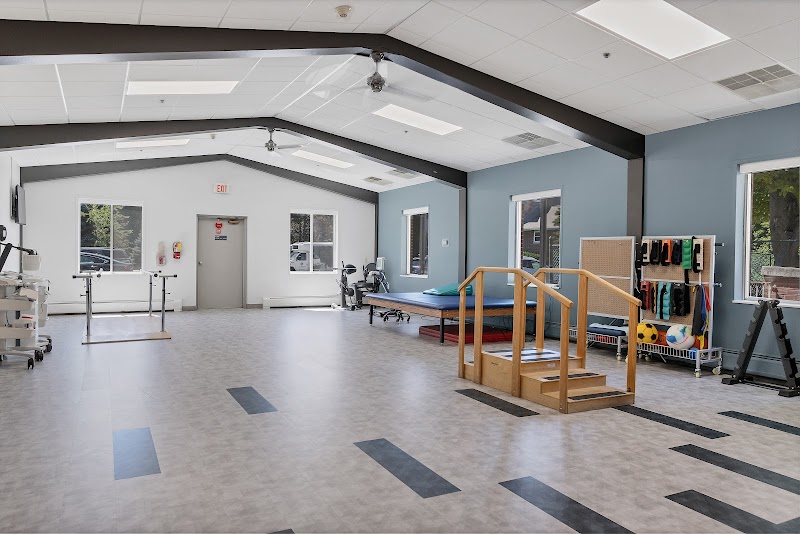
How is Edenbrook Of Green Bay Staffed?

CMS rates EDENBROOK OF GREEN BAY's staffing level at 2 out of 5 stars, which is below average compared to other nursing homes. Staff turnover is 46%, compared to the Wisconsin average of 46%. This relatively stable workforce can support continuity of care. RN turnover specifically is 64%, which is notably high. RNs provide skilled clinical oversight, so turnover in this role can affect medical care quality.

What Have Inspectors Found at Edenbrook Of Green Bay?

State health inspectors documented 26 deficiencies at EDENBROOK OF GREEN BAY during 2022 to 2025. These included: 1 that caused actual resident harm, 22 with potential for harm, and 3 minor or isolated issues. Deficiencies causing actual harm indicate documented cases where residents experienced negative health consequences.

Who Owns and Operates Edenbrook Of Green Bay?

EDENBROOK OF GREEN BAY is owned by a for-profit company. For-profit facilities operate as businesses with obligations to shareholders or private owners. The facility is operated by EDEN SENIOR CARE, a chain that manages multiple nursing homes. With 90 certified beds and approximately 71 residents (about 79% occupancy), it is a smaller facility located in GREEN BAY, Wisconsin.

How Does Edenbrook Of Green Bay Compare to Other Wisconsin Nursing Homes?

Compared to the 100 nursing homes in Wisconsin, EDENBROOK OF GREEN BAY's overall rating (2 stars) is below the state average of 3.0, staff turnover (46%) is near the state average of 46%, and health inspection rating (2 stars) is below the national benchmark.

What Should Families Ask When Visiting Edenbrook Of Green Bay?

Based on this facility's data, families visiting should ask: "Can you walk me through typical staffing levels on day, evening, and night shifts?" "Can I visit during a mealtime to observe dining assistance and food quality?" "How do you handle medical emergencies, and what is your hospital transfer rate?" "Can I speak with family members of current residents about their experience?" These questions are particularly relevant given the below-average staffing rating.

Is Edenbrook Of Green Bay Safe?

Based on CMS inspection data, EDENBROOK OF GREEN BAY has a clean safety record: no substantiated abuse findings (meaning no confirmed cases of resident harm), no Immediate Jeopardy citations (the most serious violation level indicating risk of serious injury or death), and is not on the Special Focus Facility watch list (a federal program monitoring the lowest-performing 1% of nursing homes). The facility has a 2-star overall rating and ranks #100 of 100 nursing homes in Wisconsin. While no facility is perfect, families should still ask about staff-to-resident ratios and recent inspection results during their visit.

Do Nurses at Edenbrook Of Green Bay Stick Around?

EDENBROOK OF GREEN BAY has a staff turnover rate of 46%, which is about average for Wisconsin nursing homes (state average: 46%). Moderate turnover is common in nursing homes, but families should still ask about staff tenure and how the facility maintains care continuity when employees leave.

Was Edenbrook Of Green Bay Ever Fined?

EDENBROOK OF GREEN BAY has no federal fines on record. CMS issues fines when nursing homes fail to meet care standards or don't correct problems found during inspections. The absence of fines suggests the facility has either maintained compliance or corrected any issues before penalties were assessed. This is a positive indicator, though families should still review recent inspection reports for the full picture.

Is Edenbrook Of Green Bay on Any Federal Watch List?

EDENBROOK OF GREEN BAY is not on any federal watch list. The most significant is the Special Focus Facility (SFF) program, which identifies the bottom 1% of nursing homes nationally based on persistent, serious quality problems. Not being on this list means the facility has avoided the pattern of deficiencies that triggers enhanced federal oversight. This is a positive indicator, though families should still review the facility's inspection history directly.