GRANCARE NURSING CENTER
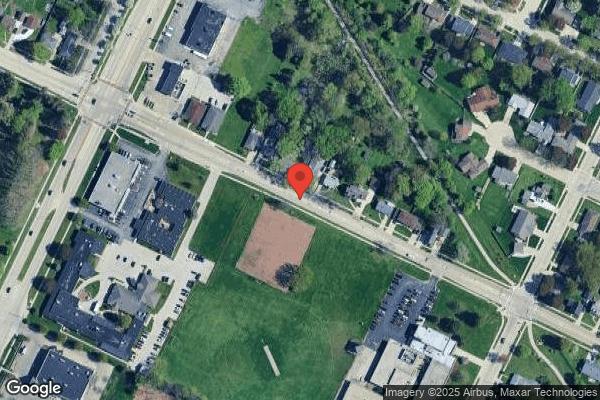
1555 DOUSMAN ST, GREEN BAY, WI 54303 (920) 494-4525
For profit - Corporation 64 Beds Independent Data: November 2025
Trust Grade
80/100
#93 of 321 in WI
Last Inspection: September 2024

Within standard 12-15 month inspection cycle. Federal law requires annual inspections.

Overview

Grancare Nursing Center has a Trust Grade of B+, which means it is recommended and performs above average compared to other facilities. It ranks #93 out of 321 nursing homes in Wisconsin, placing it in the top half, and #4 out of 8 in Brown County, indicating there are only three better local options. Unfortunately, the facility is experiencing a worsening trend, with issues increasing from 1 in 2023 to 4 in 2024. Staffing is generally a strength, as it has a rating of 4 out of 5 stars with a turnover rate of 46%, which is slightly below the state average. However, there are concerns about RN coverage, which is lower than 94% of Wisconsin facilities, meaning residents may not receive adequate nursing supervision. Despite having no fines, which is commendable, the facility has faced serious concerns. Recent inspections revealed issues such as improper food storage practices, which could impact residents' health, and failures to timely report allegations of abuse involving residents. While the nursing center has positive aspects like good staffing levels, these concerning incidents highlight the need for families to carefully consider the overall quality of care provided.

Trust Score
B+
80/100
In Wisconsin
#93/321
Top 28%
Safety Record
Low Risk
No red flags
Inspections
Getting Worse
1 → 4 violations
Staff Stability
⚠ Watch
46% turnover. Above average. Higher turnover means staff may not know residents' routines.
Penalties
✓ Good
No fines on record. Clean compliance history, better than most Wisconsin facilities.
Skilled Nurses
○ Average
Each resident gets 36 minutes of Registered Nurse (RN) attention daily — about average for Wisconsin. RNs are the most trained staff who monitor for health changes.
Violations
○ Average
9 deficiencies on record. Average for a facility this size. Mostly minor or procedural issues.
★★★★☆
4.0
Overall Rating
★★★★☆
4.0
Staff Levels
★★★☆☆
3.0
Care Quality
★★★★☆
4.0
Inspection Score
Stable
2023: 1 issues
2024: 4 issues

The Good

  • 4-Star Staffing Rating · Above-average nurse staffing levels
  • Full Sprinkler Coverage · Fire safety systems throughout facility
  • No fines on record

Facility shows strength in staffing levels, fire safety.

The Bad

Staff Turnover: 46%

Near Wisconsin avg (46%)

Higher turnover may affect care consistency

The Ugly 9 deficiencies on record

Nov 2024 1 deficiency
CONCERN (D) 📢 Someone Reported This

A family member, employee, or ombudsman was alarmed enough to file a formal complaint

Potential for Harm - no one hurt, but risky conditions existed

Report Alleged Abuse (Tag F0609)

Could have caused harm · This affected 1 resident

Based on staff and resident interview and record review, the facility did not report allegations of abuse to the State Agency (SA) for 2 residents (R) (R1 and R4) of 4 sampled residents. On 11/11/24,...

Read full inspector narrative →
Based on staff and resident interview and record review, the facility did not report allegations of abuse to the State Agency (SA) for 2 residents (R) (R1 and R4) of 4 sampled residents. On 11/11/24, R1 reported an allegation of potential sexual abuse that occurred on 11/10/24. The facility did not report the allegation to the SA in a timely manner. On 9/20/24, R4's family reported that a staff pushed R4 down and told R4 to stop it when R4 attempted to stand. The facility did not report the allegation of abuse to the SA. Findings include: The facility's Neighbor Abuse, Neglect, Exploitation, Misappropriation, Injuries of Unknown Source, Reporting of Incident, Neighbor-to-Neighbor policy, revised 7/25/24, indicates: It is the policy of the facility to ensure that all neighbors be free of all forms of abuse and that all alleged violations of federal or state laws which involve .abuse, neighbor-to-neighbor altercations .are verbally reported immediately to the community mentor/designee and verbally or written to other officials in accordance with state law. Federal requirements under 42 CFR state that if the events that cause the allegation involve abuse or result in serious bodily injury, nursing homes must report the violation to the administrator of the facility and the Division of Quality Assurance (DQA) no later than 2 hours after the allegation is made. All other allegations that do not involve abuse and do not result in serious bodily injury must be reported no later than 24 hours after the allegation is made. In addition, nursing homes must report to DQA and law enforcement any reasonable suspicion of a crime against any individual who is a resident of or is receiving care from the facility .Administrator or designee will complete the online form through the State of Wisconsin Misconduct Incident Reporting (MIR) system .the facility must immediately report all incidents of alleged .neighbor-to-neighbor altercations, abuse .to DQA. 1. On 11/27/24, Surveyor reviewed R1's medical record. R1 had diagnoses including Alzheimer's disease and Parkinson's disease. R1's Minimum Data Set (MDS) assessment, dated 10/18/24, had a Brief Interview for Mental Status (BIMS) score of 10 out of 15 which indicated R1 had moderately impaired cognition. R1 had an activated decision maker. On 11/27/24, Surveyor reviewed a facility-reported incident that indicated R1 reported to staff on 11/11/24 that during personal cares on the evening of 11/10/24, Certified Nursing Assistant (CNA)-D asked R1 if it felt ok and indicated CNA-D wanted to make sure CNA-D was not hurting R1. CNA-D then stated, Women usually like it when I'm down there. R1 indicated CNA-D did not touch R1 inappropriately, however, R1 did not like the comments CNA-D made. The facility initiated an investigation and submitted an initial report to the SA on 11/13/24. The initial report was not submitted within the required timeframe. On 11/27/24 at 12:10 PM, Surveyor interviewed Nursing Home Administrator (NHA)-A who indicated the self-report regarding R1 was not submitted timely because NHA-A thought the incident was not reportable. NHA-A indicated R1 was not able to accurately recall events due to a diagnosis that caused confusion. NHA-A confirmed the allegation resulted in an investigation and CNA-D no longer worked at the facility. 2. On 11/27/24, Surveyor reviewed the facility's grievance file. A grievance submitted on 9/20/24 indicated R4's family reported to Social Worker (SW)-C that a staff pushed R4 down and told R4 to stop it when R4 attempted to stand without assistance. Surveyor reviewed the grievance and investigation and noted the allegation of abuse was not reported to the SA. On 11/27/24, Surveyor reviewed R4's medical record. R4 had diagnoses including chronic obstructive pulmonary disease (COPD) and multiple fractures. R4's MDS assessment, dated 9/6/24, had a BIMS score of 9 out of 15 which indicated R4 had moderately impaired cognition. R4 had an activated decision maker. On 11/27/24 at 9:45 AM, Surveyor interviewed R4 who indicated nursing staff ask R4 not to stand without assistance. R4 indicated R4 feels like R4 is being told what to do and feels a loss of independence. R4 indicated a staff grasped R4's arms to assist with a transfer and R4 felt that R4 was pushed. R4 indicated R4 now understood that the nurse attempted to assist R4 and did not have harmful intent. R4 reported the incident to R4's decision maker. Staff spoke to R4 and the staff about the incident. R4 confirmed R4 did not have abuse or neglect concerns and indicated R4 should request assistance from staff who were attempting to help prevent R4 from falling. On 11/27/24 at 10:15 AM, Surveyor interviewed SW-C who indicated R4's decision maker reported that R4 stated a staff grabbed R4's arms and prevented R4 from fully standing without assistance. SW-C interviewed R4 who indicated a staff grabbed R4's arms to steady R4 and that R4 cannot do anything on R4's own. SW-C indicated R4 did not like staff assistance with transfers and ambulation despite multiple falls prior to admission. SW-C confirmed an investigation was completed and there was no misconduct on the part of staff. SW-C indicated the grievance was not reported to the SA because the incident was not viewed as an allegation of abuse. SW-C indicated R4's decision maker did not indicate they believe abuse occurred, however, R4 had reported the incident to them. On 11/27/24 at 12:10 PM, Surveyor interviewed NHA-A who indicated the grievance regarding R4 was an allegation of abuse, however, due to discussions with SW-C, R4, and staff, it was determined the allegation was not reportable because the allegation was reported by R4's decision maker. During the investigation, NHA-A indicated R4 reported staff grabbed R4 to steady R4 when R4 attempted to stand and was told not to stand without assistance. NHA-A indicated customer service and resident approaches education was provided to nursing staff to prevent future incidents.
Sept 2024 3 deficiencies
CONCERN (D)

Potential for Harm - no one hurt, but risky conditions existed

Transfer Notice (Tag F0623)

Could have caused harm · This affected 1 resident

**NOTE- TERMS IN BRACKETS HAVE BEEN EDITED TO PROTECT CONFIDENTIALITY** Based on staff interview and record review, the facility did not ensure 2 residents (R) (R9 and R16) of 2 sampled residents revi...

Read full inspector narrative →
**NOTE- TERMS IN BRACKETS HAVE BEEN EDITED TO PROTECT CONFIDENTIALITY** Based on staff interview and record review, the facility did not ensure 2 residents (R) (R9 and R16) of 2 sampled residents reviewed for hospitalization received the proper notice of transfer, reason for transfer, location of transfer, appeal rights, and contact information for the State Long-Term Care Ombudsman. R9 was transferred to the emergency room (ER) on 8/31/24 and was not provided a written transfer notice. R16 was transferred to the hospital on 8/7/24 and was not provided a written transfer notice. Findings include: The facility's Discharge or Transfer Policy, revised 9/19/23, indicates: Transfer of Discharge refers to the movement of a neighbor to a bed that is outside of the certified facility, not within the same facility. Transfer refers to moving a neighbor from one facility to another, with the expectation that the neighbor will be returning to the facility. Discharge refers to moving a neighbor from the facility to either another facility or to a different community location .Upon discharge, the charge nurse should document the discharge or transfer in the medical record .Documentation should include appeal rights. 1. From 9/3/24 to 9/5/24, Surveyor reviewed R9's medical record which indicated R9 had urinary tract infection (UTI) symptoms and was transferred to the ER on [DATE]. R9's medical record did not indicate the facility provided R9 with a written transfer notice. On 9/5/24 at 12:35 PM, Surveyor interviewed Director of Nursing (DON)-B who indicated a transfer notice is given to a resident only if they return after midnight. Since R9 returned before midnight, DON-B indicated R9 did not need a transfer notice and was not given one by nursing staff. DOB-B indicated DOB-B would inform Social Worker Designee (SWD)-J of the requirement to provide a written transfer notice whether a resident returns to the facility before midnight or not. 2. From 9/3/24 to 9/5/24, Surveyor reviewed R16's medical record which indicated R16 was transferred and admitted to the hospital on [DATE] with diagnoses of hyperkalemia and diabetic ketoacidosis. R16's medical record included documentation that the facility provided R16 with a written transfer notice that was signed and dated on 8/8/24 by SWD-J. R19 returned to the facility on 8/12/24 and signed the written transfer notice on 8/15/24. The transfer notice did not include contact information for the State Agency (SA). On 9/5/24 at 1:17 PM, Surveyor interviewed DON-B who was not aware of the requirement to include State Agency contact information on transfer notices. DON-B indicated DON-B would notify NHA-A and have the form updated.
CONCERN (D)

Potential for Harm - no one hurt, but risky conditions existed

Deficiency F0625 (Tag F0625)

Could have caused harm · This affected 1 resident

**NOTE- TERMS IN BRACKETS HAVE BEEN EDITED TO PROTECT CONFIDENTIALITY** Based on staff interview and record review, the facility did not ensure 1 resident (R) (R9) of 2 sampled residents reviewed for ...

Read full inspector narrative →
**NOTE- TERMS IN BRACKETS HAVE BEEN EDITED TO PROTECT CONFIDENTIALITY** Based on staff interview and record review, the facility did not ensure 1 resident (R) (R9) of 2 sampled residents reviewed for hospitalization received the required written information of the duration of the bed-hold, the reserve bed-hold payment rate, and the right of the resident to return to the facility. R9 was transferred to the emergency room (ER) on 8/31/24 and was not provided a bed-hold notice. Findings include: The facility's Bedhold policy, effective 12/26/16, indicates: Temporary absences due to hospitalization or therapeutic leave may warrant a bedhold. A copy of the bedhold policy will accompany each neighbor upon discharge to the hospital .In the case of an unexpected hospitalization, Social Services will contact the neighbor's representative within twenty-four hours of dishcarge to confirm if the neighbor/representative wishes to hold the bed .Confirmation either verbally or written is required. A written Bedhold Confirmation Form will be provided by Social Services. From 9/3/24 to 9/5/24, Surveyor reviewed R9's medical record which indicated R9 had urinary tract infection (UTI) symptoms and was transferred to the ER on [DATE]. R9's medical record did not indicate the facility provided R9 with a bed-hold notice. On 9/5/24 at 12:35 PM, Surveyor interviewed Director of Nursing (DON)-B who indicated a bed-hold notice is given to a resident only if the resident returns after midnight. DON-B indicated since R9 returned before midnight, R9 did not need a bed-hold notice and was not given one by nursing staff. DON-B indicated DON-B would inform Social Worker Designee (SWD)-J of the requirement to provide a bed-hold notice whether a resident returns before midnight or not.
CONCERN (E)

Potential for Harm - no one hurt, but risky conditions existed

Food Safety (Tag F0812)

Could have caused harm · This affected multiple residents

**NOTE- TERMS IN BRACKETS HAVE BEEN EDITED TO PROTECT CONFIDENTIALITY** Based on observation, staff interview, and record review, the facility did not ensure food was stored and prepared in a sanitary...

Read full inspector narrative →
**NOTE- TERMS IN BRACKETS HAVE BEEN EDITED TO PROTECT CONFIDENTIALITY** Based on observation, staff interview, and record review, the facility did not ensure food was stored and prepared in a sanitary manner. This practice had the potential to affect more than 4 of the 50 residents residing in the facility. Food items for resident consumption were not labeled with open or expiration dates and/or were beyond the labeled discard date in 3 of 3 unit refrigerators. Staff did not follow safe food cooling protocol. Findings include: On 9/3/24 at 1:30 PM, Surveyor interviewed Dietary Manager (DM)-C who stated the facility followed the Food and Drug Administration (FDA) Food Code. Unlabeled/Undated/Expired Food: The 2022 FDS Food Code documents at 3-501.18 Ready-to-Eat, Time/Temperature Control for Safety Food: Disposition .Date marking is the mechanism by which the Food Code requires active managerial control of the temperature and time combinations for cold holding .Date marking requirements apply to containers of processed food that have been opened and to food prepared by a food establishment, in both cases if held for more than 24 hours, and while the food is under the control of the food establishment. This provision applies to both bulk and display containers .A date marking system may be used which places information on the food, such as on an overwrap or on the food container, which identifies the first day of preparation, or alternatively, may identify the last day that the food may be sold or consumed on the premises. A date marking system may use calendar dates, days of the week, color coded marks, or other effective means, provided the system is disclosed to the Regulatory Authority upon request, during inspections. The facility's Food Handling Policy Strategy, revised 4/15/23, indicates: .5. The Danger Zone refers to food temperatures above 41 degrees Fahrenheit (F) and below 135 degrees F that allow the rapid growth of pathogenic microorganisms that can cause foodborne illness .Time/Temperature Control for Safety (TCS) Food refers to food that requires time/temperature control for safety to limit the growth of pathogens or toxin formation .6. Opened containers for refrigerated foods need to be marked with the date opened and use-by date 18. Neighbor perishable food items in a refrigerator need to have a date opened written on them. On 9/3/24 at 8:35 AM, Surveyor observed the refrigerator/freezer on the Grand Avenue unit with Dietary Aide (DA)-D and noted the following items: ~ An open, unlabeled, and undated ¼ full bottle of Pepsi ~ Two undated containers of milk ~ A container of barbecue sauce with an open date of 8/26/24 and no use-by date ~ A peanut butter and jelly sandwich made on 9/1 with no use-by date and 2 undated peanut butter and jelly sandwiches ~ An open bottle of pancake and waffle syrup with an open date of 8/9 and no use-by date ~ An open and undated bag that contained 5 waffles ~ An open and undated box that contained 3 lemon and lime Popsicles During the observation, DA-D indicated the above items did not belong in the refrigerator/freezer and should be discarded. DA-D also stated there were 3 unit kitchens in the facility. On 9/3/24 at 9:00 AM, Surveyor observed the refrigerator/freezer on the Caring Drive unit with DA-E and noted the following items: ~ An open and undated caramel macchiato creamer ~ An open and undated bottle of Wishbone raspberry walnut vinaigrette dressing ~ An open and undated bottle of Spicy Mike's sweet spicy spears ~ An open bottle of syrup with an expiration date of 8/24 ~ An open and undated bottle of relish ~ A open container of [NAME]-Dazs coffee ice cream with a use-by date of 1/31/24 ~ A closed bag of [NAME] steam fresh super sweet corn with a use-by date of 1/1/24 ~ An unopened and unlabeled Hot Pocket with no use-by date During an initial tour of the kitchen that began at 9:15 AM on 9/3/24, Surveyor and DM-C observed the dry storage area and noted the following items: ~ A dented can of solid pack pumpkin ~ An open and undated bag of enriched egg product ~ Nine unopened bottles of sugar free pancake and waffle syrup with no expiration dates DM-C verified the facility could not use the products and stated DM-C would dispose of the items. On 9/3/24 at 1:30 PM, Surveyor interviewed DM-C regarding the unlabeled, undated, and expired food items observed on the Grand Avenue and Caring Drive units. DM-C indicated DM-C was working on trying to remind staff to label and date food items. On 9/4/24 at 8:35 AM, Surveyor and DM-C observed the refrigerator/freezer on the Turn Around Circle (TAC) unit and noted an open and undated container of vanilla bean ice cream. Food Cooling: The 2022 FDA Food Code documents at 3-401.12 Microwave Cooking: The rapid increase in food temperature resulting from microwave heating does not provide the same cumulative time and temperature relationship necessary for the destruction of microorganisms as do conventional cooking methods. In order to achieve comparable lethality, the food must attain a temperature of 74 degrees Celsius (C) (165 degrees Fahrenheit (F)) in all parts of the food. Since cold spots may exist in food cooking in a microwave oven, it is critical to measure the food temperature at multiple sites when the food is removed from the oven and then allow the food to stand covered for two minutes post microwave heating to allow thermal equalization and exposure. Although some microwave ovens are designed and engineered to deliver energy more evenly to the food than others, the important factor is to measure and ensure that the final temperature reaches 74 degrees C (165 degrees F) throughout the food. The facility's Food Handling Policy Strategy, revised 4/15/23, indicates: The Danger Zone refers to food temperatures above 41 degrees Fahrenheit (F) and below 135 degrees F that allow the rapid growth of pathogenic microorganisms that can cause foodborne illness .10. Reheated cooked foods present a risk because they have passed through the Danger Zone multiple times during cooking, cooling, and reheating. The Potentially Hazardous Foods (PHF)/Time/Temperature Control for Safety (TCS) food that is cooked and cooled must be reheated so that all parts of the food reach an internal temperature of 165 degrees F at least 15 seconds. On 9/4/24 at 11:50 AM, Surveyor observed DA-E reheat a pureed patty melt in the microwave. DA-E did not stir the food and cool for 2 minutes before rechecking the temperature which was at 164 degrees F. DA-E stated DA-E did not know the patty melt should be stirred or allowed to cool before obtaining the temperature. On 9/4/24 at 12:16 PM, Surveyor observed DA-F reheat resident food brought in from outside the facility in the microwave. DA-F did not stir, cool, or obtain the temperature of the food prior to serving. DA-F stated the temperature of microwaved reheated food was typically not obtained.
Aug 2023 1 deficiency
CONCERN (F)

Potential for Harm - no one hurt, but risky conditions existed

Food Safety (Tag F0812)

Could have caused harm · This affected most or all residents

Based on staff interview and record review, the facility did not ensure food was stored and prepared in a safe and sanitary manner. This practice had the potential to affect 45 of 46 residents (one re...

Read full inspector narrative →
Based on staff interview and record review, the facility did not ensure food was stored and prepared in a safe and sanitary manner. This practice had the potential to affect 45 of 46 residents (one resident was fed via tube) residing in the facility. Cooling logs were not completed for leftover foods. Refrigerator temperature logs were not completed for 1 of 2 unit refrigerators and not consistently completed for the coolers and freezers in the kitchen. Findings include: On 8/21/23 at 9:06 AM, Surveyor began an initial tour of the kitchen with [NAME] (CK)-D who indicated the facility followed the Federal Food Code. Cooling Logs: The FDA Food Code 2022 at 3-501.14 Cooling indicates: (A) Cooked time/temperature control for safety food shall be cooled: (1) Within 2 hours from 135º Fahrenheit (F) to 70°F; and (2) Within a total of 6 hours from 135ºF to 41°F or less. The facility's Food Handling policy, with a revision date of 4/15/22, indicates: 11. Cooling .During the cooling process, monitor/measure the food temperatures every one to two hours in an attempt to assure food safety. During the initial kitchen tour on 8/21/23, Surveyor noted the facility's coolers contained labeled leftovers. Surveyor requested to review the facility's cooling log. CK-D indicated CK-D needed to ask Registered Dietician (RD)-C when RD-C returned to work the following day. CK-D indicated staff re-used the leftovers for alternate items for residents. On 8/23/23 at 11:18 AM, Surveyor interviewed RD-C who confirmed there should be a cooling log for leftovers. RD-C indicated the facility used to complete cooling logs, but that practice has fallen by the wayside. RD-C provided Surveyor with a copy of a cooling log and indicated if there are leftovers, the cooling log should be completed. Temperature Logs: The facility's Food Handling policy, with a revised date of 4/15/22, indicates: 3. Temperatures for refrigeration need to be regulated when storing food. The refrigerator must be in good repair and keep foods at or below 41 degrees F. Take temperatures on a daily basis . During the initial kitchen tour on 8/21/23, Surveyor reviewed the facility's Cooler and Freezer Temperatures log which indicated: Check cooler and freezer temperatures every day and mark down. The log contained four coolers and freezers in the kitchen. Surveyor noted the log began on 7/26/23. Between 7/26/23 and 8/20/23, the log contained missing entries for 10 days, including 7/27 through 7/31, 8/2, 8/13, 8/14, 8/16, and 8/18. On 8/22/23 at 12:39 PM, Surveyor observed both unit refrigerators which were located in the units' kitchenettes. Surveyor noted both refrigerators contained resident food and supplement food. Surveyor was unable to locate temperature logs for the refrigerators. On 8/23/23 at 11:18 AM, Surveyor interviewed RD-C and requested to see the facility's temperature logs. RD-C provided a complete log for one of the unit refrigerators; however, RD-C indicated there might be a gap in the other unit refrigerator's temperature log. RD-C indicated RD-C planned to educate staff and move the temperature logs for the unit refrigerators to the main kitchen so staff did not forget to take the temperatures. RD-C located a log for one of the unit refrigerators that was last completed on 1/27/23. No other temperature logs were located. RD-C confirmed temperatures should be taken daily.
Sept 2022 4 deficiencies
CONCERN (D)

Potential for Harm - no one hurt, but risky conditions existed

Deficiency F0551 (Tag F0551)

Could have caused harm · This affected 1 resident

Based on staff interview and record review, the facility did not ensure a Legal Guardian (LG) of a Resident (R) exercised rights within the limits set by state statute for 1 (R45) of 1 sampled residen...

Read full inspector narrative →
Based on staff interview and record review, the facility did not ensure a Legal Guardian (LG) of a Resident (R) exercised rights within the limits set by state statute for 1 (R45) of 1 sampled residents with a LG. The facility did not petition the court for R45's protective placement at the facility when R45's stay exceeded 60 days in 2015. Findings include: Wisconsin (WI) state statute chapter 55.055(1)(b) documents The guardian of an individual who has been adjudicated incompetent may consent to the individual's admission to a nursing home or other facility not specified in par. (a) for which protective placement is otherwise required for a period not to exceed 60 days. From 9/20/22 through 9/22/22, Surveyor reviewed R45's medical record which documented court orders for a LG in 2012. R45 was admitted to the facility in 2015. Surveyor noted no protective placement or annual review of protective placement was in R45's medical record. On 9/21/22 at 9:01 AM, Surveyor interviewed Certified Nursing Assistant (CNA)-C, who verified also acting as the social services designee. CNA-C confirmed being aware of protective placement requirements for residents with a LG. CNA-C indicated CNA-C would look for R45's protective placement and most recent annual review documents. On 9/21/22 at 2:20 PM, Director of Nursing (DON)-B verified to Surveyor that R45 was not protectively placed at facility.
CONCERN (D)

Potential for Harm - no one hurt, but risky conditions existed

Pharmacy Services (Tag F0755)

Could have caused harm · This affected 1 resident

Based on observation, staff interview, and record review, the facility did not ensure medications were dispensed and administered safely for 1 Resident (R) (R45) of 52 residents. Licensed Practical Nu...

Read full inspector narrative →
Based on observation, staff interview, and record review, the facility did not ensure medications were dispensed and administered safely for 1 Resident (R) (R45) of 52 residents. Licensed Practical Nurse (LPN)-D dispensed medications into a medication cup for R45 then left medications in front of R45 before leaving medications and R45 unattended in dining area. Findings include: From 9/20/22 through 9/22/22, Surveyor reviewed R45's medical record which documented R45 was found incompetent by a court and ordered a legal guardian for decision making in 2012. Surveyor noted R45's record did not include an assessment for safety of self-administration of medications. On 9/20/22 at 11:58 AM, Surveyor entered dining area and observed four pills and/or tablets in a medication cup in front of R45, who was seated in a wheelchair. Surveyor noted no staff were present. On 9/20/22 at 12:00 PM, Surveyor located LPN-D, who confirmed dispensing R45's medications. LPN-D explained R45 prefers to take R45's medications with a meal. LPN-D needed to obtain the blood sugar level of another resident in that resident's room. LPN-D verified medications were left with R45 without staff present. LPN-D indicated that if LPN-D was going to be gone more than a few minutes, LPN-D would have secured R45's medications. Following interview, Surveyor observed LPN-D approach R45 and encourage R45 to take medications. On 9/21/22 at 12:31 PM, Surveyor interviewed Director of Nursing (DON)-B regarding R45. DON-B verified R45 did not have a self-administration of medication assessment in R45's record. DON-B explained R45 had cognitive issues and dexterity problems which would prevent R45 from safely self-administering medications. DON-B voiced an expectation that the nurse who administers medications need to keep a resident in eyesight until medications are consumed. DON-B accessed R45's medical record which documented noontime medications and supplements included Lactobacillus (a probiotic supplement), two Tylenol (anti-pain medication), and gabapentin (anticonvulsant/nerve pain medication).
CONCERN (D)

Potential for Harm - no one hurt, but risky conditions existed

Deficiency F0757 (Tag F0757)

Could have caused harm · This affected 1 resident

Based on staff interview and record review, the facility did not ensure monitoring of a Resident (R) who was prescribed a high risk medication for 1 (R36) of 5 residents reviewed for medications. The ...

Read full inspector narrative →
Based on staff interview and record review, the facility did not ensure monitoring of a Resident (R) who was prescribed a high risk medication for 1 (R36) of 5 residents reviewed for medications. The facility did not monitor R36 for possible negative side effects associated with tramadol (narcotic opioid pain medication). Findings include: Drugs.com documents possible side effects of tramadol use can include life-threatening respiratory depression. Other side effects can include but are not limited to: irregular heartbeat, blurred vision, dizziness, fainting and seizures. From 9/20/22 through 9/22/22, Surveyor reviewed R36's medical record which documented R36's prescription for tramadol twice per day and additional tramadol every six hours as needed. On 9/22/22 at 1:52 PM, Director of Nursing (DON)-B informed Surveyor that DON-B searched R36's medical record and was not able to locate side effect monitoring. DON-B verified side effect monitoring should be in place for high risk medications.
CONCERN (D)

Potential for Harm - no one hurt, but risky conditions existed

Medication Errors (Tag F0758)

Could have caused harm · This affected 1 resident

2. From 9/20/22 through 9/22/22, Surveyor reviewed R21's medical record which documented R21's prescriptions for citalopram and quetiapine both taken daily. Surveyor was not able to locate side effect...

Read full inspector narrative →
2. From 9/20/22 through 9/22/22, Surveyor reviewed R21's medical record which documented R21's prescriptions for citalopram and quetiapine both taken daily. Surveyor was not able to locate side effect monitoring. On 9/22/22 at 2:19 PM, Surveyor interviewed LPN-D who stated high risk medication monitoring is normally in the medication administration record (MAR) or the treatment administration record (TAR.) LPN-D stated side effects for medications can also be found in the paper chart within the medication specific consent form. Based on staff interview and record review, the facility did not ensure monitoring of a Resident (R) who was prescribed high-risk psychotropic medications for 2 (R297 and R21) of 5 residents reviewed for medications. The facility did not monitor R297 for possible negative side effects associated with clonazepam (antianxiety medication) and Cymbalta (antidepressant medication). The facility did not monitor R21 for possible negative side effects associated with citalopram (antidepressant medication) and quetiapine (antipsychotic medication). Findings include: 1. From 9/20/22 through 9/22/22, Surveyor reviewed R297's medical record which documented R297's prescriptions for clonazepam and Cymbalta both taken daily at bedtime. Surveyor was not able to locate side effect monitoring. On 9/22/22 at 1:43 PM, Surveyor interviewed Director of Nursing (DON)-B regarding R297's high risk medications. DON-B explained R297 was a newer resident and verified side effect monitoring was important for high risk medications.
Understanding Severity Codes (click to expand)
Life-Threatening (Immediate Jeopardy)
J - Isolated K - Pattern L - Widespread
Actual Harm
G - Isolated H - Pattern I - Widespread
Potential for Harm
D - Isolated E - Pattern F - Widespread
No Harm (Minor)
A - Isolated B - Pattern C - Widespread

Questions to Ask on Your Visit

  • "Can I speak with families of current residents?"
  • "What's your RN coverage like on weekends and overnight?"

Our Honest Assessment

Strengths
  • • Grade B+ (80/100). Above average facility, better than most options in Wisconsin.
  • • No major safety red flags. No abuse findings, life-threatening violations, or SFF status.
  • • No fines on record. Clean compliance history, better than most Wisconsin facilities.
Concerns
  • • No significant concerns identified. This facility shows no red flags across CMS ratings, staff turnover, or federal penalties.
Bottom line: Generally positive indicators. Standard due diligence and a personal visit recommended.

About This Facility

What is Grancare Nursing Center's CMS Rating?

CMS assigns GRANCARE NURSING CENTER an overall rating of 4 out of 5 stars, which is considered above average nationally. Within Wisconsin, this rating places the facility higher than 99% of the state's 100 nursing homes. This rating reflects solid performance across the metrics CMS uses to evaluate nursing home quality.

How is Grancare Nursing Center Staffed?

CMS rates GRANCARE NURSING CENTER's staffing level at 4 out of 5 stars, which is above average compared to other nursing homes. Staff turnover is 46%, compared to the Wisconsin average of 46%. This relatively stable workforce can support continuity of care.

What Have Inspectors Found at Grancare Nursing Center?

State health inspectors documented 9 deficiencies at GRANCARE NURSING CENTER during 2022 to 2024. These included: 9 with potential for harm.

Who Owns and Operates Grancare Nursing Center?

GRANCARE NURSING CENTER is owned by a for-profit company. For-profit facilities operate as businesses with obligations to shareholders or private owners. The facility operates independently rather than as part of a larger chain. With 64 certified beds and approximately 51 residents (about 80% occupancy), it is a smaller facility located in GREEN BAY, Wisconsin.

How Does Grancare Nursing Center Compare to Other Wisconsin Nursing Homes?

Compared to the 100 nursing homes in Wisconsin, GRANCARE NURSING CENTER's overall rating (4 stars) is above the state average of 3.0, staff turnover (46%) is near the state average of 46%, and health inspection rating (4 stars) is above the national benchmark.

What Should Families Ask When Visiting Grancare Nursing Center?

Based on this facility's data, families visiting should ask: "Can I visit during a mealtime to observe dining assistance and food quality?" "How do you handle medical emergencies, and what is your hospital transfer rate?" "Can I speak with family members of current residents about their experience?"

Is Grancare Nursing Center Safe?

Based on CMS inspection data, GRANCARE NURSING CENTER has a clean safety record: no substantiated abuse findings (meaning no confirmed cases of resident harm), no Immediate Jeopardy citations (the most serious violation level indicating risk of serious injury or death), and is not on the Special Focus Facility watch list (a federal program monitoring the lowest-performing 1% of nursing homes). The facility has a 4-star overall rating and ranks #1 of 100 nursing homes in Wisconsin. While no facility is perfect, families should still ask about staff-to-resident ratios and recent inspection results during their visit.

Do Nurses at Grancare Nursing Center Stick Around?

GRANCARE NURSING CENTER has a staff turnover rate of 46%, which is about average for Wisconsin nursing homes (state average: 46%). Moderate turnover is common in nursing homes, but families should still ask about staff tenure and how the facility maintains care continuity when employees leave.

Was Grancare Nursing Center Ever Fined?

GRANCARE NURSING CENTER has no federal fines on record. CMS issues fines when nursing homes fail to meet care standards or don't correct problems found during inspections. The absence of fines suggests the facility has either maintained compliance or corrected any issues before penalties were assessed. This is a positive indicator, though families should still review recent inspection reports for the full picture.

Is Grancare Nursing Center on Any Federal Watch List?

GRANCARE NURSING CENTER is not on any federal watch list. The most significant is the Special Focus Facility (SFF) program, which identifies the bottom 1% of nursing homes nationally based on persistent, serious quality problems. Not being on this list means the facility has avoided the pattern of deficiencies that triggers enhanced federal oversight. This is a positive indicator, though families should still review the facility's inspection history directly.