GREEN BAY HEALTH SERVICES
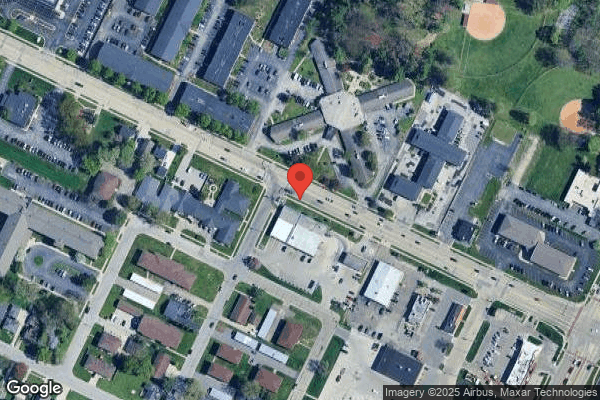
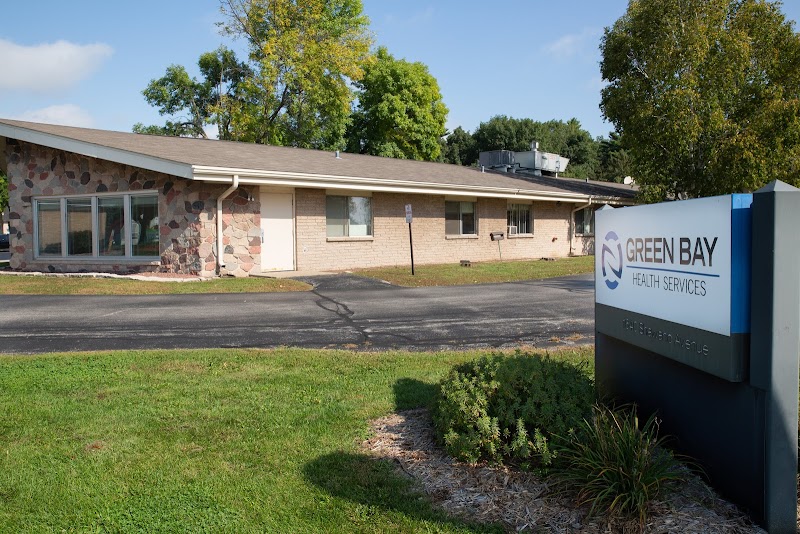
1640 SHAWANO AVE, GREEN BAY, WI 54303 (920) 499-5177
For profit - Corporation 125 Beds NORTH SHORE HEALTHCARE Data: November 2025
Trust Grade
50/100
#213 of 321 in WI
Last Inspection: June 2025

Inspected within the last 6 months. Data reflects current conditions.

Overview

Green Bay Health Services has a Trust Grade of C, which means it is average compared to other facilities. It ranks #213 out of 321 in Wisconsin, placing it in the bottom half of nursing homes in the state, and #7 out of 8 in Brown County, indicating only one local option is better. The facility is worsening, with issues increasing from 10 in 2024 to 14 in 2025. Staffing is a concern, with a rating of 2 out of 5 stars and a turnover rate of 55%, which is higher than the state average of 47%. Fortunately, it has no fines on record, which is a positive sign, and it offers more RN coverage than 81% of Wisconsin facilities, ensuring better oversight in resident care. However, specific incidents raise concerns. For example, the facility failed to conduct proper background checks for staff, which could risk resident safety. Additionally, medications were not labeled or dated correctly for two residents, which could lead to medication errors. Lastly, the facility lacks a Qualified Social Worker, which may affect residents' access to necessary social services. Overall, while there are some strengths, significant weaknesses need to be addressed.

Trust Score
C
50/100
In Wisconsin
#213/321
Bottom 34%
Safety Record
Low Risk
No red flags
Inspections
Getting Worse
10 → 14 violations
Staff Stability
⚠ Watch
55% turnover. Above average. Higher turnover means staff may not know residents' routines.
Penalties
✓ Good
No fines on record. Clean compliance history, better than most Wisconsin facilities.
Skilled Nurses
✓ Good
Each resident gets 55 minutes of Registered Nurse (RN) attention daily — more than average for Wisconsin. RNs are trained to catch health problems early.
Violations
⚠ Watch
29 deficiencies on record. Higher than average. Multiple issues found across inspections.
★★☆☆☆
2.0
Overall Rating
★★☆☆☆
2.0
Staff Levels
★☆☆☆☆
1.0
Care Quality
★★★☆☆
3.0
Inspection Score
Stable
2024: 10 issues
2025: 14 issues

The Good

  • Full Sprinkler Coverage · Fire safety systems throughout facility
  • No fines on record

Facility shows strength in fire safety.

The Bad

2-Star Overall Rating

Below Wisconsin average (3.0)

Below average - review inspection findings carefully

Staff Turnover: 55%

Near Wisconsin avg (46%)

Higher turnover may affect care consistency

Chain: NORTH SHORE HEALTHCARE

Part of a multi-facility chain

Ask about local staffing decisions and management

The Ugly 29 deficiencies on record

Aug 2025 1 deficiency
CONCERN (D) 📢 Someone Reported This

A family member, employee, or ombudsman was alarmed enough to file a formal complaint

Potential for Harm - no one hurt, but risky conditions existed

Pressure Ulcer Prevention (Tag F0686)

Could have caused harm · This affected 1 resident

**NOTE- TERMS IN BRACKETS HAVE BEEN EDITED TO PROTECT CONFIDENTIALITY** Based on observation, staff interview, and record review, the facility did not ensure 2 residents (R) (R1 and R2) of 4 sampled r...

Read full inspector narrative →
**NOTE- TERMS IN BRACKETS HAVE BEEN EDITED TO PROTECT CONFIDENTIALITY** Based on observation, staff interview, and record review, the facility did not ensure 2 residents (R) (R1 and R2) of 4 sampled residents received the appropriate care and services to promote healing and/or prevent pressure injuries from developing. R1 was admitted to the facility with pressure injuries on the coccyx and bilateral heel deep tissue injuries (DTIs). Staff did not change R1's coccyx and heel dressings for 7 days after admission and did not initiate wound care orders until 2/4/25. In addition, R1's coccyx dressing was not changed on 2/7/25, 2/12/25, and 2/13/25. R1's heel dressings were not changed on 2/7/25 and 2/13/25.R2 had wounds on the right great toe, right heel, and coccyx. R2's wound care was not documented as completed on 7/31/25.Findings include:The facility's Pressure Injuries and Non Pressure Injuries policy, revised 7/20/22, indicates: .A head-to-toe body evaluation will be completed on every resident upon admission/readmission and will be documented .If skin is compromised: .iii. Ensure primary care physician is aware of wounds/location of wounds and current treatment orders. iv. Ensure appropriate treatment orders for each wound area, as needed. v. Ensure resident/responsible party is aware of wounds and current treatment plan .1. On 8/4/25, Surveyor reviewed R1's medical record. R1 was admitted to the facility on [DATE] and had diagnoses including multiple rib fractures on the right side, pneumonia, dysphagia, and difficulty with walking. R1's Minimum Data Set (MDS) assessment, dated 2/3/25, had a Brief Interview for Mental Status (BIMS) score of 14 out of 15 which indicated R1 had intact cognition. R1 was responsible for R1's healthcare decisions.An admission skin assessment indicated R1 had two stage 2 coccyx pressure injuries and DTIs on both heels . The assessment did not contain measurements of the wounds. R1 did not have orders to treat the pressure injuries or DTIs at the time of admission. A care plan, dated 2/4/25, indicated R1 had a pressure injury on the left posterior heel related to impaired mobility. The goal indicated R1would show no signs of infection. The care plan contained the following interventions: Will develop no new areas of skin breakdown; Administer treatment per medical doctor orders; Encourage and assist as needed to turn and reposition; Use assistive devices as needed; and Float heels as able.On 2/4/25, Wound Registered Nurse (WRN)-C assessed R1 and obtained treatment orders for the coccyx and heel wounds to begin on 2/5/25.R1's medical record indicated R1's coccyx dressing changes were not completed on 2/7/25, 2/12/25, and 2/13/25 and R1's heel dressing changes were not completed on 2/7/25 and 2/13/25. On 8/4/25 at 10:54 AM, Surveyor interviewed WRN-C who indicated the facility's procedure is to document wound treatments on the Treatment Administration Record (TAR) following completion of the treatment. WRN-C indicated if a resident with a wound is admitted without a treatment order, the provider should be contacted for an order. On 8/4/25 at 11:15 AM, Surveyor interviewed Director of Nursing (DON)-B who verified R1 did not have wound care orders from admission until 2/4/25 and confirmed staff should have called the provider for orders upon admission. DON-B verified R1's medical record indicated wound care was not consistently completed after the orders were received. DON-B stated DON-B expects staff to provide wound care as ordered. 2. On 8/4/25, Surveyor reviewed R2's medical record. R2 was admitted to the facility on [DATE] and had diagnoses including dementia, dysphagia, diabetes, and gastrointestinal hemorrhage. R2's MDS assessment, dated 6/2/25, had a BIMS score of 4 out of 15 which indicated R2 had severe cognitive impairment. R2 had an activated Power of Attorney for Healthcare (POAHC).R2's medical record indicated R2 had wounds on the right great toe, right heel, and coccyx and had wound care orders. R2's TAR did not indicate wound care was completed for all of R2's wounds on 7/31/25. On 8/4/25 at 12:35 PM and 1:05 PM, Surveyor interviewed DON-B who verified there were no documented wound treatments on 7/31/25 and stated staff should have completed wound care as ordered. DON-B indicated DON-B spoke with Licensed Practical Nurse (LPN)-D who stated wound care was completed that day but was not documented. DON-B indicated LPN-D would document a late entry for completion of wound care on 7/31/25.
Jun 2025 10 deficiencies
CONCERN (D) 📢 Someone Reported This

A family member, employee, or ombudsman was alarmed enough to file a formal complaint

Potential for Harm - no one hurt, but risky conditions existed

Deficiency F0551 (Tag F0551)

Could have caused harm · This affected 1 resident

**NOTE- TERMS IN BRACKETS HAVE BEEN EDITED TO PROTECT CONFIDENTIALITY** Based on staff interview and record review, the facility did not ensure the right to make healthcare decisions was extended only...

Read full inspector narrative →
**NOTE- TERMS IN BRACKETS HAVE BEEN EDITED TO PROTECT CONFIDENTIALITY** Based on staff interview and record review, the facility did not ensure the right to make healthcare decisions was extended only to those delegated by the resident and in accordance with applicable law for 1 resident (R) (R24) of 19 sampled residents. R24 was admitted to the facility with a court-ordered temporary guardianship that expired on [DATE]. The facility continued to allow the temporary guardian to make healthcare decisions for R24 after [DATE]. Findings include: Wis. Stat. §54, Guardianships and Conservatorships, states under §54.50(2) Duration and extent of authority: The court may appoint a temporary guardian for a ward for a period not to exceed 60 days, except that the court may extend this period for good cause shown for one additional 60-day period. The court may impose no further temporary guardianship on the ward for at least 90 days after the expiration of the temporary guardianship and any extension. The court's determination and order appointing the temporary guardian shall specify the authority of the temporary guardian and shall be limited to those acts that are reasonably related to the reasons for appointment that are specified in the petition for temporary guardianship. The authority of the temporary guardian is limited to the performance of those acts stated in the order of appointment .§54.50(4) Cessation of powers: The duties and powers of the temporary guardian cease upon the issuing of letters of permanent guardianship, the expiration of the time period specified in sub. (2), or if the court sooner determines that any situation of the ward that was the cause of the temporary guardianship has terminated. From [DATE] to [DATE], Surveyor reviewed R24's medical record. R24 was admitted to the facility on [DATE] and had diagnoses including hemiplegia and hemiparesis following cerebral infarction affecting the left non-dominant side, dysphagia, dysarthria, epilepsy, schizophrenia, anxiety, and cognitive communication deficit. R24's Minimum Data Set (MDS) assessment, dated [DATE], had a Brief Interview for Mental Status (BIMS) score of 6 out of 15 which indicated R24 had severe cognitive impairment. R24's medical record included a Letters of Temporary Guardianship of Person, dated [DATE], that indicated R24's Family Member ((FM)-I) was R24's temporary guardian. R24's medical record also included an Order of Petition to Extend Temporary Guardianship, dated [DATE], that expired on [DATE]. A progress note, dated [DATE] at 3:54 PM, indicated a message was left for FM-I to call the facility because FM-I needed to sign an admission agreement and vaccine consent/declination. A Social Services note, dated [DATE] at 8:51 AM, indicated FM-I spoke with Social Services Director (SSD)-D and requested a referral be sent to another nursing home for R24. A Social Services note, dated [DATE] at 11:09 AM, indicated SSD-D spoke with FM-I regarding updated guardianship paperwork, consent to treat, consents for vaccinations, and the location for R24's referral. FM-I stated FM-I did not want R24 to receive vaccines and did not want to sign consent at that time. FM-I indicated FM-I would look for a previous signed consent to treat for R24 or would sign the documentation. FM-I stated FM-I would call an attorney/legal representative to seek documentation for a guardianship extension or full guardianship. A Social Services note, dated [DATE] at 3:52 PM, indicated the County (CTY)-K Local Contact Agent (LCA) called SSD-D. The LCA indicated R24's temporary guardianship had been closed and documentation for permanent guardianship was not established, therefore, R24 was R24's own decision maker at that time. The LCA advised the facility to work on the guardianship referral packet and send it to the LCA for review. A Social Services note, dated [DATE] at 4:34 PM, indicated temporary guardian was transferred to Power of Attorney for Healthcare (POAHC) status upon guardian approval. Surveyor noted that between [DATE] and [DATE], FM-I continued to make healthcare decisions for R24. On [DATE] at 12:05 PM and [DATE] at 3:01 PM, Surveyor attempted to contact FM-I but did not receive a return call. On [DATE] at 10:03 AM, Surveyor attempted to interview R24 who provided one-word responses or no response at all to Surveyor's questions. On [DATE] at 2:04 PM, Surveyor interviewed SSD-D who indicated SSD-D attempted to get additional guardianship paperwork from FM-I, however, FM-I did not bring the paperwork to the facility. SSD-D confirmed FM-I continued to be R24's legal representative and decision maker after the guardianship expired.
CONCERN (D)

Potential for Harm - no one hurt, but risky conditions existed

Report Alleged Abuse (Tag F0609)

Could have caused harm · This affected 1 resident

**NOTE- TERMS IN BRACKETS HAVE BEEN EDITED TO PROTECT CONFIDENTIALITY** Based on staff and resident representative interview and record review, the facility did not report an allegation of misappropri...

Read full inspector narrative →
**NOTE- TERMS IN BRACKETS HAVE BEEN EDITED TO PROTECT CONFIDENTIALITY** Based on staff and resident representative interview and record review, the facility did not report an allegation of misappropriation to the State Agency (SA) for 1 resident (R) (R31) of 19 sampled residents. On 4/28/25 at 10:46 AM, R31's guardian reported an allegation of misappropriation that involved a previous guardian who worked in the facility. The facility documented the conversation but did not report the allegation to the SA. Findings include: The facility's Northshore Healthcare Abuse, Neglect and Exploitation policy indicates: .2. The facility will designate a leadership position in the facility who is responsible for reporting allegations of suspected abuse, neglect, or exploitation to the State Survey Agency and other officials in accordance with state law. 3. The facility will provide ongoing oversight and supervision of staff in order to ensure its policies are implemented as written .VII. Reporting/Response: A. The facility will have written procedures that include: 1. Reporting of all alleged violations to the Administrator, State Agency, Adult Protective Services (APS), and to all other required agencies (e.g., law enforcement when applicable) within specified timeframes: a. Immediately, but not later than two hours after the allegation is made, if the events that caused the allegation involve abuse or result in serious bodily injury, or b. Not later than 24 hours if the events that caused the allegation do not involve abuse and do not result in serious bodily injury . On 6/16/25, Surveyor reviewed R31's medical record. R31 was admitted to the facility on [DATE] and had diagnoses including mild cognitive impairment with unknown etiology, congestive heart failure, and type 2 diabetes. R31's most recent Minimum Data Set (MDS) assessment, dated 5/1/25, had a Brief Interview for Mental Status (BIMS) score of 13 out of 15 which indicated R31 had intact cognition. R31 had a guardian. R31's plan of care indicated that per R31's current guardian and as of 1/2/25, Facility Staff (FS)-R should not be in R31's room unsupervised and was not allowed to take R31 out of the facility. On 6/16/25 at 1:31 PM, Surveyor interviewed R31's current guardian ((GD)-M) who indicated GD-M had concerns regarding potential financial exploitation from R31's previous guardian who worked in the facility. GD-M indicated the facility was aware of the issue, however, GD-M was not sure if the facility investigated the issue or filed a report with the SA. GD-M indicated GD-M reported the concerns to the police and there was an active investigation. GD-M also indicated Adult Protective Services (APS) was aware and (APS)-N had spoken with the facility. On 6/17/25 at 9:18 AM, Surveyor interviewed FS-R who confirmed FS-R used to be R31's guardian and was accused of misappropriation of R31's money. FS-R was unsure when FS-R started working at the facility but stated FS-R had worked at the facility a long time and started working on a regular basis last year. FS-R indicated FS-R saw R31 weekly and indicated R31's family accused FS-R of financial exploitation. A Social Services progress note, dated 11/11/24 at 2:30 PM, indicated APS-N called with questions about R31's financial situation. A Social Services progress note, dated 4/28/25 at 10:46 AM, indicated GD-M spoke to R31 about FS-R stealing R31's money. On 6/17/25 at 1:00 PM, Surveyor interviewed GD-M who indicated GD-M had in person meetings with facility management and recalled stating that FS-R was not allowed in R31's room because R31 had gold coins and stimulus money and FS-R was suspected of stealing from R31. On 6/17/25 at 12:21 PM and 5:25 PM, Surveyor interviewed Nursing Home Administrator (NHA)-A who indicated an allegation of misappropriation should be reported to the SA. NHA-A also indicated there were no facility-reported incidents for R31. On 6/18/25 at 8:47 AM, Surveyor received an email from GD-M that contained screenshots of emails between Social Services Coordinator (SSC)-C and APS-N. One screenshot showed SSC-C participating in a conversation regarding R31 and restricting FS-R's visits with R31. On 6/18/25 at 9:28 AM, Surveyor received an email from GD-M that indicated GD-M met with the facility in early January (2025) and indicated FS-R was not allowed in R31's room due to money involvement which was added to R31's care plan. On 6/18/25 at 2:32 PM, Surveyor received an email from APS-N who indicated there was a note in APS-N's investigation that indicated APS-N spoke with SSC-C on 11/11/24 regarding R31's finances with the facility, Medicaid, and the previous guardian (FS-R) stealing R31's money.
CONCERN (D)

Potential for Harm - no one hurt, but risky conditions existed

Investigate Abuse (Tag F0610)

Could have caused harm · This affected 1 resident

**NOTE- TERMS IN BRACKETS HAVE BEEN EDITED TO PROTECT CONFIDENTIALITY** Based on staff and resident representative interview and record review, the facility did not thoroughly investigate an allegatio...

Read full inspector narrative →
**NOTE- TERMS IN BRACKETS HAVE BEEN EDITED TO PROTECT CONFIDENTIALITY** Based on staff and resident representative interview and record review, the facility did not thoroughly investigate an allegation of misappropriation for 1 resident (R) (R31) of 19 sampled residents. On 4/28/25, R31's guardian reported an allegation of misappropriation that involved a previous guardian who worked at the facility. The facility did not thoroughly investigate the allegation of misappropriation. Findings include: The facility's Northshore Healthcare Abuse, Neglect and Exploitation policy indicates: .2. The facility will designate a leadership position in the facility who is responsible for reporting allegations or suspected abuse, neglect, or exploitation to the State Survey Agency and other officials in accordance with state law. 3. The facility will provide ongoing oversight and supervision of staff in order to ensure that its policies are implemented as written .V. Investigation of Alleged Abuse, Neglect and Exploitation: A. An immediate investigation is warranted when an allegation or suspicion of abuse, neglect or exploitation, or a report of abuse, neglect or exploitation occurs . On 6/16/25, Surveyor reviewed R31's medical record. R31 was admitted to the facility on [DATE] and had diagnoses including mild cognitive impairment with unknown etiology, congestive heart failure, and type 2 diabetes. R31's most recent Minimum Data Set (MDS) assessment, dated 5/1/25, had a Brief Interview for Mental Status (BIMS) score of 13 out of 15 which indicated R31 had intact cognition. R31 had a guardian who was R31's decision maker. On 6/16/25 at 1:31 PM, Surveyor interviewed R31's guardian ((GD)-M) who indicated GD-M had concerns regarding potential financial exploitation of R31 by a previous guardian who worked at the facility. GD-M indicated the facility was aware of the issue, however, GD-M was not sure if the facility investigated the issue or filed a report with the State Agency (SA). GD-M indicated GD-M reported the concern to the police and there was an active investigation. GD-M also indicated Adult Protective Services (APS) was aware and APS-N had spoken with the facility. On 6/17/25 at 9:18 AM, Surveyor interviewed Facility Staff (FS)-R who confirmed FS-R used to be R31's guardian and was accused of misappropriation of R31's money. FS-R was unsure when FS-R started working at the facility but indicated FS-R had worked at the facility for a long time and started working on a regular basis last year. FS-R indicated FS-R saw R31 weekly and had been accused of financial exploitation by R31's family. FS-R indicated FS-R was working in the facility at the time of the interview. Surveyor noted FS-R brought items that FS-R intended to give to R31 and visit with R31. R31's plan of care indicated per GD-M as of 1/2/25, FS-R should not to be in R31's room unsupervised or take R31 out of the facility. On 6/17/25, Surveyor requested the facility's investigation regarding the allegation of misappropriation. On 6/17/25 at 12:03 PM, Surveyor interviewed Business Office Manager (BOM)-O who indicated if there was potential misappropriation of R31's finances, the facility should have completed an investigation. On 6/17/25 at 12:21 PM Surveyor interviewed [NAME] President of Success (VPS)-P who indicated VSP-P was the former NHA and was familiar with R31. VPS-P thought the misappropriation occurred before R31 was admitted to the facility. VPS-P indicated if the misappropriation happened in the facility, the facility would investigate it. On 6/17/25 at 1:00 PM, Surveyor interviewed GD-M who indicated GD-M had in person meetings with facility management and recalled stating that FS-R was not allowed to go in R31's room because R31 had gold coins and stimulus money and FS-R was suspected of stealing from R31. On 6/17/25 at 12:21 PM and 5:25 PM, Surveyor interviewed Nursing Home Administrator (NHA)-A who indicated an allegation of misappropriation should involve an internal investigation and a report to the SA. NHA also indicated the facility did not have an investigation for the allegation of misappropriation. On 6/18/25 at 8:47 AM, Surveyor received an email from GD-M that contained screenshots of emails between Social Services Coordinator (SSC)-C and APS-N. One screenshot showed SSC-C participating in a conversation regarding R31 and restricting FS-R's visits with R31. On 6/18/25 at 9:28 AM, Surveyor received an email from GD-M that indicated GD-M met with the facility in early January (2025) and indicated FS-R was not allowed in R31's room due to money involvement which was added to R31's care plan. On 6/18/25 at 2:32 PM, Surveyor received an email from APS-N that indicated APS-N's investigation indicated APS-N spoke with SSC-C on 11/11/24 regarding R31's finances with the facility, Medicaid, and a previous guardian (FS-R) stealing R31's money. On 6/18/25 at 1:27 PM Surveyor again interviewed NHA-A who indicated NHA-A was unaware of the potential misappropriation involving R31. When Surveyor shared progress notes from R31's medical record which indicated staff were aware of the allegation, NHA-A indicated NHA-A would have started an investigation if NHA-A was aware.
CONCERN (D)

Potential for Harm - no one hurt, but risky conditions existed

Incontinence Care (Tag F0690)

Could have caused harm · This affected 1 resident

**NOTE- TERMS IN BRACKETS HAVE BEEN EDITED TO PROTECT CONFIDENTIALITY** Based on observation, staff interview and record review, the facility did not provide appropriate catheter care and services for...

Read full inspector narrative →
**NOTE- TERMS IN BRACKETS HAVE BEEN EDITED TO PROTECT CONFIDENTIALITY** Based on observation, staff interview and record review, the facility did not provide appropriate catheter care and services for 1 resident (R) (R19) of 3 sampled residents. R19's uncovered catheter bag was observed in direct contact with the floor on 6/16/25, 6/17/25, and 6/18/25. Findings include: The facility's Catheter Care Policy, dated 3/15/23, indicates: It is the policy of this facility to ensure residents with indwelling catheters receive appropriate catheter care and maintain their dignity and privacy when indwelling catheters are in use .2. Privacy/dignity bags will be available and catheter drainage bags should be covered or shielded at all times while in use. From 6/17/25 to 6/19/25, Surveyor reviewed R19's medical record. R19 was admitted to the facility on [DATE] and had diagnoses including dementia, weakness, malignant neoplasm of prostate, hemiplegia, urinary retention, and overactive bladder. R19's Minimum Data Set (MDS) assessment, dated 6/2/25, indicated R19 was dependent for transfers, hygiene, dressing, and eating and contained a Brief Interview for Mental Status (BIMS) score 4 out of 15 which indicated R19 was severely cognitively impaired. R19 had an activated Power of Attorney (POA). On 6/16/25 at 11:10 AM, Surveyor toured the facility and observed R19 in bed which was in a low position. R19's uncovered catheter bag was hung on the side of the bed but was in contact with the floor. On 6/17/25 at 8:47 AM, Surveyor observed R19 in bed and noted R19's uncovered catheter bag was on the floor. On 6/18/25 at 9:32 AM and 11:54 AM, Surveyor observed R19 in bed and noted R19's uncovered catheter bag was on the floor. On 6/18/25 at 12:09 PM, Surveyor interviewed Director of Nursing (DON)-B who indicated a catheter bag should be put in a clean basin or there should be something underneath the bag so the bag is not on the floor.
CONCERN (D)

Potential for Harm - no one hurt, but risky conditions existed

Deficiency F0692 (Tag F0692)

Could have caused harm · This affected 1 resident

**NOTE- TERMS IN BRACKETS HAVE BEEN EDITED TO PROTECT CONFIDENTIALITY** Based on staff interview and record review, the facility did not ensure weight monitoring was provided for 1 resident (R) (R40) ...

Read full inspector narrative →
**NOTE- TERMS IN BRACKETS HAVE BEEN EDITED TO PROTECT CONFIDENTIALITY** Based on staff interview and record review, the facility did not ensure weight monitoring was provided for 1 resident (R) (R40) of 2 sampled residents. The facility did not monitor R40's weight per the physician's order and in accordance with the facility's policy. In addition, the facility used R40's previous admission weight (from 1/12/24) to complete a dietary assessment and communicate with dialysis. Findings include: The facility's Weight Monitoring policy, revised 12/21/22, indicates: The Interdisciplinary Team will strive to prevent, monitor, and intervene for undesirable weight change for our residents .Weight Assessment: 1. The nursing staff will measure resident weights on admission, the next 2 days, and weekly for 3 additional weeks thereafter .3. Weights will be recorded in the individual's electronic health record. From 6/16/25 to 6/18/25, Surveyor reviewed R40's medical record. R40 was admitted to the facility on [DATE] and had diagnoses including dependence on renal dialysis, critical illness myopathy, and type 2 diabetes mellitus with hypoglycemia with coma. R40's Minimum Data Set (MDS) assessment, dated 5/6/25, had a Brief Interview for Mental Status (BIMS) score of 15 out of 15 which indicated R40 had intact cognition. R40 was responsible for R40's healthcare decisions. R40's care plan, dated 4/30/25, indicated R40 was at risk for nutritional status change related to infection and end stage renal disease. The care plan contained interventions to record weight per facility protocol/Medical Doctor (MD) orders; Review weights and notify Registered Dietitian (RD), MD, and responsible party of significant weight change; Will maintain weight as evidenced by no significant weight changes (>/= 5% in 30 days, >/= 7.5% in 90 days, or >/= 10% in 180 days). R40's medical record included the following order for weight monitoring: Weight on admit, daily x 2, weekly x 3, then monthly. Obtain reweight if change of 5 pounds (lbs) since last weight (dated 4/30/25). A Nutritional Assessment, completed by RD-G and dated 5/6/2025 at 10:21 AM, indicated R40 was on a renal diet, regular texture, regular/thin consistency and had a fluid restriction of 1500 milliliters (ml) - 1000 ml dietary and 500 ml nursing. R40 had an average meal intake of 75-100% and ate independently. The assessment indicated R40's current weight was 209.6 lbs (1/12/24 at 11:18 AM). R40's weight history was unknown. The facility's pre-dialysis communication, dated 5/2/25, 5/5/25, and 5/7/25, indicated R40's most recent weight of 209.6 lbs was from 1/12/24 at 11:18 AM. Surveyor reviewed R40's weights and noted the following: ~ On 5/30/25, R40 weighed 181.3 lbs ~ On 5/28/25, R40 weighed 180.4 lbs ~ On 5/27/25, R40 weighed 183.4 lbs ~ On 5/26/25, R40 weighed 187.4 lbs ~ On 5/13/25, R40 weighed 185.6 lbs ~ On 5/8/25, R40 weighed 187.2 lbs ~ On 5/7/25, R40 weighed 187.6 lbs On 6/18/25 at 12:02 PM, Surveyor interviewed Nursing Home Administrator (NHA)-A who stated the facility's policy is for residents to be weighed on the day of admission. NHA-A acknowledged R40 was not weighed for eight days after admission and R40's weights were not completed per the physician's order. NHA-A also indicated current weights should be used for dietary assessments and dialysis communication.
CONCERN (D) 📢 Someone Reported This

A family member, employee, or ombudsman was alarmed enough to file a formal complaint

Potential for Harm - no one hurt, but risky conditions existed

Deficiency F0745 (Tag F0745)

Could have caused harm · This affected 1 resident

**NOTE- TERMS IN BRACKETS HAVE BEEN EDITED TO PROTECT CONFIDENTIALITY** Based on staff interview and record review, the facility did not ensure medically-related social services were provided in order...

Read full inspector narrative →
**NOTE- TERMS IN BRACKETS HAVE BEEN EDITED TO PROTECT CONFIDENTIALITY** Based on staff interview and record review, the facility did not ensure medically-related social services were provided in order to attain or maintain the highest practicable level of well-being for 1 resident (R) (R24) of 19 sampled residents. R24 was admitted to the facility with a court-ordered temporary guardianship. The facility did not ensure permanent guardianship was completed prior to the expiration date of the temporary guardianship and completed a Power of Attorney for Health Care (POAHC) document with R24 without an assessment to ensure R24 had the cognitive ability to comprehend the document. In addition, the facility did not ensure Social Services staff, who witnessed the signature of R24's POAHC document, met the State of Wisconsin definition for Social Worker. Findings include: WI State Statute chapter 457.01(10) defines Social Worker as an individual who holds a social worker certificate granted by the social worker section .457.01(11) defines Social Worker Section as the social worker section of the examining board. WI State Statute chapter 155.01(10) defines Power of Attorney for Health Care as the designation, by an individual, of another as his or her health care agent for the purpose of making health care decisions on his or her behalf if the individual cannot, due to incapacity .155.01(8) defines Incapacity as the inability to receive and evaluate information effectively or to communicate decisions to such an extent that the individual lacks the capacity to manage his or her health care decisions .155.10(2) states a witness to the execution of a valid power of attorney for health care instrument shall be an individual who has attained age [AGE]. No witness to the execution of the power of attorney for health care instrument may, at the time of the execution, be any of the following: .(d) An individual who is a health care provider who is serving the principal at the time of execution, an employee, other than a chaplain or a social worker, of the health care provider or an employee, other than a chaplain or a social worker, of an inpatient health care facility in which the principal is a patient. From [DATE] to [DATE], Surveyor reviewed R24's medical record. R24 was admitted to the facility on [DATE] and had diagnoses including hemiplegia and hemiparesis following cerebral infarction affecting the left non-dominant side, dysphagia, dysarthria, epilepsy, schizophrenia, depression, anxiety, and cognitive communication deficit. R24's Minimum Data Set (MDS) assessment, dated [DATE], had a Brief Interview for Mental Status (BIMS) score of 6 out of 15 which indicated R24 had severe cognitive impairments. R24's medical record indicated R24 had a tubefeeding for supplemental nutrition needs. A care plan, dated [DATE], stated R24 was at risk for behavior symptoms related to mental illness. The care plan indicated R24 had a BIMS of 6 and at times manipulated and pulled R24's Foley catheter and feeding tube. The care plan also indicated R24 at times smeared feces over R24's bedding and self. R24's medical record included the following: ~ A Letters of Temporary Guardianship of Person, dated [DATE], that appointed Family Member (FM)-I as R24's temporary guardian. ~ An Order of Petition to Extend Temporary Guardianship, dated [DATE], that had an expiration date of [DATE]. ~ A POAHC document, dated and signed by R24 on [DATE], that designated FM-I as R24's primary healthcare agent. ~ An Incapacity Certification, dated [DATE] and signed by R24's primary physician and Advanced Practice Nurse Prescriber (APNP)-J, that indicated R24 was determined to be incapacitated which activated R24's POAHC document and made FM-I R24's healthcare decision maker. A Social Services note, dated [DATE] at 2:28 PM, indicated Social Services Director (SSD)-D spoke with County (CTY)-K Local Contact Agent (LCA) and was informed that R24 was not considered a resident of CTY-K because CTY-K's records did not show that R24 had previously resided within CTY-K limits. SSD-D's review of referral documentation indicated R24 had lived with family at a CTY-K address. SSD-D also noted the current (expired) guardianship paperwork listed CTY-K as the ordering county. The CTY-K LCA stated R24's guardianship documentation had to go through CTY-L which was the county of R24's last documented address. The LCA stated the LCA would investigate more and call SSD-D if more information was found. A Social Services note, dated [DATE] at 3:52 PM, indicated the CTY-K LCA called SSD-D and stated R24's temporary guardianship was closed and no documentation for permanent guardianship was established, therefore, R24 was R24's own healthcare decision maker. The LCA advised SSD-D to work on the guardianship referral packet and send it to the LCA for review. A Social Services note, dated [DATE] at 4:34 PM, stated temporary guardian was transferred to POAHC status upon guardian approval. On [DATE] at 2:04 PM, Surveyor interviewed SSD-D who confirmed R24's temporary guardianship expired on [DATE]. SSD-D indicated SSD-D contacted the CTY-K LCA on [DATE] who stated since R24's guardianship had expired, R24 was R24's own decision maker. SSD-D consulted with Nursing Home Administrator (NHA)-A and APNP-J and the determination was made that since R24 was R24's own decision maker, R24 could complete a POAHC document. SSD-D stated when R24 was asked if R24 wanted FM-I to make healthcare decisions for R24, R24 said yes. SSD-D stated when R24 was asked if R24 wanted anyone else listed as an agent, R24 said no. SSD-D indicated R24 had moments of clarity, however, SSD-D did not complete an assessment and was not aware if an assessment was completed to ensure R24 could understand a legal document. On [DATE] at 3:03 PM, Surveyor interviewed APNP-J who confirmed APNP-J was in the facility on [DATE] when R24 completed the POAHC document. APNP-J indicated APNP-J spoke with R24 and felt R24 had the capacity to choose who should make R24's healthcare decisions, however, R24 lacked insight into R24's medical and health status. APNP-J stated that is why APNP-J signed R24's incapacitation on [DATE] and activated the POAHC. APNP-J indicated APNP-J did not recall completing a formal assessment. On [DATE] at 8:41 AM, Surveyor interviewed NHA-A who confirmed neither SSD-D or Social Services Coordinator (SSC)-C were certified Social Workers. NHA-A acknowledged that only certified Social Workers were authorized to witness POAHC documents as employees of the facility where the resident resides. NHA-A also confirmed the facility did not have documentation to indicate R24's cognition was evaluated to ensure R24 was competent to create a POAHC document. On [DATE] at 9:46 AM, Surveyor completed follow-up interview with SSD-D who confirmed SSD-D was not a certified Social Worker. SSD-D indicated SSD-D was not aware SSD-D and SSC-C were not able to sign as witnesses for POAHC documents.
CONCERN (D)

Potential for Harm - no one hurt, but risky conditions existed

Pharmacy Services (Tag F0755)

Could have caused harm · This affected 1 resident

**NOTE- TERMS IN BRACKETS HAVE BEEN EDITED TO PROTECT CONFIDENTIALITY** Based on observation, staff and resident interview, and record review, the facility did not ensure the accurate and safe adminis...

Read full inspector narrative →
**NOTE- TERMS IN BRACKETS HAVE BEEN EDITED TO PROTECT CONFIDENTIALITY** Based on observation, staff and resident interview, and record review, the facility did not ensure the accurate and safe administration of medication for 1 resident (R) (R5) of 19 sampled residents. On 6/16/25, Surveyor observed medication on R5's bedside table hours after the AM medication pass. Staff documented the medications as administered. In addition, R5 did not have a self-administration of medication assessment or an order to self-administer medication. Findings include: The facility's Medication Administration Self-Administration by Resident policy, dated 1/2023, indicates: Residents who desire to self-administer medication are permitted to do so with a prescriber's order and if the nursing care center's Interdisciplinary Team has determined that the practice would be safe and the medications are appropriate and safe for self-administration .2. The Interdisciplinary Team determines the resident's ability to self-administer medication by means of a skill assessment conducted as part of the care plan process .3. The results of the Interdisciplinary Team's assessment are recorded on the medication self-administration assessment which is placed in the resident's medical record . The facility's Medication Administration policy, dated 1/2023, indicates: .10. Administer medication and remain with the resident while the medication is swallowed. Do not leave a medication in a resident's room without orders to do so along with documentation of self-administration . On 6/16/25, Surveyor reviewed R5's medical record. R5 was admitted to the facility on [DATE] and had diagnoses including dementia with behavioral disturbance, obsessive compulsive disorder, mood disorder, and depression. R5's Minimum Data Set (MDS) assessment, dated 5/1/25, had a Brief Interview for Mental Status (BIMS) score of 11 out of 15 which indicated R5 had moderate cognitive impairment. R5's plan of care indicated R5 refused medications and indicated if R5 was having difficulty, staff should re-attempt to administer the medication or try a different nurse (dated 2/20/24). R5's plan of care also indicated medications should be given as ordered/per physician orders (dated 6/14/23). On 6/16/25 at 10:48 AM, Surveyor interviewed R5 and observed two pills on R5's bedside table and an empty plastic medication cup next to the pills. R5 indicated staff left the medications for R5 to take that morning but R5 forgot to take them. R5's medical record did not contain a physician's order to self-administer medication. A medication self-administration assessment, dated 7/19/22, indicated: (R5) should not have any medications left at bedside; Will tend to drop meds on floor or forget to take them and store them in belongings. Staff must witness and assist with medication administration. R5's Medication Administration Record (MAR) indicated the medications were administered on 6/16/25 by Med Tech (MT)-Q. On 6/17/25 at 4:18 PM, Surveyor interviewed MT-Q who confirmed MT-Q administered medication to R5 on the morning of 6/16/25. MT-Q indicated the medications were administered in the dining room and R5 took all the pills. MT-Q could not explain why the medications were discovered in R5's room or why R5 indicated they were left for R5 to take on R5's own. MT-Q indicated MT-Q cannot leave medication for R5 to take independently because R5 will not take them. On 6/18/25 at 1:34 PM, Surveyor interviewed Licensed Practical Nurse (LPN)-F who indicated LPN-F is not allowed to leave medication in R5's room, however, some staff do because it is difficult to get R5 to take medication. LPN-F indicated LPN-F does not leave R5 medications to take independently because R5 does not have a self-administration of medication order and cannot differentiate between the pills and safely take them. On 6/18/25 at 1:27 PM, Surveyor interviewed Nursing Home Administrator (NHA)-A who indicated staff who administer medication are aware of and should follow medication administration and medication storage policies. NHA-A indicated staff should not leave medication in the room of a resident who is not assessed as able to safely and accurately self-administer medication.
CONCERN (E)

Potential for Harm - no one hurt, but risky conditions existed

Abuse Prevention Policies (Tag F0607)

Could have caused harm · This affected multiple residents

Based on staff interview and record review, the facility did not implement written policies and procedures that prohibit and prevent abuse for 1 (Hairstylist (HS)-H) of 8 facility and contracted staff...

Read full inspector narrative →
Based on staff interview and record review, the facility did not implement written policies and procedures that prohibit and prevent abuse for 1 (Hairstylist (HS)-H) of 8 facility and contracted staff reviewed for caregiver background checks. The facility did not ensure a thorough caregiver background check was completed for HS-H. Findings include: The facility's Abuse, Neglect, and Exploitation policy, revised 7/15/22, indicates: The components of the facility abuse prohibition plan are discussed herein: I. Screening: A. Potential employees will be screened for a history of abuse, neglect, exploitation, or misappropriation of resident property. 1. Background, reference, and credentials checks shall be conducted on potential employees, contracted temporary staff, students affiliated with academic institutions, volunteers, and consultants. Background checks, including re-checks, will be completed consistent with applicable state laws and regulation. Responsibility of performance of compliance checks on contracted temporary staff will be established via contractual agreement. 2. Screenings may be conducted by the facility itself, a third-party agency, or an academic institution. 3. The facility will maintain documentation of proof that the screening occurred. On 6/16/25, Surveyor requested background check information for a random sample of eight facility and contracted staff, including HS-H. Surveyor reviewed the requested background check information and noted HS-H's hire date was not listed, however, HS-H's Background Information Disclosure (BID) form was dated 6/17/25. The documents provided did not indicate a state background check was completed prior to Surveyor requesting HS-H's background check on 6/16/25. On 6/18/25 at 12:02 PM, Surveyor interviewed Nursing Home Administrator (NHA)-A regarding HS-H's background check dated 6/17/25. NHA-A stated background checks are completed after an offer for employment is accepted and prior to the first day of work. NHA-A indicated HS-H is not an employee of the facility, therefore, a background check was not completed. NHA-A indicated HS-H provides services to residents as needed and confirmed HS-H is paid via check by the facility. On 6/18/25 at 1:00 PM, Surveyor again interviewed NHA-A who indicated the facility should have completed a background check for HS-H prior to HS-H's first day providing services at the facility. NHA-A indicated NHA-A did not know a date of hire for HS-H but thought HS-H started providing services in the spring of 2024 which was prior to NHA-A's hire date. NHA-A indicated a background check should have been completed per the facility's policy. On 6/19/25 at 12:03 PM, Surveyor interviewed HS-H who indicated HS-H had cut/styled residents' hair at the facility one day a month since 12/3/24. HS-H confirmed HS-H was paid by check from the facility.
CONCERN (E)

Potential for Harm - no one hurt, but risky conditions existed

Deficiency F0761 (Tag F0761)

Could have caused harm · This affected multiple residents

**NOTE- TERMS IN BRACKETS HAVE BEEN EDITED TO PROTECT CONFIDENTIALITY** Based on observation, staff interview, and record review, the facility did not ensure medications for 2 residents (R) (R34 and R...

Read full inspector narrative →
**NOTE- TERMS IN BRACKETS HAVE BEEN EDITED TO PROTECT CONFIDENTIALITY** Based on observation, staff interview, and record review, the facility did not ensure medications for 2 residents (R) (R34 and R36) in 1 of 2 medication carts were dated appropriately. In addition, the facility did not ensure two open containers of blood glucose test strips were dated appropriately in 2 of 2 medication carts. This practice had the potential to affect more than 4 of the 61 residents residing in the facility. Staff did not label or date R34 and R36's insulin pens in accordance with the facility's policy. The 400 wing medication cart contained an open and undated insulin pen for R34 and two open and undated insulin pens for R36. In addition, the medication cart contained an open and undated container of blood glucose test strips. Staff did not date a container of blood glucose strip in the 200 wing medication cart when opened. Findings include: The facility's Administration of Insulin with Insulin Pen Policy & Procedure. dated [DATE], indicates: Insulin pens must be clearly labeled with the resident's name, physician's name, date dispensed, type of insulin, amount to be given, frequency, and expiration date. Insulin pens should be disposed of after 28 days or according to manufacturer's recommendations. 1. On [DATE] at 9:12 AM, Surveyor observed the 400 wing medication cart with Registered Nurse (RN)-E and noted three subcutaneous insulin solution pen-injectors did not contain open dates, including one open and undated insulin glargine 100 unit/milliliter (ml) pen for R34 and two open and undated insulin glargine 100 unit/ml pens for R36. In addition, Surveyor and RN-E observed an open and undated container of blood glucose test strips. RN-E verified the insulin pens and blood glucose test strips should had been dated when opened. 2. On [DATE] at 9:42 AM, Surveyor observed the 200 wing medication cart with Licensed Practical Nurse (LPN)-F and noted one open and undated container of blood glucose test strips. LPN-F verified the blood glucose test strips should have been dated when opened. On [DATE] at 10:14 AM, Surveyor interviewed Director of Nursing (DON)-B who indicated all insulin pens and blood glucose test strips should be dated when opened. DON-B verified staff would not know when a medication or medical supply expired if it was not dated when opened.
CONCERN (E) 📢 Someone Reported This

A family member, employee, or ombudsman was alarmed enough to file a formal complaint

Potential for Harm - no one hurt, but risky conditions existed

Social Worker (Tag F0850)

Could have caused harm · This affected multiple residents

Based on staff interview and record review, the facility did not have a Qualified Social Worker. This practice had the potential to affect more than 4 of the 61 residents residing in the facility. So...

Read full inspector narrative →
Based on staff interview and record review, the facility did not have a Qualified Social Worker. This practice had the potential to affect more than 4 of the 61 residents residing in the facility. Social Services Director (SSD)-D and Social Services Coordinator (SSC)-C did not meet one or both requirements necessary to be considered a Qualified Social Worker in a facility licensed for 125 beds. Findings include: On 6/18/25, Surveyor reviewed the facility's employee list which indicated SSD-D's position was Social Services Qualified Director. On 6/18/25 at 8:41 AM and 9:25 AM, Surveyor interviewed Nursing Home Administrator (NHA)-A who stated SSD-D was a certified Social Worker and confirmed SSC-C was not a certified Social Worker. NHA-A later corrected NHA-A's previous statement regarding SSD-D's credentials and stated SSD-D was not a certified Social Worker but was a licensed Counselor. During the facility's previous recertification survey, Surveyor interviewed SSC-C on 4/1/24 at 11:23 AM. SSC-C confirmed SSC-C was hired on 2/14/24 as a full-time employee. SSC-C stated SSC-C had a degree in Health Care Administration and previous work experience in behavioral intervention and adolescents with autism. SSC-C confirmed SSC-C was not certified as a Social Worker in the State of Wisconsin and did not have a year of supervised social work experience in a healthcare setting prior to working at the facility. On 6/18/25 at 9:42 AM, Surveyor interviewed Director of Nursing (DON)-B who provided Surveyor with SSD-D's license. Surveyor noted SSD-D was licensed as an Associate Counselor in the State of Arizona. DON-B indicated SSD-D was not licensed in Wisconsin and was currently in the process of getting licensed. On 6/18/25 at 9:46 AM, Surveyor interviewed SSD-D who stated SSD-D was hired in January of 2025 as a full-time employee and was in graduate school in Arizona prior to SSD-D's hire. SSD-D had a master's degree in Mental Health Counseling and a bachelor's degree in Psychology. SSD-D's prior work experience included a 2-semester part-time internship at the University Counseling Center where SSD-D worked with students on mental health coping skills and referrals. SSD-D indicated SSD-D's supervisor was a licensed marriage and family therapist. SSD-D confirmed SSD-D was a licensed Associate Counselor in the State of Arizona and was in the process of obtaining the equivalent license in Wisconsin which was a licensed Professional Counselor-In Training. SSD-D indicated SSD-D needed to complete course credits before SSD-D could be licensed. SSD-D confirmed SSD-D's Arizona license was issued on 6/1/25 and SSD-D was not licensed when hired by the facility. SSD-D was unaware if being licensed was a condition of SSD-D's position. On 6/18/25, Surveyor reviewed SSD-D's job description which was dated 3/8/18 and signed by SSD-D on 1/8/25. The position title was Social Services Director (Licensed). Under Required Education and Experience, the description listed: 1) Bachelor's degree in social work or social welfare from an accredited academic institution; 2) At least one year experience in a healthcare setting; and 3) Current state license as a Social Worker. On 6/18/25 at 3:03 PM, Surveyor interviewed NHA-A who confirmed the facility was licensed for 125 beds. NHA-A confirmed SSD-D was not licensed until 6/1/25 and did not hold a license of certification in the State of Wisconsin. NHA-A acknowledged neither SSD-D or SSC-C met the requirements of a Qualified Social Worker.
Feb 2025 3 deficiencies
CONCERN (D) 📢 Someone Reported This

A family member, employee, or ombudsman was alarmed enough to file a formal complaint

Potential for Harm - no one hurt, but risky conditions existed

Deficiency F0567 (Tag F0567)

Could have caused harm · This affected 1 resident

**NOTE- TERMS IN BRACKETS HAVE BEEN EDITED TO PROTECT CONFIDENTIALITY** Based on staff and resident representative interview and record review, the facility did not ensure funds were safeguarded and m...

Read full inspector narrative →
**NOTE- TERMS IN BRACKETS HAVE BEEN EDITED TO PROTECT CONFIDENTIALITY** Based on staff and resident representative interview and record review, the facility did not ensure funds were safeguarded and managed appropriately for 1 resident (R) (R1) of 6 sampled residents with a Resident Fund Management Service (RFMS) account. R1 had an Irrevocable Burial Trust (IBT) account opened with the facility in March of 2021. In January of 2024, the IBT account was closed and the balance of $7,509 was withdrawn. The facility did not maintain the maximum value of $4500 allowed by Medicaid in R1's IBT account. In addition, the facility did not ensure proper notification was provided to R1's financial Power of Attorney (POA). Findings include: The facility's Business-Resident Trust Fund policy, dated 10/1/23, indicates: The policy is to ensure optimal protection of residents' funds in accordance with regulatory guidelines .Every resident has the right to manage his/her own funds. If the resident chooses to have the facility set up a trust fund in his/her name, the resident or their legal representative must authorize the facility to do so by signing the Resident Trust Fund Authorization form. If state law allows, the Executive Director can sign if the facility is representative payee with the representative payee approval notice from Social Security. By signing this form, the resident .1) Authorizes the facility to hold the resident's funds in a qualified Resident Trust Fund Account. 2) Designates specific individuals who may authorize withdrawals on his/her behalf (i.e., POA, Guardian) as allowed by state law .Note: Signing the Resident Trust Fund Authorization form does not signify the resident's consent to disburse funds. All disbursements and withdrawals from the trust fund must be authorized in writing by the resident or his/her authorized legal representative . Monitoring Fund Balances .The Business Office Manager (BOM) and the Resident Trust Fund Custodian will be responsible for routinely monitoring resident fund balances to: 1) Ensure that no individual resident account is overdrawn at any time. 2) Balances should always be checked before disbursing funds to confirm the amount of the disbursement does not exceed the current account balance. 3) Identify and notify any residents (or their legal representatives) with balances approaching an amount that is $200 less than the Supplemental Security Income (SSI) resource limit for one person or equals or exceed the resource limit when combined with the value of the resident's other non-exempt resources. Quarterly Statements .The Executive Director will ensure a quarterly statement, which includes an itemization and complete description of all trust activity during the quarter, is generated and issued on a quarterly basis to all residents (or their legal representatives) for whom funds are held and managed, or as requested in writing .In addition, the copy of the quarterly statement retained by the facility must contain the initials of the designee, the method of delivery, and the date delivered. Closing Patient Accounts .When a resident whose funds are held and managed by the facility in the Resident Trust Fund expires or is permanently discharged , the Business Office will ensure the balance of the account is refunded and a full accounting provided within 30 days of expiration or discharge (or as required by state law) to the .resident or their legal representative. According to the Wisconsin Medicaid Eligibility Handbook, published in accordance with Titles XI and XIX of the Social Security Act; Parts 430 through 481 of Title 42 of the Code of Federal Regulations; Chapters 46 and 49 of the Wisconsin Statutes; and Chapters HA 3, DHS 2, 10, and 101 through 109 of the Wisconsin Administrative Code, the asset limit for SSI-related Medicaid for nursing home residents is $2000 for a single person .Medicaid does not count some assets. Those not counted may include the following .Chapter 16.5.1 Irrevocable Burial Trusts .States for Medicaid purposes, Wisconsin law stipulates that such trusts may be made irrevocable as to the first $4,500 of the funds paid under the agreement. The irrevocable amount of such a trust is referred to as an irrevocable burial trust and is an exempt asset. If the total value of an otherwise irrevocable pre-need agreement with a funeral provider exceeds $4,500, the amount over $4,500 is revocable and is a countable asset. Interest and dividends, if any, are exempt only if they accrue to irrevocable burial trusts and the trust agreement specifies that they are irrevocable. From 2/19/25 to 2/20/25, Surveyor reviewed R1's medical record. R1 was admitted to the facility on [DATE] and had diagnoses including epilepsy, obsessive compulsive disorder (OCD), post-traumatic stress disorder (PTSD), and anxiety disorder. R1's Minimum Data Set (MDS) assessment, dated 11/9/24, had a Brief Interview for Mental Status (BIMS) score of 15 out of 15 which indicated R1 had intact cognition. R1 had an activated Power of Attorney((POA)-J) who assisted R1 with healthcare and financial decisions. R1 passed away on 1/23/25. From 2/19/25 to 2/20/25, Surveyor reviewed R1's financial records and RFMS accounts, including R1's IBT account and Resident Trust Account (RTA). In addition to a timeline of accounting provided by the facility, R1's records indicated the following: ~On 3/30/21, the facility notified POA-J that R1's RTA was over the asset limit for Medicaid. POA-J signed an RFMS Authorization and Agreement to Handle Resident Funds and opened an IBT account with the facility. ~On 3/31/21, the facility transferred $1700 from R1's RTA to R1's IBT account. ~On 4/29/22, the facility notified POA-J that R1's RTA was over the asset limit for Medicaid. The facility transferred $1500 from R1's RTA to R1's IBT account. ~On 6/7/22, R1 enrolled in an Managed Care Organization (MCO) with care cost liability to be paid to the MCO beginning 7/1/22. ~On 7/13/22, the facility notified POA-J that R1's RTA was over the asset limit for Medicaid. The facility transferred $500 from R1's RTA to R1's IBT account. ~On 1/5/23, the facility withdrew $3411 from R1's RTA and issued a check to R1's MCO for past due monthly care costs for the October, December, and January billing cycles. ~On 9/13/23, the facility transferred $3800 from R1's RTA to R1's IBT account. ~On 1/23/24, the facility withdrew the total amount of $7509 from R1's IBT account and the account was closed. ~On 1/30/24, the facility deposited $7509 into R1's RTA. ~On 1/31/24, the facility withdrew $8500 from R1's RTA account and issued a check to R1's MCO for past due care costs. On 2/19/25 at 2:15 PM, Surveyor interviewed Director of Revenue and Finance (DRF)-I who stated DRF-I oversaw the regional and facility Business Office Managers. DRF-I was aware of R1's finances and indicated R1's IBT was over the $4500 allowed Medicaid value. DRF-I stated the facility withdrew the money from the account and rolled the money into R1's RTA in January of 2024. DRF-I was not sure why the allowed $4500 was removed from the account instead of just the excess amount. DRF-I stated the facility had not been paying the monthly patient care costs to R1's MCO and received an invoice from the MCO that exceeded $10,000 in unpaid costs in January of 2024. DRF-I indicated the facility withdrew the money from R1's IBT account and put the money in R1's RTA to cover the overdue care costs. DRF-I denied knowledge of why the care costs were not paid monthly to the MCO. DRF-I was unsure if POA-J was notified of the transactions or that R1's IBT account was closed. DRF-I stated the Business Office Manager who was responsible at the time no longer worked for the company. On 2/24/25 at 2:40 PM, Surveyor interviewed POA-J who stated POA-J did not receive quarterly statements from the facility for either of R1's accounts. POA-J stated POA-J was informed that POA-J could request statements. POA-J stated the facility did not inform POA-J that R1's IBT account was closed. POA-J stated because R1's IBT account was closed, POA-J did not have the funds to help pay for R1's funeral expenses. POA-J was aware that R1's MCO had asked for overdue payments. POA-J stated POA-J instructed the MCO to talk to the facility because the facility was the rep-payee for R1.
CONCERN (D) 📢 Someone Reported This

A family member, employee, or ombudsman was alarmed enough to file a formal complaint

Potential for Harm - no one hurt, but risky conditions existed

Abuse Prevention Policies (Tag F0607)

Could have caused harm · This affected 1 resident

Based on staff interview and record review, the facility did not implement policies and procedures to prohibit and prevent abuse for 2 (Business Office Manager (BOM)-G and BOM-H) of 7 staff reviewed f...

Read full inspector narrative →
Based on staff interview and record review, the facility did not implement policies and procedures to prohibit and prevent abuse for 2 (Business Office Manager (BOM)-G and BOM-H) of 7 staff reviewed for background checks. The facility did not ensure thorough background checks were completed upon hire for BOM-G and BOM-H. Findings include: The facility's Abuse, Neglect, Mistreatment and Exploitation policy, dated 7/15/22, indicates: .Screening: Potential employees will be screened for a history of abuse, neglect, exploitation, or misappropriation of resident property. 1. Background, reference, and credentials' checks shall be conducted on potential employees, contracted temporary staff, students affiliated with academic institutions, volunteers, and consultants. Background checks, including re-checks, will be completed consistent with applicable state laws and regulations .3. The facility will maintain documentation of proof that the screening occurred . On 2/20/25, Surveyor reviewed a sample of employees for background checks, including BOM-G and BOM-H. BOM-G was hired by the facility on 8/10/23. Background check information provided to Surveyor for BOM-G did not include a Department of Justice (DOJ) letter. BOM-H was hired by the facility on 10/20/23. Background check information provided to Surveyor for BOM-H did not include DOJ or Integrated Background Information System (IBIS) letters. On 2/20/25 at 4:29 PM, Surveyor interviewed Nursing Home Administrator (NHA)-A who verified BOM-G's DOJ letter and BOM-H's DOJ and IBIS letters were missing. NHA-A indicated NHA-A expects DOJ and IBIS letters to be obtained for all staff prior to their first day of work.
CONCERN (D) 📢 Someone Reported This

A family member, employee, or ombudsman was alarmed enough to file a formal complaint

Potential for Harm - no one hurt, but risky conditions existed

Accident Prevention (Tag F0689)

Could have caused harm · This affected 1 resident

**NOTE- TERMS IN BRACKETS HAVE BEEN EDITED TO PROTECT CONFIDENTIALITY** Based on staff interview and record review, the facility did not ensure neuro checks were completed post-fall in accordance with...

Read full inspector narrative →
**NOTE- TERMS IN BRACKETS HAVE BEEN EDITED TO PROTECT CONFIDENTIALITY** Based on staff interview and record review, the facility did not ensure neuro checks were completed post-fall in accordance with the facility's policy for 3 residents (R) (R2, R4, and R1) of 3 sampled residents. Neuro checks were not completed per the facility's policy after R2, R4, and R1 had unwitnessed falls. Findings include: The facility's Fall Prevention and Management Guidelines policy, revised 7/18/24, indicates: When any resident experiences a fall the facility will: .2) Neuro checks for any unwitnessed fall or witnessed fall where a resident hits their head: Initially, then every hour x 3; Continue neuro checks every 4 hours x 6; then continue neuro checks every 8 hours x 6 or as indicated by the physician. Alert the Medical Doctor (MD) of any abnormal findings from neuro checks. Do not wait until the series is complete to notify the MD of abnormal findings. 1. On 2/19/25, Surveyor reviewed R2's medical record. R2 was admitted to the facility on [DATE] and had diagnoses including mild cognitive impairment, cognitive communication deficit, weakness, and difficulty in walking. R2's Minimum Data Set (MDS) assessment, dated 1/31/25, had a Brief Interview for Mental Status (BIMS) score of 12 out of 15 which indicated R2 had moderately impaired cognition. The MDS assessment also indicated R2 had 2 or more falls without injury since admission. A care plan, dated 10/29/24, indicated R2 was at risk for falls due to weakness, impaired mobility, and impulsivity. The care plan also indicated R2 often self-transferred. R2's medical record and Risk Management Reports indicated the following: ~A Risk Management Report, dated 11/10/24 at 9:30 AM, indicated R2 had an unwitnessed fall. Surveyor noted 9 of 16 neuro checks were completed and there were no documented neuro checks on the day of the fall (11/10/24). The first documented neuro check was on 11/11/24 at 11:22 AM. ~A Risk Management Report, dated 12/14/24 at 12:05 AM, indicated R2 had an unwitnessed fall. Surveyor noted there were 5 neuro checks missing before another fall occurred. ~A Risk Management Report, dated 12/15/24 at 7:09 AM, indicated R2 had an unwitnessed fall. The first documented neuro check was on 12/16/24 at 2:16 AM and 7 additional neuro checks were completed. The last neuro check was completed on 12/21/24 at 1:03 PM. If neuro checks were completed per the facility's policy, neuro checks would have been completed on the 12/18/24 AM shift. Surveyor noted 6 neuro checks were missing. ~A Risk Management Report, dated 12/28/24 at 7:10 PM, indicated R2 had an unwitnessed fall. The first documented neuro check was on 12/30/24 at 9:06 AM. Surveyor noted 2 of 16 neuro checks were completed. ~A progress note, dated 1/18/25 at 5:35 PM, indicated a Certified Nursing Assistant (CNA) entered R2's room and saw R2 sitting on a floor mat. A Risk Management Report, dated 1/18/24 at 7:20 PM, indicated R2 had an unwitnessed fall. There were no documented neuro checks for the fall. 2. On 2/19/25, Surveyor reviewed R4's medical record. R4 was admitted to the facility on [DATE] and had diagnoses including Alzheimer's disease, dementia with agitation, cognitive communication deficit, hemiplegia and hemiparesis (weakness and paralysis on one side of the body) following non-traumatic intracerebral hemorrhage affecting the right dominant side, aphasia (a language disorder that affects a person's ability to communicate effectively), epilepsy, weakness, and difficulty waking. R4's MDS assessment, dated 1/21/25, had a BIMS score of 0 out of 15 which indicated R4 was severely cognitively impaired. A falls care plan, dated 1/1/25, indicated R4 was at risk for falls due to impaired mobility, impulsiveness, and a desire to remain as independent as possible. R4's medical record and Risk Management Reports indicated the following: ~A progress note, dated 1/18/25 at 7:30 PM, indicated R4 was found on the floor by a CNA. A Risk Management Report for R4's fall on 1/18/25, dated 1/20/25 at 12:32 AM, indicated the first neuro check was not completed until 1/20/25 at 12:37 PM. Surveyor noted 12 of 16 neuro checks were completed. ~A Risk Management Report, dated 1/31/25 at 10:13 AM, indicated R4 had an unwitnessed fall. Surveyor noted 1 of 16 neuro checks were completed. ~A Risk Management report, dated 2/13/25 at 12:00 AM, indicated R4 had an unwitnessed fall. Surveyor noted 5 of 16 neuro checks were completed. 3. On 2/19/25, Surveyor reviewed R1's medical record. R1 was admitted to the facility on [DATE] and had diagnoses including epilepsy, obsessive compulsive disorder (OCD), post-traumatic stress disorder (PTSD), and anxiety disorder. R1's MDS assessment, dated 11/9/24, had a BIMS score of 15 out of 15 which indicated R1 had intact cognition. R1 had an activated Power of Attorney (POA) who assisted with healthcare decisions. R1's Risk Management Reports indicated the following: ~A Risk Management Report, dated 12/26/24 at 8:36 PM, indicated R1 had an unwitnessed fall. R1 hit R1's head and sustained a forehead laceration. The report did not indicate initial neuro checks were completed. In addition, Surveyor noted 4 of 16 neuro checks were not completed. ~A Risk Management Report, dated 1/5/25 at 2:41 PM, indicated R1 had an unwitnessed fall. Surveyor noted 12 of 16 neuro checks were not completed. ~A Risk Management Report, dated 1/10/25 at 7:15 AM, indicated R1 had an unwitnessed fall. Surveyor noted 5 of 16 neuro checks were not completed. On 2/19/25 at 1:40 PM, Surveyor interviewed Licensed Practical Nurse (LPN)-E who confirmed neuro check are not always completed. LPN-E indicated neuro checks are supposed to be on a User Defined Assessment (UDA) in the resident's electronic medical record (EMR) and are recorded in the EMR. LPN-E indicated LPN-E has tried to catch up on neuro checks that were not completed timely. LPN-E was not sure how long neuro checks should be completed post fall and indicated neuro checks were an issue with agency staff as well. On 2/19/25 at 1:45 PM, Surveyor interviewed [NAME] President of Success (VPS)-F who indicated neuro checks are completed in the EMR by using UDAs. VPS-F indicated the Interdisciplinary Team (IDT) was educated last week on ensuring UDAs are completed timely, however, floor staff were not educated. VPS-F indicated nursing leaders are assigned different UDAs to complete each day to ensure they are completed timely. (Surveyor noted if a neuro check UDA is not completed timely, one cannot go back and complete it timely.) Director of Nursing (DON)-B was present during the interview and confirmed timely neuro checks should be completed after a fall.
Nov 2024 1 deficiency
CONCERN (D) 📢 Someone Reported This

A family member, employee, or ombudsman was alarmed enough to file a formal complaint

Potential for Harm - no one hurt, but risky conditions existed

Abuse Prevention Policies (Tag F0607)

Could have caused harm · This affected 1 resident

Based on staff interview and record review, the facility did not ensure their abuse policy was implemented for 1 (Certified Nursing Assistant (CNA)-C) of 8 staff reviewed for caregiver background chec...

Read full inspector narrative →
Based on staff interview and record review, the facility did not ensure their abuse policy was implemented for 1 (Certified Nursing Assistant (CNA)-C) of 8 staff reviewed for caregiver background checks. CNA-C was hired on 2/27/24 and had lived in two other states within the last three years. CNA-C's background check information did not contain out-of-state criminal or caregiver background checks. Findings include: The facility's Abuse, Neglect and Exploitation policy, revised 7/15/22, indicates in part: .I. Screening: A. Potential employees will be screened for a history of abuse, neglect, exploitation, or misappropriation of resident property. 1. Background, reference, and credentials checks shall be conducted on potential employees, contracted temporary staff, students affiliated with academic institutions, volunteers, and consultants. Background checks including re-checks, will be completed consistent with applicable state laws and regulations. Responsibility of performance of compliance checks on contracted temporary staff will be established via contractual agreement. On 11/11/24, Surveyor reviewed a staff list and requested CNA-C's background check and CNA registry information from Nursing Home Administrator (NHA)-A . Surveyor reviewed CNA-C's background check information and noted CNA-C was hired by the facility on 2/27/24 and had a caregiver background check completed on 2/27/24. The caregiver background check indicated CNA-C had lived in 2 states other than Wisconsin within the last three years. Surveyor reviewed all background check information provided by NHA-A and noted out-of-state criminal and caregiver background checks were not included. On 11/11/24 at 11:17 AM, Surveyor requested CNA-C's out-of-state background checks from NHA-A. On 11/12/24 at 1:30 PM, NHA-A indicated to Surveyor that the facility did not complete out-of-state background checks for CNA-C and did not have any information to provide. NHA-A indicated the facility had conducted an audit and process improvement plan to ensure all employee files were completed. NHA-A confirmed NHA-A had received the employees who had missing information in their files on 10/31/24; however, out-of-state background checks for CNA-C were still not in CNA-C's file.
May 2024 6 deficiencies
CONCERN (D)

Potential for Harm - no one hurt, but risky conditions existed

ADL Care (Tag F0677)

Could have caused harm · This affected 1 resident

Based on observation, staff interview, and record review, the facility did not ensure assistance with nail care for 1 resident (R) (R19) of 21 residents reviewed for activities of daily living (ADL) a...

Read full inspector narrative →
Based on observation, staff interview, and record review, the facility did not ensure assistance with nail care for 1 resident (R) (R19) of 21 residents reviewed for activities of daily living (ADL) assistance. Staff did not provide routine nail care for R19. Findings include: The facility's Nail Care Policy, dated 4/20/23, indicates: The purpose of this procedure is to provide guidelines for the provision of care to a resident's nails for good grooming and health .2. Identify conditions that increase the risk for foot or nail problems, such as diabetes .4. Routine nail care, to include trimming and filing, will be provided on a regular schedule (such as weekly on Wednesday 3-11 shift or shower day). Nail care will be provided between scheduled occasions as the need arises .Principles of nail care: a. Nails should be kept smooth to avoid skin injury. On 5/28/24, Surveyor reviewed R19's medical record. R19 had diagnoses including diabetes, encephalopathy, and stroke. R19's Minimum Data Set (MDS) assessment, dated 5/22/24, indicated R19 had severely impaired cognition. R19 had an activated Power of Attorney for Health Care (POAHC) since 11/25/22. R19's plan of care indicated R19 was dependent on staff for all cares. On 5/28/24 at 2:05 PM, Surveyor observed R19 in a wheelchair in the lounge calling for help. Surveyor noted R19's fingernails were approximately a half inch long with a brown substance underneath. R19's left hand was on R19's right arm and R19's fingernails created indents in R19's right arm. On 5/29/24 at 12:10 PM, Surveyor observed R19 sleeping in bed. R19's fingernails were still approximately a half inch long with a brown substance underneath. On 5/29/24 at 12:18 PM, Surveyor interviewed Certified Nursing Assistant (CNA)-C regarding daily ADL cares. CNA-C stated R19 was showered on Mondays and nail care should be provided at that time. CNA-C stated if a resident is diabetic, nurses perform nail care. On 5/29/25 at 1:53 PM, Surveyor interviewed Licensed Practical Nurse (LPN)-D who examined R19's fingernails, verified nail care was not completed, and stated, It looks like two or three weeks of growth. LPN-D stated nail care should be performed with weekly showers. LPN-D verified nurses perform nail care for diabetic residents. On 5/29/24 at 1:59 PM, Surveyor interviewed Director of Nursing (DON)-B who examined R19's nails and stated, It looks like it has been a few weeks since nail care was performed. DON-B stated nail care should be performed weekly with showers.
CONCERN (D) 📢 Someone Reported This

A family member, employee, or ombudsman was alarmed enough to file a formal complaint

Potential for Harm - no one hurt, but risky conditions existed

Quality of Care (Tag F0684)

Could have caused harm · This affected 1 resident

**NOTE- TERMS IN BRACKETS HAVE BEEN EDITED TO PROTECT CONFIDENTIALITY** Based on staff interview and record review, the facility did not ensure appropriate care and treatment was provided for 1 reside...

Read full inspector narrative →
**NOTE- TERMS IN BRACKETS HAVE BEEN EDITED TO PROTECT CONFIDENTIALITY** Based on staff interview and record review, the facility did not ensure appropriate care and treatment was provided for 1 resident (R) (R42) of 21 sampled residents. R42 stated R42 was unusually chilled on 4/1/24. The facility did not complete an appropriate assessment or notify the physician timely of R42's change in condition. In addition, R42's medical record indicated wound care was not consistently provided. Findings include: The facility's Change in Condition of the Resident policy, with a revision date of 9/20/22, indicates: A facility should immediately inform the resident; consult with the resident's physician; and notify, consistent with his or her authority, the resident representative(s) when .a significant change in the resident's physical, mental, or psychosocial status (that is, a deterioration in health, mental, or psychosocial status in either life-threatening conditions or clinical complications); or a need to alter treatment significantly (that is, a need to discontinue an existing form of treatment due to adverse consequences, or to commence a new form of treatment) .When a resident presents with a possible change of condition .1. Assess the resident's need for immediate care/medical attention .2. Assess/evaluate the resident. This assessment/evaluation could include, but is not limited to, the following: a. Vital signs .3. Notify resident's physician . On 5/28/24, Surveyor reviewed R42's medical record. R42 was admitted to the facility on [DATE] with diagnoses including chronic kidney disease, congestive heart failure (CHF), and diabetes mellitus. R42's Minimum Data Set (MDS) assessment, dated 3/12/24, stated R42's Brief Interview for Mental Status (BIMS) score was 15 out of 15 which indicated R42 had no cognitive impairment. R42's medical record indicated R42 was responsible for R42's healthcare decisions. A nursing progress note, dated 4/2/24 at 1:18 AM, indicated R42 had a temperature 101.2 degrees, a pulse of 114, respirations of 30, an oxygen saturation level of 92% and a blood pressure of 242/140. R42 requested a pain pill. Hydrocodone (used to treat moderate to severe pain) was given. R42 was shaking and stated R42 was cold. R42 had white sputum coming out of R42's nose and mouth and wheezes in the lungs. A physician was notified and R42 was sent to the emergency room (ER). R42's family and Director of Nursing (DON)-B were notified. R42's treatment administration records (TARs) indicated R42 had orders for wound treatments. R42's March 2024 TAR contained no staff initials for wound care on R42's left lower leg and right heel on 3/22/24 and 3/24/24. Wound care for both areas was scheduled to be completed every other day. R42's April 2024 TAR contained no staff initials for wound care on R42's right heel on 4/19/24 and 4/21/24. Wound care was scheduled to be completed every other day. R42's May 2024 TAR contained no staff initials for wound care on R42's right heel on 5/5/24. Wound care was scheduled to be completed every Wednesday, Friday and Sunday. In addition, R42's May 2024 TAR contained no staff initials for wound care on R42's right heel on 5/8/24, 5/18/24, and 5/22/24. Wound care was scheduled to be completed every other day. R42's medical record did not contain documentation that corresponded with the above dates to indicate why R42's wound care was not completed. R42's medical record indicated R42's left lower leg wound was a venous stasis ulcer and was considered healed when R42 returned from a hospital stay on 4/8/24. R42's medical record indicated R42's right heel wound was a pressure injury that showed improvement with the use of a surgical offloading shoe. On 5/28/24 at 11:59 AM, Surveyor interviewed Nurse Practitioner (NP)-H via phone. NP-H reviewed R42's record in the provider group system which indicated the facility contacted the provider group on 4/2/24 just after midnight because the nurse wasn't sure if R42 had a seizure or was shaking from a fever. NP-H stated the on-call provider ordered an ER evaluation. R42's ER record indicated R42 was admitted to the hospital for sepsis (an infection of the blood stream resulting in a cluster of symptoms such as drop in a blood pressure, increase in heart rate and fever) source unknown. On 5/28/24 at 2:32 PM, Surveyor interviewed R42 who indicated R42 started feeling cool and chilly on the afternoon of 4/1/24 and continued to feel cold after more blankets were provided. R42 stated Certified Nursing Assistant (CNA) staff assisted R42 to bed at approximately 8:30 PM. R42 told CNA staff that R42 felt chilled and stated, They just gave me more blankets. R42 could not recall the name of the staff. When asked if staff provided wound care every other day as ordered, R42 stated, For the most part. R42 stated R42 didn't remember when R42's wound care was last missed. Surveyor noted R42's medical record did not contain vital signs taken on the 4/1/24 PM shift. On 5/28/24 at 3:17 PM, Surveyor interviewed DON-B. When asked about missing initials on R42's TAR, DON-B stated, If blank then wasn't done. DON-B indicated if staff are unable to complete wound care they should document the reason. Following a discussion of R42's change of condition as indicated above, DON-B stated when a resident complains of feeling chilled, staff should check the resident's temperature and update the provider if the resident is running a fever. DON-B stated CNAs should update a nurse because feeling chilled is a change of condition and stated, CNAs are our eyes and ears. Surveyor reviewed the staffing schedule for the 4/1/24 PM shift and noted CNA-I, CNA-J and Licensed Practical Nurse (LPN)-K were scheduled on R42's unit. On 5/28/24 at 4:00 PM, Surveyor interviewed CNA-I via phone. CNA-I stated CNA-I worked the PM shift on 4/1/24 but did not assist R42 to bed. CNA-I stated R42 did not complain of feeling chilled to CNA-I. When asked what CNA-I would do if a resident complained of feeling chilled, CNA-I stated CNA-I would let the nurse know. On 5/29/24 at 1:15 PM, Surveyor interviewed LPN-L via phone. LPN-L stated LPN-L worked the PM shift on 4/1/24 but was not on R42's unit. When asked what LPN-L would do if a resident complained of feeling chilled, LPN-L said LPN-L would take a set of vital signs and stated, My first mind would be infection or something. I would ask a series of questions. Feeling chilled is not a natural feeling. LPN-L stated LPN-L would then call the physician as they usually want us to at least get labs based off assessment findings. On 5/30/24 at 2:30 PM, Surveyor interviewed LPN-K via phone. LPN-K stated LPN-K worked the PM shift on R42's unit on 4/1/24. LPN-K stated no one reported to LPN-K that R42 was feeling chilled and LPN-K did not notice anything unusual with R42 that shift.
CONCERN (D)

Potential for Harm - no one hurt, but risky conditions existed

Drug Regimen Review (Tag F0756)

Could have caused harm · This affected 1 resident

**NOTE- TERMS IN BRACKETS HAVE BEEN EDITED TO PROTECT CONFIDENTIALITY** Based on staff interview and record review, the facility did not ensure pharmacy recommendation reports were acted on by a physi...

Read full inspector narrative →
**NOTE- TERMS IN BRACKETS HAVE BEEN EDITED TO PROTECT CONFIDENTIALITY** Based on staff interview and record review, the facility did not ensure pharmacy recommendation reports were acted on by a physician for 1 resident (R) (R5) of 9 residents reviewed for unnecessary medications. R5 had monthly pharmacy reviews that included pharmacist recommendations on 12/20/23 and 1/22/24. The facility did not ensure the recommendations were reviewed by a physician or nurse practitioner. Findings include: The facility's Medication Regimen Review and Reporting policy, revised 1/2024, indicates that a record of the consultant pharmacist's observations and recommendations is made available in an easily retrievable format to nurses, physicians, and the care planning team .The nursing care center follows up on the recommendations to verify that appropriate action has been taken. Recommendations should be acted upon within 30 calendar days. R5 was admitted to the facility on [DATE] and had diagnoses including cerebral palsy, epilepsy, and anxiety. On 5/29/24, Surveyor reviewed R5's medical record and noted the following: ~ A consultant pharmacist medication regimen review, dated 12/20/23, indicated recommendations were made to review the clinical pharmacy report. The clinical pharmacy report indicated R5 was prescribed diazepam (an antiseizure/antianxiety medication) as needed with no stop date. The recommendation indicated the order needed to be discontinued or rationale provided. Surveyor noted the physician/prescriber response was not filled out for the review. ~ A consultant pharmacist medication regimen review, dated 1/22/24, indicated recommendations were made to review the clinical pharmacy report. Surveyor noted there was no clinical pharmacy report or physician/prescriber response in R5's medical record. On 5/30/24 at 1:14 PM, Surveyor interviewed Nursing Home Administrator (NHA)-A who verified the consultant pharmacist medication regimen review, dated 12/20/23, was not acted upon by the physician. NHA-A verified the consultant pharmacist medication regimen review, dated 1/22/24, indicated recommendations were made to review the report; however, the report was not in R5's medical record and NHA-A was unsure what recommendations were made.
CONCERN (D)

Potential for Harm - no one hurt, but risky conditions existed

Deficiency F0757 (Tag F0757)

Could have caused harm · This affected 1 resident

Based on staff interview and record review, the facility did not ensure high-risk medications were monitored for 2 residents (R) (R18 and R15) of 5 residents reviewed for unnecessary medications. Staf...

Read full inspector narrative →
Based on staff interview and record review, the facility did not ensure high-risk medications were monitored for 2 residents (R) (R18 and R15) of 5 residents reviewed for unnecessary medications. Staff did not monitor R18 for adverse reactions or potential side effects of divalproex (an anticonvulsant medication). Staff did not monitor R15 for adverse reactions or potential side effects of insulin (a medication used to control blood sugar). Findings include: The facility's Medication Management Policy, dated 1/24, indicates: Each resident's drug regimen is reviewed to ensure it is free from unnecessary drugs. This includes any drug .without adequate monitoring .The facility's medication management supports and promotes .evaluation of a resident's physical, behavioral, mental, and psychosocial signs and symptoms, in order to identify the underlying cause(s), including adverse consequences of the medications. Medlineplus.gov states divalproex is used for the treatment of seizures and possible side effects of divalproex include drowsiness, dizziness, headache, diarrhea, constipation, changes in appetite weight changes, agitation, mood swings, abnormal thinking, uncontrollable shaking of a part of the body, problems with walking or coordination, uncontrollable movements of the eyes, blurred or double vision, ringing in the ears, hair loss, unusual bruising or bleeding, fever, rash, hives, difficulty breathing or swallowing, swollen glands, swelling of face, eyes, lips, tongue, or throat, peeling or blistering skin, tiredness, confusion, vomiting, drop in body temperature, and weakness or swelling in the joints. Medline plus.gov states insulin is used to control blood sugar in people who have type 1 diabetes (a condition in which the body does not make insulin therefore cannot control the amount of sugar in the blood) or in people who have type 2 diabetes (a condition in which the blood sugar is too high because the body does not produce or use insulin normally) that cannot be controlled with oral medication alone. Some side effects of insulin include redness, swelling, and itching at the injection site, weight gain, constipation, rash, and/or itching over the whole body, shortness of breath, wheezing, dizziness, blurred vision, fast heartbeat, sweating, difficulty breathing or swallowing, weakness, muscle cramps, abnormal heartbeat, and swelling of the arms, hands, feet, ankles, or lower legs. 1. On 5/30/24, Surveyor reviewed R18's medical record and noted an order for divalproex sodium oral tablet delayed release 500 mg (milligrams) by mouth two times a day for epilepsy, dated 5/7/24. Although R18's plan of care listed anticonvulsant therapy and indicated R18 was at risk for adverse effects, the plan of care did not include monitoring interventions for adverse reactions or potential side effects of divalproex. On 5/30/24 at 1:06 PM, Surveyor interviewed Director of Nursing (DON)-B who verified R18's divalproex order and confirmed R18's plan of care did not contain monitoring for adverse reactions or potential side effects of divalproex. DON-B stated staff are expected to monitor residents on anticonvulsant medication. DON-B verified R18's diagnosis of epilepsy with the Advanced Practice Nurse Prescriber (APNP) which prompted an audit of residents on anticonvulsant medication. Monitoring orders were added for residents on anticonvulsant medication. 2. On 5/30/24, Surveyor reviewed R15's medical record and noted an order for insulin glargine subcutaneous solution pen-injector 100 unit/ml (milliliter) inject 16 units subcutaneously at bedtime for (diabetes type 2), dated 4/14/24. R15's plan of care did not contain monitoring for adverse reactions or potential side effects of insulin glargine. On 5/30/24 at 1:14 PM, Surveyor interviewed Director of Nursing (DON)-B who verified R15's insulin order and confirmed R15's plan of care did not contain monitoring interventions for adverse reactions or potential side effects of insulin glargine.
CONCERN (D)

Potential for Harm - no one hurt, but risky conditions existed

Infection Control (Tag F0880)

Could have caused harm · This affected 1 resident

Based on observation, staff interview, and record review, the facility did not establish and maintain an infection control program designed to provide a safe and sanitary environment to help prevent t...

Read full inspector narrative →
Based on observation, staff interview, and record review, the facility did not establish and maintain an infection control program designed to provide a safe and sanitary environment to help prevent the development and transmission of disease and infection for 1 resident (R) (R1) of 2 residents observed during the provision of care. During an observation of incontinence care for R1, Certified Nursing Assistant (CNA)-F did not perform hand hygiene following glove removal on multiple occasions. Findings include: The facility's Hand Hygiene policy, revised 11/02/22, indicates: All staff will perform proper hand hygiene procedures to prevent the spread of infection to other personnel, residents, and visitors. Hand hygiene is a general term for cleaning your hands by handwashing with soap and water or the use of an antiseptic hand rub, also known as alcohol-based hand rub (ABHR). Hand hygiene is indicated and will be performed under the conditions listed in the hand hygiene table which include: ~ Before applying and after removing personal protective equipment (PPE) including gloves ~ Before and after handling clean or soiled dressings, linens, etc. ~ After handling items potentially contaminated with blood, body fluids, secretions, or excretions ~ During resident care when moving from a contaminated body site to a clean body site ~ After assistance with personal body functions (e.g., elimination, hair grooming, and smoking) On 5/28/24 at 10:04 AM, Surveyor observed CNA-F provide care for R1. After performing hand hygiene and donning gloves and a gown, CNA-F and Assistant Director of Nursing (ADON)-G positioned R1 on R1's side. CNA-F provided pericare, used wipes to remove stool, and removed soiled gloves. Without performing hand hygiene, CNA-F donned clean gloves and touched R1, R1's blanket, R1's bedside cabinet, and a package of wipes. CNA-F then placed a bag with R1's soiled incontinence brief and wipes on the floor and removed gloves. Without performing hand hygiene, CNA-F donned clean gloves. On 5/28/24 at 10:11 AM, CNA-F removed a stool-soiled Duoderm dressing from R1's right buttock. CNA-F did not perform hand hygiene following removal of the dressing. On 5/28/24 at 10:15 AM, Surveyor interviewed CNA-F who verified CNA-F should have performed hand hygiene after glove removal and when moving from dirty to clean tasks. Surveyor also interviewed ADON-G who confirmed CNA-F should have completed hand hygiene after removing soiled gloves and prior to donning cleaning gloves.
CONCERN (E)

Potential for Harm - no one hurt, but risky conditions existed

Deficiency F0645 (Tag F0645)

Could have caused harm · This affected multiple residents

**NOTE- TERMS IN BRACKETS HAVE BEEN EDITED TO PROTECT CONFIDENTIALITY** Based on staff interview and record review, the facility did not ensure PASRR (Pre-admission Screen and Resident Review) require...

Read full inspector narrative →
**NOTE- TERMS IN BRACKETS HAVE BEEN EDITED TO PROTECT CONFIDENTIALITY** Based on staff interview and record review, the facility did not ensure PASRR (Pre-admission Screen and Resident Review) requirements were met for 5 residents (R) (R9, R22, R15, R57, and R43) of 15 sampled residents. R9's medical record indicated R9 had a mental illness (MI) diagnosis upon admission and was prescribed psychotropic medication. R9's PASRR Level I Screen was marked no for major mental disorder, no for signs and symptoms of MI, and yes for intellectual disability (ID). The facility obtained a 30-day county exemption after R9's admission to the facility. The facility did not complete a PASRR Level II Screen when R9 remained in the facility past 30 days. R22's medical record indicated R22 had a history of ID and an MI diagnoses upon admission and was prescribed psychotropic medication. R22's PASRR Level I Screen was marked no for major mental disorder, no for psychotropic medication, and no for history of ID. The facility obtained a 30-day county exemption after R22's admission to the facility. The facility did not complete a PASRR Level II Screen when R22 remained in the facility for long term care. R15's PASRR Level I Screen documented R15 had a serious mental illness and received medication to treat the symptoms of the major mental illness. R15 required a PASRR Level II Screen based on the results of the PASRR Level I Screen. A PASRR Level II Screen was not completed for R15. R57s PASRR Level I Screen did not indicate R57 had a major mental disorder or received medication to treat the symptoms of a major mental disorder; however, R57 had a major mental disorder and received medication to treat the major mental disorder. R57's PASRR Level I Screen was incorrectly completed, therefore a PASRR Level II Screen was not completed for R57. R43's PASRR Level I Screen documented R43 had a serious mental illness and received medication to treat the symptoms of the major mental illness. R43 required a PASRR Level II Screen based on the results of the PASRR Level I Screen. The PASRR Level II Screen was not completed. Findings Include: According to the State of Wisconsin Department of Health Services (DHS), PASRR is a federal requirement that all applicants to Medicaid-certified nursing facilities be assessed to determine whether they might have an ID/DD (developmental disability) and/or MI. This is called a Level I Screen. The purpose of a Level I Screen is to identify individuals whose total needs require that they receive additional services for their ID/DD and/or MI. Individuals who test positive at Level I are then evaluated in depth to confirm the determination of an ID/DD and/or MI for PASRR purposes. This is a Level II Screen. This assessment produces a set of recommendations for necessary services that are meant to inform the individual's plan of care. Nursing facilities may seek county exemption (DHS form F-20822), for applicants with ID/DD and/or MI whose stay in the facility is expected to be recuperative care or short-term. 1. Between 5/28/24 and 5/30/24, Surveyor reviewed R9's medical record. R9 was admitted to the facility on [DATE] with diagnoses including epilepsy, unspecified intellectual disabilities, anxiety disorder, and depression. R9 had an order for 20 mg (milligrams) of escitalopram oxalate (an antidepressant medication) with a corresponding diagnosis of depression. A PASRR Level I Screen was completed for R9 upon admission; however, R9's Level I Screen indicated R9 did not have an MI but received psychotropic medication. The Level I Screen also indicated R9 had an ID diagnosis. The facility obtained a 30-day county exemption on 4/16/24. The facility did not obtain a PASRR Level II Screen after R9 remained in the facility past 30 days. On 5/30/24 at 12:04 PM, Surveyor interviewed Social Services Coordinator (SSC)-E who acknowledged a county exemption was obtained on 4/16/24 and confirmed a PASRR Level II Screen was not completed for R9. SSC-E stated SSC-E was working with Behavioral Consulting Services (BCS) to obtain a PASRR Level II Screen but the screen was not yet completed. 2. Between 5/28/24 and 5/30/24, Surveyor reviewed R22's medical record. R22 was admitted to the facility on [DATE] with diagnoses including epilepsy and depression. R22 had an order for 20 mg of citalopram hydrobromide (an antidepressant medication) with a corresponding diagnosis of depression. A PASRR Level I Screen was completed for R22 upon admission; however R22's Level I Screen was marked no for a diagnosis and/or signs and symptoms of an MI or ID. The facility obtained a 30-day county exemption on 5/22/24. The facility did not obtain a PASRR Level II Screen after R22 remained in the facility past 30 days and R22's status changed to long-term care. On 5/30/24 at 10:50 AM, Surveyor interviewed SSC-E who confirmed R22's county exemption was obtained on 5/22/24 and the facility did not obtain a Level II Screen for R22 to remain in the facility long-term. On 5/30/24, at 2:59 PM, Surveyor interviewed Nursing Home Administrator (NHA)-A who stated NHA-A expects staff to complete a PASRR Level I Screen, and if necessary obtain a county exemption, prior to a resident's admission to the facility. NHA-A also stated NHA-A expects staff to complete a Level II Screen prior to the lapse of the county exemption or as soon as the facility is aware the resident will remain in the facility long term. 3. On 5/30/24, Surveyor reviewed R15's medical record. R15 was admitted to the facility on [DATE] with diagnoses including bipolar disorder, vascular dementia with behavioral disturbance, and anxiety disorder. A PASRR Level 1 Screen for R15 was completed on 10/13/23 and indicated R15 was suspected of having a serious mental illness. Within the past six months (of completion of the Level I Screen), R15 received psychotropic medication including divalproex (an anticonvulsant medication), fluoxetine (an antidepressant medication), mirtazapine (an antidepressant medication), and olanzapine (an antipsychotic medication) to treat symptoms of a major mental illness. A 30-day exemption was marked on the Level I Screen but there was no county review of the 30-day exemption. The facility gave Surveyor a PASRR Level II Screen, dated 10/11/22, from a previous facility that indicated yes to nursing home and no to specialized services. The facility did not provide Surveyor with a Level II Screen for R15's 10/9/23 admission. On 5/30/24 at 2:05 PM, Surveyor interviewed SSC-E who indicated as attempt was made to contact the county for county review of the 30-day exemption, but the county individual was out of the office. SSC-E verified the county review was not in R15's medical record and a PASRR Level II Screen was not completed for R15's 10/9/23 admission. SSC-E confirmed a county review of the 30-day exemption should have been done as well as a PASRR Level II Screen. 4. On 5/30/24, Surveyor reviewed R57's medical record. R57 was admitted to the facility on [DATE] with diagnoses including Parkinson's disease, anxiety, panic disorder, and depression. A hospital Discharge summary, dated [DATE], noted diagnoses of generalized anxiety, panic attacks, and suicidal ideation in the setting of Parkinson's disease. R57 was tearful and had anxiety. Initially, R57 had suicidal thoughts and ideation to end things but no plan or intention. Psychiatry was consulted and recommended R57 start sertraline (an antidepressant) for depression. A PASRR Level I Screen was completed on 3/11/24 and indicated R57 did not have a major mental disorder and did not receive medication to treat a major mental disorder; however, R57 was prescribed lorazepam (a sedative medication) for anxiety and quetiapine (an antipsychotic medication) for anxiety related to Parkinson's disease. A 30-day county exemption was not indicated on the PASRR Level I Screen. On 5/30/24 at 12:06 PM, Surveyor interviewed SSC-E who verified R57's PASRR Level I Screen was completed incorrectly. 5. Between 5/28/24 and 5/30/24, Surveyor reviewed R43's medical record. R43 was admitted to the facility on [DATE] with diagnoses including vascular dementia, insomnia, anxiety, and post traumatic stress disorder (PTSD). A PASRR Level I Screen was completed on 11/27/23 and was marked yes for a diagnosis and/or signs and symptoms of MI or ID as well as for psychotropic medications, including Seroquel (an antipsychotic medication), sertraline and lorazepam. The facility did not obtain a PASRR Level II Screen. On 5/30/24 at 10:50 AM, Surveyor interviewed SSC-E who confirmed R43's PASRR Level II Screen was not completed. On 5/30/24 at 2:59 PM, Surveyor interviewed Nursing Home Administrator (NHA)-A who stated NHA-A expects staff to complete a PASRR Level I Screen, and if necessary obtain a county exemption, prior to a resident's admission. NHA-A stated a PASRR Level II Screen should be completed prior to the lapse of the county exemption or as soon as the facility is aware the resident will remain in the facility long term.
Apr 2024 3 deficiencies
CONCERN (D) 📢 Someone Reported This

A family member, employee, or ombudsman was alarmed enough to file a formal complaint

Potential for Harm - no one hurt, but risky conditions existed

Investigate Abuse (Tag F0610)

Could have caused harm · This affected 1 resident

Based on staff interview and record review, the facility did not ensure an allegation of neglect was thoroughly investigated for 1 Resident (R) (R9) of 9 sampled residents. The facility investigated a...

Read full inspector narrative →
Based on staff interview and record review, the facility did not ensure an allegation of neglect was thoroughly investigated for 1 Resident (R) (R9) of 9 sampled residents. The facility investigated an allegation of neglect on 3/23/24 that involved Registered Nurse (RN)-C and residents on the 300 wing. The facility did not thoroughly investigate the allegation to also identify or rule out potential misappropriation of medication. Findings include: The facility's Abuse, Neglect, and Exploitation policy, revised 7/15/22, indicates: An immediate investigation is warranted when allegation or suspicion of abuse, neglect, or exploitation, or reports of abuse, neglect, or exploitation occur. Procedures for investigation include: .investigating different types of alleged violations and focusing the investigation on determining if abuse, neglect, exploitation, and/or misappropriation has occurred, the extent, and cause, and providing complete and thorough documentation of the investigation. On 4/1/24, Surveyor reviewed a FRI that was submitted to the State Agency (SA) on 3/23/24 related to RN-C's potential neglect of residents on the 300 wing. The investigation indicated staff observed RN-C sleeping in RN-C's car during RN-C's shift. Staff had difficulty waking RN-C and stated RN-C appeared to be under the influence of something. RN-C refused a drug test and was fired from the facility. During the investigation, the facility discovered RN-C did not sign out AM medications for residents on the 300 wing on 3/23/24. Interviews with several nursing staff indicated RN-C was seen at the medication cart and appeared to be completing the morning medication pass prior to the incident. On 4/2/24, Surveyor observed the controlled drug logs that were present on the 300 wing. Surveyor noted RN-C signed out R9's scheduled AM Lyrica 75 mg (milligrams) and as needed (PRN) oxycodone 5 mg on 3/23/24 at approximately 7:40 AM. Surveyor reviewed R9's Medication Administration Record (MAR) and noted there were no AM or PRN medications documented as administered on 3/23/24. On 4/1/24 at 1:14 PM, Surveyor interviewed Nursing Home Administrator (NHA)-A regarding the facility's investigation. NHA-A indicated the controlled drug logs were reviewed during the investigation, but stated the facility did not know RN-C signed out controlled medications prior to Surveyor informing them.
CONCERN (E) 📢 Someone Reported This

A family member, employee, or ombudsman was alarmed enough to file a formal complaint

Potential for Harm - no one hurt, but risky conditions existed

Pharmacy Services (Tag F0755)

Could have caused harm · This affected multiple residents

Based on staff interview and record review, the facility did not ensure adequate reconciliation of controlled medications for 4 of 4 units in the facility. This practice had the potential to affect 12...

Read full inspector narrative →
Based on staff interview and record review, the facility did not ensure adequate reconciliation of controlled medications for 4 of 4 units in the facility. This practice had the potential to affect 12 residents who were prescribed controlled medications. The nurse-to-nurse controlled substance count verification forms were not consistently filled out on 4 of 4 units. Findings include: The facility's Medication Administration and Controlled Substances policy, dated 1/2023, indicates: At each shift change, a physical inventory of controlled medications, as defined by state regulation, is conducted by two licensed clinicians and is documented on an audit record. On 4/1/24, Surveyor observed the nurse-to-nurse controlled substance count verification forms for the 100 unit and noted the forms were missing signatures on the following dates/shifts: ~3/25 AM shift to PM shift ~3/25 PM shift to Night (NOC) shift ~3/25 NOC shift to AM shift On 4/1/24, Surveyor observed the nurse-to-nurse controlled substance count verification forms for the 200 unit and noted the forms were missing signatures on the following dates/shifts: ~1/14 PM shift to NOC shift ~1/15 NOC shift to AM shift ~1/15 AM shift to PM shift ~1/20 AM shift to PM shift ~1/21 AM shift to PM shift ~2/3 AM shift to PM shift ~2/4 AM shift to PM shift ~2/27 AM shift to PM shift ~2/27 PM shift to NOC shift ~2/27 NOC shift to AM shift ~2/28 AM shift to PM shift ~3/7 AM shift to PM shift ~3/20 AM shift to PM shift ~3/20 PM shift to NOC shift ~3/20 NOC shift to AM shift ~3/21 AM shift to PM shift ~3/21 PM shift to NOC shift ~3/22 PM shift to NOC shift On 4/1/24, Surveyor observed the nurse-to-nurse controlled substance count verification forms for the 300 unit and noted the forms were missing signatures on the following dates/shifts: ~3/11 AM shift to PM shift ~3/13 AM shift to PM shift ~3/21 PM shift to NOC shift ~3/21 NOC shift to AM shift ~3/23 AM shift to PM shift ~3/25 AM shift to PM shift On 4/1/24, Surveyor observed the nurse-to-nurse controlled substance count verification forms for the 400 unit and noted the forms were missing signatures on the following dates/shifts: ~2/6 AM shift to PM shift ~2/7 AM shift to PM shift ~2/7 PM shift to NOC shift ~2/8 AM shift to PM shift ~3/5 AM shift to PM shift ~3/5 PM shift to NOC shift ~3/5 NOC shift to AM shift ~3/19 AM shift to PM shift ~3/19 PM shift to NOC shift On 4/1/24 at 1:14 PM, Surveyor interviewed Nursing Home Administrator (NHA)-A regarding how often nursing staff should conduct controlled drug audits. NHA-A verified two nurses should count and sign the nurse-to-nurse controlled substance count verification forms between each shift.
MINOR (C) 📢 Someone Reported This

A family member, employee, or ombudsman was alarmed enough to file a formal complaint

Minor Issue - procedural, no safety impact

Social Worker (Tag F0850)

Minor procedural issue · This affected most or all residents

Based on staff interview and record review, the facility did not have a qualified Social Worker. This had the potential to affect all 69 residents residing in the facility. Social Services Director (...

Read full inspector narrative →
Based on staff interview and record review, the facility did not have a qualified Social Worker. This had the potential to affect all 69 residents residing in the facility. Social Services Director (SSD)-D and Social Services Coordinator (SSC)-E did not have degrees in social work or a related human services field and did not have one year of supervised social work experience in a health care setting. Findings include: The Facility Assessment, dated 2/26/24, indicated the facility is licensed for 125 beds with an average daily census between 50-65 residents over the last 6 months. Section 1.3 stated the facility provides a social worker, mental health social worker/counseling services to its residents. On 4/1/24 at 11:23 AM, Surveyor interviewed SSD-D who stated SSD-D was hired on 2/14/24 as a full time employee. SSD-D stated SSD-D had a degree in Health Care Administration and SSD-D's previous work experience included behavioral intervention and working with adolescents with autism. SSD-D confirmed SSD-D was not certified as a Social Worker in the State of Wisconsin and did not have one year of supervised social work experience in a health care setting. On 4/1/24, at 11:23 AM, Surveyor interviewed SSC-E who stated SSC-E was hired in August of 2023 as a Certified Nursing Assistant (CNA). SSC-E stated SSC-E started in the Social Services Department in December of 2023, worked full time, and was currently pursuing a biomedical degree. SSC-E stated SSC-E's previous work experience was in the business office of an assisted living facility. SSC-E confirmed SSC-E was not certified as a Social Worker in the State of Wisconsin, did not have a degree in social work or human services, and did not have one year of supervised social work experience in a health care setting. On 4/1/24 at 2:53 PM, Surveyor interviewed Nursing Home Administrator (NHA)-A who confirmed the facility was licensed for 125 beds. NHA-A stated the facility's previous Social Worker left in January of 2024 and was certified with the State of Wisconsin. NHA-A stated NHA-A wanted to fill the position with someone who had experience with care planning and involvement with families, but did not indicate the applicant was required to have one year of supervised social work experience or a degree in social work or a related human services field.
Apr 2023 5 deficiencies
CONCERN (D)

Potential for Harm - no one hurt, but risky conditions existed

Assessment Accuracy (Tag F0641)

Could have caused harm · This affected 1 resident

**NOTE- TERMS IN BRACKETS HAVE BEEN EDITED TO PROTECT CONFIDENTIALITY** Based on staff interview and record review, the facility did not code the Minimum Data Set (MDS) (a comprehensive assessment of ...

Read full inspector narrative →
**NOTE- TERMS IN BRACKETS HAVE BEEN EDITED TO PROTECT CONFIDENTIALITY** Based on staff interview and record review, the facility did not code the Minimum Data Set (MDS) (a comprehensive assessment of a resident completed at regular intervals or upon a significant change of condition) correctly for 2 Residents (R) (R2 and R4) of 14 residents reviewed. R2's MDS, dated [DATE], did not indicate R2 had a fall with major injury. R4's MDS, dated [DATE], did not contain accurate diagnoses and did not indicate R4 used antipsychotic medication. Findings include: R2 was admitted to the facility on [DATE] and had diagnoses that included Multiple Sclerosis (MS) and functional quadriplegia. R2 had a fall on 2/24/23 which resulted in a right clavicle fracture. On 4/11/23, Surveyor reviewed R2's MDS assessment, dated 3/26/23. Surveyor noted in section J1900 (Health Conditions/Number of falls since admission or prior assessment, whichever is more recent), Part A. No falls with injury was coded as 0; Part B. Falls with injury (except major) (skin tears, abrasions, lacerations, superficial bruises, hematomas and sprains, or any fall related injury that causes the resident to complain of pain) was coded as 1; Part C. Major Injury (bone fractures, joint dislocations, closed head injuries with altered consciousness, subdural hematoma) was coded as 0. 2. R4 was admitted to the facility on [DATE] and had a diagnosis of vascular dementia. Between 4/10/23 and 4/12/23, Surveyor reviewed R4's medical record and noted at the time R4's MDS assessment, dated 3/5/23, was completed, R4 was prescribed Aripiprazole (an antipsychotic medication) and had a diagnoses of vascular dementia. Between 4/10/23 and 4/12/23, Surveyor reviewed R4's admission MDS assessment, dated 3/5/23. Surveyor noted in Section N0410A: Medications/Antipsychotics, R4 was coded as taking 6 antipsychotic medications in the past 7 days. Surveyor also noted MDS: Section N0450A (Medications/Antipsychotic Medication Review: Did the resident receive antipsychotic medication since admission/entry or reentry, or the prior assessment, whichever is more recent?) was coded as: No, Antipsychotics were not received. In Section I4800 (Diagnoses: neurological conditions), Surveyor noted the diagnoses of dementia was not checked. On 4/11/23 at 10:46 AM and on 4/12/23 at 9:57 AM, Surveyor interviewed Registered Nurse (RN)-H who completed the facility's MDS assessments. RN-H stated the MDS assessments for R2 and R4 were completed by a corporate MDS nurse. RN-H stated there is a corporate team that assists the facility with completing the assessments when needed. RN-H stated the corporate team works off-site and pulls information from residents' medical records; however, RN-H completes the in-person assessments required. RN-H reviewed the concern areas on the MDS assessments for R2 (related to falls) and R4 (related to diagnoses and antipsychotic medication use) and confirmed both were coded wrong. On 4/12/23 at 1:24 PM, Surveyor interviewed Nursing Home Administrator (NHA)-A who confirmed the expectation that MDS assessments should be coded accurately.
CONCERN (D)

Potential for Harm - no one hurt, but risky conditions existed

Comprehensive Care Plan (Tag F0656)

Could have caused harm · This affected 1 resident

**NOTE- TERMS IN BRACKETS HAVE BEEN EDITED TO PROTECT CONFIDENTIALITY** Based on staff interview and record review, the facility did not ensure a comprehensive care plan was developed for 1 Resident (...

Read full inspector narrative →
**NOTE- TERMS IN BRACKETS HAVE BEEN EDITED TO PROTECT CONFIDENTIALITY** Based on staff interview and record review, the facility did not ensure a comprehensive care plan was developed for 1 Resident (R) (R56) of 14 sampled residents. R56 was admitted to the facility with a diagnosis of dementia. The facility did not develop a care plan to address R56's cognitive impairment. In addition, R56 was prescribed quetiapine (an antipsychotic medication) and insulin glargine (used to treat diabetes and regulate blood sugar). The facility did not develop care plans to address the use of the high risk medications. Findings include: On 4/12/23, Surveyor reviewed R56's medical record which documented R56 was admitted to the facility on [DATE] with a diagnosis of dementia. Surveyor noted R56's medical record did not contain a comprehensive, person-centered care plan with measurable goals, objectives, and interventions for a resident diagnosed with dementia. In addition, R56's medical record documented R56 was prescribed quetiapine 50 mg (milligrams) at bedtime, and insulin glargine 18 units at bedtime. Surveyor noted R56's medical record did not contain a care plan for monitoring the effectiveness and side effects of the medications. On 4/13/23 at 11:38 AM, Surveyor interviewed NHA (Nursing Home Administrator)-A who verified R56 did not have care plans for dementia and the use of quetiapine and insulin glargine. NHA-A stated the care plans were missed and the facility will work on getting the care plans completed.
CONCERN (D)

Potential for Harm - no one hurt, but risky conditions existed

Quality of Care (Tag F0684)

Could have caused harm · This affected 1 resident

**NOTE- TERMS IN BRACKETS HAVE BEEN EDITED TO PROTECT CONFIDENTIALITY** 2. R39 was admitted to the facility on [DATE] with diagnoses that included unspecified cord compression, neuromuscular dysfuncti...

Read full inspector narrative →
**NOTE- TERMS IN BRACKETS HAVE BEEN EDITED TO PROTECT CONFIDENTIALITY** 2. R39 was admitted to the facility on [DATE] with diagnoses that included unspecified cord compression, neuromuscular dysfunction of the bladder and asthma. R39's MDS assessment, dated 3/8/23, contained a BIMS score of 15 out of 15 which indicated R39 had no cognitive impairment. R39 was their own decision maker. On 4/10/23 at 10:58 AM, Surveyor interviewed R39 who stated R39 was supposed to receive allergy eye drops for the past 6 months per R39's ophthalmologist (eye doctor). R39 stated eye drops were ordered during three visits, and more recently, R39 should be receiving eye drops for glaucoma. R39 stated R39 has not received any eye drops. R39 stated R39 mentioned the allergy eye drops to staff for a long period of time but has given up on that. R39 also stated over the past weekend, R39 asked a nurse if the facility received R39's glaucoma eye drops, but did not hear back from the nurse. R39 stated R39 has chronic allergies and itchy eyes. R39 also stated R39 was supposed to receive treatment for a vaginal yeast infection; however, during a follow up appointment with the physician the following week, R39 still had not received the treatment and was given the treatment then. From 4/10/23 through 4/12/23, Surveyor reviewed R39s medical record which included three visits with an ophthalmologist and two visits with APNP-E. On 10/3/22, ophthalmology notes included orders for an allergy eye treatment which read as follows: .5. New Medication Order: Olopatadine 0.1%, apply 1 drop, both eyes, twice daily for indefinitely . On 1/11/23, ophthalmology notes included orders for an allergy eye treatment which read as follows: .2. New Medication Order: Olopatadine 0.2%, apply 1 drop, Both eyes, every morning for indefinitely . On 4/5/23, ophthalmology notes included orders for allergy eye and glaucoma treatments which read as follows: .1. New Medication Order: Latanoprost 0.005% ophthalmic solution, apply 1 drop, Both eyes, at bedtime for indefinitely .2. New Medication Order: Olopatadine 0.1%, apply 1 drop, Both eyes, every morning for indefinitely; patient may self administer drops if staff approves . Surveyor noted R39's MAR did not include orders to administer the eye drops between the dates of 10/3/22 and 4/11/23. On 3/29/23, R39 was examined by APNP-E who prescribed Fluconazole oral tablet 150 milligram (mg), give 150 mg by mouth in the evening for vulvovaginal yeast infection for 1 day (one time dose). On 4/3/23, APNP-E's progress note included R39's concern that R39 did not receive Fluconazole as ordered. APNP-E reviewed R39's MAR which did not indicate staff administered the medication. APNP-E delegated Assistant Director of Nursing (ADON)-D to ensure R39 received Fluconazole. Surveyor reviewed R39's MAR which confirmed on 3/29/23, R39's Fluconazole was not signed out by staff. The Fluconazole order was added to R39's MAR on 3/29/23 at 5:00 PM as a one-time dose, but had a stop date of 3/30/23 at 4:49 PM. The Fluconazole order dropped off R39's MAR on 3/30/23 and was not re-entered to administer. On 4/3/23, a progress note indicated staff administered Fluconazole 150 mg per the provider's order. On 4/11/23 at 8:56 AM, Surveyor interviewed LPN-F who stated orders are entered in the MAR depending on the provider. LPN-F stated some providers enter their own orders, some fax the orders and staff are responsible for checking the fax machines on each unit (100, 300, and 400) and the front desk. Faxed orders also are placed in a box in the mail room. LPN-F stated not all orders for a resident will be faxed to the resident's wing, so orders need to be checked on all wings to ensure faxes aren't missed. LPN-F also stated some orders are given verbally and staff enter them in the MAR, print the sheet, sign, and place the sheet in a folder for the provider to sign. Some providers write on a physician order sheet and it's nursings' responsibility to enter the orders in the MAR. On 4/11/23 at 10:25 AM, Surveyor interviewed DON-B who stated DON-B noticed some discrepancy with orders over the past month and began to identify outside resident appointment orders were not always accurate. DON-B stated DON-B asked nursing staff to place all orders in a management mail box so management could review what was added to residents' medical records. DON-B was asked to review R39's ophthalmology orders. DON-B verified R39's orders were not entered in the MAR and further noted the company the facility contracted with for ophthalmology visits scanned each visit directly into R39's medical record which was why the facility missed the orders on 10/3/23, 1/11/23, and 4/5/23. On 4/12/23 at 12:45 PM, Surveyor interviewed MD-G and explained the multiple examples of missed medication orders. A detailed discussion reviewing each missed order and how each situation was different from one another was conducted with MD-G. MD-G stated hospitals have been adding 30 day stop dates to resident return to the facility orders which was newly discovered. MD-G also stated it was a new process for providers to enter their own orders into the facility's system and additional education will take place with providers. MD-G was not aware contracted companies had the ability to scan directly into residents' medical records. Based on resident and staff interview and record review, the facility did not ensure medication management was in accordance with professional standards of practice for 2 Residents (R) (R4 and R39) of 14 sampled residents. R4's physician order was changed without the physician's knowledge. The subsequent order was entered for only 30 days. As a result, R4 did not receive blood sugar checks for 8 days or insulin for 9 days. R39 did not receive physician ordered medication on 4 occasions. Findings include: The facility's Medication Reconciliation policy, dated 10/24/22, contained the following information: 1. Medication reconciliation involves collaboration with the resident/representative and multiple disciplines, including admission liaisons, licensed nurses, physicians, and pharmacy staff .4. admission Process: b. Compare orders to hospital records, etc .Obtain clarification orders as needed. c. Transcribe orders in accordance with procedures for admission orders .5. Daily Process: c. Obtain and transcribe any new orders in accordance with facility procedure. Obtain clarification as needed. 1. R4 was admitted to the facility on [DATE] with diagnoses that included diabetes mellitus with chronic kidney disease, long-term use of insulin, and end-stage renal disease. R4 received dialysis as well. R4's Minimum Data Set (MDS) assessment, dated 3/5/23, contained a Brief Interview for Metal Status (BIMS) score of 6 out of 15 which indicated R4 was severely cognitively impaired. R4 had a legally appointed guardian. R4's MDS also indicated R4 used physician-prescribed insulin. In addition, R4 had a care plan, initiated 3/3/23, related to risk for endocrine system complications related to insulin dependent diabetes. The care plan contained the following interventions: Administer medication per MD orders; Obtain glucometer readings and report abnormalities as ordered. On 4/12/23 at 11:10 AM, Surveyor interviewed Guardian (GD)-J who stated R4 was admitted to the facility following a hospital stay. Prior to the hospital stay, R4 resided in an Assisted Living facility. GD-J stated R4 was a long time insulin user and GD-J believed R4 had blood sugars taken four times per day. GD-J stated R4 was fairly stable with respect to blood sugars. GD-J recalled one instance in the past six months (prior to R4's admission to the facility) when R4's blood sugar was low. GD-J also stated R4 was typically confused or lethargic when R4's blood sugar was high or low. On 4/10/23 and 4/11/23, Surveyor reviewed R4's medical record. Surveyor noted the following insulin orders upon admission [DATE]) which were based on R4's hospital discharge summary: ~Insulin Lispro Injection Solution: 100 unit/milliliter (ml) inject as per sliding scale three times per day for diabetes with meals. Inject as per sliding scale: if 201-250 = 4 units; 251-300 = 6 units; 301-350 = 8 units; 351-400 = 10 units; 401-450 = 12 units; 451-500 = 14 units; 501-550 = 16 units >550 call MD, subcutaneously three times a day for diabetes with meals. The order was discontinued on 3/3/23. ~Insulin Lispro Injection Solution 100 unit/ml. Inject 5 unit subcutaneously one time a day every Monday, Wednesday, Friday for diabetes - Before breakfast in addition to sliding scale - Hold if blood sugar (BS) <125; only give if eats at least 50% of meal AND inject 6 units subcutaneously two times a day every Monday, Wednesday, Friday for diabetes - After lunch & supper - Hold if BS <125; only give if at least 50% of meal was eaten in addition to sliding scale and inject 10 units subcutaneously one time a day every Tuesday, Thursday, Saturday, Sunday for diabetes - After breakfast - Hold if blood sugar <125 and only give if at least 50% of meal eaten AND inject 12 units subcutaneously two times a day every Tuesday, Thursday, Saturday, Sunday for diabetes - After lunch & supper - Hold if blood sugar <125, only give if at least 50% of meal was eaten. The order was discontinued on 3/3/23. ~Insulin Glargine Subcutaneous Solution 100 unit/ml: Inject 16 units subcutaneously at bedtime for diabetes. The order was discontinued on 3/3/23 Surveyor noted R4's blood sugar was checked 3 times daily from 2/27/23 through 3/3/23 with the following results: ~3/3/23 at 4:00 PM - 242.0 mg (milligrams)/dL (deciliter) ~3/3/23 at 11:47 AM - 78.0 mg/dL ~3/3/23 at 4:09 AM - 164.0 mg/dL ~3/2/23 at 5:45 PM - 345.0 mg/dL ~3/2/23 at 12:22 PM - 146.0 mg/dL ~3/2/23 at 9:04 AM - 132.0 mg/dL ~3/1/23 at 5:16 PM - 154.0 mg/dL ~3/1/23 at 12:08 PM - 145.0 mg/dL ~3/1/23 at 4:19 AM - 232.0 mg/dL ~2/28/23 at 3:38 PM - 189.0 mg/dL ~2/28/23 at 12:56 PM - 145.0 mg/dL ~2/28/23 at 9:44 AM - 132.0 mg/dL ~2/27/23 10:16 PM - 146.0 mg/dL On 3/3/23, the following order (with a start date of 3/4/23) was entered in R4's medical record: ~Insulin NPH (Human) (Isophane) Subcutaneous Suspension 100 unit/ml - Inject 15 units subcutaneously in the morning related to type 2 diabetes mellitus with diabetic chronic kidney disease for 30 days. Inject 15 units into the skin every morning for 30 days. The order was discontinued on 4/2/23. After 4/3/23, Surveyor noted R4 did not have a replacement insulin or blood sugar check order. Surveyor reviewed R4's blood sugars for the above order and noted the following: ~4/2/23 - 140.0 mg/dL ~4/1/23 - 335.0 mg/dL ~4/1/23 - 186.0 mg/dL ~3/31/23 - No documentation (noted to be dialysis day) ~3/30/23 - 136.0 mg/dL ~3/29/23 - 128.0 mg/dL ~3/28/23 - 133.0 mg/dL ~3/27/23 - 196.0 mg/dL ~3/26/23 - 160.0 mg/dL ~3/25/23 - 186.0 mg/dL ~3/24/23 - 128.0 mg/dL ~3/23/23 - 132.0 mg/dL ~3/22/23 - 121.0 mg/dL ~3/21/23 - 200.0 mg/dL ~3/20/23 - 141.0 mg/dL ~3/19/23 - 183.0 mg/dL ~3/18/23 - 160.0 mg/dL ~3/17/23 - 164.0 mg/dL ~3/16/23 - 184.0 mg/dL ~3/15/23 - Code: 1 (absent from home without medication) ~3/14/23 - 160.0 mg/dL ~3/13/23 - 185.0 mg/dL ~3/12/23 - 142.0 mg/dL ~3/11/23 - 129.0 mg/dL ~3/10/23 - See progress note ~3/9/23 - 115.0 mg/dL ~3/8/23 - 130.0 mg/dL ~3/7/23 - See progress note ~3/6/23 - 176.0 mg/dL ~3/5/23 - 128.0 mg/dL ~3/4/23 - 128.0 mg/dL Between 4/10/23 and 4/12/23, Surveyor reviewed R4's Medication Administration Record (MAR) and noted R4's last blood sugar check and insulin administration was on 4/2/23. Surveyor noted R4 did not receive insulin for 9 days (insulin was restarted on 4/12/23 AM) and R4's blood sugar was not monitored for 8 days (blood sugar checks were restarted on the evening of 4/11/23 ). On 4/11/23, Surveyor reviewed a note from Advanced Practice Nurse Practitioner (APNP)-E, dated 4/5/23 (after insulin was dropped from R4's orders), that contained the following information: Assessment and Plan: Type 2 diabetes mellitus with diabetic neuropathic arthropathy: Stable. Blood sugars are mainly in the 100s. Will monitor. No neuropathy complaints. Plan: Continue insulin glargine, insulin lispro, and blood sugar monitoring. Surveyor noted APNP-E indicated to continue on the originally ordered insulin, and not the insulin order that was the most recent (Insulin NPH). On 4/12/23, Surveyor reviewed R4's MAR after APNP-E reordered insulin and blood sugar checks and noted the following: ~4/11/23 - PM check - 231 mg/dL ~4/12/23 - AM check - 143/mg/dL On 4/11/23 at 1:46 PM, Surveyor interviewed Licensed Practical Nurse (LPN)-K) who noticed R4's insulin was discontinued, but was not sure why. LPN-K stated LPN-K did not note any symptoms that led LPN-K to believe R4 had high or low blood sugars. On 4/11/23 at 1:54 PM, Surveyor interviewed Director of Nursing (DON)-B who was unsure why R4 was not receiving insulin or blood sugar checks. DON-B confirmed the last physician note, dated 4/5/23, indicated to continue insulin and acknowledged it was not the insulin R4 was currently taking, but the insulin previously ordered upon admission. On 4/12/23 at 8:39 AM, DON-B notified Surveyor that on 3/3/23, a night nurse (who no longer worked at the facility) found an After Visit Summary (AVS) from R4's hospital discharge which was printed after the discharge summary orders. The night nurse noted the orders were different and entered the new orders into the system. The AVS indicated to continue the order for 30 days which is why the order dropped off R4's MAR. DON-B verified the night nurse should have checked with DON-B, the unit manager, and/or called the physician for clarification before changing the order. DON-B stated staff education was initiated and staff were informed not to use the AVS for an accurate medication list because the AVS was not signed by the physician. DON-B also verified staff should review physicians notes to ensure orders are being followed as the physician noted to continue insulin after the orders were discontinued. On 4/11/23 at 2:31 PM, APNP-E noted the following in R4's medical record: Call from nursing. (R4's) blood sugar orders had dropped out of (electronic medical record) and (R4) is not receiving blood sugar (checks). It looks like (R4) was on daily blood sugars, with the last check noted on 4/2/23. Review of the MAR shows no current insulin orders and that insulin was discontinued on 4/2/23. It appears the original order entered had a 30 day limit on the insulin. (R4) was on 15 units of NPH insulin. Cannot find documentation regarding why a 30 day limit was imposed or ordered. Advised to restart NPH insulin, 15 (units) Q AM (every morning). Restart blood sugars, but at BID (two times daily). Monitor and update with concerns. On 4/12/23 at 9:17 AM, Surveyor interviewed Dialysis Registered Nurse (RN)-L who verified R4 received dialysis three times per week (Monday, Wednesday, and Friday). RN-L stated that since 4/3/23, R4 did not exhibit symptoms of high or low blood sugar. RN-L stated if RN-L noted a patient had symptoms of high or low blood sugar, RN-L checked the patient's blood sugar. RN-L stated RN-L checked R4's blood sugar on two occasions, but those occasions were prior to the discontinuation of R4's insulin and R4's blood sugar was within normal limits both times. On 4/12/23 at 10:55 AM, Surveyor interviewed APNP-E who stated APNP-E expected a phone call if staff changed an insulin order to 30 days and the order did not come from APNP-E. APNP-E stated if a resident's blood sugar gets high or low, it can cause significant problems; however, R4's blood sugars were stable since admission. APNP-E also stated APNP-E noted area hospitals were writing more orders for 30 days and speculated it had something to do with pharmacy. On 4/12/23 at 1:01 PM, Medical Director (MD)-G confirmed R4's physician note on 3/5/23 did not contain the correct insulin R4 was taking and acknowledged the provider may have copied/pasted the note. MD-G verified providers review medication lists at each visit. MD-G also noted MD-G was seeing more 30 day orders coming from hospitals which MD-G suspected had to do with how hospital pharmacies dispense medication and confirmed staff can always call a provider for clarification of an order.
CONCERN (D)

Potential for Harm - no one hurt, but risky conditions existed

Respiratory Care (Tag F0695)

Could have caused harm · This affected 1 resident

**NOTE- TERMS IN BRACKETS HAVE BEEN EDITED TO PROTECT CONFIDENTIALITY** Based on observation and resident and staff interview, the facility did not ensure a BiPAP (a ventilator device that helps with ...

Read full inspector narrative →
**NOTE- TERMS IN BRACKETS HAVE BEEN EDITED TO PROTECT CONFIDENTIALITY** Based on observation and resident and staff interview, the facility did not ensure a BiPAP (a ventilator device that helps with breathing) machine was cleaned for 1 Resident (R) (R40) of 1 resident reviewed. R40 used a BiPAP machine for a diagnosis of obstructive sleep apnea (a disorder that makes one stop breathing repeatedly during sleep, depriving the body and brain of oxygen). Staff did not clean R40's BiPAP machine. Findings include: On 4/10/23 at 10:18 AM, Surveyor interviewed R40 and observed a BiPAP machine on a table next to R40's bed. Surveyor noted the mask was visibly soiled. Surveyor asked R40 if staff cleaned R40's BiPAP machine or parts. R40 stated a respiratory company came in once in awhile and provided new parts for the machine, but did not clean the machine. R40 further stated staff do not clean the machine or any of its parts. On 4/10/23 following the interview with R40, Surveyor reviewed R40's medical record. R40 was admitted to the facility on [DATE] and had a BIMS (Brief Interview for Mental Status) score of 15 out of 15 which indicated R40 had intact cognition. R40's medical record contained the following order: ~BiPAP ST Sleep Machine on at night and with naps, Settings 22/14 with 4 lpm (liters per minute) bled in. Every night shift. On 4/11/23 at 1:19 PM, Surveyor interviewed a customer service representative from (the company that provides the facility with respiratory services) regarding R40's BiPAP machine. The customer service representative stated the company replaced the mask, filter and hose on 2/25/23. The customer service representative stated insurance will only pay to have the parts replaced quarterly and it is the facility's responsibility to maintain and clean the BiPAP in between. On 4/11/23 at 3:12 PM, Surveyor interviewed Director of Nursing (DON)-B who stated DON-B expected nursing staff to clean R40's BiPAP machine and parts weekly and as needed. DON-B verified R40's Treatment Administration Record (TAR) did not contain an order for staff to document when they cleaned R40's BiPAP machine and parts.
CONCERN (D)

Potential for Harm - no one hurt, but risky conditions existed

Deficiency F0849 (Tag F0849)

Could have caused harm · This affected 1 resident

**NOTE- TERMS IN BRACKETS HAVE BEEN EDITED TO PROTECT CONFIDENTIALITY** Based on staff interview and record review, the facility did not ensure they had an updated Hospice care plan and visit notes fo...

Read full inspector narrative →
**NOTE- TERMS IN BRACKETS HAVE BEEN EDITED TO PROTECT CONFIDENTIALITY** Based on staff interview and record review, the facility did not ensure they had an updated Hospice care plan and visit notes for 1 Resident (R7) of 1 resident reviewed for Hospice services. R7 did not have an updated Hospice care plan that depicted the type and number of visits R7 was to receive from Hospice-I. In addition, the facility was unable to provide Certified Nursing Assistant (CNA) visit notes from Hospice staff. Findings include: The facility's contract with Hospice-I, dated 7/10/19, indicated under Coordination of Services: Hospice shall provide nursing home with the following information: the most recent individualized Hospice plan of care for each Hospice patient. Section 3.5 Nursing Home Interdisciplinary Team (IDT) Member indicated: Nursing home shall designate a member of the nursing home's IDT who is responsible to coordinate care provided to the Hospice patient. A .this includes establishing the manner of documenting the communication process between Hospice and Nursing Home to ensure the needs of the Hospice patient are addressed and met 24 hours per day . R7 was admitted to the facility on [DATE] with diagnoses that included cerebral vascular accident (stroke), congestive heart failure (CHF), and respiratory failure. R7 entered into Hospice services with Hospice-I on 9/29/2021. On 4/11/23 at 10:01 AM, Surveyor reviewed R7's Hospice binder which did not contain a Hospice care plan. Surveyor also noted the only visit noted in the binder was from a Hospice Licensed Practical Nurse (LPN) on 2/10/23. On 4/11/23, Surveyor reviewed R7's medical record and noted a Hospice care plan that indicated R7's benefit period start date was 9/23/21 and end date was 12/21/21. Surveyor noted the care plan did not have a current visit schedule outlined. Page 48 of 51 of the Hospice Care plan, under planned visits as of 9/24/21, indicated: ~CNA 1 to 12 visits as needed (PRN) 9/23/21 to 12/22/21 and 1 visit every week for weeks - bath cares done on Friday 9/26/21 to 10/23/21. ~Chaplain - 1 visit every 5 days for 5 days 9/24/21 to 9/28/21. ~Skilled Nurse - 1 to 24 visits PRN 9/23/21 to 12/22/21 and 1 visit every 5 days 9/24/21 to 9/28/21. ~Social Work - 1 visit every day for 1 day (admission on ly) - 9/23/21 to 9/23/21; 1 visit as needed 9/23/21 to 12/22/21 (discontinued as of 9/23/21); 1 to 12 visits PRN 9/23/21 to 12/22/21; 1 visit every 5 days for 5 days 9/24/21 to 9/28/21. On 4/11/23 at 10:07 AM, Surveyor requested R7's current Hospice care plan and visit notes from Director of Nursing (DON)-B who stated the employee who scanned medical records left employment recently and all documents might not be scanned. On 4/11/23 at 12:09 PM, DON-B provided the same Hospice care plan that did not contain current interventions or a visit outline. DON-B was not aware the care plan was outdated and confirmed the facility should have a current Hospice care plan. DON-B also provided Surveyor visit notes dated 2/10/23 (from a Hospice LPN), 3/23/21 (from a Hospice Registered Nurse (RN)), and 4/3/23 (from a Hospice RN). On 4/11/23 at 12:39 PM, Surveyor interviewed DON-B who stated Hospice-I just went through an inspection and one of the things identified was records. DON-B stated the facility put binders on the units for each Hospice patient. DON-B provided Surveyor with an updated Hospice care plan that DON-B stated would be added to R7's medical record. DON-B stated Hospice nursing notes come to DON-B and need to be scanned into the computer. DON-B also stated the facility was not receiving CNA visit notes; however, DON-B knows the regular CNA and stated the CNA reports to staff verbally if there is something staff need to know. On 4/12/23 at 1:24 PM, Surveyor informed Nursing Home Administrator (NHA)-A that R7's medical record and Hospice binder did not contain a current Hospice care plan and Hospice CNA visit notes to indicate R7 received visits according to R7's Hospice plan of care.
Understanding Severity Codes (click to expand)
Life-Threatening (Immediate Jeopardy)
J - Isolated K - Pattern L - Widespread
Actual Harm
G - Isolated H - Pattern I - Widespread
Potential for Harm
D - Isolated E - Pattern F - Widespread
No Harm (Minor)
A - Isolated B - Pattern C - Widespread

Questions to Ask on Your Visit

  • "Can I speak with families of current residents?"
  • "What's your RN coverage like on weekends and overnight?"

Our Honest Assessment

Strengths
  • • No major safety red flags. No abuse findings, life-threatening violations, or SFF status.
  • • No fines on record. Clean compliance history, better than most Wisconsin facilities.
Concerns
  • • 29 deficiencies on record. Higher than average. Multiple issues found across inspections.
  • • Grade C (50/100). Below average facility with significant concerns.
Bottom line: Mixed indicators with Trust Score of 50/100. Visit in person and ask pointed questions.

About This Facility

What is Green Bay Health Services's CMS Rating?

CMS assigns GREEN BAY HEALTH SERVICES an overall rating of 2 out of 5 stars, which is considered below average nationally. Within Wisconsin, this rating places the facility higher than 0% of the state's 100 nursing homes. A rating at this level reflects concerns identified through health inspections, staffing assessments, or quality measures that families should carefully consider.
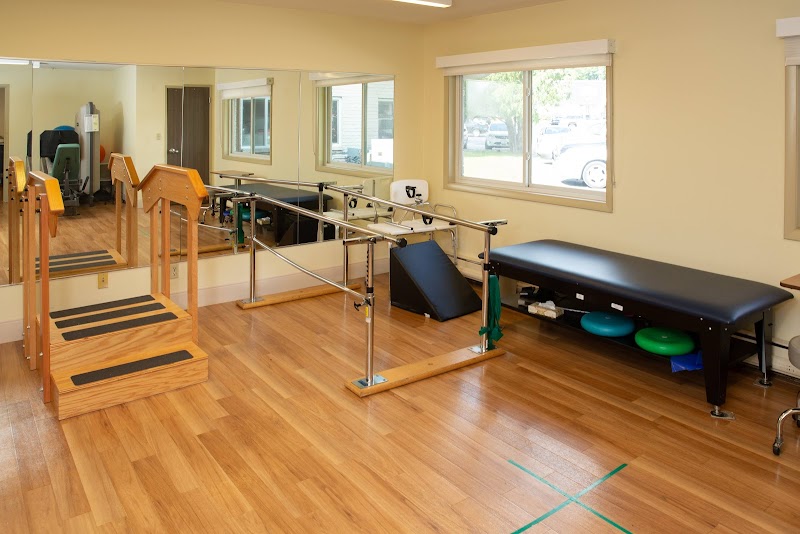
How is Green Bay Health Services Staffed?

CMS rates GREEN BAY HEALTH SERVICES's staffing level at 2 out of 5 stars, which is below average compared to other nursing homes. Staff turnover is 55%, compared to the Wisconsin average of 46%.

What Have Inspectors Found at Green Bay Health Services?

State health inspectors documented 29 deficiencies at GREEN BAY HEALTH SERVICES during 2023 to 2025. These included: 28 with potential for harm and 1 minor or isolated issues.
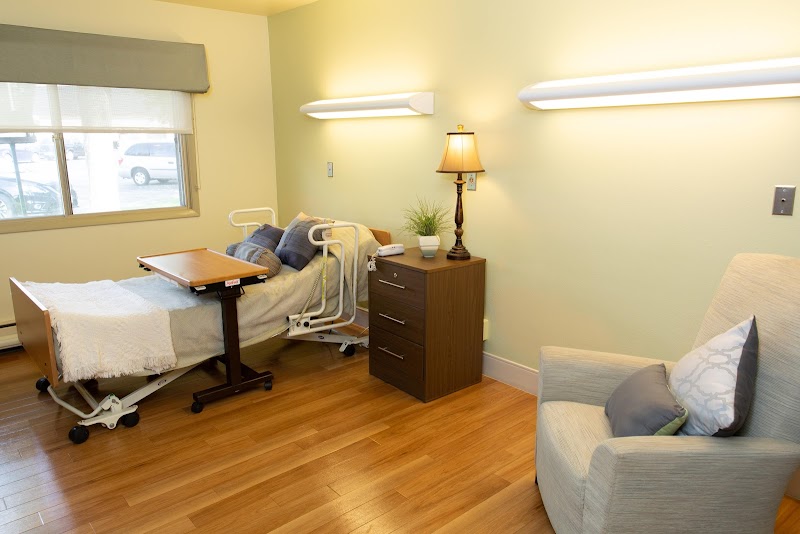
Who Owns and Operates Green Bay Health Services?

GREEN BAY HEALTH SERVICES is owned by a for-profit company. For-profit facilities operate as businesses with obligations to shareholders or private owners. The facility is operated by NORTH SHORE HEALTHCARE, a chain that manages multiple nursing homes. With 125 certified beds and approximately 60 residents (about 48% occupancy), it is a mid-sized facility located in GREEN BAY, Wisconsin.
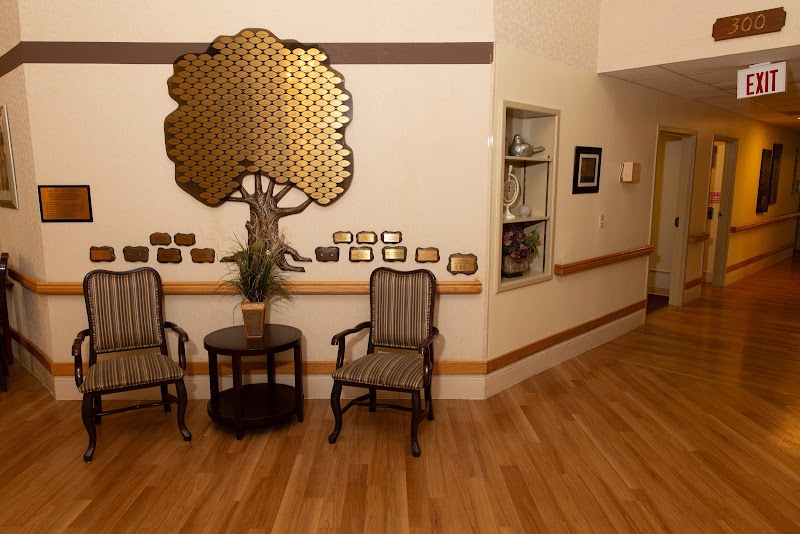
How Does Green Bay Health Services Compare to Other Wisconsin Nursing Homes?

Compared to the 100 nursing homes in Wisconsin, GREEN BAY HEALTH SERVICES's overall rating (2 stars) is below the state average of 3.0, staff turnover (55%) is near the state average of 46%, and health inspection rating (3 stars) is at the national benchmark.

What Should Families Ask When Visiting Green Bay Health Services?

Based on this facility's data, families visiting should ask: "Can you walk me through typical staffing levels on day, evening, and night shifts?" "Can I visit during a mealtime to observe dining assistance and food quality?" "How do you handle medical emergencies, and what is your hospital transfer rate?" "Can I speak with family members of current residents about their experience?" These questions are particularly relevant given the below-average staffing rating.

Is Green Bay Health Services Safe?

Based on CMS inspection data, GREEN BAY HEALTH SERVICES has a clean safety record: no substantiated abuse findings (meaning no confirmed cases of resident harm), no Immediate Jeopardy citations (the most serious violation level indicating risk of serious injury or death), and is not on the Special Focus Facility watch list (a federal program monitoring the lowest-performing 1% of nursing homes). The facility has a 2-star overall rating and ranks #100 of 100 nursing homes in Wisconsin. While no facility is perfect, families should still ask about staff-to-resident ratios and recent inspection results during their visit.

Do Nurses at Green Bay Health Services Stick Around?

GREEN BAY HEALTH SERVICES has a staff turnover rate of 55%, which is 9 percentage points above the Wisconsin average of 46%. Moderate turnover is common in nursing homes, but families should still ask about staff tenure and how the facility maintains care continuity when employees leave.

Was Green Bay Health Services Ever Fined?

GREEN BAY HEALTH SERVICES has no federal fines on record. CMS issues fines when nursing homes fail to meet care standards or don't correct problems found during inspections. The absence of fines suggests the facility has either maintained compliance or corrected any issues before penalties were assessed. This is a positive indicator, though families should still review recent inspection reports for the full picture.

Is Green Bay Health Services on Any Federal Watch List?

GREEN BAY HEALTH SERVICES is not on any federal watch list. The most significant is the Special Focus Facility (SFF) program, which identifies the bottom 1% of nursing homes nationally based on persistent, serious quality problems. Not being on this list means the facility has avoided the pattern of deficiencies that triggers enhanced federal oversight. This is a positive indicator, though families should still review the facility's inspection history directly.