HAYWARD HEALTH SERVICES
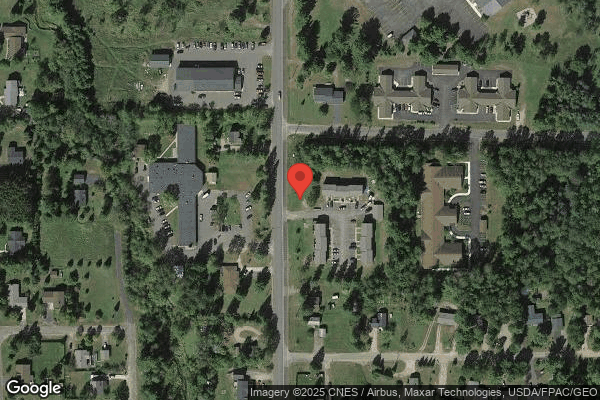
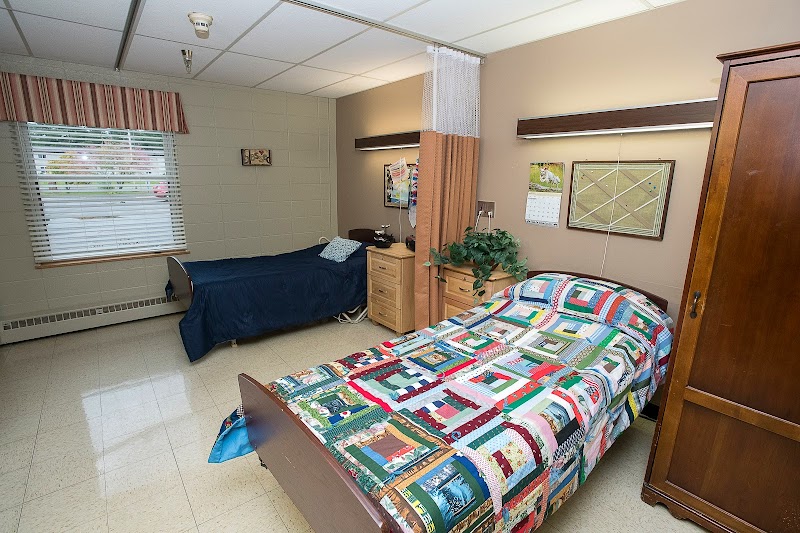
10775 NYMAN AVE, HAYWARD, WI 54843 (715) 634-2202
For profit - Corporation 59 Beds NORTH SHORE HEALTHCARE Data: November 2025 1 Immediate Jeopardy citation
Trust Grade
66/100
#94 of 321 in WI
Last Inspection: September 2024

Within standard 12-15 month inspection cycle. Federal law requires annual inspections.

Overview

Hayward Health Services has a Trust Grade of C+, indicating it is slightly above average but not exceptional. It ranks #94 out of 321 nursing homes in Wisconsin, placing it in the top half of facilities in the state, although it is the second-best option in Sawyer County where there are only two choices. Unfortunately, the facility's trend is worsening, with the number of issues increasing from two in 2023 to three in 2024. Staffing is a strength, rated 4 out of 5 stars with a turnover rate of 42%, which is below the state average, suggesting that staff members remain longer and are familiar with the residents. However, there have been concerning incidents, including a failure to follow a resident's Do Not Resuscitate order, resulting in CPR being performed against their wishes, and a lack of proper infection control practices during medication administration and meal service, which potentially puts residents at risk.

Trust Score
C+
66/100
In Wisconsin
#94/321
Top 29%
Safety Record
High Risk
Review needed
Inspections
Getting Worse
2 → 3 violations
Staff Stability
○ Average
42% turnover. Near Wisconsin's 48% average. Typical for the industry.
Penalties
✓ Good
$12,649 in fines. Lower than most Wisconsin facilities. Relatively clean record.
Skilled Nurses
✓ Good
Each resident gets 58 minutes of Registered Nurse (RN) attention daily — more than average for Wisconsin. RNs are trained to catch health problems early.
Violations
○ Average
7 deficiencies on record. Average for a facility this size. Mostly minor or procedural issues.
★★★★☆
4.0
Overall Rating
★★★★☆
4.0
Staff Levels
★★★☆☆
3.0
Care Quality
★★★★☆
4.0
Inspection Score
Stable
2023: 2 issues
2024: 3 issues

The Good

  • 4-Star Staffing Rating · Above-average nurse staffing levels
  • Full Sprinkler Coverage · Fire safety systems throughout facility
  • No fines on record
  • Staff turnover below average (42%)

    6 points below Wisconsin average of 48%

Facility shows strength in staffing levels, fire safety.

The Bad

Staff Turnover: 42%

Near Wisconsin avg (46%)

Typical for the industry

Federal Fines: $12,649

Below median ($33,413)

Minor penalties assessed

Chain: NORTH SHORE HEALTHCARE

Part of a multi-facility chain

Ask about local staffing decisions and management

The Ugly 7 deficiencies on record

1 life-threatening
Sept 2024 3 deficiencies
CONCERN (D)

Potential for Harm - no one hurt, but risky conditions existed

Tube Feeding (Tag F0693)

Could have caused harm · This affected 1 resident

**NOTE- TERMS IN BRACKETS HAVE BEEN EDITED TO PROTECT CONFIDENTIALITY** Based on observation, interview and record review, the facility failed to ensure standards of practice were followed for verific...

Read full inspector narrative →
**NOTE- TERMS IN BRACKETS HAVE BEEN EDITED TO PROTECT CONFIDENTIALITY** Based on observation, interview and record review, the facility failed to ensure standards of practice were followed for verification of gastrostomy placement before medication administration. The facility also failed to provide proper infection control measures by performing hand hygiene during medication administration and ensuring the enteral formula used to provide nutrition was changed every 24 hours for 1 of 1 resident (R) reviewed for tube feeding. (R34) This is evidenced by: Facility policy titled, Medication Administration 7.10 Enteral Tubes dated 05/23, states in part, - .8. Verify tube placement per facility protocol. -9. Check gastric content for residual feeding. Return residual volumes to the stomach. Report any residual above 100mL . R34 was admitted on [DATE] with diagnoses including in part, hemiplegia and hemiparesis following nontraumatic intracerebral hemorrhage affecting right dominant side, dysarthria ., dysphagia following nontraumatic intracerebral hemorrhage, encounter for attention to gastrostomy, apraxia, dysphagia oral phase. R34's Minimum Data Set (MDS) assessment, dated 07/08/24, identified on admission that R34 could not complete a Brief Interview for Mental Status (BIMS) for cognition deficiencies due to R34 being non-verbal in communication. Surveyor reviewed R34's care plan, dated 07/08/24: -R34 receives bolus tube feedings if R34 does not eat 75% of meals per day. On 09/10/24 at 10:31 AM, Surveyor observed Licensed Practical Nurse (LPN) D prepare R34's medications. On 09/10/24 at 10:34 AM, Surveyor observed LPN D don gloves. LPN D began flushing R34's G-tube with 30 cc of tap water. LPN D then administered medication via R34's G-tube. LPN D flushed R34's tube with another 30 cc of tap water. Surveyor did not observe LPN D check Gastric Residual Volume (GRV) prior to administration of flushes and medication. Surveyor interviewed Director of Nursing (DON) B and asked DON B what the expectation is for assessing GRV before flushing or administering medications via G-tube. DON B indicated that all staff are to assess GRV by pulling back syringe to check for gastric contents. Surveyor indicated to DON B that LPN D did not check GRV before flushing R34's G-tube and administering medications. DON B indicated that LPN D should have checked GRV. Example 2 Surveyor reviewed physician orders which include: .On 08/29/24, If resident did not eat 25-50% of all meals today give bolus feeding of Promote with Fiber 1.0 calorie total 360ml via PEG tube at bedtime for diet administer 60ml of water before and after each tube feeding . On 09/10/24 at 10:36 AM, Surveyor observed Promote with Fiber container sitting on R34's bedside table. Surveyor observed a label, dated 09/03/24, and about 100ml of fiber formula left in used promote fiber container. On 09/11/24 at 11:32 AM, Surveyor interviewed DON B and asked what the expectation is for changing formula feeding container for R34. DON B indicated formula that is used for tube feedings, once opened, should be discarded within 24 hours. Surveyor indicated to DON B that formula was observed sitting on R34's bedside dated 09/03/24. DON B indicated that R34's formula sitting on the bedside table should be properly disposed of and changed every 24 hours when in use.
CONCERN (D)

Potential for Harm - no one hurt, but risky conditions existed

Unnecessary Medications (Tag F0759)

Could have caused harm · This affected 1 resident

**NOTE- TERMS IN BRACKETS HAVE BEEN EDITED TO PROTECT CONFIDENTIALITY** Based on observation, interview and record review, the facility did not ensure a medication error rate of 5% or less. During the...

Read full inspector narrative →
**NOTE- TERMS IN BRACKETS HAVE BEEN EDITED TO PROTECT CONFIDENTIALITY** Based on observation, interview and record review, the facility did not ensure a medication error rate of 5% or less. During the medication administration task, Surveyor observed 2 errors out of 35 medication opportunities, resulting in an error rate of 5.71%. This affected 2 out of 6 residents (R) (R34 and R240) observed for medication administration. Licensed Practical Nurse (LPN) D did not follow physician orders for R34's heparin injection and administered heparin via incorrect route. R34 did not receive 2 units of insulin per sliding scale per physicians' orders. Findings include: The facility's policy entitled Medication Administration - subcutaneous, dated 01/23 states in part, Equipment .Safety syringe and sterile safety needle of appropriate gauge .13. Hold needle with bevel side up and insert needle at a 45-degree angle to the skin surface. Example 1 Surveyor reviewed R240's physician orders, dated 09/06/24, which state in part: - Heparin Sodium 50,000/10ml (5,000/ml) Inject 1ml subcutaneous every 12 hours. On 09/10/24 at 9:23 AM, Surveyor observed LPN D draw Heparin 50,000/10ml (5,000/ml) 1 ml from a multi-dose vial into a [NAME] point 1 inch syringe. LPN D called for Director of Nursing (DON) B to verify dose. DON B verified Heparin dose observing the syringe to have a 1 needle on the tip of the syringe. Surveyor heard DON B state to LPN D, Remember to only go halfway in because we don't have any smaller needles. LPN D stated to DON B, I know I never go all the way in, only about halfway. Surveyor observed LPN D administer the Heparin 1ml at a 90-degree angle submersing the whole 1 needle directly into R240's abdomen. Surveyor did not observe LPN D administer the Heparin 1ml subcutaneously at a 45-degree angle as ordered. On 09/10/24 at 3:22 PM, Surveyor interviewed DON B and asked DON B about the specifications of the [NAME] Point syringes and was it appropriate for LPN D to administer the full 1 needle into R240's abdomen. DON B indicated the facility only has the [NAME] point 1 needles at this time. DON B indicated that DON B usually only goes into R240's abdomen ¼- ½ deep. DON B indicated that LPN D should not have given the Heparin injection into R240's abdomen the full 1. DON B indicated that would not be considered a subcutaneous injection. Example 2 Surveyor reviewed R34's physician orders which state in part: - Insulin Glargine Subcutaneous Solution 100 unit/ml, inject 25 unit subcutaneously in the morning and inject 20 unit subcutaneously in the evening dated 08/05/24. -Insulin Aspart Injection Solution 100 unit/ml, inject as per sliding scale: if 151 - 200 = 2 units; 201 - 250 = 3 units; 251 - 300 = 5 units; 301 - 350 = 7 units; 351 - 400 = 10 units >400 give 12 units and call MD and recheck BS in 2 hours., subcutaneously as needed dated 07/01/24. On 09/10/24 at 10:28 AM, Surveyor observed LPN D administer Insulin Glargine 25 units subcutaneously to R34. Surveyor did not observe LPN D administer R34's sliding scale insulin. R34's blood sugar result was 151 when checked. R34 should have received 2 units of Insulin Aspart per the sliding scale orders. On 09/10/24 at 1:55 PM, Surveyor interviewed LPN D and asked why LPN D did not give R34's sliding scale insulin during medication administration. LPN D looked in R34's Electronic Health Record (EHR) and LPN D indicated that LPN D was unaware that R34 had a sliding scale. LPN D indicated that since the sliding scale is as needed LPN D didn't think that R34 needed the sliding scale insulin. On 09/10/24 at 2:51 PM, Surveyor interviewed DON B and asked why LPN D did not give R34's sliding scale insulin during medication administration. DON B indicated that LPN D should have given the sliding scale insulin but the order in the EHR was not entered into the system the right way. DON B indicated that the sliding scale was not linked to the scheduled insulin given throughout the day for R34. DON B indicated that the order was transcribed incorrectly in the EHR. DON B indicated the order is entered correctly now.
CONCERN (D)

Potential for Harm - no one hurt, but risky conditions existed

Infection Control (Tag F0880)

Could have caused harm · This affected 1 resident

Example 3 Surveyor reviewed facility policy titled, Enhanced Barrier Precautions (EBP), dated 3/35/2024 reviewed/revised on 08/08/2024, which stated in part: .It is the policy of this facility to imp...

Read full inspector narrative →
Example 3 Surveyor reviewed facility policy titled, Enhanced Barrier Precautions (EBP), dated 3/35/2024 reviewed/revised on 08/08/2024, which stated in part: .It is the policy of this facility to implement enhanced barrier precautions for the prevention of transmission of multidrug-resistant organisms (MDROs): Enhanced Barrier Precautions (EBP) refer to an infection control intervention designed to reduce transmission of multidrug-resistant organisms that employs targeted gown and gloves use during high contact resident care activities. -4. High-contact resident care activities include: .g. Device care or use . feeding tubes . On 09/10/24 at 10:34 AM, Surveyor observed Licensed Practical Nurse (LPN) D enter R34's EBP room without donning personal protective equipment (PPE) for EBP. LPN D then applied gloves and injected insulin and removed gloves. On 09/10/24 at 10:39 AM, Surveyor observed LPN D take R34's blood pressure without practicing hand hygiene or donning PPE. On 09/10/24 at 10:41 AM, Surveyor observed LPN D don gloves, and then flush and administer medication into R34's G-tube. Surveyor did not observe LPN D perform hand hygiene or don PPE before flushing and administering medications through R34's G-tube. On 09/10/24 at 10:44 AM, Surveyor observed LPN D perform G-tube site care without changing gloves or performing hand hygiene. LPN D removed soiled gauze dressing from G-tube site, wiped R34's skin area surrounding g-tube with alcohol pad several times, then sprayed wound cleanser on gauze and wiped skin area again. LPN D placed new split gauze at G-tube site and removed gloves. Surveyor did not observe LPN D perform hand hygiene or don PPE before or during G-tube care. On 09/10/24 at 10:48 AM, Surveyor observed LPN D perform a second blood pressure to R34 without donning any PPE. On 09/10/24 at 10:51 AM, Surveyor observed LPN D exit R34's room and go to the medication cart to prep R34's oral medications. Surveyor did not observe LPN D perform hand hygiene. On 09/10/24 at 12:40 PM, Surveyor interviewed LPN D and asked what R34 is on EBP for. LPN D indicated that R34 is on EBP for tube feeding. LPN D indicated to Surveyor that LPN D did not wear PPE like LPN D should have. Surveyor asked LPN D what the expectation is for hand hygiene when administering medications via R34's G-tube. LPN D indicated that LPN D should wear gloves and perform hand hygiene before and after donning and doffing gloves. On 09/10/24 at 2:51 PM, Surveyor interviewed DON B and asked DON B what the expectation was for hand hygiene during medication administration and wearing PPE during cares for R34's G-tube. DON B indicated that nurses should wash or sanitize hands between medication administration of G-tube and don PPE when performing cares of R34's G-tube. Example 2 On 09/10/24 at 9:31 AM, Surveyor observed Certified Nursing Assistant (CNA) E enter R240's room and did not sanitize hands. Surveyor observed CNA E have a black wrist brace on right wrist. CNA E touched EZ Stand lift to hook lift sling to machine and tucked sling behind R240. CNA E transferred R240 into bed. CNA E grabbed R240's legs and feet to swing unto bed with bare hands. CNA E then grabbed chuck underneath R240 and boosted R240 up in bed. CNA E covered R240 with blankets and lowered the bed to the floor. Surveyor observed CNA E walk to the sink and wash the tips of CNA E's fingers on the right hand and then dry hands and walked out. CNA E entered with EZ-stand into R13's room without performing proper hand hygiene. CNA E started placing sling underneath R13 and then transferred R13 to the bathroom. CNA E pulled R13's pants down and then exited R13's room applying hand sanitizer to the tips of CNA E's fingers on both hands. Surveyor did not observe full hand hygiene to sanitize CNA E's full hands. On 09/10/24 at 10:01 AM, Surveyor observed CNA F and CNA E enter R240's room. CNA F and CNA E sanitized hands, gloved, then began dressing R240's footwear to transfer out of bed to the toilet. CNA F and CNA E transferred R240 to the bathroom. Surveyor observed CNA E doff gloves and use sanitizer to sanitize tips of fingers on the right hand and then CNA E exited R240's room. Surveyor did not observe CNA E perform adequate hand hygiene. On 09/10/24 at 10:41 AM, Surveyor interviewed CNA E and asked CNA E about CNA E's right wrist brace and hand hygiene practices. CNA E indicated that CNA E injured wrist at work and tries CNA E's best to perform hand hygiene. CNA E indicated it is tough to find gloves that cover the brace completely and for now CNA E tries to sanitize the tips of the right fingers and sometimes washes hands with brace on. CNA E indicated that CNA E was going to try and find longer gloves to cover the brace. Surveyor indicated to CNA E that Surveyor observed CNA E not perform hand hygiene when entering R240 and R13's rooms. CNA E indicated that CNA E should have at least sanitized in between rooms. On 09/10/24 at 11:32 AM, Surveyor interviewed DON B and asked what the expectation is for CNA E wearing wrist brace and infection control practices. DON B indicated that CNA E should be wearing gloves over wrist when providing cares and sanitizing and washing hands thoroughly. Surveyor indicated to DON B that Surveyor observed CNA E did not sanitize hands between resident rooms, and only washed fingertips of the right hand. DON B indicated that CNA E should have washed hands or sanitized hands before/after providing care to residents and entering and exiting residents' rooms. Based on observation, interview and record review, the facility did not maintain an infection prevention and control program to help prevent the development and transmission of communicable diseases and infections. Staff did not perform hand hygiene when changing gloves during resident cares and procedures for 3 of 4 resident (R) care observations (R29, R240, and R34). Staff did not wear proper personal protective equipment (PPE) when caring for a resident on Enhanced Barrier Precautions. (R34) Findings include: Facility policy and procedure entitled, Hand Hygiene, dated 11/02/22, stated in part: .2. Hand hygiene is indicated and will be performed .Between resident contacts, after handling contaminated objects, before applying and after removing PPE, including gloves, before preparing or handling medications, and after assistance with personal body functions (elimination, hair grooming, smoking, etc.) . 6. a. The use of gloves does not replace hand hygiene. If your task requires gloves, perform hand hygiene prior to donning gloves, and immediately after removing gloves . Example 1 On 09/10/24 at 7:55 AM, Surveyor observed Registered Nurse (RN) C provide wound care for R29. Surveyor noted a sign on the outside of R29's door that stated Contact Precautions. RN C used hand sanitizer and donned a gown and gloves before entering the room. After preparing supplies at the bedside, RN C assisted R29 to roll to the left side. RN C pulled down R29's pants and unfastened the brief to expose R29's bottom. RN C removed the old border foam dressing and packing from the wound on R29's right buttocks. RN C removed gloves, threw them in a plastic bag at the bedside, and put on a new pair of gloves. RN C did not wash hands or use hand sanitizer before putting on the clean gloves. RN C wet a gauze pad with saline and washed the wound area. RN C wet a sterile cotton swab and cleansed inside the wound. RN C used a cotton swab to pick up a gauze strip and packed the strip into the wound. RN C covered the wound packing with a border foam dressing. RN C removed gloves and threw them in the plastic bag. RN C put on clean gloves. RN C did not wash hands or use hand sanitizer before putting on the clean gloves. RN C assisted R29 to roll back onto back. RN C replaced the tape that was securing R29's Foley catheter per R29's request for comfort. RN C assisted R29 to fasten incontinent brief and pull up pants. RN C removed the gloves and put on clean gloves without using hand sanitizer or washing hands. RN C put away dressing supplies and disposed of trash. RN C removed gown and gloves in R29's room and washed hands with soap and water. Immediately following observation, Surveyor interviewed RN C and asked what the facility infection control practice was when changing gloves during wound care procedures. RN stated they probably should have washed hands or used hand sanitizer, but they forgot to do this today. On 09/11/24 at 9:51 AM, Surveyor interviewed Director of Nursing (DON) B and explained the observation of RN C providing wound care for R29. Surveyor stated RN C did not perform hand hygiene when changing gloves during the procedure. Surveyor asked DON B if RN C followed the proper procedure for infection control and hand hygiene. DON B stated RN C should have washed hands or used hand sanitizer each time they changed gloves.
Sept 2023 2 deficiencies 1 IJ
CRITICAL (J)

Immediate Jeopardy (IJ) - the most serious Medicare violation

Deficiency F0578 (Tag F0578)

Someone could have died · This affected 1 resident

**NOTE- TERMS IN BRACKETS HAVE BEEN EDITED TO PROTECT CONFIDENTIALITY** Based on record review and interviews, the facility did not ensure a resident's (R) advanced directives for code status were imp...

Read full inspector narrative →
**NOTE- TERMS IN BRACKETS HAVE BEEN EDITED TO PROTECT CONFIDENTIALITY** Based on record review and interviews, the facility did not ensure a resident's (R) advanced directives for code status were implemented according to resident wishes for 1 of 14 residents (R) 35 reviewed for advanced directives. R35 had a Do Not Resuscitate (DNR) order signed by R35 on [DATE] and signed by the physician on [DATE]. On [DATE], R35 became unresponsive requiring the invoking of R35's code status. Staff was unable to find the advanced directives and code status for R35 and performed cardiopulmonary resuscitation (CPR). Despite R35 indicating the intent to not receive CPR, R35 was provided CPR on [DATE]. R35 did not survive the code status and was pronounced deceased following the event. The facility's failure to follow a resident's advanced directive created a finding of immediate jeopardy that began on [DATE] at 6:30 p.m. Nursing Home Administrator (NHA) was notified of the immediate jeopardy on [DATE] at 10:45 a.m. The immediate jeopardy was not removed when the surveyors left the facility at 4:30 p.m. on [DATE]. Findings include: The facility had a policy referencing how to do CPR, but no policy on filing advanced directive paperwork. R35 was admitted to the facility on [DATE] with diagnoses of right pubic fracture, depression, low back pain, cognitive communication deficit, subdural hematoma, type 2 diabetes, severe retinopathy, and hypertension. R35 was receiving therapy with a goal to return home. R35 had a Brief Interview for Mental Status score of 13 which indicated intact cognition. R35 signed the DNR wishes on the day of admission. The facility process was to check the electronic medication administration record (eMAR), the binder at the nurses' station, or check in the electronic chart under miscellaneous for advanced directives. Surveyor reviewed R35's physician's orders signed on [DATE] and the [DATE] eMAR that identified there were no orders transcribed regarding code status. Surveyor reviewed progress note dated [DATE] at 6:30 p.m. that stated R35 was talking, propelling self in wheelchair when Registered Nurse (RN) E observed R35 slump over. On-call doctor was updated, and order received to send R35 to the emergency room (ER). Other staff began cardiopulmonary resuscitation (CPR) while emergency medical system (EMS) was notified. EMS arrived and took over. CPR was unsuccessful and R35 was pronounced dead on [DATE] at 7:08 p.m. On [DATE] at 1:02 p.m., Surveyor interviewed RN E who was the nurse on duty when the event occurred. RN E stated that R35 had some increased confusion and asked the medical doctor (MD) I to check on R35. RN E stated that MD I thought something was going on with R35 but was not sure, so MD I ordered labs for morning. RN E checked R35's vital signs and they were normal earlier that day. R35 came to dining room for dinner and only had broth and crackers then asked staff to push R35 out in the hallway which is usual. R35 started to propel to the bedroom when RN E noticed R35's hand was hanging down by the wheelchair spokes. RN E approached R35 and witnessed R35's eyes rolled back, and body slumped to the right. RN E took R35 via wheelchair to R35's room. RN E stated that another nurse and CNA ran for the crash cart. RN E grabbed the AED and called the on-call who said to send R35 to the hospital. RN E asked the on-call what the code status is for R35 since RN E could not find it in the electronic record. RN E stated that the on-call doctor said R35 was a full code in their records. When EMS arrived, R35 was intubated, used the [NAME] machine (machine that provides chest compressions), and worked on R35 for 35 minutes with no heart rate. RN E said the code status is usually on the face sheet or under the miscellaneous tab, but it was not in the computer, so RN E erred on the side of caution. On [DATE] at 1:12 p.m., Surveyor interviewed Director of Nursing (DON) B and RN E. RN E could not find the code status for R35 on the computer and later said that R35's advanced directives note DNR but aggressive treatment. Surveyor's interview with DON B indicated that the advanced directive was scanned into the system, RN E could not find it and panicked and called the on call. When Surveyor reviewed the form with DON B, that stated on the heading above aggressive treatment it was stated Treatment options when the Patient/Resident has pulse and/or is breathing, DON B stated R35 had no pulse and was not breathing therefore R35 should not have received CPR. On [DATE] at 10:45 a.m., Surveyor interviewed NHA and DON B via a telephone call. Surveyor asked what had gone wrong that R35's advanced directive wishes did not show up in the Electronic Health Record (EHR). NHA A indicated that the admitting nurse did not follow through with entering the orders on admission. Surveyor asked whose responsibility it was to enter code status on admission and whenever there was a change. NHA A indicated that the nurse admitting is responsible, and whatever nurse is working and is made aware of a change in the code status is responsible for entering the updated order, that then will show up in the eMAR. DON B stated that all residents' records for advanced directives are scanned into the Miscellaneous Section of the EHR. Surveyor asked if R35's advanced directive documents were in the miscellaneous tab at the time of this incident. DON B indicated that they were there, but sometimes are hard to find. DON B indicated that RN E panicked when she could not locate them and called the on-call doctor. On [DATE] at 1:40 p.m., Surveyor interviewed RN D, who was the nurse that admitted R35. Surveyor asked RN D if she recalled R35 and some of the events for R35's admission. RN D indicated being aware of the situation and feels just sick about it. Surveyor asked what education was provided to her about entering code status on admission. RN D indicated she had been educated to enter the order so it would be on the eMAR, as well as to put a copy of the code status in the binder at the nurses' station. Surveyor asked if RN D had done so for R35's admission. RN D indicated that she had not. For some reason she did not follow through. RN D stated, It was an innocent mistake. As evidenced above, facility staff initially did not know what R35's advance directives were. Staff, at some point, either before or at the direction of the on-call doctor, began CPR. Paramedics were required to begin CPR because there was no legal document presented indicating R1 did not want to be resuscitated. On [DATE] at 12:40 p.m., Surveyor interviewed Licensed Practical Nurse (LPN) F and asked what LPN F would do if a resident became unresponsive. LPN F said she would check the code status on the eMAR or on the electronic record under the miscellaneous tab/advanced directives. LPN F said if a resident was a full code, LPN F would then call a code blue, grab the crash cart, the AED, contact the on-call doctor for order to send resident to the ER, and then start CPR. On [DATE] at 12:43 p.m., Surveyor interviewed Certified Nursing Assistant (CNA) G and asked what CNA G would do if a resident went unconscious. CNA G would call for a nurse over the walkie talkie ASAP. CNA G added that CNAs are not required to be CPR certified, and only nurses are allowed to perform CPR. On [DATE] at 12:50 p.m., Surveyor interviewed RN H and asked what RN H would do for an unresponsive resident. RN H would call the code, grab the crash cart and the board, check advanced directives, instruct someone to call 911, grab the AED. RN H added that CNAs are not allowed to do CPR and advanced directives are found in the eMAR and in a binder at the nurse's station. On [DATE] at 3:34 p.m., Surveyor called Facility Medical Director (FMD) J and asked what R35 would have gone through if CPR would have been successful. FMD J stated that R35 would have had the potential to be put on a ventilator (life support), placed on medications to sustain life, and if found out later R35 was a DNR, they would withdraw the life support. If R35 were to survive it, R35 would have the potential for pain from CPR with a possibility of broken ribs. Generally, people on life support are heavily sedated to not fight the system, so R35 may not even be aware. There would be blood work done, positioning, and tape on R35's face from the breathing tube. According to Five Possible Side Effects of CPR, You Should Know, The methods used in Cardiopulmonary Resuscitation can have adverse effects such as the following: 1. Aspiration & Vomiting: The most frequent occurrence during CPR, vomiting can present a danger to the cardiac arrest victim. Since the cardiac arrest victim is unconscious, he cannot clear the vomit from his mouth. If not cleared, the victim is likely to aspirate (inhale) it into his lungs, blocking the airway and leading to possible infection. 2. Broken Ribs Bone: A rib fracture is the most common complication of CPR because the force of chest compressions is likely to break ribs. Other chest injury related to chest compressions are sternal fracture and other uncommon complication like lung contusion, pneumothorax, and hemothorax. In the elderly, this is significantly more common due to the brittleness and weakness of their bones. Broken ribs present danger because a broken rib could puncture or lacerate (cut) a lung, the spleen, or the liver. They are also very painful. The frequency of rib fractures associated with out of hospital cardiopulmonary resuscitation is underestimated by conventional chest x-ray. 3. Internal Brain Injuries: Since CPR leaves the brain receiving 5% less oxygen than normal, brain damage is possible. Brain damage occurs within 4 to 6 minutes from the time the brain is deprived of oxygen, and after 10 minutes, it definitely occurs. This can lead to long-term health complications. 4. Abdominal Distension: As a result of air being forced into the lungs, the abdomen of the cardiac arrest patient usually becomes distended (bloated) and full of air during CPR, leading to compression of the lungs (making ventilation more difficult) and an increased chance of vomiting. 5. Aspiration Pneumonia: The result of vomit and foreign objects (like a person's own teeth) being inhaled into the lungs can lead to aspiration pneumonia. This can be very dangerous to a victim's health and could complicate recovery, or even be fatal, even if the cardiac arrest victim does survive CPR. Overall, all of these side effects mean that if a person survives CPR, their long-term health could suffer and be alive. But their overall health and quality of life may be significantly affected. Additionally, the psychological ramifications of a near-death experience can substantially affect a survivor, leading to anxiety, stress, and depression, among other psychological conditions. https://www.mycprcertificationonline.com/blog/five-possible-cpr-side-effects-you-should-know/ According to a National Public Radio article, For many, a 'natural death' may be preferable to enduring CPR, Chest compressions are often physically, literally harmful. Fractured or cracked ribs are the most common complication, wrote the original Hopkins researchers, but the procedure can also cause pulmonary hemorrhage, liver lacerations, and broken sternums. If your heart is resuscitated, you must contend with the potential injuries. A rare but particularly awful effect of CPR is called CPR-induced consciousness: chest compressions circulate enough blood to the brain to awaken the patient during cardiac arrest, who may then experience ribs popping, needles entering their skin, a breathing tube passing through their larynx. The traumatic nature of CPR may be why as many as half of patients who survive wish they hadn't received it, even though they lived. It's not just a matter of life or death, if you survive, but quality of life. The injuries sustained from the resuscitation can sometimes mean a patient will never return to their previous selves. Two studies found that only 20-40% of older patients who survive CPR were able to function independently; others found somewhat better rates of recovery. An even bigger quality of life problem is brain injury. When cardiac activity stops, the brain begins to die within minutes, while the rest of the body takes longer. Doctors are often able to restart a heart only to find that the brain has died. About 30% of survivors of in-hospital cardiac arrest will have significant neurologic disability. Again, older patients fare worse. Only 2% of those over 85 who suffer cardiac arrest survive without significant brain damage. https://www.npr.org/sections/health-shots/[DATE]/1177914622/a-natural-death-may-be-preferable-for-many-than-enduring-cpr The facility's failure to ensure R35's advanced directive decision to not receive CPR was followed and not following the facility process on filing advanced directive paperwork created a situation of immediate jeopardy that began on [DATE]. As of [DATE] at 4:30 p.m., the facility did not complete staff education or revise the policy and procedure to include how to file the advanced directive information. The immediate jeopardy was not removed at the time of exit.
CONCERN (D)

Potential for Harm - no one hurt, but risky conditions existed

Infection Control (Tag F0880)

Could have caused harm · This affected 1 resident

Based on observation and interview, the facility did not establish and implement an ongoing infection prevention and control program to prevent and control the onset and spread of infection. This occu...

Read full inspector narrative →
Based on observation and interview, the facility did not establish and implement an ongoing infection prevention and control program to prevent and control the onset and spread of infection. This occurred for observation of cares for 1 of 2 residents (R) R4. Staff did not perform proper hand hygiene during observation of cares for R4. This is evidenced by: Surveyor reviewed the facility policy entitled Hand Hygiene, dated 11/02/22, which states either soap and water or alcohol-based hand rub will used when hands are visibly dirty, before and after handling clean or soiled dressings, linens, etc., after handling items potentially contaminated with blood, body fluids, secretions, or excretions. On 09/13/23 at 10:37 AM, Surveyor observed Certified Nursing Assistant (CNA) C conducted the following during cares on R4 that included incontinence care: CNA C obtained wash basin, and supplies, washed hands and donned gloves. CNA C conducted frontal peri care switching areas on cloth using downward motions. CNA C rinsed with different cloth and dried area and removed gloves. CNA C did not perform hand hygiene at this time. CNA C obtained a container of powder, donned a new pair of gloves, and applied powder to R4's peri area. CNA C did not perform hand hygiene prior to applying new gloves. CNA C removed gloves, obtained clean incontinent product, then donned new gloves. CNA C did not perform hand hygiene. CNA C washed R4's back side including buttocks and rectal area using a clean washcloth and placed the clean incontinent product. CNA C removed gloves without performing hand hygiene. CNA C then held R4's straw for R4 to take a drink from the water jug. CNA C placed the dirty washcloths in a plastic bag, put away the water basin, removed gloves, washed hands, and exited the room. On 09/13/23 at 10:59 AM, Surveyor interviewed CNA C regarding expectation of when to wash hands. CNA C stated during cares, before and after removing gloves, and after going to bathroom. On 09/14/23 at 1:36 PM, Surveyor interviewed DON B regarding observation of lack of handwashing after completing incontinence care. DON B stated the facility has been doing a lot of extra training on hand hygiene and monitoring due to new staff. DON B stated the expectation would be to wash hands before and after cares, after removing gloves and when hands are dirty.
Aug 2022 2 deficiencies
CONCERN (D)

Potential for Harm - no one hurt, but risky conditions existed

Resident Rights (Tag F0550)

Could have caused harm · This affected 1 resident

Based on observation and interview, the facility did not ensure each resident is treated with dignity in a manner and in an environment that promotes enhancement of his or her quality of life. This oc...

Read full inspector narrative →
Based on observation and interview, the facility did not ensure each resident is treated with dignity in a manner and in an environment that promotes enhancement of his or her quality of life. This occurred for 2 of 15 residents (R) reviewed for dignity (R1, R8). *Staff stood next to R1 while assisting with eating and staff used R1's clothing protector and/or spoon as a napkin during meals. Staff did not talk to R1 during meals. *Staff stood next to R8 while assisting with eating. Staff did not talk to R8 during meals. Staff used spoon as a napkin during meals. Findings include: On 08/29/22 at 11:57 a.m., Surveyor observed the noon meal in the dining room. At 12:55 p.m., Surveyor observed R1 sitting in a high-backed wheelchair and Certified Nursing Assistant (CNA) E standing over R1 providing bites from a spoon which is brought to R1's lips; the spoon is pressed to R1's lips with no explanation as to food provided. Surveyor observed CNA E provide bites of mashed potatoes, meatloaf, and pudding, using the spoon to wipe excess food from resident's lower lip and chin. Surveyor observed CNA E continue to stand over resident to feed her 11 bites of food until 1:12 pm when she sat in a chair that was beside her. On 08/29/22 at 12:32 p.m., Surveyor observed CNA E standing beside R8 feeding her yogurt. Another CNA came up to CNA E and told CNA E she should pull a chair up and sit beside the residents when feeding them. CNA E did sit in chair at that time. On 08/30/22 at 9:07 a.m., Surveyor observed CNA E sitting while assisting R1 with breakfast, but after 5 minutes, CNA E stood next to R1 while assisting R1 with the breakfast meal. CNA E used R1's clothing protector as a napkin to wipe food from R1's face during the meal. CNA did not talk to R1 during the breakfast meal. On 08/30/22 at 9:25 a.m., Surveyor observed CNA E standing while assisting R8 with breakfast meal. CNA E used spoon to remove excess food from R8's face instead of napkin. CNA E did not talk to R8 during meal. Surveyor observed 15 residents in the dining room for meals during the above observations. On 08/31/22 at 9:45 a.m., Surveyor interviewed the Director of Nursing (DON) B regarding Surveyor's dining observations. DON B stated the staff should be seated with the residents during meals when providing assistance and napkins are provided for use during the resident's meals to wipe their mouths.
CONCERN (E)

Potential for Harm - no one hurt, but risky conditions existed

Infection Control (Tag F0880)

Could have caused harm · This affected multiple residents

**NOTE- TERMS IN BRACKETS HAVE BEEN EDITED TO PROTECT CONFIDENTIALITY** Based on observation, interview and record review, the facility did not maintain an infection prevention and control program des...

Read full inspector narrative →
**NOTE- TERMS IN BRACKETS HAVE BEEN EDITED TO PROTECT CONFIDENTIALITY** Based on observation, interview and record review, the facility did not maintain an infection prevention and control program designed to help prevent the development and transmission of communicable diseases and infections, such as COVID-19. Staff did not offer hand hygiene to residents in the dining room prior to receiving meals. This has the potential to affect 15 out of 15 residents (R) in the dining room (R10, R12, R14, R2, R19, R28, R1, R8, R6, R20, R25, R22, R5, R29, and R32). Surveyors observed staff entering the room of a resident on transmission based precautions without putting on the proper personal protective equipment (PPE). Findings include: Facility policy titled, Standard precautions, dated 2001 MED PASS (Revised October 2018) states, in part: .Hand hygiene: a. Hand hygiene refers to handwashing with soap (anti-microbial or non-antimicrobial) or the use of alcohol-based hand rub (ABHR), which does not require access to water. G. Personnel assist the residents with hand hygiene before meals, after toileting, and when indicated . On 08/29/22 at 11:57 a.m., Surveyor observed residents assisted by staff to the dining room and most had masks on. Residents were seated across tables from each other. Staff entered dining room and performed hand hygiene and started passing out beverages to the residents. There were 15 residents in the dining room. No residents were offered hand hygiene as they came in, although there is a sanitizer station at entrance of dining room. Beverage orders taken by staff and beverages passed to residents by Certified Nursing Assistant (CNA) F. R10 drank orange juice from a glass. No hand hygiene was offered. A second staff entered and passed utensils. R22 placed straw in beverage and began drinking. No hand hygiene was offered. CNA E served R14, who began eating sherbet with spoon. No hand hygiene was offered. The rest of the residents in the dining room, as listed above, were served meal and at no point was hand hygiene offered to residents, even though some residents propelled themselves to the dining room. On 08/30/22 at 8:44 a.m., Surveyor observed staff assisting residents to the dining room for the breakfast meal. CNA F and CNA E performed hand hygiene when passing out beverages to the residents. Surveyor observed as each resident in the dining room received their beverages, and not one of the 15 residents present in the dining room were offered hand hygiene. On 08/30/22 at 12:14 p.m., Surveyor observed staff assisting residents to the dining room for the lunch meal. CNA F and CNA E performed hand hygiene when passing out beverages to the residents. Surveyor observed as each resident in the dining room received their beverages, and not one of the 15 residents present in the dining room were offered hand hygiene. On 08/31/22 at 9:45 a.m., Surveyor interviewed Director of Nursing (DON) B about Surveyor's observations during resident dining and asked about the facility policy and procedure for resident hand hygiene at meals. DON B stated the residents should be offered hand hygiene prior to meals. Surveyor observed 15 out of 34 residents who routinely eat their meals in the dining room. The affected residents who were not offered hand hygiene included: R10, R12, R14, R2, R19, R28, R1, R8, R6, R20, R25, R22, R5, R29, and R32. Example 2: According to CDC Infection Prevention and Control Recommendations to Prevent SARS-CoV-2 (COVID-19) Spread in Nursing Homes, staff caring for residents in quarantine should wear all recommended PPE, which includes use of an N95 or higher-level respirator, eye protection (i.e., goggles or a disposable face shield that covers the front and sides of the face), gloves, and gown. On 08/29/22 at 10:25 AM, Surveyor observed a cart outside room [ROOM NUMBER] with a sign on top that said droplet precautions. Surveyor asked CNA D if the resident in room [ROOM NUMBER] was on transmission based precautions. CNA D stated the resident (R184) was on quarantine due to being a new admission to the facility. Record review identified R184 was admitted to the facility on [DATE]. R184 was placed on isolation at time of admission due to not fully vaccinated for COVID-19. On 08/29/22 at 11:46 AM, Surveyor observed CNA D put on a gown and gloves before entering R184's room to make the bed. CNA D was wearing a surgical mask and eye protection prior to entering the room. CNA D did not change surgical mask to an N95 mask. After CNA D was finished, Surveyor observed CNA D remove the gown and gloves before leaving the room. CNA D did not change the surgical mask or wipe off the eye protection after leaving the room. CNA D used alcohol based hand rub (ABHR) and continued down the hall to answer a call light for another resident. On 08/29/22 at 12:49 PM, Surveyor observed Licensed Practical Nurse (LPN) C enter R184's room to deliver a lunch tray. LPN C did not put a gown, gloves or N95 mask on prior to entering the room. LPN C did have on a surgical face mask and eye protection. LPN C did not wash hands or use ABHR when leaving R184's room. LPN C did not change the surgical face mask or wipe down the eye protection after leaving the room. LPN C went down the hall to the food cart and delivered a tray to the resident in room [ROOM NUMBER]. After LPN C exited room [ROOM NUMBER], Surveyor asked LPN C if R184 was on any type of transmission based precautions. LPN C stated she thought R184 was on quarantine due to being a new admission and not up to date on COVID-19 vaccinations. Surveyor asked LPN C if staff was supposed to wear any PPE to enter that room. LPN C stated they were supposed to wear full PPE to go in quarantine rooms. On 08/29/22 at 12:56 PM, Surveyor observed CNA D enter and exit R184's room without putting on a gown, gloves, or N95 mask. CNA D did not change the surgical mask or wipe down the eye protection CNA D was wearing after leaving R184's room. On 08/30/22 at 7:01 AM, Surveyor interviewed DON B about the above observations. DON B stated all staff should wear full PPE when entering quarantine rooms. DON B stated staff should wear an N95 mask to enter and remove it after leaving room a on droplet precautions. DON B stated staff should wipe down their eye protection with a sanitizing wipe after leaving room a on droplet precautions. DON B stated the staff had been re-educated on this procedure.
Understanding Severity Codes (click to expand)
Life-Threatening (Immediate Jeopardy)
J - Isolated K - Pattern L - Widespread
Actual Harm
G - Isolated H - Pattern I - Widespread
Potential for Harm
D - Isolated E - Pattern F - Widespread
No Harm (Minor)
A - Isolated B - Pattern C - Widespread

Questions to Ask on Your Visit

  • "What changes have you made since the serious inspection findings?"
  • "Can I speak with families of current residents?"
  • "What's your RN coverage like on weekends and overnight?"

Our Honest Assessment

Strengths
  • • 42% turnover. Below Wisconsin's 48% average. Good staff retention means consistent care.
Concerns
  • • Multiple safety concerns identified: 1 life-threatening violation(s). Review inspection reports carefully.
  • • 7 deficiencies on record, including 1 critical (life-threatening) violation. These warrant careful review before choosing this facility.
  • • $12,649 in fines. Above average for Wisconsin. Some compliance problems on record.
Bottom line: Mixed indicators with Trust Score of 66/100. Visit in person and ask pointed questions.

About This Facility

What is Hayward Health Services's CMS Rating?

CMS assigns HAYWARD HEALTH SERVICES an overall rating of 4 out of 5 stars, which is considered above average nationally. Within Wisconsin, this rating places the facility higher than 99% of the state's 100 nursing homes. This rating reflects solid performance across the metrics CMS uses to evaluate nursing home quality.
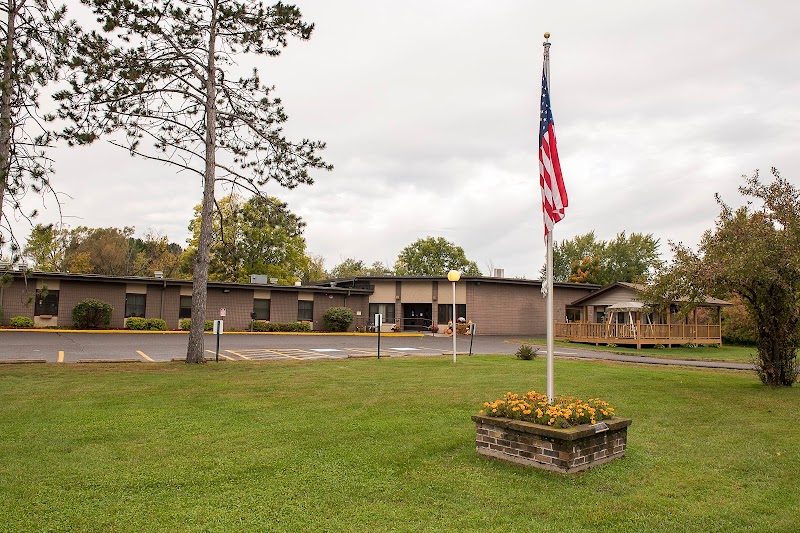
How is Hayward Health Services Staffed?

CMS rates HAYWARD HEALTH SERVICES's staffing level at 4 out of 5 stars, which is above average compared to other nursing homes. Staff turnover is 42%, compared to the Wisconsin average of 46%. This relatively stable workforce can support continuity of care.

What Have Inspectors Found at Hayward Health Services?

State health inspectors documented 7 deficiencies at HAYWARD HEALTH SERVICES during 2022 to 2024. These included: 1 Immediate Jeopardy (the most serious level, indicating potential for serious harm or death) and 6 with potential for harm. Immediate Jeopardy findings are rare and represent the most serious regulatory concerns. They require immediate corrective action.
Who Owns and Operates Hayward Health Services?

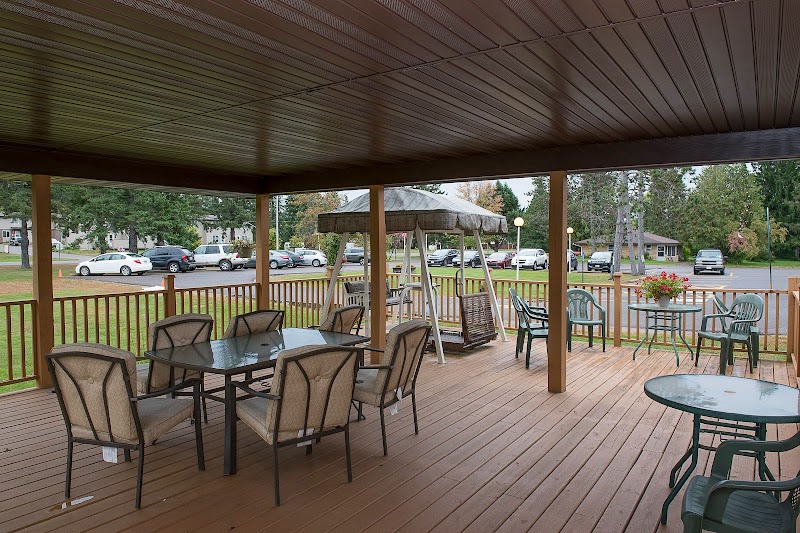
HAYWARD HEALTH SERVICES is owned by a for-profit company. For-profit facilities operate as businesses with obligations to shareholders or private owners. The facility is operated by NORTH SHORE HEALTHCARE, a chain that manages multiple nursing homes. With 59 certified beds and approximately 36 residents (about 61% occupancy), it is a smaller facility located in HAYWARD, Wisconsin.
How Does Hayward Health Services Compare to Other Wisconsin Nursing Homes?

Compared to the 100 nursing homes in Wisconsin, HAYWARD HEALTH SERVICES's overall rating (4 stars) is above the state average of 3.0, staff turnover (42%) is near the state average of 46%, and health inspection rating (4 stars) is above the national benchmark.

What Should Families Ask When Visiting Hayward Health Services?

Based on this facility's data, families visiting should ask: "What changes have been made since the serious inspection findings, and how are you preventing similar issues?" "Can I visit during a mealtime to observe dining assistance and food quality?" "How do you handle medical emergencies, and what is your hospital transfer rate?" "Can I speak with family members of current residents about their experience?" These questions are particularly relevant given the facility's Immediate Jeopardy citations.

Is Hayward Health Services Safe?

Based on CMS inspection data, HAYWARD HEALTH SERVICES has documented safety concerns. Inspectors have issued 1 Immediate Jeopardy citation (the most serious violation level indicating risk of serious injury or death). The facility has a 4-star overall rating and ranks #1 of 100 nursing homes in Wisconsin. Families considering this facility should ask detailed questions about what corrective actions have been taken since these incidents.

Do Nurses at Hayward Health Services Stick Around?

HAYWARD HEALTH SERVICES has a staff turnover rate of 42%, which is about average for Wisconsin nursing homes (state average: 46%). Moderate turnover is common in nursing homes, but families should still ask about staff tenure and how the facility maintains care continuity when employees leave.

Was Hayward Health Services Ever Fined?

HAYWARD HEALTH SERVICES has been fined $12,649 across 1 penalty action. This is below the Wisconsin average of $33,205. While any fine indicates a compliance issue, fines under $50,000 are relatively common and typically reflect isolated problems that were subsequently corrected. Families should ask what specific issues led to these fines and confirm they've been resolved.

Is Hayward Health Services on Any Federal Watch List?

HAYWARD HEALTH SERVICES is not on any federal watch list. The most significant is the Special Focus Facility (SFF) program, which identifies the bottom 1% of nursing homes nationally based on persistent, serious quality problems. Not being on this list means the facility has avoided the pattern of deficiencies that triggers enhanced federal oversight. This is a positive indicator, though families should still review the facility's inspection history directly.