MERCY MANOR TRANSITION CENTER
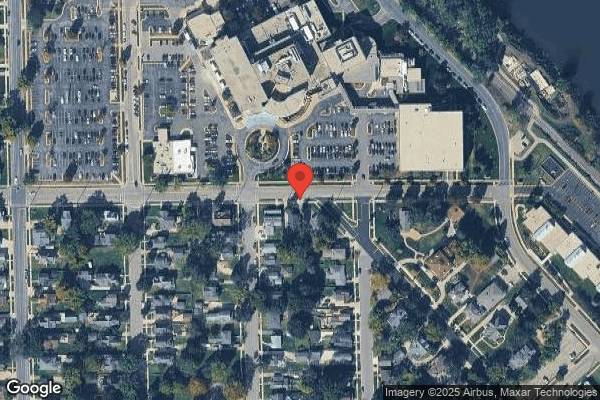
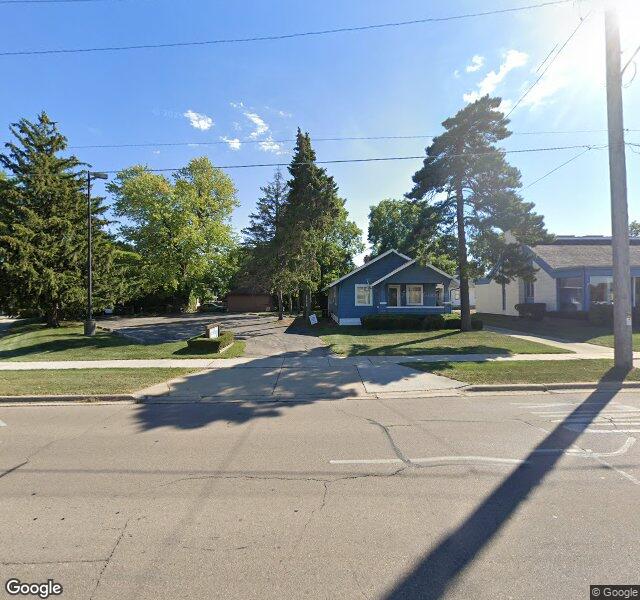
1000 MINERAL POINT AVE, JANESVILLE, WI 53547 (608) 756-6050
Non profit - Corporation 28 Beds MERCYHEALTH SYSTEM Data: November 2025 1 Immediate Jeopardy citation
Trust Grade
48/100
#156 of 321 in WI
Last Inspection: July 2025

Inspected within the last 6 months. Data reflects current conditions.

Overview

Mercy Manor Transition Center in Janesville, Wisconsin has received a Trust Grade of D, indicating below-average care with some concerns. They rank #156 out of 321 facilities in the state, placing them in the top half, and #3 out of 10 in Rock County, meaning only two local options are better. The facility is improving, with reported issues decreasing from three in 2024 to two in 2025. Staffing is a strong point, rated 4 out of 5 stars, but with a turnover rate of 55%, which is average for Wisconsin. However, the facility has incurred $82,840 in fines, which is concerning and indicates repeated compliance problems. There have been critical incidents, including a failure to assess a resident with worsening symptoms, which ultimately led to their death. In addition, there were multiple concerns about food safety, such as spoiled food in the refrigerator and staff not consistently practicing proper hand hygiene during meal preparation. While the facility has good RN coverage, these serious issues highlight the need for improvement in overall care and compliance.

Trust Score
D
48/100
In Wisconsin
#156/321
Top 48%
Safety Record
High Risk
Review needed
Inspections
Getting Better
3 → 2 violations
Staff Stability
⚠ Watch
55% turnover. Above average. Higher turnover means staff may not know residents' routines.
Penalties
⚠ Watch
$82,840 in fines. Higher than 86% of Wisconsin facilities, suggesting repeated compliance issues.
Skilled Nurses
✓ Good
Each resident gets 146 minutes of Registered Nurse (RN) attention daily — more than 97% of Wisconsin nursing homes. RNs are the most trained staff who catch health problems before they become serious.
Violations
○ Average
9 deficiencies on record. Average for a facility this size. Mostly minor or procedural issues.
★★★☆☆
3.0
Overall Rating
★★★★☆
4.0
Staff Levels
★★★★☆
4.0
Care Quality
★★★☆☆
3.0
Inspection Score
Stable
2024: 3 issues
2025: 2 issues

The Good

  • 4-Star Staffing Rating · Above-average nurse staffing levels
  • 4-Star Quality Measures · Strong clinical quality outcomes
  • Full Sprinkler Coverage · Fire safety systems throughout facility
  • No fines on record

Facility shows strength in staffing levels, quality measures, fire safety.

The Bad

3-Star Overall Rating

Near Wisconsin average (3.0)

Meets federal standards, typical of most facilities

Staff Turnover: 55%

Near Wisconsin avg (46%)

Higher turnover may affect care consistency

Federal Fines: $82,840

Well above median ($33,413)

Moderate penalties - review what triggered them

Chain: MERCYHEALTH SYSTEM

Part of a multi-facility chain

Ask about local staffing decisions and management

The Ugly 9 deficiencies on record

1 life-threatening
Jan 2025 2 deficiencies 1 IJ
CRITICAL (J) 📢 Someone Reported This

A family member, employee, or ombudsman was alarmed enough to file a formal complaint

Immediate Jeopardy (IJ) - the most serious Medicare violation

Quality of Care (Tag F0684)

Someone could have died · This affected 1 resident

**NOTE- TERMS IN BRACKETS HAVE BEEN EDITED TO PROTECT CONFIDENTIALITY** Based on interview and record review, the facility did not ensure that each resident received, and the facility provided, care a...

Read full inspector narrative →
**NOTE- TERMS IN BRACKETS HAVE BEEN EDITED TO PROTECT CONFIDENTIALITY** Based on interview and record review, the facility did not ensure that each resident received, and the facility provided, care and services consistent with professional standards of practice (N6, Wisconsin Nurse Practice Act) for 1 of 4 residents (R1) reviewed for change of condition. On [DATE], R1 presented with a change of condition including weakness, abnormal lung sounds, a fever of 102.6, cough, influenza positive, and shortness of breath. As the day progressed, R1 continued to deteriorate with increased symptoms of difficulty breathing and weakness. The facility failed to complete a comprehensive nursing assessment by a registered nurse and failed to consult with a physician even as R1's condition continued to deteriorate. R1 expired at the facility on [DATE] at 11:58 PM. The facility's failure to complete a comprehensive nursing assessment and notify the physician with a change of condition created a finding of Immediate Jeopardy beginning on [DATE]. NHA A (Nursing Home Administrator) and DON B (Director of Nursing) were informed of the finding of Immediate Jeopardy on [DATE] at 5:15 PM. The immediacy was removed on [DATE] and continues at a severity/scope level of D (potential for more than minimal harm/isolated) as the facility continues to implement its removal plan. This is evidenced by: According to the Wisconsin Nurse Practice Act, N6.03(1), An R.N. (Registered Nurse) shall utilize the nursing process in the execution of general nursing procedures in the maintenance of health, prevention of illness or care of the ill. The nursing process consists of the steps of assessment, planning, intervention, and evaluation. This standard is met through performance of each of the following steps of the nursing process: (a) Assessment. Assessment is the systematic and continual collection and analysis of data about the health status of a patient culminating in the formulation of a nursing diagnosis. (b) Planning. Planning is developing a nursing plan of care for a patient which includes goals and priorities derived from the nursing diagnosis. (c) Intervention. Intervention is the nursing action to implement the plan of care by directly administering care or by directing and supervising nursing acts delegated to L.P.N.s (Licensed Practical Nurse) or less skilled assistants. (d) Evaluation. Evaluation is the determination of a patient's progress or lack of progress toward goal achievement which may lead to modification of the nursing diagnosis. According to N6.04(1), In the performance of acts in basic patient situations, the L.P.N. shall, under the general supervision of an R.N. or the direction of a provider . (b) Provide basic nursing care. (c) Record nursing care given and report to the appropriate person changes in the condition of a patient . (e) Perform the following other acts when applicable: 1. Assist with the collection of data. 2. Assist with the development and revision of a nursing care plan. 3. Reinforce the teaching provided by an R.N. provider and provide basic health care instruction. 4. Participate with other health team members in meeting basic patient needs. The facility's policy titled SNF (Skilled Nursing Facility)/Sub-Acute Condition Change Reporting dated 1/2024 states in part: Policy: Communication with the physician is maintained with healthcare professionals, the resident/patient, family, and/or significant other(s) when a change in a resident's/patient's condition affects the current level of his/her care. 1. The physician, resident/patient, and/or family are notified when the resident's physical, communicative, psychosocial, or functional status changes unexpectedly, the resident is injured, or if treatment is significantly altered. 2. If nursing staff is unable to reach the resident's/patient's attending physician, the facility medical director of the physician on-call will be notified. 3. If there is a question by nursing about the appropriateness of physician follow-up, the Director of Nursing and Administrator are notified .5. The resident's/patient's condition and the notification of residents/patients [sic] chosen representative, and physician must be documented in the EMR (Electronic Medical Record) medical record. The facility's policy titled [Facility Name] SNF Assessments dated 1/2024 states in part: .Policy: Assessment will occur prior to an admission, upon admission, quarterly, and upon significant change. Assessment findings will be documented, the attending physician notified as applicable and a plan of care will be initiated or updated to reflect findings .Changes in Resident Condition In the event that a resident's physical, mental, or psychosocial status changes; or if there is a significant change or an injury occurs, the attending physician, other authorized healthcare professionals and family/guardian will be notified. An RN (Registered Nurse) or MD (Medical Doctor) will perform an assessment, and the findings will be documented in the nursing notes. R1 admitted to the facility on [DATE] with diagnoses that include end stage renal disease requiring hemodialysis (a procedure that involves passing blood through a filter to remove waste and extra fluid), congestive heart failure (a chronic condition where the heart can't pump blood well enough to give the body a normal supply), and left ankle fracture. R1's Brief Interview for Mental Status dated [DATE] has a score of 15 indicating R1 is cognitively intact. R1's nursing progress notes state the following: [DATE] at 1:36 AM 0030 (12:30 AM) pt (Patient) up to BR (Bathroom), per CNA (Certified Nursing Assistant) more difficult to transfer than normal, pt c/o (Complained Of) being SOB (Shortness of Breath) with transfer, breathing noted to be regular, even. LUL (Left Upper Lobe), RUL (Right Upper Lobe) CTA (Clear to Auscultation), bilateral lower lobes unable to hear, no cough noted, per pt states she was coughing during day and reports bright yellow sputum. Denies dizziness. Vitals taken, Temp (Temperature) elevated Tylenol last given at 2221 (10:21 PM) for headache, SPO2 (percentage of oxygen in the blood) on 2l (Liters)/via n/c (nasal cannula) was 88-89%. O2 (supplemental oxygen) increased to 3l/min for 30min (minutes) SPO2 at 96%, decreased O2 back to 2 liters Secure chat (electronic portal to communicate with physician similar to a direct message on a phone) sent to MD (Medical Doctor). Pt resting quietly in bed at this time with eyes closed, will continue to monitor. Electronically signed by RN G at [DATE] 1:46 AM [DATE] at 8:46 AM - CNA reports to this RN (Registered Nurse) that pt seems off this morning. Pt has wet, productive deep cough and her mental status seems off. She is struggling to answer simple questions, has fever and cough and her functional decline in transfers and ADLs (Activities of Daily Living) has deteriorated since Friday. Temp is elevated at 102 this AM, BP (Blood Pressure) 153/67 and is currently on 2L of O2. She is weak and lethargic at this time. I know she recently started on Metolazone (medication used to treat high blood pressure and fluid retention). Lungs sounded course and diminished in LLL (Left Lower Lobe), RLL (Right Lower Lobe), LUL (Left Upper Lobe). Chat sent to MD. Electronically signed by RN H at [DATE] 11:33 AM Of note, [DATE] at 8:46 AM is the last documented RN assessment for R1. [DATE] at 9:14 AM - Per protocol COVID swab obtained. Resulted negative. Electronically signed by DON B at [DATE] 9:14 AM [DATE] at 9:16 AM - Per RN staff, patient had difficulty performing a stand pivot transfer wheelchair to toilet on this date due to difficulty following commands. Patient's chart reviewed. Patient sitting in recliner with supplemental oxygen donned and sleeping. Patient awoke enough to state she was feeling lousy but then immediately fell back to sleep and didn't answer any other subsequent questions. Patient mouth breathing and appeared SOB. Discussed concerns with RN [Name] and DON B. Will hold PT (Physical Therapy) treatment session on this date as patient is not medically appropriate and unable to stay alert enough . Electronically signed by PT I (Physical Therapist) at [DATE] 9:26 AM [DATE] at 10:10 AM - VM (Voicemail) and Email sent to [Assisted Living Name] - R1 is not feeling well today so assessment will need to be rescheduled . Electronically signed by SW J (Social Worker) at [DATE] 10:11 AM [DATE] at 12:35 PM - Pt not feeling well this afternoon with temp per nursing. Upon room entry pt also visibly shaking and stated she was not feeling well. Will reattempt to see for skilled OT (Occupational Therapy) services at later date as pt able. Electronically signed by COTA K (Occupational Therapy Assistant) at [DATE] 1:03 PM [DATE] at 1:08 PM - MD notified of critical lab. NOR (New Order) received for CXY (Chest X-ray) and Resp (Respiratory) panel. Electronically signed by RN H at [DATE] 11:38 AM Of note, R1's change in condition started 12.5 hours prior to the first documented consultation with a physician that included interventions. Of note, DON B (Director of Nursing) indicated the critical lab reported was the Influenza A1H3 positive result. [DATE] at 4:25 PM - Critical Lab reported to MD. Resp panel positive for Influenza A1H3 . Electronically signed by RN H (Registered Nurse) [DATE] 4:25 PM [DATE] at 6:30 PM - .Summary of physical status and trends R/T (Related To) skilled service: . Pt. Has had SOB, fever, and crackles to RUL (Right Upper Lobe) and bilat (Bilateral) LL (Lower Lobe) are both diminished. Pt had CXR (Chest X-Ray) and full resp panel. Pt Is pos. (Positive) For Influenza A1H3. Pt. Wheezing bilateral UL (Upper Lobe). Albuterol inhaler (medication used to prevent and treat difficulty breathing, wheezing, shortness of breath, coughing and chest tightness) not affective [sic] as pt is SOB and unable to accurately use her inhaler . Electronically signed by LPN L (Licensed Practical Nurse) at [DATE] 7:47 PM [DATE] at 7:08 PM - New set of v/s (Vital Signs) obtained. Spot [sic] 92 2LN/C B/P 186/66, P100 Temp 102.6 MD notified. Electronically signed by LPN D at [DATE] 5:56 PM On [DATE] at 12:53 PM, Surveyor interviewed LPN D regarding notification of MD. LPN D indicated MD notification was sent via secure chat (an electronic portal to communicate with the physician) and LPN D did not speak to and did not consult with a physician. [DATE] at 9:45 PM - Received a call from the nurse stating patient had developed a fever, seemed to be having more difficulty breathing and weaker. Nurse stated he had called MD [Name] but could not get a hold of him. Writer advised nurse to call NP [Name] (Nurse Practitioner) and update her. Writer received no phone call after that and was not aware that nurse was unable to reach NP [Name]. Electronically signed by RN C at [DATE] 12:54 AM [DATE] at 10:11 PM - Resident noted with temperature of 102.6, increased difficulty breathing, increased weakness. Calls with messages placed to MD [Name] and NP [Name]. Awaiting callback. House supervisor (RN C) aware of change in condition. PRN (As needed) nebulizer (a small machine that turns liquid medicine into a mist that can be inhaled through a mouthpiece or mask) administered as ordered. Medication was effective. Mouth care performed. Resident declined any other medications/cares at this time. Electronically signed by LPN D at [DATE] 10:17 PM [DATE] at 12:01 AM - I went into resident's room (2330hrs) (11:30 PM) to monitor her. It appeared resident's [sic] wasn't breathing, resident's fingers where [sic] blue in color and her mouth was fixed in an open position. I called the house supervisor (RN C) who gave me the on-call Doctor number which, I called. The doctor came up and pronounced the resident at 2358hrs (11:58 PM). Electronically signed by LPN D at [DATE] 6:46 AM [DATE] at 1:16 AM - When I went into resident's room at 2330hrs (11:30 PM) it appeared that resident's [sic] was not breathing, resident was rigged [sic], finger tips where [sic] blue in color and cold on both hands and her mouth was fixed in an open position. I looked for the rise and fall of resident chest and saw no movement. I felt for resident's radial pulse and felt no pulse I spoke with the aide (CNA E) who stated that she had just looked-in-on the resident at 2250hrs (10:50 PM) I then walked back to the nursing station and called the House Supervisor (RN C) who gave me the number for Doctor [Name]. I called Doctor [Name]. Electronically signed by LPN D at [DATE] 1:28 AM On [DATE] at 12:53 PM, Surveyor interviewed LPN D (Licensed Practical Nurse) regarding R1's change in condition. LPN D gave the following timeline for his shift on [DATE] in regard to R1: 6:30 PM LPN D arrived to the unit. LPN D was unable to get shift report from the LPN L right away, so LPN D printed his resident list and started making rounds. 6:45 PM LPN D entered R1's room and noticed R1 was not doing well. R1 was sweaty, having difficulty breathing, and her words were a light whisper when she spoke. LPN D indicated R1 sounded gurgly like she had phlegm in her mouth. LPN D directed CNA F to obtain vital signs. 7:00 PM LPN D received shift report from the LPN L. LPN D stated LPN L reported R1 had a chest x-ray and respiratory panel completed which indicated R1 was positive for Influenza. LPN D indicated LPN L had received an order for a nebulizer treatment and LPN L was going to enter the order into the electronic medical record. LPN D indicated he received R1's vitals, sent a secure chat to the doctor because of R1's status and contacted the respiratory department to obtain the supplies for the nebulizer. 7:30-8:00 PM LPN D indicated he gave R1 the nebulizer treatment, he raised R1's head of the bed and ensured the supplemental oxygen was in place. LPN D said he did not listen to her lungs when he gave the nebulizer treatment. 8:30-9:00 PM LPN D offered R1 her bedtime medications and R1 refused. LPN D indicated he called RN C because he was unable to get a hold of the doctor. LPN D indicated RN C gave him the doctor's direct number and told LPN D to call the NP if he was unable to contact the doctor. LPN D indicated he called the doctor and NP and was not able to speak with either of them. LPN D indicated he was calling the doctor because LPN D thought R1 needed a higher level of care than he could provide to address her change in condition. It should be noted at no time did LPN D ask R1 if she wanted to be sent to the emergency room or did LPN D send R1 due to R1's significant change of condition and decline. LPN D continued the timeline for his shift: 11:30 PM LPN D entered R1's room. LPN D stated R1 was not breathing, mouth was fixed in an open position. R1's fingers were blue and cold on both hands. LPN D indicated R1's arm was stiff and rigid when he moved R1's arm to check for a radial pulse. LPN D stated he was unable to obtain a pulse. LPN D stated there was no rise and fall of R1's chest when he checked for respirations. LPN D indicated he called RN C to notify her of R1's passing, and RN C instructed him to call the on-call doctor. LPN D called the on-call doctor for notification of R1's passing. During the interview, LPN D indicated he did not speak to a physician regarding R1's condition and did not have an RN assess R1 prior to R1 passing. On [DATE] at 1:00 PM, Surveyor interviewed CNA F regarding R1's condition on [DATE]. CNA F indicated LPN D asked her to obtain R1's vital signs. CNA F said R1 was having a hard day. CNA F indicated R1 was breathing fast and was too weak to transfer and use the toilet and had to use a bed pan instead and CNA F reported that to the nurse. CNA F stated she obtained the vital signs and gave the results to LPN D. On [DATE] at 4:56 PM, Surveyor interviewed RN C. RN C indicated she is the house coordinator-shift supervisor for the hospital that is connected to the nursing home. RN C indicated she recalls the events related to R1 on [DATE]. RN C stated she received a call from LPN D but did not recall the time. RN C indicated LPN D told her he was unable to get a hold of the doctor and LPN D wanted to let the MD know he had a resident who had a fever and increased difficulty breathing. RN C stated she told LPN D if he was unable to contact the doctor then he should call the NP. RN C indicated she was unaware LPN D did not get a hold of the doctor or NP since LPN D did not call her again regarding this. RN C indicated she did not hear from LPN D again until later that night when LPN D reported he had a resident who passed away and needed to contact a doctor for notification. RN C indicated LPN D did not indicate that these two events were for the same resident. RN C indicated if LPN D would have told her he was unable to get a hold of the doctor or NP, RN C would have called the doctor herself. RN C also stated it is not routine for the house coordinator-shift supervisor to assess residents in the nursing home. RN C indicated she would have gone over to the nursing home and assessed the resident if LPN D would have asked or if there was a sense of urgency. On [DATE] at 2:52 PM, Surveyor interviewed DON B (Director of Nursing). DON B indicated the facility has a physician on call 24 hours a day. DON B stated if there is a reason to call the physician between 5:00 PM and 8:00 AM, the facility is supposed to call triage at the hospital and there is always someone to answer the phone. Surveyor asked DON B what the facility does if someone does not answer at triage. DON B indicated the facility could call the house coordinator-shift supervisor. DON B stated she would expect the house coordinator-shift supervisor to suggest the facility utilize the RRT (Rapid Response Team-an interdisciplinary team that will respond to residents with significant changes in condition requiring immediate action) or send the resident to the emergency room. Surveyor asked DON B what a reasonable timeframe would be when the facility calls a physician and is waiting for a call back. DON B indicated the timeframe would depend on the severity of the resident's condition and she would expect staff to use nursing judgment. DON B also indicated if a resident is unstable the facility should use the RRT. Surveyor asked DON B if R1 was assessed by the doctor or NP during LPN D's shift and DON B indicated she is unaware if R1 was assessed. DON B indicated R1 would feel better then worse and appeared to feel better after interventions were implemented like the Tylenol and nebulizer. Of note, an ACLS RN is part of the Rapid Response Team. R1 presented with a respiratory change of condition on [DATE] at 12:30 AM that included weakness, abnormal lung sounds, a fever, and shortness of breath. The last RN assessment was performed at 8:46 AM that included new symptoms of wet, productive cough, decline in functional status, elevated temperature of 102 degrees, and lethargy. The first consultation of a physician with interventions was documented at 1:08 PM, 12.5 hours after R1's change in condition. As the day progressed, R1's condition continued to deteriorate. The facility failed to complete a comprehensive nursing assessment by a registered nurse and failed to consult with a physician resulting in R1 continuing to deteriorate and eventually expiring on [DATE]. The facility's failure to complete a comprehensive nursing assessment and notify the physician with a change in condition created a finding of serious harm, thus leading to an immediate jeopardy situation which began on [DATE]. The facility removed the immediate jeopardy on [DATE] by taking the following actions: The Administrator, Chief Nursing Officer of the Hospital, and Facility Medical Director outlining the steps to contact a physician 24 hours a day, 7 days a week. This became effective as of [DATE] at 7:00 PM. A physician will be available to assess patients 24 hours a day. This process has been communicated to all Hospitalists, Hospital Nurse Practitioners, Hospital RN House Supervisors, Administrator, Administrator Assistant, Director of Nursing, Assistant Director of Nursing, and the [NAME] President of Hospital Operations. All Nursing staff were contacted and immediately educated on this new process. On [DATE], all Nursing staff were contacted and immediately educated to ensure an RN assessment is completed when a resident presents with a change of condition, deterioration in their condition, and/or an immediate MD/NP consultation in needed in order to alter treatment if necessary. The Hospital Chief Nursing Officer also reeducated every RN Hospital House Supervisors immediately to implement the following: Frequent rounding is required in the facility to check on staff and ensure patient safety. If anyone from the facility calls the Nursing Services Office and has questions, are worried about patient safety, or seems that they are unsure what to do they are to immediately go to the facility and assess the situation and assist with calling physicians as needed. When RN House Supervisors are here, they are in charge of the hospital and everyone in it including patients and staff. The Hospitalist Physician assigned to the orange phone will respond to all calls from 7a-7p and the Hospitalist Physician assigned to the black phone will respond to all calls from 7p-7a. On [DATE] the facility Protocol for Condition Changes was revised to include the following; If a significant change in the resident's physical or mental condition occurs, a head-to-toe assessment of the resident's condition will be conducted by the RN on duty or by the MD/NP on call. The Director of Nursing has educated all Nursing Staff to the revision. On [DATE], a SNF Change of Condition Notification Protocol was developed to outline the new process of notifying the Physician of any change in a patient's condition as followed. 1. The RN Hospital Shift Supervisors will provide frequent rounding at the facility on all shifts and check in with RN/LPN on shift. 2. RN Hospital Shift Supervisors will provide assistance with any patient at the facility and will come to the unit if the facility Nursing needs immediate assistance. 3. If an LPN is on duty when the DON and/or ADON are not on duty, the RN Hospital Shift Supervisor will be contacted to conduct and document an RN assessment of the patient if there has been a change of condition or if the patient needs immediate assistance. 4. If the facility nurse is unable to reach a physician using the protocol below; the nurse will contact the RN Hospital Shift Supervisor. Physician call tree: o 7a-7p Day Orange Phone [PHONE NUMBER] o 7p-7a Night Black Phone [PHONE NUMBER] 5. If the nurse is unable to reach a physician using the call tree outlined in this protocol, the nurse is to contact the RN Hospital Shift Supervisor back who will then contact the Hospital Chief Nursing Officer for support. 6. RRTs and Code Blues called within the facility will follow the RRT or Code Blue protocols located in the Emergency Management Binder. On [DATE], a SNF Change of Condition Reporting Protocol was revised to include the following. Our facility shall promptly notify the resident, his or her attending physician, and representative of changes in the resident's condition and/or status. Procedure: 1. The Nurse will notify the resident's attending physician when: a. The resident is involved in any accident or incident that results in an injury including injuries of an unknown source. b. There is a significant change in the resident's physical, mental or psychosocial status. c. There is a need to alter the resident's treatment significantly. d. The resident repeatedly refuses treatment or medications. e. The resident is discharged without proper medical authority; and/or f. Deems necessary or appropriate in the best interest of the resident. 2. The nurse will notify the resident's representative when: a. The resident is involved in any injury including injuries of an unknown source. b. There is a significant change in the resident's physical, mental or psychosocial status. c. There is a need to alter the resident's room assignment. d. A decision has been made to discharge the resident from the facility; and/or e. It is necessary to transfer the resident to a hospital. 3. Regardless of the resident's mental or physical condition, nursing services will inform residents of any changes in their medical care or nursing treatments. 4. The nurse supervisor will record in the resident's medical record any chances in the resident's medical condition or status. 5. If a significant change in the resident's physical or mental condition occurs, a head-to-toe assessment of the resident's condition will be conducted by the RN on duty or by the MD/NP on call. 6. A representative of administration will verify the address and telephone number of the resident's representative. The Director of Nursing will audit all charts daily for any Change of Condition to ensure an RN, or MD/NP Assessment was completed. This will occur daily for 2 weeks, then weekly for 8 weeks and then monthly for 3 months. The Quality Assurance Performance Improvement Committee will review these audits monthly to ensure compliance. If an occurrence with a change of condition is identified during audits. The Director of Nursing will meet with the Nurses to identify the Root Cause of the occurrence and put appropriate measures in place for that specific occurrence for the next 4 weeks to ensure compliance. On [DATE], the Quality Assurance Performance Improvement Committee will meet to discuss the event and corrective measures to ensure compliance. The Facility Assessment has been updated on [DATE] to include RN Hospital Supervisors as a facility resource. The Facility Assessment has also been updated to reflect the training topic of Identification of patient/resident changes in condition, including how to identify medical issues appropriately, how to determine if symptoms represent problems in need of intervention, how to identify when medical interventions are causing rather than helping relieve suffering and improve quality of life.
CONCERN (D) 📢 Someone Reported This

A family member, employee, or ombudsman was alarmed enough to file a formal complaint

Potential for Harm - no one hurt, but risky conditions existed

Report Alleged Abuse (Tag F0609)

Could have caused harm · This affected 1 resident

**NOTE- TERMS IN BRACKETS HAVE BEEN EDITED TO PROTECT CONFIDENTIALITY** Based on interview and record review, the facility did not ensure that all alleged violations involving abuse, neglect, exploita...

Read full inspector narrative →
**NOTE- TERMS IN BRACKETS HAVE BEEN EDITED TO PROTECT CONFIDENTIALITY** Based on interview and record review, the facility did not ensure that all alleged violations involving abuse, neglect, exploitation, or mistreatment are reported to the State Survey Agency timely and to local law enforcement for 1 of 3 residents reviewed for abuse (R2). R2 voiced an allegation of sexual abuse by CNA N (Certified Nursing Assistant). The facility failed to report the allegation to the State Agency within 2 hours of the allegation being voiced. The facility failed to report the allegation of sexual abuse to the local law enforcement. Findings include: The facility's abuse policy, titled Abuse Policy, and Prevention Program, includes, in part: Employees are required to report any incident, allegation or suspicion of potential abuse, neglect, exploitation, mistreatment or misappropriation of resident property they observe, hear about, or suspect to the administrator immediately, to an immediate supervisor who must then immediately report it to the administrator . Any allegation of abuse or any incident that results in serious bodily injury will be reported to the Illinois Department of Public Health or the State of Wisconsin DQA immediately, but not more than two hours after the allegation of abuse . If an allegation of physical sexual contact without penetration is involved: the facility shall immediately contact local law enforcement authorities as required in Section 300.695 in the following situations: intentional sexual touching or fondling, for sexual abuse of a resident by a staff member . R2 was admitted to the facility on [DATE] and has diagnoses that include TIA (Transient Ischemic Attack, mini stroke), HTN (Hypertension, high blood pressure), DM2 (Diabetes Mellitus 2), CVA (Cerebral Vascular Accident, stroke), Persistent Atrial Fibrillation (irregular heartbeat), and chronic kidney disease. His most recent Minimum Data Set (MDS) with Assessment Reference Date (ARD) of 11/8/24 includes a Brief Interview for Mental Status (BIMS) score of 15 out of 15, indicating R2s cognition is intact. R2's MDS also indicates R2 makes himself understood and understands others. On 1/22/25, Surveyor reviewed the Facility Reported Incident involving R2 with the date of occurrence documented 11/24/24 and the time of occurrence documented 5:00 AM. On 11/24/24 at 5:45 AM, RN O (Registered Nurse) called NHA A (Nursing Home Administrator) to report an allegation of sexual abuse. RN O reported that R2 stated upon entering R2's room the male CNA who worked last night (CNA N) asked him if he could go down on him. While RN O was on the phone with NHA A, CNA P told RN O that R2 stated to CNA P the male CNA from last night was playing with his penis, trying to get brown crusty stuff off, tried to go down on him and made him bleed. RN O completed a head-to-toe assessment with CNA P present at 6:10 AM and found no bleeding to penis, rectum, or brief. RN O notified R2's daughter of allegations at 6:30am. CNA N was suspended immediately pending the investigation. R2's daughter and CNA P stayed with R2 at bedside until he transferred to the hospital for evaluation at 2:30 PM due to R2 making suicidal statements and having hallucinations during the day. On 11/24/24 at 10:12 AM, NHA A interviewed CNA N by phone asking about the interaction with R2 on night shift. CNA N stated when he was passing out water on the morning of 11/24/24 at approximately 5:15 AM, he went into R2's room and told him he was going to replace his water. R2 told CNA N he reported him to the RN. CNA N asked R2 what he reported and R2 stated when they were in the bathroom, CNA N asked R2 if he could go down on R2 and R2 told him to get out of his room. CNA N told NHA A he did not say that or do that. The facility conducted their own investigation interviewing staff and residents on 11/24/24 and concluded the incident was not able to be substantiated as abuse. Law enforcement was not notified. (It is important to note the allegation was voiced at 5:15 AM and the initial report to the State Agency was not completed until 4:30 PM). On 1/22/25 at 11:18 AM, Surveyor interviewed NHA A. Surveyor and NHA A reviewed abuse policy together and she stated she did not follow her policy regarding reporting and should have reported to the state agency within 2 hours of abuse allegation being voiced. Surveyor and NHA A reviewed the facility's abuse policy regarding calling the police and she stated she did not call police and did not follow facility policy but should have. On 1/22/25 at 11:40 AM, Surveyor interviewed AA M (Assistant Administrator). Surveyor and AA M reviewed abuse policy together and she indicated the facility should have notified the state agency within two hours and should have notified the police with an allegation of sexual abuse. (It is important to note the facility did not report the allegation of sexual abuse to local law enforcement.)
May 2024 2 deficiencies
CONCERN (D) 📢 Someone Reported This

A family member, employee, or ombudsman was alarmed enough to file a formal complaint

Potential for Harm - no one hurt, but risky conditions existed

ADL Care (Tag F0677)

Could have caused harm · This affected 1 resident

**NOTE- TERMS IN BRACKETS HAVE BEEN EDITED TO PROTECT CONFIDENTIALITY** Based on observation, interview, and record review, the facility did not ensure that 1 of 8 residents (R8) reviewed for Activiti...

Read full inspector narrative →
**NOTE- TERMS IN BRACKETS HAVE BEEN EDITED TO PROTECT CONFIDENTIALITY** Based on observation, interview, and record review, the facility did not ensure that 1 of 8 residents (R8) reviewed for Activities of Daily Living (ADL) received the necessary services to maintain personal hygiene. R8 voiced concern he did not receive showers as scheduled. Evidenced by: The facility policy, entitled Care Services Provided, last reviewed on 1/2024, states, in part: . General nursing care that will be provided, at a minimum, in addition to the individualized interdisciplinary plan of care is: . Procedure: 5. Hygiene care includes offering bathing (in a shower, trimming of nails weekly, shampooing of hair, application of personal products such as deodorants, etc.) Restorative nursing and psychosocial care will bill be provided continuously. These measures will include, at a minimum, the following: 4. ADL maintenance and retraining: Nursing personnel will encourage and assist residents in maintaining or regaining their ADL abilities. This will include dressing, grooming, bathing, nutrition/hydration, and oral care. R8 was admitted to the facility on [DATE], and has diagnoses that include acute respiratory failure with hypoxia (low blood oxygen levels), non-ST elevation myocardial infarction (heart attack), acute on chronic combined systolic and diastolic heart failure (new exacerbation of chronic heart failure), type 2 diabetes mellitus with diabetic neuropathy (diabetes with nerve damage) R8's admission Minimum Data Set (MDS) Assessment, dated 4/28/2024 shows that R8 has a Brief Interview of Mental Status (BIMS) score of 14 indicating that R8 is cognitively intact. R8 is a maximal/substantial touch assist for showers or baths. R8 is a tub/shower transfer of 1 person assist with moderate assistance. The assessment also indicates that the resident rates bathing a 2 meaning that R8 considers bathing somewhat important and that he prefers showers. R8's Skilled Nursing Facility [NAME], dated 4/25/2024 shows: Grooming: Total assist Ambulation: 1 Assist with gait belt The Facility's weekly bath schedule indicates that R8 should be receiving baths on Tuesday mornings. The schedule also indicates that the resident may request more showers but that this would be the minimum. R8's Bathing/Showering documentation shows the following: April: - 4/26/2024: R8 received a full bath. - 4/28/2024: R8 received a full bath. - 4/30/2024: R8 received a full bath. - Partial baths received on: 4/26/2024, 4/29/2024, and 4/30/2024 May: - 5/08/2024: R8 received a full bath. - 5/22/2024: R8 received a full bath with the assistance of OT (Occupational Therapist) - 5/23/2024: R8 received a full bath. - 5/28/2024: R8 received a full bath with the assistance of OT - Partial baths received on 5/02/2024, 5/03/2024, 5/07/2024, 5/08/2024, 5/09/2024, 5/13/2024, 5/14/2024, 5/15/2024, 5/21/2024, 5/24/2024, 5/26/2024, 5/27/2024, 5/29/2024, 5/30/2024 Note: R8 did not receive weekly showers or baths as the weekly bath schedule indicates. R8 did not receive a shower the week of 5/13/24. There were several dates where it does not indicate if R8 received a partial bath. On 5/29/2024 at 10:23 AM, Surveyor interviewed R8. R8 indicated he is not getting showers all the time. R8 also stated that some staff don't like doing it. On 5/29/2024 at 1:18 PM, Surveyor interviewed LPN E (Licensed Practical Nurse) who indicated that R8 does not refuse showers. LPN E also indicated that therapy assists R8 with showers and that R8 is scheduled for showers on Tuesday mornings. On 5/29/2024 at 3:06 PM, Surveyor interviewed CNA F (Certified Nursing Assistant) who indicated that they do not know if R8 refuses showers or if he is being offered baths or showers. CNA F indicated that she has not given R8 a shower or bath. On 5/30/2024 at 7:25 AM, Surveyor interviewed R8 who indicated that by the time staff get me up there is no time for a shower before therapy. Surveyor asked R8 who helps him take a shower. R8 states that OT (Occupational Therapy) is the only one who has helped him shower. Surveyor asked R8 if he ever refuses a bath or shower. R8 says he has never refused a bath or shower. Surveyor asked R8 how often he would shower if it was his choice. R8 states he would shower every day. Surveyor asked R8 about what limits him with ambulation and ADLs. R8 indicates that his vision is an issue and uses the example that he can't see the clock from his recliner. R8 also reports that he is on continuous oxygen so that limits his access to walk in the hallway, but he does have enough oxygen tubing to go to the bathroom and get cleaned up. Surveyor asked how R8 ambulates. R8 indicates he has been walking the hallways with a gait belt and staff follow him with a wheelchair. In the past couple of days, it only happens if a nurse is available. If staff are not busy R8 will get a nurse in his room and walk back and forth in his room. R8 believes that the facility is short-staffed and that the staff are worked too thin. On 5/30/2024 at 9:30 AM, Surveyor interviewed PTA H (Physical Therapy Assistant). Surveyor asked PTA H if therapy ever gives residents showers. PTA H indicates that therapy sometimes give showers and if they give a shower it is documented by the therapist and the nurse. PTA H looked through the charting and found no additional shower documentation besides those already listed. On 5/30/2024 at 11:14 AM, Surveyor interviewed CNA G. Surveyor asked CNA G when R8 takes his shower. CNA G states whenever we offer showers, and he is scheduled for a shower on Tuesdays. CNA G also reports that therapy gives him showers at times and that R8 never refuses showers or baths. On 5/30/24 at 2:42 PM, Surveyor interviewed DON B (Director of Nursing). Surveyor asked DON B how R8 takes his showers. DON B states he showers on a shower chair and holds the handheld shower head. Surveyor asked DON B the difference between a partial and complete bath. DON B states that a partial bath involves washing exposed areas and uses the example of washing up his back while on the toilet or his hands and face. A complete bath is hygiene performed from head to toe and is a complete soak. Surveyor asked DON B if a resident refused, would she expect it to be charted. DON B indicated that staff should chart refusals or the reason R8 did not receive a shower if there was a reason. DON B also indicated that the facility needs to provide education to the CNA's to chart refusals if they refuse, and to specifically chart shower for a shower, or full bath for a full bath.
CONCERN (F)

Potential for Harm - no one hurt, but risky conditions existed

Food Safety (Tag F0812)

Could have caused harm · This affected most or all residents

**NOTE- TERMS IN BRACKETS HAVE BEEN EDITED TO PROTECT CONFIDENTIALITY** Based on observation, interview and record review, the facility did not maintain a safe and sanitary environment in which food i...

Read full inspector narrative →
**NOTE- TERMS IN BRACKETS HAVE BEEN EDITED TO PROTECT CONFIDENTIALITY** Based on observation, interview and record review, the facility did not maintain a safe and sanitary environment in which food is prepared, stored, and distributed. This has the potential to affect all 8 residents who reside in the facility. Surveyor observed a box of spoiled lemons in the refrigerator. Surveyor observed undated food in the dry storage area, in freezer (1) and the smaller freezer. Surveyor observed a staff member's personal water bottle in the food prep area. Surveyor observed chunks of rubber missing from 4-5 spatulas. Surveyor observed the flip tops of 2 garbage cans open and one large garbage can without a lid. Facility staff was observed testing the temperature of the water in the sanitizing sink. The temperature was out of the manufacture's recommendations. Evidenced by: The facility policy, entitled Food & Nutrition Services Policy NO. 5.04 Food Labeling, reviewed date 5/01/2023, states in part. Food items will be labeled with dated produced. A uniform dating system will be used by employees. Each employee will follow practices of safe food handling to check all food items used to be certain they are wholesome. Any item in question will be thrown out. Perishable food items showing an expiration date from the manufacture will be discarded on the date stamped. The guidelines include, the employee will label all opened or post prepared foods. Items will be dated according to the following guide: Date opened and expiration date. The facility policy, entitled Food & Nutrition Services Policy NO. 4.04 Food Labeling/ Leftovers, reviewed date 5/01/2023, states in part. Food items will be received and checked upon arrival for accuracy and damage by the designated Food and Nutrition partner. Items that come in with an expiration date will be followed or within 7 days of opening. Examples - No date opened or expiration date. On 5/29/24, at 10:16 AM, Surveyor observed an open bag, of baking chips and an open bag of Oreo Cookie pieces with no date opened or expiration date. On 5/29/24, at 10:16 AM, Surveyor interviewed [NAME] D (Kitchen Office Coordinator) who indicated that baking chips and Oreo Cookie pieces should have a date opened and expiration date. On 5/29/24, at 10:16 AM, Surveyor observed 2 boxes of expired [NAME] Crackers and four packages of [NAME] Crackers with no expiration date. On 5/29/24, at 10:16 AM, Surveyor interviewed [NAME] D who indicated that the 2 boxes of [NAME] Crackers are expired and that the four packages of [NAME] Crackers should have an expiration date. On 5/29/24, at 10:20 AM, Surveyor observed a bag of frozen waffles with no expiration date. On 5/29/24, at 10:20 AM, Surveyor interviewed [NAME] D who indicated that frozen waffles should have an expiration date. On 05/29/24, at 10:27 AM, Surveyor observed a box of spoiled lemons in the refrigerator. On 5/29/24, at 10:27 AM, Surveyor interviewed [NAME] D who indicated that the entire box of lemons was spoiled and threw them away. On 5/29/24 at 10:47 AM, Surveyor observed that some of the trays for the salad bar did not have expiration dates. On 5/29/24, at 10:47 AM, Surveyor interviewed [NAME] D who indicated that all the salad bar trays should have a prepared/open date and an expiration date. Example- Personal items in food prep area. On 5/29/24 at 10:55 AM, Surveyor observed a staff member's personal water bottle in the food prep area. On 5/29/24, at 10:55 AM, Surveyor interviewed [NAME] D who indicated that the personal water bottle should not be on the food prep table unless the staff member can take a drink without opening the bottle. [NAME] D asked the staff member to put the water bottle on the lower shelve of the table. Examples - Garbage can lids. On 5/29/24 at 11:05 AM, Surveyor observed flip top garbage can lids open in the main kitchen and 1 large garbage can uncovered and a plastic bag of trash on the floor. On 5/29/24, at 11:05 AM, Surveyor interviewed [NAME] D who indicated that the garbage cans should be closed, and that trash should be taken to the trash receptacles and not put on the floor of the kitchen. Examples - Three Compartment Sink On 5/29/24 at 11:37 AM, Surveyor observed a kitchen staff member test the temperature of the water in the sanitizing sink. The temperature was 92.3 Fahrenheit which is out of range of the manufacture's guidelines of 65-75 Fahrenheit. On 5/29/24, at 11:37 AM, Surveyor interviewed SEC C (System Executive Chef) who indicated that the temperature was not with in the manufacture's guidelines. Examples - Defected rubber spatulas On 5/29/24 at 11:40 AM, Surveyor observed rubber spatulas with chips in the rubber portion of the utensils. On 5/29/24, at 11:40 AM, Surveyor interviewed [NAME] D who indicated that the rubber spatulas were damaged and needed to be thrown away.
Mar 2024 1 deficiency
CONCERN (D) 📢 Someone Reported This

A family member, employee, or ombudsman was alarmed enough to file a formal complaint

Potential for Harm - no one hurt, but risky conditions existed

Deficiency F0700 (Tag F0700)

Could have caused harm · This affected 1 resident

**NOTE- TERMS IN BRACKETS HAVE BEEN EDITED TO PROTECT CONFIDENTIALITY** Based on observation, interview, and record review, the facility failed to assess the risk of entrapment, advise of the risk and...

Read full inspector narrative →
**NOTE- TERMS IN BRACKETS HAVE BEEN EDITED TO PROTECT CONFIDENTIALITY** Based on observation, interview, and record review, the facility failed to assess the risk of entrapment, advise of the risk and/or benefits and obtain consent prior to use of bed rail with air mattress for 1 of 2 residents in the facility (R4). The facility failed to assess R4's risk of entrapment, advise of the risk and/or benefits and did not obtain consent prior to installing bed rails. Evidenced by: The facility's Use of Side Rails, last revision date 01/24, includes, in part, the following: It is the policy of (Name of the Facility), that the use of side rails be compliant and consistent with all Federal and State regulatory requirements. It is recognized that, although the reasons for use may differ related to resident-specific needs, side rails are, by definition, a form of restraint and subject to all of the regulatory requirements that currently govern the use of restraints. Residents have the right to be free from any physical (or chemical) restraints including side rails imposed for the purposes of discipline or convenience, and not recognize to treat the resident's medical symptoms. R4 was admitted on [DATE] with diagnoses of Type 1 Diabetes, End Stage Renal Disease, and Diabetic Peripheral Neuropathy. R4 is currently her own decision maker. On 3/12/24 at 11:50 AM, R4 was observed lying in bed. On each side of R4's bed was a quarter rail. There was a 3-inch gap between the rail and the air mattress. On 3/12/24 at 12:40 PM, Surveyor interviewed NHA A (Nursing Home Administrator) and ANHA C (Assistant Nursing Home Administrator). Surveyor asked NHA A and ANHA C about bed rail assessments. NHA A stated we used to do assessments but don't do them anymore. Surveyor asked if they did assessments for residents with air mattress and side rails/grab bar combos. NHA A stated, we don't do any for air mattress or side rail/grab bar combos. We will from here on. On 3/12/24 at 1:10 PM, Surveyor interviewed DON B (Director of Nursing). Surveyor and DON B observed R4 laying in her bed. DON B stated there should not have a gap between the mattress and rail. DON B stated the bed will be swapped out. Surveyor asked DON B if there was evidence that R4 was provided risk and benefits of the side rails or if R4 gave written consent to use the side rails. DON B stated she did talk to R4 about the side rails, but nothing was written down, there was no written evidence of risk and benefits provided, nor was there written consent from R4 for the side rails.
Jun 2023 4 deficiencies
CONCERN (D)

Potential for Harm - no one hurt, but risky conditions existed

Resident Rights (Tag F0550)

Could have caused harm · This affected 1 resident

Based on observation and interview, the facility did not ensure that each resident was treated with dignity and respect for 1 of 8 sampled residents (R62). R62 expressed concerns regarding CNA H (Cer...

Read full inspector narrative →
Based on observation and interview, the facility did not ensure that each resident was treated with dignity and respect for 1 of 8 sampled residents (R62). R62 expressed concerns regarding CNA H (Certified Nursing Assistant) and requested CNA H not come in her room again. CNA H did not honor R62's request and repeatedly continued to enter R62's room. CNA H did not allow R62 to exercise her rights without interference. As evidenced by: The facility's policy and procedure, SNF (Skilled Nursing Facility)/Sub-Acute Resident Rights and Responsibilities, dated 3/17/23, states, in part, as follows: All staff members at all times recognize the rights of residents, and residents assume their responsibilities to enable personal dignity, well-being, and proper delivery of care. As a resident of a nursing facility, you have extensive rights guaranteed under federal and state law. The rights are reflect by this policy and staff of this nursing facility. You will be permitted respect, privacy, and confidentiality in your medical care. You may refuse to talk with or see anyone, i.e. visitors, community representatives, facility employees . The facility's policy and procedure, Skilled Nursing Facility Sub-Acute Know Your Rights under Federal Nursing Home Regulations, undated, states, in part, as follows: You have the right to exercise your rights as a resident of the facility and as a citizen of the United States, without fear of interference, coercion, discrimination or reprisal. You have the right to be treated with respect and dignity. You have the right to live in the facility and receive services with reasonable accomodation of your needs and preferences . You have the right, and the facility must promote and support your right to make choices about aspects of your life in the facility that are important to you. On 6/5/23 at 11:06 AM, Surveyor spoke with R62. R62 stated on 5/31/23 there was a situation with CNA H (Certified Nursing Assistant) that upset her. R62 stated, she has anxiety and whenever she sees CNA H, she reflects on situation and her muscles get tight and she feels this big (holding up her index finger and thumb indicating 1/2 inch). R62 added, CNA H upset me so bad, I told her to get the hell out of my room! R62 stated, CNA H later came in to apologize and in the same breath said I don't know what I did wrong. R62 stated, she told CNA H to just leave. On 6/5/23 at 11:13 AM and 11:26 AM, Surveyor spoke with DON B (Director of Nursing). DON B stated, CNA H doesn't always come across as soft and indicated concerns with CNA H's demeanor. DON B stated, R62 stated she doesn't want CNA H in her room anymore. DON B added, CNA H was very aware to not go in R62's room. DON B stated, we (indicated CNA H) need to make more effort to not go in R62's room. DON B stated, R62 doesn't want CNA H in her room. Surveyor asked DON B, would you expect R62's preference to be honored. DON B stated, Yes, absolutely. On 6/7/23 at 2:59 PM, Surveyor spoke with CNA H. CNA H stated, I got asked to not go in R62's room again (on 5/31/23). Surveyor asked CNA H if she went in R62's room after R62 requested she not come back in her room. CNA H stated, yes. CNA H stated she went into R62's room multiple times on 6/3/23 and 6/4/23. CNA H stated, on 6/4/23 when she went into R62's room, CNA H stated, Tomorrow is Monday, the special is and R62 stated, Just get out of my room! Surveyor asked CNA H, did R62 look visibly upset. CNA H stated, She (R62) looked disgusted that I was in her room. On 6/07/23 at 3:30 PM, Surveyor spoke with RN L (Registered Nurse). RN L stated on 6/4/23 she worked from 6:30 AM - 11:00 AM. RN L stated she was made aware (after the fact) that CNA H entered R62's room to deliver her breakfast tray. RN L stated, I was not happy about it when I heard. RN L stated, she spoke with R62 and R62 asked if she was going to have to deal with CNA H today. RN L stated, she said no, I will take care of your needs. Surveyor asked RN L, is CNA H supposed to be in R62's room at all. RN L stated, No. RN L stated, CNA H told her she was not supposed to go in R62's room. RN L stated, R62 was visibly upset with CNA H. Surveyor asked RN L, is it your expectation that CNA H stays out of R62's room. RN L stated, Yes.
CONCERN (D)

Potential for Harm - no one hurt, but risky conditions existed

Abuse Prevention Policies (Tag F0607)

Could have caused harm · This affected 1 resident

Based on record review and interview, the facility did not implement their written policy which includes completing background checks for 2 of 8 employees. PTA M (Physical Therapy Assistant) and RN N...

Read full inspector narrative →
Based on record review and interview, the facility did not implement their written policy which includes completing background checks for 2 of 8 employees. PTA M (Physical Therapy Assistant) and RN N (Registered Nurse) background checks did not include a BID within the last 4 years. The facility policy Background Check, dated 7/16/20, contains the following information, in part: Procedure: After a conditional job offer for employment has been accepted by an applicant, the background check process will immediately begin. An electronic consent/disclosure (BID) form must be completed by the applicant prior to their start date and at least once every four years post hire . The Human Resources Department will initiate the collection of this electronic data through our background screening vendor. On 6/7/23, Surveyor reviewed eight personnel files. 1) PTA M's date of hire was 6/20/16. PTA M's personnel file did not contain evidence of a BID form completed since 6/18/16, nearly 7 years ago. 2) RN N's date of hire was 9/21/15. RN N's personnel file did not contain evidence of a BID form completed since 9/18/15, nearly 8 years ago. On 6/7/23 a 4:07 PM, Surveyor spoke with CNO J (Chief Nursing Officer). Surveyor asked CNO J, how often are BIDs required to be completed. CNO J stated she verified with Human Resources that BIDs are to be completed prior to hire and every 4 years. Surveyor asked CNO J, should PTA M and RN N's BIDs have been completed every 4 years. CNO J stated, yes. On 6/7/23 at 4:55 PM, Surveyor spoke with HR O (Human Resources). HR O stated the company the facility previously contracted with did not provide the facility with BIDs and she is unable to access their system to obtain the BIDs. HR O stated, she was not aware the facility should retain a copy of employee's BIDs. HR O stated, the facility is currently contacting with a new company and now has access to BIDs moving forward.
CONCERN (F)

Potential for Harm - no one hurt, but risky conditions existed

Food Safety (Tag F0812)

Could have caused harm · This affected most or all residents

Based on observation, interview, and record review, the facility failed to store, prepare, distribute, and serve food in accordance with professional standards for food service safety. This has the po...

Read full inspector narrative →
Based on observation, interview, and record review, the facility failed to store, prepare, distribute, and serve food in accordance with professional standards for food service safety. This has the potential to affect all 11 residents. Surveyor observed kitchen staff miss handwashing opportunities while preparing residents' meals. Surveyor observed food in circulation that was opened and undated. Surveyor observed a hair net not properly worn. Surveyor observed a dented can in circulation. Surveyor observed the oven was not cleaned properly. Surveyor observed no temperature logs for the refrigerator/freezer unit in the facility's dining room. This is evidenced by: Hand Washing The facility policy entitled, Hand Hygiene, revised on 4/25/23, states in part: Policy Statement . the safety of its patients, partners, and visitors as a top priority, and recognizes that hand hygiene is the single most important measure partner can take to reduce the risk of transmitting organisms and spreading disease. All partners will be expected to practice hand hygiene appropriately to prevent healthcare associated infections . I. When to Perform Hand Hygiene . Immediately after glove removal . The facility policy entitled, Dress and Appearance Code-Food and Nutritional Services, reviewed date of 5/23, states in part: . Glove Use . c. Wash hands after taking gloves off, and before putting gloves on. d. Gloves are NOT a substitute for washing hands. On 6/5/23 at 12:25 PM Surveyor observed FS F (Food Service) removing her gloves, disposed her gloves, obtained a small black dish that was placed under a bottle of oil on the food preparation table, came around to the other side of the table and obtained a large black steel tray to start to prepare bacon, then applied a new pair of gloves. Surveyor interviewed FS F with the presence of FS Director C and FS F indicated that she should have washed her hands. FS Director C indicated that FS F should have washed her hands. Food Dating/Labeling FDA (Food and Drug Administration) Food Code, 2022, include: . Refrigeration Requirements Refrigeration times and temperatures to inhibit C. botulinum and L. monocytogenes must be based on laboratory inoculation study data or follow one of the ROP methods in Section 3-502.12 which specifies the time and temperature combinations. The . package must be marked with a use-by date within either the manufacturer's labeled use-by date or as determined by the laboratory data, whichever comes first . Labeling - Use-by date The shelf life of ROP foods is based on storage temperature for a certain time and other intrinsic factors of the food (pH, aw, cured with salt and nitrite, high levels of competing organisms, organic acids, natural antibiotics or bacteriocins, salt, preservatives, etc.). Each package of food in ROP must bear a use-by date. FDA Food Code, 2022 in Section 3-302.12, states, in part: Food Storage Containers, Identified with Common Name of Food. Except for containers holding food that can be readily and unmistakably recognized such as dry pasta, working containers holding food or food ingredients that are removed from their original packages for use in the food establishment, such as cooking oils, flour, herbs, potato flakes, salt, spices, and sugar shall be identified with the common name of the food. The facility policy entitled, Food Storage/Leftovers, reviewed date of 5/23, states in part: . 11. All items made in house will be labeled with the day the product was made and the expiration date. The date of production is considered the first day . On 6/5/23 at 12:24 PM, Surveyor observed the following with the presence of FS Director C. Refrigerators: ~ 2-pound bag of shredded cheddar cheese with an expiration date of 6/4/23, not labeled and opened. FS Director C indicated it was expired and should not have been there and was discarded. A 5-pound jar of sliced jalapenos, opened, no open date or use by date affixed. FS Director C indicated it should be dated and was then discarded. ~ An unlabeled 8-ounce clear cup of liquid with a lid, undated, identified by the FS Director C as thickened water. FS Director C asked FS Team Lead P if she had poured them and indicated she did not and did not know where they are from. FS Director C removed the clear cup of liquid and asked FS Team Lead P to discard. ~ An unlabeled 8-ounce cup of dark liquid with a lid, undated, identified by the FS Director C as soda. FS Director C asked FS Team Lead Q what the substance was and indicated she did not know what it was and that it was not there this morning. FS Director C removed the dark liquid and was discarded. ~ A large bag of brown colored shredded lettuce was opened, not labeled, no open date or use by date affixed. FS Director C identified the item as shredded lettuce and was discarded. ~ Tzatziki sauce with a date affixed of 6/4/23. FS Director C indicated she did not know if the date was an expiration date or a use by date and was then discarded. Freezers: ~Texas Toast and a case of pizza crust was observed uncovered, no open or use by date. FS Director C indicated that the food should have been covered and dated. ~ Grilled chicken, Salisbury steak, and diced turkey were observed opened and no open or use by date affixed. ~ A paper bag identified by FS Director C of breakfast potatoes, was observed opened, not labeled and no open or use by date affixed. ~ A bag of fish and a box of fish identified by the FS Director C was observed as not covered, opened, and no open or use by date affixed. On 6/5/23 at 12:24 PM, Surveyor interviewed FS Director C. Surveyor asked how long an item should be in the freezer after opening the item. FS Director C indicated 6 months and should be dated when the item is opened. Bread ~ An 8 pack of hot dog buns, unopened, hard to touch, no dating affixed. Surveyor lifted the package was stuck to the bread tray. FS Director C indicated the cook would use their judgement and then discarded the buns. ~ 13 rows of bread trays of sliced bread and hamburger buns observed undated, unopened. Surveyor asked FS Director C if the bread was dated, and she indicated that the bread rotates through daily. Surveyor asked FS Director C to provide how bread is dated and she indicated she would follow up with the bread company. ~ 7 opened loaves of sliced bread observed at the deli station, undated. On 6/7/23 at 2:54 PM, Surveyor interviewed again FS Director C about the bread process. FS Director C indicated she has called twice to the bread company without a response and indicated she will continue to call. Dry Storage ~ Large Sterlite container of butterscotch chips identified by FS Director C. Surveyor observed the container is not labeled, no open or use by dates affixed. ~ Large Sterlite container of sugar identified by FS Director C. Surveyor observed the container is not labeled, no open or use by dates affixed. ~ Large Sterlite container of flour identified by FS Director C. Surveyor observed the container is not labeled with a discard date of 12/2/22. ~ Large Sterlite container of graham cracker crumbs identified by FS Director C. Surveyor observed the container is not labeled with a discard date of 9/26/22. ~ A bag of sugar, opened, no open or use by date affixed. ~ A bag of pasta fettuccini noodles, opened, no open or use by date affixed. ~ Vanilla wafers identified by FS Director C packed individually in clear plastic bags, placed in a 3-liter container, not labeled, no open or use by date affixed. ~ Saltine cracker identified by FS Director C packed individually in clear plastic bags, placed in a 3-liter container, not labeled, no open or use by date affixed. On 6/4/23 at 12:24 PM, Surveyor interviewed FS Director C and indicated the items should be labeled and dated, she further indicated that she had a concern. Hair Restraints FDA U.S. Public Health Service Food Code, 2017, includes, in part: 2-402.11 Hair restraints: . Food employees shall wear hair restraints such as hats, hair coverings or nets, beard restraints, and clothing that covers body hair that are designed and worn to effectively keep their hair from contacting exposed food. The facility policy entitled, Dress and Appearance Code-Food and Nutritional Services, reviewed date of 5/23, states in part: . Grooming . i Food Service Employees are required to wear a hairnet, bouffant nurse cap, or completely black baseball cap in production or serving areas . Personal Hygiene . b. To prepare for work, each employee must wear a clean uniform, cover hair with a hairnet and wear clean shoes . On 6/7/23 at 2:50 PM, Surveyor observed FS Director C with a hair net on her ponytail only on the back of her head in the food preparation area and walking through with open hamburger being prepared in the kitchen. Surveyor interviewed FS Supervisor D in the presence of FS Director C of the requirements of hair nets in the kitchen. FS Supervisor D indicated that the hairnets are required. FS Director C then pulled her hairnet over her head leaving the front bangs exposed. FS Director C indicated they are not allowed to have the bangs out and her hair net must have slipped back. Dented Can FDA Food Code 2022, section 3-202.15, includes, in part: Package Integrity. Damaged or incorrectly applied packaging may allow the entry of bacteria or other contaminants into the contained food. If the integrity of the packaging has been compromised, contaminants such as Clostridium botulinum may find their way into the food. In anaerobic conditions (lack of oxygen), botulism toxin may be formed. Packaging defects may not be readily apparent. This is particularly the case with low acid canned foods. Close inspection of cans for imperfections or damage may reveal punctures or seam defects. In many cases, suspect packaging may have to be inspected by trained persons using magnifying equipment. Irreversible and even reversible swelling of cans (hard swells and flippers) may indicate can damage or imperfections (lack of an airtight, i.e., hermetic seal). Swollen cans may also indicate that not enough heat was applied during processing (under-processing). Suspect cans must be returned and not offered for sale. The facility policy entitled, Food Storage/Leftovers, reviewed date of 5/23, states in part: 1. Food items will be received and checked upon arrival for accuracy and damage by the designated Food and Nutrition partner. 2. All food is rotated in the FIFO (first in, first out) basis. Any items damaged or closed to expiration date will be refused and returned to the vendor . On 6/5/23 at 11:20 AM, Surveyor observed a dented can of 10-pound applesauce in the dry storage area on the canned rack in the first position with FS Director C. Surveyor asked the process of handling dented or damaged cans. FS Director C indicated that dented cans do not go in here, and they are discarded. Surveyor asked FS Director C who is responsible to check the cans, she indicated when the order is put away the staff make sure to check every can. FS Director removed the can from the inventory. Unclean Oven The facility policy entitled, Cleaning Schedules, reviewed date of 5/23, states in part: Purpose: To maintain the sanitation of the kitchen and meet regulatory requirements. Policy: Schedules for cleaning are established for each piece of equipment as well as for the facility. Procedure/Guidelines: 1. Weekly cleaning schedules are posted for equipment, ceilings, walls, and furnishings. 2. Cleaning is assigned to the employees using the equipment. On 6/5/23 at 12:05 PM, Surveyor observed 2 double-stacked ovens that had dark stained, brown colored, and burnt particles, on the top and sides of the oven. Surveyor asked FS Director C if the ovens were clean, she indicated that it was dirty, soiled, burnt, and dried up areas. Surveyor asked FS Director C of the cleaning schedule, she indicated that the oven is supposed to be cleaned weekly and they have been short staffed. Surveyor asked FS Director C is she knew that last time the oven was cleaned, and she indicated she did not know. On 6/7/23 at 2:50 PM, Surveyor observed the inside of the ovens were cleaned and the outside remained unchanged from the previous observation. Surveyor interviewed FS Supervisor D and FS Director C. FS Supervisor D provided a cleaning schedule entitled Weekly Cleaning Chart-Cleaner that lists equipment to be cleaned. Surveyor reviewed the schedule and asked where the oven is listed to cleaned. FS Supervisor D indicated the oven is not on the weekly list because they are in the process of a staff member transitioning to another area. Surveyor asked FS Supervisor D if the oven had previously been on the list, she indicated she did not believe it was. Surveyor asked FS Supervisor D if there was a previous checklist or log to indicate the oven had been cleaned, she indicated she did not. FS Supervisor D provided the Surveyor a note dated 6/6, entitled Clean Tuesday, that indicates the oven to be cleaned. Surveyor asked FS Supervisor D how to determine if the work was completed, she indicated she did not know as staff do not initial when the work is completed. Temperature logs FDA Food Code 2022, section 3-501.12, includes, in part: Time/Temperature Control for Safety Food, Slacking. Frozen time/temperature control for safety food that is slacked to moderate the temperature shall be held: (A) Under refrigeration that maintains the food temperature at 5oC (41oF) or less; or (B) At any temperature if the food remains frozen . The facility did not provide a policy for checking temperatures of the dining room unit refrigerator prior to exit. On 6/7/23 at 10:42 AM, Surveyor observed dining room unit refrigerator with AC E (Activity Coordinator). Surveyor asked AC E if there is a log of the unit refrigerator temperatures and a thermometer. AC E indicated there are not any logs, and if the temperature is not right, somebody calls from maintenance, and they come and adjust it. At 10:58 AM AC E returned to the Surveyor and indicated the electronic probe is monitored by an outside agency. AC E further indicated that she has never been given a log or informed to check temperatures. On 6/7/23 at 11:06 AM, Surveyor interviewed Maintenance Supervisor G the process of the temperature monitoring with an outside agency. Maintenance Supervisor G demonstrated the probe is remotely monitored and there is not a manual thermostat in the refrigerator. Surveyor asked Maintenance Supervisor G if they come to check the probes manually, he indicated that each individual department would be responsible to check and that it is not the responsibility of the maintenance department. On 6/7/23 at 5:25 PM, CNO J (Chief Nursing Officer) indicated during exit that she had a thermometer already in place in the unit refrigerator and will begin monitoring.
CONCERN (F)

Potential for Harm - no one hurt, but risky conditions existed

Infection Control (Tag F0880)

Could have caused harm · This affected most or all residents

**NOTE- TERMS IN BRACKETS HAVE BEEN EDITED TO PROTECT CONFIDENTIALITY** Based on interview and record review the facility did not establish and maintain an infection prevention and control program des...

Read full inspector narrative →
**NOTE- TERMS IN BRACKETS HAVE BEEN EDITED TO PROTECT CONFIDENTIALITY** Based on interview and record review the facility did not establish and maintain an infection prevention and control program designed to provide safe, sanitary, and comfortable environment and to help prevent the development and transmission of communicable diseases and infections. This has the potential to affect 11 of 11 residents (R). Surveyor reviewed staff surveillance/call in list for three months and noted a certified nursing assistant (CNA) called in with symptoms of COVID-19 and returned to work without being tested. Surveyor noted 2 staff members had symptoms of COVID without reporting and turned out to be COVID positive while working. Facility does not provide laundry service for residents' personal laundry. Residents' families transport personal laundry home. Facility does not provide families with safe handling of laundry instructions for residents on contact precautions. This is evidenced by: The facility policy, entitled COVID Infection Prevention Supplement, dated 11/4/22, states, in part: .This policy is intended as a supplement to the facilities infection control policies and procedures as well as (Facility Name) policies and procedures to address the emerging changes with COVID-19 The Core Principles of COVID-19 Infection Prevention . Testing Plan and Response: . It is the practice of (Facility name) skilled nursing facilities to perform a COVID-19 test for any of the following: *Symptomatic residents or staff, even those with mild symptoms of COVID-19, regardless of vaccination status, should receive a viral test for SARS-CoV-2 as soon as possible . Managing Staff with Covid-19 Infection or Exposure: . *Any staff member who develops fever or symptoms consistent with COVID-19 should immediately self-isolate and contact the Director of Nursing and Employee Health to arrange for medical evaluation and testing . APPENDIX A: SUMMARY TABLES Table 2: COVID-19 Testing Summary Testing Trigger: Symptomatic individual identified Staff (HCP) Health Care Personnel: All staff with signs and symptoms, regardless of vaccination status, should receive a viral test for SARS-CoV-2 as soon as possible . The facility policy, entitled Linen-Clean Distribution and Soiled Pick-Up, last revision date 5/7/21, states, in part: . Procedure: *All soiled linen (textiles and fabrics) will be handled, transported, stored, and laundered using standard precautions, as if contaminated. *Handle contaminated textiles and fabrics with minimum agitation to avoid contamination of air, surfaces, and persons. *Bag or otherwise contain contaminated textiles and fabrics at the point of use. Do not sort or pre-rinse contaminated textiles or fabrics in patient-care areas. Use leak-resistant containment for textiles and fabrics contaminated with blood or body substances. *Identify bags or containers for contaminated textiles and fabrics with labels, color-coding, or other alternative means of communication as appropriate . *Soiled linen must be covered when transported. *Soiled linen will be stored in a soiled holding area . Example 1 Surveyor reviewed 3 months (March-May 2023) of the staff surveillance/call in list and noted a CNA had symptoms of COVID-19 and the facility did not have that CNA test for COVID prior to returning to work. Surveyor noted a registered nurse (RN) worked with symptoms of COVID and did not report symptoms to facility and was found to be COVID positive during outbreak testing. On 5/2/23 the facility's surveillance/call in list shows a CNA called in with symptoms of a sore throat and a headache. The surveillance/call in list indicates symptom onset was 5/1/23 and CNA returned to work on 5/5/23. No indication that CNA was tested for COVID ,even though CNA had symptoms that could be COVID related. On 5/5/23 the facility's surveillance/call in list shows a RN was sent home due to fever of 101.0 (F) Fahrenheit and a sore throat. RN tested positive for COVID on 5/7/23. RN returned to work on 5/13/23. On 6/7/23, at 3:00 PM, Surveyor interviewed DON B and asked if the CNA and RN had worked together on 5/1/23 or prior to that date. DON B indicated the CNA and RN worked together for two hours on 4/28/23 where they could have been in contact with each other. It is important to note CNA and RN worked on 4/28/23 for 2 hours together. On 5/19/23 the facility's surveillance/call in list shows an occupational therapist (OT) tested positive for COVID during outbreak testing at facility. OT had symptoms of a runny nose and allergy symptoms that began on 5/16/23. OT did not report symptoms to facility until tested positive on 5/19/23. OT returned to work on 5/23/23. On 6/7/23, at 10:26 AM, Surveyor interviewed DON B (Director of Nursing) and asked if CNA had been tested prior to returning to work on 5/5/23. DON B indicated no. Surveyor asked if a sore throat and headache are symptoms of COVID and DON B indicated yes. Surveyor asked if CNA should have been tested prior to returning to work and DON B indicated yes. Surveyor and DON B discussed the RN calling in on 5/5/23 and DON B indicated the RN had been working and was sick. The RN spiked a fever of 101.0 F during her night shift and DON B had to come in to replace the RN on the floor. The RN had not reported being sick until she had a fever of 101.0 F. Surveyor asked if symptoms should be reported right away and DON B indicated she would expect staff, even agency, to report to her symptoms, but agency staff generally don't report to her, they report to the agency. DON B indicated OT had tested positive on 5/19/23 through facility outbreak testing. DON B indicated after OT tested positive the OT then reported on 5/16/23 allergy symptoms and a runny nose had begun. OT had not reported the symptoms prior to testing. Example 2 R211 was admitted to the facility on [DATE] and has diagnoses that include Multifocal Pneumonia-Methicillin-Resistant Staphylococcus Aureus (MRSA) and Persistent Bacteremia-MRSA. R211's [NAME] (Form for staff to follow on how to care for a patient), dated 5/26/23, states, in part: .Admitting Diagnosis: Pneumonia .On Isolation Precautions: Contact Enhanced Barrier Precautions- MRSA R211's Care Plan, dated 5/26/23, states, in part: .Problem: Contact Isolation: R211 was brought into the ER (emergency room) 5/15 with abdominal pain and SOB (shortness of breath). R211 underwent thoracentesis (a medical procedure to remove fluid or air from the pleural space) 5/22. R211 was found to be COVID positive and diagnosed with COVID pneumonia . MRSA Bacteremia . Approaches/Interventions: Providers and staff must wear gloves, gown for high-contact resident care .Changing linens . On 6/5/23, at 3:08 PM, Surveyor observed a storage bin outside of R211's room that contained clean gowns and a storage bin was in R211's bathroom for soiled laundry. Surveyor observed a notice on R211's room door indicating R211 is on contact precautions. On 6/6/23, at 1:10 PM, DON B indicated that the residents' families do the personal laundry and linens are sent out with the hospital's laundry to a laundry service outside of the facility. On 6/6/23, at 2:00 PM, Surveyor interviewed DON B. DON B indicated the residents' families wash personal clothing. Surveyor asked DON B if residents do not have family, who washes the residents' clothing and DON B indicated staff will take the laundry home and wash it. Surveyor asked DON B what the process is for completing personal laundry for a resident on isolation such as R211. DON B indicated R211's family takes her laundry home to wash it. DON B indicated the family transports the laundry by plastic grocery bag. Surveyor asked DON B if family has been educated on safe handling of laundry and she indicated no. On 6/7/23, at 2:15 PM, Surveyor interviewed RD I (R211's daughter) and asked who is responsible for R211's laundry and RD I indicated she takes R211's personal laundry home and washes it and transports it back to facility. Surveyor asked what the laundry is contained in during transport and RD I indicated staff put the dirty laundry in a Walmart bag and put the bag in R211's closet for RD I to pick up. RD I indicated the bag is not tied shut. Surveyor asked how long the family has been completing R211's laundry. RD I indicated since R211 was admitted to facility.
Understanding Severity Codes (click to expand)
Life-Threatening (Immediate Jeopardy)
J - Isolated K - Pattern L - Widespread
Actual Harm
G - Isolated H - Pattern I - Widespread
Potential for Harm
D - Isolated E - Pattern F - Widespread
No Harm (Minor)
A - Isolated B - Pattern C - Widespread

Questions to Ask on Your Visit

  • "What changes have you made since the serious inspection findings?"
  • "Can I speak with families of current residents?"
  • "What's your RN coverage like on weekends and overnight?"

Our Honest Assessment

Strengths
  • • Licensed and certified facility. Meets minimum state requirements.
Concerns
  • • Multiple safety concerns identified: 1 life-threatening violation(s), $82,840 in fines. Review inspection reports carefully.
  • • 9 deficiencies on record, including 1 critical (life-threatening) violation. These warrant careful review before choosing this facility.
  • • $82,840 in fines. Extremely high, among the most fined facilities in Wisconsin. Major compliance failures.
  • • Grade D (48/100). Below average facility with significant concerns.
Bottom line: Trust Score of 48/100 indicates significant concerns. Thoroughly evaluate alternatives.

About This Facility

What is Mercy Manor Transition Center's CMS Rating?

CMS assigns MERCY MANOR TRANSITION CENTER an overall rating of 3 out of 5 stars, which is considered average nationally. Within Wisconsin, this rating places the facility higher than 0% of the state's 100 nursing homes. This mid-range rating indicates the facility meets federal standards but may have areas for improvement.

How is Mercy Manor Transition Center Staffed?

CMS rates MERCY MANOR TRANSITION CENTER's staffing level at 4 out of 5 stars, which is above average compared to other nursing homes. Staff turnover is 55%, compared to the Wisconsin average of 46%. RN turnover specifically is 67%, which is notably high. RNs provide skilled clinical oversight, so turnover in this role can affect medical care quality.

What Have Inspectors Found at Mercy Manor Transition Center?

State health inspectors documented 9 deficiencies at MERCY MANOR TRANSITION CENTER during 2023 to 2025. These included: 1 Immediate Jeopardy (the most serious level, indicating potential for serious harm or death) and 8 with potential for harm. Immediate Jeopardy findings are rare and represent the most serious regulatory concerns. They require immediate corrective action.

Who Owns and Operates Mercy Manor Transition Center?

MERCY MANOR TRANSITION CENTER is owned by a non-profit organization. Non-profit facilities reinvest revenue into operations rather than distributing to shareholders. The facility is operated by MERCYHEALTH SYSTEM, a chain that manages multiple nursing homes. With 28 certified beds and approximately 13 residents (about 46% occupancy), it is a smaller facility located in JANESVILLE, Wisconsin.

How Does Mercy Manor Transition Center Compare to Other Wisconsin Nursing Homes?

Compared to the 100 nursing homes in Wisconsin, MERCY MANOR TRANSITION CENTER's overall rating (3 stars) matches the state average, staff turnover (55%) is near the state average of 46%, and health inspection rating (3 stars) is at the national benchmark.

What Should Families Ask When Visiting Mercy Manor Transition Center?

Based on this facility's data, families visiting should ask: "What changes have been made since the serious inspection findings, and how are you preventing similar issues?" "Can I visit during a mealtime to observe dining assistance and food quality?" "How do you handle medical emergencies, and what is your hospital transfer rate?" "Can I speak with family members of current residents about their experience?" These questions are particularly relevant given the facility's Immediate Jeopardy citations.

Is Mercy Manor Transition Center Safe?

Based on CMS inspection data, MERCY MANOR TRANSITION CENTER has documented safety concerns. Inspectors have issued 1 Immediate Jeopardy citation (the most serious violation level indicating risk of serious injury or death). The facility has a 3-star overall rating and ranks #1 of 100 nursing homes in Wisconsin. Families considering this facility should ask detailed questions about what corrective actions have been taken since these incidents.

Do Nurses at Mercy Manor Transition Center Stick Around?

MERCY MANOR TRANSITION CENTER has a staff turnover rate of 55%, which is 9 percentage points above the Wisconsin average of 46%. Moderate turnover is common in nursing homes, but families should still ask about staff tenure and how the facility maintains care continuity when employees leave.

Was Mercy Manor Transition Center Ever Fined?

MERCY MANOR TRANSITION CENTER has been fined $82,840 across 1 penalty action. This is above the Wisconsin average of $33,907. Fines in this range indicate compliance issues significant enough for CMS to impose meaningful financial consequences. Common causes include delayed correction of deficiencies, repeat violations, or care failures affecting resident safety. Families should ask facility leadership what changes have been made since these penalties.

Is Mercy Manor Transition Center on Any Federal Watch List?

MERCY MANOR TRANSITION CENTER is not on any federal watch list. The most significant is the Special Focus Facility (SFF) program, which identifies the bottom 1% of nursing homes nationally based on persistent, serious quality problems. Not being on this list means the facility has avoided the pattern of deficiencies that triggers enhanced federal oversight. This is a positive indicator, though families should still review the facility's inspection history directly.