OAK PARK PLACE OF JANESVILLE
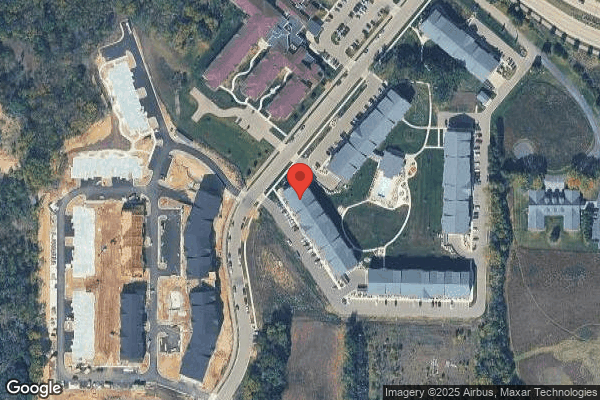
700 MYRTLE WAY, JANESVILLE, WI 53545 (608) 530-5700
For profit - Corporation 35 Beds Independent Data: November 2025
Trust Grade
33/100
#228 of 321 in WI
Last Inspection: June 2025

Inspected within the last 6 months. Data reflects current conditions.

Overview

Oak Park Place of Janesville has received a Trust Grade of F, indicating significant concerns and poor overall quality. Ranking #228 out of 321 facilities in Wisconsin places them in the bottom half, and #6 out of 10 in Rock County means that only five local options are worse. The facility's performance is worsening, with issues increasing from 13 in 2024 to 17 in 2025. Staffing is a relative strength, achieving a 4 out of 5-star rating with a turnover rate of 0%, which is well below the state average. However, the facility has faced $9,750 in fines, which is average, and it has documented serious incidents, including failures to monitor residents' weights leading to health risks and inadequate fall prevention measures resulting in serious injuries. While the staffing situation is strong, the overall care quality and safety protocols raise significant concerns.

Trust Score
F
33/100
In Wisconsin
#228/321
Bottom 29%
Safety Record
High Risk
Review needed
Inspections
Getting Worse
13 → 17 violations
Staff Stability
○ Average
Turnover data not reported for this facility.
Penalties
⚠ Watch
$9,750 in fines. Higher than 98% of Wisconsin facilities. Major compliance failures.
Skilled Nurses
✓ Good
Each resident gets 100 minutes of Registered Nurse (RN) attention daily — more than 97% of Wisconsin nursing homes. RNs are the most trained staff who catch health problems before they become serious.
Violations
⚠ Watch
35 deficiencies on record. Higher than average. Multiple issues found across inspections.
★★☆☆☆
2.0
Overall Rating
★★★★☆
4.0
Staff Levels
★★★★☆
4.0
Care Quality
★★☆☆☆
2.0
Inspection Score
Stable
2024: 13 issues
2025: 17 issues

The Good

  • 4-Star Staffing Rating · Above-average nurse staffing levels
  • 4-Star Quality Measures · Strong clinical quality outcomes
  • Full Sprinkler Coverage · Fire safety systems throughout facility
  • No fines on record

Facility shows strength in staffing levels, quality measures, fire safety.

The Bad

2-Star Overall Rating

Below Wisconsin average (3.0)

Below average - review inspection findings carefully

Federal Fines: $9,750

Below median ($33,413)

Minor penalties assessed

The Ugly 35 deficiencies on record

3 actual harm
Jun 2025 9 deficiencies
CONCERN (D)

Potential for Harm - no one hurt, but risky conditions existed

Deficiency F0627 (Tag F0627)

Could have caused harm · This affected 1 resident

**NOTE- TERMS IN BRACKETS HAVE BEEN EDITED TO PROTECT CONFIDENTIALITY** Based on interview and record review, the facility did not develop a discharge plan for 1 of 3 residents (R13) reviewed for disc...

Read full inspector narrative →
**NOTE- TERMS IN BRACKETS HAVE BEEN EDITED TO PROTECT CONFIDENTIALITY** Based on interview and record review, the facility did not develop a discharge plan for 1 of 3 residents (R13) reviewed for discharge planning. R13 does not have a discharge care plan, nor has he had a care conference to discuss his discharge goals. Evidenced by: The facility's policy titled Care Plans, Comprehensive Person- Centered revised 12/2016 states in part .4. Each resident's comprehensive care plan will be consistent with the resident's rights to participate in the development and implementation of his or her plan of care, including the right to: a. participate in the planning process .e. participate in establishing the expected goals and outcomes of care .5. The resident will be informed of his or her right to participate in his or her own treatment . R13 was admitted to the facility on [DATE] with diagnoses that include paraplegia (paralysis of the legs and lower body), anxiety disorder, PTSD (Post Traumatic Stress Disorder), and recurrent depressive disorders. R13's most recent MDS (Minimum Data Set) dated 3/28/25 states that R13 has a BIMS (Brief Interview of Mental Status) of 14 out of 15, indicating that R13 is cognitively intact. R13 is his own decision maker. Surveyor reviewed R13's medical record and found no documentation regarding R13 having a care conference or a care plan regarding discharge. On 5/28/25 at 9:22 AM, Surveyor interviewed R13. Surveyor asked R13 if the facility has discussed discharge planning with him, R13 stated that he knows that he needs more therapy, but no one has spoken with him regarding discharge planning. Surveyor asked R13 if he has participated in a care conference, R13 stated no. On 6/2/25 at 9:08 AM, Surveyor interviewed SW U (Social Worker). Surveyor asked SW U what the process is for discharge planning, SW U stated that they typically set up a care conference on admission within 5-7 days to meet with the resident and their family to discuss goals. Another meeting would be set up 1-2 weeks later to determine if DME (Durable Medical Equipment) would be needed, schedule any appointments needed, and determine what supports are in place for the resident. Surveyor asked SW U if residents should have a care plan in place regarding their discharge plan and goals, SW U stated yes. Surveyor asked SW U where care conferences are documented, SW U reported that they are documented under the assessments tab. Surveyor and SW U reviewed R13's medical record for documentation of care conferences, as well as a discharge care plan. Surveyor asked SW U if R13 should have a care plan in place regarding discharge, SW U stated yes. Surveyor asked if R13 should have had a care conference, SW U stated yes.
CONCERN (D)

Potential for Harm - no one hurt, but risky conditions existed

Incontinence Care (Tag F0690)

Could have caused harm · This affected 1 resident

**NOTE- TERMS IN BRACKETS HAVE BEEN EDITED TO PROTECT CONFIDENTIALITY** Based on observation, interview and record review, the facility did not ensure that residents with an indwelling catheter receiv...

Read full inspector narrative →
**NOTE- TERMS IN BRACKETS HAVE BEEN EDITED TO PROTECT CONFIDENTIALITY** Based on observation, interview and record review, the facility did not ensure that residents with an indwelling catheter received the appropriate care and services for 2 of 2 residents (R1 and R174) reviewed for catheters. R1 had a catheter placed without an appropriate diagnosis and does not have a care plan for the catheter. R174's catheter bag was uncovered and viewable from the hallway. Evidenced by: The facility's policy titled Indwelling Catheter Evaluation/ Removal revised on 6/27/16 states in part Policy: It is the policy of [Facility Name] to ensure that residents receive care and services to prevent the use of an indwelling catheter, unless clinically necessary .4. When there is not supporting diagnosis for the use of the indwelling urinary catheter, the nurse will obtain an order from the physician or physician extender to remove. Example 1 R1 was admitted to the facility on [DATE] with diagnoses that include anxiety disorder, major depressive disorder, and acute on chronic heart failure. R1's most recent MDS (Minimum Date Set) dated 3/29/25 states that R1 has a BIMS (Brief Interview of Mental Status) of 8 out of 15, indicating that R1 has moderate cognitive impairment. The MDS also indicates that R1 is dependent on staff for transfers and toilet hygiene and requires substantial assist with personal hygiene, dressing, and bed mobility. R1's physician orders are as follows: 1/28/25: Catheter (indwelling) (16) French, with (10cc (cubic centimeter)) balloon, inflate to continuous drainage for diagnosis of (hospice/ comfort) change PRN (as needed) for blockage or unable to be flushed. As needed for catheter change PRN if dislodged or occluded. Of note, R1 does not have a care plan for the indwelling urinary catheter. On 5/29/25 at 11:39 AM, Surveyor interviewed DON B (Director of Nursing). Surveyor asked DON B what the diagnosis was for R1's catheter, DON B stated that she would have to look. Surveyor asked DON B if she would expect a resident with a catheter to have a care plan for it, DON B stated yes. On 6/2/25 at 12:52 PM, Surveyor interviewed DON B. Surveyor asked DON B what the rationale is for R1's catheter, DON B stated that R1 is on hospice, and it is for comfort. Surveyor asked if the facility documentation of the rationale and diagnosis for the catheter, DON B stated that it was in the hospice notes. Example 2 R174 admitted to the facility on [DATE] with a foley catheter. R174's care plan includes position catheter bag and tubing below the level of the bladder and away from entrance room door or cover for privacy. On 5/29/25 at 10:08 AM, Surveyor observed R174's catheter bag hanging on the bed frame, facing the door and was visible from the hallway. R174's catheter bag was not covered. On 5/29/25 at 10:35 AM, Surveyor interviewed CNA D (Certified Nursing Assistant) regarding R174's catheter. CNA D indicated she had just been in R174's room providing personal cares with R174. CNA D indicated she hung the catheter bag on the bed frame. CNA D indicated she did not cover the catheter bag, nor did she place the bag away from the entrance room door. On 5/29/25 at 11:42 AM, Surveyor interviewed DON B (Director of Nursing) regarding R174's catheter. DON B indicated the catheter bag should be covered. DON B indicated R174's care plan intervention should be followed. DON B indicated R174's catheter bag should have been covered or placed away from the entrance room door.
CONCERN (D)

Potential for Harm - no one hurt, but risky conditions existed

Deficiency F0699 (Tag F0699)

Could have caused harm · This affected 1 resident

**NOTE- TERMS IN BRACKETS HAVE BEEN EDITED TO PROTECT CONFIDENTIALITY** Based on record review and interview, the facility did not ensure 1 of 1 resident (R13) who are trauma survivors receive cultura...

Read full inspector narrative →
**NOTE- TERMS IN BRACKETS HAVE BEEN EDITED TO PROTECT CONFIDENTIALITY** Based on record review and interview, the facility did not ensure 1 of 1 resident (R13) who are trauma survivors receive culturally competent, trauma-informed care in accordance with professional standards of practice and accounting for resident's experiences and preferences in order to eliminate or mitigate triggers that may cause re-traumatization of the resident. R13 has a diagnosis of PTSD (Post Traumatic Stress Disorder) and does not have a complete trauma assessment or a care plan addressing triggers, resident specific approaches, or interventions. This is evidenced by: The facility's policy titled Trauma- Informed and Culturally Competent Care revised 8/2022 states in part .Resident Assessment: 1. Assessment involves an in- depth process of evaluating the presence of symptoms, their relationship to trauma, as well as the identification of triggers. 2. Utilize licensed and trained clinicians who have been designated by the facility to conduct trauma assessments. 3. Use assessment tools that are facility approved and specific to the resident population. Resident Care Planning: 1. Develop individualized care plans that address past trauma in collaboration with the resident and family, as appropriate. 2. Identify and decrease exposure to triggers that may re- traumatize the resident. 3. Recognize the relationship between past trauma and current health concerns . R13 was admitted to the facility on [DATE] with diagnoses that include paraplegia (paralysis of the legs and lower body), anxiety disorder, PTSD (Post Traumatic Stress Disorder), and recurrent depressive disorders. R13's most recent MDS (Minimum Data Set) dated 3/28/25 states that R13 has a BIMS (Brief Interview of Mental Status) of 14 out of 15, indicating that R13 is cognitively intact. R13's MDS Section D indicates that R13 will sometimes socially isolate. Surveyor reviewed R13's care plan and there was not a care plan addressing R13's diagnosis of PTSD. Surveyor reviewed R13's Social Service Trauma History Evaluation dated 3/21/25. The assessment states in part .C .5. As a child or teenager, were you ever physically beaten or physically abused by siblings, relatives, or peers? A. yes . It is important to note that the assessment has 6 sections, some sections have several questions. R13's assessment only has 2 sections that are completely filled out. On 6/2/25 at 9:08 AM, Surveyor interviewed SW U (Social Worker). Surveyor asked SW U what the process is for residents that are admitted with a diagnosis of PTSD, SW U reported that they will complete a trauma assessment and identify any abuse, bullying, or history of trauma. Surveyor asked SW U if a resident with a diagnosis of PTSD should have a trauma assessment completed in its entirety, SW U stated yes. Surveyor asked SW U if a resident with the diagnosis of PTSD should have a care plan that addresses the resident's trauma, triggers, and interventions, SW U stated yes. Surveyor reviewed R13's care plan and SW U reported that R13 does not have a care plan that addresses his PTSD diagnosis.
CONCERN (D)

Potential for Harm - no one hurt, but risky conditions existed

Deficiency F0761 (Tag F0761)

Could have caused harm · This affected 1 resident

Based on observation, interview and record review the facility did not ensure that all drugs and biologicals used in the facility were labeled with an open date or expiration date in 1 of 1 medication...

Read full inspector narrative →
Based on observation, interview and record review the facility did not ensure that all drugs and biologicals used in the facility were labeled with an open date or expiration date in 1 of 1 medication rooms. The facility failed to ensure an open vial of tuberculin solution located in the medication room contained an open date and/or expiration date. Evidenced by: The facility's policy titled Medication Labeling and Storage dated 2/2023 states in part .5. Multi-dose vials that have been opened or accessed (e.g., needle punctured) are dated and discarded within 28 days unless the manufacturer specifies a shorter or longer date. On 6/2/25 at 2:11 PM Surveyor and RN P (Registered Nurse) went to the medication room. Surveyor observed an open vial of Tuberculin solution in the refrigerator, in a bag without an open date or expiration date. Surveyor interviewed RN P. Surveyor asked RN P if the medication vial should be dated. RN P responded yes, and I might as well throw it out if not dated. Surveyor asked RN P whose responsibility is it to make sure medications are dated. RN P indicated that everyone is responsible. On 6/2/25 2:19 PM Surveyor interviewed DON B (Director of Nursing). Surveyor asked DON B if she was aware of the TB solution that was in medication room with no open date or expiration date. DON B replied she thought that most of the Tuberculin vials are single use vials. On 6/2/25 2:25 PM Surveyor called the pharmacy that the facility uses. Surveyor talked to PA T (Pharmacy Assistant). Surveyor asked PA T if Tuberculin vials came in single dose use. PA T replied all Tuberculin vials they have are multi dose vials.
CONCERN (D)

Potential for Harm - no one hurt, but risky conditions existed

Deficiency F0849 (Tag F0849)

Could have caused harm · This affected 1 resident

**NOTE- TERMS IN BRACKETS HAVE BEEN EDITED TO PROTECT CONFIDENTIALITY** Based on interview and record review, the facility did not ensure that residents received treatment and care in accordance with ...

Read full inspector narrative →
**NOTE- TERMS IN BRACKETS HAVE BEEN EDITED TO PROTECT CONFIDENTIALITY** Based on interview and record review, the facility did not ensure that residents received treatment and care in accordance with professional standards of practice for 1 of 1 resident (R1) reviewed for hospice. R1 was receiving hospice services, and the facility failed to obtain hospice documentation. Evidenced by: The facility policy titled Hospice Program revised date 7/2017 states in part .12. Our facility has designated (Name) (Title) to coordinate care provided to the resident by our facility staff and the hospice staff .He or she is responsible for the following: .d. Obtaining the following information from the hospice: (1) The most recent hospice plan of care specific to each resident; (2) Hospice election form; (3) Physician certification and recertification of the terminal illness specific to each resident .13. Coordinated care plans for residents receiving hospice services will include the most recent hospice plan of care as well as the care and services provided by our facility (including the responsible provider and discipline assigned to specific tasks) in order to maintain the resident's highest practicable physical, mental, and psychosocial well- being .15. The coordinated care plan shall be revised and updated as necessary to reflect the resident's current status including, but not limited to: a. diagnosis; b. problem list; c. symptom management *pain, nausea, vomiting, etc.); d. bowel and bladder care; e. nutrition and hydration needs; f. oral health; g. skin integrity; h. spiritual, activity, and psychosocial needs; and i. mobility and positioning . R1 was admitted to the facility on [DATE] with diagnoses that include anxiety disorder, major depressive disorder, and acute on chronic heart failure. R1's most recent MDS (Minimum Date Set) dated 3/29/25 states that R1 has a BIMS (Brief Interview of Mental Status) of 8 out of 15, indicating that R1 has moderate cognitive impairment. The MDS also indicates that R1 is dependent on staff for transfers and toilet hygiene and requires substantial assist with personal hygiene, dressing, and bed mobility. R1 was receiving hospice services prior to admitting to the facility and received orders for hospice services on the day of admission. R1's hospice diagnosis is acute on chronic heart failure with preserved ejection fraction (Heart failure occurs when your heart doesn't pump enough blood to meet your body's needs or when the heart doesn't relax enough and pressures inside the chambers can rise. This can cause fatigue, breathing difficulties, and fluid buildup in your tissues). Surveyor reviewed R1's EHR (Electronic Health Record) and was not able to find any documentation of R1's hospice enrollment, admission assessment, care plan, orders, or visit notes. Additionally, the facility did not have their own care plan for R1 being on hospice. On 5/29/25 at 10:36 AM, Surveyor interviewed RN F (Registered Nurse). Surveyor asked RN F how staff was made aware that a resident is receiving hospice services, RN F stated that when they open the resident list, it will show who is on hospice. Surveyor asked RN F where they find the hospice care plan and visit notes, RN F stated that the care plan and visit notes are faxed to the facility and then scanned into the resident's EHR under the misc. (miscellaneous) tab. Surveyor and RN F reviewed R1's EHR for hospice care plan and visit notes, as well as the facility's care plan for hospice. RN F reported that there was only 1 hospice note dated 3/23/25 scanned into the system, and that she was unable to locate the hospice care plan. Surveyor asked RN F if there was a hospice care plan in the facility's care plan, RN F stated no. On 5/29/25 at 11:33 AM, Surveyor interviewed DON B (Director of Nursing). Surveyor asked DON B how staff is made aware that a resident is receiving hospice services, DON B stated that the hospice provided communicates with the staff every day they come in. Surveyor asked where staff would be able to find documentation of the hospice visit, DON B stated it would be under the misc. tab. Surveyor asked where staff would find the hospice plan of care, DON B states that the residents receiving hospice services have binders on the unit with the hospice documentation. Surveyor requested R1's hospice plan of care and visit notes. DON B provided documentation that was printed on 5/29/25 at 12:52 PM. On 6/2/25 at 12:52 PM, Surveyor interviewed DON B. Surveyor asked DON B if facility staff should have had access to R1's hospice documentation prior to 5/29/25, DON B reported that she had just thinned R1's binder and sent the information via the cloud and then IT (Information Technology) scans it into the resident's EHR. Surveyor asked DON B if the facility has a care plan addressing hospice for R1, DON B stated yes. It is important to note that the facility initiated a hospice care plan for R1 on 5/29/25. On 6/2/25 at 3:05 PM Surveyor interviewed Hospice RN Q. Surveyor asked Hospice RN Q what the process is when visiting a resident in the facility, Hospice RN Q stated that R1 is visited weekly, he performs an assessment, manages symptoms, and adjusts the care plan based on the assessment. Surveyor asked Hospice RN Q how the documentation gets to the facility, Hospice RN Q reported that they do not fax visit notes, but will send an email with updates or orders, but if he went for a routine visit, he wouldn't fax anything. Surveyor asked Hospice RN Q if they had ever faxed a care plan to the facility, Hospice RN Q stated that they were asked for the care plan and the last 3 months of visit notes last week.
CONCERN (D)

Potential for Harm - no one hurt, but risky conditions existed

Infection Control (Tag F0880)

Could have caused harm · This affected 1 resident

**NOTE- TERMS IN BRACKETS HAVE BEEN EDITED TO PROTECT CONFIDENTIALITY** Based on observations, interviews, and record review, the facility failed to establish and maintain an infection prevention and ...

Read full inspector narrative →
**NOTE- TERMS IN BRACKETS HAVE BEEN EDITED TO PROTECT CONFIDENTIALITY** Based on observations, interviews, and record review, the facility failed to establish and maintain an infection prevention and control program designed to provide a safe, sanitary, and comfortable environment and to help prevent the development and transmission of communicable diseases and infections, for 2 of 2 resident (R4 and R174) with observed breeches in transmission-based precautions. Staff entered R174, who is COVID-19 positive, without proper personal protective equipment (PPE). Surveyor observed staff perform tracheostomy care on R4 without proper hand hygiene and not using enhanced barrier precautions. This is evidenced by: The facility's policy titled Isolation - Categories of Transmission-Based Precautions, dated 9/22, includes the following: 5. When a resident is placed on transmission-based precautions, appropriate notification is placed on the room entrance door and the on the front of the chart so that personnel and visitors are aware of the need for and the type of precaution. a. The signage informs the staff of the type of CDC (Center for Disease Control) precaution(s), instructions for use of PPE, and/or instructions to see a nurse before entering the room. The facility's policy titled Coronavirus Disease (COVID-19) - Using Personal Protective Equipment, dated 9/22, includes the following: 4. When caring for a resident with suspected or confirmed SARS-CoV-2 infection: a. Personnel who enter the room of a resident with suspected or confirmed SARS-CoV-2 infection adhere to standard precautions and use a NIOSH-approved N95 or equivalent or higher-level respirator, gown, gloves, and eye protection. The facility's policy entitled Enhanced Barrier Precautions dated 8/2022 states, in part: .3. Examples of high-contact resident care activities requiring the use of gown and gloves for EBPs (Enhanced Barrier Precautions) include: g. device care or use (central line, urinary catheter, feeding tube, tracheostomy/ventilator, etc.) .10. Signs are posted in the door or wall outside the resident room indicating the type of precautions and PPE (Personal Protective Equipment) required . The facility's policy entitled Handwashing/Hand Hygiene date revised 8/2019 states, in part: .7. Use an alcohol-based hand rub containing at least 62% alcohol; or, alternatively, soap (antimicrobial or non-antimicrobial) and water for the following situations: e. Before and after handling an invasive device .m. After removing gloves . Example 1 R174 admitted to the facility on [DATE] with a diagnosis of COVID-19. R174's physician orders include Isolation - single room droplet precautions with a start date of 5/23/25. On 5/28/29 at 9:30 AM, Surveyor observed droplet precaution signage and a bin for PPE outside R174's door. On 5/29/25 at 9:06 AM, Surveyor observed LPN H (Licensed Practical Nurse) in R174's room. LPN H was not wearing a mask, gown, gloves, or eye protection. Surveyor immediately interviewed LPN H. LPN H indicated R174 has COVID-19 and is on droplet precautions. LPN H indicated she should have worn the appropriate PPE when entering R174's room and did not. On 5/29/25 at 11:42 AM, Surveyor interviewed DON B (Director of Nursing) regarding R174's COVID-19 status and isolation requirements. DON B indicated staff should wear proper PPE when entering a COVID-19 positive room. DON B was made aware of Surveyor's observation of LPN H not wearing any PPE when in R174's room. DON B indicated LPN H should have worn the proper PPE. On 5/29/25 at 12:59 PM, Surveyor interviewed ADON E (Assistant Director of Nursing) regarding precautions and PPE. ADON E indicated she is the facility's infection preventionist. ADON E indicated staff should wear the proper PPE based on the resident's transmission-based precautions. Example 2 The facility's policy entitled Enhanced Barrier Precautions dated 8/2022 states, in part: .3. Examples of high-contact resident care activities requiring the use of gown and gloves for EBPs (Enhanced Barrier Precautions) include: g. device care or use (central line, urinary catheter, feeding tube, tracheostomy/ventilator, etc.) .10. Signs are posted in the door or wall outside the resident room indicating the type of precautions and PPE (Personal Protective Equipment) required . The facility's policy entitled Handwashing/Hand Hygiene date revised 8/2019 states, in part: .7. Use an alcohol-based hand rub containing at least 62% alcohol; or, alternatively, soap (antimicrobial or non-antimicrobial) and water for the following situations: e. Before and after handling an invasive device .m. After removing gloves . R4's physician orders include, in part: . Trach care: Inner cannula cleaning to be done daily, using trach care kit. Step by step directions are in his room for guidance. Ensure skin around trach is clean and checked daily. Change drain sponge daily. Change trach ties weekly or as needed. One time a day for Trach care . On 5/28/25 at 9:41 AM, during screening, Surveyor observed a sign outside of door and a cart indicating R4 is on enhanced barrier precautions and staff should wear a gown and gloves for direct care activities. On 5/29/25 at 12:42 PM, Surveyor observed RN F (Registered Nurse) perform tracheostomy care for R4. Surveyor observed the following: RN F performed hand hygiene. RN F set up the tracheostomy care supplies in R4's room with bare hands. RN F then donned gloves but did not don a gown. RN F removed R4's old tracheostomy tubing then removed her gloves, did not perform hand hygiene, and donned new gloves. RN F inserted a new trach tube. RN F removed her gloves, did not perform hand hygiene, and donned new gloves. RN F finished tracheostomy care. RN F removed her gloves then performed hand hygiene. On 5/29/25 at 12:56 PM, Surveyor interviewed RN F regarding hand hygiene during tracheostomy care. RN F indicated she did not perform hand hygiene after removing her gloves during care. RN F indicated hand hygiene should be done immediately after removing gloves and she did not. Surveyor also interviewed RN F about enhanced barrier precautions for R4. RN F indicated she should have worn a gown and gloves for the tracheostomy care and did not. On 5/29/25 around 1:00 PM, Surveyor interviewed ADON E (Assistant Director of Nursing) regarding hand hygiene during wound care. Surveyor reviewed the observations made during RN F's performance of tracheostomy care for R4. Surveyor asked ADON E if she would expect hand hygiene to be completed after removing gloves and ADON E indicated hand hygiene should have been completed each time after RN F removed her gloves. ADON E also indicated enhanced barrier precautions should have been implemented for R4's tracheostomy care.
CONCERN (E)

Potential for Harm - no one hurt, but risky conditions existed

Resident Rights (Tag F0550)

Could have caused harm · This affected multiple residents

**NOTE- TERMS IN BRACKETS HAVE BEEN EDITED TO PROTECT CONFIDENTIALITY** Example 2 On 5/28/25 at 9:15 AM, Surveyor interviewed R73. Surveyor noted that R73's breakfast tray was on the bedside table and...

Read full inspector narrative →
**NOTE- TERMS IN BRACKETS HAVE BEEN EDITED TO PROTECT CONFIDENTIALITY** Example 2 On 5/28/25 at 9:15 AM, Surveyor interviewed R73. Surveyor noted that R73's breakfast tray was on the bedside table and had plastic silverware and foam cups used for the beverages. Surveyor asked R73 if they are using plastic silverware for all meals, R73 stated that they are even using plastic silverware in the dining room because staff reported that they are unable to find regular silverware. Example 3 On 5/28/25 at 9:32 AM, Surveyor observed R1 in her room. Surveyor noted that R1's breakfast tray was on the bedside table. R1 was attempting to use plastic fork and knife to cut up her breakfast and was unsuccessful. Surveyor observed that all R1's beverages were in foam cups. Example 4 On 5/28/25 at 9:22 AM, Surveyor interviewed R13. Surveyor noted that R13 had used plastic silverware and foam cups during breakfast. Surveyor asked R13 if the facility always gives plastic silverware for meals, R13 stated that he is provided plastic silverware almost all the time. Surveyor asked R13 if the facility provides real cups and glasses for drinks, R13 reported that the drinks are almost always in foam cups.Example 5 On 5/28/25 at 10:40 AM, Surveyor observed R174 in his room. R174 had a Styrofoam cup with a straw in front of him on his bedside table. Example 6 On 5/28/25 at 11:50 AM, Surveyor observed residents in the dining room. The dining room tables were set with napkins, silverware and cups. Surveyor observed CNA K (Certified Nursing Assistant) passing drinks in the dining room. CNA K was using Styrofoam cups to give resident's their drinks. Surveyor observed DON B (Director of Nursing) provide a resident with a drink in a Styrofoam cup. R172 and R173 were in the dining room. R172 and R173 received their mealtime drink in a Styrofoam cup. Example 7 On 5/29/25 at 8:49 AM, Surveyor observed CNA K delivering meal trays down the hallway. CNA K provided plastic ware for utensils. There was no regular silverware on the meal tray cart. Example 8 R16 was admitted to the facility on [DATE] with diagnoses that include chronic kidney disease, need for assistance with personal care, weakness, and other specified depressive episodes. R16's most recent Minimum Data Set (MDS), dated [DATE], states that R16 has a Brief Interview of Mental Status (BIMS) score of 14 out of 15, indicating that R16 is cognitively intact. On 5/28/25 at 8:50 AM, Surveyor observed R16 eating breakfast in her room using plastic silverware. R16 stated that it can sometimes be hard to cup up a pancake or sausage using plastic silverware, and that she would prefer to be given real silverware, even when eating in her room. Example 9: R6 was admitted to the facility on [DATE] with diagnoses that include chronic pain syndrome, need for assistance with personal care, weakness, other specified anxiety disorders, and other specified depressive episodes. R6's most recent MDS, dated [DATE], states that R6 has a BIMS score of 15 out of 15, indicating that R6 is cognitively intact. On 5/28/25 at 12:16 PM, Surveyor observed R6 eating lunch in the dining room using a Styrofoam cup. On 5/28/25 at 2:24 PM, Surveyor interviewed R6 in her room about her dining preferences. R6 stated that sometimes they get regular cups, and she would prefer to use a regular cup instead of a Styrofoam cup. Example 10: R223 was admitted to the facility on [DATE] with diagnoses that include major depressive disorder, recurrent, unspecified, Type 2 Diabetes Mellitus, and chronic pain. R223 had not had an MDS with BIMS completed at time of survey. On 5/28/25 at 12:16 PM, Surveyor observed R223 eating lunch in the dining room using a Styrofoam cup. On 5/28/25 at 2:26 PM, Surveyor interviewed R223 in her room about her dining preferences. R223 stated that yes, she would prefer to be served with a regular cup, and she didn't understand why they were giving them Styrofoam cups in the dining room. On 6/2/25 at 11:03 AM, Surveyor interviewed CNA M (Certified Nursing Assistant) and asked her why the residents were being served with Styrofoam cups in the dining room. CNA M stated that she didn't know why. Surveyor asked CNA M if she considered using Styrofoam cups in the dining room to be a dignified dining experience for the residents. CNA M stated she wasn't sure. Surveyor asked CNA M if she used Styrofoam cups at home. CNA M stated no, not usually. Based on observation, interview, and record review, the facility did not ensure residents were treated with dignity and respect in an environment that promotes an enhanced quality of life which affected 6 of 15 sampled Residents (R174, R1, R172, R13, R223, and R73), 3 of 5 supplemental Residents (R173, R16, and R6), and 1 of 1 dining room. Surveyors observed residents who were dining in the main dining room to have Styrofoam cups instead of regular glasses. Surveyors observed meal trays for residents dining in their rooms to contain plastic silverware instead of metal silverware and Styrofoam cups instead of regular glasses. R73 was observed using plastic silverware and foam cups while eating breakfast in her room. R1 was observed using plastic silverware and foam cups in her room while eating breakfast. R13 was observed having plastic silverware and foam cups in his room while eating breakfast. Surveyor observed R16 eating breakfast in her room using plastic silverware. Surveyor observed R6 eating lunch in the dining room using a Styrofoam cup. Surveyor observed R223 eating lunch in the dining room using a Styrofoam cup. R174 were observed with a Styrofoam cup. R172 and R173 were observed in the dining room using Styrofoam cups. Evidenced by: The facility's policy entitled Resident Rights last revised on 2/2021 states in part, .1. Federal and state laws guarantee certain basic rights to all residents of this facility. These rights include the resident's right to: a. a dignified existence; b. be treated with respect, kindness, and dignity . Example 1 On 05/28/25 at 11:51 AM, Surveyors were making an observation of the lunch meal in the main dining room. Surveyor noted staff to be serving residents drinks using Styrofoam cups instead of regular glasses for cold drinks. On 6/2/25 at 10:02 AM, Surveyor interviewed DM N (Dietary Manager) and asked about residents using Styrofoam cups and plastic silverware on room trays and residents using Styrofoam cups in the main dining room. DM N indicated he doesn't know why staff would be giving residents disposable glasses and silverware. DM N stated facility has plenty of regular glasses and silverware. On 6/2/25 at 10:37 AM, Surveyor interviewed CNA D (Certified Nursing Assistant) about staff using Styrofoam cups and plastic silverware for meals. CNA D indicated they don't have enough regular cups or silverware for all of the residents. CNA D indicated they start with regular cups and silverware, then switch to disposable when they run out. CNA D stated she always tells the kitchen manager whenever they don't have enough silverware or cups. CNA D indicated she most recently told DM about running out of regular silverware on 6/1/25. On 6/2/25 at 10:45 AM, Surveyor interviewed DON B (Director of Nursing) about staff using disposable cups and silverware for meals. DON B indicated they usually use regular cups and silverware, when they run out, they use disposable cups and silverware. On 6/3/25 at 7:55 AM, Surveyor interviewed RDM O (Regional Dietary Manager) and NHA A (Nursing Home Administrator) about the facility use of Styrofoam cups and plastic silverware for meals. Both indicated they have a backup supply of silverware in DM N's file cabinet in his office and they have extra regular cups in a storage room in the basement. RDM O stated DM N put more silverware in circulation the previous week and indicated staff should have enough silverware and regular cups for the residents. Surveyor asked RDM O if staff have ever told her they didn't have enough cups or silverware. RDM O stated no one has told her but she observed, about 2 months ago, staff using plastic silverware at a meal service and asked staff why they were using plastic silverware. RDM O indicated they told her they ran out of regular silverware. RDM O doesn't recall the staff person's name who she asked. RDM O stated she ordered more silverware on 4/3/25 to replenish the backup supply and put the backup supply in circulation at that time. On 6/3/25 at 8:00 AM, Surveyor observed boxes of extra silverware in DM N's file cabinet. On 6/3/25 at 8:05 AM, Surveyor asked RDM O what their process is for getting dishware and utensils to the dining room for meals and room trays. RDM O explained a Dietary Aide (DA) or CNA (Certified Nursing Assistant) brings dirty carts down to the kitchen. RDM O stated Dietary staff brings up the clean dishes on the dining carts and Dietary staff stock dining carts with the number of dishes/utensils that were brought down on the carts when dirty. RDM O stated they don't count if they have enough silverware and dishware before bringing the carts upstairs. RDM O and NHA A both indicated they should start counting to make sure they have enough on the carts for all the residents. RDM O stated she will order more silverware again now to have a bigger backup supply. NHA A indicated she would make sure they take out more regular glasses from storage and put them in circulation
CONCERN (E)

Potential for Harm - no one hurt, but risky conditions existed

Safe Environment (Tag F0584)

Could have caused harm · This affected multiple residents

**NOTE- TERMS IN BRACKETS HAVE BEEN EDITED TO PROTECT CONFIDENTIALITY** Based on observation, interview, and record review, the facility did not ensure each resident had the right to a safe, clean, co...

Read full inspector narrative →
**NOTE- TERMS IN BRACKETS HAVE BEEN EDITED TO PROTECT CONFIDENTIALITY** Based on observation, interview, and record review, the facility did not ensure each resident had the right to a safe, clean, comfortable, and homelike environment for 4 of 12 sampled residents (R12, R172, R223, and R224) and 2 supplemental residents (R5 and R171). R5, R171, and R172's room were not clean. Surveyor observed R12's bed to be unmade, dust bunnies under the bed, and flakes of debris on the floor near the wall. Surveyor observed R223's bed to be unmade and garbage can to be full. Surveyor observed the bed unmade, dust bunnies under the bed, a garbage can overflowing with a glove on the floor, and dried stool on the back of the toilet seat. This is evidenced by: The facility's policy titled Cleaning and Disinfection of Environmental Surfaces, dated 8/19, includes the following: 9. Housekeeping surfaces (e.g., floors, tabletops) will be cleaned on a regular basis, when spills occur, and when these surfaces are visibly soiled. Example 1 On 5/28/25 at 9:00 AM, Surveyor observed R5's room. R5 was not in her room. R5's bed was not made. There was a mechanical lift next to R5's bed. A soft blue boot was on the floor near the dresser, with a plastic cap near the boot. The trash can was overflowing with trash and an Ensure drink container was next to the trash can. There were crumbs and dark colored flakes scattered throughout the room on the floor. Under the bed there was a plastic drink lid with a straw through it, a dirty napkin crumpled up, and a clump of dust. The pillow did not have a pillowcase on it. In the bathroom, the trash bag was on the floor with a soiled adult depends. There was a used glove on the floor near the trash bag. At 9:31 AM, Surveyor returned to R5's room. The room was unchanged. On 5/28/25 at 9:35 AM, Surveyor interviewed PT L (Physical Therapist). PT L was bringing R5 back to her room. PT L indicated the room was not clean nor homelike. PT L indicated when she sees a room like this, she will stop and clean it up. On 5/28/25 at 9:40 AM, Surveyor interviewed RN F (Registered Nurse) regarding R5's room. RN F indicated the room is not clean nor homelike. On 5/28/25 at 10:30 AM, Surveyor interviewed R5 regarding her room. R5 indicated her room was a mess. R5 stated she liked her room clean and feel the staff should clean her room. On 5/29/25 at 8:22 AM, Surveyor observed R5's room. Under R5's bed, the plastic drink lid with a straw through it, the dirty napkin that was crumpled up, and the clump of dust, was still there. The crumbs and dark colored flakes were still scattered throughout the room on the floor. On 5/29/25 at 8:26 AM, Surveyor interviewed CNA D (Certified Nursing Assistant) regarding R5's room. CNA D indicated R5's room is not clean. On 5/29/25 at 8:40 AM, Surveyor interviewed HK J (Housekeeper) regarding the schedule of cleaning rooms. HK J indicated she had last cleaned R5's room on 5/25/25. Example 2 On 5/29/25 at 8:19 AM, Surveyor observed R171's room. Surveyor observed a dirty depends in a garbage bag sitting on top of a meal tray lid on a pillow in R171's chair. There was a dirty glove next to the trash can on the floor. Surveyor observed a package of incontinent wipes with the lid left open on R171's over-bed table. The inside of the wipes had a brown substance smeared on it. On 5/29/25 at 8:26 AM, Surveyor interviewed CNA D regarding R171's room. CNA D indicated the brown substance was likely feces. CNA D indicated R171's room was not clean nor homelike. Example 3 On 5/29/25 at 8:22 AM, Surveyor observed R172's room. R172's room had a scrap of paper on the floor near her bed, a plastic wrapper on the floor near the dresser and a cluster of rubber bands in the middle of the floor. On 5/29/25 at 8:26 AM, Surveyor interviewed CNA D regarding R172's room. CNA D indicated R172's room is not homelike nor clean. On 5/29/25 at 8:31 AM, Surveyor interviewed NHA A (Nursing Home Administrator) regarding R5, R171, and R172's rooms. NHA A indicated the rooms would not be considered clean. On 5/29/25 at 8:37 AM, Surveyor interviewed HKS I (Housekeeping Supervisor) regarding the cleaning of rooms. HKS I indicated the rooms are not clean. HKS I indicated the housekeeping staff does not have a schedule in place for when rooms are to be cleaned nor do they have a system in place for documenting when rooms are cleaned. Example 4: R12 was admitted to the facility on [DATE] with diagnoses that include hypertension, need for assistance with personal care, muscle weakness, and difficulty walking. R12's most recent Minimum Data Set (MDS), dated [DATE], states that R12 has a Brief Interview of Mental Status (BIMS) score of 15 out of 15, indicating that R12 is cognitively intact. On 5/28/25 at 9:52 AM, Surveyor observed R12 in her room with her bed unmade, dust bunnies under the bed, and flakes of debris on the floor near the wall. R12 indicated that she has to ask housekeeping if she wants to get her room cleaned. R12 stated that one month they did not come in and clean at all. R12 stated that there had been dried skin all over the floor from having her cast removed, and spilled soda that stayed on the floor for three weeks. R12 indicated that she asked HK C (Housekeeper) and he came and cleaned her room, even though he was not assigned to clean the rooms on her hall. R12 stated that she felt embarrassed because she liked to have visitors and didn't want them to see her room dirty. Example 5: R223 was admitted to the facility on [DATE] with diagnoses that include major depressive disorder, recurrent, unspecified, Type 2 Diabetes Mellitus, and chronic pain. R223 had not had an MDS with BIMS completed at time of survey. On 5/28/25 at 11:35 AM, Surveyor observed R223 in her room with the bed unmade and the garbage can full. R223 stated that she has to ask staff to clean her room and make her bed. R223 indicated that every once in awhile the staff will come into the room while she is at lunch and take out the garbage but not make the bed. R223 stated she had never had her sheets changed, and that it would be nice to have clean sheets after taking a shower. R223 stated that it feels like the staff at the facility just don't care. R223 stated that the housekeeper would leave a note on the bulletin board with her name and the date of the last time she cleaned the room. Surveyor observed a note on R223's bulletin board that stated, HK J (Housekeeper) 5/25/25, indicating this was the last time the room had been cleaned. Example 6: R224 was admitted to the facility on [DATE] with diagnoses that include Type 2 Diabetes Mellitus, muscle weakness, need for assistance with personal cares, repeated falls, and malignant tumor of kidney. R224's most recent MDS, dated [DATE], states that R224 has a BIMS score of 11 out of 15, indicating that R224 has mild cognitive impairment. On 5/28/25 at 11:46 AM, Surveyor observed R224's bed unmade, dust bunnies under the bed, a garbage can overflowing with a glove on the floor, and dried stool on the back of the toilet seat. R224 indicated that his room had never been cleaned since he was admitted . On 5/29/25 at 10:36 AM, Surveyor interviewed CNA D (Certified Nursing Assistant) about the cleanliness of the rooms. CNA D stated that she has seen the housekeepers clean the rooms, but she was not sure how often each room got cleaned. Surveyor and CNA D went to R224's room and looked at the toilet seat. The dried stool had been cleaned off, but the toilet seat was stained a dark orange in places. CNA D stated that she has seen the housekeepers try to clean R224's toilet seat, but that it was stained from R224's frequent diarrhea. On 5/29/25 at 10:48 AM, Surveyor interviewed HK C and asked him how often each resident's room was cleaned. HK C stated that it would depend on how busy they were and if they were short staffed. HK C indicated that he tries to clean each resident's room at least every other day. Surveyor asked HK C if he had noticed the stains on R224's toilet seat. HK C indicated that R224's room was not normally on his hall to clean, but that yes, he had seen the stains on the toilet seat. Surveyor asked HK C how long it would take stool to stain a white toilet seat like R224's. HK C stated that he wasn't sure, but that if it was cleaned up right away then it wouldn't cause the toilet seat to stain like that.
CONCERN (F)

Potential for Harm - no one hurt, but risky conditions existed

Food Safety (Tag F0812)

Could have caused harm · This affected most or all residents

Based on observation, interview, and record review, the facility failed to store, prepare, distribute, and serve food in accordance with professional standards for food service safety. This has the po...

Read full inspector narrative →
Based on observation, interview, and record review, the facility failed to store, prepare, distribute, and serve food in accordance with professional standards for food service safety. This has the potential to affect 24 of 25 residents. Surveyor observed staff going into the main kitchen and kitchenette without hairnets on. Surveyor observed food that had been removed from original containers and not labeled with a use by date. Surveyor observed a dented can to be in circulation. Surveyor observed food that was uncovered and/or not labeled in a kitchenette freezer and refrigerator. The freezer temperature in one of the kitchenettes is not being consistently monitored or recorded. Surveyor observed shelves with dried on substances, food particles, pieces of candy without wrappers, opened food without use by dates and expired food in circulation in the facility's kitchenette. Evidenced by: Example - Staff not wearing hairnets Facility policy entitled Hair Restraints with a revised date of 10/29/24 states, in part: .Hair must be pulled back and properly restrained when working with food. Hairnets or bouffant caps may be required for long or full fair not completely restrained by a hat . On 5/28/25 at 8:47 AM, Surveyor arrived to the main kitchen for the initial tour. During the start of the tour with Surveyor and DM N (Dietary Manager), RMD R (Regional Maintenance Director) walked into the kitchen without a hairnet to talk to DM N. Surveyor asked RMD R if he should have a hairnet on when in the kitchen and RMD R stated yes, he should. On 5/28/25 at 12:22 PM, during lunch meal observation, Surveyor observed DON B (Director of Nursing) enter the kitchenette attached to the Main Dining Room without a hairnet during the meal service. Surveyor interviewed DON B and asked if she would expect a hairnet to be worn in the kitchenette area. DON B indicated she would expect staff to wear a hairnet in the kitchenette if food is present. It is important to note food was being prepared by dietary staff and lunch was being served to the residents from the kitchenette area at the time DON B entered the kitchenette. Example - Unlabeled package of food Facility policy entitled, Food Labeling and Dating with a revised date of 11/27/24, states in part: .Oak Park Place uses a dating system to identify when foods must be consumed or discarded by indicating date of preparation, or date of first item used by date as indicated on WI Food Code .Dry food products will be labeled with delivery date unless it has an expiration date printed on the product . On 5/28/25 at 8:55 AM, during initial tour of the kitchen, Surveyor observed in dry food storage an opened package of granola that was removed from its original packaging and did not have a use by date. DM N (Dietary Manager) indicated food opened and/or removed from their original packaging should be labeled with a use by date. Example - Dented can in circulation On 5/28/25 at 9:00 AM, Surveyor and DM N observed a dented can of jellied cranberry sauce in the dry food storage area in circulation. DM N indicated the dented can should not be there, removed the can and labeled it to be returned. Example - Unlabeled, expired, and/or uncovered food in Kitchenette freezer and refrigerator Facility policy entitled, Food Brought to Residents from the Outside with a revised date of 10/9/24 states, in part: .Foods must be labeled with the resident's name and date .Foods not consumed within 3 days will be discarded .Any foods not labeled or dated will be discarded . On 5/28/25 at 3:55 PM, Surveyor toured the kitchenette at Creative Expressions 1 South, the kitchenette near the nurses station. Surveyor observed in the freezer an opened container of Blue Bunny ice cream without a name on it and 2 sundae cup plastic containers with an orange substance inside of them without lids, not covered, and not labeled. These containers had ice crystals formed on the top of the product inside. Surveyor observed in the kitchenette refrigerator the following: dried on purple substance on the inside on the bottom 2 shelves, 5 Styrofoam cups with green straws inside containing liquid without names or dates, a chocolate meal replacement shake with a best by date of 4/16/25, an opened bottle of Starbucks Frappuccino without a name on it, an unopened bottle of ginger ale without a name on it, and a container of food with a resident name on it and room number without a date. Of note, it was discovered during record review that the name on the container of food was a resident who discharged from the facility on 5/15/25. On 5/28/25 at 4:46 PM, Surveyor interviewed DC S (Dietary Cook) who was in the main kitchen and showed him the kitchenette. DC S indicated he was not sure who was responsible for cleaning that kitchenette and stated it should be added to a weekly checklist. DC S indicated the kitchenette should be cleaned and items needed to be taken care of. On 5/28/25 at 4:53 PM, Surveyor interviewed DON B and showed her the items in the kitchenette. DON B stated housekeeping cleans that room, but she is not sure who is responsible for cleaning the kitchenette cupboards and refrigerator. DON B indicated dietary and maintenance would share responsibility, maintenance oversees housekeeping and stated she would check to see who is responsible. DON B stated she would make sure that room and refrigerator got cleaned right away and discarded the expired and not labeled items. On 5/29/25 at 10:09 AM, Surveyor interviewed DM N about who was responsible for cleaning the kitchenette. DM N indicated he thought nursing staff cleaned that room, stated he has never looked at that refrigerator. DM N indicated there is no policy or procedure for cleaning this area and stated he would talk to nursing about coordinating a plan for monitoring and cleaning that kitchenette. Example - Kitchenette freezer temperatures not being consistently monitored and recorded On 5/28/25 around 4:00 PM, Surveyor observed the temperature logs for May 2025 for the refrigerator and freezer in the kitchenette Creative Expressions 1 South, the kitchenette by the nurses station. There are no freezer temperatures recorded for the month of May 2025. Surveyor also reviewed the temperature log for March and April and the month of April has 14 days of missing freezer temperatures. On 5/29/25 at 10:09 AM, Surveyor interviewed DM N about the freezer temperatures. DM N indicated dietary staff haven't been checking the temperatures of that freezer and will coordinate with nursing staff to ensure it gets monitored. Example - Unclean kitchenette cupboards with unlabeled and expired food in circulation Facility policy entitled, Food Labeling and Dating with a revised date of 11/27/24, states in part: .Oak Park Place uses a dating system to identify when foods must be consumed or discarded by indicating date of preparation, or date of first item used by date as indicated on WI Food Code .Dry food products will be labeled with delivery date unless it has an expiration date printed on the product . Facility policy entitled, Food Brought to Residents from the Outside with a revised date of 10/9/24 states, in part: .Foods must be labeled with the resident's name and date .Foods not consumed within 3 days will be discarded .Any foods not labeled or dated will be discarded . On 5/28/25 at 3:55 PM, Surveyor toured the kitchenette by the nurses station called Creative Expressions 1 South. In the cupboard above the microwave, Surveyor observed several Skittles candies scattered on the bottom shelf, a dried on brown substance on the bottom shelf, a bag of [NAME] brand sugar on the bottom shelf with a best by date of 9/5/23, opened without a name on it. Surveyor also observed an opened bottle of Hershey syrup without a name on it, opened bottle of red food coloring dated 1/25 with a best by date of 8/1/22. Surveyor observed in the cupboard between the sink and microwave an opened box of cream of wheat cereal with no name on it, an opened box of wheat crackers with a best by date of 2/14/25 and no name on it, and several crumbs on the shelves. On 5/28/25 at 4:46 PM, Surveyor interviewed DC S (Dietary Cook) who was in the main kitchen and showed him the kitchenette. DC S indicated he was not sure who was responsible for cleaning that kitchenette and stated it should be added to a weekly checklist. DC S indicated the kitchenette should be cleaned and items needed to be taken care of. On 5/28/25 at 4:53 PM, Surveyor interviewed DON B and showed her the items in the kitchenette. DON B stated housekeeping cleans that room, but she is not sure who is responsible for cleaning the kitchenette cupboards and refrigerator. DON B indicated dietary and maintenance would share responsibility, maintenance oversees housekeeping and stated she would check to see who is responsible. DON B stated she would make sure that room and cupboards got cleaned right away and discarded the expired and not labeled items. On 5/29/25 at 10:09 AM, Surveyor interviewed DM N about who was responsible for cleaning the kitchenette. DM N indicated he thought nursing staff cleaned that room. DM N indicated there is no policy or procedure for cleaning this area and stated he would talk to nursing about coordinating a plan for monitoring and cleaning that kitchenette.
Apr 2025 1 deficiency
CONCERN (E) 📢 Someone Reported This

A family member, employee, or ombudsman was alarmed enough to file a formal complaint

Potential for Harm - no one hurt, but risky conditions existed

Investigate Abuse (Tag F0610)

Could have caused harm · This affected multiple residents

**NOTE- TERMS IN BRACKETS HAVE BEEN EDITED TO PROTECT CONFIDENTIALITY** Example 2 R4 was admitted to the facility on [DATE] and has diagnoses that include cellulitis of left lower limb (potentially se...

Read full inspector narrative →
**NOTE- TERMS IN BRACKETS HAVE BEEN EDITED TO PROTECT CONFIDENTIALITY** Example 2 R4 was admitted to the facility on [DATE] and has diagnoses that include cellulitis of left lower limb (potentially serious skin infection) and acute respiratory failure (occurs when the lungs can't properly exchange gases, causing abnormal levels of carbon dioxide and/or oxygen in the arteries). R4's admission Minimum Data Set (MDS) Assessment, dated 1/8/25, shows R4 has a Brief Interview of Mental Status score of 14 indicating R4 is cognitively intact. R4's Physician Orders, dated 1/25/25 include: -Pain monitoring every shift using 1-10 narrative or FACE scale. Resident Pain Goal is: (4) every shift for pain. Order Date: 1/03/25. Start Date: 1/03/25. -Acetaminophen ER (extended release) Oral Tablet Extended Release 650 mg (milligrams)- Give 2 tablets by mouth every 4 hours as needed. May give for mild to moderate pain/fever do not exceed more than 4000 mg/day of all acetaminophen containing products. Order Date: 1/16/25. Start Date: 1/16/25 . -Oxycodone HCI (hydrochloride) oral tablet 5 mg- Give 2.5mg by mouth every 12 hours as needed for pain management/severe pain until 2/16/25 23:59. Order Date: 1/16/25. Start Date: 1/16/25 . R4's care plan dated 1/04/25, states, in part: . Focus: R4 has acute pain r/t (related to) left lateral lower extremity hematoma. Date Initiated: 1/04/25. Goal: R4 will voice a level of comfort of 3 out of 10 through the review date. Date Initiated: 1/04/25. Interventions/Tasks: -Anticipate the resident's needs for pain relief and respond as quickly as possible to any complaint of pain. Date Initiated: 1/04/25 . R4's Resident's Rights Concern/Grievance Report, dated 1/30/25, states, in part: . Date: 1/30/25 Time the concern was reported: 10 am initiated/completed 11:00am . Give a Detailed Description of the Concern: Over pm (1/29- 9pm-1 am) pt. was requesting pain meds but did not receive. Pt placed call light on again, but hadn't been answered, Staff would come in, turn off and leave. Pt began yelling for help and hitting flashlight against bed for help- staff then closed resident's door and pulled the curtain- as she was still waiting for assist/meds. Pt reports calling son around 1am- tearful and upset. Date and Time Incident Occurred: 1/29/25 pm approx. 9pm. Does the person initiating the concern feel they are being abused or neglected? If yes, notify NHA (Nursing Home Administrator) or supervisor immediately. Yes What was done immediately after learning of concern? Assisted pt. with current needs and filled out grievance. Brought to manager for follow up . What system or procedure was implemented to resolve this concern and to prevent further similar concerns? Employee was identified and terminated . Facility's Alleged Nursing Home Resident Mistreatment, Neglect, and Abuse Report states, in part: Summary of Incident: Allegation Type- Neglect: Intentionally withholding care, disregard of policy or care plan . Date Discovered: 1/30/25 . Brief Summary of Incident: A SNF (skilled nursing facility) resident . made an allegation of neglect regarding care provided . Report Submitted Date: 1/30/25 1:38:18 PM . The facility's Misconduct Incident Report, dated 2/6/25, states. In part: . Summary of Incident: Date Discovered: 1/30/25 Briefly describe the incident . R4 verbalized a concern towards an agency nurse during the NOC shift 1/30/25. She was asking for pain medications. She stated the staff came and turned her call light off and did not return. R4 verbalized to the Regional Nurse she did not want that nurse taking care of her. Describe the effect that the incident had on the affected person . R4 was not happy with the interaction with this nurse. She did not sustain a change of condition from this interaction. Review of her MAR confirms she received her lidocaine patch and extended-release acetaminophen for pain. When Administration followed up with her she did not feel abused or neglected. She did feel that the response from the nurse was poor customer service. R4 is happy and feels that her needs are being met. Explain what steps the entity took upon learning of the incident to protect the affected person and others from further potential misconduct . 1. The facility contacted clipboard agency and request the agency nurse not to return as a contracted worker at Oak Park Place Janesville. 2. Regional Nurse followed up with her daily for psycho-social support and she was happy with the follow up . Report Submitted Date: 2/6/25 9:28:21 PM. Of Note: There is no documentation of other residents being interviewed regarding concerns of missed medications/cares, education provided to staff, or documentation of Regional Nurse's daily follow ups with R4. On 4/23/25, at 2:05 PM, Surveyor interviewed RN C (Regional Nurse), NHA A (Nursing Home Administrator) and DON B (Director of Nursing) on the Facility Self Report regarding R4, dated 1/30/25. Surveyor asked RN C if he was familiar with this Facility Self Report and RN C indicated yes. Surveyor asked RN C if he felt this was a thorough investigation and RN C indicated yes. Surveyor asked RN C if other residents were interviewed regarding missed medications or cares. RN C indicated he remembers interviewing other residents but is unable to locate them. Surveyor asked RN C if education was provided to staff regarding the concern and RN C indicated yes but is unable to locate the documentation. RN C indicated the interview with the agency nurse was completed. RN C indicated the nurse interview is unable to be located as well. RN C indicates the prior NHA may have taken the documentation or placed it somewhere they are unable to locate. RN C indicated he remembered interviewing R4 and R4's family and both had no further concerns and indicated they were happy with the outcome of the investigation. Surveyor asked without the supporting documentation would this Facility Self Report be considered a thorough investigation. RN C indicated no. Surveyor asked RN C if the supporting documentation should be with the investigation and RN C indicated yes. Based on interview and record review, the facility did not ensure a thorough investigation of abuse was completed for 4 of 5 Residents (R1, R2, R3, and R4) reviewed for abuse. On 4/17/25, the facility became aware of an injury of unknown origin (IUO) for R1. The facility did not complete a thorough investigation regarding this IUO. On 2/17/25, R2 notified the facility of staff being rough with cares and feels she is being neglected. The facility did not complete a thorough investigation for R2's concerns. On 1/29/25, R3 had a verbal altercation with her family member. The facility did not thoroughly investigate this altercation. R4 verablized staff did not provide desired care the facility did not complete a thorough investigation. This is evidenced by: The facility policy titled, Abuse, Neglect, Exploitation and Misappropriation Prevention Program, dated 4/2021, states, in part: Policy: Residents have the right to be free from abuse, neglect, misappropriation of resident property and exploitation. This includes but is not limited to freedom from . verbal, mental, sexual or physical abuse . Policy Interpretation and Implementation The resident abuse, neglect and exploitation prevention program consists of a facility-wide commitment and resource allocation to support the following objectives: 1. Protect residents from abuse, neglect, exploitation or misappropriation of property by anyone including, but not necessarily limited to: a. facility staff; b. other residents; c. consultants; d. volunteers; e. staff from other agencies; f. family members . i. visitors; and/or j. any other individual . 8. Identify and investigate all possible incidents of abuse, neglect, mistreatment, or misappropriation of resident property. 9. Investigate and report any allegations within timeframes required by federal requirements . The facility policy titled, Abuse Policy, dated 6/18/18, states, in part: . 10. The facility will identify and investigate all suspicion of or allegation of abuse (such as suspicious bruising of residents); review the occurrence and identify patterns and trends that may constitute abuse and that will be used to determine the direction of the investigation . Example 1: R1 was admitted to the facility on [DATE], with diagnoses that include, in part: cerebral infarction (stroke), difficulty in walking, cognitive communication deficit, type 2 diabetes, essential tremor, congestive heart failure, and muscle weakness. R1's most recent Quarterly Minimum Data Set (MDS), with Assessment Reference Date of 1/9/25, states that R1 has a BIMS (Brief Interview for Mental Status) of 5 out of 15, indicating that R1 is severely cognitively impaired. R1's Physician Orders indicate, in part: Aricept (Medication that improves nerve cell function) Tablet 5 MG (Donepezil HCl) Give 1 tablet by mouth at bedtime for Aphasia (Difficulty comprehending or formulating language following damage to the brain). Start Date: 3/27/25. Appointment: Neurology. Date: 4/8/25. Time: 1:00 PM . (Of note: R1 did not have a physician order for a urinary catheter). R1's Comprehensive Care Plan indicates, in part: Focus: R1 has impaired visual function r/t (related to) age related vision loss. She wears glasses and wears appropriately, able to maneuver environment. Date Initiated: 3/14/25. Interventions/Tasks Ensure appropriate visual aids (glasses) are available to support participation in ADL's (Activities of Daily Living). Date Initiated: 3/14/25. On 4/3/25, a document titled, Skin Observation Weekly - V 2 was made effective. This document states, no new skin concerns. No wounds, lacerations, tears, or bruising noted on this document. On 4/8/25 at 12:36 PM, a Progress Note is written that states, in part: Pt (patient) was picked up by [Facility Name] transport to take to her 1:00pm appointment . Leaving in good condition. On 4/8/25 at 1:46 PM, a document titled, After Visit Summary was printed from a Neurology appointment. This document indicates the resident was seen for a Hospital Follow-up. On 4/8/25 at 2:32 PM, a Progress Note is written that states, in part: Pt returned with [Facility Name] transport driver in good condition. Received AVS (After Visit Summary) . Surveyor provided with a document titled, Driver Daily Ride Manifest for Appointments, dated 4/8/25, that indicates R1 left the facility at 12:30 PM for her Neurology Appointment. Drop Off time is indicated to be 12:40 PM. The document does not indicate when R1 was picked up from her appointment, however R1's AVS was printed at 1:46 PM. R1 is then documented to be dropped off at 3:00 PM (Of note: Surveyor utilized a program to estimate the drive time from the facility to the clinic office, which was estimated to take 10 minutes. This time is reflected in the document with a leave time of 12:30 PM and a drop off time of 12:40 PM. However, R1's AVS was printed at 1:46 PM. (AVS is a document printed just prior to a patient leaving an appointment and contains a summary of the appointment). Drop off time for this resident is indicated to be 3:00 PM. Utilizing a pick-up time of 2:00 PM, this is a transport time difference of 50 minutes between the transport to the facility and transport back to the facility. (Of note: This time difference was not noted in the facility's investigation). R1's Medication Administration Record indicates in April 2025, R1's pain ranged from 0-3 until 4/10/25. On this date, R1 reports pain of 10 out of 10, 6 out of 10, and 6 out of 10. (Of note: This information does not appear in the facility's investigation). On 4/10/25 at 17:45 (5:45 PM), an ED (Emergency Department) Nursing Note is written that states, Pure wick applied per request of patient. (Of note: A pure wick is an external urinary device that allows patients to urinate without getting out of bed. No part of this device is inserted into the patient.) On 4/11/25, a Hospitalist Note is written by a Nurse Practitioner that states, in part: .Labial (external structures of female genitalia) bruising with vaginal tears - Noted with straight cath (catheter) 4/11. Patient denies sexual activity or abuse. Discussed with aHCPOA (Activated Healthcare Power of Attorney), declined SANE (Sexual Assault Nurse Examiner) exam or further intervention. Social work to notify APS (Adult Protective Services) of concerns . (Of note: Records indicate these injuries were observed prior to any external device insertion by hospital staff. Additionally, R1 did not have orders for a urinary catheter at the facility.) The facility's Alleged Nursing Home Resident Mistreatment, Neglect, and Abuse Report, was initially sent to the State Survey Agency on 4/17/25 at 2:43 PM. This document notes that R1 is alleged to have an injury of unknown source, that was discovered while R1 was admitted to the hospital. The injury was reported to the facility on 4/17/25 by a police officer investigating the concern. NHA A (Nursing Home Administrator) reported to the State Survey Agency and initiated an investigation following notification. Under the section titled, EXPLAIN what steps the entity took upon learning of the incident to protect the affected person(s) and others from further potential misconduct ., it states, in part: The Director of nursing has initiated education regarding catheterization catheter care. Abuse could not be substantiated. [Resident Name] was admitted to the hospital on [DATE] and injury was not noted by the hospital until 04/11/2025. This is not a criminal investigation, and no concerns have been brought to the attention of the facility by the resident or her family . This document indicates the report was submitted by NHA A on 4/21/25 at 1:49 PM. On 4/23/25, Surveyor reviewed the facility's investigation file for R1's injury of unknown origin. A document titled, Investigative Summary, is included in the file that describes the facility's notification of the injury, police case number, and the overall summary of the investigation. Also included were staff interviews from nursing, dietary, therapy, and maintenance employees, including DR D (Driver). DR D confirms he transported R1 to her appointment on 4/8/25, and reports the transport was without incident and was a very brief trip, and that he denies misconduct of any type with R1. The education included in the file was on Catheter Care which included a sign-in sheet including six CNA's (Certified Nursing Assistants) and one RN (Registered Nurse). Two documents titled, Catheter Care Competency Check-Off were reviewed, and were found to be signed and dated by staff but not filled out as to whether staff passed or failed each skill check. On 4/23/25, Surveyor requested all documentation related to resident skin checks following the report of an injury of unknown origin. Surveyor was provided with documentation for six residents out of a census of 22 on 4/23/24. Of the six residents, three were completed on 4/17/24, three were completed on 4/18/24, and R6's skin check was not completed until 4/20/24. Surveyor also notes R6 has a BIMS of 3 out of 10, which indicates severe cognitive impairment. On 4/23/25 R 2:05 PM, Surveyor interviewed NHA A (Nursing Home Administrator) DON B(Director of Nursing), and RN C (Regional Nurse). Surveyor asked NHA A what she understood regarding R1's injury of unknown origin. NHA A indicates a police officer came to the facility and reported he was conducting a non-criminal investigation into an injury reported to the police department by the hospital. The police officer was provided with all requested documentation regarding DR D. NHA A then initiated a self-report and her investigation. Surveyor asked should skin checks be conducted on all residents following possible abuse/injury of unknown origin. DON B indicates staff does skin checks with showers, during cares, and before leaving for an appointment as well as DON B conducting weekly skin checks. DON B also indicates she went room to room on 4/17/25 to interview residents but didn't do skin evaluations on residents who are alert. Surveyor asked DON B if the alert residents should have been asked about completing a skin assessment. DON B said no, because they are alert so it would be inappropriate to ask. Surveyor asked NHA A when she would expect these skin assessments to be conducted. NHA A indicates, right away. Surveyor asked if education should have been conducted regarding abuse and injuries of unknown origin. DON B indicates that she does not believe the injury occurred in the facility after reading the report so she assumed it could be from catheter care since R1 is elderly with fragile skin. Surveyor asked DON B if she was aware that R1's neurology appointment had been cancelled prior to 4/8/25. NHA A and DON B indicate, no. Surveyor asked what the expectations are for drivers. DON B indicates she expects drivers to be competent to drive the van, secure residents in the van, and if there is some kind of issue, they should call the facility to let us know. Surveyor asked NHA A if she would expect a driver to call her if transport was going to take longer than expected. NHA A indicates, yes. Surveyor asked NHA A if drivers undergo any training from the facility. NHA indicates staff are provided with a lot of education but does not know the specifics about drivers. Surveyor asked NHA A if she would expect the drivers to have training and competency checks. NHA A indicates, yes. Surveyor asked RN C if they noticed the time differences in the transportation log from 4/8/24. RN C indicates they did not. Surveyor showed NHA A, DON B, and RN C the transportation log, and asked specifically about the 50-minute time difference in transport times. RN C proposes it may have been due to DR D having multiple appointments around that time but did not know for sure. Surveyor asked NHA A if their vans have GPS units or dash cameras. NHA A indicates, no. Surveyor asked NHA A if any contracted staff, such as agency or hospice nurses, were interviewed regarding this injury of unknown origin. NHA A indicates that one of the staff interviewed was agency staff, but no hospice nurses were interviewed. Example 3 The facility submitted a self-report to the state on 2/17/25 regarding R2. On 4/23/25, Surveyor requested the entire self-report regarding R2. NHA A (Nursing Home Administrator) indicated the file handed to the surveyor was the completed investigation for R2's report of neglect and rough care. The facility's Misconduct Incident Report, dated 2/17/25, includes the following: R2 made an allegation of general neglect. She was unable to pinpoint a specific staff member, but did feel that her needs are not being met and she feels isolated, especially during the NOC (night) shift. OT E's (Occupational Therapist) written statement states in whole: On 2/17/25, R2 and daughter-in-law presented concerns regarding her recent care. R2 expressed frustration with long call light wait times and rushed care when care is provided. When caregivers do not answer her call light, she feels ignored, isolated, forgotten and neglected. Stated last night she slept with a light on in her room because a caregiver forgot to turn the light off and then did not come back to check on her. Feels there needs to be more caregivers checking on her at night, so this does not happen again. States there is mistreatment by a certain caregiver, name unknown, who is not friendly, often barks orders at her, and handles her roughly during cares. This writer listened to all of R2's concerns and assisted R2 and [Daughter-in-law] to fill out a concern report for further investigation and resolution. When asked if she feels she is abused or neglected, R2 affirms she feels she is being neglected and doesn't want this to happen to others. Resident's Rights Concerns/Grievance Report reviewed. The Resident's Rights Concerns/Grievance Report is not completed. The form includes the following: Date 2/17/25 11:00 AM. Give a detailed description of the concern: Timing of response to call lights. Pt (R2) feels isolated when they do not answer call light. A caregiver (name unknown) barks commands and is rough during care. Do not fell she is being checked on enough at night. Does the person initiating the concern feel they are being abused or neglected? If yes, notify NHA (Nursing Home Administrator) or supervisor immediately: Y is circled. Feels she is being neglected. Grievance Confirmed: Blank What was done immediately after learning of the concern? Blank Date Manager Submitted form to Responsible Manager: Blank Manager Responsible for Concern: Blank What system or procedure was implemented to resolve this concern to prevent further similar concerns: Blank The resident/family/person initiating the concern must be contacted to inform of the concern follow-up and their satisfaction with the resolution: Blank CNA F's (Certified Nursing Assistant) written statement includes: Upon arrival this am 2/17/2025 at 6:30 AM CNA answered call light in room [R2]. Upon walking into the room call light was in reach of resident, door was open and resident appeared disoriented to time place and surroundings and was trying to sit up on the edge of the bed naked. Orientated to self only. CNA reorientated resident assisted into w/c (wheelchair) and bathroom washed up, dressed and got ready for breakfast. After reorientating resident appeared to be more orientated to situation but not fully orientating to time place and surroundings, Resident did not mention any foul play had gone on or that she needed anything when asked. Of note, the facility's investigation does not include other resident interviews, staff interviews, education, or in-services provided to staff. On 4/23/25 at 2:05 PM, Surveyors interviewed NHA A (Nursing Home Administrator), DON B (Director of Nursing), and RN C (Regional Nurse) regarding the facility's investigation of R2's concerns of neglect and rough care. Surveyor asked if the facility could produce documentation of an investigation, interviews of residents and staff, skin assessments, or education. All three indicated the facility does not have any further documentation regarding this concern and stated the facility's investigation of R2's concerns is not a thorough investigation. Example 4 The facility submitted a self-report on 1/29/25 regarding R3. On 4/23/25, Surveyor requested the report the facility submitted to the state regarding R3. Surveyor was provided a file that contained only the Misconduct Incident Report. The facility's Misconduct Incident Report, dated 1/29/25, states in part: Administration was contacted regarding a family member speaking loudly towards a resident. When administration came to the room the sister/POA (Power of Attorney) was speaking loudly in a negative tone towards the resident. The resident did appear in distress. The POA was escorted off the premises immediately and P.D (Police Department), Adult Protective Services, and the Regional Ombudsman were notified. The facility has begun an investigation. On 4/23/25 at 2:05 PM, Surveyors interviewed NHA A (Nursing Home Administrator), DON B (Director of Nursing), and RN C (Regional Nurse) regarding the facility's investigation of R3. Surveyor asked for documentation of an investigation, interviews of residents and staff, skin assessments, education, or training to staff on how to handle disruptive visitors. NHA A, DON B, and RN C indicated there is no documentation of the investigation, interviews, skin assessments, psychosocial assessment and stated the facility's investigation of R3's incident is not a thorough investigation.
Jan 2025 7 deficiencies 1 Harm
SERIOUS (G) 📢 Someone Reported This

A family member, employee, or ombudsman was alarmed enough to file a formal complaint

Actual Harm - a resident was hurt due to facility failures

Quality of Care (Tag F0684)

A resident was harmed · This affected 1 resident

**NOTE- TERMS IN BRACKETS HAVE BEEN EDITED TO PROTECT CONFIDENTIALITY** Based on interview and record review the facility failed to ensure residents received treatment and care in accordance with prof...

Read full inspector narrative →
**NOTE- TERMS IN BRACKETS HAVE BEEN EDITED TO PROTECT CONFIDENTIALITY** Based on interview and record review the facility failed to ensure residents received treatment and care in accordance with professional standards of practice for three of three residents (R3 and R1) of 8 sampled residents. The facility failed to assess and monitor R3's diuretic medication and provide supplemental medication to prevent critical laboratory values which caused R3 to be hospitalized due to the critically low blood levels. In addition, the facility failed to monitor and document R1 and R3's physician ordered weights. These failures placed the residents at increased risk of health complications and hospitalization. R3 is being cited at severity level 3 (actual harm). R1 is being cited at severity level 2 (potential for more than minimal harm). Findings include: Review of the facility's policy and procedure titled, Weighing and Measuring the Patient, dated March 2011, revealed .The purposes of this procedure are to determine the resident's weight and height to provide a baseline and an ongoing record of the resident's body weight as an indicator of the nutritional status and medical condition . Example 1 Review of R3's admission Record located in the Profile tab of the electronic medical record (EMR) revealed R3 was originally admitted to the facility on [DATE] and was readmitted on [DATE] with diagnoses that included congestive heart failure. Review of the admission Minimum Data Set (MDS) located in the MDS tab of the EMR with an Assessment Reference Date (ARD) of 11/27/24 revealed R3 had a Brief Interview for Mental Status (BIMS) score of 15 out of 15 which indicated R15 was cognitively intact and always continent of bowel and bladder. Review of the Special Instructions banner located across the bottom of the undated Face Sheet in the EMR, revealed .Acutely decompensated HF [heart failure-a serious medical condition that occurs when the heart can't pump blood effectively, causing a sudden or gradual worsening of heart failure symptoms] DAILY WEIGHT, LE [lower extremity] edema .Fluid restriction 2L [liters] per day . Review of the Discharge Summary, dated 11/22/24 and located in the Miscellaneous tab of the EMR revealed that R3 had been admitted to the hospital with several days of increased swelling in his lower legs which made it difficult for him to walk. He was sent to the hospital for evaluation and treatment which found that he had decompensated HF [heart failure]. R3 was discharged to the nursing facility with a physician order for Furosemide (a loop diuretic medication which cause the kidneys to excrete potassium and sodium) 40 mg twice daily. According to the National Library of Medicine dated 03/06/19 and located at doi:10.1152/ajprenal.00614.2018 titled, Potassium-sparing effects in mice on high potassium diets, revealed .Loop diuretics, such as furosemide, are widely used to reduce fluid overload in patients and are well known for their renal K [potassium]-wasting effects that often produce hypokalemia [low potassium levels] .K wasting results from inhibition of Na [sodium] reabsorption . According tothe National Library of Medicine dated 5/22/23 and located at https://www.ncbi.nlm.nih.gov/books/NBK546656 /Adverse Effects: Adverse effects for loops diuretics typically occur from electrolyte imbalances secondary to the diuresis effects, which include: hyponatremia (low sodium) hypokalemia (low potassium) .Monitoring: Prescribers must be cautious when it comes to dosing to achieve diuresis. A black box warning states each loop diuretic is a potent diuretic and, at higher dosages, could lead to a profound diuresis with water and electrolyte depletion. Careful medical supervision is necessary as adjustments to these drugs should be according to the patient's needs. Electrolyte disturbances, including hyponatremia, hypokalemia . can lead to serious cardiac arrhythmias (fatal heart rhythms). Electrolytes require monitoring periodically to assess diuretic tolerance. According to Drugs.com dated 10/4/23 and found at https://www.drugs.com/sfx/furosemide-side-effects.html. Furosemide is a loop diuretic used to treat fluid retention (edema) in people with congestive heart failure .Furosemide may cause other serious side effects. Side effects signs of an electrolyte imbalance - increased thirst or urination, constipation, muscle weakness, leg cramps, numbness or tingling, feeling jittery, fluttering in your chest. Dosing Information Usual Adult Dose for Edema associated with Congestive Heart Failure: Oral: Initial dose: 20 to 80 mg orally once; may repeat with the same dose or increase by 20 or 40 mg no sooner than 6 to 8 hours after the previous dose until the desired diuretic effect has been obtained. Maintenance dose: Administer the dose that provided the desired diuretic effect once or twice a day (e.g., at 8 am and 2 pm). Comments:Edema may be most efficiently and safely mobilized by giving this drug on 2 to 4 consecutive days each week. When doses greater than 80 mg/day are given for prolonged periods of time, careful clinical observation and laboratory monitoring are particularly advisable. Furosemide works by increasing the amount of urine the body makes, which helps reduce swelling and symptoms of fluid retention and helps lower high blood pressure. Furosemide tablets are sometimes called water pills as they increase how much you urinate. Review of the November 2024 Medication Administration Record (MAR) located in the Orders tab of the EMR, revealed Furosemide 40mg [milligrams] twice daily. Start date: 11/23/24 and discontinued date of 01/07/25. It should be noted R3 was not on potassium supplementation despite being on 40 milligrams of Furosemide BID. Facility staff should have calrified orders for labratory electrolyte monitoring frequency with the physician based on R3's Furosemide dosage. It should be noted the facility was not monitoring R3's labs despite R3 receiving 40 milligrams of Furosemide BID. Progress note dated 12/11/2024 at 10:56 PM, states in part: Late entry. Note text: PC (Per Call) to (NP1), NP1 explained the symptoms patient was experiencing, fatigue, confusion, eating with a straw, urinating frequently and large amounts of incontinence when usually continent. Orders for UA and labwork were recevied. Review of the Laboratory Values, dated 12/12/24 and located in the Results tab of the EMR, revealed Sodium (Na) 118 [normal values 136-145] and Potassium (K+) 2.4 [normal values 3.5-5.1] R3 was transferred to the hospital due to the critically low lab values. Of note, the critically low lab levels are a direct result from being on Furosemide a loop diuretic which will cause potassium and sodium to be excreted through the kidneys. Facility staff should have known the side effects of Furosemide and clarified whether R3 should have been on a potassium supplement and how frequently they should monitor labs as a result of receiving 40 milligrams of Furosemide twice a day. During a follow-up interview on 01/09/24 at 4:00 PM, the DON was asked why the blood work was done on 12/12/24. The DON stated, [R3] is on routine psychotropic medications and his CSP requires this for monitoring purposes. Actually, the bloodwork was to have been done on 12/08/24 or 12/09/24. However, the requisition was found in a pharmacy drawer, along with other orders on 12/12/24, when the bloodwork was done. Review of the Discharge Transfer Orders, dated 12/17/24 and located in the Miscellaneous tab of the EMR, revealed Stop taking Furosemide 40mg. In addition, the Discharge Transfer Order included Daily weights. Review of the December 2024 MAR located in the Orders tab of the EMR, revealed the Furosemide 40 mg twice daily continued and was not discontinued per the physician order. Review of the Physician Visit Note, dated 12/26/24 and located in the Miscellaneous tab of the EMR, revealed Heart failure .furosemide previously, discontinued in the hospital due to hyponatremia .Resume Lasix 20mg daily and check BMP [basic metabolic panel] in 1 week. During an interview on 01/09/24 at 3:01 PM, the Assistant Director of Nursing (ADON) stated, I am responsible to do admission and review the transfer orders. I will have to look into why the Lasix was not discontinued on 12/17/24, per the transfer order. During a follow-up interview on 01/09/24 at 4:00 PM, the DON stated, On 12/17/24, when [R3] was readmitted to the facility, the ADON had a personal issue going on and after she did the admission, she went home with the transfer orders so they couldn't be put into the system. When she did this, there was no second check of the orders, so the stopping of the Lasix was not found, and he continued on the Lasix 40 mg BID. The DON was asked about the Physician Note, dated 12/26/24 where he indicated that the Lasix was to be restarted at 20mg q day and why this order was not processed. The DON stated, It was missed. The physician reviewed R3's medication list on [hospital electronic medical record] which showed the discontinued Lasix. However, he did not review the facility medication list which would have shown that the Lasix had continued at 40mg twice daily. Review of the Laboratory Values, dated 01/03/25 and located in the Results tab of the EMR, revealed Sodium 132 and Potassium 2.2. The Nurse Practitioner (NP1) was notified of the critical potassium level. Review of the Nursing Progress Notes, dated 01/03/25 and located in the Progress Notes tab of the EMR, revealed .Lab with critical test results of Potassium = 2.2 (critical low). PC [per call] to NP1. Orders received to start potassium tonight, hold tomorrow [01/04/25] 0800 [8:00 AM] dose of Lasix and get a BMP on Monday 1/6/25 to reassess . Review of the Telephone Orders located in the Miscellaneous tab of the EMR, revealed the following Physician Orders. Potassium Chloride ER [extended release] 20 MEQ [milliequivalents] give one tablet four times a day on 01/04/25 and then give 20 MEQ three times a day until 01/06/25. In addition, the order stated, BMP must be drawn on 01/06/25 and Furosemide (Lasix) 40mg twice daily. Review of the 01/06/25 Laboratory Values, dated 01/06/25 and located in the Miscellaneous tab of the EMR, revealed Sodium 134 and Potassium 2.9. Review of the current Order Summary located in the Orders tab of the EMR, revealed an 01/08/25 Physician order for Furosemide (Lasix) 40mg daily and a BMP to be drawn on 01/09/25. During an interview on 01/09/25 at 1:32 PM, R3 stated, I am feeling better now. R3 was asked if he remembered why he was sent to the hospital. R3 stated, My CHF [congestive heart failure]. R3 was asked if they were weighing him daily. R3 stated, No, I am not getting weighed every day, they miss days. Review of the Weights and Vitals tab in the EMR revealed the following dates that R3 had no documented weights, per the Physician Orders. -For November 2024: 11/23/24, 11/24/24, 11/25/24, 11/27/2. -For December 2024: 12/02/24, 12/05/24, 12/06/24, 12/07/24, 12/08/24, 12/09/24, 12/10/24, 12/11/24, 12/18/24, 12/19/24, 12/20/24, 12/25/24, 12/26/24, 12/29/24. -For January 2025: 01/01/25, 01/02/25, 01/06/25, 01/07/25, and 01/08/25. During an interview on 01/09/25 at 2:40 PM, the Director of Nursing (DON) stated, I know the CNA [Certified Nurse Aide] does them [weights] and she gives them to the nurse however, the nurse does not always finish her charting. The DON confirmed that the daily weights need to be entered into the EMR daily. Example 2 Review of R1's admission Record located in the Profile tab of the EMR revealed R1 was admitted to the facility on [DATE] with diagnoses of T-cell lymphoma (a rare form of cancer), skin cancer, and diabetes. Review of the admission MDS located in the MDS tab of the EMR with and ARD of 10/29/24 revealed that R1 had a BIMS score of 14 out of 15 which indicated R1 was cognitively intact. Review of a Physician Order, dated 10/25/24 and located in the Orders tab of the EMR, revealed .Weight daily x 3 days, weekly x 4 weeks, then monthly . Review of the Weights and Vitals tab of the EMR revealed the following dates that weights were obtained and documented by nursing staff. 10/30/24: 183.6 and 10/26/24: 181.0. R1 had been discharged to the hospital on [DATE]. Are R1 missed roughly 4 scheduled weights according to physician orders. R1 missed 2 daily weights and 2 weekly weights. During an interview on 01/09/25 at 2:40 PM the DON stated I know the CNA (Certified Nursing Assistant) does them [weights] and then gives them to the nurse however, the nurse does not always finish her charting. The nurses may put them on the daily assignment sheet, but my expectation is they are documented as having been done in the EMR. Cross-reference: F725: Sufficient Staffing.
CONCERN (D) 📢 Someone Reported This

A family member, employee, or ombudsman was alarmed enough to file a formal complaint

Potential for Harm - no one hurt, but risky conditions existed

Transfer Requirements (Tag F0622)

Could have caused harm · This affected 1 resident

**NOTE- TERMS IN BRACKETS HAVE BEEN EDITED TO PROTECT CONFIDENTIALITY** Based on interview and record review, the facility failed to ensure a hospital transfer was documented in the medical record and...

Read full inspector narrative →
**NOTE- TERMS IN BRACKETS HAVE BEEN EDITED TO PROTECT CONFIDENTIALITY** Based on interview and record review, the facility failed to ensure a hospital transfer was documented in the medical record and appropriate information was communicated to the receiving hospital for 1 of 1 resident (R1) of eight sample residents. Findings include: Review of the admission Record located in the Profile tab of the electronic medical record (EMR) revealed R1 was admitted to the facility on [DATE] with diagnoses that included T-cell lymphoma (a rare type of cancer), skin cancer, and diabetes. Review of the admission Minimum Data Set (MDS) located in the MDS tab of the EMR with an Assessment Reference Date (ARD) of 10/29/24 revealed that R1 had a Brief Interview for Mental Status (BIMS) score of 14 out of 15 which indicated R1 was cognitively intact and had no skin issues. Review of the Communication with Physician (non-COC-change of condition), dated 11/18/24 and located in the Progress Notes tab of the EMR, revealed [R1] continues to have generalized weakness and is failure to thrive . The physician feels that there is no more we can do for [R1] here aside from the suggestion of hospice. [R1] is not eating or drinking well, his skin is worsening .The physician suggest which (sic) is to get [R1] to the hospital for diagnostic and lab testing and from there [Name] (clinic) could send a helicopter to take him to Rochester, MN as this would be the best way for [R1] to comfortably travel this distance in his current condition . Review of the discharge-return anticipated MDS located in the MDS tab of the EMR with an ARD of 11/18/24 revealed, R1 had the following documented pressure ulcers: One Stage 4 pressure ulcer (full thickness tissue loss extending to the muscle, tendon, or bone) to the sacrum, one unstageable pressure ulcer to the scrotum (full-thickness pressure injuries in which the base (of the ulcer) is obscured by necrotic tissue (dead cells) and one deep tissue injury (a soft tissue injury) to his heels. Review of a Nursing Progress Note, dated 11/19/24 and located in the Progress Notes tab of the EMR, revealed .Received call from [Name] clinic informing writer that resident was admitted to [Name of Clinic] with Septic Shock [a life-threatening condition that happens when your blood pressure drops to a dangerously low level after an infection] . Review of the SNF/NF [skilled nursing facility/nursing facility] to Hospital Transfer Form, provided by the Regional Clinical Nurse, dated 11/18/24, revealed the following information to the receiving hospital was left blank regarding R1's condition upon discharge: 1. Who was notified of the transfer and if they were aware of the clinical condition. 2. Respiratory status. 3. Skin/wound care. 4. Rehabilitation Therapy. In addition, the Transfer Form did not contain information that was to be sent with R1 to the hospital to include: 1. A face sheet (includes R1 demographic information). 2. Personal Belongings identified on the resident. 3. Current medication list. 4. Advanced Directive (living will or power of attorney). 5. Advanced Care Orders (code status). 6. Most recent History and Physical. 7. Any recent hospital discharges. 8. Recent MD/NP orders. 9. Flow sheets to include diabetic and wound care. 10. Relevant x-ray results. During an interview on 01/11/25 at 12:17 PM, the Regional Clinical Nurse stated, The transfer form to the hospital was not completely filled out including the wounds. My expectation would be that the entire form was filled out when a resident was transferred to the hospital.
CONCERN (D) 📢 Someone Reported This

A family member, employee, or ombudsman was alarmed enough to file a formal complaint

Potential for Harm - no one hurt, but risky conditions existed

ADL Care (Tag F0677)

Could have caused harm · This affected 1 resident

**NOTE- TERMS IN BRACKETS HAVE BEEN EDITED TO PROTECT CONFIDENTIALITY** Based on observations, interviews, record review, and review of the facility procedure, the facility failed to ensure activities...

Read full inspector narrative →
**NOTE- TERMS IN BRACKETS HAVE BEEN EDITED TO PROTECT CONFIDENTIALITY** Based on observations, interviews, record review, and review of the facility procedure, the facility failed to ensure activities of daily living (ADLs) were provided according to the plan of care for 1 of 3 residents (R5) of 8 sampled residents. Findings include: Review of the facility's procedure titled, Bath Tub/Shower, dated 2001, revealed The purposes of this procedure are to promote cleanliness, provide comfort to the resident and to observe the condition of the resident's skin. Review of R5's admission Record located in the Profile tab of the electronic medical record (EMR) revealed, R5 was admitted to the facility on [DATE] with diagnoses that included adult failure to thrive and a need for personal care. Review of the Five-day PPS (Prospective Payment System-a Medicare reimbursement) located in the Minimum Data Set (MDS) assessment tab with an Assessment Reference Date (ARD) of 01/11/25 revealed R5 had a Brief Interview for Mental Status (BIMS) score of 12 out of 15 which indicated she was moderately impaired in cognition. Review of the Activities of Daily Living Care Plan, dated 01/02/25 and located in the Care Plan tab of the EMR, revealed The resident has an ADL self-care performance deficit r/t [related to] dx [diagnosis] of LE [left extremity] cellulitis [a bacterial skin infection.] Approaches included but not limited to: Bathing/Showering: The resident requires extensive one person assistance for bathing/showering bi-weekly and as necessary. In addition, Personal Hygiene: The resident requires limited one person assistance with personal hygiene and oral care. Dressing: The resident requires extensive one person assistance to dress. During an initial observation on 01/09/25 at 1:15 PM, R5 was seated at the dining table (the noon meal was finished) with two other residents who were listening to music. R5's blue sweatshirt was covered with white flakes, had on Christmas flannel pajama pants and slippers. Her chin hair was approximately one-half inch long and was below the chin. Her lip hair was also long touching the top of her upper lip. In addition, her hair appeared greasy. R5 was asked if she was taking her showers and getting help with looking nice. R5 nodded, Yes. During a second observation on 01/10/25 at 1:06 PM, R5 was sitting at the dining table, just having finished the noon meal. R5 was wearing the same blue sweatshirt covered in white flakes, the same pajama pants and slippers. The chin and lip hairs and the greasy hair were the same as the day before. Review of the POC [point of care] Response History [CNA-certified nurse aide documentation] located in the Tasks tab of the EMR, revealed that since admission on [DATE], there had been no documented showers. During an interview on 01/10/25 at 1:29 PM, CNA1 stated, The showers are pre-set by someone, I don't know who though, but it is on my shower sheet. CNA1 pulled her resident list out of her pocket and stated, [R5] gets therapy showers, but I don't know if they are giving them or not. CNA1 was asked what occurred when she gave a shower to a resident. CNA1 stated, I do skin checks, wash their hair and body. I do nail care, but only after the shower. CNA1 was asked about R5's long chin and lip hair. CNA1 stated, The chin hair, I don't know when that had been addressed, I haven't shaved her though shaving is part of the shower. CNA1 further stated, I will admit that I have not given her a shower. CNA1 stated, I don't believe she has any other clothes to wear either. CNA1 was asked if she had mentioned this to the nurse or R5's family. CNA1 stated, No, I didn't know I could do that. During an interview on 01/10/25 at 1:57 PM, Occupational Therapist (OT) stated, We do have a list for the showers we give, and we share this with nursing. The residents may refuse or don't want the shower on a particular day. We try and document this when they refuse, and we try to communicate with staff. OT further stated, [R5] had a light sponge bath on 01/03/25 with therapy however, she declined any sponge bath this week. I had asked R5 about her chin and lip hair and she told me they were not a priority. We also tried to wash her hair, but she refused. Review of the OT ADL GET UPS located on a clip board inside the nursing station, revealed, On 01/06/25, [R5] preferred sponge baths, but she declined one on this day. During an interview on 01/10/25 at 2:43 PM, the Assistant Director of Nursing (ADON) was asked if she had observed R5's long chin and lip hair, clothing, and greasy hair. The ADON stated, I was not here when [R5] was admitted to the facility. The ADON then went to the dining room where R5 was seated at the table. The ADON stated, Yep, I see what you mean. The ADON was asked if R5 had enough clothes, as CNA1 explained she did not have any other clothes other than what she was wearing. The ADON stated, There is a lost and found closet, and the family should have been called to bring in additional clothing. The ADON stated, If [R5] had been refusing, we at least should have been encouraging her to take a shower. During a phone interview on 01/11/25 at 12:13 PM, the Director of Nursing (DON) stated, Staff have been educated over and over again about shower documentation. They should not be putting 'not applicable' if a resident refuses. The POC should be accurate. Cross-reference: F725: Sufficient Staffing.
CONCERN (D) 📢 Someone Reported This

A family member, employee, or ombudsman was alarmed enough to file a formal complaint

Potential for Harm - no one hurt, but risky conditions existed

Pressure Ulcer Prevention (Tag F0686)

Could have caused harm · This affected 1 resident

**NOTE- TERMS IN BRACKETS HAVE BEEN EDITED TO PROTECT CONFIDENTIALITY** Based on interview and record review the facility failed to consistently assess and monitor pressure ulcers and wounds. In addit...

Read full inspector narrative →
**NOTE- TERMS IN BRACKETS HAVE BEEN EDITED TO PROTECT CONFIDENTIALITY** Based on interview and record review the facility failed to consistently assess and monitor pressure ulcers and wounds. In addition, the facility failed to inform the provider upon admission and when wound care was refused for 1 of 2 residents (R4) reviewed for wounds out of 8 sampled residents. Findings include: Review of the facility's policy and procedure titled, Wound Care, dated October 2010, revealed .DOCUMENTATION .The following information should be recorded in the resident's medical record .The type of wound care given .The date and time the wound care was given .The position in which the resident was placed .The name and title of the individual performing the wound care .Any change in the resident's condition .All assessment data (i.e., wound bed color, size, drainage, etc.) obtained when inspecting the wound .How the resident tolerated the procedure .Any problems or complaints made by the resident related to the procedure .If the resident refused the treatment and the reason(s) why .The signature and titled of the person recording the data .REPORTING .Notify the supervisor if the resident refuses the wound care .Report other information in accordance with facility policy and professional standards of practice . Review of the admission Record located in the Profile tab of the electronic medical record (EMR) revealed R4 was admitted to the facility on [DATE] with diagnoses that included pressure ulcers, a scalp burn, colon cancer, and osteomyelitis (a bone infection) of the left ankle and foot. Review of the admission Minimum Data Set (MDS) located in the MDS tab of the EMR with an Assessment Reference Date (ARD) of 12/25/24 revealed R4 had a Brief Interview of Mental Status (BIMS) score that was staff assessed as moderately independent. In addition, R4 had one stage 3 pressure ulcer, one deep-tissue injury and a scalp wound due to a burn he sustained at home and was administered intravenous antibiotics daily during the observation period. Review of the Nursing admission Form, dated 12/20/24 and located in the Assessments tab of the EMR, revealed documentation of R4's wound and skin issues. However, there were no measurements or assessments of the wounds documented. Review of the admission Physician Orders located in the Orders tab of the EMR, revealed: -Wound Care to Shallow Leg Ulcers (LEFT): cleanse w/ normal saline. Change 3x weekly & PRN [as needed]. Cover with Mepilex/foam dressing. Dated 12/21/24. -Wound Care to Lateral LEFT Foot: change dressing 3x/weekly & PRN. Flush with normal saline. Exufiber AG onto wounds. Cover with Mepilex/foam dressing. Dated 12/21/24. -Wound Care to Scalp: BID flush w/ normal saline. Apply Silvadene onto some dampened gauze (use saline to dampen). Cover surface with ABD pad(s). May use silicone tape or cohesive wrap to hold dressing in place. Two times per day. Dated: 12/21/24. -Ceftriaxone (an antibiotic medication given intravenously) 2 grams one time a day for Diabetic Foot Infection for 14 days. Start Date: 12/21/24 End Date: 01/04/24. Review of a Health Status Note, dated 12/20/24 and located in the Progress Notes tab of the EMR, revealed Resident will not allow staff to change wound dressings. Resident stated, 'If they aren't bleeding, they do not need to be changed.' LPN [Licensed Practical Nurse] educated resident that wound dressings need to be changed PRN [as needed] especially when they are soiled and leaking. The resident stated, 'I don't care, it's not needed.' LPN attempted another time to change wound dressings and resident still refused dressing changes Will continue to monitor and educate. The Health Status Note did not show documentation that the provider was notified of R4's continued refusal to have wound dressings changed. Review of the Nursing Progress Note, dated 12/21/24 and located in the Progress Notes tab of the EMR, revealed Resident took his bandage off of his head and writer attempted to rebandage head and resident started to yell at writer and said he does not need a bandage on his head if it's not bleeding. Resident is refusing to use call light and attempting to self-transfer (sic) himself in his room. Review of a Nursing Progress Note, dated 12/21/24 and located in the Progress Notes tab of the EMR, revealed Has open areas largest being the top of his head, area on top of head cleansed and Medi honey applied. According to the admission Physician Orders, dated 12/20/24, for the scalp wound, Silvadene was to be applied and not Medi-honey. Review of the 12/26/24 Skin and Wound Evaluation assessment form, dated 12/26/24 and located in the Assessments tab in the EMR, revealed the Director of Nursing (DON) had measured and assessed the wounds (six days after admission). The following wounds were documented: -A deep-tissue injury, pressure located on the right medial Achillies heel of unknown duration which measured 1.8 x 2.4 cm (centimeters). -Dry, pink areas on left buttock of unknown duration. -An abrasion to a kneecap of unknown duration which measured 1.4 x 0.9 cm. -A pressure ulcer, stage 3 (full-thickness loss of tissue), left mid foot which measured 2.6 x 4.7 x 1.9 cm of unknown duration. -Burn which measured 11.6 x 11.2cm. In addition, there was no documentation on the Skin and Wound Evaluation to show that the provider had been updated on the wounds. Review of the Nursing Progress Notes did not show any additional documentation regarding the wounds. Review of the Physician Orders located in the Orders tab of the EMR revealed, Ceftriaxone 2 grams intravenously was to be continued from 01/04/25 to 01/18/25. Review of the January 2025 Treatment Administration Record (TAR) located in the Orders tab of the EMR, revealed between 01/01/25 and 01/10/25, R4 refused wound care two times, was in the hospital one time and accepted wound care two out of five opportunities. There was no documentation in the Nursing Progress Notes to show the provider had been updated and was aware of R4's refusal to have wound care performed. During an interview on 01/11/25 at 8:45 AM, the Regional Clinical Nurse was asked why there was no assessment and monitoring for R4's wounds. The Regional Nurse stated, The DON keeps a spreadsheet on wounds however, when I contacted the DON regarding her wound documentation, she did not return my call. It's safe to say, the assessment and monitoring of the wounds was not done. As for lack of Provider notification, it's safe to say that wasn't done either.
CONCERN (D) 📢 Someone Reported This

A family member, employee, or ombudsman was alarmed enough to file a formal complaint

Potential for Harm - no one hurt, but risky conditions existed

Pharmacy Services (Tag F0755)

Could have caused harm · This affected 1 resident

**NOTE- TERMS IN BRACKETS HAVE BEEN EDITED TO PROTECT CONFIDENTIALITY** Based on interview and record review the facility must provide pharmaceutical services to meet the needs for 1 (R6) of 8 sampled...

Read full inspector narrative →
**NOTE- TERMS IN BRACKETS HAVE BEEN EDITED TO PROTECT CONFIDENTIALITY** Based on interview and record review the facility must provide pharmaceutical services to meet the needs for 1 (R6) of 8 sampled residents. R6 did not receive his Trazadone per R6's preference and physician's orders resulting in a timing error. Review of R6's admission Record located in the Profile tab of the EMR. revealed R6 was admitted to the facility on [DATE] with diagnoses that included a left leg fracture, Parkinson's disease, and dementia. Review of the admission MDS located in the MDS tab of the EMR with an ARD of 11/15/24 revealed R6 had a BIMS score of 13 out of 15 which indicated he was cognitively intact and was administered an antidepressant medication during the seven-day observation period. Review of the Physician Orders located in the Orders tab of the EMR revealed Trazadone (an antidepressant medication) 50mg. Give one tablet my mouth in the evening at 1800 [6:00 PM]. Start Date: 12/28/24. Review of the Special Precautions on the banner located on the undated Face Sheet, revealed .Meds to be given between 6:30-7:00 PM d/t (due to) preference to go to bed around 7pm . During an interview on 01/10/25 at 2:25 PM, FM1 stated, He did not get medication on time last night for his Parkinson's. It was supposed to be given to him between 6:30 PM and 7:00 PM but, it was after 7:30 PM. He was sleepier this morning. FM1 was asked if she had mentioned her concerns to the staff. FM1 stated, Yes, I spoke to the Regional Nurse about it, and he stated he would take care of it. During an interview on 01/11/25 at 9:25 AM, FM1 was asked if R6's medication was given between 6:30 PM and 7:00 PM. FM1 stated, No he didn't. FM1 stated that an agency nurse was on duty last night who did not know what to do and did not give the medication until 7:15 PM. FM1 further stated, He did not even get his afternoon medications until 7:15 PM either. FM1 was asked if she had informed the Regional Nurse regarding this issue. She stated, Yes, I did. He gave me his phone number personally if there was an issue with the timing of [R6's] medications. During an interview on 01/11/25 at 10:30 AM, the Regional Clinical Nurse confirmed that R6's medications had been administered late. He stated, My expectation is the medications are to be administered, according to the special precautions banner.
CONCERN (D) 📢 Someone Reported This

A family member, employee, or ombudsman was alarmed enough to file a formal complaint

Potential for Harm - no one hurt, but risky conditions existed

Medical Records (Tag F0842)

Could have caused harm · This affected 1 resident

**NOTE- TERMS IN BRACKETS HAVE BEEN EDITED TO PROTECT CONFIDENTIALITY** Based on interviews and record reviews, the facility failed to maintain a complete and accurate medical record for 2 (R1 and R4)...

Read full inspector narrative →
**NOTE- TERMS IN BRACKETS HAVE BEEN EDITED TO PROTECT CONFIDENTIALITY** Based on interviews and record reviews, the facility failed to maintain a complete and accurate medical record for 2 (R1 and R4) of 8 sample residents. The facility failed to ensure the daily Medicare and/or Skilled Charting documentation contained skin/wound documentation for R1. In addition, the daily Medicare and/or Skilled Charting assessments were not completed daily, as required for R4. This failure placed the residents at risk of unmet care needs. Findings include: Example 1 Review of R1's admission Record located in the Profile tab of the electronic medical record (EMR) revealed, R1 was admitted to the facility on [DATE] with diagnoses which included T-cell Lymphoma (a rare type of cancer), skin cancer, and diabetes. Review of the admission Minimum Data Set (MDS) located in the MDS tab of the EMR with an Assessment Reference Date (ARD) of 11/29/24 revealed that R1 had a Brief Interview for Mental Status (BIMS) score of 14 out of 15 which indicated he was cognitively intact and had no skin issues. Review of the Skin/Wound assessments, dated 11/14/24 and located in the Skin/Wound tab in the EMR, revealed the following identified wounds and pressure ulcers. -Stage four (a full-thickness loss of tissue with exposed muscle, tendon, or bone) on the sacrum. -An unstageable pressure ulcer (a full thickness-loss of tissue with the wound bed containing necrotic tissue (dead tissue) on the scrotum. -A deep-tissue injury on the heels. Review of the daily Medicare and/or Skilled Charting documentation (a required document for all residents who have Medicare/Insurance as their primary payor source) located in the Assessments tab of the EMR, revealed no documentation regarding R1's skin/wounds on the 11/14/24, 11/15/24, 11/16/24, 11/17/24 and 11/18/24 Medicare and/or Skilled Charting forms. In addition, a review of the Nursing Progress Notes located under the Progress Notes tab of the EMR did not contain documentation regarding R1's skin or pressure wounds. During an interview on 01/10/24 at 10:36 AM, the Assistant Director of Nursing (ADON) was asked what the expectation was regarding completing the daily Medicare and/or Skilled Charting by the nursing personnel. The ADON stated, Anything out of the ordinary is to be documented on the Medicare and/or Skilled Charting or the Nursing Progress Notes. The ADON was shown the Medicare and/or Skilled Charting forms for the above dates and the lack of documentation regarding the skin/wounds. The ADON stated, I was not aware that the nurses' had not documented the wounds, they definitely should have. Example 2 Review of R4's admission Record located in the Profile tab of the EMR revealed R4 was admitted to the facility on [DATE] with diagnoses that included colon cancer, stage 3 ulcers, and diabetes. Review of the admission MDS located in the MDS tab of the EMR with an ARD of 12/25/24 revealed R4 had a staff assessed BIMS of moderately independent, had one stage 3 pressure ulcer, one deep-tissue injury, and was on intravenous antibiotic therapy for a wound infection. Review of the Medicare and/or Skilled Charting located in the Assessments tab of the EMR, revealed on 12/25/24, 12/30/24, 01/04/25, 01/05/25 and 01/09/25 there was no documentation that nursing personnel had documented R4's care. During an interview on 01/10/25 at 12:20 PM, the ADON was asked what the expectation was regarding the daily Medicare and/or Skilled Charting documentation. The ADON stated, The 'Medicare and/or Skilled Charting' documentation is to be done daily and updated with any new issue the resident develops.
CONCERN (F) 📢 Someone Reported This

A family member, employee, or ombudsman was alarmed enough to file a formal complaint

Potential for Harm - no one hurt, but risky conditions existed

Deficiency F0725 (Tag F0725)

Could have caused harm · This affected most or all residents

Based on interviews, record review, and document review, the facility failed to ensure sufficient nurse staffing to provide nursing and related services to assure resident safety and to attain or main...

Read full inspector narrative →
Based on interviews, record review, and document review, the facility failed to ensure sufficient nurse staffing to provide nursing and related services to assure resident safety and to attain or maintain the highest practicable physical, mental, and psychosocial well-being for 4 of 4 residents and/or representatives (R8), Family Member (FM1) FM2, and FM3 out of a census of 20 residents. Findings include: 1. Review of the Facility Assessment, provided by the Administrator, revealed the assessment was updated on 08/24/24. The total number of beds available was 35. The average daily census was 19 for short-stay residents and zero for long-term residents. The average number of residents that were admitted to the facility per day was one to two on weekdays and zero to one on the weekends. The average number of resident discharges was zero to one per day. In addition, the Facility Assessment revealed that there are six full-time Registered Nurses (RN)s, three full-time Licensed Practical Nurses (LPN)s and 25 full-time Certified Nurse Aide (CNA) positions available. Based on condition/acuity, and census the following was the number of staff necessary for care of the residents: one Nurse Manager on the first shift; one RN/LPN on each shift and on weekends/holidays; and one to three CNAs on first and second shift and one to two CNAs on the third shift. In addition, there were one to three CNAs on the weekends. 2. Review of the Nurse Staffing Schedule provided by Human Resources (HR) revealed the following staffing from 01/09/25 to 01/11/25: a. 01/09/25: First Shift (6:00 AM to 2:00 PM): one RN for eight hours and two CNAs for eight hours. One CNA, who was scheduled but called off and did not work. Second Shift (2:00 PM to 10:00 PM): One RN for four hours and one LPN for four hours. There were three CNAs for eight hours. Third Shift (10:00 PM to 6:00 AM): One LPN for eight hours, one CMT (Certified Medication Technician) and one CNA for eight hours. b. 01/10/25: First shift: one RN for eight hours; one staffing agency LPN for eight hours due to the regularly scheduled LPN having called off, and two CNAs as the third CNA did not show up for work. Second shift: One staffing agency LPN for four hours. There was no RN or LPN identified to have worked from 6:00 PM to 10:00 PM. There were two CNAs for eight hours. Third shift: No RN or LPN was identified to have worked in the skilled unit from 10:00 PM to 6:00 AM. There was one CMT for eight hours and one CNA for eight hours. c. 01/11/25: First shift: One staffing agency RN for eight hours and two CNAs for eight hours. One CNA had called off and did not work. Second shift: One staffing agency RN for four hours, one staffing agency LPN for four hours and three CNAs for eight hours. Third shift: one staffing agency LPN for eight hours, one CMT for eight hours, and one CNA for eight hours. 3. During an observation and interview on 01/11/25 at 9:45 AM, the call light was observed to have been activated. R8 was asked why she turned on her call light. R8 stated, I need to go to the bathroom. R8 was asked if her call light was answered timely. R8 stated, No, it does take a long time, but they do work their butts off, but it does take a long time. During a continuous observation of R8's call light response time, the light was answered in 22 min. Review of the admission Minimum Data Set (MDS) located in the MDS tab of the electronic medical record (EMR) with an Assessment Reference Date (ARD) of 11/19/24 revealed R8 had a Brief Interview for Mental Status (BIMS) score of 14 out of 15 which indicated she was cognitively intact. 4. During an interview on 01/09/25 at 1:27 PM, FM1 stated, After dinner and up to around 8:00 PM, there just isn't enough staff. Sometimes it takes up to 45 minutes to get assistance to use the toilet. During an interview on 01/10/25 at 1:10 PM, FM2 was asked if there was enough staff to meet R5's needs. FM2 stated, No, there isn't. Call lights are not answered timely, and he ends up wetting himself because it's taken too long. During an interview on 01/11/25 at 9:25 AM, FM3 stated, There are so many call lights going on during the night and the CNAs are working like crazy to get them answered, but there isn't enough staff. 5. During an interview on 01/10/25 at 1:29 PM, CNA1 was asked if there were enough staff to care for the residents. CNA1 stated, No, there isn't. CNA1 further stated, We are only two CNAs today but was supposed to have three. We have to answer the call lights first, get the showers done, make sure everyone is fed, there just isn't enough time. During an interview on 01/10/25 at 2:15 PM, the Occupational Therapist (OT) was asked if she felt there was enough staff to meet the needs of the residents. The OT stated, These residents are in a state of transition from being in the hospital and their needs can be much. No, I think they could use more help. During an interview on 01/10/25 at 2:43 PM, the Assistant Director of Nursing (ADON) was asked if she felt there was enough staff to meet the needs of the residents. The ADON stated, I agree, there just isn't enough staff for the residents. During an interview on 01/11/25 at 9:54 AM, Registered Nurse 2 (RN-staffing agency) stated, I have only worked here one other time. RN2 was asked if she helped answer call lights. RN2 stated, No, I don't have time as I am too busy with passing medications and doing treatments. During an interview on 01/11/25 at 10:05 AM, CNA2 stated, I work in the Memory Care Unit but was pulled down to the skilled area today. CNA2 was asked how she got everything done when there were only two CNAs working. CNA2 stated, We just try and go with flow. I have a pager and when I hear the call light go off, I will try and answer it. During an interview on 01/11/25 at 10:10 AM, CNA3 was asked if she felt there was enough staff to meet the needs of the residents. CNA3 stated, We just try and make sure everyone is fed, toileted, their beds are made, and the call lights are answered, it's a lot of work. CNA3 was asked if she worked in the skilled area regularly. She stated, No, I was pulled from the Assisted Living area to work here today. During an interview on 01/10/24 at 4:00 PM, the Administrator and Regional Clinical Nurse were asked if there was enough staff to meet the residents' needs. The Administrator stated, Our staffing numbers exceed the State of Wisconsin minimum requirements. The Regional Nurse then stated, It appears that we are not utilizing the staff effectively. Cross-reference: F677: ADL's (activities of daily living) for dependent residents.
May 2024 11 deficiencies
CONCERN (D) 📢 Someone Reported This

A family member, employee, or ombudsman was alarmed enough to file a formal complaint

Potential for Harm - no one hurt, but risky conditions existed

Resident Rights (Tag F0550)

Could have caused harm · This affected 1 resident

**NOTE- TERMS IN BRACKETS HAVE BEEN EDITED TO PROTECT CONFIDENTIALITY** Example 2 R113 was admitted to the facility on [DATE] and has diagnoses that include malignant neoplasm of bladder (bladder canc...

Read full inspector narrative →
**NOTE- TERMS IN BRACKETS HAVE BEEN EDITED TO PROTECT CONFIDENTIALITY** Example 2 R113 was admitted to the facility on [DATE] and has diagnoses that include malignant neoplasm of bladder (bladder cancer) and benign prostatic hyperplasia without lower urinary tract symptoms (age-associated prostate gland enlargement that can cause urination difficulty). R113's admission Minimum Data Set (MDS) Assessment, dated 5/11/24 shows R113 has a Brief Interview for Mental Status (BIMS) score of 9 indicating R113 has moderate cognitive impairment. Section H shows R113 has an indwelling urinary catheter. Section GG shows R113 is dependent on staff for toileting and requires substantial/maximal assistance with personal hygiene. R113's Care Plan, dated 5/6/24, states, in part: . R113 has a catheter (indwelling 16 French 10 mL(milliliters)) r/t (related to) malignant neoplasm of bladder and BPH. Date Initiated: 5/6/24. Goal: R113 will be/remain free from catheter-related trauma through review date. Date Initiated: 5/6/24. Revision on: 5/9/24. Interventions/Tasks: -CATHETER: R113 has (16 French 10 mL) indwelling. Position catheter bag and tubing below the level of the bladder and away from the entrance room door or cover for privacy. Date Initiated: 5/6/24 . On 5/19/24 at 12:07 PM, Surveyor observed R113's catheter bag without a dignity bag covering it. Surveyor asked CNA F (Certified Nursing Assistant) if a catheter bag should be covered with a dignity bag and CNA F indicated yes. CNA F went to get a dignity bag and covered catheter bag. On 5/20/24 at 3:22 PM, Surveyor interviewed DON B (Director of Nursing). DON B indicated the catheter bags that come with residents from the hospital need dignity bags covering them; the catheter bags the facility uses has a bag/flap that covers the bag. DON B indicated she would expect catheter bags to be covered with dignity bags. Based on observation, interview, and record review, the facility did not ensure residents were treated with dignity and respect in an environment that promotes an enhanced quality of life which affected 3 of 12 residents in the dining area (R65, R113, and R9). RR W (Resident Representative) indicated R65's appearance is important to him, and he depends on the facility staff to advocate and care for R65 as he resides out of state. Surveyor observed R65 being pushed into the dining room by CNA F (Certified Nursing Assistant) and his hair was uncombed, his face was not shaven, and his catheter bag was not covered, exposing the urine inside. R65 was seated at a table with other residents who were eating in front of him. After 11 minutes, his plate of food was delivered but he was not given silverware. After more time, R65 attempted to feed himself with his fingers and CNA F pushed his plate forward just out of his reach. R65 sat with his plate (of hot food) out of reach watching the residents at the table eating their meals for 9 more minutes before staff sat next to him with silverware and began to assist him with his meal. In total, R65 sat at the table while others ate in front of him for 29 minutes before receiving assistance. R9 depends on staff for some of her needs and she was observed in the dining area with her catheter bag uncovered, exposing the urine inside. R9 indicated she would like this covered when out of her room. R113 was brought to the dining room for lunch and his catheter bag was not covered with a dignity bag. Evidenced by: The State Operations Manual, includes, in part: §483.10(a) Resident Rights. The resident has a right to a dignified existence, self-determination, and communication with and access to persons and services inside and outside the facility, including those specified in this section. §483.10(a)(1) A facility must treat each resident with respect and dignity and care for each resident in a manner and in an environment that promotes maintenance or enhancement of his or her quality of life, recognizing each resident's individuality. The facility must protect and promote the rights of the resident. §483.10(a)(2) The facility must provide equal access to quality care regardless of diagnosis, severity of condition, or payment source. A facility must establish and maintain identical policies and practices regarding transfer, discharge, and the provision of services under the State plan for all residents regardless of payment source. Facility policy, entitled Dignity, dated 2/2021, includes: Each resident shall be cared for in a manner that promotes and enhances his or her sense of well-being, level of satisfaction with life, and feelings of self-worth and self-esteem. Residents are always treated with dignity and respect . When assisted with cares, residents are supported in exercising their rights . Residents are groomed as they wish to be groomed . Hair . nails . facial hair . demeaning practices and standards of care that compromise dignity are prohibited. Staff are expected to promote dignity and assist residents: helping the resin to keep urinary catheter bags covered . start to be cognitively impaired residents with dignity and sensitivity . Example 1 R65 admitted to the facility on [DATE] with diagnoses, including Parkinson's disease, dysarthria following nontraumatic subarachnoid hemorrhage (weakness in muscles used for speech), dysphagia (condition that makes it hard to swallow), conversion disorder (mental condition that causes sensory or motor problems), cognitive communication deficit, and other voice and resonance disorders. R65's CNA Care Card, dated 5/17/24, includes transfer- 2 assist with Hoyer lift . dressing- 2 assist . hygiene: 2 assist . mobility- 2 assist with wheelchair . toileting- indwelling foley catheter, bed pan 2 assist . diet/fluids- regular pureed diet, thin liquids in Kennedy cup, provide 1 on 1 supervision and feeding assist, allow resident to participate as much as possible . On 5/19/24 at 10:59 AM, Surveyor attempted to conduct screening with R65. R65 shook his head up and down for yes, side to side for no, but did not speak aloud. Surveyor observed R65 to have a full head of uncombed white hair about 3 inches long and white facial hair about a fourth of an inch long. Surveyor asked R65 if he usually has a beard. R65 shook his head side to side indicating no. Surveyor asked R65 if he would like to be shaved. R65 nodded his head up and down, indicating yes. Surveyor finished the interview thanking R65 for his time. R65 nodded his head indicating yes. On 5/19/24 at 12:25 PM, Surveyor observed CNA F push R65 up to the dining room table with five (5) other residents who were eating their lunch. R65's facial hair was not shaven, his hair was not combed, and his catheter bag was uncovered, exposing the urine inside. On 5/19/24 at 12:36 PM, Surveyor observed CNA F standing next to R65 ask Lead Activity Aide E if she knew where R65's meal was. Lead Activity Aide E indicated the kitchen still had to puree a meal for him. CNA F and Lead Activity Aide E did not talk directly to R65, just about him while standing near him. On 5/19/24 at 12:45 PM, Surveyor observed Lead Activity Aide E serve R65 his plate of food but did not give R65 silverware. On 5/19/24 at 12:47 PM, Surveyor observed R65 to use his fingers to grab mashed potatoes from his plate and bring them to his mouth. CNA F approached R65 and pushed his plate forward out of R65's reach saying, We will be over to help you soon. CNA F told DON B (Director of Nursing) while standing near R65 and the other residents at his table that she was unable to find a dignity bag to cover R65's catheter. DON B indicated resident catheters should be covered. (It is important to note staff are talking about R65's altered diet and his catheter while standing near him and the other residents seated at his table.) On 5/19/24 at 12:49 PM, Surveyor observed Lead Activity Aide E set silverware in front of R65 while his plate remained out of his reach. Surveyor observed 3 of the 5 residents at the table had finished their meals. On 5/19/24 at 12:54 PM, DON B sat next to R65, pulled his plate towards him, and began to assist him with his meal. (It is important to note R65's throughout R65's dining experience his catheter remained uncovered, his hair remained uncombed, his face remained unshaven, and staff talked about R65's altered diet and exposed catheter in front of all who were in the dining room. It is also important to note R65 was left to sit and watch tablemates eat for a total of 29 minutes before receiving assistance and at one point when he tried to eat independently his plate was pushed out of his reach but not out of his line of sight.) On 5/20/24 at 8:16 AM, DON B indicated his personal care items such as his shaver are still in his old room, down the hall (in the Assisted Living Facility section of the home), and someone would have to walk there to get them. (It is important to note R65's admission date was 5/17 and on 5/20 his personal care items had not even been brought to him.) On 5/20/24 at 9:12 AM, during a phone interview, Resident Representative W indicated he lives out of state, and he relies on staff to advocate and anticipate R65's care needs. Resident Representative W indicated R65 often cannot speak words but will appropriately nod up and down for yes or shake his head side to side for no. Resident Representative W indicated R65's appearance is important to him, and he always liked to have his hair fixed and clean shaven. On 5/20/24 at 9:55 AM, Surveyor observed R65 to still have facial hair and to not be shaven. On 5/20/24 at 2:48 PM, RN G (Registered Nurse) indicated resident's cath bags should be covered for infection control reasons and dignity reasons. RN G indicated it is ok if residents eat using their fingers instead of utensils. Example 2 R9 admitted on [DATE] with diagnoses including malignant neoplasm of kidney, cognitive communication deficit, aphasia following cerebral infarction, retention of urine, and infection and inflammatory reaction due to internal right hip prosthesis. On 5/19/24 at 12:04 PM, Surveyor observed R9 to be sitting in her wheelchair in the dining room with other residents present. R9's catheter did not have a cover on it and the urine inside was exposed. On 5/19/24 at 12:47 PM, Surveyor interviewed with DON B and stated residents' catheter bags should be covered and she would get a cover for the bag. On 5/20/24 at 2:48 PM, RN G indicated resident's cath bags should be covered for infection control reasons and dignity reasons. RN G indicated it is okay if residents eat using their fingers instead of utensils.
CONCERN (D) 📢 Someone Reported This

A family member, employee, or ombudsman was alarmed enough to file a formal complaint

Potential for Harm - no one hurt, but risky conditions existed

Deficiency F0553 (Tag F0553)

Could have caused harm · This affected 1 resident

**NOTE- TERMS IN BRACKETS HAVE BEEN EDITED TO PROTECT CONFIDENTIALITY** Based on interview and record review, the facility did not ensure each resident (R), or their representative had the right to pa...

Read full inspector narrative →
**NOTE- TERMS IN BRACKETS HAVE BEEN EDITED TO PROTECT CONFIDENTIALITY** Based on interview and record review, the facility did not ensure each resident (R), or their representative had the right to participate in the care planning process for 1 of 12 sampled residents (R2). R2 attended a care plan conference where she voiced an intervention that would aid in her pain management during transfer, bed mobility and toileting. This intervention was not considered when revising R2's care plan. R2 indicated she does not get out of bed at all anymore due to staff not following this intervention. SW T did not add the suggested intervention to R2's care plan and did not tell front line staff about this intervention. Evidenced by: R2 admitted to the facility on [DATE] with diagnoses including wedge compression fracture of the second lumbar vertebra, benign paroxysmal vertigo, malignant neoplasm of the left breast, low back pain, edema, and chronic kidney disease stage 3. R2's Comprehensive Care Plan, initiated 2/29/24, includes mobility- 1 assist with wheelchair . toilet use-2 assist . transfer- 2 assist with Hoyer lift . Head of bed greater than 30 degrees . Focus: Has pain related to wedge compression fracture . Goal- .will not have an interruption in normal activities due to pain . Interventions- All staff to monitor, report to nurse any signs or symptoms of non-verbal pain, changes in breathing, vocalizations, mood/behaviors, eyes, face, body . anticipate need for pain relief and respond as quickly as possible to any complaints of pain. Evaluate non-medication pain relief such as rest, massage, heat, cold, adjust positions, pillows . monitor and report loss of appetite, refusal to eat and weight loss . notify physician if interventions are unsuccessful or if current complaint is significant change from the resident's past experience of pain . Observe and report changes in usual routine, sleep patterns, decrease in functional abilities, decrease in range of motion, withdrawal or resistance to care . evaluate the effectiveness of pain interventions. Monitor and document the probable cause of each pain episode. Monitor and document the side effects of pain medication. Monitor and document pain characteristics. Provide opportunities for R65 and family to participate in care. R2's Continuation of Care Conference Note, dated 3/22/24, includes: R65 thinks that doing things at a much slower pace may make things easier and less painful. Discussed that therapy takes as much time and consideration as they can and still has a productive session. R65 states her pain is indescribable at times. R2's CNA Care Card, dated 5/17/24, includes transfer- 2 assist with Hoyer lift, TLSO brace (used to limit motion in the thoracic, lumbar, and sacral regions of the spine) on when out of bed . dressing- 2 assist .L2 fracture with TLSO on when out of bed . Head of bed at 30 degrees . On 5/20/24 at 8:14 AM R65 indicated she has a lot of pain in her back and legs. R65 indicated the staff are in a hurry and they do not allow her time to participate in the activities of daily living such as dressing, assisting with bed mobility, and transfer. R65 indicated she needs staff to slow down, and she has told them that. On 5/21/24 at 10:31 AM during an interview SW T (Social Worker) indicated she does add entries to resident's care plans. SW T indicated the facility has care plan meetings with residents and their representatives and this is where they can be involved in making decisions about their care and care plan. SW T and Surveyor reviewed R2's Continuation of Care Conference Note, dated 3/22/24. SW T indicated she should have added this intervention to R2's care plan and shared it with R2's front line staff to assist with her pain management. On 5/21/24 at 4:17 PM DON B (Director of Nursing) indicated SW T should have added an entry to R2's care plan and started education with staff on slower transfers, bed mobility, and other ADLS (Activities of Daily Living). DON B indicated audits could have been started also.
CONCERN (D)

Potential for Harm - no one hurt, but risky conditions existed

Deficiency F0658 (Tag F0658)

Could have caused harm · This affected 1 resident

**NOTE- TERMS IN BRACKETS HAVE BEEN EDITED TO PROTECT CONFIDENTIALITY** Based on interview and record review the facility failed to weigh a new admission per recognized standards of practice for 1 of ...

Read full inspector narrative →
**NOTE- TERMS IN BRACKETS HAVE BEEN EDITED TO PROTECT CONFIDENTIALITY** Based on interview and record review the facility failed to weigh a new admission per recognized standards of practice for 1 of 12 residents (R4) reviewed for weights. R4 voiced concern of losing seven (7) pounds in less than a month. The facility did not obtain weights per standards of practice. Evidenced by: The facility policy, entitled Weight Management, dated 2/14/14, states, in part: . Policy: It is the policy of the facility based on the resident's comprehensive assessment to ensure each resident maintains acceptable parameters of nutritional status, such as body weight, unless the resident's clinical condition demonstrates this is not possible. Procedure: 1. All new admissions and readmissions will be weighed the morning of the first full day after admission, then daily for two days. 2. Residents will then be weighed for the first four weeks . 5. The nursing staff will record the weight in the electronic medical record. 7. The nursing staff or designee will use the electronic medical record to identify the frequency the resident's weight is to be obtained, as per physician order and/or at the discretion of the Interdisciplinary Team . R4 was admitted to the facility on [DATE], and has diagnoses that include multiple fractures of ribs, muscle weakness, and cerebrovascular disease (a general term for a group of conditions that affect the blood vessels in the brain and spinal cord and can damage brain tissue). R4's admission Minimum Data Set (MDS) Assessment, dated 5/6/24 shows that R4 has a Brief Interview of Mental Status (BIMS) score of 13 indicating R4 is cognitively intact. Section GG indicates R4 requires set up assistance for eating. R4's Care Plan, dated 5/1/24, states, in part: . Focus: R4 has an ADL (Activities of Daily Living) self-care performance deficit r/t (related to) diagnosis fall and multiple right rib fractures. Date Initiated: 5/1/24 . Interventions: . -Eating: R4 is able to: feed self independently after set up. Date Initiated: 5/1/24 . Focus: R4 has the potential for alteration in nutrition/hydration status r/t (related to) Hypertension, fractures, cerebrovascular disease, GERD (Gastroesophageal reflex disease/Acid Reflux) chronic gout, cardiac disease. Date Initiated: 5/2/24 . Interventions: . -Obtain weight as ordered or more frequently as recommended. Date Initiated: 5/2/24 . R4's physician orders, dated 5/6/24, states, in part: . Weigh daily x 3 days, weekly x 4 weeks then monthly one time a day for weight for three days until finished. Order Date: 5/1/24 Start Date: 5/2/24. Weigh daily x 3 days, weekly x 4 weeks then monthly one time a day every Wednesday for weight for 4 weeks until finished. Order Date: 5/1/24 Start Date: 5/8/24. Weigh daily x 3 days, weekly x 4 weeks then monthly one time a day starting on the 3rd and ending on the 3rd every month for weight. Order Date: 5/1/24 Start Date: 6/12/24 . R4's History and Physical, dated 4/21/24, states, in part: . Weight: 240 lb. (pounds) . R4's Medication Administration Record (MAR) for May 2024, states, in part: . Weight daily x 3 days, weekly x 4 weeks then monthly one time a day for weight for 3 days until finished Start Date: 5/2/24 . 5/2/24- left bank 5/3/24- shows check mark indicating administered. No weight entered. 5/4/24- shows check mark indicating administered. No weight entered. Weight daily x 3 days, weekly x 4 weeks then monthly one time a day every Wednesday for weight for 4 weeks until finished. Start Date: 5/8/24 . 5/8/24- left blank. 5/15/24- 233.6 . R4's Certified Nursing Assistant (CNA)/Tasks weekly weights for May shows no weights documented. R4's Vital signs/weights documentation in Point Click Care (PCC) shows for 5/15/24- R4's weight 233.6. On 5/19/24 at 9:40 AM, Surveyor interviewed R4 who indicated he has lost seven (7) pounds since he admitted to the facility less than a month ago. On 5/20/24 at 3:30 PM, Surveyor interviewed DON B (Director of Nursing). Surveyor informed DON B that R4 had voiced concern regarding weight loss of seven (7) pounds since being admitted less than 1 month ago. Surveyor showed DON B only weight documented in R4's medical record was on R4's History and Physical, dated 4/21/24 of 240 pounds and on 5/15/24 of 233.6 pounds. Surveyor read weight orders to DON B and asked if DON B if she would expect the orders to be followed and DON B indicated yes. Surveyor asked DON B if R4 should have been weighed the first three days after admitted and then weekly. DON B indicated yes. DON B indicated she could not say the weight was edema in the hospital without knowing admission weight. DON B indicated she would expect an admission weight because she could not argue what the weight was without it.
CONCERN (D) 📢 Someone Reported This

A family member, employee, or ombudsman was alarmed enough to file a formal complaint

Potential for Harm - no one hurt, but risky conditions existed

Pressure Ulcer Prevention (Tag F0686)

Could have caused harm · This affected 1 resident

**NOTE- TERMS IN BRACKETS HAVE BEEN EDITED TO PROTECT CONFIDENTIALITY** Based on observation, interview, and record review, the facility did not implement professional standards of practice to promote...

Read full inspector narrative →
**NOTE- TERMS IN BRACKETS HAVE BEEN EDITED TO PROTECT CONFIDENTIALITY** Based on observation, interview, and record review, the facility did not implement professional standards of practice to promote healing or prevent pressure injury (PI) development for 1 of 1 resident reviewed for PIs out of a sample of 12 residents (R64). R64 admitted to the facility on [DATE] with a stage 3 PI of the sacral region. On 5/20/24, during wound care, improper hand hygiene technique was observed. R64's Baseline Care Plan dated 5/20/24 does not include interventions or goals related to his Stage 3 PI putting R64 at risk of worsening PI and/or developing more PIs. Evidenced by: The facility policy, entitled Handwashing/Hand Hygiene, dated August 2019, states, in part: . Policy Statement: This facility considers hand hygiene the primary means to prevent the spread of infections. Policy Interpretation and Implementation: . 2. All personnel shall follow the handwashing/hand hygiene procedures to help prevent the spread of infections to other personnel, residents, and visitors . 7. Use an alcohol-based hand rub containing at least 62% alcohol; or, alternatively, soap (antimicrobial or non-antimicrobial) and water for the following situations: . b. Before and after direct contact with residents; . d. Before performing any non-surgical invasive procedures; . g. Before handling clean or soiled dressings, gauze pads, etc. h. Before moving from a contaminated body site to a clean body site to a clean body site during resident care. i. After contact with a resident's intact skin. j. After contact with blood or bodily fluids. k. After handling used dressings, contaminated equipment, etc. l. After contact with objects (e.g., medical equipment) in the immediate vicinity of the resident. m. After removing gloves . 9. The use of gloves does not replace hand washing/hand hygiene. Integration of glove use along with routine hand hygiene is recognized as the best practice for preventing healthcare-associated infections . The facility policy, entitled Care Plans-Baseline, dated December 2016, states, in part: . Policy Statement: A baseline plan of care to meet the resident's immediate needs shall be developed for each resident within forty-eight (48) hours of admission. Policy Interpretation and Implementation: . 1. To assure that the resident's immediate care needs are met and maintained . 2. The interdisciplinary team will review the healthcare practitioner's orders (e.g., dietary needs, medications, routine treatments, etc.) and implement a baseline care plan to meet the resident's immediate care needs including, but not limited to the following: a. Initial goals based on admission orders. b. Physician orders . R64 was admitted to the facility on [DATE] and had diagnoses that include Pressure Ulcer of the Sacral Region, stage 3 (a full thickness skin loss that extends into the skin's fatty layer but not to muscle, tendon, or bone) and Chronic pain. R64's admission Minimum Data Set (MDS), dated [DATE], shows that R64 has a Brief Interview of Mental Status (BIMS) score of 14 indicating R64 is cognitively intact. R64's Baseline Care Plan dated 5/20/24, states, in part: . Focus: R64 has potential for infection r/t (related to) skin impairments. Date Initiated: 5/20/24 . Interventions: . -Maintain universal precautions when providing resident care. Date Initiated: 5/20/24 . Focus: R64 has actual impairment to skin integrity of the coccyx r/t pressure. Date Initiated: 5/20/24 . Interventions: . -Follow facility protocols for treatment of injury. Date Initiated: 5/20/24 . Of note, the facility did not include interventions on the baseline care plan to promote healing or prevent worsening of R64's stage 3 PI. R64's Physician Orders for May 2024 states, in part: . Cleanse area on coccyx with wound cleanser, pat dry, apply skin prep to intact surrounding area, covered with 2 x 2 hydrocolloid dressing. Change dressing every 3 days and prn (as needed) one time a day every 3 days for skin care . On 5/20/24 at 2:24 PM, Surveyor observed RN G (Registered Nurse) perform wound care on R64. RN G assembled supplies on bed side table, then washed hands and applied gloves. RN G, with gloved hands, shut R64's room door, and assisted R64 from wheelchair onto bed. RN G assisted R64's feet up onto the bed, grabbed the bed controller, and raised R64's bed up. RN G then tore R64's brief and exposed R64's bottom. RN G then proceeded to grab wet wipes from package and cleansed R64's bottom as R64 was incontinent of urine. RN G cleansed wound with wet wipes. While RN G went down to cleanse wound with wet wipes, her hair drug across the 4 x 4 gauze pads on the bedside table. RN G picked up a 4 x 4, then placed it back down and removed gloves and applied new gloves without hand hygiene. RN G picked back up the same 4 x 4 she had picked up with dirty gloves on and sprayed wound cleanser on the 4 x 4 and cleansed wound. RN G then held the wound open to air dry, then removed gloves, washed hands, and opened the hydrocolloid dressing 2 x 2. Applied new gloves, opened skin prep, and applied it around the wound. Applied 2 x 2 and removed gloves. RN G without hand hygiene grabbed the unused 4 x 4s and skin prep and put them back in R64's dresser drawer. RN G then applied new gloves without hand hygiene and assisted R64 up on the side of the bed, removed R64's pants, removed soiled pull up, put on new pull up and placed R64's feet back into pants. Then grabbed the walker and placed in front of R64. Assisted R64 up. RN G then grabbed wet wipes, cleansed peri area, and pulled up pull up and pants. After assisting R64 back into wheelchair and placing R64's feet onto footrests, RN G removed gloves and washed hands. On 5/20/24 at 3:08 PM, Surveyor interviewed RN G and asked when should hand hygiene be performed while doing wound care and peri care. RN G indicated before and as soon as you remove bandage or cleanse urine, and after wound care. Surveyor asked RN G if hand hygiene should have been performed after closing R64's door, assisting R64 into bed and grabbing bed remote to raise bed. RN G indicated yes; I should have. Surveyor asked if hand hygiene should be performed every time used gloves are removed and RN G indicated yes, and I did not. Surveyor informed RN G her hair drug across the clean 4 x 4s and asked if they should have been used. RN G indicated they would be considered contaminated and should not have been used. Surveyor asked if the 4 x 4 that she picked up with dirty gloves should have been used once new gloves were applied. RN G indicated no; it should have been disposed of. Surveyor asked RN G if hand hygiene should have been performed in between after removing soiled brief and performing peri care. RN G indicated yes it should have been done. On 5/20/24 at 3:22 PM, Surveyor interviewed DON B (Director of Nursing). DON B indicated hand hygiene should have been performed with glove changes and after closing R64's door, touching the R64's bed remote, and assisting R64 into bed prior to wound care. DON B indicated RN G should not have used the 4 x 4's after hair was drug across them as they are considered contaminated and 4 x 4 that was touched with RN G's dirty glove should not have been used. It should have been disposed of. DON B indicated hand hygiene should have been performed after removing soiled pull up and before performing R64's peri care. Surveyor asked DON B if R64 should have interventions in R64's baseline care plan to promote healing and prevent deterioration of the stage 3 PI. DON B stated yes.
CONCERN (D) 📢 Someone Reported This

A family member, employee, or ombudsman was alarmed enough to file a formal complaint

Potential for Harm - no one hurt, but risky conditions existed

Incontinence Care (Tag F0690)

Could have caused harm · This affected 1 resident

**NOTE- TERMS IN BRACKETS HAVE BEEN EDITED TO PROTECT CONFIDENTIALITY** Based on observation, interview, and record review, the facility did not ensure a resident with a catheter receives appropriate ...

Read full inspector narrative →
**NOTE- TERMS IN BRACKETS HAVE BEEN EDITED TO PROTECT CONFIDENTIALITY** Based on observation, interview, and record review, the facility did not ensure a resident with a catheter receives appropriate treatment and services to prevent urinary tract infections for 2 of 4 residents (R113, R9) reviewed for catheter care out of total sample of 12. R113's catheter was dragging on floor during a transfer in wheelchair. Surveyor observed R9's catheter make direct contact with the facility's dining room floor. Evidenced by: Example 1 R113 was admitted to the facility on [DATE] and has diagnoses that include malignant neoplasm of bladder (bladder cancer) and benign prostatic hyperplasia without lower urinary tract symptoms (age-associated prostate gland enlargement that can cause urination difficulty). R113's admission Minimum Data Set (MDS) Assessment, dated 5/11/24 shows R113 has a Brief Interview for Mental Status (BIMS) score of 9 indicating R113 has moderate cognitive impairment. Section H shows R113 has an indwelling urinary catheter. Section GG shows R113 is dependent on staff for toileting and requires substantial/maximal assistance with personal hygiene. On 5/19/24, at 12:12 PM, Surveyor observed CNA F (Certified Nursing Assistant) pushing R113 in wheelchair with his catheter drainage port dragging on the floor. On 5/19/24 at 12:16 PM, Surveyor asked CNA F if a catheter should be dragging on the floor and CNA F indicated no. CNA F adjusted R113's catheter bag so it was not dragging on floor. On 5/20/24 at 3:22 PM, Surveyor interviewed DON B (Director of Nursing). DON B indicated catheters should not touch the floor as it is infection control issue. Example 2 R9 admitted on [DATE] with diagnoses including malignant neoplasm of kidney, cognitive communication deficit, aphasia following cerebral infarction, retention of urine, and infection and inflammatory reaction due to internal right hip prosthesis. On 5/19/24 at 12:04 PM, Surveyor observed R9 to be sitting in her wheelchair in the dining room with other residents present. R9's catheter did not have a cover on it and the urine inside was exposed. DON B interviewed with Surveyor during the observation and stated residents catheter bags should be covered and she would get a cover for the bag. DON B returned with a cover for R9's catheter and she knelt down on the floor to assemble. During the process of attaching the catheter dignity bag to the wheelchair and adding R9's catheter to the bag R9's catheter made contact with the floor three (3) times. On 5/20/24 at 3:16 PM, DON B indicated catheter bags should not be in direct contact with the floor.
CONCERN (D) 📢 Someone Reported This

A family member, employee, or ombudsman was alarmed enough to file a formal complaint

Potential for Harm - no one hurt, but risky conditions existed

Deficiency F0698 (Tag F0698)

Could have caused harm · This affected 1 resident

**NOTE- TERMS IN BRACKETS HAVE BEEN EDITED TO PROTECT CONFIDENTIALITY** Based on interview and record review, the facility did not ensure that residents who require dialysis receive such services, con...

Read full inspector narrative →
**NOTE- TERMS IN BRACKETS HAVE BEEN EDITED TO PROTECT CONFIDENTIALITY** Based on interview and record review, the facility did not ensure that residents who require dialysis receive such services, consistent with professional standards of practice (including in part ongoing assessment of the resident's condition and monitoring for complications before and after dialysis treatments received at a certified dialysis facility), the Comprehensive Person-Centered Care Plan, and the resident's goals and preferences for 1 of 1 dialysis residents (R6) sampled out of a total of 18 sampled residents. The facility did not provide monitoring of R6's arm fistula/access dialysis site, have emergency interventions in place, and staff were not competent on what to do if they found R6 to be bleeding out of her fistula. Evidenced by: Facility policy, entitled Hemodialysis Catheters- Access and Care, revised 2/2023, includes . Hemodialysis catheters are placed in the jugular, subclavian, or femoral veins and end in the vena cava . Dialysis catheters . not to be confused with central venous access devices . Arterial-venous fistula: is usually placed in the arm . access is created by surgically connecting an artery and a vein . Central catheters: are generally inserted in the neck, chest, or groin area. This is not the preferred site for long term placement. Central dialysis catheters are used for short term dialysis . after placement of the fistula the site cannot be accessed until it matures . this may take 6 to 12 weeks for a fistula . the site may not be used for dialysis until a written order is received from the nephrologist or surgeon . care involves the primary goals of preventing infection and maintaining patency of the catheter . to prevent infections and or clotting: keep the access site clean at all times, do not use the access site arm to take blood samples administer IV fluids or give injections, check for signs of infection at the site when performing routine cares and at regular intervals, do not access the arm to take blood pressure, advise the resident not to sleep on wear tight jewelry or lift heavy objects with the access arm, check the color and temperature of the fingers and the radial pulse of the access arm when performing routine care and at regular intervals, check patency of the site at regular intervals, palpate the site to feel the thrill or use a stethoscope to hear the whoosh or bruit of blood flow through the access . care immediately following dialysis treatment: the dressing change is done in dialysis center post treatment . if the dressing becomes wet, dirty, or not intact, the dressing shall be changed by a licensed nurse trained in this procedure . if there is major bleeding from the site apply pressure to insertion site and contact emergency services and dialysis center. Verify that clamps are closed on lumens. This is a medical emergency. Do not leave the resident alone until emergency services arrive . the central catheter site must be kept clean and dry at all times. Bathing and showering are not permitted with this device. The nurse should document in the resident's medical record every shift as follows: location of catheter, condition of dressing, if dialysis was done during shift, any part of report from dialysis nurse post dialysis being given, observations post dialysis . R6 admitted to the facility on [DATE] with diagnoses including end stage renal impairment, hypertensive chronic kidney disease with stage 5 chronic kidney disease, and R6 was receiving hemodialysis. R6's After Visit Summary, dated 4/19/24, includes Instructions: AV (arteriovenous) Fistula- some swelling and discomfort. Continue to elevate the extremity at a level of your heart for a few weeks after surgery. You may use an exercise hand ball right away if pain is well controlled. Contact surgeon's office if you develop coldness, numbness, or severe pain in the extremity . Do not apply ointment, lotion, or any other skin product to the area . Do not . soak in tub until skin is healed . Let soapy water run over wound in shower. Do not scrub. Pat dry R6 had the procedure graft left arm on 4/19/24 and the circulation to the left hand and finger tips has improved. Vascular procedure/surgery- left creation arteriovenous fistula . R6's Comprehensive Care Plan, initiated 3/14/24, does not include interventions relating to emergency care if R6 was found to be bleeding from her port or fistula. R6's Medication Administration Report/Treatment Administration Report (MAR/TAR) for April 2024 and May 2024, includes Monitor Hemodialysis catheter site upper right chest for bleeding . if bleeding noted, apply pressure, and call 911 . every shift for dialysis port: start date 3/14/24 . No IV, lab draws, or blood pressure to left arm due to fistula present: start date 4/20/24 . Wound care: wash left arm wounds daily with soap and water and pat dry. Place band aid to forearm if any further drainage. One time a day for fistula placement: start date: 4/21/24, end date 5/7/24 . (It is important to note R6's MAR/TAR did not have an entry on it for monitoring the fistula every shift, including palpating the site to feel the thrill and using a stethoscope to hear the whoosh or bruit of blood flow through the access or an entry regarding elevating the extremity.) On 5/20/24 at 4:37 PM, Surveyor asked R6 how often staff are looking at her chest port and fistula in her arm. R6 indicated staff do not look at the fistula in her arm. R6 stated, They don't look at my arm here. There is no need to, I guess. Surveyor asked if staff ever put a stethoscope up to her arm to listen to it. R6 stated, No. R6 indicated she has had an episode where she was bleeding out of her fistula at a different facility, and it scared her. On 5/20/24 at 4:44 PM, during an interview CNA X (Certified Nursing Assistant) indicated if she found R6 bleeding out of her fistula she would get the nurse right away. Surveyor asked CNA X if she would do anything to stop the blood and CNA X indicated she was unsure. On 5/20/24 at 4:55 PM, RN G (Registered Nurse) indicated R6 has a chest port and a fistula inserted in her arm. RN G indicated there is only monitoring of the chest port on R6's MAR/TAR (Medication Administration Record/Treatment Administration Record) and the staff should be monitoring the fistula every shift too. RN G indicated R6's care plan should contain goals and interventions related to an emergency involving R6's fistula. RN G indicated she was unsure what staff should use to apply pressure if R6 was found to be bleeding out of her fistula. On 5/20/24 at 4:57 PM, DON B (Director of Nursing) indicated if staff find R6 to be bleeding out of her fistula she does not want them to leave the room and she does want them to apply pressure. DON B indicated this should be a part of R6's care plan and she would get it on there and begin education. DON B indicated nurses are to be monitoring R6's fistula every shift by palpating the site for the thrill and using a stethoscope to hear the bruit. DON B indicated this should be being documented on R6's MAR/TAR and she would be sure to add it right away and start education. On 5/21/24 at 10:07 AM, RN D indicated she added emergency interventions to R6's care plan and monitoring of R6's fistula to her MAR/TAR. RN D indicated she was not sure why this was not put in place on 4/19/24.
CONCERN (E) 📢 Someone Reported This

A family member, employee, or ombudsman was alarmed enough to file a formal complaint

Potential for Harm - no one hurt, but risky conditions existed

ADL Care (Tag F0677)

Could have caused harm · This affected multiple residents

**NOTE- TERMS IN BRACKETS HAVE BEEN EDITED TO PROTECT CONFIDENTIALITY** Example 4 R9 was initially admitted to the facility on [DATE] with diagnoses that include Type 2 Diabetes Mellitus, congestive h...

Read full inspector narrative →
**NOTE- TERMS IN BRACKETS HAVE BEEN EDITED TO PROTECT CONFIDENTIALITY** Example 4 R9 was initially admitted to the facility on [DATE] with diagnoses that include Type 2 Diabetes Mellitus, congestive heart failure, major depressive disorder, weakness, history of cerebral infarction (stroke), and infection/inflammatory reaction due to internal right hip prosthesis. R9's most recent quarterly Minimum Data Set (MDS) dated [DATE] states that R9 has a Brief Interview of Mental Status (BIMS) of 9 out of 15, indicating that R9 has moderate cognitive impairment and that she is dependent on staff for toileting, bathing, bed mobility, and transfers. R9's care plan dated 2/29/20, revised on 3/6/24 states in part .[R9] has an ADL (Activities of Daily Living) self- care performance deficit r/t (related to) Infection and Inflammatory reaction due to internal right hip prosthesis .Interventions .Bathing/ Showering: [R9] requires ext. (extensive) 2A(2 assist) for bathing/ showering bid (twice a week) and as necessary . R9's CNA Care Card states showers are scheduled for Tuesdays and Fridays. Shower documentation provided indicates that R9 did not receive showers as scheduled, documentation is as follows: 3/1/24: NA (Not Applicable) 3/5/24: no documentation 3/8/24: NA 3/12/24: RA (Resident not Available) 3/15/24: NA 3/19/24: no documentation 3/22/24: RR (Resident Refused) 3/26/24: NA 3/29/24: no documentation 4/2/24: NA 4/5/24: NA 4/9/24: RR 4/12/24: S (Shower) 4/16/24: no documentation 4/19/24: S 4/23/24: BB 4/26/24: no documentation 4/30/24: BB 5/3/24: RR 5/7/24: BB 5/10/24: no documentation 5/14/24: RA (R9 was in the hospital) 5/17/24: RR On 5/19/24 at 9:51 AM, Surveyor interviewed R9. Surveyor asked R9 if she was getting her showers when she was supposed to, R9 reported that she has had only one shower since admission. Surveyor asked R9 how not taking a shower makes her feel, R9 reported that she feels like she smells. Surveyor asked R9 if she prefers to take showers, R9 stated absolutely. On 5/21/24 at 9:41 AM, Surveyor interviewed CNA K (Certified Nursing Assistant). Surveyor asked CNA K how often R9 gets a shower, CNA K stated that R9 gets a shower twice a week or she gets a bed bath. Surveyor asked CNA K why R9 would receive a bed bath versus a shower, CNA K stated that R9 gets a bed bath when she is resistive. Surveyor asked CNA K if R9 is resistive when she is on the shower chair, CNA K stated no, when we are trying to give her a bed bath. CNA K reported that they tried to give R9 a bed bath this morning. Surveyor asked CNA K why they didn't attempt to give R9 a shower, CNA K stated that R9 didn't want to get up. On 5/21/24 at 1:18 PM, Surveyor interviewed DON B (Director of Nursing). Surveyor asked DON B what it means when the CNAs document NA for a shower, DON B reported that she did not know. Surveyor asked what it means when the CNAs document RA, DON B stated that it could mean that the resident is out of the building or in therapy. Surveyor asked DON B if she would expect staff to offer a shower when the resident is available, DON B stated yes. Surveyor asked DON B if staff should be documenting all cares and refusals, DON B stated yes. Based on observation, interview, and record review, the facility did not ensure that 5 of 5 residents (R1, R115, R4, R9 and R65) reviewed for Activities of Daily Living (ADL) out of a total sample of 12 received the necessary services to maintain good nutrition grooming, personal and oral hygiene. R1 voiced concern of not receiving showers as scheduled. R115 did not receive showers as scheduled. R4 did not receive showers as scheduled. R9 reported that she was not receiving showers. R65 is dependent on staff to meet his needs in dining. R65 was left without food to watch his table mates eat and then was given food without utensils. When R65 began to self assist using his fingers, his plate was slid out of his reach and he was again left to sit and watch his tablemates eating. Evidenced by: The facility policy, entitled Activities of Daily Living, dated 6/29/21, states, in part: . Intent: It is the policy of the facility to specify the responsibility to create and sustain an environment that humanizes and individualizes each resident's quality of life by ensuring all staff, across all shifts and departments, understand the principles of quality of life, and honor and support these principles for each resident; and that the care and services provided are person-centered, and honor and support each resident's preferences, choices, values and beliefs . Procedure: 3. The facility will provide care and services for the following activities of daily living: a. Hygiene- bathing, dressing, grooming, and oral care . 4. A resident who is unable to carry out activities of daily living will receive the necessary services to maintain good nutrition, grooming, and personal and oral hygiene . Example 1 R1 was admitted to the facility on [DATE], and has diagnoses that include adult failure to thrive, depression, and need for assistance with personal care. R1's admission Minimum Date Set (MDS) Assessment, dated 3/13/24 shows that R1 has a Brief Interview of Mental Status (BIMS) score of 15 indicating R1 is cognitively intact. R1's Care Plan, dated 5/6/24, states, in part: . Focus: R1 has an ADL self-care performance deficit r/t (related to) left proximal humeral fracture. Date Initiated: 5/6/24 . Interventions: . -Bathing/Showering: Provide sponge bath when a full bath or shower cannot be tolerated. Date Initiated: 3/7/24. -Bathing/Showering: The resident requires limited 1 assist with bathing/showering 2x/week and as necessary. Date Initiated: 5/6/24 . R1's Certified Nursing Assistant (CNA) [NAME] shows: -R1 requires 1 assist with bathing/showering. Shower days on Tuesdays and Fridays AM R1's Bathing/Showering documentation shows the following: May 2024: -5/7 - R1 received a shower with one-person physical assist. -5/21- R1 received a shower with total dependence of one-person physical assist. Note: R1 did not receive two showers a week as plan of care indicates. April 2024: -4/23- R1 received a shower. Note: R1 did not receive two showers a week as plan of care indicates. March 2024: -3/22 R1 received a shower. -3/28 R1 received a shower. Note: R1 did not receive two showers a week as plan of care indicates. On 5/19/24 at 10:53 AM, Surveyor interviewed R1. R1 indicated she is supposed to receive showers every Monday and Friday, since admission R1 only received 3 showers with the CNAs. R1 indicated not receiving her showers makes her feel grungy. On 5/21/24 at 12:59 PM, Surveyor interviewed CNA U who indicated residents are to get two showers a week. Showers get documented in Point Click Care (PCC) whether it was a bed bath, shower and how many assist. CNA U indicated if a resident refuses, it gets documented. CNA U indicated if a resident is independent with showers, it gets documented as well. Example 2 R115 was admitted to the facility on [DATE], and has diagnoses that include fracture of right femur, need for assistance with personal care, and adjustment disorder with mixed anxiety and depressed mood. R115's admission Minimum Data Set (MDS) Assessment, dated 5/14/24 shows R115 has a Brief Interview for Mental Status (BIMS) score of 13 indicating R115 is cognitively intact. R115's Care Plan, dated 5/9/24 states, in part: . Focus: R115 has an ADL self-care performance deficit r/t (related to) femur fracture, currently PWB (Partial Weight Bearing). Date Initiated: 5/9/24 . Interventions: -Bathing/showering: R115 requires extensive 2 assist staff with bathing/showering 2xs/week and as necessary. Date Initiated: 5/21/24. -Bathing/Showering: Provide sponge bath when a full bath or shower cannot be tolerated. Date Initiated: 5/9/24 . R115's Certified Nursing Assistant (CNA) [NAME] shows R115 requires assist of 1 for bathing/showering. Shower days are on Tuesdays and Fridays AM. R115's Bathing/Showering documentation shows the following: May 2024: -5/10- R115 received a shower. -5/17- R115 received a shower. -5/21- R115 received a shower. Note: R115 did not receive two showers/baths a week as care planned. Example 3 R4 was admitted to the facility on [DATE], and has diagnoses that include multiple fractures of ribs, muscle weakness, and need for assistance with personal care. R4's admission Minimum Data Set (MDS) Assessment, dated 5/6/24 shows that R4 has a Brief Interview for Mental Status (BIMS) score of 13 indicating R4 is cognitively intact. R4's Care Plan, dated 5/1/24, states, in part: . Focus: R4 has an ADL self-care performance deficit r/t diagnosis fall and multiple right rib fractures. Date Initiated: 5/1/24 . Interventions: - Bathing/Showering: R4 requires extensive assist of 1 bathing/showering 2xs/week and as necessary. Date Initiated: 5/1/24 . - Bathing/showering: Provide sponge bath when full bath or shower cannot be tolerated. Date Initiated: 5/1/24 . R4's CNA [NAME] shows that R4 requires assist of 1 with bath/shower. Shower days are on Wednesdays and Saturdays AM. R4's Bathing/Showering documentation shows the following: May 2024: - 5/4- R4 received a shower. -5/10- R4 received a shower. Note: R4 did not receive showers two times a week as care planned. On 5/21/24 at 1:17 PM, Surveyor interviewed DON B (Director of Nursing) who indicated the goal for residents is to receive showers twice a week. Expectation is for documentation to be completed whether residents receive or refuse. Example 4 R65 admitted to the facility on [DATE] with diagnoses, including Parkinson's disease, dysarthria following nontraumatic subarachnoid hemorrhage (weakness in muscles used for speech), dysphagia (condition that makes it hard to swallow), conversion disorder (mental condition that causes sensory or motor problems), cognitive communication deficit, and other voice and resonance disorders. R65's CNA Care Card, dated 5/17/24, includes transfer- 2 assist with Hoyer lift . dressing- 2 assist . hygiene: 2 assist . mobility- 2 assist with wheelchair . toileting- indwelling foley catheter, bed pan 2 assist . diet/fluids- regular pureed diet, thin liquids in Kennedy cup, provide 1 on 1 supervision and feeding assist, allow resident to participate as much as possible . On 5/19/24 at 12:25 PM Surveyor observed CNA F (Certified Nursing Assistant) push R65 up to the dining room table with 5 other residents who were eating their lunch. On 5/19/24 at 12:45 PM Surveyor observed Lead Activity Aide E serve R65 his plate of food but did not give R65 silverware. On 5/19/24 at 12:47 PM Surveyor observed R65 to use his fingers to grab mashed potatoes from his plate and bring them to his mouth. CNA F approached R65 and pushed his plate forward out of R65's reach saying, We will be over to help you soon. On 5/19/24 at 12:49 PM Surveyor observed Lead Activity Aide E set silverware in front of R65 while his plate remained out of his reach. Surveyor observed 3 of the 5 residents at the table had finished their meals. On 5/19/24 at 12:54 PM DON B (Director of Nursing) sat next to R65, pulled his plate towards him, and began to assist him with his meal. (It is important to note R65's CNA Care Card includes to allow him to participate as much as possible but did not give him utensils right away and then moved the plate from his reach. It is also important to note R65 sat for a total of 29 minutes watching others eat at his table before he was assisted with his meal.) On 5/20/24 at 3:16 PM DON B indicated R65 should have been served with the rest of the table and he should have been allowed to participate in the activity of feeding as able and in accordance with R65's plan of care.
CONCERN (E) 📢 Someone Reported This

A family member, employee, or ombudsman was alarmed enough to file a formal complaint

Potential for Harm - no one hurt, but risky conditions existed

Deficiency F0679 (Tag F0679)

Could have caused harm · This affected multiple residents

**NOTE- TERMS IN BRACKETS HAVE BEEN EDITED TO PROTECT CONFIDENTIALITY** Based on observation, interview, and record review, the facility did not provide an ongoing program of activities designed to me...

Read full inspector narrative →
**NOTE- TERMS IN BRACKETS HAVE BEEN EDITED TO PROTECT CONFIDENTIALITY** Based on observation, interview, and record review, the facility did not provide an ongoing program of activities designed to meet the interests and the physical, mental, and psychosocial well-being of each resident. This affects 7 of 12 residents (R1, R9, R113, R4, R6, R2, R64) reviewed for activities. The facility failed to incorporate social history assessment information into R1, R9, R113, R4, R6, R2, and R64 care plans and their current care plan is not person centered. R64 voiced concerns with the facility's lack of activity programming. The facility failed to create a personalized care plan for R4, and R2 that includes the information collected during initial assessments, including social history, familiar routine, past interests, present interests, people who make up the resident's family, lifetime occupation, pets, or other personalized important information that makes each resident an individual. R4's, and R2's activity care plan did not include measurable goals or interventions related to individual interests or interests related to opportunities for socialization/group activities. The facility failed to create an activity program based on the current residents' interests, preferences, and familiar routines. The facility failed to look at the collected data or activity attendance for R4, R2, and R6 to decide if the program that was in place for each resident was effective or not. Evidenced by: The facility's policy titled Group Programs and Activities Calendar dated June 2018, states in part Group activities are available in this facility and an activities calendar is completed and maintained to inform residents, families, and staff of the activity opportunities available .3. Residents are encouraged to participate in all group activities, especially those that are best suited for their interests and physical, mental, and emotional needs .6. Smaller monthly activity calendars are placed in each resident room at a height and location that is accessible to the resident . Example 1 R1 admitted to the facility on [DATE]. R1's most recent Minimum Data Set (MDS) dated [DATE] states that R1 has a Brief Interview of Mental Status (BIMS) of 15 out of 15, indicating that R1 is cognitively intact. R1's Activities Assessment, with an effective date of 3/8/24, includes identifiable information regarding R1 including preferred name, place of birth, primary place of residency, education level, occupation, or work history, who makes up her family, what religion she practices and/or prefers, and activity likes and dislikes. R1's Comprehensive Care Plan does not include an Activities Care Plan. Surveyor reviewed activity attendance for the last month. R1's activities primarily consisted of Daily Chronicles, which is a newsletter and occasional group activity. Example 2 R9 admitted to the facility 1/19/24. R9's most recent MDS dated [DATE] states that R9 has a BIMS of 12 out of 15, indicating that R9 has moderate cognitive impairment. R9's Activities Assessment with an effective date of 3/5/24, includes identifiable information regarding R9 including preferred name, place of birth, primary place of residency, education level, occupation, or work history, who makes up her family, and activity likes and dislikes. R9's Comprehensive Care Plan for Activities is not individualized, or resident centered. R9's care plan dated 1/31/24 states in part, .Potential for Altered Leisure Lifestyle r/t (related to) nursing home placement. Goal: R9 will attend out of room activity programs of choice and/ or engage in independent leisure interest as tolerated. Interventions: Complete interest inventory. Provide assistance to attend programs as needed. Provide with needed supplies for leisure pursuits as available . On 5/19/24 at 9:45 AM, Surveyor interviewed R9. Surveyor asked R9 if she goes to activities, R9 reported that there are no activities. Surveyor asked R9 what she does to keep busy, R9 reported that all she does is watch TV, go to therapy, and take a nap. Surveyor asked R9 if the facility has BINGO or anything like that, R9 reported they have nothing. Surveyor noted that R9's activity calendar is on the cork board next to her door. It is important to note that R9 is dependent on staff for mobility in her wheelchair. On 5/20/24 at 9:50 AM, Surveyor interviewed R9. Surveyor asked R9 if anyone visited her for mail and daily chronicles (per the activity calendar), R9 stated no. Surveyor reviewed activity attendance for the last month. R9's activities primarily consist of Daily Chronicles; R9 is offered the Leisure Cart but refuses most of the time. On 5/21/24 at 7:59 AM, Surveyor interviewed [NAME] E (Lead Activity Assistant). Surveyor asked [NAME] E what R9's activity preferences are, [NAME] E stated that R9 takes the Daily Chronicle, daily prayer, and the leisure care but she generally doesn't take anything from it. Surveyor asked [NAME] E if R9's activity calendar is easily accessible if it is on the cork board next to her door and she is dependent on staff to transport her, [NAME] E stated that she would have to look and see. Surveyor asked [NAME] E if R9's care plan states what R9's likes, dislikes, and interests are, [NAME] E stated no. Surveyor asked [NAME] E what R9's interests are, [NAME] E stated that she did not know. Example 3 R113 admitted to the facility 5/6/24. R113's most recent MDS dated [DATE] states that R113 has a BIMS of 9 out of 15, indicating that R113 has moderate cognitive impairment. R113's Activities Assessment and Social Services Assessment with an effective date of 5/12/24 and 5/10/24, respectively, includes identifiable information regarding R113 including preferred name, place of birth, primary place of residency, education level, occupation, or work history, who makes up her family, and activity likes and dislikes. R113's Comprehensive Care Plan does not include an Activities Care Plan. Surveyor reviewed activity attendance for the last month. R113's activities R113's activities primarily consist of Daily Chronicles. On 5/21/24 at 10:25 AM, Surveyor interviewed SW T (Social Worker). Surveyor asked SW T what the process is for determining residents' likes, dislikes, and interests, SW T reported that she has an assessment that she fills out. Surveyor asked SW T how she would expect staff to know what a resident's preferences are, SW T stated that activity staff can look at the assessment, but CNAs (Certified Nursing Assistants) would not know what residents like based off the care plan. Surveyor asked SW T if resident preferences should be on the care plan, SW T stated that she feels like some of them should, but activity staff just ask residents if they would like to go to an activity. Surveyor asked SW T who is responsible for creating the activity care plan, SW T stated that it was her responsibility. Surveyor asked if the care plans should be individualized to each resident's preferences, wants, and needs, SW T stated yes. Example 4 R64 admitted to the facility on [DATE]. On 5/19/24 at 9:36 AM during an interview R64 stated, I would like to have a more regimented activity plan. There is nothing going on here. I have to be here so I would like to have a schedule. Example 5 R4 admitted to the facility on [DATE]. R4's Activity Assessment, dated 5/7/24, includes children- 1 boy (named), past interests: bowling . present interests: sports, arts/crafts, crossword/ word searches, exercise, fishing/hunting, hobby of working in workshop, movies, talking/conversing, cell phone, voting, watching tv . R4 expressed interest in participating in activities. He asked to see an activity calendar that was hanging in his room. Discussed about scheduled activities and the leisure cart that would be offered 3 times per week and/or upon request . Are you able to get yourself to activities or do you need transportation? Needs assistance. (It is important to note R4's activity calendar is in his room fixed on a cork board near the door and at eye level of a standing person.) R4's Comprehensive Care Plan, initiated 5/1/24, includes focus- potential for altered leisure lifestyle related to nursing home placement. Goal: R4 will structure own leisure time, attending out of room activity programs of choice, and/or engage in independent leisure interest as tolerated. Specify activities of choice: (blank) . Interventions: Provide assistance to attend programs as needed, provide current event calendar and schedule, provide needed supplies for leisure pursuits as available. (It is important to note R4's Comprehensive Care Plan does not reflect R4's social history assessment and does not include past or present interests, a familiar routine, or other pertinent information that makes R4 an individual.) R4's Activity Attendance, for 5/1/24-5/19/24, showed R4 participated in one group activity for about an hour on 5/13/24. Example 6 R6 admitted to the facility on [DATE]. R6's Activities Assessment, dated 3/19/24, includes past interests: cooking/baking . current interests: beauty shop, cards, arts/crafts, crosswords/word searches, education programs, sports/exercise, hand held games, games, movies, going outside, talking/conversing, cellphone, watching tv, laptop or kindle. R6 expressed some interest in participating in activities. She has been provided an activity calendar and will be offered leisure items three times per week and/or upon her request. R6's Social Services Assessment, dated 3/19/24, includes: 3 children (named), college education, occupation- nurse, preferences with rising (blank), napping (blank), retiring(blank), showers or baths (blank), snacks throughout the day (blank), and enjoy being around others- (blank) R6's Comprehensive Care Plan, initiated on 3/14/24, did not include goals or interventions related to activities, personal interests, group interests, preferred routine, important people, or other information that makes R4 an individual. Example 7 R2 admitted to the facility on [DATE] with diagnoses including wedge compression fracture of the second lumbar vertebra, benign paroxysmal vertigo (a disorder arising from a problem in the inner ear), malignant neoplasm of the left breast, low back pain, edema (swelling caused by excess fluid accumulation in body tissues), and chronic kidney disease stage 3. On 5/20/24 at 8:14 AM, R2 voiced concerns with the activity program, stating, There is not much going on here. I just want someone to talk to. No Social Worker or Chaplain stops in to see me. I am Lutheran. It doesn't have to be a Pastor or even someone from my church. Surveyor asked about the activity called daily chronicles. R2 indicated staff enter her room and ask her if she wants a piece of paper to read independently. R2 indicated she does not get out of bed due to pain and her activity calendar is fastened to a cork board near the door of her room where she cannot read it. R2's activity attendance from 3/21/24 to 5/19/24, indicate R2 did not attend any group activities. It does not include if R2 refused or was even offered to attend. R2's activity attendance from 2/29/24-5/17/24, indicates she refused the leisure cart 28 times and that she accepted the leisure cart zero times. On 5/19/24 at 11:15 AM, CNA V (Certified Nursing Assistant) stated, We have CNA care cards that is how we know the information we need to care for the resident. On 5/19/24 at 12:30 PM, CNA F indicated she gets her information about the resident on a CNA care card. Surveyor reviewed the CNA care card. CNA F indicated the CNA care card does not include information related to past or present interests, customs, or familiar routine. CNA F indicated she was unsure where she would get this information. On 5/20/24 at 2:48 PM, RN G (Registered Nurse) indicated CNAs do not go into the Comprehensive Care Plan as they have CNA care cards to use. On 5/21/24 at 10:22 AM, DON B (Director of Nursing), NHA A (Nursing Home Administrator), and Corporate Consultant C indicated the care plans should reflect the information gathered during initial assessments. Surveyor, NHA A, DON B, and Corporate Consultant C reviewed R6's, R4's, and R64's care plan noting there is no information related to who makes up the residents' family, customs, familiar routine, past interests, present interests, cultural preferences, religious/spiritual preferences, and the interventions and goals related to activities are not personalized or measurable. Corporate Consultant C stated, We have all had this training. We know this. The activity goals should be measurable. The plan should be reviewed to assess appropriateness. Residents should have opportunities to meet each other and to commune. Staff should be talking to residents about things they like and are important to them. These care plans are not individualized. They should be. On 5/21/24 at 8:00 AM, Lead Activity Assistant E and NHA A indicated Lead Activity Assistant E does not have the qualifications to run the facility's activity program and SW T (Social Worker) is overseeing the program, because she has the qualifications. Lead Activity Assistant E indicated she has been in her role since May 2023 and has had very minimal training in assessing, care planning, and activity programming. Lead Activity Assistant E indicated she is responsible for scheduling and conducting activities for the skilled nursing facility and the assisted living facility. Lead Activity Assistant E indicated most group activities do not take place in the skilled nursing facility and residents must leave the unit to attend. Lead Activity Assistant E and Surveyor reviewed activity attendance for R2, R6, and R4 noting the many refusals of the Leisure Cart. Surveyor asked if residents are refusing do you think this activity is effective and appropriate for the current residents? Lead Activity Assistant E indicated she does not conduct a lookback, each quarter or at all, of her gathered activity attendance to decide if her program is appropriate for each resident. NHA A indicated the facility plans to educate Lead Activity Assistant E in the near future, so she is better aware of her duties. NHA A indicated SW T will have to be more involved in the activity department until Lead Activity Assistant E receives the education. On 5/21/24 at 10:31 AM, SW T (Social Worker) indicated Lead Activity Assistant E runs the activity program and they use SW T's certification because Lead Activity Assistant E does not have the qualifications to run the program. SW T indicated front line staff should be aware of residents' individual interests including past and present interests, residents' familiar routine, residents' preferences, and anything else that makes the resident an individual. SW T and Surveyor reviewed R2's care plan and CNA card noting the plan does not reflect R2's social assessment or activity assessment and does not contain goals and interventions that are individualized/personalized to R2. SW T and Surveyor reviewed care plans and CNA cards for R4, R9, and R6 noting these care plans do not have approaches or goals that are person centered and individualized. SW T indicated she does the social history assessment and the activity assessment when there are new admissions and the resident's care plans should reflect this information. SW T indicated it is very important for staff to treat each resident as an individual. SW T indicated resident's activity care plan should include personalized interventions and measurable goals.
CONCERN (F) 📢 Someone Reported This

A family member, employee, or ombudsman was alarmed enough to file a formal complaint

Potential for Harm - no one hurt, but risky conditions existed

Food Safety (Tag F0812)

Could have caused harm · This affected most or all residents

**NOTE- TERMS IN BRACKETS HAVE BEEN EDITED TO PROTECT CONFIDENTIALITY** Based on observation, interview, and record review, the facility did not maintain a safe and sanitary environment in which food ...

Read full inspector narrative →
**NOTE- TERMS IN BRACKETS HAVE BEEN EDITED TO PROTECT CONFIDENTIALITY** Based on observation, interview, and record review, the facility did not maintain a safe and sanitary environment in which food is prepared, stored, and distributed. This has the potential to affect all 12 residents who reside in the facility. Facility staff were observed working in the kitchen without beard nets on. Chef Q was observed placing dirty pans in a rack and then removing and organizing clean metal pans without wearing gloves or washing his hands. The metal pans were wet stacked on a drying rack. Thermometer probe was not being sanitized between temping resident food. Chef Q was observed putting garbage and gloves in the garbage can without washing his hands prior to going back to cooking dinner. KM P (Kitchen Manager) observed dishing up lunch from the steam table with gloves on. KM P stepped away from the steam table and made a phone call. KM P returned to the steam table with the same gloves on and continued dishing up the lunch meal. Surveyor observed undated food in the cook's refrigerator and in the refrigerator in the first-floor kitchenette. Surveyor observed Lead Activity Assistant E serving R2 and R4 their lunch with soiled gloves on. Evidenced by: Example - Staff and beard net Facility policy, entitled Hair Restraints, revised date 10/29/2023, includes, [NAME] nets are required for facial hair longer than a half inch. On 5/20/24 at 11:15 AM, Surveyor observed Chef Q and DA R (Dietary Aide) preparing food without a beard net on. On 5/20/24 at 1:36 PM, Surveyor interviewed KM P who indicated that Chef Q and DA R should be wearing a beard nets. Example - Dishwashing Facility policy, entitled Recording of Dish Machine Temperatures, revised date 9/10/2023, includes procedure . Allow all dishes /utensils and equipment to air dry prior to storage. Avoid touching food contact surfaces when touching clean equipment. On 5/19/24 at 12:54 PM, Surveyor observed Chef Q placing dirty metal trays in a rack and then removing and organizing clean metal pans without wearing gloves or washing his hands when going from dirty to clean. Surveyor observed the metal pans being wet stacked on a drying rack. On 5/20/24 at 1:36 PM, Surveyor interviewed KM P, who indicated that Chef Q should have been wearing gloves and an apron while rinsing and placing dirty trays in the rack. KM P indicated that Chef Q should have removed his gloves and washed his hands before touching the clean trays and while arranging the trays in the drying rack to avoid wet stacking. Example - not sanitizing thermometer before temping food. On 5/19/24 at 11:45 AM, Surveyor observed Chef Q temping food and not disinfecting the temperature probe between food items. On 5/20/24 at 1:36 PM, Surveyor interviewed KM P, who indicated that Chef Q should be disinfecting the probe before temping each food item. Example - Hand washing On 5/19/24 at 11:35 AM, Surveyor observed Chef Q empty a bag of potatoes into a kettle, take his gloves off and open the garbage can with his hands and put the garbage and gloves into the garbage can. Chef Q was then observed going back to preparing dinner without washing his hands. On 5/20/24 at 1:36 PM, Surveyor interviewed KM P, who indicated that Chef Q should have washed his hands before he started preparing dinner. On 5/19/24 at 12:31 PM, Surveyor observed KM P dishing up lunch from the steam table with his gloves on. KM P stepped away from the steam table and made a phone call. KM P returned to the steam table with the same gloves on. On 5/20/24 at 1:36 PM, Surveyor interviewed KM P, who indicated that he should have removed his gloves, washed his hands, and put on new gloves. Example- Undated food items Facility policy, entitled Food Labeling & Dating, revised date 7/1/2023, includes, All PHF that are not consumed within 24 hours must be dated. Refer to WI food code, WI Food code fact sheet to proper marking techniques. Oak Park places uses a dating system to identify when food must be consumed or discarded by indicating date of preparation, or date of first item used date as indicated on WI food code Containers will be labeled with the date opened and discarded according to FDA. On 5/19/24 at 10:00 AM, surveyor observed no open dates on an opened jar of chopped garlic, an open container of yellow mustard, an opened package of butter, and an open container of milk. On 5/19/24 at 11:58 AM, Surveyor observed in the facility's dining room: an opened and undated half gallon of white milk, an opened and undated half gallon of chocolate milk, an opened and undated box of thickened cranberry juice, and an open and undated box of thickened apple juice. Surveyor interviewed [NAME] E (Lead Activity Assistant), who indicated there are no open dates on the chocolate milk, the white milk, the thickened cranberry juice, or the thickened apple juice and she is not sure how long these products are good for after they have been opened. On 5/20/24 at 1:36 PM, Surveyor interviewed KM P who indicated care givers are trained upon hire, and have been told they are to be putting open dates on items. KM P indicated the items should have been dated. Example - Hand Hygiene R2 admitted to the facility on [DATE] with diagnoses including wedge compression fracture of the second lumbar vertebra, benign paroxysmal vertigo, malignant neoplasm of the left breast, low back pain, edema, and chronic kidney disease stage 3. R4 admitted to the facility on [DATE]. On 5/19/24 between 11:58 AM and 12:45 PM Surveyor observed Lead Activity Assistant E wearing gloves and serving food. Lead Activity Assistant E used her gloved hands to knock on doors, open doors, touch her person, set up R2's and R4's lunch plates and serve R2's and R4's lunch plate to them without removing her gloves and washing her hands after touching dirty surfaces and before food handling. On 5/19/24 at 12:45 PM, During an interview Lead Activity Assistant E indicated she should have removed her gloves and washed her hands after touching her own shirt, after opening door to the kitchen, after knocking and opening resident doors, and before handling food. On 5/20/24 at 2:48 PM, during an interview RN G (Registered Nurse) indicated staff do not need to wear gloves to pass drinks and meals. RN G indicated staff would have to treat their gloves like their bare hands in that after they touched dirty surfaces or their person, they would need to remove gloves and wash hands. On 5/20/24 at 3:16 PM, DON B (Director of Nursing) indicated she also observed Lead Activity Assistant E wearing the same gloves throughout the dining experience and she was touching dirty surfaces, her own clothing, door knobs, and she was handling food without washing her hands or removing her soiled gloves. DON B indicated she is in the process of educating staff on hand hygiene with food handling.
CONCERN (F) 📢 Someone Reported This

A family member, employee, or ombudsman was alarmed enough to file a formal complaint

Potential for Harm - no one hurt, but risky conditions existed

Staffing Data (Tag F0851)

Could have caused harm · This affected most or all residents

Based on interview and record review, the facility did not ensure accurate reporting of the mandatory submission of staffing information based on payroll data to the Centers for Medicare & Medicaid Se...

Read full inspector narrative →
Based on interview and record review, the facility did not ensure accurate reporting of the mandatory submission of staffing information based on payroll data to the Centers for Medicare & Medicaid Services (CMS). This has the potential to affect all 12 residents residing within the facility. The facility failed to enter accurate data in their Payroll Based Journal (PBJ) reporting and triggered for two fiscal year quarters for failure to have licensed nursing coverage 24 hours a day and one fiscal year quarter for failure to have Registered Nurse (RN) hours each day. Evidenced by: According to https://www.cms.gov/medicare/quality/nursing-home-improvement/staffing-data-submission Example the Centers for Medicare & Medicaid Services (CMS) has long identified staffing as one of the vital components of a nursing home's ability to provide quality care. CMS has utilized staffing data for a myriad of purposes in an effort to more accurately and effectively gauge its impact on quality of care in nursing homes . Therefore, CMS has developed a system for facilities to submit staffing information - Payroll Based Journal (PBJ). This system allows staffing information to be collected on a regular and more frequent basis than previously collected. It is auditable to ensure accuracy . The first mandatory reporting period began July 1,2016 the deadlines for each reporting period are as follows: Fiscal Quarter 1-October 1- December 31 due February 14, Fiscal Quarter 2- January 1- March 31 due May 15, Fiscal Quarter 3- April 1 - June 30 due August 14, Fiscal Quarter 4- July- September 30 due November 14 . November 1, 2017, CMS began posting a public use file containing PBJ staffing data submitted by long term care facilities. The file includes the hours nursing staff are paid to work each day, for each facility. The categories of nursing staff include director of nursing, registered nurses with administrative duties, registered nurses, licensed practical nurses with administrative duties, licensed practical nurses, certified nurse aides, medication aides, and nurse aides in training. The file also includes a facility's census for each day within the quarter as calculated using the minimum data set (MDS) submission. Example 1 CMS's PBJ Staffing Data Report, for fiscal year quarter 3 2023 (April 1-June 30), includes, in part: Failed to have licensed nursing coverage 24 hours a day . Triggered four or more days within the quarter with less than 24 hours per day licensed nursing coverage . Infraction dates: 4/23, 5/7, 5/27, 6/3, 6/4, 6/17, 6/18. CASPER Report 1702D, Individual Daily Staffing Report from 4/1/2023 thru 6/30/2023, includes in part: 4/23 licensed nursing hours reported: 23.7 hours. 5/7 licensed nursing hours reported: 23.7 hours. 5/27 licensed nursing hours reported: 23.7 hours. 6/3 licensed nursing hours reported: 19.4 hours. 6/4 licensed nursing hours reported: 18.9 hours. 6/17 licensed nursing hours reported: 23.3 hours. 6/18 licensed nursing hours reported: 23.8 hours. Example 2 CMS's PBJ Staffing Data Report, for fiscal year quarter 4 2023 (July 1-September 30), includes: Failed to have licensed nursing coverage 24 hours a day . Triggered four or more days within the quarter with less than 24 hours per day licensed nursing coverage . Infraction dates: 7/15, 7/16, 8/5, 8/6, 8/19. CASPER Report 1702D, Individual Daily Staffing Report from 7/1/2023 thru 9/30/2023, includes in part: 7/15 licensed nursing hours reported: 17.9 hours. 7/16 licensed nursing hours reported: 17.5 hours. 8/5 licensed nursing hours reported: 12.7 hours. 8/6 licensed nursing hours reported:12.7 hours. 8/19 licensed nursing hours reported: 17.5 hours. Example 3 CMS's PBJ Staffing Data Report, for fiscal year quarter 4 2023 (July 1-September 30), includes: Failed to have RN hours each day . Triggered four or more days within the quarter no RN hours . Infraction dates: 7/1, 7/2, 7/15, 7/16, 8/5, 8/6. CASPER Report 1702D, Individual Daily Staffing Report from 7/1/2023 thru 9/30/2023, includes in part: 7/1 Licensed Practical/Vocational Nurse hours. No RN hours reported. 7/2 Licensed Practical/Vocational Nurse hours. No RN hours reported. 7/15 Licensed Practical/Vocational Nurse hours. No RN hours reported. 7/16 Licensed Practical/Vocational Nurse hours. No RN hours reported. 8/5 Licensed Practical/Vocational Nurse hours. No RN hours reported. 8/6 Licensed Practical/Vocational Nurse hours. No RN hours reported. Example 4 CASPER Report 1705D, Individual Daily Staffing Report from 10/1/2023-12/31/2023, includes: Failed to have licensed nursing coverage 24 hours a day . Triggered four or more days within the quarter with less than 24 hours per day licensed nursing coverage . Infraction dates: 10/2, 10/9, 10/23, and 10/24 On 5/19/24 at 4:14 PM, NHA A (Nursing Home Administrator) stated, I do the PBJ reporting, and I have papers to prove it was done. I know that the information is correct, and we have licensed coverage 24 hours a day here. When DON B (Director of Nursing) works on the floor I code her differently so her hours count. Surveyor and NHA A reviewed the facility's PBJ Staffing Data Report for fiscal year quarter 2023, quarters 1, 2,3, and 4 noting the facility triggers for failure to have 24 hour licensed nurse staffing coverage for quarters 1, 3, and 4 and noting other triggers for quarter 4, including failure to have RN coverage for 4 or more days in the quarter and one star staff rating. On 5/21/24 at 1:57 PM, during an interview, NHA A and Corporate Consultant C indicated the facility's accountant who is not on site is the one who does the final report for CMS, and they were unable to reach her during the survey time period. NHA A indicated he could prove with time punches and schedules that there was 24-hour licensed nurse coverage on the infraction dates for all three quarters and there was RN coverage for the infraction dates of quarter 4. NHA A provided the documentation and indicated the CASPER Report 1705D does not reflect the schedules and time punches he provided.
CONCERN (F) 📢 Someone Reported This

A family member, employee, or ombudsman was alarmed enough to file a formal complaint

Potential for Harm - no one hurt, but risky conditions existed

Infection Control (Tag F0880)

Could have caused harm · This affected most or all residents

**NOTE- TERMS IN BRACKETS HAVE BEEN EDITED TO PROTECT CONFIDENTIALITY** Based on observation, interview, and record review, the facility did not establish and maintain an infection prevention and cont...

Read full inspector narrative →
**NOTE- TERMS IN BRACKETS HAVE BEEN EDITED TO PROTECT CONFIDENTIALITY** Based on observation, interview, and record review, the facility did not establish and maintain an infection prevention and control program designed to provide a safe, sanitary, and comfortable environment and to help prevent the development and transmission of communicable diseases and infections. This has the potential to affect the total census of 12 residents and 1 out of 2 hand hygiene opportunities (R2). The facility allowed staff to return to work too soon after reporting gastrointestinal symptoms and did not place staff with respiratory symptoms on the line list. The facility did not accurately document employees' symptom onset. Staff performed catheter care on R2 and applied barrier cream without appropriate hand hygiene. Evidenced by: The facility policy titled Employee Work Exclusion Policy effective date 3/8/24 states in part .All employees will report signs of an infection and stay home if symptomatic per CDC (Center for Disease Control) Guidelines. Staff who develop respiratory symptoms or other SARS-CoV-2 symptoms while at work are to stop work and promptly notify their supervisor .Diarrheal disease (i.e., Norovirus or other GI illness) Exclude from work until 48 hours after symptoms resolve . The facility provided Surveyor with their staff line list and their COVID-19 Staff Testing Log. The following staff members tested for COVID-19 due to having symptoms and were not added to the facility's line list: 3/14/24: ADON H (Assistant Director of Nursing) - reason for test: stuffy nose. 3/22/24: OT I (Occupational Therapist) - reason for test: symptoms. 3/23/24: CNA J (Certified Nursing Assistant) - reason for test: symptoms. 3/26/24: CNA K - reason for test: throat. *It is important to note that CNA K also documented a sore throat on 3/27/24, 3/28/24, 3/29/24, 4/1/24, and 4/3/24. 3/29/24: Receptionist L - reason for test: sore throat. *On 3/31/24 Receptionist L called in sick. The facility's Call-In Log indicates that Receptionist L had a cough, sore throat, and a fever. Receptionist L was placed on the facility's line list on 4/1/24. The line list states: symptom onset: 4/1/24 - cough/sore throat/fever, symptom resolution date: 4/1/24, return to work date: 4/3/24. It is important to note that neither the facility's line list, nor the Call-In log indicate what time Receptionist L's fever subsided. 4/4/24 and 4/5/24: OT I - reason for test: symptoms. 4/11/24: DA M (Dietary Aide) - reason for test: symptoms. 4/22/24: SLP N (Speech Language Pathologist) - reason for test: sx (symptoms). 4/22/24: PTA O (Physical Therapy Assistant) - reason for test: sx. 4/29/24: NHA A (Nursing Home Administrator) - reason for test: symptoms. *It is important to note that the facility did not identify what symptoms staff were experiencing and did not evaluate whether the staff member should be working. The facility did not require staff to be tested for other communicable illnesses such as Respiratory Syncytial Virus (RSV) or Influenza, despite staff illnesses occurring during cold and flu season. Additionally, the facility's line list documented that HR S (Human Resources) called in sick with diarrhea on 4/1/24. According to the facility's line list, HR S symptoms resolved on 4/2/24 and HR S returned to work on 4/3/24. On 5/20/24 at 3:30 PM, Surveyor interviewed CC C (Corporate Consultant). Surveyor asked CC C if the facility tracked what time staffs' fevers resolved. CC C stated that he was not sure. Surveyor asked CC C if they were tracking what time staff with diarrhea and vomiting symptoms resolved to ensure they were out of work for the appropriate amount of time. CC C stated that he does not see that information on the line list. Surveyor asked CC C if the fevers documented resolved with or without a fever reducing agent. CC C stated that he did not know. Example 2 R2 was admitted to the facility on [DATE] and has diagnoses that include chronic kidney disease stage three (CKD stage 3; a condition where the kidneys are less able to filter waste and fluid from the blood) and retention of urine (bladder does not empty when you urinate). R2's admission Minimum Data Set (MDS), dated [DATE] shows that R2 has a Brief Interview of Mental Status (BIMS) score of 10 indicating R2 has moderate cognitive impairment. R2's Care Plan, dated 2/29/24, states, in part: . R2 has a catheter (indwelling foley 16 French 10 mls (milliliters) r/t (related to) urinary retention. Date Initiated: 2/29/24. Goal: R2 will be/remain free from catheter-related trauma through review date. Date initiated: 2/29/24 Revision on: 3/18/24. Interventions: -CATHETER: R2 has 16 French indwelling foley catheter. Position catheter bag and tubing below the level of the bladder and away from entrance room door or cover for privacy . -Change catheter per facility protocol . On 5/20/24 at 9:30 AM, Surveyor observed CNA K (Certified Nursing Assistant) perform catheter care on R2. CNA K applied gown and gloves. Moved bedside table and grabbed bed remote control and raised bed. CNA K lowered window blinds, closed room door, and pulled privacy curtain. CNA K then lowered blankets down from R2. Removed gloves and applied new gloves without hand hygiene. CNA K unfastened brief and lowered the brief down and had R2 roll to left side with assistance and tucked brief, then assisted R2 onto right side and removed brief and tossed onto end of bed without any barrier under. CNA K covered R2 with a new shower blanket, then went to bathroom and put warm water into basin. Removed gloves and applied new gloves without hand hygiene. CNA K set clean linens on bedside table and placed a towel as a barrier. Removed gloves and performed hand hygiene. Applied new gloves and brought wash basin to bedside table and placed onto barrier. CNA K placed a washcloth in basin, wrung it out, folded it over hand in a mitt, and applied soap. CNA K performed peri care with proper technique, then placed used washcloth onto a corner of the barrier on the bedside table. CNA K took a clean washcloth, placed in basin, and wrung out without hand hygiene and change of gloves. CNA K placed rinse washcloth over hand in a mitt and rinsed peri area and dried with a towel with proper procedure. CNA K then placed used towel onto bed without a barrier under. CNA K then rolled R2 to left side. With same gloves on, CNA K placed a washcloth in basin, wrung out and applied soap and washed R2's bottom. CNA K placed used washcloth on the bedside table and took another clean washcloth into basin for rinse washcloth and rinsed R2's bottom without hand hygiene and glove change. CNA K then went into R2's bathroom to retrieve the barrier cream, opened cream and applied to fingers with same gloves on and applied to R2's bottom. CNA K removed gloves and performed hand hygiene. Applied new gloves and emptied wash basin into toilet and filled with fresh clean water. CNA K took a new washcloth and wet a corner and applied soap. CNA K washed catheter tubing, then dipped washcloth back into wash basin so half the washcloth was wet, and rinsed catheter tubing with middle section of washcloth. CNA K then took the bottom portion of the same washcloth to dry the tubing. CNA K then assisted R2 with rolling onto left side where she tucked same brief back under R2. Then CNA K rolled R2 onto right side and pulled brief over and fastened. CNA K then took used blanket and used towels and washcloths and set them on bathroom counter. Removed gloves and applied new gloves without hand hygiene and pulled blanket up over R2, lowered bed, and gave R2 call light. CNA K then wiped down bedside table with a wetted paper towel, then dried. CNA K removed gloves with no hand hygiene, then placed R2's breakfast plate back onto bedside table. CNA K applied new gloves without hand hygiene and gathered supplies. On 5/20/24 at 9:55 AM, Surveyor interviewed CNA K and asked when hand hygiene should be performed. CNA K stated when soiled and after removing gloves. Surveyor asked R2 if hand hygiene was performed after going from dirty to clean and after removing gloves, and CNA K indicated, I did not. On 5/20/24 at 3:22 PM, Surveyor interviewed DON B (Director of Nursing). DON B indicated she would expect hand hygiene to be performed in between cleansing, rinsing, and drying to retrieving barrier and applying.
Apr 2024 1 deficiency 1 Harm
SERIOUS (G) 📢 Someone Reported This

A family member, employee, or ombudsman was alarmed enough to file a formal complaint

Actual Harm - a resident was hurt due to facility failures

Accident Prevention (Tag F0689)

A resident was harmed · This affected 1 resident

**NOTE- TERMS IN BRACKETS HAVE BEEN EDITED TO PROTECT CONFIDENTIALITY** Based on interview and record review, the facility did not ensure adequate supervision and safety to prevent accidents from occu...

Read full inspector narrative →
**NOTE- TERMS IN BRACKETS HAVE BEEN EDITED TO PROTECT CONFIDENTIALITY** Based on interview and record review, the facility did not ensure adequate supervision and safety to prevent accidents from occurring for 1 of 3 residents (R1) reviewed for falls. R1 has a history of multiple falls. Facility staff did not implement appropriate fall interventions and provide adequate supervision. R1 had a fall that resulted in a displaced right inferior pubic ramus fracture (a break in part of the pelvis). Evidenced by: The facility's policy titled, Falls Policy and Prevention Program dated 6/29/21, states in part; .all residents will receive adequate supervision, assistance, and assistive devices to aid in the prevention of falls . R1 was admitted to the facility on [DATE] with diagnoses including pneumonia, need for assistance with personal care, difficulty in walking, dysphasia, cognitive communication deficit, dementia, major depressive disorder, anxiety disorder, muscle weakness, and altered mental status. R1's most recent MDS (Minimum Data Set) dated 3/19/24, states that R1 has a BIMS (Brief Interview of Mental Status) of 00 out of 15 indicating R1 is severely cognitively impaired. R1's MDS dated [DATE], also states .Bowel and Bladder section H, frequently incontinent (7 or more episodes of urinary incontinence, but at least one episode of continent voiding). R1's Comprehensive Care Plan states, in part; .Toilet use: The resident requires ext. (extensive) 2A (assistance of 2 staff) for toileting: SPT (stand pivot transfer) wc (wheelchair), grab bar. Do not leave unattended on toilet revision on: 4/4/24 .Resident is at HIGH risk for falls r/t (related to) generalized weakness, recent COVID illness, poor safety awareness, cognitive deficits, frequent falls prior to admission, deconditioning, and need for assistance with ADLs (activities of daily living), and toileting. Date Initiated: 3/15/24. Resident will not sustain serious injury through the review date. Date Initiated 3/15/24. Interventions/Tasks: HIGH FALL RISK date initiated 3/15/24. All staff to monitor that the resident is wearing appropriate footwear or non-skid socks when ambulating or mobilizing in w/c (wheelchair) 3/14/24. Anticipate and meet resident's needs as much as possible to prevent unsafe self-initiation 3/14/24. Assess/observe regularly for a safe environment with even floors free from spills and/or clutter; adequate, glare-free light; personal items within reach 3/14/24. Be sure call light is within reach and encourage the resident to use it for assistance as needed 3/14/24. Educate the resident/family/caregivers about safety reminders and what to do if a fall occurs 3/14/24. Encourage the resident to participate in activities that promote exercise, physical activity for strengthening and improved mobility 3/14/24. Ensure resident has his hearing aids in and/or utilizes his pocket talker device 3/21/24. Follow facility fall protocol if a fall occurs 3/14/24. PT evaluate and treat as ordered or PRN 3/14/24. Review information on past falls and attempt to determine cause of falls. Record possible root causes. Alter remove any potential causes if possible. Educate resident/family/caregivers/IDT as to causes 3/15/24. Upon admission, resident was placed in a room close to the nurse's station for increased monitoring and visualization d/t poor safety awareness and knowledge of h/o (history of) prior falls 3/14/24. Gripper socks on at all times 3/15/24. Low bed 3/14/24. Anti-roll back device on w/c 3/20/24. Encourage to come to common areas while awake 3/15/24. Bed against wall for spatial awareness 3/14/24. Resident had fall: 3/14/24 RCA (Root Cause Analysis): Failed self-transfer attempt. Intervention: Keep wheelchair at bed side with brakes on, so if he wants to get up, he can do so safely. 3/14/24 RCA: new environment, new admission to SNF w/dementia dx (diagnosis) and recent delirium: Intervention signs up in room as visual cues/reminders to use call light and await staff assistance to decrease risk of falls & falls with injury. 3/15/24 RCA: Failed self-transfer attempt intervention: keep bed at knee height. 3/17/24 RCA failed self-transfer. Intervention: anti-roll back locking device added to w/c. 3/19/24 RCA: Failed self-transfer. Intervention: Encourage to participate in activities of interest. Have activity meet with resident to discuss. 3/19/24 RCA: Failed self-transfer. Intervention: Continue with previous interventions. 3/19/24 RCA: Failed self-transfer. Intervention: Beveled matt landing strip. 3/24/24 RCA: Failed self-transfer. Intervention: 1:1 supervision at all times . R1 had eight falls from 3/14/24 - 3/24/24. Fall Reports state, in part: .Date 3/14/24 16:15 .Nursing description: Pt (patient) was found on the floor with his head up against the bedside dresser and bleeding from his scalp in two places. He was laying on his left side. Resident description: Resident unable to give description. Description: was able to safely get patient off the floor with a Hoyer. Wound was cleaned and steri strips were placed on the small wounds .Injury Type: Laceration .top of scalp .Environmental factors: Other. Physiological factors: confused, gait imbalance, impaired memory, recent illness, weakness. Situation factors: admitted within last 72h (72 hours), ambulating without assist .No witnesses found. It is important to note, Advanced Practice Nurse Prescriber was notified of fall, note states, in part; 3/14/24 staff did notify me of fall day of admission. Fall occurred around 4:15pm. Profound dementia pt and is ambulatory and tried to toilet self. Is on 2 blood thinners and likely hit his head .Intervention added keep wheelchair at bed side with brakes on, so if he wants to get up, he can do so safely. Date 3/14/24 20:35 .Nursing description: Patient found on floor by CNA (Certified Nursing Assistant), self-transfer attempt to bed and fell. Resident description: Resident unable to give description. Description: Neuro checks WNL (Within Normal Limits), RN, DON in room to assist with transfer back to bed via Hoyer after assessing mobility. Injury type: No injuries observed at time of incident. Environmental factors: blank. Physiological factors: confused, gait imbalance. Situation factors: admitted within last 72hr, ambulating without assist. No witnesses found. Intervention added, signs up in room as visual cues/reminders to use call light and await staff assistance to decrease risk of falls and falls w/injury (with injury). **It is important to note, R1's most recent MDS indicates R1 has a BIMS score of 00. Date 3/15/24 10:31 .Nursing description: Patient was found in his room laying on the floor by his bed with a skin tear on his left elbow. Unable to determine if he hit his head or not. Difficult to communicate with resident due to hearing loss and garbled speech. Resident description: No description given. Description: Lifted off the floor with 2A with the Hoyer lift and placed back into bed. Was subsequently sent to hospital via ambulance to be evaluated after this being his 3rd fall in less than 24 hours per primary. Injury type: skin tear left elbow. Environmental factors: None. Physiological factors: confused, impaired memory, weakness. Situation factors: admitted within last 72hr, ambulating without assist. No witnesses found. Intervention added, Keep bed at knee height. **It is important to note, low bed is still an active intervention as well. Date 3/17/24 14:25 .Nursing description: Patient was found on the floor near the bathroom laying on his back after he was heard yelling for help. Has a 2-inch cut to the back of his head that was bleeding a little bit. Patient is very hard of hearing, so it was difficult to find out what he was doing. Resident description: Unknown. Description: Patient was checked for injuries and only the cut to the back of his head was noted. Hoyer lifted to his bed and then was sent to hospital via ambulance to be checked out further. Injury type: No injuries observed at time of incident. Environmental factors: None. Physiological factors: confused, gait imbalance, weakness. Situation factors: ambulating without assist. No witnesses found. Intervention added, Anti-roll back locking device added to w/c. **It is important to note despite resident being found near bathroom, no intervention regarding toileting schedule was discussed/added to care plan. Date 3/19/24 11:05 .Nursing description: Pt was found on the floor in the middle of his room. His head was near the bathroom and feet towards his window. He was laying on his right side. Resident could not explain what happened. Did deny pain when asked. Used a Hoyer to get pt into a wheelchair. Pt had a small 1-inch laceration to his right eyebrow at the far end by side of face. Resident description: Resident unable to give description. Injury type: laceration face. Environmental factors: None. Physiological factors: confused, gait imbalance, impaired memory, weakness. Situation factors: ambulating without assist. No witnesses found. Intervention added, encourage to participate in activities of interest. Have activity meet with resident to discuss. Date 3/19/24 13:12 .Nursing description: Pt yelled for help. RN found pt lying on his stomach on the floor in the bathroom. His head was towards the bathroom door and his feet were near the shower. His depend was in its appropriate place but his pants were down around his ankles. No urine on the floor. He denied any pain or being hurt. RN and another staff member rolled him over to his back to be able to assess him better. Resident description: Resident unable to give description. Injury type: No injuries observed at time of incident. Environmental factors: Blank. Physiological factors: confused, gait imbalance, impaired memory, weakness. Situation factors: ambulating without assist. No witnesses found. Intervention added, Continue with previous interventions. **It is important to note despite resident being found in bathroom, no intervention regarding toileting schedule was discussed/added to care plan. Date 3/19/24 21:43 .Nursing description: CNA notified this nurse of resident on floor at 21:43. Resident found lying supine on floor next to bed with a pillow under him. Resident description: Resident unable to give description. Description: assessed for injury, no new injury observed. Assisted off floor via 2A Hoyer. Vitals obtained and neuro assessment started. DON notified; PCP (primary care provider) faxed notification of fall. Injury type: No injuries observed at time of incident. Environmental factors: poor lighting. Physiological factors: confused, drowsy, gait imbalance, impaired memory, weakness. Situation factors: active exit seeker, improper footwear, ambulating without assist. No witnesses found. Intervention added, Beveled matt landing strip. **It is important to note there was no education/discussion regarding improper footwear despite being care planned for R1 to have gripper socks on at all times. Date 3/24/24 11:30 .Nursing description: Pt found perpendicular to his bed lying on his back on the floor mats. Head near the bed. Resident description: Pt states he was trying to get to his wheelchair and slid to the floor. He kept stating I did not fall. Injury type: no injuries observed at time of incident. Environmental factors: None. Physiological factors: confused, gait imbalance, impaired memory. Situation factors: ambulating without assist. No witnesses found. Intervention added, 1:1 supervision at all times. Patient Report x-ray, states, in part; .Date of Service 3/25/24 .Reason .Numerous falls in the last week, Pain, Bruising bilateral on buttocks and both sides of hips, Pain in left leg femur area and also in right leg in femur area .Findings .Pelvis 1 view History: history of multiple falls, pain .Impression: nondisplaced avulsion fracture lucency across the ischial bone on the right side inferiorly as noted . On 4/11/24 at 4:58PM, RN C (Registered Nurse) indicated R1 has had several falls since R1's admission. RN C indicated the first few falls the facility was still getting to know R1 and all notifications were made regarding R1's falls. RN C and Surveyor reviewed R1's Fall Reports. RN C indicated Fall Reports do not include a lot of information. RN C indicated all of R1's Fall Reports state, failed self-transfer. Surveyor asked RN C if failed self-transfer indicates why R1 self-transferred in the first place? RN C indicated RN C understands what Surveyor is stating and that failed self-transfer does not explain the root cause of R1's falls. RN C indicated the facility is working on the process for falls and discussion regarding the root cause of a fall. RN C indicated R1's falls on 3/14/24 at 4:15pm, 3/17/24 at 2:25pm, 3/19/24 11:05am, and 3/19/24 at 1:12pm all indicated that R1 was possibly attempting to use the bathroom. RN C indicated R1's fall interventions did not include a toileting schedule (ex: assistance to bathroom every two hours, before/after meals, etc.) or any support regarding assisting R1 to the bathroom. RN C indicated interventions and updates to R1's care plan regarding a toileting schedule could have prevented some of R1's falls. RN C indicated on 3/28/24 the facility implemented 1:1 staff support for R1. RN C indicated this was implemented after R1 was discharged from the hospital having been diagnosed with a pelvic fracture. RN C indicated, I will be implementing a toileting schedule as soon as I leave this room. On 4/11/24 at 5:15PM, RN D (Regional Registered Nurse) indicated failed self-transfer does not explain the root cause of R1's falls. RN D indicated R1's fall interventions, Educate the resident about safety reminders .and signs up in room as reminders to use call light and await staff assistance .are not ideal fall interventions for a resident with a BIMS score of 00. RN C and RN D indicated for R1's fall on 3/19/24 9:43pm improper footwear was marked as a factor and there was not any education or discussion with staff regarding this as being a factor for R1's fall despite it stating on care plan gripper socks on at all times 3/15/24. Surveyor asked RN C and RN D about the interventions, low bed 3/14/24 and keep bed at knee height 3/15/24, and asked which intervention is the correct intervention since both are on R1's care plan. RN C and RN D indicated understanding that both interventions contradict each other. On 4/11/24 at 5:46PM, DON B (Director of Nursing) indicated the facility is currently working on updating their process for falls and they have all staff training scheduled. DON B indicated the staff education for fall interventions has not yet been completed. DON B indicated DON B did not realize R1's MDS states R1 is incontinent. DON B indicated that the interventions low bed and knee-high bed contradict each other and did not realize both interventions were on care plan. DON B indicated R1 would not be able to be educated regarding safety awareness because R1 would not remember discussion/education. DON B indicated DON B would expect the intervention to align with the root cause of the fall. The facility failed to ensure there was a robust discussion around root causes for each of R1's falls. The facility failed to identify patterns, failed to educate staff when an intervention wasn't followed, and failed to reassess R1's fall interventions. R1 had eight unwitnessed falls from 3/14/24-3/24/24, one resulting in a displaced right inferior pubic ramus fracture.
Mar 2024 1 deficiency 1 Harm
SERIOUS (G) 📢 Someone Reported This

A family member, employee, or ombudsman was alarmed enough to file a formal complaint

Actual Harm - a resident was hurt due to facility failures

Accident Prevention (Tag F0689)

A resident was harmed · This affected 1 resident

**NOTE- TERMS IN BRACKETS HAVE BEEN EDITED TO PROTECT CONFIDENTIALITY** Based on interview and record review, the facility did not ensure adequate supervision and safety to prevent accidents from occu...

Read full inspector narrative →
**NOTE- TERMS IN BRACKETS HAVE BEEN EDITED TO PROTECT CONFIDENTIALITY** Based on interview and record review, the facility did not ensure adequate supervision and safety to prevent accidents from occurring for 1 of 4 residents (R2) reviewed for falls. R2 has a history of multiple falls. Facility staff did not implement appropriate fall interventions and provide adequate supervision. R2 had a fall that resulted in a head laceration requiring seven (7) sutures. This is evidenced by: The facility's policy titled Falls Policy and Prevention Program dated 6/29/21 states in part, .All residents will receive adequate supervision, assistance, and assistive devices to aid in the prevention of falls . According to Superior Health Quality Alliance, Root Cause Analysis (RCA) is a problem-solving method to investigate an actual or potential problem, incident or concern. A team looks beyond an immediate solution to understand the underlying cause(s) of the problem. Those causes are then changed to prevent the problem from happening again . Root Cause Analysis Toolkit for Long Term Care (superiorhealthqa.org) R2 was admitted to the facility on [DATE] with diagnoses that include: acute bronchiolitis due to Respiratory Syncytial Virus (RSV), difficulty walking, cognitive communication deficit, muscle weakness, and repeated falls. Resident discharged from the facility on 3/11/24. R2's most recent Minimum Data Set (MDS) dated [DATE] states that R2 has a Brief Interview of Mental Status (BIMS) of 7 out of 15, indicating that R2 is severely cognitively impaired. R2's care plan initiated on 1/13/24 and revised on 1/16/24 states in part, .R2 has an ADL (Activities of Daily Living) self-care performance deficit r/t (related to) dx (diagnosis) RSV and Sepsis due to UTI (Urinary Tract Infection) .Interventions/Tasks .Ambulation: with therapy only due to safety concerns extensive 1A (1 assist) with 2 ww (wheeled walker) .Mobility/Locomotion: The resident is mobile via 1A w/c (wheelchair) .Toilet Use: The resident requires ext (extensive) assist of 1 staff for toileting .Transfer: The resident is able to: transfers limited 1A with 2 ww . R2 has had several falls since admission with fall risk assessments completed using the Morse Fall Risk Assessment. Per the Morse Fall Risk Assessment form, a score of 45 and higher is a high fall risk, 25-44 is a moderate fall risk, and 0-24 is a low fall risk. The following are R2's fall risk assessment scores: 1/23/24: 80 1/27/24: 80 1/27/24: 75 1/30/24: 90 2/2/24: 65 2/4/24: 65 2/4/24: 75 2/8/24: 75 2/8/24: 65 2/9/24: 65 2/16/24: 90 2/24/24: 105 2/25/24: 75 2/26/24: 75 3/11/24: 90 R2's falls documentation are as follows: 1/23/24 at 9:45 PM: .Patient found in hallway right outside her doorway laying on the floor on her stomach, states she was looking for her room .Notes: 1/24/24 RCA (Root Cause Analysis): Failed self-transfer. Intervention: Continue with current interventions. 1/27/24 at 12:50 AM: .Patient found lying on her stomach in her bathroom doorway while attempting to take herself to the bathroom she fell .Notes: 1/28/24 RCA: Failed self-transfer. Intervention: Staff to encourage her to be out with others during waking hours. 1/27/24 at 5:20 PM: .Heard patient yell and a loud sound from the hallway. When RN (Registered Nurse) entered room pt (patient) was lying on her right arm between her stomach and side on the floor near the large wardrobe. Wheelchair was across the room against the far wall. Resident description: States she was sitting in her wheelchair and was bending over to try and open the wardrobe bottom drawer and could not, so she stood up slightly. Then when she went to sit back down her wheelchair moved and she lost her balance and fell to the floor hitting the right side of her forehead on the floor. Denies any other injuries or pain other than her forehead was throbbing and her right arm hurt because she was laying on it .Notes: 1/27/24 RCA: Failed attempt to stand. Intervention: Ensure that her personal items are within reach. 1/30/24 at 3:20 AM: .This RN and CNA (Certified Nursing Assistant) heard yelling while in the nurse's station. Resident found down in her room seated on the floor resting against her bed. Resident description: Resident states that she went to the bathroom without assistance and fell while trying to get back to bed . Notes: 1/30/24 RCA: Failed self-transfer. Intervention: Ensure every 2-3 hours toileting/checks. 2/2/24 at 5:30 PM: .Paramedics were called here for another patient and saw this patient on the floor in the cafeteria when they passed by. The paramedics stated that they picked her up and placed her back in her wheelchair then continued to the room they were called for. The patient stated that she tried to stand up from her wheelchair and lost her balance and fell to the floor catching herself with her hands . Notes: 2/3/24 RCA: Failed attempt to self to stand up. Intervention: Anti-roll back lock to w/c. 2/4/24 at 8:30 AM: .Patient was found on the floor in her room next to the closet. She was laying on her buttocks and on her shoulder. Resident description: Stated she was trying to pack things up in the closet when she lost her balance and fell onto her butt. She then fell backward and bumped her head on the floor . Notes: 2/4/24 RCA: Failed attempt to stand independently. Intervention: Anti roll back locking device to be added to chair. It is important to note that this was the same intervention assigned to the fall on 2/2/24. 2/4/24 at 6:10 PM: .[R2] was yelling help. RN found her sitting with her back against the bedrail on the floor facing the door. Feet straight out in front of her. Resident description: Said she was going to do the dishes and slipped and fell. She had her supper dishes in her wheelchair. The brakes were on. She stated she was trying to push the wheelchair to the sink to do dishes and slipped and fell. She did have gripper socks on as well. Call light was within reach too .Notes: 2/5/24 RCA: Failed self-transfer. Intervention: Ensure that resident needs are being met in a timely manner. 2/8/24 at 5:55 AM: .This RN called to resident room due to being found on the floor. Resident description: Resident states that she was going to the restroom and fell .Notes: 2/9/24 RCA: Failed self- transfer attempt. Intervention: Offer toileting resident on rounds to prevent her from getting up on her own. 2/8/24 at 1:30 PM: .Patient found on floor next to her bed. No c/o (complaint) of pain or injury. Resident description: Stated she dropped the TV (television) remote while sitting on the edge of the bed and was reaching down to pick it up when she lost her balance and fell to the floor .Notes: 2/9/24 RCA: Reaching for remote control on the floor, fell out of w/c. Intervention: Ensure all items are within reach prior to leaving room. It is important to note that this is the same intervention assigned to the fall on 1/27/24. 2/9/24 at 4:00 PM: .Resident observed laying floor of the hallway outside of another resident's room. Resident description: Resident reported that she slipped when trying to enter through the doorway. Resident reported that she removed her shoes prior to going out into the hallway . It is important to note that there was not a RCA or intervention completed for the fall on 2/9/24. 2/15/24 at 3:45 PM: .resident was found sitting on her buttocl [sic] with legs fully extended on front of her with her back against the wheelchair in the dining room. Denies hitting her head. Resident description: I was going home .Notes: 2/15/24 RCA: Failed self- transfer. Intervention: Keep [R2] in common areas while awake for easy monitoring by staff. It is important to note that this is a similar intervention assigned to the fall on 1/27/24. Additionally, R2 was in the common area (dining room) when this fall occurred, as was the fall on 2/2/24. 2/24/24 at 6:37 PM: .Writer called to resident's room where she was noted to be lying in her bathroom on her left side, parallel to the toilet. Resident description: I was going to the toilet and my knee gave out .Notes: 2/24/24 RCA: Failed self-transfer d/t knee buckling on her. Intervention: Staff to ensure that resident is toileted after meals, to reduce the risk of her attempting to toilet herself. It is important to note that the facility has already implemented toileting every 2-3 hours on 1/30/24 and toileting on rounds on 2/8/24. 2/25/24 at 10:35 AM: .Patient was yelling for help from her room. She was found on the floor almost face down with a small pool of blood around her head. Upon examination she was noted to have a 2-3 inch cut across her forehead. Resident description: Stated she was trying to put some clothes away when she somehow slipped and fell, striking her head against the floor .911 was called and the paramedics picked her up and put her on the stretcher then took her to [Hospital name] for evaluation and treat .Notes: 2/25/24 RCA: Lost her balance. Intervention: Staff to continue to anticipate her needs. The hospital After Visit Summary dated 2/25/24 states in part: .Diagnosis: Fall .Contusion of right hip .Laceration of forehead .Instructions: .2. Have sutures removed in 5-7 days . Nurse's note dated 2/25/24 at 2:47 PM states, Patient fell and hit her head at approximately 10:35. She was taken via ambulance to [Hospital Name] for a laceration across her forehead. She returned from the hospital at about 2:45 PM. Diagnosed with a contusion of right hip and laceration of forehead where 7 stitches were placed . 2/26/24 at 3:00 AM: .This RN heard resident yelling from nurse's station. When I arrived at the doorway the resident was noted to be lying on her left side facing the window with her feet towards the bathroom door. Resident description: Resident states she was going to the bathroom and slipped .Notes: 2/26/24 RCA: Failed self-transfer attempt. Intervention: Staff to offer toileting t/o (throughout) the night. It is important to note that the facility has already implemented toileting every 2-3 hours on 1/30/24 and toileting on rounds on 2/8/24. 2/26/24 at 11:09 AM: .Writer heard a staff member yell that they needed a nurse because there was a resident found down in her room. Writer rushed down to find [R2] on the floor up against the wall by her window with her head propped up against the wall underneath the window. Resident description: I got up to move from one chair to the other when I slid down to the floor. I forgot to lock my chair. I did hit my head .Immediately notified POA (Power of Attorney) .Notified NP (Nurse Practitioner) .who was here at facility seeing other residents and gave order to send her out b/c (because) of hitting her head, and fall being unwitnessed .Notes: 2/26/24 RCA: Failed self-transfer. Intervention: Continue current plan of care. 3/11/24 at 3:15 AM: .Safety check made on patient and found her up in her room walking, patient lost her balance as writer entered her room. Patient description: Patient had to pee and was looking for the bathroom, forgot to use her call light that was pinned to her shirt .Notes: 3/17/24 RCA: Failed self-transfer attempt. Intervention: discharged . The facility implemented increased toileting interventions on 1/30/24 - ensure every 2-3-hour toileting/checks, 2/9/24 - offer toileting resident on rounds to prevent [R2] from getting up on her own, and on 2/24/24 - staff to ensure that resident is toileted after meals, to reduce the risk of [R2] attempting to toilet herself. Facility CNA documentation for task titled ADL - Toilet Use only requires staff to document one time per shift and does not capture the frequency of toileting or whether R2 urinated or had a bowel movement. Documentation times are as follows: 1/30/24: 9:57 AM, 9:41 PM 1/31/24: 5:59 AM, 10:34 AM 2/1/24: 3:14 AM, 7:21 AM 2/2/24: 4:26 AM, 10:36 AM 2/3/24: 1:19 AM, 7:06 AM, 8:13 PM 2/4/24: 1:21 AM, 7:34 AM 2/5/24: 4:15 AM, 11:07 AM 2/6/24: 10:01 AM, 8:29 PM 2/7/24: 10:44 AM 2/8/24: 8:03 AM, 9:59 PM 2/9/24: 1:41 AM 2/10/24: 11:23 AM, 9:07 PM 2/11/24: 9:44 AM 2/12/24: 3:59 AM, 9:56 AM, 9:17 PM 2/13/24: 11:18 PM, 1:06 AM 2/14/24: 11:25 AM 2/15/24: 11:01 AM, 9:44 PM 2/16/24: 9:36 AM, 11:41 AM 2/17/24: 12:20 AM, 9:49 PM 2/18/24: 3:56 AM, 9:37 AM, 11:55 PM 2/19/24: 5:06 AM, 7:38 AM, 9:07 PM 2/20/24: 10:45 AM, 9:59 PM 2/21/24: 10:28 AM 2/22/24: 3:20 AM, 6:44 AM 2/23/24: 2:54 AM, 9:50 AM 2/24/24: 6:52 AM 2/25/24: 9:45 AM, 9:44 PM 2/26/24: 7:52 AM, 7:49 AM 2/27/24: 1:48 AM, 9:43 AM 2/28/24: 2:00 AM, 9:51 AM 2/29/24: 2:00 AM, 9:38 AM, 9:20 PM 3/1/24: 10:16 AM, 7:52 PM 3/2/24: 3:22 AM, 10:00 AM, 6:14 PM 3/3/24: 3:16 AM, 1:45 PM, 8:38 PM 3/4/24: 2:00 AM, 10:02 AM, 9:45 PM 2/5/24: 7:48 AM, 9:29 PM 3/6/24: 1:59 PM, 8:44 PM 3/7/24: 7:27 AM, 8:26 AM 3/8/24: 4:26 AM, 10:06 AM, 9:25 PM 3/9/24: 9:29 AM, 9:59 PM 3/10/24: 9:33 AM, 9:59 PM 3/11/24: 8:03 AM; R2 discharged on this day. There is no documentation indicating that staff increased R2's toileting schedule and took her to the bathroom frequently. On 3/25/24 at 1:58 PM, Surveyor interviewed RN C (Registered Nurse). Surveyor asked RN C what interventions were in place for R2. RN C stated that staff always had R2 with them, put her in the dining room for increased supervision, taking her to the bathroom after each meal, and have her in the hallway watching people. Surveyor asked RN C if the facility uses any types of alarms, RN C stated no. Surveyor asked RN C if R2 was placed on 15-minute checks, RN C stated no. Surveyor asked RN C if there was a staff member always on the hall to monitor R2, RN C stated no. It is important to note that R2's room was on the far hallway of the unit and was not near frequently used staff areas. On 3/25/24 at 2:15 PM, Surveyor interviewed CNA D (Certified Nursing Assistant). Surveyor asked CNA D to explain R2's fall interventions. CNA D stated that R2 has a low bed, frequent checks, have personal items within reach, take her to the bathroom, and have R2 follow staff down the hallway. Surveyor asked CNA D how often checks were made on R2. CNA D stated more than every 2 hours. Surveyor asked CNA D if she documented the frequent checks? CNA D stated that she didn't know where to document that. On 3/25/24 at 2:44 PM, Surveyor interviewed DON B (Director of Nursing). Surveyor asked DON B if they determine what the root cause of a fall is. DON B stated that it depends on where the resident is and that most root causes would be a failed self-transfer because they shouldn't be up by themselves. Surveyor asked DON B if a resident is attempting to go to the bathroom and falls, would the attempt to go to the bathroom be the root cause? DON B stated no, the root cause would be the self-transfer. Surveyor asked DON B if care plan interventions were re-assessed for effectiveness. DON B stated that 90% of falls are due to cognition and impulsiveness. Surveyor asked DON B if there was documentation that toileting was being completed as indicated in the care plan? DON B stated that she would have to look in the computer. Surveyor asked DON B if staff increased the frequency of checking on R2? DON B stated that if staff were walking past R2's room, they were to check on her. Surveyor asked if the frequent checks were documented anywhere, DON B stated no. It important to note that the facility did not provide evidence of increased supervision or increased toileting as care planned, root cause analysis was determined to be failed self-transfers not, R2 continued to have falls with no evidence of increased supervision to prevent falls. R2 fell and required seven (7) stitches to her forehead.
Oct 2023 1 deficiency
CONCERN (D) 📢 Someone Reported This

A family member, employee, or ombudsman was alarmed enough to file a formal complaint

Potential for Harm - no one hurt, but risky conditions existed

Investigate Abuse (Tag F0610)

Could have caused harm · This affected 1 resident

**NOTE- TERMS IN BRACKETS HAVE BEEN EDITED TO PROTECT CONFIDENTIALITY** Based on interview and record review, the facility did not have evidence that all alleged violations are thoroughly investigated...

Read full inspector narrative →
**NOTE- TERMS IN BRACKETS HAVE BEEN EDITED TO PROTECT CONFIDENTIALITY** Based on interview and record review, the facility did not have evidence that all alleged violations are thoroughly investigated for 1 of 3 residents reviewed for abuse (R1). The facility became aware of an allegation of abuse during an investigation involving R1. The facility did not complete a thorough investigation that included interviews of other residents. Findings include: The facility's Abuse, Neglect, Exploitation and Misappropriation, QAPI (Quality Assurance and Performance Improvement) policy states, in part, the following: .Investigating Allegations 1. All allegations are thoroughly investigated. The administrator initiates investigations .j. interviews other residents to whom the accused employee provides care or services . R1 had an activated power of attorney for health care and has a Brief Interview for Mental Status (BIMS) score of 14 from her most recent Minimum Data Set (MDS), dated [DATE], indicating R1 was cognitively intact at the time of the assessment. On 9/1/23, the facility became aware of allegations that RN C (Registered Nurse) did not document nor notify DON B (Director of Nursing) regarding R1 sustaining multiple falls during his shifts on 8/25/23, 8/26/23, and 8/27/23. The facility completed a self-report which noted during the facility investigation that further abuse concerns arose regarding RN C. The facility documentation in the self-report, includes, in part, .RN C's actions during these shifts worked is willful neglect according to the Nurse Practice Act . The investigation did not include interviews of any other residents to rule out other incidents of abuse. On 10/2/23 at 6:15 PM, Surveyor interviewed DON B, NHA A (Nursing Home Administrator) and ADON D (Assistant Director of Nursing). Surveyor asked DON B, NHA A, and ADON D if they had interviewed other residents regarding concerns with RN C? They indicated they had not. Surveyor asked how they knew that other residents didn't have concerns with RN C? They indicated they did not know. Surveyor asked if they should have interviewed other residents to obtain further information regarding concerns with RN C or if they had further information regarding the investigation. They indicated, yes. Surveyor asked if their investigation was complete without interviewing other residents. They indicated, no. The facility became aware of allegations of abuse during a facility self-report investigation and did not thoroughly investigate further to ensure if other residents were affected.
Mar 2023 1 deficiency
CONCERN (F)

Potential for Harm - no one hurt, but risky conditions existed

Infection Control (Tag F0880)

Could have caused harm · This affected most or all residents

Based on interview and record review, the facility did not ensure a system for preventing, identifying, reporting, investigating, and controlling infections and communicable diseases for all residents...

Read full inspector narrative →
Based on interview and record review, the facility did not ensure a system for preventing, identifying, reporting, investigating, and controlling infections and communicable diseases for all residents, staff, volunteers, visitors, and other individuals providing services under a contractual arrangement was in place. This has the potential to affect all 16 residents. The facility does not have a Pneumococcal Vaccine Policy and Procedure that includes all the new guidance from April 2022 regarding options for pneumococcal vaccines. The facility does not have a staff call-in process to ensure appropriate signs and symptoms (S/Sx) are known, length of time off is adequate, and that staff are testing for COVID when they have S/Sx that may be indicative of COVID prior to coming back to work after calling in. The facility did not change their staff COVID testing procedure when their COVID outbreak began on 3/23/23. This is evidenced by: Example 1 The facility's Pneumococcal Vaccine Policy and Procedure dated March 2022 documents, in part: .References .Other References Centers for Disease Control and Prevention 2022. Use of 15-Valent Pneumococcal Conjugate Vaccine and 20-Valent Pneumococcal Conjugate Vaccine Among U.S. Adults .Related documents .Informed Consent for Pneumococcal Vaccine PCV-15 or PCV-20 (Pneumococcal Conjugate) and PPSV23 (Pneumococcal Polysaccharide) . The facility's Pneumococcal Vaccine Policy and Procedure dated March 2022 gives vague instruction that residents should be assessed upon admission and have administered vaccines if they are recommended/eligible. This Policy and Procedure only mentions three (PCV-15, PCV-20, and PPSV23) of the four pneumococcal vaccines. The facility's Consent/Declination form dated 3/31/23 only includes Prevnar 20. The facility's Policy and Procedure and Consent/Declination are not all inclusive with the information that is required. On 3/29/23 at 1:58 PM, Surveyor interviewed IP C (Infection Preventionist). Surveyor asked IP C how often the facility's Infection Control Policies and Procedures are reviewed? IP C stated they are reviewed anytime there is a change and annually. On 3/29/23 at 2:56 PM, Surveyor interviewed NHA A (Nursing Home Administrator). Surveyor asked NHA A if he had documentation in QA (Quality Assurance) that the Infection Control Policies and Procedure had been reviewed annually? NHA A brought Surveyor documentation showing that all Infection Control Policies and Procedures were reviewed 11/15/22. It is important to note the initial Pneumococcal Policy and Procedure provided to Surveyors was dated 2017 and even after review on 11/15/22, the Pneumococcal Policy does not include the current guidance related to these vaccines. The facility provided the updated Policy and Procedure on 3/30/23 and the requested Pneumococcal Vaccine Consent/Declination form on 3/31/23. Example 2 The facility's Employee Work Exclusion Policy and Procedure dated 10/28/22 documents in part: .Staff with symptoms with respiratory infections or other infections that may be easily transmitted to a resident are not permitted to work .Staff with symptoms or signs of COVID-19, regardless of vaccination status, must be tested immediately and are expected to be restricted from the facility pending the results of COVID-19 testing .Diarrheal disease (i.e., Norovirus or other GI [gastrointenstinal] illness) Exclude until 48 hours after symptoms resolve .Influenza Exclude from duty for 7 days from illness onset or for at least 24 hours after resolution of fever, whichever is longer . Surveyor reviewed 3 months (January-March 2023) and noted that some call-ins did not identify what signs or symptoms (S/Sx) the staff was having, most staff had S/Sx that could be indicative of COVID but were not tested for COVID prior to returning to work after calling in, and some staff returned to work too soon after their call in. For January 2023, 2 of 8 staff were not off work long enough. A Certified Nursing Assistant (CNA) who called in on 1/30/23 with vomiting/diarrhea, had S/Sx resolve on 1/31/23 and returned to work on 2/1/23, which is 24 hours too soon (facility policy indicates 48 hours for GI). A different CNA called in 1/28/23 with vomiting, S/Sx resolution 1/29/23, and returned to work on 1/29/23, which is 48 hours too soon. For January 2023, 3 of 8 staff call-ins did not document S/Sx, only documented feeling sick. It is not known if the staff member was off work for the correct duration of time or not, and 2 of 8 staff came back to work too soon. Concerns for January are 5 of 8 staff call-ins. For February 2023, 2 of 7 staff were not off work long enough. A CNA called in on 2/2/23 with myalgia (muscle pain) and headache, S/Sx resolution 2/3/23, and returned to work on 2/4/23, which is 24 hours too soon. A Physical Therapy Assistant (PTA) called in 2/13/23 with myalgia, vomiting/diarrhea, S/Sx resolution 2/14/23, and returned to work on 2/15/23, which is 24 hours too soon. For February 2023, 1 of 7 staff call-ins did not document S/Sx, only documented sick. It is not known if the staff member was off work for the correct duration of time or not, and 2 of 7 staff came back to work too soon. Concerns for February are 3 of 7 staff call-ins. For March 2023, 1 of 8 staff were not off work long enough. A CNA called in 3/8/23 with nausea/vomiting, S/Sx resolution 3/9/23, and returned to work 3/10/23, which is 24 hours too soon. For March 2023, 4 of 8 staff call-ins did not document S/Sx, only documented feeling sick. It is not known if the staff member was off work for the correct duration of time or not, and 1 of 8 staff came back to work too soon. Concerns for March are 5 of 8 staff call-ins. On 3/29/23 at 2:41 PM, Surveyor interviewed NHA A (Nursing Home Administrator) and DON B (Director of Nursing). Surveyor asked NHA A what S/Sx the staff had when it is documented feeling sick, sick, or not feeling very well? NHA A said the call-in slips are reviewed the next day or Monday for over the weekend. Surveyor asked NHA A how they knew what S/Sx the staff had if they weren't documented? DON B (Director of Nursing) stated if the call in is received by me, IP C, or another Nurse staff member, then we ask the questions about their S/Sx and we further instruct them based on their S/Sx. Surveyor asked NHA A if these staff that have called in are required to do COVID test prior to returning to work? NHA A stated staff do the symptom screeners every day prior to work, they are not tested before returning to work. Surveyor asked NHA A what guideline they follow to ensure staff are excluded from work the appropriate amount of time depending on their illness? NHA A stated they follow their Employee Work Exclusion Policy. Example 3 Per Interim Infection Prevention and Control Recommendations for Healthcare Personnel During the Coronavirus Disease 2019 (COVID-19) Pandemic updated Sept. 27, 2022, it documents, in part: .The approach to an outbreak investigation could involve either contact tracing or a broad-based approach; however, a broad-based (e.g., unit, floor, or other specific area(s) of the facility) approach is preferred if all potential contacts cannot be identified or managed with contact tracing or if contact tracing fails to halt transmission. Perform testing for all residents and HCP (Healthcare Professional) identified as close contacts or on the affected unit(s) if using a broad-based approach, regardless of vaccination status. Testing is recommended immediately (but not earlier than 24 hours after the exposure) and, if negative, again 48 hours after the first negative test and, if negative, again 48 hours after the second negative test. This will typically be at day 1 (where day of exposure is day 0), day 3, and day 5 . The facility's Employee Work Exclusion Policy and Procedure dated 10/28/22 documents, in part: .Testing of Staff and Residents During an Outbreak Investigation .Facilities have the option to perform outbreak testing through two approaches, contact tracing or broad-based (e.g., facility-wide) testing. The facility began a COVID outbreak 3/23/23. The facility initiated testing for all residents at that time. The facility did not initiate any testing for their staff. Documentation reviewed of all residents being tested 3/23/23 and 3/27/23. On 3/29/23 at 1:58 PM, Surveyor interviewed IP C. Surveyor asked IP C how often the facility is completing COVID testing for staff? IP C stated only if they have S/Sx, we are not doing any routine testing any longer. Surveyor asked IP C with the COVID outbreak that began 3/23/23, when are the staff to be tested? IP C said she'd need to review the policy to be sure. IP C reviewed and then read aloud, No longer recommending asymptomatic screening of nursing home personnel who have not had a recognized exposure. Surveyor instructed IP C to look specifically for the section on outbreaks; IP C then read aloud, Upon identification of a single new case of COVID-19 infection in any staff or resident, testing should begin immediately (but not earlier than 24 hours after the exposure, if known.) Facilities have the option to perform outbreak testing through two approaches, contact tracing or broad-based (e.g., facility-wide) testing. Surveyor asked IP C, DON B, and NHA A if they completed contact tracing for this outbreak? IP C, DON B, and NHA A had conversation amongst themselves and then determined, no they hadn't. On 3/29/23 at 2:41 PM, Surveyor interviewed NHA A. Surveyor asked NHA A if staff are being tested for COVID per the guidance for outbreaks? NHA A said staff are testing if they are displaying any symptoms as of 3/23/23.
Nov 2022 3 deficiencies
CONCERN (D) 📢 Someone Reported This

A family member, employee, or ombudsman was alarmed enough to file a formal complaint

Potential for Harm - no one hurt, but risky conditions existed

Notification of Changes (Tag F0580)

Could have caused harm · This affected 1 resident

**NOTE- TERMS IN BRACKETS HAVE BEEN EDITED TO PROTECT CONFIDENTIALITY** Based on interview and record review, the facility failed to immediately consult with the resident's physician when there was a ...

Read full inspector narrative →
**NOTE- TERMS IN BRACKETS HAVE BEEN EDITED TO PROTECT CONFIDENTIALITY** Based on interview and record review, the facility failed to immediately consult with the resident's physician when there was a significant change in the resident's physical and mental status for 1 of 3 residents reviewed (R3) out of a total sample of 7. R3 was on a blood thinning medication and spontaneously developed a large blister like area to her lower left leg while using a stand device during a therapy session, staff did not consult with R3's MD. Evidenced by: The facility policy titled, Change in Condition Process, dated 6/29/21, includes in part: Intent: The purpose of this policy is to ensure the facility promptly informs the resident, consults the resident's physician; and notify, consistent with his or her authority, resident's representative when there is a change requiring notification. Procedure: The facility must inform the resident, consult with the resident's physician and/or notify the resident's family member or legal representative when there is a change requiring such notification. Situations requiring notification include: 1. An accident involving the resident which: a. resulting in injury. b. Potential to require physician intervention. 2. Significant change in the resident's physical, mental, or psychosocial status that is, a deterioration in health, mental, or psychosocial status in either life-threatening conditions or clinical complications. This may include a. life threatening conditions, or b. Clinical complications. 3. A need to alter treatment significantly; that is, a need to discontinue an existing form of treatment due to adverse consequences, or to commence a new form of treatment. This may include a. A new infection or wound. b. Discontinuing a treatment or changing a medication due to i. Adverse consequences. Ii. Acute condition. iii. Exacerbation of a chronic condition. 4. A decision to transfer or discharge the resident from the facility . The facility e-interact criteria, indicates, in part: Change in Condition: When to report to the MD/NP/PA (Medical Doctor/Nurse Practitioner/Physician Assistant). Immediate Notification. Any symptom, sign or apparent discomfort that is: -Acute or Sudden in onset, and: -A marked changed (i.e., more severe) in relation to usual symptoms and signs, or -Unrelieved by measures already prescribed . The document includes a table with three columns labeled: Symptom or Sign; Immediate; Non-immediate . Symptom or Sign: Pain Immediate: New severe pain, or marked increase in chronic pain . R3 admitted to the facility on [DATE] with diagnoses that include, in part: Other fracture of right lower leg .; Cognitive communication deficit; difficulty in walking; anemia; dysphagia; chronic atrial fibrillation and epilepsy . R3's Quarterly MDS (Minimum Data Set) dated 3/1/22 indicates R3 has a BIMS (Brief Interview of Mental Status) of a 9 out of 15, which indicates moderate cognitive impairment. R3's Therapy Notes dated 4/4/22, completed by PT E (Physical Therapist), include, in part: .agreeable to therapy session focusing on EOB (Edge of Bed) sitting and attempts at standing .Patient had no complaints of pain in L LE (Left Lower Extremity) and tolerated sitting on EOB with assist of R LE (Right Lower Extremity) and CGA (Contact Guard Assist) trunk and L LE .PT (Physical Therapist) asked for 2nd person assistance from DOR (Director of Rehab) who entered and patient was agreeable to trial use of Sara Steady [sic] for standing. Bed height was adjusted accordingly for comfort and to allow for positioning of B LEs (Bilateral Lower Extremities) onto Sara Steady platform, within shin support area adequately. Patient attempted initial sit > stand min/mod assist x 2 but unable to obtain complete stand due to weakness, LEs remained in proper position within Sara Steady and no c/o (complaints of) pain, no issued noted at this time L LE. Patient attempted 2nd stand min assist x 2 and stood x 20 seconds upright/completed the stand using B UEs (Bilateral upper extremities) on bar and had no specific complaints of pain. Upon sitting on EOB PT assisted R boot off platform area and noted on L shin/distal anterior LE area of white pocket of edema. Patient was assisted into supine position and color was noted to begin turning blue. Nurse/ADON (Assistant Director of Nursing) was notified immediately, and she entered to assess the area and she notified MD. LEs were elevated and patient was made comfortable. (Of note, PT E provided her Daily Therapy Schedule which indicated R3's therapy session on 4/4/22 was scheduled from 1:20pm to 2:00pm with a handwritten note L shin hematoma written on schedule) R3's progress notes in the EHR (Electronic Health Record) include, in part, the following: 4/4/22 at 2:05 PM .Call placed to Dr. [physician name] office to update on skin condition of LLE (left lower extremity). Writer left a message with [name] who told this writer Dr. [physician name] office would be taking calls for Dr. [physician name] since she and her staff are out today. [name] will be calling writer back today with any directives. A message with update will be given to her PCP (Primary Care Provider) upon her return to office . 4/4/22 at 5:06 PM .Rec'd call back from RN at Dr. [name] office who said Dr. [name] would like R3 sent out to ER (Emergency Room) emergently d/t (due to) pain worsening after administration of Tramadol 50mg PO (by mouth). 4/4/22 at 6:15PM .[NAME] left [facility name] via stretcher/ambulance for transfer to [name] ER [city name]. Paramedics left around 5:10pm. Writer called report to RN at ER. 4/4/22 at 5:09PM .eINTERACT SBAR (Situation Background Assessment Recommendation) Summary for Providers. Situation: The Change in Condition/s reported on this CIC (Change in Condition) Evaluation are/were: New or Worsening Pain Change in skin color or condition . Resident/Patient is on anticoagulant other than warfarin: Yes . Outcomes of Physical Assessment: . Skin Status Evaluation: Discoloration Other Pain Status Evaluation: Does the resident/patient have pain? Yes . Nursing observations, evaluation, and recommendation are Writer received report from 2 PT staff that while working with R3 on [NAME] [sic] stedy, her BLEs were locked in position where they should be, and per R3, she went to reach for the uppermost bar on top of [NAME] [sic] steady when she felt something in her LLE/L shin. Upon getting res back into bed, noted an immediate goose egg like area to LLE and immediately notified writer . Primary Care Provider Feedback: .A. Recommendations: She needs to be evaluated for possible pathological fracture or blood clot, send her out emergently-per MD on-call for PCP [name] .C. New Intervention Orders: .rest, elevated on pillow, ice pack near area, PRN (as needed) Tramadol 50mg PO given at approx. 4:45pm . Author: ADON D . SBAR Communication Form signed by ADON D, includes, in part, the following: Situation: .New or Worsening Pain, Change in skin color or condition. This started on 4/4/22. Since this started it has gotten: Worse box is checked . Things that make the condition or symptoms worse are: R3 tells writer her pain is worsening; DON (Director of Nursing) gave 50mg of PRN Tramadol around 4:45pm and had not yet kicked in. Background .Resident/patient is on other anticoagulant box is marked . Resident/Patient Evaluation . 8. Skin Evaluation: Discoloration and Other boxes are checked . Describe symptoms or signs: pain, swelling, fluid filled blister like area on L shin immediately after transfer with [NAME] [sic] stedy; no known impact/injury prior. 9. Pain Evaluation: .Does the resident have pain? Yes, box is checked. Is the pain? New box is checked. Description/location of pain: throbbing pain to LLE area of swelling and discoloration noted 12x7cm/Left lower leg (front). Intensity of Pain (rate on scale of 1-10, with 10 being the worst): 10 . Appearance: Summarize your observations and evaluation: Writer received report from 2 PT staff that while working with R3 on [NAME] [sic] stedy, her BLEs were locked in position where they should be, and per R3, she went to reach for the uppermost bar on top of [NAME] [sic] steady when she felt something in her LLE/L shin. Upon getting resident back into bed, noted an immediate goose egg like area to LLE and immediately notified writer. Review and Notify: Primary Care Clinician Notified: Yes Date: 4/4/22 Time: 2:00PM Recommendation of Primary Clinicians .: She needs to be evaluated for possible pathological fracture or blood clot, send her out emergently-per, MD on-call for PCP. b. Check all that apply .Interventions .Other (describe) box is checked: rest, elevated on pillow, ice pack near area, PRN Tramadol 50mg PO given at approx. 4:45PM . R3's ED to Hosp-admission (discharged ) H & P (History and Physical) indicates, in part: Physical Exam: .Constitutional: Appears uncomfortable . Extremities: .there is a large bump, outer aspect of the left lower extremity, below the knee, which is slightly tender to touch, and ecchymosis is noted . Assessment and Plan: #1 Left lower extremity hematoma, traumatic. Patient complains of significant pain . Patient will be admitted to medical floor, observation, telemetry .Dr. from surgery was consulted by Dr. in the ED, who recommended Ace wrap and icing of the left leg. Pain Control Hold Xarelto . On 11/1/22 at 11:37AM Surveyor interviewed PT E and DOR F (Director of Rehab) and asked if they were both present with R3 when the area to her left lower leg developed on 4/4/22. Both indicate they were. Surveyor asked PT E what she recalled regarding this. PT E indicated R3 was here for quite some time, she was weight bearing and tolerated with no restriction other than the boot and brace to her right leg at the time of the incident. PT E indicated, in general our limitations in attempting to stand was R3's anxiety. R3 did not like being in her wheelchair, even though we had a custom wheelchair for her and didn't like to get out of bed either due to anxiety. R3 had a previous brain injury and a previous fall and so we think that played a role into her anxiety, so we moved very slow with her therapy. At first, she agreed to sitting at EOB and we were doing that, and she had gotten to the point of 1 assist to EOB and sat for a half hour and then when tired I would support her leg and she would lay down. Surveyor asked how the decision was made on 4/4/22 to have R3 try to stand. PT E indicated she had DOR F come in as a second person for safety. Previous to 4/4/22 we tried to get her to stand at EOB and she would get anxious, and she would panic and wouldn't move ahead with grabbing her walker and would death grip her bed and would say lay me down, lay me down. So, we thought we should try the Sara Steady, it's not a mechanical lift at all and not like an EZ Stand, it's all patient driven and our assist. I showed R3 on the session prior, knowing her anxiety, to prep her to show her on myself how it works. She was excited about it. Then on 4/4/22 we decided to try the Sara Steady and so DOR F was with me, R3 is like 6'1. R3 stood up for 20-30 seconds, she didn't indicate any pain at all. When we sat her down, we noticed the spot on her left lower extremity shin. It looked like a blister, not blood filled, pinkish clear. Surveyor asked what R3 was wearing for clothing. PT E indicated, a gown, she never got dressed. Per DOR F, the pad is contoured and is designed to accept her leg and the spot where it showed up was in the center, not even an edge. R3 didn't mention any pain or concern. It was almost like an instant hematoma, but it wasn't blood filled at first and then did change to look like blood was filling and it changed very quickly and grew in size quickly. When we were laying her down, she noticed it and then started yelling, her anxiety kind of took over. We got her in bed and then ADON D (Assistant Director of Nursing) was in the hall, and we got her right away and she came in and assessed. Surveyor asked PT E and DOR F if they had any further role after alerting the nurse. Both indicated they did not and that R3 went out to the hospital that night. PT E added, I have never had anything like this happen and I have been using the Sara Steady for 15 years. On 11/1/22 Surveyor interviewed ADON D and asked if she was the nurse working when R3 developed the blister like area on her leg during therapy. ADON D indicated, yes. Surveyor asked ADON D what she could recall of the incident. ADON D indicated, the thing that stands out in my mind was at the time R3 had gotten weight bearing status. R3 and therapy were excited to work on weight bearing. The next thing I know PT E came to get me and said R3 is yelling out, we didn't do anything but stand her up and she is complaining of pain in her leg. I asked which leg and she said the left we thought this was weird because she is her for her right leg. I stopped what I was doing and went into assess her. Surveyor asked ADON D if she recalled PT E saying anything about a blister like area forming. ADON D indicated, yes and then proceeded to read information from number 8 and 9 of the SBAR document that is included above. ADON D continued, I remember asking therapy a lot of questions and PT E saying this has never happened. There was no impact, no injury, just stood her up and she had like a spontaneous hematoma, there was no redness. Surveyor asked ADON D what she did next. ADON D indicated, I know for sure we elevated her feet on pillows and gave her an ice pack. Surveyor reviewed the nurses notes as documented above with ADON D. Surveyor asked ADON D if there was a delay when she was awaiting a call back from the MD in transporting her to ER given the times of the documentation. ADON D indicated, there was no delay in transport. We got her comfortable and put pillows and therapy said we can grab, and ice pack and I told her we were going to call her doctor. I called and did recall awaiting a call back, but it was less than 15 minutes, 100% for sure no longer than 15 minutes. I got a call back and talked to the nurse for Dr. [name] office and she is the one that called me back and gave me direction to send her out. She said based on background, concern with pathological fracture or blood clot, needs to be sent out emergently. Surveyor asked ADON D what time paramedics left with R3. ADON D indicated 5:10pm. Surveyor reviewed ADON D's progress notes and documentation times with her as the documentation shows an initial contact with the physician office at 2:05pm and a return call is not documented until 5:06pm. The progress note regarding the initial call to the physician's office, with an effective date of 4/4/22 at 2:05PM has a created date of 4/4/22 at 3:48PM. ADON D indicated, I think when I did the SBAR and the documentation at 2:05pm with the call, I think when I finally sat down to document and I toggled back to change the time for when it actually happened, I didn't change the time correctly. Because everything was in rapid succession. I think I meant to make it 4:05pm and saw the 4 in 14:05 (of note, the system uses military time) and probably clicked it thinking that was correct. Surveyor asked ADON D, how the time it occurred could be 4:05pm if the created time of the note was 3:48PM. The progress note regarding the return call from the physician, notes an effective date of 4/4/22 at 5:06PM has a created date of 4/4/22 at 5:07PM. At 12:51PM DON B placed a call to the 911 non-emergency line with Surveyor present and spoke with operator and asked for the recorded times for the 911 call for transport of R3 on 4/4/22. The operator indicated the call came in at 5:01PM and the unit arrived at the facility at 5:32PM. On 11/1/22 ADON D and DON B provided copies of documentation that was reviewed with created and effective dates. ADON D indicated, I think I may have created the note at 3:48PM for the call at 2:05PM. On 11/1/22 at approximately 4:51PM, copies of the telephone encounters between the facility and the physician's office on 4/4/22 were provided to the Surveyor. Surveyor contacted the clinic to clarify which time entries went with which encounter entries and who at the clinic was spoken to. Surveyor spoke to RN G at the physician clinic and asked for assistance in clarifying the phone encounters received. RN G indicated she could review them on her system to assist. The first entry notes an encounter from ADON D to a staff member, at the physician office (no title listed) and the time of 2:01PM. The next entry has a time of 2:09PM and only notes a staff members name from the clinic with no title, there is no information regarding anyone from the facility. This note contains the following information: Left lower shin-interior-at PT they noticed she now has a large area of swelling of half inch height and 12x8cm round. Now that the patient has seen this, she is very anxious and says she is in a lot of pain. Looking to see what if any recommendation could be made for them to do for her. They were advised that Dr. [name] is not in office but another nurse would likely give a call back to get more information. Please advise. Per RN G, these encounters are showing that the original call came into a receptionist at 2:01PM and then the receptionist documented the information and forwarded it to the FP (Family Practice) Nurses Inbox at 2:09PM. Per RN G the encounter noted at 3:22PM is the time the Medical Assistant at the clinic attempted to call ADON D back and had to leave a message. Then at 3:46PM a call came into clinic from ADON D, and the following message was forwarded to the FP Nurses Inbox at 3:47PM: ADON G from [facility name] returning the MA's (Medical Assistant) call. Per RN G, the next entry time is 4:32PM and notes an MA from the clinic with the following information documented: Spoke with ADON D at [facility name] and she states while patient was working with PT on stand, pivot motion patient was in the [NAME] Study [sic] and changed arm position to grab high bar due to patients height; since then patient had a rapid onset of swelling in lower left shin of 12 x 8cm half of an inch height. Patient rating pain at 10. Patient was advised by [facility name] to lay down and elevate leg. ADON D is asking for further instructions regarding patient. The encounter indicates this message was forwarded to Dr. [name] at 4:32PM. Surveyor asked RN G if this entry is the first time any medical or nursing staff spoke with ADON G at the facility. RN G indicated, yes. The next entry was documented at 5:05PM by a RN and includes the following information: ADON G, noticed today a swollen area on left shin, measures approx. 12 x 8 cm. No trauma. Pt rating pain 10/10. Discussed with RN if concerned of a blood clot to get her to the ER. RN also concerned she broke a bone. While on the phone, RN walked to pt.'s room to talk with patient. Pt. screaming in pain in the background. Per RN, looks worse. She needs an order for the doctor. Put on hold. Discussed with Dr. [name]. Per his verbal orders, need to call an ambulance and get pt. to the ER. ADON G notified of this information. Surveyor asked RN G if 5:05PM was the first time any instructions were provided to the facility. RN G indicated, correct. On 11/1/22 at approximately 5:30PM Surveyor interviewed DON B (Director of Nursing) and asked what guidelines the facility uses for physician notification. DON B indicated if it is a change in condition, notify the doctor within an hour, no later, preferably sooner. Surveyor asked DON B, when she says notify the provider, is it the expectation that staff speak with the actual provider. DON B indicated, at least get the info to the provider no later than one hour. Surveyor asked if the expectation would be that they speak with a nurse or medical assistant and not just a receptionist. DON B indicated, yes. Surveyor asked DON B if a resident has a sudden onset of a hematoma/blister that is painful, increasing in size, and the resident is on a blood thinner, when should the MD be notified. DON B indicated, immediately. Surveyor reviewed the phone encounter information that showed the first attempt the clinic made to call the facility back was at 3:22PM. Surveyor asked DON B if she would have expected the nurse to attempt another contact with the provider prior to this time. DON B indicated, yes, within an hour. Surveyor reviewed the first phone encounter with another medical person was noted to be at 4:32PM. Surveyor asked DON B what the expectation would be for staff to call back again. DON B indicated, until she got a hold of them.
CONCERN (D) 📢 Someone Reported This

A family member, employee, or ombudsman was alarmed enough to file a formal complaint

Potential for Harm - no one hurt, but risky conditions existed

Quality of Care (Tag F0684)

Could have caused harm · This affected 1 resident

**NOTE- TERMS IN BRACKETS HAVE BEEN EDITED TO PROTECT CONFIDENTIALITY** Example 2 R4 was admitted to the facility on [DATE]. R4 had the following diagnosis: Parkinson's Disease, Diabetes, Hemangioma o...

Read full inspector narrative →
**NOTE- TERMS IN BRACKETS HAVE BEEN EDITED TO PROTECT CONFIDENTIALITY** Example 2 R4 was admitted to the facility on [DATE]. R4 had the following diagnosis: Parkinson's Disease, Diabetes, Hemangioma of skin and subcutaneous tissue, Hypertension, Lymphedema, Muscle weakness, difficulty in walking, weakness, need for assistance with personal cares, and history of falling. R4's Physician Orders from October contained the following: Wound Care: laceration R leg change dressing daily. Flush with Vashe or saline. Exufiber AG over open area. Cover entire area with 4x4 gauze. Compression with 4 wide ACE wrap. One time a day for wound R leg. Start Date: 10/8/22 D/C date 10/17/22. Wound Care: R leg laceration-cleanse gently with saline/wound cleanser and gently pat dry. Apply one layer of xeroform gauze extending beyond the wound bed. Cover with non-adherent/Telfa dressing over the xeroform gauze. Change daily and PRN until healed. One time a day for wound care. Start date 10/18/22 D/C date 10/23/22. Wound Care: R leg laceration-cleanse gently with saline/wound cleanser and gently pat dry. Apply one layer of xeroform gauze extending beyond the wound bed, cover with non-adherent/Tefa dressing over the xeroform gauze. Change daily and PRN until healed. One time a day for wound care. Start date 10/24/22-current. R4's October TAR (Treatment Administration Record) documents: Wound care to R4's right leg was not completed on 10/8/22, 10/9/22, 10/10/22, 10/11/22, 10/12/22, 10/13/22, 10/17/22, 10/18/22, 10/22/22, 10/23/22, 10/24/22, 10/28/22, 10/29/22, and 10/30/22. Based on interview and record review the facility did not ensure that the residents receive treatment and care in accordance with professional standards of practice, the comprehensive person-centered care plan, and the residents' choices for 2 of 4 residents (R1 and R4) reviewed with wounds of a total sample of 7. R1 did not have wound treatments completed as ordered. R4 did not have wound treatments completed as ordered. This is evidenced by: Example 1 R1 was a short-term admission to the facility. R1 had the following diagnoses: cutaneous abscess of left lower limb, cerebral edema, malignant neoplasm of brain, cognitive communication deficit, type 2 diabetes mellitus with complications, conversion disorder with seizures or convulsions, calculus of gallbladder without cholecystitis without obstruction, and herpes simplex of labia. R1's Physician Orders from August contained the following: - 8/29/22 Wound Care to L (left) posterior knee: daily dressing change. Clean with Vashe and gauze. Fill wound with Exufiber AG (silver). Cover with mepilex foam. - 8/29/22 Wound Care: L inner labial: Venelex ointment BID (two times per day). R1's August TAR (treatment administration record) documents: Wound care to R1's left knee was not completed on 8/30/22 Wound care to R1's left inner labia was not completed on 8/30/22 on AM shift. R1's Physician Order from September contained: - 8/30/22 Wound Care to left posterior knee: daily dressing change. Cleanse with Vashe and gauze. Fill wound with Exufiber AG. Cover with mepilex foam. - 8/31/22 Wound care to sacral stage 2 pressure injury: change 3x/week (3 times per week). Clean wounds with Vashe. Cover with Mepilex foam. - 8/30/22 Wound Care: L inner labial: Venelex ointment BID - 9/22/22 Incision Care: daily dressing changes at the left pre-tibial incision while drainage persists. Once drainage ceases, then wash over daily and leave OTA (open to air). Daily wet to dry dressing changes at the posterior let knee. R1's September TAR documents: Wound care to R1's left posterior knee was not completed on 9/1/22, 9/2/22, 9/3/22, 9/4/22, 9/5/22, 9/9/22, 9/10/22 and 9/11/22. Wound care to R1's sacral wounds were not completed on 9/2/22, 9/5/22 and 9/9/22. Wound care to R1's left inner labia was not completed on 9/1/22, 9/2/22, 9/4/22, 9/5/22, 9/9/2029/10/22, 9/11/22, 9/22/22, 9/25/22, 9/26/22 and 9/27/22 all AM shifts. New wound care to R1's left pre-tibial incision and posterior left knee was not completed on 9/22/22, 9/23/22, 9/24/22 and 9/25/22. On 11/1/22 at 4:50 PM, Surveyor interviewed LPN C (Licensed Practical Nurse). Surveyor asked LPN C what a blank box in the TAR (Treatment Administration Record) would indicate, LPN C stated without a signature (checkmark and initials) in box it wasn't given or done. On 11/1/22 at 5:13 PM, Surveyor interviewed DON B (Director of Nursing). Surveyor asked DON B what a blank box in the TAR would indicate, DON B stated that it wasn't done. Surveyor asked DON B if she expects her staff to complete orders as they are written, DON B stated yes.
CONCERN (D) 📢 Someone Reported This

A family member, employee, or ombudsman was alarmed enough to file a formal complaint

Potential for Harm - no one hurt, but risky conditions existed

Deficiency F0697 (Tag F0697)

Could have caused harm · This affected 1 resident

**NOTE- TERMS IN BRACKETS HAVE BEEN EDITED TO PROTECT CONFIDENTIALITY** Based on staff interview and record review, the facility did not ensure that pain management was provided consistent with standa...

Read full inspector narrative →
**NOTE- TERMS IN BRACKETS HAVE BEEN EDITED TO PROTECT CONFIDENTIALITY** Based on staff interview and record review, the facility did not ensure that pain management was provided consistent with standards of practice for 1 of 3 residents reviewed (R3) out of a total sample of 7. R3 had an order for PRN (as needed) pain medication. R3 was noted to be in pain and did not receive prn (as needed) pain medication for approximately 2 hours and 45 minutes. Evidenced by: R3 admitted to the facility on [DATE] with diagnoses that include, in part: Other fracture of right lower leg .; Cognitive communication deficit; difficulty in walking; anemia; dysphagia; chronic atrial fibrillation and epilepsy . R3's Quarterly MDS (Minimum Data Set) dated [DATE] indicates R3 has a BIMS (Brief Interview of Mental Status) of a 9 out of 15, which indicates moderate cognitive impairment. R3's Care Plan indicates, in part, --Focus: R3 has chronic pain r/t (related to) right lower leg fracture. Date Initiated: [DATE]. Revision on [DATE]. Interventions/Tasks: .The resident able is [sic] call for assistance when in pain, reposition self, ask for medication, tell you how much pain is experienced, tell you what increase or alleviates pain). Date Initiated: [DATE]. Revision on [DATE]. R3's MAR (Medication Administration Record) for [DATE] to [DATE] indicates, in part: Lidocaine Patch 4%. Apply to right lateral thigh topically in the morning related to other fracture of right lower leg .remove patches after 12 hours at HS (bedtime) .Hours AM 7am. The most recent date marked as administered is 4/4. Nortriptyline HCL Capsule 10mg. Give 2 capsules by mouth at bedtime for neuropathic pain take with the 50 mg capsule for total dose of 70mg at HS .Hours HS 7pm. This is noted to be last administered on [DATE]. Nortriptyline HCL Capsule 50mg. Give 1 capsule by mouth at bedtime for neuropathic pain take with 2-10mg caps @ HS for Total dose = 70mg nightly. Hours HS 7pm. This is noted to be last administered on [DATE]. Acetaminophen Tablet 500mg Give 2 tablet by mouth three times a day for pain relief .Hours AM 7a; Noon; HS 7pm. The most recent date marked as administered is 7am and Noon on [DATE]. Baclofen Tablet 10mg Give 2 tablet by mouth three times a day for muscle spasms .Hours Am 7am; Noon; HS 7pm. The most recent date marked as administered is 7am and Noon on [DATE]. Cyclobenzaprine HCL Tablet 5mg Give 1 tablet by mouth every 8 hours as needed for muscle spasms may take TID PRN (three times a day as needed) muscle spasms. There are no administration times documented for [DATE] through [DATE]. Tramadol HCL Tablet 50mg Give 0.5tablet by mouth every 3 hours as needed for pain related to other fracture of right lower leg .taper as pain allows, decrease dosage/increase time interval. There are no administration times documented for [DATE] through [DATE]. Tramadol HCL tablet 50 mg Give 1 tablet by mouth every 3 hours as needed for pain relief . taper as pain allows, decrease dosage/increase time interval. There only documented administration time is on [DATE] at 4:49PM with a Pain Level Rating of 9. Pain Monitoring every shift using 1-10 narrative or FACE scale. Resident pain goal is: (5) .Hours Day 0; Eve 1; Night. 4/1 is noted to be 0 for Day and Eve and no documentation is noted for Night. 4/2 is noted to be 7 for Day and 0 for Eve and Night. 4/3 is noted to be 0 for all three evaluation times. 4/4 is noted to be 0 for AM. R3's Vital Signs and Pain rating documented include, in part, [DATE]: Blood Pressure: 132/71, Pulse 69, Pain 7. [DATE]: Blood Pressure: 141/72, Pulse 75, Pain 0. [DATE]: 11:28AM Blood Pressure 146/68, Pulse 69, Pain 0. [DATE]: 11:17AM Blood Pressure 130/71; Pulse 50; Pain 0 [DATE]: 2:39PM Blood Pressure 143/77; Pulse 72; Pain 9 R3's Therapy Notes dated [DATE], completed by PT E (Physical Therapist), include, in part: .agreeable to therapy session focusing on EOB (Edge of Bed) sitting and attempts at standing .Patient attempted 2nd stand min assist x 2 and stood x 20 seconds upright/completed the stand using B UEs (Bilateral upper extremities) on bar and had no specific complaints of pain. Upon sitting on EOB PT assisted R (Right) boot off platform area and noted on L (Left) shin/distal anterior LE (Lower Extremity) area of white pocket of edema. Patient was assisted into supine position and color was noted to begin turning blue. Nurse/ADON (Assistant Director of Nursing) was notified immediately, and she entered to assess the area and she notified MD. LEs were elevated and patient was made comfortable. SBAR (Situation Background Assessment Recommendation) Communication Form signed by ADON D, includes, in part, the following: Situation: .New or Worsening Pain, Change in skin color or condition. This started on [DATE]. Since this started it has gotten: Worse box is checked . Things that make the condition or symptoms worse are: R3 tells writer her pain is worsening; DON (Director of Nursing) gave 50mg of PRN Tramadol around 4:45pm and had not yet kicked in. 8. Skin Evaluation: Discoloration and Other boxes are checked . Describe symptoms or signs: pain, swelling, fluid filled blister like area on L shin immediately after transfer with [NAME] [sic] stedy; no known impact/injury prior. 9. Pain Evaluation: .Does the resident have pain? Yes, box is checked. Is the pain? New box is checked. Description/location of pain: throbbing pain to LLE (Left Lower Extremity) area of swelling and discoloration noted 12x7cm/Left lower leg (front). Intensity of Pain (rate on scale of 1-10, with 10 being the worst): 10 . Appearance: Summarize your observations and evaluation: Writer received report from 2 PT staff that while working with R3 on [NAME] [sic] stedy, her BLEs (Bilateral Lower Extremities) were locked in position where they should be, and per R3, she went to reach for the uppermost bar on top of [NAME] [sic] steady when she felt something in her LLE/L shin (Left Lower Extremity). Upon getting resident back into bed, noted an immediate goose egg like area to LLE and immediately notified writer. Review and Notify: Primary Care Clinician Notified: Yes Date: [DATE] Time: 2:00PM b. Check all that apply .Interventions .Other (describe) box is checked: rest, elevated on pillow, ice pack near area, PRN Tramadol 50mg PO given at approx. 4:45PM . On [DATE] at approximately 5:30PM Surveyor interviewed DON B (Director of Nursing) and asked if she would have expected R3 to be offered something for pain prior to 4:45PM. DON B indicated, yes. It is important to note that although an exact time of the incident is not documented in the SBAR, the physician notification is documented as 2:00 PM. PT E also provided her Daily Therapy Schedule to Surveyor which indicated R3's therapy session on [DATE] was scheduled from 1:20pm to 2:00pm. R3's Progress Notes include, in part, the following: [DATE] at 2:05PM .Call placed to Dr. office to update on skin condition of LLE (left lower extremity). Writer left a message with [name] who told this writer that Dr. office would be taking calls for [physician name] since she and her staff are out today. [name] will be calling writer back today with any directives. A message with update will be given to her PCP (Primary Care Provider) upon her return to office . [DATE] at 4:49PM, Administration Note, tramadol HCL Tablet 50mg. Give 1 tablet by mouth every 3 hours as needed for pain relief .New hematoma on her left shin . On [DATE] at 5:52 PM Surveyor interviewed ADON D (Assistant Director of Nursing) and asked if she knew why R3 was not given anything for pain before 4:45 PM. ADON D indicated she refused it until that time. Surveyor asked ADON D if there is any documentation or evidence, she could provide regarding R3's refusal. ADON D indicated, no. ADON D indicated R3 is adamantly against pain meds, her grandson died of an overdose and so she is adamantly against pain meds. When the paramedics came, they offered to put in an IV and give her something for pain and she refused. Surveyor asked ADON D if R3's preference of not using pain medications is care planned. ADON D indicated, no. Of note, R3 is no longer a resident at the Skilled Nursing Facility and attempts to contact for an interview were unsuccessful. It is important to note the SBAR documentation for this incident on [DATE] denotes a pain rating by R3 of 10. On [DATE] at 6:31 PM Surveyor interviewed DON B and asked if a resident who is experiencing pain refuses pain medication should that refusal be documented. DON B indicated, yes.
Understanding Severity Codes (click to expand)
Life-Threatening (Immediate Jeopardy)
J - Isolated K - Pattern L - Widespread
Actual Harm
G - Isolated H - Pattern I - Widespread
Potential for Harm
D - Isolated E - Pattern F - Widespread
No Harm (Minor)
A - Isolated B - Pattern C - Widespread

Questions to Ask on Your Visit

  • "Can I speak with families of current residents?"
  • "What's your RN coverage like on weekends and overnight?"

Our Honest Assessment

Strengths
  • • Licensed and certified facility. Meets minimum state requirements.
Concerns
  • • Multiple safety concerns identified: 3 harm violation(s). Review inspection reports carefully.
  • • 35 deficiencies on record, including 3 serious (caused harm) violations. Ask about corrective actions taken.
  • • Grade F (33/100). Below average facility with significant concerns.
Bottom line: Trust Score of 33/100 indicates significant concerns. Thoroughly evaluate alternatives.

About This Facility

What is Oak Park Place Of Janesville's CMS Rating?

CMS assigns OAK PARK PLACE OF JANESVILLE an overall rating of 2 out of 5 stars, which is considered below average nationally. Within Wisconsin, this rating places the facility higher than 0% of the state's 100 nursing homes. A rating at this level reflects concerns identified through health inspections, staffing assessments, or quality measures that families should carefully consider.
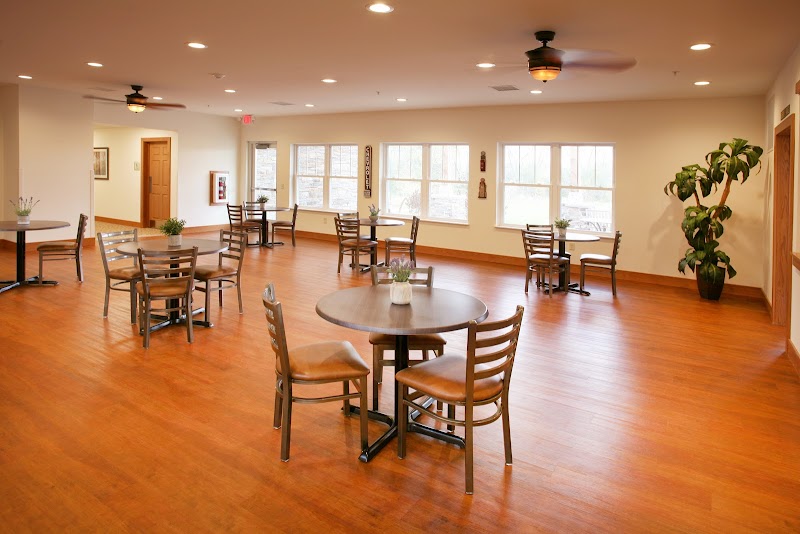
How is Oak Park Place Of Janesville Staffed?

CMS rates OAK PARK PLACE OF JANESVILLE's staffing level at 4 out of 5 stars, which is above average compared to other nursing homes.

What Have Inspectors Found at Oak Park Place Of Janesville?

State health inspectors documented 35 deficiencies at OAK PARK PLACE OF JANESVILLE during 2022 to 2025. These included: 3 that caused actual resident harm and 32 with potential for harm. Deficiencies causing actual harm indicate documented cases where residents experienced negative health consequences.
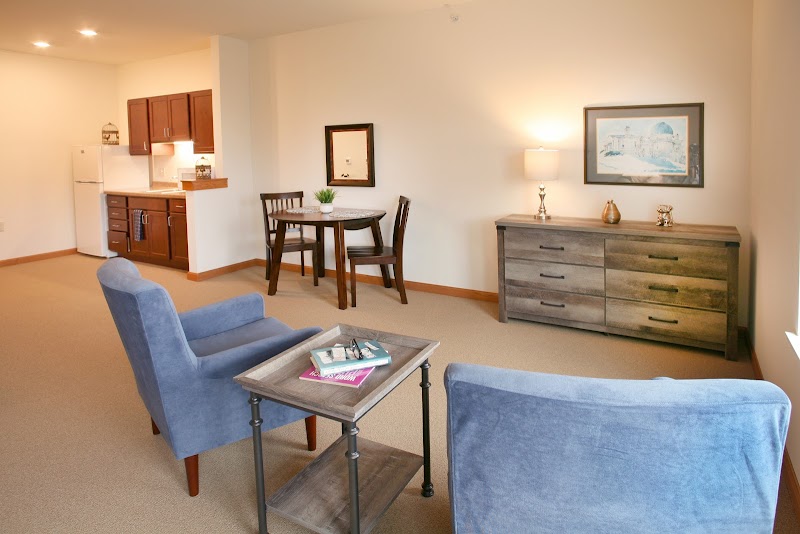
Who Owns and Operates Oak Park Place Of Janesville?

OAK PARK PLACE OF JANESVILLE is owned by a for-profit company. For-profit facilities operate as businesses with obligations to shareholders or private owners. The facility operates independently rather than as part of a larger chain. With 35 certified beds and approximately 22 residents (about 63% occupancy), it is a smaller facility located in JANESVILLE, Wisconsin.
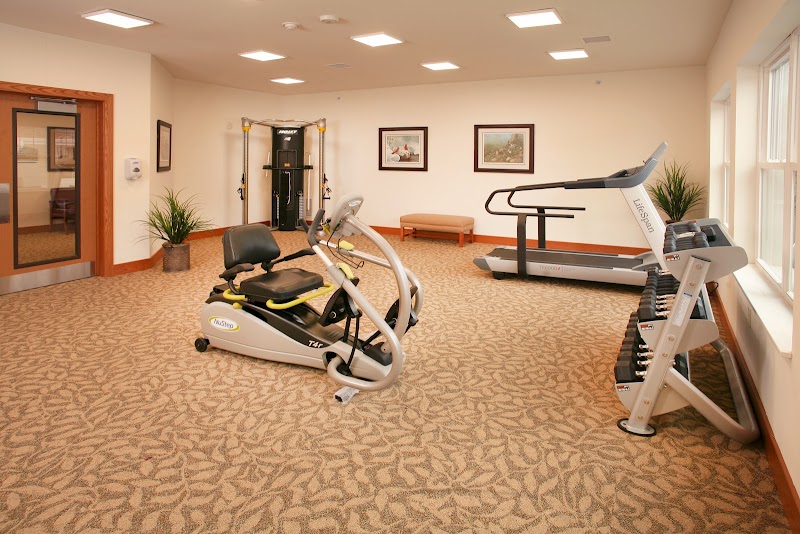
How Does Oak Park Place Of Janesville Compare to Other Wisconsin Nursing Homes?

Compared to the 100 nursing homes in Wisconsin, OAK PARK PLACE OF JANESVILLE's overall rating (2 stars) is below the state average of 3.0 and health inspection rating (2 stars) is below the national benchmark.

What Should Families Ask When Visiting Oak Park Place Of Janesville?

Based on this facility's data, families visiting should ask: "Can I visit during a mealtime to observe dining assistance and food quality?" "How do you handle medical emergencies, and what is your hospital transfer rate?" "Can I speak with family members of current residents about their experience?"

Is Oak Park Place Of Janesville Safe?

Based on CMS inspection data, OAK PARK PLACE OF JANESVILLE has a clean safety record: no substantiated abuse findings (meaning no confirmed cases of resident harm), no Immediate Jeopardy citations (the most serious violation level indicating risk of serious injury or death), and is not on the Special Focus Facility watch list (a federal program monitoring the lowest-performing 1% of nursing homes). The facility has a 2-star overall rating and ranks #100 of 100 nursing homes in Wisconsin. While no facility is perfect, families should still ask about staff-to-resident ratios and recent inspection results during their visit.

Do Nurses at Oak Park Place Of Janesville Stick Around?

OAK PARK PLACE OF JANESVILLE has not reported staff turnover data to CMS. Staff turnover matters because consistent caregivers learn residents' individual needs, medications, and preferences. When staff frequently change, this institutional knowledge is lost. Families should ask the facility directly about their staff retention rates and average employee tenure.

Was Oak Park Place Of Janesville Ever Fined?

OAK PARK PLACE OF JANESVILLE has been fined $9,750 across 1 penalty action. This is below the Wisconsin average of $33,176. While any fine indicates a compliance issue, fines under $50,000 are relatively common and typically reflect isolated problems that were subsequently corrected. Families should ask what specific issues led to these fines and confirm they've been resolved.

Is Oak Park Place Of Janesville on Any Federal Watch List?

OAK PARK PLACE OF JANESVILLE is not on any federal watch list. The most significant is the Special Focus Facility (SFF) program, which identifies the bottom 1% of nursing homes nationally based on persistent, serious quality problems. Not being on this list means the facility has avoided the pattern of deficiencies that triggers enhanced federal oversight. This is a positive indicator, though families should still review the facility's inspection history directly.