LAKE MILLS HEALTH SERVICES
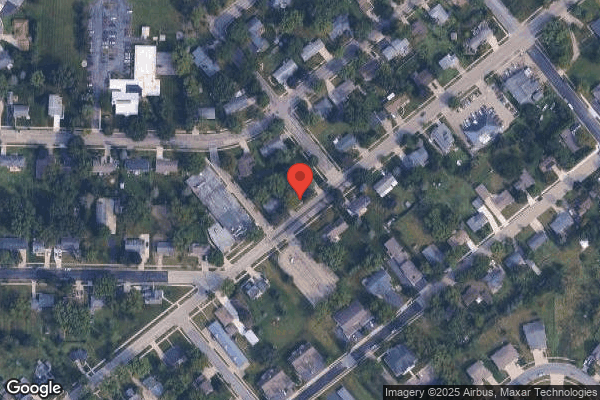
901 MULBERRY ST, LAKE MILLS, WI 53551 (920) 648-8344
For profit - Corporation 50 Beds NORTH SHORE HEALTHCARE Data: November 2025 1 Immediate Jeopardy citation
Trust Grade
43/100
#218 of 321 in WI
Last Inspection: March 2025

Within standard 12-15 month inspection cycle. Federal law requires annual inspections.

Overview

Lake Mills Health Services has a Trust Grade of D, indicating below-average performance with some significant concerns. It ranks #218 out of 321 nursing homes in Wisconsin, placing it in the bottom half, though it is the top facility in Jefferson County. Unfortunately, the trend is worsening, with the number of reported issues increasing from 3 in 2024 to 7 in 2025. Staffing is a relative strength, receiving a 4 out of 5 rating with a turnover rate of 35%, which is better than the state average. However, there are serious deficiencies, including a critical finding where a resident with a pressure injury did not receive the necessary treatment, highlighting potential risks. Additionally, many staff members lacked required behavioral health training, which could impact care for residents with mental health issues.

Trust Score
D
43/100
In Wisconsin
#218/321
Bottom 33%
Safety Record
High Risk
Review needed
Inspections
Getting Worse
3 → 7 violations
Staff Stability
○ Average
35% turnover. Near Wisconsin's 48% average. Typical for the industry.
Penalties
✓ Good
No fines on record. Clean compliance history, better than most Wisconsin facilities.
Skilled Nurses
✓ Good
Each resident gets 85 minutes of Registered Nurse (RN) attention daily — more than 97% of Wisconsin nursing homes. RNs are the most trained staff who catch health problems before they become serious.
Violations
⚠ Watch
18 deficiencies on record. Higher than average. Multiple issues found across inspections.
★★☆☆☆
2.0
Overall Rating
★★★★☆
4.0
Staff Levels
★★★★☆
4.0
Care Quality
★★☆☆☆
2.0
Inspection Score
Stable
2024: 3 issues
2025: 7 issues

The Good

  • 4-Star Staffing Rating · Above-average nurse staffing levels
  • 4-Star Quality Measures · Strong clinical quality outcomes
  • Full Sprinkler Coverage · Fire safety systems throughout facility
  • No fines on record
  • Staff turnover below average (35%)

    13 points below Wisconsin average of 48%

Facility shows strength in staffing levels, quality measures, fire safety.

The Bad

2-Star Overall Rating

Below Wisconsin average (3.0)

Below average - review inspection findings carefully

Staff Turnover: 35%

11pts below Wisconsin avg (46%)

Typical for the industry

Chain: NORTH SHORE HEALTHCARE

Part of a multi-facility chain

Ask about local staffing decisions and management

The Ugly 18 deficiencies on record

1 life-threatening
Jul 2025 4 deficiencies 1 IJ
CRITICAL (J) 📢 Someone Reported This

A family member, employee, or ombudsman was alarmed enough to file a formal complaint

Immediate Jeopardy (IJ) - the most serious Medicare violation

Pressure Ulcer Prevention (Tag F0686)

Someone could have died · This affected 1 resident

**NOTE- TERMS IN BRACKETS HAVE BEEN EDITED TO PROTECT CONFIDENTIALITY** Based on observation, interview, and record review, the facility did not ensure that residents with a pressure injury or at risk...

Read full inspector narrative →
**NOTE- TERMS IN BRACKETS HAVE BEEN EDITED TO PROTECT CONFIDENTIALITY** Based on observation, interview, and record review, the facility did not ensure that residents with a pressure injury or at risk for pressure injuries received necessary treatment and services, consistent with professional standards of practice, to prevent the development of pressure injuries and to promote healing for 2 (R1 andR4) of 3 residents reviewed for pressure injuries. * R1 admitted to the facility on [DATE] with a hospital discharge summary that included treatment for R1’s right ischium. This treatment was not picked up by the facility. On 5/14/25, the facility documented a stage 2 pressure injury (PI) to R1’s right buttock. Wound Physician-G’s treatment recommendation for the right buttock was not completed by the facility. On 5/27/25, the right buttock PI was noted to have declined, and Wound Physician-G changed the treatment orders. These orders were not picked up by the facility, and the facility did not develop a PI care plan for R1. The facility also failed to implement physician’s treatment orders from 6/3/25 and 6/10/25. Facility also documented R1 as having a right trochanter (hip) PI and a right lower leg vascular wound. When R1 was discharged to an Assisted Living (AL) facility on 6/11/25, the AL noted R1 had a stage 2 open area on her right buttock and 2 open areas on the left gluteal fold. The areas were warm to touch and painful with no dressings or ointments, and resident had blood in her brief where the wounds had made contact. Resident was sent to the hospital for evaluation and determined to have a coccygeal abscess which was concerning for osteomyelitis and a left buttock abscess. The facility's failure to provide care and promote the healing of R1's pressure injury, the failure to develop R1's pressure injuries care plan, and the failure to implement physician ordered treatments created a finding of Immediate Jeopardy (IJ) that began on 5/27/25. Surveyor notified NHA (Nursing Home Administrator)-A, DON (Director of Nursing)-B, and [NAME] President (VP) of Success-C of the immediate jeopardy on 6/30/25 at 1:20 p.m. The immediate jeopardy was removed on 6/30/25. The deficient practice continues at a scope and severity of G related to the example involving R4 and as the facility continues to implement its action plan. * R4 developed 3 stage 2 pressure injuries in 15 days. The residents care plan was not changed until 6/26. The resident was at risk was not provided with an air mattress for pressure relief for 14 days. R4 then developed an unstageable pressure injury. Findings include: The facility's policy titled, Pressure Injuries and Non Pressure Injuries, and reviewed/revised 7/20/22 documents under policy: This center will complete a comprehensive assessment to identify risk factors for the development of pressure injuries and put in place measures intended to achieve the goal of prevention of pressure injuries in our residents. For those residents admitted with, or who subsequently developed a pressure injury or impaired skin integrity, they will receive care, treatment, and services that seek to promote healing, prevent infection, and prevent further development of pressure injuries/impaired skin integrity. The following protocols should guide prevention and treatment efforts, unless specified by a physician otherwise. Policy Explanation and Compliance Guidelines documents: 1. Upon admission: a. A head-to-toe body evaluation will be completed on every resident upon admission/readmission and will be documented on the Admission/readmission Evaluation UDA (user defined assessment). If skin is compromised: i. If pressure Injury: Initiate the Pressure Injury Weekly Tracker UDA - one per wound . iii. Ensure primary care physician (PCP) is aware of wounds/location of wounds and current treatment orders. iv. Ensure appropriate treatment orders for each wound area, as needed. v. Ensure resident/responsible party is awaref wounds and current treatment plan. vi. Evaluate for pain related to wounds and develop management plan if pain related to wounds is present. c. Initiate the baseline plan of care related to current skin status and skin risk level. (The comprehensive care plan will be developed within seven days of the completion of the comprehensive assessment - see below for additional information related to the comprehensive care plan). The Care Plan section documents: A Comprehensive Skin Integrity Care Plan is based on resident history, review of Skin Assessment, Braden Scale Scoring, Nutritional Assessments, resident and family interviews, and staff observations. Consider the areas of risk, as well as overall risk assessment score of the Braden Scale. Communicate identified risk factors and interventions to direct care staff. 1.) R1 was admitted to the facility on [DATE] with diagnoses including hypothyroidism (condition where thyroid gland doesn't produce enough thyroid hormones to meet the body's needs), lymphedema (tissue swelling often in an arm or leg), venous insufficiency, dementia (loss of cognitive function that interferes with a person's daily life and activities), PVD (peripheral vascular disease) (circulatory condition which narrows blood vessels reducing blood flow to limbs), chronic kidney disease (characterized by progressive damage and loss of kidney function) stage 2 (mild), adult failure to thrive, and anxiety disorder. R1's hospital Discharge summary dated [DATE] under Discharge Procedure Orders for wound care instructions documents: Location: R (right) ischium. If necessary, give pain medicine 1 hour prior to starting wound care. Remove all old dressings. Actively wash wound with antibacterial soap (i.e. Dial soap) and water using a washcloth. Rinse completely and pat dry with clean wash cloth or towel. Apply foam border to open area. Dressing changes to be done every other day by floor nurses. We will plan to have [R1's name] follow up in the Burn and Wound Clinic (phone number [number] on 5/22 at 3pm at [Name] Clinic. Surveyor was unable to locate these hospital discharge treatment orders in R1’s record nor is there a progress note indicating R1's physician was notified of these orders. R1's admission evaluation dated 5/14/25 completed by Registered Nurse/Unit Manager (RN/UM)-D has a Braden assessment score of 13 which indicates moderate risk for pressure injuries. The skin integrity section documents: 31) Right buttock. Type documents: pressure, measurements are 0.5 x (times) 0.5 x 0.1. Stage is II (2). Surveyor noted this is not a comprehensive assessment as there is not a description of the wound bed, peri wound, drainage, etc. There are no treatment orders for R1's right buttocks pressure injury identified on the 5/14/25 admission evaluation. R1's progress note dated 5/15/25, at 11:00 a.m., by APNP (Advanced Practice Nurse Practitioner)-H under history of present illness documents: [R1's name], female with past medical history of chronic lymphedema, hypothyroidism, CKD (chronic kidney disease) stage 2, anemia, cognitive impairment and hypertension. She was admitted for observation for adult failure to thrive. APNP-H's progress note does not address R1's right buttock pressure injury. Surveyor reviewed R1's care plans and noted the following care plans: Activities initiated 5/20/25, ADL (activities of daily living) self-care deficit initiated 5/14/25, Advanced Directives initiated 5/19/25, Potential for elopement initiated 5/14/25, Cognitive Loss initiated 5/19/25, Difficulty communicating initiated 5/14/25, Urinary incontinence initiated 5/14/25, Bowel incontinence initiated 5/14/25, Dental or oral cavity health initiated 5/14/25, Potential for discharge initiated 5/14/25, At risk for falls initiated 5/14/25, Cardiac disease initiated 5/14/25, Edema/excess fluid volume initiated 5/14/25, At risk for nutritional status initiated 5/14/25, Pain leg initiated 5/14/25, Actual (ulcers at bilateral shins) initiated 5/14/25, Actual (ulcers at bilateral shins initiated 5/20/25, and At risk for retraumatization initiated 5/19/25. Surveyor noted the facility did not develop and implement a comprehensive pressure injury care plan. R1's admission MDS (minimum data set) with an assessment reference date of 5/20/25 has a BIMS (brief interview for mental status) score of 4 which indicates severe cognitive impairment. R1 is assessed as refusing care one to three days. R1 is assessed for eating as independent, roll left and right is partial/moderate assistance, toileting hygiene, showering, chair/bed to chair transfer, and toileting transfer is assessed as substantial/maximal assistance. R1 is frequently incontinent of urine and continent of bowel. R1 is at risk for pressure injury development and is assessed as having one stage 2 pressure injury which was present upon admission. R1's Braden assessment dated [DATE] has a score of 18 which indicates at risk for PIs. R1's pressure CAA (care area assessment) dated 5/23/25 under analysis of findings for nature of the problem/condition documents: Pressure ulcers CAA triggered secondary to actual pressure ulcers. Contributing factors include ADL (activity daily living)/functional/mobility impairment, history of pressure ulcers, actual pressure ulcers, cognitive loss, and use of medications that can contribute to skin breakdown, incontinence, and pain. Risk factors include pain, development of PU (pressure ulcer)/skin condition, and fluid deficit risk. A licensed nurse assess the skin each week. It is also assessed by caregivers with each bath and each time the resident is dressed. The physician is to be notified of any abnormal findings and treatment orders are obtained. Caregivers assist with repositioning at least every two hours and as needed for comfort. Care plan will be initiated or reviewed to improve or maintain current ADL status and functional ability, maintain continence status, prevent pain, and decrease pressure ulcer/fluid deficit risk. Location of documentation see NN (nurses notes), Braden, TAR (treatment administration record), wound nurse documentation and measurements for the look back period. Under care plan considerations for describe impact of this problem/need on the resident and your rational for care plan decision has the exact same documentation as documented under the analysis of findings for nature of the problem/condition. R1's pressure injury weekly tracker with an effective date of 5/20/25 completed by Director of Nursing (DON)-B documents for site 31) Right buttock, type is pressure, length 0.5, width 0.5, depth 0.1, and Stage is II (2). Tissue type is granulation tissue, granulation % (percentage) is 100. Drainage is none. Surveyor noted this comprehensive pressure injury assessment was 6 days after R1 was admitted to the facility. Surveyor noted a stage 2 pressure injury does not have granulation and this area should have been staged at a Stage 3. The assessment does not include a description of the wound bed. Wound Physician-G's initial wound evaluation and management summary dated 5/20/25 documents: Stage 2 pressure wound of the right buttocks with wound size (L x W x D) (length times width times depth) of 0.5 x 0.5 x 0.1 cm (centimeters). There is no description of the wound bed. Under dressing treatment plan for primary dressing documents: Zinc ointment apply Q (every) shift (3x (times) day) and as needed: if saturated, soiled, or dislodged. There is no order for the Zinc ointment and the Zinc ointment is not on R1's May 2025 MAR (medication administration record) or TAR (treatment administration record). R1 was receiving physical and occupational therapy. On 5/27/25, therapy changed R1's status to ad lib for ambulation and getting self dressed. R1's pressure injury weekly tracker with an effective date of 5/27/25 completed by Registered Nurse/Unit Manager (RN/UM)-D documents for site: 31) Right buttock, type is pressure, length is 3, width 0.5, depth 0.1, and stage is blank. Tissue type is granulation tissue. Skin % is 50. Drainage is Serosanguinous and amount of drainage is light. Wound Physician-G's wound evaluation and management summary dated 5/27/25 documents: Stage 2 pressure wound of the right buttock, partial thickness with wound size (L x W x D) of 3 x 0.5 x 0.1 cm. Cluster wound documents open ulceration area of 0.75 cm. Exudate is light sero-sanguineous. There is not a description of the wound bed. Under dressing treatment plan for Primary Dressing(s) documents: Alginate honey-impregnated apply once daily and as needed: if saturated, soiled, or dislodged. Secondary Dressing(s) Gauze island w/bdr (with border) apply once daily and as needed: if saturated, soiled, or dislodged. There is no order for R1's right buttock pressure injury treatment and the treatment recommended by Wound Physician-G is not listed on the May 2025 MAR or TAR. Surveyor noted the facility has still not developed a comprehensive pressure injury care plan and the PI has declined. R1's pressure injury weekly tracker with an effective date of 6/3/25 completed by DON-B documents for site: 31) Right buttock, type is pressure, length is 2, width 0.6, depth 0.1 and stage is II (2). Tissue type is Granulation tissue and Granulation % is 100. Drainage is none. Summary of findings is Worsening. Wound Physician-G's wound evaluation and management summary dated 6/3/25 documents: Stage 2 pressure wound of the right buttock, partial thickness with wound size (L x W x D) of 2 x 0.6 x 0.1 cm. Cluster wound documents open ulceration area of 0.60 cm. squared. Exudate is Moderate sero-sanguineous. There is not a description of the wound bed. Under dressing treatment plan for Primary Dressing(s) documents: Alginate honey-impregnated apply once daily and as needed: if saturated, soiled, or dislodged. Secondary Dressing(s) Gauze island w/bdr (with border) apply once daily and as needed: if saturated, soiled, or dislodged. There is no order for R1's right buttock pressure injury treatment and the treatment recommended by Wound Physician-G is not listed on the June 2025 TAR. Surveyor noted the facility has still not developed a comprehensive pressure injury care plan. Surveyor was unable to locate a pressure injury weekly tracker for the week of 6/8/25 to 6/14/25. Wound Physician-G's wound evaluation and management summary dated 6/10/25 documents Stage 2 pressure wound of the right buttock, partial thickness with wound size (L x W x D) of 1.5 x 0.6 x 0.1 cm. Cluster wound documents open ulceration area of 0.45 cm. squared. Exudate is light sero-sanguineous. There is not a description of the wound bed. Under dressing treatment plan for Primary Dressing(s) documents: Alginate honey-impregnated apply once daily and as needed: if saturated, soiled, or dislodged. Secondary Dressing(s) Gauze island w/bdr (with border) apply once daily and as needed: if saturated, soiled, or dislodged. There is no order for R1's right buttock pressure injury treatment and the treatment recommended by Wound Physician-G is not listed on the June 2025 TAR. Surveyor noted the facility has still not developed a comprehensive pressure injury care plan. R1's shower/bath body check dated 6/10/25 documents: refused said she's taking it at home tomorrow. R1's weekly skin review with an effective date of 6/11/25 under skin condition is checked for pressure injury and other. For specify other documents: vascular. For site documents 25) Right trochanter (hip) and description documents pressure. For site documents 41) right lower leg (front) and description documents vascular. R1's discharge note dated 6/11/25, at 13:00 (1:00 p.m.), written by Licensed Practical Nurse (LPN)-E documents Discharge Location: ALF (assisted living facility). discharged With: Res (Resident) discharged with all personal belongings and personal W/C (wheelchair). Family here assisted res with belongings. Belongings: Medications: All medication returned to pharmacy. Skin check: (blank) Vitals: (blank) Additional Information: Res in good spirits, 0 c/o (complaint of) pain/discomfort. On 6/26/25, at 9:32 a.m., Surveyor telephoned and spoke with Assisted Living Staff-K. Surveyor asked Assisted Living Staff-K if they could explain to Surveyor how R1 was when she arrived at their facility. Assisted Living Staff-K read Surveyor their note and informed Surveyor would send this note to Surveyor. Surveyor noted Assisted Living Staff-K's note dated 6/11/25 at 5:24 p.m. documents: [R1's name] arrived at [Assisted Living Facility Name] at approximately 2:15 transported by her family from Lake Mills Care Center. She was accompanied by her children, [Name], [Name], and another daughter. I went to assess [R1's first name] at approximately 2:45 and found her sitting in her lift chair in her apartment, talking with her children. She was pleasant, disoriented to time and place, with severe short term memory loss. We discussed her needs and what would be done by staff to help her, and she and her family stated understanding. Head to toe assessment revealed the following: [R1's first name] wears a wig, and has her own natural hair. She wears prescription glasses, and does not need hearing aids. She has upper and lower dentures that she states she rarely takes out. Her oral mucosa were moist. Her lungs were clear to auscultation in all fields both posteriorly and anteriorly. Heart auscultation revealed a systolic murmur and a slightly irregular rhythm, apical heart rate was 108. She had positive bowel sounds and was drinking an ensure prior to the exam. [R1's first name] bilateral lower legs were extremely edematous from toes to above the knee. Compression garments were in place. When they were removed, skin inspection revealed chronic skin changes, with increased redness on the dorsal aspect of both lower legs. On her right posterior lower leg, there was a bandage in place. [R1's first name] and her family did not know what it was covering. On her left lower leg, there were scattered clear blisters and a pinpoint area that was opened. [R1's first name] stated that her butt hurt, so her pants and undergarments were removed for skin inspection. She had a 1.5 x 1.5 cm stage 2 open area on her right buttock that was surrounded by unblanchable tissue with suspected deep tissue injury. She had two open areas on the left gluteal fold that was covered with whitish slough and were unstageable. They, too, were surrounded by suspected deep tissue injury. To the left of her coccyx there was an opening that appeared to tunnel into the subcutaneous tissue. The area around the opening was covered with white slough, and the tissue surrounding the area was hard, red, and warm to touch. The coccygeal area was also painful to touch. There were no dressings, ointments or creams apparent upon inspection, and there was blood in her brief where the wounds had made contact with it. [R1's first name] stated that the pain prevented her from sitting or lying comfortably. [R1's first name] daughters stated that the prior SNF (skilled nursing facility) had mentioned nothing about wounds on her buttocks or coccyx. They did state that she had a previous pressure injury while at Lake Mills, but that their understanding was that it was healed. These wounds were not present at my initial evaluation approximately 10 days ago when [R1's first name] was still at the skilled facility. Vitals at this time were T (temperature) 101.4 F (Fahrenheit) (forehead); BP (blood pressure) 115/59; Pulse 108, Respirations 24. Because of the elevated temperature and the condition of the wounds, I recommended that the family take [R1's first name] to Urgent Care for evaluation. They agreed and transported her at approximately 1530 (3:30 p.m.). Family was instructed to request wound and skin evaluation, urinalysis, and wound care orders. They know to get any antibiotics prescribed filled at [Pharmacy Name] so that they can be started as soon as possible. Staff is instructed to call me when/if [R1's first name] returns to the facility. Assisted Living Staff-K’s note dated 6/12/25 at 9:08 a.m. documents: [R1's first name] was admitted to [Name] Hospital in [Name] last evening via the urgent care center. [Name], Registered Nurse Case Management (RNCM) called with an update this morning. [R1's first name] coccygeal abscess that is concerning for osteomyelitis and a left buttock abscess. She is having imaging and blood cultures done, and her plan of care is being developed . On 6/26/25, at 11:05 a.m., Surveyor interviewed Certified Nursing Assistant (CNA)-T, who worked the day shift on 6/10/25 and 6/11/25 and was assigned to R1 on 6/11/25,. CNA-T informed Surveyor R1 kind of wanted to do her own thing. Surveyor asked CNA-T on the day R1 was discharged (6/11/25) did she provide any cares for R1. CNA-T replied no, she kind of does her own things. Surveyor asked CNA-T if she ever saw R1's buttocks. CNA-T replied, I would put cream. Surveyor asked the last time she saw R1's buttocks. CNA-T wasn't able to tell Surveyor and informed Surveyor she did help R1 in and out of the bathroom. CNA-T informed Surveyor she would offer to change R1's shirt and wash her up but R1 would say no I'm fine I'll get it. Surveyor asked CNA-T on the day of discharge did she help with R1's discharge. CNA-T replied no and explained R1's family packed everything up. On 6/26/25, at 11:12 a.m., Surveyor interviewed CNA-S, who worked the day shift on 6/10/25, regarding R1. CNA-S informed Surveyor R1 liked to transfer herself a lot, but CNA-S would help her to bathroom and change R1 if she didn't already do it. CNA-S indicated she had to stop R1 from doing things herself and she was impulsive. Surveyor asked CNA-S if she saw R1's buttocks. CNA-S replied, I wiped her guess I didn't put my face up to see, had to be quick as didn't allow you to do much with her. Surveyor stated to CNA-S so you didn't look at her bottom. CNA-S replied no. CNA-S explained R1 would stand up and pull up her pants. Surveyor asked CNA-S if she washed R1 up in bed. CNA-S replied she wouldn't let me, sometimes let me help change her shirt. On 6/26/25, at 11:58 a.m., Surveyor asked DON-B what is the process for when a resident is admitted regarding a skin assessment. DON-B explained RN/UM-D or another RN does a head to toe assessment. Surveyor inquired about R1. DON-B informed Surveyor R1 refused to have the dressings on her legs removed. DON-B explained R1 was admitted on a Wednesday and they changed the dressing on Friday. Surveyor asked about R1 buttocks. DON-B replied, buttocks, I don't remember her butt. Surveyor informed DON-B the admission assessment on 5/14/25 does not have a description of the wound bed. RN/UM-D looked at R1's admission assessment and then stated to Surveyor didn't write a whole lot. Surveyor informed DON-B there wasn't a comprehensive assessment until 6 days later on 5/20/25. Surveyor asked if R1's pressure injury had 100% granulation tissue why was the pressure injury staged as a 2 not a stage 3. DON-B replied that's a good question and explained the pressure injury wasn't that deep. Surveyor asked DON-B why the wound doctor doesn't document the wound bed for R1's pressure injury. DON-B replied that's a good question, I usually write the wound bed. Surveyor informed DON-B on 5/27/25, the wound doctor documents cluster of wound. DON-B explained if there is more than one open area he will measure one greater area. Surveyor informed DON-B the pressure injury weekly tracker dated 5/27/25 has granulation tissue and 50% skin. DON-B informed Surveyor she was on vacation this week and stated that's weird. Surveyor informed DON-B the weekly skin review dated 6/11/25 by RN-F documents a trochanter (hip) pressure injury. DON-B informed Surveyor R1 didn't have anything on her hip and doesn't know where that came from. DON-B informed Surveyor she will have to speak with RN-F. Surveyor informed DON-B Surveyor could speak with RN-F. Surveyor informed DON-B Surveyor was unable to locate an order and didn't see any treatment for R1's right buttock pressure injury. DON-B informed Surveyor she thinks they were doing calazime cream. DON-B looked in R1's physician order and then stated you're right. DON-B explained Wound Physician-G sends his notes electronically, which goes in the resident's record and Wound Physician-G doesn't put orders in. Surveyor informed DON-B Wound Physician-G on 5/27/25 documents a treatment with alginate honey and gauze island border dressing which was never completed. DON-B informed Surveyor that the treatment was never transcribed and it's an area of opportunity. On 6/26/25, at 12:31 p.m., Surveyor telephoned RN-F. Surveyor asked RN-F how she completed R1's skin check. RN-F informed Surveyor she honestly can't remember and would have to look at the computer. RN-F informed Surveyor R1 had wraps on her legs. Surveyor asked about R1's buttocks. RN-F informed Surveyor she didn't think she had anything. Surveyor asked RN-F on 6/11/25 did she look at R1's buttocks. RN-F replied I honestly don't remember. RN-F informed Surveyor first name of DON-B was kind of telling her what Surveyor was looking at and maybe she got her mixed up. RN-F informed Surveyor she was coming to the facility for a 1:30 p.m. meeting. Surveyor asked RN-F to see Surveyor while at the facility. On 6/26/25, at 2:44 p.m., Surveyor met with RN-F regarding R1. RN-F informed Surveyor some nurses document buttocks and some ischium. RN-F informed Surveyor she slipped up and put hip. Surveyor inquired about the right lower leg. RN-F informed Surveyor that was her mistake and it was healed. Surveyor asked RN-F how she did R1's skin check. RN-F replied in the bathroom and had asked the CNAs when they were toileting her to let her know. Surveyor asked RN-F if she looked at R1's buttocks. RN-F replied yes, had her stand up, cleaned her and took a look. Surveyor asked RN-F if the time she charted was the time she did the skin check. RN-F informed Surveyor it may have been earlier and she couldn't say as she didn't know if they had two nurses or she was by herself. Surveyor asked RN-F if staff had to take R1 to the bathroom or could R1 go by herself. RN-F informed Surveyor R1 wasn't supposed to and thinks at the end R1 was a one assist. Surveyor asked RN-F when she was doing R1's skin check did she spread the cheeks of R1's buttocks. RN-F replied I did the best I could. On 6/26/25, at 2:52 p.m. Surveyor interviewed CNA-R, who worked the evening shift on 6/10/25, about R1. CNA-R informed Surveyor R1 could be demanding, she went from being friendly to mean and did a lot of the cares herself. CNA-R informed Surveyor R1 didn't want them to do anything, would put the call light on and would already be in the bathroom. Surveyor asked CNA-R if she saw R1's buttocks. CNA-R replied yes, during the mid-point when she was here, can't say at the end because she was more independent. CNA-R informed Surveyor her buttocks were red and they did offer cream. Surveyor asked CNA-R if she observed R1's buttocks on 6/10/25, the day before R1 was discharged . CNA-R replied no I don't think I did. On 6/26/25, at 3:21 p.m. Surveyor interviewed RN-J, who worked the evening shift on 6/10/25, about R1. Surveyor asked RN-J if she had to do any treatments for R1. RN-J replied no. Surveyor asked RN-J if she ever saw R1's buttocks. RN-J replied no. RN-J informed Surveyor when the CNAs are doing cares, if there are any concerns they will get the nurse and their shower sheets. On 6/30/25, at 7:50 a.m., Surveyor interviewed CNA-U regarding R1. CNA-U informed Surveyor R1 mostly hung out in her room and refused cares. Surveyor informed CNA-U she was on the schedule for the evening shift on 6/10/25, day shift on 6/11/25, and inquired if she did any cares for R1 during this time. CNA-U informed Surveyor not that she could recall. Surveyor asked CNA-U if she observed R1's buttocks. CNA-U replied no she really wouldn't let us help her. On 6/30/25, at 8:03 a.m., Surveyor interviewed CNA-V regarding R1. CNA-V informed Surveyor R1 self-transferred, had a couple falls, refused cares, and would sit on the bed with the walker. CNA-V informed Surveyor R1 really didn't let them do a whole lot. Surveyor asked CNA-V if she ever saw R1's buttocks. CNA-V replied no. On 6/30/25, at 8:09 a.m., Surveyor asked Physician-W if he knows why the wound doctor doesn't describe the wound bed. Physician-W informed Surveyor he has no idea and doesn't follow wounds. Surveyor asked if [Name of Wound company] follows all wounds at the facility. Physician-W replied yes. On 6/30/25, at 8:19 a.m., Surveyor interviewed CNA-Q, who worked the day shift on 6/10/25 and 6/11/25, about R1. CNA-Q informed Surveyor R1 was independent and could be rude. Surveyor asked CNA-Q if she assisted R1 with going to the bathroom. CNA-Q informed Surveyor if she caught R1 and R1 would take herself. CNA-Q informed Surveyor one time R1 called and she helped her but only one time. Surveyor asked CNA-Q if she saw R1's buttocks. CNA-Q replied no, she didn't like them to change her. CNA-Q informed Surveyor she doesn't have R1's assignment often and is usually assigned to other assignments. On 6/30/25, at 8:28 a.m., Surveyor asked RN/UM-D what she does when a resident is admitted . RN/UM-D explained she does a head to toe assessment under the admission evaluation and kick starts the care plan. Surveyor asked RN/UM-D if she remembers R1. RN/UM-D replied yes. Surveyor asked RN/UM-D why there wasn't a pressure injury care plan developed. RN/UM-D replied not sure, I'd have to look at that. RN/UM-D informed Surveyor R1 had lymphedema wounds and an area on her bottom. RN/UM-D informed Surveyor in the beginning R1 didn't want anyone to look at her, she was very shy. On 6/30/25, at 8:38 a.m., Surveyor spoke with Wound Physician-G on the telephone regarding R1. Surveyor inquired why he didn't describe the wound bed for R1's pressure injury. Wound Physician-G explained when he stages the pressure injury as a stage 2 the program locks him out of describing the wound bed to safeguard inappropriate documentation. Surveyor informed Wound Physician-G he was documenting R1's right buttock pressure injury as a stage 2 but the facility was documenting 100% granulation. Wound Physician-G informed Surveyor he didn't think there was granulation and R1 was admitted with the pressure ulcer, not acquired. Surveyor asked Wound Physician-G if he was aware facility staff were not doing any treatment for R1's right buttock pressure injury. Wound Physician-G replied no, he wasn't aware. Wound Physician-G informed Surveyor there are times the nurses take off the bandage before he comes and doesn't get worried if the bandage is off. Wound Physician-G informed Surveyor he can't physically put orders in PCC (pointclickcare). Surveyor asked Wound Physician-G if R1 had any other pressure injuries other than the right buttocks. Wound Physician-G informed Surveyor not that he was made aware of and doesn't do a skin sweep and it was just the butt cheek that they were seeing. Surveyor inquired about when Wound Physician-G clusters areas. Wound Physician-G informed Surveyor if the wounds are on the same anatomical location and required the same treatment he will cluster the wounds. Wound Physician-G informed Surveyor R1 had excoriation and it was his judgement call to cluster together. On 6/30/25, at 9:24 a.m., RN/UM-D stated to Surveyor it was me, don't know how I missed the pressure care plan. Surveyor asked RN/UM-D who reviews the hospital discharge summary. RN/UM-D informed Surveyor it depends, DON-B will put the orders in and someone will double check and if DON-B is not here she will and another nurse will double check. On 6/30/25, at 9:27 a.m., Surveyor asked DON-B if she has any information regarding the assessments documenting 100% granulation and R1's pressure injury being staged at a stage 2. DON-B informed Surveyor it may be her error and informed Surveyor the wound bed was nice beefy red. Surveyor informed DON-B there was not a pressure injury care plan for R1. DON-B informed Surveyor RN/UM-D just told her that. Surveyor asked DON-B when R1 was admitted did she review R1's hospital discharge summary. DON-B informed Surveyor she usually does the discharge summary and RN/UM-D does the physical assessment. Sur
CONCERN (D) 📢 Someone Reported This

A family member, employee, or ombudsman was alarmed enough to file a formal complaint

Potential for Harm - no one hurt, but risky conditions existed

Deficiency F0628 (Tag F0628)

Could have caused harm · This affected 1 resident

**NOTE- TERMS IN BRACKETS HAVE BEEN EDITED TO PROTECT CONFIDENTIALITY** Based on interview and record review, the facility did not ensure the facility that the transfer or discharge is documented in t...

Read full inspector narrative →
**NOTE- TERMS IN BRACKETS HAVE BEEN EDITED TO PROTECT CONFIDENTIALITY** Based on interview and record review, the facility did not ensure the facility that the transfer or discharge is documented in the resident's medical record and appropriate information is communicated to the receiving health care institution or provider or a discharge summary that includes a recapitulation of the resident's stay to ensure a safe and orderly discharge for 2 (R2, R4) or 2 residents.* R2 has no documented discharge summary included recapitulation of R2's stay in the facility in R2's medical record. There was not documentation that R2 was explained or educated on medications, follow up appointments, self-catheterization or therapies that R2 was to receive after discharge home. * R1 had no discharge documentation, including a recapitulation of R1's stay, sent with R1 when R1 was discharged on 6/11 to an assisted living facility until R1 was already discharged from the facility and residing at the assisted living facility.Findings include:The facility's policy titled, Transfer and discharge: Implemented: June 2017, Reviewed: July 15, 2022, documents:Anticipated Transfers or Discharges-initiated by the resident.A. Obtain physicians' orders for transfer or discharge instructions of precautions for ongoing care.B. A member of the interdisciplinary team completes relevant sections of the discharge summary. The nurse caring for the resident at the time of discharge is responsible for ensuring the Discharge Summary is complete and includes but is not limited to the following:i. A recap of the resident's stay that includes diagnosis, course of illness/treatment or therapy, and pertinent lab, radiology and consultation results.ii. A final summary of the resident's status.iii. Reconciliation of all pre-discharge medications with the resident's post-discharge medications (both prescribed and over the counter). iv. A post discharge plan of care that is developed with the participation of the resident, and the resident's representative(s) which will assist the resident to adjust to his or her new living environment.C. Orientation for transfer or discharge must be provided and documented to ensure safe and orderly transfer or discharge from the facility, in a form and manner that the resident can understand. Depending on the circumstances, this orientation may be provided by various members of the interdisciplinary team. D. Assist with transportation arrangement to the new facility and any other arrangements as needed.E. The comprehensive, person-centered care plan shall contain the resident's goals for admission and desired outcomes and shall be in alignment with the discharge. F. Supporting documentation shall include evidence of the resident's or resident's representative's verbal or written notice of intent to leave the facility, a discharge plan, and documented discussions with the resident and/or resident representative.1.) R2 was admitted to the facility on [DATE] with diagnosis that include urinary tract infection, hydronephrosis (a condition where the kidney swells due to a buildup of urine, typically caused by a blockage or obstruction in the urinary tract), and acute kidney injury. R2's Discharge Minimum Daily Set (MDS) with an assessment reference date of 4/02/25 documents a Brief Interview for Mental Status score of 14, indicating R2 as being cognitively intact. Under section GG Functional abilities and goals it documents R2 as requiring set up or clean up assist (helper sets up of cleans up resident completes activity. with Chair/bed to chair transfer, toileting hygiene and shower and bathing.R2's non-pressure weekly tracker dated 3/29/25, at 2:05 PM documents R2 had a skin tear acquired on the right dorsal foot. Measured: Length1.5x Width 0.1. Tissue type: 75% epithelial and 100% granulation with light bloody drainage.R2's physician's order dated 03/31/25 documents (PT and OT) physical and occupational therapy 5 times a week for 4 weeks. R2's nursing note dated 4/2/25, at 4:35 PM, documents the current resident status is resident has discharged to home and skin is healed.On 6/26/25, at 11:27 AM Surveyor interviewed Nursing Home Administrator (NHA)-A about R2's discharge process. Surveyor asked if the facility documented all the education and discharge instructions for R2's discharge to home on 4/2/25. NHA-A informed Surveyor that it was documented that R2 was discharged home. Surveyor asked NHA-A if a recapitulation of R2's stay including any home health or PT and OT that R2 was to receive once R2 was home and was this information included in R2's discharge summary. NHA-A informed Surveyor that R2 was involved in R2's discharge. Surveyor asked NHA-A where that information was documented, because Surveyor noted a very basic summary stating that R2 was discharged home. NHA-A informed Surveyor that R2 was provided all information required when R2 was discharged . Surveyor asked NHA-A where that information was documented and could NHA-A provide the Surveyor with the documentation. NHA-A informed Surveyor that R2 declined PT, OT and Home Health services. Surveyor asked NHA-A if the Surveyor could see that documentation in R2's medical record. NHA- A informed Surveyor that R2's declination of service was not in the medical record, but that NHA-A sent out an email to the interdisciplinary team to inform them that R2 has declined Home Health services. Surveyor asked NHA-A if NHA could provide the Surveyor with the Email. NHA-A informed Surveyor that NHA-A would get the Surveyor the Email. Surveyor asked if NHA-A could provide Surveyor a copy of the Discharge Summary. NHA-A informed Surveyor that NHA-A would get the Surveyor a copy. Surveyor asked NHA-A if NHA-A could provide information on the status of R2's right dorsal skin tear acquired on 3/29/25 was healed, because surveyor could not find any information in R2's discharge documentation if the area was healed and if R2 needed to follow up treatment or perform dressing changes at home after discharge. NHA-A informed Surveyor that NHA-A would find out that information and get it to the Surveyor.On 6/26/25, at 12:00 PM, NHA-A informed Surveyor that NHA-A was still looking for the discharge documentation for R2 that Surveyor requested.On 6/26/25, at 12:22 PM Surveyor interviewed Nursing Home Administrator (NHA)-A about R2's discharge process. Surveyor was provided with R2's nursing note dated 4/2/25, at 4:35 PM, documents the current resident status is resident has discharged to home and skin is healed. Surveyor was given occupational therapy notes for 2/15/25 and discharge instructions from R2's hospital stay dated 2/28/25. Surveyor asked NHA-A if the facility had discharge paperwork for R2's discharge from the facility on 4/2/25. NHA-A provided an email dated 3/31/25 at 1:02 PM titled 'Discharges 04/02/25' that documented:R2 will be discharging home on Wednesday, 4/2. His brother will be here after 5PM. No DME needed. Resident decline HH referral. Surveyor asked NHA-A if the was all R2's discharge paperwork. NHA-A informed Surveyor that R2 was discharged with a packet that included R2's medication list and orders. NHA-A informed Surveyor that R2 had signed it and that the facility faxed the list to R2's pharmacy. NHA-A informed Surveyor the packet included a reminder that R2 was on a Regular diet and reminder to follow up with R2's community physician within 7 days of discharge. NHA-A provided the documents to the Surveyor. NHA-A informed Surveyor that there was no additional documentation the facility could provide to the Surveyor, but that it was the facilities customary practice to go over all discharge items with the resident. NHA-A informed Surveyor that R2 and R2's family did not feel that R2 needed any further services at home and that R2 could self-catheter, manage R2's medications and that family could help with the set-up assistance needed at home. Surveyor asked NHA-A if those conversations including any risks and benefits to declining OT, PT and Home Health services had been documented in R2's medical record or discharge summary. NHA-A informed the Surveyor that none of those conversations had been documented in R2's medical record or discharge summary. NHA-A informed Surveyor that NHA-A was working on a discharge form to cover these areas during a discharge of a resident, but it was complete yet. Surveyor informed NHA-A that the Surveyor had a concern there was very little information documented in R2's discharge especially the recapitulation of the resident's stay and any education or risks provided to R2 by declining services. Surveyor asked NHA-A how the facility could verify R2 received and understood R2's discharge instructions without documentation. NHA-A informed Surveyor that R2 was very informed in R2's care and understood all discharge instruction. NHA-A informed Surveyor that NHA-A was working on a form to try and capture that information in the future.On 6/26/25, at 02:59 PM Surveyor informed [NAME] President (VP)-M, Director of Nursing (DON)-B and NHA-A of Surveyor's concern that R2's Discharge Summary and documentation very little information that showed a safe orderly discharge to R2's home. DON-B informed Surveyor that it was documented that R2's foot was healed and that R2 did not need any dressing or wound care instruction for discharge. Surveyor informed DON-B that a recapitulation of R2's stay and the conversations around R2's declination of services and any education should have been in the medical record and discharge summary. No additional information was provided. 2.) R1 was admitted to the facility on [DATE] with diagnoses that includes dementia (loss of cognitive function that interferes with a person's daily life & activities), lymphedema (tissue swelling often in an arm or leg), venous insufficiency, and PVD (peripheral vascular disease) (circulatory condition which narrows blood vessels reducing blood flow to limbs). R1's Advanced Practice Nurse Prescriber (APNP)-H note dated 5/22/25 documents under the Assessment and Plan section: *F03.918 - Unspecified dementia, unspecified severity, with other behavioral disturbance*: Patient demonstrates confusion and poor recall during today's visit. Plans are in place for her to return to a memory care facility. Will continue to monitor cognitive status and ensure safe environment. R1's IDT (interdisciplinary team) clinical review note dated 6/2/25, at 9:23 a.m., written by Previous Nursing Home Administrator (NHA)-I documents Interdisciplinary team reviewed fall at morning meeting. Resident has cognition deficit and is impulsive. OT (occupational therapy) to work on safe toileting techniques. Resident also had a visit from ALF (Assistant Living Facility) this day. Care plan updated.R1's social service note dated 6/2/25, at 15:47 (3:47 p.m.), written by NHA-A, who was the previous social worker, documents Writer spoke with resident's AHCPOA (activated health care power of attorney) stated resident is agreeable at times and other times needs redirection regarding the importance of going to [Assisted Living Facility Name]. Writer placed call to [Assisted Living Facility Name] and left voicemail for DON (Director of Nursing) to discuss documents needed for a smooth transition.R1's physician orders dated 6/3/25 documents May discharge to [Name] Memory Care facility when bed is available on currently prescribed medications.R1's progress note dated 6/3/25, at 19:21 (7:21 p.m.), written by Registered Nurse (RN)-J under summary documents Resident pleasant and cooperative. Alert and Ox3 (orientated times three). No c/o (complaint of) pain. Therapeutic diet. Independent with meals. Possible d/c (discharge) tomorrow. Resident aware but stated, might not be tomorrow. Order is in place however.R1's social service note dated 6/10/25, at 9:23 a.m., written by NHA-A, who was the previous social worker, documents Writer spoke with resident's AHCPOA on 6/9 to issue NOMNC (Notice of Medicare Non-Coverage) with LCD (last covered date) of 6/11 and discharge of 6/12. Writer received an email from AHCPOA stated she was not able to access the document. Writer resent NOMNC for AHCPOA to sign. AHCPOA notified writer that she will have resident discharge to [Assisted Living Facility Name] on 6/11.R1's Recapitulation of Stay - Discharge Summary with an effective date of 6/10/25 Section A. discharge information was e-signed on 6/15/25 by Director of Nursing (DON)-B. Section B Social Services was e-signed on 6/10/25 by Nursing Home Administrator (NHA)-A, who was the former social worker, on 6/10/25. Section C Nursing and rehab Services was e-signed on 6/15/25 by DON-B. Section D Dietary Services & Section E Activity Summary was e-signed on 6/10/25 by NHA-A. Section F Physician Signature was signed on 6/19/25.R1's discharge note dated 6/11/25, at 13:00 (1:00 p.m.), written by Licensed Practical Nurse (LPN)-E documents Discharge Location: ALF. discharged With: Res (Resident) discharged with all personal belongings and personal W/C (wheelchair). Family here assisted res with belongings. Belongings: Medications: All medication returned to pharmacy. Skin check: Vitals: Additional Information: Res in good spirits, 0 c/o (complaint of) pain/discomfort.On 6/26/25, at 9:32 a.m., Surveyor spoke with Assisted Living Staff-K on the telephone. Surveyor asked Assisted Living Staff-K if the facility sent a discharge summary with R1 when she was transferred to their facility on 6/11/25. Assisted Living Staff-K replied no, I had to call and ask them to send it. Assisted Living Staff-K informed Surveyor they did send discharge orders which were their admitting orders.On 6/26/25, at 11:19 a.m., Surveyor informed LPN-E her discharge note does not include what paperwork was sent with R1 when she was discharged to the assisted living facility on 6/11/25 and inquired how would Surveyor know what paperwork was sent. LPN-E informed Surveyor she didn't have to send any paperwork as it was already taken care of. Surveyor asked LPN-E who would of sent the discharge summary. LPN-E replied [first name of Medical Records Coordinator (MRC)-L].On 6/26/25, at 11:28 a.m., Surveyor asked MRC-L if she is involved when a resident is discharged . MRC-L replied yes and explained when the Social Worker or Director of Nursing (DON) as her to do something. MRC-L explained she'll print off the orders and get the orders signed by the medical doctor. Surveyor asked MRC-L if she was involved with R1's discharge. MRC-L replied I was not, she went to another facility. I got the orders signed by the doctor.On 6/26/25, at 11:58 a.m., Surveyor asked DON-B what is the process when a resident is discharged to another facility. DON-B explained they get orders, some assisted living facilities want their medication, others don't want the medication, the Nurse Practitioner comes every Thursday and will sign the discharge. DON-B informed Surveyor they do a summary with medication list. DON-B informed Surveyor they either fax the medication list to the pharmacy or send home the resident home with medication. Surveyor asked who faxes over the information. DON-B informed Surveyor the first names of MRC-L or Nursing Home Administrator (NHA)-A. Surveyor asked if there is a discharge summary. DON-B informed Surveyor they do a recapitulation of stay. Surveyor asked when this is completed. DON-B informed Surveyor they start working prior to discharge. Surveyor asked DON-B who would of sent R1's recapitulation of stay with R1 when she was discharged to the assisted living on 6/11/25. DON-B informed Surveyor they didn't have any communication with the assisted living. Surveyor asked what paperwork is sent with the resident. DON-B informed Surveyor a medication list, history and physical and discharge summary. Surveyor asked DON-B if this was sent with R1. DON-B informed Surveyor it should have. DON-B informed Surveyor she thinks she got a call in the evening asking for the paperwork. Surveyor asked if this call was after R1 was discharged . DON-B replied yes. Surveyor asked why the paperwork wasn't sent with R1. DON-B replied I'm not sure what happened, usually we have it all done. DON-B informed Surveyor she faxed over the paperwork. DON-B explained usually the facility will call and say what they need. Surveyor asked DON-B if the receiving facility doesn't call what do you do. DON-B replied doesn't happen that was strange. Surveyor asked DON-B if the nurse discharging R1 could send the paperwork. DON-B replied she could of. DON-B informed Surveyor they should of sent a signed medication list. DON-B informed Surveyor this was not typical and this is an area they are working on.On 6/26/25, at 12:25 p.m., Surveyor asked NHA-A if she was involved with R1's discharge. NHA-A informed Surveyor R1 went to [Name of Assisted Living Facility] memory care. Surveyor asked NHA-A what was her involvement with the discharge. NHA-A informed Surveyor she was in communication with the oldest daughter who was the APOA (activated power of attorney) and they (the family) did a lot of communicating with the assisted living facility. NHA-A informed Surveyor she attempted to reach out to the assisted living facility but they didn't call back. Surveyor asked NHA-A if she sent any paperwork regarding R1's discharge to the assisted living. NHA-A informed Surveyor in the record she can't tell what was sent with her. Surveyor asked NHA-A if she could look into this and get back to Surveyor. On 6/26/25, at 3:05 p.m., during the end of the day meeting with NHA-A, DON-B and [NAME] President (VP) of Success-M Surveyor informed facility staff it's Surveyor's understanding no discharge paper work was sent with R1 when she was discharged on 6/11 to the assisted living until R1 was already there. NHA-A replied correct. Surveyor asked who is responsible for sending paperwork. DON-B informed between medical records and herself. Surveyor was informed this is something the facility is currently working on as they did not send papers if a resident was going to an assisted living. DON-B indicated when the assisted living called she gathered everything and sent it over. No additional information was provided.
CONCERN (D) 📢 Someone Reported This

A family member, employee, or ombudsman was alarmed enough to file a formal complaint

Potential for Harm - no one hurt, but risky conditions existed

Quality of Care (Tag F0684)

Could have caused harm · This affected 1 resident

**NOTE- TERMS IN BRACKETS HAVE BEEN EDITED TO PROTECT CONFIDENTIALITY** Based on interview and record review the facility did not ensure residents with non pressure wounds received treatment and care ...

Read full inspector narrative →
**NOTE- TERMS IN BRACKETS HAVE BEEN EDITED TO PROTECT CONFIDENTIALITY** Based on interview and record review the facility did not ensure residents with non pressure wounds received treatment and care in accordance with professional standards of practice for 1 (R1) of 1 residents reviewed with a non-pressure wound.R1 was admitted with a right lower extremity wound on 5/14/25. On 5/21/25, R1's wound treatment was changed. The facility did not recognize the scheduled treatment, only the PRN (as needed) portion of the order was implemented. R1 was not provided with treatment to the right lower extremity wound from 5/21/25 to 5/27/25 when the wound was identified as being healed.Findings include:The facility's policy titled, Pressure Injuries and Non Pressure Injuries and reviewed/revised 7/20/22 under policy documents: For those residents admitted with, or who subsequently developed a pressure injury or impaired skin integrity, they will receive care, treatment, and services that seek to promote healing, prevent infection, and prevent further development of pressure injuries/impaired skin integrity. The following protocols should guide prevention and treatment efforts, unless specified by a physician otherwise. Examples of impaired skin integrity include, but are not limited to, pressure injuries, venous (stasis) ulcers, arterial (ischemic) ulcers, diabetic (neuropathic) ulcers, surgical wounds, skin tears, and rashes.R1's diagnoses includes lymphedema (tissue swelling often in an arm or leg), venous insufficiency, and non pressure chronic ulcer of other part of right lower leg.R1's admission assessment dated [DATE] documents under the skin integrity section includes documentation of skin issues to the right lower leg front.R1's physician order dated 5/14/25 documents Wound care to bilateral lower extremities: remove old dressing, wash wounds with soap and water rinse areas and pat dry. Apply 3 layer profore wrap from base of toes to base of knee q (every) Tuesday and Friday, every day shift every Tue (Tuesday), Fri (Friday). This treatment was discontinued on 5/21/25.R1's physician order with an order & start date of 5/21/25 documents Wash RLE (right lower extremity) with soap and water pat dry apply calcium alginate to small open area to R (right) lat (lateral) shin cover with a 2 x (by) 2 then wrap leg with ace wrap from mid foot to knee daily and prn as needed.Surveyor reviewed R1's May TAR (treatment administration record). Surveyor noted R1's treatment with an order date & start date of 5/21/25 was not scheduled for daily and was only scheduled for PRN. Surveyor noted from 5/21 to 5/31 there are no checks & initials indicating the treatment was provided PRN.R1's wound evaluation dated 5/27/25 by Wound Physician-G documents Lymphademic wound of the right leg (resolved on 5/27/25).On 6/30/25, at 9:27 a.m., Surveyor informed Director of Nursing (DON)-B R1 was admitted with a right lower leg wound. On 5/21/25 the physician changed R1's treatment to wash the right lower extremity with soap & water, pat dry, apply calcium alginate and cover with a two by two daily and as needed. Surveyor had reviewed R1's May 2025 treatment record, noted this order was in the prn orders but did not see the scheduled order. Surveyor informed DON-B daily treatment was not provided until the wound healed on 5/27/25. DON-B informed Surveyor she will look into this and get back to Surveyor. On 6/30/25, at 1:40 p.m., Surveyor asked DON-B if there is any information as to why R1's treatment ordered on 5/21/25 and scheduled daily was not provided. DON-B did not have any information to provide to Surveyor.No additional information was provided as to why the facility did not ensure R1 received treatment and care in accordance with professional standards of practice for R1's non-pressure related wound.
CONCERN (F) 📢 Someone Reported This

A family member, employee, or ombudsman was alarmed enough to file a formal complaint

Potential for Harm - no one hurt, but risky conditions existed

Deficiency F0949 (Tag F0949)

Could have caused harm · This affected most or all residents

Based on record review and interview, the facility did not ensure 7 out of 8 staff members reviewed received behavioral health training to care for residents diagnosed with a mental, psychosocial, or ...

Read full inspector narrative →
Based on record review and interview, the facility did not ensure 7 out of 8 staff members reviewed received behavioral health training to care for residents diagnosed with a mental, psychosocial, or other behavioral health conditions. Certified Nursing Assistant (CNA)-Q, CNA-R, CNA-T, CNA-V, Registered Nurse (RN)-Y, Licensed Practical Nurse (LPN)-E, and Housekeeping-Z, did not receive behavioral health training.This deficient practice has the potential to affect all 29 residents residing at the facility that have the potential to experience behavioral health issues. Findings include:On 7/3/25, Surveyor randomly selected 8 facility staff members for review. Surveyor reviewed the employee records of CNA-Q, CNA-R, CNA-T, CNA-V, CNA-X, Registered Nurse (RN)-Y, Licensed Practical Nurse (LPN)-E, and Housekeeping-Z. The facility was unable to provide documentation that CNA-Q, CNA-R, CNA-T, CNA-V, Registered Nurse (RN)-Y, Licensed Practical Nurse (LPN)-E, and Housekeeping-Z, received the required behavioral health training within the year based on hire date.CNA-Q Date of Hire: 1/1/23 (did not receive behavioral health training)CNA-R Date of Hire: 10/1/17 (did not receive behavioral health training)CNA-T Date of Hire: 10/1/17 (did not receive behavioral health training)CNA-V Date of Hire: 9/12/22 (did not receive behavioral health training)RN-Y Date of Hire: 8/3/22 (did not receive behavioral health training)LPN-E Date of Hire: 10/1/17 (did not receive behavioral health training)Housekeeping-Z: Date of Hire 8/2/22 (did not receive behavioral health training)Surveyor noted that when asking Nursing Home Administrator (NHA)-A for a policy on required annual in-service training, NHA-A stated, the facility did not have a policy on in-service training. On 7/3/25, at 12:15 AM, Surveyor interviewed NHA-A who stated, the Director of Nursing (DON) is responsible for assuring staff receive the required training and NHA-A completes a second review of the training. NHA-A stated, the facility uses software to provide in-service training. Surveyor notified NHA-A that 7 out of 8 selected staff have not received the behavioral health training. NHA-A stated that she would consult with team and get back to Surveyor if any additional information could be found.On 7/3/25, at 1:45 PM, Surveyor interviewed [NAME] President of Success-C who stated that all 8 of the staff members selected have training on caring for people with substance use disorder and feels this training should account for behavioral health training. Surveyor stated, even though residents with substance use disorders have behaviors that require staff training, this is only one component of behavioral training and staff need to have training on all behaviors that are associated with mental illness, psychosocial, or other behavioral health conditions and could not be counted as the completion of behavioral health training.On 7/3/25, at 3:00 PM, Surveyor notified NHA-A, DON-B and [NAME] President of Success-C of concern that 7 out of 8 staff members did not receive the behavioral health training and even though other trainings such as substance abuse, trauma informed care and dementia all include behaviors of residents, there needs to be a specific training related to behaviors of residents to encompass all resident illnesses or conditions. The facility team expressed understanding. No additional information was provided.
Mar 2025 3 deficiencies
CONCERN (D)

Potential for Harm - no one hurt, but risky conditions existed

Accident Prevention (Tag F0689)

Could have caused harm · This affected 1 resident

**NOTE- TERMS IN BRACKETS HAVE BEEN EDITED TO PROTECT CONFIDENTIALITY** Based on observation, interview, and record review, the Facility did not ensure 1 (R23) of 4 residents reviewed for accidents re...

Read full inspector narrative →
**NOTE- TERMS IN BRACKETS HAVE BEEN EDITED TO PROTECT CONFIDENTIALITY** Based on observation, interview, and record review, the Facility did not ensure 1 (R23) of 4 residents reviewed for accidents received adequate supervision and assistance devices to prevent accidents. R23 had a guided assist to the floor when being transferred with a gait belt and 1 staff member assist. R23 was assessed and the care plan documented R23 required a gait belt and 2 staff members assist with transfers. Findings include: The facility policy titled Fall Prevention and Management Guidelines revised on 7/18/2024 documents: Each resident will be assessed for fall risk and will receive care and services in accordance with their individualized plan of care to minimize the likelihood of falls or reduce the possibility/severity of injury. Policy Explanation and Compliance Guidelines: . 4. Suggested standard interventions may include: . c. Monitor for changes in resident's cognition, gait, ability to rise/sit, and balance. R23 was admitted to the facility on [DATE] and has diagnoses that include transient ischemic attack (TIA) and cerebral infarction (CVA) without residual effects, history of alcohol use, depression, myocardial infarction, and congestive heart failure. R23's admission minimum data set (MDS) dated [DATE] indicated R23 had intact cognition with a Brief Interview of Mental Status (BIMS) score of 13, and the facility assessed R23 needing moderate assist with 2 staff members for transferring. R23 did not have impairments to the upper or lower extremities. R23's Care Area Assessment (CAA) for falls documents: At risk for falls . Cognition/Orientation: alert and oriented X3 (person, place, time), current BIMS is a 13 and is usually able to make needs known to staff. [R23] is working with physical therapy (PT) and occupational therapy (OT) services to improve functional status. [R23] requires assist with activities of daily living (ADL's). [R23] is at risk for falls and is non-ambulatory at this time. R23 was assessed on 3/6/2025 to be at risk for falls with a fall risk score of 16. R23's ADL self-care deficit related to CVA, and long-term effects of alcohol abuse care plan was initiated on 3/6/2025 with the following interventions: . - TRANSFER: assist of two - TRANSFER: May pivot transfer with gait belt and 2 assist but resident gets stiff and anxious making pivot transfer difficult at times, may use sit to stand lift. R23's at risk for falls due to history of falls care plan was initiated on 3/6/2025 with the following interventions: - Bed in low position. - Have commonly used articles within easy reach. - Reinforce need to call for assistance. - Reinforce wheelchair safety as needed such as locking brakes. - Resident has history of self-transferring, encourage to ask for assistance (initiated 3/20/2025) On 3/19/2025, at 21:07 (9:07 PM), in the progress notes nursing documented R23 assisted back into bed from the floor sitting. post fall assessment started . frequent checks on R23, no pain or discomfort noted . On 3/20/2025, at 14:41 (2:41 PM), in the progress notes an interdisciplinary team (IDT) noted documented review of fall at morning meeting. [R23] was accompanied by staff when lowered to the ground after attempting transfer twice. Previously [R23] stated wanting to self-transfer but decided against is after staff intervention. Post fall intervention to encourage resident to wear shoes as proper footwear was unavailable other than gripper socks. Surveyor reviewed the fall investigation for R23's witnessed fall on 3/19/2025. In the incident description section nursing documents: - Certified nursing assistant (CNA) came to nurse to report R23 was lowered to the floor in R23's room while transferring from the wheelchair to the bed. R23 is weak in the legs and stated that they gave out. R23 had a gait belt on and was lowered to the floor, R23 is a one times assist. In the other information section nursing documents: - R23 is a one times assist with transfers but R23's legs gave out while R23 was standing with the CNA. Surveyor notes per R23's care plan, R23 is to be transferred with assist of two and may use a sit to stand lift if R23 gets stiff and anxious making transfer difficult. Surveyor notes there is no documentation indicating a second staff member assisted with R23's transfer on 3/19/25. On 3/25/2025, at 2:43 PM, Surveyor interviewed Director of Therapy/Physical Therapist (PT)-E who stated R23 required an assist of 2 with a gait belt for transfers and at the time R23 was assisted to the floor. PT-E stated R23 can be impulsive, so frequent reeducation and direction is necessary so R23 does not do things alone such as transferring. On 3/25/2025, at 3:21 PM, Surveyor shared concern with Nursing Home Administrator (NHA)-A and Director of Nursing (DON)-B that R23 was not transferred according to their assessed need and care plan on 3/19/2025 and subsequently R23 was lowered to the ground. On 3/25/2025, at 3:41 PM, Surveyor interviewed CNA-F. DON-B was also present during the interview. CNA-F stated CNA-F went into R23's room and R23 was sitting in the wheelchair and wanted to go to bed. R23 stated that R23 was cleared to transfer independently. CNA-F did not think that was the case and told R23 CNA-F was going to help. CNA-F put the gait belt on R23 and started to transfer but R23's legs started to buckle so CNA-F lowered R23 to the ground and notified nursing. CNA-F stated CNA-F figured R23 was an assist of one. Surveyor asked where staff would look to verify the transfer status of a resident. CNA-F stated there is a black book at the nurse's station and can also go into point click care (PCC/electronic medical record) to view what transfer status the resident is. CNA-F stated CNA-F did not look to verify what transfer status R23 was prior to transferring R23 by self. DON-B stated R23 can be impulsive and had been trying to self-transfer and when R23 goes to stand up, R23 has a tendency to propel self-up really fast out of the wheelchair. On 3/26/2025, at 8:36 AM, Surveyor was provided a document titled, Verification of Investigation that was dated 3/20/2025 and signed by NHA-A and dated 3/21/2025 and signed by DON-B. In the section titled Summary of factual investigative findings the following is documented: The certified nursing assistant prevented the resident from having an unassisted fall by stepping in and helping in the moment [R23] was attempting to self-transfer from the chair to the bed. In the section titled Interview summary the following is documented: CNA-F provided a verbal statement after reenacting the fall for NHA-A, DON-B, and Director of Social Services. CNA-F reported R23 was observed attempting to self-transfer. R23 was asked not to transfer independently . CNA-F demonstrated how R23 got up quickly and CNA-F was not able to transfer R23 comfortably with the gait belt and sat R23 back down. R23 was insistent that R23's socks be taken off, with much encouragement to leave socks on CNA-F took R23's socks off and attempted to transfer R23 but R23's legs buckled, and CNA-F lowered R23 to the ground. Surveyor reviewed a statement written by CNA-F. Surveyor notes the statement is not dated as to when it was written. The statement documents: I (CNA-F) came into the room and R23 was sitting in the wheelchair and wanted to go into R23's bed. R23 asked if R23 does it by self. CNA-F replied no, and CNA-F will help. R23 stated that R23 was cleared by therapy to transfer independently. CNA-F replied no and thought R23 was assist of 1. CNA-F documented that the gait belt was put on and started to transfer R23 when R23 became unsteady and was lowered to the floor. Surveyor notes the statement written by CNA-F does not indicate R23 was attempting to self-transfer as CNA-F happened to walk in or that CNA-F took off R23's socks as documented in the verification of investigation report. On 3/26/2025 Surveyor shared concern with NHA-A and DON-B that R23 was transferred with assist of 1 staff member which is not according to what R23's assessed needs or care plan document which is an assist of 2 staff members and the statement details do not match regarding R23's fall on 3/19/2025.
CONCERN (D)

Potential for Harm - no one hurt, but risky conditions existed

Infection Control (Tag F0880)

Could have caused harm · This affected 1 resident

**NOTE- TERMS IN BRACKETS HAVE BEEN EDITED TO PROTECT CONFIDENTIALITY** Based on observation, interview, and record review the facility did not maintain an infection prevention and control program des...

Read full inspector narrative →
**NOTE- TERMS IN BRACKETS HAVE BEEN EDITED TO PROTECT CONFIDENTIALITY** Based on observation, interview, and record review the facility did not maintain an infection prevention and control program designed to reduce the transmission of disease and infection for 2 (R7 and R23) of 6 residents reviewed. Registered Nurse Unit Manager (RN UM)-H and RN-G did not wear appropriate personal protective equipment (PPE) during a treatment observation for R7. RN UM-H and RN-G were not aware of where PPE is kept for residents requiring enhanced barrier precautions. There was not an enhanced barrier precaution (EBP) sign on R23's door consistent with other residents identified as requiring EBP. Registered Nurse (RN)-I did not wear appropriate personal protective equipment (PPE) during a treatment observation for R23. R23 has a stage 4 pressure injury to the left outer ankle requiring a dressing and did have light serous drainage on 3/25/2025. Findings include: The facility policy titled Enhanced Barrier Precaution reviewed/revised on 8/8/2024 documents: It is the policy of this facility to implement enhanced barrier precautions for the prevention of transmission of multidrug resistant organisms (MDROs). Definitions: Enhanced barrier precautions (EBP) refer to an infection control intervention designed to reduce transmission of multidrug-resistance organisms that employs targeted gown and glove use during high contact resident care activities. Policy Explanation and Compliance Guidelines: . 2. Initiation of EBP: . b. An order for EBP (in accordance with physician-approved standing orders) will be initiated for the residents with any of the following: i. Wounds (e.g. chronic wounds such as pressure ulcers, .) . even if the resident is not known to be infected or colonized with a MDRO. 3. Implementation of EBP: a. Make gowns and gloves available immediately near or outside of the resident's room. 4. High-contact resident care activities include: . h. Wound care: any chronic skin opening requiring a dressing. CDC (Centers for Disease Control and Prevention), Consideration for Use of Enhanced Barrier Precautions in Skilled Nursing Facilities, dated June 2021 documents: . 23. The guidance describes that all residents with wounds would meet the criteria for Enhanced Barrier Precautions. What is the definition of a wound in relation to this guidance? In the guidance, wound care is included as a high-contact resident care activity and is generally defined as the care of any skin opening requiring a dressing. However, the intent of Enhanced Barrier Precautions is to focus on residents with a higher risk of acquiring an MDRO over a prolonged period of time. This generally includes residents with chronic wounds, and not those with only shorter-lasting wounds, such as skin breaks or skin tears covered with a Band-aid or similar dressing. Examples of chronic wounds include, but are not limited to, pressure ulcers, diabetic foot ulcers, and chronic venous stasis ulcers. Ostomies, such as colostomies or ileostomies, are not defined as a wound for Enhanced Barrier Precautions. CDC Long-Term Care Facilities, Frequently Asked Questions about Enhanced Barrier Precautions in Nursing Homes, dated June 28, 2024, documents . 13. If a resident does not have a history of a MDRO but does have an indwelling medical device or wound, should they still be placed on Enhanced Barrier Precautions? Yes. Enhanced Barrier Precautions are recommended for residents with indwelling medical devices or wounds, who do not otherwise meet the criteria for Contact Precautions, even if they have no history of MDRO colonization or infection and regardless of whether others in the facility are known to have MDRO colonization. This is because devices and wounds are risk factors that place these residents at higher risk for carrying or acquiring a MDRO and many residents colonized with a MDRO are asymptomatic or not presently known to be colonized. 1) R7 was admitted to the facility on [DATE] and has diagnoses that include wedge compression to the first lumbar vertebra, history of alcohol use, dementia, left femur fracture, severe protein-calcium malnutrition, delusional disorder, anxiety disorder, and depression. On 3/24/2025, at 10:05 AM, Surveyor observed R7 sitting in a wheelchair with a green pillow boot on the left foot and an EBP sign outside of R7's bedroom door. Surveyor did not notice personal protective equipment (PPE) available outside of R7's bedroom door or inside R7's bedroom. R7's physician orders included an order for EBP due to wound to left heel every shift. On 3/25/2025, at 8:46 AM, Surveyor interviewed certified nursing assistant (CNA)-J who stated PPE is located in the resident's room in one of their dresser drawers. On 3/25/2025, at 1:35 PM, surveyor observed R7's left heel wound treatment. RN UM-H washed RN UM-H hands and put on gloves and assisted in holding R7's leg up. RN-G washed RN-G's hands, put on gloves and performed the treatment to R7's left heel. Surveyor noted RN UM-H and RN-G did not put on a gown for R7's wound treatment. Surveyor asked where PPE is kept for residents that are on EBP. RN UM-H replied RN UM-H was not sure where the PPE is kept, PPE used to be in carts by the residents' doors, but not sure where it is anymore. RN-G did not respond to Surveyor. Surveyor asked if a resident is on EBP, what kind of PPE is needed during high contact interventions such as wound care treatment. RN UM-H stated that RN UM-H does what they tell us to do. RN-G did not reply to Surveyor. RN UM-H stated RN UM-H will find out where the PPE is kept for Surveyors knowledge. On 3/25/2025, at 1:45 PM, RN UM-H notified Surveyor that PPE is kept in the resident's room in a dresser drawer. On 3/25/2025, at 3:00 PM, Surveyor shared concern with Nursing Home Administrator (NHA)-A, Director of Nursing (DON)-B, and [NAME] President of Success (VP Success)-C of Surveyors observations of RN UM-H and RN-G not donning a gown during R7's wound treatment and RN UM-H was not aware where PPE is kept in the facility. DON-B stated she was aware of the observation and has already provided reeducation to the staff on the expectations of when to put on PPE and where PPE is located. 2) R23 was admitted to the facility on [DATE] and has diagnoses that include transient ischemic attack (TIA) and cerebral infarction (CVA) without residual effects, history of alcohol use, depression, myocardial infarction, congestive heart failure, and stage 2 and stage 4 pressure injuries. On 3/24/2025, at 12:59 PM, Surveyor observed R23 sitting in a wheelchair eating lunch. R23 was ok to talk with Surveyor at this time. R23 stated R23 fell at home and was on the ground for awhile and had some open areas when they came to the facility. R23 stated most of the open areas are closed and could not remember if staff were doing treatments anymore. Surveyor noted R23 did not have an enhanced barrier precaution (EBP) sign outside of R23's door and no personal protective equipment (PPE) outside of R23's door or in R23's room. R23's weekly pressure injury tracker dated 3/25/2025 documented: - Left outer ankle, pressure injury stage 4, present on admission. - 2 cm (centimeters) X 2 cm X 0.3 cm (length X width X depth), 60% granulation tissue, 40% slough. - Light serous drainage, no odor or infection noted. Surveyor did not find a physician order for EBP. On 3/26/2025, at 11:28 AM, Surveyor observed wound treatment to R23's left outer ankle performed by registered nurse (RN)-I. Surveyor noted there was not an EBP sign outside of R23's door. RN-I washed RN-I's hands and put on gloves. RN-I performed R23's treatment as ordered. Surveyor notes RN-I did not don a gown during R23's left ankle wound treatment. RN-I and Surveyor walked out into the hallway together, RN-I stated to Surveyor, I'm (RN-I) just going to say right now I did not put on a gown. Surveyor asked RN-I if a gown should have been put on. RN-I replied yes. On 3/26/2025, at 11:37 AM, Surveyor interviewed Director of Nursing (DON)-B. Surveyor asked if R23 should be on EBP. DON-B stated R23 is not on EBP because R23's left ankle wound is not chronic and there is no drainage. Surveyor reviewed the QSO-24-08-NH memo that was issued 3/20/2024. The memorandum Summary Documents: . - EBP recommendations now include use of EBP for residents with chronic wounds . Guidance: . - EBP are used in conjunction with standard precautions and expand the use of PPE to donning (putting on) of gown and gloves during high-contact resident care activities that provide opportunities for transfer of multidrug resistant organisms (MDROs)to staff hands and clothing. EBP are indicated for residents with any of the following: . -Wounds and/or indwelling medical devices even if the resident is not known to be infected or colonized with a MDRO. - Wounds generally include chronic wounds, not shorter-lasting wounds, such as skin breaks or skin tears covered with an adhesive bandage (Band-Aid). - Examples of chronic wounds include, but are not limited to, pressure ulcers . On 3/26/2025, at 11:49 AM, Surveyor interviewed Nursing Home Administrator (NHA)-A and DON-B. Surveyor asked what standards of practice the facility based their criteria for EBP on. DON-B stated the facility based the EBP policy off of CMS recommendations. NHA-A showed Surveyor the QSO-24-08-NH memo from 3/20/2024. Surveyor asked how the facility defines a chronic wound. DON-B stated DON-B would think it was a wound that did not heal within 6 months. Surveyor noted there was no date range indicating what a chronic wound was, but the memo does state that chronic wound example does state pressure injuries and R23 has a stage 4 pressure injury to the left outer ankle requiring a dressing and did have documented light serous drainage on 3/25/2025. DON-B and NHA-A stated they would review the policy so they could educate staff appropriately. Surveyor shared concern R23 does not have EBP initiated for having a wound and RN-I did not wear gown during R23's treatment to R23's left ankle wound.
MINOR (C)

Minor Issue - procedural, no safety impact

Staffing Data (Tag F0851)

Minor procedural issue · This affected most or all residents

Based upon interview and record review, the facility did not ensure the mandatory staffing data, submitted for the fourth quarter of 2024 (July 1st-September), was accurate. During review of the payr...

Read full inspector narrative →
Based upon interview and record review, the facility did not ensure the mandatory staffing data, submitted for the fourth quarter of 2024 (July 1st-September), was accurate. During review of the payroll-based-journal (PBJ) staffing data for the facility, the facility was triggered for low weekend staffing. This had the potential to affect all 27 residents. Findings include: Review of the facility PBJ data, as part of the survey offsite process, indicates during the fourth quarter of the federal fiscal year 2024 (July 1st - September 30th) the facility was triggered for excessively low weekend staffing. Surveyor did conduct a review of the daily staff schedules from July 1, 2024, to September 30, 2024. Surveyor noted both licensed nurses and certified nursing assistants present on each shift and for each unit. When call-ins happened, it was indicated on the schedule and it also was documented who placed the call-in, if applicable. On 03/25/25, at 03:05 PM, Surveyor interviewed Nursing Home Administrator (NHA)- A and [NAME] President of Success (VP of Success)- C regarding the PB& J staffing report indicating excessively low staffing on the weekends for quarter #4. NHA- A stated that although she was not the Administrator at the time, she was made aware of the report. NHA- A stated the facility identified that sometimes Scheduler- D will fill in as a Certified Nursing Assistant on the weekends but not clocked-in as such. Her time punches would still identify her as Medical Records/Scheduler. VP of Success- C stated around the time in question (July- September 2024) the corporation started to use a new payroll system. They identified the use agency staff was not always reflected on the staffing report because they were not punching in on the same time clock, so those hours were also not recorded. VP of Success- C stated the facility rarely uses agency staff but when they do, they have fixed the time entries for the payroll/staffing report. On 03/26/25, at 09:33 AM, Surveyor interviewed Scheduler- D regarding staffing on the weekends and the payroll-based reporting. Scheduler- C stated she usually does not have a problem with staffing including on the weekends. She will get an occasional call-in and if she is unable to fill the spot she will help-out as a CNA. Scheduler- C stated she was slightly familiar with the PB& J reporting and was made aware there were concerns about not accurately reporting the hours. Scheduler- C stated she had not been clocking in as a CNA if she helped on the floor but that has changed, and she now enters her time for the work performed as a CNA. Scheduler- D also stated that they have changed the way agency staff clocks -in and this is now reflected in the staffing report.
Feb 2024 3 deficiencies
CONCERN (D)

Potential for Harm - no one hurt, but risky conditions existed

Medication Errors (Tag F0758)

Could have caused harm · This affected 1 resident

**NOTE- TERMS IN BRACKETS HAVE BEEN EDITED TO PROTECT CONFIDENTIALITY** Based on interview, and record review, the Facility did not ensure 1 (R11) of 5 residents were free from unnecessary medications...

Read full inspector narrative →
**NOTE- TERMS IN BRACKETS HAVE BEEN EDITED TO PROTECT CONFIDENTIALITY** Based on interview, and record review, the Facility did not ensure 1 (R11) of 5 residents were free from unnecessary medications. *R11 was prescribed Seroquel (Quetiapine) without adequate diagnoses, quantitative behavior monitoring and a lack of a timely Abnormal Involuntary Movement Scale (AIMs) assessment. Findings include: Facility policy entitled, Psychotropic Medications, revised on 10/24/22 documented: Residents should not received psychotropic drugs unless the medication is necessary to treat specific condition, as diagnosed and documented in the clinical record, and the medication is beneficial to the resident, as demonstrator by monitoring and documentation of the resident's response to the medication .The indications for use of any psychotropic drug will be documented in the medical record .Non-pharmacological interventions that have been attempted, and the target symptoms for monitoring shall be included in the documentation .Residents who receive an antipsychotic medication will have an AIMs test performed on admission, at least every 6 months, when the antipsychotic medication is changed and PRN (as needed.) . R11 was admitted to the facility on [DATE] and has current diagnoses including Dementia, Depression and Anxiety. R11's most recent Quarterly Minimum Data Set (MDS) assessment, dated 2/2/24, documented R11 was unable to complete the Brief Interview for Mental Status (BIMs) assessment, indicating R11 had severe cognitive impairments; R11 had 1-3 days of physical behaviors; 4-6 days of verbal behaviors; 1-3 days of other behaviors and 1-3 days of rejection of care. This MDS did not address the impact of these behaviors on R11. R11's previous Quarterly MDS assessment dated [DATE] documented R11 had inattentive and disorganized thinking; 1-3 days of physical behaviors; 4-6 days of verbal behaviors; 1-3 days of rejection of care; R11 was not risk for physical injury; R11's behaviors did not interfere with care or participation in social activities; did not put other residents at risk for physical harm and did not disturb living environment. Surveyor reviewed four of R11's most recent Quarterly MDS assessments and noted this assessment, 11/05/23, was the only assessment that addressed the impact of R11's behaviors. R11's Quarterly MDS, dated [DATE] documented R11 had no days of physical behaviors; 1-3 days of verbal behaviors, and no rejection of cares. R11's Quarterly MDS, dated [DATE] documented R11 had 1-3 days of physical behaviors, 4-6 days of verbal behaviors, and no rejection of cares. R11's current Care Plan entitled, Inappropriate calling out r/t (related to) cognitive impairment Dementia, initiated in 6/5/23 had interventions including: -Administer medications as ordered, -Attempt to redirect when calling out to minimize resident agitation; -Avoid type of conversation that could encourage or initiate inappropriate behavior; -Distract if possible and remain calm and avoid angry reactions if exhibits behavior. R11's current Care Plan entitled, At risk for adverse effects r/t use of antipsychotic medication, initiated on 01/28/24 had interventions including: -AIMS testing per facility guidelines . -Evaluate effectiveness and side effects of medications for possible decrease/elimination of psychotropic drugs . -Non-pharm Interventions for behaviors: 1. Address in calm manner 2. Attempt to orientate to place and time 3. Allow resident to express feelings . Notify physician of decline or mood/behavior related to dose change . Target Behavior: 1. Yelling out Interventions: Attempt to identify needs; Redirect as able; Offer snacks Target Behavior 2. Striking out Interventions: Attempt to redirect and ensure resident is safe and reapproach Surveyor noted the following active physician's order in R11's Electronic Health Record (EHR): Seroquel Oral Tablet 25 MG (milligrams) (Quetiapine Fumarate) Give 1 tablet by mouth two times a day related to UNSPECIFIED DEMENTIA, MODERATE, WITH OTHER BEHAVIORAL DISTURBANCE;ANXIETY DISORDER, UNSPECIFIED (F41.9) AND Give 2 tablet by mouth at bedtime related to UNSPECIFIED DEMENTIA, MODERATE, WITH OTHER BEHAVIORAL DISTURBANCE Active date of 01/16/2024. Surveyor reviewed R11's discontinued Physician's orders and noted the following Seroquel (Quetiapine) orders: Seroquel 25mg 0.5 tab one time a day from 05/16/23-07/28/23. This was the first Seroquel order since discontinuing R11's Seroquel a year prior. On 7/28/23, the physician increased R11's Seroquel to 25 mg two tablets a day. On 12/29/23, the physician changed the Seroquel order to 25 mg one tablet twice a day. On 01/16/24, the physician changed the order to 25 mg one tablet twice a day and two tablets at hour of sleep. Surveyor noted R11 had the following behavior monitoring order, active since May 2021, Monitor resident's moods, behaviors, sleep patterns, oral intake and document. Monitor for lethargy .UNSPECIFIED DEMENTIA WITH BEHAVIORAL DISTURBANCE. Surveyor noted R11 had another behavior monitoring order which started in September 2023, BEHAVIORS - MONITOR FOR THE FOLLOWING: (specify) ITCHING, PICKING AT SKIN, RESTLESSNESS (AGITATION), HITTING, INCREASE IN COMPLAINTS, BITING, KICKING, SPITTING, CUSSING, RACIAL SLURS, ELOPEMENT, STEALING, DELUSIONS, HALLUCINATIONS, PSYCHOSIS, AGGRESSION, REFUSING CARE. If any NEW behaviors observed, document in progress note. Surveyor noted R11 started on Seroquel in May 2023, with an increase in July 2023; however, Surveyor could not locate resident specific, quantitative behavior monitoring related to the Seroquel until September 2023. Surveyor noted multiple nursing progress notes from May 2023 to present documenting R11's behaviors such as yelling out, striking out and inappropriate language with staff. Surveyor did not locate behavior documentation specific to the start of the Seroquel, the effectiveness of the Seroquel or the need to increase the Seroquel. Surveyor reviewed R11's progress notes and noted the following documentation from the Facility's pharmacist: On 5/17/23 the Pharmacy Review progress note read, Recommendations made .quetiapine (Seroquel) 12.5 mg at bedtime for dementia with behavioral disturbances, started 5/16/23 (not appropriate for long term use) .AIMs needed and behavior monitoring. On 6/11/23 the Pharmacy Review progress note read, Recommendations made .quetiapine (Seroquel) 12.5 mg at bedtime for dementia with behavioral disturbances, started 5/16/23 (not appropriate for long term use) .AIMs needed and behavior monitoring .June 2023: continued behaviors, hitting staff, disrupting the unit with screaming/noise .consider increase in Sertraline and/or Melatonin. On 07/31/23 the Pharmacy Review progress note read, Recommendations made .quetiapine(Seroquel) 12.5 mg at bedtime for dementia with behavioral disturbances, started 5/16/23 (not appropriate for long term use) .AIMs needed and behavior monitoring .June 2023: continued behaviors, hitting staff, disrupting the unit with screaming/noise .consider increase in Sertraline and/or Melatonin. July 2023: Quetiapine (Seroquel) 50 mg at bedtime and sertraline 37.5 mg/day. AIMs needed. On 08/31/23 the Pharmacy Review progress note read, Recommendations made .quetiapine (Seroquel) 12.5 mg at bedtime for dementia with behavioral disturbances, started 5/16/23 (not appropriate for long term use) .AIMs needed and behavior monitoring .June 2023: continued behaviors, hitting staff, disrupting the unit with screaming/noise .consider increase in Sertraline and/or Melatonin. July 2023: Quetiapine (Seroquel) 50 mg at bedtime and sertraline 37.5 mg/day. August 2023: same psychotropic medications .AIMs needed. On 09/18/23 the Pharmacy Review progress note read, Recommendations made .quetiapine (Seroquel) 12.5 mg at bedtime for dementia with behavioral disturbances, started 5/16/23 (not appropriate for long term use) .AIMs needed and behavior monitoring .June 2023: continued behaviors, hitting staff, disrupting the unit with screaming/noise .consider increase in Sertraline and/or Melatonin. July 2023: Quetiapine (Seroquel) 50 mg at bedtime and sertraline 37.5 mg/day. August 2023: same psychotropic medications AIMs needed. 10/31/23 the Pharmacy Review progress note read, Recommendations made .quetiapine (Seroquel) 12.5 mg at bedtime for dementia with behavioral disturbances, started 5/16/23 (not appropriate for long term use) .AIMs needed and behavior monitoring .June 2023: continued behaviors, hitting staff, disrupting the unit with screaming/noise .consider increase in Sertraline and/or Melatonin. July 2023: Quetiapine (Seroquel )50 mg at bedtime and sertraline 37.5 mg/day. August 2023: same psychotropic medications AIMs needed, October 2023: consider sertraline increase 50 mg per day x 1 week, then increase to 100 mg/day and for the quetiapine (Seroquel) 50 mg at bedtime every day except 25 mg at bedtime on Wednesdays. Then if there is some improvement-we can decrease quetiapine (Seroquel) again in November 2023. Per state and CMS (Center for Medicare Services) we need to reduce the antipsychotic in residents with dementia . On 11/19/23 the Pharmacy Review progress note read, Recommendations made .quetiapine (Seroquel) 12.5 mg at bedtime for dementia with behavioral disturbances, started 5/16/23 (not appropriate for long term use) .AIMs needed and behavior monitoring .June 2023: continued behaviors, hitting staff, disrupting the unit with screaming/noise .consider increase in Sertraline and/or Melatonin. July 2023: Quetiapine (Seroquel ) 50 mg at bedtime and sertraline 37.5 mg/day. August 2023: same psychotropic medications AIMs needed, October/ November 2023: consider sertraline increase to offset taper down on quetiapine (Seroquel). Per state and CMS (Center for Medicare Services) we need to reduce the antipsychotic in residents with dementia . Surveyor could not locate an AIMs assessment until 01/18/24. The results of the assessment were negative. Surveyor could not locate documentation R11's physician was aware of the above recommendations. On 2/7/23, Director of Nursing (DON)-B provided Surveyor with one pharmacy recommendation for R11 which documented, Current Order: Quetiapine (Seroquel) 50 mg at bedtime. Last dose change was July 2023. R11 is due for a gradual dose reduction(GDR) .The physician documented a GDR is clinically contraindicated at this time .R11's physician signed and dated this recommendation on 11/27/23. On 02/07/24 at 1:45 PM Surveyor interviewed DON-B. DON-B informed Surveyor there was only one pharmacy recommendation for R11 in November 2023, which recommended a GDR for the Seroquel. Surveyor asked DON-B about the pharmacy progress notes. Surveyor showed DON-B pharmacy progress notes documenting recommendations monthly for R11 from May 2023 to November 2023. DON-B stated the pharmacist emails her (DON-B) the pharmacy recommendations and the one she gave Surveyor was the only one she saw. Per DON-B, the pharmacist inputs the progress notes in the resident's EHR but DON-B was uncertain what staff member was responsible for reviewing the pharmacy progress notes. On 02/08/24 at 8:45 AM, Surveyor interviewed Certified Nursing Assistant (CNA)-C. CNA-C informed Surveyor she was familiar with R11. Per CNA-C R11 has behaviors related to sundowning on PM and night shift. CNA-C stated R11 is usually fine during the day shift. CNA-C informed Surveyor sometimes she works later and that is the only time she witnesses R11's behaviors. Per CNA-C she can usually redirect R11. CNA-C was uncertain if R11's behaviors had gotten better or worse because according to CNA-C R11 is fine during the day when she works. On 02/08/24 at 9:12 AM, Surveyor interviewed DON-B. DON-B informed Surveyor R11 was pretty status quo and then R11 started sundowning and the Facility started giving R11 sandwiches at night and that seemed to help. DON-B stated R11's Dementia is getting worse, and the Facility just got a referral for R11 to see [name of company] psychiatric nurse practitioner. Per DON-B, previously the physician wanted R11 sent out to see psych or transferred to an inpatient psych, but the family did not want that, and the outpatient places would not see R11. DON-B explained the Facility finally has a contract with [name of company] to provide inpatient psych services and R11 will be seen. DON-B stated prior to started the Seroquel, the Facility had ruled out medical causes. DON-B informed Surveyor she thought R11's behaviors were getting better. DON-B stated R11 still sundowns but the violent outbursts have gotten better. Surveyor asked how a resident's behaviors are monitored. DON-B stated if a resident has an order for a psychotropic medication than the behavior monitoring/side effect monitoring would follow in the resident's Electronic Treatment Administration Record (ETAR). DON-B stated if the staff see something they report it, and the nurse documents it. Surveyor explained the concern of a lack of quantitative behavior monitoring related to the start of Seroquel therapy and the subsequent increases. Surveyor explained it was difficult to assess if the Seroquel was working without quantitative behavior monitoring from the start of therapy. Surveyor stated there were multiple nursing progress notes documenting R11's behaviors such as yelling, hitting, cursing; however, these notes appear to be equally spread out from May 2023 to present. Surveyor explained a lack of specific documentation relating to the Seroquel and its effectiveness. Surveyor asked DON-B when an AIMs should be done. DON-B stated at the start of a medication, every 6 months and when there is a change in medication. Surveyor explained not finding a completed AIMs until January 2024, when R11 was started on the Seroquel in May 2023. Surveyor also relayed the concern of the multiple pharmacy review recommendations documented in R11's progress notes that went unaddressed. Surveyor explained these reviews recommended an AIMs assessment, behavior monitoring and had specific recommendations for decreasing the Seroquel and increasing the sertraline. Surveyor asked if R11's physician had seen those recommendations. DON-B stated she thought R11's physician did address one of those. Surveyor stated the only one Surveyor saw that was addressed by a physician recommended a gradual dose reduction of the Seroquel in November 2023. That specific pharmacy recommendation did not mention increasing the Sertraline, an AIMs assessment or behavior monitoring. DON-B stated that was the one I was thinking of. DON-B informed Surveyor she was going to have a meeting with the Facility's pharmacist to address the recommendations made in the resident's progress notes and request that all recommendations be made via email directly to DON-B. Surveyor relayed the following concerns: start of an antipsychotic medication with a lack of specific, quantitative behavior monitoring, lack of timely AIMs assessment and a lack of follow through on pharmacy recommendations. Surveyor asked for any additional information. DON-B stated she would look and follow up with Surveyor if there was any additional information. On 02/08/24 at 9:43 AM, Surveyor interviewed Nursing Home Administrator (NHA)-A. Surveyor explained the above concerns and asked NHA-A who was responsible for reviewing the pharmacy recommendations made in the resident's EHR (Electronic Health Record). Per NHA-A, DON-B should be responsible for reviewing those recommendations. Surveyor asked for any additional information. No additional information was provided.
CONCERN (D)

Potential for Harm - no one hurt, but risky conditions existed

Deficiency F0760 (Tag F0760)

Could have caused harm · This affected 1 resident

**NOTE- TERMS IN BRACKETS HAVE BEEN EDITED TO PROTECT CONFIDENTIALITY** Based on interview, and record review the Facility did not ensure 1 (R6) of 1 residents reviewed were free from significant medi...

Read full inspector narrative →
**NOTE- TERMS IN BRACKETS HAVE BEEN EDITED TO PROTECT CONFIDENTIALITY** Based on interview, and record review the Facility did not ensure 1 (R6) of 1 residents reviewed were free from significant medication errors. *R6 had an order for Apixaban that was transcribed incorrectly. As a result, R6 only received one dose of Apixaban instead of two from 10/31/23 to 11/27/23. Findings include: R6 was admitted to the facility on [DATE] with diagnoses including Heart Failure, Hypertension and Atrial Fibrillation (AFIB) on Chronic Anticoagulation. Surveyor reviewed R6's Electronic Health Record (EHR) and noted the following active physician's order: Apixaban 2.5 mg (milligrams), one tablet twice a day, with a start date of 11/27/23. Surveyor noted the following discontinued physician's order in R6's EHR: Apixaban 2.5mg, one tablet at HS (hour of sleep). This order had a start date of 10/31/23 and a discontinued date of 11/27/23. Surveyor reviewed R6's progress notes and noted the following documentation: On 10/31/2023 a Pharmacy Review stated: Late Entry: (11/01/23) Recommendations/Irregularities:: Recommendations made, review Clinical Pharmacy Report . apixaban 2.5mg dosing clarification AFIB . Surveyor continued to review R6's EHR and noted R6 had returned from a hospital stay on 10/31/23. Surveyor reviewed R6's hospital Discharge summary, dated [DATE], and noted the following physician's order, Apixaban 2.5mg, one tablet two times day. Surveyor noted the order the Facility transcribed on 10/31/23 read: Apixaban 2.5mg one tablet at HS. Surveyor reviewed a Pharmacy Recommendation document in R6's EHR entitled Note to Attending Physician/Prescriber which stated The recommended dose and frequency for Apixaban is twice a day. This resident is currently on daily dosing. Please consider changing the dose and frequency to Apixaban 2.5mg twice a day. The physician documented agreed and signed the recommendation on 11/27/23. Surveyor noted this recommendation was not dated but had a print date of 11/20/23. This documentation was the only physician addressed documentation Surveyor could find relating to R6's Apixaban dose. Surveyor could not find documentation the Pharmacy Review progress note from 10/31/23 was addressed by the Facility staff or a physician. On 02/08/24 at 9:09 AM, Surveyor interviewed Director of Nursing (DON)-B. Surveyor asked DON-B how does the pharmacy relay recommendations. Per DON-B, the pharmacy sends her an email addressing any irregularities. Surveyor explained R6's Pharmacy Review progress note from 10/31/23 documenting the need to clarify R6's Apixaban order. Per DON-B, she was not used to the Pharmacy documenting in the progress notes and was not sure who was responsible for following up on those notes. DON-B stated she was going to have a meeting with the Facility's Pharmacist to ensure all recommendations were put in emails and not just documented in the resident's progress notes. Surveyor explained the concern R6 was readmitted to the facility on [DATE] with an order for Apixaban 2.5mg twice a day that the facility transcribed incorrectly. The order the Facility transcribed on 10/31/23 was Apixaban 2.5mg one tablet at HS and not twice a day as R6's discharge orders read. DON-B stated okay. Surveyor explained the Pharmacy noticed it on 10/31/23 and sent the facility a recommendation to clarify the order, however the Facility did not address the recommendation until 11/27/23. Surveyor stated R6 was only given one dose of Apixaban from 10/31/23 to 11/27/23 instead of two doses due to the Facility's transcription error. DON-B did not have any additional information. On 02/08/24 at 9:40 AM, Surveyor interviewed Nursing Home Administrator (NHA)-A. Per NHA-A DON-B should be reviewing any recommendations by the Pharmacy including the Pharmacy Reviews documented in the progress notes. Surveyor also relayed the above transcription error concerns. No additional information was provided.
CONCERN (E)

Potential for Harm - no one hurt, but risky conditions existed

Deficiency F0882 (Tag F0882)

Could have caused harm · This affected multiple residents

Based on interview and record review the facility did not have a qualified Infection Preventionist who worked at least part time which had the potential to affect all 24 residents residing in the faci...

Read full inspector narrative →
Based on interview and record review the facility did not have a qualified Infection Preventionist who worked at least part time which had the potential to affect all 24 residents residing in the facility. *The Director of Nursing (DON)-B was serving as the facility's Infection Preventionist and did not have proper credentials. Findings include: On 02/08/24 08:53 AM, Surveyor interviewed DON (Director of Nursing)-B. DON-B informed Surveyor she had overseen infection control since August. Per DON-B, Nursing Home Administrator (NHA)-A assists with Infection Control if the facility has a Covid outbreak. DON-B informed Surveyor she had not completed an infection control certification training program. Per DON-B she had started the CDC (Center for Disease Control) modules but had never completed them. DON-B stated she does plan on completing the training and taking the test. On 02/08/24 at 9:30 AM, Surveyor interviewed NHA-A. NHA-A informed Surveyor he kept track of all the Covid testing and line lists during the facility's Covid outbreak in November. Per NHA-A, he is not Infection Control certified. NHA-A stated DON-B was working on completing the modules. Surveyor relayed the concern of the facility not having an Infection Control certified personnel overseeing the Infection Control program. No additional information was provided.
Oct 2023 3 deficiencies
CONCERN (D) 📢 Someone Reported This

A family member, employee, or ombudsman was alarmed enough to file a formal complaint

Potential for Harm - no one hurt, but risky conditions existed

Deficiency F0563 (Tag F0563)

Could have caused harm · This affected 1 resident

**NOTE- TERMS IN BRACKETS HAVE BEEN EDITED TO PROTECT CONFIDENTIALITY** Based on staff and family interview, and record review, the facility did not ensure 2 Residents (R) (R5 and R1) of 10 residents ...

Read full inspector narrative →
**NOTE- TERMS IN BRACKETS HAVE BEEN EDITED TO PROTECT CONFIDENTIALITY** Based on staff and family interview, and record review, the facility did not ensure 2 Residents (R) (R5 and R1) of 10 residents on the COVID-19 unit were allowed to receive visitors. R5 indicated the facility did not allow visitors on the COVID-19 unit during an outbreak in February of 2023. R1's family was not allowed to visit on the COVID-19 unit during an outbreak in February of 2023. Findings include: The facility's COVID-19: Visitation & Communal Activities/Dining policy, last revised on 10/4/22, indicated: This facility encourages residents to exercise their right to receive visitors of his or her choosing at the time of his or her choosing, subject to the resident's right to deny visitation when applicable, and in a manner that does not impose on the rights of another resident .The core principles of COVID-19 infection prevention will be adhered to and as follows: .d. Visitors should be informed about their potential to be exposed to COVID-19 infection in the facility. e. Hand hygiene, using an alcohol-based hand rub, should be performed by the resident and the visitors before and after contact. f. A face covering or mask (covering the mouth and nose) shall be worn in accordance with CDC (Centers for Disease Control and Prevention) guidance and posted signage. g. Instructional signage throughout the facility and proper visitor education on COVID-19 signs and symptoms, infection control precautions, and other applicable facility practices will be posted . On 10/9/23, Surveyor reviewed R1's medical record. R1 was admitted to the facility on [DATE] with diagnoses to include wedge compression fracture of first lumbar vertebra (bone in spinal column). R1's Minimum Data Set (MDS) assessment, dated 2/13/23, contained a Brief Interview for Mental Status (BIMS) score of 13 out of 15 which indicated R1 was not cognitively impaired. R1's Power of Attorney for Healthcare (POAHC) document, activated on 2/16/23, indicated R1's named POAHC agent was responsible for R1's healthcare decisions. R1 received Hospice benefits effective 2/25/23 and was discharged home with Hospice services on 3/6/23. On 10/10/23, Surveyor reviewed R5's medical record. R5 was admitted to the facility on [DATE] with diagnoses to include diabetes mellitus (a disease in which blood sugar levels are too high) and asthma (a condition in which airways narrow, swell and produce extra mucus). R5's MDS assessment, dated 9/22/23, contained a BIMS score of 15 out of 15 which indicated R5 was not cognitively impaired. On 10/10/23 at 9:50 AM, Surveyor interviewed R5 who indicated R5 had COVID-19 and was moved to the facility's COVID-19 unit in February of 2023. R5 indicated the facility did not allow visitors on the COVID-19 unit when R5 resided there. R5 indicated R5 usually received visitors once or twice per month and did not know if any of R5's visitors tried to visit while R5 was on the the unit. On 10/10/23, Surveyor reviewed a list of residents who were on the facility's COVID-19 unit during the outbreak in February of 2023. There were ten resident names on the list, including R1 and R5. The document indicated R1 and R5 tested positive for COVID-19 on 2/8/23. On 10/10/23 at 10:11 AM, Surveyor interviewed Certified Nursing Assistant (CNA)-D. When asked if the facility allowed visitors on the COVID-19 unit during the outbreak in February of 2023, CNA-D stated, No. CNA-D indicated residents who tested positive for COVID-19 were placed on one wing with the fire doors closed. CNA-D indicated staff were careful to keep COVID-19 contained to the COVID-19 unit. On 10/10/23 at 2:02 PM, Surveyor interviewed Nursing Home Administrator (NHA)-A who verified residents on the COVID-19 unit should have been able to receive visitors. (Of note: NHA-A was not employed at the facility at the time of facility's COVID-19 outbreak in February of 2023.) On 10/12/23 at 11:35 AM, Surveyor interviewed R1's Family Member (FM)-F via phone. FM-F indicated FM-F learned the facility was not allowing visitors on the COVID-19 unit from other family members who attempted to visit R1, but were stopped in the hall by staff and told no visitors were allowed on the COVID-19. FM-F indicated family usually visited R1 every day, however, family were not allowed to visit R1 during R1's time on the COVID-19 unit.
CONCERN (D) 📢 Someone Reported This

A family member, employee, or ombudsman was alarmed enough to file a formal complaint

Potential for Harm - no one hurt, but risky conditions existed

Pharmacy Services (Tag F0755)

Could have caused harm · This affected 1 resident

**NOTE- TERMS IN BRACKETS HAVE BEEN EDITED TO PROTECT CONFIDENTIALITY** Based on staff interview and record review, the facility did not ensure timely administration of medication for 1 Resident (R) (...

Read full inspector narrative →
**NOTE- TERMS IN BRACKETS HAVE BEEN EDITED TO PROTECT CONFIDENTIALITY** Based on staff interview and record review, the facility did not ensure timely administration of medication for 1 Resident (R) (R1) of 8 sampled residents. R1 did not consistently receive R1's scheduled morphine (used to treat moderate to severe pain) timely. Findings include: The facility's Medication Administration policy, dated 1/2023, indicated: Medications are administered as prescribed in accordance with manufacturers' specifications, good nursing principles and practices .Medications are administered within 60 minutes of scheduled time .Unless otherwise specified by the Prescriber, routine medications are administered according to the established medication administration schedule for the nursing center . On 10/9/23, Surveyor reviewed R1's medical record. R1 was admitted to the facility on [DATE] with diagnoses to include wedge compression fracture of first lumbar vertebra (bone in spinal column). R1's Minimum Data Set (MDS) assessment, dated 2/13/23, contained a Brief Interview for Mental Status (BIMS) score of 13 out of 15 which indicated R1 was not cognitively impaired. R1's Power of Attorney for Healthcare (POAHC) document, activated on 2/16/23, indicated R1's named POAHC agent was responsible for R1's healthcare decisions. R1 received Hospice benefits effective 2/25/23 and was discharged home with Hospice services on 3/6/23. On 10/9/23 at 2:43 PM, Surveyor interviewed Hospice Director of Quality Compliance (HDQC)-E via phone who indicated Hospice documentation indicated Hospice staff received a call from R1's family with concerns that R1 did not receive morphine timely. On 10/10/23, Surveyor reviewed Hospice documentation and noted the following: ~ A note, dated 3/1/23 at 12:54 PM, indicated: Call received from R1's family member who reported R1 is not eating or drinking anything and stated they have been at the facility since 10:30 AM and R1 only took a few sips, and keeps spitting everything out. R1's family member is aware that Hospice Registered (RN) saw R1 today. R1's family member reported R1 had not received R1's noon medications. R1's family is aware writer will call the facility to speak with the nurse. Writer attempted to call twice with no answer. Writer will try again to try to reach the facility nurse. ~ A note, dated 3/1/23 at 2:58 PM, indicated: Attempted to call facility around 1:15 PM with no answer. Writer called facility back and spoke with facility nurse who reports R1 is comfortable at this time since starting the scheduled morphine and Ativan (used to treat anxiety and restlessness) and has been responding fine. Writer attempted to call R1's family member back with no answer. ~ A note, dated 3/1/23 at 3:47 PM, indicated: Call received from R1's family member to report family member is still waiting for a call back from Hospice Triage RN for an update on R1's administration of pain medication. Caller notified that notes indicate RN attempted to call with no answer. Caller stated R1 is having a rough day with pain and R1 is not getting the medications as ordered at the correct times (morphine). Triage Nurse called the facility and talked to two nurses on the unit who confirmed R1 is scheduled to receive morphine at 8:00 AM, 12:00 PM, and 8:00 PM. Nurse stated R1's 12:00 PM morphine wasn't administered until after 1:00 PM because there was an admission and a fall. On 10/10/23, Surveyor reviewed R1's physician orders which contained an order for Morphine Sulfate Oral Tablet 15 mg (milligrams) Give 0.5 tablet by mouth three times a day related to pain. On 10/10/23, Surveyor reviewed the facility's Medication Admin Audit Report for R1's March 2023 medications that indicated R1's morphine doses were scheduled for 7:00 AM, 12:00 PM and 8:00 PM. The Medication Admin Audit Report indicated R1 received the 12:00 PM dose of Morphine on 3/1/23 at 1:39 PM, the 7:00 AM dose of morphine on 3/2/23 at 10:09 AM, and the 7:00 AM dose of morphine on 3/3/23 at 9:12 AM. On 10/10/23 at 2:00 PM, Surveyor interviewed Director of Nursing (DON)-B who verified the facility's policy indicated scheduled medications should be given within one hour before and one hour after the scheduled time. DON-B verified the above documented examples were administered late.
CONCERN (D) 📢 Someone Reported This

A family member, employee, or ombudsman was alarmed enough to file a formal complaint

Potential for Harm - no one hurt, but risky conditions existed

Infection Control (Tag F0880)

Could have caused harm · This affected 1 resident

**NOTE- TERMS IN BRACKETS HAVE BEEN EDITED TO PROTECT CONFIDENTIALITY** Based on observation, staff interview, and record review, the facility did not ensure staff performed proper hand hygiene during...

Read full inspector narrative →
**NOTE- TERMS IN BRACKETS HAVE BEEN EDITED TO PROTECT CONFIDENTIALITY** Based on observation, staff interview, and record review, the facility did not ensure staff performed proper hand hygiene during the provision of cares for 1 Resident (R) (R4) of 2 residents. On 10/10/23, Certified Nursing Assistant (CNA)-C did not consistently perform hand hygiene during the provision of perineal care for R4. In addition, Director of Nursing (DON)-B did not consistently perform hand hygiene during the provision of wound care for R4. Findings include: The facility's Hand Hygiene policy, with a revision date of 11/2/22, indicated: All staff will perform hand hygiene procedures to prevent the spread of infection to other personnel, residents, and visitors. This applies to all staff working in all locations within the facility .1. Staff will perform hand hygiene when indicated, using proper technique consistent with accepted standards of practice. 2. Hand hygiene is indicated and will be performed under the conditions listed in, but not limited to, the attached hand hygiene table .6. a. The use of gloves does not replace hand hygiene. If your task requires gloves, perform hand hygiene prior to donning gloves, and immediately after removing gloves .The attached table mentioned in the policy indicated hand hygiene should be performed .After handling contaminated objects .Before applying and after removing personal protective equipment (PPE), including gloves . Before and after handling clean or soiled dressings, linens, etc .After handling items potentially contaminated with blood, body fluids, secretions, or excretions . On 10/9/23, Surveyor reviewed R4's medical record. R4 was admitted to the facility on [DATE] with diagnoses to include Alzheimer's disease and end-stage renal disease (a condition in which the kidneys no longer function normally) which required dialysis (blood purifying treatment given when kidneys are not functioning). R4's Minimum Data Set (MDS) assessment, dated 9/16/23, contained a Brief Interview for Mental Status (BIMS) score of 4 out of 15 which indicated R4 had severely impaired cognition. R4's medical record indicated R4's Power of Attorney for Healthcare (POAHC) was responsible for R4's healthcare decisions. On 10/10/23 at 8:56 AM, Surveyor observed CNA-C and CNA-D complete perineal care for R4. Surveyor observed CNA-C remove R4's soiled brief and provide rear perineal care. With the same gloved hands, CNA-C touched the sink faucet handle to wet additional clean wash cloths and then provided additional rear perineal care. CNA-C then removed CNA-C's gloves and, without performing hand hygiene, applied clean gloves. CNA-C and CNA-D repositioned R4 in bed. CNA-C adjusted R4's bedding then waited for DON-B to enter R4's room to provide wound care. Surveyor observed DON-B enter R4's room with wound dressing supplies, perform hand hygiene and apply gloves. CNA-C and CNA-D positioned R4 for wound care to the coccyx. DON-B completed wound care as ordered by R4's physician, removed DON-B's gloves and, without performing hand hygiene, placed R4's unused wound supplies in a drawer. DON-B then put DON-B's gloves in the garbage and performed hand hygiene. Surveyor also observed CNA-C and CNA-D reposition R4, apply a clean brief, and pull up R4's pants. CNA-C and CNA-D used a mechanical lift to transfer R4 from bed to wheelchair. CNA-C then removed CNA-C's gloves and performed hand hygiene. On 10/10/23 at 9:19 AM, Surveyor interviewed CNA-C who verified CNA-C should have performed hand hygiene immediately after glove removal and should not have touched the faucet handle with soiled gloves. On 10/10/23 at 9:26 AM, Surveyor interviewed DON-B who, following a discussion of the above observations, verified hand hygiene should have been performed immediately following glove removal. DON-B also verified soiled gloves should be removed and hand hygiene should be performed prior to touching items in the resident care environment.
Oct 2022 5 deficiencies
CONCERN (D)

Potential for Harm - no one hurt, but risky conditions existed

Deficiency F0679 (Tag F0679)

Could have caused harm · This affected 1 resident

**NOTE- TERMS IN BRACKETS HAVE BEEN EDITED TO PROTECT CONFIDENTIALITY** Based on observation, interview, record review, the facility did not provide an ongoing program to support Residents in their ch...

Read full inspector narrative →
**NOTE- TERMS IN BRACKETS HAVE BEEN EDITED TO PROTECT CONFIDENTIALITY** Based on observation, interview, record review, the facility did not provide an ongoing program to support Residents in their choice of activities, designed to meet the interest of and support the physical, mental, and psychosocial well-being of each resident. This deficient practice has the potential to affect all 2 (R19 and R10) of 4 Resident who attended the Quality of Life Assessment Group interview on 10/11/22 at 10:04 AM. * R19 and R10 confirmed that activities have not been occurring per the posted activity calendar and that their activities of choice have not been met while residing at the facility. Findings Include: Surveyor reviewed the facility Activity Program policy and procedure effective 6/1/17 and notes the following applicable: Purpose * Provide a wide range of activities to enhance the lives of Residents * Provide opportunities for Residents and staff to interact on a social basis. Procedure 1. Activities will be scheduled on a regular basis to enrich the lives of Residents. *Scheduled activities are posted on the facility bulletin board * Individualized and group activities are provided that: *Reflect the schedules, choices and rights of the Residents *Are offered at hours convenient to the Residents, including holidays and weekends *Reflect the cultural and religious interests of the Residents *Appeal to both men and women as well as all age groups of Residents residing in the facility On 10/11/22 at 10:04 AM, during the Quality of Life Assessment Group interview, Surveyor was informed by R9, R13, R19, and R10 who attended the meeting that there have been no activities going on in the building since March 2022. R19 informed Surveyor during the meeting that there has been no Activities Director employed at the facility. All 4 Residents, R9, R13, R19, and R10 would like scheduled activities. R19 stated the only activity is when someone comes in from the outside to initiate an activity. All 4 Residents R9, R13, R19, and R10 sit in their room all day and watch television. R19 stated that Bingo has not happened in months at the facility. All 4 Residents (R9, R13, R19, and R10) are in agreement that activities have not happened in the building since about March, and they are upset about it. R9, R13, R19, and R10 all would participate in activities if given the opportunity. All 4 Residents (R9, R13, R19, and R10) stated they are bored and want more activities. R19 stated that the calendar of activities is never followed. On 10/11/22 at 10:35 AM, Social Worker (SW-C) has been helping with activities for awhile now because the activity director is no longer employed at the facility. On 10/11/22 at 1:39 PM, Surveyor notes that the activity listed on the calendar called 'Get Physical' that was scheduled for 1:30 PM was not occurring. On 10/11/22 at 1:44 PM, Surveyor toured the facility and notes there is no activity taking place anywhere within the facility. On 10/12/22 at 10:17 AM, Surveyor notes that the activity listed on the calendar titled crafts that was scheduled for 10:00 AM was not occurring. Surveyor has toured the facility and there is no activity going on at this time within the facility. On 10/12/22 at 11:14 AM, SW-C stated that everyone has been pitching in and rotating with who is running the activity. SW-C indicated Administrator(NHA-A) is responsible for the activity program. Surveyor asked SW-C why the activity scheduled for 1:30 PM on 10/11/22 did not occur, SW-C stated SW-C had no answer as to why the activity did not happen. SW-C informed Surveyor that the 10/12/22 activity of crafts at 10:00 was bumped to 1:00 PM, and the not doing the 1:00 PM activity would not take place. SW-C is not aware that Residents are frustrated that activities are not taking place. Surveyor reviewed the activity calendars from May-October 2022. Surveyor notes all months are almost identical with a few variations with offering 2 choices of activities per day, except for Fridays where the only activity is Bingo. The following choices are offered: Manicures, Board Games, Resident Store, Crafts, Competition Day, Baking group, Popcorn and Movie, Bingo, Get Physical, and Resident choice. On 10/12/22 at 1:08 PM, Surveyor observed crafts taking place and R13 and R10 were participating in the activity. Surveyor was provided documentation that the facility currently has 10 Residents under the age of 65, 4 of those Residents are under the age of 60. 1) R19 was admitted to the facility on [DATE] with diagnoses of Malignant Neoplasm of Bladder, Unspecified Atrial Flutter, and Chronic Kidney Disease, Stage 4. R19 is his own person. Surveyor reviewed R19's Quarterly Minimum Data Set(MDS) dated [DATE] and notes that R19 has a brief interview for mental status(BIMS) score of 15, indicating R19 is cognitively intact for daily decision making. Surveyor notes to the question: How important is it to you to do your favorite activities? It is documented on R19's admission MDS dated [DATE], Very Important. Surveyor reviewed R19's comprehensive care plan and notes R19 has a targeted focus of R19 enjoys/prefers activities including Music, Outdoors, pet/animals, Reading, Television/Internet. Initiated 3/14/22 The following goals initiated on 3/14/22 Resident will actively participate in activities of choice. Resident will participate in activities at highest capable level. The following interventions initiated on 3/14/22 Resident will participated in activities that promote socialization with peers consistent with likes, interests and preferences. Assist in planning and/or encourage to plan own leisure time activities. Assist to transport to and from activities of choice. Encourage participation in group activities of choice. Offer activities consistent with resident's known interest, physical and intellectual capabilities. On 10/12/22 at 1:21 PM, Surveyor interviewed R19 in regards to activities and how activities impact R19. Surveyor found R19 in the lounge engaged in an activity by R19's self/ playing a game on the computer. R19 stated R19 had no desire to participate in crafts that was currently the activity. R19 stated if there was a more structured activity program with a variety of options it would help to take R19's mind off of the insanity. R19 stated that the first thing R19 saw on the activity calendar when admitted was BINGO and thought it would be a way to introduce himself to be social, but BINGO never happened. R19 stated, just the idea of getting out of the room and having the focus, have to get through the insaness, and having a variety of things that would fit the Residents is needed. R19 informed Surveyor that BINGO has not been happening, and R19 has seen multiple things on the calendar that has never happened. R19 stated no one has come around to ask if I want to participate in activities. R19 stated the key is that the facility does not have an activities director. R19 is frustrated to have to come up with R19's own activities to stay busy and not get bored. R19 stated the facility has not helped R19 engage in activities of choice. R19 tends to be social and will seek out other Residents to converse with. R19 stated R19 likes to play card games and participate in group activities. 2) R10 was admitted to the facility on [DATE] with diagnoses of Type 2 Diabetes Mellitus, Morbid Obesity, Major Depressive Disorder, and Panic Disorder. R10 is her own person. Surveyor reviewed R10's Quarterly MDS dated [DATE] documents that both R10's short and long term memory is intact and R10 is independent with decision making. Surveyor notes to the question: How important is it to you to do your favorite activities? It is documented on R10's Annual dated 3/7/22, Very Important. It also documented to the following question: How important is it to you to listen to music you like? Very Important is the answer. Surveyor reviewed R10's comprehensive care plan and notes R10 has a targeted focus of Enjoys activities such as reading magazines, music, pets/animals, group activities, outdoors, religious/spiritual, bingo. Using personal tablet in her room, talking on her cell phone to friends and family. Initiated 6/22/22 The following goals initiated: Will participate in activities that promote socialization with peers consistent with likes and interests such as: Bingo, social groups Initiated 8/23/18, revised 3/14/22 Will actively participate in independent and group activities of choice Initiated 8/23/18, revised 3/14/22 Will participate in independent leisure activities of choice Initiated 6/22/22 The following interventions initiated on 10/9/17 Assist in planning and/or encourage to plan own leisure time activities. Attend Activity Therapy exercise programming. Encourage participation in group activities of interest Offer activities consistent with patient's known interest, physical and intellectual capabilities such as: social groups, movies, music, bingo. Offer activity program directed toward specific interests/needs such as: bingo, social groups, music/entertainment. Offer activity programs as non-invasive approach to pain management such as: music, social groups Offer redirection and diversion as needed On 10/17/22 at 11:15 AM, Surveyor interviewed R10 who stated she enjoyed the craft activity on 10/12/22 and the activity was fun. R10 informed Surveyor that it is important that R10 attends activities. On 10/12/22 at 2:38 PM, Surveyor shared the concern about activities not being done during the survey process and the calendar is not being followed as posted with Administrator (NHA-A)and VP of Operations (VP-I). No further information was provided by the facility at this time and NHA-A acknowledged the concern
CONCERN (D)

Potential for Harm - no one hurt, but risky conditions existed

Pressure Ulcer Prevention (Tag F0686)

Could have caused harm · This affected 1 resident

**NOTE- TERMS IN BRACKETS HAVE BEEN EDITED TO PROTECT CONFIDENTIALITY** Based on observation, interview and record review, the facility did not ensure that a resident with a pressure injury received n...

Read full inspector narrative →
**NOTE- TERMS IN BRACKETS HAVE BEEN EDITED TO PROTECT CONFIDENTIALITY** Based on observation, interview and record review, the facility did not ensure that a resident with a pressure injury received necessary treatment and services, consistent with professional standards of practice, to promote healing for 1 of 2 (R277) residents reviewed for pressure injuries. *On 10/4/2022, R277 was admitted to the facility with a stage III pressure injury on their heel and the facility did not initiate the appropriate pressure reducing mattress. Findings Include: The Facility Policy and Procedure, entitled Pressure and Non-pressure Injuries, dated 8/2/21, documents (in part) . Policy This center will complete a comprehensive assessment to identify risk factors for the development of pressure injuries and put in place measures intended to achieve the goal of prevention of pressure injuries in our residents. For those residents admitted with .a pressure injury or impaired skin integrity, they will receive care, treatment, and services that seek to promote healing, prevent infection, and prevent further development of pressure injuries/impaired skin integrity . Procedure 1. Upon admission: a. A Head-to-toe body evaluation will be completed on every resident upon admission/readmission and will be documented on the admission/readmission evaluation . Care planning A comprehensive skin integrity care plan is based on resident history, review of skin assessment, Braden scale scoring, nutritional assessments, resident and family interviews, and staff observation. Consider the areas of risk, as well as overall risk assessment score of the Braden Scale. .Mobility .evaluate the need for specialty wheelchair cushion and specialty mattress . The facility provided Surveyor with specifications for the specific mattress R277 had on their bed since being admitted to the facility, entitled Direct Supply Panacea Foam Mattress that documented under the warnings section, .This mattress is not intended for stage III or IV pressure ulcers . R277 was admitted to the facility on [DATE] with diagnoses of Type II Diabetes Mellitus, Atrial Fibrillation, and bradycardia. R277 was also receiving hospice services at the facility. R277's Admission/readmission Evaluation, dated 10/4/2022, documented R277 requires extensive assist of one for bed mobility and personal hygiene and that R277 requires extensive assist of two for transferring and toileting. It also documented R277 was at risk for the development of pressure injuries. R277's comprehensive wound assessment, dated 10/4/22, documents R277 has a stage III pressure injury on their right heel measuring 1.4 cm (centimeters) in length, 1.1 cm in width, and 0.3 cm in depth. An appropriate treatment was initiated, and the physician was updated R277's Minimum Data Set (MDS) assessment was in progress at the time of survey as R277 was newly admitted to the facility. R277's assessment, entitled Brief Interview for Mental Status (BIMS), completed on 10/5/22, documented R277's BIMS score of 13, indicating R277 is cognitively intact for daily decision making skills. R277's care plan initiated 10/5/2022, documents, Resident is at risk for skin integrity condition, or pressure sores r/t: Diabetes, PVD (pulmonary vascular disease), end stage renal, impaired mobility, incontinence. The interventions section documents, .Pressure redistribution mattress on bed . R277's physician's orders, dated 10/5/2022, documents pressure redistribution mattress. R277's care plan initiated 10/10/2022, documents, Resident has actual skin integrity break and or pressure sore(s)- See wound assessment Pressure Sore (Right Heel Stage III). The interventions section documents, .follow pressure ulcer prevention guidelines to prevent additional skin problems, promote healing and prevent complications. R277's weekly wound assessment, dated 10/10/22, documents R277 has a stage III pressure injury on their right heel measuring 1.3 cm (centimeters) in length, 1.0 cm in width, and 0.3 cm in depth. The wound bed is described as 100 percent granulation tissue. Through review of R277's medical record, Surveyor noted R277's stage III pressure injury on their right heel slightly improved since admission. On 10/11/22 at 11:01 AM, Surveyor observed R277 resting in bed. Surveyor observed R277's bed. R277's bed appeared to be a regular mattress that was observed in other resident's rooms. Surveyor did not observe a pump at the end of R277's bed. On 10/12/22 at 9:05 AM, Surveyor observed R277 resting in bed. Surveyor observed R277's heels elevated on a pillow. Surveyor observed R277's bed. R277's bed appeared to be a regular mattress that was observed in other resident's rooms. Surveyor did not observe a pump at the end of R277's bed. On 10/12/22 at 10:19AM, Surveyor interviewed Registered Nurse (RN)-G. RN-G reported that the facility policy is when a resident is admitted with a pressure injury, a comprehensive assessment is completed and that would include measurements of the wound. The wound would then be assessed weekly. RN-G reported Director of Nursing (DON)-B would be the person to ask clinical questions to. On 10/12/22 at 11:00 AM, Surveyor interviewed DON-B. DON-B reported that when a resident is admitted to the facility with a pressure injury, an admission assessment is completed. DON-B reported this is done on the skin portion of the admission assessment and the nurse will stage the wound and start a treatment. DON-B reported that measurements would be included on the admission assessment of the wound. When Surveyor asked DON-B what a pressure reduction mattress means, DON-B reported that the resident should be on an air mattress. DON-B reported anyone who is bedridden would be placed on an air mattress. On 10/12/22 at 2:30 PM, during the daily exit meeting, Surveyor shared the above concern with Nursing Home Administrator (NHA)-A and [NAME] President Operations-I. Surveyor requested specifications regarding the mattress that is currently on R277's bed. On 10/17/22, at approximately 8:05 AM, Surveyor reviewed R277's medical record. Surveyor noted R277 had a physician's order for an air mattress and to check the function and settings every shift. Surveyor noted the order was active on 10/14/22. On 10/17/22 at 8:12 AM, Surveyor observed R277 in bed. Surveyor observed an air mattress with a pump on the end of the bed. Surveyor noted the air mattress pump to be on and functioning. On 10/17/22 at 8:13 AM, Surveyor interviewed NHA-A. NHA-A reported they spoke with the mattress company on the phone and was told R277's mattress that was previously on R277's bed was appropriate for up to a stage II and now R277 has an air mattress. Surveyor requested the documentation for the R277's specific mattress that was previously on R277's bed be provided to Surveyor. On 10/17/22 at approximately 10:00 AM, Surveyor reviewed the owner's manual that the facility provided to Surveyor that included the specifications for the specific mattress R277 had on their bed since being admitted to the facility, entitled Direct Supply Panacea Foam Mattress that documented under the warnings section, .This mattress is not intended for stage III or IV pressure ulcers . On 10/17/22, at 10:15 AM, Surveyor interviewed Licensed Practical Nurse (LPN)-H. LPN-H reported that if a resident is admitted with a pressure injury, an assessment with measurements is completed and the wound trackers would be initiated. LPN-H reported and hopefully they (resident) has a treatment. When Surveyor asked what a pressure reducing mattress would mean, LPN-H reported that they believe that is the regular mattress on all the resident's beds. At the time of exit, no additional information was provided by the facility.
CONCERN (D)

Potential for Harm - no one hurt, but risky conditions existed

Accident Prevention (Tag F0689)

Could have caused harm · This affected 1 resident

**NOTE- TERMS IN BRACKETS HAVE BEEN EDITED TO PROTECT CONFIDENTIALITY** Based on observation, interview, and record review, the facility did not ensure that 1 (R21) of 4 Residents reviewed who were at...

Read full inspector narrative →
**NOTE- TERMS IN BRACKETS HAVE BEEN EDITED TO PROTECT CONFIDENTIALITY** Based on observation, interview, and record review, the facility did not ensure that 1 (R21) of 4 Residents reviewed who were at risk for falls received the necessary services/interventions and supervision to prevent an injury from a fall. Findings Include: Surveyor reviewed the facility's Fall Prevention and Management Guidelines policy and procedure effective 2/2017 and notes the following: Policy The facility will maintain a fall prevention and management program. The elderly are at increased risk for falls related to several different factors. The facility will implement a fall program for Residents determined to be a risk for falls in order to better manage these factors and prevent and/or manage as much as is possible the Resident from falling and/or sustaining injuries related to falling. Procedure Fall Prevention and Management Guidelines Objectives: - Appropriate fall management may result in reducing falls, minimizing injuries, and ultimately improving the quality of life of Residents - Limit or prevent the occurrence of falls within the parameters that can be controlled through structured program interventions - Minimize the severity of injuries sustained by the Resident resulting from a fall - Educate the Resident, family and direct care and ancillary staff Key Elements of the Fall Prevention and Management Program - Facility participation - Assessments - Plan of Care - Appropriate and necessary use of devices - Re-assessments, implementation, and evaluation of treatment plan - Education/awareness - Overview of falls in QAPI (Quality Assurance Performance Improvement) B. Plan of Care 1. Specific interventions should be developed based on results of the fall assessment and individual Resident's preferences. 2. As information is updated, it needs to be communicated to the staff, Resident and family a. Staff 1. Identify the Resident's potential to fall 2. Summarize assessments/risk 3. Individual plan of care developed, communicated with staff and implemented 4. Give staff verbal and written reports as needed. b. Resident: Provide individualized education in a manner that the Resident can understand Activate reporting mechanism/tracking of falls within the facility 4. Education of staff as to any care plan revisions R21 was admitted to the facility on [DATE] with diagnoses of End Stage Heart Failure, Chronic Respiratory Failure with Hypoxia, Chronic Obstructive Pulmonary Disease, and Hypertensive Heart Disease with Heart Failure. Surveyor reviewed R21's admission evaluation dated 9/13/22 which documents that R21 is at risk for falls. Surveyor reviewed R21's admission Minimum Data Set (MDS) dated [DATE] which documents R21's Brief Interview for Mental Status(BIMS) score of 13, meaning R21 is cognitively intact for daily decision making skills. R21's MDS also documents that R21 is independent with bed mobility and supervision for transfers, toileting, and hygiene. Surveyor reviewed R21's Care Area Assessment(CAA) dated 9/20/22 for falls and notes the following: CAA triggered secondary to recent fall, impaired gait and mobility and level of assistance required with transfers. Risk factors include falls and injury from falls. See care plan for interventions. Surveyor reviewed R21's comprehensive care plan and notes that R21 has a focused problem of being at risk for falls due to impaired balance/poor coordination, noncompliance with use of assistive devices, unsteady gait. Initiated 9/15/22 The following interventions are documented: Bed in low position-initiated 9/15/22 Have commonly used articles within easy reach-initiated 9/15/22 Provide assist to transfer and ambulate as needed-initiated 9/15/22 Resident re-educated to ask for assistance if feeling weak-initiated 9/15/22, Revised 10/11/22 Reinforce wheelchair safety as needed such as locking brakes -initiated 9/15/22 Therapy evaluation and treat as ordered-initiated 9/15/22 Surveyor notes that R21 had a fall on 10/2/22. Documentation reflects that R21 was observed to have fallen backwards onto R21's buttocks. R21 reported R21 was trying to put R21's oxygen (O2) on and fell backwards onto R21's buttocks. R21 was educated to call for help in putting R21's O2 on or any other needs. R21 had no injury and all required notifications were completed. Neuro-checks were completed per facility policy. Surveyor reviewed R21's Bedside [NAME] Report as of 10/10/22 which documents R21's bed to be in the low position. Surveyor made the following observations with interviews of R21 during the survey process: On 10/11/22 at 8:27 AM, R21 was observed sitting on the edge of the bed and bed is not in the lowest position and call light is on the floor. On 10/11/22 at 10:41 AM, R21 is in bed sleeping, bed is not in lowest position as per care planned intervention 9/15/22 and 10/10/22, and call light remains on the floor. On 10/11/22 at 1:35 PM, R21 is up in wheelchair which is located next to bed and call light is across the bed and not within reach of R21. On 10/12/22 at 8:44 AM, Surveyor observed R21 laying in bed which was not in the lowest position per 9/15/22 and 10/10/22 care planned intervention. Surveyor asked Certified Nursing Assistant (CNA-D) if R21's bed was in the lowest position. CNA-D stated, I have no idea. CNA-D demonstrated to Surveyor by using the bed remote that the bed is not in the lowest position, CNA-D brought R21's bed down from the regular position to the lowest position. CNA-D then raised R21's bed back up to the regular position. Surveyor observed R21's call light on the floor. CNA-D did not pick up R21's call light and place call light within reach of R21 before exiting the room. On 10/12/22 at 10:27 AM, Surveyor asked Registered Nurse (RN-E) about R21's intervention of a low bed. RN-E informed surveyor that RN-E is unsure if R21's need for a low bed and stated we try and not go to a low bed right away because sometimes that can not be safe either, we would expect therapy to assess. On 10/12/22 at 1:37 PM, Surveyor observed R21 in bed, bed is not in the lowest position, call light is within reach. On 10/12/22 at 2:47 PM, Surveyor shared the concern with Administrator(NHA-A) and VP of Operations(VP-I) that R21 has not had the fall intervention of the bed being in the low position during the survey process. NHA-A acknowledges the concern and the facility provided no further information at this time.
CONCERN (D)

Potential for Harm - no one hurt, but risky conditions existed

Respiratory Care (Tag F0695)

Could have caused harm · This affected 1 resident

**NOTE- TERMS IN BRACKETS HAVE BEEN EDITED TO PROTECT CONFIDENTIALITY** Based on observation, interview and record review, the facility did not ensure the necessary care and services to provide respir...

Read full inspector narrative →
**NOTE- TERMS IN BRACKETS HAVE BEEN EDITED TO PROTECT CONFIDENTIALITY** Based on observation, interview and record review, the facility did not ensure the necessary care and services to provide respiratory care for 3 (R277, R21 and R128, ) of 4 residents reviewed receiving oxygen care. *R277 was observed during survey with and without oxygen on. R277's medical record did not include a physician's order for oxygen and oxygen was not included on R277's baseline care plan. *R21's medical record included an order for oxygen. R21 was observed during survey without the oxygen on. R21's oxygen tubing and humidifier was not changed per facility policy. R21's care plan did not include oxygen usage. *R128 was observed during survey wearing oxygen. The oxygen humidifier and oxygen tubing was not dated. R128 has a physician order to change oxygen tubing and humidifier bottles weekly and to date tubing one time every Monday. R128's care plan did not include oxygen usage. Findings Include: The Facility Policy and Procedure, entitled Oxygen Administration, dated 6/2017, documents (in part) . Purpose To deliver oxygen to the resident when insufficient oxygen is being carried by the blood to the tissues. Procedure .Check physician's order for liter flow and method of administration. .Set the flowmeter to the rate ordered by the physician. .label humidifier with date and time opened. Change humidifier and tubing per facility policy .at regular intervals, check and clean oxygen equipment, masks, tubing, and cannula. Documentation Guidelines .If prefilled oxygen humidifiers are used, it is recommended that the date the humidifier is to be change be entered on a nursing form (i.e., medication or treatment form) and initiated each time humidifier is changed. .Humidifier should be labeled with the date and time changed. Care Plan Documentation Guidelines Problem: *Identify the appropriate problem under which to list oxygen administration as an approach. *Consider listing possible risks and complications .Approaches: *Identify responsible discipline for each approach *Record instructions unique to this resident *Record necessary monitoring and observation of the resident's respiratory function. *Record observation for effectiveness of treatment *Record monitoring for dehydration, if appropriate *Record monitoring for congestion, if appropriate *Record monitoring for edema, if appropriate *Record monitoring of face and ears for redness or soreness. *Record monitoring for complications such as toxicity, hyperventilation, etc. 1. R277 was admitted to the facility on [DATE] with diagnoses of Type II Diabetes Mellitus, Atrial Fibrillation, and bradycardia. R277 was also receiving hospice services at the facility. R277's Minimum Data Set (MDS) assessment was in progress at the time of survey as R277 was newly admitted to the facility. R277's assessment, entitled Brief Interview for Mental Status (BIMS), completed on 10/5/22, documented R277's BIMS score of 13, indicating R277 is cognitively intact for daily decision-making skills. R277's Admission/readmission Evaluation, dated 10/4/2022, documented R277 requires extensive assist of one for bed mobility and personal hygiene and that R277 requires extensive assist of two for transferring and toileting. On 10/10/22 at 10:31 AM, Surveyor observed R277 resting in bed. Surveyor noted R277 with a nasal cannula in R277's nose. Surveyor noted oxygen on at 2 L (liters). On 10/11/22 at 11:02 AM, Surveyor observed R277 resting in bed. Surveyor noted R277 did not have a nasal cannula in their nose and the nasal cannula was laying on the right side of R277 on the bed. On 10/12/22 09:04 AM, Surveyor observed R277 resting in bed. Surveyor noted R277 did not have a nasal cannula in their nose. Surveyor observed a nasal cannula and tubing placed on top of oxygen machine that was turned off. R277's Hospital Discharge summary, dated [DATE], documented under other procedure orders, that R277 was to be admitted to a skilled nursing facility and that R277 should be on 2L (liters) of oxygen per nasal cannula for dyspnea. Surveyor reviewed R277's medical record. Surveyor was unable to locate a physician's order for R277's oxygen that would indicate what liter of oxygen R277 should be on/what route the oxygen should be delivered to R277. Surveyor reviewed R277's baseline care plan found in R277's medical record. Under the Special Treatments/Procedures where oxygen would be documented indicating the route and liters of oxygen R277 should be on, is blank. On 10/12/22 at 10:23 AM surveyor interviewed Registered Nurse (RN)-G. Surveyor reported to RN-G that Surveyor observed R277 with oxygen on 10/10/22 and observed R277 without oxygen on 10/11/22 and 10/12/22. Surveyor also reported that R277 did not have a physician's order related to oxygen and that oxygen was not included on R277's baseline care plan. RN-G reported they would look into it and get back to Surveyor. On 10/12/22 at 11:02 AM, Surveyor interviewed Director of Nursing (DON)-B. DON-B reported to Surveyor that if the treatment order is in the discharge summary for oxygen, the expectation is for the nurses to translate that order into the physician's orders and that it would be added to the care plan as well. DON-B reported they do try to go through the discharge summary the next day to make sure everything is reflected accurately in the resident's medical record. On 10/12/22 at 11:40 AM, Surveyor received a copy of R277's baseline care plan provided by RN-G. Surveyor noted Under the Special Treatments/Procedures where oxygen would be documented is now filled in. Oxygen is checked, Route: NC (nasal cannula), LPM (Liters per Minute): 2, frequency: routine. Surveyor inquired with RN-G if this was the same baseline care plan as in R277's medical record. RN-G reported that whoever filled out R277's baseline care plan, that RN-G provided Surveyor, must not have signed and dated the day they edited R277's baseline care plan. On 10/12/22 at 12:49 PM, Surveyor interviewed Licensed Practical Nurse (LPN)-H. Surveyor asked LPN-H if a resident who is being admitted to the facility hospital discharge summary indicated they should be on oxygen, what would LPN-H do. LPN-H reported that an order for the oxygen would be placed in the physician's orders and a sign indicating oxygen is in use would be placed outside the resident's room. LPN-H also reported that an oxygen concentrator would also be placed in the resident's room before they arrive. On 10/12/22 at 2:30 PM, during the daily exit meeting, Surveyor shared the above concern with Nursing Home Administrator (NHA)-A and [NAME] President Operations-I. On 10/17/22 at approximately 8:00 AM, Surveyor reviewed R277's physician's orders and noted R277 now has an order for Oxygen at 2 liters/minute nasal cannula for shortness of breath or hypoxia with an active date of 10/12/22. At the time of exit, no additional information was provided. 2. R21 was admitted to the facility on [DATE] with diagnoses of End Stage Heart Failure, Chronic Respiratory Failure with Hypoxia, Chronic Obstructive Pulmonary Disease, and Hypertensive Heart Disease with Heart Failure. Surveyor reviewed R21's admission Minimum Data Set (MDS) dated [DATE] which documents R21's Brief Interview for Mental Status (BIMS) score of 13, meaning R21 is cognitively intact for daily decision making skills. R21's MDS also documents that R21 is independent with bed mobility and supervision for transfers, toileting, and hygiene. Surveyor notes that oxygen(O2) is not documented on R21's MDS. Surveyor reviewed R21's hospital Discharge summary dated [DATE] which documents that R21 has a primary diagnosis of COPD with hypoxia with ambulation requiring oxygen. Surveyor reviewed R21's active physician orders as of 10/4/22 and notes there is a physician order with a start date for oxygen(O2) at 1L/M per nasal cannula to keep O2 sats greater than 90% every shift for Chronic Obstructive Pulmonary Disease(COPD). Surveyor reviewed R21's comprehensive care plan and notes that R21's O2 is not documented. On 10/10/22 at 11:00 AM, Surveyor observed R21 in bed with no nasal cannula on, O2 tank running at 1L/M, O2 tubing is not dated and the humidifier bottle is dated 9/21. On 10/10/22 at 11:27 AM, R21 is in bed, nasal cannula is not on R21. Surveyor observed Registered Nurse(RN-F) go by room and did not initiate O2 to be placed on R21. On 10/10/22 at 12:33 PM, R21 is sitting on edge of bed, eating lunch, nasal cannula is not on R21. Surveyor observed Certified Nursing Assistant(CNA-D) go by R21's room and did not initiate O2 to be placed on R21. On 10/11/22 at 8:26 AM, Surveyor observed R21's O2 is not on, humidifier bottle dated 9/21, no date on O2 tubing. On 10/11/22 at 10:40 AM, R21 is in bed sleeping, O2 is not running. Humidifier bottle remains dated 9/21. On 10/11/22 at 1:28 PM, Surveyor observed R21 with no O2 on, nasal cannula on floor, canister marked 9/21/22, humidifier bottle remains dated 9/21, no date on O2 tubing, O2 sign in place outside of room. On 10/12/22 at 8:46 AM, Surveyor observed no O2 on R21. Humidifier bottle remains dated 9/21. Surveyor interviewed R21 who stated R21 does not refuse the O2 to be on. R21 has no idea why it is not on R21 at this time. R21 stated: Don't even know why I have it, I'm not the expert. R21 informed Surveyor that he would not refuse the O2 to be on, and that R21 would be fine with it on. On 10/12/22 at 9:01 AM, Surveyor observed RN-E taking R21's pulse oximeter and did not acknowledge that R21's O2 was off. RN-E informed Surveyor that R21's pulse oximeter was at 91. On 10/12/22 at 10:13 AM, Surveyor interviewed R21 again. Surveyor notes that R21 is up in the wheelchair with O2 currently on. R21 stated the O2 is on probably because I need it. On 10/12/22 at 10:20 AM, Surveyor interviewed RN-E. RN-E informed Surveyor that R21 places the O2 on himself when R21 is feeling short of breath. RN-E stated that the O2 tubing and changing the humidifier bottle should be signed out on Medication Administration Record and Treatment Administration Record (MARS&TARS) 1 time a week on night shift. RN-E stated R21 does not refuse cares. Surveyor reviewed R21's MARS and TARS since admission and notes there is no documentation that R21's O2 tubing has been changed or the humidifier bottle changed on a weekly basis. On 10/12/22 at 11:07 AM, Surveyor interviewed RN-G. RN-G informed Surveyor that expectation is that R21's need for O2 should be documented on R21's comprehensive care plan. On 10/12/22 at 1:37 PM, Surveyor observed R21 in bed, O2 running, but nasal cannula is not on R21. Surveyor notes that on 10/6/2022 at 12:19, documentation in R21's electronic medical record(EMR) documents the following: Spoke with physician. Physician updated on increase in bilateral edema +2 from toes to mid calf, refusal of supplements, non compliance with supplemental O2, refusal of medications, non compliance with plan of care in general, unsteady gait and refusal and/or forgetting to use walker. Surveyor notes that R21's comprehensive care plan does not contain any documentation that R21 is non-compliant with O2 as well as R21's plan of care, and refusal of medications. Surveyor reviewed R21's behavior tracking documentation and notes R21 has had no refusals of care documented. 3. R128 was admitted to the facility on [DATE] with diagnoses of Cerebral Infarction, Acute and Chronic Respiratory Failure with Hypoxia, and Hypertensive Heart Disease. R128 is her own person. As of 10/10/22, R128's MDS is still in progress thus no information is available. Surveyor notes that R128's current physician orders document that R128 is to be on O2 at 3L/M via nasal cannula for shortness of breath every shift. R128's physician orders also document the following instructions: 1. Change O2 tubing and humidifier bottles weekly. Date tubing as needed for visibly soiled or known contamination 2. Change O2 tubing and humidifier bottles weekly. Date tubing 1 time a day every Monday 3. Check O2 saturations weekly on room air one a day every Monday Surveyor reviewed R128's comprehensive care plan and notes that R128's O2 is not documented. On 10/11/22 at 1:10 PM, Surveyor observed R128's O2 on, both R128's O2 tubing and humidifier bottle is not dated. Surveyor observed no O2 sign on outside of R128's room. On 10/11/22 at 1:26 PM, Surveyor observed an O2 sign has been posted outside of R128's room. O2 tubing and humidifier bottle remains undated. Surveyor reviewed R128's MARS and TARS and notes that on 10/10/22, it is documented that R128's O2 tubing was changed. R128's humidifier bottle and O2 tubing remains undated. On 10/12/22 at 2:47 PM, Surveyor shared concern with Administrator(NHA-A) and VP of Operations(VP-I) that R21 has not had the O2 on during the survey process per physician's current orders. Surveyor shared that the tubing has not been changed and the humidifier bottle remains dated 9/21. Surveyor also shared that R128's O2 tubing and humidifier remain undated. Surveyor shared the concern that per facility policy and procedure the O2 tubing should be changed 1x a week as well as the humidifier bottle and dated. Surveyor shared that both R21 and R128 do not have O2 addressed on their comprehensive care plan. NHA-A acknowledged the concern and the facility provided no further information. On 10/17/22 at 10:26 AM, Surveyor interviewed Director of Nursing(DON-B) via telephone. DON-B confirmed that the expectation is to change the O2 tubing and humidifier bottle 1 time a week. The tubing and the humidifier bottle should be dated and there should be documentation that the O2 tubing and humidifier bottle have been changed. DON-B also confirmed the expectation is that O2 should be documented on the Resident's comprehensive care plan.
MINOR (C)

Minor Issue - procedural, no safety impact

Deficiency F0572 (Tag F0572)

Minor procedural issue · This affected most or all residents

Based on observation, record review and interview, and the Quality of Life Assessment Group interview, the facility did not always provide orally and in writing, in a language that Residents can under...

Read full inspector narrative →
Based on observation, record review and interview, and the Quality of Life Assessment Group interview, the facility did not always provide orally and in writing, in a language that Residents can understand the notice of rights, rules, regulations and services prior to or upon admission and the facility did not post the full list of Resident rights within the facility for all 33 Residents currently residing in the facility. Findings Include: Surveyor reviewed the facility's Resident Rights policy and procedure effective 9/26/2017 and notes the following: Purpose *To ensure that Resident rights are respected, protected, and promoted *To inform Residents of their rights and provide an environment in which they can be exercised Procedure Residents do not leave their individual personalities or basic human rights behind when they move to a long-term care facility. This facility will treat each Resident with respect and dignity and care for each Resident in a manner and in an environment that promotes maintenance or enhancement of his/her quality of life and recognizes each Resident's individuality. This facility must provide a notice of rights and services to the Resident prior to or upon admission and during the Resident's stay. The information must be presented both orally and in writing in a language the Resident understands. Surveyor notes the policy and procedure lists 38 Resident rights. Surveyor also reviewed the facility admission Requirement Policy and Procedure effective 1/1/2018 and notes the following: Policy The facility's admission policies: *Provide uniform guidelines for the admission of Residents to the facility. *Ensure that only Residents who can be adequately cared for by the facility are admitted . *Reduce the fears and anxieties of Resident and family during the admission process. *Are reviewed with the Resident/representative (as are the facility's policies and procedures relating to Resident rights, Resident care, financial obligations, visiting hours, etc). *Ensure that appropriate medical and financial records are provided to the facility prior to or upon the Resident's admission. On 10/11/22 at 10:35 AM, during the Quality of Life Assessment Group interview, R9, R13, R19, and R10 informed Surveyor they were unaware of their Resident rights and where the Resident rights were posted. On 10/11/22 at 10:51 AM, Surveyor noted there is a state ombudsman poster located across from the nurse's station which contained the following Resident Rights on the poster: Resident Rights Include: The right to be treated with dignity, courtesy, and respect. The right to good quality care and a good quality of life. The right to be free from abuse and chemical and physical restraints. The right to be fully informed and make decisions about care and daily routine. The right to not be involuntarily discharged without due process. The right to privacy and confidentiality. The right to establish and fully participate in Resident and Family Councils. Surveyor notes there are only 7 Resident rights posted of 38 Resident rights. On 10/11/22 at 11:17 AM, Surveyor reviewed the facility's admission packet and notes that the facility admission packet does not contain a list of Resident rights. On 10/12/22 at 11:13 AM, Surveyor spoke to Social Worker (SW-C) who verified that SW-C is responsible to complete the admission process with each Resident admitted to the facility. Surveyor verified that the current admission packet is the most current admission packet given to all Residents/representatives at time of admission with SW-C. On 10/11/22 at 11:17 AM, Surveyor reviewed the facility's admission packet and notes that the facility admission packet does not contain a list of Resident rights. Surveyor notes according to Wisconsin Stats. 50.09 (4) Rights of Residents in certain facilities. (4) Each facility shall make available a copy of the rights and responsibilities established under this section and the facility's rules to each resident and each resident's legal representative, if any, at or prior to the time of admission to the facility, to each person who is a resident of the facility and to each member of the facility's staff. The rights, responsibilities and rules shall be posted in a prominent place in each facility. Each facility shall prepare a written plan and provide appropriate staff training to implement each resident's rights established under this section. On 10/12/22 at 2:38 PM, Surveyor shared the concern about Resident rights not being posted with all Resident rights and that the Resident rights are not given in written form or reviewed orally prior to or at time of admission to the facility with Administrator (NHA-A) and VP of Operations(VP-I). No further information was provided by the facility at this time and NHA-A acknowledged the concern. On 10/17/22 at 8:10 AM, Surveyor was provided an updated admission packet that now includes Resident rights effective 10/11/22.
Understanding Severity Codes (click to expand)
Life-Threatening (Immediate Jeopardy)
J - Isolated K - Pattern L - Widespread
Actual Harm
G - Isolated H - Pattern I - Widespread
Potential for Harm
D - Isolated E - Pattern F - Widespread
No Harm (Minor)
A - Isolated B - Pattern C - Widespread

Questions to Ask on Your Visit

  • "What changes have you made since the serious inspection findings?"
  • "Can I speak with families of current residents?"
  • "What's your RN coverage like on weekends and overnight?"

Our Honest Assessment

Strengths
  • • No fines on record. Clean compliance history, better than most Wisconsin facilities.
  • • 35% turnover. Below Wisconsin's 48% average. Good staff retention means consistent care.
Concerns
  • • Multiple safety concerns identified: 1 life-threatening violation(s). Review inspection reports carefully.
  • • 18 deficiencies on record, including 1 critical (life-threatening) violation. These warrant careful review before choosing this facility.
  • • Grade D (43/100). Below average facility with significant concerns.
Bottom line: Trust Score of 43/100 indicates significant concerns. Thoroughly evaluate alternatives.

About This Facility

What is Lake Mills Health Services's CMS Rating?

CMS assigns LAKE MILLS HEALTH SERVICES an overall rating of 2 out of 5 stars, which is considered below average nationally. Within Wisconsin, this rating places the facility higher than 0% of the state's 100 nursing homes. A rating at this level reflects concerns identified through health inspections, staffing assessments, or quality measures that families should carefully consider.
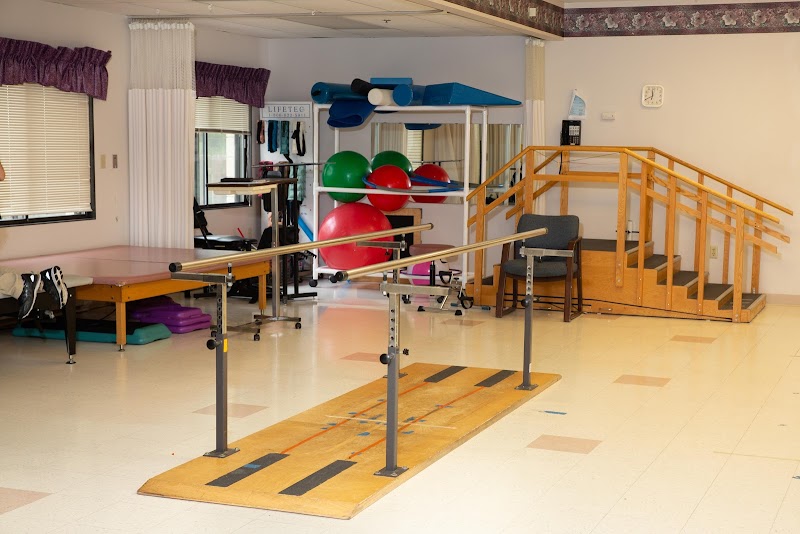
How is Lake Mills Health Services Staffed?

CMS rates LAKE MILLS HEALTH SERVICES's staffing level at 4 out of 5 stars, which is above average compared to other nursing homes. Staff turnover is 35%, compared to the Wisconsin average of 46%. This relatively stable workforce can support continuity of care.

What Have Inspectors Found at Lake Mills Health Services?

State health inspectors documented 18 deficiencies at LAKE MILLS HEALTH SERVICES during 2022 to 2025. These included: 1 Immediate Jeopardy (the most serious level, indicating potential for serious harm or death), 15 with potential for harm, and 2 minor or isolated issues. Immediate Jeopardy findings are rare and represent the most serious regulatory concerns. They require immediate corrective action.
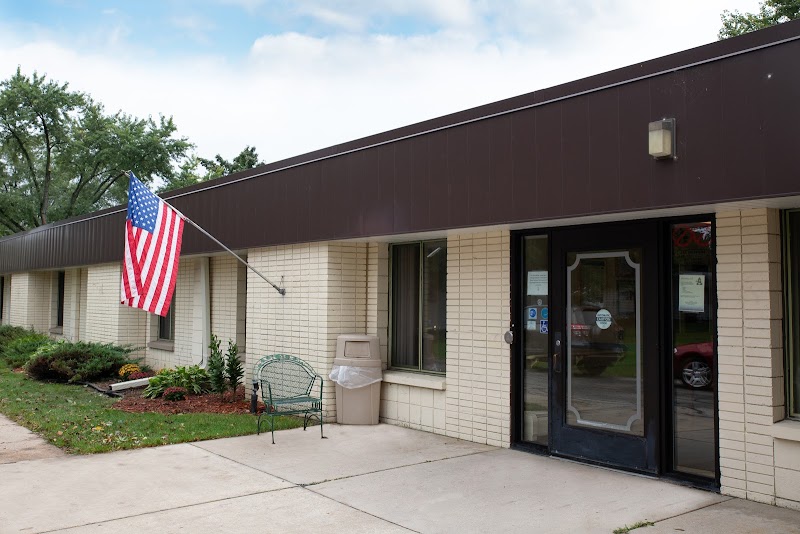
Who Owns and Operates Lake Mills Health Services?

LAKE MILLS HEALTH SERVICES is owned by a for-profit company. For-profit facilities operate as businesses with obligations to shareholders or private owners. The facility is operated by NORTH SHORE HEALTHCARE, a chain that manages multiple nursing homes. With 50 certified beds and approximately 28 residents (about 56% occupancy), it is a smaller facility located in LAKE MILLS, Wisconsin.
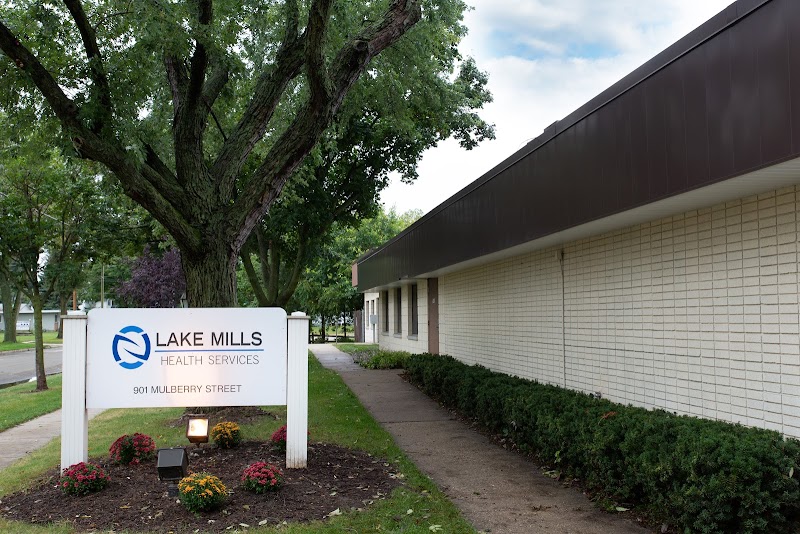
How Does Lake Mills Health Services Compare to Other Wisconsin Nursing Homes?

Compared to the 100 nursing homes in Wisconsin, LAKE MILLS HEALTH SERVICES's overall rating (2 stars) is below the state average of 3.0, staff turnover (35%) is significantly lower than the state average of 46%, and health inspection rating (2 stars) is below the national benchmark.

What Should Families Ask When Visiting Lake Mills Health Services?

Based on this facility's data, families visiting should ask: "What changes have been made since the serious inspection findings, and how are you preventing similar issues?" "Can I visit during a mealtime to observe dining assistance and food quality?" "How do you handle medical emergencies, and what is your hospital transfer rate?" "Can I speak with family members of current residents about their experience?" These questions are particularly relevant given the facility's Immediate Jeopardy citations.

Is Lake Mills Health Services Safe?

Based on CMS inspection data, LAKE MILLS HEALTH SERVICES has documented safety concerns. Inspectors have issued 1 Immediate Jeopardy citation (the most serious violation level indicating risk of serious injury or death). The facility has a 2-star overall rating and ranks #100 of 100 nursing homes in Wisconsin. Families considering this facility should ask detailed questions about what corrective actions have been taken since these incidents.

Do Nurses at Lake Mills Health Services Stick Around?

LAKE MILLS HEALTH SERVICES has a staff turnover rate of 35%, which is about average for Wisconsin nursing homes (state average: 46%). Moderate turnover is common in nursing homes, but families should still ask about staff tenure and how the facility maintains care continuity when employees leave.

Was Lake Mills Health Services Ever Fined?

LAKE MILLS HEALTH SERVICES has no federal fines on record. CMS issues fines when nursing homes fail to meet care standards or don't correct problems found during inspections. The absence of fines suggests the facility has either maintained compliance or corrected any issues before penalties were assessed. This is a positive indicator, though families should still review recent inspection reports for the full picture.

Is Lake Mills Health Services on Any Federal Watch List?

LAKE MILLS HEALTH SERVICES is not on any federal watch list. The most significant is the Special Focus Facility (SFF) program, which identifies the bottom 1% of nursing homes nationally based on persistent, serious quality problems. Not being on this list means the facility has avoided the pattern of deficiencies that triggers enhanced federal oversight. This is a positive indicator, though families should still review the facility's inspection history directly.